

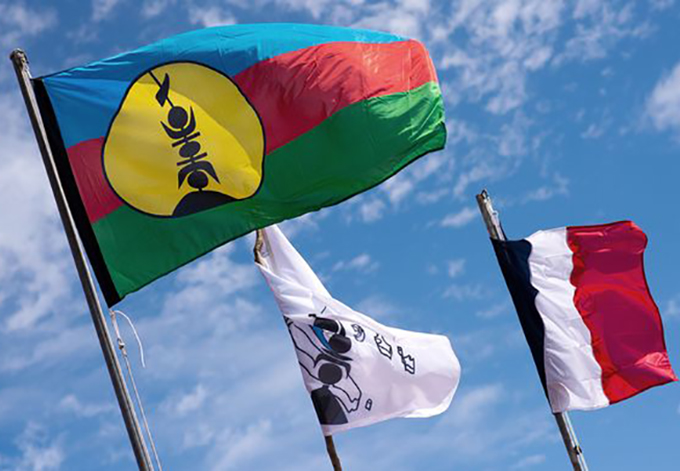
 The Kanak flag and the French Tricolour …. an independence vote is due on November 4. Image: RNZ Pacific
Macron begins New Caledonia visit as independence vote looms

Pacific Media Centre Newsdesk
French President Emmanuel Macron today began a three-day visit to New Caledonia – six months before the territory’s vote on independence from France, reports RNZ Pacific.
Macron is due to meet a wide range of political leaders and visit the northern province and the Loyalty Islands province.
 President Macron … first French president to visit Ouvea since the 1988 hostage crisis. Image: PMC file
He is also due to become the first French president to visit Ouvea where 19 pro-independence Kanak protesters and three French soldiers were killed in a 1988 hostage crisis but there is opposition to him visiting the tomb of the slain Kanaks.
READ MORE: Pacific Islands Forum monitoring team in Tahiti for elections
As part of his programme, Macron will return the original deed with which France took possession of New Caledonia in 1853.
Macron is also due to address the Pacific Community whose headquarters is in Noumea.
Tomorrow, anti-independence supporters are expected to rally in Noumea to express their pride at being French.
The territorial self-determination referendum is due on November 4.
Tahiti elections
In Pape’ete, a team from the Pacific Islands Forum (PIF) has arrived as observers for the second round of the Tahitian general election, reports RNZ Pacific.
The Forum secretariat said it was the first time the Forum had sent observers to the territory since French Polynesia became a full member in 2016.
Marshall Islands chief electoral commissioner Daniel Andrew and a PNG diplomat in Fiji Jacinta Tony-Barron make up the team which is supported by secretariat officials.
They will observe pre-polling, polling and counting for the second round which will take place on Sunday.
Forum Secretary-General Dame Meg Taylor said such exchanges were great opportunities for election officials across the region to share knowledge, experiences and best practice.
After last month’s first round of voting there have been claims of irregularities in Bora Bora, Makemo and Huahine.
A complaint has been lodged seeking to annul the Huahine election.
In 2004, the results in the Society Islands were annulled and fresh elections were then held in early 2005.
This article has been republished as part of the content sharing agreement between Radio New Zealand and the AUT Pacific Media Centre.

Article by AsiaPacificReport.nz
]]>Free media week killings underscore crimes impunity against journalists

The media freedom monitoring group Reporters Without Borders details how it has trained journalists in Afghanistan to be aware of double suicide bomb attacks. Video: Euronews
BRIEFING: By David Robie
Monday – just three days before today’s World Press Freedom Day – was the deadliest day for news media in Afghanistan in 17 years. The killing of nine journalists and media workers among 26 people who died in dual suicide bomb attacks in Kabul was the worst day for the press since the fall of the Taliban.
Five other journalists were wounded and a 10th journalist was shot and killed in a separate attack outside the capital.
Among the dead was Agence France-Presse chief photographer Shah Marai who left behind an extraordinary legacy of images.
READ MORE: Hatred of journalism threatens democracies
It was the also the most horrendous day for global media too since the Ampatuan massacre on the southern Philippines island of Mindanao on 23 November 2009. A shocking 32 journalists were murdered that day, most of the total death toll of 58 in an ambush on a pre-election cavalcade.
To date nobody has been successfully brought to justice. The scores of private militia “owned” by the Ampatuan family alleged to have carried out the killings have got away with their vile crime almost scot-free.
However, some suspects have been detained and others are out on bail.
Also, a military task force has launched a massive disarmament programme in Maguindanao province in a bid to curb vendetta-driven crimes.
High-powered weapons
Twenty two high-powered weapons were handed in by the local mayor of an Ampatuan clan bringing the number of 439 firearms either “recovered or surrendered in Maguindanao and Sultan Kuarat in the past four months.
The Ampatuans handed over nine M79 grenade launchers, six Barret rifles, a rocket-propelled grenade launcher, a mortar, an M16-A1 rifle, a Garand rifle, one Uzi and one carbine.
Eight years after the Ampatuan killings, of the 197 men originally accused, only 13 have been brought before the court for judgement since the start of proceedings in January 2010 and more than 250 witnesses have been heard.
“It’s supposed to be the trial of the century. Yet eight years later, no convictions have been made in the Maguindanao massacre cases … the worst case of election-related violence in the Philippines,” writes Rappler journalist Sofia Tomacruz.
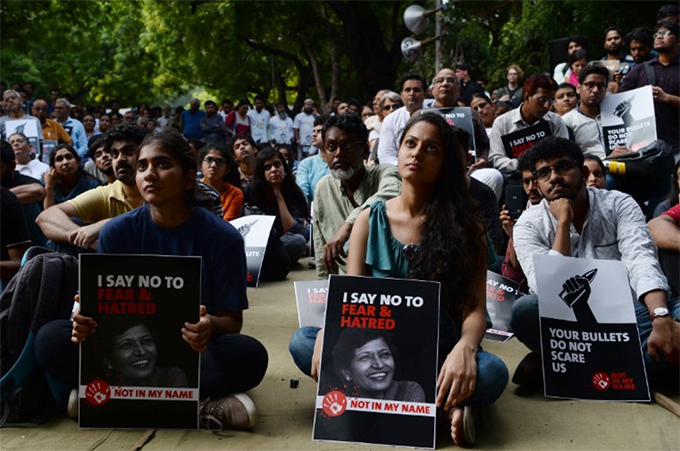 The “I say no to hatred” photo in India on the cover of IFJ’s 2018 “Clampdowns and Courage” end impunity report. Image: IFJ
Asia-Pacific has clearly become the most dangerous region for journalists. More specifically, South Asia, according to a new International Federation of Journalists report that is being launched today.
The report, entitled Clampdowns and Courage: Press Freedom in South Asia 2017-18, says that a total of 33 journalists lost their lives across South Asia in the year ending April 2018, making it “the most dangerous region in the world for journalists”.
The latest attacks underscore the global targeting of journalists and the impunity that most of their killers enjoy.
‘Justice is elusive’
“In most of the cases of killing of journalists in South Asia, justice is elusive, says the IFJ.
“The 33 journalist colleagues whom we lost this year add to a long list of hundreds of slain journalists awaiting justice after being killed for carrying out their professional duties. The struggle for justice is a challenging process, and in many cases the process doesn’t even begin.”
The IFJ’s report highlights the case of leading editor Gauri Lankesh who was among the slain journalists.
“She was shot dead in Bengaluru in India in September 2017,” recalled the IFJ.
“Despite repeated commitments from authorities, it took six months to nab an accused, the suspected supplier of firearms where the actual shooters are still at large.”
The IFJ says in its report that more than 30 journalists have been killed over the past decades in India while doing their professional work.
Last week, the Paris-based Reporters Without Borders warned over what it described as a “growing animosity towards journalists” around the globe.
“Hostility towards the media, openly encouraged by political leaders, and the efforts of authoritarian regimes to export their vision of journalism pose a threat to democracies,” says the media freedom agency.
The line separating verbal violence from physical violence is dissolving, says RSF.
Assassination threat
In the Philippines (falling six places to 133rd in the RSF World Press Freedom Index), President Rodrigo Duterte “not only constantly insults reporters but has also [has] warned them that they ‘are not exempted from assassination’.
In India (down two places to 138th), “hate speech targeting journalists is shared and amplified on social networks, often by troll armies in Prime Minister Narendra Modi’s pay”.
In both countries, says RSF, at least four journalists were gunned down in cold blood in the space of a year.
Also in the Philippines, encouraged by the aggressively anti-media stance of their president, the Congress initiated a “good news only” clampdown on the media reporting about the lawmakers barely a week before Media Freedom Day.
Reporters in the House of Representatives have protested against the new media accreditation rules that demand only positive coverage of the Congress, the lawmakers and its officials.
A 19-page draft policy statement distributed by the accrediting agency Press and Public Affairs Bureau (PPAB) says it seeks to ban journalists who “besmirch the reputation” of Congress, its officials and members.
Breaching a proposed six-point list of violations will mean cancellation of a journalist’s press identity card and being barred from covering Congress.
Ironically, the Philippines is also taking advantage of a Chinese agreement to help develop the infrastructure for government broadcasting system and has indicated it is “with China” in its approach to the freedom, of the press just when RSF has warned the Asia-Pacific region of Beijing’s impact on the media.
RSF says the Chinese model of state-controlled news and information “is being copied” in Asian countries. A warning too for the Pacific.
The “I say no to hatred” photo in India on the cover of IFJ’s 2018 “Clampdowns and Courage” end impunity report. Image: IFJ
Asia-Pacific has clearly become the most dangerous region for journalists. More specifically, South Asia, according to a new International Federation of Journalists report that is being launched today.
The report, entitled Clampdowns and Courage: Press Freedom in South Asia 2017-18, says that a total of 33 journalists lost their lives across South Asia in the year ending April 2018, making it “the most dangerous region in the world for journalists”.
The latest attacks underscore the global targeting of journalists and the impunity that most of their killers enjoy.
‘Justice is elusive’
“In most of the cases of killing of journalists in South Asia, justice is elusive, says the IFJ.
“The 33 journalist colleagues whom we lost this year add to a long list of hundreds of slain journalists awaiting justice after being killed for carrying out their professional duties. The struggle for justice is a challenging process, and in many cases the process doesn’t even begin.”
The IFJ’s report highlights the case of leading editor Gauri Lankesh who was among the slain journalists.
“She was shot dead in Bengaluru in India in September 2017,” recalled the IFJ.
“Despite repeated commitments from authorities, it took six months to nab an accused, the suspected supplier of firearms where the actual shooters are still at large.”
The IFJ says in its report that more than 30 journalists have been killed over the past decades in India while doing their professional work.
Last week, the Paris-based Reporters Without Borders warned over what it described as a “growing animosity towards journalists” around the globe.
“Hostility towards the media, openly encouraged by political leaders, and the efforts of authoritarian regimes to export their vision of journalism pose a threat to democracies,” says the media freedom agency.
The line separating verbal violence from physical violence is dissolving, says RSF.
Assassination threat
In the Philippines (falling six places to 133rd in the RSF World Press Freedom Index), President Rodrigo Duterte “not only constantly insults reporters but has also [has] warned them that they ‘are not exempted from assassination’.
In India (down two places to 138th), “hate speech targeting journalists is shared and amplified on social networks, often by troll armies in Prime Minister Narendra Modi’s pay”.
In both countries, says RSF, at least four journalists were gunned down in cold blood in the space of a year.
Also in the Philippines, encouraged by the aggressively anti-media stance of their president, the Congress initiated a “good news only” clampdown on the media reporting about the lawmakers barely a week before Media Freedom Day.
Reporters in the House of Representatives have protested against the new media accreditation rules that demand only positive coverage of the Congress, the lawmakers and its officials.
A 19-page draft policy statement distributed by the accrediting agency Press and Public Affairs Bureau (PPAB) says it seeks to ban journalists who “besmirch the reputation” of Congress, its officials and members.
Breaching a proposed six-point list of violations will mean cancellation of a journalist’s press identity card and being barred from covering Congress.
Ironically, the Philippines is also taking advantage of a Chinese agreement to help develop the infrastructure for government broadcasting system and has indicated it is “with China” in its approach to the freedom, of the press just when RSF has warned the Asia-Pacific region of Beijing’s impact on the media.
RSF says the Chinese model of state-controlled news and information “is being copied” in Asian countries. A warning too for the Pacific.
 Graphic showing RSF Index 2018 Asia-Pacific region freedom rankings. Image: RSF
Pacific issues
In the Pacific, both Tonga (51st) and Papua New Guinea (53rd) have dropped two places, and Samoa one place (22nd).
The biggest climbs were by Fiji (up 10 places to 57th), New Zealand (five places to 8th) -back into the top 10 globally – and Timor-Leste three places to 95th. Solomon Islands was unranked while Australia remained on 19th (mainly due to the concentrated media ownership in that country). Other Oceania nations were not cited.
This is especially surprising about Vanuatu, where the local newspaper Vanuatu Daily Post has been a leading example of press freedom and courageous journalism for a few years.
Although interest remains high about West Papua in the Pacific, the region is “lost” in the RSF ranking for Indonesia (which remains unchanged at 124th). President Joko Widodo is accused of “breaking his campaign promises” with his presidency marked by “serious media freedom violations, including drastically restricting media access to the Papua and West Papua provinces (the Indonesian half of the island of New Guinea), where violence against local journalists continues to grow”.
In Fiji, where the “chill” factor is still strong, the big test will come with the second post-coup election likely to be in September.
While acknowledging a modest freeing up of the media with the 2014 election, RSF says: “The media are nonetheless still restricted by the draconian 2010 Media Industry Development Decree and the Media Industry Development Authority (MIDA) that it created. Violating the decree is punishable by up to two years in prison and the MIDA’s independence is questionable.”
However, New Zealand should not be too smug about its return to favour in the top 10 of world press freedom nations (due to the Commerce Commission’s rejection of the proposed merger of Fairfax and NZME with the threat to plurality).
RSF says there are still political pressures: “The media continue to demand changes to the Official Information Act, which obstructs the work of journalists by allowing government agencies a long time to respond to information requests and even makes journalists pay several hundred dollars for the information.”
While the threats to media freedom in Oceania remain fairly benign compared with much of the rest of the world, vigilance is needed.
And there is a challenge to journalism schools in New Zealand and the Pacific. They ought to put far more resources and teaching strategies into addressing how to keep young journalists safe in an increasingly hostile world for the media.
Dr David Robie is convenor of the Pacific Media Centre’s Pacific Media Watch freedom project.
Graphic showing RSF Index 2018 Asia-Pacific region freedom rankings. Image: RSF
Pacific issues
In the Pacific, both Tonga (51st) and Papua New Guinea (53rd) have dropped two places, and Samoa one place (22nd).
The biggest climbs were by Fiji (up 10 places to 57th), New Zealand (five places to 8th) -back into the top 10 globally – and Timor-Leste three places to 95th. Solomon Islands was unranked while Australia remained on 19th (mainly due to the concentrated media ownership in that country). Other Oceania nations were not cited.
This is especially surprising about Vanuatu, where the local newspaper Vanuatu Daily Post has been a leading example of press freedom and courageous journalism for a few years.
Although interest remains high about West Papua in the Pacific, the region is “lost” in the RSF ranking for Indonesia (which remains unchanged at 124th). President Joko Widodo is accused of “breaking his campaign promises” with his presidency marked by “serious media freedom violations, including drastically restricting media access to the Papua and West Papua provinces (the Indonesian half of the island of New Guinea), where violence against local journalists continues to grow”.
In Fiji, where the “chill” factor is still strong, the big test will come with the second post-coup election likely to be in September.
While acknowledging a modest freeing up of the media with the 2014 election, RSF says: “The media are nonetheless still restricted by the draconian 2010 Media Industry Development Decree and the Media Industry Development Authority (MIDA) that it created. Violating the decree is punishable by up to two years in prison and the MIDA’s independence is questionable.”
However, New Zealand should not be too smug about its return to favour in the top 10 of world press freedom nations (due to the Commerce Commission’s rejection of the proposed merger of Fairfax and NZME with the threat to plurality).
RSF says there are still political pressures: “The media continue to demand changes to the Official Information Act, which obstructs the work of journalists by allowing government agencies a long time to respond to information requests and even makes journalists pay several hundred dollars for the information.”
While the threats to media freedom in Oceania remain fairly benign compared with much of the rest of the world, vigilance is needed.
And there is a challenge to journalism schools in New Zealand and the Pacific. They ought to put far more resources and teaching strategies into addressing how to keep young journalists safe in an increasingly hostile world for the media.
Dr David Robie is convenor of the Pacific Media Centre’s Pacific Media Watch freedom project.
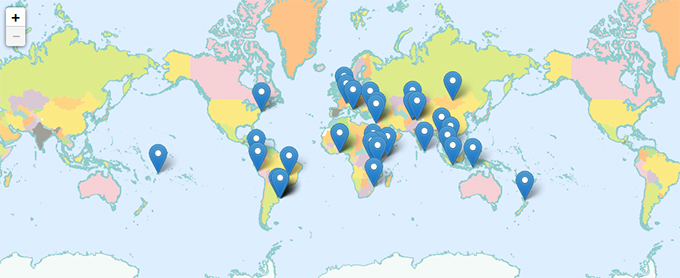 The UNESCO map of WPFD events – the only one indicated in Australia or New Zealand is at AUT. Link to the interactive map.
China’s media control threatens Asia-Pacific democracies, says RSF
PNG prime minister slams gas failure report as ‘fake news’

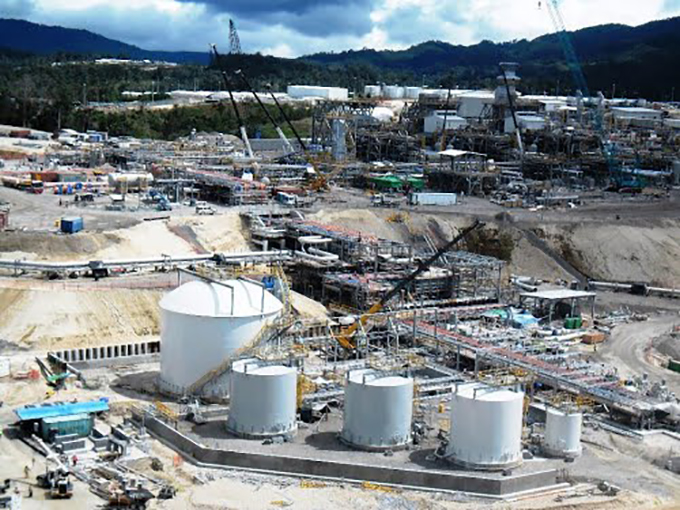 The huge PNG Hides gas conditioning plant in Hela province, Papua New Guinea. Image: PNG-Geo
By Stefan Armbruster of SBS News in Brisbane
Papua New Guinea’s prime minister has dismissed as “fake news” a report that claims a partially-Australian funded liquefied natural gas project is failing to deliver a promised economic boom to his people.
Prime Minister Peter O’Neill, in Brisbane for the Australian-PNG business forum, hit out at a damning report by social justice non-government organisation Jubilee Australia which questioned whether projected economic benefits were flowing from the ExxonMobil-led project.
“It’s quite disappointing to note that some of our experts who align themselves with political opponents are continuing to talk down our economy and continuing to release fake news,” O’Neill said in his address to the forum.
READ MORE: Failed predictions and the PNG resource curse
The project supplies eight million tonnes of gas a year to Japan, South Korea and China, with the flow starting in 2014.
Australia’s export credit agency Efic made its largest-ever loan of $500 million to ExxonMobil, OilSearch, Santos and the PNG government in 2009.
Questions are now being asked why the project was backed by the Australian government.
“The people of PNG would have been better off had the project not happened at all,” report co-author Paul Flanagan, a former Australian Treasury official, said.
Report defended
Flanagan also defended the report: “I feel at this stage very, very confident in the numbers we had in that report. The report indicated that welfare in PNG has decreased because of the PNG LNG project.”
But O’Neill characterised the report as “utter nonsense” in his keynote address.
“It’s quite disappointing to note that some experts, who align themselves with political groupings, continue to talk down the (PNG) economy and continue to release fake news,” O’Neill said.
“It’s quite unrealistic to suggest the LNG project is not contributing to the economy of the country.”
ExxonMobil has defended the project saying it had contributed $5.69 billion to local businesses and the government through employment tax and royalties.
“Good governance, accountability and revenue transparency are critical to ensuring that the value unlocked from gas resources in PNG results in economic growth, increased opportunities and a better standard of living for Papua New Guineans,” a spokeswoman said.
A failure to identify landowners who would get hundreds of millions of dollars in royalties has triggered violence in PNG’S Highlands, raising fears of a resources civil war like the 1990s Bougainville crisis.
Australian backing questioned
Australian Australia’s backing of the project before the landowners’ issue was resolved is now being questioned. The report’s co-author, Paul Flanagan, says stakeholders need to be careful.
“It would seem sensible to ensure that local laws are followed before those funds are released,” he said.
Australia’s overseas-finance agency Efic backed the project with a $500 million loan. Australia’s Assistant Trade Minister, Mark Coulston, says there will be an investigation, but he says he cannot comment further at this stage.
“Obviously, there will be an investigation into the mechanism of how that works,” he said.
Coulton focused on the “game changer” upcoming Asia Pacific Economic Cooperation leaders summit in Port Moresby.
“It is an opportunity to showcase the business potential of PNG to the world – a stable, reliable democracy and an attractive commercial environment,” Coulton said.
“It is incumbent on us, during tough times, to keep making the case about the growth and competitiveness that comes from opening markets to trade and investment.”
Free trade stand
He praised PNG’s decision to reconsider joining up to the Pacific Pacer Plus free trade agreement.
Australian companies have $18 billion invested in PNG and more than 4600 Australian businesses are exporting goods into PNG.
A Exxon natural gas project site in Papua New Guinea.
Santos says liquefied natural gas production in PNG will return to full capacity next month.
Stefan Armbruster is Pacific correspondent of SBS News. Additional reporting by AAP, Amanda Copp. This article is republished with permission.
Article by AsiaPacificReport.nz
]]>Newsletter: New Zealand Politics Daily – May 02 2018 – Today’s content
Newsletter: New Zealand Politics Daily – May 02 2018 – Today’s content
Editor’s Note: Here below is a list of the main issues currently under discussion in New Zealand and links to media coverage.
[caption id="attachment_297" align="aligncenter" width="640"] The Beehive and Parliament Buildings.[/caption]
Below are the links to the items online. The full text of these items are contained in the PDF file (click to download).
Government
Henry Cooke (Stuff): Does the Government have any money for this budget? Yes
Dominion Post Editorial: Your doctor will see you now … or maybe later
Bryce Edwards (Newsroom): Labour’s great and dangerous expectations
Guyon Espiner (RNZ): Caught in the mainstream
Danyl Mclauchlan (Spinoff): Judith Collins is right: Jacinda Arden is an inveterate virtue-signaller
Jenna Lynch (Newshub): Election promises shaky ahead of Govt’s first Budget
Tracy Watkins (Stuff): Why Labour isn’t about to fall for the ‘spend more’ honey trap
Barry Soper (Newstalk ZB): Peters the real power behind the throne
Brad Olsen (Infometrics): Government set to dampen Budget expectations
1News: ‘Critical public services’ to see boost in Budget 2018, with promised surplus – Robertson
Emma Hurley (Newshub): How much of the Government’s $8b health boost will be delivered in its first Budget?
Emma Hurley (Newshub): Majority want big changes to the tax system, says Tax Working Group
Jane Patterson (RNZ): Govt has freed up $700m in Budget – Minister
Jason Walls (Interest): The scale of New Zealand’s infrastructure deficit is ‘massive’
RNZ: National rubbishes claims it neglected govt books
Richard Harman (Politik): Speaker surprised at Curran decision
Clarke Gayford
David Fisher (Herald): False Clarke Gayford rumours: Police and PM Jacinda Ardern respond to widely circulated fake slurs
Julia Llewellyn Smith (The Telegraph): Meet New Zealand’s ‘First Bloke’: the man who’ll become a stay-at-home dad when his PM partner gives birth
Stuff: Jacinda Ardern was another man’s date the first time she met Clarke Gayford
Newshub: Clarke Gayford shares how he met Prime Minister Jacinda Ardern
GST online
Thomas Coughlan (Newsroom): Up to half of sites may avoid ‘Amazon tax’
Emma Hatton and Katie Scotcher (RNZ): GST change: Retailers rejoice, consumers divided
Paul Brislen (RNZ): Choice beats out GST for internet shoppers
Jihee Junn (The Spinoff): What is the ‘Amazon tax’ and why does it matter?
Lucy Bennet and Ryan Dunlop (Herald): Amazon tax: What it means
Aimee Shaw (Herald): ‘Amazon tax’ not a magic bullet for retail sector: expert
Aimee Shaw (Herald): Kiwis to pay GST on all online shopping from next year
Anuja Nadkarni (Stuff): Amazon tax could be all the difference
RNZ: Govt announces ‘Amazon tax’ to apply GST to online goods
Tom Pullar-Strecker (Stuff): Amazon tax will be accepted as ‘fair play’, minister forecasts
Tom Pullar-Strecker (Stuff): Amazon tax: What it means for online shopping
Anna Bracewell-Worrall (Newshub): Explainer: How will GST on online purchases affect me?
Jason Walls (Interest): The Revenue Minister has the go-ahead from the Tax Working Group to require overseas businesses to collect
Lucy Bennett (Herald): Kiwi retailers pleased with GST on overseas online sellers
BP petrol pricing and transport
Hamish Rutherford (Stuff): Petrol industry antics shows the Auckland regional fuel tax could descend into farce
Newshub: Jacinda Ardern having trouble trusting fuel companies after leaked
Susan Edmunds (Stuff): BP not alone in price ‘cross-subsidisation’
Amber-Leigh Woolf (Stuff): Planning needs to start now for driverless future, say experts
Newshub: Auckland fuel tax ‘not as good as I want’ – Phil Goff
Kelly Tantau (Stuff):Politicians unlock doors to New Zealand’s first underground train station
Justice
Ryan Boswell (1News): Inmates at numerous New Zealand prisons accuse jail staff of sexual abuse and serious assaults
Ryan Dunlop (Herald): Corrections Department reviewing complaints process
Hannah Bartlett (Nelson Mail): Nelson’s young crims with nowhere to go face prospect of hard time in police cells
Catherine Hutton (RNZ): Report shows Family Court systems are failing
Health
Jo Moir (Stuff): More DHB chair turnover but Health Minister says it’s not political
Gordon Campbell (Werewolf): On health promises, BP, and the White House correspondents furore
Pete George:More from Minister of Health on GP fees promise
1News: ‘Middlemore was just the tip of the iceberg’ – Jacinda Ardern hits back at National after criticism of possible delay in cheaper GP visits
Northcote by-election and electoral roll
Anna Bracewell-Worrall (Newshub): New Zealand First not standing in Northcote by-election
Isaac Davison (Herald): Winston Peters says NZ First wants no part in ‘needless’ $1m Northcote byelection
Laura Walters (Stuff): NZ First will not stand a candidate in the Northcote by-election
RNZ: Māori roll decreases in first month of option
Environment, primary and extractive industries
Bernard Hickey (Newsroom): Help the old bomb owners this time
Shane Cowlishaw (Newsroom): Future of ‘three waters’ still unclear
Walter Breustedt (Hawke’s Bay Today): Oil and gas ban a wakeup call
Guy Trafford (Interest): Claims of importance, risks and priority ring hollow when ‘new’ biosecurity organisation gets unchanged funding with same staffing levels
Herald: Canterbury farmer ‘wiped out’ third of rare NZ plant species
RNZ: Warnings over NZ’s kerbside recycling
Eva Corlett (RNZ): Flouting Waitākere ban could incur $200k fine
International relations and trade
Sam Sachdeva (Newsroom): Water, water everywhere: NZ’s maritime security threats
Jeremy Rees (Newsroom): NZ a bus stop on China’s ‘Belt and Road’
Isaac Davison (Herald): United Arab Emirates minister has unlikely connection to NZ
Catrin Owen (Stuff): Man charged for offending inside New Zealand Embassy continues to keep identity secret
Newstalk ZB: Peters: ‘Premature’ to talk Peace Prize for President
Housing and construction industry
Anusha Bradley (RNZ): Homeless families displaced by art deco festival
Eleanor Wenman (Stuff): No easy fix to New Zealand’s shortage in tradesmen and builders
Eleanor Wenman (Stuff): NZ needs more than 50,000 construction workers by 2022 to keep up with demand
Banking industry
Pattrick Smellie (BusinessDesk): Warning to NZ banks: prove you’re clean
Rob Stock (Stuff): Warning to NZ’s Aussie-owned banks: Prove we can trust you
Tamsyn Parker (Herald): FMA to NZ banks: Show us you are not ripping off customers
Drugs
Shane Te Pou (Newsroom): Cannabis could cut opioid abuse off at the knees
Russell Brown (Public Address): A handful of deeply precious days: a select committee submission
Herald: P use is affecting children in every classroom in Northland: Principal
Charlie Dreaver (RNZ): Dannevirke vs P: Battle hits the streets
Local government
Rachel Stewart (Herald): Why the ‘h’ do they bother?
Jimmy Ellingham (Stuff): Livestreaming meetings and hosting petitions shouldn’t be so hard
No Right Turn: In support of Māori wards
Jane Matthews (Stuff): Māori ward debate addresses ignorance and inclusion
Damian George (Stuff): 130 doctors agree Wellington’s poor cycling infrastructure is ‘killing’ people
Nikki Mandow (Newsroom): Developers to meet $800m infrastructure bill
Tim Brown (RNZ): Mayor to citizen: ‘Are you deaf or just stupid?’
Nicholas Boyack (Stuff): Hutt council to recoup $213,000 to manage popular Lower Hutt market
Education
RNZ: Ministry urges ‘bold step’ for Māori education
Katie Fitzpatrick (Herald): Tomorrow’s Schools review by yesterday’s experts
Adele Redmond (Stuff): Sticks and Stones: School bullying rates may reflect an intolerant culture – but cultures change
Imogen Neale (Stuff): Construction company ordered to pay Education Ministry $13.4 million
Chelsea Boyle (Herald): Construction company to pay millions for leaky school buildings
Jessica Long (Stuff): Victoria University looking to change name to avoid overseas confusion
Government transparency
No Right Turn: A deceitful agency
Aaron Leaman (Stuff): Auckland University partially refunds ‘unreasonable’ costs
Michael Hayward (Stuff): EQC may release repair information to prospective home buyers under planned law changes
Race and ethnicity
Stuff: Dancing With The Stars contestant Marama Fox on the skinny, white boy comment
Dave Ward (Spinoff): A voiceover artist on being asked to deliberately mispronounce te reo
Hamish McNeilly (Stuff): Listings withdrawn for white supremacist rallies in Dunedin and Christchurch
Herald: White supremacist Dunedin rally advertised on EventFinda
Other
Zaryd Wilson (Wanganui Chronicle): Kelvin Davis to canvas ideas at Maori/Crown relations hui in Whanganui
Aimee Shaw (Herald): Retailers’ and brands’ supply chain information should be publicly available: Tearfund
Sophie Boot (BusinessDesk): Former Prime Minister Bill English appointed to ASX-listed Wesfarmers board
Murray Brewer (The Spinoff): Invest in the regions to save Auckland from itself
Karoline Tuckey (Stuff): Power and progress: Key leadership roles in Manawatū switching to women
Tina Morrison (Herald): SkyCity convention centre faces further six-month delay
Newsroom: Further delays for SkyCity convention centre
Mānia Clarke (Maori TV): Delamere calls on govt to honour promise to skilled migrants
ODT Editorial: Saving professional theatre
Madeleine Chapman (The Spinoff):I feel for Deborah Hill Cone and Kate Hawkesby
Herald: MPs labelled time-wasters over Prince Louis congratulations
Emma Hurley (Newshub): Green co-leader sings Māori waiata for Royal baby Louis in Parliament]]>
The Beehive and Parliament Buildings.[/caption]
Below are the links to the items online. The full text of these items are contained in the PDF file (click to download).
Government
Henry Cooke (Stuff): Does the Government have any money for this budget? Yes
Dominion Post Editorial: Your doctor will see you now … or maybe later
Bryce Edwards (Newsroom): Labour’s great and dangerous expectations
Guyon Espiner (RNZ): Caught in the mainstream
Danyl Mclauchlan (Spinoff): Judith Collins is right: Jacinda Arden is an inveterate virtue-signaller
Jenna Lynch (Newshub): Election promises shaky ahead of Govt’s first Budget
Tracy Watkins (Stuff): Why Labour isn’t about to fall for the ‘spend more’ honey trap
Barry Soper (Newstalk ZB): Peters the real power behind the throne
Brad Olsen (Infometrics): Government set to dampen Budget expectations
1News: ‘Critical public services’ to see boost in Budget 2018, with promised surplus – Robertson
Emma Hurley (Newshub): How much of the Government’s $8b health boost will be delivered in its first Budget?
Emma Hurley (Newshub): Majority want big changes to the tax system, says Tax Working Group
Jane Patterson (RNZ): Govt has freed up $700m in Budget – Minister
Jason Walls (Interest): The scale of New Zealand’s infrastructure deficit is ‘massive’
RNZ: National rubbishes claims it neglected govt books
Richard Harman (Politik): Speaker surprised at Curran decision
Clarke Gayford
David Fisher (Herald): False Clarke Gayford rumours: Police and PM Jacinda Ardern respond to widely circulated fake slurs
Julia Llewellyn Smith (The Telegraph): Meet New Zealand’s ‘First Bloke’: the man who’ll become a stay-at-home dad when his PM partner gives birth
Stuff: Jacinda Ardern was another man’s date the first time she met Clarke Gayford
Newshub: Clarke Gayford shares how he met Prime Minister Jacinda Ardern
GST online
Thomas Coughlan (Newsroom): Up to half of sites may avoid ‘Amazon tax’
Emma Hatton and Katie Scotcher (RNZ): GST change: Retailers rejoice, consumers divided
Paul Brislen (RNZ): Choice beats out GST for internet shoppers
Jihee Junn (The Spinoff): What is the ‘Amazon tax’ and why does it matter?
Lucy Bennet and Ryan Dunlop (Herald): Amazon tax: What it means
Aimee Shaw (Herald): ‘Amazon tax’ not a magic bullet for retail sector: expert
Aimee Shaw (Herald): Kiwis to pay GST on all online shopping from next year
Anuja Nadkarni (Stuff): Amazon tax could be all the difference
RNZ: Govt announces ‘Amazon tax’ to apply GST to online goods
Tom Pullar-Strecker (Stuff): Amazon tax will be accepted as ‘fair play’, minister forecasts
Tom Pullar-Strecker (Stuff): Amazon tax: What it means for online shopping
Anna Bracewell-Worrall (Newshub): Explainer: How will GST on online purchases affect me?
Jason Walls (Interest): The Revenue Minister has the go-ahead from the Tax Working Group to require overseas businesses to collect
Lucy Bennett (Herald): Kiwi retailers pleased with GST on overseas online sellers
BP petrol pricing and transport
Hamish Rutherford (Stuff): Petrol industry antics shows the Auckland regional fuel tax could descend into farce
Newshub: Jacinda Ardern having trouble trusting fuel companies after leaked
Susan Edmunds (Stuff): BP not alone in price ‘cross-subsidisation’
Amber-Leigh Woolf (Stuff): Planning needs to start now for driverless future, say experts
Newshub: Auckland fuel tax ‘not as good as I want’ – Phil Goff
Kelly Tantau (Stuff):Politicians unlock doors to New Zealand’s first underground train station
Justice
Ryan Boswell (1News): Inmates at numerous New Zealand prisons accuse jail staff of sexual abuse and serious assaults
Ryan Dunlop (Herald): Corrections Department reviewing complaints process
Hannah Bartlett (Nelson Mail): Nelson’s young crims with nowhere to go face prospect of hard time in police cells
Catherine Hutton (RNZ): Report shows Family Court systems are failing
Health
Jo Moir (Stuff): More DHB chair turnover but Health Minister says it’s not political
Gordon Campbell (Werewolf): On health promises, BP, and the White House correspondents furore
Pete George:More from Minister of Health on GP fees promise
1News: ‘Middlemore was just the tip of the iceberg’ – Jacinda Ardern hits back at National after criticism of possible delay in cheaper GP visits
Northcote by-election and electoral roll
Anna Bracewell-Worrall (Newshub): New Zealand First not standing in Northcote by-election
Isaac Davison (Herald): Winston Peters says NZ First wants no part in ‘needless’ $1m Northcote byelection
Laura Walters (Stuff): NZ First will not stand a candidate in the Northcote by-election
RNZ: Māori roll decreases in first month of option
Environment, primary and extractive industries
Bernard Hickey (Newsroom): Help the old bomb owners this time
Shane Cowlishaw (Newsroom): Future of ‘three waters’ still unclear
Walter Breustedt (Hawke’s Bay Today): Oil and gas ban a wakeup call
Guy Trafford (Interest): Claims of importance, risks and priority ring hollow when ‘new’ biosecurity organisation gets unchanged funding with same staffing levels
Herald: Canterbury farmer ‘wiped out’ third of rare NZ plant species
RNZ: Warnings over NZ’s kerbside recycling
Eva Corlett (RNZ): Flouting Waitākere ban could incur $200k fine
International relations and trade
Sam Sachdeva (Newsroom): Water, water everywhere: NZ’s maritime security threats
Jeremy Rees (Newsroom): NZ a bus stop on China’s ‘Belt and Road’
Isaac Davison (Herald): United Arab Emirates minister has unlikely connection to NZ
Catrin Owen (Stuff): Man charged for offending inside New Zealand Embassy continues to keep identity secret
Newstalk ZB: Peters: ‘Premature’ to talk Peace Prize for President
Housing and construction industry
Anusha Bradley (RNZ): Homeless families displaced by art deco festival
Eleanor Wenman (Stuff): No easy fix to New Zealand’s shortage in tradesmen and builders
Eleanor Wenman (Stuff): NZ needs more than 50,000 construction workers by 2022 to keep up with demand
Banking industry
Pattrick Smellie (BusinessDesk): Warning to NZ banks: prove you’re clean
Rob Stock (Stuff): Warning to NZ’s Aussie-owned banks: Prove we can trust you
Tamsyn Parker (Herald): FMA to NZ banks: Show us you are not ripping off customers
Drugs
Shane Te Pou (Newsroom): Cannabis could cut opioid abuse off at the knees
Russell Brown (Public Address): A handful of deeply precious days: a select committee submission
Herald: P use is affecting children in every classroom in Northland: Principal
Charlie Dreaver (RNZ): Dannevirke vs P: Battle hits the streets
Local government
Rachel Stewart (Herald): Why the ‘h’ do they bother?
Jimmy Ellingham (Stuff): Livestreaming meetings and hosting petitions shouldn’t be so hard
No Right Turn: In support of Māori wards
Jane Matthews (Stuff): Māori ward debate addresses ignorance and inclusion
Damian George (Stuff): 130 doctors agree Wellington’s poor cycling infrastructure is ‘killing’ people
Nikki Mandow (Newsroom): Developers to meet $800m infrastructure bill
Tim Brown (RNZ): Mayor to citizen: ‘Are you deaf or just stupid?’
Nicholas Boyack (Stuff): Hutt council to recoup $213,000 to manage popular Lower Hutt market
Education
RNZ: Ministry urges ‘bold step’ for Māori education
Katie Fitzpatrick (Herald): Tomorrow’s Schools review by yesterday’s experts
Adele Redmond (Stuff): Sticks and Stones: School bullying rates may reflect an intolerant culture – but cultures change
Imogen Neale (Stuff): Construction company ordered to pay Education Ministry $13.4 million
Chelsea Boyle (Herald): Construction company to pay millions for leaky school buildings
Jessica Long (Stuff): Victoria University looking to change name to avoid overseas confusion
Government transparency
No Right Turn: A deceitful agency
Aaron Leaman (Stuff): Auckland University partially refunds ‘unreasonable’ costs
Michael Hayward (Stuff): EQC may release repair information to prospective home buyers under planned law changes
Race and ethnicity
Stuff: Dancing With The Stars contestant Marama Fox on the skinny, white boy comment
Dave Ward (Spinoff): A voiceover artist on being asked to deliberately mispronounce te reo
Hamish McNeilly (Stuff): Listings withdrawn for white supremacist rallies in Dunedin and Christchurch
Herald: White supremacist Dunedin rally advertised on EventFinda
Other
Zaryd Wilson (Wanganui Chronicle): Kelvin Davis to canvas ideas at Maori/Crown relations hui in Whanganui
Aimee Shaw (Herald): Retailers’ and brands’ supply chain information should be publicly available: Tearfund
Sophie Boot (BusinessDesk): Former Prime Minister Bill English appointed to ASX-listed Wesfarmers board
Murray Brewer (The Spinoff): Invest in the regions to save Auckland from itself
Karoline Tuckey (Stuff): Power and progress: Key leadership roles in Manawatū switching to women
Tina Morrison (Herald): SkyCity convention centre faces further six-month delay
Newsroom: Further delays for SkyCity convention centre
Mānia Clarke (Maori TV): Delamere calls on govt to honour promise to skilled migrants
ODT Editorial: Saving professional theatre
Madeleine Chapman (The Spinoff):I feel for Deborah Hill Cone and Kate Hawkesby
Herald: MPs labelled time-wasters over Prince Louis congratulations
Emma Hurley (Newshub): Green co-leader sings Māori waiata for Royal baby Louis in Parliament]]>
Opposition PNG MP wins court phone reprieve for ‘at risk’ lives

EMTV News report on the National Information and Communications Technology Authority (NICTA) chief executive Charles Punaha claiming the agency would move against unregistered simcards with the deadline at midnight last night. Video: EMTV
Pacific Media Centre Newsdesk
Papua New Guinea’s controversial planned deactivation of 1.4 million unregistered simcards has been put on hold following concerns about it threatening lives of people in the Madang province, reports the Post-Courier.
The 11th hour reprieve though is for 14 days.
It was granted as an interim injunction by the National Court in Port Moresby yesterday after opposition Madang Open MP Bryan Kramer filed before Justice Oagile Bethuel Key Dingake.
Here MP Kramer explains the issues in a statement to the National Parliament and republished on EMTV deputy news editor Scott Waide’s blog My Land, Your Land:
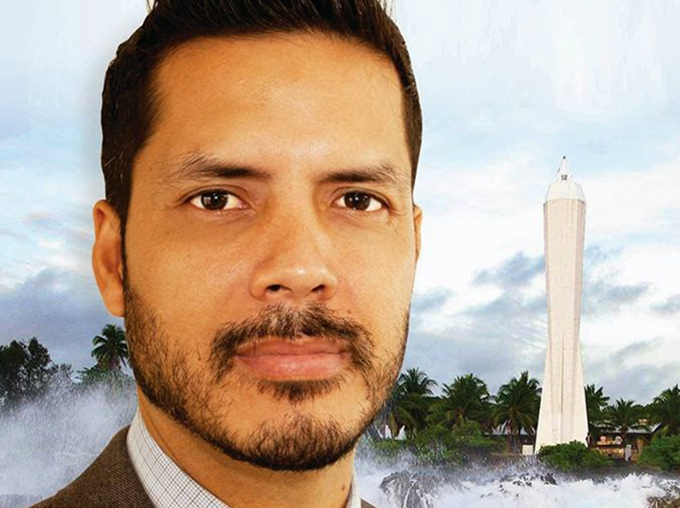 Madang MP Bryan Kramer … “I have been given 14 days to commence and file formal proceedings and serve on NICTA, as well as the state.” Image: PNG Blogs
This morning [Monday] I moved an urgent application seeking a stay (stop order) against the National Information and Communications Technology Authority (NICTA) from deactivating some 1.4 million mobile users throughout the country who have yet to register their simcards. The application sought an interim stay and 14 days to commence formal proceedings.
After considering the arguments raised and the issue of short service on NICTA, the court granted by consent interim orders that NICTA is prevented from deactivating any unregistered simcards following the deadline on 30 April 2018. This ends today at midnight.
I have been given 14 days to commence and file formal proceedings and serve on NICTA, as well as the state.
11th hour application
The decision to file an application at the 11th hour before the deadline followed my discussion with Dr Jimmy Aipit on Saturday in Madang.
Dr Aipit has been a pediatrician for Madang General Hospital for the past 12 years. A pediatrician is a medical doctor who specialises in the development, care, and diseases of babies and children.
Dr Aipit raised concerns in relation to the 600 health officers he communicates with on a regular basis who provide life-saving medical advice for patients in the remote and rural parts of my province.
‘Grave concerns’
I also shared the same concerns as the majority of my constituents reside in remote and rural parts of my district. They contact me from time to time via mobile telephone to assist at times of emergencies.
Over the years I have I have been contacted directly to assist in maternal emergencies.
Following the discussion with Dr Aipit, I jumped on a plane the same day to fly to Port Moresby to file an urgent application to obtain a stay against NICTA.
My application was filed and heard yesterday (Sunday) exparte (without serving the other party). With the deadline on Monday, the administration judge on duty refused to hear the application and ordered I serve on NICTA and state and matter be adjourned to 10:30am this morning.
Today I explained to the court that I have grave concerns with the looming deadline and the impact of deactivating unregistered sims may result in loss of life and decreased well-being of my constituents in my district as well throughout the country.
Following the court’s decision to grant interim stay, 1.4 million people throughout PNG who have yet to register their simcards can be rest assured it won’t be deactivated – at least for the next 14 days and/or until the matter is determined by the court.
I am not challenging NICTA’s right to impose simcard registration, I am however challenging the manner in which it is imposing on 87 percent of our population who reside in remote and rural parts of our country and the effect it would have on their daily lives.
Bryan Kramer is an opposition Member of Parliament acting for the Madang electorate in Papua New Guinea.
Article by AsiaPacificReport.nz
]]>Newsletter: New Zealand Politics Daily – May 01 2018 – Today’s content
Newsletter: New Zealand Politics Daily – May 01 2018 – Today’s content
Editor’s Note: Here below is a list of the main issues currently under discussion in New Zealand and links to media coverage.
[caption id="attachment_297" align="aligncenter" width="640"] The Beehive and Parliament Buildings.[/caption]
Below are the links to the items online. The full text of these items are contained in the PDF file (click to download).
Government
Herald Editorial: Government has a chance to think bigger
Anuja Nadkarni and Henry Cooke (Stuff): Grant Robertson promises a surplus and defends budget responsibility rules
Richard Harman (Politik): Is this the fiscal hole?
Stacey Kirk (Stuff): Govt’s broken promise – bad budgeting or priority fail?
Anna Bracewell-Worrall (Newshub): Cheaper doctor visits: The Government’s first broken promise?
1News: Possible delay to cheaper GP visits down to ‘deficit’ in infrastructure and DHB ‘blowouts’ – PM
The Standard: Does this Government have the money to deliver?
David Farrar (Kiwiblog): Joyce was right -Labour can’t afford their promises
Bryce Edwards (Herald):Political Roundup: How the Government shapes up after six months in power
Audrey Young (Herald): Controversial waka-jumping bill an intrusion on MPs’ freedom of expression, say academics
Shane Cowlishaw (Newsroom): Waka-jumping bill breaches Bill of Rights: academics
Chris Bramwell (RNZ): Waka-jumping legislation ‘undemocratic’ say experts
Edward Willis: Select Committee submission on the waka-jumping Bill
Oliver Lewis (Stuff): Labour MP Ruth Dyson ‘error’ led to wrongful spending accusation
Chris Trotter (Daily Blog): Shane Jones’ Critique Of Bureaucratic Obstructionism Is Well Made
BP petrol pricing
Hamish Rutherford (Stuff): A two-speed fuel market appears to see some areas pay for losses elsewhere
Stuff: Read the BP pricing strategy email in full
John Anthony (Stuff): BP’s cross-subsidising tactics do not breach Commerce Act, Commerce Commission says
Isaac Davison (Herald): Revelations about BP petrol prices give more impetus for law changes, Jacinda Ardern says
Rebecca Stevenson (Spinoff): Ten numbers that show we’re getting ripped off for petrol
Mike Hosking (Newstalk ZB): Motorists have the power to drive down petrol prices
Southland Times Editorial: A petrol leak that deserves to ignite
Virginia Fallon (Stuff): Kāpiti residents feel ‘powerless’ to BP’s petrol pricing strategy
RNZ: BP pricing tactics outrage Kāpiti locals: ‘They’re holding us to ransom’
Mitchell Alexander (Newshub): BP in defence mode over petrol price email
Hamish Rutherford (Stuff): A two-speed fuel market appears to see some areas pay for losses elsewhere
RNZ: BP pricing email ‘alarming’ – Energy Minister
RNZ: PM joins criticism of BP pricing tactics
Transport
Barry Soper (Newstalk ZB): Govt are hypocritical over petrol tax
Ken Shirley (Herald): Fuel tax poorly thought out solution to transport costs
Adam Jacobson and Henry Cooke (Stuff): Auckland Council adopts 11.5 cent a litre regional fuel tax
Simon Wilson (Herald): Aucklanders to have say on regional fuel tax of 11.5c a litre
Newshub: Auckland Council votes overwhelmingly in favour of regional fuel tax
Tim Murphy (Newsroom): Fuel tax but a decade of traffic jams
Mike Lee (Herald): Trams to the airport is deluded folly
Kristin Edge (Northern Advocate): Northland police watch for tradies not wearing seatbelts in road safety blitz
Environment, primary and extractive industries
Steve Deane (Newsroom): NZ’s killing season enters full swing
RNZ: ‘It’s tragic’ – farmer destroys threatened native shrub
Stuff: NZ’s total greenhouse gas emissions
Matt Stewart (Stuff): Government launches new biosecurity intelligence unit
Damien O’Connor (Stuff): Minister adds perspective to ‘hysteria’ over call declining Govt funding for mental health group
Christina Persico (Stuff): National Party leader Simon Bridges says oil and gas decision will impact Taranaki culture
Sam Hurley (Herald): Greenpeace head Russel Norman pleads guilty to obstructing oil survey ship
Justice
Carmen Parahi (Stuff): Police, politics and race: Long and anguished tale of constabulary’s relationship with Māori
Carmen Parahi (Stuff): In the fledgling marae-based justice system, ‘offenders’ are instead called ‘participants’
Carmen Parahi (Stuff): Huri Dennis, accused by police of kidnapping, tells his side of the story
Phil Taylor (Herald): Perjury prompts calls for curbs on prison witnesses
Economy and business
Herald: Prime Minister Jacinda Ardern on ‘Amazon’ tax: GST not new
Audrey Young and Barry Soper (Herald): Government announces further tax for Kiwis buying low-value goods online
Barry Soper and Rosie Gordon (Newstalk ZB): More tax to be added to online purchases
RNZ: GST to be imposed on foreign online retailers – Ardern
Tom Pullar-Strecker (Stuff): Government proposes ‘Amazon tax’
Eric Crampton (Offsetting Behaviour): GST at the border – hitting the big guys
Graham Adams (Noted): Does New Zealand need a banking inquiry?
Tom Pullar-Strecker (Stuff): Dip in business confidence points to choppy waters ahead
Sophie Boot (BusinessDesk): Business confidence drops as firms tip profits to fall
Donal Curtin: Focus on the worst
Michael Reddell: A sadly diminished central bank
Anuja Nadkarni (Stuff): Biggest truck shop fine so far, total fines reach nearly $1.6 million
Tamsyn Parker (Herald): Commerce Commission whacks truck shop with its highest-ever fine
International relations and trade
Robert Ayson (Newsroom): Foreign policy challenge NZ must be wary of
Liam Dann (Herald): NZ needs to avoid potholes in China’s Belt and Road Initiative
Stephen Jacobi (Interest): Engaging with China’s BRI is critical to maintaining momentum in the New Zealand China relationship
Curwen Ares Rolinson (Daily Blog): On A Potential Future For The Commonwealth
Elections and Northcote by-election
Bryce Edwards (Newsroom): 10 ways to improve our elections
Eric Crampton: Electoral lists – a simple recommendation
Eva Corlett (RNZ): Local issues loom large in test for new govt
Laine Moger (Stuff): Labour’s Northcote candidate Shanan Halbert and National’s Dan Bidois both Kiwi battlers
EQC and Canterbury rebuild
Liz McDonald (Stuff): EQC’s clauses muzzle criticism and complaints
Logan Church (RNZ): Dissent among Canterbury mayors over stadium funding
Mike Yardley (Press): Pressure now on Christchurch City Council to come to funding party for stadium
Housing
Megan Gattey (Stuff): Our disposable, leaky homes: Kiwis ‘always try to build cheap’
Stuff: How many homes are there in New Zealand?
Michael Reddell: LVR limits revisited
David Hargreaves (Interest): The amount borrowed by first home buyers topped $900 mln last month
Julie Iles (Stuff): House buyers and sellers locked in ‘stalemate’ as uncertainty over foreign buyer ban remains
Education
Newshub: Too many kids, too few teachers – the reality of early childcare
RNZ: Project to look at education’s effects on Māori pre-schoolers
Dan Satherley (Newshub): Scrapping charter schools will ‘end’ Jacinda Ardern – ACT leader David Seymour
Herald: University of Auckland students rally against library closure, present petition to Vice-Chancellor
Drugs
1News: Mixed signals as police prosecuting only 30 per cent of those in possession of cannabis
Isaac Davison (Herald): MPs given lessons in using medical cannabis
RNZ: Broken Bad: A country in the grip of meth
Charlie Dreaver (RNZ):Schools grapple with rise in ‘P babies’
Māori land and Crown-Māori relations
John Cousins (Bay of Plenty Times): Church to revisit wrongs inflicted on Tauranga Maori
Deena Coster (Stuff): Treaty Minister Andrew Little gets history lesson during visit to Taranaki marae
Ruby Nyika (Stuff): Crown, Maori relations hui in Rotorua well attended despite weather bomb
Māori wards
Aroha Awarau (Māori TV): Don Brash and Andrew Judd debate Māori equality
Janine Rankin (Stuff): Rangitāne speak up in support of Māori wards
Ripeka Timutimu (Māori TV): Fight for Māori wards like Nazi Germany – Hobson’s Pledge supporter
Employment
Richard Wagstaff (Herald): No business too small to treat people with dignity
1News: Employers push for bigger workplaces to keep 90-day trials for workers
Other
Katy Gosset (RNZ): Pike River re-entry: Experts meet on West Coast
Richard MacManus (Newsroom): Why NZ needs a cyber security refresh
Paul Thomas (Listener): Religion, homophobia and Israel Folau
Kate Hawkesby: Sorry, but why are so sensitive to criticism now?
David Farrar: The new Auckland DHB Chairs
Martyn Bradbury (Daily Blog): Labour Party attack Kim Dotcom – major blunder
Geoff Simmons (Dominion Post): These are the real issues Wellington needs to be debating
Muriel Newman (NZCPR): The Pitfalls of Change
Tom Hunt (Stuff): NZ International Comedy Festival Gala less ‘LOL’ and more ‘WTF?’ as racist gags flow
Herald: Conservative lobby group Family First in the High Court fighting its deregistration as a charity
Wayne Hope (Daily Blog): Karl Marx 200 years on Exclusive Interview]]>
PNG LNG – failed predictions and PNG’s resource curse

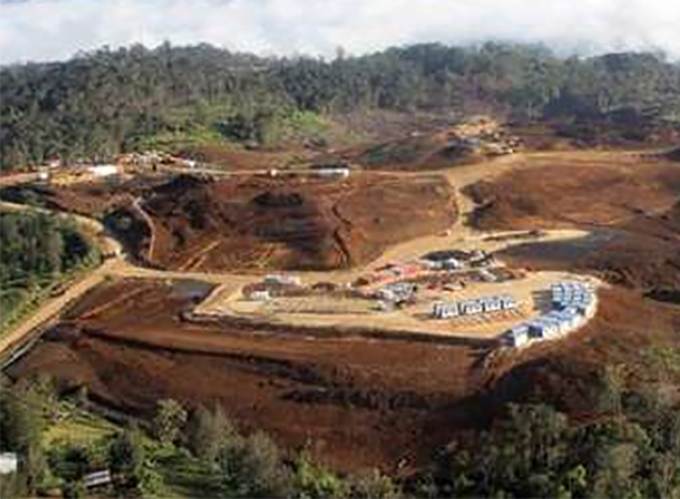 The Exxon-led PNG LNG project … supplying about 8 million tonnes of LNG a year to Japan, South Korea and China. Image: Jubilee Australia report
“On almost every measure of economic welfare, the PNG economy would have been better off without the PNG LNG project.”
Pacific Media Centre Newsdesk
Papua New Guinea’s massive PNG LNG project is one of “broken promises” that has largely failed the country, according to a major study released yesterday by Jubilee Australia.
Entitled Double or Nothing: The Broken Economic Promises of PNG LNG, this report, co-authored by Paul Flanagan and Dr Luke Fletcher, compares the projected economic benefits of the PNG LNG project with actual outcomes.
The new study uses PNG government data to examine the predictions of the 2008 project report commissioned by ExxonMobil and promoted by Oil Search.
This examination finds that the positive predictions for the PNG economy were largely incorrect.
Key findings:
- Despite predictions of a doubling in the size of the economy, the outcome was a gain of only 10 percent and all of this focused on the largely foreign-owned resource sector itself;
- Despite predictions of an 84 percent increase in household incomes, the outcome was a fall of 6 percent;
- ●Despite predictions of a 42 percent increase in employment, the outcome was a fall of 27 percent;
- ●Despite predictions of an 85 percent increase in government expenditure to support better education, health, law and order, and infrastructure, the outcome was a fall of 32 percent; and
- ●Despite predictions of a 58 percent increase in imports, the outcome was a fall of 73 percent.
30-year span
PNG LNG is an Exxon-led project which supplies about 8 million tonnes of LNG a year to Japan, South Korea and China.
It is projected to run for 30 years. In 2009, Australia’s Export Credit Agency, Efic lent A$500 million to Exxon, OilSearch, Santos and the government of PNG.
Efic’s decision was based on advice from the Department of Foreign Affairs and Trade (DFAT) provided to the then-Minister for Trade, Simon Crean, on advice from DFAT. This is the largest loan ever made by Efic.
Paul Flanagan writes in PNG Economics:
Specifically, growth in the resource sector has matched the confident predictions even with the fall in oil prices in 2014.
However, all other parts of the PNG economy have not done as well as predicted.
This is a major “broken promises” gap. This is the basis for the title of the latest report – the PNG LNG project promised to double GDP, but the outcome of 10 percent is close to nothing (especially when the size of PNG’s GDP is facing a major downgrade in the latest NSO 2015 update).
Revenues to the budget are only one-third of expected levels, and after allowing for project costs, will continue having a net negative impact on the budget (so below nothing) until around 2024.
Economy gone backwards
Of even greater concern, the examination finds that the PNG economy, apart from the resource sector, has actually gone backwards relative to its underlying growth path.
The most likely explanation for this sad outcome is PNG has slipped again into poor policies associated with the resource curse. The temptations of the rosy PNG LNG promises were too strong for politicians despite warnings from PNG Treasury, BPNG and outside academics.
During the O’Neill/Dion government, PNG descended into very damaging economic policies of a bloated budget and PNG’s largest deficits ever, fixing the exchange rate at an over-valued level, making foolish investments in areas such as Oil Search and harming the independence of PNG’s economic institutions.
With the focus being so strongly on getting the PNG LNG project operational, there was a lack of policy emphasis on other parts of the economy.
This is the “resource curse” gap.
Third time
PNG needs to learn the lessons from this experience. This is the third time that PNG has suffered from the resource curse:
- the first was with Bougainville Copper and the experience of the late 1980s;
- the second was the Kutubu/Porgera expectations that crashed so badly in the mid-90s;
- and the PNG LNG period is the third resource crisis.
The benefits of PNG’s resource wealth could in theory be tapped without damaging the rest of the economy.
But it would require very different choices by PNG’s politicians. PNG probably lacks the strong governance and institutions required to deal with the powerful resource sector lobby.
Even in Australia, the power of vested interests around the resource sector is blocking sensible options for sharing resource benefits more equitably and efficiently.
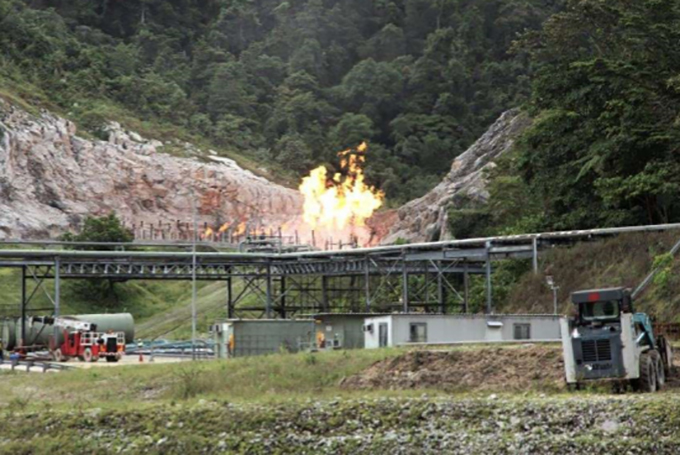 The Oil Search facility near Lake Kutubu in Hela province, Papua New Guinea’s Southern Highlands. Image: Damian Baker/Jubilee Australia
Article by AsiaPacificReport.nz
]]>Greenpeace blasts palm oil industry deforestation in West Papua

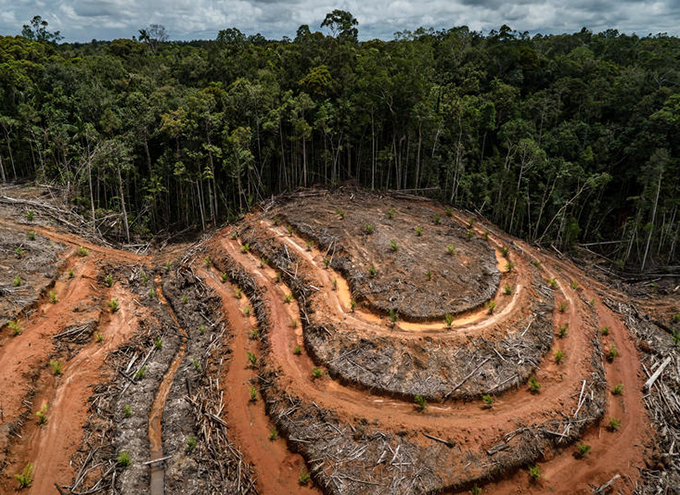 One of the massive deforestation areas in the PT Megakarya Jaya Raya concession in Papua, Indonesia. Other images show a lunar-like devastation over huge areas. Image: Greenpeace International
Pacific Media Centre Newsdesk
A palm oil supplier to Mars, Nestlé, PepsiCo and Unilever is destroying rainforests in the Indonesian-ruled Papua region, a new investigation by Greenpeace International has revealed.
Satellite analysis suggests that around 4000ha of rainforest were cleared in PT Megakarya Jaya Raya concession between May 2015 and April 2017 – an area almost half the size of Paris.
The findings come as a delegation from the Indonesian government arrived in Europe last week to defend the palm oil industry, in response to moves by European Parliament to discourage the use of palm oil in biofuels on environmental grounds, Greenpeace International reports.
Luhut Panjaitan, the Coordinating Minister for Maritime Affairs of Indonesia, is visiting several European cities, including Brussels and Berlin.
“After destroying much of the rainforests of Sumatra and Kalimantan, the palm oil industry is now pushing into new frontiers like Papua, said Richard George, forests campaigner at Greenpeace UK.
“If the Indonesian government wants to defend this industry, the best thing it can do is to force it to clean up its act, not threaten to start a trade war.”
Photos and video taken in March and April 2018 show massive deforestation in PT MJR, a palm oil concession controlled by the Hayel Saeed Anam Group (HSA), including in an area zoned for protection by the Indonesian government in response to the devastating forest fires in 2015. Development is prohibited in these areas.
Supply chain
Although PT MJR is not yet producing palm oil, two other HSA subsidiary companies – Arma Group and Pacific Oils & Fats – supplied palm oil to Mars, Nestlé, PepsiCo and Unilever, according to supply chain information released by the brands earlier this year.
Each of these consumer companies has published a “no deforestation, no peat, no exploitation” policy that should prohibit sourcing from rainforest destroyers.
“Brands have been talking about cleaning up their palm oil for over a decade. Companies like Unilever and Nestlé claim to be industry leaders,” said George.
“So why are they still buying from forest destroyers like the HSA group? What are their customers supposed to think? What will it take to get them to act?”
This case also raises serious questions for the Roundtable on Sustainable Palm Oil (RSPO).
Many HSA Group palm oil companies are members of the RSPO, although PT MJR and the other HSA Group concessions in this district are not.
Members of the RSPO are not allowed to have unaffiliated palm oil divisions, and the development witnessed in PT MJR would also violate several of the RSPO’s Principles and Criteria.
Sourced from a Greenpeace International media release.
Article by AsiaPacificReport.nz
]]>Bryce Edwards’ Political Roundup: Six months of new New Zealand government – the verdicts are in

Bryce Edwards’ Political Roundup: Six months of new New Zealand government – the verdicts are in
[caption id="attachment_13635" align="alignright" width="150"] Dr Bryce Edwards.[/caption]
Is the new government transformational? Or just fighting fires? Who are the strongest performers, and who are the weak links? What are they doing right and wrong? These are the questions at the core of reviews from political commentators of the government’s performance over its first six months in power.
[caption id="attachment_15386" align="aligncenter" width="1600"]
Dr Bryce Edwards.[/caption]
Is the new government transformational? Or just fighting fires? Who are the strongest performers, and who are the weak links? What are they doing right and wrong? These are the questions at the core of reviews from political commentators of the government’s performance over its first six months in power.
[caption id="attachment_15386" align="aligncenter" width="1600"] New Zealand Prime Minister, Jacinda Ardern, at the APEC leaders’ summit, November 2017 (Image courtesy of APEC.org).[/caption]
For the most comprehensive review of the new government, see Newsroom’s Grading the Government, authored by a number of Newsroom journalists who break down the different areas of performance and hand out grades from B+ through to F. Generally, the government sits at around a “B” – with Health and Education scoring highest (B+). The exceptions are immigration (D), foreign affairs (C).
In terms of immigration, Tim Murphy asks: “Is this the coalition’s most over-promised and under-delivered policy area?” He points out that “The annual net migration numbers remain close to those assailed in opposition as disastrous and uncontrolled. The supposed low-hanging fruit of low-value international education courses and their student work visas have largely remained in place”.
Sam Sachdeva says the foreign affairs portfolio is “one of the Government’s weakest areas”, lacking coherence or obvious guiding principles. He points to the role of Winston Peters and his orientation to Russia.
Political management gets a C+ and on Open government and transparency the government scores an F. In terms of open government, Shane Cowlishaw is scathing. Amongst other letdowns in this area, the “Official Information Act continues to be treated with disdain, with many journalists holding the opinion that their requests are taking longer, and returning poorer results, than under National who was not exactly known for its transparency.”
Martin van Beynen offers up an intriguing perspective in Jacinda Ardern’s idea of government is revolutionary. To start with, the normally conservative journalist and commentator, claims he voted for the Greens: “The Greens have always struck me as more of a religion than a political party and that’s partly why I voted for them. I sometimes think they represent our only hope with their code of vegetarianism, cycling, organics, public transport, restorative justice, Māori empowerment, minimal packaging, international peace, anti-Americanism, diversity, public ownership, high taxation, interventionist government, severe income re-distribution and, of course, conservation. If Jesus was reborn in New Zealand he would walk straight into the Green Party.”
Not only that, he appears genuinely excited about the promise of “a Government based on kindness”. He looks at both the possibilities and limitations of kindness as a guiding principle, and concludes: “kindness, like Christianity, might be one of those great ideas that just hasn’t been tried yet. It could be that Jacinda Ardern is exactly the person to lead the way – and what a trip it could be.”
For another enthusiastic and interesting account of the new government, see Simon Wilson’s feature article: The ministry of ‘things will be different now’ – how are they doing? Wilson argues this government is heading in the direction of being a transformational one, and his column is a nice counterpoint to critics bemoaning the lack of radicalism and progress in the new administration.
Wilson is full of praise for accomplishments so far, and points to factors inhibiting change that the government has had to contend with, including support partners pulling in different directions. And he emphasises that the new administration is having to work hard to introduce new directions that will actually take the public along with it, rather than just govern by decree with radical new directions that might easily be reversed in the future.
He points to the oil and gas announcement as “a model of how to introduce radical change without giving those affected any good reason to panic”. And he credits the Greens as being behind the move, highlighting “the importance of the Green Party in setting the Government’s transformational agenda”.
Other areas that are truly radical, according to Wilson, are in education (with the abolition of National Standards, and the potential major reform of the Tomorrow’s Schools model), transport (with the draft Government Policy Statement) and Grant Robertson’s adoption of Treasury’s Living Standards Framework.
Even in the area of tax reform, Wilson sees reason to be optimistic about radical change coming. And, although he’s critical of the Budget Responsibility Rules, he says this issue “will not define how transformational this Government really is. The big projects that are still possible will do that.”
He laments that the government has failed to make te reo Maori compulsory in schools, which would make New Zealand “culturally, the most resilient nation in the world”. And on wages and pay equity, Wilson is less optimistic about real change.
Writing prior to van Beynen taking up the theme of kindness, Wilson concludes: “Is it possible to run an effective government powered by kindness? If Ardern and her colleagues can show us the answer is yes, what would that change? Almost everything?”
Colin James is much less convinced that we are seeing a radical new government in action, suggesting the administration might instead be one of “transition”, especially in terms of shifting power to “the post-baby-boom generations” – see: Govt looks transitional at this stage but could yet be transformational.
He argues “fixing shortfalls is not transformation – or even transition. Neither, so far, are the dozens – or scores, depending what you count – of reviews, working groups, strategies and so on. They open issues up rather than open up ‘bold” (another Ardern word) new vistas. For example, the education review reads more like adjustments to the 2010s than anticipation of the 2020s”.
James does concede that incremental change can still add up to transformation. But, like other commentators, he points to factors holding back the new government’s reforming agenda: “First, substandard political management: ministers’ slips and skids (Clare Curran, Shane Jones, Eugenie Sage), and off-script support parties (Russia, Air New Zealand) plus a broken promise on fuel tax. Too much of this will, in time, leach public goodwill. Second: support parties’ travails. Polls put New Zealand First well below the 5% cutoff point. The Greens’ score is steady but Marama Davidson’s big win in the co-leader vote deepens their green-red schism and leaves James Shaw as minority co-leader.”
Jo Moir evaluates the performance of government ministers in her article, Six months on the job for the Government – who is up and who is down? And the prize for the strongest performer doesn’t go to the prime minister, but to the Minister of Justice, Andrew Little, who gets a rating of 9/10.
Other strong performers, with 8/10 ratings, are David Parker, Shane Jones, and Jacinda Ardern. The PM gets marked down on her failure to deliver on child poverty: “She really focused on it during the campaign and created the Child Poverty Reduction portfolio but that’s about where it stopped.” Meanwhile the Regional Development Minister is praised for his impact and colourfulness: “Shane Jones has been lapping up the headlines and has also had the job of going a bit rogue when necessary. If he was being measured on headlines and sound bytes Jones would be well in the lead.”
At the other end of the spectrum Moir awards only 3/10 to “the invisible trio” of Nanaia Mahuta, Jenny Salesa, and Carmel Sepuloni, all of whom might have been expected to be performing strongly, but haven’t “really been seen or heard.” Labour’s deputy Kelvin Davis scores 2/10, as his “stints as acting prime minister haven’t gone too well and he hasn’t really stamped his mark on the Corrections portfolio”. And Clare Curran rates a dismal 1/10, as she is “struggling to bounce back” from her scandal and may not hold onto her ministerial position.
Audrey Young also evaluates the ministers in her column, Jacinda Ardern has come through turbulent times but her cabinet has had mixed success. She points to the fact that the PM now knows that “she cannot rely on all ministers to handle difficulties in their portfolios well”, and says Clare Curran is now “a slow-moving target for the Opposition.”
However, Young focuses mainly on ministers who are doing well, and helping Ardern make the government a success. She says Grant Robertson and Phil Twyford “are part of her informal kitchen cabinet along with Chris Hipkins, Megan Woods and Kelvin Davis. Andrew Little and David Parker are also highly trusted as ministers of sound judgment with difficult portfolios.”
Winston Peters, too, may have raised some eyebrows as Minister for Foreign Affairs, “but in his duties as Ardern’s Deputy Prime Minister by and large he has been very good.” Also from Peters’ party, “Tracey Martin is New Zealand First’s best performing minister and showing why Ardern had the confidence to make her Children’s Minister”. Meanwhile, Shane Jones “is effectively No 2 in the party that put Labour in power. He behaves with impunity because he has impunity.”
Young also points out that, “A couple of low-ranked ministers, Kris Faafoi outside cabinet, and Iain Lee-Galloway in cabinet, have really shone in their diverse portfolios.”
For a more humorous evaluation that also makes serious points, see Jenna Lynch and Anna Bracewell-Worrall’s Six months in: The new Government’s report card. As with other commentaries, they point out problems in the first six months: the Labour Party youth camp, the vagueness about Russian issues, and the Clare Curran-RNZ scandal.
This article adds to the consensus that Andrew Little is the surprise star of the new government, David Parker the rock behind the scenes, Kelvin Davis is missing in action, Winston Peters is a good deputy PM, and Shane Jones is now the front person for New Zealand First.
Davis, in particular, gets a hard time, with these journalists pointing out that he had a lot to say about what was wrong with the status quo when he was in opposition, and he made plenty of promises, but is now not fronting up: “He’s yet to make any major – or minor – announcements.”
They warn that Labour’s coalition partners are in danger of blending in too much with Labour. Peters, for example, doesn’t even talk about some of his party’s main policies: “We’ve heard almost no complaints from him on immigration and he hasn’t mentioned the Maori seats at all.” And James Shaw is “too well behaved” and therefore endangering the Green’s identity.
But they regard the government as having made good progress on some core policies, such as fee-free education, the oil and gas issue, the fuel tax, and the families package to alleviate hardship.
More progress is demanded from Duncan Garner in his review: Government’s six months in a leaky boat – captain overboard. Here’s his main point: “Jacinda Ardern’s stardust must turn to something useful and quickly. Voters are impatient. A slew of reviews only leads to paralysis by analysis. The Government’s hands are full but with not much to show for it. And I haven’t even touched on their populist promises to slash immigration and fix the deeply troubled mental health service. The stardust must turn to something more concrete – solutions, not slogans, trains, not talk and houses, not just hope.”
Expectations are high, he says, with promises such as “$28b worth of roads and 100,000 homes in 10 years”, but failing to meet these expectations will hurt the Government. He identifies the weak links (“Kelvin Davis, Carmel Sepuloni, Clare Curran”) and praises Ardern for pulling “together the loose strands to make it all that more acceptable.”
Garner sums up the first six months: “things have been a bit average, sometimes chaotic and muddled with a sideshow or two but with the very best of intentions and hugely lofty goals and ambitions, if not a little naive.”
Finally, for how the cartoonists see the government’s achievements and problems so far, see my blog post, Cartoons on the first six months of the new government.]]>
New Zealand Prime Minister, Jacinda Ardern, at the APEC leaders’ summit, November 2017 (Image courtesy of APEC.org).[/caption]
For the most comprehensive review of the new government, see Newsroom’s Grading the Government, authored by a number of Newsroom journalists who break down the different areas of performance and hand out grades from B+ through to F. Generally, the government sits at around a “B” – with Health and Education scoring highest (B+). The exceptions are immigration (D), foreign affairs (C).
In terms of immigration, Tim Murphy asks: “Is this the coalition’s most over-promised and under-delivered policy area?” He points out that “The annual net migration numbers remain close to those assailed in opposition as disastrous and uncontrolled. The supposed low-hanging fruit of low-value international education courses and their student work visas have largely remained in place”.
Sam Sachdeva says the foreign affairs portfolio is “one of the Government’s weakest areas”, lacking coherence or obvious guiding principles. He points to the role of Winston Peters and his orientation to Russia.
Political management gets a C+ and on Open government and transparency the government scores an F. In terms of open government, Shane Cowlishaw is scathing. Amongst other letdowns in this area, the “Official Information Act continues to be treated with disdain, with many journalists holding the opinion that their requests are taking longer, and returning poorer results, than under National who was not exactly known for its transparency.”
Martin van Beynen offers up an intriguing perspective in Jacinda Ardern’s idea of government is revolutionary. To start with, the normally conservative journalist and commentator, claims he voted for the Greens: “The Greens have always struck me as more of a religion than a political party and that’s partly why I voted for them. I sometimes think they represent our only hope with their code of vegetarianism, cycling, organics, public transport, restorative justice, Māori empowerment, minimal packaging, international peace, anti-Americanism, diversity, public ownership, high taxation, interventionist government, severe income re-distribution and, of course, conservation. If Jesus was reborn in New Zealand he would walk straight into the Green Party.”
Not only that, he appears genuinely excited about the promise of “a Government based on kindness”. He looks at both the possibilities and limitations of kindness as a guiding principle, and concludes: “kindness, like Christianity, might be one of those great ideas that just hasn’t been tried yet. It could be that Jacinda Ardern is exactly the person to lead the way – and what a trip it could be.”
For another enthusiastic and interesting account of the new government, see Simon Wilson’s feature article: The ministry of ‘things will be different now’ – how are they doing? Wilson argues this government is heading in the direction of being a transformational one, and his column is a nice counterpoint to critics bemoaning the lack of radicalism and progress in the new administration.
Wilson is full of praise for accomplishments so far, and points to factors inhibiting change that the government has had to contend with, including support partners pulling in different directions. And he emphasises that the new administration is having to work hard to introduce new directions that will actually take the public along with it, rather than just govern by decree with radical new directions that might easily be reversed in the future.
He points to the oil and gas announcement as “a model of how to introduce radical change without giving those affected any good reason to panic”. And he credits the Greens as being behind the move, highlighting “the importance of the Green Party in setting the Government’s transformational agenda”.
Other areas that are truly radical, according to Wilson, are in education (with the abolition of National Standards, and the potential major reform of the Tomorrow’s Schools model), transport (with the draft Government Policy Statement) and Grant Robertson’s adoption of Treasury’s Living Standards Framework.
Even in the area of tax reform, Wilson sees reason to be optimistic about radical change coming. And, although he’s critical of the Budget Responsibility Rules, he says this issue “will not define how transformational this Government really is. The big projects that are still possible will do that.”
He laments that the government has failed to make te reo Maori compulsory in schools, which would make New Zealand “culturally, the most resilient nation in the world”. And on wages and pay equity, Wilson is less optimistic about real change.
Writing prior to van Beynen taking up the theme of kindness, Wilson concludes: “Is it possible to run an effective government powered by kindness? If Ardern and her colleagues can show us the answer is yes, what would that change? Almost everything?”
Colin James is much less convinced that we are seeing a radical new government in action, suggesting the administration might instead be one of “transition”, especially in terms of shifting power to “the post-baby-boom generations” – see: Govt looks transitional at this stage but could yet be transformational.
He argues “fixing shortfalls is not transformation – or even transition. Neither, so far, are the dozens – or scores, depending what you count – of reviews, working groups, strategies and so on. They open issues up rather than open up ‘bold” (another Ardern word) new vistas. For example, the education review reads more like adjustments to the 2010s than anticipation of the 2020s”.
James does concede that incremental change can still add up to transformation. But, like other commentators, he points to factors holding back the new government’s reforming agenda: “First, substandard political management: ministers’ slips and skids (Clare Curran, Shane Jones, Eugenie Sage), and off-script support parties (Russia, Air New Zealand) plus a broken promise on fuel tax. Too much of this will, in time, leach public goodwill. Second: support parties’ travails. Polls put New Zealand First well below the 5% cutoff point. The Greens’ score is steady but Marama Davidson’s big win in the co-leader vote deepens their green-red schism and leaves James Shaw as minority co-leader.”
Jo Moir evaluates the performance of government ministers in her article, Six months on the job for the Government – who is up and who is down? And the prize for the strongest performer doesn’t go to the prime minister, but to the Minister of Justice, Andrew Little, who gets a rating of 9/10.
Other strong performers, with 8/10 ratings, are David Parker, Shane Jones, and Jacinda Ardern. The PM gets marked down on her failure to deliver on child poverty: “She really focused on it during the campaign and created the Child Poverty Reduction portfolio but that’s about where it stopped.” Meanwhile the Regional Development Minister is praised for his impact and colourfulness: “Shane Jones has been lapping up the headlines and has also had the job of going a bit rogue when necessary. If he was being measured on headlines and sound bytes Jones would be well in the lead.”
At the other end of the spectrum Moir awards only 3/10 to “the invisible trio” of Nanaia Mahuta, Jenny Salesa, and Carmel Sepuloni, all of whom might have been expected to be performing strongly, but haven’t “really been seen or heard.” Labour’s deputy Kelvin Davis scores 2/10, as his “stints as acting prime minister haven’t gone too well and he hasn’t really stamped his mark on the Corrections portfolio”. And Clare Curran rates a dismal 1/10, as she is “struggling to bounce back” from her scandal and may not hold onto her ministerial position.
Audrey Young also evaluates the ministers in her column, Jacinda Ardern has come through turbulent times but her cabinet has had mixed success. She points to the fact that the PM now knows that “she cannot rely on all ministers to handle difficulties in their portfolios well”, and says Clare Curran is now “a slow-moving target for the Opposition.”
However, Young focuses mainly on ministers who are doing well, and helping Ardern make the government a success. She says Grant Robertson and Phil Twyford “are part of her informal kitchen cabinet along with Chris Hipkins, Megan Woods and Kelvin Davis. Andrew Little and David Parker are also highly trusted as ministers of sound judgment with difficult portfolios.”
Winston Peters, too, may have raised some eyebrows as Minister for Foreign Affairs, “but in his duties as Ardern’s Deputy Prime Minister by and large he has been very good.” Also from Peters’ party, “Tracey Martin is New Zealand First’s best performing minister and showing why Ardern had the confidence to make her Children’s Minister”. Meanwhile, Shane Jones “is effectively No 2 in the party that put Labour in power. He behaves with impunity because he has impunity.”
Young also points out that, “A couple of low-ranked ministers, Kris Faafoi outside cabinet, and Iain Lee-Galloway in cabinet, have really shone in their diverse portfolios.”
For a more humorous evaluation that also makes serious points, see Jenna Lynch and Anna Bracewell-Worrall’s Six months in: The new Government’s report card. As with other commentaries, they point out problems in the first six months: the Labour Party youth camp, the vagueness about Russian issues, and the Clare Curran-RNZ scandal.
This article adds to the consensus that Andrew Little is the surprise star of the new government, David Parker the rock behind the scenes, Kelvin Davis is missing in action, Winston Peters is a good deputy PM, and Shane Jones is now the front person for New Zealand First.
Davis, in particular, gets a hard time, with these journalists pointing out that he had a lot to say about what was wrong with the status quo when he was in opposition, and he made plenty of promises, but is now not fronting up: “He’s yet to make any major – or minor – announcements.”
They warn that Labour’s coalition partners are in danger of blending in too much with Labour. Peters, for example, doesn’t even talk about some of his party’s main policies: “We’ve heard almost no complaints from him on immigration and he hasn’t mentioned the Maori seats at all.” And James Shaw is “too well behaved” and therefore endangering the Green’s identity.
But they regard the government as having made good progress on some core policies, such as fee-free education, the oil and gas issue, the fuel tax, and the families package to alleviate hardship.
More progress is demanded from Duncan Garner in his review: Government’s six months in a leaky boat – captain overboard. Here’s his main point: “Jacinda Ardern’s stardust must turn to something useful and quickly. Voters are impatient. A slew of reviews only leads to paralysis by analysis. The Government’s hands are full but with not much to show for it. And I haven’t even touched on their populist promises to slash immigration and fix the deeply troubled mental health service. The stardust must turn to something more concrete – solutions, not slogans, trains, not talk and houses, not just hope.”
Expectations are high, he says, with promises such as “$28b worth of roads and 100,000 homes in 10 years”, but failing to meet these expectations will hurt the Government. He identifies the weak links (“Kelvin Davis, Carmel Sepuloni, Clare Curran”) and praises Ardern for pulling “together the loose strands to make it all that more acceptable.”
Garner sums up the first six months: “things have been a bit average, sometimes chaotic and muddled with a sideshow or two but with the very best of intentions and hugely lofty goals and ambitions, if not a little naive.”
Finally, for how the cartoonists see the government’s achievements and problems so far, see my blog post, Cartoons on the first six months of the new government.]]>
Newsletter: New Zealand Politics Daily – April 30 2018 – Today’s content
Newsletter: New Zealand Politics Daily – April 30 2018 – Today’s content
Editor’s Note: Here below is a list of the main issues currently under discussion in New Zealand and links to media coverage.
[caption id="attachment_297" align="aligncenter" width="640"] The Beehive and Parliament Buildings.[/caption]
Below are the links to the items online. The full text of these items are contained in the PDF file (click to download).
Government
Martin van Beynen (Stuff): Jacinda Ardern’s idea of government is revolutionary
Audrey Young: Jacinda Ardern has come through turbulent times but her cabinet has had mixed success
Jamie Smyth (Financial Times):Jacinda Ardern: ‘we should not expect women to be superwomen’
Henry Cooke (Stuff): National Portrait: Minister of Almost Everything David Parker
Duncan Garner (Stuff): Government’s six months in a leaky boat – captain overboard
Jo Moir (Stuff): A world with Winston Peters in charge
David Farrar: Relax Winston won’t be in charge, Grant will be
Stacey Kirk (Stuff): The three-legged Government that can’t quite sync
Clare de Lore (Listener): What an ex-Labour Minister really thinks about Jacinda Ardern’s Government
Lucy Bennett (Herald): National members blocked from getting Clare Curran to appear before committee over meeting with RNZ Carol Hirschfeld – report
Richard Harman (Politik): Government Committee MPs save Curran
Pete George: Labour, Green MPs block holding Curran to account
Frances Mountier (The Spinoff): Why have Thompson & Clark been allowed to keep spying on us, in your name?
The Standard: How many working groups did the last National Government create?
Cherie Howie (Herald): No.10 for No.1: Present for baby among gifts for PM Jacinda Ardern during European tour
Audrey Malone (Stuff): The Jacinda effect spikes earring sales
Deborah Hill Cone (Herald): What was I thinking – attacking Clarke Gayford?
Steve Braunias: The secret diary of … Clarke Gayford
David Slack (Stuff): Dirty politics didn’t end, it just took a holiday
Martyn Bradbury (Daily Blog): New Zealand’s new Alt-Right Twitter Trolls: Dirty Politics 2018
Polls
Stephen Mills (Spinoff): New poll reveals the post-election political battleground
1News: Becoming a mum won’t have an effect on Jacinda Ardern’s performance as PM – 1 NEWS Colmar Brunton poll
Newstalk ZB: Poll reveals public’s views on Ardern’s pregnancy
Pete George: A pointless poll on pregnancy and politics
Health
Audrey Young (Herald): Health Minister David Clark says coalition funding pressures have delayed cheaper doctors’ visits for all
Newshub: GP visits might not get cheaper soon after all
Newstalk ZB: Government manufacturing a health-sector crisis – Michael Woodhouse
1News: Boost in dental funding on the cards, but ‘unlikely’ this term – ‘We have people struggling with third world health conditions’
1News: Nurses ‘should be getting pay equity’, says Minister of Health, but it’s ‘further down’
Herald: Health minister Dr David Clark names the three new Auckland DHB chairs
Stacey Kirk (Stuff): Government plants Crown Monitor in embattled Counties Manukau DHB
RNZ: New chair of DHB says hospital buildings will be a ‘priority’
Mike Houlahan (ODT): DHB’s radiology failings cited in report
Natalie Akoorie (Herald): Nigel Murray saga: $6500 bill for nursing expert to fly in from Canada
Karoline Tuckey (Stuff): Mental health inquiry urged to work as fast as possible
Felecia Indrawidjaja (Stuff): Electronic referrals set to be more reliable than paper versions at Waitemata DHB
Jessica McAllen (RNZ): Focus needed on community based mental health services
Danielle Client and Jane Matthews (Stuff): ‘Broken’ healthcare staff concerned about rise of bullying cases at DHBs
Hamish McNeilly (Stuff): McStoush! Ronald McDonald House likened to beer and ciggy sponsorship
Rob Stock (Stuff): Parents insuring their children’s health are nervous state won’t pay
Tim Brown (RNZ): Funding uncertainty for Dunedin rehab service
Emma Hatton (RNZ): Euthanasia bill ‘dangerous’ – Palliative care workers
Housing and construction
Newshub: First KiwiBuild homes are under construction
Hannah Ross (Stuff):First 18 KiwiBuild houses under construction in south Auckland
Herald: Phil Twyford announces KiwiBuild homes officially under construction
RNZ: Kiwibuild: 30 new homes by end of the year
John Minto (Daily Blog):Time for an Empty Homes Tax
Catherine Harris (Stuff): Land – they’re not making any more of it
Don Rowe (The Spinoff): ‘We’ve been under-building for a decade’: Registered Master Builders on the future of construction
Chris Hutching (Stuff): Builders co-op cuts costs – but will consumers benefit?
Phil Pennington (RNZ): Construction industry threatened by a ‘ticking timebomb’
Transport
Hamish Rutherford (Stuff): BP asked to visit the Beehive after internal email outlines ‘alarming’ pricing plan
Hamish Rutherford (Stuff): Behind the pricing: Internal email lifts veil on BP’s petrol prices
Tamsyn Parker (Herald): ‘Very concerning’: National MP and AA call for greater transparency from petrol companies
Eva Corlett (RNZ): Regional fuel tax: Decision expected today
Simon Wilson (Herald): Fact-checking National on the Auckland fuel tax
Dan Satherley (Newshub): Aucklanders don’t want fuel tax – Simon Bridges
RNZ: National Party pledges to scrap regional fuel tax
Isaac Davison (Herald): National Party leader Simon Bridges says he will repeal regional fuel tax if in Government
Henry Cooke (Stuff): National would overturn regional fuel tax
Dan Satherley (Newshub): ‘Fiscal hole’ caused by National ‘hand grenade’ – Phil Twyford
Stacey Kirk (Stuff): National questions Auckland Council’s claims of ‘public support’ for fuel tax
RNZ: Govt are repackaging National transport projects – MP
Northern Advocate: Northland-based MPs should have fought for four-lane highway says advocate
Adam Jacobson (Stuff): Government, Auckland Council revising controversial East-West Link plans
Jodi Yeats (Stuff): One of Auckland’s most congested roads targeted in $28B transport plan – Lake Rd
Benedict Collins (RNZ): National: petrol car levy will hurt the poor
Greg Presland (The Standard): National’s fiscal ineptitude over Auckland transport
RNZ: How should NZ regulate driverless vehicles?
Emissions reduction debate
Pattrick Smellie (Newsroom): Top 10 ways to reach net-zero carbon
Rod Oram (Newsroom): So what happens if we fail?
Joel Ineson (Stuff): National Party ‘resetting our approach to environmental issues’ – Bridges
Andrew Gunn (Stuff):Simon Bridges blows hot air into climate change debate
Charlie Dreaver (RNZ): Can food waste and poo power help NZ reach its low emission goal?
Madison Reidy (Stuff): Emissions tax would result in higher dairy and fuel prices
Finn Hogan (Newshub): Low-emission economy difficult but essential – report
RNZ: Fuel-car levy could subsidise electric vehicles – govt
Paul Little (Herald): Ban on oil and gas exploration has to happen
Cameron Madgwick (ODT): No evidence a ban will lower emissions
Environment
Leith Huffadine (Stuff): Improving New Zealand, one piece of plastic at a time
John Anthony (Stuff): Māori Fisheries Trust labels DOC-funded book ‘scaremongering’
Dominic Harris (Stuff): ECan accused of ‘putting profits before the community’ by anti-water bottling protesters
Whena Owen (1News): Q+A: Why some ratepayers are falling foul of councils wastewater management
Dominic Harris (Stuff): Councils facing $500m bill to meet stringent new recommendations on drinking water quality
Esther Taunton (Stuff): Freshwater quality improving nationwide, report shows
Jill Galloway (Stuff): Rangitīkei River quality improving Horizons tells dairy farmers
RNZ: EPA to review insecticide thought to kill bees
ODT Editorial: Lessons for Conservation Department
Sean Hogan (1News): Campaign underway to resurrect controversial Hawke’s Bay walking track
Marty Sharpe (Stuff): Oil exploration company says Greenpeace protest action cost it $150,000
Welfare
Gordon Campbell (Werewolf): On the need for immediate action on WINZ
Catriona MacLennan (Newsroom): A chance to reverse our humiliating welfare system
Dan Satherley (Newshub): Welfare overhaul to get underway ‘in next three years’ – Carmel Sepuloni
Mitch McCann (Newshub): Promised changes to New Zealand’s welfare system still years off – minister
Newshub: Benefit sanctions causing child poverty – advocate
RNZ: Rolling back benefit sanctions could take years – minister
Pete George: Sepuloni interview another ‘wait and see’
Henry Cooke (Stuff): MSD spends $13k a year on hold music for StudyLink and WINZ
Lauren Bartley (Re-imagining social work): Where has my radicalism gone?
Inequality and poverty
Pam Waugh (Newshub): Why are poverty rates shocking even as our economy grows?
Herald Editorial: Poverty still disadvantaging too many Kiwi kids
Laura Wiltshire (Stuff): More families needing the Sallies help
RNZ: The ‘working poor’ driving up demand for food parcels – Sallies
1News: ‘Who’s running the world?’ – Period poverty a huge strain for NZ women that removing GST won’t solve, says doctor
Employment
Anna Bracewell-Worrall (Newshub): New Zealand workplaces ‘unnecessarily stressful’ – Minister
Kirsty Johnston (Herald): Housing New Zealand worker’s suspected suicide after alleged bullying not notified to WorkSafe for six months
Paul McBeth (BusinessDesk): Lees-Galloway signals broader health & safety targets
Katie Bradford (1News): Maori far more likely to be injured at work, Government says
Jane Patterson (RNZ): Govt flags changes to ‘high risk’ industries list
Anuja Nadkarni and Catherine Harris (Stuff): Encouraging craziness: bosses putting culture and staff first
Harrison Christian (Stuff): Strangers in a foreign land: African migrants snubbed by Kiwi employers
Venetia Sherson (North & South): How not to retire: The older Kiwis who are holding onto their jobs
Economy and business
Liam Dann (Herald): Why the Government can’t relax debt rules to build more
Liam Dann (Herald): Should the Government relax its debt target to build more?
Brian Easton (Pundit): Squaring the Budget Circle
Jason Walls (Interest): The weeks leading up to the Budget are usually a time for the Government to tease out new funding
Shamubeel Eaqub (Stuff): Aussie’s bad banking culture calls for tough measures
Hamish Fletcher and Tamsyn Parker (Herald): Shane Jones: Too soon to rule out banking probe
Sam Stubbs (The Spinoff): Pull the other one. Of course NZ must launch an inquiry into banking
Donal Curtin: The power of ideas
Jenée Tibshraeny (The Spinoff): The taxpayer has spent $1.48 billion to bail out AMI. Does anyone care?
Hannah McQueen (Stuff): Tax changes risk being a middle finger to the middle class
RNZ: Consumer confidence lowest since 2016
Victoria University of Wellington: Minister needed for UN sustainability goals
Girol Karacaoglu (Newsroom): Better lives, a better New Zealand
Herald: New Zealand companies spend $2.56 billion on placing adverts
Green Party
Steve Braunias (Herald): The great political ping-pong tournament
Henry Cooke (Stuff): Green staffer on ex-MP Kennedy Graham speaking at National event: ‘No wonder he sabotaged us and Metiria’
Stacey Kirk (Stuff): Greens forget own history in sanctimonious lash at former MP
Newshub: Former Green MP speaks at National Party ‘BlueGreen’ event
David Farrar: Greens spit venom at Kennedy Graham
Pete George:A culture of Green zealotry and intolerance
National Party
Audrey Young and Lucy Bennett (Herald): National leader Simon Bridges prepares for big speech, visit to Taranaki and town-hall tour
Richard Harman (Politik): Bridges to redefine National
Anna Bracewell-Worrall (Newshub): National MP Matt King copies ACT press release, takes out all reference to ACT
International relations and trade
Damien Grant (Stuff): The Middle East should be no-go zone for Kiwi troops
Stacey Kirk (Stuff): Where NZ’s stance on Russia differs and why it may not be bad
Fran O’Sullivan (Herald): Digital sales open a door to Chinese consumers
David Farrar: Is this NZ’s shadow Foreign Minister
Martyn Bradbury (Daily Blog): China vs NZ
Tom Peters (World socialist website): New Zealand prime minister strengthens military ties with France
Media
Colin Peacock (RNZ): Media freedom under the microscope
Chris Trotter: Conversation In The Public Square
Philip Matthews (Stuff): Broadsheets and blunders: In defence of getting it wrong
Herald: TV politics: TVNZ reporter quits as new leader steps in
Newshub: A bot that writes Mike Hosking opinion columns
Joshua Drummond: A column by Mike Hosking, except it’s an AI predictive text bot
Fiona Rae (Listener): Can David Seymour pull a Rodney Hide in Dancing with the Stars?
Heather du Plessis-Allan (Herald): David Seymour is dancing for his party’s political survival
Marcus Stickley (The Wireless): The founding editor of The Wireless says goodbye
Stuff: You’re not going crazy – your local paper has shrunk in size
Justice and police
Shane Cowlishaw (Newsroom): Family Court reforms a failure: research
Lizzie Marvelly (Herald): Mega-prison just a billion-dollar Band-Aid
Jared Nicoll (Stuff): Behaving badly: Female prisoner numbers at Rimutaka nearly at same level as Arohata Prison
Nicholas Boyack (Stuff): Prisoner-built house teaches prisoners worthwhile skills
Herald: Editorial: Jailhouse informants – why the system needs reform
Phil Taylor (Herald): The murky world of jailhouse snitches
Meghan Lawrence (Herald): Inside a youth prison: Where NZ’s criminal teenagers end up
Kelly Dennett (Stuff): Grieving mother lays IPCA complaint over WOF-less police car
Stuff: When can police enter your home, and when can they breath test you?
Teresa Cowie (RNZ): Insight: Imprisoned by meth
Teresa Cowie (RNZ): More than half of inmates took meth before being imprisoned
Māori wards
Jono Galuszka (Stuff): Maori wards fight gets support from Manawatū’s top Anglican
Stephanie Mitchell (Stuff): Former New Plymouth mayor takes on former National leader on Māori wards
Sexuality, religious and cultural beliefs
Hone Harawira (Daily Blog): Hell hath no fury like a Christian spurned
Moana Jackson (E-Tangata): No one’s exercise of free speech should make another feel less free
Gavin Ellis (Herald): Right to free speech comes with a cost
Stuff: Injured Hurricanes halfback TJ Perenara helps collect money for LBGT+ groups
Patrick Gower (Newshub): We need an openly gay All Black
The Hits: Photos: New All Blacks jersey stretches to reveal a rainbow flag
Joel Ineson (Stuff): Gay and inclusive rugby team a haven for marginalised players
Dan Satherley (Newshub): 47 would-be marriage celebrants rejected because they refuse to carry out gay weddings
Ruby Macandrew (Stuff): Flashback: Civil unions come into effect after a hard-fought battle by same-sex couples and their supporters
Gender bias, harassment and violence
Dana Johannsen (Stuff): New study reveals stark gender bias in sports coverage
Laura Dooney (RNZ): ‘I was very upset and angry that I had been violated’
Alison Mau (Stuff): Cosby guilty verdict should mark a turning point in the #metoo revolution
Hannah Ross (Stuff): Survey launched for legal professionals to speak up about sexual harassment
Guy Williams (Stuff): Are we too cool with domestic violence in New Zealand?
Ethnicity, culture and Maori development
1News:‘It’s not about being PC it’s just about being respectful’ – brands can suffer due to lack of basic pronunciation, says marketing lecturer
John Boynton and Te Aniwa Hurihanganui (RNZ): Voice artist refuses to pronounce the ‘white’ way
Nicole Lawton (Stuff): Taika Waititi lauds voice artist for refusing to pronounce Waimate ‘the white way’
Herald: Kiwi voice artist refuses to pronounce Maori words ‘the white way’
Julie Zhu (The Spinoff): It’s 2018 and a white comedian mimicked a Thai woman at the NZ Comedy Gala
Dale Husband (E-Tangata): Simon Bridges: Our leaders should be culturally competent
Ben Rosamond (Economic and social research Aotearoa): Nation destroying: Sovereignty and dispossession in Aotearoa New Zealand
Ruwani Perera (Newshub): Learning Māori a cultural revolution for good
Jason Renes (The Spinoff): A future made by Tūhoe hands
Graham Cameron (The Spinoff): Are indigenous people united under the United Nations?
Christchurch stadium
Liz McDonald (Stuff):Seven years since the earthquakes, Christchurch’s stadium and sports centre are still not built
ODT:Editorial – Housing people the priority
Dominion Post: Editorial: First Christchurch, then how about a new arena for Wellington?
David Williams (Newshub): Stadium spells danger for Labour
Steven Cowan:A big white elephant in the making
Regional development and Shane Jones
John Armstrong (1News): Shane Jones needs to explain worth of political neutrality sacrifice if he wants to be taken seriously
Lucy Bennett and Isaac Davison (Herald): Shane Jones burned by lack of progress on regional projects
Zaryd Wilson (Wanganui Chronicle): Paul Goldsmith says Government sending mixed messages to regions
Education
Farah Hancock (Newsroom): Anew tomorrow for schools rich and poor
Sarah Harris (Herald): Half of early childhood teachers experiencing harm, new ChildForum report finds
Kendall Hutt (Stuff): National proposal to scrap school decile system back on the cards
Simon Collins (Herald): Auckland schools ‘could do better’ for Esol students, says Education Review Office
Belinda Buchanan (Stuff):‘The system was stealing my soul’ -why I left teaching to sell real estate
Vaimoana Tapaleao (Herald): Charter school parents protest outside PM Jacinda Ardern’s electorate office
Dan Satherley (Newshub): Pro-charter school protest at Jacinda Ardern’s office
Jennifer Eder (Stuff): A different class: It’s learning, but not as we know it
Jenny Suo (1News): Students protest closing of Auckland University’s Fine Arts library
RNZ: Students and staff occupy University’s Fine Arts Library
Herald: University of Auckland students to rally against library closures
Stuart McCutcheon (Herald): Professors miss the mark on what hurting universities
Immigration
Mike Williams (Hawkes Bay Today): Government must tread warily in immigration high-wire act
Stuff: Most international students granted NZ visas are Chinese, statistics show
Spy agencies
Andrea Vance (1News): Think you have what it takes to spy for New Zealand? SIS looking for new recruits
Newshub: New Zealand Security Intelligence Service recruiting new spies
Laura Walters (Stuff): NZ lacks informed public debate on spying
Other
Barry Soper (Newstalk ZB): Clinton visit about money, not remorse
Heather Chalmers (Stuff): MPI officials dispose of 7550 cows to stop spread of Mycoplasma bovis
Mike O’Donnell (Stuff): More action needed on ‘bottom-feeder’ lenders
Stuff: Below the beltway: The week in politics
Patrick Gower (Newshub): Is the Kiwi blockchain company Centrality really worth $690 million?
Mei Heron (1News): Animal activists call for end to shock collars used to train dogs
The Standard: New Zealand Is all right, at the end
Sarah Nealon (Stuff): Dame Anne Salmond fronts new historical series on Māori TV
Chloe Winter (Stuff): Designer Karen Walker: Fashion requires ‘vigilant inspection of compliance’
Al Williams (Stuff): Ratepayer calls on the Ombudsman in an effort to reveal Waimate council’s land assets
Grant Bradley (Herald): Too many tourists in Aotearoa? What Kiwis really think
Josh Martin (Stuff): Sliders, Vomit Wagons and Tupperware: Insights of a freedom camping expert]]>
Auckland uni students protest over plan to close special libraries

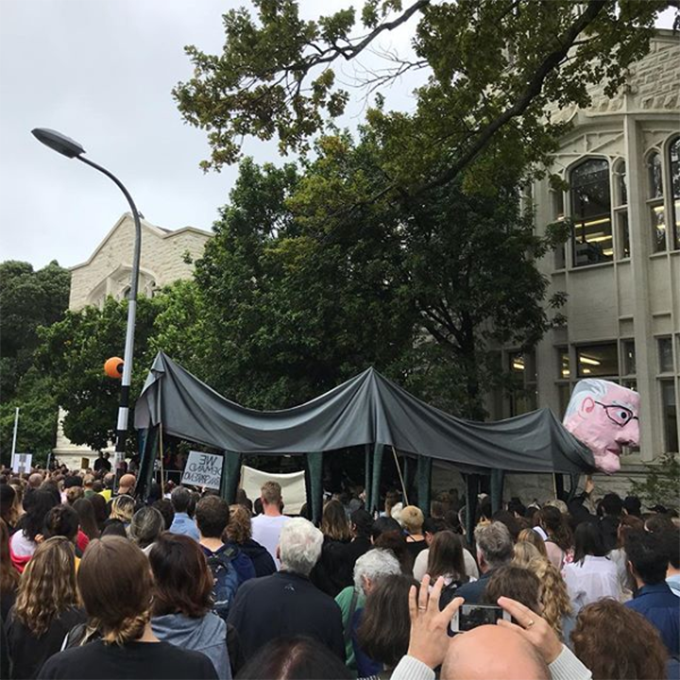 University of Auckland students march to protest against the potential closure of specialist libraries. Image: Pacstudio via Instagram
Pacific Media Centre Newsdesk
University of Auckland students rallied today against a plan to close several of the university’s specialist libraries, reports RNZ National.
The university’s architecture and planning, music and dance, and fine arts libraries have all been earmarked for closure.
Under the proposal, the specialist libraries would merge with the general library.
READ MORE: Students and staff occupy university’s Fine Arts Library
Students and staff worried about losing study space and access to vital resources and expert staff occupied the Fine Arts Library over the weekend to protest against its closure.
Students said today they had not been consulted about the plans.
Losing study space
They were worried about losing study space and access to vital resources and expert staff, as well as losing a sense of community with other students.
Auckland University Students’ Association president Anna Cusack said they wanted the consultation process halted, so students could have a say.
Consultation on the proposed closures ended today, but only affected staff have been involved in that process.
The students also planned to present a petition with thousands of signatures to vice-chancellor Stuart McCutcheon.
This article has been republished as part of the content sharing agreement between Radio New Zealand and the AUT Pacific Media Centre.
Article by AsiaPacificReport.nz
]]>



 Espen Egil Hansen and his front-page open letter to Facebook’s Mark Zuckerberg. Image: RNZ Mediawatch
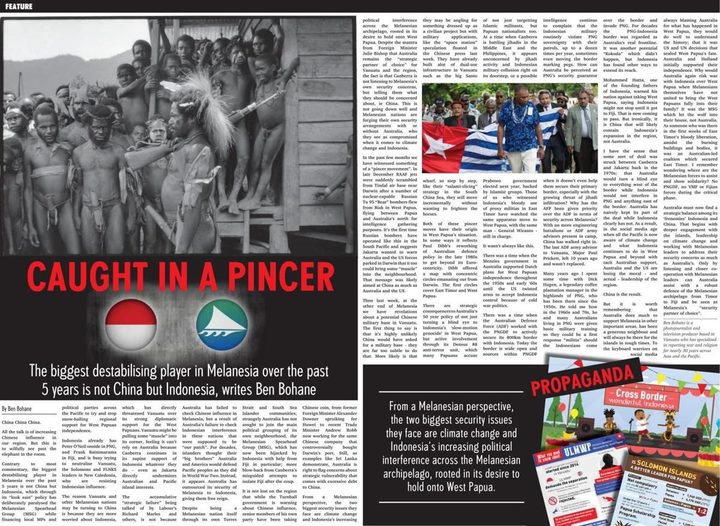 Ben Bohane’s story in the Vanuatu Daily Post – and his photo which fell foul of Facebook’s policy. Image: Screenshot / VDP
 Australian photojournalist Ben Bohane who recently took out Vanuatu citizenship. Image: Johnny Blades/RNZ

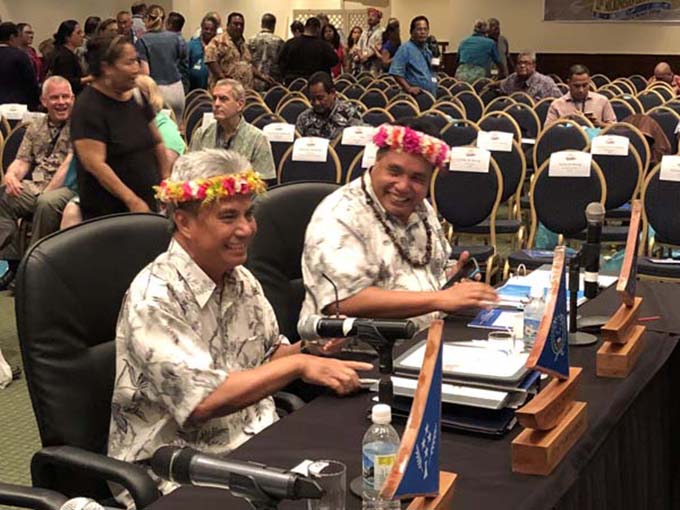




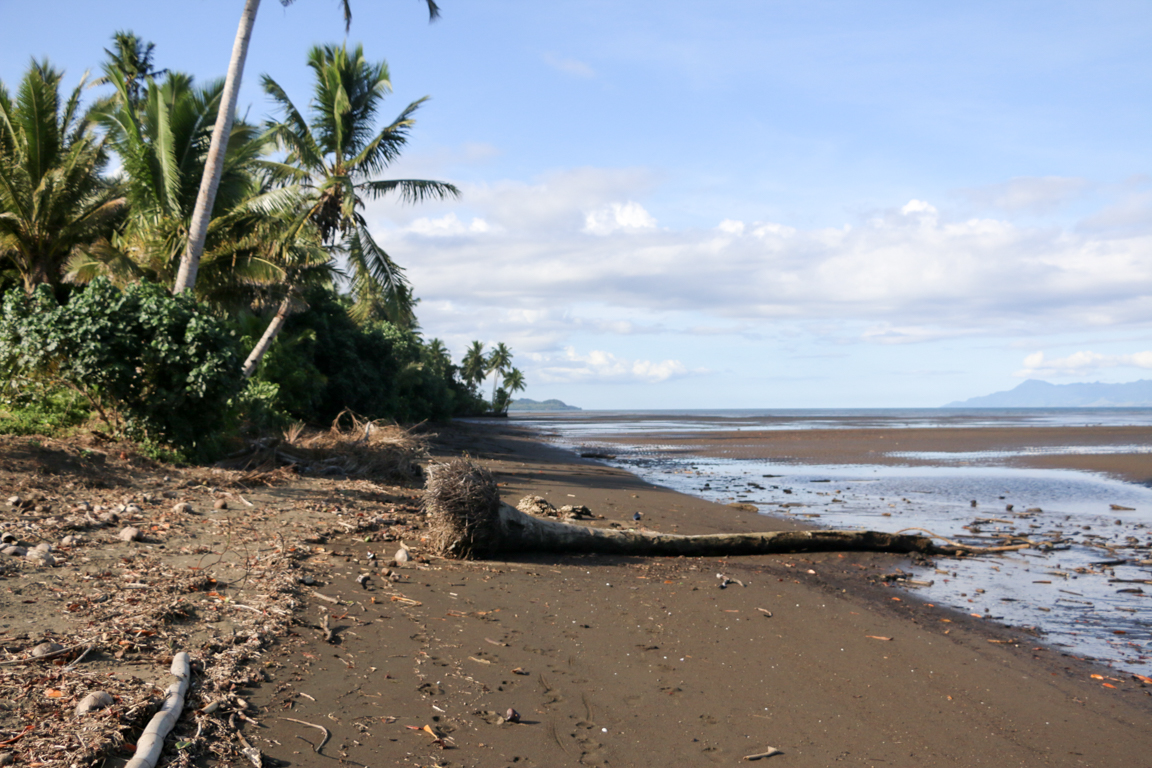
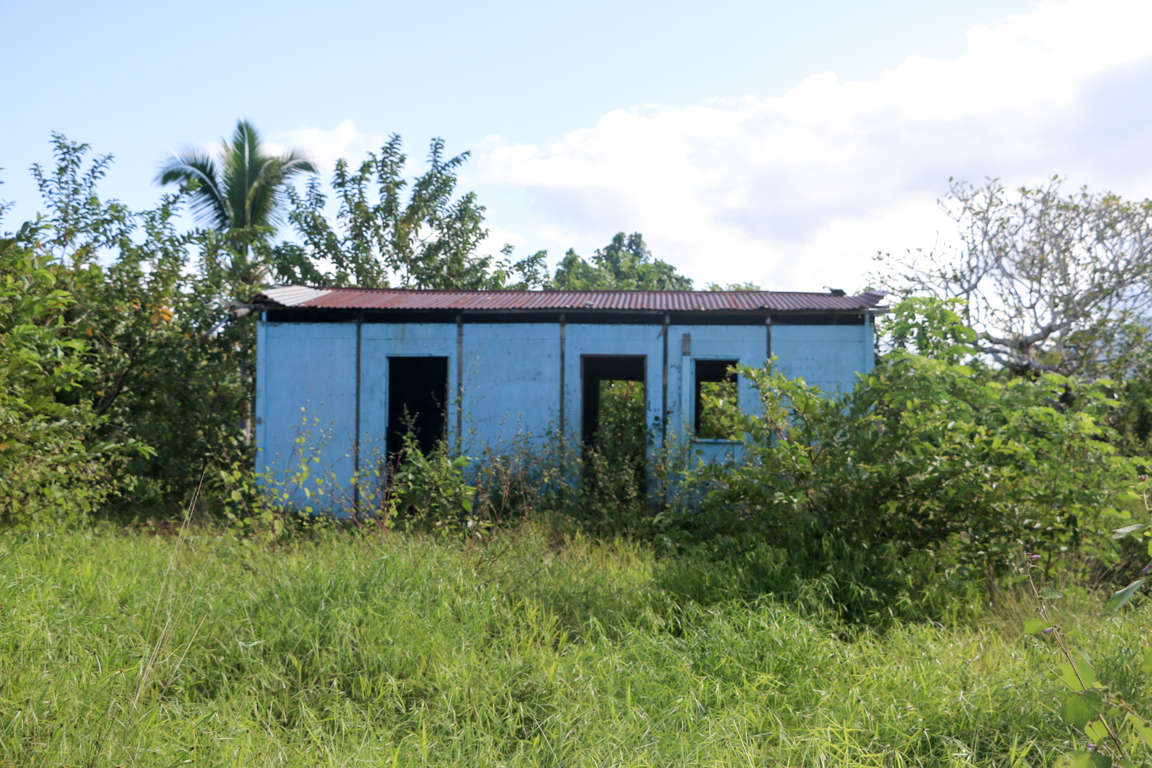
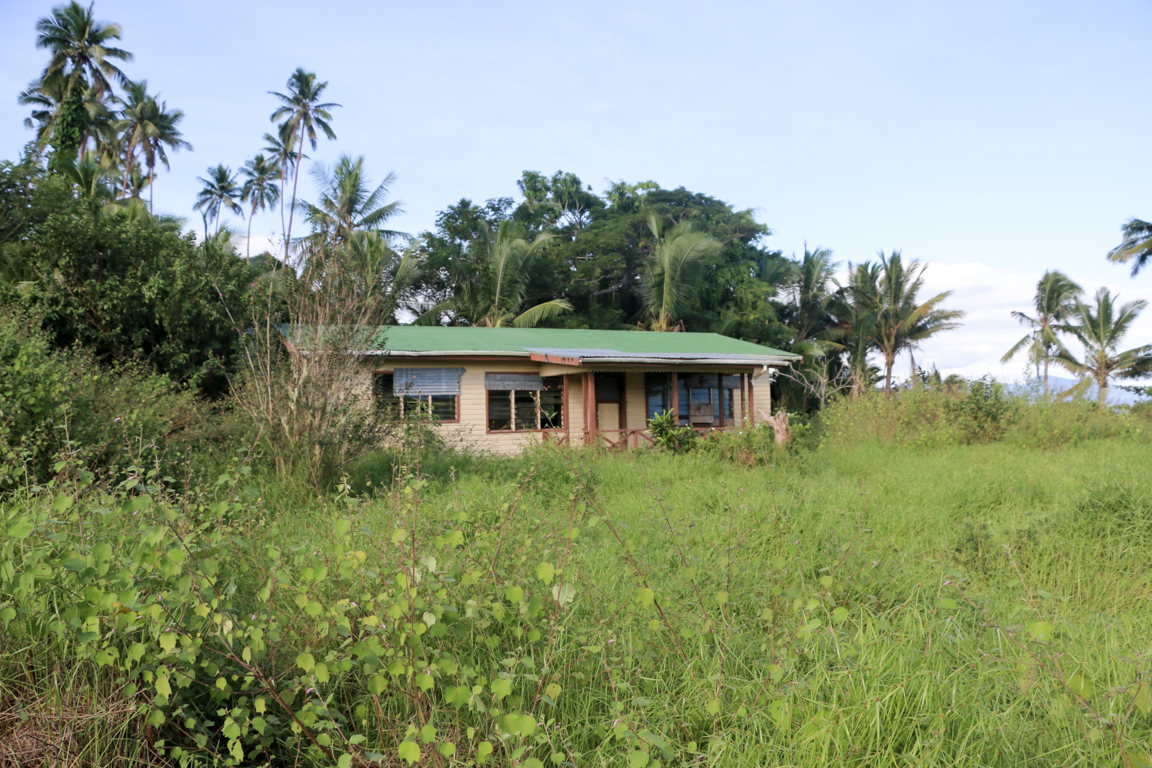
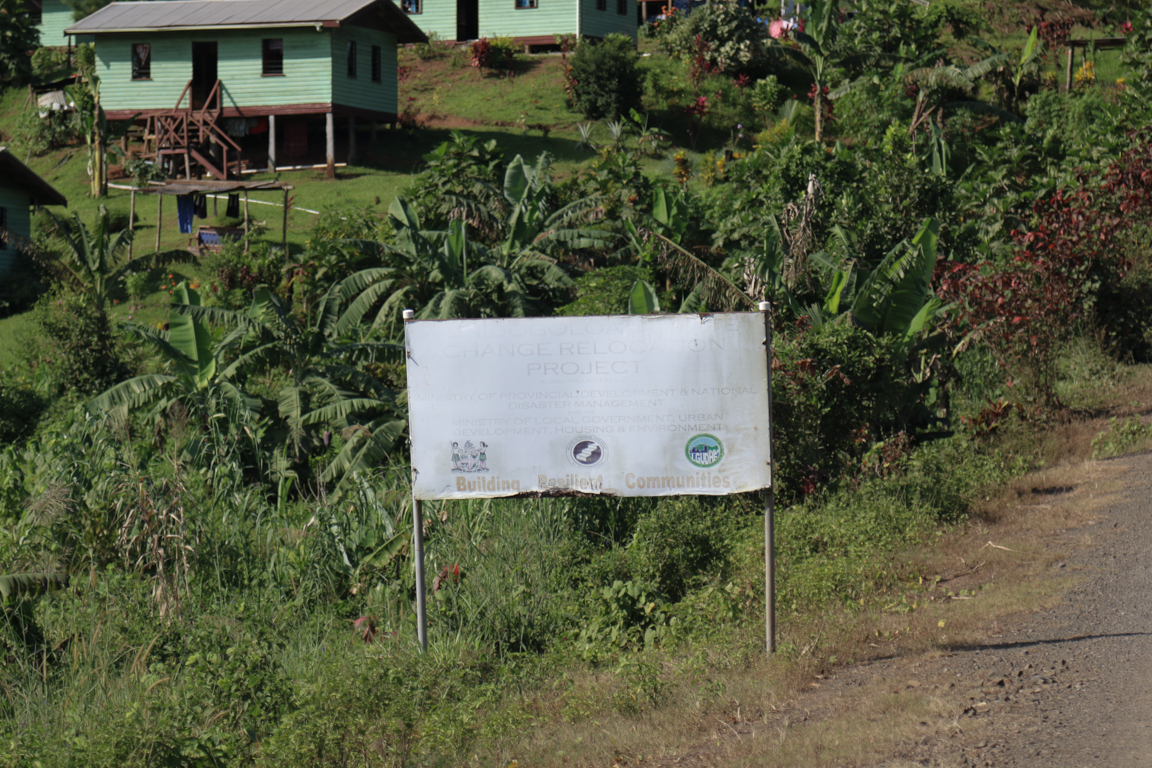



 The mudslide-blocked Rabi road under repair. Image: Blessen Tom/Bearing Witness
  A digger to the rescue on Rabi’s blocked road. Image: Blessen Tom/Bearing Witness



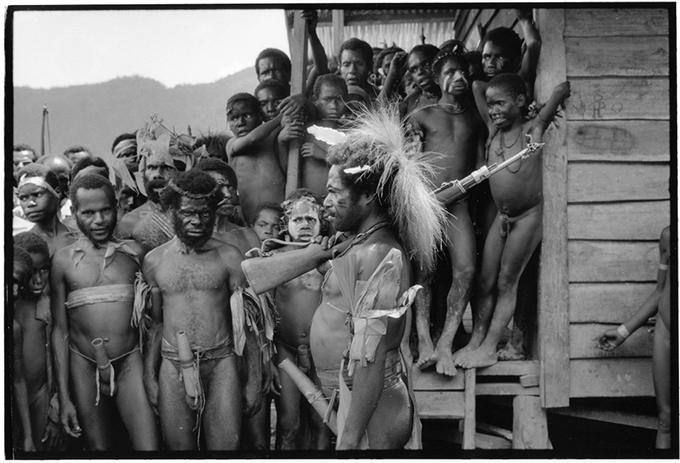 THE ORIGINAL PHOTO BEFORE BEING CENSORED BY FACEBOOK: West Papua: An OPM guerrilla with cassowary headdress during an independence flag-raising ceremony in the Highlands, 1995. © Ben Bohane


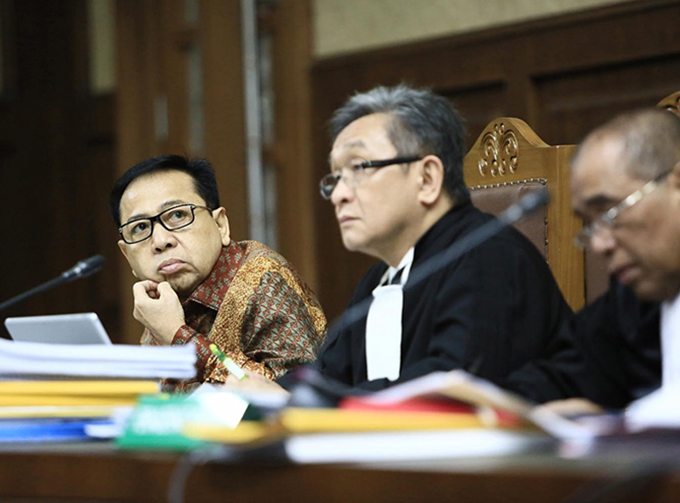





 Better Public Media … advocacy for a stronger independent media in New Zealand. Image: David Robie/PMC
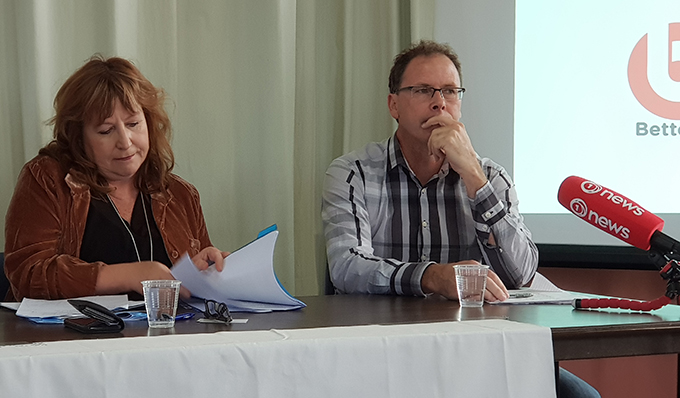 Broadcasting Minister Clare Curran and RNZ chief executive Paul Thompson at the Ponsonby public broadcasting seminar in Ponsonby today. Image: David Robie/PMC

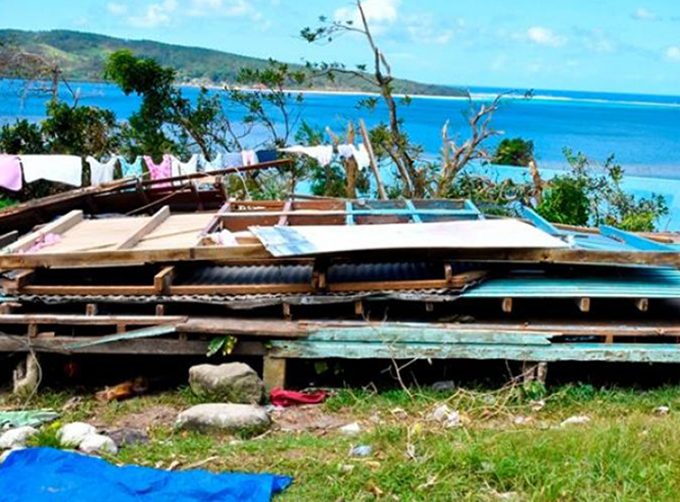
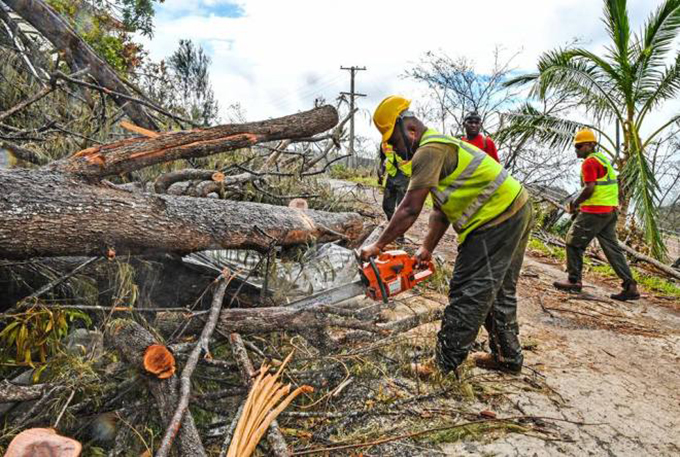 Fiji military clear debris and fallen trees at Vunisea Government Station, Kadavu. Image: Dept of Information/Wansolwara


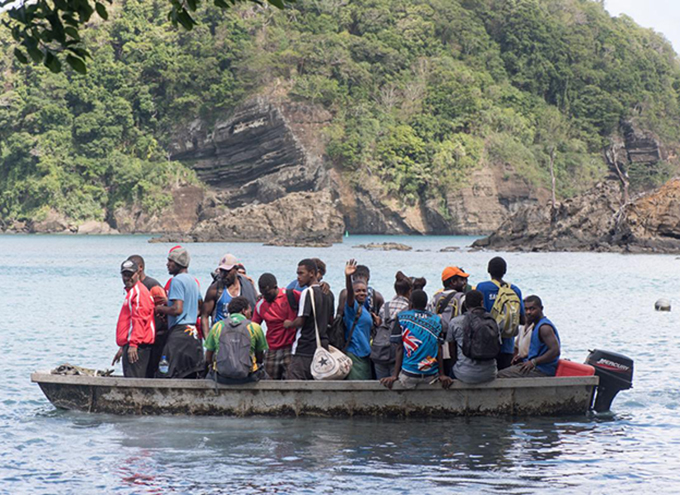
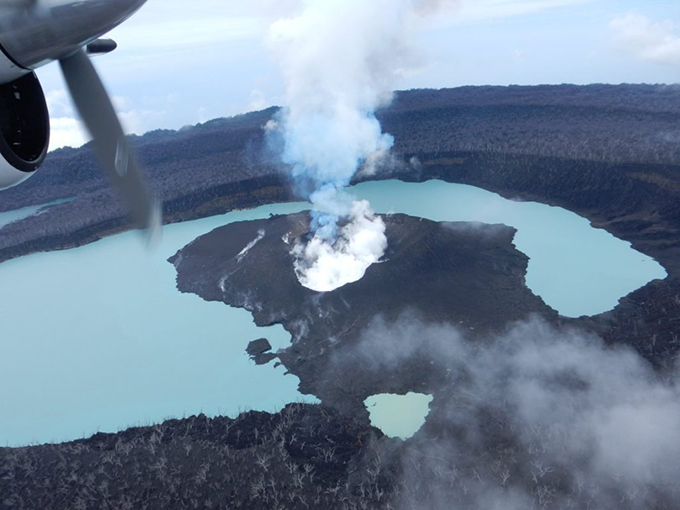 A recent photo of the current rumbling of Mt Lombenden volcano on Ambae Island, Vanuatu. Image: lechaudrondevulcain.com

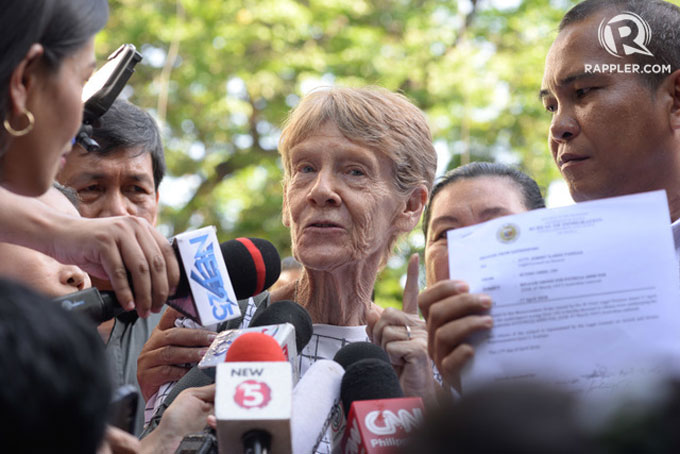

 USP journalism student Koroi Tadulala … passion for climate change reporting. Image: Blessen Tom/Bearing Witness
 USP law student Mia Kami … need for youth engagement regarding climate change. Image: Blessen Tom/Bearing Witness

 Vice-Chancellor Rajesh Chandra speaks to USP journalism students in a training media conference about the 50th anniversary of the regional Pacific university. Image: Blessen Tom/Bearing Witness
 Bearing Witness reporter Hele Ikimotu, speaks with Elisabeth Holland about the climate change work of PaCE-SD. Image: Blessen Tom/Bearing Witness
 PaCE-SD deputy director Dr Morgan Wairiu … providing the right mix of skills for students. Image: Blessen Tom/Bearing Witness
