Scientists have revealed the detailed genetic makeup of thousands of cancer samples, yielding new insights into the genes that drive the many and varied forms of the disease.
The results, published in a landmark collection of research papers in the journal Nature interpret the complete DNA sequences, or cancer genomes, of 2,658 cancer samples. This will further our understanding of the crucial “driver” mutations that underpin cancer development and offer potential as targets for treatments such as chemotherapy.
The hallmark of a cancer cell is its unregulated growth. The mechanism that allows these cells to escape normal cellular growth regulation involves the introduction of mutations into the cancer cell’s DNA. The collection of mutations present in a particular cancer genome is thus known as that cancer’s “mutation signature”.
Each advance in our capacity to accurately and completely sequence whole cancer genomes, and to analyse the sequence data, has enabled a more in-depth analysis of these mutation signatures. Each step forward has revealed further diversity in the mutation processes that underlie the development and progression of cancer.
Diverse mutations
It is seven years since the previous landmark advance in this field. Back in 2013, researchers reported on the genetic makeup of 7,042 cancers of 30 different types, and identified 20 distinct mutational signatures.
Today’s reports involve fewer cancers, but an increase in the number of cancer types to 38. But this latest advance is not really about numbers.
The real step forward is in our understanding of the diversity of DNA mutations and mutation signatures within cancer genomes. This is primarily the result of improved methods for analysing the DNA sequence data, compared with the state of the art in 2013.
As a result, important DNA sequence alterations that could not be detected in previous work have now been described. Each contributes important new details about each cancer genome.
Until recently, cancer DNA mutation analyses had been focused on small alterations in “coding regions” of DNA – the roughly 1% of DNA that is responsible for making proteins. The new analyses reported today have identified non-coding driver mutations – some of them large structural mutations that can be as big as entire chromosomes.
These new analytical capabilities have enabled the identification of 97 mutation signatures, five times more than previously known. The improved detail boosts our understanding of the diversity of cancer genomes. It also provides important new information about the order in which these mutations accumulate during cancer development.
However, there is good evidence to suggest that more work is still required to characterise the full spectrum of cancer DNA mutations. It is anticipated that all cancers will have at least one, and perhaps as many as five, driver DNA mutations. Despite the extensive array of analytical approaches described in these new reports, the researchers were still unable to identify any driver mutations in 5% of the cancers in their study.
The research has also shown that similar mutation signatures are present in cancers that arise in different tissues. This has implications for cancer treatment. For example, a drug successfully used to treat a breast cancer may be as effective for treating a pancreatic cancer if the two cancers share the same mutation signature.
These data will greatly advance our ability to identify cancers with the same or similar origins via their mutation signature. It has enormous implications for diversifying the current suite of drugs available for gene-targeted cancer treatment.
But, perhaps more significantly, it also offers the opportunity to expand our strategies for preventing cancer before it starts.
PNG Minister for Foreign Affairs and International Trade Patrick Pruaitch said from Port Moresby in a statement that 17 Papua New Guinean students out of the 21 initially reported to have been in the Wuhan lockdown had been evacuated with the assistance of the New Zealand Government.
All 193 people have arrived safely, the Director-General of Health Ashley Bloomfield said.
– Partner –
The Ministry of Foreign Affairs and Trade has said one passenger was stopped from boarding after failing a health check but that “no registrants were unable to board due to documentation and check-in processes”.
However, speaking to reporters at Auckland Airport last night, St John medical director Tony Smith said there were “a number of passengers that were prevented from coming to the departure lounge”.
He said he had no further details on why they were unable to board the flight.
60 not on flight MFAT said around 60 people registered for the flight did not arrive at the airport and gave no notice. It has been approached for further comment.
Smith, who was on the flight from Wuhan, said passengers were very stressed out and suffered headaches. Several children were vomiting, he said.
None of the passengers showed any symptoms of the novel coronavirus.
At the airport in Wuhan, several people initially failed temperature screenings because they were wearing six to seven layers of clothing – a measure to counter China’s bitter winter – and had rushed to make the flight, Smith said.
“So we put those people aside, we got the layers off, we waited half an hour, we re-measured the temperatures, and they had all come back down and they were all asymptomatic.
“And those people were very worried that they might not get on the plane.”
Last passenger The last passenger to board the flight was a British four-year-old who staff held up the departure for, British diplomat Danae Dholakia said on Twitter.
This article is republished under the Pacific Media Centre’s content partnership with Radio New Zealand.
Pacific Media Watch reports: A breakdown of nationalities on the flight:
54 New Zealand citizens and 44 New Zealand permanent residents on Chinese passports
23 Australian citizens and 12 Australian permanent residents on Chinese passports
Source: The Conversation (Au and NZ) – By Ritesh Chugh, Senior Lecturer/Discipline Lead – Information Systems and Analysis, CQUniversity Australia
Have you ever used a public charging station to charge your mobile phone when it runs out of battery? If so, watch out for “juice jacking”.
Cybercriminals are on the prowl to infect your mobile devices such as smartphones and tablet computers and access your personal data, or install malware while you charge them.
Even a 60-second power-up can be enough to compromise your phone’s data. This is because USB cables allow the transmission of both power and data streams simultaneously. Victims can be left vulnerable to identity theft, financial fraud, and significant stress.
USB charging stations are a common sight in shopping centres, airports, hotels, fast-food restaurants, and even on public transport. While juice jacking is neither new nor particularly widespread so far, it was recently highlighted by Los Angeles County District Attorney’s Office as a significant threat, especially to travellers who can easily find themselves caught short and in need of a battery boost.
How does it work?
First, the attackers tamper with the charging stations or cables in public areas, and install malicious software on them. This software then infects the phones of unsuspecting users who subsequently plug into the tampered charger.
The software can invade, damage or even disable your phone. It can also steal or delete data from your phone and possibly spy on your usage activity, to the extent of transmitting your personal information such as account numbers, usernames, passwords, photos, and emails to the perpetrator.
How can I tell if I’ve been juice jacked?
Hacked mobile devices will often go undetected. But there are a few telltale signs that your device may have been hacked. These include:
a sudden surge in battery consumption or rapid loss of charge, indicating a malicious app may be running in the background
the device operating slower than usual, or restarting without notice
apps taking a long time to load or frequently crashing
excessive heating
changes to device settings that you did not make
increased or abnormal data usage.
How do I protect myself?
The tampering of USB charging stations or USB cables is almost impossible to identify. But there are some simple ways to guard against juice jacking:
avoid USB power charging stations
use AC power outlets rather than USB ports
use a portable battery power bank (your own, not a borrowed one!)
carry your own charging cable and adaptor
use a data-blocker device such as SyncStop or Juice-Jack Defender. These devices physically prevent data transfer and only allow power to go through while charging
use power-only USB cables such as PortaPow, which don’t pass any data.
And finally, if you must use a charging station, keep your phone locked while doing so. USB ports typically don’t sync data from a phone that is locked. Most mobile phones will ask your permission to give the USB port access to your phone’s data when you plug in. If you’re using an unknown or untrustworthy port, make sure you decline.
I think I might have been juice jacked – what can I do?
If you suspect you have fallen prey, there are several things you can do to protect your device’s integrity:
monitor your device for unusual activity
delete suspicious apps you don’t recall installing
A lot of data is stored on our mobile devices these days, and protecting our privacy is crucial. While juice jacking may not be a widespread threat, it is important to ensure the safety of our mobile devices. So, the next time you consider using a public USB charging station or cable, ask yourself if it is worth it, particularly as your personal information is at stake.
Many stories of dying are written to bring an issue or disease to public attention.
For instance, English editor and journalist Ruth Picardie’s description of terminal breast cancer, so poignantly described in Before I say Goodbye, drew attention to the impact of medical negligence, and particularly misdiagnosis, on patients and their families.
English editor and journalist Ruth Picardie’s description of terminal breast cancer drew attention to the impact of medical negligence and misdiagnosis.Penguin Books
American tennis player and social activist Arthur Ashe wrote about his heart disease and subsequent diagnosis and death from AIDS in Days of Grace: A Memoir.
His autobiographical account brought public and political attention to the risks of blood transfusion (he acquired HIV from an infected blood transfusion following heart bypass surgery).
Other accounts of terminal illness lay bare how people navigate uncertainty and healthcare systems, as surgeon Paul Kalanithi did so beautifully in When Breath Becomes Air, his account of dying from lung cancer.
American writer and illustrator Maurice Sendak drew people he loved as they were dying; founder of psychoanalysis Sigmund Freud, while in great pain, refused pain medication so he could be lucid enough to think clearly about his dying; and author Christopher Hitchens wrote about dying from oesophageal cancer despite increasing symptoms:
I want to stare death in the eye.
Faced with terminal cancer, renowned neurologist Oliver Sacks wrote, if possible, more prolifically than before.
And Australian author Clive James found dying a mine of new material:
Research shows what dying artists have told us for centuries – creative self-expression is core to their sense of self. So, creativity has therapeutic and existential benefits for the dying and their grieving families.
Creativity provides a buffer against anxiety and negative emotions about death.
Cartoonist Miriam Engelberg chose a graphic novel to communicate her experience of cancer.Harper Perennial
Creativity may give voice to our experiences and provide some resilience as we face disintegration. It may also provide agency (an ability to act independently and make our own choices), and a sense of normality.
French doctor Benoit Burucoa wrote art in palliative care allows people to feel physical and emotional relief from dying, and:
[…] to be looked at again and again like someone alive (without which one feels dead before having disappeared).
A way of communicating to loved ones and the public
American tennis player and social activist Arthur Ashe wrote about his heart disease and subsequent diagnosis and death from AIDS.Ballantine Books
When someone who is dying creates a work of art or writes a story, this can open up otherwise difficult conversations with people close to them.
But where these works become public, this conversation is also with those they do not know, whose only contact is through that person’s writing, poetry or art.
This public discourse is a means of living while dying, making connections with others, and ultimately, increasing the public’s “death literacy”.
There is no evidence reading literary works about death and dying fosters rumination (an unhelpful way of dwelling on distressing thoughts) or other forms of psychological harm.
In fact, the evidence we have suggests the opposite is true. There is plenty of evidence for the positive impacts of both making and consuming art (of all kinds) at the end of life, and specifically surrounding palliative care.
Why do we buy these books?
Some people read narratives of dying to gain insight into this mysterious experience, and empathy for those amidst it. Some read it to rehearse their own journeys to come.
But these purpose-oriented explanations miss what is perhaps the most important and unique feature of literature – its delicate, multifaceted capacity to help us become what philosopher Martha Nussbaumdescribed as:
[…] finely aware and richly responsible.
Literature can capture the tragedy in ordinary lives; its depictions of grief, anger and fear help us fine-tune what’s important to us; and it can show the value of a unique person across their whole life’s trajectory.
Not everyone can be creative towards the end
Not everyone, however, has the opportunity for creative self-expression at the end of life. In part, this is because increasingly we die in hospices, hospitals or nursing homes. These are often far removed from the resources, people and spaces that may inspire creative expression.
And in part it is because many people cannot communicate after a stroke or dementia diagnosis, or are delirious, so are incapable of “last words” when they die.
Perhaps most obviously, it is also because most of us are not artists, musicians, writers, poets or philosophers. We will not come up with elegant prose in our final days and weeks, and lack the skill to paint inspiring or intensely beautiful pictures.
But this does not mean we cannot tell a story, using whatever genre we wish, that captures or at least provides a glimpse of our experience of dying – our fears, goals, hopes and preferences.
[…] there will still be epic poems, because every human life contains one. It comes out of nowhere and goes somewhere on its way to everywhere – which is nowhere all over again, but leaves a trail of memories. There won’t be many future poets who don’t dip their spoons into all that, even if nobody buys the book.
As born socialites, dogs make friends easily. Puppies are intensely interested in spending time with other dogs, people, and any species willing to interact with them socially. They usually play, rest, explore and travel with company. Yet we often leave dogs alone: at home, in kennels or the vet clinic.
In these situations, naive dogs can’t be sure we’ll ever return to collect them. Only after experience are they likely to expect a reunion, and even then, their experience depends on the context.
At home, we may try to enforce dog-free zones. Naturally, many dogs protest. How can they stay with their (human) social group when they’re separated behind impenetrable barriers (doors)? This explains why dogs so often demand to be let inside when their human family is there, and why those with separation-related distress frequently find some solace in being indoors.
Dogs want to be with their group (you) at all times.from www.shutterstock.com
2. We are visually driven
Dogs live in an olfactory world, while ours is chiefly visual. So, while TVs may offer a visual feast for humans, parks and beaches are an olfactory banquet for dogs.
An additional challenge is dogs move while investigating the world, whereas we often sit still. They may not relish the inertia we enjoy in front of a noisy, flashing light-box.
3. We change our shape and smell
Shoes, coats, wallets, briefcases, bags and suitcases: countless smells cling to these items after we take them into shops and workplaces, then back to our dogs. Cleaning products, soaps, deodorants and shampoos also change the scents our dogs are used to.
Towels, hats and bags change our shape when we’re using them. And when we’re pulling them on, jumpers and coats alter our visual outline and may catch dogs unaware.
Dogs change their coats at least once a year. In contrast, we change our external cladding every day. This means the odours we carry are changing far more than dogs have evolved to expect.
In their olfactory world, it must be puzzling for dogs to encounter our constantly changing smells, especially for a species that uses scent to identify familiar individuals and intruders.
4. We like to hug
How humans use their forelimbs contrasts sharply with how dogs do. We may use them to carry large objects a dog would have to drag, but also to grasp each other and express affection.
Dogs grasp each other loosely when play-wrestling, and also when mating and fighting. Being pinned by another dog hinders a quick escape. How are puppies to know what a hug from a human means, when that behaviour from a dog might be threatening?
Dogs might feel threatened by our enthusiastic hugs.from www.shutterstock.com
5. We don’t like to be bitten
Play-fighting is fun for many puppies and helps them bond with other dogs. But they must monitor the behaviour of other dogs in play-fights and know when they’ve used their tiny, razor-sharp teeth excessively.
Humans are much more susceptible to pain from playful puppy jaws than other dogs are, and so we can react negatively to their attempts to play-fight with us.
Dogs interact with objects almost entirely with their muzzle. And to feed, they use their jaws, teeth and tongue.
Dogs also “mouth” other dogs when playing, expressing affection and communicating everything from “more” to “please don’t” to “Back off!”. So, naturally, they try to use their mouths when communicating with us, and must be puzzled by how often we take offence.
6. We don’t eat food from the bin
Dogs are opportunists who naturally acquire food anywhere they find it. In contrast, we present them with food in dishes of their own.
Puppies must be puzzled by our reaction when we find them snacking from benches and tables, in lunchboxes and kitchen bins. We should not be surprised when dogs unearth food we left somewhere accessible to them.
We visit the territories of other dogs, bringing back their odours, and allow unfamiliar human and canine visitors to enter our dogs’ home. Dogs have not evolved to accept such intrusions and threats to their safety and resources.
We shouldn’t be surprised when our dogs treat visitors with suspicion, or when our dogs are treated with hostility when we bring them to the homes of others.
Dogs would not naturally share territories.from www.shutterstock.com
8. We use our hands a lot
Sometimes our hands deliver food, scratches, massages and toys. Other times, they restrain dogs, trim nails, administer ointments or tablets, and groom with brushes and combs that may pull hair.
No wonder some dogs grow to fear the human hand as it moves about them. We can make it easier for dogs to accept many types of hand-related activities if we train them to cooperate with rewards.
But humans often misread their fear and may even greet it with violence which compounds the problem. Hand-shy dogs can easily become defensive and find their way into pounds and shelters, where life expectancy for nippers and biters is poor.
On the whole, dogs show a remarkable ability to adapt to the puzzles we throw at them. Their behavioural flexibility offers us lessons in resilience and how to live simply and socially. Our challenge is to understand the absence of guile and malice in everything they do.
…are seeking an experience, they want to take it home with them, or look back on an event as something like a new adventure – one that they may never have a chance to do again. People expect a complete experience that is distinctive in each place.
Placemaking is playing a key role in all this. Advocates for placemaking in the Western world articulate it as a bottom-up process generating activated, inclusive and enriching urban spaces.
In Dubai, however, autocratic ruler Sheikh Mohammed bin Rashid al Maktoum is driving top-down placemaking of key urban projects. In a bid to turn Dubai into one of the cultural epicentres of the world, in 2014 he urged:
Let us work as one team to transform our city into a cultural hub that attracts creative artists … a vibrant place for all.
Delivering this cultural experience are Dubai’s gargantuan property developers, including Emaar, Meraas, Dubai Properties and Nakheel. All are linked to Sheikh Mohammed and his ruling family and have placemaking-driven urban projects under way around the city.
“Brand Dubai”, the creative arm of the government media office, supports these developers through street art and art installations. These “communicate positive messages about Dubai’s unique culture, values and identity” and, by extension, Dubai’s leadership.
Most significant of the urban projects is the revitalisation and extension of the historic Dubai Creek districts. Sheikh Mohammed describes the area as the “very heart and soul of Dubai”. Other key placemaking projects include:
Dubai Design District, which is planned to reflect positively on Dubai’s brand, through designer fashion and interior design
Jumeriah Beach Walk, which offers up an image of a bustling yet exclusive coastal promenade
City Walk, which showcases Dubai’s emerging (yet largely faux) urbanity.
The faux urbanity of Dubai City Walk.Julian Bolleter
Collectively these projects are elegantly designed and enjoyable enough to visit. However, they also embody socio-cultural agendas, a dimension of such projects that the urban professions (inclusive of placemaking) tend to overlook.
Graffiti is used at Dubai City Walk to promote the image but not the reality of creativity and subversion.Julian Bolleter
One of the key values of urban public space is that it carries the potential for random social encounters. Sociologist Richard Sennet argues that such encounters with difference is the key quality of true urbanity; that the density and diversity of people in public space has a civilising function that produces tolerance of difference and enables the formation of new identities.
Clearly a very multicultural city, such as Dubai, could function as Sennett suggests. But this is (often) not the case. Placemaking in Dubai carefully packages urban projects to offer highly choreographed and exclusive experiences for wealthy consumers, whether tourists or locals.
Dubai’s unskilled migrant underclass is effectively denied entry to such heavily place-branded projects. They are kept out not by fences, but by various “soft” strategies including high parking fees, lack of public transport, and aesthetic codes that signify a project’s exclusiveness.
As a result such projects (often) become “protected playgrounds”, which strip away the uncertainty and anonymity from urban life. As urban critic Kim Dovey explains, this “avoidance of risk leads [to the] sanitisation” of the urban experience, which otherwise enriches a city’s culture.
Much of the placemaking in Dubai has also been focused on recreating the traditional urban forms of a pre-petroleum Dubai, as destinations for Emiratis and wealthy tourists and expatriates. Examples of this nostalgia-laced placemaking include the Old Town, Souq Al Bahar, Souq Madinat Jumeirah, and Al Seef along Dubai Creek.
Further to its superficiality, the placemaking and design profession’s willingness to revive such traditional charades has a political dimension that goes unacknowledged. Cities do not “have” a memory – they “make” one for themselves with the aid of symbols, images, rites, ceremonies, places, and monuments. Dubai’s rulers use nostalgic urban forms, generated through placemaking, to construct a narrative that the rule of Sheikh Mohammed culminates a logical progression from Dubai’s ancient history to the present day.
The propagation of such narratives in Dubai is a flow-on effect of the Arab Spring. It has led to a harsher tone on issues of identity and national culture. Increasingly, locals are calling openly for state intervention to defend against “threats” allegedly posed by foreigners to “national culture”.
The nostalgia-laced placemaking of Al Seef.Julian Bolleter
Sheikh Mohammed’s keen interest in branding urban open spaces in Dubai is not coincidental. The mobilisations of the Arab Spring all took place in urban spaces such as Tahir Square in Cairo and Bahrain’s Pearl Roundabout. Attempts to promote particular nostalgic images of urban spaces in Dubai are, in part, an attempt to claim these spaces as not being open to appropriation for protests – subtle or overt.
Placemaking in Dubai – in some instances – has collapsed into a form of place branding that obscures societal exclusion, serves autocratic political agendas and grinds down urban authenticity. Dubai’s development companies are exporting their models of development to a vast region. It is important to scrutinise placemaking’s role in this concerning model of development.
Debate over what the Reserve Bank governor and the treasurer should do usually runs along familiar lines.
The bank is supposed to set its cash rate to keep inflation low and stable, while the government is supposed to avoid deficits, at least on average, over the economic cycle and preferably run surpluses.
We have heard it so often that it seems like common sense. So when a famous economist comes along and contradicts it – an advisor to a US presidential contender no less – it’s understandable that people are shocked.
Yet that’s the message of Stephanie Kelton, a senior economic adviser to Bernie Sanders, and before that chief economist on the US Senate Budget Committee.
Professor Kelton, a leading modern monetary theorist, is the 2020 Visiting Harcourt Professor at the University of Adelaide, and during her visit in January was interviewed by most Australian newspapers, and many radio and TV outlets.
Professor Stephanie Kelton, “The Deficit Myth” University of Adelaide, January 15, 2020.
According to modern monetary theory (MMT), the narrative we have become used to is based on an outdated and misleading description of monetary systems. The key thing that’s been missing is an appreciation of the difference between a currency issuer and a currency user.
You and I, along with businesses and not-for-profits, local councils, state governments, governments with foreign currency debts, and even governments within the Eurozone, are currency users.
Before we can spend money, we need to find it – either by earning it, begging for it, digging into savings, or borrowing it.
Governments create, rather than raise, money
If we borrow money, we need to repay it at some point in the future or risk going broke.
The Australian Commonwealth government, and other national governments that issue currencies in the same way that our government does, are in a completely different position.
They have nothing in common with currency users. They can’t go broke, ever. It isn’t even possible, given the way our system works.
Our government is the monopoly issuer of the Australian dollar. Every dollar that it spends is a new dollar. It doesn’t need to raise taxes or or borrow before it can spend, although that is what it appears to do to those who don’t know how our monetary system works.
In reality, it is the other way around. Governments like ours need to spend dollars into existence before they can be used to pay taxes or to buy newly issued bonds. We need the government’s money – they don’t need ours. They issue the dollar. We use dollars.
Think of the economy as a bath
The economy is like a bath. It needs to be pretty full, but not too full.Shutterstock
Think of the economy as a bath, with government spending being the water coming out of the tap into the bath, and taxation and saving being the water that goes down the drain.
The spending comes first.
The macroeconomic role of taxation is to stop the bath overflowing – to stop total spending in the economy going beyond the productive capacity of the economy and creating the risk of accelerating inflation.
Taxation limits the spending power of the private sector, creating room for the government to spend on public goods and services and investments without driving prices up.
A budget deficit is simply the government making a net contribution of dollars to the economy, putting more dollars into the bath (into private bank accounts) than it is taking out in tax. It needs to, when the bath isn’t full enough. Its deficit is our surplus.
It isn’t a problem in an environment of unemployed resources and low and stable inflation where the bath isn’t full. It is a way of supporting the economy, and of adding to business sales and profits.
When the government runs a surplus, it puts less into the private sector than it takes out in tax. It vacuums up dollars and destroys them. It runs the risk of either driving economy into recession (as happened under Paul Keating) or driving households into debt (as happened under Peter Costello). Its surplus is our deficit.
There may be times when government surpluses are appropriate, but in a country not running large trade surpluses, those times will be rare indeed and won’t last for long. Australia has never run surpluses for long.
Governments choose to borrow, but needn’t
As for government debt – so often misnamed the national debt – it is better described as dollars that have been spent into existence and not yet taxed away. It might be better to call it the net money supply, than to label it as a debt.
The government chooses to issue bonds to the private sector and foreign investors also choose to buy them. But it needn’t. It could fund itself without borrowing. It issues the currency. It can’t go bust. And when there is spare capacity it won’t cause inflation.
There is of course a great deal more to MMT than I can fit into 800 words. It is based on more than 25 years of detailed research by many economists, including Australia’s Bill Mitchell and Kelton herself. But I hope there’s enough here to show you why it has become the first serious challenger to the narrative we have become so used to in decades.
You can learn more about it by watching Stephanie Kelton’s recent Harcourt Lecture at the University of Adelaide, or by reading her new book, The Deficit Myth, which will be published in June.
Review: Platform Papers 62: Performing Arts Markets and their Conundrums, by Justin Macdonnell (Currency Press)
The performing arts may be a public good that serve to enrich Australia’s cultural imagination, but they are also a product competing for audience share and government, corporate and private support.
Established in 1994, the Australian Performing Arts Market (APAM) has aimed to facilitate one aspect of this “arts market” by hosting biennial trade fairs that connect national and international producers and programming venues.
From 2020, APAM will move from hosting these biennial conferences to “gatherings”, dividing its promotional activity across existing arts events such as Darwin Festival and Melbourne’s AsiaTOPA.
Author Justin Macdonnell brings a commanding insider’s perspective to the topic. He has worked in and around touring arts companies for several decades, and is currently executive director of arts industry advocacy organisation Anzarts.
Noting APAM’s new model might lessen the intensity and impact of its work – especially given that overseas producers are unlikely to make multiple excursions to Australia a year – Macdonell asks whether the arts fair has outlived its usefulness.
This might seem at best an issue of marginal concern to people who work outside the performing arts industry. However, Macdonell argues the current system has led not so much to “good art” but “convenient art” being promoted to Australian audiences.
Given the significant role that public funding and public bodies such as the Australia Council play in supporting the performing arts and arts venues, his question deserves wider attention.
Frustratingly (but, no doubt, diplomatically), Macdonnell does not offer concrete examples of “convenient art”. He nevertheless argues that the “dominating presence of state and federal agencies” in the Australian arts market has led to the stifling of independent arts managers and small-scale producers, and also of innovative and risky projects.
It is time we asked, he suggests, whether an arts fair is necessary, let alone desirable, in today’s digitally empowered, globalised marketplace.
An online world
Macdonnell notes trade fairs are at odds with calls to curb air travel due to its environmental impact.
He also wonders if touring itself is so desirable or necessary in the age of YouTube and teleconferencing:
This is not to say that these means have replaced seeing a work or meeting the artist in person. In all probability, they never will. But they have revolutionalised access to knowledge of the work and are creating and maintaining contact about it.
In this digitally enabled market, companies and individual artists can also now bypass the traditional arts brokers and gatekeepers such as arts agencies, or indeed APAM itself, and promote themselves directly to producers.
APAM, he further observes, has “never has been the practitioner’s market”, rather it has “come to be about just one part of the industry (non-profit)”. Presenters and producers might attend to seek out new and innovative work, but they are not given a comprehensive overview of what might actually be available.
Left unsaid
Although Macdonnell does not explore this, such institutionalised impediments to free choice may help explain the growing trend towards homogenisation in major arts programming across the developed world.
Artistic directors of major performing arts festivals, in particular, can appear impregnable to pitches from outside established promotional routes.
But if, as Macdonnell notes, “anyone, anywhere in the world at any time can now see the newest show on YouTube”, why would we seek to rely on the filter of agents or industry bodies to select what we will see or hear?
The potential for market distortion under the current system can be made worse by horsetrading behind the scenes. The most powerful artist agencies routinely leverage access to their most profitable performers or productions to make hiring companies and venues take on other acts they represent, with little regard for local circumstances.
To my mind, the major buyers in the arts marketplace – artistic directors, festivals and venues – should be specifically resourced and encouraged to look for acts outside these existing industry networks.
Wesley Enoch’s provocative 2014 Platform Paper, Take Me To Your Leader, however, suggested we lack this kind of cultural leadership across the Australian performing arts:
With the growth of government-led cultural leadership we have seen the voices of the mob, the dissenters and the opposition slowly becoming tamed and included in a sort of official culture […] Government champions the arts more these days than artists do.
Enoch asked whether those who run subsidised organisations might be brave enough to bite the hand that feeds them.
Macdonnell refrains from concluding his platform paper with similarly provocative statements.
But he has done a useful service to both the arts industry and the wider Australian public by asking us to consider whether there might be better ways for our major performing arts institutions to seek out, and promote, their wares.
An East Jakarta Metropolitan District police chief has given prosecution evidence at the trial this week of six Papuan activists charged with treason.
Senior Commissioner Ardian Rishadi gave testimony in the Central Jakarta District Court on Monday (February 3) about when he was guarding a protest action in near the State Palace that was held on August 28, 2019.
At the time, Rishadi held the post of Central Jakarta Metropolitan Police deputy chief. He claimed to have seen the demonstrators singing songs or “shouting things” which went against the principles of the Unitary State of the Republic of Indonesia or NKRI.
“Papua is not the red-and-white [flag], Papua is the Morning Star – I apologise, but that’s what I heard”, said Rishadi, singing the verses that he had heard being sung by the demonstrators at the rally while testifying in front of the panel of judges.
Rishadi also said that the demonstrators brought Morning Star flags to the protest and that the symbol of the Morning Star was drawn on several of the demonstrator’s faces. The symbol was also drawn on one of the roads.
Rishadi claimed he had heard the defendants singing and shouting these things. He also said the defendants made “problematic speeches”.
– Partner –
“They [said they] wanted to separate from the unitary state, and declared that Papua was not part of Indonesia. Then a referendum was also discussed,” he said.
On the issue of the Morning Star symbols, one of the defendants’ lawyers asked Rishadi which regulation prohibited the Morning Star flag from being flown.
Rishadi said the lawyer was testing him and refused to answer the question.
“What’s clear is that the Unitary State of the Republic of Indonesia has only one flag, the red-and-white. There are no other flags,” said Rishadi, who at the time of the demonstration still held the rank of assistant superintendent of police.
The six defendants in the treason case are Paulus Suryanta Ginting, Charles Kossay, Ambrosius Mulait, Isay Wenda, Anes Tabuni and Arina Elopere.
They have been indicted under alternative articles, namely Article 106 of the Criminal Code (KUHP) in conjunction with Article 55 Paragraph 1(1) of the KUHP on makar (treason, subversion, rebellion) and Article 110 Paragraph 1 of the KUHP on criminal conspiracy.
Translated by James Balowski for Indoleft from Tempo. The original title of the article was “Saat Eks Wakapolres Jakarta Pusat Bersaksi di Sidang Makar Papua”.
The apparent technical glitches that held up results from the Iowa caucuses for hours unleashed a stream of conspiracy theories online.
Most common were allegations that the Democratic machine was quashing votes for Bernie Sanders. There is no evidence for this, but the comments recall the bitterness that accompanied the contest for the Democratic nomination in 2016.
It is absurd that what happens in Iowa is given such weight, but over half a century it has become the first stage of a complex set of votes to choose a presidential nominee. The first Democratic caucuses, in a state with a population equivalent to southeast Queensland, saw millions of dollars and thousands of volunteers thrown into campaigning for delegates to the Democratic convention, where Iowa will have one-tenth as many votes as California.
But winning Iowa does boost campaigns and should kill off others. There are six potential contenders for the nomination, one of whom, Michael Bloomberg, wasn’t even on the Iowa ballots. Of these, former vice-president Joe Biden did worse than expected; Senator Amy Klobuchar managed to stay in the race.
The vote showed a clear split between “progressive” and “mainstream” Democrats, with Bernie Sanders and Elizabeth Warren – at the progressive end – together polling close to 50%.
Pete Buttigieg polled better than expected. So now the way the more mainstream Democratic vote, currently split between Buttigieg, Klobuchar and Biden, coalesces will determine which one of them seems viable.
A few months ago, Biden was seen as the frontrunner nationally. But as the one candidate who clearly underperformed, he is now heavily dependent on strong African-American support in South Carolina to remain competitive. If his support slips, this provides a real chance for Bloomberg, the former New York mayor, who is older, richer and more liberal than Donald Trump and is spending huge sums in preparation for Super Tuesday on March 3.
Iowa is too white and too rural to be representative of the national electorate, let alone those who might vote Democratic. Over the next few weeks, there will be Democratic primaries in New Hampshire, Nevada and South Carolina, which between them have a population under 10 million, far less than greater Los Angeles.
The real showdown comes on March 3, with primaries in 15 states, including California, Texas and Virginia. But, given the number of potential candidates, it is possible the race for delegates will continue right up to the convention in July in Milwaukee, presumably chosen because Wisconsin is a state the Democrats need to win in November.
In 1980, Teddy Kennedy campaigned against Jimmy Carter right up to the convention, just as Ronald Reagan had battled Gerald Ford four years earlier. In neither case did the incumbent go on to win the general election, which suggests the trap for the Democrats.
Given that all Democrat contenders agree the goal is to beat Trump, one might wish for some judicious ego-searching. The weakness of the American party system means there is no authority able to calculate who would be the strongest candidate in November, and pressure some of the current candidates to withdraw.
The longer the contest continues, the more ammunition this gives the Republicans, who will seize on every critical remark to use in the election. And the fervour of some supporters, most obvious in the Sanders camp, might mean some will refuse to vote in November if their candidate is not chosen.
In a race of four or five strong candidates, the top vote-getter among party loyalists is not necessarily the best candidate to win in November. In a country where it is difficult to get more than 60% of the eligible electorate to vote, a successful candidate needs to inspire people who are largely disinterested and cynical about politics to turn out.
It is not clear that any of the current candidates can appeal both to young African Americans and Latinos as well as older white working-class men in the Midwest. All of the remaining viable candidates are white; three of them are in their late seventies.
Bitter disagreement over the policy proposals of the candidates ignores the reality that unless the Democrats control the Senate, a president is unlikely to pass much legislation. They need a candidate who can bring out voters in states like Arizona, Colorado and Maine, where Republican senators are most vulnerable.
This week, three of the top contenders will be back in the Senate, first to listen to Trump’s State of the Union address, then to vote on the losing side for his removal from office.
One hopes they may sit down with other Democrats to find a way of throwing their weight behind a potentially winning candidate and take control of a process that could leave the party bitter and divided before its delegates even decide on their candidate in July.
Visual hallucinations, or seeing things that aren’t really there, can be frightening and distressing.
They may occur due to a large variety of physical and psychiatric conditions. But a lesser known cause is Charles Bonnet syndrome (pronounced bo-nay), named after the Swiss scientist who first described the condition in 1760.
Charles Bonnet syndrome (also called visual release hallucinations) refers to visual hallucinations in patients with severe vision loss due to eye, optic nerve or brain disease.
The syndrome is named after Swiss scientist Charles Bonnet.Wikimedia commons
We don’t know the exact cause of Charles Bonnet syndrome. But the most commonly accepted theory is the loss of visual sensory signals to the brain (for example, when a person becomes blind) means the brain cannot put the brakes on excessive and unwanted brain activity.
This leads the part of the brain responsible for the sensation of vision (the visual cortex) to fire signals inappropriately. The person in turn perceives they are seeing something in the absence of a true stimulus – a visual hallucination.
If these symptoms are affecting you, a friend or family member who has become blind in one or both eyes, it’s important to understand it’s not a sign of “going mad”.
The hallucinations may be “simple” (such as lines, shapes, or flashes of light) or “complex” (such as formed images of animals, like butterflies). Simple hallucinations are much more common.
They may occur for seconds or minutes to hours or continuously, and the frequency ranges from isolated episodes to multiple times a day. It’s normal for Charles Bonnet syndrome to last for years; some people will experience symptoms for the rest of their lives.
The nature of Charles Bonnet hallucinations is highly variable. That is, people who are affected often don’t see the same thing repeatedly, and one person with Charles Bonnet syndrome will see different things from the next person.
Charles Bonnet hallucinations often have little or no emotional meaning, allowing affected people to recognise they are not real. This is distinct from hallucinations associated with mental illness.
Other features of visual hallucinations unique to Charles Bonnet syndrome include:
hallucinations only appear in the areas where vision is lost (for example, a person who is blind in their left eye will perceive hallucinations only in that eye)
hallucinations are more frequently seen with the eyes open than closed, and may disappear when the person closes their eyes or looks away
hallucinations are more common in settings of sensory deprivation (for example, at night time or in dim lighting, or during periods of inactivity).
Who is affected?
Most people with Charles Bonnet syndrome are older adults (usually over 70). This is probably because vision loss is most common in this age group. But any person of any age with acquired vision loss can develop Charles Bonnet syndrome.
The causes of blindness that lead to Charles Bonnet syndrome are usually macular degeneration, glaucoma, diabetes, stroke and injury – but any disease that leads to blindness may cause Charles Bonnet syndrome.
The syndrome does not occur in congenital blindness (people born blind from birth).
Charles Bonnet syndrome is most common in older people, but can present in anyone with acquired vision loss.From shutterstock.com
We currently have no conclusive data on how many Australians have Charles Bonnet syndrome, although one study estimated more than 17% of people aged over 60 with impaired vision had it. In another study, as many as 57% of participants with vision loss reported perceived visual hallucinations.
Importantly, it may be more common than estimated because of lack of reporting. That is, people who are affected may not report their hallucinations due to fear of psychiatric disease or of being perceived to be “going mad”.
Further, people who do report their symptoms may be misdiagnosed with psychosis or dementia.
Seeing a general practitioner (often in conjunction with a neurologist and/or geriatrician) is an important first step to exclude other causes of hallucinations. These could include dementia, physical neurological conditions (for example, a brain tumour), epilepsy and delirium due to infections or medications. Your doctor may order blood tests and/or brain imaging to rule these out.
Treatment for Charles Bonnet syndrome is very limited, but many patients report reassurance is all they need, especially for infrequent hallucinations or those that don’t adversely affect quality of life.
Strategies to minimise the frequency and duration of hallucinations include frequent blinking or rapid eye movement, going to a lighter place or switching a light on, and increasing social interaction, which helps to counter inactivity.
For patients with debilitating symptoms, doctors may trial medications such as antidepressants, antipsychotics and antiepileptic drugs, though their efficacy is variable and may be outweighed by side effects.
Hallucinations may disappear if the cause of vision loss can be corrected (for example, if severe cataracts were causing blindness and the patient has a cataracts operation).
Unfortunately though, generally the causes of vision loss that lead to Charles Bonnet syndrome can’t be treated.
At the 2020 BAFTA awards, Joaquin Phoenix called out systemic racism in the film industry in his acceptance speech for leading actor.
He said:
I think that we send a very clear message to people of colour that you’re not welcome here. I think that’s the message that we’re sending to people that have contributed so much to our medium and our industry and in ways that we benefit from. […]
I think it’s more than just having sets that are multicultural. We have to do really the hard work to truly understand systemic racism.
“Systemic racism”, or “institutional racism”, refers to how ideas of white superiority are captured in everyday thinking at a systems level: taking in the big picture of how society operates, rather than looking at one-on-one interactions.
These systems can include laws and regulations, but also unquestioned social systems. Systemic racism can stem from education, hiring practices or access.
In the case of Phoenix at the BAFTAs, he isn’t calling out the racist actions of individuals, but rather the way white is considered the default at every level of the film industry.
When a black family moves into a home in a white neighborhood and is stoned, burned or routed out, they are victims of an overt act of individual racism which most people will condemn. But it is institutional racism that keeps black people locked in dilapidated slum tenements, subject to the daily prey of exploitative slumlords, merchants, loan sharks and discriminatory real estate agents. The society either pretends it does not know of this latter situation, or is in fact incapable of doing anything meaningful about it.
Invisible systems
Systemic racism assumes white superiority individually, ideologically and institutionally. The assumption of superiority can pervade thinking consciously and unconsciously.
One most obvious example is apartheid, but even with anti-discrimination laws, systemic racism continues.
Individuals may not see themselves as racist, but they can still benefit from systems that privilege white faces and voices.
Anti-racism activist Peggy McIntosh popularised the understanding of the systemic nature of racism with her famous “invisible knapsack” quiz looking at white privilege.
The quiz asks you to count how many statements you agree with, for items such as:
I can turn on the television or open to the front page of the paper and see people of my race widely represented
I can be pretty sure of having my voice heard in a group in which I am the only member of my race
I can worry about racism without being seen as self-interested or self-seeking.
The statements highlight taken-for-granted privileges, and enable people to understand how people of colour may experience society differently.
Cultures of discrimination
Under systemic racism, systems of education, government and the media celebrate and reward some cultures over others.
In employment, names can influence employment opportunities. A Harvard study found job candidates were more likely to get an interview when they “whitened” their name.
Only 10% of black candidates got interview offers when their race could be implied by their resume, but 25% got offers when their resumes were whitened. And 21% of Asian candidates got interview offers with whitened resumes, up from 11.5%.
Systemic racism shows itself in who is disproportionately impacted by our justice system. In Australia, Indigenous people make up 2% of the Australian population, but 28% of the adult prison population.
A study into how systemic racism impacts this over-representation in Victoria named factors such as over-policing in Aboriginal communities, the financial hardship of bail, and increased rates of drug and alcohol use.
Australia’s literature, theatres and art galleries are all disproportionately white, with less than 10% of artistic directors from culturally diverse backgrounds.
Systemic racism damages lives, restricting access and capacity for contribution.
It damages the ethical society we aspire to create.
When white people scoop all the awards, it reinforces a message that other cultures are just not quite good enough.
Public advocacy is critical. Speaking up is essential.
Racism is more than an individual issue. When systemic injustices remain unspoken or accepted, an unethical white privilege is fostered. When individuals and groups point out systemic injustices and inequities, the dominant culture is made accountable.
Find out if your children’s school curriculum engages with Indigenous and multicultural perspectives. Question if your university course on Australian literature omits Aboriginal authors. Watch films and read books by artists who don’t look like you.
As Phoenix put it in his speech:
I’m part of the problem. […] I think it is the obligation of the people that have created and perpetuate and benefit from a system of oppression to be the ones that dismantle it. That’s on us.
Understanding systemic racism is important. To identify these systemic privileges enables us to embrace the point of view of people whose cultures are silenced or minimised.
When we question systemic racism, worth is shared and ideas grow.
Owing to a results reporting fiasco, virtually no results had been posted in Iowa on Tuesday AEDT, although the caucuses began at 12pm AEDT. The caucuses are managed by the state’s Democratic party, not by an electoral authority. This fiasco will mean more criticism of the caucus system, and further questioning of Iowa’s status in having the first contest of every presidential nomination cycle.
Results from 62% of precincts were finally published Wednesday morning AEDT. According to New York Times analyst Nate Cohn, the results from these precincts are representative of the state.
On these results, Pete Buttigieg leads Bernie Sanders by 27% to 25% on State Delegate Equivalents, the traditional measure that most of the media focused on. Elizabeth Warren has 18%, Joe Biden 16% and Amy Klobuchar 13%. This measure is the only measure that was reported at previous Iowa caucuses.
On two other measures, Sanders leads. He leads on the “initial” popular votes by 24.5% to 21.4% for Buttigieg. He leads on the “final” popular votes after realignment by 26% to 25%. The final vote is after supporters of candidates with less than 15% in a precinct are asked to support other candidates. Buttigieg benefited from Klobuchar and Biden supporters.
The discrepancy between the final popular vote and state delegates is explained by higher apportionment of state delegates where caucus attendance was relatively low. Buttigieg performed far better than Sanders in these regions, as this tweet from CNN analyst Harry Enten shows.
Turnout at these caucuses will be about the same as in 2016. In 2016, 172,000 participated in the Iowa Democratic caucuses, well down from the record 240,000 in 2008. In 2008, the Democrats had a charismatic candidate in Barack Obama. Relatively low turnout and Donald Trump’s improving ratings should be big concerns for the Democrats.
Trump won the Iowa Republican caucuses with 97% of the vote. This validates polls showing his approval ratings are very high with Republicans.
National Democratic polling and upcoming contests
Although he performed poorly in Iowa, Biden still leads in the RealClearPolitics average of national polls with 27.0%, followed by Sanders at 23.7%, Warren 15.0%, Michael Bloomberg 8.3% and Buttigieg 6.5%.
The question is whether Iowa will have a large impact on these figures. The attention on the results reporting fiasco, and the close contest between Sanders and Buttigieg, could limit any Iowa bounce.
Buttigieg failed to obtain a national bounce in November after the highly regarded Selzer Iowa poll gave him a nine-point lead. As I wrote in the article after that poll, Buttigieg has problems with black voters.
The next contest is the February 11 New Hampshire primary. A primary is administered like a normal election, and a results reporting fiasco is far less likely. Polls in New Hampshire close by 12pm February 12 AEDT. Like Iowa, New Hampshire is almost all white.
Sanders is likely to win in New Hampshire. He has 25.6% in the RealClearPolitics average, followed by Biden at 17.9%, Warren 14.2% and Buttigieg 13.1%. Sanders will likely be assisted in New Hampshire by being the senator for the neighbouring Vermont.
After New Hampshire, we have the February 22 Nevada caucuses and the February 29 South Carolina primary. There have been few recent polls in either state. On “Super Tuesday”, March 3, 14 states vote and 34% of pledged delegates will be awarded. A key question is whether Biden’s support with black voters holds up.
Australian Newspoll: 52-48 to Labor
After the dramatic fall in Scott Morrison’s ratings three weeks ago, there was little change in this week’s Newspoll. Labor led by 52-48, a one-point gain for Labor. Primary votes were 38% Coalition (down two), 35% Labor (down one), 13% Greens (up one) and 4% One Nation (steady).
37% were satisfied with Morrison’s performance, and 59% dissatisfied, for a net approval of -22, unchanged on the last poll. Anthony Albanese’s net approval was down six points to +3. Albanese led by 43-38 as better PM (43-39 in the last poll).
This Newspoll was conducted January 29 to February 1 from a sample of 1,510. All figures from The Poll Bludger.
Despite the bushfire crisis and the controversy regarding Bridget McKenzie’s grants for sports clubs, Labor leads by just 52-48 – hardly an irrecoverable position for the Coalition. In the first Newspoll after Malcolm Turnbull was ousted in August 2018, Labor led by 56-44, but lost the May 2019 election.
On Tuesday, Nationals leader and deputy PM Michael McCormack defeated Barnaby Joyce in a partyroom leadership vote. The margin of victory has not been revealed.
Source: The Conversation (Au and NZ) – By Alysia Blackham, Associate Professor in Law and ARC Discovery Early Career Research Fellow, University of Melbourne
To this end, we launched the inaugural Australian Equality Law Forum last November. This brought together over 65 scholars, lawyers and representatives from government, equality bodies, unions, employers and not-for-profits to discuss some of the most challenging issues in discrimination law.
What emerged was a series of key reflections on where discrimination law is heading, as well as lessons on how to maximise its effectiveness.
Better resourcing of equality agencies
Equality bodies have experienced substantial cuts in recent years, but are still expected to achieve more with less.
Though equality bodies have fewer powers than, say, the Fair Work Ombudsman, they still have a significant impact on compliance with discrimination laws.
For instance, the Victorian Equal Opportunity and Human Rights Commission last year concluded a major investigation into mental health discrimination by travel insurers.
The commission found that over an eight-month period, three Australian insurance companies issued over 365,000 insurance policies that discriminated against people with mental health conditions. During the investigation, the insurers committed to changing their practices and began offering cover for mental health conditions.
Going forward, we need to ensure these bodies are given the appropriate resources and support from government to fulfil their remit. We must also consider expanding the powers of equality bodies to match the tools available to the Fair Work Ombudsman and similar agencies.
Addressing new and emerging challenges for equality
New forms of work and sources of income in the gig economy are also bringing new challenges for those impacted by discrimination.
The issue is how we enforce our current workplace discrimination laws in the online world. This is particularly problematic when there is a lack of transparency in the technology and data behind the algorithms used by many platforms. For instance, we cannot see the reviews that are used to determine Uber driver and passenger ratings, which makes it difficult to determine if discrimination has occurred.
Relying on individuals to challenge systemic discrimination of this nature is unrealistic. It is even harder for people employed in precarious or insecure forms of work, such as Uber drivers or Deliveroo riders, to take up this mantle.
Relying on technology companies to self-regulate on these issues has also proven ineffective.
Non-disclosure agreements can offer benefits to individuals involved in discrimination claims. However, they risk undermining systemic change and may fail to address the core drivers of discriminatory conduct.
We need to find a better balance between protecting the privacy interests of individuals and tackling the root causes of discrimination.
Thinking carefully about exceptions
The vast array of exceptions found in discrimination laws also lacks a coherent and strategic rationale. Considering they largely prevent or reduce claims in certain sectors, more needs to be done to explain and justify their use.
Indeed, this is where the biggest battles are currently being fought in discrimination law.
Much of the controversy over the draft Religious Discrimination Bill is also centred on the wide exceptions it grants religious organisations to discriminate against women, the LGBTI+ community and other religions.
There is little that conceptually ties together the many different types of exceptions in our discrimination laws, as well.
For instance, a car insurance provider setting higher premiums for male drivers is entirely different from a church requiring its pastors be of the same faith. While both of these are permissible under existing discrimination law exceptions, there is no single rationale that justifies them.
Much work remains to be done to find the right balance on these exceptions.
Pursuing collective, proactive and systemic solutions
Introducing more detailed policies and procedures will not necessarily eliminate inequality. Nor can individuals tackle discrimination alone.
Rather, we need to focus on collective and proactive measures to promote equality.
This might take the form of legal claims filed by organisations on behalf of those who have experienced discrimination. Or it might involve strengthening unions and collective action.
It might also take the form of positive duties, which require organisations to take proactive steps to address inequality, rather than simply responding when a complaint is made.
Engaging people in the process of achieving equality is also important. This is something which has fortunately been integrated into the Victorian Gender Equality Bill.
If passed, this law would require public bodies to prepare a gender equality action plan in consultation with their employees and other relevant individuals. This may offer a new approach to achieving equality that other jurisdictions can follow.
To really make a difference, we need a holistic, community-based approach to discrimination law reform. It will require a sustained effort. Addressing discrimination and achieving equality should be on the agenda for all of us.
The Invasive Species Council and other observers have argued for weed control as a major priority following bushfires, to promote the recovery of wildlife and damaged ecosystems. The time is right, some say, to wage a serious offensive against weeds before they re-establish and this opportunity is lost.
But perhaps we shouldn’t be so hasty to villainise all weeds. There is growing recognition that weeds can, in some cases, support a range of critical ecological functions.
There are official lists of weeds in Australia. But for many, the term “weed” is vague, non-scientific and highly subjective. Weeds can be non-native or native species. They’re generally considered to be plants that are growing in places, or ways (for example, in high abundance), that are undesirable.
Their “undesirability” may be traced to a wide range of economic, social, cultural, aesthetic and political reasons. From an ecological perspective, weeds are often blamed for stifling native plant growth, altering wildlife habitat and changing ecological processes. Many assume weed control will improve native plant growth, habitat quality and ecosystem function.
In some situations, however, weeds provide valuable ecological functions by, for example, offering food and habitat for wildlife, protecting soils and landforms from erosion and slowing down the movement of water through catchments.
Exotic chinee apple trees (Ziziphus mauritiana) in north-west Australia, for example, protect the burrow systems of native rodents from habitat damage by feral horses.
One study found invasive chinee apple trees (Ziziphus mauritiana) provide critical refuge habitat for native rodents.Chris Gardiner CC BY-SA/Wikimedia, CC BY
This kind of benefit is especially likely in very disturbed habitats, such as areas that have been cleared. Other areas of high functional importance in the landscape such as riparian zones – land alongside creeks, streams, gullies, rivers and wetlands – can benefit from some weeds.
Riparian weeds can support rivers and streams by trapping sediments and contaminants washing into channels via run-off. Exotic riparian willows (Salix spp.) can also provide habitat and food sources for aquatic fauna.
Weeds may also promote regeneration of native plants by helping stabilise soil, providing shade and protecting seedlings from being eaten by animals and pests.
At larger scales, weeds can also enhance the dispersal of native plant seeds. In highly cleared parts of north-eastern New South Wales, for example, camphor laurel trees (Cinnamomum camphora) – an introduced species – can provide habitats for fruit-eating birds that disperse and establish native rainforest plants.
Camphor laurel trees can provide bird habitats in areas where a lot of native trees have been cleared.Shutterstock
There’s a lot we don’t know about weeds
In some cases, weeds may be the only plants that grow back well after fires. And some plants – even weeds – may be better than none.
We can’t always assume that the presence of weeds is limiting native plant growth. The fact is we don’t really know, in most cases, if removing weeds actually results in higher native plant diversity.
What we do know is that ecosystem functions, such as carbon storage and nutrient cycling, tend to increase where more species are present. And this holds true even in weed-infested forests, which often contain more species than their equivalent native ecosystems.
Many assume weeds will flourish in our post-fire landscapes.
Some see this early establishment period as a unique opportunity to banish “undesirable” plants by weeding before they set seed.
There is surprisingly little evidence, however, regarding the effectiveness of most weed control methods over the longer-term. Many weeds can quickly re-establish from soil seed banks, suckers or plant fragments dispersed by wind, water or birds.
We also know very little about how weed control methods themselves might affect ecological processes through soil disturbance and herbicides.
Even where these methods kill one weed, other, potentially more noxious plants may spring up in its place.
When it comes to weeds, question your assumptions
There is much at stake in Australia as we make decisions regarding the restoration of our unique ecosystems after the recent bushfire crisis.
Importantly, however, we can learn by not blindly acting on assumptions and ideologies. We can test assumptions through robust, long term ecological experiments.
Obviously, not all weeds should be retained. Non-native species can and do have negative effects.
However, we now face an opportunity to embark on a more nuanced and open approach to conservation and restoration.
Indeed, in a future that looks little like the past, we must never stop questioning our land management practices.
Source: The Conversation (Au and NZ) – By Alysia Blackham, Associate Professor in Law and ARC Discovery Early Career Research Fellow, University of Melbourne
To this end, we launched the inaugural Australian Equality Law Forum last November. This brought together over 65 scholars, lawyers and representatives from government, equality bodies, unions, employers and not-for-profits to discuss some of the most challenging issues in discrimination law.
What emerged was a series of key reflections on where discrimination law is heading, as well as lessons on how to maximise its effectiveness.
Better resourcing of equality agencies
Equality bodies have experienced substantial cuts in recent years, but are still expected to achieve more with less.
Though equality bodies have fewer powers than, say, the Fair Work Ombudsman, they still have a significant impact on compliance with discrimination laws.
For instance, the Victorian Equal Opportunity and Human Rights Commission last year concluded a major investigation into mental health discrimination by travel insurers.
The commission found that over an eight-month period, three Australian insurance companies issued over 365,000 insurance policies that discriminated against people with mental health conditions. During the investigation, the insurers committed to changing their practices and began offering cover for mental health conditions.
Going forward, we need to ensure these bodies are given the appropriate resources and support from government to fulfil their remit. We must also consider expanding the powers of equality bodies to match the tools available to the Fair Work Ombudsman and similar agencies.
Addressing new and emerging challenges for equality
New forms of work and sources of income in the gig economy are also bringing new challenges for those impacted by discrimination.
The issue is how we enforce our current workplace discrimination laws in the online world. This is particularly problematic when there is a lack of transparency in the technology and data behind the algorithms used by many platforms. For instance, we cannot see the reviews that are used to determine Uber driver and passenger ratings, which makes it difficult to determine if discrimination has occurred.
Relying on individuals to challenge systemic discrimination of this nature is unrealistic. It is even harder for people employed in precarious or insecure forms of work, such as Uber drivers or Deliveroo riders, to take up this mantle.
Relying on technology companies to self-regulate on these issues has also proven ineffective.
Non-disclosure agreements can offer benefits to individuals involved in discrimination claims. However, they risk undermining systemic change and may fail to address the core drivers of discriminatory conduct.
We need to find a better balance between protecting the privacy interests of individuals and tackling the root causes of discrimination.
Thinking carefully about exceptions
The vast array of exceptions found in discrimination laws also lacks a coherent and strategic rationale. Considering they largely prevent or reduce claims in certain sectors, more needs to be done to explain and justify their use.
Indeed, this is where the biggest battles are currently being fought in discrimination law.
Much of the controversy over the draft Religious Discrimination Bill is also centred on the wide exceptions it grants religious organisations to discriminate against women, the LGBTI+ community and other religions.
There is little that conceptually ties together the many different types of exceptions in our discrimination laws, as well.
For instance, a car insurance provider setting higher premiums for male drivers is entirely different from a church requiring its pastors be of the same faith. While both of these are permissible under existing discrimination law exceptions, there is no single rationale that justifies them.
Much work remains to be done to find the right balance on these exceptions.
Pursuing collective, proactive and systemic solutions
Introducing more detailed policies and procedures will not necessarily eliminate inequality. Nor can individuals tackle discrimination alone.
Rather, we need to focus on collective and proactive measures to promote equality.
This might take the form of legal claims filed by organisations on behalf of those who have experienced discrimination. Or it might involve strengthening unions and collective action.
It might also take the form of positive duties, which require organisations to take proactive steps to address inequality, rather than simply responding when a complaint is made.
Engaging people in the process of achieving equality is also important. This is something which has fortunately been integrated into the Victorian Gender Equality Bill.
If passed, this law would require public bodies to prepare a gender equality action plan in consultation with their employees and other relevant individuals. This may offer a new approach to achieving equality that other jurisdictions can follow.
To really make a difference, we need a holistic, community-based approach to discrimination law reform. It will require a sustained effort. Addressing discrimination and achieving equality should be on the agenda for all of us.
Source: The Conversation (Au and NZ) – By Alysia Blackham, Associate Professor in Law and ARC Discovery Early Career Research Fellow, University of Melbourne
To this end, we launched the inaugural Australian Equality Law Forum last November. This brought together over 65 scholars, lawyers and representatives from government, equality bodies, unions, employers and not-for-profits to discuss some of the most challenging issues in discrimination law.
What emerged was a series of key reflections on where discrimination law is heading, as well as lessons on how to maximise its effectiveness.
Better resourcing of equality agencies
Equality bodies have experienced substantial cuts in recent years, but are still expected to achieve more with less.
Though equality bodies have fewer powers than, say, the Fair Work Ombudsman, they still have a significant impact on compliance with discrimination laws.
For instance, the Victorian Equal Opportunity and Human Rights Commission last year concluded a major investigation into mental health discrimination by travel insurers.
The commission found that over an eight-month period, three Australian insurance companies issued over 365,000 insurance policies that discriminated against people with mental health conditions. During the investigation, the insurers committed to changing their practices and began offering cover for mental health conditions.
Going forward, we need to ensure these bodies are given the appropriate resources and support from government to fulfil their remit. We must also consider expanding the powers of equality bodies to match the tools available to the Fair Work Ombudsman and similar agencies.
Addressing new and emerging challenges for equality
New forms of work and sources of income in the gig economy are also bringing new challenges for those impacted by discrimination.
The issue is how we enforce our current workplace discrimination laws in the online world. This is particularly problematic when there is a lack of transparency in the technology and data behind the algorithms used by many platforms. For instance, we cannot see the reviews that are used to determine Uber driver and passenger ratings, which makes it difficult to determine if discrimination has occurred.
Relying on individuals to challenge systemic discrimination of this nature is unrealistic. It is even harder for people employed in precarious or insecure forms of work, such as Uber drivers or Deliveroo riders, to take up this mantle.
Relying on technology companies to self-regulate on these issues has also proven ineffective.
Non-disclosure agreements can offer benefits to individuals involved in discrimination claims. However, they risk undermining systemic change and may fail to address the core drivers of discriminatory conduct.
We need to find a better balance between protecting the privacy interests of individuals and tackling the root causes of discrimination.
Thinking carefully about exceptions
The vast array of exceptions found in discrimination laws also lacks a coherent and strategic rationale. Considering they largely prevent or reduce claims in certain sectors, more needs to be done to explain and justify their use.
Indeed, this is where the biggest battles are currently being fought in discrimination law.
Much of the controversy over the draft Religious Discrimination Bill is also centred on the wide exceptions it grants religious organisations to discriminate against women, the LGBTI+ community and other religions.
There is little that conceptually ties together the many different types of exceptions in our discrimination laws, as well.
For instance, a car insurance provider setting higher premiums for male drivers is entirely different from a church requiring its pastors be of the same faith. While both of these are permissible under existing discrimination law exceptions, there is no single rationale that justifies them.
Much work remains to be done to find the right balance on these exceptions.
Pursuing collective, proactive and systemic solutions
Introducing more detailed policies and procedures will not necessarily eliminate inequality. Nor can individuals tackle discrimination alone.
Rather, we need to focus on collective and proactive measures to promote equality.
This might take the form of legal claims filed by organisations on behalf of those who have experienced discrimination. Or it might involve strengthening unions and collective action.
It might also take the form of positive duties, which require organisations to take proactive steps to address inequality, rather than simply responding when a complaint is made.
Engaging people in the process of achieving equality is also important. This is something which has fortunately been integrated into the Victorian Gender Equality Bill.
If passed, this law would require public bodies to prepare a gender equality action plan in consultation with their employees and other relevant individuals. This may offer a new approach to achieving equality that other jurisdictions can follow.
To really make a difference, we need a holistic, community-based approach to discrimination law reform. It will require a sustained effort. Addressing discrimination and achieving equality should be on the agenda for all of us.
Headline: Iran as a Strategic Actor, Part Two. – 36th Parallel Assessments
Given the demographics of each state, the Iowa and New Hampshire Democratic primaries seem to best serve as an early test of how Democrats will fare with the MAGA base and who is best suited to make a play for “soft” MAGA voters. Not representative of the national electorate.
What started at a seafood market as a local health issue has grown into a national health crisis in China.
After the Wuhan coronavirus was identified in December 2019, a chain reaction was set in motion that has profoundly shaken Chinese society and challenged Beijing’s political stability.
Poster displaying a map of China on the four characters reading 武汉肺炎 meaning Wuhan pneumonia. Image: Global Voices
When it suddenly announced drastic measures to prevent the spread of the epidemic in late January, for many it was much too late as the Chinese New Year kick-off celebrations had already begun.
– Partner –
Doctors and scientists are still researching and debating the possible origin of the previously unknown Wuhan coronavirus, a respiratory virus that infects the lungs and can lead to pneumonia.
Key questions One of the key questions determining the spread of the virus is its transmissibility: whether it can jump from human to human, and how many people can be infected on average by the same virus carrier.
The latest medical evidence indicates there is human-to-human transmission, and what is concerning is that it seems to happen before the virus carrier develops symptoms, thus making detection incredibly challenging.
As for the rate of transmission, called “basic reproduction number” by epidemiologists, it is believed to be between 2 to 3 in late January, meaning one person infects two to three persons, but the numbers are still being discussed and require further research should proper data be made available.
As the figure of infected people rises daily, a major health crisis has developed in China’s central province of Hubei and its capital Wuhan that have a combined population of nearly 60 million people.
As cases have been confirmed all over China, all medical staff are on alert, adding pressure on a medical system that is often insufficient for such a large and aging population.
But the Wuhan coronavirus is not just a health crisis, it is also a major political moment of truth. Trust in the government that claimed there was nothing to worry about until very late in the game has eroded public confidence significantly, and not just in Hubei province.
SARS crisis Beijing was criticised for the way it mishandled the SARS crisis in 2002-2003 as it concealed information from the World Health Organization (WHO).
China’s top leader Xi Jinping kept silent on the recent outbreak until January 20 when he recognised the severity of the situation in a public statement – over one month after the first cases had been identified.
Control of information remains tight, and as China is experiencing a trade war with the US and an economic slowdown, the handling of the Wuhan coronavirus crisis will determine the course of Chinese society and politics in 2020.
Mike Moore as World Trade Organisation head, with former US President Bill Clinton at the WTO summit in Seattle in 1999.
Dr Bryce Edwards.
“We may never see his like again” wrote Richard Prebble following the death of Mike Moore in the weekend. Moore was certainly an extraordinary politician. He made some remarkable achievements, had an inimitable style, and was a mass of contradictions.
Mike Moore’s place in New Zealand political history is complicated. He has been described by many as “tribal Labour”, and yet the Labour political establishment largely shunned him in later years. His working class background and populism was out of place in a Labour Party increasingly characterised by social liberalism (although ironically much celebrated in tributes since his passing). And his role as a central player in the neoliberal policies of the 1980s and 90s meant he was an uncomfortable reminder of a period Labour would rather not dwell on.
He was more in line with Chris Trotter’s fabled “Waitakere Man” – socially conservative and concerned with the economic advancement of ordinary people. And yet many saw Moore’s politics as a betrayal of the very people he sought to represent.
There have been some very good obituaries that nicely sum up the remarkable life, colour and contradictions of Moore. One of the best is by RNZ’s Tim Watkin, who says Moore “deserves his prominent place in New Zealand’s political history”, and details his “voracious, eclectic, indefatigable” political nature – see: Mike Moore – Working Class Hero 1949-2020.
Watkin describes Moore’s career as “littered with frustrations”, but he also “reached the very top of global political structures” becoming the WTO boss, and therefore “arguably New Zealand’s most powerful political figure internationally.”
Watkin addresses Moore’s central role in implementing the neoliberal reforms: “He was damned as a Rogernome and deserves some the mix of flak and praise due everyone in that fourth Labour government. But that label was always too simplistic for Moore.”
For anyone who doubts Moore’s role as a disciple of Roger Douglas and David Lange, it’s worth reading John Roughan’s obituary for Moore, which points out that he was “the third-ranked minister in the most radical New Zealand government of our lifetime. Arguably he did more to create that government than either of its leading figures, prime minister David Lange or finance minister Roger Douglas” – see: Mike Moore obituary: New Zealand’s shortest-term prime minister (paywalled).
Moore’s role in Rogernomics is also discussed in a very interesting obituary by Richard Harman: “He was forever proposing ‘ideas’ such as his lamburger, but more particularly he was an ardent advocate of the free market principles that were driving Roger Douglas, David Caygill and Richard Prebble to reform the New Zealand economy radically. Maybe because he was overseas a lot or perhaps because he was not so comfortable with the long drawn out policy development process, he was not a central player in the reforms. A cheerleader, yes; but a policy wonk, no. And sometimes it seemed he was not really a true believer. He didn’t join Act, and he was the only Rogernome to stay on to play an active role in the party for the rest of his life” – see: Labour’s last working class hero.
Journalist Pattrick Smellie, who was a press secretary for Roger Douglas in the early years of the Fourth Labour Government, paints a picture of Moore as a political centrist, pointing out that some in the government and party regarded him as having a “moderating influence on the Douglas reforms”. Smellie says Moore “railed at times – both publicly and privately – against the crash-through radicalism of Roger Douglas’s economic reforms” – see his obituary: Mike Moore, NZ’s ‘most promising Prime Minister. Smellie suggests that Moore was neither on the left nor right of the party, and described himself as an “extreme moderate”.
He also records one-time Moore press secretary Paul Jackman arguing that Moore was “a hero” because his strong performance as Opposition leader, especially in the very close 1993 election, moderated the National Party in the 1990s, preventing them from introducing a more rightwing programme.
Misfit within the modern Labour Party
There’s now a consensus that Moore performed very well as Labour leader, preventing the party being more heavily defeated in 1990 and then coming very close to winning in 1993. Yet he was immediately replaced by Helen Clark and, despite staying on as an MP for another six years, his relationship with the party soured.
According to friend Richard Prebble, “Mike himself admitted he was by the 1990s out of step with the modern, university educated Parliamentary Labour Party”, and “Helen Clark famously complained he was incurably macho” – see: Michael Moore was lucid, funny and kind – former MP Richard Prebble remembers his lifelong friend. His social conservativism reportedly “put him offside with the new Labour MPs whose agenda was social engineering.”
Tim Watkin also discusses the differences between Moore and his increasingly middle class party: “Most politicians on the left today are defined by what is often called identity politics. That was not for Moore; he saw the world through the lens of class. That was the devil that needed to be exorcised.”
According to Pattrick Smellie, it was at this stage that Labour split “rancorously along cultural as well as economic policy lines”. Moore was therefore “abandoned by much of the Labour hierarchy”, which meant when he gave his valedictory parliamentary speech in 1999 it was “sometimes bitter”.
And Richard Harman reports that as an opposition MP he would “lecture journalists on the cabal of feminists and left-wingers who had taken over the party and ended his career.” Harman concludes: “in a way Moore’s analysis was right. Whereas another Northland working class politician, Winston Peters, had recognised that the urban middle class now captured the mainstream parties, Moore resisted the urge to leave Labour.”
Moore did spend some time contemplating and planning a breakaway centrist party, which was rumoured at the time to involve Winston Peters or a merger with NZ First. But he could never take the plunge, being too tribally loyal to his party, even if the party itself no longer returned the sentiment.
According to Stuff political editor Luke Malpass, Moore would have been a better fit in Australian politics – see: Mike Moore: Former PM better understood in Australia? And he argues that the schism between Moore and Labour typifies the contemporary problem that leftwing parties have with working class politics.
Here’s Malpass’ main point: “Moore’s background is also a challenge to modern Labour. Fairly or not, around the world working class voters are slowly but surely turning towards conservative parties as social democrats are seen as parties of the elites. This has happened in the US, Australia, UK and France – among other countries. Labour needs to try to fight this trend in New Zealand. It could do worse than asking itself if there would be a room for a Mike Moore in today’s party. And if not, why not?”
The rightwing embrace of Moore
Although the Labour Party’s relationship with Moore and his legacy is fraught, for the political right the former Labour leader is more easily celebrated. David Farrar points out that Moore “understandably remained bitter about his treatment by Labour for decades. In fact National treated him far better by supporting him to become WTO Director-General and later Ambassador to the US” – see: More on Mike Moore.
Farrar also points to the class problems symbolised by the former PM: “Moore was the last working class leader of the Labour Party. He may be the last one ever, considering more working class voters support National than Labour now.”
Business leaders and rightwing figures are praising Moore whole-heartedly – see, for example, Chris Keall’s Mike Moore remembered as a passionate defender of trade. In this, Taxpayers’ Union chairperson Barrie Saunders is quoted saying, “Mike Moore was a great self-educated New Zealander, who was able to re-think traditional Labour Party mantras.”
Newstalk ZB’s Mike Hosking declares Mike Moore was my favourite politician. He expresses sadness that Moore is likely to be the last blue-collar PM, and adds that he was “a brilliantly nice, entertaining, and erudite man.”
The leftwing evaluations of Moore
The tributes celebrating Moore’s working class background – and somehow by extension, politics – are galling for some on the left, who regard Moore’s career as dominated by the pursuit of an anti-working class agenda. In Chris Trotter’s Looking back at the political career of Mike Moore, New Zealand’s 34th Prime Minister, he paints a picture of Moore as anti-idealistic, extremely pragmatic, as well as being ruthless and cynical.
According to Trotter, “For pretty much the whole of his political life” Moore was concerned with “the grim task of dismantling many of the New Zealand working-class’s most important achievements”, especially those of previous Labour governments. And he suggests that Moore’s working class background was cynically used by both the politician and his party to further the Rogernomics revolution: “How useful it was to have someone who could defend radical free-market capitalism in the absolutely authentic accents of a working-class Kiwi bloke?”
Similarly, although he salutes Moore’s achievements, leftwing blogger Martyn Bradbury briefly tells a story of a working class leftwinger who became a neoliberal leader and an apostle for the globalisation project – see: Mike Moore 1949-2020: Working class battler to neoliberal architect. Bradbury says Moore’s career was tragic because he was caught between his working class origins and his refusal to admit the damage he caused to working class communities in his time in government.
Finally, for one of the best and most insightful accounts of Moore’s political career, it’s well worth watching Moore’s one-hour interview from 2017 with Guyon Espiner for RNZ’s The 9th Floor series – see: The Trader – Mike Moore.
Darwin City Council installed a network of hundreds of new devices across the centre of the city last year. This web of “smart” lights, environmental sensors and video cameras is designed to give the council more power to monitor and manage urban places – and the people who occupy them.
The council says the A$10 million “Switching on Darwin” project is “delivering smart technology to encourage innovative solutions and enhance community life”. We argue it is better seen as a project of surveillance and control, which is embedded in a long history of settler-colonial urbanism.
Intensified surveillance
Journalists and community members alike worried about the project. The scale and rapid rollout of the project, some argued, meant it would erode Darwinians’ privacy through intensified surveillance.
The introduction of new digital surveillance measures in Darwin poses particular concerns for already marginalised groups, as ANU sociologists Gavin Smith and Pat O’Malley have pointed out. The most affected are likely to be Aboriginal and Torres Strait Islander people, who are already disproportionately targeted, criminalised and incarcerated.
The Darwin project also occurs in the context of the federal government’s plan to develop northern Australia. This development agenda has been criticised for, among other things, its lack of interest in the Indigenous people who are the traditional owners of much of the land.
Privacy concerns dismissed
Two of the chief concerns for Switching on Darwin critics were the possible use of facial recognition software and the potential involvement of Chinese tech company Huawei. Darwin’s lord mayor dismissed criticisms as the baseless concerns of “conspiracy theorists”. He also gave advice to people worried about privacy: “don’t get a licence, give away your credit cards, and get out of Facebook”.
Compared with the slick sales pitch that usually accompanies smart city projects, the lord mayor’s blunt approach is more like the strident accusations of “fake news” that are now common in political discourse.
The logic of ‘smart cities’
But if we dig a little deeper, the lord mayor’s comments reveal a set of assumptions about “smart cities” that animate conversations about how cities should work in Australia.
First, that digital technologies – typically in the form of solutions and services bought from companies outside government – are a necessary part of “vibrant” and “liveable”“world cities”.
Second, that privacy and surveillance issues are unfortunate byproducts of technological progress, but are outweighed by their benefits.
And finally, that technologies are straightforward non-political ways to change cities.
For governments and corporations, the vision of the smart city means a generic “public” enjoys more convenience, planners enjoys more information and efficiency, and politicians enjoy more growth and security. It’s an enticing vision, but it is built on faulty assumptions.
This vision assumes smart systems are simply a matter of technocratic management or corporate outsourcing and focuses on the supposedly unprecedented “disruption” of emerging technologies. In doing this, it overlooks important connections between the operations of smart urbanism and much older practices of colonial control.
Smart urban systems function in remarkably similar ways, for similar purposes and with similar outcomes. For example, the high-tech, data-driven systems that police now use to identify and assess people, like the New South Wales Police Force’s Suspect Targeting Management Plan, disproportionately target the same exact marginalised groups who have always been subjected to over-policing – in this case young and/or Aboriginal people. But now these decisions can be hidden and justified by algorithmic analysis.
Existing power dynamics and structural inequalities cannot be erased by installing some new digital systems and declaring that the future city has arrived. Instead, the new systems can make these dynamics harder to see and at the same time entrench them more deeply.
Captured cities
In practice, the smart city is very different from the vision. It is better understood as the captured city.
As a model for urban governance, the captured city takes the capabilities offered by smart systems and puts them to work in surveillance and control. Often this includes importing tools and ideas from military intelligence into police departments, and extending methods of colonial control – such as welfare restrictions in Aboriginal communities – to the population at large.
The city and its inhabitants are thus “captured”, both by surveillance that collects data and by authorities who control territory.
What happens to the captured city then will be shaped by the context in which the smart urban systems are deployed.
There is no reason to believe things will be different now because the boosters of smart urbanism drop a few buzzwords and make some lofty promises. Indeed, these technologies equip the state with even better tools to monitor and control its population – often by design. We’ve heard it all before, every time a tech executive or venture capitalist makes promises to fulfil the techno-utopian dream of disruption.
Darwin is not alone
Darwin is well on its way to becoming a captured city, but it is not alone. As all levels of government across Australia seek smarter ways of governing, examples of similar urban technologies being used in policing and control are springing up around the country.
These examples demonstrate how the perceived neutrality of smart city technology uses stories about progress, modernity and innovation to entrench and disguise existing urban injustices.
Ultimately, the “smart city” in Australia is best understood not as a break with older, analogue modes of governing urban space, but as a continuation of the settler-colonial project of displacement, enclosure and control.
Last week, the World Health Organization (WHO) declared coronavirus a global health emergency. In the same statement, the agency said it
welcomed the leadership and political commitment of the very highest levels of Chinese government, their commitment to transparency and the efforts made to investigate and contain the current outbreak.
While some have praised Chinese authorities for these tough measures, others have criticised the local and central governments for cover-ups, a lack of transparency, being slow to react and mishandling the early stages of the outbreak.
There wasn’t national attention on the outbreak until late January, weeks after the government reported the first cases to the WHO.Alex Plavevski/EPA
Too slow to react
Suspicions of the new virus first emerged in early December. But it wasn’t until the end of the month that the Chinese government reported 27 cases of pneumonia to the WHO. The state media mentioned this only briefly.
A day later, police in Wuhan detained eight doctors for spreading “rumours” about a new outbreak of suspected SARS.
China reported the first death from the outbreak on January 11, but without accompanying warnings to the public to take extra precautions. No new infections were reported until January 20, when Xi issued a directive for party committees and governments at all levels to take effective measures to combat the outbreak.
At this point, the central government finally sprang into action, locking down Wuhan, shutting down public transport, building new hospitals and giving more leeway to the media to report on the unfolding crisis.
But it may have been too late. According to some estimates, five million people had already left Wuhan before these measures took effect.
Silence, followed by censorship
The initial reaction of the Chinese authorities to the outbreak was to rely on traditional forms of censorship rather than transparency.
This is clear from the initial suppression of whistleblowers – the detention of the eight doctors for spreading “rumours” – as well as the subdued reporting from the state media before January 20.
One possible reason for the silence is Beijing believed it could contain the outbreak without any extra measures, particularly at the start, when the nature of the virus was uncertain. The authorities may have believed mass panic would do more harm than the virus itself.
But after containment appeared unlikely, the central government wasted crucial time deciding what to do. Without clear direction from Beijing, the authorities in Wuhan chose not to act, which allowed the infection to spread.
Media coverage of the outbreak finally exploded after Xi’s January 20 directive, including by non-state media. However, strict censorship returned after two weeks, ostensibly to combat misinformation.
Playing the blame game
As anger deepens over how the crisis has been handled, the public will want to see officials lose their jobs and even be prosecuted.
The process of finding people to blame has started within the Communist Party. And already, we are seeing local government officials being sacked.
But the central government’s role should also be scrutinised. Beijing must have known about the outbreak by December 31, when it reported the cases of pneumonia to the WHO. Serious questions need to be asked, then, about why the central government chose not to respond publicly for another three weeks.
When things go right in a dictatorship, the credit goes to the leader. But when things go wrong, the blame can also rise to the top.
In the late 1950s and early 1960s, the party was able to push the blame for the Great Leap Forward and the subsequent Great Famine onto local cadres. However, Mao’s prestige within the party also suffered greatly as a result.
Xi has followed Mao’s leadership style in many aspects, not least the cult of personality he has built around himself. He has also been consolidating power since he became party general-secretary in late 2012.
Sensing the potential political damage from the current crisis, the state media is now trying to shield Xi from direct criticism and blame.
Instead, it is focusing on the responses of other top leaders, particularly Premier Li Keqiang. In fact, for nearly a week from late January to early February, Xi did not appear on the front page of the party mouthpiece, People’s Daily, in stories related to the outbreak.
Premier Li Keqiang was mocked online for leading workers in a cheer when he visited Wuhan.Shepherd Zhou/EPA
Propaganda and trust
All propaganda must have heroes and villains. The virus is the villain in this story, and the biggest heroes are the front-line doctors who are working long hours in dangerous conditions to fight it. The people, government and party have also been cast as heroes, united against a common threat.
The party knows the public has low trust of authorities when it comes to transparency, as it has an extensive history of cover-ups of everything from natural disasters to accidents to outbreaks of other diseases like SARS.
It hopes the focus on unity and heroes, coupled with more timely updates, will restore people’s trust in the government’s handling of this outbreak.
However, this is unlikely given the scale of public anger at the moment. This, in turn, may explain the state media’s search for other villains, particularly the US and other western countries that are shutting their borders to China.
A key test for the party
The party’s prestige and legitimacy are both on the line. Crises like this are a serious test of the party’s assertions about the inherent superiority of China’s political system.
Ultimately, the Chinese people are likely to judge the party harshly, despite its efforts at narrative control.
One thing is for certain: the unfolding crisis is a human catastrophe, and Beijing has much to answer for.
Cooling off with a swim in the river is a popular summer pastime in Australia, particularly for people who live a long distance from the beach.
But urban waterways often have poor water quality, and swimming in contaminated water can pose health risks. Water-borne pathogens, if ingested, can cause infectious diseases such as gastrointestinal illness.
In our recently published research we compared a popular NSW river, the Nepean River in western Sydney, with the upper reaches of Victoria’s iconic Yarra River (from Kew in Melbourne to Launching Place in the Yarra Ranges).
We investigated how safe these rivers were for swimming, based on levels of faecal bacteria. We also assessed what information is available to inform people of the rivers’ suitability for swimming.
While the water quality is generally better in the Nepean River, NSW doesn’t provide guidance on whether it’s safe for swimming. So in this regard, Victoria’s Yarra River could be considered safer.
Both the Nepean River and the Yarra River are exposed to many potential sources of contamination, such as faecal wastes from farm livestock, wildlife, and domestic animals, and pollution from urban streams and sewage.
We calculated flows in the Nepean River can contain up to 30% treated sewage. However, the NSW Environment Protection Authority highly regulates the sewage to protect river water quality.
Heavy rain reduces water quality as the rain mobilises pollutants and carries them into waterways.
Many people swim in the Nepean River at Penrith, including in organised events.Ian Wright, Author provided
Water quality: Victoria versus New South Wales
We generally use the presence of E. coli bacteria as an indicator of pollution from animal and human faecal wastes in rivers. It also indicates the risk of swimmers contracting a water-borne disease. If people swim in water with highly elevated E.coli numbers, they have a greater chance of getting sick.
NSW doesn’t have guidelines which stipulate safe levels of E.coli in freshwater rivers. But Victorian guidelines recommend E.coli in freshwater rivers and lakes used for swimming doesn’t exceed 260 organisms per 100mL.
It was simple to get advice on water quality for swimming at four locations on the Yarra River on the “Yarrawatch” website.
Swimming is prohibited in the lower, highly urbanised parts of the Yarra, but Yarrawatch provides daily updates on the safety of swimming in its cleaner freshwater reaches. Yarrawatch also documents the actual bacteria concentrations from weekly samples collected during the swimming season, which inform the safety recommendations.
At the time we published this article all sites on the Yarra were “poor”, meaning not suitable for swimming.
There was no similar information publicly available for swimmers in the Nepean River, so we obtained water quality data from NSW Government agencies.
The Nepean River E. coli bacteria results showed river water quality was generally very good, particularly at the sites upstream of urban and agricultural development.
We also compared bacteria results according to rainfall. After heavy rain in the previous week, the E. coli bacteria levels spiked. The Nepean River at Penrith Weir, a very popular swimming spot, often recorded hazardous E.coli results after more than 40mm of rain in a week.
Swimmers need advice
Our biggest concern is Nepean River users are not given any advice on water quality. Up-to-date guidance is important to enable people to make an informed choice about whether or not they should swim.
For example, very young children have poorly developed immune systems and may be more susceptible to getting sick from water-borne pathogens. Their parents and caregivers should be warned if E. coli levels are high at a particular swimming spot.
Warrandyte is one of several swimming spots along the Yarra.From shutterstock.com
In contrast, visitors to any coastal or harbour swimming beach in eastern Sydney can look up the NSW Government Beachwatch advice. This guidance is updated daily based on regular testing of faecal bacteria and other factors, including rainfall.
But in western Sydney, swimmers and other river users have no such guidance. The decision to go swimming in the Nepean River can therefore be a gamble.
Faecal bacterial data is actually collected in the Nepean and other rivers by NSW government agencies. Yet they don’t make the results freely available to the public.
The NSW government is failing in its duty of care in this regard. It must issue health warnings when it detects hazardous bacterial results in the river.
So which river has the best water quality for swimming, the Nepean or the the Yarra? While the Yarra water quality may be poorer, authorities at least offer advice to river users to guide safe swimming.
If you intend to swim in the Nepean, avoid swimming after rain. If you’re unsure, wait at least a few days, preferably a week, after significant rainfall.
It’s important to keep the welfare of animals at these facilities at the forefront of the story. But along the way, it is worth remembering that working in these environs can have devastating impacts on abattoir employees, too.
Australian research suggests repeated exposure to violence in an abattoir causes psychological damage. It found aggression levels among meatworkers were so high they were “similar to some reported for incarcerated populations”.
A Human Rights Watch report also named meatpacking as “one of the most dangerous factory jobs in America, with injury rates more than twice the national average.”
So before you next go food shopping, its worth learning more about the human suffering behind meat production.
Few people consider the human toll of meat production.Dal Peled/AAP
A harsh environment
Research has shown the occupational hazards faced by abattoir workers include:
The hazards are psychological as well as physical. One paper on the psychological harm suffered by slaughterhouse employees in the US noted that abattoir workers
view, on a daily basis, large-scale violence and death that most of the American population will never have to encounter.
There’s even a form of post-traumatic stress disorder linked to repetitive killing: Perpetration-Induced Traumatic Stress (PITS). Symptoms can include depression, paranoia, panic and dissociation.
Another study noted relatively high levels of anxiety, anger, hostility and psychoticism among slaughterhouse workers. Symptoms can also include violent dreams and some workers seek treatment similar to that used to help war veterans.
Media reports of animal cruelty in abattoirs often provoke widespread shock.RSPCA NSW/AAP One
News reports in Australia have also revealed cases of abattoir workers mistreating racehorses destined for slaughter.
Surprisingly, Flinders University research has found female abattoir workers had higher propensities for aggression – particularly physical and verbal – than their male colleagues. The study had a small sample size, but pointed to the need for more nuanced research into meatworkers, including gender differences.
‘Down in the blood pit’
The work is monotonous and unrelenting. Author Timothy Pachirat, who wrote about his time working at a slaughterhouse in the US, notes
the reality that the work of the slaughterhouse centers around killing evaporates into a routinized, almost hallucinatory blur. By the end of the day […] it hardly matters what is being cut, shorn, sliced, shredded, hung, or washed: all that matters is that the day is once again, finally coming to a close.
Author Gail Eisnitz, who researched the industry for a book, quoted a slaughterhouse worker as saying:
Down in the blood pit they say that the smell of blood makes you aggressive. And it does. You get an attitude that if that hog kicks at me, I’m going to get even. You’re already going to kill the hog, but that’s not enough. It has to suffer.
most often immigrants and resettled refugees, slaughter and process hundreds of animals an hour, forced to work at high speeds in cold conditions, doing thousands of the same repetitions over and over, with few breaks.
to ignore the plight of slaughterhouse workers is to ignore a key corner of […] the pursuit of social justice
Another study in the US called for a closer examination of a possible link between animal abuse and violence between humans, including in “institutionalised social practices where animal abuse is routine, widespread, and socially acceptable.”
Spare a thought
Meat on the consumer’s plate today is often distanced from the reality of suffering of non-humans and humans alike.
More research in this field is needed. But what’s clear is that working in an abattoir can be extremely taxing – both physically and psychologically.
So when buying farmed meat, perhaps spare a thought for not just the animals but also the workers who helped produce it.
Failure is painful and costly for students, teachers and universities. Recent studiesshow several factors contribute to student failure.
They include personal factors such as self-confidence, study habits and attitudes; life circumstances such as health, employment and family responsibilities; and institutional factors such as policies, procedures and the curriculum.
Universities shouldn’t make students wholly responsible for removing the obstacles in their path to success. Universities need to work with students to stem the tide of failure.
How many students fail?
Our study analysed data of more than 9,000 students at one Australian university. We also surveyed 186 undergraduate students who had failed at least one unit of study in 2016 but were still enrolled in 2017.
Between 23% and 52% of students in four major study areas – education, civil engineering, nursing and commerce – failed at least one unit of their degree.
Around 58% of those who failed one subject went on to fail again, in the same subject or another in the course.
Our statistical analysis showed students who failed one subject were four times more likely than those who didn’t fail to drop out of their course.
Failure rates differ across courses due to a combination of student demographics, including a higher percentage of international students, and other factors such as assessment policies and relationships between staff and students.
It’s not because they’re lazy
Despite being common, failure is rarely discussed in universities and is often attributed to students’ laziness or not caring. But our study found students were often deeply disappointed about failing a subject.
Many students reported feeling shocked, highlighting their lack of understanding of expectations. Students identified heavy work burdens outside university, physical or mental health problems and financial strain as the main factors in their failure.
Most students experienced a combination of these factors that increased their inability to cope with their study load.
This was particularly the case when they had to repeat units, paying the full amount of fees again and increasing their stress.
One student told us:
The more units I fail the more I have to pay […] Sometimes I am so overwhelmed about what I have to do and what to do if I fail that I just cry in the middle of the night until I fall asleep.
Other factors beyond their control were family responsibilities, poor curriculum or assessment design, lack of support from teaching staff and inflexible university rules.
They also identified their own poor study habits, learning or language difficulties, lifestyles or social isolation as factors.
Around one quarter of our survey respondents were international students. This is roughly proportionate to their overall representation in the courses we looked at.
How students cope
Students who made changes after they failed talked about prioritising study habits and seeking help from family, friends and peers to reframe the experience into a learning one.
Only 40% made use of institutional support services and course advisers. Many indicated shame interfered with them looking for help.
One student said:
I went [to a study support service] a couple of times but got embarrassed that I couldn’t follow through on the strategies suggested and never went back.
We analysed the emotional language students used and identified disappointment as the most common emotion expressed. This was followed by them being “stressed”, “depressed”, “devastated” and “embarrassed”.
Around 30% of students said they had made no changes to their study approaches, putting them at risk of failing again.
One student, who nominated needing to work long hours and health issues as the main factors that contributed to his failure, said he was:
studying the same as the past, obviously I’m going through the same circumstances as before […] Can’t have a break, because cannot delay completion of the course for full time work.
What can universities do?
Students in our study were often deeply distressed but, in many instances, received little sympathy from the university.
The obvious first step universities should make is to reach out to students at the point of failure – preferably through direct contact but at least by email and phone – with sensitivity and humanity.
Universities can offer positive suggestions, helping students to mobilise their own resilience strategies through gaining perspective, addressing health issues and seeking social and academic support.
It is possible to help individual students unpack the factors that impacted their performance and tailor interventions to help them improve their study habits, navigate the system, develop social networks and adapt their study pathways. This is particularly important for students who have failed repeatedly.
Universities can also help by de-stigmatising failure at an institutional level. This would normalise help-seeking and promote peer support options. Several US universities are doing this by opening up discussion around what it means to fail, featuring accounts from successful alumni about their own experiences of failure and providing an app students can use to help manage their emotions.
Universities have a responsibility to help students who have failed. The way students make sense of, and recover from, their experiences will influence their likelihood of persisting, adapting and succeeding.
Source: The Conversation (Au and NZ) – By Tan Yigitcanlar, Associate Professor of Urban Studies and Planning, Queensland University of Technology
The highest-ranked areas in an Australia-wide assessment of smart city performance are all in metropolitan regions with higher population densities. “Australia’s 60 top-performing local government areas house more than quarter of the nation’s population,” we note in the newly released Smart Cities Down Under report.
As well as highlighting major regional disparities, our analysis reveals the local government areas we assessed against four smart city indicator areas generally perform strongly in one of these, “Liveability and Well-being”. Performances are weaker in “Sustainability and Accessibility” and “Governance and Planning”. High performance in “Productivity and Innovation” existed only in the top-performing areas.
We assessed 180 local government areas (out of 563 in Australia), representing more than 85% of the nation’s population, against smart city criteria. We included all local government areas in metropolitan Australia (Greater Capital City Statistical Areas) and regional local government areas with populations of more than 50,000.
Locations of investigated local government areas.Author provided
Cities are complex systems and should be evaluated in a holistic way. This means not placing excessive weight on technological achievements – such as tech for tech’s sake – in lieu of economic, social, environmental and governance outcomes.
Our conceptual framework to evaluate smartness levels was built on the four pillars of economy, society, environment and governance. The evaluation criteria are shown below.
Author provided
We categorised the 180 local government areas we assessed into three performance categories:
leading, the best-performing cities
following, the cities with achievements and potential, but not at the level of the best performers
developing, the cities with some progress and potential, but not as substantial as the other two categories.
Who’s leading the way?
All areas in the leading category were completely contained within capital city metropolitan areas.
New South Wales ranked first with 20 local government areas. Then came Western Australia (14), Victoria (12), South Australia (9), Northern Territory (2) and Queensland, Australian Capital Territory and Tasmania (1 each). In terms of population in leading areas, the ranking changed to: NSW (2,348,388 people), Victoria (1,477,964), Queensland (1,131,155), WA (557,163), ACT (397,397), SA (370,719), NT (112,590) and Tasmania (50,439).
You can see below how the combined results for each of leading, following and developing performers compare against the four smart city indicator areas.
Comparison of leading, following and developing cluster performances.Author provided
You can see the smart city performance matrix of your local government area here.
Metropolitan local government areas dominate the leading performance category. Mechanisms such as the Australian government’s City and Regional Deals and funding through the Smart Cities and Suburbs Program have delivered some tangible impacts.
The performance is less strong in regional Australia. A national smart city strategy and guidelines are needed to help make these localities and communities smarter.
The Urban Studies Lab at Queensland University of Technology prepared the report in partnership with the Commonwealth Department of Infrastructure, Transport, Regional Development and Communication. Our Smart City Research Team has had conversations with city managers, mayors, local government professionals and key community stakeholders (e.g., businesses, not-for-profits, NGOs and academic institutions, among others). These conversations confirm local governments have a critical role to play if Australia is to manage vexing societal challenges from climate change to accessing economic opportunities, and even dealing with transformations driven by information technologies such as automation, innovation and artificial intelligence).
Local governments do not function well in isolation. Any local government is only as strong as the other local governments within its vicinity. They must interact to share and access public resources.
Leading cities can learn from the frugal innovations of their less fortunate peers. Our best-performing cities are similar to incumbents in the industry sector in that they face their own challenges to modernise.
Too often these cities seek solutions that are not frugal and cannot leverage indigenous knowledge. Less well-resourced communities must engage in different modes of innovation. We believe better networks need to be set up to foster dialogue and exchange practices across communities.
The good news in our report is that our leading cities fare well. The not-so-good news is that the other local governments need to be brought along on a transformation journey. No city is an island, and no country can treat cities as independent elements.
Discussions about Australia’s retirement income system typically begin by reciting the political slogan that there are “three pillars” to the system — the age pension, compulsory super, and voluntary savings.
It was the way the Abbott and Turnbull government’s tax inquiry looked at retirement incomes, and a frame of reference used by this government’s retirement income system review.
Missing is discussion of what makes something a “retirement pillar”.
Among other things, super can be spent many years before retirement, beginning anywhere from age 55 to 60, even though the retirement age specified the pension legislation is 66 to 67.
Many financial planners advise intending retirees to spend a lot of their super quickly in order to shelter it in income-test-exempt assets such as housing and qualify for the pension.
The super system also can’t guarantee retirement incomes for people who are self-employed, casually employed, homemakers, have chosen their super fund unwisely or lost the proceeds in things such as online romance scams.
As a system, super comes with unnecessary financial risks, such as suddenly losing 21% of its funds, as happened between September 2007 and March 2009 during the global financial crisis.
It is better thought of as a growth-sapping, resource-wasting, tax-advantaged asset purchase scheme aimed at the already wealthy, which is unlikely to do much to reduce reliance on the age pension.
We would be better off abandoning it and letting workers spend or save their money as they see fit.
The super system is inefficient
The superannuation system employs 55,000 people at a cost of A$32 billion per year to produce $40 billion per year in retirement incomes. This is nearly as many people as the enlisted Australian Defence Force (58,000) with a similar total cost ($34 billion).
The rest of Australia’s entire welfare system, including administering the age pension, disability, unemployment benefits and Medicare, costs just $6 billion per year and employs 33,000 people, while providing $45 billion in pension benefits.
It directs money where it isn’t needed..
Each year the superannuation system takes in $117 billion and spits out $80 billion in payments (including lump sum withdrawals), leaving $38 billion in asset markets, sapping spending and economic growth. That’s roughly as much as the $40 billion stimulus package introduced during the 2009 financial crisis. Unlike it, the super system depresses rather than stimulates the economy.
Unlike the super system, the age pension system is likely to stimulate the economy because it takes purchasing power away from high-income taxpayers with a relatively low likelihood of spending extra dollars to to lower-income pensioners with a high likelihood of spending them.
…and away from those who do need it
Unlike the age pension system, the super system can’t provide poverty relief, or broadly adequate retirement incomes.
For the bottom 40% of earners it does the opposite of smoothing income, making them poorer than they would have been while working, and somewhat richer than they would have been while on the pension and retired.
In a comprehensive study released this week the Grattan Institute has demolished the claim that super contributions come out of employers pockets. Instead it finds that, on average, 80% of each super contribution comes out of what would have been wages.
Here’s how to escape it
Scrapping the system altogether would massively improve Australia’s economic performance, including the performance of our only true retirement income system, which is the age pension.
It can be done by forcing employers to pay what are now super contributions directly into wage accounts and allowing super fund holders to withdraw up to a maximum amount each year during a transition period, after which all super balances would receive no special tax treatment.
The tens of billions saved in the budget could be used to enhance the size and scope of the age pension. It could incorporate appropriate rent assistance and begin at age 60 instead of 67.
It’s possible. Certainly, there would be job losses, but in other industries we have come to accept that there is no point in continuing to pay people to do things that aren’t needed, and especially no point in making those payments compulsory.
It’d be one of the best things we could do to enhance the working of our economy.
In a series marking the 250th year of his birth, we analyse the brilliance of Ludwig van Beethoven.
When Beethoven died in 1827, thousands of pages of highly notated music were bequeathed to posterity. Yet unlike arts such as painting and sculpture, which communicate directly from the artist to the observer, these otherwise silent pages demand resuscitation. They require performance.
From all accounts, Beethoven was an extraordinary pianist. In playing his own compositions, however, he combined two roles that are now necessarily separate: those of composer and performer.
How, then, might one recapture the essence of Beethoven’s music in modern times?
Playing the part
Performing music is akin to acting, where words by long-dead playwrights are given new life. It is a subtle art, honed over years, and is successful only when the “voice” of the performer finds alignment with that of the author, neither one cancelling out the other.
Similarly, the role of the performer is distinct and important when interpreting classical music. As with drama it has an added power, as both the content of the music and its performance can be art. When the two synthesise, great music can truly live.
The author at the piano.Sydney Dance Company/Jeff Busby
Finding a composer’s individual voice takes careful study, and Beethoven’s music is a notable case. He lived at a pivotal time, when the role of composers evolved from functionaries of courts and chapels to artists in their own right. Famously, he wrote some of the first music considered “absolute” – music conveying something of great significance, without reference to a programmatic story or other form of text.
Through decades of experience as a pianist, I’ve found Beethoven’s music requires a different approach to that of his Viennese contemporaries. With Mozart, it is often best to stand back, to let the composer do the talking. With Schubert one needs patience, and an empathy for moments of simple bliss.
By contrast, Beethoven’s music needs to be championed. One needs to grasp it with both hands, to join in the fight (so to speak), as the following three examples illustrate.
A virtuoso musician
Beethoven was a virtuoso at the keyboard, as much of his music attests. There are few works harder to perform at the piano than the famous Hammerklavier sonata, and great dexterity and flair are required in works such as the Waldstein and Appassionata sonatas.
Beethoven’s earliest sonatas are dedicated to Joseph Haydn, his “teacher” in Vienna. This could be read as a mark of respect, yet, more cynically, one suspects he was ensuring they caught his eye, for what follows is Beethoven trying to out-Haydn Haydn.
With unassuming simplicity, the C major sonata summarises brilliantly the thematic kernel of its opening movement in just four bars. Yet the phrase simultaneously presents a technical problem that stumps many pianists: clever fingering is required with the right-hand double thirds, or else they’ll never be crisp!
The movement’s following pages at times require the keyboard to be played as if invoking the force of a full symphonic orchestra, while other passages are more soloistic. The unexpected inclusion of a dramatic solo cadenza highlights further the cross-genre “tease” of the musical content.
It’s masterly stuff, and to succeed in performance it’s beneficial to understand the clever wit of its subtext. This includes both the quick moves between soloist and orchestral roles, and the furtive wink back to Haydn, which seems to say “See what I can do? I have no need of a teacher now”.
A philosopher
We don’t often credit the young as capable of profound sentiment, but many of Beethoven’s early works feature moments of the sublime.
Of note is the slow movement of the early Sonata in D major, written when he was 28. However seven years later, the slow movement of the Fourth Piano Concerto reveals Beethoven as a fully matured philosopher.
The orchestra begins with fierce outbursts, yet the piano is unmoved as it responds. At length, the pianist’s passivity and arching melodic lines gain dominance as the orchestra subsides, only to be momentarily undermined by a solo passage of trembling and unresolved harmony.
Eventually, all conflict resolves. As an exchange, the movement is dialectical in its structure. From the viewpoint of the pianist, it is like participating in Greek tragedy; it’s a role that must be played with great conviction for the powerful drama to succeed.
A modernist
Given Beethoven’s iconic status among audiences, it’s easy to forget he was a modernist. Even today, performers flinch at the original final movement of his late B flat major string quartet – a movement that still astounds in its dissonance, and which the composer felt obliged to replace.
Similar glimpses of music’s future lie in other late works, not least the quixotic final set of Bagatelles for piano, published in 1825.
In the last piece, the noisy opening recalls the closing bars of the Ninth Symphony, yet this is but a curtain-raiser to the music’s quiet core. The thematic material is disarmingly simple, consisting initially of offbeat, right-hand chords, while the harmony is rudimentary, the static left-hand part suggesting a rustic drone.
This is music that stretches notions of time, even, in places, apprehending minimalism. Yet moments of profundity are swept away, as it slips into a carefree waltz. The eschewing of complexity is prescient.
To perform this piece well is to be transported and transformed, the audience carried to the long-forgotten realm of a composer who, despite the stresses of his final years, appears to have found peace.
Like J. Alfred Prufrock in T. S. Eliot’s famous poem, it is as if we linger in “the chambers of the sea” for a while. Until the opening bars return to wake us, and we drown.
Scott Morrison dodged a bullet when the Nationals clung on to Michael McCormack. There was palpable relief when the news came through to the Liberals. “We still have a Coalition,” one MP was heard to say during the Liberal party meeting.
But it had been the Prime Minister who created the circumstances for Barnaby Joyce to get his gun out of the cupboard.
If Morrison hadn’t been in such a politically weak position, due to his summer missteps, he’d probably have brazened out the sports rorts affair.
Morrison didn’t force Bridget McKenzie from cabinet because she skewed the grants scheme – for which she deserved sacking.
He acted because the price of keeping her became too high. But then suddenly the cost of ditching her skyrocketed when Joyce seized the moment. Morrison found he had destabilised the deputy prime minister he desperately needs to keep in place.
How things will pan out now is the unanswerable question. Of course no one believes Joyce’s protestation that “I support the vote of the [party] room”. Joyce can’t bear not being the macho top dog and he and his ally Matt Canavan – self-exiled from cabinet and a huge loser from the day – will continue to create trouble for McCormack.
The Nationals don’t release their voting numbers. McCormack people claim he had a healthy margin; the Joyce camp says they were line ball. If McCormack’s backers are right the secrecy harms him, fuelling uncertainty and the opportunity for mischief.
The easy consensus is McCormack must “lift his game”. Might as well tell a jogger to become a sprinter. McCormack isn’t the worst of leaders but he’s never going to be more than average.
And having acquired the reputation of a poor performer, he can’t win. Thus he’s criticised for having a low profile when Morrison was in Hawaii. But could he have raised it when the prime minister’s office was trying to hide their boss’s holiday?
The rebel (for what of a better description) Nats attack McCormack for not standing up to the Liberals, in particular Morrison. They want a more distinctive Nationals branding.
Now this is a real issue. A well-functioning National party has to strike a balance within the Coalition between, if you like, growling and purring. Each Nationals leader must find a sweet spot. Assertive but supportive in the government’s inner sanctums. In the electorate, distinctive while also a team player.
But if McCormack follows the wishes of the Nationals to be more aggressive, this carries its potential dangers. On the flip side of that coin is “division”, a bad look for the government as a whole.
McCormack might be a pushover but Morrison has not been sensitive to their mutual interest in the Nationals’ profile. John Howard gave them a few wins, and recognition. Morrison tends to occupy whatever space is available. His very personal central role on drought issues, for example, has overshadowed the Nationals on their home ground.
If Morrison wants to prop up McCormack he needs to pump his tyres. As former Nationals senator John (“Wacka”) Williams told Sky, there was a message in Tuesday’s events for Morrison: “Don’t make the Nationals irrelevant”. The Nationals had to be treated with respect and get some pats on the back, Williams argued.
The Nationals’ schism triggered a reminder that Morrison is in a no win situation internally on climate change policy, as he faces an increasing need to nuance it.
In Tuesday’s Coalition parties meeting (coming immediately after the vote) a bevy of Nationals – Joyce, Canavan, George Christensen and David Gillespie – sent hardline messages on climate among talk of regional jobs and industry. Joyce said some people were trying to push their hobby horse issues out of the fire tragedies. To one Liberal source, these outpourings from the Nationals’ losing side were a bit weird and not very coherent.
They were met by a counter from some moderate Liberals. Earlier, in the separate Liberal party meeting, Queenslander Andrew Laming criticised those who went on policy “solo flights” on climate. The government’s policy was based on the science, which had been overwhelmingly accepted, Laming said – to contest the science undermined the policy.
McCormack’s next test is immediate – recrafting his frontbench. He has two cabinet vacancies, with Victorian Darren Chester expected to fill one.
What happens with the key resources portfolio vacated by Canavan will be crucial, given the coal issue and energy battles. Whether McCormack should have invited Canavan back is a moot point. Canavan (a loud voice for the coal industry) has a sharp policy mind; also, he might have been less trouble for McCormack if still on the frontbench than rampaging round the backbench.
Among the complexities of the reshuffle is that with the fall of McKenzie and Canavan the Nats have no Senate minister, but the remaining three senators (all women) are parliamentary newcomers. Still, one of these women will surely be in line for promotion, at the least to an assistant minister. McCormack sources believe all six women in the 21-member party voted for him; certainly most did.
The significance of the Nationals new deputy, David Littleproud, should not be overlooked in considering the future. Littleproud is competent, ambitious and articulate. He was frustrated at having his portfolio sliced back after the election.
His presence could assist McCormack. At 43, he has plenty of time and, in the National party tradition, an incentive to support his leader and inherit the mantle rather than trying to snatch it.
But if McCormack can’t survive until the election, the party would be better off turning to Littleproud than to Joyce, who would carry a maximum risk factor, not least for Morrison.
Research shows anxiety levels are high for many students in year 12 as they focus on academic goals that may determine their future.
The way you pursue your goals can be the difference between maintaining happiness or feeling stressed.
When setting and pursuing your goals, try to keep these four things in mind.
1. It’s less the goal and more how you think about it
Striving towards personally meaningful goals, even if we don’t reach them, has been shown to be good for our well-being. But recent research shows just having a goal won’t make us happier.
The way we think about our progress can be the difference between whether we feel good or anxious.
The research found it’s not failing to reach your goal that exacerbates anxious or depressive symptoms, but ruminating on goal progress in a negative way. This could be by telling yourself things like “I’m a loser”, “I’m no good” or “I am letting my parents down”.
So, don’t let your critical voice take over your life. There are other more constructive ways of thinking that can help you pursue your goals and maintain perspective.
One way is to be reflective rather than judgemental. You can constructively reflect that “I didn’t get the grade I wanted in the first biology test this year” or “I didn’t make the progress I wanted”.
Reflection gives you an opportunity to learn from your experience and identify strategies to improve. These could be asking for help from the teacher or studying in an environment that helps you concentrate.
2. Don’t compare yourself to others
It’s important to feel like you have control over your own life. Several studies have shown lack of personal control is associated with depression.
Goals like “to be top of my year 12 class” depend in part on how well or poorly other students do, which is outside of your control.
Research shows breaking up your goals into smaller, incremental steps is good for your well-being.From Shutterstock.com
It’s better to run your own race and pursue goals that are meaningful to you rather than external goals such as those motivated by competition with others.
For example, a goal like “to improve my maths results in the coming term” is better for your well-being if this is something you personally want to achieve. But wanting to beat someone in your class means comparing yourself to them, which can increase anxiety.
Similarly, goals made to avoid a negative consequence (such as “to not feel like a loser”) or because your parents or teachers want you to achieve something, are also associated with increased anxiety if these are not yours.
Even if you are successful in achieving goals other people want you to achieve, research suggests you won’t benefit from increased well-being or happiness.
3. Break goals up into small steps
Setting small achievable goal steps or plans will help you reach your bigger goal and feel in control. For instance, if your goal is to improve your maths results, you can make smaller steps like setting aside three hours each week to study maths.
Small steps are easy to monitor. Being able to hit your smaller goal of studying for three hours every week will help you maintain a sense of achievement.
You can reward these small achievements along the way. For instance, if you have stuck to your study plan over the past week, then reward yourself by doing something you enjoy such as seeing a movie. Research shows such associated rewards help reinforce achievement and sustain goal pursuit.
4. Don’t put all your eggs in one goal basket
You make yourself vulnerable to disappointment if you invest your energy in one goal. What happens if you don’t achieve it? Having a few meaningful goals in different life domains (such as education, relationships and health) provides a protective barrier in case you don’t make one goal.
But pursuing too many goals can also be unrealistic as we typically have a limited set of personal resources, such as time and energy and can’t do too many things at once.
When you start year 12, it’s useful to determine the most important and meaningful goals you wish to pursue in the year ahead. Be kind to yourself and take time out to do things you enjoy. It’ll help you keep perspective and a balance in life.
Mad Monday usually describes sports teams “on the tear” at the end of season, not embattled governments embarking on a new parliamentary year.
But Monday, February 3, had that devil-may-care feeling when the two second-tier parties of the Australian parliament, the Nationals on the right and the Greens on the left, dropped depth charges into their respective electoral bases by putting their leaderships up for grabs.
For the junior Coalition partner, this occurred via an unsuccessful raid by Barnaby Joyce on the leadership of Michael McCormack.
That marked a woeful start to the parliamentary year for a Coalition already being hammered through its own policy indolence and the scandalous manipulation of public funds.
Things went more smoothly for the Greens, where “mad” Monday brought the unheralded resignation of the party’s well-liked leader, Richard Di Natale. The Victorian senator was swiftly replaced in an uncontested ballot by the party’s sole lower house federal MP, Adam Bandt, the member for Melbourne.
But the interest factor in the power transfer will not necessarily end there. Bandt’s selection raises important questions for the cross-bench party, ideologically, presentationally and functionally. And it may also prove to be a blessing for Labor, which has long bled green on its left flank, particularly in the inner cities.
Like his predecessors Bob Brown and Christine Milne, the outgoing Di Natale confidently predicted the Greens party was on the cusp of a significant expansion as voters opted for the only party not compromised by the fossil fuel industry, particularly coal.
Yet the imminent Green revolution never seems to come, suggesting there may be a natural ceiling on the party’s share of the non-conservative vote, almost all of which flows back to Labor as preferences anyway.
A large measure of the Greens’ electoral optimism derives from the view that, in trying to appeal to both inner-city progressives and blue-collar regional workers, Labor offers weak policies and confusing messages. The each-way bet on the Adani Carmichael coal mine at the 2019 election is most frequently cited.
But it is also possible there is effectively a cap on the Greens party expansion. This is because of its role as a party of progressive conscience rather than one that must appeal to a broad range of voters and offer policies that can be funded if elected.
As one Labor insider noted: “The Greens don’t need to talk to anyone outside the inner cities, and mostly they don’t try to.”
As a moderate type of Greens senator, Di Natale may have already maximised the party’s appeal among people who might otherwise find their natural home within Labor.
How Bandt performs remains to be seen, but he is widely regarded as more aggressive – purer in his orientation to, and reflection of, the party’s base, yet correspondingly “scarier” for mainstream voters.
“He’s a jump to the left, that’s for sure,” said the Labor functionary, who claimed Bandt is less disciplined and measured in his communication style than was Di Natale.
“He forgets who he is talking to – his base is not the same as the electorate and where Di Natale was ‘reassuring’, Bandt can be just plain scary,” the observer said.
When the young WA Greens senator Jordan Steele-John accused the major parties of being virtual arsonists during the bushfire crisis last November, Bandt leapt to his defence amid the furore. Bandt told ABC’s Insiders program:
I think he’s the youngest member of parliament, he’s part of a generation that is terrified and aghast with what they’re seeing with the climate crisis.
Scott Morrison has been put on notice, and his government has been put on notice for many years now, that if we keep digging up coal at the rate of knots that we’re doing at the moment, it is going to contribute to making global warming worse, and that is going to make bushfires like this more likely and more intense when they happen.
If Bandt’s angularity is to be tempered by the responsibilities of leadership, it was not evident in his first press conference, where he railed against climate inaction and inequality. He said:
I refuse to adapt to kids wearing gas masks.
Summer is going from being a time to relax to a time to fear for your life and health. People are angry and anxious because the government clearly doesn’t have the climate emergency under control and has no plan to get it under control. But people are also angry and anxious because the basics of life are no longer guaranteed … even if you do everything they ask, people are no longer guaranteed a good life.
Finally, Bandt’s leadership has a structural peculiarity built in.
Like the short-lived Palmer United Party after the 2013 election, Bandt leads the Greens from the lower house while every one of his other party members is in the Senate.
There were many reasons why that structure was disastrous for Clive Palmer, not least that his party had no clear idea of what it stood for, and Palmer himself was both mercurial and absent.
But having the members – on whose loyalty one’s leadership relies – located together in one chamber and the leader in another seems risky, especially in these times when mad Monday is a 365-day possibility.
Source: The Conversation (Au and NZ) – By Tim Baxter, Fellow – Melbourne Law School; Senior Researcher – Climate Council; Associate – Australian-German Climate and Energy College, University of Melbourne
As Australia continues to battle horrific bushfires, Prime Minister Scott Morrison has announced a renewed focus on gas-fired electricity to reduce emissions and lower energy prices. This is a dangerous and completely unnecessary route.
In a speech to the National Press Club last week, Morrison claimed:
There is no credible energy transition plan, for an economy like Australia in particular, that does not involve the greater use of gas as an important transition fuel.
This statement is completely untrue, even among the “official” transition plans.
The Australian Energy Market Operator’s draft Integrated System Plan, used to plan future infrastructure needs in Australia’s largest grid, contains multiple scenarios for the coming decades. Several of these, including the “central” scenario – representing entirely neutral assumptions about the future – see no substantial increase in gas consumption over the coming decades.
But with Morrison now pursuing bilateral agreements with the states to open up more gas reserves, it is vitally important to interrogate the logic of gas as a transition fuel.
Scott Morrison is wrong to claim Australia needs gas to transition away from coal.AAP
The strong case against gas
Gas is, of course, a fossil fuel and a source of greenhouse gas emissions. Emissions occur during extraction and transport as well as when it is burned to produce energy.
Nonetheless, since the 1990s it has been touted as a “transition fuel” – that is as a resource that might be drawn upon temporarily while the world switches from coal-fired power to renewables.
Proponents say gas is less emissions-intensive than coal and as such, offers a better fossil fuel alternative as renewables are constructed and energy-efficiency improvements are implemented. (This benefit is overstated: more on this later.)
Last year a consortium of major international organisations including the United Nations Environment Programme released a landmark report which showed planned global production of coal, oil and gas would see the world far exceed the Paris Agreement targets. There is no room for further expansion.
Australia: a vulnerable nation
2019 was the hottest and driest year ever recorded. We reeled from crippling drought and fires worse than our most terrifying nightmares. Then came the suffocating air pollution.
In 2019, the venting and flaring of methane accounted for 6% of Australia’s emissions – and this is likely a significant underestimate. These so-called “fugitive emissions” massively detract from the purported climate benefits of a gas transition.
Renewable energy is waiting to provide the decarbonisation Australia needs.Mick Tsikas/AAP
Running out of time
It is worth remembering that to make the gas projects viable, developers expect their projects to last for several decades at least. Gas can only be a “transition fuel” if there is a clear path out the other side to net-zero emissions. Locking in gas projects for decades makes that path impossible.
Where gas does provide a small benefit, this lock-in means it cannot be enough to secure globally-agreed temperature goals.
A separate United Nations Environment Programme report last year considered how the world might limit global warming to globally agreed temperature goals – 1.5℃ or 2℃ above pre-industrial temperatures. Both of these targets will result in a climate notably less secure than that which drove Australia’s past year of extreme weather.
To meet the 1.5℃ target, emissions from all sources must fall by 7.6% per year between now and 2030, and keep decreasing after that.
Even 2℃ of global warming – a catastrophic temperature increase by any measure – would require annual emissions reduction of 2.7% per year. This is well beyond what can be accomplished with a long, slow detour through gas.
It is entirely unnecessary for the federal government to continue down the gas route. The renewable energy sector is waiting in the wings to deliver massive emissions reduction and lower prices.
But in the sunniest and windiest inhabited continent on the planet, investment confidence in the renewables sector is collapsing on Morrison’s watch.
When he announced the result of the review by his departmental secretary Phil Gaetjens into Bridget McKenzie’s conduct, Scott Morrison was very clear. Gaetjens’ report was a cabinet document and it wouldn’t be made public.
Morrison just quoted from Gaetjens’ findings. The essence of these are that while the then sports minister had breached the ministerial standards by failing to disclose her membership of gun organisations, her allocation of grants wasn’t politically skewed.
“He said, ‘I find no basis for the suggestion that political considerations were the primary determining factor,’” according to Morrison.
Given this was totally at odds with the Audit Office conclusion of a bias towards marginal and targeted seats, Morrison’s failure to produce the Gaetjens’ report potentially harms the credibility of his most senior public servant.
We need to see the detail of Gaetjens’ argument that the Auditor-General was wrong about the grants being skewed. The report from the Audit Office – a respected, expert and politically neutral body – is very detailed in its information. A senior bureaucrat rejecting it would be expected to have strong, well-argued grounds. How did Gaetjens come to his conclusions on this matter?
Morrison produced a couple of statistics from Gaetjens but they hardly refuted the Audit case.
Gaetjens had looked at the grants rounds “in their entirety”, Morrison noted. But what was his justification for focusing on the entirety, when McKenzie’s allocations became blatantly more political as time went on?
And is there nuance in Gaetjens’ statement that political considerations weren’t the “primary” factor?
Gaetjens’ was an awkward position even before Morrison drew him into the McKenzie imbroglio.
Formerly Morrison’s chief of staff, he was appointed first to head treasury when Morrison was treasurer and then brought over to lead the Department of Prime Minister and Cabinet.
While contemporary PMs like to have their own man (there has not been a woman) as their department head, Gaetjens was seen, more than most, as a “political” appointment, despite his quite extensive bureaucratic background.
Public servants could (and did) reasonably ask, as leader of the public service, was he likely to stand up for their interests?
They might have had their fears heightened after Morrison chopped off a bunch of senior heads before Christmas.
Because of their personal closeness, Morrison’s asking Gaetjens to investigate McKenzie was inevitably placing the secretary in a very hot place.
It was clear, as the publicity over McKenzie intensified, that whatever Gaetjens found would determine her fate. Morrison had effectively said so.
Further, Gaetjens was investigating against a background of two factors. McKenzie had become a serious political liability. Yet the government had dug in to defend her funding allocations.
Former public service commissioner Andrew Podger says Gaetjens “was the wrong person to have asked [to do the inquiry] and I’m surprised by his advice as reported by the PM”.
The timing of Gaetjens’ presentation of the report worsened the optics.
On January 22, Morrison’s office announced he’d asked Gaetjens to look into whether McKenzie had breached ministerial standards.
In the normal course of events one would have thought Gaetjens would have finished his work by, say, the end of the Australia Day long weekend. The material and the minister were at hand; it was not an excessively complicated exercise for someone who’s had plenty of experience of working quickly.
Morrison told his Sunday news conference he received Gaetjens’ report late Saturday night – which did seem an odd time to present a report – inviting speculation of sequenced choreography.
Morrison previously had been able to say he hadn’t received the report. But had he been briefed on it by Gaetjens?
Morrison’s office has produced a list of precedents of when probes into ministerial conduct were not released (a 2019 letter from then departmental secretary Martin Parkinson to the PM on whether former ministers Pyne and Bishop had breached standards was provided to the Senate in response to a Senate order).
But if the PM continues to hide behind cabinet confidentiality and precedent, it won’t just be his skin that sustains bruises, but that of his right hand bureaucrat. And anyway, there is always the prospect of a Senate order, and the certainty of Senate estimates hearings.
The Media Council of PNG has called on all state agencies involved in policing and securing the country’s borders and people against a potential novel coronavirus outbreak to collaborate more closely.
It has also called on them to ensure that all measures are “clearly articulated” to the mainstream media so that the people would be be kept informed and reassured about their safety.
Council member journalists who have been covering developments over coronavirus say state agencies are not working together, or have referred all responses to the National Department of Health.
A national executive council (NEC) directive restricting ministers – other than the Health Minister – from speaking on the virus response in each of their areas of responsibility, “has not helped in establishing whether ‘screening measures’ against an impending virus outbreak, are as effective as they should be”, said the media council in a statement.
“The MCPNG calls on all these state agencies to use the mainstream media more effectively,” the statement said.
– Partner –
“We stand prepared to work with every state agency which has some responsibility in being part of a one PNG government approach to installing protection and prevention measures to keep our people safe, and more importantly, informed of developments with regard to the coronavirus.
“We have already seen the onset of what has been confirmed as misinformation about positive cases of coronavirus in the country. This misinformation can lead to widespread panic and disorder, if our people do not have the relevant and credible information they need.”
Improved information The media council suggested the following to improve the way information is being made available to PNG citizens:
National Department of Health, as the lead agency, to proactively schedule regular briefings and situation reports, and to make these open to all media organisations for coverage;
All involved state agencies should proactively update the media on what measures each of them is responsible for; and
All ministers responsible for these state agencies, should collaborate and consult more proactively, so that correct, detailed information is made available for public consumption and awareness.
The media council said it understood that a decision by the NEC had lifted a travel ban which was earlier put in place by the Immigration and Citizenship Authority.
“It is the MCPNG’s fervent hope, that corporate and diplomatic interests do not override our collective efforts to keep our people safe,” the council said.
“MCPNG members have continued reporting on the medicines shortage in the country; and cannot stress enough the enormity of the situation, should there be a coronavirus outbreak in PNG.
“Much of the drugs currently in short supply in our health centres and hospitals, are first-line antibiotics for cold and flu.
Physical checks at the main international gateway in Port Moresby, left the health of Papua New Guineans “resting on the assumption that every passenger arriving in the country from a port where there are positive coronavirus cases will be truthful and honest about their health and medical status”.
“We need the right screening equipment to be installed,” the council added.
“Mainstream media outlets continue to be the most credible source that the majority of our people will turn to for information and awareness. Please use us more effectively.”
Amid the ongoing bushfire and coronavirus crises – and the political kerfuffle surrounding the Nationals and Greens – you’d be forgiven for missing the annual release of the federal political donations data this week.
Nine months after the 2019 federal election, voters finally get a look at who funded the political parties’ campaigns.
The data reveals that big money matters in Australian elections more than ever, and donations are highly concentrated among a small number of powerful individuals, businesses and unions.
These are significant vulnerabilities in Australia’s democracy and reinforce why substantial reforms are needed to prevent wealthy interests from exercising too much influence in Australian politics.
Largest donations in Australian political history
The big story of the 2019 election was Clive Palmer, who donated A$84 million via his mining company Mineralogy to his own campaign – a figure that dwarfs all other donations as far back as the records go. The previous record – also held by Palmer – was A$15 million at the 2013 election.
While Palmer failed to win any seats last year, he ran a substantial anti-Labor advertising campaign, and claimed credit for the Coalition’s victory.
There are obviously many factors in an election win, but this raises a serious question: how much influence should we allow any single interest to hold over the national debate, especially during the critically important election period?
Grattan Institute
Several other large donors also emerged at this election. A A$4 million donation to the Liberal Party from the company Sugolena, owned by a private investor and philanthropist, takes the prize for the largest-ever non-Palmer donation.
Businessman Anthony Pratt donated about A$1.5 million to each of the major parties through his paper and packaging company Pratt Holdings. The hotels lobby, which has been influential in preventing pokies reforms in past state and federal elections, also donated about A$500,000 to the Coalition and A$800,000 to Labor.
Money buys access and sometimes influence
A 2018 Grattan Institute report, Who’s in the room? Access and influence in Australian politics, showed how money can buy relationships and political connections. The political parties rely heavily on major donors, and as a result, major donors get significant access to ministers.
While explicit quid pro quo is probably rare, the risk is in more subtle influences – that donors get more access to policymakers and their views are given more weight. These risks are exacerbated by a lack of transparency in dealings between policymakers and special interests.
Big money improves the chances of influence. But it also matters to election outcomes.
Looking back at the past five federal elections, an interesting correlation is evident: the party with the biggest war chest tends to form government.
It’s only a sample of five, and it’s unclear whether higher spending drives the election result or donors simply get behind the party most likely to win.
But in 2019, Labor was widely expected to win, so its smaller war chest supports the proposition that money assists in delivering power.
Grattan Institute
What policymakers should do to protect Australia’s democracy
Money in politics needs to be better regulated to reduce the risk of interest groups “buying” influence – and elections.
Real transparency is the first step. Half of private funding remains hidden from public view due to Australia’s high disclosure threshold and loopholes in the federal donations rules.
Only donations of more than A$14,000 need to be on the public record, and political parties don’t have to aggregate multiple donations below the threshold from the same donor – meaning major donors can simply split their donations to hide their identity.
Grattan Institute
Parliament should improve the transparency of political donations by
lowering the federal donations disclosure threshold to A$5,000, so all donations big enough to matter are on the public record;
requiring political parties to aggregate multiple donations from the same donor, so big donors can’t hide
requiring quicker release of donations data, so voters have information on who funds elections during the campaign – not nine months later.
These simple rule changes would bring Australia’s federal political donations regime in line with most states and OECD nations. The current regime leaves voters in the dark.
But the donations data shows transparency is not enough to protect Australia’s democracy from the influence of a handful of wealthy individuals. Ultimately, to reduce the influence of money in politics, parliament should introduce an expenditure cap during election campaigns.
Parties and candidates can currently spend as much money as they can raise, so big money means greater capacity to sell your message to voters.
Capping political expenditure by political parties – and third parties – would reduce the influence of wealthy individuals. And it would reduce the donations “arms race” between the major parties, giving senior politicians more time to do their job instead of chasing dollars.
While Sports Minister Bridget McKenzie has been forced to resign over the “sports rorts” affair, the matter is far from settled. It’s likely to feature heavily in parliamentary debate in the coming days.
One of the outstanding issues is the very different findings by the Audit Office report and by the review undertaken by the head of the prime minister’s department, Phil Gaetjens. Scott Morrison has said he will not release the Gaetjens report, so we can only go on the quotes Morrison read from it in his press conference announcing McKenzie’s resignation.
Gaetjens found McKenzie had breached the ministerial standards due to her conflict of interest in failing to disclose her membership of a gun club that received funding. At the same time, he absolved the government, as he “did not find evidence” the allocation of grants was “unduly influenced by reference to marginal or targeted electorates”.
In contrast, the auditor-general concluded that the “award of grant funding was not informed by an appropriate assessment process and sound advice”, and was contrary to principles of merit.
So, what is the status of the prime minister’s department compared to the auditor-general? And how would this have played out differently with a federal Independent Commission Against Corruption (ICAC)?
How was the affair handled by government?
The auditor-general is an independent officer of parliament, with the mandate to audit government finances. The position is independent from government and reports to parliament.
Alongside other integrity officers, such as the ombudsman and information commissioner, the auditor-general forms an important part of the Australian integrity framework. Their job is to hold government to account. They have significant coercive powers to compel documents and persons, which is essential to expose government wrongdoing.
The integrity officers have brought to light many examples of government maladministration. Yet they cannot compel government to change its practices – they only have the power of publicity and recommendation.
By referring the sports rorts affair to the prime minister’s department to investigate, the government is essentially conducting an internal investigation.
The department is under the full control of the prime minister. Like all senior public service executives, the department’s secretary, Gaetjens, is on a fixed-term contract without employment security.
The heyday of the mandarin is over. Departmental secretaries in the 1950s and 1960s had permanent tenure. By contrast, recent governments have been in the habit of sacking departmental secretaries and installing their allies in the positions.
This means an investigation by the auditor-general is far more independent than one by the secretary of the prime minister’s department. The auditor-general is independent of government. Unlike the Gaetjens report, his report is publicly published and tabled in parliament.
What would have happened with a federal ICAC?
A former NSW auditor-general has claimed a federal ICAC would have investigated the sports grants scandal.
So, how might this incident have played out if there was a federal ICAC?
First of all, it depends which version of a federal ICAC we are talking about. Federal Attorney-General Christian Porter has proposed a watered-down model of a Commonwealth Integrity Commission (CIC).
The threshold for investigation by Porter’s CIC model is high. It requires a reasonable suspicion of corruption amounting to a criminal offence before an investigation can even begin. It is doubtful the sports rort affair can meet this very high bar of suspected criminality.
So it is unlikely the proposed CIC will even have the power to investigate this issue.
Even if the CIC could investigate, it would not have the power to conduct public hearings or make findings of corruption.
On the other hand, if a federal ICAC “with teeth” is implemented, it is more likely to have the power to investigate this alleged maladministration of public funds.
A strong federal ICAC would have the power to hold public hearings. It could more fully ventilate all issues surrounding this matter.
There have been broader questions about the alleged involvement of the prime minister’s office in the handling of the grants that remain unanswered. The prime minister has denied any such involvement.
A strong federal ICAC would have been able to compel ministers, public servants and ministerial advisers to give evidence. This would paint a better picture of political interference in Sports Australia’s decision-making.
A strong ICAC investigation would be far more independent than that of a departmental secretary, and its final report would be public. It would also be able to make findings of corruption, which could then be prosecuted in the courts.
How can things be improved?
McKenzie has resigned, which is emblematic of ministerial responsibility. The minister has taken the hit based on her failure to declare her conflict of interest.
But the Gaetjens finding that there has been no political interference in the sports grant allocation is rather convenient for the government.
Gaetjens’ conclusion was also flawed in stating that political considerations were not “the primary determining factor”.
The question was never whether partisanship was the primary determining factor: political considerations should not have been a consideration at all in awarding the grants. As the ministerial standards say: ministers must not take into account irrelevant considerations.
It would have been better if a truly independent body, such as a strong federal ICAC, conducted the investigation to assuage all doubts.
Another major issue is the interaction between the minister and Sports Australia, an independent statutory corporation.
Some jobs have been taken out of the hands of politicians and given to government corporations such as Sports Australia. This is to avoid the partisan interference and short-termism that characterises modern politics. An example is letting the Reserve Bank set interest rates, rather than politicians.
Yet, in this situation, the minister interfered with Sports Australia’s legal decision-making.
My research has shown government corporations set up by statute, such as Sports Australia, are subject to a high level of parliamentary, financial and legal accountability. They should thus be given the freedom to operate in keeping with their statutory mandate.
We still have work to do to tighten up rules to ensure the probity of procurements and grants. We also need to clarify the roles of ministers in relation to statutory corporations like Sports Australia. Only then can we say we have resolved the issues arising from the sports rorts affair.
It’s February and many people are starting to put into place their New Year’s resolution to drink less alcohol.
Events like FebFast can encourage and support these good intentions. But around 30% of people who start FebFast don’t get through the whole month alcohol-free.
Relying on intention and willpower to stop drinking, even for a short period, is not usually enough. Resisting temptation takes up a lot of brain power and eventually your brain gets tired and gives in.
So what are the best strategies to take a break from drinking?
Monitor your drinking
Before your planned break from alcohol, spend a week or two monitoring the amount you drink and when.
You might be surprised at how much or how often you’re drinking, and in what contexts. There may be certain people, places or emotions that increase or decrease your alcohol consumption.
Understanding this can be a helpful motivator to make changes. It can also help you plan for situations where you’d usually be drinking.
Setting a quit date is linked to success in sticking to your plan. It helps you prepare and reflect on the reasons making a change is worthwhile, which can improve your commitment to change.
It also gives you time to get everything you need in place – preparing how you will tell others, thinking about how to decline a drink when offered, and working out which situations you might need to avoid or be cautious about, at least initially.
Get a support network
Having a friend also take up the challenge can make it a little easier. People trying to quit who have social support are more likely to reduce their drinking.
If you’re taking part in an event like FebFast, encourage your friends and family to sponsor you. Not only will it be good for the charity you are supporting, but it can make you more accountable.
It’s also a good way to communicate to your friends your choice to quit drinking, so they can better support you.
Hello Sunday Morning has a large online support community of more than 100,000 people, and offers a range of resources to help people who want to cut down or quit drinking. It’s a free service, funded by the Australian government and a range of philanthropic organisations.
Recent evaluations of their Daybreak program – which includes one-on-one chats with health coaches – shows it leads to significant reductions in drinking, and improvements in physical and mental health.
Be kind to yourself
You might hear psychologists refer to something called the “rule violation effect”. This is when you’re working hard to not drink, but one day give in and have a glass of wine or two, then give up on your goals altogether.
Changing any behaviour is difficult. Don’t give up at the first mistake or slip up: get back on the horse and keep going.
Instead of thinking “bugger it, I might as well keep on drinking now,” try saying something like: “It’s going to take time. It was just a slip up. I can pick up where I left off.”
Find alternatives to drinking
In our alcohol-centric society, it sometimes feels uncomfortable when everyone around you is drinking and your own hands are empty. Choose a healthier alternative like sparkling water, soft drink or a mocktail.
As well as existing non-alcoholic beer and wine, a range of non-alcoholic spirits is also emerging in the market. You could ask for it to be served in a spirit or cocktail glass – you might be less likely to be asked why you’re not drinking.
It can also be helpful to focus on activities that don’t usually involve alcohol. Encourage your friends to meet up in the morning for breakfast, for example, or suggest healthy activities where alcohol is less likely to be present.
If you suddenly have a craving for alcohol, try doing some vigorous exercise or doing something you love instead. These things release the same feel-good chemicals in your brain as alcohol. They won’t make you feel intoxicated like alcohol but they may make you feel happier and more relaxed.
Are there downsides to taking a break from alcohol?
For most people, participating in month-long challenges will provide a range of benefits and little downside, even over the longer term.
Some people worry about “rebound effects”. But evaluations show, regardless of successful completion, taking up a month-long challenge to quit alcohol is linked to reductions in alcohol consumption six months and up to a year later.
However, keep in mind that these programs are aimed at social drinkers. Dependent drinkers may experience withdrawal symptoms when they suddenly stop drinking, which can be dangerous if not monitored. So if you think you might be dependent on alcohol seek advice from a GP first.
Maintaining the benefits
New draft Australian alcohol guidelines recommend healthy men and women should consume no more than ten standard drinks per week and no more than four standard drinks on any one day.
Use the strategies that worked for you during your alcohol break to stick to these guidelines. You’ll need to understand how much a standard drink is – it’s probably less than you think!
Nationals leader Michael McCormack has seen off a challenge from Barnaby Joyce but now faces the formidable task of trying to bring together a fractured party that lost two cabinet ministers this week.
The result will be a deep relief to Prime Minister Scott Morrison. He stood to be a big loser if forced to partner with Joyce, who promised a more assertive approach and would have pressed for concessions when re-negotiating a Coalition agreement.
The Nationals do not release the results of their ballots, which inevitably leads to speculation – and mischief-making – about the numbers. Some media sources claimed the numbers were lineball but McKenzie backers declared that rubbish. Only the whip, Damian Drum, and a scrutineer, Perin Davey, had access to the ballot papers.
The party elected Water Resources Minister David Littleproud as deputy. He replaced Bridget McKenzie who was forced to resign at the weekend after the sports rorts affair.
McCormack’s reshuffle will now have to be substantial because Matt Canavan, who has been resources minister, quit cabinet to campaign for Joyce. A tight-lipped McCormack made it clear he would not be reinstating Canavan.
McCormack told a news conference he did not expect another challenge from Joyce.
“I’ve been endorsed as leader. I was endorsed as leader when we came back here after the May election last year, I was endorsed as leader when he stood down in 2018. That’s three times in less than two years. I think that is enough to warrant me leading the party going forward.”
But Joyce is unlikely to give up his ambition, and having a restive Canavan on the backbench will be unhelpful for McCormack. McCormack must also battle the public perception that he is a bland and weak leader.
On the other hand, the Nationals have not in the past been inclined to change leaders between elections, which will provide some protection for McCormack.
Frontbencher Darren Chester, who stands to be returned to cabinet, apologised to the community for the Nationals’ self-indulgence, which came on the day parliament has dedicated to the bushfire victims and heroes.
“I’m disappointed, I’m somewhat embarrassed that we’re going through this today. I want to offer an apology to the Australian people.”
Chester said regional Australians were suffering the consequences of drought and bushfires. “On a day when the parliament … is due, to debate a condolence motion, to have us talking about ourselves is embarrassing.”
Littleproud said: “The shenanigans are over, it’s time to get back to looking after those people that are facing drought, that have faced up to the fires. It’s time for us to focus on them, not us. The party has to focus on that”.
The Greens’ only House of Representatives member, Adam Bandt, is the party’s new leader, elected unanimously after Richard Di Natale’s decision to leave parliament.
Bandt, 47, has held the inner city seat of Melbourne since 2010, and most recently served as co-deputy of the parliamentary party. He is the Greens’ spokesman on climate change.
Queensland senator Larissa Waters was elected co-deputy leader and Senate leader. Tasmania’s Nick McKim was elected co-deputy leader and deputy Senate leader.
Senators Mehreen Faruqi and Sarah Hanson-Young also ran for the co-deputy position.
Rachel Siewert was elected whip and Janet Rice was elected to the new position of deputy whip.
Bandt’s challenge will be to manage from the lower house what is essentially a Senate party – the Greens have nine senators. Previous leaders Bob Brown, Christine Milne and Di Natale were senators.
Given the fact the government is in a minority in the upper house, tactics are important there and the play can move quickly.
Bandt said before the ballot he would talk to his colleagues “about how we share leadership across the House and the Senate as we fight the climate emergency and inequality”.
Di Natale defeated Bandt in 2015 when the leadership last came up.
Bandt, a former lawyer, lives in Melbourne with wife Claudia and daughters Wren and Elke. He was the first Greens MP elected to the lower house at a general election.
Di Natale announced his resignation on Monday, citing family reasons.








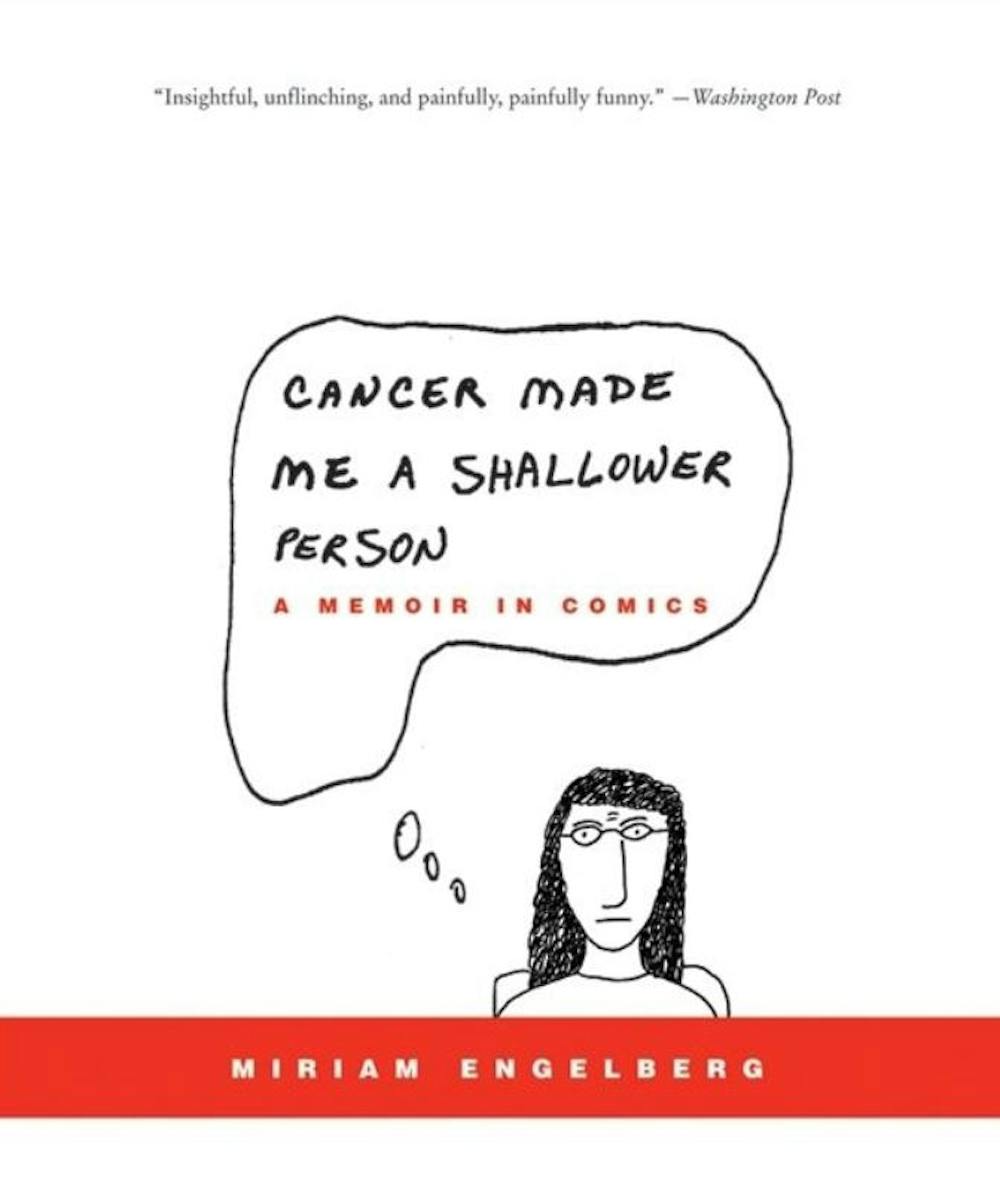
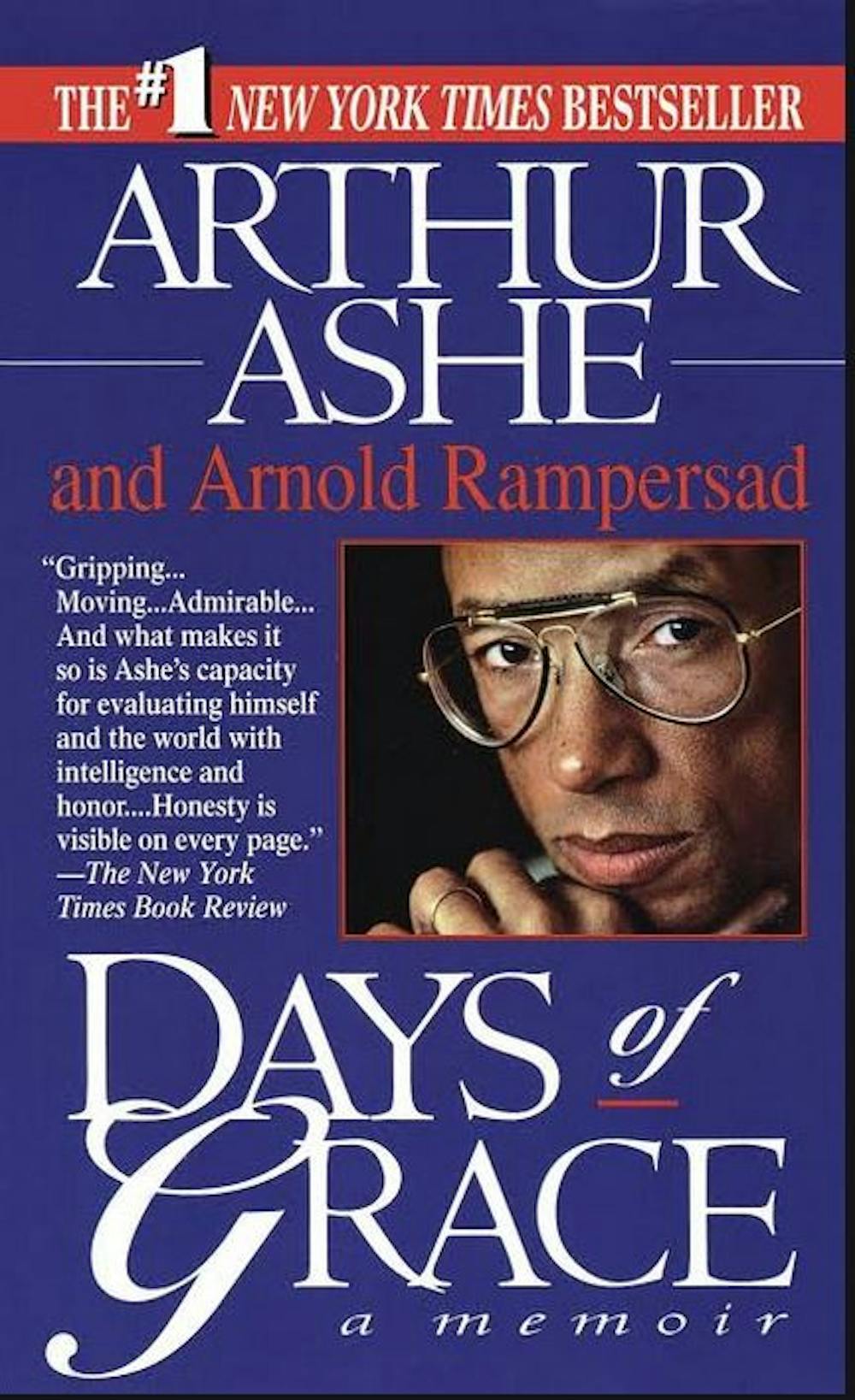







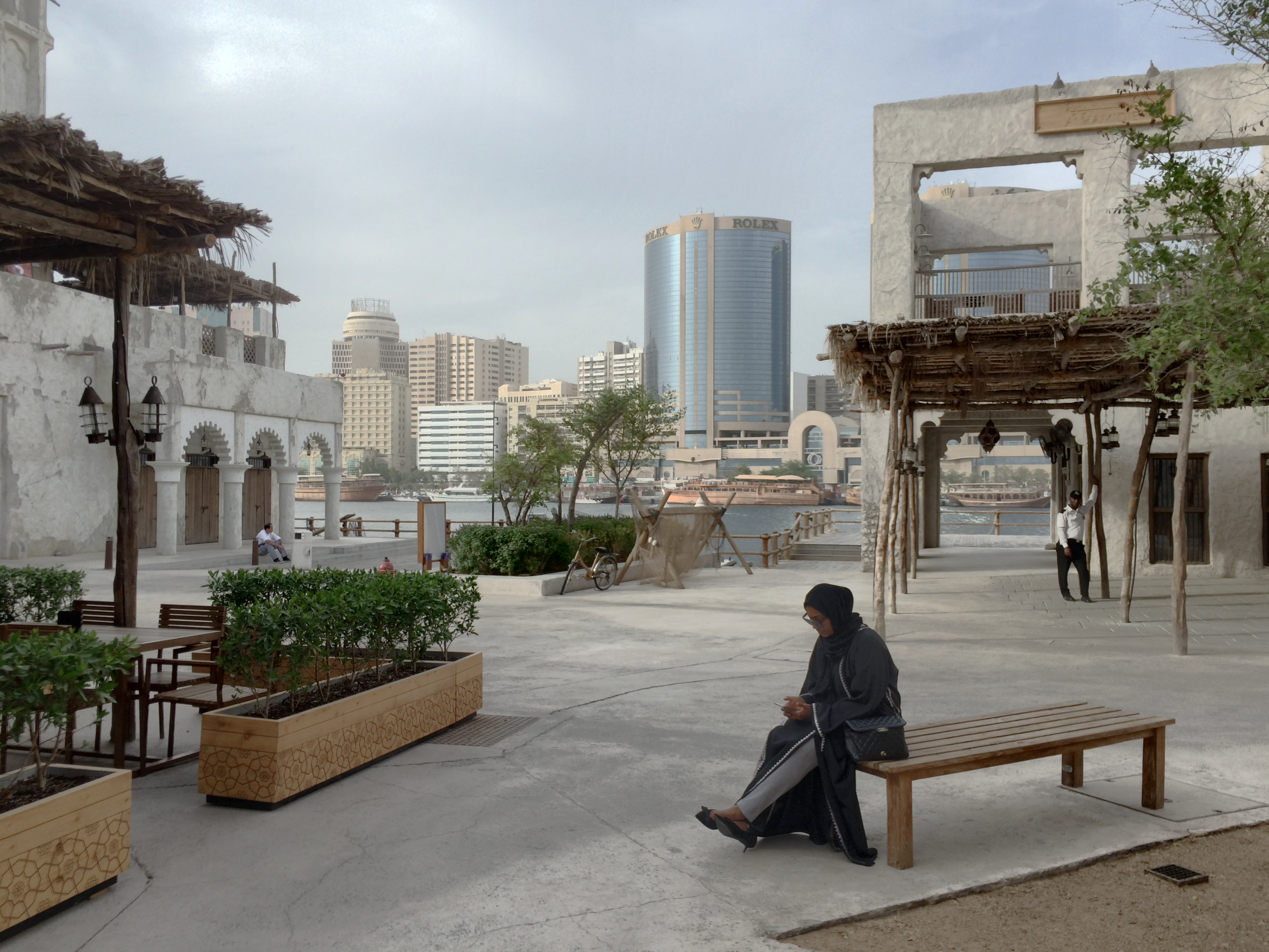


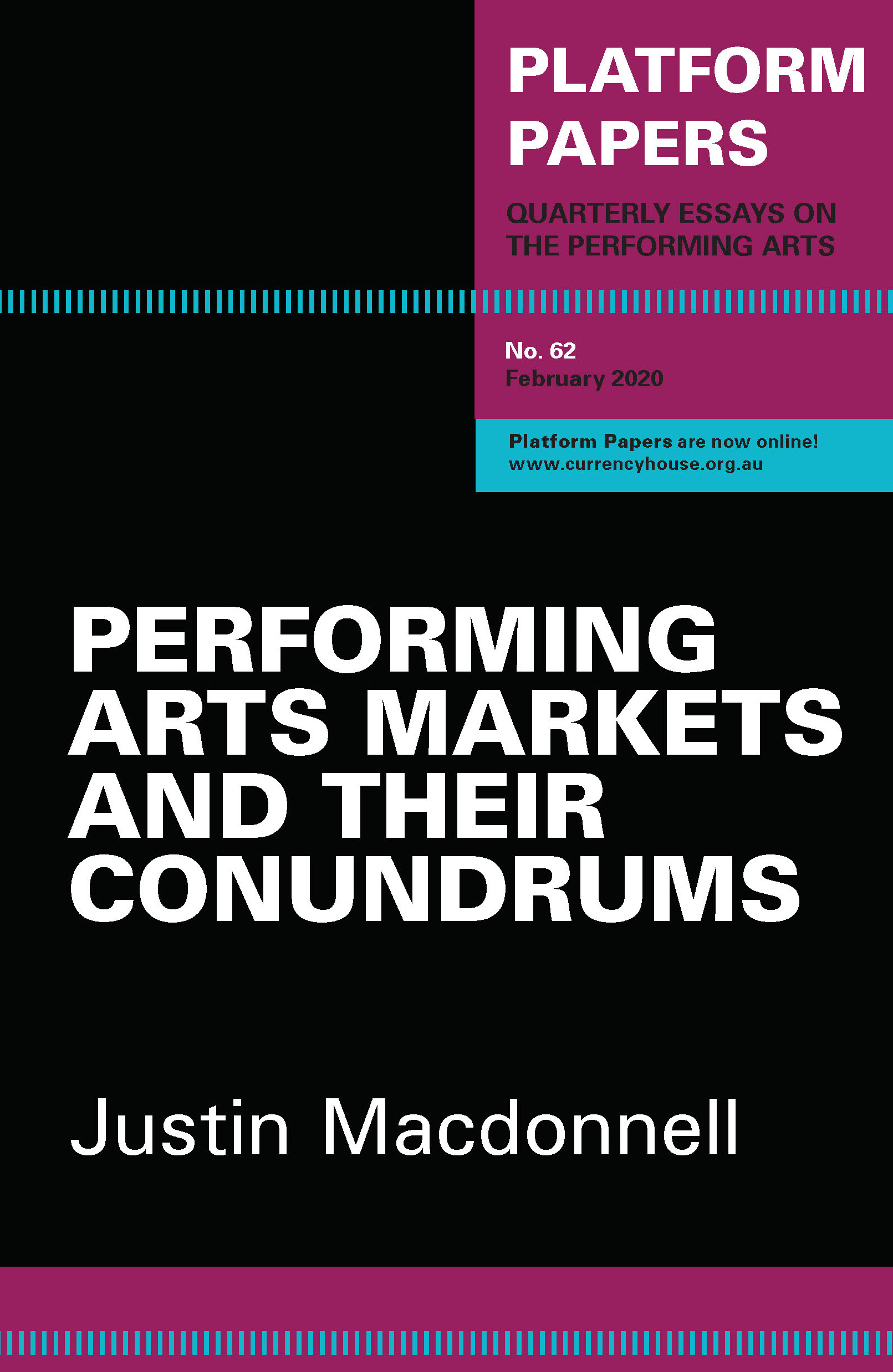



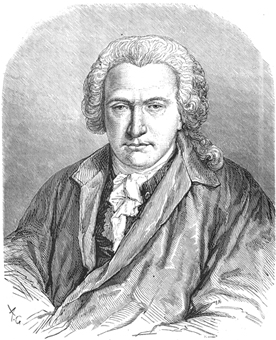

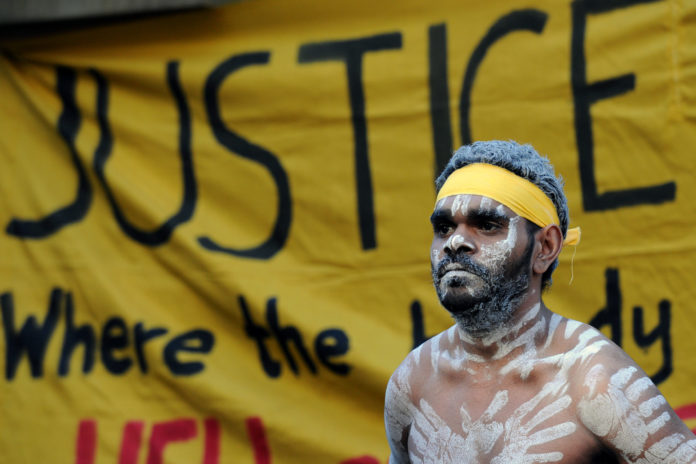










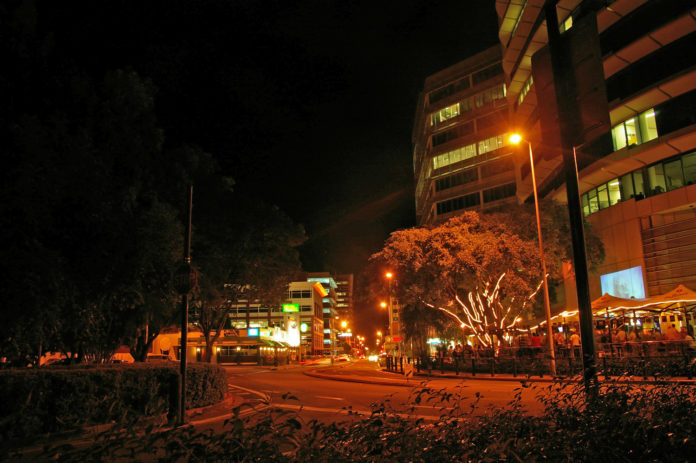



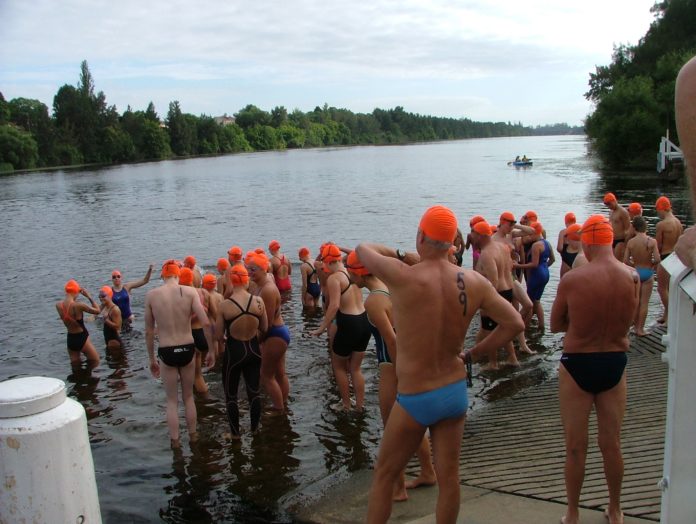

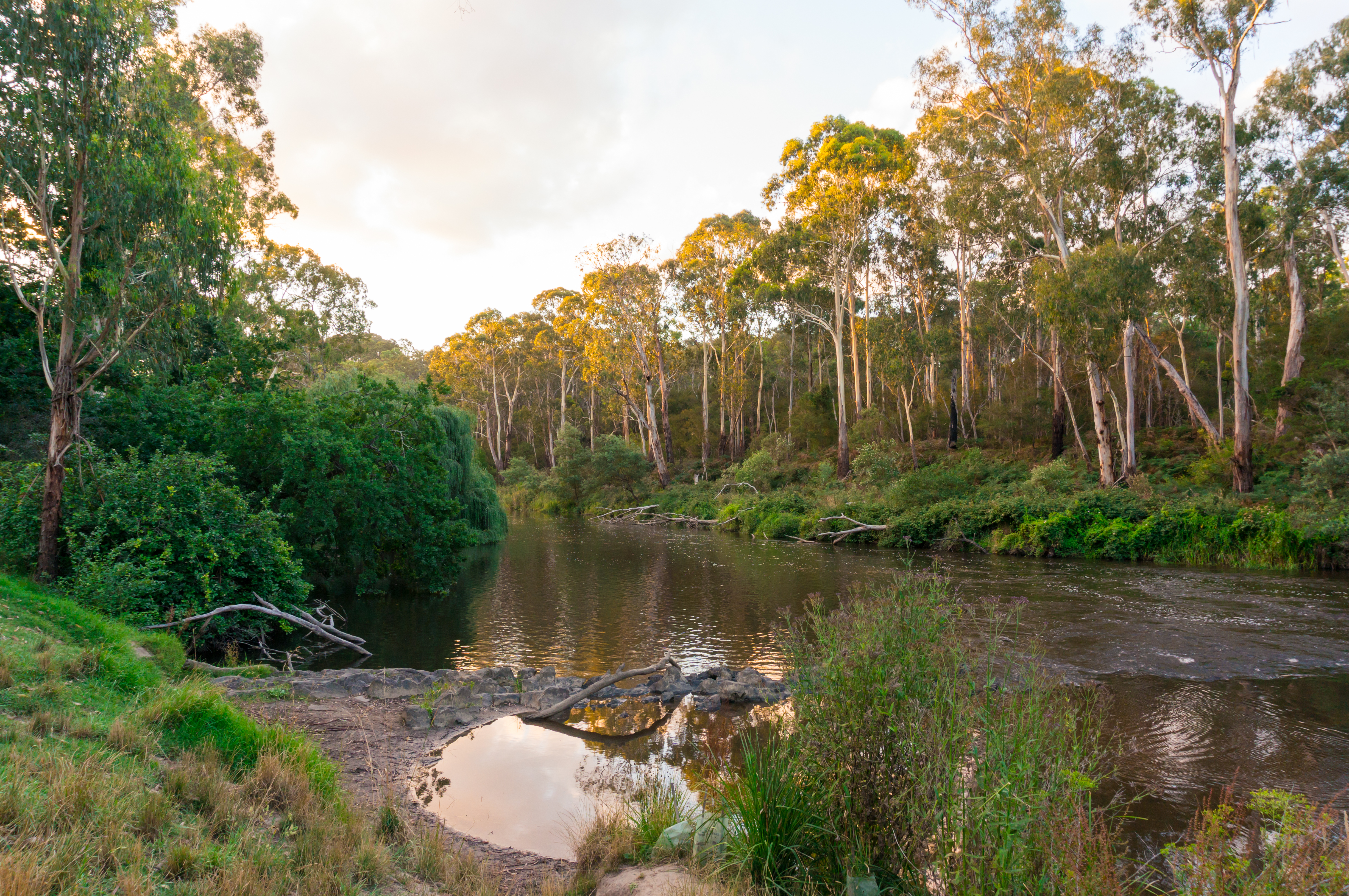





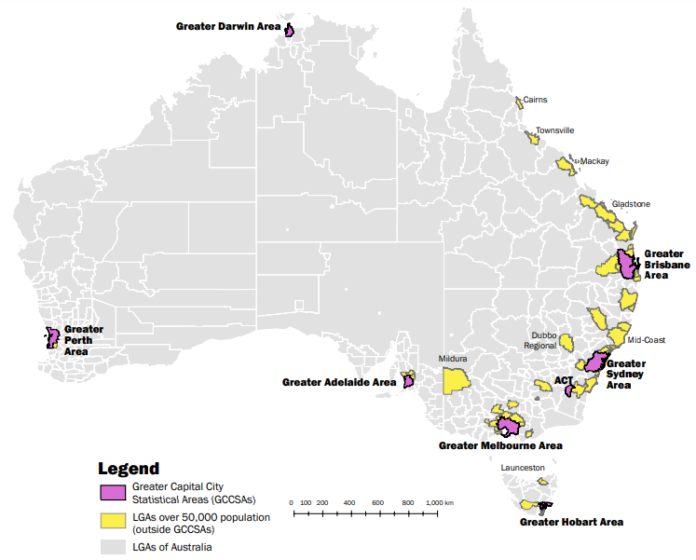
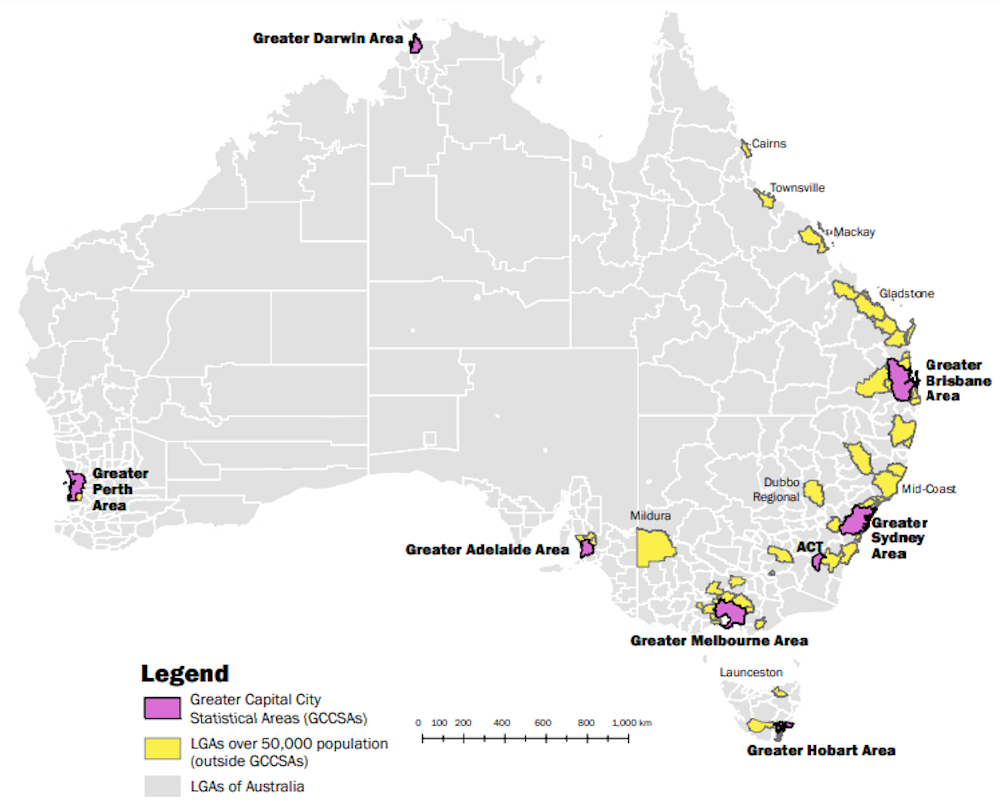

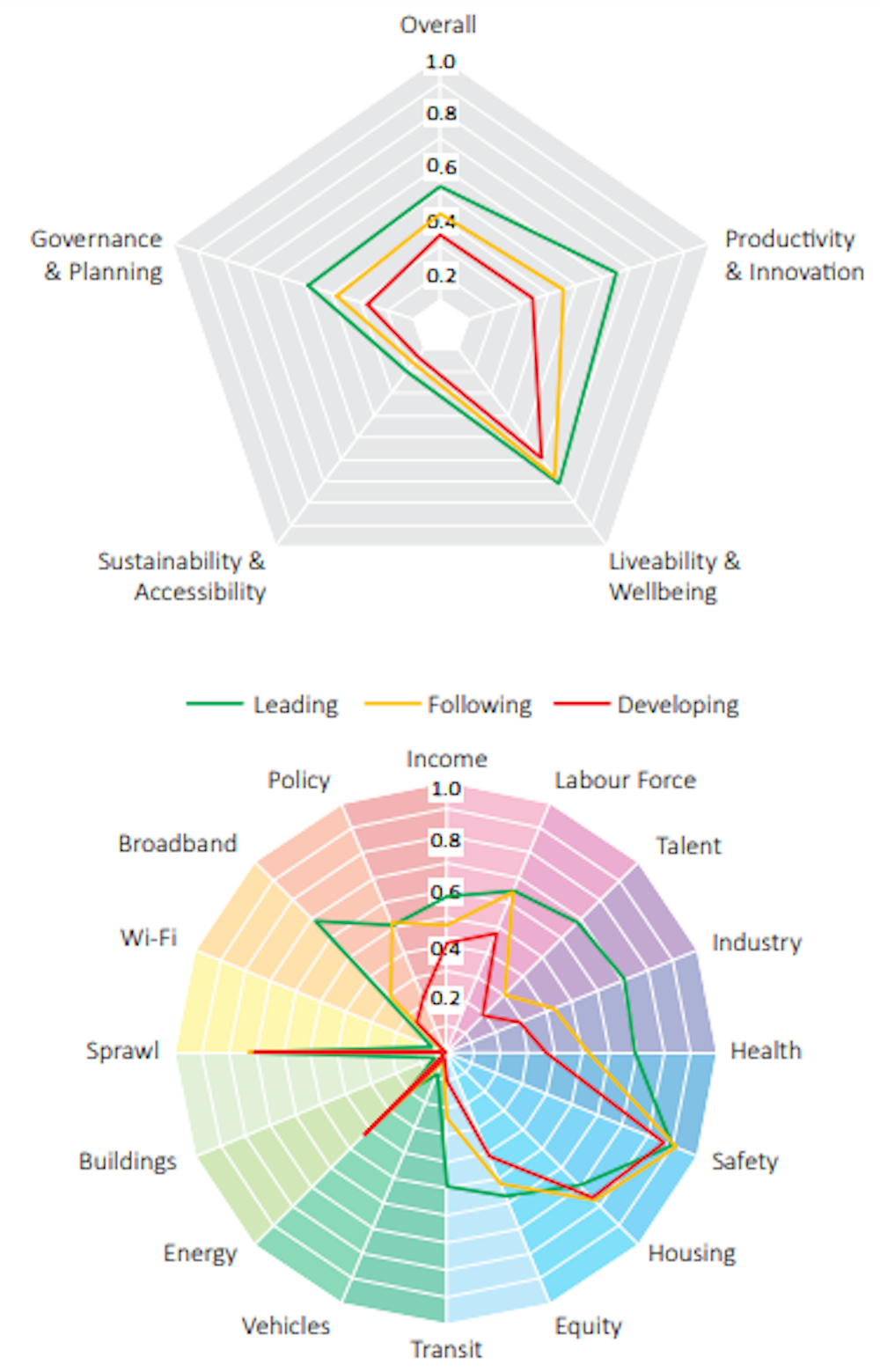
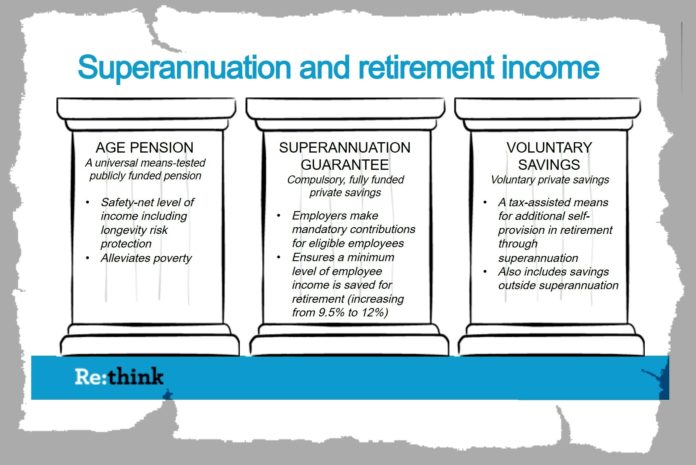
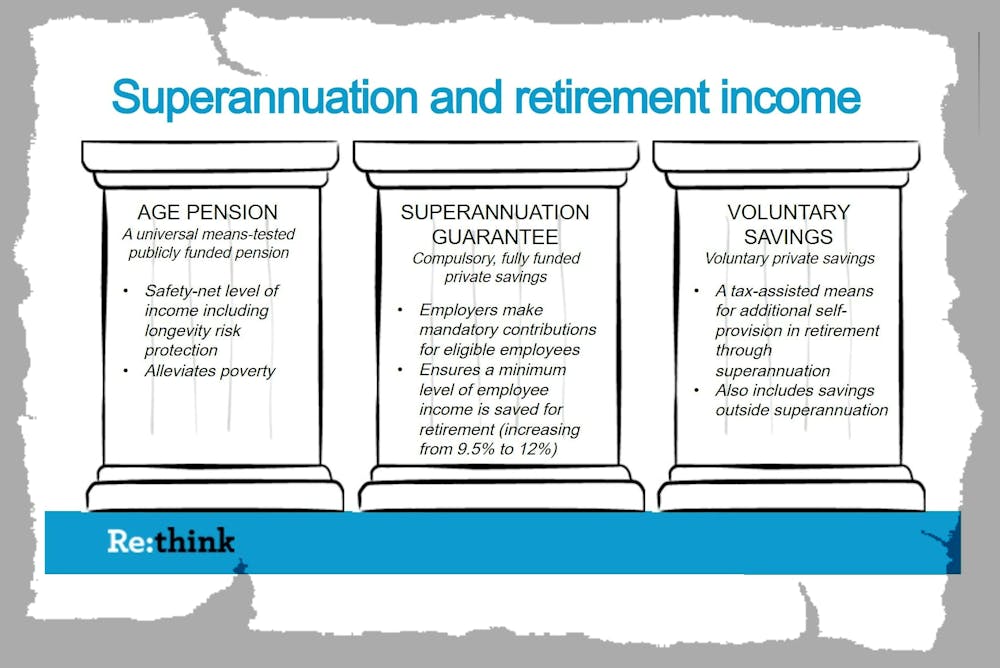






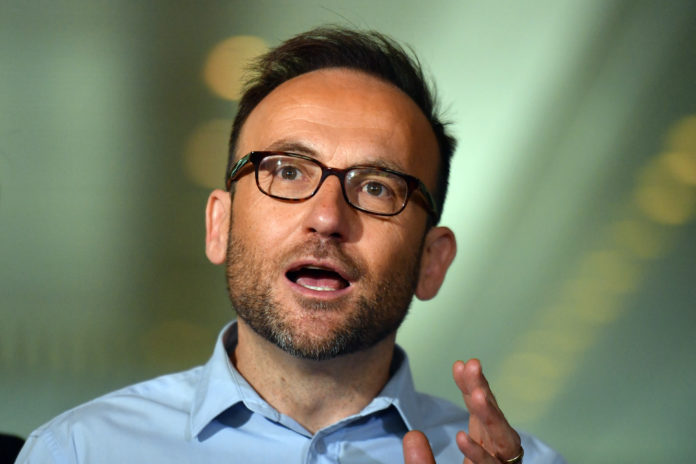
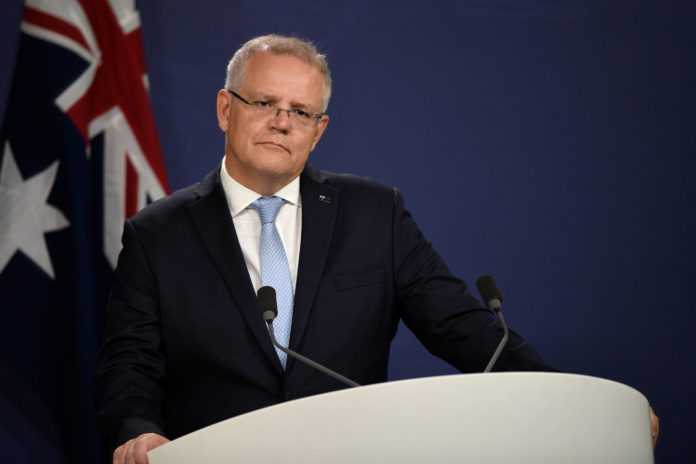
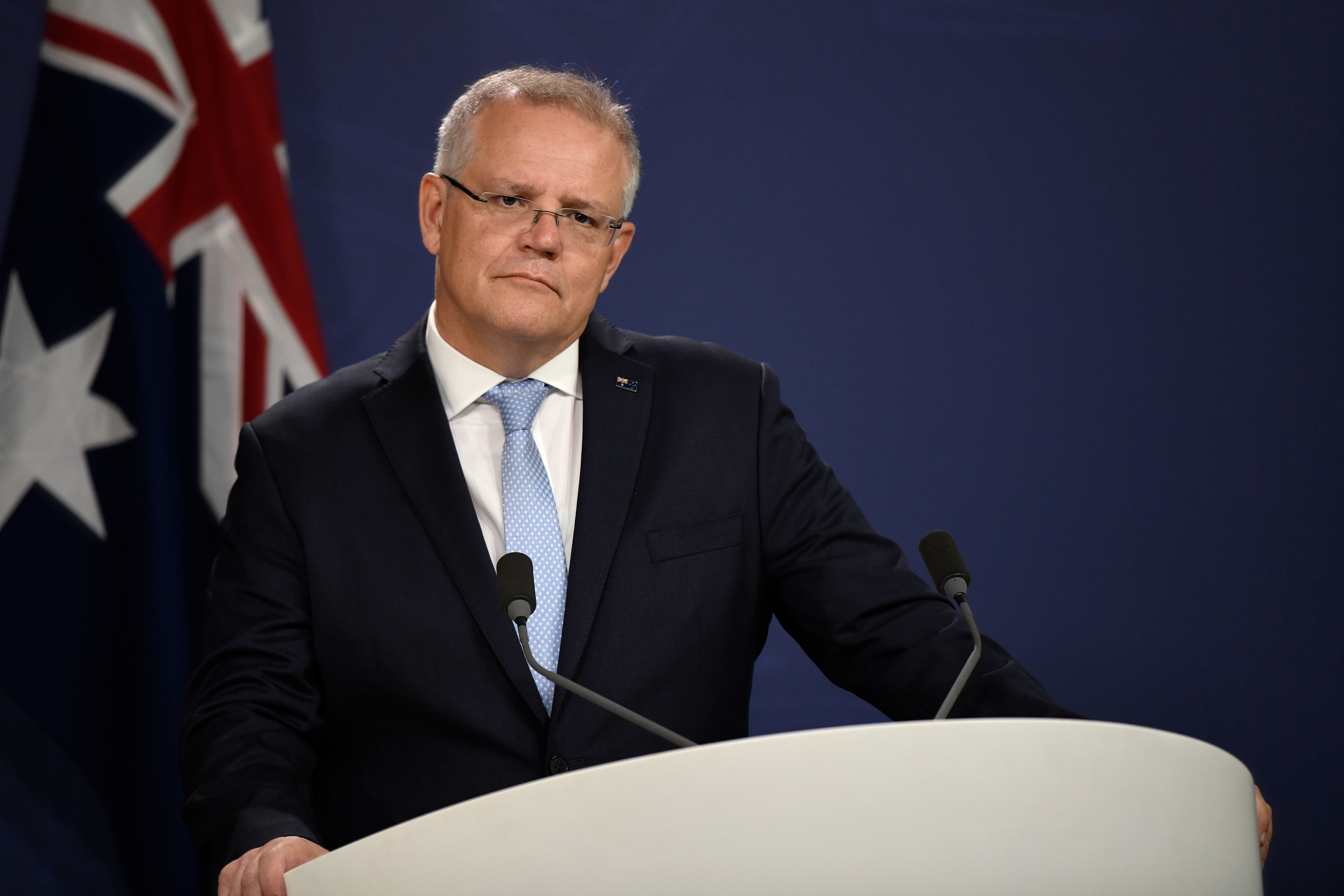





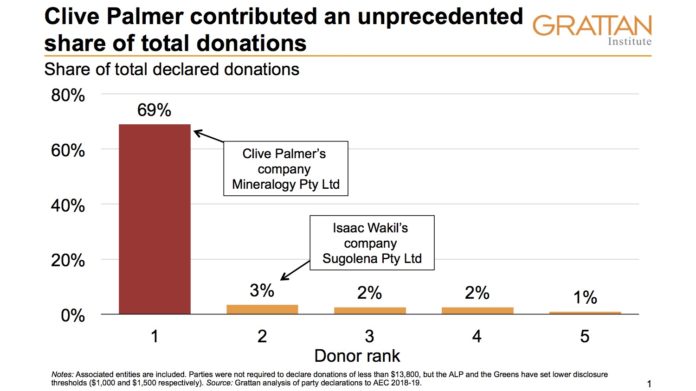
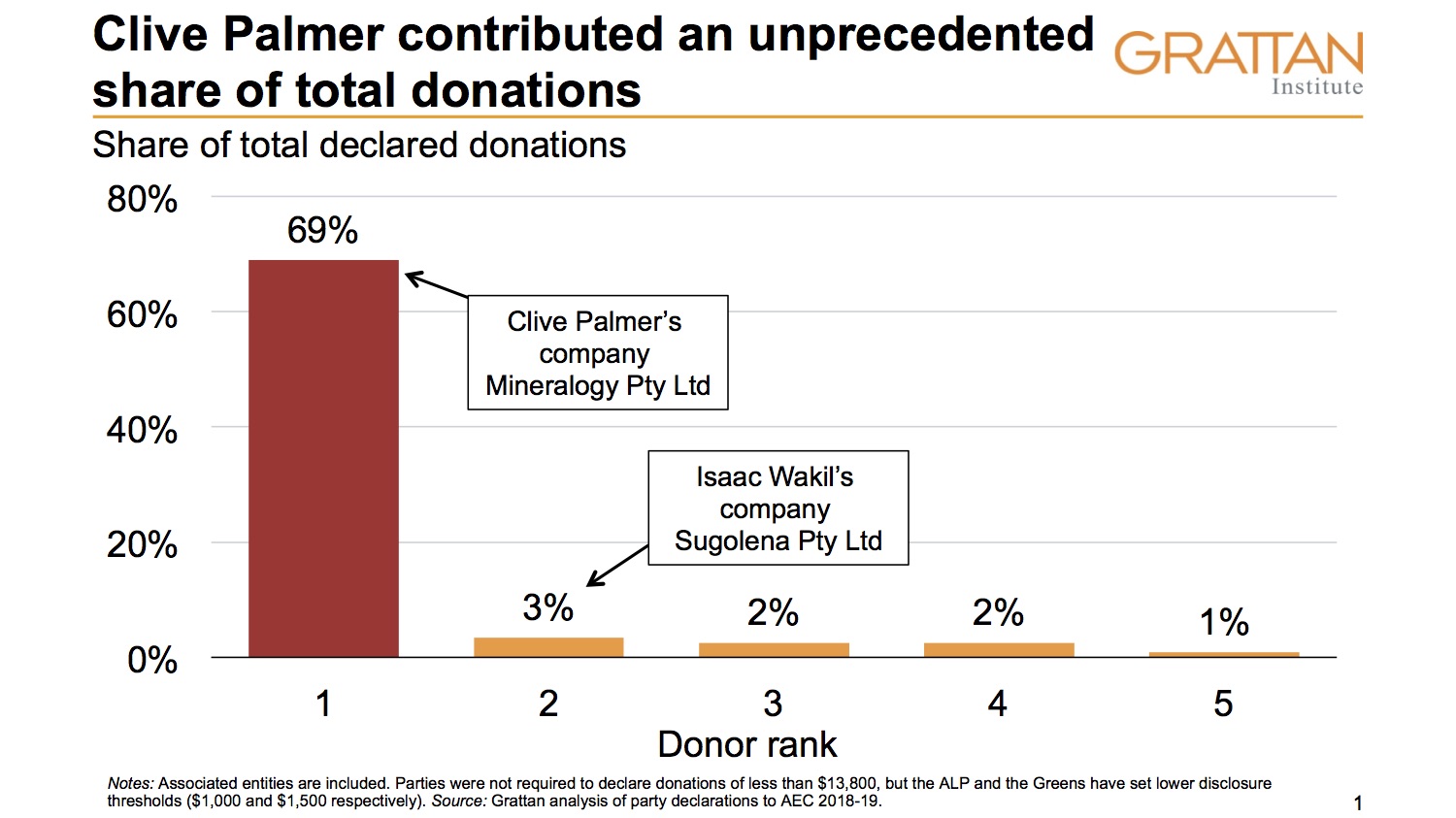
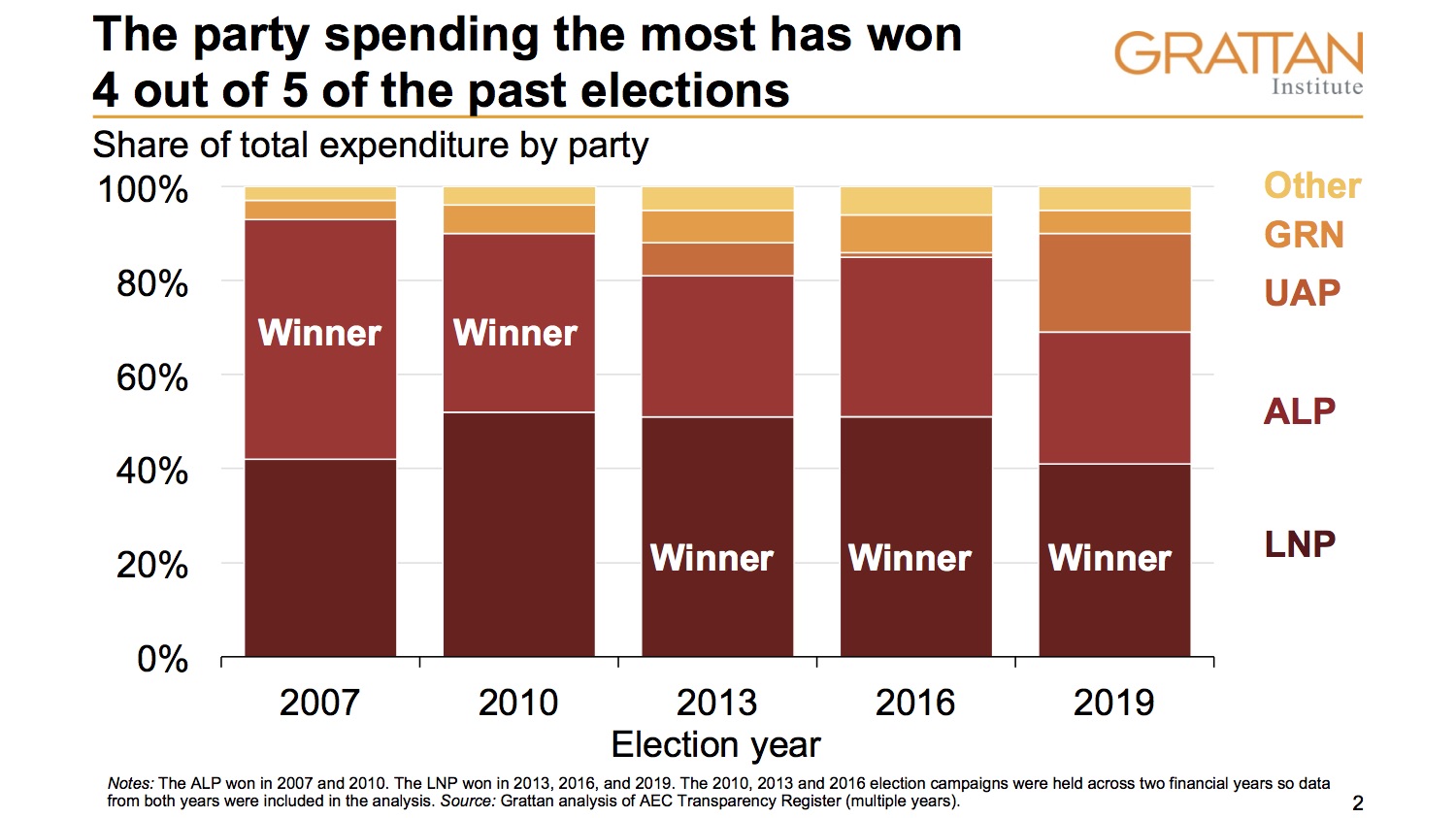
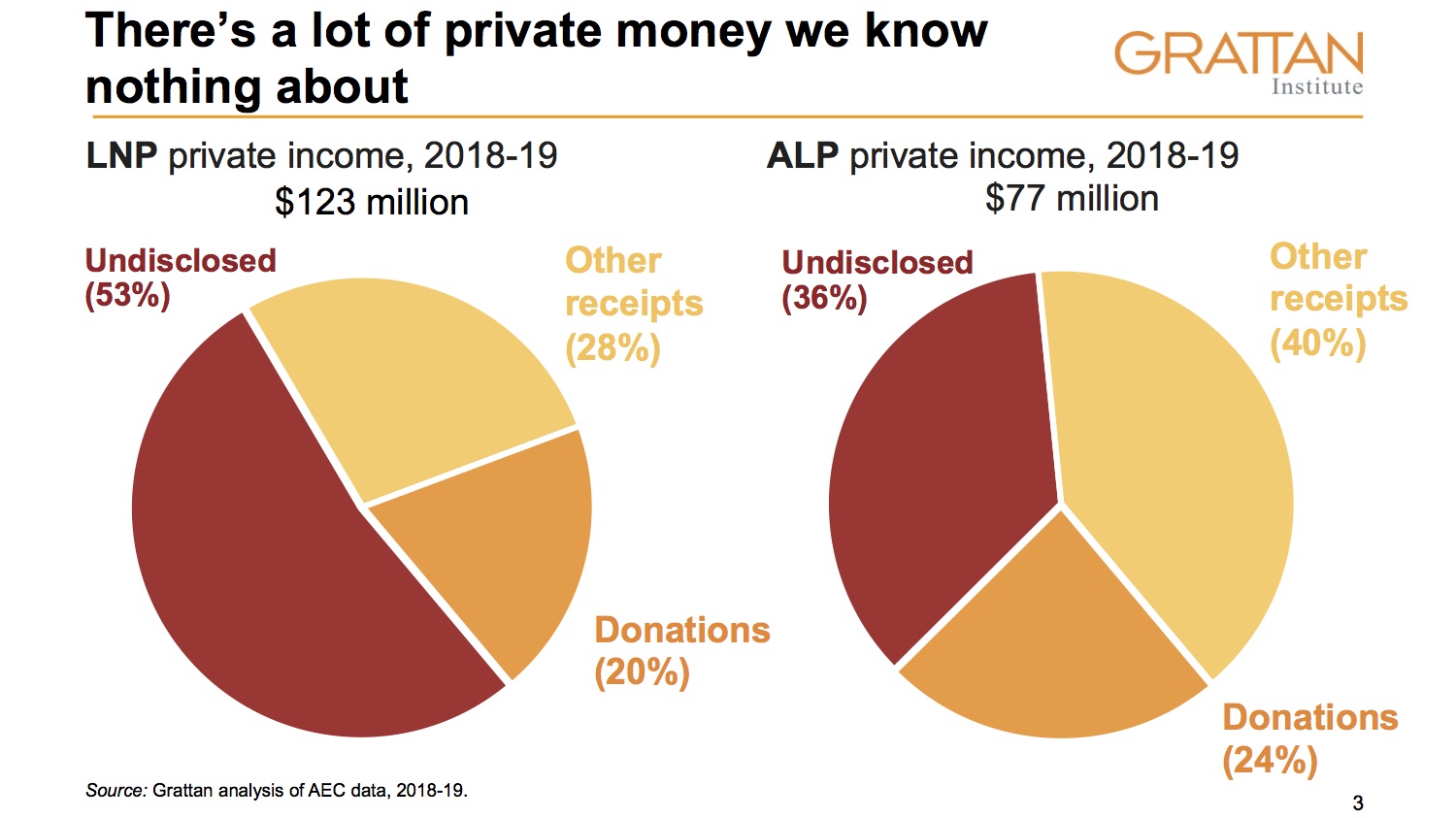
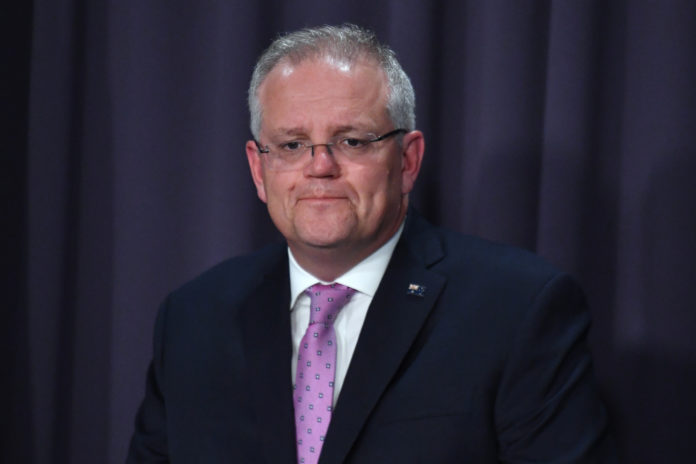





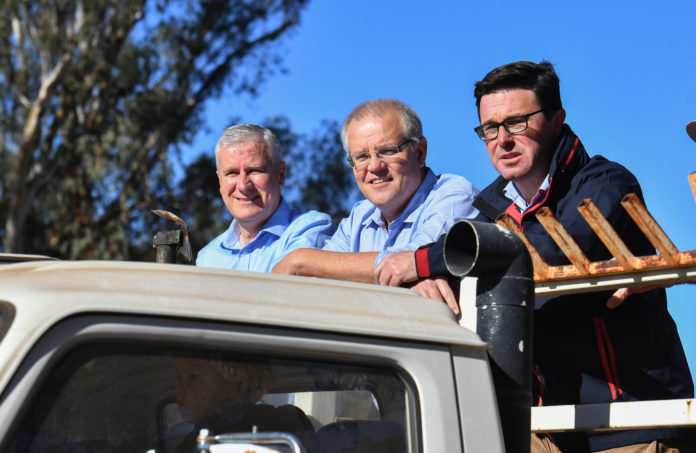

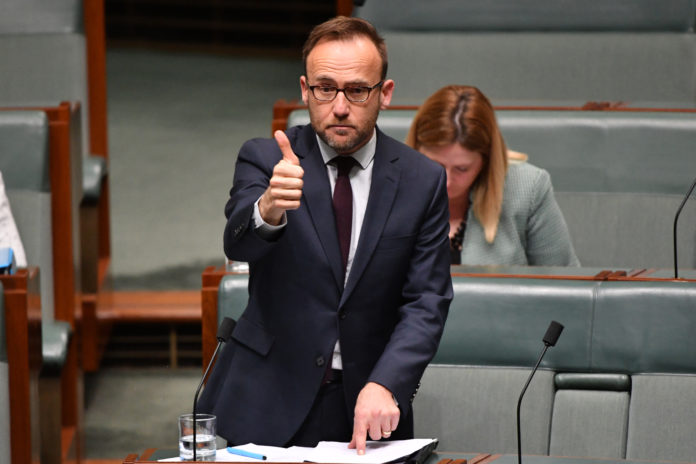

_fruit_and_leaves.jpg)