Page 1006

Why dogs don’t care for being groomed (and for the love of dog don’t snip their whiskers)

Source: The Conversation (Au and NZ) – By Paul McGreevy, Professor of Animal Behaviour and Animal Welfare Science, University of Sydney

The dog-themed reality show, Pooch Perfect, imposes makeovers on a steady stream of dogs that haven’t asked for them. We may marvel at the skill of professional groomers, but what do the dog models make of all this?

Many dog owners recognise how regular bathing, combing and trimming can provide opportunities to bond with their pets, and to check for parasites, abnormalities and injuries.


Read more: We groom dogs in our own image: the cuter they are, the harder we fall


But beyond simple brushing and combing, the business of bathing, clipping and coat-stripping demands considerably more skill and requires more invasion into the dog’s personal space.

So how do most dogs like being pampered? Short answer: they probably don’t. Let’s explore why.

Groomers walk the line between looks and convenience. Shutterstock

What grooming trends are practical?

Some owners prefer to keep their dog’s coat in the style and condition traditionally expected for the breed, as set out in breed standards for pure-bred dogs.

Wire-haired breeds, such as some terriers, are traditionally hand-stripped, where loose hair is pulled out by hand or with a stripping knife. Other breeds, such as poodles, have a profuse single-layered curly coat. The breed standard for poodles says: “It is strongly recommended that the traditional lion clip be adhered to.”

For the original working poodles, the lion clip was entirely functional: to allow these retrieving dogs to emerge easily from lakes and rivers without too much waterlogging of their coat. Baubles of hair were retained around the joints, ostensibly to protect them. From that point, the amazing canine equivalent of topiary began.

For traditional working poodles, grooming was for functional reasons. Shutterstock

Many dog breeds were developed for working roles, where the hair-coat was purely utilitarian and required little maintenance. However, the recent boom in the popularity of poodle crosses (such as labradoodles and cavoodles) has brought with it an explosion in poodle-like coats among companion dogs.

So, there are now ample opportunities for groomers to walk the line between looks and convenience. These days, dogs’ hair-coat can be teased, back-combed, dyed and sculpted into un-dogly shapes.

Dogmanship: looking like a million bucks

Whether dogs enjoy the experience of being groomed or find it anxiety-inducing depends on how well they were socialised as pups and how thoroughly they’ve been habituated to being groomed.

For the dog, grooming can mean restraint, dousing in water, manipulation of the body, and excessive touching by unfamiliar people as well as painful tugs on the coat if they have knots or matts. And for those dogs who have not had the benefit of gentle familiarisation to grooming and socialisation with unfamiliar humans, this process may be threatening or uncomfortable.


Read more: 8 things we do that really confuse our dogs


This is why the best professional groomers show outstanding so-called dogmanship and handle dogs in ways that settle them and minimise the need for force.

What’s more, dogs are olfactory beings, so they’re unlikely to be happy with the scent of shampoo imposed on them. That said, they may very well feel more comfort when relieved of a heavy coat.

The importance of whiskers

Not all hairs of the dog have the same function. Facial whiskers are exquisite sensors that every dog deserves to keep.

Dogs can be ticklish in parts of their body, such as their hindlegs, but one area of dog’s skin that seems especially sensitive is the muzzle. Canine whiskers (“vibrissae”) are mobile on the muzzle, and each has a network of blood vessels and nerves at its base to amplify vibrations and alert the dog to movement of the exposed part of the hair shaft.

We don’t yet know how clipping whiskers can affect dogs. Shutterstock

We can’t say for sure how whiskers help a dog detect the world around its nose. However, we suspect information from these receptors is critical in the play-fighting and wrestling dogs enjoy with familiar companions. And it’s likely that whiskers help dogs to navigate in dim light.

We don’t yet know how we change a dog’s tactile world by clipping their facial whiskers (also known as vibrissal amputation), but it’s worth noting in several countries the removal of the whiskers from horses is illegal due to their critical role in the horse’s spatial awareness. And yet this practice is commonplace for cosmetic purposes in dogs.

Pampered pups are probably confused, not relaxed

Beyond parenting, play-fighting and courtship, dogs dedicate surprisingly little time to physical contact with each other. Professional grooming tasks, such as those featured in Pooch Perfect, are likely to take much longer than the usual social contact dogs get from each other and from humans, and dogs may not understand the purpose of this interaction.


Read more: Let it breed: why desexing dogs isn’t always the best thing to do


Signs of apparent cooperation or enjoyment, such as holding still or closing eyes, may actually be the dogs’ attempts to signal peaceful intentions to the groomer by avoiding movements or eye contact that could be interpreted as threatening.

Recognising the possibility that dogs are tolerating, rather than relishing, grooming provides opportunities to address it. Grooming salons should exercise minimal touching and restraint, give dogs regular breaks and ample treats.

Dogs are olfactory beings, so they’re unlikely to be happy with the scent of shampoo imposed on them. Shutterstock

Who’s grooming who?

All of this underlines our duty to keep our dogs as comfortable as possible.

Our dogs value the time we spend with them. Preparing puppies to be groomed in later life is important, particularly as combing dogs can reveal health issues that require treating, such as injuries, ticks and tumours.


Read more: Dogs really can chase away loneliness


So while many will admire the skills of groomers, we should all marvel at the dogs’ tolerance of the primates they live with and the interventions they endure.

ref. Why dogs don’t care for being groomed (and for the love of dog don’t snip their whiskers) – https://theconversation.com/why-dogs-dont-care-for-being-groomed-and-for-the-love-of-dog-dont-snip-their-whiskers-132656

View from The Hill: Entertainment venues closed in draconian measures to fight the virus

Source: The Conversation (Au and NZ) – By Michelle Grattan, Professorial Fellow, University of Canberra

Clubs, pubs, movie theatres and gyms will be closed and restaurants will only be able to provide takeaways in draconian measures to fight the spread of coronavirus announced by Scott Morrison late Sunday night.

But schools will stay open, after Morrison wrestled to keep federal and state governments on the same page on one of the most controversial issues in the COVID-19 debate.

The crackdown on social gathering places was agreed by federal and state leaders at their national cabinet meeting earlier in the evening.

This followed a day of confusion, with differences between NSW and Victoria on the one hand and the federal government on the other over shutdowns and schools.

Earlier, the premiers of the two biggest states had announced they were shutting down non-essential services and activities over the next 48 hours. The ACT followed suit.

The premiers’ actions seemed in part to force the federal government’s hand.

It is not clear how much further (if any) the “shutdowns” in the two states will go beyond the baseline of closures set at the national cabinet.

In his afternoon statement, Victorian premier Daniel Andrews said the state was bringing forward school holidays to start Tuesday (rather than Friday) with a decision on whether schools will reopen to be taken on medical advice. NSW Premier Gladys Berejiklian said she would have something to say about schools on Monday morning.

The Prime Minister pushed back over schools, anxious to keep them open for educational reasons and to maintain the numbers of health workers. It has been estimated that closing schools could cut the health workforce by 30%.

Morrison said from midday on Monday a range of facilities where social gatherings took place would be closed or have their operations curtailed.

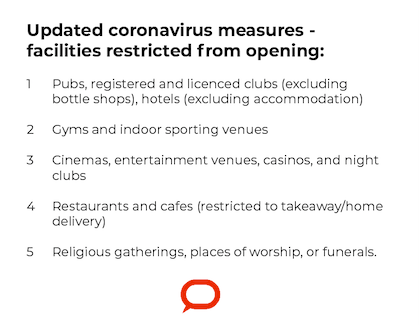
Pubs, registered and licensed clubs will be shut (excluding bottle shops attached to these venues), as well as hotels (excluding accommodation)

  • Gyms and indoor sporting venues will be closed

  • Cinemas, entertainment venues, casinos, and night clubs will shut

  • Restaurants and cafes will be restricted to takeaway and/or home delivery

  • Religious gatherings, places of worship or funerals cannot go ahead (in enclosed spaces and other than very small groups and where the 1 person per 4 square metre rule applies).

“This should highlight to all Australians how serious this is,” Morrison said.

He said there was no change in the medical advice that schools should remain open. Leaders agreed children should go to school on Monday and “committed to re-open schools at the end of the school break, subject to the advice of the Australian Health Principal Protection Committee”.

“I don’t want to see our children lose an entire year of their education, ” Morrison said. “That’s what we’re talking about here. This is very serious. If you’re a four year old child at pre-school, you don’t get your four years old year back”.

“What we will be doing, though, is allowing parents to the end of this year’s school term to be able to keep their children home where they choose to. But for all of those parents who wish to send their children to school for an education at the school, those schools will remain open”.

Asked about Andrews’ comments about reviewing the schools position after the holidays, Morrison said: “the Premier has reaffirmed his commitment this evening that is the intention of the Victorian government to reopen schools subject to the health advice at that time”.

He stressed to parents who decided to keep their children home that they “must take responsibility for those children.

“It’s not an excuse for them to go down the shopping centre or to go and congregate somewhere else or potentially put themselves in contact with the vulnerable and elderly population. If you choose to keep your child at home, you are responsible for the conduct and behaviour of your children.”

Morrison said the coming school holidays “will not be a holiday as it is normally known”.

“There will not be trips interstate. … There will not be congregating up at the trampoline venue.” There had to be very strict rules around social distancing, he said.

“This is a critical time. An absolutely critical time. The decisions that parents make, that we all make, over the course of the next few weeks in particular could very seriously determine the trajectory that Australia continues to go on in relation to the coronavirus”.

He “implored” Australia to follow the advice about distancing and size of gatherings.

Federal and state governments have been shaken by the rapid rise in virus cases – now well above 1000 – and by the crowds on Friday and Saturday on Bondi beach and at bars and clubs.

“On the weekend, what we saw was a disregard of those social distancing practices as people turned up to the beach in large numbers, crammed venues in our major cities.

“This sent a very clear message to premiers, chief ministers and myself that the social distancing practices are not being observed as well as they should be”.

Morrison said the leaders did not now have any confidence that people, notably the young, would refrain from congregating in pubs and clubs and the like.

“We have no confidence that [guidelines on social distancing] will be followed”.

“If guidelines can’t be followed, then for public health reasons we now need to take a further action which shuts those gatherings down.

”‘They are the principal places of social gatherings which are at greatest risk”.

By the end of Sunday, Morrison’s $66 billion stimulus package had been considerably overshadowed by a new stage of restrictions, driven by public flouting of social distancing guidelines and the determination of NSW and Victoria to see more drastic action.

But while there has been a quantum leap in the measures in the battle against the virus, there remains a lack of clarity and Monday is likely to see more public frenzy of one sort of another.

Morrison insisted “all members of that national cabinet have reaffirmed our commitment to just how important the national cabinet is to ensure that all governments are working closely together.”

He is trying to keep the national cabinet – an unprecended beast in Australian political history – in lockstep. We’ll see whether he has actually managed to do so when the premiers have more to say.

ref. View from The Hill: Entertainment venues closed in draconian measures to fight the virus – https://theconversation.com/view-from-the-hill-entertainment-venues-closed-in-draconian-measures-to-fight-the-virus-134360

Who’s most affected on public transport in the time of coronavirus?

Source: The Conversation (Au and NZ) – By Jennifer Kent, Research Fellow, Urban and Regional Planning, University of Sydney

The coronavirus pandemic is already affecting Australians’ daily travel, with suspension of public transport services a possibility as the number of COVID-19 cases grows. A common goal underpinning containment strategies in pandemic-like conditions is that the impacts should be borne as equitably as possible across the community. So would a public transport shutdown in Australian cities hit lower-income households harder than their higher-income counterparts?

In many countries this would certainly be the case. In these countries, public transport is largely the domain of the lower classes while wealthier households enjoy the comfort and convenience of their cars.

The data on Australians’ use of public transport and the distribution of services across our cities tell a more complex story. And not all users are equally at risk, because of how the virus spreads and the structure of public transport networks.


Read more: To limit coronavirus risks on public transport, here’s what we can learn from efforts overseas


Why the worry about public transport?

The interiors of trains and buses, and stations and stops along the network, are the perfect environment for a droplet-spread disease like COVID-19 to thrive. Masses of people congregate in these areas, increasing the risk of direct contact with an infected person.

About 1,000 passengers can crowd into a single train carriage. This greatly increases the virus’s potential spread through droplets if an infected person coughs or sneezes.

And the handles and seats inside trains and buses, and other surfaces such as escalator handrails at stations, are prime surfaces to host infectious nose and throat discharges. According to new research, this virus can live on surfaces for hours to days.

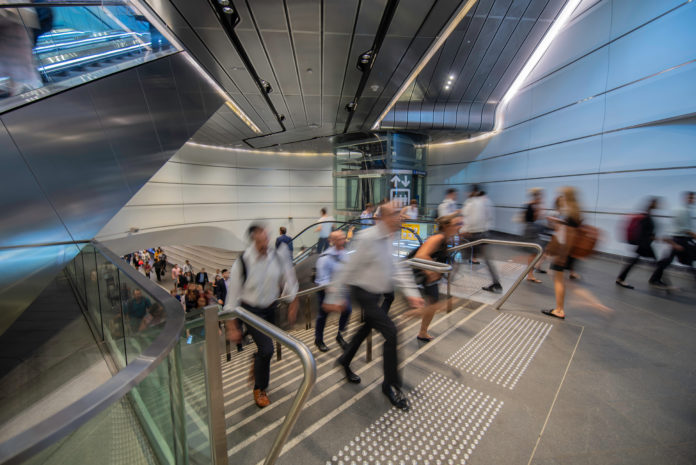
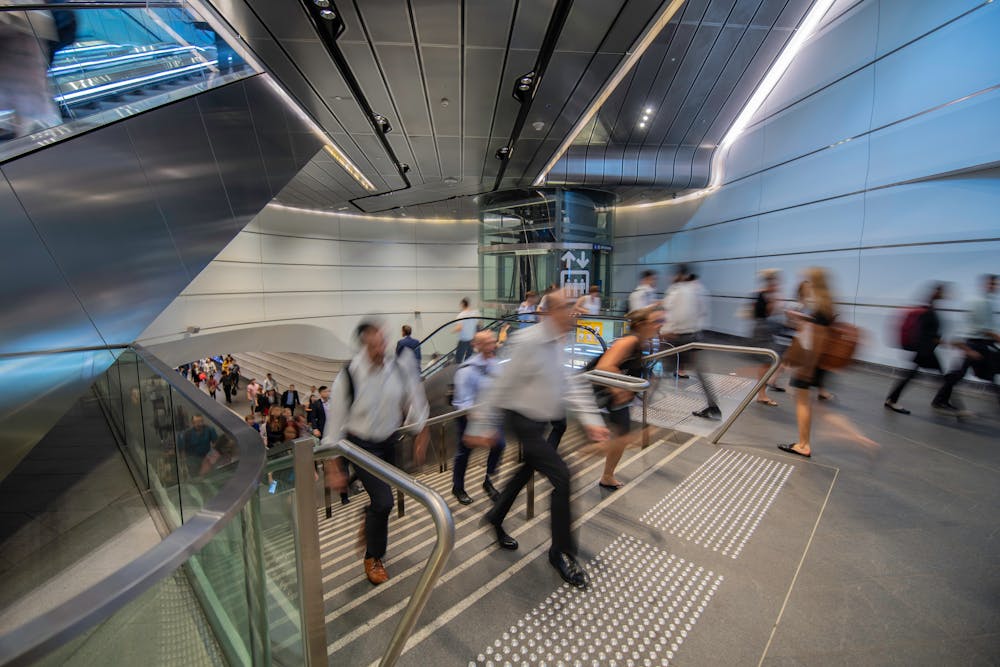
Handrails on escalators and stairs at stations used by tens of thousands of people a day are prime surfaces for harbouring virus particles unless regularly and thoroughly disinfected. Holli/Shutterstock

But the actual evidence is weak

Although public transport shutdowns are common in most contagious virus response plans, evidence of a relationship between public transport use and respiratory infection is actually relatively weak.

The most commonly cited study is based on the travel patterns of 72 people in London presenting for treatment of flu symptoms in 2008-09. It found those using public transport were up to six times more likely to pick up an acute respiratory infection than those who don’t.

This study also found, however, that regular public transport use was associated with less likelihood of contracting an illness. This was potentially because regular users develop protective antibodies to common respiratory viruses if repeatedly exposed. Unfortunately, this safeguard does not apply to a novel virus such as the COVID-19 coronavirus.

Those most at risk in this study were commuters who used busy stations, basically because they come into contact with more shared surfaces and people. In Sydney, for example, Central, Town Hall, Wynyard and Parramatta stations are potential hotspots. In Melbourne, Southern Cross, Flinders Street, Melbourne Central and Parliament stations head the list.


Read more: VIDEO: your coronavirus and COVID-19 questions answered by experts


Who would a shutdown most affect?

A wider cross-section of the Australian population owns and uses cars than in many other countries. Cars are not the domain of the wealthy. Rather, they are a necessary expense to navigate life in our low-density, poorly serviced cities. Car use dominates the outer suburbs where housing is more affordable.

Australians pay a premium to live near quality services including public transport. Lower-income groups are priced out and live in suburbs that are more poorly serviced by public transport.

In Melbourne, for example, 61% of the most socially and economically advantaged population live within five minutes’ walk of quality public transport services, compared with just 41% of the least advantaged. If you are one of the richest 20%, you are more likely to be able to walk to good public transport than anyone else in Australia.

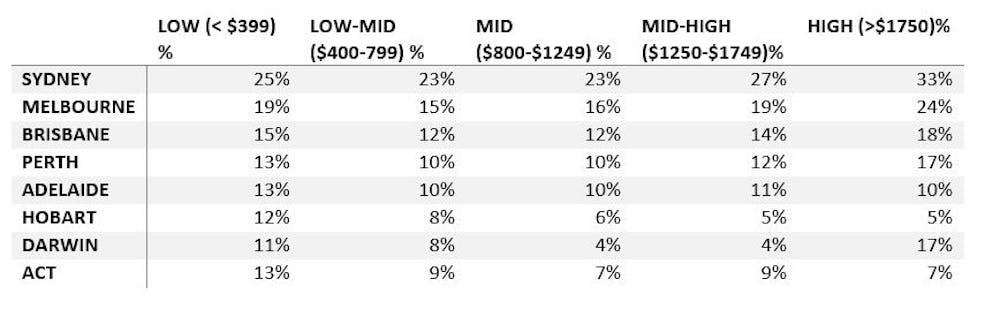
Particularly in our larger cities, higher-income people are more likely to use public transport to get to work, as the table below shows. In Sydney, for example, 33% of high-income earners commute by public transport, compared with just 25% of those on lower incomes.

The proportion of people travelling to work by public transport by personal weekly income. ABS Census 2016 data, Author provided

How might people handle a shutdown?

The data seem to suggest the impacts of a public transport shutdown will be felt more keenly in the top end of town than in low-income suburbs. But those numbers say nothing about what alternatives people have.

High-income households are far more likely to own more than one car. They are also better placed to absorb the costs of driving to work, such as parking, petrol and tolls. They can drive if public transport shuts down.

Residents of inner-urban areas, where property prices are high, are also more likely to have a shorter trip to work. They may be able to replace a public transport trip with a walk or cycle.

We don’t know the extent to which different employment groups will be able to innovate and adopt remote working practices under these unusual circumstances. However, people who can currently work from home are more likely to be high-income, highly educated white-collar workers. Almost half of workers in the financial services sector and 32% of the telecommunications sector use public transport – many of their roles are relatively easy to convert to working from home.


Read more: Coronavirus could spark a revolution in working from home. Are we ready?


Remote working is not an option for most low-income workers in the services sector. They must travel to their workplace if they want to be paid.

If these workers do rely on public transport to get to work, they are less likely to have a spare vehicle to commute with. This leaves few options for these households, especially in Australia’s dispersed suburbs.

A related issue is the impacts of a public transport shutdown on the all-important healthcare sector. Again, Australian journey-to-work data suggest the impact would not be as dire as some international research suggests. On census day in 2016, just 9% of Australia’s healthcare and social assistance workers travelled to work by public transport.

In general, the effects of COVID-19 will no doubt be borne inequitably by lower-income Australians. They are more likely to be employed in industries worst hit by the coming economic downturn. For low-income households that depend on public transport, a shutdown would rub salt in their wounds.

ref. Who’s most affected on public transport in the time of coronavirus? – https://theconversation.com/whos-most-affected-on-public-transport-in-the-time-of-coronavirus-133429

Guam confirms Pacific’s first Covid-19 death, NZ infections top 66

By Sri Krishnamurthi

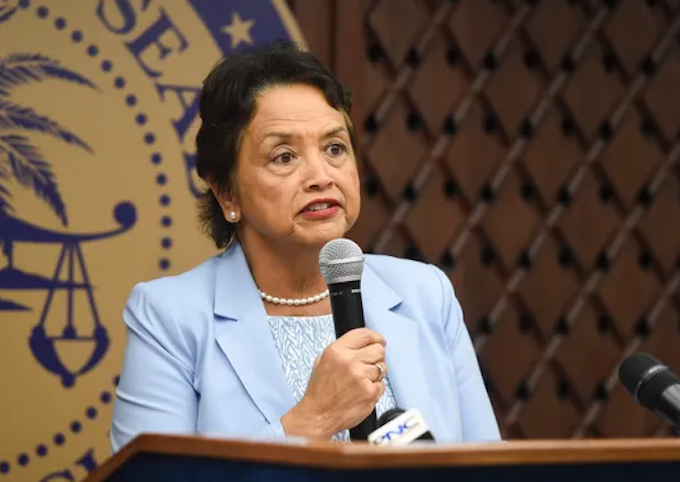
Guam’s government has confirmed a 68-year-old woman died of Covid-19 early today – the first coronavirus-related death in the Pacific.

Dr Mike Cruz, the government official leading the coronavirus response, said the woman was a relative of a person who recently returned to the territory with Covid-19.

He said the woman had “multiple co-morbidities”, including end-stage renal disease, which compromised her immune system.

READ MORE: Al Jazeera coronavirus live updates –  793 deaths in one day in Italy takes toll to 4825

Prime Minister Jacinda Ardern yesterday announced a new four-level alert system to combat Covid-19 and advised against any non-essential travel within New Zealand.

Auckland’s Mt Roskill Grammar School has warned parents in a letter after a father of a pupil tested positive for the coronavirus, reports Kaniva Tonga.

The father had returned to Auckland from Europe and on March 12 he attended the Tongan Fiafia event at the school.

– Partner –

Guam’s Dr Cruz said there were 15 confirmed cases of the virus on Guam, with the government on Sunday morning declaring a major disaster.

“Five of the first 14 confirmed cases had recent travel, most of which is linked to the Philippines,” Dr Cruz told a news conference this afternoon.

“There is strong evidence that Covid-19 cases has spread throughout our community and has affected residents in the northern, central and southern villages,” he added.

Highest number
With 15 cases, Guam is the country or territory in the Pacific with the greatest number of people affected by Covid-19 – along with Tahiti.

Governor Lou Leon Guerrero called for the removal of US Attorney for the Districts of Guam and the Northern Mariana Islands, Shawn Anderson, after he refused to comply with the mandated quarantine for incoming travellers.

She sent a letter to the US Attorney-General requesting Anderson’s removal.

New Caledonia has two more cases taking the total to authorities say the two have been transferred to the isolation ward at the hospital.

More than 1000 people are in self-isolation in hotels while a further 800 are in self-isolation at home.

The international carrier Aircalin has released a schedule of flights to repatriate non-residents to France and Australia.

Pohnpei, the capital of the Federated States of Micronesia (FSM), strengthened its ban on incoming travelers on Saturday in the face of the escalating spread of the Covid-19 coronavirus in the region.

Pohnpei Governor Reed Oliver issued an amended emergency order on the same day as health authorities announced a second “person under investigation” for Covid-19.

The island, which hosts the capital for the four states comprising Micronesia, does not yet have a confirmed case of Covid-19.

Samoa test negative
Samoa‘s prime minister Tuilaepa Sailele Malielegaoi announced last night that the result of samples sent to New Zealand for the female patient came back negative.

The prime minister also announced that six other samples from patients who had been tested were negative.

The results for two remaining patients have yet to be received.

The young woman, who was the first suspected case, had travelled from Auckland, New Zealand to celebrate her 21st birthday in Samoa. She presented at the national hospital in Samoa with symptoms of Covid-19 on Wednesday.

She was admitted and put in isolation while samples were sent off to Australia and New Zealand.

The naming of the young woman by a local newspaper led to her and her family being the target of abuse.

Flights suspended
Air Tahiti Nui has announced that in a week it will suspend all flights from and to French Polynesia for a month because of the Covid-19 outbreak.

There are 15 Covid-19 cases in French Polynesia.

This will effectively end air links out of Tahiti after both Air France and French Bee said they were suspending their flights.

Air Tahiti Nui will end services to Japan this weekend.

This Monday’s flight from Pape’ete to Auckland has been cancelled but a flight from Auckland will go ahead on Thursday.

On March 28 the link to Paris will also be suspended.

Timor-Leste’s Health Ministry has confirmed the country’s first positive Covid-19 case, after test results arrived back from Australia.

Vice-Minister of Health Elia dos Reis Amaral confirmed the positive test yesterday.

She said the patient – a foreign national – had recently returned from overseas, and remained in isolation with what was described as only “mild” symptoms.

Papua New Guinea has now recorded its first case amid flawed communication from the government.

In Fiji a second patient – the mother of the first case has been confirmed as having the virus.

People are being arrested for breaching the lockdown in the second largest city of Lautoka.

Print Friendly, PDF & Email

Article by AsiaPacificReport.nz

Scalable without limit: how the government plans to get coronavirus support into our hands quickly

Source: The Conversation (Au and NZ) – By Peter Martin, Visiting Fellow, Crawford School of Public Policy, Australian National University

The government says its second stimulus package – the second in ten days – is temporary and targeted, but that’s not really true.

What it is is big, automatic, and infinitely increasable.

The first package, released ten days ago, cost A$17.6 billion. This one costs an extra $66.1 billion. (It’s best not be be too distracted by the claim that the total is $189 billion, almost 10% of GDP – it includes an element of double counting.)

The government has doubled, and then doubled again, what it intends to spend, and has made it easy to spend much, much more.

Automaticity is the key

Josh Frydenberg’s first assignment on being appointed parliamentary secretary to Prime Minister Tony Abbott in 2013 was to cut red tape.

The fewer needless procedures that people and businesses have to comply with (and the fewer forms and multiple forms they need to complete) the better everything can work.

In good times, it’s a good idea. In bad times, it’s essential.

As treasurer, nine months ago he set up a deregulation taskforce staffed by a dedicated unit within treasury.

Its work has infused the government’s second response.

The Conversation

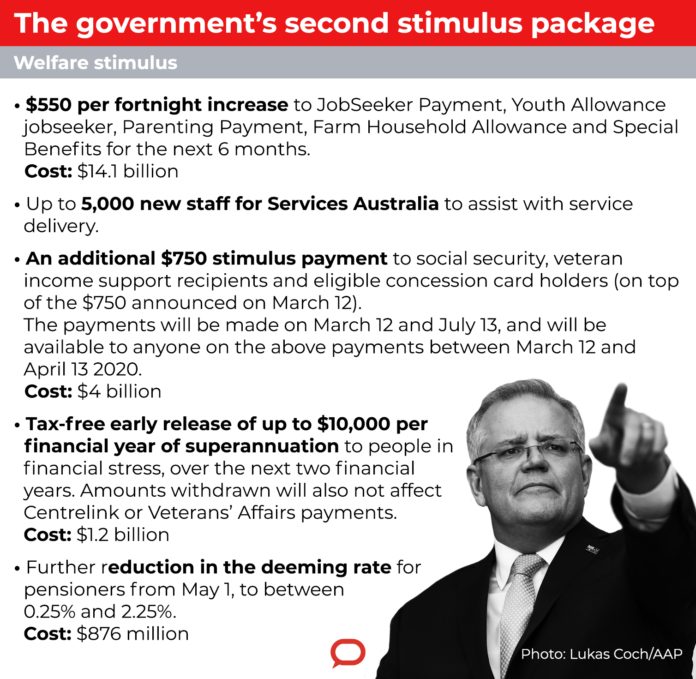
An extra $550 per fortnight

The government has effectively doubled Newstart (which, in an unrelated previously-announced move, changed its name to JobSeeker Payment on Friday).

The maximum rate for a single recipient without dependants is $565.70 per fortnight.

For the net six months the government will boost that by $550 per fortnight. Importantly, the extra $550 will go to all recipients, including those who get much less than $565.70 because they have assets or have found a few hours of part-time work.

It’ll also go to both existing and new recipients of Youth Allowance jobseeker, Parenting Payment, Farm Household Allowance and Special Benefit.


Read more: The coronavirus stimulus program is Labor’s in disguise, as it should be


What really matters is that it will be paid automatically. Recipients will receive the full $550 on top of their regular payment without asking for it. No forms, and an extra 5,000 Services Australia staff (previously called Centrelink staff) to make sure it happens.

The government says the boost is temporary, a claim that is not credible. The government can and will extend it for the duration of the crisis, and even after the crisis has ended will find it impossible to fully dismantle.

Recipients who have become used to receiving $1,115.70 per fortnight will not take kindly to suggestions they should be busted back to $565.70.

A “grandfathering” provision that let existing recipients keep getting $1,115.70 while forcing new recipients on to $565.70 would be almost as unrealistic.

Household support

Ten days ago the government announced a support payment of $750 to social security, veteran and other income support recipients and eligible concession card holders. It was to be paid automatically from March 31.

The new announcement is for an extra $750 to be paid to those people, other than the subset who will be getting the extra $550 per fortnight. About half of them are pensioners.

It will be paid “automatically from July 13, 2020”.

Early access to super

Anyone in financial stress as a result of the coronavirus will be able to get early access to up to $10,000 of their superannuation savings during the current financial year (the one that ends on July 30) and a further $10,000 during the first three months of 2020-21 (July 1 to September 30).

Frydenberg believes the funds will find this easy to manage:

the super funds last year had about $300 billion in cash, so they have the ability to provide what treasury estimate to be about a $27 billion injection into the economy.

He makes the point super belongs to the owners, and was saved with the intention that it be available for use on a rainy day:

this is the people’s money, and this is the time they need it most.

Withdrawals will be tax-free and will not affect Centrelink or veterans payments.

Again, the process will be close to frictionless. Rather than approaching their fund, “eligible individuals will be able to apply online through myGov”.

Lower deeming rates

Pensioners with income-producing assets will find the pension rules adjusted so that they are assumed to earn 0.25% less than had previously been the case, in line with last week’s emergency Reserve Bank rate cut.

Again, it will happen automatically, from May 1, 2020.

The Conversation

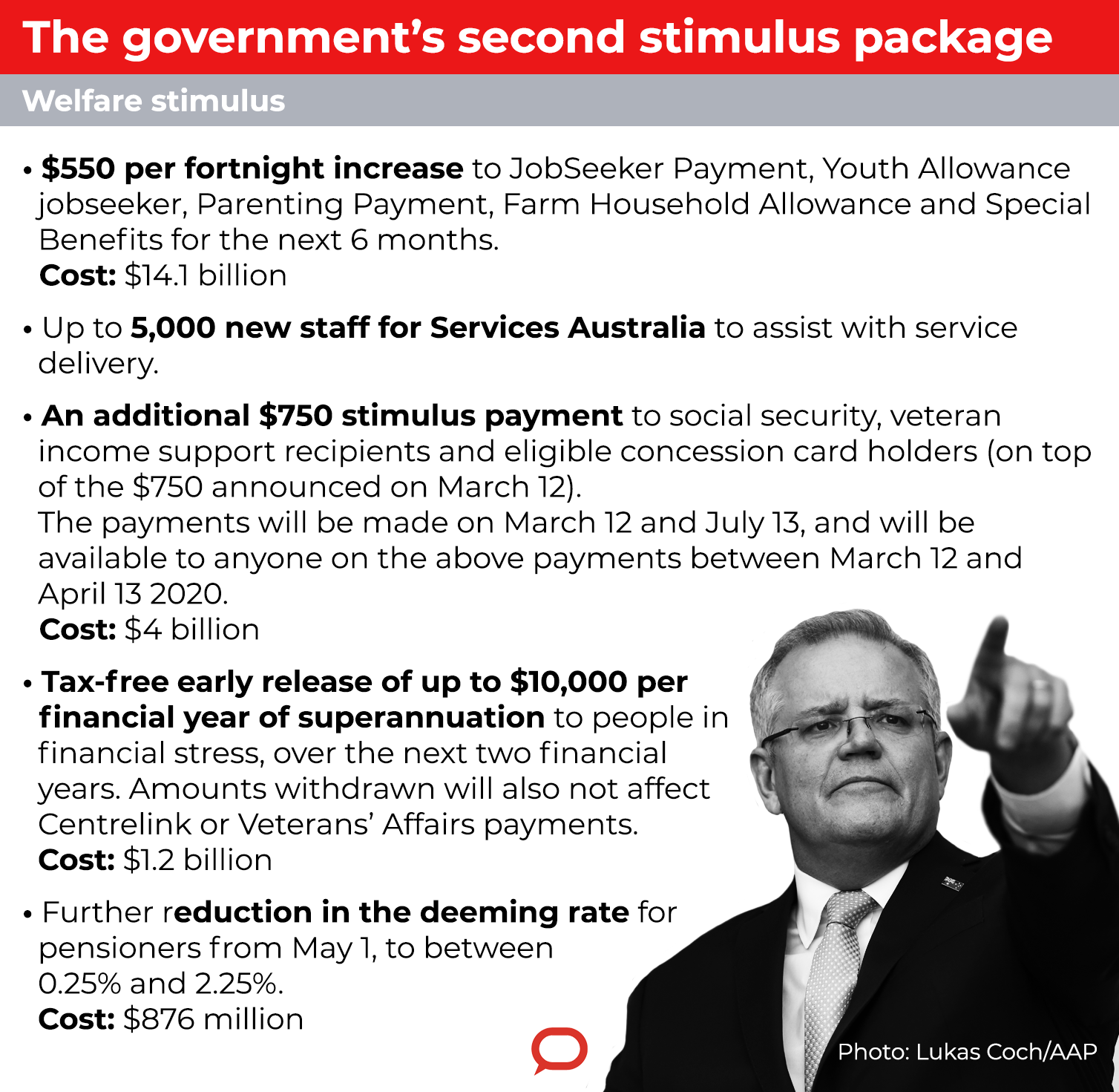
Up to $100,000 per business

From April 28 employers will receive payments of 100% of the salary and wages they hand over to the tax office (up from 50% in the first package) plus an additional payment calculated using the same formula on July 28.

Worth up to $100,000 per business (with a minimum payment of $20,000) it will partially compensate them for hanging on to staff, and the announcement says they won’t need to do a thing.

The payments are tax free, there will be no new forms, and payments will flow automatically through the Australian Tax Office.

Going guarantor

The government will guarantee 50% of any new loans to small and medium sized businesses up to a maximum of $20 billion, which will support $40 billion in loans.

This way it’ll be the banks doing the assessments (the government won’t require the paperwork that would be involved in “picking winners”) but it’ll pick up the tab, without the businesses needing to do anything extra.

Indefinitely increasable

The government has found it relatively simple to plonk this $66.1 billion package on top of the previous $17.6 billion package. It has used the same or pre-existing foundations to scale up amounts and extend time periods.

This means it can get money out quickly and for as long as it needs to, in the main putting it into people’s hands automatically.

There is no practical constraint on its ability to do so. It has delivered what is almost certainly Australia’s biggest economic stimulus package, and will increase it as needed.

It can “find the money” by issuing bonds, effectively IOUs, to investors. If the investors want to offload them, or even if they don’t, the government-owned Reserve Bank has said it will buy them from investors without limit in order to prevent interest rates from rising.

The government’s financial measures are scalable without limit.


Read more: States are shutting their borders to stop coronavirus. Is that actually allowed?


ref. Scalable without limit: how the government plans to get coronavirus support into our hands quickly – https://theconversation.com/scalable-without-limit-how-the-government-plans-to-get-coronavirus-support-into-our-hands-quickly-134353

Coronavirus infecting Australian jobs: vacancy rates down since early February

Source: The Conversation (Au and NZ) – By Nik Dawson, PhD candidate, University of Technology Sydney

The economic impacts of the COVID-19 coronavirus will be enormous. Only blind optimism can deny the dark realities of the moment.

Policy responses are escalating by the hour. Markets have plummeted to GFC levels. Food staples are being regulated to ensure equitable supply. Yet, with so much fear and uncertainty, it’s difficult to forecast the depths of the downturn.

We can be sure the coronavirus will damage economic output in Australia. Our research shows the effects of the coronavirus are already impacting the Australian job market, and the future signs are worrying.


Read more: NSW and Victoria announce ‘shutdowns’, as federal government widens and ramps up income support


How do we know what’s happening in the economy?

Most metrics used to measure the health of the economy are “lagging indicators”. This means the effect of shocks like the coronavirus take time to materialise in large-scale networks such as national economies and labour markets. It’s likely we won’t know the full extent of the economic aftershocks for several months or potentially years.

However, there are also “leading indicators” that can help us monitor the economic effects of the coronavirus in near real-time. The most obvious is the stock market. But fear has taken hold of financial markets, causing violent daily swings as policymakers scramble to “flatten the curve”. Searching for a signal with this amount of noise is near impossible.

Job ads

There are alternatives to reading the tea leaves of financial markets. One such alternative we have been monitoring is job advertisements.

In our previous work, we have shown job ads give an accurate indication of labour demand, and can predict skill shortages. As you would expect, more job ads typically means higher levels of demand, which is critical for healthy labour markets.

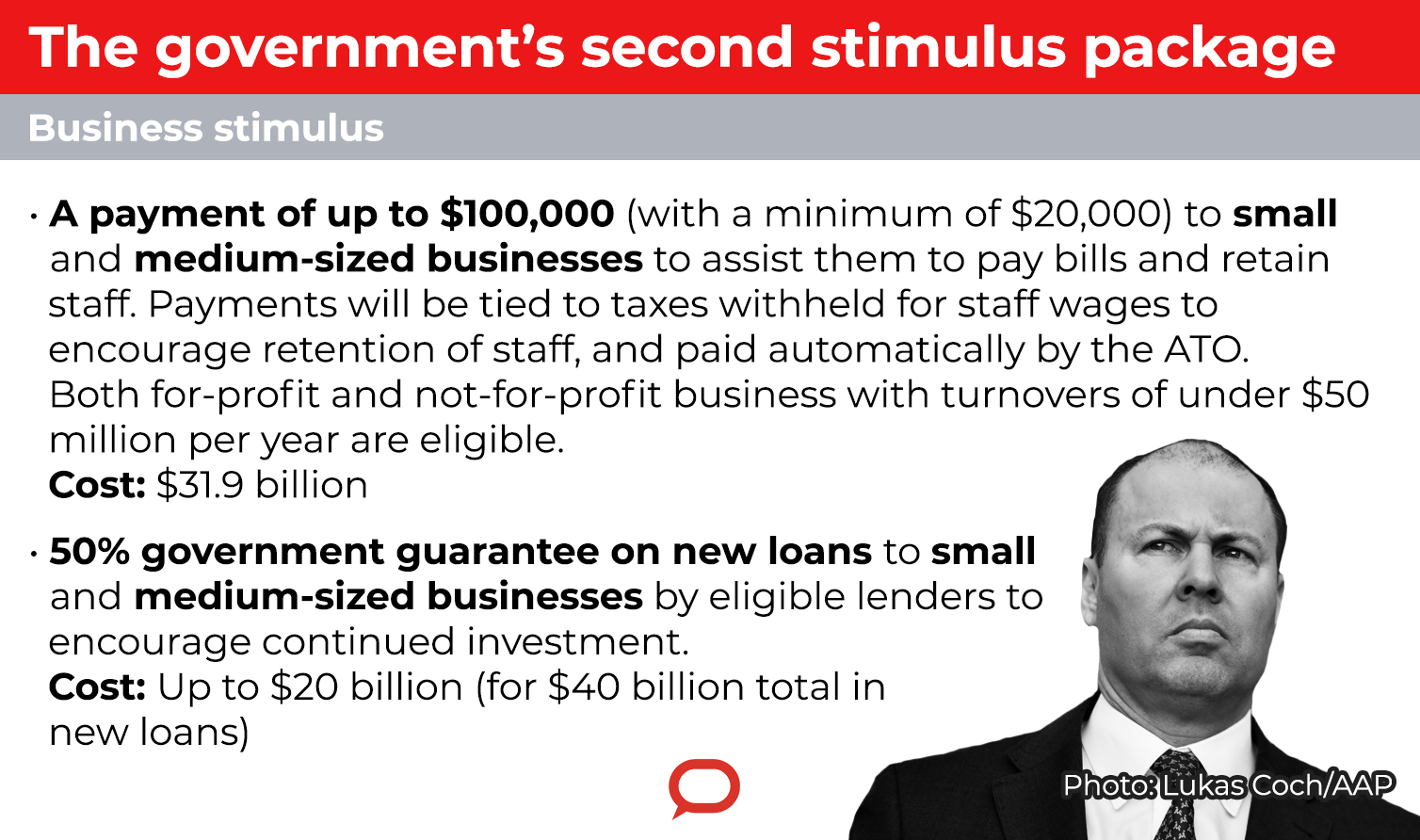
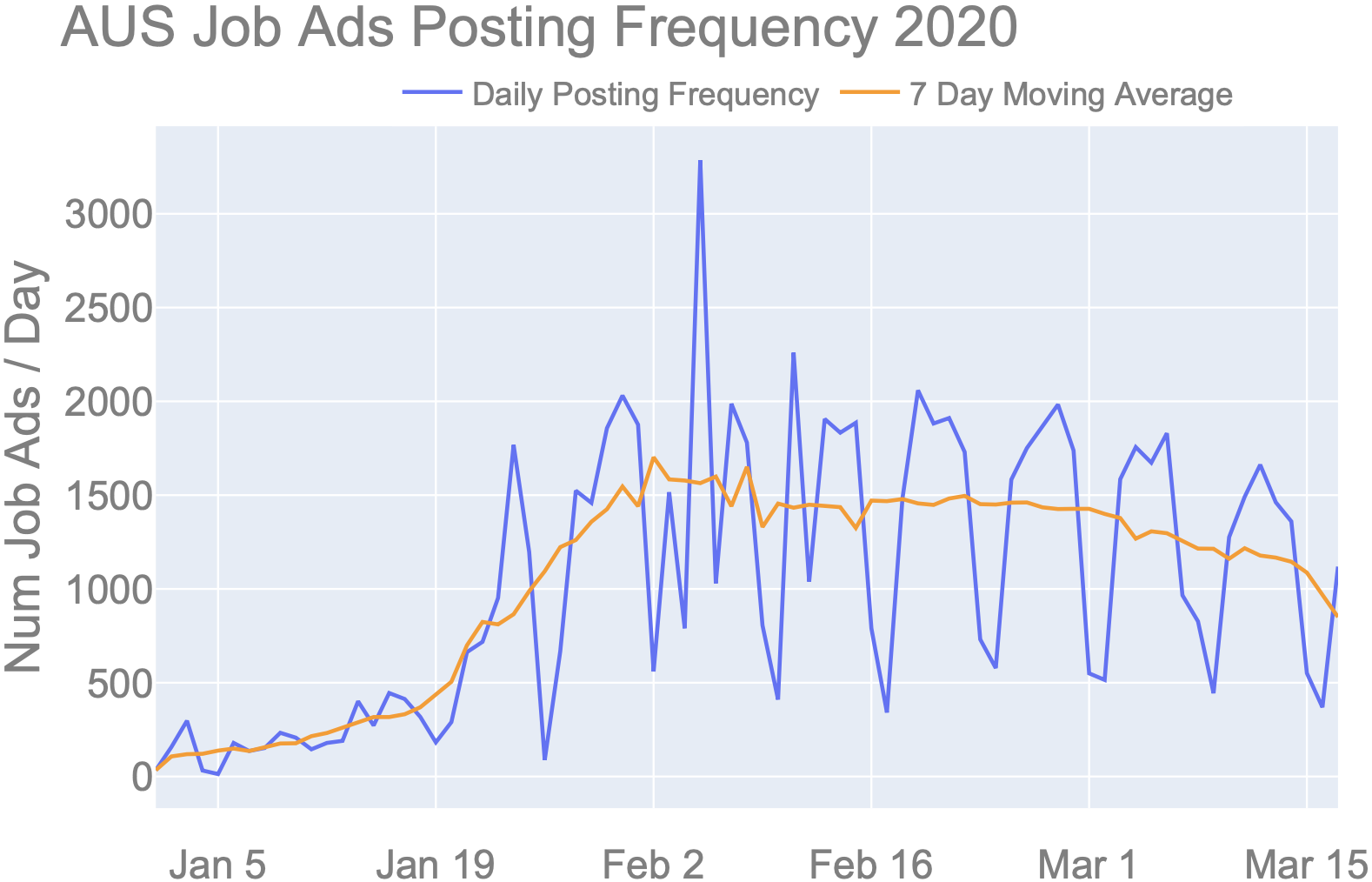
The daily posting frequency of job ads in Australia has declined since early February. Nik Dawson, Marian-Andrei Rizoiu

Worrying signs emerge when analysing the daily posting frequency of job ads in Australia from one of the major job boards in 2020. The posting frequency this year peaked in early February, and has been declining ever since, at an increasingly faster pace in the last two weeks.


Read more: Scott Morrison has said we’ll face at least 6 months of disruption. Where does that number come from?


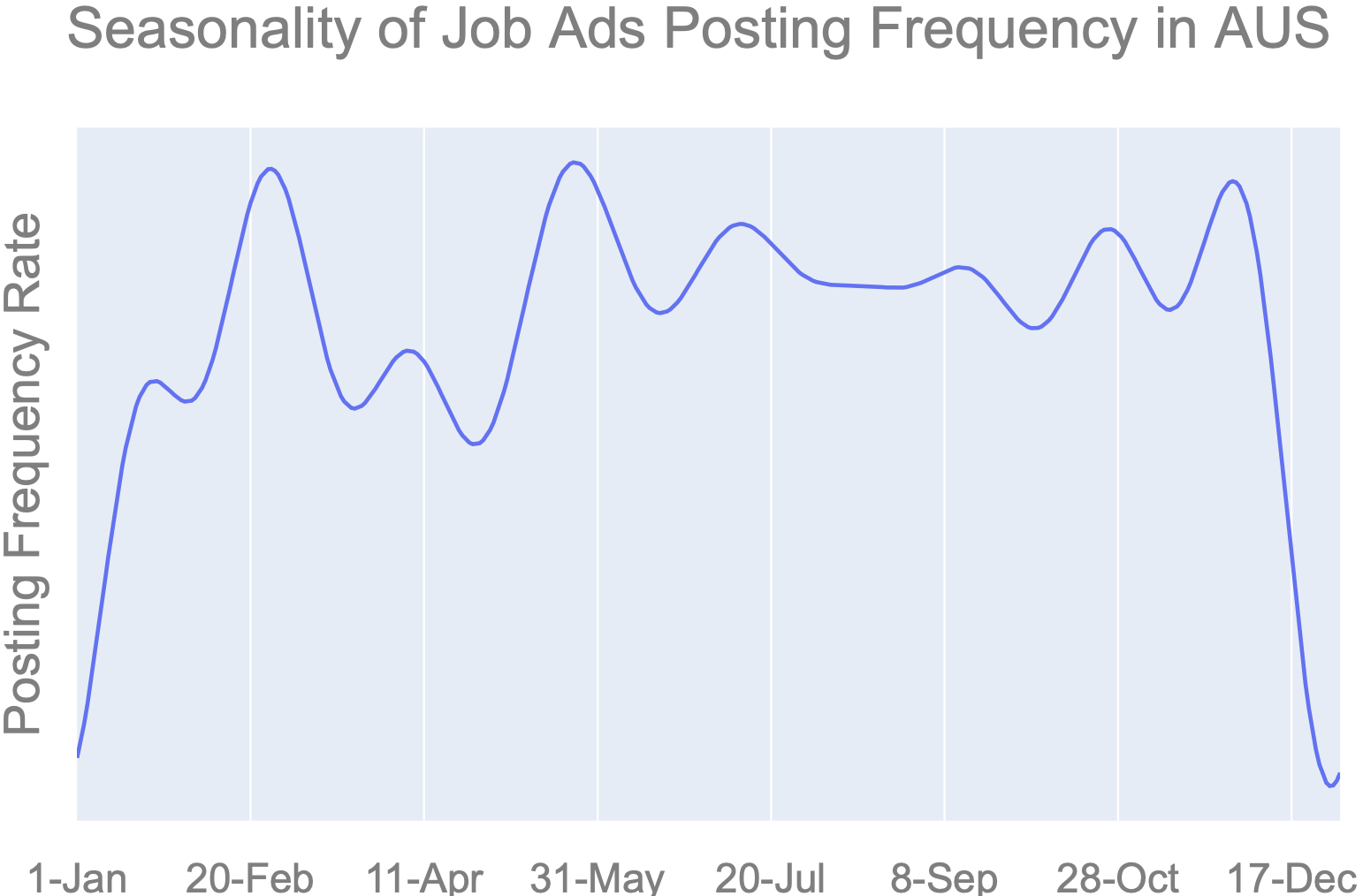
Such a decline this early in the year is odd, since the frequency of job ad postings follow a yearly seasonal pattern. In previous years, there were strong posting increases during January and February, followed by slower rates in March and April due to the Easter and ANZAC holiday periods. They then pick up again until the beginning of December, before significantly falling over the Christmas period.

Seasonal variation in job ads posting frequency from a time-series prediction model constructed from 2014-2018. These were years where no major economic shock occurred in Australia’s labour market. Nik Dawson, Marian-Andrei Rizoiu

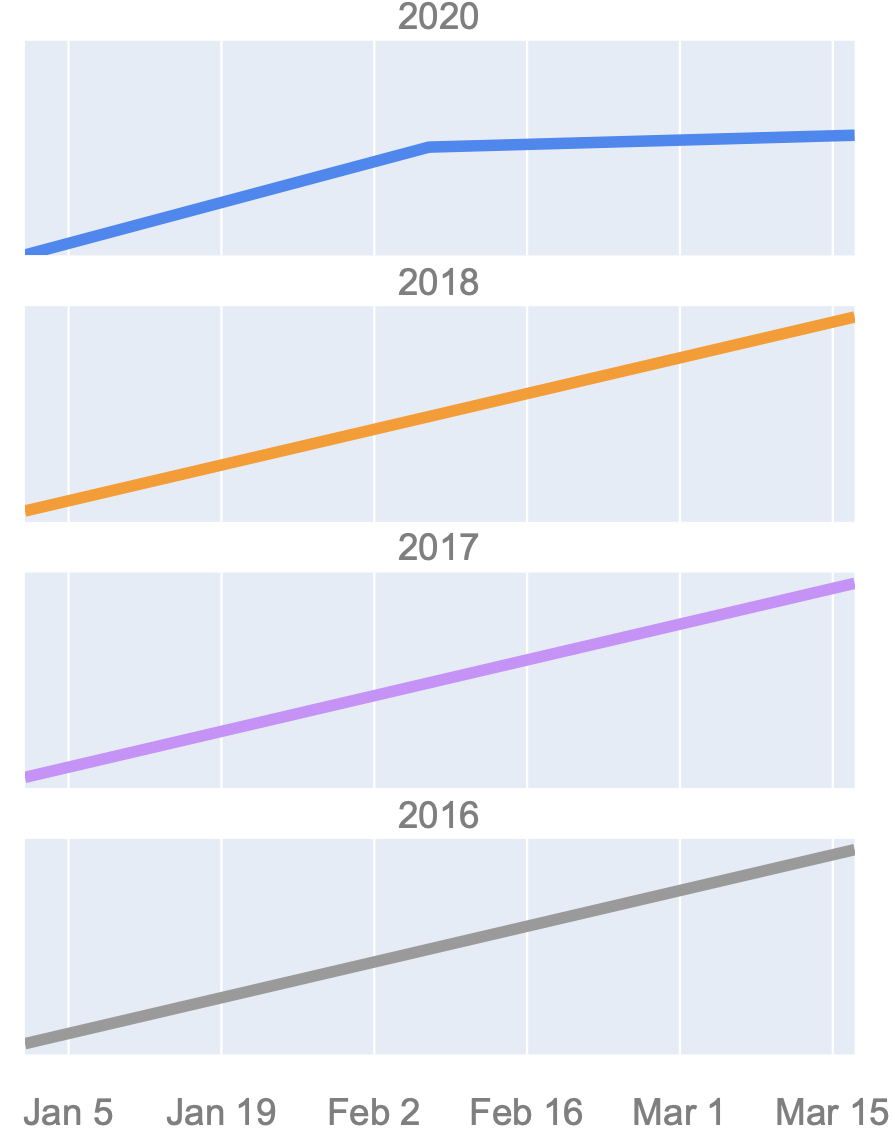
To see the change more clearly, we extracted the trends of posting frequencies to compare over a consistent time period. Here, we separately trained four different yearly models on the first 77 days of each year (from January 1 until March 17, for each of 2016, 2017, 2018, and 2020). The models were constructed using machine learning to uncover patterns of daily posting frequency rates and to isolate key components, such as trends and seasonality.

Posting frequency trend lines from January 1 – March 17. The trend in 2020 prematurely turned in early February. Nik Dawson, Marian-Andrei Rizoiu

As the years 2016–18 show, job ad posts are usually on an upward trend from the beginning of the year until March. However, 2020 tells a very different story. In early February, the frequency of job ads began to decline and the trend line prematurely flattened.

This coincides with the early outbreak and spread of coronavirus beyond China. It’s also immediately after Australia’s worst bushfire season, which ravaged homes, businesses, and entire towns.

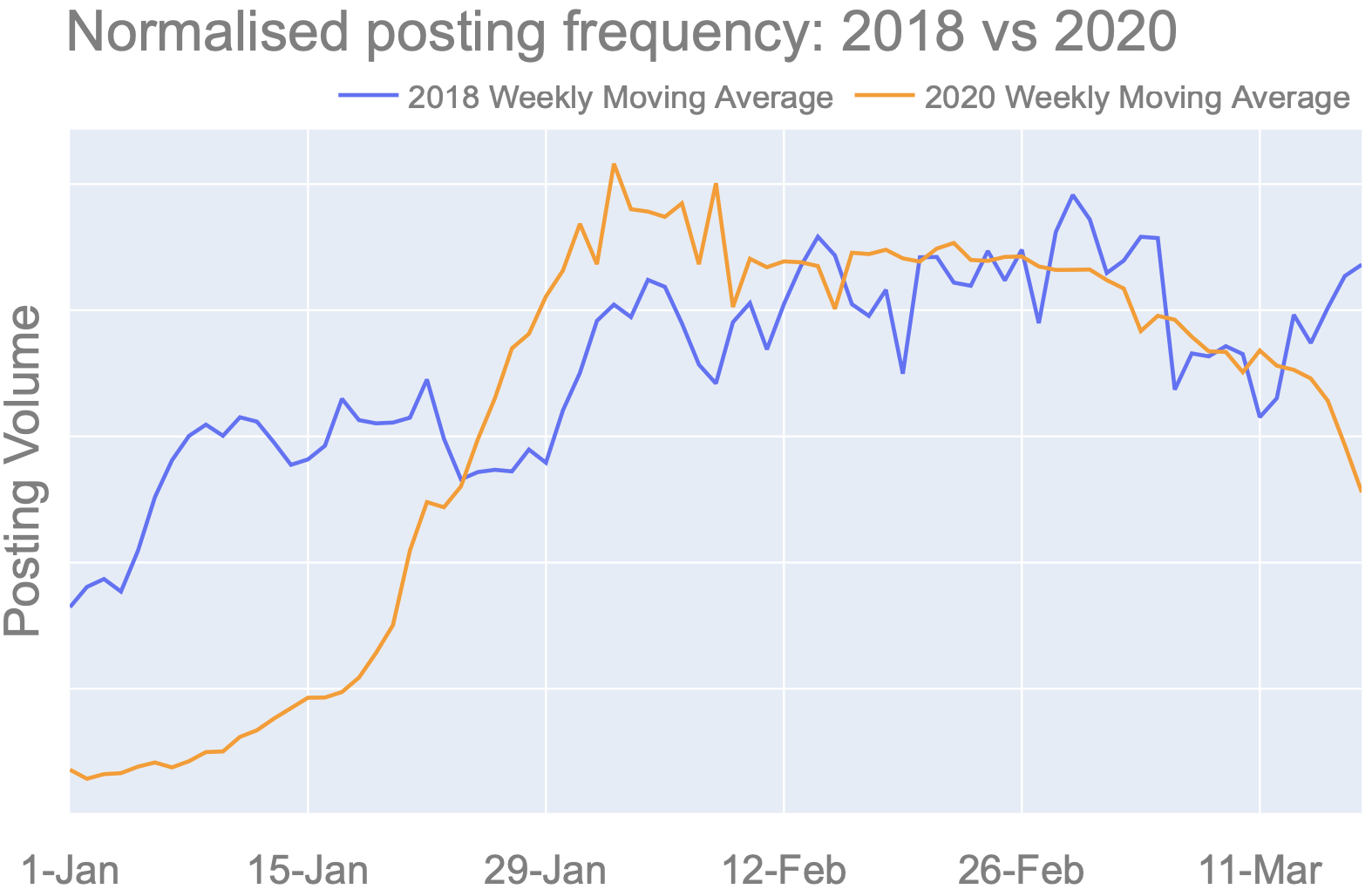
When comparing job ads in 2020 to 2018 (after normalising volumes for a fair comparison), we find there are around 12% fewer job ads so far this year than in 2018.

Job ads in 2020 so far are about 12% lower than 2018 levels (on normalised scale). Nik Dawson, Marian-Andrei Rizoiu

This indicates employment opportunities are already declining as a result of the coronavirus shock. Employers are less likely to take on the risk of hiring new staff because demand for goods and services are constrained.

We will not know the full extent of the impacts on Australian jobs for some time. The inertia in labour markets mean important indicators like unemployment and underutilisation rates are slow to reflect shocks.

However, job ads data provide valuable leading indicators for labour markets. And the early signs are worrying.


Read more: The case for Endgame C: stop almost everything, restart when coronavirus is gone


ref. Coronavirus infecting Australian jobs: vacancy rates down since early February – https://theconversation.com/coronavirus-infecting-australian-jobs-vacancy-rates-down-since-early-february-134234

First coronavirus death on Guam as Pacific Daily News calls for more info

By Anumita Kaur in Hagåtña

Guam medical authorities have announced the first Covid-19 coronavirus pandemic-related death during a press conference today.

The person died at 1.30 am at Guam Memorial Hospital, said Dr Mike Cruz.

The 68-year-old woman arrived at the hospital with fever, chills and shortness of breath.

READ MORE: RNZ coronavirus updates

She had no travel history. She had had contact with someone who travelled recently and had tested positive for the virus, said Dr Joleen Aguon.

The woman and the traveller did not live in the same household.

– Partner –

Dr Aguon said the patient had multiple co-morbidities, including end-stage renal disease, diabetes and hypertension.

The patient and her family decided that she would not undergo extreme life-saving measures, such as life support.

Compromised immune systems
Patients with multiple co-morbidities, especially end-stage renal disease and diabetes, have compromised immune systems and are especially susceptible to complications from Covid-19, Dr Aguon said.

The announcement came a week after the governor announced the first confirmed case of the virus on the island.

During that week, a health emergency was declared, schools were closed, businesses were shut and residents were urged to socially isolate.

Arriving travellers have been placed in quarantine.

As of Sunday morning, there were 15 reported Covid-19 cases on Guam – the highest number in a Pacific territory or state.

All 15 confirmed cases were kept in isolation at Guam Memorial Hospital or at temporary home isolation, until they could be transferred to the Skilled Nursing Facility.

Of the 15 cases:

Six are in their 60s
Three are in their 50s
Three are in their 40s
Two are in their 30s
One is in their 20s

‘More transparency’ plea
Meanwhile, the Pacific Daily News appealed in an editorial today for the Guam government to be “much more open and transparent with information” about coronavirus cases on island, an American territory in the western Pacific.

“The government has done a good job about providing general information about the disease, on the importance of social distancing, practising good hygiene and taking preventive measures to avoid contracting Covid-19,” the newspaper said.

“But the information it has been providing about those who have contracted coronavirus has been sparse, and that needs to stop.”

Reporter Anumita Kaur of the Pacific Daily News covers military, business and tourism on Guam.

Print Friendly, PDF & Email

Article by AsiaPacificReport.nz

How Australia’s response to the Spanish flu of 1919 sounds warnings on dealing with coronavirus

Source: The Conversation (Au and NZ) – By Frank Bongiorno, Professor of History, ANU College of Arts and Social Sciences, Australian National University

Most Australians – Indigenous people under the protection acts were an exception – have long taken for granted their right to cross state borders. They have treated them much as they do the often unmarked boundaries dividing their suburbs. Not any more.

Australia has closed its international borders to non-residents. South Australia has announced it will close its borders, New South Wales is moving closer to lock-down over the next two days, with Victoria set to follow suit. The Tasmanian government is forcing non-essential travellers into 14 days of quarantine. The Combined Aboriginal Organisations of Alice Springs called for severe restrictions on entry to the Northern Territory, and its government has now followed Tasmania’s example. Queensland has reciprocated by imposing controls on part of its western border.

Indigenous representatives are right to be concerned. The Spanish influenza pandemic of 1919 devastated some Aboriginal communities. There are many other echoes of that crisis of a century ago in the one we face now.


Read more: Grattan on Friday: We are now a nation in self-isolation


COVID-19 represents the worst public health crisis the world has faced since the Spanish flu. Estimates of global deaths from the flu in 1919 vary, often beginning at around 30 million but rising as high as 100 million. Australian losses were probably about 12,000-15,000 deaths.

The outbreak did not originate in Spain, but early reports came from that country, where the Spanish king himself went down with the virus. It happened at the end of the first world war and was intimately connected with that better-known disaster.

The virus likely travelled to Europe with American troops. As the war ended, other soldiers then carried it around the world. The virus would kill many more people than the war itself.

Australia was fortunate in its relatively light death toll; lighter, for instance, than South Africa’s or New Zealand’s.

Prime Minister Billy Hughes was in Europe, at first in London and then at the Paris Peace Conference. But the Commonwealth acted early. The imposition of a strict maritime quarantine in late 1918 and early 1919 helped slow the spread and was decisive in producing a lower rate of infection. But the authorities were ultimately unable to provide a uniform response as the crisis worsened.

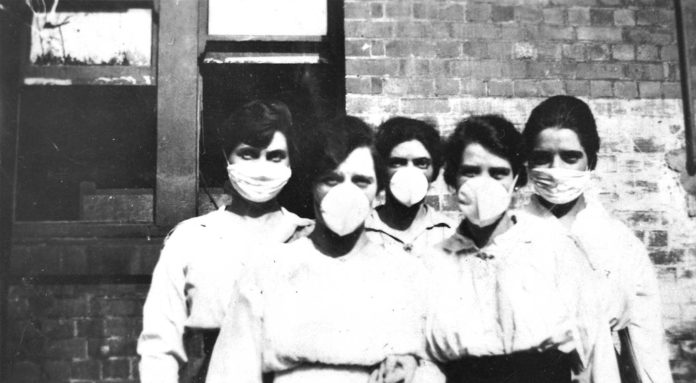
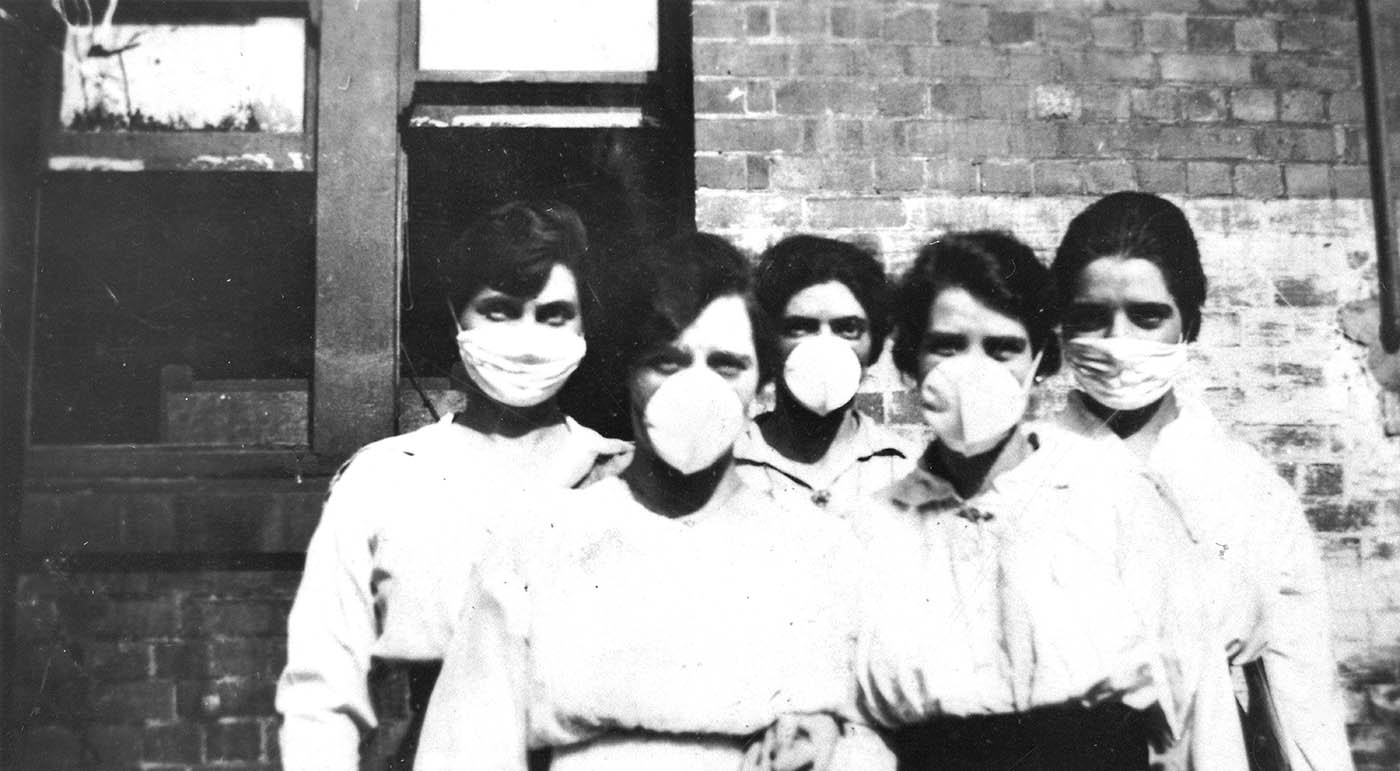
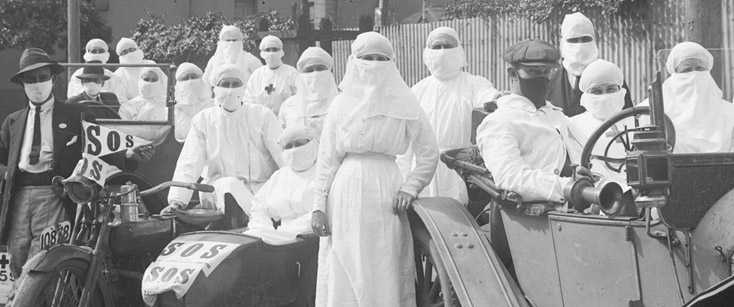
Women wearing surgical masks in Brisbane in 1919. National Museum of Australia

Confusion caused by a milder form of influenza that arrived in Australia in September 1918 didn’t help matters. Some authorities, such as the Commonwealth director of quarantine, J.H.L. Cumpston, erroneously believed cases diagnosed in the early months of 1919 were part of this earlier wave. As the historian Anthea Hyslop has shown, having been the architect of the successful maritime quarantine, Cumpston became a victim of his own success. He clung to the theory that new infections were a result of the local epidemic, rather than being a new and more virulent form arriving from overseas.

The Spanish flu came in waves and was extraordinarily virulent. There were reports of people seeming perfectly health at breakfast and dead by evening.

An illness lasting ten or so days, followed by weeks of debility, was more common. An early sign was a chill or shivering, followed by headache and back pain. Eventually, an acute muscle pain would overcome the sufferer, accompanied by some combination of vomiting, diarrhoea, watering eyes, a running or bleeding nose, a sore throat and a dry cough. The skin might acquire a strange blue or plum colour.

Unlike with COVID-19, which has so far had its worst effects on older people, men between the ages of about 20 and 40 seem to have been especially vulnerable. The well-known Victorian socialist and railway union leader, Frank Hyett, seen by some as a future Labor prime minister, lost his life on Anzac Day 1919 at just 37. Five thousand attended his funeral, probably not wise in the circumstances, but testament to his standing.

Almost a third of deaths in Australia were of adults between 25 and 34. The Spanish flu probably infected 2 million Australians in a population of about 5 million. In Sydney alone, 40% of residents caught it.

For Australia, the flu came after a most divisive and traumatic war in which Hyett himself had been a prominent anti-conscriptionist. Many Australians then and now believe the war made the nation. The federation of the colonies had occurred less than two decades before, but it is supposedly the blood sacrifice of war that melded what were still quasi-colonies into a nation in the emotional and spiritual sense. Gallipoli and the Anzac legend are credited with strengthening a national outlook.

Medical staff in Surrey Hills, NSW, 1919. NSW State Archives

But that outlook was hard to discern during the crisis of 1919. In November 1918, the various state authorities had entered into an agreement for dealing with the threat, but it did not long hold. In his groundbreaking social history of the Spanish influenza epidemic, Humphrey McQueen suggested that in relation to many matters, “the Commonwealth of Australia passed into recess”.

“The dislocation of interstate traffic is quite unavoidable,” commented the Tamworth Daily Observer on January 31 1919, “as naturally the clean States could not be expected to continue communications with the infected.”

The flu probably came into the country via returning soldiers, many of whom broke quarantine. The precise source of the first known infection – in Melbourne in January 1919 – was never discovered.

Under the federal agreement, Victorian health authorities should have promptly reported the case to the Commonwealth, which would then have closed the borders with New South Wales and South Australia. Once cases were reported in other states, the Commonwealth would then lift the border controls. As with the rabbit-proof fence ridiculed by Henry Lawson, there was not much point in trying to prevent the border crossing of a disease already on both sides, especially considering the threat to interstate commerce.


Read more: Can coronavirus spread through food? Can anti-inflammatories like ibuprofen make it worse? Coronavirus claims checked by experts


It was a cumbersome plan and it did not work. Melbourne authorities did not report its early cases to the Commonwealth. With the delay of a week, the flu reached Sydney by train from Melbourne. Authorities in New South Wales quickly declared that state’s small number of infections a day before a dilatory Victoria reported its much larger number, now over 350.

There were too few doctors and nurses to deal with the crisis – many were still with the armed forces overseas, and others caught the flu. Health facilities were overrun. In Melbourne, the Exhibition Building was turned into a large hospital, as were some schools. Schools shut down at various times in different states during 1919, but widespread disruption was caused either by government decisions to close or the illness of teachers.

National Museum of Australia

Individual states did their own thing as the national agreement fell apart. Tasmania imposed a strict quarantine and had the lowest mortality rate in Australia – 114 per 100,000 – but the pandemic did its economy great damage. Western Australian authorities impounded the transcontinental train and placed its passengers in isolation.

Queensland imposed border control. Travellers had to cool their heels in Tenterfield, in tents and public buildings adapted to house them. There was irony here: this was the town where, in a famous address, Henry Parkes initiated the move toward federation of the colonies in 1889.

Land quarantine was likely ineffective. And while maritime quarantine had almost certainly slowed the rate of infection, its prolongation by the states did great damage to an already fragile economy devastated by the war. Coal was the lifeblood of an industrialising economy, and it was mainly carried by the coastal shipping trade.

There were shortages of other goods, too. Tasmania was running low on flour, and its developing tourism industry was badly knocked about. But such a price was surely worth paying for Australia’s moderate rate of infection and death compared with international standards.

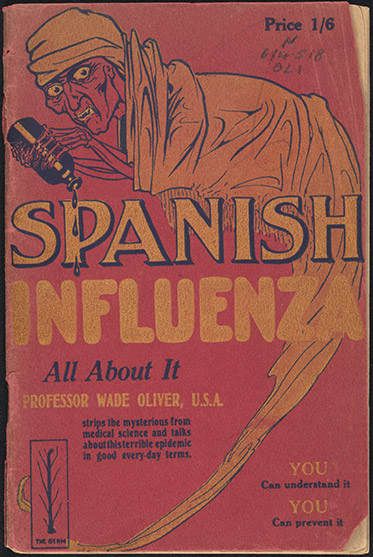
As with COVID-19, doctors bickered about the best way of dealing with the crisis. Newspapers raised alarm with their regular comparisons with the Black Death of medieval times. Advertisements for quack cures abounded, just as dodgy advice – along with plenty of good sense – can be found at a glance on social media today.


Read more: 100 years later, why don’t we commemorate the victims and heroes of ‘Spanish flu’?


Inoculation was widely practised and might have had a positive effect on those not yet infected. For a time, it was compulsory to wear a mask in the street. Places of entertainment such as theatres, cinemas and dance halls closed, as did churches. The Sydney Easter Show was called off in 1919, as it has been for 2020.

Some good came of the crisis. The formation of a federal Department of Health in 1921 was a response to the failure of the states to cooperate.

But there are also plenty of warnings for us in the Spanish flu pandemic. Some thought the crisis under control early in the autumn of 1919, with state governments lifting some restrictions. But it came to life again and carried off many Australians with it.

The Spanish flu might have hit working-age men most seriously because they were more likely than others to have multiple social contacts. Vulnerable communities such as Indigenous people were very badly affected.

And Australia at times suffered from deficiencies of political, medical and administrative decision-making.

The recent move by Tasmania, and the announcements over the weekend that other state premiers are moving beyond the nationally agreed restrictions on activity, might presage future divisions between Australian governments.

ref. How Australia’s response to the Spanish flu of 1919 sounds warnings on dealing with coronavirus – https://theconversation.com/how-australias-response-to-the-spanish-flu-of-1919-sounds-warnings-on-dealing-with-coronavirus-134017

States are shutting their borders to stop coronavirus. Is that actually allowed?

Source: The Conversation (Au and NZ) – By Anne Twomey, Professor of Constitutional Law, University of Sydney

Movement of people and goods across state borders in Australia is guaranteed by the Constitution. Section 92 of the Constitution says

trade, commerce, and intercourse among the States, whether by means of internal carriage or ocean navigation, shall be absolutely free.

“Intercourse among the States” in this context, means the movement of people, goods and communications across state boundaries.

If movement of people across state borders must be absolutely free, can the states hinder or even prevent such movement during the coronavirus pandemic? The short answer is “yes”.

“Absolutely free” does not mean what it says. The High Court has accepted that there can be limits if they are reasonable and imposed for a legitimate end, such as protecting the public from a dangerous disease.

What limits does the Constitution impose on the states?

A state cannot exclude people from entering it because it has some objection to them, such as their character or behaviour. For example, shortly after federation, NSW enacted the Influx of Criminals Prevention Act 1903 to prevent convicted criminals from other states entering New South Wales. It tried to use the act to prevent John Benson, a convicted vagrant, of entering the state.


Read more: NSW and Victoria announce ‘shutdowns’, as federal government widens and ramps up income support


But the High Court struck down the law because it prevented freedom of interstate movement in breach of section 92 of the Constitution. While some judges recognised that a state may have power to act where it is necessary to protect “public order, safety or morals”, they did not consider that the exclusion of vagrants could be justified as such a necessity.

Since then, the High Court has accepted that a state law may impede the entry into the state of persons, animals or goods that are likely to injure its citizens. These include risks of the transmission of animal and plant diseases and the entry of noxious drugs.

Justice Brennan stated in the case of Nationwide News that where the true character of a law

is to protect the State or its residents from injury, a law which expressly prohibits or impedes movement of the apprehended source of injury across the border into the State may yet be valid.

A court would need to consider the severity of the restriction and the need for the measure.

If the law is enacted for a purpose other than simply impeding movement across state boundaries, such as to protect public health, and the measures imposed are appropriate and adapted to fulfilling that purpose, then the law is likely to be held to be valid. It will depend on the factual circumstances in any particular case.

What about current proposals to restrict movement across state borders?

Current proposals to restrict the movement of people across state borders are clearly for the legitimate purpose of protecting public health. No one could argue that the reason is “protectionist” or simply an objection to residents from other states entering the state.

So far, actions and proposals by various states have not been directed at preventing people from crossing state borders. Instead, they have involved health checks and requirements to self-isolate for 14 days if they do enter the state.

While this may impose a “burden” on interstate movement of people, it does not prevent it, and the self-isolation requirement seems to be appropriate and adapted to the public health need.

The states have also made appropriate exceptions, such as in relation to emergency service workers and people transporting goods in and out of the state. An exception may also need to be made to ensure that federal members of parliament can travel to and from Canberra to fulfil their representative functions.

If more extreme measures were taken, which could be regarded as not being appropriate and adapted to achieving the protection of public health, then they would be more vulnerable to legal challenge.

But in any case, the High Court would take into account the evidence that the state was relying on and its efforts to calibrate the restrictions appropriately in the circumstances. More extreme risks may justify more extreme measures in limiting interstate intercourse.

Are there any other constraints on states ‘going it alone’?

First, any state action must fall within its existing legal powers. These include those under its public health legislation, or it first may need to enact new legislation or make appropriation regulations under existing statutes. If a state is restricting the liberty of its residents, then it needs lawful power to do so.

Secondly, while states have extremely broad legislative powers (subject to section 92 of the Constitution), if the law of a state conflicts with a law of the Commonwealth, then section 109 of the Constitution provides that the Commonwealth law prevails and the state law is inoperative to the extent of the inconsistency.


Read more: Coronavirus modelling shows the government is getting the balance right – if our aim is to flatten the curve


So if a Commonwealth law gives a person the right to enter the state, and the state law is inconsistent with it, the Commonwealth law would override state law. So states should be careful to not make any laws that might conflict with Commonwealth laws.

Thirdly, if the federal parliament wished to override particular state laws, and it had a source of constitutional power to legislate (such as its power with respect to quarantine), then it could legislate in such a way as caused an inconsistency, rendering the state law inoperative to the extent of the inconsistency.

The states can close borders to protect their citizens

Overall, despite the constitutional guarantee that intercourse among the states shall be absolutely free, the states retain a degree of latitude to limit border-crossing as long as it is appropriate and to protect public health.

ref. States are shutting their borders to stop coronavirus. Is that actually allowed? – https://theconversation.com/states-are-shutting-their-borders-to-stop-coronavirus-is-that-actually-allowed-134354

NSW and Victoria announce ‘shutdowns’, as federal government widens and ramps up income support

Source: The Conversation (Au and NZ) – By Michelle Grattan, Professorial Fellow, University of Canberra

NSW and Victoria are shutting down non-essential services and activities over the next 48 hours, and the federal government has announced it will widen eligibility and increase income support as the coronavirus crisis escalates.

Premier Gladys Berejiklian said the NSW shutdown would leave supermarkets, petrol stations , pharmacies, convenience stores, freight and logistics, and home deliveries among many services remaining open.

Schools would be open Monday but Berejiklian flagged she would have more to say about this on Monday morning.

Victorian premier Daniel Andrews announced a similar shutdown and is bringing forward school holidays to start Tuesday, with a decision on whether schools will reopen to be taken on medical advice.

Andrews said the shutdown decision was not taken lightly but “it’s clear that if we don’t take this step, more Victorians will contract coronavirus, our hospitals will be overwhelmed and more Victorians will die”.

Scott Morrison told Australians not to undertake unnecessary travel, including in the coming school holidays.

“All non-essential travel should be cancelled,” he said bluntly at a Sunday news conference where he unveiled a $66.1 billion second federal package.

South Australia is closing its border from 4 pm Tuesday, establishing 12 border crossings, and requiring travellers to sign a declaration to self-isolate for a fortnight. Tasmania and the Northern Territory have already acted on their borders.

The federal-state national cabinet’s meeting has been brought forward from Tuesday night to Sunday night, to discuss ever-toughening measures to handle the fast spread of the virus. But NSW and Victoria came out with their announcements ahead of that meeting.

The federal government’s second economic package, which has ten separate measures, will provide support for households – including those on income support, casual workers, sole traders, and retirees – and will also seek to prop up businesses with cash, loans and regulatory protection.

The government will temporarily widen eligibility for income support and give a new short term “coronavirus supplement” of $550 a fortnight.

The new supplement will go to existing and new recipients of the jobseeker payment and other benefits and be available to sole traders and casual workers who meet the income test.

It will be paid for six months and people will receive the full $550 on top of their ordinary payment. The cost will be $14.1 billion and up to 5000 extra staff will be employed to help deliver it.

Among other measures are a second one-off $750 payment to low income households and increased access to superannuation, as the government attempts to cushion people and businesses in a collapsing economy, which will go into a further tailspin with the shutdowns.

Even before the previously-announced $750 payment – to go out at the end of this month – is dispatched, the government has decided on the second payment, made from July 13.

It will go to those on social security and veteran income support and eligible concession card holders – except for those receiving an income support payment that is eligible for the “coronavirus supplement”.

About five million people will get this payment, half of them pensioners, at a cost of $4 billion.

The relaxation of superannuation arrangements will mean people in financial stress as a result of coronavirus will be able to access up to $10,000 of their super in each of this financial year and 2020-21. This will cost $1.2 billion. Minimum drawdown requirements are also being reduced.

The deeming rate used to assess income from financial assets for the pension income test is being reduced to reflect last week’s Reserve Bank interest rate cuts. This will benefit about 900,000 on income support and cost $876 million.

On the business side, the package also includes cash payments of up to $100,000 to small and medium-sized businesses and not-for-profit enterprises, with turnovers of less than $50 million, as well as a loan guarantee scheme for SMEs.

Among regulatory protections will be changes to bankruptcy rules. There will be a temporary increase in the threshold at which creditors can issue a statutory demand on a company and the time companies have to respond.

The government’s aim in its business support is to keep as many enterprises as possible afloat, with as many workers as possible still linked to them, so they can restart operations and reassemble their workforces after the crisis has passed.

Finance Minister Mathias Cormann talked about businesses going into “hibernation” .

Morrison said the government’s package focused on those “in the front line”, feeling “the first blows” of the economic impact of the virus. “We will be supercharging our safety net and supporting the most vulnerable to the impacts of the crisis, those who will feel those first blows.”

Federal and state governments are alarmed that many citizens are not taking warnings and advice seriously enough. After people swarmed to Bondi beach on Friday, a crackdown on numbers was imposed on Saturday.

Morrison was stern in his messaging, saying social distancing “is one of our most, if not our most, important weapon against the spread of the coronavirus”.

He said what had happened at Bondi “was not OK, and served as a message to federal and state leaders that too many Australians are not taking these issues seriously enough.

“So the measures that we will be considering tonight means that state premiers and chief ministers may have to take far more draconian measures to enforce social distancing, particularly in areas of outbreaks, than might otherwise be the case”.

He said what might be needed in a part of Sydney might not be necessary in rural NSW or Perth.

As at 6.30am Sunday, there had been 1,098 COVID-19 cases in Australia, with 224 new cases since 6.30am Saturday.

ref. NSW and Victoria announce ‘shutdowns’, as federal government widens and ramps up income support – https://theconversation.com/nsw-and-victoria-announce-shutdowns-as-federal-government-widens-and-ramps-up-income-support-134355

Government’s new $66 billion package will take coronavirus economic life support to $189 billion

Source: The Conversation (Au and NZ) – By Michelle Grattan, Professorial Fellow, University of Canberra

Small and medium-sized businesses will get up to $100,000 in cash payments in the government’s second stage of emergency assistance, worth a huge $66 billion, to cushion businesses and individuals as the coronavirus cuts a swathe through Australia’s economy.

The package, to be announced Sunday, will bring to a massive $189 billion the official injection of cash and credit to prop up businesses, protect jobs where possible and assist those whose jobs can’t be saved as well as welfare recipients and low income earners.

It is equivalent to a whopping 9.7% of GDP. This compares with Canada’s stimulus of 4.5% of GDP; Hong Kong’s 4.5%, and South Korea’s 4%.

The $189 billion includes the government’s initial $17.6 billion stimulus package – dwarfed by its successor – and $105 billion in credit measures from the Reserve Bank and the government announced last Thursday.


Read more: More than a rate cut: behind the Reserve Bank’s three point plan


With the Australian COVID-19 tally of cases above 1000, the government is already flagging there will need to be a third package as the economy spirals down in the wake of the sweeping measures to try to contain the virus’s spread. The restrictions are expected to become tougher in coming days and weeks.

The second stage package includes, apart from the wage subsidy, a loans guarantee to help keep enterprises operating. It also contains extensive income support and other measures, details of which are not yet available.

The tax free cash payment of up to $100,000 will be available to businesses with turnovers below $50 million and also to eligible not-for-profit charities.

It will cost $25.2 billion. In its first package, the government announced a cash payment equal to 50% of tax withheld, up to $25,000 in payments and with a minimum of $2000. That was worth $6.7 billion, making the combined total of the two $31.9 billion.

Under the latest measure, a business will get a payment equal to 100% of the tax it withholds from its workers’ wages, up to a maximum of $100,000.

Eligible businesses will be able to get a minimum $20,000 even if they are not required to withhold tax.

The government estimates about 690,000 businesses, employing about 7.8 million people, will he helped, as well as some 30,000 not-for-profit enterprises.

The measure is front-end loaded, to get the assistance flowing as soon as possible.

The government will also announce a “coronavirus SME guarantee scheme” for small and medium-sized businesses. This is to complement the $8 billion in measures the banks announced last week to defer small business loan repayments for six months.


Read more: Budget delayed until October, and new restrictions on indoor gatherings in latest coronavirus decisions


The federal government will guarantee 50% through the participating bank of an eligible loan to a small or medium-sized business hit by the impact of the virus. The $20 billion government guarantee will be able to support lending of $40 billion to these enterprises.

Loans will be used for working capital and be unsecured. The guarantee will cover loans granted within six months, from April 1. It will apply to new or existing customers of banks and non-bank lenders.

Lenders will not be charged a fee for accessing the scheme, and it will be repayment-free for six months. The maximum loan will be $250,000, for a term of up to three years.

The scheme will not apply to re-financing present customers – they will benefit from the banks’ announcement of last week.

Scott Morrison was blunt about how bad things will get. “We’re already seeing the devastating economic impact coronavirus is having for Australia’s local businesses. Unfortunately it is going to get worse before it gets better, but it will get better.

“Many of our restaurants and bars, our hotels and tourism operators, our hairdressers and beauty salons and our events companies already feeling the brunt of the economic impact of coronavirus. This is about finding a way for them and their workers to build a bridge to the other side of this crisis,” he said.

“There is a lot of pain coming but we’re going to cushion the blow as best we can.

“We want to help businesses keep going as best they can or to pause instead of falling apart,” he said.

“In the event that someone does regrettably lose their job because of the coronavirus, it’s very important that business give their workers the confidence that this is just temporary, and that when they reopen their doors and get back to business that they will want to get them back on the payroll as soon as possible.”

“Australia’s small and medium businesses are the engine room of our economy. When they hurt, we all hurt.

“The plan we’re rolling out is focused on building a bridge for as many of those businesses and their workers as we can to get them over this crisis. That means supporting wages for small businesses so they don’t need to let go of their staff and ensuring that during the crisis small businesses know we have their backs on their bank loans,” Morrison said.


Read more: Grattan on Friday: We are now a nation in self-isolation


Treasurer Josh Frydenberg said: “These are extraordinary times requiring extraordinary measures”.

Victoria has just announced a $1.7 billion assistance package for businesses.

ref. Government’s new $66 billion package will take coronavirus economic life support to $189 billion – https://theconversation.com/governments-new-66-billion-package-will-take-coronavirus-economic-life-support-to-189-billion-134331

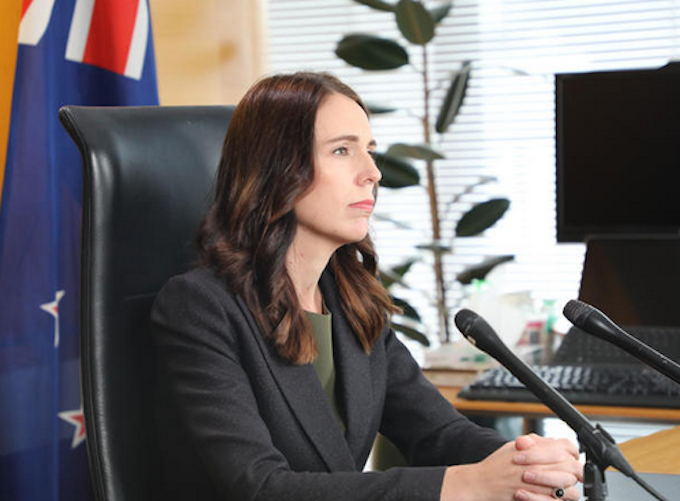
New Zealand moves into uncharted territory with Covid-19 coronavirus

Prime Minister of New Zealand, Jacinda Ardern.

By Jane Patterson, political editor of RNZ News

New Zealanders now have an alert system for Covid-19, giving people more certainty and clarity as the country moves into uncharted territory.

New Zealand is at Level Two on the scale of One to Four, meaning Covid-19 is still contained but the risk of community transmission is growing.

Although there have been regular and comprehensive public briefings, uncertainty about what people are supposed to do, how long this all might last and what it means for daily life is still rampant.

READ MORE: Al Jazeera’s live updates – World death toll surges past 11,000

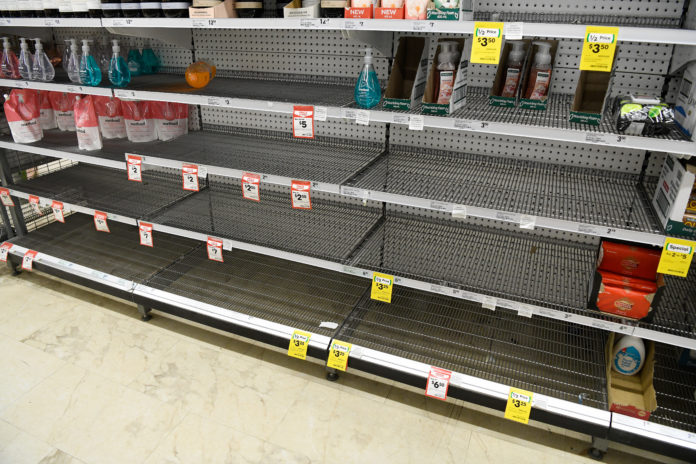
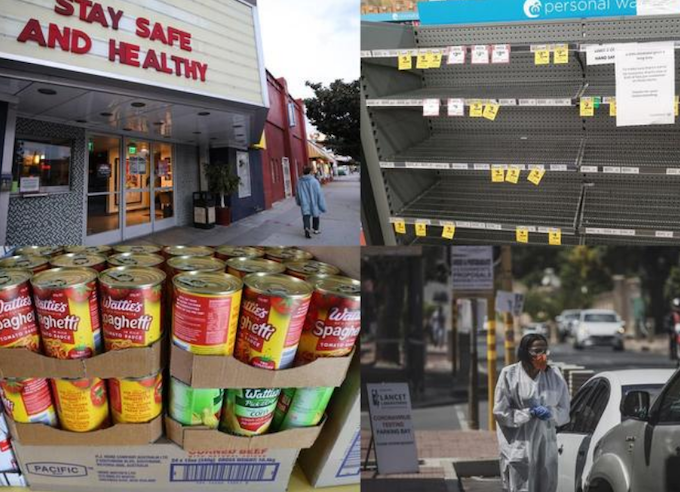
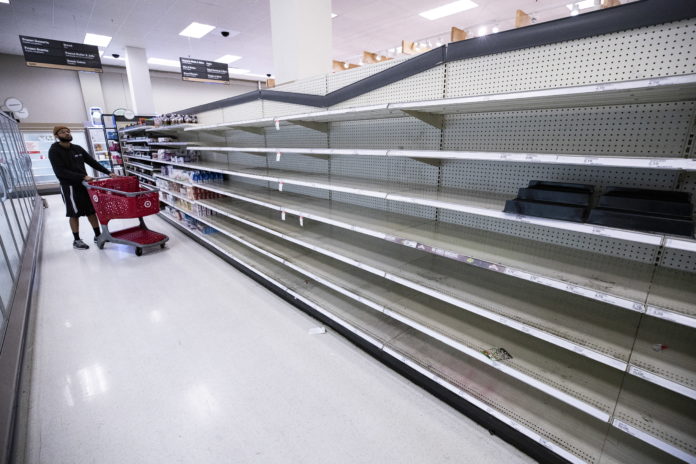
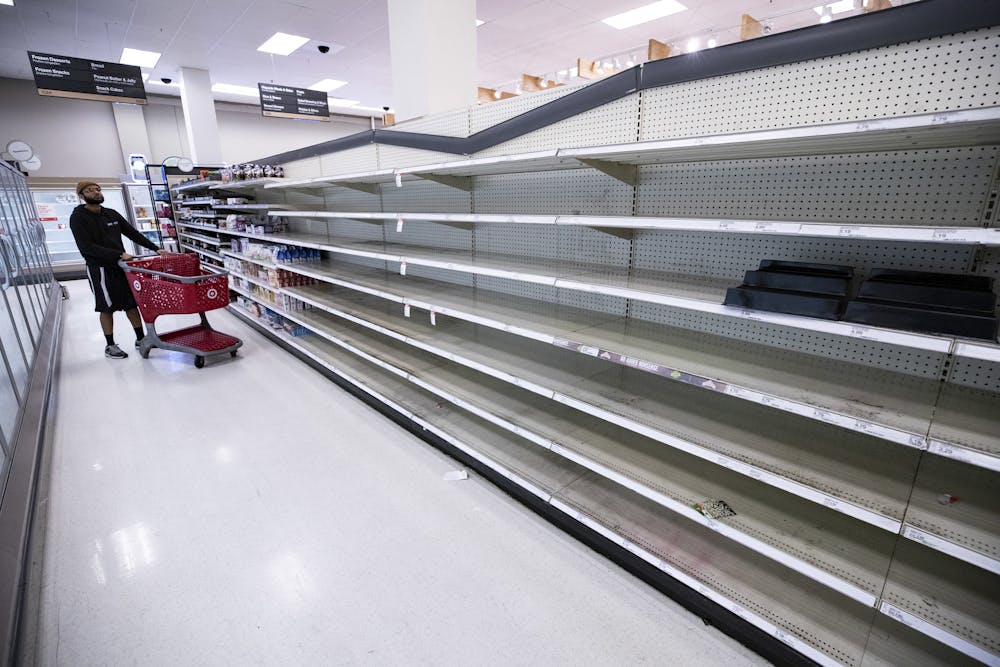
Concern about the unknown also fuels behaviour like panic buying, putting pressure on the retailers and supply chains but also stripping shelves of essential goods, causing alarm among those who do not have the means or resources to stock up.

A strong message from the Prime Minister to encourage calm – even if New Zealand goes to the highest alert (Level Four), supermarkets and pharmacies will remain open.

– Partner –

The new directives are all about limiting containment as community transmission now seems increasingly likely, protecting the most vulnerable and making sure people are not moving around the country too much as it makes it harder to track them down if there is been possible contact with someone carrying the virus.

Those aged over 70 and anyone with underlying health problems, including respiratory conditions, have been told to effectively self-isolate – to stay at home and away from other people where possible.

Own households
That includes people even in their own households who could pass on the virus, particularly children.

RNZ is working to give specific information to people with questions about which health conditions qualify and who is at greatest risk.

Whether schools should continue to be open is another major question, for parents and those worried about the risk of the virus spreading further.

The main reason given so far for keeping them open is that the disruption caused by mass closures would have such a severe economic and social impact it would hamper efforts to fight the outbreak.

There has already been one case in Dunedin where a local high school, Logan Park, was shut down for 48 hours after a suspected case, given a deep clean and 150 tests carried out – all of which came back negative.

This is the approach the government has signalled for now, a localised and targeted approach – however that could change rapidly depending on whether community transmission is confirmed, and the rate of spread.

There were 13 new cases of Covid-19 in New Zealand today, and the Ministry of Health cannot rule out community transmission.

The new cases bring the total to 52 confirmed, and four probable.

This article is republished by the Pacific Media Centre under a partnership agreement with RNZ.

  • If you have symptoms of the coronavirus, call the NZ Covid-19 Healthline on 0800 358 5453 (+64 9 358 5453 for international SIMs)
Print Friendly, PDF & Email

Article by AsiaPacificReport.nz

Confusion behind PNG’s first Covid-19 case – flawed state communications

ANALYSIS: By Jeremy Mogi in Port Moresby

And so it’s out. Papua New Guinea’s first infection case. 2019 Novel Coronavirus. Covid-19.

In what is arguably the most anticipated media conference since the announcement of his new cabinet in early 2019, Prime Minister James Marape appeared to dodge the question burning on a restless nation’s lips – Do we have the first case of Covid-19?

He’d stepped off the Falcon jet after a trip to Kokopo, to an already eager audience awaiting him. That was at 6pm local.

READ MORE: Al Jazeera coronavirus live updates – world death toll surged past 11,000

An hour and a briefing later, he was ready to face the media. Members of his cabinet, as well as the hierarchy of the police, defence and technical assistance from the Health Department by his side, Marape began:

“There is now a case established in Lae. A few days ago there was a report that emanated from a test that was done by the PNG Institute of Medical Research that did indicate the possibility of a person infected.

– Partner –

“To confirm further, we’ve run two tests, one test proved negative, but that wasn’t conclusive, but the second test proved positive. So we are now all awaited that candidate that we’ve confirmed as a person that is a suspect case.

“He belongs to about 19 or so persons of interest that [have] come into our country since Covid-19 was first established.”

Credit to systems
Marape gave credit to the systems set in place since the outbreak of the global pandemic. A system which, in a wider sense has so far been successful despite the obvious challenges faced by Papua New Guinea.

“Since January, there were over 5000 or so travellers who’ve come into our country, our own observation or contact points and system checks at Jackson’s Airport as well as our four designated ports have been managing them, keeping track of them ….

“We’ve been able to contain down to the 19 persons of interest, and of those 19, one now has come out, and this in my view has given me a little bit of satisfaction in the fact that our own system, despite the inadequacies that we have in our system… are able to trace those persons of interest and this one person in Morobe.”

Papua New Guineans would have felt both relief and anxiety in that initial opening statement. For weeks, there had been numerous calls for action.

For days now, rumours have been rife after Health Minister Jelta Wong’s media release on Wednesday. Releases.

He’d had two actually. The first, probable. The second negative.

And while the gravity of the situation certainly would have played on the prime minister’s mind, he appeared cordial at times, and flippant in his discourse to the media present.

‘We mustn’t panic’
On more than one occasion repetitive: “This in my view is giving us an opportunity to have one case in which it could make our government assess for further cases if it does happen. So we announce to the country that we mustn’t panic, in as much as we can we have systems in place to monitor those who are persons of interest.”

Positive words from the prime minister, sadly, in stark contrast to global events. Italy has announced another 627 deaths overnight taking its death toll to at least 4032.

More than 47,000 cases of the virus have now been reported in the country. More people have now died after contracting the coronavirus in Italy then in China were when the outbreak begun.

All that in a nation with one of the best health infrastructures in Europe.

Reports from Lae City yesterday was that a stakeholders’ meeting was being held between the health authorities, business houses, customs and police on plans to contain Covid-19 in Lae and Morobe.

A submission of K5 million was made to the Morobe Provincial Government for the operation by the Provincial Covid-19 Response Committee almost two weeks ago and they are still waiting for a response.

That follows a K15 million budget from the Response Team to the National Health Department that has been pending since its submission three weeks ago.

Isolation centre not done
Worse, the promised isolation centre by the government that will be set up at Lae’s Angau General Hospital has also not been done.

PNG Prime Minister James Marape on live television last night … his call for calm and composure did little to calm more than 8 million frayed nerves. Image: PMC screenshot of EMTV broadcast

The prime minister’s call for calm and composure did little to calm more than 8 million frayed nerves. And the backlash would follow soon after.

As the wave of growing frustration finally erupted. One social commentator saying the prime minister, and health and police minister had prematurely announced a negative result from the case subject in question.

Another stating that given the passenger’s itinerary, quarantine measures could have been instigated in advance. These comments among a handful of positive criticisms.

The word handful being key. There were so few. The majority of followers were far less forgiving in their statements.

And while it was the PM in the spotlight, the target was Health Minister Wong.

Three days ago Wong, released a statement, pleased to announce the probable case returned negative thanking the public for “continuing to work with us” to ensure PNG continued Covid-19 free.

Borders now closed
Earlier yesterday, in a Gazetted release, Minister Wong said Papua New Guinea’s borders were now officially closed, the exceptions being to incoming health workers, people assisting with PNG’s Covid-19 response, diplomats with written authorisation from the Minister for Health, flight crews, and cargo vessel crews (though they may not leave the aircraft or vessel) and military personnel.

Furthermore, venues which provide gambling services and activities, night club services and activities, and areas of where sporting clubs and venues sell tickets to patrons to be spectators of sport, musical or cultural events are now to immediately close.

Professionally presented, as per the office being held. What hasn’t been appreciated, have been the social media posts.

Leading many to question the integrity of the source.

The Prime Minister’s initial negative result post was an offhand remark taken amid a score of smiling children. The Police Minister Bryan Kramer also doing so.

The Health Minister’s release was made on his Facebook page.

It wasn’t until half an hour later that an actual “official” document was presented for the media to disseminate to a worried public.

Crux of the issue
And that’s the crux of the issue. That disconnect between available information, and its presentation to the masses. Verified. Correct. And without need for interpretation.

Tonight saw all three in the centre of the screen, as it was broadcast live……. All over the world.

Surprisingly, Wong stood in the background. Alongside him, Kramer, who of all MPs in Parliament has been the most social media savvy (taking nothing away from certain Instagrammers.)

In any case, the body language, strategic positioning of MPs around Prime Minister Marape didn’t give off the confident reassurance the nation needed.

The provinces, however, have stepped up their own protective mechanisms.

East New Britain was the first province to feel the impact of the coronavirus threat, albeit economically. Early this month the province was facing a crumbling tourism industry following the refusal to allow the Queen Elizabeth II cruise ship to visit due to the threat of the coronavirus.

A ban was put in place by the ENB Provincial Authority.

Relationships jeopardised
Tour operators say the ban has not only affected tourism business in the province, but has also jeopardised the relationships between the province and the visiting cruise ships in the years to come.

The border provinces with Indonesia, West and East Sepik, have united to provide resources to protect communities against the Covid-19.

Chairman of the Inter-agency Working Committee, Timothy Teklan, said the risk was high and he has called on the national government to declare a state of emergency along the PNG-Indonesian border.

Political leaders of West Sepik have committed K500,000 towards awareness, containment, recovery and other necessary plans to protect communities.

In Manus, the province plans restrictions on people travelling in and out. The travel restrictions will be imposed on both foreigners and nationals.

Madang Governor Peter Yama said he was prepared to stop all foreign vessels and international visitors from entering the province.

His assessment, a blunt: “We don’t have any contingency plan…there’s nothing in place, there is no money and no appropriation for such money like this in here for that purpose…if coronavirus breaks out in Madang province – my people will die like flies. And that’s my fear.”

Provincial task force team
NCD has set up a provincial task force team involving relevant authorities and outlined directives it will take as preventative measures.

Governor Powes Parkop said the capital was pandemic-ready.

Isolation facilities have been set up at the Port Moresby General Hospital and Taurama Military Clinic.

And three days ago the Papua New Guinea Defence Force was put on alert as the health minister formally declared the Covid-19 as a “quarantinable disease” under the country’s health laws.

One thing is for sure, Covid-19, is a litmus test for the government. Already its communication strategy has left a lot to be desired.

In fact, what led to the anticipation of last night’s statement by the prime minister, was a “leaked” National Department of Health release, showing the official government crest with the words “…Confirming our first Covid-19 case.”

Maddeningly, almost immediately after the prime minister’s short address, the PNG IMR, established as fact, what was coyly stated: PNG has its first positive case of Covid-19.

If in the past the government has been accused of failing in providing proper infrastructure, in light of this worldwide crise, they are now failing at what Papua New Guineans are traditionally good at – communication.

Jeremy Mogi is online editor of EMTV News. The Pacific Media Centre republishes EMTV stories in partnership with permission.

Article by AsiaPacificReport.nz

Marape confirms PNG’s first Covid-19 coronavirus case on live TV

By Theckla Gunga in Port Moresby

Papua New Guinea has reported its first confirmed Covid-19 coronavirus pandemic case.

The announcement, made last night live on television by Prime Minister James Marape, came 72 hours after samples were sent to the Institute of Medical Research (IMR) for testing.

The Prime Minister, who took a while to admit that PNG had its first confirmed Covid-19 case, said he was pleased that health authorities had detected the case and isolated the 45-year-old- foreign mineworker in Lae.

READ MORE: Drama and panic as PNG government blunders through first Covid-19 crisis

The IMR also released a statement late last night confirming the test results of the probable Covid-19 case initially announced by Health Minister Jelta Wong on Tuesday, March 17, was positive.

The IMR said this was now the first reported case of COVID-19 in the country.

– Partner –

“It is important to note that it is an imported case and as of today (20th March, 2020) we do not have any evidence of local transmission in PNG,” the statement said.

But what stands out are the inconsistencies between the statements by the Health Minister, the man’s employer,  the Prime Minister, and the IMR.

Initially, Minister Wong announced a “probable case”.

Hours later, Harmony Gold said the tests were inconclusive. This was followed by a Facebook post by the prime minister and the health minister, saying the tests were negative.

Since Tuesday, political leaders have announced separate Provincial Taskforce Teams to respond to the coronavirus.

The police and the military have been put on alert to provide support.

Theckla Gunga is an EMTV News reporter and a journalism graduate from the University of Papua New Guinea. The Pacific Media Centre republishes EMTV stories in partnership.

Print Friendly, PDF & Email

Article by AsiaPacificReport.nz

NZ’s coronavirus cases climb to 39 but ‘no evidence’ of community spread

By RNZ News

New Zealand faced another day today consumed by Covid-19 coronavirus developments.

The nation woke with the news that the country’s borders had been closed to anyone who was not a citizen or a permanent resident still fresh.

Health Minister David Clark said the restrictions at the border would remain in place for the foreseeable future.

READ MORE: Al Jazeera live coronavirus updates – Italy deaths top 3405, 41,000 cases

Among the major developments was the Ministry of Health’s confirmation of 11 new cases in New Zealand, bringing the total to 39.

Director-General of Health Dr Ashely Bloomfield said said there was no evidence yet that the virus was circulating in the community – and some of the 11 had been linked to overseas travel – but health officials were still investigating some cases.

– Partner –

All of the latest victims were at home in self-isolation.

Five of the 11 were in Auckland, two were in Hamilton, two in Wellington, and one each in Canterbury and Hawke’s Bay.

Dr Bloomfield said one of the people announced yesterday that had the virus – a man in his 60s – was in Queenstown Lakes Hospital in a stable condition.

Air New Zealand protection
New Zealand’s sharemarket opened modestly higher this morning after Wall Street rallied, however, the national airline Air New Zealand’s share price slumped by 34 percent as it resumed trading after a four-day halt.

Later in the morning, the government revealed it was stepping in to help protect Air New Zealand from the turmoil caused by Covid-19, providing up to $900 million in loans.

The airline will be able to call on the loan if its cash reserves fall below an undisclosed level over the next two years, and the government – which already owns 52 percent of the company – will have the ability to turn the loan into shares in the airline.

Despite that, the airline’s chief executive Greg Foran still said 30 percent of the workforce would not be needed.

  • If you have symptoms of the coronavirus, call the NZ Covid-19 Healthline on 0800 358 5453 (+64 9 358 5453 for international SIMs)
Print Friendly, PDF & Email

Article by AsiaPacificReport.nz

Budget delayed until October, and new restrictions on indoor gatherings in latest coronavirus decisions

Source: The Conversation (Au and NZ) – By Michelle Grattan, Professorial Fellow, University of Canberra

The federal budget will be delayed until October 6, as the demands of dealing with the rapidly moving pandemic and the impossibility of forecasting have made the May timetable impossible.

State budgets will also be pushed back.

As the Morrison government prepares to announce on Sunday its second multi-billion package, which will dwarf last week’s $17.6 billion one, the national cabinet of federal and state leaders on Friday endorsed even tougher rules to limit numbers in non-essential indoor gatherings. Earlier this week these gatherings were limited to fewer than one hundred people.

Under the latest edict, in any given space, density must be kept to no more than one person per four square metres, so they can properly distanced from each other.

This would mean the permitted number in a 100 square metre room would be only 25 people.

Cinemas and theatres will reduce their densities, and some restaurants will be hit.

As the virus spreads, people are being advised to reconsider any unnecessary domestic travel. Scott Morrison said although air travel was considered low risk, “the issue is moving to different parts of the country and potentially large volumes of populations moving around the country”. He noted the conditions Tasmania had put on entry to the state, where non-essential travellers will have to self-isolate for a period, and said “other states may take those decisions for particular parts of their states, and that is entirely appropriate that they may consider doing that”.

With school holidays approaching, the national cabinet – which will meet each Tuesday and Friday – is considering further the travel question and more advice will be given.

Restrictions are being put on travel into and out of indigenous communities, where many residents have compromised health.

The recommendation remains for schools not to be closed.

Morrison announced $444.6 million for the aged care sector. This is in addition to the $100 million announced last week to support the aged care workforce. All aged care workers will be tested for the virus.

The national cabinet agreed measures will be put in place by the states for tenants, both commercial and residential, where there is hardship, for rent relief and protection.

“All Australians are going to be making sacrifices obviously, in the months ahead, and everyone does have that role to play, and that will include landlords … for people who are enduring real hardship,” Morrison said.

The national cabinet has asked for advice on dealing with localised outbreaks of COVID-19, which would require more severe restrictions in the area affected.

Morrison said the second economic package would focus on small and medium sized businesses, and sole traders, as well as giving the income support that would be needed by those most directly hit by the economic downturn caused by the coronavirus. The cabinet expenditure review committee went through the package late Friday.

Earlier, the banks announced loan relief for small business which needed assistance because of the impact of COVID-19.

Australian Banking Association CEO Anna Bligh said “banks are already reaching out to their customers to offer assistance and packages will start rolling out in full on Monday”.

Treasurer Josh Frydenberg said the banks’ decision “to defer payments by small businesses for six months will be a substantial boost to confidence and the spirit of millions of Australian small businesses. It’s a game changer.”

The government is also cutting red tape affecting lending to small business. “It’s critical that businesses not just have access to capital, but the speed at which that capital is delivered by the banks is as fast as possible,” Frydenberg said.

ref. Budget delayed until October, and new restrictions on indoor gatherings in latest coronavirus decisions – https://theconversation.com/budget-delayed-until-october-and-new-restrictions-on-indoor-gatherings-in-latest-coronavirus-decisions-134256

The case for Endgame C: stop almost everything, restart when coronavirus is gone

Source: The Conversation (Au and NZ) – By John Daley, Chief Executive Officer, Grattan Institute

This is longer than the usual Conversation article, so allow some time to take it in.


Nobody likes talking about the COVID-19 endgame, but we need to choose one. The appropriate interventions – public health, government spending, and freedom of movement – all depend on the endgame we choose.

The differences between endgames amount to tens of thousands of avoidable deaths, hundreds of thousands of avoidable hospital admissions, and deep and systemic impacts on Australia’s economy and society.

Many discussions are underestimating the likely political reactions when death counts rise.

They are also underestimating the economic and social consequences of an open-ended epidemic that will have enormous real-world impacts on small and medium businesses, as well as many not-for-profit organisations in every sector of the economy and society. We are not facing up to the social consequences if many close, and credit markets collapse.

We see three possible endgames.

None is attractive, but one is better than the others.

Endgame A: ‘flatten the curve’

Endgame A is the plan to “flatten the curve” – restricting movements in order to lower the peak in cases, while accepting that infections will continue to grow until the epidemic has run its course. There will be many deaths.

Imperial College has demonstrated that even if Britain flattens the curve, the peak months would still overwhelm hospital intensive care capacity, (particularly ventilators) by eight times instead of 30, perhaps halving the ultimate death toll.

Australia is also likely to run out of intensive care capacity when there are about 45,000 infections – a small fraction of the population.

In reality, political economy will probably get in the way of continued growth of infections. Public pressure to “shut everything” will become overwhelming as infections rise and hospitals struggle. But by then, with exponential growth in infections from a greater base, the containment challenge will be much greater.


Read more: How we’ll avoid Australia’s hospitals being crippled by coronavirus


Once infection rates fall in response to the shutdown, there is a risk of public pressure to open again too early, increasing infections until the death rate again becomes unacceptable – what economist Tyler Cowen has dubbed the “epidemic yoyo”.

Whether that happens or not, flattening the curve will require us to suppress economic and social activity for at least 12 months, and possibly much longer. The economic – and social – cost will be enormous.

No matter how much money governments throw at the economy, most businesses cannot survive the absence of normal activity for more than a few months.

It is not just tourism and hospitality. Companies small and large across sectors from household services to manufacturing to construction, are developing and executing plans to sack hundreds of thousands of people.


Read more: Grattan on Friday: We are now a nation in self-isolation


Unemployment will soar, probably driving a sharp fall in house prices, causing big problems for banks.

A variant of Endgame A is to isolate everyone over 60 (the age group most at risk), infect as many younger people as possible, and then hope that the disease dies out.

It’s not really plausible. There would be continued pockets of infection in many places, and they would quickly turn into localised outbreaks, particularly in nursing homes. It would be very hard to keep everyone over 60 separate from the people who provide them with food and services (who are likely to get infected) for months.

And of course there will be some deaths among those under 60.

Endgame B: ‘trace and track’

Endgame B is to trace and track every infection, something governments are trying to do.

But as NSW has now discovered, with thousands of potentially infected people getting off planes every day, and little enforcement of voluntary isolation, it’s easy for untracked infection to take off, and then it becomes practically impossible for subsequent tracking to shut it down. It is too easy for the number of new infections to overwhelm the tracking system, and then we are back in Endgame A.

Endgame B is only plausible if you start with very few infections and have sealed borders. Tasmania is now in that world, but other Australian states are not.

Endgame C: ‘stop then restart’

Endgame C is to “stop then restart”. This means minimising activity and interactions, and sealing the borders to passenger traffic including citizens (although not trade), until infections are driven down to zero.

Only essential services would be maintained (particularly the food supply chain and utilities such as electricity, water and the internet).

There is no point trying to finesse which strategies work best; instead the imperative would be to implement as many as possible at once, including closing schools, universities, colleges, public transport and non-essential retail, and confining people to their homes as much as possible.

Police should visibly enforce the lockdown, and all confirmed cases should be housed in government-controlled facilities. This might seem unimaginable, but it is exactly what has already happened in China, South Korea and Italy.


Read more: Coronavirus and COVID-19: your questions answered by virus experts


Once infections are at zero, and stay there for a fortnight or so to ensure there are no asymptomatic cases, economic and social activity can restart sequentially, although international borders would have to remain closed to passenger traffic until there is a vaccine.

We’re better at tracking people

Governments would also need to implement widespread testing and tracking to identify and squash any recurrence (something the shutdown would give them time to set up and improve).

This will be much easier once we are not dealing with a continued flow of new infections from passenger traffic.

Some epidemiologists, such as those from Imperial College, dismiss this approach, saying renewed large outbreaks are “inevitable”. But that is only based on history and past measures to track and trace. Today’s have no precedent.

We don’t yet have China’s ability to track and trace. But in a national emergency, setting up systems to track people and their contacts using mobile data might be worth both the money and the invasion of privacy.


Read more: Metadata and the law: what your smartphone really says about you


While some people would like to execute this strategy without shutting passenger borders hard and for a long time, it is not plausible.

Even today, almost half of Australia’s new cases are getting off planes, and every one of them increases the risks of recurrence. Mere voluntary isolation is nothing like safe enough.

An alternative might be to allow Australian citizens to enter, provided they go into enforced isolation in a quarantine station room – for which airport hotels could be repurposed.

China, South Korea and Tasmania are doing it

In effect, Endgame C appears to be the strategy of China and South Korea – and domestically Tasmania is heading in the same direction.

Endgame C appears to be working so far in China, where the only new cases on Thursday were incoming passengers, each of whom is required to spend 14 days in supervised isolation in a designated hotel.

In Endgame C, it is plausible the shutdown would only need to last about eight weeks.


Read more: Here’s a bright idea should schools have to close: enlist childcare workers as nannies for health workers


The mathematics of exponential growth also work in reverse: if the infection rate is below 1, instead of above 2 as it is now, then large numbers of cases turn into small numbers quickly.

China went from 4,000 new cases per day to 20 per day in six weeks with an infection rate that dropped below 0.5.

In Australia, if we achieved an infection rate of even 0.8, new infections per day would reduce from 100 to 10 in about six weeks, at which point track and trace becomes much more effective.

If Endgame C is the dominant strategy, it makes sense to implement it immediately and aggressively. The longer we wait, the longer that economic activity has to remain at a standstill to get back to zero cases.

Endgame C could offer hope

Endgame C isn’t pretty. Until a vaccine is deployed – and we’re punting that there will be a vaccine – there will be no meaningful international travel, tourism or students for at least 12 months. But most of these those things won’t be happening under Endgames A or B either.

At least Endgame C would allow domestic travel and tourism, hospitality, and other domestic activity once the shutdown was over. If our major trading partner – China – also successfully executes the same strategy, our major exports might continue as well.

More importantly, if it is communicated clearly, Endgame C would give businesses a plausible end date.

They would have a reason to hang on if government intervenes to tide them over.


Read more: How super could soften the financial blow of coronavirus


Measures might include forgiving taxes, paying a fraction of wages (but also requiring employees to be paid less overall), mandating big temporary rent reductions (landlords are typically better placed to absorb losses than small businesses), providing loans, and encouraging – or requiring – banks to suspend loan repayments and perhaps interest payments.

Psychologically, it would provide genuine hope. We should aim for eight weeks, and provision for twelve in case it is harder than we expect.

An eight to twelve week shutdown

That relatively short duration would enable governments to intervene better to hold society and the economy together.

The government’s strategy would focus on providing a large social insurance policy that tides people and businesses over until the shutdown ends.

The goal would be to ensure we emerged out of the trough with human and physical capital and institutions in good shape. We need to avoid deskilling and demoralising workers and destroying businesses that will not be reborn easily.

This will require very large expenditure from government, which the government can afford if the shutdown is short enough.

Endgame C is not available to every country. The disease has already spread too far in Iran, and may have done so in the United States. It’s a difficult strategy for countries with big land borders with neighbours that let the disease run.

Australia could do it, though others cannot

Australia has the advantage of being an island, with a major trading partner that seems to be adopting the same strategy. This time around, we might be the less unlucky country – if we can act quickly and decisively.

It’s possible that Endgame C might not work. Despite our best efforts, we might not be able to reduce infections, or the disease might recur when we think it has been eliminated.

But the costs of giving it a try are relatively low – in both lives and economic costs – compared with Endgame A.

In the worst case, it gives us more time to increase critical care capacity and prepare for Endgame A.


Read more: ‘Cabin fever’: Australia must prepare for the social and psychological impacts of a coronavirus lockdown


The logic is compelling: if we’re not going to pursue Endgame C (stop then restart), at the very least authorities ought to explain why it is not technically possible.

Each of the endgames are unpleasant. COVID-19 is the real-life “trolley problem” in which someone is asked to choose between killing a few or killing many.

When any of us are presented with the trolley problem, the all-but universal response is to refuse to choose.

That is what we are doing at the moment, and it will just make our problems worse.

We should recognise this psychology, and decide to choose the least-bad endgame.

The faster we do it, the less bad it will be.

ref. The case for Endgame C: stop almost everything, restart when coronavirus is gone – https://theconversation.com/the-case-for-endgame-c-stop-almost-everything-restart-when-coronavirus-is-gone-134232

Tonga declares state of emergency, shuts borders over coronavirus

By Kalino Lātū,, editor of Kaniva Tonga

Prime Minister Pōhiva Tu’i’onetoa announced today the Pacific kingdom of Tonga is now in a state of emergency, effective at 8.30pm tonight until 17 April 2020.

He said the declaration was subject to further review.

Tu’i’onetoa said Tonga had closed its borders to everyone but citizens and residents in an attempt to stop the spread of the Covid-19 coronavirus.

READ MORE: Al Jazeera’s coronavirus global updates – Italy overtakes China’s death toll

The government banned indoor gatherings of more than 20 and outdoor gatherings of more than 40 people.

Weddings, funerals, concerts, kava clubs, nightclubs and sports are also banned.

– Partner –

The measures did not apply to churches and schools.

Tu’i’onetoa made the announcement during a news conference this afternoon.

He said all travelers from overseas would have to undergo a 14-day quarantine except doctors, nurses and other health care workers who will arrive in Tonga to help with the crisis.

Tu’i’onetoa said there had been no confirmed or suspected cases of Covid-19 in Tonga.

The state of emergency means many closures and restrictions are now required to be followed by law.

“It is clear that this is a public emergency in Tonga. I therefore satisfy [sic] that Covid-19 is a public health emergency and is imminent and will threaten and endanger lives of people in Tonga,” the Prime Minister said.

“Therefore this requires a significant and coordinated response.

“The powers under sections 30 and 37 of the Act shall be invoked to prevent and minimise illness and loss of human life.

“I therefore issue this declaration of a State of Emergency to be applied all over the land and sea areas of Tonga commencing from 20hrs of 20 March until 17 April 2020, unless further review.”

This article is republished by the Pacific Media Centre with permission under its partnership with Kaniva Tonga.

Print Friendly, PDF & Email

Article by AsiaPacificReport.nz

My child is staying home from school because of coronavirus. Is that illegal?

Source: The Conversation (Au and NZ) – By John O’Brien, Associate Lecturer, School of Law, Queensland University of Technology

In a recent press conference on the COVID-19 situation, Prime Minister Scott Morrison told Australia schools would remain open for the foreseeable future. He said:

The health advice here, supported by all the Premiers, all the Chief Ministers and my Government is that schools should remain open […] I am asking all other parents around the country […] There’s only one reason your kids shouldn’t be going to school and that is if they are unwell.

But many parents are keeping their children home. Some are doing this in an effort to “flatten the curve”, and others may be worried for the health of their child or elderly relatives.

Attendance in schools across Australia has fallen, by as much as 50% in some. Considering parents are going against the directive of governments, are they breaking the law by taking their kids out of school to study at home?

On the face of it, the answer is yes. But it’s not black and white, and the likelihood of criminal proceedings is traditionally very low. Fining parents has always been considered a last resort, and that would seem unlikely to change in a time like now.

But the law is the law, and is there for a specific social purpose – it is never advisable to willingly and persistently ignore it.

What does the law say?

School education is governed by state and territory laws that mandate compulsory education. Parents are legally obliged to ensure their child attends school (or other educational options such as homeschooling) every school day, unless the parent has a reasonable excuse.

The maximum fine that can be issued to a parent varies considerably across jurisdictions. If a parent was to face court (normally this would be for persistent non-attendance), the fine in Queensland can be up to A$800, whereas in New South Wales, it could be $2,750.


Read more: Schools are open during the coronavirus outbreak but should I voluntarily keep my kids home anyway, if I can? We asked 5 experts


But again, prosecuting parents will not usually be the first response, and these figures are the maximum a court may impose. Many states either suggest or require warnings, notices, meetings or conferences before a case can be recommended for prosecution.

Is COVID-19 a ‘reasonable excuse’?

Most jurisdictions provide for a reasonable excuse to be given, and then often provide a few examples of what this might cover. If a child is actually sick, this would often be listed as an acceptable reason for their absence.

Similarly, six of the jurisdictions (ACT, NSW, NT, Qld, Tas, WA) specifically mention a defence where the child is required to stay home due to a public health direction. The current direction of governments is for healthy children to go to school. But this defence could cover a situation where a family member is confirmed to have COVID-19, or the child has recently returned from overseas, and therefore needs to self-quarantine for 14 days.

South Australia has a new Act which could allow a parent to keep a healthy child at home to prevent the risk of the child catching a disease; however this law has not yet begun to operate.

Without there being any specific and obvious defence for parents, it would come down to whether removing a child from school due to the threat of COVID-19 is considered a “reasonable” excuse.

Who decides?

In a worst-case scenario, it would be a court that would ultimately decide this question. But there are a range of decision-makers involved in school non-attendance cases who precede a court, including school principals.

Parents could apply for an exemption to their obligations in advance of their child’s absence. Decision-makers for exemptions vary between jurisdictions, and sometimes even within a jurisdiction depending on whether the child is at a state or non-state school.

Powers might be vested in the relevant minister (NSW, SA, Tas, Vic, WA), a departmental CEO/director-general or their delegate (ACT, NT, Qld State Schools), or a school principal (Qld non-state schools).

A factor that might make it more reasonable for the child to be exempted could be if there are other household members who fit into high-risk categories (for example, someone who is immuno-compromised). Also relevant might be what provision has been made for the child once the parent removes them – will the child be doing schoolwork, or playing video-games unsupervised all day?


Read more: Kids at home because of coronavirus? Here are 4 ways to keep them happy (without resorting to Netflix)


The prime minister said anything we do we would need to do for six months. This situation isn’t likely to resolve itself anytime soon, and it’s uncertain whether government advice will change with regard to schools.

For now, technically, keeping healthy children at home can be considered illegal. But the likelihood of criminal proceedings is low, and a government decision to prosecute parents would, I imagine, be publicly unpalatable.

ref. My child is staying home from school because of coronavirus. Is that illegal? – https://theconversation.com/my-child-is-staying-home-from-school-because-of-coronavirus-is-that-illegal-134245

Frozen, canned or fermented: when you can’t shop often for fresh vegetables, what are the best alternatives?

Source: The Conversation (Au and NZ) – By Jesse Beasley, PhD Student in BioSciences, University of Melbourne

If you’re trying to reduce your trips to the shops as you practise social distancing and contribute to “flattening the curve” of the coronavirus spread, you might be wondering what it means for your vegetable crisper.

Fresh vegetables need replacing often and, thanks to panic buying, there’s no guarantee you’ll find your favourite fresh foods in your local supermarket.

The good news is there are some really nutritious alternatives to fresh vegetables, and the old adage that “fresh is best” isn’t always true.

How to ‘flatten the curve’. Video by the Australian Academy of Science.

Even before coronavirus, vegetables were getting pricier

Fresh vegetable prices have been increasing on average 2% per year over the past decade.

In Australia, vegetable prices are expected to increase 20-50% over the coming months due to drought and the recent bushfires.

Cauliflower, broccoli, green leafy vegetables, and root vegetables such as potatoes and pumpkins are expected to be hardest hit.

We should therefore all be thinking of ways to maximise the shelf life of our fresh veggies. In addition, it’s important not to forget the value of frozen, canned and fermented alternatives.


Read more: Health Check: which fruits are healthier, and in what form?


Don’t skip the veggies, even in a pandemic

Australian dietary guidelines recommend daily consumption of different types and colours of vegetables. However, these guidelines don’t say in what form these veggies should be eaten.

Fresh vegetables are at their most nutritious (and often cheapest) when they are recently harvested and in season, which is not always the case on supermarket shelves.

Long transport times and poor storage conditions can also reduce the nutritional quality of fresh vegetables.

The upshot is that frozen and fermented vegetables can provide the same nutrition as fresh alternatives, especially as they’re often harvested in season and snap-frozen or fermented soon after picking.

Whatever you choose, it’s important to remember vegetables are not only nutritious – they can also reduce the risk of cancer and improve your gut microbiome.

Frozen and fermented vegetables can provide the same nutrition as fresh alternatives. Shutterstock

Fresh vs frozen vegetables

The shelf life of fresh vegetables is generally short (3-14 days) even when refrigerated. Freezing, on the other hand, can preserve the nutritional quality of vegetables and increase their shelf life to up to 12 months.

In some cases, frozen vegetables have a higher nutritional quality than fresh vegetables, particularly if there is a short time between harvesting and freezing.

Nevertheless, some nutrients such as B vitamins and vitamin C are vulnerable to the freezing process. One study found higher levels of vitamin C in fresh capsicum, carrot, parsley and spinach relative to frozen alternatives.

Variation in the freezing process, storage conditions and temperature can also change the quality of vegetables.

For example, ice crystals that form during freezing can damage the internal cell structure of potatoes and negatively affect their texture.

If you want to freeze vegetables yourself, select those that are fresh, undamaged and in season and blanch them quickly before freezing. This helps retain colour, flavour and nutritional quality.

Some vegetables such as tomato, capsicum and corn do not need to be blanched before freezing.

Blanching and freezing fresh veggies is a great way to improve shelf life. Shutterstock

Canned and fermented vegetables

Canning and/or fermentation can extend the shelf life of vegetables to between one and five years.

Canned vegetables generally have a similar nutritional profile to fresh vegetables, particularly when it comes to minerals and fibre. However, certain steps in the process (such as peeling) may lead to some nutritional loss.

Just remember that once opened, canned vegetables should be stored in a separate container and consumed within three days.

Fermented vegetables such as kimchi and sauerkraut not only taste delicious, they have a range of health benefits and are packed with beneficial probiotics.

During fermentation, microorganisms convert the carbohydrates in veggies into alcohol and/or acids that act as natural preservatives (extending shelf life) and can improve the digestibility of starch and protein.

Fermented vegetables are also full of antioxidants and adding extra ingredients like ginger, chilli and garlic can make them an even more nutritious choice.

To reap the full benefits, ferment veggies yourself or choose refrigerated fermented vegetables at the shops (unrefrigerated versions are pasteurised and can have lower probiotic benefits).

Keep calm and eat veggies

Vegetables are a great source of essential nutrients and Australians should aim to eat a wide variety of them each day.

By including fresh, frozen, canned and fermented vegetables in our diet, we not only give our bodies a boost, but help to take pressure off Australian growers to produce high quality and seasonal vegetables all year round.

The vast majority of Australians don’t eat enough vegetables, and these nutritious and tasty alternatives could be the key to improving our overall health – at a time when we need it most.

ref. Frozen, canned or fermented: when you can’t shop often for fresh vegetables, what are the best alternatives? – https://theconversation.com/frozen-canned-or-fermented-when-you-cant-shop-often-for-fresh-vegetables-what-are-the-best-alternatives-131678

Coronavirus: how long does it take to get sick? How infectious is it? Will you always have a fever? COVID-19 basics explained

Source: The Conversation (Au and NZ) – By Sanjaya Senanayake, Associate Professor of Medicine, Infectious Diseases Physician, Australian National University

You’re probably inundated with news and messages about coronavirus at the moment. But how do you know if you’re consuming evidence-based information or just speculation and myth?

There’s still a lot we don’t know but here’s what the evidence tells us so far about the coronavirus, called SARS-CoV-2, and the disease it causes, COVID-19.

How does it spread?

COVID-19 is transmitted through droplets generated via coughing and sneezing.

This means it can spread during close contact between an infected and uninfected person, when it’s inhaled, or enters the body via the eyes, mouth or nose.

Infection can also occur when an uninfected person touches a contaminated surface.

What are the symptoms?

COVID-19 causes similar symptoms to the flu. Fever is the most common symptom, occurring in almost 88% of cases, while a dry cough is the next most common, affecting almost 68% of those with the virus.

Data from 55,000 cases in China also show other symptoms can include:

  • fatigue, in 38% of cases
  • producing sputum or phlegm, 33%
  • shortness of breath, 19%
  • sore throat, 14%
  • headache, 14%.

Unlike other coronaviruses that cause the common cold, COVID-19 is hardly ever associated with a stuffy nose. This is seen in just 5% of cases.

Diarrhoea is also uncommon, affecting only 4% with the virus.

The Conversation, CC BY-ND

Can I be infected if I don’t have a fever?

Yes, you can still have coronavirus if you don’t have a fever. This occurs in about 12% of cases.

How long does it take to get sick?

The incubation is the period from when you’re infected to when you become sick. For COVID-19, the range is 1-14 days, with an average incubation period of 5-6 days.

How sick do people usually get?

Most people who get sick (80%) have a mild illness which rarely involves needing to go to hospital. They recover after about two weeks.

But just over 20% of people sick with COVID-19 will need to be hospitalised for severe difficulties with breathing.

Of the 20% who need to be hospitalised, 6% become critically ill with either respiratory failure (where you can’t get enough oxygen from your lungs into your blood), septic shock, and/or multiple organ failure. These people are likely to require admission to an intensive care unit.

It appears to take about one week to become severely ill after getting symptoms.

How often do people die of it?

The case fatality rate refers to the number of deaths among those who have tested positive for coronavirus. Globally, the case fatality rate today stands at 4%.

But this rate varies country to country and even within countries. These variations may partially be explained by whether hospitals has been overwhelmed or not.

The case fatality rate in Wuhan was 5.8% (although one model says it may be lower at 1.4%). In the rest of China, it was at 0.7%.

Similarly in Europe, Italy’s case fatality rate is (8.3%), greatly surpassing that of Germany (0.2%).

However the case fatality rate only includes people who are tested and confirmed as having the virus.

Some modelling estimates suggest that if you calculated the number of deaths from the total number of cases (those confirmed with tests and those that went undetected) the proportion of people who die from coronavirus might be more like 1%.


Read more: The coronavirus looks less deadly than first reported, but it’s definitely not ‘just a flu’


Who is most at risk of dying?

People aged over 60 years with underlying health problems are at highest risk of severe disease and death.

For people aged 60-69, 3.6% of those who are infected will die from COVID-19. This rises to 8% for for 70-79 year olds and 14.8% for those over 80.

Among people under 50 years, just 0.2-0.4% will die from the disease and this rises to 1.3% for 50-59 year olds.

How infectious is it, and how does that compare with the flu?

COVID-19 and influenza are probably fairly similarly infections.

A single ill person with COVID-19 can infect more people than a single ill person with influenza. COVID-19 has a higher “reproduction number” of 2.0-2.5. This means one person will infect, on average, 2 to 2.5 people.

Seasonal influenza has a reproduction number of about 1.28, meaning one person will infect, on average, between one and two people.

But this is balanced by influenza’s ability to infect more quickly. It takes, on average, 3 days to become sick with the flu, but you can still transmit it before symptoms emerge.

It takes 5-6 days to become sick with COVID-19. We still don’t know if you can be infectious before getting coronavirus symptoms, but it doesn’t seem to be a major driver of transmission.

So influenza can spread faster than COVID-19.

The case fatality rate of COVID-19 is higher than that of seasonal influenza (4% versus 0.1%), although as noted above, the true fatality of COVID-19 is still not clear.

Can you be reinfected?

It’s too early to know if someone infected with COVID-19 can get it again.

On the basis of what we understand about other coronaviruses, it is likely that infection will give you long-term immunity. But it’s unclear whether that will mean one year, two years or lifelong immunity.

ref. Coronavirus: how long does it take to get sick? How infectious is it? Will you always have a fever? COVID-19 basics explained – https://theconversation.com/coronavirus-how-long-does-it-take-to-get-sick-how-infectious-is-it-will-you-always-have-a-fever-covid-19-basics-explained-132963

Trying to homeschool because of coronavirus? Here are 5 tips to help your child learn

Source: The Conversation (Au and NZ) – By David Roy, Lecturer in Education, University of Newcastle

A number of schools in Australia have shut after students and staff tested positive for COVID-19. And some private schools have moved to online classes pre-emptively.

Many parents are keeping their children home as a precaution for various reasons. Attendance in schools has fallen, by as much as 50% in some.

The current medical advice is for schools to remain open and for children to go to school, unless they are unwell. But if your child is staying home from school, you may be wondering how you can support their learning.

Here are some things you can do to help your child learn from home.

1. Set up a learning space

Create an area in the house for your child to be able to focus on learning. There are no clear guidelines on what a learning area should look like. In fact schools have found creating learning areas or spaces to be a challenge. This is because every child has individual ways of learning, so what works for one may not work for another.

Home learning has an advantage in that it can cater to the individual child. As long as the student can focus and be safe, there are no limits to where the learning can take place. Feel free to allow children different places to learn, whether lying on the ground or sitting at a table – whatever works best for them.

But try to limit distractions. Turning the TV off and switching off app notifications will help.


Read more: How to avoid distractions while studying, according to science


2. Think about the technology you’ll need

It’s worth checking what programs you will need to access the work the school send. You may need Adobe Acrobat Reader (which is free) or any specific video players such as Abode Flashplayer.

If they are not free, it’s worth checking if the school has a shared license or access package you can use. Companies are offering some online programs and services free during the COVID-19 period. Adobe, for instance, is offering school IT administrators free access to its Creative Cloud facilities until May 2020.

You may also need to download teleconferencing facilities such as Zoom or Skype that teachers may use to deliver lessons. These are free, but make sure you are downloading from the official developers, as some other sites may expose your computer to malware.

3. Create a structure

Make sure your children do not just see this as an extended holiday but as normal school, from home. It’s important to create a structure.

Mainstream schools have a timetabled structure throughout the week, so rather than disrupting your child’s routine, you might wish to follow your child’s school routine.


Read more: Studying for exams? Here’s how to make your memory work for you


There is no specific time students should spend studying however, given different students of different ages will complete tasks and grasp concepts at different rates.

The advice is to aim for the time frames provided by the schools, and then be flexible depending on how your child is progressing.

There are no hard and fast rules as to how long your child studies for, or where. Shutterstock

Communication is key. Keep checking in with your children as to how they are progressing, offering help as they feel they need it.

This is how teachers work continually throughout the day with the 20 to 30 children in their classroom.

We all need to process new learning so allow children time to relax between learning periods. But there are no hard and fast rules over how many breaks they should have or how long these should be. Research shows giving children freedom to choose how they learn, and how long for, can increase their motivation.

4. Get to know what your child should know

If your child’s school has moved to online learning, as a supervising adult you will be more a teacher’s aide or facilitator rather than a replacement teacher. It’s likely schools will provide learning materials, although some may not if the school is still open and your child is staying home for other reasons. It’s worth checking with the school, either way.

For each year level schools apply their state mandated curriculum based on the Australian Curriculum to create a year long program of work. Any work sent home by the school will be based on the appropriate age and stage of the curriculum to ensure students maintain their progression.

This is key, in particular, for year 11 and 12 students who must maintain focus on their studies for the end of year exams.


Read more: Homeschooling is on the rise in Australia. Who is doing it and why?


It can be useful to know why schools choose certain types of work for students to do. So you may wish to browse through the state and territory curriculum documents (NSW, VIC, WA, SA, ACT, NT, TAS and QLD)

Key to understanding these sometimes confusing and complex documents is looking for outcomes and indicators – such as this for year 5 English. You can find all of this information in the relevant year level and subject category.

Outcomes are, in simplest form, the goal a child is to achieve at a certain level. Indicators are the suggested ways your child will show their achievements.

All aspects of the Australian Curriculum can be downloaded as required. States and territory regulators offer guides to understand each curriculum, such as Victoria.

5. Be around to help, but don’t get in the way

States and territories are putting supporting information online for how the parents can be a teacher’s guide and facilitator.

If your child is finding a particular task difficult, be available to make suggestions and answer questions, but try to let them do things themselves as much as possible.

If you don’t know the answer, work with your child to discover a solution. Let your child, where possible, self regulate – that is to take control of their own learning and not rely on you.


Read more: How to help your kids with homework (without doing it for them)


You may need to take your child back a step to reinforce a concept before they move onto a new one. An example might be in long division, where reinforcing decimal points, or even subtraction, needs to be revised first.

If all else fails…

There are many online support activities for children learning from home. Where possible try to only use those from official education authorities. The NSW home schooling regulator (NESA) has published some links for home schooling families, that anyone can use.

If you are lost in what to do, then encourage your child to read. Model reading, get your children books and discuss them. Developing a love for reading in your children will help them in all learning areas, no matter how long they don’t physically go into school.


Read more: Kids at home because of coronavirus? Here are 4 ways to keep them happy (without resorting to Netflix)


ref. Trying to homeschool because of coronavirus? Here are 5 tips to help your child learn – https://theconversation.com/trying-to-homeschool-because-of-coronavirus-here-are-5-tips-to-help-your-child-learn-133773

Pacific coronavirus: Cases jump to 26 across the region

By Sri Krishnamurthi

The total number of Covid-19 coronavirus cases in the Pacific region was today recorded at 26.

In Guam, tally has risen by 4 to 12 cases while dozens more remain in isolation.

In a statement, the Health Department said only one of the four new cases had a travel history, raising fears of community transmission.

READ MORE: Al Jazeera’s coronavirus global updates – Italy overtakes China’s death toll

From noon today, all public spaces, bars, restaurants, recreation and leisure facilities were being ordered closed.

Churches have also been asked to stop public attendance and to limit numbers at funerals.

– Partner –

The government has already imposed mandatory quarantine for anyone arriving on the island.

In Papua New Guinea, MPs from the Sepik region say they will fund strong surveillance of the 700 km long border with Indonesian-ruled Papua.

West Sepik province hosts the main Wutung land access point between PNG and the neighbouring country where Covid-19 cases are surging, reports RNZ Pacific.

Restricted entry
Fiji has restricted entry for travellers from the United States, UK and other European countries as it recorded its first case of Covid-19 in the western city of Lautoka.

As of midnight last night, border restrictions on mainland China, Italy, Iran, Spain and South Korea has been extended to foreign nationals who have been present in the US and all of Europe, including the United Kingdom, within 14 days of their intended travel to Fiji.

All 91 schools in Lautoka have been closed until further notice as a precautionary measure.

Also, from midnight last night, non-essential businesses in the greater Lautoka area have been ordered closed, and the government has asked all who live in the area to stay in the area.

Gatherings of more than 20 people – including meetings and religious services – are now banned, and all nightclubs, gyms, cinemas, swimming pools and fitness centres have also been ordered closed.

French Polynesia has seen its total increase by eight, to 11.

The domestic carrier Air Tahiti announced it would suspend all scheduled flights from Sunday night.

Public places closed
In New Caledonia, the government has ordered the closure of public places, such as restaurants, bars, nakamals and casinos, for two weeks.

Meetings of more than 20 people are now banned in New Caledonia and schools; training institutes and the university have been closed.

Non-residents are not allowed to enter New Caledonia, while passenger traffic between New Caledonia and Wallis and Futuna, another French territory, has been suspended.

In Samoa, only just coming through the other side of a measles epidemic that killed 83 people, is now awaiting test results for its first suspected case of Covid-19.

One person from Auckland is being held in an Apia hospital. A government statement on Wednesday said test results would take “10-20 working days,” but that was amended on Thursday, with test results now expected to take three to five days.

A young woman being tested faced online abuse while in Samoa after her identity was revealed by the local media.

Either way, Samoa’s cabinet was holding a special meeting today to decide on further restrictions. But Prime Minister Tuilaepa Sailele Malielegaoi hinted in a radio show last night that this could involve a complete border shutdown.

Radio interview
He told 2AP radio that flights to and from Australia “will be stopped for a very long time,” while flights to New Zealand could be severely curtailed.

Tuilaepa said if the tests come back positive, the country could go into lockdown – that would include shutting schools, businesses and public transport. Similar to what happened during the measles outbreak.

Samoa already has some of the strictest measures: all arrivals need a medical certificate, and people need to self-isolate before travelling. But essentially, the Samoan government is asking people not to travel there at all – including Samoans abroad returning for reunions, weddings and funerals .

Meanwhile, results of a third suspected case of Covid-19 in the Solomon Islands has tested negative.

In Vanuatu, voters continued to go to the polls despite concerns over Covid-19.

Print Friendly, PDF & Email

Article by AsiaPacificReport.nz

Price-level targeting: how inflation-focused central banks can squeeze more from interest rates

Source: The Conversation (Au and NZ) – By Mariano Kulish, Professor of Macroeconomics, University of Sydney

The Reserve Bank of Australia has cut its official interest rate to 0.25%. The bank’s governor, Philip Lowe, reckons this is as low as the bank can go.

The cut – the first this century to have been decided outside the normal monthly meeting of the bank’s board – underlines the economic threat posed by the COVID-19 pandemic. It follows the bank cutting the rate by 0.25 points to 0.50% at its February meeting.


Read more: More than a rate cut: behind the Reserve Bank’s three point plan


In the time since that meeting, the United States Federal Reserve has also made two emergency cuts, taking the US rate from just below 1.25% to near 0%.

Australia and the US have joined nations across Asia and Europe where rates are near zero and policymakers have run out of wriggle room to cut them further.

US President John F. Kennedy said: “The time to repair the roof is when the sun is shining.”

Conditions are already gloomy, but before the next storm hits it is imperative we think about what we are going to do.

The option most often discussed when rates approach zero is quantitative easing, in which the Reserve Bank (and similar institutions) use newly created money or reserves to buy financial assets such as government and corporate bonds.

Australia’s Reserve Bank has signalled its intention to follow the US Fed and buy government bonds from investors, forcing money into their hands.

Reserve Bank of Australia Governor Philip Lowe outlines plans on Thursday, March 19 2020. Joel Carrett/AAP

Read more: ‘Yield curve control’: the Reserve Bank’s plan for when cash rate cuts no longer work


But here I want to explore an alternative policy that should make monetary policy powerful even when interest rates are zero, by changing expectations of where future rates will be.

To achieve it, central banks need to make a subtle but significant change to the target that drives monetary policy.

Inflation versus price

In Australia and many other countries, central banks aim for a target inflation rate – in our case 2% to 3%.

They have less ability to achieve the inflation target when cash rates are close to zero.


Read more: ‘Guaranteed to lose money’: welcome to the bizarro world of negative interest rates


To fix this, some economists have proposed increasing the inflation target.

The drawback is permanently higher average inflation, which is known to be costly for society.

A better alternative in a world of low interest rates is to replace the inflation target with a price-level target.

The difference is small but significant.

Let’s say the consumer price index begins the year at 100.

An inflation target of 2%-3% would aim at having the consumer price index reach 102-103 by the end of the year. If at some point during the year inflation was higher or lower than 2%-3% annual growth, the goal would be to get it back to that growth rate.

After than was done, the index might end up somewhere higher or lower than 102-103.

A price-level target differs by aiming to stick to a path for the level of the index, and return it to that level if there is any deviation. So if the price level target was 102-103, the target would return to 102-103.

These diagrams compare what would happen under inflation targeting (IT) with what happens now under price-level targeting (PLT).


Mariano Kulish, Author provided

Both begin with a barely distinguishable target: inflation of 2% in the first IT case; and price levels consistent with 2% inflation in the second PLT case.

Where the policy difference becomes evident is after an economic shock that reduces demand for goods and services, and thereby inflation (represented by the dotted line).

The left-hand panels show an inflation-targeting policy response to inflation falling to 0%. The central bank cuts interest rates to get inflation back to 2%. For a period of time inflation is below target.

The right-hand panels show a price-level-targeting policy response. When inflation falls to 0%, the central bank would not be satisfied with just getting it back to 2%, because this will not return the price level to its target path. Instead the bank tries to increase inflation to 4% for a time to compensate. The bank will have to cut interest rates for longer to get back to the price-level target than it would to get back to an inflation target.

The lower for longer strategy

What advantage does this give price-level targeting over inflation targeting?

The answer is that in the present circumstances a price-level target requires low interest rates for longer. Because households and business would know this and expect low interest rates for longer, they are more likely to spend or invest.

Price-level targeting would do more.

A downside, for some, is that when conditions are buoyant it would require the Reserve Bank to keep interest rates higher for longer, which the bank might find politically difficult.


Read more: The Fed will have to do a lot more than cut rates to zero to stop Wall Street’s coronavirus panic


But we’re at the point where all options need to be on the table.

It is uncertain how persistent and negative the consequences of the coronavirus will be. However, the forces keeping interest rates low are likely to persist.

We need to squeeze as much juice from monetary policy as we can.

ref. Price-level targeting: how inflation-focused central banks can squeeze more from interest rates – https://theconversation.com/price-level-targeting-how-inflation-focused-central-banks-can-squeeze-more-from-interest-rates-127100

Psychology can explain why coronavirus drives us to panic buy. It also provides tips on how to stop

Source: The Conversation (Au and NZ) – By Melissa Norberg, Associate Professor in Psychology, Macquarie University

In an address on Wednesday, Prime Minister Scott Morrison expressed his dismay at the hordes of “panic buyers” sweeping supermarket shelves clean across the country:

Stop hoarding. I can’t be more blunt about it. Stop it. It is not sensible, it is not helpful and it has been one of the most disappointing things I have seen in Australian behaviour in response to this crisis.

It started with toilet paper, and now many non-perishable foods are difficult to source, as shoppers stockpile in preparation for the worst.

But is there a rationale for such behaviour? And how can we move beyond our psychological impulses to shop smarter, and consider the needs of others?

COVID-19 – an unwitting stress test

The coronavirus outbreak is not only a time of uncertainty, but also a period in which many of us are experiencing social isolation. Both of these factors can psychologically motivate people to buy things they don’t need.

Feeling unable to tolerate uncertainty is associated with more extreme hoarding behaviour. Hoarding entails the collection of more items than can be feasibly used, to the point of impeding the functionality of a home. Even though the behaviours we’re seeing may not be “hoarding” in this sense, they’re likely driven by the same psychological mechanisms.

One of the strongest predictors of hoarding behaviour is an individual’s perceived inability to tolerate distress. If it’s in a person’s general nature to avoid distress, they may be at risk of buying more products than they can feasibly use during the pandemic.

For such people, it may be difficult to believe authorities when they announce supermarkets will not close. Or, if they do believe them, they may decide it’s best to “prep”, just in case things change.


Read more: When possessions are poor substitutes for people: hoarding disorder and loneliness


The coronavirus also reminds many people of their own mortality, and this can lead to an increase in spending to offset fear.

Even if a person typically feels able to handle distress, they may still end up buying more than they need. Seeing empty shelves can trigger an urge to snatch what is left. Research on the “scarcity heuristic” suggests we assume items are more valuable if they are in low supply.

Also, consumer goods are more than functional. Products and brands also serve psychological purposes and can change how we feel. For example, some people turn to alcoholto alleviate anxiety or distress.

How to overcome psychological forces

So how can we make rational decisions, when multiple psychological forces make this difficult?

While no perfect remedy exists, cognitive behavioural therapy (CBT) techniques can help people avoid making decisions based on unhelpful urges and emotions. CBT has been shown to improve intolerance of uncertainty, and reduce anxiety and fear.

CBT involves problem-solving and engaging in avoided behaviour to test the validity of one’s beliefs. The idea is to challenge unhelpful thoughts, and make decisions based on evidence.

To apply this approach when shopping during the coronavirus pandemic, you should start by taking stock of the items you already have at home, and how long they will last.

When stocking up, it’s important to limit waste and be considerate. It’s not helpful to buy food that spoils, or buy so many products that others, including the elderly, experience hardship. Buying 100 rolls of toilet paper is useless if it takes a year to use them.


Read more: Scott Morrison has said we’ll face at least 6 months of disruption. Where does that number come from?


Food waste can be limited by developing meal plans for the next two to three weeks, keeping in mind when certain products expire. By focusing your attention on what you will realistically use during this time, you can make more informed decisions about what to buy.

It’s OK to feel anxious

When shopping, take a list with you to guide your purchases, and try your best to stick to it. This way, you’ll be less likely to succumb to anxiety-driven purchases triggered by the sight of empty shelves, or thoughts of supermarkets closing. That said, be willing to buy substitutes if certain items are sold out. You can plan for this in advance.

You may start to feel anxious when only buying items for use in the immediate future. That’s OK. Numerous research trials have shown people can tolerate anxiety, and that changing unhelpful behaviour reduces anxiety in the long run.

Research has also shown people who chronically hoard can tolerate distress better than they think. So, while anxiety may be inevitable for some on their next shopping trip, they will likely be able to tolerate it. And it may be reduced if the above strategies are adopted.

Even before the COVID-19 pandemic, Australians had a problem of buying things they didn’t need. We’re the ninth-largest contributor of household waste per person in the world, spending more than A$10.5 billion each year on goods and services we rarely use. Over half of that expenditure is for food that gets wasted.

Perhaps understanding the psychological mechanisms underpinning our shopping behaviour can help us make more rational purchases during this time of uncertainty.

ref. Psychology can explain why coronavirus drives us to panic buy. It also provides tips on how to stop – https://theconversation.com/psychology-can-explain-why-coronavirus-drives-us-to-panic-buy-it-also-provides-tips-on-how-to-stop-134032

How we’ll avoid Australia’s hospitals being crippled by coronavirus

Source: The Conversation (Au and NZ) – By Caleb Ferguson, Senior Research Fellow, Western Sydney Nursing & Midwifery Research Centre, Western Sydney Local Health District &, Western Sydney University

Australians should now be practising social distancing to slow the spread of SARS-CoV-2, the virus that causes COVID-19.

By creating more space between yourself and others you decrease the risk of person-to-person spread.


Read more: Coronavirus: why should we stay 1.5 metres away from each other?


It’s also essential that confirmed cases, those awaiting test results and people who have recently returned from overseas self-isolate for a minimum of 14 days.

The purpose of these public health measures, and others such as practising good hand hygiene and cough etiquette, is to “flatten the curve” or mitigate the spread of COVID-19.

Flattening the curve is another way of saying slowing the spread. The epidemic is lengthened, but we reduce the number of severe cases, causing less burden on public health systems. The Conversation/CC BY ND

If we don’t slow the spread of the virus and decrease the number of people with it at any given time, our health-care system – and intensive care units in particular – will struggle to cope.

What would uncontrolled spread look like?

As Australian mathematician Joel Miller, from La Trobe University, wrote on The Conversation, without public health interventions, the virus could spread quickly and infect a large proportion of the population:

COVID-19’s observed doubling time has been about four days. That means every four days the number of cases has been roughly double what it was four days prior.

We would calculate it takes about three months for one infection doubling every four days to cause 15 million infections.

After the peak, we expect the total time to drop to be about the same as it took to rise. This gives a crude prediction of six months.


Read more: Scott Morrison has said we’ll face at least 6 months of disruption. Where does that number come from?


According to data from China, around 5% of people who test positive to COVID-19 will experience severe symptoms and require admission to an intensive care unit (ICU) for around four weeks.

So, three months into the pandemic, without public health measures to control the spread, we could have expected to see 750,000 severe cases requiring admission to ICU in the first three months.

What can our ICUs cope with?

We currently have just over 2,200 ICU beds.


Assuming all ICU beds will be reserved for coronavirus patients, statistician Megan Higgie from James Cook University has estimated that when Australia has 44,580 infected patients, all our ICU beds will be full.

Based on these estimates, Higgie suggests we could run out of ICU beds in early April.

And, of course, chronic conditions and traumatic injuries will persist and people without coronavirus will continue to need intensive care.

What impact can public health measures have?

Modelling published this week by Imperial College London suggests that implementing all available mitigation options, including social distancing and home isolation, could dramatically reduce pressure on ICUs.

The researchers estimate that over a three-month period, these measures could reduce demand for ICU beds by 69%.

Washing your hands and social distancing means you’re doing your part to reduce the spread of COVID-19. Shutterstock

But even with the public health measures we have in place to control the spread of COVID-19, the Australian and New Zealand Intensive Care Society suggest the number of ICU beds may have to double to cope with the increased demand.

We don’t just need more beds, we need nurses to staff them

Nurses will need to be mobilised to provide this additional ICU care.

In Australian ICUs, the nurse to patient ratio is 1:1, so one nurse looks after one patient. This is due to the highly complex care needs of these patients who require constant observation, assessment and treatment to remain stable.


Read more: Should I cancel my wedding? My kid’s birthday party? Why the government has banned indoor gatherings of over 100 people


We need to identify nurses with critical care qualifications or experience who can be redeployed to address this increased demand.

Nurses who specialise in medical and surgical fields could also be deployed to work in ICUs under supervision.

Recently retired nurses could be called on to rejoin the workforce, as well as those with registration but not practising.

Current leave and future leave from work may need to be limited or cancelled and other health professionals, including defence personnel and student nurses, working under supervision, could be called on to boost the overall nursing workforce.

What else can hospitals do to cope with the increased demand?

As the pandemic evolves, hospitals will experience a triple threat of more patients, reduced numbers of clinical staff as some become infected, and increased illness intensity.

We need to protect front-line health workers from contracting COVID-19 or becoming exhausted, which will also reduce absenteeism.

We need to protect health workers from becoming infected. Kelly Barnes/AAP

Hospitals may also need to:

  • discharge patients from hospital more quickly than previously

  • postpone admissions for all non-critical procedures

  • increase the remote and virtual care capabilities, such as telehealth and care hotlines, to treat patients at home

  • activate alternate care sites such as hotels or small private hospitals for patients requiring low levels of care so we can save large tertiary hospitals for those with greatest need.

This is an unprecedented global public health crisis. Our health systems will be under tremendous pressure over the next several weeks and months, requiring rapid adaptation to meet the needs.

The social distancing measures we adopt now will help us to deliver the best care to patients and each other when we need it.


Read more: Coronavirus will devastate Aboriginal communities if we don’t act now


ref. How we’ll avoid Australia’s hospitals being crippled by coronavirus – https://theconversation.com/how-well-avoid-australias-hospitals-being-crippled-by-coronavirus-133920

Thucydides and the plague of Athens – what it can teach us now

Source: The Conversation (Au and NZ) – By Chris Mackie, Professor of Classics, La Trobe University

The coronavirus is concentrating our minds on the fragility of human existence in the face of a deadly disease. Words like “epidemic” and “pandemic” (and “panic”!) have become part of our daily discourse.

These words are Greek in origin, and they point to the fact that the Greeks of antiquity thought a lot about disease, both in its purely medical sense, and as a metaphor for the broader conduct of human affairs. What the Greeks called the “plague” (loimos) features in some memorable passages in Greek literature.

One such description sits at the very beginning of western literature. Homer’s Iliad, (around 700BC), commences with a description of a plague that strikes the Greek army at Troy. Agamemnon, the leading prince of the Greek army, insults a local priest of Apollo called Chryses.

Apollo is the plague god – a destroyer and healer – and he punishes all the Greeks by sending a pestilence among them. Apollo is also the archer god, and he is depicted firing arrows into the Greek army with a terrible effect:

Apollo strode down along the pinnacles of Olympus angered

in his heart, carrying on his shoulders the bow and the hooded

quiver; and the shafts clashed on the shoulders of the god walking angrily. …

Terrible was the clash that rose from the bow of silver.

First he went after the mules and the circling hounds, then let go

a tearing arrow against the men themselves and struck them.

The corpse fires burned everywhere and did not stop burning.

Plague narratives

About 270 years after the Iliad, or thereabouts, plague is the centrepiece of two great classical Athenian works – Sophocles’ Oedipus the King, and Book 2 of Thucydides’ History of the Peloponnesian War.

Thucydides (c.460-400BC) and Sophocles (490-406BC) would have known one another in Athens, although it is hard to say much more than that for a lack of evidence. The two works mentioned above were produced at about the same time. The play Oedipus was probably produced about 429 BC, and the plague of Athens occurred in 430-426 BC.

Thucydides writes prose, not verse (as Homer and Sophocles do), and he worked in the comparatively new field of “history” (meaning “enquiry” or “research” in Greek). His focus was the Peloponnesian war fought between Athens and Sparta, and their respective allies, between 431 and 404 BC.

Thucydides’ description of the plague that struck Athens in 430 BC is one of the great passages of Greek literature. One of the remarkable things about it is how focused it is on the general social response to the pestilence, both those who died from it and those who survived.

Statue portrait of historian Thucydides outside the Austrian parliament in Vienna. Shutterstock

A health crisis

The description of the plague immediately follows on from Thucydides’ renowned account of Pericles’ Funeral Oration (it is important that Pericles died of the plague in 429 BC, whereas Thucydides caught it but survived).

Thucydides gives a general account of the early stages of the plague – its likely origins in north Africa, its spread in the wider regions of Athens, the struggles of the doctors to deal with it, and the high mortality rate of the doctors themselves.

Nothing seemed to ameliorate the crisis – not medical knowledge or other forms of learning, nor prayers or oracles. Indeed “in the end people were so overcome by their sufferings that they paid no further attention to such things”.

He describes the symptoms in some detail – the burning feeling of sufferers, stomachaches and vomiting, the desire to be totally naked without any linen resting on the body itself, the insomnia and the restlessness.

Michiel Sweerts’ Plague in an Ancient City (circa 1652). Wikimedia

The next stage, after seven or eight days if people survived that long, saw the pestilence descend to the bowels and other parts of the body – genitals, fingers and toes. Some people even went blind.

Words indeed fail one when one tries to give a general picture of this disease; and as for the sufferings of individuals, they seemed almost beyond the capacity of human nature to endure.

Those with strong constitutions survived no better than the weak.

The most terrible thing was the despair into which people fell when they realized that they had caught the plague; for they would immediately adopt an attitude of utter hopelessness, and by giving in in this way, would lose their powers of resistance.

Lastly, Thucydides focuses on the breakdown in traditional values where self-indulgence replaced honour, where there existed no fear of god or man.

As for offences against human law, no one expected to live long enough to be brought to trial and punished: instead everyone felt that a far heavier sentence had been passed on him.

The whole description of the plague in Book 2 lasts only for about five pages, although it seems longer.

The first outbreak of plague lasted two years, whereupon it struck a second time, although with less virulence. When Thucydides picks up very briefly the thread of the plague a little bit later (3.87) he provides numbers of the deceased: 4,400 hoplites (citizen-soldiers), 300 cavalrymen and an unknown number of ordinary people.

Nothing did the Athenians so much harm as this, or so reduced their strength for war.

A modern lens

Modern scholars argue over the science of it all, not the least because Thucydides offers a generous amount of detail of the symptoms.

Epidemic typhus and smallpox are most favoured, but about 30 different diseases have been posited.

Thucydides offers us a narrative of a pestilence that is different in all kinds of ways from what we face.

The lessons that we learn from the coronavirus crisis will come from our own experiences of it, not from reading Thucydides. But these are not mutually exclusive. Thucydides offers us a description of a city-state in crisis that is as poignant and powerful now, as it was in 430BC.

ref. Thucydides and the plague of Athens – what it can teach us now – https://theconversation.com/thucydides-and-the-plague-of-athens-what-it-can-teach-us-now-133155

Virtual karaoke and museum tours: how older people can cope with loneliness during the coronavirus crisis

Source: The Conversation (Au and NZ) – By Bridget Laging, Senior Research Fellow, Aged Care PhD, Australian Catholic University

Social distancing is rapidly becoming a way of life as Australia fights the outbreak of COVID-19.

This is especially important when it comes to protecting the older and disabled members of our community living in residential aged care. In these facilities, communal living, chronic disease and advanced age combine to make the threat posed by COVID-19 far greater.

This week, the federal government issued guidelines to further protect older people from COVID-19. Visitors are advised to stay away when they are unwell and ensure they follow advice on proper hygiene, but the new restrictions go even further:

  • no more than two visitors per resident per day

  • no children under 16

  • no “non-essential” visitors, including hairdressers, allied health professionals, musicians and volunteers

  • visits should take place in residents’ rooms or outdoors

Impact of loneliness and isolation

The latest aged care quality standards set by the Aged Care Quality and Safety Commission require that older people in residential aged care receive adequate social engagement. Reduced socialisation due to COVID-19 may have a deleterious effect on the health and well-being of these residents.

Older people in residential aged care are already twice as likely to experience loneliness than those living in the outside community.

Many residents of aged care facilities also feel socially isolated, even though they live in communal settings. Some research has shown that many residents in aged care facilities have few visitors, although we need more research to understand the true levels of visiting.


Read more: The ‘dreaded duo’: Australia will likely hit a peak in coronavirus cases around flu season


Loneliness is also associated with negative physical and mental health outcomes, including high blood pressure, cardiovascular disease, disability, cognitive decline, depression and early mortality.

We know that up to half of residents in residential aged care facilities have significant symptoms of depression and two-thirds have cognitive impairment.

There is growing evidence that older people who are lonely or isolated may also be at a higher risk of exacerbating the onset and trajectory of dementia and Alzheimer’s disease.

Disruptions to familiar routines and rituals stemming from reduced activities and decreased access to communal areas may also have a negative effect, particularly for people with dementia. This, too, can reduce the quality of their lives.

Maintaining connections during coronavirus

So, what can we do to improve the mental health of residents during this outbreak when visitor access will be curtailed even further?

For starters, activities such as reminiscence therapy and music therapy have been shown to help loneliness and depression.

Intergenerational programmes involving visits from secondary school students, such as iGEN, can also reduce isolation and loneliness and support broader community connections. These will need to be modified during the coronavirus outbreak, due to the restrictions on non-essential visitors.


Read more: Coronavirus will devastate Aboriginal communities if we don’t act now


Similarly, research shows that befriending – which involves volunteers visiting an older person weekly to chat about topics of mutual interest – can also help residents cope with depression, anxiety and loneliness.

Under the new COVID-19 guidelines, we also need to explore creative ways to maintain engagement in such programs.

Technology such as Zoom, Skype and FaceTime, for instance, can support older people in residential aged care to meaningfully connect with family and friends.

The use of smartphones in aged care settings has already been associated with increased social support for both residents and their families, helping them to feel closer and providing reassurance.

When technology isn’t available, gestures as simple as a regular telephone chat can provide a significant boost to a resident’s well-being.

Other strategies include sending aged care residents individually curated music playlists, letters, photos and postcards using large font to help keep their spirits up. Virtual karaoke is another popular activity. Dementia Alliance International has created a suite of online resources for older people, as well, including virtual tours of museums and galleries.

The challenge here, however, is an an urgent need to increase the uptake of technology within the aged care sector. There are some federal programs, such as “Be Connected”, which trains older adults to use technology, but more resources are needed.

More assistance to aged care staff

Much of the gap in social support due to visitor restrictions will need to be taken up by nurses and personal care workers.

The federal government has announced additional funding to boost staff numbers and training during the COVID-19 crisis, which will be essential to support an already overstretched workforce.

Workforce consistency is vital to supporting residents’ health and wellbeing. Our research shows that residents greatly value the ability to develop familiarity, trust and rapport with frontline staff.


Read more: Why are older people more at risk of coronavirus?


Aged care providers also need to support their staff through the crisis. Some are boosting morale with innovative programs such as Baptist Care’s “Support The Staff” email campaign, which enables family members of residents and the general public to send uplifting messages to staff.

Balancing the need for protection and connection

It is also vitally important to respect residents’ rights during this challenging time, and offer them as much control as possible over choices.

While it is for the collective good to restrict face-to-face visits, alternatives need to be offered. Government policies and operators will need to navigate the delicate balance between protection of older people from COVID-19 and their rights to social engagement.

There is a possible upside to the current crisis. The sense of urgency created by our attempts to stave off COVID-19 may lead to innovative solutions to address loneliness in aged care settings – and longer-lasting improvements in the mental health of residents.

ref. Virtual karaoke and museum tours: how older people can cope with loneliness during the coronavirus crisis – https://theconversation.com/virtual-karaoke-and-museum-tours-how-older-people-can-cope-with-loneliness-during-the-coronavirus-crisis-133771

Once the pandemic is over, we will return to a very different airline industry

Source: The Conversation (Au and NZ) – By Volodymyr Bilotkach, Associate Professor, Singapore Institute of Technology

The airline industry will wear the scars of the coronavirus pandemic for a very long time.

On Thursday, Qantas announced it was grounding its entire international fleet. American Airlines suspended three quarters of its long haul international flights on Monday.

Significant demand shocks aren’t new to the airline industry. In this century alone it has weathered the storms caused by the 2001 September 11 attacks and the 2002-04 Severe Acute Respiratory Syndrome pandemic.

But we have never before seen a shock of this magnitude affecting the entire world for what looks as if it will be a very long time.


Read more: Grattan on Friday: We are now a nation in self-isolation


So, will the airline industry be able to handle this predicament? What role will and should the governments play? And, when all this is over, what will have changed for good?

Many airlines can’t survive as they are

Right now the name of the game, not only for the airlines but for most businesses, is liquidity – having money regularly coming in through the door.

An otherwise-solvent enterprise incapable of securing sufficient liquidity to cover its current costs can be forced into bankruptcy, and extreme uncertainty doesn’t help.

Although the airline industry had a good decade overall, finishing each of the last ten years in the black, its profit margins remain low, and profitability differences between regions and carriers are rather high.

Most airlines only have a few months enough cash reserves to cover their fixed costs (costs that have to be paid regardless of whether their planes are flying).

Three options

The dynamics of the disease spread suggest that the extreme disruption we are seeing will stay with us for many months.

Governments will have to make hard decisions.

Broadly, they’ve three options

  • let the struggling private airlines fall

  • offer them liquidity to help weather the storm

  • nationalise them, as the Italian government already has with Alitalia

I expect governments to use (and misuse) all three, with a significant number of small airlines (and potentially several mid-sized airlines) going out of business in the process.

The main argument that will be used for not allowing airlines to fail will be that connectivity will be an important driver of the post-crisis recovery.

This wider economic benefit will be emphasised by the governments that choose to bail out or nationalise their carriers.

Big airlines might get help, even if they’re weak

I expect larger carriers to receive priority treatment by governments based on the fact that they provide more connectivity, sometimes without regard to their long term viability.

This means that once the pandemic is over, travellers will likely find a more concentrated airline market, with fewer carriers in operation. A greater proportion of them will be government owned.

To start with, flight frequency will be lower and planes might be emptier, depending on the fleet mix the surviving airlines will use.


Read more: Is cruising still safe? Will I be insured? What you need to know about travelling during the coronavirus crisis


Whether prices will be higher or lower will depend on the interplay of demand and supply.

Fewer airlines and fewer flights would tend to drive airfares up, while lower demand and lower fuel prices after what is shaping up to be a global recession would drive airfares down.

Smaller airlines might miss out on government support. DAN PELED/AAP

The net outcome is anyone’s guess. I also expect an acceleration of product unbundling (food, drinks, baggage allowances and so on being sold separately), especially if recovery is slow and surviving airlines will be under pressure to cut costs.

Last but not least, I should mention that it’s not only the airlines. Airports, aircraft manufacturers, and air navigation service providers will also find themselves under financial stress as demand evaporates.

The COVID-19 pandemic will stress-test the entire civil aviation industry, and when it is over – at least in the first months and maybe for years, the travelling public will return to an industry that has changed.

ref. Once the pandemic is over, we will return to a very different airline industry – https://theconversation.com/once-the-pandemic-is-over-we-will-return-to-a-very-different-airline-industry-134124

Getting creative with less. Recipe lessons from the Australian Women’s Weekly during wartime

Source: The Conversation (Au and NZ) – By Lauren Samuelsson, PhD Candidate, University of Wollongong

Over the past few weeks, Australians have become used to seeing empty shelves in their local supermarkets. Coronavirus-induced panic buying has quickly depleted stocks of products like pasta, rice and flour.

Major supermarket chains Coles and Woolworths have introduced restrictions on the purchase of these staple ingredients. Coles has also introduced “rationing” of minced meats.

While this is not a genuine food crisis, these limitations will lead Australians to ponder the culinary possibilities of their pantries.

Looking at Australia’s most widely read women’s magazine, the Australian Women’s Weekly, shows us how Australians have dealt with food shortages in the past: with creativity, ingenuity and good humour.

Creativity and sharing ideas

The foremost disruption to Australian food supplies in the past century occurred during the second world war.

A 1945 edition of the magazine. Orbost & District Historical Society, CC BY

Starting in 1943, the federal government mandated rationing of foodstuffs such as meat, butter, sugar and tea. Australia’s role as the “food arsenal of the allied world” also led to local shortages of potatoes, eggs, bacon, tinned goods and fresh milk.

Australian women (then largely the cooks at home) mobilised in the face of these shortages. Rather than go without, they found ways to substitute for inaccessible ingredients.

They shared their culinary creativity through the food pages of the Weekly, winning prizes for their efforts.

‘Make-do recipes win prizes’ said the Australian Women’s Weekly on New Year’s Day 1944. Australian Women’s Weekly/National Library of Australia

Just like the ‘real thing’

One of the ways in which they dealt with scarcity was through creating mock foods with the appearance or taste of “the real thing”.

In January 1944, the Weekly published six recipes sent in by readers. Four were for mock foods: mock pineapple, mock apple, mock ham and meatless sausage. In her recipe for Mock Apples, Mrs L. Archer from Bundaberg in Queensland advised her fellow home cooks that “custard squashes make a good substitute for apples”. They could be prepared by slicing and simmering in water with lemon juice and sugar. Mrs Archer guaranteed that her mock apples made “good pies”.

Finding meat substitutes was also important during wartime. From January 1944, meat was rationed to an average of approximately 1 kilogram per adult per week. The ration was reduced further later that year. This was a challenge for Australians who relied on a meat-heavy diet.

Wartime home cooks strived to make meals that still satisfied with limited supplies. This clipping features meat-free ideas, such as fish, from March 1944. Australian Women’s Weekly/National Library of Australia

Alternative meats such as rabbit, sausages and offal were unrationed and reasonably affordable. So, housewives made do. Recipes such as Mock Chicken Mould, sent in by reader Mrs L. Armstrong from Bankstown in New South Wales suggested using rabbit in place of exorbitantly priced chicken. Her rabbit jelly could be served with salads.

Vegetarian options like Crumbed Cheese Loaf (a mixture of breadcrumbs soaked in milk, cheese and herbs) and Mock Sausages (made with rolled oats) also became a part of the everyday menu. This was a vast change from the meat-and-three-veg that usually graced the dinner table.

Adding bread seasonings would help meat go further, advised the magazine in August 1943. Australian Women’s Weekly/National Library of Australia

For afters

Cakes and other baked goods were extremely important to the Australian diet, but standard recipes were drastically impacted by butter and sugar rationing as well as the scarcity of eggs and milk. This led housewives to create recipes such as Austerity Fruit Cake which was made without butter. Honey Cookies were eggless and butterless.

Australian Women’s Weekly/National Library of Australia

M. E. Grew from Chatswood in New South Wales took substitutions seriously, sharing a recipe for Eggless, Milkless and Butterless Cake in 1943. The home baker replaced butter with dripping and used soaked fruit to create their “moist, fair-sized cake”.

Australians responded to rationing with remarkable creativity and a positive attitude. As the Weekly’s food editor commented, “Rationing doesn’t daunt them!”

Coronavirus cuisine

Around the world, from China to Italy, people have turned to cooking to help them deal with isolation and quarantine during the coronavirus outbreak.

In China, food became a major topic on social media. In Italy, as well as singing from their balconies, people have been spending time in the kitchen. With restaurants closed and with time on their hands, many people have started learning to cook as a result of both necessity and boredom.

Due to the nature of lockdown and issues with supply chains, sought-after ingredients have been unavailable to many.
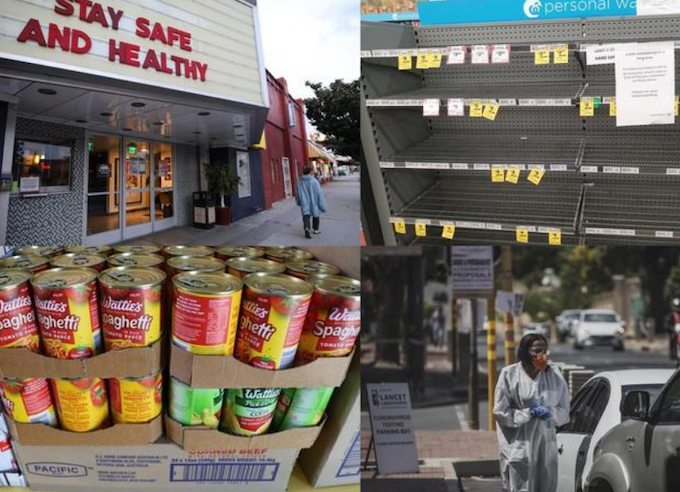
People have had to be creative with the limited ingredients and have become more aware of food waste. In a wartime echo, they are approaching their pantry stores in innovative ways.
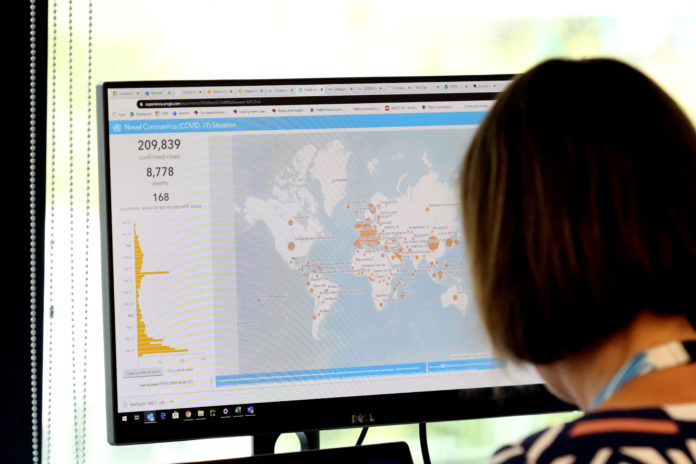
Australian food websites are already sharing recipes for dishes such as Quarantine Sauce, anticipating that those in lockdown with ample time on their hands will turn to the stove for entertainment as well as nourishment. London chefs have recommended their favourite recipes that use long-lasting ingredients to “keep your spirits up”. Martha Stewart is sharing bread recipes on Instagram and similarly beloved US recipe maven Ina Garten says we can have waffles for dinner.
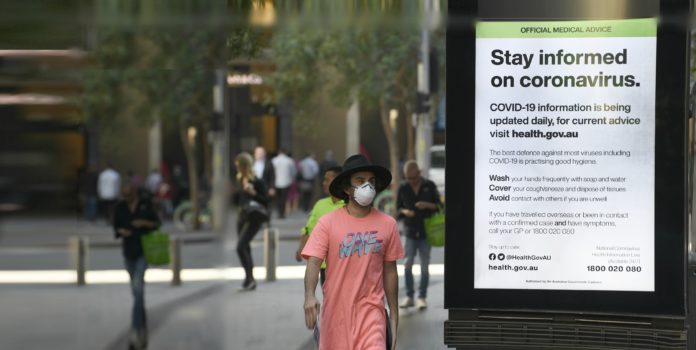
With some ingredients in short supply due to panic buying, it is worthwhile for budding and experienced home cooks alike to look to our culinary heritage. The pages of the Australian Women’s Weekly can impart some tips and tricks for how to be creative with less.

ref. Getting creative with less. Recipe lessons from the Australian Women’s Weekly during wartime – https://theconversation.com/getting-creative-with-less-recipe-lessons-from-the-australian-womens-weekly-during-wartime-133792

In the wake of bushfires and coronavirus, it’s time we talked about human security

Source: The Conversation (Au and NZ) – By Dennis Altman, Professorial Fellow in Human Security, La Trobe University

The term “human security” was first adopted by the United Nations Development Program in 1994. We speak far less of it now than we did then. Yet the cataclysmic events of this year should remind us national security is no longer to be thought of in terms of conventional warfare and military expenditure.

Put simply, human security encompasses all those threats to survival that are not military or state-sponsored, and therefore tend to fall beneath the radar of those who imagine security in conventionally “hard” terms.

The recent bushfires and the coronavirus pandemic reveal imminent threats from climate change and global diseases that threaten the very survival of what we take for granted. Yet governments have been far less willing to commit to responding to these issues than to increasing military budgets.

When the concept of human security emerged it was designed to address seven themes: “economic, food, health, environmental, personal, community and political security”. While these terms may seem too broad to be useful, all of them are directly related to the crises now facing the world.
These crises have taken me back to a large research project with several colleagues on rethinking the relevance of human security.
There is a voluminous literature on the meaning and limitations of human security. When he launched the book based on our research, the former foreign minister Gareth Evans defined it as an attempt to link conventional understandings of national security with the needs of human development:

The concept of human security was broad enough to advance both freedom from fear and freedom from want.

In the book, I wrote:

Australia is unlikely to face a military invasion, of the sort we might have experienced in World War II, but its security is threatened by a series of global upheavals around food, water, new epidemics, transnational crime and climate change.

I might now add cybersecurity to that list.

Over the past few years, the Australian government has increased military expenditures to the point where we are now among the top 15 countries ranked on defence spending.

Of course, our expenditure is trivial compared to the United States and China, but there is a powerful lobby pushing to increase it. At the same time, the government has made major cuts to overseas development assistance, is resisting the need to seriously cut emissions and appeared unprepared for the severity of the coronavirus epidemic.

Growing concern about the rise of China and the unpredictability of the United States has meant we ignore the more immediate threats to our security, even as they are looming around us. Most troubling, perhaps, is the government’s dislike of global institutions in a period when we need global cooperation more than ever.

Prime Minister Scott Morrison has made several attacks on what he terms an “unaccountable internationalist bureaucracy”. In this he appears to be following the lead of US President Donald Trump. Our declining foreign assistance budget is lessening the capacity of countries in our region to respond to health and climate emergencies.

The failure of the United States to provide leadership on either climate change or the coronavirus has emphasised the importance of great powers grasping that even their survival depends upon global action. Arguably the authoritarian Chinese regime, for all its unpleasantness, understands this better than the Trump administration.

It is a common aphorism that generals always fight the last war. Debates about the rise of China and the need to increase our military capabilities overlook the fact the most immediate threats to national security are not conventional military ones.

There are hints of this in Australia’s foreign policy. A statement from Foreign Minister Marise Payne noted:

Australia’s longstanding and ongoing security cooperation with Pacific countries covers defence, law enforcement, transnational crime, climate and disaster resilience, border management and human security.

But the shadow minister, Penny Wong, has argued:

‘Security’ has a much broader connotation than the more threat-based protective and response concepts on which a lot of public policy concentrates.

But these statements stand apart from mainstream debates about “national security”, which remain dominated by concerns about military build-ups and terrorism.

After unparalleled bushfires and coronavirus, the concept of human security gives us the language to reassess the most immediate threats to our survival and the need for global cooperation to respond to them.

ref. In the wake of bushfires and coronavirus, it’s time we talked about human security – https://theconversation.com/in-the-wake-of-bushfires-and-coronavirus-its-time-we-talked-about-human-security-133914

After another hot summer, here are 6 ways to cool our cities in future

Source: The Conversation (Au and NZ) – By Komali Yenneti, Honorary Academic Fellow, Australia India Institute, University of Melbourne

Australia is a “land of climate extremes”. This is especially true for our cities, which have become hubs of extreme summer temperatures. This past summer was the second-hottest on record for Australia, following the 2018-19 record, with average maximum temperatures more than 2°C above the long-term average.

Frequent and long heatwaves are having serious impacts on energy consumption, public health, labour productivity and the economy.


Read more: After a summer of extremes, here’s what to expect this autumn


Even without global warming, cities already face a problem — the urban heat island effect, whereby inner urban areas are hotter than the surrounding rural areas. Urban heat islands are caused by factors such as pollution, energy consumption, industrial activities, large dark concrete buildings, asphalt roads and closely spaced structures.

Evidence from Australia’s major cities shows average temperatures are 2-10°C higher in highly urbanised areas than in their rural surroundings.


Read more: Urban growth, heat islands, humidity, climate change: the costs multiply in tropical cities


Governments and policymakers can use a variety of cooling strategies combined with community engagement, education and adaptation measures to cool Australian cities.

1. Green infrastructure

Green infrastructure includes parks, street trees, community gardens, green roofs and vertical gardens. In tropical and subtropical climate zones, like much of Australia, green infrastructure is a cost-effective cooling strategy.


Read more: Requiem or renewal? This is how a tropical city like Darwin can regain its cool


Evidence suggests a 10% increase in tree canopy cover can lower afternoon ambient temperatures by as much as 1-1.5C, as the chart below shows. Similarly, in parks with adequate irrigation ambient temperatures can be 1-1.5°C lower than nearby unvegetated or built-up areas.

Maximum (above) and average (below) temperature reduction potential of different urban greenery techniques. Komali Yenneti et al, Author provided

We can increase street tree canopy cover by planting more shade trees on footpaths, lanes and street medians. Where there is little space for parks and street trees, green roofs and walls may be viable options.


Read more: Here’s how green infrastructure can easily be added to the urban planning toolkit


2. Water-sensitive urban design

The use of water as a way to cool cities has been known for thousands of years. Water-based landscapes such as rivers, lakes, wetlands and bioswales can reduce urban ambient temperatures by 1-2°C. This is a result of water heat retention and evaporative cooling.

In addition to natural water bodies, various other water-based technologies are now available for both decorative and climatic reasons. Examples include passive water systems, like ponds, pools and fountains, and active or hybrid systems, such as evaporative wind towers and sprinklers. Active and passive systems can decrease ambient temperatures by 3-8°C, as the charts below show.

Maximum (above) and average (below) temperature reduction potential of different active and passive water systems. Komali Yenneti et al, Author provided

Water-based systems are usually combined with green infrastructure to enhance urban cooling, improve air quality, aid in flood management and provide attractive public spaces.


Read more: When the heat is on, we need city-wide plans to keep cool


3. Cool materials

Building materials are major contributors to the urban heat island effect. The use of cool materials on roofs, streets and pavements is an important cooling strategy. A cool surface material has low heat conductivity, low heat capacity, high solar reflectance and high permeability.

Evidence suggests that using cool materials for roofs and facades can reduce indoor temperature by 2-5°C, improve indoor comfort and cut energy use.

Maximum (above) and average (below) temperature reduction potential of different cool surfaces. Komali Yenneti et al, Author provided

Cool materials commonly applied to buildings include white paints, elastomeric, acrylic or polyurethane coating, ethylene propylenediene tetrolymer membrane, chlorinated polyethylene, polyvinyl chloride, thermoplastic polyolefin, and chlorosulfonated polyethylene.

Lighter aggregates and binders in asphalt and concrete, permeable pavers made from foam concrete, permeable asphalt and resin concrete are standard cool pavement materials.


Read more: Building cool cities for a hot future


4. Shading

Shading can decrease radiant temperature and greatly improve outdoor thermal comfort. Providing shading on streets, building entries and public venues using greenery, artificial structures or a combination of both can block solar radiation and increase outdoor thermal comfort. Examples of artificial structures include temporary shades, sunshades and shades using solar panels.


Read more: In a heatwave, the leafy suburbs are even more advantaged


5. Combined cooling strategies

Performance analysis of various projects in Australia suggests the cooling potential of the combined use of the different strategies discussed above is much higher than the sum of the contributions of each individual technology, as the charts below show. The average maximum temperature reduction with just one technology is close to 1.5°C. When two or more technologies are used together the reduction exceeds 2.5°C.

Maximum (above) and average (below) temperature reduction potential for a combination of technologies. Komali Yenneti et al, Author provided

The chart below shows the peak temperature reduction for all cooling strategies.

Komali Yenneti et al, Author provided

6. Behaviour changes

People are significant contributors to urban heat through their use of air conditioning. The waste heat from air conditioners heats up surrounding outdoor spaces.

Projections show cooling demand in Australian cities may increase by up to 275% by 2050. Such a trend will have a great impact on urban climate, as well as increasing electricity use. If this is powered by fossil fuels, it will add billions of tons of carbon pollution.

Climate-responsive building design and adaptive design techniques in existing buildings can minimise occupants’ demand for cooling energy by reducing indoor and outdoor temperatures.


Read more: We have the blueprint for liveable, low-carbon cities. We just need to use it


Cities must take a holistic, long-term approach

Local governments can prepare for and respond to heat events through emergency response plans. However, emergency responses alone cannot address other challenges of urban heat, including human vulnerability, energy disruptions and the economic costs of lower workplace productivity and infrastructure failures.

Long-term cooling strategies are needed to keep city residents, buildings and communities cool and save energy, health and economic costs.

ref. After another hot summer, here are 6 ways to cool our cities in future – https://theconversation.com/after-another-hot-summer-here-are-6-ways-to-cool-our-cities-in-future-110817

How fungi’s knack for networking boosts ecological recovery after bushfires

Source: The Conversation (Au and NZ) – By Adam Frew, Lecturer, University of Southern Queensland

The unprecedented bushfires that struck the east coast of Australia this summer killed an estimated one billion animals across millions of hectares.

Scorched landscapes and animal corpses brought into sharp relief what climate-driven changes to wildfire mean for Australia’s plants and animals.

Yet the effects of fire go much deeper, quite literally, to a vast and complex underground world that we know stunningly little about, including organisms that might be just as vulnerable to fire, and vital to Australia’s ecological recovery: the fungi.

Fungi play a crucial role in ecosystems around the world. Amanita sp, Geastrum sp and Aseroe sp. Adam Frew

Plants and fungi: a match made underground

The aftermath of wildfires can make landscapes appear devoid of life. Yet under the ash beds lies a vast living network of fungi.

One group of fungi, called arbuscular mycorrhizal (AM) fungi, form symbiotic relationships with most of the world’s land plants. This means most plants and AM fungi rely on each other to grow and thrive.

Fungi provide access to nutrients such as phosphorus, and plants provide carbon as sugar and fats. Adam Frew via BioRender

Extensive networks of AM fungal mycelium (a vegetative part of a fungus, akin to plant roots) explore the soil to access nutrients beyond the reach of their plant partners. The mycelium forms a fungal underground highway, transporting the valuable nutrients back to the plants.


Read more: The glowing ghost mushroom looks like it comes from a fungal netherworld


Beyond nutrients, AM fungi can influence all aspects of plant ecology, such as seedling establishment, plant growth, defence against herbivores, and competition between different plant species. In fact, the number of species and abundance of AM fungi determine the success and diversity of plants.

In return for the nutrients they provide, AM fungi receive sugar made by plants through photosynthesis. For many species, this means without a plant host the fungi won’t last.

The responses of plants and AM fungi to fire are therefore deeply intertwined: the recovery of one is dependent on the other. Yet ecologists are only beginning to learn how fire affects fungi and what role they might have in hastening ecosystem recovery following wildfires.

Arbuscular mycorrhizal fungi colonising a plant root. Adam Frew

Fungi and fire: what do we know?

Studies have shown fungi living near the soil surface are particularly susceptible to fire, often killed by high soil temperatures as the fire passes over. Fungi further below the surface are relatively more protected, and may provide the nuclei for recovery.

But, as with animals, surviving fire is only half the battle. When fire removes vegetation, it suddenly halts sugar and fats plants produce, delivered to the fungi below-ground.


Read more: How you can help – not harm – wild animals recovering from bushfires


Another challenge is the ways fire influences the underground world, such as changes in soil acidity, soil carbon, nutrient dynamics, and soil water. For instance, soils with more acidity tend to have less diversity of AM fungi.

How exactly fungi and fire interact remains an ecological mystery. Coprinus sp. Adam Frew

The combination of high temperatures and changed conditions appear to take a toll on fungi: a 2017 meta-analysis of 29 studies found fire reduces the number of fungal species by about 28%. And given the severity of last summer’s bushfires, we can expect that many fungal communities below the surface have been lost, too.

Lose fungi, lose function

When fire hits, the community of AM fungi may lose less resistant species. This is important because studies show different species of AM fungi are better at supporting their plant partners in different ways. Some are better at providing nutrients, while others are more helpful with defending plants from disease and herbivores.

Changes in the number and types of AM fungal species can strongly determine how well plants recover, and can influence the whole ecosystem after fire. For example, plants could be left more vulnerable to disease if fungi supporting native plant chemical or physical defences are reduced by fire.

Amanita muscaria (Fly agaric) Adam Frew

Since we know fungi are particularly important to plants in times of ecological stress, their role may be paramount in harsh post-fire landscapes. But while firefighters and wildlife carers have gone to inspiring lengths to protect plants and animals, we know little about how to help AM fungi recovery from the bushfires, or if help is even necessary.

Helping fungi help ecosystems

Research from last year showed reintroducing AM fungal communities (usually as an inoculant or biofertiliser) to degraded and disturbed landscapes can increase plant diversity by around 70%, encourage recovery of native plants, and suppress invasive weeds.

Fire tends to change what species of arbuscular mycorrhizal fungi are present in the soil as ecosystems recovery. Adam Frew via BioRender

Taking a similar approach and actively putting fungi back into fire-affected environments could ensure more rapid or more complete recovery of native vegetation, including the survival of endangered plant species threatened by the fires.

However, it’s important to consider which AM fungi are reintroduced. They should be species normally present in the local area, and suited to support recovering plant communities.


Read more: A rare natural phenomenon brings severe drought to Australia. Climate change is making it more common


So as climate change leads to more frequent and intense bushfires, could fungi form a fundamental component of fire recovery efforts? Maybe.

But there is so much we’re yet to learn about these ancient and complex relationships. We’re only beginning to scratch the surface.

ref. How fungi’s knack for networking boosts ecological recovery after bushfires – https://theconversation.com/how-fungis-knack-for-networking-boosts-ecological-recovery-after-bushfires-132587

The other Indigenous coronavirus crisis: disappearing income from art

Source: The Conversation (Au and NZ) – By Jon Altman, Emeritus professor, School of Regulation and Global Governance, ANU, Australian National University

Public health measures to reduce the spread of COVID-19 may be having an unintended effect on remote Indigenous communities.

With the closure of Aboriginal lands to visitors, tourist visits have stopped abruptly along with the income from buying art they provided.

In at least one large community, the art centre that sells the work of several hundred artists has stopped buying because stock levels are extraordinarily high and it has no money to buy.

As well, the anticipated serious downturn in sales in city-based galleries is likely to be passed along the supply-chain, leaving many remote art centres short of funds to buy new work.

The downturn may have begun with the economic slowdown in 2020, but it has been accelerated by COVID-19.

Art sales are (or were) a lifeline

The 2016 census tells us that for the first time on record, more than half the Indigenous people living in very remote Australia were below the poverty line.

Since then, those incomes have plummeted.

John Mawurndjul with his artwork Dilebang, winner of the 2016 Bark Painting Award at the National Aboriginal and Torres Strait Islander Art Awards. Fiona Morrison/AAP

The median real personal income of working age Indigenous adults in remote Australia fell by about 20% between 2014–15 and 2018–19 according to our unpublished analysis of Australian Bureau of Statistics’ surveys.

In the same ABS surveys only 30% of very remote households say they would be able to raise A$2000 within a week. About 30% say they have run out of money for basic living expenses at some time within the past 12 months.

When we recently asked whether there was stockpiling (including of toilet paper) in a large remote community in Arnhem Land, we were told there were plentiful supplies of everything. It is hardly surprising. To stockpile, households need cash or credit.

Last year, in expert evidence in a Federal Court case, we estimated that payments to Indigenous artists by just two large art centres — Buku Larrngay in east Arnhem Land, and Warlukurlangu in central Australia — accounted for 15% of the total Aboriginal income in those two regions.

The first stimulus package offered little

What did the Morrison government’s first $17.6 billion coronavirus stimulus package offer remote living Indigenous communities? Not much.

It was directed instead at supporting established mainstream business.

The main thing on offer for individuals was one-off payment of $750 to be delivered from March 31.

Despite the coronavirus risk, the first package offered no relaxation of the onerous obligations under the Community Development Program that require able-bodied people in remote areas to work 20 hours a week in return for Newstart.


Read more: Why are we losing so many Indigenous children to suicide?


It has been estimated that more than 500,000 penalties have been applied under the program in the past four years, further impoverishing already impoverished people and subjecting them to surveillance.

Numbers on the scheme have declined in recent years, in part because they exit the social security system because of its harsh penalty regime, increasing the financial burden on those employed, selling art, or still within the system.

The government’s second stimulus package ought to suspend the labour-intensive but economically wasteful activity and reporting requirements, and redeploy Centrelink staff to registering all eligible people for income support to ensure they have enough cash on hand to purchase the basics.

Cash will help

Australians in remote Indigenous communities are highly vulnerable to COVID-19 because of high levels of diabetes, kidney disease and rheumatic heart disease.

Northern Territory government epidemiologists believe poverty is one of the key drivers of these conditions.

Last year, in a submission to the Senate inquiry into the adequacy of Newstart we argued that it deepens poverty.


Read more: New Zealand outstrips Australia, UK and US with $12 billion coronavirus package for business and people in isolation


Now might be the time to follow the lead of New Zealand which last week permanently increased all benefit payments as part of the response to the coronavirus.

If there is be a silver lining to the current very dark cloud, it might be that after the crisis we will see the point of a guaranteed basic income for remote Indigenous Australians.

ref. The other Indigenous coronavirus crisis: disappearing income from art – https://theconversation.com/the-other-indigenous-coronavirus-crisis-disappearing-income-from-art-134127

Friday essay: the uncanny melancholy of empty photographs in the time of coronavirus

Source: The Conversation (Au and NZ) – By Cherine Fahd, Director Photography, School of Design, University of Technology Sydney

Over the last few weeks, photographs in the news and on social media have documented our behaviour in response to COVID-19.

Panic buying of pasta, rice and, surprisingly, toilet paper is represented in empty shelf after empty shelf.

Empty shelves at a supermarket in Los Angeles, California, March 6 2020. These images also proliferate in social media feeds globally. For most 21st-century, first-world consumers, this scarcity is unprecedented. Etieene Laurent/EPA

That’s not all that is empty.

Images of empty public spaces – from the streets of Ginza, to soccer stadiums, to the Venice canals, to lone masked travellers on buses, trains and trams – evoke a sense of apocalyptic films and the end of days.

The empty Ein Bokek beach on the Dead Sea, Israel, March 15 2020, a bird’s-eye view taking us where the majority of us cannot go. Abir Sultan/EPA

Photographs of empty public spaces are increasingly filling our news feeds, documenting our response to a worldwide pandemic.

While these pictures point to a frightening situation, we can’t help being drawn into the otherworldly and unfamiliar scenes. They make us stop, look and linger as we try to comprehend what these places without people are saying.

Our attraction to images of the world without us reveals a collective fascination for the apocalypse or, perhaps, extinction.

A clergyman on March 15 2020 in Cologne Cathedral, Germany, where mass has been cancelled. The priest stands as the lone observer, mirroring the artistic trope of the lone wanderer in the landscape. Marius Becker/DPA

Take the Instagram feed Beautiful Abandoned Places and its 1.2 million followers. These photographs show buildings in ruins or overgrown with weeds; old tourist sites now empty.

The images are “ruin porn”: when we take voyeuristic pleasure or delight in the sight of architectural decay or dilapidation.

The appeal comes from looking at a scene that could cause discomfort (or estrangement, or isolation) but doesn’t. The viewer is looking at a representation of the scene, not the scene itself, from a position of far-off comfort.

The London underground on March 16 2020 seems to stretch out forever. Facundo Arrizabalaga/EPA

But another definition of ruin porn, a moral definition, is gaining pleasure from someone else’s failure, as seen through these architectural ruins.

Morally compromised as outsiders, we aestheticise a picture of another’s decline while looking away from factors that contribute to crisis.

The images in our current news feeds – despite what they say about coronavirus – offer similarly compelling visuals. We take delight in the formal composition of these images, which fall into tropes of the photographic picturesque.

The empty M7 motorway in Hungary, March 14 2020. A posthuman, dystopian view of the world without us. Gyorgy Varga/Hungary Out/EPA

The absence of people provides us with the ability to see into the distance with endless visual perspective. We feel as though we are alone in the landscape, a heroic adventurer.

Why is our absence from the world so fascinating to view in photographs?

In the early era of photography, anything moving would be rendered invisible, while architecture (or a corpse) was the perfect still subject. Take for instance Daguerre’s 1839 photograph of the Boulevard du Temple, Paris, a bustling city street.

Louis Daguerre’s Boulevard du Temple, photographed in 1839.

In this photograph, the street appears empty – with the exception of two figures who have stood still long enough to be captured by the exposure time required to portray the scene.

Photographs have always provided us with an alternative view of the world without us.

The streets of France are photographed empty again, here in Lille on March 17 2020. Sebastien Courdji/EPA

Contemporary fine art photographer Candida Höfer has made a successful career out of photographing large-scale empty spaces like public libraries, museums, theatres and cathedrals. Thomas Struth’s empty street photographs make German cities look like ghost towns.

These artists demonstrate a longstanding fascination with photographing architecture devoid of human subjects.

Houhai Bar Street in Beijing, China, February 20 2020, known for its bright lights and nightlife, is now dark and near deserted. Wu Hong/EPA

This fascination may be due to what architectural historian Anthony Vidler described as “the architectural uncanny”. Abandoned and deserted spaces, he said, make our familiar spaces become unfamiliar.

For Vidler, this estrangement from space hinges on visual representation such as in photography.

These photographs of empty public spaces capture a departure from our everyday and instead visualise this uncanniness: an alternative reality emptied of our presence.

The uncanny, wrote Vidler:

Would be sinister, disturbing, suspect, strange; it would be characterised better as “dread” than terror, deriving its force from its very inexplicability, its sense of lurking unease, rather than from any clearly defined source of fear – an uncomfortable sense of haunting rather than a present apparition.

The nearly empty Galleria Vittorio Emanuele II arcades, Italy’s oldest active shopping mall. Matteo Corner/EPA

While we hide away and quarantine ourselves indoors, the world outside is captured in the collective imaginary as eerily without us. What we thought we knew of public spaces is instead evoking the sensation of being alone in a haunted house.

In images where we expect to see hundreds or thousands of people, we find instead a few lonely figures presented to us by a single observer: the camera.

An empty classroom in Sanaa, Yemen, March 15 2020, with traces of torn paper on the parapet. Yahya Arhab/EPA

Pictorial urban life emptied of its citizens produces an assortment of emotional responses: estrangement, social alienation, melancholy.

The Italian painter Giorgio de Chirico captured this in his 1913 painting Melancholy of a Beautiful Day where an ominous figure stands alone in an empty town street accompanied only by his shadow and a Roman statue in the distance.

Made over a century ago, de Chirico’s painting surprisingly resonates with the photographs we are seeing in the news today. While it offers a historical example of the surrealist fascination with psychological dream states, it is also prescient of our current reality.

A single figure walks across Hradcanske square in front of closed Prague Castle in Prague, Czech Republic, March 16 2020, reminiscent of de Chirico’s painting. Martin Divisek/EPA

The images being captured by news photographers point to our fear of the pandemic and, fundamentally, of each other.

The photographs expose how swiftly we can become estranged from our everyday lives, how our surroundings can suddenly become something other – something fragile and tenuous.

The empty shelves, the empty restaurants, the grounded planes, the empty airports, the depopulated Mecca without worshippers, Trafalgar Square without tourists: these are all signals of the slowing of progress.

The deserted amphitheatre at one of the largest Catholic shrines in the world, in the village of Medjugorje, Bosnia and Herzegovina, March 11 2020. Devoid of human subjects, the chairs take on a life of their own. Fehim Demir/EPA

Photography is so good at capturing this because it is an unmediated mechanical eye that confronts our all-too-human eye. In these instances, the camera is able to be where we cannot be.

The mechanical eye is further exaggerated in the photographs which provide us with a distinctly nonhuman view of open, empty spaces.

Drone images give us an aerial perspective not readily available to the human eye. When viewed in the context of a global health crisis, there is no mistaking that we are – somewhat strangely – bearing witness to our own erasure.

An empty playground in Nafplio, Peloponnese, southern Greece, March 11 2020, while children are kept indoors. Evangelos Bouigiotis/EPA

We are accustomed to seeing images of crisis represented by fires, floods, bombs, warfare. The photographs we see as a result of COVID-19 are an emptying out and a slowing down.

This is a different sort of crisis, one that is mirrored in the uncertainty and slowing down of our financial markets and the need for government stimulus packages.

An unusually quiet Ronald Reagan Washington National Airport in Arlington, Virginia, USA, March 13 2020. In the absence of travellers, the image foregrounds the qualities of the architecture. Jim Lo Scalzo/EPA

As cultural historian, Frederic Jameson said:

it is easier to imagine the end of the world than to imagine the end of capitalism.

Perhaps this is precisely what these photographs are showing us: how the pandemic paradigm of “social distancing”, which isolates us physically from each other, disrupts and stops our lifestyles.

The pausing or end of our gathering in public, in airports and hotels, at tourist sites and sporting matches, in shopping malls, museums and bars, signals a rupture to the flow of everyday life.

The deserted entrance to the Louvre, captured March 14 2020, shows Paris empty again. The bollards stand in rows where visitors to the museum would ordinarily queue. Ian Langsdon/EPA

Photographs of empty public spaces unmask the illusion that we are integral to existence. Even without a camera operator, optical technology will linger on and capture scenes of the world without presence.

Who can say whether that operator is human, or nonhuman, like a satellite from outer space that is still programmed to picture our buildings even if we aren’t in them?

The empty port of Tel Aviv, Israel, March 17 2020. The world will continue on without us. Abir Sultan/EPA

ref. Friday essay: the uncanny melancholy of empty photographs in the time of coronavirus – https://theconversation.com/friday-essay-the-uncanny-melancholy-of-empty-photographs-in-the-time-of-coronavirus-133615

Grattan on Friday: We are now a nation in self-isolation

Source: The Conversation (Au and NZ) – By Michelle Grattan, Professorial Fellow, University of Canberra

There’s new official lingo about tackling COVID-19’s economic challenge. A “bridge” is being built to take us to the other side of the crisis.

Meanwhile, the government is preparing a “cushion” for businesses and individuals who are already or soon will be its casualties.

Reserve Bank governor Philip Lowe came up with the bridge metaphor, Scott Morrison loves it and Treasurer Josh Frydenberg is using it.

The Reserve Bank on Thursday unveiled its bridge-building package. It cut the cash rate again, to 0.25%. It will also put a staggering $90 billion into the banking system, with the government injecting another $15 billion, to encourage low interest lending targeted at small and medium sized businesses.


Read more: More than a rate cut: behind the Reserve Bank’s three point plan


But the bridge requires constructing a foundation of confidence, at a time when many businesses and consumers feel only fear.

In present circumstances, normal economic incentives have a much lesser effect. The market signals don’t work properly. If small businesses have their customers disappear and don’t expect them back any time soon, owners won’t be too interested in cheap loans.

Morrison has stressed Australia is not in shut down. Not officially. But out of a combination of alarm, caution and government measures to contain the virus’s spread, many activities have shut down and more do so every day.

Less than 90 minutes after the Reserve Bank produced its measures, Morrison announced the government was closing Australia’s border to foreigners, which will take effect late Friday.

As a health measure, this is sound, given the spread of the virus overseas and the extent to which arrivals have driven its early stage in Australia.

But it will be yet another brake on the economy, even though foreign arrivals have already fallen drastically.

Two days earlier Australians were told not to leave the country. Australia is in national self-isolation. And unlike for individuals, there is no set end point.

Qantas has stopped international flights and stood down 20,000 staff. It is hoping flexible leave arrangements will preserve jobs, but for how long?

A measure of the strange times is that Qantas is talking to Woolworths about some of its employees working there. The hoarding frenzy has become a job creator.

During this week, Morrison seemed on top of his messaging and the pioneering “national cabinet” of federal and state leaders was showing there is such a thing as “co-operative federalism” (albeit it has taken a national emergency to put it on display).

But federal and state governments and the community are a long way from having any certainty what measures – health or economic – might eventually be needed.

In circumstances unprecedented in living memory, difficult judgements are being made day by day that juggle health, the economy, and public sensibilities.


Read more: Our politicians are not fit to oversee the coronavirus response. It’s time they got out of the way


Devising rules for nursing homes pitted health against the humane. COVID-19 is lethal for the frail aged. But this week the government decided visits to these facilities should be restricted rather than stopped.

It was a trade off. A ban would have been safer in medical terms, but for residents a devastating isolation from family.

A ban could have carried another danger. Families are often watchdogs on how people in these institutions are being treated. Even after the royal commission’s indictment, constant eyes are needed.

The balance struck was sensible and has been generally accepted as such.

In contrast, the debate about schools has been fraught and is unfinished in the public mind. The government advanced several reasons for not closing them (at this stage). Few children are affected by the virus. If kids were not at school, many would be minded by grandparents in the most at-risk age group.

And shutting schools could mean a 30% hit on the health workforce.

The last is crucial in the government’s thinking. The health system will be under enormous pressure in the next few months, with no guarantees about how well it will cope, despite the reassuring words.

Rejecting the arguments of health officials and governments, certain schools have closed and some parents are removing their children from others.

If the schools are eventually closed under public pressure, it could be devastating for many students in their final year.

Clearly, the bad behaviour the crisis has triggered has not abated – the out-of-control supermarket scenes, and the abuse of shop staff, health workers at some testing places, and even teachers. Deputy chief medical officer Paul Kelly went to the length of highlighting the last by referencing the experience of his sister, a teacher.

Country town residents are angry at their shop shelves being stripped by non-locals.

On Thursday restrictions were announced for the dispensing and sale of drugs by pharmacies.

Is the binge buying just panic? There is a great deal of that, with people unreceptive to the message there would be plenty of supplies if everyone behaved normally.

Morrison had a strong message for hoarders: “stop it”.

But anecdotal evidence also suggests some of the “hoarding” may be for other reasons.

Home Affairs minister Peter Dutton (who is still quarantined with COVID-19) claims some people are “profiteering”; he declared the police are in pursuit of them.

“They’re hoarding, not for their own consumption, I think they’re either sending some of the products overseas or they’re selling it in a black market arrangement in Australia,” Dutton told 2GB.

The government maintains that on the health front it is keeping ahead of the curve, although critics says it has been tardy and should even now be doing more.

On the economic front, however, it knew it was behind the curve immediately after announcing last week’s $17.6 billion stimulus measures.

Now it is finishing its second package, which could dwarf the initial one; the combined measures will be legislated by the “mini” parliament early next week.

Last week the imperative was to keep growth going to try to avoid a recession; now the goal is being cast differently.

“What this second package will be designed to do is to cushion the blow for Australians, particularly those who have lost their jobs, but also for those small businesses who are facing this very, very difficult moment,” Frydenberg told the ABC on Thursday night.

Earlier, after the bank announced its measures, Lowe said in his speech, “At some point, the virus will be contained and our economy and our financial markets will recover”.

At what point and at what cost? That bridge could need to have a very long span.

ref. Grattan on Friday: We are now a nation in self-isolation – https://theconversation.com/grattan-on-friday-we-are-now-a-nation-in-self-isolation-134167

NZ closing its borders to anyone not a citizen or permanent resident

By RNZ News

Prime Minister Jacinda Ardern has confirmed that the New Zealand border will be closed to anyone who is not a New Zealand citizen or permanent resident from 11.59pm tonight.

Children and partners of New Zealand citizens and permanent residents will be allowed to enter.

People from the Pacific will be included in the border closure, as will temporary workers or temporary visa holders such as students.

READ MORE: Al Jazeera live coronavirus updates – Russia reports first death

Earlier today, eight further cases of the Covid-19 coronavirus infection were confirmed in New Zealand, bringing the total to 28, says the Health Ministry.

Director-General of Health Dr Ashley Bloomfield gave the Ministry of Health’s latest update.

– Partner –

If travellers are boarding a flight, transiting on their way to New Zealand, or on an aircraft before midnight, they will be able to land and enter the country when they arrive.

“I recognise how extraordinary this is,” said Ardern, but the measure had to be taken to protect New Zealand from the Covid-19 coronavirus.

“In no time in New Zealand’s history has a power like this been used.”

The ban applies to people not product, and those staffing freight ships and planes are not included.

Self-isolation still required
Those who have travelled here from other countries recently are still required to self-isolate, and those who have been here longer are being encouraged to look at how they can get home.

“I’m not willing to take risks here,” Ardern said.

She said the decision was made between 4pm and 5pm this evening. Only Australian Prime Minister Scott Morrison was told of these changes beforehand.

Those who have already boarded or are enroute will be able to enter New Zealand.

“I have simply removed the risk. I’m not willing to tolerate risk at our border, that is where predominantly our cases are coming from,” said Ardern.

She added that while “we will continue to have cases in New Zealand as we continue to test those with symptoms who have come home, we must slow down the transmission in New Zealand”.

Earlier, there were travel bans on anyone arriving from China and Iran, and all others – except those from the Pacific – had to self-isolate for 14 days.

Earlier this afternoon, the government announced a ban on indoor gatherings of more than 100 people.

Ardern has already given one update on the government response to the Covid-19 coronavirus today.

Speaking in Rotorua, she told New Zealanders they must prepare for the full effects of the Covid-19 coronavirus, but must not panic – especially over rumours and misinformation.

This article is republished by the Pacific Media Centre under a partnership agreement with RNZ.

Print Friendly, PDF & Email

Article by AsiaPacificReport.nz