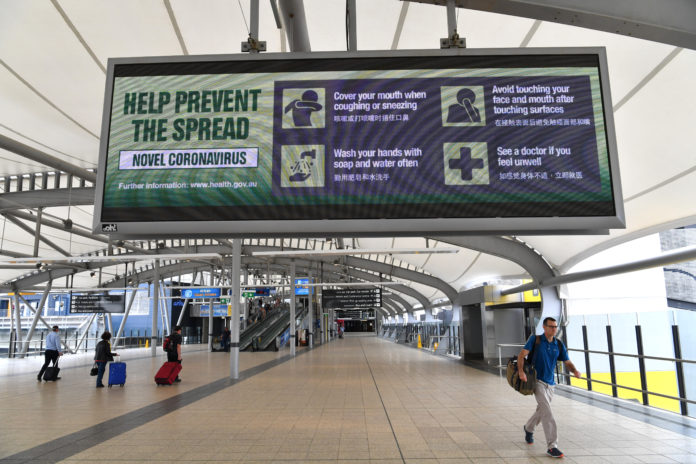
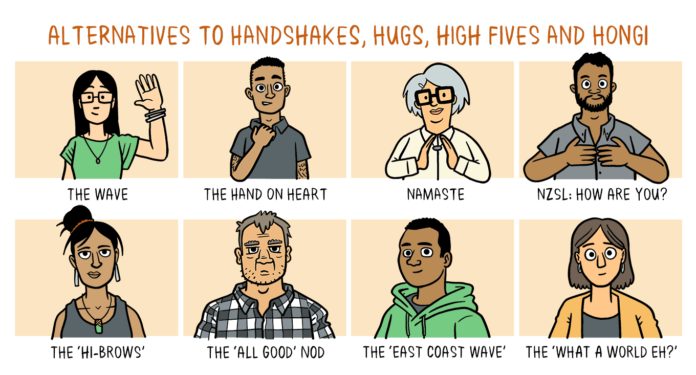
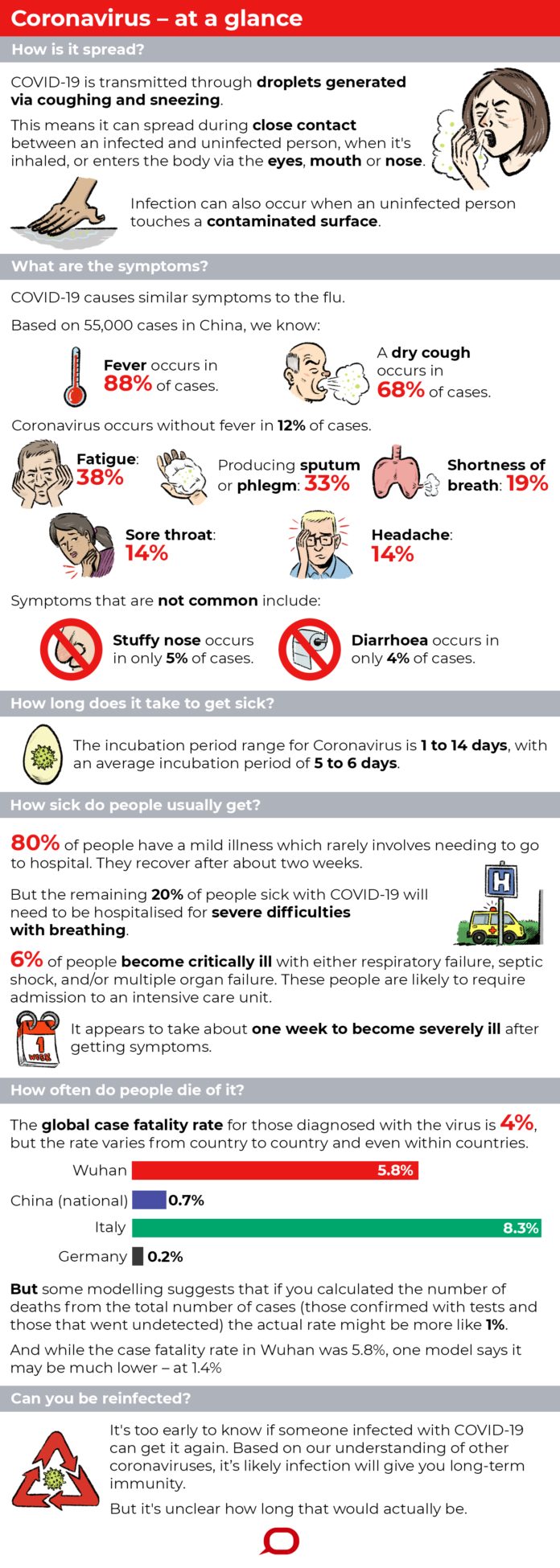
Page 1005

Why are we calling it ‘social distancing’? Right now, we need social connections more than ever

Source: The Conversation (Au and NZ) – By Katharine H. Greenaway, Senior Lecturer, University of Melbourne

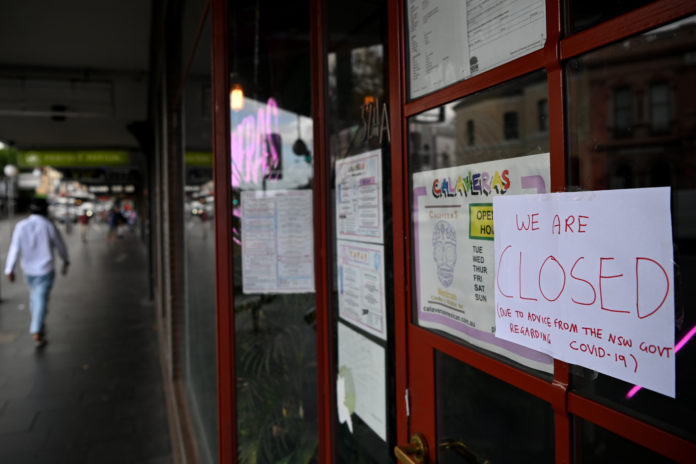
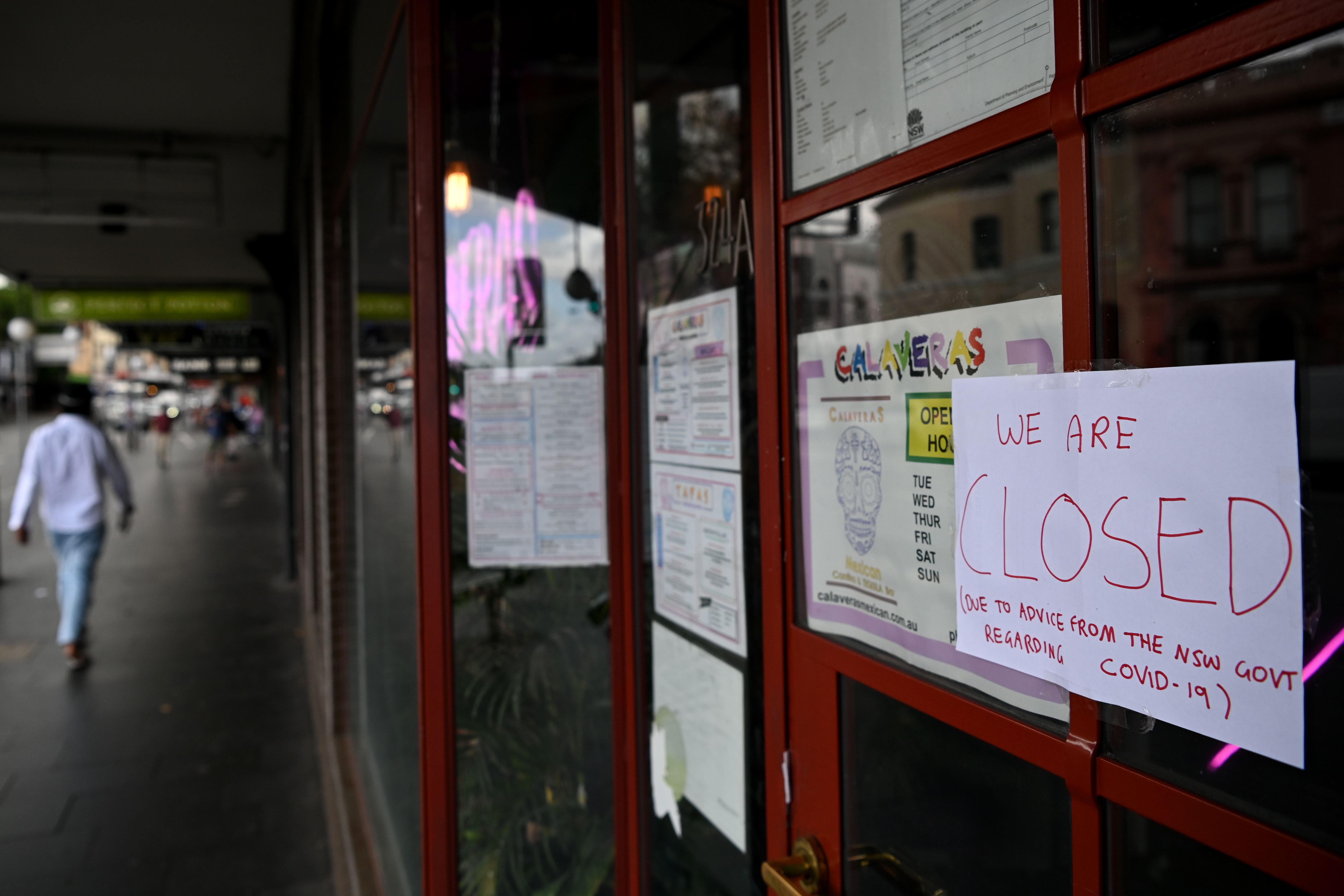
We are now a society at a distance. As of this week, New South Wales has closed restaurants, bars, gyms, and entertainment venues where people gather in large numbers.

Victoria has similarly implemented a shut down of all non-essential activities, including closing schools. People are strongly advised to stay at least 1.5 metres away from others where possible.

But the label used to describe these measures – “social distancing” – is a misnomer. While we must be physically distant, it’s crucial we maintain, or even increase, social contact with others during this unprecedented time.


Read more: State-by-state: how Australia’s new coronavirus rules will affect you


In a crisis, we need support

The so-called social distancing measures seek to limit the spread of COVID-19, the disease caused by the novel coronavirus, by reducing physical contact between people. And there’s evidence these measures work.

But research also shows being isolated can have negative effects on a person’s mental health. Specifically, periods of quarantine have been shown to increase negative emotions like anxiety, confusion and anger.

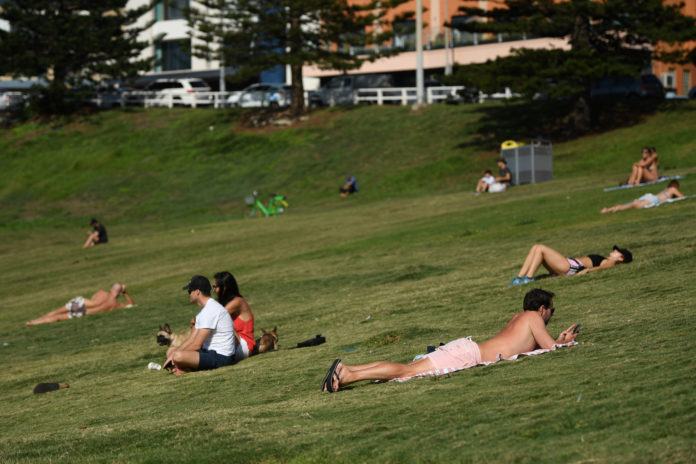
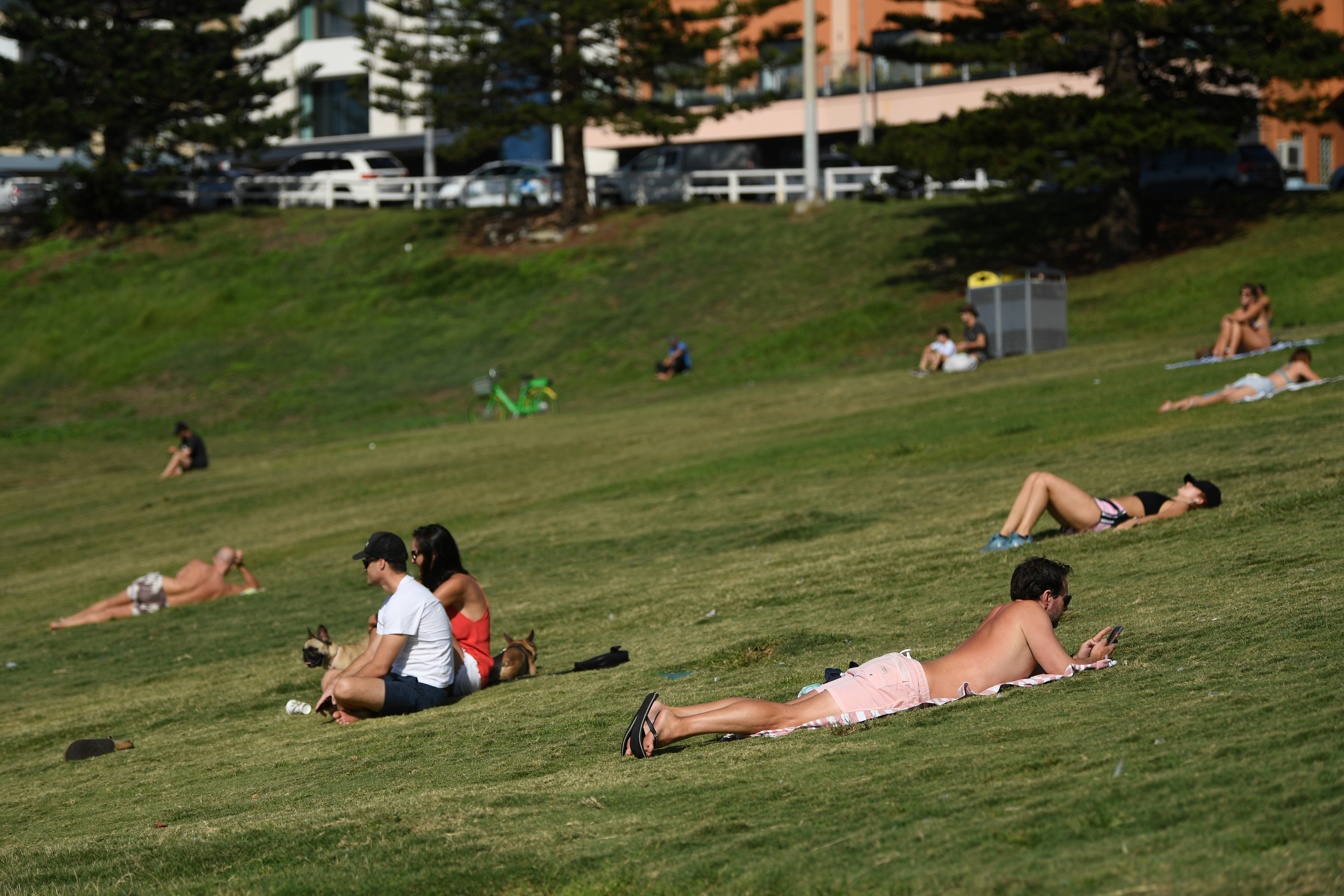
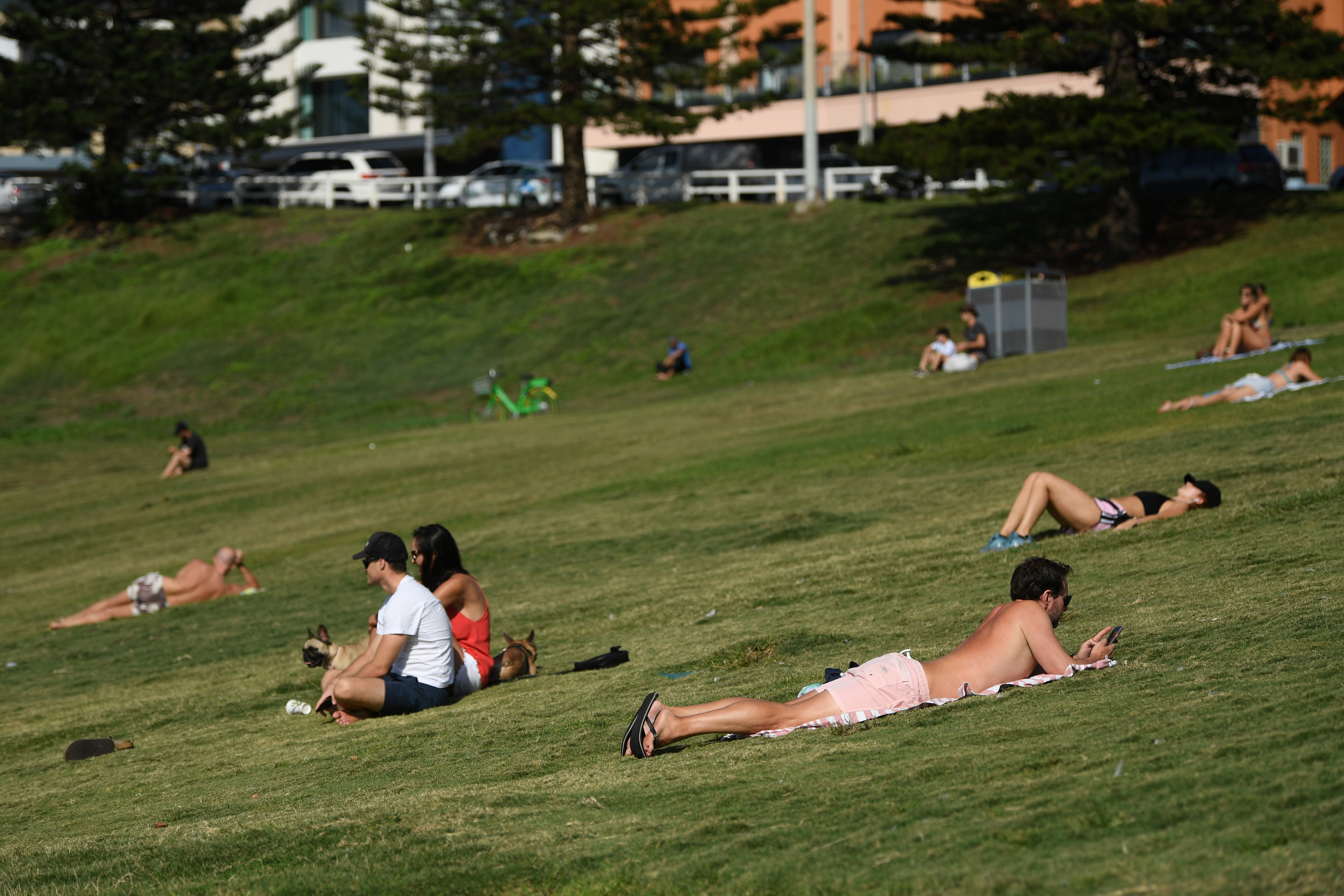
In Victoria and New South Wales, places people would normally gather are closed. Joel Carrett/AAP

Importantly, strong social support can help us counter these negative effects. And as well as improving our mental health, being socially connected is linked to better physical health too.

One US psychologist rightly noted rather than talking about social distancing, we should be practising distant socialising.


Read more: Social distancing can make you lonely. Here’s how to stay connected when you’re in lockdown


Of course, this can be difficult when so much of our social closeness depends on physical closeness. Humans are innately social, and often our instinct is to reach out to touch or be close to others when we feel unwell or afraid.

This makes it all the more difficult to stay away from others right now.

Social solidarity, not social distance

Staying socially connected in times of threat has benefits beyond helping us manage our mental well-being. Other people can provide us with practical support, like picking up groceries or passing on relevant information, as well as emotional support.

Building this kind of social infrastructure, where people help neighbours and strangers as well as their friends, fosters the feeling we as Australians are all in this together.

This feeling is called social solidarity, and if we get it right we’ll be much better equipped to respond to this and other crises.

In the case of coronavirus, social solidarity may be the key to getting people to comply with public health recommendations. Recent research found if people were told distancing was important for the sake of others, they were more likely to say they would adhere to the relevant guidelines than if they were told it was to avoid negative consequences.


Read more: Coronavirus is accelerating a culture of no touching – here’s why that’s a problem


To mitigate the dangers of conflating physical distancing and social distancing, and to work towards social solidarity, here are three things we need to see:

1. Consistent messaging

The Victorian health department now refers to physical distancing rather than social distancing, in line with calls from experts to change the terminology.

But the federal government and most other state governments are still using the social distancing moniker.

Consistent messaging from our leaders, including an explanation of why the label must change, could serve to encourage people to adopt practices that promote social closeness while maintaining physical distance.

We can remain socially connected using technology, even when we can’t be physically close. Shutterstock

2. Social tips alongside physical tips

Much of the current messaging from government sources focuses on maintaining physical health by washing hands with soap, practising correct cough and sneeze etiquette, and cleaning and disinfecting surfaces. These measures are undoubtedly critical.

But missing from most official advice is guidance about the importance of maintaining social connectedness. The government should add evidence-based recommendations for staying connected to its official resources.

3. Prioritising communication

Where state governments are increasingly limiting activities to allow for only essential services, phone and internet services that allow people to connect virtually should be seen through the same essential lens.

The government should consider policies which encourage providers to waive late fees or stop disconnections that may occur because of financial hardship related to the virus.


Read more: Coronavirus distancing measures are confusing. Here are 3 things to ask yourself before you see someone


Physical distance is important, but it’s equally necessary we maintain social closeness during this time. Staying connected with others will make us happier, healthier, and more socially responsible as we continue to contend with this crisis.

ref. Why are we calling it ‘social distancing’? Right now, we need social connections more than ever – https://theconversation.com/why-are-we-calling-it-social-distancing-right-now-we-need-social-connections-more-than-ever-134249

Can I get coronavirus from mail or package deliveries? Should I disinfect my phone?

Source: The Conversation (Au and NZ) – By Euan Tovey, Associate Professor & Principal Research Fellow in Medicine, University of Sydney

According to Google Trends, the top two most searched terms about mobile phones this week in Australia were “how to disinfect phone” and “how to clean your phone.”

And the third most-searched “can I get coronavirus from…?”-style question in the past week in Australia was “can you get coronavirus from mail?” (If you were wondering, “can you get coronavirus from food?” was number one, followed by “can you get coronavirus twice?”)

In short, many Australians are wondering what role phones and mail and/or package deliveries may play in the risk of coronavirus transmission.

To better understand the risk, and what you can do to reduce it, it helps to think about how your phone or mail might come into contact with coronavirus – and what the evidence says about how long it lives on various surfaces.


Read more: Coronavirus distancing measures are confusing. Here are 3 things to ask yourself before you see someone


What do we know about how long the coronavirus can survive on a phone or mail?

Not a whole lot yet.

There has been some general media reporting on the role that surfaces play in the transmission of this coronavirus, termed SARS-CoV-2. That’s the disease that causes COVID-19.

But the main peer-reviewed journal paper on this topic was published about a week ago by the New England Journal of Medicine.

That paper found:

SARS-CoV-2 was more stable on plastic and stainless steel than on copper and cardboard, and viable virus was detected up to 72 hours after application to these surfaces.

It also noted:

On copper, no viable SARS-CoV-2 was measured after 4 hours […] On cardboard, no viable SARS-CoV-2 was measured after 24 hours.

These might be underestimates. The virus may survive even longer on these surfaces, depending on conditions. That’s because these studies looked at how long the virus would survive when in a “buffer” (a solution in which viruses live in the lab). In real life, they would be in mucous and would be more stable.

The fact that the viruses seemed to last longest on plastic is something of a worry and means that, on phones, the virus could potentially last for days.

It is important to remember this is a new virus and we don’t yet have all the data. New findings are emerging every day.

It’s also possible that, in reality, the virus may last longer on phones than indicated in the recent lab experiments.

CDC data published yesterday detected the faint genetic signature of viruses (viral RNA) which had survived 17 days on surfaces in cruise ships. That doesn’t mean infectious virus particles were found after 17 days – only a part of the virus was detected in this study – but it does suggest there may be some cause for concern regarding how long this coronavirus can last on surfaces. More research is required on this question.

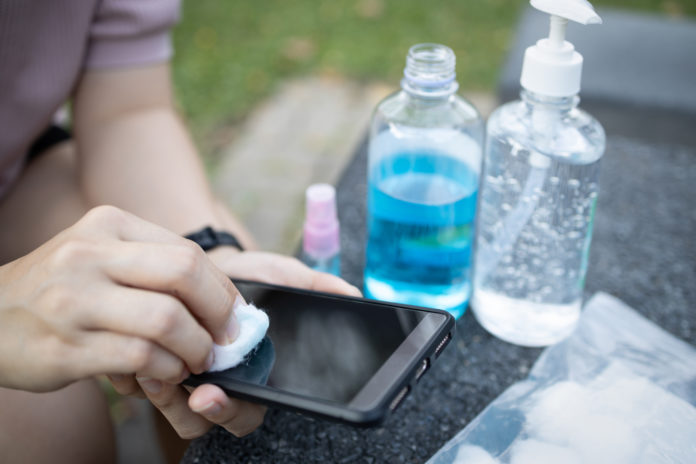
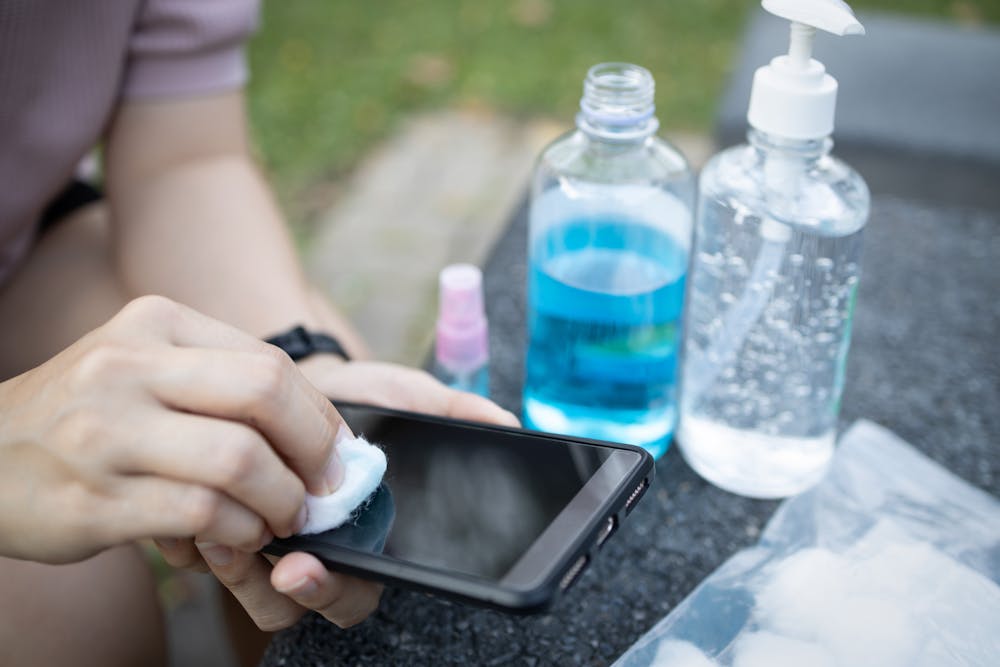
Ideally, you should be cleaning your phones, tablets and keyboards with alcohol wipes – if you can get them. Shutterstock

Read more: Coronavirus: how long does it take to get sick? How infectious is it? Will you always have a fever? COVID-19 basics explained


How might virus particles end up on a phone?

Talking on the phone generates an invisible spray of airborne droplets. A person with COVID-19 can have a lot of virus in the mucous at the back of their throat, so they’re likely spraying the virus on their phone every time they make a call.

If an infected person hands their phone to someone else, the virus could transfer to the new person’s fingertips, and then into their body if they touch their mouth, eyes or nose. (And remember, not every infected person displays the classic symptoms of fever and cough, and may be infectious before symptoms show).

It’s also possible there is an oral-faecal route for transmission of coronavirus. This coronavirus is often detected in faeces.

That means, for example, that tiny particles of poo generated by flushing a toilet could settle on a toothbrush, on a phone brought into the bathroom or on surfaces/food in an adjoining room. They could then end up in your mouth. At the moment this has not been shown, but it is certainly possible. SARS was sometimes spread by this route.

That’s why frequent handwashing with soap is so crucial.

What about mail?

It is technically possible a package or mail coming to your house is contaminated with virus picked up somewhere along the way by people handling or coughing on it. I think, though, the infection risk is very low because, as the New England Journal of Medicine study found, the survival time on cardboard is thought to be around one day.

And unlike plastic surfaces, cardboard is porous. That means a droplet would probably penetrate into the material and may not be so easily picked up when you touch the package.

The survival time on cardboard is thought to be one day. Shutterstock

What can I do to reduce my risk?

For starters, do the obvious things: wash hands frequently, reduce your contact with others (and if you do see other people, stay at least 1.5 metres apart, particularly if you are talking). Definitely don’t go out at all if you’re unwell.

Keep your phone to yourself. I’d be very reluctant to share my own phone with anyone right now, especially if they seem unwell.

It’s not clear what role children play in the transmission of this coronavirus but, just in case, children should be washing hands before they touch their parents’ phones. That said, it seems more likely at present that adults give it to children than the other way round.

Ideally, you should be cleaning your phones, tablets and keyboards with alcohol wipes (which need to be around 70% alcohol). They are quite effective at deactivating viruses (if somewhat hard to get now). Most baby wipes only have a low percentage of alcohol so are less effective but just the wiping would help remove virus particles.

In the worst case scenario, you can try using a damp cloth with a small amount of soap and water to clean your phone – but don’t let water get inside your phone and wreck it.

When it comes to mail and package deliveries, try to keep apart from the delivery person. Many delivery people are already forgoing the customary signature on the tablet, meaning you don’t have to touch a device or e-stylus that many others have already handled. You could consider wiping down a package before opening it, and washing your hands well after disposing of the packaging.

At the end of the day, the risk is never zero, and the world is a nightmare if you go too far down this route of worrying about every single surface.


Read more: What steps hospitals can take if coronavirus leads to a shortage of beds


ref. Can I get coronavirus from mail or package deliveries? Should I disinfect my phone? – https://theconversation.com/can-i-get-coronavirus-from-mail-or-package-deliveries-should-i-disinfect-my-phone-134535

Can we really rely on people to isolate when they’re told to? Experts explain

Source: The Conversation (Au and NZ) – By Patrick O’Leary, Professor and Director of Violence Research and Prevention Program, Griffith Criminology Institute and School of Human Services and Social Work, Griffith University

A country-wide shutdown is now in place for non-essential activities. At the weekend, Prime Minister Scott Morrison said “far more Draconian measures” were needed to ensure people adhered to social distancing and self-isolation requirements.

The latest measures include bans on all non-essential travel, stricter domestic border control and school closures in some states.


Read more: Can I take the dog for a walk? Can I put the kids to bed? What you should and shouldn’t do if you’re in coronavirus self-isolation


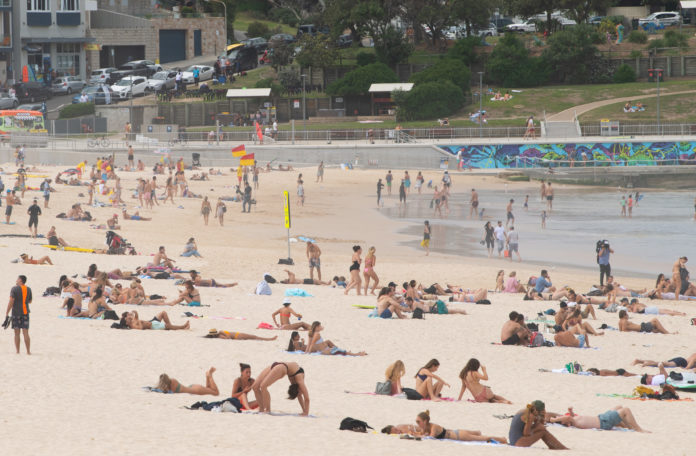
Despite experts’ pleas to practise social distancing, Sydney’s Bondi Beach was teeming with people on Friday. And although the beach was closed on Sunday, some still refused to comply.

As the coronavirus crisis continues to unfold, to what extent will the public heed advice? And with many facing the prospect of a potentially lonely six months, how long before people start to preemptively emerge from their cocoons?

Rule-breakers abound

Currently, individuals required to self-isolate include those returning from overseas, those who have been exposed to a confirmed COVID-19 case, and those travelling between certain states. Everyone else should be practising social distancing.

Many of us are already incorporating social distancing into our everyday interactions. When offered a hug or a handshake, you may wonder: “am I supposed to say ‘no’?


Read more: Nice to meet you, now back off! How to socially distance without seeming rude


Self-isolation is now a legal requirement for those it applies to, with heavy penalties for non-compliance. Prime Minister Scott Morrison even encouraged us to “dob” in anyone who doesn’t comply.

Yet, reports in the media indicate not everyone is following the rules, whether due to misunderstanding, plain defiance, or a “testing” of how strict the rules are.

One man who was told to self-isolate visited a supermarket on his way home from a COVID-19 test. Another person who was tested then travelled to New Zealand, after which the test came back positive.

What’s the cost?

Compliance can be partly attributed to a group’s sense of risk. During the H1N1 crisis (swine flu) in Australia, despite intense media interest, compliance with self-isolation measures worsened once swine flu was deemed a pandemic.

When this happened, Australians perceived the flu as having relatively mild symptoms, and this lowered the perception of individual risk. People became less afraid, and less compliant.

The swine flu also highlighted differences between social groups in relation to compliance.

Researchers found that across a number of countries, older, more educated and socially advantaged people were more likely to comply with recommended behaviours. Those who were younger, with lower levels of education were less likely.

Authoritarian and democratic responses

Some have speculated the authoritarian structure of the Chinese government made it easier to enforce isolation and social distancing in China. This has led to suggestions that an authoritarian response might be an effective way to tackle COVID-19, while more individualistic attitudes (like those held in Australia) could enable its spread.

However, a society whose government displays proactive (rather than delayed) leadership, and a capacity to deliver important resources, will likely be empowered to observe restrictions.

Australia currently has a short window to mitigate COVID-19. While it’s still early days, we may have a similar or slightly better trajectory than Japan and Taiwan. Compliance to social distancing and isolation measures will determine this.

There’s no immediate reward for adhering to these measures. Indeed, Australians may not reap the benefits for many months. And some evidence suggests that over a prolonged period, people initially following rules may become complacent.

To counter this, effective communication from authorities will be paramount. Messages should convey both the gravity of the risk, and positive reinforcement of civic duty.

Achieving this balance could be challenging, but it’s worth it. Research indicates people are willing to comply with rules they don’t even necessarily agree with, or see benefit in. This is especially true when the rules derive from a society’s shared moral concern.

For instance, rules which govern smoking in public spaces are generally respected due to society’s overall negative view on passive smoking, especially when it impacts children.

In the case of COVID-19, social distancing rules align with principles of caring for older Australians, and other vulnerable groups. Sustaining this concern will be important in the coming months.

How to encourage compliance?

Different demographics display different levels of compliance in times of crisis. Considering this, authorities should avoid a “one size fits all” communication strategy when imploring people to fulfil self-isolation and social distancing requirements. For instance, Norway’s prime minister held a children’s only COVID-19 press conference.

During the swine flu outbreak, different regions showed different preventative behaviours based on the region’s leadership style.

Mexico achieved more effective social distancing, face mask use and better hygiene practices than other countries. This has been attributed to the Mexican government’s visible encouragement of such behaviours, and support from the army in distributing masks.

In Australia, we’ve already seen people react fearfully to the prospect of enforced isolation, with some hoarding supermarket goods and fighting over products.


Read more: Psychology can explain why coronavirus drives us to panic buy. It also provides tips on how to stop


Scenes like this indicate a fear of social order breaking down. At such times, the public’s level of compliance will depend on our leaders’ capacity to deliver important services, act early and proactively to slow COVID-19’s spread, and display a united front.

This will influence our collective sense of risk which, coupled with knowledge about the virus and a concern for others, will encourage compliance – particularly in the short-term. In the long-term, we’ll need even stronger social and psychological support.

ref. Can we really rely on people to isolate when they’re told to? Experts explain – https://theconversation.com/can-we-really-rely-on-people-to-isolate-when-theyre-told-to-experts-explain-134027

Working from home: what are your employer’s responsibilities, and what are yours?

Source: The Conversation (Au and NZ) – By Robin Price, Lecturer in Employment Relations and Human Resource Management, CQUniversity Australia

So you’ve been asked to work from home.

Doing so usually requires changing aspects of your relationship with your employer. What it doesn’t change is that your relationship is based on mutual obligations. These remain exactly the same even though you work at home.


Read more: Coronavirus could spark a revolution in working from home. Are we ready?


Your employer’s duties, under both industrial relations and work health and safety laws, are to ensure you are able to work safely at home, and to cover reasonable expenses. Your obligation is to work if you want to be paid.

A safe workspace

In Australia, an employer has a legal duty of care for the health and safety of workers “so far as is reasonably practicable”. This duty is contained under the uniform work health and safety legislation of states and territories – see, for example, the Queensland legislation.

That duty of care extends to anywhere work is performed. If you are asked to work from home, your employer is responsible to ensure this does not pose a risk to your health and safety.


Read more: It’s not just the isolation. Working from home has surprising downsides


Some organisations conduct formal inspections of homes before approving working-from-home arrangements. That may not be practical in current circumstances.

The next best option might be a virtual tour using virtual meeting software such as Google hangouts or Zoom. At a minimum, your employer should provide you with a health and safety checklist, specifying considerations such as:

  • a safe work space free from trip hazards (such as rugs and cables)
  • a broadly safe environment including an exit, smoke alarms and a first aid kit
  • appropriate lighting and ventilation
  • ergonomic requirements such as a desk large enough for tasks, phone and mouse within reach
  • a chair that adjusts to ensure your feet are flat on the floor
  • a computer screen positioned for your eyes to meet the top of the screen

Reimbursing expenses

Your employer’s primary responsibility under industrial relations law is to pay you for the work you do under applicable awards, enterprise agreements and contracts.

Your employer is also responsible for providing you with the appropriate resources for work to be carried out. These might include a computer with systems to access and protect work files, a headset, a webcam and virtual meeting software.


Read more: Working at home to avoid coronavirus? This tech lets you (almost) replicate the office


There is an implied obligation also to reimburse you for expenses incurred while working at home, such as extra electricity or internet access.

This obligation may be spelled out in an enterprise agreement or a working-from-home policy, but not all organisations have codified entitlements. You may need to establish with your employer what costs will be reimbursed, what limits apply, and what approvals are required.

If your employer does not reimburse you for running costs – because the paperwork is arduous and the amount usually small – remember you can also claim work-related expenses, including the cost of a dedicated work area, as tax deductions. Claimable expenses are set out on the Australian Taxation Office’s website.

Employee responsibilities

In allowing you to work from home, your employer is demonstrating a degree of trust that past generations of managers would have found unacceptable. Your obligation is to do the right thing even without direct supervision, observing the same practices as normally expected by your employer.

All your usual employee responsibilities from the workplace continue to apply, such as obeying lawful directions and working to the best of your ability.

Much has been written on how best to work at home. There are some common themes. Get dressed for work, so that you feel “at work” and behave accordingly. Maintain a separate work space, so there is a clear delineation between work and leisure. Ensure you take breaks to maintain your health and well-being.


Read more: Get dressed and set goals: some routines not to break if coronavirus means you have to work from home


Another aspect of well-being you will need to pay conscious attention to is minimising the psychological stress of isolation.

Working from home can be isolating in the best of times, and in the current situation this is arguably also an aspect of your employer’s duty of care. But this is something that cannot be easily codified and will require goodwill and negotiation. You and your employer may need to consider new routines for communication to ensure working at home is about physical distancing and social solidarity, not social isolation.

ref. Working from home: what are your employer’s responsibilities, and what are yours? – https://theconversation.com/working-from-home-what-are-your-employers-responsibilities-and-what-are-yours-133922

Homelessness and overcrowding expose us all to coronavirus. Here’s what we can do to stop the spread

Source: The Conversation (Au and NZ) – By Nicole Gurran, Professor of Urban and Regional Planning, University of Sydney

Staying home and social distancing are now essential to control the spread of COVID-19. Suitable accommodation for quarantine and isolation are critical, but Australia’s broken housing system leaves us all exposed.

By now, almost every Australian will have thought about the coronavirus pandemic in terms of their own housing. For many home owners, this is an economic concern. They are dangerously in debt after a 20-year housing boom. Renters face greater uncertainty.


Read more: Why housing evictions must be suspended to defend us against coronavirus


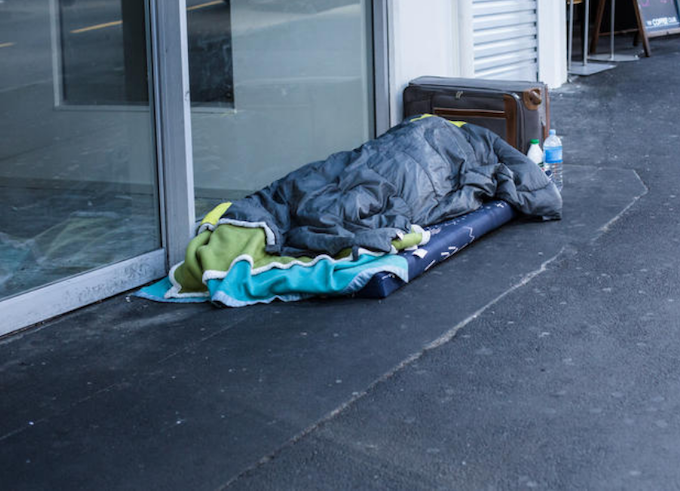
But it’s people in overcrowded, informal or no housing at all who are most exposed. Crowded housing conditions are bad for all occupants, largely through the increased risks of infections, as WHO Guidelines on Health and Housing clearly identify.

Expose one, expose us all

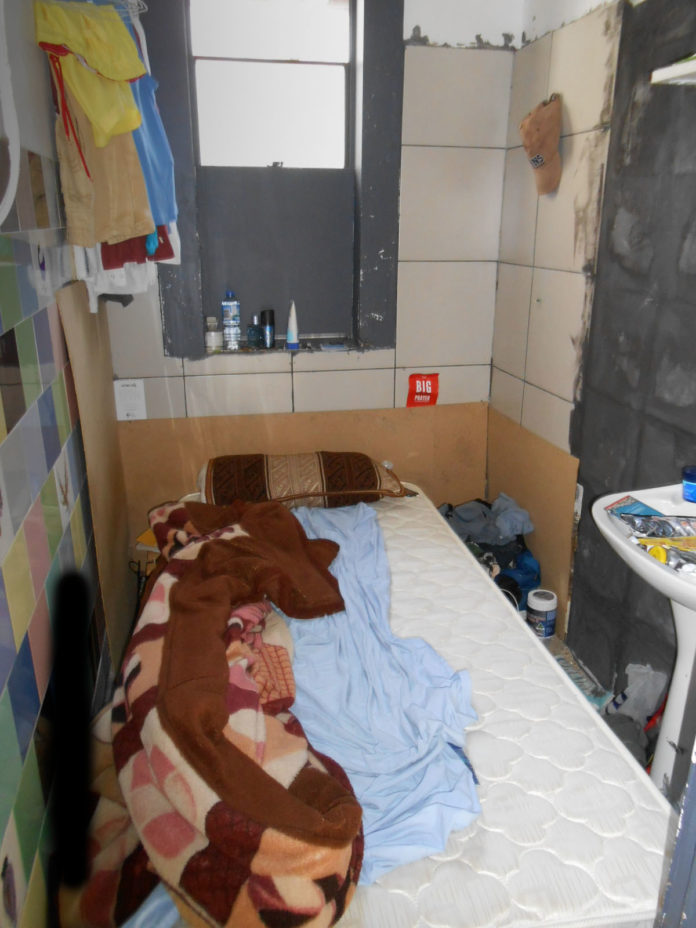
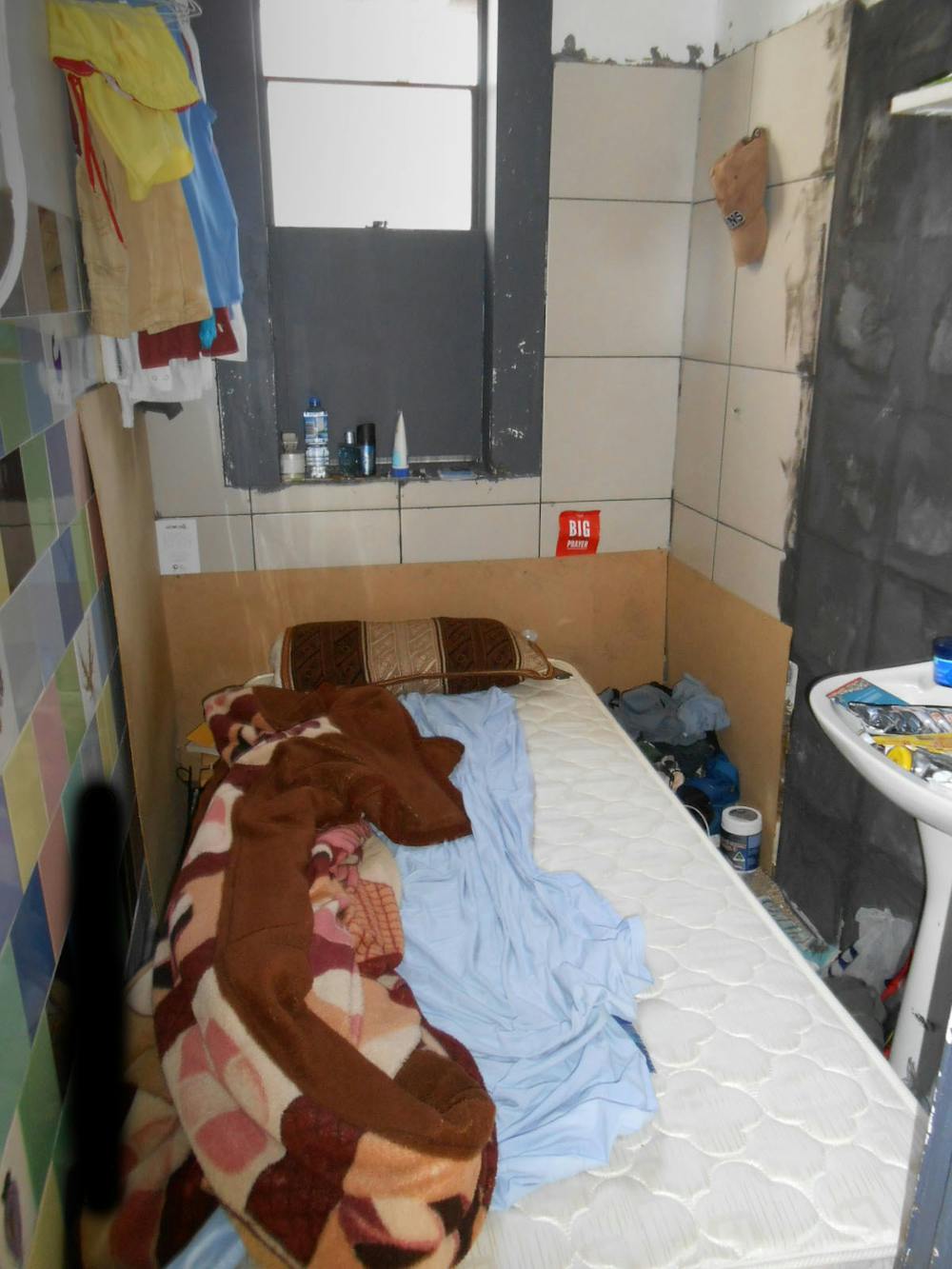
Leaving people to live in crowded and inadequate housing increases the risks for the whole community. City of Sydney/AAP

The increased risk of COVID-19 infection will have impacts on both the residents of crammed dwellings and the rest of the community. Improving the housing conditions of the most marginalised members of our society is an important biosecurity measure.

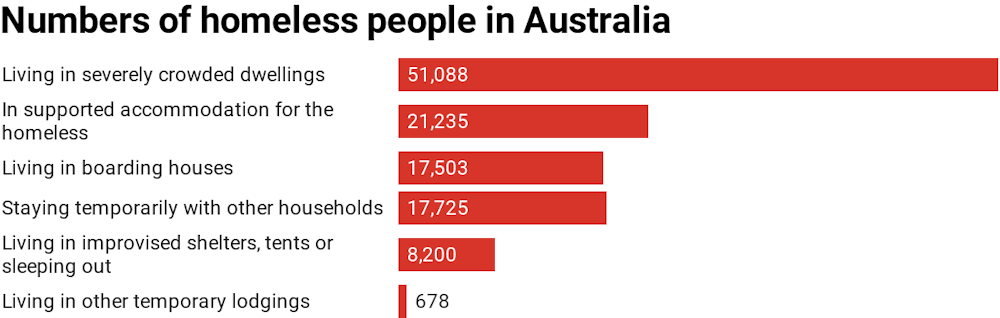
The number of Australians who are homeless grew dramatically from 2011-2016. The largest increase was people living in severely overcrowded dwellings.

Data: ABS Census 2016, CC BY

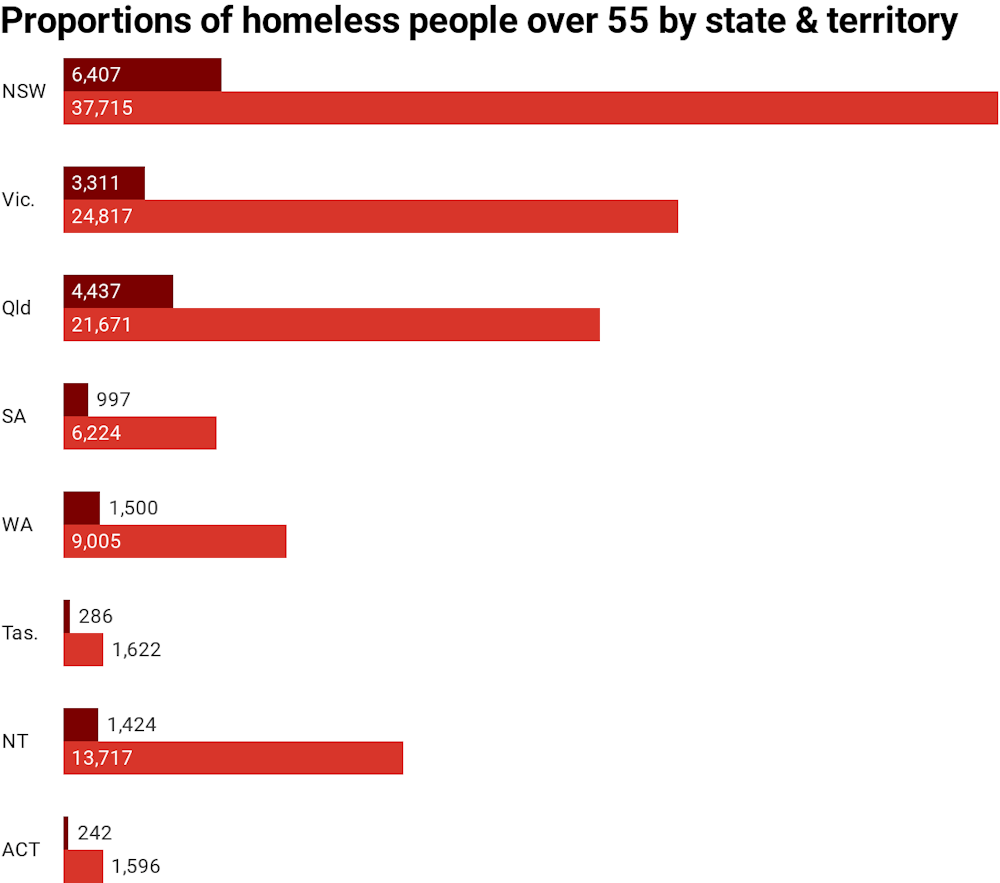
This trend includes a sharp rise in older people living in crowded or marginal housing.

Data: ABS Census 2016, CC BY

Read more: Informal and illegal housing on the rise as our cities fail to offer affordable places to live


Crowding is endemic in Indigenous communities. Poorly maintained and inadequate dwelling conditions make the impacts of crowding worse.

Previous experience with swine flu – Influenza A (H1N1) – indicates contagious disease outbreaks in Indigenous communities will be catastrophic. After over a decade of making remote areas harder places to be – as a result of cuts to housing and infrastructure allocations and increased water insecurity – they are now expected to operate as refuges.

Tertiary students, including international students, are also likely to be living in overcrowded share houses and room-share rentals. These arrangements already breach basic health and sanitation standards.


Read more: Tracking the rise of room sharing and overcrowding, and what it means for housing in Australia


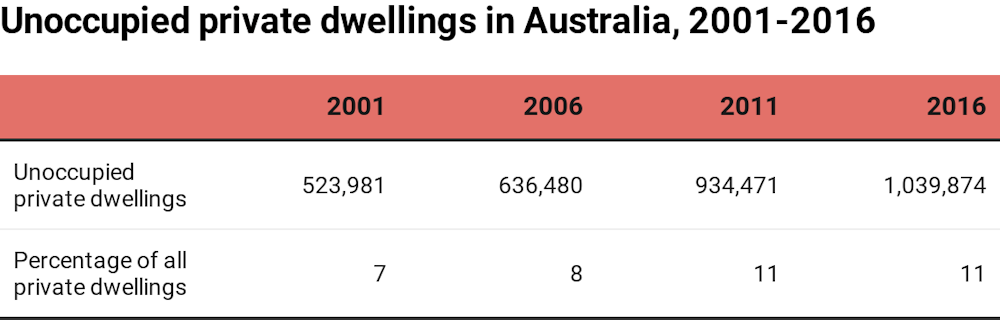
These problems aren’t due to a shortage of housing. Census data show the number of unoccupied dwellings increased during the same period that homelessness grew.

Data: ABS Census, CC BY

Rather than an absolute shortage of homes, our increasingly financialised property market has distorted access to decent accommodation. Housing is now treated as an asset instead of a basic right. In recent years platforms such as Airbnb have made this situation worse by transforming permanent rentals into short-term accommodation for tourists.

What should governments do?

Moves to prevent evictions and to offer mortgage relief during the pandemic period are an urgent first step in what needs to be rapid national action on housing.

Securing adequate housing for those in unstable accommodation, particularly those who need to isolate, is the next phase in this public health response. Suitable housing must be made available immediately in locations near hospitals and key health services. This can be triaged.

Options might include:

  • local hotels or motels – for people in metropolitan and some regional centres this seems to be an obvious option as many are likely empty of travellers

  • vacant holiday homes or temporary workforce housing

  • other health accommodation used for rehabilitation that can be repurposed

  • construction of temporary dwellings.

Hotels close to major teaching (university) hospitals could be commandeered for patients with COVID-19 who need quarantined nursing care, but not intubation to help them breathe.

These hotels could also provide places of rest for health workers who might wish to isolate themselves from their families while they fight in our favour. For example, the University of Tasmania has provided one of its hotel buildings, which has been used for student housing, to the Tasmanian government for this purpose.

Access to hotels and motels for civilian isolation practices more broadly is an obvious solution across urban areas and regional centres.

To reduce the risks arising from inadequate housing, the nation’s vast holiday rental supply should also be considered for people on priority waiting lists for social housing who are in crowded accommodation. Owners of currently empty holiday accommodation could receive the equivalent of rent assistance payments from the Commonwealth for making their housing available.


Read more: Australia needs to triple its social housing by 2036. This is the best way to do it


A vast tourism workforce of property managers, maintenance and cleaning staff, already reeling from the bushfire crisis, is likely ready and able to repurpose residential tourist accommodation for those in need.

On the other side of the health crisis, it’s clear a rapid, nation-building expansion in social and affordable housing must be part of Australia’s plan. Well-designed, secure and maintained housing should be Australia’s first defence, not our weakest link, in combating health, climate and economic crises.


Read more: Australia’s housing system needs a big shake-up: here’s how we can crack this


ref. Homelessness and overcrowding expose us all to coronavirus. Here’s what we can do to stop the spread – https://theconversation.com/homelessness-and-overcrowding-expose-us-all-to-coronavirus-heres-what-we-can-do-to-stop-the-spread-134378

Keith Rankin Chart Analysis – Covid-19 Virus: Exponential Growth in United States and United Kingdom

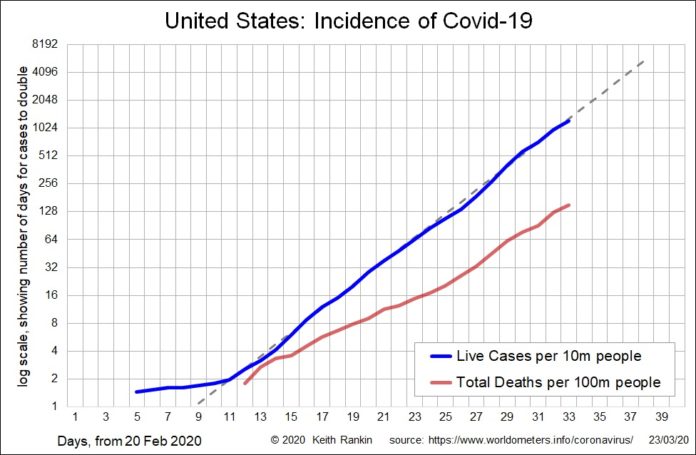
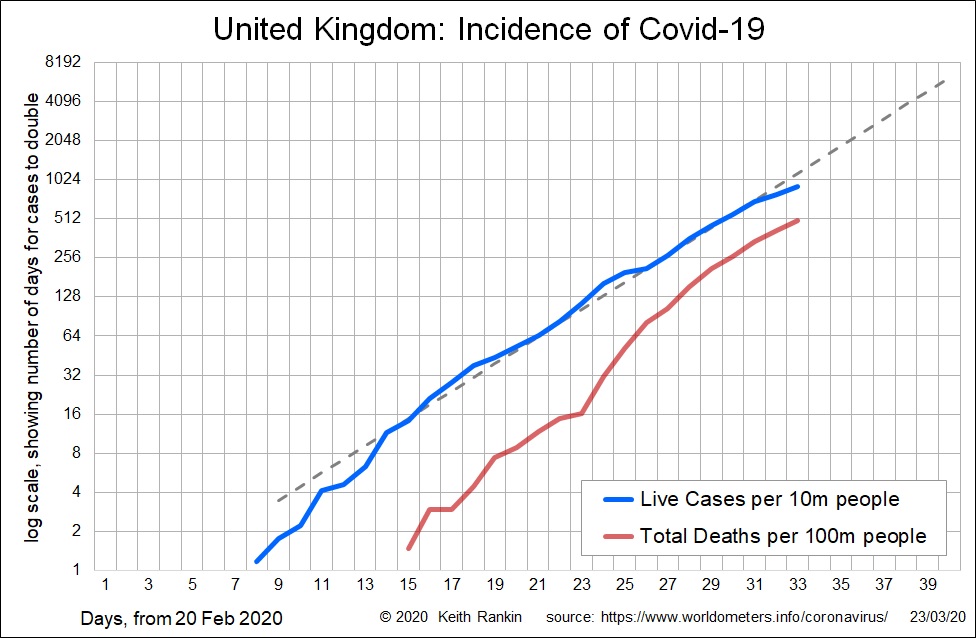
United States and United Kingdom remain the biggest concern for now. Graphic by Keith Rankin.

Analysis by Keith Rankin

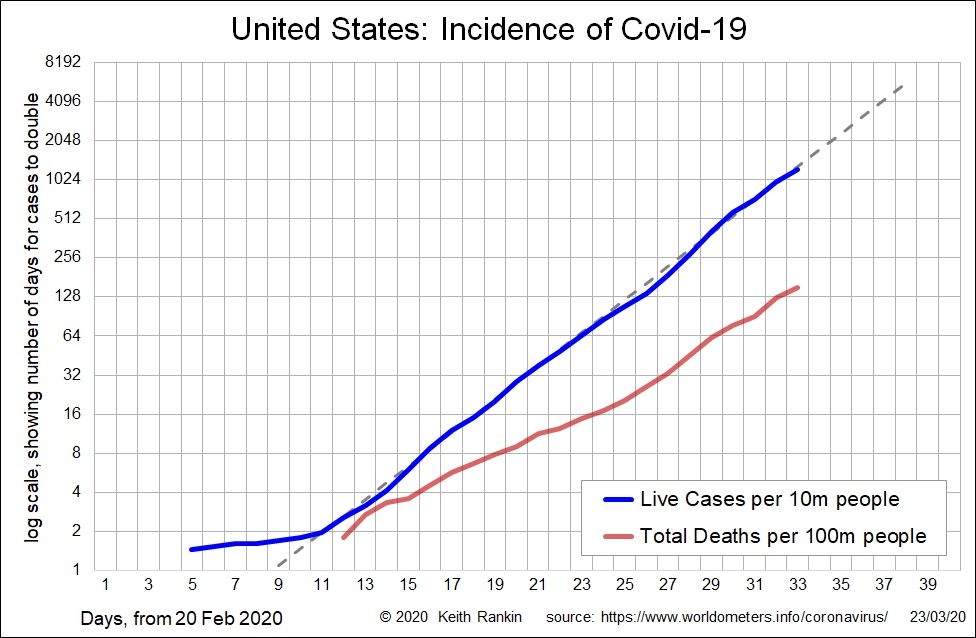
United States and United Kingdom remain the biggest concern for now. Graph by Keith Rankin.

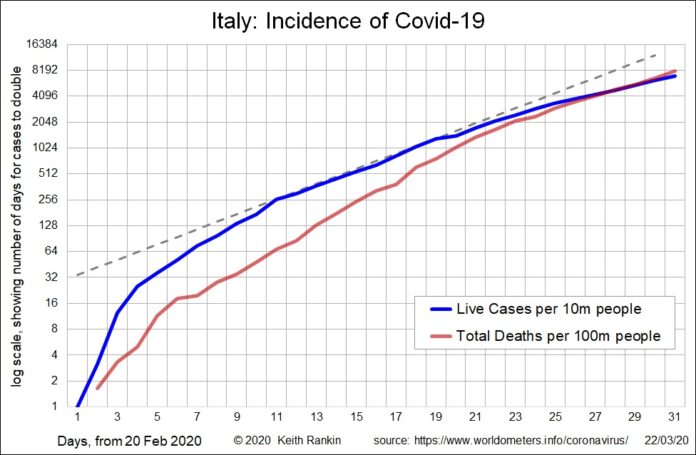
The USA has been on a consisted exponential growth path since day 11 (March 1). Italian Covid‑19 incidence levels – currently just over 8,000 known cases per 10 million people on 23 March – will be reached in the United States by day 39 (Sunday, March 29) if there is no decline from this path. Further death rates in the USA are likely to accelerate; there is no obvious reason why deaths as a percentage of known cases should be substantially less in the United States than in Italy.

The United Kingdom chart is on an identical grid to the USA chart. While the growth rate of known cases is on a slower exponential growth path (and projects to reach present Italian levels a day later than USA), the UK death rate is on a faster growth path. The most likely explanation here is that the UK case data has becoming increasingly divorced from the actual incidence of Covid‑19 in United Kingdom. While the UK undercount may be less than Italy’s, it is very much the death tally that has now become the key indicator in the UK (as it has in Italy and Spain). Covid‑19 deaths per 100 million people have reached 500 in the United Kingdom, but 150 in the United States.

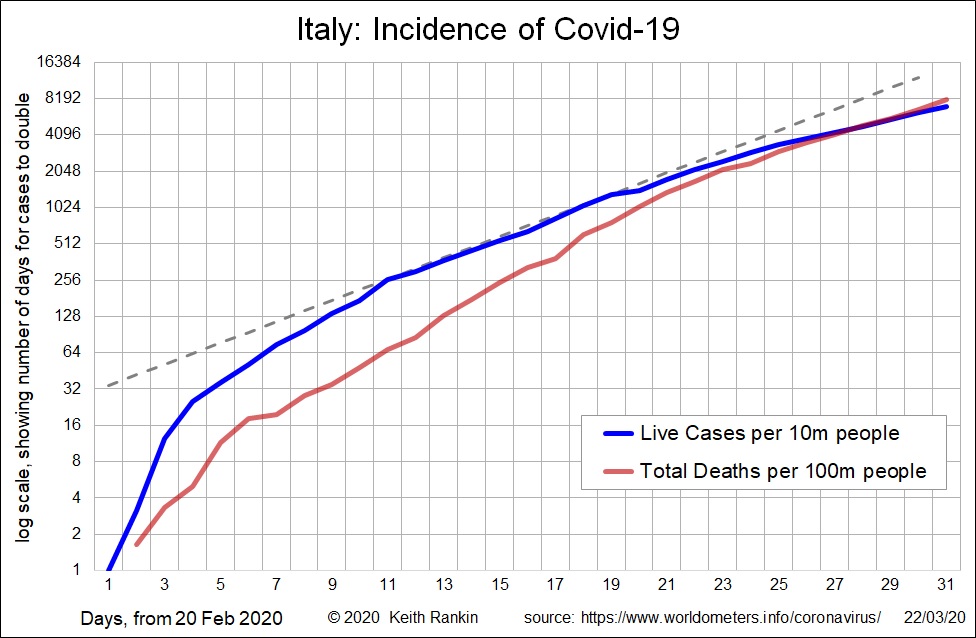
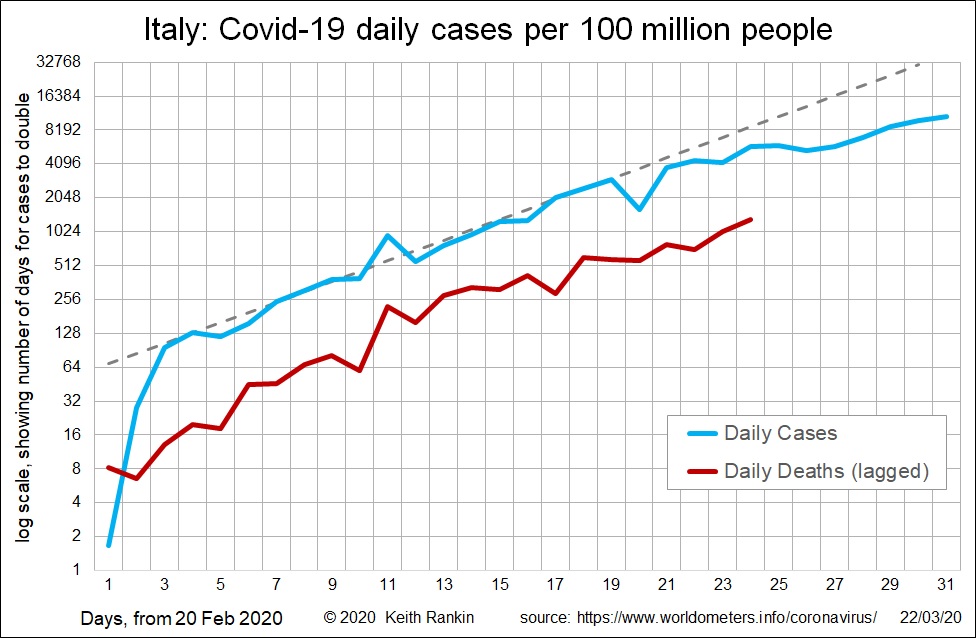
These charts convey a more pessimistic message than others I have created. Earlier charts emphasised the slowing of Covid‑19 growth in Asia, and hinted of slowing growth in Italy.

One further matter to note is that the rate of spread of Covid‑19 is probably not greater in colder places, as first seemed to be the case. (The rate of spread in Australia seems to be similar to that in Canada.) I now suspect that Scandinavia got the virus early – and rapidly – because Scandinavians (like New Zealanders) travel a lot. But, with comparatively few direct flights from China to Scandinavia, there was likely less vigilance with respect to locals returning from Covid‑19 hotspots in Asia in January. (Also, early Norwegian cases were linked to aurora tourism, via cruise ships.) The ‘good news’ from this realisation is that the crisis in New Zealand should not worsen in May or June, as winter takes hold. The ‘bad news’ is that warm climates may not check the spread of the virus in the likes of India, Indonesia and Brazil.

What steps hospitals can take if coronavirus leads to a shortage of beds

Source: The Conversation (Au and NZ) – By Gerard Fitzgerald, Emeritus Professor, School of Public Health, Queensland University of Technology

The number of COVID-19 cases in Australian continues to grow with new cases confirmed each day.

Of those who get ill, about 20% will have moderate or severe illness that requires hospitalisation.

Based on experience in China, of those admitted, about 26% will require a stay in an intensive care unit (ICU) and 17% mechanical ventilation.


Read more: How we’ll avoid Australia’s hospitals being crippled by coronavirus


So what happens if we run out of hospital beds for patients with COVID-19?

Overwhelmed health systems

The epidemic is currently under control in Hubei but continuing to expand rapidly in Italy which is currently overwhelmed by this disease and its health system floundering.

A report this month in the New England Journal of Medicine describes the impact of this outbreak in Italy: operating rooms turned into ICUs, patients admitted for other reasons contracting the disease and health workers falling ill.

In Australia, as of this morning there were more than 1,800 confirmed cases of COVID-19, with 344 new cases since 6am yesterday.

We have an extensive health capability in Australia with around 94,000 hospital beds (61,000 in public hospitals) including 2,200 ICU beds. We also have about 800,000 people working in health services including 350,000 nurses and 90,000 doctors.

At present in Australia, the number of cases is not at a level that would challenge our health treatment capability.

But health personnel are stretched undertaking contact tracing to understand how the infection is spreading, data collection and analysis, and implementing enhanced infection control procedures.

Similarly the laboratory system is being challenged by increased testing rates and primary care services are likely to be stretched by responding to considerable community concern.


Read more: State-by-state: how Australia’s new coronavirus rules will affect you


So, if demand continues to increase, what can our health system do to surge the response?

As the numbers grow

The surge requirements are not one dimensional. People often speak about the capacity of the system to surge the amount of space, staff and stuff. Each of these has limitations.

The space must be appropriate to need.

The surge in staff must take into consideration the impact this event has on staff availability and the risk they are taking on.

Surging consumables and equipment depends on supply chains. The domains are complementary. Increasing ventilators alone without having sufficient staff to operate them is futile.

In addition, people will continue to get sick from other causes. Indeed, there is often a danger in disaster response in which all of the attention is focused on those with the disease and other patients including some who are serious and critically ill are relatively ignored.

A four tier response

Health system responses will escalate as demands increase and may be broadly categorised into four tiers.

The first tier is when there is a relatively small epidemic. Health systems will seek to concentrate the care into a small number of facilities, thus concentrating the expertise and maximising the infection control. This is what is happening now.

The second level of response occurs when health facilities need to create additional internal capacity or to refocus existing capacity. Common strategies involve cancelling elective surgery, early discharge and relocation of patients to other facilities.

The third tier of response occurs when additional capacity has to be created. Options include recommissioning purpose-built facilities (closed hospitals) or by taking over suitable alternatives such as hotels.

Hotels can be useful for recuperating patients who require mainly observation and support. They are facilities that can be easily and rapidly converted to include appropriate levels of infection control.

Victoria has announced funding for an extra 269 hospital beds, including 84 at Melbourne’s old Peter Mac Hospital, and the former Baxter House Hospital in Geelong will be recommissioned.

In South Australia, new facilities will be set up at the recently decommissioned ECH College Grove and Wakefield hospitals providing an extra 188 beds.

Additional space and equipment is one thing, but not helpful as we need people to care for the patients and run the ventilators. We need to protect the existing staff wherever possible.

Additional staff can be found among recently retired practitioners and students, and by redirecting personnel from other (particularly non-clinical) areas.

But a word of caution. This is not a time to learn new skills. Familiarity leads to efficiency and so unfamiliar staff can be best used to help and support and to undertake non-technical roles.

Hard decisions at tier four

The fourth tier occurs when a system is overwhelmed, as in Italy and other European countries at present. This is when the demand for care exceeds any possibility of providing that care equally to all.

In this case, very difficult decisions have to be made involving triage of patients and the allocation of resources.

We have not had to implement such responses in this country since perhaps the Spanish Flu pandemic of 1918/1919. But such decisions based on risk and possible benefit are not unusual.


Read more: Coronavirus: how to access the medicines you and your family need


Decisions about whether to resuscitate or operate are made commonly but mostly focused on the likely benefit to the individual and are made in partnership with the patient and their carers.

In this circumstance, very hard decisions will have to made about relative benefit to preserve the health system’s capacity for people who are more likely to survive.

To support this, we would need to identify and communicate what is known as “Crisis standards of care” so that there is a consistent, system-wide approach. The legal and ethical aspects of this will need agreement not only by medical authorities but more broadly in the community.


Read more: The coronavirus pandemic is forcing us to ask some very hard questions. But are we ready for the answers?


ref. What steps hospitals can take if coronavirus leads to a shortage of beds – https://theconversation.com/what-steps-hospitals-can-take-if-coronavirus-leads-to-a-shortage-of-beds-134385

As NZ goes into lockdown, authorities have new powers to make sure people obey the rules

Source: The Conversation (Au and NZ) – By Alexander Gillespie, Professor of Law, University of Waikato

From midnight on Wednesday, New Zealand will go into lockdown for four weeks, with only essential services like supermarkets and pharmacies remaining open.

Police and medical officials already have legal powers under existing laws to fine people who flout the lockdown rules, but Prime Minister Jacinda Ardern has foreshadowed she will also declare a state of emergency and issue an epidemic notice.

Ardern has instructed people to stay at home, in the “most significant restriction on New Zealanders’ movements in modern history”, as the country moves to alert level four to slow the spread of COVID-19.


Read more: Social distancing can make you lonely. Here’s how to stay connected when you’re in lockdown


Highest alert level

There are now 155 confirmed or likely cases in New Zealand, and 12 people who have recovered from the illness.

The difference between levels three and four is the scale of transmission. Level four means that COVID-19 is “sustained, intensive and widespread” and stricter measures are necessary to try to eliminate it.

The difference in policy is that the government moves from strong and escalating recommendations for many people to mandatory prohibitions and controls for all people.

There are now four cases of community transmission in New Zealand, and even though there is no conclusive evidence that the disease will become widespread, authorities can act in a pre-emptive way in response to a clear threat that comes with uncertainty in some areas. The government does not need absolute proof that disease transmission is occurring within the community at multiple levels before moving to level four.

Existing immigration law and health legislation give authorities powers to implement border and movement restrictions. COVID-19 is a quarantinable infectious disease, and the Health Act 1956 allows medical officials (with the help of the police) to take a range of actions to prevent an outbreak or spread of the disease. The law allows officials to:

  • isolate or quarantine people
  • shut down, disinfect or even destroy many types of premises
  • stop people from congregating in outdoor spaces
  • force people to take medical tests
  • ban travel.

If the infectious disease breaks out (as a level four designation suggests), authorities gain further powers. They can requisition property (private and public) for the transport or treatment of the sick or the holding of bodies. Anybody who fails to to follow orders could face fines of up to NZ$4,000 or six months in jail.

In addition, as anxiety levels rise, the police have existing powers to control disorderly or offensive behaviour or language within certain areas, as they maintain public order.


Read more: Why Singapore’s coronavirus response worked – and what we can all learn


National emergency

Beyond these existing laws, the government is expected to take two further steps.

It is likely to declare a state of national emergency, which is used in situations of such a magnitude that a high-level response is required, involving both national and local governments, emergency services and lifeline utilities, rolled into a configuration necessary for effective civil defence.

Although the military is not directly part of the civil defence and emergency management structure, the above authorities can request its help. Given the sheer scale of what is being contemplated, it is likely the military will need to be deployed.

The laws available to authorities to deal with the emergency include the ability to:

Refusal to comply with these rules may result in up to three months in jail, and/or a NZ$5,000 fine for an individual or NZ$50,000 for a corporate.

The second option the government has is the 2006 Epidemic Preparedness Act. This becomes available if the prime minister issues an epidemic notice, should she be satisfied that a designated quarantinable infectious disease is “likely to disrupt” or continue to disrupt essential governmental and business activity in New Zealand significantly.

This notice allows the government, in its truncated form of the executive branch, to change existing laws, subject to only a few safeguards of review, some civil rights and constitutional structure.

This means that if deemed absolutely necessary, the government can do nearly anything that needs to be done to stop the epidemic of COVID-19 in New Zealand.

Stay in touch with The Conversation’s coverage from New Zealand experts by signing up to our weekly newsletter – delivered to you each Wednesday.

ref. As NZ goes into lockdown, authorities have new powers to make sure people obey the rules – https://theconversation.com/as-nz-goes-into-lockdown-authorities-have-new-powers-to-make-sure-people-obey-the-rules-134377

The US is fast-tracking a coronavirus vaccine, but bypassing safety standards may not be worth the cost

Source: The Conversation (Au and NZ) – By Paul Komesaroff, Professor of Medicine, Monash University

Last week American biotech company Moderna commenced the first clinical trial of a vaccine for COVID-19.

Similar studies are reportedly being planned in the US, China, Israel, Australia and elsewhere, with at least 20 potential vaccines under development.

The usual time scale for the development of a new vaccine is five to ten years. But the scale of the emergency we are facing creates overwhelming pressure to speed up this process.


Read more: Here’s why the WHO says a coronavirus vaccine is 18 months away


The Moderna trial shows this has already been at least partially successful. The speed at which this trial vaccine has been developed is breathtaking, given the virus was only identified three months ago.

However, the shortcuts being taken – including skipping animal trials and going straight to human testing – may end up doing more harm than good.

What’s significant about these trials?

The rapid progress has been made possible, in part, by a promising new technology which is still largely untested.

Unlike traditional vaccines, the Moderna vaccine candidate doesn’t use modified or killed forms of the virus. Rather, it relies on genetically engineered fragments of the virus’ genetic code, which are calculated on the basis of a theoretical model.

But the goal of both types of vaccines is the same: to provoke an immune response that will provide protection against infection.

Similar methods have been tried in small clinical trials of new vaccines for other viral infections (not coronaviruses), with promising, but still inconclusive, results.

The trial is also unprecedented in that it involves testing a completely new therapeutic substance in humans.

Vaccines are usually tested in animals before they’re tried on humans. Shutterstock

Usually, new drugs and vaccines are required to undergo a thorough assessment of safety in animals before humans are exposed to them.

However, in the present emergency it has been argued that there is no time to undertake such a process.

What’s the problem with jumping to human testing?

Testing a substance on humans that has received a minimal assessment of its safety poses potential risks. It could cause unexpected effects in the study participants, including severe illness and even death.

It’s also possible that an untested vaccine could even accelerate or enhance the effects of the virus instead of blocking them.


Read more: We mightn’t like it, but there are ethical reasons to use animals in medical research


Speeding up the approval process and recruitment of participants also runs the risk of eroding ethical requirements relating to consent, privacy and the protection of vulnerable people, especially where payments may be involved. This could both increase the risks to volunteers and undermine public trust in clinical research.

The anti-vaccination movement already seeks to discredit the importance of vaccines. If a new vaccine, tested and introduced without established safeguards, is associated with major health problems, people may be less likely to undergo other vaccinations in future.

The ethics approval process needs work

The research ethics regulatory system has protected us against these risks for 50 years. It ensures newly released products will be safe and effective.

But the system has problems. It has become deeply bureaucratised and ethical discourse has often been replaced by rigid administrative rules and the slavish completion of forms.

Often the approval process can take months, and involve an extensive cycle of quibbling with little or no ethical content.

Research approval processes are slow and unnecessarily complicated. Shutterstock

The challenge of COVID-19 research may prompt a rethink of this bureaucracy. The sheer urgency of the task may force a review of current ethics processes and open the way for a more efficient, streamlined system.

This process could stimulate a move away from the focus on formal rules and procedures and a return to the core idea of ethical deliberation in the service of urgent social needs.

Is there still a role for animal testing?

The question of the use of animals in research is more complex than it may first appear.

Animal testing has played a fundamental role in the development of many vaccines in the past and will continue to do so. But different viruses may produce different effects in different species. A candidate vaccine that appears useful in one animal species may not be effective in humans.


Read more: Of mice and men: why animal trial results don’t always translate to humans


At the same time, animal rights groups have rightly pointed to a history of cruelty towards animals and have strongly advocated for the reduction or elimination of animal testing.

It would, however, seem premature to dispense with animal testing, which can provide invaluable guidance for human clinical studies. The search for animal models which mimic the effects of coronavirus in humans, and the testing of candidate substances, should continue, albeit with great care.

We need to maintain safety standards

The development and testing of COVID-19 vaccines is urgent and it is important to find ways to speed things up.

However, it has to be undertaken without compromising standards of care and safety.

Tried and tested processes to assess risks and benefits, protect research participants, and ensure the ethical conduct of clinical trials, must be preserved.


Read more: The coronavirus pandemic is forcing us to ask some very hard questions. But are we ready for the answers?


ref. The US is fast-tracking a coronavirus vaccine, but bypassing safety standards may not be worth the cost – https://theconversation.com/the-us-is-fast-tracking-a-coronavirus-vaccine-but-bypassing-safety-standards-may-not-be-worth-the-cost-134041

To get out of this well we are going to have to think like central planners

Source: The Conversation (Au and NZ) – By John Quiggin, Professor, School of Economics, The University of Queensland

Within the space of weeks, Australia has been transformed into a command economy.

Businesses are being told whether they can or cannot open and how they must operate, consumers are subject to formal and informal rationing, workers are directed to stay home, or, in the case of schoolteachers, until now ordered to turn up regardless of risk.

All of it is taking place against the background of what is assumed to be a market economy, where businesses are meant to live or die according to their success in meeting the needs of consumers, and where unemployed workers are expected to find jobs or live in poverty.


Read more: View from The Hill: Entertainment venues closed in draconian measures to fight the virus


The economy we thought we were living in is one in which individual problems are addressed case by case, with nothing remotely resembling an overall plan.

For the next couple of weeks at least, as the lockdown of the economy is completed, policy will be made up as we go along.

But then it will be time to think about the future, and how we will deal with the consequence of the command economy we have created. It’s unlikely that we will be able to return to the economy that existed a month ago.

Indeed, the catastrophic bushfire season, now pushed out of our minds by COVID-19, demonstrated that we could not go on as we have done.

Economists think like planners

To think about how to deal with the crisis in the medium term, it’s useful to adopt the perspective of a central planner.

Surprisingly, perhaps, this is something economists do regularly, even though hardly any of us support comprehensive central planning.

The idea, in dealing with an economic problem like unemployment, is to ask how a perfectly informed, and purely benevolent social planner might deal with it. (To avoid getting into disputes about comparative systems, economists mostly prefer the term “social planner” to “central planner”)

No such omniscient and benevolent planner exists or is likely to, but we can use the ideal planned solution as a benchmark against which to compare market outcomes.


Read more: Scalable without limit: how the government plans to get coronavirus support into our hands quickly


A famous conclusion of mainstream economics, with the grandiose title of the Second Fundamental Theorem of Welfare Economics, states that, under ideal conditions, and with the right initial allocation of property rights, perfectly competitive markets can replicate any outcome that might be chosen by a social planner.

But, just like omniscient and benevolent social planners, perfectly competitive markets don’t exist in reality. So economic analysis involves comparing market outcomes to the unattainable ideal of the perfect social planner, then considering policy changes that might move the economy closer to the ideal.

How a planner would think

How might a social planner respond to the COVID-19 crisis, and the lockdowns it has necessitated?

The planner would begin with an assessment of the resources available to the community and the technology available, which in turn would determined the set of goods and services that could be produced.

Having selected a particular set of goods and services, the planner would decide who should get them, subject to various constraints of feasibility and equity.


Read more: State-by-state: how Australia’s new coronavirus rules will affect you


In this way of thinking, the need for lockdowns in response to COVID-19 represents a backward step in technology, making it impossible for the economy to produce services like restaurant meals and travel.

As a result, the planner is faced with a number of problems.

First, what can be produced in place of these lost services? We can think of examples like takeaway in place of restaurant meals and teleconferencing in place of travel. These replacements will go some way to offsetting the shock of the lockdown, but by no means all the way.

Next the planner needs to consider the workers and input suppliers who produce the lost services.

Can they be re-employed elsewhere in the economy? And if so how? On the assumption that the lockdown will last months rather than years, it seems likely that only limited redeployment is possible.

Who should bear the losses?

However, some sectors of the economy, like international travel are likely to be greatly reduced for years to come. Subsectors like cruise shipping may never recover. In this case, workers and resources need to move to other areas of production.

The final, and most critical, question for the planner is: who should bear the loss associated with the crisis?

In a market economy, those outside the affected sector have to do without restaurant meals and other services, but can shift their spending elsewhere or save up and spend it later. The loss is borne by workers who become unemployed and employers who go out of business.


Read more: Coronavirus puts casual workers at risk of homelessness unless they get more support


A social planner would want to spread the losses more evenly.

In the absence of the ideal social planner, the options available to policy makers fall into three broad categories

  • unemployment benefits and business assistance, which require transfers of resources from the rest of the community (unlike in a normal recession unemployed workers can’t easily be mobilised)

  • requirements for private creditors such as banks and landlords to forgive or defer payments

  • taking enterprises into public ownership, keeping staff on and operating at a loss, which must will be met by the community as a whole

To get the mix right, we need to take the time following the immediate crisis to consider what a planner would do.


John Quiggin’ latest book is Economics in Two Lessons: Why Markets Work so Well and How they can Fail so Badly.

ref. To get out of this well we are going to have to think like central planners – https://theconversation.com/to-get-out-of-this-well-we-are-going-to-have-to-think-like-central-planners-134356

Four new cases of community transmission of Covid-19 in NZ

By RNZ News

Four new cases of community transmission have been reported in New Zealand today, as the Health Ministry revealed 40 new cases of Covid-19 in this country, taking the total to 155 infected people.

They include four cases of community transmission – three in Auckland, one in Wairarapa. Two of the four were among the 40 new cases revealed today.

READ MORE: Al Jazeera coronavirus updates – UK joins others in locking down, Italy death toll reaches 6077 and WHO chief warns pandemic is accelerating

He said there were now 155 confirmed and probable cases, and 12 people have now recovered from the virus.

“There are 12 cases that we can confirm are recovered. We will be updating this number on a daily basis.”

– Partner –

Six people are now in hospital, and all are in a stable condition. No cases have been taken to ICU.

Six people who attended the Hereford Conference in Queenstown have been confirmed with the coronavirus.

There have now been more than 8300 completed tests in New Zealand.

Clinically treated
The three probable cases are people who have returned a negative result from testing, but they are clinically treated as probable because of their connection with other cases.

Dr Bloomfield said recent travel back from overseas was still the main driver of Covid-19 cases in this country.

There is one confirmed case of Covid-19 in a rest home.

Dr Bloomfield said he had no knowledge of any member of the public health service being infected.

The country enters level 4 alert status from 11.59pm on Wednesday. It will be a full lockdown, for a minimum of four weeks.

Print Friendly, PDF & Email

Article by AsiaPacificReport.nz

‘Overjoyed’: a leading health expert on New Zealand’s coronavirus shutdown, and the challenging weeks ahead

Source: The Conversation (Au and NZ) – By Michael Baker, Professor of Public Health, University of Otago

Overjoyed. That’s not a word epidemiologists normally use, but that’s how I felt after hearing Prime Minister Jacinda Ardern’s announcement about New Zealand’s COVID-19 shutdown of everything except essential services for at least four weeks from midnight on Wednesday. More than anything, I just felt a huge sense of relief.

That New Zealand would have to take this step has become more and more apparent with every passing day. Having looked at the COVID-19 exponential trajectory that we were on in New Zealand, there really was no sensible alternative but to do this.

As the prime minister said in her address to the nation, while New Zealand had 102 COVID-19 cases at the time of making the announcement, those numbers will rise further. She referred to the risk of “tens of thousands” of New Zealanders potentially dying in a worst case scenario.

This shutdown is crucial in changing the course of the pandemic in New Zealand. The restrictions on people’s work, schooling and movements will be in place for a minimum of four weeks, with controls potentially lifted region by region once it becomes clear that the shutdown has worked.

NZ’s shutdown might last beyond four weeks

The New Zealand government announcement stated that all but essential services will close over the next 48 hours, with New Zealanders asked to stay home, after it appeared the community spread of coronavirus within New Zealand had begun – as my colleague Professor Nick Wilson and I feared it would.

New Zealand’s COVID-19 cases are on an exponential climb now – so it could be more than two weeks before we start to see the number of new cases level off and hopefully decline. These delays are inevitable. Level 4 starts in 3 days. It will take time for people to adjust their behaviour so we are all keeping our distance (at least 2 metres when out for a walk or for a trip to buy essentials). We then need to add in the incubation period as people being infected now and over the next few days will not become cases for 5-6 days after that.

I think four weeks will be the minimum shutdown period. More likely it will need to be longer, depending on the level of COVID-19 infection in the community.


Read more: Caring for 300,000 temporary migrants in New Zealand is a crucial missing link in our coronavirus response


The challenge ahead: expats returning from hotspots and more testing

Even after a complete shutdown for 4 weeks it’s still likely there will be some new cases. You might see some chains of transmission that affect a few generations of the same family, if they’re a big family or in close proximity – even among people following the rules.

Obviously in the weeks ahead, New Zealand has to keep working on its border controls. We’ve got a lot of expats coming back, many of them returning from places with coronavirus epidemics. That will be a wave of potential cases we’ll need to manage well.

If those people returning to New Zealand follow the rules and quarantine themselves at home properly, they should not infect other people (if they themselves are infected). But controlling this source will be crucial. It may be necessary to consider more supervised quarantine arrangements

In the meantime, we’ve got to use this four-week window to really ramp up our testing, contact tracing and quarantine systems.


Read more: Self-isolating for coronavirus is impossible for tens of thousands of New Zealanders – unless we help them fast


Why treating COVID-19 like an influenza pandemic was proving dangerous

COVID-19 is not influenza. All of our pandemic planning was based on treating this disease as if it was influenza, but this is a different virus. An eradication strategy for COVID-19 is a profoundly different approach to what we’d normally do with influenza – and our chances of success are so much better now that we’ve switched to this approach.

With a standard mitigation strategy, which is what usually applies with influenza pandemics, your response ramps up as the cases ramp up to ‘flatten the curve’.

But with eradication, you go full out at the start, and you eliminate the chains of transmission. In islands like Australia or New Zealand, it makes much more sense – but you have to turn the previous pandemic control approach on its head.

It felt extremely lonely for a while for my colleague Professor Nick Wilson and me, as we started to advocate for a different strategy.

Fortunately, Government leaders listened. And then all of a sudden, in just the past few days, the professional and public debate suddenly switched. Everyone I know, and every doctor in particular, was contacting me advocating a ‘lockdown’ of the whole country immediately. It’s been such a massive shift in thinking in a very short time.

There is a huge upside to the eradication approach. As Nick Wilson and I wrote in The Conversationlast week:

Doing this now has the potential to slow undetected chains of transmission while containment measures are being ramped up. If containment is sustained, there may be the chance of avoiding the prolonged lockdowns seen in many countries.

The large health advantages of an eradication strategy, compared with a mitigation approach, have been described in another recent Conversation article (https://blogs.otago.ac.nz/pubhealthexpert/2020/03/23/the-maths-and-ethics-of-minimising-covid-19-deaths-in-nz/)

  • Stay in touch with The Conversation’s coverage from New Zealand experts by signing up for our weekly newsletter – delivered to you each Wednesday._

ref. ‘Overjoyed’: a leading health expert on New Zealand’s coronavirus shutdown, and the challenging weeks ahead – https://theconversation.com/overjoyed-a-leading-health-expert-on-new-zealands-coronavirus-shutdown-and-the-challenging-weeks-ahead-134395

What are the lessons with Covid-19? Seeing the ironies through a PNG lens

OPINION: By Scott Waide in Lae

So it’s a global pandemic with 16,000+ dead already, more than 375,000 infected and nearly 102,000 recovered.

It was a national health worry. But within days, it became a national emergency. The Prime Minister James Marape taking advice from the National Security Council, a state of emergency declared and Police Commissioner David Manning appointed SOE controller.

For the first time in Papua New Guinea’s history, all the politicians and all the top bureaucrats are in the country.

READ MORE: Papua New Guinea orders lockdown

None of them want to be overseas. Even the crooks who stole from Papua New Guinea’s health system and made millions from the bribes want to be here in a country which is largely Covid-19 free (at least for now).

The irony of it all just gives you warm fuzzy feelings. What a beautiful example of poetic justice?

– Partner –

Australia, Singapore, China and the rest of the world are the least attractive places for anyone right now.

Every public official who thumbed their noses at Papua New Guinea’s health system and went overseas for medical treatment, now expects our underpaid doctors and nurses to build facilities that will be Covid-19 ready in weeks.

Big ask.

Invest in our health system
Oops! Why didn’t we invest in the health system and build it up for our people? Maybe, just maybe, one day we might need to use it. That day has come. A bit early, I must say.

Here is another piece of irony for you. The safest places in Papua New Guinea right now are the villages where up to 70 percent of health facilities are closed because of lack of funding and lack of medicines.

Hundreds of villagers have been in “self-isolation” for decades. They don’t have to maintain “social distancing”.

A lead team member in Morobe’s Covid-19 response team said on Saturday: “The safest place right now is in the villages. They can easily self-isolate.”

I didn’t say that, he did.

While there are reports of urban dwellers, panic buying food items. Food security in the villages remains constant. The Western Highlanders will be complaining about having too much kaukau, potato, broccoli and cabbages because interprovincial travel has been drastically reduced and the Lae Market is closed.

I’d rather complain about having too much healthy food than about too many deaths from Covid-19.

Screaming for government attention
The PND Defence Force has been called on to provide security with the police. They have a funding shortage, planes that are grounded, facilities that have been screaming for government attention for decades.

They’ve been put on alert to be battle ready against Covid-19. Big ask. But I don’t doubt their abilities.

But let’s buy them the equipment, uniforms, vehicles and training. With our money.

Let’s make them a force to be reckoned with. Give them the planes and the choppers so they can support us with pride.

Let’s not wait for a global crisis to do that.

We face an economic crisis brought on by Covid-19. If there was any time in history to invest in agriculture (and I don’t mean oil palm), this is the time. This is the time to plant for the next 6-12 months to increase food security.

But at the same time, we should be building systems for the future when the rest of the world collapses around us.

Scott Waide is EMTV News deputy editor based in Lae. His My Land, My Country blog items are frequently republished with permission by the Pacific Media Centre

Print Friendly, PDF & Email

Article by AsiaPacificReport.nz

Acting selfishly has consequences – ethical decisions amid virus crisis

ANALYSIS: By Hugh Breakey of Griffith University

As Australia and New Zealand move into lockdown mode in response to the Covid-19 coronavirus pandemic, we are increasingly faced with serious ethical questions about what ordinary people should be obliged to do for others.

These challenges can perhaps best be seen in the outrage as people flocked to Bondi Beach and packed into pubs and cafes over the weekend, despite strict social-distancing rules.

This also helps explain the anger on social media over people lying about overseas travel in order to get doctors’ appointments, hoarding toilet paper and defying quarantine orders, even as they defend their conduct self-righteously.

READ MORE: The coronavirus pandemic is forcing us to ask some very hard questions. But are we ready for the answers?

Why is ethical action critical?
In the face of a pandemic, legislation and police enforcement can only do so much. Ethical decision-making by ordinary people becomes crucial.

While laws and policies can be slow to evolve, individuals can alter their behaviours instantaneously. Rules and bans can be ham-fisted or crude, but ethical decision-makers can respond intelligently to their own contexts.

– Partner –

Above all, ethical decision-makers can be intrinsically motivated to do right by the community, ensuring compliance of social-distancing rules in situations where effective policing is logistically impossible.

Even as Victorian Premier Daniel Andrews announced a special taskforce to enforce an immediate shutdown of venues and restrictions on gatherings, he appealed to people’s consciences in the strongest terms:

If you act selfishly, people will die.

This is why leaders have called for voluntary cooperation during the crisis. Laws and political action alone will not save us. An effective response to the pandemic requires ordinary people making sound ethical decisions.

Flattening the curve is another way of saying slowing the spread. The epidemic is lengthened, but we reduce the number of severe cases, causing less burden on public health systems. Animated graphic: The Conversation/CC BY ND

Why is this so challenging?
As we have seen from the images over the weekend, ethical decision-making in response to a pandemic is not easy. Many people are simply not taking the crisis seriously enough.

One of the reasons for this is confusion. Rules change almost daily, meaning some people will not know the latest requirements. Others might not appreciate the stakes involved with their behaviours, and that it is not only their own health they are risking.

Also, rules can be ambiguous. For example, what happens if you’re keeping an appropriate distance from others at the beach or park, and it starts becoming crowded? Who should leave? Should those who arrived first have priority? Or should those who have had “their turn” move on?

In ambiguous situations, people take cues from those around them. If we saw others interacting normally at the park or pub (before they were closed), we could conclude it’s probably okay. We might also wonder if there’s any point in obeying the rules if others are not.

Furthermore, it’s easy to question the legitimacy of the new rules. Ordinarily, we judge rules based on many factors, such as:

  • Is it the right thing to do?
  • Is it fair?
  • Will it be effective?

In fluid situations, these conditions are hard to meet. Consider the case of casual workers with no paid sick leave who might not be able to pay rent or might lose their jobs if they comply with quarantine orders. Demanding they shoulder this burden can seem unfair.

Similarly, many teachers feel they are taking unfair risks to keep schools open.

In the most difficult cases, people must weigh up conflicting moral priorities. Do they support their elderly parents by visiting them, or is this risking infection?

For these reasons, even conscientious ethical decision-makers can struggle.

Park-goers took a more sensible approach at Bondi Beach on Sunday. Image: Joel Carrett/The Conversation/AAP

Why we might make poor decisions
Unfortunately, human beings suffer from decision-making biases.

For example, we often interpret expectations as entitlements. We convert our ordinary expectations about social, work, educational, religious and sporting routines into demands that these should continue.

This is one reason why some call for a “war footing”, urging people to acknowledge a “new normal”.

In addition, people tend to be self-interested and prioritise immediate goals. Abstract concerns about risks to community infection can seem less salient than the pressures of the moment.

This bias can affect ethical decision-making. It allows us to “neutralise” rules by inventing stories about why they don’t apply to us, given our special circumstances. These self-serving excuses are a classic source of serious moral error.

Some guidelines to follow
There are no easy answers to the myriad moral challenges that Covid-19 thrusts upon us. However, here are five rules of thumb:

  1. Common sense ethics still applies – and the stakes make it more important than ever. Never lie about or conceal your history or infection status. Comply strictly with authoritative directives about quarantine.
  2. Stay informed about the latest rules.
  3. Never force your decisions on other people. Even if you are not personally concerned about social distancing, acknowledge that others are entitled to their space.
  4. If others are behaving recklessly or inappropriately, try to engage with them constructively. Outrage can be appropriate, but understanding can be better at changing minds.
  5. Gird yourself for the long haul. “Fatigue” can set in over long periods with changing rules. As the weeks in a state of emergency turn into months, we can be worn down and become less diligent in our ethical decision-making.

Finally, remember the positives. As the stakes rise, acts of kindness and support are more important than ever before.The Conversation

Hugh Breakey is president of the Australian Association for Professional & Applied Ethics. He is also senior research fellow in moral philosophy at the Institute for Ethics, Governance & Law, Law Futures Centre, Griffith University. This article is republished from The Conversation under a Creative Commons licence. Read the original article.

Print Friendly, PDF & Email

Article by AsiaPacificReport.nz

Acting selfishly has consequences right now – why ethical decision making is imperative in the coronavirus crisis

Source: The Conversation (Au and NZ) – By Hugh Breakey, President, Australian Association for Professional & Applied Ethics. Senior Research Fellow, Moral philosophy, Institute for Ethics, Governance & Law, Law Futures Centre., Griffith University

As the country moves into lockdown mode in response to the COVID-19 pandemic, we are increasingly faced with serious ethical questions about what ordinary people should be obliged to do for others.

These challenges can perhaps best be seen in the outrage as people flocked to Bondi Beach and packed into pubs and cafes over the weekend, despite strict social-distancing rules.

This also helps explain the anger on social media over people lying about overseas travel in order to get doctors’ appointments, hoarding toilet paper and defying quarantine orders, even as they defend their conduct self-righteously.

People are even being met with disdain when they ask others to keep their distance.

Why is ethical action critical?

In the face of a pandemic, legislation and police enforcement can only do so much. Ethical decision-making by ordinary people becomes crucial.

While laws and policies can be slow to evolve, individuals can alter their behaviours instantaneously. Rules and bans can be ham-fisted or crude, but ethical decision-makers can respond intelligently to their own contexts.


Read more: The coronavirus pandemic is forcing us to ask some very hard questions. But are we ready for the answers?


Above all, ethical decision-makers can be intrinsically motivated to do right by the community, ensuring compliance of social-distancing rules in situations where effective policing is logistically impossible.

Even as Victorian Premier Daniel Andrews announced a special taskforce to enforce an immediate shutdown of venues and restrictions on gatherings, he appealed to people’s consciences in the strongest terms:

If you act selfishly, people will die.

This is why leaders have called for voluntary cooperation during the crisis. Laws and political action alone will not save us. An effective response to the pandemic requires ordinary people making sound ethical decisions.

Flattening the curve is another way of saying slowing the spread. The epidemic is lengthened, but we reduce the number of severe cases, causing less burden on public health systems. The Conversation/CC BY ND

Why is this so challenging?

As we’ve seen from the images over the weekend, ethical decision-making in response to a pandemic is not easy. Many people are simply not taking the crisis seriously enough.

One of the reasons for this is confusion. Rules change almost daily, meaning some people won’t know the latest requirements. Others might not appreciate the stakes involved with their behaviours, and that it is not only their own health they are risking.

Also, rules can be ambiguous. For example, what happens if you’re keeping an appropriate distance from others at the beach or park, and it starts becoming crowded? Who should leave? Should those who arrived first have priority? Or should those who have had “their turn” move on?

In ambiguous situations, people take cues from those around them. If we saw others interacting normally at the park or pub (before they were closed), we could conclude it’s probably okay. We might also wonder if there’s any point in obeying the rules if others aren’t.


Read more: Why releasing some prisoners is essential to stop the spread of coronavirus


Furthermore, it’s easy to question the legitimacy of the new rules. Ordinarily, we judge rules based on many factors, such as:

  • Is it the right thing to do?

  • Is it fair?

  • Will it be effective?

In fluid situations, these conditions are hard to meet. Consider the case of casual workers with no paid sick leave who might not be able to pay rent or might lose their jobs if they comply with quarantine orders. Demanding they shoulder this burden can seem unfair.

Similarly, many teachers feel they are taking unfair risks to keep schools open.

In the most difficult cases, people must weigh up conflicting moral priorities. Do they support their elderly parents by visiting them, or is this risking infection?

For these reasons, even conscientious ethical decision-makers can struggle.

Park-goers took a more sensible approach at Bondi Beach on Sunday. Joel Carrett/AAP

Why we might make poor decisions

Unfortunately, human beings suffer from decision-making biases.

For example, we often interpret expectations as entitlements. We convert our ordinary expectations about social, work, educational, religious and sporting routines into demands that these should continue.

This is one reason why some call for a “war footing”, urging people to acknowledge a “new normal”.


Read more: Explainer: what are the laws mandating self-isolation and how will they be enforced?


In addition, people tend to be self-interested and prioritise immediate goals. Abstract concerns about risks to community infection can seem less salient than the pressures of the moment.

This bias can affect ethical decision-making. It allows us to “neutralise” rules by inventing stories about why they don’t apply to us, given our special circumstances. These self-serving excuses are a classic source of serious moral error.

Some guidelines to follow

There are no easy answers to the myriad moral challenges that COVID-19 thrusts upon us. However, here are five rules of thumb:

  1. Common sense ethics still applies – and the stakes make it more important than ever. Never lie about or conceal your history or infection status. Comply strictly with authoritative directives about quarantine.

  2. Stay informed about the latest rules.

  3. Never force your decisions on other people. Even if you aren’t personally concerned about social distancing, acknowledge that others are entitled to their space.

  4. If others are behaving recklessly or inappropriately, try to engage with them constructively. Outrage can be appropriate, but understanding can be better at changing minds.

  5. Gird yourself for the long haul. “Fatigue” can set in over long periods with changing rules. As the weeks in a state of emergency turn into months, we can be worn down and become less diligent in our ethical decision-making.

Finally, remember the positives. As the stakes rise, acts of kindness and support are more important than ever before.

ref. Acting selfishly has consequences right now – why ethical decision making is imperative in the coronavirus crisis – https://theconversation.com/acting-selfishly-has-consequences-right-now-why-ethical-decision-making-is-imperative-in-the-coronavirus-crisis-134350

Urban owls are losing their homes. So we’re 3D printing them new ones

Source: The Conversation (Au and NZ) – By Dan Parker, PhD Candidate, University of Melbourne

Native to southeastern Australia, the powerful owl (Ninox strenua) is threatened and facing the prospect of homelessness.

These birds don’t make nests – they use large hollows in old, tall trees. But humans have been removing such trees in the bush and in cities, despite their ecological value.


Read more: To save these threatened seahorses, we built them 5-star underwater hotels


Owls are lured into cities by abundant prey, with each bird capturing hundreds of possums per year. But with nowhere to nest, they struggle to breed and their population is at risk of declining even further.

Existing artificial nest designs include nesting boxes and carved logs. Author provided

Conservationists tried to solve this problem by installing nesting boxes, but to no avail. A 2011 study in Victoria showed a pair of owls once used such a box, but only one of their two chicks survived. This is the only recorded instance of powerful-owl breeding in an artificial structure.

So as a team of designers and ecologists we’re finding a way to make artificial nests in urban areas more appealing to powerful owls. Surprisingly, the answer lies in termite mounds, augmented reality and 3D printing.

Bring in the designers

Nesting boxes aren’t very successful for many species. For example, many boxes installed along expanded highways fail to attract animals such as the squirrel glider, the superb parrot and the brown treecreeper. They also tend to disintegrate and become unusable after only a few years.


Read more: The plan to protect wildlife displaced by the Hume Highway has failed


What’s more, flaws in their design can lead to overheating, death from toxic fumes such as marine-plywood vapours, or babies unable to grow.

Designers and architects often use computer modelling to mimic nature in building designs, such as Beijing’s bird’s nest stadium.

But to use these skills to help wildlife, we need to understand what they want in a home. And for powerful owls, this means thinking outside the box.

What powerful owls need

At a minimum, owl nests must provide enough space to support a mother and two chicks, shelter the inhabitants from rain and heat, and have rough internal surfaces for scratching and climbing.

Traditionally, owls would find all such comforts in large, old, hollow-bearing trees, such as swamp or manna gums at least 150 years old. But a picture from Sydney photographer Ofer Levy, which showed an owl nesting in a tree-bound termite mound, made us realise there was another way.

Owls have been observed using termite mounds in trees for nesting. Blantyre, Author provided

Termite mounds in trees are oddly shaped, but they meet all necessary characteristics for successful breeding. This precedent suggests younger, healthier and more common trees can become potential nesting sites.

A high-tech home

To design and create each termite-inspired nest, we first use lasers to model the shape of the target tree. A computer algorithm generates the structure fitting the owls’ requirements. Then, we divide the structure into interlocking blocks that can be conveniently manufactured.

Trees and their surroundings can be scanned by lasers for precise fitting. Author provided

To assemble the nests, we use augmented-reality headsets, overlaying images of digital models onto physical objects. It sounds like science-fiction, but holographic construction with augmented reality has become an efficient way to create new structures.

So far, we’ve used 3D-printed wood to build one nest at the University of Melbourne’s System Garden. Two more nests made from hemp concrete are on the trees in the city of Knox, near the Dandenong Ranges. And we’re exploring other materials such as earth or fungus.

These materials can be moulded to a unique fit, and as they’re lightweight, we can easily fix them onto trees.

With augmented reality, it is easy to know where to place each block. Right: Views from the augmented reality headset. Author provided

So is it working?

We are still collecting and analysing the data, but early results are promising. Our nests have important advantages over both traditional nesting boxes and carved logs.

This is, in part, because our artificial nests maintain more stable internal temperatures than nesting boxes and are considerably easier to make and install than carved logs. In other words, our designs already look like a good alternative.


Read more: B&Bs for birds and bees: transform your garden or balcony into a wildlife haven


And while it’s too early to say if they’ll attract owls, our nests have already been visited or occupied by other animals, such as rainbow lorikeets.

Future homes for animal clients

Imagine an ecologist, a park manager or even a local resident who wants to boost local biodiversity. In the not-too-distant future, they might select a target species and a suitable tree from an online database. An algorithm could customise their choice of an artificial-nest design to fit the target tree. Remote machines would manufacture the parts and the end user would put the structure together.

Nests from 3D printed wood are easy to install. Author provided

Such workflows are already being used in a variety of fields, such as the custom jewellery production and the preparation of dental crowns. It allows informed and automated reuse of scientific and technical knowledge, making advanced designs significantly more accessible.

Our techniques could be used to ease the housing crisis for a wide range of other sites and species, from fire-affected animals to critically endangered wildlife such as the swift parrot or Leadbeater’s possum.

ref. Urban owls are losing their homes. So we’re 3D printing them new ones – https://theconversation.com/urban-owls-are-losing-their-homes-so-were-3d-printing-them-new-ones-133626

Snowy 2.0 is a wolf in sheep’s clothing – it will push carbon emissions up, not down

Source: The Conversation (Au and NZ) – By Bruce Mountain, Director, Victoria Energy Policy Centre, Victoria University

The massive Snowy 2.0 pumped hydro project is soon expected to be granted environmental approval. I and others have criticised the project on several grounds, including its questionable financial viability and overstated benefits to the electricity system. But Snowy 2.0’s greenhouse gas emissions have barely been discussed.

Both Snowy Hydro and its owner, the federal government, say the project will help expand renewable electricity generation (and by extension, contribute to emissions reduction from the energy sector).

However, closer inspection shows it won’t work that way. For at least the next couple of decades, Snowy 2.0 will store coal-fired electricity, not renewable electricity. In fact, I predict Snowy 2.0 will create additional demand for coal-fired generation and lead to an increase in greenhouse gas emissions for the foreseeable future.

Khancoban Dam, part of the soon-to-be expanded Snowy Hydro scheme. Snowy Hydro Ltd

The problem explained

The expanded Snowy Hydro scheme in southern New South Wales will involve pumping water uphill to a reservoir, storing it, and then releasing it downhill to generate electricity when demand is high.

The emissions reduction potential of the project rests on what type of electricity is used to pump the water uphill. Snowy Hydro says it will pump the water when a lot of wind and solar energy is being produced (and therefore when wholesale electricity prices are low).

But the crucial point here is that wind and solar farms produce electricity whenever the resource is available. This will happen irrespective of whether Snowy 2.0 is producing or consuming energy.


Read more: Snowy 2.0 will not produce nearly as much electricity as claimed. We must hit the pause button


When Snowy 2.0 pumps water uphill to its upper reservoir, it adds to demand on the electricity system. The generators that will provide this extra electricity are the ones that operate when demand is high.

These will not be the renewable generators. For the next couple of decades, coal-fired electricity generators – the next cheapest form of electricity after renewables – will provide Snowy 2.0’s power.

The Snowy 2.0 scheme will lead to more coal use in the foreseeable future. Julian Smith/AAP

Why this matters

Ageing coal-fired generaters will account for a smaller share of Australia’s electricity production over time as they become uneconomic and close down. But projections from the Australian Energy Market Operator show coal will make up a significant proportion of electricity production for the next two decades.

It is only when all coal-fired generators have closed (and gas-fired generators have not taken their place) that Snowy 2.0 could claim to be using renewable electricity to power its pumps.

Does this matter? Yes, very much. Using Snowy Hydro’s projections of how much electricity Snowy 2.0 will pump each year from 2025 to 2047 (the period over which they have developed their projections) I estimate that Snowy 2.0 will, on average, account for 5.4 million tonnes of carbon dioxide equivalent each year.


Read more: Turnbull unveils Snowy plan for pumped hydro, costing billions


This is clearly a big number – roughly equivalent to the annual greenhouse gas emissions of Australia’s mineral or chemical industry, and equal to the annual emissions of 2.4 million cars.

If we assume, conservatively, that emissions have a cost of A$20 per tonne of carbon, then Snowy 2.0 will impose an additional annual cost of A$108 million on the Australian community that will need to be countered by emissions reduction somewhere else in the economy.

Over 20 years, Snowy 2.0 will lead to more greenhouse gas emissions than three million cars. Julian Smith/AAP

The NSW government has adopted a target of net-zero emissions by 2050. But using Snowy Hydro’s projections of pumped energy, average greenhouse gas emissions attributable to Snowy 2.0 over its first decade will increase NSW’s emissions by about 10% of their current levels each year.

This proportion will increase if the government successfully reduces emissions elsewhere.

Of course, emission reduction is not just an issue for the states. The federal government has been at pains to affirm its commitment to the Paris climate accord. Snowy 2.0 will undermine the achievement of this commitment.

If additional energy storage is needed to stabilise our electricity grid, it can be provided by many alternatives with a much smaller greenhouse gas impact such as demand response, gas or diesel generators, batteries or smaller and more efficient pumped-hydro generators.

Meeting the climate challenge

Emissions associated with storage is given little attention in Australia but is well-researched overseas. Since Australia’s state and federal governments profess a commitment to reducing greenhouse gas emissions, this is a serious omission.


Read more: If the NBN and Snowy Hydro 2.0 were value for money, would we know?


Energy storage will increase emissions as long as fossil fuel generators dominate the power system.

In meeting the climate challenge, greenhouse gas emissions must become a more prominent consideration in the planning and approval of all electricity projects, including storage – and especially for Snowy 2.0.


In response the points raised in this article, Snowy Hydro said Snowy 2.0 would add 2,000 megawatts (MW) of renewable capacity to the national electricity market (NEM).

“In the absence of Snowy 2.0, the NEM will have to fill the capacity need with other power stations, which would inevitably be fossil-fuelled,” the company said in a statement.

“Snowy will sell capacity contracts (tantamount to insurance against NEM price volatility and spikes) to a range of NEM counterparties, as it does now and has done for decades.”

Snowy Hydro said Snowy 2.0 would directly draw wind and solar capacity into the NEM, via the contract market.

It said this market, rather than the wholesale market, drives investment and electricity generation.

“Snowy Hydro’s renewable energy procurement program, through which Snowy contracted with 888 MW of wind and solar facilities in 2019, has made the construction of eight new wind and solar projects possible,” Snowy Hydro said.

“In the NEM, what happens subsequently to the spot price is of little interest to the owners of these facilities, because their revenue is guaranteed through their offtake contracts with Snowy.”

The company said the energy produced by wind and solar plants, backed by Snowy’s existing large-scale generation fleet, was “the most cost-effective and reliable way to serve the customers of the NEM in the future.”

Snowy Hydro said Snowy 2.0 would pump water uphill using cheap electricity from wind and solar – often most plentiful when NEM prices are low – rather than expensive electricity from coal.

“The water is released when prices are high – this is one of the four Snowy 2.0 revenue streams,” it said.

“Given that Snowy has the water storage capability to pump when electricity prices are low, and generate when electricity prices are high, why would Snowy choose to buy expensive coal-fired energy to pump water uphill at times of high prices?”

ref. Snowy 2.0 is a wolf in sheep’s clothing – it will push carbon emissions up, not down – https://theconversation.com/snowy-2-0-is-a-wolf-in-sheeps-clothing-it-will-push-carbon-emissions-up-not-down-133006

What happens in Vegas … why consent matters in ‘Sin City’ and other sex tourism cities

Source: The Conversation (Au and NZ) – By Paul J. Maginn, Associate Professor of Urban/Regional Planning, University of Western Australia

Mention the phrase “sex tourism” in conversation and most people will cringe in disgust.

Why? People often picture old Western men visiting Asia for easy cheap sex with young boys and girls.

Stereotypes of sex tourism, as geographer Phil Hubbard notes, “obscure a more complex global economy of sex”. A wide range of people, regardless of age, gender, relationship status, race/ethnicity, ability/disability and sexuality, engage in sexualised tourism and leisure activities. We do this whenever we watch porn at home or in a hotel room when on holiday; go on a “romantic/dirty weekend”; visit a strip club, brothel, swingers’ club or bdsm dungeon when on a business trip; attend a gay/lesbian Mardi Gras parade; or go to a porn expo.

Consent matters in sexualised touristic spaces. It can’t be taken for granted just because a space is hyper-sexualised. Workers are continuously negotiating consent. They can and should be able to withdraw consent at any time.

Most people who regularly engage in these practices recognise this. Venues are increasingly taking responsibility for this issue too, but there is still work to do.

In the hypersexualised atmosphere of events like the AVN Expo, consent matters more than ever. Paul Maginn, Author provided

Sexualised tourism takes many forms

As we note in our recent research paper, the touristic gaze involves more than just looking. It includes “touching or being touched (physical or emotionally), buying, moving around and talking”.

Different cities are renowned for particular forms of sexualised leisure/tourism.

Sydney, for example, is globally recognised for its Gay and Lesbian Mardi Gras. The Folsom Street Fair in San Francisco is arguably the tourist capital for fetishists from around the USA and the world. Paris is the tourist city for romantic getaways. And in the UK the “dirty weekend” is synonymous with seaside towns such as Brighton and Blackpool.

Other UK cities such as London, Liverpool and Newcastle, plus European cities such as Amsterdam, Dublin and Prague, are popular destinations for stag or hen parties. These may include visits to strip clubs, brothels, sex shops and casual or hook-up sex.

Casual/hook-up sex in Miami, Fort Lauderdale, Cancun and Cabo San Lucas is popular for US college students during “Spring Break”. During “Schoolies Week” in Australia, high school graduates hit destinations such as the Gold Coast, Byron Bay and Bali.

But if there is one city that personifies sexualised leisure tourism and hedonistic urbanism it is the US city of Las Vegas, Nevada – aka “Sin City”. Nevada has “built a tourist industry on turning deviance into leisure”.

Pascale Nédélec notes that Las Vegas has aggressively marketed itself as a “free-wheeling, anything-goes kind of place”. Its long-running advertising slogan is “What Happens Here, Stays Here”.

Managing issues of consent

The AVN Adult Entertainment Expo represents one key node in a global network of adult-oriented entertainment expos that attract fans and industry personnel. Examples include Exxxotica (USA), SEXPO (Australia), Taboo (Canada) and Expo Sexo y Erostismo (Mexico).

The sexualised touristic gaze ramps up at the AVN Expo. Paul Maginn, Author provided

Every January the sexualised touristic gaze within Las Vegas ramps up when the AVN Expo sets up camp at the Hard Rock Hotel and Casino (soon to be rebranded).

The largely LA-based adult entertainment industry relocates to Las Vegas for about a week, bringing with it performers, producers, directors and videographers. The porn community is in town for business-to-business events, to shoot porn, celebrate industry achievements at the AVN Awards – the so-called Porn Oscars – and meet and greet porn fans.

The meet-and-greet aspect is where the touristic gaze is particularly intense. In a panel we organised at the 2020 AVN Expo, performers Jessica Drake and Katy Jayne said they often felt an even more intense gaze when winding their way to their hotel rooms, restaurants and bars within Hard Rock’s broader spaces.

Admittedly the expo encourages a sexualised touristic gaze by largely heterosexual male attendees. But this in no way negates the importance of negotiated consent in interactions between fans and performers.

AVN requires all people attending its expo to sign a code of conduct. Paul Maginn, Author provided

A “mix of physical, social and institutional boundaries and formal and informal rules of engagement” prevails within the AVN Expo space. Attendees – performers, media and fans – must sign a “code of conduct”. Signage around the expo space reminds patrons of the AVN’s policy of zero tolerance of anyone found and/or reported to have engaged in assault, non-consensual physical contact, violations of privacy, and verbal or physical harassment.

While this code isn’t perfect, our research found it’s part of a “mix of physical, social and institutional boundaries and formal and informal rules of engagement”. These help keep non-consensual contact to a minimum and empower the performers to negotiate their own boundaries.

A charter of consent helps

When sexualised leisure activities are an important part of a city’s tourism or night-time economy, it is critical for government officials, local businesses and advocacy organisations that represent workers in sexualised tourism to come together and develop what might be termed a “charter of consent”.

Such a charter would set out the essential “rights, roles and responsibilities” of participants. It could also highlight the repercussions for those who transgress consensual boundaries.

This charter could be widely promoted via traditional and social media, creative marketing strategies (e.g. drinks coasters, receipts, online adverts, and posters in restrooms in bars, clubs and restaurants), as well as signage in sexualised tourism/leisure spaces to remind tourists consent is paramount.

With active promotion and demonstrated commitment by regulators, such a charter would help give those on the front line of providing sexualised leisure experiences the confidence to report non-consensual or inappropriate behaviours to their employers and relevant authorities.

ref. What happens in Vegas … why consent matters in ‘Sin City’ and other sex tourism cities – https://theconversation.com/what-happens-in-vegas-why-consent-matters-in-sin-city-and-other-sex-tourism-cities-133080

We’re running out of time to use Endgame C to drive coronavirus infections down to zero

Source: The Conversation (Au and NZ) – By John Daley, Chief Executive Officer, Grattan Institute

The New South Wales and Victorian governments showed foresight on Sunday by announcing a shut-down of all non-essential activity. On Saturday we described this strategy on Saturday as Endgame C – with the goal to drive new infections down to zero.

But after meeting Prime Minister Scott Morrison last night, the two states backtracked and for now will only close pubs, clubs, cinemas, nightclubs, and restaurants. Schools will be closed in Victoria and the ACT, and parents will be encouraged to keep their children home in NSW.

State governments should stick to their guns and move more quickly to shutting down more non-essential businesses and activities.


Read more: The case for Endgame C: stop almost everything, restart when coronavirus is gone


Our best hope to limit the long-term economic damage and to save the lives of our friends and families is to do everything we can to reverse the spread of this virus.

Coronavirus is growing exponentially in Australia – with a sufficiently broad shutdown, it should fall exponentially as well. Choosing Endgame C now means that the shut-down will be much shorter than if we wait another week.


Australian COVID-19 cases up to Monday March 23


The goal should be to all but remove coronavirus from the community as soon as possible.

Modelling shows that “flattening the curve” is unlikely to save the health care system, and it definitely won’t save the economy.

Business cannot return to normal while this disease festers. But once infections are very low, tracking and tracing them becomes feasible, particularly if we upgrade existing systems.


Read more: State-by-state: how Australia’s new coronavirus rules will affect you


Whatever restrictions are implemented, the challenge for the states will be to set community expectations so there is all but universal compliance.

The most effective public health messages are clear and simple. When people are told that it is too dangerous to go to a café but they are fine to get a haircut, they are right to be confused.

If the messages are contradictory, many people will ignore them, and we will waste our best chance to contain this virus.

Legal enforcement also helps to send the message, and Victorian Premier Daniel Andrews should be commended for announcing that 500 police will be knocking on doors to check that people are following self-isolation rules.

We’ll need control of our borders

The federal government must also step up and take control of our borders. If they cannot track every new entrant to ensure compliance, the borders should be closed to passengers completely, or quarantine should be enforced in airport hotels.

Australians may be complacent about the spread of coronavirus because we so far have had fewer cases than the UK, the US or Italy. But Australia is a smaller country; we need far fewer cases to create a crisis.

We are only just behind the UK when it comes to coronavirus cases per person, and only a couple of days behind France, Germany and the US. We are in a similar position to Italy three weeks ago.

Our biggest advantage is that we are testing more people than these countries, and growth of infections is a little slower, but there are no signs yet that we are changing the trajectory of our infection rates.

Data current as at Monday March 23, 2020. The rate of testing is not equal across countries. Three-day average of new cases used because not all countries report accurately on weekends. Source: Johns Hopkins University Center for Systems Science and Engineering.

Our best endgame is to do everything we can to reduce infection rates. Over the coming days there will be many ideas about ways we can minimise the chance of this virus spreading. Some countries have been successful without implementing every single measure.

But every country is different – what works in one climate or culture might not be as effective in Australia. The risks of doing too little too late are high. The risks of doing too much are relatively small.


Read more: Our politicians are not fit to oversee the coronavirus response. It’s time they got out of the way


If Endgame C succeeds, Australians society will be able to slowly return much more closely to normal functioning after eight to twelve weeks.

South Korea, Singapore, and Hubei province in China have successfully implemented Endgame C – and their infection rates have fallen.

Economic life is reappearing, and they now have the benefit of a public health workforce that can focus laser-like attention on any new outbreaks to prevent widespread community spread.

With Endgame C, Australians can have hope for a brighter future.

ref. We’re running out of time to use Endgame C to drive coronavirus infections down to zero – https://theconversation.com/were-running-out-of-time-to-use-endgame-c-to-drive-coronavirus-infections-down-to-zero-134393

Are you there God? Whether we pray harder or endure wrath depends on the religious doctrine of Providence

Source: The Conversation (Au and NZ) – By Philip C. Almond, Emeritus Professor in the History of Religious Thought, The University of Queensland

It’s not the end of the world. But with the Coronavirus running rampant, you could be forgiven for thinking so.

The Four Horsemen of the Apocalypse symbolically portray the four events that will occur before the end of the world: plague, war, famine, and death. It is the first of these that is striking fear into hearts worldwide. But with the rhetoric of our being “at war” with this disease, of “an invisible enemy”, a high mortality rate, and increasing food shortages, all four horsemen appear to be riding out.

How does God figure in all this? Within the religious doctrine of Divine Providence – that all that happens in the universe is under God’s sovereign control – we can identify five different responses.

1. Providential fatalism

The first is providential fatalism. According to this stance, my fate and the fate of the world have all been planned out in advance. Whatever happens is God’s will and there is nothing we can do to alter this plan. On this account, we should all just carry on as usual and should take no active precautions.

In its most extreme forms, this is interpreted in line with the Biblical statement: “They will pick up snakes in their hands, and if they drink any deadly thing, it will not hurt them” (Mark 16.18). Among some conservative Protestant churches in the United States, worshippers pick up venomous snakes and hold them up as they sing and dance. It is believed those who die do so because it’s God’s will.

2. Providential activism

The second response is providential activism, which holds to the belief that, as the African American spiritual puts it, “He’s got the whole world in his hands”. But this is interpreted to mean, even though God orchestrates all of history to bring about his purposes, he relies upon us to accomplish them.

Providential Activism holds that God knows and sees all, but it’s up to us to enact his plans.

While providential fatalism would see it as sinful to act against God’s will, providential activism would view acting to avoid catching a disease as in accord with God’s will. Thus, taking active measures to avoid contagion is to cooperate with divine providence rather than act against it. The mainstream Christian churches (Catholic, Anglican, the Uniting Church) along with the Jewish and Muslim communities are endorsing this activist approach.

3. Providential exclusivism

Third, providential exclusivism would have us believe that God will look after those whom he has chosen for salvation. This exclusivist approach is common among conservative Protestant groups that divide the world into the saved and the damned on the criterion of having accepted Jesus Christ as Lord and Saviour.

The Pentecostal Hillsong Church in Sydney is following government requirements and its large weekend gatherings are going online. It is also recommending taking active measures to manage the disease. Yet it reassures followers that “no evil shall befall you, nor shall any plague come near your dwelling” (Psalm 91.10).

Pentecostalist Margaret Court’s Victory Life Centre, while assuring churchgoers their health and safety is the group’s top priority, declared:

We are in agreement that this Convid-19 [sic] will not come near our dwelling or our church family […] knowing that we are all protected by the blood of Jesus.

Local religious leaders take part in the procession of The Black Christ or The Christ of Miracles in Calvi, Corsica region, France, 16 March 2020. EPA/OLIVIER SANCHEZ

4. Providential punitivism

Throughout the history of Christianity, the most common response to plague has been providential punitivism. In its simplest form, pandemic disease is God’s punishment for our sins (or the sins of others) and a call for repentance.

It has good Biblical precedent: “Then the Lord sent a plague on the people, because they made the [golden] calf” (Exodus 32.35). The Jesuit priest in Albert Camus’ The Plague warned:

the unjust should tremble. In the vast granary of the universe, the implacable flail will thresh the human corn until the chaff is divided from the grain […] Beaten on the bloody threshing floor of pain, you will be cast out with the chaff.

The Coronavirus is yet to provoke providential punitivism in Australia. But, like the Coronavirus, it is spreading. A recent issue of Lifesite News, a conservative Canadian Catholic magazine, declared:

Of course the coronavirus is a punishment from God: all our sufferings are the consequence of sin; for us sinners, they are a just penalty for our sin; and God has complete control over what happens and how it affects us.

The downside of this response is that it makes God an arbitrary and cruel despot rather than a God of love and compassion.

5. Providential interventionism

The doctrine of providence is not completely set in stone. For, fifth, providential interventionism holds God can be persuaded to “change” his plans and end the plague because of our prayers to him to do so.

This may seem to contradict the notion of divine providence. But, as medieval theologian Thomas Aquinas put it, “our motive in praying is, not that we may change the Divine disposition, but that, by our prayers, we may obtain what God has appointed”. In short, God had built our prayers to him, and his response, into his original plan. You never get anything past Thomas Aquinas!

Thus, leaders in the UK of the Anglican, Catholic, Free Churches, Orthodox, and Pentecostal churches have called for a National Day of Prayer and Action for March 22. Likewise, US President Donald Trump called for a National Day of Prayer, “to pray for God’s healing hand to be placed on the people of our Nation”.

Prayers can change God’s plans, according to some believers. Edwin Andrade/Unsplash, CC BY

O ye of little faith

For the non-believer, none of the above attempts to relate the ways of God to the world is in play. The Coronavirus is nothing but a natural, if deeply unfortunate, event for which there is neither ultimate explanation nor ultimate meaning. It just is.

The virtue of the doctrine of the divine providence is that everything is going to plan in spite of appearances to the contrary. The problem is that it’s hard to believe, in the face of global pandemics, there is any divine plan at all. If there is, God might need to do a pretty radical rethink – and sooner rather than later.

ref. Are you there God? Whether we pray harder or endure wrath depends on the religious doctrine of Providence – https://theconversation.com/are-you-there-god-whether-we-pray-harder-or-endure-wrath-depends-on-the-religious-doctrine-of-providence-134139

View from The Hill: A contest of credible views should be seen as useful in a national crisis

Source: The Conversation (Au and NZ) – By Michelle Grattan, Professorial Fellow, University of Canberra

The Morrison government would like the “national cabinet” to mean individual states, notably NSW and Victoria, just stay in line – the line being what the Feds want.

Scott Morrison was clearly beyond irritated on Sunday when premiers Gladys Berejiklian and Daniel Andrews flagged shutdowns and indicated they disagreed with Canberra’s insistence on the need for children to be kept in school.

Not only had the premiers overshadowed the federal government’s $66 billion economic package. But they were arm twisting the Commonwealth, by announcing, pre-emptively, tougher positions.

In the event, on Sunday evening the national cabinet agreed to close down a range of premises to limit social gatherings, which seems to have satisfied the premiers on that front.

On schools, there was a compromise, which basically looks like a paper-over. Schools would stay open. But parents could pull their kids out – which on Monday Berejiklian was quick to advise. Andrews had already said he was bringing the holidays forward.

For weeks the Morrison government has been adamant about schools, arguing that children are at low risk of the virus, that out of school they’re more likely to infect other people, especially vulnerable grandparents, and that if parents have to stay home to mind them, it could mean a 30% reduction in the health workforce (this is its core concern).

Latterly, Morrison has stressed the undesirability of kids losing a year of schooling. Ensuring all children have adequate access to distance learning would be a near-impossible challenge for governments and parents.

Morrison stresses he’s driven by the medical advice. But how watertight is that?


Read more: View from The Hill: Entertainment venues closed in draconian measures to fight the virus


It is instructive to look in detail at the words from his advisers, the Australian Health Protection Principal Committee.

“AHPPC does not support closure of schools at this time,” it headed its Sunday advice.

“AHPPC does not support the closure of schools given the lack of evidence of significant disease in children and the lack of reported major disease spreading in schools,” it said.

“Furthermore, the closure of schools poses a major risk to children’s education, mental health and wellbeing, particularly those from low socioeconomic regions, where schools provide an important environment for nurturing and learning. The impact on the critical workforce and potential exposure of elderly relatives caring for children is also of significance.

“School closure would achieve some degree of additional social distancing but the evidence of its benefit at this stage is minimal. AHPPC views schools as an essential service and strongly supports keeping schools open. …

“AHPPC will continue to review developing evidence regarding the effect of the disease in children and the role of children in the transmission of the virus.

“School closures are likely to be more effective when approaching the peak of the epidemic and enforced for a shorter period.”

The advice is strong – and broader than strictly medical – but the qualifications are also significant. The judgement about non-closure is not absolute. The committee doesn’t support the closure “at this time”. (So much of the debate about how to handle the virus goes to the “when” question.) Closure would be more effective “when approaching the peak of the epidemic”. And the committee is still reviewing medical evidence.

This suggests a lot of room for different judgements.

“Experts” have come into their own in this crisis, which is how it should be, and a welcome change from the dissing of them in the “anti-elite” strand of modern politics.

But on this issue, the matter of expertise has been complicated.


Read more: Grattan on Friday: We are now a nation in self-isolation


We’ve seen the federal government strike positions, referencing its expert advice, then alter them, declaring the experts’ advice has changed. The change may be driven by new circumstances, or just a rethink.

Also, experts are divided – even if the advice from the AHPPC to the national cabinet is always said to be unanimous. (Does this really mean there is never any disagreement among these federal and state experts? Hardly.)

Credible experts have strongly contested the federal policy of a staged approach to the crisis, arguing for harder and faster action. Some of that advice has obviously been going to state governments.

Moreover, the debate is conducted against the unfortunate background of deep distrust of politicians, especially the federal ones (contrast the almost cult status acquired by the ABC’s long-time health journalist Norman Swan).

When official advice is contested by credible sources, and/or when governments have views at variance, the differences should not be suppressed. This is especially so given the states, rather than the Commonwealth, have the main formal powers in particular areas, and so a prime responsibility to their citizens.

Critics say dissent by states just confuses the public. Well, yes. But isn’t it better to have some confusion than not to hear the full range of views?

It’s like going to your doctor about a serious illness but refusing to get a second opinion because it might contradict the first.

The national cabinet is facilitating joint decisions and co-ordination, but that doesn’t mean unity at all costs would best serve the community.

ref. View from The Hill: A contest of credible views should be seen as useful in a national crisis – https://theconversation.com/view-from-the-hill-a-contest-of-credible-views-should-be-seen-as-useful-in-a-national-crisis-134419

State-by-state: how Australia’s new coronavirus rules will affect you

Source: The Conversation (Au and NZ) – By Sunanda Creagh, Head of Digital Storytelling

A suite of new measures aimed at slowing the spread of the coronavirus COVID-19 have been announced by federal and state governments in the last 24 hours.

We’ve collated the regulations in an infographic below – but it’s important to remember the situation is rapidly changing.

The regulations clearly proscribe some activities but are silent on others. So we asked two infectious disease researchers to reflect on some common scenarios.

They stressed the basics apply in any situation – wash your hands regularly with soap and water, practice good cough and sneeze etiquette, stay away from others if you’re unwell and try to reduce contact with others. Where contact is required, we should stay at least 1.5 metres apart from other people (one researcher, Ian M. Mackay said 2 metres would be better).

However, there’s often no single correct answer. All we can do is make the best decision we can in line with the medical evidence, the directions from government, and our own abilities and priorities. Difficult choices lie ahead for all of us.


Read more: Coronavirus distancing measures are confusing. Here are 3 things to ask yourself before you see someone


Can I walk the dog?

Ian M. Mackay, researcher on rare viral threats to public and environmental health: Walking the dog should be fine. If you were to walk past someone who was actually sick, you’d be classed as a “casual contact” just by going past them. If you had a face-to-face conversation within 2 metres of them, you’d be classed as a “close contact” just because you have had that face-to-face conversation. So really, the advice is: just keep walking, don’t stop or chat.

Sanjaya Senanayake, infectious diseases physician: Yes, that wouldn’t be a problem. Just try to avoid very crowded areas and keep your distance from other people by staying at least 1.5 metres apart. I think, in this climate, to have some physical outdoor exercise, if you can, is a good idea. If it’s a dog park with lots of dogs running around while their owners stand around and chat, just be careful to stay at least 1.5 metres apart from the other owners.


Can I have a friend over?

Ian M. Mackay, researcher on rare viral threats to public and environmental health: It’s better not to. When we are sharing the same room for two hours or more you can increase your risk, even if you are 2 metres apart. Prolonged time in the same room is a real risk so it’s better not to be spending a long time together.

If you decide to do it, you need to be 2 metres apart, your house needs to be really clean, don’t share any utensils, wash your hands a lot.

It’s better, though, if you can put that off and have the conversation by phone or Zoom, FaceTime or Skype.

Sanjaya Senanayake, infectious diseases physician: If you’re aiming for true social isolation, there’s a risk with every encounter you have. But if it’s just one friend and you are both well and you practice good hand hygiene and stay at least 1.5 metres apart when chatting, it could be okay. There’s a risk but you can reduce the risk.

You could possibly avoid food that has been touched by other people. Maybe bring your own food and drink.


Should I have my child’s tutor over?

Ian M. Mackay, researcher on rare viral threats to public and environmental health: It would be better not to have that happen. Even if they are more than 2 metres, it’s prolonged exposure in an enclosed room and that tutor may have visited many other houses or travelled by public transport. The tutor and the child are both at risk – as well as anyone they subsequently encounter. Remember, people can be infected but still look well.

It would be better if that could be done remotely.

Sanjaya Senanayake, infectious diseases physician: I think it’s probably OK, as long as the tutor is well and the child and tutor can work together without sitting too close. The same principles apply – good hand hygiene and stay at least 1.5 metres apart if anyone is unwell.


Should my child have a playdate?

Ian M. Mackay, researcher on rare viral threats to public and environmental health: For now, at least until we know more, that should stop as well.

Not even if both the kids and their families have been mostly staying home. Social distancing means keeping away. Kids have close contact relationships – they don’t keep their distance from each other – and they are random and, in this context, unreliable. It would be better to stop playdates and look for other ways our kids can interact with their friends. But watch the type and amount of social media use.

We have to be serious about this stuff and that means doing as much as we can to break any chains of transmission.

Sanjaya Senanayake, infectious diseases physician: With kids, it depends greatly on the age of the kids.

For very young kids, I would say no. Younger kids are more likely to have close contact and may not be so good with hand hygiene. You just can’t trust young kids to follow the rules of good hygiene and distancing. It’s mostly about minimising the contact and trying to use other options as much as possible, such as FaceTime, Skype and Zoom. For older kids, they are likely to rely on their social media networks and that’s probably for the best.


Can my kid play at the park with a friend?

Ian M. Mackay, researcher on rare viral threats to public and environmental health: There’s risk. It’s better to be out in the open air than in a room, because you have lot of air, often moving air, to dilute any droplets that may come from coughing or spitting when you talk and shout. But when you start doing stuff together – especially in areas with shared shiny surfaces like a public barbecue or play equipment – it gets risky. Steer clear of play equipment and water fountains, for example.

It’s better if you are keeping apart at a distance outside. But the risk isn’t zero.

Sanjaya Senanayake, infectious diseases physician: If they are young kids, they are still likely to have close contact with each other so I’d approach with caution.


Can I have in-home visit by a service provider, for example a health worker who assists a person with a disability?

Ian M. Mackay, researcher on rare viral threats to public and environmental health: That is a tough one. The health care worker should probably wear a mask as they are at higher risk of acquiring an infection because they are visiting so many people. A health care worker would be more aware of infection control than most people but they would need to be able to keep themselves and the people they visit safe.

If you do have an in-home visit you need to clean the house as much as possible, wash hands and do whatever you can to reduce the risk.

Sanjaya Senanayake, infectious diseases physician: That is a difficult one. That will need to be looked at by health authorities.

A health care worker should not come to your house if they are unwell. If they are coming, they should call ahead and make sure the person they are visiting is also well before they arrive to provide care.

There will have to be exceptions, of course, because otherwise people who need to have dressings changed and so on they will need to come to hospital and that’s not ideal.

Health care workers are being heavily educated about when they should be tested, because they are at risk of COVID-19. If there’s a lot of COVID-19 transmission in that particular community, the health care worker should wear appropriate PPE (personal protective equipment) even if the person they are visiting is not obviously sick.


Can the cleaners come over?

Ian M. Mackay, researcher on rare viral threats to public and environmental health: No. Clean your own house. They may be professional cleaners but they are not professionals at infection control.

And cleaning may need to be more frequent than usual. You may need to be cleaning your house more than once a week so just get used to that idea.

Sanjaya Senanayake, infectious diseases physician: Yes, I think the cleaners can come over. But if you have cleaners in your house, you should try to go out while the cleaners are there and let them do their work. Go for a walk outside, while staying at least 1.5 metres away from others.


What about sending kids to school?

Ian M. Mackay, researcher on rare viral threats to public and environmental health: Many states are doing slightly different things with regards to schools.

I am very conscious we don’t want to drain essential workforces because some would need to stay home. So I think what NSW is doing – where parents are advised to keep kids home if they can and only send kids to school if they have no other option – is probably the best option for now.

We’ve heard there’s no reason to believe children are transmitting the virus – but there’s also no reason to believe they won’t be. If we are serious about flattening the curve, schools need to be in the picture, and we need to reduce the number of kids at school.

The risks are then to the teachers who are going to be repeatedly exposed to children who may more become infected in greater numbers as time goes on. That’s a real concern for them and for the fact they may then inadvertently be spreading virus in the community. There is no easy answer on schools which is why the issue is being constantly reassessed as we learn more.

Sanjaya Senanayake, infectious diseases physician: I still don’t think we really understand the epidemiology of infection of kids. The downside of broadscale school closures is people will have to stay home with their kids, especially for health workers. And if that’s unnecessary then it’s not ideal. I don’t know the right thing to do. It’s a tough one.


Can I go for a walk with a friend or friends?

Ian M. Mackay, researcher on rare viral threats to public and environmental health: I would advise against that. We know asymptomatic transmission happens. It may happen from spitting while talking. If you are walking alongside someone and having a chat, then there is risk. If you are out in the open moving air, that reduces your risk but it’s really better to pick up the phone. You can even be on the phone and going for a walk together in separate places, or on other sides of the road and wave to each other. It is really hard but we need to get creative right now. It’s time to get very serious about doing everything you can to reduce transmission.

Testing has been limited so we may in fact have a lot more community spread than we realise right now.

Sanjaya Senanayake, infectious diseases physician: If you are outside, you have a lot of air currents to make things more safe for you. I stood at least 1.5 metres from someone and walked with them and I think that’s feasible. Just try to stay at least 1.5 metres apart.

Or go to a neighbour’s house and knock on the door but then stay at least 1.5 metres apart from them while you chat.


Should I get takeaway?

Ian M. Mackay, researcher on rare viral threats to public and environmental health: Takeaway is a good idea because it supports small business, is a treat in tough times and it takes the stress off having to cook and find food. The issue, of course, is the risk of contaminated surfaces.

The best idea is once you have got the food in the house, put the bag down and open it up. Then go away and wash your hands properly before you handle the food. Then come back and take out the food with clean hands, and then get rid of the bag. Then wash your hands again. Then away you go.

That’s not 100% foolproof because there’s still some risk, but you reduce the risk with each step.

And the social distancing rules apply all the time, whatever you are doing – whether its waiting for food or walking the dog – stay 2 metres away from other people.

Sanjaya Senanayake, infectious diseases physician: It’s a hard one. I have been wondering this, too. It’s not just getting the takeaway, its about congregating while you wait for the food to be ready. Try to maintain at least 1.5 metres distance from anyone else. If you are less than 1.5 metre from anyone but you’re there for less than 15 minutes it doesn’t count as a “close contact”.

You have to wonder: is the food contaminated with virus particles? You have to hope the staff at the restaurant aren’t working while sick and they are practising good hygiene. You and I can’t police that.

Whatever choices you make on these issues, remember it’s about risk mitigation. Hardly anything is ever zero risk. And sometimes these choices are hard.


Read more: Nice to meet you, now back off! How to socially distance without seeming rude


ref. State-by-state: how Australia’s new coronavirus rules will affect you – https://theconversation.com/state-by-state-how-australias-new-coronavirus-rules-will-affect-you-134379


Nice to meet you, now back off! How to socially distance without seeming rude

Source: The Conversation (Au and NZ) – By Nathalie Collins, Academic Director (National Programs), Edith Cowan University

Depending on your culture, you are probably used to greeting someone with a handshake, hug or nose bump. Well, not any more.

As introverts everywhere silently (of course) celebrate the need for social distance, the rest of us are struggling to navigate how to project our feelings without touch.


Read more: Social distancing can make you lonely. Here’s how to stay connected when you’re in lockdown


How much we touch someone when we greet them varies by culture, personality and gender, as well as relationship. Besides being an important greeting ritual, appropriate touch can also serve to strengthen emotional bonds and help to establish the relationship status of two people, whether family, friends, business colleagues, or strangers.

Hands off

Important as handshakes are, the need for personal safety trumps everything. You absolutely don’t have to shake someone’s hand just because they offer it.

How should we deal with any awkwardness that arises? The best advice is to talk about it, but not at length. It doesn’t require an apology or a long explanation.

When refusing a handshake, do so simply and without fuss, and mention the coronavirus at the first opportunity. Say something simple and concise, such as: “Due to the virus I am not shaking hands at the moment.”

Or, to make it totally clear that it’s nothing personal, you could try saying: “I am not shaking anyone’s hand.”

The tone in which you say these things is crucial. It should be light and maybe even playful. You could further put the other person at ease by saying something friendly like: “It’s lovely to see you again.”

Whatever you do, do it with a smile. The gesture on your face is more important than the ones with your hands. If you’re feeling awkward, make a conscious effort to remember to smile, especially if you are a bloke – one study found that men tend to smile less often than women.

With handshakes and even elbow-bumps now off the table, you could try non-contact options such as a thumbs-up, a “namaste”-style prayer gesture, or even an ironic jazz hands if you think you can pull it off.

Wikimedia Commons, CC BY-SA

Heading off a hug

While it’s vital to prioritise your own health and safety, a guiding principle of etiquette is to put the other person at ease by showing you value their feelings and comfort over your own. Make it less about the “I” and more about the “you”.

For example, you can head off a potential hug by getting on the front foot, saying “I’m so glad to see you, I’m sorry we can’t hug” rather than waiting for it to happen and then diving out of the way. Being proactive shows you value the other person’s feelings and have considered them in advance.

Another way to do it is to emphasise this is part of a collective effort to tackle the virus. Make it clear you’re avoiding physical contact for the other person’s safety, as well as your own. This might be a particularly useful strategy with older relatives.

Manners maketh meetings

Although there are no hugs or handshakes online, the same basic etiquette principles apply here too. If working from home, you can show others you value their feelings by logging in on time to meetings, muting yourself until ready to speak, and making sure any distractions are minimised (not always easy with kids or pets around).

Support the person chairing the meeting, and be just as willing to engage as you would be if you were in the same room. If you think about a situation in advance and believe that action will make others more comfortable, even if your effort fails, you will be perceived as polite.


Read more: Working at home to avoid coronavirus? This tech lets you (almost) replicate the office


As we strive to get used to the strange new feeling of social distancing, remember manners and respect are what make society work. This used to mean shaking hands, but now it means demonstrating our concern for each other’s health by not shaking hands.

Etiquette is a cornerstone of social interaction, and what we learn from it is this: it is not the distance that matters. Showing each other we care is what brings us closer together.

ref. Nice to meet you, now back off! How to socially distance without seeming rude – https://theconversation.com/nice-to-meet-you-now-back-off-how-to-socially-distance-without-seeming-rude-134250

Coronavirus distancing measures are confusing. Here are 3 things to ask yourself before you see someone

Source: The Conversation (Au and NZ) – By Julie Leask, Professor, University of Sydney

Editor’s note: This article is based on the coronavirus and COVID-19 situation as of March 23. It’s important to remember that the situation is rapidly developing and official advice may change.


If the flurry of new orders released in the last 24 hours has you feeling confused about what’s OK and what’s not when it comes to social contact, you’re not alone.

It’s so difficult to adopt a set of hard and fast rules with the advice changing so quickly. Government departments have put out detailed guidance but that won’t cover all situations. Experts in the public sphere will give different advice.

The fact is, if there’s an activity you want or need to do and you’re not sure if it’s advisable, often you’ll have to make a call. After ensuring that it doesn’t breach public orders, your decision will need to be based on your assessment of the risks and benefits.

Whatever activity you’re considering, it can help to first clearly list your options. For example, if I’m talking to a friend with kids, we could organise to meet at the park, in a house, online or not at all. Or if I want to catch up with my sister, I could do it in person or on the phone.

Then ask yourself some important questions as you consider your options.

Here are three considerations that should help you make an informed decision on behalf of your family and the wider community.


Read more: Coronavirus: how long does it take to get sick? How infectious is it? Will you always have a fever? COVID-19 basics explained


1. What’s the latest advice of my state or territory health department?

The first is to look to the latest advice for your state and territory health department, and be aware that they may change from day to day or even within a day. So keep checking.

Some departments are now developing quite detailed lists of dos and don’t that are being updated as quick as is humanly possible.


Read more: 4 ways to talk with vaccine skeptics


2. Do I know the latest on how the virus moves between people?

Understanding as much as you can about the way that the virus moves between people can help you make an informed decision about whether an activity you’re considering doing poses a higher risk of passing coronavirus on or picking it up.

The coronavirus causing COVID-19 is currently thought to be passed on through contact and droplet transmission. It comes from the mucous membranes (meaning the wet parts of your face – mouth, nose and eyes). A person with the infection might cough or sneeze or touch their mouth or nose and then touch another surface where it can remain infectious for a time.

The virus is able to move to another person through direct contact with droplets from the cough or sneeze or if they touch that surface with their hands then touch their mouth, nose or eyes. The more symptomatic somebody is, the more easy it is to get the infection but people with very mild symptoms can still pass it on. More is being learnt about the virus and this knowledge may change.

That is why handwashing and cough or sneeze etiquette is so important.

COVID-19 is currently thought to be mostly spread by people who have symptoms and have been in close contact with others. Those more at risk of it are those who have had contact with someone who has been diagnosed with it or have recently returned from overseas.

However, that is changing as it moves more in the general community in Australia.

That basic understanding of how it moves can help people make decisions of who to see, how to see them, how to behave in public places and at home.

3. How do the risks of a certain activity weigh up against the benefits?

Whenever you are considering doing some activity with somebody, you need to weigh up the risks of harm with the potential benefits.

First, make sure you are abiding by the public health orders. Also remember that this is not just a decision about your personal risk. We are all reducing the chain of transmission by reducing our contact with others as much as we can.

Sometimes, we will still want or need contact with others.

First of all, we need to accept that we take a risk whenever we have contact with another person and we need to weigh that risk against the potential benefits.

There might be really important social benefits, for example, for seeing a person for whom contact with others is extremely important.

There might be benefits in helping someone who has less access to resources than we do – for example, helping a neighbour in need.

In these instances, if you decide to take the risk, it is important to follow guidance on doing everything you possibly can do to minimise the spread of COVID-19 within that encounter.

That means proper hand hygeine; washing hands when arriving and leaving. Try to stay 1.5 metres or more apart. Never go out and meet with others if you have respiratory symptoms such as a cough, or a fever. And it means trying to avoid contact with people at greater risk of severe disease, such as those with existing chronic disease, an older person, or person who is Aboriginal or Torres Strait Islander.

If the COVID-19 risk is really high to that person, then maybe the benefits don’t outweigh the potential harm. You may be forced to make a really hard decision.

Hard decisions ahead

There’s no magic cut off where you stop all risk. We have got to accept it is about degrees of risk and what we collectively do to minimise it.

If we choose to have contact with another person, while staying within the boundaries of what is permissible based on the government requirements, then it’s important you have a set of evidence-based principles that helps guide your decision-making.


Read more: Parents’ decisions about vaccination and the art of gentle persuasion


The Conversation, CC BY-ND

ref. Coronavirus distancing measures are confusing. Here are 3 things to ask yourself before you see someone – https://theconversation.com/coronavirus-distancing-measures-are-confusing-here-are-3-things-to-ask-yourself-before-you-see-someone-134394

Confused about what’s OK and what’s not? Here are 3 questions to ask yourself before you see someone

Source: The Conversation (Au and NZ) – By Julie Leask, Professor, University of Sydney

Editor’s note: This article is based on the coronavirus and COVID-19 situation as of March 23. It’s important to remember that the situation is rapidly developing and official advice may change.


If the flurry of new orders released in the last 24 hours has you feeling confused about what’s OK and what’s not when it comes to social contact, you’re not alone.

It’s so difficult to adopt a set of hard and fast rules with the advice changing so quickly. Government departments have put out detailed guidance but that won’t cover all situations. Experts in the public sphere will give different advice.

The fact is, if there’s an activity you want or need to do and you’re not sure if it’s advisable, often you’ll have to make a call. After ensuring that it doesn’t breach public orders, your decision will need to be based on your assessment of the risks and benefits.

Whatever activity you’re considering, it can help to first clearly list your options. For example, if I’m talking to a friend with kids, we could organise to meet at the park, in a house, online or not at all. Or if I want to catch up with my sister, I could do it in person or on the phone.

Then ask yourself some important questions as you consider your options.

Here are three considerations that should help you make an informed decision on behalf of your family and the wider community.


Read more: Coronavirus: how long does it take to get sick? How infectious is it? Will you always have a fever? COVID-19 basics explained


1. What’s the latest advice of my state or territory health department?

The first is to look to the latest advice for your state and territory health department, and be aware that they may change from day to day or even within a day. So keep checking.

Some departments are now developing quite detailed lists of dos and don’t that are being updated as quick as is humanly possible.


Read more: 4 ways to talk with vaccine skeptics


2. Do I know the latest on how the virus moves between people?

Understanding as much as you can about the way that the virus moves between people can help you make an informed decision about whether an activity you’re considering doing poses a higher risk of passing coronavirus on or picking it up.

The coronavirus causing COVID-19 is currently thought to be passed on through contact and droplet transmission. It comes from the mucous membranes (meaning the wet parts of your face – mouth, nose and eyes). A person with the infection might cough or sneeze or touch their mouth or nose and then touch another surface where it can remain infectious for a time.

The virus is able to move to another person through direct contact with droplets from the cough or sneeze or if they touch that surface with their hands then touch their mouth, nose or eyes. The more symptomatic somebody is, the more easy it is to get the infection but people with very mild symptoms can still pass it on. More is being learnt about the virus and this knowledge may change.

That is why handwashing and cough or sneeze etiquette is so important.

COVID-19 is currently thought to be mostly spread by people who have symptoms and have been in close contact with others. Those more at risk of it are those who have had contact with someone who has been diagnosed with it or have recently returned from overseas.

However, that is changing as it moves more in the general community in Australia.

That basic understanding of how it moves can help people make decisions of who to see, how to see them, how to behave in public places and at home.

3. How do the risks of a certain activity weigh up against the benefits?

Whenever you are considering doing some activity with somebody, you need to weigh up the risks of harm with the potential benefits.

First, make sure you are abiding by the public health orders. Also remember that this is not just a decision about your personal risk. We are all reducing the chain of transmission by reducing our contact with others as much as we can.

Sometimes, we will still want or need contact with others.

First of all, we need to accept that we take a risk whenever we have contact with another person and we need to weigh that risk against the potential benefits.

There might be really important social benefits, for example, for seeing a person for whom contact with others is extremely important.

There might be benefits in helping someone who has less access to resources than we do – for example, helping a neighbour in need.

In these instances, if you decide to take the risk, it is important to follow guidance on doing everything you possibly can do to minimise the spread of COVID-19 within that encounter.

That means proper hand hygeine; washing hands when arriving and leaving. Try to stay 1.5 metres or more apart. Never go out and meet with others if you have respiratory symptoms such as a cough, or a fever. And it means trying to avoid contact with people at greater risk of severe disease, such as those with existing chronic disease, an older person, or person who is Aboriginal or Torres Strait Islander.

If the COVID-19 risk is really high to that person, then maybe the benefits don’t outweigh the potential harm. You may be forced to make a really hard decision.

Hard decisions ahead

There’s no magic cut off where you stop all risk. We have got to accept it is about degrees of risk and what we collectively do to minimise it.

If we choose to have contact with another person, while staying within the boundaries of what is permissible based on the government requirements, then it’s important you have a set of evidence-based principles that helps guide your decision-making.


Read more: Parents’ decisions about vaccination and the art of gentle persuasion


The Conversation, CC BY-ND

ref. Confused about what’s OK and what’s not? Here are 3 questions to ask yourself before you see someone – https://theconversation.com/confused-about-whats-ok-and-whats-not-here-are-3-questions-to-ask-yourself-before-you-see-someone-134394

NZ prepares for unprecedented virus lockdown – 36 new Covid-19 cases

New Zealanders are preparing to go into an unprecedented lockdown period at midnight on Wednesday to stem the spread of the Covid-19 coronavirus pandemic.

Prime Minister Jacinda Ardern announced this afternoon that the Covid-19 alert level would rise to level four on Wednesday night.

It was confirmed the country now has 102 cases  – with 36 new cases today – and the Ministry of Health said the virus was spreading in the community.

Hundreds of thousands of people are now preparing to work from home, and supermarkets are also begging people to shop normally and stop panic buying ahead of the national lockdown.

READ MORE: Al Jazeera coronavirus live updates – Italy death toll now 5476 after 651 rise

In Fiji, the third case was reported – the one-year-old nephew of the first patient – by Prime Minister Voreqe Bainimarama, reports FBC News.

– Partner –

In Guam, medical authorities reported a further 12 cases taking the total to 26 with a 27th who died at the weekend – the first Covid-19 death in the Oceania region, reports the Pacific Daily News.

‘This will save thousands of lives’
In New Zealand, Prime Minister Jacinda Ardern warned the lockdown could be extended for longer if the spread of the virus was not brought under control.

“This will literally save lives, thousands of lives,” she said.

The four-level NZ Covid-19 alert matrix.

Ardern said all of NZ must prepare to go in self-isolation now to “break the chain” of community transmission.

Schools will be closed from tomorrow.

Workers are setting up home offices and parents are gathering home-schooling resources, to get ready for battening down.

About 10 percent of the working population was estimated to be working from home today when news hit that tomorrow it would be almost everyone.

National secretary Glenn Barlcay of the Public Service Association, which has 76,000 members across five sectors, said he was concerned for those who may lose their jobs.

Full details of the NZ government actions are available on the official government website at covid19.govt.nz

This article is republished by the Pacific Media Centre under a partnership agreement with RNZ.

  • If you have symptoms of the coronavirus, call the NZ Covid-19 Healthline on 0800 358 5453 (+64 9 358 5453 for international SIMs)

Article by AsiaPacificReport.nz

Keith Rankin Chart Analysis – Covid-19 Virus: Slowing Exponential Growth in Italy

Impact of quarantine measures. Chart by Keith Rankin.

Analysis by Keith Rankin.

Impact of quarantine measures. Chart by Keith Rankin.
Italy: Covid-19 daily cases per 100 million people. Chart by Keith Rankin.

The two charts here are presented using a ‘logarithmic’ scale. This is the appropriate way of representing any data time series that would normally exhibit exponential growth. ‘Exponential growth’ means that normal growth is measured in percentage terms rather than actual numbers. Common measures that grow exponentially are consumer prices (this exponential growth is called ‘inflation’) and gross domestic product (where exponential growth is called ‘economic growth’).

Normal exponential growth, in this type of chart, is represented as a straight line.

The first chart here shows known unresolved cases of Covid‑19 in Italy, and total deaths. The reference here is the dashed line. In the early days (late February), cases were increasing at an accelerating rate, with the plot of live cases climbing towards the reference line. From day 11 (March 1) to day 24, live cases closely followed a consistent exponential growth pattern. Since then the rate of growth of live cases has slowed down.

Each horizontal gridline on the chart represents a doubling of cases. From day 11 to day 24 we saw live cases doubling every 3.5 days. The most recent doubling of live cases is more like 5.5 days. Had this growth slowing not taken place, Italy would have had twice as many live cases in day 30 than it actually had (comparing the blue line with the dashed line).

We expect deaths to lag cases, by about a week on average. In this chart we see the growth of deaths is faster than the benchmark until day 23. Recent death rates, however, fall below the benchmark growth rate. This also is a good sign. Re deaths, we note that death numbers (measured per 100m of the Italian population) are about 10 percent of known live cases. This does not necessarily mean that the disease is more lethal in Italy than in China. Rather it suggests that the actual ‘live case’ data for Italy is actually an order of magnitude larger than the known data; in that case we should read the live cases as per million of the population, not as per 10 million. Thus, we can infer that just over one percent of the population of Italy are at present ‘live cases’; probably two percent of Italians either have the virus, or have recovered from it.

The second chart shows daily ‘new cases’ of Covid‑19 in Italy. We can see that the recorded rate of growth of new cases has declined since day 22 (12 March). If Italy had followed the benchmark exponential line, there would have been four times as many daily new cases yesterday than there actually were.

The daily deaths are shown with a one‑week lag. They follow the same pattern as daily new cases a week previous. So, this week, we can expect a slowing of the rate of growth of deaths in Italy.

On the basis of what I see here, and given the high level of quarantine in Italy at present, my sense is that no more than five percent of Italians will be infected by Covid‑19. That’s many people, but not nearly as bad as the fifty percent projections that we are hearing for some countries.

Given that New Zealand has taken measures early and sensibly, my sense is that New Zealand’s eventual incidence of Covid‑19 will be less than 10% of Italy’s, and that the eventual New Zealand death rate will be no higher than 0.5% of cases. That translates to no more than 25,000 cases in New Zealand, and no more than 125 deaths (eg 100 deaths in total). This is of course a back‑of‑the envelope guess, not a worst‑case projection.

Caring for 300,000 temporary migrants in New Zealand is a crucial missing link in our coronavirus response

Source: The Conversation (Au and NZ) – By Francis L. Collins, Professor of Geography, Director of the National Institute of Demographic and Economic Analysis, University of Waikato

More than one-in-16 people in New Zealand today – or more than 300,000 in total – is a migrant without residence status, living here on a temporary work, student or family visa.

Many of those migrants fill key roles that will help us through this COVID-19 pandemic. Care workers, nurses, doctors, truck drivers, farm workers and fruit pickers are just a few examples.

It’s a similar story in many other countries. There are more than 2 million people on temporary visas in Australia – including 600,000 New Zealanders.


Read more: Self-isolating for coronavirus is impossible for tens of thousands of New Zealanders – unless we help them fast


For New Zealand to have its best shot at containing community spread of coronavirus – and to strengthen its case to Australia and other governments to look after New Zealanders abroad – we need to act now to look after all people in New Zealand.

That means guaranteeing temporary visa holders access to health and social services for the duration of this COVID-19 crisis. It’s not only the right thing to do, it’s the best thing we can do for our nation’s health. It also strengthens our government’s ability to demand better care for the approximately 1 million New Zealanders living, studying or working overseas.

New Zealand relies on migrants

Closing borders minimises the risk of transmission and protects national populations, as Deputy Prime Minister Winston Peters made clear in his call for travelling New Zealand citizens and residents to return home.

But it’s also true that border closures now in force across our region and around the world have left millions of migrants working or studying abroad stranded away from home, with unequal or uncertain access to health care and other critical services.

These border restrictions will halt migration flows in unprecedented ways. Globally, between 2010 and 2019 an additional 51 million people became international migrants. To respond effectively to COVID-19, governments worldwide need to seriously consider the migrants in their midst.

New Zealand is no exception. According to the latest statistics from the Ministry of Business, Innovation and Employment, 303,453 people were living in New Zealand on temporary work, student or family visas at the end of February 2020. This represents about 6% of the resident population. Ten years ago, only 155,931 people were on temporary visas.

Most countries, including New Zealand, either delay and restrict access to citizenship for migrants, or do not offer it at all. This means a large proportion of these people have relatively limited rights.

Temporary visa holders in New Zealand have no certainty about their right to remain. Their access to key public services such as health care is often limited.


Read more: When it comes to sick leave, we’re not much better prepared for coronavirus than the US


What NZ can learn from other countries

Border closures present the New Zealand government with several immediate migration-related challenges, including:

  • many people on temporary work visas do not have automatic rights to health care – including all workers who receive work visas less than two years in length and their families, as well as all students and working holiday visa holders – and while some may have health insurance, many policies will not cover treatment for COVID-19
  • during the course of the New Zealand border closure, and those implemented in other countries, the visas of many of these people may expire, creating problematic legal situations
  • some people on temporary visas, especially those who do not have friends and family in New Zealand or have arrived recently, may have little access to information about COVID-19 or understand how New Zealand government agencies work.

Some countries are actively responding to the issue of health access.

In Canada, the Ontario Ministry of Health says all uninsured people will have access to screening and treatment. Singapore has waived fees for testing and hospital bills for all non-citizen residents and long-term visa holders.

In New Zealand, the government is considering being more flexible with work visas on a case-by-case basis. The government has also made it clear employers of migrant workers are entitled to wage subsidies under the economic response package.

This is a good sign but it remains unclear how a case-by-case approach can address the size of the temporary migrant population and their very different circumstances.

Migrants could be left in limbo when visas expire

In the next six months the visas of 40,948 migrant workers and 33,441 international students will expire. Visa expiry will leave these migrants in limbo, and that’s without taking into account the impact of COVID-19 on jobs.

For essential skills work visa holders (59,232 people in New Zealand, as of February 2020) and their partners (34,335 people) and children (25,314), the loss of a job for any reason entails the cancellation of a visa if a new position can’t be found. The length of time a person has been in New Zealand or the demand for their skills are not relevant to such decisions.

Seasonal work visa holders (8,802), mostly from the Pacific, are on seven-month visas with no rights to extend or apply for other visas. Post-study work visa holders (31,437) have more flexibility seeking employment but have often spent significant money on education and living costs over many years. They need a job to be eligible to apply for a residence visa.


Read more: Canada’s changing coronavirus border policy exposes international students’ precarious status


Difficult questions will come up when visas start expiring. Will people be sent back to countries with high rates of COVID-19? Will visas be cancelled because people are being treated for COVID-19? How do we control the risk that migrants leaving New Zealand may spread COVID-19 to other countries? Does the government have capacity to manage these issues across such a large population?

This crisis reveals the character of New Zealand’s recruitment of people on temporary visas over the last two decades. It has operated on a “use and discard” approach that values people for their labour or their tuition fees but has no interest in providing long-term community integration.

This approach has put a large group of people in precarious situations in New Zealand. Consecutive governments have attracted people on the promise of opportunities to remain in New Zealand while continuously shifting the goalposts for gaining long-term residence rights and tweaking the rules for work visas to maximise labour market flexibility.

The COVID-19 crisis will reveal the full force of the precarious existence temporary migrants face in New Zealand and internationally.


Read more: Why New Zealand needs to continue decisive action to contain coronavirus


The immediate challenge for New Zealand’s government is to create certainty for these people, substantially extend the length of visas, remove the employer link on all work visas and guarantee access to health and social services for the duration of the crisis.

The only way to reduce widespread uncertainty is to make such changes universal and to communicate them to all people on temporary visas, migrant communities, employers of migrant workers and educational institutions with international students.

In the long term, the crisis should make it clear that our approach to migration policy needs to be focused on principles, rights and inclusion rather than the extraction of value.

ref. Caring for 300,000 temporary migrants in New Zealand is a crucial missing link in our coronavirus response – https://theconversation.com/caring-for-300-000-temporary-migrants-in-new-zealand-is-a-crucial-missing-link-in-our-coronavirus-response-134152

6 strategies to juggle work and young kids at home: it’s about flexibility and boundaries

Source: The Conversation (Au and NZ) – By Ruchi Sinha, Senior Lecturer, Organisational Behaviour & Management, University of South Australia

It’s hard enough juggling a job with parenthood when you’ve got young kids. But what do you do when social-distancing policies mean you’ve all been sent home?

This is the reality many families now face. Schools have been shut in Britain, France, Germany, South Korea and all but five US states. In Australia, Victoria and the Australian Capital Territory are closing schools this week, with more states likely to follow.


Read more: COVID-19: what closing schools and childcare centres would mean for parents and casual staff


To entertain and home school your children while working from home is going to take self-awareness, planning, communication and technology to stop the boundaries between the work and family from fraying and ripping.

Here are six strategies to survive.

1. Be flexible

Working parents often develop routines around work (8am-4pm) and family time (4pm-8pm). Even if you prefer to stick to your routine and keep work to regular work hours, you may need to re-evaluate. The new normal is likely to involve combining greater flexibility with plans and schedules for non-standard working and family time.

To plan successfully, it is critical your know your own style and work preferences. Research shows some people are “integrators”, who cope well with multitasking and switching between work and personal tasks, while “segmenters” prefer to keep things separate and have strong boundaries.


Read more: Women aren’t better multitaskers than men – they’re just doing more work


2. Make a plan

Make a daily work and childcare schedule that you, your partner and (to a large extent) your kids agree on.

It is crucial to schedule things as it gives you a realistic understanding of what is possible and what you may have to give up versus what you need to claim as essential.

Here is my personal schedule for my partner and I working from home with our six-year-old daughter.

Ruchi Sinha, Author provided

It’s a manic schedule and we are trying to adapt it each day to make it work. But to have it in the first place made us realise how to share home duties and educational responsibilities while carving out work and personal time.

Have a family meeting and lay down what you think is critical for the health of your family and for your productivity at work. Use that understanding to identify workload-sharing plans.

Try different scheduling for a week and meet as a family to discuss what does not work and what could work. For example, try a two-hour work block for two days and see how your partner and kids react to it. Or swap activity times or roles twice a week or every other day.

Once you have a plan, it is critical to communicate the same with colleagues in a way that ensures they are supportive and can work with your constraints and capabilities. Be genuine about your struggles and ask others at work about how they manage their schedules. They will be able to empathise and appreciate you being upfront.

A separate work space can help you mentally separate roles and boundaries even if the kids are still close. Shutterstock

4. Create a work space

Research shows working from home is less stressful when you have a dedicated work area. This helps you mentally and physically separate roles and boundaries.

With younger kids, you may want to have a symbolic boundary, such as a bookshelf or a room divider, so you can still see and hear them.

Invest in a good noise-cancelling headset and an ergonomically designed desk and table.


Read more: Working at home to avoid coronavirus? This tech lets you (almost) replicate the office


Make small traffic-light signs to indicate to young ones when they can and cannot interrupt. Use alarms to give you 10-minute reminders before you need to change gear from work to parenting.

When you are about to transition, write a note on what you want to do when you come back. This will help reduce the spillover of those incomplete tasks into your next activity.

5. Build a community

Gather every human and virtual resource you can find to aid mental well-being and efficiency. You, your partner and your kids will need social stimulation beyond each other.

Organise virtual play dates through video chat. Reach out to the parents of your child’s classmates to help share the load. Another parent doing a video music class or a virtual art class might free up precious time for you to do something else.


Read more: Kids at home because of coronavirus? Here are 4 ways to keep them happy (without resorting to Netflix)


6. Look after yourself

Don’t forget you also need some time to unwind.

This is the time to shed guilt and be generous to yourself. Don’t beat yourself up for mistakes and missed targets. You are working in a brave new world and it will take time to adjust.

Be patient. Learn from each day by taking note of what worked and what didn’t. With time you will find a rhythm that works for you, your partner, your colleagues and the young ones at home.

ref. 6 strategies to juggle work and young kids at home: it’s about flexibility and boundaries – https://theconversation.com/6-strategies-to-juggle-work-and-young-kids-at-home-its-about-flexibility-and-boundaries-134138

Make no mistake: Cook’s voyages were part of a military mission to conquer and expand

Source: The Conversation (Au and NZ) – By Stephen Gapps, Conjoint Lecturer, University of Newcastle

Captain James Cook arrived in the Pacific 250 years ago, triggering British colonisation of the region. We’re asking researchers to reflect on what happened and how it shapes us today. You can see other stories in the series here and an interactive here.


The military nature of the Endeavour’s voyage – as part of an aggressive reconnaissance and defence against Indigenous resistance – has historically been overlooked or downplayed.

But musket fire was used many times to teach lessons of British military superiority. Violence underscored almost all of Cook’s Pacific encounters with Indigenous peoples.

In the broader strategic sense – as all 18th and early 19th century scientific voyages were – Cook’s voyages were part of a European drive to conquer. The aim was to claim resources and trade in support of the British Empire’s expansion.

At its heart, Cook’s first voyage was first and foremost a Royal Navy expedition and he was chosen as a military commander who had a background in mathematics and cartography.

Imperial science and military reconnaissance

During the “great age” of Pacific voyaging, expeditions always had several goals at once.

Coming after Britain and its allies’ victory in the Seven Years War (1756-1763) Cook’s first voyage was at the height of the promotion of “imperial science” – the idea that scientific advancement and colonial expansion were twin goals.

As industrialisation drove upheaval in Europe, scientific “discovery” was seen as a critical part of establishing, developing and controlling an empire.

Even Cook, as was expected of any sea-going commander visiting distant stations, made military reconnaissance notes.

In November 1768, when the Endeavour reprovisioned at Rio de Janeiro, the local Viceroy was suspicious of a voyage supposedly to observe the transit of Venus. He suspected Cook of seeking to extend British influence in the Pacific.

Cook duly noted in his journal the state of local defences in and around Rio de Janeiro and that

it would require five or Six sail of the Line to insure Success.

Cook felt insulted at being carefully watched and had a low opinion of the Viceroy’s scientific ignorance. But, in fact, the Viceroy was correct.

After opening his supplementary instructions (so-called “secret orders” issued by the British Navy) Cook headed off to attempt to find and claim for Great Britain the supposed southern land thought to exist in the vast southern ocean.

Policy emanated from the barrel of a gun

Every European ship that voyaged the Pacific was, in the first instance, a floating fortress; an independent command with the ability to send out small shore parties or to concentrate firepower as needed.

And this was at the heart of all contact, all encounters, all attempts at communication with Pacific and other peoples. Make no mistake, restraint in British policy and conduct with Indigenous peoples in the Pacific emanated from the barrel of a gun.

Cook’s voyaging did not take place on a blank canvas, but across a rich tapestry of thriving, voyaging cultures that were ultimately the target of European aggression.

Cook has often been feted as one of the few 18th century voyaging captains renowned for his “tolerance” of Indigenous people and cultures. But ultimately, this was a tactic used in pursuit of domination. The best military commander only rarely has to resort to open conflict.

One of six cannon from HMB Endeavour. Australian National Maritime Museum.

A lesson learned well before Cook

Cannon – such as those Cook dumped overboard to lighten his ship after he struck the Great Barrier Reef in 1770 – make good museum objects and monuments in public parks.

But like those on Cook’s ship the HMB Endeavour, the fact is many cannon on later voyages were hardly used – if ever. The power of artillery fire had been swiftly learned by Pacific peoples since Europeans first arrived in the 1500s, many years before Cook.

Resistance warfare occurred across the Pacific from the 1500s right through to conflicts such as Samoan resistance to German imperial rule in 1908. But like the Australian Frontier Wars, these conflicts have often been neglected by military historians.

Yet conflict across the Pacific was surprisingly inter-connected, and influenced military thinking back in Europe.

A long history of oceanic warfare and navigation

One such example is The Battle of Mactan in 1521, in which Indigenous warriors in the Philippines fought and defeated an overconfident, numerically small Spanish force fighting under Portugal’s Ferdinand Magellan (famous for circumnavigating the globe).

And in 1595, the Spanish navigator Alvaro de Mendana was searching for “Terra Australis” when he arrived in the Marquesas Islands. He was met by several hundred canoes and more than 200 Marquesans were killed in the ensuing conflict.

European voyagers were often unaware that many major island groups across the Pacific were in regular communication with each other.

At least 174 years years after the Spanish devastation in the Marquesan islands, Tupaia – the Tahitian priest and navigator with knowledge of more 70 islands in the Pacific – joined the Endeavour voyage, in effect as a pilot and intermediary.

Tupaia drew a map with more than 130 islands on it, and included the Marquesas Islands on it. He described to Cook and Joseph Banks how, in the distant past, four islands were visited by ships similar to the Endeavour. His map drew on Pacific knowledge of previous conflicts and navigation techniques.

Tuaia’s first map of the Pacific islands. Wikimedia

When the British captain Samuel Wallis arrived at Tahiti in the HMS Dolphin in 1767, just two years before Cook, according to Jean-Claude Teriierooiterai, the Ari’i Amo (king) of Tahiti probably recognised these voyagers as the same white people who had attacked the Marquesans.

Around 100 double war canoes loaded with stones attacked the Dolphin for four days until Wallis fired his cannon into the Tahitian fleet (and at villages ashore for good measure). The Tahitians rightly regarded this firepower as all but invincible and soon became hospitable.

Attack of Samuel Wallis and his crew aboard The Dolphin by the people of Otaheite, Tahiti. Royal Museums Greenwich

When the French voyager Louis-Antoine de Bougainville arrived at Tahiti a year later, he thought the Tahitians the friendliest people in the world, living in a paradise. He did not know that he had Wallis’ cannon fire to thank for his reception.

It is important to remember the military factors in Cook’s and all other voyagers experiences in the Pacific and around Australia. They remind us of what underlined, if not defined, cross-cultural encounter moments.

Addressing the fact that these expeditions were all of a military nature reminds us that European colonisation was resisted from its very first moments.

ref. Make no mistake: Cook’s voyages were part of a military mission to conquer and expand – https://theconversation.com/make-no-mistake-cooks-voyages-were-part-of-a-military-mission-to-conquer-and-expand-129552

Self-isolating for coronavirus is impossible for tens of thousands of New Zealanders – unless we help them fast

Source: The Conversation (Au and NZ) – By Clare Aspinall, PhD Student He Kainga Oranga, Housing and Health Research Group, University of Otago

In less than 48 hours, all people in New Zealand will have to self-isolate, unless they are essential service workers. This is our best chance to stop the spread of COVID-19.

But what about the tens of thousands of New Zealanders who don’t have a secure home, or enough living space to avoid close or prolonged contact with others?

In Canada homelessness agencies report action against COVID-19 has not happened quickly enough and services have not received adequate support from government, putting the lives of some of the most vulnerable people in society at risk.


Read more: New Zealand outstrips Australia, UK and US with $12 billion coronavirus package for business and people in isolation


At a time when the New Zealand government is trying hard to stamp out coronavirus to avoid wider community spread, looking after the health of New Zealanders who are homeless, or living in crowded or emergency accommodation, has never been more urgent.

One-in-100 people in NZ are homeless

According to the 2013 census around 41,000, or 1-in-100 New Zealanders, were homeless.

This includes 28,500 New Zealanders living as temporary residents in severely crowded housing, 8,490 living in non-private accommodation run by private landlords and community organisations, as well as 4,197 who are without habitable accommodation. That’s tens of thousands of people without secure or adequate accommodation.

We’ll have to wait for the 2018 census to know more recent figures, and do have to take into account the NZ$2.2-billion plus per year spent on housing assistance and NZ$197-million over three years to fund 2,700 places in Housing First.

Even if the situation has improved for some people since then, given the increase in demand for housing, and the government’s increased funding for community housing providers, it is likely that the number of households living in crowded or non-private accommodation has increased between census.

Housing solutions for the next 48 hours and beyond

Government has the chance to move swiftly and make people’s accommodation more secure and prevent wider community spread of the coronavirus.

Building new housing is the long-term answer. But in the next 48 hours, local and central government can redirect accommodation that is no longer used by tourists for use as family homes and self-contained accommodation. That way, people who are currently homeless, living in non-private or crowded accommodation are protected.

People and families can self-isolate if they can control who they share their home with. This redirection will guarantee an income for those impacted by cancellations to accommodation bookings due to travel restrictions. Action is in society’s interest.

Under the New Zealand Influenza Pandemic Plan, national and local agencies, led by Ministry of Health and public health units, will work together in response to COVID-19.

Local pandemic responses must consider public health and community welfare. It is critical that agencies establish clear lines of communication and understand one another’s roles, as quickly as possible.

Given the risk for people who are homeless, each community needs to establish a list of organisations who work with people who are homeless, and identify those who are most vulnerable to COVID-19. Some public health units have begun to do so.

Community Housing Aotearoa (CHA), a peak body for the community housing sector, is well placed to link lead government agencies and public health units with community housing providers and homelessness services to implement pandemic plans.

Lead government agencies need to ensure community housing providers and homelessness services have access to the resources and equipment they need to prevent the spread of COVID-19 and deal with the consequences, if containment is no longer possible.

Some of the NZ$300 million attached to the government’s new Homelessness Action Plan 2020-2023 could be prioritised and brought forward for this purpose.

Identify those in need

In the next 48 hours, government priority needs to focus on sourcing self-contained accommodation for people without shelter, living in communal forms of housing, and crowded housing with large numbers of people and families sharing facilities.

Groups who are most at risk can be identified through community housing providers who have contracts with the Ministry of Housing and Urban Development, landlords who have multiple bonds lodged with the Ministry of Business, Innovation and Employment, and some councils that register boarding houses.

Local environmental health officers and homelessness agencies will know where people who require protection and support are. Priority can start with households who are medically most vulnerable and extend to as many households as possible to reduce the risk of transmission.

The government’s immediate priority needs to focus on supporting organisations to obtain self-contained accommodation for people sleeping rough or living in emergency housing that uses dormitory style accommodation.

It is not possible for people to protect themselves from infection and self-isolate in these situations. There is a risk infection will spread quickly in these environments.

Families who are living in communal emergency housing or severely crowded housing are another priority group. To prevent spread of COVID-19, the government needs to provide self-contained accommodation with adequate bedrooms for household members and a private bathroom, or more than one bathroom for larger families.

There is a window of opportunity for government to seek accommodation, so people are able to self isolate to protect themselves. In turn this protects the community and public health.

Supplying quarantined households in need

In the next 48 hours, government and community agencies need to clarify who will fund and deliver supplies for households in self-isolation or living in premises that have been quarantined. As yet this is unclear.


Read more: Coronavirus: how long does it take to get sick? How infectious is it? Will you always have a fever? COVID-19 basics explained


Households will need food, medicine, extra cleaning and personal hygiene products for each member of the family. These measures to protect and support people are especially important over the next month, but may be required through multiple waves of the pandemic. The response will need to remain in place until hopefully a vaccine is found.

This pandemic is an extraordinary situation. It highlights the importance of the right to housing. Housing has a central role in promoting population health and avoiding health inequalities.

We are in a window of opportunity to act, where it is critical to prioritise and do everything possible to address homelessness. Such measures will help to prevent the wider spread and impact of COVID-19 across New Zealand.

ref. Self-isolating for coronavirus is impossible for tens of thousands of New Zealanders – unless we help them fast – https://theconversation.com/self-isolating-for-coronavirus-is-impossible-for-tens-of-thousands-of-new-zealanders-unless-we-help-them-fast-133893

It’d be a mistake to shut financial markets: more than ever, we need them to work

Source: The Conversation (Au and NZ) – By Stephen Kirchner, Program Director, Trade and Investment, United States Studies Centre, University of Sydney

The extreme volatility and losses seen in stock markets in recent weeks has seen calls for financial markets to be closed and short selling restricted.

But shutting them down would be a mistake.

Amid the volatility, financial market prices convey much needed information.


S&P/ASX 200 share index over the past year

Source: Yahoo Finance

In an early morning meeting at the White House the day after the 1987 stock market crash, then US Treasury Secretary Jim Baker floated the idea of closing the stock market.

The Chair of President Reagan’s Council of Economic Advisers, the Chicago-trained monetarist Beryl Sprinkel, was having none of it.

According to several second and third-hand accounts, when his opinion was sought, Sprinkel said “we will close the markets when monkeys come flying out of my ass.”

When Reagan asked Fed Chair Alan Greenspan for his opinion, Greenspan declared, “I go with the monkeys”.

The US stock market stayed open that day and rallied late in the afternoon, injecting a note of much-needed confidence.

Prices tell us truths

The Fed’s operations to maintain liquidity (the ability to buy and sell) remain a textbook case of how to respond to severe financial market stress.

The US economy was spared recession on that occasion.

Today’s situation is different in important respects. Policymakers are choosing to shut down the economy, and financial markets are pricing shares accordingly. Bond markets have been shaken as investors sell bonds to raise cash and prepare for governments to issue a flood of new bonds.


Read more: More than a rate cut: behind the Reserve Bank’s three point plan


The US dollar has rallied as the world scrambles for US dollars, sending exchange rates against the US dollar dramatically lower.

As my previous research shows, the US dollar often climbs when the economic outlook is most dire, explaining why the Australian dollar is at its lowest in nearly two decades.


US cents per Australian dollar

Source: Reserve Bank of Australia

Amid such extreme volatility, it would be tempting to close financial markets, in particular, stock exchanges.

There is no reason to close markets for reasons of public health. Financial markets are now traded almost entirely electronically. The US has been forced to close its trading floors in New York and Chicago, but these trading floors were already legacies of an earlier era, largely ornamental adornments to digital trading.

Stock markets have their own circuit breakers that kick in during extreme volatility, but to do more than that would be to deprive traders and policymakers of the insights they offer.

Price movements function as alerts. It is noteworthy that financial markets sold off days before the World Health Organisation finally declared a pandemic.


Read more: This coronavirus share market crash is unlike those that have gone before it


They can also inform policymakers about what to do. When share markets begin a sustained recovery, it will be a sign the worst of the pandemic might be behind us.

We need prices for financial products in the same way we need prices for goods and services. Without them, decision-making becomes difficult, if not impossible.

Preventing investors from selling stocks to raise cash (which is what a stock market shutdown would do) could cause severe hardship.

With share market prices falling sharply, it’s tempting to think closing them will stem the losses, but it could trigger even more painful adjustments elsewhere.

Even short sellers have a place

Other countries have imposed bans on short selling, which is the sale of a share the seller does not yet own.

Short sellers profit by buying back shares at a lower price after they have sold them. They do it by borrowing rather than owning stocks. Their actions help the owners of stocks who want to protect their financial positions from further declines in price.

If owners can’t protect themselves in this way, they can be forced to liquidate shares, making the downturn even worse.


Read more: Coronavirus market chaos: if central bankers fail to shore up confidence, then what?


The global financial crisis gave us a wealth of experience with bans on short-selling, including in Australia. The evidence from that experience overwhelmingly suggests short-selling bans were counter-productive.

Keeping markets open will be a painful experience for many, but closing them is the equivalent of shooting the messenger.

Eventually, they will signal better times ahead and give business the confidence to move forward with the recovery.

ref. It’d be a mistake to shut financial markets: more than ever, we need them to work – https://theconversation.com/itd-be-a-mistake-to-shut-financial-markets-more-than-ever-we-need-them-to-work-134387

Coronavirus: what the latest stimulus measures mean for Australian artists and arts organisations

Source: The Conversation (Au and NZ) – By Jo Caust, Associate Professor and Principal Fellow (Hon), School of Culture and Communication, University of Melbourne

Galleries, museums, libraries, theatres, cinemas and art centres have closed. All film production has stopped.

Theatre companies, dance companies, opera companies, orchestras, bands, festivals, pub gigs – every kind of cultural activity you can think of has stopped or been cancelled.

We know we are living in an extraordinary time, but the pace of the change has been shocking. Less than a fortnight ago, performers were looking forward to participating in the Melbourne International Comedy Festival. Now that has been cancelled, too.

At least 255,000 events have been cancelled across the country with an estimated income loss of A$280 million at the time of publishing.

Side jobs many artists depend on to subsidise their artwork have also disappeared overnight, particularly in hospitality and events.


Read more: Scalable without limit: how the government plans to get coronavirus support into our hands quickly


Last week, even Opera Australia’s orchestra was stood down. Opera Australia is the best-funded performing arts company in the country, receiving over A$26 million a year in government funding.

(Following action by the orchestra’s union, the Media Entertainment & Arts Alliance, Opera Australia released a statement saying it’s working to ensure ongoing employment.)

Federal Arts Minister Paul Fletcher has convened two meetings to address the issue. One is with representatives of the arts sector and one with state and territory cultural ministers.

State support

Four state governments (Queensland, South Australia, Tasmania and Victoria) have acknowledged the crisis in their sector on arts funding body or arts minister websites and asked grantees to contact them for advice if the activity they were planning cannot go ahead.

Some are offering stimulus packages in addition to those being offered by the federal government.

Queensland

Arts Queensland has offered an A$8 million package, including:

  • organisational funding from 2017-2020 expanded until December 2021

  • rent waived for tenants of government-owned arts venues.

Victoria

The Victorian government mentions arts and entertainment as one of the “hardest hit sectors” targeted by its A$500 million business support package.

Artists and arts workers will also be eligible for the A$500 million Working for Victoria Fund.

Federal support

Organisations receiving funding from the Australia Council or the Office for the Arts will:

  • no longer have to deliver on audience KPI requirements

  • have payments brought forward

  • have reporting requirements delayed or removed

  • be able to extend project timelines

  • be able to use money provided for specific outcomes (such as performances or mentoring programs) to pay wages, rent and utilities.

Australia Council CEO Adrian Collette says:

We are also rapidly reframing how the Australia Council’s programs can support the cultural and creative sectors in these unprecedented times. We will share the outcomes of this work as soon as this work is finalised.

While not specifically mentioned in the federal government’s latest stimulus package, arts organisations are eligible for:

  • cash payments of between A$20,000 and A$100,000 to keep staff employed, with the Australian Tax Office to deliver these payments as a credit on activity statements from late April

  • the Coronavirus SME (small and medium enterprise) Guarantee Scheme, supporting small and medium businesses to access working capital to get them through the impact of the coronavirus.

The Conversation, CC BY

The JobSeeker allowance will now be available) for sole traders, the self-employed and casuals – two-thirds of the cultural workforce – so artists and arts workers will be able to access A$1,100 a fortnight through Centrelink for six months.

Individuals in financial stress will be able access up to A$10,000 of their superannuation in 2019-20 and a further A$10,000 in 2020-21.

The Conversation

Where to from here?

Arts workers by their nature are creative and many are trying to adapt to the new reality by producing online music, offering classes online, and finding ways to connect with a society now confined to their homes.

The irony is, to mentally and emotionally get through the next few weeks or months, many people in the general community will rely on the arts.

We will be listening to music, reading books, watching movies, visiting online exhibitions at galleries.


Read more: Couch culture – six months’ worth of expert picks for what to watch, read and listen to in isolation


But the producers of the work – the artists, musicians and writers, plus all the technical people who support their work – are now without any income.

The mental and emotional health of our arts and cultural community is under tremendous pressure and their economic needs are urgent. We all want to rediscover a healthy, creative and culturally exciting society at the end of this dark time. But we need our artists and arts workers to be around to make this possible.

ref. Coronavirus: what the latest stimulus measures mean for Australian artists and arts organisations – https://theconversation.com/coronavirus-what-the-latest-stimulus-measures-mean-for-australian-artists-and-arts-organisations-134233

Why housing evictions must be suspended to defend us against coronavirus

Source: The Conversation (Au and NZ) – By Sophia Maalsen, ARC DECRA Fellow and Lecturer in Urbanism, School of Architecture, Design and Planning, University of Sydney

The COVID-19 pandemic is a double crisis affecting public health and the economy. And both aspects are playing out in our housing system – in our homes.

More and more of us are being directed to stay home, to work from home, or to socially isolate at home. Our homes are the “first line of defence against the COVID-19 outbreak”, as the UN’s Special Rapporteur on Housing puts it. But, depending on how our housing system responds, it could make the double crisis worse.

More and more workers are losing shifts, or losing jobs altogether, as well as the incomes they use to pay for their homes – whether it’s the rent or the mortgage. On Friday, the prime minister announced that states would work on model rules to provide relief to tenants in “hardship conditions”. On Sunday, the federal government moved to replace some of the income households have lost, temporarily doubling some social security payments and making cash grants to businesses.

The Conversation

The risk of people becoming homeless during the pandemic is still high. Some more specific actions are needed to shore up our first line of defence. Governments must implement a moratorium on evictions as long as the crisis lasts. Similar changes have already been made overseas.

Evictions can happen quickly

A sudden loss of wages puts renters at risk of arrears and owner-occupiers at risk of mortgage default. This may result in legal proceedings to terminate the tenancy or give possession to the bank or other lender, and ultimately eviction. Tenants are vulnerable to termination and eviction for a host of other reasons, too.

Renters are at particular risk because rent arrears termination proceedings are quick. You can go from a missed payment to termination orders in about eight weeks in New South Wales. Other states and territories are similar.

Many renters’ finances are already precarious. About one-third of private renters are low-income households in housing stress (in the bottom 40% of household incomes paying more than 30% of income in rent). And 30% don’t have $500 saved for an emergency.

Homeowners with a mortgage are also at risk of default due to loss of income. About 20% of mortgagees are already in mortgage stress. This rate has grown over the last year despite rate cuts.

Now workers are facing sudden income and job losses. We see widespread evidence of an economic downturn across many sectors, including tourism, hospitality and the arts. Casual workers are at particular risk of reduced income if required to self-isolate for long periods or care for unwell family members.

A breach of our defences

An eviction is a breach in the first line of defence that housing provides against COVID-19. In fact, the risk of arrears and eviction might drive an infected person to keep working and transmitting the virus.

An evicted household might pile in with family or friends, disrupting social isolation and contributing to unsanitary overcrowding. It’s a challenge people already living in share housing will have to manage. Across Australia, 81,000 dwellings are already overcrowded, 51,000 of these “severely overcrowded”.

People who have been evicted might move through temporary accommodation, and through real estate offices, social services and doctors’ rooms making urgent applications. Or they may be shut out of assistance, and sleeping rough. With limited space and facilities to wash hands and personal effects, the risk of transmission will grow.

How would a moratorium work?

These risks justify a government-imposed moratorium on evictions for the duration of the crisis. This could be done through legislation, or through an emergency executive direction to authorised officers to stop evictions. Other countries have already taken such steps.

In the United States, many states and cities have suspended eviction proceedings against tenants. Federal housing finance agencies have implemented a 60-day moratorium to protect some families from mortgage default.

Ireland has also suspended evictions and temporarily frozen rent increases. In the United Kingdom, renters in the private or social sector are to be protected from eviction.

A moratorium on evictions is an obvious triage measure. That’s why in Australia a community coalition has come together to advocate for no evictions during this crisis. You can show your support by signing the petition.

The federal opposition is urging the government and financial institutions to consider similar measures.

What about the mounting debts?

By itself, an eviction moratorium doesn’t affect the legal liability to pay rent or mortgage instalments. Without anything more, those liabilities would continue.

The federal government’s increased social security payments and business grants will go some way to replacing the income households are losing. But even as the government tips money into households, money is drained away by rents and mortgage payments.

About A$40 billion is due to flow out of Australia’s 2.5 million private renter households and into 1.3 million landlord households. Landlord households have, on average, much higher incomes and wealth than other households.

Billions more are due to flow, as principal and interest payments, from 3.4 million owner-occupier mortgagees to the banks. Australia’s big four banks last week announced borrowers could “pause” their payments as a pandemic hardship measure. But mortgagees should be aware interest not paid is capitalised into the debt, so they will have more to pay off after the “pause” ends.

Both to prevent the accumulation of arrears, and to make the government’s income-replacement measures more effective, governments should consider implementing reductions or waivers of rent and interest liabilities for as long as the crisis lasts.

The double crisis of the COVID-19 pandemic needs a dual response that aims to keep households in their homes and to keep income in households.

ref. Why housing evictions must be suspended to defend us against coronavirus – https://theconversation.com/why-housing-evictions-must-be-suspended-to-defend-us-against-coronavirus-134148

Cornavirus: what the latest stimulus measures mean for Australian artists and arts organisations

Source: The Conversation (Au and NZ) – By Jo Caust, Associate Professor and Principal Fellow (Hon), School of Culture and Communication, University of Melbourne

Galleries, museums, libraries, theatres, cinemas and art centres have closed. All film production has stopped.

Theatre companies, dance companies, opera companies, orchestras, bands, festivals, pub gigs – every kind of cultural activity you can think of has stopped or been cancelled.

We know we are living in an extraordinary time, but the pace of the change has been shocking. Less than a fortnight ago, performers were looking forward to participating in the Melbourne International Comedy Festival. Now that has been cancelled, too.

At least 255,000 events have been cancelled across the country with an estimated income loss of A$280 million at the time of publishing.

Side jobs many artists depend on to subsidise their artwork have also disappeared overnight, particularly in hospitality and events.


Read more: Scalable without limit: how the government plans to get coronavirus support into our hands quickly


Last week, even Opera Australia’s orchestra was stood down. Opera Australia is the best-funded performing arts company in the country, receiving over A$26 million a year in government funding.

(Following action by the orchestra’s union, the Media Entertainment & Arts Alliance, Opera Australia released a statement saying it’s working to ensure ongoing employment.)

Federal Arts Minister Paul Fletcher has convened two meetings to address the issue. One is with representatives of the arts sector and one with state and territory cultural ministers.

State support

Four state governments (Queensland, South Australia, Tasmania and Victoria) have acknowledged the crisis in their sector on arts funding body or arts minister websites and asked grantees to contact them for advice if the activity they were planning cannot go ahead.

Some are offering stimulus packages in addition to those being offered by the federal government.

Queensland

Arts Queensland has offered an A$8 million package, including:

  • organisational funding from 2017-2020 expanded until December 2021

  • rent waived for tenants of government-owned arts venues.

Victoria

The Victorian government mentions arts and entertainment as one of the “hardest hit sectors” targeted by its A$500 million business support package.

Artists and arts workers will also be eligible for the A$500 million Working for Victoria Fund.

Federal support

Organisations receiving funding from the Australia Council or the Office for the Arts will:

  • no longer have to deliver on audience KPI requirements

  • have payments brought forward

  • have reporting requirements delayed or removed

  • be able to extend project timelines

  • be able to use money provided for specific outcomes (such as performances or mentoring programs) to pay wages, rent and utilities.

Australia Council CEO Adrian Collette says:

We are also rapidly reframing how the Australia Council’s programs can support the cultural and creative sectors in these unprecedented times. We will share the outcomes of this work as soon as this work is finalised.

While not specifically mentioned in the federal government’s latest stimulus package, arts organisations are eligible for:

  • cash payments of between A$20,000 and A$100,000 to keep staff employed, with the Australian Tax Office to deliver these payments as a credit on activity statements from late April

  • the Coronavirus SME (small and medium enterprise) Guarantee Scheme, supporting small and medium businesses to access working capital to get them through the impact of the coronavirus.

The Conversation, CC BY

The JobSeeker allowance will now be available) for sole traders, the self-employed and casuals – two-thirds of the cultural workforce – so artists and arts workers will be able to access A$1,100 a fortnight through Centrelink for six months.

Individuals in financial stress will be able access up to A$10,000 of their superannuation in 2019-20 and a further A$10,000 in 2020-21.

The Conversation

Where to from here?

Arts workers by their nature are creative and many are trying to adapt to the new reality by producing online music, offering classes online, and finding ways to connect with a society now confined to their homes.

The irony is, to mentally and emotionally get through the next few weeks or months, many people in the general community will rely on the arts.

We will be listening to music, reading books, watching movies, visiting online exhibitions at galleries.


Read more: Couch culture – six months’ worth of expert picks for what to watch, read and listen to in isolation


But the producers of the work – the artists, musicians and writers, plus all the technical people who support their work – are now without any income.

The mental and emotional health of our arts and cultural community is under tremendous pressure and their economic needs are urgent. We all want to rediscover a healthy, creative and culturally exciting society at the end of this dark time. But we need our artists and arts workers to be around to make this possible.

ref. Cornavirus: what the latest stimulus measures mean for Australian artists and arts organisations – https://theconversation.com/cornavirus-what-the-latest-stimulus-measures-mean-for-australian-artists-and-arts-organisations-134233

Coronavirus: how to access the medicines you and your family need

Source: The Conversation (Au and NZ) – By Nial Wheate, Associate Professor | Program Director, Undergraduate Pharmacy, University of Sydney

Panic buying of toilet paper, no meat or soap on supermarket shelves, and now an apparent run on medicines such as asthma puffers and children’s paracetamol.

The COVID-19 pandemic is affecting us in ways we’ve never had to deal with before. So Australia has announced measures to help people access their medicines.

These include limiting the number of medications people can buy, dispensing only a month’s worth of supply at a time, and placing some behind the counter.

And, of course, pharmacies are essential services so they will remain open during the forthcoming shutdown period.


Read more: Can coronavirus spread through food? Can anti-inflammatories like ibuprofen make it worse? Coronavirus claims checked by experts


There are also ways people who are self-isolating or at risk can access their medicines, from using apps, to government-funded free home delivery.

Here are some of your options for the weeks and months ahead.

Purchase limits on essential medicines

There are now purchase limits on certain medicines.

Customers in pharmacies are now limited to one of the following per person (or one month’s supply, if relevant):

  • asthma puffers (Ventolin) and other medicines used for the treatment of chronic obstructive pulmonary disease (COPD)

  • paracetamol

  • Epipen, to manage severe allergic reactions

  • some heart medicines, such as glyceryl trinitrate

  • some diabetes medicines, including insulin

  • some anti-epileptic medicines.

Purchasing limits have also been placed on many other prescriptions.

Pharmacists have been directed to only dispense one month’s supply for more than 50 different medicines used to treat a range of conditions, including: cancer, Parkinson’s, chronic pain, blood pressure, and contraceptives.

Children’s paracetamol will now be kept behind the counter.


Read more: Ibuprofen and COVID-19 symptoms – here’s what you need to know


What to do if you can’t get to your local pharmacy

If you have been directed to self-isolate or if it’s risky for you to shop at a pharmacy, there are still options.

If you are in isolation, are over the age of 70, of Aboriginal or Torres Strait Islander descent, or have a compromised immune systems or chronic health condition, you may be eligible for a free service to deliver medicines to your home.

This scheme only covers the costs of delivery for Pharmaceutical Benefits Scheme (PBS) medicines. The scheme does not include everyday products like hand sanitiser or regular over-the-counter medicines.


Read more: Why are older people more at risk of coronavirus?


If you’re not eligible for the home medicines service, one way to get your prescription and non-prescription medicines delivered to your home is via an app like mymedkit.

This Australian-based company allows you to take a photo of your prescription and upload it into the app, where the script is then filled by your local pharmacy.

You can choose what day and time you want it delivered so you can be there when it arrives. And if you don’t need prescription medicines, they can also deliver other products like vitamins, skincare creams, first aid kits, baby wipes and nappies.


Read more: Instant prescriptions might be the way of our digital future, but we need to manage the risks first


ref. Coronavirus: how to access the medicines you and your family need – https://theconversation.com/coronavirus-how-to-access-the-medicines-you-and-your-family-need-134231

Pray, but stay away: holding on to faith in the time of coronavirus

Source: The Conversation (Au and NZ) – By Robyn J. Whitaker, Senior Lecturer in New Testament, Pilgrim Theological College, University of Divinity

Plagues of global proportions might seem biblical, but coronavirus is creating new challenges for faith leaders. Last week in Australia, many churches, mosques and synagogues decided proactively to cancel their normal worship services. These were not easy decisions for groups for whom being a gathered community is central to their identity and practice.

On the weekend, the federal government announced new, stringent measures as part of a “stage 1” lockdown, which means faith communities can no longer gather to worship. In Victoria, funerals and weddings are also banned.

Australia’s largest Uniting Church, Newlife, was one of the first in Australia to move services online following the prime minister’s call to cancel gatherings over 500. Their lead minister, Stu Cameron, addressed the congregation online and called this “the most loving thing to do”. As a church used to multimedia worship, they are well equipped to move online.


Read more: View from The Hill: Entertainment venues closed in draconian measures to fight the virus


Traditional churches such as St John’s Anglican Church in Toorak face different challenges. They have cancelled Sunday services but are keeping the historic church and garden open as long as possible for personal prayer and reflection. Their priest, Peter French, is more concerned about how they will continue to care for the dead and grieving as St John’s often sees over 1,000 people during the week for funeral services.

Weddings can be postponed, but funerals are another matter. French said:

We’re working closely with our local funeral directors and are deeply conscious of the need for love and compassion for the grieving even if we can’t physically gather together in the traditional way. Funeral services for the foreseeable will look very different.

Italy has banned funerals of any kind. Bodies are being buried or cremated with only a priest or celebrant present. This leaves grieving loved ones in limbo, waiting until they can hold a proper funeral service.

The PM’s announcement on Sunday evening now makes clear that Australian church and religious organisations are also prohibited from holding funeral services. Sitting shiva in the traditional way or gathering in other rituals to mourn the dead will not be possible for the foreseeable future.

Not all faith communities are responding in the same way. The coronavirus pandemic has exposed a long-held tension between science and faith for conservative faith communities. Conservative Christian churches such as Margaret Court’s Life Church have said the “blood of Jesus” will protect their communities.

Such claims are rooted in a prosperity theology that naively claims God will protect and bless the faithful (usually financially), coupled with a simultaneous distrust of science. This distrust is because scientific theories, such as evolution, are mutually exclusive to a literal reading of the creation stories in the Bible, particularly Genesis, and are therefore seen as a threat or in conflict with faith.

At the other end of the ecclesial spectrum, the Greek Orthodox Church has thus far continued to serve communion, claiming that one cannot contract an illness from Holy Communion, because bread and wine are the body and blood of Christ. Scientists might disagree.

Worst of all are those seeking to benefit from the fear that such a pandemic evokes. Televangelist and Trump adviser Paula White at first dismissed the seriousness of coronavirus and is now opportunistically asking for cash donations for a hospital for the “soul sick”. Citing Psalm 91, a psalm that speaks of God’s protection in a time of difficulty, she asks people for donations of $91 as “seed funding” for God’s blessing. Others are promising healing through the television. Preying on people’s fears in this way is contrary to Christian tradition and theology.

Christians were famous in antiquity for staying to care for the sick and dying during significant plagues. After all, to risk one’s life for the sake of another is a very Jesus-like thing to do.

Christians are, of course, not alone in these brave acts of service. This kind of self-sacrificial service is central to many of the world’s religions.

But the dynamics of the current pandemic are different. Staying close to others might threaten their life more than one’s own. It poses a new kind of problem: how do you “love your neighbour” when you aren’t supposed to be near them?

The challenge for all communities is how to foster community and support one another while keeping physical distance. Many faith communities are live-streaming services or sharing pre-recorded sermons. Others are encouraging small groups to meet in homes or meeting in real time via software such as Zoom.


Read more: Grattan on Friday: We are now a nation in self-isolation


Pastoral care is more complicated. Some faith communities have set up a pastoral care roster of weekly phone calls to check on both the physical and spiritual needs of members. Others are delivering care packages and meals to the doorsteps of elderly members or have a buddy system, asking members to commit to checking in with one another every couple of days or youth to help older folk with technology.

At the heart of any religion is community: people gathering together to worship, pray, caring for one another, and eating together. There is therefore something antithetical about asking members of faith communities to show their love by keeping away from one another. It is a difficult and counter-cultural thing for many to do. Yet, it is what most faith leaders in Australia are asking of their communities as they trust the advice of scientists and experts that this is the best way to show care for the most vulnerable in our community.

In this time of great anxiety, leaders of all faiths have both an opportunity and responsibility to step up with words of comfort and compassion, drawing on the depths of their sacred traditions and texts.

The lasting effect of coronavirus on faith communities remains to be seen. Will people flock back to their synagogues when finally allowed, joyful at being able to be together again? Or will habits be broken and connections lost as people discover other ways to pray and nourish their spiritual lives outside of Sunday church?

Perhaps the creativity these new circumstances demand will lead to a wider range of faith expressions and fundamentally change the nature of faith communities in the 21st century.

Whatever the future looks like, creative and new forms of care and worship are emerging. It is hard to imagine these won’t leave a lasting legacy on faith communities.

ref. Pray, but stay away: holding on to faith in the time of coronavirus – https://theconversation.com/pray-but-stay-away-holding-on-to-faith-in-the-time-of-coronavirus-133692

36 new cases of Covid-19 in NZ, taking infected total to 102

By RNZ News

New Zealand’s Ministry of Health (MoH) has revealed there are 36 new cases of Covid-19 in the country, taking the total to 102.

“So these are people who have returned to New Zealand recently and have become symptomatic, been tested and confirmed as cases of Covid-19,” he said.

“Most of the remaining cases are close contacts of a previously confirmed case or are associated with an event where there were confirmed cases already, for example, the Hereford Cattle conference in Queenstown.”

There were still two cases – in the Wairarapa and Auckland – that could not be linked to overseas travel and are being treated as community transmission.

More than 7400 tests have been carried out so far and there were 1100-1500 tests being done every day.

– Partner –

Contacting tracing efforts were being ramped up and the ministry was expecting more cases, Dr Bloomfield said.

‘We expected them’
“We have expected them because we have had people returning from a range of places around the world that have higher rates of Covid-19 and the important thing of course is that we find these cases, we isolate them, we identify close contacts and we isolate those people too.”

The Ministry of Health’s new team to contact trace can do 50 new cases a day and Dr Bloomfield said this was on top of the previous MoH team.

He said the alert levels were a government decision and the prime minister would be talking about the alert level within the hour.

This article is republished by the Pacific Media Centre under a partnership agreement with RNZ.

  • If you have symptoms of the coronavirus, call the NZ Covid-19 Healthline on 0800 358 5453 (+64 9 358 5453 for international SIMs)
Print Friendly, PDF & Email

Article by AsiaPacificReport.nz

NZ’s homeless particularly vulnerable during Covid-19 pandemic

By Eva Corlett of RNZ

As more cases of Covid-19 arise, New Zealanders are being cautioned to work from home or stay home if sick – but what if you don’t have a home?

Agencies working with New Zealand’s homeless community worry that people living on the street will be left behind, if there is a community outbreak of Covid-19.

Wellington-based rough sleeper Rueben has been living on the streets on and off for five years.

READ MORE: Al Jazeera coronavirus live updates – Italy death toll now 5476 after 651 rise

He currently sleeps at a school overnight but said if there is a community outbreak, there are not many options for self-isolation.

Rueben said word is getting out on the street about the virus but threat of community outbreak is not top of mind.

– Partner –

“We’ve actually got worries of our own, to go through each day. It’s bottom of our priority list.”

While Rueben may not be so worried yet about an outbreak, the Archdeacon of St Peter’s Anglican Church on Willis Street, Stephen King, is.

‘Extremely ill’
“We will have people who are extremely ill, whose place of shelter will be St Peter’s, or the doorways that they sleep in.”

The church, built in 1878, has a long history of helping the homeless community, or as Archdeacon King describes “the least, the last and the lost”.

“We have that discussion about people hunkering down and isolating themselves until the illness passes. For some people there is nowhere and so what happens to them?”

Archdeacon Stephen King from St Peter’s on Willis Anglican Church in Wellington. Image: Eva Corlett/RNZ

Archdeacon King said rough sleepers already struggle to exercise precautions such as sanitising and social distancing.

And he adds that, even if accommodation was made available for self-isolation, continuing to care for people in that situation is a problem.

“That works fine for us if we have a partner or a parent or a child who can help us do that and recover. For those that don’t have that, where does that help come from?”

He said it will not come from hospitals, because they will be at capacity.

Equip, train volunteers
Archdeacon King said government agencies need to equip and train volunteers to continue services, if there is a lock-down period.

Plans are brewing, he said, but he is concerned about how it will play out.

“There are so many things being planned for at the moment as we head further into this crisis, that I just don’t want to see that the most vulnerable miss out on the plan.”

Up in central Auckland, Lifewise’s Peter Shimwell said they are giving their street whānau phones and sim cards to make sure they do not become disconnected.

He said Lifewise is a face-to-face service, so there is concern over how to maintain those connections with people so they are not “left behind and further disconnected”.

“At times like these we need to think outside of the box, in terms of city hotels and whether we have the capacity to unlock some of those.”

Indictment of society
Stephanie McIntyre of DCM – another Wellington faith-based group working with rough sleepers – said it is an indictment on New Zealand’s society that people are even in this position.

“The upshot of that, is that in this environment now, when we really need people to be safely home in their houses, we’ve got a very vulnerable group in our population, who are community members and might literally be left out in the cold.”

All the community organisations hope that empty motels will be opened up for rough sleepers to self-isolate, if need be.

McIntyre said that now is not the time to be worrying about growing motel bills.

She said that DCM is also checking to see if people have phones and can provide one if needed. But she hopes the Ministry of Social Development will ensure people do have a phone and sim card, so that they can be contacted.

Wellington City Council’s Manda Grubner said the council is concerned about how Covid-19 will affect the homeless community.

“It’s very difficult to maintain hygiene and do the things we are telling everyone to do, such as stay home.”

Food distribution
She said the council is reaching out to agencies working directly with homeless communities, including food distribution organisations, to figure out what support they need.

Grubner said the council has implemented its emergency welfare response and has had “all hands-on-deck” calling hotels to see who could accommodate people.

Auckland Council’s Christine Olsen said the council is mindful that people rough sleeping often have more health problems than the rest of the public.

She said it is working with agencies closely and considering making toilet and washing facilities available, as well as charging stations to keep phones charged.

Olsen said the council has talked with the City Mission to come up with contingency plans including to ensure the daily meal, which feeds between 300-400 people a day, is still provided.

The Ministry of Social Development is urging anyone sleeping rough to get in touch.

Emergency housing
In a statement, its spokesperson George Van Ooyen said “nobody needs to sleep rough, and every day we provide emergency accommodation for those in need, including those who have been sleeping rough”.

“We currently work with around 400 emergency housing suppliers each day to support over 2600 households with their urgent housing needs.

“We are supporting the Housing and Urban Development Ministry in its leadership of the Homelessness Action Plan.”

The government’s Covid-19 website includes a set of guidelines for homeless shelters to refer to.

Eva Corklett’s is RNZ’s housing reporter. This article is republished by the Pacific Media Centre under a partnership agreement with RNZ.

  • If you have symptoms of the coronavirus, call the NZ Covid-19 Healthline on 0800 358 5453 (+64 9 358 5453 for international SIMs)
Print Friendly, PDF & Email

Article by AsiaPacificReport.nz