Page 1006

As we turn to creativity in isolation, the coronavirus is a calamity on top of an arts crisis

Source: The Conversation (Au and NZ) – By Julian Meyrick, Professor of Creative Arts, Griffith University

Some years ago, I travelled to Israel for a conference on dramaturgy. Losing my way at the train station, I was rescued by a soldier who chatted with me all the way to Tel Aviv. I dreaded what was coming. What was I doing there, he asked? In a region of endless conflict and, for this young man, daily risk, my reply seemed feeble to my ears.

Yet his face lit up as if I had opened a window. Dramaturgy! A subject as far away from war and ancient hatreds as it was possible to get. He would love to talk about it. And so we did.

We are not defined by the calamities that befall us. We are more than the sum of our hazards, hardships and heartbreaks. We are defined, as individuals and as a nation, by the positive content of our lives and, in this, even the humble craft of dramaturgy has a role to play.

The world can be a place of terrifying challenge. As I write, my mother is in lock-down in a Sydney care home and my brother, who barely escaped dying from pneumonia a year ago, has returned to a crowded and chaotic Britain. A common story across Australia.

The arts and culture we will turn to in coming months to fill our time in isolation will provide us not just with distraction, but with meaning. Today, representatives of Australia’s diverse arts institutions sent an open letter to Prime Minister Scott Morrison, encouraging him to …

issue a public statement recognising the value of our industry to all Australians, and the debilitating impacts of COVID-19 on the arts, cultural and entertainment industries and the creative sector as a whole. This message would affirm your commitment to the livelihoods and the infrastructure that inspires the nation.
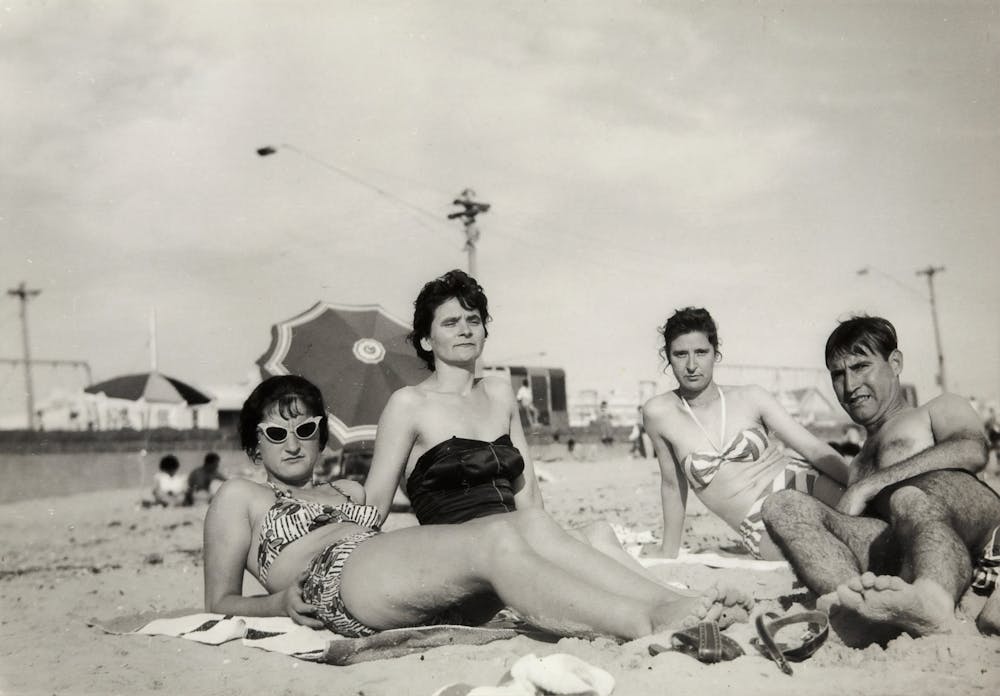
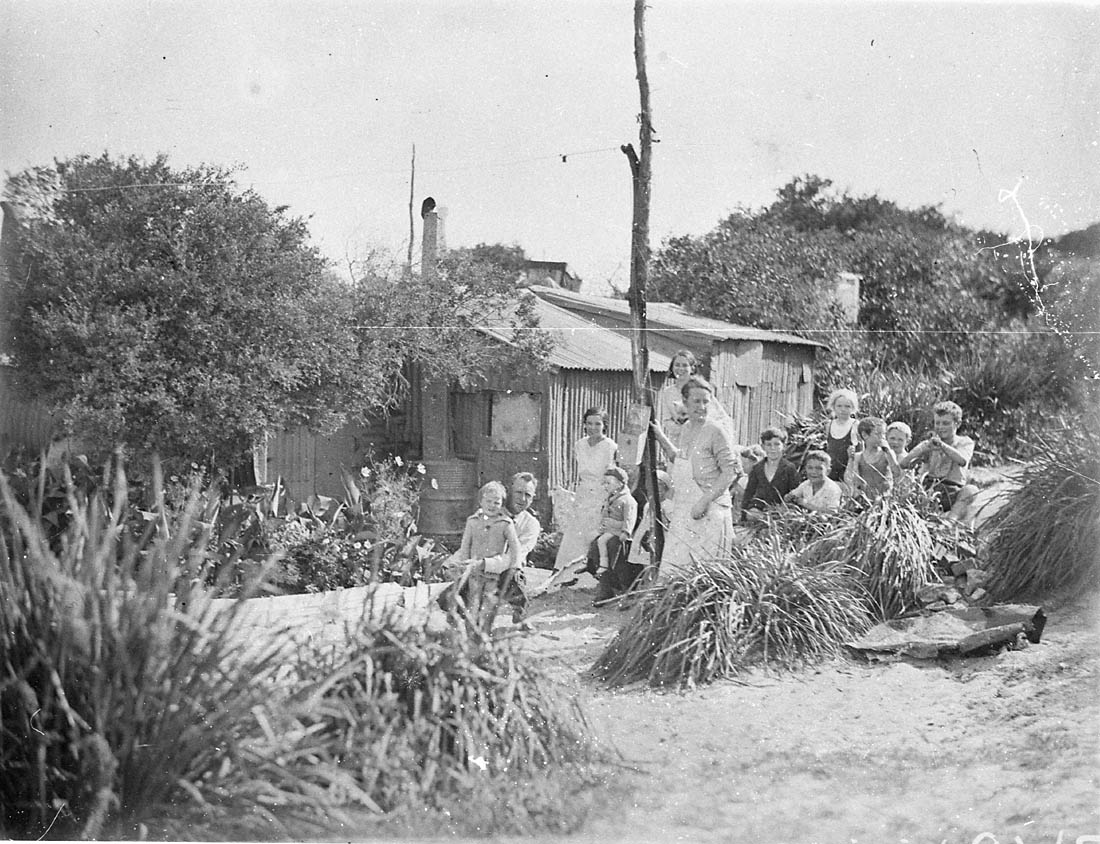
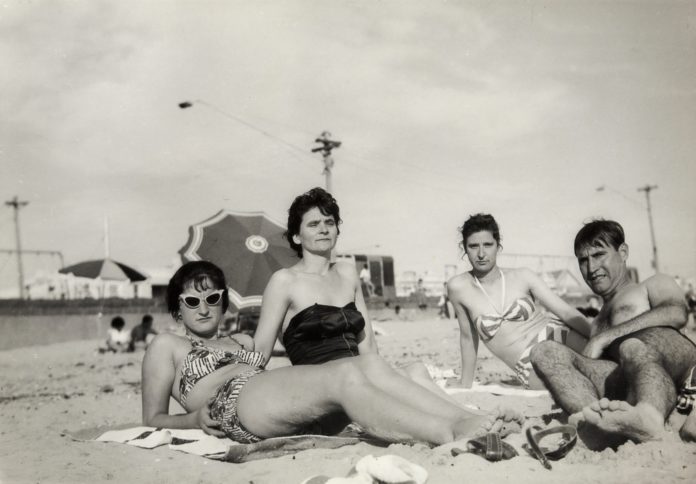
Our images define us. Sunbathers on Albert Park Beach, late 1950s. Museums Victoria/Unsplash, CC BY

Imagined communities

Benedict Anderson coined the term “imagined communities” to describe how a nation takes its character from the ideas and feelings people have about it. If his concept has a critical edge, it also has an inspirational one.

Australian culture is not just another industry waiting to get a truckload of public subsidy to pull it through straightened times ahead. It is the living heart of our nation, the muscle that, in the face of adversity, allows us to pull together and be a nation, not just a mob of panicky hamster shoppers.

Online streaming performances and digital exhibition spaces may not be an immediate salve to the impulse to stockpile food. But they are a reminder that if, satisfying our physical needs comes first in Maslow’s hierarchy of needs, the real question is what are we satisfying them for?

Arts leaders have called for targeted stimulus to a value of 2% of the A$111.7 billion industry. This figure echoes the sensible and doable proposals put forward by arts writer and academic Ben Eltham to ensure the cultural sector does not fall so deep into a financial black hole it can’t climb out when the current crisis is over. There have been welcome alterations to the Australia Council’s grant strategy and support packages from individual states, with Queensland leading the way.

But let’s be real. Eight years of pointed government neglect of the sector has left it confused, desperate and thinly resourced.


Read more: Coronavirus: Australian arts need a stimulus package. Here is what it should look like


ABC political commentator Laura Tingle has seen in the prime minister the signs of a new maturity. It would be timely to discover in this a more expansive understanding of Australian arts and culture. This means, above all, more respect for the institutions, large and small, that underpin it.

The steady acid rain of negative government attitudes to the cultural sector – the stand-out example has been its rancorous stance towards the ABC – must be reversed. In the words of Morrison himself, “just stop it”. Stop partisan undermining of the institutions that define our cultural way of life.

The ABC is an authoritative source of information and advice about the COVID-19 pandemic. The government should recognise and properly reward its crucial role, not just presume it. Overseas, Germany has set a new international benchmark, announcing €50 billion (A$92 billion) in assistance for its artists and creative businesses.
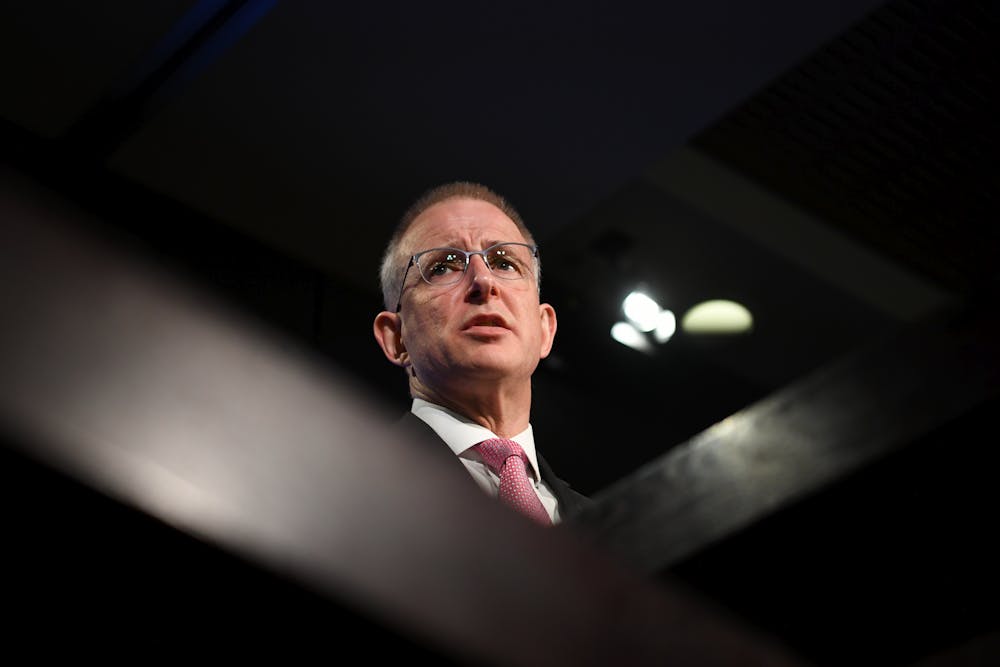
Minister for Communications, Cyber Safety and the Arts Paul Fletcher met with state cultural ministers last week. AAP/Lukas Coch

Culture’s intrinsic value

Arts and culture make important and varied contributions to the national economy and social cohesion. But the reason they do so is because of their intrinsic value. This arises in two forms.

Firstly, our culture is a steady source of thoughts, feelings, stories, images and moments which coalesce and collectively define us – what the philosopher John Searle called “the background”. Culture brings us pleasure, connection, meaning and joy, and in the current situation that’s a significant contribution to our narrowing lives.

Secondly, and even more crucially, it is where we may find our best selves. To act in a creative way is to act generously. This is not to say that artists are better than anyone else, or that creativity is the sole preserve of the arts. It is to observe that to be creative is to give to others through a selfless impulse to share, and not just a desire to monetise that relationship as an economic transaction.


Read more: Coronavirus: what the latest stimulus measures mean for Australian artists and arts organisations


Australian governments have a long history of bad ideas about arts and culture. But there are moments when things have turned around.

Douglas Stewart’s play, Ned Kelly premiered in October 1944, when World War II was raging, and Australia faced unprecedented hardships and trials. With costumes and set design by painter Norman Lindsay, the fact that the show happened at all was a miracle of persistence and make-do (the cast borrowed their boots from local policemen).

A 16-year-old schoolboy saw the play, and it shaped his choice of career. He was the historian Manning Clark, who later wrote:

It was an event in my life which made me pose the question: why are we as we are? … In moments of despair, and they happen all too often, my mind takes comfort from recalling that night in Melbourne when [Ned Kelly] got me thinking about what Australia stands for.

This is what our arts and culture should mean to us, what they do mean to us, now more than ever.

ref. As we turn to creativity in isolation, the coronavirus is a calamity on top of an arts crisis – https://theconversation.com/as-we-turn-to-creativity-in-isolation-the-coronavirus-is-a-calamity-on-top-of-an-arts-crisis-134230

Coronavirus: tiny moments of pleasure really can help us through this stressful time

Source: The Conversation (Au and NZ) – By Desirée Kozlowski, Lecturer, Psychology, Southern Cross University

If I told you that last night I built a blanket fort in the living room, crawled inside with my cat, a glass of wine and my just-arrived copy of the New Yorker, would you think less of me?

After all, we’re in the midst of a global coronavirus pandemic. Borders are closing, people are sick, dying, losing their jobs, and locked in isolation. And there was I, playing – as though I didn’t have a care in the world.

Meanwhile, you might be reading this holed up at home, screaming with fury at those bloody hoarders. Or perhaps you’re on a train valiantly trying to keep 1.5 metres away from the next person, shrinking back as they cough and splutter.

Wherever you are, whatever you’re doing, whatever you think about the pandemic, the economy, or your compatriots, a tiny part of you knows you could do with a bit of pleasure right now.


Read more: What is hedonism and how does it affect your health?


The effects of sustained stress

When we’re first exposed to something stressful, like a deadly new disease, our body reacts with a cascade of small changes such as releasing adrenaline and other chemicals, and activating brain regions related to fear and anger.

In many cases those changes make it more likely we’ll meet the challenges we face.

But if the stressful conditions continue, and especially if we feel powerless to fix the situation, the consequences of the stress response increase.


Read more: Coronavirus is stressful. Here are some ways to cope with the anxiety


Our risk of chronic diseases increases, immune function can be compromised, and we become more vulnerable to mental health problems.

We can feel depleted, disconnected, anxious and depressed. We can become fixated on negative thoughts and on looking for signs of threat. Sound familiar?

The good news is the effects of stress on the brain are reversible.

Pleasure in times of stress

It may seem too simple to be true but shifting our attention toward the small, everyday pleasures in our lives can offset the consequences of stress or negative events.

US researchers reported last year that experiencing pleasurable emotions, for example having interesting things to do, serves as a buffer between chronic stress and depression. So, among people with sustained, high levels of stress, those who reported more pleasurable moments were likely to experience less severe depressive symptoms.

Pleasurable experiences might even be of most benefit in times of stress.

We experience pleasure in a myriad ways. Perhaps one of the most potent of pleasures, and one that springs most easily to mind, is a lover’s caress.


Read more: Coronavirus and sex: Dos and don’ts during social distancing


But to maximise the pleasure in every day, we should look more widely, to a multitude of sources.

If we’re too busy reading those alarming headlines to notice the beauty of the sun setting outside our window though, it’s a missed opportunity for a moment of delight.

When I recently asked people on Twitter to share the things bringing them delight in these challenging times, I received hundreds of replies within a couple of hours.

Each one was a small vignette conveying a personal moment of simple pleasure. Gardens and dogs and children and nature featured strongly, and many people reflected on the added pleasure of recalling such moments.

Indeed, recollection and anticipation – along with relishing pleasure in the moment – are effective ways to maximise the value of positive experiences or emotions. We call it “savouring”.

Luckily, we can get better at savouring with practice. And the more we savour, the less stressed we feel. And that’s why I’m here.

If we increase the pleasure we experience, it can lift our psychological well-being. In turn, higher well-being is linked to better immune function.


Read more: Running out of things to do in isolation? Get back in the garden with these ideas from 4 experts


It’s about boosting our personal capacity

My message is not to avoid the facts or pretend nothing has changed. It’s to intentionally build in moments of reprieve and restoration. It’s to turn your attention to what is still good and rich and fun – to really focus on those things.

This is how we can harness the protective power of small pleasures, for the sake of delight itself and to build grit and resilience.

So, there may never have been a better time to build a blanket fort, or to bring out a game of Twister, or to lie on your back in the garden making fantasy creatures out of passing clouds. Find excuses to giggle.


Read more: Social distancing can make you lonely. Here’s how to stay connected when you’re in lockdown


Making pleasure happen

In difficult, frightening times, no one is immune to worry; it’s a natural response. But what we can do is take steps to protect ourselves, as much as possible, from its physical and psychological ill-effects.

The challenge is to make this happen, to tear yourself away from analysing the COVID-19 curve and intentionally, systematically engineer more small delights into your day.

Do you like the sunshine? Then know when the sun falls on your balcony, in your garden or in the street near your place. Take a cup of tea or coffee with you and soak up the warmth.


Read more: Cat lovers rejoice: watching online videos lowers stress and makes you happy


Pets? Run, play, be silly with them. Eating a tomato? Plant the seeds and watch something grow, from nothing, because of you. Sing. Dance. Delight someone with an act of kindness.

Plan your opportunities for pleasure. Put them in your diary. Set your alarm for them. Commit to share them with others. Photograph them. Post them on social media or share them directly with friends and family. Anticipate them gleefully and reflect on them with delight. This is our time to be here. Savour.

ref. Coronavirus: tiny moments of pleasure really can help us through this stressful time – https://theconversation.com/coronavirus-tiny-moments-of-pleasure-really-can-help-us-through-this-stressful-time-134043

The case for a rent holiday for businesses on the coronavirus economic frontline

Source: The Conversation (Au and NZ) – By Danielle Wood, Program Director, Budget Policy and Institutional Reform, Grattan Institute

As the public health response to supress the COVID-19 virus ramps up, so to does the economic fallout. Shutdowns and enforced spatial distancing are necessary to try to prevent hospital intensive care units becoming overwhelmed.

But businesses on the economic frontline – those shut or soon to be shut down by the public health restrictions – need immediate help to get through.

The necessary temporary hit to business incomes need not become a permanent hit to productive capacity. We should not risk a large swathe of shops, cafes, pubs, hotels, gyms, and hairdressers going to the wall.

Most of these frontline businesses have seen their income dry up overnight. Some have temporarily closed, others are finding creative ways to make some money in online retail or takeaway services, for example, but most will replace only a fraction of their pre-crisis income.

Rent is the biggest barrier to survival

Staff layoffs, or more hopefully stand downs, are the only option for most of these business. Even substantial wage subsidies won’t entice business owners to keep staff on when the business has shut its doors.

For businesses on the economic frontline, most of their variable costs such as wages and stock can be suspended during the shutdown. But their fixed costs – particularly rent – are substantial.

The average retailer pays almost A$12,000 in rent a month; the average gym, $10,000. Cafes and hairdressers are losing $3,000 to $4,000 each month in rent.


Read more: Lessons from the Great Depression: how to prevent evictions in an economic crisis


For most exposed businesses, rent sits at less than 20% of operating costs under normal conditions, but while they hibernate through coronavirus, that figure will reach somewhere between 80% and 95%.

Some schemes have already been announced to help these businesses. The Commonwealth’s is the largest, and will pay small and medium businesses 100% of salary and wages withheld for tax purposes up to $100,000. For businesses to qualify for the full amount, they will need to withhold the same amount, so will need to be paying staff.


Read more: Morrison’s coronavirus package is a good start, but he’ll probably have to spend more


State governments have announced partial relief of tax, rates and fees, and access to loans. This will help, but rent is the big unavoidable cost for most of the frontline businesses.

Exposed businesses will be losing thousands of dollars, or more, each month. Many will have some cash reserves, but for most a shutdown of three months or more will be very difficult to absorb.

A rent holiday, or at least a significant rent discount, would give these businesses a fighting chance at preventing a temporary shutdown becoming a permanent closure.

Market rates are close to zero

Most shopfronts can’t be put to other uses. That means the market price for retail, food, and accommodation services, and personal services shopfronts will be very close to zero during the shutdown.

Some landlords have done the right thing and given their tenants a rent holiday while these restrictions are in place.

This is smart: keeping their tenants in business will give these landlords the best chance of having a rented property when restrictions are lifted.

In normal circumstances, the market would work this through. But the danger here is it will happen too slowly. Some landlords refuse to accept renting out their premises for nothing.


Read more: Why housing evictions must be suspended to defend us against coronavirus


In Melbourne, Chadstone retailers just wrote to Chadstone management asking for a rent holiday to “save our businesses”.

The response from management was no.

That mindset could send many thousands of shops, cafes, pubs, restaurants, hairdressers, gyms, cinemas, and tourism operators to the wall.

As of last week, more than 70% of businesses in these industries had already been hit by the COVID-19 crisis. That figure is expected to rise beyond 90% in the coming weeks.

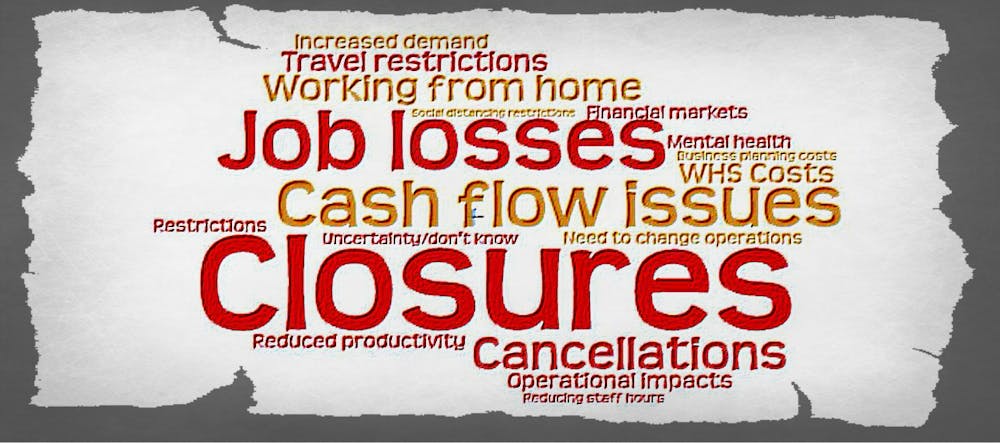
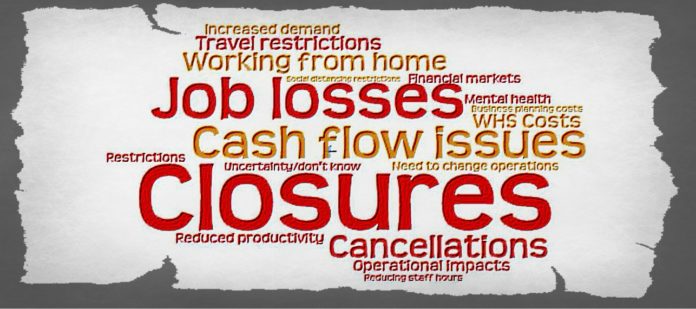
“Closures” was the most common word used by business owners surveyed by the Bureau of Statistics about the future effect of COVID-19.

Source: ABS cat no. 5676.0.55.003 – Business Indicators, Business Impacts of COVID-19, March 2020

Preventing landlords from evicting commercial tenants, or requiring landlords to defer the rents, won’t help – businesses will still liquidate if they know they will be lumbered with many months of rent to pay back down the track.

While a short-term income hit for landlords isn’t insignificant, the damage to the economy will be much greater if a swathe of small and medium-sized businesses are lost.

Acting now will reduce the damage

The owners of some properties that need rental holidays still have to make monthly mortgage payments to banks. But the banks are offering loan holidays they might be able to take advantage of.

If there are gaps in the loan holiday arrangements, governments should work with the banks to ensure landlords are covered. Alternatively, governments themselves could offer partial compensation for lost rent.

Prosper Australia has suggested a uniform subsidy that replaces 50% of lost commercial tenancy mortgage payments.


Read more: We’re running out of time to use Endgame C to drive coronavirus infections down to zero


Right now, hundreds of thousands of businesses are crunching the numbers to see whether than can stay solvent. With rent on the expense side, those numbers won’t add up for long.

Every state and territory government ought to enact a rental holiday for the types of businesses on the frontline of this crisis. As the economic shockwave reverberates, state and territory ministers should have the power to add other vulnerable industries to that list.

The key is speed. For every day they wait, hundreds of businesses will fold.

ref. The case for a rent holiday for businesses on the coronavirus economic frontline – https://theconversation.com/the-case-for-a-rent-holiday-for-businesses-on-the-coronavirus-economic-frontline-134890

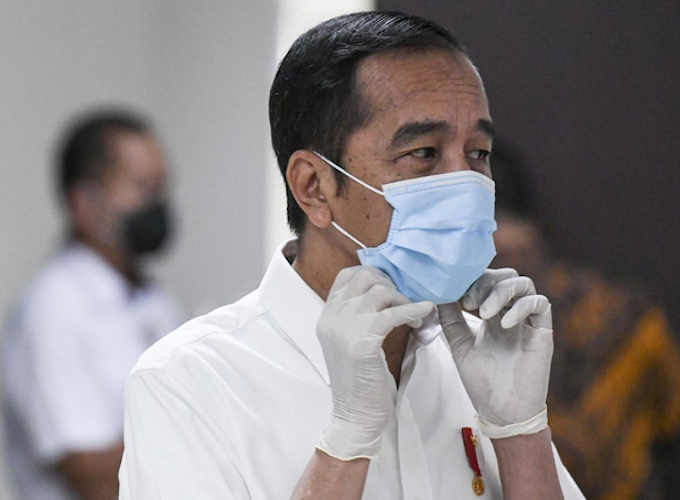
Three coronavirus cases in Papua as Jokowi pledges millions of drug doses

By Ardila Syakriah in Jakarta

Experts are warning the public in Indonesia against panic-buying chloroquine phosphate, an antimalarial drug thought to be a possible treatment for Covid-19, citing the dangerous side effects of the medicine.

Reports have surfaced that people had started to purchase the drug without doctors’ prescription after President Joko “Jokowi” Widodo announced last Friday that the government was preparing medicines, including three million doses of chloroquine, which he described as “having been proven to cure Covid-19 in other countries”.

The West Papua region, where malaria remains a problem, has recorded three confirmed Covid-19 cases as of Wednesday, as nationwide cases have reached 893 with 78 deaths.

READ MORE: Indonesia starts rapid tests, imports medicines to ‘cure’ Covid-19, Jokowi says

Maksum Radji, a clinical microbiologist at the University of Indonesia’s (UI) School of Pharmacy, said the government must be careful in distributing information about the drug as clinical trials were still underway to measure its effectiveness in treating COVID-19.

Even then, any consumption of the drug must be done under a doctor’s supervision, he said.

– Partner –

“It’s wrong to purchase and consume the drug to prevent catching the virus that causes Covid-19. Chloroquine is a strong drug […] given its side effects,” Maksum told The Jakarta Post on Tuesday.

He listed the common side effects of chloroquine consumption, including nausea, vomiting, diarrhea, breathing difficulties, blurred eyesight, stomach cramps, swollen ankles, tinnitus, weakened muscles and mental disorders.

Cautious about chloroquine
Nafrialdi from the Clinical Research Support Unit at the UI’s School of Medicine said that even doctors would be very cautious when prescribing chloroquine, which would only be used on severe cases, as the side effects could lead to burst blood vessels and heart attacks in extreme instances.

Chloroquine is used as a second-line drug, the experts say, meaning that it would only be used when initial medicines, common ones used to treat Covid-19 patients’ clinical symptoms, such as fever, do not produce any satisfying results.

Even then, experts are still split over its use in treating the disease.

There are currently no vaccines or antiviral drugs approved for the disease but the World Health Organisation (WHO) is launching a multinational trial to search for potential treatments for the virus, which include chloroquine.

Other drugs in its trial are the experimental antiviral remdesivir initially developed to treat the Ebola virus, an HIV drug combination consisting of the lopinavir/ritonavir and the lopinavir/ritonavir plus interferon.

Maksum of UI said that chloroquine was still used in Indonesia, although not as commonly as other antimalarial drugs considering its side effects.

The drug is being sold on e-commerce platforms in Indonesia.

Difficult to obtain in Papua
In Papua, chloroquine used to be easy to find and purchase, a resident who refused to be named told the Post. Recently the drug had got more difficult to obtain, she added, attributing its scarcity to the drug being named a possible treatment for Covid-19.

When reports said that the drug could be used to treat Covid-19 patients, the 55-year-old woman said she consumed the drug every day until she learned about its side effects and that its effectiveness was still being studied.

“No one wants to be infected by the virus,” she said.

The woman said that the government had not been distributing essential information for residents in her area to prevent the spread of the virus, prompting her to relay information about the new virus strain that she learned from the media to her neighbors.

Jokowi said on Monday that the millions of chloroquine doses were produced in the country by state-owned pharmaceutical company PT Kimia Farma and would only be used on Covid-19 patients if doctors deemed it necessary. The company was not available for immediate comment.

“Chloroquine is not a first-line treatment, but a second-line treatment […] The drug is not an over-the-counter drug, so the consumption must be on doctor’s orders,” Jokowi said, adding to his earlier statements about the drug, which many consider misleading.

The government’s spokesperson for Covid-19 affairs, Achmad Yurianto, has also warned the public that chloroquine was not for prevention purposes and hence must not be consumed at home.

“We ask people, once again, not to purchase, store and consume the drug without a doctor’s prescription,” Yurianto said.

WHO-led clinical trials
If Indonesia was to use the drug on its Covid-19 patients, Maksum of UI said the government should participate in the WHO-led clinical trials to study potential Covid-19 treatments so that the results could be part of the WHO’s global data.

He cited experts suggesting that chloroquine could disrupt the virus’ ability to infiltrate living cells and replicate itself, although emphasizing the need for further studies to prove these early assumptions.

Drug discovery commonly would take years and involve at least three stages, but in cases like Covid-19 that had been declared a global pandemic, conforming to such lengthy steps was impossible, Maksum said.

Experts globally have cautioned people not to resort to self-medication since a man in the US state of Arizona died after he ingested chloroquine phosphate — an aquarium cleaning product similar to the drug that had also been named by US President Donald Trump as a potential treatment for Covid-19, Reuters reported.

Trump tweeted about the combination of hydroxychloroquine and azithromycin, saying it had “a real chance to be one of the biggest game changers in the history of medicine” – a claim played down by America’s top infectious disease expert, Dr Anthony Fauci, who said that the therapy must be tested to assure its safety and efficacy.

Ardila Syakriah is a reporter with The Jakarta Post and this article was first published by the Post.

Print Friendly, PDF & Email

Article by AsiaPacificReport.nz

Stay positive, Scott Morrison: when you berate people for bad behaviour, they do it more

Source: The Conversation (Au and NZ) – By Peter Bragge, Director of Health Programs, BehaviourWorks Australia; Lead, Monash-McMaster Social Systems Evidence Collaboration, Monash Sustainable Development Institute, Monash University

COVID-19 is a rare moment in time where individual behaviours can have profound impacts on society.

To address some of the negative impacts, politicians are talking to the public using a style familiar to anyone who has looked after children: forceful and direct appeals to stop engaging in unhelpful behaviours.

Take the example of hoarding. A week ago, Prime Minister Scott Morrison said:

Stop hoarding. I can’t be more blunt about it. Stop it. … It’s one of the most disappointing things I’ve seen in Australian behaviour in response to this crisis.

Victoria Premier Daniel Andrews and NSW Premier Gladys Berejiklian used similar “stop doing this” communication.


Read more: Psychology can explain why coronavirus drives us to panic buy. It also provides tips on how to stop


Clearly, this is borne out of frustration. But this approach to behaviour change may do more damage than good for three reasons that are well-established in behavioural science: negative normative messaging, paternalistic messaging and untrusted messengers.

Australians don’t respond well to this style of delivery. Sam Mooy/AAP

Saying ‘don’t do’ something makes the behaviour more likely

It’s widely known in the behavioural sciences that our impressions of what other people are doing influence our own behaviour.

In research conducted by leading psychology researchers, including Wes Schultz and Robert Cialdini, people were informed how much energy their neighbours were using to see what the impact would be on their own usage.

Importantly, it influenced high- and low-energy users in different ways – high users reduced their usage, but low users increased theirs.


Read more: There’s plenty of toilet paper – so why are people hoarding it?


The lesson here is that people look for signals – both consciously and unconsciously – that tell them what behaviours are normal, and this perception is a powerful influence on their own behaviour.

So when leaders say “stop doing” something, people can interpret this as “lots of people are doing this, otherwise they wouldn’t be saying not to” and “because lots of people are doing it, it’s a normal thing to do.”

So the message can have the opposite effect to what is intended – the undesirable behaviour increases because it is perceived as normal.

One positive-focused campaign that worked

As behavioural researchers, we’ve used this established principle to craft a successful mass-media public campaign in Victoria.

Several years ago, the Victorian Department of Health and Human Services faced the challenge of unnecessary calls to the 000 emergency call centre rising faster than population growth.

Our background research showed that previous campaigns focusing on “don’t do this” messaging caused a rise in unnecessary calls to 000 because it promoted “negative norms”.

So, we focused on the opposite – a positive (do this) campaign, Save Lives. Save Ambulances for Emergencies. A follow-up campaign, Meet the Team highlighted alternatives to dialling 000 for minor ailments – pharmacies, the nurse-on-call service and local general practitioners.

These campaigns were successful in shifting attitudes to appropriate ambulance use, leading to changes in the target behaviour – fewer unnecessary calls to 000. Ambulance Victoria CEO Tony Walker said:

In my mind it’s helped save lives … We saw a reduction in calls – around 50 less per day and that’s 10 ambulances that were therefore available.

Why ‘top-down’ messaging is ineffective

When politicians frame a message in a paternalistic way to constituents, it can also be ineffective for at least two reasons.

The first is the behaviour politicians are seeking to correct can seem perfectly reasonable and rational to the people doing it. Thus, berating people for such behaviour is likely to be ineffective. (For example, they might say, “my situation is different because…” or “I’m doing it for my family”.)

As a result, the message and/or the source would be dismissed. This may lead to people then dismissing future messages from politicians.


Read more: Viral spiral: the federal government is playing a risky game with mixed messages on coronavirus


Another issue is that messaging done in a “top down” way threatens our autonomy – one of the most important human needs, and one directly related to well-being.

When autonomy is threatened, people react in various ways. These include expressions of distrust (“I don’t like it”) or doubt (“is this needed?”), avoidance of the message, and – most importantly in the COVID-19 context – efforts to reassert autonomy by defying change.

The paternalistic tone is compounded by the fact that unfortunately, politicians are not the flavour of the month.

Research shows trust of federal and state governments is at an all-time low, with nearly two-thirds of people believing politicians lack honesty and integrity.

And as highlighted in a recent report published by the Australian and New Zealand School of Government, addressing this issue, like COVID-19, is not a “quick fix”.

How should the messaging be changed?

So, what should the government be doing differently in its coronavirus messaging? Here are a few simple strategies.

  • First, emphasise positive behaviours. Thanking people for their good behaviour, which Berejiklian also did in her address, is a good start. This could also draw upon how well communities responded to the summer bushfire crisis. For example, a positive message might say:

Just as in the bushfires, Australians are looking after each other in the COVID-19 response. Many people are heeding advice to stay at home. This is saving lives.

Second, alter the paternalistic tone to more inclusive language that makes people feel part of the change. Governments and other messengers should amplify messages that say “together, we are fighting a virus to save lives”.

Finally, consider other messengers. For example, good proponents for non-hoarding behaviours may be older, well-respected Australians such as retired AFL player Ron Barassi or former Governor-General Quentin Bryce. The voices of respected figures like these may reach people that tune out anything politicians say.

This is an incredibly difficult time for governments and other leaders. They are getting the very best advice from medical experts, based on the best knowledge available, about what behaviours can flatten the curve of coronavirus infections.

Adding insights from behavioural science can help ensure the messages they deliver have the best possible effect.

ref. Stay positive, Scott Morrison: when you berate people for bad behaviour, they do it more – https://theconversation.com/stay-positive-scott-morrison-when-you-berate-people-for-bad-behaviour-they-do-it-more-134793

Pacific coronavirus: Lockdown, curfew, begin in Tonga on Sunday

By Philip Cass

Tonga will go into lockdown at 1am on Sunday morning, March 29.

There will also be a night time curfew from 8pm to 6am.

Prime Minister Pohiva Tu’i’onetoa said the lockdown was being ordered as a response to the World Health Organisation declaration that the Covid-19 coronavirus was a global pandemic and was accelerating.

READ MORE: Al Jazeera coronavirus live updates – more than 510,000 people infected globally

Everybody is expected to stay home except when buying or supplying essential consumer goods for their families; obtaining medical supplies or seeking medical assistance; going to the bank or going to work for an essential service provider.

All public transport will stop, except where exempted.

– Partner –

All liquor licensed bars, restaurants, night clubs, retail bottle shops and liquor manufacturers must stop trading.

All licensed businesses and business activities shall be closed except supermarkets and retail shops selling essential needs and other exempted places.

All public facilities, events and gatherings such as education institutions, religious, kava clubs, bingo, sports clubs, gyms, sporting events and activities, celebrations of birthdays, marriages and other recreational or related gatherings shall be prohibited.

Funerals will be restricted to 10 people indoors and 20 people outdoors, with an authorised officer to be present throughout.

Exemptions
Most levels of government have been recognised as essential services.

Businesses that can stay open include any entity or person involved in the supply, delivery, distribution and sale of food, beverage and other key consumer goods essential for maintaining the wellbeing of people.

This does not include restaurants, cafes or takeaway shops.

The National Reserve Bank of Tonga, banks, insurers, retirement and pension funds and other financial institutions, including any entity that contracts or provides services to them, may stay open.

Pharmacies and private health and dental clinics can remain open.

The list of exemptions also includes private security guards, telecom providers, as well as international development programmes.

The government has also granted an exemption to building and construction related to essential services and critical infrastructure and required to maintain human health and safety at home or work.

Courts and tribunals have also been exempted.

As Kaniva News reported yesterday, Tonga has already sealed its borders, banning international flights and cruise ships.

Philip Cass is an editorial adviser for Kaniva Tonga.

Print Friendly, PDF & Email

Article by AsiaPacificReport.nz

Want to make social distancing even more effective? It’s about time (as well as space)

Source: The Conversation (Au and NZ) – By Mike Lee, Professor in Evolutionary Biology (jointly appointed with South Australian Museum), Flinders University

While the world waits for an effective vaccine against COVID-19, we are relying heavily on social distancing – perhaps better termed “physical distancing” – to control the spread of the coronavirus.

Physical distancing works because COVID-19 spreads most efficiently when groups of people come into close contact, although there is some evidence the virus can also spread by touching contaminated surfaces.

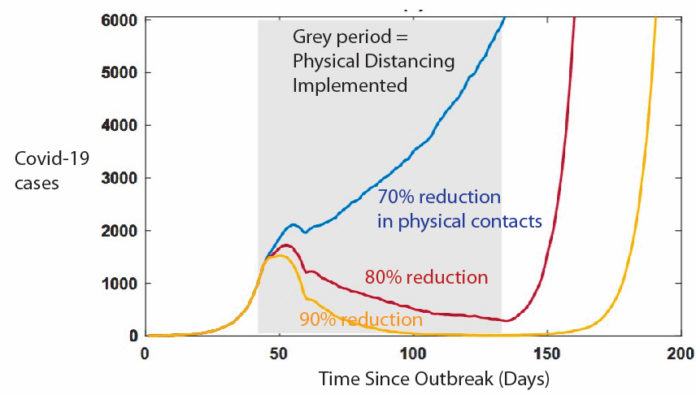
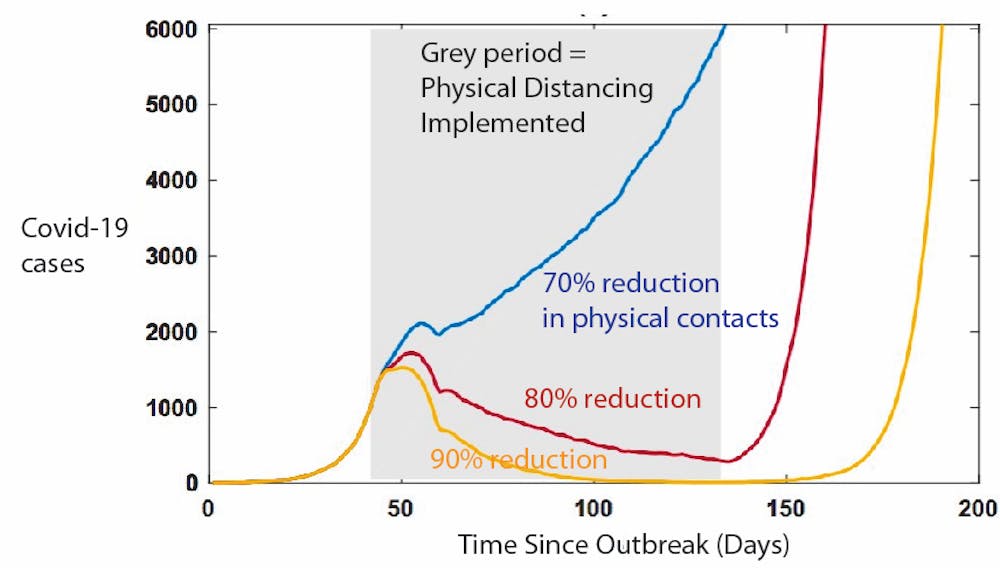
Modelling suggests Australia can effectively suppress transmission and control the outbreak only if at least 80% of people practise good physical distancing.

At least 80% compliance with physical distancing measures is required to beat Covid-19. Mikhail Prokopenko/Univ. Sydney (extra labels added)

Government advice for implementing physical distancing has mainly urged people to isolate themselves in space: staying at least 1.5 metres apart, working from home, avoiding gatherings, and minimising travel.

However, effectively separating people in space is extremely challenging. Different people still need access to the same essential locations, such as shops, workplaces and health care facilities.

Temporal distancing

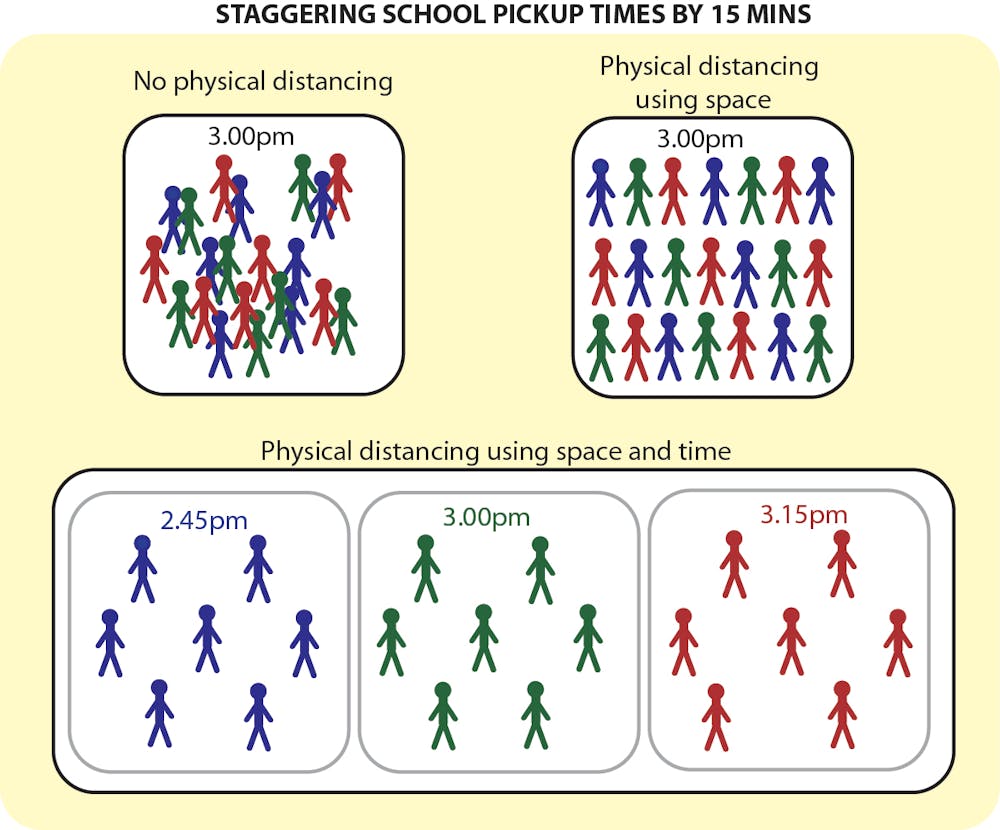
But physical distancing can be done in two ways: spatial distancing (separating people in space) and temporal distancing (separating people in time). Temporal distancing is an easy concept to grasp. Any time we take an early lunch to beat the crowds, or catch a later bus to avoid the commuter crush, we are using temporal distancing.

People are allowed entry into the same spaces – they just need to do so at different times. Of course, temporal distancing needs to be accompanied by fastidious hygiene to eliminate all possibility of COVID-19 transmission via surfaces.

Staggering strategy

Substantial and effective scheduling changes that can be made without too much inconvenience (or where the benefits clearly outweigh the costs) might include:

Reduced supermarket opening hours, as happened in parts of Italy, might not help physical distancing because it compresses customers into the same space during a shorter time window.

The concept of regular work hours could be relaxed a bit more. Morning people might choose to start at 7 am, while night owls could opt for 10 am.

Staggering the end of the school day 15 minutes either side of 3pm would substantially improve physical distancing. Michael Lee/Flinders Univ./SA Museum

Why it works

The diagram below shows how spatial and temporal distancing can work together to flatten the curve of infections. Imagine a randomly spread population of 1,000 people, one of whom is infected. With free movement, everyone becomes infected within a relatively short time. If we reduce movement by 80% (spatial distancing; dashed curve), the rate of infection is slowed. If we halve the time people spend exposed to one another (temporal distancing; dotted curve), the rate of infection also slows, but not as much. But if we combine both of these measures (red curve), the effect is strongest of all.

Different hypothetical COVID-19 infection scenarios compared to a do-nothing baseline. The first scenario considers a movement probability that’s only 20% of normal (spatial distancing). The second scenario halves the exposure time to represent temporal distancing. The final scenario includes both spatial and temporal distancing. R code to reproduce this graph can be obtained at: https://github.com/cjabradshaw/COVID19distancing. Corey Bradshaw/Flinders Univ.

Read more: How to flatten the curve of coronavirus, a mathematician explains


Temporal distancing will come with economic and social costs. Working night shifts or irregular hours can cause health problems; organising childcare or work meetings outside ‘regular’ business hours could be challenging; and travel and outdoor activity at night have safety risks. These costs will have to be carefully weighed in any particular instance.

Even after the current pandemic is controlled, there will remain economic incentives for temporal distancing: boom-and-bust cycles are inefficient. Public transport, restaurants, telcos, electricity suppliers, and other service providers already offer off-peak discounts.

Cutting the numbers

Besides using both spatial and temporal distancing, we can further slow the virus by restricting the number of different people we encounter.

For example, while small-group personal fitness training is still allowed, having the same 10 people in each class is better than mixing and matching classes. This would help restrict any infections to a small group, and make contact tracing much easier.

Workplaces and schools could also consider keeping people in consistent teams rather than mixing them up, at least while distancing is required.

Reducing contacts between groups is even more important for older people. Age-stratified visiting or service times, such as the dedicated elderly shopping hours already in place in some supermarkets, might also help reduce transmission between younger people (who generally have higher mixing and infection rates) and older people (who are at greater risk of severe disease).

Social distancing will be a fact of life for months to come. So we need to do it as smartly and efficiently as possible.

ref. Want to make social distancing even more effective? It’s about time (as well as space) – https://theconversation.com/want-to-make-social-distancing-even-more-effective-its-about-time-as-well-as-space-134551

‘Where no counsel is, the people fall’: why parliaments should keep functioning during the coronavirus crisis

Source: The Conversation (Au and NZ) – By Stephen Mills, Hon Senior Lecturer, School of Social and Political Sciences, University of Sydney

Set into the tiles of the entrance to the boomtime-era Victorian Parliament is a message from the past that is as urgent as it is ancient:

Where no counsel is, the people fall: but in the multitude of counsellors there is safety.

The Old Testament language contains a powerful contemporary insight: multiple sources of advice provide better outcomes.

It reminds us as citizens of a long-established parliamentary democracy, of why we need to bother about parliament and why – not despite the corona-crisis, but because of it – we should recognise how it can help to get us through to the other side in one piece.


Read more: A virtual Australian parliament is possible – and may be needed – during the coronavirus pandemic


Instead, shockingly, we have allowed sittings of the Australian Parliament to be cancelled for the duration of the crisis. We are being deprived of the “safety” that comes from a multitude of counsellors.

Parliaments in representative democracies serve five complementary democratic values. Our parliament:

  • provides a vehicle for the interests and preferences of individual voters to be represented in aggregate decision-making (representation)

  • provides the ultimate source of authority for legislation (authorisation)

  • is an assembly for advocacy, debate and consideration (deliberation)

  • provides the means by which governments can be made and broken (executive legitimacy)

  • scrutinises executive actions (accountability).

As a result of this week’s one-day session of parliament, each of those functions has been set back.

Consider the extraordinary organisational arrangements behind the meeting of the House of Representatives that approved the government’s stimulus and safety net legislation.

Driven by a view that a full attendance of members would be inconsistent with social-distancing rules, the two major parties agreed to “pair” 30 Coalition MPs with 30 Labor MPs. This meant 60 elected representatives could stay away from Canberra: parliament could go ahead with a quorum, and the government’s narrow majority was not at risk.
This rump assembly suited everyone – except of course the roughly 6 million voters in those 60 electorates whose members were absent. In the interests of social distancing, their interests in being effectively represented were traded away without comment or explanation.

Its unrepresentative character is underlined by its low female attendance. Only about one-fifth of those present (18 out of 87) were women MPs. Labor, which prides itself on gender parity, selected only seven women in its contingent of 37. (However, all three female independent MPs were present.)

Even so, the reality of this sitting was that the pandemic created the perceived need for urgent legislative action. Parliament did that job with care and alacrity. Legislation was debated constructively and amendments were proposed and accepted, leading to improved outcomes. “Multitudes of counsellors” at work.

So the most shocking and damaging aspect of Monday’s parliament was the revised sitting calendar, dropped on parliament by Attorney-General Christian Porter. Having decided to delay the May budget until October, the government now saw no need for the 18 sitting days that had been scheduled for May and June. Tellingly, Porter did not spell out the implications: parliament would not be recalled until August 11.

During this 20-week period, we’re in a parliament-free zone. The executive – the Morrison government – governs alone.

This is the very time when parliament should be in session. There are four (at least) vital functions that parliament should perform in this time.

First, at a time when future legislative packages are likely, parliament will need to authorise them and perhaps, through deliberation and amendment, improve them.

Second, the executive has shouldered a complex implementation task and has now been resourced with a massive war chest to fight the virus. So the need for scrutiny and accountability increases. The Centrelink fiasco shows that, if nothing else. Parliament and parliamentary committees should continue in session.


Read more: The case for Endgame C: stop almost everything, restart when coronavirus is gone


Second, at a time when the big-picture strategy is still evolving, parliament has a key deliberative role in debating the strategic options to resolve the crisis.

Should we “flatten the curve” or – as John Daley of the Grattan Institute has argued – “stop and restart”? What are the costs of each course of action? What is the trade-off between the goals of public health and economic growth? And how are those costs being allocated across members of our society?

Third, at a time when we are still learning how to cope with this pandemic, and grappling to comprehend its immense social, cultural and economic costs, it is essential parliament play its representative role. The beauty of parliament’s electorate-based design is that members from around the nation can bring to national attention, however fleetingly and imperfectly, their local issues and insights and judgment.

Not all parts of Australia will experience this crisis in the same way. So local stories are not dispensable but vital: both the success stories and the stories of hardship, the local heroes and the silent Australians who are suffering from joblessness, isolation and trauma as well as the virus. “Multitudes of counsellors” with many stories to tell: even in this era of party dominance, that is still their job.

Prime Minister Scott Morrison opened the one-day parliamentary sitting on Monday with an invocation that we must not allow the coronavirus pandemic to change “who we are as Australians”. The challenge, he said, was bigger than anything since the second world war.

But by the end of the day his government had taken a giant step towards changing Australia’s identity, by adjourning parliament for more than four months.

If we are looking for comparisons with the second world war, it is worth remembering that the House of Representatives sat in Canberra throughout the war years. The parliament debated war strategy, deliberated on legislation and even, in 1941, defeated the government in a vote of no confidence.

Against the mighty achievements of the 16th parliament (1940-1943), the current parliament is a pale disappointment.

ref. ‘Where no counsel is, the people fall’: why parliaments should keep functioning during the coronavirus crisis – https://theconversation.com/where-no-counsel-is-the-people-fall-why-parliaments-should-keep-functioning-during-the-coronavirus-crisis-134772

Here’s what the coronavirus pandemic can teach us about tackling climate change

Source: The Conversation (Au and NZ) – By Natasha Chassagne, University Associate, University of Tasmania, University of Tasmania

Every aspect of our lives has been affected by the coronavirus. The global economy has slowed, people have retreated to their homes and thousands have died or become seriously ill.

At this frightening stage of the crisis, it’s difficult to focus on anything else. But as the International Agency has said, the effects of coronavirus are likely to be temporary but the other global emergency – climate change – is not.

Stopping the spread of coronavirus is paramount, but climate action must also continue. And we can draw many lessons and opportunities from the current health crisis when tackling planetary warming.

Action to reduce greenhouse gas emissions must not be compromised by the coronavirus pandemic. EPA/MAST IRHAM

A ‘degrowing’ economy

S&P Global Ratings this week said measures to contain COVID-19 have pushed the global economy into recession.

Economic analyst Lauri Myllyvirta estimates the pandemic may have reduced global emissions by 200 megatonnes of carbon dioxide to date, as air travel grinds to a halt, factories close down and energy demand falls.

In the first four weeks of the pandemic, coal consumption in China alone fell by 36%, and oil refining capacity reduced by 34%.

In many ways, what we’re seeing now is a rapid and unplanned version of economic “degrowth” – the transition some academics and activists have for decades said is necessary to address climate change, and leave a habitable planet for future generations.


Read more: Life in a ‘degrowth’ economy, and why you might actually enjoy it


Degrowth is a proposed slowing of growth in sectors that damage the environment, such as fossil fuel industries, until the economy operates within Earth’s limits. It is a voluntary, planned and equitable transition in developed nations which necessarily involves an increased focus on the environment, human well-being, and capabilities (good health, decent work, education, and a safe and healthy environment).

Such a transformation would be profound, and so far no nation has shown the will to implement it. It would require global economies to “decouple” from carbon to prevent climate-related crises. But the current unintended economic slowdown opens the door to such a transition, which would bring myriad benefits to the climate.

The idea of sustainable degrowth is very different to a recession. It involves scaling back environmentally damaging sectors of the economy, and strengthening others.

Reduced air travel is helping drive global emissions down. James Gourley/AAP

A tale of two emergencies

Climate change has been declared a global emergency, yet to date the world has largely failed to address it. In contrast, the global policy response to the coronavirus emergency has been fast and furious.

There are several reasons for this dramatic difference. Climate change is a relatively slow-moving crisis, whereas coronavirus visibly escalates over days, even hours, increasing our perception of the risks involved. One thing that history teaches us about politics and the human condition in times of peril, we often take a “crisis management” approach to dealing with serious threats.


Read more: How changes brought on by coronavirus could help tackle climate change


As others have observed, the slow increase in global temperatures means humans can psychologically adjust as the situation worsens, making the problem seem less urgent and meaning people are less willing to accept drastic policy measures.

The human ability to adapt to climate change can make it seem less urgent. CHAMILA KARUNARATHNE/EPA

Key lessons from coronavirus

The global response to the coronavirus crisis shows that governments can take immediate, radical emergency measures, which go beyond purely economic concerns, to protect the well-being of all.

Specifically, there are practical lessons and opportunities we can take away from the coronavirus emergency as we seek to tackle climate change:

Act early: The coronavirus pandemic shows the crucial importance of early action to prevent catastrophic consequences. Governments in Taiwan, South Korea and Singapore acted quickly to implement quarantine and screening measures, and have seen relatively small numbers of infections. Italy, on the other hand, whose government waited too long to act, is now the epicentre of the virus.


Read more: Running out of things to do in isolation? Get back in the garden with these ideas from 4 experts


Go slow, go local: Coronavirus has forced an immediate scale-down of how we travel and live. People are forging local connections, shopping locally, working from home and limiting consumption to what they need.

Researchers have identified that fears about personal well-being represent a major barrier to political support for the degrowth movement to date. However with social distancing expected to be in place for months, our scaled-down lives may become the “new normal”. Many people may realise that consumption and personal well-being are not inextricably linked.

Stimulus spending should be directed to clean energy. EPA

New economic thinking is needed. A transition to sustainable degrowth can help. We need to shift global attention from GDP as an indicator of well-being, towards other measures that put people and the environment first, such as New Zealand’s well-being budget, Bhutan’s gross national happiness index, or Ecuador’s social philosophy of buen vivir (good living).

Spend on clean energy: The International Energy Agency (IEA) says clean energy should be “at the heart of stimulus plans to counter the coronavirus crisis”.

The IEA has called on governments to launch sustainable stimulus packages focused on clean energy technologies. It says hydrogen and carbon-capture also need major investment to bring them to scale, which could be helped by the current low interest rates.

Governments could also use coronavirus stimulus packages to reskill workers to service the new “green” economy, and address challenges in healthcare, sanitation, aged care, food security and education.

More people are shopping locally during the pandemic. AAP/STEFAN POSTLES

Looking ahead

As climate scientist Katharine Hayhoe said this month:

What really matters is the same for all of us. It’s the health and safety of our friends, our family, our loved ones, our communities, our cities and our country. That’s what the coronavirus threatens, and that’s exactly what climate change does, too.

The coronavirus crisis is devastating, but failing to tackle climate change because of the pandemic only compounds the tragedy. Instead, we must draw on the lessons of coronavirus to address the climate challenge.

ref. Here’s what the coronavirus pandemic can teach us about tackling climate change – https://theconversation.com/heres-what-the-coronavirus-pandemic-can-teach-us-about-tackling-climate-change-134399

New ways of ‘being together apart’ can work for us and the planet long after coronavirus crisis passes

Source: The Conversation (Au and NZ) – By Andrew Glover, Postdoctoral Research Fellow, RMIT University

Most major corporate, academic and other networking events have been cancelled because of the risks of spreading the coronavirus while travelling or at the events themselves. This flurry of cancellations has even spawned a literally titled website: https://www.isitcanceledyet.com/. But the changes in behaviour now being forced upon us might benefit the planet in the long term as we find and get used to other ways of holding meetings.

The COVID-19 pandemic is driving the development of these alternatives to physical travel and meetings much more strongly than climate change had to date. With many countries closing their borders, limiting domestic travel and imposing restrictions on large gatherings, few conferences are likely to proceed in the coming months of 2020.


Read more: How changes brought on by coronavirus could help tackle climate change


Old conference model is unsustainable

Traditional face-to-face conferences tend to be rather unsustainable affairs. Participants often fly from around the world to attend – usually accompanied by some carbon-intensive conference tourism along the way. For people who take just one long-haul flight per year, air travel is likely to be the single largest contributor to their carbon footprint.

If you make a long-haul flight to attend a meeting once a year that’s enough to greatly increase your carbon footprint. Rommel Canlas/Shutterstock

The dramatic decline in conferences and other meetings is likely to contribute to a significant drop in carbon emissions from air travel in 2020.

Conferences and meetings have come to be regarded as important parts of professional life. They allow us to connect with people and ideas in our field, and can be opportunities to advance new knowledge.

But with so many of us effectively “grounded”, what are the alternatives to attending traditional conferences and meetings?

Digital conferencing on the rise

The use of digital conferencing platforms has skyrocketed in the past few weeks as more and more people work from home and travel is restricted.

Leading US Democratic presidential candidate Joe Biden even held a “virtual town hall” meeting recently as part of his campaign, although many users reported technical glitches and low-quality video plagued the experience.

Conferences are even taking place in virtual reality settings. These dedicated online conferencing environments are designed to mimic the venues conferences are often held in. These online events have large auditoriums, smaller “breakout rooms” and even socialising spaces to meet other participants through the use of digital avatars.

However, online conferencing need not be held in immersive 3D environments to be successful.

Exploring alternative formats

Most traditional conferences tend to be quite similar in format. They’re usually in a fixed location and run for two to five days. Presenters speak in front of live audiences on a fixed schedule.

Some digital conferences try to mimic this format, but others are trying to use the technology to open up the possibility for new types of event formats.

The “nearly carbon-neutral” conference model was initially developed to reduce the emissions associated with flying to conferences. Presentations are broadcast online over about two weeks. Participants can interact with presentations via accompanying text channels. The lectures and text messages are preserved online, creating an accessible archive.

Some events are being broadcast on the website Twitch. It’s a popular streaming platform where online gamers broadcast to – and interact with – surprisingly large audiences. This shows how conference organisers planning online events may need to look to communities who have been connecting and interacting “at a distance” long before any travel bans came into force.

The gaming community has led the way in developing mass meetings online. Facebook

Do we even need video?

It’s common for conferences and other events to have Twitter “backchannels” where participants post short messages about their experiences of attending the event to a dedicated hashtag. People who are unable to attend can view these messages to get a sense of “being there”.

The “Twitter conference” has taken this a step further. The digital event just involves participants posting on a dedicated hashtag at a set point in time.

Events like this show conferences can be stripped down to what they are ultimately about: connecting with people and ideas that we’re interested in.

One size won’t fit all

It’s unlikely any one event format will suit every purpose. Organisers will need to be creative in how they schedule and plan events. They’ll have to consider what they want to accomplish and what types of participation they want to have.

Digital conferencing may even give less mobile groups – people with disabilities or caring responsibilities or who are averse to flying – an opportunity to attend events they might have been unable to take part in before.

Ultimately, the restrictions on air travel and social gatherings will force us to adapt to new ways of “being together apart”, both professionally and personally. We may not be able to share a conference space with our peers and collaborators, but we can still connect with them. We might even learn more about what type of travel is really necessary, with the invaluable benefit of reducing the pace of climate change.

ref. New ways of ‘being together apart’ can work for us and the planet long after coronavirus crisis passes – https://theconversation.com/new-ways-of-being-together-apart-can-work-for-us-and-the-planet-long-after-coronavirus-crisis-passes-133348

Stella Prize 2020: a readers’ guide to the contenders

Source: The Conversation (Au and NZ) – By Camilla Nelson, Associate Professor in Media, University of Notre Dame Australia

Words can help us imagine the world more deeply. Even as we retreat into our homes in this time of crisis, words can help us reach out to each other and pile up strength.

The Stella Prize is awarded each year to celebrate Australian women’s writing. This year’s shortlist brings together some of the best Australian writing in any genre. They are books about courage, strength, compassion and love. And they give us something of what we need – teaching us that to be alarmed is not to be cautious or careful; that to try to bear everything on one’s own is not necessarily to be strong.

These books can help us draw on our inner resources; to dig deep. Not only to find a point of calm, or, indeed, relief from boredom as the lockdown wears on – but more importantly, compassion, altruism, the capacity to cross social distances, reach out, help and support each other and our society in a time of crisis.

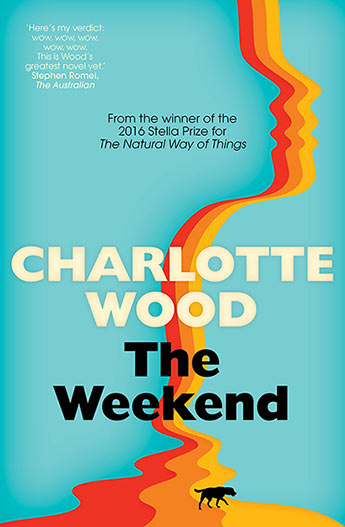
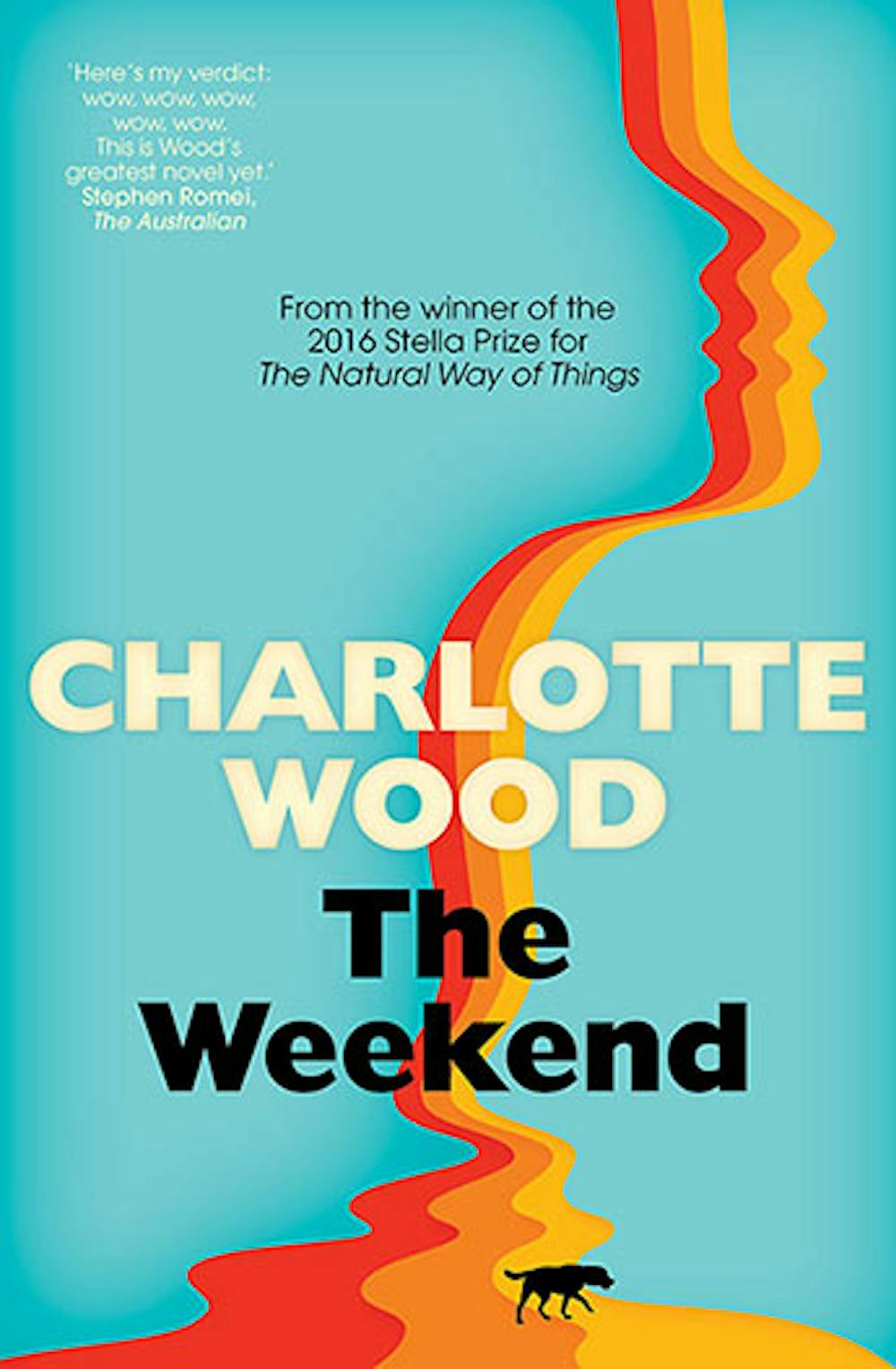
The Weekend by Charlotte Wood

When you read The Weekend you’ll probably learn some things about yourself that you didn’t know, and a few you’d rather not. This book takes a long look at women’s lives and friendships as we get old, at a time in life when everything we thought we knew – about ourselves, about our loved ones – is being thrown into doubt.

Allen & Unwin

Three grieving women gather together for Christmas to clean out the beach house that belonged to their friend Sylvie, who has died. There is Jude, a once famous restauranteur, who has spent her adult life in a love affair with a wealthy married man. Adele, a once-famous stage actress, who is newly impoverished, having just broken up with her partner Liz. She is yet to tell the others. Finally Wendy, a public intellectual in her waning years, grieving for her dead husband. Without Sylvie to balance them, tensions rise.

This book cuts like a knife through social pieties but never loses its humanity. In one particularly wicked scene, Adele conducts a “leisurely inspection” of her best friends’ washbags, casually laying bare their “private vulnerabilities”: who has constipation, who takes Valium, and who still uses age-defying face cream.

As the characters clean out the house of “depressing old things” that “nobody wanted” the tensions of grief and emotion pull them in unexpected directions. Old betrayals are unearthed, words can’t be taken back (“out it slithered in a disgusting mass”) and lives shatter.

Wood has a keen eye for the emotional havoc life wreaks, even – or especially – as we amble off into old age. Her observations are knife-sharp, often merciless, but also warm and deeply alive.

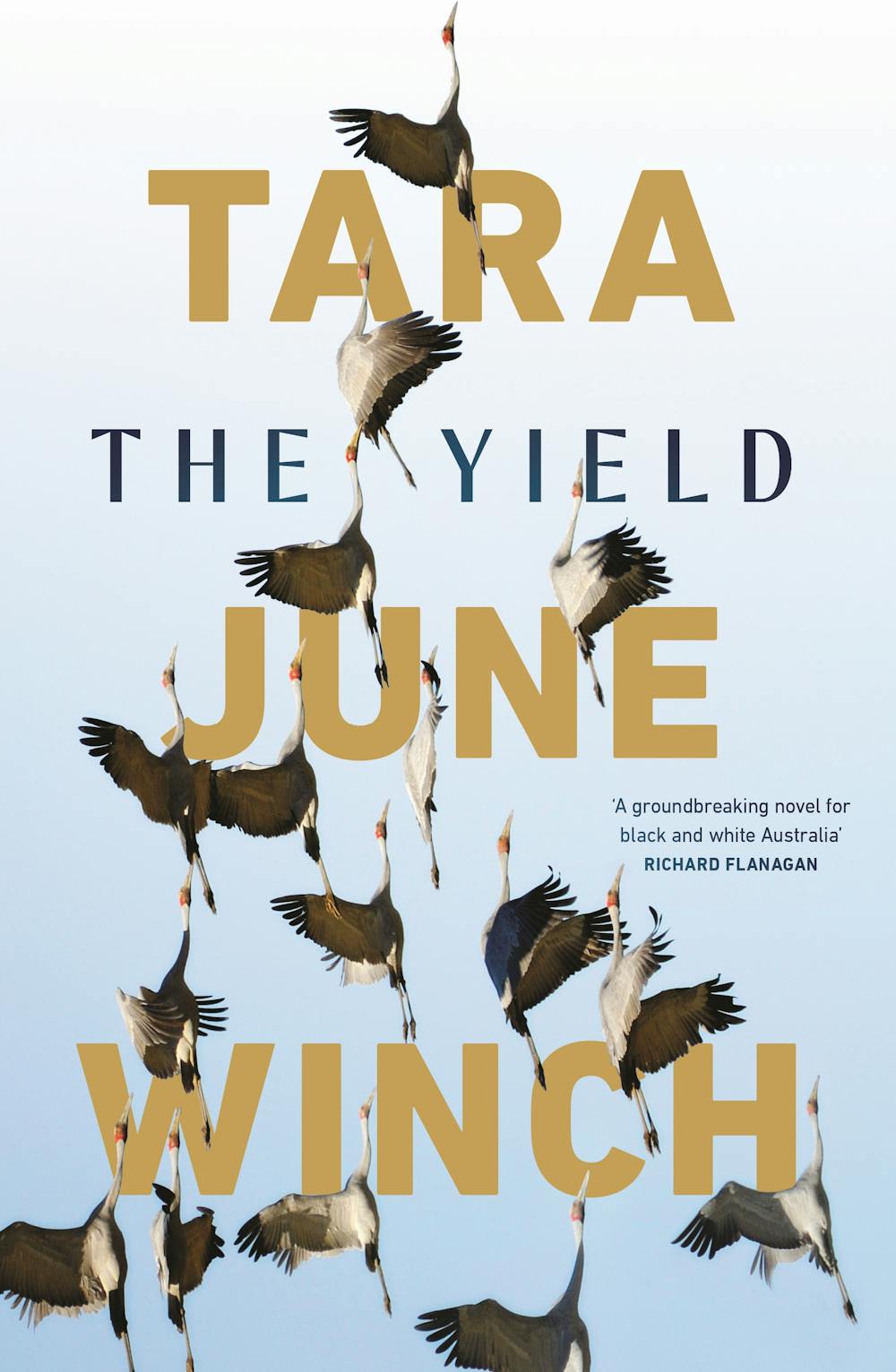
The Yield by Tara June Winch

Penguin

Language can take you deep inside experience – because words teach you not only how to speak, but also how to think and feel. A large part of Tara June Winch’s new novel is written as entries in a Wiradjuri dictionary, put together by the dictionary-maker Albert Gondiwindi. The first word – the “once upon a time for you” – is yarrany, Wiradjuri for a hickory acacia or spearwood tree, and Albert tell us “from it I once made a spear in order to kill a man”. Another word is baayanha meaning yield, which Albert calls “a funny word”. In English the word “yield” is the reaping, the things than man can take from the land”. But in Albert’s language “it’s the things you give to, the movement, the space between things”.

The action of The Yield centres on Albert’s granddaughter, August, who has returned to Country for her grandfather’s funeral after years in exile. Memories resurface, as August is entangled in circles of kinship, with aunties, nieces and cousins.

There are sombre notes. To August, everything is “browner, bone-drier”, and the evocative place name Massacre Plains reminds us that this is a site of invasion and violence. And then there’s the mystery of August’s missing sister, Jeddah.

The community is besieged by a mining development. Diggers roll into town, flanked by military-green Humvees. Winch charts the relationships between white activists and Indigenous rights groups, as they organise acts of resistance.

Aunty Betty and Aunt Carol Gibson get themselves locked against a fence in an act of protest. “Don’t fight back” says Mandy to August. “They can’t arrest us for sitting in”. Hours later rocks are hurled, water cannons discharge, and police squirt teargas. The past “filtered into their voices as they screamed together ‘Re-sist!‘”

Of course, Albert’s dictionary – “the old language, kept safe. Digitised. Captured forever” – is another kind of resistance. When August listens, she can hear the way “English changed their tongues, the formation of their minds”. This is also a book of hope in this resurgent language.

Here Until August by Josephine Rowe

Black Inc Books

The opening story in Josephine Rowe’s collection is called Glisk, a Scots word meaning a split second: a flash; a single instant. It’s a wonderful opening title in a short story collection that seems to telescope, stack and compress time, propelling characters across continents, through stark or solemn landscapes, or pinning them down in small towns.

Rowe’s characters are mostly fleeing grief or trauma, trying to find solace in strange lands. In Glisk, protagonist Fynn returns after working in a whiskey distillery in the Northern Isles of Scotland. The title conjures the fatal car accident that drove Fynn from Perth. But it also describes an earlier accident in which Fynn and his siblings built a raft with foam and buckets so they could journey out to an island to see the bioluminescence in the ocean. Only that time, catastrophe had been avoided.

These are wonderful stories. In Chavez, an agoraphobic young woman grieving for a dead husband, stays at home watching terrorist videos, until a neighbour asks her to look after her dog, forcing her to engage with the world. In The Once-Drowned Man a taxi driver and her passenger head for the Canadian border, engaging in an oddly uncomfortable struggle over grief and hurt.

Rowe’s stories deftly capture the fleeting and precarious moments that can shape and place us, or move us – like Fynn – towards a faltering redemption, “with the dark folding over the top of him”, all in a glisk.

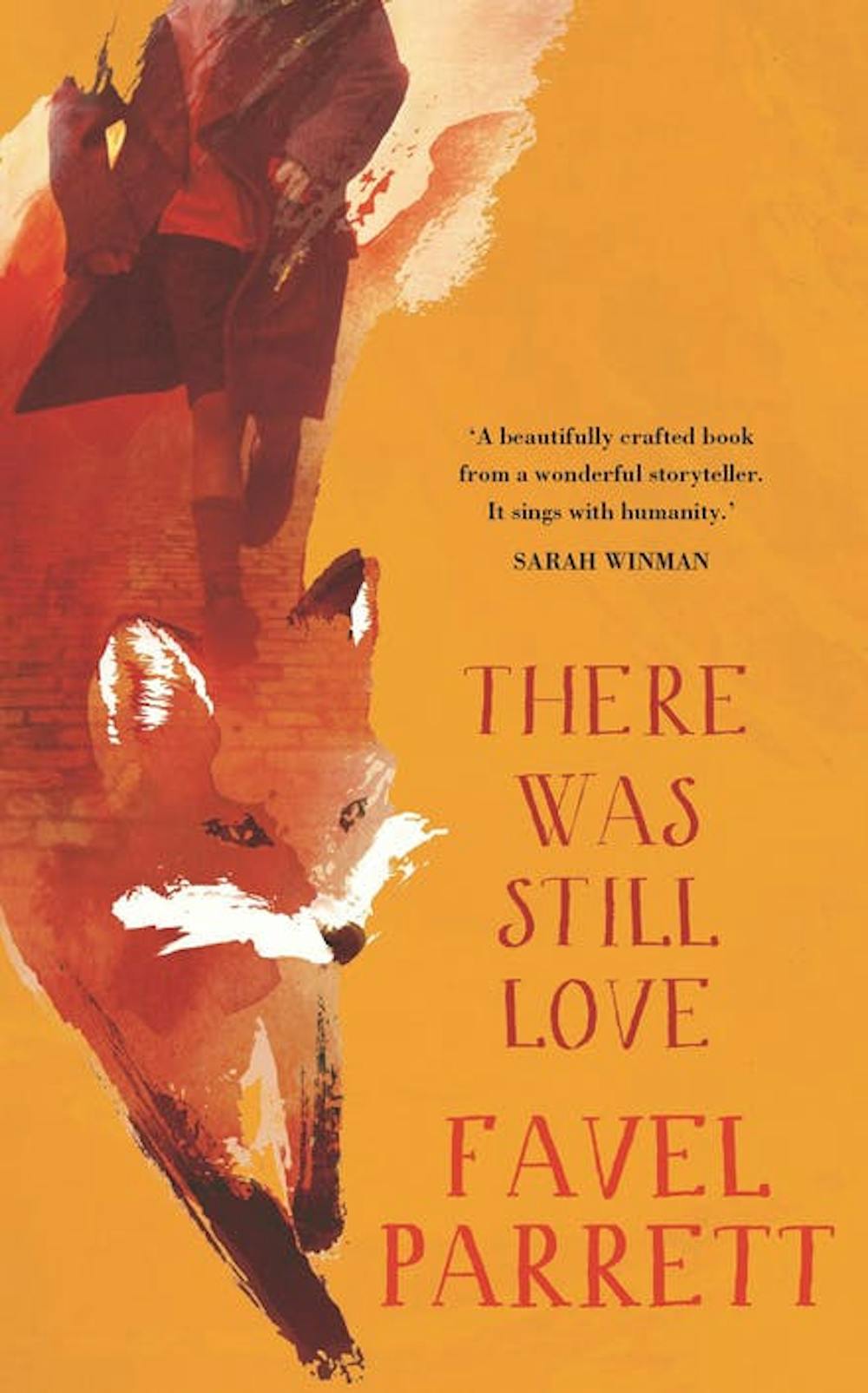
There Was Still Love by Favel Parrett

Parrett’s third novel opens with an image of extraordinary dislocation, evoked through all the “little brown suitcases … on trains, and on carts” or “strapped to the top of buses” carried by people whose lives have been uprooted by war. Inside the suitcases, not just clothes and toiletries, but “all they can hold … your heart, your mind, your soul”.

Hachette

Favell’s novel tells the story of two sisters, Liska and Ludek, who are separated as teenagers, firstly by the Nazi occupation of Czechoslovakia and then by the Cold War. Ludek stays in Prague, while Liska travels to London and on to Melbourne.

Liska negotiates the problems of a second language, together with her husband’s straightened work opportunities. Ludek travels the world as a member of Prague’s Black Light Theatre, a child kept at home to ensure her return to life behind the Iron Curtain. Both raise children in vastly different worlds. Both build and sustain homes that are marked by love.

Parrett paints a picture of the sometimes troubling life lived in a communist state, coloured by vivid details of 1980s culture. The prose is lyrical, and the child’s perspective is diffuse with a kind of magic.

This is a book about strong women. It is a story about complicated family lives, longing for home, and the worlds women build – through love – for their families.

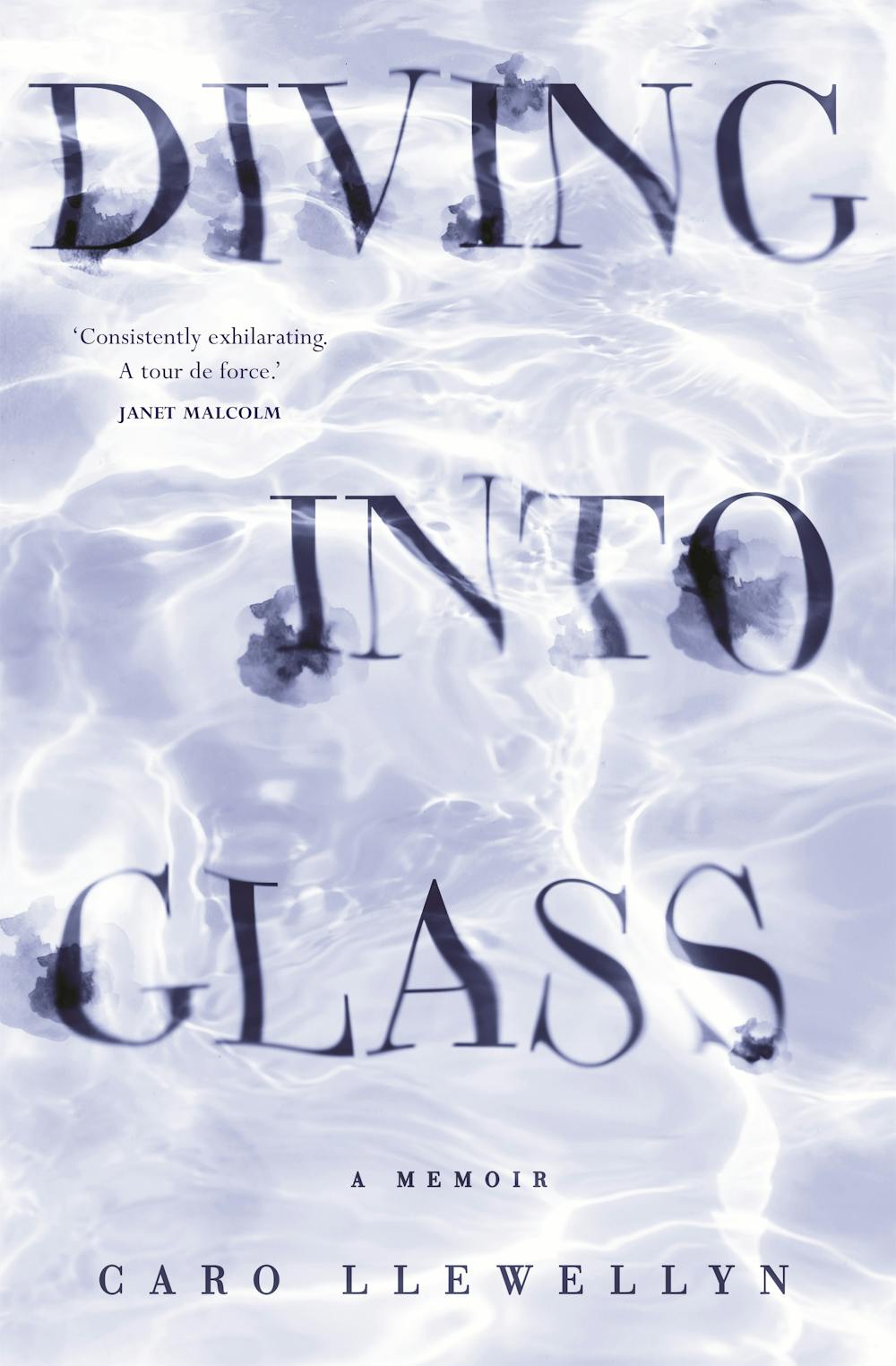
Diving into Glass by Caro Llewellyn

Penguin

Just after her 40th birthday, Caro Llewellyn – recently arrived in New York, working her dream job as director of the PEN Festival for writers – collapsed as she ran through Central Park. In hospital a few days later, her neurologist told her that she had been diagnosed with multiple sclerosis, an illness associated with the central nervous system – chronic, debilitating and lifelong.

This memoir is a record of Llewellyn’s struggle not to be defined by her disability. Its title enviably encapsulates the things that glitter and shimmer and exhilarate in this book. A sense of breathless energy just leaps off the page. “I was a runner all my life,” Llewellyn writes. Not just long and short distance, but also hurdles and relay. “It didn’t matter what I ran, so long as I was spent when I crossed the finish line”.

This is a book about many things: Llewellyn’s career, the strength she draws from her charming and ingenious father who was wheelchair-bound, having been struck by polio at 20. He married twice, courting his first wife – a hospital nurse – from deep inside an iron lung. Llewellyn learned a lot from her parents, though not always strictly wise. They included, “carry on like absolutely nothing’s wrong”, “build an impenetrable wall around your weaknesses”, or best of all “no matter how impossible it seems, how long the odds, words and a good story can help you overcome every single thing stacked up against you”.

But, as Llewellyn writes, “The day my legs went numb on the running track in Central Park, every one of those lessons evaporated”. This is not a book about overcoming illness or disability. It ends – much like it starts – with Llewellyn’s gaze on the horizon, searching.

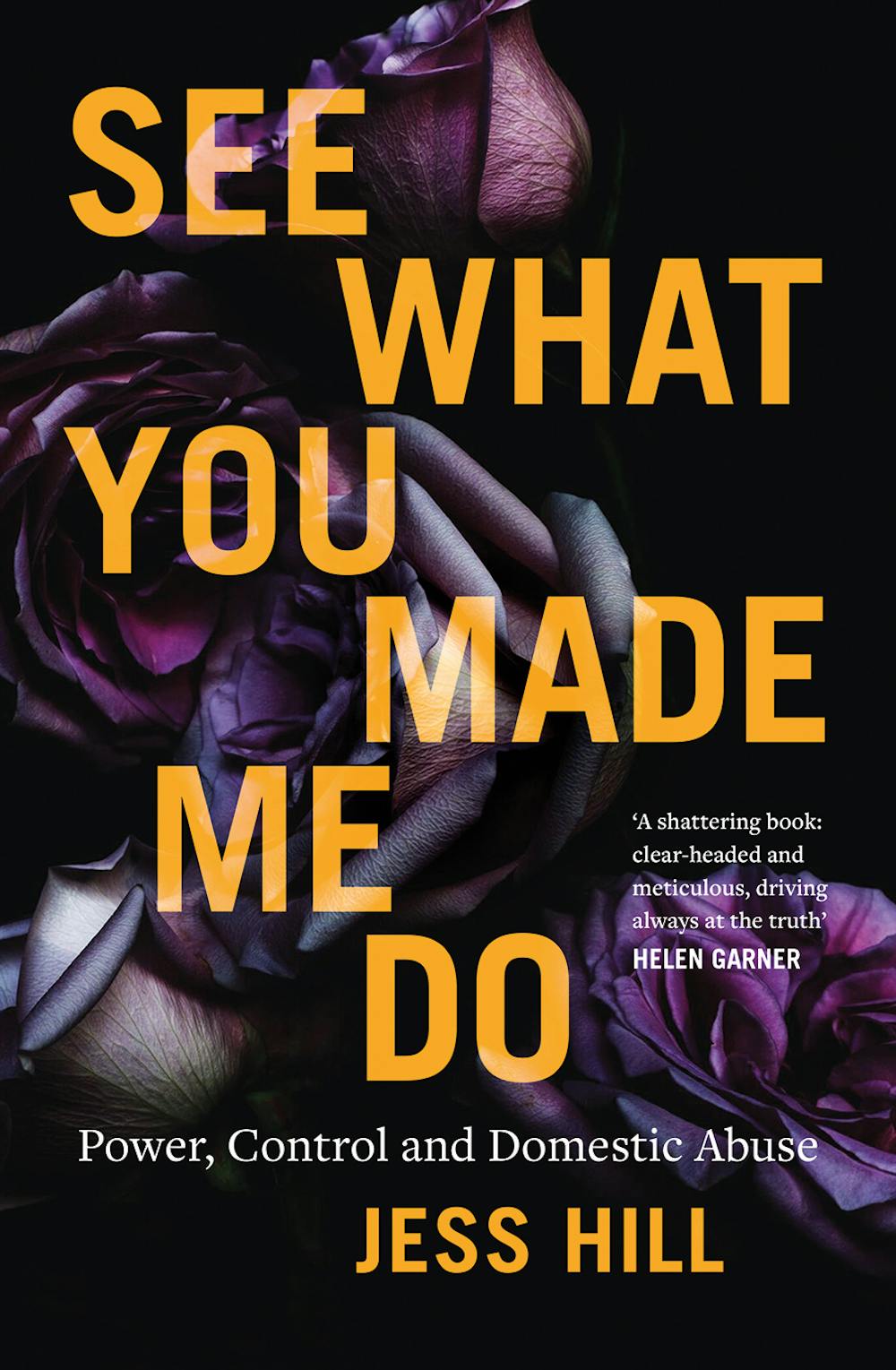
See What You Made Me Do by Jess Hill

Jess Hill’s book is a deeply felt exploration of institutional failure. It opens with Hill standing in her backyard “hanging clothes out to dry on a stunning summer night alive with the screeching of fruit bats”, in a place where she “felt content, peaceful; safe”. Then comes the stunning realisation that many women do not get to feel safe, not at night, and not in their own backyard.

Black Inc Books

It’s 2015, a year on from the morning Australians woke up to see Rosie Batty, “a solitary woman, raw with grief” on their television screens. In front of her was “a clutch of reporters who’d barely hoped for a statement”. Batty told the media about the murder of her son – 11-year-old Luke Batty – at the hands of his father. It was the scenario she’d warned about countless times, in courts and police stations, in front of lawyers and judges and to social workers. Her pleas had been dismissed and disbelieved.

See What You Made Me Do brings together stories of domestic violence and survival from all walks of life – from the affluent neighbourhoods of Sydney’s Bible Belt to struggling remote and regional communities. Hill investigates the social and psychological causes of domestic abuse and its terrifying consequences. She talks to frontline social workers, counsellors who work the hotlines, and police.

Hill’s book maps the contours of a twisted public debate, through which the rights of children and women to safety – to feel secure, to live free from violence – are repeatedly brought up short by politics.

The Stella Prize will be announced online by Julia Gillard from 8pm (AEST) on Tuesday 14 April 2020.

ref. Stella Prize 2020: a readers’ guide to the contenders – https://theconversation.com/stella-prize-2020-a-readers-guide-to-the-contenders-132515

Grattan on Friday: Which leaders and health experts will be on the right side of history on COVID-19 policy?

Source: The Conversation (Au and NZ) – By Michelle Grattan, Professorial Fellow, University of Canberra

After the coronavirus nightmare has passed, harsh judgements will be made about which political leaders and health experts were on the right or wrong side in handling this crisis.

Politicians like to cast back to the global financial crisis and play the blame game. The stakes were very high then – this time they are multiplied.

And there are many with futures or reputations (or both) on the line.

This week we’ve seen a high-profile clash of opinions and expertise on display. Given the exponential rise in cases, the calls for everyone to be on the same page must be secondary to the imperative of getting the right strategy.

One school of thought says, put health first and go nuclear now, with a full lockdown. The other school favours a stepped approach, tightening the screws but trying to keep as much economic activity alive for as long as possible.

Victorian premier Daniel Andrews (Labor) and NSW premier Gladys Berejiklian (Liberal) are hardliners. Victoria’s Chief Health Officer Brett Sutton spoke out forcefully this week. The two premiers have given notice their states are set to move to lockdown (where people would be confined to their homes). Jacinda Ardern has already taken New Zealand there.

With the divide crossing partisan lines, Andrews and Berejiklian are working closely together.

Scott Morrison is the prime advocate of the gradual approach. Resisting a full lockdown, he argued strongly this week he didn’t want to throw people out of jobs where it was possible to avoid doing so, and that he feared the consequences of the stresses the economic crisis would put on families.

For Morrison, it’s a balancing act, in the face of “a twin crisis, a crisis on a health front, which is also causing a crisis in the economy as well. And both of them can be equally as deadly, both in terms of the lives of Australians and their livelihood.”


Read more: Politics with Michelle Grattan: Nobel Laureate Professor Peter Doherty on the coronavirus crisis and the timeline for a vaccine


Labor has aligned with the position taken by Andrews and Berejiklian. From the start, the opposition has been urging faster action; this week Anthony Albanese sharpened his criticism.

He disputed “there is a tension between dealing with the health issues and dealing with the economic issues. That is a false distinction.

“The government has a responsibility to deal with this health emergency. That is the first priority. Then, it needs to deal with the economic consequences of the health emergency and the appropriate response. It needs to be done in that order.”

Those who argue Labor is just playing politics and should be sticking to the government line are off beam. This is a policy crisis too and policy arguments are legitimate and indeed necessary.

Among federal officials, the secretary of Home Affairs Mike Pezzullo is reportedly a hard liner.

Chief Medical Officer Brendan Murphy (who has been appointed secretary of the Health department) and his deputy Paul Kelly have been strong public defenders of the gradualist path.

Yet in the health world, many in academia are advocates of a immediate lock down.

The Prime Minister has found his hand being forced by the states (as in Sunday’s argy bargy on shutdowns) or bypassed (on schools).

Morrison has been a firm advocate of keeping the schools open, arguing it’s vital so health workers can continue in their jobs, and also because children shouldn’t lose a year of education.

This week Berejiklian advised parents to keep children home, while Andrews brought forward the school holidays. Western Australia is now encouraging remaining at home as new arrangements are prepared. Next week Queensland schools will be “student free” (apart from children of “frontline workers”). South Australia is likewise planning for the future.


Read more: View from The Hill: A contest of credible views should be seen as useful in a national crisis


Academic experts are at the centre of the policy battle, and this carries its own politics.

Take a paper, commissioned by the federal government, reporting the advice of 22 experts from Group Of Eight universities.

Dated Sunday, it put forward two views.

“One view, influenced by our position on the epidemic curve, the limitations of wide community testing and surveillance and the experience of other countries, argues for a comprehensive, simultaneous ban across Australia.

“The other, influenced by the fact that a large number of our cases are a direct/ contacts of importation (which have now been stopped), influenced by the large variation in case density across Australia and the adverse consequences of closure and the sustainability and compliance to an early closure argued for a more proportionate response”.

The first view was “a dominant position in this group”, the paper said. What it didn’t add was that this was the overwhelming view.

When asked about the paper at a Tuesday news conference, both Morrison and Murphy were noticeably uneasy. Morrison flicked the question to Murphy who said: “Any measures we place, we believe need to be for the long haul. The idea that you can put measures in place for four weeks and suddenly stop them and the virus will be gone is not credible. So we are very keen to put as restrictive measures in place without completely destroying life as we know it”.

Another paper circulating, including to senior business figures, argues “the case for a short, sharp lockdown in Australia”; it has been contributed to by Raina MacIntyre, who heads UNSW’s Biosecurity Program; Louisa Jorm, director of the Centre for Big Data Research in Health, UNSW; Tim Churches, health data scientist at UNSW; and Richard Nunes-Vaz, from Torrens Resilience Institute at Flinders University.

“We are deeply concerned about the prospect of Australia losing control of the epidemic to a degree which would exceed health system capacity and result in far greater numbers of cases, more health and economic losses, and a longer time to societal recovery,” the paper says.

“A short, sharp lockdown of 4-8 weeks will improve control of the epidemic in Australia, reduce case numbers and bring us to a more manageable baseline from which phased lifting of restrictions and economic recovery can occur.

“If we fail to do this, we face continued epidemic growth, potential failure of the health system, and a far longer road to recovery.”

The lockdown would be used to ramp up a massive testing operation to identify and isolate cases, enabling the subsequent ease-off to be done more safely.

On Thursday the federal government’s Deputy Chief Medical Officer Paul Kelly suggested challenges to official advice made for public confusion and should be kept behind closed doors.

Not if the challengers turn out to be right.

Morrison received praise in the early days for his handling of the crisis. Now he and his closest health advisers are increasingly finding themselves the odd men out.

ref. Grattan on Friday: Which leaders and health experts will be on the right side of history on COVID-19 policy? – https://theconversation.com/grattan-on-friday-which-leaders-and-health-experts-will-be-on-the-right-side-of-history-on-covid-19-policy-134801

To get on top of the coronavirus, we also need to test people without symptoms

Source: The Conversation (Au and NZ) – By C Raina MacIntyre, Professor of Global Biosecurity, NHMRC Principal Research Fellow, Head, Biosecurity Program, Kirby Institute, UNSW

As the World Health Organisation keeps reminding health officials around the world, in order to get COVID-19 under control, we must “test, test, test”.

Along with tracing contacts of cases, travel bans and social distancing, testing is one of the four key planks in our pandemic response to SARS-CoV2, the virus that causes COVID-19.

Widespread testing has been the key to reducing transmission in South Korea, which was able to use only limited lockdowns because it tested at a mass scale.


Read more: Coronavirus: South Korea’s success in controlling disease is due to its acceptance of surveillance


Both South Korea and Japan tested people at high risk who didn’t have symptoms. On the Diamond Princess ship, for example, which was quarantined for two weeks in the port of Yokohama, Japanese testers found 634 people were infected and of these, 328 had no symptoms.

In the United States, asymptomatic spread has likely driven the silent growth of an epidemic that was only realised when the health system began overloading. We’ve seen the same in Italy and Spain, which also restrict testing.

Australia’s federal government has expanded the testing criteria beyond just returned travellers and those with close contact with an infected person.

But testing remains restricted to people with symptoms and doesn’t go far enough. Like South Korea, we should also be testing people without symptoms who are in high risk groups, such as close contacts, evacuees from cruise ships, and health workers who request a test.

How do we test for coronavirus?

There are two kinds of laboratory tests. One is a PCR (polymerase chain reaction) test, which detects fragments of the virus RNA in the sputum (phlegm), throat, nose or other body fluid.

The other is a blood test for antibodies to the virus. This can identify people who have been exposed to the virus and produced antibodies, whose swab may be negative.

Currently only PCR tests are widely available, but blood tests (serology) should be available soon.

The coronavirus testing program in Australia currently uses PCR tests, or swab tests. David Crosling/AAP

PCR tests have some shortcomings. Throat swabs in particular can give you a false negative, so it may be necessary to repeat the test in someone who seems to have COVID-19. A nasal swab or sputum (phleghm) specimen is more likely to be positive in an infected person.

The PCR tests will only be transiently positive, while the serology remains positive once you have been infected. Blood tests are less likely to miss infected people, including children and young people. However, a blood test doesn’t tell you if someone is infectious at that time. PCR and serology can be used together for optimal results.


Read more: COVID-19 tests: how they work and what’s in development


Rapid, point-of-care tests which use a swab and have results available in 45 minutes are especially useful in outbreaks in closed settings such as aged care facilities or prisons. These aren’t yet available in Australia.

The government has ordered 1.5 million rapid tests which use blood. But it takes five days for a patient to develop antibodies and become positive to that kind of test. Only a PCR-based test can give an early diagnosis.

Chest CT scans were also used in China for rapid diagnosis because of the problem with PCR being negative.

Australian testing guidelines

The current Australian guidelines, which were expanded yesterday (March 25), restrict testing to people with a fever or respiratory illness who:

  • have been in contact with a known COVID-19 case

  • are return travellers including on cruise ships

  • are in a high-risk setting where at least two COVID-19 cases have been confirmed, such as an aged care facility, prison, boarding school, detention centre, Indigenous community or military base

  • are being hospitalised with pneumonia or a respiratory illness of unknown cause

  • have illness clinically consistent with COVID-19 in a geographically localised area with elevated risk of community transmission, as defined by health authorities

  • are health care workers, aged or residential care workers.

While these guidelines have expanded the testing criteria, they still restrict testing to people with symptoms.

Returned travellers are tested if they have symptoms. Jose Sena Goulao/AAP

Why more people should be tested

Australia has a high rate of testing compared to many other countries, and a low positive rate.

But we don’t have data on silent transmission that could be bubbling under the surface when infected people don’t have any symptoms or have very mild illness.

On February 14, the Spanish health minister laughed and told the Spanish people there was no COVID-19 in Spain:

Six weeks later the country has around 40,000 cases and a health system in collapse.

Who we should test

To make social distancing measures successful, they must be accompanied by a broadened testing criteria to ensure every new case can be identified rapidly.


Read more: Coronavirus: why should we stay 1.5 metres away from each other?


We should be testing people without symptoms who fall into the groups outlined in the current Australian guidelines, so that we do not miss asymptomatic cases in high risk groups.

This would include asymptomatic people who are: close contacts of people with COVID-19; evacuees from cruise ships; health or aged care workers who request a test; as well as asymptomatic people in closed outbreak settings (aged care centre, prison, boarding school, detention centre, Indigenous community or military base).

We also need to scale up capacity

Social distancing measures also need to be accompanied by scaled-up testing capabilities including:

  • expanded capacity for PCR (swab) testing

  • the ability to repeat testing (at least three tests) for suspected cases when the initial PCR (swab) test is negative

  • drive-through testing sites to make testing accessible and safer for infection control

  • increased capacity for Australian laboratories to conduct blood tests at mass scale

  • continued investment and development of rapid point of care and commercial serological tests.

If we cannot procure or make enough tests, we could ask South Korea for help as the United States is doing.

It is essential we can identify all cases before we take the foot off the brakes of lockdowns.


Read more: How we’ll avoid Australia’s hospitals being crippled by coronavirus


ref. To get on top of the coronavirus, we also need to test people without symptoms – https://theconversation.com/to-get-on-top-of-the-coronavirus-we-also-need-to-test-people-without-symptoms-134381

NZ lockdown – day one: Things going as ‘smoothly as possible’, says PM

By RNZ News

New Zealand has – almost – made it through the first day of the national month-long lockdown, and according to Prime Minister Jacinda Ardern, things have gone “as smoothly as could be expected”.

Speaking to media today, Ardern highlighted just how much of a feat that was. The lockdown – unprecedented in New Zealand – was only announced on Monday.

Police Commissioner Mike Bush said this morning that most people were abiding by the rules, but noted a few had not been complying.

READ MORE: Death toll in Italy rises to 7503 as Spain’s toll surpasses China

“We’ve engaged with a few of those, given them some advice … you won’t believe it but some people were saying they were unaware of these conditions,” he said.

“People were out driving around, just having fun, people were visiting ATMs, things like that.”

– Partner –

Dawn on the first day of the lockdown revealed an eerily quiet Aotearoa.

Normally bustling city streets were empty, there was no rush hour and only a handful of people could be seen out and about as the country entered day one of the lockdown.

NZ total of infections now 283
As the day progressed, the Ministry of Health revealed 78 new cases of Covid-19, bringing the total to 283. And 27 people have now recovered from the coronavirus.

Seven people are now in hospital – three in Wellington, two in Nelson, one in Waikato and one in Northland – but none of them are in intensive care.

Director-General of Health Dr Ashley Bloomfield said the new results included a number of clusters – at Marist College, the World Hereford conference in Queenstown, a wedding in Wellington, a group trip to the US, a number of people in Hawke’s Bay that are associated with someone on the Ruby Princess cruise ship, and a rest home in Hamilton.

This article is republished by the Pacific Media Centre under a partnership agreement with RNZ.

  • If you have symptoms of the coronavirus, call the NZ Covid-19 Healthline on 0800 358 5453 (+64 9 358 5453 for international SIMs) or call your GP – don’t show up at a medical centre.
  • Read more at RNZ News
Print Friendly, PDF & Email

Article by AsiaPacificReport.nz

Which jobs are most at risk from the coronavirus shutdown? 

Source: The Conversation (Au and NZ) – By Jeff Borland, Professor of Economics, University of Melbourne

The immediate impact of the coronavirus shutdown is striking in its magnitude, its speed and its concentration on a small set of industries.

My attempt to identify where the virus and the shutdown will have the biggest effect suggests that in February 2020 about 2.7 million workers were employed in the most exposed industries.

And while it won’t be possible to know for sure until April 16 when we get data from the Bureau of Statistics on the labour force in March, I believe it’s reasonable to think the jobs of about 900,000 are already under threat.

Who is most at risk?

In the table below I list those whom I think are most at risk.

For one group of about 1.4 million workers – primarily in industries involving eating out, entertainment, recreation, accommodation and air travel – the loss of work is the inevitable result of government shutdowns.

February 2020, ABS 6291.0.55.003

Another group, comprising about 900 thousand workers, are in retail trades (non-food) and personal services, where the effect on jobs is coming from consumers cutting spending apart from on essential items.

February 2020, ABS 6291.0.55.003

Workers in both at-risk groups are predominantly young. More than half are under 35 years of age. Six out of seven are employees. About one in every seven is an owner/manager or works in a family business.

A slightly higher proportion are female than male. They are evenly split between full-time and part-time.

Some industries will grow

Some industries are seeing rapid increases in demand due to the coronavirus. They include the retail grocery trade and associated logistic services, and the supply of office essentials needed to work at home.

In a relatively short period there is also likely to be an increase in demand from the health care and health services industries.

Other areas where increased demand seems likely are the home delivery of goods bought online, cleaning services and services usually undertaken by volunteers and government agencies who are occupied dealing with COVID-19.

The total workforce will shrink

So far there has been little impact of the supply of workers, but it will happen.

It is beginning to occur as schools and childcare centres close and workers withdraw in order to care for their children, and it is accentuated by parents not wanting to risk outsourcing the task to grandparents.

In the coming weeks, there will be further hits to labour supply as illness from COVID-19 causes workers to need to take leave and other workers withdraw to provide care for family members who become ill.


Read more: Here’s a bright idea should schools have to close: enlist childcare workers as nannies for health workers


It is difficult to be precise about the magnitude of withdrawal from the labour market, but it is potentially large.

To start with, most of the impact is likely to come from withdrawal for caring or to avoid illness.

As an indication of the potential scale of withdrawal, in 2019 there were 1.21 million families with children aged from 0-9 years in which either a sole parent or both parents were in paid work.


Read more: State-by-state: how Australia’s new coronavirus rules will affect you


In 2016 there were 634,500 people aged 65 to 84 doing voluntary work.

Workers becoming ill might also have a substantial impact on labour supply.

Under a (hopefully pessimistic) scenario that COVID-19 continues its current rate of growth over the next three weeks, with those infected in the previous two weeks then unable to work, this would be about 67,500 persons out of work due to illness.

COVID-19 has already had a dramatic effect on employment – that much is evident from news images of queues at Centrelink.

Further impacts are almost certain in coming weeks.

February 2020, ABS 6291.0.55.003

The scale and speed of what’s happening is creating the most serious labour market policy challenge of the post-war era.

ref. Which jobs are most at risk from the coronavirus shutdown?  – https://theconversation.com/which-jobs-are-most-at-risk-from-the-coronavirus-shutdown-134680

‘We can’t keep working like this’ – a journalist’s plea to Timorese officials

OPINION: By Antonio Sampaio in Dili

The Timor-Leste authorities have to improve significantly the conditions in which journalists are working to cover the Covid-19 coronavirus pandemic.

As the only foreign journalist in East Timor, I support the recommendations made today by the two associations of Timorese journalists.

In a statement sent to Lusa ndewsagency, the Association of Journalists of Timor Lorosa’e (AJTL) and the Timor-Leste Press Union (TLPU) have accused the country’s health authorities of not providing “adequate or credible information” over the past few weeks, making it difficult difficult to communicate important news to the society.

READ MORE: How a copyboy became Timor-Leste’s lone ranger foreign correspondent

Timor-Leste confirmed its first Covid-19 infection case last weekend.

There has been total irresponsibility, including the Ministry of Health, in the way they apply themselves, and in the way they are concerned, and over the rule of social distance.

– Partner –

I have mentioned this in the past, but it is vital that all the institutions change the way we work. Especially now that the state of emergency statement is coming.

My recommendations
I make these general recommendations:

  • Announce press conferences in time;
  • Distribute written communications every time;
  • Communicate in more than one language so that the information can reach everyone in Timor-Leste;
  • Distribute information at the same time to all journalists by Whattsapp or email;
  • Ensure there is a spokesman to talk to the media that is always the one who transmits official information;
  • Prepare to communicate in the distance with the media in case of isolation needs increase;
  • Guarantee regular briefings where the information can be properly shared and where all questions can be asked and answered calmly. (Often journalists are in doubt that they represent the doubts of the population and they seek clarifications. Rejecting questions, as has been done by officials, is not acceptable.);
  • Monitor social media to report fake news;
  • Make information transparent to ensure everything is clear and people can get ready;
  • Distribute all decisions that come out of the government, not only in the form of the short and insufficient communications of the Council of Ministers or in statements to journalists, but with detailed documents, especially in the state of emergency; and
  • Ensure that journalists are protected and are not obliged to take on risky situations, such as having to share microphones to ask questions.

Collaboration can be useful between the authorities and journalists, but journalists are independent and cannot be used to pass on government information, especially when the information is not clear, or – as has already happened – it is wrong, to the rest of the world.

The photo I publish today has been taken in Timor’s Parliament. But it could be from so many other situations in the last few weeks.

We can’t keep working like this.

Antonio Sampaio is the Lusa newsagency correspondent in Dili. This personal view on journalist safety was expressed on his Facebook page.

Print Friendly, PDF & Email

Article by AsiaPacificReport.nz

Schools are moving online, but not all children start out digitally equal

Source: The Conversation (Au and NZ) – By Amy Graham, Postdoctoral Research Fellow, UNSW

More than one billion young people around the world are now shut out of classrooms due to the COVID-19 pandemic. Even in Australia where many schools remain open, many parents have chosen to keep their kids home.

Some Australian non-government schools have already shut their doors and moved classes online. Victoria, South Australia and Tasmania have ended the term early so teachers can prepare for online learning in the second term. Queensland has closed schools and moved to online classes.

For some children, learning online will be little more than an inconvenience. For others however, this will further magnify their learning disadvantage.

The digital divide

About 87% of Australians can access the internet at home. But only 68% of Australian children aged 5 to 14 living in disadvantaged communities have internet access at home, compared to 91% of students living in advantaged communities.

Students who have unlimited broadband internet at home might do just fine in this new situation. But students living remotely whose internet is intermittent and not fast or reliable enough to cope with online learning, and those in large families sharing limited digital devices, may get left behind.


Read more: Australia’s digital divide is not going away


When you add in additional family stress like parents facing sudden unemployment, extra anxiety and little experience supporting their children’s learning, the educational outcomes for vulnerable children will almost certainly go backwards.

A number of experts are worried about this worsening inequality. Education Professor Vaille Dawson of the University of Western Australia told us:

even when they are at school, for some students the only wi-fi connection is in the principal’s office. For those children who may be off the grid, already disengaged from their schooling or from vulnerable families, the outcome may be irreparable.

We have been conducting an ongoing research project, Growing Up Digital Australia, to understand how the widespread use of media and digital technologies is impacting the well-being, health and learning of Australian children.

The first findings from our as yet unpublished 2019 data confirm teachers and principals see family poverty as a key factor in accessing technology that students need for learning. More than 80% of teachers thought students’ socio-economic circumstances impact on their access to technology needed for learning. And one-third of teachers directly observed that children living in poverty had less access to technology than their more well-resourced peers.

This situation is likely to get far worse as the digital learning environment becomes the main option for schooling. Ideally, we would have addressed the existing digital divide before thrusting all students into it.

So, here is what we can do

Inequality in Australian education is increasing. School education, according to the OECD and UNICEF, is not treating Australian children fairly.

Political rhetoric to date has failed to recognise the existing educational inequities, especially in disadvantaged communities and many remote parts of the country. Assuming all children can benefit from learning digitally at home inherently privileges the wealthy and further entrenches a multi-tiered educational model.

We are witnessing a massive global social experiment with children and how they deal with this new way of learning.

Governments should act swiftly to lessen the inconvenient impact caused by this unplanned experiment in mass online learning. Assuming children will not go back to school anytime soon, there should be particular interventions to benefit the most needy families.

Some departments have pledged to address this by mailing out learning materials and offer skeletal staff to support the most vulnerable learners. Other ideas might include a rostered system of computers and digital devices children need to enable their study at home.


Read more: Universities need to train lecturers in online delivery, or they risk students dropping out


Authorities could also relax curriculum requirements and give parents autonomy to spend time with children on alternative educational activities. Music, physical activity and free play outdoors whenever possible can be equally educational for children’s learning and well-being as study with a computer indoors.

We are slowly learning the best way to cope with the threat of COVID-19 is through the lens of “we” rather than “I”. Some schools are much further along the journey in preparing for children learning online without coming to school every day.

Our schools have an opportunity to openly share resources, learning solutions and materials to support the learning of all students, regardless of education sector, social or economic background or location.

One thing governments should not do is to make this situation harder than it already is. They should not tell parents and teachers that missing three or four months of invaluable learning time and tests in schools means they must compress all that lost time into a month and catch up.

Instead, this could be an opportunity to level the playing field; for governments to learn some lessons about how education could be designed more equitably.

ref. Schools are moving online, but not all children start out digitally equal – https://theconversation.com/schools-are-moving-online-but-not-all-children-start-out-digitally-equal-134650

Politics with Michelle Grattan: Nobel Laureate Professor Peter Doherty on the coronavirus crisis and the timeline for a vaccine

Source: The Conversation (Au and NZ) – By Michelle Grattan, Professorial Fellow, University of Canberra

The coronavirus SARS-CoV-2, which causes the disease COVID-19, has infected nearly half a million people and taken the lives of more than 21,200.

No person in Australia is more qualified to speak on the science of this global pandemic than Professor Peter Doherty. Professor Doherty was awarded the Nobel prize for medicine in 1996 for his work studying the immune system. The Doherty Institute, now at the forefront of Australian research on the coronavirus, bears his name.

In this episode of Politics with Michelle Grattan, Professor Doherty discusses the particulars of the pandemic – including how controlling this pandemic differs from that of other illnesses:

“It’s a problem of dealing with a respiratory infection,” he said.

“It’s different from, say, AIDS. We can all modify the way we behave in the sexual sense, but we can’t decide not to breathe. And so it’s very important that we keep that social distancing right at the front of our mind. In fact, one of the best pieces of advice I’ve seen is, think [as if] you’ve already got it and you don’t want to transmit it to anybody else. And if you think like that, you’ll protect yourself. ”

Scientists from The Doherty Institute were the first to successfully grow the 2019 novel coronavirus (COVID-19) from a patient sample. According to Professor Doherty, a COVID-19 vaccine could be available within 12 to 18 months.

“There are a few new concerns … that some vaccine formulations, not all, but some could give you what we call a bit of immunopathology,” he said.

“That is, they might actually make [the illness] a little bit worse or contribute to some bad, bad situation. So we have to be careful with the vaccine. But the first vaccine product from the University of Queensland, I’m told, has already gone into lab animals.”

Listen to the full podcast for more from Professor Doherty, including how his research and institution is furthering the vaccination effort, how the virus affects the body and the future of the crisis.

New to podcasts?

Podcasts are often best enjoyed using a podcast app. All iPhones come with the Apple Podcasts app already installed, or you may want to listen and subscribe on another app such as Pocket Casts (click here to listen to Politics with Michelle Grattan on Pocket Casts).

You can also hear it on Stitcher, Spotify or any of the apps below. Just pick a service from one of those listed below and click on the icon to find Politics with Michelle Grattan.

Additional audio

A List of Ways to Die, Lee Rosevere, from Free Music Archive.

Image:

Dave Hunt/AAP

ref. Politics with Michelle Grattan: Nobel Laureate Professor Peter Doherty on the coronavirus crisis and the timeline for a vaccine – https://theconversation.com/politics-with-michelle-grattan-nobel-laureate-professor-peter-doherty-on-the-coronavirus-crisis-and-the-timeline-for-a-vaccine-134795

Life in prison looms for Australia’s Christchurch gunman, now NZ’s first convicted terrorist

Source: The Conversation (Au and NZ) – By Kris Gledhill, Professor of Law, Auckland University of Technology

Less than a fortnight after the first anniversary of the Christchurch mosque shootings, and on the first day of New Zealand’s four-week COVID-19 lockdown, the Australian man responsible for the attacks has surprised the nation by pleading guilty to all charges.

As well as being guilty of 51 counts of murder and 40 counts of attempted murder, he becomes the first person convicted of terrorism in New Zealand.

Up until now, the accused man – who The Conversation has chosen not to name – had pleaded not guilty to all charges and was due to stand trial from June 2. But the guilty plea means a trial is no longer necessary and the process now moves to the sentencing phase.

Prime Minister Jacinda Ardern said she “let out a massive sigh of relief” when she heard the news of his guilty pleas, and that she expected many New Zealanders would also feel:

a certain sense of relief: that the whole nation, but particularly our Muslim community, are being spared from a trial that could’ve otherwise have acted as a platform.

Nothing will bring their loved ones back. But this is a small reprieve.

But families of victims and the wider New Zealand public look likely to face a long wait before the Australian terrorist is sentenced, as the court processes have been disrupted by the pandemic response. The judge has indicated that sentencing will only take place when all victims who want to attend can be present.


Read more: Far-right extremists still threaten New Zealand, a year on from the Christchurch attacks


Timing of guilty pleas

A note released by the judge, Justice Mander, records that the defendant intimated earlier this week that he wished to plead guilty to all charges and then confirmed that in writing.

Criminal courts continue operating for urgent matters during the lockdown and the Christchurch High Court used audio-visual links for the defendant and his lawyers at the change of plea hearing. Only a small number of media representatives and senior members of the Christchurch Muslim community were present.

No date has been fixed for the sentencing hearing – and this is sensible. Justice Mander has asked for reports on the defendant prior to sentencing.

jacindaardern/Instagram

Aside from any difficulties for probation officers preparing their advice to the judge, sentencing hearings also provide an opportunity for victims and families of victims to present victim impact statements.

These are usually presented orally in cases of serious crime. Managing this process would have been difficult in normal circumstances and is now even more complex during a pandemic lockdown, but the judge has made clear he hopes this can happen.

Speaking after the news of the guilty pleas, Police Commissioner Mike Bush said some police staff who were working on the prosecution of the mosque attacker would now be freed up to help with New Zealand’s COVID-19 response.


Read more: Remembering my friend, and why there is no right way to mourn the Christchurch attacks


Likely sentence and security conditions

The maximum sentence for attempted murder is 10 years, but for a terrorist act or murder it is life imprisonment. The Sentencing Act 2002 requires a life sentence for murder unless that would be manifestly unjust. In this case, there is no doubt the defendant will be sentenced to life in prison.

Some countries add various determinate sentences together to make long sentences, possibly of hundreds of years, but this practice is not followed in New Zealand.

But there is a real question for the judge. A life sentence has two parts: there is an outer limit (the rest of the defendant’s life) and a minimum term that has to be served as punishment. If the Parole Board concludes that the risk to the public is low enough, a person can be released once they have served the minimum term – so this is important.

The Sentencing Act requires a minimum term of at least 17 years for a terrorist murder or for murder involving two or more victims. But the judge is required to look at accountability for harm to victims, denunciation, deterrence and protection of the public and decide whether these factors require that no minimum term be set.

There has been no such whole life sentence in New Zealand to date. But I expect Justice Mander will give it serious consideration, notwithstanding the guilty plea, which is often given credit at the sentencing stage.

A prisoner is in the custody of the Department of Corrections. The defendant, an Australian self-declared white supremacist, has been in the highest security category and subject to additional restrictions since his arrest. It will be a long time, if ever, before he is managed outside high-security conditions.

There are various treaties relating to the transfer of serving prisoners, but New Zealand is not a party to them. It requires foreign prisoners to serve their sentence and then deports them. New Zealanders who are sentenced abroad cannot serve their sentence here.

When asked today about deportation, Prime Minister Ardern said it was too soon to make any decisions about the future, and that it was important to let the sentencing process finish first.

But it is generally accepted that the executive can make arrangements on an individual basis in special circumstances. It remains to be seen if the New Zealand and Australian governments make relevant arrangements.

ref. Life in prison looms for Australia’s Christchurch gunman, now NZ’s first convicted terrorist – https://theconversation.com/life-in-prison-looms-for-australias-christchurch-gunman-now-nzs-first-convicted-terrorist-134780

People with a disability are more likely to die from coronavirus – but we can reduce this risk

Source: The Conversation (Au and NZ) – By Helen Dickinson, Professor, Public Service Research, UNSW

The COVID-19 pandemic is terrifying for many of us, but people with a disability have more reason to worry than most.

People with a disability often have underlying health conditions that make them more susceptible to serious illness or death if they contract COVID-19. They may also be more at risk of contracting the virus if they have disability workers entering their home.

The federal government has made several policy announcements to protect older Australians in aged care facilities, hospitals and GP clinics, but we’re yet to see the same consideration for people with disabilities.


Read more: Private hospitals get grace period before freeze on non-urgent elective surgery


People with disability are already disadvantaged

One in five people in Australia has a disability. Of these, more than three-quarters report a physical disability, although many report multiple types.

People with disabilities are at higher risk of serious illness and death from coronavirus death due to higher rates of co-exisiting health conditions such as diabetes, asthma and chronic pulmonary obstructive disease:


People with disability are more likely to be poorer, not working and more socially isolated. This makes them more vulnerable to poor health outcomes during the pandemic.

Evidence for previous pandemics shows that health inequities worsen during epidemics as more marginalised communities have fewer resources (financial and social) and struggle to access necessary supplies and services.

On top of this, health information is rarely presented in an accessible format for children and adults with intellectual disabilities, such as Easy English (a style of writing that’s simple and concise) and/or pictorial formats.

People with disabilities must not be de-prioritised

At a time when there is unprecedented demand for health services, we need to ensure people with disability don’t miss out.


Read more: How we’ll avoid Australia’s hospitals being crippled by coronavirus


Health services can be inadequate for people with disability at the best of times because of barriers such as physical inaccessibility, lack of understanding of a person’s disability, and cost.

We’ve already seen reports around the world that older people and those with disability have been de-prioritised in health services.

In Italy, the professional organisation that sets guidelines for intensive care has stated health resources should prioritise those with the highest chance of “therapeutic success”.

If people with disability have pre-existing health conditions, or if their particular impairment means their chance of recovery is diminished, they may be de-prioritised for intensive care.

Health services are being rationed in Italy. Filippo Venezia/AAP

Last week the Australia and New Zealand Intensive Care Society updated its guidelines for doctors, acknowledging that when the coronavirus pandemic peaks, difficult decisions may need to be made.

It recommends doctors make decisions based on the probable outcome, whether people have underlying health conditions, and the “burden of treatment” for the patient and their family.

The guidelines don’t mention people with disabilities, but it’s easy to see how an assessment of the “burden of treatment” could include people with intellectual disability becoming upset by treatment, or taking more time to deliver.


Read more: The coronavirus pandemic is forcing us to ask some very hard questions. But are we ready for the answers?


Access to protective equipment and support

For people who require support with activities of daily living (dressing, bathing, meal preparation, and so on) it’s likely they have one or possibly several care workers who will move in and out of their home every day.

Currently, many workers don’t have access to protective equipment, such as gloves and masks.

Disability care workers’ movement across multiple homes makes it likely that some of them will acquire and transmit COVID-19 to the people they care for.

Many of those working in care roles are among some of the lowest paid in our society and many are employed on a casual basis. If they don’t work a shift, they will not be paid.

This means we might be incentivising people who desperately need income to take risks with their health and the health of the people they’re supporting.

Many people with disabilities don’t have the option of self-isolating. Shutterstock

Some providers are choosing to cancel shifts and not put their staff at risk. This is one way to protect staff, but will leave some people with a disability in real need.

Even before this pandemic there were disability workforce shortages. This is likely to increase as the number of infections rises.

What should we do?

The following actions are urgently needed to protect people with a disability as the pandemic progresses:

  • the establishment of an expert committee with members who have expertise in the disability and health sectors to advise government

  • a new MBS item to develop COVID-19 health care plans with children and adults with complex disabilities, so they know how to implement social distancing and hygiene measures, and how to access tests and treatment

  • a dedicated coronavirus information hotline for people with disabilities, families and disability services, staffed by people with deep understanding of disability issues and underlying health issues

  • significant supplies of personal protective equipment (such as masks, gloves and gowns) for the disability support workforce to reduce transmission

  • government guarantees of income for care workers who may be sick, have caring responsibilities or have their shifts cancelled

  • the mobilisation of a broader disability workforce, for example by drawing on allied health students.

These actions won’t address all the inequities people with disabilities face, but they will be a good start.


Read more: Coronavirus will devastate Aboriginal communities if we don’t act now


ref. People with a disability are more likely to die from coronavirus – but we can reduce this risk – https://theconversation.com/people-with-a-disability-are-more-likely-to-die-from-coronavirus-but-we-can-reduce-this-risk-134383

Running out of things to do in isolation? Get back in the garden with these ideas from 4 experts

Source: The Conversation (Au and NZ) – By Anthea Batsakis, Deputy Editor: Environment + Energy, The Conversation

Right now, the best thing we can do to help stop the alarming spread of coronavirus is to stay home. But that doesn’t mean we can’t find pleasure in nature or help the environment.

Here, a behavioural science expert, a botanist, an environment media expert and an entomologist suggest easy ways to connect with nature in your garden (or on your balcony) while staying safe in isolation.


Read more: B&Bs for birds and bees: transform your garden or balcony into a wildlife haven


Many of these activities can be done with materials found at home. If you don’t have any plants, many nurseries and gardening suppliers will home deliver. Or go online to order plants, seeds, potting mix, gloves and tools.

Finally, try swapping cuttings or sharing gardening tools with neighbours – adhering to social distancing and other health guidelines, of course.

Get creative with containers

Melissa Hatty – Behavioural science doctoral researcher, Monash University

Gardening is great for mental and physical health. And it’s possible to do in just about any space, from growing alfalfa sprouts in cotton wool to building an urban permaculture garden, and everything in between. If space is limited, many herbs, vegetables and fruit trees can thrive in containers.

Container gardening is also an opportunity to express yourself. Art is useful for processing thoughts and intense emotions, while creativity has been linked to a more positive mood. And while we’re stuck at home, creativity expressed through containers might also starve off boredom and loneliness associated with prolonged isolation.

Turn something old into a home for a plant, and get creative. Garry Knight/Flickr, CC BY

Try planting in an old pair of shoes, jeans, or furniture. Ask friends or neighbours if they have old items you can use to turn into planters. And your upcycling will also be helping the environment, turning trash into something useful.

Backyard science

Judith Friedlander – Environment media researcher, University of Technology Sydney, and PlantingSeeds founder

If ever there was an opportunity to embrace citizen science, it’s now. Everyday people, many with more time on their hands working from home, can still add value to scientific data and repositories, educating themselves all the while and connecting with a like-minded community.

And you can do it from your backyard, or even from gazing out the window, sending data, images, audio files and more to scientists who need it.


Read more: Want to help save wildlife after the fires? You can do it in your own backyard


Try Birddata – BirdLife Australia’s web portal – which works to collaboratively and scientifically collect data from people to protect Australia’s birds. Users engage with an interactive map to identify their area and input information on bird observations and the date observed.

What birds can you spot outside your window? Matthew Willimott, CC BY

Another is Questagame, a mobile game that gets players outdoors to engage with, learn about and help protect life on earth (while keeping your distance from other people). Users can submit sightings of animals, plants and fungi, or identify the sightings of other players.

You can find other citizen science programs here. Many, like Digivol, can be done from your computer if going outside isn’t an option. Created by the Australian Museum and ALA, Digivol is a crowdsourcing platform where users volunteer to transcribe data from natural history collections.

Make mulch

Greg Moore – Botanist, University of Melbourne

We hardly ever get around to deadwooding the trees and shrubs in our gardens, but with many of us isolating at home, we might have time.

Deadwooding is when you remove all the dead little twigs and branches from your trees and shrubs. Your plants will look better and healthier, and you’ll have removed the risk of this dead material causing damage in the next wind storm.

But the dead material you’ve removed is also great as a part of a good mulch. The best mulch is of mixed particle size – a blend of fine and coarse material and everything in between. That’s where your deadwood plays its role.

You can use dead plant matter in your backyard to create mulch. Maddy Baker/Unsplash, CC BY

Fine twigs break down easily, while the coarse material (up to 50 millimetres in diameter and 30-50 centimetres long) such as larger branches or parts of stems, let in air and water when it rains, and lasts for a few years.

Your mulch should be 75-100mm thick. And if you do it now, when you come to check on your mulch in a year’s time, you will have a healthier garden when, as we hope, the current troubles are all behind us.

Plant for winter pollinators

Tanya Latty – Entomologist, University of Sydney

Although we usually associate bees and other pollinators with summer, in warmer countries like Australia, many types of pollinating insect are active throughout the winter months.

Now, in autumn and while we’ve bunkered down, is the best time to plant a garden for winter-active pollinators like hoverflies, honeybees and (on warmer days) stingless bees.


Read more: A solution to cut extreme heat by up to 6 degrees is in our own backyards


Pollinator-friendly flowers can supercharge natural pest control by attracting beneficial predatory insects. Hoverflies, for example are garden superheroes that pack a double punch; the adults are pollinators, while the larvae are voracious aphid predators.

Hoverflies are pollinators, and their larvae eat pesky aphids. patrickkavanagh/Flickr, CC BY

Choose pollinator-friendly plants with different flowering times so that there’s something in bloom through the winter months.

Brassicas like broccoli, bok choi and mustard greens produce flowers that are a favourite food of many insect pollinators – simply leave some of your harvest to flower. Salvias and Basils are also good choices that will attract a variety of beneficial insects.

But don’t forget to plant native flowers like coastal rosemary, Hardenbergia violacea (“Happy Wanderer”), Wattles , and Grevilia’s (especially “Honey Gem” and “Flamingo”) to support some of our pickier native insects.

ref. Running out of things to do in isolation? Get back in the garden with these ideas from 4 experts – https://theconversation.com/running-out-of-things-to-do-in-isolation-get-back-in-the-garden-with-these-ideas-from-4-experts-134229

Small funerals, online memorials and grieving from afar: the coronavirus is changing how we care for the dead

Source: The Conversation (Au and NZ) – By Tamara Kohn, Professor of Anthropology, University of Melbourne

The coronavirus is not only affecting the way we live, it’s also dramatically affecting the way we die.

In Australia, Prime Minister Scott Morrison announced that funerals would be limited to a maximum of ten people to limit the spread of COVID-19. However, the states may have some leeway in permitting an extra one or two.

Funeral directors say they are concerned about the availability of crucial health supplies such as masks, hand sanitiser and body bags.

In Italy, people with COVID-19 reportedly “face death alone”, with palliative care services stretched to the limit, morgues inundated, funeral services suspended, and many dead unburied and uncremated.

In Iran, satellite photography shows trenches being excavated for mass burials.


Read more: The case for Endgame C: stop almost everything, restart when coronavirus is gone


As Australia’s coronavirus response moves into a critical period, these examples remind us that how we care for the dead must be part of our pandemic plan.

It is extremely difficult to estimate the total number of people who will die in Australia from COVID-19. Predictions range from 3,000 to 400,000.

Our morgues, crematoria, cemeteries and funeral homes will certainly be stretched to capacity.

Family and loved ones may be facing a very different funeral to the one they envisaged.

And while funeral directors and others in the deathcare industry are changing the way they care for the dead, there are clearly challenges ahead.

Can I kiss my loved one goodbye?

Traditions that include kissing, hugging, and dressing the dead have often been abandoned or significantly modified during pandemics.

For instance, during the Ebola outbreak of 2013-16, governments were forced to separate the dying and dead from their communities, enforce new non-contact methods of burial, and in so doing, transform how people mourned.

In Australia, the latest federal guidelines (updated March 25) advise families not to kiss the deceased. However, they can touch the body if they wash their hands immediately afterwards or use alcohol-based hand sanitiser. In most cases, family members do not need to use gloves.

How are funerals changing?

Travel bans and mandatory self-isolation periods can delay some funerals. And funerals that pull people from distant places into intimate proximity, often including vulnerable people, present a clear health risk.

For instance, in Spain, more than 60 cases of COVID-19 were traced back to one funeral service.

While Australia has limited the size of funerals, other countries have temporarily banned people from attending them altogether.


Read more: Why are older people more at risk of coronavirus?


Deb Ganderton, chief executive of Melbourne’s Greater Metropolitan Cemeteries Trust, told us:

Everyone has the right to expect a funeral and burial service that respects their individual beliefs. For the families, friends and loved ones of the deceased, an end of life service can also be an important part of the grieving process and help them cope with their loss.

So we need to be creative to find ways to both protect that right and protect public health.

More funerals and memorials going online

In many countries, including the US, UK and Australia, as funeral services are being scaled back or suspended to limit spread of the coronavirus, online services are flourishing.

Our DeathTech Research Team has been following this move to streamed funeral and memorial services. We’ve also been following interest in using hired robots, which people control from afar, to allow people to attend a funeral who can’t be there in person. We predict more innovative use of technology in coming months.

We may also see more people using digital technology such as social media sites for sharing personal memories of the dead and expressing emotions, particularly if they can’t attend funerals in person.

What’s happening behind the scenes?

The coronavirus is also challenging the deathcare industry – which includes funeral homes, cemeteries, morgues and crematoria – for a number of reasons.

International guidelines for funeral directors say that after death, the human body does not generally create a serious health hazard for COVID-19. NSW guidelines say funeral directors and people working in mortuaries are unlikely to contract COVID-19 from deceased people infected with the virus.

However, both sets of guidelines do set out detailed infection control procedures.

Adrian Barrett, senior vice-president of the Australian Funeral Directors Association, told us:

There’s a lot of inconsistency in advice about death and funerals between different states and federal government […] Recommendations around coronavirus can be in conflict. We’d rather have and follow conservative guidelines, to make sure we are doing as much as possible.

Then, there’s the issue of staffing. Although many other sectors can find ways to isolate or temporarily close, cemetery, funeral, and crematoria workers provide an essential service and cannot work from home.

We rarely think about the welfare of those who handle the dead. These workers are too often stereotyped as profiteering in the face of grief, or stigmatised by the taboos surrounding their work. But there is a deep sense of service and care that pervades this professional community.


Read more: Friday essay: images of mourning and the power of acknowledging grief


For this community, safe working conditions means ensuring the supply of personal protective equipment. However, Adrian of the Australian Funeral Directors Association told us funeral homes across Australia are struggling to source items such as masks and have run into problems with suppliers profiteering by raising prices.

Finally, we need to advertise broadly a public duty of care for those in the deathcare sector. These are the people who safely dispose of bodies and care for people dealing with the loss of loved ones.

Coronavirus has, in such a short time, radically transformed how we live our daily lives as well as urgently reminded us about the fragility of life.

ref. Small funerals, online memorials and grieving from afar: the coronavirus is changing how we care for the dead – https://theconversation.com/small-funerals-online-memorials-and-grieving-from-afar-the-coronavirus-is-changing-how-we-care-for-the-dead-134647

The power of proximity and the theatre of touch: what losing live audiences may mean for theatre

Source: The Conversation (Au and NZ) – By Daniel Johnston, Research Affiliate, University of Sydney

Being close to others is intrinsically associated with theatre.

In Shakespeare’s London, theatre gatherings were condemned by the Puritans as evil. They thought the plague spread by theatre crowds was God’s punishment on the wicked for indulging in pastimes such as acting.

The shutting down of Broadway and the West End gives an eerie historical parallel to a world we thought was well in the past. Meanwhile, COVID-19 poses as an existential threat for Australia’s fragile performing arts sector.

While some artists look to stream performances online, there is something missing without others “being there” to witness performance in the flesh. Proximity and touch are crucial to “liveness”.

Queen Elizabeth viewing the performance of The Merry Wives of Windsor at the Globe Theatre of London. David Scott (1840). Wikiart

Festivals of togetherness

Touch is commonly associated with ritual through what anthropologist Victor Turner calls “communitas” – a shared and equal feeling of togetherness. In the Catholic mass, members of the congregation shake hands during the “sign of peace” creating a feeling of community. The Maori pōwhiri (welcoming ceremony) culminates in the “hongi” (pressing noses together). The Hajj is characterised by close embodied proximity of believers at the holy site in Islam.

Touch can be important to cultural festivals too. Performance anthropologist J. Lowell Lewis notes that in Brazil’s Carnival:

the degree of close contact is quite important to the sense of a successful festival, for many, and is directly related to a positive valuation of what they call movimento (literally, movement; figuratively, something like the English colloquial sense of “where the action is” at a party scene or perhaps a “happening” situation) …

Live arts and theatre might not be founded in grand narratives of religious and cultural belief, but they do bring people together in a common experience.

Touching histories in theatre

From the ancient Greeks through to the Romans and Middle Ages, there was a theory we are always in contact through an invisible “ether” that exists between bodies.

The famous Russian director and father of actor-training, Constantin Stanislavski, wrote about a “communion” between actors and audience through invisible rays of communication linking by what he called “irradiation”. He also talked about “grasp” on an audience in moments of inspiration.

Avant garde French poet and theatre-maker, Antonin Artaud, speculated about “theatre and the plague” and dreamt of a direct communication of thought and meaning through the body in live performance.

Brazilian theatre-maker and political activist, Augusto Boal, developed theatre games in which touch was crucial for bringing a community together through what he called Theatre of the Oppressed. Proximity and feeling were important for participants understanding each other’s perspective and exploring different ways we might engage in social and political change.

More recently, we have seen the rise of immersive theatre which breaks the fourth wall and allows audiences and performers to interact in specific surroundings, often through improvisation.

Tactility is part of what ethnographer Clifford Geertz calls our “matrix of sensibility”. Skin-to-skin contact is crucial to the mother-infant relationship and our very first awareness of the world.

But with new media, seeing is the dominant way we tend to consume entertainment. The risk is that we might lose a sense of feeling and responsibility.

Philosophy and Ethics

In many ways, touch is fundamental to the way we come to know the world as theorised by Maurice Merleau-Ponty. The phrase, “getting a handle on something” can mean practical and emotional knowledge about the world. So when we say a performance was “touching”, it can also be an embodied feeling of change.

Arts and theatre companies are already finding innovative ways of reaching audiences. Part of the thrill of being at a live event is a sense of danger. Audience members see each other. Things might go wrong. You might be handpicked as a volunteer from the audience. And there is a mutual obligation developed through laughter, silence and applause.

How these dangers will transmit via Zoom, Skype or Instagram Live remains to be seen.


Read more: When one door closes, open a window – 14 sites with great free art


Evolution

Perhaps limiting touch will serve to increase the meaning of proximity on the occasions that it does occur.

Our heightened awareness of touch and proximity might have benefits in terms of staying away from others if we are unwell, washing hands and maintaining personal hygiene. Lady Macbeth’s untimely demise might serve a double purpose if we say her famous “Out damned spot!”speech twice while scrubbing and rinsing.

In the meantime, new norms around touch and proximity will emerge and performance will play an important part in reflecting and changing social attitudes.

ref. The power of proximity and the theatre of touch: what losing live audiences may mean for theatre – https://theconversation.com/the-power-of-proximity-and-the-theatre-of-touch-what-losing-live-audiences-may-mean-for-theatre-133515

Lessons from the Great Depression: how to prevent evictions in an economic crisis

Source: The Conversation (Au and NZ) – By Vanessa Whittington, PhD Candidate, Institute for Culture and Society, Western Sydney University

The queues of unemployed people outside Centrelink offices in recent days are reminiscent of the dole queues seen across Australia during the Great Depression of the 1930s.

At that time, most states provided inadequate food vouchers rather than cash to people in the form of income support payments. This made it particularly difficult for renters, many of whom were unemployed due to the mass closure of factories, to continue to pay rent.

In NSW, lower-income areas of Sydney were particularly badly hit by unemployment, and because the working class was a renting class, this quickly translated into homelessness.


Read more: As coronavirus hits holiday lettings, a shift to longer rentals could help many of us


For example, male unemployment reached 38.9% in the then-working class suburb of Newtown by 1933, well above the NSW average of 32% and three times the rate in the affluent suburb of Vaucluse.

Tent cities sprang up in Sydney’s Domain and on the outskirts of the city in suburbs like La Perouse, such as the ironically named tent city, Happy Valley. Although this is likely to underestimate the numbers of homeless at the time, the 1933 census reported

33,000 people [were] travelling in the hope of work and 400,000 [were] living in shelters made of ‘iron, calico, canvas, bark, hessian and other scavenged materials’.

Residents in Happy Valley in the 1930s. State Library of New South Wales

COVID-19 and assistance for renters

There are distinct parallels between the severe economic downturn of the 1930s and the economic repercussions of the COVID-19 crisis in terms of mass business closures and worker layoffs.

The Australian government has estimated that one million Australians could become unemployed as a result of the coronavirus. However, it is not clear if this comprises only those who will be directly affected by business closures or includes people impacted by the flow-on effects.

Taking into account the current unemployment rate, an additional one million Australians would bring the rate to 13% of the Australian workforce, from my own estimates.

Although the increase in Centrelink payments announced by the Morrison government will help those workers suddenly without jobs, additional measures are needed to protect people who can’t pay their rents and are faced with possible eviction.


Read more: Why housing evictions must be suspended to defend us against coronavirus


The National Cabinet is working on a range of strategies to assist renters, including preventing landlords from evicting tenants directly impacted by the coronavirus and offering tax relief to landlords who reduce or waive rents.

But these need to be supplemented by strong legislative measures, such as the amendment passed by the NSW parliament this week that empowers the housing minister to ban evictions for renters for six months.

Emergency laws to protect renters are also currently being debated in Tasmania.

Queues of people formed outside Centrelink offices nationwide this week. JOEL CARRETT/AAP

Staving off homelessness in the Great Depression

There is precedent for legislative reform of this kind from the Great Depression.

In response to the mass numbers of job losses in NSW, the government at the time, led by Premier Jack Lang, passed two pieces of legislation aimed at providing relief for renters. This legislation was very significant, as it was the first of its kind that afforded tenants across NSW any serious amount of protection.

One of the bills, passed as the Reduction of Rent Act 1931, reduced rents state-wide by 22.5% and made leases that did not acknowledge this reduction illegal.


Read more: Coronavirus puts casual workers at risk of homelessness unless they get more support


The other piece of significant tenancy reform was the Ejectments Postponement Bill 1931. This bill prohibited eviction from a dwelling house without an order of the court. If the court could be shown the rent could not be paid, the tenancy could be extended indefinitely.

In his second reading speech, William McKell, minister for justice in the Lang government, described the bill as “a bona fide effort to provide against hardship due to unemployment”.

As honourable members are aware, there is a large amount of unemployment, and there are many very deserving and reputable people who, unfortunately, are not able to pay their rent. It is a tragedy that people of that type, with their families, are being evicted from their homes, and the Government is desirous of preventing as far as possible evictions of that character.

Though the government was committed to helping renters, McKell clearly distinguishes between the deserving and undeserving unemployed in his speech, an unhelpful way of thinking that is still with us today.

Although it is not known how many evictions the reforms of 1931 prevented, the new laws were undoubtedly a boon for renters, given the news coverage of the time. Landlords and their representatives complained about the impact the laws had on their ability to evict tenants.

In fact, the Real Estate Institute noted the financial hardship the Ejectments Postponement Act was placing on landlords.

Hundreds of cases have been reported to the Real Estate Institute, where the owners of houses, dependent on rents for their livelihood, have been refused possession, and have also been refused relief under the dole system, on the grounds that they are property owners.

Unfortunately for renters, these reforms were relatively short-lived. The Lang government was sacked by the NSW governor in May 1932 and replaced in the next election by the more conservative United Australia Party and Country Party coalition government.

This change in government saw the passage of the Landlord and Tenant (Amendment) Act 1932, which repealed the Ejectments Postponement Act 1931. The rent reduction law was also made more favourable to landlords.

The interests of landlords were prioritised over those of unemployed renters, a salutary lesson to present governments not to let ideology and vested interests get in the way of needed reforms that will benefit a significant portion of the population during a crisis not of their making.

ref. Lessons from the Great Depression: how to prevent evictions in an economic crisis – https://theconversation.com/lessons-from-the-great-depression-how-to-prevent-evictions-in-an-economic-crisis-134644

NZ mosque massacre: Gunman pleads guilty to all charges

By RNZ News

The man due to go on trial for the mosque attacks in Christchurch on 15 March 2019 has today pleaded guilty to all the charges he was facing.

At the High Court in Christchurch, Brenton Tarrant admitted 51 counts of murder, 40 of attempted murder and one under the Terrorism Suppression Act.

Until today he had denied all of the charges and was scheduled to stand trial in June. The guilty plea means he has become New Zealand’s first convicted terrorist.

READ MORE: ‘They are us’: An RNZ online memorial to the lost

The 29-year-old Australian showed no emotion as he appeared via audio visual link from Auckland in the High Court at around 10am.

No explanation for Tarrant’s change of heart was given during today’s hearing. He has been remanded in custody until May.

– Partner –

No sentencing date has been set as the courts continue to grapple with widespread disruption from the Covid-19 pandemic.

On March 15 last year Tarrant walked into Al Noor Mosque, heavily armed, shortly after Jumu’ah – the most significant prayer of the week – began.

42 people killed in six minutes
In little over six minutes he had killed 42 people.

About 10 minutes later he arrived at the Linwood Islamic Centre and, unable to find the entrance, began shooting from outside.

He killed seven people before he was chased from the mosque’s grounds by worshipper Abdul Aziz, who picked up and threw a bank card reader at the gunman, and used one of Tarrant’s own firearms as a spear which he threw through the terrorist’s car windscreen.

A 50th victim died soon after in Christchurch Hospital, while the 51st victim passed away 48 days after the attacks.

At this morning’s hearing only a small number of people were allowed into the courtroom due to the restrictions in place in New Zealand’s Covid-19 nationwide lockdown which began today.

Those entering the courthouse were screened by security and court staff wearing protective masks.

The imams from the two mosques, Gamal Fouda and Abdul Alabi Lateef, acted as the Muslim community’s representatives and watched as Tarrant entered his pleas.

Lived in obscurity
Tarrant lived in almost total obscurity in Dunedin for almost two years before Friday, 15 March 2019.

During that time he was part of an online fraternity of white supremacist, far-right extremists.

He had few connections in the city and was essentially a loner.

His family described how his hateful ideology appeared to form as he travelled the world following his father’s death from cancer in 2010.

Tarrant travelled to the Balkans, Turkey and Pakistan, among other locations linked to the Crusades and the Islamic world, before the attack.

The murderer lived in the quiet Dunedin suburb of Andersons Bay and acquired a firearms licence and a Subaru Legacy station wagon soon after relocating to the city in 2017.

The four A-class firearms, bought using that licence, and the vehicle would be used to carry out last year’s horrific attacks.

He practised shooting at the Bruce Rifle Club near Milton in South Otago, about 50 kilometres from Dunedin, for about a year in the lead-up to the attacks.

Tarrant identified Dunedin’s Al Huda Mosque as the initial target for his attack before turning his attention to the two mosques in Christchurch and the mosque in Ashburton, where he expressed his anger at its use of a former church.

Why the appearance happened at short notice
Police Commissioner Mike Bush said arrangements for Tarrant’s appearance in court had to be made at short notice after his lawyers only indicated on Tuesday afternoon that the gunman wanted to be brought before the court.

“Police appreciate this news will come as a surprise to the victims and the public, some of whom may have wished to be present in the courtroom,” Bush said.

“The two imams from the Al Noor and Lynwood Avenue mosques were present in the courtroom as representatives of the victims, as were representatives of the media.

“Suppression orders were put in place to allow police, victim court advisors and Victim Support to advise as many of the victims as possible prior to the news being made public.”

Sentencing would not take place until it was possible for all victims who wanted to attend to be present.

“Due to the Covid-19 epidemic that will not be possible for some time,” Bush said.

“Police, victims court advisers and Victim Support will be in touch with individual victims to update them on the sentencing process, including the process for providing victim impact statements and presenting those statements at the sentencing hearing if they wish to do so.

“While the sentencing hearing is still pending, today’s guilty pleas are a significant milestone in respect of one of our darkest days.

“I want to acknowledge the victims, their families and the community of Christchurch – the many lives that were changed forever. They have inspired all of us to be a kind and more tolerant community.”

Bush also paid homage to the officers, police staff and prosecutors involved in New Zealand’s largest ever criminal prosecution.

Police would comment further after sentencing.

This article is republished by the Pacific Media Centre under a partnership agreement with RNZ.

Print Friendly, PDF & Email

Article by AsiaPacificReport.nz

Other countries are shutting schools – why does the Australian government say it’s safe to keep them open?

Source: The Conversation (Au and NZ) – By Peter Collignon, Professor of Infectious Diseases and Microbiology, Australian National University

Victoria started school holidays a week early while parents can choose whether to send their children to school in other states. All states and territories are working towards reopening schools in term two.

Prime Minister Scott Morrison has said the medical expert advice is that it is safe to send your children to school.

This seems inconsistent with other strict quarantine measures the country is adopting to reduce the spread of COVID-19, the disease caused by coronavirus, termed SARS-CoV-2.

People are told not to leave the house if possible. All non-essential travel in and out of the country (and between some states) has been banned. Many businesses have closed and services, including open house inspections, have been banned. Even funerals are limited to no more than ten people.

Why then are our schools still open? And why are so many other countries closing their schools?

In short, strict quarantine measures have been shown to be more effective in reducing the spread of COVID-19 than closing schools. And many countries where schools have closed had community transmission for too long before putting in measures to prevent it.

But let’s look at it in more detail.

Children appear to spread the disease less

There is a lot we still don’t know about COVID-19. But we do know children appear to very rarely have serious disease and complications, compared to those in the older age groups like their parents and especially grandparents.

We have a lot of data from a number of countries (China, South Korea, Japan, Italy) where this pandemic has infected large numbers of people. The data show children have rarely (and in many countries never) died from the infection.


Read more: Worried about your child getting coronavirus? Here’s what you need to know


Even those under the age of 30 have rarely died from the disease. Children also appear to get infected at a much lower rate than those who are older – although we can only confirm that once we have rolled out large-scale testing.
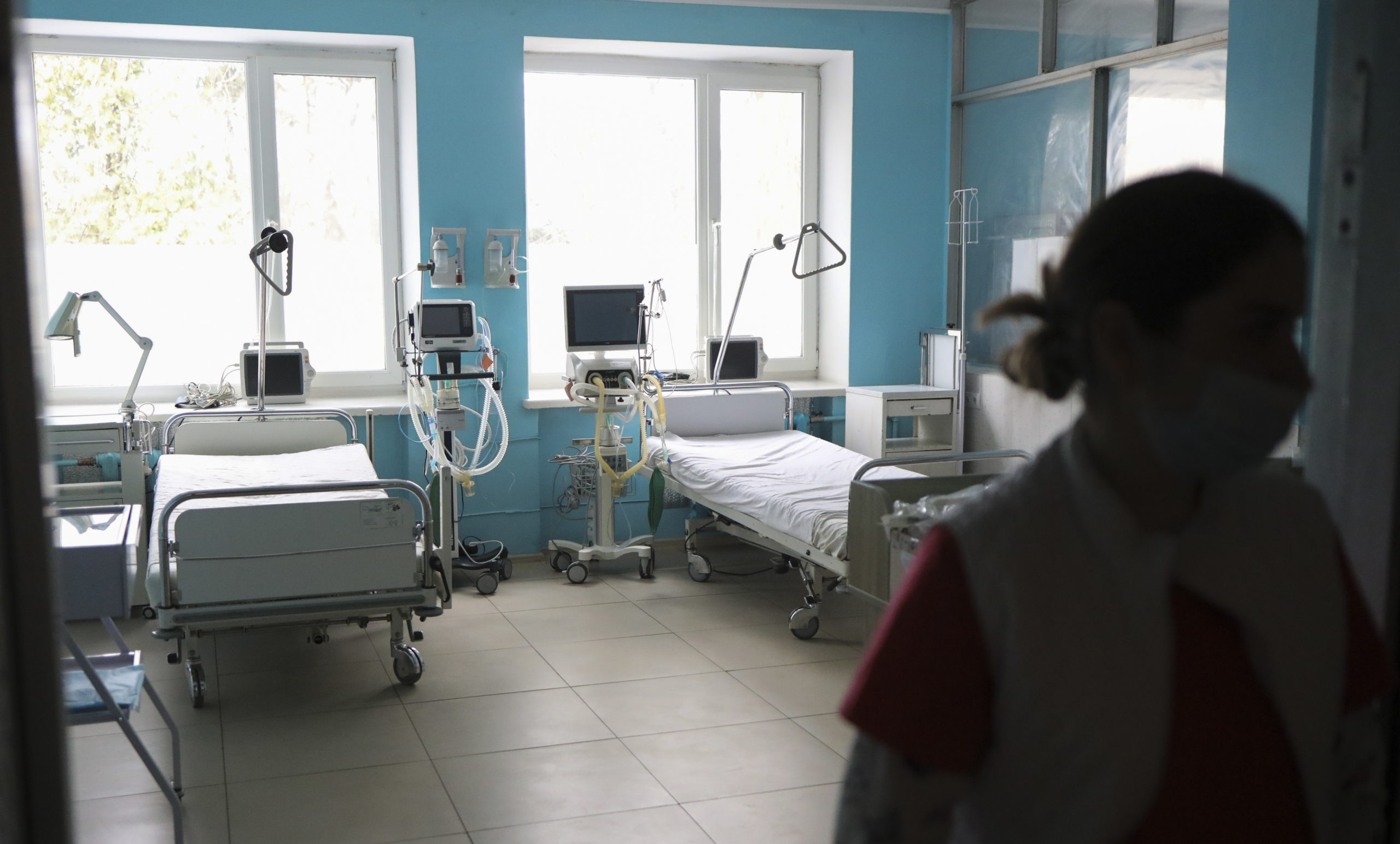
Children can get infected. And both here and in other countries, children with infections have attended schools. But there have been no documented outbreaks in the schools infected children attended and the schools were shut and cleaned.

Australia has low community transmission

In Australia (as of March 25) we still have very low community transmission of this virus.

Some argue we haven’t detected community transmission because we are not testing enough. Yes, there will be some cases that might be missed – but not many. Australia has done more than 135,000 tests with only 1% of those tested showing positive results.
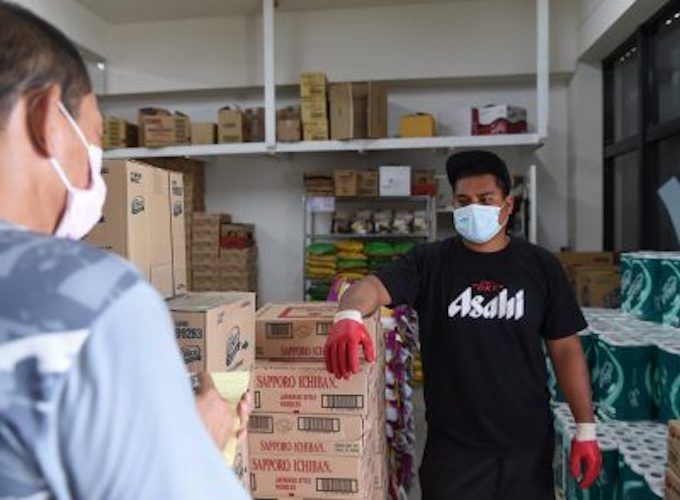
Australia has one of the highest per capita testing rates in the world and one of the lowest rates of positive diagnoses. And more importantly, current testing includes people who come to hospital with pneumonia, especially if they need to go to the intensive care unit.

If there was already widespread community spread we would be picking up these cases.

The cases we are seeing are overwhelmingly still in returned travellers and in their contacts. Hopefully by quarantining cases and high-risk people (close contacts and returned travellers) for infection, we will be able to limit any ongoing spread in the community.


Read more: COVID-19: what closing schools and childcare centres would mean for parents and casual staff


What we are seeing with our rapid increase in numbers is not an uncontrolled epidemic in Australia. It is more a reflection of what has been the uncontrolled community spread of the infection in places like the US and Italy. This is reflected in returned travellers who were in recent months part of those communities and who were or are now quarantined.

Australia’s situation is different to other countries

Most of Europe and the United States introduced widespread school closures. This is because they didn’t control community spread until very late, and the virus had already been circulating widely without them realising due to less or delayed testing . This is not the case for Australia where there is still little community spread.

There have not been extended national school closures in some countries where there has been good control with a reversal of the curve and fewer and fewer new cases, such as South Korea and Singapore.

These countries and others have had localised school closures in many areas. But this usually occurred where frequent community spread was detected. This may also be what is needed in some areas in Australia.

Data released by the Imperial College, London found:

in the UK and US context, suppression will minimally require a combination of social distancing of the entire population (and especially for those over 70 years of age), home isolation of cases and household quarantine of their family members.

Most models have been done so far on the assumption the coronavirus spreads in a similar way to influenza (the normal flu). But this doesn’t appear the case. COVID-19 appears to cause many less infections in children than occurs with influenza. While we don’t know the exact infection rates in children, symptomatic infections appear to be much lower than what would be expected with influenza .

The Imperial College model assumes household contact rates for student families will increase by 50% during the time schools close. Contacts in the community increase by 25% during closure.

These increased community interactions, such as with grandparents and the community in general, may be why there are worrying findings from their model during the first three months with school closures.

Their model shows that if school closures themselves were our only intervention, that would only have a modest impact on decreasing the demand for hospital beds (14%) and be the least effective of all their modelled interventions.

But what about teachers?

Children do get infected but at a much lower rate than other age groups. Some teachers might be at risk, such as those over 60 years old with heart conditions. Those teachers should be be at home anyway and practising even more social distancing than the general population, along with all those over the age of 70 years old.

Higher risk groups should be decreasing their current contacts and trying to use the 2 meter distancing as well as not letting anyone unwell, such as those with a cold symptoms (including their children and grandchildren) visit.


Read more: No, Australia is not putting teachers in the coronavirus firing line. Their risk is very low


Closing schools will not likely decrease the spread of the virus by much, but the spread in our community will be associated with lots of potentially long term and detrimental outcomes on children’s education. It will also impact the ability of society to function and deliver essential and other important services. It may even increase deaths from COVID-19 based on some modelling.

ref. Other countries are shutting schools – why does the Australian government say it’s safe to keep them open? – https://theconversation.com/other-countries-are-shutting-schools-why-does-the-australian-government-say-its-safe-to-keep-them-open-134538

Keith Rankin Chart Analysis – Covid-19 Virus: Countries with Highest Death Rates

A Western European Tragedy. Chart by Keith Rankin.

Analysis by Keith Rankin

A Western European Tragedy. Chart by Keith Rankin.
A Western European Tragedy – Italy deaths. Chart by Keith Rankin.
A Western European Tragedy – Spain deaths. Chart by Keith Rankin.

In today’s first chart, which excludes countries with a single death, only Iran features as a country outside of Western Europe. In Europe, worst hit is the ‘Latin’ group in the southwest. I include Switzerland here, which has large Italian‑speaking and French‑speaking components. Next are the Benelux countries – Netherlands, Belgium and Luxembourg – followed by the Scandinavian countries (including Iceland).

United Kingdom, presently tucked in with Scandinavia, will almost certainly, in a day or two, match its closest neighbours across the channel, and rise substantially above Scandinavia.

The second and third charts shows Italy and Spain, the two worst hit European countries. The deaths here are per 100 million of the population, whereas the cases are per 10 million. So, when the death plot meets the active case plot it means that deaths represent a full 10 percent of known active cases. In Italy this point was reached a week ago, and in Spain maybe tomorrow. The growth of deaths typically reflects the growth of cases two weeks earlier. So, while the news in Italy and Spain is grim, the statistics do not fully reflect the present situation. Given the quarantine arrangements in place, The actual (but unknown) rate of daily infection in these countries is almost certainly declining markedly relative to worst case projections.

Will Indonesia be Southeast Asia’s Italy? How Jakarta is battling Covid-19

ANALYSIS: By Rizki Fachriansyah and Ary Hermawan in Jakarta

The Covid-19 pandemic situation is already bad in Indonesia, which now has the highest death toll in Southeast Asia just a few weeks after declaring itself “virus-free”. As of yesterday, Indonesia had reported 686 cases with 55 deaths.

The crisis is likely going to get worse. Experts predict that more than 70,000 Indonesians will have been infected by the disease as of Ramadan and Idul Fitri, during which millions of the country’s Muslims typically travel to their hometowns.

That number, according to one scientist, is a “conservative” estimate.

READ MORE: Does Indonesia need a lockdown? It depends on how you define it

The rapidly escalating health crisis has prompted the government to devise a variety of strategies – such as the practice of “social distancing” and the use of mass rapid testing – to avert an overwhelming health disaster.

Questions linger, however, about whether the measures taken by the government are enough to prevent the country from descending into a crisis of the scale now seen in Iran and Italy, where the death toll has reached thousands, or even worse.

– Partner –

Here is what Indonesia has been doing to fight the pandemic:

No lockdown, only ‘social distancing’
President Joko “Jokowi” Widodo continues to stand by his initial statement that the government would not seek to impose any form of lockdown in the country, citing the lasting repercussions that such a policy would likely cause to the country’s social cohesion and financial stability.

Jokowi said the cultural characteristics and discipline of the Indonesian people were the two main reasons why the government had ruled out lockdown.

“I have gathered data about countries that have imposed lockdowns, and after analyzing them, I don’t think we should go that way,” the President said during a limited meeting at the Presidential Palace on Tuesday.

In lieu of issuing a strict lockdown protocol to control the spread of COVID-19, Jokowi insisted that social distancing, also called physical distancing, was still the most viable solution to the current health emergency. “The policy of physical distancing can halt the spread of the disease if people really comply with it,” he said.

Despite the central government’s aversion to lockdowns, the capital city of Jakarta has announced a state of emergency which entails restrictions that are similar to the ones normally associated with a partial lockdown, particularly Malaysia’s “movement control order”.

On March 20, Jakarta Governor Anies Baswedan urged all stakeholders – including corporations, social organizations and religious groups – to take drastic action to prevent the spread of the disease during the state of emergency.

The administration has since closed all tourism spots and entertainment venues and has limited access to public transportation.

The National Police have also announced that officers will take strict action against people who gather in large numbers during the COVID-19 pandemic.

The strict policies taken by the Jakarta administration and other regional administrations coupled with the police policy have raised suspicions that the government has imposed a partial lockdown on the country without saying so.

However, it is clear that Jakarta, which has become the epicenter of the outbreak in the country, has yet to prevent people from entering or exiting the city, allowing the virus to spread to other provinces in the country.

Cities from Sumatra to Papua are now reporting that their first confirmed cases had a history of recent travel to Greater Jakarta.

South Sumatra and West Nusa Tenggara reported their first cases on Tuesday while the provinces North Maluku and Jambi reported their first cases on Monday, with the majority of cases having recently returned from Greater Jakarta.

Mass rapid testing — a silver bullet?
Jokowi has opted to test large numbers of people for the virus with newly obtained rapid testing kits. The first testing campaign was conducted in South Jakarta, given the area’s particular vulnerability to the disease, according to contact tracing carried out by the authorities.

It is believed that Indonesia is attempting to follow in the footsteps of South Korea, which has ruled out a lockdown and has become a model to other countries for the massive and sophisticated testing and tracing strategy it employed to handle the crisis.

The rapid test, which detects patients’ antibodies to the pathogen, is considered more convenient and can detect whether someone has been infected with Covid-19 much more quickly than the polymerase chain reaction (PCR) test.

The rapid test requires only blood serum as a sample, meaning the tests can be performed at health laboratories throughout the country.

Everyone, whether they have shown Covid-19 symptoms or not, can be tested. In contrast, regular PCR tests have to be performed in level two biosafety laboratories, since nasal fluid or larynx substances must be used as the main specimens.

On Monday, West Java Governor Ridwan Kamil announced that the provincial administration would conduct rapid tests in sports stadiums as soon as the region received testing kits from the central government.

Out of the 55 confirmed cases in West Java, 41 are from Bogor, Depok and Bekasi as of the time of writing.

The problem is, experts say, that Indonesia might not have the testing capability of South Korea, which has used mostly PCR-based testing to aggressively trace and isolate infected patients.

Indonesia has relied heavily on antibody test kits, which give immediate results but are less accurate and can only begin to detect the disease five days after infection.

Padjajaran University epidemiologist Panji Fortuna Hadisoemarto argued that by relying on antibody test kits for the mass testing campaign, Indonesia would not be able to replicate the strategy used by South Korea to “find and destroy” the chain of infection.

“It is true that we don’t have sufficient PCR capacity. But we have to be mindful about rapid testing’s shortcomings as well. With antibody tests, it’s going to be a completely different game we’re playing. We’re not playing South Korea’s game; that’s for sure,” he said.

Health care system at risk of collapsing
The unprecedented pandemic has already thrown Indonesia’s health care system into disarray as many of the country’s 132 designated COVID-19 referral centers have struggled to accommodate the surge in patients.

Severe shortages of medical supplies, including protective health gear, have been a common complaint among health workers on the front lines. Reports of doctors being infected with, and subsequently succumbing to, Covid-19 have also continued to surface, stoking controversy about the level and quality of state support that health workers have received.

University of Indonesia public health expert Hasbullah Thabrany urged the public to comply with the government’s social distancing policy to flatten the infection curve and thereby prevent the system from becoming overloaded.

“Frankly, I don’t think we are equipped enough as it is to deal with further escalation. There are only 1,200 lung specialists in the country who are proficient in examining respiratory illnesses caused by the virus. The mitigation should be viewed as a collective endeavor with active participation from the public,” he said.

Of the country’s 579 confirmed Covid-19 cases and 49 fatalities reported as of Tuesday afternoon, it remains unclear how many were front line medical workers. The Indonesian Medical Association (IDI) has said that at least seven of its members have fallen victim to the virus.

In response to the crisis, Jokowi said the government would provide financial incentives, as well as additional supplies of protective gear, to ensure the safety and security of health workers while they do their jobs on the front lines of the pandemic.

The government is to provide a Rp 15 million (US$886.79) incentive to medical specialists, Rp 10 million to physicians and dentists, Rp 7.5 million to nurses and Rp 5 million to other medical staff members, he added.

“We will also provide a total of Rp 300 million for compensation in case of death. This applies to regions that have declared a state of emergency,” Jokowi said on Monday.

The government distributed 105,000 pieces of protective health equipment on Saturday to hospitals across the archipelago. Medical aid from China arrived in Jakarta on Monday morning in a government-to-government cooperation effort.

The Indonesian government has also established a new emergency hospital in the four apartment towers of the Kemayoran Athletes Village in Central Jakarta – used as the athletes village for the 2018 Asian Games – to alleviate the burden on hospitals facing an influx of COVID-19 patients.

The hospital, staffed mostly by doctors and nurses from the Indonesian Military and the National Police, has been fully operational since Monday evening and is expected to treat as many as 24,000 patients. The hospital will be able to handle about 3,000 patients at a time, Jokowi said.

Lockdown should not be off the table
Scientists, however, have called on the government to do more than just campaign for social distancing and mass testing to flatten the infection curve and prevent the Indonesian health care system from being overwhelmed.

Disease surveillance and biostatistics researcher Iqbal Ridzi Fahdri Elyazar and his team at the Eijkman-Oxford Clinical Research Unit (EOCRU) have said that, based on their calculations, Indonesia could be grappling with up to 71,000 COVID-19 cases by the end of April.

Hadi Susanto, a professor of applied mathematics at the University of Essex in England and the Khalifa University of Science and Technology in the United Arab Emirates, has given an even grimmer prediction.

Assuming that even after a lockdown is imposed people are still working and conducting business as usual, 50 percent of Jakarta’s population could be infected within 50 days after the first case was announced by the President on March 2, he said, adding that it was a “pessimistic” forecast.

Nurul Nadia Luntungan, a public health expert at the Center for Indonesia’s Strategic Development Initiatives, said that for regions with apparent community transmission, such as Jakarta, a partial lockdown could be imposed in parallel with mass testing efforts.

A lockdown, she said, was necessary to prevent the virus from spreading within the city and into more regions across the country, given the high mobility of people in Jakarta.

Panji concurred with Nurul, saying that a lockdown would still have to be imposed. “It has to be planned carefully. But it cannot wait.”

Rizki Fachriansyah and Ary Hermawan wrote this article for The Jakarta Post.

Print Friendly, PDF & Email

Article by AsiaPacificReport.nz

Lockdown: Airline crew ‘very anxious, worried’ as NZ redundancies loom

By Phil Pennington of RNZ News

Air New Zealand stands accused of borderline legal treatment of thousands of workers as the country entered its first day in a month-long lockdown over the Covid-19 coronavirus pandemic.

It has told its workers they must take all their leave soon, a move a union says is not in the spirit of the law.

Meanwhile, two other airlines are in crisis talks with one, Virgin Australia, which is just hours away from canning its entire operation here, 550 jobs.

READ MORE: Death toll in Italy rises to 7503 as Spain’s toll surpasses China

RNZ understands other crisis talks are going on at Qantas-owned stablemates Jetstar and Jet Connect.

Air New Zealand has got a near government loan bailout but still aims to cut perhaps 30 percent of its 12,500 staff.

– Partner –

It had been proceeding by seeking staff buy-in to its cost-saving measures, which “was great”, E tū union assistant national secretary Rachel Mackintosh said.

Then, a directive yesterday, from Air NZ chief executive Greg Foran caused dismay, she said,

“For the next two weeks, everybody will just be paid as normal,” she said.

‘Take all available leave’
“And then after two weeks, they want people to take all available leave for everybody who isn’t required to carry on with essential work.”

It was not as if employees were required to use up their leave before the employer could seek a government Covid-19 wage subsidy, Mackintosh said.

“This is out of the blue.

“If people use up all their leave now when they actually don’t want a holiday, then it’s an issue. It’s probably marginally legal because you can give two weeks’ notice of annual leave – but [only] when you’ve tried to work with people on a suitable time for them to take leave and failed.”

A staff member at Wellington Airport told RNZ, with tears in his eyes, that the directive had left him questioning what was going on.

Air New Zealand did not respond to a request for comment.

Meanwhile, Virgin Australia expected to wrap up talks with E tū and the Air Line Pilots’ Association within 24 to 48 hours.

‘Hardest decision’
“We’ve regrettably had to make one of the hardest decisions anyone would ever have to make – and that is to make our New Zealand-based employees redundant,” Virgin chief executive Paul Scurrah said.

“That’s the consultation process started today … we will be consulting with them over the next 24 hours to work out the way this is done.”

The airline employs 200 pilots and 340 cabin crew at bases in Auckland and Christchurch.

“I’ve been made redundant two or three times in my career as well, I know how painful it can be,” Scurrah said.

“But the certainty that comes with it, and the payment that comes with it, is the very least that we can give our people so that they can move on.”

All redundancy that is due would be paid out, he said.

He said he wrote to Prime Minister Jacinda Ardern a week ago to ask how together they might support workers.

“I haven’t heard back from the New Zealand government so… I don’t know. We tried, and unfortunately, we were faced with this decision.”

Safeguarding Australian business
Virgin said it cut operations here as a priority, to safeguard its Australian business.

Scurrah indicated it could be a long time until the airline returned to New Zealand, as all flyers would be cautious, post-pandemic.

“I think what we’ll see is, in many ways, it’ll bring us closer together once the restrictions are lifted … the ties between both countries are very deep and will recover.”

Virgin Australia has stood down 8000 of its total 10,000 workers in Australia.

E tū director Alan Clarence is in the talks with Virgin.

He said prospects for cabin crew were “pretty grim”.

“It’s pretty hard to transfer within the [Virgin] group because it would mean going to Australia which is in lockdown as well,” he said.

Crew ‘anxious, upset’
Crew were “very anxious, they’re worried and, and they’re upset”.

Jetstar and Jet Connect employ another 200 pilots in this country, and like Virgin, are poised to chop international flights entirely on Monday next week.

Virgin said it had approached companies including supermarket major Foodstuffs to see if they had any jobs going.

Ground handlers at airports will also be affected.

This article is republished by the Pacific Media Centre under a partnership agreement with RNZ.

  • If you have symptoms of the coronavirus, call the NZ Covid-19 Healthline on 0800 358 5453 (+64 9 358 5453 for international SIMs) or call your GP – don’t show up at a medical centre.
Print Friendly, PDF & Email

Article by AsiaPacificReport.nz

We need to consider granting bail to unsentenced prisoners to stop the spread of coronavirus

Source: The Conversation (Au and NZ) – By Rick Sarre, Professor of Law and Criminal Justice, University of South Australia

Prison is, understandably, a very closed environment. Many prisons are also overcrowded. COVID-19 has already entered the prison system and any further spread would be catastrophic for prisoners, staff, their families and the wider community.

The flow of prisoners in and out of custody in Australia is huge. More than 160 people enter our adult prisons every day. Over three-quarters of these people are unsentenced – also known as being “on remand”.


Read more: Explainer: how will the emergency release of NSW prisoners due to coronavirus work?


Indeed, a third of the current Australian prison population is in custody on remand. This means there are over 14,000 people in prison who have not yet been found guilty or, less often, are waiting to be sentenced.

Let’s not forget that about 160 people depart prisons every day too. If COVID-19 finds its way into prison, that means a lot of people could become carriers if they fail to self-isolate when they exit the prison system. Already, three prisoners in the ACT are in isolation due to fears of infection.

Corrective services around the country have suspended all prisoner visits by family members and support workers.

It is not surprising applications have been coming before the courts where barristers have asked judges to grant bail to persons who, in other circumstances, would very likely be denied bail.

Judges and magistrates are required to consider a range of issues in deciding such matters. It is becoming increasingly apparent that this may now include whether the accused is in a high-risk category, such as susceptibility to COVID-19, and will have limited contact with family and friends caused by the new restrictions on visits.

For certain types of offences, courts are required to refuse bail unless they are satisfied the applicant has shown there are “exceptional circumstances” that justify bail. Is COVID-19 an exceptional circumstance? Let’s look at two examples.

On Monday, the ACT Supreme Court granted bail to a woman because her lawyer successfully argued her visiting rights had been restricted by the COVID-19 outbreak. The judge said:

Persons on remand no doubt rely on the limited social contact they are permitted, most of which is achieved through visits. In particular, contact with family is an important element in the life of a person resident at the [ACT prison].

And last week the Supreme Court of Victoria granted another woman bail in circumstances the judge described as “extraordinary”. He was referring to the possibility of significant delays in the justice process as a result of COVID-19,

which would have substantial effects on her and, no doubt, her relationship with her family, [and] which would be a dramatic development for a person who had not previously been in custody.

The judge also noted it was likely the woman would spend more time in custody on remand than she would get as a sentence if found guilty.

Significantly, many courts have postponed new jury trials to reduce the risk of transmission. This may lead to delays of more than a year.

It is also important to understand that prisons operate on the legitimacy of the system. When prisoners feel – rightly or wrongly – they are being treated unfairly, the risk of riots and breakouts increases. Italy has recently had riots in more than 20 prisons. Twelve prisoners have died and 16 escaped as a result. Similar events have been reported in Colombia.

The capacity to manage the system may be affected, too, as community transmission and fear of infection in prisoners increase, and more correctional officers are required to self-isolate for long periods.

Releasing some people from prison is part of the solution to “flattening” the coronavirus curve. New South Wales has already passed legislation to release some low-risk and vulnerable people, although it does not cover unsentenced prisoners.

But this legislation is particularly appropriate for unsentenced prisoners, who are entitled to the presumption of innocence, especially those charged with less serious offences. Bail conditions and electronic monitoring can help ensure community safety, in addition to the increasing restrictions imposed on all Australians to self-isolate.


Read more: How to flatten the curve of coronavirus, a mathematician explains


Releasing some prisoners early will reduce the pressure on the health system in the months ahead. It will also reduce the risk to the broader community if we act now, rather than releasing people once COVID-19 is widespread in prisons.

We recently signed an open letter to governments, urging them to take a range of steps to limit the exposure of prisoners to COVID-19, including early release for some prisoners. We also welcome the decisions of judges and magistrates who are using their discretion to limit the possibility that accused persons, who have yet to be found guilty, will be exposed to the coronavirus, especially in circumstances where they can no longer receive visitors.

As governments keep telling us, perilous times require bold decision-making.

ref. We need to consider granting bail to unsentenced prisoners to stop the spread of coronavirus – https://theconversation.com/we-need-to-consider-granting-bail-to-unsentenced-prisoners-to-stop-the-spread-of-coronavirus-134526

The community-led movement creating hope in the time of coronavirus

Source: The Conversation (Au and NZ) – By Sango Mahanty, Associate professor, Australian National University

The global COVID-19 pandemic has disrupted the social networks we rely on. Workplaces, pubs, restaurants and gyms have closed and many people are now housebound.

COVID-19 represents a major rupture in the status quo and calls for new forms of response. Perhaps this is why thousands of new “mutual aid” groups have sprung up internationally. Many of these groups have swelled to several thousand members within a few days.

Such community-driven groups use diverse communication platforms such as Facebook, Whatsapp and letterbox leafleting, to provide safe and inclusive ways for people to network during illness and self-isolation. At a neighbourhood or street level they help each other, particularly vulnerable people, with grocery collection, walking pets, emotional support and more.

Elderly people are particularly vulnerable during this pandemic. AAP

But the rapid growth of this movement creates a steep learning curve for group organisers. Just as in wider society, mutual aid groups must grapple with political differences and structural inequality. Groups in Australia can look to those overseas to learn how to overcome these challenges.

What do mutual aid groups do?

Co-author of this article, Nisha Phillipps, co-founded the Haringey COVID-19 Mutual Aid group. It is one of many such groups in Britain and has a membership of more than 3,300.

The Facebook group links its members to neighbourhood groups that coordinate volunteers. It also shares topical information, such as detail on London’s lockdown measures, online mental health services and help for tenants facing eviction.

One of the largest similar groups to emerge in Australia is Love Your Neighbour Melbourne which, at the time of writing had more than 9,285 members.

A Canberra mutual aid group is helping do grocery runs, and reportedly even received offers from plumbers to fit bidets for people who couldn’t buy toilet paper.

A leaflet distributed by a group offering support during the coronavirus emergency. Author provided

Lessons to be learnt

In the fast-moving context of the coronavirus, these groups can learn from each other by sharing approaches to their challenges.

Mutual aid – in the sense of voluntary cooperation for a common purpose – has deep historical roots and can mean different things to different people.

In medicine and social work, mutual support groups are set up by professionals to help those living with particular health and social risks. But mutual aid groups initiated by grassroots activists focus on addressing gaps or harm caused by state services through community-building.


Read more: Why are we calling it ‘social distancing’? Right now, we need social connections more than ever


This means members of a new mutual aid group may arrive with differing expectations of the group’s goals and approach, so clarifying this is important.

The Haringey group’s Facebook page states its goal as “supporting members of the community who are immuno-compromised or self-isolating” through an approach that “coordinates but does not dictate” how groups organise themselves at the street and neighbourhood level.

Their decentralised approach allows groups to use diverse communication systems, such as Zoom, WhatsApp, Slack, email or SMS, depending on what best suits a specific neighbourhood or street.

Women deliver meals to needy people in Athens, Greece. KOSTAS TSIRONIS/EPA

Dealing with difference

Cooperation and community-building are a welcome salve to the individualistic waves of panic-buying and “shopping rage” we’ve seen of late.

But communities are complex, and reflect the diversity and structural inequalities of wider society. Factors such as ethnicity, disability, socio-economic status, gender or access to technology means some people’s voices are excluded, or they are denied opportunities.

Haringey draws on accountability guidelines from the community organisation Incite. These affirm the principles of respect, care and solidarity and lay out how to address discriminatory conduct. This follows a “transformative justice” approach. A facilitator talks to the people involved, to address the harm caused.


Read more: Why housing evictions must be suspended to defend us against coronavirus


The large and decentralised communities that comprise most COVID-19 mutual aid groups encompass diverse political leanings, from which differences of opinion emerge.

In one Canberra group for example, heated online debate broke out over a post proposing a “rent strike” to deal with job and income losses from COVID-19 lock-downs. This rift largely took place along socio-economic lines, between renters and homeowners/landlords.

People waiting in the toilet paper aisle for a delivery at a Coles supermarket in Sydney. JAMES GOURLEY/AAP

Many groups, like Haringey, have an explicit community-centred stance, independent of government. For example, Haringey Council asked for volunteer lists but group administrators did not provide them, as they do not maintain a centralised list and preferred to continue a community-centred approach. Many members do not want direct engagement with police and neighbourhood watch groups, as this might disenfranchise homeless people or undocumented residents.

Where there are differences of opinion on these matters, they are discussed openly. Principles of community-building, solidarity and independence are important reference points in these discussions.

In a pandemic, the safety of volunteers and those receiving help is crucial. In Haringey, the organisers limit posts that suggest do-it-yourself actions to manage or treat COVID-19 that could heighten risks to the community, such as homemade masks. Volunteers draw on hygiene protocols from trusted websites run by health services and community groups such as QueerCare, a transfeminist autonomous care organisation.

Involving police or neighbourhood watch groups might alienate some members of the community. AAP

Building community while we’re apart

As we move further into the COVID-19 lock-downs in Australia and elsewhere, mutual aid will be relied on more than ever.

Issues such as inclusion, accountability and political frictions can challenge community-driven initiatives of all kinds. Reflecting on what we do, and sharing lessons, will help nurture mutual aid in ways that address these challenges.

ref. The community-led movement creating hope in the time of coronavirus – https://theconversation.com/the-community-led-movement-creating-hope-in-the-time-of-coronavirus-134391

How to stay fit and active at home during the coronavirus self-isolation

Source: The Conversation (Au and NZ) – By Emmanuel Stamatakis, Professor of Physical Activity, Lifestyle, and Population Health, University of Sydney

The extensive social distancing policies put in place to limit the spread of COVID-19 mean most people will have to spend much, if not all, their time at home.

Self-isolation means far fewer opportunities to be physically active if you are used to walking or cycling for transportation and doing leisure time sports.

But equally worryingly, the home environment also offers abundant opportunity to be sedentary (sitting or reclining).

While self-isolation measures are necessary, our bodies and minds still need exercise to function well, prevent weight gain and keep the spirits up during these challenging times.


Read more: Why are we calling it ‘social distancing’? Right now, we need social connections more than ever


Exercise can help keep our immune system become strong, less susceptible to infections and their most severe consequences, and better able to recover from them.

Even before the restrictive conditions were announced, physical inactivity cost 5.3 million lives a year globally.

So we should consider ways to limit the effects of the impact of the COVID-19 crisis, as well as its wider impact of contributing to the long-term chronic disease crisis.

Don’t just sit there in front of the screen. Unsplash

How much physical activity?

Global recommendations are for all adults to accumulate at least 150 minutes of moderate-intensity or 75 minutes of vigorous-intensity physical activity per week, as well as muscle-strengthening activities on two or more days a week.

Any activity is better than none, and more activity provides more physical and mental health benefits.

As several countries are already under lockdown, it is uncertain for how long you can go outside for a walk, run or cycle. The key question is how can people meet these guidelines when restricted to the home environment?


The Conversation, CC BY-ND

Sitting, standing and movement

Take regular breaks from continuous sitting in front of your computer, tablet, or smartphone every 20 to 30 minutes.

For example, you could take a few minutes break to walk around the house, take some fresh air on the balcony, in the garden or yard, or play with your dog for a few moments.

Alternate periods of standing while working/studying with sitting by creating your own stand-up desk area.

Make stairs your best friend

Using the stairs is an extremely time-efficient way to maintain fitness. As little as three 20-second fast stair climbs a day can improve fitness in only six weeks.

If you live in an apartment, avoid uncomfortable lift encounters with other self-isolating neighbours by using the staircase for any necessary outdoor journeys. Take care to avoid much contact with handrails.

Internal stairs also offer more stairclimbing and strength exercise opportunities.

Use your own bodyweight

A 2017 British study found home based strength exercises that utilise your own bodyweight – such as press-ups, sit-ups and planks – are as important for health as aerobic exercise.

Using your bodyweight. Ivan Radic/Flickr, CC BY

There are many great resources for such indoor bodyweight exercises for people of all ages online.

Aim for at least a couple of own bodyweight sessions per week, with each session involving two to four sets of eight to 15 repetitions of each strength-promoting exercise. Make sure you take a two to three minutes rest between sets.

Dance the COVID-19 blues away!

An increasing number of live concerts are streamed online. Use the stress-releasing magic of music and dance at home like nobody’s watching (which is not unlikely).

Dance alone like no one is watching.

Dancing is an excellent way to protect the heart and maintain fitness as it can reach moderate and vigorous intensity and can even imitate high-intensity interval training.

Dancing also has established mental health benefits to help us cope with the coronavirus-imposed solitude.

Whether it’s electronic beats, rock or traditional Irish music that floats your boat, it will not be difficult to turn up the volume of your stereo a little higher and turn your lounge or kitchen into a little dance hall every now and again.

Give them the play time they’ve always wanted

Social-distancing is a good opportunity to bond more with the little two and four legged members of your family through active play. Both children and dogs will love you replacing some of your online media and sitting time with playing in and around the house with them.

Let your pets take you away from that screen for some exercise play. Flickr/Todd Dwyer, CC BY-SA

Dogs thrive on human attention and, given the opportunity, they would keep you on your feet 24/7. Take advantage of the extra time you will be in and around the house. There are many great indoor games to keep you active and improve your dog’s well-being.

No matter how young or how old your children are, there are many fun activities you can do together indoors and in the garden.

Just do something!

Left unattended, the self-isolation imposed by COVID-19 will likely skyrocket sedentary time and will drastically reduce the physical activity levels for many. Our suggestions are only a few examples of ideas that need no special equipment and can be done within limited space.


Read more: Coronavirus distancing measures are confusing. Here are 3 things to ask yourself before you see someone


For more ideas take a look at the online resources of reputable organisations such as the World Health Organisation, the American College of Sports Medicine, Sport England and the American Heart Association.

The end goal during self-isolation is to prevent long term physical and mental health damage by sitting less, moving as often as possible, and aiming to maintain fitness by huffing and puffing a few times a day.

Remember to have a good stretch after any exercise. Flickr/Adam McGuffie, CC BY

ref. How to stay fit and active at home during the coronavirus self-isolation – https://theconversation.com/how-to-stay-fit-and-active-at-home-during-the-coronavirus-self-isolation-134044

Public spaces bind cities together. What happens when coronavirus forces us apart?

Source: The Conversation (Au and NZ) – By Tahj Rosmarin, Research Officer, Faculty of Architecture, Building and Planning, University of Melbourne

In modern cities, our public spaces represent our shared values. They are our common assets, owned, maintained and used by all members of our society. The outbreak of coronavirus and its immediate impacts, such as social distancing, have raised many questions about the role of public space in such times.

Since the World Health Organisation declared the COVID-19 pandemic, countries had been forced to adopt social isolation measures very quickly. Australia has progressively increased enforceable social distancing measures. India’s nearly 1.4 billion people have been ordered not to leave their homes. In Europe, first Italy, then Spain, France, Belgium and the UK have entered periods of total lockdown. It’s happening closer to home in New Zealand.

Instead of the usual crowds, the view from the top of the Spanish Steps in Rome, Italy, is of a deserted street and square. Maurizzio Brambatti/EPA/AAP

Read more: Coronavirus: locked-down Italy’s changing urban space


While the economic impacts of the pandemic are becoming obvious, the influence upon public space still remains uncertain.

Despite being made free to reduce infection risks, public transport in Portugal is almost deserted. Manuel de Almeida/EPA/AAP

With businesses being forced to close and whole sectors urged to work from home, streetlife is grinding to a halt across the world. As fear of infection has increased, public transport use has plummeted.

Australia is among the increasing numbers of countries to close “non-essential” public space, including restaurants, cafes and cinemas. Around the world, major sporting events, music concerts and comedy festivals have all been cancelled. Any non-essential travel and meetings are being discouraged or banned.

Sporting grounds are one of the great public meeting places for Australians, but games were being played in empty stadiums before competitions shut down altogether. Darren Pateman/AAP

These measures are significant: they could uproot the very foundations of how people interact in public.

While this intense monitoring of public space is a temporary control, it raises questions about the future. Will we return to our normal habits once it’s all over? Will coughing on the subway be forever taboo?


Read more: To limit coronavirus risks on public transport, here’s what we can learn from efforts overseas


Collectivism or individualism?

The coronavirus pandemic has had immediate impacts – both negative and positive – on how people interact with each other in public. Xenophobia and racial stereotyping have led to antisocial public behaviour. And supermarkets have become stages for public fights over toilet paper and hand sanitiser.

In spite of this, we have also seen instances of collectivism and urban resilience. In Italy, the national lockdown has forced people to create a new type of public space. Citizens are taking to their balconies and windows to enjoy music together, sharing songs across buildings and above streets.

People play music and interact from their balconies, as Italy continues its lockdown.

It’s a reminder that connection and interaction are integral to our society even in times of crisis. But is this particular type of collectivism a product of urban density? These scenes may not be so easily replicated in Australia’s sprawling suburbs. However, we are seeing other displays of community.


Read more: How a time of panic buying could yet bring us together


What will fill the void?

The practice of self-isolation raises many uncertainties about public space. Daily human contact is ingrained in the ways people interact in public spaces. Will social isolation lead to a more individualistic approach to public spaces?

In 2020, perhaps this type of physical isolation will not feel so foreign as it might once have. Email, social media and the sharing economy already provide the necessary digital infrastructure.

The role of technology will be heightened as digital space becomes even more prominent as a platform for sharing information and enabling human interaction. Events like these also highlight the shortfalls of our digital infrastructure, in particular the need to improve our national broadband network (NBN).


Read more: Coronavirus: telcos are picking up where the NBN is failing. Here’s what it means for you


Coronavirus will change the ways we work and study. But it won’t remove our desire for human connection.

Our trust in public spaces will need to be rebuilt if we are to rebuild our economy and our society. In the face of generational issues such as climate change and homelessness, there is hope coronavirus might actually offer us an opportunity to radically reassess our communal values.

ref. Public spaces bind cities together. What happens when coronavirus forces us apart? – https://theconversation.com/public-spaces-bind-cities-together-what-happens-when-coronavirus-forces-us-apart-133763

When one door closes, open a window – 14 sites with great free art

Source: The Conversation (Au and NZ) – By Caroline Wilson-Barnao, Lecturer, The University of Queensland

As the coronavirus outbreak forces the closure of museums, art galleries, libraries and theatres around the word, the concept of “on demand culture” is gaining momentum.

Institutions – museums, galleries and concert halls, which by their very nature rely on in-person visits – are seeking out digital solutions in the form of live-streamed performances, virtual tours and searches of online collections. The Sydney Biennale announced a shift to digital display this week and the Melbourne Symphony Orchestra has streamed a performance of Beethoven’s Seventh Symphony to a live audience that peaked at 4500 and gathered thousands of subsequent viewers.

The current pandemic is dragging cultural institutions into the 21st century, forcing them to catch up with technological solutions to replace on-site experiences. But many institutions are already well down this path. They have already found the shift online has benefits and dangers.

Wandering Netherlands’ Museum Voorlinden will have to wait. Christian Fregnan/Unsplash, CC BY

Crossing technical boundaries

From as early as the 1920s, museums have been using the technologies of the day. Back then, it was presenting public lectures on broadcast radio.

From the early to mid-1950s, the University of Pennsylvania Museum of Archaeology and Anthropology collaborated with CBS to produce What in the World, a program that presented storeroom objects to a panel of industry specialists who had to figure out what in the world the objects were and who made them.

A more recent turn is towards cultural institutions partnering with digital media organisations to deliver access to mediated cultural content. Google Arts & Culture, a digital platform, makes the collections of over 12,000 museums available online. Web portal Europeana, created by the European Union, hosts over 3,000 museums and libraries.

You can visit The British Museum via Google Arts & Culture. Nicolas Lysandrou/Unsplash, CC BY

Well before the coronavirus closed ticket desks and moved some experiences onto digital media platforms, virtual gateways had become an important means of generating awareness and engagement with culture.

Anne Frank House has illustrated how online visitors can take part in holocaust remembrance without travelling to Amsterdam. Anne Frank House now uses a chatbot to create personalised conversations with users globally via Facebook messenger. Similarly, Eva.Stories is an Instagram page that recounts, via a series of 15 second videos, the diary of a 13-year-old girl killed in a concentration camp.

Doors shut

The forced closures as a result of coronavirus will accelerate and amplify this shift towards digital transformation.

At a time of social distancing, individual artists, small private companies and major public cultural institutions are quickly re-purposing technology in creative ways.

Morning Melodies is an online broadcast of the usually popular live performances offered by the Victoria Arts Centre.

Isol-Aid live streamed a music festival over the weekend, with 72 musicians across Australia each playing a 20-minute set on Instagram.

The Australian Centre for the Moving Image has set up an online weekly film nights, while acknowledging it “can’t replace the joy of being in the cinema”.

Amsterdam’s Rijksmuseum has opened its doors online. Ståle Grut/Unsplash, CC BY

What might be lost

Despite the benefits of this mediated content, social media scholars Jose Van Dijck and Thomas Poell point out digital technologies come with a set of core logics or rules that shape users, economic structures and institutions. These underlying rules of online engagement have long-term implications for how we engage with culture. For future generations, it’s conceivable that a visit to the library, museum, theatre or art gallery won’t be something experienced in person but rather through a digital media platform.

With the “on demand culture” comes a dispersal of audiences into online spaces. In those spaces, their private contemplation of art and culture can become fodder for data mining and analysis.

This data then feeds into the repurposing of cultural content according to the priorities of social platforms such as Facebook and Instagram. In 2018, Google Culture launched a face match app that matched user selfies to images drawn from cultural collections. It expanded access for new global audiences, but questions remain about the extent to which phone camera images were used to train Google’s facial recognition algorithm. Some users were critical of the collection’s lack of diversity.

The mediation of culture highlights a new set of ethical dilemmas as content goes online.

What we gain

This isn’t to say the availability of “on demand” cultural content isn’t a good thing. At “normal” times it can allow people to virtually visit exhibitions or enjoy performances they can’t access in real life. Online presentations can enhance understanding with “explore more” links or additional information.

During times of crisis, online cultural experiences can be a lifeline for both art audiences and creators. It is vital that we create avenues through which the community can access culture and seek out technological solutions to keep artists and cultural workers employed during what could be a long hiatus.

14 art & culture links

ref. When one door closes, open a window – 14 sites with great free art – https://theconversation.com/when-one-door-closes-open-a-window-14-sites-with-great-free-art-134153

‘With this ring, I thee and (your proxy) wed’: a new form of marriage in the time of coronavirus?

Source: The Conversation (Au and NZ) – By Henry Kha, Lecturer in Law, Macquarie University

Prime Minister Scott Morrison has announced that only five people can attend a wedding as part of the tough new restrictions to prevent the spread of the coronavirus.

But why this number specifically? According to the Marriage Act 1961, for a marriage to be legally valid in Australia, five is the minimum number of people who need to be present at the ceremony: the couple, two witnesses and a celebrant.

But the need to have at least two witnesses or even a marriage celebrant has not always been a legal requirement.

A brief legal history

The formal requirement that a marriage celebrant officiate a wedding was first introduced in the Fourth Lateran Council of 1215, a medieval council of senior church officials convened by the pope.

The Roman Catholic Church had sought to discourage irregular or secret marriages by urging people to marry before a priest. As marriage was understood to be a sacrament, a marriage celebrant became a necessary requirement to ensure that couples met the legal and religious criteria.

The 16th century Council of Trent, a series of counter-Reformation meetings, introduced the requirement that a valid church marriage also required two witnesses. The aim was to prevent fraud and promote certainty in the formation of marriage.


Read more: In the age of coronavirus, only tiny weddings are allowed and the extended family BBQ is out


England had undergone the Protestant Reformation by this time and had not adopted all of these rules. According to medieval canon law, English couples could marry without anyone else being present by simply exchanging wedding vows in present tense (for example, “I take you to be my wife from this day forward”).

This caused uncertainty and led to elopements. There were also rogue priests who performed secret marriages for eloping couples known as “fleet marriage” (named after the London chaplaincy in Fleet Prison).

The great English poet John Donne married in this way. He was arrested and only freed after proving that his marriage was legal.

The Church of England consequently wanted to exercise more control over all marriages. Lord Hardwicke’s Marriage Act 1753 was subsequently introduced, requiring that all recognised marriages be performed by an authorised clergyman of the Church of England.

The presence of a celebrant was thus a legal requirement for all marriages in England. (Jewish and Quaker marriages were exempt from this law.)

The Marriage Act 1836 ended the Church of England’s monopoly over marriages, legalising the civil ceremonies that exist today.

The act also introduced the requirement that two witnesses be present at a wedding. A system of registering births, deaths and marriage was introduced in the UK the same year. This meant that more formal evidence was required in order to register a marriage, hence the witnesses.

The English laws were then brought to Australia, and this is why five people have to be present at a wedding.

Weddings are still happening around the world during coronavirus, such as in Thailand, but people are taking more precautions. RUNGROJ YONGRIT/EPA

Could we legalise proxy marriages?

Given the current rule on social distancing, it might be time to consider whether proxy marriages should be introduced.

A proxy marriage is a wedding performed by a marriage celebrant where one or both of the marrying parties are not present. A proxy, nominated by either marrying party, acts as a surrogate for one or both people who are getting married.


Read more: Should I cancel my wedding? My kid’s birthday party? Why the government has banned indoor gatherings of over 100 people


A proxy marriage is not a legally recognised form of marriage in Australia because a couple must be physically present at a wedding ceremony for the marriage to be valid. Proxy marriages are also outlawed in many other countries due to concerns over sham marriages, particularly for immigration purposes.

However, proxy marriages were historically used to facilitate arranged marriages over long distances, such as Napoleon Bonaparte’s proxy marriage to an Austrian duchess in 1810.

Proxy marriages are notably legal today in a few American states, though it is generally restricted to members of the armed services who are on active duty. Some proxy marriages are also taking place over Skype, a practice increasingly common in immigrant communities.

So long as the true consent of a person to enter into a genuine committed relationship can be established, then there really is no reason to outlaw proxy marriages. Desperate times call for desperate measures.

The Australian government has already limited weddings to five people. If a lockdown is ever called and weddings are banned, life and love still need to go on. Proxy marriages could be a viable solution in a lonely planet.

ref. ‘With this ring, I thee and (your proxy) wed’: a new form of marriage in the time of coronavirus? – https://theconversation.com/with-this-ring-i-thee-and-your-proxy-wed-a-new-form-of-marriage-in-the-time-of-coronavirus-134659

Indefinite freeze on non-urgent elective surgery

Source: The Conversation (Au and NZ) – By Michelle Grattan, Professorial Fellow, University of Canberra

All non-urgent elective surgery is being suspended, to free up resources as hospitals prepare to deal with the full impact of COVID-19.

Announcing the suspension, taking effect from midnight Wednesday, Scott Morrison said only category 1 and some “exceptional” category 2 surgery would be done, “until further notice”.

The measure was agreed to by the national cabinet of federal and state leaders and covers the public and private systems.

Patients awaiting elective surgery are placed by their doctor in one of three categories

  • Category 1 – Needing treatment within 30 days. Has the potential to deteriorate quickly to the point where the patient’s situation may become an emergency

  • Category 2 – Needing treatment within 90 days. Their condition causes pain, dysfunction or disability. Unlikely to deteriorate quickly and unlikely to become an emergency

  • Category 3 – Needing treatment at some point in the next year. Their condition causes pain, dysfunction or disability. Unlikely to deteriorate quickly.

Morrison said cancelling some elective surgery would “preserve resources including protective equipment” to help both public and private health services for COVED-19.

He said this had “already largely been implemented for category 1 and category 2 and what this means is a further scaling back of those elective surgeries in Category 2.”

Australian Medical Association president Tony Bartone said the AMA supported the ban. “Doctors will ensure that patients who have their surgery delayed are looked after and given the best medical advice.”

Earlier Victorian premier Danial Andrews warned there would be a “stage three” of the response to the virus – after the national cabinet on Tuesday agreed to further shut downs – although he said we were not there yet.

Andrews reiterated it was vital people follow the health and social distancing advice. He said the Centrelink queues were heartbreaking but “what we don’t want is queues for people who need a machine to help them breathe.

“We cannot have people queuing for intensive care beds – that will mean they will die,” he said.

“If we have a situation where this virus fundamentally gets away from us, we will have thousands of people who will only survive if they can breathe with the assistance of a machine.

“And we will not have enough machines, nurses and doctors to provide that care. I’m not sure whether I could make it any clearer than that. If you need further evidence, turn on your TV. Have a look what’s going on in Italy.”

Morrison has also formed a COVID-19 Co-ordination Commission to advise on cushioning the virus’s economic impact, bringing together efforts to mitigate the effects.

Morrison said: “This is about working cooperatively across private-to-private and public-to-private networks to unlock resources, break bottlenecks and fix problems so Australian families, businesses and communities are supported through the challenging months ahead.”

It will be headed by Neville Power, former CEO of Fortescue Metals Group, with a board of commissioners with backgrounds in business, government, and the not-for-profit sector.

They include former Labor minister Greg Combet, former secretary of the health department Jane Halton, former managing director of Toll Holdings Paul Little, EnergyAustralia managing director Catherine Tanna and former Telstra CEO David Thodey (deputy chair), who headed the recent inquiry into the federal public service. Representation from the not-for-profit sector is yet to be announced.

The secretaries of the Prime Minister’s department (Phil Gaetjens) and Home Affairs (Mike Pezzullo) are also on the commission.

Morrison said the commission was “about mobilising a whole-of-society and whole-of-economy effort”.

He told a news conference he had rung Power and “I simply said, Nev, I need you to serve your country”.

Morrison admitted what he has been reluctant to say before – that there are differences in the national cabinet. Stressing its fundamental unity, he said, “Sure, there may be the odd time where there might be a bit of difference at the edge. But I can tell you in my entire working life, in public life, I have never seen the states and territories work together like they are working together right now.

“It is all of our preference to keep that consistency and common action together as much as is possible. But we also need to recognise that in some places, states and territories are in different situations to other parts of the country.” He instanced the Northern Territory, with its remote communities.

It has been NSW and Victoria which have been the most forward-leaning on issues, notably schools.

NSW on Wednesday announced tough measures to crack down on “reckless social gatherings”.

Police will be able to issue $1,000 on-the-spot fines for individuals and $5,000 for corporations that do not comply with ministerial directions. For example if a person organised or took part in a bootcamp of more than the permitted ten people they could be fined.

Police will no longer need a warrant to arrest someone breaching a public health order. This follows NSW legislation to increase police powers passed Tuesday.

ref. Indefinite freeze on non-urgent elective surgery – https://theconversation.com/indefinite-freeze-on-non-urgent-elective-surgery-134684

Pacific coronavirus: Covid-19 exposes cracks in facade of regionalism

ANALYSIS: By Anna Powles and Jose Sousa-Santos of Massey University

At the time of writing, there are 63 reported cases of COVID-19 in the Pacific.

This includes one in Papua New Guinea, three in Fiji, seven in New Caledonia, 23 in French Polynesia, 29 in Guam and suspected cases in Samoa.

The number is relatively low but there is a sense that tragedy is unfolding in slow motion across a region where health sectors are already under-funded and poorly equipped.

READ MORE: Covid-19 cases in Guam and Fiji on the increase

Official responses to the pandemic have varied across the region. Pacific states are implementing border protection policies including reducing inbound flights, banning cruise ships, restricting officials from travelling overseas and closing traditional border crossings.

New Zealand and Australia, gateways to the islands, have closed their borders.

– Partner –

In addition to the implications for health security in the Pacific, a number of observations can be made about Pacific regionalism and the longer-term consequences of Covid-19 for partnerships and trust.

Pacific states have responded in various ways, from Papua New Guinea elevating Covid-19 from a public health crisis to a national security issue, to Nauru declaring a state of emergency under the National Disaster Risk Management Act 2016.

Jointly funding WHO response
Australia and New Zealand are jointly funding the World Health Organisation’s Pacific response plan at a cost of around US$1 million. But there are differences in how the two countries are publicly responding to Pacific needs.

New Zealand Prime Minister Jacinda Ardern stated that New Zealand has a duty of care to the Pacific Islands, and has even made updates available in nine Pacific languages.

Meanwhile, the Australian government has come under fire for being missing in action and not providing public information about how Australia is protecting the region.

The Covid-19 pandemic demands a regional response, but one has not been forthcoming.

In a speech at the Global Focus Summit in Wellington in February, Samoa’s Prime Minister Tuilaepa Sailele Malielegaoi identified a series of choices that Pacific countries face in addressing global challenges, from climate change to geopolitical competition.

Tuilaepa stated that Pacific countries will choose to address these challenges as a collective, in sub-regional groups, as individual countries or by embracing specific partnerships. He concluded that “it is the state of regionalism and interpretation that will shape national outcomes, experiences and wellbeing”.

The Pacific Islands Forum (PIF) has been quiet on Covid-19, raising the question of what role it could — or should — play in formulating a collective response. The 2018 Boe Declaration on Regional Security affirmed an expanded concept of security inclusive of human security to protect the rights, health and prosperity of Pacific people.

‘Ensure health lives’
The 2019 Boe Declaration Action Plan seeks alignment with the UN Sustainable Development Goal 3 (SDG3) to “ensure healthy lives and promote wellbeing”. But the Action Plan focusses exclusively on non-communicable diseases with no reference to communicable diseases, while SDG3 refers to both.

This is an odd oversight. The Boe Declaration states that climate change is an existential threat to Pacific peoples, yet climate-sensitive health risks, including infectious diseases, are not mentioned.

A collective response would fundamentally be about national-level responses and regional leadership. Linking Covid-19 to the Boe Declaration’s focus on human security would mandate the PIF to lead a coordinated regional response to monitor public health emergency preparedness and identify capacity needs and gaps within member states.

The PIF could also coordinate cooperation and technical support with partner countries and agencies, specifically the Pacific Community (SPC), the principal scientific and technical organisation in the Pacific region, whose mandate includes public health surveillance.

If the PIF does not step up in the face of Covid-19, it reveals a severe omission in forecasting and responding to regional health security threats.

A collective response is also about exercising leadership at a time when resilience is fundamentally important. Herein lies one of the strengths of the Pacific.

The Blue Pacific identity is the core driver of collective action to advance the 2014 Framework for Pacific Regionalism, which calls for “a region of peace, harmony, security, social inclusion and prosperity, so that all Pacific people can lead free, healthy and productive lives”.

Collective response needed
The challenges that the COVID-19 pandemic presents to the Pacific are best met with a collective response and regional leadership.

It has also been suggested that COVID-19 demands a regional disaster response such as enacting the FRANZ Arrangement between France, Australia and New Zealand, which allows for the coordination of humanitarian relief assistance in the Pacific.

As Dan McGarry notes, this will take significant organisation. Although much activity is taking place to strengthen security sectors across the Pacific, such as Australia’s “Pacific step-up” and New Zealand’s “Pacific Reset”, there are some obvious missed opportunities.

In 2016, we argued that to enhance regional security architecture, the FRANZ Arrangement and the Quadrilateral Defence Coordinating Group between Australia, New Zealand, France and the United States should be expanded to include key Pacific Island actors.

This recommendation has since been advocated by Joanne Wallis in her submission to the Australian Parliament’s 2020 inquiry into Australia’s defence relationships with Pacific island nations. But given that Pacific partners — particularly Australia and the United States — tend to emphasise traditional security approaches, there are concerns about the securitisation of human security such as health.

These are unprecedented times, but there is an opportunity for the PIF to lead a collective response. This will demand more resources, expertise and capital.

This is also an opportunity for Pacific partners to demonstrate their commitment to engaging with the region, even in times when the temptation is to pull up the drawbridge.

Dr Anna Powles is a senior lecturer of security studies at the Centre for Defence and Security Studies, Massey University, Wellington. Dr Jose Sousa-Santos is a senior associate (Pacific regional security) at Victoria University’s Centre for Lifelong Learning and a Research Scholar at the Joint Centre for Disaster Research, Massey University. This article is republished from East Asia Forum with the authors’ permission.

Print Friendly, PDF & Email

Article by AsiaPacificReport.nz

Five principles to follow if your job is to lead your staff through the coronavirus crisis

Source: The Conversation (Au and NZ) – By Bernard Walker, Associate Professor in Organisations and Leadership, University of Canterbury

As New Zealand begins a four-week lockdown to avoid the spread of COVID-19, businesses will have to adapt to radically new settings.

Just hours before the lockdown, Prime Minister Jacinda Ardern declared a state of emergency and issued an epidemic notice to give authorities further enforcement powers to make sure people follow the lockdown rules.


Read more: As NZ goes into lockdown, authorities have new powers to make sure people obey the rules


Competent leadership will be vital during the coronavirus crisis, and businesses and the service sector will play a crucial role. But few people have previous experience of such a complex crisis situation.

Our research into previous disasters has identified leaders who are more effective in crisis situations – and we found they follow five principles which also offer guidance for the weeks ahead.


Read more: Coronavirus: three ways the crisis may permanently change our lives


Principles and priorities

Like other leaders, these people competently perform all the core functional tasks in a crisis, such as ensuring supply chains, securing premises and setting up processes to maintain operations.

The main difference is that these highly effective leaders are using a set of principles. When they are thrown into unfamiliar situations, they use these like a moral compass to guide them. Each crisis is different, and crises evolve rapidly, but these leaders use their principles to craft specific responses for different situations and stages. Using those principles means their functional activities perform better.

The principles themselves aren’t new. The real difference is that these leaders make them a priority. They are intentional and persistent in living them out in practice. The combined effect of having clear principles, prioritising and intentionally implementing them makes these leaders different.

Here are five principles our research identified:

1. Employee-centric approach

Staff are a priority for effective leaders. They tune in to how workers are thinking and feeling in a crisis, they keep watching changes, and they respond to concerns.

In the current situation, employees’ health and job security are obvious anxieties. Workers will need to know their leaders are genuinely concerned for their well-being as they juggle work, childcare and running households during the lockdown.

Social connections, and the support from leaders and coworkers are important, and good leaders will work with staff to find creative ways to have person-to-person and team connections. They’ll also keep checking in to monitor how those are working.

In previous localised crises, leaders have tried to minimise job losses, provided flexible compassionate leave, and found ways to reduce the stress from higher workloads during staff shortages.


Read more: Working from home: what are your employer’s responsibilities, and what are yours?


2. Quality communication

More effective leaders are dedicated to personal communication with their staff. They keep people constantly informed and are transparent, without causing information overload. They are deliberately visible, proactively getting out and seeing staff. They keep the volume of written communications manageable.

But communication is a two-way process. Effective leaders listen to their staff and remain non-judgemental. When workers know they can genuinely raise issues and see a response, they feel valued and engaged.


Read more: Coronavirus weekly: as the virus spreads, economies grind to a halt


3. A common vision

These leaders focus on setting out a clear, shared vision and a sense of purpose, beyond day-to-day routines. They also keep reframing the situation, as the crisis progresses, so that teams can see what is needed in each stage, and move their attention to those issues.

Rather than micromanaging teams, these leaders extend the trust relationship by empowering them. Teams know they can be innovative, but still access the leader for advice and support.

4. Collaboration and networking

More effective leaders deliberately network and collaborate with a range of people. This goes beyond good teamwork, deliberately breaking down barriers across the organisation and reaching out to outside organisations. In a crisis, good leaders use these networks to initiate forums for sharing ideas and accessing resources.

5. Personal and organisational learning

Curiosity and a desire to keep learning are part of good leadership. Crises are changing rapidly and leaders have to make decisions with limited information. Effective leaders act as hosts, so that a wider pool of people can share information to contribute to decisions. Their organisations quickly see new insights and possibilities, and take on board new ways of working.

In this way, the leaders and their teams can be more strategic, anticipating changes, opportunities and threats, and be better in planning for them.


Read more: Coronavirus: three ways the crisis may permanently change our lives


At a personal level, these leaders know the importance of looking after themselves and their family. They learn to plan for their own well-being and act as a role model for their staff. They choose to have down time and use their own supports during the ongoing pressure.

These five principles were crucial in the crises we studied. They are likely to be crucial in the current setting. The coronavirus crisis will have many stages, right through to longer-term economic effects. It will be an incredibly turbulent time, but leaders who work in these ways are likely to ride the storm best.

ref. Five principles to follow if your job is to lead your staff through the coronavirus crisis – https://theconversation.com/five-principles-to-follow-if-your-job-is-to-lead-your-staff-through-the-coronavirus-crisis-134642

Fiji University vice-chancellor banned after breaking Covid-19 cordon

Pacific Media Watch

The Fiji government has banned the vice-chancellor of the University of Fiji from the country, reports Fiji TV News.

The Immigration Department reportedly cancelled the work permit of Professor Sushila Chang after she allegedly breached the border restriction order on the Lautoka confined area set up in response to the Covid-19 pandemic.

“She sneaked out of the border to board a flight out of the country,” reports Fiji TV.

READ MORE: Covid-19 cases on increase in Guam and Fiji

According to the pro-chancellor of the university, Kamlesh Arya, Professor Chang had been banned from entering the country.

FBC News reports that the driver who transported Professor Chang from within the confined areas of Lautoka has been charged.

– Partner –

The vice-chancellor illegally violated the Lautoka confined area and caught a flight to Sydney, Australia, yesterday, the state radio said.

Fiji police commissioner Brigadier-General Sitiveni Qiliho said inquiries were ongoing and police were also investigating the taxi company owner, whose vehicle was used.

He said this was because the owner “would have been aware of the drive around the country”.

Professor Chang left after the fourth reported Covid-19 case in the country.

Fifth Fiji Copvid-19 case
Meanwhile, Fiji’s fifth case of Covid-19 has been announced today, reports FBC News.

This is a 31-year-old woman from Lautoka, who was in contact with the first case, a flight attendant who had contracted the disease last week.

Prime Minister Voreqe Bainimarama said that after the first person was diagnosed, the authorities quickly determined that he had attended a Zumba class while he was displaying symptoms.

Bainimarama said all members of that class were directed to self-quarantine the same day the first patient was diagnosed, March 19.

They were each told to immediately alert Fiji’s medical teams if they began developing symptoms.

Print Friendly, PDF & Email

Article by AsiaPacificReport.nz