Page 853

The Visitors review: a witty imagining of what went before that fateful encounter

Source: The Conversation (Au and NZ) – By Bronwyn Carlson, Professor, Indigenous Studies, Macquarie University

Review: The Visitors, directed by Frederick Copperwaite for Sydney Festival

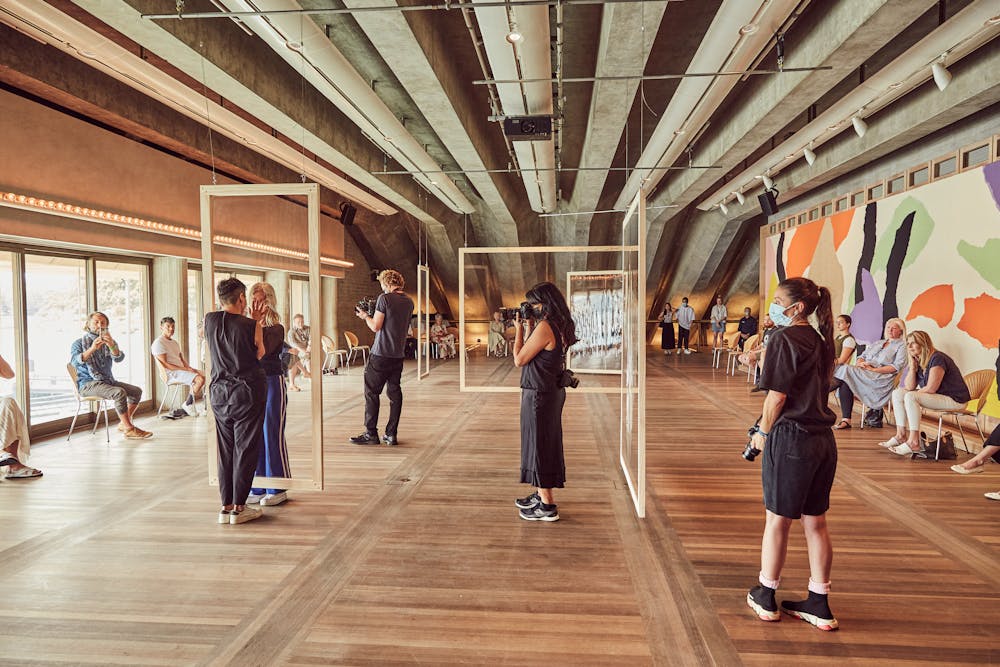
Sydney Festival has really outdone themselves this season with a spectacular line-up of Indigenous shows to choose from including The Visitors.

A warm greeting from Ali Murphy-Oats, the managing director of Moogahlin Performing Arts Company, and a welcome onto Gadigal Country by Uncle Charles (Chicka) Madden set the scene for what can only be described as an outstanding evening.

Uncle Chicka is a respected Gadigal Elder who has spent most of his life serving the Aboriginal community as Director or the Aboriginal Medical Service, Secretary of the Metropolitan Local Aboriginal Land Council, Director of the Aboriginal Hostels NSW and as a life member of the Redfern All Blacks.

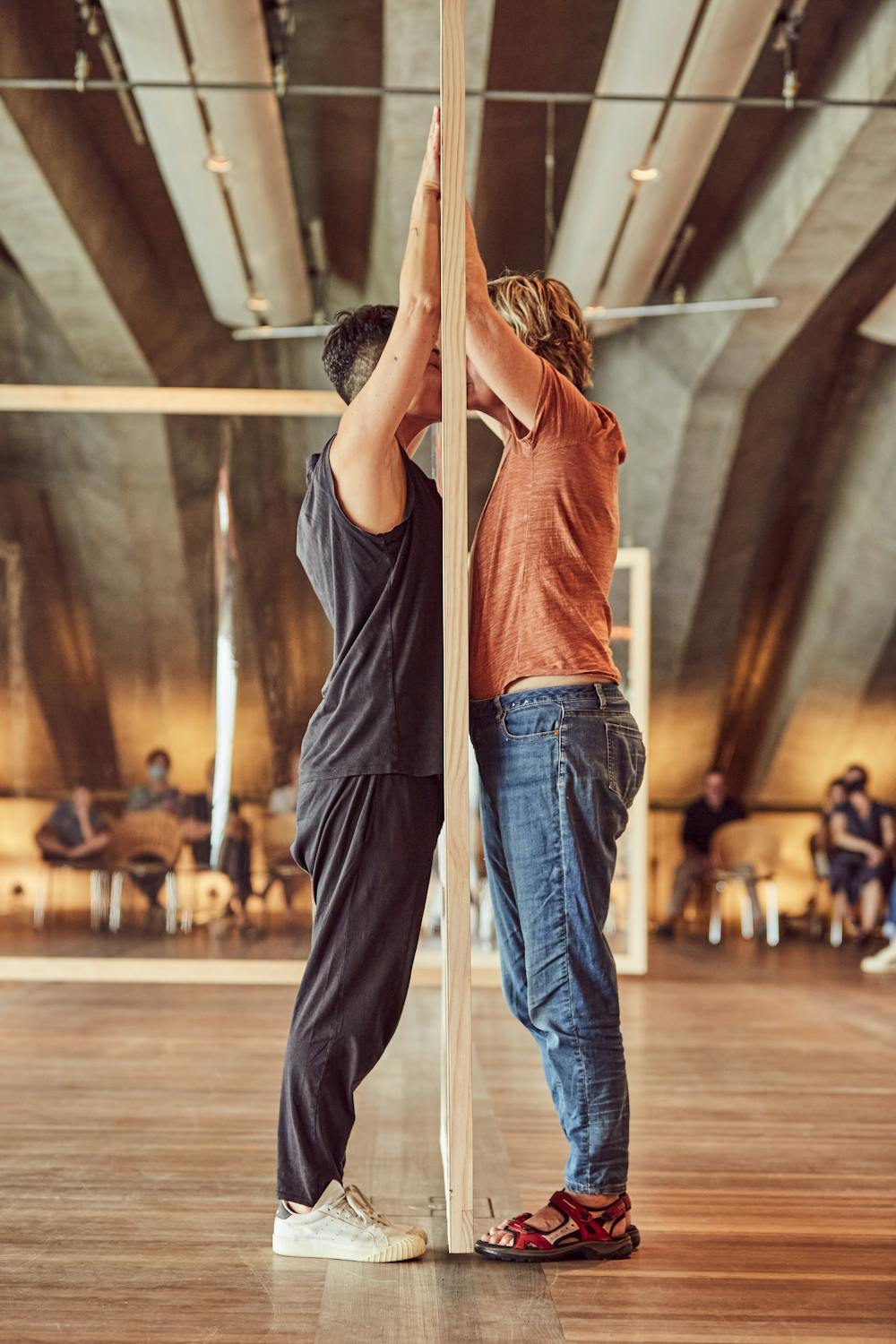
Written by Muruwari playwright Jane Harrison who also wrote Stolen and Rainbow’s End, The Visitors imagines a group of Indigenous leaders discussing what to do about the strange vessels on the horizon.

That fateful day

It is 1788 and six senior law men (with one young man sent as a representative) witness the arrival of the First Fleet. The play features a talented cast: John Blair, Damion Hunter, Colin Kinchela, Nathan Leslie, Leroy Parsons, Glenn Shea, Kerri Simpson.

As we approach the 250th anniversary of Cook’s arrival, this play is timely and fresh given the paucity of publicly available sources that document first encounters from an Indigenous perspective.

Visitors had come and gone for many years and the play includes reference to Cook’s visit 18 Summers prior. But previous visitors always left.

The script involves much discussion about whether to engage in war or allow the visitors to come ashore. After lengthy debates the men notice that the visitors are landing. They make the fatal decision to welcome them.

The Visitors’ dialogue is witty and satirical. The men at its centre describe the visitors in derogatory ways that mirror the way colonisers described us – “wretched people” with nothing to offer.

The set is beautifully designed with large trees framing the meeting place. Fog drifts in, allowing the audience to imagine a time long ago by the ocean. The sound of the sea and birds amplifies the experience.

The men are dressed in suits symbolising their status in contemporary terms. They are given clan names that relate to Country such as Eel clan or Bay people. This avoids any contest around traditional boundaries and clan names.

Humour provides relief to this intensely imagined moment in history. Jadan Carroll

Personalities, but where are the women?

Aboriginal protocols are clear – the men pay respect to Country as they each arrive. Formal proceedings begin with being welcomed onto Country, just like what the audience experienced before the performance.

Formalities aside, there is also a lot of humour in this play. Fun is made of one of the men who has complained he can’t connect with his new wife. Grandfather Elder examines him and concludes that his new wife probably just doesn’t like him.

Personalities are clear – something that is often missed in colonial writing of Indigenous peoples. We are human, we laugh, we disagree and we engage in combat, revenge, grudges, and all manner of human frailty.

The experience could have only been improved by the inclusion of Aboriginal women in the cast. The women, we are told, are away on Women’s Business and although they are often referred to, are missing from the decision making process.

In one scene one of the men refers to women as “spoils” of battle and in another, after hearing the younger man simulate the mooing of a cow, a comment is made that it sounds like his wife. Perhaps this is just banter between men, however, historically a range of tropes have been used to typecast Aboriginal women into roles imagined by the colonisers.

The Visitors is part of a Sydney Festival program giving voice to First Nations artists. Victor Frankowski

The women’s absence suggests there was — or is — a lack of senior Aboriginal women knowledge holders. The truth is far from this assumption.

There is ample evidence Aboriginal women were involved in early interactions, amicable and otherwise, with early settlers. For example, it is believed local fisherwoman Barrangaroo — noted for her presence and authority — was present at the first meeting between settlers and her Cammeraygal people at Manly in 1788, and also participated in warfare with settlers at North Harbour in November 1788.

She is remembered in early colonial documents as having a commanding presence, inciting respect and fear in those around her. Likewise across the country, there are stories of Aboriginal women emerging including their heroic efforts to defend Country.

This criticism notwithstanding, there is much to highly recommend this play. Funny, informative, sombre, real, imagined and very enjoyable, I would encourage everyone to see it.

The Visitors runs at Carriageworks until 26 January

ref. The Visitors review: a witty imagining of what went before that fateful encounter – http://theconversation.com/the-visitors-review-a-witty-imagining-of-what-went-before-that-fateful-encounter-129794

Should we be worried about the new Wuhan coronavirus?

Source: The Conversation (Au and NZ) – By Ian M. Mackay, Adjunct assistant professor, The University of Queensland

The World Health Organisation has postponed its decision about whether to classify the new Wuhan coronavirus as a global health emergency. It wants to gather more information and will meet again at midday on Thursday in Geneva (late Thursday night, Australian time).

In the meantime, China has barred people from leaving Wuhan from 10am today, local time:

There’s so much we don’t know about the virus, which increases the level of concern from public health officials.

So what do we know so far?

Origins in Wuhan

We first heard about cases of pneumonia caused by a new virus in December from authorities in Wuhan, China – a city of 11 million people.

What started as a cluster of 27 people with pneumonia – with common symptoms including fever, dry cough, chest tightness and difficulty breathing – has spiralled to 582 confirmed cases, including medical staff, and 17 deaths.

The cases span 13 provinces in mainland China as well as Thailand, Japan, South Korea, the United States, Taiwan and Macau.


Read more: Mystery China pneumonia outbreak likely caused by new human coronavirus


This is all occurring during peak influenza season in China so there are some illnesses around that may appear similar to coronavirus. It’s also a time when millions of people in the region travel home to family for Lunar New Year celebrations, potentially carrying the virus to new places, as we’ve already seen.

We are yet to see a confirmed case in Australia, but that could change any minute. Test results of a Brisbane man who was suspected of having the virus came back clear.

Development of a diagnostic test

China was extraordinarily efficient and open in identifying the virus, a new strain of coronavirus, within just over a week. Chinese scientists sequenced the virus’s genetic code and, within days, shared that information with the world.

This allowed researchers from Germany to rapidly develop and openly share a suite of specific nucleic acid tests that sensitively identify the virus by detecting small amounts of its ribonucleic acid (or RNA, similar to DNA). Researchers in Hong Kong and from the Chinese Centre for Disease Control then published their own different tests.

The Wuhan coronavirus has broken out during cold and flu season. David Chang/AAP

We already live among coronaviruses

Four other human coronaviruses (HCoV-22E, HCoV-OC43, HCoV-NL63 and HCoV-HKU1) cause colds, flu-like illnesses and more severe respiratory diseases such as pneumonia. Viral pneumonia is a combination of virus infection of the lungs and our body’s immune response to that damage.

Newborns, the elderly, immunocompromised people and those with underlying disease are at particular risk.

There are also two more infamous coronaviruses that jumped from animals to infect human hosts: SARS (severe acute respiratory syndrome) and MERS (Middle East respiratory syndrome).


Read more: Explainer: what is the MERS outbreak in South Korea?


The new Wuhan coronavirus seems to cause less severe disease than the SARS coronavirus, which is now extinct after its single dramatic outbreak in 2002-4.

MERS was less severe than either, unless the patient was already burdened with underlying disease. MERS continues to transmit from camels to humans, but it’s relatively easy to avoid infection and vaccines are in development.

Because we are at such an early stage of discovery and characterisation of the new Wuhan virus, it’s very difficult to compare it to other viruses or to draw any strong conclusions about how it transmits, and its impact on humans.

How does it spread?

We don’t know where the new virus came from originally. We think it originated in animals, but testing so far has not confirmed a specific animal host. Analysis of the genome suggests it has only recently emerged in humans. So which host were humans exposed to? And how was it transmitted to humans?

Once we know where it came from we can track down and remove the source of the virus.


Read more: Scientists still searching for causes of mysterious pneumonia outbreak in China


Some evidence suggests it can also spread between people. We don’t yet know how, but we can make some guesses.

It seems to be a respiratory virus, given the disease primarily involves the lungs, so it’s likely to spread through the same routes as colds and flu: sneezes and coughs propelling droplets into the air or onto hands that then touch other surfaces, or by touching our eyes, nose or mouth after contact with contaminated surfaces.

We also don’t know how easily it spreads. Initially it seemed to require prolonged and close contact, making it harder to catch in day-to-day life. However, there are more recent indications that it spreads more easily between people.

Health workers in China are now taking extra precautions to reduce their exposure to the virus. EPA/AAP

What we know and don’t know

Up to January 22, 17 deaths have tragically occurred from 582 cases (about 3%). This is lower than the proportion who die from influenza-associated pneumonia, which one study estimated to be 10%. It’s a crude comparison, but one we can at least mull over for now.

The number of virus cases is likely to be an underestimate, but we don’t know by how much.

At the moment, colds and flu-like illnesses are common in China. There are also many causes of viral pneumonia – 135 people with pneumonia arrived in Hong Kong from Wuhan between December 31 to January 22. To date only two cases have tested positive for the new virus; most had an influenza virus or other viruses.

So far, we know the new Wuhan coronavirus causes pneumonia and therefore places an extra burden on hospitals. It’s likely transmitting from human to human, but may also still be transmitting from animal to humans. And it can be tested for by professional laboratories.


Read more: Snakes could be the original source of the new coronavirus outbreak in China


For now, health authorities are ensuring we are prepared and watching the situation while we await further details.

If or when it does come to Australia, you can protect yourself in the same way as you would against other respiratory illness: by being vigilant about hand-washing and practising good cough and sneeze etiquette, which means coughing or sneezing into your flexed elbow or into a tissue, and washing your hands.

ref. Should we be worried about the new Wuhan coronavirus? – http://theconversation.com/should-we-be-worried-about-the-new-wuhan-coronavirus-130366

Rappler challenges president’s ‘media powers’ in democracy fight back

By David Robie in Manila

Rappler, the innovative online publisher that has been at the media freedom frontline in the Philippines for the past three years, has challenged President Rodrigo Duterte by taking the executive to the Supreme Court.

The news website has called on the court to rule on whether President Duterte – or the state executive branch – has the power to control the media.

It has asked the court to lift a nearly two-year coverage ban against Rappler for covering events involving President Duterte wherever he is in the Philippines or abroad.

READ MORE: The state of the Philippine media under Duterte – PCIJ

In a remarkable media freedom test case, Rappler has asked justices to clarify: Can the President pick and choose who is “legitimate media” and who is not?

It has also asked can Duterte restrict access to public events?

– Partner –

In a response to the Office of the President’s comments relating to the original petition filed by Rappler last year, the news organisation stated on Monday:

“The question posed by petitioners affects intersecting fundamental rights under the Constitution. Thus, the Honourable Court is duty-bound to demarcate clearer borderlines between the press and the executive branch.”


Fundamental right

Rappler argues that a fundamental right of the free press under the Constitution is self-regulation.

“It is only the free press, not the executive branch, that has the power to say whether or not petitioners are legitimate journalists or not,” argues Rappler.

The media freedom petition has been filed against the Office of the President, Office of the Executive Secretary, Presidential Communications Operations Office, Media Accreditation and Relations Office and Presidential Security Group.

The “Muckraking for social good” investigative journalism conference. Image: David Robie/PMC

Last month, Rappler managing editor Glenda Gloria presented a compelling presentation entitled “Press freedom: Perils and challenges – managing threats in the newsroom” at the “Muckraking for social good” investigative journalism conference in Manila about the news organisation’s struggle against state vindictiveness by the Duterte administration.

“Threats come with the job of journalism,” she said, “and we thought we’d seen them all – libel suits, death threats, harassment, Malacañang [presidential palace] intimidation, and advertising boycotts.

“But the threats we have had to manage in the last three years came in new forms and the attacks were deployed in new ways.”

Gloria told the conference organised by the Philippine Centre for Investigative Journalism (PCIJ) this was the first time in the history of the Philippines media that corporate cases of tax evasion and so-called foreign ownership had been lodged against a news media company.

Rappler managing editor Glenda Gloria … “taking action” for media defence and freedom. Image: David Robie/PMC

10 court cases
Rappler is currently facing at least 10 court cases and investigations filed in a span of 13 months – or an average of one case or investigation a month.

“This is unprecedented, not only in the Philippines, but I believe in Southeast Asia,” Gloria said. “Just to get to a recent conference in Hamburg, Rappler had to pay my travel bond of US$2800 dollars – because I face charges in two courts.

The travel bond of the celebrated chief editor Maria Ressa, who has won many media freedom awards over the past year, has totalled at least $US20,000 this year.

“This because she is charged in four local courts and the Court of Tax Appeals,” Gloria said.

“We have paid close to US$50,000 in bail and travel bonds since the government started filing cases against us in January 2018.”

Described by The Guardian as “one of the most highly regarded” journalists in the Philippines, former CNN investigative reporter and correspondent Ressa joined three other female journalists in 2012 to found Rappler as a “tech start-up” style dynamic news website for young readers.

It is now one of the most influential news organisations in the Philippines

Gloria also stressed it was the first time that a regulatory body – the Securities and Exchange Commission (SEC) – had acted against a Philippine media company.

“Following President Duterte’s false accusation that we were American-owned, the commission investigated us and in a record time of barely four months issued us a closure order because we had violated the nationality restrictions of media ownership,” Gloria said.

Best defences for media threats. Image: David Robie/PMC

Damocles’ sword
“That closure order, while currently frozen because we appealed against it with a higher court, hangs like a Damocles’ sword – and we have put in place three variations of closure scenarios and how to respond to each of them.”

Gloria condemned the deployment of an “army of influencers, trolls and BOTs” against Rappler in an attempt to shape public opinion that would help justify government’s draconian actions.

That troll “army” was deployable anytime of the day, depending on the government’s agenda.

All Rappler staff – “from our CEO to our reporter and to our drivers” – are banned from entering the Malacañang and banned from covering any event where President Duterte is attending,

“We’ve had to deal with threats online and in our own premises. Early [last] year, Duterte fanatics did a Facebook live in front of our office, triggering a mob online that called on each other to bomb Rappler.

“Thankfully, there were only 22 people there. They tried again to mobilise at a coffee shop near our office – about 20 appeared.”

The constant threats and attacks meant that Rappler had to find a way to deal with this new challenge. They opted on a three-way strategy – tackling ownership, management and the public.

Attacks on the press in the Philippines 2016-2019. Image: PCIJ

Freedom structure
Gloria stressed how Rappler had been structured as an organisation in order that it had “a lot of freedom to fight for our independence and to not bow down to pressure”.

Rappler is majority owned by journalists.

“We have an agreement with our shareholders that editorial independence is the core of Rappler’s existence and the core of its business success,” Gloria said.

“In the face of relentless powers from the regime, we took time to dialogue with our shareholders, hold their hand, and explain to them why holding the line will, ultimately, be good for business.”

A core team of senior managers was formed to deal with the crisis which each team member being assigned specific tasks.

“Crisis is opportunity. Disinformation helped us focus on new topic for investigation, which is to expose disinformation networks,” Gloria said.

“Because of the climate of fear that affected advertisers, we were forced to find new revenue streams outside the traditional advertising model.

Other talents
“Internally, the crisis also made people with other talents outside journalism – such as security, paralegal, communications – shine and contribute their other talents.”

Finally, Rappler relied on its own community for support.

“This help was through defending us from online attacks, or participating in crowd funding efforts, or providing us with tips for our investigative stories.

“We held dialogues with journalists from other media and formed a network so that we can act collectively on problems facing the media.”

As well as attacks on Rappler, President Duterte has also recently targeted the country’s main local TV station, ABS-CBN, and the Philippine Daily Inquirer with threats and punitive red tape in response to criticism of his autocratic leadership style.

Professor David Robie, director of the Pacific Media Centre, has been in the Philippines on a research sabbatical.

Print Friendly, PDF & Email

Article by AsiaPacificReport.nz

Lowering of Kīngitanga flag at Ihumātao ‘appropriate’, says SOUL

By RNZ News

Protesters at Ihumātao remain hopeful a resolution to the lengthy dispute will be announced before Waitangi Day.

Kiingi Tūheitia arrived at Ihumātao yesterday for a ceremony lowering and returning his flag, which was raised last August as a symbol of peace and unity, and which he said at the time would only come down once there was a resolution.

A spokesperson for the King says a deal has not been finalised, but the King is confident it is close.

READ MORE: The Ihumātao story

Construction of 480 homes has been on hold since July after hundreds of protesters occupied the land to stop the development.

Pania Newton is a co-founder of the Save Our Unique Landscape group which has been living on the whenua at Ihumātao.

Print Friendly, PDF & Email

Article by AsiaPacificReport.nz

Value beyond money: Australia’s special dependence on volunteer firefighters

Source: The Conversation (Au and NZ) – By Michelle Cull, Senior Lecturer in Accounting and Financial Planning, Western Sydney University

Australia’s unprecedented bushfires have cemented its rural firefighters at the heart of the nation’s identity.

It’s not just that these men and women put themselves in the line of fire. It’s that these “firies” are almost all volunteers, battling blazes for sheer love of their local community.

Relying on volunteers isn’t unique to Australia’s rural firefighting brigades. Other countries with large numbers of volunteer firefighters include Austria, Germany, France, the United States, Japan and China.

But Australia arguably relies on these volunteers to an extent unparalleled in the world, due to the country’s sheer size and the extent to which it is prone to bushfire. In terms of sheer scale of fires, only the vastness of Russia and Canada can compete, and neither has a climate and ecology quite so primed to burn.


Read more: Some say we’ve seen bushfires worse than this before. But they’re ignoring a few key facts


Almost 1% of the population volunteers

About 195,000 Australians volunteer with the nation’s six state and two territory bushfire services. The most populous state, New South Wales, has the largest number (71,234). The Australian Capital Territory has the fewest (a little more than 400).


CC BY-ND

The numbers reflect how many people live in rural areas and the degree to which those communities face bushfire risk. Thus Tasmania has 5,000 volunteer fighters despite having a smaller population than the ACT, because relatively more live in small towns.

On raw figures, Australia has the ninth-largest number of volunteer firefighters by nation, after China, Russia, the United States, Japan, Vietnam, Germany, Poland and Austria.


The Conversation

Comparing raw national figures doesn’t necessarily capture the special place of rural firies in Australia. Austria and its neighbours, for example, have cultures of volunteer municipal firefighting brigades that go back nearly a thousand years and cover structural fires as well.

Australia’s voluntary fire brigades are focused on bushfires. If we were to exclude the 71% of the Australia population that live in major cities, the proportion of Australia’s rural population volunteering with a bushfire service is more like 4.5%. This indicates how central these brigades are to local communities.

It hard to put a precise number on the value volunteer firefighters make to Australia’s economy, but it is significant. The amount and quality of volunteer work is, of course, variable. But let’s assume each volunteer gives 150 hours of their time a year. This is likely conservative, given estimates of the time volunteers have given up this season. At the average weekly Australian wage (including superannuation guarantee), the volunteers contribute about A$1.3 billion to the community.


Read more: Australia can expect far more fire catastrophes. A proper disaster plan is worth paying for


Operations and funding

Even though most firefighters in the rural fire services are volunteers, there are still significant costs. The NSW Rural Fire Service, for example, maintains more than 2,000 brigades with their own stations, vehicles and other running costs. It also employs 965 paid staff in administrative and operational roles. Capital investment of $42 million for stations and equipment was made in 2018-19 in addition to running costs.

The following breakdown is indicative of the running costs facing every state or territory service.


Michelle Cull/The Conversation, CC BY

While funding depends on the individual state or territory, in general the services are funded by levies, imposed through state and territory laws.

Sample of a rates notice including the fire services levy for Murrindindi Shire Council, Victoria. Murrindindi Shire Council

Victoria’s Country Fire Authority, for example, is funded under the Country Fire Authority Act (1958) through a property levy. It is collected by local councils and passed on to the state government, which then distributes it to the authority. The levy includes a fixed component plus a variable rate based on a property’s market value.

New South Wales also has a levy tied to council rates (under the Rural Fires Act 1997). But most funding comes from a levy on insurance payments (imposed under the Emergency Services Levy Act 2017). In the 2018/19 financial year these levies raised about $440 million combined. State and federal governments kicked in a further $50 million, with $26 million in “other income” – mostly recouped costs from interstate and overseas deployments and use of its aircraft by other agencies.

A spotter helicopter monitors a fire near Coffs Harbour, in New South South, on November 12, 2019. Dan Peled/AAP

The role of donations

Donations have not historically been a major funding source for any state or territory fire service. But in times of crisis the public often want to do their bit by giving money.

In the 2017-2018 financial year, for example, the NSW Rural Fire Service & Brigades Donations Fund received $768,044 in donations. Now it has $50 million or so coming its way due to comedian Celeste Barber’s bushfire appeal.


Read more: How to donate to Australian bushfire relief: give money, watch for scams and think long term


It’s possible many of those giving to Barber’s fundraiser didn’t realise their money would only go to New South Wales brigades. It’s also possible many thought they might help volunteers directly, such as through reimbursements for taking leave without pay. Others want to ensure volunteers don’t have to buy their own equipment.

Almost 1% of the Australian population is a volunteer with one of the nation’s state and territory bushfire fighting services. Joel Carrett/AAP

Volunteers won’t necessarily benefit directly in the way donors might like. This is not to say donations won’t help, though. Volunteer brigades might benefit from money for new vehicles or computers, for example.

The sacrifices made by Australian volunteer firefighters have only added to the “firies” mythos. Fire services have been flooded with record numbers of applications. As the threat of bushfires increases, the national love affair with volunteer firies is likely to only intensify.

Which is something no elected politician would be wise to ignore.

ref. Value beyond money: Australia’s special dependence on volunteer firefighters – http://theconversation.com/value-beyond-money-australias-special-dependence-on-volunteer-firefighters-129881

Can Tennis Australia honour Margaret Court and promote LGBT+ inclusivity at the same time?

Source: The Conversation (Au and NZ) – By Ryan Storr, Lecturer in Sport Development, Western Sydney University

As play heats up at the Australian Open this week, so, too, has the debate around Australia’s most decorated tennis player, Margaret Court, and whether she should be feted on the 50th anniversary of her Grand Slam achievement.

In recent years, Court has actively used her platform to vilify LGBT + people, criticise the family of another Australian player, Casey Dellacqua, and her partner, and compare transgender children to the work of the devil.

Tennis Australia has distanced itself from Court’s comments and reinforced its commitment to include LGBT+ people in tennis at every opportunity. Tennis Australia CEO Craig Tiley has also made clear the organisation would celebrate her achievements on the tennis court next week – and on the tennis court alone.

The controversy over Court has dogged the tournament for years. Some tennis fans believe she should rightly be recognised for her stellar career, while others argue Tennis Australia should rename Margaret Court Arena in light of her views.

How to honour Court – if at all

The issue has been particularly contentious this year on the 50th anniversary of her Grand Slam in 1970. Tournament organisers are grappling with how to honour Court’s historic Grand Slam, while simultaneously emphasising that her comments are not welcome in sport and are hurtful and damaging to LGBT+ people.

Even current tennis players appear to share the predicament. When asked about it, Roger Federer said

She’s obviously an incredible tennis champion, one of the most successful ever. I know this subject also tears apart a lot of opinions and minds. So I think Tennis Australia, they got to do what they got to do. I honestly really have no opinion on that.

Unfortunately, Tennis Australia does need to have an opinion on it.

In comments to ABC Perth this week, Court has not sought to put the controversy behind her.

I wish the press would stick to my tennis. I’ve had so many people touch me on the shoulder and say thank you for being my voice. I haven’t had anyone say ‘I hate you’. I teach what the Bible says and you get persecuted for it.

Tennis Australia has faced fresh criticism from its apparent inaction on the issue, particularly around the renaming of the stadium.

A recent article in The New Yorker asks

does the name ‘Margaret Court’, even affixed to a tennis arena, no longer mostly call to mind a great athlete but rather a relentless, hurtful bigot?

Navigating LGBT+ inclusion in sport

However, Tennis Australia is not the only sporting organisation dealing with negative commentary around the LGBT+ community and homophobic slurs.

Rugby Australia recently had to deal with the Israel Falou case, and Cricket Australia handed a Melbourne Stars player, Marcus Stoinis, a A$7,500 fine for using a homophobic sledge during a Big Bash League match.

The idea that sports should play a role in facilitating social change is becoming more prominent. Recent survey data from Swinburne University shows the Australian public believes sports organisations do more for the greater good than government, religious organisations or business.

This highlights the need for these organisations to show strong leadership on social issues, including LGBT+ equality.


Read more: Best on ground: why Australians think sporting bodies provide strongest leadership for public good


Discrimination is bad for business

There is certainly a moral argument for standing up against discrimination and trying to bring more inclusivity to sport. But there’s increasingly a solid business case to do so, as well.

Research from the US has found that when sports bodies actively engage with LGBT+ inclusion and have appropriate policies in place, it can boost organisational effectiveness.

Further, our forthcoming research at Western Sydney University highlights the business benefits of growing LGBT+ supporter groups in sport, including new fans, as well as revenue from memberships, matches and merchandise.

Stars like Court are high-profile sport ambassadors and are often used to boost participation efforts at the grassroots level. They impact everything from sport policies to funding models aimed at inspiring a new generation of players.

While Court has no doubt alienated many tennis fans – gay and straight alike – Tennis Australia is now making efforts to win them back through new activities and events.

One example is the staging of an LGBT+ tennis tournament dubbed the “Glam Slam” during the Australian Open, which brings together 200 LGBT+ players from 35 countries. The event will conclude with the men’s and women’s finals being played on Show Court 3 on the final Sunday of the Open.

And in the spirit of openness, the organiser of the event has even invited Court to take part.

Also new this year, Tennis Australia has installed gender-neutral bathrooms at Rod Laver Arena.

Initiatives like these resulted in Tennis Australia taking home the title for Australia’s most LGBT+ inclusive sport organisation at last year’s Pride in Sport Awards.

Tennis Australia will likely continue to have to deal with the negative attention brought by Court, particularly if it refuses to rename the arena. However, through efforts like the Glam Slam, it can help attract more LGBT+ people to tennis and this will hopefully lead to a more inclusive and tolerant sport in the decades to come.

ref. Can Tennis Australia honour Margaret Court and promote LGBT+ inclusivity at the same time? – http://theconversation.com/can-tennis-australia-honour-margaret-court-and-promote-lgbt-inclusivity-at-the-same-time-130281

Sport can be an important part of Aboriginal culture for women – but many barriers remain

Source: The Conversation (Au and NZ) – By Michelle O’Shea, Senior Lecturer Sport Management, Western Sydney University

Regular exercise is important for Indigenous women’s health, as it protects against obesity and chronic conditions such as heart disease and diabetes. These conditions are more prevalent among Aboriginal and Torres Strait Islander people than non-Indigenous people.

Exercise is also good for community social interaction, especially if women join a sporting club or association.

Women’s physical activity benefits whole communities. Active mothers and aunts are important role models for their children and peers; while women’s involvement as sport leaders, coaches and participants can empower Indigenous girls to participate in sports at community to elite levels.


Read more: Why are so few professional sport coaches from Aboriginal and Torres Strait Islander communities?


Yet participation is low. In 2012, only 23.3% of Indigenous women played sport, walked for fitness or leisure, or were physically active in the previous 12 months. This compares with two-thirds (66.7%) of non-Indigenous women.

More recent statistics are difficult to come by, but the subject of low physical activity rates for Indigenous Australian women has long been of concern and was a major focus of a parliamentary inquiry in 2013.

What are the barriers to participation?

Prior to colonisation, physical activity was intertwined with women’s lives through activities such as gathering food and swimming.

Despite this rich history, women’s participation in sport and physical activity has decreased over time for a number of reasons.

For some older Indigenous women we interviewed for our research, past racist beliefs and practices continued to inhibit them. One woman recalled not being able to learn to swim as a child at her local pool. This was back when Australian pools were sites of segregation. Now, as an adult, she is too scared to learn.


Read more: Are sports programs closing the gap in Indigenous communities? The evidence is limited


Racism or vilification based on skin colour continues to affect Indigenous women’s involvement in sport, with many of our participants describing negative and hurtful experiences.

For women living in remote Indigenous communities, transport costs and logistics significantly impacted their participation in organised sport. The costs of registering for a sporting team, for example, and having to purchase a team uniform meant they were unable to compete.

Ongoing effects of colonisation have resulted in some women rejecting calls for them to become involved in “westernised” sport, instead preferring activities that are more culturally acceptable, such as music and crafts.

Mothers and aunts are important role models for children who want to try different sports. Paul Miller/AAP

Our research also found that some Aboriginal people viewed time spent participating in sport and physical activity as “selfish” because it took them away from their family care commitments and responsibilities.

These traditional roles tended to typecast Indigenous women as “enablers” or “helpers” for others, rather than as sport participants. So women often took on non-participatory roles at the canteen or BBQ, for instance, or facilitated sport for the children or men in their families.

What can be done?

First, governments need to fund programs that meet Indigenous women’s needs, and are designed with input from Indigenous women.

Such programs are more likely to succeed if they are family-friendly and community-based, as Aboriginal women participate at a greater rate when activities include their friends and peers.

The Indigenous women we interviewed, for example, favoured fun runs, carnivals and community competitions.

Indigenous-women-only classes and activities offered by local Indigenous organisations were also valued for their cultural safety. These were comfortable spaces and a place for activity and respite.

Second, scholarship opportunities for Indigenous boys have facilitated their participation in elite sport, particularly the AFL and NRL. Similar programs should be developed for Indigenous girls.


Read more: In both schooling and sport, Australia has slowly come to recognise its Aboriginal talent pool


Finally, our recent research suggests technological tools such as fitness trackers can empower Indigenous women to become more physically active.

Having information about the number of steps they walked and buzzing activity reminders increased daily physical activity and had positive impacts on women’s mental health.

These research findings underscore the importance of empowerment. Programs and interventions foisted on Indigenous women are unlikely to benefit them as individuals or their communities. Instead, healthy and active sisters and aunties are powerful role models.

ref. Sport can be an important part of Aboriginal culture for women – but many barriers remain – http://theconversation.com/sport-can-be-an-important-part-of-aboriginal-culture-for-women-but-many-barriers-remain-120418

Australia needs a national fire inquiry – these are the 3 key areas it should deliver in

Source: The Conversation (Au and NZ) – By David Bowman, Professor of Pyrogeography and Fire Science, University of Tasmania

Australia’s bushfire crisis has been unprecedented, so it demands an unprecedented national response. Never before has such a large area been burnt by multiple fires in a single fire season, including bushland in Queensland, New South Wales, Victoria, South Australia, Western Australia and Tasmania.

Victoria has already announced a state inquiry, and it’s inevitable there will be more to come. But some firefighters and other fire experts have raised legitimate concerns about the value of a national fire inquiry. Many fear Prime Minister Scott Morrison’s proposed national royal commission could end up being as ineffectual as past inquiries.

We’re not legal experts, so we can’t tell you whether a national royal commission or another type of federal inquiry is preferable. But as fire experts, despite sharing others’ concerns, we believe Australia does need a national fire inquiry – if it leads to real action.

For it not to be a waste of time and money, a national inquiry must be far-reaching, and its terms of references must include how Australia adapts to escalating bushfire risks, driven by a changing climate. It also needs to address the federal government’s current, largely hands-off role in bushfire management, and how that could change to better support existing state-based fire management.

A national fire inquiry should also consider a new role for the federal government in three crucial areas:

  • creating a national civil bushfire defence force

  • filling vital gaps in what we know about the science and costs of fires

  • building community capacity to adapt to bushfires.

A national bushfire defence force

Currently the federal government does not have a direct role in firefighting, beyond providing funding, Australian Defence Force personnel, and supporting a national aviation program. The primary role of the federal government has been more indirect, through funding to support firefighting and recovery programs.

Captain Alisha Reeves from 101st Construction Squadron delivering a roll call of army reservists helping with the NSW fires in January 2020. AAP/Danny Casey

A national inquiry would need to determine if the current state and territory based approach is now appropriate in a more bushfire prone world, or whether there should be more directly coordinated and funded federal firefighting capacity. For instance, a national civil bushfire defence force could provide manpower to assist with major bushfire campaigns. Such a civil defence force would solve some long-term issues, such as our heavy reliance on ageing, state-based, volunteer firefighter forces.

The federal government could give members of a national bushfire force consistent training, equipment, remuneration, and protection of their rights. This could be akin to the army reserve, enabling effective nationwide integration of casual firefighters with professional state-based forces. An inquiry would need to ask if there are approaches from other nations that can be adapted to Australian circumstances.


Read more: There’s no evidence ‘greenies’ block bushfire hazard reduction but here’s a controlled burn idea worth trying


The missing science and costs on fires

Australia has no national bushfire database, so it is impossible to track trends in bushfire activity, cost and impacts. Instead, individual states have developed their own approaches that cannot be readily blended to build a national picture. For this reason, there remains uncertainty about the extent of the current bushfires that have crossed state borders.

A Royal Australian Air Force surveillance aircraft flying past a huge firestorm cloud near the NSW and Victoria border in January 2020. EPA/Department of Defence

A national scientific monitoring facility would fill a critical gap in Australian bushfire science, by reporting on the timing, cause, geographic extent and severity of bushfires across all land tenure, vegetation and fuel types. Such basic data are essential to determine the trends in bushfire extent, changes in causes of fires (particularly lightning and arson, which have been hotly debated topics this summer), carbon emissions from bushfires and effectiveness in reducing fuel loads.

All of that missing data is essential to understand the effectiveness of fuel management in reducing the spread or intensity of wildfires and associated greenhouse emissions.

The new national monitoring facility could also track spending on bushfire fighting, fuel management, and the economic impact of bushfires. Such national data are essential for cost-benefit analyses to ensure taxpayers’ money is spent effectively.


Read more: Firestorms and flaming tornadoes: how bushfires create their own ferocious weather systems


Building community capacity to adapt

To substantially reduce loss of life and property from bushfires, individuals and communities need to be well prepared. Yet this requires much greater training and investment in local groups. Programs for community preparation are currently run by overstretched bushfire management agencies.

A well-funded national program could build a network of community groups to manage fuels in surrounding bushland, and prepare their communities for bushfires. Such groups could create community safe places, and deploy smart phone apps to help locals before and during emergencies.

The program could also support Indigenous communities in cultural burning, and enable Aboriginal fire practitioners to undertake fuel management, and train both Indigenous and non-Indigenous fire managers.


Read more: Strength from perpetual grief: how Aboriginal people experience the bushfire crisis


This community-based program should be a separate entity from bushfire agencies, to build a new culture and identity. This could be done by learning from other government-funded, community-led schemes such as Landcare.

There is a real risk a national inquiry could get bogged down in politics, or not lead to real change. But – if it’s done right – a national inquiry could lead to much-needed federal action and investment in bushfire preparation, prevention, research and recovery. These are all critical steps in bushfire adaptation, and warrant national leadership.

As we’ve just seen this summer, the old approaches are broken.

ref. Australia needs a national fire inquiry – these are the 3 key areas it should deliver in – http://theconversation.com/australia-needs-a-national-fire-inquiry-these-are-the-3-key-areas-it-should-deliver-in-130374

From 9/11 to Christchurch earthquakes: how unis have supported students after a crisis

Source: The Conversation (Au and NZ) – By Prue Gonzalez, Lecturer in Environmental Management, Charles Sturt University

Universities across Australia – including in Canberra, Wollongong and Newcastle – have had to close their campuses in the past few months as a result of bushfires.

But the deep and long-lasting impacts of the crisis are set to pose a challenge for Australian universities beyond just the immediate response.

Of the more than one million university students in Australia, we estimate about 95,000 in 2020 will be from regions directly affected by the bushfires.

Most of these students will attend regional universities, but they will be present in all universities throughout Australia. The sheer magnitude and scale of the bushfires mean the number of students indirectly impacted will be much higher.


Read more: You’re not the only one feeling helpless. Eco-anxiety can reach far beyond bushfire communities


Tragedies and disasters can have an emotional and cognitive impact on learning.

So, how can universities support students and staff during times of collective crisis?

Studies of the impacts of disasters on university students have largely focused on hurricanes, earthquakes and acts of terrorism. Although each disaster is different, these studies show some simple steps can make a big difference when supporting university students and staff.

September 11 attacks, 2001

Six months after the September 11 attacks, US researchers set out to explore what college students thought of the most common lecturer responses to the tragedy, and which of these students found most helpful.

Disasters can have a significant emotional and cognitive impact on learning. (September 11 attacks). Hubert Boesl/DPA

Of the 484 Carnegie Mellon University students surveyed, 62% said their lecturer addressed the attacks. Some lecturers held a one minute silence, or had a brief discussion with their class. Others incorporated the event into the lesson or decided to do a class project. Some lecturers offered to talk privately with students or made a point of asking after the well-being of their families and friends.

Acknowledging a disaster in a way we are comfortable with can build emotional well-being and resilience.


Read more: A familiar place among the chaos: how schools can help students cope after the bushfires


When asked what teaching approaches they found most helpful, 78% of students appreciated when their lecturer mentioned ways to support emergency relief efforts. And 69% said they found coping strategies such as being offered an extension on an assignment or being excused from class particularly helpful.

The general conclusion from the students’ perspective was to “do something, just about anything”.

Atlantic hurricane season, 2004

During a 44-day period in 2004, four hurricanes (Charley, Frances, Ivan and Jeanne) raged through Florida, USA at the beginning of the autumn teaching semester. They destroyed homes, businesses, college campuses and roadways.

Many college students surveyed had lost their residences after the hurricane. (Hurricane Ivan, 2004). ERIK S. LESSER/AAP

One study examined stress among 107 college students who had been exposed to natural disasters after Hurricane Charley and Frances. Researchers also looked at adjustments made by two faculty members in attempts to reduce student stress while maintaining academic standards.

Adjustments included changing exam schedules, relaxing classroom attendance policies, reducing lecture time; and providing students with notes, study guides and additional in-class study time.


Read more: Bushfires can make kids scared and anxious: here are 5 steps to help them cope


Most (63%) students said they experienced moderate to extremely high levels of stress after the disaster. Half of those surveyed indicated they suffered lost wages or income and 65% sustained some damage to their residences.

When asked about the adjustments, 84% of the students agreed or strongly agreed the quality of their education was not compromised by them. All the students surveyed either strongly agreed or agreed that overall the adjustments had reduced stress.

Christchurch earthquakes NZ, 2010

Fewer than 12 hours after the Canterbury earthquake in New Zealand, the University of Canterbury activated a communication strategy. It provided its 15,830 students with support and logistics information, such as daily road closures.

The University of Canterbury activated a communication strategy less than 12 hours after the earthquake hit. Ross Setford/AAP

All students received a personalised daily email, alongside multiple daily updates to the university website. The university also created a dedicated social media site.

Six weeks after the earthquake, 3,571 university students had completed a survey to gauge their well-being and the role of the communication provided.

Most students (more than 75%) said the earthquakes had some, or a significant, effect on their study. But the majority (93%) reported feeling “OK again” at the time they completed the survey.


Read more: Massacre is now part of Christchurch’s identity, so how does a city rise above that?


Nearly all students (97%) were satisfied with the news and updates provided by the university, particularly the regularity of website updates, the daily emails, and the fact the information was always current. Suggestions for improvement included using text messaging and radio updates.

Nearly all (95%) students reported being satisfied or very satisfied with the communication they received from the university.

It doesn’t have to be complicated

While each of these disasters unfolded and impacted students and university staff in different ways, the studies show a lecturer’s response doesn’t need to be complicated. It can be as much as acknowledging a tragic event has occurred, showing support and empathy and offering flexibility.

My university, Charles Sturt’s, Macquarie campus was directly impacted by the bushfires. Prue Gonzales, Author provided

As academic staff, we also need to acknowledge the impact of the crisis on ourselves by adjusting our expectations of self. For instance, we may need to triage how we spend our time, identifying things that need our attention and others that can wait. Or we could consider talking with family, friends or joining a support group.

Many universities offer support and resources for staff, students and communities in times of crisis. Consider contacting the university counselling centre for support, whether personal or in the classroom.

This article was written with the assistance of Phillip Ebbs and Patrick Edsall.


Information sheets about taking care of yourself after the bushfires can be found at the Australian Psychological Society.

ref. From 9/11 to Christchurch earthquakes: how unis have supported students after a crisis – http://theconversation.com/from-9-11-to-christchurch-earthquakes-how-unis-have-supported-students-after-a-crisis-130047

Homes with higher energy ratings sell for more. Here’s how Australian owners could cash in

Source: The Conversation (Au and NZ) – By Daniel Daly, Research Fellow at the Sustainable Buildings Research Centre, University of Wollongong

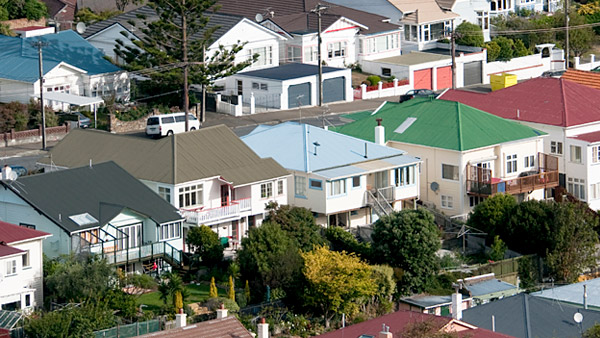
Everybody wants an energy-efficient home. After all, an energy-efficient home is comfortable to live in, without large energy bills. These can be important factors for prospective home owners or renters. Our review of international research found energy-efficient homes typically fetch a higher price.

An energy performance rating is one way to show how “energy hungry” a home could be. In many countries, it is mandatory for the seller to obtain and disclose a home’s rating. For European Union countries, this has been the case for ten years.

But that’s not the case in most of Australia. Only one of the states and territories – the ACT – has a regulated scheme to disclose the energy-efficiency rating of housing to prospective buyers.


Read more: Australia’s still building 4 in every 5 new houses to no more than the minimum energy standard


Disclosing energy ratings is standard practice in the commercial building sector in Australia. Previous research showed this increases the value of buildings with higher energy ratings (a price premium). Our recent review of international research looked to see if a similar effect exists in the residential sector.

What does the research show?

The majority (23) of the 27 relevant studies we reviewed found more energy-efficient homes fetch higher prices than less energy-efficient, but otherwise comparable, homes. So what sort of price premium do houses with a higher energy rating attract? It’s typically around 5% to 10%.

Price effects were considered in two ways. The first involved comparing rated versus unrated residences. The second compared higher-rated residences with lower-rated ones. In both cases, a price premium was found to exist.

The reported price premium varied substantially by study, country and real estate market. One study, in Belfast, found a 27% price premium for higher-rated buildings. Another in the Netherlands found a price premium of 2.7% for similarly higher-rated dwellings.

Only one study looked at Australia (the ACT scheme, which has operated since 2003). It found a 2.4% price premium for a six-star house and a 9.4% premium for a seven-star house compared to a 3 star home. For Australia, with a median house price of $773,635 in late 2019, the ACT results equate to potential price premiums of $18,500 and $72,721.

Obviously, it isn’t just the energy rating of a house that affects its price. Location, size, age and other relevant features of a property influence the final price. Researchers use a statistical method, called hedonic regression, to estimate the effects of all these factors. A home energy rating was included as one of these factors.

The studies we reviewed were published between 2011 and 2019, covering 14 countries and ten energy performance rating schemes. Most of the studies (18) considered the European Union’s Energy Performance Certificate (EPC). Although there are differences in how each EU country defines and manages these certificates, they are broadly comparable, in that they use a standard A (high) to G (low) grade.

Example of a displayed Energy Performance Certificate from the UK, with an A to G rating. The certificate include details on how to improve the rating and indicates the potential rating if all upgrades were completed.

How would this system benefit Australia?

This system would obviously be good for people trying to sell (or wanting to buy) energy-efficient homes, but it’s also good for our society. It has been estimated almost half the homes that will be in use in 2050 have already been built. If we are to meaningfully reduce carbon emissions from our cities and built environment, we need to tackle our existing building stock.


Read more: Making every building count in meeting Australia’s emission targets


A scheme that allows owners to capitalise on the energy efficiency of their home would change the economics of retrofitting existing homes. Owners would have a clear incentive to improve energy performance without the need for large government subsidies.

Unfortunately, there is no agreed method to measure energy-efficiency for the majority of existing Australian homes (i.e. those outside the ACT). This means there is no simple way for prospective owners or renters to make an informed decision about the likely comfort and future energy bills for a home.


Read more: Greenwashing the property market: why ‘green star’ ratings don’t guarantee more sustainable buildings


Other countries have already shown the path forward. Key steps include:

  1. define a nationally consistent rating tool for existing homes. The Victorian government has developed the Victorian Residential Efficiency Scorecard. This voluntary tool provides owners with a star rating for the overall energy performance of their home. It also provides specific information on its performance during hot weather, as well as recommendations on how to improve that performance

  2. provide a framework for owners to voluntarily disclose the certified energy performance of their home at the point of sale or lease. Only owners of higher-rating homes will be likely to do this voluntarily

  3. legislate for mandatory disclosure of a home’s energy rating when it’s being sold or leased

  4. introduce minimum standards of energy performance for rental properties. Once a property’s energy performance is rated and disclosed, the government has a powerful policy lever to drive improvement of the energy efficiency of the existing building stock. For instance, in the UK, owners are obligated to improve the energy performance of any property they wish to offer for rent to at least grade E (on an A-to-G scale).

Our review of international academic literature suggests home buyers typically value a more energy-efficient home. When presented with easily accessible information in the form of an energy performance rating, they are willing to pay more.

Hence, energy rating disclosure policies can help consumers make informed decisions that will result in lower energy bills and more comfortable homes. At the same time, by allowing sellers to capitalise on energy-efficiency improvements through a certified rating, government can support reducing carbon emissions from our existing building stock.

To ensure we realise these societal and environmental benefits, all levels of government should co-ordinate to enact appropriate nationally consistent legislation.


Read more: Low-energy homes don’t just save money, they improve lives


The author would like to acknowledge Michelle Zwagerman for her contribution to this article.

ref. Homes with higher energy ratings sell for more. Here’s how Australian owners could cash in – http://theconversation.com/homes-with-higher-energy-ratings-sell-for-more-heres-how-australian-owners-could-cash-in-128548

Value beyond money: Australia’s special dependency on volunteers to battle bushfires

Source: The Conversation (Au and NZ) – By Michelle Cull, Senior Lecturer in Accounting and Financial Planning, Western Sydney University

Australia’s unprecedented bushfires have cemented its rural firefighters at the heart of the nation’s identity.

It’s not just that these men and women put themselves in the line of fire. It’s that these “firies” are almost all volunteers, battling blazes for sheer love of their local community.

Relying on volunteers isn’t unique to Australia’s rural firefighting brigades. Other countries with large numbers of volunteer firefighters include Austria, Germany, France, the United States, Japan and China.

But Australia arguably relies on these volunteers to an extent unparalleled in the world, due to the country’s sheer size and the extent to which it is prone to bushfire. In terms of sheer scale of fires, only the vastness of Russia and Canada can compete, and neither has a climate and ecology quite so primed to burn.


Read more: Some say we’ve seen bushfires worse than this before. But they’re ignoring a few key facts


Almost 1% of the population volunteers

About 195,000 Australians volunteer with the nation’s six state and two territory bushfire services. The most populous state, New South Wales, has the largest number (71,234). The Australian Capital Territory has the fewest (a little more than 400).


CC BY-ND

The numbers reflect how many people live in rural areas and the degree to which those communities face bushfire risk. Thus Tasmania has 5,000 volunteer fighters despite having a smaller population than the ACT, because relatively more live in small towns.

On raw figures, Australia has the ninth-largest number of volunteer firefighters by nation, after China, Russia, the United States, Japan, Vietnam, Germany, Poland and Austria.


The Conversation

Comparing raw national figures doesn’t necessarily capture the special place of rural firies in Australia. Austria and its neighbours, for example, have cultures of volunteer municipal firefighting brigades that go back nearly a thousand years and cover structural fires as well.

Australia’s voluntary fire brigades are focused on bushfires. If we were to exclude the 71% of the Australia population that live in major cities, the proportion of Australia’s rural population volunteering with a bushfire service is more like 4.5%. This indicates how central these brigades are to local communities.

It hard to put a precise number on the value volunteer firefighters make to Australia’s economy, but it is significant. The amount and quality of volunteer work is, of course, variable. But let’s assume each volunteer gives 150 hours of their time a year. This is likely conservative, given estimates of the time volunteers have given up this season. At the average weekly Australian wage (including superannuation guarantee), the volunteers contribute about A$1.3 billion to the community.


Read more: Australia can expect far more fire catastrophes. A proper disaster plan is worth paying for


Operations and funding

Even though most firefighters in the rural fire services are volunteers, there are still significant costs. The NSW Rural Fire Service, for example, maintains more than 2,000 brigades with their own stations, vehicles and other running costs. It also employs 965 paid staff in administrative and operational roles. Capital investment of $42 million for stations and equipment was made in 2018-19 in addition to running costs.

The following breakdown is indicative of the running costs facing every state or territory service.


Michelle Cull/The Conversation, CC BY

While funding depends on the individual state or territory, in general the services are funded by levies, imposed through state and territory laws.

Sample of a rates notice including the fire services levy for Murrindindi Shire Council, Victoria. Murrindindi Shire Council

Victoria’s Country Fire Authority, for example, is funded under the Country Fire Authority Act (1958) through a property levy. It is collected by local councils and passed on to the state government, which then distributes it to the authority. The levy includes a fixed component plus a variable rate based on a property’s market value.

New South Wales also has a levy tied to council rates (under the Rural Fires Act 1997). But most funding comes from a levy on insurance payments (imposed under the Emergency Services Levy Act 2017). In the 2018/19 financial year these levies raised about $440 million combined. State and federal governments kicked in a further $50 million, with $26 million in “other income” – mostly recouped costs from interstate and overseas deployments and use of its aircraft by other agencies.

A spotter helicopter monitors a fire near Coffs Harbour, in New South South, on November 12, 2019. Dan Peled/AAP

The role of donations

Donations have not historically been a major funding source for any state or territory fire service. But in times of crisis the public often want to do their bit by giving money.

In the 2017-2018 financial year, for example, the NSW Rural Fire Service & Brigades Donations Fund received $768,044 in donations. Now it has $50 million or so coming its way due to comedian Celeste Barber’s bushfire appeal.


Read more: How to donate to Australian bushfire relief: give money, watch for scams and think long term


It’s possible many of those giving to Barber’s fundraiser didn’t realise their money would only go to New South Wales brigades. It’s also possible many thought they might help volunteers directly, such as through reimbursements for taking leave without pay. Others want to ensure volunteers don’t have to buy their own equipment.

Almost 1% of the Australian population is a volunteer with one of the nation’s state and territory bushfire fighting services. Joel Carrett/AAP

Volunteers won’t necessarily benefit directly in the way donors might like. This is not to say donations won’t help, though. Volunteer brigades might benefit from money for new vehicles or computers, for example.

The sacrifices made by Australian volunteer firefighters have only added to the “firies” mythos. Fire services have been flooded with record numbers of applications. As the threat of bushfires increases, the national love affair with volunteer firies is likely to only intensify.

Which is something no elected politician would be wise to ignore.

ref. Value beyond money: Australia’s special dependency on volunteers to battle bushfires – http://theconversation.com/value-beyond-money-australias-special-dependency-on-volunteers-to-battle-bushfires-129881

James Mollison: the public art teacher who brought the Blue Poles to Australia

Source: The Conversation (Au and NZ) – By Sue Rabbitt Roff, Researcher, Social History/Tutor in Medical Education, University of Dundee

James Mollison, the founding director of the National Gallery of Australia, died on Sunday at the age of 88. He was a pivotal force in Australian art collecting, believing Australian galleries should work to educate both the public and our artists.

Mollison was born in Wonthaggi, Victoria, in 1931. When he left school in the late 1940s he approached the National Gallery of Victoria for what we would now call an internship.

He was taken on by Dr Ursula Hoff, who had just been given a permanent position at the NGV as Keeper of Prints after six years on temporary contracts. Mollison wrote in his personal tribute to Hoff in 2014:

Many of us at the Australian National Gallery have sought Dr Hoff’s opinion, drawing on a tradition of teaching that I know has continued for forty years.

A great gallery for the nation

It is a fair bet Mollison attended Sir Kenneth Clark’s lecture on The Idea of a Great Gallery at the NGV on January 27 1949.

The British art historian was a great admirer of Hoff, and her promotion was largely due to his power to make or break careers – his letters supporting her are in the Tate Archive in London.

Clark spent the war years making the National Gallery on Trafalgar Square – founded in 1824 – a truly public space for Britons and others to see and learn about art, despite the Blitz.

In his Melbourne lecture, Clark urged the gallery to purchase experimental work, saying: “[This] seems to me particularly necessary in this country, where you have a young and vital and adventurous school of painting.”

To “guide and stimulate” Australian artists, he said, they needed:

[…] a sight of the best modern work, something which still has about it the thrill of experiment. They are trying to discover a fresh way of seeing, and they must be allowed to study the work of those European and Latin American artists who are doing the same.

Following his informal internship with Hoff, Mollison trained as a secondary school teacher, becoming an education officer at the NGV in 1960. After a short stint at the NGV, he became a bureaucrat with the Commonwealth Art Advisory Board, working under three prime ministers – Gorton, McMahon and Fraser.

Fred Williams James Mollison 1964-65, etching, engraving, flat biting and mezzotint, printed in black ink, from one copper plate, National Gallery of Australia, Canberra. Gift of Lyn Williams 2018. Donated through the Australian government’s Cultural Gifts Program. © Estate of Fred Williams

During this time, it was decided to build a national art gallery in Canberra – a building which had been long advocated for. It is an indication of the respect in which he was held that Mollison was appointed acting director in the 1970s.

Finally, with the endorsement of Fraser, he was confirmed as full director in 1977.

1973

1973 was a particularly memorable year for Australia’s accumulation of cultural capital: Patrick White won the Nobel Prize for literature on the same day the Queen opened the Sydney Opera House.

In Canberra, Mollison was authorised by Prime Minister Whitlam to pay A$1.3 million for Jackson Pollock’s Blue Poles: then the highest price ever for a contemporary work of American art.

Blue Poles still hangs at the NGA, where it is now speculatively valued at A$350 million.


Read more: Here’s looking at: Blue poles by Jackson Pollock


It seems Mollison was following Clark’s advice to buy experimental art to educate Australian artists. Prior to the opening of the gallery, Mollison also collected works such as Woman V by Willem de Kooning, Sidney Nolan’s Ned Kelly series, and significant works by Arthur Boyd and Albert Tucker.

James Mollison AO and Robert Hughes AO with Jackson Pollock’s Blue Poles. © Pollock-Krasner Foundation. ARS/Copyright Agency

My research has traced the purchase of Blue Poles by Mollison and his colleagues through connections to the London gallerist Bryan Robertson, another of Clark’s proteges, who promoted both Australian artists and Jackson Pollock by exhibiting them at the Whitechapel Gallery in London.

Barely a year after the sale, Robertson was offered the position of associate director of the NGV, given without an interview on the basis of Clark’s reference. However, Robertson didn’t take the post because of his “dread, really. Of going off to the other side of the world.”

After Blue Poles

The controversy over the price paid for Blue Poles overshadowed Mollison’s directorship, but he continued to acquire both contemporary Australian art and overseas works with what was regarded as a good eye.

In 1990, Mollison left Canberra for the NGV in Melbourne, where he stayed until 1995.

The NGV is now 22nd on the list of the world’s most visited art museums. More than 2.5 million cross its doorstep each year. Despite Blue Poles and the Ned Kellys, the NGA comes in 86th, with 928,000.

James Mollison AO giving a lecture. National Gallery Australia

When I interviewed the American art collector Ben Heller in 2018, he said one major reason why he sold Blue Poles to the Australians was they promised him:

No child could graduate [from school] without going to Canberra to see Blue Poles.

Even though Mollison started his career as a public art teacher, that promise seems to have been lost – although the painting did tour Australia (complete with armed guard) before being put in storage to wait for its gallery to be built.

The acquisition of Blue Poles divided the art world and the Australian public who paid for it. But certainly it was an educational exercise, which was probably the legacy James Mollison wished to leave.

ref. James Mollison: the public art teacher who brought the Blue Poles to Australia – http://theconversation.com/james-mollison-the-public-art-teacher-who-brought-the-blue-poles-to-australia-130285

Scott Morrison orders probe into whether Bridget McKenzie breached ministerial code

Source: The Conversation (Au and NZ) – By Michelle Grattan, Professorial Fellow, University of Canberra

Prime Minister Scott Morrison has ordered the secretary of his department, Phil Gaetjens, to advise whether deputy Nationals leader Bridget McKenzie breached the ministerial code of conduct in the sports rorts affair.

A statement from the prime minister’s office on Wednesday night said Morrison had referred the highly critical auditor-general report to Gaetjens last Friday “for advice in relation to any actions in the application of the statement of ministerial standards”.

This referral was not announced at the time.

The statement also said media reports revealing McKenzie had approved a grant to a clay target shooting club without publicly disclosing her membership of it had also been referred to the department.

The audit report on the $100 million sports grants scheme found the “award of grant funding was not informed by an appropriate assessment process and sound advice”.


Read more: So the government gave sports grants to marginal seats. What happens now?


It said McKenzie, then sports minister, targeted marginal Coalition seats and Labor seats in the government’s sights in allocating grants before the election, rather than following the priority rating provided by the expert assessment process.

Nine newspapers revealed on Wednesday that McKenzie approved a $36,000 grant for the Wangaratta Clay Target Club without publicly disclosing she was a member of the club.

McKenzie was given membership when she visited the club in January, before the grant was announced in February. Her office has said she did not put her membership on the public parliamentary register because it was a gift and below the value set for disclosure.

Sources said that in June she declared in her ministerial statement of interests – which is private – her membership to several gun organisations, including the clay target association of which the Wangaratta club is an affiliate.

In his foreword to the statement of ministerial standards, Morrison says:

All parliamentarians are required to disclose private interests to the parliament.

Given the additional powers of Ministers and Assistant Ministers, I expect them to provide me with additional information about their private interests to ensure there are no conflicts with their roles as ministers.

The statement further says:

Ministers must declare and register their personal interests, including but not limited to pecuniary interests, as required by the Parliament from time to time.

Ministers must also comply with any additional requirements for declarations of interests to the Prime Minister as may be determined by the Prime Minister, and notify the Prime Minister of any significant change in their private interests within 28 days of its occurrence.

Failure to declare or register a relevant and substantive personal interest as required by the Parliament constitutes a breach of these Standards.

The Wednesday statement from the prime minister’s office said Morrison would “continue to follow due process”.

He has also asked Attorney-General Christian Porter to advise on the issue raised in the audit report of whether McKenzie actually had legal authority to make the decisions on the grants.


Read more: Nationals elect Bridget McKenzie as new deputy


Porter on Wednesday defended McKenzie, saying, “had Bridget McKenzie’s final approval process not gone into the mix, then less Labor electorates would have gotten the money”.

The opposition continued to call for her resignation or sacking.

Meanwhile, Morrison announced that the secretary of the health department, Glenys Beauchamp, will retire at the end of next month and is going on leave from Friday.

The Mandarin, noting Beauchamp has been a board member of the Australian Sports Commission, said “the official date of her retirement falls the day before Senate estimates comes back … where those with knowledge of the grants program will likely be questioned.”

ref. Scott Morrison orders probe into whether Bridget McKenzie breached ministerial code – http://theconversation.com/scott-morrison-orders-probe-into-whether-bridget-mckenzie-breached-ministerial-code-130403

Indonesia ‘arrests’ Mongabay editor – one month after first detaining him

Pacific Media Watch

Philip Jacobson, an award-winning editor for the non-profit environmental science news outlet Mongabay, has been arrested for an alleged visa violation in Palangkaraya, Central Kalimantan, after being put under city arrest for a month.

Jacobson, 30, was first detained on 17 December 2019 after attending a hearing between the Central Kalimantan parliament and the local chapter of the Indigenous Peoples Alliance of the Archipelago (AMAN), Indonesia’s largest indigenous rights advocacy group.

He had travelled to the city shortly after entering Indonesia on a business visa for a series of meetings.

READ MORE: Mongabay environmental headlines

The day he was due to leave, immigration authorities seized his passport, interrogated him for four hours and ordered him to remain in the city pending their investigation.

On January 21, more than a month later, Jacobson was formally arrested and taken into custody. He was informed that he faces charges of violating the 2011 immigration law and a prison sentence of up to five years.

– Partner –

He is now being held at a prison in Palangkaraya.

“We are supporting Philip in this on-going case and making every effort to comply with Indonesia’s immigration authorities,” said Mongabay founder and CEO Rhett A. Butler.

‘Punitive action’
“I am surprised that immigration officials have taken such punitive action against Philip for what is an administrative matter.”

Jacobson’s arrest comes shortly after Human Rights Watch issued a report documenting rising violence against activists and environmentalists in Indonesia, and amid a growing sense that critical voices are being suppressed.

“Journalists and people employed by journalism organisations should be free to work in Indonesia without fear of arbitrary detention,” said Andreas Harsono of Human Rights Watch, who knows Jacobson and understands his case.

“Philip Jacobson’s treatment is a worrying sign that the government is cracking down on the kind of work that is essential to the health of Indonesian democracy.”

Last month, the Indonesian Alliance of Independent Journalists (AJI) issued a report documenting 53 incidents of abuse against journalists – including five criminal cases – in 2019.

Print Friendly, PDF & Email

Article by AsiaPacificReport.nz

Fiji school workbook condemned for promoting ‘harmful’ gender roles

By Koro Vaka’uta of RNZ Pacific

A school workbook containing “harmful” messages is being circulated in Fiji’s schools, says a local activist.

Roshika Deo said her attention was drawn to the Year 8 Healthy Living Pupil’s Workbook when she was helping prepare her niece for the school year.

Deo said she was shocked at the “community expectations” that were contained in the book.

READ MORE: Top 10 facts about girls’ education in Fiji

The book said women played a “secondary role” with no decision-making power and should be “passive” to men while not being too outspoken.

It also stated girls should be “interested in [their] looks” and at 15, be married “soon”. There was an onus to take care of domestic duties and stay at home.

– Partner –

Deo said young children were being taught that women were sub-standard and sub-human in Fiji schools.

The human rights and feminist activist, who has done work across the region, including for Amnesty International, pointed out that research showed a prominent cause of violence against women was gender inequality and unbalanced power relations.

Harmful stereotypes
Deo said the curriculum promoted harmful stereotypes.

“It’s perpetuating and intensifying the gender inequality and this is what leads to violence against women. This is what leads to the rape culture. This is what leads to victim blaming and such things that result in women being killed.”

Boys were being told they were superior to girls.

“It leads to male entitlement. Telling boys that they are better than girls, that women and girls have to listen to them, have to adhere to them and if they don’t, you have authority to do what you need to do,” she said.

Deo has notified the Minister for Women and Children on social media about her concerns.

RNZ Pacific has sought comment from the Ministry of Education and from the Minister for Women and Children, Mereseini Vuniwaqa, but has yet to receive a response.

Earlier this month, Ms Vuniwaqa launched a National Plan to Prevent Violence against Women and Girls describing the country as being in a national crisis.

10 women died
Last year, 10 women in Fiji died due to domestic violence.

The minister told local media the prevalence of violence against women and girls in the country was among the highest in the world.

Deo welcomed a number initiatives the government had launched to address the issue but was surprised that this material had become part of the curriculum.

“It’s get a bit perplexing that if you are going to launch this and you already understand the basic tenets of crime prevention, and if that is the case why are you not already working with the Ministry of Education in terms of reviewing this curriculum because the longer we leave it in there school system, the more harm we are causing.”

Deo said it did not matter if millions of dollars of development and government funds were spent on preventing violence against women if young, impressionable minds were given the current material.

Koro Vaka’uta hosts RNZ Pacific’s Dateline Pacific. The Pacific Media Centre republishes RNZ News stories under a content sharing arrangement.

Print Friendly, PDF & Email

Article by AsiaPacificReport.nz

Can’t do what you need to do in a public toilet? You’re not alone – and there’s help

Source: The Conversation (Au and NZ) – By Kenley Kuoch, PhD Candidate in Psychology, Swinburne University of Technology

Most of us don’t give much thought to going to the toilet. We go when we need to go.

But for a small minority of people, the act of urinating or defecating can be a major source of anxiety – especially when public restrooms are the only facilities available.

Paruresis (shy bladder) and parcopresis (shy bowel) are little known mental health conditions, yet they can significantly compromise a person’s quality of life.

We don’t know how many people have shy bowel, but research has estimated around 2.8%-16.4% of the population are affected by shy bladder. The condition is more common in males.

Our research explored the thought processes that underpin these conditions, with a view to understanding how they might best be treated.


Read more: So many public toilets are a last resort – why not a restful refuge?


What are the symptoms?

Most of us will feel a little “grossed out” from time to time when using public toilets. But what we’re talking about here is different and more serious.

People with shy bladder and shy bowel experience significant anxiety when trying to go to the toilet, especially in public places like shopping centres, restaurants, at work or at school. Sufferers may also experience symptoms in their own home when family or friends are around.

Their anxiety can present in the form of increased heart rate, excessive sweating, rapid breathing, muscle tension, heart palpitations, blushing, nausea, trembling, or a combination of these.

Most of us prefer to go to the toilet at home. But people with shy bladder or shy bowel may struggle to go anywhere else. From shutterstock.com

Symptoms range in severity. Some people who are more mildly affected can experience anxiety but still be able to “go”, for example when the bathroom is completely empty. Others may urinate or defecate with difficulty – for example their urine stream may be inconsistent. Some people will sit on the toilet and not be able to go at all.

In severe cases, sufferers may hold it in until they get home. This is uncomfortable and can even have health consequences, such as urinary tract infections.


Read more: Why queues for women’s toilets are longer than men’s


Sufferers report difficulties relating to employment, relationships and social life. For example, they might avoid travelling, going to parties, or attending large events like sports matches because of their symptoms.

Unfortunately, people with shy bladder or shy bowel will often feel shame and embarrassment, making them less likely to seek help.

It’s a type of social anxiety disorder

The DSM-5, a manual designed to help clinicians diagnose mental health conditions, classifies shy bladder as a sub-type of social anxiety disorder.

The DSM-5 doesn’t make specific mention of shy bowel, but with more research we hope to see it included in the future.

Social anxiety disorder is characterised by an excessive fear of social situations, including contact with strangers. People with the condition fear scrutiny by others, whether negative or positive evaluation.

We wanted to understand whether the thought processes that underpin shy bladder and shy bowel are similar to those demonstrated in people with social anxiety disorder.


Read more: Explainer: what is social anxiety disorder?


Our research

We canvassed 316 undergraduate students in an online survey on shy bladder and shy bowel. Some 72 participants (22.8%) self-reported symptoms of either one or both conditions.

We found these symptoms were influenced by particular patterns of thinking, including:

  • a misinterpretation or distortion of information (for example, interpreting laughter in the restroom as being directed towards them)

  • fears around potential perceived negative evaluation (for example, a fear of being criticised for taking too long to defecate, or for sounds and smells produced during urination or defecation)

  • fears around potential perceived positive evaluation (for example, a fear of being evaluated too positively for a strong urine stream).

Using statistical modelling, we found fear of negative evaluation was the factor most strongly associated with shy bladder or shy bowel symptoms.

A mental health professional is likely to be able to help. From shutterstock.com

Treatment

While our study was small and more research is needed, the thought processes we identified as underpinning shy bladder and shy bowel are very similar to those we know predict social anxiety symptoms.

As such, people with shy bladder or shy bowel may benefit from the sorts of treatments that help people with social anxiety disorder.

Cognitive behavioural therapy, for example, is known to reduce social anxiety symptoms.

The best way to help people with these conditions will be addressing the thought processes behind shy bladder and shy bowel, especially concerns around the perceptions others might evaluate or criticise one’s urination or defecation.

As well as targeting unhelpful thinking, like all anxiety conditions, reducing avoidance through gradual exposure work (putting oneself in anxiety-inducing situations where one will build confidence and tolerance around anxiety) is also likely to help.


Read more: What’s the best way to go to the toilet – squatting or sitting?


If you can’t do what you need to do in a public restroom, know you’re not alone and you’re not going crazy. Shy bladder and shy bowel are genuine anxiety conditions and can have significant effects on your day-to-day functioning.

Discussing these symptoms with your doctor and/or mental health professional is likely to be an important step to freeing yourself from these conditions.

ref. Can’t do what you need to do in a public toilet? You’re not alone – and there’s help – http://theconversation.com/cant-do-what-you-need-to-do-in-a-public-toilet-youre-not-alone-and-theres-help-127719

Does social media make us more or less lonely? Depends on how you use it

Source: The Conversation (Au and NZ) – By Roger Patulny, Associate Professor of Sociology, University of Wollongong

Humans are more connected to each other than ever, thanks to smartphones, the web and social media. At the same time, loneliness is a huge and growing social problem.

Why is this so? Research shows social media use alone can’t cure loneliness – but it can be a tool to build and strengthen our genuine connections with others, which are important for a happy life.

To understand why this is the case, we need to understand more about loneliness, its harmful impact, and what this has to do with social media.

The scale of loneliness

There is great concern about a loneliness epidemic in Australia. In the 2018 Australian Loneliness Report, more than one-quarter of survey participants reported feeling lonely three or more days a week.

Studies have linked loneliness to early mortality, increased cardio-vascular disease, poor mental health and depression, suicide, and increased social and health care costs.

But how does this relate to social media?


Read more: How to be a healthy user of social media


More and more Australians are becoming physically isolated. My previous research demonstrated that face-to-face contact in Australia is declining, and this is accompanied by a rise in technology-enabled communication.

Enter social media, which for many is serving as a replacement for physical connection. Social media influences nearly all relationships now.

Navigating the physical/digital interface

While there is evidence of more loneliness among heavy social media users, there is also evidence suggesting social media use decreases loneliness among highly social people.

How do we explain such apparent contradictions, wherein both the most and least lonely people are heavy social media users?

Research reveals social media is most effective in tackling loneliness when it is used to enhance existing relationships, or forge new meaningful connections. On the other hand, it is counterproductive if used as a substitute for real-life social interaction.

Thus, it is not social media itself, but the way we integrate it into our existing lives which impacts loneliness.

I wandered lonely in The Cloud

While social media’s implications for loneliness can be positive, they can also be contradictory.

Tech-industry enthusiasts highlight social media’s benefits, such as how it offers easy, algorithimically-enhanced connection to anyone, anywhere in the world, at any time. But this argument often ignores the quality of these connections.

Psychologist Robert Weiss makes a distinction between “social loneliness” – a lack of contact with others – and “emotional loneliness”, which can persist regardless of how many “connections” you have, especially if they do not provide support, affirm identity and create feelings of belonging.


Read more: A month at sea with no technology taught me how to steal my life back from my phone


Without close, physical connections, shallow virtual friendships can do little to alleviate emotional loneliness. And there is reason to think many online connections are just that.

Evidence from past literature has associated heavy social media use with increased loneliness. This may be because online spaces are often oriented to performance, status, exaggerating favourable qualities (such as by posting only “happy” content and likes), and frowning on expressions of loneliness.

On the other hand, social media plays a vital role in helping us stay connected with friends over long distances, and organise catch-ups. Video conferencing can facilitate “meetings” when physically meeting is impractical.

Platforms like Facebook and Instagram can be used to engage with new people who may turn into real friends later on. Similarly, sites like Meetup can help us find local groups of people whose interests and activities align with our own.

And while face-to-face contact remains the best way to help reduce loneliness, help can sometimes be found through online support groups.

Why so lonely?

There are several likely reasons for our great physical disconnection and loneliness.

We’ve replaced the 20th century idea of stable, permanent careers spanning decades with flexible employment and gig work. This prompts regular relocation for work, which results in disconnection from family and friends.

The way we build McMansions (large, multi-room houses) and sprawl our suburbs is often antisocial, with little thought given to developing vibrant, walkable social centres.


Read more: Size does matter: Australia’s addiction to big houses is blowing the energy budget


Single-person households are expected to increase from about 2.1 million in 2011 to almost 3.4 million in 2036.

All of the above means the way we manage loneliness is changing.

In our book, my co-authors and I argue people manage their feelings differently than in the past. Living far from friends and family, isolated individuals often deal with negative emotions alone, through therapy, or through connecting online with whoever may be available.

Social media use is pervasive, so the least we can do is bend it in a way that facilitates our real-life need to belong.

It is a tool that should work for us, not the other way around. Perhaps, once we achieve this, we can expect to live in a world that is a bit less lonely.

ref. Does social media make us more or less lonely? Depends on how you use it – http://theconversation.com/does-social-media-make-us-more-or-less-lonely-depends-on-how-you-use-it-128468

As Earth’s population heads to 10 billion, does anything Australians do on climate change matter?

Source: The Conversation (Au and NZ) – By Mark Beeson, Professor of International Politics, University of Western Australia

As unprecedented bushfires continue to ravage the country, Prime Minister Scott Morrison and his government have been rightly criticised for their reluctance to talk about the underlying drivers of this crisis. Yet it’s not hard to see why they might be dumbstruck.

The human race has never had to grapple with a problem as large, complex or urgent as climate change. It’s not that there aren’t solutions available. There are already some hopeful signs of an energy transition in Australia. As Professor Ross Garnaut has explained, it would be in Australia’s economic interests to become a low-carbon energy superpower.

To successfully tackle climate change will require some painful transitions domestically, and unprecedented levels of international coordination and cooperation. But that isn’t happening. Global action to cut emissions is falling far short of what’s needed – and meanwhile, though it’s controversial to mention, the world’s population quietly climbs ever higher.

Our growing population challenge

The United Nations’ World Population Prospects 2019 report forecast that by 2027, India will overtake China as the world’s most populous country.

By 2050, the UN predicts that the world’s population will be nearly 10 billion, up from 7.7 billion now. Nine countries are expected to be home to more than half of that growth: India, Nigeria, Pakistan, the Congo, Ethiopia, Tanzania, Indonesia, Egypt and the United States. The population of sub-Saharan Africa is expected to double by 2050 (a 99% increase), while Australia and New Zealand are expected to grow more slowly (28% increase).

The world’s population growth rate in recent years. World Population Prospects 2019, United Nations, CC BY

Given how difficult climate politics have been here in Australia, why would we expect it to be any more politically feasible in say, India, which claims the right to develop as we did? However self-serving Australian coal supporters’ arguments about lifting Indians out of poverty are, the underlying questions of national autonomy and the ‘right’ to develop are not easily refuted.

Even talking about demography is asking for trouble – especially if it becomes caught up with questions of race, identity and the most fundamental of human rights, the right to reproduce.

While reducing population growth is plainly important in the long-term, it isn’t a quick fix for all our environmental problems. In the meantime, research has shown that supporting education for girls in poor countries is one of the single most important things we can do now to address this issue.

How Australia can show leadership

I think we need to understand that global emissions don’t have an accent, they come from many countries and we need to look at a global solution… – Prime Minister Scott Morrison on Insiders, ABC, 12 January 2020

This is the central defence of business as usual: there’s no point in Australia making huge sacrifices and ‘wrecking’ (or transforming, depending on your perspective) the economy if no one else is doing so. We contribute less than 2% to global greenhouse emissions, so – some claim – we can’t make any real difference.

As outlined in my 2019 book, Environmental Populism: The Politics of Survival in the Anthropocene, nations such as Australia can play a useful role by showing what an enlightened country, with the capacity and incentive to act, might do. If we don’t have the means and the compelling environmental reasons to make tough but meaningful policy choices, who does?

But even in the unlikely event that Australians collectively retrofitted the entire economy along sustainable lines, there would still be a lot of the world that wouldn’t, or couldn’t even if they wanted to. The development imperative really is non-negotiable in India, China and the more impoverished states of sub-Saharan Africa.

Will China lead the way?

From the privileged perspective of wealthy Australians, the ‘good’ news is that the ecological footprint of the average Ethiopian is seven times smaller than ours. India’s average is even less, despite all the recent development. However, people in India and Ethiopia may not think that’s a good thing.

One of the paradoxical impacts of globalisation is that everyone is increasingly conscious of their relative place in the international scheme of things. The legitimacy of governments – especially unelected authoritarian regimes like China’s – increasingly revolves around their capacity to deliver jobs and rising living standards. Where governments can’t deliver, the population vote with their feet.

As naturalist Sir David Attenborough warned last week, Australia’s current fires are another sign that “the moment of crisis has come”. He called on China for the global leadership we’ve been missing:

If the Chinese come and say: ‘Not because we are worried about the world but for our own reasons, we are going to take major steps to curb our carbon output […]’, everybody else would fall into line, one thinks. That would be the big change that one could hope would happen.

China has arguably already made the biggest contribution to our collective welfare with its highly contentious, now abandoned one-child policy. China’s population would have been around 400 million people larger without it, pushing us closer to the crisis Sir David fears.

To be clear, I’m not advocating compulsory population control, here or anywhere. But we do need to consider a future with billions more people, many of them aspiring to live as Australians do now.

Looking ahead, will Australians try to keep living as we do today? Or will we decide to set a new example of living well, without such a heavy ecological footprint? Resolving all these conundrums won’t be easy; perhaps not even possible. That’s another discomfiting reality that we may have to get used to.

ref. As Earth’s population heads to 10 billion, does anything Australians do on climate change matter? – http://theconversation.com/as-earths-population-heads-to-10-billion-does-anything-australians-do-on-climate-change-matter-129139

Inside the story: The Trauma Cleaner – a beautiful meditation on death and decay

Source: The Conversation (Au and NZ) – By Craig Batty, Professor of Creative Writing, University of Technology Sydney

Sarah Krasnostein’s The Trauma Cleaner has won many awards since it was published in 2017, including the Victorian Prize for Literature and the Australian Book Industry Award General Non-Fiction Book of the Year.

While the title may speak of a provocative premise – what is a trauma cleaner? Are there really jobs like this? – it’s not just the content that makes it a wonderful read, it’s also the writing style. Every word, every sentence, is carefully considered, re-considered and re-considered some more, resulting in what can only be described as beautiful language.

I was truly blown away by the power and precision of the prose. Sounds, tastes and smells emanate from the page, creating a visceral experience of protagonist Sandra’s extraordinary, often traumatic, life.

Orchestration of words

Krasnostein uses exquisite turns of phrase. Language is used to excavate facts and polish ideas that are hard to get rid of – things that stick. As Krasnostein writes, the book is “a catalogue of the ways we die physically and emotionally, and the strength and delicacy needed to lift the things we leave behind”.

Introducing her subject, Krasnostein writes:

During my time with Sandra, I met a bookbinder, a sex offender, a puppeteer, a cookbook hoarder, a cat hoarder, a wood hoarder […] I heard Sandra bend and flex language into words and idioms she made her own: “supposably”, “sposmatically”, “hands down pat!”

It is this careful and playful orchestration of words – facts transformed into a scintillating narrative – that makes the book hard to put down. Every page lures you in, making you hungry for more.

Beneath the beautiful language, resonance strikes and asks us to think of our own lives. Expressions hit like a sudden gust of wind. They bring tears to your eyes. We are not asked to feel sad, but to feel what was, and still is, being experienced by these people – to feel the complexity of the circumstances.

Imagine Ailsa, the girl who loves to bake, the woman whose cakes are light and high and whose dark religion tells her to fear her effeminate son […] Imagine that baby as a boy frozen in his bed, straining to read the sound of a motor in the driveway over the noise of his own racing heart.

Krasnostein’s language evokes in us the visceral aspects of a situation – the pain and pleasure of those involved. She says of Sandra, then still Peter, practising his female voice in the shower when wife Linda is out: “the refrain of thrumming along his veins that signifies his only certainty and which says: you don’t belong here”.

Later, of his eventual parting from wife and children towards a new life as Sandra:

When he steps around the food flung on the floor or smells the milk turning in bottles in the sink, or when cries momentarily shatter his sleep like a glass flung against a wall, he doesn’t really notice because in his mind he is dancing at [gay club] Annabel’s with Joe.

Krasnostein is adept at laying out facts with no judgement or flourish, allowing their trauma to speak to us individually. She refuses to manipulate her readers, instead touching the facts lightly with a sense of perspective: “she will never fear what is ahead of her, only what is behind her”.

From one trauma to the next, we learn of the murder of Sandra’s girlfriend, Maria, by a nightclub bouncer. Krasnostein uses repetition to speculate on his motives:

Maybe he has it in for her. Maybe he has it in for dykes. Maybe he’s jealous of her. Maybe he’s jealous of the girlfriend. Maybe he’s repulsed that he’s jealous of either of them […] Maybe he just wants to feel the force of bone on muscle.

Krasnostein gives us story perspective in a light, non-manipulative way. That last line is sparse yet stark, simple yet powerful.

And then this, which winds all the facts into a clean knot that represents the very core of Sandra’s life journey: “Sandra does not need a physics lesson to understand that time dilates; life taught her early that some seconds are cruelly quick and others are tortuously slow”.

Krasnostein pores over language, refining it until it says the most it can in the fewest words possible. “Something you might try to ignore, like a full bladder on a cold night”. “What chips some people like a mug cracks others, like an egg”. “The couch is a grave”.

Writing of writing

The Trauma Cleaner also speaks about the process of its being written, with authority and poignancy:

I scrap draft after draft of my timeline and even when I am assisted in my task by Sandra’s recollection, the narrative remains a tangled necklace. Events link into one another only so far before they halt, abruptly, as some great knot where they loop over each other so tightly that some seem to disappear altogether.

In some ways, the narrative arc of the book is not Sandra’s own journey, but Krasnostein’s understanding of Sandra and what she represents for all of us. This is achieved with a lightness of touch, the author never getting in the way of the reader’s own interpretations.

Krasnostein writes at the start of the book:

And here it hits me what it is we are doing by telling this story. It is something at once utterly unfamiliar and completely alien to Sandra: we are clearing away the clutter of her life out of basic respect for the inherent value of the person beneath.

And then at the end of the book, after we have witnessed all of Sandra’s trauma, humour and resilience, an ordaining of our protagonist in language that is at once beautiful and beatific: “Sandra, you exist in the Order of Things and the Family of People; you belong, you belong, you belong”.

ref. Inside the story: The Trauma Cleaner – a beautiful meditation on death and decay – http://theconversation.com/inside-the-story-the-trauma-cleaner-a-beautiful-meditation-on-death-and-decay-127436

We found the world’s oldest asteroid strike in Western Australia. It might have triggered a global thaw

Source: The Conversation (Au and NZ) – By Aaron J. Cavosie, Senior research fellow, Curtin University

The world’s oldest remaining asteroid crater is at a place called Yarrabubba, southeast of the town of Meekatharra in Western Australia.

Our new study puts a precise age on the cataclysmic impact – showing Yarrabubba is the oldest known crater and dating it at the right time to trigger the end of an ancient glacial period and the warming of the entire planet.

What we found at Yarrabubba

Yarrrabubba holds the eroded remnants of a crater 70 kilometres wide that was first described in 2003, based on minerals at the site that showed unique signs of impact. But its true age was not known.

The Yarrabubba crater is about 70 kilometres across.

We studied tiny “impact-shocked” crystals found at the site, which show the crater formed 2.229 billion years ago (give or take 5 million years).

This new, precise date establishes Yarrabubba as the oldest recognised impact structure on Earth. It is some 200 million years older than the next oldest, the Vredefort impact in South Africa.

More intriguing, the geological record shows the Earth had glacial ice before the time of the impact – but afterwards, ice disappeared for hundreds of millions of years. Was the Yarrabubba impact a trigger for global climate change?


Read more: Target Earth: how asteroids made an impact on Australia


How to date an asteroid hit

An asteroid strike is one of the most violent geologic events. In an instant, Earth’s crust is squeezed to unimaginable pressures, before exploding and ejecting carnage across the landscape. Large impacts leave behind scars the size of a small city.

The basin formed by an impact will partly fill with molten and pulverised rock from the Earth and from the asteroid itself. The edge of the crater forms a ring of mountains; over time erosion gradually erases the story.

Today, Yarrabubba has been worn down into a minor feature on a barren landscape.

To place the Yarrabubba event in a geologic context, we had to find its age. To find the age, we had to look carefully at minerals in the rocks shocked by the impact.

Geologists date events using “isotopic clocks” in minerals like zircon and monazite. These minerals contain small amounts of uranium, which gradually decays into lead at a known rate.

A shocked zircon crystal used to date the Yarrabubba impact. The margin (pink) recrystallised during impact, leaving the inner core (blue) intact. Scale bar is 80 micrometres, the width of human hair. Author provided

Asteroid strikes raise the temperature in rocks they hit, causing minerals to lose their accumulated lead, which resets the clock. After impact, the isotopic clocks start ticking again as new lead accumulates.

So by measuring the isotopes of uranium and lead in these minerals, we can calculate how much time has passed since the impact.

At Yarrabubba, we identified tiny crystals of zircon and monazite – each about the width of human hair – with textures that show they had been heated by a massive impact.

We analysed the amounts of lead and uranium isotopes in these crystals using mass spectrometry, and found their clocks had been reset 2.229 billion years ago (give or take five million years). That’s when we realised Yarrabubba coincided with a major change in Earth’s climate.

A different Earth

The Yarrabubba impact occurred during a period in Earth’s history called the Proterozoic eon. Long before plants, fish, or dinosaurs, life at this time consisted of simple, multicellular organisms.

These simple bacteria had already begun changing the composition of air. Previously dominated by carbon dioxide and methane, Earth’s atmosphere gradually became oxygenated by life about 2.4 billion years ago.

As oxygen levels built up, rocks started weathering more, and the atmosphere cooled down. And then ice came, plunging Earth into globally frigid conditions.


Read more: Ancient asteroid impacts yield evidence for the nature of the early Earth


Earth has repeatedly dipped into glacial conditions over the last 4.5 billion years. We know about these periods because of deposits of solidified rock and mud that were ground up by glaciers as they bulldozed across Earth’s surface.

Studies have found multiple periods in Earth’s history in which glacial deposits occur in rocks of the same age across many continents. These deposits may represent worldwide glacial conditions, often referred to as a “Snowball Earth” event.

In these periods, ice forms from the poles well into the tropics, covering nearly all of Earth.

There is geological evidence that Earth was in an icy phase during the Yarrabubba impact. Rocks in South Africa show that glaciers were present at this time. But it’s not clear if the amount of ice was similar to today, or if it covered the world.

Fire and ice

So we found Earth’s oldest preserved impact crater, and worked out when the asteroid hit. We also know Earth had ice at the time, but not how much.

To understand the effect of the impact on an ice-covered world, we used computer models based on the physics of shockwaves to estimate how much ice would end up in the atmosphere as water vapour. As it turns out, it’s quite a lot.

Our models show that if the Yarrabubba asteroid hit an ice sheet 5 kilometres thick (not an unreasonable estimate), more than 200 billion tons of water vapour would be ejected into the atmosphere. That’s about 2% of the total amount of water vapour in today’s atmosphere, but would have been a much bigger fraction back then.

Water vapour is a serious greenhouse gas. It’s responsible for about half of the heat absorption from solar radiation today.

Global climate models don’t yet exist for the Proterozoic Earth, so we don’t yet know for sure if the Yarrabubba impact pushed the planet past a tipping point that led to more warming and the end of a possible Snowball Earth.

ref. We found the world’s oldest asteroid strike in Western Australia. It might have triggered a global thaw – http://theconversation.com/we-found-the-worlds-oldest-asteroid-strike-in-western-australia-it-might-have-triggered-a-global-thaw-130192

Juries need to be told how they’re allowed to use the internet to ensure fair trials

Source: The Conversation (Au and NZ) – By Jemma Holt, Research Fellow/ Acting Executive Officer (Research), Tasmania Law Reform Institute, University of Tasmania

Juries are supposed to consider evidence without influence or bias from the outside world. However, the widespread access to and use of the internet and social media threatens to undermine this, with significant consequences for our criminal justice system and those within it.

Given courts cannot effectively police smart-phone use they must adapt to it. This week the Tasmania Law Reform Institute completed its year long inquiry into courts and the information age, and has recommendations as to how they can adapt.


Read more: Jurors and social media: is there a solution?


The right to a fair & unbiased trial by your peers

An accused person’s right to a fair trial is the most fundamental principle of our criminal justice system. It is a phrase that describes a system that affords an accused person many protections. That system relies on jurors being impartial and returning a verdict that is based solely on the evidence that is presented within the courtroom.

In the past this was readily easy to achieve. Juror communications during trial hours and even after them could be controlled. News about the trial was generally a local affair, and even when it attracted national attention, the journalists needed to be in the court’s jurisdiction to report, so they and their employers were subject to the court’s authority.

The shift in the way people access news, information and communications in the modern age has changed this reality.

Almost every Australian has access to the internet via their smartphone or other devices, social media use is habitual among much of our population, and the internet is a ubiquitous source of information for most people.

Jurors are no different – in fact, they represent the wider Australian community these statistics describe. While jurors’ smart phones are removed from them during trial, they cannot be before or after the trial period, nor at the beginning or end of the day. As a result jurors may intentionally, or simply by habit seek out or communicate information about the trial.


Read more: All about juries: why do we actually need them and can they get it ‘wrong’?


Use and misuse of social media

Between 2018 and 2020 the Tasmanian Law Reform Institute conducted an inquiry into juror misuse of the internet and social media during trials. The institute concluded there is likely to be a high, but unquantifiable and undetectable level of misuse.

However, there is evidence across Australian jurisdictions that jurors have used their internet connected devices to:

  • research legal terms or concepts or other information relevant to the trial. A West Australian juror in a drug-related trial obtained information online about methylamphetamine production

  • research the accused, witnesses, victims, lawyers or the judge. Two South Australian jurors sitting in a blackmail trial against multiple defendants conducted online searches about the accused which disclosed past outlaw motorcycle gang affiliations

  • communicate with people involved in the trial. Multiple New South Wales jurors on a long-running fraud trial became Facebook friends, sharing posts such as a digitally altered photo of one of the jurors wearing a judge’s wig

  • publish material about the trial on the internet or social media. A NSW juror sitting in a sexual offending trial posted on Facebook the day before the guilty verdict was returned: “When a dog attacks a child it is put down. Shouldn’t we do the same with sex predators?” This post was accompanied with a photograph that showed images of rooms and implements by which lawful executions are carried out.

Misuse is under-reported. In those few instance where reports are made, fellow jurors, rather than court officers, tend to be the ones who raise the issue. Indeed, it is an important part of their role.

While jurors across Australia are currently told not to conduct online research, wilful disobedience is only part of the problem. It can also involve unintentional acts by jurors who believe they are doing the right thing.

For instance, jurors accessing online news, entertainment or social media sites can be passively influenced by information relevant to the trial. Jurors often misunderstand their role and conduct independent research in the genuine belief their actions are in the pursuit of “fairness” or discovering the truth.

What jurors see online could affect their choice in the courtroom. from www.shutterstock.com

Educate, inform & encourage self-regulation

The law reform institute ultimately concluded it is impossible for, and beyond the capacity of courts to completely police juror internet use. It has thus recommended not reforming the law, but rather strengthening and standardising juror education and directions. These recommendations are divided across two stages of jury selection, as part of an overall strategy:

  • pre-selection: prospective jurors should receive improved training and information about the role of the juror and the risks of internet use

  • post-selection: once a jury has been selected, judges need to explain to jurors what dangers arise from using the internet to access and publish on social media, seeking information about the case, parties, court officers, lawyers, and self-conducted research into legal concepts or sentences. The report has recommended the court adopt minimum standard directions, but also have the flexibility to make specific directions relevant to any particular trial.

The report recommended certain current practices and laws should remain unchanged, including:

  • removing phones from jurors while they are in court (even though the effect is limited it avoids juror distraction)

  • leaving contempt (punishment) laws in place for those jurors who intentionally ignore court training and directions. That might include monetary fines and, in severe cases, imprisonment.

This process is aimed at encouraging self-regulation among jurors, by educating them how to curtail their internet use and why it’s so important.


Read more: Trial by social media: why we need to properly educate juries


ref. Juries need to be told how they’re allowed to use the internet to ensure fair trials – http://theconversation.com/juries-need-to-be-told-how-theyre-allowed-to-use-the-internet-to-ensure-fair-trials-130127

I’m taking antibiotics – how do I know I’ve been prescribed the right ones?

Source: The Conversation (Au and NZ) – By Christine Carson, Senior Research Fellow, School of Biomedical Sciences, University of Western Australia

In the days before antibiotics, deaths from bacterial infections were common. Seemingly minor illnesses could escalate in severity, becoming deadly in a matter of hours or days.

These days, antibiotics can be life-savers. In the community, they’re commonly used to treat bacterial infections of the lung, urinary tract, eye, throat, skin and gut.

But they’re not needed for all bacterial infections – many infections will resolve on their own without treatment.

And of course, antibiotics don’t treat viral infections such as colds and flus, or fungal infections such as tinea or thrush.


Read more: When should you take antibiotics?


Even when antibiotics are necessary, they’re not a one-size-fits-all treatment: not all antibiotics kill all types of bacteria.

What type of bacteria is causing the infection?

If your doctor suspects you have a serious bacterial infection, they will often take a urine or blood test, or a swab to send to the pathologist.

At the lab, these tests aim to detect and identify the bacteria causing the infection.

Some methods only need to detect bacterial DNA. These DNA-based approaches are called “genotypic methods” and are quick and highly sensitive.

Other methods involve attempting to culture and isolate bacteria from the sample. This can take one to four days.

What antibiotic can fight the infection?

If antibiotic treatment is necessary, the isolated bacteria can be used in a second series of tests to help determine the right antibiotic for your infection. These are called antimicrobial susceptibility tests.

Like the tests that first detected the bacterium causing your infection, they can be done using DNA-based (genotypic) methods or by culturing the bacterium in the presence of various antibiotics and assessing what happens (phenotypic methods).

Genotypic tests tend to identify which antibiotics won’t work so they can be ruled out as treatment options; ruling out the ones that won’t work leaves the ones that should work.

For phenotypic tests, the bacterium is regrown in the presence of a range of antibiotics to see which one stops its growth. A range of concentrations of each antibiotic are often used in these tests.

Testing can more accurately determine the right antibiotic for your infection. iviewfinder/Shutterstock

Why you sometimes get a script without testing

Whichever tests are done, the results may not be available for a couple of days. In the meantime, your doctor will probably get you started on an antibiotic that is most likely to be effective. This is called empiric therapy and is the “best guess” treatment while they wait for test results.

Empiric antibiotic choice is based on the doctor’s prior experience with that type of infection, as well as clinical guidelines developed from evidence about that infection type, and ongoing surveillance data from the pathology lab about the types of bacteria generally causing that infection, and which antibiotics those bacteria are susceptible to.

When available, the test results will either confirm the initial choice, or influence the doctor’s decision to prescribe a different antibiotic.

Take urinary tract infections (UTIs), for example. Most are caused by E. coli and there are antibiotics that reliably treat these infections.

Data from the thousands of pathology tests performed each year on the E. coli from other people’s UTIs helps inform the doctor’s choice of empiric antibiotic for you, as do the clinical guidelines.

The doctor can therefore be reasonably confident in prescribing that antibiotic while you wait for the test results from your urine sample. You’ll either get better and need no further intervention, or you’ll come back to the doctor, by which time your test results should be available to fine-tune the choice of antibiotic.


Read more: Health Check: I’m taking antibiotics – when will they start working?


Why it’s important to get the right antibiotic

Naturally, you want to receive an antibiotic that will effectively treat your infection. But what’s wrong with taking an antibiotic that does the job too well or, conversely, is ineffective?

Antibiotics that are too strong will not only clear your infection but will also kill other good bacteria, disrupting your microbiome and possibly causing other knock-on effects.

On the other hand, an ineffective antibiotic will not only fail to treat the infection adequately, it can still cause side effects and disrupt your microbiome.

A broader consideration for the judicious use of antibiotics is that overuse, or ineffective use, contributes unnecessarily to the development of antibiotic resistance. All antibiotic use promotes resistance in other bacteria they come in contact with, so minimising and optimising their targeted use is important.

The right antibiotic choice for your infection is a complex decision that must often be made before key additional evidence to support the decision is available.

As test results become available, the treatment antibiotics may be refined, changed or even stopped.


Read more: We can reverse antibiotic resistance in Australia. Here’s how Sweden is doing it


ref. I’m taking antibiotics – how do I know I’ve been prescribed the right ones? – http://theconversation.com/im-taking-antibiotics-how-do-i-know-ive-been-prescribed-the-right-ones-122868

Scientists hate to say ‘I told you so’. But Australia, you were warned

Source: The Conversation (Au and NZ) – By Will Steffen, Emeritus Professor, Australian National University

Those who say “I told you so” are rarely welcomed, yet I am going to say it here. Australian scientists warned the country could face a climate change-driven bushfire crisis by 2020. It arrived on schedule.

For several decades, the world’s scientific community has periodically assessed climate science, including the risks of a rapidly changing climate. Australian scientists have made, and continue to make, significant contributions to this global effort.

I am an Earth System scientist, and for 30 years have studied how humans are changing the way our planet functions.


Read more: Conservation scientists are grieving after the bushfires — but we must not give up


Scientists have, clearly and respectfully, warned about the risks to Australia of a rapidly heating climate – more extreme heat, changes to rainfall patterns, rising seas, increased coastal flooding and more dangerous bushfire conditions. We have also warned about the consequences of these changes for our health and well-being, our society and economy, our natural ecosystems and our unique wildlife.

Today, I will join Dr Tom Beer and Professor David Bowman to warn that Australia’s bushfire conditions will become more severe. We call on Australians, particularly our leaders, to heed the science.

Prime Minister Scott Morrison comforting a man evacuated from his home during then recent bushfires. Darren Pateman/AAP

The more we learn, the worse it gets

Many of our scientific warnings over the decades have, regrettably, become reality. About half of the corals on the Great Barrier Reef have been killed by underwater heatwaves. Townsville was last year decimated by massive floods. The southeast agricultural zone has been crippled by intense drought. The residents of western Sydney have sweltered through record-breaking heat. The list could go on.

All these impacts have occurred under a rise of about 1℃ in global average temperature. Yet the world is on a pathway towards 3℃ of heating, bringing a future that is almost unimaginable.

How serious might future risks actually be? Two critical developments are emerging from the most recent science.

First, we have previously underestimated the immediacy and seriousness of many risks. The most recent assessments of the Intergovernmental Panel on Climate Change show that as science progresses, more damaging impacts are projected to occur at lower increases in temperature. That is, the more we learn about climate change, the riskier it looks.


Read more: ‘This crisis has been unfolding for years’: 4 photos of Australia from space, before and after the bushfires


For Australia, a 3℃ world would likely lead to much harsher fire weather than today, more severe droughts and more intense rainfall events, more prolonged and intense heatwaves, accelerating sea-level rise and coastal flooding, the destruction of the Great Barrier Reef and a large increase in species extinctions and ecosystem degradation. This would be a tough continent to survive on, let alone thrive on.

The city I live in, Canberra, experienced an average seven days per year over 35℃ through the 1981-2010 period. Climate models projected that this extreme heat would more than double to 15 days per year by 2030. Yet in 2019 Canberra experienced 33 days of temperatures over 35℃.

Second, we are learning more about ‘tipping points’, features of the climate system that appear stable but could fundamentally change, often irreversibly, with just a little further human pressure. Think of a kayak: tip it a little bit and it is still stable and remains upright. But tip it just a little more, past a threshold, and you end up underwater.

Features of the climate system likely to have tipping points include Arctic sea ice, the Greenland ice sheet, coral reefs, the Amazon rainforest, Siberian permafrost and Atlantic Ocean circulation.

Dogs hauling a sled through meltwater on coastal sea ice during an expedition in northwest Greenland in June last year. STEFFEN M. OLSEN/DANISH METEOROLOGICAL INSTITUTE

Heading towards ‘Hothouse Earth’?

These tipping points do not act independently of one another. Like a row of dominoes, tipping one could help trigger another, and so on to form a tipping cascade. The ultimate risk is that such a cascade could take the climate system out of human control. The system could move to a “Hothouse Earth” state, irrespective of human actions to stop it.

Hothouse Earth temperatures would be much higher than in the pre-industrial era – perhaps 5–6℃ higher. A Hothouse Earth climate is likely to be uncontrollable and very dangerous, posing severe risks to human health, economies and political stability, especially for the most vulnerable countries. Indeed, Hothouse Earth could threaten the habitability of much of the planet for humans.

Tipping cascades have happened in Earth’s history. And the risk that we could trigger a new cascade is increasing: a recent assessment showed many tipping elements, including the ones listed above, are now moving towards their thresholds.

Beachgoers swim as smoke haze from bushfires blanketed Sydney last month. Steven Saphore/AAP

It’s time to listen

Now is the perfect time to reflect on what science-based risk assessments and warnings such as these really mean.

Two or three decades ago, the spectre of massive, violent bushfires burning uncontrollably along thousands of kilometres of eastern Australia seemed like the stuff of science fiction.


Read more: View from The Hill: Morrison should control that temper in Liberal climate debate


Now we are faced with more than 10 million hectares of bush burnt (and still burning), 29 people killed, more than 2,000 properties and several villages destroyed, and more than one billion animals sent to a screaming, painful death.

Scientists are warning that the world could face far worse conditions in the coming decades and beyond, if greenhouse gas emissions don’t start a sharp downward trend now.

Perhaps, Australia, it’s time to listen.

ref. Scientists hate to say ‘I told you so’. But Australia, you were warned – http://theconversation.com/scientists-hate-to-say-i-told-you-so-but-australia-you-were-warned-130211

Bushfire education is too abstract. We need to get children into the real world

Source: The Conversation (Au and NZ) – By Briony Towers, Research Fellow, Centre for Urban Research, RMIT University

Children and young people have been deeply impacted by the current bushfire crisis. Schools have been destroyed and thousands of houses have burnt down. Hazardous air pollution is causing major public health concerns and the devastating impacts on animals and wildlife is leading to emotional distress.

Many children – like 11-year-old Finn who drove a boat with his mother, brother and dog on board to safety – have been directly involved in the emergency response. Vast numbers of tourists have also been affected, many of them children.

This shows how essential it is for all children and young people, regardless of their geographic location in Australia, to have appropriate education about bushfire prevention, mitigation, preparedness and response.

Recommended for 80 years

The 1939 report of the royal commission into the Victorian Black Friday bushfires noted:

probably the best means of prevention and protection is that of education, both of adults and children.

It recommended that all schools, in the city and country, make “fire prevention a real part of the curriculum”.

Similar recommendations were later made by the Bushfire Review Committee following the 1983 Ash Wednesday fires and the 2004 National Inquiry on Bushfire Mitigation and Management.

But despite this history, the final report of the 2009 royal commission into Victoria’s Black Saturday fires noted those recommendations were never fully implemented. The commission handed down recommendation six, which attempted to rectify those past failures:

Victoria [should] lead an initiative of the Ministerial Council for Education, Early Childhood Development and Youth Affairs to ensure that the national curriculum incorporates the history of bushfire in Australia and that existing curriculum areas, such as geography, science and environmental studies include elements of bushfire education.

Following this, Victoria took the lead during consultations on the Australian Curriculum in 2012. It obtained agreement from other states to include elements of bushfire education in the curriculum.

As a result, year five geography in the Australian Curriculum now includes “the impact of bushfires or floods on environments and communities, and how people can respond”. More specifically, this content includes:

  • mapping the location, frequency and severity of bushfires or flooding in Australia

  • explaining the impacts of fire on Australian vegetation and the significance of fire damage on communities

  • researching how prevention, mitigation and preparedness minimise the harmful effects of bushfires or flooding.

This content, or slight variations of it, is found in all state and territory curricula.

The Australian Curriculum for year six science now includes “recognising that science can inform choices about where people live and how they manage natural disasters”, and science in year nine includes “investigating how ecosystems change as a result of events such as bushfires, drought and flooding”.


Read more: We have already had countless bushfire inquiries. What good will it do to have another?


However, the implementation and effectiveness of this curriculum has not been reviewed at a state, territory or national level since it was developed. Given the curriculum isn’t always taught in the same way as it is written, we should not assume bushfire education is being delivered as intended, or that it is being delivered at all.

What works best

One problem with the Australian Curriculum content statements is that they are relatively abstract and detached from children’s lived experiences.

One of the authors conducted interviews with children aged 8-12 to find out their knowledge of bushfire emergency responses. Children revealed many misconceptions about bushfire safety, which often came from a lack of knowledge about bushfire behaviour.

Australian curriculum content statements are abstract and removed from reality. LUKAS COCH/AAP

For example, children often assume bushfires only travel through direct flame contact and think a nonflammable physical barrier (such as a river, a road or a brick wall) will prevent a bushfire from reaching their property. But burning embers can travel many kilometres ahead of the fire front and ember attack is a major cause of home ignitions.

Such misconceptions are best addressed by making bushfire education more relevant to their own lives. Children need to explore and understand vulnerability to bushfire in their own communities as well as their capacity for reducing risk.


Read more: A familiar place among the chaos: how schools can help students cope after the bushfires


Bushfire education in schools is also more effective when taught across the curriculum, rather than as isolated topics. One example is the bushfire education program at Victoria’s Strathewen Primary School for students in grades five and six. It incorporates science, art, civics and citizenship, design, English and geography.

A recent evaluation of the program showed it increased children’s knowledge of local bushfire risks and the actions people can take to manage them. It also helped increase children’s confidence for sharing their knowledge with others, gave them a sense of empowerment and reduced bushfire-related anxieties.

The program’s benefits extended to families, including increased bushfire planning at home with more participation from children in the process.

Other research shows teachers can better develop curricula that is sensitive to local social, environmental and cultural contexts when they have technical support from emergency services. They also need access to local expertise in topics such as bushfire behaviour, emergency management planning, and Indigenous cultural burning.


Read more: Aboriginal fire management – part of the solution to destructive bushfires


Rather than another royal commission, Australia would benefit from an expert panel review of bushfire education. This would examine the best ways to enable teachers to deliver bushfire education that draws on local capacities for bushfire management including Indigenous practices; promotes children’s participation in bushfire safety activities; and leverages community partnerships with schools.

Students need to become life-long bushfire learners, rather than memorising content from 2020 which will go rapidly out of date in our changing climate.

ref. Bushfire education is too abstract. We need to get children into the real world – http://theconversation.com/bushfire-education-is-too-abstract-we-need-to-get-children-into-the-real-world-129789

The science backs Harry and Meghan turning in their royal privilege. Fame and fortune aren’t the keys to happiness

Source: The Conversation (Au and NZ) – By Jolanda Jetten, Professor, School of Psychology, ARC Laureate Fellow, The University of Queensland

If you’ve ever dreamt of fame and fortune, Prince Harry and his wife Meghan Markle turning their backs on the royal lifestyle might seem churlish. So too their desire to be “financially independent”.

As a senior royal, Harry is at the height of his popularity – a popularity that marrying Markle has only amplified.

On top of the millions he has inherited from his mother and great grandmother, he gets millions more annually, both from his cut of the “sovereign grant” paid by the British government and the allowance from his father (from the revenues of Duchy of Cornwall estate).

Harry and Meghan aren’t exiting the family firm penniless, but if they stayed they would be looked after in luxury for the rest of their lives.


Read more: Prince Harry and Meghan Markle: why half in, half out just isn’t an option for royals


Madness? No. Research suggests Harry and Meghan would be well and truly in their right minds to be sick of royal fame and fortune.

Psychologists, economists and philosophers have confirmed three things. First, money can’t buy happiness. Second, we want to feel we have earned our success and popularity. Third, being looked after from the cradle to the grave has its downsides.

In short, having everything handed to you on a platter just isn’t satisfying.

Money doesn’t buy happiness

Even though this statement is arguably a cliché, there is good evidence it’s true. While money buys happiness up to a point, the positive effects of money on happiness level off once individuals have obtained enough wealth to live a comfortable life.

This relationship has been observed at the country level, with multiple studies showing that, once a nation reaches a certain level of wealth, national happiness does not increase in parallel with extra wealth. This is known as the Easterlin paradox. According to economist John Helliwell, a co-editor of the World Happiness Report, the social context – marriage and family, ties to friends and neighbours, workplace ties, civic engagement, trustworthiness and trust – is more important than wealth.

One reason given for why wealth doesn’t buy individuals any more happiness after a certain point is that money becomes both a reason and means to distance ourselves from others. To paraphrase Christopher Ryan, author of Civilized to Death: The Price of Progress, what people tend to do with extra money is buy separation, whereas researchers “have concluded again and again that the single most reliable predictor of happiness is feeling embedded in a community”.

Extraordinary wealth, then, sets us against what we are programmed to do by evolution: seek out the company of others and band together in a community. Research has repeatedly shown this has a huge mental health cost.


Read more: Loneliness is a social cancer, every bit as alarming as cancer itself


Importantly, too, how we earn our money affects how much we enjoy it. Research among more than 4,000 millionaires in the US, for example, showed those who were “self-made” were moderately happier than those who inherited their wealth.


Read more: Measures of happiness tell us less than economics of unhappiness


Taken together, these factors help explain why Harry and Meghan’s wealth might, psychologically speaking, be more curse than blessing.

The popularity paradox

Most of us, particularly teenagers, crave popularity. According to a YouGov poll, Harry is the second-most-popular member of the British royal family – pipped only by Queen Elizabeth. Some are convinced he won’t keep this popularity without his royal status.

Why would someone want to give up being liked and loved by stepping out of the limelight?

Because psychological research shows people feel less pride in their achievements if they attribute it to external reasons. In this case, that would being born as a royal for Harry, and being pretty and marrying into a royal family for Meghan. For their popularity and success to mean something, they would need some “internal attribution” – that it has something to do with their own abilities, effort and skill.

In a world that values meritocracy, as Alain de Botton argues, we need to “own our success” — the very thing Harry and Meghan cannot do as royals.

Trapped by certainty

Most of us aspire to being financially secure for the rest of our lives. Many of us would give a lot to know what lies ahead.

But while there is comfort in some sense of security and predictability, knowing exactly what the future holds might be a curse. This is because humans thrive also on feeling a sense of freedom and choice.

So just as having no certainty can take its mental toll, so does feeling one’s future is totally predetermined and that you have no real control over the way your life will unfold.

Psychologists call the motivation to regain a freedom after it has been lost reactance – and this might be something strong within someone, for example, who has lost freedom due to marrying into a high-profile family.

Seizing control

Do the reasons above explain why Harry and Meghan have left the royal fold? We can’t say that. Only they know their motivations.

But what we do know is that all the research points to fortune, fame and security not necessarily leading to a good, happy life. These things can in fact be burdens, bringing out our worst, not our best.


Read more: The paradox of happiness: the more you chase it the more elusive it becomes


That happiness comes more from community connection, merit, effort and making our own decisions is good news for the rest of us. Let’s hope it works out for Harry and Meghan too.

ref. The science backs Harry and Meghan turning in their royal privilege. Fame and fortune aren’t the keys to happiness – http://theconversation.com/the-science-backs-harry-and-meghan-turning-in-their-royal-privilege-fame-and-fortune-arent-the-keys-to-happiness-130132

New year, new strategy? Unheralded change to budget targets creates space for stimulus

Source: The Conversation (Au and NZ) – By Danielle Wood, Program Director, Budget Policy and Institutional Reform, Grattan Institute

In public, the government is crab-walking away from its commitment to a budget surplus, saying since the bushfires that other things have become more important.

Asked directly on Tuesday whether he was prepared to sacrifice this year’s projected surplus to help the bushfire recovery effort, Treasurer Josh Frydenberg said:

Our focus is on delivering the services and support to people in need. That’s what we’ve been doing.

But less-publicly, and little noticed in the pre-Christmas release of the mid-year economic and fiscal outlook just before Christmas, the government has quietly buried long-standing targets for restraining spending.

Jettisoning these targets provides it with more wriggle room to increase spending to respond to things such as the bushfires and to boost the economy should it need to in 2020 and beyond.


Read more: 5 things MYEFO tells us about the economy and the nation’s finances


Under the Charter of Budget Honesty Act 1998 every government must release a fiscal strategy statement alongside the Budget.

The statement is a list of the government’s budget targets. One long-standing target is “to achieve surpluses on average over the economic cycle”. Others relate to spending, tax collections, and public debt.

They are not binding but they provide a useful guide to the government’s thinking.

A looser straitjacket

Revisions to these targets can signal changes to the government’s approach.

In the pre-Christmas Mid-Year Economic and Fiscal Outlook (MYEFO), the government significantly scaled back its targets – both in number and ambition.

For example, the budget repair strategy it adopted in 2014 committed it to “deliver budget surpluses building to at least 1% of GDP by 2023-24”.


Read more: Surplus before spending. Frydenberg’s risky MYEFO strategy


The strategy has been reproduced in every budget since then, although in 2017 the 2023-24 deadline was extended to “as soon as possible”.

In December’s MYEFO more wriggle room was added, with the surpluses of at least 1% of GDP to be reached only “when economic circumstances permit”.


Spot the difference

2019 Budget
2019 MYEFO

Another component of the original repair strategy was that “new spending initiatives will be more than offset by reductions in spending elsewhere in the budget”.

In other words: if the government wanted to announce a new spending policy, it had to find savings elsewhere to cover the cost.

Targets missing

This target does not appear in MYEFO. A softer replacement says the government intends to “pursue budget savings to make room for spending priorities”.

This relaxing of the purse strings is already evident: the new spending measures in MYEFO on aged-care home packages, bringing forward infrastructure spending, and drought assistance are significant costs that were not paid for by spending reductions elsewhere.

Nor has the government provided any indication that its bushfire relief measures will be funded through savings.


Gone: the commitment to cut the government’s share of the economy over time

2019 Budget

The budget repair strategy also required improvements in the budget position due to favourable economic circumstances to be “banked to the bottom line”. That target has now been removed all together.

The medium-term (10-year) fiscal strategy has also been amended to remove some of the more ambitious spending-control targets.

One was to reduce the government’s share of the economy over time.

That target has now gone, even though shrinking government spending as a share of the economy is crucial to the budget projections of growing surpluses and declining net debt over the decade.

The obvious question is – why?

The government is making big spending easier

The government might argue that it no longer needs a budget repair strategy because it expects to a deliver a surplus this year.

But its strategy was always more ambitious than a single surplus.

It wanted to reach continuing surpluses of 1% of GDP. Surplus forecasts of between 0.2% and 0.4% of GDP over the next four years indicate it is still well short of achieving them.

More likely is that it recognises that some of its targets were going to be difficult to meet.


Read more: The big budget question is why the surplus wasn’t big


It has already failed on a number of occasions to offset new spending with savings. Around half of this year’s upside from stronger-than-expected commodity prices and employment growth was used to fund tax cuts and extra spending rather than banked to the budget bottom line.

As the Parliamentary Budget Office has pointed out, it becomes even harder to hold down spending as the budget improves.

This is all the truer amid the need for bushfire reconstruction.

It’s better to shift goal posts than repeatedly fail to score

Another possible explanation is that the government is clearing the way for fiscal stimulus. To date it has relied on the efforts of the Reserve Bank and state governments to boost lacklustre economic growth.

Reserve Bank governor Phil Lowe, along with many economists, has argued that it should do more.

In taking off its self-imposed spending straitjacket, it is giving itself room to heed the governor’s call.


Read more: We asked 13 economists how to fix things. All back the RBA governor over the treasurer


ref. New year, new strategy? Unheralded change to budget targets creates space for stimulus – http://theconversation.com/new-year-new-strategy-unheralded-change-to-budget-targets-creates-space-for-stimulus-129690

The rise of the ‘porntropreneur’: even hustlers need side hustles in the gig economy

Source: The Conversation (Au and NZ) – By Sophie Pezzutto, PhD Candidate in Anthropology, Australian National University

“Porn is the billboard. Cam is the product,” my housemate and porn performer in Las Vegas tells me.

She makes most of her money from camming: a form of live streaming, where viewers tip for a sexual performance via webcam. For her, performing in porn films is now more of an ad rather than a source of income.

Performers today are better thought of as internet entrepreneurs, generating income from a range of activities beyond porn and using social media to market themselves.

Or, as I have named them, “porntropreneurs”.

Due to internet piracy and the widespread availability of online amateur pornography, today’s commercial porn studios face ever-narrowing profit margins. The studios are no longer able to provide a stable income and regular shoots for most porn performers.

Porn performers now earn income from camming, self-produced videos, subscriptions from monetised social media platforms such as OnlyFans, escorting, phone sex, sexting, dating “sugar daddies” and selling their underwear to fans online.


Read more: Why adult video stars rely on camming


Once, porn stars were simply performers. Now, being successful means managing a small online business – requiring a whole new range of skills to succeed.

Performers today have to be technically savvy in operating numerous online platforms and apps like OnlyFans and NiteFlirt. They have to be responsive to changes in remuneration models and algorithms, and prioritise the most profitable income streams to optimise revenue and minimise workload. They also have to be self-disciplined when it comes to scheduling and producing their own productions.

It’s all about the brand

In this online world, porntropreneurs crucially rely on self-branding as the glue that holds their diverse range of sexual and erotic services together.

Just as Apple invests resources in marketing to garner a devout following, a strong personal brand allows performers to attract loyal fans with a promise of high-quality content and the fulfilment of a particular fantasy. This, in turn, helps performers to stand out from the many amateur pornographers who constantly upload free material.

“Fans seek you out to learn more about you,” one performer tells me. “You are a fantasy and you’re building that world for them.”

From platinum blonde Baywatch bombshell, to 1950s pinup model, to tattooed rock chick, to Midwestern girl-next-door, porn is about selling fantasies. The ability to embody a particular fantasy especially well is what distinguishes the porn performer from the porn star.

To brand themselves and create this online persona, porntropreneurs use social media in much the same way other online influencers do.

Performers organise photo shoots for their various social media accounts, do Q&As with fans on Instagram, post behind-the-scenes material on Twitter, and vlog about their daily lives on YouTube.

“I do [Instagram] stories every three hours,” a performer says. “It’s a lot of work. Doesn’t matter if you’re ill, you have to do it. Consistently.”

More content shared translates into more followers, which ultimately means more income. Viewers click on links during videos or in posts that take them to websites where they can buy clips or join the current cam show.

Similar to other social media influencers who advertise sponsored products, performers may lock in sponsored partnerships from sex toy brands, beauty clinics and even marijuana dispensaries.

In many instances, performers have to be careful as social media platforms increasingly target sex workers and shut down their accounts.

“It’s frustrating, because you’ll see these movie stars naked in sexual ways on their Instagram posts, and everybody will be like ‘You’re a beautiful, strong woman! How brave of you to do this!’ and then I pose in an artistic way and my stuff gets flagged,” one performer laments.

Porn is a mirror of our times

Pornography is a set of cultural practices reflective of our political, economic, technological and social circumstances.

From being a battleground against rapid social and economic changes in the late 1800s to becoming a flashpoint in the 1970s and ’80s around issues of sexism and violence against women, porn has always been about more than just smutty images. It is part of society, and so reflects society.

The rise of the porntropreneur can, in a similar vein, be used to understand some of the broader economic and social issues of today. From freelance journalists to aspiring academics, professionals in today’s gig economy are expected to be independent, flexible, constantly online, always hustling and able to market themselves.

Porn performers, as my research shows, are no different.

ref. The rise of the ‘porntropreneur’: even hustlers need side hustles in the gig economy – http://theconversation.com/the-rise-of-the-porntropreneur-even-hustlers-need-side-hustles-in-the-gig-economy-129067

West Papua: Sad plight of the Nduga internally displaced children

SPECIAL REPORT: By Arnold Belau, Ligia Giay, Febriana Firdaus and Belinda Lopez of Voice of Papua

Everything about what happened in the Papuan provincial regency of Nduga just over a year ago is still a blur and closed off. It remains an elephant in the room, just like another mass killing case in West Papua during the 1970s.

No case has been brought to justice. The killing is still happening until now.

Let us start explaining what happened there by showing this map of where Nduga is located (the red loop marked Papua).

Map: Voice of Papua

Since December 2018, Nduga has made headlines in national media and some international media after the military attempted to crush Papuan independence fighters who attacked workers of the Trans-Papua Highway construction project (killing at least 17 people).

The Indonesian military bombed the villages and forced 45.000 Ndugans to flee into the jungle and nearby regencies for safety. Many of them are women and children.

Historical background
What makes Nduga so unique as the centre of the rebellion?

– Partner –

In 1969, Indonesia took control the of the western half of New Guinea by handpicking only 1,026 people to vote in favour for integration in a plebiscite backed by the United Nations.

It is one of the biggest scandals in world history. The event prompted the Papuan rebels to form the West Papua National Liberation Army (then called Organisasi Papua Merdeka – OPM), which has continued the struggle for independence ever since, including in Nduga.

Nduga is a mountainous area with pristine tropical forests, well-known for its cultural diversity and is part of the World Heritage-listed Lorentz National Park. It is inhabited by indigenous Melanesian people who were largely cut off from the outside world until missionaries arrived well into the 20th century.

They are widely known as the most resistant of Papuans across the region in the struggle against the Indonesian government. The people refuse to admit their region is part of Indonesia and refuse to speak Bahasa Indonesian.

Even for other Papuans – who are suspected of “working together” with the Indonesian government – it is difficult to gain their trust. Therefore, it is hard even for other Papuans to approach them.

Until today, the Indonesian military is still struggling to occupy the region. The challenge for the Indonesian army is to adapt to the weather — the mountains in Nduga are covered by glaciers and it is bitterly cold.

Joining the rebels
But the Ndugans are used to being guerrillas in the mountains. Traditionally, they have followed their elders to join rebels to take revenge on the killing of their parents and family members, and training themselves to survive under the cold weather.

One of the well-known events that have marked the history of violence in West Papua, particularly Nduga, is the Mapenduma Operation in 1996. Then, a group of environmental researchers were kidnapped by the rebels.

The military rescue operation and its aftermath are shrouded with stories of trauma, when the effort to capture Kelly Kwalik and his group allegedly caused numerous deaths among the civilian villagers.

Graphic: Tirto/Deadnauval

Tirto published a short article (in Indonesian) about this event last week.

However, it is hard to find evidence of anything.

Back to the IDP.

Aside from the difficulties in communicating with Ndugans, fortunately, they still open the door for the Christian church.

One of the Protestant churches in Baliem Valley has managed to distribute food and clothes to them. Even the emergency school has been built just next to the church.

Collecting data
But is that enough to help them survive?

The Voice of Papua’s team is collecting data on the ground because last month marked one year since the Ndugans became refugees. These are important issues for the Nduga IDP (internally displaced people) that need to be addressed soon by local and central government.

So far, 238 people have died. On 10 December 2019, we published a special report on “one year of Nduga Internally Displaced Persons or IDP” by interviewing Raga Kogoya, one of the leading volunteers in the highlands of Wamena.

“At least 238 (of the IDP) have died, some of them suffered from gun wounds, and some of them were ill,” she told us. This number is higher than the one released by the Indonesian Social Affairs ministry (MoSA).

Raga added that the number is higher, but some of the Ndugan IDP people did not report their case to the volunteers. Here are some of the details.

A thousand students were not able to join national exams. Back when one of our editors visited the Ndugan shelter in 2019, there was an emergency school for the children run by churches and volunteers.

The school is built from wood and tarpaulin with students sitting on wooden benches beneath a tin roof.

During the monsoon season, the classroom is flooded by rainwater.

No exams or credits
Even though they can attend the class, the students find it difficult to get access to national exams.

Raga said the volunteers and the teachers are unable or do not have enough legal standing to issue reports for them. Therefore, they cannot get any credit for their hard work studying at the emergency school.

“The government is very ignorant. They don’t want to open their hands and serve these children,” she said.

Also, the local hospital also refuses to serve the children, saying that they only serve Wamena’s residents.

Hence, the children among the Nduga IDPs lack access to education and health services.

Children join rebels
As many children do not get this access to education and health services, some of them prefer to stay in the jungle and even join the rebels.

Father Jon Djonga called it a “cycle of revenge”. Take a look at the case of the current leader of the West Papua Liberation Army-Free Papua Movement in Nduga, Egianus Kogoya. He is apparently the youngest son of the group’s former leader Silas Kogoya who was killed during the Mapenduma Operation.

Last week on January 11, one police officer was shot and injured when the Kogoya group attacked a security post at Kenyam Airport. The police are now hunting the group – it seems this is far from over.

A trauma healing centre is urgently needed. The Indonesian government, via the Social Affairs ministry, has not yet provided any trauma healing therapy for the Nduga Children’s IDP.

The volunteer has requested the treatment since the first wave of Nduga IDP flooded into Wamena in 2018. Children in Nduga are still traumatised from the incident, as some of them witnessed how the military bombed their village, and how their friends and siblings were shot to death or were starving while fleeing to the forest.

The volunteer told us, if only the government would provide the trauma healing therapy, perhaps we could cut the “cycle of revenge” and prevent the children from joining the rebel army.

The killing is still happening. Residents and human rights activists found a total of five bodies, suspected to be victims of shootings by unscrupulous members of the Indonesian military in Iniye village, Mbua District, on Thursday, 10 October 2019.

The five bodies were three women and two young men. They were found in a hole covered with leaves before being buried in the ground.

The family of Samuel Tabuni, one of the Nduga youth leaders who died, explained that on 20 September 2019 the victim brought food from Wamena, driving a Strada car to Nduga via the Trans-Papua Highway. He was allegedly shot by the Indonesian military.

In another case in Nduga, a driver named Hendrik Lobere was shot dead by the Indonesian military, prompting Nduga’s vice-regent Wentius Nimiangge to resign in protest. Security Minister Mahfud MD denied the accusation that it was the military forces who had killed the driver.

However, a fact-finding team has been formed to investigate the case.

Nduga’s IDP have been living in 23 shelters in Wamena city, Jayawijaya regency, without decent toilets and proper beds.

The latest story we published was about the plan of the regent of Jayawijaya to invite his Nduga counterpart and their officials to talk about the IDP. One of the crucial topics of discussion will be the budget allocation for the IDP which reached Rp 75 billion (about NZ$8.3 million).

The question is where did the money go?

Budget for the Nduga internally displaced people – where did the funding go? Image: Voice of Papua

The Indonesian military wields iinternet “news” as a weapon in Papua. A Reuters investigation found that the Indonesian military funds 10 websites, some of which have been operating since mid-2017. The websites uniformly publish positive coverage of government, military and police alongside articles that demonise government critics and human rights investigators.

The subjects of some stories told Reuters the websites attributed invented quotes to them and published other falsehoods.

Sarawak’s logging tycoons
Over the past 50 years it has been common for certain leaders, particularly in East Malaysia, to criticise past colonial ills while at the same time embarking on their own unprecedented rampage of resource grabbing, first within their own borders and then throughout the region.

The consequences have been described by many victims in Papua New Guinea to Sarawak Report as “worse than colonialism” – a sentiment echoed by many of the native peoples of Sarawak whose lands were snatched by outside interests aided and abetted by corrupt local leaders.

Arnold Belau is chief editor of Suara Papua; Ligia Giay is a Papuan writer and historian-in-training; Febriana Firdaus is an Indonesian investigative journalist and Voice of Papua newsletter co-founder; and Belinda Lopez is an Australian journalist, researcher and audio documentary maker.

Print Friendly, PDF & Email

Article by AsiaPacificReport.nz

Australia needs more engineers. And more of them need to be women

Source: The Conversation (Au and NZ) – By Lisa Harvey-Smith, Professor and Australian Government’s Women in STEM Ambassador, UNSW

Engineering skills underpin the functioning of our societies and economies. As we face the global challenges presented by a changing climate, food and water scarcity, loss of biodiversity and globalisation, these skills will only become more important.

In Australia, we have a high demand for qualified engineers but we train relatively few compared with similar industrialised nations.

As a consequence, about half of Australia’s engineers come from other countries. While skilled migration is an important and largely positive element of our economy, relying on skilled workers from overseas could leave us vulnerable to factors outside our control.

Extending the talent pool

One part of the engineering pipeline problem is the lack of diversity in those who engage with the subject.

Industry values diversity because it boosts innovation and improves financial performance. Despite numerous outreach and engagement programs and initiatives, however, only a small fraction of undergraduate engineering students are women.

In vocational training, the number is less than one in ten; at universities it’s around one in six.

This enormous disparity means women are missing out on designing the future. It also means that engineering challenges are being tackled from a narrow set of perspectives.

A search for new ideas

In 2019 the deans of engineering at Monash University, the Australian National University and the University of New South Wales created the Engineering for Australia Taskforce. The goal of the taskforce is to find ways to boost the numbers of women applying for university engineering programs.

The taskforce has two major concerns. First, engineering enrolments do not reflect the diversity of the Australian population, particularly gender diversity. Second, engineering has a low visibility in schools and society in general.


Read more: Study of 1.6 million grades shows little gender difference in maths and science at school


Today, the taskforce launched a new report that explores what factors affect girls’ participation in engineering.

The report is authored by Professor Deborah Corrigan and Dr Kathleen Aikens from Monash University. Based on a review of international peer-reviewed research, they argue that engineering urgently needs to rebrand itself.

What can be done

The report identifies three key actions:

  • Create an inclusive vision for STEM and engineering to address stereotypes. This vision will invite and welcome excluded groups to see engineering careers as a real possibility

  • Work with the education sector to create a STEM and engineering identity in schools, by making engineering activities prominent, positive and relevant

  • Evaluate engineering intervention programs to find out what works.

Potential interventions could involve changes to the school curriculum, adding extracurricular activities or through media campaigns, or something else.

Engineering identity

The lack of an “engineering identity” in schools is a persistent problem and one that resonates particularly strongly with me.

As Australia’s Women in STEM Ambassador, I have visited schools and observed science classes in every state and territory of Australia. I have seen students carrying out sophisticated engineering projects that tackle important societal and environmental challenges.

Often, students don’t recognise that what they are doing is engineering. Students either don’t understand what engineering is, or they don’t see engineering as an attractive career.


Read more: ‘Walking into a headwind’ – what it feels like for women building science careers


Ask a year 9 student if she wants to design a system for rare pygmy possums to safely cross a highway, and you will probably get an enthusiastic yes.

Ask the same student if she wants to be a mechanical engineer, and the response may be lukewarm at best.

So identifying engineering by name where it happens in schools, emphasising the social context of engineering and socialising female role models in engineering are all important steps.

Plan and evaluate

As with all educational interventions, it is vital to plan carefully based on specific desired outcomes and evaluate how effective the program has been.

This will ensure dollars are well spent, and also provide a framework for future educational programs. Evaluation lets us learn the best ways to engage target groups in strategically important areas of training or study for Australia’s economy.

The Engineering for Australia Taskforce report provides important engineering-specific information. Its recommendations are consistent with those of the Australian Academy of Science’s broader Women in STEM Decadal Plan, which aims to guide interventions to boost STEM engagement.

The taskforce, my office (the Office of the Women in STEM Ambassador) and the broader STEM sector will be working hard to implement these recommendations across Australia. Together, we can achieve a more inclusive, creative innovation sector and a more resilient economy.

ref. Australia needs more engineers. And more of them need to be women – http://theconversation.com/australia-needs-more-engineers-and-more-of-them-need-to-be-women-130282

It’s hard for people with severe mental illness to get in the NDIS – and the problems don’t stop there

Source: The Conversation (Au and NZ) – By Nicola Hancock, Lead, Mental Health Stream, Centre for Disability Research and Policy, University of Sydney

The National Disability Insurance Scheme (NDIS) promises a life-changing opportunity for Australians living with disabilities to get the supports they need to engage and participate fully in their communities.

The size, complexity and rapid roll-out of the NDIS meant that teething problems would inevitably arise.

An independent review, released yesterday, shows these problems are particularly serious for people with mental illnesses – also known as psychosocial disabilities.

People with a mental illness were the last group to be included in the NDIS. Initial planning focused on physical and intellectual disability, failing to recognise the unique needs and challenges of people with psychosocial disabilities.

While some refinements have occurred in the years since the roll out, more changes are needed to make it easier for eligible Australians with a severe mental illness to get into the NDIS, and then get the supports they need.


Read more: The NDIS is changing. Here’s what you need to know – and what problems remain


Why it’s hard to get into the NDIS

To gain access to the NDIS, people need to gather and submit evidence to prove that their mental illness results in a disability.

Sometimes a mental illness does not have a long-term effect on the person’s ability to study, work or look after themselves. These people don’t have a psychosocial disability and they don’t need the NDIS.

However mental illnesses – including schizophrenia, depression, and a range of other types of illness – do often have a long-term effect on a person’s ability to do these everyday activities. This is when their mental illness results in a psychosocial disability and the NDIS is needed.

To gain access to the NDIS, they also need to prove that this disability is permanent.

This can be incredibly difficult.

Many people with a severe mental illness don’t recognise they have an illness or disability and don’t access supports and treatments.

They may be unaware that they’re potentially eligible, or too unwell or fearful to engage with the NDIS, unless someone reaches out and builds their trust over time.

People with psychosocial disabilities often live transient lives, disconnected from or only sporadically involved with mental health services. This means they won’t have the evidence they need to prove permanency.

Another barrier is that psychosocial disabilities, unlike other types of disability, typically fluctuate. Many people – whether they have schizophrenia, depression or another mental illness – have times where they’re unable to do even the most basic tasks needed to look after themselves and just getting out of bed is a struggle, while at other times their illness has less impact.

Finally, a mismatch between the NDIS language of disability, and the strengths-focused language that mental health services use, can create additional barriers to accessing the system.

While NDIS requires the person to be “permanently impaired”, clinicians strive to focus on hope and the potential of living a meaningful life. So they avoid using hopeless language such as “permanent”. If clinicians don’t use disability-related language in evidence they provide, the person is likely to be assessed as ineligible.

Clinicians try to avoid using hopeless language such as ‘permanent’ but this can be a barrier to accessing services. Chanintorn.v/Shutterstock

How to make it easier to get into the NDIS

The proposed solutions in this week’s independent review mirror those suggested by the more than 80 Australian mental health organisations that participated in our two national studies.

There is now strong evidence on what would make it easier for people with psychosocial disabilities to access the NDIS. This includes:

  • assertive yet respectful and skilled outreach to those who are hard to engage

  • stronger, more targeted support to help people navigate the NDIS

  • better training and support for assessors to understand the fluctuating nature of psychosocial disabilities

  • assessments that consider a span of time, not just how a person is functioning in the moment.


Read more: The NDIS is delivering ‘reasonable and necessary’ supports for some, but others are missing out


They are on the NDIS, now what?

Even if a person has successfully navigated the application process and are assessed as eligible, they might encounter problems accessing services that meet their needs.

These problems can include:

  • inappropriate NDIS plans: a lack of understanding of mental illness can lead to plans that are more relevant for a person with a physical disability. (An NDIS plan is a package of services allocated to a particular person based on their initial NDIS assessment)

  • inability to coordinate services: depending on the complexity of a person’s disability, they may need help to organise appropriate services. But this help isn’t always available. This can result in the person not using the funding in their plan

  • thin markets: appropriate services may not be available because they’re either not offered nearby, or are too expensive to be accessible through NDIS funds. This is a particular problem for people in rural and remote regions


Read more: Women, rural and disadvantaged Australians may be missing out on care in the NDIS


  • poorly trained workforce: untrained support workers often provide services with limited supervision, raising issues of both quality and safety

  • inflexible plans: NDIS plans often aren’t flexible enough to account for the fluctuating needs of people with mental illnesses.

The NDIS needs a new, psychosocial-specific stream with trained assessors, increased flexibility of plans and recognition of the need for support coordination.

For the NDIS to live up to its potential it needs not only flexibility, but ongoing input from experts, including people living with mental illnesses and their families.

ref. It’s hard for people with severe mental illness to get in the NDIS – and the problems don’t stop there – http://theconversation.com/its-hard-for-people-with-severe-mental-illness-to-get-in-the-ndis-and-the-problems-dont-stop-there-130198

Hidden women of history: Australian undercover journalist in hospitals

By Kerrie Davies and Willa McDonald in Sydney

In 1886, a year before American journalist Nellie Bly feigned insanity to enter an asylum in New York and became a household name, Catherine Hay Thomson arrived at the entrance of Kew Asylum in Melbourne on “a hot grey morning with a lowering sky”.

Hay Thomson’s two-part article, The Female Side of Kew Asylum for The Argus newspaper revealed the conditions women endured in Melbourne’s public institutions.

Her articles were controversial, engaging, empathetic, and most likely the first known by an Australian female undercover journalist.

READ MORE: 10 days in a madhouse, by Nellie Bly

A ‘female vagabond’
Hay Thomson was accused of being a spy by Kew Asylum’s supervising doctor. The Bulletin called her “the female vagabond”, a reference to Melbourne’s famed undercover reporter of a decade earlier, Julian Thomas.

But she was not after notoriety.

– Partner –

Unlike Bly and her ambitious contemporaries who turned to “stunt journalism” to escape the boredom of the women’s pages – one of the few avenues open to women newspaper writers – Hay Thomson was initially a teacher and ran schools with her mother in Melbourne and Ballarat.

In 1876, she became one of the first female students to sit for the matriculation exam at Melbourne University, though women weren’t allowed to study at the university until 1880.

Hay Thomson, standing centre with her mother and pupils at their Ballarat school, was a teacher before she became a journalist. Image: Ballarat Grammar Archives/Museum Victoria

Going undercover
Hay Thomson’s series for The Argus began in March 1886 with a piece entitled The Inner Life of the Melbourne Hospital. She secured work as an assistant nurse at Melbourne Hospital (now The Royal Melbourne Hospital) which was under scrutiny for high running costs and an abnormally high patient death rate.

Doctors at Melbourne Hospital in the mid 1880s did not wash their hands between patients, wrote Catherine Hay Thomson. Image: State Library of Victoria

Her articles increased the pressure. She observed that the assistant nurses were untrained, worked largely as cleaners for poor pay in unsanitary conditions, slept in overcrowded dormitories and survived on the same food as the patients, which she described in stomach-turning detail.

The hospital linen was dirty, she reported, dinner tins and jugs were washed in the patients’ bathroom where poultices were also made, doctors did not wash their hands between patients.

Writing about a young woman caring for her dying friend, a 21-year-old impoverished single mother, Hay Thomson observed them “clinging together through all fortunes” and added that “no man can say that friendship between women is an impossibility”.

The Argus editorial called for the setting up of a “ladies’ committee” to oversee the cooking and cleaning. Formal nursing training was introduced in Victoria three years later.

Kew Asylum
Hay Thomson’s next series, about women’s treatment in the Kew Asylum, was published in March and April 1886.

Her articles predate Ten Days in a Madhouse written by Nellie Bly (born Elizabeth Cochran) for Joseph Pulitzer’s New York World.

While working in the asylum for a fortnight, Hay Thomson witnessed overcrowding, understaffing, a lack of training, and a need for woman physicians. Most of all, the reporter saw that many in the asylum suffered from institutionalisation rather than illness.

Kew Asylum around the time Catherine Hay Thomson went undercover there. Image: Charles Rudd/State Library of Victoria

She described “the girl with the lovely hair” who endured chronic ear pain and was believed to be delusional. The writer countered “her pain is most probably real”.

Observing another patient, Hay Thomson wrote:

She requires to be guarded – saved from herself; but at the same time, she requires treatment … I have no hesitation in saying that the kind of treatment she needs is unattainable in Kew Asylum.

The day before the first asylum article was published, Hay Thomson gave evidence to the final sitting of Victoria’s Royal Commission on Asylums for the Insane and Inebriate, pre-empting what was to come in The Argus. Among the Commission’s final recommendations was that a new governing board should supervise appointments and training and appoint “lady physicians” for the female wards.

Suffer the little children
In May 1886, An Infant Asylum written “by a Visitor” was published. The institution was a place where mothers – unwed and impoverished – could reside until their babies were weaned and later adopted out.

Hay Thomson reserved her harshest criticism for the absent fathers:

These women … have to bear the burden unaided, all the weight of shame, remorse, and toil, [while] the other partner in the sin goes scot free.

For another article, Among the Blind: Victorian Asylum and School, she worked as an assistant needlewoman and called for talented music students at the school to be allowed to sit exams.

In A Penitent’s Life in the Magdalen Asylum, Hay Thomson supported nuns’ efforts to help women at the Abbotsford Convent, most of whom were not residents because they were “fallen”, she explained, but for reasons including alcoholism, old age and destitution.

Suffrage and leadership
Hay Thomson helped found the Austral Salon of Women, Literature and the Arts in January 1890 and the National Council of Women of Victoria. Both organisations are still celebrating and campaigning for women.

Throughout, she continued writing, becoming Table Talk magazine’s music and social critic.

In 1899 she became editor of The Sun: An Australian Journal for the Home and Society, which she bought with Evelyn Gough. Hay Thomson also gave a series of lectures titled Women in Politics.

A Melbourne hotel maintains that Hay Thomson’s private residence was secretly on the fourth floor of Collins Street’s Rialto building around this time.

Home and back
After selling The Sun, Hay Thomson returned to her birth city, Glasgow, Scotland, and to a precarious freelance career for English magazines such as Cassell’s.

Despite her own declining fortunes, she brought attention to writer and friend Grace Jennings Carmichael’s three young sons, who had been stranded in a Northampton poorhouse for six years following their mother’s death from pneumonia.

After Hay Thomson’s article in The Argus, the Victorian government granted them free passage home.

Hay Thomson eschewed the conformity of marriage but tied the knot back in Melbourne in 1918, aged 72. The wedding at the Women Writer’s Club to Thomas Floyd Legge, culminated “a romance of 40 years ago”. Mrs Legge, as she became, died in Cheltenham in 1928, only nine years later.The Conversation

Dr Kerrie Davies is a lecturer in the School of the Arts & Media, UNSW, and Dr Willa McDonald is a senior lecturer at Macquarie University. This article is republished from The Conversation under a Creative Commons licence. Read the original article.

Print Friendly, PDF & Email

Article by AsiaPacificReport.nz

Many of our plants and animals have adapted to fires, but now the fires are changing

Source: The Conversation (Au and NZ) – By Cris Brack, Associate Professor, Fenner School of Environment and Society, Australian National University

Australia is a land that has known fire. Our diverse plant and animal species have become accustomed to life with fire, and in fact some require it to procreate.

But in recent decades the pattern of fires – also known as the fire regime – is changing. Individual fires are increasingly hotter, more frequent, happening earlier in the season and covering larger areas with a uniform intensity. And these changes to the fire regime are occurring too fast for our native flora and fauna to adapt and survive.


Read more: Some say we’ve seen bushfires worse than this before. But they’re ignoring a few key facts


Our fire-adapted plants are suffering

Many of Australia’s iconic eucalypts are “shade intolerant” species that adapted to exist within a relatively harsh fire regime. These species thrive just after a major fire has cleared away the overstory and prepared an ash bed for their seeds to germinate.

Some of our most majestic trees, like the alpine ash, can only regenerate from seed. Those seeds germinate only on bare earth, where the leaf litter and shrubs have been burnt away.

But if fire is so frequent the trees haven’t matured enough to produce seed, or so intense it destroys the seeds present in the canopy and the ground, then even these fire-adapted species can fail.

The current fires are re-burning some forests that were burnt only a decade ago. Those regenerating trees are too young to survive, but also too young to have started developing seed.

With the disappearance of these tree species, other plants will fill the gap. Acacias (wattles) are potential successors as they mature much earlier than alpine ash. Our tall, majestic forests could easily turn into shrubby bushland with more frequent fires.

Wattles mature early and could take over Eucalypts. from www.shutterstock.com

Even within a burnt area, there are usually some unburnt patches, which are highly valuable for many types of plants and animals. These patches include gullies and depressions, but sometimes are just lucky coincidences of the terrain and weather. The patches act as reserves of “seed trees” to provide regeneration opportunities.

Recent fires, burning in hotter and drier conditions, are tending to be severe over large areas with fewer unburnt patches. Without these patches, there are no trees in the fire zone to spread seeds for regeneration.

Eucalypt seed is small and without wings or other mechanisms to help the wind disperse it. Birds don’t generally disperse these seeds either. Eucalypt seed thus only falls within 100 – 200 metres of the parent tree. It may take many decades for trees to recolonise a large burnt area.

That means wind-blown or bird-dispersed seeds from other species may fully colonise the burnt area well before the Eucalypts. Unfortunately many of these windblown seeds will be weed species, such as African Love Grass, which may then cover the bare earth and exclude successful Eucalypt regeneration while potentially making fires even hotter and more frequent.

Animals have fewer places to hide

Young animals are significantly more vulnerable to disturbances such as fire than mature individuals. So the best time to give birth is a season when fire is rare.

Spring in the southern zones of Australia has, in the past, been wetter and largely free from highly destructive fires. Both flora and fauna species thus time their reproduction for this period. But as fire seasons lengthen and begin earlier in the year, vulnerable nestlings and babies die where they shelter or starve as the fires burn the fruits and seeds they eat.

Australian fauna have developed behaviours that help them survive fire, including moving towards gullies and depressions, climbing higher, or occupying hollows and burrows (even if not their own) when they sense fire.

Many native animals have learnt to sense fire and take cover, but with greater areas burning, there are fewer places to hide. from www.shutterstock.com

But even these behaviours will fail if those refuges are uncharacteristically burning under hotter and drier conditions. Rainforest, marshes and the banks of watercourses were once safe refuges against fire, but we have seen these all burn in recent fires.


Read more: Animal response to a bushfire is astounding. These are the tricks they use to survive


What can be done?

All aspects of fire regimes in Australia are clearly changing as a result of our heating and drying climate. But humans can have a deliberate effect, and have done so in the past.

Indigenous burning created a patchwork of burnt areas and impacted on the magnitude and frequency of fires over the landscape. These regular burns kept the understory under control, while the moderate intensity and patchiness allowed larger trees to survive.


Read more: There’s no evidence ‘greenies’ block bushfire hazard reduction but here’s a controlled burn idea worth trying


There have been repeated calls of late to reintroduce Indigenous burning practices in Australia. But this would be difficult over vast areas. It requires knowledgeable individuals to regularly walk through each forest to understand the forest dynamics at a very fine scale.

More importantly, our landscapes are now filled with dry fuel, and shrubs that act as “ladders” – quickly sending any fire into tree canopies to cause very destructive crown fires. Given these high fuel conditions along with their potentially dangerous distribution, there may be relatively few safe areas to reintroduce Indigenous burning.

The changed fire conditions still require active management of forests, with trained professionals on the ground. Refuges could be developed throughout forests to provide places where animals can shelter and from which trees can recolonise. Such refuges could be reintroduced by reducing forest biomass (or fuel) using small fires where feasible or by mechanical means.

A Kangaroo Island landscape devastated by fire. David Mariuz/AAP

Biomass collected by machines could be used to produce biochar or other useful products. Biochar could even be used to improve the soil damaged by the fires and excess ash.

Midstory species could be cut down to prevent the development of fire ladders to tree crowns. Even the overstory could be thinned to minimise the potential for crown fires. Seed could also be collected from thinned trees to provide an off-site bank as ecological insurance.

Such active management will not be cheap. But using machinery rather than fire could control biomass quantity and distribution in a much more precise way: leaving some biomass on the ground as habitat for insects and reptiles, and removing other patches to create safer refuges from the fires that will continue to come.

ref. Many of our plants and animals have adapted to fires, but now the fires are changing – http://theconversation.com/many-of-our-plants-and-animals-have-adapted-to-fires-but-now-the-fires-are-changing-129754

Textbooks should highlight Marcos dictatorship atrocities, says Robredo

By Llanesca T. Panti in Manila

Textbooks should be changed to underscore the atrocities committed by the Philippines martial law regime of former dictator Ferdinand Marcos, rather than make light of these violations and rehabilitate the Marcos’ reputation as proposed by former Senator Ferdinand “Bongbong” Marcos Jr., says Vice-President Leni Robredo.
advertisement

“Medyo nakakatawa kasi [na] iyon [ang pinopropose niya] kasi kung may kailangang baguhin, kailangan siguraduhin na ma-inculcate sa bawat mamamayang Pilipino kung ano iyong kasamaan na dinala sa atin ng diktaturya,” she said.

“[Ngayon kasi] pinapayagan ulit natin iyong mga Marcos na mamayagpag… gustong sabihin, hindi tayo natuto. Kaya kung mayroong kailangang baguhin [sa textbooks], iyon yon,” Robredo added.

READ MORE: Move on, Leni Robredo camp tells Bongbong Marcos

Marcos Jr., the only son of the late dictator, said in his proposal that textbooks needed to mention that the Sandiganbayan had dismissed at least five ill-gotten wealth cases against the Marcos family.

However, while at least five corruption cases against the Marcoses were dismissed by the Sandiganbayan in 2019, the Presidential Commission on Good Government (PCGG) had also recovered at least P171 billion worth of Marcos ill-gotten wealth since 1987.

– Partner –

There are also at least 12 ill-gotten wealth cases pending against the Marcos family before the Sandiganbayan.

Human rights violations, plunder
In 2012, then President Benigno Aquino III signed the Marcos Compensation Law which granted financial remuneration to victims of human rights violations during the Martial Law years (1972 to 1981) — violations that included summary executions, enforced disappearances and torture — using the late dictator’s and his family P10 billion in ill-gotten wealth, retrieved by the Philippine government from Swiss banks.

In 2003, the Supreme Court also ruled with finality that the 10,000 human rights victims during Marcos’ martial law regime were entitled to this compensation from Marcos’ $10 billion Swiss bank deposits, which the ruling also deemed to be ill-gotten.

Meanwhile, in mid-January 2020, Marcos human rights victims slammed the Cultural Centre of the Philippines (CCP) for hosting a dinner for former First Lady Imelda Marcos to mark the CCP’s 50th founding anniversary, pointing out that such a lavish dinner was tantamount to glorifying the Marcoses’ corruption.

“Her founding of the CCP had nothing noble in her heart for the Filipino people. We should not glorify the leaders of a brutal and bloody dictatorship under Martial law,” Etta Rosales, a torture victim during the dictatorship, told GMA News Online in a text message.

“CCP is after the stolen wealth too? [That apparently] it can’t survive without it? That tells you how low our society has sunk with the devil on top of you. If only people could see that the wealth of the evil will flow to the hands of the righteous someday soon not through human effort but through God, they wouldn’t have to taint themselves with vomit,” poet Mila Aguilar, who was detained during the dictatorship for opposing martial law, said in a separate statement.

In November 2018, the Sandiganbayan convicted Imelda of seven counts of graft for having pecuniary interests and for participating in the management of several non-government organizations in Switzerland from 1978 to 1984, a time when she was prohibited to be involved in such businesses since she was the incumbent Minister of Human Settlements, Metro Manila Governor, and a member of the Interim Batasan Pambansa.

Imelda Marcos, who was sentenced to six to 11 years in prison for every count of the graft conviction, was never arrested.

Print Friendly, PDF & Email

Article by AsiaPacificReport.nz

Prisoner numbers in Australia have decreased, but we’re not really sure why yet

Source: The Conversation (Au and NZ) – By Hilde Tubex, Future Fellow, Crime Research Centre, University of Western Australia

The latest release of the Australian Bureau of Statistics Prisoners in Australia data provides a surprising change: for the first time in seven years, the national imprisonment rate has not increased. In fact, it has decreased by 1%.

The female imprisonment rate decreased by 5%, breaking the trend of a vastly increasing number of women in prison since 2011. And this decrease is most pronounced with respect to Indigenous women, seeing their imprisonment rate going down by 11% over the last year. (Although they remain the fastest growing subgroup within the prison population as their imprisonment rate has more than doubled since 2000.)

So why have we seen a decrease? Looking at the data paints a complicated picture.


Read more: Three charts on: Australia’s booming prison population


8 different jurisdictions

As Australia consists of eight independent jurisdictions, each with its own legislation and penal culture, there are significant differences in the size of their prison populations.

All jurisdictions, except for Tasmania and Victoria, show a small decrease in their imprisonment rate over the last year. However, it’s still the case that the Northern Territory imprisons proportionally about four times as many people as the national average, followed by Western Australia (1.6 times). Both jurisdictions having been in pole position for decades.

While imprisonment rates are historically well below the national average in Victoria, they have been increasing continuously since 2010, including over the last year.

Important subpopulations

There are also some subgroups that have been a matter of specific concern for some years.

The proportion of people on remand, awaiting their trial, is still increasing. These people, who are technically “innocent until proven guilty”, now account for 33% of the total prison population. This increase started in 2010 following several changes to the legislation restricting the use of bail, which has a stronger impact on Indigenous defendants. This is due to their offending and remand history, as well as social, economic and cultural disadvantage.

The stagnation of the Indigenous imprisonment rate, and particularly the decrease for Indigenous women, still leaves us with a very bleak picture when it comes to Indigenous over-representation. Aboriginal and Torres Strait Islander people are still 12 times more likely to be in prison. Indigenous women are 19 times more likely than non-Indigenous women.


Read more: Data gaps mean Indigenous incarceration rates may be even worse than we thought


From the limited data we have available on Indigenous offending, we know the rate of Indigenous people charged with offences is higher than for non-Indigenous people, but remains stable over time. Therefore, it is not an adequate explanation for their rapid increase in the prison population until this year.

The data also provide a snapshot of the profile of people in prison on the 30th of June of that year. As Indigenous people tend to serve shorter terms in prison, they are less likely to be captured on a one-off date.

Data from another Australian Bureau of Statistics source show the influx of Indigenous men and women into the prison system is going up, particularly in the Eastern states.

Uncharacteristically, it’s Western Australia and the Northern Territory that are showing the most consistent decrease in Indigenous prisoner receptions.

International comparison

A decrease in the prison population is part of a more global trend. While prison populations were increasing from the second half of the eighties and throughout the nineties in most countries where consistent data was available, this started to reverse in the first decade of the new millennium.

Looking at the World Prison Brief data, imprisonment rates are currently decreasing in several Anglo-Saxon countries (which traditionally have high imprisonment rates), in continental European countries (which tend to have lower rates), and in Nordic countries (which for many years have had very low imprisonment rates).

Crime or policies?

There is the question as to whether this decrease is caused by a reduction in rates of criminal behaviour or whether it has been driven by changing public and criminal justice policies. From an international perspective, crime rates have been going down since the nineties.

Australia also experienced a significant fall in recorded crime rates between 2002 and 2016. The murder rate fell by 33%, the rate of kidnapping/abduction fell by 29%, the robbery rate fell by 58%, the rate of burglary/break-and-enter fell by 55%, the rate of motor vehicle theft fell by 54% and the rate of other theft fell by 26%.

But over the same period, the Australian imprisonment rate grew by 36%. This is most likely due to changes in crime (increase of drug-related crime), stricter penal policies towards certain forms of crime, but even more so, targeted policing.


Read more: The evidence is in: you can’t link imprisonment to crime rates


Australian penal politics have strongly been driven by a “law and order” discourse, often in a bet for electoral win. However, crime and justice have been less prominent in recent state elections, or the punitive approach was not supported (see the 2014 Victorian election, and the 2015 Queensland election).

As prison populations are the outcome of a complex interaction of several factors, it’s not easy and probably too early to understand what led to a drop in numbers over the past year.

What’s important is that there are now numerous reports and countless recommendations to address the overuse of imprisonment, as it is expensive and has been proven to be little effective. Hopefully this means Australia is joining the international trend of a more parsimonious use of the most severe sanction as a means to combat crime.

ref. Prisoner numbers in Australia have decreased, but we’re not really sure why yet – http://theconversation.com/prisoner-numbers-in-australia-have-decreased-but-were-not-really-sure-why-yet-129696

Cousin took a DNA test? Courts could use it to argue you are more likely to commit crimes

Source: The Conversation (Au and NZ) – By Allan McCay, Law Teacher, University of Sydney

How similar do you think you are to your second cousin? Or your estranged great aunt?

Would you like to have people assess your behaviour from what your great aunt has done? How would you feel if courts used data gained from them to decide how you are likely to behave in the future?

Scientists are making connections between a person’s DNA and their tendencies for certain kinds of behaviour. At the same time, commercial DNA databases are becoming more common and police are gaining access to them.

When these trends combine, genetic data inferred about offenders from their relatives might one day be used by courts to determine sentences. In the future, the data from your great aunt could be used by a court to determine how severely you are punished for a crime.

DNA databases can be used to identify relatives of criminals

A Florida judge recently approved a warrant to search a genetic genealogy database, GED Match. This American company has approximately 1.3 million users who have uploaded their personal genetic data, with the assumption of privacy, in the hope of discovering their family tree.

The court directly overruled these users’ request for privacy and now the company is obliged to hand over the data.


Read more: If you’ve given your DNA to a DNA database, US police may now have access to it


Police can search through the genetic database to identify people who are likely to be relatives of a person who left DNA at a crime scene. Then, by creating a family tree, police may be able to work out the probable identity of the criminal they are looking for.

This is how the infamous Golden State Killer was identified, many years after his serial killings.

Genealogy databases and sentencing

So far, prosecutors have used DNA evidence to persuade courts that a defendant was present at the scene of a crime and is likely to have committed it. But what if they want to use DNA evidence at sentencing to show the defendant is dangerous, and thus merits a longer sentence?

Genetic information – including from relatives – can be used not just to identify who you are, but to work out your likely behavioural and psychological features. The science is still in its infancy, but many traits are influenced by one’s DNA, including aggression.

This DNA information may well be used in the criminal justice system, in order to predict how a person may behave in the future.


Read more: DNA database sold to help law-enforcement crack cold cases


Let’s assume the prosecution wants to show an offender is dangerous. Some research has suggested males with a low-activity monoamine oxidase A gene (MAOA), who experienced maltreatment when young, are significantly more likely to be impulsive and aggressive than the general population.

So if genetic data inferred from an offender’s relatives in a database suggests they have low-activity MAOA, and there is evidence about the offender’s adverse childhood, an expert witness might argue their likely impulsivity and aggression presents an increased risk of future violence.

This might be used by the prosecution to make the case for a longer sentence. In some jurisdictions and circumstances, the prosecution may have a means of obtaining a sample of DNA directly from the offender. But where this is not legally possible without the offender’s consent, the inference from relatives might fill a gap in the prosecution’s case about how dangerous the offender is.

In short, the prosecution may be able to discover previously private information about offenders, which could be used in creative and concerning ways to argue for more severe punishment.

Reasons to be concerned

The stumble towards using this technology is unsettling on several fronts. It seems to provide luck with a disconcerting role in punishment. Should the way our carers treated us when we were young, and the genetic constitution of relatives (perhaps even those who we have never met), really have a significant role in how we are evaluated and sentenced?

A second issue is privacy. When you contribute your DNA to a genetic genealogy database, are you happy with the thought that your contribution might be used in criminal proceedings against a relative to argue for an extra year to be added to their sentence?

Once the DNA data is submitted, courts, governments, and businesses for generations to come will be able to infer the genetic constitution of your relatives.

Companies that collect genetic data, 23andMe and Ancestry.com, make a profit through selling it to researchers and other companies. The monetisation of this data is already under way, with 23andMe last week announcing they are licensing a drug created using their databases.

Since the Cambridge Analytica scandal there is good reason to worry about the dangers of businesses like these, which collect highly detailed information about the public in order to sell it for a profit.

Next time your family gathers together, you might want to discuss some of these issues. Who do you want to have your genetic data for generations to come? And how do you want it to be used?

ref. Cousin took a DNA test? Courts could use it to argue you are more likely to commit crimes – http://theconversation.com/cousin-took-a-dna-test-courts-could-use-it-to-argue-you-are-more-likely-to-commit-crimes-129976

Preventing suicide in nursing homes is possible. Here are 3 things we can do to make a start

Source: The Conversation (Au and NZ) – By Briony Murphy, Research fellow, Monash University

Suicide among nursing home residents is a major concern. Between 2000 and 2013, around 140 Australian nursing home residents took their own lives.

This issue has been hidden for too long, and met with minimal efforts targeted at prevention.

We consulted with experts and stakeholders in aged care, geriatric medicine, old age psychiatry, suicide prevention and public policy to develop 11 recommendations for the prevention of suicide among nursing home residents.


Read more: Too many Australians living in nursing homes take their own lives


In our recently published study, we put forward three of these as the highest priorities for implementation: expanding suicide prevention frameworks to include aged care residents, aligning nursing home life with community living, and improving residents’ access to mental heath services.

The scope of the problem

Risk factors for suicide among nursing home residents include having diagnosed depression, declining physical health, and being within the first 12 months of residency. This suggests adjustment – to the onset of health problems or to life in a nursing home – can be problematic.

More than half of nursing home residents suffer symptoms of depression. This is compared to 10-15% of adults of the same age living in the community.

Notably, young people in nursing homes (64 years and younger) are three times more likely to take their own life than their counterparts aged 65 and over.

Although the reported number of suicides each year in nursing homes (around ten) is relatively small, deaths from suicide represent only the “tip of the iceberg” of self-harm and suicidal behaviour in nursing homes. Research has shown one in every seven residents exhibits self harming behaviours on a weekly basis, such as cutting, hitting, or eating foreign objects.


Read more: Reducing depression in nursing homes requires more than just antidepressants


Expanding suicide prevention frameworks

The first key recommendation is expanding existing state and national suicide prevention frameworks to include older adults and those living in institutional settings with targeted prevention strategies.

In practical terms, this would offer care providers clearer guidelines to recognise and address suicidal ideation and behaviour in nursing home residents, taking into account this group’s unique set of risk factors.

Older people living in nursing homes have a unique set of risk factors for mental health problems. From shutterstock.com

Making nursing homes less like institutions

The second recommendation is aligning nursing home life with community living to make nursing homes a place where most people would be happy to live.

This requires addressing the physical presence of the nursing home within our community. As one research participant commented:

[…] many care residences isolate residents from the community. Most residences are fortress-like, closed, inward-looking buildings with few public views to the outside.

Evidence points to better quality of life among residents of smaller cottage style or cluster communal residences, compared to standard Australian models of residential aged care.

We can also look to examples of innovative nursing home design outside of Australia.


Read more: How our residential aged-care system doesn’t care about older people’s emotional needs


Another aspect of this recommendation is addressing the atmosphere and organisational culture within the nursing home.

Organisational culture differs between facilities, but a common thread is staff being more task-oriented, or focused on ticking boxes, than person-centred in their care approach. This is due to time pressures and is notoriously difficult to change.

Improving the mood in nursing homes would involve emphasising person-centred care, and encouraging residents to be social and involved in the wider community.

Ultimately, we need to address negative community attitudes towards transitioning into a nursing home and challenge the prevailing societal view death is preferable to living in residential aged care.

Better access to mental health services

The third recommendation is improving residents’ access to mental health services, including allied health and medical specialists.

This will be essential to manage the high prevalence of depression, anxiety and other mental health issues, as well as to support residents with their progressive decline in health and independence.

We’ve already seen steps to change the Medicare system to ensure residents have access to medical and psychological treatments for mental health disorders, with additional funding announced in the 2018-19 federal budget.

Further steps might include routine mental health assessments alongside physical health check ups for all residents. This would see mental health issues identified early and treatment plans put in place.

Encouraging social activities among residents can be part of aligning nursing home life with community living. From shutterstock.com

We also need to better recognise the traumatic impact of the nursing home environment, where more than one-quarter of residents die each year. One participant in our research noted:

The effect of a dying friend down the corridor is often put in the too hard basket.

Being more open about death and dying should prompt better support for residents, families and staff.


Read more: Aged care failures show how little we value older people – and those who care for them


Next steps

These recommendations provide the first substantive foundation for suicide prevention strategies in nursing homes in Australia. If no action is taken, older people, their families, staff and the community will continue to suffer.

The next step requires action from government, regulators, professional organisations and the aged care sector to support implementation and evaluation of these recommendations.

We don’t need to wait for the Royal Commission into Aged Care Quality and Safety to conclude before beginning this important work.

If this article has raised issues for you, or if you’re concerned about someone you know, call Lifeline on 13 11 14.

ref. Preventing suicide in nursing homes is possible. Here are 3 things we can do to make a start – http://theconversation.com/preventing-suicide-in-nursing-homes-is-possible-here-are-3-things-we-can-do-to-make-a-start-128212

Conservation scientists are grieving after the bushfires — but we must not give up

Source: The Conversation (Au and NZ) – By Stephen Garnett, Professor of Conservation and Sustainable Livelihoods, Charles Darwin University

That a billion animals may die as a result of this summer’s fires has horrified the world. For many conservation biologists and managers, however, the unprecedented extent and ferocity of the fires has incinerated much more than koalas and their kin.

The scale of the destruction has challenged what is fundamentally an optimistic worldview held by conservationists: that with sufficient time, love and money, every species threatened by Australia’s 250 years of colonial transformation cannot just be saved from extinction, but can flourish once again.

The nation’s silent, apocalyptic firescapes have left many conservation biologists grieving – for the animals, the species, their optimism, and for some, lifetimes of diligent work.

So many of us are wondering: have lives spent furthering conservation been wasted? Should we give up on conservation work, when destruction can be wrought on the environment at such unprecedented scales?

The answer is, simply, no.

A brushtail possum with ears and legs burnt in a bushfire in January. STEVEN SAPHORE

Acknowledge the grief

Federal government figures released on Monday showed more than half of the area occupied by about 115 threatened species has been affected by fire. Some of these species will now be at significantly greater threat of extinction. They include the long-footed potoroo, Kangaroo Island’s glossy black-cockatoo and the East Lynne midge orchid.

Some field ecologists lost study populations of species that had been researched and monitored for decades. Anecdotally, the fires have affected the best known population of the northern corroboree frog. Others lost substantial amounts of field equipment such as long-established automatic cameras needed to monitor wildlife responses to fire.


Read more: Tales of wombat ‘heroes’ have gone viral. Unfortunately, they’re not true


Of course, action is an effective therapy for grief. There is plenty to do: assess the extent of damage, find and nurture the unburned fragments, and feed the survivors.

The official recovery response has been swift. Victoria, New South Wales and now the Commonwealth have all issued clear statements about what’s happened and how they’re responding. The determination and unity among government agencies, researchers and conservation groups has been remarkable.

A dead koala after the Kangaroo Island bushfires. David Mariuz/AAP

However, busyness may just be postponing the grief. Many universities have rightly offered counselling to affected staff – as, presumably, have other institutions. Many researchers are bereft and questioning their chosen vocation.

But as we grieve, we must also remember that decades of conservation work has not been in vain. Some populations and species may indeed have been lost in the recent fires – we shall not know until long after the smoke clears. But the conservation efforts of the past mean fewer species have been lost than would have been the case otherwise.

Focus on survivors

Take the subspecies of glossy black cockatoos endemic to Kangaroo Island. Up to 80% of the area the cockatoos occupy has been burnt – but some survivors have been sighted.

Decades of work by researchers, conservation managers and the community had reportedly brought the cockatoos’ numbers from about 150 to 400. Without this extraordinary effort, there would have been no cockatoos to worry about during these fires, no knowledge of how to help survivors and no community of cockatoo lovers to pick up the work again.

Or take the southern corroboree frogs. At Melbourne Zoo, a giant black and yellow frog guards the entrance to a facility where the species is being bred for release. This success is the result of decades of research into this highly imperilled species.


Read more: A season in hell: bushfires push at least 20 threatened species closer to extinction


The captive colony was established exactly because a catastrophic event could overwhelm the species in the wild. This fire season is the latest in a sequence of existential threats.

This hard-won knowledge of threats is also improving the nature and speed of fire response. For example, there is now far greater awareness of the damage introduced predators can wreak, especially after severe fires when animals are exposed and vulnerable in a burnt landscape. Control of feral cats and foxes will be critical.

Introduced herbivores such as deer will remove food resources for native herbivores, and weeds will take advantage of the cleared ground. Managing these threats at large scale after the fire season will also be needed.

A wildlife volunteer nurses a rescued flying fox earlier this month. Stephen Saphore/AAP

Outside the fire zones

The conservation focus of late has, understandably, been on areas burnt. But it is also critical to continue conservation efforts away from the fire zones.

A recent analysis of the 20 species of mammals and birds most likely to become extinct in the next 20 years showed they are scattered across the country, mostly in places far from those recently burnt.

The bushfires require large-scale urgent action. But we must not withdraw attention and resources from species elsewhere that need saving. If anything, now we know the unprecedented scale of threats such as fire, more conservation funds are required across the board to prepare for similar events.

A rare pygmy possum found after bushfires swept through Kangaroo Island. David Mariuz/AAP

We must not give up

Biodiversity loss is mounting across the world. If this generation is to pass on its biological inheritance to the next, more conservation science and management is urgently needed.

History does not have to repeat itself. Conservation programs have been severely set back, and people are right to mourn the severe impacts on biodiversity. But they should also take solace that their earlier efforts have not been wasted, and should recommit to the fight for recovery.


Read more: Animal response to a bushfire is astounding. These are the tricks they use to survive


In future fire seasons, the emergency response is likely to be better prepared to protect natural assets, as well as life and property. For example, the extraordinary emergency operation to protect the Wollemi pine in NSW could be carried out for multiple species.

Those involved in conservation should lose neither hope nor ambition. We should learn from these fires and ensure that losses are fewer next time.

ref. Conservation scientists are grieving after the bushfires — but we must not give up – http://theconversation.com/conservation-scientists-are-grieving-after-the-bushfires-but-we-must-not-give-up-130195

A familiar place among the chaos: how schools can help students cope after the bushfires

Source: The Conversation (Au and NZ) – By Rachael Jacobs, Lecturer in Arts Education, Western Sydney University

School will start on a somewhat sombre note this year. Some schools will still be shrouded in smog from the bushfires. Some students will be grieving the loss of property, animals or even family and friends. Some remain evacuated and others are part of the recovery effort.

In recent days, Australia’s education minister Dan Tehan highlighted the importance of schools supporting students in the aftermaths of the bushfires.

Announcing A$8 million for mental-health liaison officers and clinicians to work with schools and early childhood services in affected communities, Tehan said:

[…] child care centres, preschools, schools and universities are important community touchpoints that are helping families and children get back on their feet after the bushfires.

Even students not directly affected by the fires might be distressed by images they have seen or stories they have heard.

So, what can schools and teachers do to help students cope in the aftermaths of this crisis?


Read more: You’re not the only one feeling helpless. Eco-anxiety can reach far beyond bushfire communities


A sense of control

Schools can provide a sense of familiarity, routine and security among chaos. Even if a school has been affected by fires, it’s important it still feel like school with familiar things such as books, desks and chairs, classes and lunch breaks.

But these same structures should, for a time, be more flexible than before. Time spent on activities might be shorter, the breaks a little longer and the pace a little slower. Providing options to share or respond in different ways gives students a sense of control in a world that, for a time, seemed out of control.

Schools are also supportive communities. Researchers who studied the experiences and the responses of schools in the immediate aftermath of the 2011 earthquakes in New Zealand and Japan, suggest it is important to provide opportunities for students to process their experiences in a safe and structured way.

Schools can provide routine and structure for students whose worlds have been out of control. (Christchurch 2011 earthquake). DIANNE MANSON

Students should not be forced to share their feelings but can be guided in a calm manner that avoids further trauma. A teacher who provided help after Hurricane Sandy suggested teachers model calm and optimistic behaviour, acknowledging students’ distress but demonstrating constructive actions that provide hope for the future.

For example, creating a photoboard of communities coming together in recovery can be a powerful civics lesson. Or students could write letters of thanks to volunteers in a literacy lesson.


Read more: Bushfires can make kids scared and anxious: here are 5 steps to help them cope


Creative activities are helpful for students to express their experience. This could be done through writing, drawing, painting, making things with their hands, moving to or creating music, singing, drama or photography.

Some older students may have controversial questions or opinions about climate change or the funding of emergency services. Teachers can lean into difficult conversations and allow for respectful debate.

Perhaps collate a reputable series of articles for students who want to know more.

‘A teaspoon of light’ project helped students deal with the trauma of earthquakes using drama.

Distracting children from going over things they find distressing is important too. There comes a time when teachers can gently move on from acknowledging students’ fears or sadness to another activity – especially calming ones such as relaxation exercises, listening to a story or quiet music.

Following the 2010 Canterbury earthquakes in New Zealand, researchers suggested teachers help students regulate their emotions with relaxation exercises or using play, and re-frame their thoughts more positively such as by thinking of happy things like their pets.

Traumatised children

Young people who have been injured, or have suffered a major loss (a loved one or a home) might have difficulty adjusting to returning to school. Those who have experienced prior trauma or have a history of mental illness are more at risk of adjustment difficulties.

It helps if schools can brief teachers on signs of trauma and ways to notice unusual behaviours, such as becoming quiet and withdrawn or appearing nervous and fidgety. Some students might cry, some might get angry and some might even laugh inappropriately. Some might be frightened by sudden noises.

There is no blueprint for how or when people might respond to their experiences. Students might appear fine initially but later display unusual behaviours. With younger children, this might be nighttime (or even daytime wetting), clinginess, restlessness or tiredness.

Older children might display hyperactivity, aggression, withdrawal, lethargy or panic. Teenagers could also have poor impulse control or show a loss of interest in friends and activities. Students might have arrived at school distressed, but over time gain control of their feelings, or they might take it all in their stride.

There is no blueprint for how children will be affected by a natural disaster. DEAN LEWINS

Research shows most students who have experienced trauma as a result of natural disaster adjust in a year or two but might have ups and downs depending on other factors in their lives, such as family relocation or financial difficulties. But up to 20% of these young people might have prolonged symptoms that stop them engaging in or enjoying everyday activities.

These students will need professional help beyond what teachers can provide. This is why keeping in touch with parents is essential. If necessary, teachers and parents should agree on strategies that will support students at home and school.


Read more: Five years on from Black Saturday, most survivors are doing OK


Eventually, a school in recovery will settle into the routine of a new normal, in which students become a little more used to their changed lives and continually changing world – although they may have occasional emotional or behavioural wobbles.

And it is still OK to have fun. Playing games, re-reading a favourite story or watching a video can help lift the mood. Dancing or getting outdoors can release energy and tension. Talking about the future and discussing what has been learned from the experience is also part of healing and moving forward.

ref. A familiar place among the chaos: how schools can help students cope after the bushfires – http://theconversation.com/a-familiar-place-among-the-chaos-how-schools-can-help-students-cope-after-the-bushfires-129904

Unbuilding cities as high-rises reach their use-by date

Source: The Conversation (Au and NZ) – By Norman Day, Lecturer in Architecture, Practice and Design, Swinburne University of Technology

We are entering a new world where skyscrapers and other huge buildings are becoming redundant and need significant overhaul or replacement. The process is called unbuilding or, if you’re a bit highfalutin, deconstruction.

These so-called spreadsheet towers populate every major city. They signalled modernity and provided huge profits for those who built them. But these buildings are profligate users of fuels for light, power and services.


Read more: Buildings produce 25% of Australia’s emissions. What will it take to make them ‘green’ – and who’ll pay?


Most developed world cities started building skyscrapers after the second world war. These buildings were International Style architecture, unrecognisable is terms of a particular locale, universal in terms of their ubiquitous metal, concrete, glass – and fully air-conditioned. Now they are ageing, their use-by date is up and their balance sheet profitability no longer attracts.

The challenges of demolition and reuse

The question is: how do we safely dismantle these high-rise structures, which are generally located in busy cities?

Reminders of the dangers of explosive demolition are tragedies such as the death of 12-year-old Katie Bender. She was struck by flying debris when the Royal Canberra Hospital was razed in 1997 to make way for the new National Museum of Australia.

A news report of the 1997 Royal Canberra Hospital demolition that resulted in the death of 12-year-old Katie Bender.

A recent demolition, and the tallest ever to be unbuilt, is 270 Park Avenue, New York City. Its 52 floors were built in 1960 for the Union Carbide chemical company. The building was for 50 years the tallest ever designed by a female architect (Natalie de Bios of Skidmore, Owings and Merrill. Is that another low hit for gender equality?) Its replacement by architects Norman Foster will be twice as high.


Read more: A short history of tall buildings: the making of the modern skyscraper


The business of disassembling these skyscrapers is just now developing, but it will gain pace as more become obsolete.

Some still get imploded, but usually, in a busy city, demolition techniques must be unobtrusive, as quiet and clean as possible. The techniques used for cleaning up the World Trade Centre testify to the wastefulness of a more destructive approach.

Unbuilding the World Trade Centre: an account by William Langewiesche who reported exhaustively on the work.

So how best to demolish a high-rise building?

Plenty of clever techniques to demolish exist. Some start at the base and work up, others in reverse.

The 40-storey Akasaka Prince Hotel in Tokyo was slowly demolished in 2012-13 using a technique where a cap was built on top of the building. It was stripped floor by floor as the cap was lowered, so all the dust, mess and debris was contained and removed with no effect on the environment.

The Akasaka Prince Hotel shrank floor by floor as it was demolished.

Buildings are wrapped in scaffold and protective fabric then literally dismantled in the reverse order to which they were built. In the process building waste can be recycled and reused rather than dumped.


Read more: How we can recycle more buildings


Reverse building involves removing the glass, then the frames, taking off the wall cladding, then scraping away at the concrete and steel frames bit by bit. Concrete is removed to expose the steel reinforcing bars, which are then separately removed and recycled. In the process unwanted material can be uncovered, like asbestos, which needs particular care in handling.

Interiors are unbuilt the same way – remove floor coverings, cupboards, doors and lightweight walls, strip the electrical wiring and pipes, take out air conditioning and lifts, remove stairs and escalators.

These removalists act smartly, as materials and fabric are recycled and often reused for another building. It is a sustainable way of dealing with the issue. Things that might normally have been reduced to dust and mud by destruction are instead usefully salvaged and recovered for an extended life cycle.


Read more: With the right tools, we can mine cities


As part of the benefits of this procedure, unbuilding provides large numbers of construction jobs and associated employment in transportation, waste management and recycling.

It also provides new construction sites. This means cities need not expand beyond existing boundaries and the infrastructure of services, roads and public transport need not be extended.

Building with an eye to unbuilding

What has interested those involved with this work is the capacity of building designers (let’s call them architects) to creatively improve their buildings in terms of life after use-by date. Techniques are being developed that assist in unbuilding and salvaging materials, even down to basic principles such as ease of access to pipes and wires, modular components and simplified connection practices.

The logic is that clarity of building structure and services makes retrieval simpler. Less complexity of materials and components means a building can be untangled more efficiently.

Fastening devices can be simplified and mechanical (rather than using glues and sealants), toxic materials avoided, materials selected with an afterlife in mind and structures designed for simplicity and accessibility. Also important is a clear set of as-built documents that map the original building so it can be disassembled.

Clear design thinking will have value for unbuilding and recycling in the future.

Making construction more sustainable

The construction industry is a main consumer of fuels, timber, steel and other metals, concrete and plastics. That demand drives the logging of forests, mining and extraction, leading to material production and transport that contributes to emissions and pollution.


Read more: Making every building count in meeting Australia’s emission targets


The UK Green Building Council estimates the construction industry generates about 22% of UK carbon emissions, uses 40% of drinking water, contributes 50% to climate change and over half our landfill waste, and accounts for 39% of global energy use. The US Environmental Protection Agency (EPA) also reports that the industry contributes to asthma and lung cancer by producing radon via contaminated applied finishes (paint).

Driving the need for much greater reuse of old building materials is an awareness of the fragility of our resources and the energy we use to consume them.

ref. Unbuilding cities as high-rises reach their use-by date – http://theconversation.com/unbuilding-cities-as-high-rises-reach-their-use-by-date-129002

You think this is a witch hunt, Mr President? That’s an insult to the women who suffered

Source: The Conversation (Au and NZ) – By Philip C. Almond, Emeritus Professor in the History of Religious Thought, The University of Queensland

Since his inauguration on January 20, 2017, US President Donald Trump has tweeted the words “Witch Hunt” (always with or in capitals) 337 times, or roughly once every three days in his presidency.

As the US Senate’s impeachment trial looms, it is timely to place witch hunts into some historical perspective.

Although the term did not come into common usage until the 1950s — when Arthur Miller wrote his play The Crucible — it refers to the witchcraft persecutions that took place in Europe and America from around 1450 to 1750.

The victims have sometimes been estimated at up to nine million, but modern estimates put the total number in Europe across 300 years as somewhere between 40,000 and 100,000. Although some men were accused and executed, the victims of the witch hunts were mainly women, often socially and economically marginalised.

President Trump has dismissed the US Senate Judiciary Committee hearing examining the Inspector General’s report on alleged abuses of the Foreign Intelligence Surveillance Act as a ‘witch hunt’. EPA/Erik S. Lesser

Wicked women

Although there are significant variations across countries and regions, the incidence of women among those prosecuted runs at about 75-80%. In the Salem witch trials in Massachusetts in 1692–3, around 78% of those accused and convicted were women.

Two alleged witches being tried in Salem, Massachusetts, as part of the infamous witch hunts. Wikimedia

These Salem trials are the only witch trials to which Trump has specifically referred and he has judged them as affording the defendants more proper judicial process than him. By the end of these trials, nineteen people had been hanged, one man was pressed to death with heavy stones, and several had died in prison.

Nearly 200 people were accused of practising demonic magic. It is unlikely any of them would agree with the President’s characterisation of his treatment.

All Eve’s fault

Commonplace in Christian thinking was the idea the evidence for the weakness of women, and their capacity to be “seduced” by Satan, was grounded in the story of Eve in the Garden of Eden.

She was “the weaker vessel” compared to Adam as one biblical text (1 Peter 3.7) put it. Thus, it was believed, women were more prone to the temptations of Satan and thus more likely to be witches.

At the popular level too, women were more likely to be perceived as witches. This is, at least in part because, more often than men, they were on occasion just that. Many women who were persecuted were in the magic or cunning business.

The cunning or wise folk were practitioners of benevolent magic. They used herbal and magical medicine to heal the sick and the bewitched, find buried treasure, identify thieves, tell fortunes, induce love, and undo malevolent magic. But cunning women could turn nasty. Cursing, angry women with the imagined power to do harm were perceived as dangerous disturbers of the social order.

Women were many times more likely to be accused and persecuted as witches than men. The Witch Hunt by Henry Ossawa Tanner (1888) Wikiart

Demons, sex and sabbaths

The witchcraft persecutions were driven by Christian theorising about the Devil and his minions. Witches were thought to do evil but they were also heretics.

In his translation of The Malleus Maleficarum, a late medieval text on witchcraft first published in 1486-7, scholar Christoper S. Mackay wrote that this sorcery had six hallmarks: a pact with the Devil, attendance at Satan’s debauched assemblies (called “sabbaths”), sex with the Devil, aerial flight, maleficent magic and the slaughter of babies. None of the President’s so-called “witch hunters” has accused him of any of these activities, so far.

It is likely such cults never existed, and that the witch hunts were the outcome of fears of ideological and social enemies — a hidden “other” working from within society to destroy it.

In Francisco Goya’s Witches Sabbath (1798) the devil in the form of a garlanded goat is surrounded by a coven of disfigured, young and ageing witches. Wikiart

An allegory

It is not a matter for surprise, perhaps, that such a theory should later arise in the Western world, itself tormented by the fear of the subversive Communist operatives within its democracies.

Miller’s 1953 play about the Salem witch trials was an allegory of the persecution of suspected communists by the American state, spearheaded by Wisconsin Senator Joseph McCarthy in the 1950s.

From Miller’s The Crucible and the McCarthy investigations, there is a straight line to Trump’s understanding of a witch hunt – the American state as the inquisitor and persecutor of an innocent individual.

Being a witch is one of the things President Trump has not been accused of. EPA/Shawn Thew

That confessions to impossibly horrible crimes, and fingers pointed at others, were extracted from supposed witches in Europe and Scotland was often the consequence of torture. By contrast, in England, torture was not used to extract confessions nor to “finger” others.

In England, despite King James’s book Daemonologie in 1597 which outlined his belief in witchcraft and the death penalty for those that practised it, it was earthly crime and not demonic dealing that dominated the courts.

Thus, in England, witchcraft persecutions were the consequence of village tensions, of interpersonal conflicts, and of economic difficulties. This was the understanding of witchcraft outlined by English sceptic Reginald Scot in his 1584 book The Discovery of Witchcraft:

She was at my house of late, she would have had a pot of milke, she departed in a chafe because she had it not, she railed, she curssed, she mumbled and whispered, and finallie she said she would be even with me: and soone after my child, my cow, or my pullet died, or was strangelie taken.

The enchanted world

Witchcraft beliefs were deeply embedded in early modern societies among both demonologists in priestly and courtly circles and in the rural and urban masses. They reflect a world radically different from ours, although vestiges of it live on in conservative Christian circles still.

It was a world of ever-present “natural” disasters, both collective and individual – events like the death of a child, the lameness of a pedlar, a wife’s madness, a child’s frightening tantrum, the death of livestock, fires, floods and famine.

In the early modern period, the distinction between the natural and the supernatural was anything but clear.

Elements of the natural world were closely interwoven with reports of supernatural experiences — the appearance of a spectre, talking animal spirits, sex with the Devil, a corpse bleeding in the presence of its murdering witch, levitating children and flying witches, ghosts and goblins, and a punishing God. In the witchcraft persecutions, the natural and the supernatural worlds clashed in reckoning.

The Witches Convention by William Holbrook Beard (1876). Wikiart

Historians take seriously the persecution, torturing, and executions of innocent men and women for crimes that they could not have committed in an enchanted world most of us no longer believe in. Their deaths were among the darkest historical moments in Western civilisation.

It borders on the ludicrous to hear the US President, touted as the most powerful man in the world, complain of being persecuted like a witch. The deaths of those convicted of witchcraft should not be demeaned and belittled by irresponsible, inaccurate, and plainly ignorant statements.

ref. You think this is a witch hunt, Mr President? That’s an insult to the women who suffered – http://theconversation.com/you-think-this-is-a-witch-hunt-mr-president-thats-an-insult-to-the-women-who-suffered-129775

- ADVERT -

MIL PODCASTS
Bookmark
| Follow | Subscribe Listen on Apple Podcasts

Foreign policy + Intel + Security

Subscribe | Follow | Bookmark
and join Buchanan & Manning LIVE Thursdays @ midday

MIL Public Webcast Service


- Advertisement -
- Advertisement -
- Advertisement -
- Advertisement -
- Advertisement -