Page 996

How some Australian media are failing us on coronavirus

Source: The Conversation (Au and NZ) – By Stan Grant, Vice Chancellors Chair Australian/Indigenous Belonging, Charles Sturt University

On a recent episode of ABC’s Q&A, Commonwealth Deputy Chief Medical Officer Paul Kelly tried to add some valuable context to the national outbreak of coronavirus. Australia’s testing is higher, he said, and the rates of infection lower than almost all other countries. In his words: we are not Italy. As he spoke, a tweet appeared on the screen saying the viewer felt calmer hearing information from experts.

Presenter Hamish Macdonald could not wait for Kelly to finish speaking before interrupting to ask him about earlier predictions that up to 60% of the population would contract COVID-19. He could have asked: why are our numbers so much lower? What is Australia doing better than other countries? Will our rates remain relatively low?

But, instinctively, Macdonald went for the more alarming question.

I hesitate to criticise Q&A because it has generally been outstanding in its coverage of the coronavirus, eschewing outrage and opinion for expertise. It is performing a valuable service. But it is not immune to journalism’s more troubling instincts.

Macdonald, an accomplished and informed journalist, was doing precisely what he has been trained to do. That is the problem.


Read more: During the Great Depression, many newspapers betrayed their readers. Some are doing it again now


American political scientist W. Lance Bennett, in his study News: The Politics of Illusion, identified the “crisis cycle” of news coverage that employs drama as “a cheap, emotional device to focus on human conflict and travail”.

Bennett writes:

The media … has settled on a formula that is profitable, cheap, and easy to produce, but just not terribly helpful to the citizens who consume this news.

He quotes fellow scholars David Paletz and Robert Entman, who in their book Media Power Politics describe how journalists “graft” on drama; they “highlight or concoct conflict”.

This too often is the business model of journalism. I have spent two decades in 24/7 news, and it has changed the way we consume information. At its best, it connects the world, gives voice to the powerless and holds tyranny to account. At worst, it is confected drama, endless talking heads who feed on controversy and conflict.

As coverage of the coronavirus shows, each hour must be more alarming than the last. The language of fear is its stock in trade: catastrophe, nightmare, disaster, lockdown.

On one recent prime-time news bulletin, the deep cleaning of an infected nursing home was described as “like something out of a disaster movie”. Dreadful cliché aside, right now is real life not frightening enough?

A seasoned foreign correspondent referred to numbers of infections “soaring” in Spain. Why not simply that Spain recorded X number of new coronavirus cases? Because numbers “soaring” sounds more urgent, more alarming.

Such hyperbole lacks context and nuance. The second world war was “catastrophic”; the 2005 Asian tsunami was a “nightmare”; we can look back on the 1918 Spanish flu pandemic as a “disaster”. Thankfully, the efforts of governments, health officials and the sacrifice of a responsible public means we are not there yet, and hopefully never will be. Journalists should spare their adjectives in case they really need them.

Think too of the ubiquitous use of wartime analogies. We are told we are in a “war” against the virus; governments are on a war footing; prime ministers and presidents are now wartime leaders. Yes, this is a terrible time. Lives are being lost. But we are in a battle, not in a war.


Read more: Thanks to coronavirus, Scott Morrison will become a significant prime minister


In my 30-year journalism career I covered wars in several countries. Right now there are people homeless, their neighbourhoods bombed-out shells; there is no electricity, scant medical facilities, no schools, no work. Their governments do not pay them for wages lost. What they would give to be confined to their homes with running water, power, air conditioning, televisions, Netflix, internet. They count themselves lucky just to be alive.

News images, too, are used to provoke an emotional response. Stories about supermarkets invariably use footage of empty shelves. My local supermarket is well stocked and people behave with courtesy and calm. We are assured Australia has more than enough food, but images of empty shelves heighten the sense of siege.

As this crisis has been a stress test of our politics, economy, health systems and society, so too is it a stress test of our media. Healthy journalism is vital for a healthy democracy. A free and open media in China could have stopped the Chinese Communist Party from covering up the initial outbreak of coronavirus in Wuhan last year. This worldwide pandemic might have been averted.

There is much excellent work being done in newsrooms stretched to capacity. But journalism culture carries its own virus: anxiety.

Now more then ever, the media should inform, not inflame. Less crisis and more context. Resist the worst instincts. The public needs no reminding this is serious.

People are afraid and not just of the virus: businesses will be lost, relationships broken, and mental health will suffer. Psychologists already warn of the potential for increased suicide. We don’t need media-generated anxiety.

As the tweet on Q&A read, we are calmer when we hear from experts. We need the news: we need it rigorous and unembellished. We do not need the illusion of news.

ref. How some Australian media are failing us on coronavirus – https://theconversation.com/how-some-australian-media-are-failing-us-on-coronavirus-135550


National and state leaders may not always agree, but this hasn’t hindered our coronavirus response

Source: The Conversation (Au and NZ) – By Narelle Miragliotta, Senior Lecturer in Australian Politics, Monash University

It is understandable why the different measures introduced across Australia to contain COVID-19 have caused confusion. It does seem inexplicable that the rules – and penalties for breaching them – are different depending on where one lives.

It is also understandable that the finger-pointing between the Australian Border Force and the NSW government over the Ruby Princess debacle is regarded as a sign of weak governance arrangements caused by overlapping state and federal responsibilities for the nation’s borders.

But as understandable as these reactions might be, Australia’s response to COVID-19 is a testament to the benefits of federation, with its multiple tiers of government.

A useful division of governmental labour

The two levels of government have responded to this crisis in slightly different ways, especially initially.

It was the premiers and chief ministers who acted decisively to manage the spread of the pandemic when it first emerged. Their primary concern was to minimise further transmission of the virus, and to prevent the health system from becoming overwhelmed by the influx of infected patients.

While some of the premiers were warning that extreme measures would have to be instituted, Prime Minister Scott Morrison was still suggesting it was acceptable for people to attend sporting events ahead of a ban on mass gatherings.

For Morrison, the (very) reasonable concern has been on reducing the human costs of the virus for the economy. This has rendered the prime minister slightly less disposed to push for stringent measures that might cause further economic ruin.


Read more: Vital Signs: Scott Morrison is steering in the right direction, but we’re going to need a bigger boat


The different focuses of the two levels of government is in constant tension, but this provides a check on each other in managing their particular core (constitutional) responsibilities during the pandemic.

Moreover, it has permitted a useful division of governmental labour during this crisis. The federal government is able to concentrate on managing the economy, while the states and territories are able to prioritise managing the health of their populations and hospital systems.

And through the National Cabinet, the consultative body consisting of the prime minister, premiers and chief ministers, the country’s leaders have been able to coordinate their activities and share vital information.


Read more: Explainer: what is the national cabinet and is it democratic?


States and territories need to adapt policies for their residents

Although the social distancing measures imposed by the states and territories are different, they stem from guidelines agreed to by the National Cabinet.

Differences in their application by the state and territories can be partly explained by differences in size and demographics.

Some states are more densely populated than others, which places their residents at greater risk of community transmission. Some also have a higher proportion of older Australians and remote Indigenous populations – two communities that are particularly vulnerable to COVID-19.

These differences are on top of the fact some states and territories have natural geographical features that enable them to more easily control who enters the state, for example, Tasmania and Western Australia. This enables these leaders to consider less stringent social distancing and other measures than their counterparts.

It makes good sense, therefore, that national guidelines should be adapted to meet the unique challenges of each state or territory.

Why the Ruby Princess is not a failure of federalism

It is undeniable the decision to allow the Ruby Princess passengers to disembark was disastrous, since it has been linked to hundreds of infections and upwards of 15 deaths at last count.

However, it is far from clear the incident could have been avoided if Australia had only one level of government.

The fiasco resulted from a series of poor decisions involving multiple state agencies and one federal agency. It was likely aggravated by the possibly misleading or inaccurate information provided by the cruise ship operator about the health of those on board.


Read more: Coronavirus has seriously tested our border security. Have we learned from our mistakes?


But the decision-making failure(s) that occurred here are not unique to federations. The challenge of adequately vetting information under pressure, and coordinating the overlapping responsibilities of different administrative agencies, occurs within all governments.

If anything, federations have greater capacity to reduce the intensity, frequency and scale of policy failures.

As a model of government, federations do not prevent bad policies from being implemented. Rather, they can minimise the harm caused by bad policies. A policy failure in one state, for instance, will generally only affect that particular state – not the entire country.

Importantly, leaders can learn from the policy errors made by their counterparts.

Federalism as a salve to poor leadership

Those who need further convincing about the benefits of federalism need look to the United States.

The devastation that is unfolding in the US has been amplified by the absence of competent national leadership. The Trump administration vacillates between dismissing the pandemic and arguing the economic costs of shutting down the country are graver than the loss of lives.

But amid the national decision-making vacuum, many state governors have risen to the challenge. Some have even sought alliances with other governors to coordinate regional responses to the crisis.

That federations give rise to multiple governmental leaders might seem inefficient. But this pandemic has revealed that not all leaders rise to the challenge during crises. When this occurs, having other leaders who can step into the breach can prove critical.

ref. National and state leaders may not always agree, but this hasn’t hindered our coronavirus response – https://theconversation.com/national-and-state-leaders-may-not-always-agree-but-this-hasnt-hindered-our-coronavirus-response-136152

Abuse and abandonment: why pets are at risk during this pandemic

Source: The Conversation (Au and NZ) – By Heather Fraser, Associate Professor, Queensland University of Technology

In a few short months the COVID-19 pandemic has precipitated a series of dramatic social, political and environmental changes. Yet the focus remains resolutely on humans, leaving animals largely out of the picture.

While it was first presumed animals constituted a risk vector for COVID-19, the World Health Organisation states “there is no evidence that a dog, cat or any pet can transmit COVID-19”.

But animals, specifically those who live in our homes, remain at risk in ways not currently considered in national policy responses. This includes the risks of abandonment, opportunistic adoption and poor outcomes post-pandemic, and domestic violence.


Read more: Hong Kong dog causes panic – but here’s why you needn’t worry about pets spreading COVID-19


What’s more, public conversation hasn’t been directed to emergency plans for “pets” and shelters – and it needs to be.

Aussies love pets

More than 60% of Australian households include an animal, with more than 29 million pets in the country. This doesn’t include the thousands of surrendered or abandoned animals languishing in animal shelters.

Is adopting a pet during the pandemic an impulse decision? Mikhail Vasilyev/Unsplash, CC BY

Considering animals can provide a raft of benefits for humans, including relieving anxiety and loneliness, it’s no wonder many people isolating at home are deciding to adopt a furry companion.

It’s heartening to see animal adoptions surging – adoption rates have almost doubled in the RSPCA in Canberra.

If you can commit to the care and well-being of animals in the long term, please consider adopting. If you want to care for animals but cannot commit to their care after the pandemic, look into fostering pets instead.

Only adopt if you’re prepared to commit

Opportunistic adoption during this pandemic comes with risks. When people return to the office after working from home, animals may feel abandoned, experience separation anxiety and begin to exhibit destructive behaviour.

People who have adopted animals only for the duration of the pandemic will likely return animals to shelters when they get back to work – another possible point of animal distress.

People may also adopt animals, only to realise after the pandemic they can no longer care for them. This echoes high abandonment rates seen after festive periods, when dogs and cats are often given as gifts.

In fact, some animal shelters such as the Canberra Street Cat Alliance say they’re screening adoptive families more closely to make sure the prospective owners recognise owning a pet is a lifelong emotional and financial commitment, rather than an impulse decision.


Read more: Routine and learning games: how to make sure your dog doesn’t get canine cabin fever


And importantly, we may see a spike in pet abandonment if the pandemic leads to a recession. This is particularly worrying for senior animals who may be relinquished due to increased costs in their care.

Pets at risk of domestic violence

Throughout the pandemic domestic violence rates have skyrocketed around the world as people in abusive households are shut in. In response, the federal government has announced increased funding for domestic violence services.

But animals are often left out of these conversations on domestic violence, despite often being victims themselves. A 2008 Victorian study found 53% of women who entered a shelter to escape from domestic violence said their pets had also been harmed.

And in Victoria’s 2016 Royal Commission into Family Violence report, several victims described seeing perpetrators abuse and harm their pets, often as a weapon wielded against the human.


Read more: Fears for pets can put abused women at further risk


Studies have shown between 18-65% of domestic violence victims delay or refuse to leave abusive situations if they can’t take their pets with them, citing shared love and loyalty, as well as the human victims’ (well founded) fears of what will happen to their animals if they’re left with domestic abusers.

What needs to change

We need short and long-term responses. Right now, we need a public health campaign regarding proper treatment of pets during social distancing and illness.

A recession will see a spike in pet abandonment. Shutterstock

Such a campaign would include clear, conclusive information about the transmission of coronavirus via pets. It would also include advice on how to exercise animals during the pandemic. And it would emphasise that like humans, animals need routine and structure when they’re shut in.

We bring animals into our homes and make them reliant on us, so we need to make plans for their care if we get sick or go to the hospital. This may include substitute or back-up carers, or provisions in wills, in the event of death.

Animals shelters, rescue networks and animal sanctuaries also need an injection of funds to help animals avoid the problems of neglect lockdowns can lead to.


Read more: Curious Kids: is it true that dogs at the pound get killed if nobody adopts them?


Post-pandemic, we need to consider how animals can be included in more policy, perhaps drawing from the work done on including animals in disaster planning in Aotearoa, New Zealand after the 2010 earthquakes.

This work suggested disaster planning should involve supporting people to have proactive plans in place for the well-being of animals, rather than reacting to a crisis.

With most of us are at home, now is the time to reflect on the treatment of animals, whether we have the capacity to adopt, and what contingency plans are in place.

ref. Abuse and abandonment: why pets are at risk during this pandemic – https://theconversation.com/abuse-and-abandonment-why-pets-are-at-risk-during-this-pandemic-134401

Climate explained: how white roofs help to reflect the sun’s heat

Source: The Conversation (Au and NZ) – By Nilesh Bakshi, Lecturer, Te Herenga Waka — Victoria University of Wellington

Climate Explained is a collaboration between The Conversation, Stuff and the New Zealand Science Media Centre to answer your questions about climate change.

If you have a question you’d like an expert to answer, please send it to climate.change@stuff.co.nz

Does the white roof concept really work? If so, is it suitable for New Zealand conditions?

Generally, white materials reflect more light than dark ones, and this is also true for buildings and infrastructure. The outside and roof of a building soak up the heat from the sun, but if they are made of materials and finishes in lighter or white colours, this can minimise this solar absorption.

During the warmer part of the year, this can keep the temperature inside the building cooler. This is especially important for building and construction materials such as concrete, stone and asphalt, which store and re-radiate heat.


Read more: Climate explained: which countries are likely to meet their Paris Agreement targets


On a hot day, a white roof can keep the temperature cooler inside the building. from www.shutterstock.com

A New Zealand study tested near-identical buildings in Auckland with either a red or white roof. It found that even in Auckland’s temperate climate, white roofs reduced the need for air conditioning during hotter periods, without reducing comfort during cooler seasons.

The study also identified several large-scale white-roof installations, including at Auckland International Airport, shopping centres and commercial buildings, but the effect was less clear.

This research suggests that there is potential for white-roof installations to significantly reduce the amount of energy needed to cool buildings. This would in turn reduce greenhouse gas emissions and also help us to adapt to rising temperatures.

It is difficult to quantify the impact for New Zealand’s housing stock because existing studies are mostly limited to larger commercial buildings. But research carried out so far suggests white roofs could be a viable approach to minimising the heat taken up by buildings during hotter parts of the year.

Cooling cities

White roofs can also help reduce the temperature of whole cities. Many city centres include large buildings made of concrete or other materials that collect and store solar heat during the day. In a phenomenon known as the “urban heat island” effect, city centres can often be several degrees warmer than the surrounding countryside.

When cities are hotter, they use more energy for cooling. This usually results in more greenhouse gas emissions, due in part to the energy consumed, and contributes further to climate change.

New Zealand is different because our land mass has a maximum width of 400 kilometres. This means that unlike many urban islands on the African, Asian or American continents, New Zealand’s city centres benefit from the cooling effects of being near the ocean.


Read more: Climate explained: why some people still think climate change isn’t real


There are many international studies showing white roofs are effective in mitigating the urban heat island effect in densely populated cities. But there is little evidence that using white roofs in New Zealand cities could result in significant energy reductions.

A growing number of studies suggest making the surfaces of buildings and infrastructure more light reflecting could significantly lower extreme temperatures, particularly during heat waves, not just in cities but in rural areas as well. A recent study shows strategic replacement of dark surfaces with white could lower heatwave maximum temperatures by 2℃ or more, in a range of locations.

But studies have also identified some practical limitations and potential side effects, including the possibility of reduced evaporation and rainfall in urban areas in drier climates.

In conclusion, white roofs could be a good idea for New Zealand to keep homes and cities slightly cooler. As temperatures continue to rise, this could reduce the energy needed for cooling. We should consider this option more often, particularly for commercial-scale buildings made of heat-retaining materials in larger cities.

ref. Climate explained: how white roofs help to reflect the sun’s heat – https://theconversation.com/climate-explained-how-white-roofs-help-to-reflect-the-suns-heat-128918

View from The Hill – So you wanted to spend more time with the kids?

Source: The Conversation (Au and NZ) – By Michelle Grattan, Professorial Fellow, University of Canberra

What to do about the schools is set to return centre stage when the national cabinet later this week discusses the next steps in managing the coronavirus – specifically, the first stages of the way to “the other side”.

Scott Morrison, who has always wanted kids at school and insisted schools must stay open for working parents needing them and for vulnerable children, is pushing hard to get as many students back on site as possible.

The national cabinet is due to canvass schools on Thursday, including protections for teachers’ health if more children attend.

The NSW Teachers Federation has said the return should be in stages, starting with Year 12 and kindergarten.

The schools debate is especially interesting not just because of its intrinsic importance, but given its multiple stakeholders – parents, schools themselves, the teachers union, premiers, federal government. It has involved a good deal of pushing and shoving.

Initially, many anxious parents simply wanted to keep their children home, and insisted on doing so. They weren’t reassured by the official health advice that the virus presented a low risk for children and therefore they were safe at school (for vulnerable children, being removed from school presents its own danger).

The teachers’ union was concerned about the safety of teachers, some of whom are older and therefore in a higher risk category.

State premiers Daniel Andrews and Gladys Berejiklian wanted to have only a minimum of children in their schools.

Meanwhile many non-government schools made arrangements for online learning. This produced a sharp response from the federal government: last week Education Minister Dan Tehan told independent schools they faced funding cuts if they didn’t provide for those children who needed to be on site.

In the first round of the schools debate, states and territories simply went their own way, effectively ignoring Morrison’s preference.

As schools move into the second term, learning online is in full swing in most of the country.

Victoria, for example, has said this will be its model as term two starts this week. Queensland has announced that apart from children of essential workers and vulnerable children, students will learn online for the first five weeks of the term (taking it to May 22).

But Morrison is making schools a priority as talk turns to unlocking restrictions. He is (rightly) cautious about lifting many bans that would reduce social distancing but he believes children should be in the vanguard of the march to the “other side”.

He wants a consistent approach across the country. He points out that in South Australia, for example, school attendance has been much higher than in NSW and Victoria.

Morrison advances two arguments – education and the economy.

Children should not lose a year of their education, he said again on Tuesday.

“If online and distance learning was a better way of delivering education, then that’s what we’d do all the time. We wouldn’t have schools, we wouldn’t have all of that infrastructure,” he told Sky.

“We need to get kids back into school, and that’s increasingly being recognised around the world – the French President [Emmanuel Macron] has made similar comments today.” (Macron is particularly concerned about inequality – disadvantaged students who lack digital tools and parental help.)

Key to Morrison’s stand is his economic take. “Getting kids back into school will also free up, I think, more opportunities in our economy, to get to more economic activity going,” he said.

While many businesses have shut down, no doubt quite a few – especially small businesses, whether sole operators or with a few staff – are on the edge. With their children back at school, these owners and staff might find it easier to continue.

Certainly many parents who’ve been forced to work from home – which requires its own adjustments – are feeling the acute strain of juggling their job and supervising their school-age children.

Australia’s apparent success in containing the virus has contributed to a change in the attitude of parents, as has their experience in having to actually deal with home-bound children.

They might have been anxious to remove their kids at first but now – with the health advice still giving an unwavering green light – many are likely be more than willing to hand their stir-crazy offspring back into the care of teaching professionals.

State governments can expect pressure from parents that’s very different compared with just weeks ago.

ref. View from The Hill – So you wanted to spend more time with the kids? – https://theconversation.com/view-from-the-hill-so-you-wanted-to-spend-more-time-with-the-kids-136280

NZ lockdown – day 20: Four more Covid-19 deaths, 17 new cases

By RNZ News

Four more people have died from Covid-19 in New Zealand in the past 24 hours, the Health Ministry has confirmed.

Nine people have now died in the country from the coronavirus, with six of them being residents of the Rosewood Rest Home in Christchurch.

It is the highest number of Covid-19 deaths in a day in New Zealand.

READ MORE: Al Jazeera coronavirus live updates – Death rate in Italy, Spain and France appears to be slowing

Director-General of Health Dr Ashley Bloomfield said all four deaths were men, and three were linked to the Rosewood cluster. Two of them were aged in their 80s, and one was in his 90s.

The fourth death was a man in his 70s in Wellington, with that death linked to overseas travel. He was admitted to hospital on March 22 and had been “quite unwell for some time”.


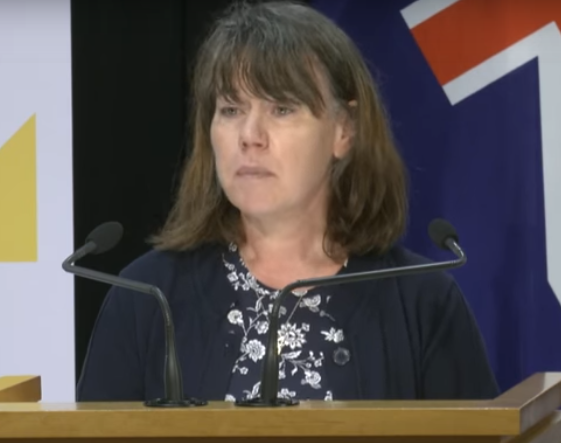
Today’s coronavirus media briefing. Video: RNZ

– Partner –

“It is a sobering reminder of what is at stake here,” Dr Bloomfield said.

Prime Minister Jacinda Ardern said the four deaths were a “sad and sobering reminder” that New Zealand needed to stay the course and also a reminder of “how much worse the spread and death toll would be had we not taken the action we have taken”.

Condolences offered
Dr Bloomfield offered condolences on behalf of New Zealand.

“Whether husbands, partners, fathers, grandfathers, brothers, uncles, cousins or friends, wherever they fit in their wider whānau, we are thinking of them and of you.”

Dr Bloomfield said aged residential care settings were very vulnerable.

“We have had cases to date in six facilities around the country, this is from a total of about 650 facilities nationwide.”
He said the fact that relatively few facilities had reported infections was the result of hard work on behalf of the rest and care homes, alongside the Ministry of Health.

Every new arrival in a facility must now go into isolation for 14 days, and meals will be taken separately.

Covid-19 daily update on 14 April 2020. Graphic: RNZ

Other Health Ministry work to help aged care facilities was also underway, including work to supply personal protective equipment (PPE).

There was also a low threshold for testing, Dr Bloomfield said.

He said there would be an announcement later in the week about funding for aged care facilities.

“I have also decided to commission a review of the aged residential care facilities where we have had cases … we think it’s a very good point in time to undertake a review,” Dr Bloomfield said.

He said the review of aged care facilities was “good practice”.

Dr Bloomfield said as someone who had lost both his parents, he absolutely understood how people who could not be with loved ones when they died would be feeling. That was why the rules around visiting relatives in hospital were being reviewed.

Seventeen new cases
Dr Bloomfield also confirmed that there had been a total of 17 new Covid-19 cases in the past 24 hours – eight confirmed and nine probable.

The total number of cases is now 1366. There are 15 people in hospital, with three in ICU, and one is in a critical condition.

Dr Bloomfield said 1572 tests were processed yesterday. About 64,400 tests have been taken in total.
The total number of people who have recovered from the coronavirus is 628, an increase of 82 since yesterday.

He said it was clear that New Zealand was past the peak under this alert level.

“We will be more confident once we know more about each of those new cases that has been occurring in the past week.”

Further testing would provide even more confidence, Dr Bloomfield said.

He said he sent a message to DHBs today to have a low threshold for testing people with respiratory symptoms over the coming week.

This article is republished by the Pacific Media Centre under a partnership agreement with RNZ.

  • If you have symptoms of the coronavirus, call the NZ Covid-19 Healthline on 0800 358 5453 (+64 9 358 5453 for international SIMs) or call your GP – don’t show up at a medical centre.
Print Friendly, PDF & Email

Article by AsiaPacificReport.nz

What does it mean to be immunocompromised? And why does this increase your risk of coronavirus?

Source: The Conversation (Au and NZ) – By Sarah Jones, Research Fellow, Centre for Inflammatory Disease Monash Health, Monash University

Immunocompromised is a broad term reflecting the fact someone’s immune system isn’t as strong and balanced as it should be.

Because immunocompromised people’s immune systems are defective or ineffective, they’re unable to stop invasion and colonisation by foreign intruders, including the SARS-CoV-2 virus, which causes COVID-19.

An under-performing immune response leaves people susceptible to infection, but the severe symptoms in some people are actually caused by a huge immune response sweeping over the whole body.

The reasons for this are varied, and can be complex and intertwined.


Read more: Coronavirus: how long does it take to get sick? How infectious is it? Will you always have a fever? COVID-19 basics explained


What causes compromised immune systems?

Primary immunodeficiencies arise when someone is born with a condition that directly affects their immune system. These illnesses are rare and usually diagnosed early in life. They include common variable immunodeficiency, severe combined immunodeficiency and X-linked agammaglobulinaemia.

Secondary immunodeficiencies are more common and arise as a consequence of outside factors. Exposure to environmental toxins including some pesticides, heavy metals, petrochemicals and air pollutants such as cigarette smoke can reduce the effectiveness of the immune system, particularly at the surface of the lung.


Read more: Smoking increases your coronavirus risk. There’s never been a better time to quit


Poor nutrition and drug and alcohol abuse can also impair immunity, as can some illnesses, medications, age and even pregnancy.

Illness and injury

Some illnesses and injuries can cause someone to be immunodeficient. These are also classified as secondary immunodeficiencies.

This includes acquired immunodeficiency syndrome (AIDS) as a consequence of human immunodeficiency virus (HIV) infection, severe burns, and not having a functional spleen. This organ is crucial for blood filtration and coordinating the immune response.

Cancers of the bone marrow and white blood cells, such as leukemia and lymphoma, can also cause immunodeficiency.

Chemotherapy incapacitates the immune system even more. Shutterstock

Bone marrow and white blood cells usually fight infections. The treatment for these cancers is commonly to wipe out all white blood cells using chemotherapy. This incapacitates the immune system even more.

Early information about COVID-19 in a small number of cancer patients in China suggests they have a higher risk of contracting coronavirus and developing severe disease.

Medications

Like chemotherapy, other medications can bring about an immunocompromised state. These drugs are called immunosuppressants.

People who receive organ transplants are one group who need to take immunosuppressants. This dampens their immune system so it cannot react against and reject the donor’s transplant.

People with autoimmune diseases, which cause the immune system to attack the body’s own cells and tissues, also use these medications. Between 2% and 7% of the population have an autoimmune disease, such as multiple sclerosis, type I diabetes, lupus, rheumatoid arthritis and Sjögren’s syndrome, to name a few.


Read more: What is rheumatoid arthritis, the condition tennis champion Caroline Wozniacki lives with?


It’s too soon to know the impact of immunosuppressants on COVID-19, but anecdotal evidence is coming through from affected regions.

In Northern Italy, for example, two kidney transplant recipients were treated for COVID-19. Hospital doctors quickly switched their usual broad immunosuppressive medications to drugs that more specifically suppress the parts of the immune system that appear to go haywire in this infection. One patient recovered, the other did not.

Steroids are the most commonly used immunosuppressants – 1-2% of the population in developed countries take them, and the rate is far higher in developing countries where access to more sophisticated medicines is limited.

Clinical trials are currently underway to assess whether steroids might actually protect people against the severe immune response linked to severe illness in COVID-19.

But until the results are clear, steroid use is not recommended to treat COVID-19.

Age

Age is a key element to consider when thinking about our immune system and its ability to work optimally.

A newborn will have no mature immune system to protect his or her body against invaders. In this context, breastmilk will be a precious source of antibodies to help fight viruses.

Antibodies in breastmilk help infants fight infection. Shutterstock

On the other side, older people are also considered immunocompromised, as they have an ageing, weakened immune system, not fit enough to start and win a fight. As a consequence, elderly people are more susceptible to contracting symptomatic coronavirus infection.

COVID-19 can become severe when older people have underlying health issues that weaken the organs which are strained by the coronavirus infection, such as the heart and lungs.

Pregnancy

Pregnancy weakens women’s immune systems.

Through our evolution, we have developed a necessary state of immunosuppression during pregnancy. This is because within the pregnant mother’s body is an organism with parts that look foreign to the mother, encoded by the DNA from the other biological parent.


Read more: Coronavirus while pregnant or giving birth: here’s what you need to know


Natural suppression of the immune system during pregnancy stops the mother’s immune system from mounting a response against the baby.

The early information we have on the severity of COVID-19 in pregnancy is encouraging, although it’s still too early to know the full story.

So what does the research say so far?

There are a few early reports emerging from heavily hit areas on how COVID-19 differs in prevalence and severity among immunocompromised people.

The world has been primed to worry about these people contracting COVID-19 because they’re more susceptible to severe illness when infected with the range of viruses that usually cause respiratory illness, including common colds.

However, because the severe illness in COVID-19 is actually a result of excessive immune responses, immunocompromised people don’t seem to be presenting with more severe disease than the general population.

It’s worth exploring each case, though, and reviewing our understanding as the evidence emerges.

People with compromised immune systems may be more likely to get coronavirus but they may not get it any more severely. Shutterstock

So far in a key hospital in Bergamo, in the red zone of the Italian COVID-19 outbreak, none of the immunocompromised patients who tested positive for coronavirus developed a severe disease.

Meanwhile, a 47-year-old woman from Wuhan who was taking steroids to suppress her autoimmune disease lupus, contracted the coronavirus and didn’t fall ill. But her compromised immune system couldn’t efficiently clear the virus and she spread it to her father and sister before testing positive.

While this gives hope that immunocompromised people may not be in such dire straits as we had predicted, they may fly under the radar, picking up the virus and spreading it while remaining asymptomatic.

Immunocompromised individuals may also be at risk of losing out to coronavirus through indirect competition for treatment and the medications that allow them to lead relatively normal lives.


Read more: How does coronavirus kill?


ref. What does it mean to be immunocompromised? And why does this increase your risk of coronavirus? – https://theconversation.com/what-does-it-mean-to-be-immunocompromised-and-why-does-this-increase-your-risk-of-coronavirus-135200

We don’t know for sure if coronavirus can spread through poo, but it’s possible

Source: The Conversation (Au and NZ) – By Vincent Ho, Senior Lecturer and clinical academic gastroenterologist, Western Sydney University

While we most commonly associate COVID-19 with fever and cough, gastrointestinal symptoms including diarrhoea, vomiting and abdominal pain are not unheard of in people who contract coronavirus.

This is likely because SARS-CoV-2, the virus that causes COVID-19, is found in the gut as well as the respiratory tract.

Importantly, the gut’s involvement in coronavirus illness points to the possibility COVID-19 could spread through faeces.

At this stage we don’t know for certain whether or not that occurs – but we can take precautions anyway.


Read more: How can I treat myself if I’ve got – or think I’ve got – coronavirus?


Coronavirus and the gut

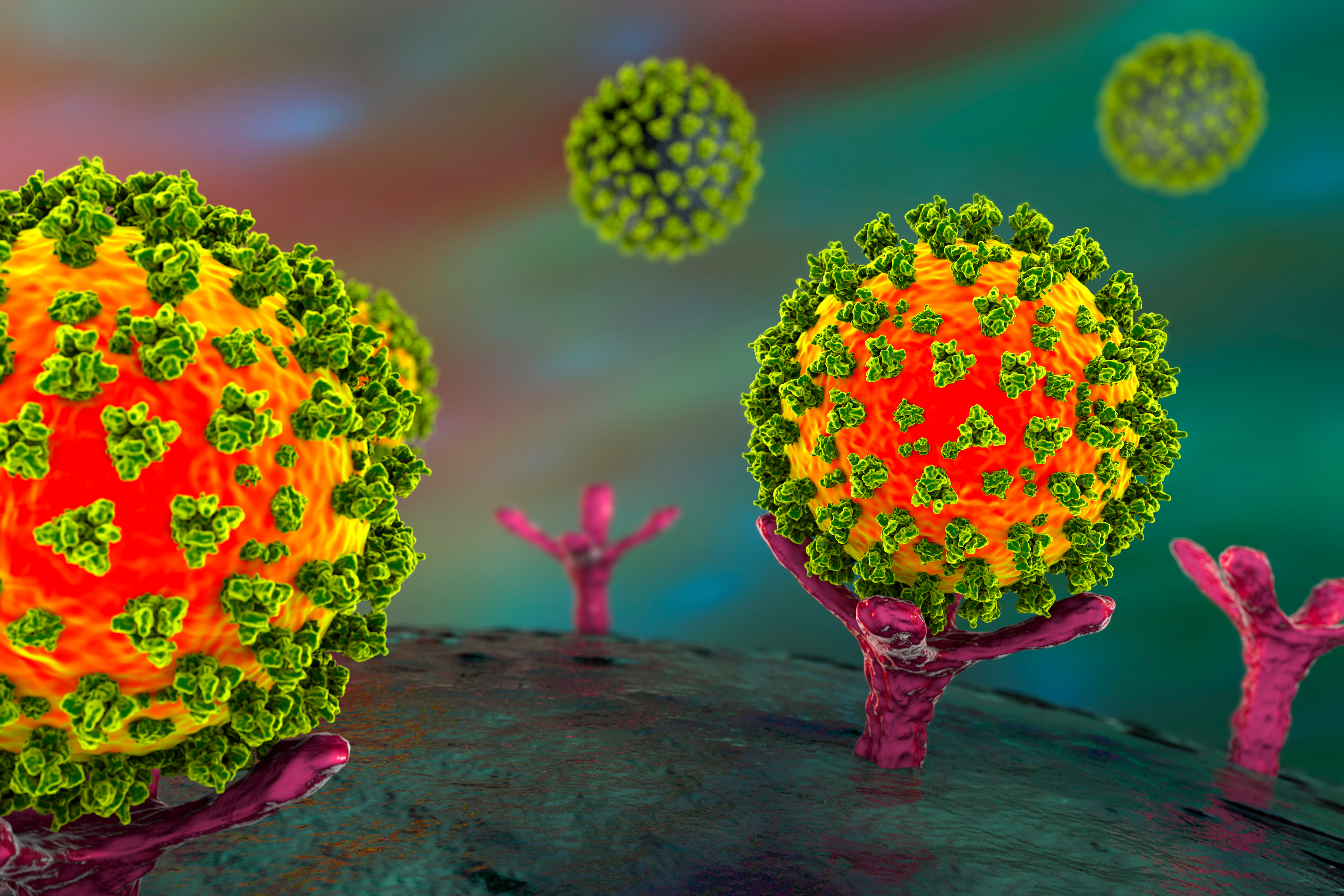
SARS-CoV-2 gains entry into human cells by latching onto protein receptors called ACE2, which are found on certain cells’ surfaces.

Around 2% of the cells lining the respiratory tract have ACE2 receptors, while they’re also found in the cells lining the blood vessels.

But the greatest numbers of ACE2 receptors are actually found in the cells lining the gut. Around 30% of cells lining the last part of the small intestine (called the ileum) contain ACE2 receptors.

Coronavirus gets into our cells by latching on to ACE2 receptors. Shutterstock

Clinicians have detected coronavirus in tissue taken from the lining of the gut (oesophagus, stomach, small bowel and rectum) through routine procedures such as endoscopy and colonoscopy, where we use cameras to look inside the body. They found abundant ACE2 receptors in those tissue samples.

While some researchers have proposed alternative explanations, it’s likely people with COVID-19 experience gastrointestinal symptoms because the virus directly attacks the gut tissue through ACE2 receptors.

How common are gastrointestinal symptoms?

Data from 55,000 COVID-19 cases in China has shown the most common gastrointestinal symptom, diarrhoea, occurs in only 3.7% of those affected.

But there’s emerging evidence gastrointestinal symptoms such as diarrhoea may actually be more common, particularly among patients who develop more serious disease.

In one study of 204 patients diagnosed with COVID-19 at three different hospitals in the Hubei province in China, almost 20% of patients had at least one gastrointestinal symptom (diarrhoea, vomiting or abdominal pain).


Read more: Your poo is (mostly) alive. Here’s what’s in it


The researchers found gastrointestinal symptoms became more severe as the COVID-19 illness worsened. And patients with gastrointestinal symptoms were less likely to recover than those without gastrointestinal symptoms.

The reason for this is not clear but one possibility is patients with a higher density of virus, or viral load, are more likely to have coronavirus wreak havoc in their gut.

Coronavirus in our poo

The presence of coronavirus in the gut and the gastrointestinal symptoms associated with COVID-19 suggest coronavirus could be spread via faecal-oral transmission. This is when virus in the stool of one person ends up being swallowed by another person.

A recent study from China found just over half of 73 hospitalised patients with COVID-19 had virus in their faeces. Many of them did not have gastrointestinal symptoms.

While testing stool samples may not be an efficient way to diagnose COVID-19 in individuals – it’s normally slower than testing samples from the respiratory tract – researchers are looking at poo to detect population outbreaks of coronavirus.

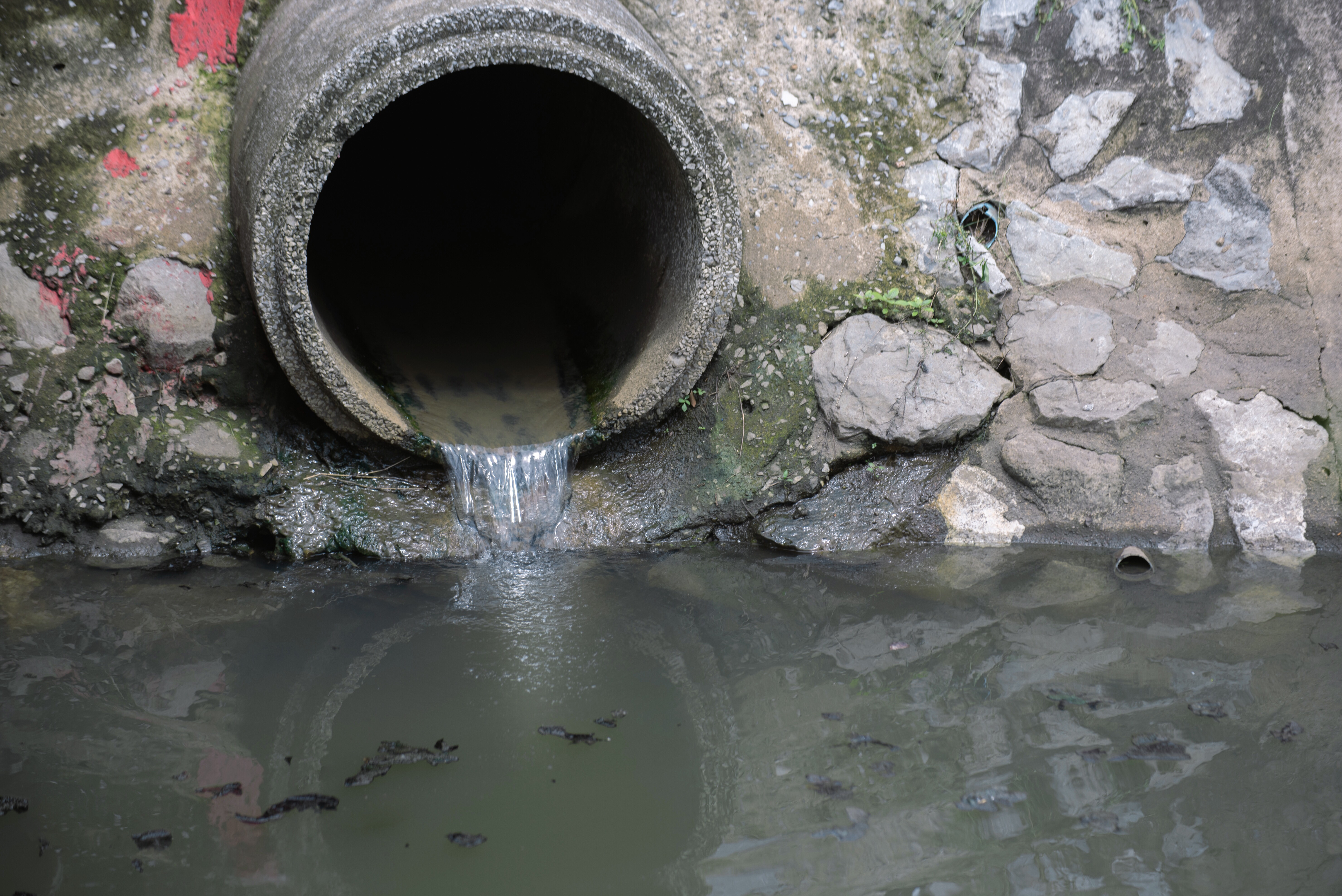
More than a dozen research groups worldwide are collaborating on a project analysing wastewater for the presence of coronavirus in target populations.

But just because the virus is found in faeces, it doesn’t mean it’s necessarily infectious when shed from the stool. We need more research to ascertain whether this is the case.


Read more: There’s no evidence the new coronavirus spreads through the air – but it’s still possible


The virus seems to last longer in faeces

One study in China followed 74 COVID-19 patients in hospital by taking throat swabs and faecal samples daily or every second day.

The researchers found in over half of patients, their faecal samples remained positive for coronavirus for an average of just over 11 days after their throat swabs tested negative. Coronavirus was still detected in one patient’s faeces 33 days after their throat swab had turned negative.

This suggests the virus is still actively reproducing in the patient’s gastrointestinal tract long after the virus has cleared from the respiratory tract.

So if coronavirus can transmit via the faecal-oral route, we’ll want to know about it.

Sewage could offer clues about coronavirus transmission. Shutterstock

In order to prove coronavirus can transmit via the faecal-oral route we’d need to see larger cohort studies.

These studies would include gathering more information on how well the coronavirus survives in the gut, how it causes gastrointestinal symptoms like diarrhoea and how the virus survives in faeces at different temperatures.

Researchers have found live coronavirus in faecal cultures grown in the lab, but this was only in two patients, so other research teams will need to reliably confirm the presence of infectious virus in faeces.

Take precautions anyway

In one study, researchers collected samples from the bathroom of a COVID-19 positive patient with no diarrhoea. Samples from the surface of the toilet bowl, sink and door handle returned positive for the presence of the coronavirus.

So effective handwashing, particularly after using the toilet, is critical.

We know coronavirus can survive for up to three days on plastic and stainless-steel surfaces. So it’s sensible to regularly disinfect surfaces that will be touched when using shared toilets including doorknobs, door handles, taps, support rails and toilet control handles.


Read more: We know how long coronavirus survives on surfaces. Here’s what it means for handling money, food and more


Finally, flush the toilet with the lid closed. This is particularly important for public toilets in communities where there is sustained transmission of coronavirus.

Flushing a toilet creates a phenomenon known as toilet plume where up to 145,000 aerosolised droplets can be released and suspended in the air for hours.

Scientists believe the infectious viral gastroenteritis caused by norovirus can be transmitted in aerosol form through toilet plumes. Coronavirus may be able to do the same. Closing the lid when flushing can prevent around 80% of these infectious droplets from escaping into the air.

ref. We don’t know for sure if coronavirus can spread through poo, but it’s possible – https://theconversation.com/we-dont-know-for-sure-if-coronavirus-can-spread-through-poo-but-its-possible-135305

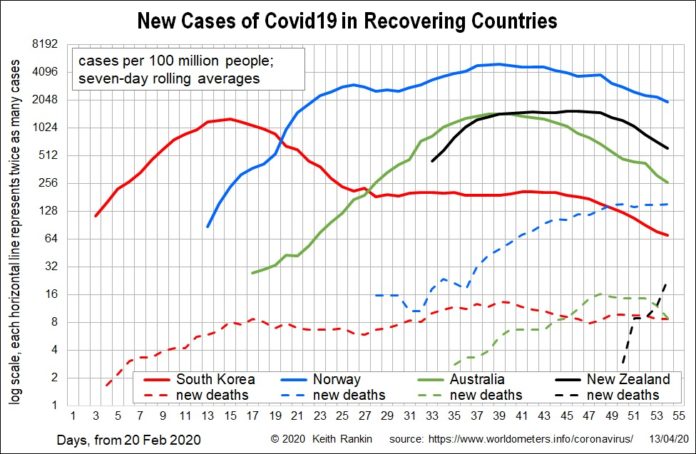
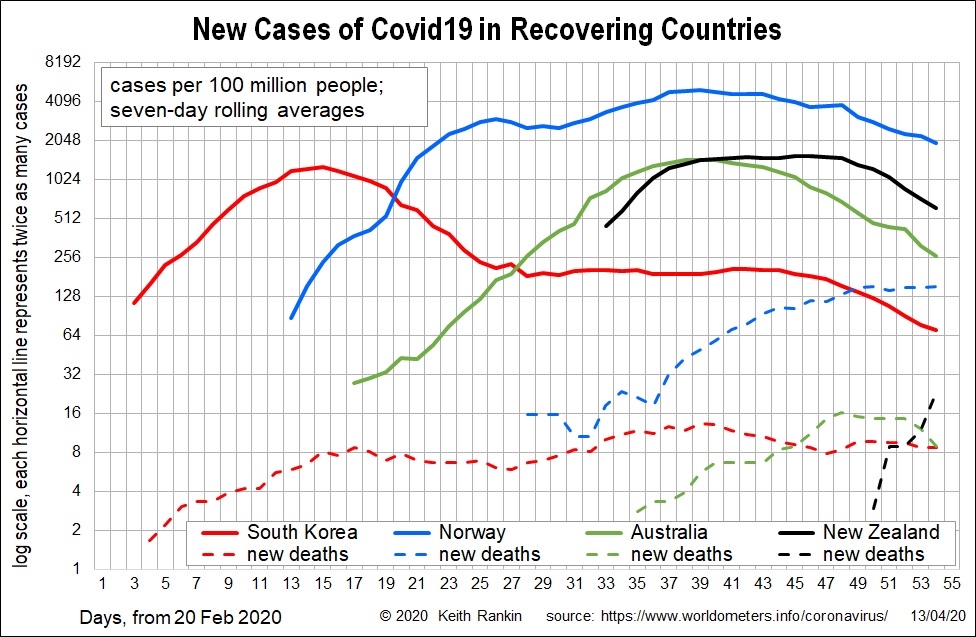
Keith Rankin’s Chart Analysis – Recovering from Covid19

Long tail? Chart by Keith Rankin.

Today’s chart looks at four countries recovering from Covid19: South Korea, Norway, Australia and New Zealand. Except for us (NZ), the other countries started early and are on the ‘finishing straight’ or thereabouts.

Note that this chart uses a smoothing technique; seven-day rolling averages. Thus, for each day shown, the data value represents the average for the week ending on that day.

South Korea shows that cases continue well after the ‘peak’. Further the death peak was four weeks after the case peak. South Korea also shows that the continuance of cases can be managed with effective testing and tracing.

Norway got Covid-19 early and suddenly, affected – like Australia – by Cruise Ship cases. While Norway has really struggled to reduce its case numbers, it has at least maintained an unusually low rate of deaths. Still those deaths are persisting, but should slowly reduce as its long case tail also slowly reduces.

Australia looks particularly hopeful, with a much lower case incidence than Norway, and similar to South Korea’s peak incidence. Deaths in Australia appear to have peaked, ten days after the peak in new cases.

While New Zealand currently has a higher Covid19 incidence than Australia, this largely reflects a ten-day lag with respect to Australia. New Zealand is recovering, much more clearly than, say, Norway. And, while the recent death-average in New Zealand is higher than in Australia (per capita), these death data are also likely to follow Australia with a lag of about ten days.

Australia gives New Zealand clear guidelines about how to proceed after New Zealand’s Level Four shutdown. In particular, Australia, in its shutdown has allowed a number of services which are proscribed in New Zealand. New Zealand’s Level Three should not be more restrictive than Australia’s toughest level.

Clearly it is for the Aged Care facilities in both Australia and New Zealand that Level Three rules must be especially tailored. This is our first big economic challenge; meeting the true cost of such facilities. This is a labour intensive industry. In this emergency we have come to understand that many of our most necessary workers are our poorest paid. This should end. The provision of a Basic Universal Income would give these kinds of workers much needed bargaining power; the bargaining power that can allow them to hold out for a living wage and suitable access to safety equipment.

This is a time to value our workers, and to protect them; it is not a time to dispose of our workers by having unnecessarily prolonged restrictions on personal services.

Transmitting COVID-19 to another person could send you to prison for life. Here’s why this is worrisome

Source: The Conversation (Au and NZ) – By Lorana Bartels, Professor and Program Leader of Criminology, Australian National University

Last week, Health Minister Greg Hunt issued a stark warning that the deliberate transmission of COVID-19 could be punishable by a lifetime prison sentence.

Hunt said he sought legal advice from the attorney-general’s department, which said such an action was an offence under the general criminal laws in every state and territory.

The most serious of these offences may carry maximum penalties up to imprisonment for life, if somebody was to take a step which led to the death of a healthcare worker. If it were a deliberate transmission.

He also said it was against the law to

cause someone else to fear that they are having transmitted to them the virus, for example by coughing on them.

Hunt was responding to reports of people abusing healthcare staff and police by coughing and spitting on them.

NSW has also now introduced a A$5,000 on-the-spot fine for spitting or coughing on frontline workers, while intentionally spitting or coughing on police officers could result in six months in jail.

We understand these are extreme times, but governments should not rush to announcements that transmitting COVID-19 could be subject to criminal prosecution, especially with the risk of a life sentence.


Read more: Pandemic policing needs to be done with the public’s trust, not confusion


What are the issues with a law like this?

In general, the passage and enforcement of all laws must be tested for “necessity”. This implies two things: the measure corresponds to a pressing social need and is proportionate to the legitimate aim being pursued.

There is also a distinction between public health and public order laws. The current emergency laws provide exceptional powers to require certain behaviours to protect public health, not to combat public disorder, which is dealt with under general criminal laws.

The danger of adding to general criminal laws in a crisis is the potential over-criminalisation of the general public.

There have been some reports of public disorder during the current pandemic, but as yet, there is no evidence of widespread deliberate and intentional transmission of COVID-19.

The application of the law in cases like this is also uncertain and unclear. For example, what do Hunt’s words, “take a step” and “deliberate”, mean in this context? How would it be proved that coughing on someone led to the death of a healthcare worker?


Read more: Coronavirus: extra police powers risk undermining public trust


First, it would be difficult to identify a specific individual as the source of a possible infection, particularly since the virus can remain on surfaces for several days

Then there is the question of intent. As a matter of law, it is not merely proof of deliberate (rather than accidental) conduct that creates criminal liability, but also someone’s state of mind at the time of the action and whether it is in the public interest to prosecute.

This is a much more complex issue in public health cases.

In 2013, a circus acrobat, Godfrey Zaburoni, was jailed for deliberately infecting his girlfriend with HIV through unprotected sex. But his conviction was quashed by the High Court, which stated

a person’s awareness of the risk that his or her conduct may result in harm does not … support the inference that the person intended to produce the harm.

There is a very fine distinction between deliberately infecting someone with a disease – particularly where the chance of infection is low (as it is with HIV) – and taking a risk that could infect someone.

Moreover, assaulting or spitting at public health workers is already a crime under existing laws, and doing so during a health emergency can be taken into account on sentence. So, Hunt’s announcement has no practical effect beyond mere rhetoric.

The threat of prosecuting people for deliberately transmitting the virus may also add to people’s fears during an uncertain time. For instance, people could be worried about the legal implications of coughing near a healthcare worker and delay getting medical help as a result.

In addition, large on-the-spot fines could also disproportionately affect certain segments of society, such as the poor or homeless.

The need to decriminalise transmission of viruses

Advocates in other countries are seeking to decriminalise the transmission, exposure or non-disclosure of viruses like HIV, arguing such laws can be unfairly or unevenly applied.

In the United Kingdom, a hairdresser, Daryll Rowe, was sentenced to life in prison two years ago for intending to infect or attempting to infect 10 men with HIV.

In the trial, the prosecution relied on the number of his sexual partners, his deception about his HIV status, the finding of tampered condoms and the vile text messages he sent after sexual encounters to prove its case that he intentionally infected the other men.

But there was also evidence that he was otherwise trying to control his infectiousness through alternative remedies and, notably, that he had limited contact with sexual partners rather than relationships, meaning there was less regular contact and less chance of transmission.

As a result, he was convicted of intentional infection, even though there was evidence he was otherwise trying to avoid this.


Read more: Daryll Rowe guilty – but is criminal law the right way to stop the spread of HIV?


The criminal law in both the UK and Australia does not provide a defence where others voluntarily assume risk. This could put all promiscuous people at risk of conviction in cases like this, even though such actions themselves are not crimes.

The same theory could apply to COVID-19. Anyone who does not maintain appropriate social distancing could be at risk of conviction under these laws and subject to an overly harsh punishment.

We need a public health, not criminal law, approach

Public health emergencies may bring criminal sanctions for non-compliance of restrictions like social distancing and quarantining – but even here, some have expressed concern about the scope and enforcement of the new laws.

Already, the pandemic is placing significant strain on police, courts and prisons

Governments should allocate adequate resources to protect healthcare workers, rather than promoting the application of extreme laws that will be difficult to prove and waste resources attempting to do so when the current emergency laws are more than sufficient.

ref. Transmitting COVID-19 to another person could send you to prison for life. Here’s why this is worrisome – https://theconversation.com/transmitting-covid-19-to-another-person-could-send-you-to-prison-for-life-heres-why-this-is-worrisome-135957

Smoking increases your coronavirus risk. There’s never been a better time to quit

Source: The Conversation (Au and NZ) – By Billie Bonevski, Women in Science Chair, University of Newcastle

If you’re a smoker, there’s really never been a better time to quit. Coronavirus affects your lungs, causing flu-like symptoms such as fever, cough, shortness of breath, sore throat and fatigue. In the most serious cases, sufferers struggle to breathe at all and can die of respiratory failure.

The World Health Organisation recommends people quit smoking as it makes them more vulnerable to COVID-19 infection.

Here’s what we know about smoking and COVID-19 risk – and how you can boost your chances of quitting while under lockdown.


Read more: It’s safest to avoid e-cigarettes altogether – unless vaping is helping you quit smoking


Smoking and COVID-19 risk

Early data from China suggests smoking history is one factor that the risk of poor outcomes in COVID-19 patients.

According to the Australian Institute of Health and Welfare, smoking is a leading risk factor for chronic disease and death.

Smokers are more susceptible to developing heart disease, which so far seems to be the highest risk factor for the COVID-19 death rate. The Centre for Evidence-Based Medicine at the University of Oxford reports that smoking seemed to be a factor associated with poor survival in Italy, where 24% of people smoke.

We know that immunosuppressed people are at higher risk if they get COVID-19 and cigarette smoke is an immunosuppressant.

And the hand-to-mouth action of smoking makes smokers vulnerable to COVID-19 as they are touching their mouth and face more often.

We don’t yet know if recent ex-smokers are at higher risk of COVID-19 than people who have never smoked. Given the lungs heal rapidly after quitting smoking, being an ex-smoker is likely to decrease your chances of complications due to COVID-19.

Reduce your COVID-19 risks today by quitting

The benefits of quitting smoking are almost immediate. Within 24 hours of quitting, the body starts to recover and repair. Lung function improves and respiratory symptoms become less severe.

You might not notice the changes immediately, but they will become obvious within months of quitting. And the improvements are sustained with long-term abstinence.

Tiny hairs in your lungs and airways (called cilia) get better at clearing mucus and debris. You’ll start to notice you’re breathing more easily.

Symptoms of chronic bronchitis, such as chronic cough, mucus production and wheeze, decrease rapidly. Among people with asthma, lung function improves within a few months of quitting and treatments are more effective.

Respiratory infections such as bronchitis and pneumonia also decrease with quitting.


Read more: Smoking at record low in Australia, but the grim harvest of preventable heart disease continues


People should seek behavioural counselling support to work through motivations to quit, strategies for dealing with triggers, and distraction techniques.

And you can get behavioural support from your doctor or a psychologist via telephone Quitlines in your state or territory or online.

Several studies suggest that some people quit smoking without assistance. If you feel you need extra help, talk to your doctor about nicotine gum, patches, inhalators, lozenges or prescription medications. If you can’t get in to see a GP, you can try a telehealth consultation or consider over-the-counter products.

Calculate how much money you’ll save by quitting. Shutterstock

Quitting while in lockdown

Physical distancing and lockdown measures may make it more challenging to get the support you need to quit smoking – but not impossible.

If financial stress is undermining your attempts to stop smoking, calculate how much money you can save by quitting (and whatever you do, don’t share cigarettes with someone else). Financial support is available if COVID-19 has affected your income.

Social support, even during lockdown, is crucial. Why not organise a group of friends also wanting to quit and support each other via Houseparty, Zoom or Skype?

Pandemic or no pandemic, smoking poses an enormous risk to your health – and hurts your finances, too.

Any effort you put in now to reduce your smoking or stub it out altogether will reduce your risk if you do get COVID-19, help you live longer and enjoy a higher quality of life. We wish you the very best of luck with it.

ref. Smoking increases your coronavirus risk. There’s never been a better time to quit – https://theconversation.com/smoking-increases-your-coronavirus-risk-theres-never-been-a-better-time-to-quit-135294

4 ways to be a good landlord in a time of coronavirus

Source: The Conversation (Au and NZ) – By Emma Baker, Professor of Housing Research, School of Architecture and Built Environment, University of Adelaide

The COVID-19 pandemic is creating major challenges for our residential rental system. The lockdown of businesses has meant an almost overnight loss of jobs or reduced hours for many Australian workers. Many tenants are struggling to pay their rent.

While the release of a government package to help residential renters has been mooted for weeks, the only concrete outcome so far has been a halt on evictions and some progress in individual states and territories. The rapid sequence of events has left renters – that’s about one in three Australian households – and landlords in uncharted territory; they must renegotiate their terms.

We asked stakeholders from across the rental market – landlords, tenants, advocacy groups, housing researchers – for ideas on what ethical landlords might do in these highly uncertain circumstances. We discuss some of these ideas later in this article.


Read more: Rents can and should be reduced or suspended for the coronavirus pandemic


Landlords are taking a hit too

But, first, it’s important to remember it isn’t just renters who are struggling. Some landlords are too. For many of Australia’s more than 1 million “mum and dad” landlords, COVID-19 has dealt a blow to their relatively safe bricks-and-mortar investment.

On the other hand, landlords may have access to mortgage holidays and low interest rates. Some are also calling for relief on rates and other costs associated with their investment properties so they can better support their tenants.

At the coalface, responses from landlords, letting agents and property managers have reportedly varied widely. The official position of the Real Estate Institute of Australia is that a “a moratorium on evictions during these challenging times is the correct thing to be doing”. However, there have been widespread reports of threatened evictions, suggestions renters draw on super or use savings to pay rent, or that rent reductions will only come in the form of deferred loans.

Pulling together in a crisis

Australians have rallied together in this crisis – checking up on older neighbors, for instance, or delivering groceries or home-baked bread to isolated friends and relatives. This is grassroots stuff, which has largely happened separately from, and in advance of, formal government responses. People see COVID-19 as a shared challenge, and there is a lot of goodwill.

In this environment, while landlords are rightly concerned to protect their investment and keep paying their mortgages, many also have a competing concern to help out their tenants.


Read more: As coronavirus hits holiday lettings, a shift to longer rentals could help many of us


The problem is, in such a dispersed system of ownership, there is no template for how they might help, and no library of what other landlords are doing, so each mum and dad investor is responding in different ways. Anecdotal evidence suggests some letting agents have been contacting landlords for direction on how to respond to requests for rent reductions and gauging attitudes to eviction.

An added complication is that many of the responses that aim to help out tenants may be counter to the best interests of letting agents, who receive a percentage of rental income.

4 ways landlords can help

Here are some ideas in response to our questions of rental stakeholders:

  1. Talk directly with tenants if you can, or at least ask to be included in the conversation.

  2. Everyone will have different pressures. Work out what position you are in. Find out what concessions your bank may be offering, what inflexible costs (such as council rates) you have, what landlord insurance covers you for, and how much of the pain you are prepared to share – and for how long. Ask your tenants to do the same. This will form a good, and hopefully fair, basis on which to compromise.

  3. Use letting agents who reflect your values as a landlord. You may wish to have a chat to your agent and ask that they notify you if tenants are having trouble. Some landlords have gone further and requested that all communication between agent and renter is cleared by them first.

  4. Share success stories. One of the motivations for this article was the lack of information for mum and dad investors who are trying to be good landlords. Options to offer tenants as part of negotiations might include rent reductions, or deferred rent, but there aren’t many examples of what other landlords have done out there.

It would be helpful if landlords shared the solutions they have developed, what worked and what didn’t. Even though every case will be different, having positive case studies available for other landlords to emulate will be valuable.

The full extent of COVID-19 and its effect on employment, housing and the economy just isn’t known. And neither is the full detail of what government assistance may be provided – or the implications for landlords, tenants and agents.


Read more: Rushed coronavirus tenancy laws raise as many questions as they answer


Impacts are affecting everyone

It’s worth remembering that we’re all in this together. Everyone in the rental system – tenants, landlords and agents – will feel the effects of the pandemic.

Many households have already been tipped into post-COVID unemployment, many landlords will also have lost their jobs, many agents are overwhelmed by trying to keep businesses afloat while quickly mediating temporary solutions. And many want to do the right thing – tenants and landlords alike.

Everyone is waiting to know the shape and impact of any government response. Although it is difficult to adequately plan long-term responses to hardship, individual landlords can do a lot in advance of government help, and in addition to it.

ref. 4 ways to be a good landlord in a time of coronavirus – https://theconversation.com/4-ways-to-be-a-good-landlord-in-a-time-of-coronavirus-136040

This could be the end of the line for cruise ships

Source: The Conversation (Au and NZ) – By Freya Higgins-Desbiolles, Senior Lecturer in Tourism Management, University of South Australia

Stranded cruise ships have become a symbol of the COVID-19 pandemic. Passengers and crew are desperate to get off but the ports to which they’ve headed don’t want them.

It is no exaggeration to suggest this crisis could spell the end of the line for a industry already on the nose for its its social, health and and environmental problems.

Indeed the same business model at the root of those problems is the cause of its current crisis, in which ship operators have been accused of gross or even criminal negligence.

That model has to do with flags of convenience.

Flags of convenience mean ships operate in waters far from their “home” ports. Most are registered in Caribbean tax havens. Operating outside clear jurisdictions, wages are low and working conditions poor.

That so many ships have become floating coronavirus incubators also indicates poor health and safety protocols. An emergency plan for an infectious outbreak on a ship seems an obvious thing to have. Yet reports suggest improvised responses.

Now, with ports and entire nations ordering cruise ships away, flags of convenience have become an existential threat to crew, and the industry.

Ships ordered away

The industry’s reputational crisis is demonstrated no better than in Australia, where 24 of the nation’s 61 confirmed COVID-19 deaths so far have come from cruise ships.

All 20 cruise ships still in Australian waters were ordered to leave last week, with Australian Border Force commissioner Michael Outram citing concerns the number of cases among crew would be “a big strain on the Australian health system”.


Read more: Explainer: what are Australia’s obligations to cruise ships off its coast under international law?


Just one ship, the Ruby Princess. is linked to 18 deaths (and about 700 infections – roughly 10% of Australia’s total cases).

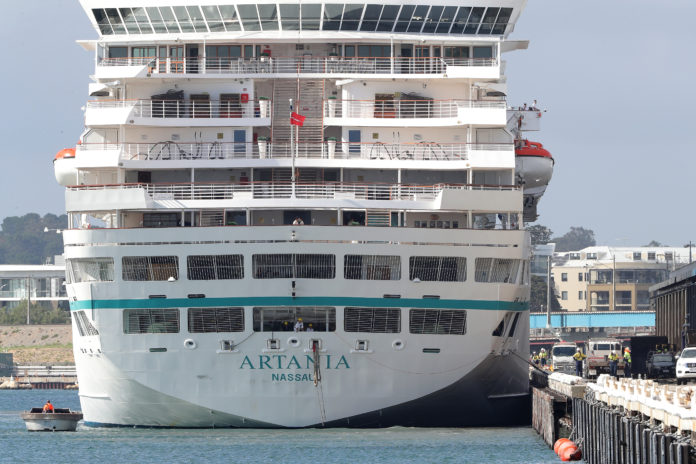
Deaths have also come from the Artenia, Voyager of the Seas, Celebrity Solistice and Ovation of the Seas.

The Ruby Princess was allowed to dock in Sydney on March 19. About 2,700 passengers disembarked without being tested, because New South Wales authorities believed there was low risk.

Police are now investigating possible criminal charges against the operator, Princess Cruises, for misleading authorities about the situation. (The ship has since been allowed to dock at Port Kembla, south of Sydney, with a fifth of more than 1,000 crew quarantined aboard showing virus-like symptoms).

There are also calls for a criminal negligence investigation of the operator of the Artania, in a weeks-long stand-off in Western Australian waters.

The Artania docked at Fremantle harbour on March 27 2020. Richard Wainwright/AAP

Most of the ship’s passengers were allowed to disembark and get charter flights home to Europe. But more than 400 people, mostly crew, remain on board, and the state government fears the number of coronavirus cases would overwhelm local hospitals.

“We’d like you to leave, we don’t want you in our port,” said West Australian premier Mark McGowan.

But where are they, and tens of thousands of crew workers on hundreds of other cruise ships around the world, to go?


Coronavirus update: follow the latest news in our weekly wrap.


Caribbean tax shelters

Consider the Artenia. The ship is owned by British cruise line P&O, chartered to a German company, operates out of Frankfurt and is registered in the Bahamas.

The Ruby Princess operates out of Australia but is registered in Bermuda. Its owner, Princess Cruises, is headquartered in California but also incorporated in Bermuda.

Most cruise ships are registered in a country different to ownership or operation. More than two-thirds (by tonnage) fly the flags of just three nations – the Bahamas, Panama and Bermuda.


Flags of convenience make the cruise ship industry one of the world’s least regulated, with owners and operators able to skirt more stringent workplace, health, safety and environmental rules.

For crew, particularly those in “lower level” service jobs, pay and conditions are poor. Many accept such conditions to earn money for their families. Hidden from view, even passengers can be oblivious to their conditions.

Incorporations of convenience

Both P&O and Princess Cruises are subsidiaries of the world’s biggest cruise company, Carnival Corporation, whose combined fleet of about 300 ships carries almost half the world’s cruising passengers


Carnival Corporation is headquartered in Miami, as are the second and third biggest cruise corporations, Royal Caribbean and Norwegian. But Carnival is incorporated in Panama, Norwegian in Bermuda, and Royal Caribbean in Liberia.

Now these “incorporations of convenience” threaten their survival. Their revenue has been cut to zero. The US government is offering no assistance because they’re foreign companies and their employees are spread across the world. Other governments are unlikely to do more.

Industry analysts say the big cruise operators have enough reserves to last six months. After that, if they don’t secure funding, they face going out of business.

Sailing into the sunset

If that happens, many will not mourn the loss.

Long before this crisis, the cruise ship industry was on the nose for its social and environment problems.

It has contributed to overtourism in places like Barcelona, Reykjavik, Dubrovnik and Venice. Its environmental record is appalling. Just last year Carnival paid $US20 million (A$28 million) to settle a US court case over it allowing its ships to dump rubbish in the ocean – something for which it has a previous criminal conviction.


Read more: The travel industry has sparked a backlash against tourists by stressing quantity over quality


Now the industry’s carefully honed image of cruise ships offering the right balance between fun and security looks sunk.

Whatever remains after this crisis will need a complete overhaul.

ref. This could be the end of the line for cruise ships – https://theconversation.com/this-could-be-the-end-of-the-line-for-cruise-ships-135937

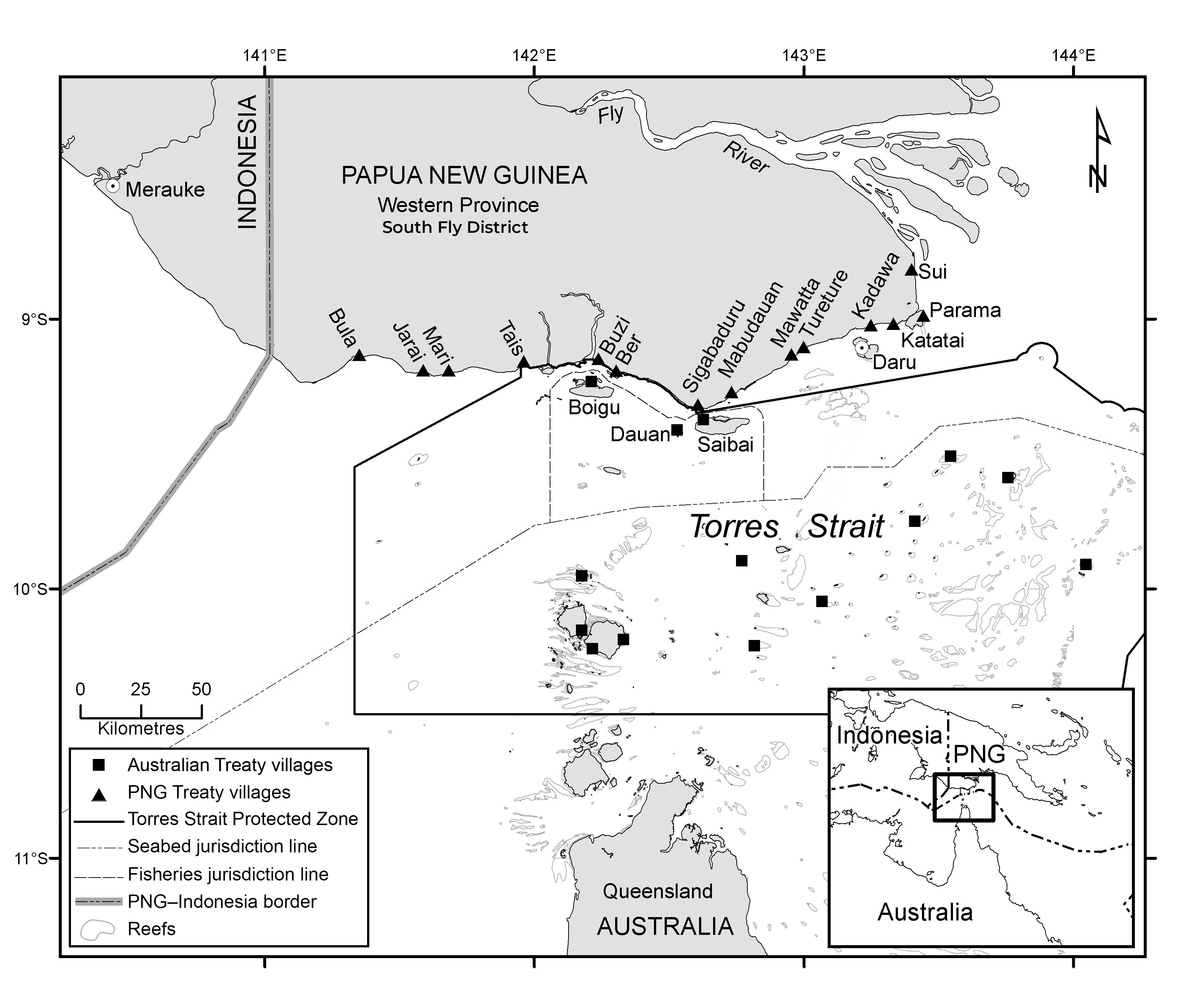
Conflict watchdog warns Jakarta is fuelling tension in Papua over virus

Pacific Media Watch

The Covid-19 coronavirus is “exacerbating tensions” in Indonesia’s West Papua region and exposing the “shortcomings” of Jakarta government policy, warns a conflict watchdog group.

The Institute for Policy Analysis of Conflict (IPAC) says President Joko Widodo’s government needs to urgently appoint a senior official to “focus exclusively on Papua” province to ensure that immediate humanitarian needs and longer term issues are effectively addressed.

It has appealed for greater transparency and more support for the local papuan administrations in coping with the spread of the virus.

READ MORE: Al Jazeera coronavirus live updates – New York state virus death toll surpasses 10,000

In a policy briefing released last night, IPAC said:

“The virus arrived in Papua as tensions left over from deadly communal violence in August-September 2019 remained high, and pro-independence guerrillas from the Free Papua Organisation (Organisasi Papua Merdeka, OPM) were intensifying attacks in the central highlands.

– Partner –

“Papua’s major faultlines – indigenous vs migrant, central control vs local autonomy, independence movement vs the state – affected both how Papuans interpreted the pandemic and the central government’s response.”

The pandemic has also added new complications to the already formidable obstacles to addressing the virus in Indonesia’s most remote province, says IPAC.

‘Hostility and suspicion’
“Many Papuans already are portraying the virus as being brought in by non-Papuan migrants and the military, adding to accumulated hostility and suspicion toward both,” says the briefing report.

“Papua is supposed to enjoy ‘special autonomy’ but Jakarta’s attempt to overrule a provincial ban on travel into the province in the wake of the virus showed the limitations of that status.

“It also convinced many Papuans that the central government had little concern for their welfare.

“All this was taking place as the OPM was stepping up its low-intensity conflict with the Indonesian state in the area around the giant Freeport mine.

“Thousands of additional security forces sent to Papua in 2018 and 2019 have not made any visible dent in OPM’s activities or provided effective protection for the Freeport mine that has become the OPM’s main target.”

The report says that the Jakarta government may be “underestimating the security threat” from the guerrillas, whom it has traditionally seen as less dangerous than the non-armed political movement for independence and its foreign supporters.

‘OPM appears stronger’
“There is certainly no acknowledgment that the OPM appears to have grown stronger during the Jokowi’s government’s tenure.

“The OPM attacks and the added police and military presence have produced more displacement in poor conditions, creating new vulnerabilities to contagion in a province that already has the country’s highest poverty, worst health care and most poorly educated populace.”

IPAC says the reported Covid-19 cases are now concentrated in Papua’s major cities – “but when the virus hits remote areas of the highlands and spreads like wildfire, few will ever know its true impact.”

The report says that in the short-term the Jakarta government needs to ensure that the handling of the pandemic in Papua does the conflicts.

IPAC’s recommendations include:

  • Supporting the provincial government in its lockdown efforts, while ensuring unimpeded delivery of humanitarian supplies;
  • Assisting provincial and kabupaten (local) goverments in developing better procedures for documenting the spread of the virus;
  • Ensuring that every deployment of security forces on short-term rotations is thoroughly tested before leaving for Papua and before returning to the rest of Indonesia to ensure that security forces do not become a vector of transmission;
  • Urgently finding ways to improve the conditions of the displaced, with the goal of trying to return them to their home communities as soon as possible; and
  • Ensuring full transparency in covering the response to Covid-19, including equipment and medical personnel made available, funds allocated and security forces deployed or reassigned.
Print Friendly, PDF & Email

Article by AsiaPacificReport.nz

Why is it so hard to stop the Covid-19 misinformation social media spread?

ANALYSIS: By Tobias R. Keller and Rosalie Gillett of the Queensland University of Technology

Even before the coronavirus arrived to turn life upside down and trigger a global infodemic, social media platforms were under growing pressure to curb the spread of misinformation.

Last year, Facebook cofounder and chief executive Mark Zuckerberg called for new rules to address “harmful content, election integrity, privacy and data portability”.

Now, amid a rapidly evolving pandemic, when more people than ever are using social media for news and information, it is more crucial than ever that people can trust this content.

READ MORE: Social media companies are taking steps to tamp down coronavirus misinformation – but they can do more

Digital platforms are now taking more steps to tackle misinformation about Covid-19 on their services. In a joint statement, Facebook, Google, LinkedIn, Microsoft, Reddit, Twitter, and YouTube have pledged to work together to combat misinformation.

Facebook has traditionally taken a less proactive approach to countering misinformation. A commitment to protecting free expression has led the platform to allow misinformation in political advertising.

– Partner –

More recently, however, Facebook’s spam filter inadvertently marked legitimate news information about Covid-19 as spam. While Facebook has since fixed the mistake, this incident demonstrated the limitations of automated moderation tools.

In a step in the right direction, Facebook is allowing national ministries of health and reliable organisations to advertise accurate information on Covid-19 free of charge.

Twitter, which prohibits political advertising, is allowing links to the Australian Department of Health and World Health Organisation websites.

Twitter is directing users to trustworthy information. Source: Twitter.com

Twitter has also announced a suite of changes to its rules, including updates to how it defines harm so as to address content that goes against authoritative public health information, and an increase in its use of machine learning and automation technologies to detect and remove potentially abusive and manipulative content.

Previous attempts unsuccessful
Unfortunately, Twitter has been unsuccessful in its recent attempts to tackle misinformation (or, more accurately, disinformation – incorrect information posted deliberately with an intent to obfuscate).

The platform has begun to label doctored videos and photos as “manipulated media”. The crucial first test of this initiative was a widely circulated altered video of Democratic presidential candidate Joe Biden, in which part of a sentence was edited out to make it sound as if he was forecasting President Donald Trump’s re-election.

A screenshot of the tweet featuring the altered video of Joe Biden, with Twitter’s label. Source: Twitter

It took Twitter 18 hours to label the video, by which time it had already received 5 million views and 21,000 retweets.The label appeared below the video (rather than in a more prominent place), and was only visible to the roughly 757,000 accounts who followed the video’s original poster, White House social media director Dan Scavino.

Users who saw the content via reweets from the White House (21 million followers) or President Donald Trump (76 million followers), did not see the label.

Labelling misinformation doesn’t work
There are four key reasons why Twitter’s (and other platforms’) attempts to label misinformation were ineffective.

First, social media platforms tend to use automated algorithms for these tasks, because they scale well. But labelling manipulated tweets requires human labour; algorithms cannot decipher complex human interactions. Will social media platforms invest in human labour to solve this issue? The odds are long.

Second, tweets can be shared millions of times before being labelled. Even if removed, they can easily be edited and then reposted to avoid algorithmic detection.

Third, and more fundamentally, labels may even be counterproductive, serving only to pique the audience’s interest. Conversely, labels may actually amplify misinformation rather than curtailing it.

Finally, the creators of deceptive content can deny their content was an attempt to obfuscate, and claim unfair censorship, knowing that they will find a sympathetic audience within the hyper-partisan arena of social media.

So how can we beat misinformation?
The situation might seem impossible, but there are some practical strategies that the media, social media platforms, and the public can use.

First, unless the misinformation has already reached a wide audience, avoid drawing extra attention to it. Why give it more oxygen than it deserves?

Second, if misinformation has reached the point at which it requires debunking, be sure to stress the facts rather than simply fanning the flames. Refer to experts and trusted sources, and use the “truth sandwich”, in which you state the truth, and then the misinformation, and finally restate the truth again.

Third, social media platforms should be more willing to remove or restrict unreliable content. This might include disabling likes, shares and retweets for particular posts, and banning users who repeatedly misinform others.

For example, Twitter recently removed coronavirus misinformation posted by Rudy Guilani and Charlie Kirk; the Infowars app was removed from Google’s app store; and probably with the highest impact, Facebook, Twitter, and Google’s YouTube removed corona misinformation from Brasil’s president Jair Bolsonaro.

Finally, all of us, as social media users, have a crucial role to play in combating misinformation. Before sharing something, think carefully about where it came from. Verify the source and its evidence, double-check with independent other sources, and report suspicious content to the platform directly. Now, more than ever, we need information we can trust.The Conversation

Dr Tobias R. Keller is visiting postdoctoral researcher at the Queensland University of Technology and Dr Rosalie Gillett is a research associate in digital platform regulation at the Queensland University of Technology. This article is republished from The Conversation under a Creative Commons licence. Read the original article.

Print Friendly, PDF & Email

Article by AsiaPacificReport.nz

Fiji steps up testing in Suva lockdown area, says Health Minister

By Maggie Boyle in Suva

Fiji’s Health Minister Dr Ifereimi Waqainabete says that with mobile health clinics “hitting the ground” in Suva, the aim is to assess at least 100,000 Fijians that reside within the lockdown area.

It was a comprehensive approach that was in addition to several other measures the ministry is taking in the fight against Covid-19 coronavirus pandemic, he said.

There remained 16 Covid-19 cases in Fiji with 21 tests carried out yesterday with the negative results.

However, Dr Waqainabete said there had been some concerns with one community linked to patients six and seven in Suva.

LISTEN: Interview with Fiji’s Health Minister

“[At] Nabua settlement Muslim League, there are 23 houses which are close to the house of the two, the family that was positive in Nabua.

– Partner –

“Unfortunately, there have been breaches in terms of quarantine within that place which we find disappointing in terms of people moving in and out in that small cohort of a community.

“And we’ve also found out that about six of the gentlemen were found outside of there during curfew hours.”

Meanwhile, the Health Minister is pleading with residents in Suva to be aware of the mobile fever clinics which will see accredited medical personnel going house to house to assess any potential Covid-19 cases.

Maggie Boyle is a senior multimedia journalist with FBC News.

Print Friendly, PDF & Email

Article by AsiaPacificReport.nz

Why is it so hard to stop COVID-19 misinformation spreading on social media?

Source: The Conversation (Au and NZ) – By Tobias R. Keller, Visiting Postdoc, Queensland University of Technology

Even before the coronavirus arrived to turn life upside down and trigger a global infodemic, social media platforms were under growing pressure to curb the spread of misinformation.

Last year, Facebook cofounder and chief executive Mark Zuckerberg called for new rules to address “harmful content, election integrity, privacy and data portability”.

Now, amid a rapidly evolving pandemic, when more people than ever are using social media for news and information, it is more crucial than ever that people can trust this content.


Read more: Social media companies are taking steps to tamp down coronavirus misinformation – but they can do more


Digital platforms are now taking more steps to tackle misinformation about COVID-19 on their services. In a joint statement, Facebook, Google, LinkedIn, Microsoft, Reddit, Twitter, and YouTube have pledged to work together to combat misinformation.

Facebook has traditionally taken a less proactive approach to countering misinformation. A commitment to protecting free expression has led the platform to allow misinformation in political advertising.

More recently, however, Facebook’s spam filter inadvertently marked legitimate news information about COVID-19 as spam. While Facebook has since fixed the mistake, this incident demonstrated the limitations of automated moderation tools.

In a step in the right direction, Facebook is allowing national ministries of health and reliable organisations to advertise accurate information on COVID-19 free of charge. Twitter, which prohibits political advertising, is allowing links to the Australian Department of Health and World Health Organization websites.

Twitter is directing users to trustworthy information. Twitter.com

Twitter has also announced a suite of changes to its rules, including updates to how it defines harm so as to address content that goes against authoritative public health information, and an increase in its use of machine learning and automation technologies to detect and remove potentially abusive and manipulative content.

Previous attempts unsuccessful

Unfortunately, Twitter has been unsuccessful in its recent attempts to tackle misinformation (or, more accurately, disinformation – incorrect information posted deliberately with an intent to obfuscate).

The platform has begun to label doctored videos and photos as “manipulated media”. The crucial first test of this initiative was a widely circulated altered video of Democratic presidential candidate Joe Biden, in which part of a sentence was edited out to make it sound as if he was forecasting President Donald Trump’s re-election.

A screenshot of the tweet featuring the altered video of Joe Biden, with Twitter’s label. Twitter

It took Twitter 18 hours to label the video, by which time it had already received 5 million views and 21,000 retweets.

The label appeared below the video (rather than in a more prominent place), and was only visible to the roughly 757,000 accounts who followed the video’s original poster, White House social media director Dan Scavino. Users who saw the content via reweets from the White House (21 million followers) or President Donald Trump (76 million followers), did not see the label.

Labelling misinformation doesn’t work

There are four key reasons why Twitter’s (and other platforms’) attempts to label misinformation were ineffective.

First, social media platforms tend to use automated algorithms for these tasks, because they scale well. But labelling manipulated tweets requires human labour; algorithms cannot decipher complex human interactions. Will social media platforms invest in human labour to solve this issue? The odds are long.

Second, tweets can be shared millions of times before being labelled. Even if removed, they can easily be edited and then reposted to avoid algorithmic detection.

Third, and more fundamentally, labels may even be counterproductive, serving only to pique the audience’s interest. Conversely, labels may actually amplify misinformation rather than curtailing it.

Finally, the creators of deceptive content can deny their content was an attempt to obfuscate, and claim unfair censorship, knowing that they will find a sympathetic audience within the hyper-partisan arena of social media.

So how can we beat misinformation?

The situation might seem impossible, but there are some practical strategies that the media, social media platforms, and the public can use.

First, unless the misinformation has already reached a wide audience, avoid drawing extra attention to it. Why give it more oxygen than it deserves?

Second, if misinformation has reached the point at which it requires debunking, be sure to stress the facts rather than simply fanning the flames. Refer to experts and trusted sources, and use the “truth sandwich”, in which you state the truth, and then the misinformation, and finally restate the truth again.

Third, social media platforms should be more willing to remove or restrict unreliable content. This might include disabling likes, shares and retweets for particular posts, and banning users who repeatedly misinform others.

For example, Twitter recently removed coronavirus misinformation posted by Rudy Guilani and Charlie Kirk; the Infowars app was removed from Google’s app store; and probably with the highest impact, Facebook, Twitter, and Google’s YouTube removed corona misinformation from Brasil’s president Jair Bolsonaro.


Read more: Meet ‘Sara’, ‘Sharon’ and ‘Mel’: why people spreading coronavirus anxiety on Twitter might actually be bots


Finally, all of us, as social media users, have a crucial role to play in combating misinformation. Before sharing something, think carefully about where it came from. Verify the source and its evidence, double-check with independent other sources, and report suspicious content to the platform directly. Now, more than ever, we need information we can trust.

ref. Why is it so hard to stop COVID-19 misinformation spreading on social media? – https://theconversation.com/why-is-it-so-hard-to-stop-covid-19-misinformation-spreading-on-social-media-134396

My skin’s dry with all this hand washing. What can I do?

Source: The Conversation (Au and NZ) – By Celestine Wong, Consultant Dermatologist, Monash Health

Washing your hands is one of the crucial ways we can all help limit the spread of COVID-19.

Regularly and thoroughly washing your hands with soap and water for at least 20 seconds, or using an alcohol-based hand sanitiser, are key steps to reducing the risk.

But with all this hand washing, it’s easy to get dry skin or for existing skin conditions to flare up.


Read more: Yes, washing our hands really can help curb the spread of coronavirus


What’s happening to our skin?

The top layer of our skin (the stratum corneum) is our skin’s key protective layer. But frequent hand washing with repetitive exposure to water, soap and skin cleansers will disrupt this layer.

Over time, this leads to dry skin, further disruption of the skin barrier and inflammation.

This eventually results in hand dermatitis, or more specifically, irritant contact dermatitis.

Who’s more likely to have problems?

Irritant contact dermatitis is more common in people who perform “wet work” as they wash and dry their hands many times a day.

They include health-care workers (doctors, nurses, personal care assistants), hairdressers, food handlers, kitchen staff and cleaners. They may also be exposed to irritating skin cleansers and detergents.

But now handwashing is becoming more frequent during the COVID-19 pandemic, there may be more affected people outside these occupations.

Health-care workers, who wash their hands multiple times a day, are particularly at risk of hand dermatitis. Shutterstock

People with eczema, asthma and hay fever are also at higher risk of developing irritant contact dermatitis or experiencing a flare of underlying eczema.


Read more: Common skin rashes and what to do about them


How do I prevent hand dermatitis?

1. Soap, soap alternative or hand sanitiser?

People with eczema or who have had contact dermatitis before will have more easily irritated skin. While they can still use hand sanitisers, it’s recommended they wash with gentler soap-free washes rather than normal soap.

Soap-free washes contain non-soap-based synthetic detergents (syndets). Syndets have a nearly identical cleansing action as soap, but with the benefit of having the same pH as the skin. This means they’re less likely to remove the oils from the outer layer of the skin and are less irritating.

Soaps have a high pH and are quite alkaline. This disrupts the outer layer of the skin, allowing the soap to penetrate deeper into the skin, thus causing more skin irritation and itching.

Other people who don’t have eczema or a history of contact dermatitis should just use soap. Liquid soaps usually contain fragrances and preservatives, which can cause another type of dermatitis (allergic contact dermatitis), so opt for a plain, unperfumed bar soap.

2. Dry your hands thoroughly

Dry your hands thoroughly, including the webs of your fingers and under your rings to reduce dermatitis caused by trapped water. Skin irritation and breakdown can occur when there is excessive moisture, soap residues and water trapped between the skin and underneath rings.


Read more: Coronavirus and handwashing: research shows proper hand drying is also vital


3. Use non-fragranced moisturiser regularly

Moisturisers come in different formulations. While lotions are light in consistency and convenient to use during the day, they will require more frequent applications. Creams and ointments have thicker and oilier texture, are effective for dry hands and are best used overnight.

Fragrances can cause allergic contact dermatitis and are best avoided, where possible.

4. Use alcohol-based hand sanitiser (if you can get hold of it)

Alcohol-based hand sanitiser will reduce your skin’s contact with water, and so lower your risk of dermatitis.

Research in health-care workers shows hand sanitisers cause less contact dermatitis than washing with soap and water.

Sometimes people wrongly believe that when hand sanitiser stings on a paper cut, this means that they are allergic. But this is an irritant reaction and though uncomfortable, it’s safe to keep using it.

Which sanitiser? This usually comes down to personal preference (and what you can get hold of).

5. Use gloves

Use protective gloves when doing household chores, such as washing the dishes or when gardening.

Use cotton gloves when doing dry work, such as sweeping or dusting, to protect your hands and minimise the need to wash them.

Use washing up gloves where possible. Shutterstock

At night, moisturise your hands than wear cotton gloves. This acts like an intensive hand mask and works wonders for very dry skin. It ensures the moisturiser stays on your hands and increases its penetration into your skin.

What if my hands are already damaged, dry or cracking?

1. Act early

Treat hand dermatitis as soon as it occurs, otherwise it will get worse.

2. Apply petroleum jelly

If you think you’ve lost your nail cuticle (the protective barrier between the nail and nail fold), water will be able to seep into the nail fold, causing swelling and dermatitis.

Use petroleum jelly, such as Vaseline, as a sealant to prevent further water damage. Petroleum jelly can also be used on skin cracks for the same reason.

3. Seek medical help

If there are any red, dry and itchy areas, indicating active dermatitis, seek help from your GP or dermatologist.

They can start you on a short burst of an ointment that contains corticosteroids until the rash subsides.

Prescription ointments are likely to be more effective than over-the-counter creams because of their higher potency.

But you could start with buying 1% hydrocortisone ointment, not cream, from the chemist.


Read more: What can you use a telehealth consult for and when should you physically visit your GP?


Sometimes dermatitis can become infected with skin bacteria such as Staphylococcus aureus. Seek medical advice if you experience symptoms such as persistent soreness or pain.

You should also seek medical help if you have severe hand dermatitis not responding to home treatments.

Most GPs and dermatologists are moving to or have started using telehealth so you can consult them using a video call, minimising face-to-face appointments.

ref. My skin’s dry with all this hand washing. What can I do? – https://theconversation.com/my-skins-dry-with-all-this-hand-washing-what-can-i-do-134146

While towns run dry, cotton extracts 5 Sydney Harbours’ worth of Murray Darling water a year. It’s time to reset the balance

Source: The Conversation (Au and NZ) – By Quentin Grafton, Director of the Centre for Water Economics, Environment and Policy, Crawford School of Public Policy, Australian National University

The rains have finally arrived in the Northern Murray Darling Basin. Hopefully, this drought-easing water will flow all the way down to the parched communities and degraded habitats of the lower Darling.

How much water goes downstream, however, does not just depend on how much it has rained.

It also greatly depends on how much is extracted and consumed upstream, and the rules and enforcement around these water extractions.

Simplistic or knee-jerk responses to water insecurity, such as banning irrigation for “thirsty crops” such as cotton, will not fix the water woes of the basin.

The harder and longer path is to deliver real water reform as was agreed to by all governments in the 2004 National Water Initiative and that includes transparent water planning enshrined in law.


Read more: The sweet relief of rain after bushfires threatens disaster for our rivers


Basin cotton irrigators extract about five Sydney Harbours’ worth a year

Irrigation accounts for about 70% of all surface water extracted in the basin.

Australia’s water accounts tell us that in 2017-18, basin cotton irrigators extracted some 2,500 billion litres (about five Sydney Harbours’ worth) or equivalent to about 35% of all the water extracted for irrigation.

Most of this water was extracted in the Northern Basin (covering southern Queensland and northern New South Wales). But increasingly cotton is becoming a preferred crop in the Southern Basin (southern NSW to South Australia).

Overall, the area of land in cotton and the water extracted for cotton increased by 4% in 2017-18 relative to 2016-17.

Cotton is a thirsty crop. According to the Australian Bureau of Statistics cotton uses, on average, more than 7 million litres (or about three Olympic-sized swimming pools) per hectare.

At a global scale, the volume of water extracted by cotton irrigators to produce one kilogram of cotton fabric averages more than 3,000 litres.

Cotton is a thirsty crop. Shutterstock

Increased water efficiency: good news for some, bad news for others

Concerns over how much water cotton uses, and the high price of water in the basin, has incentivised cotton farmers to increase their cotton yield (in tonnes) per million litres of water extracted.

This has been achieved with improved genetics, management and more high-tech irrigation methods. According to Cotton Australia, much less water (only 19%) is flowing back into streams and groundwater from water applied to cotton fields than two decades ago, when the return flows were 43% of the water applied.

Increased irrigation efficiency is good news for cotton irrigators, especially those that received some of the A$4 billion in public money already spent to increase irrigation efficiency in the basin. But it is bad news for downstream irrigators, communities and the environment.

This is because a much greater proportion of the water extracted by cotton farmers now gets consumed as evapo-transpiration, and thus is unavailable for anyone or anything else.

We need to change the rules of the game

Given these cotton facts, would banning the growing of cotton in Australia increase the water available? No – because the problem is not cotton irrigation per se, but rather the “rules of the game” of the who, how, and when water is extracted. These water sharing rules are determined at a state level in what are called Water Sharing Plans.

Proper water planning is the only way to ensure a fair deal, deliver on the intent of the 2012 Basin Plan and keep levels of water extraction at sustainable levels.

Water sharing plans are supposed to be consistent with the 2012 Basin Plan. But NSW has, so far, failed to provide its plans for auditing by the Murray-Darling Basin Authority, missing the key July 1, 2019 deadline.

Following an expose of alleged water theft in July 2017, the NSW government created a specialised agency, the Natural Resources Access Regulator, that has greatly helped water monitoring and compliance in NSW. Despite its best efforts, there is still inadequate metering in the Northern Basin. And across the basin as a whole, most groundwater extractions are not properly monitored.

The Darling River has suffered from over-extraction for decades. Dean Lewins/AAP

The actual rules about how much water can be extracted are substantially influenced by some irrigators in the consultation process before plans are implemented.

Such influence has resulted in some water sharing plans favouring upstream irrigators at the expense of downstream communities, such as Walgett and Wilcannia. These towns have been left high and dry despite the fact NSW law gives priority to town water supplies over other water uses.

According to the NSW Natural Resources Commission, the current Barwon-Darling Water Sharing Plan “effectively prioritises upstream water users” and also does not provide protection for environmental water from extraction.

The Natural Resources Commission also observed that extraction permitted under the plan:

has affected those communities and landholders reliant on the river for domestic and stock water supplies, town water supply, community and social needs.

A consultant’s report from 2019, written for the NSW government, also found no evidence in the Barwon-Darling water planning processes of reporting on performance indicators such as changes in stream flow regimes, ecological values of key water sources or water utility (for town supply) access requirements.

Sadly, the problem of poor water planning is not exclusive to the Barwon-Darling, but exists in other basin catchments in NSW, and beyond.

Holding governments responsible

Any effective solution to the water emergency in the basin must, therefore, hold governments responsible for their water plans and decisions. This requires that a “who, what, how and when” of water be made transparent through an independent water auditing, monitoring and compliance process.

Simplistic responses to water insecurity, such as banning irrigation for cotton, will not fix the water woes of the basin. The harder and longer path is to deliver real water reform as was agreed to by all governments in the 2004 National Water Initiative and that included transparent water planning enshrined in law.


Read more: Fish kills and undrinkable water: here’s what to expect for the Murray Darling this summer


Three things that would make a difference

As a nation we must hold decisionmakers accountable so the rules of the game do not favour the big end of town at the expense, and even the existence, of towns.

We also need to:

  1. stop wasting billions on irrigation subsidies that reduce flows to streams and rivers
  2. monitor, measure and audit what is happening to the water extracted and in streams
  3. actually deliver on the key objects of the federal Water Act and state water acts.

Enforcing the law of the land would ensure those who have the legal right to get the water first (such as town water supplies) are prioritised in the implementation of water sharing plans. It would mean state water plans are audited and actually deliver environmentally sustainable levels of water extraction.

ref. While towns run dry, cotton extracts 5 Sydney Harbours’ worth of Murray Darling water a year. It’s time to reset the balance – https://theconversation.com/while-towns-run-dry-cotton-extracts-5-sydney-harbours-worth-of-murray-darling-water-a-year-its-time-to-reset-the-balance-133342

The last thing companies should be doing right now is paying dividends

Source: The Conversation (Au and NZ) – By Andrew Linden, Sessional Lecturer, PhD (Management) Candidate, School of Management, RMIT University

The economic heart attack induced by COVID-19 has revealed an ugly truth – many very large companies have too little cash to ride out sharp downturns.

Cash flow variability, and the inability to retain earnings to buffer that variability, is one of the most common reasons small businesses fail.

Because large companies have raised large amounts of cash through public offers, and take in large amounts of cash in their ordinary operations, they ought to be more resilient.

Yet even though the pandemic-inspired shutdowns are mere weeks old, many big companies such as Virgin Australia and listed childcare providers are already pleading for or receiving public guarantees and bailouts.

Other companies such as Flight Centre and Cochlear are rushing to raise extra funds though discounted share placements.

Bond and debt markets are experiencing severe problems, making it difficult for these companies to borrow.

Why are big companies so vulnerable?

Catastrophic declines in cash flow are only half the story.

The other half is the three-decade focus on maximising shareholder returns.

Companies have used four strategies to keep their share prices high and push them higher.

First, they have paid out profits to shareholders in the form of dividends, leaving them with less to build cash buffers, pay higher wages and reinvest in the business.

Reserve Bank research shows that over the past three decades dividend payouts have trended up over time to more than 80 cents of every dollar of corporate profits.

In some companies dividends payouts exceed 100% of profits.


Read more: Australia’s appetite for dividends could cannibalise economic growth


Second, the same Reserve Bank research points to the increased use of share buy-backs and dividend reinvestment plans. The former boosts share prices by shrinking the stock of shares. The latter boosts demand for that stock.

Third, to lock in these historically high dividend payout ratios, shareholders, including institutional shareholders such as superannuation funds, have demanded boards agree to dividend guarantees.

In Australia these demands for higher and higher dividends have been partly driven by dividend imputation which attaches a “refund” of company tax to dividend payments, making them even more valuable to mum and dad investors, and also to super funds, which have a heavy bias to equities.

Fourth, executives have been incentivised to make sure share prices climb higher and higher by remuneration packages that provide bonuses linked to high share prices.


Read more: Words that matter. What’s a franking credit? What’s dividend imputation? And what’s ‘retiree tax’?


Finally, companies have had to borrow heavily to cover ever increasing dividend payments and buybacks.

As Edward Altman, father of the Altman Z-score for predicting bankruptcy, observes, the vast majority of US companies are now B rated (just above junk). Thirty years ago many were A rated.

Increased borrowing is making it hard for many companies to borrow more money or to issue bonds except at junk-grade interest rates.

The COVID-19 crisis has exposed the flaws of sucking liquidity out of companies to maximise shareholder returns as did the global financial crisis before it.

Directors need to consider their legal duties

Directors have a legal obligation not to trade while insolvent. Not having enough cash on hand to pay bills as and when they fall due triggers this obligation.

APRA letter to financial institutions, April 7, 2020

In times of crisis where the solvency of corporations is a live question, preferencing shareholders over creditors and employees by paying dividends or buying back shares or borrowing to pay dividends is likely to be a breach of duties because it sucks even more liquidity out of the business and increases leverage.

Both the Bank of England and New Zealand’s Reserve Bank have stopped their banks paying dividends.

On Tuesday Australia’s Prudential Regulation Authority took the unusual step of writing to banks asking them to be extremely cautious about paying dividends.

The Australian Shareholders’ Association has urged the government not to go further and issue a formal direction to banks to suspend dividend payments, saying shareholders rely on dividends to “cover their living expenses”.

Things can’t return to how they were before

When the pandemic is over and the economy recovers it will become clear that the pre-crisis rates of shareholder returns were not sustainable.

Until then, the public might be being asked to pick up the tab to save needlessly febrile companies, just as it has picked up a different sort of tab as a result of systemic misconduct in banking justified by need to keep shareholder returns high.

Post-crisis, companies should be made to wind back returns to shareholders in order to build adequate buffers, invest in their businesses and pay their workers more.

ref. The last thing companies should be doing right now is paying dividends – https://theconversation.com/the-last-thing-companies-should-be-doing-right-now-is-paying-dividends-135928

Gaming fosters social connection at a time of physical distance

Source: The Conversation (Au and NZ) – By Andrew M. Phelps, Professor, University of Canterbury

As COVID-19 spreads around the globe, many of us feel we have no voice, no ability to affect change. There is nothing we can really do other than try to “flatten the curve”.

Recent news coverage has noted World Health Organisation support of gaming as a way to escape from the daily reality of exponential curves and tragic news stories. This narrative reflects rapid change in how gaming is perceived.

It wasn’t long ago video games were still being blamed for school shootings and real-world violence without evidence. “Game addiction” was touted as a new classification by the WHO despite the assurances of researchers and medical practitioners. Indeed, games have long been blamed for society’s moral decline.

Now suddenly, video games have become a darling of shelter-in-place and stay-at-home orders. They are a form of social engagement that allow humans to safely follow our instincts to gather together in a time of anxiety. They allow us moments of escape and a sense of agency when we feel we have none.

Gamers as loners

The historical narrative around gamers describes them as anti-social, in service to the myth of the lone teenage boy playing in a basement, perched on pizza boxes in the dark, dimly outlined by the glow of the screen.

This stereotype was never true. Games have always been social, from the first multiplayer board game in ancient Egypt to the installation of Pong! in a bar in Sunnyvale, California, to the arcades and neighbourhood gatherings of the 1980s.

During COVID-19, people aren’t playing alone – they are using games to come together. Many are sharing their Animal Crossing connect codes to unlock multiplayer modes, and gathering in massive multiplayer games on PlayStation Network (which had over 100 million monthly users before coronavirus hit) or XBOX Live.

Players can share codes to meet up on online islands and play Animal Crossing. Sara Kurfeß/Unsplash, CC BY

The free game Call of Duty: Warzone One has spiked in terms of online multiplayer activity, drawing more than 15 million players online within days of its release.

The videogame industry is expected to fare better than other business sectors affected by coronavirus.

Players are finding not just an escape from the news of the pandemic or the same four walls of their home, but also social interaction, human contact, value in knowing there are others out there. It’s the reason the industry is rallying around #PlayApartTogether, a promotion organised by gaming companies on behalf of the WHO that has gained more than 4.7 billion consumer media impressions (or times online content is consumed) worldwide.

Similarly, opinion pieces are now challenging our prior notions around screen time limits for children in isolation and the virtues of living online.

We can be heroes

As an academic and a researcher, I’m tracking stories of how these lockdowns are giving us a chance to bond with family members. I’ve seen a friend connecting in new ways with his 11-year old son, because they are both at home and playing Minecraft.

Several colleagues are pursuing active research into how games are helping people cope in this time of stress and panic, how they are sharing information, and how their interaction with games is a tool for social survival.

The use of Twitch, Amazon’s live streaming service for gamers, is up 10% globally and as high as 66% in hard hit areas such as Italy. The platform is also seeing users expand into non-game activities such as cooking classes, yoga or university lectures.

Games also give us a form of agency that is somewhat different than other media. They provide us a sense of control, the ability to be a hero or save the world. They give us the ability to explore, to compete, to solve. They can engage us in epic quests, allow us to solve mystery, conquer aliens, and more.

Australian charity CheckPoint, which provides mental health resources for gamers and the gaming community, is gathering stories of online connections during social isolation. They suggest gamers create an “interactive story” on their social media timeline, reach out to gamers they’ve lost touch with or try boardgames via an online tabletop simulator.

Although no one is suggesting games can give us real-life pandemic solutions, they can simulate a pandemic and help us explore response strategies that rely on cooperation. We can temporarily inhabit an alternate universe where we save the world from outbreak scenarios. They remind us we have agency and effect, that we can continue to strategise until we come up with winning solutions, and that there are often numerous ways to win.

Longer term, games can help more young people engage in science, technology, arts or maths careers or studies, and even engage both patients and doctors in research on health and well-being in new ways. All these outcomes seem critical to our long term future in ways they didn’t just a few short weeks ago.

COVID-19 may be the turning point when the world realises playing video games is potentially a form of empowerment that brings people together to solve real world problems. It may be a critical moment where we reflect on the importance and power of play.

ref. Gaming fosters social connection at a time of physical distance – https://theconversation.com/gaming-fosters-social-connection-at-a-time-of-physical-distance-135809

Hotels are no ‘luxury’ place to detain people seeking asylum in Australia

Source: The Conversation (Au and NZ) – By Andrew Burridge, Lecturer in Human Geography, Macquarie University

In Australia, much of the discussion about detaining asylum seekers has focused on offshore sites on Manus, Nauru and Christmas Island.

But, as the recent ABC drama series Stateless reminds us, detention of asylum seekers within Australia has a longer history and continues today.

The Department of Home Affairs recorded 1,436 people in detention on mainland Australia at the end of February.


Read more: Stateless review: remembering a time when we were outraged


Not all are in the standard detention centres. We’ve seen a return of hotels used for detention and that’s a worrying trend, particularly in light of the COVID-19 pandemic. The government has been told hotels are “not appropriate places of detention”.

Kept in hotel detention

The use of hotels as Alternative Places of Detention (APOD) is not a new practice. For example, the Asti Motel in Darwin was used to detain unaccompanied minors and families with children in 2010.

Hotels are being used now to detain asylum seekers, specifically at Kangaroo Point Central in Brisbane and the Mantra Bell City in suburban Melbourne.

Most of those detained in these hotels were transferred throughout 2019 – following several years of detention in Papua New Guinea and Nauru – under the now-repealed Medevac provision.

Some media have portrayed the use of hotels to detain asylum seekers as a form of luxury accommodation at taxpayers’ expense.

In Queensland, The Courier Mail adopted this tactic when it said the 45 asylum seekers detained in Brisbane were in a four-star, city hotel costing Australian taxpayers more than $410,000 a week.

No luxury for ‘guests’

But this supposed luxury accommodation is indisputably a site of detention, rather than a comfortable holiday, with untold impacts on physical and mental health.

Those detained in Brisbane and Melbourne are typically held two or more to a room, under the constant watch of security officers. They are allowed use of the hotel’s gym facilities for only a few hours a day at most.

In order to physically go outside, those held at Kangaroo Point Central or the Mantra Bell City must be transferred by bus to other immigration sites in Brisbane and Melbourne, after being subjected to body pat-downs, where they may briefly access the exercise areas.

Independent reviews of the detention situation in Australia are relatively minimal and infrequent.

The Commonwealth Ombudsman, tasked with immigration detention oversight since 2011, released its first review to the public only in February of this year.

But this report only covers its inspections from January to June 2019, at roughly the time the hotels were brought into use. It said:

During this reporting period, we continued to highlight our concern about the facilities provided in the non-medical APODs. These include shortfalls in daily access to outdoor recreation areas, dining areas also being used as multi-purpose rooms, and medical and mental health clinics that do not support the detainees’ right to private consultations.

The Australian Human Rights Commission conducts periodic reviews of detention sites. It said in its May 2019 report:

… hotels are not appropriate places of detention, given their lack of dedicated facilities and restrictions on access to open space.

It found the restrictions on the mobility of detainees was significantly greater within hotel APODs than in any mainland detention centre.

Hotels for ‘short period’ use

In response to the AHRC’s recommendation that hotels only be used in exceptional circumstances or for very short periods of detention, the Department of Home Affairs responded:

Hotels are designated as APODs, and are used as transit accommodation. Transit accommodation is generally used for detainees required to be in held detention for a short period, detainees subject to airport turnaround and detainees ready to be removed.

Those held in the hotels in Brisbane and Melbourne – many previously transferred due to severe physical and mental health issues in Manus or Nauru – have described how their health concerns have been exacerbated since arriving.

Most say they have now been detained for several months, often spending 19 hours or more per day in their rooms. That’s anything but a “short period” of detention.

Coronavirus concerns

The COVID-19 crisis has generated considerable additional concern for the hotel detainees, who have reported minimal or non-existent measures to prevent an outbreak.

A guard at Kangaroo Point Central tested positive for COVID-19 on March 18.

Visits to detainees have been suspended, as well as transfers to the Brisbane and Melbourne immigration centres for outdoor recreation time. The cramped conditions in hotel rooms, common spaces and eating areas have not been addressed. The Ombudsman has now been banned from conducting inspections.

Across the globe, calls and petitions have been made to “decarcerate” or reduce the number of people in prisons and detention centres in light of COVID-19.


Read more: How refugees succeed in visa reviews: new research reveals the factors that matter


In the UK, the Home Office released almost 300 asylum seekers from detention, roughly a quarter of the total detained.

In Australia such action has yet to be taken. Protests within the hotels and immigration detention centres, statements by lawyers and health experts, and online petitions are increasing pressure on the government to release detainees into the community.

Yet, rather than reducing the numbers, transfers are instead increasing numbers within hotels. Last week, detainees at the Brisbane immigration transit accommodation in Pinkenba (up to 204 men according to February statistics) began to be transferred to the Kangaroo Point Central Hotel.

ref. Hotels are no ‘luxury’ place to detain people seeking asylum in Australia – https://theconversation.com/hotels-are-no-luxury-place-to-detain-people-seeking-asylum-in-australia-134544

Trust in government is high in NZ, but will it last until the country’s elections later in the year?

Source: The Conversation (Au and NZ) – By Richard Shaw, Professor of Politics, Massey University

New Zealand’s general election is currently set for September 19. Under ordinary circumstances, campaigning for the election and two referenda that will take place alongside would be heating up by now, but the country is three quarters of the way through a comprehensive level 4 lockdown.

The first question is whether the election should take place at all. Misgivings are beginning to emerge, including within the coalition government, but at the moment the answer is still a qualified yes.

Regardless of the precise date, New Zealand will be one of the first liberal parliamentary democracies to go to the polls since the outbreak of the COVID-19 pandemic – and it will be the most consequential election any of us have participated in.


Read more: Three reasons why Jacinda Ardern’s coronavirus response has been a masterclass in crisis leadership


Potential for a reverse snap election

Attempting to look five months out is a fool’s game at the best of times (which these are not), but elections are how we hold elected representatives to account. Unless the numbers of ill, hospitalised or dead New Zealanders take a sharp turn for the worse, the election is likely to go ahead.

If the numbers do worsen and Prime Minister Jacinda Ardern opts to delay the election, there are several ways in which the date can be pushed back, but it would still likely have to be held this year.

New Zealand’s three-year parliamentary term is entrenched in the Electoral Act, under which the last possible election date is on December 5, unless 75% or more of all MPs vote to extend the term of the 52nd Parliament.

What ever happens, it does not take much to imagine the logistical challenges that COVID-19 is posing for electoral agencies. Contingency planning for various scenarios is already underway, focused on identifying ways in which people can vote if they can’t get to a booth.

Postal voting is one option, but online voting on any significant scale is probably not, because of privacy risks and technical challenges.

Trust in government to make the right call

Jacinda Ardern during a school visit after the Christchurch mosque attacks. Reuters/Edgar Su

Ardern’s calm, measured and reassuring leadership during the COVID-19 crisis has attracted plaudits at home and away – as it did a year ago following the Christchurch mosque attacks.

Unlike other Western countries, New Zealand has a goal to eliminate COVID-19, rather than containing it, and after almost three weeks in lockdown, the number of people who have recovered from the illness now exceeds the number of new cases each day.


Read more: As NZ goes into lockdown, authorities have new powers to make sure people obey the rules


According to a recent Colmar Brunton poll, 88% of New Zealanders trust their government to make the right decisions about COVID-19 (well above the G7 average of 59%), and 83% trust it to deal successfully with national problems.

Ardern has fronted the mainstream media more or less daily, her Facebook Live appearance in a hoodie on a sofa received more views than New Zealand has people, and her communication has been crisp, clear and consistent. Go hard and go early. Stay home and save lives. Be kind.

But this is now. Come September, when people’s memories of this phase of the crisis have dulled and they are looking for a path through the social and economic damage COVID-19 is wreaking, a different political calculus will apply.


Read more: New Zealand outstrips Australia, UK and US with $12 billion coronavirus package for business and people in isolation


The role of the state

Few may hold Ardern directly responsible for the wreckage, but she will be held to account for her administration’s response to the challenges that lie ahead.

At that point the contest becomes one of ideas. The pandemic has dragged some venerable old political issues to the surface, chief among them the relationship between state and economy.

In New Zealand, there is broad support for the speed, decisiveness and competence with which the government and its officials have acted. The language of “government failure” has largely vanished and the importance of public institutions has become clear to everyone.

So has the extent to which markets rely upon the state. Except for the truest of believers in market forces, the argument that governments should get out of the way and give the private sector free reign has become untenable. For the time being.

There is burgeoning hope that once the crisis passes we will do a lot of things differently, but a new political and economic order is not a done deal.

New political order

It may seem unlikely that swathes of voters will embrace a return to unfettered markets but it is equally improbable that many will be clamouring for a permanent highly centralised state.

Trust in government is back in fashion for the moment in New Zealand, but we simply cannot tell how widespread support for a more active state will be once the COVID-19 health crisis has waned and the country faces the economic impacts.

New Zealanders talk a good fight about egalitarianism but we are remarkably tolerant of income and wealth inequality, health disparities and homelessness. Those things and more are waiting for us on the other side of COVID-19, and while we may yet come out of this crucible with a new social contract, it will need to be fought for.

That is why the 2020 election in New Zealand matters so much. Constitutionally, New Zealanders will be choosing a House of Representatives. Really, though, we will be choosing a future, because the next government will get to chart a course not just for the next parliamentary term but for a generation.

ref. Trust in government is high in NZ, but will it last until the country’s elections later in the year? – https://theconversation.com/trust-in-government-is-high-in-nz-but-will-it-last-until-the-countrys-elections-later-in-the-year-135840

Coronavirus debate turns to whether Australia should embrace ‘elimination’ strategy

Source: The Conversation (Au and NZ) – By Michelle Grattan, Professorial Fellow, University of Canberra

Health Minister Greg Hunt has said the goal of the government’s suppression policy is the “effective eradication” of the coronavirus in Australia – while at the same time casting doubt on the possibility of eliminating it.

Chief Medical Officer Brendan Murphy also was doubtful about being able to eliminate the virus here, saying that would involve very aggressive long term border control.

Both Hunt and Murphy on Monday warned that while an exit strategy from present tough restrictions was on the minds of decision-makers (and the public), now was not the time to take the foot off the brake.

With the number of new cases low (46 over the previous 24 hours on Monday’s figures), shooting for eliminating the virus in Australia is being advocated by some experts as a realistic option.

The national cabinet’s medical advisers are preparing possible scenarios for the period ahead.

Pursuing elimination is the declared policy in New Zealand.

Writing in the Nine media, the Grattan Institute’s John Daley and Stephen Duckett (a former secretary of the federal health department) strongly argue for an elimination strategy.

“The least-bad endgame is to eliminate the virus from Australia, continue to control our borders until there is a vaccine or a cure, and restore domestic economic and social activity to “normal”, albeit keeping a close watch for new cases,“ they write.

“The leading alternative to an elimination strategy is to hold infection rates at close to one – that is, so each infected person on average infects only one other. It’s the “Goldilocks strategy” – it requires us to calibrate social distancing measures with precision. Too tight, and we inflict extra economic damage for a long time. A little too loose, and infections would again grow exponentially.“

Hunt told a Monday news conference that developing herd immunity – deliberately letting the virus spread through a large part of the community in a controlled way – “is not the government’s strategy and it’s not the medical advice.”

He said if it required 60% of the population to get the virus, that would be 15 million Australians. If the death rate were one percent, it would be “an unthinkable strategy and one we reject”.

What the government was doing, Hunt said, was “containment and suppression” with “this goal of effective eradication, but without ever being able to promise that any country could completely do that”.

The current strategy “means that we are giving ourselves the time to plan the exit”.

Murphy said: “The challenge with elimination is that nobody yet knows whether it’s possible. We don’t know to what extent there is asymptomatic transmission of this virus.

“The challenge … also with an elimination strategy is that you have to keep the most aggressive border measures in place for a very long time – potentially until you’ve got a vaccine.”

Murphy said one reason for New Zealand’s keenness to be very aggressive was its shortage of critical care beds. It had fewer of these beds as a proportion of population than Australia had.

While cautioning in general about early lifting of restrictions, Murphy said one thing the national cabinet was “quite keen to do is to get children back to school,” although he conceded some states were keener than others.

Scott Morrison has been consistently wanting to ensure schools are functioning so parents can work. It was the premiers, led by NSW and Victoria but in other states too, who wanted people to keep children home, which has become the general model, except for parents unable to do so.

Education Minister Dan Tehan last week warned independent schools they face their funding being cut if they don’t stay open for those who need them.

Murphy said: “we are working with some advice for the national cabinet on how schools can be made a safer environment to prevent transmission, if it does occur between children, and to protect teachers. So that’s one very important measure that the national cabinet is keen to get advice on.”

ref. Coronavirus debate turns to whether Australia should embrace ‘elimination’ strategy – https://theconversation.com/coronavirus-debate-turns-to-whether-australia-should-embrace-elimination-strategy-136186

NZ lockdown – day 19: Health Ministry ‘looking at visit rules’ after fifth death

By RNZ News

New Zealand’s Director-General of Health Dr Ashley Bloomfield today confirmed the Health Ministry is “actively looking” at the rules around people visiting dying family members in the Ciovid-19 coronavirus pandemic.

Dr Bloomfield confirmed this in a Q+A session on Facebook this afternoon to talk about masks, bubbles, testing and clusters.

Earlier this afternoon, Dr Bloomfield had announced 19 new cases of Covid-19 including 15 confirmed cases and four probable.

READ MORE: Al Jazeera coronavirus live updates – France’s death toll nears 14,400

A fifth person has died of the coronavirus, a man in his 80s, who was connected to the Rosewood rest home in Christchurch.

– Partner –

During the Q+A, Dr Bloomfield said the Ministry of Health was looking at the rules around people visiting dying family members, especially during a step down to level 3.

“I want to say we are very aware of this, we are actively looking at it.”

Dr Bloomfield started the Q+A by addressing the ongoing debate around the use of cloth masks, and said “the jury is out”.

Masks need changing
“In general, if people want to wear a mask … there’s no specific harm in doing so if you are using it appropriately,” he said.

But he added they had to be changed and cleaned before re-use.

Asked about a new cluster in Auckland, Dr Bloomfield said the cluster had occurred at a private event and there was no further risk of spread to the wider public. He said the Ministry of Health was balancing privacy in deciding to not further identify the cluster.

On testing, Dr Bloomfield said the Health Ministry was not currently planning on doing randomised testing.

“Our positivity rate is still only between 1 and 2 percent.”

He said random testing would require a very large scale to identify even one or two cases. Instead, targeted testing would be conducted.

“Generally speaking for most people, two swabs are taken. Through the mouth … (and) taken through the nose – that’s a very important swab to take.”

Swabs taking cells
The swabs aim to take cells from the back of the throat or nose because that was where the virus was replicating and they needed to be tested.

Sometimes a swab may not get enough cells to properly test for the virus.

On today’s results, he said they tried to turn around tests within 24 hours.

“It gives us a pretty good idea of what’s happened in the past 24 or 48 hours.”

Answering a question on what constituted a probable case, Dr Bloomfield said they were cases where someone who health officials felt had symptoms consistent with Covid-19, had a link to a confirmed case or cluster, or whom had a negative test, or whom had recovered but still had symptoms and the connection.

Dr Bloomfield was also asked what happened to somebody’s “bubble” if they went to a hospital, and he said they could have a high level of confidence that they would not be exposed to the virus due to the stringent measures put in place by DHBs.

“Hospitals will have worked out how to keep people safe who are coming for investigations or appointments.”

Deferred surgery catch-up
He said the Health Ministry was working with DHBs for plans about how to provide as much care as possible and how to catch up on deferred outpatient and elective surgery – plus other – procedures.

However, “some may not happen as they might have in traditional circumstances”, and more consultations could be done remotely, for example.

“They will be changing the way these appointments will happen.”

Earlier, Dr Bloomfield said 546 people have recovered, up 75 on yesterday and there was now 1349 cases of Covid-19 in New Zealand.

Fifteen people are in hospital, with four in ICU. One is in a critical condition in Dunedin.

There were 1660 tests carried out yesterday, with the Health Ministry expecting to see a drop off in testing over Easter. There have now been 62,827 tests carried out in total.

This article is republished by the Pacific Media Centre under a partnership agreement with RNZ.

  • If you have symptoms of the coronavirus, call the NZ Covid-19 Healthline on 0800 358 5453 (+64 9 358 5453 for international SIMs) or call your GP – don’t show up at a medical centre.
Print Friendly, PDF & Email

Article by AsiaPacificReport.nz

Police Minister Bryan Kramer blasts two journalists in virus reporting row

Report by Dr David Robie – Café Pacific.

PNG’s Treasurer Ian Ling-Stuckey (left) … in the middle of a furore between two senior journalists,
Gorethy Kenneth and Freddy Mou, and Police Minister Bryan Kramer over media ethics.
Image: Kramer Report

By Pacific Media Watch

PAPUA New Guinea’s Police Minister Bryan Kramer has published an extraordinary attack on two leading journalists over their reporting of the Covid-19 coronavirus pandemic, accusing them of “misrepresenting” a financial update this week and suggesting they ought to be sacked.

He claimed in an Easter weekend posting on his Kramer Report – a Facebook publication dedicated to being the “inside story through in-depth investigative reporting and critical analysis” with more than 124,000 followers – that Loop PNG political and business editor Freddy Mou and senior PNG Post-Courier journalist Gorethy Kenneth “can’t be trusted”.

“Both journalists have close ties to the former Prime Minister Peter O’Neill. Both have also been accused of publishing biased and misleading reports,” Kramer alleged.

The commentary was headlined: “Who got it wrong? PNG Loop or the Treasurer?”

Kramer accused Mou of misrepresenting a one-on-one interview with Treasurer Ian Ling-Stuckey in alleging that the bulk of the 23 million kina (almost NZ$11 million) released by the government for Covid-19 operations was being used to hire cars and media consultants.
According to Kramer, the Treasurer said the reporter had contacted him to get his response to a claim by Opposition Leader Belden Namah that the government’s recent announcement of a K5.6 billion stimulus package was illegal and that it needed to recall Parliament to pass a supplementary budget to give effect to any additional spending.

While acknowledging some criticisms of the funding, Kramer transcribed a video of the interview released by journalist Mou to Kenneth that she had purportedly shared on the Covid19 Whatsapp network, claiming: “The article is mischievous and misleading by including certain words the Treasurer said with additional words that he didn’t.”

Loop PNG stands by ‘key facts’
Loop PNG responded with an
online editorial today saying that it stood by the “key facts of the story published on 9 April 2020 about the K23 million of taxpayer funds earmarked by the National Government for the Covid-19 response.”


It added: “Any misunderstanding, though regrettable, was not deliberate or intentional, and Loop PNG rejects all assertions to the contrary.

“Loop PNG also rejects any attempts to interfere with its editorial independence, which is a cornerstone of Papua New Guinean democracy.”

The April 9 Loop PNG report.

“Loop PNG has a proud history of journalistic integrity and independence which it strives to uphold in every story. This is consistent with the fundamental role of the media in our democracy, which is to hold the government of the day to full account without fear or favour. Loop PNG will continue to play that important role throughout the state of emergency and beyond.”
The online news website added that it welcomed the detailed breakup of how the funds had been spent so far, which the Police Minister had posted on social media.
Amid hundreds of comments in response to the online furore, a leading independent media commentator and training consultant, Bob Howarth, a former publisher and general manager of the PNG Post-Courier, described it as a “disturbing situation” when the Police Minister “makes serious ethical allegations against two senior journalists”.

“[A] case for adjudication by an effective media council rather than a court of law?” he asked.

Kramer Report
Kramer Report

In his detailed online posting on Kramer Report, the minister said: “Though the Treasurer raises some concerns about some of the priorities in the spending, nowhere in the interview does the Treasurer say there are allegations that the ‘bulk’ of the 23 million kina released by the government for Covid-19 operations, was being used to hire cars and media consultants.

“Nor did he say the Prime Minister has been notified, [n]or that there was a call for a proper audit before the government releases the balance.

“It begs the question: What action would a reputable media company take against a journalist who caused significant damage to its reputation?

“If it were me being misrepresented in the media, I would take immediate action against the journalist and media company.”

Minister Kramer made a reputation for transparency and use of online media communication when an opposition MP for Madang. Since being part of the government led by Prime Minister James Marape, he has enhanced his reputation for straight talking and making information available on the internet.

Among responses online, one writer said: “Please enact laws to deal with journalists who publish or reports false and misleading information to the public. Kramer you’re in the government now so push for new policies or amendment of the act to cover these. Let the law deal with those liers once and for all rather than we argue amongst ourselves and the liars ride away freely.”

Another said: “This is not their [journalists’] first time to report such [biased] information. They are misleading the 8 million plus population of this country. Those culprits need to be investigated and prosecuted by the law of this country.

“If you don’t do it now, then when are you going to do it? We need to see them facing the law of this sovereign nation.”

This article was first published on Café Pacific.

Human Rights Commissioner calls for release of detainees amid virus alarm

By Stefan Armbruster of SBS News

Australia’s Human Rights Commissioner has called for the “urgent” and “immediate” release of immigration detainees in line with recommendations of peak medical bodies advising the federal government on their response to the Covid-19 coronavirus pandemic.

Commissioner Edward Santow in an exclusive interview with SBS News said they should be put into community detention where it was safe to do so.

About 1400 people are currently in detention centres on mainland Australia, including in “alternative places of detention” (APODs), where there have been daily protests in Brisbane and Melbourne.

READ MORE: Refugees, asylum seekers flag fears over possible Brisbane hotspot

Australian medical specialist groups, lawyers and human rights organisations have for weeks warned about the threat immigration detention poses as coronavirus infection hotspots.

“We need to heed experts who have been guiding all the government’s activities here,” said Commissioner Santow.

– Partner –

This article has been republished in brief with SBS and the author’s permission.

Print Friendly, PDF & Email

Article by AsiaPacificReport.nz

Three Papuan police officers killed in ‘misunderstanding’ clash with military

By Benny Mawel in Jayapura

Three officers from the Mamberamo Raya Police force have died while two others sustained wounds following a reported clash with military personnel in Mamberamo Raya regency of Papua yesterday morning.

“Two police officers were killed in the clash. However, we have received a report that another officer succumbed to his injuries at the hospital this morning,” Papua police chief Inspector General Paulus told The Jakarta Post.

He added the incident was caused by a “misunderstanding” between the police officers and military personnel in the regency on Saturday.

READ MORE: Human Rights Watch calls for independent investigation into Freeport shooting

A family member of one of the deceased victims, who asked to remain anonymous for safety reasons, said the incident occurred when more than a dozen Memberamo Raya Police officers went to the Infantry Batallion (Yonif) 755 task force post in Kasonaweja at 7.15 am on Sunday following an alleged beating of their colleague by military personnel.

Two days earlier, a police officer identified as Chief Brigadier Petrus Duow reportedly agreed to rent a motorbike from a local ojek (motorcycle taxi) driver for Rp 50,000 (US$3.49) an hour.

– Partner –

However, the police officer only paid Rp 50,000 after borrowing the motorbike for three hours.

Amid the heated argument between Petrus and the ojek driver, other ojek drivers called personnel of Yonif 755 task force to come. Ten military personnel arrived and allegedly beat Petrus.

‘No revenge’ call
Memberamo Raya Police chief Adjutant Senior Commander Alexander Louw had told his subordinates not to seek revenge for the incident, saying he and the local military commander would work to resolve the matter.

However, around 20 police officers reportedly ignored the call and went to the military post in Kasonaweja on Sunday morning. A conflict ensued, with military personnel allegedly chasing after and shooting at the fleeing police officers.

Paulus said he had ordered the local police chief to transport the deceased and injured victims out of the area and told other officers and their families not to leave the police headquarters.

He added that he and Cenderawasih Military Command commander Major-General Herman Asaribab would go to Mamberamo Raya to resolve the conflict.

Cenderawasih Military Command spokesperson Colonel Eko Daryanto said the military command and the Papua Police had formed a joint team to investigate the incident, as quoted by kompas.com.

Benny Mawel reports for The Jakarta Post.

Print Friendly, PDF & Email

Article by AsiaPacificReport.nz

Selfish lockdown breaches cause headaches in Fiji, NZ

PACIFIC PANDEMIC DIARY: By Sri Krishnamurthi, self-isolating in Auckland under New Zealand’s Covid-19 lockdown as part of a Pacific Media Watch series.

The lockdown breaches over the Easter weekend shows the number of self-entitled and selfish people flouting the rules in New Zealand and Fiji as reports have suggested.

On self-isolation day 18 yesterday – Easter Sunday – New Zealand recorded 847 breaches since lockdown began, police said.

Since alert level 4 restrictions began there have also been 109 prosecutions, 717 warnings and 21 youth referrals.

READ MORE: Al Jazeera coronavirus live updates – US infections top 522,000 with more than 20,000 deaths

PACIFIC PANDEMIC DIARY – DAY 19

Director-General of Health Dr Ashley Bloomfield said during a media conference yesterday “police have been very active over the Easter weekend stopping cars and a high presence in the community”.

Police have been busy at checkpoints turning back people attempting to break the lockdown rules and paying little heed to Prime Minister Jacinda Ardern who called for “Staycation” during Easter.

Papamoa beach screenshot. Image: Te Ringahuia Hata/PMC

– Partner –

In Papamoa, Tauranga, witnesses said large crowds were photographed on Papamoa beach with apparent disregard for the lockdown rules.

Fiji arrests 193
Meanwhile in Fiji, 193 arrests were made on Saturday night for social gathering breaches, 53 arrested for curfew breaches and one individual was arrested for breach of lockdown restrictions.

Police Commissioner Sitiveni Qiliho said these people were risking the lives of their families and loved ones by leaving their homes, breaching curfew hours and choosing to mingle with potential Covid-19 carriers over yaqona (kava) and drinking sessions.

Fiji Prime Minister Voreqe Bainimarama stressed again why people should respect the lockdown after a nine-year-old tested positive taking the total to 16.

It was the sixth case connected to a 53-year old man, who had travelled to India to attend a religious festival and reportedly ignored quarantine recommendations.

Guam registered its 5th death, a 79-year-old woman, and it now has 133 cases in total. Meanwhile, of the approximate 5,000 people that were aboard the USS Theodore Roosevelt.

The Navy reported 92 percent of the crew was tested, with 447 positive and 3,155 have been moved ashore and one sailor is in Guam Naval Hospital intensive care unit (ICU).

51 cases in French Polynesia
French Polynesia continues to have 51 cases going into Easter and Northern Marianas has confirmed its second death with 11 confirmed cases.

In New Caledonia there are 18 confirmed cases, 1 recovered and President Thierry Santa is in self-isolation after a member of his staff tested positive.

Papua New Guinea has reported a confirmed second case this week in East New Britain and West Papua has 26 confirmed cases and one death.

Timor-Leste recorded its second covid-19 infection at the weekend.

In New Zealand yesterday, Dr Bloomfield said there were 18 new cases, bringing the total number to 1330, and on the day before (Saturday, April 11) it recorded 29 cases with four deaths.

Vanuatu, Tonga, Samoa, Solomon Islands and Palau remain virus free although they have people in quarantine or have carried out tests that proved negative.

As if Covid-19 was not scary enough, last week Cyclone Harold tore through Solomon Islands – with 27 people feared dead, most were swept of a boat – Vanuatu, Fiji and Tonga, wreaking havoc and leaving a trail of destruction in all four Pacific countries.

OPM ceasefire offer
In the meantime, the Free Papua Organisation (OPM) has offered a ceasefire in the independence struggle against Indonesian rule in the Melanesian region in an effort to contain the global Covid-19 coronavirus pandemic.

The option of a ceasefire, however, must also be agreed to by the Indonesian government by withdrawing troops from Papua.

Indonesia meanwhile reported a total of 3,842 cases, 327 deaths, 286 recoveries.

In Papua New Guinea, Police Minister Bryan Kramer has published an extraordinary attack on social media against two leading journalists over their reporting of the Covid-19 pandemic accusing them of “misrepresenting” a financial update last week and suggesting they should be sacked.

He claimed that Loop PNG political and business editor Freddy Mou and senior PNG Post-Courier journalist Gorethy Kenneth “can’t be trusted”, reports Pacific Media Watch.

“Both journalists have close ties to the former Prime Minister Peter O’Neill. Both have also been accused of publishing biased and misleading reports,” Kramer alleged.

And, the economic enormity of the pandemic has prompted the World Bank to announce a rescue financial package of $US14b for the East Asia-Pacific region.

China crowding out rivals
As Nikkei Asian Review reported on Friday, China seeks to crowd out rivals such as the US.

In 2017 alone, Beijing announced $4 billion in aid to the Pacific region, putting it on track to overtake Australia as the pre-eminent donor.

Government debts to China already make up a sizable portion of many nations’ total external borrowing.

According to the latest government financial statements available, loans from China make up 62 percent of Tonga’s of total foreign borrowing; for Vanuatu it is 43 percent, and for Samoa 39 percent.

“China seems likely to emerge from the pandemic [as] a more attractive partner for Pacific Island states,” says Dr Hugh White, professor emeritus of strategic studies at the Australian National University.

“That enhances the advantages China has already enjoyed in the contest for influence among these small but strategically important countries,” the Nikkei Asian Review went on to say.

Print Friendly, PDF & Email

Article by AsiaPacificReport.nz

Great time to try: starting a vegetable garden

Source: The Conversation (Au and NZ) – By Rachel Goldlust, Phd candidate in Environmental History, La Trobe University

Being in isolation might be a great time to try something new. In this series, we get the basics on hobbies and activities to start while you’re spending more time at home.


There is a long history of looking to one’s own garden or small farm when the weight of economic and political chaos becomes too much to bear.

A suggested ‘cottage garden’ published in The Town and Country Journal, 1891. Trove

Since the first major depression that hit Australia in 1892-93, there have been calls to get back to the garden as a material response to potential food shortages, and as an emotional salve that lends elements of feeling productive and in control.

Urban food production in the second half of the 19th century soared. It was common to grow a wide range of vegetables on small plots alongside piggeries, dairies and livestock in the crowded inner and outer suburbs.

Small-scale local production was the most convenient way to make sure local communities could get fresh food. But as a deep recession loomed, there were calls to get people onto the land. A new generation of urban workers started to look for security, autonomy and opportunity in rural or semi-rural self-sufficiency.

Gardening a new landscape

This move towards growing one’s own food was based on dire economic need, but it also came to symbolise a turn away from the modern, providing social and spiritual regeneration.

For early suffragists, self-provision was deeply political. Ina Higgins, Vida Goldstein and Cecilia John started a women-only farm cooperative on the outskirts of Melbourne in 1914. Producing food during the first world war was practical and necessary, while also providing social and economic emancipation.

Ina Higgins in the garden at Killenna, 1919. National Library of Australia

Allowing women to escape the confines of home and factory, small farming meant they could transgress expectations of labour, marriage and motherhood and re-interpret production as physically beneficial, morally uplifting and socially responsible. It allowed women to take control over their own livelihoods in a way that had been previously unavailable to them.

The hippies of the 1970s started the call once more. With a dedication to homesteading-type activities such as craft, food preservation and practical up-cycling, the children of the post-war generation found comfort in the “old ways”.

These were simple, home-based activities that also fulfilled their desire to set environmental limits and take responsibility for personal resource use. Growing food was not only nostalgic but reflected distrust of advertisements and commercial interests and a general rejection of consumerism, labour and materials beyond the home.

Nimbin in the 1970s became Australia’s counter-culture capital, with a strong emphasis on self-sufficiency. Harry Watson Smith/Flickr, CC BY

Today there is yet another resurgence in backyard and small-plot food growing, canning, bottling and preserving.

Growing your own food at home may not solve all of your family’s food needs, but the practice of picking, preserving and cooking one’s own food brings a sense of control and calm.


Read more: Anxiety and depression: why doctors are prescribing gardening rather than drugs


Tips for your own venture into veggie gardening

Observe and interact

Look at the space you have and the resources at hand. Will you grow in pots or in the ground? Think outside the square: can you use your nature strip, a balcony or perhaps even a friend or relative’s garden (while still maintaining social distancing)?

For those growing in the ground, your time is limited as we head into winter, so start small. Remove as much of the existing grass and vegetation from the garden bed as you can. Dig in some quality compost, such as mushroom compost, to improve soil quality.

No-dig gardens sit above the ground, with layers of organic material forming the perfect growing environment for veggies and herbs as they break down. These can be started with very little investment.

You can look to buy (or build) some raised planter boxes that wick up moisture from a reservoir built into the box. Raised garden beds are great for growing small plots of veggies and flowers. They keep pathway weeds from your garden soil, prevent soil compaction, provide good drainage and serve as a barrier to pests such as slugs and snails.

Planter boxes can keep gardens tidy and well-watered. Jonathan Hanna/Unsplash

Never reach for a chemical pesticide to solve a bug, weed or disease problem. Build up your soil. Add organic matter, side dress with good compost, use good organic fertilisers. If you pay as much attention to building up the soil in the garden as you do tending the vegetables, your vegetables will practically grow themselves.

Check on your garden daily. The more time you spend there – even if it is just five minutes early in the morning – the more you learn about it.

Look for community

There are mountains of Facebook groups, blogs, websites and community organisations providing resources for basic vegetable gardening. Find one in your area that is suitable for the weather, soils and conditions, and learn from other’s experience.

Local networks will be able to tell you what’s best for planting, how to make a garden if you’re renting, or even share seeds with you!

Even a small balcony box can be rewarding

So what if your spacing is a little off, or you are a week or two late in planting? Or maybe you’ve just started with one tomato plant? A vegetable garden doesn’t require perfection to produce food.

As a way of getting outside, or into nature, or just having a moment to yourself, gardening may be just the reprieve you’re looking for.

ref. Great time to try: starting a vegetable garden – https://theconversation.com/great-time-to-try-starting-a-vegetable-garden-135552

How long are you infectious when you have coronavirus?

Source: The Conversation (Au and NZ) – By Tambri Housen, Epidemiologist | Senior Research Fellow, National Centre for Epidemiology and Population Health, Australian National University

As the coronavirus pandemic stretches on, a small proportion of Australians infected have now died, while most have either recovered, or are likely to recover over the next few weeks.

One thing many of us want to know is for how long people who have SARS-CoV-2, the virus that causes COVID-19, are able to pass it on to someone else.

Let’s look at what the science tells us so far.

How long does it take to get sick?

The “incubation period” is the time between being exposed to the virus and the onset of symptoms.

For COVID-19, the incubation period ranges from 1 to 14 days. But most people who develop COVID-19 symptoms do so 4 to 6 days after exposure.


Read more: Coronavirus: how long does it take to get sick? How infectious is it? Will you always have a fever? COVID-19 basics explained


How long are you infectious?

The “infectious period” means the time you’re able to spread the virus to someone else.

For COVID-19, there is emerging evidence to suggest the infectious period may start 1 to 3 days before you develop symptoms.

The most infectious period is thought to be 1 to 3 days before symptoms start, and in the first 7 days after symptoms begin. But some people may remain infectious for longer.

Commonly reported symptoms for COVID-19 – such as fever, cough and fatigue – usually last around 9 to 10 days but this can be longer.

The Coversation, CC BY-ND

Why are some people infectious for longer?

Typically with viruses, the higher the viral load (the more virus circulating in the body), the higher the risk of transmission through known transmission pathways.

A study conducted in Hong Kong looking at viral load in 23 patients diagnosed with COVID-19 found higher viral loads in the first week of illness.

Another study from China looking at 76 hospitalised patients found that by 10 days after symptom onset, mild cases had cleared the virus. That is, no virus was detectable through testing.

However, severe cases have much higher viral loads and many continue to test positive beyond the 10 days after symptoms start.

So the more severe the illness and the higher the viral load, the longer you continue to shed the virus and are infectious.


Read more: How can I treat myself if I’ve got – or think I’ve got – coronavirus?


When are you no longer infectious?

If someone has been symptom-free for 3 days and they developed their first symptoms more than 10 days prior, they are no longer considered to be infectious.

But we’re not sure whether people are infectious when they have recovered but the virus can still be detected in their bodies.

One study from Hong Kong found the virus could be detected for 20 days or longer after the initial onset of symptoms in one-third of patients tested.

Another study from China found found the virus in a patients’ faecal samples five weeks after the first onset of symptoms.

But the detection of the virus doesn’t necessarily mean the person is infectious. We need more studies with larger sample sizes to get to the bottom of this question.

Should you get tested again before going back into the community?

Due to a global shortage of coronavirus tests, the Commonwealth and state governments have strict criteria about who should be tested for COVID-19 and when.


Read more: Who can get tested for coronavirus?


People who have been self-quarantining, because they had contact with a confirmed case of COVID-19 and have completed their 14-day quarantine period without developing symptoms, can return to the community. There is no requirement to be tested prior to returning to the community. It is, however, recommended they continue to practise social distancing and good hygiene as a precaution.

The requirements are different for people who have been diagnosed with COVID-19.

At present, re-testing people who have experienced mild illness, and have recovered from COVID-19 is not recommended. A person is considered safe to return to the community and discontinue self-isolation if they are no longer infectious. This means they developed their first symptoms more than 10 days prior and have not experienced any symptoms for at least 3 days (72 hours).

For people who have been hospitalised with more severe illness, the testing requirements before discharge are different. They will have two swabs taken 24 hours apart to check if they have cleared the virus. If the swabs are both negative, they can be discharged and don’t require further self-isolation.

If one or both tests are positive but the person is well enough to go home, they must continue to self-isolate for at least 10 days since they were discharged from hospital and they have not experienced any symptoms for at least 3 days.

There are also different testing requirements for people working or living in high-risk settings. If you work or live in a high-risk setting you should consult with your health care provider on re-testing requirements.

ref. How long are you infectious when you have coronavirus? – https://theconversation.com/how-long-are-you-infectious-when-you-have-coronavirus-135295

The coronavirus lockdown is forcing us to view ‘screen time’ differently. That’s a good thing

Source: The Conversation (Au and NZ) – By Karl Sebire, Researcher (Technology and education), University of New England

“How would we have coped before the internet?” is a quandary likely posed by someone you know.

Beyond being a whimsical hypothetical, this question is relevant at a time when the digital age is ridiculed as the end of social skills as we know them. COVID-19 has seen society pivot, almost overnight, from real world interactions to the online space.

We have gone from mingling with colleagues, classmates and friends to being told to move our social interactions safely behind a webcam and sanitised keyboard. Internet providers and servers around the globe are being pushed to the limit as kitchen tables become boardrooms and laps become school desks.


Read more: How to boost your internet speed when everyone is working from home


Thus, it is cause to reframe our views on screen time – an activity that consumes, now more than ever, a significant proportion of our day.

COVID-19’s impact on screen time

With more than 90% of Australians having a smartphone, our often pilloried devices are now more essential to daily life than ever. As people fulfil their civic duty by staying home, platforms and internet providers are facing an unprecedented surge in online activity.

Australia’s National Broadband Network (NBN) has seen a daytime usage increase of 70-80%, compared to figures in February.

Demand for streaming sites across the globe has intensified, with Amazon and Netflix having to reduce video quality in some countries to handle the strain.

In March, Zoom knocked Facebook and Netflix down the Apple and Google mobile app store rankings in the US, as people sought video chat options.

Social media and video/online gaming are also flourishing.

If we’re to take anything away from the significant increase in screen time caused by this pandemic, it is that human connection in the digital age comes in many forms.


Read more: Time well spent, not wasted: video games are boosting well-being during the coronavirus lockdown


Think of screen time as calories

We must acknowledge the umbrella term “screen time” can denote both positive and negative interactions with technology.

Think of screen time as consuming calories. All humans require calories to function. This unit of energy provides nutritional information relating to the contents of a food item, such as chocolate bar, or a carrot.

Whereas both foods contain calories, we know the carrot is a healthier source. While professionals might offer advice about which provides the most beneficial nutrition, the individual should still have agency over what they consume.

Similarly, people should be able to choose to partake in online activities not normally deemed “productive” – but which may help them through their day. Like calories, screen time is about moderation, making responsible choices and exercising self-control.

Lockdown and locked screens

Just as there are good and bad calories, so too exist good and bad examples of screen time. It is therefore not helpful to use the overarching term “screen time” when discussing how technology use should be moderated.

An hour spent researching for an assignment is not tantamount to an hour spent watching cat videos, as the former is contributing to learning.

Also, an hour on social media chatting with friends is productive if it allows you to socialise at a time when important social interactions can’t otherwise take place (such as during lockdown). In this way, the current pandemic is not only helping shift our views on screen time – but has subtly rewritten them, too.

The coronavirus crisis may be an exercise in self-control for many of us, as we reach for our smartphones to bide idle time. Shutterstock

Screen time does not necessarily need to be objectively “beneficial”, nor does it need to have arbitrary time limits associated with it to prevent it from being detrimental.

Appropriate use is contextual. This fact should determine how parents, teachers and policymakers moderate its use, as opposed to mandating a certain number of hours per day, and not specifying how these hours should be spent.

We must steer clear of blanket statements when it comes to critiquing screen time. Our digital diets vary significantly, just as our real diets do. Consequently, screen time should be approached with a level of flexibility.


Read more: Does social media make us more or less lonely? Depends on how you use it


Fear fuels stigma

Some of the derision and concern associated with time spent on digital devices can be attributed to a fear of the new.

Swiss scientist Conrad Gessner was among the first to raise alarm over information overload, claiming an overabundance of data was “confusing and harmful” to the mind. If you’re not familiar with Gessner’s theory, it may be because he exclaimed it back in 1565, in response to the printing press.

Gessner’s warnings referred to the seemingly unmanageable flood of information unleashed by Johannes Gutenberg’s contraption. Fear of the new has permeated the debate on emerging technologies for generations.

And Gessner is not alone. From the New York Times warning in the late 1800s the telephone would invade our privacy, to concerns in the 1970s the rapid pacing of children’s shows such as Sesame Street led to distractibility – it is inherent human behaviour to be cautious about what we don’t fully understand.

Yet, many of these proclamations seem almost absurd in retrospect. What will later generations look back upon as statements fuelled by paranoia and fear, just because a new technology had disrupted the status quo?

ref. The coronavirus lockdown is forcing us to view ‘screen time’ differently. That’s a good thing – https://theconversation.com/the-coronavirus-lockdown-is-forcing-us-to-view-screen-time-differently-thats-a-good-thing-135641

Destitution on Australia’s hardening border with PNG – and the need for a better aid strategy

Source: The Conversation (Au and NZ) – By Mark Moran, Professor of Development Effectiveness, The University of Queensland

Less than four kilometres from Australia’s northernmost islands in the Torres Strait lies the South Fly District of Papua New Guinea.

If you’ve ever heard anything about this borderland region – wedged between Australia, Indonesia and the Fly River in southern PNG – it’s likely about protecting Australia from disease, illegal migration, drugs and gun smuggling.

However, the story of the South Fly District is much more complex. It is a story of chronic underdevelopment and growing frustration with a border management regime that favours some PNG nationals over others and ever-tightening restrictions on trade across the Australian border.

Over the past four years, researchers from the University of Queensland visited 35 South Fly villages and five Torres Strait islands to better understand the relationship between the two sides of the border. The findings were just released as a book, Too Close to Ignore: Australia’s Borderland with Papua New Guinea and Indonesia.

A map of the South Fly District in southern PNG and neighbouring Torres Strait Islands. Author provided

Extreme poverty on the PNG side

The World Bank has set the international poverty line at A$2.70 per person per day, but the median income in South Fly villages is less than half of this. Worse still, basic goods like flour and sugar are twice what people pay in remote areas of Australia, and the cost of fuel is A$3–4 per litre.

PNG is often described as having a dual economy, with mining and other foreign investment driving the main economy with money, and subsistence gardening underpinning the other. Subsistence activities (growing only what is needed for survival) remain essential in rural areas where more than 80% of people live.

But cash is also desperately needed for basic food items, health services and schooling. People are constantly looking for markets, but they face formidable obstacles due to the remoteness of the region and high transportation costs.

Now, the hardening of the Australian border is proving to be another barrier, too.

A South Fly Village house with an improvised door (scavenged from the Torres Strait). Author provided

Hardening of the border

To stem any threat of coronavirus, cross-border travel with the exception of medical emergencies has been banned since mid-February, more than a month before PNG’s first confirmed case.

But even before then, a complex border management system was fuelling frustrations.

Under the Torres Strait Treaty, residents of 14 nominated “treaty” villages in PNG have been allowed to cross the border, so long as they have a pass signed by a Torres Strait Island councillor.

Passage is limited to traditional purposes only, which is interpreted by Australian authorities to exclude commercial trade. South Fly residents, however, still seek to barter across the border for cash and goods. This trade is critical to their economic survival.


Read more: Everything but China is on the table during PNG prime minister’s visit


For PNG residents, the Australian government approach to border management relies on a hierarchy of haves and have-nots — those villages with treaty status, and those without.

As non-treaty villages can’t cross the border, they sell their goods to treaty villages, who then on-sell them into the Torres Strait. The treaty villages guard their privileges, informally helping to manage the border.

But the treaty villages themselves are now also struggling to trade, as the Australian Border Force (ABF) and Torres Strait Island councillors have, in recent years, asserted more control over the border.

By not issuing passes, the councillors limit the numbers of days for visitors and even issue total bans to entire villages. They do so to protect their limited resources during times of water shortages, to prevent the spread of infectious diseases or viruses (like COVID-19), or as punishment for overstaying on previous visits, fighting or other breaches.

The Australian government relies on the councillors to be informal frontline defenders of the border. ABF officers have also imposed harsh restrictions on those who do manage to cross, including limits on access to ATMs for PNG visitors trying to collect remittances from extended families.

PNG visitors are no longer able to sell their goods or avail themselves of medical services to the extent that they once did, either.

Border management trumping aid assistance

This system has some kind of logic for border control, but it makes no sense when it comes to other issues, like health.

Australian aid assistance in the South Fly District is largely limited to the capital Daru and the 14 treaty villages. In these regions, Australia has funded a world-class response to tuberculosis, including a hospital in Daru and health centre in Mabuduan, a treaty village.

The primary health system in the rest of the district, meanwhile, is grossly understaffed and under-resourced. People from South Fly villages often travel to health clinics on the outer Torres Strait Islands, where clinicians adopt a humanitarian position for medical emergencies.


Read more: Friday essay: the Chauka bird and morality on our Manus Island home


If patients have TB, they are sent back for treatment at the Daru hospital. But the health system’s transport is extremely limited, and most PNG residents can’t afford the exorbitant cost of fuel for private dinghies.

When they can raise the money to travel to Daru, they are often accompanied by family members and stay in squalid, overcrowded housing, where they run the risk of further spreading or catching TB.

One of the Daru settlements where many visitors from South Fly Villages stay. Author provided

Normalise aid spending for greater impact

Despite the long history of reciprocal relationships between the South Fly and Torres Strait, a hardening border is worsening destitution and on the PNG side and exacerbating the security threat to Australia.

And as the Australian border hardens, the Indonesian border beckons, where trade in mostly dried fish products has been long established. Compared to the Australian border, the PNG-Indonesia border is relatively porous, and illegal border crossings and overfishing are pervasive.

Allowing commercial trade across the PNG–Australian border would certainly help. For example, the crab trade has been dominated by Chinese store owners in Daru, who buy up everything until stocks are depleted to sell onward to Singapore.


Read more: Crisis? What crisis? A new prime minister in PNG might not signal meaningful change for its citizens


Building a crab fishery in the South Fly could be a profitable enterprise for Torres Strait Island businesses, with live exports sold to restaurants in Australia, and better prices paid to the PNG women who traditionally catch them. Australian quarantine officers in the Torres Strait Islands could control catch size.

Expanding the bilateral aid program to benefit all the villages in the district, not just treaty villages would also help.

The current money needs to be dispersed more evenly for greater impact, according to the principles of aid effectiveness and population health, and not play “second fiddle” to border management.

ref. Destitution on Australia’s hardening border with PNG – and the need for a better aid strategy – https://theconversation.com/destitution-on-australias-hardening-border-with-png-and-the-need-for-a-better-aid-strategy-135038

Animal welfare: our good intentions usually fall short. Here are 4 ways to shop responsibly

Source: The Conversation (Au and NZ) – By Amelia Cornish, PhD student, University of Sydney

A recent survey of more than 1,500 Australians found 95% were concerned about the welfare of farm animals and 91% wanted to see some reform to animal welfare regulations.

But this concern doesn’t always mean consumers will make the right choices for animal welfare. Unfortunately the level of concern for animal welfare has not translated into a similar demand for cruelty-free animal-based products.


Read more: Not just activists, 9 out of 10 people are concerned about animal welfare in Australian farming


Many of us intend to make ethical purchase decisions, but our behaviour often falls short of our intentions. When we consider concern for the environment as an example, there is only a low-to-moderate correlation between how much people say they care about the environment and their behaviour. Psychologists call this the “intention-behaviour gap”.

While a third of consumers say they’re concerned about an organisation’s social responsibility, ethical products garner only around a 3% market share at best.

This might be because it’s too hard to make a meaningful change, or because people don’t know how. Nevertheless there are ways to help with both.

Consumers can be left in the dark about the animal welfare conditions involved in the production of certain foods. Annie Spratt/Unsplash, CC BY

Why buying high welfare foods can be difficult

Many of our food consumption and purchase decisions are habitual, involving little or no conscious effort, so overcoming this inertia is difficult.

But there are many other obstacles, especially cost differences, that deter consumers from choosing high-welfare foods. For example, free-range eggs can cost around A$6.50 per dozen compared with A$3.50 per dozen for cage eggs.

Other obstacles include the inconvenience of locating high welfare products, a lack of availability of product lines, mistrust of claims such as “free-range”, and a generally poor understanding of what constitutes a high-welfare product.

What’s more, consumers today are confronted with a dizzying array of new claims and logos on animal-based products that can be misleading or confusing.


Read more: Who’s responsible for the slaughtered ex-racehorses, and what can be done?


In Australia, legislation doesn’t require a producer to disclose their farming methods, so consumers can be left in the dark about the animal welfare conditions involved in the production of certain foods.

Animal-based foods can often appear on our supermarket shelves with meaningless claims or logos with no real meaning. “Natural” and “humane” are some of the claims that can imply high welfare conditions, but most don’t signify a higher standard of welfare than conventional factory farmed conditions.

Changing behaviour with the right messaging

Our recent study explores a range of interventions that could bridge the gap between consumers’ pro-welfare attitudes and their shopping behaviours.

These include educating consumers with messaging that connects animal welfare with other drivers, such as sustainability.

Food labels can often be misleading or confusing. Shutterstock

Another approach is informing shoppers about the positive actions of their peers – a strategy known to influence buying choices as people often use the actions of others as a guide for what to do.

How do you know what you’re getting?

The government and groups, such as the Australian Competition and Consumer Commission (ACCC), are working to address deceptive or misleading marketing.


Read more: The ban on live sheep exports has just been lifted. Here’s what’s changed


In 2017, in the wake of proceedings brought by the ACCC, the federal court penalised egg producer Snowdale Holdings A$1 million for falsely labelling their eggs as “free-range”.

Then, in 2018, a new national standard for free-range egg production was introduced into law.

But, in allowing farms to stock up to 10,000 hens per hectare and providing no true requirement for hens to actually go outside, the standard doesn’t reflect consumer expectations of what the label should signify.

So what can you do?

Feeling confused? Don’t worry, there’s a lot you can do to help ensure you purchase animal-based products that aligns with your animal welfare concerns.

Consider shopping locally, and doing more homework on the provenance of your food. LUM3N/unsplash, CC BY

1. Don’t be tricked!

Know which logos and claims on animal-based products signal the animals were treated more humanely, and which are simply advertising jargon.

To do this, we suggest looking for independent ratings programs that have auditing systems built into them to hold producers accountable for any claims they make around animal welfare and environmental stewardship.

An example is the RSPCA Approved Farming Scheme that ensures experts assess each of their accredited farms against higher welfare standards at least twice annually. Or the Choice CluckAR app which “sorts the good eggs from the bad” when you’re searching for the best free-range eggs.

2. Choose quality over quantity

Providing better welfare for animals increases the price of many foods, but if cost is an issue, consider buying less. Consuming fewer animal products is a step we can all afford for health, welfare, environmental and financial reasons.

3. Seek provenance

Much of the food in our supermarkets has been transported great distances and can involve multiple production channels. As consumers, we deserve to know what we are eating, where our food has come from and how it was produced.

Establishing the provenance of food demands greater transparency in the supply chain. But right now that’s not easy.

Shopping locally, such as from the local farmers’ market, can help us to engage with producers. Some retailers aim to provide a direct line between producers and consumers. And new initiatives providing mobile on-farm processing brings the abattoir to the farm, avoiding the stress on animals of additional handling and transport to fixed abattoirs.

4. Ask questions

If you don’t know the welfare implications of an animal-based product that you buy, ask! Check the vendors’ and producers’ websites, write emails – as a consumer, you have the right to accurate information.

Only when the market appreciates increased demand for higher welfare food, will we see real change for animals.

ref. Animal welfare: our good intentions usually fall short. Here are 4 ways to shop responsibly – https://theconversation.com/animal-welfare-our-good-intentions-usually-fall-short-here-are-4-ways-to-shop-responsibly-122536

Australia had rent control in wartime. War on coronavirus demands the same response

Source: The Conversation (Au and NZ) – By Liam Davies, PhD Candidate, Centre for Urban Research, RMIT University

The COVID-19 pandemic is likened to a “war on two fronts” by senior government figures, including Prime Minister Scott Morrison and Treasurer Josh Frydenberg. On one front is the pandemic, which threatens to put unprecedented strain on the health system; on the other front, the lockdown is devastating the economy and employment.

These impacts have prompted debate about protection of renters. During the second world war Australia implemented rent control, protecting tenancies for decades afterwards. In this coronavirus “war”, governments should take inspiration from the past and again implement rent control.


Read more: Rents can and should be reduced or suspended for the coronavirus pandemic


We have already seen governments adopt other “wartime” measures. Commonwealth and state governments have joined forces in a national cabinet, likened to the wartime cabinet Australia had during the second world war.

Images of thousands of Australians queuing for welfare evoke memories of hardship not seen since the Great Depression and then the war. The scale of stimulus is unlike anything seen in Australia before, eclipsing the Global Financial Crisis stimulus package.

Jobless people lining up outside Centrelink alerted Australians to the scale of the economic impacts of this crisis. Florent Rols/SOPA Images/AAP

Renters already have it tough

Renters are a sizeable and vulnerable cohort. Almost one in three Australians live in rental properties. In Australia, renting has increased from a low of 25% of households in 1986 to 31% in 2016.

Not only are more Australians in rentals, but they are renting for longer. However, as tenancy is less secure than ownership, housing insecurity is a growing problem.

Renters are typically financially worse off than home owners. Based on my analysis of 2016 Census data, the unemployment rate among renters was 10.9% compared to 5.2% for owners.

Renters also generally have lower incomes. My census analysis has found almost half of renters earned less than A$649 a week, compared with only 31% of owners with a mortgage. (Comparisons of renters with outright owners can be misleading, as outright owners have much lower housing costs.)

Lower incomes mean a higher proportion of income is spent on housing. Households with a mortgage spend an average of 15.9% of household income on housing compared to 20.2% for private renters. Further, 43% of low-income renters experience housing affordability stress (defined as a household in the bottom 40% for income spending over 30% of income on housing).

These renters are highly vulnerable to the impacts of the pandemic.


Read more: Private renters are doing it tough in outer suburbs of Sydney and Melbourne


COVID-19 is making it way tougher

The economic crisis gripping Australia will affect an estimated 6 million jobs. But almost 1 million casuals are ineligible for the federal government’s $A130 billion wage subsidy paid to businesses to retain workers.

Disproportionate numbers of renters work in these casual jobs. Their already high rates of financial stress are likely to increase as they lose the income they rely on to pay the rent.


Read more: Coronavirus puts casual workers at risk of homelessness unless they get more support


As business revenues plunge, there are also calls for commercial landlords to provide rent holidays. At least one major retailer has refused to pay rent. To save businesses, the national cabinet last week announced a mandatory code of conduct for commercial tenancies, reducing rents proportionate to reduced turnover.

Home owners are able to seek relief from banks, who are offering to freeze housing mortgages. Banks are still capitalising interest, meaning owners face extended loan periods or increased payments following the freeze.

To date, the national cabinet has only agreed on an eviction moratorium for residential tenancies. It’s welcome but could simply shift payment or eviction into the future for households unable to pay rent – the moratorium does not waive the requirement to pay rent. Some landlords are rushing to evict before state and territory governments follow early mover Tasmania in putting the moratorium into effect.

A warlike crisis calls for a wartime responses

During the Great Depression, calls for greater protection for renters resulted in policies like rent control at state level. Australia’s entry into the second world war ushered in a national approach.

The Menzies government introduced rent control in 1939. Curtin’s wartime cabinet strengthened rent control in 1941, fixing rents at 1940 levels. Independent tribunals administered rent variations.


Read more: Explainer: what are rent controls – and who benefits from them?


Rent control left a lasting legacy. States took responsibility for rent control in 1948, implementing their own schemes.

In Victoria, rent control sat alongside public housing, offering two strong forms of protection to renters from 1938 to the mid-1950s, when both were wound back, in favour of home ownership. Despite this, rent control remained in force in Victoria, protecting thousands of tenancies until the 1980s.

The situation today is remarkably similar to that of the 1940s. In recent years growing numbers of Australians have found themselves in precarious rentals. While home ownership soared from the 1950s, in recent decades ownership rates have fallen as housing unaffordability has risen.


Read more: Fall in ageing Australians’ home-ownership rates looms as seismic shock for housing policy


In 2016 rental rates in Victoria reached highs not seen since the late 1950s, when virtually all rents were controlled. Low-income households have been spending unsustainable amounts on rent even before the pandemic hit.

This “war on two fronts” will push many to the brink. A moratorium on evictions will delay the pain, but not avoid it. The national cabinet should take inspiration from Australia’s wartime cabinet and regulate rents nation-wide.

The lowering of commercial rents under the new code of conduct will prevent many business bankruptcies. Setting residential rents at affordable levels would also protect millions of vulnerable Australians. Such a policy would be consistent with Finance Minister Mathias Cormann’s concept of “spread[ing] the pain as fairly and equitably as possible” by sharing the losses with landlords.

Regulating rents would leave a lasting positive impact on Australia. We would come out of this crisis with a fairer rental system than we started with. And hundreds of thousands, if not millions, would be spared the stress of facing the threat of eviction.

ref. Australia had rent control in wartime. War on coronavirus demands the same response – https://theconversation.com/australia-had-rent-control-in-wartime-war-on-coronavirus-demands-the-same-response-135694

What should we do with 1 billion hours of time? Australia’s COVID-19 opportunity

Source: The Conversation (Au and NZ) – By Emil Temnyalov, Senior Lecturer, Economics, University of Technology Sydney

COVID-19’s impact on the Australian labour market has been dramatic and multifaceted.

Some sectors of the economy have been almost completely shut down by government order. The demand in many industries has collapsed, while a few others have seen an increase.

As many as one million jobs are under threat. Such estimates came before the government’s extraordinary JobKeeper scheme, which will undoubtedly reduce this figure considerably.

Despite that, many who will keep their jobs may not actually have much to do at work. The economy will be in “hibernation” or on “life-support” for some time to come.

We’ve gained about 1 billion hours of time

If the economy has shed the equivalent of one million jobs, then we’ve gained about one billion hours of available time, and that’s just over the next six months. The full impact of the crisis could be even larger.

What should we do with this time?

Many of us are spending more time with children who are no longer physically at school. Some of us are doing tasks which our older relatives previously did. Netflix is also a compelling option.

From a human capital perspective, the crisis presents a unique economic opportunity to re-train and up-skill Australia’s labour force.

The Australian government jumped on board on Sunday, announcing funding that would cut the price of new six-month, remotely delivered diplomas and graduate certificates in nursing, teaching, health, information technology and science provided by universities and private tertiary institutions.

Economists have long observed that investment in human capital (education, skills) tends to increase during recessions, because there aren’t as many well-paying alternatives.

We can use it to get ahead of the curve

Deserted ANU lecture theatre.

In the current recession, the opportunities for training are greater. Even those of us who will remain employed but have little to do can use the time to invest in training.

Our labour market was already facing the prospect of significant transformation as a result of automation and of trade liberalisation.

COVID-19 will exacerbate and accelerate these sorts of challenges.

Some of the workers who are currently stood down or laid off are in casual and unstable jobs. Many are relatively young. Some are in jobs vulnerable to future shocks to the labour market.

Re-training and up-skilling are our best shot at getting ahead of these changes. Training in many growing industries such as coding, programming, design and data analytics is “digital-friendly” and can be delivered online.

Australia’s universities have proven to be remarkably flexible in the crisis, refashioning most of their offerings for online learning. They and the rest of the education sector should be able to do so more broadly for anyone looking to acquire new skills or to switch to a new field.

We already know how to fund it

The biggest impediment might be financial. However on Sunday the government announced that students could get Higher Education Contribution Scheme loans for new six-month courses that would cost either $1250 or $2500.

This policy goes in the right direction, but such HECS support should be extended to many other short-term courses, besides those in health, nursing, teaching, IT and science.

Repayment of such loans will be deferred into the future, and could be tied to future employment outcomes.

Businesses should take a central role in identifying and financing these courses, especially as many of the potential students will be attached to their employer through JobKeeper.

To make this easier, the government could consider deferred repayment loans to businesses along the lines of the Higher Education Contribution Scheme.


Read more: Give people and businesses money now they can pay back later (if and when they can)


For many firms, the lost revenue from ensuring their staff spend time developing skills has never been lower.

A re-training program could also help keep the education sector afloat by replacing the dwindling numbers of foreign students with domestic students seeking to acquire new skills.

Above all, such a scheme will give laid-off and stood-down workers something productive to do in the coming months, and perhaps in the years of slow economic recovery that may lie ahead.

The JobSeeker and JobKeeper programs would be well-complemented by a “JobTrainer” plan.


We thank Jeff Borland for helpful comments on an earlier draft.

ref. What should we do with 1 billion hours of time? Australia’s COVID-19 opportunity – https://theconversation.com/what-should-we-do-with-1-billion-hours-of-time-australias-covid-19-opportunity-135677

Police Minister Kramer blasts two journalists in virus reporting row

Pacific Media Watch

Papua New Guinea’s Police Minister Bryan Kramer has published an extraordinary attack on two leading journalists over their reporting of the Covid-19 coronavirus pandemic, accusing them of “misrepresenting” a financial update this week and suggesting they ought to be sacked.

He claimed in an Easter weekend posting on his Kramer Report – a Facebook publication dedicated to being the “inside story through in-depth investigative reporting and critical analysis” with more than 124,000 followers – that Loop PNG political and business editor Freddy Mou and senior PNG Post-Courier journalist Gorethy Kenneth “can’t be trusted”.

“Both journalists have close ties to the former Prime Minister Peter O’Neill. Both have also been accused of publishing biased and misleading reports,” Kramer alleged.

The commentary was headlined: “Who got it wrong? PNG Loop or the Treasurer?”

Gorethy Kenneth & Freddy Mou
PNG journalists Gorethy Kenneth and Freddy Mou … under fire from Police Minister Bryan Kramer. Image: Kramer Report

Kramer accused Mou of misrepresenting a one-on-one interview with Treasurer Ian Ling-Stuckey in alleging that the bulk of the 23 million kina released by the government for Covid-19 operations was being used to hire cars and media consultants.

According to Kramer, the Treasurer said the reporter had contacted him to get his response to a claim by Opposition Leader Belden Namah that the government’s recent announcement of a K5.6 billion stimulus package was illegal and that the needed to recall Parliament to pass a supplementary budget to give effect to any additional spending.

– Partner –

While acknowledging some criticisms of the funding, Kramer transcribed a video of the interview released by journalist Mou to Kenneth that she had purportedly shared on the Covid19 Whatsapp network, claiming: “The article is mischievous and misleading by including certain words the Treasurer said with additional words that he didn’t.”

Loop PNG responded with an online editorial today saying that it stood by the “key facts of the story published on 9 April 2020 about the K23 million of taxpayer funds earmarked by the National Government for the Covid-19 response.”

WHO GOT IT WRONG? PNG LOOP OR THE TREASURER?On Wednesday 8 April, I met with the Minister for Treasury, Ian…

Posted by Kramer Report on Saturday, 11 April 2020

It added: “Any misunderstanding, though regrettable, was not deliberate or intentional, and Loop PNG rejects all assertions to the contrary.

“Loop PNG also rejects any attempts to interfere with its editorial independence, which is a cornerstone of Papua New Guinean democracy.”

The April 9 Loop PNG report.

“Loop PNG has a proud history of journalistic integrity and independence which it strives to uphold in every story. This is consistent with the fundamental role of the media in our democracy, which is to hold the government of the day to full account without fear or favour. Loop PNG will continue to play that important role throughout the state of emergency and beyond.”

The online news website added that it welcomed the detailed breakup of how the funds had been spent so far, which the Police Minister had posted on social media.

Amid hundreds of comments in response to the online furore, a leading independent media commentator and training consultant, Bob Howarth, a former publisher and general manager of the PNG Post-Courier, described it as a “disturbing situation” when the Police Minister “makes serious ethical allegations against two senior journalists”.

“[A] case for adjudication by an effective media council rather than a court of law?” he asked.

Kramer Report
Kramer Report

In his detailed online posting on Kramer Report, the minister said: “Though the Treasurer raises some concerns about some of the priorities in the spending, nowhere in the interview does the Treasurer say there are allegations that the ‘bulk’ of the 23 million kina released by the government for Covid-19 operations, was being used to hire cars and media consultants.

“Nor did he say the Prime Minister has been notified, [n]or that there was a call for a proper audit before the government releases the balance.

“It begs the question: What action would a reputable media company take against a journalist who caused significant damage to its reputation?

“If it were me being misrepresented in the media, I would take immediate action against the journalist and media company.”

Minister Kramer made a reputation for transparency and use of online media communication when an opposition MP for Madang. Since being part of the government led by Prime Minister James Marape, he has enhanced his reputation for straight talking and making information available on the internet.

Among responses online, one writer said: “Please enact laws to deal with journalists who publish or reports false and misleading information to the public. Kramer you’re in the government now so push for new policies or amendment of the act to cover these. Let the law deal with those liers once and for all rather than we argue amongst ourselves and the liars ride away freely.”

Another said: “This is not their [journalists] first time to report such [biased] information. They are misleading the 8 million plus population of this country. Those culprits need to be investigated and prosecuted by the law of this country.

“If you don’t do it now, then when are you going to do it? We need to see them facing the law of this sovereign nation.”

Print Friendly, PDF & Email

Article by AsiaPacificReport.nz

Fiji police make 193 virus lockdown violation arrests, blast ‘selfish group’

By Ritika Pratap in Suva

Fiji police have arrested 193 people in the last 24 hours for violations of the country’s coronavirus lockdown and the Police Commissioner, Brigadier-General Sitiveni Qiliho, says they are classic examples of the “selfish group”.

Of the 193 arrests, 139 people were arrested for social gathering breaches, 53 arrested for curfew breaches and one individual was arrested for breach of lockdown restrictions.

The Western Division recorded 58 social gathering breaches as people were still found gathering in numbers for kava or drinking sessions.

READ MORE: Al Jazeera coronavirus live updates – Trump warned ‘early, often’ and US overtakes Italy toll

Similarly the Eastern Division recorded 30 social gathering breaches mostly in rural areas, 27 in the South which included arrests on Vanuabalavu, 18 in the Central Division and six in the North.

Brigadier-General Qiliho said these people were risking the lives of their families and loved ones by leaving their homes, breaching curfew hours and choosing to mingle with potential Covid-19 carriers over yaqona (kava) and drinking sessions.

He says these individuals did not realise that a few hours of fun could result in days and weeks of suffering for their loved ones when they took the virus back into their homes.

– Partner –

Assembly reminder
Fijians are reminded that any “assembly of individuals” as defined in the Public Health Act is considered a gathering.

Therefore, if Fijians intend to invite even one or two people over to their home or plan to meet others for a social gathering then they are breaching the COVID-19 restrictions, the Commissioner said.

The Republic of Fiji Military Forces (RFMF) is assisting the police force with the arrests over Covid-19 restriction breaches.

The Commissioner said the roadblocks would remain throughout today and officers would strictly monitor movement throughout Fiji.

Ritika Pratap is deputy news manager of FBC News.

Print Friendly, PDF & Email

Article by AsiaPacificReport.nz

NZ lockdown – day 17: Coronavirus death toll rises to four, 442 recover

By RNZ News

New Zealand has had two further deaths because of the Covid-19 coronavirus pandemic, doubling the death toll to four, says Director of Public Health Dr Caroline McElnay.

“New Zealand now has four deaths associated with Covid-19. As we have said previously, this can be a very serious disease, particularly for elderly people and also for those with underlying health conditions,” Dr McElnay said today.

Both deaths have occurred in older people with underlying health conditions and both cases are linked to existing clusters.

READ MORE: Al Jazeera coronavirus live updates – US tops 500,000 cases, soon to overtake Italy death toll

Watch today’s Ministry of Health briefing. Video: RNZ

One of the deaths is a Wellington man in his 80s who had been in Wellington Regional Hospital.

– Partner –

The second death is a man in his 70s who was at Burwood Hospital in Christchurch.

Dr McElnay said the Ministry of Health thanked frontline health staff who were providing support and comfort to patients during the lockdown when families couldn’t always be together.

“Our health system will continue to do everything it can to support the fight against Covid-19.”

29 new cases
There are 29 new cases of Covid-19, made up of 20 confirmed cases and nine probable cases.

There are now 422 cases who have recovered from Covid-19. There are 15 people in hospital, including five in intensive care. One person in an intensive care unit (ICU) in Dunedin is in a critical condition.

The total number of cases in New Zealand is 1312.

Graphic: RNZ

“For those cases we have information on, we are still seeing a clear but declining link to overseas travel at 40 percent; with ongoing links to confirmed cases withing New Zealand 46 percent including those in clusters we already know about; and community transmission at 2 percent. We are still investigating 11 percent of cases,” Dr McElnay said.

New Zealand carried out 3061 tests yesterday and overall 58,746 cases have been conducted since the epidemic began.

Three of the four deaths are linked to clusters. There are 13 significant clusters in the country. The new cluster is associated with the George Manning Lifecare Village rest home in Christchurch.

The country will remain in the alert level 4 lockdown until April 23. Whether it will be extended or not will be announced at a later date.

While supermarkets were shut on Good Friday, they will be able to open on Easter Sunday tomorrow.

This article is republished by the Pacific Media Centre under a partnership agreement with RNZ.

  • If you have symptoms of the coronavirus, call the NZ Covid-19 Healthline on 0800 358 5453 (+64 9 358 5453 for international SIMs) or call your GP – don’t show up at a medical centre.
  • RNZ’s Covid-19 news feed
Print Friendly, PDF & Email

Article by AsiaPacificReport.nz