Page 1009

Scientists find burnt, starving koalas weeks after the bushfires

Source: The Conversation (Au and NZ) – By Romane H. Cristescu, Posdoc in Ecology, University of the Sunshine Coast

The plight of koalas during the recent bushfire crisis made headlines here and abroad. But the emergency for our wildlife is not over. Koalas that survived the flames are now dying from starvation, dehydration, smoke inhalation and other hazards.

Over the past three weeks in one wildlife conservation property alone, our rescue team found koalas recently crushed under fire-damaged trees, and koalas with burnt paws after descending to the smouldering ground after the inferno had passed, hoping to change trees and find food. One of our most recent rescues was an orphaned, emaciated koala with all four paws burnt.

Koalas are also at risk of dying from infections associated with these injuries, or from the ongoing effects of smoke inhalation. Even uninjured koalas are struggling to find food in their burnt habitat and may soon starve.

There is still time to act to avoid losing more koalas. But we need the public’s help.

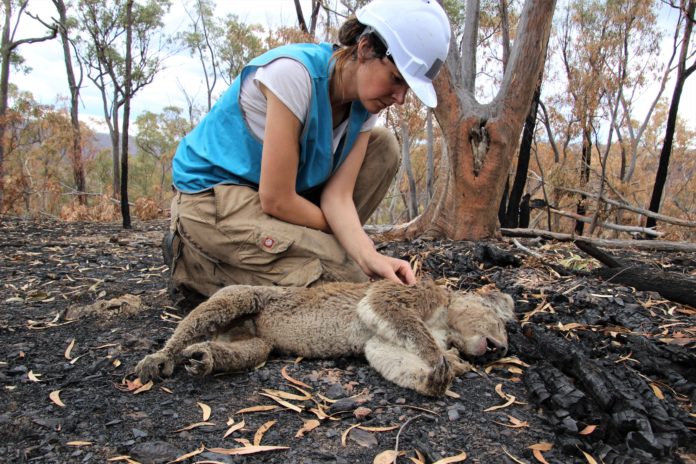
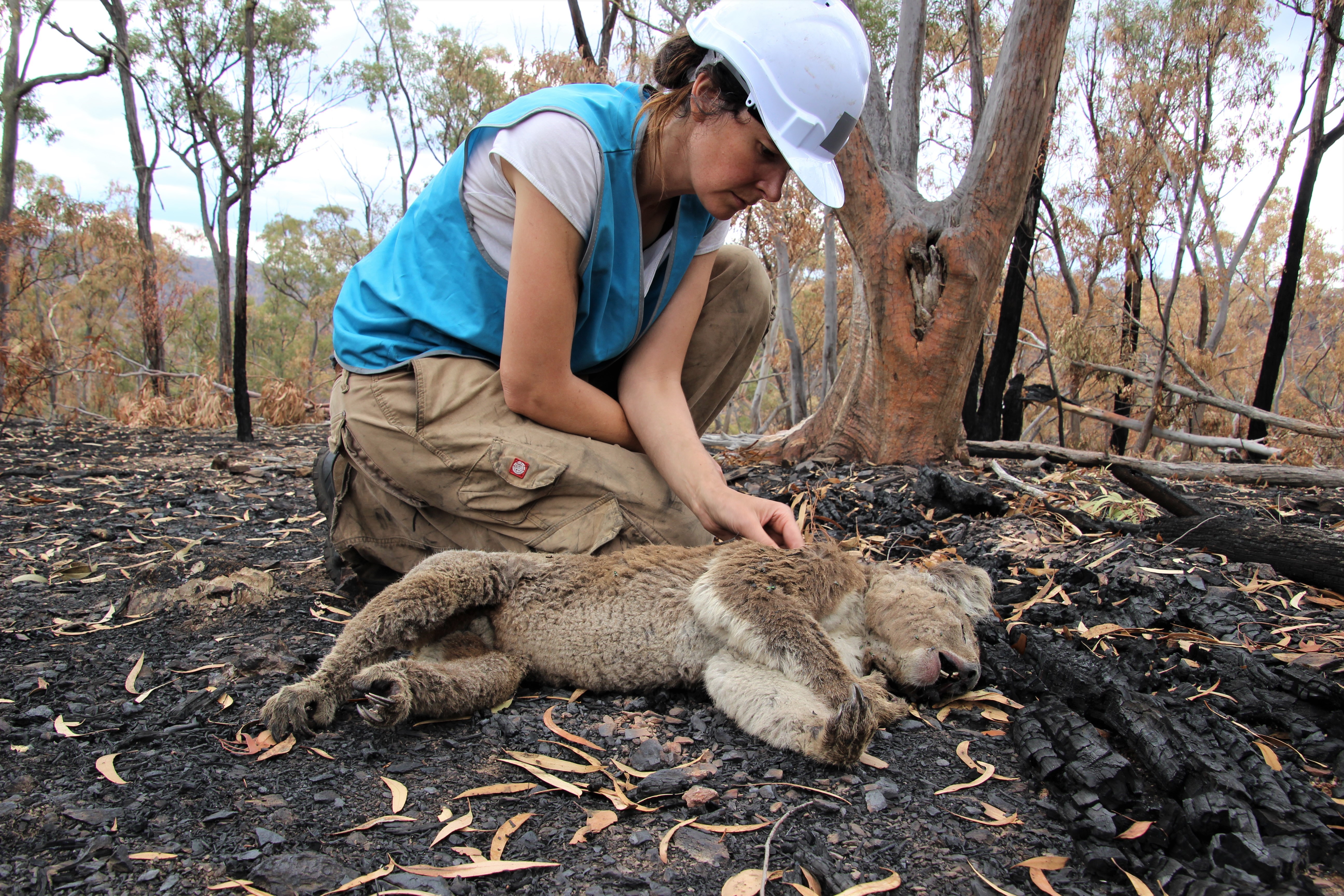
Romane Cristescu with a koala that survived the bushfires, but died afterwards. Detection Dogs for Conservation

A critically urgent task

The fires in Australia’s southeast destroyed huge swathes of koala habitat in areas where they were already vulnerable – dehydrated and malnourished due to prolonged drought, climate change and land-clearing.

Adding to the pressures, an estimated 5,000 koalas died as a result of the recent fires in New South Wales alone – potentially two out of every three.

Our team at Detection Dogs for Conservation rescues, trains and deploys dogs to find wildlife that needs help.

Since November last year, we’ve deployed our dogs to fire grounds in NSW and Queensland almost every week, urgently searching for surviving koalas. One of our detection dogs, Bear, is trained to find the koala itself – not just koala scats, as our other dogs are.


Read more: Koalas are the face of Australian tourism. What now after the fires?


The International Fund for Animal Welfare (https://www.ifaw.org/uk/projects/koala-habitat-protection-with-detection-dogs-australia) helps coordinate our activities with local wildlife rescue groups and other koala conservationists.

After bushfires, a koala’s territory is often no longer able to sustain them due to lack of food – which for koalas also provides water – or lack of shelter. Without canopy cover, koalas simply overheat.

Finding koalas can be difficult. They camouflage well, they are quiet, and usually sit still. But dogs can smell what we can’t see, including koalas. These dogs, together with our drone equipped with a thermal camera, greatly increase koala detection rates.

Without canopy cover, koalas easily overheat in hot weather. Ben Beaden/AAP

What we found

We believe most koalas that died in the fires were reduced to ashes, and so could not be counted among the dead. But since November, in 39 days of searches, we’ve found more than 40 injured, sick, dehydrated or starving koalas and, sadly, six dead ones.

We’ve also observed koalas returning to their favourite trees in their home ranges, only to find the canopies completely burnt. Others survived in a small unburnt patch but are now isolated and surrounded by vast tracts of inhospitable habitat.

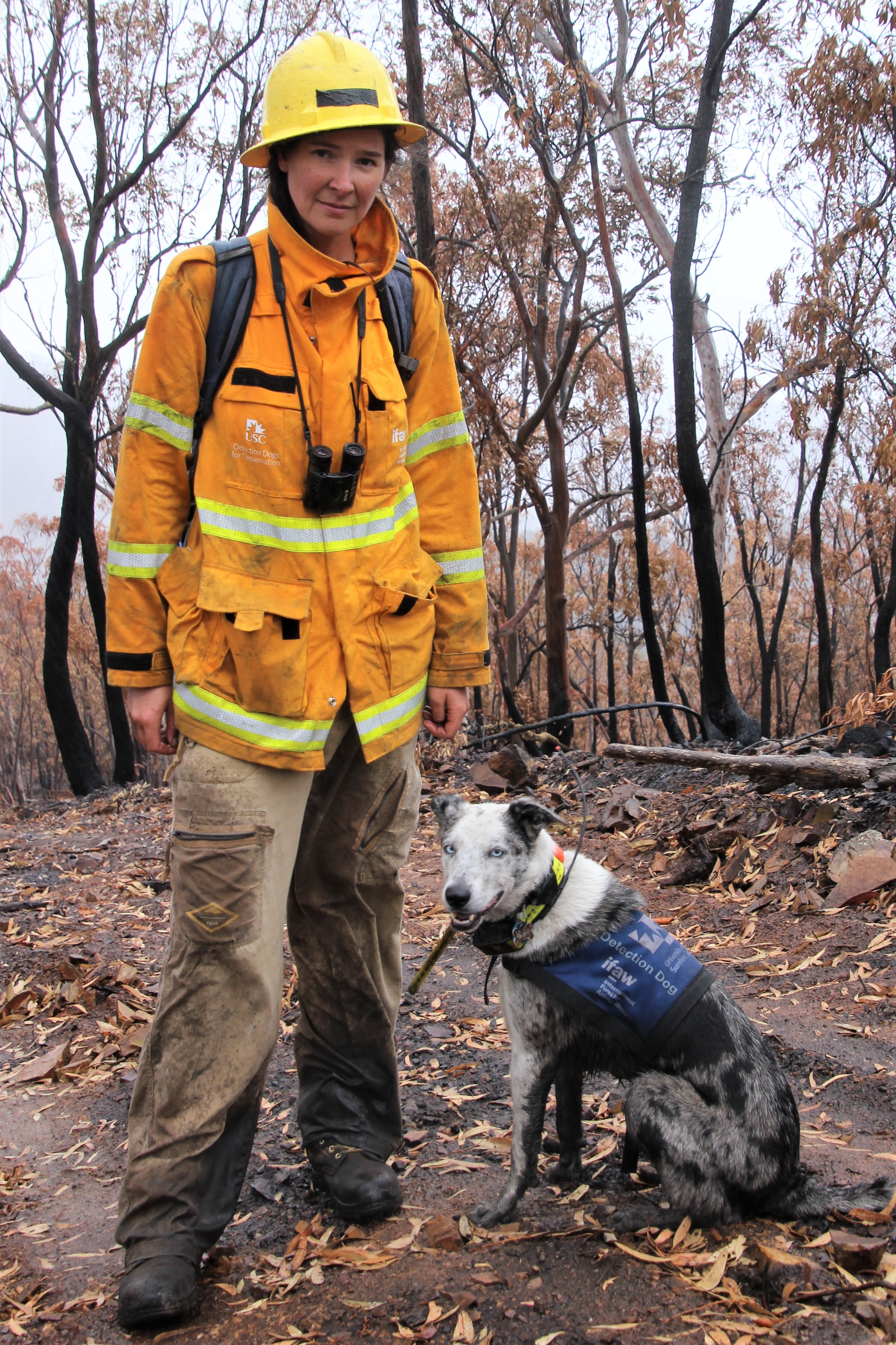
Romane Cristescu with detection dog Bear. The program makes wildlife detection far more efficient. Detection Dogs for Conservation

When we find live koalas in the fire grounds, we attempt to catch them and transport them to a local wildlife triage centre or koala “hospital” to be urgently assessed by veterinarians. Burns are obvious, but smoke inhalation is less so. Koalas in poor condition must stay in care until they’ve fully recovered.

In the past three weeks, we’ve made particularly tragic discoveries. In the Snowy Mountains, two koalas that survived the inferno had been crushed and killed under fire-damaged trees. We sighted one of these koalas three days in a row. The first two days, he was in trees he could not be safely rescued from. The third day, he was fatally crushed.

As recently as last week we found koalas suffering burns, predominantly on their paws. These animals would have continued to suffer severe pain trying to climb trees had we not rescued them. One of our last rescues was an 2kg orphaned koala with four burnt paws and the lowest possible body condition on the scale – emaciated.

We did expect to find koalas killed by the fires. But it was especially heartbreaking to find those that died afterwards. It’s hard then to not think, perhaps with more detection dogs and a bigger team, we might have saved them.


Read more: To save koalas from fire, we need to start putting their genetic material on ice


We can do more

A full search-and-rescue team comprises Bear and his handler, a drone pilot and a koala-catching crew. These missions cost money. To date, our deployments have been entirely funded by the International Fund for Animal Welfare.

We’ve established an online fundraiser to help pay for further rescue work. We are also learning from this year’s deployment how to be more efficient next year – including having the equipment, team and budget secured prior to the fire season, which we hope this fundraiser helps us achieve.

After the devastating fire season, rescuing and rehabilitating surviving koalas is critical. Koalas reproduce slowly. The more rescued and able to breed this year, the quicker the population will increase. And every koala we rescue comes with a specific genetic make-up; the genetic diversity we can preserve now will help the species cope with future challenges.

ref. Scientists find burnt, starving koalas weeks after the bushfires – https://theconversation.com/scientists-find-burnt-starving-koalas-weeks-after-the-bushfires-133519

More green, more ‘zzzzz’? Trees may help us sleep

Source: The Conversation (Au and NZ) – By Thomas Astell-Burt, Professor of Population Health and Environmental Data Science, NHMRC Boosting Dementia Research Leadership Fellow, University of Wollongong

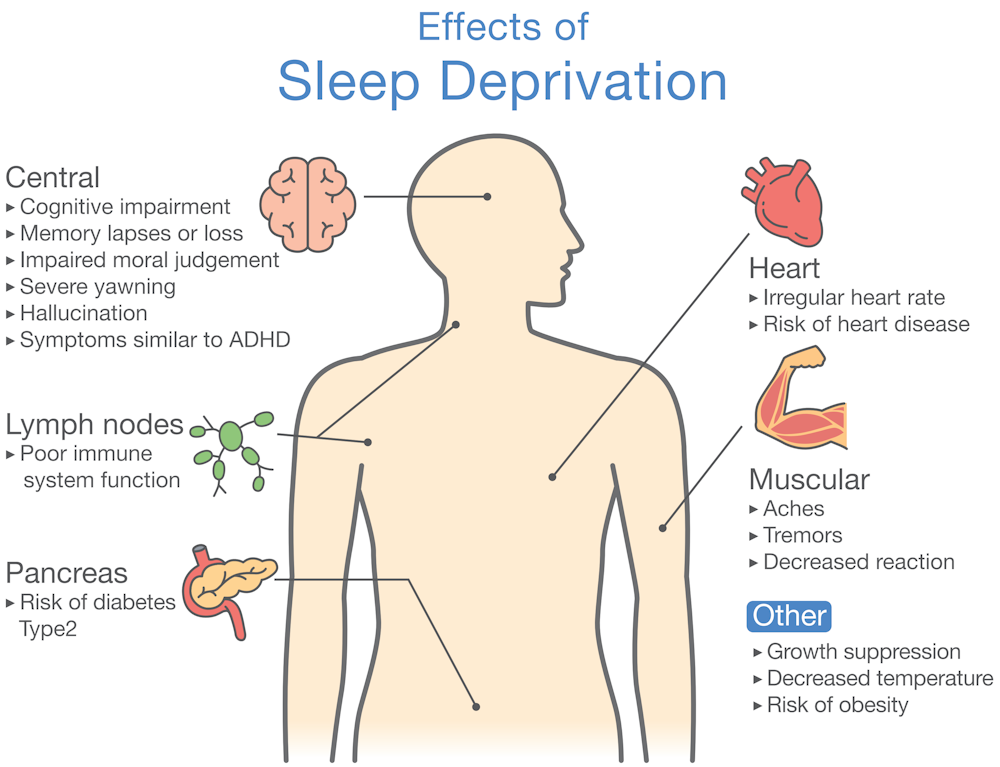
Not feeling sharp? Finding it hard to concentrate? About 12-19% of adults in Australia regularly don’t get enough sleep, defined as less than 5.56 hours each night. But who’d have thought the amount of tree cover in their neighbourhood could be a factor? Our latest research has found people with ample nearby green space are much more likely to get enough sleep than people in areas with less greenery.


Read more: Why daily doses of nature in the city matter for people and the planet


There’s plenty of helpful advice online on sleep, of course. Apart from personal routines, many other things can affect our sleep. Aircraft and traffic noise isn’t helpful. Other environmental factors at play include temperature, artificial light and air pollution.

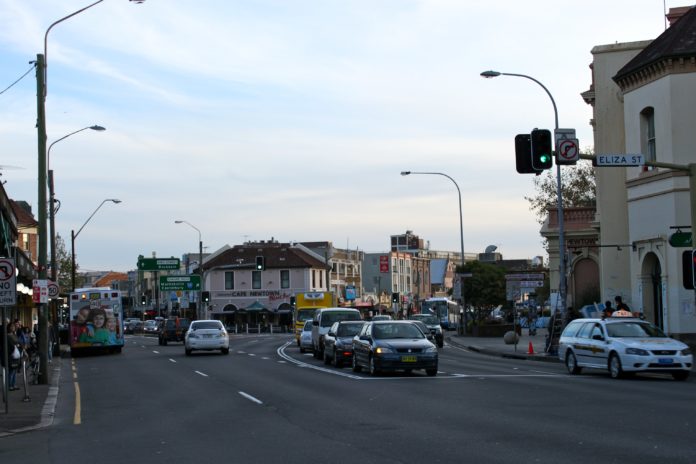
Noise, air pollution and artificial light from sources such as heavy traffic have been linked to poorer sleep health. Travis/Flickr, CC BY

As a result of these factors and their interactions with others, such as age, occupation and socioeconomic circumstances, the chances of getting a decent night’s kip are unevenly distributed across the population. So it is not simply a matter of personal responsibility and choosing to get more sleep.

Why does green space improve health?

We’ve been studying the health benefits of green space for many years. We recently published research that suggested more green space – and more tree cover in particular – could help reduce levels of cardiometabolic diseases like type 2 diabetes.

Professor Thomas Astell-Burt talks about the health benefits of trees at the UOW Big Ideas Festival.

Why might green space be good for our health? We hypothesised that parks, woodlands and other nearby green spaces might actually help us to nod off. Green space might counter impacts of noise and air pollution, and cool local heat islands, all of which can make sleep difficult.

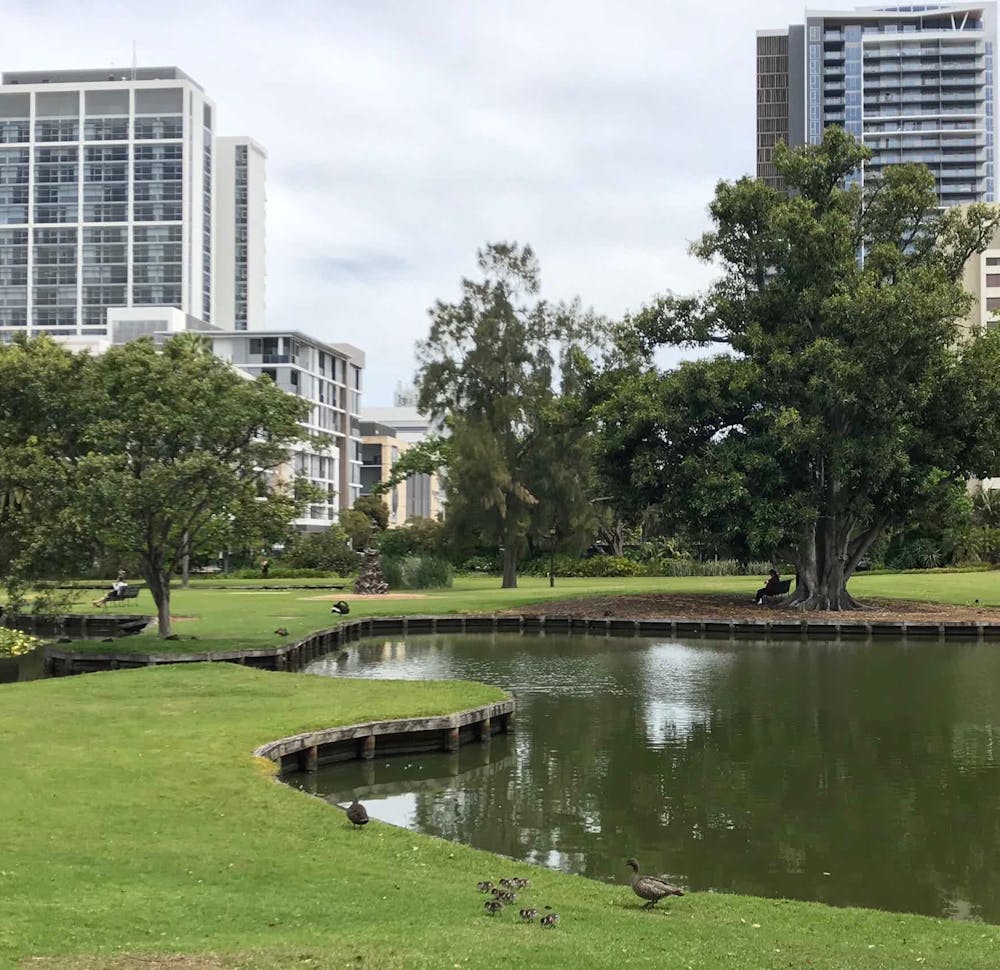
Birdlife adds to the restorative experience of visiting Queens Gardens in Perth. Author provided

These benefits may be especially important in disadvantaged communities where many households might not have air conditioning and underlying health conditions can increase vulnerability.

Contact with nature can also provide opportunities for psychological restoration and stress reduction. It seems the benefits are greatest if there’s more tree canopy and more biodiversity (such as a richer variety of birdlife).


Read more: Increasing tree cover may be like a ‘superfood’ for community mental health


Our early results provided evidence of a link between green space and sleep duration in Australia. Since then, many more studies from various countries have reported similar results.

Importantly, most of this evidence comes from cross-sectional studies – “snapshots” of a point in time. It’s a bit like trying to understand cause and consequence from a single photograph.

In this case, the “chicken and egg” concern with prior evidence is: does green space really support better sleep? Or could it be that people who already get better sleep, perhaps because they have fewer health issues or financial troubles, tend to live in greener neighbourhoods?

Areas with good tree cover, like the Chinese Garden of Friendship in Darling Harbour, Sydney, could help local residents sleep better. Casal Partiu/Flickr, CC BY-SA

What’s new about our study?

Our new longitudinal study addresses this concern. We investigated whether people with more green space within 1.6km had lower odds of developing insufficient sleep over about six years. They did not move home in this time.

We found 13% lower odds of developing insufficient sleep among people in areas where 30% or more of landcover within 1.6km had tree canopy, compared to people in areas with less than 10%. These results were consistent after taking into account factors that can influence both our sleep and access to neighbourhoods with more tree cover. These factors included age, sex, education, work status, marital status and household income.

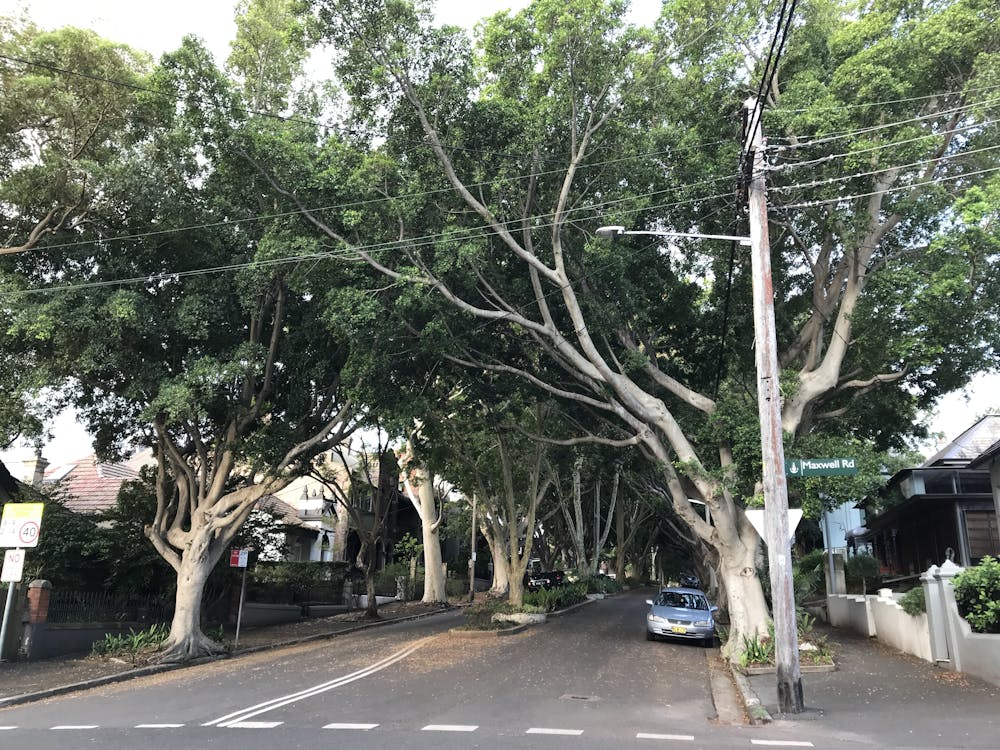
Residents of leafy streets like this one in Glebe, Sydney, may be at less risk of developing insufficient sleep over six years. Author provided

Read more: Thousands of city trees have been lost to development, when we need them more than ever


Our findings help advance the quality of evidence for the influence of green space on sleep, but there’s more to be done. Importantly, some people may have “healthy” sleep durations but still experience disturbed sleep and other sleep quality issues. While our evidence suggests more tree canopy may support healthier sleep duration, our future research will assess whether green space supports better-quality sleep.

Why does the tree canopy-sleep link matter?

Scientists around the world have found links between insufficient or poor sleep and poorer health, well-being and productivity.

Sleep Health Foundation and Australasian Sleep Association pre-budget submission 2019-20

Sleep-related problems affecting four in ten Australians cost an estimated A$40.1 billion in loss of well-being and A$26.2 billion in health system, productivity, informal care and other costs in 2016-17.

So public policies that improve our sleep by (re)shaping the urban environment could have important consequences for societies and economies.

While many people recognise the health benefits of green space, they overlook sleep. For example, the 2018 Inquiry into Sleep Health Awareness in Australia described many factors that influence sleep, but green space was not one of them.

The bottom line

We risk seriously undervaluing green space as an important source of natural capital in our cities if we assume we already know all the ways it benefits health. Some of these assumptions may not stand up to scrutiny. For example, a UK-based study suggests the link between green space and lower diabetes risk might not be increased physical activity.

Using a laptop in a park could reduce the benefits of being there. Anatta_Tan/Shutterstock

Some of the biggest health benefits of urban greening policies – such as the New South Wales Premier’s Priorities to increase quality parks and tree cover – might not be the most obvious. Nor can we assume health benefits will effortlessly materialise with more green space. An interesting experimental study in the US concluded use of portable electronic devices while in parks “substantially counteracts the attention-enhancement benefits of green spaces”.

This means how we engage with nature is important in determining how much health benefit we get in return. It highlights the need for equity-focused “nature-based interventions” that enable people to regularly spend more time in urban parks and woodlands, if that’s what they’d like to do.

So there are yet more reasons to get out in the garden, take a restorative stroll in the woods, picnic in the park or rejoice in a botanic garden … and maybe improve your chances of a good night’s sleep!


Read more: Why a walk in the woods really does help your body and your soul


ref. More green, more ‘zzzzz’? Trees may help us sleep – https://theconversation.com/more-green-more-zzzzz-trees-may-help-us-sleep-132354

Morrison, compassion and coronavirus: when crisis refines leadership

Source: The Conversation (Au and NZ) – By Sen Sendjaya, Professor of Leadership, Swinburne University of Technology

News that the Morrison government paid A$190,000 last year for advice on how to empathise with the Australian people was met with ridicule.

Yet it might be worth the money.

In late January, Morrison was continually criticised for appearing to lack compassion over the bushfires.

He himself said, “there are things I could have handed on the ground much better”.

There are signs he has taken that to heart during the coronavirus outbreak.


Read more: Mr Morrison, I lost my home to bushfire. Your thoughts and prayers are not enough


He has acknowledged unknowns and people’s fear of the unknown, and used inclusive language along the lines of, “together we will get through this”.

It’s been more than getting the narrative right. We’ve seen capable and compassionate leadership, even “servant leadership”.

Problems, not projects, make leaders. Real leaders faced with real problems put their followers before themselves.

Servant leadership works

Research shows that “servant leaders” make good leaders.

Their stories explain the success of many of the Fortune’s 100 Best Companies to Work For, including Zappos.com, Marriot International, and TDIndustries.

In a recently published state-of-the-art review of servant leadership, we argue that servant leadership makes sense empirically, financially and psychologically.

Our review of 285 studies on servant leadership in 39 countries finds the approach creates better leader-follower relationships, in turn boosting performance metrics including employee satisfaction and well being, commitment, and innovation.

It can help in the polls

It is probably why we react positively in the polls when our political leaders show compassion.

The latest Newspoll suggests his approach to the coronavirus has done him no harm.

Financially, servant leadership is a worthwhile investment because it is correlated with individual, team, and organisational performance better than other forms of leadership.

Psychologically, it helps individuals shift from a concern for themselves towards a concern for others, creating a culture of service.

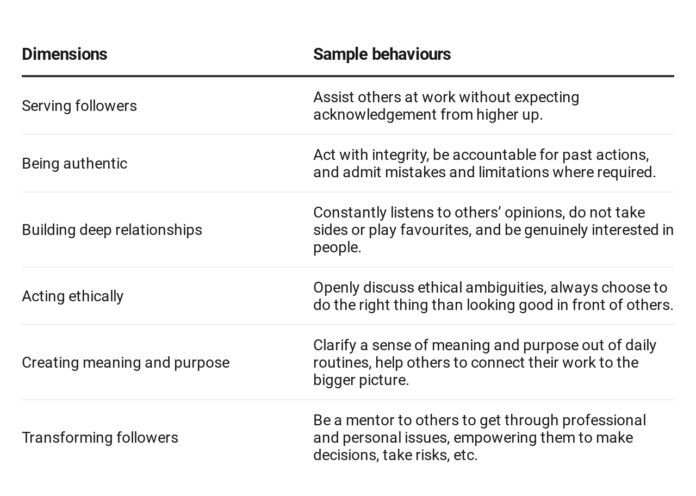
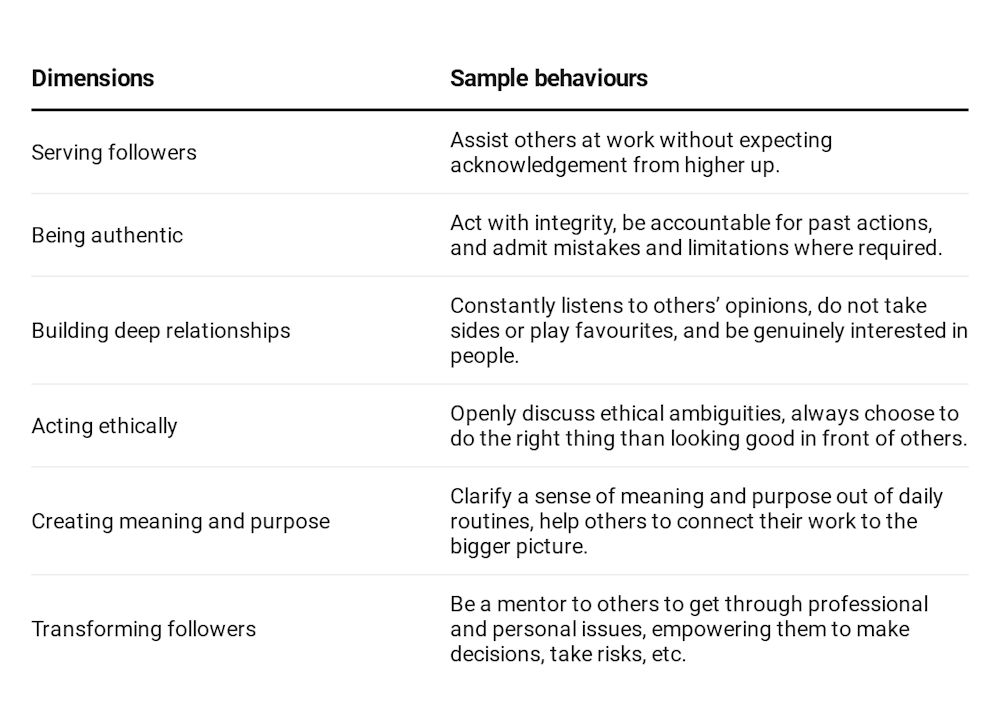
Servant leadership is made up of six dimensions that can be applied on a daily basis:

It is a common misconception that in times of crisis we need leaders with a command-and-control and domineering approach, and those who demonstrate compassion will be seen as weak.

Compassion needs genuine strength

The truth is that being compassionate does not signal weakness, inferiority, or a lack of self-respect.

On the contrary, only those with a secure sense of self, strength of character, and psychological maturity are able to put aside themselves and instead serve others in times of crisis.

Being compassionate isn’t easy, as Morrison knows.

But it’s never too late to start.


Read more: Grattan on Friday: Morrison looks to his messaging on coronavirus and climate


ref. Morrison, compassion and coronavirus: when crisis refines leadership – https://theconversation.com/morrison-compassion-and-coronavirus-when-crisis-refines-leadership-133621

Snakes make good food. Banning farms won’t help the fight against coronavirus

Source: The Conversation (Au and NZ) – By Daniel Natusch, Honorary Research Fellow, Macquarie University

The wildlife trade has long been closely linked to disease outbreaks. It has been implicated in the SARS epidemic of 2002, Ebola in 2013 and now in the COVID-19 coronavirus.

In response to the COVID-19 outbreak, China has tentatively banned the farming of many wildlife species. The move has been celebrated by many in the international community.

But our work in Asia over the past ten years tells a different story. Banning legitimate snake farms might prove counterproductive to disease suppression.

Though snakes were early suspects as the source of the Wuhan coronavirus, reptiles have never been linked to any of the World Health Organisation’s top ten infectious diseases which pose the greatest threat of epidemics.

Snakes are different

One reason is straightforward. Snakes are cold-blooded (more correctly “ectothermic”) and have a very different physiology to humans. Viruses co-evolve highly specialised relationships with their hosts and are often species-specific.

Occasionally, a chance mutation might allow a virus to infect another species, but the more different the new and old hosts are to each other, the less likely that is.

Compared with transmission between mammals, or even from birds to mammals, the probability of a virus crossing from a cold-blooded reptile to a warm-blooded human is remote.

In parts of Asia where H5N1-type viral outbreaks such as bird and swine flu are now endemic, hundreds of snake farmers rely on waste protein such as pork and poultry by-products as feed.


Read more: How to feed nine billion people, and feed them well


Disease outbreaks regularly wreak havoc with conventional livestock industries but never, to our knowledge, with snake farming.

In this context, reptiles represent a natural biological barrier to viral diseases.

They enable farmers to build financial resilience through diversity, dampening the many risks associated with livestock monocultures.

And the benefits don’t end there.

They’re tailor-made for sustainability

Commercial snake farming has developed rapidly in China. The first experimental farms were set up in 2007; by 2019 the industry was producing large-scale high-quality protein.

Some snakes have highly desirable agricultural traits including rapid growth, early maturation and rapid reproduction. They are comparatively simple cognitively, and do not suffer the complex behavioural stresses seen in many caged birds and mammals.

Many are semi-arboreal, spending time in trees, allowing farms to maximise available space.

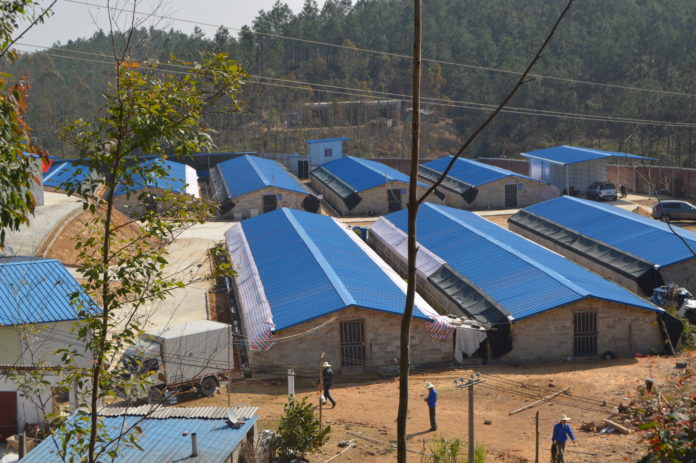
A modern snake farm. Apart from the suntraps (specialised basking areas flanking the barns), it looks like any other commercial livestock farm. Patrick Aust, Author provided (No reuse)

They do require a high-protein diet but, since their cold-blooded metabolic demands are very low (less than 10% of similar-sized mammals), food can be more directly channelled to growth.

The energy efficiency is achieved mainly by employing solar energy (e.g., basking) to drive metabolic processes, and by powerful digestive systems capable of breaking down even bone.

It means they produce low volumes of biological waste and greenhouse gases, and require minimal fresh water.


Read more: China’s growing footprint on the globe threatens to trample the natural world


Chinese snake farms rely on two principal sources of feed inputs: waste protein from agricultural food chains, and natural prey such as harvested rodents.

This means they both recycle agricultural waste and control economically important rodent pests.

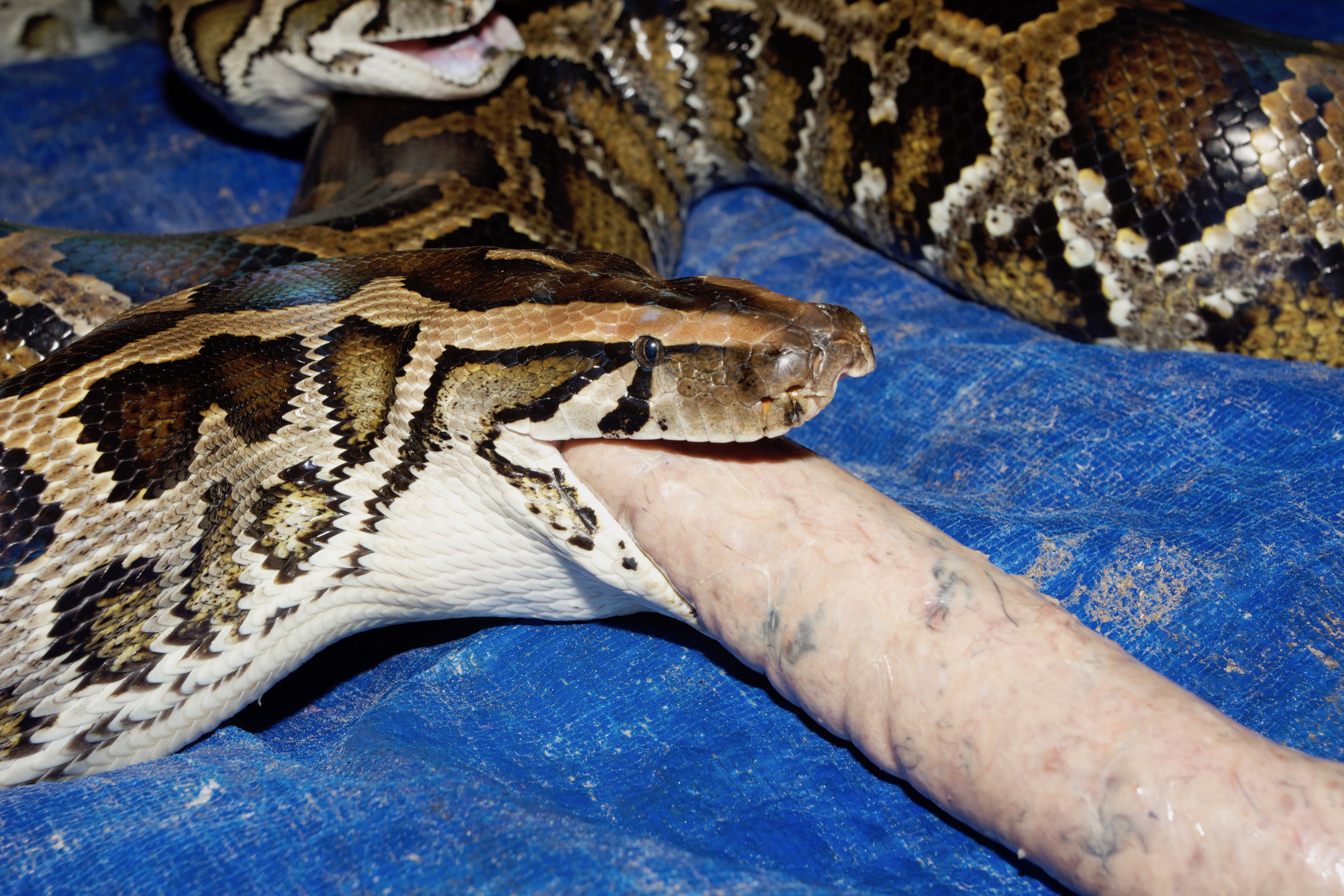
Snake farmers use ‘snake sausage’ byproducts from the pork and poultry industries. Daniel Natusch, Author provided (No reuse)

Their cold-blooded physiology allows them to survive for considerable time without food and water – far longer than similarly-sized warm blooded animals.

This allows farmers to effectively exploit seasonal abundances during times of plenty, and downscale inputs during times of famine.

Snake farming therefore provides a resilient livelihood in the face of economic volatility and the extremes of Climate Change.

It would be a shame if concern about coronavirus snuffed out an industry that is unlikely to be the problem, but could very well be a solution.

ref. Snakes make good food. Banning farms won’t help the fight against coronavirus – https://theconversation.com/snakes-make-good-food-banning-farms-wont-help-the-fight-against-coronavirus-133075

Stateless review: remembering a time when we were outraged

Source: The Conversation (Au and NZ) – By George Newhouse, Adjunct Professor of Law, Macquarie University

Most of Cornelia Rau’s family and friends have regarded the screening of Stateless with trepidation because the television series is loosely based on her troubled life.

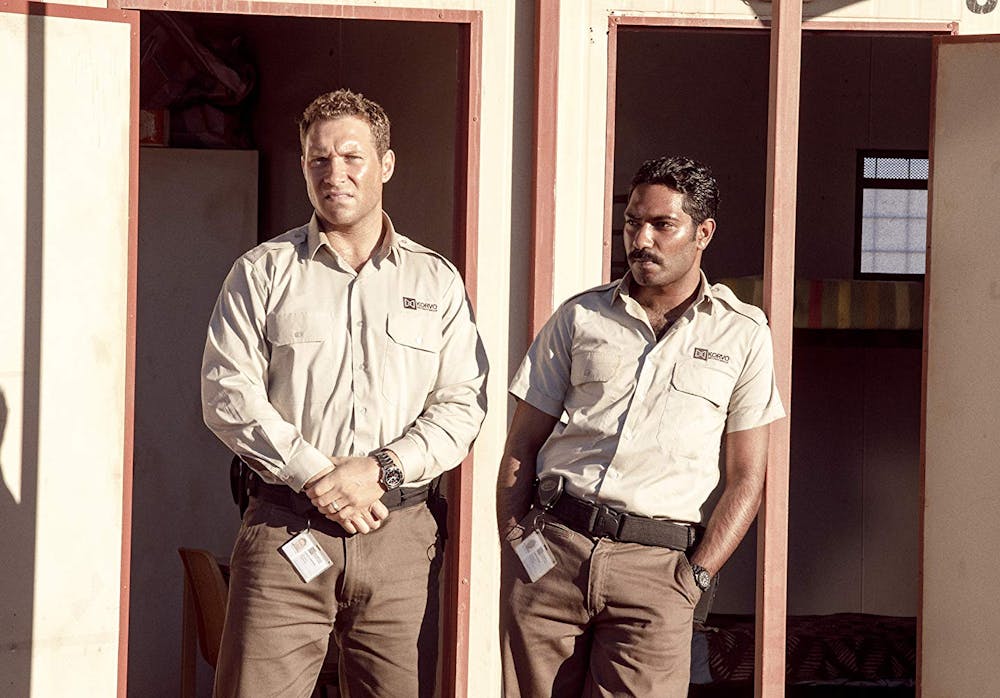
In 2004-05, Cornelia Rau was wrongfully detained for 10 months at a Brisbane’s women’s prison and later Baxter immigration centre after authorities assumed she was an illegal immigrant. Yvonne Strahovski plays flight attendant Sophie Werner, who is based on Rau, in Stateless.

The Rau family’s primary concern is to mitigate any adverse impact it might have on Cornelia’s well-being, but there has been undeniable curiosity in the community about how Cate Blanchett and her team would handle one of the darkest episodes of our nation’s modern history.

Human stories

Stateless packs a lot into six episodes. It follows the lives of four characters: a detention centre guard and a bureaucrat who are engaged in running a remote immigration detention centre, and an Afghan refugee and the Rau character, Sophie, who are their prisoners.

Careful character development helps us to understand the complexities of each of their lives. Everyone at the detention centre is running away from something or someone. Sophie is running from a manipulative cult; the Afghan refugee is escaping from the violence of his homeland. We also learn that the guards and the Department of Immigration staff are running away from something, too.

While that theme is used to humanise the individuals, at times it trivialises the prison experience. However, the real power of the series is the way it uses people “just like us” as a Trojan Horse to expose the racism, sexism, misogyny, dysfunction and violence of a privatised prison system implementing a policy of institutional cruelty.

Sophie’s suffering provides us with a window into a dystopian world inhabited by “outcasts”, like asylum seekers, that our government goes to great lengths to stop us from seeing. Mental illness is a taboo that is difficult to air publicly, but Stateless deals sensitively with the exploitation of Sophie by a rapacious cult leader who broke her soul. The series also exposes the callousness of officials who did not care.

Midway through the series the message that everyone is compromised and that no one is unblemished becomes clear. Everyone appears to be lying at some level, even if it is only to themselves. The lies are compounded by the state-sanctioned violence and spin that damages and corrupts everyone that comes within its orbit.

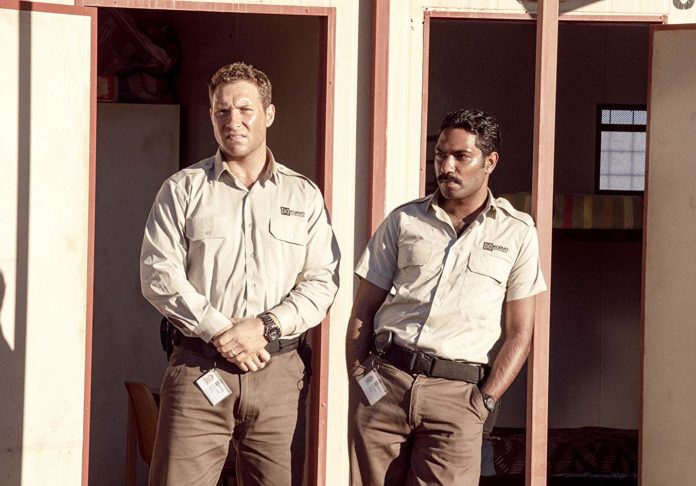
All are compromised in Stateless. IMDB

As we watch the systemic dehumanisation of individuals in the camp and the corrosive impact on those in charge of them, one begins to understand how the German people could became Hitler’s willing executioners.

But Stateless doesn’t harangue, its power comes from drawing together the common humanity of those who are damaged by a brutal policy of violence and indefinite detention.

Remember when we cared

The series made me nostalgic for a time when Australians were united in their horror at what our government had done to Cornelia Rau.

After Mick Palmer published his report on Rau’s experience, the Howard government took immediate steps to improve transparency and institute independent medical oversight of the detainees. But 12 years after Rau’s torture was revealed, Tony Abbott reversed those protections and Australia’s immigration detention system quickly spiralled into another crisis.

Cornelia Rau’s family testified in a closed inquiry investigating up to 200 cases of wrongful detention and deportation in 2005. AAP/Dan Peled

In my work with the National Justice Project (NJP) – a not for profit legal service – I know of cases of adults with mental health problems lost in the detention system for a decade. I saw children who had been detained on Nauru for five years, witnessing untold horrors including assaults, lip-sewing and self-harm and, as a result, attempted suicide. My legal team had to take the Minister for Home affairs to court to force him to provide sick children with desperately needed mental health treatment.

I have dealt with every Immigration Minister since Philip Ruddock and I have never seen things so dire. Having fought for better health care in detention for well over a decade, I am fed up with politicians destroying the lives of men, women and children as a deterrence to others.

Now we know … and don’t care

Watching Stateless makes me realise how much worse things are today than in 2005, because today the damage is being done knowingly.

Under Peter Dutton’s term as minister we have seen a militarisation of the Department of Immigration through the establishment of the Border Force. Under his watch, increasingly tougher Border Force policies and practices have been used as a weapon to deter boat arrivals. Conditions for the men, women and children transferred to offshore detention have deteriorated to the point that a prosecutor of the International Criminal Court described the duration, the extent and the conditions of detention as a crime against humanity.

Stateless is one of the best Australian dramas I have seen in a long time. I hope it will restart the discussion about who we are as a nation and whether we are comfortable with the crimes against humanity being done in our name.

Stateless airs on the ABC on Sunday nights until 5 April. It will then screen globally on Netflix.

This article is dedicated to the memory of Harry Freedman who worked tirelessly for Cornelia Rau and Vivian Solon.

ref. Stateless review: remembering a time when we were outraged – https://theconversation.com/stateless-review-remembering-a-time-when-we-were-outraged-132967

Some travellers trying to beat NZ’s coronavirus deadline turned away

By RNZ News

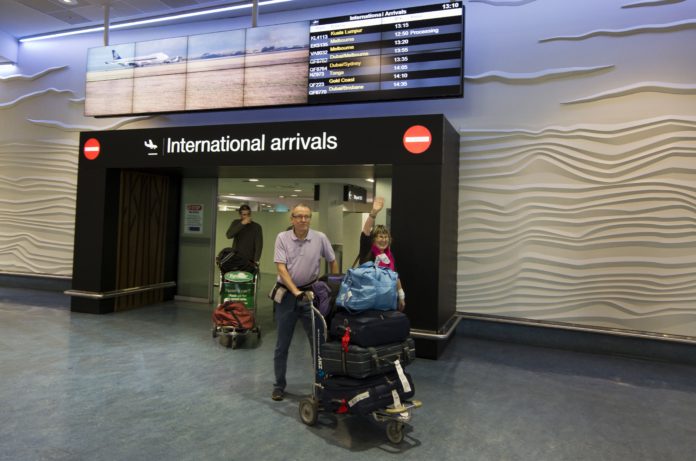
Some travellers trying to beat the New Zealand deadline early today for self-isolations to prevent the Covid-19 coronavirus spreading have been turned away by airlines that are stretched to capacity.

Prime Minister Jacinda Ardern announced on Saturday that from midnight Sunday, all passengers arriving from overseas, except those from Pacific Island countries, must go into isolation for 14 days.

But the deadline for arrivals was later pushed out to 1am today.

READ MORE: New travel curbs require almost everyone entering NZ to self-isolate

Flight Centre’s staff have tried to help as many people as possible since the restrictions were announced on Saturday.

But its managing director David Coombes said despite changes to Air New Zealand’s schedule and using larger planes, not everyone would make it in time.

– Partner –

The tourism industry was in shock after the initial announcement and is predicting widespread job losses.

Eight confirmed cases
Meanwhile, the Ministry of Health has announced that there are now eight confirmed cases of Covid-19 in NZ.

And a passenger on board the Golden Princess cruise ship berthed at Akaroa, in the South Island, is being tested for Covid-19.

Three passengers on board the cruise have been quarantined by the ship’s doctor.

One of the three has developed symptoms of Covid-19 and is being treated as a suspected case.

All cruise ships are being asked to not come to NZ until June 30. It does not apply to cargo ships.

This article is republished under the Pacific Media Centre’s content partnership with Radio New Zealand.

Print Friendly, PDF & Email

Article by AsiaPacificReport.nz

View from The Hill: Scott Morrison announces mandatory self-isolation for all overseas arrivals and gives up shaking hands

Source: The Conversation (Au and NZ) – By Michelle Grattan, Professorial Fellow, University of Canberra

Chief Medical Officer Brendan Murphy was still shaking hands on Sunday morning. But when that afternoon Scott Morrison announced the latest coronavirus measures, including compulsory self-isolation for overseas arrivals, the Prime Minister said he and other cabinet members wouldn’t be shaking hands anymore.

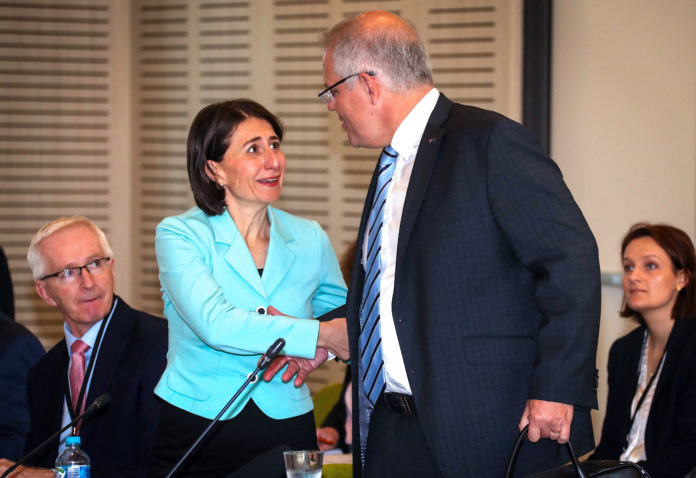
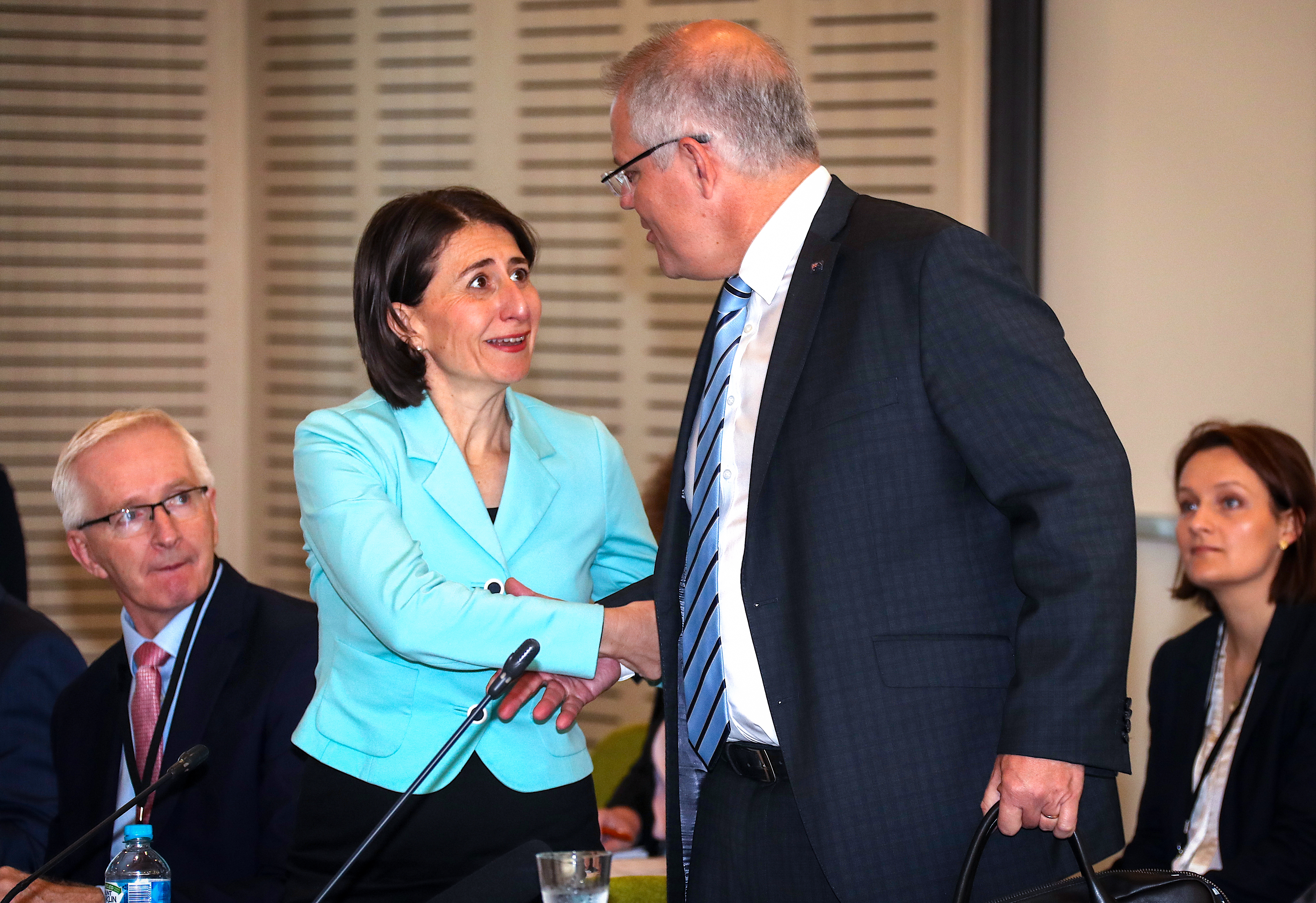
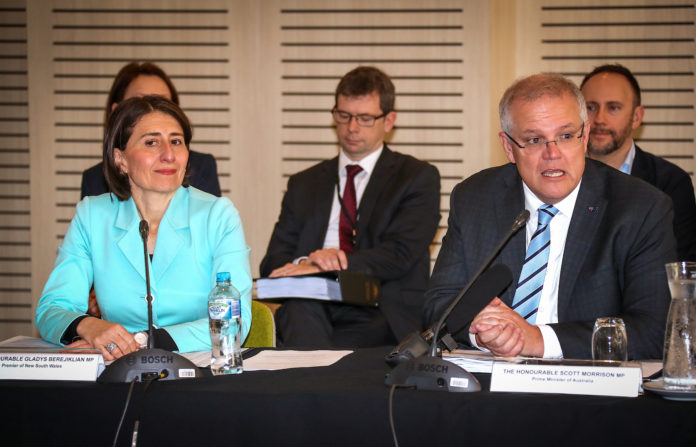
Only on Friday Morrison had been thrusting his hand at a notably wary Gladys Berejiklian.

David Gray/AAP

Confusing signals.

On the other hand, this isn’t just a fast-moving situation, but one in which even experts have differing takes (the advice from the federal-state medical officers panel may be unanimous but it’s understood there are disputes in their deliberations), and politicians struggle with responses, even as they follow the medical recommendations. For example, the NSW government has appeared more forward-leaning than the feds.

While members of the public understandably seek certainty, on some fronts there will be no absolutes, just scales of assessment, probability, and risk.

That’s not to say the federal government should not have been clearer at times, and its mass media advertising campaign, which started at the weekend, was inexplicably slow to materialise.

The Australian tally of cases approached 300 and the death toll rose to five at the weekend. Only history will show definitely whether Murphy and the government are right in their claims Australia is keeping “ahead of the curve”, or the critics vindicated in arguing it is behind it.

Morrison in particular has wanted to put the most optimistic gloss on things, not least because he hoped to minimise economic disruption. Despite the constant flow of news conferences over recent weeks, the government avoided dwelling on how bad things could get.


Read more: Morrison’s coronavirus package is a good start, but he’ll probably have to spend more


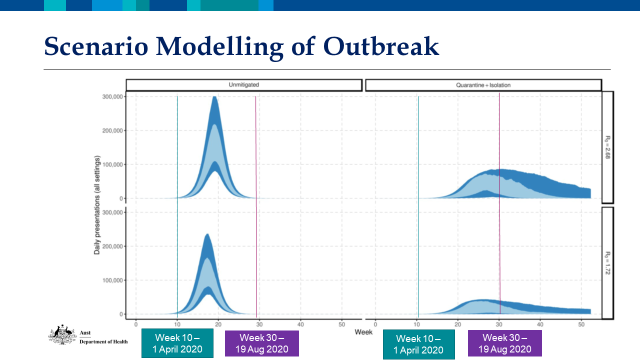
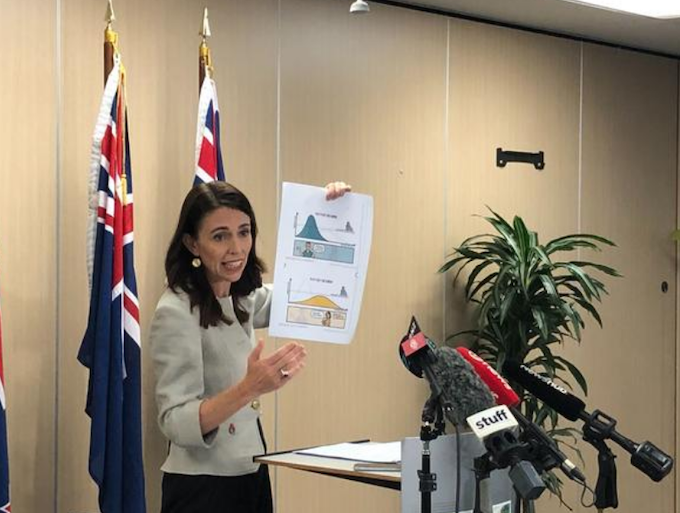
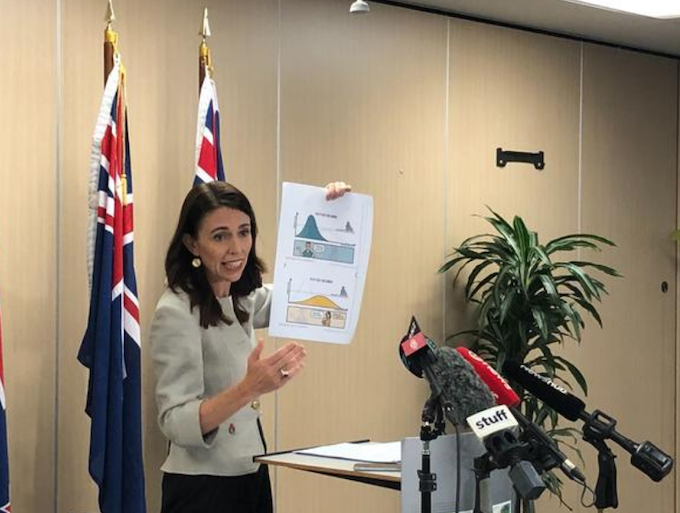
By Sunday Morrison’s tone had changed. He had a graph to illustrate the need to flatten the curve of infection to enable the health system (notably the intensive care facilities) to cope. “Slowing the spread, you free up the beds,” he said.

Federal Department of Health

Stark and unfolding realities were starting to prevail – though not entirely – over the prime ministerial desire to keep the lines upbeat.

And compulsion and the law were replacing choice and advice, in the measures Morrison outlined following Sunday’s meetings of cabinet’s national security committee and the new “national cabinet” of federal and state leaders (and after Morrison spoke at the weekend with Britain’s Boris Johnson and New Zealand’s Jacinda Ardern).

Like New Zealand, Australia will now insist all arrivals self-isolate for a fortnight. The only exceptions will be Pacific Islanders who are transiting to their home countries. Morrison said this measure would be effective in “flattening the curve”.

As foreign travellers dry up, most incoming traffic will be Australians returning home.

Foreign cruise ships are to be stopped for 30 days in what will be a rolling ban.

The cessation of non-essential gatherings of 500 or more has moved from advice on Friday to a formal prohibition, which will be backed by state law. Morrison flagged the threshold could soon be lowered.

On the enforcement side he said: “the states and territories wisely are not going to create event police or social distancing police … But the legislation impact would mean that if a person did fail to observe the 14 day self-isolation or if an event was organised, that would be contrary, once those provisions are put in place, to state law”.

Berejiklian was quick to say NSW already had the powers to enforce self-isolation, emphasising what was involved “is a matter of life and death”. This recalled her strong language of a few days ago when she said the situation was “not business as usual”.

Work is underway on restrictions on visits to nursing homes and arrangements for indigenous communities as well as further restrictions on enclosed gatherings, which is likely to cut the 500 numbers. The “national cabinet” will review the position on Tuesday night.


Read more: VIDEO: your coronavirus and COVID-19 questions answered by experts


As for federal cabinet, it will be “social distancing” with “no more handshakes”, more meetings by video conferences, and less travelling. Morrison has already cancelled some engagements.

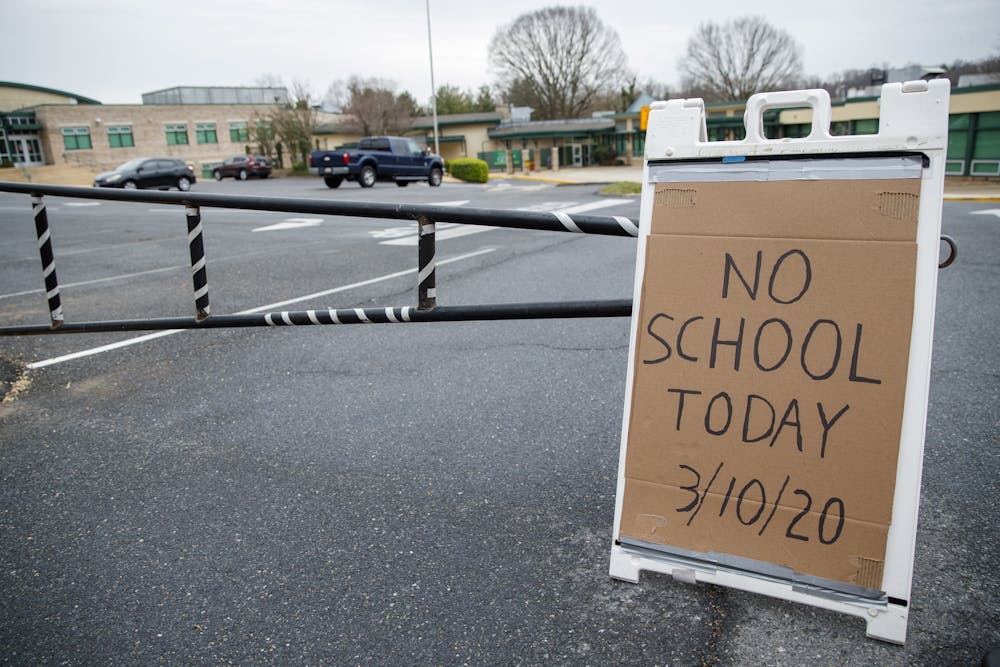
So far schools generally are not being closed (though some individual schools are shutting down). It’s said closing schools could promote community transmission, with children out and about. Many would be left with grandparents, likely to be in the most vulnerable age group. Also, if parents had to stay at home to care for their kids, this could deplete the health work force.

But the question of schools remains in the frame.

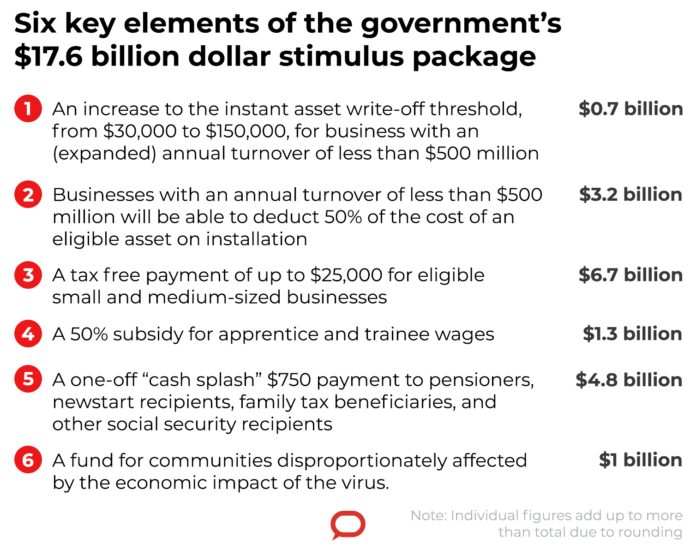
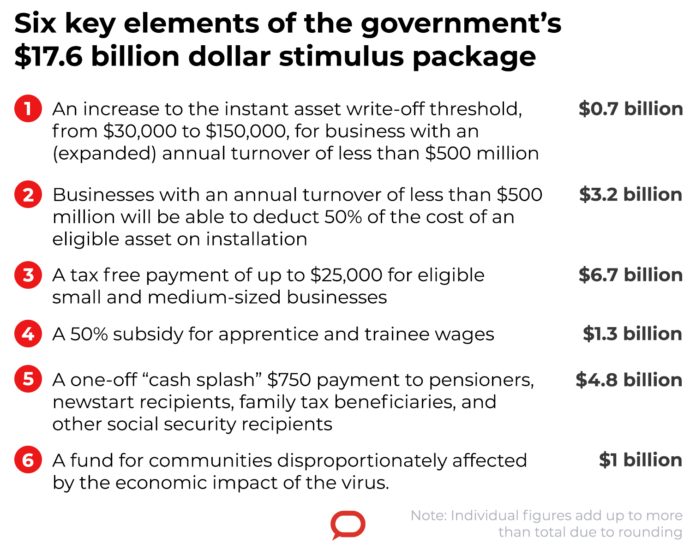
Arrangements for next week’s parliament are still being worked on, and the presiding officers have had talks with Murphy. The sitting is likely to be kept as short as needed to get through the legislation necessary for last week’s $17.6 billion stimulus package.

Opposition leader Anthony Albanese in his Sunday night national address promised “a spirit of bipartisanship. We will be constructive. We will support the government to protect the health of Australians, but also to protect their jobs and our economy.”

The package was all about trying to head off a recession by keeping growth positive in the June quarter. As things are going, that looks like it could require a miracle as well as the package. Many small businesses will collapse, despite the help the government is offering.

Almost certainly, a lot more stimulus will be needed, with the question only the amount.

But a measure of how deep the crisis is becoming is that at the moment, the national conversation is mostly about health, not economics.

ref. View from The Hill: Scott Morrison announces mandatory self-isolation for all overseas arrivals and gives up shaking hands – https://theconversation.com/view-from-the-hill-scott-morrison-announces-mandatory-self-isolation-for-all-overseas-arrivals-and-gives-up-shaking-hands-133715

Philippines coronavirus rise to 140, with 11 deaths – Manila in lockdown

The Philippines Department of Health (DOH) has confirmed 29 new cases of the Covid-19 novel coronavirus in the country today – bringing the total number of cases to 140 – as Metro Manila went into lockdown for one month.

The DOH also announced that three more patients have died from the virus. The death toll now stands at 11.

READ MORE: DAY 1 of Metro Manila lockdown

The three latest fatalities are:

  • 9th death: an 86-year-old American male from Marikina City with travel history to the United States and South Korea. He was the 9th recorded case and died on Saturday, March 14.
  • 10th death: a 40-year-old Filipino male from Pasig City with no travel history and no history of exposure 14 days prior to onset of symptoms. He was the 54th recorded case, and died on Sunday, March 15.
  • 11th death: a 64-year-old Filipino male from Negros Oriental who went to Greenhills. He was the 39th recorded case, and died on Sunday, March 15.

Municipal councillor
Earlier on Sunday, the Negros Oriental provincial government said the fatality from the province was a councilor from the municipality of Tayasan.

He was an immunocompromised patient, having had a kidney transplant earlier.

– Partner –

Meanwhile, at least four members of the Duterte Cabinet have tested negative for the virus – Executive Secretary Salvador Medialdea, Finance Secretary Carlos Dominguez III, Transportation Secretary Arthur Tugade, and Public Works Secretary Mark Villar.

They were among the government officials who went into self-quarantine after exposure to a person who later turned out to have the virus.

With the rising number of coronavirus cases, Metro Manila went into lockdown beginning today.

Travel in and out of the capital region is restricted.

President Rodrigo Duterte declared a state of public health emergency on March 9.

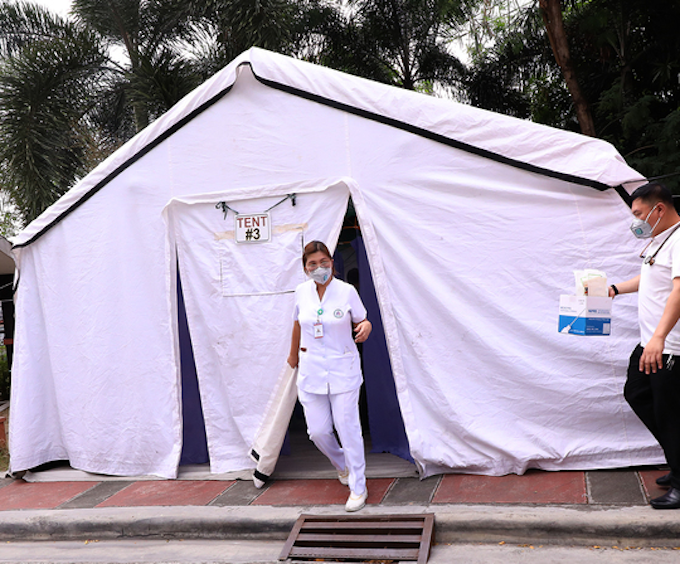
Quezon City isolation tent
Quezon City General Hospital health workers prepare an isolation tent for people under investigation in Metro Manila. Image: Darren Langit/Rappler

Article by AsiaPacificReport.nz

NZ’s decision to close its borders will hurt tourism but it’s the right thing to do

Source: The Conversation (Au and NZ) – By Siouxsie Wiles, Associate Professor in Microbiology and Infectious Diseases, University of Auckland

Prime Minister Jacinda Ardern has done exactly what is needed to limit the spread of COVID-19 in New Zealand and the Pacific. Two new cases were confirmed today, just hours before new border restrictions come into force.

From midnight today, nobody (including residents) will be able to enter New Zealand without first going into 14 days of self-isolation. People arriving from Pacific Islands are the only exception to this new rule.

The new cases bring the total in New Zealand to eight. They have all been people who arrived from overseas – Iran, Italy, Denmark, the United States and Australia – or family members with whom they had extensive close contact. We should expect to see more cases in the days and weeks ahead.

Director-General of Health Ashley Bloomfield said the latest cases reinforce the new border restrictions.

Reducing the flow of people [with COVID-19] coming into New Zealand and ensuring that those who do arrive are required to immediately self-isolate are essential frontline tools in our response and in preventing wider outbreaks in New Zealand.

I expect it is going to take months or even years, rather than weeks, before the pandemic is contained because some other countries aren’t responding quickly enough. New Zealand’s new measures will hit tourism, but they are necessary to keep COVID-19 under control.


Read more: ‘Cabin fever’: Australia must prepare for the social and psychological impacts of a coronavirus lockdown


The next line of defence

I use a fire analogy to describe how the COVID-10 pandemic is spreading around the world. Countries with community transmission of the virus – this list is growing by the day – are each a blazing fire. Anyone leaving these countries is a potential ember that can seed a fire somewhere else.

So far, New Zealand has done a good job of catching any burning embers and stamping them out. This is the role of contact tracing and self-isolation. But the median incubation period for the virus is around five to six days, with most people developing symptoms within 11 days, and we should expect more cases.

Ardern has seen the growing number of fires overseas. She has listened to experts telling her there will soon be too many embers to catch and she made the call to deploy the next line of defence: fire breaks.

This is the right move and follows that of Samoa which put travel restrictions in place very soon after the virus emerged. Our Pacific neighbours do not have the same resources New Zealand has to carry out contact tracing or treat the very ill.

It is only a few months since Samoa experienced an extensive and deadly outbreak of measles, which likely started when someone incubating the measles virus travelled to Samoa from New Zealand.


Read more: Compulsory isolation in the fight against coronavirus: a clash of human rights and public health


Minimising spread New Zealand’s best chance

Many people are surprised by the strength of the measures. Apart from the entry restrictions through airports, cruise ships are also banned from coming to New Zealand until at least the end of June. As Ardern herself said the restrictions are among the most stringent in the world.

COVID-19 is a serious illness. From the outbreak in China we know about one in five people will need to be hospitalised. About one in 20 people will end up in intensive care, and one in a hundred will need a ventilator to help them breathe.

The reality is almost everybody in New Zealand is susceptible to catching the virus. While many of us will only experience a mild to moderate version of COVID-19, if the virus were to sweep New Zealand as it is other countries, we would not have enough hospital and intensive care beds or ventilators to care for those who need them.

Depending on a person’s age and whether they have any underlying health issues, we could see as few as four deaths in every thousand infected people under the age of 50, but as many as seven in every 50 people if they are over 80. People with diabetes and and high blood pressure are also more likely to experience a severe infection.

China built new hospitals in a matter of days and weeks to be able to care for the ill. In New Zealand, we are about to head into winter, the busiest season of the year for hospitals.

If COVID-19 took hold here, our medical staff could soon find themselves in the awful position of having to decide who gets a bed or a ventilator, as they are now considering in Italy.

New Zealand’s best chance to get through this unprecedented global crisis is to minimise the chances of the virus establishing here. Given we will remain susceptible to the virus, we may need to wait for the pandemic to burn out or until a vaccine is developed before life returns to normal.

ref. NZ’s decision to close its borders will hurt tourism but it’s the right thing to do – https://theconversation.com/nzs-decision-to-close-its-borders-will-hurt-tourism-but-its-the-right-thing-to-do-133707

VIDEO: your coronavirus and COVID-19 questions answered by experts

Source: The Conversation (Au and NZ) – By Sunanda Creagh, Head of Digital Storytelling

What do you need to know about COVID-19 and coronavirus? We asked our readers for their top questions and sought answers from two of Australia’s leading virus and vaccine experts.

The video below features Professor Michael Wallach and Dr Lisa Sedger – both from the School of Life Sciences at the University of Technology, Sydney – answering questions from you, our readers. We’ve also released it as a podcast episode here, and an edited transcript is below.

And if you have any questions yourself, please add them to the comments below.


Read more: ‘Cabin fever’: Australia must prepare for the social and psychological impacts of a coronavirus lockdown


Edited transcript

Sunanda Creagh: Hi, I’m Sunanda Creagh. I’m the Digital Storytelling editor at The Conversation, and I’m here today with two of Australia’s leading researchers on viruses and vaccines.

Lisa Sedger: Hi, my name’s Lisa Sedger. I’m an academic virologist at the University of Technology Sydney. And I do research on novel anti-viral agents and teach virology.

Michael Wallach: I’m Professor Michael Wallach, the Associate Head of School for the School of Life Science (at the University of Technology Sydney) and my expertise in the area of development of vaccines.

Sunanda Creagh: And today, we’re asking these researchers to answer questions about coronavirus and COVID-19 from you guys, our readers and our audience. We’re going to kick it off with Dr. Sedger. Adam would like to know: how long can this virus survive in various temperatures on a surface, say, a door handle or a counter at a public place?

Lisa Sedger: Oh, well, that’s an interesting question, because we hear a variety of answers. Some people say that these types of envelope viruses can exist for two to three days, but it really depends on the amount of moisture and humidity and what happens on that surface afterwards, whether it’s wiped off or something. So potentially for longer than that, potentially up to a week. But with cleaning and disinfectants, etc, not very long.

Sunanda Creagh: And what’s an envelope virus?

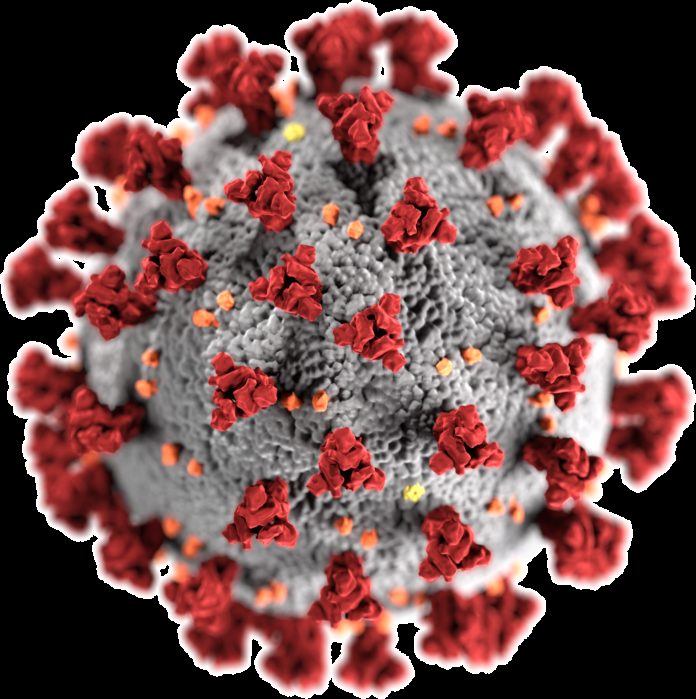
Lisa Sedger: Well, viruses are basically nucleic acid. So DNA like is in all of the cells in our body or RNA. And then they have a protein coat and then outside of that they have an envelope that’s made of lipids. So it’s just an outer layer of the virus. And if it’s made of lipids, you can imagine any kind of detergent like when you’re doing your dishes, disrupts all the lipids in the fat. That’s how you get all the grease off your plates. Right? So any detergent like that will disrupt the envelope of the virus and make it non-infective. So cleaning surfaces is a good way to try and eliminate an infective virus particle from, for example, door handles, surfaces, et cetera.

Sunanda Creagh: And Professor Wallach, Paul would like to know: should people cancel travel plans given that this virus is already here? Does travelling make the spread worse? And that’s international travel or domestic travel.

Michael Wallach: So this question has come up to many different governments from around the world who’ve reacted very differently. Australia’s been very strategic in banning travel to certain places. And of course, those places you would not want to travel to at the time when there’s an outbreak like China, Italy, Iran, etc.. I was also asked the question on ABC Tasmania: should the Tasmanians restrict domestic travel to Tasmania? At the time, they had a single case. And I said to them, if you have one case, you most likely have more. You will not prevent the entry of the virus into Tasmania. But what restricting travel can do is restrict the number of people who are seeding that area with virus and make it more manageable. So it’s a question of timing. As I was saying to you earlier, the cost-benefit of closing off travel has to be weighed very carefully because the economic impacts are very great. So I think it’s a case by case basis. Ultimately, the planet is now seeded. And we’re moving into the stage of exponential growth and that it will affect travel very severely, where in all likelihood, travel will be very much curtailed now.

Sunanda Creagh: And this question’s from our reader, David. He wants to know: with the flu killing more people each year than coronavirus and mostly the same demographic, why is this outbreak receiving so much attention? Can’t we just catch the flu just as easily without cancelling events and travel plans?

Lisa Sedger: Yes, and I understand the question. Flu exists. We get it seasonally every year and then we get pandemic flu. And yes, people do die from influenza. I think it was 16,000 people in the US died last US winter. But the issue with this virus is that we don’t yet know how to treat it particularly well. We’re trialling anti-viral drugs in China at the very moment. There’s clinical trials on experimental drugs. There’s drugs that doctors are using. But until that data comes in and we actually know what regime of anti-viral drugs (are best) to use, then we don’t really yet know how to treat it with anti-viral drugs. The other thing is with flu, we have a vaccine. People can take the vaccine. Somebody gets sick in their family, the other family members can take the vaccine and prevent the spread of the virus. So the difference is with flu, we have ways to control it. We know about the disease. We know how it presents. This virus, we’re still understanding the clinical presentation and in different cohorts. So different age groups, different countries, different situations, we’re still understanding the symptoms. And we don’t yet fully know how to control it by antivirals. And we don’t have a vaccine yet.

Michael Wallach: Can I just add to that a bit? I think one of the reasons we’re being so careful is when it broke and Wuhan, at the beginning the mortality rate was extremely high. And with related viruses like SARS, and MERS that went as high as 35%, whereas flu mortality rates is usually around 0.1%. So it was that very high mortality rate that gave a real shock. Had it continued, it would have been devastating. We’re very fortunate that now we see it dropping down to the 2 to 3% level and some say much lower.

Lisa Sedger: And we also know now that some people get COVID, have very minimal symptoms and almost don’t even know that they’ve been sick. So I think that fear and anxiety, in that sense, is lowering.

Sunanda Creagh: And Molly wants to know: how far off is a vaccine?

Michael Wallach: So, we are working on vaccines in Australia. The group in Melbourne was the first to be able to isolate and grow the virus. And I’ve been in touch with them, in fact, this morning. We’re working collaboratively nationally as well as internationally, collaborating with people at Stanford Medical School who through Stanford, in collaborations we have with them, we have worldwide about 15 vaccine projects going, plus all sorts of industry companies are aiming to make vaccines. In fact, one company in Israel early on announced that they believe that they can get to a vaccine within a few weeks. The problem with the vaccine is you may produce it even quickly, but it’s testing it and making sure that it’s actually going to help. There’s a fear, with COVID-19, that if it is not formulated correctly, to make a long story short, it can actually exacerbate the disease. So everyone has to take it slowly and carefully so that we don’t actually cause more problems than we currently have. But I’m optimistic and believe that we’ll get there. The WHO declared it would take 18 months. I would like to present a more optimistic view, not based on anything that substantial, but I think we can do better than that. And it is a great learning curve for the next time this happens.

Lisa Sedger: Can I make a comment on that, too? Recently, we’ve just seen Africa experience a very significant outbreak of Ebola virus, and there’s been an experimental vaccine that’s been administered that has largely controlled that outbreak. I think the people working in vaccines and the people who do the safety and efficacy studies, we’ve learnt a lot from how to administer vaccines, how to get the data we need to show safety more quickly than we might have in the past. So in the sense we’ve learnt, we’re learning lessons constantly from viral outbreaks. It might not be the same virus, might not be the same country, even the same continent. But we’re learning how to do these things more efficiently and more quickly. And always the issue is weighing up safety versus the ethics of the need to administer all get it, get the drug out there as quickly as possible.

Sunanda Creagh: This reader asks: isn’t lining up at fever clinics for tests just going to spread it even more?

Michael Wallach: So for sure, the way in which people are processed at clinics is crucial and the minimal distance you should keep from a person who’s infected is, according again to the WHO, is one metre. So the clinics have to ensure that spread is minimised, not only spread between people waiting in line, but to the health workers themselves. We’ve had real problems for health workers in China. Several died. And we face that problem here. One of the things we have to do is ensure that we protect our health workers because otherwise they’re not going to want to go in and actually see the patients. Unfortunately, masks alone do not work. We can’t rely on them. So it’s a problem. In Israel, for example, testing for COVID-19, takes place in one’s home. An ambulance pulls up and takes the swab and then takes it to the lab. That actually would be the ideal approach. True, the ambulance services in Israel now are swamped and having great difficulty in coping. But as much as we can keep people separated from each other when they’re infected, it’s crucial for the success of any campaign.

Sunanda Creagh: And these questions from Jake. He wants to know for people like myself living in Victoria. How likely is it that we can catch the virus and is hand-washing really the only thing we can be doing to protect ourselves?

Lisa Sedger: I think we now know that the virus is definitely in Australia. If you go to the New South Wales or Victorian Health government websites, you can see them update the statistics daily, even less than a day so that the truth is it’s here and it’s probably in more people than we realise because we haven’t tested as many people and we now realise some people are asymptomatic or don’t show classic flu like symptoms. So it’s here and you can’t say that you’re not going to get sick. Alright? That’s the first thing to say. The second thing is, though, we can minimise what we do. Okay. So we can wash our hands constantly. We can try not to touch our face, our eyes, our ears, our nose. We’ve learned, for example, even how do you dispose of a tissue when you sneeze or cough or, you know, sneeze into your elbow? So it’s just about common sense. This is what I think. It’s no different really than protecting yourself from any respiratory virus infection. So seasonal flu or even a pandemic flu.

Sunanda Creagh: And how do you dispose of a tissue safely?

Lisa Sedger: Well, I guess you fold it in and then you put – you don’t touch it, you don’t put it up your sleeve, OK? – you put it in the garbage bin and wash your hands afterwards.

Sunanda Creagh: Michael would like to know: what can we learn from other countries that are handling this well? He says basically South Korea, as far as I can tell.

Michael Wallach: So the country that handled this outbreak the best so far has been Taiwan. The Taiwanese have been amazing in the sense that after the pandemic commenced in China, many Taiwanese returned to Taiwan. And you would have expected they’d seed that island very strongly and it would be a major outbreak. They were ready before the pandemic commenced. And that was largely because they went through a SARS outbreak. Previously, they had in place all the testing, all the people. They have the best health system in the world. And they kept the numbers down to 45 cases during a period when in China it was going into the tens of thousands. And they should be commended on that. It’s quite amazing the way they did that. The issue now in Taiwan, which concerns them, is in the end, that’s a great start. But their population now is unexposed and susceptible. So how do you release them from this sort of quarantine situation? That is the next phase. And that’s what we’re looking to see how that works, because same in Wuhan. The minute you put everyone back out to work and in the street, will there be a second wave? Most virologists, I think, would expect there will be a major second wave, third wave and maybe continued into the future. So we have to continue with our preparedness and with the hope that the vaccine will come into effect sooner rather than later. And then bringing the quarantine approach, enabling that peak of viral infection to occur when the vaccine is available. That would be the goal.

Lisa Sedger: If I could just add one point there. When you look at the number of cases on a per day basis in Wuhan, it was escalating very quickly. And then they brought in their very strict quarantine and self-isolation. But the cases continued to increase until a point where it started to look like it was under control and going down. And that was after two weeks. So quarantine only works until after the quarantine period, because only after that will you see the effect. So I would argue there’s two factors for why isolation worked in Wuhan: One was you limited the spread through the self-isolation and imposed quarantine, but at the same time, the number of people who are infected and asymptomatic were building their own immunity. The number of people who were infected and sick but who survived, one would imagine, have a robust immune response to that virus. So at the same time as limiting spread, you have also slowly built or actually quite quickly built a community with much higher levels of what we call herd immunity. So this second outbreak may come, but it may be considerably less significant.

Michael Wallach: In fact, that the areas where there are the major outbreaks maybe have better herd immunity than places where you keep it down to nothing. So it works both ways.

Sunanda Creagh: And Jane would like to know: when do we stop testing for this disease and basically just assume that everybody with the sniffles has it?

Michael Wallach: So first of all, the major symptoms are not sniffles, they are fever and coughing and shortness of breath. It’s the sniffles, though, that causes it to be spreadable more easily. That’s a good question: what the health authorities will decide to do at various stages of this pandemic. We’re now at what I would consider the early seeding phase. The world is now seeded with virus and different countries were going through exponential phases like described in Wuhan at different times. And how do they handle that will be a crucial question. I’ve seen all the different approaches from US, Israel, Iran. I think that a mixture of very strategic quarantine with travel restrictions, with bringing in other types of… certainly health authorities will need to control the number of beds that are being occupied. For example, again, in Israel, they just went over their bed limits, so patients are starting to be treated at home. So at some point, I think depending on how the epidemic goes, if we can keep it under control, we can keep the testing going. We can keep control. If the exponential rise is too fast, we will lose control and the testing will become meaningless. So the hope is that things will be sorted and I think Australia has the opportunity to do really well and big decisions have to be made now.

Lisa Sedger: There’s already a paper just this week published in The Lancet that profiles survivors versus those who have succumbed from the infection. And we’re starting to learn what some of those factors are. So as as clinicians can better predict who are likely to be the more seriously ill people, they can better predict who should go to hospital for treatment, and as Michael has said, who are better actually just treated at home.

Sunanda Creagh: And Dr. Sedger, Kardia would like to know: how does this virus respond to cold or warm temperatures? Is it like the flu, which thrives in cold weather?

Lisa Sedger: I have heard so many different things about this. I will be completely honest and say I’m not certain that we really know. What we know is when this high humidity viruses can exist for longer because they don’t dry out. So that envelope we talked about is less likely to be dried out. And once that’s dried out, the virus is less infective. It’s not actually infective at all if it’s disrupted that envelope. But whether it likes cold temperatures, high temperatures, we think it’s not a warm temperature virus. We think it’s more a cold temperature virus. China’s just been going through their winter. Maybe one of the reasons it’s been big in Italy is they’ve just had winter. We also think the coexistence of seasonal flu in Italy at the same time is probably one of the factors that’s made it more severe. So, yeah, look, different circumstances in different countries, different climates. It’s not just about climate, though. It’s about susceptibility of various populations. Therefore, it’s a hard question to answer (at the moment).

Michael Wallach: Look, I would say in working in infectious diseases for many years, it’s a very difficult thing to predict. Remember with, it doesn’t matter which disease I was working on, everyone said it can’t transmit in dry climates. And it transmitted beautifully in the desert. And you think everything’s totally dry and it still transmits and vice versa.

Lisa Sedger: Well, you’ve got MERS is another coronavirus, which is your Middle Eastern Respiratory Syndrome, and that’s in the desert climates. So that’s why I wanted to hedge my bets on my answer.

Sunanda Creagh: And Professor Wallach, this reader wants to know: once you’ve recovered from coronavirus, can you just go back to your normal, non-isolating life?

Michael Wallach: So the current understanding, according to colleagues also in the U.S., is if you go through one infection, you’re probably rendered immune against re-infection. There have been reports of cases of people getting re-infected. But the opinion that I heard so far is that it’s probably recurrence of the same infection that probably went down in terms of clinical symptoms. But the virus remained that just came back up. It happens with the flu all the time. The question is, what should be your behaviour after you go through a bout? I guess I would still be careful, which Lisa can maybe add to, it could be that the virus will continue to mutate. Although again, I fortunately heard this morning that they’re not that worried about this virus mutating at the rate that flu does. And we’re hopeful that we will develop herd immunity. People have gone through it then will be fairly safe unless, you have some immune disorder. And then it will become part of our environment just like flu is.

Sunanda Creagh: And here’s a question from me. It seems like there’s two camps. There’s the people who genuinely really concerned, quite worried about the situation. We see that in the panic buying. And then there’s the other camp of people who are saying it’s all been blown up. It’s all hype. We don’t really need to worry about it. It’s too early to panic. And I just wondered, how do you reconcile those two views out there in the community?

Michael Wallach: So early on in this outbreak, when I was interviewed also on the ABC and speaking to other groups, I took a very low panic view, maybe because I’ve been thinking about a pandemic for many years. And for me, it was always not a question of if, but when. I actually look at this, in a way, in a positive sense. We’re facing a pandemic that, yeah, as terrible as it is, is nothing in comparison to what could be if it’s a pandemic flu. For example, we experienced the Spanish flu in 1918, which killed somewhere between 20 to 50 million people. So the order of magnitude of mortality right now is extremely low compared to other potential pandemics. If you take China out of the equation, we’re at about 1500 people who died worldwide. That’s not to say we shouldn’t show great respect for the value of their lives. It’s mainly very elderly people with complicating illnesses and probably would have had the same effect if they were infected by flu. So my take on this whole thing is we all have to stay calm. We all have to accept the fact that this is part of nature. These viruses are out there all the time. We know them. I can detect now flu viruses in wildlife, birds that are coming into this country now, that can mutate and start affecting humans. So we have to be prepared. We have to face up to them, together in a collaborative way, in a scientific and professional way. And we could win. If we panic and react the way the market is, for example, of course, that’s that’s an improper way to react. Rather, this is part of being, of our biology. Viruses exist that can hurt us and they will always exist.

Lisa Sedger: Yeah. Look, I think there are a few factors that we can really learn from. So one is to work out where these viruses come from. And a lot of these RNA viruses exist in bats. They seem to be transmitted into wild animals through bat droppings. And I think one of the lessons we, the world all over, might need to learn is how we deal with the marketing and selling of wild animals that are then used for foods. That may then prevent these viruses from getting into the human population. So I think there are lessons to be learned, number one. But Michael, I would disagree with you in one sense “that it is maybe not as bad as pandemic flu”, on the other hand: we do have vaccines for flu, we do have anti-virals. And we have a whole world that has various levels of immunity to flu and different strains of flu. Whereas this virus is entering into a naive (non)-immune population. And that’s what’s so significant to start with. It may be that as our immunity at a population level increases, as a disease this will become far less significant. But the first outbreak of it in a naive, (non)-immune, (and a) “naive population” will always have the highest level of morbidity and mortality. And that’s where we have learned from other diseases like Ebola. As I mentioned, what we already know about flu, how we already control flu and the development of new and novel antiviral agents will be just as effective and important, I believe, as will the development of vaccines. So I think there’s a lot to learn to prevent this or limit, I should say, to limit these the severity of the outbreak and maybe even prevent it from happening again. As I say, if we stop trapping wild animals and eating them, we might prevent the outbreak of some of these type of RNA viruses.

Michael Wallach: So I certainly agree with that. And China is now putting into law a restriction on the sale of wildlife in their markets. What I’m trying to do, and I hope we both agree, is that in proportion to, for example, influenza, even seasonal flu that killed in one year I think up to 600,000 people worldwide, I’m just trying to put things into proportion. To prevent people from panicking. To understand that, yes, this is affecting the elderly. And anyone who is elderly, suffering from heart or respiratory conditions would certainly isolate themselves. So where my wife’s parents live, where they live in a retirement village, they made a decision to close off the entire village. Nobody’s allowed in, as a means of preventing – because they’re an elderly population – people bringing in COVID-19 and infecting that area. And I certainly agree with that sort of strategy.

Sunanda Creagh: And John would like to know: are the death rates likely to be lower in a country like Australia with lower rates of smoking than places such as China, Iran and Indonesia?

Lisa Sedger: Again, I think this is a little bit we have to watch and just wait and see. It’s very hard to predict these things. It was intriguing that some of the highest death rates in China appeared to be men as well as just the elderly. And that might be because there’s a high rate of long term smoking. So almost like an endemic lung pathology within that community that somehow exacerbated the disease. In Australia, we may find that there are different populations that are the most at risk. So we know, for example, the virus uses a receptor to get inside of cells that is a protein present on cardiac tissue. So people with known cardiac conditions may turn out to be at higher risk. And in a non-smoking type country, maybe people with existing heart conditions will turn out to be the most at risk. In America, we might find something quite different. What we might find is it’s more socio-economic. Maybe people without health insurance. Maybe people who are homeless and live on the streets will turn out to be the most affected because they have limited resources to be able to get treatment and they can’t afford treatment. So I think each country will be different. We mentioned earlier Italy has one of the highest fatality rates at the moment. That may be because they actually have a large number of people within their population that are over 65. So it might actually be not that surprising given that demographic. It might also be that they’ve had an outbreak of seasonal flu at the same time. We don’t know whether one type of virus limits the other. It’s quite possible you can get co-infections and that’s where people get the most sick. I think it’s going to pan out in different countries slightly differently. I think it’s a case of watch this space.

Michael Wallach: The other thing, just on the rate of transmission. What they go according to is the people who show up to the clinic. And the results from a study done in China indicate that they may have only picked up 5% of the people that have COVID-19. So it’s about 20-fold more than actually recorded because it’s mild and very little symptoms. The other thing that’s becoming a little disconcerting for scientists is there may be two strains of the virus. And the initial outbreak, as I said, the mortality rate was very high. It could be the virus, in order to transmit, went through a mutation that aided its transmission. And I would hope that would probably occur in pandemic flu. Maybe a little less pathogenic than the original strain was. I was surprised to see at the beginning such high mortality and then how it dropped down. That’s the results also put online by the CDC. And we’re looking and following that.

Lisa Sedger: Yes, viral evolution is a really key topic at the moment. We think RNA viruses and the rate that they mutate is much higher than DNA viruses. And it’s really a factor of how quickly the virus mutates and how quickly a person’s immune response is able to effectively control the virus replication. So the viruses that sometimes persist longer in a community are not necessarily the most virulent. So what we might also be seeing is a population, a group within the population who get a less severe disease, maybe even asymptomatic, but that may, long term, prove to be the bigger – how could I put this? – the bigger population of viruses that exist within that community.

Sunanda Creagh: And Michael would like to know: if I could shrink myself down to microscopic size and watch a virus invade a cell, what would I see?

Lisa Sedger: Well, a virus is not like a bacteria. A bacteria is a entity all of its own, and it can replicate and make another copy of itself and grow on a nutrient source. A virus, however, is sometimes called a non-living entity because outside of a human cell, it can’t replicate. It just exists as an entity. A virus is essentially just a piece of DNA, which is, you know, in the nucleus of every cell. It’s what our chromosomes are made of. So it’s either DNA or RNA surrounded by a protein coat and sometimes it’s also a lipid-based envelope outside of that, again. The virus will somehow encounter a cell. And for respiratory viruses, it’s largely by us inhaling water vapour droplets. They may contain hundreds of viruses. Those viruses then will attach or be exposed to our respiratory epithelium. If the virus can actually bind to the respiratory epithelium cell, then it might get inside. Once inside, it may or may not have the capacity to actually undergo replication, but it has to uncoat from that protein shell. Then the nucleic acid, the DNA or RNA has to make another copy of itself. Then all the genes that are in the virus have to get expressed as proteins. They then reassemble into a new viral particle and then the virus will get out of the cell. Sometimes it lyses (breaks) the cell, sometimes it will just buds out from the cell and leave the cell intact. And that’s what a virus is. That’s why we, some people call them living or non-living because they can only replicate in inside a cell, a host cell.

Michael Wallach: And it’s not like viruses have a will. So if they want to do this, it’s just part of evolution.

Lisa Sedger: Yes, I’m never a favour of the argument you sometimes see people say “it’s warfare, it’s the virus vs. immune system!” But there’s no will involved, it’s just capacity of life to replicate itself.

Sunanda Creagh: And Deidre writes in to say, I heard on the radio today that half the population is likely to get this. And with, say, a 1% death rate, the body count will add up. And I wondered what you thought of that.

Michael Wallach: So there was an announcement actually by Angela Merkel preparing Germany for 70% of the population being infected. Lisa may say the number is lower, I don’t know, until we build up herd immunity. The question of the mortality rate, as I alluded to before, I think based on what again, CDC and WHO are writing, is probably overestimated. Some estimate the mortality rate as being much lower. That’s not to say… every death is a family and has to be looked at and be concerned about. So again, I think and would like to hope that as we develop new vaccines, as we develop drugs, as we develop approaches to quarantine people, test them, keep them at home, isolate them, we’ll get the mortality rate under control. And I’m going to express an optimistic view. This world has amazing capabilities of doing amazing science. And if we apply it and work together, I think we can control this problem.

Lisa Sedger: Yes, absolutely. I would endorse that. And I’d say that the mortality rates at the moment simply reflect who is being tested. And it’s primarily people who are turning up with symptoms. But we’re now beginning to appreciate that there is a large number of people who could be quite asymptomatic, who are never tested. This virus will certainly have infected many more people than will be tested. And if we did have surveillance of every single person being tested, then there’s two questions here: Are you testing for the presence of the virus? If they’ve had virtually no symptoms and not a big illness, you might not find the virus. But if we test for the presence of an immune response to the virus, we would truly know how many people have been infected. And then we could get a true estimate or at least a much closer estimate of what the mortality rate really is. So at the moment, there’s hyperbole.

Sunanda Creagh: And Catherine asks, what is the likelihood of transmission through using a public swimming pool?

Lisa Sedger: I would think quite small because a) the virus would be quite diluted in a swimming pool. Secondly, swimming pools are all treated with chlorine, for example, and chlorine is a very effective anti-viral agent. You’d have to drink a lot of swimming pool water to get the virus.

Michael Wallach: I agree with that.

Sunanda Creagh: Candy would like to know: there are conflicting symptoms lists circulating on Facebook. One says it starts with a dry cough and if your nose is running, it is not COVID-19, which I suspect is incorrect. Can we please have an accurate list?

Michael Wallach: So, again, the major symptoms are, in fact, the cough and shortness of breath and fever. But, it’s not to say it’s not possible that you’ll have also upper respiratory effects. The virus goes into the lung and attaches to the alveolar cells or to the cells that make up our air sacs and that help our breathing. And it has to get there to really cause this disease. So if there’s upper respiratory involvement, which includes sneezing and runny nose, et cetera, it’s probably not the main effect of the virus. Again, I would say if you see that somebody is sneezing and wheezing and and that’s it, it’s probably an allergy, but it does frighten people. I was on the train this morning, and I know if I, God forbid, sneezed the whole train would empty out pretty quickly.

Lisa Sedger: You know, we’re just coming into winter. And actually, it’s a really good question because at the moment, what’s building is a sense of fear. But we must keep in perspective that there will also still be the normal seasonal cases of flu. So just because somebody sneezes or has a sore throat does not mean that they’ve got COVID-19. And we need to make sure, I think it’s really important that we don’t stigmatise people who have symptoms because it may not even be COVID. And we’re all at risk from any respiratory tract infections and already have been for years. That’s not a new thing. We just need to keep things in perspective.

Sunanda Creagh: A question from Karen: can you catch it twice?

Lisa Sedger: Normally, I would have said no, because we imagine that there’s a good immune response that will then provide you protection from re-infection. That’s what our immune system does. But this is a new virus. We don’t yet fully understand how our immune system clears it. We don’t know whether virus can remain for a longer period of time. I would would say, though, that there are only a few cases of people who have been treated, appear to have recovered, they’ve gone home, they’ve then had another relapse. There’s only a very few number of cases that have been like that. So for all intents and purposes, I don’t think that’s something we should fear and it’s not something we’ve seen with the previous SARS outbreak in 2003.

Sunanda Creagh: And Tim would like to know: how will quarantine work in a family?

Lisa Sedger: Yeah, it’s interesting, isn’t it? We think of quarantine as being away from work or away from public places. But really, if you have been infected, then the people in your family are as at risk as your work colleagues would be at work. Again, I think it’s about just common sense. Don’t share food utensils, wash your hands, don’t keep touching your face and your mouth and your nose. Get rid of tissues in a nice sort of clean manner. It’s about minimising transmission.

Michael Wallach: Let me just add to that, that all the data indicates that children likely will only get very mild symptoms, if at all. So if you’re a family member and you’re worried about your children, this is one time that you can be happy about this. All the results so far indicate that children aged zero to nine, there’s not been a single death.

Lisa Sedger: Whereas what we do know is the elderly appear to be more susceptible to a more severe disease. So that’s where if I’m sick, it’s better not to go and visit my grandparents or something like that. That’s where quarantine within the family works in a practical sense.

Sunanda Creagh: And just to finish up, is there anything else that you’d like to add?

Lisa Sedger: Yeah, I think I’d just want to finish with a really positive note. I mean, we live in an amazing era of medical research and science. Within within a very, very short period of time, parts of the virus had been sequenced. We now track the virus in its entire sequence. We know, we have clinical trials for the drugs. We have people working on vaccines. We have epidemiologists better understanding the disease susceptibility within a population. I mean, we learn a lot from other existing outbreaks of infectious diseases. And I remain positive that, you know, the medical and scientific community working together will be able to solve this. I’m quite confident that there’s a really strong response. That’s not to diminish that people have died and it’s been tragic. But we live in an era where we’re exposed to infectious agents and we are getting better and better at controlling most of those infections.

Michael Wallach: So I’ll just add and put in a plug for a program I’m very much involved with called Spark working with people at Stanford. We established a program for exactly this time, when there’s sudden outbreaks. And the program now involves 23 countries and around 70 institutions, all working together for outbreaks of Zika, Ebola and now coronavirus. It gives me great hope that, apart from what you said, we’re now working together collaboratively like never before. We’re putting our egos outside and we’re saying we have social responsibility to do better. Certainly, in the case of a pandemic. And we’re doing it. And we’re very proud to be able to say we have 15 projects going on now collaboratively that we just formed over the past two weeks, together with our colleagues all over the world. I also believe in a very bright future.


Production credits

Recording by postgraduate.futures at the University of Technology Sydney.

Editing by Wes Mountain.


Read more: Viral spiral: the federal government is playing a risky game with mixed messages on coronavirus


ref. VIDEO: your coronavirus and COVID-19 questions answered by experts – https://theconversation.com/video-your-coronavirus-and-covid-19-questions-answered-by-experts-133513

New travel curbs require almost everyone entering NZ to self-isolate

By RNZ News

Prime Minister Jacinda Ardern announced late today wide-ranging travel restrictions which mean as of midnight tomorrow anyone coming into New Zealand will have to self-isolate for 14 days.

The only exemption is for people coming from the Pacific islands, but New Zealanders returning from overseas will not be exempt.

The measures will be reviewed in 16 days and the government will provide more advice for self-isolation and an economic package for businesses next week.

READ MORE: Coronavirus – global live updates
READ MORE: Sixth coronavirus case in NZ confirmed

Until now, foreign travellers arriving from mainland China and Iran have been banned from entering the country. Travellers from South Korea and Italy have been asked to self-isolate for two weeks on arrival.

As of midnight Sunday every person arriving will have to isolate themselves for 14 days, Ardern said. That will mean New Zealand will have the strongest restrictions in the world, she said.

– Partner –

She said the measures will be reviewed in 16 days and there will be more measures and advice for self-isolation next week.

All cruise ships are also being asked to not come to New Zealand until June 30. It does not apply to cargo ships.

Handful of cases ‘not realistic’
The prime minister said it is not realistic for New Zealand to only have a handful of Covid-19 cases.

However, “New Zealand has today relative to other countries a small number of cases,” Ardern said.

We have two choices as a nation, Ardern said. One is to let Covid-19 roll on, the other is to go hard on measures to stamp it out. It is in our power to slow it down, she said.

New Zealanders’ public health comes first and this constitutes an unprecedented time.

“Cabinet made far reaching and unprecedented decisions today because these are unprecedented circumstances. As of midnight Sunday every person entering New Zealand, including returning New Zealand citizens and residents, will be required to enter self isolation for 14 days – everybody.

“The Pacific are exempted from this measure, they are the only ones. Anyone from this country though will be required to automatically self isolate should they exhibit any Covid-19 symptoms on arrival in New Zealand. All of these restrictions will be reviewed in 16 days’ time.

“This decision will mean New Zealand will have the widest ranging and toughest border restrictions of any country in the world. We are also encouraging New Zealanders to avoid all non-essential travel overseas – this helps reduce the risk of a New Zealander bringing Covid-19 in.”

Cruise ship directive
In addition to restrictions on air travel, as of midnight today the government is issuing a directive to all cruise ships not to come to New Zealand until at least 30 June at which time the directive will be reviewed – this is for incoming cruise ships.

“It doesn’t apply to cargo ships, marine or air crew, so that sea and air freight can remain open for imports and exports.

She wanted to ensure that essential airfreight such as pharmaceuticals could continue to enter the country.

“We do not take these decisions lightly, we know these travel restrictions will place a significant strain on the aviation industry and we anticipate some routes will reduce or cease for a period of time.”

This article is republished under the Pacific Media Centre’s content partnership with Radio New Zealand.

Print Friendly, PDF & Email

Article by AsiaPacificReport.nz

What is a virus? How do they spread? How do they make us sick?

Source: The Conversation (Au and NZ) – By Lotti Tajouri, Associate Professor, Biomedical Sciences, Bond University

Viruses are the most common biological entities on Earth. Experts estimate there are around 10,000,000,000,000,000,000,000,000,000,000 of them, and if they were all lined up they would stretch from one side of the galaxy to the other.

You can think of them as nature’s own nanotechnology: molecular machines with sizes on the nanometre scale, equipped to invade the cells of other organisms and hijack them to reproduce themselves. While the great majority are harmless to humans, some can make you sick and some can even be deadly.

Are viruses alive?

Viruses rely on the cells of other organisms to survive and reproduce, because they can’t capture or store energy themselves. In other words they cannot function outside a host organism, which is why they are often regarded as non-living.

Outside a cell, a virus it wraps itself up into an independent particle called a virion. The virion can “survive” in the environment for a certain period of time, which means it remains structurally intact and is capable of infecting a suitable organism if one comes into contact.

When a virion attaches to a suitable host cell – this depends on the protein molecules on the surfaces of the virion and the cell – it is able to penetrate the cell. Once inside, the virus “hacks” the cell to produce more virions. The virions make their way out of the cell, usually destroying it in the process, and then head off to infect more cells.

Does this “life cycle” make viruses alive? It’s a philosophical question, but we can agree that either way they can have a huge impact on living things.

This illustration shows the shape of a coronavirus particle. CDC / Alissa Eckert, MS; Dan Higgins, MAM, CC BY

What are viruses made of?

At the core of a virus particle is the genome, the long molecule made of DNA or RNA that contains the genetic instructions for reproducing the virus. This is wrapped up in a coat made of protein molecules called a capsid, which protects the genetic material.

Some viruses also have an outer envelope made of lipids, which are fatty organic molecules. The coronavirus that causes COVID-19 is one of these these “enveloped” viruses. Soap can dissolve this fatty envelope, leading to the destruction of the whole virus particle. That’s one reason washing your hands with soap is so effective!

What do viruses attack?

Viruses are like predators with a specific prey they can recognise and attack. Viruses that do not recognise our cells will be harmless, and some others will infect us but will have no consequences for our health.

Many animal and plant species have their own viruses. Cats have the feline immunodeficiency virus or FIV, a cat version of HIV, which causes AIDS in humans. Bats host many different kinds of coronavirus, one of which is believed to be the source of the novel coronavirus that causes COVID-19.

Bacteria also have unique viruses called bacteriophages, which in some cases can be used to fight bacterial infections.

Viruses can mutate and combine with one another. Sometimes, as in the case of COVID-19, that means they can switch species.

Why are some viruses so deadly?

The most important ones to humans are the ones that infect us. Some families of viruses, such as herpes viruses, can stay dormant in the body for long periods of time without causing negative effects.

How much harm a virus or other pathogen can do is often described as its virulence. This depends not only on how much harm it does to an infected person, but also on how well the virus can avoid the body’s defences, replicate itself and spread to other carriers.

In evolutionary terms, there is often a trade-off for a virus between replicating and doing harm to the host. A virus that replicates like crazy and kills its host very quickly may not have an opportunity to spread to a new host. On the other hand, a virus that replicates slowly and causes little harm may have plenty of time to spread.

What’s the difference between COVID-19 and the flu?

How do viruses spread?

Once a person is infected with a virus, their body becomes a reservoir of virus particles which can be released in bodily fluids – such as by coughing and sneezing – or by shedding skin or in some cases even touching surfaces.

The virus particles may then either end up on a new potential host or an inanimate object. These contaminated objects are known as fomites, and can play an important role in the spread of disease.

The novel coronavirus that causes COVID-19 (yellow) emerging from the surface of cells (blue/pink) cultured in the lab. NIAID Rocky Mountain Laboratories (RML), U.S. NIH, CC BY

What is a coronavirus?

The coronavirus COVID-19 is a member of the virus family coronaviridae, or coronaviruses. The name comes from the appearance of the virus particles under a microscope: tiny protein protrusions on their surfaces mean they appear surrounded by a halo-like corona.

Other coronaviruses were responsible for deadly outbreaks of Serious Acute Respiratory Syndrome (SARS) in China in 2003 and Middle East Respiratory Syndrome (MERS) from 2012. These viruses mutate relatively often in ways that allow them to be transmitted to humans.

ref. What is a virus? How do they spread? How do they make us sick? – https://theconversation.com/what-is-a-virus-how-do-they-spread-how-do-they-make-us-sick-133437

‘Cabin fever’: Australia must prepare for the social and psychological impacts of a coronavirus lockdown

Source: The Conversation (Au and NZ) – By Jennifer Boddy, Associate Professor and Deputy Head of School (Learning and Teaching), Griffith University

As the COVID-19 outbreak intensifies, we’re seeing mass isolation in virus epicentres, with about 500 million people in China “under varying degrees of quarantine”, and all of Italy in lockdown.

In Australia, self-isolation is being advised for those who have been in close contact with a confirmed coronavirus case, or have travelled from a country with a large number of cases.

People under isolation, which is different from social distancing, must avoid public places, gatherings and visitors, and wear a surgical mask if leaving their home. For many, this means being confined at home except for essential trips for supplies and appointments.


Read more: Compulsory isolation in the fight against coronavirus: a clash of human rights and public health


But what are the psychological impacts, and consequent social impacts, of this? Reports from China suggest isolation has led to neglect of vulnerable people, babies being abandoned, and increased domestic violence, fear and anxiety.

‘Cabin fever’ creeps in

In a recent review of literature, published in the Lancet in light of the COVID-19 outbreak, authors reported that being required to isolate often resulted in symptoms of traumatic stress, confusion and anger. These effects are worse among people who are isolated for a long time, fearful of infection, have limited supplies, receive inadequate information, or are experiencing financial loss or stigma.

Many in isolation experience a sense of “cabin fever”. This often involves feeling dissatisfied, restless, irritable and bored when confined.

For people who are feeling well, being isolated may initially provide a novel respite from daily responsibilities. However, this can quickly become stressful and anxiety-provoking.

As COVID-19 spreads in Australia, we can expect to see more people requiring isolation.

Abuse of alcohol, and others

Images from Wuhan, China, are providing a snapshot of the social disharmony that can emerge from forced isolation.

One retired police officer, Wan Fei, allegedly told Sixth Tone domestic violence reports had nearly doubled since China’s cities went into lockdown. He claimed as of late February, the police station in Jingzhou’s Jianli County had received 162 reports of domestic violence for that month, more than triple the number reported in February last year.

One of this article’s authors (Patrick), has had correspondence with colleagues in Hubei, who have also reported increased household tension among isolated families. Anecdotally, idle time has led to more alcohol consumption, and domestic and family violence has become more prevalent.

Simultaneously, many Chinese social services, including community centres and social work agencies, closed when quarantine restrictions were imposed. Many social workers and helping professions have since started offering services online.

Past research suggests stress during times of disaster leads to increased rates of domestic violence. In interviews with 30 women following the 2009 Black Saturday bushfires, more than half reported experiencing violence after the disaster. Of these women, most had not experienced any form of violence prior to the disaster.


Read more: Coronavirus is stressful. Here are some ways to cope with the anxiety


Stress can also place people, particularly those who are disadvantaged, at risk of mental illness and addictions.

What can Australia expect?

As the crisis deepens in Australia, we may have to face similar challenges. One viral video of aggressive shoppers, seemingly fighting over toilet paper, has already highlighted the psychosocial impacts of the coronavirus.

One version of this video has been viewed more than five million times on Twitter.

Attention to personal and community hygiene may exacerbate people’s existing anxieties, potentially heightening phobias and clinical conditions such as obsessive compulsive disorder, and fuelling racist behaviour.

People approaching retirement may become unsure of their prospects for safety and prosperity. And casual employees may face sudden income insecurity. Workplace closures, like those seen in Australia during the 2009 H1N1 (swine flu) outbreak, could also adversely affect household functioning and finances.

Emotionally, people may experience stress due to the uncertainty of where the virus may spread, and the welfare of family members.

What we can do

Individually, we can all take action to avoid or reduce the potential emotional, psychological and social impacts of COVID-19. Workplace contingency management plans should factor in psychological support for staff, allowing employees to work from home if possible.


Read more: Working at home to avoid coronavirus? This tech lets you (almost) replicate the office


Access to accurate and realistic information about the pandemic could help avoid fearmongering and hysteria. Our fears, doubts, frustrations and disappointments will likely be shared by others, so we should relay reputable information to family, friends and colleagues.

Online sites such as Skype and Facebook can help us stay connected. Many are using these tools to make light of an otherwise difficult situation, including people in China tuning into online dance raves via TikTok.

What our leaders can do

Politically, we need to invest in social support services such as online counselling and telephone support lines. These could assist isolated people and help build community cohesion and resilience. Recently in China, and during the 2014-2016 spread of Ebola in Senegal, psychological support hotlines were established for such purposes.

Australia’s federal government has begun to evaluate and respond to financial costs borne by households. As the crisis unfolds, there will a need to compensate people for income losses associated with isolation.

When quarantine is necessary, it should be for the minimal amount of time and no longer than 14 days, given the likelihood that symptoms will show in this time. People quarantined should be provided with clear information about why they are being isolated and what they should do moving forward.

All of us, regardless of national borders or political worldviews, are facing the incursion of COVID-19. Instead of allowing the virus to bring out the worst in us, let’s try to build a sense of solidarity across our communities.

Learning from experiences in other countries, and similar past events, could help alleviate potential negative psychological and social impacts.

ref. ‘Cabin fever’: Australia must prepare for the social and psychological impacts of a coronavirus lockdown – https://theconversation.com/cabin-fever-australia-must-prepare-for-the-social-and-psychological-impacts-of-a-coronavirus-lockdown-133353

Working at home to avoid coronavirus? This tech lets you (almost) replicate the office

Source: The Conversation (Au and NZ) – By Geoffrey Mann, Sessional Lecturer, RMIT University

Working from home is already so common it has its own acronym, and it’s about to get even more common still. Companies like Apple, Amazon and Microsoft are now advising employees to “WFH” to avoid exposure to the novel coronavirus.

But working from home can be a real challenge for employees who find themselves doing it for the first time. To address this concern, many employees are turning to digital solutions to help them interact with colleagues and stay productive away from the office.

Here are some tech options for three styles of work: formal meetings, informal discussions, and team projects. But none of them, as we shall see, is without drawbacks.


Read more: Coronavirus could spark a revolution in working from home. Are we ready?


Formal meetings

The first question on most people’s minds is how to conduct meetings with colleagues or clients. One of the most common answers is Zoom, a video communication platform that combines conferencing, online meetings, chat and mobile collaboration.

Zoom is widely used as an online substitute for formal meetings, and last week its share price surged by 12% in anticipation that cornavirus quarantines will see it adopted even more widely. Among the platform’s selling-points are its ease of use, and ability to stream presentations as well as host meetings.

But while digital solutions like Zoom offer useful way for colleagues to meet, they are arguably less satisfactory for interacting with customers. Research suggests that online meetings fail to deliver the same feelings of connection and empathy, compared with a face-to-face meeting.

Informal discussions

While video conferencing is useful for formal meetings, it is less appropriate for informal chats, brief queries or rapid status updates, such as “have you sent that invoice yet?”. This task is more suited to instant messaging platforms or group chat apps.

A common tactic is to use Facebook messenger, WhatsApp or gchat. But these can be distracting and intrusive, particularly at high volumes, causing workers to lose focus and concentration.

Many companies have instead adopted Slack and Microsoft Teams, which offer instant communication without the distraction of social media. IBM has reportedly adopted Slack for all of its 350,000 employees. And Slack has reportedly asked its own employees to work from home in response to the coronavirus outbreak, prompting wisecracks on social media about how they will stay in touch with one another.

But while these channels are great for zapping quick messages between team members, it can be hard to build real rapport. Research shows that being authentic, realistic and making time with colleagues is a more natural way to build effective work relationships, and this is hard to do purely online.

Team projects

So much for meetings and chats – what about actual project management? Two options already in widespread use are Google Drive and Microsoft One Drive, which allow people to upload documents to the cloud and collaborate on them in real time.

These two platforms have already become the industry standard for sharing documents. But (and you may be sensing a theme here), sometimes team discussions require face-to-face conversations or brainstorms, which can challenging to replicate in a purely online environment.


Read more: It’s not just the isolation. Working from home has surprising downsides


There’s no doubt that the coronavirus has struck at a time when we have more digital options than ever before, giving a wider range of employees the opportunity to work from home with minimal disruption.

But it’s also undeniable that people still need face-to-face interactions for companies to function at their best. The likes of Zoom, Slack and Google Drive will likely see an uptick in use during the epidemic, but once it’s over they should be considered complementary solutions rather than substitutions.

ref. Working at home to avoid coronavirus? This tech lets you (almost) replicate the office – https://theconversation.com/working-at-home-to-avoid-coronavirus-this-tech-lets-you-almost-replicate-the-office-133350

View from The Hill: Coronavirus hits at the heart of Morrison’s government, with Peter Dutton infected

Source: The Conversation (Au and NZ) – By Michelle Grattan, Professorial Fellow, University of Canberra

It was a sensational day in the ever-escalating coronavirus story, with Home Affairs Minister Peter Dutton on Friday testing positive for COVID-19 and admitted to hospital.

Meanwhile, sporting and other organisations prepared for massive changes, after the government’s announcement of the latest moves to try to contain the spread of the virus.

In a sweeping set of measures, based on medical advice and unveiled by Prime Minister Scott Morrison following a meeting of the Council of Australian Governments (COAG), organisations have been advised against mass gatherings of 500 people or more, a national cabinet of federal and state leaders is being formed, and Australians are being told not to travel abroad unless they really need to.

The revelation about Dutton – who recently visited the United States – threw the Prime Minister’s Office into a spin. Dutton had attended cabinet on Tuesday. Did this mean he could have infected the whole upper echelon of the government as a job lot?

Well, no, came the word from the PMO. The medical advice was that only people who’d had close contact with Dutton in the 24 hours before he showed symptoms needed to self-isolate.

The latest indication is the Prime Minister doesn’t plan to be tested, because he doesn’t need to be. But don’t take that for gospel. Everything can change in a few hours. For example, on Friday afternoon Morrison was proposing to go to the football on Saturday; on Friday night he wasn’t.

The coronavirus crisis is moving so fast that by Friday, the government’s $17.6 billion stimulus package, critically important though it is, seemed very much Thursday’s news.


Read more: Viral spiral: the federal government is playing a risky game with mixed messages on coronavirus


On Friday morning, praise for the government’s handling of the crisis suddenly seemed to be changing into criticism, with attention shifting sharply from economics to health and questions mounting. Why was it so tardy with its advertising campaign? Where was the “clear plan” it said it had to deal with the virus and was it adequate?

By mid-afternoon Friday – and a few hours after the Melbourne Grand Prix was cancelled – the dramatic new stage of the fight against COVID-19 started to unfold.

According to the Prime Minister’s Office, the “national cabinet” – a sort of health war cabinet – has no precedent in Australian history. To meet weekly from Sunday, it is a too-rare example of the federation working at its best, across state boundaries and party lines. In this highly complex situation, maximum co-ordination of effort and resources is vital.

The advice on mass gatherings – to apply from Monday – had seemed inevitable sooner or later. Critics were saying it should have been already in place. It is not a formal ban, but that’s unlikely to be necessary. What organisation would fly in the face of the recommendation?

Both Morrison and Chief Medical Officer Brendan Murphy were at pains to say this action was being taken early, to keep ahead of the rapidly evolving situation.

“This is a scalable response,” said Morrison. “What we’re doing here is taking an abundance-of-caution approach”.


Read more: Politics with Michelle Grattan: Chief Medical Officer Brendan Murphy on COVID-19


“What we’re seeking to do is lower the level of overall risk and at the same time ensure that we minimise any broader disruption that is not necessary at this stage.”

“There is every reason for calm,” he insisted, even as the general community becomes, understandably, increasingly alarmed.

Earlier Morrison told Alan Jones: “I think it’s important for our economy and just our general well-being … that people sort of get on about their lives, you know, ‘keep calm and carry on’ is the saying.”

The government cannot avoid the inherent conflict between the duelling imperatives of health considerations and economic ones.

The greater the restrictions, even voluntary ones, on activity, the worse for the economy.

Some people might have spent at least part of their $750 cash handout from the stimulus on attending sporting events and the like.

More generally, while ramping up the protection measures is designed to make people not just safer but also feel safer, it equally could make them more anxious.

That could not just be a disincentive for individuals to spend their handouts, but also discourage businesses from buying new equipment, or even hanging onto workers, despite the encouragement they are being given.


Read more: Grattan on Friday: Will many people be too worried to spend the cash splashed their way?


The attempt to contain the spread of the virus for as long as possible is vital for the health system. An early big surge could overwhelm the intensive care facilities, which will cope much better if admissions are stretched over an extended period.

But for the economy, extending the duration in this manner worsens the impact.

This is an indication of the “wicked problem” the coronavirus is. Every policy response may produce some negative reactions, as well as the desired ones.

On some fronts the governments are trying to hold the line. They are not, for example, recommending schools or universities shut. A distinction is being made between “non-essential” gatherings and essential activities, like going to school or work.

In practice schools – which come under state responsibility – are shutting down on an individual basis for varying lengths of time when cases of the virus are discovered.

The Dutton diagnosis has raised the question the government hasn’t wanted to confront – how the parliament handles the outbreak when it spreads to one of its own.

Parliament resumes the week after next, with the priority to pass the legislation for the stimulus. It then adjourns until the May budget.

Asked on Friday about the implications of the “mass gatherings” edict for parliament, Morrison said parliament fell into the “essential” category but he flagged that visitors to the public galleries might be banned.

At that stage, Dutton’s illness had not become public.

It should be remembered that parliament doesn’t just belong to the government – making the question of its coming sittings still a live issue.

ref. View from The Hill: Coronavirus hits at the heart of Morrison’s government, with Peter Dutton infected – https://theconversation.com/view-from-the-hill-coronavirus-hits-at-the-heart-of-morrisons-government-with-peter-dutton-infected-133634

Viral spiral: the federal government is playing a risky game with mixed messages on coronavirus

Source: The Conversation (Au and NZ) – By Mark Kenny, Professor, Australian National University

Holding daily press conferences to keep people alert but not alarmed is an inherently tricky business. But “fast, frank and frequent” have been the watchwords for Health Minister Greg Hunt and Chief Medical Officer Brendan Murphy in dealing with the coronavirus outbreak.

Since the earliest days of awareness of the virus, the pair’s updates, along with those of Prime Minister Scott Morrison, have generally struck that delicate balance between official insouciance and overreaction.

Inevitably, advice has evolved as new information has come to light about the virulence of COVID-19 and as governments abroad have embraced more extreme containment measures.


Read more: Grattan on Friday: Will many people be too worried to spend the cash splashed their way?


Early on, Australians were told there was little danger of human-to-human infection, and supposedly no risk at all of asymptomatic transfer.

As a novel pathogen, authoritative advice on COVID-19’s spread has been sparse. Meanwhile, on social media, unreliable information has flowed more freely. Public confusion has not been helped by an absence of clear advice on appropriate social behaviour, risk minimisation, what to do if feeling unwell, and infection modelling.

Neither has it been aided by politicians such as Barnaby Joyce who made a notable call for a “reality check” on breakfast television. He told the Seven network on March 9:

Look, it’s tragic, we’ve had over 3,000 deaths globally, but you’d need about 30 to 40 times that number to equate to the deaths from snake bites.

In the US, where the rate of testing is reported as significantly lower than in many other countries, President Donald Trump has variously suggested: that the normal influenza vaccine might help with COVID-19; that, as far as he knew, people did not die from the flu; and that as a result of its failure to contain the virus, all travel in people, trade and cargo from Europe would be banned.

Equity markets plunged more sharply on Thursday (US time) than on any single day since the Black Monday crash of 1987. The Australian Stock Exchange followed in this vein when it opened hours later.

While the word from Australian authorities has erred deliberately on the side of public reassurance, the dramatic Chinese decision to impose strict quarantining and order the construction of emergency hospitals spoke to something far more dangerous. Cue panic in the toilet-paper aisles of grocery stores.

As this pandemic has advanced, criticism has been growing that the government was no longer on the front foot as it had been with the first travel bans.

Meanwhile, much of the political/economic discussion has dwelt on the differences between the current situation as a “health crisis” and the 2008 Global Financial Crisis. Functionally, this is a distinction without a useful difference to most people inasmuch as the pandemic materially imperils economic growth and a putative budget surplus.


Read more: Morrison’s coronavirus package is a good start, but he’ll probably have to spend more


While obviously the root cause is different, many of the implications are notably familiar: collapsing confidence, evaporating consumer demand, broken supply chains, rising unemployment. It’s a secondary contagion of investment-chilling fear with severe economic and budgetary impacts.

Self-evidently, official messaging from Morrison has underscored a “don’t panic” mindset. Which is to say, the government has adopted a best-case stance on the viral spread in order to project confidence and thus protect the economic domain from the corrosive effects of runaway fear.

The clear aim has been to adjust policy only once unavoidable – such as the staged travel bans on entry from China, Iran, South Korea and Italy – while seeking to avoid a cliff-like drop-off in normal behaviour and commercial activity.

This has led to a dissonance between the life-as-normal health advice emanating from Canberra and the emergency footing onto which fiscal policy has now unashamedly been placed.

Even on economic policy, the government’s rhetoric has mostly conveyed a reluctance to be seen as overreacting.

This contrasts (perhaps deliberately) with the Rudd Labor government’s approach to the GFC in 2008. It conspicuously erred on the side of overreach to ensure it did not undershoot on stimulus.

Asked about the apparent gap between the emergency budgetary measures unveiled on Thursday and the public health advice advocating a business-as-usual approach to sporting events, travel, work and so on, Morrison said:

Well, it’s very simple. You follow the health advice. I’m going to the footy this weekend and I’m looking forward to it. And I’m sure many Australians would. And I encourage you to, unless you’re ill and unless there’s reason that with your own, if you’re in self-isolation for medical reasons or you’re actually ill, that I wouldn’t suggest you go.

By Friday afternoon, the distance between developments and the Morrison government’s static position on public gatherings was becoming unsustainable. That turned to untenable when Murphy advised that mass gatherings (more than 500 people) for sporting events should no longer be allowed. Morrison later announced that the government will be “advising against” such gatherings from Monday.

Labor, suppressing a perhaps understandable sense of schadenfreude after being punished for the “fiscal hangover” of its GFC response, has supported that position.

Opposition Leader Anthony Albanese told reporters on Thursday Labor would back the Coalition package, adding that he too intended to go the football on the weekend. But with community sentiment shifting underneath the government, there were signs of a breakdown in political bipartisanship emerging by Friday.

Former US president Barack Obama has also left little doubt as to his approach were he still in the White House, tweeting a graph showing the benefits of early decisive control.

Many sporting and other private organisations are coming to similar views.

This is making the absence of a centralised policy and a clear national message all the more glaring.

ref. Viral spiral: the federal government is playing a risky game with mixed messages on coronavirus – https://theconversation.com/viral-spiral-the-federal-government-is-playing-a-risky-game-with-mixed-messages-on-coronavirus-133508

When your house has a (disturbing) history, what should buyers be told about its ‘past’?

Source: The Conversation (Au and NZ) – By Eileen Webb, Professor of Law and Ageing, School of Law, University of South Australia

Imagine you have just bought a home. You have moved in and, during a friendly chat with the neighbours, you find out the property had been the scene of a serious crime or used to manufacture methamphetamine.

How would you react? Is this something you would want to have known prior to the sale? If you had known, would this have affected you decision to buy the property? And was the real estate agent or vendor under any obligation to let you know?


Read more: What should buyers of a house be told about it?


In most cases, the answer is (somewhat surprisingly to buyers) “no”. However, amendments to Victoria’s Sale of Land Act 1962 have now broadened the matters that must be disclosed to buyers prior to a sale, including where a serious crime has occurred. Renters who find they have entered into a stigmatised property must resort to the consumer protection laws discussed below.

Why were the laws required?

The ancient doctrine of caveat emptor (let the buyer beware) still impacts on real estate transactions. It means the buyer bears the responsibility of making their own enquiries about the property.

Property inspections are usually confined to the physical condition of the property. While it would be possible, at least theoretically, to arrange for a person to investigate its “background”, this can be a difficult process, especially if such information is concealed or hard to come by.

As a result, each state and territory has introduced laws that provide for some level of disclosure to the buyer during the conveyancing process. The extent of disclosure required and the nature of matters that must be disclosed varies from jurisdiction to jurisdiction.

Furthermore, section 18 of the Australian Consumer Law considers conduct as misleading or deceptive where a matter is not disclosed but, in the circumstances, there is a reasonable expectation it would be.

The problem is that while disclosure may be required in matters involving, for example, a structural fault or a road-widening proposal, such information is confined to physical issues affecting the property.

However, what happens when the matter involves not a physical defect but a psychological or stigmatising one, such as a murder, for example? Such information may be of considerable importance to potential buyers who, for personal or religious reasons, would find living in a property where such an event occurred intolerable. On a more mercenary note, the impact on resale value of the property could be significant.

The nature of ‘stigmatised’ property

Concern about the effect of stigma on property is not a recent phenomenon. Courts in several jurisdictions, including Australia, have had to grapple with buyers who had discovered, after purchase, that the property had been the scene of a serious crime or criminal activity, a suicide had occurred, persons had been suffering from certain illnesses, or a sex offender lived nearby.

In one case a young man had murdered his parents and sister in their Sydney home. The property was later sold to a young couple. After discovering the tragic events that had occurred in the home, they sought to withdraw from the sale on religious grounds.

There was a significant amount of criticism of the real estate agent for not informing the buyers about what had occurred there. After considerable public pressure and an investigation by the NSW Office of Fair Trading, the contract was set aside.

On a more ethereal note, there have been a series of cases in the United States where buyers have sought, in some cases successfully, to have a sale rescinded because the house was (allegedly) haunted or the subject of paranormal activity.

Disclosure laws regarding stigma

The Victorian legislation clarifies obligations for estate agents and vendors regarding the disclosure of “material facts”.

In summary, an estate agent or vendor cannot knowingly conceal any material facts about a property when selling land. The legislation is supported by guidelines that clarify the nature of a material fact. This includes circumstances where, during the current or previous occupation, the property was the scene of a serious crime or an event that may create long-term potential risks to the health and safety of occupiers of the land.

Specific examples include extreme violence such as a homicide, the use of the property for the manufacture of substances such as methylamphetamine, or a defence or fire brigade training site involving the use of hazardous materials. Relevant factors can include the reaction of other potential buyers to the fact, including their willingness to buy in light of the revelation.

Significant penalties and even imprisonment await vendors and real estate agents who do not comply.

Will the laws work?

As with any new legislation, we will have to wait and see how this plays out. However, some preliminary comments can be made.

First, it will be interesting to see how the term “knowingly” is interpreted. Could an agent or vendor avoid the provisions if they merely suspect an issue but do not look further into it? The term “wilful blindness” comes to mind.

Second, a fact can be material in either a general or a specific sense. The general sense seems straightforward, as it refers to information most people would consider when deciding whether to buy a property.


Read more: Who bears the cost when your Uber or Airbnb turns bad?


However, how serious must a crime be to be material? What if the situation involves cultivation of marijuana rather than a more egregious substance?

More complex is where a material fact may be of importance to a specific buyer but not buyers generally. For example, in the case discussed above, the buyers’ religion made it impossible for them to live in a home where a violent murder had occurred. In this case, the onus seems to be on the prospective buyer to ask questions about matters of concern to them.

What now?

Although one suspects that buyers of an allegedly haunted house might not succeed under this legislation, the laws address a significant gap regarding disclosure of psychological considerations in the purchase of a property rather than the traditional physical ones.

ref. When your house has a (disturbing) history, what should buyers be told about its ‘past’? – https://theconversation.com/when-your-house-has-a-disturbing-history-what-should-buyers-be-told-about-its-past-132766

Want to Skype your GP to avoid exposure to the coronavirus? Here’s what you need to know about the new telehealth option

Source: The Conversation (Au and NZ) – By Centaine Snoswell, Research Fellow Health Economics, The University of Queensland

From tomorrow, some Australians will be able to consult their doctor or other health professional with a bulk-billed videocall rather than in person, in a move designed to limit the spread of the coronavirus among vulnerable people.

This measure will also help reduce the risk of transmission to health-care providers.

Yesterday’s announcement of these new telehealth measures comes as the World Health Organisation has upgraded the status of the coronavirus COVID-19 epidemic to a pandemic.


Read more: ‘The doctor will Skype you now’: telehealth may limit coronavirus spread, but there’s more we can do to protect health workers


Who’s eligible?

People in home isolation or quarantine as a result of the coronavirus, and those at high risk of complications if exposed to it, will be eligible for bulk-billed telehealth consultations with doctors, nurses and mental health professionals.

Eligible vulnerable groups include:

  • people aged over 70
  • Indigenous people aged over 50
  • people with chronic health conditions or whose immune system is compromised
  • parents with new babies
  • pregnant women.

Existing Medicare-funded telehealth services in Australia normally refer to a consultation by videoconference, and don’t specify a particular software or platform.

However, yesterday’s announcement says these new telehealth services could be conducted by phone, or video, giving FaceTime or Skype as examples.

People in isolation or quarantine for COVID-19 will need to meet certain criteria and can videocall any eligible health provider.

However, those in vulnerable groups with a non-coronavirus matter can only videocall a health-care provider they have seen in person during the previous 12 months.

This may be a problem for people who do not have a regular health-care provider, or whose regular health-care provider is either ill-equipped or unwilling to provide consults via telehealth.

What are people eligible for and for how long?

Eligible people can not only access medical treatment by telehealth, they can also access mental health support.

The government acknowledges that home isolation, quarantine periods and/or the spread of COVID-19 can be stressful and could lead to mental health problems without support.

Other countries have also recognised mental health concerns. The World Health Organisation released advice this week on how to support the mental health of both patients and providers.

These newly announced telehealth measures are temporary, costing A$100 million over an initial period of six months. We don’t know whether the funding or time frame will be sufficient.

Telehealth in emergencies isn’t new

Telehealth has been used in Australia and overseas for decades. And in research to be published soon in the Journal of Telemedicine and Telecare we discuss how there’s good evidence it’s effective, especially in disaster situations.

For instance, telehealth was used after Hurricane Sandy in the USA in 2012, after an earthquake in Japan in 2011, and during the Boston blizzard in 2014.

In our forthcoming research paper we also discuss issues associated with implementing telehealth.

Telehealth can be very useful for a broad range of clinical services, but it can’t replace all in-person consultations. Some assessments, and all procedures, will still need to conducted in person.

Some Australians will be able to consult their doctor by taking a Skype call on their smartphone. But not everyone has reliable internet access. Shutterstock

Patients also need access to a device capable of videoconferencing (for example, a phone, computer, or tablet), as well as a reliable internet connection.

About 85% of the population has internet access at home. So there are people who may not be able to use telehealth services from home.


Read more: Virtual reality may be the next frontier in remote mental health care


Effective uptake of telehealth also relies on clinicians changing the way they interact and communicate with patients, a process that can be challenging for some.

So we need to provide adequate training and education to emerging and current health-care workers. We also need to ensure the general public is aware of telehealth and understand how to access it.

What might happen in the future?

The uptake of telehealth in Australia has been somewhat slow and fragmented so far.

However, the use of telehealth during the coronavirus pandemic might change this. People may become more aware of telehealth and accept it.

If it was used routinely in every health service, it would improve access to health care particularly in rural and remote areas, reducing the need for extensive travel.

Routine use would also mean our response to future pandemics and disasters would be much more timely and effective.


Researchers from our team at the University of Queensland’s Centre for Online Health, Centre for Health Services Research and the NHMRC Partnership Centre for Health System Sustainability contributed to research mentioned in this article.

ref. Want to Skype your GP to avoid exposure to the coronavirus? Here’s what you need to know about the new telehealth option – https://theconversation.com/want-to-skype-your-gp-to-avoid-exposure-to-the-coronavirus-heres-what-you-need-to-know-about-the-new-telehealth-option-133433

The coronavirus pandemic is forcing us to ask some very hard questions. But are we ready for the answers?

Source: The Conversation (Au and NZ) – By Paul Komesaroff, Professor of Medicine, Monash University

The global coronavirus pandemic poses immediate, wide-ranging ethical challenges for governments, health authorities, health workers and the public.

At the heart of these challenges is how best to respond to COVID-19 urgently, yet safely and fairly.

How do we ensure rapid development and delivery of vaccines and other medicines, ethically and with proper oversight? How do we ration and distribute limited healthcare resources? How many of our personal freedoms are we willing to forgo to contain the pandemic?

How do we do this while protecting the vulnerable?


Read more: Why public health officials sound more worried about the coronavirus than the seasonal flu


This situation is unique

We ask these hard questions in a unique and rapidly changing environment, with the number of cases and deaths due to COVID-19 rising daily, and with increased global mobility leading to unstoppable transmission across borders.

The urgency of the situation is even forcing us to rethink how we answer these questions.

Traditionally, we make ethical decisions after open dialogue to achieve mutual understanding.

Such dialogue is placed under stress in times of crisis where, because decisions have to be made rapidly, authorities seek to suspend or dispense with time-honoured checks and balances.

However, it is precisely in these potentially dangerous situations that we most need nuanced ethical conversations.

Here are three key examples of the ethical challenges we face.

1. How do we develop new drugs quickly yet safely?

The first is how to balance the unknown risks associated with developing a vaccine or other drugs with the need for a response rapid enough to limit spread of the virus.

Part of that challenge is to ensure there is enough oversight of clinical trials when we are also accelerating the delivery of new therapies.

We will have to decide whether it is appropriate to accept higher levels of risk to research participants and patients when the stakes are higher.


Read more: Infecting healthy people in vaccine research can be ethical and necessary


As well as the risks there are also potential benefits.

It has taken many years to construct an elaborate framework to ensure clinical research is conducted ethically.

However, under the pressure of the current emergency we may be able to find ways to reduce bureaucracy and red tape, speed up decision-making and make the system more responsive.

These changes may serve us well in the future, when we return to “business as usual”.


Read more: Here’s why the WHO says a coronavirus vaccine is 18 months away


2. How prepared are we to give up some personal freedoms?

Balancing our personal freedoms – such as freedom of movement and the right to choose or decline medical treatment – with limiting the spread of disease is another major challenge.

We have seen disturbing images from Wuhan in China of officials apparently detaining citizens walking along the street, or dragging them from their homes.

How prepared are we to give up our personal freedoms, such as the right to choose or decline medical treatment?

Australia has announced plans for legislation allowing people to be detained or isolated when they are said to pose a threat to public safety.


Read more: Explainer: what are the Australian government’s powers to quarantine people in a coronavirus outbreak?


At the same time, community organisations are mobilising to protect and support vulnerable members of society by providing food or other services. Health practitioners will continue to serve their patients with courage and dedication, even when this places them in danger.

How can we ensure such ethical values prevail over increasing authoritarian power?

How much of our personal freedom will we be prepared to give up in support of public health demands? Will we accept self-quarantine at home or isolation in a medical facility? Will we allow authorities to enter people’s homes and arrest infected people?

There is a great risk the emergency measures introduced will continue and be absorbed into everyday practice when the crisis ends. Will we be able to prevent this?

3. How do we allocate scarce resources?

Finally, there is the question of how best to allocate scarce resources, such as drugs, access to intensive care treatments, personal protective equipment, staff and research funding.

As the number of cases increases globally the number of critically ill patients will quickly exceed the available facilities, requiring us to make difficult choices.


Read more: Coronavirus: should frontline doctors and nurses get preferential treatment?


We will have to decide who is treated where, who has access to scarce drugs or technologies, how and for whose benefit health professionals and emergency services are deployed, and how food, protective clothing and other items are rationed.

Medical professionals have long been familiar with such discussions, which are now likely to become more routine.


Read more: How do we choose who gets the flu vaccine in a pandemic – paramedics, prisoners or the public?


What lies ahead?

We will need to make these decisions in a democratic way with public involvement, rather than leaving them to experts or government authorities.

We will need to struggle to preserve the ethical values of mutual respect and responsibility, fairness, and care for vulnerable members of society, which may be difficult in our present harsh and uncompromising times.

There are no easy solutions to satisfy everyone. However, at least we can start talking about these issues. For now, maybe that’s the best we can do.

ref. The coronavirus pandemic is forcing us to ask some very hard questions. But are we ready for the answers? – https://theconversation.com/the-coronavirus-pandemic-is-forcing-us-to-ask-some-very-hard-questions-but-are-we-ready-for-the-answers-132581

Why tiny ants have invaded your house, and what to do about it

Source: The Conversation (Au and NZ) – By Tanya Latty, Associate professor, University of Sydney

It’s nigh on impossible to calculate with accuracy how many ants are on Earth, but estimates put the number at about ten billion billion. And sometimes, it can feel like a good proportion of those ants are marching through our homes.

Ants usually come indoors in search of food or nesting habitat. Even small amounts of food, like pet food crumbs, can attract hordes of industrious ants.

Ants are one of Earth’s most successful animals, and comprise more than 13,000 species. They live almost everywhere except Antarctica, the high Arctic and a small number of islands.


Read more: Six amazing facts you need to know about ants


Despite ants’ ubiquity, people can still be surprised, or even horrified, to see a line of ants crawling along their kitchen bench. So should you get out the insecticide, or learn to live with them?

What are ants doing in my house?

Ants are part of nature’s cleaning crew: they efficiently find and remove food left around the house. The problem is, sometimes humans don’t want their help.

You’ve probably noticed ants more commonly come indoors in summer – that’s largely because most insects are more active in the warmer months.

Ants occasionally come inside in search of water, particularly during dry periods. In this case you may see them in bathrooms or other humid parts of the house.

Heavy rains can also cause ant nests to flood and force them to relocate to nearby buildings, such as your house.

Ants more commonly come indoors in the warmer months. Shutterstock

Masters of cooperation

Ants are social animals and live in colonies with hundreds, or even millions, of others. They have tiny brains – in many cases smaller than a grain of sand. So how are they so clever at getting into our homes and finding our food? Because they are masters of cooperation.


Read more: Here’s what that house proud mouse was doing – plus five other animals who take cleaning seriously


Consider the way some ants march in a line towards that drop of honey on your kitchen bench. When worker ants of some species find a tasty piece of food, they respond by placing a tiny droplet of pheromone on the ground. They continue to leave a trail of pheromones all the way back to the nest.

Only one ant needs to find the food and lay a trail. Once that happens, hundreds of others can follow the trail to the food source.

How do I get rid of ants?

The first step to dealing with ants in your house is ensuring they don’t have access to food. Seal all food in airtight containers, clean behind the fridge and in the toaster, do not leave pet food out longer than necessary, ensure your bins are tightly sealed, and generally make sure there is no food around to entice ants (I know, easier said than done).

If you’ve seen ants marching in a line, try wiping down the surface with vinegar or bleach to disrupt the chemical trail.


Read more: Zombie ants: meet the parasitic fungi that take control of living insects


Prevent ants from entering your home in the first place by sealing up cracks and holes in walls. This will also prevent them from nesting inside wall cavities.

If all else fails, insecticidal baits can be used to control ant numbers. But before you take that route, ask yourself whether the ants are actually a problem (more on that later).

Insecticides may harm other insects

If your ant problem has got out of hand, contact a pest control professional rather than attempting to deploy a bug bomb or similar insect spray yourself.

DIY methods rarely work because ants mostly live in protected spaces (such as underground or in walls). You might kill a few worker ants, but probably won’t harm the colony.

Wiping a surface with vinegar can disrupt the chemical trail ants use to march in a line. Shutterstock

If you (or a professional) do use insecticides, avoid using them outdoors and look for ones specifically designed for ants. Most insecticides are broad spectrum chemicals that can kill other types of insects. This includes insects beneficial in your home and garden, such as ladybirds, mantises and parasitoid wasps.

It may take a while for the ant colony to die, especially if it is large. Some species distribute themselves among several nests which makes them much harder to eradicate.

Ants fight back

In most ant species, the queen is the only individual who can produce new workers. So to destroy the colony, you need to kill the queen.

But some species, such as the rock ant (Temnothorax albipennis), have evolved an ingenious way to protect the queen and her larvae from poisoned food.


Read more: These ants have evolved a complex system of battlefield triage and rescue


Some worker ants stay in the colony and receive new food from forager ants – storing the food in their abdomen and regurgitating it when their nestmates are hungry. Since these “storage ants” collect and mix food from many workers, they help ensure that incoming poisons are diluted before they reach the queen. They also act as poison testers: if the food is toxic, they die before they can pass it on to the queen.

We need ants

Remember that ants can be beneficial predators – I’ve seen ants attack and kill cockroach nymphs. Ants also play an important role in spreading the seeds of native plants, and of removing waste from our environment.

Ants are a normal and important part of our urban ecosystems. So if we want to protect our precious biodiversity, this may mean tolerating our tiny neighbours – even when they seem intent on taking over our kitchen or ruining our picnic.

No one wants ants ruining their food. But if you have a small number of ants wandering around the house, is that really a big deal?


Read more: Curious Kids: do ants have blood?


ref. Why tiny ants have invaded your house, and what to do about it – https://theconversation.com/why-tiny-ants-have-invaded-your-house-and-what-to-do-about-it-132092

Taking US oil in a global crisis sounds good on paper, but it won’t do much for Australia’s energy security

Source: The Conversation (Au and NZ) – By Christian Downie, Australian Research Council DECRA Fellow, Australian National University

The federal government this week signed a deal with the US to access their oil reserves should global supplies be disrupted and we eat into our meagre reserve.

Oil security is a hot topic in Australia – we consume more than a decade ago, produce less, and keep little in reserve. In fact, Australia is the only member of the International Energy Agency in breach of its treaty obligation to hold a 90-day “strategic petroleum reserve”. At the end of last year Australia’s oil reserves stood at 54 days of imports.


Read more: Australia’s fuel stockpile is perilously low, and it may be too late for a refill


But the deal will do little to bolster our energy security given the oil reserves will remain on the other side of the Pacific. Instead, in the near term, the best way to improve it is to reduce our dependence on oil and prepare for a renewable future.

The oil deal

The US-Australia oil deal will enable Australia access to the US’ Strategic Petroleum Reserve – the vast caverns used to store oil in Texas and Louisiana.

This is a prospect that has been weighing heavily on the mind of policymakers after the attacks on oil tankers near the Strait of Hormuz in 2019, the key shipping route off the coast of Iran with more than 20 million barrels of oil passing through each day.


Read more: Infographic: what is the conflict between the US and Iran about and how is Australia now involved?


Russia and Saudi Arabia’s increasingly heated oil price war also shows how geopolitical tensions can easily shake the global energy landscape, as both nations threaten to flood the market with extra oil barrels.

On paper, the US deal will allow Australia to meet its international obligations. But in practice, the impact will be marginal.

Under the leasing arrangements, oil may take up to a month to reach Australian shores in a crisis. And that’s assuming US President Donald Trump would stick to the deal – a courageous assumption given his track record of abandoning allies at a moment’s notice, as Kurdish forces in the Middle East know all too well.

Can we rely on Donald Trump to stick to the deal in a time of oil crisis? EPA/Jim Lo Scalzo

In any case, electrifying our transport sector is likely the best way Australia can improve its oil security – think policies to increase the uptake of electric vehicles – not by relying on oil reserves on the other side of the Pacific.

A new energy world order

To a large extent, the oil deal is a side-show anyway. Australian energy diplomacy needs to quickly come to grips with the rapid deployment of renewables upending global energy markets. The impact on energy diplomacy will be profound.

As the International Renewable Energy Agency made clear in its ground breaking report last year, the expansion of renewables will transform patterns of cooperation and conflict between countries.


Read more: Chief Scientist: we need to transform our world into a sustainable ‘electric planet’


Alliances built on fossil fuels are likely to weaken as demand for fossil fuels decline. For example, the Organization of the Petroleum Exporting Countries is likely to become less important, as countries have a growing range of energy alternatives to oil.

New alliances and initiatives will emerge, such as the International Solar Alliance. This is an alliance initiated by India, of which Australia is a member, to improve cooperation among solar rich countries.

Australia can take advantage of new renewable energy technologies to increase global influence. Shutterstock

Renewables will also reconfigure the geographies of trade. Rather than Australia securing oil shipments from the US, regional agreements will be needed as countries look to trade electricity across borders. This means Australia will have to pay closer attention to the development of regional electricity grids in Asia.

As a result, the security choke points of the future are less likely to be oil shipping lanes off Iran, and instead the control of electricity grid infrastructure. Or, for example, the control of supply chains for rare minerals to produce renewable technologies – though there remains much uncertainty.

What should Australian energy diplomacy focus on?

First, countries like Australia that can take advantage of new renewable energy technologies can increase their global influence. Australia’s economically demonstrated solar and wind resources are estimated to be much greater than our resources of oil, gas, coal and uranium combined.

This means Australia is in a unique position to export renewable energy, such as electricity produced from solar in northern Australia to our neighbours in Asia.


Read more: It might sound ‘batshit insane’ but Australia could soon export sunshine to Asia via a 3,800km cable


Second, as one of the largest exporters of coal and natural gas in the world, Australia is likely to be exposed to large changes in demand as the world shifts to clean energy.

This could play out in different ways depending on how quickly the world moves to cut carbon emissions, but there’s little doubt our diplomatic efforts will have to shift away from simply securing export markets for fossil fuels.

Energy minister Angus Taylor signed the deal in Washington to increase Australia’s fuel stockpiles. AAP Image/Bianca De Marchi

Third, the changing patterns in the production and consumption of energy will also mean the global rules governing energy will be re-written.

The relevance and membership of key international organisations, many of which Australia belongs to, are likely to change. For example, the International Energy Agency – meant to be the go-to energy organisation – today doesn’t include China, India, Brazil and Russia as members. These countries are four of the top ten energy-consuming nations in the world.


Read more: How to transition from coal: 4 lessons for Australia from around the world


The government is right to be concerned about our energy security. But it needs to re-think Australia’s approach.

The future is renewables, not fossil fuels. The longer it takes to realise this reality, the less prepared we’ll be for the political and economic changes set to cascade around the world.

ref. Taking US oil in a global crisis sounds good on paper, but it won’t do much for Australia’s energy security – https://theconversation.com/taking-us-oil-in-a-global-crisis-sounds-good-on-paper-but-it-wont-do-much-for-australias-energy-security-133344

Australian schools are closing because of coronavirus, but should they be?

Source: The Conversation (Au and NZ) – By Rachel Wilson, Associate Professor in Education, University of Sydney

The World Health Organisation overnight declared that the coronavirus responsible for COVID-19 is now a pandemic, and called on countries to take “urgent and aggressive action”.

The virus has affected more than 113,702 people and resulted into 4,012 deaths globally. At the time of publication, there have been 126 people diagnosed with COVID-19 in Australia and three deaths linked to the virus. These numbers are likely to increase.

Australia has issued restrictions for travellers from China, South Korea, Iran and Italy. Four schools, two in New South Wales and two in Victoria, closed temporarily after students and a staff member tested positive for the virus.

In recent days, Victorian premier Dan Andrews has warned the public to prepare for statewide school closures. Federal education minister Dan Tehan said the trigger for more widespread school closures had not yet been reached, but it seems “clear now that the idea of containing the virus is getting harder and harder”.

There is currently no vaccine to protect people against COVID-19, so public health authorities will need to use non-pharmaceutical interventions in response to the outbreak. These can include isolating infected people, quarantining those exposed to the virus, and closing schools.

Current policy and guidelines

The federal government recently released the Australian Health Sector Emergency Response Plan for Novel Coronavirus (COVID-19). It says:

State and territory governments are responsible for the operational aspects of public health responses […] They will […] implement social distancing measures as per national recommendations and local risk assessment […] and support outbreak investigation and management in residential aged care facilities, schools, prisons and other institutions.

This makes clear there is no specific national plan for schools to contain the virus. The statement seems to suggest the current plan is to “support outbreak investigation” as opposed to preventing the outbreak.

Supporting the outbreak investigation is a reactive measure, which leaves schools vulnerable to outbreaks without a strategy to prevent them.


Read more: It’s now a matter of when, not if, for Australia. This is how we’re preparing for a jump in coronavirus cases


There is general advice available for schools but this focuses on international students or those recently returned from a high-risk country, and those who have had contact with someone who is infected.

Without a concrete national plan, individual schools rely on state and territory advice, which varies significantly (see NSW and NT). This may mean there will be an untimely and inconsistent response to containing COVID-19 in schools across Australia.

What can schools do?

Measures schools can use to prevent infections fall into two groups: improving personal hygiene, and enforcing social distancing to reduce the possibility of contact between infected and non-infected people. Australian research simulating and modelling social distancing suggests this is likely to be effective against a novel virus, like the COVID-19 virus, if introduced quickly.

1. Promote good hygiene and minimise activities that involve personal contact.

Schools can provide age-appropriate and repeated instruction about personal hygiene and interpersonal physical contact. This includes: how to frequently wash hands, correct use of masks and gloves, strategies to avoid personal contact (such as no handshaking or sharing pens), and correct etiquette for sneezing and coughing (into elbow, turn away where possible).

Schools can provide instruction on proper hand washing.

Schools can place sanitisers in high-traffic locations such as at the entrance to classrooms and gyms, and next to elevators and main hallways. They can also increase cleaning of contact surfaces such as stair rails, desks, computer lab stations and keyboards.

2. Make changes to school timetables to minimise student exposure.

These include staggering recess and lunch breaks to avoid having the whole school on the playground at one time and ensuring fewer students interact at break times.

Strategies should also be put in place for students moving between classrooms to avoid hallway crush. A wise step would be to rotate teachers between classrooms, not students.

Suspending large school events and school excursions can also help.

3. Ensure students who have returned from ANY overseas country self-isolate for at least two weeks.

The global spread of the virus, which is now at the pandemic stage, is at the point that any air and cruise ship travel is a significant risk.


Read more: Worried about your child getting coronavirus? Here’s what you need to know


4. Provide online education for quarantined and self-isolated students.

This responsibility will fall on states and territories and many have already developed online systems. The difficulty will be in lifting them to scale. UNESCO has provided a list of online resources to help support students.

5. Ensure vulnerable students are supported

Extra support should be provided to vulnerable students and schools with high proportions of vulnerability. Australian Indigenous communities are at particular risk from COVID-19 infection, as are students in special schools for those with disabilities.

Both these groups of students, who are often disadvantaged socioeconomically, will also need specialist support if they are to receive alternative education online.

What about closing schools?

According to UNESCO 14 countries have closed schools nationwide including Japan and Italy. These are called proactive closures as they include schools where infections have not been identified.

A further 13 other countries, including Australia, have reported some closures of schools. Some of these are reactive, responding only when an infection is identified in a school. So far in Australia all school closures have been reactive.

Georgetown Day School in Washington, DC closed for a day in an effort to mitigate the spread of COVID-19. SHAWN THEW/EPA

There are variations in the length of time schools have closed and when decisions were made to close them. Japan issued a national directive for school closures when there were 186 confirmed infections in the country, compared to Italy when there were 2,500.

A review of several studies suggests widespread, proactive school closures have been effective at reducing the rate of new influenza cases, but research on the length of time they should be shut is inconclusive.

Evidence suggests that, during the 1918 influenza pandemic, widespread school closures (it is not clear what proportions were proactive or reactive) and other non-pharmaceutical interventions in particular communities were associated with lower death rates.


Read more: 8 tips on what to tell your kids about coronavirus


The rationale for closing schools during pandemics is that children are thought to be important vectors of transmission. They are more infectious and susceptible to most influenza strains, and high contact rates in schools favour transmission.

In the case of the 2009 swine flu H1N1 pandemic, 60% of cases infected were 18 years old or younger. But the COVID-19 seems to not affect children as much as the elderly. Children show milder symptoms and there are fewer infections among them. That said, they may still be significant vectors in transmission.

We need a national approach to virus containment and educational provision, with schools at the centre of our response to the COVID-19 pandemic.

ref. Australian schools are closing because of coronavirus, but should they be? – https://theconversation.com/australian-schools-are-closing-because-of-coronavirus-but-should-they-be-133432

1 million rides and counting: on-demand services bring public transport to the suburbs

Source: The Conversation (Au and NZ) – By Benjamin Kaufman, PhD Candidate, Cities Research Institute, Griffith University

The technology-driven revolution in urban transport is largely centred on the inner city. It has completely missed the suburbs, which lack the public transport services and shared micromobility devices, such as e-scooters, that inner-city residents enjoy. But new technologies, skilled operators and willing governments may have produced a solution for the suburbs, known as on-demand transit.


Read more: Billions are pouring into mobility technology – will the transport revolution live up to the hype?


According to our data collection, there have been 36 on-demand trials across Australia since October 2017, providing over 1 million rides to residents. Half of these trips have been in the past six months. Our research at the Griffith Cities Research Institute examines the social equity impacts of these services.

Rise in on-demand transit services and ridership in Australia since October 2017. Data provided by the Queensland Department of Transport and Main Roads and obtained through Transport for New South Wales open data

What is on-demand transit?

On-demand transit does not follow fixed routes or timetables. Riders book a trip for a cost similar to a bus fare.

Vehicles are often smaller buses, 13-seater vans, or sedans and fleets that can be adjusted based on demand for rides. Unburdened by fixed stops, which are convenient for only a few people, these services can weave their way through communities, optimising routes on the fly.

BRIDJ runs on-demand bus services in parts of Sydney. Simon_sees/Flickr, CC BY

In certain areas of Australia, users simply download an app and request a ride just like a taxi or Uber, but cheaper. Others who would rather not use a smartphone app can book through a call centre or on a computer.

The impact of on-demand services may be much greater than simply adding a local bus route. While billions of dollars go into subsidising inner-city transport, households’ access to jobs and services gets much worse with increasing distance from the centre. Not only do households in the outer suburbs have longer commutes, they also have to drive to get to shops, recreation facilities or health services.


Read more: Living ‘liveable’: this is what residents have to say about life on the urban fringe


On-demand services allow people who cannot drive or do not have a car to be active members of society.

What is happening now?

Growth in on-demand services and their use has been rapid. Already, it seems some services are becoming too big to fail, as users’ daily reliance on them increases.

The number of operators has grown from seven at the end of 2017 to 22 by December 2019. Monthly ridership has increased nearly 1,000%.

The Northern Beaches service in Sydney, operated by Keolis Downer, has had nearly 27 months of continuous growth. Starting with a measly ridership of 38 passengers, it now carries over 19,000 passengers a month. The service in The Ponds, Sydney, grew from 1,000 to 8,000 riders in its first four months.

Keolis Downer offers a variety of on-demand services in New South Wales.

In South Australia, home to the most recent rollouts, the Mount Barker service attracted more than 4,000 riders in its first month.

However, not all on-demand services are created equal. Service provision, operations, locations and vehicles vary widely. Some have state-of-the-art technologies and new fleets of specially designed vehicles. Others operate simply under a procurement agreement with the local taxi provider and a call centre.

These trials haven’t been flawless. Eleven trials have closed. Nearly all have revised services, zones, hours or technology. Some services are world-class. Others need further revision.

This state of affairs reflects the speed of development in the field. Operators are learning how to better navigate the suburbs, while governing bodies are refining service requirements.


Read more: For Mobility as a Service (MaaS) to solve our transport woes, some things need to change


On-demand transit changes lives

The Queensland government and Logan City launched one of the first on-demand transit trials in Australia. Also known as demand-responsive transit, it covers three parts of Logan, south of Brisbane.

The Logan trial launched in 2017 has been very popular.

Our research surveyed users of this service. Their responses powerfully demonstrate the value of on-demand transport.

Over 50% of respondents either had no driver’s licence or lacked access to a car for regular use. Illustrating the decreased burden on family and increased autonomy the service provides, one respondent said:

I can’t drive, so I depend on my husband to drive me around. With [on demand] service, it gives me freedom.

Commenting on a recent trip, another respondent said they “would have no [other] way of getting there. On-demand transport has been my saving grace.”

Stories like these illustrate the value of on-demand services. For the people who use them, these services are invaluable, improving their quality of life and access to opportunities.

Negative survey responses pointed toward technological hiccups, such as app glitches. Yet, when talking about the service itself, responses have been glowing. Asked what they would change, one person said:

Nothing. It is the best thing since sliced bread.

What’s next?

Expect to see more of these rollouts in coming months. As technology and operations improve, these services are showing public transport in the outer suburbs can no longer be ignored.

If the transition towards mobility as a service (MAAS) occurs as predicted, on-demand transit may play a key role. To develop these services, we need research into fare structures (such as subscriptions), vehicle types and branding, defining operating areas and promoting shared ridership.

The focus of our research will be to develop key metrics to allow for comparison between services, accounting for many of the variables. The private sector holds much of this knowledge, but it needs to become public to help governments plan more and better systems.

ref. 1 million rides and counting: on-demand services bring public transport to the suburbs – https://theconversation.com/1-million-rides-and-counting-on-demand-services-bring-public-transport-to-the-suburbs-132355

The coronavirus stimulus program is Labor’s in disguise, as it should be

Source: The Conversation (Au and NZ) – By John Quiggin, Professor, School of Economics, The University of Queensland

The spread of the coronavirus has brought us all face to face with the remorseless logic of exponential growth. A handful of cases has turned into dozens, then hundreds, then thousands.

If current attempts at containment fail, we can expect many millions of cases around the world.


Read more: One word repeated 9 times explains why the Reserve Bank cut: it’s ‘coronavirus’


The government’s economic policy response reflects this dawning reality. The exponential growth of the virus has been matched by growth in the magnitude and scope of the required response.

While the virus was developing in China, and even in the midst of the bushfire crisis, the government was insisting that its wafer-thin surplus would be delivered as promised.

Denial for a while…

Even after it became evident that the budget would be in deficit and the economy close to recession (at least in terms of the widely-used “two quarters of negative growth” criterion), the government’s primary concern was to avoid validating the Rudd government’s response to the global financial crisis.

Estimates of a package of A$2 to $5 billion were leaked, with a strong emphasis on a modest and targeted response, confined to specific sectors such as tourism. The universities, seen as tribal enemies by many in the government, got no sympathy.


Read more: Morrison’s coronavirus package is a good start, but he’ll probably have to spend more


Rather than being treated an export earner in trouble, universities were blamed for relying too much on the Chinese market. The idea of boosting Newstart and other welfare payments was dismissed out of hand.

As the package developed, the power of the “go hard, go early, go household” logic that drove the 2008 response of Prime Minister Kevin Rudd and Treasury Secretary Ken Henry became evident.

…then a focus on what might work

The figure being bandied about rose to $10 billion, and the government’s attempts at product differentiation became ever feebler.

This stimulus, it was claimed, would rely on existing programs (an attempt to keep faith with the spurious attacks on Rudd programs like the school-hall focused Building the Education Revolution).

It would be wound down as soon as the crisis was over (something Rudd’s treasurer Wayne Swan spent years trying and failing to do).

Now we have the announcement of a nearly $18 billion package which is virtually a repeat of Labor’s response to the global financial crisis.

The central elements are a cash handout aimed at sustaining consumer demand, and broad measures to stimulate investment.

Allowing for inflation and population growth, the almost $18 billion cost of this package is very similar to the $10 billion cost of the Rudd government’s first stimulus. It’s highly likely that, as in the GFC, more will be needed in future.

Those numbers doesn’t take account of the impact of the crisis on tax revenues and unemployment benefits.

It is highly likely that the economic aftershocks will be felt for years to come, and to me, it seems possible the impact on the budget may be well over $100 billion by the time Australia recovers.

There’ll be lessons when this is over

The remaining targeted measures to assist specific sectors like tourism have their parallel in the Rudd government’s rescue of the car finance industry through the Ozcar scheme, which gave rise to the (then) infamous “Utegate” scandal.

Looking ahead, the crisis response should kill off not only the idea that a surplus is the hallmark of responsible economic management, but also the absurdity of extending the standard four-year forward estimates period to ten-year projections, which formed the basis of tax cuts legislated years ahead of time.


Read more: When it comes to sick leave, we’re not much better prepared for coronavirus than the US


As the current crisis and the global financial crisis have shown, even an annual budget can be derailed by an unforeseen shock. Attempting to fix policies ten years in advance is a fools’ errand.

More broadly, this is yet another instance in which policies influenced by the market ideology that took hold in the 1970s has damaged us.

The economic impacts of coronavirus will be made worse by the casualisation of the workforce and the decades-long freeze on Newstart and other welfare payments.

A modern society can only function properly with a strong government and a commitment to looking after everybody. Perhaps the enforced isolation we are likely to face in the coming months will give us time to rethink.

ref. The coronavirus stimulus program is Labor’s in disguise, as it should be – https://theconversation.com/the-coronavirus-stimulus-program-is-labors-in-disguise-as-it-should-be-133383

Cash handout of $750 for 6.5 million pensioners and others receiving government payments

Source: The Conversation (Au and NZ) – By Michelle Grattan, Professorial Fellow, University of Canberra

A payment of $750 will be made from the end of this month to about 6.5 million people as part of the government’s $17.6 billion stimulus package aimed at keeping Australia out of a recession caused by the impact of the coronavirus.

The one-off tax free payment will go to pensioners and others who receive income support, including those who get the family tax benefit – with pensioners numbering about half the beneficiaries.

The payment will cost $4.8 billion, and go out from March 31. Almost all payments are expected to be made by the middle of April, in an attempt to boost spending for the vital June quarter, which will be hit hard by the fallout from the virus.

Putting cash in the hands of lower income earners is considered the fastest way to stimulate the economy, because they are most likely to spend it – although the health scare makes it trickier to predict how much people could save.

The wide-ranging package is skewed to helping small and medium sized businesses, with the government’s priority being to keep people in jobs. Three out of four dollars will be spent on initiatives to assist business.

These include payments of up to $25,000 for small and medium-sized enterprises (costing $6.7 billion), wage subsidies to support apprentices ($1.3 billion), a widening of the instant asset write off ($700 million), and the acceleration of depreciation deductions ($3.2 billion).


Read more: Big stimulus package to splash cash, including $25,000 to small and medium-sized businesses


A $1 billion fund will be directed to help for severely-affected regions and communities. This will include measures such as the waiver of fees and charges for tourism businesses that operate in the Great Barrier Reef Marine Park and Commonwealth National Parks. There will also be assistance for businesses to identify alternative export markets and supply chains.

To help people who need to access government sickness payments or are thrown out of work and require unemployment benefits, waiting times will be waived.

Scott Morrison highlighted the availability of the existing Commonwealth sickness payment, saying a casual employee who for medical reasons had to self-isolate, or who contracted the virus, and was unable to work, could access it.

Notably, the package does not contain anything for the tertiary education sector, despite it being severely affected by the travel ban on non-Australians from China, which sees tens of thousands of students stranded offshore. The government believes the universities generally have strong enough balance sheets to meet the situation.

The package will amount to 1.2% of GDP. Treasurer Josh Frydenberg said Treasury estimated the measures will add 1.5% to growth in the June quarter. Some $11 billion will go out before the end of June. The duration of measures is limited.


Read more: The coronavirus stimulus program is Labor’s in disguise, as it should be


But Treasury has not yet been able to estimate the likely impact of the virus in the June quarter so, with the March quarter expected to be negative, it is unknown whether the economy will experience two quarters of negative growth, which would put it into recession.

The government now acknowledges the budget will be in deficit for this financial year. Finance Minister Mathias Cormann was blunt. “When you deliver a stimulus package of this size, I think people can add up the numbers. They can add up what it means in terms of the budget surplus. … This is not going to be a surplus year in 2019-20,” he told the ABC.

The package comes as the World Health Organisation declared the coronavirus a pandemic – something the Australian government had anticipated a fortnight ago – and the United States banned travellers arriving from Europe for the next 30 days.

Scott Morrison said the measures were “designed to support cash flow, boost investment and provide immediate demand stimulus to the Australian economy”.

The package has marked similarities to the Rudd government’s $10 billion first tranche stimulus in the global financial crisis, notably with its “cash splash” elements, although it is more targeted to business.

The prime minister will make an “address to the nation” at 7pm on Thursday.

The Australian Industry Group said the stimulus measures “will reduce the risk of a more severe downturn and the much worse budget outcome that it would bring”.

ref. Cash handout of $750 for 6.5 million pensioners and others receiving government payments – https://theconversation.com/cash-handout-of-750-for-6-5-million-pensioners-and-others-receiving-government-payments-133512

Ancient rhythms: Shirin Neshat and the dream space that contemporary Persian art can unlock

Source: The Conversation (Au and NZ) – By Alison Carroll, Senior Research Fellow, Victorian College of the Arts, University of Melbourne

Yesterday I was clever, so I wanted to change the world.

Today I am wise, so I am changing myself.

Rumi, Persia, 1207–1273

Shirin Neshat, Iranian-born though living in New York, has captured audiences around the world with her visually haunting black and white videos of loss and yearning. Three of her recent works, Illusions and Mirrors of 2013 (which stars Natalie Portman), Roja and Sarah, both of 2016, are on view at the National Gallery of Victoria until April.

NGV curator Simon Maidment, in an accompanying essay, reveals the influence of Western sources on Neshat, like the Surrealists and Nouvelle Vague (French New Wave) filmmakers, as well as parallels with Freudian and Lacanian psychoanalysis.

But the deeper, older rhythm here is the power of Iranian, or Persian, civilisation itself, the richness of its culture, and the depth of its aesthetics and beliefs.

Transcendence

A central role of the arts in Islam is to enable each person an easier route to transcendence, to achieve a greater closeness to God. It is a role in which each person cleanses themselves of their outer trivial concerns, releasing their minds and their spirits from worldly cares to gain equanimity and peace.

For traditional Persian arts, it means a focus on music and words, through poetry and calligraphy. Visual and theatrical art usually eschews prosaic content – though Persian miniature paintings have portrayed mythical heroes and illustrations of poetic stories to much admiration.

One of the clearest forms of Islamic art in which this is manifest is architecture, built most obviously in the form of mosques, and naturally, in gardens: spaces in which to find this closeness to God. Neshat talks about her childhood garden as paradise. Visitors can stand in the 17th century Mughal, Persian-influenced Badshahi Mosque in Lahore, Pakistan, with its central vast courtyard empty of physical objects, open to the sky, surrounded by sheer red inlaid stone walls, and feel its encouragement to let their rational, earthly mind slip away.

Structures like the Badshahi Mosque encourage visitors to transcend earthly concerns. Salman Saleem/Unsplash, CC BY

We have our own such building in Melbourne, the Newport Mosque designed by Glen Murcutt, a square space empty of objects but with coloured inset ceiling glass catching the changing sun obliquely. Even an unbeliever like me can find serenity in this.

Elusive possibilities

Neshat’s film installations give us space to still our thinking and immerse ourselves in her visual and aural offering. Nothing is resolved for us. Few words are ever used. The content or story is always elusive.

Her figures yearn for things that are never clear, seen from her earliest works, with flocks of black-clad women rushing to and fro across desert landscapes, never finding what they are seeking.

Sarah (2016) still. Shirin Neshat/NGV

Her recent videos have a theme of migration and belonging, but that seems superficial in comparison to this wider emotion. As her heroines submerge in water, so we submerge into her spare visuals, seeking our own truths.

This Persian understanding is central to one of Australia’s leading artists: Hossein Valamanesh, coming here after art school in Tehran in 1973. His work also leaves things unsaid with a similar restrained clarity to that of Neshat – he lets us find the truth of the work ourselves. His 1993 Sufi dancer, The lover circles his own heart, is a simple whirling piece of cloth.

Asia TOPA recently highlighted Sufi singer Abida Parveen in its program, the diva giving one concert in Melbourne to over 2000 delighted fans.

Abida-ji says she sings of love for the divine. Listening to her is to enter another physical realm, and indeed to be transported to some other level of bodily awareness. Each person in the Melbourne audience was moved – carried way as surely as a pop audience might be by a reigning star.

Persian influence in our midst

Abida-ji is Pakistani, from a culture infused with Persian influence, but less courtly, refined and restrained, and often, in contemporary art, more vital.

When Islamic thinking comes to the fore, it can be clad in more commonplace clothing. Karachi artists Durriya Kazi and David Alesworth’s Very Very Sweet Medina of 1999, now in the collection of the Queensland Art Gallery of Modern Art, is full of blazing colour and human form, yearning again – literally here – for paradise, but visualised as a beautiful earthly house. Kazi was behind the 2006 Commonwealth Games Love is Life tram that pulsated around Melbourne.

There is not just Hossein Valamanesh, or that tram, somewhere bundled away in a Melbourne shed, but the work of immigrants like Nusra Qureshi, Rubaba Haider and Khadim Ali, all trained in the ancient Mughal art of miniature painting at the National Art School in Lahore, and all making marks for themselves here and internationally.

They are part of the subtle web of creative people from the old Persian network of influence, like Abida Parveen, Durriya Kazi and Shirin Neshat, who have brought the rich strains of that culture here and created a new, vibrant, evocative space for us all.

The old Persian empire had wide influence, but it also allowed other cultures their own way. A reminder is the display NGV recently mounted of its Rajasthani miniature paintings. They pay homage to Persian tropes, with their stories of heroes, their colourful flatness of form and love of detail, and they are universally loved for this.

However, though made in courts close to Muslim Mughal centres, these paintings were painted for Rajput princes, Hindus. They are mostly secular stories of princely life, painted to celebrate living men. Transcendence and that sense of elusive possibilities are in short supply.

Shirin Neshat’s Dreamers can be seen at NGV International until 19 April.

ref. Ancient rhythms: Shirin Neshat and the dream space that contemporary Persian art can unlock – https://theconversation.com/ancient-rhythms-shirin-neshat-and-the-dream-space-that-contemporary-persian-art-can-unlock-133059

Miss Fisher and her fans: how a heroine on Australia’s small screen became a global phenomenon

Source: The Conversation (Au and NZ) – By Sue Turnbull, Senior Professor of Communication and Media Studies, University of Wollongong

A heavily disguised Phryne (Essie Davis) is racing through the streets of Palestine, pursued by armed men. Excitement mounts. Having athletically eluded all attempts to capture her, Phryne sheds her indigo robes to emerge in a sparkling gold dress framed against the skyline like the superhero she has indubitably become.

Cheers erupt.

Attending a screening of Miss Fisher and the Crypt of Tears at Melbourne’s Sun Theatre surrounded by fans – some who have flown across the world to be here – is an experience to remember.

Miss Phryne Fisher, “that unpredictable whirlwind of a woman” as she is described in the film, has become a global fan phenomenon.

Making a hero

In 1989, Kerry Greenwood introduced readers to her fabulous flapper detective in Cocaine Blues, the first of 20 books about Phryne Fisher set in Melbourne in 1928.

For producers Fiona Eagger and Deb Cox, Phryne was the perfect lead for a television crime drama, bucking the gritty Nordic noir trend with a heroine who was fun, fashionable and a feminist.

Miss Fisher’s Murder Mysteries premiered on the ABC in 2012. It has now been sold into more than 179 countries. The series screened on Netflix and Acorn TV globally, Channel 5 in the UK, and on the French public broadcaster France 3.

Globally, the series has made over $A14 million. This makes Miss Fisher the most successful export for Australian TV dramas over the past five years.

In 2019, the spin-off Ms Fisher’s Modern Murder Mysteries aired on Seven. In another first for an Australian series, the Miss Fisher format has been sold to China where a Mandarin-language version, Miss S, is in production.

Now, Phryne is the big-screen action heroine for those who are ready for a feminist re-imagining of Errol Flynn at his swashbuckling, rooftop-leaping best, or the adventurous Indiana Jones on the track of an ancient relic – but with a much better wardrobe.

Watching the film with fans, it’s the ballroom scene that galvanises the attention. As the camera tracks around the space, I realise many of the on-screen guests are sitting around me. These are the fans who not only contributed to the successful crowd-funding campaign that raised A$733,210 from 7,763 fans and helped get the film made, but who also signed up to be extras.

Miss Fisher and the Crypt of Tears was always going to be a film for the fans.

Fandom writ large

Fan studies first gathered momentum in the early 1990s, when American scholars Camille Bacon-Smith and Henry Jenkins alerted the academic community to the significance of Star Trek fan communities, particularly their creativity, productivity and engagement.

As an academic with a long-standing interest in ethnographic audience research, I’m particularly interested in the stories the Miss Fisher fans tell me about their first encounter with the show, how they found like-minded others online, and how these encounters gradually gathered momentum.

Over the course of a week that includes a premiere in Sydney and two fan screenings, I encounter fans from the US, Canada, the UK, Finland and Germany.

Two young women from Europe have spent ten days travelling to every Miss Fisher location they could find, from a steam train in Castlemaine to an obscure alleyway in the Kensington wool sheds, recreating significant moments from the series. They are medical students who bonded over Miss Fisher and are now enjoying the holiday of a lifetime, which has taken them off the usual tourist route and into the secret heart of Melbourne.

Many of the American fans at the screenings are members of The Adventuresses’ Club of the Americas, a society that will be hosting its fourth Miss Fisher fan convention later this year. At these conventions, fans share their scholarship and knowledge not only of the show but also of the fashions, poisons and Phryne’s Hispano-Suiza automobile.

Essie Davis and the red 1923 46CV Hispano-Suiza. Every Cloud Productions

Many of the fans are willing to share intimate and confessional stories of how they came to Miss Fisher, and how she and her world view were of personal value in difficult or trying times.

One woman describes how, working in a male-dominated profession, Miss Fisher has inspired her to be a bit more powerful, more confident and a lot less scared of the world.

The rhetoric is all about empowerment, but also the need to be unapologetically oneself, demonstrating the inestimable value of a fictional character who has found her way onto a global stage and into the hearts and minds of her devoted fans.

ref. Miss Fisher and her fans: how a heroine on Australia’s small screen became a global phenomenon – https://theconversation.com/miss-fisher-and-her-fans-how-a-heroine-on-australias-small-screen-became-a-global-phenomenon-131673

French Polynesia records Pacific’s first coronavirus case with Paris lawmaker

French Polynesia has recorded the first coronavirus case in the Pacific Islands.

President Edouard Fritch said the carrier was one of French Polynesia’s members of the French National Assembly, Maina Sage, who returned from Paris at the weekend.

She was at home in self-isolation, Fritch said.

Reports say Sage had met the French Culture Minister Franck Riester, who has also been infected.

READ MORE: Tighter Pacific controls

Fritch said before returning to Tahiti she had had a medical check-up that showed no sign of the illness.

– Partner –

Amid concern over the spread of the virus, she then reportedly arranged for a test which came back positive.

Officials were trying to trace Sage’s movements since she returned to the Tahitian capital of Pape’ete.

Travellers entering French Polynesia are expected to have a medical certificate showing they were free of the virus.

Fritch has asked French Polynesians to put off all travel abroad.

To offset the arrival of the coronavirus, most Pacific countries have imposed strict border controls.

Countries including Vanuatu, New Caledonia, French Polynesia, and Tonga have brought in health checks and turned away cruise ships in recent weeks.

This article is republished by the Pacific Media Centre under a partnership agreement with RNZ.

Article by AsiaPacificReport.nz

Coronavirus and COVID-19: your questions answered by virus experts

Source: The Conversation (Au and NZ) – By Sunanda Creagh, Head of Digital Storytelling

What do you need to know about COVID-19 and coronavirus? We asked our readers for their top questions and sought answers from two of Australia’s leading virus and vaccine experts.

Today’s podcast episode features Professor Michael Wallach and Dr Lisa Sedger – both from the School of Life Sciences at the University of Technology, Sydney – answering questions from you, our readers. An edited transcript is below.

And if you have any questions yourself, please add them to the comments below.

New to podcasts?

Everything you need to know about how to listen to a podcast is here.

Transcript

Sunanda Creagh: Hi, I’m Sunanda Creagh. I’m the Digital Storytelling editor at The Conversation, and I’m here today with two of Australia’s leading researchers on viruses and vaccines.

Lisa Sedger: Hi, my name’s Lisa Sedger. I’m an academic virologist at the University of Technology Sydney. And I do research on novel anti-viral agents and teach virology.

Michael Wallach: I’m Professor Michael Wallach, the Associate Head of School for the School of Life Science (at the University of Technology Sydney) and my expertise in the area of development of vaccines.

Sunanda Creagh: And today, we’re asking these researchers to answer questions about coronavirus and COVID-19 from you guys, our readers and our audience. We’re going to kick it off with Dr. Sedger. Adam would like to know: how long can this virus survive in various temperatures on a surface, say, a door handle or a counter at a public place?

Lisa Sedger: Oh, well, that’s an interesting question, because we hear a variety of answers. Some people say that these types of envelope viruses can exist for two to three days, but it really depends on the amount of moisture and humidity and what happens on that surface afterwards, whether it’s wiped off or something. So potentially for longer than that, potentially up to a week. But with cleaning and disinfectants, etc, not very long.

Sunanda Creagh: And what’s an envelope virus?

Lisa Sedger: Well, viruses are basically nucleic acid. So DNA like is in all of the cells in our body or RNA. And then they have a protein coat and then outside of that they have an envelope that’s made of lipids. So it’s just an outer layer of the virus. And if it’s made of lipids, you can imagine any kind of detergent like when you’re doing your dishes, disrupts all the lipids in the fat. That’s how you get all the grease off your plates. Right? So any detergent like that will disrupt the envelope of the virus and make it non-infective. So cleaning surfaces is a good way to try and eliminate an infective virus particle from, for example, door handles, surfaces, et cetera.

Sunanda Creagh: And Professor Wallach, Paul would like to know: should people cancel travel plans given that this virus is already here? Does travelling make the spread worse? And that’s international travel or domestic travel.

Michael Wallach: So this question has come up to many different governments from around the world who’ve reacted very differently. Australia’s been very strategic in banning travel to certain places. And of course, those places you would not want to travel to at the time when there’s an outbreak like China, Italy, Iran, etc.. I was also asked the question on ABC Tasmania: should the Tasmanians restrict domestic travel to Tasmania? At the time, they had a single case. And I said to them, if you have one case, you most likely have more. You will not prevent the entry of the virus into Tasmania. But what restricting travel can do is restrict the number of people who are seeding that area with virus and make it more manageable. So it’s a question of timing. As I was saying to you earlier, the cost-benefit of closing off travel has to be weighed very carefully because the economic impacts are very great. So I think it’s a case by case basis. Ultimately, the planet is now seeded. And we’re moving into the stage of exponential growth and that it will affect travel very severely, where in all likelihood, travel will be very much curtailed now.

Sunanda Creagh: And this question’s from our reader, David. He wants to know: with the flu killing more people each year than coronavirus and mostly the same demographic, why is this outbreak receiving so much attention? Can’t we just catch the flu just as easily without cancelling events and travel plans?

Lisa Sedger: Yes, and I understand the question. Flu exists. We get it seasonally every year and then we get pandemic flu. And yes, people do die from influenza. I think it was 16,000 people in the US died last US winter. But the issue with this virus is that we don’t yet know how to treat it particularly well. We’re trialling anti-viral drugs in China at the very moment. There’s clinical trials on experimental drugs. There’s drugs that doctors are using. But until that data comes in and we actually know what regime of anti-viral drugs (are best) to use, then we don’t really yet know how to treat it with anti-viral drugs. The other thing is with flu, we have a vaccine. People can take the vaccine. Somebody gets sick in their family, the other family members can take the vaccine and prevent the spread of the virus. So the difference is with flu, we have ways to control it. We know about the disease. We know how it presents. This virus, we’re still understanding the clinical presentation and in different cohorts. So different age groups, different countries, different situations, we’re still understanding the symptoms. And we don’t yet fully know how to control it by antivirals. And we don’t have a vaccine yet.

Michael Wallach: Can I just add to that a bit? I think one of the reasons we’re being so careful is when it broke and Wuhan, at the beginning the mortality rate was extremely high. And with related viruses like SARS, and MERS that went as high as 35%, whereas flu mortality rates is usually around 0.1%. So it was that very high mortality rate that gave a real shock. Had it continued, it would have been devastating. We’re very fortunate that now we see it dropping down to the 2 to 3% level and some say much lower.

Lisa Sedger: And we also know now that some people get COVID, have very minimal symptoms and almost don’t even know that they’ve been sick. So I think that fear and anxiety, in that sense, is lowering.

Sunanda Creagh: And Molly wants to know: how far off is a vaccine?

Michael Wallach: So, we are working on vaccines in Australia. The group in Melbourne was the first to be able to isolate and grow the virus. And I’ve been in touch with them, in fact, this morning. We’re working collaboratively nationally as well as internationally, collaborating with people at Stanford Medical School who through Stanford, in collaborations we have with them, we have worldwide about 15 vaccine projects going, plus all sorts of industry companies are aiming to make vaccines. In fact, one company in Israel early on announced that they believe that they can get to a vaccine within a few weeks. The problem with the vaccine is you may produce it even quickly, but it’s testing it and making sure that it’s actually going to help. There’s a fear, with COVID-19, that if it is not formulated correctly, to make a long story short, it can actually exacerbate the disease. So everyone has to take it slowly and carefully so that we don’t actually cause more problems than we currently have. But I’m optimistic and believe that we’ll get there. The WHO declared it would take 18 months. I would like to present a more optimistic view, not based on anything that substantial, but I think we can do better than that. And it is a great learning curve for the next time this happens.

Lisa Sedger: Can I make a comment on that, too? Recently, we’ve just seen Africa experience a very significant outbreak of Ebola virus, and there’s been an experimental vaccine that’s been administered that has largely controlled that outbreak. I think the people working in vaccines and the people who do the safety and efficacy studies, we’ve learnt a lot from how to administer vaccines, how to get the data we need to show safety more quickly than we might have in the past. So in the sense we’ve learnt, we’re learning lessons constantly from viral outbreaks. It might not be the same virus, might not be the same country, even the same continent. But we’re learning how to do these things more efficiently and more quickly. And always the issue is weighing up safety versus the ethics of the need to administer all get it, get the drug out there as quickly as possible.

Sunanda Creagh: This reader asks: isn’t lining up at fever clinics for tests just going to spread it even more?

Michael Wallach: So for sure, the way in which people are processed at clinics is crucial and the minimal distance you should keep from a person who’s infected is, according again to the WHO, is one metre. So the clinics have to ensure that spread is minimised, not only spread between people waiting in line, but to the health workers themselves. We’ve had real problems for health workers in China. Several died. And we face that problem here. One of the things we have to do is ensure that we protect our health workers because otherwise they’re not going to want to go in and actually see the patients. Unfortunately, masks alone do not work. We can’t rely on them. So it’s a problem. In Israel, for example, testing for COVID-19, takes place in one’s home. An ambulance pulls up and takes the swab and then takes it to the lab. That actually would be the ideal approach. True, the ambulance services in Israel now are swamped and having great difficulty in coping. But as much as we can keep people separated from each other when they’re infected, it’s crucial for the success of any campaign.

Sunanda Creagh: And these questions from Jake. He wants to know for people like myself living in Victoria. How likely is it that we can catch the virus and is hand-washing really the only thing we can be doing to protect ourselves?

Lisa Sedger: I think we now know that the virus is definitely in Australia. If you go to the New South Wales or Victorian Health government websites, you can see them update the statistics daily, even less than a day so that the truth is it’s here and it’s probably in more people than we realise because we haven’t tested as many people and we now realise some people are asymptomatic or don’t show classic flu like symptoms. So it’s here and you can’t say that you’re not going to get sick. Alright? That’s the first thing to say. The second thing is, though, we can minimise what we do. Okay. So we can wash our hands constantly. We can try not to touch our face, our eyes, our ears, our nose. We’ve learned, for example, even how do you dispose of a tissue when you sneeze or cough or, you know, sneeze into your elbow? So it’s just about common sense. This is what I think. It’s no different really than protecting yourself from any respiratory virus infection. So seasonal flu or even a pandemic flu.

Sunanda Creagh: And how do you dispose of a tissue safely?

Lisa Sedger: Well, I guess you fold it in and then you put – you don’t touch it, you don’t put it up your sleeve, OK? – you put it in the garbage bin and wash your hands afterwards.

Sunanda Creagh: Michael would like to know: what can we learn from other countries that are handling this well? He says basically South Korea, as far as I can tell.

Michael Wallach: So the country that handled this outbreak the best so far has been Taiwan. The Taiwanese have been amazing in the sense that after the pandemic commenced in China, many Taiwanese returned to Taiwan. And you would have expected they’d seed that island very strongly and it would be a major outbreak. They were ready before the pandemic commenced. And that was largely because they went through a SARS outbreak. Previously, they had in place all the testing, all the people. They have the best health system in the world. And they kept the numbers down to 45 cases during a period when in China it was going into the tens of thousands. And they should be commended on that. It’s quite amazing the way they did that. The issue now in Taiwan, which concerns them, is in the end, that’s a great start. But their population now is unexposed and susceptible. So how do you release them from this sort of quarantine situation? That is the next phase. And that’s what we’re looking to see how that works, because same in Wuhan. The minute you put everyone back out to work and in the street, will there be a second wave? Most virologists, I think, would expect there will be a major second wave, third wave and maybe continued into the future. So we have to continue with our preparedness and with the hope that the vaccine will come into effect sooner rather than later. And then bringing the quarantine approach, enabling that peak of viral infection to occur when the vaccine is available. That would be the goal.

Lisa Sedger: If I could just add one point there. When you look at the number of cases on a per day basis in Wuhan, it was escalating very quickly. And then they brought in their very strict quarantine and self-isolation. But the cases continued to increase until a point where it started to look like it was under control and going down. And that was after two weeks. So quarantine only works until after the quarantine period, because only after that will you see the effect. So I would argue there’s two factors for why isolation worked in Wuhan: One was you limited the spread through the self-isolation and imposed quarantine, but at the same time, the number of people who are infected and asymptomatic were building their own immunity. The number of people who were infected and sick but who survived, one would imagine, have a robust immune response to that virus. So at the same time as limiting spread, you have also slowly built or actually quite quickly built a community with much higher levels of what we call herd immunity. So this second outbreak may come, but it may be considerably less significant.

Michael Wallach: In fact, that the areas where there are the major outbreaks maybe have better herd immunity than places where you keep it down to nothing. So it works both ways.

Sunanda Creagh: And Jane would like to know: when do we stop testing for this disease and basically just assume that everybody with the sniffles has it?

Michael Wallach: So first of all, the major symptoms are not sniffles, they are fever and coughing and shortness of breath. It’s the sniffles, though, that causes it to be spreadable more easily. That’s a good question: what the health authorities will decide to do at various stages of this pandemic. We’re now at what I would consider the early seeding phase. The world is now seeded with virus and different countries were going through exponential phases like described in Wuhan at different times. And how do they handle that will be a crucial question. I’ve seen all the different approaches from US, Israel, Iran. I think that a mixture of very strategic quarantine with travel restrictions, with bringing in other types of… certainly health authorities will need to control the number of beds that are being occupied. For example, again, in Israel, they just went over their bed limits, so patients are starting to be treated at home. So at some point, I think depending on how the epidemic goes, if we can keep it under control, we can keep the testing going. We can keep control. If the exponential rise is too fast, we will lose control and the testing will become meaningless. So the hope is that things will be sorted and I think Australia has the opportunity to do really well and big decisions have to be made now.

Lisa Sedger: There’s already a paper just this week published in The Lancet that profiles survivors versus those who have succumbed from the infection. And we’re starting to learn what some of those factors are. So as as clinicians can better predict who are likely to be the more seriously ill people, they can better predict who should go to hospital for treatment, and as Michael has said, who are better actually just treated at home.

Sunanda Creagh: And Dr. Sedger, Kardia would like to know: how does this virus respond to cold or warm temperatures? Is it like the flu, which thrives in cold weather?

Lisa Sedger: I have heard so many different things about this. I will be completely honest and say I’m not certain that we really know. What we know is when this high humidity viruses can exist for longer because they don’t dry out. So that envelope we talked about is less likely to be dried out. And once that’s dried out, the virus is less infective. It’s not actually infective at all if it’s disrupted that envelope. But whether it likes cold temperatures, high temperatures, we think it’s not a warm temperature virus. We think it’s more a cold temperature virus. China’s just been going through their winter. Maybe one of the reasons it’s been big in Italy is they’ve just had winter. We also think the coexistence of seasonal flu in Italy at the same time is probably one of the factors that’s made it more severe. So, yeah, look, different circumstances in different countries, different climates. It’s not just about climate, though. It’s about susceptibility of various populations. Therefore, it’s a hard question to answer (at the moment).

Michael Wallach: Look, I would say in working in infectious diseases for many years, it’s a very difficult thing to predict. Remember with, it doesn’t matter which disease I was working on, everyone said it can’t transmit in dry climates. And it transmitted beautifully in the desert. And you think everything’s totally dry and it still transmits and vice versa.

Lisa Sedger: Well, you’ve got MERS is another coronavirus, which is your Middle Eastern Respiratory Syndrome, and that’s in the desert climates. So that’s why I wanted to hedge my bets on my answer.

Sunanda Creagh: And Professor Wallach, this reader wants to know: once you’ve recovered from coronavirus, can you just go back to your normal, non-isolating life?

Michael Wallach: So the current understanding, according to colleagues also in the U.S., is if you go through one infection, you’re probably rendered immune against re-infection. There have been reports of cases of people getting re-infected. But the opinion that I heard so far is that it’s probably recurrence of the same infection that probably went down in terms of clinical symptoms. But the virus remained that just came back up. It happens with the flu all the time. The question is, what should be your behaviour after you go through a bout? I guess I would still be careful, which Lisa can maybe add to, it could be that the virus will continue to mutate. Although again, I fortunately heard this morning that they’re not that worried about this virus mutating at the rate that flu does. And we’re hopeful that we will develop herd immunity. People have gone through it then will be fairly safe unless, you have some immune disorder. And then it will become part of our environment just like flu is.

Sunanda Creagh: And here’s a question from me. It seems like there’s two camps. There’s the people who genuinely really concerned, quite worried about the situation. We see that in the panic buying. And then there’s the other camp of people who are saying it’s all been blown up. It’s all hype. We don’t really need to worry about it. It’s too early to panic. And I just wondered, how do you reconcile those two views out there in the community?

Michael Wallach: So early on in this outbreak, when I was interviewed also on the ABC and speaking to other groups, I took a very low panic view, maybe because I’ve been thinking about a pandemic for many years. And for me, it was always not a question of if, but when. I actually look at this, in a way, in a positive sense. We’re facing a pandemic that, yeah, as terrible as it is, is nothing in comparison to what could be if it’s a pandemic flu. For example, we experienced the Spanish flu in 1918, which killed somewhere between 20 to 50 million people. So the order of magnitude of mortality right now is extremely low compared to other potential pandemics. If you take China out of the equation, we’re at about 1500 people who died worldwide. That’s not to say we shouldn’t show great respect for the value of their lives. It’s mainly very elderly people with complicating illnesses and probably would have had the same effect if they were infected by flu. So my take on this whole thing is we all have to stay calm. We all have to accept the fact that this is part of nature. These viruses are out there all the time. We know them. I can detect now flu viruses in wildlife, birds that are coming into this country now, that can mutate and start affecting humans. So we have to be prepared. We have to face up to them, together in a collaborative way, in a scientific and professional way. And we could win. If we panic and react the way the market is, for example, of course, that’s that’s an improper way to react. Rather, this is part of being, of our biology. Viruses exist that can hurt us and they will always exist.

Lisa Sedger: Yeah. Look, I think there are a few factors that we can really learn from. So one is to work out where these viruses come from. And a lot of these RNA viruses exist in bats. They seem to be transmitted into wild animals through bat droppings. And I think one of the lessons we, the world all over, might need to learn is how we deal with the marketing and selling of wild animals that are then used for foods. That may then prevent these viruses from getting into the human population. So I think there are lessons to be learned, number one. But Michael, I would disagree with you in one sense “that it is maybe not as bad as pandemic flu”, on the other hand: we do have vaccines for flu, we do have anti-virals. And we have a whole world that has various levels of immunity to flu and different strains of flu. Whereas this virus is entering into a naive (non)-immune population. And that’s what’s so significant to start with. It may be that as our immunity at a population level increases, as a disease this will become far less significant. But the first outbreak of it in a naive, (non)-immune, (and a) “naive population” will always have the highest level of morbidity and mortality. And that’s where we have learned from other diseases like Ebola. As I mentioned, what we already know about flu, how we already control flu and the development of new and novel antiviral agents will be just as effective and important, I believe, as will the development of vaccines. So I think there’s a lot to learn to prevent this or limit, I should say, to limit these the severity of the outbreak and maybe even prevent it from happening again. As I say, if we stop trapping wild animals and eating them, we might prevent the outbreak of some of these type of RNA viruses.

Michael Wallach: So I certainly agree with that. And China is now putting into law a restriction on the sale of wildlife in their markets. What I’m trying to do, and I hope we both agree, is that in proportion to, for example, influenza, even seasonal flu that killed in one year I think up to 600,000 people worldwide, I’m just trying to put things into proportion. To prevent people from panicking. To understand that, yes, this is affecting the elderly. And anyone who is elderly, suffering from heart or respiratory conditions would certainly isolate themselves. So where my wife’s parents live, where they live in a retirement village, they made a decision to close off the entire village. Nobody’s allowed in, as a means of preventing – because they’re an elderly population – people bringing in COVID-19 and infecting that area. And I certainly agree with that sort of strategy.

Sunanda Creagh: And John would like to know: are the death rates likely to be lower in a country like Australia with lower rates of smoking than places such as China, Iran and Indonesia?

Lisa Sedger: Again, I think this is a little bit we have to watch and just wait and see. It’s very hard to predict these things. It was intriguing that some of the highest death rates in China appeared to be men as well as just the elderly. And that might be because there’s a high rate of long term smoking. So almost like an endemic lung pathology within that community that somehow exacerbated the disease. In Australia, we may find that there are different populations that are the most at risk. So we know, for example, the virus uses a receptor to get inside of cells that is a protein present on cardiac tissue. So people with known cardiac conditions may turn out to be at higher risk. And in a non-smoking type country, maybe people with existing heart conditions will turn out to be the most at risk. In America, we might find something quite different. What we might find is it’s more socio-economic. Maybe people without health insurance. Maybe people who are homeless and live on the streets will turn out to be the most affected because they have limited resources to be able to get treatment and they can’t afford treatment. So I think each country will be different. We mentioned earlier Italy has one of the highest fatality rates at the moment. That may be because they actually have a large number of people within their population that are over 65. So it might actually be not that surprising given that demographic. It might also be that they’ve had an outbreak of seasonal flu at the same time. We don’t know whether one type of virus limits the other. It’s quite possible you can get co-infections and that’s where people get the most sick. I think it’s going to pan out in different countries slightly differently. I think it’s a case of watch this space.

Michael Wallach: The other thing, just on the rate of transmission. What they go according to is the people who show up to the clinic. And the results from a study done in China indicate that they may have only picked up 5% of the people that have COVID-19. So it’s about 20-fold more than actually recorded because it’s mild and very little symptoms. The other thing that’s becoming a little disconcerting for scientists is there may be two strains of the virus. And the initial outbreak, as I said, the mortality rate was very high. It could be the virus, in order to transmit, went through a mutation that aided its transmission. And I would hope that would probably occur in pandemic flu. Maybe a little less pathogenic than the original strain was. I was surprised to see at the beginning such high mortality and then how it dropped down. That’s the results also put online by the CDC. And we’re looking and following that.

Lisa Sedger: Yes, viral evolution is a really key topic at the moment. We think RNA viruses and the rate that they mutate is much higher than DNA viruses. And it’s really a factor of how quickly the virus mutates and how quickly a person’s immune response is able to effectively control the virus replication. So the viruses that sometimes persist longer in a community are not necessarily the most virulent. So what we might also be seeing is a population, a group within the population who get a less severe disease, maybe even asymptomatic, but that may, long term, prove to be the bigger – how could I put this? – the bigger population of viruses that exist within that community.

Sunanda Creagh: And Michael would like to know: if I could shrink myself down to microscopic size and watch a virus invade a cell, what would I see?

Lisa Sedger: Well, a virus is not like a bacteria. A bacteria is a entity all of its own, and it can replicate and make another copy of itself and grow on a nutrient source. A virus, however, is sometimes called a non-living entity because outside of a human cell, it can’t replicate. It just exists as an entity. A virus is essentially just a piece of DNA, which is, you know, in the nucleus of every cell. It’s what our chromosomes are made of. So it’s either DNA or RNA surrounded by a protein coat and sometimes it’s also a lipid-based envelope outside of that, again. The virus will somehow encounter a cell. And for respiratory viruses, it’s largely by us inhaling water vapour droplets. They may contain hundreds of viruses. Those viruses then will attach or be exposed to our respiratory epithelium. If the virus can actually bind to the respiratory epithelium cell, then it might get inside. Once inside, it may or may not have the capacity to actually undergo replication, but it has to uncoat from that protein shell. Then the nucleic acid, the DNA or RNA has to make another copy of itself. Then all the genes that are in the virus have to get expressed as proteins. They then reassemble into a new viral particle and then the virus will get out of the cell. Sometimes it lyses (breaks) the cell, sometimes it will just buds out from the cell and leave the cell intact. And that’s what a virus is. That’s why we, some people call them living or non-living because they can only replicate in inside a cell, a host cell.

Michael Wallach: And it’s not like viruses have a will. So if they want to do this, it’s just part of evolution.

Lisa Sedger: Yes, I’m never a favour of the argument you sometimes see people say “it’s warfare, it’s the virus vs. immune system!” But there’s no will involved, it’s just capacity of life to replicate itself.

Sunanda Creagh: And Deidre writes in to say, I heard on the radio today that half the population is likely to get this. And with, say, a 1% death rate, the body count will add up. And I wondered what you thought of that.

Michael Wallach: So there was an announcement actually by Angela Merkel preparing Germany for 70% of the population being infected. Lisa may say the number is lower, I don’t know, until we build up herd immunity. The question of the mortality rate, as I alluded to before, I think based on what again, CDC and WHO are writing, is probably overestimated. Some estimate the mortality rate as being much lower. That’s not to say… every death is a family and has to be looked at and be concerned about. So again, I think and would like to hope that as we develop new vaccines, as we develop drugs, as we develop approaches to quarantine people, test them, keep them at home, isolate them, we’ll get the mortality rate under control. And I’m going to express an optimistic view. This world has amazing capabilities of doing amazing science. And if we apply it and work together, I think we can control this problem.

Lisa Sedger: Yes, absolutely. I would endorse that. And I’d say that the mortality rates at the moment simply reflect who is being tested. And it’s primarily people who are turning up with symptoms. But we’re now beginning to appreciate that there is a large number of people who could be quite asymptomatic, who are never tested. This virus will certainly have infected many more people than will be tested. And if we did have surveillance of every single person being tested, then there’s two questions here: Are you testing for the presence of the virus? If they’ve had virtually no symptoms and not a big illness, you might not find the virus. But if we test for the presence of an immune response to the virus, we would truly know how many people have been infected. And then we could get a true estimate or at least a much closer estimate of what the mortality rate really is. So at the moment, there’s hyperbole.

Sunanda Creagh: And Catherine asks, what is the likelihood of transmission through using a public swimming pool?

Lisa Sedger: I would think quite small because a) the virus would be quite diluted in a swimming pool. Secondly, swimming pools are all treated with chlorine, for example, and chlorine is a very effective anti-viral agent. You’d have to drink a lot of swimming pool water to get the virus.

Michael Wallach: I agree with that.

Sunanda Creagh: Candy would like to know: there are conflicting symptoms lists circulating on Facebook. One says it starts with a dry cough and if your nose is running, it is not COVID-19, which I suspect is incorrect. Can we please have an accurate list?

Michael Wallach: So, again, the major symptoms are, in fact, the cough and shortness of breath and fever. But, it’s not to say it’s not possible that you’ll have also upper respiratory effects. The virus goes into the lung and attaches to the alveolar cells or to the cells that make up our air sacs and that help our breathing. And it has to get there to really cause this disease. So if there’s upper respiratory involvement, which includes sneezing and runny nose, et cetera, it’s probably not the main effect of the virus. Again, I would say if you see that somebody is sneezing and wheezing and and that’s it, it’s probably an allergy, but it does frighten people. I was on the train this morning, and I know if I, God forbid, sneezed the whole train would empty out pretty quickly.

Lisa Sedger: You know, we’re just coming into winter. And actually, it’s a really good question because at the moment, what’s building is a sense of fear. But we must keep in perspective that there will also still be the normal seasonal cases of flu. So just because somebody sneezes or has a sore throat does not mean that they’ve got COVID-19. And we need to make sure, I think it’s really important that we don’t stigmatise people who have symptoms because it may not even be COVID. And we’re all at risk from any respiratory tract infections and already have been for years. That’s not a new thing. We just need to keep things in perspective.

Sunanda Creagh: A question from Karen: can you catch it twice?

Lisa Sedger: Normally, I would have said no, because we imagine that there’s a good immune response that will then provide you protection from re-infection. That’s what our immune system does. But this is a new virus. We don’t yet fully understand how our immune system clears it. We don’t know whether virus can remain for a longer period of time. I would would say, though, that there are only a few cases of people who have been treated, appear to have recovered, they’ve gone home, they’ve then had another relapse. There’s only a very few number of cases that have been like that. So for all intents and purposes, I don’t think that’s something we should fear and it’s not something we’ve seen with the previous SARS outbreak in 2003.

Sunanda Creagh: And Tim would like to know: how will quarantine work in a family?

Lisa Sedger: Yeah, it’s interesting, isn’t it? We think of quarantine as being away from work or away from public places. But really, if you have been infected, then the people in your family are as at risk as your work colleagues would be at work. Again, I think it’s about just common sense. Don’t share food utensils, wash your hands, don’t keep touching your face and your mouth and your nose. Get rid of tissues in a nice sort of clean manner. It’s about minimising transmission.

Michael Wallach: Let me just add to that, that all the data indicates that children likely will only get very mild symptoms, if at all. So if you’re a family member and you’re worried about your children, this is one time that you can be happy about this. All the results so far indicate that children aged zero to nine, there’s not been a single death.

Lisa Sedger: Whereas what we do know is the elderly appear to be more susceptible to a more severe disease. So that’s where if I’m sick, it’s better not to go and visit my grandparents or something like that. That’s where quarantine within the family works in a practical sense.

Sunanda Creagh: And just to finish up, is there anything else that you’d like to add?

Lisa Sedger: Yeah, I think I’d just want to finish with a really positive note. I mean, we live in an amazing era of medical research and science. Within within a very, very short period of time, parts of the virus had been sequenced. We now track the virus in its entire sequence. We know, we have clinical trials for the drugs. We have people working on vaccines. We have epidemiologists better understanding the disease susceptibility within a population. I mean, we learn a lot from other existing outbreaks of infectious diseases. And I remain positive that, you know, the medical and scientific community working together will be able to solve this. I’m quite confident that there’s a really strong response. That’s not to diminish that people have died and it’s been tragic. But we live in an era where we’re exposed to infectious agents and we are getting better and better at controlling most of those infections.

Michael Wallach: So I’ll just add and put in a plug for a program I’m very much involved with called Spark working with people at Stanford. We established a program for exactly this time, when there’s sudden outbreaks. And the program now involves 23 countries and around 70 institutions, all working together for outbreaks of Zika, Ebola and now coronavirus. It gives me great hope that, apart from what you said, we’re now working together collaboratively like never before. We’re putting our egos outside and we’re saying we have social responsibility to do better. Certainly, in the case of a pandemic. And we’re doing it. And we’re very proud to be able to say we have 15 projects going on now collaboratively that we just formed over the past two weeks, together with our colleagues all over the world. I also believe in a very bright future.


Production credits

Recording by postgraduate.futures at the University of Technology Sydney.

Audio editing by Sunanda Creagh.

Theme beats by Unkle Ho from Elefant Traks.


Read more: Coronavirus is stressful. Here are some ways to cope with the anxiety


ref. Coronavirus and COVID-19: your questions answered by virus experts – https://theconversation.com/coronavirus-and-covid-19-your-questions-answered-by-virus-experts-133617


Coronavirus: We need to shut down PNG borders and prepare our people

ANALYSIS: By Scott Waide in Port Moresby

There is no other way to say this to the government of Papua New Guinea.

Prime Minister James Marape, you need to issue the orders to shut down our borders starting with our international airports.

While every other country is initiating lockdowns over the Covid-19 coronavirus pandemic, Papua New Guinea is still receiving flights from Singapore and the Philippines knowing full well, we cannot adequately screen and track suspected cases.

READ MORE: PNG’s economic outlook needs to be reviewed with coronavirus
READ MORE: Europe now the epicentre of the coronavirus pandemic, says WHO

There appears to be no sense of urgency.

We need to shut down our borders and prepare our people before there is an outbreak. Our efforts will be uphill if we allow the global crisis to arrive on our doorsteps.

– Partner –

I know for a fact that passenger traffic has dropped significantly. If Air Niugini is operating, how much of a revenue has it made in the last two months? How much of a loss will it be if shut down is ordered? How much of a cost will be for this country if an outbreak happens because we kept our borders open?

Philippine President Roderigo Duterte has locked down Metro Manila due to the coronavirus. Australia has banned public gatherings. A travel ban may soon follow.

US ban on travel from Europe
US President Donald Trump has banned travel from Europe for the next 30 days. Smaller Pacific Islands have issued orders for their own travel bans and New Zealand is expected to announce border controls today.

NZ border control
New Zealand is expected to announce border controls today. Image: NZ Herald screenshot

The amount of investment going into this emergency globally is massive. Fiji has opened a new biomedical lab. Australia has announced a $17 billion stimulus package for its economy.
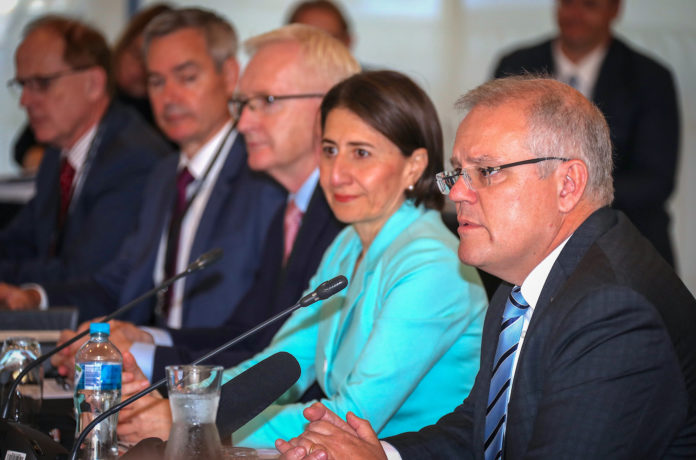
We are yet to see an outline of a economic strategy to cushion the effects of the corona virus. If not, there has to be some clarity and certainty on what we as a country can and should do.

We understand there has been an “allocation” of K45 million (NZ$22 million) for this operation. None of the provinces have a fully functioning coronavirus isolation center yet. Morobe’s Angau Hospital response team is still waiting for the money to come. They are ready to work.

We appreciate all that is being done so far. Your hard work is highly commended.

However, members of the National Executive Council (NEC) need to show the leadership and ensure there is trust and confidence by maintaining dialogue with the media.

We, the media, don’t desire a standoff around coronavirus related information gathering and sharing. We want to help. But it is absolutely frustrating when we get no answers at all or the answers come with little clarity and direction.

Information needs to be shared and people need to be reassured through its timely release at both at the bureaucratic and the political levels.

Scott Waide is deputy news editor of EMTV News. This article is his personal view and is republished with permission from his blog My Land, My Country.

Print Friendly, PDF & Email

Article by AsiaPacificReport.nz

NZ’s canned Pasifika Festival a financial blow for stallholders

By Sela Jane Hopgood of RNZ Pacific

The cancellation of this year’s New Zealand Pasifika Festival in Auckland because of coronavirus fears is expected to be a huge financial blow for some stallholders.

Dutchie Low, from Hawaiian Pineapple Hut, said he found out about the cancellation on Facebook, which was then followed by a few of his friends who were also stallholders texting him about the new plan.

“I was shocked. After 12pm, the Auckland Council decided to send an email to everyone that the festival is cancelled, but by then it was old news,” he said.

READ MORE: Coronavirus developments – livestream latest
READ MORE: Last-minute cancellation a disgrace – Barbara Dreaver

“I totally understand why it needed to be cancelled, but I just wish they did not do it with less than 24 hours until the festival kicks off.

“I have got around $8000 of stock such as pineapples, watermelons and ice-cream just sitting here now, and I am unsure of what to do with it all because I can’t return it back to the store.

– Partner –

“I did keep in touch with the council through email asking them if the festival will be cancelled because of the coronavirus and if so please give us enough notice so that we don’t lose out financially, but they kept reassuring us that it will still go on.”

Low said he did not buy his stock the week before the festival because he had a feeling there was going to be a cancellation.

‘Trust council’s word’
“I had pressure from my supplier saying if I don’t confirm my order, they will sell it, so I had to try keep my supplier happy, but at the same time trust the council’s word that they won’t cancel, even though I had my suspicions.,” he said.

“I have a friend who was going to have a stall at the Māori village and she has $7000 worth of meat in her van. She was in tears when she heard the news.”


The announcement of the cancellation. Livestream video: RNZ

Company director of a Cook Islands’ clothing brand Mareko Island Creations, Mark Sherwin, said he had a feeling the event was going to be cancelled due to the Covid-19 coronavirus.

“We figured that there was a chance it was going to be dropped, but we still decided we’ll come over to New Zealand. I mean it’s a shame that it’s cancelled, but we totally understand.

“Before the festival, we were pushing our products online to sell and now that is the plan – to do more of that – seeing we can’t sell our clothing range at Pasifika.

‘Asked Cook Island help’
“We have asked the help of the Cook Island community in Auckland to find alternative locations for us to sell at as another option to help clear our stock. We have around $1000 worth of clothing in New Zealand and ideally we don’t want to bring it all back to Rarotonga.

“We have been a part of Pasifika Festival for over 10 years and so it is sad to see it not happening, but I am happy to see New Zealand take a stand because of the Covid-19.”

Meanwhile, the Pacific Business Hub based in Manukau City is opening its doors on Saturday to provide support to Pacific vendors left stranded by the cancellation.

“With continued vigilance, the chance of widespread community outbreak is expected to remain low. With that in mind, the Pacific Business Hub will open up its premises to hold a Pasifika pop-up market to allow our communities the opportunity to have stalls.

“We open our doors on the understanding that we are all responsible for our own health and safety at all times. If you have developed symptoms of fever, cough, or shortness of breath seek medical advice and stay home.”

‘Safety of our Pacific neighbours’
The cancellation of this year’s festival was a decision made by advice that highlighted the safety of the Pacific countries that take part in the event.

Overnight, the Covid-19 Cabinet Committee met and considered the issue, and its advice was to cancel, based on concerns from the Ministry of Foreign Affairs and Trade and the Ministry of Business, Innovation and Employment.

Associate Minister of Pacific Peoples Carmel Sepuloni said the primary consideration was New Zealand’s Pacific neighbours.

“MBIE indicated that the large amount of people that were likely to be in attendance from the Pacific and then therefore traveling back to the Pacific and the large nature of the event, keeping in mind that Pasifika Festival would have been the biggest event in New Zealand this weekend with around 60,000 people attending, would have meant contact tracing would have been incredibly difficult.

“If someone who has coronavirus was to attend and it was caught and taken back to the Pacific, it would be potentially detrimental.”

“We know the challenges in the Pacific in terms of the resourcing and the health infrastructure in general and we also know the challenges of the health conditions that our Pacific people in our Pacific nations have higher proportions of like diabetes, so it makes those populations much more vulnerable.”

“We don’t want to be in a position where we are hosting an event here that could lead to the spread of coronavirus to the Pacific region.”

Auckland mayor Phil Goff said the council was making decisions on an event by event basis.

“While the latest Ministry of Health advice is that New Zealand does not have a community outbreak of Covid-19 and the risk of a community outbreak remains low, Auckland Council, and the Cabinet Committee’s specific concerns are about the risk of the virus being transmitted to the Pacific Islands by attendees of the festival.”

This article is republished under the Pacific Media Centre’s content partnership with Radio New Zealand.

Print Friendly, PDF & Email

Article by AsiaPacificReport.nz

Coronavirus: 5 ways to manage your news consumption in times of crisis

Source: The Conversation (Au and NZ) – By Mark Pearson, Professor of Journalism and Social Media, Griffith Centre for Social and Cultural Research, Griffith University, Griffith University

Thousands of employees internationally are already working from home in COVID-19 self-isolation because of their recent travel, related symptoms or immune system vulnerability.

But to do so while habitually checking the news on devices – and allowing 24/7 news channels to play non-stop in the background – might erode your productivity and increase stress and anxiety.

A foundational element of media literacy in the digital era is striking an appropriate balance between news consumption and other activities. Even before the current crises, Australian research demonstrated news avoidance had risen among news consumers from 57% in 2017 to 62% in 2019, driven by a sense of news fatigue.

Self-help expert Rolf Dobelli implores us to stop reading the news. While he advocates going cold turkey and abandoning all packaged news consumption, Dobelli makes exceptions for long-form journalism and documentaries.

So too does philosopher Alain de Botton in The News – A User’s Manual, while proposing more positive news and journalism’s examination of life’s deeper issues, emotions and aesthetics.

In journalism education there has been a move towards “peace journalism”, “mindful journalism”, “constructive journalism” and “solutions journalism”, where the news should not merely report what is wrong but suggest ways to fix it.


Read more: How peace journalism can help the media cover elections in Africa


Of course, it would be a mistake to abstain from all news during the COVID-19 pandemic and its unpredictable economic and social consequences.

Often it is best to navigate a middle path, so here are five suggestions on how you can stay in the loop at home while you get your work done – and help maintain your mental health.

1. Switch off

Avoid the 24/7 news channels and feeds unless it is your business to do so, or unless the information is likely to impact you directly.

Try to develop a routine of checking in on the main headlines once, twice or three times a day so you stay informed about the most important events without being sucked into the vortex of click bait and news of incremental changes in the number of coronavirus cases or the ups and downs of the stock markets.

2. Dive deep

Look for long-form journalism and in-depth commentary on the topics that most interest you. Articles by experts (Editor’s note: like those in The Conversation!) include the most important facts you need to know, and are likely to have a constructive angle presenting incisive analysis and a pathway to a solution or best practice.

Spend your time engaging with well-researched and accurate stories. Eugene Zhyvchik/Unsplash

On radio and television, look for big picture current affairs programs like the ABC’s AM and 7.30 – or on a lighter and more positive note Ten’s The Project – so you don’t have to be assaulted by a disturbing litany of petrol station hold-ups, motorway chases and celebrity gossip in the packaged morning and evening news.

3. Connect

Use social media wisely – for communicating with family and friends when you might be physically isolated and by following authoritative sources if something in the news is affecting your life directly, such as emergency services during cyclones, fires and floods.

But avoid the suggested and sponsored news feeds with dubious and unfiltered information (often shared as spam by social media illiterates).

Keep your social media commentary civil, empathetic and supportive – mindful of everyone’s mental health during a crisis.

4. Interrogate

Ask the key question: “What is the best source of the information I absolutely need to know?”

Go to primary sources where possible. Subscribe to official and authoritative information feeds – for example, daily summaries from the World Health Organisation) and the Commonwealth Department of Health on COVID-19 and your preferred bank’s summary reports on the sharemarket and economic indicators.

5. Be mindful

Bear in mind the well being of any children in your household with the timing and selection of your hard/live news consumption. International research has shown more constructive news stories have fewer negative mental health impacts on children, particularly when combined with the opportunity to discuss the contents with their peers.

It’s important to think about where your children get their news, too. Shutterstock.com

Finally, you might also use these crises to build your own media literacy – by pausing to reflect carefully upon what news you really need in your family’s life. This might vary markedly according to your work, interests and passions.

For many of us it will mean a much more critical diet of what we call “traditional hard news” – allowing us the time to read and view material that better contributes to the quality of our own lives and to our varied roles as informed citizens.

ref. Coronavirus: 5 ways to manage your news consumption in times of crisis – https://theconversation.com/coronavirus-5-ways-to-manage-your-news-consumption-in-times-of-crisis-133614

Coronavirus with a baby: what you need to know to prepare and respond

Source: The Conversation (Au and NZ) – By Karleen Gribble, Adjunct Associate Professor, School of Nursing and Midwifery, Western Sydney University

If you have a baby, you may be worried about them catching the coronavirus, particularly after media reports of an Australian infant diagnosed with it.

The good news is, the evidence so far is babies almost never get seriously ill from the coronavirus. And even if infected, they may have no symptoms.

However, the coronavirus could affect infants in other ways. For instance, there may be difficulties accessing health care, consumer goods and child care.

Thinking about these possibilities now, and preparing for them, can help you manage what may come.

Health care access may be tricky, but there are ways

If the coronavirus becomes widespread, the health system will struggle to cope for a while.

Up to 20% of people who get COVID-19 need treatment in hospital for up to two weeks or more.

Hospitals and general practices may be overwhelmed by others sick with the coronavirus, which may make it difficult to access health care if your baby gets sick for any reason.


Read more: Want to Skype your GP to avoid exposure to the coronavirus? Here’s what you need to know about the new telehealth option


Recognising this, the Australian government recently announced special provisions for parents of newborns to be bulk-billed when consulting a doctor or nurse via phone or videocall rather than in person.

There are also things you can do to help keep your baby healthy so they don’t need medical treatment. By protecting them, you also protect the people around them who may be more vulnerable to serious illness from the coronavirus.

Think about hygiene

The first thing you can do is to practice good hygiene yourself. This includes frequently washing your hands, avoiding close contact with other people as much as you can, coughing or sneezing into your bent elbow or a tissue, and avoiding touching your eyes, nose and mouth.

Here’s how the World Health Organisation recommends you wash your hands.

Because babies put their hands in their mouths no matter what, frequently washing their face and hands and cleaning surfaces and objects they might touch will help protect them from any infection.

How about daycare?

It will come as no surprise to most parents that babies who attend daycare are sick more often.

That’s because babies and small children have an immature immune system, are in very close contact with one another, and may end up sharing saliva with one another by mouthing and touching one another and the same toys.

So, if you can, keep your baby away from daycare. However, if you need to use it, when you pick up your baby from daycare, wash their hands and face, change their clothes, then wash your own hands, before scooping them into that big, warm hug.

Make sure vaccinations are up to date

Routine vaccination is the safest, most effective way to protect babies and children from illness.

So, keep your child’s vaccinations up-to-date to minimise the chance they’ll need medical attention while the health system is dealing with the coronavirus.


Read more: No, combination vaccines don’t overwhelm kids’ immune systems


If you’re breastfeeding

Breast milk contains many ingredients to help prevent and fight infection. It is recommended babies be fed only breast milk until they are six months old and continue breastfeeding with other foods into their second year of life.

Keep breastfeeding, is the latest advice. Australian Breastfeeding Association, Author provided

If your baby is under six months and breastfeeding, offering them only breast milk protects them from a range of infections and reduces their need for medical treatment or hospitalisation.

If your baby is breastfeeding and using formula, consider replacing formula feeds with breastfeeds.

If you have stopped breastfeeding altogether, it is possible to start breastfeeding again if you want to (contact the national Breastfeeding Helpline for assistance).

If you have an older baby or toddler who is still breastfeeding, keeping breastfeeding will help protect them from other illnesses until after the coronavirus pandemic has passed.

If you’re using formula

It is easy to accidentally introduce germs into bottles while you’re preparing infant formula. So, because medical care may be hard to access, it is worth taking extra care to prevent this.

If your baby is on formula, take extra care when preparing bottles to avoid infection. Shutterstock

Be extra careful about preparing bottles. This means always washing your hands thoroughly with soap, washing bottles thoroughly, sterilising them after every use, and making up formula with hot water.

Remember to cool down the bottle in the fridge, give it a gentle shake, and check it’s not too hot before giving it to your baby.

Shop for supplies, such as nappies

Supply chains may be disrupted if lots of people get ill. And you may not be able to shop if you need to self-isolate at home.

It is recommended you have two to three weeks worth of supplies at home to prepare for this possibility. Consider stocking up on nappies for this length of time, or keeping washable (cloth) nappies on hand.

If you are formula feeding, buy enough infant formula for three weeks but check the expiry dates.

What if mum contracts the coronavirus?

Mothers are more at risk of becoming sick from the coronavirus than their babies.

And if you’re breastfeeding and you’re infected, it is recommended you continue breastfeeding. That’s because the virus has not been found in breastmilk.

Wearing a mask when you are with your baby (including during feeding), washing hands before and after contact with your baby, and cleaning and disinfecting surfaces and any feeding equipment will help prevent your baby catching the virus from you.

If you are are hospitalised or separated from your baby, you can express breastmilk for them.

Think about keeping grandparents safe

If you or your partner get ill, someone else may need to help care for the baby or other children.

Babies like to share their saliva with their caregivers and they may be infected with the coronavirus but have no symptoms. So they may easily spread the infection to the people looking after them.


Read more: Worried about your child getting coronavirus? Here’s what you need to know


Many parents call on grandparents to help with child care. Unfortunately people over 60 are the most likely to get seriously ill or die from the coronavirus.

So, if your standby carers are over 60, now is the time to think about making alternate childcare arrangements.

Talk with grandparents about how they can reduce their risk of infection if they need to look after the baby.

ref. Coronavirus with a baby: what you need to know to prepare and respond – https://theconversation.com/coronavirus-with-a-baby-what-you-need-to-know-to-prepare-and-respond-133078

Air-dropping poisoned meat to kill bush predators hasn’t worked in the past, and it’s unlikely to help now

Source: The Conversation (Au and NZ) – By Justine M. Philip, Doctor of Philosophy, Ecosystem Management, Museums Victoria

After the summer’s devastating bushfires, the New South Wales government announced a plan to airdrop one million poisoned baits in the state’s most vulnerable regions over the next year. The plan is aimed at protecting surviving native animals from foxes, feral cats and wild dogs.

This isn’t the first time aerial baiting has been used in NSW recently. As the fire season got underway in September last year, the government’s biannual aerial baiting program scattered baits over nearly 8 million hectares in the Western Division alone – dispensing 43,442 aerial baits and 115,162 ground-laid baits over the drought-stricken region.

Biosecurity officers drying meat baits for the Autumn baiting program in Broken Hill last year. NSW Government, Local Land Services, Western Region

In a study published this week, I explore Australia’s history as pioneers of this technology. The review raises serious concerns about the ethics and poor results of baiting programs, and the high uptake of baits by non-target species such as marsupials.

D-day for dingoes

Aerial baiting has been Australia’s foremost weapon against pest species for the past 74 years. The initial target was the dingo, to protect unguarded livestock from being killed.


Read more: How Australia made poisoning animals normal


It started on Remembrance Day in 1946. Around 367,000 dry meat baits were airdropped across Queensland, each containing enough strychnine to kill an adult dingo. The campaign was considered a victory, despite only recovering one dingo carcass during the initial operation. Livestock predation apparently decreased; tracks in the sand vanished.

The following year, 1.5 million baits were distributed. Then in 1948 the quantity increased to 2.5 million baits across remote regions of Queensland and the Northern Territory.

Livestock predation decreased after airdropping baits, but at what cost? CSIRO Science Image, CC BY

Thousands of baits to kill one dingo

The strychnine tablets took up to 12 tortuous hours for the poison to deliver its lethal kill. The baits used in research trials were still toxic after 14 weeks.

There was huge public criticism of the project at the time – much of it from graziers. They claimed ants and valuable pest-eating birds – magpies, small hawks, butcher birds, crows, ibis and curlew – were eating the baits.

In response, the Queensland government set up the first monitored trials. The 1954 report from the Chief Vermin Control Officer recorded:

In the dry season campaigns, the baits are dropped on water-holes, soaks, junctions of dried water courses, gorges in hills and all places where dogs must travel or gather in their search for water and game and in their movements with pups from the breeding areas.

The data recorded an average 14,941 baits dispensed for every dingo carcass recovered. Anecdotal evidence suggests the program was considered a success.

CSIRO research worker with young dingo, 1970. National Archives of Australia

Then in 1968 – 21 years after aerial campaigns began – a four-year CSIRO study tested the effectiveness of aerial baiting. It found the 1954 report was far from conclusive – the dingoes may just have moved elsewhere. And it concluded: “clearly aerial baiting was not effective”.

But there was an important caveat:

It is important to emphasise that, though this aerial baiting campaign was a failure, such a conclusion does not necessarily apply to any other campaign.

On the strength of that, aerial baiting programs continued.

Not much has changed

Despite millions of baits applied annually to the environment since the 1940s, Australia’s biodiversity has plummeted.

What’s more, developments in the technology haven’t come far. Raw meat baits eventually replaced dry baits in some areas. Strychnine was superseded by 1080, a less harmful poison to non-target native species, and less persistent in the environment.

Trials in the 1980s brought the bait-to-kill rate down to 750 to 1 (baits per dingo carcass recovered). This was considered a cost-effective and successful outcome.

Soon after, aerial baiting found a new market, becoming the frontline defence against Australia’s plummeting biodiversity from invasive predators.

The bushfires have left native animals vulnerable to predation from foxes and cats. AAP Image/James Gourley

Baits are not benign to marsupials

In 2008, the Australian Pesticides and Veterinary Medicines Authority imposed a limit of ten baits per kilometre to reduce risk to non-target species.

Pest control agencies need four times that amount of poison to achieve a successful kill rate. Yet planes have been dispensing baits at this lower and ineffective rate since 2008.

Why? It seems a balance between wildlife safety and effective canine or predator eradication isn’t possible with this technology.


Read more: Dingoes found in New South Wales, but we’re killing them as ‘wild dogs’


In fact, it has been impossible to accurately trace the fate of baits thrown from aeroplanes into remote terrain. Even ground baiting trials have proved difficult to monitor. A 2018 trial found non-target species consumed more than 71% of ground-laid meat baits, including ravens, crows, goannas, monitor lizards, marsupials and ants.

Four young dingoes died during this trial, representing only a 1.25% uptake by target. Despite monitoring with cameras and sand traps, 599 baits out of 961 in the trial disappeared without a trace.

These baits are not benign. Repeat doses can kill marsupials; non-lethal doses can kill pouch young. Secondary poisoning can also be lethal. Applying this outdated technology to vulnerable bushfire regions is from a historical viewpoint, potentially hazardous.

Surely there’s another way

There are new technologies available to help protect and repair Australia’s fragile and broken ecosystems. Remote surveillance, drones, AI, heat sensing equipment, and more could locate populations and dispatch dangerous animals.


Read more: Guardian dogs, fencing, and ‘fladry’ protect livestock from carnivores


If aerial baiting continues, aerial surveillance could at least follow the fate of the one million baits and tell us what and who is eating them – who lives and who dies in the stripped-bare landscape.

One thing is for certain: halting the program would prevent hundreds of thousands of these poisoned meat baits ending up in the stomachs of our treasured native animals.

ref. Air-dropping poisoned meat to kill bush predators hasn’t worked in the past, and it’s unlikely to help now – https://theconversation.com/air-dropping-poisoned-meat-to-kill-bush-predators-hasnt-worked-in-the-past-and-its-unlikely-to-help-now-132195

Review: 150 Psalms is a monumental choral event

Source: The Conversation (Au and NZ) – By Melanie Walters, PhD candidate in music, University of Adelaide

Review: 150 Psalms, The Tallis Scholars, Netherlands Chamber Choir, The Song Company, The Norwegian Soloists’ Choir for the Adelaide Festival

One of the great aspects of international arts festivals is the opportunity to experience large-scale artistic projects that would otherwise be unfeasible in a smaller city like Adelaide.

A series of choral concerts may not seem like the same scale as an opulent opera or an interactive virtual reality experience. But 150 Psalms was a monumental event. It brought together four internationally acclaimed choirs to cover 500 years of musical terrain.

Created by Tido Visser of the Netherlands Chamber Choir, 150 Psalms was first staged for the 2017 Utrecht Early Music Festival. Along with the Netherlands Chamber Choir, the Adelaide event brought together Sydney-based The Song Company, the Norwegian Soloists’ Choir and British vocal ensemble The Tallis Scholars.

Each ensemble brought their own distinctive character and aesthetic. In 12 concerts at various venues – a Uniting church, Catholic and Anglican cathedrals, an Orthodox synagogue – all 150 psalms were performed.

Visser conceived the project as a reflection of the world today, connecting the themes of the psalms with contemporary events.

Concepts of joy, fear, loss and insecurity running through the texts seem as relevant today as they were when the psalms were written.

Accompanying the performances was a photographic exhibition drawn from The Australian’s archives. These photos highlight the relationship between contemporary events and the psalms: powerful images contrasting war, protests and vigils against artistic and sporting achievement, children playing and religious celebration.

How lovely is your dwelling place

The Netherlands Chamber Choir had the most traditional sound, with warm, blended timbres.

The Tallis Scholars and their historically informed performance had exceptional precision and clarity with nuanced phrasing.

The Song Company were animated and communicative.

The polished Norwegian Soloists’ Choir navigated their exceptionally diverse programs with ease.

Renaissance music made up a large percentage of the concert programs. There were well-known names such as Josquin and Palestrina alongside lesser-known composers including France’s Philibert Jambe de Fer.

Short, simple settings, such as Lodovico da Viadana’s Exultate iusti with its homophonic textures and call-and-response passages, beautifully contrasted with the intricate polyphony of works like Ferdinando di Lasso’s Sperate in Domino.

In the selected baroque works, alongside the predictable inclusion of works by Bach and Purcell was composer and Benedictine nun Chiara Margarita Cozzolani. Her Dixit Dominus was one of the more interesting early works, with its contrasting textures and shifts between major and minor modes.

Among the many highlights across the performances was French-Lebanese composer Zad Moultaka’s setting of Psalm 60 in Sakata.

Violent imagery permeates the text of Psalm 60, with references to earthquakes and the futility of man’s salvation. Moultaka conveys this harshness through effects such as chest beating, ululation and other extended vocal techniques, while slowly shifting drones maintain a sense of unease throughout the setting.

Most of the psalms were either a capella or with organ accompaniment. James MacMillan’s A New Song brought the organ to the fore, with impressively clear articulation in the repeated scalic passages by organist Anthony Hunt.

There was an impressive number of world premieres across the programs. New works by Australian and New Zealand-based composers replaced some of the settings in the original Utrecht staging.

Commissions included some of today’s most distinctive composers, among them Cathy Milliken, Elena Kats-Chernin and Claire Maclean. Kate Moore’s setting of Psalm 3 evoked a sense of desperation, with vocal portamenti conjuring distant emergency sirens.

I walk in the midst of trouble

Dutch theologian Gerard Swüste divided the psalms into 12 themes, such as abandonment, trust and suffering, with speakers contextualising each performance.

These themes weren’t always successful. The inclusion of Carlo Gesualdo – the late Renaissance composer who brutally murdered his wife and her lover – in a program called “safety” seemed ill-conceived.

But, for the final concert, Celebration of Life, the unresolved dissonance at the end of Francis Poulenc’s Exultate Deo seemed fitting after Kerry O’Brien spoke to tumultuous current events. The lack of harmonic resolution at the end of an otherwise jubilant musical setting felt like an unanswered question, leaving us to consider how to move forward in the chaos of today.

The musical answer given to this question was Thomas Tallis’s Spem in Alium. All four ensembles came together to perform the glorious 40-voiced work.

Although the text of this work is drawn from the Book of Judith, rather than psalms, it summed up the celebratory nature of many of the psalms. The beauty of the music, along with the text’s exhortation to hope, was one of the most moving moments in the entire program.

ref. Review: 150 Psalms is a monumental choral event – https://theconversation.com/review-150-psalms-is-a-monumental-choral-event-133349

Stadiums are emptying out globally. So why have Australian sports been so slow to act?

Source: The Conversation (Au and NZ) – By Michelle O’Shea, Senior Lecturer Sport Management, Western Sydney University

Packed stadiums are the bread and butter of sports. Crowds create stadium atmosphere and generate revenue. For a global industry built on live entertainment and big crowds, the continued spread of COVID-19 could be disastrous for international sports events.

Australia’s sports leagues and teams are not immune, though in recent days, it would be hard to tell.

Despite the cancellations of major international sporting events like the Indian Wells tennis tournament and the Chinese Grand Prix, and European football matches being played in closed stadiums, a record crowd of 86,174 fans descended on the MCG to watch the T20 Women’s World Cup final last weekend.

Days later, the decision to hold the match looked ill-advised when the government put the cricket match on its list of exposure sites for coronavirus cases.


Read more: It’s now a matter of when, not if, for Australia. This is how we’re preparing for a jump in coronavirus cases


This weekend’s Australian Grand Prix was finally cancelled this morning, but only after organisers held an emergency meeting to discuss various options with fans lined up at the gates.

The event was thrown into doubt after the McLaren team pulled out when a team member tested positive for coronavirus and several members of other teams were quarantined with flu symptoms.

F1 champion Lewis Hamilton said he was ‘very surprised’ the Australian Grand Prix was going ahead. Michael Dodge/AAP

Now, with the rest of the NBA and NHL seasons in the US being suspended and the MLB season being delayed, Australian sports leagues are finally starting to take action.

The NRL announced today its first round of matches would go ahead as normal this weekend after Prime Minister Scott Morrison banned public gatherings of more than 500 people, but future matches would be played behind closed doors. The AFLW and NBL made similar announcements, while a decision is expected to be forthcoming from the AFL within days.

This is a positive sign, but there are worrying questions why it took Australian sports officials so long to act, particularly when stadiums and arenas were emptying out so quickly in other countries.

Some leagues too slow to act

For health officials, the timing is important. Just days ago, Victorian Health Minister Jenny Mikakos said that since there had not yet been any reported cases of “community transmission” of the virus in Victoria, the Australian Grand Prix, in particular, could go ahead.

However, this changed today when Premier Daniel Andrews said no spectators would be allowed at the Grand Prix “on public health grounds”.

Officials elsewhere in the world haven’t waited this long to make tough calls on cancelling events. The Indian Wells event in California was cancelled after a single case of coronavirus was confirmed locally. (The ATP Tour was then suspended for six weeks.) And the upcoming Bahrain Grand Prix decided days ago it will be held on a closed track with no spectators.

There have been mixed messages on whether it’s safe to attend NRL matches, as well. Prime Minister Scott Morrison tried to appeal for calm by saying he would be going to the footy this weekend, but an infectious disease specialist said this morning he was incredulous the season hadn’t already been cancelled.

The NRL finally decided today to play upcoming games in empty stadiums. It also announced stringent rules for its players, including bans on community outreach and minimising contact with fans.

But these moves were remarkably slow to materialise and the season began as usual this week with arch-rivals Parramatta and Canterbury playing in front of a sizeable crowd. In recent days, CEO Todd Greenberg has also been urging fans to continue “to go to public events” and “do your normal activities”.

We will put plans in place, we are not jumping to any conclusions just yet, but of course we are mindful of the problems that might exist.

More than mindfulness is required. This wait-and-see approach looks weak now that the world is in the midst of a pandemic. Contingency plans should have been developed long before the start of the season, with clear communication to clubs, players and fans alike.

A Champions League match played in an empty stadium in Paris to prevent the spread of coronavirus. Alexandre Simoes / UEFA via Getty Images

Commercial impact to leagues

From a commercial standpoint, AFL CEO Gillon McLachlan has also sought to minimise concerns about the virus, saying the league has “limited exposure” given its domestic focus.

At the moment, the coronavirus has implications for those with supply chain or international links and that’s not where we’re at.

There has been some discussion about modifying the season if the outbreak continues to spread, including cancelling games, playing in empty stadiums or condensing the schedule.

The AFL has modelled the potential cost to the league of such steps, but has remained tight-lipped about these projections.


Read more: Explainer: what are the Australian government’s powers to quarantine people in a coronavirus outbreak?


While the NRL and AFL earn a substantial amount of their income from television broadcast deals, revenue generated through gate receipts is also important to clubs, as is secondary food and beverage, merchandise and other game-day spending.

While short-term cancellations or closed stadiums can likely be managed by most teams, the longer-term impacts could be much harder to address if the virus continues to worsen. Locking out fans could require membership reimbursements, but what about corporate box revenue and catering contracts?

The players, too, stand to lose a significant portion of their salaries. While those on guaranteed contracts will not be affected by cancelled games, all first- and second-year players signed to base salary contracts with match payments could stand to lose quite a bit.

Risks to athletes’ health

While the risk to fans is of obvious concern, the health of athletes should also be taken into consideration.

Many of us think of athletes as some of the healthiest people we know. And yet, research suggests elite athletes can be more susceptible to viruses due to the immense physical and mental stress they are under, which may affect their immune systems.

There are also added risks associated with air travel, physical contact during competition and living in close quarters with other athletes. A study of the Finnish team at the 2018 Winter Olympics showed just how fast such illnesses like the common cold can spread during competitions.


Read more: The coronavirus pandemic is forcing us to ask some very hard questions. But are we ready for the answers?


This explains why the NBA advised players to avoid high fives and minimise contact with autograph seekers, and then immediately suspended its season when one player tested positive.

The AFL, by comparison, has seemed divided on how to deal with a player possibly contracting coronavirus. It has provided some advice to clubs on prevention strategies, but is leaving it to them to develop their own protocols.

Keep calm and carry on

As the Australian leagues grapple with how to respond to the virus, the organisers of the biggest sporting event of the year, the Tokyo Olympics, are still weighing their options.

Though the International Olympic Committee and the Tokyo 2020 Olympic chief have affirmed their commitment to hold the games as planned, the situation remains fluid.

For now, Australian athletes continue to train and prepare for the Olympics as normal, though they are being advised not to travel overseas.

When it comes to domestic sports leagues and sporting events, however, more caution is certainly needed. While the decision to cancel matches does not solely lie with sports authorities, they should be taking more guidance from what is being done by leagues overseas.

It’s surely no longer business as usual and Australian sport officials can no longer just watch this space before deciding how to act.


This story has been updated since publication with the official cancellation of the Australian Grand Prix and the NRL’s decision to play matches in empty stadiums.

ref. Stadiums are emptying out globally. So why have Australian sports been so slow to act? – https://theconversation.com/stadiums-are-emptying-out-globally-so-why-have-australian-sports-been-so-slow-to-act-133354

Coronavirus is stressful. Here are some ways to cope with the anxiety

Source: The Conversation (Au and NZ) – By Louise Stone, General practitioner; Clinical Associate Professor, ANU Medical School, Australian National University

One of our patients was recently talking about her anxiety around the coronavirus epidemic. This woman’s stress was understandable. She had survived a serious infection with swine flu, but only with a prolonged stay in intensive care.

I guess we all walk on the edge of a cliff […] anything can happen to anyone at any time. We are never really safe. But people like me? Now we know the edge of the cliff is right there, and we can’t help looking down.


Read more: 7 science-based strategies to cope with coronavirus anxiety


While some people may be more susceptible to becoming seriously ill with the coronavirus than others, none of us are immune to the pervading sense of anxiety that has taken hold around the world.

For Australians in particular, this crisis has come immediately after a horror summer of bushfires, which took their own toll on our collective mental health.

But there are some things we can keep in mind, and some practical steps we can take, to keep coronavirus-related anxiety under control.

A tangible threat versus an invisible enemy

It hasn’t been an easy start to the decade. In the face of the summer’s bushfires, many of us contended with threats to our health, our homes and even our lives.

Even those not directly affected were faced with constant images of charred bushland, injured wildlife, and homes burnt to the ground.

The bushfires put a strain on our collective mental health, and it’s very likely some people are still struggling.

Australia’s unprecedented bushfires over recent months took a toll on people’s mental health. Dean Lewins/AAP

Natural disasters, though, are visible and tangible. There are things we can do to avoid the threat, manage the danger or mitigate the risk. We can see the smoke, check the app, buy an air purifier, prepare our homes. And despite the vivid images of floods, fires and cyclones, we know the storm will pass.

Epidemics are different. A novel epidemic is unknown, evolving and a global risk.

We are faced with a variety of information (and misinformation) online. Guidelines contradict each other, different states have different approaches, and experts disagree.

Meanwhile, infection rates climb as economies fall. We know we may contract the virus, and as yet we know there’s no vaccine to prevent it.


Read more: You’re not the only one feeling helpless. Eco-anxiety can reach far beyond bushfire communities


While the bushfires united us, coronavirus seems to divide us

There’s an ugly side to ways we can deal with the stress of an unknown enemy like the coronavirus.

Some people blame potential carriers for their own illnesses, scapegoating people they see as high-risk. This is not helpful.

We also seek to manage our anxiety by trying to prepare ourselves and our families for the possibility of isolation or quarantine.

While this is reasonable to a degree, practices like stockpiling toilet paper and other goods can feed, rather than relieve, anxiety. Empty supermarket shelves can create panic, and further disadvantage people who might be living from week to week.

Epidemics isolate us from each other physically too, and this will only happen more and more.

So how can we put things into perspective?

We can take heart in knowing many people will develop only mild disease from the coronavirus.

There are of course vulnerable members of our community: those with compromised immune systems due to illness or age. We need to protect these people as a community by creating safe spaces for them to live, work and access health care, rather than fostering panic.


Read more: ‘The doctor will Skype you now’: telehealth may limit coronavirus spread, but there’s more we can do to protect health workers


Our greatest asset lies in our own bodies. We may not understand how to best protect ourselves, but our bodies are experienced managers of novel immune challenges, and they will manage the risk as effectively as they can.

Ultimately, our best chance at surviving this virus relies on nurturing our bodies: avoiding exposure through hand-washing and isolation where appropriate, eating well, exercising, managing chronic illnesses, and getting enough sleep.

The anxiety a pandemic generates is inevitable. At the end of the day, we all need to learn to live with a degree of risk we can’t avoid.

Practical strategies to keep anxiety at bay

The World Health Organisation has developed some practical tips for dealing the stress of this outbreak. Here are a few of them:

  • accept that it’s normal to feel sad, stressed, confused, scared or angry during an outbreak

  • find ways to talk about how you feel with others, especially if you are in quarantine

  • remember to keep an eye out for your children during this time, and for loved ones who already have mental illness. They may need help dealing with this added anxiety

  • if you feel overwhelmed, seek support from a health professional

  • don’t use smoking, alcohol or other drugs to deal with your emotions. Keep your body as healthy as possible by eating well, exercising and getting enough sleep

  • limit worry by limiting media exposure to a few trusted sources

  • draw on skills you have used in the past that have helped you to get through difficult times.


Read more: 8 tips on what to tell your kids about coronavirus


If this article has raised issues for you, or if you’re concerned about someone you know, call Lifeline on 13 11 14.

Dr Wendy Burton, a GP in Brisbane, contributed to this article.

ref. Coronavirus is stressful. Here are some ways to cope with the anxiety – https://theconversation.com/coronavirus-is-stressful-here-are-some-ways-to-cope-with-the-anxiety-133146

Friday essay: projecting light onto a dark history – how mid-century cinema resurrected Port Arthur’s convict past

Source: The Conversation (Au and NZ) – By James Findlay, Sessional Lecturer in History, University of Sydney

Tourism was an early money-spinner in Tasmania, with Port Arthur featuring on travel circuits by the late 1800s.

In the years following the penal station’s closure in 1877, an influx of local and interstate tourists encouraged guides (including some ex-convicts) to set up shop at the settlement, walking visitors through the ruins and recounting horrors of the bad old days – for a fee.

One guide was known for presenting his own body as a ghoulish attraction, dramatically removing his shirt to display lash marks, or “stripes”, on his back to astonished onlookers.

Cinema played an important role in this early popularity of Port Arthur: the rise of the motion picture occurred in tandem with the site’s evolution from ruined penal settlement to premier tourist attraction.

Viewed today, these films raise important questions about the layers of historical meaning film can bring to a site like Port Arthur. They also highlight how long we have been fascinated by dark tourism.

Forgetting and remembering past horrors

In particular, travelogues – short documentary films promoting the virtues of travel, usually screened before feature films or as part of newsreels – embraced Tasmania’s taboo convict history.

These films played in cinemas to large audiences around the country. They highlighted Port Arthur’s convict heritage as a key part of the site’s allure.

This was in contrast to early attempts by the Tasmanian government to downplay or gloss over the state’s history in tourist campaigns. These focused on natural attractions instead.

Many who were crafting the state’s tourism image considered cashing in on convict horror to be harmful to its reputation. Guidebooks were at pains to reinvent Port Arthur as a pleasant seaside retreat, avoiding Tasmania’s convict history and preferring to highlight its “respectable” pioneers.

But travellers kept coming for the convicts.

Alongside Port Arthur, other local convict tourist attractions, including the Port Arthur Museum in Hobart and The Old Curiosity Shop at Brown’s River, also proved popular.

Hotel Arthur in 1930. Port Arthur Historic Site Management Authority: 1998.488.001

By 1918, there were two guest houses and a hotel at the former penal colony, catering to visitors wanting to stay overnight on the peninsula. The original jetty was extended to accommodate the increased water traffic.

As a site of punishment, Port Arthur remained the ultimate convict experience, and one of Australia’s earliest examples of dark tourism.

Scholars coined the term dark tourism to encompass the complex relationships between travel destinations and an interest in human trauma.

Alongside battlefields, Holocaust memorials and natural disaster remnants, prisons feature prominently as places of dark tourism globally. As historical sites of suffering, they elicit sympathy for their former inmates.


Read more: From trauma to tourism and back again: Port Arthur’s history of ‘dark tourism’


Port Arthur evoked this sympathy alongside the thrill of experiencing the horrors of convict punishment.

Meanwhile, the ruins and their surrounds offered the traditional pleasure of visiting a beautiful and wild landscape: representations in alignment with Tasmania’s evolving tourist image.

The coming together of these seemingly paradoxical experiences produced a unique site of convict memory.

Beautiful landscapes and ‘ancient’ histories

Filmmakers were initially drawn to this unbeatable scenery.

Port Arthur’s buckling walls, roofless prison towers and rows of elm trees, oaks and briar roses were splashed across cinema screens around the country to the delight of moviegoers.

But the beautiful landscapes contained unsettling truths.

Postcards from 1950 capture how the site was advertised to tourists. State Library Victoria

Tasmania promoted itself as having a history of industrious state-building. In keeping with this theme, travelogues recast convicts as skilled craftsmen.

In films like See Tasmania First (1935) and Hobart Town (1952), convict-constructed buildings and bridges and the ruins at Port Arthur are presented as pre-industrial marvels and seeds of the state’s enduring progress.

These films describe the “honest” colonial structures “whose simple dignity and beauty redeems the characters that built them”.

Travelogues, including the Frank Hurley-directed Isle of Many Waters (1939), Tasmania: Gem of the South Seas (1951) and the Cinesound-produced Tasmania: A Southern English Garden (1946), feature Port Arthur as a star attraction in a gallery of scenic delights.

Accompanied by swelling orchestral soundtracks and jaunty narration, the audience is carried along from one attraction to the next, including apple orchards, mountain climbs and copper mines.

When it comes to Port Arthur, panoramic shots usually introduce the ruins, followed by close-ups detailing the site’s Gothic architecture. Sometimes, travellers or tour guides are featured, wandering through the grounds to provide scale.

But, overwhelmingly, it is Port Arthur’s scenery in the spotlight.

It was imagery evoking the medieval castles of Great Britain. This recognisably nostalgic aesthetic must have satisfied a yearning in many Australians for a romanticised historical connection to England that transcended tales of convict transportation.

Tasmania’s famed natural beauty was also enlisted to deal with the legacy of Port Arthur’s convict history. Since its closure, the prison had been overrun by nature, ravaged by bushfires and invaded by vegetation.

The remaining timeworn aesthetic allowed filmmakers to locate Port Arthur in a past disconnected from the modern day, with narration claiming the ruins were “ancient” and “relics of a bygone era”.

Characterising Port Arthur in this way gave audiences permission to reflect on the majesty of the ruins – and the convict histories they evidenced – from the safety of a distant present.

Ghosts of Port Arthur

Travelogues like Ken G. Hall’s Ghosts of Port Arthur (1932) walked a finer line between sensationalising the convict experience and presenting Port Arthur as a benign scenic location. Screening widely, it was one of the most popular and longest-running Tasmanian travelogues of the 1930s.

Advertised as a “travel-fantasy”, Hall’s film is a meditation on the grim history of the penal settlement. Its narrative intercuts melodramatic vignettes of convict punishment taken from an earlier popular silent cinema adaptation of Marcus Clarke’s For the Term of His Natural Life (1927) with contemporary scenes of sightseers at Port Arthur.

The brazenly recycled footage suggests Hall recognised the centrality of Clarke’s convict mythology and its recent revival on screen to the cultural currency of the site.

At the time of its production, For the Term of His Natural Life was the most expensive Australian feature film ever made and the key visual text informing a popular understanding of the convict experience during the 1930s.

Many of the film’s scenes had been produced on location at the ruins. This includes the famous “glass shot”, where the roofs of the penitentiary and other buildings were “restored” by placing a pane of glass between the scenery and the camera, with the roofs and other features painted onto the glass.

By using sequences from For the Term of His Natural Life in his travelogue, Hall was likely acknowledging the lure of Port Arthur was not only of a former convict prison, but also the chance to visit the location of a blockbuster film.

On the ground at Port Arthur, For the Term of His Natural Life’s impact is further reflected in tourist accounts written during the 1930s. Visitors reported being haunted by convict ghosts re-enacting scenes from the film before their very eyes as they strolled through the ruins.

Ghosts of Port Arthur both recognised and reinforced the important role cinema played in shaping visitors’ expectations at the ruins and the historical memories they evoked.

Visitors searching for the convict experience confronted both real and imagined landscapes, constructed from memories of a penal settlement already experienced through film.

Framing the convicts

Though many Australians avoided, and even fostered, an ignorance of the nation’s convict story until the 1960s, the Port Arthur travelogues acknowledged the ruins as lying at the heart of Tasmania’s historical imagination.

As the closing narration in the Cinesound-produced travelogue Historic Port Arthur asserted, by 1946 tourists at the ruins required little prompting to:

make contact for a little while with one of the most poignant chapters of Australian history … To breathe life into the old shades that time could only partly hide. Beneath the crust of the years there are some things we cannot forget.

Travelogue films framed Port Arthur as a place to remember Australia’s convict past, both on and off screen, helping to reconfigure the ruins as a site of convict memory.

In doing so, cinema imbued a nation’s monument to its convict origins with new ghosts.

ref. Friday essay: projecting light onto a dark history – how mid-century cinema resurrected Port Arthur’s convict past – https://theconversation.com/friday-essay-projecting-light-onto-a-dark-history-how-mid-century-cinema-resurrected-port-arthurs-convict-past-127623

For decades, scientists puzzled over the plastic ‘missing’ from our oceans – but now it’s been found

Source: The Conversation (Au and NZ) – By Britta Denise Hardesty, Principal Research Scientist, Oceans and Atmosphere Flagship, CSIRO

You’ve probably heard that our oceans have become a plastic soup. But in fact, of all the plastic that enters Earth’s oceans each year, just 1% has been observed floating on the surface. So where is the rest of it?

This “missing” plastic has been a longstanding scientific question. To date, the search has focused on oceanic gyres such as the Great Pacific Garbage Patch, the water column (the part of the ocean between the surface and the sea bed), the bottom of the ocean, and the stomachs of marine wildlife.

But our new research suggests ocean plastic is being transported back onshore and pushed permanently onto land away from the water’s edge, where it often becomes trapped in vegetation.

Of course, plastic has been reported on beaches around the world for decades. But there has been little focus on why and how coastal environments are a sink for marine debris. Our findings have big implications for how we tackle ocean plastic.

New research shows a significant amount of plastic pollution from our oceans ends up back on land, where it gets trapped.

The hunt for marine pollution

Our separate, yet-to-be-published research has found around 90% of marine debris that enters the ocean remains in the “littoral zone” (the area of ocean within 8km of the coast). This new study set out to discover what happens to it.

We collected data on the amount and location of plastic pollution every 100 kilometres around the entire coast of Australia between 2011 and 2016. Debris was recorded at 188 locations along the Australian coastline. Of this, 56% was plastic, followed by glass (17%) and foam (10%).

Data was recorded approximately every 100 kilometres along the coast of Australia. Of the marine debris recorded, more than half was plastic.

The debris was a mix of litter from people and deposition from the ocean. The highest concentrations of plastic pollution were found along coastal backshores – areas towards the inland edge of the beach, where the vegetation begins. The further back from the water’s edge we went, the more debris we found.

The amount of marine debris, and where it ends up, is influenced by onshore wave activity and, to a lesser extent, wind activity. Densely populated areas and those where the coast was easily accessible were hotspots for trapped plastics.


Read more: Stop shaming and start empowering: advertisers must rethink their plastic waste message


Think about what you see on your beach. Smaller debris is often found near the water’s edge, while larger items such as drink bottles, plastic bags and crisp packets are often found further back from the water, often trapped in vegetation.

We also found more debris near urban areas where rivers and creeks enter the ocean. It could be that our trash is being trapped by waterways before it gets to the sea. We’re finding similar patterns in other countries we’re surveying around the Asia Pacific and beyond.

This pollution kills and maims wildlife when they mistake it for food or get tangled in it. It can damage fragile marine ecosystems by smothering sensitive reefs and transporting invasive species and is potentially a threat to human health if toxins in plastics make their way through the food chain to humans.

It can also become an eyesore, damaging the economy of an area through reduced tourism revenue.

Onshore waves, wind and areas with denser human populations influences where and how much marine debris there is along our coastlines. CSIRO

Talking rubbish

Our findings highlight the importance of studying the entire width of coastal areas to better understand how much, and where, debris gets trapped, to inform targeted approaches to managing all this waste.

Plastic pollution can be reduced through local changes such as water refill stations, rubbish bins, incentives and awareness campaigns. It can also be reduced through targeted waste management policies to reduce, reuse and recycle plastics. We found container deposit schemes to be a particularly effective incentive in reducing marine pollution.


Read more: We organised a conference for 570 people without using plastic. Here’s how it went


This discussion is particularly timely. The National Plastics Summit in Canberra last week brought together governments, industry and non-government organisations to identify new solutions to the plastic waste challenge, and discuss how to meet targets under the National Waste Policy Action Plan. Understanding that so much of our debris remains local, and trapped on land, provides real opportunities for successful management of our waste close to the source. This is particularly critical given the waste export ban starting July 1 at the latest.

Plastic in our oceans is increasing. It’s clear from our research that waste management strategies on land must accommodate much larger volumes of pollution than previously estimated. But the best way to keep plastic from our ocean and land is to stop putting it in.

Arianna Olivelli contributed to this article, and the research upon which it was based.


Read more: Here is a global solution to the plastic waste crisis – and A$443 million to get it started


ref. For decades, scientists puzzled over the plastic ‘missing’ from our oceans – but now it’s been found – https://theconversation.com/for-decades-scientists-puzzled-over-the-plastic-missing-from-our-oceans-but-now-its-been-found-133434

The many faces of social housing – home to 1 in 10 Australians

Source: The Conversation (Au and NZ) – By Emma Baker, Professor of Housing Research, School of Architecture and Built Environment, University of Adelaide

Social housing is part of the lives of a surprising number of Australians. On any one night in Australia, just over 4% of households rent social housing. Yet it has housed many more people than this for brief, and sometimes repeated, periods. We estimate up to 10% of Australians have called social housing home at some time in the past 20 years.

Throughout the postwar era, Australians have used social housing in various ways. Social housing can be:

  • a place to raise a working family

  • a “springboard” to owning a home

  • a brief “safety net” to escape domestic violence

  • a stable home following homelessness.


Read more: As simple as finding a job? Getting people out of social housing is much more complex than that


Today the Australian Housing and Urban Research Institute (AHURI) releases a major commissioned study tracking the pathways of people into and out of social housing from 2000 to 2015. Our analysis, using national data, provides many interesting insights into how Australians use social housing.

Try to picture a “typical” social housing tenant. You might imagine a single mother, or an elderly lady who has lived and raised family there. Or do you see a single man who has fallen out of the workforce? Regardless of whom we picture, most of us will probably see social housing as an end-point in their housing journey – a stable home.

The truth is Australians use social housing in several very different ways. A home for life is just one of those ways.

Who uses social housing?

When we look over time (in this case 15 years) at everyone who has lived in social housing, we find only about a third of people lived continuously in the tenure. Almost another third entered social housing in that time and remained there. But a surprisingly large proportion entered and left the sector either once or multiple times.

So social housing represents different things – a long-term home, a springboard, a safety net – to different people.


Read more: Is social housing essential infrastructure? How we think about it does matter


The likely role of social housing depends a lot on what else is going on in people’s lives. When we compared characteristics of all people who were “social renters” at some time in the 15 years, we found:

  • the group who lived continuously in social housing were generally older (average age 60) and more likely to be female than people on other housing pathways, with age pension and disability benefits the most common types of government assistance received

  • those who left social housing (and never returned) were the second-oldest group (average age 50), also predominantly female, with unemployment and disability support the most commonly received government assistance

  • the group who entered (and then remained in) social housing was distinct in its high proportion of refugees and other people born overseas, with unemployment and disability support again the most common government assistance

  • more than a quarter of all pathways could be described as more transitory, involving multiple entrances or exits. This group as a whole was younger, more likely to be Australian-born and more likely to be Indigenous than the other groups. It was also distinct in the dominance of unemployment benefits among the forms of government assistance received.

Social housing has broad benefits

The people who enter social housing, and their patterns of behaviour, are nowhere near as predictable as many of us thought. There are many pathways. Only about one-third are long-term tenancies.

Despite the shrinkage of this sector, and a relative lack of investment in it, social housing does much more than simply house the elderly, sick and most disadvantaged people in our society.

Social housing (public and community housing) as a proportion of all households in Australia. AHURI, using ABS Census data, 1981-2016, CC BY-NC-SA

Read more: Australia’s social housing policy needs stronger leadership and an investment overhaul


More than one in four people who enter social housing use it as a launchpad to more stable employment and market housing. Clearly, then, the sector plays a valuable role in stabilising lives and raising prosperity. These important functions should be safeguarded in the future as pressures on the sector continue to grow.

Overall, one of the things this new work gives us is a long view – hopefully a different view – of the social housing sector and its role over time in Australian lives. It reminds us the impact of social housing is felt well beyond the 4% of the population who may live in it at any one time.

Our social housing infrastructure has certainly been part of the housing experience of many Australians or their parents. We therefore underestimate the effectiveness of social housing as a springboard into home ownership, or a temporary safety net, when we only think of the 4% it currently houses.

ref. The many faces of social housing – home to 1 in 10 Australians – https://theconversation.com/the-many-faces-of-social-housing-home-to-1-in-10-australians-133436