Page 1008

I’ve spent 14 years on bushfire front lines and seen courage in the face of death

Source: The Conversation (Au and NZ) – By Greg Penney, PhD Candidate, Edith Cowan University

I can vividly remember my first experience as a junior firefighter in 2006, tasked with completing a “backstop” defence. This meant standing directly between an advancing head fire (the most intense part of the bushfire) and vulnerable houses. It’s a dangerous tactic, yet often required when civilian lives are under threat.

As we braced, an eerie calm settled over the area and I mentioned to a senior firefighter that “it didn’t seem that bad”. He chuckled and simply said: “just wait”.

Within what seemed like just a few minutes, the leaves in the distant canopies began to dance and a small rumbling could be heard. I looked nervously at the senior firefighter. He adjusted my protective clothing, smiled and calmly warned me to “get ready”.
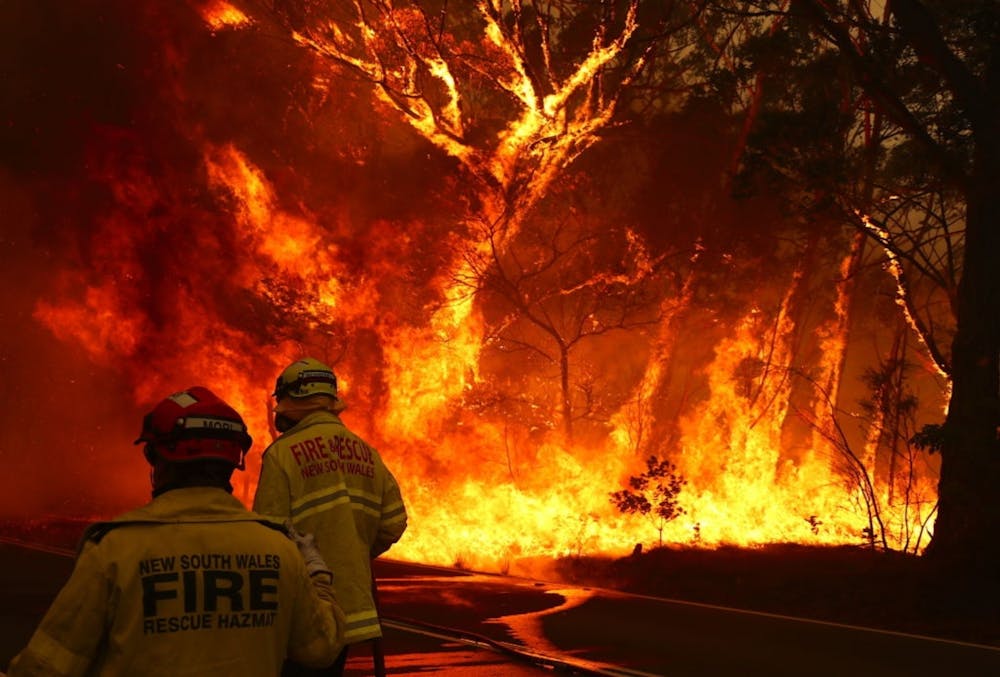
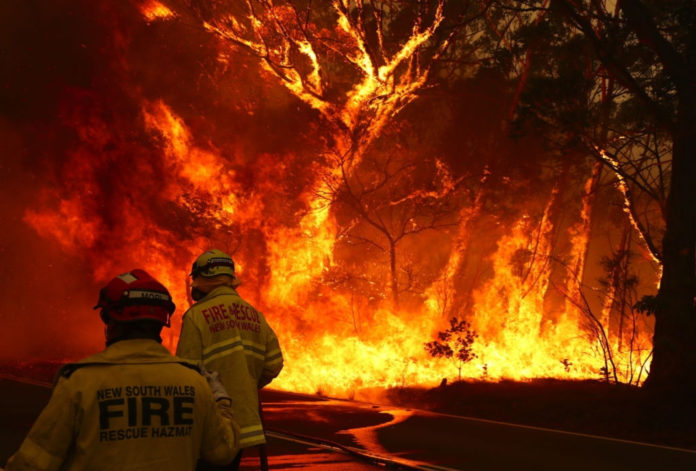
An out-of-control bushfire is one of the scariest situations a firefighter can face. Shutterstock

I had entered the trainee firefighter school at 23 and, like many other “veterans” of emergency or military services, I thought I was hard enough to withstand anything the fire and rescue service could throw at me.

After 14 years, multiple close calls, two shoulder reconstructions and permanent lumbar disc damage (not to mention a couple of master’s degrees and almost a PhD), I can categorically say firefighters are not indestructible.

In tonight’s episode of ABC’s You Can’t Ask That, firefighters discuss the shared experience of what it’s like to stare down an out-of-control bushfire. It’s one of the scariest and most dangerous situations a firefighter – career and volunteer alike – can face.


Read more: To improve firefighters’ mental health, we can’t wait for them to reach out – we need to ‘reach in’


Back in 2006, the small rumble I heard grew to something resembling a freight train and every leaf and twig began to violently shake. What seemed like a fireball exploded out of the vegetation in front of me. Adrenaline and my training kicked in.

I can’t remember the rest of that job, but no houses were lost and no one was injured. That was just a small fire.

How we fight fires

Despite popular opinion, fighting a bushfire isn’t as simple as putting “wet stuff on hot stuff” (with the exception of small fires).

My experiences as a firefighter have led me to research how fire services can improve firefighters’ safety and the way we suppress large bushfires.

The strategies and tactics depend on many variables. This includes the weather, terrain, vegetation, the availability of resources, what exactly is under threat and the “defendability” of those assets, the experience of the firefighting crews and more.
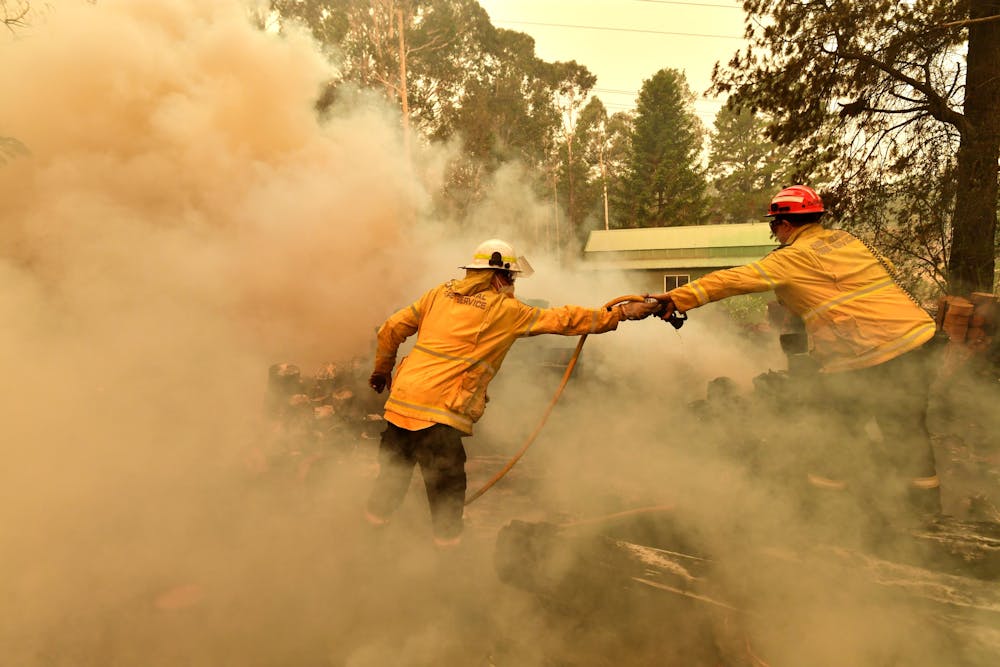
Firefighters often put themselves in danger to keep civilians safe. AAP Image/Mick Tsikas

On paper, theoretical models of bushfire behaviour are neatly linked to “suitable” suppression strategies and tactics. But in reality, incident management teams and operational personnel on the fireground must analyse all available information – such as the dynamic and chaotic nature of the bushfire front – and decide which are most suitable.

What’s more, they must do this constantly throughout the operation to ensure the selected tactics and strategies remain suitable, such as direct attacks on the head fire (the most dangerous and offensive approach), indirect attacks on the fire flanks or defensive operations, such as evacuations.


Read more: There’s only one way to make bushfires less powerful: take out the stuff that burns


This is particularly important when you consider how quickly the flank of a fire can transform into a large and significantly more intense head fire, one that can quickly overrun and engulf firefighters.

Even with this knowledge, in many instances firefighters will put themselves in harm’s way to ensure civilians are safe.

I’ve seen heroes

One question on You Can’t Ask That is “are you a hero?”. I definitely do not consider myself a hero. I have, however, been privileged enough to serve with them.

In the 2016 Yarloop-Waroona bushfires in Western Australia, I was tasked with defending a bridge on a critical evacuation route. My crew were overrun by fire, subsequently regrouping to lead the defence of an isolated community at Preston Beach with no way to escape.

We faced flame heights greater than 20 metres, rapid rates of spread, significant ember attack and visibility less than 10m. We then survived a burnover (where the fire truck is literally engulfed in fire) in a pine plantation where flames extended 20-30m above the treetops, and visibility dropped even further.


Read more: ‘I can still picture the faces’: Black Saturday firefighters want you to listen to them, not call them ‘heroes’


Below is an excerpt from the account I supplied to support a bravery commendation for the crews involved (which they subsequently received). It details a very small part of the crew’s actions in the initial 27 hours we were on the front line.

One of the firefighters reported they thought they saw a person around the house […] Given the threat to the life of occupants in the property, and believing there was sufficient time to do so, I led the crews into the property to protect the civilians.

Despite being directly impacted by the fire, SFF Johnston ran to the house to see if occupants were inside it. SFF Criddle attempted to provide a protective spray from the light tanker, only for the pump to fail. Despite the extreme and imminent personal peril, SFF Criddle and SFF Johnston did not retreat until they were sure no occupants were inside.

At this point it became evident the house was involved in the fire and was not suitable as a refuge. Based on that observation I made the decision to evacuate the crew down Peppermint Grove Road.

It is my belief that SFF Johnston and SFF Criddle exposed themselves to extreme peril, despite equipment failure, to ensure the safety of civilians believed to be caught in the house. Their courage despite the threat of death by burnover was of the highest level.

Firefighting will always remain an incredibly dangerous occupation. The exposure to catastrophic bushfires will only increase as the effects of climate change continue to worsen.

ref. I’ve spent 14 years on bushfire front lines and seen courage in the face of death – https://theconversation.com/ive-spent-14-years-on-bushfire-front-lines-and-seen-courage-in-the-face-of-death-133521


A simpler life begins at home – key tips from people who’ve done it

Source: The Conversation (Au and NZ) – By Marisa McArthur, PhD Candidate, School of Technology Environments and Design, University of Tasmania

Voluntary simplicity focuses on doing more with less. People who choose this way of life seek other riches, like personal fulfilment, free time, community and environmental benefits. They see limiting their consumption as a way to improve their quality of life and flourish.

We wanted to learn about people who choose this path. What lessons do they have to share? In particular, how can housing be designed to support simplicity?


Read more: How ‘Earthships’ could make rebuilding safer in bushfire zones


We talked in depth to 14 householders and 25 housing industry professionals. As well as the householders, 11 of the professionals had made housing changes to simplify their own lives. Our conversations focused on life stories and beliefs, thoughts on voluntary simplicity, and ways to overcome the challenges they faced.

Our recently published research shows it is possible, with a bit of work and planning, to live a simple and fulfilling life. We focused on housing, because housing choices are at the heart of such a life. Our social connections, incomes, transport needs and energy and water usage all link to where and how we live.

Despite continuing increases, house and land prices are lower in Tasmania than on mainland Australia, but so are incomes. Just as elsewhere, housing practices here can lock householders into complicated consumption practices with negative consequences for society and the environment. Needing to work more to pay off bigger mortgages is one aspect of this.


Read more: People want and need more housing choice. It’s about time governments stood up to deliver it


Compromises are inevitable

Some participants wanted housing that encompassed environmental best practice and closeness to nature. Some wanted to connect with like-minded people. Some wanted smaller or no mortgages.

But “you can’t have it all”, we were told. Compromises are inherent in striving for voluntary simplicity in housing.

For example, you might want an off-grid eco-haven, but that’s unlikely in the inner city. You might need public transport, but that could rule out retrofitting a bush block home.

The ethically sourced building materials you select from interstate or overseas might involve supply chains using multiple transport modes and all the fossil fuel these use. Locally sourced materials might not meet your ethical standards. And are you happy to buy your solar panels using credit from a Big Four bank that invests in fossil fuels?

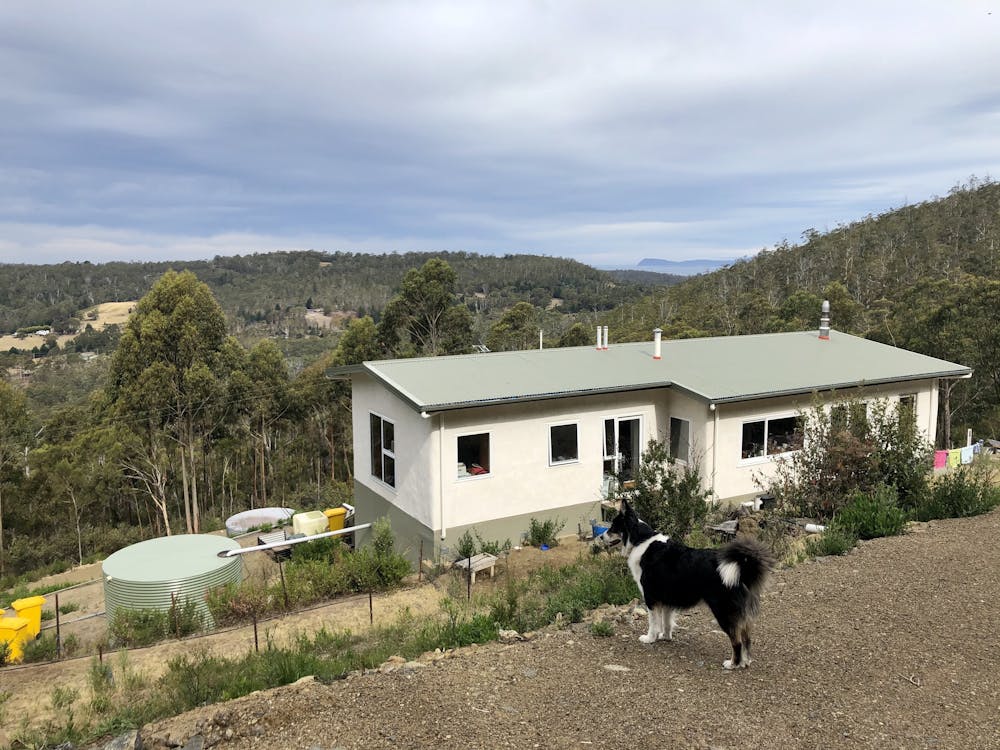
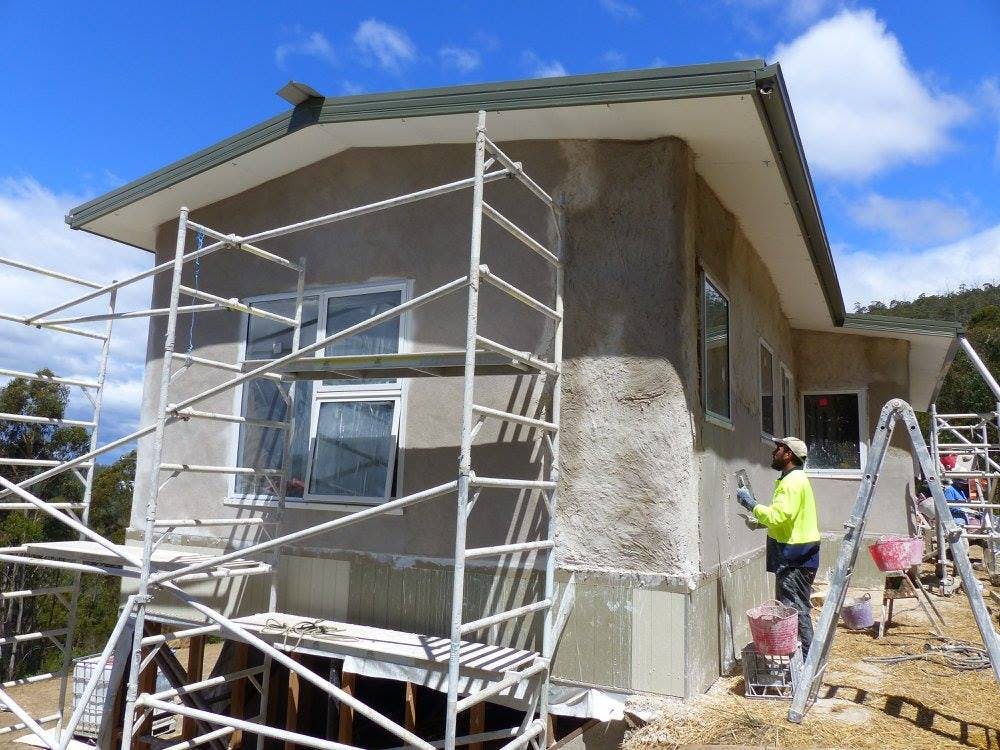
Many people in our study built homes from natural or recycled materials, like straw bales (shown here), rammed earth and repurposed timber, because of their natural aesthetic and lower environmental impact. Used with permission of Natalie Mendham/Designful, Author provided (No reuse)
Cosy lounge and kitchen spaces were important to people who value social connection and spending time at home. Used with permission of Natalie Mendham/Designful, Author provided (No reuse)

So, know your deal-breakers and accept that you cannot be “a model of simplicity” in every way all the time. “Do what you can for the context you’re in.”

A resounding piece of advice from the professionals was “smaller is better”.


Read more: So, you want to live tiny? Here’s what to consider when choosing a house, van or caravan


Do your homework

To find palatable compromises you must do your homework. For example, many people wanted to save money or have meaningful experiences of creating house and home.

That level of engagement takes a lot of work, which surprised several participants. It requires project-management skills and familiarity with regulations beforehand.

You might need specialist professionals on board from the start. A building designer told us:

You’re doing something different from the norm, so your standard industry professional might not be experienced with the regulations for composting toilets, on-site greywater systems, or even smaller-than-average houses.

Situations might change mid-project. Participants emphasised how important it is to be prepared for regulatory reforms, technological change and unexpected costs. Communication is crucial – with family, professionals and tradespeople, councils and suppliers.

One owner-builder told us:

It’s like a little treasure hunt. Ask lots of questions but gather them all together because professionals charge per hour or part thereof. Find people who have experience with a similar build or project. We asked friends for basic info, then asked the experts once we had some background.

Options and requirements might not be obvious. Finding professionals with similar values who have a talent for project administration, regulations and time management can be hugely helpful. Another building designer told us:

It’s becoming increasingly hard to build a home without professional help. If you don’t know the order in which to do things, and how one influences the other, it can become very stressful and costly and time-consuming.

Confidence and patience are useful attributes. Another owner-builder said:

You’ll be talking with people who know their stuff (or think they do) and are used to working with other professionals. It’s hard to call someone about a product not knowing what you’re talking about, but do it anyway and don’t be scared. At the end of the day, we were responsible for every aspect of our place, so why not take control? It gets easier once you start doing it.

Householders and experts favoured homes designed with small footprints and passive solar principles for their simplicity and environmental performance. Used with permission of Peter Mathew/Beachouse Architecture, Author provided (No reuse)

Be patient and know your limitations

Since everything seems to “take so much longer than planned”, remember you are there for the long haul.

If you want to move faster, you often have to pay experts for the privilege. As one owner-builder said: “We could have gotten away without the loan if time weren’t a factor.”

The more you do yourself as a non-expert the more you learn. But even if you are careful, you might make mistakes that cost time and money. So “be guided by your emotions and values but don’t let them get the best of you”.

This owner-built straw bale home is a product of creativity, commitment and years of hard work. The owners wanted to be close to nature, grow some of their own food, keep animals and have composting and greywater systems. Author provided
A work in progress: rendering the straw bales involved input from professional renderers, family and friends. OzEarth/Facebook
Living closer to the bush can mean more space for things like outdoor sporting equipment and sheds or garages, which some householders valued for self-sufficiency and connection to nature. Author provided

The project of a lifetime

The voluntary simplicity housing journey also affects professionals. One building designer told us:

I hope to see myself as an interpreter of what people want. It might be the project of a lifetime for someone who has spent their life savings on it, so I feel a responsibility to provide some sort of pastoral care. For owner-builders, the house becomes a part of the family in some ways.

That means being friendly, patient, communicative and paying attention to how clients experience the whole system from planning regulations to the philosophies of sustainability.

In practice, simple living is a huge journey. But with thought, planning and hard work, it can be extremely satisfying and rewarding.

Committing to voluntary simplicity in housing (or anything else) is never a complete response. But, as part of a suite of positive responses to contemporary challenges, from climate change to community cohesion, it’s worth working for as individuals and as professionals.


Read more: Bamboo architecture: Bali’s Green School inspires a global renaissance


ref. A simpler life begins at home – key tips from people who’ve done it – https://theconversation.com/a-simpler-life-begins-at-home-key-tips-from-people-whove-done-it-132081

The end of global travel as we know it: an opportunity for sustainable tourism

Source: The Conversation (Au and NZ) – By Freya Higgins-Desbiolles, Senior Lecturer in Tourism Management, University of South Australia

Saturday, March 14 2020, is “The Day the World Stopped Travelling”, in the words of Rifat Ali, head of travel analytics company Skift.

That’s a little dramatic, perhaps, but every day since has brought us closer to it being reality.

The COVID-19 crisis has the global travel industry – “the most consequential industry in the world”, says Ali – in uncharted territory. Nations are shutting their borders. Airlines face bankruptcy. Ports are refusing entry to cruise ships, threatening the very basis of the cruise business model.

Associated hospitality, arts and cultural industries are threatened. Major events are being cancelled. Tourist seasons in many tourist destinations are collapsing. Vulnerable workers on casual, seasonal or gig contracts are suffering. It seems an epic disaster.

But is it?

Considering human activities need to change if we are to avoid the worst effects of human-induced climate change, the coronavirus crisis might offer us an unexpected opportunity.

Ali, like many others, wants recovery, “even if it takes a while to get back up and return to pre-coronavirus traveller numbers”.

But rather than try to return to business as usual as soon as possible, COVID-19 challenges us to think about the type of consumption that underpins the unsustainable ways of the travel and tourism industries.

Tourism dependency

Air travel features prominently in discussions about reducing carbon emissions. Even if commercial aviation accounts “only” for about 2.4% of all emissions from fossil-fuel use, flying is still how many of us in the industrialised world blow out our carbon footprints.


Read more: Flight shame won’t fix airline emissions. We need a smarter solution


But sustainability concerns in the travel and tourism sectors extend far beyond carbon emissions.

In many places tourism has grown beyond its sustainable bounds, to the detriment of local communities.

The overtourism of places like Venice, Barcelona and Reykjavik is one result. Cruise ships disgorge thousands of people for half-day visits that overwhelm the destination but leave little economic benefit.

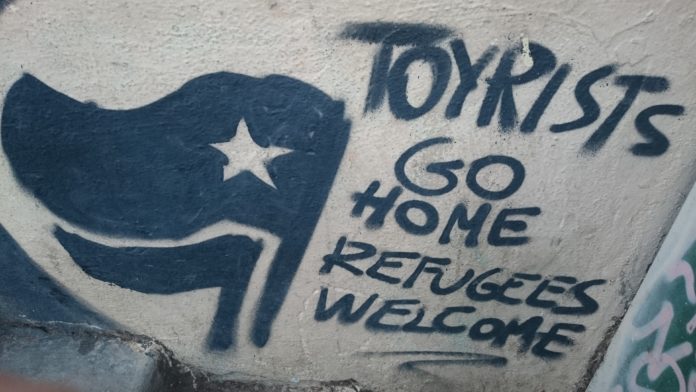
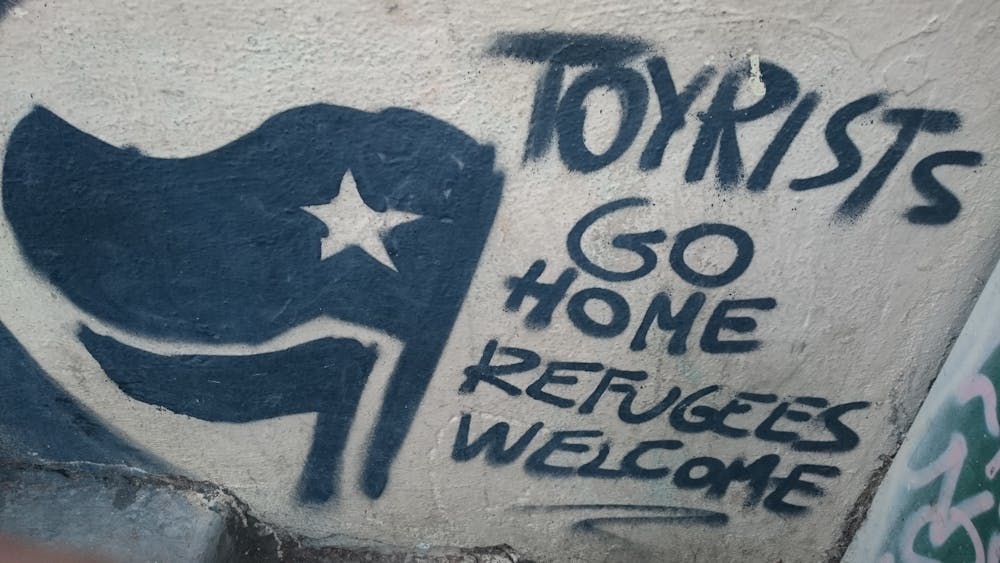
Graffiti in Barcelona: ‘Tourists go home. Refugees welcome.’ Dunk/flickr, CC BY-SA

Cheap airline fares encourage weekend breaks in Europe that have inundated old cities such as Prague and Dubrovnik. The need for growth becomes self-perpetuating as tourism dependency locks communities into the system.

In a 2010 paper I argued the problem was tourism underpinned by what sociologist Leslie Sklair called the “culture-ideology of consumerism” – by which consumption patterns that were once the preserve of the rich became endemic.


Read more: Tourists behaving badly are a threat to global tourism, and the industry is partly to blame


Tourism is embedded in that culture-ideology as an essential pillar to achieve endless economic growth. For instance, the Australian government prioritises tourism as a “supergrowth industry”, accounting for almost 10% of “exports” in 2017-18.

Out of crisis comes creativity

Many are desperate to ensure business continues as usual. “If people will not travel,” said Ariel Cohen of California-based business travel agency TripActions, “the economy will grind to a halt.”

COVID-19 is a radical wake-up call to this way of thinking. Even if Cohen is right, that economic reality now needs to change to accommodate the more pressing public health reality.

It is a big economic hit, but crisis invites creativity. Grounded business travellers are realising virtual business meetings work satisfactorily. Conferences are reorganising for virtual sessions. Arts and cultural events and institutions are turning to live streaming to connect with audiences.

In Italian cities under lockdown, residents have come out on their balconies to create music as a community.

Local cafes and food co-ops, including my local, are reaching out with support for the community’s marginalised and elderly to ensure they are not forgotten.

These responses challenge the atomised individualism that has gone hand in hand with the consumerism of travel and tourism. This public health crisis reminds us our well-being depends not on being consumers but on being part of a community.


Read more: Rethinking tourism so the locals actually benefit from hosting visitors


Staying closer to home could be a catalyst awakening us to the value of eating locally, travelling less and just slowing down and connecting to our community.

After this crisis passes, we might find the old business as usual less compelling. We might learn that not travelling long distances didn’t stop us travelling; it just enlivened us to the richness of local travel.

ref. The end of global travel as we know it: an opportunity for sustainable tourism – https://theconversation.com/the-end-of-global-travel-as-we-know-it-an-opportunity-for-sustainable-tourism-133783

Hidden women of history: Sonia Revid created public health ballet at the height of ‘dance fever’

Source: The Conversation (Au and NZ) – By Averyl Gaylor, PhD Candidate in History and Manager, Centre for Health, Law and Society at La Trobe Law School, La Trobe University

Today’s latest medical advice is to wash our hands to the chorus of songs from the likes of Lizzo, Gloria Gaynor or Beyoncé. This is to mitigate the boredom of washing to Happy Birthday … twice!

Public health strategies have been linked to popular culture before. In the 1930s, it was modern dance that taught Melburnians how to perform personal hygiene.

Dance classes were so popular the Sun News Pictorial reported:

Doctors, Barristers, other professional men are learning or relearning dance, and there are busy classes for business and married girls, tiny toddlers, and even mothers of families, and social heavyweights.

One dance instructor, Russian immigrant Sonia Revid, specialised in the instruction of hygiene through movement.

Revid choreographed and performed ballets that taught audiences how to brush their teeth. She also published a pamphlet outlining the importance of personal hygiene. The City of Melbourne’s medical officer, John Dale, publicly praised Revid’s efforts and parents were advised to enrol their children in her classes.

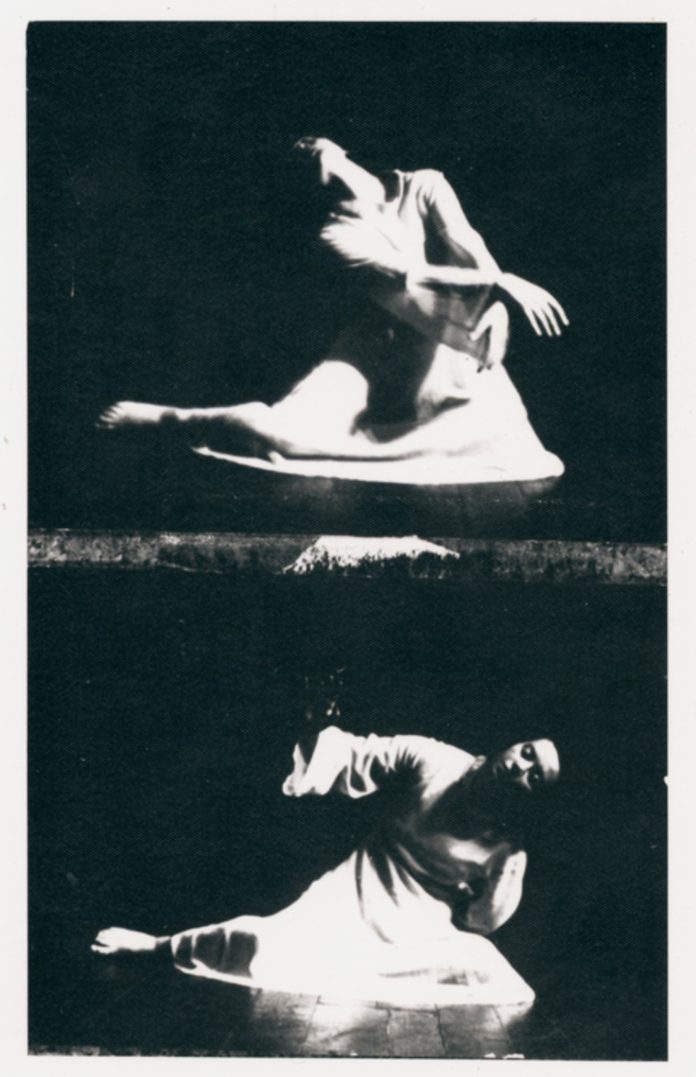
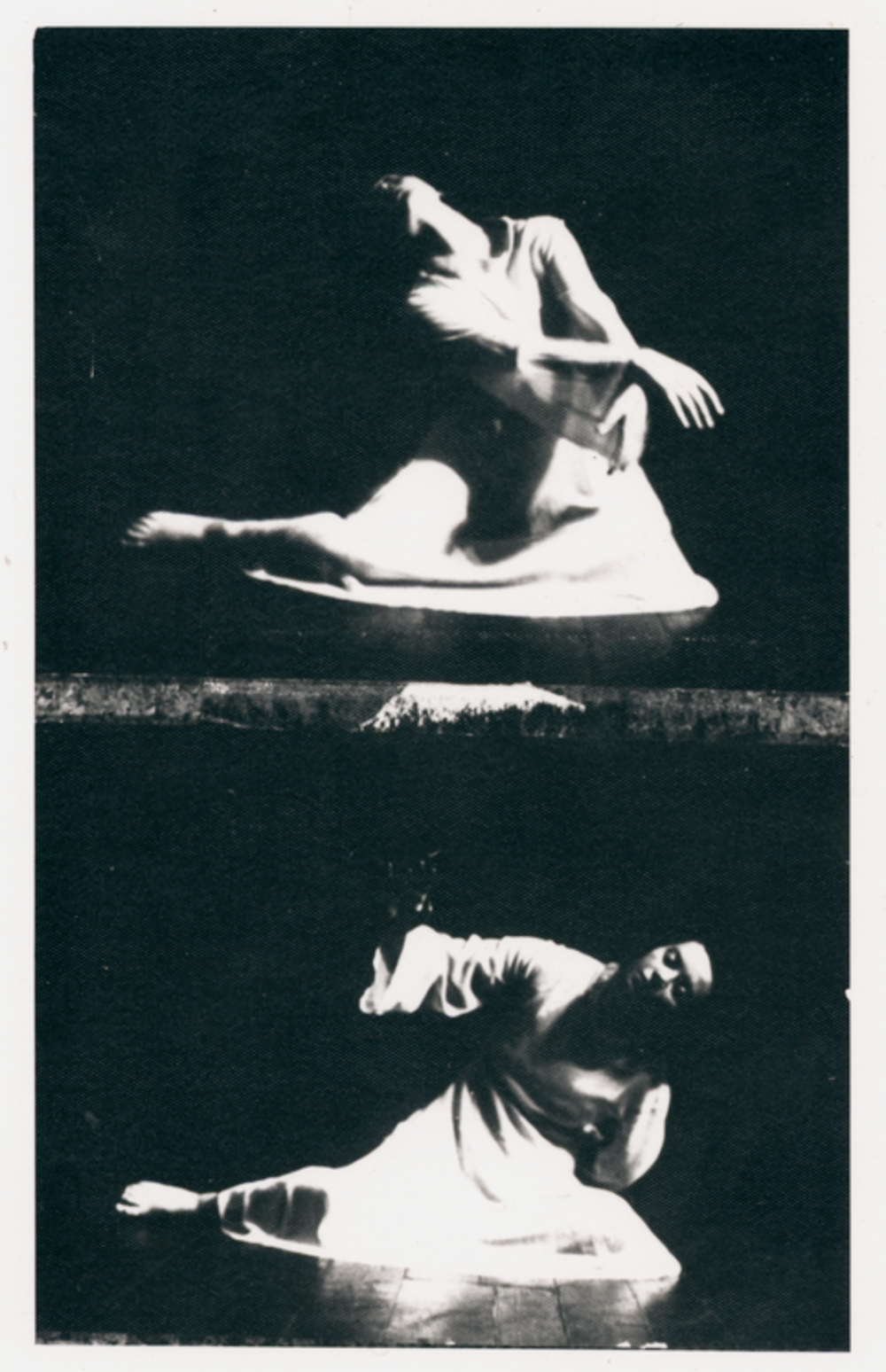
Revid in full flight, circa 1935. Rosa Ribush Collection/Australian Performing Arts Collection

Body and soul

Revid had opened her dance studio in Collins Street, Melbourne, in 1933, a year after her arrival in Australia.

The Sonia Revid School for Art Dance and Body Culture was promoted as ensuring “physical well-being and lasting health” and provided “lessons to correct specific physical defects, such as obesity, flat feet, unshapely hands, self-consciousness and shyness”.

By 1936, Revid was promoting her method as not only a way to stay fit and healthy but also as means of acquiring a “consciousness of cleanliness”.

Revid asserted the capabilities of her practice based on the evidence of a medico-social experiment she conducted on a group of poor children in 1935. Revid wanted to see whether poor children who lived in the then “slums” of Fitzroy could learn to distinguish between hygienic and unhygienic practices through dance education.

Poor hygiene had been associated with a lack of social responsibility and immorality and so Revid’s published pamphlet asked through metaphor: Do Slum Children Distinguish Light From Dark?

From her observations, Revid concluded modern dance had a cleansing capacity – performing a sort of physical and spiritual bath. Not only did it teach children how to identify hygienic and unhygienic practices, she wrote, but imparted a more hygienic constitution.

In recent years, ballet has returned to vogue as a tool for everyday fitness.

Don’t forget to smile

Emboldened by her belief in the hygienic potential of dance, Revid began to include ballets with public health messages in her performance repertoire.

Her 1938 ballet, Little Fool and Her Adventures, instructed audiences how to brush their teeth correctly and portrayed the painful consequences of poor dental hygiene.

The ballet was first performed at the University of Melbourne’s Union House Theatre and later at school halls such as at Melbourne Church of England Girls Grammar School, now Melbourne Girls Grammar. It was performed in four parts. Part one was an introduction to the protagonist, Little Fool, and to the themes of the ballet.

Little Fool Has a Toothache, the second section, told of the pain associated with dental decay. It was dramatically enhanced by a thumping musical score by the French composer, Charles Gounod, titled Funeral March of a Marionette. The score alluded to the serious medical consequences of poor dental hygiene. Audiences reported its repetitive rhythm reminded them of the thumping pain of a sensitive nerve.

The score has since become familiar as theme music for the television program Alfred Hitchcock Presents.

The ballet’s climax was in part three: The Toothache Leaves a Mark on Little Fool – She imagines she is pursued by evil spirits. This section was ominously danced to Camille Saint-Saëns’s Danse Macabre (known in English as Dance of Death). The choreography showed Little Fool overcome by delirium.

Revid’s ballet concluded with a positive message of calm vigilance. Little Fool overcame her sore tooth and departed the stage to a lively and uplifting tune.

Sonia Revid strikes a pose, circa 1931-47. Photograph by Andre, Melbourne/Australian Performing Arts Collection, Arts Centre Melbourne

Lessons today

Little Fool remained in Revid’s repertoire for many years, providing hygienic instruction and a cautionary public health warning to all who saw it.

Revid’s dance classes and her performances taught the importance of daily hygiene and kept the community informed of best practices through the fluctuating realities of Melbourne’s public health.

With advances in medicine and technology, such as vaccines, we often take the basics for granted, losing sight of the importance of thorough handwashing until a global pandemic reminds us of its preventive power.

Although hygienic instruction hasn’t been a part of popular artistic culture for a while, in 2020 Beyoncé and Lizzo are taking matters into their own clean hands.

ref. Hidden women of history: Sonia Revid created public health ballet at the height of ‘dance fever’ – https://theconversation.com/hidden-women-of-history-sonia-revid-created-public-health-ballet-at-the-height-of-dance-fever-132978

Military put on alert as PNG announces further restrictions

By Scott Waide in Lae

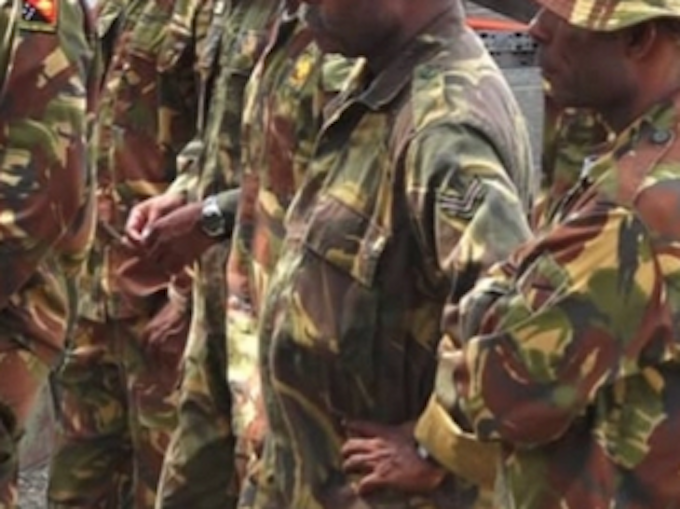
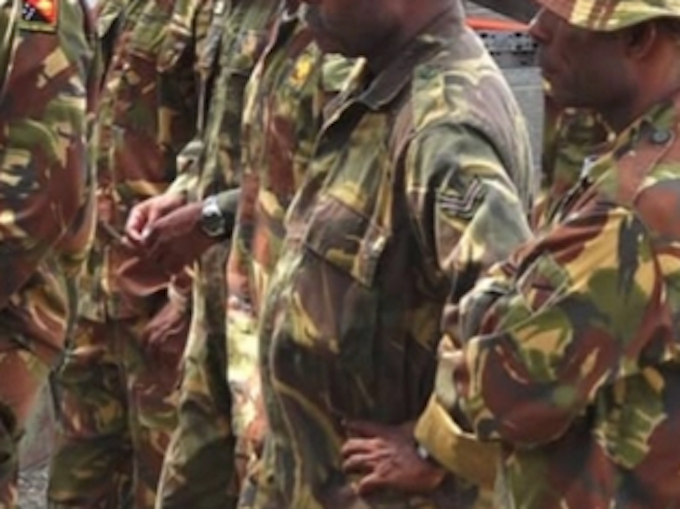
The Papua New Guinea Defence Force has been put on alert as Health Minister Jelta Wong formally declared the Covid-19 coronavirus as a “quarantinable disease” under the country’s health laws.

The National Security Council met on Monday to discuss additional control measures in light of the worsening crisis in Australia and other countries.

Prime Minister James Marape yesterday announced that overseas flights from Hong Kong, Philippines, Japan, Sydney and Nadi would cease as of Sunday next week and there would be controlled entry from Brisbane, Cairns and Singapore.

READ MORE: Three new coronavirus cases in NZ brings total to 12 – all returned travellers
Coronavirus global watch updates – 168,000 infected, at least 6610 deaths

“We are now scaling down flights next week…We have now put the military on standby to assist if a first case is established,” he said.

“Their medical facilities and officers [doctors and engineers] will be engaged for now and future pandemics.

– Partner –

“They have given us the Taurama Medical Center and 10 medical personnel for use,” Prime Minister Marape said.

Through a government Gazette notice, Health Minister Wong listed a series of actions supported by existing quarantine legislation, stating he was satisfied that the magnitude of the pandemic warranted the measures.

Australia excluded
The list of countries that fall under the 14-day pre-entry quarantine include 27 European Union member states. Australia, where the majority of expatriate mine workers come from, has been excluded.

“The following countries are proclaimed places under section 12(a) of the Quarantine Act 1953 and are infected with quarantinable disease being Covid-19: People’s Republic of China (including mainland China), South Korea, Iran, the European Union, United Kingdom and the US.”

Last weekend, Marape has already announced a 60-day ban on cruise ships as well as prior 14-day quarantine and medical clearances for all travellers coming from Hong Hong, Singapore, China and other Asian ports, including other high risk countries.

Overseas travel bans had also been placed on government workers while a separate ban has been imposed on traditional border crossers between Papua New Guinea, Australia, Indonesia and the Solomon Islands.

“We have now banned traditional border crossers until further notice.

“Anyone found to be crossing those borders will be heavily penalised. The traditional border crossers are to refrain from travelling until further notice.”

Scott Waide is a deputy news editor of EMV News and this article, first published on his blog My Land, My Country, is republished by the Pacific Media Centre with permission.

Print Friendly, PDF & Email

Article by AsiaPacificReport.nz

View from The Hill: MPs aim for lightning sitting on stimulus, as third parliamentarian contracts virus

Source: The Conversation (Au and NZ) – By Michelle Grattan, Professorial Fellow, University of Canberra

A pared-down parliament will aim to pass the government’s stimulus package in a single day’s sitting on Monday.

As a third federal parliamentarian tested positive for coronavirus, the government and opposition agreed to pair 30 a side from the 151 House of Representatives members. The Senate will also be reduced.

Members with personal or family health issues will be the first off the list of attendees, followed by those who live furthest away. Staff travelling from interstate will be kept to a minimum.

If complications arise the sitting – originally scheduled for four days – might have to extend to a second day but both sides want to avoid that.

On Tuesday NSW Liberal senator Andrew Bragg announced he has tested positive for the virus. This follows Home Affairs Minister Peter Dutton and Queensland Nationals senator Susan McDonald also being confirmed with the virus.

Bragg contracted the disease at a March 6 wedding where multiple guests were infected. Bragg chaired a Senate committee on March 9. Senate crossbencher Rex Patrick, one of those present at the inquiry, said he had no symptoms but was going into self-isolation and would get tested.

Foreign affairs late Tuesday issued advice to Australians abroad that if they want to come home, they should do so now. “If you’re already overseas and wish to return to Australia, we recommend you do so as soon as possible by commercial means.”

Against the background of increasingly disastrous news from the business community and more chaos in supermarkets, Scott Morrison and his senior ministers are working at full speed on the new support measures to be added to last week’s $17.6 billion package.

The NSW government unveiled a $2.3 billion package including health measures and tax relief for small business.

With travel to and from overseas drying up and local air travel drastically reduced as events are cancelled and businesses ground their employees, Qantas announced it was cutting 90% of its international capacity and 60% of its domestic capacity.

The government is now being blunt about the devastating economic consequences of the virus crisis.

Finance Minister Mathias Cormann, who usually puts an upbeat interpreation on everything, said:

“The impact is clearly getting more severe. We expect that businesses will close and people will lose their jobs. We are currently working to provide the necessary support through what will be a difficult transition. That is the grim reality of it.”

Cormann said tourism and hospitality sectors were “very much on the front line”, while also pointing to the difficulties of the not-for-profit sector.

“There are a whole series of Australians at the lower income end that are facing particular challenges,” he said. These people would need “appropriate levels of support”.

Cormann said the government was considering “to what extent we might be able to channel those workers who have less work for a company like Qantas, but might be able to do more work for companies like Coles and Woolworths”.

The government announced expanded telehealth services. They will now cover midwives, access to more GPs, and a range of specialist services including general surgeons, psychiatrists and mental health support, and geriatricians.


Read more: View from The Hill: Government forced to “scale up” fiscal response to deal with impact of “scaled up” health response


Health Minister Greg Hunt also said 230,000 new masks had just arrived in Australia and flagged an expansion of testing. He said he had had discussions with the Doherty Institute about new testing regimes, so “we can expand beyond the individual tests”.

“They are looking at ways of expediting the testing process, and, indeed, some significant new mass testing processes over and above what we’re doing.”

ref. View from The Hill: MPs aim for lightning sitting on stimulus, as third parliamentarian contracts virus – https://theconversation.com/view-from-the-hill-mps-aim-for-lightning-sitting-on-stimulus-as-third-parliamentarian-contracts-virus-133938

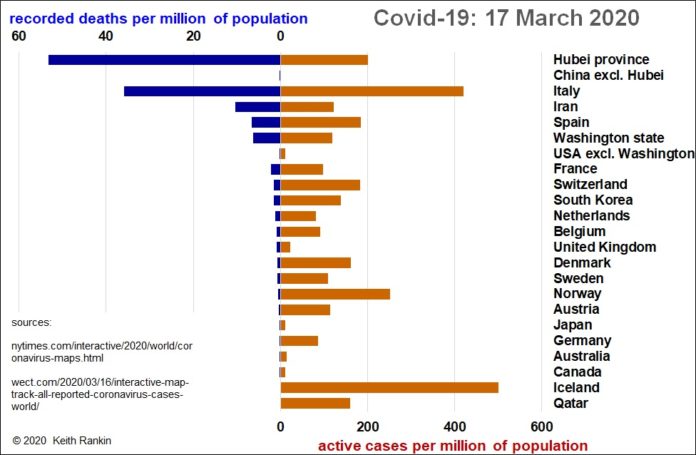
Keith Rankin Graph Analysis – Covid-19 Virus: West is Worst

China will be the key to recovery. Graph by Keith Rankin.

This chart shows the extent that the initial Chinese outbreak of Covid-19 was confined to Hubei province, a province with a population similar to that of Italy. And it shows that, while Hubei still has more recorded deaths per capita than Italy, Italy has more than twice as many active (unrecovered) cases per person. Italy’s case count is almost certainly an undercount. Further, Italy’s per capita death count will almost certainly exceed that of Hubei by this week’s end.

Washington, with a population only 50 percent higher than New Zealand’s, has 48 deaths. It seems likely that the death toll there, and in much of the rest of the USA, will rise substantially this month. Likewise, almost all of western Europe – including UK – will see death rates of 20 per million by the end of March. Scandinavia will be the exception; there (Norway, Sweden, Denmark and Iceland), the undercount of cases is almost certainly much less than in the larger West European countries. Either that, or they know the secret of how to keep the death rate down.

Qatar has cases linked to migrant workers. A combination of overcrowding and air‑conditioning may be facilitating a substantial outbreak there. Otherwise, of the countries most affected, only Australia is a hot country in March. It still looks as though the onset of summer in the northern hemisphere will facilitate a substantial slowdown of Covid-19 spread.

Asia has shown that the virus can be contained. Further, the global economic rescue will come from Asia (as it did in 2010).

While Europe and North America will still have a few very bad weeks, this pandemic will end, though probably not as quickly as the 1918 influenza pandemic ended.

The coronavirus looks less deadly than first reported, but it’s definitely not ‘just a flu’

Source: The Conversation (Au and NZ) – By Mike Lee, Professor in Evolutionary Biology (jointly appointed with South Australian Museum), Flinders University

The avalanche of coronavirus infections in the current pandemic has been accompanied by a similar avalanche of information, making it hard to sift reliable news from the noise.

Among the most crucial questions is: how deadly is the SARS-CoV-2 virus?

First things first: contrary to some reports, there is no evidence the virus has evolved a new, deadlier strain since it emerged in late 2019. Of course, all viruses evolve, and SARS-CoV-2 is no exception, but reports of an aggressive new strain have now been retracted.


Read more: Why are older people more at risk of coronavirus?


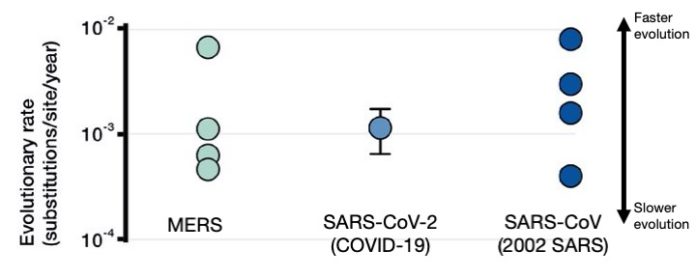
SARS-CoV-2 seems to be mutating (undergoing genetic changes) at a similar rate to other coronaviruses, such as the 2002 SARS virus and the virus that caused Middle East Respiratory Syndrome in 2012.

This is less than half the rate at which influenza viruses typically mutate, which itself is slow enough to allow the production of annual flu vaccines.

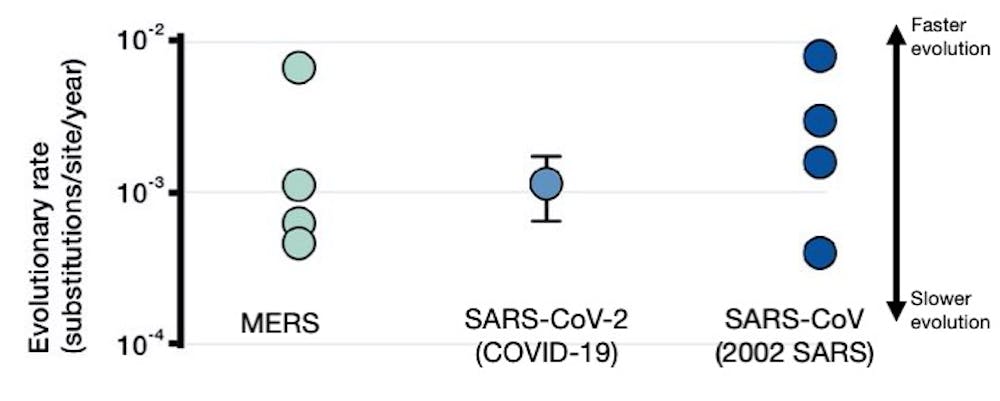
Evolutionary rates for three coronaviruses, including SARS-CoV-2 that causes COVID-19. Higher values indicate viruses that accumulate mutations faster; error bar around SARS-CoV-2 indicates current uncertainty. Taiaroa et al. 2020 / Sebastian Duchene (Univ. Melbourne)

So how deadly is it?

This question is much more relevant, but less straightforward to answer.

Reports of the virus’s lethality vary by an order of magnitude. While most people manage to recover from COVID-19, a significant proportion succumb to direct viral damage, pneumonia and sepsis.


Read more: How does coronavirus kill?


On March 3 the World Health Organization stated the death rate was 3.4%. Other widely quoted estimates have put the figure at 3% or 5%. But other sources have estimated it at well under 1%.

One reason for these discrepancies is that they often use two different ways to calculate the death rate.

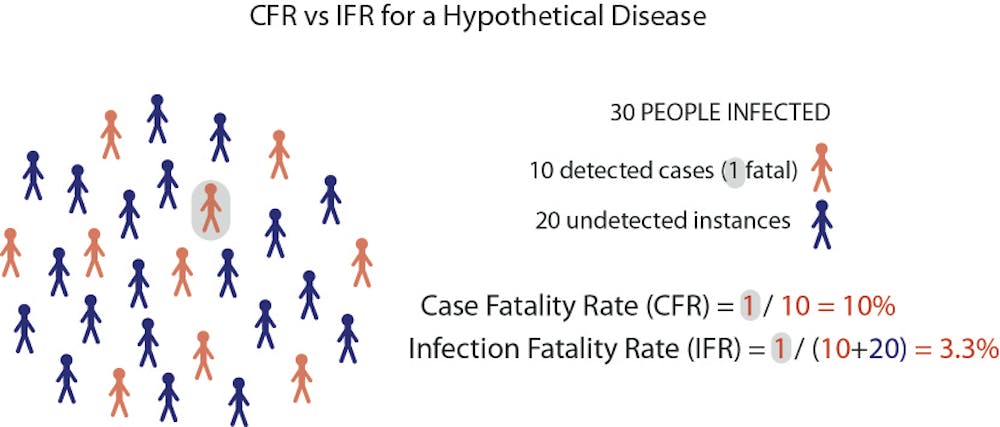
The Case Fatality Rate (CFR) is the number of deaths divided by the number of known infections. This figure can be greatly biased upwards or downwards due to sampling.

Imagine the virus infects 100 people; 70 are asymptomatic and unaware of their infection, while 30 fall sick and are diagnosed, and 1 of these 30 people dies.

In this example the true death rate is 1% (1/100), but the CFR is 3.3% (1/30).

This bias is often strongest during an outbreak’s early stages, when many mild cases are missed and the number of confirmed cases is still low.

For this reason, some epidemiologists now think the initially reported death rates are severe overestimates.

There is a second measure we can use here, which corresponds more closely to most people’s idea of “deadliness”. The Infection Fatality Rate (IFR) is the number of deaths divided by the true number of infections (including both confirmed and undiagnosed cases). This statistic is harder to calculate, as it requires estimating the number of undetected infections.

Case Fatality Rate is the number of deaths divided by the number of known cases. Infection Fatality rate is the number of deaths divided by all infections (known cases plus unknown instances). Michael Lee (Flinders Univ. & SA Museum)

One estimate of the IFR for COVID-19 puts this figure at 1%, and some new data suggests this is credible.

As testing becomes more rigorous, the discrepancy between the two measures (CFR and IFR) gets smaller. This may be happening in South Korea, where exhaustive testing has detected many mild infections and pushed the estimated death rate down to 0.65%.

Similarly, the stricken cruise ship Diamond Princess is illuminating because the rigorous quarantine meant nearly all COVID-19 cases (even asymptomatic ones) were identified. There were 7 deaths among more than 600 infections, giving an IFR of about 1.2%. This is higher than in South Korea, but perhaps expectedly so, given that one-third of the ship’s passengers were aged over 70.

Still not ‘just a flu’

Even a 1% death rate is extremely disturbing. Newly released projections suggest 20-60% of Australians could contract the coronavirus, which would translate to 50,000-150,000 deaths.

By comparison, an estimated 35 million Americans caught the flu last year, with 34,000 deaths: less than 0.1%. The coronavirus is much deadlier than seasonal flu, particularly for older people, and there is no vaccine.

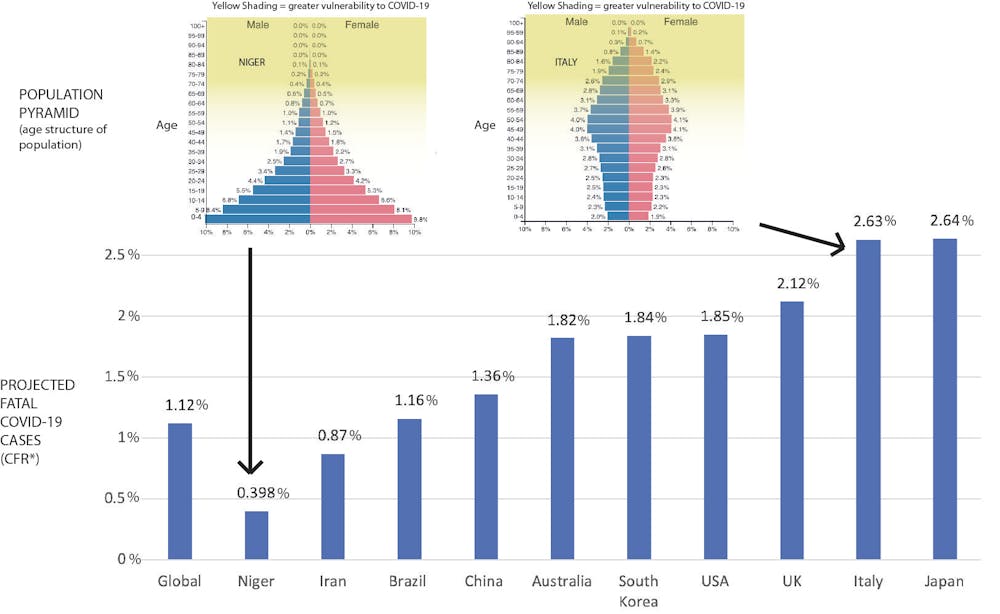
Because the virus hits old people hardest, countries with ageing populations will be more severely affected. Based purely on demographics, the projected death rate in Italy is seven times the rate in Niger; Australia is worse than the global average. Of course, the eventual death rates will also depend on countries’ health systems and containment responses.

Projected death rates (global, and by country) from COVID-19. Based on CFR data from March 13, 2020. worldometers.info / populationpyramid.net (Michael Lee, Flinders Univ. & SA Museum)

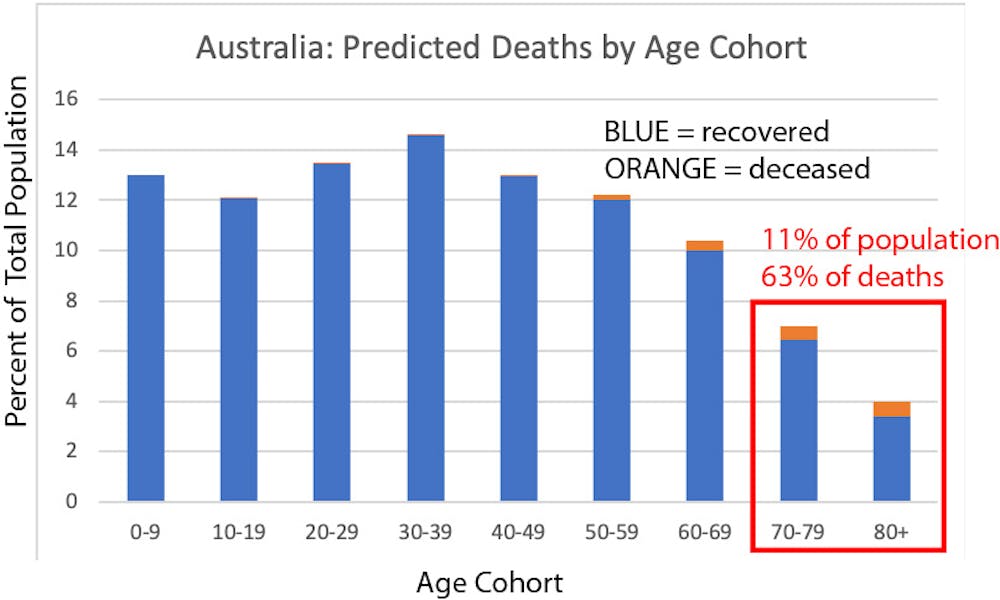
This age-selective mortality of COVID-19 should be explicitly considered in plans to combat it. In Australia, 11% of the population are over 70 and are predicted to account for 63% of deaths. Insulating a relatively small proportion of elderly people will halve deaths and is potentially more practical than total lockdown of entire populations. We need to urgently focus on the best way to achieve this. At the time of writing, the UK is seriously discussing this strategy.

Australians over 70 are likely to account for 63% of coronavirus fatalities. Based on CFR data from March 13, 2020. worldometers.info / populationpyramid.net (Michael Lee, Flinders Univ. & SA Museum)

There is a disturbing flipside to the fatality rate being lower than initially reported: each death implies a much greater number of circulating infections. Most COVID-19 deaths occur at least two weeks after infection. So a single death today means that around 100 people were already infected two weeks ago, and that number has likely increased exponentially to several hundred by today.

The implication is stark. We cannot wait until multiple people die in a COVID-19 cluster before enforcing extreme containment measures. By then the outbreak will already be extremely large and challenging to manage.


Read more: 8 tips on what to tell your kids about coronavirus


ref. The coronavirus looks less deadly than first reported, but it’s definitely not ‘just a flu’ – https://theconversation.com/the-coronavirus-looks-less-deadly-than-first-reported-but-its-definitely-not-just-a-flu-133526

Social distancing can make you lonely. Here’s how to stay connected when you’re in lockdown

Source: The Conversation (Au and NZ) – By Michelle H Lim, Senior Lecturer and Clinical Psychologist, Swinburne University of Technology

COVID-19, the disease caused by the novel coronavirus, is a challenge for everyone.

We know positive social support can improve our capacity to cope with stress. But right now we’re being asked to keep our distance from others to minimise the spread of the virus.

Many people are facing periods of enforced isolation if they are believed to have COVID-19 or have been in contact with someone who has.

Even those of us who appear to be healthy are being directed to practise social distancing, a range of strategies designed to slow the spread of a disease and protect vulnerable groups from becoming infected.

Among other things, this means when we’re around others, we shouldn’t get too close, and should avoid things like kissing and shaking hands.

This advice has seen the cancellation of large events of more than 500 people, while smaller groups and organisations have also moved to cancel events and regular activities. Many workplaces with the capacity to do so have asked their staff to work from home.


Read more: Coronavirus: why are we cancelling large gatherings? And what other ‘social distancing’ options are left?


While it’s crucial to slowing the spread of COVID-19, practising social distancing will result in fewer face-to-face social interactions, potentially increasing the risk of loneliness.

Humans are social beings

Social distancing and self-isolation will be a challenge for many people. This is because humans are innately social. From history to the modern day we’ve lived in groups – in villages, communities and family units.

While we know social isolation has a negative impact on health, we don’t really know much about what the effects of compulsory (and possibly prolonged) social isolation could be.

But we expect it could increase the risk of loneliness in the community. Loneliness is the feeling of being socially isolated.

If you have a smartphone, why not video call instead of just speaking on the phone. Shutterstock

Recent reports have indicated loneliness is already a significant issue for Australians, including young people.

Loneliness and social isolation are associated with a similar increased risk of earlier death: 26% and 29% respectively compared to someone who is not lonely or socially isolated.


Read more: 1 in 3 young adults is lonely – and it affects their mental health


People who are socially vulnerable, such as older people, are likely to struggle more through this uncertain period.

If older adults are forced to self-isolate, we don’t have contingency plans to help those who are lonely and/or have complex health problems.

While we can’t replace the value of face-to-face interactions, we need to be flexible and think creatively in these circumstances.

Can we equip older people with technology if they don’t already have access, or teach them how to use their devices if they are unsure? For those still living at home, can we engage a neighbour to check in on them? Can we show our support by finding the time to write letters, notes, or make phone calls?


Read more: Can I take the dog for a walk? Can I put the kids to bed? What you should and shouldn’t do if you’re in coronavirus self-isolation


Supporting each other

Research shows a period of uncertainty and a lack of control in our daily lives can lead to increased anxiety.

In times like this, it’s essential we support one another and show compassion to those who need it. This is a shared experience that’s stressful for everyone – and we don’t know how long it’s going to go on for.

Fortunately, positive social support can improve our resilience for coping with stress. So use the phone and if you can, and gather a group of people to stay in touch with.

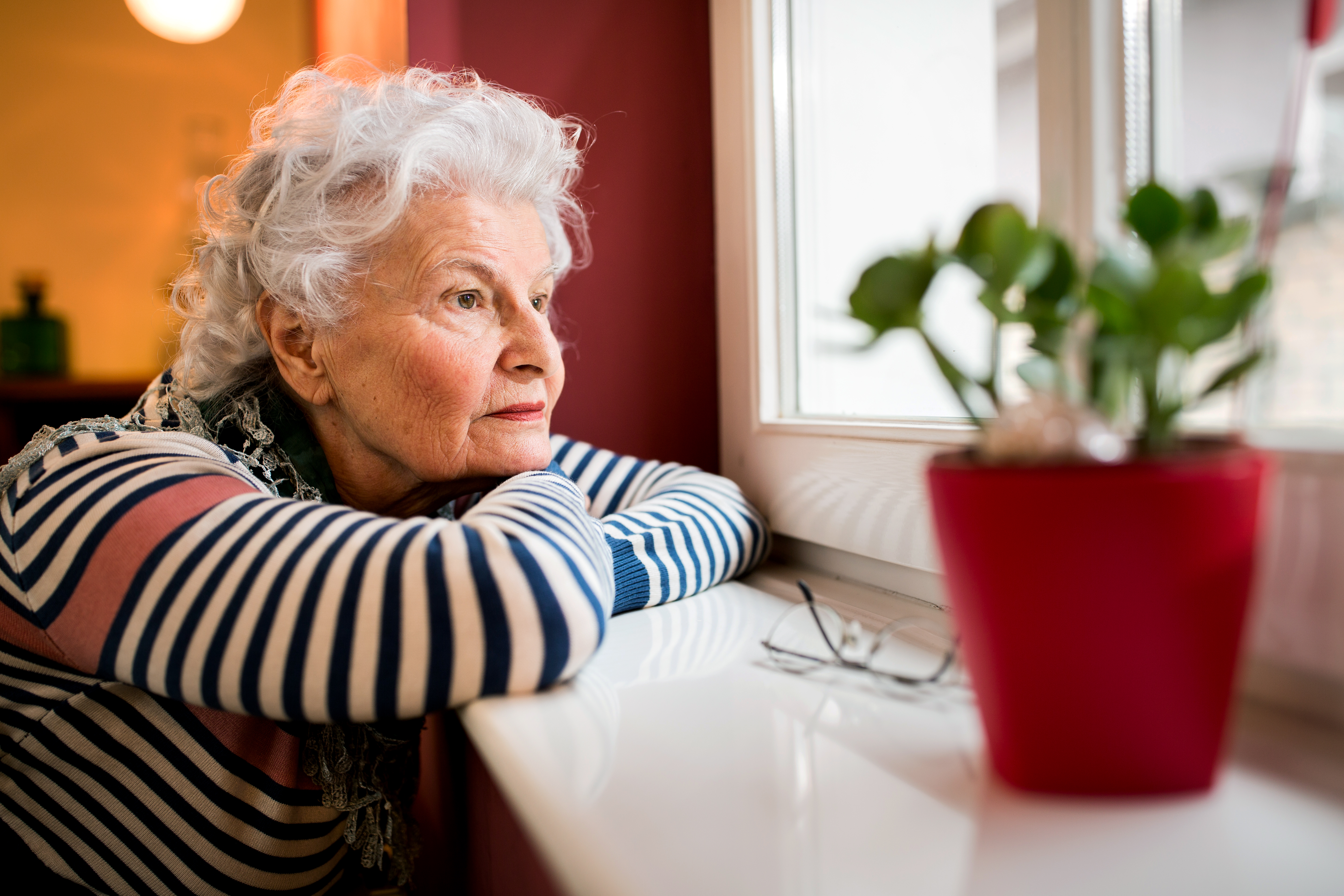
Older people may be more susceptible to feeling lonely if they’re forced to isolate. Shutterstock

Further, positive social interactions – even remotely – can help reduce loneliness. Showing genuine interest in others, sharing positive news, and bringing up old memories can enhance our relationships.

Staying connected

Here are some tips to remain connected when you’re practising social distancing or in quarantine:

  1. think about how you can interact with others without putting your health (or theirs) at risk. Can you speak to your neighbours from over a fence or across balconies? We’ve seen this in Italy

  2. if you have access to it, use technology to stay in touch. If you have a smartphone, use the video capabilities (seeing someone’s facial expressions can help increase connection)

  3. check in with your friends, family, and neighbours regularly. Wherever you can, assist people in your life who may be more vulnerable (for example, those with no access to the internet or who cannot easily use the internet to shop online)

  4. spend the time connecting with the people you are living with. If you are in a lockdown situation, use this time to improve your existing relationships

  5. manage your stress levels. Exercise, meditate, and keep to a daily routine as much as you can

  6. it’s not just family and friends who require support, but others in your community. Showing kindness to others not only helps them but can also increase your sense of purpose and value, improving your own well-being.


Read more: Coronavirus is stressful. Here are some ways to cope with the anxiety


So get thinking, take considered action, and be creative to see how you can help to minimise not only the spread of COVID-19, but its social and psychological effects too.

ref. Social distancing can make you lonely. Here’s how to stay connected when you’re in lockdown – https://theconversation.com/social-distancing-can-make-you-lonely-heres-how-to-stay-connected-when-youre-in-lockdown-133693

‘Yield curve control’: the Reserve Bank’s plan for when cash rate cuts no longer work

Source: The Conversation (Au and NZ) – By Isaac Gross, Lecturer, Monash University

The coronavirus has pushed economies and interest rates into downward spirals.

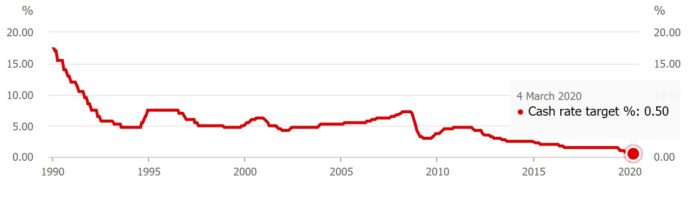
New Zealand’s Reserve Bank pushed its cash rate from 1.00% to 0.25% on Monday, and the US Federal Reserve cut its benchmark rate to zero on Sunday, making Australia’s cut of 0.25 points from 0.75% to 0.50% earlier this month seem tame by comparison.

Australia’s Reserve Bank is highly likely to cut again on Thursday as part of a promised series of “policy measures”, but it has already said that 0.25% will be the effective lower bound for the cash rate (meaning the point at which there’s no benefit to further cuts) leaving it staring into the abyss of so-called unconventional monetary policy.

It will outline what it will do after 0.25% is reached on Thursday, but in the meantime a series of clues suggest its thoughts are changing.


Read more: Now we know. The Reserve Bank has spelled out what it will do when rates approach zero


In November Governor Philip Lowe indicated that after the bank’s short term cash rate had reached the effective lower bound, the bank would buy longer-term government bonds. That would force money into the hands of the investors who owned them in a process known as “quantitative easing”.

But more recently it is talking about borrowing an idea from the Bank of Japan’s book called “yield curve control”.

What is yield curve control? And how does it differ from quantitative easing?

It isn’t simply buying bonds

Yield curve control would involve the bank announcing targets for long-term yields on government debt instruments such as the 5 or 10-year bond, and then intervening in debt markets to buy until the target rates are achieved.

This would control the yield on government bonds, hence the name “yield curve control”.


Read more: Reserve Bank and government prepare fresh emergency measures as markets tumble


Both quantitative easing and yield curve control involve the same basic tactic (pushing out or creating money in order to buy bonds) but to different ends: yield curve control focuses on achieving a targeted level for interest rates, while quantitative easing is aimed at increasing the stock of money in the economy.

Why might the bank prefer yield curve control over the traditional approach to quantitative easing that has been used in much of the world during and since the global financial crisis?

It’s more like what we are used to

First, yield curve control’s approach of targeting specific interest rate is more similar to conventional monetary policy.

The bank has plenty of experience in setting and publishing the cash rate and measuring the impact on the economy. There is less risk of it either over or under shooting its target.

Previous work by the bank has calculated that adjusting the 10-year nominal interest rate is 40 times as effective at lowering firms’ cost of capital as a similarly sized cut in the cash rate.

This leaves the bank with plenty of ammunition after short-term rates hit the effective lower bound and can no longer be adjusted.

And it lets others do the work

The second reason to prefer yield curve control is that if the bank’s stated target for long-term interest rates is seen as credible, it will need to buy less than it would have to achieve lower interest rates.

So credible have its short-term cash rate announcements become that it now needs to do little more than make them and watch the market trade at changed rates, although it stands ready to trade itself in order to change the rates if needed.

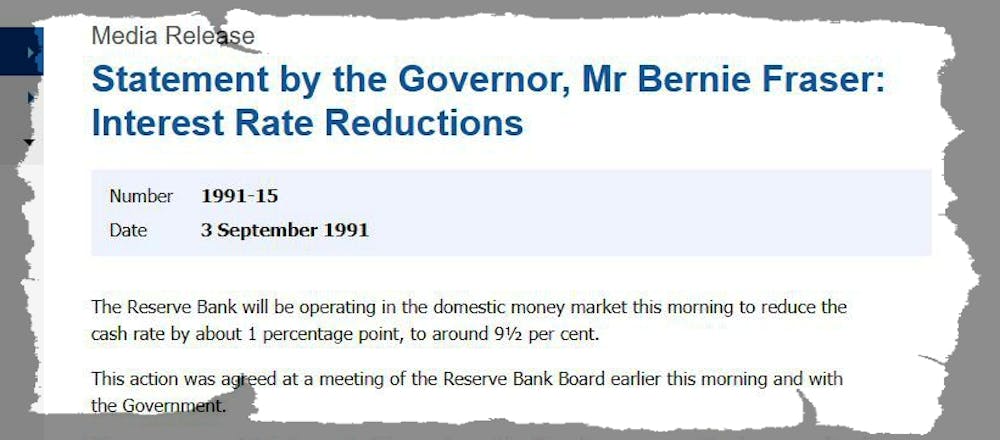
It’s instructive to compare recent cash rate announcements with the early ones in the 1990s.

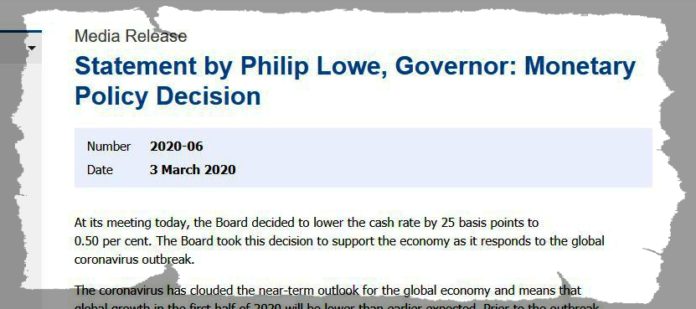
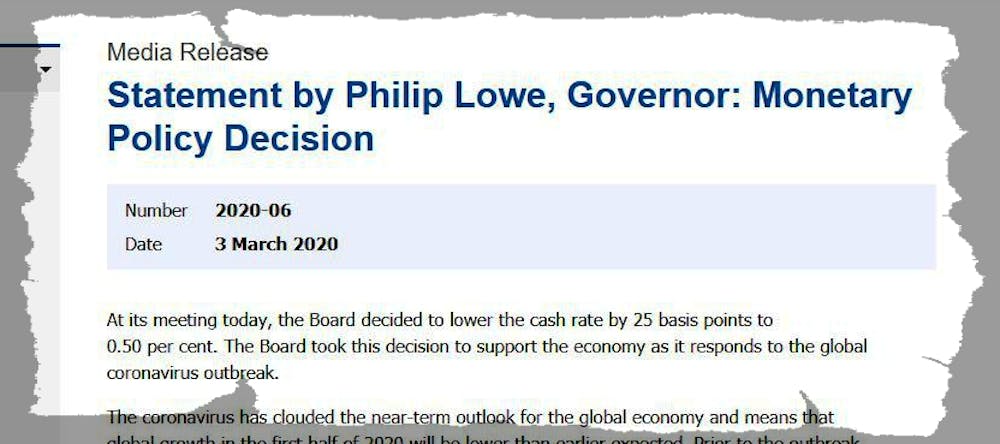
These days the bank simply says it has “decided to lower the cash rate”.

It used to say it “will be operating in the domestic money market” to reduce the cash rate.

Government bonds are the lifeblood of the financial system and right now Australia has relatively low levels of government debt.

An approach which requires fewer bonds to held by the Reserve Bank and more held privately will keep down government debt and help steady financial markets.

It’s good, but it mightn’t be enough

As it happens, yield curve control might not be sufficient on its own.

The interest rate on 10-year bonds are already low – at about 1% – and so even there there isn’t much room to cut.

While negative interest rates are possible and exist in several other countries (yes, investors really are prepared to invest their money with the government for a negative return) the bank is unlikely to want to is unlikely to want to introduce them here.

Ultimately, if it needs to do more than get bond rates to near zero per cent, it’ll need to come up with something new, but yield curve control will buy it time.

We’ll know more on Thursday.

ref. ‘Yield curve control’: the Reserve Bank’s plan for when cash rate cuts no longer work – https://theconversation.com/yield-curve-control-the-reserve-banks-plan-for-when-cash-rate-cuts-no-longer-work-133223

The ‘herd immunity’ route to fighting coronavirus is unethical and potentially dangerous

Source: The Conversation (Au and NZ) – By Arindam Basu, Associate Professor, Epidemiology and Environmental Health, University of Canterbury

As most of the world tries to suppress the coronavirus spread, some countries are going it alone – trying to manage the pandemic through so-called “herd immunity”.

Herd immunity means letting a large number of people catch a disease, and hence develop immunity to it, to stop the virus spreading.

The Netherlands reportedly plans to use herd immunity to combat the coronavirus epidemic, just as Britain retreats from such plans after warnings it could lead to 250,000 deaths.


Read more: Coronavirus: why are we cancelling large gatherings? And what other ‘social distancing’ options are left?


A “herd immunity” strategy has been criticised by the World Health Organisation, which said far greater action is required. Other health experts say the approach is experimental at best, and dangerous at worst.

So can herd immunity protect us from the coronavirus, and are countries wise to adopt it?

British Prime Minister Boris Johnson was criticised for seemingly adopting a herd immunity strategy. EPA

First, let’s understand immunity

Our bodies fight infectious diseases such as coronavirus through our immune systems. The body produces “antibodies” in response to intruder organisms to fight and remove them.

Once the body has fought off a disease, it retains a “memory” of the germ, and how to fight it better and faster next time.

In theory, once a person has developed immunity to a virus they won’t catch it again. The theory of herd immunity is that when a large number of people develop immunity to a virus, it will eventually stop spreading to people who haven’t yet caught it.

Herd immunity is more effective if a vaccine is available. AAP/David Crosling

Number-crunching on herd immunity

Herd immunity is essentially a numbers game.

It all rests on the basic reproduction rate – in other words, how many new infections each case will generate.

A rate with a value of 1 would mean that one person can pass it on to at least one other person. The higher this number, the more infections from that one case. So to end the spread, this number will need to drop below 1.

The reproduction rate for coronavirus is between 2 and 3.


Read more: How does coronavirus kill?


As infection spreads, the pool of susceptible people shrinks as more develop immunity. Herd immunity aims to lower the number of susceptible people to the point where the reproduction rate drops below 1 and the spread of infection stops.

In the case of measles, 95% of people need to be immune for infection to cease. For coronavirus, I calculate this figure is around 40%, based on a reproduction rate of 2.6. So, if about 60% people are immune to the infection, this is sufficient herd immunity to stop coronavirus spreading.

(There have been a few reports of people becoming infected with coronavirus twice, but they haven’t been substantiated in peer-reviewed research, so can be discounted for now.)

An image showing the main elements of coronavirus. Wikimedia

So is herd immunity a good plan?

On the face of it, a herd immunity strategy might seem wise. But the absence of a coronavirus vaccine means it is very high-risk.

The best way to rapidly develop herd immunity is through vaccination. A vaccine delivers a small amount of a virus into the body, and the immune system learns how to fight it off without having to get sick. But we do not yet have a vaccine for coronavirus.

If vaccines are not available and the infection spreads, some people will develop a mild version of the disease and recover. But it is dangerous and unethical to rely on this method to combat the disease.


Read more: Can I take the dog for a walk? Can I put the kids to bed? What you should and shouldn’t do if you’re in coronavirus self-isolation


First, the intermediate and longer term consequences of coronavirus are not yet known. And second, while some people are not badly affected by the disease, under a herd immunity strategy they could still pass the virus to elderly people who are at high risk of dying from it.

One expert analysis found that creating herd immunity in the UK would require more than 47 million people to be infected. With a 2.3% fatality rate and a 19% rate of severe disease, this could result in more than a million people dying and a further eight million needing critical care.

A coronavirus patient being transported to hospital in Italy. EPA

What should we be doing?

Let’s say Australia and New Zealand relied on herd immunity. Now let’s assume, conservatively, that 10% of the population were infected – that’s 500,000 New Zealanders and 2.5 million Australians. Over a short period, those numbers would disastrously overwhelm the nations’ health systems.

The safest public health strategy is to prevent the onset of coronavirus at all costs. This would buy the health system time, “flattening the curve” so hospitals were not inundated with cases all at once.

This is why it’s so important to control movement across our borders, impose self-isolation, restrict public gatherings, trace the contacts of existing cases and isolate those with the virus. Australia and New Zealand are both now essentially following these measures. It might also be wise to screen passengers in departure terminals for signs of the virus, and test where necessary.

Also critical is educating the public on safe hygiene and ensuring supply of disinfectants, hand sanitisers, safe food, soap, and water, as well as access to services when needed. Now is also the time to take extra care of our elderly.

With these measures in place, we give ourselves the best chance of putting the coronavirus genie back in the bottle sooner rather than later, and minimising the number of deaths.

ref. The ‘herd immunity’ route to fighting coronavirus is unethical and potentially dangerous – https://theconversation.com/the-herd-immunity-route-to-fighting-coronavirus-is-unethical-and-potentially-dangerous-133765

Why are older people more at risk of coronavirus?

Source: The Conversation (Au and NZ) – By Hassan Vally, Associate Professor, La Trobe University

As we learn more about COVID-19, it’s increasingly clear that your risk of severe illness and death increases with age.

Children under nine years of age seem to be largely unaffected, either with no or mild symptoms. None have died as a result of the infection.

People over the age of 80 years and those with chronic diseases are the most vulnerable. For those over 80, approximately 15% of those infected will die.


The death rate starts to increase for those over 50 years of age. Those under 50 years who are infected have a death rate of 0.2-0.4%, while for those 50-59 years it’s 1.3%.

For those 60-69 years it’s 3.6%, for 70 to 79 year olds it’s 8.0% and for those over 80 years of age it is 14.8%.

A similar picture is emerging when looking at the increased risk of severe illness and death of those with underlying conditions.


The death rate for those with no underlying chronic conditions is approximately 1%.

For those with cardiovascular (heart) disease the death rate is 10.5%, for diabetes it’s 7.3%. Chronic respiratory disease (such as asthma and chronic obstructive pulmonary disease) has a 6.3% death rate, for hypertension (high blood presure) it’s 6.0% and cancer is 5.6%.

Why are older people at greater risk?

The likelihood of having chronic conditions increases markedly as you age. Four in five Australians aged 65 years and over have at least one chronic condition.

But the presence of chronic conditions only partially explains the high death rate in older people.

As we age, our immune system weakens. This makes us more vulnerable to infections of all types. And any sort of challenge to the body can do more damage.

When the immune system gears up in older people, there is also a higher likelihood of a phenomenon called a cytokine storm. This is where the immune system overreacts and produces too many of the chemicals to fight an infection.

So you get a severe inflammatory reaction which has the potential to cause significant damage in the body, including organ failure.


Read more: How does coronavirus kill?


What about specific chronic diseases?

The biggest risk factor for dying of coronavirus is cardiovascular (heart) disease, with a death rate of 10.5%. But we don’t yet know why.

This doesn’t mean that infection necessarily causes a heart attack, just that people with underlying heart problems are more likely to become seriously ill and die from complications of coronavirus.

The increased risk of severe disease for those with diabetes, such as actor Tom Hanks, may be easier to understand. Diabetes depresses immune function and makes it harder to fight off viral infections.

Tom Hanks and his wife Rita Wilson tested positive to coronavirus while on the Gold Coast. David Swanson/AAP

Elevated glucose (blood sugar) levels in people with diabetes may also provide a more ideal environment for viruses to thrive.

The increased risk of severe disease from COVID-19 in people with chronic respiratory illness such as asthma and lung disease (known as chronic obstructive pulmonary disease, or COPD) is perhaps the clearest, especially if your illness is not well controlled.

Respiratory conditions – such as uncontrolled asthma, which causes causes inflammation of the airways – are likely to be exacerbated by infection with COVID-19, which also targets the airways.

How can you reduce your risk?

If you fall into a vulnerable group, or have close contact with someone who does, be vigilant with hygiene. The government reccomends:

  • sanitising your hands wherever possible, including entering and leaving buildings

  • using “tap and pay” to make purchases rather than handling money

  • travelling at quiet times and trying to avoid crowds

  • asking public transport workers and taxi drivers to open vehicle windows where possible

  • regularly cleaning and disinfecting surfaces that are touched a lot.

You may even want to limit your public transport use and non-essential travel to reduce your chance of coming into contact with the virus.


Read more: To limit coronavirus risks on public transport, here’s what we can learn from efforts overseas


It’s also reasonable to ask family or friends not to visit you when they’re ill.

Even if you’re young and healthy and not feeling particularly at risk of coronavirus, remember you play an important role in stopping the spread of the virus to those more vulnerable.

What can governments do?

Some government are implementing additional measures to reduce the risk of older people becoming infected.

In the United Kingdom, the government has indicated that in the coming weeks people aged over 70 could be asked to self-isolate, or reduce their social contact, for up to four months.

The UK government has also asked that no one visits aged care facilities unnecessarily, and that people visiting elderly relatives for essential reasons keep their distance.

Some countries are asking families to restrict visits to aged care facilities. Shutterstock

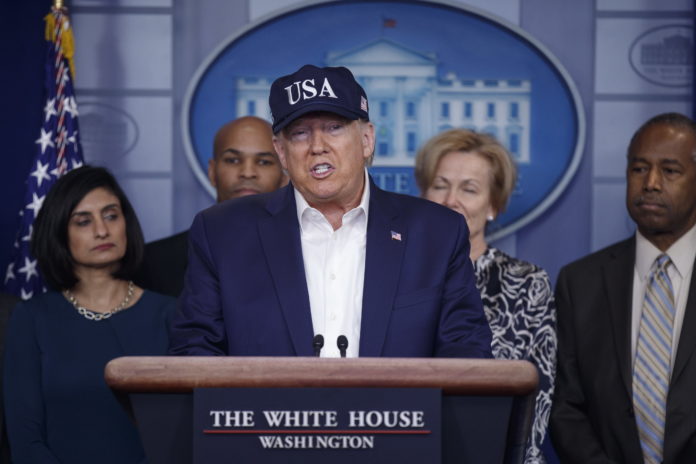
In the United States, president Donald Trump has urged older Americans to stay home for the next 15 days.

In Australia, the government has recommended limiting visits to residential care facilities and is likely to announce new measures tomorrow.

For now, asking older people in the community to take precautionary measures appears to be sensible advice, rather than imposing rules around self-isolation which come with logistical and social consequences.

ref. Why are older people more at risk of coronavirus? – https://theconversation.com/why-are-older-people-more-at-risk-of-coronavirus-133770

How a time of panic buying could yet bring us together

Source: The Conversation (Au and NZ) – By Gary Mortimer, Professor of Marketing and Consumer Behaviour, Queensland University of Technology

For every headline about panic buying, fighting and even arrests in supermarkets, we see other stories about communities and individuals rallying in support of each other. These interpersonal connections reveal our true humanity, especially in times of crisis.

The popular belief is that such times provoke “frenzied selfishness and brutal survival-of-the-fittest competition”. It’s the stuff of apocalyptic-genre movies, like Steven Soderbergh’s 2011 pandemic movie, Contagion, for which downloads have surged since January.


Read more: Coronavirus and COVID-19: your questions answered by virus experts


The classical view is that, faced with high stress or threats, a “fight or flight” response is hardwired into us. So people become aggressive in the supermarket, or avoid it altogether by going online.

However, recent research indicates that acute stress, lack of control, or feelings of vulnerability might actually lead to more cooperative and pro-social behaviour.

ABC Melbourne Facebook

The notion of karma – to act in a way as you wish others to act – explains these behaviours. In 2012, University of Chicago researchers studied how people behaved when faced with outcomes beyond their personal control. The findings of their experiments supported the idea of “karmic investment” by showing that respondents who “desired an outcome over which they had little control”:

  • increased donations of time and money

  • made more generous pledges

  • became more optimistic after acting in a pro-social manner.

As the current crisis develops, we would expect to see more and more people sharing food and groceries, behaving more hospitably toward each other and becoming more aware of vulnerable others. Developing social connections in times of crisis may be necessary for our collective survival as a species.

When disaster brings out the best in us

Most people look to support one another in such times. From natural disasters, like bushfires, droughts and floods, to human-enacted events, such as mass shootings or food contamination, after the initial feelings of fear, anxiety and helplessness, people soon come together to help one another. An underlying sense of community and connection is the “social glue” that brings people together to work altruistically for the common good.

During the recent Australian bushfires, social media were flooded with images of notes pinned to doors inviting volunteer fire fighters to “help themselves to what ever is in the fridge”.

The “Buy from the Bush” campaign was launched to support small businesses in rural and regional areas struggling with the drought.

A year ago, after the mass shooting in Christchurch, New Zealand women began wearing headscarves in solidarity with Muslims.


Read more: Remembering my friend, and why there is no right way to mourn the Christchurch attacks


When unknown individuals began inserting needles into strawberries, the “Cut Them Up, Don’t Cut Them Out” campaign showed national consumer solidarity with the growers.

‘There’s no community without unity. If you are in need please take’ says the sign on this box offering toilet paper in Northcote, Melbourne. ABC Melbourne Facebook

In response to panic buying of toilet paper, Nine journalist Jelisa Apps started a Facebook community site, Neighbourly Love, after an encounter with a distressed elderly shopper. Designed to bring community together, it’s a place to ask for help or provide help.

While we are often quick to criticise our big banks, airlines and retailers, in the past week many have stepped up to help vulnerable people. Companies like Commonwealth Bank, Woolworths and Telstra have said they plan to pay casual team members who are unable to come to work if they need to self-isolate or become ill with coronavirus.

The public is seeking comfort, security and predictability. Collective and altruistic movements by businesses, such as Woolworths’ partnership with Meals on Wheels to support older people and people with disabilities, help provide the community with a sense of agency and positive action.


Read more: Why are people stockpiling toilet paper? We asked four experts


These initiatives not only remind people of their own core values, but also appeal to the common values of their society. From a consumer psychology perspective, these programs are designed to connect society, appeal to the Australian sense of mateship and protect the greater good no matter our differences.

People are strongly influenced by group identity as a source of security in a crisis. Overarching values and goals bring people together.

Why we help one another in times of stress

We are being exposed to events that create anxiety, stress and even fear. Yet, in the process, we begin to empathise with those affected and imagine how we might cope in similar situations. Reaching out to people who are affected, either emotionally, physically or financially, can help us re-establish feelings of power and control.

As we see others behaving in the same “pro-social” way, we are reminded we live in a civilised society. This provides clarity and confidence and reduces our stress levels.

Engaging with others in a pro-social manner protects us from isolation and the idea that no one understands our pain. People do better physically, emotionally and psychologically when they connect with others in times of suffering. In 2012, researchers found that “connecting” in this way provides a sense of protection and safety.

Humans are social beings, designed to live cooperatively. Helping one another in a crisis is both a practical way to collect and share resources, and important for our own well-being.

Responding as a community

Altruism itself is “contagious”. When businesses, public figures and the general public begin to engage in goodwill, this powerfully bonds communities together.

The social capital generated though formal and informal networks can be used to raise awareness about causes and vulnerable members of society, and to mobilise community action. Collective action then reinforces a sense of common purpose and safety in numbers.

In the case of COVID-19, a well-connected and informed community can respond more effectively. This will enable us not only to survive the crisis as individuals, but also to support community recovery in the longer term.

ref. How a time of panic buying could yet bring us together – https://theconversation.com/how-a-time-of-panic-buying-could-yet-bring-us-together-133753

COVID-19: what closing schools and childcare centres would mean for parents and casual staff

Source: The Conversation (Au and NZ) – By Megan O’Connell, Honorary Senior Fellow, University of Melbourne

Several schools in Australia have closed after some students and teachers tested positive for COVID-19. Meanwhile, some independent schools have sent all students home pre-emptively, without any infections being detected. Classes will now be done online.

While the federal government has introduced a ban of public gatherings with more than 500 people, it is not, at this stage, considering mass school closures. Victoria’s Premier Dan Andrews has been more forthright, saying the time will come for statewide closures of schools.

Even with schools staying open, some families are keeping children home to prevent them getting infected, or passing the virus on to more vulnerable family members.

There have been no reports of childcare centres closing across Australia, but some parents may also be keeping their pre-school children at home. Childcare centres have been closed in some Canadian provinces, and it’s possible we’ll see something similar happening in Australia as the pandemic progresses.


Read more: Australian schools are closing because of coronavirus, but should they be?


Even without closures, the fewer numbers of students across Australia will impact on casual staff in both the childcare and school sectors. But if both were to close their doors, this may mean a massive loss to Australia’s workforce and economy.

How many families would be affected?

Millions of parents would be affected if schools and childcare centres were to close. Across Australia there are close to six million children living in around four million families.

Around two thirds of these children are enrolled in Australian schools. In 2017, 2.2 million were primary school students and 1.6 million were in secondary school.

Capital Economics senior economist Marcel Thieliant told The Age up to 1.85 million parents, or 14% of the workforce, would be required to stay home to care for their children if schools were closed.

He said a four-week school closure could knock off as much as an estimated 2% from quarterly GDP. And it is unclear how long schools would need to stay closed for to contain the outbreak.

Nearly 1.6 million children are aged 0-4. More than half of them attend early childhood education and care or preschool.
Economic analysis estimates subsidised early childhood education provides more than 32 million additional hours to the labour force. This means an additional A$1.4 billion in earnings, which then filters back to the government through taxes.

How will closures affect staff?

Part and full time teachers are likely to remain employed during any school closure, supporting children remotely. But schools are less likely to need casual teachers, which make up at least 12% of the workforce according to survey data.

Casual staff in schools that have already closed may be feeling the pinch, and schools may also have less need for casual teachers if many students are staying home.

An estimated 25-50% of teachers are leaving the profession at five years. If casual teachers are not paid to be in class, they may be prompted to leave the profession sooner.

But the situation is even worse for early childhood education.


Read more: Coronavirus, kids and school closings: A public health expert answers 4 questions


Government provides funding for schools based on their census enrolments. In private schools parents pay fees based on annual enrolments. But early childhood education funding is tied to both enrolment and attendance. It is estimated parents fund around 40% of the cost of early learning, and the government around 60% through a subsidy tied to household income.

Families in isolation, can use their child care subsidy to pay for a certain amount of absences, but only if centres remain open and operating. If a centre closes it cannot levy parents for fees nor collect subsidies from the government.

Early childhood education services can spend up to 80% of their revenue on staff and rent. This means services may need to stand down their workforce of 200,000 staff, and potentially dismiss casual staff, if they are forced to close.

We don’t have a clear indication of how many educators are casual, although certain types of care, such as holiday care, lend themselves to a casual workforce.

In 2019, we estimated the childhood workforce would be short of 29,000 teachers by 2023. With one in five educators reporting they wish to leave the profession in the next 12 months, the effects of workers stepping away from the early childhood workforce due to centre closures could be dramatic.


Read more: One-third of all preschool centres could be without a trained teacher in four years, if we do nothing


In recent days, the federal government announced an assistance package of A$14 million to help minimise the impact of COVID-19 on childcare centres.

But the Community Child Care Fund (CCCF) Special Circumstances Grant Opportunity is too small, and only available to some services. It is particularly designed for disadvantaged or vulnerable communities and can be used to pay expenses such as wages where services have fewer children attending or are forced to close due to COVID-19.

But staff would still be affected in more advantaged communities.

My analysis finds that if a service was to close for just one day, based on an average of 90 places and with an average daily fee of A$113.30 per child, it would lose more than $10,000 dollars per day. Multiply this by the nearly 8,000 centres and tens of millions of dollars would be foregone every day centres are closed – more if you consider other forms of care, such as out-of-school-hours care, would also close.

Many services are small or not for profit, and will not have the cash reserves to withstand extended unpaid closures. An extended closure could see services close for good and educators leave the workforce.

So, what more can the government do?

The early childhood sector already faces uncertainty around the time limited nature of pre-school funding, which expires at the end of this year. It is vital the government retain funding in the education system to support educators in the event of a shutdown.

Educators can be actively engaged if services close. Remote education can be trialled, even for little learners, given the importance of early brain development. Governments should support schools to develop lessons and provide resources to help deliver education in new ways.


Read more: 8 tips on what to tell your kids about coronavirus


With these measures, we can minimise the economic effects of closures, keep our skilled workforce, and ensure parents can return to work and children return to learning settings as soon as possible.

ref. COVID-19: what closing schools and childcare centres would mean for parents and casual staff – https://theconversation.com/covid-19-what-closing-schools-and-childcare-centres-would-mean-for-parents-and-casual-staff-133768

Explainer: what are the laws mandating self-isolation and how will they be enforced?

Source: The Conversation (Au and NZ) – By Caroline Henckels, Senior Lecturer, Monash University

Prime Minister Scott Morrison has announced that anyone entering Australia must enter a 14-day self-quarantine period.

Some questions have been raised as to how this new mandate would be administered and enforced. The answer to these questions relies on a somewhat complex patchwork of state and federal laws and whether relevant federal and state government emergency powers have been activated.

At this time, the enforceability of the 14-day self-isolation rule is a matter for state and territory governments – although this might change.

What Commonwealth law says

The main federal law in this area is the Biosecurity Act 2015. As others have written, this law aims to manage biosecurity threats to human, animal and plant health, which include viruses such as COVID-19.

There are two types of powers under the act that could apply here:

The first is the “human biosecurity control orders” under chapter 2, part 3 of the act. Individuals who have symptoms of, or who have been exposed to, a disease or who have failed to follow any mandatory procedures on arrival into Australia could be placed on a control order.

A control order could, among other things, direct a person to stay home, or remain at a particular place. It is decided on an individual-by-individual basis following an assessment of whether the preconditions were met. As such, it cannot be placed on all arrivals.


Read more: Can I take the dog for a walk? Can I put the kids to bed? What you should and shouldn’t do if you’re in coronavirus self-isolation


The second option under the law is the declaration of a “human biosecurity emergency”.

If such an emergency was declared, Health Minister Greg Hunt would have a range of options at his disposal to control the spread of disease. These include sweeping powers to direct people’s movements and require the closure of premises. People could be imprisoned for up to five years and/or fined up to approximately A$60,000 for failure to comply.

However, until such an emergency is declared, it will be up to the states and territories to implement the 14-day self-isolation rule under their own laws.

What state and territory laws say

There are many similarities in the ways in which state and territory authorities can order and enforce isolation measures. These come from public health laws and often depend on the declaration of a state of emergency.

Several states and territories have already declared a state of emergency in the current crisis. Victoria’s state of emergency declaration gives the state certain powers under its Public Health and Wellbeing Act 2008.

Victorian authorities may now detain or restrict the movement of people (for example, by requiring them to stay in their home), with a penalty of up to 120 penalty units (approximately $20,000).

Premier Daniel Andrews said authorities were hopeful fines would not needed as people understand compliance is in their best interest.


Read more: Coronavirus weekly: expert analysis from The Conversation global network


In NSW, the government already has broad powers under the Public Health Act 2010 to take actions and give directions to deal with risks to health.

These powers would extend to enforcing self-isolation, provided the relevant areas of NSW were declared to be “public health risk areas”. A person who did not comply with such a direction would be liable for up to 100 penalty units (approximately $11,000), or imprisonment for up to six months.

The NSW government could, if necessary, declare an emergency under the State Emergency and Rescue Management Act, which would more clearly set out the powers that can be used, such as using force to enter premises.

While Premier Gladys Berejiklian also said it would be difficult to monitor every person to ensure compliance, the law will permit the 14-day self-isolation mandate to be enforced. She urged people to do the

right thing by the community, by their own family and by their circle.

The other states and territories have similar powers under states of emergency. All require a declaration of an emergency to activate these powers. The laws permit governments to order people to isolate themselves and detain or fine those who don’t comply.

Punishments vary from 50 penalty units in Tasmania and the ACT (approximately $8,000) to 400 units (approximately $60,000) in the Northern Territory.

States and territories have also issued bans on mass gatherings of more then 500 people, with hefty fines for corporations that don’t comply. There are exceptions for a number of institutions, such as schools and universities, workplaces, public transport, markets and courts.

Limits on powers to isolate and detain

As this is the first time these laws have been used in this context in Australia, how they will implemented and enforced is not yet clear.

Importantly, there are safeguards in these laws to ensure that coercive powers, such as the power to detain people, are used only when necessary.

Governments must regularly review the need for emergency powers. For example, in the ACT, a state of emergency lasts for up to five days, then must be reviewed every two days after that. Queensland recently amended its law to permit a state of emergency to be extended for up to 90 days.


Read more: Explainer: what are the Australian government’s powers to quarantine people in a coronavirus outbreak?


There are also a variety of controls on issuing orders and declarations in relation to individuals.

For instance, under Tasmanian law, the state director of health must review whether it is necessary for a person to be subject to an isolation or quarantine order every seven days. Under the Victorian act, authorities must review a decision to detain a person every 24 hours.

In some instances, state laws also give people the right to seek review in court.

When it comes to enforcement, the states have said they would use regular police checks to make sure people are complying with isolation orders.

Queensland police have reportedly already begun spot checks on people entering the country, while Victoria police is preparing for similar measures.

Some leaders, like Berejiklian, have urged people to “dob each other in” if isolation orders are being broken.

Like most leaders, she’s hoping people understand the importance of compliance, saying it is a matter of “life and death”.

ref. Explainer: what are the laws mandating self-isolation and how will they be enforced? – https://theconversation.com/explainer-what-are-the-laws-mandating-self-isolation-and-how-will-they-be-enforced-133757

Coronavirus: Australian arts need a stimulus package. Here is what it should look like

Source: The Conversation (Au and NZ) – By Ben Eltham, Lecturer, School of Media, Film and Journalism, Monash University

In 1606, Shakespeare and his company bolted the doors of the Globe Theatre and fled London as bubonic plague led to a total shutdown of theatres.

Now we know what it must have felt like.

The sudden implosion of Australia’s performing arts sector in recent days has been breathtaking.

Everything I’m about to write should begin with this necessary introduction: no-one in the cultural sector wants people to get sick and die from COVID-19. We know closing down festivals and theatres is the right thing to do.

Without exception, everyone I have talked to agrees with measures to reduce risks of infection and flatten the curve. But closing down theatres doesn’t make paying the rent any easier.


Read more: How to flatten the curve of coronavirus, a mathematician explains


The disaster has affected companies large and small, from great cultural institutions such as the State Library of Victoria, to one-person shows in the Melbourne International Comedy Festival.

Some of the events taken down by COVID-19 are the jewels in the crown of Australian culture. Melbourne International Comedy Festival sells more tickets than any other arts event in the nation. Dark Mofo is one of the largest inbound tourism attractors on the Tasmanian calendar. Sydney Writers’ Festival is Australia’s largest literary event.

With government support and audience goodwill, these large events might be able to recover. Smaller organisations will struggle. With revenues vaporised and no chance of reopening for months, any company with a lease is in serious trouble.

The damage is not limited to performing arts. Film and television productions are shutting down, including Baz Luhrmann’s Elvis biopic. Tom Hanks has COVID-19 and Luhrmann and many of the crew are in quarantine.

The downturn is all the more devastating because of the insecurity of the cultural sector. After years of federal funding cuts, smaller Australian performing arts companies were already doing it tough.

Two-thirds of artists and cultural workers are employed as casuals or sole traders. Some have savings; many don’t. Newstart is not remotely enough to pay the rent in a capital city.

Australia’s cultural sector requires a federal bail-out: a concerted policy that might staunch the bleeding and allow at least some of our cultural companies to survive.

What would a stimulus package look like?

To be effective, it should provide enough of a boost to ameliorate the COVID-19 shock. The Morrison government’s first stimulus package totals A$17.6 billion, about 1.2% of gross domestic product.

Most of this stimulus is targeted towards pensioners, business investment and incorporated companies. The cultural sector will get some benefit, but the neediest workers, such as casuals and sole traders, will miss out completely.


Read more: Morrison’s coronavirus package is a good start, but he’ll probably have to spend more


According to satellite national accounts data from the federal Department of Communications, the libraries, museums, performing arts and music sectors are worth collectively around A$8.1 billion in economic output in 2020. Screen production is worth another A$1.18 billion, according to Screen Australia.

A 1.2% stimulus to the COVID-19 affected industries of the Australian cultural sector would total around A$111 million. Given the severity of the downturn, a 2% stimulus across two quarters would be more appropriate.

A 2% stimulus tallies up to around A$186 million – barely a rounding error in the context of the Morrison government’s spend this week.

How should the cultural stimulus be spent?

Economists stress stimulus spending should be effective and timely.

In the cultural sector, this would be best done by directing funds to casual workers and sole traders, small-to-medium arts companies, and cultural businesses facing oblivion within weeks if not extended a lifeline.

Reaching cultural workers won’t be easy, but support for sole-trading artists and cultural workers would be an excellent start. They could be readily identified via the Australian Tax Office and should be provided with a stimulus payment in much the same way the Rudd government paid ordinary citizens in 2008.

Another way to reach artists is via collection agencies, such as APRA-AMCOS with a database of tens of thousands of musicians paid royalties for live performance. A federal stimulus to live music could pay every musician lodging a valid live performance return with APRA-AMCOS a one-off payment of, say, A$1,000.

Actors and performing artists are more difficult to identify, but with enough policy innovation stimulus should be possible. A payment could be made to every individual with a show in an eligible festival, such Dark Mofo, the Comedy Festival or Sydney Writers’ Festival.

Cultural firms also need support, particularly where current circumstances have rendered them rapidly insolvent. Some existing stimulus measures will apply here, but these could be built upon with culture-specific programs providing interest-free loans to critical businesses such as small music venues, independent cinemas and theatres.

An emergency funding package to the small-to-medium arts companies funded by the Australia Council would be an excellent policy even in the absence of the current crisis, given the centrality of these firms to Australian cultural life. A one-off A$100,000 payment to all 162 smaller companies invited to apply for four-year funding in 2019 would cost A$16.2 million and would be an extremely well-targeted measure.

Screen Australia is well placed to deliver stimulus to the screen sector, with interest-free loan guarantees to cancelled or postponed productions, and individual stimulus payments to key production companies and film and television workers.

Australia’s artists and cultural organisations are part of a lean and efficient sector. They put on shows that millions of Australians love. During the bushfire crisis over the summer, artists and cultural organisations were at the forefront of fundraising efforts. Now is the time to return that favour.

ref. Coronavirus: Australian arts need a stimulus package. Here is what it should look like – https://theconversation.com/coronavirus-australian-arts-need-a-stimulus-package-here-is-what-it-should-look-like-133803

Why haven’t the Olympics been cancelled from coronavirus? That’s the A$20bn question

Source: The Conversation (Au and NZ) – By Jack Anderson, Professor of Sports Law, Melbourne Law School, University of Melbourne

In American sports, the term “shutout” is usually associated with a comprehensive victory over an opposition that has failed to score. Last week, the spread of the coronavirus was such that it almost secured a shutout of sporting events globally.

Almost.

As many parts of the world move to self-isolation, the International Olympic Committee remains isolated in its resolve to hold what would be the biggest sporting event of 2020, the Tokyo Olympics.

Even US President Donald Trump, whose response to the coronavirus has been heavily criticised as being disdainful and delayed, has asked for the games to be postponed.


Read more: Tokyo Olympics: how coronavirus is hitting preparations


Mixed messages have emerged from Japan in recent days. After an Olympic organising official speculated the games could be postponed for one to two years, Prime Minister Shinzo Abe was adamant the Olympics would go ahead as planned this year.

The IOC has also remained resolute the games will go ahead on the scheduled start date of July 24. However, it has scheduled emergency talks with international sporting bodies this week to discuss the actions being taken to respond to the crisis.

This is not a decision to take lightly. Cancelling the Tokyo Games would, by some estimates, reduce Japan’s annual GDP growth by 1.4%.

Time is running out to change plans

The IOC’s response might seem understandable, as there is still plenty of time – more than four months to go before the opening ceremonies.

But that appearance of time is an illusion, for a couple reasons.

First, for thousands of athletes across various sports, the games have, in effect, already begun. A number of qualifying events scheduled for the coming weeks and months have been cancelled or postponed.

While some sports plan to limp on with a limited schedule of events without spectators, the issue for the Olympics is more basic – it simply may not have enough athletes who have qualified to attend.

Second, as governments and sporting bodies around the world have taken increasingly strident measures to suspend seasons and cancel events, the public is likely to see the IOC’s stance as irresponsible and driven by concerns that are selfishly commercial in nature.


Read more: Stadiums are emptying out globally. So why have Australian sports been so slow to act?


This point was made last week by Formula One driver Lewis Hamilton who, exasperated by the dithering over cancelling the Australian Grand Prix, noted pithily that in modern sport “cash is king”.

In this, the juxtaposition last week of the IOC continuing with the traditional Olympic torch-lighting ceremony and torch relay, while at the same time advising its staff at its Lausanne headquarters to work from home was decidedly odd.

The IOC is holding emergency crisis talks this week to discuss options for the Tokyo games. Diego Azubel/EPA

Contractual headaches

If, for public health reasons, the IOC does decide to postpone the games, it will have to take into account a range of practical and commercial consequences, including the impact on athletes, ticketing, sponsorship and broadcasting obligations, insurance pay-outs and the wider issue of brand reputation.

It’s worth remembering the IOC is not just any other sporting body. The organisation demands significant public funding from the host countries that stage the games – for the Tokyo Olympics, this is estimated to be A$20.6 billion.

The contract between the IOC and host city is equally demanding.

Of particular note here is clause 71. It says that should any provision of the contract provide undue hardship for the Tokyo organising committee, which could not have been foreseen at the time of signing, it can request the IOC to consider “such changes as may be reasonable in the circumstances”.

The only caveat: these changes “shall not adversely effect the Games or the IOC.” Any changes are also at the ultimate discretion of the IOC, and it is

not obligated to consider, agree or otherwise accommodate such changes.

In short, the decision to cancel or postpone the games is ultimately one for the IOC. And, as other clauses in the contract make clear, any liabilities arising from a cancellation will be borne by the host city’s organising committee.

Actor Gerard Butler took part in the abbreviated torch relay in Greece last week. Papadakis Press/Cover Images

What’s at stake commercially

Normally, when a sporting body is forced to cancel a match or suspend a season, it will have to implement cost-cutting measures to offset the loss of gate receipts, refunds for season passes and pre-paid tickets, and potentially, lost revenue from broadcast and sponsorship deals.

One way of cutting costs in sport is to reduce player salaries. The contractual basis for this is a so-called “adverse changes” clause (or force majeure), which deals with sudden, unexpected or unavoidable circumstances that prevent a contract from being completed. These could include natural disasters and presumably a pandemic like coronavirus.

However, the IOC does not have this particular problem. It does not pay athletes.

Where matters get tricky for the IOC is with regard to its sponsors and broadcasting partners. The IOC’s total revenue during the most recent Olympic cycle – the 2014 Sochi Games and 2016 Rio Games – was A$9.3 billion, of which 73% (A$6.8 billion) was from broadcasting and 18% from sponsorships.


Read more: Cancelled matches and growing turmoil: the impact of Covid-19 on the sports industry


The US broadcaster NBC Sports has announced an Olympic record sale of more that A$2 billion in advertising for Tokyo 2020. If the broadcasters and sponsors do not get what they have paid for, there will be significant pressure on the IOC to compensate them.

The extent of the IOC’s legal and commercial exposure will depend on the presence or interpretation of force majeure clauses in the various contracts.

The IOC has also taken out an insurance policy estimated at around US$800 million for the summer Olympics, which would cover most of its losses in case of cancellation.

The Tokyo organisers were also obliged to take out insurance under the host city contract. Other entities linked to the games, from sponsors to hotels, also take out insurance, though they may not be fully covered for all losses.

The IOC has few other options short of cancellation. An event of this size is unlikely to be moved at the last minute, and postponing the games until later in the year would be a scheduling nightmare for broadcasters.

This means that postponing the games for a year or two is the most likely eventuality at this point.

Can ‘Brand Olympics’ recover?

One final point of consideration for the IOC is that of brand recognition.

Already concerned about the ageing demographics of Olympic television viewers – the median age of viewers in the US is mid-50s – the IOC has recently sought to include new sports in the games, such as skateboarding and surfing for Tokyo 2020.

The IOC is determined that in a crowded sporting calendar, the games remain relevant. And the answer to the question, “If the Olympics were not held this year would they be missed?” is not as straightforward as it was in the past.

So, the concern is that if the games are cancelled, viewers might not come back in the same numbers in two years, or even four years, to watch again.

As such, coronavirus may not just impact the Tokyo games this summer – it could have even more devastating and far-reaching effects for the world’s largest sporting event. And whether host cities would so readily sign up in the future, knowing the risks, remains to be seen.

ref. Why haven’t the Olympics been cancelled from coronavirus? That’s the A$20bn question – https://theconversation.com/why-havent-the-olympics-been-cancelled-from-coronavirus-thats-the-a-20bn-question-133445

Why NZ’s tough coronavirus travel rules are crucial to protecting lives at home and across the Pacific

Source: The Conversation (Au and NZ) – By Regina Scheyvens, Professor of Development Studies, Massey University

New Zealand’s border restrictions will come with significant job and business losses in the tourism sector, both at home and in the Pacific. But the new travel rules are absolutely necessary to protect the health of New Zealanders and people right across Pacific Islands, because New Zealand is a gateway country for many travellers entering the region.

Health systems in Pacific Island countries are under-resourced and people often live communally, putting them at greater risk of transmission. New Zealanders have good reason to be particularly aware of this because of the Samoan measles outbreak in late 2019, which claimed 83 lives. It is likely that the disease came into Samoa from someone travelling from Auckland.

Speaking at the University of the South Pacific in Suva last month, Prime Minister Jacinda Ardern promised New Zealand would assist with issues such as climate change and infectious diseases because they are “borderless challenges and they demand a collective response”.

Drawing from the experience of the measles outbreak, Samoa announced in January that visitors would only be allowed into the country if they had medical clearance within three days before travelling.

This weekend, Samoa’s rules became even stricter. Travellers from 33 countries where COVID-19 has been spreading – including Australia – now have to self-quarantine for 14 days before arrival and show evidence of a clear COVID-19 test no older than five days.

The economic hit to NZ’s biggest export earner

Tourism is New Zealand’s biggest export earner, contributing 21% of foreign exchange earnings and 5.8% of GDP. The industry has thrived in recent years and employs 229,566 people.

Within a day of the new border rules, Air New Zealand announced cuts to services to the US, Canada, Argentina, Japan and the UK and confirmed it is looking to reduce staff by up to 30%, with 3750 people affected.


Read more: NZ’s decision to close its borders will hurt tourism but it’s the right thing to do


Ardern’s border control announcement is devastating news for many tourism businesses. Some are already struggling because Chinese tourists were barred from entering New Zealand at the start of February. Now most tourists will be cancelling or postponing travel plans, and some tourism businesses may go under.

Tourism Industry Aotearoa chief executive Chris Roberts has called on the government to support the mental health needs of both tourism employers and employees during this “incredibly stressful time”.

How NZ’s travel restrictions will affect Pacific tourism

Tourism is also vital to small economies in the Pacific – it delivers between 10% and 70% of GDP in eight South Pacific Island states.

New Zealanders and Australians are the major international markets for tourism in Fiji, the Cook Islands and Samoa, and currently both governments have warned against any non-essential international travel. In addition, many Pacific countries closed their doors to China some weeks ago, and the impacts from that are already evident.

In particular, Samoa is suffering. It has been dealt a double blow with the measles outbreak a few months ago and now this pandemic. The chief executive of the Samoa Tourism Authority, Fa’amatuainu Lenata’i Suifua, predicts earnings from tourism this calendar year will be half of their usual level.

He told me he fears for the 5,000 people employed in the sector, and for some businesses which are struggling to service their loans. But he believes the travel restrictions are necessary.

The common talk here is that we can always get money back, but once there’s a loss of life you’ll never have that back again, especially in a culture that values its elders.


Read more: Coronavirus weekly: expert analysis from The Conversation global network


How tourists can help with post-COVID-19 recovery

For now, New Zealanders and Australians should take the government’s advice not to travel internationally for non-essential reasons. Instead, they can support tourism businesses at home.

Exploring our own backyards and reconnecting with nature and culture could be a great way of getting through the challenging times ahead.


Read more: To limit coronavirus risks on public transport, here’s what we can learn from efforts overseas


In the medium term, tourist dollars from Australia and New Zealand could help in the recovery from this health crisis. If possible, people should postpone rather than cancel travel plans for the Pacific.

The well-established rule is that tourists should avoid places during the immediate period of a crisis or disaster but return to support the recovery phase to rebuild economies and lift the population through bringing back a sense of normalcy.

In the wake of COVID-19, people from around the world will still want to travel – and if New Zealand and Pacific countries manage to contain COVID-19 relatively well, this might add to our value globally as safe places to travel.

* Stay in touch with The Conversation’s coverage from New Zealand experts by signing up for our weekly newsletter – delivered to you each Wednesday.

ref. Why NZ’s tough coronavirus travel rules are crucial to protecting lives at home and across the Pacific – https://theconversation.com/why-nzs-tough-coronavirus-travel-rules-are-crucial-to-protecting-lives-at-home-and-across-the-pacific-133779

What my students taught me about reading: old books hold new insights for the digital generation

Source: The Conversation (Au and NZ) – By Kate Flaherty, Senior Lecturer (English and Drama) ANU, Australian National University

Every year about 150 students enrol in the introductory English literature course at the Australian National University, which I teach. The course includes works by Shakespeare, Austen, Woolf and Dickens.

I know what these books did for me as a student twenty years ago, but times have changed. I am curious to discover what reading these old books does for young people today.

Last year, 2019, saw the first cohort of students who were born in or beyond 2000 – the so-called digital generation. These students have grown up in a world where you can read a book without holding the physical object.


Read more: Love, laughter, adventure and fantasy: a summer reading list for teens


I decided to introduce the option of a bibliomemoir – an increasingly popular form of creative non-fiction – into their final year assignment. This would allow me to tease out the particular connections students were making between literature and their own lives.

My first year students have grown up in a world where you can read a book without holding the physical object. Dexter Fernandes

The idea for a bibliomemoir was sparked in a workshop run by our then writer-in-residence, celebrated Australian teen novelist and author of Puberty Blues, Dr Gabrielle Carey.

Carey described bibliomemoir as a piece of writing that shows literary criticism is “best written as a personal tale of the encounter between a reader and a writer”.

Written with flair and precision the students’ bibliomemoirs revealed the formative effects of reading on their lives. Many of their insights related directly to challenges of growing up in the digital age.

They wrote about responding to distraction and cultivating compassion, connection, concentration and resilience.

Why a bibliomemoir?

A bibliomemoir might be an account of how one book or author has shaped a person’s life. Or it might be the memoir of a life structured by reading books. In Outside of a Dog, for instance, Rick Gekoski tells his life story through 25 books that have influenced him, including authors from Dr Seuss to Sigmund Freud.

Gekoski pointed out in an interview that bibliomemoir reveals the formative effects of reading. I saw immediately that I could adapt bibliomemoir to help me understand how my students saw books as shaping their lives.


Read more: 5 Australian books that can help young people understand their place in the world


So, for the final essay of the introductory English course, Carey and I designed a new essay question. It invited students to write a brief bibliomemoir based on one of the novels in the course. Like a traditional essay this would allow me to evaluate their skills of written expression, argument and technical analysis of literary language.

Students who write the bibliomemoir can still be assessed on technical aspects of their writing style. Unsplash/Christin Hume

Unlike a traditional essay, it would allow me to see inside their individual reading experience. I would be able to understand how these books were influencing my students’ view of the world and their understanding of themselves.

Here’s what the students wrote

One student shared how reading Virginia Woolf’s Mrs Dalloway prompted a conversation with his flatmate about experiences of digital distraction and strategies for concentration:

Soon we came to the subject of Big Ben, which Woolf uses as a motif through the book. [My friend] said that the way Big Ben interrupted the characters’ thoughts reminded her of how a notification from your phone can interrupt your stream of thought.

I had also noticed the motif of Big Ben, however I appreciated it as an element of structure and pacing in a book that had no chapters, in fact I had sometimes structured my reading sessions around the ringing of Big Ben in the book.

Another student, reading of the mental torment experienced by the returned soldier Septimus in Mrs Dalloway, gained a new perspective on people who don’t seem to fit in. Reflecting on her initially judgemental perception of a dishevelled man boarding her bus the student asked: “was he so different from Septimus? Wise and lost?”.

She then explained she gained a new and unexpected perspective on life:

[Woolf] gave me glasses I never knew I needed – lenses smeared with multiple fingerprints that enhanced rather than hindered the view.

She concluded that

to be a reader is to suspend rigid views, to consider and honour the perspectives of the characters one meets.

A third student reflected on the challenges of reading itself, and on the rewards of persisting when structure and characterisation are unfamiliar. The student said she set out wanting to be an “inspired reader” but confessed to feeling “frustrated: by Woolf’s “merciless indifference” to her characters in Mrs Dalloway.

In noting this frustration, the student had registered the novel’s lack of clear protagonist or plotline. The novel is difficult to read because, while we do see individual characters trying to interpret their lives as coherent stories, Woolf refuses to impose an artificial grand narrative.

After sticking with it, however, the student recognised the novel’s achievement:

There lies the beauty of it: the ordinary day captured in time and words as a novel.

This student’s bibliomemoir was a story of the dividends paid by sustained concentration and a flexible mindset.

One student wrote about how the ringing of Big Ben’s in Mrs Dalloway was similar to a phone alert. Nick Fewings/Unsplash

A fourth student used the bibliomemoir to analyse how Jane Austen’s Northanger Abbey showed her the value of observing people closely, and has equipped her with resilience as a student facing the challenge of dyslexia:

I could not work out how to do the exact things my teachers wanted me to do. What I could do was learn to understand my teachers. By learning to watch them, like Austen watched people, and learning to understand them as people, I began to understand how to jump through their hoops.

While she couldn’t quantify the competencies reading books had given her, the student said she just knew books had formed who she was:

“I cannot list the strategies that I employ when reading and writing […] I give all the credit to reading literature, to books like Northanger Abbey and writers like Jane Austen and so volunteer myself as an example of how reading literature is valuable in our era.

These examples revealed some of the many reasons new readers, even of the digital age, return to old books and old ways of reading them. The readers expressed an urgency for connection with narratives more complex than a news feed.


Read more: If you can read this headline, you can read a novel. Here’s how to ignore your phone and just do it


They recognised that truthful self-reflection can be prompted by sustained engagement with fiction. They proved that connection with others, compassion and resilience are nurtured through a deepened understanding of story in the study of literature.

I can only conclude that for this group of readers, taking a book into their hands is a very deliberate act of identification with the bigger, shared story of reading.

ref. What my students taught me about reading: old books hold new insights for the digital generation – https://theconversation.com/what-my-students-taught-me-about-reading-old-books-hold-new-insights-for-the-digital-generation-127799

Lack of confidence in US leadership adds to coronavirus panic

Source: The Conversation (Au and NZ) – By Tony Walker, Adjunct Professor, School of Communications, La Trobe University

When the Federal Reserve cut interest rates to the bone this week, this represented the most decisive action taken so far to forestall recession caused by a global health crisis.

The US central bank’s dramatic intervention is an acknowledgement that a health pandemic risks the most severe downturn in the global economy since the Global Financial Crisis of 2008-09.

But the question should be asked: why it is being left to the Fed to do the heavy lifting in response to a global health emergency that risks morphing into an economic crisis?

What sort of leadership is the White House providing globally?

Why, indeed, has the US president not convened a meeting of G20 leaders, or officials, to coordinate a global response to the pandemic itself and to risks of a severe economic retrenchment?


Read more: Will coronavirus damage Trump in the US general election? And Morrison’s ratings improve in Newspoll


The short answer is that American leadership has been conflicted.

President Donald Trump’s initial response to the emergence of the COVID-19 contagion in China was to play down its likely effects.

At one point Trump referred to reports of an emerging pandemic as a “hoax” designed to harm his presidency.

His media allies attacked those who sought to raise the alarm.

Valuable time has been squandered in forging a global response to a global health emergency and now economic crisis-in-the-making.

Winston Churchill has had attributed to him what may be an apocryphal quote. This is that America always does the right thing once it has exhausted other possibilities.

In the age of Trump, it would take a leap of faith to assume American leadership will provide the sort of guidance the world has come to expect, even take for granted.

America may, as Churchill observed, step up, but precious time has been lost.

Various world leaders, including Australia’s Scott Morrison, have begun calling for an emergency G20 session to respond to the risks of a much more severe slowdown than had seemed likely as recently as late February.

At a G20 gathering in Riyadh, finance ministers and heads of central banks resolved to monitor risks to the global economy.

Surprisingly, these officials did not come forward with a plan beyond an agreement to take “further action” if global growth slowed more sharply than the International Monetary Fund anticipated.

In a presentation, the IMF predicted the pandemic would shave a modest 0.1% off global growth. Growth would pick up in the latter half of the year and into 2021.

Depending on the longevity of the COVID-19 crisis, that expectation now appears far-fetched and even laughable. China’s growth has been revised down sharply in the latest IMF assessments.

In view of what has transpired in the three weeks since the Riyadh meeting it is clear the IMF significantly understated the economic consequences of a mushrooming health emergency.

Riyadh participants, who included US Treasury Steven Mnuchin, would certainly not have anticipated the sort of dramatic action taken overnight by the Federal Reserve.

Nor would they have expected the speed with which coronavirus has spread across the globe.

The Fed reduced its benchmark interest rate to a range of 0-0.25%. This is effectively a zero rate of interest, trending towards negative interest rates. This is not a vote of confidence in the durability of the American economy, or in the resilience of the global system.

The central bank’s loosening of the spigots in the purchases of billions of dollars of Treasury securities and mortgage-backed debt – so-called quantitative easing – is designed to throw a lifeline to a sputtering economy.

The last thing America needs is another mortgage-backed securities meltdown. This is what brought on the GFC.

None of this reflects a great deal of confidence in the ability of the American and global economies to withstand the twin shocks of a health emergency and a global economy made vulnerable by an overdependence on Chinese growth.


Read more: Viral spiral: the federal government is playing a risky game with mixed messages on coronavirus


As a growth engine, China had been pumping up global growth, but the air is going out of those tyres. Irrespective of how long the COVID-19 crisis lasts, we will enter a new phase in which Chinese growth will be tempered.

In the meantime, the world finds itself at its most precarious moment since the GFC. The health emergency might be brought under control without lasting damage to the global economy. Global growth might be restored to an extent.

However, what remains in question is whether an American administration led by an avowed populist who has eschewed a global leadership role will become the champion of a much-needed multilateral response to a health and economic crisis.

When the GFC hit, America stepped up. Then Treasury Secretary Henry Paulsen guided an American response. The G20 played its part.

Lack of confidence in American leadership is not least of the contributing factors to a global sense of panic. The Federal Reserve has done its best. It might not be enough.

ref. Lack of confidence in US leadership adds to coronavirus panic – https://theconversation.com/lack-of-confidence-in-us-leadership-adds-to-coronavirus-panic-133760

How changes brought on by coronavirus could help tackle climate change

Source: The Conversation (Au and NZ) – By Glen Peters, Research Director, Center for International Climate and Environment Research – Oslo

Stock markets around the world had some of their worst performance in decades this past week, well surpassing that of the global financial crisis in 2008. Restrictions in the free movement of people is disrupting economic activity across the world as measures to control the coronavirus roll out.

There is a strong link between economic activity and global carbon dioxide emissions, due to the dominance of fossil fuel sources of energy. This coupling suggests we might be in for an unexpected surprise due to the coronavirus pandemic: a slowdown of carbon dioxide emissions due to reduced energy consumption.


Read more: ‘Cabin fever’: Australia must prepare for the social and psychological impacts of a coronavirus lockdown


Based on new projections for economic growth in 2020, we suggest the impact of the coronavirus might significantly curb global emissions.

The effect is likely to be less pronounced than during the global financial crisis (GFC). And emissions declines in response to past economic crises suggest a rapid recovery of emissions when the pandemic is over.

But prudent spending of economic stimulus measures, and a permanent adoption of new work behaviours, could influence how emissions evolve in future.

Global fossil CO2 emissions (vertical axis) have grown together with economic activity (horizontal axis) over extended periods of time. Glen Peters/CICERO

The world in crisis

In just a few short months, millions of people have been put into quarantine and regions locked down to reduce the spread of the coronavirus. Around the world events are being cancelled and travel plans dropped. A growing number of universities, schools and workplaces have closed and some workers are choosing to work from home if they can.

Even the Intergovernmental Panel on Climate Change has cancelled a critically important meeting and will instead hold it virtually.

The International Energy Agency had already predicted oil use would drop in 2020, and this was before an oil price war emerged between Saudi Arabia and Russia.


Read more: The emissions rebound after the GFC: why greenhouse gases went up in 2010


The unprecedented coronavirus lockdown in China led to an estimated 25% reduction in energy use and emissions over a two-week period compared to previous years (mostly due to a drop in electricity use, industrial production and transport). This is enough to shave one percentage point growth off China’s emissions in 2020. Reductions are also being observed in Italy, and are likely to spread across Europe as lockdowns become more widespread.

The emission-intensive airline industry, covering 2.6% of global carbon dioxide emissions (both national and international), is in freefall. It may take months, if not years, for people to return to air travel given that coronavirus may linger for several seasons.

Given these economic upheavals, it is becoming increasingly likely that global carbon dioxide emissions will drop in 2020.

Global air travel is down significantly as a result of the pandemic. Andy Rain/EPA

Coronavirus is not the GFC

Leading authorities have revised down economic forecasts as a result of the pandemic, but so far forecasts still indicate the global economy will grow in 2020. For example, the Organisation for Economic Cooperation and Development (OECD) downgraded estimates of global growth in 2020 from 3% (made in November 2019) to 2.4% (made in March 2020). The International Monetary Fund has indicated similar declines, with an update due next month.

Assuming the carbon efficiency of the global economy improves in line with the 10-year average of 2.5% per year, the OECD’s post-coronavirus growth projection implies carbon dioxide emissions may decline 0.3% in 2020 (including a leap year adjustment).

But the GFC experience indicates that the carbon efficiency of the global economy may improve much more slowly during a crisis. If this happens in 2020 because of the coronavirus, carbon dioxide emissions still could grow.

A decomposition of CO2 emissions growth into economic growth (orange) and carbon efficiency improvements (green) to estimate future emissions based on OECD economic growth projections. Glen Peters/CICERO

Under the worst-case OECD forecast the global economy in 2020 could grow as little as 1.5%. All else equal, we calculate this would lead to a 1.2% decline in carbon dioxide emissions in 2020.

This drop is comparable to the GFC, which in 2009 led to a 0.1% drop in global GDP and a 1.2% drop in emissions. So far, neither the OECD or International Monetary Fund have suggested coronavirus will take global GDP into the red.

The emissions rebound

The GFC prompted big, swift stimulus packages from governments around the world, leading to a 5.1% rebound in global emissions in 2010, well above the long-term average.

Previous financial shocks, such as the collapse of the former Soviet Union or the 1970s and 1980s oil crises, also had periods with lower or negative growth, but growth soon returned. At best, a financial crisis delays emissions growth a few years. Structural changes may happen, such as the shift to nuclear energy after the oil crises, but evidence suggests emissions continue to grow.

Global fossil CO2 emissions (in Gigatons or billions of tonnes of CO2) and carbon intensity of world Gross Domestic Product (grams of CO2 per $US, 2000), with the most important financial crises. Global Carbon Project

The economic legacy of the coronavirus might also be very different to the GFC. It looks more like a slow burner, with a drop in productivity over an extended period rather than widespread job losses in the short term.

Looking to the future

The coronavirus pandemic will not turn around the long-term upward trend in global emissions. But governments around the world are announcing economic stimulus measures, and they way they’re spent may affect how emissions evolve in future.

There is an opportunity to invest the stimulus money in structural changes leading to reduced emissions after economic growth returns, such as further development of clean technologies.

Fewer people are expected to use public transport during the coronavirus outbreak. Steven Saphore/AAP

Also, the coronavirus has forced new working-from-home habits that limit commuting, and a broader adoption of online meetings to reduce the need for long-haul business flights. This raises the prospect of long-term emissions reductions should these new work behaviours persist beyond the current global emergency.


Read more: Coronavirus and COVID-19: your questions answered by virus experts


The coronavirus is, of course, an international crisis, and a personal tragedy for those who have lost, and will lose, loved ones. But with good planning, 2020 could be the year that global emissions peak (though the same was said after the GFC).

That said, past economic shocks might not be a great analogue for the coronavirus pandemic, which is unprecedented in modern human history and has a long way to go.

ref. How changes brought on by coronavirus could help tackle climate change – https://theconversation.com/how-changes-brought-on-by-coronavirus-could-help-tackle-climate-change-133509

What you’re seeing right now is the past, so your brain is predicting the present

Source: The Conversation (Au and NZ) – By Hinze Hogendoorn, Senior Research Fellow, Melbourne School of Psychological Sciences, University of Melbourne

We feel that we live in the present. When we open our eyes, we perceive the outside world as it is right now. But we are actually living slightly in the past.

It takes time for information from our eyes to reach our brain, where it is processed, analysed and ultimately integrated into consciousness. Due to this delay, the information available to our conscious experience is always outdated.

So why don’t we notice these delays, and how does the brain allow us to feel like we are experiencing the world in real time?


Read more: Why a computer will never be truly conscious


We’re living in the past

Consider catching a ball. It takes several dozen milliseconds for information from the eye to reach the brain, and about 120ms before we can take actions on the basis of that information. During this time the ball continues to move, so the brain’s information about where the ball is will always lag behind where the ball actually is.

In sports such as tennis, cricket and baseball, balls travel at speeds well above 100km per hour, meaning the ball can move more than 3 metres during this lag time. Clearly, if we perceived the ball’s position on the basis of the most recent information available to the brain, we would never be able to catch or hit it with any accuracy at all. So how does the brain let us see where the ball is, rather than where it was?

In sports such as cricket, a ball can move over three metres in the time our brains need to notice it and take action. Our brains are always operating on delay. AAP/Mick Tsikas

We investigated this question in our study, published today in Proceedings of the National Academy of Sciences. We showed participants moving objects and recorded their brain activity. We suspected the brain might solve its delay problem by making predictions. In the case of a moving object, it might extrapolate the object’s position forward along its perceived trajectory.

If that were true, we reasoned, then it should overshoot when an object suddenly disappears. After all, it would take time for the brain to “discover” that the object was gone, and during that time it would continue extrapolating. As a result, the brain would briefly “see” the object beyond the point where it disappeared.


Read more: How our unconscious visual biases change the way we perceive objects


The brain predicts before the eyes see

This is precisely what we observed in our brain recordings. When a moving object suddenly disappeared (for example, by moving clockwise in a circle and disappearing at the 12 o’clock position), our recordings showed that for a while, our participants’ brains acted exactly as if the object was still there and still moving, in the 1 o’clock position.

In other words, the brain was “seeing” the object based on where it expected the object to be, rather than based on real information from the eyes. This pattern of brain activity faded only once information from the eyes arrived at the brain to tell it the object had actually disappeared.

We also investigated what happens when an object changes direction rather than disappearing. As before, we reasoned that the brain would not know about the change in direction until it received that information from the eyes. It should therefore overshoot again, extrapolating the object beyond the point at which it changed direction. When the brain then discovers where the object actually went, it would have to catch up.

When a ball changes direction, our brain presumes it will continue along its old trajectory until it receives new information from the eyes. This can take up to 120 milliseconds, which is often too late for a despairing goalkeeper. Shutterstock/Herbert Kratky

Our brains rewrite our own history

Our recordings again showed exactly that. When the object suddenly changed direction, it took a while before the brain found out. During that time, it continued extrapolating the object’s position along its original trajectory. When the information about the object’s actual position finally arrived, the original prediction was quickly overwritten. The brain covered up its mistaken predictions.


Read more: Curious Kids: how can we see what we are imagining as well as what’s in front of us?


This cover-up is intriguing because the brain is essentially rewriting its own history. It is saying “the object was never here” after having placed it there itself. And daily experience tells us this cover-up is very effective. After all, when we look at a ball bouncing on the floor, we don’t see the ball move beyond the floor.

Or do we? Our results suggest that, perhaps very briefly, we do see moving objects in their extrapolated positions before our brains discover their mistakes. So for a very short amount of time, we would see a ball bouncing through the floor. But when that turns out to be wrong, our brains – in true Orwellian style – hastily cover their tracks and insist that they have always known where the object actually was.

ref. What you’re seeing right now is the past, so your brain is predicting the present – https://theconversation.com/what-youre-seeing-right-now-is-the-past-so-your-brain-is-predicting-the-present-131913

5 ways nutrition could help your immune system fight off the coronavirus

Source: The Conversation (Au and NZ) – By Clare Collins, Professor in Nutrition and Dietetics, University of Newcastle

The coronavirus presents many uncertainties, and none of us can completely eliminate our risk of getting COVID-19. But one thing we can do is eat as healthily as possible.

If we do catch COVID-19, our immune system is responsible for fighting it. Research shows improving nutrition helps support optimal immune function.

Micronutrients essential to fight infection include vitamins A, B, C, D, and E, and the minerals iron, selenium, and zinc.

Here’s what we know about how these nutrients support our immune system and the foods we can eat to get them.


Read more: What is a balanced diet anyway?


1. Vitamin A

Vitamin A maintains the structure of the cells in the skin, respiratory tract and gut. This forms a barrier and is your body’s first line of defence. If fighting infection was like a football game, vitamin A would be your forward line.

We also need vitamin A to help make antibodies which neutralise the pathogens that cause infection. This is like assigning more of your team to target an opposition player who has the ball, to prevent them scoring.

Vitamin A is found in oily fish, egg yolks, cheese, tofu, nuts, seeds, whole grains and legumes.

Further, vegetables contain beta-carotene, which your body can convert into vitamin A. Beta-carotene is found in leafy green vegetables and yellow and orange vegetables like pumpkin and carrots.

2. B vitamins

B vitamins, particularly B6, B9 and B12, contribute to your body’s first response once it has recognised a pathogen.

They do this by influencing the production and activity of “natural killer” cells. Natural killer cells work by causing infected cells to “implode”, a process called apoptosis.

At a football match, this role would be like security guards intercepting wayward spectators trying to run onto the field and disrupt play.

Fish is a good source of vitamin B6. Shutterstock

B6 is found in cereals, legumes, green leafy vegetables, fruit, nuts, fish, chicken and meat.

B9 (folate) is abundant in green leafy vegetables, legumes, nuts and seeds and is added to commercial bread-making flour.

B12 (cyanocobalamin) is found in animal products, including eggs, meat and dairy, and also in fortified soy milk (check the nutrition information panel).

3. Vitamins C and E

When your body is fighting an infection, it experiences what’s called oxidative stress. Oxidative stress leads to the production of free radicals which can pierce cell walls, causing the contents to leak into tissues and exacerbating inflammation.

Vitamin C and vitamin E help protect cells from oxidative stress.


Read more: Coronavirus: it’s time to debunk claims that vitamin C could cure it


Vitamin C also helps clean up this cellular mess by producing specialised cells to mount an immune response, including neutrophils, lymphocytes and phagocytes.

So the role of vitamin C here is a bit like cleaning up the football ground after the game.

Good sources of vitamin C include oranges, lemons, limes, berries, kiwifruit, broccoli, tomatoes and capsicum.

Vitamin E is found in nuts, green leafy vegetables and vegetables oils.

4. Vitamin D

Some immune cells need vitamin D to help destroy pathogens that cause infection.

Although sun exposure allows the body to produce vitamin D, food sources including eggs, fish and some milks and margarine brands may be fortified with Vitamin D (meaning extra has been added).

Most people need just a few minutes outdoors most days.

People with vitamin D deficiency may need supplements. A review of 25 studies found vitamin D supplements can help protect against acute respiratory infections, particularly among people who are deficient.

5. Iron, zinc, selenium

We need iron, zinc and selenium for immune cell growth, among other functions.

Iron helps kill pathogens by increasing the number of free radicals that can destroy them. It also regulates enzyme reactions essential for immune cells to recognise and target pathogens.

Whole grain foods contain a variety of important nutrients. Shutterstock

Zinc helps maintain the integrity of the skin and mucous membranes. Zinc and selenium also act as an antioxidant, helping mop up some of the damage caused by oxidative stress.

Iron is found in meat, chicken and fish. Vegetarian sources include legumes, whole grains and iron-fortified breakfast cereals.

Zinc is found in oysters and other seafood, meat, chicken, dried beans and nuts.

Nuts (especially Brazil nuts), meat, cereals and mushrooms are good food sources of selenium.


Read more: Health Check: should I take vitamin C or other supplements for my cold?


Putting it all together

It’s true some supermarkets are out of certain products at the moment. But as much as possible, focus on eating a variety of foods within each of the basic food groups to boost your intake of vitamins and minerals.

While vitamin and mineral supplements are not recommended for the general population, there are some exceptions.

Pregnant women, some people with chronic health conditions, and people with conditions that mean they can’t eat properly or are on very restrictive diets, may need specific supplements. Talk to your doctor, Accredited Practising Dietitian or pharmacist.


Read more: Social distancing: What it is and why it’s the best tool we have to fight the coronavirus


And beyond diet, there are other measures you can take to stay as healthy as possible in the face of coronavirus.

Stop smoking to improve your lung’s ability to fight infection, perform moderate intensity exercise like brisk walking, get enough sleep, practise social distancing and wash your hands with soap regularly.

ref. 5 ways nutrition could help your immune system fight off the coronavirus – https://theconversation.com/5-ways-nutrition-could-help-your-immune-system-fight-off-the-coronavirus-133356

The average regional city resident lacks good access to two-thirds of community services, and liveability suffers

Source: The Conversation (Au and NZ) – By Melanie Davern, Senior Research Fellow and Co-Director, Healthy Liveable Cities Group, Centre for Urban Research, RMIT University

The way our growing cities are planned and built is becoming ever more important in building healthy, liveable and sustainable communities. Much of the focus on liveability has been on Australia’s biggest capital cities, Sydney and Melbourne, which will become megacities of more than 10 million people by 2050. Regional cities are often missing from these conversations, but will be critical for future liveability and sustainable urban development across Australia.

In research for the newly launched Australian Urban Observatory we found people living in urban neighbourhoods of regional cities have satisfactory access to only 31% (five of 16) of essential community services on average. Capital city neighbourhoods have access to 40% on average. This means residents of many parts of both regional and capital cities need more accessible services.

These findings are drawn from Liveability Report scorecards for eight capitals and 13 regional cities, which are now available online.


Read more: How do we create liveable cities? First, we must work out the key ingredients


Good access to community services is a key element of liveability.

We developed the Australian Urban Observatory to make understanding and measuring liveability easier. It’s an online digital platform providing liveability indicators across the nation’s 21 largest cities. (The smallest of these has 80,000 residents.) Together, these cities are home to nearly 20 million people.

The eight capital cities have 67% of Australia’s population. The remaining 13 cities are home to about 13% of Australians.

Many of these regional cities are predicted to grow substantially over the next 30 years. Some are already among our fastest-growing urban areas. These regional cities are Albury-Wodonga, Newcastle-Maitland, Wollongong, Cairns, Gold Coast-Tweed Heads, Mackay, Sunshine Coast, Toowoomba, Townsville, Ballarat, Bendigo, Geelong and Launceston.


Read more: Settling migrants in regional areas will need more than a visa to succeed


We mapped liveability indicators across the 21 cities at various scales: local government (council) areas, suburbs, and neighbourhoods (ABS Statistical Area 1). This mapping shows all cities have areas where liveability could be improved. And we know inequity in liveability is related to inequity in health.
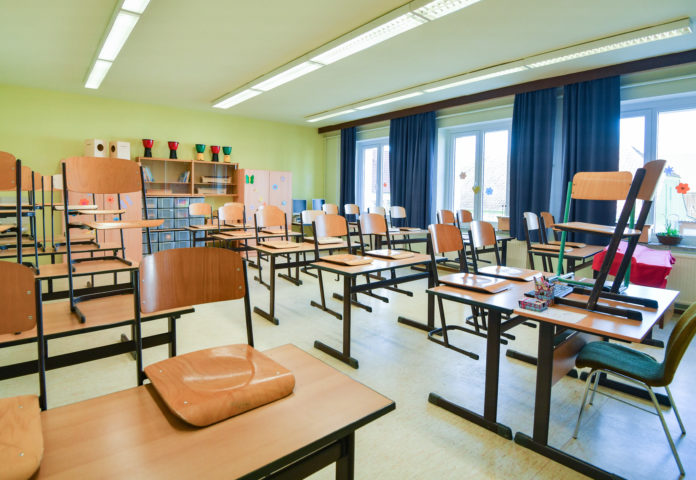
How is liveability assessed?

The Liveability Index summarises an area’s performance across 13 different topics and 24 service types. These cover all the critical components of our definition of liveability: social infrastructure, walkability, public transport, public open space, housing affordability and local employment.


Read more: This is what our cities need to do to be truly liveable for all


The Liveability Index for each area is based on an evaluation of its performance relative to all other areas at this scale. Areas performing well on all 13 indicators score higher than 100. Areas scoring lower than 100 are below average for a city.

The Australian Urban Observatory shows how liveability and access to the amenities we need in our daily lives vary across neighbourhoods and suburbs. It enables us to identify relative liveability strengths and weaknesses of areas. Using other indicators to understand these patterns helps to explain area-based scores.

Selecting an area can help to understand what a liveability rating actually means both in absolute terms and relative to other areas of the city.

For example, neighbourhood-level ratings in the map below reveal liveability is lower in many outer growth areas of Geelong. It is relatively good in more established neighbourhoods.

Liveability is lower in many outer growth areas of Geelong and very good in more established neighbourhoods. Australian Urban Observatory, Author provided

This is a common pattern in Australian cities. It is likely to get worse if city planning continues to allow sprawling low-density urban development that doesn’t deliver local services as new housing is built.


Read more: Build in good services from day one for healthier communities: lessons from Selandra Rise


A closer look at social infrastructure

Our indicator of social infrastructure provides a good example of liveability differences within cities. This index measures residents’ access to 16 different types of essential community services within reasonable distances. Having to travel further than these distances has significant impacts on our health and well-being.

Social infrastructure describes the common services and facilities people need over their lifetimes. We have previously shown the growth areas of Melbourne lack these services despite their importance for health and well-being.


Read more: Some suburbs are being short-changed on services and liveability – which ones and what’s the solution?


The chart below shows the overall Social Infrastructure Index for each regional city.

Australian Urban Observatory, Author provided

On average, residents of urban neighbourhoods in the 13 largest regional cities (6,245 neighbourhoods) have access to five of the 16 essential community services within recommended distances. The average for capital city neighbourhoods (33,722 neighbourhoods) is 6.5. Both capital cities and regional cities need better access to services.

Not surprisingly, Sydney and Melbourne have the best results. City-wide averages for these cities show residents have access to seven different types of services. Geelong, Albury-Wodonga and Wollongong perform as well as many capital cities and actually outperform Canberra, Darwin, Hobart and Perth on this measure.

Identifying priorities for local action

City-level averages and national comparisons are of limited use for improving liveability across Australian cities. We need to focus on within-city differences to drive action on inequities between neighbourhoods and to provide evidence to support more effective policy, planning and delivery.

For instance, the map below shows neighbourhood-level social infrastructure access across Albury-Wodonga. Access in central and established areas is very good, but poorer in outer areas. Liveability here is compromised as residents depend on cars to get to everyday services.

The Social Infrastructure Index shows access to essential community services is very good in central and established areas of both Albury and Wodonga, but poorer in outer areas. Australian Urban Observatory, Author provided

Read more: Designing suburbs to cut car use closes gaps in health and wealth


This pattern is becoming very common across our cities. It’s having long-term impacts on people’s health. This means ineffective city planning will have a long-term affect on health budgets across all levels of government.

Neighbourhood-level results presented in the Australian Urban Observatory clearly identify where policy and planning action should begin to reduce the inequities across our cities. These results show why we need to include regional cities in discussions about the future liveability and sustainability of our country.


We gratefully acknowledge the contributions of Rebecca Roberts, Katherine Murray and Fadhillah Norzahari to this article.

Indicator results for neighbourhoods and suburbs across the 21 largest cities are freely available in the Australian Urban Observatory. Liveability Report scorecards for each city are available here.
ref. The average regional city resident lacks good access to two-thirds of community services, and liveability suffers – https://theconversation.com/the-average-regional-city-resident-lacks-good-access-to-two-thirds-of-community-services-and-liveability-suffers-131910

The real economic victims of coronavirus are those we can’t see

Source: The Conversation (Au and NZ) – By Martijn Boersma, Senior lecturer, University of Technology Sydney

The COVID-19 coronavirus is officially a pandemic, the US and Australian share markets have collapsed, both governments have unveiled stimulus packages, and Australia’s trade union movement is worried about the position of casuals.

But things are worse overseas, including for the workers who make products for Australians.

20,000 garment workers in Cambodia face job losses from factory closures because of shortages of raw materials from China and reduced orders from buyers in the virus-affected locations including the United States and Europe.

Thousands have already lost their jobs in Myanmar.

Garment workers in Sri Lanka and Bangladesh are uncertain of their futures.


Read more: Fashion production is modern slavery: 5 things you can do to help now


COVID-19 is affecting supply chains and disrupting manufacturing around the world.

In February, Apple warned investors it would not meet its revenue forecasts due to impacts of the coronavirus on both iPhone manufacturing and its sales in China.

Many companies are prioritising safety in responding to the outbreak, including Amazon, which has urged its workforce to focus on “the safety of our teams”.

More indirect than direct employees

But what does it mean by its workforce, and how does it define its “teams”?

Amazon has 800,000 direct employees, but tens of thousands more in its supply chain.

Apple was estimated to have 139,000 employees in 2019, but as part of it supplier responsibility program in the same year it provided training to more than 3.6 million.

Supply chain workers are not directly employed by the brands for whom they produce goods, and can be left destitute when the work stops, needing to search for even more precarious work and exposing themselves to a greater risk of exploitation.


Read more: Human trafficking and slavery still happen in Australia. This comic explains how


As work dries up, desperation among workers grows. In such circumstances working conditions can quickly deteriorate at the hands of unscrupulous employers. This can result in modern slavery, which includes forced labour and human trafficking.

Extreme examples, such as those experienced by Uyghurs’ working as forced labourers in Chinese supply chains or fisherman trapped on boats in the Pacific, might seem remote to us, but they are part of the delivery of goods most of us consume daily.

Two reports released this month make that clear.

A Walk Free Foundation report provided a comprehensive assessment of modern slavery in the Pacific including exploitation in labour mobility schemes and the commercial sexual exploitation of children.

And a report from the Australian Strategic Policy Institute provided grim details of the mass transfer of Uyghur and other ethnic minorities to factories across China to produce products for some of the world’s most profitable brands.

From this year, the more than 3,000 companies with turnovers in excess of A$100 million will have to publicly report on the modern slavery risks in their operations and supply chains and the action they have taken to tackle them as a requirement of Australia’s new Modern Slavery Act.

The Modern Slavery Act is a sliding door

Australia’s Modern Slavery Act, which comes into force later this year, offers Australian companies an opportunity to take a holistic approach to preventing and addressing risks in all parts of their operation, not only those involving people they directly employ.

But it isn’t certain that they all will.

After the introduction of Britain’s Modern Slavery Act in 2015 some companies chose to take a narrow approach to investigating and reporting on what went on their supply chains.

The first step for those companies that are serious is to understand what they can see and what they cannot.

Companies need to drill down beyond their direct suppliers. Some will be able to easily trace the origin of their raw materials, most will not.

The second step is to understand risk correctly.

It is important to consider not only risks to the business, but also the risks the business poses to others, including its indirect employees.


Read more: Four Corners’ forced labour exposé shows why you might be wearing slave-made clothes


The persistence of modern slavery derives in part from purchasing practices that put extreme pressure on suppliers, such as extremely tight production windows, short-term contracts, last-minute or short-term orders and severe payment terms.

A global economic crisis might make them worse.

Finally, it is vital that companies engage and collaborate with others, including suppliers, workers and the public in order to understand how best to address these risks.

The next few months will provide vital clues as to whether Australian companies are really serious about addressing modern slavery, or whether they regard the Act as merely symbolic.

The increasingly-common mantra of aligning profit with purpose can’t only apply in the good times.

ref. The real economic victims of coronavirus are those we can’t see – https://theconversation.com/the-real-economic-victims-of-coronavirus-are-those-we-cant-see-133620

First pocket-sized artworks from Ice Age Indonesia show humanity’s ancient drive to decorate

Source: The Conversation (Au and NZ) – By Michelle Langley, Senior Research Fellow, Griffith University

Archaeologists have unearthed two miniature stone engravings in Indonesia. These depict an anoa (dwarf buffalo) and a sun, star or eye dating back some 26,000 years – the first of their kind in our region.

While such tiny engravings have been known from similar periods (around 20,000 years ago) in Europe and Western Asia, never before have clearly identifiable art pieces – small enough to be carried from place to place – been found in the most ancient contexts of Southeast Asia or Australasia.

Our Australian-Indonesian team found these decorated artefacts in 2018 during excavations at the Sulawesi cave site of Leang Bulu Bettue. Later analysis in Brisbane revealed the artistic complexity of these miniature engravings.

Leang Bulu Bettue is located in the southwest corner of Sulawesi. Here, archaeologists continue to excavate and recover new evidence for ancient art. Adam Brumm

A tiny anoa

At first, the anoa is hard to make out.

Sometime between 26,000 and 14,000 years ago, someone engraved the outline of an anoa on this palm-sized fragment of flowstone. M.C. Langley
Only the head and front part of the body of the anoa were depicted. The animal is shown with its head turned to the side, as in the photographed anoa shown here (Photo: Leipzig Zoo). M.C. Langley

What appeared to be simple geometric design in the field came to life with directed lighting in the lab. Using a small torch to produce shadows and make the cuts jump out, a muzzle, nostril, eye, cheek and two straight horns appeared. The front part of the back and abdomen are shown using simple and deeply etched lines.

Dated between 26,000 and 14,000 years ago, this engraving is comparable to the majority of similarly aged stone engravings found in Eurasia. Indeed, the pose the anoa has been depicted in, with head turned back towards its rump, is a common artistic choice. The most famous example is the “licking bison” of La Madeleine in France: a carving in reindeer antler from between 21,000 and 14,000 years ago.

The anoa is endemic to Sulawesi and likely provided a source of meat, leather, horn and bone to its first peoples. It is prominent in the painted cave art of Sulawesi, appearing in images dated back over 44,000 years, so it isn’t surprising the anoa is the first engraved animal depiction found in this area.

Is it a sun?

Also discovered was a carving of a sun-burst.

We do not know when people first started depicting the sun itself. The oldest image that almost certainly portrays the sun is the Nebra sky disk found in Germany and dated to 1600 BCE.

The Nebra sky disk is thought to be the oldest depiction of the cosmos in the world. Rainer Zenz, CC BY-SA

Other examples include engraved stele found in what was the ancient Egyptian city of Amarna. Here, the Pharaoh Akenaten (who ruled from 1353-1336 BCE) built a whole city for the glory of Aten (sun).

Limestone stele depicting Pharaoh Akenaten with his wife, Nefertiti, and their three daughters. The rays of the sun are giving life to the royal family. Egyptian Museum

However, these examples are unlikely to be the first time people started illustrating the sun. We expect sun-burst images seen in ancient rock art to be older, though the difficulties of dating rock art prevent us from knowing for sure.

Rayed-motifs as found in Indonesia are widespread around the globe and can represent numerous objects including the sun, stars, flowers, starfish and eyes. Because the sun-burst from Leang Bulu Bettue is so far unique to its context and nothing else was included in this particular picture, we cannot be sure it is the sun.

However, the lines of the engraving are strong and clear, and such patterns found elsewhere represent something real, so we believe the artist has created an image of something from the natural world.


Read more: Ice age art and ‘jewellery’ found in an Indonesian cave reveal an ancient symbolic culture


Most interestingly, the sun-burst was painted over with red pigment similar to that used to paint the walls of Leang Bulu Bettue. Only traces of this paint remain on the sun-burst, but it is enough to tell us it was applied to the lines only and not anywhere else on the carved stone. The contrast of a bright red sun-burst against the light grey of the stone must have made a striking visual impact.

Future finds may shed more light on this object and its importance and meanings within the Ice Age culture that created it.

Art makes us human

The ability to create recognisable depictions of objects from the natural world, known as figurative art, is unique to our species.

Sulawesi already claims the oldest figurative rock art in the world, with a minimum age of 39,900 years. But examples of portable images of life have been lacking not only from the deep archaeological record of Indonesia but the whole of Southeast Asia and Australasia. While these two examples are not the most ancient art found in the area, they fill a gap researchers have wondered about.

Archaeologists Adam Brumm, Adhi Agus Oktaviana and Michelle C. Langley with the sun-like engraving. Andrew Thomson

Mobile artworks are an effective way to emotionally connect people with their everyday tools, as well as people with people. This behaviour is thought to have allowed Homo sapiens to outperform or outlast archaic hominin populations (such as Neanderthals) and colonise the entire planet.

These two small stone finds are the first pocket-sized art to be discovered in our backyard, but unlikely to be the last.

ref. First pocket-sized artworks from Ice Age Indonesia show humanity’s ancient drive to decorate – https://theconversation.com/first-pocket-sized-artworks-from-ice-age-indonesia-show-humanitys-ancient-drive-to-decorate-132187

View from The Hill: Government forced to “scale up” fiscal response to deal with impact of “scaled up” health response

Source: The Conversation (Au and NZ) – By Michelle Grattan, Professorial Fellow, University of Canberra

It’s appropriate the federal-state national cabinet is being dubbed a “war” cabinet because surely this country has not experienced such a sense of crisis since the dark days of World War 2.

As the coronavirus cases escalate rapidly, there is an increasing feeling things are starting to run out of control.

More and more drastic measures have been imposed, with further ones certain to follow, and critics declaring they are not enough.

Many people are strung out.


Read more: Can I take the dog for a walk? Can I put the kids to bed? What you should and shouldn’t do if you’re in coronavirus self-isolation


Coronavirus tests must be restricted, because required material is in limited supply, a preparedness problem. When told they don’t qualify for testing some people are reacting aggressively.

Some businesses are already collapsing. Others, including bigger ones, are coming under acute pressure.

The community’s ability to maintain normal standards of rational behaviour and civil conduct is proving worryingly fragile.

The initial, slightly amusing, assault on toilet paper has turned into continuing bizarre scenes in supermarkets as people rush to hoard a range of food and other items. Special shopping times are being set aside in some stores so the elderly and frail can get access to what they need.

Alarmed parents are demanding the schools be closed, despite the medical advice that shutting them could be counter-productive. Some are withdrawing their children anyway.

On the Nine Network Karl Stefanovic had a run-in with Scott Morrison, dismissing the medical advice. “I worry about my kids getting it, irrespective of whether it’s harder for them to get it or that they can handle it better,” he said.

What’s really alarming is that all this is happening before the big impact even starts to hit.

On Tuesday the national cabinet will discuss reducing the 500 limit on inside gatherings, restricting visits to aged care facilities, and ANZAC Day arrangements (with the RSL already cancelling plans).

The size of indoor gatherings is expected to be cut, and ANZAC Day events will be symbolic, rather than occasions for public participation. On Monday more information was being sought about visits to aged care facilities.

Further economic measures are in the pipeline. Within days of announcing its $17.6 billion stimulus package Morrison, Treasurer Josh Frydenberg and Finance Minister Mathias Cormann are drafting a multi-billion top up.


Read more: Grattan on Friday: Will many people be too worried to spend the cash splashed their way?


It seems no one is even thinking about the budget bottom line anymore – the urgent imperative is to put a floor under the economy. A week ago all the attention was on the June quarter – now the September one must be under threat of negative growth.

In this vicious viral spiral, there is a cruel irony.

The latest “scaling up” of the health response, including the ban on mass gatherings and requiring everyone arriving from overseas to self isolate, delivers a blow to the economy and businesses – which now requires a “scaling up” of the fiscal measures to deal with the impact.

The new package is set to be announced later this week. If it needs legislation, that would be amalgamated with the first package, which goes to parliament next week.

Further initiatives on the health side may do additional economic damage, and so the cycle will continue.

Radio presenter Alan Jones on Monday condemned what he saw as excessive hype. Interviewing Morrison, Jones said: “ I do feel that this alarmism has taken root and it has overtaken the persistence with which you have said [for] the majority, about 8 in 10, it’ll be a mild illness and it will pass.”

Jones regarded Peter Dutton as “a metaphor” for this.

Dutton, who tested positive last week, is now home from hospital. He told Sky his family had been willing to “clear out” to enable him to self-isolate there. The home affairs minister participated in Sunday’s cabinet national security meeting remotely.


Read more: View from The Hill: Coronavirus hits at the heart of Morrison’s government, with Peter Dutton infected


Meanwhile a second federal parliamentarian from Queensland, Nationals senator Susan McDonald, has confirmed she’s tested positive.

Speaker Tony Smith and Senate president Scott Ryan on Tuesday issued planned changes to reduce the risks in parliament house.

Members of the public will still be free to access the public areas. But they won’t be able to watch proceedings in the chambers next week. Fewer passholders will be allowed into the private parts of the building, and MPs’ staff numbers will be kept down next week.

Parliamentary committees have been asked to limit their activities.

The meeting of the Senate committee inquiring into the sports rorts affair, due on Monday to hear long-awaited evidence from the secretary of the Prime Minister’s department, Phil Gaetjens, was postponed. No dates have been set for the hearings to resume.

Morrison is still working on proposed arrangements for the sitting that will pass the stimulus package. It will be done with a “mini” parliament.

Those who do have to come to Canberra will be anxious to be out of the place as quickly as possible.

The opposition has promised co-operation with the government’s measures. Labor has been treading a fine line during the crisis, extending broad bipartisanship but also arguing more should have been done and faster.

On the ground, people will be grappling with extraordinary realities that would have been absolutely inconceivable just a couple of months ago but could extend many months into the future.

ref. View from The Hill: Government forced to “scale up” fiscal response to deal with impact of “scaled up” health response – https://theconversation.com/view-from-the-hill-government-forced-to-scale-up-fiscal-response-to-deal-with-impact-of-scaled-up-health-response-133816

Reserve Bank and government prepare fresh emergency measures as markets tumble

Source: The Conversation (Au and NZ) – By Peter Martin, Visiting Fellow, Crawford School of Public Policy, Australian National University

The government is planning to deliver a second coronavirus economic support package within days, and the Reserve Bank will announce “further policy measures” to support the economy on Thursday.

The bank sometimes uses the phrase “policy measures” to describe adjustments to its “policy rate”, the so-called cash rate from which most other rates are priced.

Two weeks ago it cut the cash rate to 0.50%, a record low that is only 0.25 points above what Governor Philip Lowe has described as the effective lower bound of 0.25%, beneath which the bank would need to engage in “unconventional monetary policy” which would involve buying government bonds, residential mortgage bonds and perhaps corporate bonds to force a suite of longer-term interest rates lower.

At Thursday’s announcement Governor Lowe is also likely to take the opportunity to set out in detail how unconventional measures would be applied.


Reserve Bank cash rate


The Australian share market crashed 9.7% on Monday in its worst one-day sell-off since 1987.

In an emergency meeting earlier on Monday New Zealand’s Reserve Bank slashed its cash rate by 0.75 points from 1.00% to 0.25% and said it will remain at that level for at least the next 12 months.

Should it need to do more, it would turn to unconventional measures along the lines of those being planned for in Australia and implemented in the United States and Europe.

On Sunday, the US Federal Reserve cut its benchmark interest rate to zero and launched a new round of unconventional measures saying it would buy US$700 billion of government, corporate and mortgage-backed securities.


Read more: Now we know. The Reserve Bank has spelled out what it will do when rates approach zero


Mid-Monday Australia’s Reserve Bank and the Council of Financial Regulators which is made up of the bank, the Prudential Regulation Authority, the Securities and Investments Commission and the Commonwealth Treasury, announced a series of measures to keep financial markets working after investors turned away from both shares and government bonds.

Normally when investors desert shares they buy government bonds, forcing down the interest rates quoted on the bonds.

Reserve Bank to buy bonds as needed

But in both the US and Australia, investors have sold bonds as well, pushing up the rate (almost doubling the yield on a 10 year Australian government bond from 0.6% last Monday to 1.1%) and starving the market of buyers at any price, a phenomenon the council of regulators describes as a deterioration in liquidity.

The Reserve Bank has acted to inject liquidity by promising to buy unlimited amounts of one-month and three-month securities until further notice.


Read more: We’re staring down the barrel of a technical recession as the coronavirus enters a new and dangerous phase


The Australian Prudential Regulation Authority said it would ensure banks take advantage of the injection of liquidity to support their customers.

Both the Authority and the Securities and Investments Commission will be flexible in applying rules where those would cause hardship to businesses and customers.

In particular, each agency will, where warranted, provide relief or waivers from regulatory requirements. This includes requirements on listed companies associated with secondary capital raisings, annual general meetings and audits.

The Tax Office earlier announced a series of administrative measures to assist people and businesses in difficulty as a result of the coronavirus including deferring the payment date of amounts due through the business activity statement and income tax assessments by up to four months.

The government’s second coronavirus support package follows a package of A$17.6 announced on last Thursday.


Read more: This coronavirus share market crash is unlike those that have gone before it


It will be aimed at shoring up business and households affected by new travel and isolation rules announced on Sunday.

A skeleton parliament will meet for a few hours next week to approve measures announced in the first and possibly the second stimulus package. Members will be paired to ensure that only those needed for quorums will be present.

ref. Reserve Bank and government prepare fresh emergency measures as markets tumble – https://theconversation.com/reserve-bank-and-government-prepare-fresh-emergency-measures-as-markets-tumble-133780

Coronavirus: why are we cancelling large gatherings? And what other ‘social distancing’ options are left?

Source: The Conversation (Au and NZ) – By Gerard Fitzgerald, Emeritus Professor, School of Public Health, Queensland University of Technology

The federal government’s decision to ban “non-essential” mass gatherings of more than 500 people from today has led to some confusion about what’s included and also some amusement about the weekend’s delay from announcement to implementation.

The delay is probably understandable, as it allows for people to be informed. And overall, the ban makes sense from a public health perspective.

While the likelihood of any individual coming into contact with someone with the disease at such events is small, it’s difficult to protect people in large crowds and to identify those who may have been exposed.


Read more: The coronavirus pandemic is forcing us to ask some very hard questions. But are we ready for the answers?


This measure is part of Australia’s ambition to restrain COVID-19. If we can defer or limit the peak of the pandemic, we’re more likely to have sufficient health capability to care for those affected:

Flattening the curve is another way of saying slowing the spread. The Conversation/CC BY ND

So how do we flatten the curve?

At this stage, the only effective strategies to reduce the spread of COVID-19 are social distancing and personal hygiene.

Personal hygiene is about getting those with the disease to limit the likelihood of spreading the virus by isolating them.

For unaffected people, it means reducing their risk of acquiring the disease through hand washing and avoiding personal contact.

Social distancing is about trying to increase the distance between someone with the disease and those who may be susceptible to it.


Read more: Social distancing: What it is and why it’s the best tool we have to fight the coronavirus


The spread of this disease depends on the closeness of others to someone with the disease. We can achieve this in our normal personal and work environments, but it’s more difficult in crowded locations.

What’s the evidence for banning mass gatherings?

As always with complex events such as pandemics, the evidence is variable and not clear cut.

A recent review by researchers on the Gold Coast found mass gatherings can increase the number of emergency department presentations by up to 400 patients per day. This includes not only infectious diseases but also a range of other problems including injury and drug and alcohol problems

But the impact is variable and depends on the nature of the event.

Mass gatherings increase the number of ED presentations. Shutterstock

Similarly, a review of research on mass gatherings in the United States found outbreaks of infectious diseases following 72 mass gathering events.

Computer modelling suggests mass gatherings can increase the peak of a pandemic by 10%. In other words, there would be 10% more cases with mass gatherings than without.

However, this effect is most likely within ten days of the peak of the epidemic and the evidence of effect outside of those times is limited.

On the other hand, a review of research from the United States found that such outbreaks at mass gatherings were uncommon and this was the case even during the 2009 swine flu pandemic.


Read more: How to flatten the curve of coronavirus, a mathematician explains


So in the absence of definitive evidence, Australian health authorities have taken a pragmatic view and proceeded to reduce risk by banning large events.

Why ban mass gatherings of 500 or more?

There’s no strong evidence behind this figure. Small social engagements between friends is unlikely to increase your risk while large events may do so. The figure is a reasonable attempt to give guidance to the community.

Why are schools and universities exempt?

Ordinarily, one of the most effective strategies to control a respiratory pandemic is to close schools. Children, particularly smaller kids, can rapidly spread respiratory infections as they’re not good with social distancing or with personal hygiene.

However, children don’t seem to be particularly at risk from COVID-19.


Read more: Worried about your child getting coronavirus? Here’s what you need to know


School closures have consequences for parents and families who may not be able to attend work. This could have a significant impact on health services’ ability to maintain or increase their staffing numbers.

Closing schools is likely to result in children spending more time in crowded public locations such as shopping malls or with grandparents who are at higher risk of serious complications.

Children are at lower risk from coronavirus. Shutterstock

So, at this time when the strategies are aimed principally at control and risk-reduction, closing schools may prove counterproductive.

But this may change if a full-blown epidemic emerges.

What about workplaces?

The same applies to workplaces: closing them down isn’t necessary at this stage.

Workplaces can usually institute measures to enhance social distancing including working from home, where possible, creating space between employees in the workplace, and improving personal hygiene practices.

The challenge occurs during travel to and form work where it is more difficult to exercise social distancing.


Read more: To limit coronavirus risks on public transport, here’s what we can learn from efforts overseas


What are we aiming for?

Pandemics are the most challenging and dangerous international disasters. But there is hope.

Analysis of the outbreak in China has shown aggressive intervention can limit the impact of this disease. In Hubei Province, which was the origin and epicentre of this outbreak, there have been only four new cases in the last 24 hours.

Analysis by a joint World Health Organisation and China’s Center for Disease Control mission has identified that one in 1,000 people have been diagnosed with the disease and one in 20,000 have died from it. These are relatively low numbers compared to what could have eventuated.

We can defeat this disease but we need to keep calm but determined.

ref. Coronavirus: why are we cancelling large gatherings? And what other ‘social distancing’ options are left? – https://theconversation.com/coronavirus-why-are-we-cancelling-large-gatherings-and-what-other-social-distancing-options-are-left-133631

Can I go for a walk? Can I put the kids to bed? What you should and shouldn’t do if you’re in coronavirus self-isolation

Source: The Conversation (Au and NZ) – By Adam Kamradt-Scott, Associate professor, University of Sydney

Australians who have tested positive to COVID-19 have been advised to self-isolate at home.

The Australian government’s Health Direct website also advises people who have developed a fever or other respiratory symptoms to self-isolate.

You should also self-isolate if you’ve had contact with someone who has tested positive for COVID-19, if you’ve returned from any overseas country or you’re waiting for test results. According to Health Direct: “even if you have a negative result, you should complete the whole 14 days of self-isolation.”

Most people who need to self-isolate will probably be advised to do so for 14 days.

But it’s not always clear what that means in practice, and how it’s different to social distancing.

Here’s what you need to know.


Read more: How to flatten the curve of coronavirus, a mathematician explains


I’ve tested positive for COVID-19, or am awaiting results. Can I take the dog for a walk?

The short answer is no. We want people in this situation – those who have tested positive to COVID-19 or are awaiting test results – to remain in their houses, preferably in the bedroom and avoid interacting beyond those four walls.

You should avoid interacting with delivery people.

Yes, you can go out to the garden, but if you must cough or sneeze, do so into your elbow and wash your hands.

The virus is not airborne – so simply breathing while in the garden is unlikely to, for example, spread it to your neighbour’s garden.

But if people in this category cough and sneeze on their their hand and then touch a door handle or a mug, it could spread the virus to the next person to touch that handle or mug. So you should be washing your hands often, with soap, to reduce the risk of passing it around to other household members.

Wash your hands often, with soap.

People who have tested positive to COVID-19, or are awaiting test results, should not be putting the kids to bed.

They should isolate themselves in a bedroom. If they go into a communal space they should wear face masks, avoid contact with others, and wash hands regularly. They do not need to wear their face masks while they are in their bedroom by themselves – but their partner should sleep in a different room during the quarantine period.

If someone walks into the bedroom by accident or opens the door to deliver a tray of food, they are not at risk of being exposed to the virus. But when taking plates and utensils away, the person who puts it in the dishwasher or washes it up afterwards (either the unwell person or another household member) needs to ensure they immediately wash their hands with soap and water afterwards and clean the surfaces (like the tray) with disinfectant.

You can see more recommendations on the Australian government’s Health Direct website here.

If an infected household member is continuing to move around the house, then cleaning surfaces is important – particularly door handles.

Read more: Coronavirus while pregnant or giving birth: here’s what you need to know


In short, people should avoid contact with any person in their household who has tested positive for COVID-19 or is awaiting test results.

If an infected household member is continuing to move around the house, then cleaning surfaces is important – particularly door handles, mugs, utensils, counters or any area they may touch. In general, people in these households should exercise a higher degree of caution.

If you have got someone in your home that’s infected, the people most vulnerable are the people over 60 with pre-existing medical conditions – so you should avoid contact with people in that category.

What about social distancing for people who haven’t been advised to self-isolate?

I am of the view that those of us who have not been advised to self-isolate should continue to live our lives as normally as possible, for now.

That’s because when wider social distancing measures come into force, then those measures could be in place for an extended period of time.

We are not talking about just two weeks and then everything goes back to normal. It could be six weeks or more where people are discouraged from interacting with others.

We know from past events that an extended period of self-isolation can have unintended mental health effects and other health impacts such as a lack of physical exercise.

So for now, until there’s evidence of widespread community transmission, then its important to maintain normalcy as much as possible while exercising an extra degree of caution around personal hygiene by:

  • washing hands regularly with soap and water
  • practising good cough and sneeze etiquette (by sneezing into the crook of your elbow)
  • avoiding people who are visibly sick.

But if you’re on a bus and you see someone sneeze or cough, please don’t recoil in horror.

Everyone has to make their own determination as to how much risk they are willing to accept. And it is important to stress that the advice is rapidly changing.

If there’s a sharp increase in the number of cases of people with no travel history or contact with people with no travel history who have tested positive, that would suggest the virus may be circulating more broadly in the community. If we see evidence of such wider community transmission then the advice will likely change. We need to be prepared for that, and listen carefully to what our health authorities have to say about next steps.

In the meantime, it is important for people to remain calm. Through exercising sensible infection control measures, we can all reduce our personal risk of exposure and protect those in our community who are most vulnerable. These are challenging times, but we can, and we will, get through this together.

ref. Can I go for a walk? Can I put the kids to bed? What you should and shouldn’t do if you’re in coronavirus self-isolation – https://theconversation.com/can-i-go-for-a-walk-can-i-put-the-kids-to-bed-what-you-should-and-shouldnt-do-if-youre-in-coronavirus-self-isolation-133776

To limit coronavirus risks on public transport, here’s what we can learn from efforts overseas

Source: The Conversation (Au and NZ) – By Yale Zhuxiao Wong, Research Associate, Institute of Transport and Logistics Studies, University of Sydney

Public transport in our cities is highly vulnerable to disease outbreaks such as the global coronavirus (COVID-19) pandemic. However, public transport is the lifeblood of our cities, so it’s desirable to keep services running as long as possible. Australia can learn from what has been done overseas, especially in China, where concrete strategies to reduce the spread of the virus on public transport helped eventually to contain the disease.

The confined spaces and limited ventilation of public transport vehicles could lead to infections among passengers, while frontline transport workers are particularly exposed. An outbreak among these workers could bring entire fleets to a standstill. It would also disrupt the travel of health workers who need to be mobilised during the pandemic.


Read more: It’s now a matter of when, not if, for Australia. This is how we’re preparing for a jump in coronavirus cases


Unions representing transport workers have rightly voiced their concerns and imposed actions including a unilateral ban on cash handling. The Australian government has offered guidelines for drivers and passengers. Transport authorities have engaged expert taskforces and begun the process of sourcing products like hand sanitisers.

While these steps are important, surely we need advice beyond general instructions to “practise good hygiene” and “use disinfectant wipes”?

What are other countries doing?

In China, despite most of the country being in lockdown, public transport was entirely suspended only in Wuhan and its commuter belt. Buses were then used to move medical staff and deliver goods.


Read more: Coronavirus: why China’s strategy to contain the virus might work


Most other Chinese cities ran reduced public transport services, with a heavy focus on hygiene and sanitation.

In most cities, the temperatures of transport staff are checked daily. They are equipped with adequate protection gear like face masks and gloves. Masks are compulsory for all staff and passengers, as is common practice across Asia.

In a typical city like Shenzhen, the bus fleet is sanitised after each trip. Particular attention is paid to seats, armrests and handles. At depots and interchanges, this is done as often as every two hours.

Buses are filled to no more than 50% capacity (one person per seat). On-board cameras are used to enforce this rule. Floor markings (also adopted in Europe) provide a guide to minimum distances between passengers and encourage social distancing.

Across China, health control checkpoints are being used at train and metro stations (as well as in many public and private buildings). This enables temperature checks and the tracing of the movement of people, in case of contact with a suspected COVID-19 carrier. In many taxis, buses and metro carriages, passengers are encouraged to scan a QR code to register their name and contact number, to help with contact tracing.

China is using QR codes to help trace sources of viral contact and contraction. Joe Ma, Author provided (No reuse)

Constant public education reminders are broadcast to passengers.


Read more: The urban history that makes China’s coronavirus lockdown possible


Cities across Asia are providing hand sanitiser gel in public transport vehicles and interchanges. Cleaning of air-conditioning filters has been enhanced. To increase natural ventilation and reduce the risk of infection, some operators have retrofitted window vents to air-conditioned fleets.

Some bus operators have retrofitted opening windows to help increase air circulation. Kowloon Motor Bus, Author provided

Hong Kong rail operator MTR is even using a fleet of cleaning robots to disinfect trains and stations. In Shanghai, ultraviolet light is being used to disinfect buses.

In Europe, many public transport agencies have closed off use of the front door to reduce infection risk for drivers. Passengers now use the rear door (all-door boarding has been common practice).

What’s happening in Australia?

One of the best ways to reduce infection risk is to step up cleaning efforts. Public transport operators are already doing this, but not to the extent required during the course of the day.

Most private bus operators (contracted to government) are simply not equipped to take on the massive task if required to disinfect their vehicles, say, three times a day. For many operators, drivers are required to “sweep” their bus at the end of their shift. Buses undergo a full interior clean overnight.

There is no capability to clean buses en route during shifts. Extreme cases like biohazard incidents (blood and vomit) require vehicles to be taken out of service.

To increase the frequency of cleaning, perhaps a government authority could organise “rapid response” cleaners stationed at terminals. While this might cause delays between trips, it would reduce the pressure on individual operators. Having a cleaning crew work across multiple operators would also be more efficient.

The government could provide free health services via video consultation for frontline transport workers. The critical role of the transport sector also warrants their protection through government-issued face masks, especially given how hard it is now to source these in the community.


Read more: ‘The doctor will Skype you now’: telehealth may limit coronavirus spread, but there’s more we can do to protect health workers


These proactive measures based on disease prevention should always be preferred to any reactive approach after a major outbreak hits our transport system. Industry associations like the American Public Transportation Association (APTA) and International Association of Public Transport (UITP) have developed a suite of responses that can be adopted.

Our transport authorities and operators must step up in this critical time of need.

ref. To limit coronavirus risks on public transport, here’s what we can learn from efforts overseas – https://theconversation.com/to-limit-coronavirus-risks-on-public-transport-heres-what-we-can-learn-from-efforts-overseas-133764

How to flatten the curve of coronavirus, a mathematician explains

Source: The Conversation (Au and NZ) – By Andrew Black, Lecturer in Applied Mathematics, University of Adelaide

People travelling into Australia will now have to self-isolate for 14 days – one of a range of measures announced at the weekend by Prime Minister Scott Morrison, with the aim of slowing the spread of the coronavirus and easing the stress on hospital beds.

This general concept of slowing the virus’s spread has been termed “flattening the curve” by epidemiologists – experts who study how often diseases occur in different populations, and why. The term has become widespread on social media as the public is encouraged to practise “social distancing”.

But how does social distancing help to flatten the curve? We can explain by referring to what mathematicians call “exponential growth”.

Exponential growth

In the early stages of an epidemic, when most people are susceptible to infection, mathematicians can model a disease’s spread from person to person as essentially a random “branching process”.

This diagram shows the number of cases, over time, in a branching process with exponential growth.

If one infected person infects two others on average, the number of infected people doubles each generation. This compounding is known as exponential growth.

Of course, an infected person is not definitely going to infect others. There are many factors affecting the likelihood of infection. In a pandemic, the growth rate depends on the average number of people one person can infect, and the time it takes for those people to become infectious themselves.


Read more: Coronavirus and COVID-19: your questions answered by virus experts


Research suggests the number of confirmed COVID-19 cases is growing exponentially worldwide with the number doubling about every six days

Exponential growth models closely match reality when starting with a small number of infected individuals in a large population, such as when the virus first emerged in Wuhan, or when it arrived in Italy or Iran.

But it’s not a good model once a large number of people have been infected. This is because the chance of an infected person contacting a susceptible person declines, simply because there are fewer susceptible people around, and a growing fraction of people have recovered and developed some level of immunity.

Eventually, the chances of an infected person contacting a susceptible person becomes low enough that the rate of infection decreases, leading to fewer cases and eventually, the end of the viral spread.

Flatten the curve

Health authorities around the world have been unable to completely prevent COVID-19’s spread. If cases double every six days, then hospitals, and intensive care units (ICUs) in particular, will be quickly overwhelmed, leaving patients without the necessary care.

But the growth rate can be slowed by reducing the average number of cases that a single case gives rise to.

In doing so, the same number of people will probably be infected, and the epidemic will last longer, but the number of severe cases will be spread out. This means that if you plot a graph of the number of cases over time, the rising and falling curve is longer but its peak is lower. By “flattening the curve” in this way, ICUs will be less likely to run out of capacity.

Flattening the curve is another way of saying slowing the spread. The epidemic is lengthened, but we reduce the number of severe cases, causing less burden on public health systems. The Conversation/CC BY ND

As there is currently no vaccine or specific drug for COVID-19, the only ways we can reduce transmission is through good hygiene, isolating suspected cases, and by social distancing measures such as cancelling large events and closing schools.

Avoid “super-spreaders”

Of course, the situation is not quite as straightforward as a simple branching process. Some people interact more than others, and might come into contact with many different groups.


Read more: There’s no evidence the new coronavirus spreads through the air – but it’s still possible


Mathematicians model these connections as a social network, such as the one below. Infected people are red nodes, and susceptible people are blue. The large node in the middle of the diagram is a super-spreader, a person who connects with many others, and thus has more potential to spread the disease.

This graph shows how an epidemic might spread across a network over time. Blue dots are susceptible individuals, while red dots are infected people. Two dots are connected by a line if they are in contact with each other, and the more contacts a person has, the bigger their dot is on the network.

Interventions help remove nodes and break connections.

In the diagram above, the large, highly connected central node would be the best one to remove to break connections. This is why it’s a good idea to avoid large public gatherings during the COVID-19 outbreak.

Mathematical simulations of social distancing have shown how breaking the network apart helps flatten the curve of infection.

How maths is helping

How much social distancing is required to flatten the curve enough to stop hospitals being overwhelmed? Is it enough to quarantine people who have been in contact with confirmed cases? Do we need widespread closure of events, schools and workplaces?

Answers to these questions require mathematical modelling.

We are still in the early stages of the COVID-19 outbreak and there is great uncertainty about the characteristics of this virus. To accurately forecast COVID-19’s growth, the underlying dynamics of transmission need to be determined.

These are driven by factors including:

  • How many people on average does an individual infect? (the “reproduction number” which, according to the World Health Organisation, is currently between 1.4–2.5 people)
  • How long until the onset of symptoms? (the “incubation period”, which is estimated to be 5.1 days)
  • What proportion of transmission occurs prior to the onset of symptoms, if any?

As such data is collected and integrated into models over the coming months, we will be better placed to offer accurate predictions about the course of COVID-19.

Until then, it’s better to err on the side of caution and take swift action to slow transmission, rather than risk a spike in cases, and put strain on our health system.

ref. How to flatten the curve of coronavirus, a mathematician explains – https://theconversation.com/how-to-flatten-the-curve-of-coronavirus-a-mathematician-explains-133514

Will coronavirus damage Trump in the US general election? And Morrison’s ratings improve in Newspoll

Source: The Conversation (Au and NZ) – By Adrian Beaumont, Honorary Associate, School of Mathematics and Statistics, University of Melbourne

Four states hold Democratic primaries on Wednesday in Australia: Florida, Ohio, Illinois and Arizona. These states will award 14.5% of all pledged delegates, taking us to 61.5% of total delegates. But given Joe Biden’s crushing victories over Bernie Sanders last Tuesday, the Democratic contest is effectively over, and Biden will be the candidate for president.

So the question now is how Biden will fare against Donald Trump in the general election this November.

Trump has alienated many highly-educated voters with his general behaviour; these voters assisted Biden against Sanders in suburban counties. But most lower-educated voters did not care about Trump’s behaviour so long as the US economy was going well. And until recently, the economy was going very well.


Read more: View from The Hill: Scott Morrison announces mandatory self-isolation for all overseas arrivals and gives up shaking hands


According to the official February jobs report, there were 273,000 jobs created that month, and an unemployment rate of just 3.5%. Inflation-adjusted weekly wages were up 0.5% in February, lifting the annual rate from zero to 0.7%. The Dow Jones index was above 29,000 points on February 20.

The coronavirus outbreak has had a serious impact on global stock markets, with the Dow now just over 23,000. It has not yet affected the US jobs situation, with weekly jobless claims at 211,000 on March 7, about where they have been for most of the past year. The US Labor Department releases these reports every Thursday.

However, the health and economic impact of coronavirus will almost certainly worsen. There are now over 3,300 officially confirmed US coronavirus cases, and this is likely to be a major undercount owing to a lack of testing. Measures attempting to halt the spread of the virus, such as by closing restaurants, schools, sport and tourist attractions, will have an economic impact.

According to the Kaiser Family Foundation’s Health System Tracker, the US health care system is worse than in comparable countries. About 49% of Americans have private health insurance paid for by their employer; if they lose their jobs in an economic downturn, they also lose their health insurance.

In 2010, Barack Obama and Democrats passed the Affordable Care Act (Obamacare) to assist the uninsured. In 2017, Trump and the then-Republican controlled Congress came close to repealing Obamacare. If there is a coronavirus-driven recession and health crisis, Democrats will use the 2017 votes to attack Republicans.

In the FiveThirtyEight aggregate, Trump’s ratings with all polls are currently 42.6% approve, 53.1% disapprove (net -10.5%). With polls of registered or likely voters, his ratings are 43.7% approve, 52.4% disapprove (net -8.7%). His ratings have slid since their mid-February peak.

In general, the beginning of a major crisis helps incumbent governments. FiveThirtyEight has charts of previous presidents’ ratings, and George W. Bush’s ratings surged over 30 points to 83% approval immediately after the September 11, 2001 terrorist attacks.

At this stage, there is not yet a recession or a health crisis in the US. But Trump is vulnerable if either occurs. The economy has been Trump’s great asset. In my opinion, it’s the only reason he has a realistic chance of re-election. On health care, Trump’s ratings were close to their record lows near the July 2017 attempt to repeal Obamacare. Coronavirus poses a clear danger to Trump’s re-election.

In the RealClearPolitics average of national Democratic polls, Biden leads Sanders by a 55-34 margin, showing the contest is over. In general election polls, Biden leads Trump by 6.4%. However, in the four polls taken after March 3 Super Tuesday, when Biden took a strong grip on the Democratic nomination, he led Trump by an average 8.5%.


Read more: Biden easily wins Super Tuesday after strong comeback in past few days


Labor retains narrow Newspoll lead, but Morrison’s ratings improve

This week’s Newspoll, conducted March 11-14 from a sample of 1,500, gave Labor a 51-49 lead, unchanged from three weeks ago. Primary votes were 40% Coalition (up two), 36% Labor (up two), 12% Greens (down one) and 4% One Nation (steady). All figures are from The Australian.

41% were satisfied with Scott Morrison’s performance (up three), and 53% were dissatisfied (down five), for a net approval of -12, up eight points. Anthony Albanese’s net approval was zero, up five points. Morrison led Albanese by 42-38 as better PM, reversing three successive leads for Albanese following the bushfires.

Unlike Trump, Morrison is benefiting somewhat from the coronavirus crisis.

76% were worried and just 20% confident about the coronavirus’ impact on the economy. On preparedness of the health system, 51% were worried and 47% confident. On information available to protect oneself, 63% were confident and 35% worried.

47% were dissatisfied and 33% satisfied with federal and state governments’ economic management regarding coronavirus. On the health system, it was 51-33 satisfied. On presenting information, 65-28 satisfied. 75% thought the Morrison government should provide a stimulus package.

SA YouGov poll: 53-47 to Labor

Two years into its four-year first term, Labor leads the incumbent South Australian Liberal government by 53-47, from primary votes of 39% Liberal, 38% Labor, 11% Greens and 7% SA Best.

Premier Steven Marshall had a net approval of -4, while Opposition Leader Peter Malinauskas was at a strong +18. Marshall led by just 38-36 as better Premier. This poll was taken March 6-11 from a sample of 856. Figures from The Poll Bludger.

ref. Will coronavirus damage Trump in the US general election? And Morrison’s ratings improve in Newspoll – https://theconversation.com/will-coronavirus-damage-trump-in-the-us-general-election-and-morrisons-ratings-improve-in-newspoll-133758

Coronavirus while pregnant or giving birth: here’s what you need to know

Source: The Conversation (Au and NZ) – By Hannah Dahlen, Professor of Midwifery and Higher Degree Director, Western Sydney University

Having a baby is stressful enough without a coronavirus (COVID-19) pandemic and all the associated misinformation.

If you’re pregnant and/or due to give birth soon, it’s best to get information from trusted sources such as the World Health Organisation, the Royal College of Obstetricians and the Australian Government Department of Health.

Here are the key take-home messages.

It’s a new virus

As COVID-19 is a new virus, we are learning more about it every day. As most pregnant women are young and generally healthy, they’re less likely to be severely affected (which is good news). But as there is also a baby to consider, the picture can be more complex.

A baby born recently to a mother in the UK with COVID-19 recently tested positive soon after birth but we are not sure whether it was infected in the womb (unlikely) or after birth (more likely).

As far as we know, the baby is fine and the mother is being treated. Other reports on babies with COVID-19 have also shown they had mild symptoms and a good recovery.


Read more: Coronavirus with a baby: what you need to know to prepare and respond


From China’s experience to WHO advice

To date, much of our information on COVID-19 has come from China. This is where one of the first studies, involving just nine pregnant women with COVID-19, came from.

All these women had caesarean sections, none were seriously unwell and all mothers and babies recovered. The study found none of the babies appeared to get COVID-19 and there was no evidence of the virus in the baby, breastmilk or fluid surrounding the baby. It’s not clear why these babies were born by caesarean section. China has a very high caesarean section rate, which is not optimal, and this may have influenced how they responded.

The World Health Organisation’s new guidelines state:

there is no evidence that pregnant women present with different signs or symptoms or are at higher risk of severe illness. So far, there is no evidence on mother-to-child transmission when infection manifests in the third trimester … WHO recommends that caesarean section should ideally be undertaken only when medically justified

Why pregnant women are not more susceptible to COVID-19

Pregnant women are generally more susceptible to viruses that cause breathing problems (like the flu). Their immunity is lowered, their lungs are more compressed and they need more oxygen.

However, this doesn’t seem to be the case with COVID-19. In an analysis of 147 women with COVID-19, only 8% had severe disease and 1% were in critical condition. That’s lower than the general population.

The lowered immune response of pregnancy, which is needed to stop a woman’s body responding to her baby as a health threat, may actually provide extra protection with COVID-19. COVID-19 seems to be more severe in people with an immune system working hard dealing with other health disorders.

With COVID-19, more men than women are affected and women are less likely to get severely ill and die. To date, the death rate is 1.7% for women and 2.8% for men.

However, as the pandemic spreads this may change. Women comprise the majority of the health workforce and caregivers will be in contact with more sick people.

Sneeze or cough into your elbow to reduce the spread of germs. Shutterstock

How can pregnant women protect themselves and others?

Pregnant women should do the same things as the general public to protect themselves, including:

  • covering the mouth when coughing (by coughing into the crook of your elbow)
  • avoiding people who are sick
  • asking people who are unwell to avoid visiting
  • washing hands often with soap and water or an alcohol-based sanitizer and
  • avoiding large gatherings.

It would be sensible not to travel overseas at the moment; you may have to self-isolate when you return.

Women who think they may have contracted COVID-19 can now consult their GP or other health professional with a bulk billed telehealth call (video call) rather than having to go in person.

Women who are pregnant or have new babies are given priority for telehealth services.

If you have been asked to self-isolate due to contact with someone with COVID-19, or have the illness, make sure you contact your midwife or obstetrician by phone and follow the advice of your health care provider.

What about going to hospital for antenatal visits and birth?

Keep going to appointments but don’t stress if you miss a couple, and early discharge might be a good idea if you’re able.

If you are booked into a birth centre or hospital, lots of precautions are in place to minimise the risk of infection. Birth will proceed as planned in the vast majority of cases and going home early would be ideal and may be encouraged if you and your baby are well.

Be aware some hospitals are restricting visitors and even support people, other than the partner, to try and reduce risk to the community.

Can the baby be infected with COVID-19 in the uterus?

The placenta is a very efficient filtering system and does an amazing job protecting babies from harm. The Zika virus was an exception to this.

There is no evidence of increased complications, though if a woman was very unwell (with high temperature or pneumonia, for instance) then the baby may be born prematurely.

This may be due to deliberate intervention by health professionals if the woman is very sick.

In general, though, a COVID-19 diagnosis should not lead to a decision for an early birth, unless ending the pregnancy is thought to be beneficial to the mother due to her overall condition.

There is not enough evidence that COVID-19 increases miscarriage and it is too early to know other longer-term impacts on the baby.

What should I do after the birth?

The benefits of breastfeeding are so significant the WHO recommends this should begin within an hour of birth. Skin-to-skin contact should be supported immediately following birth if the baby is well.

Skin-to-skin contact should be supported immediately following birth if the baby is well. Shutterstock

If the mother is too ill, she should be assisted to express her milk. Breastfeeding is particularly effective against infectious diseases because it transfers antibodies and other important immune factors to the baby. If the woman or the baby have an infection, the composition of breastmilk even changes to increase important components that help the baby fight infection. So, if you were thinking of giving up breastfeeding, perhaps continue until this pandemic ends.

WHO recommends women who have COVID-19 should wash their hands before and after contact with the baby, use a medical mask when near the baby if they have symptoms (such as coughing), and routinely clean and disinfect surfaces they may have touched.

What else can you do?

When the seasonal flu vaccine becomes available, get vaccinated. We know this can be protective during pregnancy. It is free for pregnant women and there are no risks to your baby from flu vaccine. You will not be protected from COVID-19 but you will get some protection from the flu (which can be very problematic for pregnant women). The last thing you want is to have the flu and COVID-19 at the same time.

Free flu vaccinations will be available from GPs mid-April but if women want them earlier, they can get them for a fee at the pharmacy from end of March.

Most of all, try and stay calm and talk to your midwife or doctor if you are getting very worried.


Read more: Coronavirus: 5 ways to manage your news consumption in times of crisis


ref. Coronavirus while pregnant or giving birth: here’s what you need to know – https://theconversation.com/coronavirus-while-pregnant-or-giving-birth-heres-what-you-need-to-know-133619

Sydney Biennale review: an incisive global perspective on deeper crises

Source: The Conversation (Au and NZ) – By Felicity Fenner, Associate Professor at UNSW Art & Design, UNSW

Three days into its programmed three months, at the time of writing the 22nd Biennale of Sydney is one of the few major public events in the world not to have been entirely closed down in response to the coronavirus pandemic.

Art and exhibitions are often the first to be pushed aside in times of crisis, dismissed as having no relevance to solving the challenges at hand. Indeed, the 2020 Biennale of Sydney does not provide solutions to the world’s current health crisis. It does better than that, offering a visually rich, coherent and global perspective to more deep-rooted problems such as environmental crises, human rights and broadening social inequality.

This Biennale, more than any of the previous 21 editions, is testament to the capacity of art and exhibitions to move beyond reflection to lead dialogue. With a mandate for collaboration, education and new restorative relations with oppressed and marginalised communities, it proves that exhibitions can be not only provocative, but catalysts for change.

The edge

Titled NIRIN – edge in Wiradjuri, the language of Artistic Director Brook Andrew’s mother’s people – the Biennale features the work of artists from countries, cultures and identities usually relegated to the periphery. These include an unprecedented number of First Nations and many gay and non-binary artists.

Biennales, of which there are more than 200 internationally, are the world’s most high-profile and well-attended exhibitions of contemporary art. Andrew has taken full advantage of this opportunity and much of the work is documentary in nature, like Andrew’s own artistic practice, which appears throughout in the form of strategically placed Powerful Objects. Its unabashedly scholarly approach is symbolised by Masonite clipboards hooked to the walls in place of formal museum labels.

Brothers (The Prodigal Son) by Tony Albert (2020). Photograph: Zan Wimberley/Biennale of Sydney

The exhibition is a timely and much needed political discourse that relocates artist’s perspectives from the edge to centre stage. The cavernous turbine hall at Cockatoo Island, for example, is taken over by a monumental installation of jute cocoa bags lining the walls by young Ghanaian artist Ibrahim Mahama. Previously commissioned by the 2015 Venice Biennale and 2017 Documenta, Mahama creates physically immersive environments from the vestiges of colonial oppression, deploying them as coverings for architectural bastions of power. Originally intended for the façade of the Art Gallery of NSW, the installation works more successfully here where it can be experienced somatically as visitors walk through the installation and smell its aroma.

Radical veils

The veiling of history with symbolic textiles is a recurring theme. Madagascan artist Joël Andrianomearisoa has suspended translucent black drapes around the building, altering viewers’ perception of space. At the Art Gallery of New South Wales, his veils cover selected artworks in the Grand Courts, where historic European art is housed alongside the gallery’s extensive collection of colonial and early 20th century Australian painting and sculpture.

Joël Andrianomearisoa’s There might be no other place in the world as good as where I am going to take you (2020) Sabrina Amrani Gallery, Madrid/Biennale of Sydney

Andrew has interrupted and overlaid Eurocentric historical narratives with the voices of First Nations artists from Australia, New Zealand, Africa and the US.

Works by Maori artist Emily Karaka, African Mostaff Muchawaya and Haitian Karim Bleus are dispersed among the Glovers, Streetons, von Guérards and Mackennals, offering alternative portrayals of identity and claims to sovereignty.

In this forced confrontation between white history and First Nations’ experience, artists’ voices are amplified. American Arthur Jafa’s White Album, a filmic collage about racial otherness, was a highlight of the 2019 Venice Biennale. It is much more powerful here, placed in conversation with European paintings portraying social concerns of the 19th century.

Arthur Jafa’s The White Album (2018–19) Biennale of Sydney

Shared experience

Andrew demonstrates that it is artists who are taking the lead in documenting and sharing experiences of hardship. Aziz Hazara’s film installations at the MCA and Campbelltown Arts Centre chronicle the plight of people in war-torn Afghanistan. The palpably traumatic project by Mexican artist Teresa Margolles at the National Art School Gallery immerses viewers in a sensory tribute to victims of gender-based violence in Mexico and Sydney.

Teresa Margolles’ Untitled (2020) Biennale of Sydney/Galerie Peter Kilchmann, Zurich

At Campbelltown Arts Centre, the galleries have been carefully divided into a series of blackened rooms that physically and symbolically intersect. Even the interstitial spaces are occupied, a curatorial device that speaks to the historic invisibility and occupation in hidden spaces of marginalised peoples.

In nooks and crannies, chequered laundry bags transmit urgent communiques about deprivation in Australian Aboriginal communities. Made by artists at the Iltja Ntjarra (Many Hands) Arts Centre in Alice Springs, they are huddled together on the ground like the homeless in our city centres, seen but not afforded the opportunity to be heard. In contrast, the decades-long work of Gomerai photojournalist Barbara McGrady is celebrated in a large and loud film installation that provides a contextual anchor to the surrounding international artists’ works.

Be quick

The visual displays of the 2020 Biennale of Sydney may soon be suspended due to the current health pandemic, but the Biennale’s foregrounding of art by First Nations artists and initiation of long-term community projects will be its greatest legacy.

The Dharug community in Western Sydney will lead a series of activations to heal the site of the infamous Blacktown Native Institute, and the Biennale will work closely over the next four years with the Australian Institute of Aboriginal and Torres Strait Islander Studies on a national program of cultural renewal.

The 2020 Biennale of Sydney is a formidable project that could not have been achieved by a non-Indigenous person. As an exhibition it will be remembered for the stories it shares, relayed with courage and candour, warmth and sometimes humour, by artists at the coal face of inequality.

ref. Sydney Biennale review: an incisive global perspective on deeper crises – https://theconversation.com/sydney-biennale-review-an-incisive-global-perspective-on-deeper-crises-131203

This coronavirus share market crash is unlike those that have gone before it

Source: The Conversation (Au and NZ) – By Kylie-Anne Richards, Lecturer, Finance Discipline, University of Technology Sydney

Stock markets have crashed, we can be confident of that. History suggests there is no quick recovery from crashes like these, which means lasting consequences for investors.

The World Health Organisation declared the COVID-10 coronavirus a pandemic last Wednesday, wiping US$7 trillion off global equity markets. A day later, now marked down in history as Black Thursday, the Dow Jones index in the US closed down 2,353 points (-10%), the worst single day points decline since Black Monday in 1987.

Staggeringly, the index rebounded sharply the following day. Friday saw the US market closing the roller coaster week up 9.3%.

Shares in the Australian S&P 200 index did the same sort of thing.

Prices collapsed 8% after opening Friday, then rebounded throughout the day to end up about where they started, before collapsing 4% in early trade on Monday.

Not even normal for a crash

The volatility, velocity and magnitude of these swings is not in the playbook of past global market crises.

Generally, markets have been overvalued, with stocks climbing sharply in recent years despite tepid economic growth in the US and elsewhere and heightened economic and political uncertainty.

If we look at Nobel Prize winner Robert Shiller’s cyclically-adjusted price-to-earnings (CAPE) ratio, a standard equity valuation metric, there have been only two other times in modern history when the US stock market has been more overvalued than today.

They were in 1929 and 2000; ahead of the Great Depression and, more recently the 2000 “Tech Wreck”.


Shiller total return cyclically-adjusted price-earnings ratio

The data and CAPE Ratio used to create this graph were developed by Robert J. Shiller using various public sources. Neither Robert J. Shiller nor any affiliates or consultants, are registered investment advisers and do not guarantee the accuracy or completeness of the CAPE Ratio here, or any data or methodology either included therein or upon which it is based.

What has been so interesting about the bubble that preceded the coronavirus crash is that there was no identifiable underlying economic or social process driving the market to such dizzying heights.

But there was ultra-easy monetary policy (including unconventional policies).

The problem we have now is that with rates so close to zero (or even negative in some countries), central banks are powerless to tame the turmoil by conventionally cutting interest rates.


Read more: Below zero is ‘reverse’. How the Reserve Bank would make quantitative easing work


It is making investors worried about governments’ abilities to respond in time to contain or reduce the severity of human and economic devastation.

We are dealing with a global health crisis the likes of which has not been seen for 100 years. It will keep investor sentiment fragile and prone to sudden shifts.

If the last two weeks is anything to go by, the resulting volatility will test the normal functioning of markets.

Faster and more jumpy

There is no formal definition of a market crash, but what we see here has all the hallmarks:

• a 20% decline in equity markets, which defines a bear market, has been achieved in two weeks.

• rates of transacting (velocity) across global markets has been high and a good deal higher than in previous crises. Electronic systems provide a catalyst to embed the panic (uncertainly) into the pricing. We’ve seen huge swings in prices, at increased transaction rates.

In the US, market circuit breakers have been triggered in both falling and rising markets. Black Thursday saw a 15-minute trading hold at the opening to prevent a free fall of stock prices. A day later the New York Stock Exchange’s “limit-up” brake was triggered.

Transaction costs have been inflated with the “spread” between buying and selling prices widening significantly compared with pre-crisis levels, and almost twice what it was during the GFC.

Intraday volatility (meaning volatility that occurs within one day) is currently tracking above what was observed during the global financial crisis. This is not limited to prices; there is also significant intraday volatility in trading volumes, creating uncertainty in the ability to transact effectively, if at all, in the less traded stocks.


Read more: We’re staring down the barrel of a technical recession as the coronavirus enters a new and dangerous phase


The panic response has been quickly entrenched in the price of stocks, distorting effective resource allocation and the management of risk in markets.

That is another way of saying markets are not working well at the moment.

It’s shutting down markets

The panic sell-off has seen markets become highly correlated, with “crisis contagion” spreading to all markets and countries. This can be thought of in much the same vein as the COVID-19 pandemic – contagion results from a shock in one or a group of countries or markets, and spreads to others.

This has real repercussions. New debt issuance has ground to halt around the world.

Even the highest quality government borrowers are finding it hard to sell new securities in this market. Corporations have no chance. This increases the re-financing risk for large corporations, and even banks.

For wage earners, the market crash should be of little consequence. What matters to workers is employment and the number of hours worked.

The fate of workers, particularly those employed in heavily-exposed industries, will be determined by whether the economy can navigate the crisis without a surge in unemployment and business failures.

Superannuants at risk and noticing

Superannuants, on the other hand, will be directly and immediately affected.

Large super funds (super funds with more than four members) held A$912 billion of Australian and international listed shares at the end of 2019, according to Australian Prudential Regulation Authority data. That’s 47% of their total assets of $1.928 billion.

With digital technology, superannuants can get almost real time portfolio valuations.

For those who are invested in the standard growth fund and care to look up the latest numbers, they are down at least 10% in two weeks.

Retirees might spread contagion

For self-funded retirees, Australian bank stocks are very popular. An investment of $100,000 of Australian banks stocks at the start of February is now worth about $75,000. And that is after the spectacular rally on Friday.

This greater access to information and the baby boomer retirement bulge means the wealth effects from large falls in share prices will probably be felt more than in the past.

If the crash turns into a sustained bear market, the risk is that this will become one of the key mechanisms by which the economy is driven down.

ref. This coronavirus share market crash is unlike those that have gone before it – https://theconversation.com/this-coronavirus-share-market-crash-is-unlike-those-that-have-gone-before-it-133691

We must fight climate change like it’s World War III – here are 4 potent weapons to deploy

Source: The Conversation (Au and NZ) – By David Blair, Emeritus Professor, ARC Centre of Excellence for Gravitational Wave Discovery, OzGrav, University of Western Australia

This article is part of a series in The Conversation on radical ideas to solve the environmental crisis.


In 1896 Swedish scientist Svante Arrhenius explored whether Earth’s temperatures were influenced by the presence of heat-absorbing gases in the atmosphere. He calculated that if carbon dioxide concentrations doubled, global temperatures would rise 5℃ – even more at the poles.

Just over a century later, the world is on track to fulfilling Arrhenius’ prediction. If we continue on the current trajectory, Earth will warm up to 4.8℃ above pre-industrial times by 2100.


Read more: I’ve seriously tried to believe capitalism and the planet can coexist, but I’ve lost faith


We are a group of experts in physics, geology, science education, coral reefs and climate system science. We believe the lack of progress by governments in reducing global emissions means bold solutions are now urgently needed.

We must fight climate change like it’s World War III – and battle on many fronts. Here we examine four of them.

The world’s emissions are headed in the wrong direction, despite a century of warnings to act. STEVEN SAPHORE/AAP

1. Plant a lot more trees

Tree-planting has enormous potential to tackle to climate crisis. Recent research calculated that worldwide 900 million hectares of additional tree cover could exist outside of already-established forests, farmland and urban areas – sufficient to store 25% of the current atmospheric carbon pool. Forests act to increase cloud and rainfall and reduce temperatures.

The grand vision of the Gondwana link project in Western Australia is an example of what can be done. It is reconnecting fragmented ecosystems to create a continuous 1,000km corridor of bushland.


Read more: Want to beat climate change? Protect our natural forests


Broadscale land clearing must cease and a massive program of tree planting should be implemented in all possible areas. Such a program would provide huge small business employment opportunities. It requires incentives and partnerships that could be funded through taxes on carbon emissions.

Renewable energy-powered desalination may be required in some places to provide the water needed to establish forests in drought conditions. This meshes with an important new technology: carbon mineralisation.

Millions of hectares of forest should be planted to act as a carbon sink. CHRISTIAN BRUNA/ EPA

2. Turn carbon dioxide into rock

Carbon mineralisation involves turning carbon dioxide into carbonate minerals by emulating the way seashells and limestone are made naturally.

Many techniques have been researched and proposed. These include capturing carbon dioxide from industrial plants and bubbling it through brine from desalination plants, or capturing it from nickel mine tailings using bacteria.

Huge quantities of CO₂ can potentially be captured in this way, creating useful building materials as a by-product.

Demonstration plants should now be trialled in Australia, with a view to rapid scaling up to commercialisation.

3. Make Earth’s surface more reflective

Solar radiation management describes techniques to reflect solar energy (sunlight) back to space, and so counteract planetary heating.

Changing the reflectivity of surfaces, such as by painting a dark roof white, reduces absorbed heat enormously and could cool cities. On larger scales we can dust asphalt roads with limestone, retain pale stubble on farms over summer and plant paler crops.

Studies suggest lighter land surfaces have good potential for cooling at a regional scale, and may lower extreme temperatures by up to 3℃.

Such methods also indirectly cut greenhouse gas emissions by reducing air-conditioner use.

White roofs, such as on the Greek Island of Santorini, can help reflect solar radiation and lower temperatures. Yvette Kelly/AAP

4. Reimagine transport

Economic mechanisms are essential to accelerate the transition to renewable energy, energy storage and zero-emission transport.

The international shipping industry emitted about 800 megatonnes of carbon dioxide in 2015, and this figure is expected to double by mid-century.

For all ships not powered by renewable energy, research suggests speed limits could be lowered by 20% to reduce fuel use. Australia could lead the world by scaling berthing charges according to satellite-monitored ship speeds.

Australia should also follow the lead of Norway which offers generous financial incentives to encourage zero-emission vehicles (powered by hydrogen or electricity). These include sales tax exemption and free parking in some places. And it’s worked: almost 60% of new cars sold in Norway in March 2019 were reportedly entirely electric-powered.

Forcing ships to sail more slowly could lower carbon emissions. ALI HAIDER/EPA

Where to next?

The above list is by no means exhaustive. Australia’s bid to sell emissions reduction to the world as renewable hydrogen and electricity should be massively accelerated, and expanded to the scale of the Apollo mission’s race to the Moon.

We must slash emissions from agriculture, and re-establish soil carbon reservoirs lost through modern agriculture. We also suggest a major military response to bushfire, including a water-bombing air fleet and airfields within two hours of every fire risk location.


Read more: Reducing emissions alone won’t stop climate change: new research


Finally, the war demands a central headquarters providing leadership, information and coordination – perhaps a greatly expanded version of the Greenhouse Office established under the Howard Coalition government in 1998 (but later merged into another government department). The office should provide, among other things, information on the climate cost of every item we use, both to aid consumer choice and tax climate-harming products.

Some technologies may prove too costly, too risky, or too slow to implement. All require careful governance, leadership and public engagement to ensure community backing.

But as global greenhouse gas emissions continue to grow, governments must deploy every weapon available – not only to win the war, but to prevent the terrible social cost of despair.

The full report on which this article is based is available here.

ref. We must fight climate change like it’s World War III – here are 4 potent weapons to deploy – https://theconversation.com/we-must-fight-climate-change-like-its-world-war-iii-here-are-4-potent-weapons-to-deploy-131052

How will coronavirus affect property prices?

Source: The Conversation (Au and NZ) – By Nigel Stapledon, Research Fellow in Real Estate, Centre for Applied Economic Research, UNSW

It’s one of the most Googled questions since the coronavirus and COVID-19 outbreak: how will coronavirus affect house prices?

The bottom line is it will be negative – prices will go down. People, up until now, have been talking about the property market developing a bit of momentum, with the interest cuts we had last year and the easing in credit conditions.

But coronavirus has changed the story for 2020.

Rate cuts and stimulus packages can only do so much

The Reserve Bank cut rates soon after news broke of the developing coronavirus outbreak. On its own, that’s positive for the housing market (meaning prices stabilise or go up).

But the reason the bank is cutting is coronavirus is negatively impacting the economy as a whole – there’s no escaping that fact. Yes, the government has released its stimulus package and there may be more fiscal stimulus on the way, but there are limits to what any government can do. There will be negative effects on employment. It will be a short, sharp shock to the economy.

I fully expect a strong rebound by 2021 but in the short term, it will hurt. There are sectors in the economy where people will lose jobs and it’s fair to say coronavirus is generating uncertainty more broadly in the community and, in turn, in the economy.

In the housing market, the bottom line is there will be a pullback by buyers and that will take momentum out of the market, and we could see some price falls.

The other element is you can look at what it’s done to other asset prices. Yes, interest rates are lower but other assets, notably equities, are being hit.

For a lot of people with wealth tied up in the share market, their wealth has been diminished. So capacity for many people to use that wealth to buy into the housing market has been reduced.

I’m looking to buy. What do I need to know?

In this environment, buyers who are in very secure jobs are actually in an improved position because the overall market is weaker. Coronavirus will take out a group of buyers – those adopting a wait-and-see approach or who are simply unable to buy due to reduced income.

But there’s another group of buyers: those who are in jobs but who face uncertainty about how coronavirus will affect their pay or whether they will keep their job at all.

Many of these types of buyers will be taken out of the housing market for now.

I’m looking to sell. What do I need to know?

If you’re a seller, you need to appreciate things are going to be weaker. Those would-be sellers who have flexibility will be able to defer and that could cushion prices falls.

There will still be people who need to sell for whatever reason. The turnover will decline but there will still be properties coming into the market.

I’m a property investor. What do I need to know?

The market has been getting more difficult for the investor. The market in, for example, Sydney is oversupplied at the moment and there’s already been some downward pressure on rents. Yes, investors can benefit somewhat from the decline in rates but that benefit is offset by declining rents.

Then, along comes coronavirus.

The weakness it is causing in the economy will accentuate the downward pressure on rents in the short term and that’s something investors need to be cognisant of.

If prices come down, investors could be in a better position to buy (to create or add to an existing property portfolio) but that weakness in rents is a real factor – it has been for some time and is unlikely to go away any time soon.

No matter your state, the overall picture is broadly the same

From state to state, each of the markets are doing slightly different things but the broad point would apply across all markets. Coronavirus is everywhere. Its impacts on the property market will be everywhere too.

The Western Australian market has been weak for some time, and rents have fallen fairly drastically for quite a while now. There appear to be signs it could be stabilising but coronavirus won’t exactly encourage that.

The Melbourne market has been strong and the vacancy rates aren’t as high, but there’s no doubt coronavirus will increase caution among many buyers and encourage a lot of sellers to defer.

A rebound in 2021

2020 will, in many ways, be a hard year for the economy. Talk of a recession is growing and while the big companies may not lay off a lot of people, a lot of small businesses are facing the prospect of low to no revenue. They may have no choice.

The financial capacity of small and medium sized business will be harshly affected. If you’re a restaurant and nobody is coming in, you may have no option but to reduce staff or close. The stimulus package is well targeted but there’s no stimulus package in the world that could stop some of these effects happening.

The RBA has talked about a rebound in the second half of this year. Hopefully they are right but I expect one at least by 2021. Either way, it’s important to remember the rebound will happen.

People will recover. People will go back to restaurants. People will go back to football games. Things will eventually bounce back. Things will go back to normal eventually – but there will be some business casualties along the way.

ref. How will coronavirus affect property prices? – https://theconversation.com/how-will-coronavirus-affect-property-prices-133761

Pacific borders tightened further in bid to keep out coronavirus

By RNZ Pacific

Pacific countries have further tightened border measures to try to keep the coronavirus from gaining a foothold in the islands.

Six cases of Covid-19 have been confirmed in the Pacific so far – the first three in French Polynesia and, last night, three were confirmed in Guam.

Health officials have made no secret of their fears about the rapidly spreading virus, and what it could do in isolated countries with limited health resources. Many have pointed to the devastation wrought by the measles in Samoa last year.

READ MORE: Global coronavirus updates – Italy reports 368 deaths in 24 hours

In Samoa, the government further tightened travel restrictions to keep out the coronavirus over the weekend.

Travellers from 33 countries – including Australia, but not New Zealand – are now required to spend at least two weeks in self-quarantine and provide coronavirus test results no more than five days old.

– Partner –

Anyone entering from any country – including returning residents – must show proof of having had a medical check within three days of arrival.

In French Polynesia, all cruise ships have been banned and work permits suspended. Anyone entering must now also show medical certificates.

The Cooks Islands, Vanuatu, New Caledonia, Fiji, Papua New Guinea and Tonga have also banned cruise ships.

This weekend, Tonga also declared a public health emergency, giving powers to authorities to ban mass gatherings and other events, including shutting kava bars.

Fiji bans cruise ships
Fiji’s government has banned cruise ships and international events, while foreigners will be banned from all local events.

In an address to the nation last night, Prime Minister Voreqe Bainimarama said all measures were being taken to reduce the spread of Covid-19 when it arrives in Fiji.

He said isolation units had been prepared in each of the country’s divisions.

Bainimarama said all government ministers and officials would be barred from overseas travel.

“Cruise ships will be banned from berthing anywhere in Fiji. Also from [Monday], international events will not be allowed in Fiji, and local events will be closed to all guests coming in from overseas.

“We also highly discourage all Fijians from travelling overseas.”

Bainimarama said the government would present a supplementary budget on March 26 to help the economy weather the coronavirus pandemic.

  • If you have symptoms of the coronavirus, call the NZ Covid-19 Healthline on 0800 358 5453 (+64 9 358 5453 for international SIMs)

This article is republished under the Pacific Media Centre’s content partnership with Radio New Zealand.

Print Friendly, PDF & Email

Article by AsiaPacificReport.nz