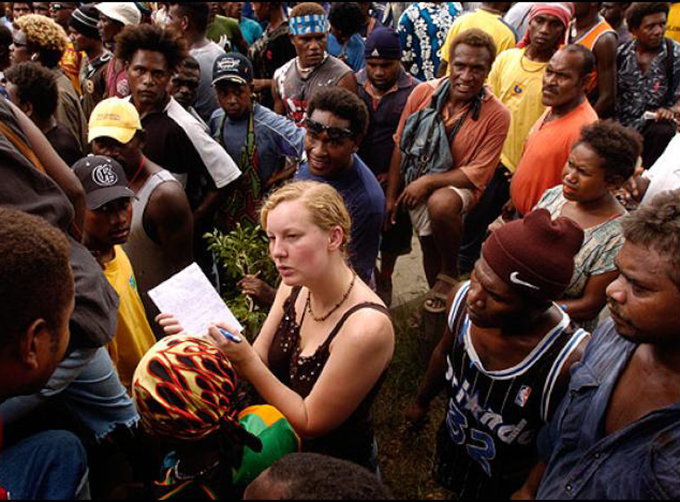
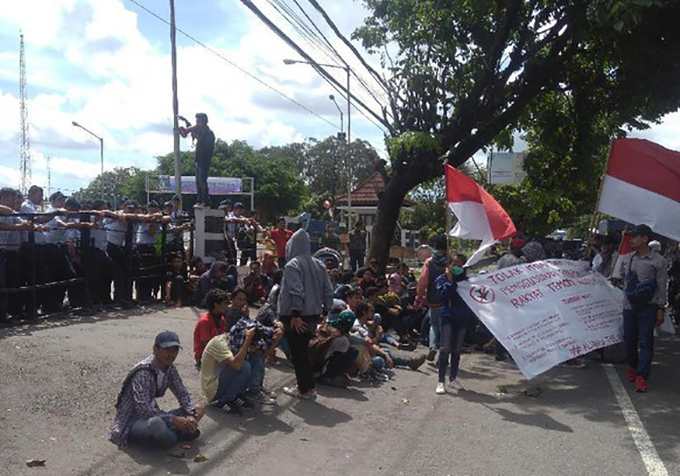
 Students protest over the new Yogyakarta airport and forced evictions. Image: Detik.com News
Students reject new Yogyakarta airport, condemn forced evictions

By Ristu Hanafi in Yogyakarta
Protesters and students from Indonesia’s Alliance against the Kulon Progo Airport have again demonstrated in front of the PT Angkasa Pura (API) offices in the Central Java city of Yogyakarta.
The action was marred by scuffles between protesters and security personnel and the blockading of the road in front of API.
The demonstration began at the weekend. The protesters took turns in giving speeches opposing the construction of the New Yogyakarta International Airport (NYIA) in Kulon Progo regency.
Although the demonstration initially proceeded without incident, it was suddenly marred by a scuffle between the protesters and API Yogyakarta security personnel.
As a result, the front gate to the API office was damaged.
The demonstrators then blockaded a length of the road in the direction of Solo-Yogya. Not surprisingly, there was a long traffic jam on the length of road alongside the Adisutjipto International Airport which is located not far from the demonstration.
The demonstrators were still blockading the road and giving speeches in the middle of the street when Detik News published this story.
The blockade is located on the length of road in front of the PT API office on Jl. Raya Solo Km 9. As a result the flow of traffic from the east towards Yogyakarta city was brought to a standstill.
Security personnel from AP I, the police and the TNI (Indonesian military) could be seen guarding the rally.
“We are protesting in solidarity with the residents of Temon sub-district, Kulon Progo, who are being impacted on by the airport project. Reject the NYIA project and stop the forced eviction of Kulon Progo residents”, said action coordinator. (sip/sip)
Translated by James Balowski for the Indoleft News Service. The original title of the article was “Demo Tolak Bandara Kulon Progo, Mahasiswa Orasi dan Blokir Jalan”.

Article by AsiaPacificReport.nz
]]>PMC collaboration media project with NZ Institute for Pacific Research

The Pacific Media Centre embarked on a collaboration project with the NZ Institute for Pacific Research in 2017 with Pasifika student journalists providing news, current affairs and video profiles about the institute’s work.
The two students who worked on the professional development project in the second half of the year are:
Brandon Ulfsby (20), Cook Islands Māori descent: A final year Bachelor of Communication Studies student. He says: “I reside in South Auckland and my main interest in journalism is the idea that media can play a part in influencing change.
“Being a brown youth from South Auckland, I’ve grown up understanding that often my communities’ stories and voices aren’t heard.
“Because of this, I love going out and finding stories that elevate success of Pacific and Māori people, as well as highlighting the issues that face these people. I have a particular interest in Pacific journalism and local community stories.”
Hele Ikimotu (20). Niuean and Banaban descent. A final-year Bachelor of Communication Studies student: He says: “I was born in Niue and I have lived in South Auckland since I moved to New Zealand. My interest in journalism is Pacific journalism, specifically regarding arts and culture stories.
“I also enjoy writing little community stories. I am currently employed by the Office of Pacific Advancement at AUT, working for the the Oceanian Leadership Network, a new initiative at the university. “
“I have a passion for Pacific stories, issues and people. I believe there needs to be more coverage on the Pacific community and positive representation of Pacific people.”
Examples of their NZIPR stories:
‘Tautai’ – putting Sāmoans at the centre of Sāmoan history, by Brandon Ulfsby and Hele Ikimotu, 13 September 2017
PACER Plus agreement ‘not just trade but development’ says NZ chief negotiator, by Brandon Ulfsby and Hele Ikimotu, 14 September 2017
Profile or Dr Cath Conn and health development, by Brandon Ulfsby and Hele Ikimotu, 6 November 2017
Profile of Dr Patricia O’Brien, by Brandon Ulfsby and Hele Ikimotu, 12 September 2017
Profile of Tui Atua Tupua Tamasese Tai’isi Efi, by Brandon Ulsby and Hele Ikimotu, 12 September 2017
+ NZ institute of Pacific Research
Report by Pacific Media Centre ]]>
Bryce Edwards’ Political Roundup: China’s “magic weapons” in New Zealand

Bryce Edwards’ Political Roundup: China’s “magic weapons” in New Zealand
[caption id="attachment_13635" align="alignright" width="150"] Dr Bryce Edwards.[/caption]
In a tumultuous year in politics, it’s been easy to overlook important and controversial arguments about Chinese Government influence in this country. A number of stories and reports have been published that require much greater attention, debate and scrutiny.
At one level, media coverage of Chinese Government influence in New Zealand has increased significantly over the last four months. There have been reports about National MP Jian Yang, the Government’s increased efforts in diplomacy and trade with China, and the academic research of the University of Canterbury’s Prof Anne-Marie Brady. But there are also many who are less comfortable or willing for debate about this issue to occur.
China’s reported use of “soft power” in New Zealand
It’s Anne-Marie Brady’s research on how the Chinese Government seeks influence in New Zealand that really provides the most important overview for understanding the topic. She is a world-leading researcher on how the Chinese state seeks to use “soft power” in its international relations.
“Soft power” is a concept used in international relations studies to explain how states and other political actors attempt to assert their power via persuasion, culture and emotion, rather than through coercion or military might (“hard power”). It has connotations of propaganda and more subtle and sophisticated use of relationship building. You can read a good analysis and discussion on Wikipedia of soft power. And it’s worth remembering that all countries use this technique to further their interests, including New Zealand.
Brady has carried out extensive study of how soft power techniques are being used by the Chinese state in countries like New Zealand. And in September she published an important and widely cited paper on her findings – see: Magic Weapons: China’s political influence activities under Xi Jinping.
Brady explains how the Chinese State – which is controlled by the Chinese Communist Party – uses the “United Front” technique to spread its influence. This means that other organisations that are ostensibly separate from the Chinese state are used as proxies. So, in New Zealand, Brady contends that various Chinese ex-pat community groups, or newspapers have effectively been taken over by the Chinese Government.
These organisations are supposedly directed by the Chinese state agency, the United Front Work Department, which President Xi Jinping apparently called a “magic weapon” in China’s growing global influence. Brady has since published a shorter version of her research – see: Looking for points in common while facing up to differences: A new model for New Zealand-China relations.
The publication of Brady’s main piece of research occurred just days before the New Zealand general election, which meant it never received much consideration. At the time, the media did report on it – and the best coverage was David Fisher and Matt Nippert’s must-read article, Revealed: China’s network of influence in New Zealand. This piece draws out many of the important findings, from the most bemusing – such as “Chinese-owned New Zealand dairy farms said to possibly being used to test advanced missile technology” – through to the extensive documented links between former National and Labour politicians and Chinese companies.
Also at this time, Newsroom’s Mark Jennings delved into the report, and focused particularly on looking at the various “united front” groups operating in New Zealand, and the financial links between individual “red capitalists” and the National Party – see: Expert calls for inquiry into Chinese ‘threat’.
Since the election, the Brady’s research continues to be reported. Last week, for example, she gave a lecture at Victoria University of Wellington, in which she elaborated on the soft power techniques of China in New Zealand – see the Herald’s PM Jacinda Ardern discounts Chinese influence. This led to the Prime Minister playing down such concerns, and Labour MP Raymond Huo responded with the reasonable point that “There is a fine line between what she has alleged and the genuine promotion of the NZ-China relationship.”
Brady has also been in the media talking about the issue. For example, a month ago she was interviewed on TVNZ’s Q+A – see: China’s foreign policy. Also, from the same episode, see the interview with Rodney Jones, Principal of Wigram Capital Advisors in Beijing: China’s power play.
For one of the best overviews of her research, including a profile of Brady herself, see Philip Matthews’ feature article, Academic Anne-Marie Brady confronts the power of China.
More debate needed on China in NZ
The issues Brady has raised deserve scrutiny and evaluation. Yet, so far much of the debate has actually remained relatively muted. Today I’ve written a column on the Newsroom website, calling for greater attention on these issues. I argue that there are some obvious motivations behind suppressing such a debate: “The topic is complicated and fraught, but that doesn’t mean we should avoid it. There are certainly plenty of voices wishing to dampen down any discussion about Chinese Government influence here. Often these voices are coming from business and export sectors, which benefit from a prosperous and harmonious trade relationship with China. They don’t want the status quo endangered, and instead wish to foster even closer ties between our countries” – see: Time to discuss China’s soft power in NZ.
I also argue that “Debate about Chinese Government influence here also seems to have been muted due to fears of promoting illiberalism. Many are understandably uncomfortable with the potential nationalistic, xenophobic, and even racist elements to concerns about Chinese Government interference in New Zealand.”
Both of these sentiments can be seen from very different parts of the political spectrum. Representing more economic establishment voices, former deputy prime minister Don McKinnon – now the chair of the New Zealand China Council – wrote in the Herald about Brady’s arguments, saying such “allegations are extremely serious, particularly where public figures are involved. As such, they require a very high standard of evidence” – see: Expanding relationship with China in New Zealand’s interests.
McKinnon suggests that if any problems do exist, then the New Zealand state is very capable of sorting these out. He also correctly makes the point that “soft power” exercises are something that all states, including New Zealand, carry out. And this is a point I make in my Newsroom column today: “We also need to keep in mind the fact that the New Zealand Government, too, plays all sorts of nefarious roles in international relations. Some of this is even against China. In 2015, we learned from the Snowden files of GCSB material, that our government spies on many other international governments, including China, whose diplomats and communications in New Zealand have been monitored.”
Coming from a very different point of view, the Labour Party’s Mike Smith argues at The Standard that Brady’s arguments contain nothing particularly revealing, and he suggests that they risk inciting prejudice – see: The Yellow Peril?
Another Labour Party figure takes a very different view, again. Bryan Gould has written in the Herald that we need to know more about the various links between the New Zealand elite and the Chinese state: “we need to know about their extent and their possible significance. At the very least, we might regard their number and extent as flashing a warning light. Why is it that so many influential Kiwis, with entrees to the heart of the political, economic and trading establishment, find themselves in such demand from Chinese interests?” – see: China’s political and business culture is not like ours.
Illiberalism and debate on China
It would be unfortunate if worries about fostering various forms of illiberalism manage to suppress any debate about China and New Zealand. What’s more, such a stance is likely to be counterproductive – producing a less sophisticated and liberal debate.
The fear of being labelled “racist” has certainly inhibited the debate, according to former politician Stephen Franks, who praises Winston Peters for his role in highlighting such issues in the public sphere: “Winston Peters has never been afraid of the reflex slur of “racist’. He expresses ordinary citizen concerns about immigration. Being Maori gives him a partial free pass. But he has not relied on it. He gives as good as he gets. So he can’t be silenced by the cowards who run a mile from any debate that could seriously test that gagging slur” – see: China can count on NZ elite’s fear of ‘racist’ slur.
Similarly, ex-Reserve Bank economist Michael Reddell, who attended the recent “magic weapons” lecture in Wellington, notes that Brady is obviously keen to refute any notion that she is coming from an illiberal position in her research: “In her lecture the other day she felt the need to include a photo of her Chinese husband and her three half-Chinese children – no doubt a push back against the sort of despicable pre-election attempt to discredit her and her research” – see: Shameless and shameful.
Reddell, points out that no one has yet been able to disprove any of Brady’s arguments, and her opponents simply hope she is ignored: “It seems as if there is just a desperate desire that she, and the issue, would go away. Absent that, the political and business elites simply want to pretend it doesn’t exist.”
Finally, Reddell has also published his version of how such debate gets suppressed, and how politicians can be quick to use character assassination against those who raise difficult questions about the status quo. He reports from an election meeting in which the then Attorney-General, Chris Finlayson sought to clumsily and aggressively bat away concerns about Chinese state influence in New Zealand politics – see: The political cone of silence, with slurs.]]>
Dr Bryce Edwards.[/caption]
In a tumultuous year in politics, it’s been easy to overlook important and controversial arguments about Chinese Government influence in this country. A number of stories and reports have been published that require much greater attention, debate and scrutiny.
At one level, media coverage of Chinese Government influence in New Zealand has increased significantly over the last four months. There have been reports about National MP Jian Yang, the Government’s increased efforts in diplomacy and trade with China, and the academic research of the University of Canterbury’s Prof Anne-Marie Brady. But there are also many who are less comfortable or willing for debate about this issue to occur.
China’s reported use of “soft power” in New Zealand
It’s Anne-Marie Brady’s research on how the Chinese Government seeks influence in New Zealand that really provides the most important overview for understanding the topic. She is a world-leading researcher on how the Chinese state seeks to use “soft power” in its international relations.
“Soft power” is a concept used in international relations studies to explain how states and other political actors attempt to assert their power via persuasion, culture and emotion, rather than through coercion or military might (“hard power”). It has connotations of propaganda and more subtle and sophisticated use of relationship building. You can read a good analysis and discussion on Wikipedia of soft power. And it’s worth remembering that all countries use this technique to further their interests, including New Zealand.
Brady has carried out extensive study of how soft power techniques are being used by the Chinese state in countries like New Zealand. And in September she published an important and widely cited paper on her findings – see: Magic Weapons: China’s political influence activities under Xi Jinping.
Brady explains how the Chinese State – which is controlled by the Chinese Communist Party – uses the “United Front” technique to spread its influence. This means that other organisations that are ostensibly separate from the Chinese state are used as proxies. So, in New Zealand, Brady contends that various Chinese ex-pat community groups, or newspapers have effectively been taken over by the Chinese Government.
These organisations are supposedly directed by the Chinese state agency, the United Front Work Department, which President Xi Jinping apparently called a “magic weapon” in China’s growing global influence. Brady has since published a shorter version of her research – see: Looking for points in common while facing up to differences: A new model for New Zealand-China relations.
The publication of Brady’s main piece of research occurred just days before the New Zealand general election, which meant it never received much consideration. At the time, the media did report on it – and the best coverage was David Fisher and Matt Nippert’s must-read article, Revealed: China’s network of influence in New Zealand. This piece draws out many of the important findings, from the most bemusing – such as “Chinese-owned New Zealand dairy farms said to possibly being used to test advanced missile technology” – through to the extensive documented links between former National and Labour politicians and Chinese companies.
Also at this time, Newsroom’s Mark Jennings delved into the report, and focused particularly on looking at the various “united front” groups operating in New Zealand, and the financial links between individual “red capitalists” and the National Party – see: Expert calls for inquiry into Chinese ‘threat’.
Since the election, the Brady’s research continues to be reported. Last week, for example, she gave a lecture at Victoria University of Wellington, in which she elaborated on the soft power techniques of China in New Zealand – see the Herald’s PM Jacinda Ardern discounts Chinese influence. This led to the Prime Minister playing down such concerns, and Labour MP Raymond Huo responded with the reasonable point that “There is a fine line between what she has alleged and the genuine promotion of the NZ-China relationship.”
Brady has also been in the media talking about the issue. For example, a month ago she was interviewed on TVNZ’s Q+A – see: China’s foreign policy. Also, from the same episode, see the interview with Rodney Jones, Principal of Wigram Capital Advisors in Beijing: China’s power play.
For one of the best overviews of her research, including a profile of Brady herself, see Philip Matthews’ feature article, Academic Anne-Marie Brady confronts the power of China.
More debate needed on China in NZ
The issues Brady has raised deserve scrutiny and evaluation. Yet, so far much of the debate has actually remained relatively muted. Today I’ve written a column on the Newsroom website, calling for greater attention on these issues. I argue that there are some obvious motivations behind suppressing such a debate: “The topic is complicated and fraught, but that doesn’t mean we should avoid it. There are certainly plenty of voices wishing to dampen down any discussion about Chinese Government influence here. Often these voices are coming from business and export sectors, which benefit from a prosperous and harmonious trade relationship with China. They don’t want the status quo endangered, and instead wish to foster even closer ties between our countries” – see: Time to discuss China’s soft power in NZ.
I also argue that “Debate about Chinese Government influence here also seems to have been muted due to fears of promoting illiberalism. Many are understandably uncomfortable with the potential nationalistic, xenophobic, and even racist elements to concerns about Chinese Government interference in New Zealand.”
Both of these sentiments can be seen from very different parts of the political spectrum. Representing more economic establishment voices, former deputy prime minister Don McKinnon – now the chair of the New Zealand China Council – wrote in the Herald about Brady’s arguments, saying such “allegations are extremely serious, particularly where public figures are involved. As such, they require a very high standard of evidence” – see: Expanding relationship with China in New Zealand’s interests.
McKinnon suggests that if any problems do exist, then the New Zealand state is very capable of sorting these out. He also correctly makes the point that “soft power” exercises are something that all states, including New Zealand, carry out. And this is a point I make in my Newsroom column today: “We also need to keep in mind the fact that the New Zealand Government, too, plays all sorts of nefarious roles in international relations. Some of this is even against China. In 2015, we learned from the Snowden files of GCSB material, that our government spies on many other international governments, including China, whose diplomats and communications in New Zealand have been monitored.”
Coming from a very different point of view, the Labour Party’s Mike Smith argues at The Standard that Brady’s arguments contain nothing particularly revealing, and he suggests that they risk inciting prejudice – see: The Yellow Peril?
Another Labour Party figure takes a very different view, again. Bryan Gould has written in the Herald that we need to know more about the various links between the New Zealand elite and the Chinese state: “we need to know about their extent and their possible significance. At the very least, we might regard their number and extent as flashing a warning light. Why is it that so many influential Kiwis, with entrees to the heart of the political, economic and trading establishment, find themselves in such demand from Chinese interests?” – see: China’s political and business culture is not like ours.
Illiberalism and debate on China
It would be unfortunate if worries about fostering various forms of illiberalism manage to suppress any debate about China and New Zealand. What’s more, such a stance is likely to be counterproductive – producing a less sophisticated and liberal debate.
The fear of being labelled “racist” has certainly inhibited the debate, according to former politician Stephen Franks, who praises Winston Peters for his role in highlighting such issues in the public sphere: “Winston Peters has never been afraid of the reflex slur of “racist’. He expresses ordinary citizen concerns about immigration. Being Maori gives him a partial free pass. But he has not relied on it. He gives as good as he gets. So he can’t be silenced by the cowards who run a mile from any debate that could seriously test that gagging slur” – see: China can count on NZ elite’s fear of ‘racist’ slur.
Similarly, ex-Reserve Bank economist Michael Reddell, who attended the recent “magic weapons” lecture in Wellington, notes that Brady is obviously keen to refute any notion that she is coming from an illiberal position in her research: “In her lecture the other day she felt the need to include a photo of her Chinese husband and her three half-Chinese children – no doubt a push back against the sort of despicable pre-election attempt to discredit her and her research” – see: Shameless and shameful.
Reddell, points out that no one has yet been able to disprove any of Brady’s arguments, and her opponents simply hope she is ignored: “It seems as if there is just a desperate desire that she, and the issue, would go away. Absent that, the political and business elites simply want to pretend it doesn’t exist.”
Finally, Reddell has also published his version of how such debate gets suppressed, and how politicians can be quick to use character assassination against those who raise difficult questions about the status quo. He reports from an election meeting in which the then Attorney-General, Chris Finlayson sought to clumsily and aggressively bat away concerns about Chinese state influence in New Zealand politics – see: The political cone of silence, with slurs.]]>
Politics Newsletter: New Zealand Politics Daily – 12 December 2017 – Today’s content
Politics Newsletter: New Zealand Politics Daily – 12 December 2017 – Today’s content
Editor’s Note: Here below is a list of the main issues currently under discussion in New Zealand and links to media coverage.
[caption id="attachment_297" align="aligncenter" width="1600"] The Beehive and Parliament Buildings.[/caption]
Below are the links to the items online. The full text of these items are contained in the PDF file (click to download).
2017 in review
Colin James (ODT): Politician of year – and one of four decades
Toby Manhire and Toby Morris (RNZ): Toby & Toby Awards 2017: Winners revealed
The Country (Herald): 2017: The good, the bad, the ugly, Trump and Winston
Bevan Rapson (North & South): Over it: Will anything change in politics in 2018?
Government
Sam Sachdeva (Newsroom): Ombudsman sides with Govt over coalition document
Herald: Chief Ombudsman Peter Boshier backs Jacinda Ardern over 33-page coalition document
Gordon Campbell (Werewolf): The politics of scaring voters back into line
Audrey Young (Herald): The Government’s first 100 days: Families package moves imminent
Martyn Bradbury (Daily Blog): Audacity of Green Party staff complaining
RNZ: Free and frank? Not so much
Shane Cowlishaw (Newsroom): Clare Curran is planning a few shake-ups
Bryce Edwards (Newsroom): Opinion: Optimistic for open government
National
Claire Trevett (Herald): No friends: National leader Bill English rules out a DIY support partner
Henry Cooke (Stuff): Bill English talks down report National wants to start new small conservative party
Barry Soper (Herald): Leader of the Opposition is the worst job in politics
Colmar Brunton Poll
Chris Trotter (Stuff): Lack of post-election bounce an ominous sign for new Government
1News: Ardern says voters are ‘hopeful’ after 1 NEWS poll shows Labour missing out on traditional post-election boost
Māori Party
Heta Gardiner (Māori Television): Māori Party president resigns and calls for co-leaders to follow suit
RNZ: Māori Party president quits, calls for co-leaders to do the same
Claire Trevett (Herald): Tuku Morgan quits Maori Party, calls for Te Ururoa Flavell and Marama Fox to step down
1News: Tuku Morgan quits Maori Party, slams former MPs after failure to get back into Parliament
John-Michael Swannix (Newshub): Māori Party president resigns, calls on leaders to do the same
Media
Wayne Hope (Briefing Papers): New Zealand media ownership: History and obfuscation
Liam Hehir (Stuff): Radio New Zealand should appoint its own ombudsman
Anna Bracewell-Worrall (Newshub): Legendary and unique: Patrick Gower’s greatest hits
Toby Manhire (Spinoff): This was the fucking news: Patrick Gower exits as Newshub political ed
John Drinnan (ZagZigger): Paddy Is Leaving The Room. How Many Days To Go?
Stuff: Patrick Gower steps down as political editor after getting sparkly new job
David Farrar (Kiwiblog): The King is dead, long live the King
David Farrar (Kiwiblog): Ian Templeton
Chris Hutching (Stuff): Trans Tasman newsletter in liquidation, founder speaks
Reserve Bank
Bernard Hickey (Newsroom): A delighted Robertson gets his top pick
Liam Dann (Herald): New Reserve Bank boss Adrian Orr impresses market
Hamish Rutherford (Stuff): Adrian Orr promises to be a qualified and entertaining Reserve Bank governor
Henry Cooke and Hamish Rutherford (Stuff): NZ Super Fund chief executive Adrian Orr named new Reserve Bank governor
Benedict Collins (RNZ): Adrian Orr appointed Reserve Bank Governor
Herald: Super Fund boss Adrian Orr named new Reserve Bank Governor
Michael Reddell (Croaking Cassandra): Adrian Orr as Governor-designate
David Farrar (KIwiblog): Orr gets Reserve Bank Governor
Economy
Bernard Hickey (Newsroom): Robertson points again to cost cutting on eve of HYEFU
Hamish Rutherford (Stuff): Grant Robertson’s journey to his ‘anchor’ starts with little wriggle room
Dene Mackenzie (ODT): Free-spending approach unlikely
Dene Mackenzie (ODT): Robertson calls on ministers to be prudent
1News: ‘How will I pay for it?’ – Government gives a sneak peek of mini-budget
Hamish Rutherford (Stuff): Grant Robertson warns paying off most of New Zealand’s debt is ‘unrealistic’
Richard Harman (Politik): Not so good news for the new Government
Environment
Henry Cooke (Stuff): NZ asks WTO to help end fossil fuel subsidies
Herald: Fossil fuel subsidies better spent on renewables, Trade Minister David Parker tells WTO conference
Eloise Gibson and Cass Mason (Newsroom): Drowning dreams: Billions at stake as Govt mulls sea level rules
Eloise Gibson (Newsroom): Drowning dreams: What will happen when the seas rise?
Tom O’Connor (Waikato Times): Anti-1080 protesters’ threats to human life inexcusable
Conan Young (RNZ): Traces of nitrates in Chch water poses long term risk
Bernard Orsman (Herald): Aucklanders could pay $21 or $48 a year to fight kauri dieback disease
Greyhound racing industry
Michael Morrah (Newshub): Top greyhound trainer being investigated over live baiting allegations
Eva Corlett (Herald): Top greyhound trainer investigated for live-baiting
Newstalk ZB: Greyhound racers: Live-baiting does not happen here
Newstalk ZB: Top New Zealand greyhound trainer Brendon Cole under investigation for live-baiting
Child welfare and poverty
Stacey Kirk (Stuff): Ministry for Vulnerable Children no more – Govt removes contentious word
Derek Cheng (Herald): Ministry for Vulnerable Children to be renamed
Craig McCulloch (RNZ):‘Vulnerable’ dropped from Children’s Ministry name
Katarina Williams (Stuff): Rising housing costs contribute to ‘enormous’ jump in government food grants
Jo Moir (Stuff): PM Jacinda Ardern hints the Government will set flexible child poverty reduction targets
Dan Satherley (Newshub): Govt asks National for child poverty law support
No Right Turn: Will National support child poverty targets?
Housing
Dominion Post Editorial: Twyford’s housing Christmas wishlist
Susan Edmunds (Stuff): Agent survey shows few house sales to foreign buyers
Education
Simon Collins (Herald): Government confirms primary schools to scrap National Standards
Jo Moir (Stuff): National Standards have officially ended in primary schools across the country
John Gerritsen (RNZ): Many schools cutting teacher aide hours
Simon Collins (Herald): Teacher shortage hits 20 per cent of Auckland primary schools
Alwyn Poole (Herald): Unpaid training contributes to teacher shortage
RNZ: NorthTec students allowed to finish courses slated for axing
RNZ: University sells Karori campus to retirement operator
Health
Kate Pereyra Garcia (RNZ): Advocate says partial mesh ban long overdue
Herald: Medsafe brings in surgical mesh restrictions
RNZ: Medsafe bars surgical mesh in some operations
Refugees
1News: PM should stop repeated attempts to ’embarrass’ Aussie government into taking refugee offer – Brownlee
Laura Walters (Stuff): NZ needs to work with the Australian Government, not alienate it – Bill English
Newshub: NZ not an option now for refugees – Dutton
Tax
Paul McBeth (BusinessDesk): Inland Revenue audits 16 multinational firms over tax
Mike Hosking (Herald): The Government’s ‘Google tax’ is a double-edged sword
Other
Herald: PM staying arm’s length from Royal NZ Ballet crisis talks
Zac Fleming (RNZ): KFC rosters manipulated to withhold days in lieu – former managers
Logan Church (RNZ): ‘We shouldn’t be propping up the Anglicans’
Philip Matthews (Stuff): How to fix our criminal justice system in 30 minutes]]>
The Beehive and Parliament Buildings.[/caption]
Below are the links to the items online. The full text of these items are contained in the PDF file (click to download).
2017 in review
Colin James (ODT): Politician of year – and one of four decades
Toby Manhire and Toby Morris (RNZ): Toby & Toby Awards 2017: Winners revealed
The Country (Herald): 2017: The good, the bad, the ugly, Trump and Winston
Bevan Rapson (North & South): Over it: Will anything change in politics in 2018?
Government
Sam Sachdeva (Newsroom): Ombudsman sides with Govt over coalition document
Herald: Chief Ombudsman Peter Boshier backs Jacinda Ardern over 33-page coalition document
Gordon Campbell (Werewolf): The politics of scaring voters back into line
Audrey Young (Herald): The Government’s first 100 days: Families package moves imminent
Martyn Bradbury (Daily Blog): Audacity of Green Party staff complaining
RNZ: Free and frank? Not so much
Shane Cowlishaw (Newsroom): Clare Curran is planning a few shake-ups
Bryce Edwards (Newsroom): Opinion: Optimistic for open government
National
Claire Trevett (Herald): No friends: National leader Bill English rules out a DIY support partner
Henry Cooke (Stuff): Bill English talks down report National wants to start new small conservative party
Barry Soper (Herald): Leader of the Opposition is the worst job in politics
Colmar Brunton Poll
Chris Trotter (Stuff): Lack of post-election bounce an ominous sign for new Government
1News: Ardern says voters are ‘hopeful’ after 1 NEWS poll shows Labour missing out on traditional post-election boost
Māori Party
Heta Gardiner (Māori Television): Māori Party president resigns and calls for co-leaders to follow suit
RNZ: Māori Party president quits, calls for co-leaders to do the same
Claire Trevett (Herald): Tuku Morgan quits Maori Party, calls for Te Ururoa Flavell and Marama Fox to step down
1News: Tuku Morgan quits Maori Party, slams former MPs after failure to get back into Parliament
John-Michael Swannix (Newshub): Māori Party president resigns, calls on leaders to do the same
Media
Wayne Hope (Briefing Papers): New Zealand media ownership: History and obfuscation
Liam Hehir (Stuff): Radio New Zealand should appoint its own ombudsman
Anna Bracewell-Worrall (Newshub): Legendary and unique: Patrick Gower’s greatest hits
Toby Manhire (Spinoff): This was the fucking news: Patrick Gower exits as Newshub political ed
John Drinnan (ZagZigger): Paddy Is Leaving The Room. How Many Days To Go?
Stuff: Patrick Gower steps down as political editor after getting sparkly new job
David Farrar (Kiwiblog): The King is dead, long live the King
David Farrar (Kiwiblog): Ian Templeton
Chris Hutching (Stuff): Trans Tasman newsletter in liquidation, founder speaks
Reserve Bank
Bernard Hickey (Newsroom): A delighted Robertson gets his top pick
Liam Dann (Herald): New Reserve Bank boss Adrian Orr impresses market
Hamish Rutherford (Stuff): Adrian Orr promises to be a qualified and entertaining Reserve Bank governor
Henry Cooke and Hamish Rutherford (Stuff): NZ Super Fund chief executive Adrian Orr named new Reserve Bank governor
Benedict Collins (RNZ): Adrian Orr appointed Reserve Bank Governor
Herald: Super Fund boss Adrian Orr named new Reserve Bank Governor
Michael Reddell (Croaking Cassandra): Adrian Orr as Governor-designate
David Farrar (KIwiblog): Orr gets Reserve Bank Governor
Economy
Bernard Hickey (Newsroom): Robertson points again to cost cutting on eve of HYEFU
Hamish Rutherford (Stuff): Grant Robertson’s journey to his ‘anchor’ starts with little wriggle room
Dene Mackenzie (ODT): Free-spending approach unlikely
Dene Mackenzie (ODT): Robertson calls on ministers to be prudent
1News: ‘How will I pay for it?’ – Government gives a sneak peek of mini-budget
Hamish Rutherford (Stuff): Grant Robertson warns paying off most of New Zealand’s debt is ‘unrealistic’
Richard Harman (Politik): Not so good news for the new Government
Environment
Henry Cooke (Stuff): NZ asks WTO to help end fossil fuel subsidies
Herald: Fossil fuel subsidies better spent on renewables, Trade Minister David Parker tells WTO conference
Eloise Gibson and Cass Mason (Newsroom): Drowning dreams: Billions at stake as Govt mulls sea level rules
Eloise Gibson (Newsroom): Drowning dreams: What will happen when the seas rise?
Tom O’Connor (Waikato Times): Anti-1080 protesters’ threats to human life inexcusable
Conan Young (RNZ): Traces of nitrates in Chch water poses long term risk
Bernard Orsman (Herald): Aucklanders could pay $21 or $48 a year to fight kauri dieback disease
Greyhound racing industry
Michael Morrah (Newshub): Top greyhound trainer being investigated over live baiting allegations
Eva Corlett (Herald): Top greyhound trainer investigated for live-baiting
Newstalk ZB: Greyhound racers: Live-baiting does not happen here
Newstalk ZB: Top New Zealand greyhound trainer Brendon Cole under investigation for live-baiting
Child welfare and poverty
Stacey Kirk (Stuff): Ministry for Vulnerable Children no more – Govt removes contentious word
Derek Cheng (Herald): Ministry for Vulnerable Children to be renamed
Craig McCulloch (RNZ):‘Vulnerable’ dropped from Children’s Ministry name
Katarina Williams (Stuff): Rising housing costs contribute to ‘enormous’ jump in government food grants
Jo Moir (Stuff): PM Jacinda Ardern hints the Government will set flexible child poverty reduction targets
Dan Satherley (Newshub): Govt asks National for child poverty law support
No Right Turn: Will National support child poverty targets?
Housing
Dominion Post Editorial: Twyford’s housing Christmas wishlist
Susan Edmunds (Stuff): Agent survey shows few house sales to foreign buyers
Education
Simon Collins (Herald): Government confirms primary schools to scrap National Standards
Jo Moir (Stuff): National Standards have officially ended in primary schools across the country
John Gerritsen (RNZ): Many schools cutting teacher aide hours
Simon Collins (Herald): Teacher shortage hits 20 per cent of Auckland primary schools
Alwyn Poole (Herald): Unpaid training contributes to teacher shortage
RNZ: NorthTec students allowed to finish courses slated for axing
RNZ: University sells Karori campus to retirement operator
Health
Kate Pereyra Garcia (RNZ): Advocate says partial mesh ban long overdue
Herald: Medsafe brings in surgical mesh restrictions
RNZ: Medsafe bars surgical mesh in some operations
Refugees
1News: PM should stop repeated attempts to ’embarrass’ Aussie government into taking refugee offer – Brownlee
Laura Walters (Stuff): NZ needs to work with the Australian Government, not alienate it – Bill English
Newshub: NZ not an option now for refugees – Dutton
Tax
Paul McBeth (BusinessDesk): Inland Revenue audits 16 multinational firms over tax
Mike Hosking (Herald): The Government’s ‘Google tax’ is a double-edged sword
Other
Herald: PM staying arm’s length from Royal NZ Ballet crisis talks
Zac Fleming (RNZ): KFC rosters manipulated to withhold days in lieu – former managers
Logan Church (RNZ): ‘We shouldn’t be propping up the Anglicans’
Philip Matthews (Stuff): How to fix our criminal justice system in 30 minutes]]>
Oro Governor Juffa backs PNG taxes brush up to catch dodgers

Oro Governor Gary Juffa on the PNG government’s taxation plan. Video: EMTV News
Pacific Media Centre Newsdesk
Oro Governor Gary Juffa has commended the Papua New Guinea government’s move to review its tax collecting efforts for next year.
He says line agencies must examine companies that are breaking or evading Papua New Guinea’s taxation laws.
The government will go into 2018 with a plan for collecting taxes in areas that have had less enforcement of taxation laws.
Governor Juffa, said he was starting with businesses in his province, according to the laws of line agencies — such as the Labour Department, the Internal Revenue Commission and PNG Customs — to review their regulation and compliance systems in managing companies which evade taxes and fees.
The move taken by the Oro provincial government is based on the size of the company, the past behaviour of the company and the sector in which the company operates.
Asia Pacific Report republished EMTV News items with permission.
Article by AsiaPacificReport.nz
]]>Politics Newsletter: New Zealand Politics Daily – 11 December 2017 – Today’s content
Politics Newsletter: New Zealand Politics Daily – 11 December 2017 – Today’s content
Editor’s Note: Here below is a list of the main issues currently under discussion in New Zealand and links to media coverage.
[caption id="attachment_297" align="aligncenter" width="1600"] The Beehive and Parliament Buildings.[/caption]
Below are the links to the items online. The full text of these items are contained in the PDF file (click to download).
Opinion Poll
Colin James (RNZ): Poll: Voters broadly say yes to new government
Corin Dann (1News): New post-election poll shows Labour has missed out on traditional support bounce
1News: Colmar Brunton methodology shifts to reflect young voters without landlines
Audrey Young (Herald): Jacinda Ardern not worried by lack of traditional post-election bounce
Audrey Young (Herald): First poll since the election gives Ardern a leadership bounce
Henry Cooke (Stuff): No post-election bounce for Labour in first major poll, but PM’s popularity soars
Herald: Results of the first political poll since before the election released
David Farrar (Kiwiblog): No real bounce for Labour in first Colmar Brunton poll
David Farrar (KIwlblog): Preferred PM ratings of new PMs
Martyn Bradbury (Daily Blog): What does the final Q+A Poll mean and why it should freak out Labour
Toby Manhire (Spinoff): The first big poll for ages is due. What would be a good result for Labour?
Government
John Armstrong (1News): Opinion: Labour is showing NZ First that it calls the shots
Dominion Post Editorial: Winston Peters is a lion in opposition, but a pussycat in office
Heather du Plessis-Allan (Herald): How minor parties like NZ First can have fun being in Parliament
Tracy Watkins (Stuff): Going, going, gone? National and its legacy
Mei Heron (RNZ): Greens letter reveals ‘damage to staff morale’
Herald: Letter to their MPs: Greens staff suffering ‘uncertainty, paralysis, and low morale’
David Farrar (KIwiblog): Green staff unhappy
Public Service
Chris Eichbaum and Richard Shaw (Newsroom): ‘Not as frank and free as we thought’
Barry Soper (Herald): Public sector is a formidable workforce
Jacinda Ardern
Herald: Jacinda Ardern says more women ‘must be at the decision-making table’
Herald Editorial: PM’s fashion pages promote us well
Colleen Hawkes (Stuff): Prime Minister Jacinda Ardern to star in March issue of US Vogue magazine
Claire Trevett (Herald): Strike a pose: PM Jacinda Ardern to feature in Vogue
NZ-AUS relations
Harrison Christian (Stuff): ‘Jacindamania’ spreads across the Tasman, according to Australian opposition leader
RNZ: Jacinda-mania reached Australia, says Labor counterpart
Herald: Bill Shorten’s daughters get surprise video call from Jacinda Ardern
Herald: PM Jacinda Ardern meets with Australian Labor leader Bill Shorten
Christopher Knaus (Herald): Jacinda Ardern: Australia education policy penalising New Zealanders will backfire
Stuff: Kiwi detainees in Australia offered cash incentives to return to NZ
No Right Turn: Truth overboard again
NZ-China relations
Colin Peacock (RNZ): Does China hold sway over media here?
Fran Sullivan (Herald): Winston Peters works to keep China sweet
Sam Sachdeva (Newsroom): How to deal with China’s rise
RNZ: PM says NZ a different case to Aus on Chinese influence
Martyn Bradbury (Daily Blog): What the censored GCSB report said and why they tried to hide it
Parliament
Brent Edwards (RNZ): Insight: MMP – Democracy or Power?
Audrey Young (Herald): National regards Speaker Mallard with the warmth of Wayne Barnes
RNZ: Govt considers making cross-party work easier
Tracy Watkins (Stuff): Below the beltway: Who starred and who stumbled in politics this week
1News: Inside Parliament: Politics team pick apart work-for-the-dole, gastro outbreak and soaring fuel prices
National
Richard Harman (Politik): Life without NZ First
Audrey Malone (Stuff): Tears, hugs and kicking the photocopier: An insider’s view of National’s election loss
Brent Edwards (RNZ): National shrugs off warnings about next election
Water
Cherie Sivignon (Stuff): A national strategy for water is needed, scientist says
ODT: New approach to water allocation needed: briefing
John Roughan (Herald): We don’t need a national water police
RNZ: Residents could sue over foam leeching – lawyer
RNZ: Auckland Airport using toxic firefighting foam
1News: Concern brewing as Chinese-owned water bottling plant sets up shop in Christchurch
Environment
Kerrie Waterworth (ODT): Dairy intensification effects questioned
Chris Bramwell (RNZ): Minister warned of critical pressure on natural resources
Brad Flahive (Stuff): Oil revenue could jump 900 per cent if we mined our seabed, Maritime NZ says
Liam Dann (Herald): Golden weather puts heat on the economy
Liam Hehir (Medium): Liam Hehir DESTROYS a neoliberal farmer [updated]
Education
Shamubeel Eaqub (Stuff): The nature of work is changing, and it starts with school
Filip Vachuda (Herald): Some school subjects are worth more than others
Kerre McIvor (Herald): Kiwi education – we must do better
Ros Lugg (Stuff): New Zealand’s falling literacy rates are due to poor teacher training
Simon Collins (Herald): PPTA voices concern after teacher censured for stopping boys banging heads into desks
Patrick O’Sullivan (Herald): Local Focus: The school with no students
Guardian: In a class of its own: New Zealand school with no students vows to stay open
Tom Hunt (Stuff): Massive upsurge in white New Zealand wanting to learn te reo
Employment and work for the dole
Anna Bracewell-Worrall (Newshub): Official briefings paint bleak picture of NZ’s working poor
1News: Inside Parliament: 1 NEWS’ political team questions the sincerity of Shane Jones’ work-for-the-dole scheme
Andrew Gunn (Stuff): Working for your country – brought to you by Shane Jones – ambitious for your future
NZ Herald editorial: New minister on spot over Hobbit Law
Rachel Clayton (Stuff): NZ firms aren’t equipped to deal with one of the oldest workforces in the OECD
Poverty and inequality
Dan Satherley and Lucy Warhurst (Newshub): Why child poverty seems to be on the decline, according to the Children’s Commissioner
Herald: Children’s Commissioner says Government needs to walk the talk on child poverty
RNZ: Children’s Commissioner wants indexing of some benefits
Herald: PM seeks cross-party support for child poverty targets
Duncan Garner (Stuff): Mind the gap – Jacinda Ardern and the politics of rich and poor
Housing
Henry Cooke (Stuff): New Government told KiwiBuild will be risky but transformational
RNZ: Better drug and alcohol treatment key to new HNZ policy
Russell Brown (Public Address): This is your government on drugs
Nicole Skews-Poole (Spinoff): A tenant’s best friend: Why dogs deserve a place in state housing
Herald: Wham . . . it’s about housing affordability in Wellington, not a throwback to 80s music
Ella Arbury (Herald): Auckland housing’s 100-year-old problems
Health
Stacey Kirk (Stuff): Health is the hardest and least forgiving job in Government
ODT Editorial: Labour’s hospital rebuild challenges
RNZ: Dunedin rebuild head’s contract terminated
Eileen Goodwin (ODT): Appointment a ‘serious error’
Mike Houlahan (ODT):Big push for ACC cover of disability
Cate Broughton (Stuff): ACC discriminates against people with disabilities and should be replaced, says barrister
Belinda Feek (Herald): Dunedin lawyer aims for ACC shake-up in fellowship study
Emma Hatton (RNZ): Family struck by botulism ineligible for ACC
Rachel Smalley (Herald): The ACC law is an ass over not paying bills of family poisoned after eating wild boar
Cecile Meier (Stuff): Patients’ 12-year wait for discharge from secure mental health unit could be ‘unlawful detention’
David Fisher (Herald): Waitangi Tribunal to hear claim Maori suicide linked to ongoing effects of colonization
Deborah Hill Cone (Herald): Blocks that stop us accepting truth
Russell Brown (Herald): Medicinal cannabis: For the love of her son
Media
Ian Shirley (Pundit): Opinion in killing journalism
John Drinnan (ZagZigger): Turning Checkpoint into Campbell Live: Two Years On
Mike Hosking (Herald): Winston Peters has a point, but doesn’t deserve money
Brad Flahive (Stuff): Winston Peters urged to drop lawsuit against journalists by media advocate group
Justice
Craig Hoyle (Stuff): Complaints about victim advocate Louise Nicholas’ role in sex abuse investigations
Alison Mau (Stuff): Louise’s bravery is amazing, but there are more stories to tell
Jack Tame (Herald): Simply building more prisons will not fix crime
Ric Stevens (Press): Editorial: Are we ready for a virtual production line of justice?
Mei Heron (RNZ): Lack of funding hampering cell checks – IPCA
Laura Walters (Stuff): Police Minister urged to update gun laws amid fears criminals exploiting loops
1News: NZ Police out to fix gender imbalance in its workforce
Jenna Lynch (Newshub): NZ Police: No money for pay rises
Laura Walters (Stuff): Current response to hate crimes ‘insufficient’ – Human Rights Commission
CTV building collapse
RNZ: ‘Someone should be held accountable’ say CTV protesters
Cecile Meier (Press): Emotional protest over CTV decision in Christchurch
Herald: Protest over decision not to prosecute CTV building collapse
Defence
Robert Ayson (Incline): Tightening Purse Strings for New Zealand’s defence force?
David Fisher (Herald): Ron Mark’s rack of medals breached protocol
Refugees
Rob Mitchell (Stuff): Asylum seekers and New Zealand: Where does the truth lie?
Ann Beaglehole (Stuff): Record shows NZ tough on refugees, says historian
America’s Cup
Chris Rattue (Herald): Team NZ is a big business and not necessarily a good business
Herald: America’s Cup: Team New Zealand fire back over event fee
Bernard Orsman (Herald): Deadline for America’s Cup base decision in Auckland touch and go
Population
Brad Flahive (Stuff): Empty nesters a growing part of the flock
Herald: Statistics NZ reveal data on changing families and household projections
Other
1News: ‘I’m deeply supportive of the Maori Party’ – 2014 NZer of the Year Dr Lance O’Sullivan again pledges to run in 2020
Terry Baucher (Interest): A parable about tax involving Metiria, Bill and Winston. Tax evasion, tax avoidance or just a simple mistake?
Te Aniwa Hurihanganui (RNZ): Complete treaty settlements by 2020, officials urge
Ben Bathgate (Stuff): PM promises Māori relations re-set
Dave Armstrong (Dominion Post): Who needs embarrassing questions when a Very Famous Director’s on board?
Eric Frykberg (RNZ): EQC cupboard is bare, government told
RNZ: Electricity companies pushing up prices, govt told
Charlie Dreaver (RNZ): Agency criticised for favouring business over science
Steve Braunias (Herald): The Secret diary of… Secret Santa
Finlay Macdonald (Paperboy): Why writer Damon Salesa says Auckland’s future is Pacific
Aimee Shaw (Herald): New Zealand must act on gender equality in business, says Dame Jenny Shipley
Anna Connell (Newsroom): Weinstein problem in NZ? Who’s to know
Martyn Bradbury (Daily Blog): Dear Action Station – why banning pokies is counter productive]]>
Palestinian rally in Auckland supports ‘Day of Rage’ for free Jerusalem

As Palestinians protest against US President Donald Trump’s announcement that he would recognise Jerusalem as the capital of Israel, Democracy Now! profiles the issues. Video: Democracy Now!
Pacific Media Centre Newsdesk
Nearly 400 Aucklanders, from a wide variety of backgrounds, joined in an impromptu rally and peaceful march today for a Free Jerusalem – “the heart of Palestine”.
The protest was called by the NZ Palestine Solidarity Network in urgent response to US President Donald Trump’s proclamation that the US considered Jerusalem to be the “capital of Israel” and to move the US embassy there from Tel Aviv.
 Palestinian families at the weekend Auckland rally in support of the “Day of Rage” protests over the US move on Jerusalem. Image: David Robie/PMC
The rally came as a “Day of Rage” protests continued for a fourth day across the occupied West Bank, East Jerusalem and the Gaza Strip.
The demonstrations yesterday came as Palestinian leaders were to meet in Ramallah to firm up a response to US President Donald Trump’s controversial move.
In East Jerusalem, Israeli forces fired stun grenades and tear gas as they charged – some on horseback – through a crowd of at least 100 peaceful demonstrators in Salah Eddin, one of the city’s busiest shopping streets, reports Al Jazeera.
At least 13 Palestinians were detained and 12 injured as Israeli troops pushed and beat demonstrators at the scene. Among those held was Jihad Abu Zneid, a member of the Palestinian Legislative Council.
Before her arrest, Abu Zneid told Al Jazeera the protesters were determined to “never give up”.
In Cairo, the head of the Arab League called President Trump’s decision on Jerusalem as “dangerous and unacceptable” and a “flagrant attack on a political solution” to the Israeli- Palestinian conflict.
The statement by Ahmed Aboul-Gheit, the regional bloc’s secretary-general, came at the start of an emergency meeting of foreign ministers from 22 Arab states in Egypt’s capital.
Shut Israeli embassy call
In Auckland, Kia Ora Gaza reports that after short, passionate speeches by justice campaigners, union leaders and spokespersons from the local Palestinian community, the rally unanimously endorsed a resolution to “demand the NZ government strongly oppose the US president’s decision to recognise Jerusalem as the capital of Israel”, and as an act of sanction, “shut down the Israeli embassy in Wellington”.
Mike Treen, national director of the Unite Union, told the crowd that his union moved a motion supporting Boycott, Divestment and Sanction (BDS) to sever ties with Israel, which was passed by the CTU.
One protester, Ricardo, reflected on today’s march: “There’s something awesome about communities that are often ‘invisibilised’ by mainstream politics coming together and making their voices heard.”
“Members of the Palestinian community in Aotearoa/New Zealand (and supporters) came out to protest against Trump appointing Jerusalem as Israel’s capital.
“The demands were clear: For the government to shut down its Israeli embassy and for the Government to openly and strongly condemn the Trump’s administration for these actions that are already a fanning the flames of conflict.
I have always held a lot of solidarity with Palestinians, having grown up by the US/Mexico border, another example of border imperialism that has displaced and dispossessed many. I hope one day we can fully dismantle these institutions that continue to divide us.”
Democracy Now! has featured women Palestinian writers and campaigners denouncing the US president’s move.
The independent multimedia programme East Jerusalem to spoke with Budour Hassan, a Palestinian writer and project coordinator for the Jerusalem Center for Legal Aid and Human Rights in east Jerusalem; Rebecca Vilkomerson, executive director of Jewish Voice for Peace; and were We joined in Ramallah by Hanan Ashrawi, a Palestinian politician and scholar.
 The Palestinian solidarity march down Auckland’s Queen Street from Aotea Square to protest at the US Consulate on Saturday. Image: Roger Fowler/Kia Ora Gaza
Article by AsiaPacificReport.nz
]]>Robredo slams extrajudicial killings, online trolls in Rights Day message

 Philippine Vice-President Leni Robredo wants Filipinos to stand up to human rights violations being done to them. Image: OVP File
By Mara Cepeda in Manila
On the eve of Human Rights Day, Philippine Vice-President Leni Robredo called on Filipinos to stand up against all forms of human rights abuses, including extrajudicial killings in the war on drugs, and the oppression of free speech by online trolls.
This was the message of the former human rights lawyer for Human Rights Day, celebrated worldwide today.
“Ang Araw ng Karapatang Pantao ngayong taon ay hindi lamang pagbabalik-tanaw sa ating kontribusyon sa labang ito. Dapat din nating bigyang-diin ang diwa ng pagdiriwang na ito, dahil sa mga nakababahalang balita tungkol sa malawakang paglabag sa karapatang pantao, lalo na sa mga nasa laylayan ng lipunan,” said Robredo.
(Human Rights day this year is not only a time to remember our contributions to this fight. We should commemorate this day because of the disturbing news on the widespread human rights violations that are happening now, especially against people who are on the fringes of society.)
The Vice-President said Filipinos have experienced cases of human rights abuses in the past year.
“Hinahamon ng kasalukuyang panahon ang bawat isa sa atin na paigtingin ang paninindigan para sa karapatang pantao, sa harap ng pinagdaan ng Pilipino nitong nakalipas na taon. Kasama na rito ang mga extrajudicial killings, ang pagsupil sa karapatang magpahayag, pati na sa social media, at ang kahirapan na patuloy na pumipilay sa milyun-milyon nating mga kababayan,” she said.
(We are being challenged by the times to strengthen our fight to uphold human rights, in the face of everything Filipinos experienced in the past year. These include extrajudicial killings, oppression of free speech even on social media, and poverty that continues to cripple millions of our countrymen.)
Robredo is a staunch critic of President Rodrigo Duterte’s bloody war on drugs, where thousands of drug suspects have been killed in legitimate police operations and vigilante-style killings nationwide.
The Vice-President is also against the tactics of online trolls, who use social media to swarm on critics of the President. Robredo herself has been a longtime target of these trolls and government propagandists.
READ MORE: State-sponsored hate: The rise of the pro-Duterte bloggers
She had called fake news spreaders as “unapologetic,” “arrogant,” and an “insult” to other government officials who do their job well.
Standing up to a ‘bully’
Human rights groups echoed Robredo’s message. The In Defence of Human Rights and Dignity Movement (iDEFEND) and the Philippine Alliance of Human Rights Advocates (PAHRA) condemned “in the strongest terms” the Duterte administration’s “anti-human rights policies and actions”.
The two human rights groups hit the drug war and Duterte’s declaration of the Communist Party of the Philippines-New People’s Army as “terrorists”.
They also said the killings of activist priest Marcelito Paez of the Rural Missionary in Nueva Ecija and Datu Victor Danyan of South Cotabato “creates a chilling effect that no one is safe and that anyone who gets in his way will be silenced.
“The President’s utter disrespect towards democracy and rule of law is showing no pretense to exhibit his authoritarian streak by denying the voices of dissent. His government is destroying the generations of progress on the respect and protection of human rights in the guise of war on drugs and terror,” said iDEFEND and PAHRA in a statement.
The human rights groups said they hold the Duterte administration accountable “for the systematic violence against human rights defenders.
“But we all know that a person obsessed with power will never listen. Often the bully takes pleasure in seeing a victim’s fear. The only way to stop a tyrant is by standing up firmly together. The only thing necessary for the triumph of tyranny is for us to do nothing,” they said.
Newly formed group Artikulo Trese even held a fun run and a symposium on extrajudicial killings on Saturday.
“We are people of God –a caring and loving society; shepherds who should take care of our flock, not slaughter them or feed them to the wolves,” said Artikulo Trese convenor Bishop Deogracias Iñiquez.
“Everyone deserves due process, even the most ruthless of criminals,” he added.
Climate change and human rights
Senator Loren Legarda, meanwhile, said it was also important for the Philippines to pursue climate justice internationally because Filipinos’ human rights are curtailed by the negative effects of climate change.
READ MORE: Climate change is the new battleground for human rights
Legarda, chairperson of the Senate committee on climate change, said in her Human Rights Day message that the Philippines must strengthen its demand for the full implementation of the Paris Agreement by 2020.
“We always need to contextualise the discussion on climate change with the issue of human rights. We cannot truly address climate change if we do not recognize the fact that climate change impinges on our very basic human rights, such as access to food, water, shelter, livelihood, and the right to life itself,” said Legarda.
“Compared to industrialised countries, the Philippines barely contributes to global warming, and yet we bear its brunt.
“Every year, millions of families get displaced, thousands of lives and livelihoods are lost, and billions worth of agriculture and infrastructure are damaged because of climate change. It is time that we seek justice for these tragedies,” she added.
Article by AsiaPacificReport.nz
]]>Pacific Journalism Review 23(2): ‘Journalism education in Asia-Pacific
Pacific Journalism Review
ISBN/code: ISSN 1023-9499
Publication date: Thursday, November 30, 2017
Samoan, Solomon Islands and Vanuatu media case studies are among those featured in the latest Pacific Journalism Review just published.
Corruption in the Pacific and the media and journalism education and training are covered extensively with transcripts of presentations from the last year’s World Journalism Education Congress (WJEC) conference at Auckland University of Technology.
Jeremaiah M. Opiniano deploys a phenomenological study to analyse the roles and purposes of graduate journalism education in two Asian countries.
Qatari media commentator Dr Tarek Cherkaoui, author of the recently published book The News Media at War, also analyses the blockade imposed on the tiny Gulf state by the Saudi Arabia and United Arab Emirates-led cabal of Middle East nations and attempts to shut down the Doha-based digital television broadcaster Al Jazeera.
https://ojs.aut.ac.nz/pacific-journalism-review/issue/view/6
1.Vol 23 No 2 (2017): Journalism education in Asia-Pacific
Editorial
EDITORIAL: Pacific media advocacy
David Robie
6-10
Articles
Samoa’s media freedom climate: ‘Shining the light’
Misa Vicky Lepou
11-25
Jeremaiah M. Opiniano
26-50
The challenges of anonymous source stories: A case study of Solomon Islands daily newspapers
Eddie T. Osifelo
51-65
Media and journalism training in Vanuatu
Dave Mandavah
66-69
Transcripts
Corruption in the Pacific – a threat to cultural identity
Julie Cleaver
70-92
Pacific journalism education and training – the new advocacy era
Mackenzie Smith
93-110
Special Reports
Back to the Future: Sparta, Athena, and the battle for the Arab public sphere
Tarek Cherkaoui
112-125
Articles (Unthemed)
‘There’s no media for refugees’: Information and communication in camps on the Thai-Burma border
Victoria Jack
127-143
New Zealand media camouflage political lobbying
Catherine Strong, Fran Tyler
144-158
David Robie
159-178
Hanny Savitri Hartono, Sharyn Davies, Graeme MacRae
179-196
‘What are you waiting for, Diggers?’ The ANZAC image in Commando comics
Philip Cass, Jonathan (Jack) Ford
197-215
Reviews
REVIEW: A real inspiration for the next generation of NZ journalists
Louise Matthews
217-219
REVIEW: Maintaining the climate struggle
Philip Cass
220
REVIEW: Timely climate media strategy to empower citizens
David Robie
221-224
REVIEW: More than just a naughty boy
Philip Cass
225
REVIEW: Valuable overview of global journalism
James Hollings
226-227
REVIEW: Noted: Al Jazeera a classic example of soft power
Philip Cass
227-228
Report by Pacific Media Centre ]]>
How academic researchers are opening online access and ousting profiteers

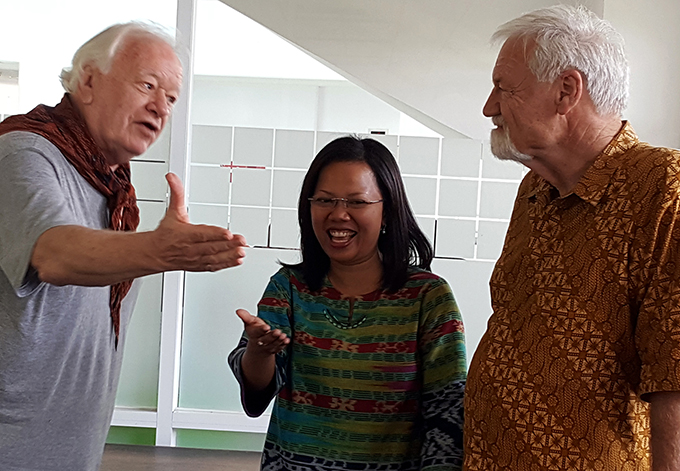 Journalist Duncan Graham talking to IKAT co-editor Dr Vissia Ita Yulianto and Professor David Robie, editor of Pacific Journalism Review, about the academic journal publishing industry in Yogyakarta, Indonesia, last month. Image: Del Abcede/PMC
By Duncan Graham in Malang, East Java
The academic world is supposed to be a bright-lit landscape of independent research pushing back the frontiers of knowledge to benefit humanity.
Years of fingernail-flicking test tubes have paid off by finding the elixir of life. Now comes the hard stuff: telling the world through a respected international journal staffed by sceptics.
After drafting and deleting, adding and revising, the precious discovery has to undergo the ritual of peer-reviews. Only then may your wisdom arouse gasps of envy and nods of respect in the world’s labs and lecture theatres.
The goal is to score hits on the international SCOPUS database (69 million records, 36,000 titles – and rising as you read) of peer-reviewed journals. If the paper is much cited, the author’s CV and job prospects should glow.
SCOPUS is run by Dutch publisher Elsevier for profit.
It’s a tough track up the academic mountain; surely there are easier paths paved by publishers keen to help?
Indeed – but beware. The 148-year old British multidisciplinary weekly Nature calls them “predatory journals” luring naive young graduates desperate for recognition.
‘Careful checking’
“These journals say: ‘Give us your money and we’ll publish your paper’,” says Professor David Robie of New Zealand’s Auckland University of Technology. “They’ve eroded the trust and credibility of the established journals. Although easily picked by careful checking, new academics should still be wary.”
Shams have been exposed by getting journals to print gobbledygook papers by fictitious authors. One famous sting reported by Nature had a Dr Anna O Szust being offered journal space if she paid. “Oszust” is Polish for “a fraud”.
Dr Robie heads AUT’s Pacific Media Centre, which publishes the Pacific Journalism Review, now in its 23rd year. During November he was at Gadjah Mada University (UGM) in Yogyakarta, Central Java, helping his Indonesian colleagues boost their skills and lift their university’s reputation.
The quality of Indonesian learning at all levels is embarrassingly poor for a nation of 260 million spending 20 percent of its budget on education.
The international ranking systems are a dog’s breakfast, but only UGM, the University of Indonesia and the Bandung Institute of Technology just make the tail end of the Times Higher Education world’s top 1000.
There are around 3500 “universities” in Indonesia; most are private. UGM is public.
UGM has been trying to better itself by sending staff to Auckland, New Zealand, and Munich, Germany, to look at vocational education and master new teaching strategies.
Investigative journalism
Dr Robie was invited to Yogyakarta through the World Class Professor (WCP) programme, an Indonesian government initiative to raise standards by learning from the best.
Dr Robie lectured on “developing investigative journalism in the post-truth era,” researching marine disasters and climate change. He also ran workshops on managing international journals.
During a break at UGM he told Strategic Review that open access – meaning no charges made to authors and readers – was a tool to break the user-pays model.
AUT is one of several universities to start bucking the international trend to corral knowledge and muster millions. The big publishers reportedly make up to 40 percent profit – much of it from library subscriptions.
According to a report by AUT digital librarians Luqman Hayes and Shari Hearne, there are now more than 100,000 scholarly journals in the world put out by 3000 publishers; the number is rocketing so fast library budgets have been swept away in the slipstream.
In 2016, Hayes and his colleagues established Tuwhera (Māori for “be open”) to help graduates and academics liberate their work by hosting accredited and refereed journals at no cost.
The service includes training on editing, presentation and creating websites, which look modern and appealing. Tuwhera is now being offered to UGM – but Indonesian universities have to lift their game.
Language an issue
The issue is language and it’s a problem, according to Dr Vissia Ita Yulianto, researcher at UGM’s Southeast Asian Social Studies Centre (CESASS) and a co-editor of IKAT research journal. Educated in Germany she has been working with Dr Robie to develop journals and ensure they are top quality.
“We have very intelligent scholars in Indonesia but they may not be able to always meet the presentation levels required,” she said.
“In the future I hope we’ll be able to publish in Indonesian; I wish it wasn’t so, but right now we ask for papers in English.”
Bahasa Indonesia, originally trade Malay, is the official language. It was introduced to unify the archipelagic nation with more than 300 indigenous tongues. Outside Indonesia and Malaysia it is rarely heard.
English is widely taught, although not always well. Adrian Vickers, professor of Southeast Asian Studies at Sydney University, has written that “the low standard of English remains one of the biggest barriers against Indonesia being internationally competitive.
“… in academia, few lecturers, let alone students, can communicate effectively in English, meaning that writing of books and journal articles for international audiences is almost impossible.”
Though the commercial publishers still dominate there are now almost 10,000 open-access peer-reviewed journals on the internet.
“Tuwhera has enhanced global access to specialist research in ways that could not previously have happened,” says Dr Robie. “We can also learn much from Indonesia and one of the best ways is through exchange programmes.”
This article was first published in Strategic Direction and is republished with the author Duncan Graham’s permission. Graham blogs at indonesianow.blogspot.co.nz
Article by AsiaPacificReport.nz
]]>Duterte blamed for spate of killings – 10 Filipino activists dead in 48 hours

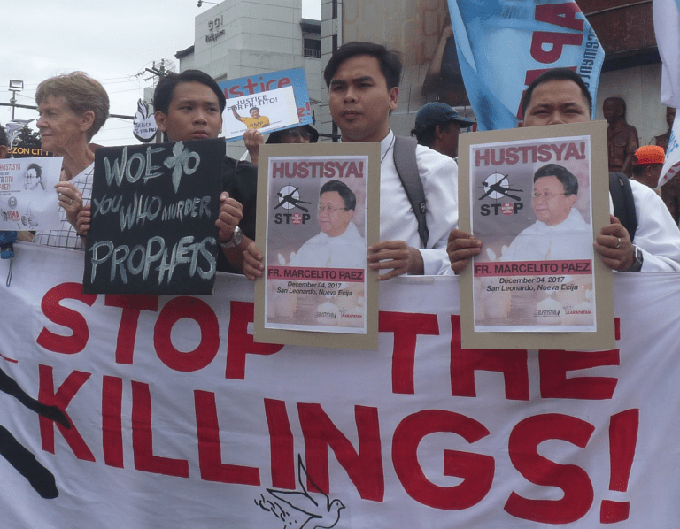 A protest over the latest killings in the Philippines. Image: Image: Dee Ayroso/Butlatlat
By Dee Ayroso in Manila
Church groups and human rights advocates are holding the Duterte administration accountable for the spate of attacks which killed 10 activists in a span of two days.
The slain victims were two religious leaders in Luzon and eight Lumad indigenous activists massacred in Mindanao.
In an protest rally at the Boys Scout Circle in Quezon City on Tuesday, progressives condemned the killings of civilians and activists, either in military operations, or assassination-style by suspected military death squads.
The attacks, they said, were reminiscent of the open fascist rule during the Marcos dictatorship and during the “undeclared martial law” under the administration of President Gloria Arroyo.
The protesters, led by Karapatan, the Promotion of Church People’s Response (PCPR) and Rural Missionaries of the Philippines (RMP) vowed to also raise the level of opposition to “state terrorism” and call for justice in a big protest in Luneta, Manila on December 10 – International Human Rights Day on Sunday.
“Indeed, this fascist and terrorist regime has turned the entire country into a killing field,” said Karapatan secretary general Cristina Palabay in a statement.
Since Sunday, December 3, Karapatan has been sending out one urgent alert after another, about various human rights violations happening all over the country.
‘Open targets’
The human rights group denounced how unarmed civilians have become “open targets by state security forces, emboldened and reassured by their commander-in-chief”.
At 10:45 on Monday night, December 4, Catholic priest Marcelito “Tito” Paez, 72, died from nine gunshot wounds in a hospital where he was rushed after being attacked by motorcycle-riding men. He was the first Catholic priest killed extrajudicially under Duterte.
On December 3, Pastor Lovelito Quiñones, 57, was shot dead by the Police Regional Mobile Group in Mansalay, Oriental Mindoro. Karapatan cited that the Army’s 203rd Brigade claimed the victim was a “New People’s Army guerrilla,” which his relatives rejected and said the RMG planted a .45 calibre pistol as “evidence”.
Quiñones, a pastor of King’s Glory Ministry, was on his motorcycle heading home in Don Pedro village when he was shot in the chest. The Army’s 4th Infantry Division alleged that there was an encounter in the area.
On the same day in South Cotabato province in Mindanao, eight Lumad residents were shot dead by a composite team of soldiers of the 27th Infantry Battalion and Philippine Marines in sitio (subvillage) Datal Bong Langon, Ned village, Lake Sebu.
Killed were: Victor Danyan, Victor Danyan Jr., Artemio Danyan, Pato Celardo, Samuel Angkoy, To Diamante, Bobot Lagase, and Mateng Bantal. Two others were wounded: Luben and Teteng Laod.
Article by AsiaPacificReport.nz
]]>







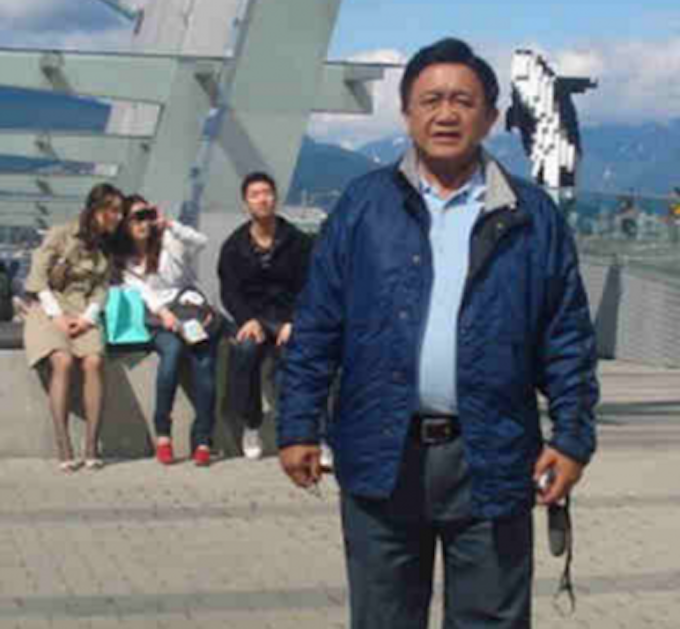

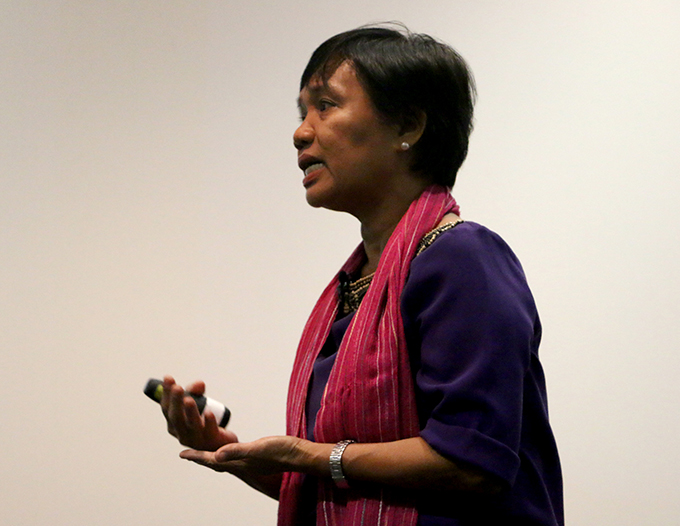
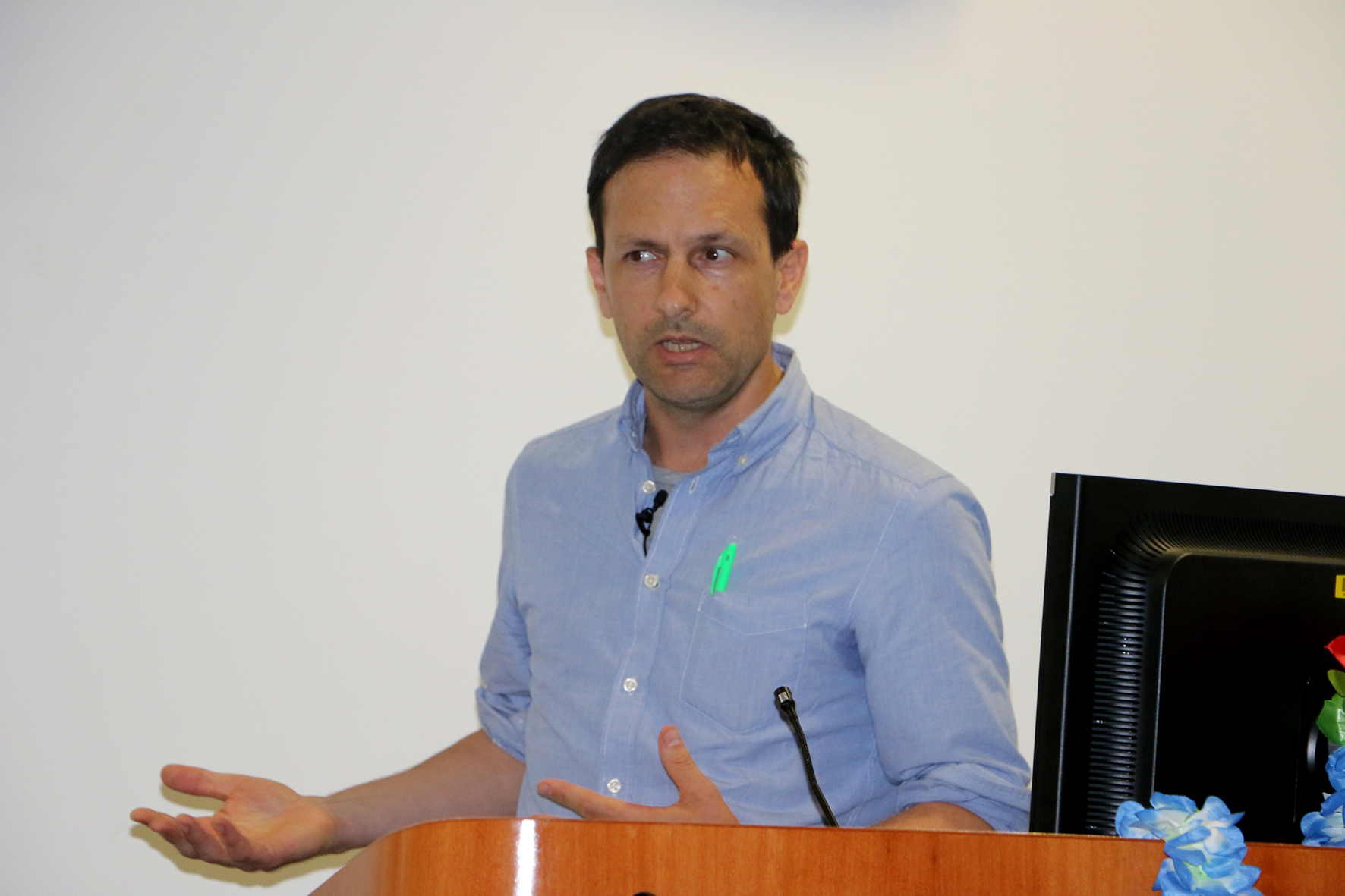
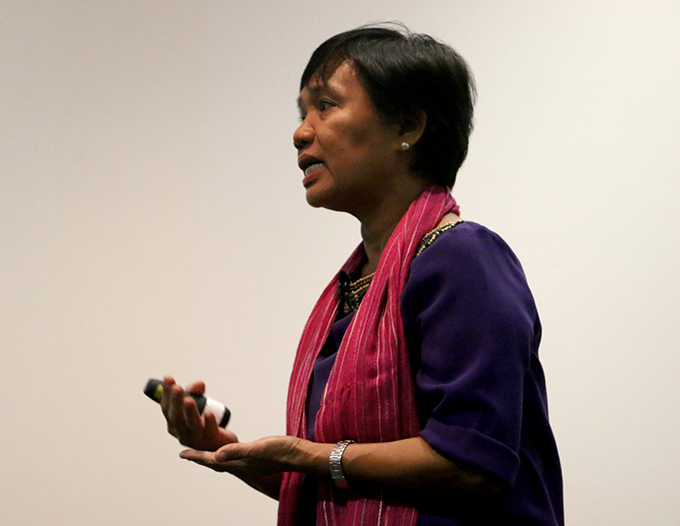 Journalists “first responders” in Duterte’s drug war … PCIJ executive director Malou Mangahas. Image: Kendall Hutt/PMC
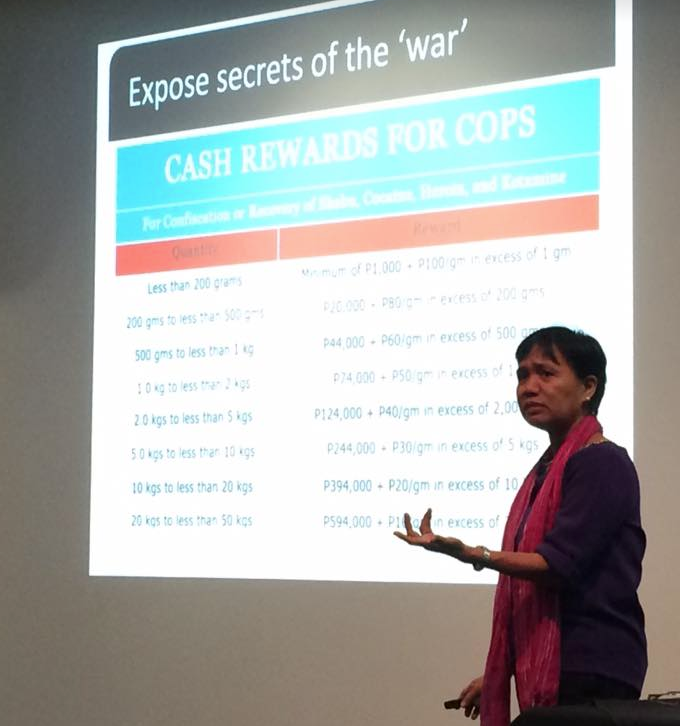
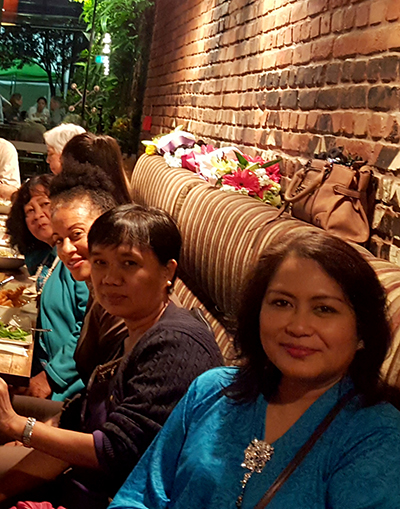 PCIJ’s Malou Mangahas (second from right) with PMC advisory board member Khairiah Rahman in Auckland. Image: Venus Abcede/PMC
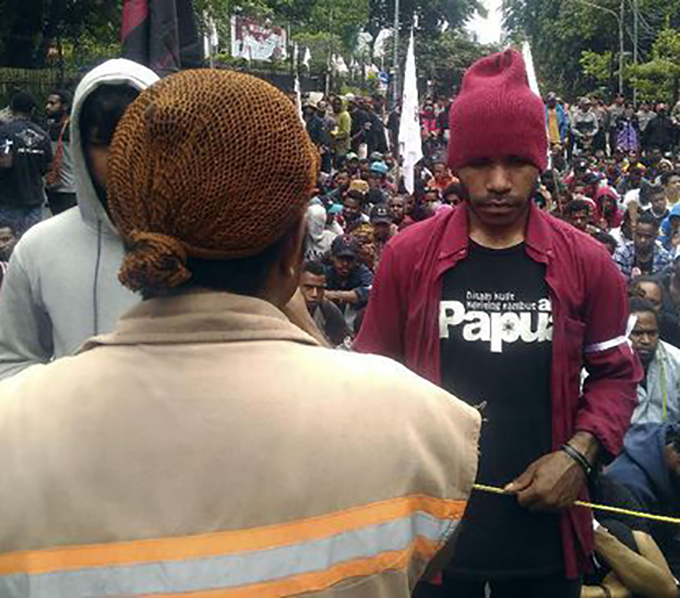
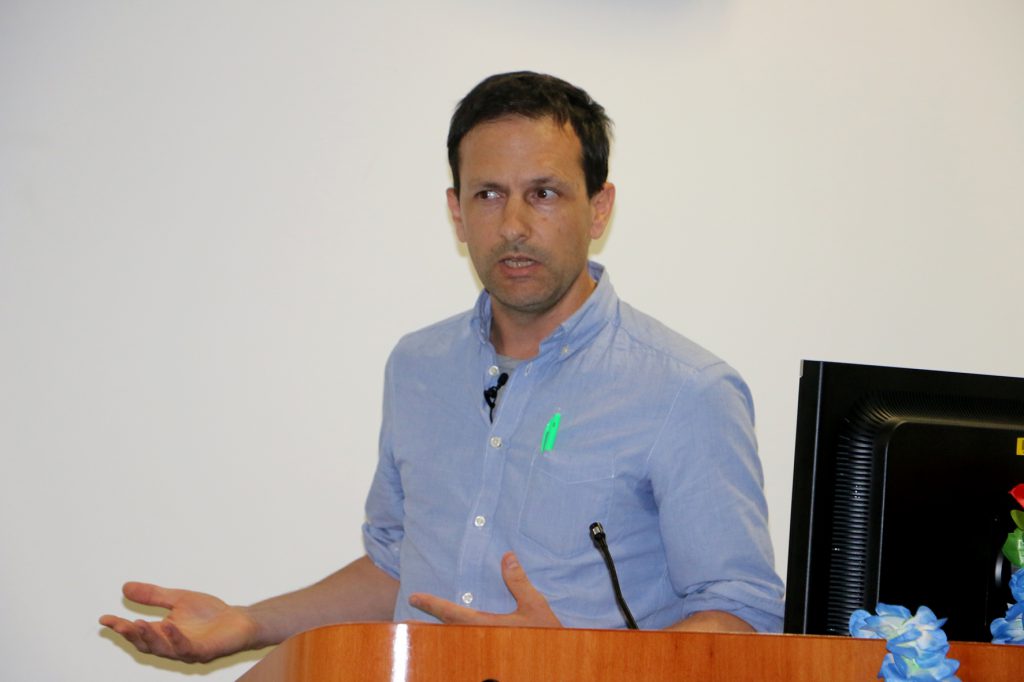 RNZI’s Johnny Blades … Jokowi “not running the show” in West Papua. Image: Kendall Hutt/PMC
 AUT honours graduate and Tagata Pasifika journalist as MC for the Pacific Media Centre event. Image: Screenshot/PMC livestreaming
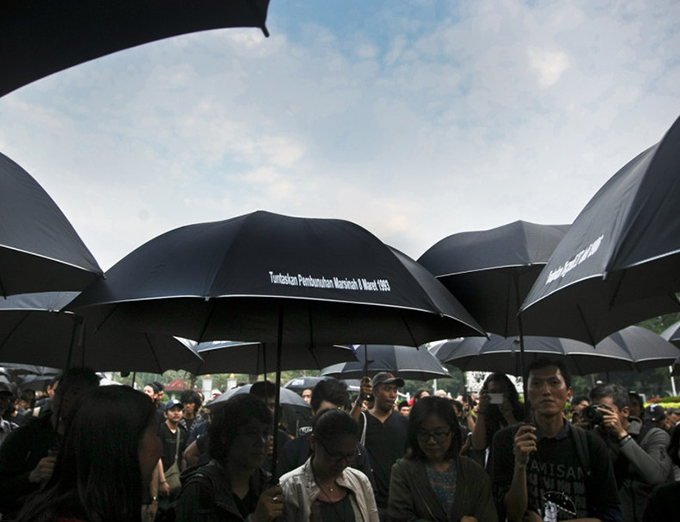
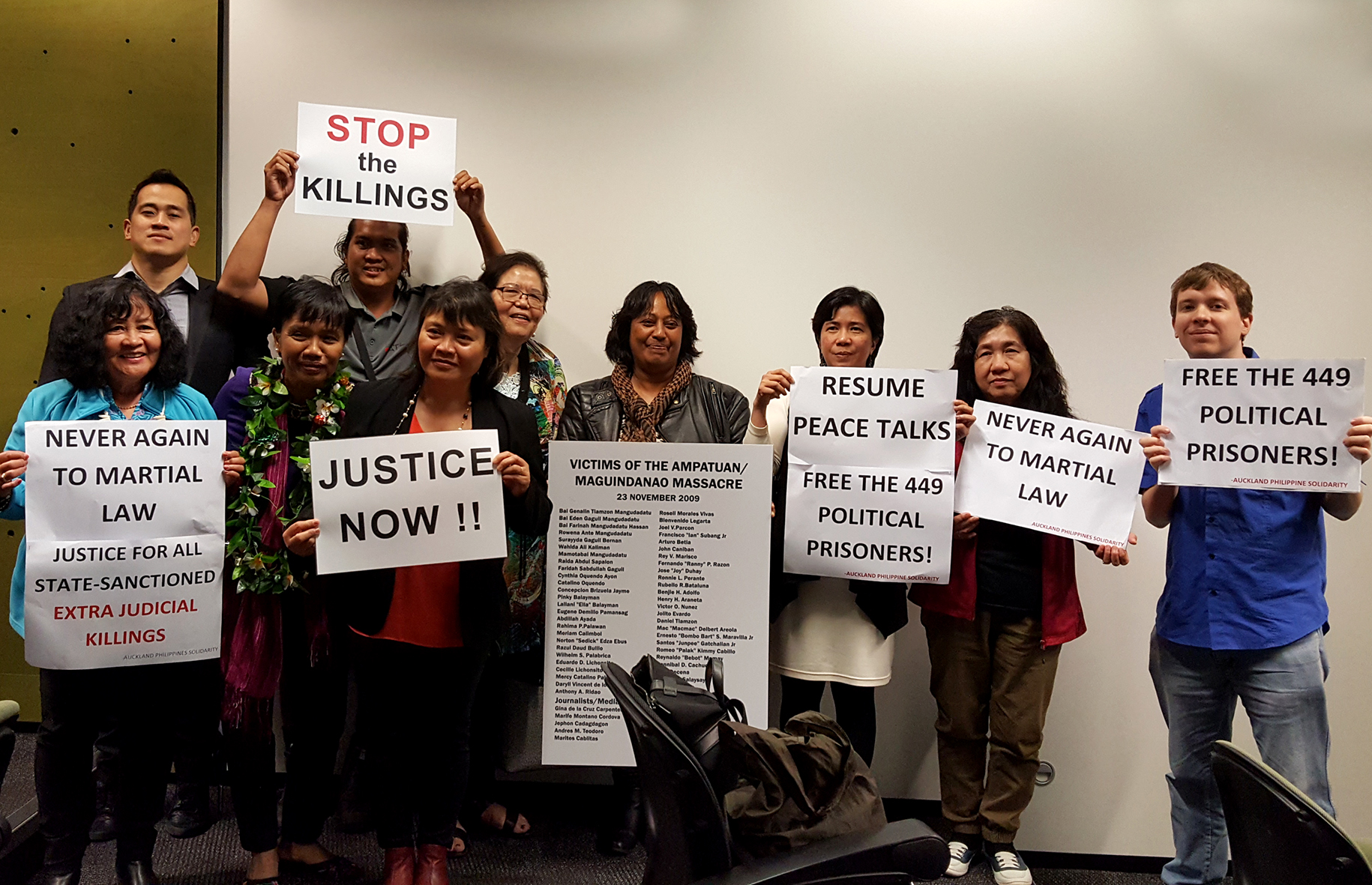
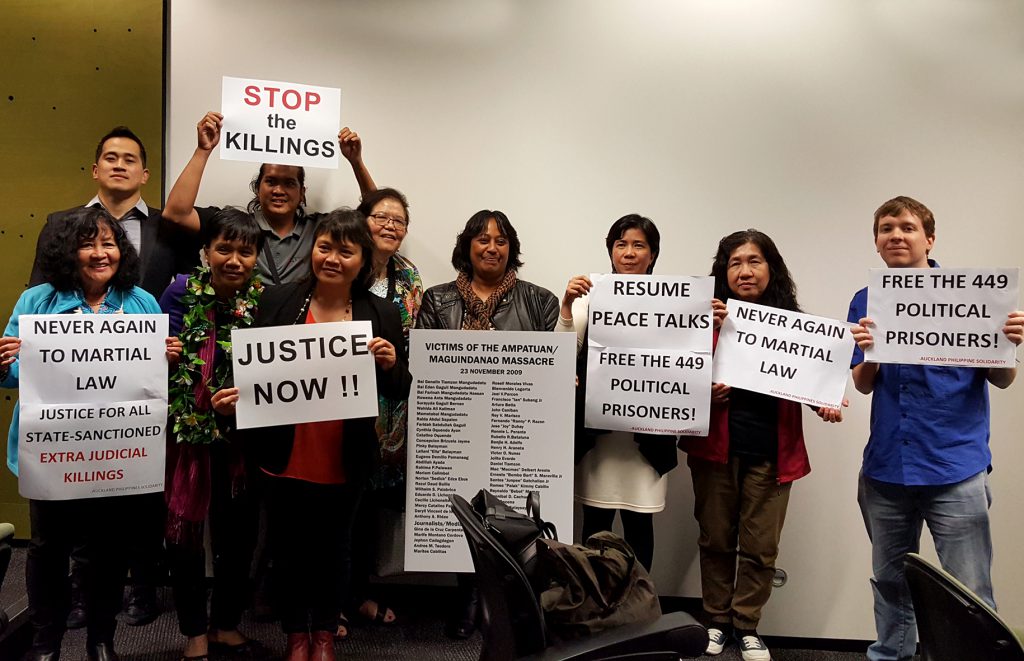 A vigil for the victims of the 2009 Ampatuan massacre and as a protest against the extrajudicial killings in the Philippines. Image: Venus Abcede/PMC


















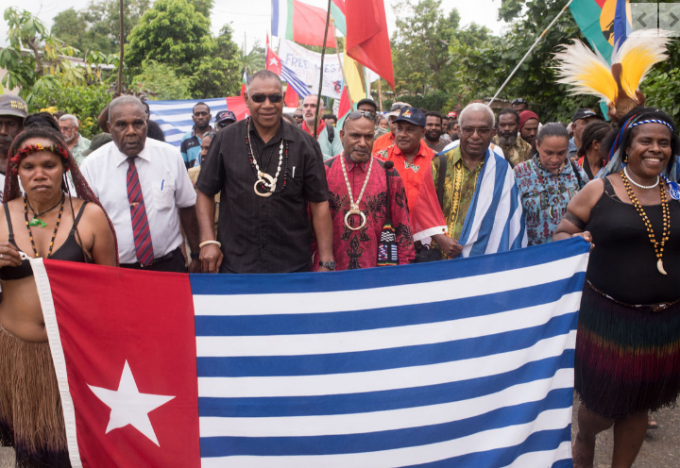
 Papua’s Morning Star and Vanuatu flags flying together at the Crow’s Nest in Port Vila. Image: Screenshot/AWPA

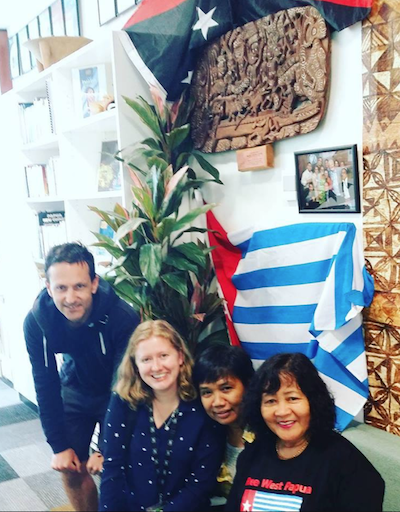 PCIJ’s Malou Mangahas (centre) at the Pacific Media Centre with RNZ’s Johnny Blades, Pacific Media Watch’s Kendall Hutt and PMC’s Del Abcede. Image: David Robie/PMC

 Retired Green MP Keith Locke, an outspoken supporter of West Papuans, with Philippine Center for Investigative Journalism (PCIJ) executive director Malou Mangahas (left) and the Pacific Media Centre’s Del Abcede. Image: Cafe Pacific

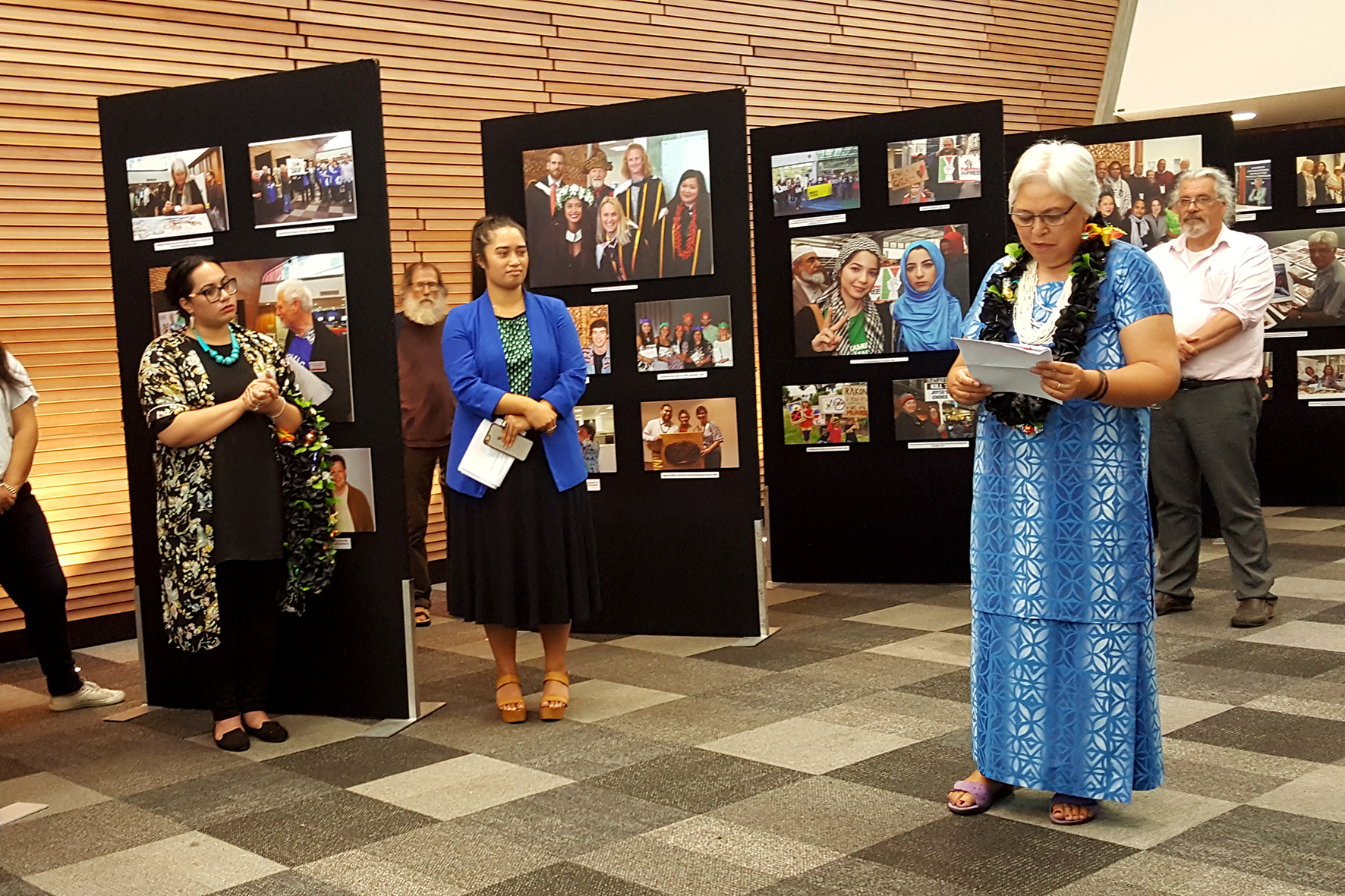
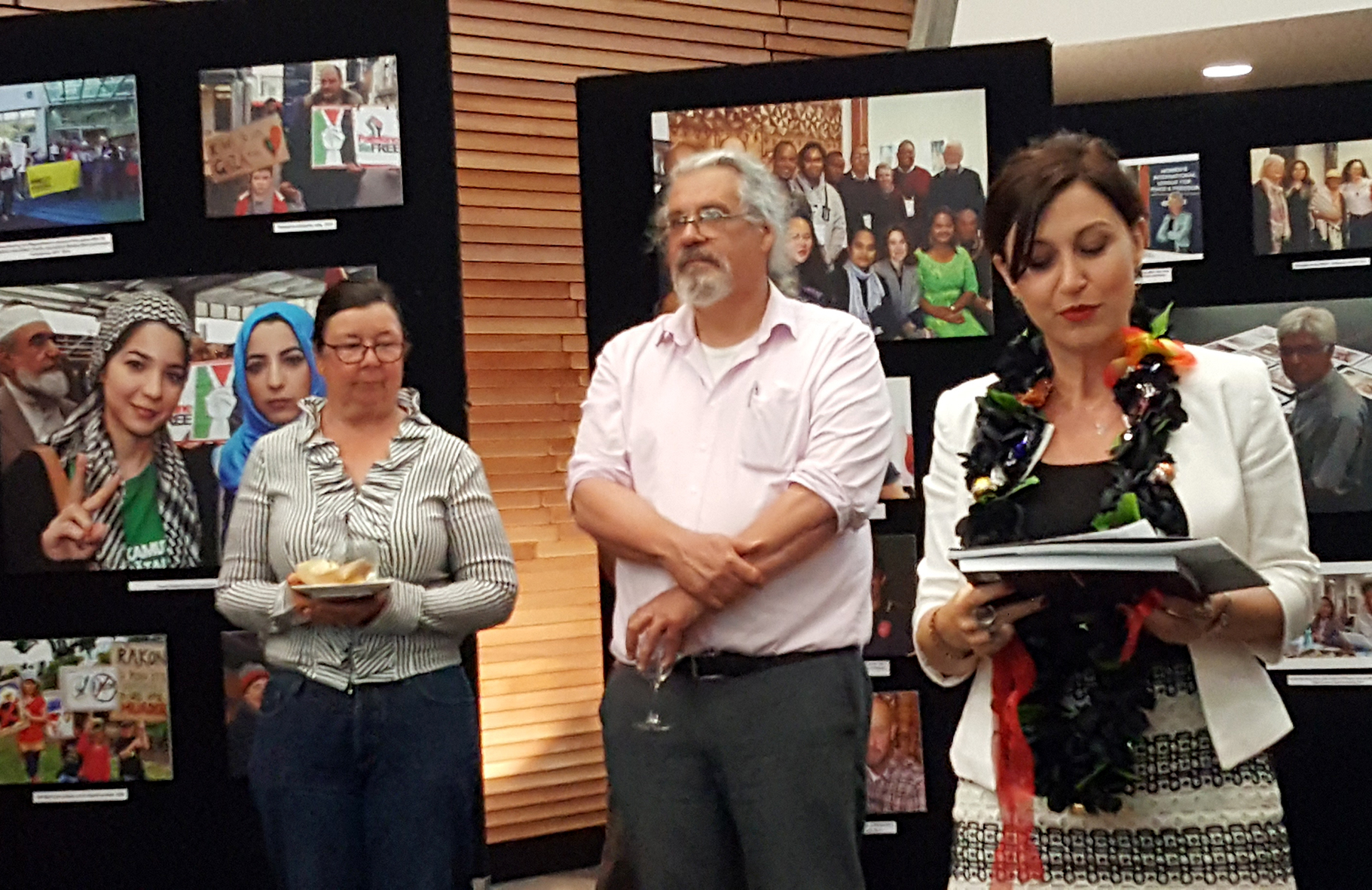
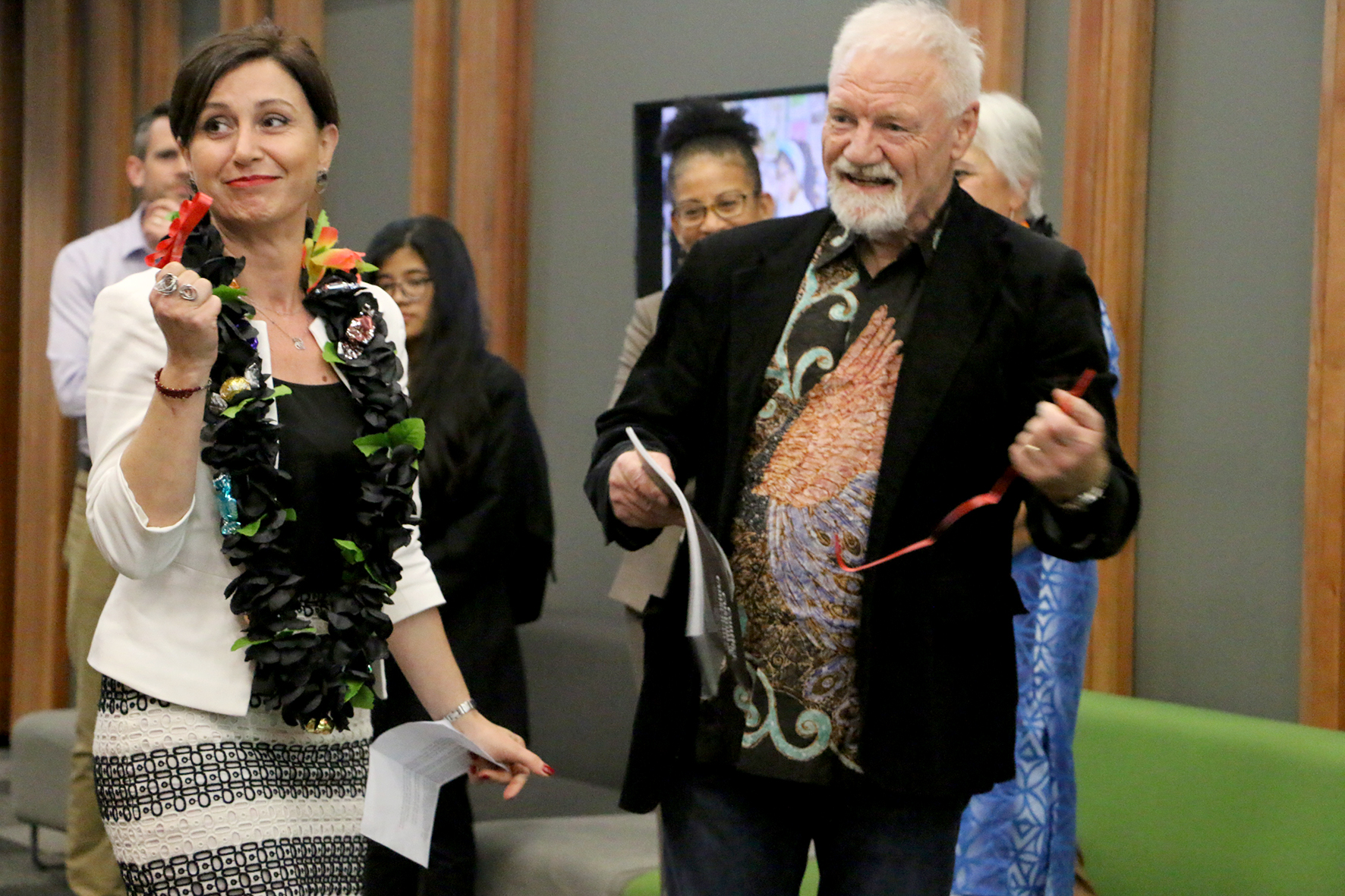
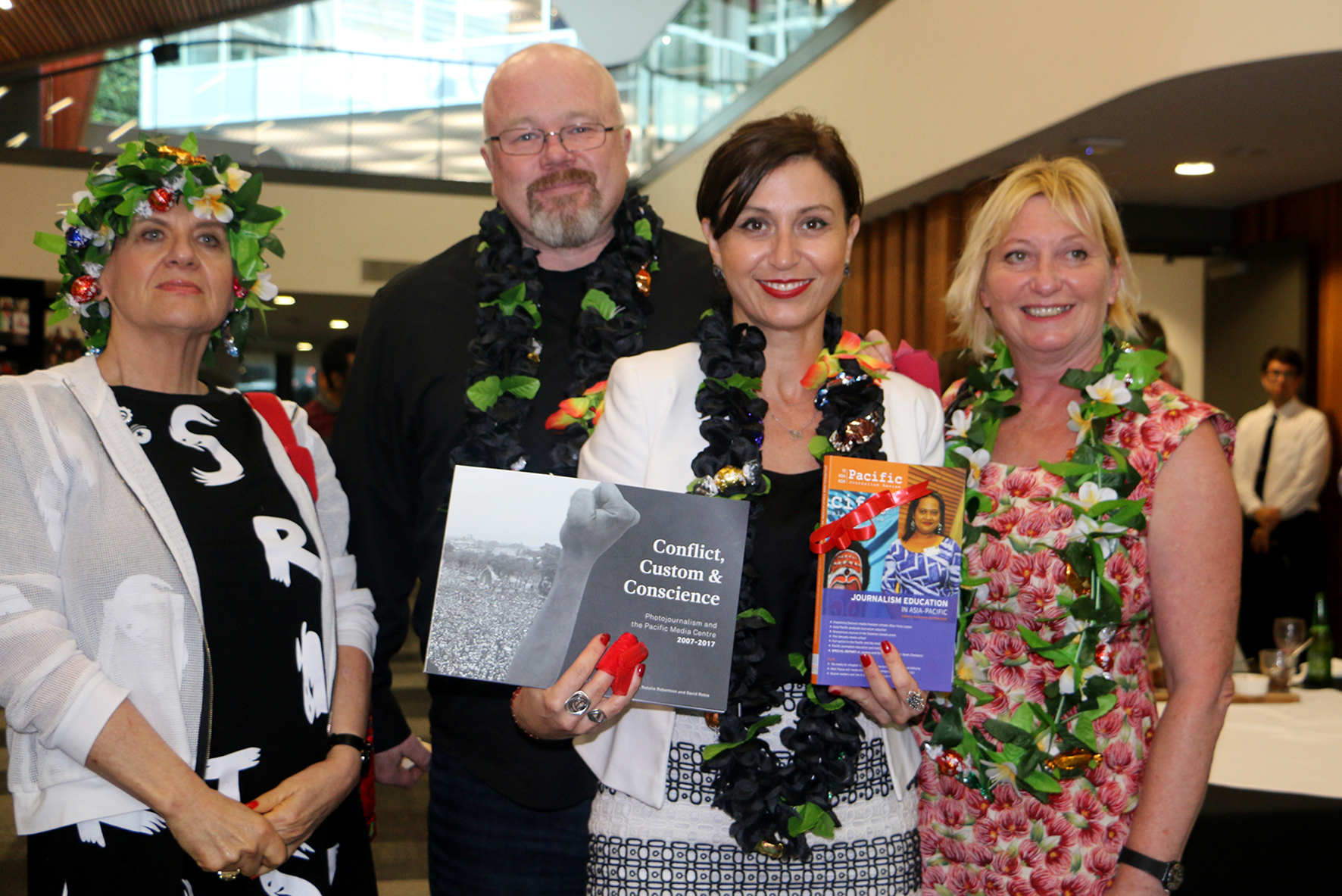
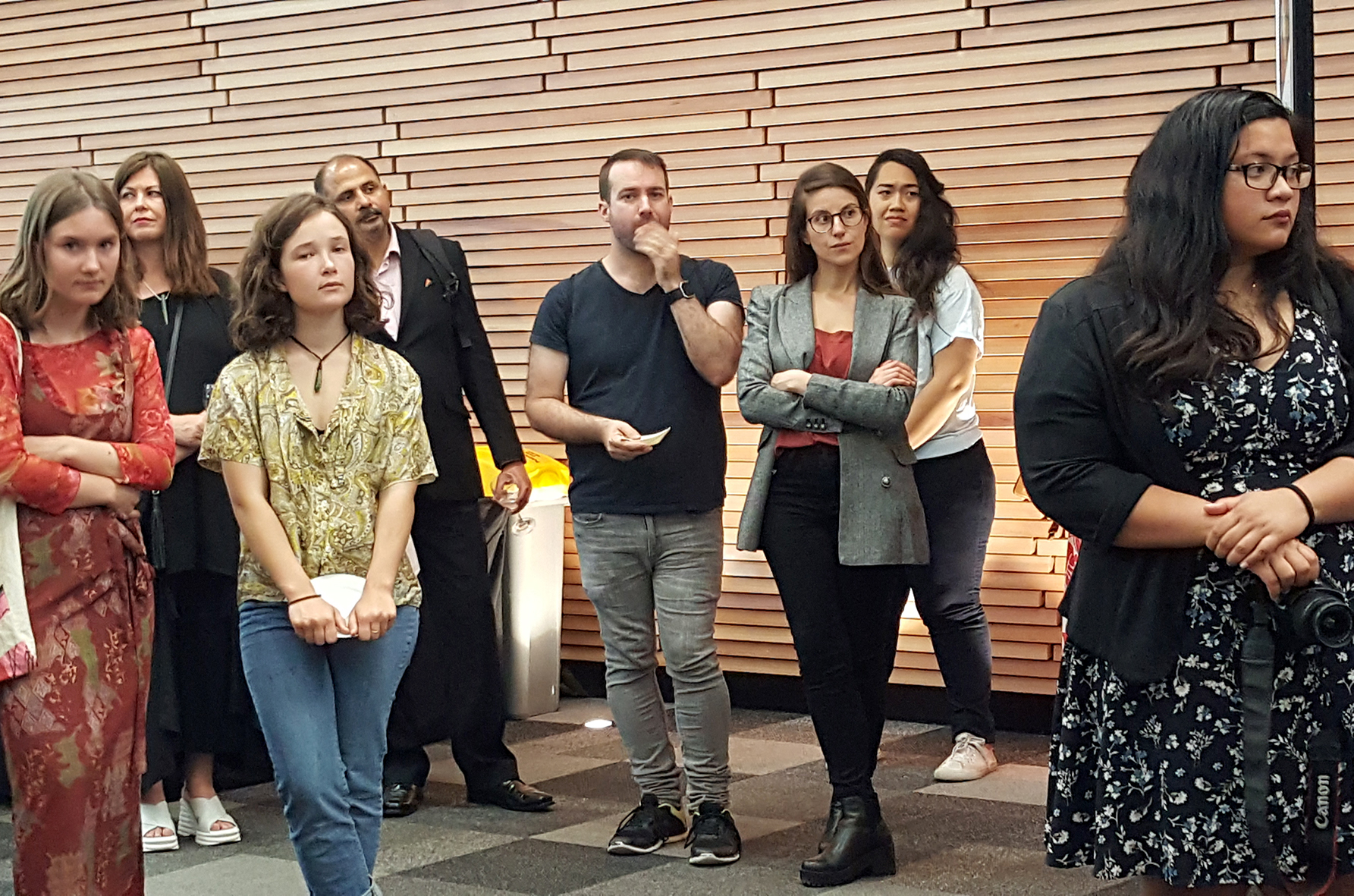
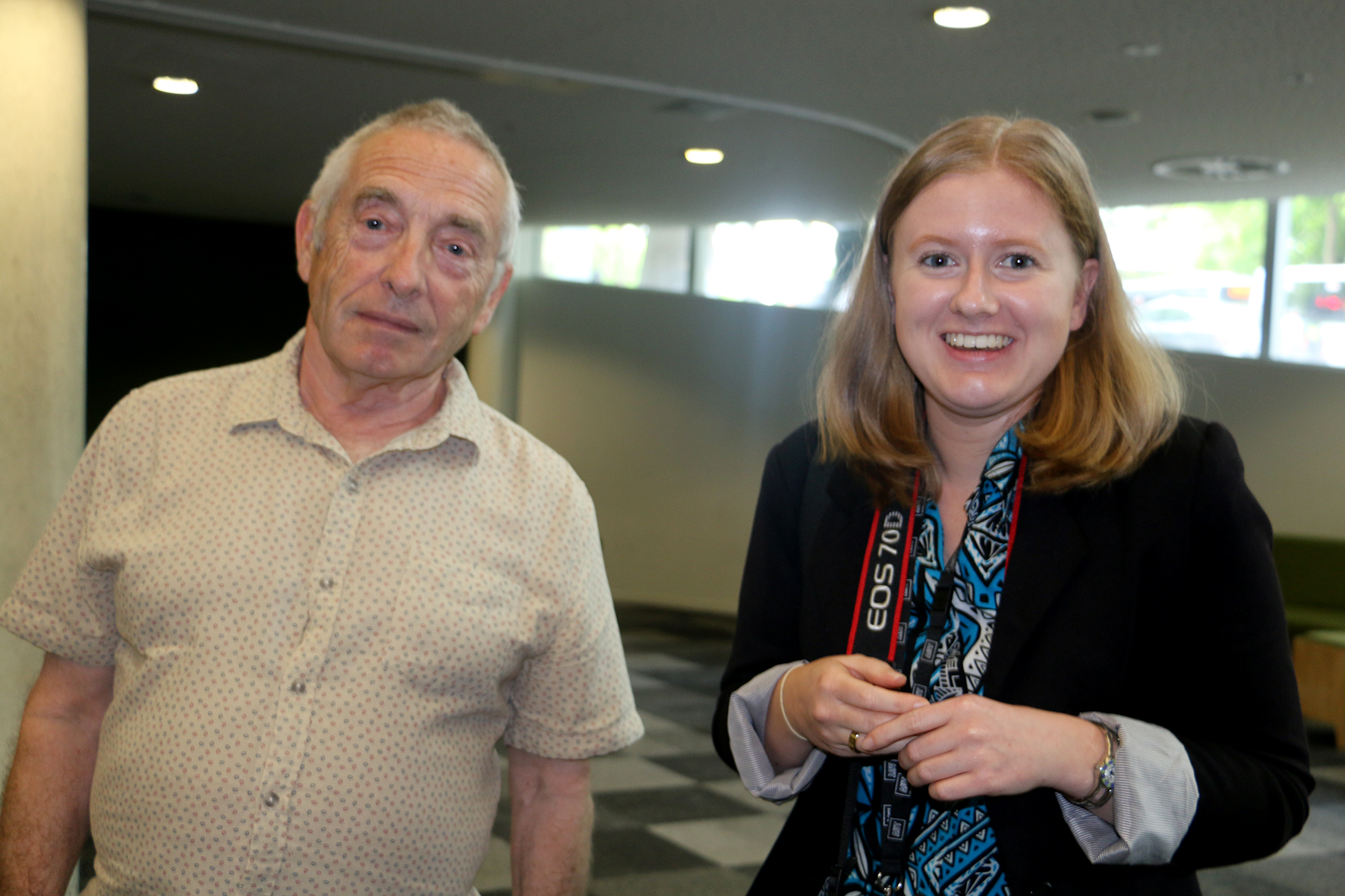
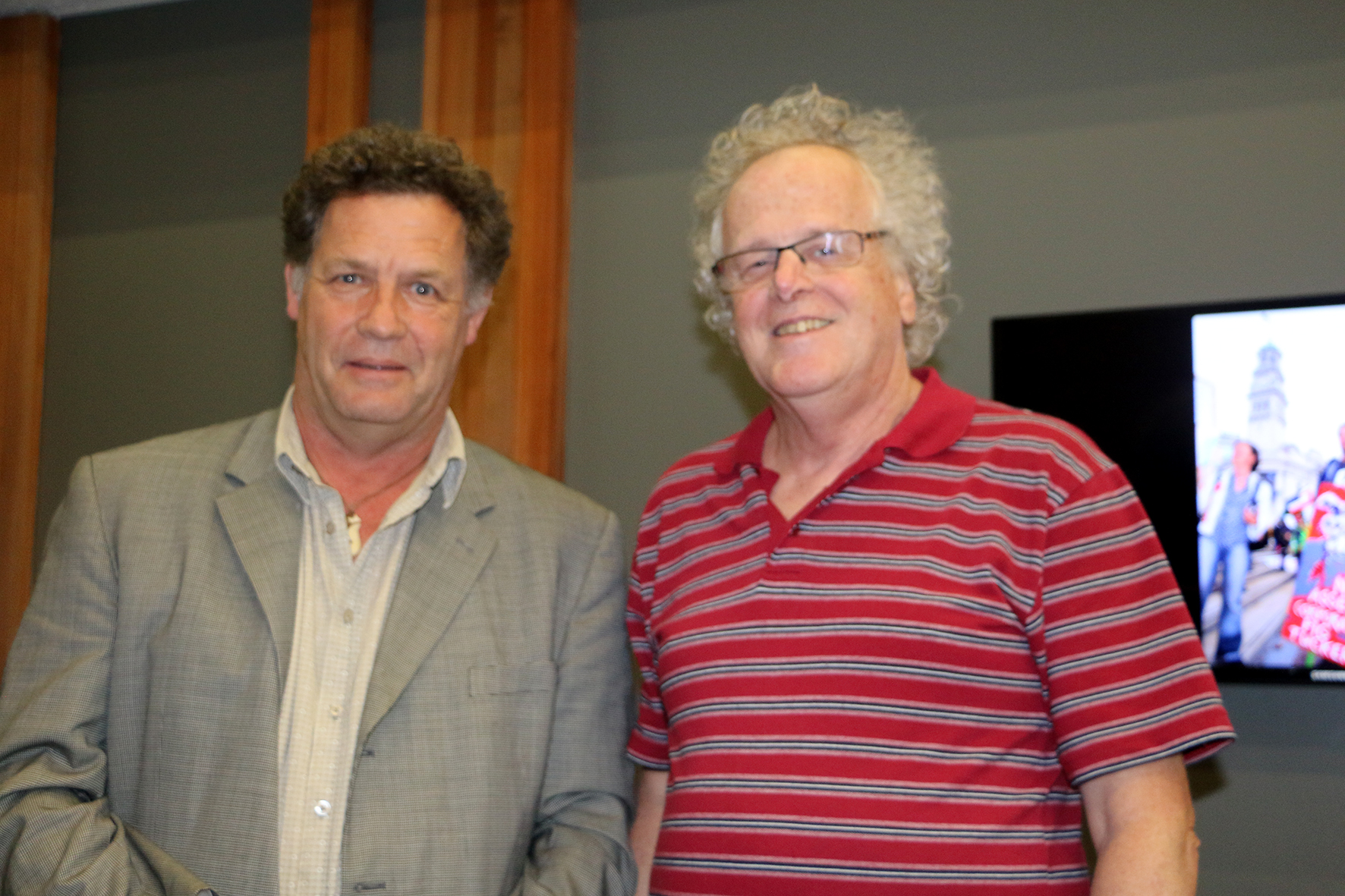
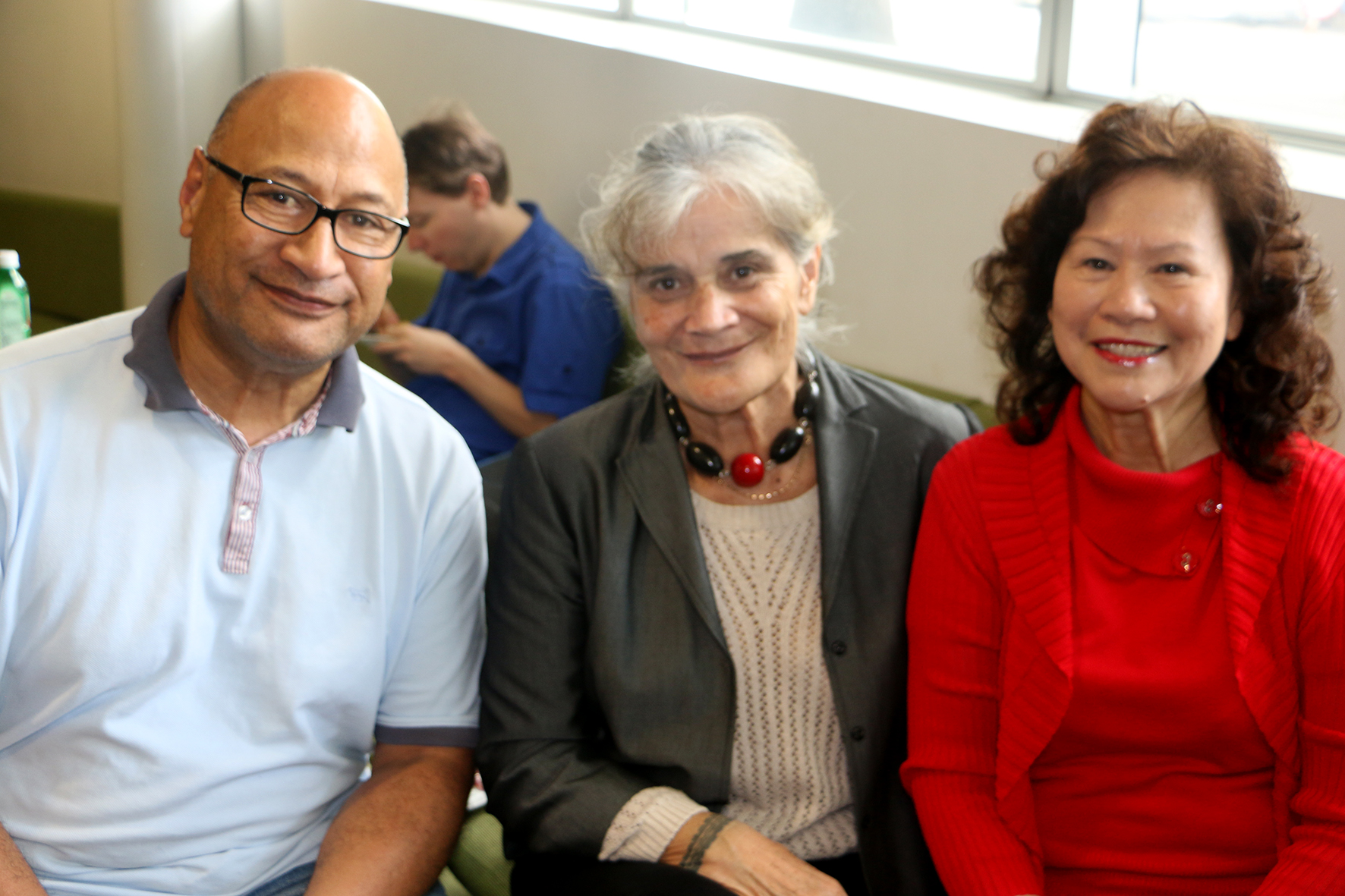
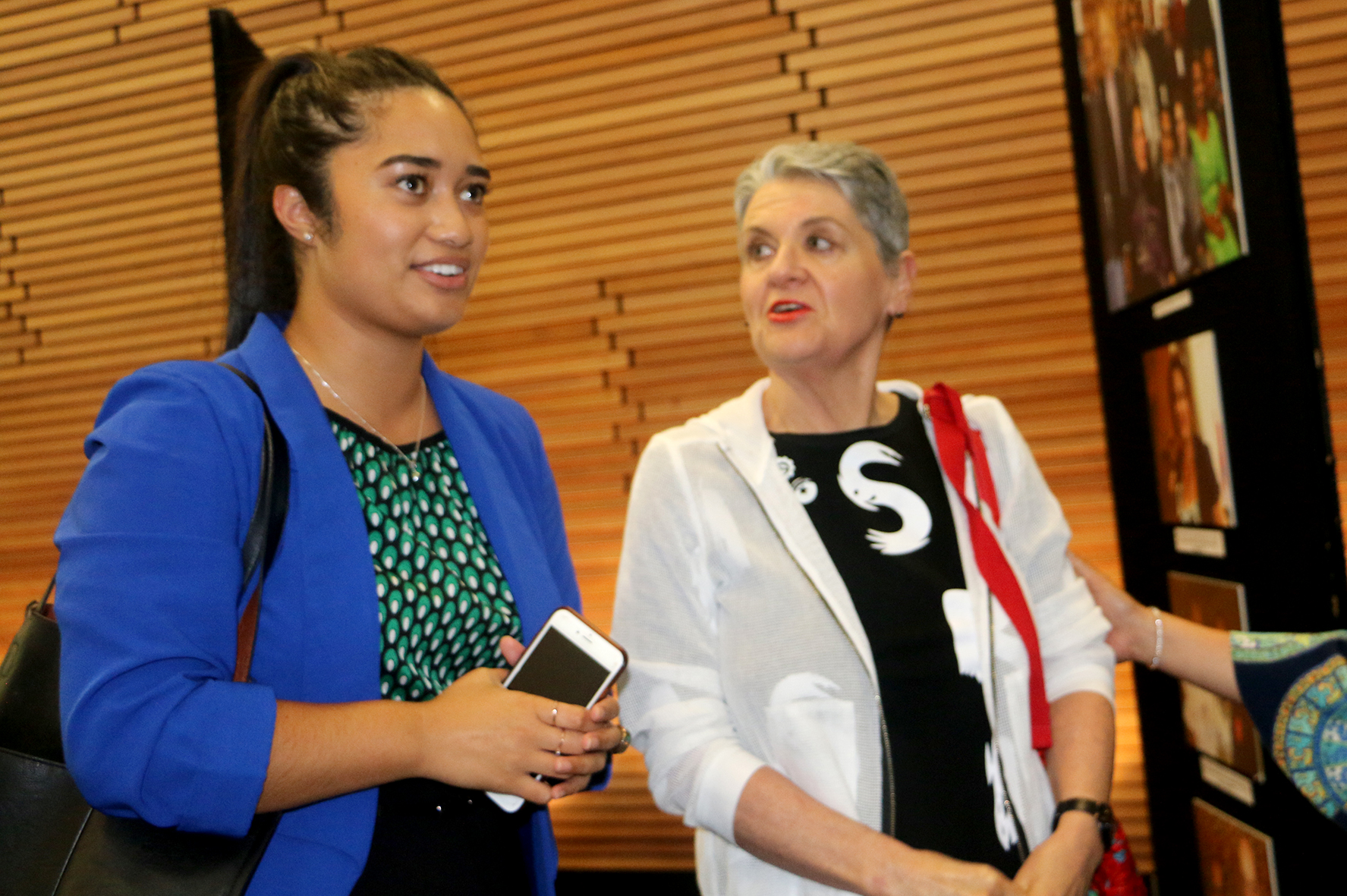
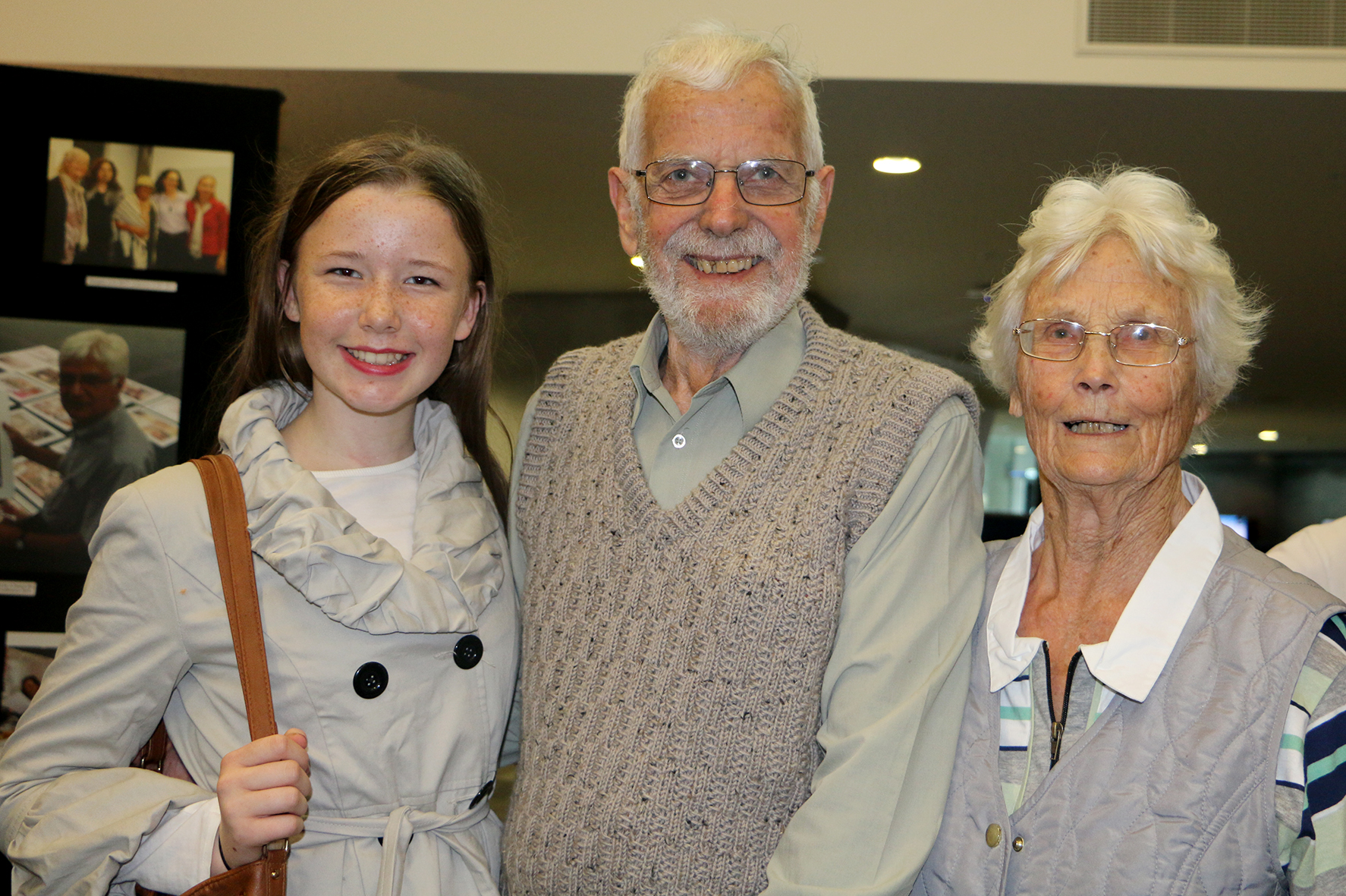
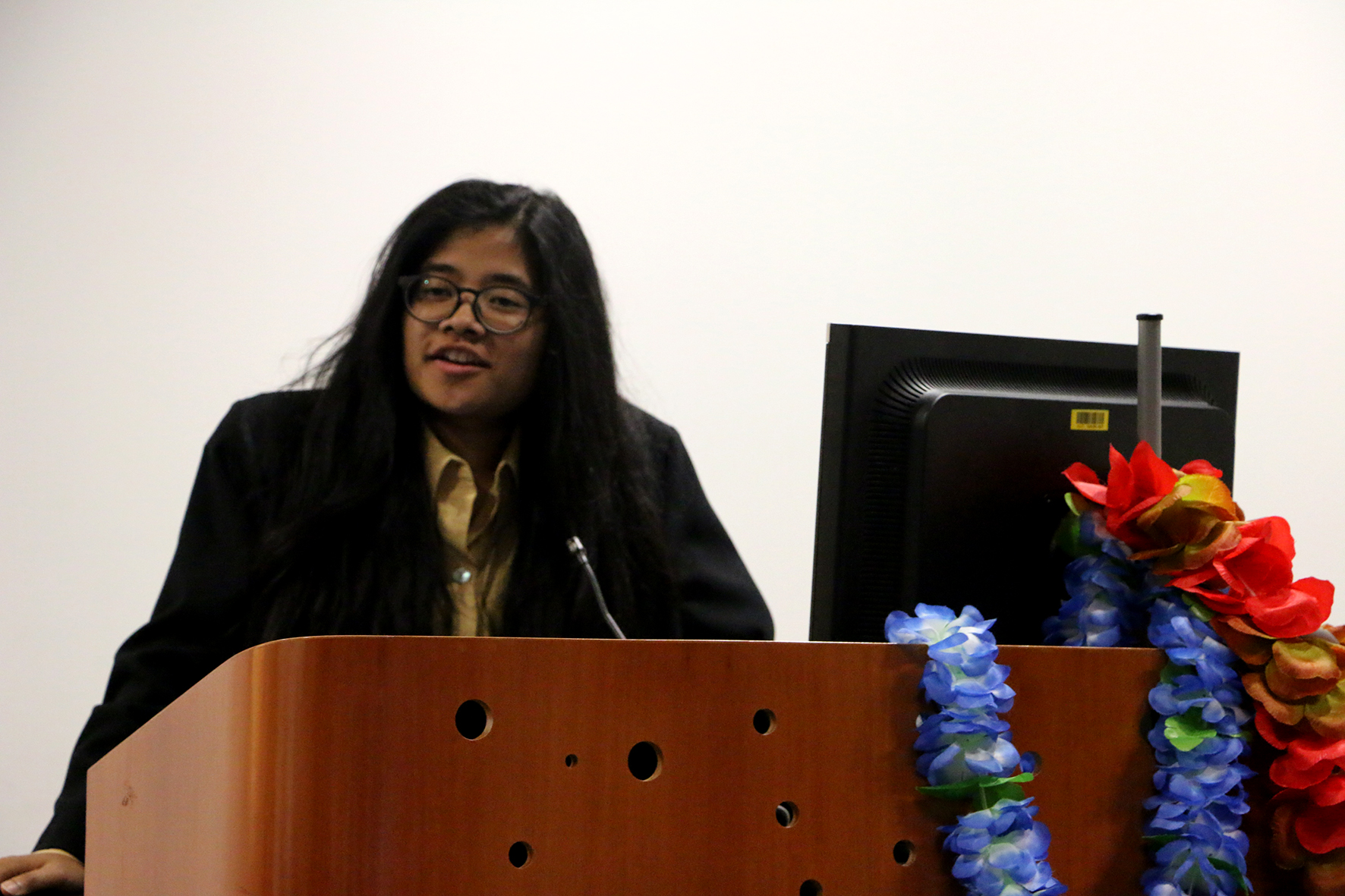
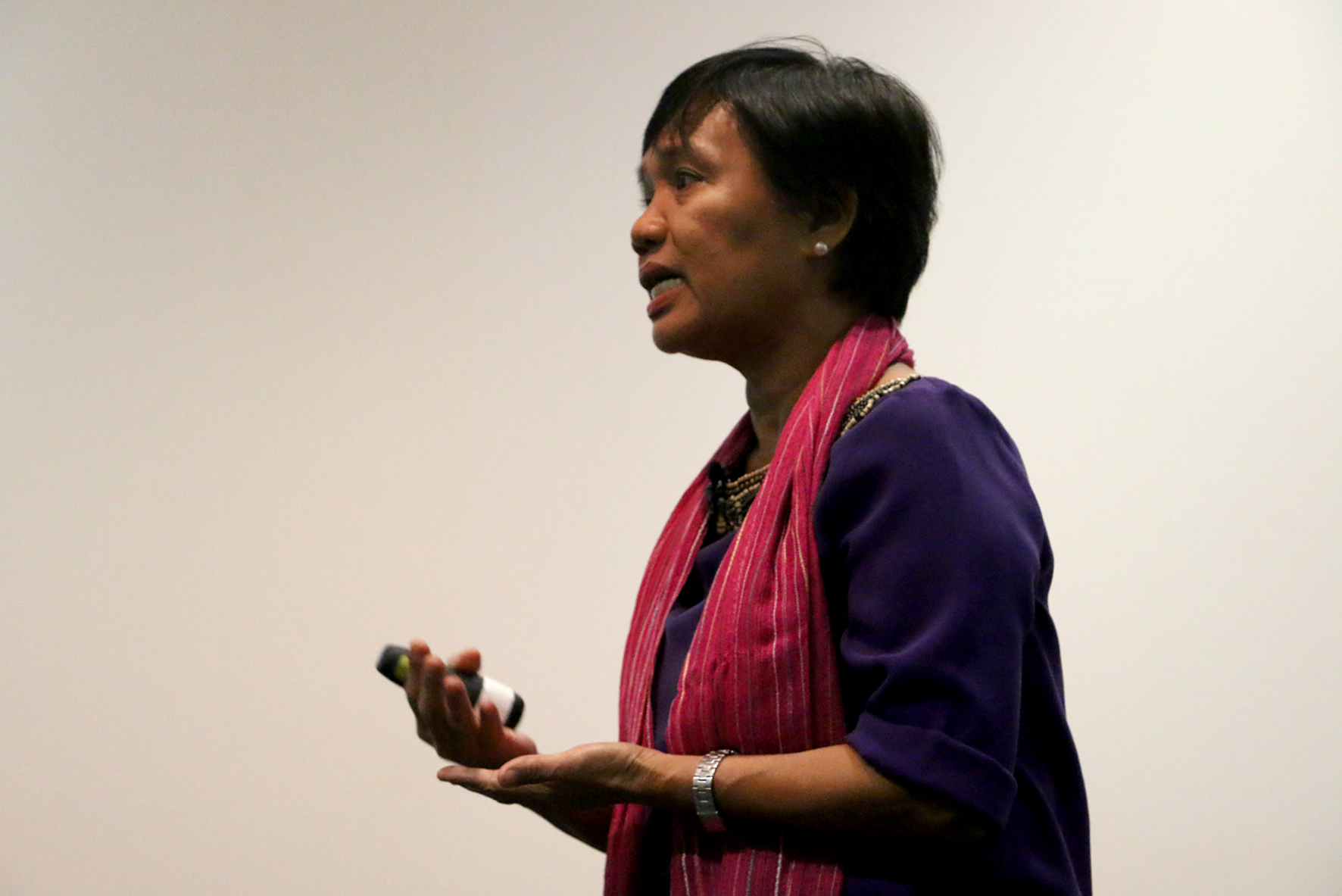
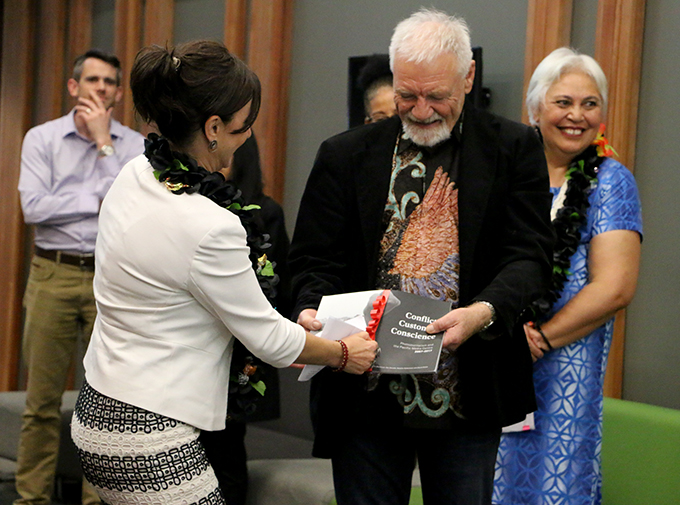 Dr Berrin Yanıkkaya launches Conflict, Custom & Conscience with PMC director Professor David Robie and Assistant Vice-Chancellor (Pasifika) Laumanuvao Winnie Laban last night. Image: Kendall Hutt/PMC
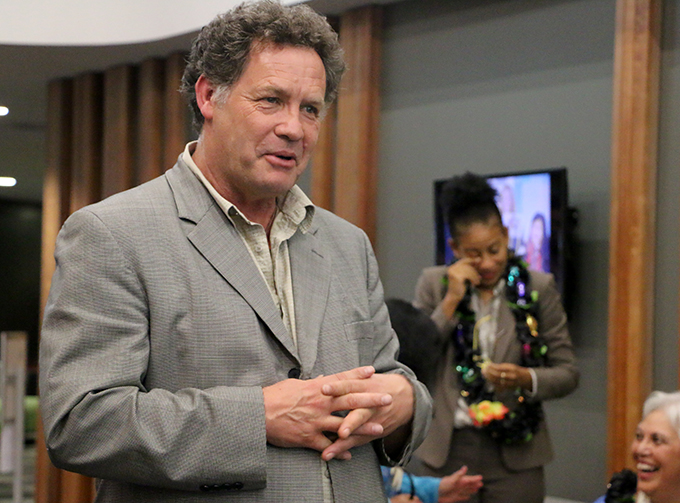 Award-winning documentary maker Jim Marbrook says Conflict, Custom & Conscience speaks to three major themes. Image: Kendall Hutt/PMC
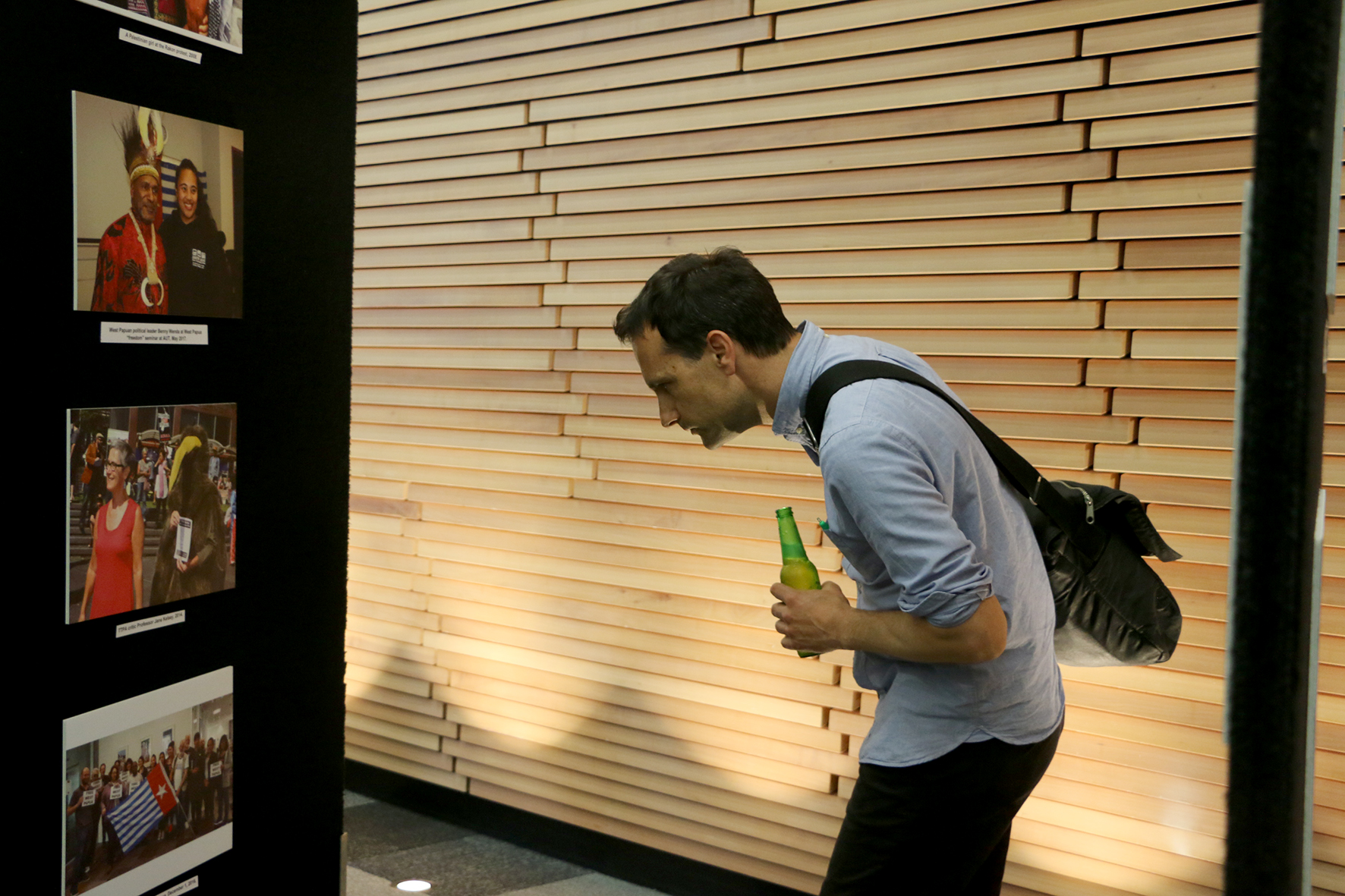
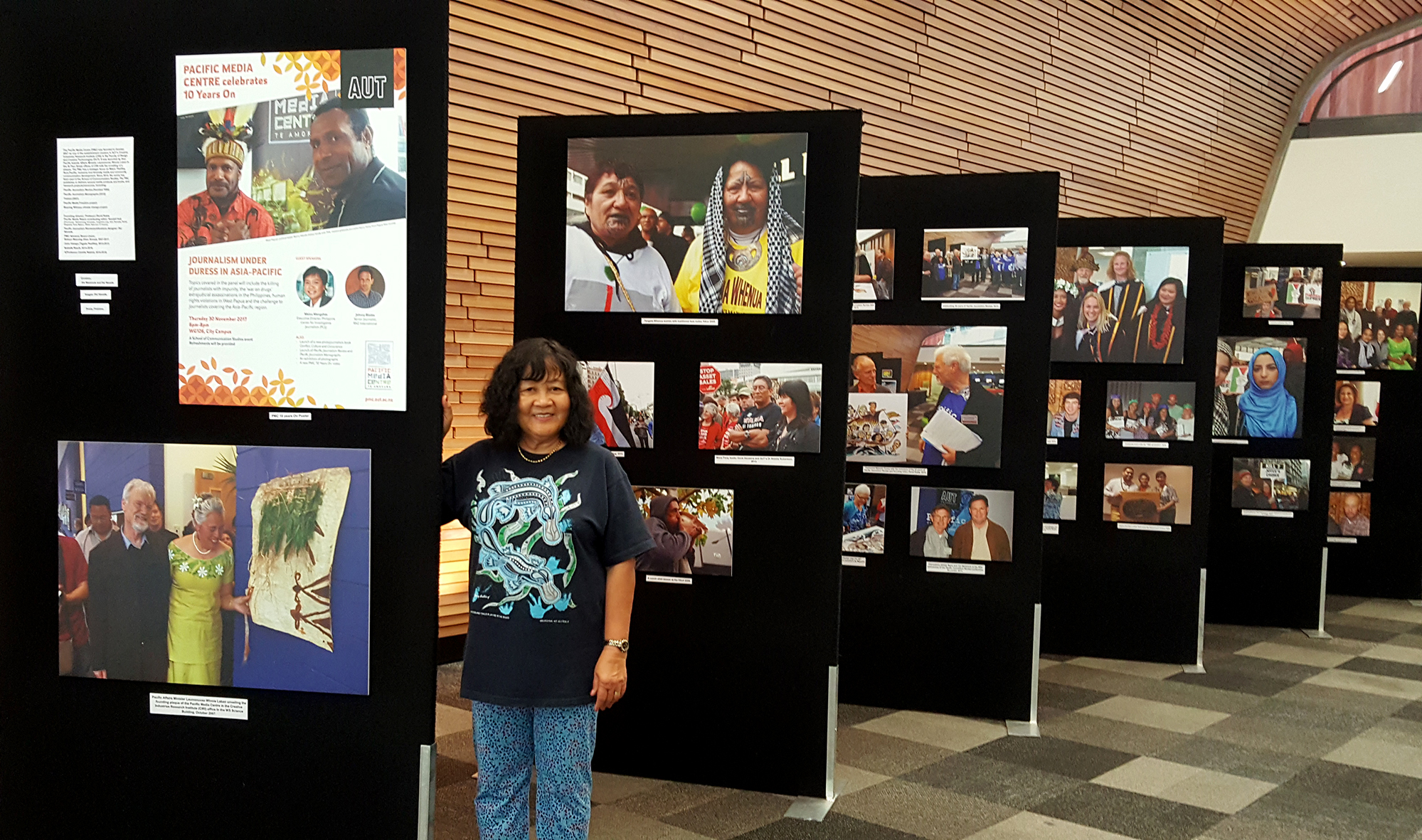
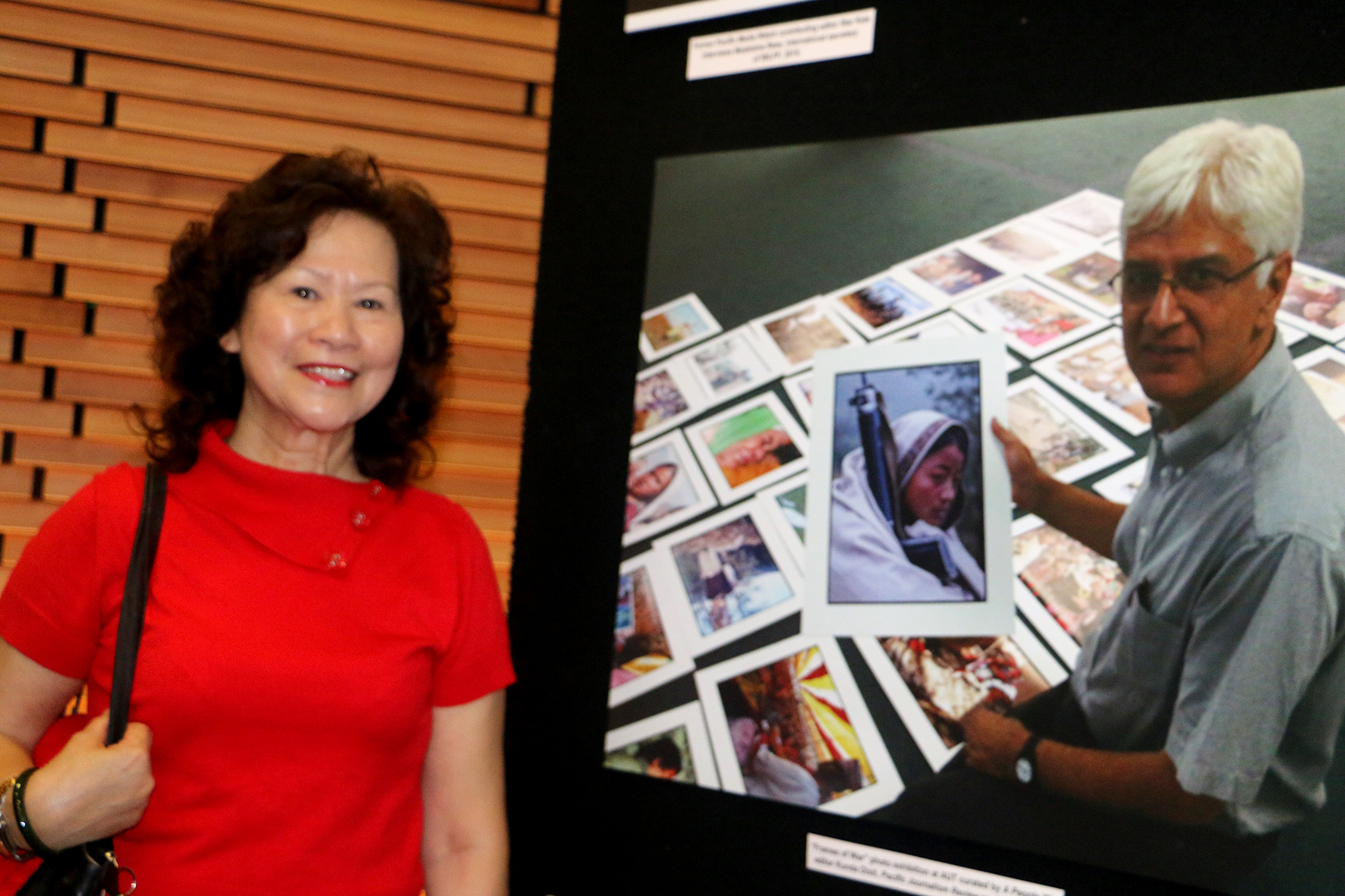
 PMC’s Del Abcede and favourite photograph of the ’10 Years On’ exhibition – a pair of young Palestinian women. Image: Kendall Hutt/PMC
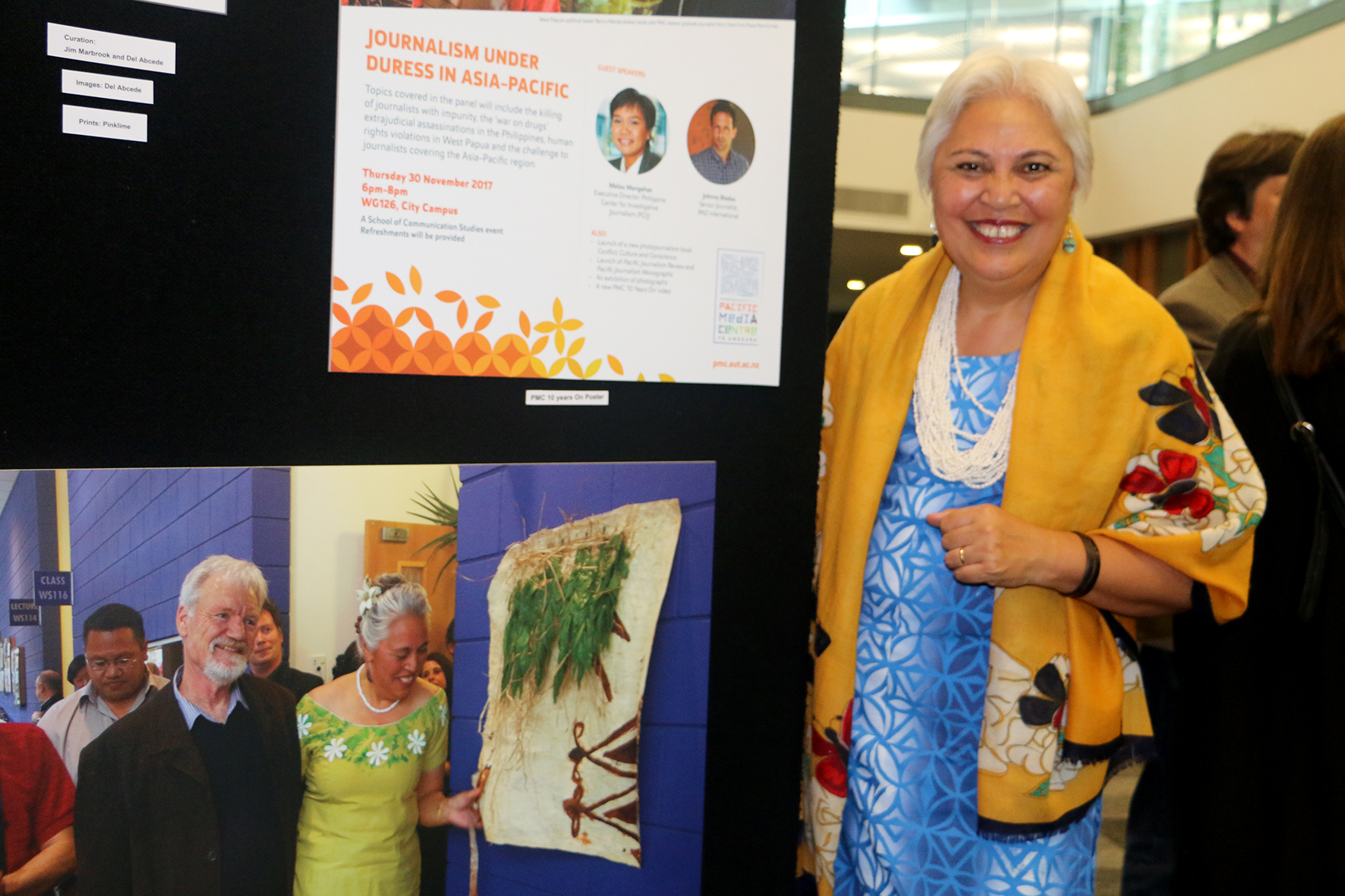
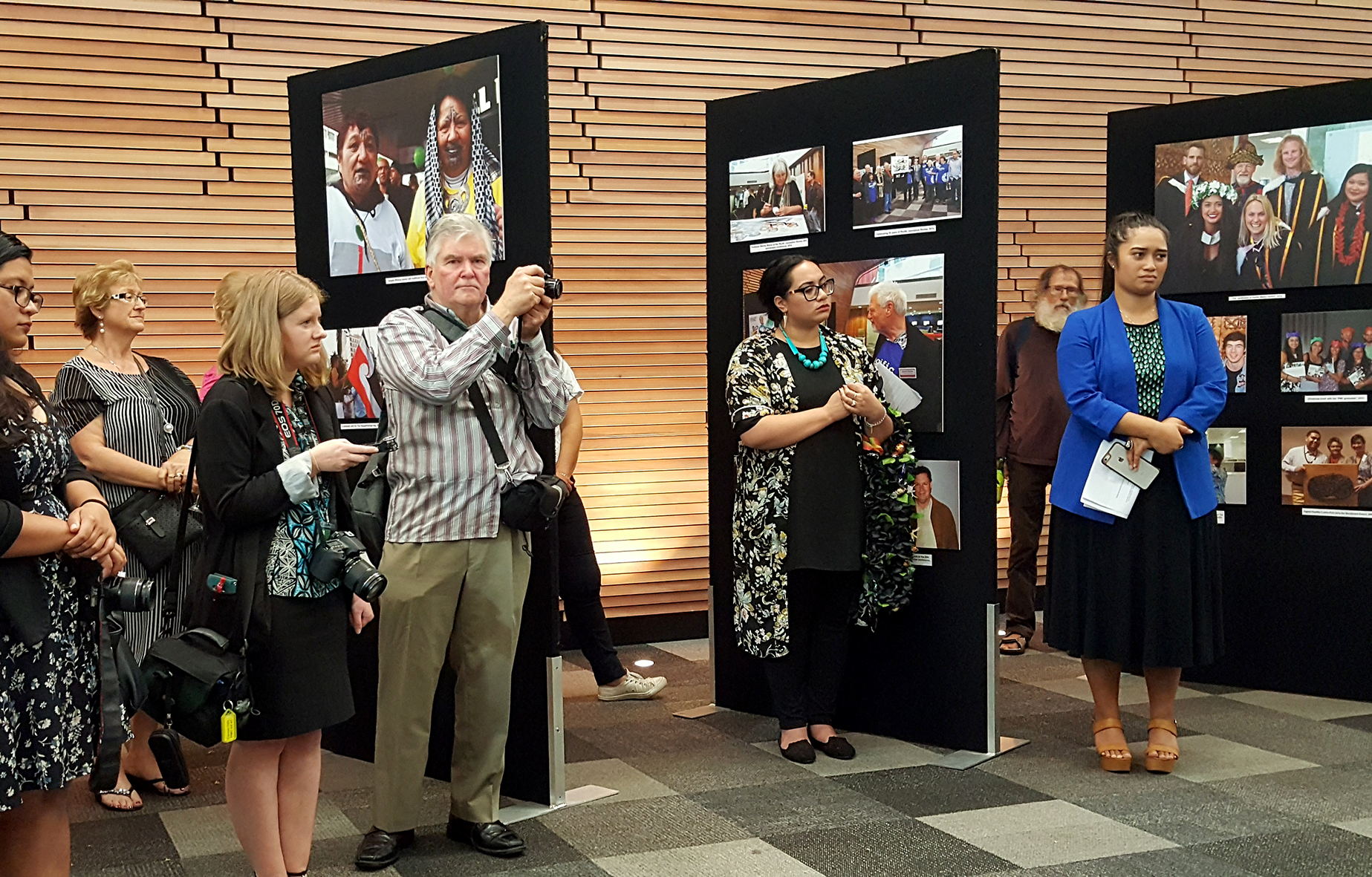
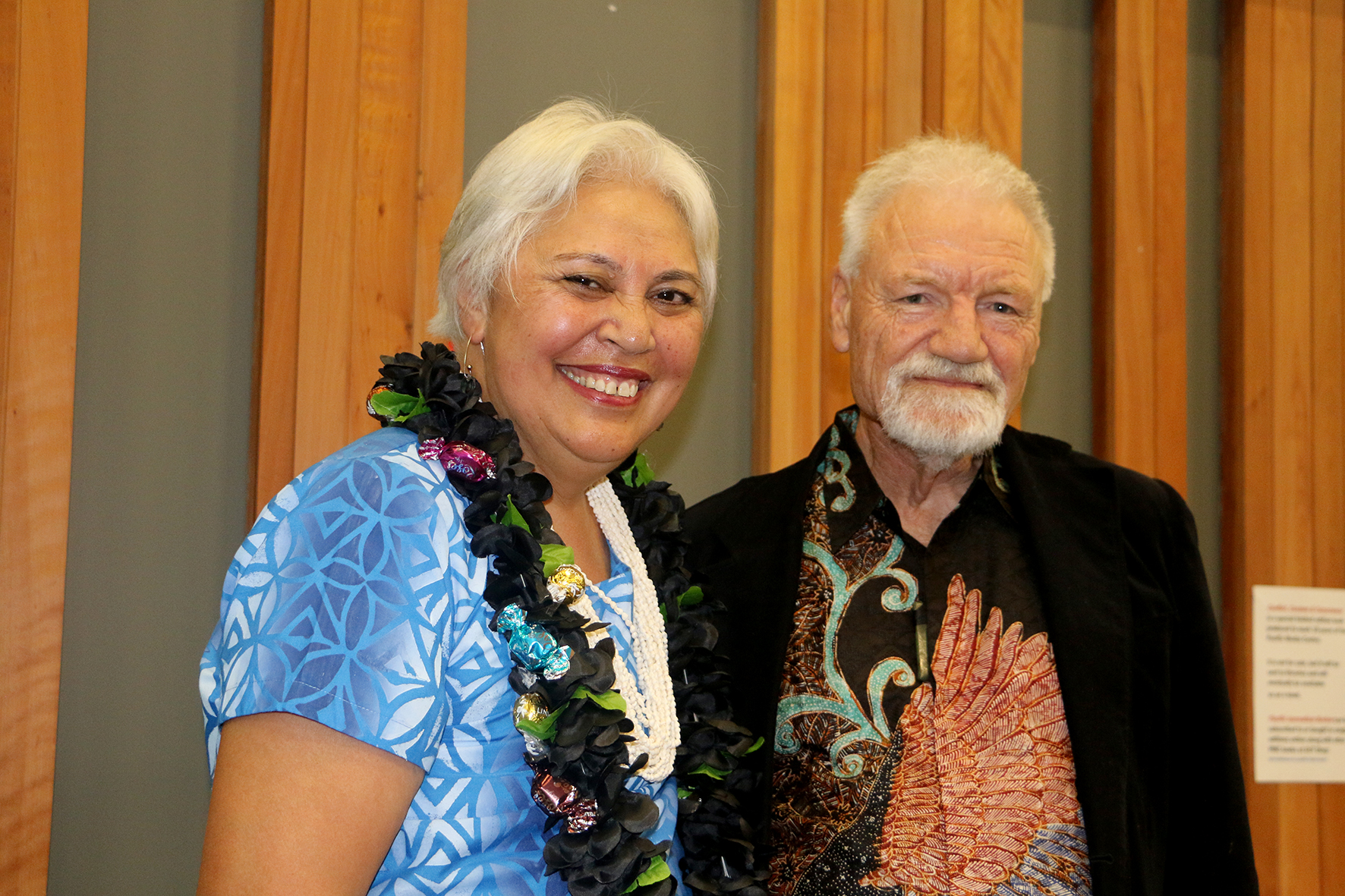
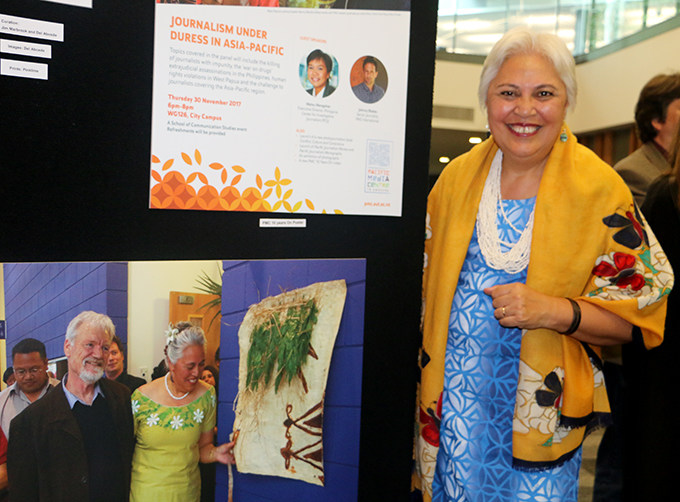 Luamanuvao Winnie Laban 10 years on congratulates the “beautiful frangipanis” that have developed. Image: Del Abcede/PMC