Page 957

How does ecstasy kill?

]]>

Source: The Conversation (Au and NZ) – By Nicole Lee, Professor at the National Drug Research Institute, Curtin University

MDMA (Methylenedioxymethamphetamine), commonly referred to as ecstasy, was manufactured as a potential pharmaceutical early last century. It had some limited use in the 1970s as a therapeutic aid in trauma treatment and in relationship counselling, and more recent studies using MDMA for trauma have shown some promise.

Structurally, MDMA is similar to the stimulant methamphetamine and to the hallucinogen mescaline, and so has both stimulant and mildly hallucinogenic effects.

Most problems with recreational MDMA are acute. Dependence and other long-term problems are quite rare. Less than 1% of all drug treatment presentations are for ongoing problems with MDMA, such as dependence.

Most fatalities from taking ecstasy are a result of a combination of factors, not just the drug itself.

Most of these conditions don’t result in death if they are treated early, but because of the stigma associated with using illicit drugs, sometimes people don’t seek help early enough. Any unusual or unwanted symptoms experienced while taking ecstasy should be treated as soon as they appear.


Read more: Six reasons Australia should pilot ‘pill testing’ party drugs


Contaminants and polydrug use

Most people are under the impression drugs are illegal because they are dangerous, but a drug’s legal status isn’t necessarily related to relative danger. In fact, drugs are much more dangerous because they are unregulated, manufactured by backyard chemists in clandestine laboratories.

Unlike alcohol, which is a highly regulated drug, there’s no way to tell how potent illicit drugs are or what’s in them, unless you test them.

In Australia, what is sold as ecstasy may contain a lot of MDMA or very little. Pills can contain other more dangerous drugs that mimic the effects of MDMA, and benign substances, such as lactose, as filler agents.

A recent report on findings from Australia’s first official pill testing trial at the Groovin’ the Moo music festival last year, found nearly half the pills tested were of low purity. Some 84% of people who had their pills tested thought they had bought MDMA but only 51% actually contained any MDMA.

Some of the more dangerous contaminants found in pills include PMA (paramethoxyamphetamine), which is more toxic at lower doses than ecstasy; N-Ethylpentylone, a cathinone which is a lot more potent than MDMA making it easier to take too much; and NBOMes (N-methoxybenzyl), which is more toxic at lower doses than other hallucinogenic drugs and can cause heart attack, renal failure, and stroke.

Pills have also been detected in UK and NZ with up to three doses of MDMA in a single pill.

Although it’s possible to take too much MDMA and experience severe toxic effects, as with other illicit drugs, most ecstasy-related deaths involve multiple drugs.

Sometimes these drug mixes are unexpected and sometimes people take multiple drugs deliberately. It’s safer for people using ecstasy to limit use of other drugs, including alcohol, to avoid risk of adverse effects.


Read more: While law makers squabble over pill testing, people should test their drugs at home


Heatstroke

Heatstroke or hyperthermia (dangerously high body temperature) is one of the most common issues among people taking MDMA.

MDMA increases body temperature and sweating, and using it is often accompanied by physical activity (such as dancing) in a hot environment (such as a crowded venue or in the summer heat), exacerbating fluid loss. If you don’t have enough fluids your body can’t cool itself properly.

The effect of ecstasy can be exacerbated by consuming alcohol. Alcohol is a diuretic, so it makes you urinate more and increases dehydration. Dehydration increases risk of heatstroke.

Heatstroke can cause brain, heart, kidney and muscle damage, and if left untreated can cause serious complications or death.

If active, people taking MDMA should drink around 500ml (two cups) of water an hour and take regular breaks. Isotonic drinks (such as Powerade and Gatorade) are also OK.

MDMA increases body temperature and sweating, so users have to stay hydrated. from www.shutterstock.com

Water intoxication

People using MDMA can get really thirsty. Some is probably the direct effect of MDMA, some because they’re hot, and some from dehydration.

But if you have too much water the ratio of salts and water in the body becomes unbalanced – basically the level of salt in your body gets too low and your cells start swelling with water. The technical name is hyponatraemia.

MDMA is an anti-diuretic, so it makes you retain water, which can increase risk of water intoxication.

People may feel nausea with vomiting, confusion, severe fatigue, muscle weakness and cramps.

People taking ecstasy need to stay hydrated but only replace what is lost through sweating – around 500ml per hour if active and around 250ml and hour when inactive.

Serotonin syndrome

The main action of MDMA in the brain is an increase in serotonin, which among other things is responsible for regulating pro-social behaviour, empathy and optimism. This is why people who have taken MDMA feel connection with and positivity towards others.

But too much serotonin can result in “serotonin syndrome”. It typically occurs when other drugs that also raise serotonin levels (other stimulants, antidepressants) are taken together with MDMA.

Signs include high body temperature, agitation, confusion, problems controlling muscles, headache and the shakes. People might also experience seizures or loss of consciousness.

It can be fatal if the symptoms are left untreated, so if anyone taking MDMA shows any of these signs they should be treated immediately. It’s safer not to mix different types of drugs, especially if you do not know what’s in them.


Read more: Here’s why doctors are backing pill testing at music festivals across Australia


Other causes

More rarely, fatalities have been reported as a result of other health complications after taking ecstasy, especially if the person has pre-existing risk factors, such as high blood pressure or a heart condition. Complications related to heart failure, liver failure and brain haemorrhage have been reported in people already at high risk of these problems.

The number of people who die from party drugs is relatively low compared to other drugs such as heroin, alcohol, and pharmaceuticals. But the media tend to report a higher proportion of these deaths compared to other drugs, increasing the perception of harm. Most of the deaths are not directly from the drug itself but other complications or contaminants.

It’s safest not to take drugs at all, but if you choose to, it’s safer to take a small amount first (like a quarter of a pill) and wait at least an hour to make sure there are no ill effects; drink about 500ml per hour of water if active; and don’t mix drugs, including alcohol.

In the absence of a legal, uncontaminated supply of MDMA, when pill testing becomes available in Australia it will at least help people make informed decisions about drug use and reduce the risk of fatalities and other harms. People often choose not to take their pills, or take smaller amounts, when they discover contaminants.

ref. How does ecstasy kill? – http://theconversation.com/how-does-ecstasy-kill-109506

So you’ve KonMarie’d your life: here’s how to throw your stuff out

]]>

Source: The Conversation (Au and NZ) – By Jenni Downes, Senior Research Consultant, Institute for Sustainable Futures, University of Technology Sydney

A wave of decluttering is sweeping the nation. St Vincent de Paul has reported a 38% increase in donated goods in some areas compared with the same time last year.

However much of this is, frankly, junk. “Donating” broken, shabby or useless items only shifts the cost of sorting and sending it to landfill onto charities, which the National Association of Charitable Recyclers has reported collectively costs A$13 million a year.

So here’s how to make sure your tidying spree doesn’t create a bigger mess for someone else to sort out.


Read more: Time for a Kondo clean-out? Here’s what clutter does to your brain and body


Charities don’t need your trash

Giving your excess to charities to find a new life is a great idea, in principle. But with the rise of fast fashion, fast furniture, and fast electronics, charities are being inundated with goods that are unsaleable or downright rubbish.

It can be tempting to think struggling people should be grateful for any sort of serviceable items, even if they’re old-fashioned, shabby or a bit grubby. But these people have self-respect, and deserve it from us.

Further, most donated items are not actually distributed directly to people in need. Unpublished research by the Institute for Sustainable Futures found major Australian charities often only give 5-10% of donated items directly to clients. Instead, most items are sold through op-shops to raise money to fund their social services. This means donated items need to be attractive enough for people to willingly buy them.

Key donation rules from St Vincent de Paul. Weekend Sunrise

Don’t ‘wish-cycle’

Another way to dodge dealing with our rubbish is “wish-cycling”. Have you ever wondered if something is recyclable, only to decide that if it’s not, then it should be, and proceed to tossing it in the recycling bin? This is wish-cycling: hoping/wishing a tricky item is recyclable, and assuming someone at the other end will either remove it, or devise a way to recycle it.

Unfortunately, this generally isn’t what happens. It can be expensive or impossible for a recycling plant to sort waste streams with that level of detail. Unrecyclable material can contaminate entire batches, meaning whole loads are sent to landfill, not just your unrecylable item.


Read more: Five golden rules to help solve your recycling dilemmas


In other words, pretending our rubbish isn’t rubbish might ease our conscience but ultimately creates more waste.

So what do you do with your stuff?

Professional waste managers will tell you the first step in cutting down on landfill is reduction – not buying so much stuff in the first place. Obviously that ship has sailed if you’re reading this article, but do keep it in mind.

But if you’re getting rid of clutter, which presumably includes items in reasonable condition as well as broken or useless things, you do have a few options.

Before donating anything, ask yourself: what condition is it in? Would you pay money for it? Or give it to a friend? Vinnies has a slogan: If it’s not fit for a mate, don’t donate! If it’s in good shape, by all means donate it to a charity. If you’re not sure, you can call and ask your local charity shop.

(In fact, calling ahead is good practice in general. It lets op shop staff gracefully decline anything they can’t use. The worst thing you can do is take stuff after hours and leave on doorsteps or around full charity bins – this is dumping and is illegal.)

What if you have something your local charity won’t take, but you think someone might want it? Try listing it for free on a classified site like Gumtree, a Facebook freecycling group, or look for local tipshops and upcycling enterprises that could turn your unwanted trash into someone else’s treasure.

If an item is not quite worth reusing, see if you can turn it into something else. Battered shelves can be plant stands; old clothes can become cleaning rags. Almost anything can be a plant pot if you shovel in enough dirt. Pinterest can be a great source of DIY inspiration and there are a raft of books and websites filled with inspiration on repurposing and “upcycling”.

Upcycling: the art of turning your stuff into other, better stuff. Shutterstock

What do you do with the rest?

So, you’ve carefully separated out your quality items to donate, given your excess coathangers to a drycleaner, and turned an old t-shirt into a cushion cover. But what do you do with everything left over?

One option for bulky items such as broken furniture, old appliances and electronics is to use council services such as scheduled or bookable collections and waste dropoff days. Your council website or sites such as Planet Ark’s Recycling Near You can tell you what can be taken where and when.

It’s important to note that aside from certain electrical and metal goods, most items collected from kerbside by your council are sent to landfill. This is something many people don’t understand: nearly 50% of us incorrectly think the majority of collected items are reused, recycled or otherwise salvaged.


Read more: We can’t recycle our way to ‘zero waste’


Few councils have the resources to sift through thousands of tonnes of collected rubbish to salvage reusable items. So if you’re putting it out for collection, you’re mostly still throwing it out – though some items may be grabbed by salvagers before being collected, the proportion is still low. However putting things out on your kerb simply in the hope someone will see and take them (when you haven’t booked a council cleanup) is also considered dumping, and is illegal.

It’s good to think about what we need and don’t need, and reducing clutter has clear benefits. But if you’re really trying to create peace and joy, then think carefully about what to do with your once-but-no-longer wanted items, and don’t dump them on charities or the kerbside.

ref. So you’ve KonMarie’d your life: here’s how to throw your stuff out – http://theconversation.com/so-youve-konmaried-your-life-heres-how-to-throw-your-stuff-out-109945

Limes not lemons: lessons from Australia’s first e-scooter sharing trial

]]>

Source: The Conversation (Au and NZ) – By Benjamin Kaufman, PhD Scholar in Transport, Griffith University

If you’ve been in central Brisbane recently, you will know there is a new visitor in town. Lime e-scooters have popped up all over the CBD and neighbouring suburbs. It’s early days for this new mobility provider, so we can’t say if this is a permanent fixture with certainty, but here’s a transport research team’s view on the Brisbane trial and its implications.

Transport disruption makes life difficult for policymakers and transport agencies. Queensland at first attempted to deter illegal ride-sharing but then legalised Uber and Ola in response to public demand. E-scooter sharing systems might be just as transformative for people’s travel.

You can download an app, sign up quickly and for only a dollar unlock a scooter, hit the accelerator and zip down the street at up to 25km/h. Scooters can be picked up and dropped off on footpaths throughout the central city. They offer low-cost travel and produce low carbon emissions.


Read more: Can e-scooters solve the ‘last mile’ problem? They’ll need to avoid the fate of dockless bikes


Previously, North American cities, such as San Francisco and Washington DC, were inundated with e-scooters. In response, some cities banned e-scooters outright, others used regulations to control the new players.

The trial in Brisbane is helping the city and state see if it works and determine an appropriate regulatory approach. Lime was initially given a “temporary pass in Brisbane”, allowing up to 500 e-scooters. As long as riders wore helmets (either provided by Lime and attached to each scooter, or bring-your-own) and rode them responsibly, there would be no problem.

Kudos to the Queensland transport minister and his department for being the first in Australia to allow a trial and, more recently, for improving the regulation of these operations. Well done also to Brisbane City Council for allowing the trial in the central business district and working with Lime on the roll-out. It was especially helpful that the council’s contract with its bikeshare operator did not prevent e-scooters from competing for riders.

When you take off on one of these e-scooters, it is liberating. If you’ve used a kick scooter before, even as a child, these new versions are relatively intuitive to ride. The electric motor means Brisbane’s hills are suddenly no problem. A trip from our South Bank campus across the river and through the botanic gardens to connect to a downtown meeting took six minutes and cost just over $3.

For only a few dollars, an e-scooter can get you from Brisbane CBD to South Bank in a matter of minutes. Albert Perez/AAP

No other mode of transport would compete in terms of either time or cost for such trips, unless you bring your own bike or e-scooter with you into town. Thousands of residents and tourists are using the e-scooters in Brisbane each day. Our sources tell us over 100,000 users have made over 300,000 trips since the mid-November launch.

There are reports of injuries from falling off the scooters. This highlights a need to take it easy your first few trips, to look for problems on any scooter you hire and to wear your helmet.

So what are the problems?

Our observations this last couple of months suggest user behaviour has changed. Some unruly behaviours we saw in the first few days seem have given way to new social norms.

Parking behaviour is also improving. Riders cannot lock the scooter (and stop paying for it) in locations where it might cause a nuisance, such as on the main green bridges. They are both encouraged to park out of harm’s way and forced to submit a photograph of their parking attempt. Park poorly a few times and Lime will suspend your account.

Lime itself emphasises the need to ride safely and follow the rules.

There are some issues though. The guidance provided to riders about where you can legally ride, whether on the departmental website, news media, the system app or its website, is at times missing, contradictory or just confusing. Fixing that should be easy enough.

Brisbane has not built much bicycle infrastructure in the last five decades, a few notable bridges and riverside paths aside. Nor have we reduced local street speeds to 30km/h, as is now standard European practice. There aren’t obvious safe routes to use when scootering through parts of the central city.

Fixing these issues will be more challenging, but quiet non-polluting e-scooters are clearly preferable to a city centre clogged with cars.

What are the best regulatory options?

Lime has proven these systems work well in Australian cities. But key regulatory questions remain. North American cities are introducing various regulatory systems. These include:

  • permits (often awarded via tender)
  • maximum fleet sizes
  • vehicle regulations – especially maximum speeds
  • go/no-go zones
  • parking controls
  • high fees to pick up and impound scooters that operators fail to collect.

Our city managers have to decide what options they prefer.


Read more: Electric scooters on collision course with pedestrians and lawmakers


We have five suggestions.

1. There is no need for scooters in Australian cities that have more power or go faster than the current Lime scooters. The decision to choose 25km/h seems appropriate at present. Restricting speeds to 10km/h, as previous laws did in Queensland, would be nonsensical.

Based on Brisbane’s trial, a 25km/h speed limit for e-scooters seems about right. Albert Perez/AAP

2. E-scooter systems are likely a natural monopoly, or perhaps duopoly. This is because one needs many scooters from the same operator available across a wide area to ensure efficiency in operations, keep costs low and provide wide coverage for users.

Brisbane City Council is talking of a probable monopoly, awarded via tender. This is the approach used since the city’s first tram operations in the 1880s. If Australian cities do award monopoly rights we hope they adopt Santa Monica’s use of a levy on the operator that is hypothecated towards improving the city’s bike lanes and bike paths, to create more safe riding space.

3. We recommend scooter parking locations be designated in key locations, such as close to Brisbane’s Queen Street mall, difficult as this will be given the competition for space on the city’s narrow streets and footpaths.

4. Cities should enter into meaningful partnerships with scooter companies that include data sharing for research and analysis of overall city transportation. Gold Coast’s MoBike scheme is, without much fanfare, the best-used bicycle-sharing scheme in Australia and an exemplar partnership model.

5. These scooters need to be part of the coming move towards subscription mobility services. Soon we are likely to be offered “mobility as a service” and pay one monthly fee to get public transport plus rideshare, bikeshare and scooter-share trips, some car-sharing and maybe some taxi kilometres. Based on the demand seen in Brisbane, e-scooters should be included in these packages.

This regulatory mix would cover most of the issues raised by others. Get all this right and e-scooters can help create a safer, more sustainable and liveable city with a better set of mobility options.


Read more: For Mobility as a Service (MaaS) to solve our transport woes, some things need to change


ref. Limes not lemons: lessons from Australia’s first e-scooter sharing trial – http://theconversation.com/limes-not-lemons-lessons-from-australias-first-e-scooter-sharing-trial-108924

Dirty deeds: how to stop Australian miners abroad being linked to death and destruction

]]>

Source: The Conversation (Au and NZ) – By Julia Dehm, Lecturer, La Trobe University

Australian companies dominate African mining. The Department of Foreign Affairs and Trade counts 175 ASX-listed companies operating in 35 African countries. Professional services company PwC reckons there are more than 200, and that “a golden age of Australia-Africa relations has begun”.

But Australian miners also arguably stand implicated in both human rights and environmental abuses in pursuit of Africa’s mineral wealth.

The Human Rights Law Centre has documented serious human rights abuses in the overseas operations of a number of prominent Australian companies. The International Consortium of Investigative Journalists has linked Australian mining operations to deaths, destruction and displacement across Africa.

Right now the spotlight is on a bitter dispute between local people in the Xolobeni region on the east coast of South Africa and an Autralian-created mining company that wants to excavate a strip of coastal land, 22 km long and 1.5 km wide, for titanium.

The Xolobeni mine is about 200 km south of Durban in South Africa’s Eastern Cape province. www.mineralcommodities.com The proposed mine area is 22 km long and 1.5 km wide. www.mineralcommodities.com

The mining company, Transworld Energy and Mineral Resources, was until 2016 a subsidiary of Australian company Mineral Commodities Limited. The local community’s fight against Transworld goes back more than a decade. Last week a “consultation” meeting ended with police firing stun grenades.

In November the mine’s opponents won an important legal battle when the High Court of South Africa (Gauteng Division, Pretoria) ruled the local community needed to give free and informed consent to the project.

The ruling was based on a specific South African law. But the right of Indigenous peoples to give free, prior and informed consent to projects affecting their lands is also recognised by the United Nations Declaration on the Rights of Indigenous Peoples.

Despite the Australian government endorsing the UN declaration – along with the UN Guiding Principles on Business and Human Rights and the OECD Guidelines for Multinational Enterprises, which also covers human rights obligations – there is no real legal obligation for Australian companies operating overseas to abide by such principles.

Conflict and consent

Transworld first sought the right to mine the Xolobeni territory in 2007. Locals formed the Amadiba Crisis Committee to oppose the mine shortly thereafter.

After Transworld filed a new application for mining rights in March 2015, the Amadiba Crisis Committee joined together with other groups and 89 residents to claim their rights to the land according to customary law. They filed their claim in March 2016.

Around the same time the Amadiba Crisis Committee’s chairman, Sikhosiphi Rhadebe, was shot dead at his home. No one has been arrested for his murder, so it’s impossible to say what motivated his killers. But the mine proposal has led to significant conflict within the community.


Read more: How South Africa’s mining industry can change its ways


Some locals believe the mine will benefit them. Those opposed to the mine fear it will force them off their land, disrupt livelihoods based on agriculture and eco-tourism, and harm the community’s whole culture.

They point to the effects of similar strip-mining operations, such as Rio Tinto’s mine near Richards Bay, 400 kilometres north. The South African Human Rights Commission has documented adverse social, economic and ecological impacts across the country.

Under South Africa’s Mineral and Petroleum Resources Development Act, property holders only need to be “consulted” before a mining licence is granted. But Judge Annali Basson ruled in November that customary rights were guaranteed by the Interim Protection of Informal Rights to Law Act 1996.


Read more: Why South African community’s win against mining company matters


This law, designed to protect those discriminated against during the apartheid era, provides that “no person may be deprived of any informal right to land without his or her consent”. On that basis the court ruled a mining right could not be granted unless the community made a communal decision to consent. The the minister for mineral resources is appealing the decision.

Lacklustre accountability

Australian human rights and environmental groups called on Mineral Commodities to drop its plans for Xolobeni back in May 2016. They also called on the Australian government to make companies more accountable for monitoring and enforcing human rights standards in their overseas operations.

The federal government has had a “National Contact Point” for the OECD Guidelines since 2002. But an independent review in 2017 found the initiative “significantly lacking”.

How the National Contact Point handled a submission from representatives of the Xolobeni community in 2013 demonstrates its limitations. It did not accept the complaint under the guidelines because the submission opposed all mining. This meant there was no community interest in a “mediation process that carries with it even the remotest possibility of accommodation between the mining company and local residents”.

In June 2017 the Australian government established an advisory group for implementing the UN Guiding Principles on Business and Human Rights. The group quickly recommended developing a national action plan, in line with international standards. But in October the government announced it was “not proceeding with a national action plan at this time”.

We can do better

Other countries are doing more.

France has introduced a “duty of vigilance” law requiring companies ensure their supply chains respect labour and other human rights.

In Switzerland there is a push for a constitutional amendment obliging Swiss companies to incorporate respect for human rights and the environment in all their activities.

Canada is soon to appoint an independent Canadian Ombudsperson for Responsible Enterprise to investigate allegations of human rights abuses linked to Canadian corporate activity overseas.

It’s increasingly recognised on a purely pragmatic level there are legal, reputational and financial risks if companies attempt to operate without community consent. Studies show the huge financial costs of conflicts with Indigenous communities, which can delay projects significantly.

Australia law makers, therefore, can do both local communities overseas and domestic investors at home a favour by putting in place adequate mechanisms to ensure Australian companies cause no harm overseas.

ref. Dirty deeds: how to stop Australian miners abroad being linked to death and destruction – http://theconversation.com/dirty-deeds-how-to-stop-australian-miners-abroad-being-linked-to-death-and-destruction-109407

Hidden women of history: the priestess Pythia at the Delphic Oracle, who spoke truth to power

]]>

Source: The Conversation (Au and NZ) – By Julia Kindt, Professor, Department of Classics and Ancient History, University of Sydney

In this series, we look at under acknowledged women through the ages.

In a time and place that offered few career opportunities for women, the job of the priestess of Apollo at Delphi stands out. Her position was at the centre of one of the most powerful religious institutions of the ancient world. The competing Greek city states had few overarching authorities (political or otherwise), so the significance of her voice should not be underestimated.

Indeed, there is some evidence to suggest that the Pythia was at the core what we today call a “knowledge economy”. Her role may well have involved the gathering, re-packaging, and distribution of information, with the ultimate intent of providing sound advice on the trivial and not-so-trivial questions of life in the ancient world.

Jacek Malczewski Pytia, 1917. Wikimedia Commons

The “Pythia” is the official job title. We know of several women by name who, during the long history of this institution (from ca. 800 BCE to AD 390/91), held that role, including Phemonoe and Aristonike. Indeed, at some stage Delphi became so busy that three Pythias were appointed to serve in the role simultaneously.

The oracle was consulted by the movers and shakers of the ancient world on a diverse range of problems. For the Pythia, this meant the opportunity to comment on a variety of issues of public and individual concern: cult matters, warfare, the relationships between existing city-states, and the foundation of new ones.

Numerous personal questions were also put to the oracle on matters of lovesickness, career advice, child birth, and how to get offspring. So, by all standards, this job was demanding yet also diverse and rewarding — a position powerful enough to change the course of history.

Yet right from the beginning, efforts to deprive the priestess of her power prevailed, particularly in older classical scholarship. Surely a woman, especially one in such a paternalistic society as ancient Greece, could not hold that powerful a position?

Some scholars suggested that the Pythia actually babbled unintelligible gibberish and that her words were later put into beautiful, deep, and meaningful hexameter verse — by male priests.

Yet in our ancient sources there is absolutely nothing to suggest that it was anyone other than the Pythia herself who came up with the responses. To the contrary: she is regularly named as the one and only source of the prophecies delivered at Delphi. There is no word of male priests, beyond those in purely administrative and assisting roles.


Read more: Hidden women of history: Hop Lin Jong, a Chinese immigrant in the early days of White Australia


Insult by oracle

The position of the Pythia seemed to have entailed the extraordinary opportunity to speak unwelcome truth to those in power.

A Spartan once approached the oracle with the intention of being confirmed as the wisest man in the world. In response to this question the Pythia named another person who was wiser.

The Greek city of Megara allegedly asked the Pythia in about 700 BCE who were the best of all the Greeks, hoping to be named first. The Pythia mentioned two better cities , concluding with the line, “[Y]ou, o Megarians, [are] neither third nor fourth.” Surely, the Megarians did not see that coming!

Cleisthenes, meanwhile, the famous tyrant of Sicyon, asked whether he should remove the cult of the hero Adrastus from the city. He received an oracle that came straight to the point: “Adrastus is king of Sicyon, and you but a common slayer.”

This kind of reality check and straight talk would certainly have upset those with egos accustomed to flattery and agreement.

The sanctuary of Apollo at Delphi. Wikimedia Commons

Of course, it is not always possible to tell whether these and other responses of the oracle were authentic or whether the whole incident was part of later historiographic lore. Yet whatever the case: the fact is that it was a woman who was attributed such a sharp, judgemental voice.

And her voice proved extraordinarily unimpeachable. The Greeks thought that it was the god Apollo who conveyed his superior divine knowledge through the mouth of the Pythia, so the priestess herself was largely beyond reproach. While itinerant seers, augurs, and oracle mongers feature in classical literature as corrupt and unreliable, the position of the Pythia seems to have stood above all criticism.


Read more: Hidden women of history: Théroigne de Méricourt, feminist revolutionary


The job and its challenges

John Collier, Priestess of Delphi, 1891. Wikimedia Commons

Being a Pythia was not always easy. Several ancient enquirers sought to influence the kind of answer they hoped to get from the oracle. Subtle manipulation in how the questions were put, not-so-subtle bribery, and even an attempt to force the oracle to deliver responses on a non-auspicious day are all on record – as are complaints about unfathomable responses.

For instance the Greek historian, philosopher, soldier, and horse whisperer Xenophon allegedly enquired at Delphi to which deity he should sacrifice and pray so that the military expedition he was about to join would be a success. He was later reprimanded by the philosopher Socrates for having posed a manipulative question. Socrates felt he should have asked whether it would be a success, rather than how.

Cleisthenes was said to have bribed the Pythia to deliver the same response to all Spartan requests at the oracle, no matter the question: to free Athens from the rule of tyrants.

And after a series of spectacular mishaps based on misread oracles, the Lydian king Croesus complained at the Delphic Oracle about having been misled. The Pythia responded that he himself was to blame for his misfortune: He should have interpreted the Pythia’s word correctly.

We also know of several instances in which the Pythia refused outright to respond to a question that, in one way or another, seemed unreasonable.

Job requirements

Delphic tripod. Paestan red-figured bell-krater, ca. 330 BC. Wikimedia Commons

What did it take to become the Pythia? Was she a local girl from a neighbouring village? Was any kind of training provided to candidates? Or were they thrown in the deep end?

Unfortunately, the ancient sources are silent. The Nobel prize-winning author William Golding in his (posthumously published) last novel The Double Tongue, written from the perspective of a Pythia, sees her as a local girl who was unable to get herself married and so took on that role.

Yet again, this sounds like speculation designed to downplay the position.

The kind of skills required to be successful in the role are easier to reconstruct. The sanctuary of Apollo at Delphi served as a marketplace for representatives from all over the ancient Greek world (and beyond) who came for a variety of reasons.

In addition to the oracle, the sanctuary housed regular athletic competitions (the so-called Pythian Games, analogous to the more famous Olympic Games). With its numerous temples and monuments, the site was also a popular tourist destination. All these activities together served to establish a busy hub, where information, news, and gossip of all kinds would have circulated freely.

So perhaps the key to the Pythia’s success was simply to listen closely? There is good evidence to suggest that the fantastic tales of prediction and fulfilment are a matter of the (later) historiographic tradition and that it was mostly quite straightforward questions of everyday life that were put to the Pythia for comment, along the lines suggested by the ancient author Plutarch, who was also a priest at Delphi: Will I win? Shall I marry? Is it a good idea to sail the sea? Shall I take up farming? Shall I go abroad?

If this was indeed the case, it would, more often than not, have been possible to glean the information necessary to answer any particular enquiry from the chatter of those queuing to consult the oracle, to watch or participate in the games, or to take in the monuments. The Pythia may have trailblazed the knowledge economy millennia before the arrival of “big data” and the invention of the internet.

ref. Hidden women of history: the priestess Pythia at the Delphic Oracle, who spoke truth to power – http://theconversation.com/hidden-women-of-history-the-priestess-pythia-at-the-delphic-oracle-who-spoke-truth-to-power-108401

View from The Hill: Morrison’s Gilmore candidate is the man who’s been everywhere

]]>

Source: The Conversation (Au and NZ) – By Michelle Grattan, Professorial Fellow, University of Canberra

Scott Morrison’s controversial move to install former Labor party president Warren Mundine as Liberal candidate in the ultra-marginal NSW seat of Gilmore has triggered a local implosion.

As members of the Liberal state executive were voting on Tuesday to admit Mundine to their party and nominate him as the candidate for the marginal seat, Grant Schultz, who had been selected by the locals in December, was exiting the party, as were some of his supporters.

South Coast state Liberal MP Shelley Hancock (who is Speaker in the NSW parliament) pointedly observed: “Only recently Scott Morrison was talking about the importance of grassroots processes when preselecting candidates”.

Schultz, son of the blunt-talking former MP, the late Alby Schultz, told the South Coast Register that his dad would be “rolling in his grave in utter disgust and anger” at what had happened.

“He would take the same view of mine that the leadership of Scott Morrison has taken the party to the days of Eddie Obeid and the faceless men of Labor,” said Schultz, who is a local real estate agent. “To turn their backs on the democratic principles of this party is quite frankly extraordinary and without precedent in this party’s history.”

Not quite. Late last year Craig Kelly, who helped bring Malcolm Turnbull down, was protected from his locals who wanted to deselect him. The Prime Minister feared that unless Kelly’s future was guaranteed, the maverick backbencher could defect to the crossbench.


Read more: Turnbull versus Morrison in Liberal crisis over Craig Kelly


Morrison and senior party figures have been in negotiations with Mundine for months, and party research has tested his popularity. Gilmore is currently held by Ann Sudmalis, who last year announced she wouldn’t stand again, alleging branch stacking and bullying against her.


Read more: Morrison tells Liberal organisation to act on bullying after second woman flags she’ll quit


Gilmore stretches along the NSW coast from Kiama in the north to Tuross Head in the south. It takes in popular resort and retirement areas and farming land.

The government’s grip on the seat is wafer-thin – less than 1%. In the present climate, it is likely to be lost to Labor whoever the Liberals put up. With this kerfuffle, and Schultz declaring he will run as an independent, their chances could simply be further diminished.

To complicate the picture, the Nationals are considering whether to enter the race, with local branch members wanting former state minister Katrina Hodgkinson to stand.

Philip Ruddock, president of the NSW party, explained the refusal to accept Schultz in a brief statement. “Mr Schultz nominated against a sitting member who later withdrew and given these circumstance the party has elected to not proceed with the endorsement. The party should be able to consider the best candidate to represent voters, their aspirations and concerns in each community.”

Mundine doesn’t live in the electorate, although he has family connections there. He has been quoted as saying, “I love the place. I feel most comfortable in that area, for me it’s like going home.”

ABC election analyst Antony Green describes Mundine as “a brave choice” (in the Humphrey Appleby sense), pointing out that “it’s the sort of regional seat where personal vote matters.”

In 2001 Mundine ran unsuccessfully in third place on the ALP Senate ticket. Later he failed to get Labor preselection for a lower house seat.

He was ALP national president in 2006-07. But his public profile has come through his role as an Indigenous voice. He was a member of John Howard’s Indigenous advisory council, and chaired that of Tony Abbott, a position he lost under Malcolm Turnbull. (In late November Mundine tweeted “I wish Malcolm Termite would crawl back into his little hole he come from.”)

Mundine left the ALP in 2012 and became increasingly identified with the conservative side of politics. He has also built a media presence on Sky, where he has a program “Mundine Means Business”.

As he weighed his future in recent months, Mundine has been double dating.

In 2018 he joined the Liberal Democrats, and was being considered as a potential Senate candidate for them.

Liberal Democrat senator David Leyonhjelm says he spoke to Mundine late last year about reports that the Liberals were courting him.

Mundine played down the speculation as media talk, Leyonhjelm says. But he said he had some issues with section 44 of the constitution through his business interests which needed sorting out, and he suggested leaving the discussion about the possible Senate spot until the new year.

That’s where matters lay until last week when the president of the Liberal Democrats received a letter from Mundine resigning from the party. Leyonhjelm wasn’t totally surprised: he’d been watching Mundine’s recent pro-Liberal tweets.

The Prime Minister will appear with Mundine in Gilmore on Wednesday. Morrison on Tuesday wouldn’t be drawn on Mundine’s candidacy. But he said that he’d been “a friend of Warren for some time” and described him as a “top bloke” who had “a lot to offer”.

Be that as it may, this is shaping as a very inauspicious start to the campaign of someone who will carry the tag of a captain’s pick candidate.

ref. View from The Hill: Morrison’s Gilmore candidate is the man who’s been everywhere – http://theconversation.com/view-from-the-hill-morrisons-gilmore-candidate-is-the-man-whos-been-everywhere-110300

Sacked head of Timor-Leste state broadcaster claims ‘political axe’

]]>

Ousted Timorese RTTL television chief fought hard to prevent political pressure on his journalists. Video: RTTLEP

Pacific Media Watch Newsdesk

The former president of of Timor-Leste’s public television network says he has been sacked for political reasons.

Gil da Costa was removed this month from the post of chairperson of the board of directors of Timor-Leste Radio and Television (RTTL) following an audit undertaken by the government – and he had no knowledge of the result.

He has told the Portuguese news agency Lusa that his removal from office – which he first learned about on the news – was a political decision following the audit that was led by his successor.

Ousted: Gil da Costa found out about his sacking through the news media. Image: RTTL

“I heard from the news that I had been ousted. They did not even talk to me before or about any problem that existed,” Gil da Costa told Lusa yesterday.

Da Costa alleged that he was removed after the audit whose results he never knew without any prior information from the government and without even having the opportunity to be heard or give any explanation.

-Partners-

“It was definitely a political decision”, considering it “serious” the fact that his removal happened after the audit mandated by the Secretary of State for the Media (SECOMS), Merício dos Reis, and conducted in October by Francisco da Silva who became his successor and took office today.

“The appointment of my successor is political. They use alleged mismanagement and alleged irregularities to fire me, but whoever replaced me was the person who led the audit process,” Da Costa said.

Audit credibility
“And I do not even know if the audit has credibility. I have not even seen the results yet.”

Gil da Costa also also said he had acted directly to stop attempts at political interference in the newsroom, a “common” practice in the past and attempts were made to do this during his tenure at RTTL.

“There have been several attempts at political interference on me and directly on journalists to try to influence editorial content,” he said.

“As head of RTTL I always insisted that I wanted it to be an independent institution without political interference. And I’ve tried to do this. And there was a lot of political interference,” he said.

The sacking decision was made known to the public and himself in a short notice from the government at the meeting of the Council of Ministers on January 9, which did not even mention his name, Lusa reports.

Appointed: Francisco da Silva took office today. Image: RTTL

“The government approved the proposal for a Government Resolution on the dismissal of the current chairperson of the board of directors of Timor-Leste Radio and Television, and the appointment of the new chairperson of the board of directors of Timor-Leste Radio and Television, EP , Francisco da Silva on the proposal of the Secretary of State for the Media, Merício dos Reis,” the statement said.

Despite several attempts, Lusa was not able to obtain a comment from Secretary dos Reis.

Fretilin appointment
Gil da Costa was appointed to the position of RTTL president by a government resolution approved on January 25, 2018, replacing Milena Abrantes, who ended her four-year term that same month.

Asked whether his nomination – by the previous Fretilin-led minority government – had been political and therefore he had now been dismissed, Gil da Costa rejected this suggestion, claiming that he had accumulated “great professional experience” and fought to avoid “political interference”.

“I worked for many years with international agencies. And I may have been appointed by the Fretilin government but I did not obey Fretlin. The RTTL is from the state, not from the government. It is an institution of the state, not the government,” he said.

To avoid delays in wages, “I made the decision to use RTTL’s own revenue in advertising”.

“RTTL has been out of money for six months. And I don’t understand why,” he said.

Print Friendly, PDF & Email

Article by AsiaPacificReport.nz

How a default union membership could help reduce income inequality

]]>

Source: The Conversation (Au and NZ) – By Mark Harcourt, Professor, University of Waikato

A more equal society with less income disparity is good for well-being.

In their latest book, epidemiologists Richard Wilkinson and Kate Pickett argue people living in more equal societies empathise more and worry less about income, possessions and social status.

But income inequalities have been increasing, notably in New Zealand, and research suggests this growing economic gap is associated with a range of social ills and political instability.


Read more: Distress, status wars and immoral behaviour: the psychological impacts of inequality


In our research, we argue that making union membership the default option would help reduce inequality while protecting workers’ rights to opt out.

Unions and inequality

Unions have traditionally played a key role in reducing income disparities. They negotiate higher pay for virtually all workers, but especially the low waged.

In the United States, evidence suggests the union pay premium has been a consistent 10% to 20% since the 1930s, and is as high as 30% to 40% for the lowest paid. Countries that have higher union membership levels and collective bargaining coverage usually have lower income inequality. Those that have declining membership and coverage usually have worsening inequality.

In the US, research suggests the decline in union membership since the 1960s explains up to a third of the growth in male wage inequality since that time.


Read more: What income inequality looks like across Australia


Preferences for union membership

Despite widespread de-unionisation, surveys show roughly half of all workers across richer Anglophone countries, such as Australia and New Zealand, want to be union members but a majority cannot exercise their preference because they belong to a non-union workplace.

Recruitment of members was less of an issue in the past. Unions, once established, could negotiate closed-shop clauses in their collective agreement. Such a clause means an employer agrees to employ only workers who are already members of a particular union or agree to join once employed.

But more recently, governments in Australia, New Zealand, the UK and the US have increasingly adopted a policy of voluntary unionism, banning the closed-shop clause or declaring it unenforceable. In the European Union, the European Court of Human Rights, in the Sorensen and Rasmussen v. Denmark case, declared the closed shop was a breach of the freedom not to associate.


Read more: Unions can’t just rely on promises of favourable laws to regain lost ground


How, then, can employees retain the freedom to choose while reaping the benefits of union membership in reducing inequality? In our research we propose an innovative solution, drawing on insights from behavioural economics, which involves defaulting employees to union membership in workplaces where unions already have some members or a collective agreement. Once employed, employees would be automatically enrolled in the on-site union, but retain the freedom to opt out at least after some time.

Union default and increased membership

Our work indicates a union default would likely increase union membership in four main ways. It would lower the costs of joining, membership would become the norm, inertia would keep workers in the union and they would not want to lose the benefits of unions.

The cost of union membership would be significantly lower because, for the union, it would be solely associated with establishing an initial presence and collective agreement. The cost of recruiting additional members would be effectively zero. For members, enrolment would be automatic.

Once enrolled, employees would be more likely to remain members through inertia. Making decisions can be difficult, especially when the choices are complex. This is certainly true of unions, given the broad range of their services and the difficulties in forecasting whether these services will be needed (for example, in the case of a dismissal). If membership is the default, inertia means workers would stay with the status quo.

A union default would also help to normalise union membership. It would send a clear signal to employees that the state approves of union membership as the right thing to do and that it’s commonplace. Beyond that, a union default would set a reference point for employees’ assessments of gains and losses, with losses typically given more importance in any decision to leave a union.

It’s difficult to predict how much union membership would rise with a union default, but the extensive empirical research on default effects in various contexts would suggest a lot.

ref. How a default union membership could help reduce income inequality – http://theconversation.com/how-a-default-union-membership-could-help-reduce-income-inequality-110021

Coastal seas around New Zealand are heading into a marine heatwave, again

]]>

Source: The Conversation (Au and NZ) – By Craig Stevens, Associate Professor in Ocean Physics, National Institute of Water and Atmospheric Research

As New Zealanders are enjoying their days at the beach, unusually warm ocean temperatures look to be a harbinger of another marine heatwave.

Despite the exceptional conditions during last year’s heatwave in the Tasman Sea, this summer’s sea surface temperatures to the north and east of New Zealand are even warmer.

The latest NIWA climate assessment shows that sea surface temperatures in coastal waters around New Zealand are well above average. Marine heatwave conditions are already occurring in parts of the Tasman Sea and the ocean around New Zealand and looking to become the new normal.


Read more: Marine heatwaves are getting hotter, lasting longer and doing more damage


Changing sea surface temperature anomalies (conditions compared to average) in the oceans around New Zealand during the first two weeks of January – comparing 2009 to 2019. Source: NIWA

What’s in a name

Currently, marine heatwaves are defined as periods that last for five or more days with temperatures warmer than the 90th percentile based on a 30-year historical baseline. Given we are likely to experience many more such events as the oceans continue to warm, it is time to understand and categorise the intensity of marine heat.

The names Hurricane Katrina, tropical cyclone Giselle (which sank the ferry Wahine 50 years ago), tropical cyclone Winston give a malevolent personality to geophysical phenomena. Importantly they get graded into categories, so we can rapidly assess their potential impact.


Read more: Winston strikes Fiji: your guide to cyclone science


An Australian team has developed a classification scheme for marine heatwaves. The team used an approach similar to that used for hurricanes and cyclones – changing conditions can be slotted into to a sequence of categories. At the moment it looks like we are in marine heat wave category one conditions, but potentially entering category two if it continues to warm.

Turning the heat up on marine life

A marine heatwave is potentially devastating for marine ecosystems. It is also an indication that the hidden buffer in the climate system – the fact that the oceans have absorbed 93% of the excess heat – is starting to change. Individual warm seasons have always occurred, but in future there will be more of them and they will keep getting warmer.

The Great Barrier Reef has already been hit hard by a succession of marine heatwave events, bleaching the iconic corals and changing the structure of the ecosystem it supports.


Read more: The 2016 Great Barrier Reef heatwave caused widespread changes to fish populations


Further south, off Tasmania’s east coast, a number of species that normally occur in tropical waters have extended their range further south. A number of fish species, lobster and octopus species have also taken up residence along the Tasmanian coast, displacing some of the species that call this coast home. Mobile species can escape the warmer temperatures, but sedentary plants and animals are hardest hit.

In New Zealand, aquaculture industries will find it more difficult to grow fish or mussels as coastal waters continue to warm. If the same trends seen off Tasmania occur here, areas with substantial kelp canopies will struggle and start to be replaced by species normally seen further north. But the impacts will likely be very variable because the warming will be heavily influenced by wind and ocean currents and different locations will feel changes to a greater or lesser extent.

NIWA’s research vessel Kaharoa has deployed Argo floats in the Southern Ocean and in waters around New Zealand. NIWA, CC BY-ND

Predicting the seasons

As important as it is to identify a marine heatwave at the time, reliable predictions of developing conditions would help fishers, aquaculture companies and local authorities – and in fact anyone living and working around the ocean.

Seasonal forecasting a few months ahead is difficult. It falls between weather and climate predictions. In a collaboration between the National Institute of Water and Atmospheric Research and the Australian Bureau of Meteorology, we are examining how well long-term forecasts of ocean conditions around New Zealand stack up. Early forecasts suggested this summer would not be as warm as last year. But it now looks like this summer will again be very warm in the ocean.


Read more: This summer’s sea temperatures were the hottest on record for Australia: here’s why


One of the important points to keep in mind is that when we are at the beach, we are sampling only the surface temperature. The same is true of satellites – they monitor less than the top millimetre of the ocean.

Sea surface temperatures are several degrees above normal at the moment. But in deeper waters, because of the high heat content of water, even a tenth of a degree is significant. Temperature in the deeper ocean is monitored by a network of moored buoys on and off the continental shelf along the Australian coast. New Zealand has almost nothing that would be comparable.

Measuring temperature in real time

What we can look to, in the absence of moored buoys, is a fleet of ocean robots that monitor temperature in real time. Argo floats drift with ocean currents, sink to two kilometres every ten days and then collect data as they return to the surface.

These data allowed us to identify that the 2017/18 marine heatwave around New Zealand remained shallow. Most of the warmer water was in the upper 30 metres. Looking at the present summer conditions, one Argo robot off New Zealand’s west coast shows it is almost four degrees above normal in the upper 40 metres of the ocean. On the east coast, near the Chatham Islands, another float shows warmed layers to 20 metres deep. To the south, the warming goes deeper, down to almost 80 metres.

Our work using the Australian Bureau of Meteorology forecast model highlights how variable the ocean around New Zealand is. Different issues emerge in different regions, even if they are geographically close.

The research on categories of marine heatwaves shows we will have to keep shifting what we regard as a heat wave as the ocean continues to warm. None of this should come as a surprise. We have known for some time that the world’s oceans are storing most of the additional heat and the impacts of a warming ocean will be serious.

ref. Coastal seas around New Zealand are heading into a marine heatwave, again – http://theconversation.com/coastal-seas-around-new-zealand-are-heading-into-a-marine-heatwave-again-110028

Why we don’t know if Irukandji jellyfish are moving south

]]>

Source: The Conversation (Au and NZ) – By Kylie Pitt, Professor, Griffith University

Reports that Irukandji jellyfish might be moving south may be panicking people unnecessarily. It’s almost impossible to tell where the tiny jellyfish are along our coast, but that could change with new technology that can “sweep” the ocean for traces of DNA.


Read more: Will venomous Irukandji jellyfish reach south-east Queensland?


Since the Christmas period nearly twice the usual number of people have suffered the excruciating consequences of being stung by Irukandji. The stings are rarely fatal, but can require medical evacuation and hospitalisation.

These reports of southward movement are almost a yearly tradition, often sensational, and accompanied by varying expert opinions about whether climate change is driving these dangerous tropical animals south, towards the lucrative beach tourism destinations of southeast Queensland.

But simply counting the number of Irukandji found, or the number of reported stings, tells us very little about where the species can be found.

A simple question but difficult answer

“Where are Irukandji located, and is that changing?”, might seem like a straightforward question. Unfortunately, finding the answer is not easy. The only definitive way to determine where they are is to catch them – but that poses many challenges.

Irukandji are tiny (most are about 1cm in diameter) and transparent. Along beaches they are usually sampled by a person wading through shallow water towing a fine net. This is often done by lifeguards at beaches in northern Queensland to help manage risk.

Irukandji are also attracted to light, so further offshore they can be concentrated by deploying lights over the sides of boats and then scooped up in nets. The problem is they’re are often very sparsely scattered, even in places we know they regularly occur, such as Queensland’s north. As with any rare species, catching them can confirm their presence, but failure to catch them does not guarantee their absence. Collecting Irukandji in an ocean environment is truly like searching for the proverbial needle in a haystack.

A sense of scale: an Irukandji Jellyfish next to a two dollar coin. Source: WA Department of Parks and Wildlife/AAP

Another method is to infer their presence from hospital records and media reports of Irukandji syndrome, the suite of symptoms caused by their sting, but this method has major pitfalls. There is often a delay of around 30 minutes between the initial sting, which is usually mild, and the onset of Irukandji syndrome. Hence the animal that caused the symptoms is almost never caught and we cannot verify the species responsible.

Indeed, we do not know whether Irukandji are the only marine organisms to cause Irukandji syndrome. For example, the Moreton Bay Fire Jelly, a species of jellyfish related to Irukandji only found in southeast Queensland, and even bluebottles, which in the past couple of weeks have stung more than 10,000 people along Australia’s east coast, have also been suggested to occasionally cause Irukandji-like symptoms.

eDNA to save the day

Emerging technology may be the key to properly mapping Irukandji distribution. All animals shed DNA in large quantities into their environment (for example, skin cells and hair by humans). This DNA is called environmental DNA) (or eDNA) and genetic techniques are now so powerful that they can detect even trace amounts.

In the sea, this means we can determine whether an animal has been in an area by collecting water samples and testing them for the presence of the target species’ DNA. This technology is exciting because it provides a major upgrade in our ability to detect rare species. Moreover, it is relatively simple to train people to collect and process water samples, the results can be available within hours, and the equipment needed to analyse the samples is becoming increasingly affordable.


Read more: The blue bottles are coming, but what exactly are these creatures?


This means an eDNA monitoring program could be easily established in Southeast Queensland to monitor the occurrence and, importantly, changes in the distribution of Irukandji jellyfish. This is because Irukandji leave traces of their genetic code in the water as they swim.

Developing the eDNA technology for use with Irukandji would cost a few hundred thousand dollars – a relatively small price to pay to improve public safety, to provide stakeholders with some control over their ability to detect Irukandji, and to create some certainty around the long-term distribution of these animals.


The authors would like to acknowledge the significant contribution to this article by Professor Mike Kingsford (James Cook University).

ref. Why we don’t know if Irukandji jellyfish are moving south – http://theconversation.com/why-we-dont-know-if-irukandji-jellyfish-are-moving-south-109653

Three Charts on who uses illicit drugs in Australia

]]>

Source: The Conversation (Au and NZ) – By Nicole Lee, Professor at the National Drug Research Institute, Curtin University

To demonstrate the failure of the war on drugs, NSW Greens MP Cate Faehrmann came out this week about about her own drug use:

Since my 20s, I’ve occasionally taken MDMA [ecstasy] at dance parties and music festivals. I know journalists, tradies, lawyers, public servants, doctors, police and yes, politicians (most well into their forties), who have done the same.

When asked by journalists on Monday, Prime Minister Scott Morrison said he’d never taken illicit drugs, while Opposition Leader Bill Shorten said he couldn’t rule out using cannabis while at university.

But what about the rest of Australia?

Nearly half have tried drugs

Some 43% of Australians aged 14 years or over have used an illicit drug at least once in their lifetime.

Nearly 16% have used an illicit drug at least once in the last year; around 75% of those use infrequently, between once and 11 times a year.

By far the majority of both lifetime and recent use is of cannabis (around 35% lifetime use), with other drugs such as ecstasy (MDMA) (around 11%), hallucinogens (around 9.5%) and cocaine (around 9%) much less commonly tried. Methamphetamine (including “ice”) is the fifth most commonly used drug at around 6% lifetime use.


Age and gender

The highest rate of lifetime use is among 30-39 year olds (around 55%), closely followed by 40-49 year olds (just under 55%), then 20-29 year olds (49%) and 50-59 year olds (48%).

But recent use (in the past year) is concentrated among 20-29 year olds (28%), dropping off after 30 to 18%.


Read more: Drug use can have social benefits, and acknowledging this could improve rehabilitation


Only 7% of people over 60 and 12% of people over 50 say they have used an illicit drug in the last year.

Most people who try drugs typically do so for a short period in their lives (mostly in their 20s). There is natural attrition over time, probably as people gain more responsibilities, at work and home, which are incompatible with drug use.

Recent illicit drug use among teens has been in decline over the last eight to ten years, and has remained stable among people in their 20s.

In all age groups, men tend to have a higher rate of both lifetime and recent use than women.


Education and occupation

People who have post-school qualifications (such as university and TAFE) have a higher rate of lifetime drug use (47%) than those with no post-school qualifications (34%).

The rate of lifetime cannabis use among people who have post-school qualifications is around 40%, compared to 26% of people with no post-school qualifications.

People in the paid workforce have a higher rate of lifetime drug use (51%) than unemployed people (43%).


Read more: FactCheck Q&A: are rates of drug use 2.5 times higher among unemployed people than employed people?


About 45% of people in paid employment say they have used cannabis in their lifetime, compared to 39% of unemployed people. For ecstasy it’s 15% and 12% respectively.


Illicit drug use is reasonably equally distributed across socioeconomic groups, but the most advantaged tend to have a higher lifetime use (44% compared to 39%) and the more socially disadvantaged have a slightly higher rate of recent use (16% compared to 14%).

This suggests those who are more advantaged are more likely to try drugs but less likely to continue to use them.

There are no recent published analyses of which occupational groups tend to have higher rates of lifetime use. The last analysis was from 2004 data and only looked at use in the last 12 months. That data showed workers in hospitality (32%), construction (24%) and retail (20%) had the highest rate of recent use.


Read more: Here’s why doctors are backing pill testing at music festivals across Australia


ref. Three Charts on who uses illicit drugs in Australia – http://theconversation.com/three-charts-on-who-uses-illicit-drugs-in-australia-110169

Curious Kids: how is water made?

]]>

Source: The Conversation (Au and NZ) – By Emma Kathryn White, PhD Candidate, Infrastructure Engineering, University of Melbourne

Curious Kids is a series for children. Send your question to curiouskids@theconversation.edu.au. You might also like the podcast Imagine This, a co-production between ABC KIDS listen and The Conversation, based on Curious Kids.


How is water made? – Clara, age 8, Canberra.

Hi Clara. That’s a really great question. If we could make large quantities of water cheaply, cleanly and safely, it would solve a lot of the world’s problems. Unfortunately, it is not that easy.


Read more: Curious Kids: where do clouds come from and why do they have different shapes?


What is water and where did it come from?

Water is made of two hydrogen atoms bonded to an oxygen atom. Shutterstock

You’ve probably heard of atoms, the tiniest building blocks of all matter in the Universe. We are all made of atoms stuck together (or, as scientists would say, “bonded”). Atoms bonded together form molecules.

A molecule of pure water is made of two hydrogen atoms bonded to an oxygen atom. As explained in a previous Curious Kids article, scientists think the water on Earth may have come from melting of water-rich minerals during formation of the planet and icy comets that, billions of years ago, smashed into Earth and melted.

Scientists believe water may have come to us from rocks melting during formation of the Earth and icy comets. Flickr/barnyz Follow, CC BY

Why can’t we just make more?

While making small volumes of pure water in a lab is possible, it’s not practical to “make” large volumes of water by mixing hydrogen and oxygen together. The reaction is expensive, releases lots of energy, and can cause really massive explosions.

While the total volume of water on Earth stays about the same, water continually changes location and state. That means sometimes it is a liquid (like the water we drink), a solid (ice) or a gas (water vapour such as steam).

Scientists call this process of change the hydrologic (water) cycle, which is where water constantly moves around the world by cycling between the air, the ground and the ocean.

Round and round

The cycle begins when water is evaporated from the ocean (or lakes, rivers and wetlands) and enters the atmosphere (the air all around us) as water vapour (gas).

As warm, water-rich air rises, it cools down and can hold less water.

As a result, clouds form. Eventually, the water vapour changes back to liquid water and falls to Earth as rain. Rain that’s not immediately evaporated back into the atmosphere, either flows into the ocean as runoff or, is absorbed into the earth and becomes groundwater – water stored underground in the tiny spaces within rocks

Plants can suck up groundwater with their roots, and push water out through tiny holes in their leaves (this is called transpiration).

Groundwater flows slowly through the earth to the ocean and the cycle begins again.

This is the water cycle. Shutterstock

The hydrologic cycle is sensitive to changes in temperature and pressure, for example if it is hot and windy, more evaporation occurs. Therefore, climate change impacts the hydrologic cycle. Regions that were once wet can become dry (and vice-versa) because clouds drop their rain into the ocean instead of upon the land where it can be collected and used.

Two tiny drops of drinking water

We drink fresh water, but most water on Earth is salty. And the vast majority of available freshwater on Earth is actually hidden underground as groundwater.

In fact, if you imagine all the water on Earth could fit into a one litre milk carton, it would all be ocean water except for only two tablespoons of fresh water.

Of the two tablespoons of freshwater, slightly less than three quarters would be frozen solid into ice and most of the rest would be groundwater.

The freshwater we see and use in rivers, swamps and lakes would only amount to less than two drops of the water in the world.

Therefore, protecting large freshwater sources like groundwater is very important because removing salt from ocean water can cost lots of money and energy.

Most water is salty and is found in the ocean. Flickr/beana_cheese, CC BY

The atmosphere, Earth and ocean are interconnected and things we do in one place can affect the quality of water in other places.

Chemicals poured down the sink or pumped into the atmosphere can eventually end up in the groundwater, which means less available fresh water for us to use.

Although we can’t “make” more water, we can make the best of the water we have by conserving and protecting it.


Read more: Curious Kids: How was the ocean formed? Where did all the water come from?


Hello, curious kids! Have you got a question you’d like an expert to answer? Ask an adult to send your question to us. You can:

* Email your question to curiouskids@theconversation.edu.au
* Tell us on Twitter by tagging @ConversationEDU with the hashtag #curiouskids, or
* Tell us on Facebook

CC BY-ND

Please tell us your name, age and which city you live in. You can send an audio recording of your question too, if you want. Send as many questions as you like! We won’t be able to answer every question but we will do our best.

ref. Curious Kids: how is water made? – http://theconversation.com/curious-kids-how-is-water-made-109434

Bangsamoro Islamic troops choose peace via historic Philippines vote

]]>

By Sofia Tomacruz in Sultan Kudarat, Mindanao

Battle-scarred they might be, the Moro Islamic Liberation Front have faced their toughest campaign yet.

Armed with nothing but a first-time vote, young troops from the Bangsamoro Islamic Armed Forces prayed they would win the decades-old struggle for autonomy and independence through yesterday’s ballot.

More than 150,000 former combatants of the MILF are among the 2.8 million people who have registered to vote in the plebiscite, where the ratification of the Bangsamoro Organic Law (BOL) and the creation of a new, expanded Bangsamoro region will be decided.

WATCH: Sofia Tomacruz’s video reports and live updates from Rappler

New role? MILF chairman Murad Ibrahim (left) will likely become the Bangsamoro region’s chief minister if the organic law is ratified in yesterday’s referendum. Image: Malacañang file

MILF leader Al Hajj Murad Ibrahim cast his vote for the first time in the historic referendum seeking to ratify the law that will give more autonomy to the Philippines’ Muslim minority.

The Bangsamoro Organic Law (BOL) is seen as the solution to the decades of separatist conflict in Mindanao, a region plagued by poverty and violent extremism, reports Arab News. More than 120,000 people have died in the conflict.

-Partners-

“This is my first time to vote,” said Murad. “During the height of the war, we never thought that this would happen. But after the progress of the peace process, we see that there is light at the end of the tunnel.”

It took the leader of the MILF, formerly the biggest Muslim group in the country, only a few minutes to case his “yes” vote.

First time vote
“I am happy that at least for the first time, I have exercised my right of suffrage,” he later said, adding that his participation in the voting signals the commencement of their transition from a revolutionary into the democratic process.

Like Murad, thousands of MILF fighters, along with their families, also trooped to polling centers yesterday to take part in the voting process, many of them for the first time.

“We are hoping that with this development, we can finally achieve the aspiration of our people for peace, progress and a good life in this part of the country and in the entire country,” Murad said.

Murad said that after the plebiscite, “hopefully the Bangsamoro Transition Authority (BTA), the transitional government, will be immediately established and we will start to organise our government structure and after the BTA, a regular government in 2022.”

Murad said that once the BOL is implemented, their priorities would be education, medical services, social services,and infrastructure, adding that education was their top priority.

“For more than 50 years of war, many of our people have not obtained education. We cannot really progress if our people are not educated,” he said.

Murad said that as long as the vote is conducted in a fair manner with no manipulation, intimidation or cheating, they are “determined to accept whatever is the result.”

Chief minister
A chief minister will head the BTA and this position will likely go to Murad.

Before he talked peace with the government, Murad was a fearsome MILF commander.

Murad’s decades of rebellion began in 1972 when he joined the Moro National Liberation Front (MNLF) led by former University of the Philippines professor Nur Misuari.

A group within the MILF disagreed with Nur over a peace deal with the government and broke away in 1981. This group became the MILF.

Murad became the head of MILF’s army, the Bangsamoro Islamic Armed Forces (BIAF). He commanded at least 12,000 men.

When MILF’s then-leader Hashim Salamat died in 2003, Murad took the reins.

After years of fighting government forces, the MILF began peace talks with the Arroyo and then the Aquino administration.

Signing witnessed
In 2012, Murad witnessed the signing of the Framework Agreement on the Bangsamoro, which laid the groundwork for the BOL.

The Philippines is a predominantly Catholic country but Mindanao has a significant Muslim population.

Many regard the region as their ancestral homeland, dating back to the 13th Century when Arab traders first arrived, and over the decades various rebel groups sprang up demanding the right to self-rule.

Mindanao has seen a huge amount of violence in recent years – mainly between the army, Muslim separatists and other rebels.

The violence has left Mindanao one of the poorest regions in the Philippines.

The entire region of Mindanao is still under martial law, which was implemented in 2017 after clashes between the army and militants linked to IS.The Philippines is a predominantly Catholic country but Mindanao has a significant Muslim population.

Ancestral homeland
Many regard the region as their ancestral homeland, dating back to the 13th Century when Arab traders first arrived, and over the decades various rebel groups sprang up demanding the right to self-rule.

Mindanao has seen a huge amount of violence in recent years – mainly between the army, Muslim separatists and other rebels.

The violence has left Mindanao one of the poorest regions in the Philippines.

The entire region of Mindanao is still under martial law, which was implemented in 2017 after clashes between the army and militants linked to IS.

If a majrity of the millions of voters from Maguindanao, Lanao del Sur, Basilan, Sulu, Tawi-Tawi, and Cotabato City voted “yes” include their areas in the Bangsamoro Autonomous Region of Muslim Mindanao (BARMM), a second voting day will take place on February 6.

This time, in Lanao del Norte – except Iligan City – and 7 towns in North Cotabato.

If a majority of voters in all areas agree to their inclusion, the new BARMM will be comprised of the provinces of Lanao del Sur, Maguindanao, Sulu, Tawi-Tawi, Basilan, Cotabato City, 6 towns in Lanao del Norte, and 67 barangays in North Cotabato.

Print Friendly, PDF & Email

Article by AsiaPacificReport.nz

Video games could teach spatial skills lost to a society dependent on devices

]]>

Source: The Conversation (Au and NZ) – By Lloyd White, Lecturer (Geology), University of Wollongong

Video games have long been criticised for encouraging violence and antisocial behaviour. And parents often express concern that they could have detrimental effects on their child’s learning abilities.

But research has shown that off-the-shelf video games can also aid learning – particularly when it comes to the development of spatial skills.

These issues have arisen once more with the most recent release from Rockstar Games: Red Dead Redemption 2 (RDR2). The game certainly contains a lot of violence, but it might inadvertently aid development of spatial skills – perhaps even more so than other video games.

What are spatial skills and why do we need them?

Spatial skills refer to our ability to rotate and conceptualise 3D objects, and to decipher maps, graphs and diagrams. These are essential skills within the science, technology, engineering and mathematics (STEM) sector.

One spatial skill that is common to several engineering and science disciplines is the ability to visualise a 2D cross-section through a 3D object.

The development of spatial skills is particularly relevant to the field of geoscience. We use these skills every day when we graph and interpret results of various measurements and experiments, and when we create traditional 2D maps.

These skills are also incredibly important when it comes to extrapolating the 3D geometry of rock layers beneath the Earth’s surface. Take for example the below 3D geological model, which was created using Minecraft. This image shows the layers of rock beneath the ground and how these interact with the surface of the landscape.

The British Geological Survey created 3D maps of parts of Britain using the game Minecraft. This example shows how the landscape surface (topography) interacts with layers of rock (light green and purple) beneath the surface. British Geological Survey

My experience teaching undergraduate geology and field-based mapping classes in the UK and Australia has shown me that students really struggle with the higher-level spatial skills. This is not a new problem, but it is perhaps more challenging for today’s students who have grown up navigating using Google Maps rather than a street directory.

Research has shown that our dependence on satellite navigational systems, such as those in our smartphones, is having a long term detrimental impact on spatial awareness and our ability to navigate. So, we need to consider other means to help students develop these skills.

How does RDR2 teach spatial skills?

In RDR2, you play the character of an outlaw in a fictional part of the Western United States in 1899. During the game, the outlaw protagonist struggles to find his place in a society that is increasingly introducing more law and order. The protagonist embarks on numerous missions, which guide the player through a linear story line.

The game also allows and encourages players to freely explore and interact with a virtual open world before, after or between the story line missions.

The virtual world in RDR2 is incredibly detailed because it is derived from 3D laser scans and drone imagery of real-world landscapes.

This complex landscape requires players to navigate using a detailed topographic map. A topographic map is a map with contour lines that show places of equal height. Closely spaced lines indicate a steep slope, and widely spaced lines indicate a gradual slope.

Players constantly use this map to visualise the terrain as they move around, allowing them to navigate and avoid obstacles – like falling off a cliff.

The virtual world of Red Dead Redemption 2 is incredibly realistic as it was built using landscapes found in the real-world. Screenshot/Lloyd White

Moving from place to place in the game can take considerable time because the player typically travels to most places on horseback, or on foot. But players can save time by deviating from roads using the topographic map to plot out a faster route.

This saves time getting from A to B, so players are rewarded for learning to read the map.

Players are also encouraged to look for treasure and seek out unique hunting and fishing locations. Players need to use a series of clues and interpret mud maps to find these special locations. These experiences likely simulate the same thought patterns we use examining and interpreting maps of the real world.

An example of the topographic map used in Red Dead Redemption 2. Players need to use this map to navigate. While the game will suggest a path between two points, this often isn’t the fastest route, or may not even be a possible route. Players can figure this out for themselves by reading the map. Rockstar Games/Lloyd White

Exercising our map reading muscles

While RDR2 is certainly a violent game (rated M15+), I hope parents and players might both appreciate the potential learning benefit relative to other games.

It’s safe to say we should expect future video games to match or better the level of detail within RDR2. This level of realism combined with detailed maps will hopefully help to develop those spatial skills we’re losing by our dependence on location-based technology.

Another potential positive is that the entertainment industry will need to recruit future STEM graduates to help them build factual and increasingly realistic virtual worlds.

ref. Video games could teach spatial skills lost to a society dependent on devices – http://theconversation.com/video-games-could-teach-spatial-skills-lost-to-a-society-dependent-on-devices-109500

The Liberal Party is failing women miserably compared to other democracies, and needs quotas

]]>

Source: The Conversation (Au and NZ) – By Chris Wallace, ARC DECRA Fellow, Australian National University

Look around the world this week and you see women exercising power and influence everywhere. In the United States, House Speaker Nancy Pelosi is wrangling US President Donald Trump over his shutdown of federal government. In the UK, Prime Minister Theresa May doggedly pursues Brexit. Yvette Cooper, chair of the British Parliament’s Home Affairs Select Committee and described by some as the Labour opposition’s “alternative leader”, is bringing forward legislation to try to head off a “hard” Brexit.

In Germany, CDU leader and likely Angela Merkel successor Annegret Kramp-Karrenbauer co-authored a public letter to the British people urging them to remain in the European Union. And from New Zealand, Prime Minister Jacinda Ardern wrote a comment piece for the London Telegraph expressing solidarity whichever way Britain goes.


Read more: As she prepares to leave politics, Germany’s Angela Merkel has left her mark at home and abroad


And in Australia? Reportage involving senior women in politics is dominated by Morrison government cabinet minister Kelly O’Dwyer quitting her prime Melbourne seat of Higgins, fellow Liberal Senator Jane Hume ruling out running for it, and speculation about whether or not former Foreign Minister Julie Bishop will, like O’Dwyer, quit politics at the forthcoming federal election too. It is a sharp contrast. What is going on?


Read more: View from The Hill: O’Dwyer’s decision turns the spotlight onto Bishop


The UK has already had two female prime ministers in May (since 2016) and Margaret Thatcher (1979-1990) – the latter, after Winston Churchill, the most significant British prime minister of the 20th century. This is not to say politics is easy for women in Britain – far from it. Political attacks on May are three-times as likely to be gender-based as those on Opposition Leader Jeremy Corbyn.

Claims Corbyn called May a “stupid woman” in parliament got traction because of the widely perceived implicit sexism of Corbyn-era Labour, which tends to be overshadowed by controversy over its more blatant antisemitism. Female MPs come under sustained social media attacks of the most violent and reprehensible kind, something Labour’s Yvette Cooper and Jess Phillips have campaigned against prominently again and again.

It is in this climate that Labour MP Jo Cox was murdered by white supremacist Thomas Mair during the Brexit referendum campaign in 2016.

But while politics is incredibly tough for women in Britain, they hang in and fight on, across the political spectrum. This is because in Britain women’s presence in politics has been normalised. There’s no sending them back to the kitchen. To an extent which should not be necessary, they are battle-hardened. Male opponents know they will not go away.

Equally in the US, women in politics will not be seen off. The pronounced misogyny of President Donald Trump stirred rather than cowed women who stormed the House of Representatives in the 2018 midterm elections, creating an all-time high in congresswomen’s numbers.

Democrat Nancy Pelosi prevailed against significant internal challenge and external opposition to be elected Speaker. From this position she is prominently calling Trump’s bluff and, since the government shutdown, bettering him in the rhetorical struggle for decent government.

In New Zealand, women in politics has long been business as usual. Ardern, elected in 2017, is the country’s third woman prime minister after Helen Clark (1999-2008) and Jenny Shipley (1997-1999). One could go on and on, citing the normalisation of women in politics in Sri Lanka, India, Israel, Iceland, Denmark, Pakistan, Indonesia, Canada, Germany and elsewhere.

Women have, often with the help of quotas, been accepted as regulars in political battle in all these places, sometimes rising to the political equivalent of generals and supreme commanders just like the men, many of whom might not like it but know it is an inescapable – and, in fact, reasonable – part of contemporary life.


Read more: Quotas are not pretty but they work – Liberal women should insist on them


The military metaphor is unfortunate, but in this context useful to explain through analogy what is going on by contrast with women in the senior levels of the Morrison government.

May and Pelosi are playing the long game – operating strategically – in pursuit of specific political outcomes irrespective of the extra, gendered-tier of political attack to which they are subject. They do this in the confidence that women in their parties and parliaments are political “regulars”, in the business of politics for good.

In Australia, the presence of women in politics has been normalised other than in the Liberal and National parties. Labor’s Julia Gillard was prime minister from 2010 to 2013. If Labor’s sustained poll lead holds through to election day, Opposition deputy-leader Tanya Plibersek is likely to become deputy prime minister this year. The Greens have been, and before them the Australian Democrats were more often than not, led by women. Australia’s flagship far right-winger, Pauline Hanson, is a woman.

But to be a woman in the Liberal or National parties is still to be a political “irregular” – one of a group of resented interlopers, tiny in number, whom many male colleagues hope can be driven away.

Female LNP leavers manifest this – not just O’Dwyer and, likely, the prominently-snubbed Bishop when her decision finally crystallises – but those like Julia Banks who have left the Liberal Party and gone to the crossbench, and Liberal fellow travellers like Cathy McGowan and Kerryn Phelps who sit as independents alongside her.

It seems the position of women in the Liberal and National parties is too fragile, too brittle, for them to stand and fight like regulars. Rather, like guerillas on the wrong end of the power asymmetry women face within the Morrison government, they are withdrawing from the battlefield. It will be up to others to stand and fight another day.

That fight cannot be won without critical mass. Women in the Liberal and National parties need to embrace quotas and they need to do it now. They will never be numerous enough to achieve the status of “regulars” reached by women in most of the rest of the democratic world otherwise.

ref. The Liberal Party is failing women miserably compared to other democracies, and needs quotas – http://theconversation.com/the-liberal-party-is-failing-women-miserably-compared-to-other-democracies-and-needs-quotas-110172

What’s behind the increase in bowel cancer among younger Australians?

]]>

Source: The Conversation (Au and NZ) – By Suzanne Mahady, Gastroenterologist & Clinical Epidemiologist, Senior Lecturer, Monash University

Bowel cancer mostly affects people over the age of 50, but recent evidence suggests it’s on the rise among younger Australians.

Our study, published recently in Cancer Epidemiology, Biomarkers and Prevention, found the incidence of bowel cancer, which includes colon and rectal cancer, has increased by up to 9% in people under 50 from the 1990s until now.

Our research examined all recorded cases of bowel cancer from the past 40 years in Australians aged 20 and over. Previous studies assessing bowel cancer incidence in young Australians have also documented an increase in the younger age group.


Read more: Interactive body map: what really gives you cancer?


Bowel cancer includes cancer of the colon and rectum. Wikimedia Commons

This trend is also being seen internationally. A study from the United States suggests an increase in bowel cancer incidence in people aged 54 and younger. The research shows rectal cancer incidence increased by 3.2% annually from 1974 to 2013 among those aged age 20-29.

Bowel cancers are predicted to be the third most commonly diagnosed cancer in Australia this year. In 2018, Australians have a one in 13 chance of being diagnosed with bowel cancer by their 85th birthday.

Our study also found bowel cancer incidence is falling in older Australians. This is likely, in part, to reflect the efficacy of the National Bowel Cancer Screening Program, targeted at those aged 50-74. Bowel cancer screening acts to reduce cancer incidence, by detecting and removing precancerous lesions, as well as reducing mortality by detecting existing cancers early.

This is important, as bowel cancer has a good cure rate if discovered early. In 2010 to 2014, a person diagnosed with bowel cancer had a nearly 70% chance of surviving the next five years. Survival is more than 90% for people who have bowel cancer detected at an early stage.

That is why screening is so effective – and we have previously predicted that if coverage rates in the National Bowel Screening Program can be increased to 60%, around 84,000 lives could be saved by 2040. This would represent an extraordinary success. In fact, bowel screening has potential to be one of the greatest public health successes ever achieved in Australia.

Why the increase in young people?

Our study wasn’t designed to identify why bowel cancer is increasing among young people. However, there are some factors that could underpin our findings.

The increase in obesity parallels that of bowel cancer, and large population based studies have linked obesity to increased cancer risk.


Read more: How obesity causes cancer, and may make screening and treatment harder


Unhealthy lifestyle behaviours, such as increased intake of highly processed foods (including meats), have also been associated with increased bowel cancer risk. High quality studies are needed to explore this role further.

Alcohol is also thought to be a contributor to increasing the risk of bowel cancer.

Alcohol is thought to contribute to an increased risk of bowel cancer. from shutterstock.com

So, should we be lowering the screening age in Australia to people under the age of 50?

Evaluating a cancer screening program for the general population requires a careful analysis of the potential benefits, harms, and costs.

A recent Australian study modelled the trade-offs of lowering the screening age to 45. It showed more cancers would be potential for detected. But there would also be more colonoscopy-related harms such as perforation (tearing) in an extremely small proportion of people who require further evaluation after screening.

A lower screening age would also increase the number of colonoscopies to be performed in the overstretched public health system and therefore could have the unintended consequence of lengthening colonoscopy waiting times for people at high risk.


Read more: Needless procedures: when is a colonoscopy necessary?


How to reduce bowel cancer risk

One of the most common symptoms of bowel cancer is rectal bleeding. So if you notice blood when you go to the toilet, see your doctor to have it checked out.

A healthy lifestyle including adequate exercise, avoiding smoking, limiting alcohol intake and eating well, remains most important to reducing cancer risk.

Aspirin may also lower risk of cancer, but should be discussed with your doctor because of the potential for side effects including major bleeding.

Most importantly, we need to ensure eligible Australians participate in the current evidence-based screening program. Only 41% of the population in the target 50-74 age range completed their poo tests in 2015-2016. The test is free, delivered by post and able to be self-administered.

ref. What’s behind the increase in bowel cancer among younger Australians? – http://theconversation.com/whats-behind-the-increase-in-bowel-cancer-among-younger-australians-105484

Forest soil needs decades or centuries to recover from fires and logging

]]>

Source: The Conversation (Au and NZ) – By Elle Bowd, PhD scholar, Australian National University

The 2009 Black Saturday fires burned 437,000 hectares of Victoria, including tens of thousands of hectares of Mountain Ash forest.

As we approach the tenth anniversary of these fires, we are reminded of their legacy by the thousands of tall Mountain ash “skeletons” still standing across the landscape. Most of them are scattered amid a mosaic of regenerating forest, including areas regrowing after logging.


Read more: Comic explainer: forest giants house thousands of animals (so why do we keep cutting them down?)


But while we can track the obvious visible destruction of fire and logging, we know very little about what’s happening beneath the ground.

In a new study published in Nature Geoscience, we investigated how forest soils were impacted by fire and logging. To our surprise, we found it can take up to 80 years for soils to recover.

Logging among the charred remains of Mountain ash after the 2009 fires. David Blair, Author provided

Decades of damage

Soils have crucial roles in forests. They are the basis for almost all terrestrial life and influence plant growth and survival, communities of beneficial fungi and bacteria, and cycles of key nutrients (including storing massive amounts of carbon).

To test the influence of severe and intensive disturbances like fire and logging, we compared key soil measures (such as the nutrients that plants need for growth) in forests with different histories. This included old forests that have been undisturbed since the 1850s, forests burned by major fires in 1939, 1983 and 2009, forests that were clearfell-logged in the 1980s or 2009-10, or salvage-logged in 2009-10 after being burned in the Black Saturday fires.
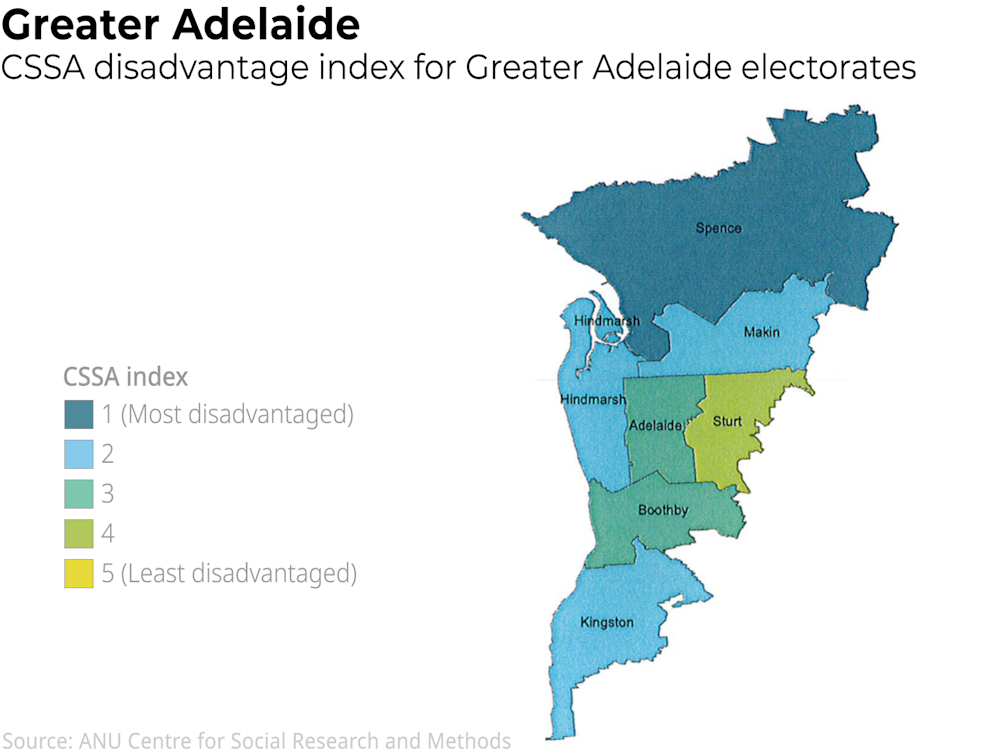
We found major impacts on forest soils, with pronounced reductions of key soil nutrients like available phosphorus and nitrate.

A shock finding was how long these impacts lasted: at least 80 years after fire, and at least 30 years after clearfell logging (which removes all vegetation in an area using heavy machinery).

However, the effects of disturbance on soils may persist for much longer than 80 years. During a fire, soil temperatures can exceed 500℃, which can result in soil nutrient loss and long-lasting structural changes to the soil.

We found the frequency of fires was also a key factor. For instance, forests that have burned twice since 1850 had significantly lower measures of organic carbon, available phosphorus, sulfur and nitrate, relative to forests that had been burned once.

Sites subject to clearfell logging also had significantly lower levels of organic carbon, nitrate and available phosphorus, relative to unlogged areas. Clearfell logging involves removing all commercially valuable trees from a site – most of which are used to make paper. The debris remaining after logging (tree heads, lateral branches, understorey trees) is then burned and the cut site is aerially sewn with Mountain Ash seed to start the process of regeneration.

Fire is important to natural growth cycles in our forests, but it changes the soil composition. David Lindenmayer, Author provided

Logging compounds the damage

The impacts of logging on forest soils differs from that of fire because of the high-intensity combination of clearing the forest with machinery and post-logging “slash” burning of debris left on the ground. This can expose the forest floor, compact the soil, deplete soil nutrients, and release large amounts of carbon dioxide into the atmosphere.

Predicted future increases in the number, frequency, intensity and extent of fires in Mountain Ash forests, coupled with ongoing logging, will likely result in further declines in soil nutrients in the long term. These kinds of effects on soils matter in Mountain Ash forests because 98.8% of the forest have already been burned or logged and are 80 years old or younger.

To maintain the vital roles that soils play in ecosystems, such as carbon storage and supporting plant growth, land managers must consider the repercussions of current and future disturbances on forest soils when planning how to use or protect land. Indeed, a critical part of long-term sustainable forest management must be to create more undisturbed areas, to conserve soil conditions.


Read more: New modelling on bushfires shows how they really burn through an area


Specifically, clearfell logging should be limited wherever possible, especially in areas that have been subject to previous fire and logging.

Ecologically vital, large old trees in Mountain Ash forests may take over a century to recover from fire or logging. Our new findings indicate that forest soils may take a similar amount of time to recover.

ref. Forest soil needs decades or centuries to recover from fires and logging – http://theconversation.com/forest-soil-needs-decades-or-centuries-to-recover-from-fires-and-logging-110171

How to identify, understand and teach gifted children

]]>

Source: The Conversation (Au and NZ) – By John Munro, Professor, Faculty of Education and Arts, Australian Catholic University

This is a longer read at just under 2,000 words. Enjoy!


The beginning of the 2019 school year will be a time of planning and crystal-gazing. Teachers will plan their instructional agenda in a general way. Students will think about another year at school. Parents will reflect on how their children might progress this year.

One group of students who will probably attract less attention are the gifted learners. These students have a capacity for talent, creativity and innovative ideas. They could be our future Einsteins.

They will do this only if we support them to learn in an appropriate way. And yet, there is less likely to be explicit planning and provision throughout 2019 to support these students. They’re more likely to be overlooked or even ignored.

Giftedness in the media

You may have noticed the recent interest in gifted learning and education in the media. Child Genius on SBS provided a glimpse of what the brains of some young students can do.

We can only marvel at their ability to store large amounts of information in memory, spell words correctly they’d probably not heard before and unscramble complex anagrams.

The Insight program on SBS, provided another perspective.

Students identified as gifted explained how they learned and their experiences with formal education. Most accounts pointed to a clear mismatch between how they preferred to learn and how they were taught.

Twice exceptional

The students on the Insight program showed the flipsides of the gifted education story. While some gifted students show high academic success – the academically gifted students, others show lower academic success – the “twice exceptional” students.

Many of the most creative people this world has known are twice exceptional. This includes scientists such as Einstein, artists such as Van Gogh, authors such as Agatha Christie and politicians such as Winston Churchill.


Read more: Intellectually gifted students often have learning disabilities


Their achievements are one reason we’re interested in gifted learning. They have the potential to contribute significantly to our world and change how we live. They’re innovators. They give us the big ideas, possibilities and options. We describe their achievements, discoveries and creations as “talent”.

These talented outcomes are not random, lucky or accidental. Instead, they come from particular ways of knowing their world and thinking about it. A talented footballer sees moves and possibilities their opponents don’t see. They think, plan, and act differently. What they do is more than what the coach has trained them to do.

Understanding gifted learning

One way of understanding gifted learning is to unpack how people respond to new information. Let me first share two anecdotes.

A year three class was learning about beetles. We turned over a rock and saw slater beetles scurrying away. I asked:

Has anyone thought of something I haven’t mentioned?

Marcus, a student in the class, asked:

How many toes does a slater have?

I asked:

Why do you ask that?

Marcus replied:

They are only this long and they’re going very fast. My mini aths coach said that if I wanted to go faster I had to press back with my big toes. They must have pretty big toes to go so quick.

Slater beetles, also known as wood lice, pill bugs or roley poleys. from www.shutterstock.com

He continued with possibilities about how they might breathe and use energy. Marcus’ teacher reported that he often asked “quirky”, unexpected questions and had a much broader general knowledge than his peers. She had not considered the possibility he might be gifted.

Mike was solving year 12 calculus problems when he was six. He has never attended regular school but was home-schooled by his parents, who were not interested in maths. He learned about quadratic and cubic polynomials from the Khan Academy. I asked him if it was possible to draw polynomials of x to the power of 7 or 8. He did this without hesitation, noting he had never been taught to do this.

Gifted students learn in a more advanced way

People learn by converting information to knowledge. They may then elaborate, restructure or reorganise it in various ways. Giftedness is the capacity to learn in more advanced ways.

First, these students learn faster. In a given period they learn more than their regular learning peers. They form a more elaborate and differentiated knowledge of a topic. This helps them interpret more information at a time.

Second, these students are more likely to draw conclusions from evidence and reasoning rather than from explicit statements. They stimulate parts of their knowledge that were not mentioned in the information presented to them and add these inferences to their understanding.


Read more: Should gifted students go to a separate school?


This is called “fluid analogising” or “far transfer”. It involves combining knowledge from the two sources into an interpretation that has the characteristics of an intuitive theory about the information. This is supported by a range of affective and social factors, including high self-efficacy and intrinsic goal setting, motivation and will-power.

Their theories extend the teaching. They’re intuitive in that they’re personal and include possibilities or options the student has not yet tested. Parts of the theory may be incorrect. When given the opportunity to reflect on or field-test them, the student can validate their new knowledge, modify it or reject it.

Marcus and Mike from the earlier anecdotes engaged in these processes. So did Einstein, Churchill, Van Gogh and Christie.

Verbally gifted

A gifted learning profile manifests in multiple ways. Much of the information we’re exposed to is made up of concepts that are linked and sequenced around a topic or theme. It’s formed using agreed conventions. It may be a written narrative, a painting, a conversation or football match. Some students exposed to part of a text infer its topic and subsequent ideas – their intuitive theory about it.

These are the verbally gifted students. In the classroom they infer the direction of the teaching and give the impression of being ahead of it. This is what Mike did when he extended his knowledge beyond what the information taught him. Most of the tasks used in the Child Genius program assessed this. The children used what they knew about spelling patterns to spell unfamiliar words and to unscramble complex anagrams.

Visual-spatially gifted

Other students think about the teaching information in time and space. They use imagery and infer intuitive theories that are more lateral or creative. In the classroom their interpretations are often unexpected and may question the teaching. These are the non-verbally gifted or visual-spatially gifted students.

They frequently do not learn academic or social conventions well and are often twice exceptional. They’re more likely to challenge conventional thinking. Marcus did this when he visualised the slaters with large “beetle toes”.

What we can learn from gifted students

Educators and policy makers can learn from the student voice in the recent media programs. Some of the students on Insight told us their classrooms don’t provide the most appropriate opportunities for them to show what they know or to learn.

The twice exceptional students in the Insight program noted teachers had a limited capacity to recognise and identify the multiple ways students can be gifted. They reminded us some gifted profiles, but not the twice-exceptional profile, are prioritised in regular education.

These students thrive and excel when they have the opportunity to show their advanced interpretations initially in formats they can manage, for example, in visual and physical ways. They can then learn to use more conventional ways such as writing.

Multi-modal forms of communication are important for them. Examples include drawing pictures of their interpretations, acting out their understanding and building models to represent their understanding. The use of diagrams by the the famous physicist Richard Feynman is an example of this.

For students like Mike, adequate formal educational provision simply does not exist. With the development of information communication technology, it would be hoped that in the future adaptive and creative curricula and teaching practices could be developed for those students whose learning trajectories are far from the regular.

As a consequence, we have high levels of disengagement from regular education by some gifted students in the middle to senior secondary years. High ability Australian students under-achieve in both NAPLAN and international testing.

The problem with IQ

Identification using IQ is problematic for some gifted profiles. Some IQ tests assess a narrow band of culturally valued knowledge. They frequently do not assess general learning capacity.

As well, teachers are usually not qualified to interpret IQ assessments. The parents in the Insight program mentioned both the difficulty in having their children identified as gifted and the high costs IQ tests incurred. In Australia, these assessments can cost up to A$475.

An obvious alternative is to equip teachers and schools to identify and assess students’ learning in the classroom for indications of gifted learning and thinking in its multiple forms. To do this, assessment tasks need to assess the quality, maturity and sophistication of the students’ thinking and learning strategies, their capacity to enhance knowledge, and also what students actually know or believe is possible about a topic or an issue.


Read more: Show us your smarts: a very brief history of intelligence testing


Classroom assessments usually don’t assess this. They are designed to test how well students have learned the teaching, not what additional knowledge the students have added to it.

Gifted students benefit from open-ended tasks that permit them to show what they know about a topic or issue. Such tasks include complex problem solving activities or challenges and open-ended assignments. We are now developing tools to assess the quality and sophistication of gifted students’ knowledge and understanding.

Tips for teachers and parents

Over the course of 2019, teachers can look for evidence of gifted learning by encouraging their students to share their intuitive theories about a topic and by completing open-ended tasks in which they extend or apply what they have learned. This can include more complex problem solving.

During reading comprehension, for example, teachers can plan tasks that require higher-level thinking, including analysis, evaluation and synthesis. Teachers need to assess and evaluate students’ learning in terms of the extent to which they elaborate on the teaching information.

Parents are often the first to notice their child learns more rapidly, remembers more, does things in more advanced ways or learns differently from their peers. Most educators have heard a parent say: “I think my child is gifted.” And sometimes the parent is correct.

Parents can use modern technology to record specific instances of high performance by their children, and share these with their child’s teachers. The mobile phone and iPad provide a good opportunity for video-recording a child’s questions during story time, their interpretations of unfamiliar contexts such as a visit to a museum, drawings or inventions the child produces and how they do this, and ways in which they solve problems in their everyday lives. These records can provide useful evidence later for educators and other professionals.


Read more: Explainer: what is differentiation and why is it poorly understood?


Parents also have a key role to play in helping their child understand what it means to learn differently from one’s peers, to value their interpretations and achievements and how they can interact socially with peers who may operate differently.

It is students’ intuitive theories about information that lead to creative, talented outcomes and innovative products. If an education system is to foster creativity and innovation, teachers need to recognise and value these theories and help these students convert them into a talent. Teachers can respond to gifted knowing and learning in its multiple forms if they know what it looks like in the classroom and have appropriate tools to identify it.

ref. How to identify, understand and teach gifted children – http://theconversation.com/how-to-identify-understand-and-teach-gifted-children-107718

How moving house changes you

]]>

Source: The Conversation (Au and NZ) – By Rachael Wallis, Lecturer and Research Fellow, University of Southern Queensland

Many people move in the summer months, but not everyone realises that moving starts a process of identity transformation that never really stops.

I first noticed something about place changing a person when I moved to Canada. While Canada and Australia share many similarities, there were still significant differences. The clothes worn were one, and occasionally a phrase would seem unfamiliar. I was teased for saying “queue” instead of “line up”, and “no worries” instead of “no problem”.

When I moved back to Australia, to tropical Cairns, I found myself in a world that moved on “tropical time”. It could hardly have been more different from the fast-paced world of North America. I had to adapt.


Read more: Meet the new seachangers: now it’s younger Australians moving out of the big cities


Identities are created and evolve in places. Places can be physical, geographical areas and can also be places inhabited virtually, including online games, forums and blogs, or in discourse, such as books and magazines. These places continually shape our identities, changing as we live our lives day by day.

When we move to a new house, especially if it’s a big move such as from city to country or from one country to another, the process of moving inevitably changes us. For a start, we are now a newcomer and the “locals” will speak of us that way. That shapes how we are perceived and perhaps even whether and how we are accepted socially. The norms and morés of the new community may influence us in other ways, even prescribing how we are “supposed” to act in the new area.

‘City girls’ and ‘country girls’

In my recent research into how media affect lifestyle migrants in rural Queensland, I looked at how place changes people. Many of the women I spoke to described themselves as a “city girl” or a “country girl”. These women framed their identity in relation to their location.

The women who called themselves a “city girl” often chose activities that took them to places where they felt they could relate more – such as the shops, galleries and other amenities of the city. Their identification with the city resulted in weaker bonds locally and sometimes meant that they chose to return to the city. Certainly, they were less satisfied with country life.

On the other hand, women who identified as a “country girl” engaged in activities accessible in their rural locations, including crafts, cooking, gardening and outdoor activities. Their free time reinforced their emplaced nature and strengthened their ties to their place and the people in it. They adapted to being in the country and were happy with where they lived.


Read more: Imagining your own SeaChange – how media inspire our great escapes


How do you adapt to your new life?

Knowing what to do in certain places is a form of capital, as Pierre Bourdieu outlines. Capital describes the knowledge needed to play the game in a particular place.

There are different types of capital, including cultural, economic and educational. Knowing how to act when working at a major company, for example, is different from knowing how to get on when unemployed. These are different fields, which require different capitals. One requires corporate smarts, the other stipulates smarts in various other areas.

Even if our fields don’t change as dramatically as described above, we still use differing capitals when at work, at home, with friends and as a parent. The way we learn how to act, or adapt, is achieved through the expansion of what’s called habitus.

Ordering coffee is part of many people’s daily ritual, but don’t expect a cafe on every corner outside the city. Jacob Lund/Shutterstock

Habitus is the stuff we do without thinking – the beliefs, norms and ways of doing things that are a part of us. If we were in a witness protection program, these are the things that would trip us up and lead the bad guys to us. It’s simple stuff, like ordering coffee a certain way, or bigger things like thinking about the world through a particular framework or liking blue or living in the city.

To expand our habitus, we need to see new ways of doing things and imagine these for ourselves. This could happen by watching TV shows, reading books, travelling to other parts of the world or seeing someone else do something differently. It’s hard to change habitus, because we need to be open to new ideas that permeate our reality and we need to like them enough to decide to adopt them and let them become a part of us.

When we move, we are changing the field we occupy. To adapt to this, we watch how other people play the game and, to fit in, we most likely adopt these ideas within our habitus and change a bit. At the same time, we might influence the people around us, changing them a little bit too. It works dynamically.

So, yes, moving countries or to the country from the city is an identity-altering project, and the more the fields are different, the more we have to adapt.

ref. How moving house changes you – http://theconversation.com/how-moving-house-changes-you-109225

As work gets more ambiguous, younger generations may be less equipped for it

]]>

Source: The Conversation (Au and NZ) – By Peter O’Connor, Associate Professor, Business and Management, Queensland University of Technology

We work in a world of increasing ambiguity.

Over the past few decades technological change and globalisation have fundamentally changed the nature of the “average” job. There is greater competition and higher expectations. We face more situations, projects, tasks or objectives that are new, different, unclear or inexact.

To investigate whether Australian workers are equipped to handle this growing ambiguity at work, we studied attitudes towards ambiguity in a sample of more than 800 people.

We found those with positive attitudes towards ambiguity were more creative, better leaders and better overall performers. They reported lower stress levels and higher incomes than those with negative attitudes towards ambiguity.

Our research also revealed something surprising. Younger workers show less capacity to cope with ambiguity than older workers.

It is possible this simply shows ambiguity gets easier with age. Older workers might be more comfortable with ambiguity because they have years of experience and life events to draw from. Indeed, studies show people tend to become more conscientious and emotionally stable as they age, which might improve their capacity to manage ambiguity.

But it is also possible that the ability of younger workers to cope with ambiguity won’t improve with age. Perhaps it is here to stay, a consequence of the progressive removal of ambiguity from personal lives.

Studying attitudes

To explore the consequences of people’s attitudes towards ambiguity, we surveyed 800 workers from a range of industries. Participants responded to a set of 45 statements such as “I get anxious taking on problems that don’t have a definite solution” and “I like engaging with complex work problems”. We asked all participants about their age, experience, income and professional competencies. A subset also rated their colleagues on leadership, creativity and teamwork.

The results showed substantial generational differences in attitudes: 70% of Generation Y respondents (those aged 24 to 37) scored below the average (mean) score on the questionnaire; Generations Z and Y (those aged 18 to 37) were twice as likely as older workers to score in the bottom 10% (those with the most negative attitudes), and about half as likely to score in the top 10% (the most positive attitudes).


Read more: Young people are not after an easy ride, just job security


Our research indicates three traits common to workers who cope well with ambiguity:

  • they report remaining calm and composed in the face of ambiguity

  • they have a strong desire for challenging work, reporting a strong preference for novelty and risk over routine

  • they have skills that enable them to manage uncertainty, reporting being very good at planning, utilising resources and problem-solving.

Among younger workers, our findings point to a paradox. Generations Y and Z express just as much desire for novel, challenging work as older workers. But they lack the skills and confidence required to manage uncertainty when it occurs, and are more likely to become anxious.

These results challenge a common stereotype about younger people: that being “digital natives” means they are equipped with the skills required to adapt and innovate. Our study found strong evidence to the contrary.

Explaining the differences

One theory is that this generational shift relates to parenting styles. Jonathon Haidt and Greg Lukianhoff, authors of The coddling of the American mind: How good intentions and bad ideas are setting up a generation for failure, argue that overprotective parenting became more prevalent in the 1980s. Just as shielding children from germs has arguably weakened their immune systems, it may be that efforts to shield children from unpredictable environments has resulted in them being less resilient adults.

Although Haidt and Lukianhoff are particularly focused on explaining increasing political correctness in university students who have grown up with social media, their theory raises a compelling possibility. Are younger adults less tolerant of ambiguity because of overly protected childhoods?


Read more: Are our school playgrounds being wrapped in cotton wool?


A second possibility relates to the integration of technology in our personal lives. It is often assumed that technology “disrupts” our life and increases our exposure to ambiguity. But perhaps technology is actually reducing our exposure to ambiguity.

No video game, for example, is purely random. With repetition you can learn its patterns to master the game; and if you make a mistake you can simply restart.

Google Maps, as another example, means we rarely get lost on the road. It eliminates ambiguity regarding fastest route and estimated arrival time. Siri provides us with answers to virtually any question at any time. Shazam allows us to discover the title of songs in seconds. There is even a “pizza counter” app that can advise us on how much pizza to order for a specific number of people based on hunger levels.

It is possible, therefore, that by steadily reducing our exposure to “everyday” ambiguity, technology has compromised our ability to manage uncertainty when it arises.

Training for tolerance

Does this mean younger people are at a permanent disadvantage in increasingly competitive and ambiguous work environments? No. There is good evidence you can purposefully train yourself to better tolerate ambiguity.

One simple method is to increase your exposure to ambiguity. This might include regularly attending new events, meeting new and different people or even travelling abroad. Although travel is worthwhile for its own sake, research shows that living in a foreign country boosts a person’s capacity to creatively navigate ambiguity.

You can also develop those habits and competencies that have been linked to tolerance of ambiguity. Our results indicated that emotional intelligence, assertiveness and creativity are particularly important. These attributes allow you to remain focused and confident when in new situations. Mindfulness and relaxation techniques can enhance emotional intelligence and creativity, while a variety of different practices can help with assertiveness.

Our research has highlighted that greater tolerance of ambiguity leads to greater work satisfaction. So if you want a happier working life, look for ways to see ambiguity as an opportunity.

ref. As work gets more ambiguous, younger generations may be less equipped for it – http://theconversation.com/as-work-gets-more-ambiguous-younger-generations-may-be-less-equipped-for-it-105674

Guide to the classics: Wide Sargasso Sea

]]>

Source: The Conversation (Au and NZ) – By Sue Thomas, Emeritus Professor of English, La Trobe University

In Charlotte Brontë’s novel Jane Eyre (1847) the marriage ceremony of Jane Eyre and Edward Fairfax Rochester is spectacularly interrupted by the solicitor Mr Briggs declaring an impediment to the union: the prior marriage of Rochester to Bertha Antoinetta Mason in Spanish-town, Jamaica. Taken then, with others, to see the wife secreted in a third-story windowless room at Thornfield Hall, Jane remembers,

What it was, whether beast or human being, one could not, at first sight tell: it grovelled, seemingly, on all fours; it snatched and growled like some strange wild animal: but it was covered with clothing; and a quantity of dark, grizzled hair, wild as a mane, hid its head and face.

Rochester later explains to Jane that Bertha is “bad, mad, and embruted”, of “pigmy intellect” and “giant propensities” toward the “intemperate and unchaste” which “prematurely developed the germs of insanity” passed on in the maternal line.

Wide Sargasso Sea was first published in 1966. Wikimedia

Bertha’s mother is a Creole. In the British Caribbean, Creole meant born in the region. Creole was not of itself a racial descriptor. Distinctions were made between white, coloured and black Creoles.

Author Jean Rhys, a white Creole, took umbrage with Brontë’s stereotypical depiction of Bertha. She was “vexed” by Brontë’s “portrait of the ‘paper tiger’ lunatic, the all wrong creole scenes, and above all by the real cruelty of Mr Rochester”.

In writing what she initially thought of as the story of the first Mrs Rochester, published in 1966 as Wide Sargasso Sea, Rhys insists that her character Antoinette Cosway Mason Rochester “must be at least plausible with a past” and that she needs to establish:

the reason why Rochester treats her so abominably and feels justified, the reason why he thinks she is mad and why of course she goes mad, even the reason why she tries to set everything on fire, and eventually succeeds.

The Sargasso Sea is part of the Atlantic Ocean north-east of the Caribbean. Cut off from ocean currents, it is relatively becalmed and harbours drifts of sargassum seaweed.

Sargasso seaweed with waves and sandy beach. Wikimedia Commons

In Rhys’s novel, the Sargasso Sea is a symbol of what separates Antoinette Cosway Mason Rochester and Edward Fairfax Rochester: disparate colonial and imperial histories and experiences; Rochester’s visceral racism and disdain for the mixing of cultures; his abhorrence and fear of the tropical landscape; and dispossession of Antoinette.

Rhys was born Ella Gwendolen Rees Williams in Roseau, Dominica in 1890, and lived as an expatriate in England and Europe from 1907 until her death in 1979. Wide Sargasso Sea was her fifth novel.

Her Welsh father William Rees Williams was a government medical officer who had settled in Dominica in the 1880s; her mother Minna was a white Creole whose family had lived for several generations in Dominica. Rhys’s great-grandfather James Potter Lockhart (1774-1837) had owned enslaved people and plantations. Rhys writes in her autobiography Smile Please that as he “was a slave-owner the Lockharts, even in my day, were never very popular. That’s putting it mildly”.

A prequel to Jane Eyre

Told in three voices — those of white Creole, Antoinette Cosway Mason Rochester, the young Englishman she marries, who implicitly reveals his own name to be Edward Fairfax Rochester when he renames her Bertha, and Grace Poole, Bertha’s keeper at Thornfield Hall — Wide Sargasso Sea is a prequel to Jane Eyre.

Alexis Orloff/flickr

Internal evidence in Jane Eyre establishes that Brontë’s Rochester and Bertha marry in 1819 and that Jane Eyre returns to the ruins of Thornfield Hall and Rochester in June 1834. Wide Sargasso Sea, though, is set in the late 1830s and the 1840s.

Rhys’s choice of historical setting enables her to draw on and try to work her way through planter class and Lockhart family mythology about the economic and social impact of the abolition of slavery.

Historian and poet Kamau Brathwaite has described plantation slavery cultures as “race-founded & race-foundered”. Rhys’s ancestors, the Lockharts, kept family secrets about the massive debts owed by James Potter Lockhart. The British government paid financial compensation to slaveowners for the freeing of enslaved people. The monies James Potter Lockhart anticipated receiving were paid to his chief creditor in part payment of debt.

In Jane Eyre, Brontë uses Bertha’s monstrosity to question the morality of British divorce law, which keeps Rochester in a marriage in which coverture treats husband and wife legally as one person.

Rhys, rather, exposes the absence of a Married Women’s Property Act in Britain at the time the novel is set, the vitiating reach of the system of primogeniture by which property was inherited by eldest sons, and too convenient use of the criminalisation of obeah. Obeah comprises healing and spiritual practices which draw on African-Caribbean religiosity.

In Wide Sargasso Sea, the Rochester family and Antoinette’s stepfamily organise an arranged marriage between Edward and Antoinette. The Rochesters do this for a £30,000 dowry that will secure the prosperity of a second son and the Masons for kinship links to a landed English family. The Masons do not make a separate financial settlement on Antoinette, leaving her no means if she abandons the marriage. Rhys’s Rochester finds the arranged marriage unmanning.

Jane Eyre and Edward Rochester in the 1943 film adaptation of Jane Eyre. Wikimedia Commons
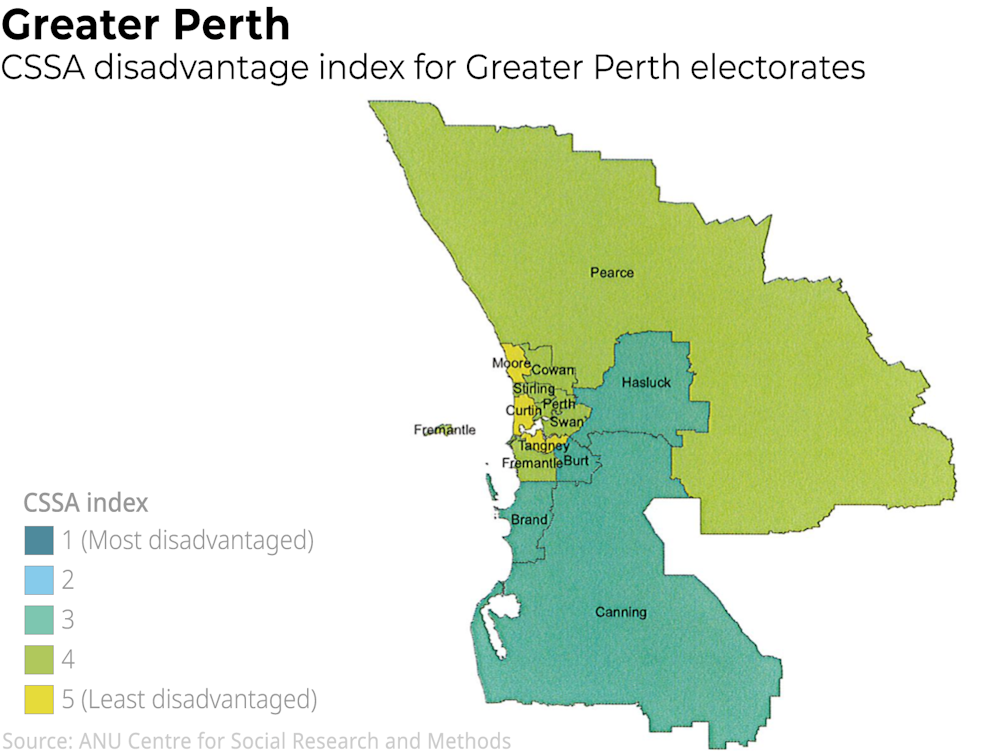
Christophine, rumoured to be an obeah woman, has been both a slave and servant of the Cosway and Mason families and is hired when Antoinette and Rochester honeymoon at Granbois, an estate in Dominica. When Christophine confronts Rochester over his ill-treatment of Antoinette, Rochester threatens to report her to the local police if she does not leave immediately.

The Rochester figure thinks of Antoinette, “Creole of pure English descent she may be, but they are not English or European either”. He is tapping into common British ideas at the time of the degeneration of white people in the tropics, ideas still current into the 20th century.

Brontë’s Rochester’s use of the word “intemperate” to describe Bertha marks her Creoleness as a tropical identity. White Creole degeneracy was seen to be an effect of the tropical climate, the physical and social environment, living in close, domestic proximity to non-white people, and the corrupting influence of slave ownership.

Rhys likens phases of her work on Wide Sargasso Sea to making a “complicated” patchwork quilt: unpicking, cutting, repurposing, and stitching of material as part of a new narrative design.

Part of her countering of Brontë’s characterisation of Bertha is the setting up of similarities between Jane and Antoinette: social dislocation after the deaths of fathers; complex patterns of having surrogate mother figures; education at a girls’ school, Lowood in Jane’s case and a convent in Antoinette’s case after her mother Annette, grieving over the death of a son, is institutionalised as insane; and experiencing prophetic dreams, for example.

A West Indian Flower Girl and Two other Free Women of Color. Oil painting by Agostino Brunias. Wikimedia Commons

Rhys draws out the limits of the reliability of Antoinette’s and Rochester’s points of view. In Part One, Antoinette’s memories of childhood, the narrative highlights the narrow reach of her social experience and the ways her colonial values and language are shaped by reliance on the outlooks of her mother and her circle. Rochester finds the tropics and the fragility of European imperial enterprise disorienting and threatening. He fears being engulfed by them, by desire for Antoinette’s exoticism, and by the proximities of cultural and racial difference.

In developing the character of Rochester, Rhys draws not only on Jane Eyre, but also on William Shakespeare’s Othello and Macbeth, and Charles Baudelaire’s Le Revenant.

At 76 and in poor health, Rhys won the W.H. Smith Award for Writers and the W.H. Heinemann Award of the Royal Society of Literature for Wide Sargasso Sea. She accepted a CBE in 1978. Rhys insisted that fame and greater financial security from prizes, royalties and writing grants came “too late” in life for her to enjoy fully. At her death Rhys was working on autobiographical vignettes which, edited by Diana Athill, were published in 1979 as Smile Please: An Unfinished Autobiography.

Adaptations of the novel

Scenes from Wide Sargasso Sea were filmed for Sargasso! A Caribbean Love Story (1990), a University of the West Indies initiative. The 1993 Australian film of Wide Sargasso Sea was directed by John Duigan and produced by Jan Sharp. In 2006 Brendan Maher directed a telemovie of Wide Sargasso Sea for BBC Wales.

BBC 2006, Wide Sargasso Sea telemovie.

Rhys’s re-visioning of a classic has inspired writers from around the world to do the same and literary critics to theorise the dynamic of authors from colonial and ex-colonial cultures writing back to European texts and to examine the intersections of the treatment of ideas of racial, gender, sexual and class identities in women’s writing.

Wide Sargasso Sea has been seen, with John Fowles’s The French Lieutenant’s Woman (1969), as originating neo-Victorian literature. Research on Rhys’s larger body of writing has been reshaping the field of New Modernist Studies.

Since the 1980s, Charlotte Brontë and Jean Rhys have often been made and remade, indeed celebrated in each other’s images. “Wide Sargasso Sea has literally wound its way into … subsequent rewritings of Jane Eyre”, comments critic Armelle Parey.

As examples, artist Paula Rego’s early 21st-century lithograph series Jane Eyre was shaped by her reading of Wide Sargasso Sea and Bertha figures are given humanity and a human voice in David Malouf’s libretto for Michael Berkeley’s chamber opera Jane Eyre (2000) and in Coral Lansbury’s Ringarra (1985), a reworking of Jane Eyre in a contemporary Australian setting.

Confined at Thornfield Hall, Rhys’s Antoinette longs for a favorite red dress which powerfully reminds her of her Caribbean home. Bertha Mason now often appears in red dress on stage, as in Polly Teale’s Jane Eyre (1997), which rapidly became the most performed adaptation of Brontë’s novel around the world and the 2015 National Theatre Live production of Jane Eyre broadcast by satellite to cinemas.

Joseph Taylor as Mr Rochester and Mariana Rodrigues as Bertha Mason in Jane Eyre. The Lowry/flickr

As my account of Rhys’s influence suggests, Wide Sargasso Sea has particularly engaged Australian writers, playwrights, filmmakers, sound artists and composers. Barbara Hanrahan’s narrative about Stella Edenbrough and Moak in The Albatross Muff (1977), for instance, is an allusive reworking of aspects of Antoinette’s relationship with Christophine and features colonial fortune-hunting.

Woman in the Attic (1987), by Gabby Brennan and Polly Croke, directed by Peter Freund, and performed by Whistling in the Theatre at the Anthill Theatre in Melbourne, blends adaptations of both Jane Eyre and Wide Sargasso Sea. Paul Monaghan directed and devised Obeah Night, performed at La Mama, Melbourne, in 1993. A combination of physical theatre, opera and spoken text, it is based on Part Two of Wide Sargasso Sea.

Brian Howard’s opera Wide Sargasso Sea was performed by Chamber Made Opera in Melbourne in 1997, directed by Douglas Horton. Jennifer Livett’s Wild Island (2016) reworks both Jane Eyre and Wide Sargasso Sea in one of its plotlines.

Most recently Willoh S. Weiland and Halcyon Macleod’s Crawl Me Blood, a sound and video installation, with a music track devised by Felix Cross, was staged in Hobart and Melbourne in 2018. Set in the Caribbean in 2018, the narrative develops motifs from Rhys’s novel to provoke audiences to think about the racialised legacies of colonialism there and in contemporary Australia.

ref. Guide to the classics: Wide Sargasso Sea – http://theconversation.com/guide-to-the-classics-wide-sargasso-sea-107882

Gillette has it right: advertisers can’t just celebrate masculinity and ignore the #metoo movement

]]>

Source: The Conversation (Au and NZ) – By Lauren Gurrieri, Senior Lecturer in Marketing, RMIT University

The controversy over Gillette’s new advertisement focused on toxic masculinity highlights the differences between challenging stereotypes of women and men in advertising.

Viewed more than 23 million times on YouTube, the advert has so far attracted more than 330,000 comments, about 650,000 likes and 1.1 million dislikes. No advertising campaign challenging stereotypes about girls and women has ever been this controversial.

Gillette’s ‘We Believe: the best a man can be’ advertisement.


Read more: Razor burned: Why Gillette’s campaign against toxic masculinity missed the mark


Perhaps that is because those adverts have tended to celebrate an “empowered” view of girls and women. There is even a term to describe this type of advertising with pro-female messages – femvertising – that has its own dedicated awards.

Challenging gender stereotypes of men, on the other hand, is proving less straightforward.

Other campaigns that have explored modern versions of masculinity have taken a similar approach to femvertising. But Gillette’s new advertisement is different. It uncompromisingly confronts problems such as sexism, bullying and harassment associated with toxic masculinity. As a result some perceive it as negative – a denunciation as opposed to a celebration of boys and men.

It exemplifies a significant creative challenge for advertisers at a watershed moment in the movement for gender equality. How do you celebrate masculinity without acknowledging toxic masculinity in this time of #metoo?

Gender stereotypes in advertising

My research examines sexist advertising practice and how this more broadly contributes to gendered inequalities. For example, how advertisements that glorify the violent exploitation of women work to normalise violence against women.

Fashion house Dolce & Gabbana’s 2007 spring/summer advertising campaign was criticised for simulating a gang rape scene. Supplied

Gender stereotypes are another form of sexist advertising practice.

Because advertisements must simply and persuasively communicate a message that can be understood by a relatively broad audience, the industry has long been susceptible to perpetuating stereotypes – oversimplified ideas of the way people should be.

Recall how television program Masterchef promoted its 2013 series as a “battle of the sexes”. The women wore pink and men blue. They trash-talked one another with a litany of stereotypes: “men are more experimental!”, “women can multitask!”.

Critically, most creative work in agencies has historically been led and shaped by men using hypermasculinity as a model for creativity. One study has likened agency cultures to locker rooms – intensely competitive, structured by male bonding and rife with sexual harassment and gender-based discrimination. As a result few women have been able to break into and succeed as creatives in advertising.

But this has begun to change, and the industry has started to face up to the problematic way in which advertising has reinforced gender stereotypes. There is increasing resistance to portrayals suggesting a single way to be a man or woman.

Last year the World Federation of Advertisers launched guidelines for progressive gender portrayals in advertising, namely unstereotyping ads, that highlights the importance of diverse teams and gender aware cultures. The Australian Association of National Advertisers (AANA) updated its Code of Ethics to state that gender-stereotypical roles and characteristics, such as a man doing DIY, must not suggest these are always associated with or carried out by that gender.

Gillette’s parent company Procter & Gamble, along with other multinationals heavily invested in gender-based marketing, has joined the Unstereotype Alliance, a United Nations-backed initiative to eradicate harmful gender-based stereotypes in advertising. Alliance members commit to creating content that depicts people as empowered actors, refraining from objectifying people and portraying progressive and multi-dimensional personalities.

Challenging toxic masculinity

Toxic masculinity refers to norms and ideals of manhood that are both constraining and harmful. It fosters rigid expectations that boys and men should be dominant, aggressive, stoic and devoid of emotion. It is instilled by telling boys to “toughen up” because “boys don’t cry”. It is contemptuous of men “acting like girls”. It is harmful to both men and women.

The director of Gillette’s new advertisement, Australian-born Kim Gehrig, is no stranger to this territory. Her short film You Think You’re a Man explores the cultural expectations of what it means to “be a man” in Australia.

But the backlash against her work for Procter & Gamble highlights the challenge of addressing masculine stereotypes. A core criticism is that it lacks the positivity of femvertising, such as the 2014 #LikeAGirl campaign for Procter & Gamble’s brand Always, which turned a phrase used to insult boys into an empowering message.

The LikeAGirl campaign.


Read more: Gillette ad isn’t anti-men, it’s anti-toxic masculinity – and this should be welcomed


Other brands marketed to male customers have managed to avoid criticism while dumping the toxic stereotypes they have previously peddled.

Unilever’s brand Lynx (also known as Axe) is a good example. It had a history of using sexual objectification in its advertising for men’s personal grooming products. In 2011 the British Advertising Standards Authority banned six of its adverts for being demeaning and offensive.

In 2016 it reformed its image with the #FindYourMagic campaign, which challenged narrow notions of masculinity.

Real men can love kittens: Lynx’s #FindYourMagic campaign challenged masculine stereotypes. Supplied

It followed up in 2017 with its #IsItokforGuys campaign that aired the private struggles men experience with the pressure to “be a man”.

The Australian soft-drink brand Solo, owned by Schweppes, is another example of marketers dropping their reliance on aggressively hyper-masculine stereotypes without backlash. In its recent A Thirsty Worthy Effort campaign, a man is no longer engaging in extreme sports to get an extreme thirst; he’s making a costume for his daughter’s school play.

Uncomfortable dialogue

Lynx celebrated men being themselves and unpacked unhealthy and narrow expressions of masculinity. Solo used humour to celebrate men taking an active role in domestic life. Where Gillette has dared to be different is in how the advertisement speaks to its male audience.

It directly and unflinchingly tells men how they should behave: do not bully, patronise, speak over, humiliate or sexually harass women. It tells men how they should treat one another. It challenges men to hold one another to account and set better role models for the “men of tomorrow”, cautioning that “the actions of the few can taint the reputation of the many”.

It shows the huge creative challenge the #metoo revolution poses to advertisers. How can you celebrate masculinity without addressing the toxic behaviours exposed by #metoo revelations?


Read more: Gillette’s corporate calculation shows just how far the #metoo movement has come


Gillette’s commercial appropriation of #metoo may sit uncomfortably with some, but advertising is often at its most powerful when it captures the zeitgeist.

Encouraging men to call out how others behave around, speak about and treat women is critical in affecting change and advancing gender equality. Gillette’s statement reinforces this: “If we get people to pause, reflect and to challenge themselves and others to ensure that their actions reflect who they really are, then this campaign will be a success”.

Its approach to challenging male stereotypes and expectations has raised an uncomfortable and provoking dialogue. Representing men as vulnerable, kind, empathetic and modest in advertising is imperative if we are to move beyond the limited cultural portrayals that we often see of men. It is a step forward for an industry with a very chequered past.

ref. Gillette has it right: advertisers can’t just celebrate masculinity and ignore the #metoo movement – http://theconversation.com/gillette-has-it-right-advertisers-cant-just-celebrate-masculinity-and-ignore-the-metoo-movement-110034

Gillette has it right: celebrations of masculinity can’t just ignore the #metoo movement

]]>

Source: The Conversation (Au and NZ) – By Lauren Gurrieri, Senior Lecturer in Marketing, RMIT University

The controversy over Gillette’s new advertisement focused on toxic masculinity highlights the differences between challenging stereotypes of women and men in advertising.

Viewed more than 23 million times on YouTube, the advert has so far attracted more than 330,000 comments, about 650,000 likes and 1.1 million dislikes. No advertising campaign challenging stereotypes about girls and women has ever been this controversial.

Gillette’s ‘We Believe: the best a man can be’ advertisement.


Read more: Razor burned: Why Gillette’s campaign against toxic masculinity missed the mark


Perhaps that is because those adverts have tended to celebrate an “empowered” view of girls and women. There is even a term to describe this type of advertising with pro-female messages – femvertising – that has its own dedicated awards.

Challenging gender stereotypes of men, on the other hand, is proving less straightforward.

Other campaigns that have explored modern versions of masculinity have taken a similar approach to femvertising. But Gillette’s new advertisement is different. It uncompromisingly confronts problems such as sexism, bullying and harassment associated with toxic masculinity. As a result some perceive it as negative – a denunciation as opposed to a celebration of boys and men.

It exemplifies a significant creative challenge for advertisers at a watershed moment in the movement for gender equality. How do you celebrate masculinity without acknowledging toxic masculinity in this time of #metoo?

Gender stereotypes in advertising

My research examines sexist advertising practice and how this more broadly contributes to gendered inequalities. For example, how advertisements that glorify the violent exploitation of women work to normalise violence against women.

Fashion house Dolce & Gabbana’s 2007 spring/summer advertising campaign was criticised for simulating a gang rape scene. Supplied

Gender stereotypes are another form of sexist advertising practice.

Because advertisements must simply and persuasively communicate a message that can be understood by a relatively broad audience, the industry has long been susceptible to perpetuating stereotypes – oversimplified ideas of the way people should be.

Recall how television program Masterchef promoted its 2013 series as a “battle of the sexes”. The women wore pink and men blue. They trash-talked one another with a litany of stereotypes: “men are more experimental!”, “women can multitask!”.

Critically, most creative work in agencies has historically been led and shaped by men using hypermasculinity as a model for creativity. One study has likened agency cultures to locker rooms – intensely competitive, structured by male bonding and rife with sexual harassment and gender-based discrimination. As a result few women have been able to break into and succeed as creatives in advertising.

But this has begun to change, and the industry has started to face up to the problematic way in which advertising has reinforced gender stereotypes. There is increasing resistance to portrayals suggesting a single way to be a man or woman.

Last year the World Federation of Advertisers launched guidelines for progressive gender portrayals in advertising, namely unstereotyping ads, that highlights the importance of diverse teams and gender aware cultures. The Australian Association of National Advertisers (AANA) updated its Code of Ethics to state that gender-stereotypical roles and characteristics, such as a man doing DIY, must not suggest these are always associated with or carried out by that gender.

Gillette’s parent company Procter & Gamble, along with other multinationals heavily invested in gender-based marketing, has joined the Unstereotype Alliance, a United Nations-backed initiative to eradicate harmful gender-based stereotypes in advertising. Alliance members commit to creating content that depicts people as empowered actors, refraining from objectifying people and portraying progressive and multi-dimensional personalities.

Challenging toxic masculinity

Toxic masculinity refers to norms and ideals of manhood that are both constraining and harmful. It fosters rigid expectations that boys and men should be dominant, aggressive, stoic and devoid of emotion. It is instilled by telling boys to “toughen up” because “boys don’t cry”. It is contemptuous of men “acting like girls”. It is harmful to both men and women.

The director of Gillette’s new advertisement, Australian-born Kim Gehrig, is no stranger to this territory. Her short film You Think You’re a Man explores the cultural expectations of what it means to “be a man” in Australia.

But the backlash against her work for Procter & Gamble highlights the challenge of addressing masculine stereotypes. A core criticism is that it lacks the positivity of femvertising, such as the 2014 #LikeAGirl campaign for Procter & Gamble’s brand Always, which turned a phrase used to insult boys into an empowering message.

The LikeAGirl campaign.


Read more: Gillette ad isn’t anti-men, it’s anti-toxic masculinity – and this should be welcomed


Other brands marketed to male customers have managed to avoid criticism while dumping the toxic stereotypes they have previously peddled.

Unilever’s brand Lynx (also known as Axe) is a good example. It had a history of using sexual objectification in its advertising for men’s personal grooming products. In 2011 the British Advertising Standards Authority banned six of its adverts for being demeaning and offensive.

In 2016 it reformed its image with the #FindYourMagic campaign, which challenged narrow notions of masculinity.

Real men can love kittens: Lynx’s #FindYourMagic campaign challenged masculine stereotypes. Supplied

It followed up in 2017 with its #IsItokforGuys campaign that aired the private struggles men experience with the pressure to “be a man”.

The Australian soft-drink brand Solo, owned by Schweppes, is another example of marketers dropping their reliance on aggressively hyper-masculine stereotypes without backlash. In its recent A Thirsty Worthy Effort campaign, a man is no longer engaging in extreme sports to get an extreme thirst; he’s making a costume for his daughter’s school play.

Uncomfortable dialogue

Lynx celebrated men being themselves and unpacked unhealthy and narrow expressions of masculinity. Solo used humour to celebrate men taking an active role in domestic life. Where Gillette has dared to be different is in how the advertisement speaks to its male audience.

It directly and unflinchingly tells men how they should behave: do not bully, patronise, speak over, humiliate or sexually harass women. It tells men how they should treat one another. It challenges men to hold one another to account and set better role models for the “men of tomorrow”, cautioning that “the actions of the few can taint the reputation of the many”.

It shows the huge creative challenge the #metoo revolution poses to advertisers. How can you celebrate masculinity without addressing the toxic behaviours exposed by #metoo revelations?


Read more: Gillette’s corporate calculation shows just how far the #metoo movement has come


Gillette’s commercial appropriation of #metoo may sit uncomfortably with some, but advertising is often at its most powerful when it captures the zeitgeist.

Encouraging men to call out how others behave around, speak about and treat women is critical in affecting change and advancing gender equality. Gillette’s statement reinforces this: “If we get people to pause, reflect and to challenge themselves and others to ensure that their actions reflect who they really are, then this campaign will be a success”.

Its approach to challenging male stereotypes and expectations has raised an uncomfortable and provoking dialogue. Representing men as vulnerable, kind, empathetic and modest in advertising is imperative if we are to move beyond the limited cultural portrayals that we often see of men. It is a step forward for an industry with a very chequered past.

ref. Gillette has it right: celebrations of masculinity can’t just ignore the #metoo movement – http://theconversation.com/gillette-has-it-right-celebrations-of-masculinity-cant-just-ignore-the-metoo-movement-110034

Time for a Kondo clean-out? Here’s what clutter does to your brain and body

]]>

Source: The Conversation (Au and NZ) – By Libby Sander, Assistant Professor of Organisational Behaviour, Bond Business School, Bond University

Many of us have started the year determined to be more organised: no more drawers full of plastic containers with missing lids, or lone socks.

The decluttering craze is led by Japanese tidying aficionado Marie Kondo, author of a New York Times bestseller and Netflix show Tidying Up.

Charity groups such as St Vincent de Paul are reporting a 38% increase in donations, year on year, as we get rid of the clothes, books and household items that don’t “spark joy” or have a place in our future.

And there is good reason to get on board, whether it’s via the KonMarie method, or just having a good clear-out. Clutter can affect our anxiety levels, sleep, and ability to focus.

It can also make us less productive, triggering coping and avoidance strategies that make us more likely to snack on junk and watch TV shows (including ones about other people decluttering their lives).


Read more: Clean your way to happiness: unpacking the decluttering craze


My own research shows our physical environments significantly influence our cognition, emotions and subsequent behaviours, including our relationships with others.

Why clutter is bad for your brain

Bursting cupboards and piles of paper stacked around the house may seem harmless enough. But research shows disorganisation and clutter have a cumulative effect on our brains.

Our brains like order, and constant visual reminders of disorganisation drain our cognitive resources, reducing our ability to focus.

The visual distraction of clutter increases cognitive overload and can reduce our working memory.

Look familiar? Phossil/Flickr, CC BY-NC-ND

In 2011, neuroscience researchers using fMRI (functional magnetic resonance imaging) and other physiological measurements found clearing clutter from the home and work environment resulted in a better ability to focus and process information, as well as increased productivity.

And your physical and mental health

Clutter can make us feel stressed, anxious and depressed. Research from the United States in 2009, for instance, found the levels of the stress hormone cortisol were higher in mothers whose home environment was cluttered.


Read more: New year’s resolutions: how to get your stress levels in check


A chronically cluttered home environment can lead to a constant low-grade fight or flight response, taxing our resources designed for survival.

We produce more stress hormones when we’re surrounded by clutter. Jason Leung

This response can trigger physical and psychological changes that affect how we fight bugs and digest food, as well as leaving us at greater risk of type 2 diabetes and heart disease.

Clutter might also have implications for our relationships with those around us. A 2016 US study, for instance, found background clutter resulted in participants being less able to correctly interpret the emotional expressions on the faces of characters in a movie.

And surprisingly, it doesn’t go away when we finally get to bed. People who sleep in cluttered rooms are more likely to have sleep problems, including difficulty falling asleep and being disturbed during the night.

Could clutter really make us fat?

Multiple studies have found a link between clutter and poor eating choices.

Disorganised and messy environments led participants in one study to eat more snacks, eating twice as many cookies than participants in an organised kitchen environment.

Other research has shown that being in a messy room will make you twice as likely to eat a chocolate bar than an apple.

Sometimes we switch off and avoid looking at or thinking about the clutter and mess. Designologist

Finally, people with extremely cluttered homes are 77% more likely to be overweight.

Tidy homes have been found to be a predictor of physical health. Participants whose houses were cleaner were more active and had better physical health, according to another study.

Hoarding can cause physical pain

Buying more and more things we think we need, and then not getting rid of them, is an actual disorder in the American Psychiatric Association’s Diagnostic and Statistical Manual of Mental Disorders (DSM-V). According to DSM-V, those with hoarding disorder compulsively acquire possessions on an ongoing basis and experience anxiety and mental anguish when they are thrown away.


Read more: When possessions are poor substitutes for people: hoarding disorder and loneliness


A Yale study using fMRI showed that for people who have hoarding tendencies, discarding items can cause actual pain in regions of the brain associated with physical pain. Areas of the brain were activated that are also responsible for the pain you feel when slamming a finger in a door or burning your hand on the stove.

People who suspect they have hoarding disorder can take heart: cognitive behavioural therapy has been shown to be an effective treatment.

Tidy house, happy life?

A clean slate. Kari Shea

Participants in Marie Kondo’s Netflix show Tidying Up report that her decluttering method changes their lives for the better. Indeed, her first book was called The Life Changing Magic of Tidying Up.

Research does indeed show cluttered home environments negatively influence the perception of our homes, and ultimately our satisfaction of life. The study authors note the strong effect is because we define “home” not just as a place to live, but as:

the broader constellation of experiences, meanings, and situations that shape and are actively shaped by a person in the creation of his or her lifeworld.

But it seems clutter isn’t always bad. One study showed messy desks can make us more creative. The findings suggested neat, ordered environments make us more likely to conform to expectations and play it safe, while messy ones move us to break with the norm and look at things in a new way.


Read more: How last night’s fight affects the way couples divide housework


ref. Time for a Kondo clean-out? Here’s what clutter does to your brain and body – http://theconversation.com/time-for-a-kondo-clean-out-heres-what-clutter-does-to-your-brain-and-body-109947

A good plan to help Darling River fish recover exists, so let’s get on with it

]]>

Source: The Conversation (Au and NZ) – By Lee Baumgartner, Associate Research Professor (Fisheries and River Management), Institute for Land, Water, and Society, Charles Sturt University

The recent catastrophic collapse of Darling River fish communities is truly heartbreaking. As fingers continue to be pointed in all directions, two questions bubble to the top of mind: can this system recover? And, if so, how?

From even the darkest hour comes hope. It was wonderful to hear the basin’s various governments speak about developing a “strategy” over recent weeks. And the good news is that one already exists and can guide our actions from here.


Read more: The Darling River is simply not supposed to dry out, even in drought


The Native Fish Strategy

The Native Fish Strategy for the Murray-Darling Basin is a living document. It was developed in 2001 and lays out a plan for helping the basin’s fish communities recover from where they are now, at 10% of pre-European levels (0% in some parts), back to 60% over 50 years.

The strategy is one of the rare documents agreed to by the federal government and all basin states: because it made sense. It was visionary and forward-thinking – contributed to by a multitude of scientists, managers, Indigenous groups and basin communities.

During the first ten years of its life the strategy helped us learn more about our native fish than in any other period. But direct funding ceased in 2012. Since then, implementation of its recommendations has been opportunistic and without central coordination. That said, the strategy is still relevant and the need to resurrect its funding has never been greater.


Read more: Explainer: what causes algal blooms, and how we can stop them


The Native Fish Strategy recognised that native fish are recreationally and culturally valued by all those who live in, and visit, the Murray-Darling Basin. It also acknowledged that most native fish species found there aren’t found anywhere else in the world.

‘Muzza’ the Murray Darling cod, a native species that suffered devastating mass deaths at the start of 2019. AAP Image/Dean Lewins

Most importantly, the strategy describes these fish as important indicators of ecosystem health. That should be a warning to us when considering recent events in the Darling. When fish are stressed, it is because our rivers are stressed. It’s that simple.

How to help our fish

Our native fish are pretty simple creatures, really. They need healthy habitat, more natural water flows, the ability to move around, minimal pests to compete with, and sparing use of active human intervention (including stocking). The first decade of the strategy sought to provide hard data on how a range of different threats impact fish. It also successfully trialled a suite of solutions.

Because of the strategy, we know why aquatic and riparian habitats are crucial for fish. And putting habitat back in the river, through plans like building fish hotels (yes, they are a thing), can help fish recover rapidly. Many decades of clearing the Darling River of logs and minor obstructions has left large stretches smooth and unsuitable for fish to lay eggs, shelter or hide from predators, so reintroducing native plants and natural “snags” is essential for a productive future fishery.

When logs and other natural debris fall into rivers they form ‘snags’, creating pockets of calm water where fish can hide, rest and lay eggs. spelio/Flickr, CC BY-NC-SA

The current drought, the second in ten years, has added to the need for better water flow regulation. Not to belabour the obvious, but fish need water. Some parts of the Darling main channel have been dry for some time. No water means no fish.

Many wetlands in the Lower Darling have not been watered for more than a decade. For some fish in the Murray-Darling, that is one-third of their life; for others it is longer than their lifetime. Native Fish Strategy research taught us that with the right amount of water, fish will spawn and thrive, but it is important that the water is of high quality, is flowing, and connects fish with their crucial habitat.

Finding the balance

Fish scientists and managers are realists and recognise that there will always be competing uses for water – including irrigation and town supply. But the fact that our fish stocks are so stressed highlights the need to find a balance.

Many people don’t realise that when water is taken for irrigation or drinking, fish are inevitably taken with it.

Work under the Native Fish Strategy demonstrated that anywhere between 100 and 12,000 fish can be abstracted, per day, by a single pump. When extrapolated over the many thousand irrigation pumps and diversion points across the basin, this means millions of fish are lost each year. They are either diverted into water distribution canals, or pumped onto crops and die.

This can be fixed by fitting pumps with off-the-shelf or custom-designed fish screens. Each pump that can be fitted with a screen in the Darling will translate to thousands of fish that will stay in the river. When conditions are right again, screening pumps will be a key to helping fish recover. Presently, no pumps on the Darling are fitted with screens for fish protection.


Read more: How is oxygen ‘sucked out’ of our waterways?


We also know the Darling River is an important fish swimway. There is a famous story among fish scientists of a tagged golden perch which, during 1974 flooding, migrated from Berri in South Australia to the Condamine River in Queensland. It is a stark demonstration that fish in the basin ignore political boundaries. But in non-flood years such a migration is impossible; there are far too many barriers such as weirs and dams.

There is strong evidence that in some years the Lower Darling contributes significantly to fish populations in Victoria and South Australia.

This connectivity is of paramount importance for affected reaches of the Darling. For these reaches to recover, fish need to migrate from elsewhere. The Native Fish Strategy taught us that providing fishways (also known as fish ladders) and fish-friendly regulators with layflat gates helps larvae drift downstream, improving recovery. There is already a blueprint available to connect the Darling: it only needs to be implemented.

This schematic shows fish ladders already installed in some parts of the River Murray to let fish swim by man-made barriers. AAP Image/South Australian Government

What does the Darling’s future look like?

The Native Fish Strategy has provided us with a range of tools to help the Darling River quickly recover. So the future of the Darling depends on what we do now. It is up to us to ensure we leave future generations a river in better condition than it is in now.


Read more: It’s time to restore public trust in the governing of the Murray Darling Basin


This is our Waterloo moment. The scoping work has been done; the strategy already exists; the solutions have already been developed and tested. But all of this is meaningless if it’s not used. The Darling River has sent us a strong message. The question is: will we listen? We bloody well need to.

ref. A good plan to help Darling River fish recover exists, so let’s get on with it – http://theconversation.com/a-good-plan-to-help-darling-river-fish-recover-exists-so-lets-get-on-with-it-110168

Yes, Morrison ‘showed up’ in the Pacific, but what did he actually achieve?

]]>

Source: The Conversation (Au and NZ) – By Tess Newton Cain, Adjunct Associate Professor, School of Political Science & International Studies, The University of Queensland

January is an odd time for high level visits to the Pacific. But Prime Minister Scott Morrison’s decision to focus on the region at the start of the year indicates he listened to the criticism of his failure to attend the Pacific Islands Forum meeting in Nauru last September.

This visit began and ended with security. The Vanuatu leg of the trip provided a clear illustration that, when it comes to security, what Canberra understands (and wants) does not necessarily line up with the needs of Pacific island countries.

Vanuatu and security

Vanuatu is seeking support for domestic security issues, such as increasing its police force. This is more of a priority than a security treaty with Australia, as Canberra had proposed during the Vanuatu prime minister’s 2018 visit to Australia – it was rejected at the time. Ahead of Morrison’s visit, Vanuatu’s foreign minister, Ralph Reganvanu, reiterated there was no appetite in his government to enter into an exclusive security agreement with any country.

Vanuatu’s longstanding membership of the Non-Aligned Movement (formed during the Cold War by states who did not wish to be aligned with either of the then superpowers) is part of what informs this position.

Something like the Australia-Solomon Islands security treaty – which envisages rapid deployment of Australian troops (subject to consent by both governments) – would be highly problematic for most people in Vanuatu, a country that places high value on its hard-won independence and sovereignty.


Read more: Morrison’s Vanuatu trip shows the government’s continued focus on militarising the Pacific


Fiji and a thawing of relations

The visit to Fiji was particularly significant given strained relationships between the two governments since the 2006 coup. Some in Australia’s foreign policy community believe the freeze pushed Fiji’s Prime Minister, Frank Bainimarama, to build relationships with China, Russia, and others to the detriment of Canberra in terms of influence.

That’s why securing the Black Rock redevelopment deal last year – a site that’s to become a regional hub for training of defence and security personnel – is a success for Australia. Having Morrison there to break ground on the project may indicate all is now forgiven on both sides.

However, a visit by the leader of the region’s largest democracy and the apparent credibility it gives to Bainimarama’s government will be a disappointment to those who have ongoing concerns about human rights and democratic governance in Fiji.

The Fiji trip unveiled a Fiji-Australia Vuvale Partnership, touted as elevating the relationship beyond diplomacy. The agreement includes a commitment to annual leaders’ meetings, something that already exists between Australia and Papua New Guinea. Other than that, we have yet to see what it will look like in practice.


Read more: Fiji coup leader gets the democratic approval he wanted


Further to last year’s announcement of the creation of an Office of the Pacific in the Department of Foreign Affairs and Trade (DFAT), Morrison used this trip to announce Ewen McDonald (currently Australia’s High Commissioner to New Zealand) as its head.

McDonald will work on ensuring Australia’s engagement with the Pacific informs the work of all relevant government departments. This will include Fiji’s joining the Pacific Labour Scheme and steering the revisions of import restrictions on kava that were announced in Port Vila. Currently, the maximum amount of kava that can be brought in to Australia is 2kg per adult due to concerns about substance abuse in Australian Indigenous communities.

Broader region

What was said (and just as importantly what wasn’t) during this week’s visit to the region indicates Australia needs to do more listening and learning. For too long, people in the Pacific have felt their voices have not been heard when it comes to how Australia engages in the region.

In Vanuatu, Morrision demonstrated particular tone-deafness on the issue of ease of travel. Across the region, people are frustrated about the difficulties they face in getting visas to visit Australia.

The Australian government announced a frequent traveller visa card on the margins of last year’s APEC summit. This is intended for politicians, sports people and business leaders. But its narrow scope doesn’t cut it as far as people in Vanuatu are concerned. Officials transiting to attend international meetings or families visiting students at Australian universities, for instance, aren’t included.


Read more: For Pacific Island nations, rising sea levels are a bigger security concern than rising Chinese influence


Morrison also isn’t listening when it comes to Australian broadcasting to the Pacific. He announced A$17.1 million dollars to fund TV content for broadcast to and in the region. This money is to be funnelled to commercial providers via Free TV Australia, snubbing the established Pacific expertise of the ABC and SBS/NITV. Not to mention their reputation in the region.

This ignores specific representations from the Pacific which have stressed time and again what they want is high quality content to raise the level of public debate about the issues they care about.

Scott Morrison did “show up” though, as he had planned. It’s a first step. Whether Australia-Pacific relationships are now on the right path, we have yet to see.

ref. Yes, Morrison ‘showed up’ in the Pacific, but what did he actually achieve? – http://theconversation.com/yes-morrison-showed-up-in-the-pacific-but-what-did-he-actually-achieve-109792

Curious Kids: why do spiders have hairy legs?

]]>

Source: The Conversation (Au and NZ) – By Jonas Wolff, Research Fellow in the Department of Biological Sciences, Macquarie University

Curious Kids is a series for children. You can send your question to curiouskids@theconversation.edu.au. You might also like the podcast Imagine This, a co-production between ABC KIDS listen and The Conversation, based on Curious Kids.


Why do spiders have hairy legs? – Audrey, age 5, Fitzroy, Melbourne.

Good question, Audrey! Believe it or not, I have studied the hairy legs of spiders for years and can give you some definitive answers on this.

But before we talk about the spider’s fur, think about your very own hairs.


Read more: Curious Kids: If a huge huntsman spider is sucked into a vacuum cleaner, can it crawl out later?


Why do we have hair?

First, there is the hair on your head, which protects you from the sun and rain. Then, there is smaller hair above your eyes – your eyebrows and eye lashes. These prevent dust from entering your eye.

And then have a closer look – you have all that very fine hair on your arms and legs, you can hardly see. What happens when you very, very gently touch this hair or blow at it? It tickles! This very fine body hair helps humans to feel if something is touching you.

It looks like this spider has a beard. Flickr/Thomas Shahan, CC BY

In spiders, it is quite similar. Their body hair helps them to feel if something is touching them. Say you took a paintbrush and gently touched a spider with it (don’t do this without an adult there, of course, because some spiders can be dangerous). This touch will make the spider’s hairs bend. The spider will feel that something big is touching it and probably think “Oh dear, there is something that wants to eat me!” and run off.

Like you, spiders have different types of hairs. But spiders can do much more cool things with their hair then we can with ours (except, maybe that we are superior in styling our hair in a cool fashion).

Spidey senses

Have you ever seen a spider with ears? Well, no (that would actually look funny!) That’s because spiders use hairs on their legs to listen! Sounds unbelievable, but that’s how it is.

Does a spider have a nose? I’ve never seen one, and I have seen lots and lots of spiders. To smell, spiders use hairs.

Does a spider have a tongue? Nope. They use – you guessed it – hairs!

So spiders can feel, listen, smell and taste with their hairy legs. Pretty cool, right?

Spiders can hear, taste and smell with those lovely leg hairs. Flickr/Kai Schreiber, CC BY

Some spiders can also use their hairs to grip onto a very flat surface – this is why you see spiders walking happily across a window, a ceiling or high up on a wall. (This is also how Spiderman does it, by the way).

Actually, not all spiders than can do that. Only the ones that have special Spiderman-hairs on their feet can do it. These Spiderman-hairs are tiny and have even tinier hairs on them – hairs on hairs. Scientists are trying to learn from these spiders and create Spiderman gloves. With such gloves you could climb up a skyscraper like a spider!

Show-off spiders

Spiders can be quite colourful. Do you know peacock spiders? Here is a picture of one:

The bright parts of a peacock spider are due to its colourful hairs. Flickr/Jurgen Otto, CC BY

The peacock spider’s colours come from special hairs on its legs and body and they are used to impress other peacock spider mates and find a partner. The peacock spider boy waves his coloured hairy legs in a funky dance to tell the spider girl, “I am the best guy you’ll ever find”. Such a show-off! Here’s how they look when they dance:

So you see, spiders need hairs for quite a lot of things in their life – and that is why they have hairy legs.


Read more: Curious Kids: What are spider webs made from and how strong are they?


Hello, curious kids! Have you got a question you’d like an expert to answer? Ask an adult to send your question to us. You can:

* Email your question to curiouskids@theconversation.edu.au
* Tell us on Twitter by tagging @ConversationEDU with the hashtag #curiouskids, or
* Tell us on Facebook

CC BY-ND

Please tell us your name, age and which city you live in. You can send an audio recording of your question too, if you want. Send as many questions as you like! We won’t be able to answer every question but we will do our best.

ref. Curious Kids: why do spiders have hairy legs? – http://theconversation.com/curious-kids-why-do-spiders-have-hairy-legs-108602

A snapshot of our mysterious ancestor Homo erectus

]]>

Source: The Conversation (Au and NZ) – By Ian Moffat, ARC DECRA Research Fellow in Archaeological Science, Flinders University

If you bumped into a Homo erectus in the street you might not recognise them as being very different from you. You’d see a certain “human-ness” in the stance, and his or her size and shape might be similar to yours.

But their face would be flatter, with a more obvious brow. And having a conversation would be hard – his or her language skills would be poor (although they could certainly craft a stone tool or light a fire).

Of course this is entirely hypothetical, as Homo erectus is now extinct. This enigmatic human ancestor probably evolved in Africa more than 2 million years ago, although the timing of their disappearance is less clear.


Read more: Stone tools date early humans in North Africa to 2.4 million years ago


Homo erectus was in the news over 2018 thanks to new discoveries in the Philippines and China, which have transformed our understanding of this not too distant family member.

So who was Homo erectus? And could 2019 be the year we learn more about our mysterious ancestor?

Homo erectus skull discovered in 1969 in Sangiran, Indonesia. from www.shutterstock.com

Where and when did they live?

Homo erectus was first discovered in Java, Indonesia and then China – these are the famous “Java Man” and “Peking Man” fossils. Eugène Dubois’ 1891 discovery on Java (originally called Pithecanthropus erectus) was a key piece of evidence in supporting Darwin’s ideas of human evolution.

The recent discovery of stone artefacts in the Loess Plateau of China suggests that a hominin, probably Homo erectus, was living in the region by 2.1 million years ago. This evidence pushes back their presence in Asia back by at least 400,000 years.

Other ancient Homo erectus sites are present in the Caucasus region of Georgia (1.8 million years ago), on Java and in Africa.

Homo erectus is thought to have become mostly extinct following the emergence of modern humans – yet some specimens from Java have been dated (with some controversy) to as recently as 40,000 years ago. If this dating is correct, it suggests that they coexisted with Homo sapiens, although probably only in very small pockets in Indonesia.

The expansion of Homo erectus throughout the globe was the first time that a hominin species had ventured beyond Africa, and occurred 2 million years before modern humans replicated this great feat of exploration. They may have been encouraged to spread so rapidly by the expansion of grassland during this period, driven by climate change. This created more habitats for plant-eating animals and so increased the amount of available prey.


Read more: Rhino fossil rewrites the earliest human history of the Philippines


What did they look like?

Homo erectus was the first of our ancestors to physically resemble modern humans. They were taller and their brain was larger than previous hominin species such as Australopithecus sp. or Homo habilus.

They had a slightly different face to us: it was flatter with more prominent brow ridges.

There are clear differences in the size and shape of the skull in Homo sapiens compared to other human-like species including Homo erectus (schematic). from www.shutterstock.com

The long legs and the fact that they were fully upright meant Homo erectus individuals were efficient walkers and could cover larger ranges than their ancestors.

Their body shape also meant that they could control their temperature and water balance well and so were well suited for living in open forests.

What did they eat?

Homo erectus were probably advanced scavengers who augmented their diet with some predation rather than sophisticated hunters. In fact, they probably occupied a similar ecological niche to hyenas today.

The importance of meat in their diets is still contested, with some researchers considering they were primarily meat eaters and others believing that they had a much broader diet.


Read more: Curious Kids: Where did the first person come from?


How smart where they?

Homo erectus was much smarter than previous hominins, being the first species to use fire and may have been the first to live in hunter-gather groups. They made stone tools in a style called the Acheulian, characterised by distinctive hand axes.

Despite this, their cognitive ability fell a long way short of modern humans. There is currently no evidence that Homo erectus was capable of undertaking modern behaviours such as using language or making art.

The importance of the recent discovery of archaeological material attributed to Homo erectus in the Philippines helps us learn more details about what this species may have been capable of.

Previously, it was widely accepted that Homo erectus was not able to undertake water crossings. This theory fitted with their presence as far as Java, but not across deeper water represented by the Wallace line to travel further east.

A discovery in the Philippines (and possibly in Sulawesi) overturns this, and opens the exciting possibility that Homo erectus may have been more capable sailors than we previously thought.

How are they related to us?

One of the most contentious aspects of Homo erectus is who to include in the species. While many researchers include a wide range of specimens from around the world as Homo erectus, some classify the African and Eurasian specimens as Homo ergaster. Others use the terms Homo erectus senso stricto (ie. in the narrow sense) for the Asian specimens and Homo erectus senso lato (ie. in the broad sense) for all specimens.

This somewhat confusing situation is actually far clearer than the early history of Homo erectus where a wide range of names including Anthropopithecus, Homo leakeyi, Pithecanthropus, Sinanthropus, Meganthropus, and Telanthropus were used. The reason for this complexity is that Homo erectus (whatever you choose to call them) have a comparatively wide range of morphological characteristics making it difficult to decide how much diversity to include within the definition of the species.

What is clear is that Homo erectus sits somewhere on the human lineage as an ancestor to modern humans, serving as a transition from early hominins such as Australopithecus to Homo heidelbergensis, Homo neanderthalensis and Homo sapiens.


Read more: We know why short-statured people of Flores became small – but for the extinct ‘Hobbit’ it’s not so clear


What next for Homo erectus?

No area of archaeology has seen such vibrant change in recent years than how we understand our family tree. New species have been discovered (and debated) and the ages of the earliest examples of various species are constantly being revised. Unfortunately we only have limited fossils to work with and so new specimens and sites can quickly change our understanding of human evolution.

There is no doubt that ancient DNA studies will contribute to resolving this uncertainty – however DNA sequences have not yet been recovered from Homo erectus. We await this eventual discovery with baited breath!

ref. A snapshot of our mysterious ancestor Homo erectus – http://theconversation.com/a-snapshot-of-our-mysterious-ancestor-homo-erectus-101122

Liberals lose yet another high-profile woman, yet still no action on gender

]]>

Source: The Conversation (Au and NZ) – By Mark Kenny, Senior Fellow, Australian Studies Institute, Australian National University

Liberal women must surely be asking why their party is so clear-eyed when facilitating the departure of competent women, and yet so mealy-mouthed about recruiting and promoting them.

Prominent among Prime Minister Scott Morrison’s comments on Kelly O’Dwyer’s retirement to pursue family life, was to say he supported his minister’s decision, and indeed supported all such choices by women.

Such clarity has been conspicuously absent from the Liberal Party’s leadership since its now widely accepted “women” problem came to the fore in 2018 amid claims of bullying, implied career threats, ingrained gender bias, and other generally oafish behaviour.

Even more opaque has been the Liberal Party’s puzzling refusal to broach any corrective action to address a powerful internal preference for men, when selecting candidates in winnable seats. This, despite a miserable return of just 13 female MPs of its 76 in the lower house after the 2016 election.

It is even worse now, and voters are on to it.

Not the first such departure

O’Dwyer is the second female Liberal from Victoria to call it quits in six months after her friend, the talented rookie backbencher Julia Banks, spectacularly called time on the party in the wake of Malcolm Turnbull’s brutal ouster.

Banks went to the cross bench to form a quartet of competent female moderates with past ties or sympathies to the centre-right – Banks, Kerryn Phelps, Rebekha Sharkie, and Cathy McGowan.

There have been other high-profile departures this term also on family grounds with two frontbenchers on the Labor side – former minister Kate Ellis, and rising star Tim Hammond – both bowing out.

That federal politics is hard on families and relationships is hardly news, but the slew of resignations / defections underscores how little has been done to change things.

And poignant, given her portfolio

In any event, O’Dwyer’s retreat is arguably the most pointed given the current debate, her particular government portfolio, her hard-won ministerial seniority, and her party’s woes.

It makes Liberal retention of her previously safe Melbourne seat of Higgins somewhere between problematic and unlikely.

On the social media platform Twitter where cynicism and vitriol flows freely from people hiding behind false identities, her departure has been met with some appallingly personal abuse, exaggerated outrage, and claims she was merely a rat leaving a sinking ship.

It is true that retaining the seat would have been no certainty even with O’Dwyer still as the candidate, especially given Victoria’s recent anti-conservative tendencies in state election races, but with a new candidate, the Liberal jewel is undoubtedly more vulnerable.

Feminists will be aggrieved to see another senior woman go but they might also be quietly disappointed in her stated reasons.

In contradistinction to some of her predecessors, O’Dwyer, did substantive work as minister for women, and unlike some, gave the impression of actually believing in the mission.

She also garnered respect from across the aisle and within the press gallery as a person of warmth and humility – stand-out qualities on Capital Hill.

It is a portfolio she believed in

O’Dwyer created enemies however on her party’s increasingly reactionary right flank by outlining the challenges for women – especially in politics – acknowledging the Liberal Party’s poor image in some quarters.

She was even reputed to have told colleagues they were seen as a bunch of “homophobic, anti-women, climate change deniers”.

Her introduction of a women’s economic security statement last year was another material achievement resisted by some as political correctness.

But in declaring her job’s incompatibility with family life, there was an unmistakable note of resignation, even defeat in O’Dwyer’s “choice”. And coming from the minister most directly involved in remediating that problem for women, her resignation cannot help but reinforce the message that politics may well be no place for women.

Morrison’s superficially virtuous support for the choices for women, was no help either – typical of much conservative sophistry around this whole issue.

Morrison isn’t helping

Masquerading as a pro-choice feminist while endorsing a senior colleague’s decision to give up her career for child-rearing and home duties takes some chutzpah.

An alternative approach might have been to lament her departure as symptomatic of a flawed representational system, acknowledge the failure of politics to renovate its male paradigm, and vow to change the culture in material ways.

It might even be called leadership.

For a government laced with longstanding (if undeclared) quotas for ministerial selection – think ratios in the ministry applied to the number of Libs to Nats, House to Senate, moderates to conservatives, and even between states – the blind spot over women’s under-representation and the philosophical objection to corrective action (quotas) is all the more bizarre.

It is a mark of how far conservative Liberals have drifted from contemporary public attitudes and even their own philosophy that some would countenance re-nationalising of energy assets and building new coal-fired power stations before correcting a clear market imperfection within their own organisation.


Read more: View from The Hill: Julie Bishop will be open to post-politics offers


And with speculation that Julie Bishop could also withdraw from the 2019 field, the situation facing Morrison’s Liberals threatens to deepen.

Through all of this, voters’ views come second.

Not so long ago, Bishop was easily the most popular alternative to Malcolm Turnbull in voter land but such unrivalled public support was good for just 11 votes in the party room.

ref. Liberals lose yet another high-profile woman, yet still no action on gender – http://theconversation.com/liberals-lose-yet-another-high-profile-woman-yet-still-no-action-on-gender-110158

Fleeing family violence to another country and taking your child is not ‘abduction’, but that’s how the law sees it

]]>

Source: The Conversation (Au and NZ) – By Gina Masterton, PhD Candidate, Law School, Griffith University

Fiona (not her real name) came to Australia from New Zealand as a 19-year-old backpacker. Here, she met a man, got married and had two boys. The domestic violence began after her first son’s birth, and Fiona endured it for several years.

In 2017, when her children were eight and ten, Fiona summoned the strength to leave her husband. Not being an Australian citizen, she found she wasn’t eligible for government assistance, so Fiona fled back to New Zealand seeking protection and support.

Her husband immediately acted to have the children returned to Australia and, being a citizen, received free legal assistance from the government. Fiona was ordered to return her children to Australia.

This happened because under international law, Fiona’s case is considered one of “child abduction”. Under the Hague Convention on the Civil Aspects of International Child Abduction 1980, a child is considered “abducted” if he or she is removed by one parent without the other parent’s consent.

The Convention was drafted in the late 1970s to deal with fathers abducting their children across borders after losing custody of their children, or believing they would lose custody. It was never meant to be applied to cases involving mothers fleeing domestic violence.


Read more: Are women escaping family violence overseas considered refugees?


The Convention makes no mention of domestic violence and has no protections for abused mothers. Despite this, for the past couple of decades, 70% of Hague cases have involved mothers fleeing domestic violence. When this law is applied to such cases, the outcomes can be catastrophic for abused women and children.

My research has explored how the Convention affects abused mothers who flee with their children across international borders. I have interviewed ten women, including Fiona, who were ordered to return their children to an abusive situation by Australian and other courts. All felt their voices were not heard and their domestic violence experiences not believed by the courts. They felt they were treated like criminals.

Catastrophic outcomes

The Sydney Family Court, in 2008, ordered a 24-year-old woman to return her two young sons to the UK, where they had been born. The woman had fled with her children to Sydney where her family lived, after years of abuse. Shortly after her return, she fled again to a refuge with her children. On the way there, she was brutally murdered by her estranged husband, on a public street, in front of her children and mother.

When the Convention was drafted, abductors were assumed to be non-primary carers who were taking the law into their own hands after having lost a custody battle. But it’s now been recognised most so-called abductors are mothers who are the children’s primary carers.

The Convention is the main international agreement that covers international parental child abduction. It provides an expeditious process to have a child returned to their home country. A child must have been abducted to, or retained in, a Hague Convention member country for the process to work. Nearly 100 countries – including Australia, New Zealand, South Africa, the UK and the US – are signatories.

The Convention came into effect in Australia in 1987. It is implemented through the Family Law Act 1975 and the Australian Family Law (Child Abduction Convention) Regulations 1986. Australia’s Central Authority, which is part of the Attorney-General’s department, handles all cases of international parental child abduction to and from Australia. Its powers stem from the Convention and the Regulations are strictly enforced by the courts in all cases.


Read more: How Victoria’s family violence system fails some victims – by assuming they’re perpetrators


Some exceptions in Australia’s Regulations can be raised in dometic-violence related abduction cases. But lawyers I also interviewed in my research have said the bar has been set so high by the courts, these are too hard to meet. Also the “best interests of the child” test, which is applied in domestic family law cases, is not the test applied in Hague cases.

Fiona’s husband was provided with free legal representation. Experienced lawyers worked with their counterparts in NZ to return the children to their father in Australia and the New Zealand Family Court cooperated by ordering the children’s return.

Fiona told me that the Convention

discriminates against mothers and kids … and the judges and lawyers don’t really consider the domestic violence the mothers have gone through and that the kids have witnessed.

Fiona and the children returned with just a bag of clothes. She received a small family assistance payment from Centrelink because the children were citizens, but no public housing, access to community services or free legal representation.

Many women suffer alone and have no outside or government assistance. from shutterstock.com

Fiona’s mother had to move from New Zealand to Brisbane to support her daugher and the children financially, emotionally, and physically. After one year, the Brisbane Family Court awarded Fiona’s husband full parental responsibility for the children. Fiona returned to New Zealand, broke and devasted.

To this day, she survives on the generosity of women she befriended on social media who also lost their children to abusive partners. She is still being financially and emotionally abused by her ex, and struggles with anxiety and depression.

What other countries have done

Progress has been made in this area outside of Australia.

In a child abduction case considered by the European Court of Human Rights in 2010, the court held the Convention was obligated to consider general principles of international law and other human rights instruments. It also held the Convention “cannot be interpreted in a vacuum” and that the “best interests of the child must always be paramount.”

There has also been a substantial change in US law, which has allowed courts to see domestic violence as a defence under the Convention.

In Australia, mothers fleeing domestic violence with their children still face harsh legal consequences. A woman fleeing with her child across borders within Australia can be penalised if she has violated family court orders without a reasonable excuse. A court may vary the orders, order her to pay the legal costs of the other parent, or a fine, and could even sentence her to imprisonment.


Read more: ‘Silent victims’: royal commission recommends better protections for child victims of family violence


She can also be charged with child stealing. If she is a citizen, she may be eligible to access various community resources, including Legal Aid, for representation.

However, a mother fleeing from overseas to Australia is in a different situation. She will face serious legal consequences under the Convention. The US courts can criminally prosecute a mother who has abducted her child from that country and imprison her. Even if she is an Australian citizen, she may have to represent herself in court if she can’t afford a lawyer. Unlike her abusive partner, she has no right to free lawyers.

It’s rare for Australia’s Legal Aid to fund these defences, as mothers generally don’t have a good chance of succeeding in court. My analysis of Hague cases heard in Australia between 2015 and 2018 showed not one case where the mother was represented by Legal Aid.

Rita’s story

Rita (not her real name) was an Australian citizen who met an American man in LA, where she had relocated for work, married and had a son. After experiencing domestic violence for two years, she fled back to Brisbane with her two-year old. She was given access to income and other Centrelink services, government housing, Medicare, pro bono legal representation and charity assistance.

Even so, after an application lodged by her husband, the Central Authority and the Brisbane Family Court ordered Rita to return her infant to LA. Rita also returned.

She received no housing, no medical assistance, and no free legal representation. She suffered from anxiety and depression, and could not work. If it had not been for a friend, she would have been homeless. She told me:

Because of the Convention, I could have been sent to federal prison in California, and have lost my son to someone who abused both of us. He had legal custody of my son and I had nothing, just because I tried to keep me and my son alive.

Australia’s law makers need to take cases of this nature far more seriously. One step forward would be to add a separate “domestic violence defence” to the Regulations under which the Hague Convention is administered.

In doing so, abused mothers accused of abducting their children would have a better chance of defeating a return application. And our courts would not be able to continue putting women’s lives and their children’s safety in jeopardy.

ref. Fleeing family violence to another country and taking your child is not ‘abduction’, but that’s how the law sees it – http://theconversation.com/fleeing-family-violence-to-another-country-and-taking-your-child-is-not-abduction-but-thats-how-the-law-sees-it-109664

100 years later, why don’t we commemorate the victims and heroes of “Spanish flu”?

]]>

Source: The Conversation (Au and NZ) – By Peter Hobbins, ARC DECRA Fellow, University of Sydney

At Sydney’s enormous Rookwood Cemetery, a lichen-spotted headstone captures a family’s double burden of grief.

The grave contains the remains of 19-year-old Harriet Ann Ottaway, who died on 2 July 1919. Its monument also commemorates her brother Henry James Ottaway, who “died of wounds in Belgium, 23rd Sept 1917, aged 21 years”.

While Henry was killed at the infamous Battle of Passchendaele, Harriet’s headstone makes no mention of her own courageous combat with “Spanish flu”.

Harriet’s story typifies the enduring public silence around the pneumonic influenza pandemic of 1918–19. Worldwide, it killed an estimated 50-100 million people – at least three times all of the deaths caused by the First World War.


Read more: Why historians ignored the Spanish flu


After the disease came ashore in January 1919, about a third of all Australians were infected and the flu left nearly 15,000 dead in under a year. Those figures match the average annual death rate for the Australian Imperial Force throughout 1914–18.

Arguably, we could consider 1919 as another year of war, albeit against a new enemy. Indeed, the typical victims had similar profiles: fit, young adults aged 20-40. The major difference was that in 1919, women like Harriet formed a significant proportion of the casualties.


Read more: World politics explainer: The Great War (WWI)


Deadly flu spread rapidly

There was no doubt about the medical and social impact of the “Spanish flu”. Although its origins remain contested, it certainly didn’t arise in Spain. What is known is that by early 1918, a highly infectious respiratory disease, caused by a then-unknown agent, was moving rapidly across Europe and the United States. By the middle of that year, as the war was reaching a tipping point, it had spread to Africa, India and Asia.

About a third of the entire world’s population was infected with Spanish flu. Macleay Museum, Author provided

It also took on a much deadlier profile. While victims initially suffered the typical signs and symptoms of influenza – including aches, fever, coughing and an overwhelming weariness – a frighteningly high proportion went rapidly downhill.

Patients’ lungs filled with fluid – which is why it became known as “pneumonic influenza” – and they struggled to breathe. For nurses and doctors, a tell-tale sign of impending death was a blue, plum or mahogany colour in the victim’s cheeks.

This, sadly, was the fate of young Harriet Ottaway. Having nursed a dying aunt through early 1919, in June she tended her married sister Lillian, who had come down with pneumonic influenza.

Despite taking the recommended precautions, Harriet contracted the infection and died in hospital. Ironically, Lillian survived. But in the space of less than two years she had lost both a brother to the Great War and her younger sister to the Spanish flu.

An intimate impact worldwide

Indeed, as Harriet’s headstone reminds us, this was an intimate pandemic. The statistics can seem overwhelming until you realise what it means that about a third of the entire world’s population was infected.

Whatever your heritage, your ancestors and their communities were almost certainly touched by the disease. It’s a part of all of our family histories and many local histories.


Read more: How infectious diseases have shaped our culture, habits and language


It wasn’t just victims who were affected. Across Australia, regulations intended to reduce the spread and impact of the pandemic caused profound disruption. The nation’s quarantine system held back the flu for several months, meaning that a less deadly version came ashore in 1919.

But it caused delay and resentment for the 180,000 soldiers, nurses and partners who returned home by sea that year.

Leaflets like this one from Victoria tried to warn people of the dangers of Spanish flu. Board of Public Health, Victoria/Public Records Office of Victoria

Responses within Australia varied from state to state but the crisis often led to the closure of schools, churches, theatres, pubs, race meetings and agricultural shows, plus the delay of victory celebrations.

The result was not only economic hardship, but significant interruptions in education, entertainment, travel, shopping and worship. The funeral business boomed, however, as the nation’s annual death rate went up by approximately 25%.

Yet for some reason, the silence of Harriet’s headstone is repeated across the country. Compared with the Anzac memorials that peppered our towns and suburbs in the decades after the Great War, few monuments mark the impact of pneumonic influenza.

Nevertheless, its stories of suffering and sacrifice have been perpetuated in other ways, especially within family and community memories. A century later, these stories deserve to be researched and commemorated.


Read more: Speaking with: Peter Doherty about infectious disease pandemics


Despite the disruption, fear and substantial personal risk posed by the flu, tens of thousands of ordinary Australians rose to the challenge. The wartime spirit of volunteering and community service saw church groups, civic leaders, council workers, teachers, nurses and organisations such as the Red Cross step up.

They staffed relief depots and emergency hospitals, delivered comforts from pyjamas to soup, and cared for victims who were critically ill or convalescent. A substantial proportion of these courageous carers were women, at a time when many were being commanded to hand back their wartime jobs to returning servicemen.

In resurrecting stories such as the sad tale of Harriet Ottaway, it’s time to restore our memories of the “Spanish flu” and commemorate how our community came together to battle this unprecedented public crisis.

ref. 100 years later, why don’t we commemorate the victims and heroes of “Spanish flu”? – http://theconversation.com/100-years-later-why-dont-we-commemorate-the-victims-and-heroes-of-spanish-flu-109885

Why are teachers mostly female? Because men get better pay in other professions

]]>

Source: The Conversation (Au and NZ) – By Massimiliano Tani, Professor of Finance and Economics, UNSW

Women are considerably over-represented in the teaching profession. Recent data show, among recent Australian university graduates, 97% of pre-primary teachers, 85% of primary teachers and 68% of secondary teachers are female. Similarly, large proportions of women in teaching are also observed across the OECD.


The share of male teachers in Australia has been declining since 1977. What can explain this notable and persistent gender imbalance? Generally, it’s attributed to gender differences in occupational preferences and social roles.


Read more: Male teachers are an endangered species in Australia: new research


But our research suggests economic forces may be a key contributing factor. Understanding and addressing the reasons for the gender imbalance in teaching is important. It represents a distortion in this particular labour market. It could also send and perpetuate unhelpful signals about the career aspirations of men and women, to the detriment of both.

“It’s the labour market, silly!”

In a recent paper, we considered whether women (and men) choose to become teachers in line with or in spite of economic incentives. In the context of Australia, research shows the quality of people who choose to go into teaching responds to the relative wage distribution in the labour market. In other words, a higher wage attracts better quality teachers.

Our analysis investigated whether the gender composition in teaching reflects the relative wage distributions for women and men. In particular, we compared the salaries of women choosing to become teachers to that of women choosing other professions. We also carried out a similar analysis for men.


This approach helps explain the observed gender distribution. For men, the opportunity cost of becoming a teacher relative to choosing another profession is high. Men give up a higher potential salary by choosing teaching over a non-teaching career.

For women, the opposite occurs. Average salaries are lower in non-teaching occupations, so the choice to become a teacher comes at a substantially lower opportunity cost. It can even be a more profitable career choice than others because for women with a Bachelor of Arts (BA), teaching is one of the best paying jobs.


Read more: We need to support more men to become primary teachers


This suggests wage structures in the labour market underpin occupational choices. Men and women face different trade-offs and opportunity costs when choosing careers. This may contribute to the observed concentration of women – or feminisation — in certain occupations.

Clearly, the concentration of women in teaching is problematic from a gender equality perspective. Parents, students and schools value the exposure to a diverse workforce that is more representative of society.

What can be done to attract more men to teaching?

A seemingly obvious solution is to increase teachers’ salaries across the board. But this may, in fact, raise the concentration of women in teaching even more. Higher salaries would further increase the returns in teaching relative to other professions for women.

Raising salaries for all teachers wouldn’t necessarily encourage more men to go into teaching. from www.shutterstock.com

But it would have a small or negligible impact on the returns for men. Men would continue to be attracted to the higher salaries in professions other than teaching.

Efforts to raise the share of male teachers are likely to have limited success until the underlying structural economic incentives are addressed. That is, the higher wages in non-teaching jobs, which tend to pull men away from teaching.


Read more: Primary schools are losing more and more male teachers, so how can we retain them?


Discussions around the gender composition of different occupations, particularly teaching, tend to focus on factors such as gender predisposition, social influences and job attributes, such as greater flexibility and work-life balance. These factors may play an important role to varying degrees, but reviewing and reforming the monetary incentives which influence gender segregation in occupations is a good starting point.

Additional ways we could address this are by:

  • providing additional scholarships for men in teaching
  • ensuring teaching career plans fulfil the ambitions and expectations of both male and female teachers
  • improving the image of teaching as an essential job to enhance a society.

ref. Why are teachers mostly female? Because men get better pay in other professions – http://theconversation.com/why-are-teachers-mostly-female-because-men-get-better-pay-in-other-professions-109569

Stranger than fiction. Who Labor’s capital gains tax changes will really hurt

]]>

Source: The Conversation (Au and NZ) – By Ben Phillips, Associate Professor, Centre for Social Research and Methods, Director, Centre for Economic Policy Research (CEPR), Australian National University

Labor is going into the election promising to tax capital gains more heavily. Depending on who you listen to, it’ll either hit the very highest of earners, or middle earners – people such as teachers and nurses. The same critics have claimed different things at different times.

The truth is even stranger. In part because people who present as being part of one income group are often better described as being part of another.

It’s certainly stranger than fiction.

What are capital gains?

Capital gains are the profits made from buying something at one price and selling it at another. These profits are typically taxed at only half the rate of other income. (Technically, only half of each capital gain is taxed.)

The discount, introduced by Prime Minister John Howard in late 1999, was sold as ensuring that profit takers wouldn’t be taxed on the workings of inflation, a concession that was already built into the system, although in a more complicated way.

But because inflation had fallen so dramatically, the 50% discount went much further. It taxed capital gains, so-called “unearned income”, at a much lower rate than income earned in the form of wages and salaries, and also at a lower rate than bank interest and other forms of income.

In the lead up to the coming election (and the last one) the Labor Party has promised to wind back the discount, cutting it from 50% to 25% for newly-purchased assets held for more than a year, meaning that for those assets three quarters of each gain will be taxed instead of one half.

There are two (apparently contradictory) views about who the changes will hit, both of them spelled out in the pages of The Australian, and both sourced to the treasurer Josh Frydenberg.

Frydenberg/Bowen tweets

On January 5 the treasurer said investors would pay the “world’s highest tax” under Labor’s changes.

But that would only be the case if they were the very highest earners, on more than A$180,000. And it would only be the case for a short time where the capital gains are a one off.


Mr Frydenberg quoted a rate of 36.75% for capital gains tax, which would be three quarters of 49%, which itself would be made up of the top marginal rate of 45% plus the 2% Medicare levy plus the 2% temporary budget repair levy that Labor plans to reintroduce for two years.

That top marginal rate only applies to Australians on more than A$180,000.

Then ten days later on January 15, Mr Frydenberg said most of the workers hurt would be on much lower incomes, of up to A$80,000.


Then shadow treasurer Chris Bowen entered the debate, calling Fyrdenberg’s second claim “silly”. He said 70% of the total amount of capital gains tax discounts claimed was claimed by the top earners.

But he didn’t address the treasurer’s contention that most of the beneficiaries are lower earners.


What the data says

The Australian National University’s microsimulation model of the tax and social security system, PolicyMod, and the Australian Tax Officie’s Taxstats 2015-16 enable us to get at the truth.

Using a 2% sample of the tax returns submitted, including the information about capital gains and capital losses, we are able to work out who is the hardest hit by capital gains tax by income, age and gender.

At first blush we find that almost all capital gains tax collected – 85% – is paid by the top 10% of income earners. The bottom 10% (and also the bottom 20%) pay nothing.

It shouldn’t be surprising. High earners pay more tax than low earners because they earn more. The top 10% of earners also pay 51% of personal income tax.

Not many people pay capital gains tax

Around 900,000 Australians report capital gains per year, a figure used by the treasurer to suggest capital gains are widespread.

But after taking losses into account, the number reporting net capital gains falls to 670,000. Only about 540,000 of them pay capital gains tax. The others have taxable incomes below the tax-free threshold.

Of the 540,000 who do pay capital gains tax, 29% are in the top 10% of earners by taxable income.

A very high 12.7% are in the top 3% of earners, meaning they are on the very highest tax bracket, earning A$180,000 or more.

Small in number though they are, the Australians in the top 3% who pay capital gains tax, pay 74% of it. They pay 30.7% of all personal income tax.

They’re often retirees, and women

Older Australians pay only 5.6% of all personal income tax but about 29% of all capital gains tax.

Surprisingly, partnered women are also over-represented, paying 19.4% of personal income tax but an outsized 28.7% of capital gains tax. This is what you would expect if couples planning to minimise tax put the asset they were planning to buy and sell in the name of the lower paid partner.

Persons with wages and salaries are underrepresented, paying around 88% of personal income tax but only around 47% of capital gains tax.

But these figures are misleading.


Partnered women pay 19.4% of personal income tax but an outsized 28.7% of capital gains tax. Shutterstock


It gets stranger still

By definition, most people’s incomes will be high in the year in which they pay capital gains tax. Examining their total income in that year, as we have done, will wrongly make it look as if it is mainly high income people who pay capital gains tax.

An alternative measure would be to rank people by their taxable income after deducting their capital gains. It’d rank them by something more like their normal income.

When we do that we find that the share of capital gains tax paid by the top 10% of earners is nothing like the 85% we first found. It’s a much lower 38%.

This measure produces another, very odd, result.

The bottom 10% turn out to pay, not none of the capital gains tax collected as we had thought, but an overweight 20%.

Stranger still, the next-bottom 10%, the people who fit somewhere between the bottom 10% and the 20%, pay only 4% of the capital gains tax collected.

Our lowest earners embrace capital gains…

There’s something odd at the bottom for those reporting capital gains. The clue lies in what they are at the bottom of. They are at the bottom of the taxable income scale.

And they are indeed odd.

The bottom 10% claim an awful lot of capital gains – an average of A$161,000 per capital gains tax payer, which is more than that claimed by any other income group, including the top 10%.

Capital gains make up a large share of their taxable income, larger than for higher income groups, and far lower than for other low income groups. Only around 8% receive government pensions or allowances.

Although their taxable incomes, after deducting net capital gains, are in the bottom 10%, their actual wealth and living standards are likely much higher up the distribution. Many own shares and businesses or have negatively geared investment properties. They get dividend imputation cheques and report business losses.

…although they don’t act like low earners

To get closer to the unvarnished truth, we would need to compare capital gains by household, examining the combined income of each household, which is less easy to manipulate than the income of an individual. But Australia’s tax system is built around individuals, so it’s hard to do. We would also like to know more about their typical income and whether capital gains were likely a one off or something more permanent.

Here’s what we can say:

Labor’s change will “grandfather” existing assets, meaning they will continue to be taxed under the present, more generous, arrangement. This means Labor’s change won’t have much of an effect for years, making any simple guess of how much money it makes an overestimate.


Read more: Capital gains tax concession is too generous: economists poll


At the moment, personal taxpayers pay A$6.7 billion per year in capital gains tax. Labor’s changes could potentially reap half that amount, but they would build up to it slowly, and by the time they got there, fewer people would look for capital gains as a means of escaping tax, meaning they would never get there, and giving a boost to other kinds of tax revenue.

It’s pretty certain that those who would feel it most would be higher income earners, older Australians, partnered women, quite often on behalf of their higher income partner.

ref. Stranger than fiction. Who Labor’s capital gains tax changes will really hurt – http://theconversation.com/stranger-than-fiction-who-labors-capital-gains-tax-changes-will-really-hurt-109657

The state of Australia’s Indigenous languages – and how we can help people speak them more often

]]>

Source: The Conversation (Au and NZ) – By Jane Simpson, Chair of Indigenous Linguistics and Deputy Director of the ARC Centre of Excellence for the Dynamics of Language, Australian National University

In 1788 there were between 300 and 700 Indigenous languages spoken across Australia by millions of people, as shown in anthropologist Norman Tindale’s 1974 map. However in the Australian 2016 Census, only around 160 of these languages were reported as being spoken at home.

And of these, only 13 traditional Indigenous languages are still spoken by children. It means that in 60 years’ time only 13 of Australia’s languages will be left, unless something is done now to encourage these children to keep speaking their language, and to encourage children from other language groups to start speaking their heritage languages.


Read more: Why do so few Aussies speak an Australian language?


In the Australian 2016 Census, nearly 650,000 Australians identified as Indigenous. Of these, around 10% (63,754) reported themselves as speaking an Indigenous language at home (they could also be speaking English and/or another Indigenous language). So which languages have the most speakers today?

Even for the 13 traditional Indigenous languages still spoken by children, the total numbers of speakers are tiny. The largest speaker numbers are:

  • Djambarrpuyngu (one of the large group of Yolŋu languages spoken in Arnhem Land – 4,264 speakers)

  • Pitjantjatjara (one of the large group of Western Desert languages – 3,054 speakers)

  • Warlpiri (spoken in Central Australia – 2,276 speakers)

  • Tiwi (spoken on the Tiwi Islands – 2,020 speakers )

  • Murrinh-Patha (spoken at Wadeye in the Northern Territory – 1,966 speakers)

  • Kunwinjku (one of a group of related languages spoken in west Arnhem Land – 1,702 speakers)

13,733 people report that they speak a new Indigenous language. New languages have developed since 1788 from contact between English speakers and Indigenous languages speakers.

These include Kriol spoken in the Katherine region and across the Kimberley, Yumpla Tok spoken in the Torres Strait and Cape York, and Aboriginal English. Others don’t have widely recognised names, and so the Census under-reports these.

Anthropologist Norman Tindale’s 1974 map of Aboriginal languages. Held at the South Australia Museum

Of the 600,000 other Indigenous people, many are actively relearning their ancestral languages. From the 2016 census these include:

However we should be wary of difficulties in counting languages and speakers in the Census. One is drawing boundaries between languages and dialects.

Another is variable names for languages – if Indigenous people don’t have a name for the language they talk (which is common among the world’s smaller languages), or if the Census data analysers don’t recognise that name, then their language will be assigned to “Australian Indigenous languages not further defined” – in the 2016 Census this accounts for 8,625 of the 63,754 people.


Read more: Some Australian Indigenous languages you should know


A third difficulty is that the Census question doesn’t distinguish between people who speak an Indigenous language as their main means of everyday talk, and people who are actively relearning an Indigenous language, and use English for most everyday talk.

The ambiguities and incompleteness in the Census results mean that it is important to find other ways to supplement it. Later this year the Australian government will release its National Indigenous Languages Report which will give a more comprehensive picture.


Read more: Explainer: how Tasmania’s Aboriginal people reclaimed a language, palawa kani


Supporting languages

Indigenous people who speak English or a new Indigenous language as their first language often want to learn and reawaken their heritage language from old recordings and documents, and sometimes from elderly speakers.

The Federal government is currently supporting many groups in language reawakening, which can be a transformative activity. In some places it has made Indigenous people and heritage visible through signage, welcomes to country and art events.

Signage at Hobart’s Mount Wellington using the Tasmanian Aboriginal, palawi kani, name for the mountain, kunanyi. Flickr/Pursuedbybear, CC BY-NC-SA

The demand to learn these languages at school level is increasing, and the supply of teachers with relevant training can’t keep up. There’s only one public teacher education program that addresses this demand: the Master of Indigenous Language Education at the University of Sydney.

Three reawakening languages are now taught at university level: Kaurna (University of Adelaide), Gamilaraay (Australian National University and University of Sydney and Wiradjuri (Charles Sturt University).

Other languages still spoken by children and taught at universities include Yolŋu Matha through Charles Darwin University, and Pitjantjatjara through the University of South Australia.

In 2019 Charles Darwin University and the Australian National University are combining forces with Bininj Kunwok people to teach their language online.

Pressure to speak English

Indigenous people who don’t speak English as a first language face enormous pressure to switch to speaking English only (even though elsewhere in the world multilingualism is common, and affords social and intellectual advantages).

Things that currently make it hard are that:

  • all government services are delivered in English as the default

  • interpreters and translations are often not available, or only available for serious court cases and serious medical problems

  • schools mostly operate in English with inadequate attention to the language needs of the children.

The number of first language speakers of new and traditional language who need language support for access to services is very small – around 60,000. Governments could require at least some of the public servants servicing that area to speak the local language. There are few local Indigenous public servants in remote communities – what if a concerted effort was made to recruit and train more local people?

Jill Seraine doing the Bininj Kunwok course. Provided by Cathy Bow, Author provided

Schooling is another area for support. Governments could say that in communities where the majority of the population speak a language other than English, then the schools should recognise the children’s mother tongue in the initial years of schooling, in order to make the best decisions on how to use languages in their education. Skilled teachers fluent in the local Indigenous language and English are highly valuable in this process.  The most cost-effective way of doing this is to make sure local Indigenous people have access to good teacher training.

Having more local Indigenous teachers in remote communities has many other social advantages as well. Properly supporting lessons in Indigenous languages in schools requires rich documentation of the language and society, and so protects cultural heritage. Above all, it shows that the children’s first language is valued by everyone.

A New Year’s Resolution for this International Year of Indigenous Languages: let’s encourage governments to work with Indigenous people to help fulfil hopes for our national languages treasure.

ref. The state of Australia’s Indigenous languages – and how we can help people speak them more often – http://theconversation.com/the-state-of-australias-indigenous-languages-and-how-we-can-help-people-speak-them-more-often-109662

View from The Hill: O’Dwyer’s decision turns the spotlight onto Bishop

]]>

Source: The Conversation (Au and NZ) – By Michelle Grattan, Professorial Fellow, University of Canberra

The political down time over summer can be something of a respite for an embattled government. But for Scott Morrison, it has just brought more setbacks. The weekend announcement by cabinet minister Kelly O’Dwyer that she will leave parliament at the election is the latest and most serious.

O’Dwyer says she wants to see more of her two young children, and would like to have a third, which involves medical challenges.

Her decision is understandable. The first woman to have a baby while a federal cabinet minister has been juggling an enormous load.

But with the general expectation that the Morrison government is headed for opposition, many people will think (rightly or wrongly) that O’Dwyer was also influenced by the likelihood she faced the grind of opposition, which is a lot less satisfying than the burden of office.

Bad timing for the minister for women

Her insistence at Saturday’s joint news conference with Morrison that he will win the election won’t convince anyone.

If the Liberals didn’t have their acute “woman problem”, O’Dwyer’s jumping ship wouldn’t be such a concern. She’s been a competent minister, not an outstanding performer. She was not in “future leader” lists.

But it’s altogether another matter to have your minister for women bailing out when there has been a huge argument about the dearth of females in Coalition ranks, damaging allegations of bullying within the Liberal party, and high profile Victorian backbencher Julia Banks deserting to the crossbench.

All in all, the Liberal party is presenting a very poor face to women voters. It was O’Dwyer herself who told colleagues last year that the Liberals were widely regarded as “homophobic, anti-women, climate-change deniers”.

Anti-women climate-change deniers?

An effort earlier this month to have assistant ministers Sarah Henderson and Linda Reynolds talk up the Liberals’ credentials on women looked like the gimmick it was.

O’Dwyer says she has “no doubt” her successor as the Higgins candidate will be a woman. Morrison also says he thinks there will be a female replacement.

But this just highlights how the Liberal party’s failure to bring enough women through the ranks now forces it into unfortunate corners.

The candidate will be chosen by a local preselection. As one journalist quipped at the news conference, is the situation that blokes needn’t apply?

And what if a man happened to win? Remember Morrison’s experience in the Wentworth byelection, where he wanted a woman and the preselectors gave him Dave Sharma?


Read more: Grattan on Friday: Wentworth preselectors’ rebuff to Morrison caps week of mayhem


Sharma was generally considered a good candidate – and Morrison is happy for him to have his second try against independent Kerryn Phelps at the general election.

Assuming, however, that Higgins preselectors heed the gender call, it seems they will have some strong female contenders to choose from.

Paediatrician Katie Allen, who contested the state election, has flagged she will run; Victorian senator Jane Hume is considering a tilt.

There is inevitable speculation about whether former Abbott chief- of-staff Peta Credlin might chance her arm for preselection.

But her hard-edged political stance would be a risk in an electorate where the Greens have been strong – savvy Liberals point out a climate sceptic wouldn’t play well there. And it would be embarrassing for her if she ran for preselection and was defeated.

O’Dwyer rejects the suggestion she was swayed by the possibility she might lose Higgins. Some Liberals were pessimistic about the seat after the party’s drubbing in the Victorian election, and Labor was ahead in two-party terms in a poll it commissioned late last year.


Read more: Minister for Women Kelly O’Dwyer says Liberals were ‘subject to threats’ in leadership battle


But the government has a 10% margin in two-party terms against Labor, and despite the polling the ALP doesn’t expect to win the seat. (In 2016 the Greens finished second.)

O’Dwyer, who is also minister for jobs and industrial relations, remains in her positions and in cabinet until the election. Understandably Morrison would not want a reshuffle. But having a lame duck minister in the important IR portfolio is less than optimal.

Attention turns to Bishop

Inevitably O’Dwyer’s announcement has turned attention onto the future of former deputy Liberal leader Julie Bishop. Bishop has said she is contesting the election but there is continuing speculation she might withdraw.

While she has previously left open the possibility of running for the opposition leadership this makes no sense.

Now in her early 60s, her chances of ever becoming PM would be virtually nil if Labor won with a good majority and was set for two terms. That’s if she had the numbers to get the leadership in the first place.

It is assumed Bishop has said she’s staying so she stymies any replacement she doesn’t want (such as attorney-general Christian Porter whose own seat is at risk) and can secure a candidate she favours.

Even though she’s a backbencher now, it would be a another blow for the Liberals if Bishop does decide to retire at the election.


Read more: Julie Bishop goes to backbench, Marise Payne becomes new foreign minister


She was humiliated when she received only a handful of votes in the August leadership ballot. Her treatment left her deeply angry, especially because none of her Western Australian colleagues supported her.

But out in the community she is very popular and many voters still can’t understand why, when there was a change of prime minister, she was not the one chosen.

If Bishop were to walk away, she would be making a rational decision. But it would send another powerful negative vibe to voters about the Liberal party and women.

ref. View from The Hill: O’Dwyer’s decision turns the spotlight onto Bishop – http://theconversation.com/view-from-the-hill-odwyers-decision-turns-the-spotlight-onto-bishop-110159

Deer Woman is a work of immense power and restraint

]]>

Source: The Conversation (Au and NZ) – By Caroline Wake, Senior Lecturer in Theatre and Performance, UNSW

Review: Deer Woman, Sydney Festival


One of the most exhilarating things about Wesley Enoch’s tenure as Artistic Director of the Sydney Festival has been the huge increase in the number of First Nations artists programmed, not only from Australia but also Canada and Aotearoa New Zealand. Festival audiences have had the opportunity not only to witness a local festival being decolonised, but also to listen to an increasingly global dialogue through and about First Nations performance.

Like Gabriel Dharmoo’s Anthropologies Imaginaires and Cliff Cardinal’s Huff in the 2017 festival, Deer Woman is a work written, directed, designed, composed, stage managed and performed by First Nations artists from Canada. And like these works, it too is anchored by a solo performance of fierce skill, focus and precision.

On entering the theatre, we see a sparse set: two screens stand at roughly 45 degrees to the audience and 90 degrees to each other; in between the screens, there is a camera on a tripod and a blue cooler. The screens display infrared footage of deer nosing about in the forest, their eyes glowing green. In the background, the Everly Brothers croon “Devoted to You,” “Walk Right Back,” and “Love Hurts.” The harmonies are beautiful but the titles and lyrics do not bode well.

Throughout Deer Woman, Cherish Violet Blood expertly balances the demands of cinematic and theatrical acting. Prudence Upton

Silence falls, except for the crickets, and Lila (played by Cherish Violet Blood) enters from between the screens. She puts on a hoody, opens the cooler, pulls out a can and cracks it open. It gives a satisfying hiss. “Hey, I’m back,” she says – apparently, we have already been conversing.

Having established that we are in the middle of something – though we are not sure what – Lila begins to set the scene. The first act introduces us to Lila’s girlfriend, Gloria. Lila tells how Gloria, who works at a halfway house, got free tickets to a performance and decided to take the women for an outing. Unbeknownst to her, it featured a woman hanging on a meat hook while a man fisted her. The audience gasps at the inappropriateness, but we are not off the metaphorical hook either.

Instead, Lila teases us about going to see the show, crying a little bit, exclaiming over its “power” and “importance,” and heading home feeling like a good person. “Enjoy your pain porno!” shouts Gloria as she and the women leave at interval. We, on the other hand, have already been warned that Deer Woman has no interval. How are we going to negotiate the next 90 minutes?

This mood of teasing, daring and warning the audience shifts into something happier in the second act. Lila stands – finally – and takes us back to her childhood. Her favourite people are Aunty Gary – her mother’s queer brother, who is described as “our only uncle and aunty; we’re really lucky he’s both” – and her sister Hammy.

We then learn about Lila’s sexual abuse, which she decides she can take as long as it keeps her little sister safe, and her young adulthood in the army. It is while she is away that Hammy goes missing. It seems that Lila was protecting a country that still does not protect its own. The third act deals with the aftermath of Hammy’s disappearance, including Lila’s detailed plans for revenge.

Deer Woman is a work of immense power – to invoke the theatregoer mocked in the first act – but also restraint. Tara Beagan’s script is immaculately structured, and the language is striking for its specificity (welfare pops, Gretzy, the Chinook, the Sally Ann), poetry (Bob is as “quiet as a stump” and Gary is a “pessimistic cheerleader”), and bleak humour (Gloria claims to attend the “uni of life – you graduate by not getting killed”).

Deer Woman excels because of its solo performer, Cherish Violet Blood. Prudence Upton

The set, by director and designer Andy Moro, is similarly effective. Most of the time, the live performer and the two screens are in sync but occasionally they decouple. One screen might dissolve into footage of the fairground while the other screen might freeze Blood’s face wearing a particular expression. The sound design is similarly understated: we hear the distant cries of people enjoying rides, crowds at a rally, and one sister singing the other to sleep.

None of this would matter though if the wrong person were cast as Lila and Deer Woman excels because Blood does. Throughout the entire show, Blood expertly balances the demands of cinematic and theatrical acting, combining subtle facial gestures within the frame with expansive physical ones beyond it. It is a consummate performance that oscillates between entertaining, confessing to, disciplining, daring and playing with the audience.

Within the context of this year’s festival, Deer Woman serves as an important counterpoint to Adam Lazarus’s Daughter, one of the most conservative shows – in form, content and politics – I have seen in some time. Indeed, I could not help but think of Daughter in the opening scenes, when Lila is describing Gloria’s disastrous outing to the theatre, which features a “white guy saying real rank stuff”. While both shows are solo performances that deal with gender and sexual violence, that is where the similarities end.

Whereas Daughter employs theatre to amplify the loudest voice in the room, i.e. that of the privileged straight man, Deer Woman puts a queer woman of colour centre-stage, has her survey the room and speak her desire to destroy it. Indeed, rather than the violence against women, it seemed to be the idea of women taking revenge that shocked the audience. People who had been sitting forward started to lean back, several people walked out, and one woman muttered to her companion “this is horrible.”

Deer Woman features a sparse set. Prudence Upton

Companies often grant reviewers only one ticket, meaning that I regularly see theatre by myself. When a show finishes I always walk briskly and purposefully to the car park or train station, informed by a lifetime of banal advice: walk as if someone is expecting you, keep your keys at the ready, call someone on your phone, don’t wear headphones, do wear shoes you can run in if need be.

But on the night of Deer Woman, I walk more slowly, open my chest and shoulders, feel the strength in my back. There is an army of big sisters out there, I think to myself, and we are coming for you. In the morning, news of Aiia Maasarwe’s murder would break and I would shrink back to my normal size. But for one glorious moment, I was – like Deer Woman – wild and free.


Deer Woman is being staged as part of the Sydney Festival until January 20.

ref. Deer Woman is a work of immense power and restraint – http://theconversation.com/deer-woman-is-a-work-of-immense-power-and-restraint-110096

Refuge City, a new kind of city for our times

]]>

Source: The Conversation (Au and NZ) – By Julian Bolleter, Deputy Director, Australian Urban Design Research Centre, University of Western Australia

Australia is one of the most successful multicultural societies in the world. Nonetheless, in recent times many Australians have come to regard population growth, and particularly immigration, as a problem – at best – to be solved. In contrast, we believe population growth and migration present a creative opportunity to shape new Australian cities unlike any we have built to date.

In a globalised economy where technology has prevailed over geography, Australians are natural global citizens. However, all is not well in multicultural Australia. Recent and credible polling indicates that 64% of Australians think the level of immigration over the past decade has been too high – up from 50% in 2016.


Read more: Australians think immigration should be cut? Well, it depends on how you ask


We believe such opinions (in part) stem from entrenched migration patterns. Currently 90% of new arrivals settle in Sydney or Melbourne where they compound housing affordability and congestion issues, among others. Migrants from overseas are the main contributors to both cities’ populations growing by over 100,000 people each year.

In response to these issues, the Morrison government is considering a plan requiring some new migrants, including refugees, to settle for up to five years in regional areas.

However, there are limits to this approach. Voting patterns indicate Australians in regional Australia are also often resistant to increased migration. Moreover, the mechanisation and automation of farming mean that jobs are often scarce.

So what can Australia do?

Australia will need more drastic solutions over the longer term. Refugees now number over 25 million people worldwide. Due to climate change alone a deluge of refugees is predicted by 2050, particularly in Asia – 144 million in China, 63 million in India and 62 million in Bangladesh.

In the face of this, demographer Bernard Salt asks:

What does Australia do? Board and turn back every boat? Leave the refugees without support on the Kimberley coast? Plan to help as many as we can and then hope we can ship back tens of thousands of people?

Clearly, Australia will need a plan to deal with this situation, particularly given the panic over the arrival of small numbers of “boat people” and the Coalition government reducing immigration to the lowest level in more than a decade. We could bemoan a lack of support for increased immigration in Australia, or instead bear this resistance in mind and try to find a creative (part) solution.

This is where our Refuge City model is potentially instructive. As Robert Wiblin has urged in the past:

If Australians are not so enthusiastic about sharing their good luck with refugees [and migrants], a charter city administered by Australia will at least allow them access to the governmental and legal institutions which have served Australia so well.

In line with this sentiment, we have designed an urban model for a bustling, multicultural and entrepreneurial metropolis located on Australia’s northern coast which would run under its own charter. Such a city would provide refuge and opportunity for many migrants, above and beyond what Australia already accepts through its humanitarian migration program.

An indicative plan for Refuge City. ‘Future Making’ students and staff, University of Western Australia


Read more: New cities? It’s an idea worth thinking about for Australia


A city of cities on the north coast

Why the northern coast? We selected this area because it has many advantages, such as proximity to rapidly growing Indonesia, availability of mineral and energy resources, and – in the case of the Northern Territory – Commonwealth control of land. This is important because it gives the federal government full legislative power to create a charter city unconstrained by opposition from the states.

Refuge City would comprise dense, car-phobic and adaptable urban neighbourhoods (of up to 32,000 people) based partly on migrant ethnicities – forming a city of cities, rather than a monolithic mass of urbanism.

A city of cities: a model of the proposed Refuge City. ‘Future Making’ students and staff, University of Western Australia

As required, this form would enable different cultural groups to follow many of their own cultural practices and develop a measure of self sufficiency. The design of these neighbourhoods would be developed with the communities and would reference – within limits – the urban traditions of the residents’ home countries so to provide a “home away from home”.

A cross-section view of a Refuge City neighbourhood. Nur Mohd Rozlan, Author provided

Rather than the cultural model of the “melting pot” – which is under assault in many cities of the world – these urban neighbourhoods would cradle islands of relative cultural specificity yet maintain an overall cultural diversity. Natural areas, recreational open spaces and schools would provide crucial interstitial spaces between the urban islands and their respective communities. Moreover, an integrated bus system and a wide distribution of jobs would also stimulate interactions between communities. This will moderate the cultural specificity of the urban islands over time.

The design of each city neighbourhood will reference the urban traditions of the residents’ home countries. ‘Future Making’ students and staff, University of Western Australia

Adapting the charter city model

Like other charter cities such as Shenzen, an independent government would govern the city, running it with respect to a specific charter. The autonomous government will incorporate an alliance of representatives from Australia’s federal and territory governments and potentially other countries within the Asia-Pacific region and beyond.


Read more: Xiong’an, Xi Jinping’s new city-making machine turned on


The charter’s terms, which will define the city’s operation, include a much lower personal and company tax regime than elsewhere in Australia, to stimulate investment and jobs. Businesses would pay workers the Australian minimum wage but would not otherwise offer award wages or conditions. Complementing this will be a basic but liveable social security, housing, education and primary health care system.

On arrival, migrants would receive a temporary visa. They would be able to apply for a skilled migration visa if they gain marketable skills from the city’s trade schools and university campuses, or a permanent business visa if they establish a successful business (both business and education would be conducted in English).

Moreover the city would avoid the need for mandatory offshore detention of arrivals by boat, which the UN Human Rights Council has condemned as a “massive abuse” of migrants. This has in turn profoundly damaged Australia’s moral authority globally. Despite our tarnished reputation, Australian residents would be welcome in Refuge City, whether as students attending global university hubs, starting a business, or enjoying the city’s bustling diversity while on a weekend getaway. Conversely, Refuge City residents would also be able to visit other Australian cities, and in particular Darwin.

Through a leasehold model, Indigenous landholders would maintain ownership of Refuge City land and gain a sustainable and substantial rental income from it. This is not unprecedented. Canberra embodies a similar system, with all land leased to “owners” as a Crown lease.

Moreover, given Indigenous culture’s continuing ownership and intimate knowledge of the land, we would develop the Refuge City designs with land councils. Without such sincere engagement, traditional owners would rightly veto new city development under the Aboriginal Land Rights (Northern Territory) Act 1976.

Through our Refuge City model Australians could aid many more refugees than they would otherwise accept as fully fledged immigrants to the existing cities. In so doing, we could make Australia the world’s great 21st-century refuge.

Refuge City montage. By Julian Bolleter based on a photo by Ludo Kuipers, Author provided


Read more: Australia, a nation in need of compassion-focused therapy


ref. Refuge City, a new kind of city for our times – http://theconversation.com/refuge-city-a-new-kind-of-city-for-our-times-106992

- ADVERT -

MIL PODCASTS
Bookmark
| Follow | Subscribe Listen on Apple Podcasts

Foreign policy + Intel + Security

Subscribe | Follow | Bookmark
and join Buchanan & Manning LIVE Thursdays @ midday

MIL Public Webcast Service


- Advertisement -
- Advertisement -
- Advertisement -
- Advertisement -
- Advertisement -