Page 1133

It’s unanimous: Economists’ poll says we can fix the banks. But that doesn’t mean we will

]]>

Source: The Conversation (Au and NZ) – By Gigi Foster, Professor, School of Economics, UNSW

After three years and 35 polls, the Economic Society of Australia has received its first-ever unanimous response to a survey question.

It asked just over 50 of Australia’s leading economists to respond to this statement:

There is no way to significantly increase the degree to which Australian retail banks act in the interests of consumers.

Twenty did. All rejected the proposition that nothing could be done. But there was widespread disagreement about what should be done.

Most thought that regulations should be tightened and better enforced.

Mathew Butlin’s comments typify this “more regulation” approach:

The incentive structures for bank staff, from the top down, play a key role in shaping behaviour. A more complete set of performance measures linked to remuneration that strongly penalises behaviour not in the consumer interest would provide stronger incentives for better behaviour, especially when linked with reliable information on non-compliance going to management and ultimately the bank board and a requirement for both to take action.

A smaller group openly doubted that better regulations would help, because they were not confident that the current crop of regulators or politicians would be able to devise and properly enforce them.

Allan Fels gave the most damning response (with the highest word count) saying what was needed – among other things – was a “radical improvement in the performance” of the two main regulators, the Australian Securities and Investments Commission and the Australian Prudential Regulation Authority.

In particular they need a change of culture. This will prove to be harder to do than it sounds. People have been talking for over twenty years about the ASIC and APRA culture needing improvement.

Geoffrey Kingston called for mandatory minimum sentences for financial crimes, arguing that the courts were complicit in the maintenance of financial crimes by being reluctant to jail white-collar criminals.

Kingston and Joaquin Vespignani pointed to the monopoly power of the big four banks before then raising the hope that the “big data” revolution would democratise banking and re-empower consumers, an idea at the heart of the government’s Consumer Data Right initiative.

Also targeting market concentration, Allan Fels, James Morley, and John Quiggin called for the separation of bank functions (with marketing separate from advice) or the breakup of banks themselves as happened in the United States under the Glass-Steagall Act of 1933 which separated investment banks from deposit-taking banks.

Gigi Foster called for foreign countries to send competent regulators to sort out Australian’s banking system, suggesting that Australian regulators were compromised.

John Quiggin called for a stand-alone “no frills” public bank modelled on New Zealand’s Kiwibank, something he hoped would rein in the expansion of the financial sector that began in the 1970s. But he added:

These proposals may be beyond the realm of political feasibility, which is why I have expressed only modest confidence in my view.

Quiggin and a substantial minority of those polled acknowledged that – uncomfortably for economists – many of the barriers to getting banks to behave better lay outside the realm of economics. Like well-meaning doctors, economists have been dispensing prescriptions that “should work”, while the patient continues to die.

But standard prescriptions have their place – among them removing commissions, imposing salary caps, imposing fee caps, revoking licences and setting minimum jail terms, all of which would change the balance of risks and rewards and help put money back into the pcokets of ordinary Australians.

Of course, even applying traditional economic prescriptions require political will.

Perhaps surprisingly for a group of “dismal scientists”, 20 of Australia’s leading economists believe that change is possible. It isn’t the economics that is dismal, it’s the dearth of political courage to do what’s needed.


The Conversation


ref. It’s unanimous: Economists’ poll says we can fix the banks. But that doesn’t mean we will – http://theconversation.com/its-unanimous-economists-poll-says-we-can-fix-the-banks-but-that-doesnt-mean-we-will-111748

One-third of Australians think banks do nothing for the greater public good

]]>

Source: The Conversation (Au and NZ) – By Samuel Wilson, Senior Lecturer in Management, Swinburne University of Technology

The leaders of our banks and financial institutions are seen as the most self-serving in the nation, according to a national survey undertaken by researchers at Swinburne University of Technology.

More than a third (35.4%) of respondents believe banking and financial institutions show “no leadership for the greater good”. This score is slightly worse than public perceptions of the Federal Government, substantially worse than religious institutions and significantly worse than trade unions.

The results, from a nationally representative sample of 1,000 Australians, also repudiate the Australian Banking Association’s claim a year ago that “Australians believe banks are heading in the right direction”.

And given this survey was done in December 2018, before the Banking Royal Commission had completed its work exposing misconduct in the financial services sector, it’s likely a future poll will show even greater community distrust of bankers.


Read more: Banking Royal Commission: no commissions, no exemptions, no fees without permission. Hayne gets the government to do a U-turn


Transparency and accountability are crucial

Our findings come from the initial results of the Australian Leadership Index, a new quarterly survey from the Swinburne Business School that measures and tracks community perceptions and expectations of leadership for the greater good across 13 societal institutions.

The index won’t be officially published until later in the year. But given the important public discussion about corporate leadership in the wake of the final report of the banking royal commission, we think it’s useful to share a snapshot of our findings.


Consistent with other studies that highlight the importance of transparency and accountability to perceptions of trust, our research confirms the importance of these attributes to perceptions of leadership for the public good.

From a community perspective, leadership for the greater good occurs when leaders demonstrate high ethical standards, when they demonstrate transparency and accountability for their positive and negative impacts, and when they seek to balance the interests of multiple stakeholders, including the wider community in which their institutions are nested.

So, leadership for the greater good is reflected in what value leaders create, how they create value, and for whom they create value.

Unhappily, banking leaders are found wanting on all counts.

The importance of how value is created

But other institutions are also found wanting, with our results revealing a generalised pessimism about Australian leadership.

Our survey results shed light on where the public think leaders are failing and what the community expects of leaders and their institutions to serve the greater good.


Notably, creating economic value is not a highly regarded aspect of leadership for the greater good. This is not to say it is unimportant. But on its own it is insufficient.

What looms largest in the public mind when thinking about the greater good is the social value that institutions create, how ethically they create this value, and their transparency and accountability for positive and negative impacts.

Our research demonstrates that leadership for the greater good is as much about how leaders create value for their stakeholders — from their employees to their customers to society-at-large — as it is about what value they create and for whom they create value.

It’s not hugely complicated.

And yet, as revealed by the endless, unedifying parade of misconduct in government, business, religious, sporting and other civil society institutions, community standards and expectations are too often observed in the breach.


Read more: What banking regulators can learn from Deepwater Horizon and other industrial catastrophes


In the wake of the banking royal commission, the Australian community has a golden opportunity for a thoroughgoing discussion about the leadership we need to protect and enhance the public interest.

We hope the Australian Leadership Index will contribute to that discussion, by making all our data freely accessible through a new data visualisation platform. This will enable easy tracking of how institutions are performing according to public perceptions of their impact on the public good.

Wise leaders focus on the greater good. It behoves all leaders to create this new culture of public leadership.

ref. One-third of Australians think banks do nothing for the greater public good – http://theconversation.com/one-third-of-australians-think-banks-do-nothing-for-the-greater-public-good-111346

We crunched the numbers on ten recent ‘world’s best guitarist’ lists. Where are the women?

]]>

Source: The Conversation (Au and NZ) – By Daniel Lee, Graduate Researcher, University of Tasmania

Who is currently regarded as the greatest guitarist of all time? It’s a hard question to answer but plenty have tried. In the last decade, a plethora of lists have sought to rank our guitar greats, drawing variously on panels of experts, lone “specialists”, and public opinion polls.

My colleagues and I recently analysed ten such lists, which were published on the websites of music journals such as Rolling Stone, Louder and Guitar World, industry groups such as WatchMojo and UDiscover Music and online guitar communities including Guitar Habits.

Overwhelmingly, we found Jimi Hendrix in the number one spot with Eric Clapton and Jimmy Page often locked in a wrestling match for second ranking. Remarkably, among the 33 guitarists mentioned in the top ten places across these lists, not one was a woman.

By giving each guitarist a score from one to ten for their positions across the lists, we created an assimilated meta-list showing the top ten guitarists of all time (as inferred by industry and popular media discourse). This list contained from one to ten: Hendrix, Page, Clapton, Eddie Van Halen, Robert Johnson, B.B. King, Stevie Ray Vaughan, Chuck Berry, Keith Richards and Dave Gilmour.

Other guitarists mentioned in the lists included Jeff Beck, Queen’s Brian May, Carlos Santana, Dimebag Darryl from Pantera, Slash from Guns N’ Roses, and Duane Allman.

Joni Mitchell was the highest ranking female in any of the lists at twelfth spot on the PurpleClover ranking. But where were female blues legends Bonnie Raitt (who scraped in at 89 on the Rolling Stone list) or multiple Grammy nominee Susan Tedeschi? Where is Orianthi, a young Australian guitarist who shared a stage with Michael Jackson and continues to tour the world with other major artists? Why are women being written out of the canon in this way?

The author of the UDiscoverMusic article wrote:

Believe us when we say, women guitar players are in short supply on these lists, and as much as we love Susan Tedeschi, Bonnie Raitt and Chantel McGregor, to name just three, they just did not make the grade.

But are talented women guitarists really in such short supply?

Guitar wielding female rock legends certainly exist. Think of Joan Jett, Melissa Etheridge, Tracy Chapman and the genre defying St. Vincent. Consider the American virtuosos Nita Strauss and Jennifer Batten, renowned freelance guitarists who have performed respectively with Alice Cooper and Michael Jackson. (Batten played lead guitar on Michael Jackson’s Bad, Dangerous and HIStory world tours).

Young female guitarists are out there in large numbers around the world, some having developed impressive on-line followings, including Swiss fingerstyle artist Gabriella Quevedo and French rock virtuoso Tina S..

A recent study by Fender suggested that 50% of new guitar players are women; Guitar World magazine cited the influence of Taylor Swift as the reason young girls are taking up the instrument.

Is part of the problem here the age and gender of the people who compile these canonical lists? There is also a bias towards certain musical genres. All the guitarists in the top ten positions on the lists are rock or blues players: there are no jazz, classical or world music guitarists. There is also an Anglo-American monopoly – no Australian made it to any of the top tens, not even AC DC’s Angus Young – and the youngest guitarist on the meta-list is baby boomer Eddie Van Halen.

Is the guitar hero a creation of the 1960s and 70s and therefore outdated? Do we need a new perspective on guitar godliness? Do these lists perpetuate the idea that only white men of a certain age can be “greats” in these genres?

Our study suggests online guitar community discourse is simply granting more exposure to already venerated guitar heroes. What role music education has had, or will have, on this is unclear. When I called for students of contemporary guitar to participate in my research project, currently in progress at the University of Tasmania, on the influence of tertiary music education in Australia, 95% of respondents were male. (Of course this may say more about who responds to surveys than the gender balance of university contemporary music courses.)

But given that plenty of young people are learning guitar, one wonders if music teachers are teaching their favourite music to the next generation – and thus replicating old ideas of the canon.

ref. We crunched the numbers on ten recent ‘world’s best guitarist’ lists. Where are the women? – http://theconversation.com/we-crunched-the-numbers-on-ten-recent-worlds-best-guitarist-lists-where-are-the-women-111598

A robot that can touch, eat and sleep? The reality of cyborgs like Alita: Battle Angel

]]>

Source: The Conversation (Au and NZ) – By Michael Milford, Professor, Queensland University of Technology

Alita: Battle Angel is an interesting and wild ride, jam-packed full of concepts around cybernetics, dystopian futures and cyberpunk themes.

The film – in cinemas from today – revolves around Alita (Rosa Salazar), a female cyborg (with original human brain) that is recovered by cybernetic doctor Dyson Ido (Christoph Waltz) and brought into the world of the future (the film is set in 2563).

Hundreds of years after a catastrophic war, called “The Fall”, the population of Earth now resides in a wealthy sky city called Zalem and a sprawling junkyard called Iron City where the detritus from Zalem is dumped.


Read more: The science of parkour, the sport that seems reckless but takes poise and skill


We follow Alita’s story as she makes friends and enemies, and discovers more about her past. Her character is great – she has many of the mannerisms of a teenage girl combined with a determination and overarching sense of what is right – “I do not stand by in the presence of evil.”

So let’s dig into the many scientific concepts touched on in the film and see how far from reality they are, or might be in the future.

Alita: Battle Angel Trailer. (20th Century Fox)

Touch skin

Alita goes through two cybernetic bodies in the film, with the second being especially advanced. A big part of the film is the interaction between the human and cyborg components, and a major component of that is touch, especially with respect to the main love interest Hugo (Keean Johnson).

A touching scene from the movie. 20th Century Fox.

As shown in the film, Alita’s cyborg body has a pretty advanced and location-sensitive sense of touch. In today’s world, robot touch, or tactile sensing, is relatively advanced (although not yet widely deployed) and uses a range of technologies including deformable skin that changes both its capacitance (to measure and “sense” the touch) and illuminance (to display the results of the touch).

Touch can also be detected in terms of changes in temperature, conductivity, resistance or even optical changes that result from a touch.

Verdict: Not a stretch.

Antimatter heart

A heart of antimatter. 20th Century Fox

Like Ironman from The Avengers with his arc reactor, and The T-850 from the Terminator series with its hydrogen fuel cells, Alita is powered by an antimatter heart.

We are nowhere close to an antimatter-type energy source at this stage – current robots of similar size like the ones Boston Dynamics builds are increasingly being powered by relatively conventional batteries.

There are multiple major obstacles to overcome in using antimatter as any type of energy source, including finding an efficient way to obtain the antimatter in the first place and capturing the energy released from a matter-antimatter event.

Verdict: Beating physics is difficult.

Learning to use a body

Alita’s first steps upon waking up in her new body cause her to stumble, but only momentarily.

Robot walking and other related motion capabilities have long been an active field of research, with companies such as Boston Dynamics making very publicly visible strides (see what we did there) in biped (two legs) and quadruped (four legs) movement.

The two legged robot Atlas performing robot parkour. (Boston Dynamics)

Alita has likely never used the exact body that she is given at first – but manages to walk, jump and fight fluently almost instantaneously.

This is in stark contrast to current robots learning from scratch to walk – which can take thousands of hours of training in simulation and then on the robot to get right.

Emergence of Locomotion Behaviours in Rich Environments. (Google Deepmind)

Instead it’s likely that Alita has a range of pre-trained motion models for a variety of body configurations, and is able to rapidly tweak them to work on the body she is given.

Rapid learning. 20th Century Fox

Verdict: Runs well.

Will cyborgs need to eat?

The doctor tells Alita she has to eat to provide nutrients to her (still organic) brain. This sounds reasonable, but she would need a complete digestive system to break the food down into nutrients and absorb them into her bloodstream.

Since her torso is completely inorganic, it’s more likely that fluid, vitamins, minerals and macronutrients (proteins, carbohydrates and fats) would be injected directly into her blood.

Today, some people who have had their intestines removed due to illness continue to live relatively normal lives.

Verdict: Hard to swallow.

Will cyborgs need sleep?

We first see the repaired Alita as she wakes up from a deep sleep.

Scientists are not certain about all the reasons that sleep is needed, but it seems particularly important for the brain. While awake, your brain cells use lots of energy and produce lots of metabolic waste that accumulates around the cells.

At night while you sleep, your brain clears away the waste. Sleep also seems vital for remembering what you’ve learned.

Since Alita’s brain is human, it’s quite plausible she would need to sleep.

Verdict: Not just a dream.

Could a brain survive for 300 years?

Even while you sleep, your brain still needs a constant supply of oxygen. Brain damage from a lack of oxygen starts becoming irreparable after about 20 minutes without it, although with noted exceptions.

Brains can be temporarily put into a state of suspended animation by cooling them down dramatically, and operations like heart transplants are sometimes done this way today.

But keeping the brain cold also requires power, and a brain can only currently be kept alive like this for a few hours, not the 300 years portrayed in the movie.

Verdict: A little brain-dead.

The future of humans – cyborgs

Alita: Battle Angel presents a world full of cyborgs with varying remnants of their humanity (both physical and mental). Whether this is a realistic potential future is still up for debate – we don’t know whether this ongoing hybridisation of humans and technology will be sustained or will rapidly switch completely over to robotics technology.


Read more: Why visual illusions appear in everyday objects – from nature to architecture


But if we are to have a future of cyborgs, the movie presents (sometimes realistically) a range of concepts that are fascinating to consider: will these cyborgs still need to eat, to sleep, and how will a mixed society of humans and cyborgs function.

Alita: Battle Angel is a vision of one such possible future, and is a worthy addition to the canon of films that provoke us to think about just what our world of tomorrow will look like.

Alita: Battle Angel prompts us to consider what exactly our machine and technology-filled future may look like. 20th Century Fox

ref. A robot that can touch, eat and sleep? The reality of cyborgs like Alita: Battle Angel – http://theconversation.com/a-robot-that-can-touch-eat-and-sleep-the-reality-of-cyborgs-like-alita-battle-angel-110430

Why we should (carefully) consider paying kids to learn

]]>

Source: The Conversation (Au and NZ) – By Richard Holden, Professor of Economics, UNSW

Over the past 15 years, we’ve seen a decline in the performance of Australian school students on international tests. On the Programme for International Student Assessment (PISA), Australia ranks a disappointing 20th in mathematics and 12th in reading. However you feel about standardised tests like NAPLAN and PISA, it certainly isn’t good news that we’re falling behind internationally.

Australian PISA Scores. ACER

Over the same period, there has also been a revolution in education research through the use of randomised controlled trials to assess the effectiveness of different education policies. All manner of things have been tried – everything from smaller class sizes to intensive tutoring. And now paying kids to learn.

My coauthors and I did just that in two sets of experiments in Houston, Texas and Washington, D.C. We found if kids are paid for things such as attendance, good behaviour, short-cycle tests, and homework they were 1% more likely to go to school, committed 28% fewer behavioural infractions, and were 13.5% more likely to finish their homework.


Read more: Speaking with: Andrew Leigh on why we need more randomised trials in policy and law


This led to a big increase in kids performing at a proficient level in mathematics and reading. This cost money – we distributed roughly AU$7 million in incentives to 6,875 kids. But measured financially, the approach where we gave students money for a number of things (such as behaviour, attendance and academic tasks) produced a 32% annual return on investment.

Our experiments

In Houston, we paid 1,734 fifth graders to do maths homework problems. We paid the parents too, if their child did their homework.

Some 50 schools were given educational software that fit in with the curriculum. Half (25) of those schools were randomly selected to be in the “treatment group”. This group of school kids got AU$2.80 per homework problem they mastered. Parents of the children got AU$2.80 per problem mastered, and teachers were eligible for bonuses of up to AU$14,000.

The 25 control schools got the identical educational software and training, but no financial incentives.

This randomised controlled trial allows for a simple test of the effect of financial incentives. This works because there are a large number of students in both the treatment and control group, and because they were randomly assigned. Differences in other factors like innate ability, home background, or parental involvement average out.

We should be open minded about trying similar trials in Australia. from www.shutterstock.com

So to understand the true, causal effect of the cash incentives on test scores we can just look at the difference in average test scores between the treatment and control kids.

This is the same principle underlying pharmaceutical trials. For example, some patients might get heart medication, while others get a placebo (a sugar pill). Researchers then look at the difference in heart functioning to figure out whether the medication works.

This approach is the gold standard for understanding the true effect of an intervention – in medicine, economics, or education.

The financial incentives we used in Houston led to children doing lots more homework, and to a fairly large increase in performance on standardised maths tests. But there was an almost equal offsetting decline in performance on reading tests.

The children responded to the incentives all right – by shifting their efforts from reading, which they didn’t receive incentives for, to maths.


Read more: The best way to boost the economy is to improve the lives of deprived students


The most able 20% of students, based on their prior-year test scores, did way better in maths and no worse in reading. Incentives for the least able 20% of students were a disaster. They did lots more maths problems, did no better on maths tests, and far worse on reading tests.

By contrast, in Washington D.C. we provided incentives for sixth, seventh and eighth grade students on multiple measures, including: attendance, behaviour, short-cycle assessments, and two other variable measures chosen by each school. This led to a 17% increase in students scoring at or above proficiency for their grade in maths and a 15% increase in reading proficiency.

Is it ethical to pay kids to learn?

Paying children to study and behave might sound radical, or even unethical. Yet we provide incentives to kids all the time. Most parents use a combination of carrots and sticks as motivation already, such as screen time or treats.

A legitimate concern is that cash incentives might affect intrinsic motivation and turn learning into a transaction rather than a joy. The evidence from our study showed intrinsic motivation actually increased.

Perhaps the harder question is whether it’s ethical to use an approach that won’t help less advantaged students perform better and develop a love of learning.

The path forward

Nearly two decades of research in the US using randomised control trials has identified the positive causal effect of a range of interventions. These include high-dose tutoring, out-of-school and community-based reading programs, smaller class sizes, better teachers, a culture of high expectations and, yes, financial incentives.


Read more: Smaller class sizes improve student achievement


In Australia, we should be open minded and look at the evidence. This will involve carefully designed randomised trials in Australian schools to determine what really works, and what the return on investment is.

ref. Why we should (carefully) consider paying kids to learn – http://theconversation.com/why-we-should-carefully-consider-paying-kids-to-learn-111624

Jubilee Australia accuses Bougainville over ‘reckless land grab’ law changes

]]>
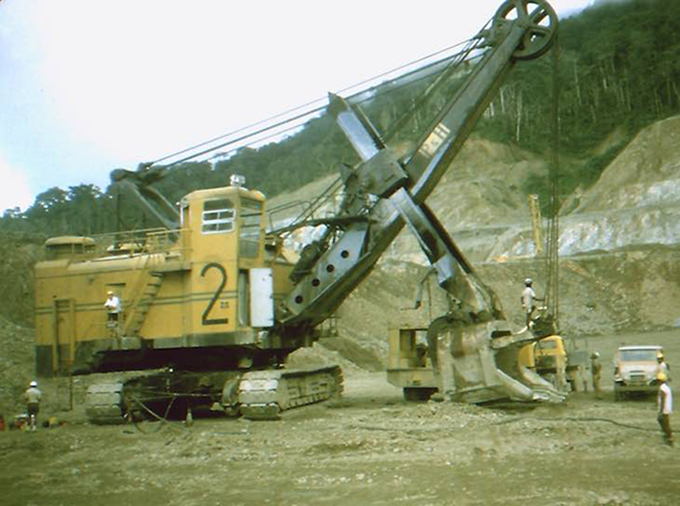
Panguna mine in operation … back in its heyday around 1971. Image: Robert Owen Winkler/Wikimedia Commons/PNG Mine Watch

Pacific Media Centre Newsdesk

The Autonomous Bougainville Government, led by president Dr John Momis, has been accused by a research and advocacy group of allowing a “reckless land grab” with its planned mining law changes.

The proposed amendments to the 2015 Bougainville Mining Act, along with accompanying legislation, will give the ABG the power to hand over mining leases to all parts of the island not under existing leases to Bougainville Advanced Mining, a new entity created for this purpose.

The ABG would have 60 percent ownership of Bougainville Advanced Mining, while 40 percent would be owned by a foreign partner.

READ MORE: Bougainville’s mining deal meets widespread opposition

Statements made President Momis last week suggested that Caballus mining, a Perth-based company headed by Jeff McGlinn, would be the foreign partner involved, said Jubilee Australia.

“These are radical changes and appear to be nothing more than a reckless land grab,” Jubilee Australia’s executive director Dr Luke Fletcher said in a statement.

-Partners-

“First, this would hand over control of the majority of the island to the President and his foreign partner, Mr McGlinn.

“Second, the president would have the power to unilaterally distribute leases without any consultation or permission from landowners.

‘Cut out of process’
“As a result, landowners will be cut out of the process. These amendments undermine the principal of free, prior and informed consent,” said Dr Fletcher.

“Doing so is both anathema to Melanesian culture and vitally important in the Bougainville context.

“It is not clear to us that this legislation is even constitutional,” said Dr Fletcher.

“It is a startling and dangerous move. Given the disastrous history of the Panguna mine in Bougainville, which has caused irreparable environmental damage to the Jaba river and was the major cause of the Pacific region’s worst ever civil war, forcing through such enormous changes with very little consultation is a reckless and desperate ploy.”

President Momis told Radio New Zealand the move was justified to enable the Bougainville independence referendum taking place.

“The people of Bougainville are determined to have the referendum and they must find the money to fund the referendum,” the President reportedly.

“One way of doing it would be if we started our own company and generated the revenue to enable us to conduct the referendum. We cannot sit on our hands.

Dubious over plans
However, Dr Flectcher said: “As our recent study of the question demonstrates, we are highly dubious that mines like Panguna could ever raise enough revenue to satisfy both foreign investors and the people of Bougainville,’ said Dr Fletcher.

“It is certainly impossible that the mine will raise any revenue before the independence vote.

“It will take years for the building/repair of infrastructure, the completion of environmental studies and other importance processes that need to take place before the mine can generate revenue.”

The Panguna mine was one of the world’s biggest copper-gold mines until a 10-year civil war forced its closure in 1989.

The war cost up to 20,000 lives and displaced 10,000 people. The Panguna mine was a leading cause of the war and communities have not been offered redress for the damage.

Since 2009, there has been a push to re-open the mine, with proponents claiming that Bougainville needs the mine to be economically independent.

President Momis has been at the forefront of this fight, under the auspices of former operator Bougainville Copper Limited (BCL), claiming that it would be the best and quickest option to generate revenue.

In December 2017, however, the president announced a moratorium of mining at Panguna and revoked BCL’s mining licence, after a meeting of landowner meetings voted against such an extension.

Print Friendly, PDF & Email

Article by AsiaPacificReport.nz

Australian governments have a long history of trying to manipulate the ABC – and it’s unlikely to stop now

]]>

Source: The Conversation (Au and NZ) – By Denis Muller, Senior Research Fellow in the Centre for Advancing Journalism, University of Melbourne

History tells us that no matter which side of politics – Labor or Coalition – is in power, there is no respite for the ABC from incipient government hostility.

What does change, however, is the nature of the provocations that make governments antsy with Aunty.

Both sides get cross when the ABC criticises what the government does. But, in other respects, the provocations differ depending on which party is in power.

When it’s Labor, the sharpest tensions arise when the ABC’s journalism harms the party or its mates.

For example, during the Hawke-Keating years (1983-1996) there was fury about the ABC’s treatment of a Labor icon, Neville Wran, and Hawke’s mate, the transport tycoon Sir Peter Abeles.

In 1983, when Wran was premier of New South Wales, a Four Corners program, The Big League, implicated him in allegations of corruption in rugby league and the NSW magistracy. Wran was forced to stand aside during the ensuing royal commission. Although he was exonerated, he neither forgot nor forgave the ABC, and neither did the Labor Party.

Four Corners also investigated the business practices and political influence of Abeles, who was credited with playing a critical role in Hawke’s ascendancy to the Labor leadership.

However, under Labor these eruptions tend to be episodic – the Rudd-Gillard-Rudd years were relatively tranquil – whereas during the Coalition’s past two terms in office hostility towards the ABC has been relentless.

When the Coalition is in office, the sharpest tensions are caused by allegations of bias and by ideological conflict of the kind typified by the culture wars: Aboriginal issues, Reconciliation and Australian history.


Read more: Constant attacks on the ABC will come back to haunt the Coalition government


This pattern was already established when John Howard became prime minister in 1996, but he took it to a new level. His senior adviser, Grahame Morris, characterised the ABC as “our enemy talking to our friends”. Howard himself referred to the 7pm ABC television news as “Labor’s home video”.

Within four months of the election, his government cut the ABC’s budget by 2% – breaking an election promise – and announced a review of the role and scope of ABC services.

Howard’s communications minister, Richard Alston, kept up an unremitting barrage of complaints that the ABC was biased. This culminated in 2003 with 68 complaints about the coverage of the second Gulf War. An independent review panel upheld 17 of these but found no systematic bias.

During the Howard government years, Communications Minister Richard Alston maintained a furious attack on the ABC. AAP/Alan Porritt

This playbook – repeated funding cuts, relentless allegations of bias, and recurring inquiries into the ABC’s efficiency and scope – has been followed to the letter by the Abbott-Turnbull-Morrison administrations.

Howard also fashioned appointments to the ABC board into a new weapon in the culture wars by selecting not just party grandees and reliable allies, but cultural warriors.

This reached its apogee with the appointments of Ron Brunton in 2003, Janet Albrechtsen in 2005 and the historian Keith Windshuttle in 2006.

Brunton is an anthropologist who worked for the Liberal Party and right-wing think-tank the Institute of Public Affairs. He made a name for himself by writing a critical response to the report of the Royal Commission into Aboriginal Deaths in Custody.

Albrechtsen is a columnist with The Australian. She is a longstanding critic of the ABC and in particular its Media Watch program.

Her qualifications were enhanced by the fact that she had written in praise of Windshuttle’s work, The Fabrication of Aboriginal History, in which he disputed estimates of the number of Aboriginal people killed in frontier massacres during European settlement. These estimates formed part of what the historian Geoffrey Blainey called the “black armband” view of Australian history, an epithet later adopted by Howard.

Labor also stacks the board but tends to content itself with the appointment of straight-out political mates – ex-politicians, labour lawyers and trade union officials. According to the ABC’s historian, Ken Inglis, in 1992 the then chairman, Mark Armstrong, looked around the boardroom and wondered whether he was the only director who did not owe his place to some connection with Labor.

As this brief history shows, both side of politics are contemptuous of the merit-based process laid down in the ABC Act for board appointments. It requires an independent nomination panel to produce three names, based on stated selection criteria, and then to recommend them to the minister.

Ministers are under no legal obligation to take any notice and, as we have seen, they routinely do not.

Australia saw the climactic results of this shameless jobbery last September when the ABC chair, Justin Milne, and the managing director, Michelle Guthrie, were forced out. This came amid recriminatory accusations about Guthrie’s performance, Milne’s relationship with the then prime minister, Malcolm Turnbull, and the board’s incapacity to defend the broadcaster’s editorial independence.

Two changes to the ABC Act would go some way towards reducing the likelihood of more crises like this.

First, part VI of the act should be amended to include a mechanism for guaranteeing the agreed level of funding for a triennium. The finance minister would then be obligated to make a statement to parliament explaining any reduction.

Second, the merit-based appointment process set out in part IIIA of the act should be made mandatory. The act should also be amended so that if the minister rejects a nomination panel’s recommendations, he or she must tell parliament who has been rejected and why someone else was preferred.

In the lead-up to the 2019 election, Labor has promised to restore the most recent cuts of A$83.7 million to the ABC budget over three years, but not the other A$250 million taken out, mainly by the Abbott government. The Coalition has kept a decent silence.

The moral of this story is that voters should not be too starry-eyed about how Labor is likely to treat the ABC if it wins the election. And they should be less starry-eyed still about the prospects of a minister giving up the power to manipulate board membership of Australia’s most important cultural institution.

ref. Australian governments have a long history of trying to manipulate the ABC – and it’s unlikely to stop now – http://theconversation.com/australian-governments-have-a-long-history-of-trying-to-manipulate-the-abc-and-its-unlikely-to-stop-now-110712

Politics with Michelle Grattan: Kerryn Phelps on medical transfer numbers

]]>

Source: The Conversation (Au and NZ) – By Michelle Grattan, Professorial Fellow, University of Canberra

Independent MP Kerryn Phelps, who set the ball rolling for the medical transfers legislation, says its passage is “a remarkable exercise in cooperation”.

Phelps says that of the about 1000 people on Manus and Nauru “around 70 people require urgent medical evacuation” and “another couple of hundred will require transfer but not as urgently”.

She describes Scott Morrison’s proposal to reopen the Christmas Island detention facility as a “political statement”.

“What we need to do is to have a regional resettlement option for people who are currently on Manus and Nauru so they don’t have to become so sick that they have to be transferred to Australia to await resettlement somewhere else.”

ref. Politics with Michelle Grattan: Kerryn Phelps on medical transfer numbers – http://theconversation.com/politics-with-michelle-grattan-kerryn-phelps-on-medical-transfer-numbers-111751

Explainer: how will the ‘medevac’ bill actually affect ill asylum seekers?

]]>

Source: The Conversation (Au and NZ) – By Nicholas Procter, Professor and Chair: Mental Health Nursing, University of South Australia

Both the House of Representatives and the Senate have now passed amendments to the Migration Act 1958 that allow for the medical evacuation of asylum-seekers from Manus Island and Nauru. These amendments are also known as the medevac bill.

So, how will the situation for asylum seekers and refugees on Manus Island and Nauru change with the provisions in place?


Read more: The government was defeated on the ‘medevac’ bill, but that does not mean the end of the government


What’s in the Bill?

The medevac bill allows for the transfer of asylum seekers or refugees on Nauru or Manus Island to Australia for “medical or psychiatric assessment or treatment”. Family members will also be transferred if recommended.

It gives a clear pathway for medical specialists to make medical decisions. Two doctors must assess – either in person or remotely – the person and make the recommendation for transfer. The criteria used in the initial assessment and in any review is that the person:

  • needs medical or psychiatric assessment or treatment
  • is not receiving appropriate medical or psychiatric assessment or treatment in Nauru or Manus Island, and
  • must be transferred for appropriate medical or psychiatric assessment or treatment.

The recommendation is given to the Minister for Home Affairs who must either approve or refuse the transfer within 72 hours. The minister can refuse the transfer if the person has an adverse security assessment or if the person has a “substantial criminal record”.

The minister may also refuse the recommendation on the basis he does not accept the transfer is necessary on medical grounds. In those cases an expert medical panel – known as the Independent Health Advice Panel (IHAP) – would be formed to reassess the recommended transfer.


Read more: Morrison government defeated on medical bill, despite constitution play


If the panel recommends the person’s transfer should be approved, the minister must transfer the person unless satisfied there are security or character grounds for refusing the transfer.

The panel will consist of at least eight members, including the Chief Medical Officer for the government, the Department of Home Affair’s Chief Medical Officer and the Surgeon-General of the Australian Border Force. Other members would be appointed by the minister based on nominations by various professional medical bodies.

Medical transfers to Australia are for a temporary period only, so those currently in Australia could still be returned to Nauru or Manus Island following their treatment. This will continue to be the case even now this bill is passed.

These procedures are only applicable to asylum seekers and refugees who are on Nauru and Manus Island currently. The law will not apply to anyone who comes after the passage of this bill. Anyone brought to Australia for medical treatment must be kept in onshore immigration detention.

Three examples

Medical transfers that have occurred to date are mostly for psychiatric reasons or a combination of psychiatric and other medical reasons. The importance of provided, rapid medical assessment and response to critically ill, or at-risk-of-dying, refugees and asylum seekers cannot be overstated.

Under the provisions of the medevac bill, asylum seekers with medical or psychiatric conditions can be transferred to Australia. from shutterstock.com

In August, 2014 a 24-year-old Iranian detainee on Manus Island, Hamid Khazaei, fell ill and presented to clinicians at the detention centre with “flu-like symptoms” and a small lesion on his leg. After a course of antibiotics, his condition deteriorated and he was transferred to a hospital in Papua New Guinea. He died a few days later.

A coronial inquest identified ambiguous and deficient policies for emergency evacuation, finding Mr Khazaei’s death was preventable. If his clinical deterioration was recognised and responded to in a timely manner, and he was evacuated to Australia within 24 hours of developing severe sepsis, Khazaei could have survived.

Medical evacuations are time sensitive because of the nature of the emergency and the logistics of the transfer itself. Were the provisions of the medevac bill in place at the time, independent expert overview of clinical decisions could have saved Khazaei’s life.

Another case was that of a refugee woman on Nauru who attempted suicide. An order was made for her to be urgently transferred to Australia. This was based on reports from a psychiatrist and a surgeon who expressed concerns that, without urgent surgical intervention, she could develop peritonitis (a life-threatening inflammation resulting from her suicide attempt) and die.

This case was heard by the Federal Court within four days of her attempt. Evidence demonstrated she needed complicated surgical intervention and psychiatric care that appeared not to be available on Nauru. Medical evacuation to Australia was requested as soon as possible, and the woman was brought to Australia.


Read more: Self-immolation incidents on Nauru are acts of ‘hopeful despair’


With the medevac provisions in place, the woman could have been brought to Australia earlier for an independent assessment of her physical and mental health prior to her situation deteriorating to a point where emergency management was required. The costs and delays involved in seeking intervention of the courts to order medical evacuations would also have been reduced with the provisions in place.

Another recent case involved a 46-year-old refugee on Manus Island who had lost vision in his right eye after a traumatic injury during a riot on the island. Vision in his left eye was also deteriorating and there was a lack of appropriate treatment in PNG. His mental health had also deteriorated to a point where he was assessed as being at high risk of suicide.

The evidence was that Manus Island did not have adequate facilities to treat his physical deterioration and suicidality. The court ordered his transfer to Australia as soon as possible for assessment and treatment.

Again, this man could have been brought to Australia earlier for an independent assessment, prior to emergency life saving treatment being required. The bill’s provisions will now allow for this. This translates to continuity and consistency of care and reduced deadlocks over treatment decisions.

Medical care can’t be political

Aside from being a circuit breaker to current arrangements, the bill is a new opportunity to establish agreed governance arrangements and a clinical pathway for recognising and responding to medical need without political interference. In the past bureaucrats and politicians have invalidated medical evidence and clinical decision making processes.

To provide safe and high quality care to refugees and asylum seekers based on medically assessed need, independent medical experts must be provided with all available relevant information about the patient. Giving the best medical and health advice must be free from delay and political interference.

ref. Explainer: how will the ‘medevac’ bill actually affect ill asylum seekers? – http://theconversation.com/explainer-how-will-the-medevac-bill-actually-affect-ill-asylum-seekers-111645

It’s fish on ice, as frozen zoos make a last-ditch attempt to prevent extinction

]]>

Source: The Conversation (Au and NZ) – By Nicola Marie Rivers, PhD Candidate, Monash University

Twenty-six of the forty-six fish species known to live in the Murray-Darling basin are listed as rare or threatened. Recent fish kills in the iconic river system are a grim reminder of how quickly things can take a turn for the worst.

A sudden drop in population size can push a species towards extinction, but there may be hope for resurrection. Frozen zoos store genetic material from endangered species and are preparing to make new individuals if an extinction occurs.


Read more: Cryopreservation: the field of possibilities


Unfortunately, poor response to freezing has hindered the introduction of fish into frozen zoos in the past. Now new techniques may provide them safe passage.

Ice ice baby

A frozen zoo, also known as a biobank or cryobank, stores cryopreserved or “frozen” cells from endangered species. The primary purpose of a frozen zoo is to provide a backup of endangered life on Earth allowing us to restore extinct species.

Reproductive cells, such as sperm, oocytes (eggs) and embryos, are cooled to -196ºC, at which point all cellular function is paused. When a sample is needed, the cells are warmed and used in breeding programs to produce new individuals, or to study their DNA to determine genetic relationships with other species.

There are several cryobanking facilities in Australia, including the Australian Frozen Zoo (where I work), the CryoDiversity Bank and the Ian Potter Australian Wildlife Biobank, as well as private collections. These cryobanks safeguard some of Australia’s most unique wildlife including the greater bilby, the golden bandicoot, and the yellow-footed rock wallaby as well as other exotic species such as the black rhino and orangutans.

Internationally, frozen zoos are working together to build a “Noah’s Ark” of frozen tissue. The Frozen Ark project, established in 2004 at the University of Nottingham, now consists of over 5,000 species housed in 22 facilities across the globe.

The Manchurian trout, or lenok, is the only fish successfully reproduced through cryopreservation and surrogacy. National Institute of Ecology via Wikimedia, CC BY

Less love for fish

As more and more species move into frozen zoos, fish are at risk of being left out. Despite years of research, no long-term survival has been reported in fish eggs or embryos after cryopreservation. However, precursors of sperm and eggs known as gonial cells found in the developing embryo or the ovary or testis of adult fish have been preserved successfully in several species including brown trout, rainbow trout, tench and goby.

By freezing these precursory cells, we now have a viable method of storing fish genetics but, unlike eggs and sperm, the cells are not mature and cannot be used to produce offspring in this form.

To transform the cells into sperm and eggs, they are transplanted into a surrogate fish. Donor cells are injected into the surrogate where they follow instructions from surrounding cells which tell them where to go and when and how to make sperm or eggs.

Once the surrogate is sexually mature they can mate and produce offspring that are direct decedents of the endangered species the donor cells were originally collected from. In a way, we are hijacking the reproductive biology of the surrogate species. By selecting surrogates that are prolific breeders we can essentially “mass produce” sperm and eggs from an endangered species, potentially producing more offspring than it would have been able to within its own lifetime.

Cell surrogacy has been successful in sturgeon, rainbow trout and zebrafish.

The combination of cryopreservation and surrogacy in conservation is promising but has only successfully been used in one endangered species so far, the Manchurian trout.

Not a get-out-of-conservation card

The “store now, save later” strategy of frozen zoos sounds simple but alas it is not. The methods needed to reproduce many species from frozen tissue are still being developed and may take years to perfect. The cost of maintaining frozen collections and developing methods of resurrection could divert funding from preventative conservation efforts.

Even if de-extinction is possible, there could be problems. The Australian landscape is evolving – temperatures fluctuate, habitats change, new predators and diseases are being introduced. Extinction is a consequence of failing to adapt to these changes. Reintroducing a species into the same hostile environment that lead to its demise may be a fool’s errand. How can we ensure reintroduced animals will thrive in an environment they may no longer be suited for?

Reducing human impact on the natural environment and actively protecting threatened species will be far easier than trying to resurrect them once they are gone. In the case of the Murray Darling Basin, reversing the damage done and developing policies that ensure its long-term protection will take time that endangered species may not have.


Read more: I’ve always wondered: does anyone my age have any chance of living for centuries?


Frozen zoos are an insurance policy, and we don’t want to have to use them. But if we fail in our fight against extinction, we will be glad we made the investment in frozen zoos when we had the chance.

ref. It’s fish on ice, as frozen zoos make a last-ditch attempt to prevent extinction – http://theconversation.com/its-fish-on-ice-as-frozen-zoos-make-a-last-ditch-attempt-to-prevent-extinction-111633

Composers are under no threat from AI, if Huawei’s finished Schubert symphony is a guide

]]>
Evening Report
Evening Report
Composers are under no threat from AI, if Huawei's finished Schubert symphony is a guide
Loading
/

Source: The Conversation (Au and NZ) – By Goetz Richter, Associate Professor, Violin – Sydney Conservatorium of Music, University of Sydney

Chinese technology company Huawei has not had a particularly good press recently. Countries including Australia have excluded it from construction of a 5G network, while the US Justice Department recently laid criminal charges against the firm and its chief financial officer.

It is understandable that in the midst of such woes one might turn towards something harmless like classical music to wallow in sophisticated creativity, cultural tradition and human mystery.


Read more: What’s wrong with Huawei, and why are countries banning the Chinese telecommunications firm?


In time for the Year of the Pig, Huawei recently presented a completion of Franz Schubert’s “Unfinished Symphony” in performance at London’s Cadogan Hall. It was accomplished by “pairing technological innovations of Huawei’s artificial intelligence” from its smartphone with the human expertise of film composer Lucas Cantor.

What was the division of labour here? The company’s website, where you can now hear the music, explains that the smartphone “listened to the first two movements of Schubert’s Symphony… analysed the key musical elements that make it so incredible, then generated the melody for the missing third and fourth movement from its analysis”. The composer Lucas Cantor selected and orchestrated the melodic offering. His role was to “draw out the good ideas from the AI and fill in the gaps where necessary”.

Cantor describes his experience of composing with AI as having a tireless collaborator, who never runs out of ideas and does not become cranky.

Promotional video by Huawei.

Why did Huawei take on a symphony which was left (perhaps intentionally) incomplete by a composer who famously sought a better world through music, notably after a severe syphilitic infection in the months after its composition? According to Huawei’s President of Consumer Business, Walter Ji, Huawei’s intent is “to make the world a better place for people”.

We know that Schubert succeeded, but does Huawei’s experiment reflect this lofty rhetoric? Those with ears to hear can listen to the experiment here.

Actually, it is somewhat surprising that the third and fourth movements are entirely by Cantor and the Huawei smartphone, as Schubert left some sketches for the third movement that other composers have respected in their completions in the past. Maybe the smartphone did not have phone contacts to Schubert scholars?

Impression management

Be that as it may, the greatest issue seems to me that these movements sound only a little like Schubert and a lot like film music. Allusions to Wagnerian harmonic suspensions and a clichéd orchestration do not make it easy to be otherwise.

Where Schubert’s first two movements seek voice in an intimate, personal and tragic lyricism, reflecting an internal, subjective dialogue, the final two movements transform the symphony’s identity with pretentiously epic and dramatic elements. The grandiose ending of the fourth movement is entirely unsuited to the uncertain and haunting starting point of the first movement.

The English Session Orchestra performs Schubert’s Symphony No. 8, completed by by Huawei Artificial Intelligence, in February 2019.

The final two movements communicate profound ignorance of autonomous art or artistic development. Grafted to provoke acclaim and applause, they are impression management at its worst.

The completed movements are trivial and achieve ultimately a loose and inauthentic family resemblance to Schubert. This is despite their rehashing material of the first two movements, which appears courtesy of the smartphone in melodic snippets and reduces Schubertian features to clichés. (His repetitive string accompaniment, for instance, lends a characteristic searching dynamic to the first movement, but seems out of place in the others).

The formally weak, rhapsodic structure especially cannot really sustain interest. It demands an external narrative to illustrate. To be sure, the music is no worse than the slush that is poured over TV’s historical soap operas.

So, what do we learn then about music and artificial intelligence? Most importantly: the composition of music is a unique human achievement, and no mere constructive process that cobbles together a pre-given, flat pack of ideas. Unlike modular kitchens, symphonies intimately link material and form as they come to life and evolve together.

Schubert’s Unfinished Symphony.

Analytical extraction of musical material (melodies, motifs or phrases) cannot lead to a natural, artistic composition. Huawei’s experiment is artistically and aesthetically naïve.

At the beginning of any musical composition is the intuition of voice or spirit.

When the two movements by Schubert were first performed in 1865, 37 years after his death, the Viennese music critic Eduard Hanslick heard this spirit:

When after several introductory bars, the clarinet and oboe in unison strike up their sweet song over the quiet murmur of the violins, then every child knows the composer, and the half-suppressed exclamation “Schubert” passes whispered through the hall.

In the unity of musical form and material, the composer articulates spirit. Hanslick refers to this as “character”. It seems that character is entirely lacking from Huawei’s experiment.

Without character, we have no authentic humanity. How could flattening of spirit ever make the world a better place?

ref. Composers are under no threat from AI, if Huawei’s finished Schubert symphony is a guide – http://theconversation.com/composers-are-under-no-threat-from-ai-if-huaweis-finished-schubert-symphony-is-a-guide-111630

Explainer: how will the ‘medivac’ bill actually affect ill asylum seekers?

]]>

Source: The Conversation (Au and NZ) – By Nicholas Procter, Professor and Chair: Mental Health Nursing, University of South Australia

Both the House of Representatives and the Senate have now passed amendments to the Migration Act 1958 that allow for the medical evacuation of asylum-seekers from Manus Island and Nauru. These amendments are also known as the medivac bill.

So, how will the situation for asylum seekers and refugees on Manus Island and Nauru change with the provisions in place?


Read more: The government was defeated on the ‘medivac’ bill, but that does not mean the end of the government


What’s in the Bill?

The medivac bill allows for the transfer of asylum seekers or refugees on Nauru or Manus Island to Australia for “medical or psychiatric assessment or treatment”. Family members will also be transferred if recommended.

It gives a clear pathway for medical specialists to make medical decisions. Two doctors must assess – either in person or remotely – the person and make the recommendation for transfer. The criteria used in the initial assessment and in any review is that the person:

  • needs medical or psychiatric assessment or treatment
  • is not receiving appropriate medical or psychiatric assessment or treatment in Nauru or Manus Island, and
  • must be transferred for appropriate medical or psychiatric assessment or treatment.

The recommendation is given to the Minister for Home Affairs who must either approve or refuse the transfer within 72 hours. The minister can refuse the transfer if the person has an adverse security assessment or if the person has a “substantial criminal record”.

The minister may also refuse the recommendation on the basis he does not accept the transfer is necessary on medical grounds. In those cases an expert medical panel – known as the Independent Health Advice Panel (IHAP) – would be formed to reassess the recommended transfer.


Read more: Morrison government defeated on medical bill, despite constitution play


If the panel recommends the person’s transfer should be approved, the minister must transfer the person unless satisfied there are security or character grounds for refusing the transfer.

The panel will consist of at least eight members, including the Chief Medical Officer for the government, the Department of Home Affair’s Chief Medical Officer and the Surgeon-General of the Australian Border Force. Other members would be appointed by the minister based on nominations by various professional medical bodies.

Medical transfers to Australia are for a temporary period only, so those currently in Australia could still be returned to Nauru or Manus Island following their treatment. This will continue to be the case even now this bill is passed.

These procedures are only applicable to asylum seekers and refugees who are on Nauru and Manus Island currently. The law will not apply to anyone who comes after the passage of this bill. Anyone brought to Australia for medical treatment must be kept in onshore immigration detention.

Three examples

Medical transfers that have occurred to date are mostly for psychiatric reasons or a combination of psychiatric and other medical reasons. The importance of provided, rapid medical assessment and response to critically ill, or at-risk-of-dying, refugees and asylum seekers cannot be overstated.

Under the provisions of the medivac bill, asylum seekers with medical or psychiatric conditions can be transferred to Australia. from shutterstock.com

In August, 2014 a 24-year-old Iranian detainee on Manus Island, Hamid Khazaei, fell ill and presented to clinicians at the detention centre with “flu-like symptoms” and a small lesion on his leg. After a course of antibiotics, his condition deteriorated and he was transferred to a hospital in Papua New Guinea. He died a few days later.

A coronial inquest identified ambiguous and deficient policies for emergency evacuation, finding Mr Khazaei’s death was preventable. If his clinical deterioration was recognised and responded to in a timely manner, and he was evacuated to Australia within 24 hours of developing severe sepsis, Khazaei could have survived.

Medical evacuations are time sensitive because of the nature of the emergency and the logistics of the transfer itself. Were the provisions of the medivac bill in place at the time, independent expert overview of clinical decisions could have saved Khazaei’s life.

Another case was that of a refugee woman on Nauru who attempted suicide. An order was made for her to be urgently transferred to Australia. This was based on reports from a psychiatrist and a surgeon who expressed concerns that, without urgent surgical intervention, she could develop peritonitis (a life-threatening inflammation resulting from her suicide attempt) and die.

This case was heard by the Federal Court within four days of her attempt. Evidence demonstrated she needed complicated surgical intervention and psychiatric care that appeared not to be available on Nauru. Medical evacuation to Australia was requested as soon as possible, and the woman was brought to Australia.


Read more: Self-immolation incidents on Nauru are acts of ‘hopeful despair’


With the medivac provisions in place, the woman could have been brought to Australia earlier for an independent assessment of her physical and mental health prior to her situation deteriorating to a point where emergency management was required. The costs and delays involved in seeking intervention of the courts to order medical evacuations would also have been reduced with the provisions in place.

Another recent case involved a 46-year-old refugee on Manus Island who had lost vision in his right eye after a traumatic injury during a riot on the island. Vision in his left eye was also deteriorating and there was a lack of appropriate treatment in PNG. His mental health had also deteriorated to a point where he was assessed as being at high risk of suicide.

The evidence was that Manus Island did not have adequate facilities to treat his physical deterioration and suicidality. The court ordered his transfer to Australia as soon as possible for assessment and treatment.

Again, this man could have been brought to Australia earlier for an independent assessment, prior to emergency life saving treatment being required. The bill’s provisions will now allow for this. This translates to continuity and consistency of care and reduced deadlocks over treatment decisions.

Medical care can’t be political

Aside from being a circuit breaker to current arrangements, the bill is a new opportunity to establish agreed governance arrangements and a clinical pathway for recognising and responding to medical need without political interference. In the past bureaucrats and politicians have invalidated medical evidence and clinical decision making processes.

To provide safe and high quality care to refugees and asylum seekers based on medically assessed need, independent medical experts must be provided with all available relevant information about the patient. Giving the best medical and health advice must be free from delay and political interference.

ref. Explainer: how will the ‘medivac’ bill actually affect ill asylum seekers? – http://theconversation.com/explainer-how-will-the-medivac-bill-actually-affect-ill-asylum-seekers-111645

Yes, we can put bank bosses in jail, but is that the best way to hold them to account?

]]>

Source: The Conversation (Au and NZ) – By Rick Sarre, Adjunct Professor of Law and Criminal Justice, University of South Australia

When Kenneth Hayne handed down the banking royal commission’s final report, he urged the corporate watchdog to investigate several entities for criminal charges. The Australian Securities and Investments Commission (ASIC) has since announced it is preparing cases against executives of some of the big players.

The day of the report, Treasurer Josh Frydenberg reiterated a government commitment made last year to boost the enforcement powers and resources of agencies such as ASIC and the Commonwealth Director of Public Prosecutions (DPP) to launch criminal prosecutions. The government would also extend the jurisdiction of the Federal Court to include “criminal corporate crime”.

Frydenberg said the government would provide a legislative framework necessary, and better resources, for regulators to hold those who abuse our trust to account. But this is unnecessary – the legislative framework is already there. And then there’s also the question of whether criminal convictions and terms of imprisonment are the best way to deal with the issue.

A dishonest culture

A key finding of the report was that entities may have committed breaches of the Corporations Act – the main legislation regulating Australian companies. The relevant section in the act is “Dishonest conduct” (1041G), inserted in 2001. It says “a person must not, in the course of carrying on a financial services business in this jurisdiction, engage in dishonest conduct in relation to a financial product or financial service”. Those convicted face a maximum ten years imprisonment.

This is the main criminal offence at play here – dishonesty. It is dishonest for a finance company to charge for a service they know will not be provided. It is dishonest for a bank to continue to charge dead people for services rendered.

That said, convictions under 1041G have usually occurred where individuals have been found seeking to deliberately line their own pockets. Commissioner Hayne has therefore upped the ante by prodding ASIC to consider whether at least two corporate entities, not just individuals, have breached 1041G.


Read more: Compensation scheme to follow Hayne’s indictment of financial sector


Hayne’s observation could not be in greater contrast to one made in the wake of a similar investigation two decades ago. In 1996 the Howard government initiated their inquiry into the financial services sector. The inquiry’s chairman Stan Wallis had claimed Australia’s tough corporate governance rules were a major reason for the perceived under-performance of companies at the time.

In a June, 2000 speech to the Centre for Corporate Public Affairs, Wallis advocated winding back boardroom independence rules since “too much attention to corporate governance can cloud a board’s judgement”. Governance, he said, had become an end in itself, and, as a result, directors were predisposed to being risk-averse rather than bold.

But now the regulator’s guillotine is being sharpened, not blunted, and with good reason. The amount charged by financial institutions for services never received is reportedly more than $1 billion. Hayne has referred 24 entities to regulatory authorities. We can virtually guarantee prosecutions will be launched in relation to these alleged misdeeds.

So, how can a conviction occur?

First, ASIC needs to look beyond what was reported to the royal commission to find clear evidence of wrongdoing. With sufficient evidence, the matter is referred to the DPP. The DPP in turn needs to be satisfied of the probability of a conviction, which might have been difficult but for a significant legislative ally that came into being under the Keating government in 1995.

The Commonwealth Criminal Code’s bold wording (chapter 2, part 2.5, division 12), cross-referenced under section 1311 of the Corporations Act, confirms that the Code applies to corporations, and states that they may be found guilty of any offence, including those punishable by imprisonment.

The Code then links an individual’s potentially culpable behaviour to the concept of corporate culture, defined (in section 12.3(6)) as an

attitude, policy, rule, course of conduct or practice existing within the body corporate generally or in the part of the body corporate in which the relevant activities take place.

This means individual directors or senior managers can’t simply claim they were not directly culpable and hope to escape scrutiny. If they presided over a rotten corporate culture, one that showed little disdain for dishonest behaviour, they can be convicted and go to jail. Mr Frydenberg doesn’t need to extend jurisdictions, or boost enforcement powers. The law that the DPP needs is there already.

But do the people want this?

If one believes the political commentary that tells us there is a heightened contempt among the public today for white-collar offending, then perhaps bosses should be jailed. But there’s also some evidence suggesting that the public’s intolerance of, and reaction to, such behaviour is not as radical as many believe.

Research conducted in England led the author to conclude that punishment preferences of the public are

rational and reasoned, and the emotive aspects of their attitudes were primarily regretful rather than vengeful […] there were signs that the desire to express condemnation and disapproval of offenders’ conduct was counterbalanced by recognition of the need for humane and just penal policies.

In other words, there is an argument the public don’t consider senior managers who have already been humbled by the Commissioner, or humiliated by the commission’s lead barrister Rowena Orr QC, need to go behind bars.


Read more: Banking Royal Commission: the real problem is how we value executives and workers


Criminologist John Braithwaite’s seminal work, Crime, Shame and Reintegration, explored shame in a leader’s falling short of public expectations. His hypothesis was that fear of shame is a major social force for preventing criminality, not threat of imprisonment.

Punishing key financial services leaders by naming them, highlighting their failings, accepting their contrition, disqualifying them, and seeking restitution from them is as likely to satisfy the public’s demand for appropriate consequences as any prison term.

ref. Yes, we can put bank bosses in jail, but is that the best way to hold them to account? – http://theconversation.com/yes-we-can-put-bank-bosses-in-jail-but-is-that-the-best-way-to-hold-them-to-account-111507

Syphilis is making a come-back, and causing some unusual health problems

]]>

Source: The Conversation (Au and NZ) – By Justine R. Smith, Professor of Eye & Vision Health, Flinders University

Syphilis is a sexually transmissible infectious disease that has plagued humankind for centuries. Today, syphilis is diagnosed rapidly by a simple blood test, and easily treated with an inexpensive antibiotic. However, the disease may masquerade as other medical conditions, confusing even health care professionals. A delay in diagnosis and treatment may have serious medical consequences.

There’s ongoing debate about the origin of syphilis, but the disease is well described in the medical literature from the Middle Ages. The name “syphilis” was coined in 1530 by an Italian physician. Dr. Girolamo Fracastoro wrote a poem describing features of the illness in a fictional shepherd named Syphilus, who had blasphemed against the Sun-God and was punished with a severe case of the disease.

Since this time, syphilis has claimed many lives and influenced civilisation in diverse ways.

Syphilis has afflicted heads of state, whose nations have suffered from the consequences of their diminished mental health. King Henry VIII of England and Tsar Ivan IV Vasilievici of Russia (“Ivan the Terrible”) are examples. Careers of internationally influential artists – such as Ludwig van Beethoven, Oscar Wilde and Scott Joplin – ended prematurely due to syphilis.

Public outrage over the highly unethical Tuskegee study and Guatemalan experiments on people with untreated syphilis have helped to shape present day human research regulations.


Read more: Three charts on the state of STIs and blood-borne viruses in Australia


Cause and effect

Syphilis is caused by a spiral shaped bacterium called Treponema pallidum. Although the bacteria multiply slowly, they are easily passed between sexual partners via the skin or mucous membranes.

A small ulcer is the typical “first stage” of syphilis. The ulcer does not appear until several weeks after the sexual encounter, and it is painless, short-lived and heals without a trace. So it may go unnoticed, especially if it occurs in an inconspicuous place, inside vaginal or rectal passages, or in the mouth.

The second stage of syphilis is characterised by unusual skin and mucous membrane rashes that improve without treatment over weeks to months. The disease then enters a period called the latent stage that lasts for years, during which a person has no symptoms, but continues to be infected.

Finally, in the tertiary stage, syphilis becomes extremely destructive. Large inflammatory growths that occur anywhere in the body may seriously damage tissues. There may be aneurysms, heart disease, dementia and paralysis.

Syphilis can also be passed from a pregnant woman to her unborn child, resulting in a serious illness and sometimes loss of the baby.

Throughout the course of syphilis, the nervous system and senses may become affected, causing unusual health problems. This includes inflammation inside the eye, called uveitis. Syphilitic uveitis causes vision loss in about two-thirds of people who develop it, and may lead on to other eye conditions, such as cataract, glaucoma, retinal scarring and retinal detachment.

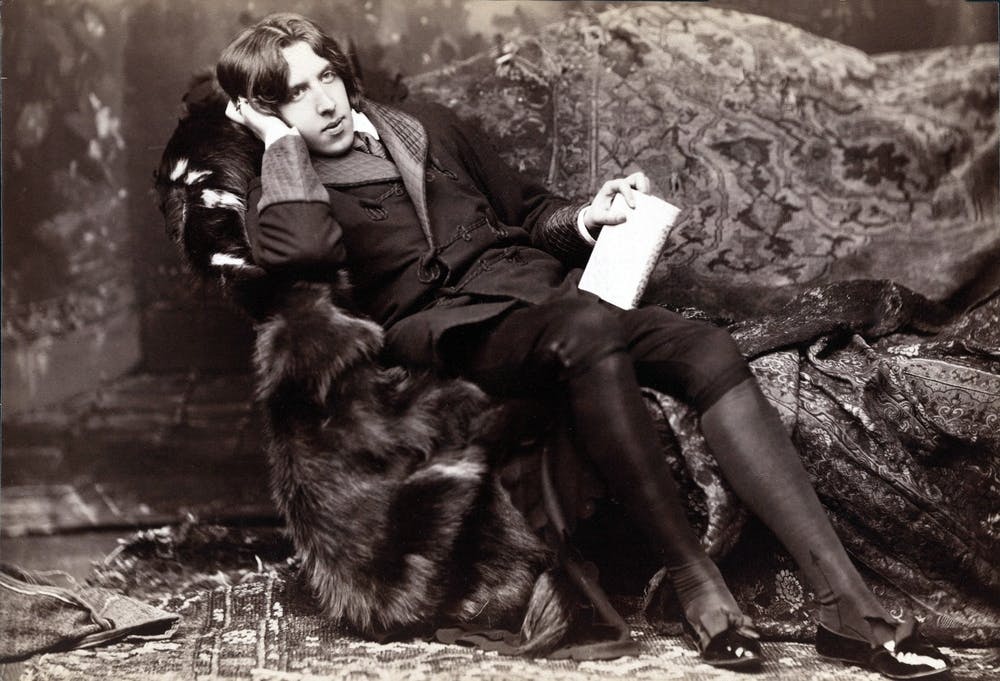
Oscar Wilde is one of many well-known people throughout history who suffered from syphilis. from www.shutterstock.com

Treatment

Introduction of penicillin into medical practice in the 1940s provided an opportunity to eradicate syphilis, as Treponema is highly sensitive to this antibiotic. In countries where testing and antibiotics were readily available, rates of syphilis dropped to extremely low levels during the 20th century.

In Australia in 2010, there were just five reported new infections per 100,000 people. Hope was high that the same might be achieved in low income, developing nations.

Unexpectedly, however, rates of syphilis are climbing in high income countries across the globe. Latest figures from the Kirby Institute indicate an increase by over 250% between 2010 and 2017, affecting both Australian men and women.

Many factors are responsible. Aware of the highly effective drugs for HIV infection, people are less concerned about safe sex. Other factors that promote spread of the Treponema bacteria are high levels of travel and new drugs for sexual dysfunction. There is also a relationship between HIV infection and syphilis: having one infection increases the risk of catching the other.

This creates a challenging situation for health care professionals, who are suddenly encountering patients with a disease they did not focus on during their training. Add to this that syphilis may masquerade as a wide range of other medical conditions as it moves past the first stage. It is actually referred to in clinical textbooks as the Great Imitator or the Great Mimicker.


Read more: Stigma and lack of awareness stop young people testing for sexually transmitted infections


Ocular syphilis

As ophthalmologists we have noticed an increase in cases of syphilitic uveitis. A delay in starting penicillin can result in permanent vision loss. In one very large study conducted in Brazil, it took about three months to recognise syphilis as the cause of uveitis, and half of people in the study did not fully recover their vision despite taking antibiotics.

Ophthalmologists who specialise in uveitis identify the lack of medical suspicion for the diagnosis of syphilis as an important reason for a delay to starting treatment.

Prevention

There is no vaccine for syphilis, and a person may catch it more than once. But there are ways to avoid the health problems caused by syphilis. Practising safe sex protects against – but does not completely prevent – the disease.

Testing is key. It involves checking the blood for antibodies against Treponema bacteria. The test is inexpensive and you get results within a day.

Anyone who is sexually active can ask for a test, but certain situations should trigger a test: pregnancy; HIV infection or sexually transmissible infections; and a partner with syphilis. Doctors may also suggest a test for rashes or ulcers, and for some inflammatory problems, such as uveitis. Everyone from the general public to our health-care professionals need to be more aware of syphilis.

ref. Syphilis is making a come-back, and causing some unusual health problems – http://theconversation.com/syphilis-is-making-a-come-back-and-causing-some-unusual-health-problems-109658

UPNG registrar first ‘victim’ of drastic campus action over fees hike

]]>
University of Papua New Guinea … furore over fees. Image: UPNG

Pacific Media Centre Newsdesk

The University of Papua New Guinea registrar Dr Peter Petsul has become the first victim of the new university council, reports the PNG Post-Courier.

Dr Petsul was suspended on Monday on full pay for 14 days by new Chancellor Jeffery Kennedy at the country’s national university.

READ MORE: Unions slam ‘farcical’ appointment of chancellor, VC

In sidelining the registrar, Kennedy wrote:

“Dr Petsul has been suspended for 14 days starting on 11th February 2019.

“During this period, he is given an opportunity to show cause and respond to the council why drastic actions should not be taken against him.”

-Partners-

Dr Petsul was sidelined after failing to effect a council decision to rescind a decision by the former council to increase school tuition and boarding fees.

Kennedy has instructed the acting Vice-Chancellor Professor Kenneth Sumbuk to appoint an acting registrar to run the administration.

In early January, RNZ Pacific reported that most UPNG students faced a massive 29 percent hike in their fees this year.

Some degree courses, such as medicine and nursing, faced even bigger increases.

At the time, UPNG’s public relations director James Robins said other expenses, such as accommodation, were unchanged.

But Robins said this compulsory fee, along with the annual government budget allocation, was needed to cover basic costs so students can complete their programmes.

Last month, the PNG Trade Union Congress slammed the appointments of Jeffrey Kennedy as chancellor and Dr Sumbuk as vice-chancellor in an ongoing controversy over the university’s governance.

Print Friendly, PDF & Email

Article by AsiaPacificReport.nz

Having a sense of meaning in life is good for you — so how do you get one?

]]>

Source: The Conversation (Au and NZ) – By Lisa A Williams, Senior Lecturer, School of Psychology, UNSW

The pursuit of happiness and health is a popular endeavour, as the preponderance of self-help books would attest.

Yet it is also fraught. Despite ample advice from experts, individuals regularly engage in activities that may only have short-term benefit for well-being, or even backfire.

The search for the heart of well-being – that is, a nucleus from which other aspects of well-being and health might flow – has been the focus of decades of research. New findings recently reported in Proceedings of the National Academy of Sciences point towards an answer commonly overlooked: meaning in life.

Meaning in life: part of the well-being puzzle?

University College London’s psychology professor Andrew Steptoe and senior research associate Daisy Fancourt analysed a sample of 7,304 UK residents aged 50+ drawn from the English Longitudinal Study of Ageing.

Survey respondents answered a range of questions assessing social, economic, health, and physical activity characteristics, including:

…to what extent do you feel the things you do in your life are worthwhile?

Follow-up surveys two and four years later assessed those same characteristics again.

One key question addressed in this research is: what advantage might having a strong sense of meaning in life afford a few years down the road?

The data revealed that individuals reporting a higher meaning in life had:

  • lower risk of divorce
  • lower risk of living alone
  • increased connections with friends and engagement in social and cultural activities
  • lower incidence of new chronic disease and onset of depression
  • lower obesity and increased physical activity
  • increased adoption of positive health behaviours (exercising, eating fruit and veg).

On the whole, individuals with a higher sense of meaning in life a few years earlier were later living lives characterised by health and well-being.

You might wonder if these findings are attributable to other factors, or to factors already in play by the time participants joined the study. The authors undertook stringent analyses to account for this, which revealed largely similar patterns of findings.

The findings join a body of prior research documenting longitudinal relationships between meaning in life and social functioning, net wealth and reduced mortality, especially among older adults.

What is meaning in life?

The historical arc of consideration of the meaning in life (not to be confused with the meaning of life) starts as far back as Ancient Greece. It tracks through the popular works of people such as Austrian neurologist and psychiatrist Victor Frankl, and continues today in the field of psychology.

One definition, offered by well-being researcher Laura King and colleagues, says

…lives may be experienced as meaningful when they are felt to have a significance beyond the trivial or momentary, to have purpose, or to have a coherence that transcends chaos.

This definition is useful because it highlights three central components of meaning:

  1. purpose: having goals and direction in life
  2. significance: the degree to which a person believes his or her life has value, worth, and importance
  3. coherence: the sense that one’s life is characterised by predictability and routine.

Michael Steger’s TEDx talk What Makes Life Meaningful.

Curious about your own sense of meaning in life? You can take an interactive version of the Meaning in Life Questionnaire, developed by Steger and colleagues, yourself here.

This measure captures not just the presence of meaning in life (whether a person feels that their life has purpose, significance, and coherence), but also the desire to search for meaning in life.

Routes for cultivating meaning in life

Given the documented benefits, you may wonder: how might one go about cultivating a sense of meaning in life?

We know a few things about participants in Steptoe and Fancourt’s study who reported relatively higher meaning in life during the first survey. For instance, they contacted their friends frequently, belonged to social groups, engaged in volunteering, and maintained a suite of healthy habits relating to sleep, diet and exercise.

Backing up the idea that seeking out these qualities might be a good place to start in the quest for meaning, several studies have causally linked these indicators to meaning in life.

For instance, spending money on others and volunteering, eating fruit and vegetables, and being in a well-connected social network have all been prospectively linked to acquiring a sense of meaning in life.

For a temporary boost, some activities have documented benefits for meaning in the short term: envisioning a happier future, writing a note of gratitude to another person, engaging in nostalgic reverie, and bringing to mind one’s close relationships.

Happiness and meaning: is it one or the other?

There’s a high degree of overlap between experiencing happiness and meaning – most people who report one also report the other. Days when people report feeling happy are often also days that people report meaning.

Yet there’s a tricky relationship between the two. Moment-to-moment, happiness and meaning are often decoupled.

Research by social psychologist Roy Baumeister and colleagues suggests that satisfying basic needs promotes happiness, but not meaning. In contrast, linking a sense of self across one’s past, present, and future promotes meaning, but not happiness.

Connecting socially with others is important for both happiness and meaning, but doing so in a way that promotes meaning (such as via parenting) can happen at the cost of personal happiness, at least temporarily.

Given the now-documented long-term social, mental, and physical benefits of having a sense of meaning in life, the recommendation here is clear. Rather than pursuing happiness as an end-state, ensuring one’s activities provide a sense of meaning might be a better route to living well and flourishing throughout life.

ref. Having a sense of meaning in life is good for you — so how do you get one? – http://theconversation.com/having-a-sense-of-meaning-in-life-is-good-for-you-so-how-do-you-get-one-110361

Mata’afa Keni Lesa: Samoan politics and criminal libel – stay tuned

]]>
Samoan Prime Minister Tuilaepa Dr Sa’ilele Malielegaoi … “a rare glimpse into his fears”. Image: Samoan government

By Mata’afa Keni Lesa, editor of the Samoa Observer

It’s all happening in Samoa today.

For such a small country, there really is no dull moment.

With the latest political maneuvering within the ruling Human Rights Protection Party (HRPP), and the developments in the halls of law and justice during the past couple of days, things are certainly heating up.

READ MORE: Samoan police charge anti-government blogger

The worry is that there is no “atomic bomb” nearby – otherwise all these controversial developments could collectively trigger and cause something – we might regret later on. There is certainly a feeling of uneasiness in the air; that cannot be denied.

We say this because if as Christians we claim that there are no accidents in life, then we must pause and do some soul searching, to discover the true meaning to all these developments. What are they trying to tell us? What are the lessons we can take from it? And why are they happening?

-Partners-

There must be a method to thy madness. Folks, these things don’t just happen out of nowhere. There have been events building up to what we are seeing today, so that we get the feeling something has got to give, somewhere. And it’s not a question of whether it will happen; it’s rather of question of when and how it’s going to unfold.

As powerful as people say he is, Prime Minister Tuilaepa Dr Sa’ilele Malielegaoi has given a rare glimpse into his fears this week, perhaps explaining a lot of the things he’s been doing and saying lately.

What fear?
What is that fear? Well he’s afraid of the possibility that the political machine called the H.R.P.P. could fall apart.

How do we know? Well he said it himself.

In justifying the party’s decision to forcefully remove long serving member, La’auilalemalietoa Leuatea Polata’iva, Prime Minister Tuilaepa indicated he wants to use the decision against La’auli as a warning to other potential rebellion party members.

“If we don’t do this now, this will be the beginning of the destruction of this party because others will say; well nothing has been done to him so I can try too,” Tuilaepa admitted this week.

The reality is that it’s hard to imagine such a well-oiled machine like the HRPP destructing. It’s even harder to see that happening with a lone member expressing different views, like La’auli has done.

But they say a journey of a thousand miles begins with a single step. La’auli might be alone for now, but who is to say that this is not the beginning of the end?

Which is perhaps why Prime Minister Tuilaepa is hell bent on ensuring party members get the message that no one should dare test his authority. He has thrown everything including the book to make his case here.

Written agreement
“We have an agreement, a written agreement,” he said. “Before you become a member, we have an agreement where you pledge your allegiance to the party. That agreement is your commitment that you will not do anything to harm the party. So once you do something to harm the party, you have made a decision on yourself.”

He continued: “When matters pertaining to the Constitution are raised where amendments are needed, no one is allowed to [vote against the party’s position]. This is where this agreement comes into play.”

“This (HRPP) law applies to when the Constitution is the subject of discussions and amendments. It is why if you decide to vote against, that is you officially informing the party you want to leave and you don’t want to be involved anymore. Which is exactly what was done.”

Interesting, very interesting indeed. Where this episode will head to next we can only wait and see.

The trouble for the government – and Prime Minister Tuilaepa – is that it’s not just being attacked from within, there is a growing number of people – especially Samoans residing overseas – who have become so bold they are starting to stand up and speak their minds.

One of them went the extra mile and threw a pig’s head and dog food at the Prime Minister when he was speaking during a Samoa Airways launch in Brisbane recently. In Samoa this week, Talalelei Pauga was offered an opportunity to explain his actions and what he said was quite telling.

“My approach was on the political level and the reason why I used the pig’s head was because he called the people of my country stinking pigs,” he said. “He also called our people dogs and all that. If you don’t have respect for my people why should I have respect for him?”

‘No fear’
Pauga went on to say that he has “no fear, and I will die for my people.” Well that’s a bit extreme, isn’t it? But it perhaps shows the depth of feeling that exists when it comes to some of the latest political developments in Samoa today.

Speaking of extremes, another one unfolded on Friday when the police charged the man known as “King Faipopo” for allegedly making defamatory statements online against Prime Minister Tuilaepa.

Malele Paulo (his real name) had come to Samoa for his mother’s funeral when he was picked up by the police and charged on Friday night. He spent the night in police custody before he was finally let go yesterday, after surrendering his passport.

Paulo becomes the first person to be charged under the Criminal Libel Act, re-introduced by Prime Minister Tuilaepa himself, last year. This is going to be very, very, very interesting.

So stay tuned.

This editorial was published in the Sunday Samoan, the weekend edition of Samoa’s only daily newspaper, Samoa Observer. It is republished with permission.

Print Friendly, PDF & Email

Article by AsiaPacificReport.nz

Hidden women of history: Enheduanna, princess, priestess and the world’s first known author

]]>

Source: The Conversation (Au and NZ) – By Louise Pryke, Lecturer, Languages and Literature of Ancient Israel, Macquarie University

In this series, we look at under-acknowledged women through the ages.

The world’s first known author is widely considered to be Enheduanna, a woman who lived in the 23rd century BCE in ancient Mesopotamia (approximately 2285 – 2250 BCE). Enheduanna is a remarkable figure: an ancient “triple threat”, she was a princess and a priestess as well as a writer and poet.

The third millennium BCE was a time of upheaval in Mesopotamia. The conquest of Sargon the Great saw the development of the world’s first great empire. The city of Akkad become one of the largest in the world, and northern and southern Mesopotamia were united for the first time in history.

In this extraordinary historical setting, we find the fascinating character of Enheduanna, Sargon’s daughter. She worked as the high priestess of the moon deity Nanna-Suen at his temple in Ur (in modern-day Southern Iraq). The celestial nature of her occupation is reflected in her name, meaning “Ornament of Heaven”.

Enheduanna composed several works of literature, including two hymns to the Mesopotamian love goddess Inanna (Semitic Ishtar). She wrote the myth of Inanna and Ebih, and a collection of 42 temple hymns. Scribal traditions in the ancient world are often considered an area of male authority, but Enheduanna’s works form an important part of Mesopotamia’s rich literary history.

Ancient Akkadian cylindrical seal depicting Mesopotamian love goddess Inanna. Wikimedia Commons


Read more: Friday essay: the legend of Ishtar, first goddess of love and war


Enheduanna’s status as a named poet is significant given the anonymity surrounding works of even earlier authors. Yet she is almost entirely unknown in the modern day, and her achievements have been largely overlooked (a notable exception is the work of Jungian analyst Betty De Shong Meador). Her written works are deeply personal in subject, containing numerous biographical features.

Enheduanna’s cycle of temple hymns concludes with an assertion of the work’s originality and its authorship:

The compiler of the tablets was En-hedu-ana. My king, something has been created that no one has created before.

While clearly asserting ownership over the creative property of her work, Enheduanna also comments on the difficulties of the creative process — apparently, writer’s block was a problem even in ancient Mesopotamia.

Long hours labouring by night

In her hymns, Enheduanna comments on the challenge of encapsulating divine wonders through the written word. She describes spending long hours labouring over her compositions by night, for them then to be performed in the day. The fruits of her work are dedicated to the goddess of love.

Enheduanna’s poetry has a reflective quality that emphasises the superlative qualities of its divine muse, while also highlighting the artistic skill required for written compositions.

Her written praise of celestial deities has been recognised in the field of modern astronomy. Her descriptions of stellar measurements and movements have been described as possible early scientific observations. Indeed, a crater on Mercury was named in her honour in 2015.

Enheduanna’s works were written in cuneiform, an ancient form of writing using clay tablets but have only survived in the form of much later copies from around 1800 BCE, from the Old Babylonian period and later. The lack of earlier sources has raised doubts for some over Enheduanna’s identification as the author of myths and hymns and her status as a religious official of high rank. However, the historical record clearly identifies Enheduanna as the composer of ancient literary works, and this is undoubtedly an important aspect of the traditions surrounding her.


Read more: Friday essay: the recovery of cuneiform, the world’s oldest known writing


Aside from poetry, other sources for Enheduanna’s life have been discovered by archaeologists. These include cylinder seals belonging to her servants, and an alabaster relief inscribed with her dedication. The Disk of Enheduanna was discovered by British archaeologist Sir Charles Leonard Woolley and his team of excavators in 1927.

The Disk of Enheduanna. Zunkir/Mefman00/Wikimedia Commons, CC BY

The Disk was discarded and apparently defaced in antiquity, but the pieces were recovered through excavations and the scene featuring the writer successfully restored. The scene depicts the priestess at work: along with three male attendants, she observes a libation offering being poured from a jug.

Enheduanna is situated in the centre of the image, with her gaze focused on the religious offering, and her hand raised in a gesture of piety. The image on the Disk emphasises the religious and social status of the priestess, who is wearing a cap and flounced garment.

Art imitates life

Enheduanna’s poetry contains what are thought to be autobiographical elements, such as descriptions of her struggle against a usurper, Lugalanne. In her composition The Exaltation of Inanna, Enheduanna describes Lugalanne’s attempts to force her from her role at the temple.

Inanna temple relief. Wikimedia Commons

Enheduanna’s pleas to the moon god were apparently met with silence. She then turned to Inanna, who is praised for restoring her to office.

The challenge to Enheduanna’s authority, and her praise of her divine helper, are echoed in her other work, such as in the myth known as Inanna and Ebih.

In this narrative, the goddess Inanna comes into conflict with a haughty mountain, Ebih. The mountain offends the deity by standing tall and refusing to bow low to her. Inanna seeks help from her father, the deity Anu. He (understandably) advises her against going to war with the fearsome mountain range.

Inanna, in typically bold form, ignores this instruction and annihilates the mountain, before praising the god Enlil for his assistance. The myth contains intriguing parallels with the conflict described in Enheduanna’s poetry.

In the figure of Enheduanna, we see a powerful figure of great creativity, whose passionate praise of the goddess of love continues to echo through time, 4000 years after first being carved into a clay tablet.

Note: Translations of the Temple Hymns are taken from Black, J.A., Cunningham, G., Fluckiger-Hawker, E, Robson, E., and Zólyomi, G., The Electronic Text Corpus of Sumerian Literature, Oxford 1998.

ref. Hidden women of history: Enheduanna, princess, priestess and the world’s first known author – http://theconversation.com/hidden-women-of-history-enheduanna-princess-priestess-and-the-worlds-first-known-author-109185

Vets can do more to reduce the suffering of flat-faced dog breeds

]]>

Source: The Conversation (Au and NZ) – By Paul McGreevy, Professor of Animal Behaviour and Animal Welfare Science, University of Sydney

Veterinarians have a professional and moral obligation to reduce or prevent any negative health impacts of disorders in animals. But what if animals are bred with known disorders? And what if those disorders are a big part of what makes them cute?

In a paper, published earlier this year in Animals, we argue that veterinarians must do more to discourage the breeding of animals with conditions known to seriously compromise their welfare.

This is the case with extreme brachycephalic or short-skulled dogs, including French bulldogs, pugs, British bulldogs, Boston terriers, and Cavalier King Charles spaniels.


Read more: Why decisions to desex male dogs just got more complicated


The trend towards shorter skulls seems to have taken hold since the 1870s and the development of breed standards that inadvertently encouraged extreme “conformation” (shape, size and anatomical proportions).

In companion animal practice, the veterinary profession is kept busy ministering to these dogs and bringing them into the world, with more than 80% of Boston terriers, British bulldogs and French bulldogs being born by Caesarean section.

Struggle to breathe

Extreme brachycephaly is associated with a range of disorders, most notably Brachycephalic Obstructive Airway Syndrome (BOAS). BOAS occurs in shorter-skulled dogs because the nose, tongue, soft palate and teeth are crammed into a relatively small space, reducing the size of the airway.

Clinical signs of BOAS include increased respiratory noise, effort and difficulty in breathing, an intolerance to exercise, gagging, blue gums (in the mouth), overheating and fainting.

Brachycephalic dogs probably experience the unpleasantness of air hunger (lack of oxygen and surplus of carbon dioxide) and, compared with healthy non-brachycephalic dogs, show marked increases in respiratory rate as temperatures rise.

Can’t stand the heat

The hotter the temperature, the harder these dogs have to work to cool down by panting. As a result, the tissues of the upper airway swell, further reducing airflow and eventually causing airway obstruction, which causes them to get hotter . It’s a life-threatening vicious cycle.

This reduced capacity to cope with heat explains why Qantas no longer permits the transport of affected breeds on flights longer than five hours, or those with more than two sectors per journey.

Affected dogs also change the way they sleep to avoid airway obstruction, sometimes by adopting a sitting position. They also raise their chins or sleep with a toy between their teeth to keep their airways open. Indeed, 10% can sleep only with an open mouth.

Extremely short skulls are associated with excess carbon dioxide concentrations (that shift the acid-base balance of the blood), neurological deficits, skin disease, eye disease and certain behavioural disorders.

Brachycephalic dogs also have an increased anaesthetic risk – and yet increasingly need surgery to treat these problems.

This is not new information. For example, in 2008, the documentary Pedigree Dogs Exposed revealed the impact of extreme brachycephaly on dogs.

But they’re popular dogs

Despite accumulating evidence about the health and welfare impacts of brachycephaly, affected breeds are becoming more popular.

In the last decade, registrations of French bulldogs have increased by around 3,000%. This prompted kennel clubs to warn prospective owners about the real possibility of bad breeders trying to cash in on the trend.

Brachycephalic breeds are booming in popularity in Australia where, since the mid-1980s, puppy purchasers have increasingly favoured shorter, smaller, brachycephalic breeds.

A costly health problem

Extreme brachycephalic dogs aren’t the only ones bearing the costs of inherited health and welfare problems.

Figures from overseas and Australian pet insurance providers confirm that the financial costs of owning extreme brachycephalic dogs are high. This is due to the many conditions they suffer from including, but not limited to, BOAS.

Analysis of more than 1.27 million Australian pet insurance claims over a nine-year period (2007-2015) confirms this.

As you can see (above), brachycephalic dogs were more likely to suffer from a number of health conditions when compared with non-brachycephalic dogs. They also suffer from fungal skin disease, skin cancer, brain disorders, back problems and difficulties giving birth.

Dysphagia (problems swallowing), vomiting, regurgitation and flatulence are other common clinical signs in brachycephalic breeds.

There is also the emotional cost of owning dogs that may require extensive treatment, and live, on average, shorter lives than their longer-nosed canine counterparts.

What more can vets do?

The brachycephalic dog patient may place veterinarians in ethically challenging situations when they are approached to help in treatment and breeding of affected animals.

In discussing breed-associated disorders, veterinarians may appear to be critical of the very features that clients find most endearing about their companion animals and some have preferred to speak up only anonymously. Or veterinarians may have a conflict of interest if they draw an income from treating the typical disorders.

But unless veterinarians and breed organisations speak up, the demand for extreme brachycephalic breeds will continue. The enormity of the welfare problem is increasing with the increased demand for affected dogs.

The Australian Veterinary Association (AVA) and the RSPCA Australia joined forces back in 2016 to promote awareness of these health and welfare problems in their Love is Blind campaign.

“They’re lovely dogs …” but!

Breeder organisations are exploring ways to moderate extreme shapes in the show-ring. For example, a survey published last year of 15 national kennel clubs, identified exaggerated morphological features and inherited disorders as their chief concerns.

Companies can also play a role. Last year New Zealand’s online marketplace Trade Me banned the sale of pugs, French bulldogs and British bulldogs on animal welfare grounds.


Read more: Is your dog happy? Ten common misconceptions about dog behaviour


In recognition of the media’s role in generating this demand, the British Veterinary Association no longer uses adverts depicting brachycephalic breeds. The Australian Veterinary Association also avoids use of images of other breeds with exaggerated features, such as shar-peis and dachshunds.

Every veterinarian must provide every individual patient with the best possible care they can. But given what we know, we’re also morally obliged to discourage breeding of dogs with extreme brachycephaly so that we can turn off the tap on this suffering.

It’s also something potential dog-owners should be more aware of. They might think they look cute, but those extreme brachycephalic dogs could be costly, both financially and emotionally.

ref. Vets can do more to reduce the suffering of flat-faced dog breeds – http://theconversation.com/vets-can-do-more-to-reduce-the-suffering-of-flat-faced-dog-breeds-110702

Read aloud to your children to boost their vocabulary

]]>

Source: The Conversation (Au and NZ) – By Margaret Kristin Merga, Senior Lecturer in Education, Edith Cowan University

Words are powerful, and a rich vocabulary can provide young people with significant advantages. Successful vocabulary development is associated with better vocational, academic and health outcomes.

When parents read books aloud to their children from an early age, this offers notable advantages for children’s vocabulary development. This gives them a broader range of possible word choices.


Read more: Research shows the importance of parents reading with children – even after children can read


Research also suggests children who don’t have the opportunity for shared reading are comparatively disadvantaged. If we want our children to be able to draw on a rich vocabulary to express themselves clearly, we need to read to them. Developing a child’s vocabulary is a valuable investment in their future.

Benefits of reading aloud

In the very early years, spoken vocabularies have been associated with higher achievement in reading and maths, and better ability to regulate behaviour. Vocabulary is also linked to success in reading comprehension and related word recognition skills.

Much of a child’s vocabulary is acquired through daily conversations. Shared reading aloud can provide a valuable additional source of new words children can use to power their expression. Research suggests the text of picture books offers access to more diverse vocabulary than child-directed conversations.

At some point, most of us have experienced the frustration of searching for an elusive word that is essential to clearly communicate an idea or a need. When children speak or write, they draw on their vocabulary to make word selections that will optimise the clarity and accuracy of their expression.

Reading can make for valuable parent-child bonding time. from www.shutterstock.com

Beyond vocabulary, reading aloud offers numerous additional benefits for children. Reading aloud may support students to develop sustained attention, strong listening skills, and enhanced cognitive development.

Recent research also suggests children who are read to from an early age may be less likely to experience hyperactivity. Children who are at risk of reading difficulties may particularly benefit from being read to. Children who are learning English as an additional language may experience better reading comprehension when they are read to in English.

Reading aloud with your child is also valuable parent-child time. It can strengthen the parent-child relationship and foster reading engagement, which is essential if we want our children to enjoy the benefits of being a life-long reader.

How can I optimise vocabulary growth for my child?

Vocabulary development can be improved through explicit teaching techniques such as providing definitions for new words. For example, while reading to your child, when you encounter a new word you may pause and ask the child what they think it means.

If they’re unsure, you can then read a little further along so the word is encountered in a context that can give valuable clues about meaning. If the meaning is still unclear, you can provide a definition for your child so you can move on.

A recent study found approaches that involve pointing, providing definitions, and asking some questions as you read together can be good for vocabulary building.

Recent research found nearly identical gains in vocabulary where children were read to either using explicit techniques (such as pointing and giving definitions) or a more engaging storytelling approach. In the storytelling approach, the adult reading to the child added contextual information, which made the child more interested and engaged in the story.


Read more: Enjoyment of reading, not mechanics of reading, can improve literacy for boys


Children will also benefit from hearing the same story a number of times. It’s also a good idea to use some of the new language in subsequent conversation if possible. This can increase exposure and strengthen retention of new words.


Read more: There’s a reason your child wants to read the same book over and over again


What if I don’t have a book?

We may not always have a book at hand. In these cases, you can draw on your creativity and tell a story, which can also benefit vocabulary.

While there is limited research in this area, one study compared telling a child a story or reading them a story with a child reading silently to themselves. The study found all three groups of children learned new words. But telling a story and reading a story to a child offered superior gains in vocabulary.

Beating the barriers

Research suggests that children may be aware of the benefits of listening to books read aloud. This awareness can be a source of regret for the child when reading aloud at home ends, but they still enjoy shared reading. Children may continue to enjoy and benefit from being read to beyond the early years. You should keep reading with your children as long as they let you.

Children get more benefit out of shared reading than reading alone. from www.shutterstock.com

By far, the biggest barrier raised by parents to reading aloud to their children was the formidable barrier of time. If reading aloud becomes a routine part of family life, like dinner and bedtime, this barrier may be overcome as the practice becomes an everyday event.

Due to diverse issues faced in homes and families, not all parents will be able to read their child a book, or tell them a story. This is why it’s still so important for schools to provide opportunities for students to regularly listen to engaging and culturally diverse books.


Read more: Ten ways teacher librarians improve literacy in schools


But reading aloud is not a typical daily classroom practice. We should increase the number of opportunities children have to hear stories both at home and in schools so children can experience the many benefits of a rich and varied vocabulary.

ref. Read aloud to your children to boost their vocabulary – http://theconversation.com/read-aloud-to-your-children-to-boost-their-vocabulary-111427

When water is scarce, we can’t afford to neglect the alternatives to desalination

]]>

Source: The Conversation (Au and NZ) – By Ian Wright, Senior Lecturer in Environmental Science, Western Sydney University

This is the second of two articles looking at the increasing reliance of Australian cities on desalination plants to supply drinking water, with less emphasis on the alternatives of water recycling and demand management. So what is the best way forward to achieve urban water security?


An important lesson from the Millennium Drought in Australia was the power of individuals to curb their own water use. This was achieved through public education campaigns and water restrictions. It was a popular topic in the media and in daily conversations before the focus turned to desalination for water security.

Water authorities were also expanding the use of treated wastewater – often a polite term for sewage – for “non-potable” uses. These included flushing toilets, watering gardens, and washing cars and laundry.

Today, the emphasis on recycling wastewater in some locations is declining. The arguments for increased water recycling appear to be falling away now that desalinated water is available.


Read more: Cities turn to desalination for water security, but at what cost?


This trend ignores the fact that the potential supply of recycled water increases as populations grow.

Today most Australian wastewater is treated then disposed into local streams, rivers, estuaries and the ocean. In Sydney, for example, the city’s big three outfalls dump nearly 1 billion litres (1,000 megalitres, ML) a day into the ocean.

Where has recycling succeeded?

Australia has several highly successful water recycling projects.

Sydney introduced the Rouse Hill recycled water scheme in 2001. Highly treated wastewater is piped into 32,000 suburban properties in distinct purple pipes. Each property also has the normal “potable” drinking water supply.

Rouse Hill is considered a world-leading urban recycling scheme. South Australia (Mawsons Lakes) and Victoria (Yarra Valley Water, South East Water) have similar projects.

Our farmers often struggle to secure water for irrigation. Chronic water shortages across the Murray-Darling river system vividly demonstrate this.


Read more: Damning royal commission report leaves no doubt that we all lose if the Murray-Darling Basin Plan fails


Recycled water can play an important role in agricultural schemes. There are successful examples in South Australia (Virginia Irrigation Scheme), Victoria (Werribee) and New South Wales (Picton).


Read more: It takes a lot of water to feed us, but recycled water could help


Perth has gone further by embracing water recycling for urban use with plans to treat it to a drinking water standard. Part of the extensive treatment process involves reverse osmosis, which is also used in desalination. The treated water is then pumped into groundwater aquifersand stored.

This “groundwater replenishment” adds to the groundwater that contributes about half of the city’s water supply. The Water Corporation of Perth has a long-term aim to recycle 30% of its wastewater.

Southeast Queensland, too, has developed an extensive recycled water system. The Western Corridor Recycled Water Scheme also uses reverse osmosis and can supplement drinking water supplies during droughts.


Read more: More of us are drinking recycled sewage water than most people realise


Demand management works too

Past campaigns to get people to reduce water use achieved significant results.

In Sydney, water use fell steeply under water restrictions (2003-2009). Since the restrictions have ended, consumption has increased under the softer “water wise rules”. Regional centres including (Tamworth) outside of Sydney are under significant water restrictions currently with limited relief in sight.

Despite a 25% increase in Sydney’s population, total demand for drinking water remains lower than before mandatory restrictions were introduced in late 2003. © Sydney Water, used with permission

The Victorian government appears to be the Australian leader in encouraging urban water conservation. Across Melbourne water use per person averaged 161 litres a day over 2016-18. Victoria’s “Target 155” program, first launched in late 2008 and revived in 2016, aims for average use of 155 litres a day.

In a comparison of mainland capitals Melbourne used the least water per residential property, 25% less than the average. Southeast Queensland residents had the second-lowest use, followed by Adelaide. Sydney, Perth and Darwin had the highest use.

Although Melbourne water prices are among the highest of the major cities, lower annual water use meant the city’s households had the lowest water bills in 2016-17, analysis by the Australian Bureau of Meteorology found.

Calculated from Bureau of Meteorology data, Author provided

What impact do water prices have?

Clearly, water pricing can be an effective tool to get people to reduce demand. This could partly explain why water use is lower in some cities.

Water bills have several components. Domestic customers pay a service fee to be connected. They then pay for the volume of water they use, plus wastewater charges on top of that. Depending on where you live, you might be charged a flat rate, or a rate that increases as you use more water.

The chart below shows the pricing range in our major cities.


Flat charges for water per kilolitre (where a kL equals 1,000 litres) apply in Sydney ($2.08/kL)), Darwin ($1.95/kL) and Hobart ($1.06/kL.

However, most water authorities charge low water users a cheaper rate, and increased prices apply for higher consumption. The most expensive water in Australia is for Canberra residents – $4.88 for each kL customers use over 50kL per quarter. The cheapest water is Hobart ($1.06/kL).

Higher fees for higher residential consumption are charged in Canberra, Perth, Southeast Queensland, across South Australia and in Melbourne. In effect, most major water providers penalise high-water-using customers. This creates an incentive to use less.

For example, Yarra Valley Water customers in Melbourne using less than 440 litres a day pay $2.64/kL. From 441-880L/day they are charged $3.11/kL. For more than 881L/day they pay $4.62/kL – 75% more than the lowest rate.

Is recycled water getting priced out of business?

Recycling water may not be viable for Sydney Water. It can cost over $5 per 1kL to produce, but the state pricing regulator, IPART, sets the cost of recycled water to Sydney customers at just under $2 per kL. That’s probably well below the cost of production.

Recycled water, where available, is a little bit more expensive ($2.12/kL) in South Australia.

Subsidies are probably essential for future large recycling schemes. This was the case for a 2017 plan to expand the Virginia Irrigation Scheme. South Australia sought 30% of the capital funding from the Commonwealth.

Where to from here?

Much of southern Australia is facing increasing water stress and capital city water supplies are falling. Expensive desalination plants are gearing up to supply more water. Will they insulate urban residents from the disruption many others are feeling in drought-affected inland and regional locations? Should we be increasing the capacity of our desalination plants?

We recommend that urban Australia should make further use of recycled water. This will also reduce the environmental impact of disposing wastewater in our rivers, estuaries and ocean. All new developments should have recycled water made available, saving our precious potable water for human consumption.

Water conservation should be given the highest priority. Pricing of water that encourages recycling and water conservation should be a national priority.


Read more: This is what Australia’s growing cities need to do to avoid running dry


You can read the first article, on cities’ increasing reliance on desalination, here.

ref. When water is scarce, we can’t afford to neglect the alternatives to desalination – http://theconversation.com/when-water-is-scarce-we-cant-afford-to-neglect-the-alternatives-to-desalination-111249

Welcome to your first job: expect to be underpaid, bullied, harassed or exploited in some way

]]>

Source: The Conversation (Au and NZ) – By Carley Ruiz, Research Assistant, Griffith Criminology Institute, Griffith University

A teenager’s first job can be deeply rewarding, a step towards independence and building skills. But that job may also involve an early taste of exploitative workplace behaviours, including abuse, bullying and harassment.

There are numerous cases of exploitation in workplaces that offer jobs to young people. Think of the systematic underpayment of 7-Eleven workers, for instance, or of Domino’s workers.

Young people working in hospitality – covering restaurants, cafes, bars and pubs – are particularly at risk of exploitative practices, according to the Fair Work Ombudsman.

We wanted to get a more complete picture of the different types of exploitative behaviours that young workers might encounter. To do so we surveyed 330 undergraduate university students about their experiences in the workplace.

Overall, almost three-quarters (74.2%) of respondents reported experiencing some form of exploitative, abusive or harassing behaviour in their first job.


Read more: How to stop businesses stealing from their employees


Researching workplace exploitation

Our convenience sample of university students that anonymously volunteered to participate were surveyed about their workplace experiences while aged under 18 years old. While the results may not be representative of all young peoples’ work experiences, they provide a good indication of the pattern and relative frequency of different forms of exploitative behaviour.

Importantly for prevention, the study also indicates who is most likely to be a perpetrator and who is most at risk. The results of this exploratory study show that workplace exploitation is common enough to warrant future research on a national level to understand the extent and consequences.

In our study we defined exploitation as the following behaviours:

  • economic exploitation, such as not receiving the correct pay, superannuation, breaks, holidays, or being unfairly dismissed

  • exposure to unsafe work conditions, including not being properly trained or supervised, or being required to carry out tasks breaching workplace health and safety rules

  • bullying, involving repeated behaviour that humiliates and intimidates the victim

  • sexual harassment, involving all unwelcomed sexual behaviour such as touching, as well as jokes or unwanted communication

  • verbal harassment, such as being sworn at, insulted and berated

  • physical violence, including threats of a physical attack.

What we found

The age at which our respondents were first employed in Queensland ranged as low as 11 years old to 17 years old. The majority of respondents (84.0%) were first employed in retail or hospitality.

Just over half (51.5%) of our participants reported some kind of economic exploitation in their first job, including incorrect pay and not being allowed proper breaks.

Verbal harassment was also a common experience (49.1%), followed by exposure to unsafe work conditions (32.1%), sexual harassment (14.5%), and violence (6.4%) in their first job.

Nearly a third (29.4%) experienced ongoing incidents of workplace bullying in their first job.

About a quarter (25.8%) of respondents reported no form of workplace exploitation in their first job.


Victims and perpetrators

Our results indicate there is a statistically significant association between (1) the age respondents are first employed and exploitation and (2) gender and exploitation.

Those who started their first job when aged under 16 were significantly more likely to report verbal harassment (55.3%) and bullying (35.2%) than older respondents aged 16-17 (39.7% and 20.6%, respectively).

This is consistent with other research showing younger teenagers are more vulnerable to being exploited, because they may not understand workplace agreements and laws, and be more frightened to report incorrect pay or incidents.

Females were significantly more likely to report economic exploitation (49.1%) and sexual harassment (16.6%) compared to their male counterparts (34.5% and 5.2%, respectively).


Read more: Are you a bully? Here’s how to tell


Co-workers, supervisors and employers were largely responsible for bullying and exposing teenagers to unsafe work conditions.

Customers were largely responsible for harassment and physical abuse.

Respondents also reported many instances where other workers or managers (including owners) witnessed exploitative behaviour but failed to intervene.

Reducing workplace exploitation

Our analysis of survey data indicates workplaces can do much more to protect young people from victimisation.

Low management supervision in retail and hospitality settings, for example, puts females under 16 at high risk of harassment and economic exploitation.

To improve the situation, governments and workplace regulators should more actively monitor, investigate and enforce the laws and regulations. Specifically those surrounding child employment, fair work, pay and superannuation, and workplace health and safety.

Governments and industry groups also need to more effectively engage with employers to make them more aware of their legal obligations.

There is also a role for technology that can help young people monitor their working conditions. The Fair Work Ombudsman’s “Record My Hours” smartphone app, for example.

Apps like this can help young staff track their hours and pay. They could also be modified to enable the reporting of incidents of abuse or incorrect pay.

In recent years we have lurched from one worker underpayment and exploitation scandal to another. Our research indicates this problem may be more grave and pervasive than we have imagined. If that is the case, we must do better.

ref. Welcome to your first job: expect to be underpaid, bullied, harassed or exploited in some way – http://theconversation.com/welcome-to-your-first-job-expect-to-be-underpaid-bullied-harassed-or-exploited-in-some-way-110438

View from the Hill: Shorten’s victory will bring dangerous counter strikes from a desperate government

]]>

Source: The Conversation (Au and NZ) – By Michelle Grattan, Professorial Fellow, University of Canberra

An extraordinary amount of hype and some confected hysteria preceded Tuesday’s vote on the medical transfer legislation.

The government threw everything at trying to avoid a defeat. In a last stand, it fell back on a constitutional argument – backed by Solicitor-General advice – that carried no practical weight and was simply circumvented by the majority that passed the bill in the House of Representatives.


Read more: Crossbenchers must decide between something or nothing on medical transfers bill


While the government frantically attempted to thwart Labor and the crossbench, Scott Morrison also ran the line that he wasn’t that fussed. Afterwards he told a news conference: “Votes will come and votes will go, they do not trouble me.” That claim wouldn’t pass a fact check.

This was a big vote, and everyone knew it. Morrison operates a minority government and Tuesday’s loss underscored that he can’t automatically get his way. (Ironically, in the last days of Turnbull’s majority government, the threat of losing a House vote came from internal dissidents.)


Read more: The government was defeated on the ‘medivac’ bill, but that does not mean the end of the government


The next test for Morrison will be on whether the House agrees to extra sitting days to discuss the measures from the banking royal commission. For procedural reasons, this needs 76 votes, one more than the 75 required on the medical transfer bill. The government has been leaning heavily on Bob Katter, the crossbencher who will be the key.

While the government looked rattled as the votes on the medical transfer bill proceeded, Labor was calm and steely.

For all the talk about Labor’s misjudgement on the issue, this week it has moved cautiously and methodically.

Originally pushed by the crossbench into taking a stand on humanitarian grounds – the bill is based on a proposal from independent Kerryn Phelps – Labor has sought to display compassion but contain the political risk.

Bill Shorten, knowing the danger, decided the version of the bill coming from the Senate (which Labor had supported there) left the ALP too exposed. He flagged last week he’d like a “middle” course.

So the opposition came up with amendments to give the minister wider discretion and more time in making decisions, and to limit the application of the legislation to those on Nauru and Manus now. The latter change was to minimise the “pull” factor – the extent to which the new arrangement would encourage the people smugglers.

Then it was a matter of persuading the required six crossbenchers. They accepted in the negotiations that a modified bill was better than nothing (though there was some Greens cavilling).

In the House, the ALP troops were kept carefully in check; the emotion was turned down; the speeches from the bill’s supporters were few and brief. Labor just wanted one thing in the chamber – a win. This wasn’t the time to grandstand.

The government, wounded and worried, is seeing this as one (albeit major) battle in the long war to the election. Its spruikers will say that in defeat it has had a victory – that Labor has given the Coalition ammunition for the campaign.

It’s true the bill has breathed new life into the border security debate, but whether this will be enough to do Labor serious harm is an open question. `

The ALP is always vulnerable on boats. On the other hand, boats are lower in voters’ minds than they used to be.

The government will turn up the dial by announcing “contingency plans” against fresh arrivals. Morrison, having accused Shorten of undermining offshore processing, is already moving on to the claim that he couldn’t be trusted to be strong on turnbacks.

Goodness knows how the politics would play out if a boat appeared on the horizon in the next few weeks. You can be sure, however, that the government would be quick to tell us about it, and point the finger at Shorten.

In all this, the bill itself (which has to go back to the Senate for a tick off on the amendments) should be kept in perspective.

The minister has a veto on “security” grounds, including being able to exclude anyone who has committed a major crime. The composition of the medical panel which would have the final say on other transfers is broad and balanced.

Probably, over a period, there would be a lot of transfers out of the 1000 people offshore. But there have already been nearly 900 (some after legal action). These transfers have amounted to a backdoor route into Australia.

If the legislation in the longer term opens that door a little wider, it will also be a way of “settling” people in Australia without acknowledging that is being done.

More of the same? Or a radical change? It depends how you look at it.

ref. View from the Hill: Shorten’s victory will bring dangerous counter strikes from a desperate government – http://theconversation.com/view-from-the-hill-shortens-victory-will-bring-dangerous-counter-strikes-from-a-desperate-government-111666

The government was defeated on the ‘medivac’ bill, but that does not mean the end of the government

]]>

Source: The Conversation (Au and NZ) – By Anne Twomey, Professor of Constitutional Law, University of Sydney

The Morrison government has been defeated in the House of Representatives by the passage of a government bill containing amendments made against its wishes that allow for the medical evacuation of asylum-seekers from Manus Island and Nauru.

At the last minute, the Speaker tabled, against the wishes of the government, advice from the Solicitor-General raising a constitutional problem with the Senate amendments. In short, those amendments provided for an “Independent Health Advice Panel”, of which six members would have to be paid. Their remuneration would come automatically under an existing appropriation in the Remuneration Tribunal Act 1973 for the payment of persons who hold public offices. The effect of the amendments in the Bill would therefore have increased the amount payable under that existing appropriation.

This is important, because section 53 of the Constitution says that the “Senate may not amend any proposed law so as to increase any proposed charge or burden on the people”. The argument was that even though the Senate amendments to the bill did not contain an appropriation, they would increase a burden on the people by increasing the amount automatically appropriated under the Remuneration Tribunal Act.


Read more: Explainer: what is a hung parliament and how would it affect the passage of legislation?


Whether this is enough to trigger section 53 is a matter of dispute between the Houses. Understandably, the House of Representatives has long considered that Senate amendments of that kind do breach section 53, while the Senate takes a different view.

The issue cannot be decided by a court, because the courts have held that section 53 is an internal matter for the houses, and not one to be determined judicially. This was made clear in the recent case on the same-sex marriage postal survey. So even if the houses chose to ignore section 53 and pass a bill that breached its terms, and the validity of the law was challenged, a court would not find it to be invalid.

The consequence was that this was a battlefield for the two houses. In the absence of any judicial precedents, all we have to guide us is parliamentary practice and the competing views of parliamentary committees. These do not provide clear answers. While the houses are under a moral and political obligation to obey the Constitution, this is difficult when the Constitution itself is unclear and its interpretation is disputed.

The government’s action in seeking to declare the bill to be a money bill also raised the political stakes. In order to govern, a government must retain control over government finance. Defeat on a money bill in the House of Representatives is regarded as a loss of confidence, which by convention requires the government to resign or seek an election. For example, the Fadden Government resigned in 1941 when its budget was reduced by the nominal sum of £1. So if the bill was treated as a money bill by the government, its passage against the wishes of the government would have raised a serious issue of whether it could continue governing.

However, the Labor Party moved an amendment to remove any right to payment of officers of the panel. This should mean that it is not a money bill, with the consequence that the constitutional issues about s53 should go away (although there would still be a precedent of the House of Representatives dealing with the Senate amendments, rather than rejecting their validity outright).

The bill still has to pass the Senate. If it does so, it will then be presented to the governor-general for royal assent. I have previously discussed why it would not be wise for the government to advise the governor-general to refuse royal assent. Assuming that royal assent is given, then the medivac amendments will take effect the day after the bill receives royal assent.


Read more: Why a government would be mad to advise the refusal of royal assent to a bill passed against its will


Can the Morrison government continue to govern after its defeat on this bill? Yes. As the bill is no longer a money bill and is not one that the government has declared to be a matter of confidence, the government can continue to govern.

If the House of Representatives has truly lost confidence in the government, it can always move a vote of no confidence to make this clear. Unless that happens, the Morrison government can continue governing until the election is held.

ref. The government was defeated on the ‘medivac’ bill, but that does not mean the end of the government – http://theconversation.com/the-government-was-defeated-on-the-medivac-bill-but-that-does-not-mean-the-end-of-the-government-111635

Sunset, a danced evocation of love, loss, and rebirth

]]>

Source: The Conversation (Au and NZ) – By Stephen Chinna, Senior Honorary Research Fellow, University of Western Australia

Review: Sunset, Perth Festival 2019


On a humid night with strong easterlies blowing across the river, the opening night audience for dance-theatre performance Sunset was ushered towards the Sunset Heritage Precinct, on the banks of the Swan River in Dalkeith.

The precinct is currently undergoing refurbishment as a community space and arts centre after many years of disuse. It seems fitting that a piece invoking, in the director’s words, “loss, memory, space and silence”, should be chosen as the initial performance for the venue. It was constructed as a home for destitute men and later became a hospital, with resonances of an asylum (the men’s home had two padded cells).

The performance, to some degree paradoxically, takes place in the hospital’s former cinema, although this cinema space is more a dance hall cum theatre auditorium. A Perth Festival Co-commission, it is a collaboration between UK-based freelance director and choreographer Maxine Doyle and her associates Conor Doyle and Paul Zivkovich, and Western Australia’s STRUT Dance in association with Tura New Music.

Sunset explores love, love and memory. Simon Pynt

Once inside the precinct, the Sunset audience moved past rooms with piles of dirt and spindly plants, evocative of a deserted building in the outback where “nature” overcomes civilisation. But, this was also a reference to the myth of Demeter, the Goddess of Grain, seeking her daughter Persephone. As the director indicates in the program, the myth had a significant influence on Sunset’s narrative.

More time spent in these rooms to reflect on the institutional architecture and ablution blocks reminiscent of a prison, or asylum, would have helped set the tone for what followed. However, perhaps the number of patrons precluded that, even though 100 is the maximum allowable for any one performance.

From there patrons moved into the “cinema”, a cavernous hall with peeling-paint walls, a small stage at one end, and a servery at the other. Chairs were scattered throughout, allowing spectators the opportunity to stand or sit, or wander at will – though few took up this opportunity.

Thematically, the performance focused on those “universal” themes of love, loss and memory, tied in with the myth of Demeter and Persephone. That spectators may infer something different from what is intended is very much part of the “dreamlike” experience.

While the former home housed, among others, Great War veterans and Depression era homeless, what was evoked for me was the displacement of diaspora. This was in part expressed in the character of Alfred Ganz, a fictional poet performed by Humphrey Bower, complete with an Eastern European accent and with a nod to T.S. Eliot in his poetry titles.

Humphrey Bower as Alfred Ganz in Sunset. Simon Pynt

This European influence was evident when the stage was used early in the performance in a conventional manner, inviting the audience to be unidirectional in their focus. This was to witness the performance of a quasi-Expressionist playlet “The Lost Girl”, complete with Ernst Toller-like skeletons wooing the girl.

The stage was not used again in a major way until the long closing dance sequences, where the Tura New Music quartet played so wonderfully as accompaniment to the dancers.

In what no doubt signified a celebration of rebirth, in tune with the Demeter and Persephone myth, the performers danced a mixture of folk-style dances with touches of the tarantella and a Scottish cèilidh. Earlier, performers had moved individually among the audience, either hugging the walls or breaking into brief intermittent dances. When dancing as a group, the varying levels of experience and expertise of the performers were made more obvious.

Sunset is performed in a former men’s home and hospital. Toni Wilkinson

Some of the dancers were excellent, particularly Natalie Allen as Demeter. But it is difficult to identify who in the performance were dancers and who were actors. The program is devoted to words and pictures on the Sunset precinct, notes from the directors, a poem from the character Alfred Ganz and pictures and bios of the major production and technical crew. The 12 performers get just their names — four lines in total.

That said, there are many fine things about this performance, such as evidence of some hard thinking on the best use of the space and how best to incorporate certain stories and omit others.

An effectively varied soundscape, and excellent use of lighting, helped draw out the sometimes nightmarish qualities of the experience – for the cast, as seeming inmates of this asylum cum hospital cum prison space, and for the audience, where at any moment a bystander might break into a performance. The voice of composer and soundscape designer Rachel Dease was beautifully utilised and added yet another layer of a dreamlike quality.

Many spectators appeared to have enjoyed it, notwithstanding the sauna-like conditions. And although there are workers in the world who must undergo far more blistering and extended working hours in extreme conditions, congratulations should be extended to the performers for their energy and commitment in spite of the oppressive heat.


Sunset is playing as part of the Perth Festival until February 17.

ref. Sunset, a danced evocation of love, loss, and rebirth – http://theconversation.com/sunset-a-danced-evocation-of-love-loss-and-rebirth-111531

Why visual illusions appear in everyday objects – from nature to architecture

]]>

Source: The Conversation (Au and NZ) – By Kim Ransley, Postdoctoral researcher, University of Sydney

Optical illusions are cleverly designed to distort reality, but did you know that the same distortions occur frequently in everyday life?

Our ability to see involves the brain moulding raw sensory data into a refined form. Some of the refinements are deliberate – they’re designed to help us survive.

But the process also requires a surprising amount of guess work. And while our brains have evolved to guess right most of the time, certain patterns regularly trip it up. That’s when we might see an optical illusion.

These patterns can have the same illusive effect whether encountered in a book of optical illusions, or on your way to the train station.


Read more: Which square is bigger? Honeybees see visual illusions like humans do


Hidden objects

Left: Richard L Gregory. Right: Jim Mullhaupt. Jim Mullhaupt/flickr

A bunch of random blotches can sometimes be interpreted as complicated visual objects, as shown in the classic illusion on the left. (Don’t see it? Keep looking! You might see a Dalmatian sniffing the ground).

In day to day life, the ability to distinguish objects helps us work out what is around us when parts of the scene are covered or lighting is poor.

But, visual patterns that occur by chance can also trigger the system, causing us to see familiar objects in very strange places – such as the appearance of a face in a cloud (right image).

Distorted dimensions

Left: Ponzo Illusion. Right LivioAndronico (2013) wikimedia commons

The two horizontal lines in the Ponzo Illusion (left image) are actually the same length, but to most people, the lower line seems shorter. The illusion works by using converging lines to mimic the appearance of parallel lines extending into the distance (train tracks often give this appearance).

Because the brain interprets the top line as being further away, it judges that the line must be bigger than it actually is, and inflates the appearance of the line accordingly.


Read more: Live in a small place? An interior designer’s tips to create the illusion of space


Size and distance are difficult for the brain to work out at the same time – a large ball that is seen from a long way away casts exactly the same raw image as a small ball seen up close. The brain relies on many different cues to work this out, and usually does a pretty good job. But it can make errors when the context is misleading.

This principle has been exploited by designers for centuries now, as seen in this classic example of roman architecture (right image). Here, the ancient designers put a pint-sized statue (60cm tall) at the end of the corridor (9m long) in the Palazzo Spada.

Because we are used to seeing life-size human forms, viewers assume that the statue must be human-sized and a long way away, giving the impression that the hallway is much longer than it actually is.

Slimming stripes

Kim Ransley (2019)

Scientists have long known that objects bearing stripes may appear wider or taller than they really are, though scientists are yet to fully explain why the brain produces this particular distortion.

The Helmholtz illusion (left image) shows this with two squares. Many people report that a square with vertical stripes appears too wide, and a square with horizontal stripes appears too tall.

The effect may work for clothing, too, with a few studies now showing that tops or dresses with horizontal stripes can make the wearer appear slimmer than the same item with vertical stripes (right image).

Unfortunately, a recent study suggests that this effect may rely on the wearer being slim to begin with. The bigger the wearer, the less likely the illusion is to work.


Read more: Three visual illusions that reveal the hidden workings of the brain


As we can see, our experience can differ from reality in many ways. What’s more, it’s likely that the visual distortions we don’t notice far outnumber those that we do.

Understanding the processes used by our brains can allow us to better predict sensory experiences, and use this to build objects with functional advantages and intriguing forms.


Dr Kim Ransley will present these and other illusions as part of the Sydney Design Festival on 8 March 2019

ref. Why visual illusions appear in everyday objects – from nature to architecture – http://theconversation.com/why-visual-illusions-appear-in-everyday-objects-from-nature-to-architecture-111178

Climate change is killing off Earth’s little creatures

]]>

Source: The Conversation (Au and NZ) – By Bill Laurance, Distinguished Research Professor and Australian Laureate, James Cook University

Climate change gets blamed for a lot of things these days: inundating small islands, fueling catastrophic fires, amping-up hurricanes and smashing Arctic sea ice.

But a global review of insect research has found another casualty: 40% of insect species are declining and a third are endangered. It confirms what many have been suspecting: in Australia and around the world, arthropods – which include insects, spiders, centipedes and the like — appear to be in trouble.

The global review comes hard on the heels of research published in the Proceedings of the National Academy of Sciences USA that suggests a potent link between intensifying heat waves and stunning declines in the abundance of arthropods.

If that study’s findings are broadly valid – something still far from certain – it has chilling implications for global biodiversity.

Our natural world depends on arthropods. Steve Raubenstine/Pixabay

Arthropod Armageddon

In the mid-1970s, researchers on the Caribbean island of Puerto Rico conducted a large-scale study to measure the total biomass (living mass) of insects and other arthropods in the island’s intact rainforests, using sweep nets and sticky-traps.

Four decades later, another research team returned to the island and repeated the study using identical methods and the same locations. To their surprise, they found that arthropod biomass was just one-eighth to one-sixtieth of that in the 1970s – a shocking collapse overall.

And the carnage didn’t end there. The team found that a bevy of arthropod-eating lizards, birds and frogs had fallen sharply in abundance as well.

Insects are crucial in food webs for species such as this hummingbird. Pixabay

In the minds of many ecologists, a widespread collapse of arthropods could be downright apocalyptic. Arthropods pollinate some of our most important food crops and thousands of wild plant species, disperse seeds, recycle nutrients and form key links in food chains that sustain entire webs of life.

This ecological ubiquity arises because arthropods are so abundant and diverse, comprising at least two-thirds of all known species on Earth. In the 1940s, evolutionary biologist J. B. S. Haldane quipped that “God has an inordinate fondness for beetles.” Humans might think we rule the world, but the planet really belongs to arthropods.

Killer heat waves

The researchers who documented the arthropod collapse in Puerto Rico considered a variety of possible causes, including pesticides and habitat disruption. But the evidence kept pointing to another driver: rising temperatures.

Weather stations in Puerto Rico indicate that temperatures there have risen progressively in the past several decades – by 2℃ on average.

But the researchers are far less worried about a gradual increase in temperature than the intensification of heat waves—which have risen markedly in Puerto Rico. This is because nearly all living species have thresholds of temperature tolerance.

For example, research in Australia has shown that at 41℃, flying foxes become badly heat-stressed, struggling to find shade and flapping their wings desperately to stay cool.

But nudge the thermometer up just one more degree, to 42℃, and the bats suddenly die.

In November, heat waves that peaked above 42℃ in north Queensland killed off almost a third of the region’s Spectacled Flying Foxes. The ground beneath bat colonies was littered with tens of thousands of dead animals. Dedicated animal carers could only save a small fraction of the dying bats.

Bats die en-masse during a recent heatwave.

The El Niño connection

El Niño events – fluctuations in Pacific sea-surface temperatures that drive multi-year variations in weather across large swaths of the planet – are also part of this story. New research appears to be resolving longstanding uncertainties about El Niños and global warming.

Recent studies published in Nature and Geophysical Research Letters suggest global warming will in fact intensify El Niños – causing affected areas to suffer even more intensively from droughts and heat waves.

And this ties back to Puerto Rico, because the researchers there believe a series of unusually intense El Niño heatwaves were the cause the arthropod Armageddon. If they’re right then global warming was the gun, but El Niño pulled the trigger.

Beyond heat waves

Puerto Rico is certainly not the only place on Earth that has suffered severe declines in arthropods. Robust studies in Europe, North America, Australia and other locales have revealed big arthropod declines as well.

And while climatic factors have contributed to some of these declines, it’s clear that many other environmental changes, such as habitat disruption, pesticides, introduced pathogens and light pollution, are also taking heavy tolls.

Monarch butterflies are declining in the USA and Mexico, probably from habitat disruption. Pixabay

So, at a planetary scale, arthropods are suffering from a wide variety of environmental insults. There’s no single reason why their populations are collapsing.

The bottom line is: we’re changing our world in many different ways at once. And the myriad little creatures that play so many critical roles in the fabric of life are struggling to survive the onslaught.

ref. Climate change is killing off Earth’s little creatures – http://theconversation.com/climate-change-is-killing-off-earths-little-creatures-109719

Samoan police arrest anti-government blogger ‘King Faipopo’

]]>
“King Faipopo”, as he appeared in a video sent to the Samoa Observer last year. Image: Samoa Observer

Pacific Media Watch Newsdesk

Samoan anti-government blogger Malele Paulo has been arrested, reports RNZ Pacific.

Malele, who uses the pseudonym “King Faipopo”, is being held in police custody.

RNZ reported Malele had been charged with making threatening social media statements towards the Prime Minister, Tuilaepa Sailele Malielegaoi, under a new criminal libel law.

Malele, who is based in Australia, was arrested in Apia after he returned to Samoa for his mother’s funeral.

In August, Tuilaepa said he was filing a lawsuit against Malele over accusations he had posted on his blog.

At the time, Malele as “King Faipopo” had challenged the prime minister to “come and get me”, according to the Samoa Observer.

-Partners-

Responding to a statement issued then by the Office of the Prime Minister for the authorities to begin the process to bring him back to Samoa, Malele said he was not afraid of the actions taken by the prime minister.

‘I ain’t scared’
“I ain’t scared of anyone on this earth, Tuilaepa Sailele. Don’t try and scare me because I am not afraid of you and I have said it so many times. I am only scared of God.

“I have apologised to the country but you did not reply to my apology. I apologise to the country, not you, and you did not respond.

“You said the police will come and arrest King Faipopo. So come and get me I am waiting,” he said in the video sent to the Samoa Observer.

Malele said he at the time he was also ready to face the prime minister in court.

In December 2017, Samoa Observer editor Mata’afa Keni Lesa criticised the country’s Parliament for unanimously enacting the new criminal libel law after it had been repealed four years earlier, according to RNZ Pacific.

Mata’afa said the law threatened media freedom in Samoa. While it would be ineffective against “faceless” bloggers it would “cripple” the maintream media, he said.

Print Friendly, PDF & Email

Article by AsiaPacificReport.nz

Climate change documentary about Kiribati wins top FIFO prize

]]>

Anote’s Ark trailer

By RNZ Pacific

A Canadian film about climate change in Kiribati and the Pacific has won the top prize at the 16th Pacific Documentary Film Festival in French Polynesia.

The film, Anote’s Ark by Matthieu Rytz, looked at the plight of Kiribati and former President Anote Tong who championed the Pacific human rights struggle over climate change.

Tong was president of his country between 2003 and 2016.

READ MORE: The FIFO 2019 film festival

The special prize of the jury went to Island of the Hungry Ghosts from Austrian director Gabrielle Brady.

-Partners-

The prize of the public went to a local production Patutiki, the art of tattooing of the Marquesas Islands by Heretu Tetahiotupa and Christophe Cordier.

About 30,000 people attended the week-long event in the Tahitian capital of Pape’ete.

Print Friendly, PDF & Email

Article by AsiaPacificReport.nz

Five tips to help your kid succeed in sport – or maybe just enjoy it

]]>

Source: The Conversation (Au and NZ) – By Mitchell Smith, Lecturer in Skill Acquisition and Motor Control, University of Newcastle

Are you signing up your child to a recreational, representative or school sporting program for the new school year?

You may be doing so under false assumptions – and risk undermining your child’s success or enjoyment.

Here are five points for parents, athletes and sporting organisations to consider for talented sports programs – and kids playing sport in general.


Read more: Pay to play: is participating in sport becoming too expensive for everyday Australians?


1. ‘First in’ may not equal ‘best dressed’

It’s increasingly common to see sports academies advertising “talent identification days” for children as young as five years old.

It seems logical – if a child starts young, surely they enjoy a head start and have the best chance to succeed. But in reality, talent is much more complex than accumulating practice time as per the so-called 10,000-hour rule (which says 10,000 hours of practice are required to become world-class).

In fact, rather than “first in, best dressed”, research suggests “early in = early out”. In one study around 75% of young athletes (average recruitment age = 15) recruited into talent programs lasted two years or less, and those who made it to the highest levels were first recruited at a much later age (around 19 years).

2. It’s not a level playing field

In sports like rugby, Australian rules football (AFL) and netball it pays to be big or tall. For this reason sports academies are biased towards recruiting more physically mature children.

But young athletes grow at different rates. So this physical advantage at the youth level may not last, with later maturing athletes catching up during the adolescent years.

Differing heights in players may just reflect different rates of maturity. from www.shutterstock.com

Due to the bias towards selecting more mature young athletes, it also pays to be born earlier in the year. The typical age group cut-off system means children born almost a full year apart compete against each other.

In AFL (among other sports), being born in the first half of the year drastically increases your chances of being selected for an U12 academy, and even receiving Brownlow Medal votes.


Read more: Tennis, running, netball: do I really need a specific shoe for a specific sport?


So how do we give younger or less mature kids a fighting chance? Sports academies can use some simple measurements (standing and sitting height) to mathematically estimate maturity.

This, along with date of birth, should then be factored into selection decisions so youth athletes can be evaluated based on their developmental age and ability, not just their chronological age.

3. David beat Goliath

Although we can estimate maturity, it is almost impossible to predict success in sport. After all, no one predicted that tiny David would triumph over the giant Goliath in the well-known biblical story.

But success in sport is multidimensional, so a lack of size and strength can be compensated with superior skill, savvy and confidence.

Parents and sporting organisations should emphasise holistic development of young athletes, rather than focusing on obvious traits like physical fitness and skill.

Two often overlooked factors that substantially contribute to long-term success are psychosocial characteristics (such as parental support and motivation) and non-sport-specific motor competence (the ability to execute a wide range of motor skills).

Acknowledging the multidimensional nature of talent and the “uneven playing field” described above allows talent developers to make decisions based on future potential, not just current performance.

Good support and motivation are often overlooked elements in children’s sport. from www.shutterstock.com

4. Let them play

To improve performance in any domain, you need to practice. But practice can come in many forms.

The well-known 10,000-hour rule is based on the concept of “deliberate practice”: highly-structured, coach-led practice with a strict focus on improvement.

Although experts complete plenty of this practice over their careers, some research suggests that accumulating hours in “play” (less-structured, informal games; focus on fun) is equally or more important.

While you encourage your children to “play”, make sure you recommend sampling multiple sports. Additional research shows that sampling multiple sports in childhood, and specialising in a single sport at a later age (around 15) are linked to greater success, longer careers, and lower injury rates.

Let kids have fun playing unstructured sports too. from www.shutterstock.com

5. Winning isn’t everything

The emphasis in youth sport programs should be on developing as many athletes as possible, not winning with a few of the “best”.

Too often we praise youth coaches and athletes because they win competitions, but how often do we credit them with developing lifelong participants in a sport? And when was the last time we gave a youth athlete credit for sticking with his or her sport?


Read more: Pushing casual sport to the margins threatens cities’ social cohesion


High participation is a sign of a healthy sport ecosystem. By encouraging many to participate we can accomplish two goals at the same time:

  1. increasing the pool of participants from which to recruit and develop
  2. creating youth athletes with a lifelong affinity with sport that may well extend far into adulthood or even old age.

So as you and your children decide what sporting program to choose, consider these five points, and your children will have the best chance to both enjoy and succeed in sport.

ref. Five tips to help your kid succeed in sport – or maybe just enjoy it – http://theconversation.com/five-tips-to-help-your-kid-succeed-in-sport-or-maybe-just-enjoy-it-110785

We don’t know how many asylum seekers are turned away at Australian airports

]]>

Source: The Conversation (Au and NZ) – By Asher Hirsch, PhD Candidate, Monash University

The immigration department doesn’t keep a record of how many people apply for asylum at Australian airports, and how many are turned away. Documents released under Freedom of Information show a lack of accountability and oversight by Australian immigration officials with regard to people who request asylum at airports.

This means the ultimate decision to admit or deny an asylum seeker entry into Australia rests with the Border Force official who interviews them. Without oversight, an asylum seeker could be turned away and sent back to a country where they may be at harm, after being interviewed behind closed doors and without access to lawyers.

Last week, ABC’s Four Corners reported that two Saudi women were turned back at Sydney Airport after letting customs officers know they intended to apply for asylum. This has led to concerns Australian Border Force officers may be deliberately targeting and blocking Saudi Arabian women, who they suspect may apply for asylum, from entering the country.

Until 2014, a person could apply for a permanent protection visa before being cleared at customs, also known as immigration clearance. However, amendments passed in 2014 mean those stopped before being cleared can only apply for a three-year temporary protection visa or a five-year safe haven visa.

Had the two women not disclosed their intention to seek asylum at the airport, they would generally have been cleared at customs and allowed to enter Australia. They would be able to apply for a permanent protection visa after leaving the airport.

But by making an asylum claim at the airport, they were subsequently detained and then deported from Australia without a chance to apply for protection, or access to lawyers, in violation of Migration Act.

The ABC report suggested at least 80 Saudi women have sought asylum in Australia in recent years, many of them fleeing Saudi Arabia’s male guardianship laws, which allow their husbands, fathers, brothers, uncles and sons to control their lives.


Read more: Are women escaping family violence overseas considered refugees?


A response from the Department of Home Affairs to a Freedom of Information request for the number of individuals who have made protection claims before, or at, immigration clearance at airports since 2008, said:

the location of the applicant in Australia at the time of lodgement … is not relevant to the assessment of the applicant’s asylum claims, and therefore is not recorded in the Department’s database. As such, the Department does not hold existing documents as falling in the scope of the request.

But this can’t be correct given the disparity between the safeguards available before and after an asylum seeker clears customs.

Asylum seekers who have passed through customs can appeal their application for protection if it is rejected in the first instance. from shutterstock.com

Australia has non-refoulement obligations under the 1951 Refugee Convention, various human rights treaties and customary international law. These prohibit the return of asylum seekers to places where they would face certain types of persecution or harm.

This extends to returning asylum seekers to transit countries where they may fear harm, or be at risk of being returned to their home country where they fear harm.

As part of the non-refoulement obligation, Australia must fairly and efficiently assess the claims of any person who applies for asylum under its territory or jurisdiction. Australia may not remove, or refuse admission at the border to, an asylum-seeker while considering that individual’s claim.

The demarcation of immigration clearance zones, or international zones has no consequence to Australia’s obligations under international law.

The Department of Home Affairs sets out the procedures to follow when an asylum claim is made at immigration clearance. The policies – which cannot be accessed publicly, but we have provided screenshots here – require that “if the person raises protection related claims, the interviewing officer should interview the person for a second time and explore the protection claims”.


Read more: Explainer: how Australia decides who is a genuine refugee


If the person “makes a prima facie protection claim that is not considered to be ‘far-fetched and fanciful’, they are considered to be a person who potentially engages Australia’s non‑refoulement obligations” and must be permitted to enter Australia.

We do not know whether the department followed its own policies in the case of the two Saudi women. The interviews took place behind closed doors, and the minister has not made a comment on the cases. Even if the policy was followed, it still leaves much discretion to the interviewing officer.

There are no clear standards that must be followed when determining whether a claim meets the threshold of not being “far-fetched and fanciful”. The words are not found in the Migration Act, or the Migration Regulations, which govern migration determinations.

If Australia returned these women without a proper consideration of their asylum claims, it will be in breach of its international obligations. The failure to keep or share these statistics compounds the lack of accountability.

ref. We don’t know how many asylum seekers are turned away at Australian airports – http://theconversation.com/we-dont-know-how-many-asylum-seekers-are-turned-away-at-australian-airports-111344

Fungi after the floods: how to get rid of mould to protect your health

]]>

Source: The Conversation (Au and NZ) – By Michael Taylor, Adjunct academic, Flinders University

As Townsville residents continue the clean-up following January’s flooding, microscopic fungi, commonly called mould, will be a concern for many.

Homes and buildings affected by the floods will likely remain inaccessible for a period of time, and with relatively high ambient temperatures and lots of water with nowhere to go, mould will in many cases begin to take hold.

If your home has been affected by water, there are measures you can take to prevent mould from developing. And if the fungi has already started to grow, it’s important to thoroughly remove it – as the presence of mould can affect our health.


Read more: After the floods come the mosquitoes – but the disease risk is more difficult to predict


How does mould develop?

Mould growth begins with water damage. You can generally resolve the problem by fixing the leak, drying the water and installing a fan. These steps should be taken as quickly as possible.

Left unchecked, spores from common fungi such as Penicillium and Aspergillus can germinate within 16 hours, and can grow millimetres a day. Within a few weeks, wet materials can be heavily colonised.

Fungi are more attracted to materials which, at least in their original form, would have been found in the environment. So mould will readily consume many materials in our homes which used to be plants, such as timber and cardboard. But many fungi aren’t fussy and will happily degrade paints and glue, and grow in dust and dirt found in carpets and insulation.

Often a musty smell is noticeable before we see the signs of brown, green and black discolouration. Most of the time by this point simply wiping the surfaces clean is unlikely to solve the problem.

In terms of mould growth, flood water can be more problematic than clean water, as it will have picked up dirt, sewage and other nutrient-rich materials along the way. This will not only increase the amount of spores splashed onto surfaces, but also provide a food source for fungi as they begin to multiply. This can make clean-up efforts significantly more difficult.

Getting rid of it

Non-porous materials like ceramics, glass, metal and plastics can be relatively easily cleaned using household detergents, because the mould can’t penetrate and multiply within.

Clothes, curtains and fabric items can usually be laundered or dry cleaned, but items like couches and pillows are frequently impossible to adequately clean once fungi have colonised.

Unfortunately papers and books, plasterboard, insulation, and some wooden items will just need to be replaced.

You might be able to clean up some mould yourself. In other cases it may be better to seek professional help. From shutterstock.com

Wiping mould growth off a ceiling or wall using household cleaning products may be effective on small areas not impacted by flood waters. However for areas larger than a square metre with heavy growth or impacted by dirty water, regular cleaning will simply remove the spores from the surface, leaving the material colonised by mould underneath.

There’s no easy fix in these cases, particularly if buildings have been left closed up and wet for several weeks. It’s frequently more time and cost efficient to replace the damaged areas than attempt to scrub, bleach, vacuum and repaint an entire home.

Health concerns

Aside from the cosmetic aspect of mould, there are health concerns which may arise from fungi-contaminated buildings.

Fungal spores and cells often act as allergens. When inhaled, they can cause shortness of breath and cold and flu-like symptoms as well as itchy eyes and skin.

Fortunately, inhaled spores rarely cause genuine infection, with most healthy individuals being at very low risk of developing further illness.


Read more: Is your home harming you? Asthma, allergies and indoor mould


Another area we’re beginning to understand more is mycotoxins – the toxic compounds produced by some fungi as they grow. Imported food products are tested for mycotoxins frequently, but it’s more difficult to test their risk in indoor air.

Not all fungi produce these toxic metabolites, and there’s no simple test or mould colour that can tell you if you’ve got one of the bad ones growing in your home. It generally requires experts to sample the spores and determine what species of fungi is present.

We also don’t know much about the behaviour of mycotoxins in buildings – how many accumulate in different materials – or have any simple ways to remove them once they turn up.

For most people with low level mould problems, mycotoxins will not be an issue. But after large scale water damage events like flooding, explosive mould growth may produce concentrations of toxins high enough to pose a risk of severe respiratory distress, bleeding from the lungs, inflammation, cognitive impairment, or cancer.

Protecting yourself

Although this may sound frightening, if you’re able to fix the moisture first, mould shouldn’t be an issue. But it’s important to be thorough. Wall cavities, roof spaces and insulation will hold onto water.

If mould does develop, small amounts can be conquered – particularly on hard surfaces or items that can be thrown away. Wear gloves, a dust mask or respirator, and long sleeved clothes when tackling a clean-up.

Seek expert advice early to deal with large scale growth (more than one square metre), or to determine how best to proceed when drying your home to make sure it stays fungi free.

ref. Fungi after the floods: how to get rid of mould to protect your health – http://theconversation.com/fungi-after-the-floods-how-to-get-rid-of-mould-to-protect-your-health-111341

Slowing climate change could reverse drying in the subtropics

]]>

Source: The Conversation (Au and NZ) – By Kale Sniderman, Senior Research Fellow, School of Earth Sciences, University of Melbourne

As the planet warms, subtropical regions of the Southern Hemisphere, including parts of southern Australia and southern Africa, are drying. These trends include major drought events such as Cape Town’s “Day Zero” in 2018.


Read more: ‘Day Zero’: From Cape Town to São Paulo, large cities are facing water shortages


Climate projections suggest this subtropical drying will continue throughout the 21st century. Further drying in these regions will place great stress on ecosystems, agriculture and urban water supplies.

Our new study, published today in Nature Climate Change, suggests the subtropical Southern Hemisphere drying trend may reverse, if global temperatures stabilise in a future world with zero net greenhouse gas emissions.

Dry places get drier, wet places get wetter

As global temperatures increase, some regions get wetter while others get drier. Climate models indicate that many parts of the tropics, where it is already very wet, will become wetter. The subtropics, which sit between the wet tropics and the wet mid-latitudes, are expected to get drier.

Spatial plot of global rainfall projections for 2100 from IPCC AR5, showing percent change in annual rainfall for each °C of global warming, for the last two decades of the 21st century relative to 1986-2005. Subtropical regions, like the Mediterranean and southern Australia are projected to dry. Modified from IPCC AR5 Ch. 12 Fig 12.10

Over southern Australia, rainfall is expected to decline, particularly in the cool season (which is currently the rainy time of year). This has already happened in Perth and the surrounding southwest of Western Australia.

The drying trend in South-west Western Australia over the last century is significant. BoM

What will happen when warming slows or stops?

Climate models are typically used to explore future climate under transient or rising temperatures, at least until the end of the 21st century. International efforts to reduce greenhouse gas emissions are aimed at slowing and eventually stopping temperature rises so that the climate is stabilised. For example, the Paris Agreement aims to stabilise global warming within 1.5℃ or 2℃ above pre-industrial levels.

But if temperatures stop rising, how will rainfall patterns respond? To investigate, we used pre-existing climate model runs created by the international scientific community to project different conditions extending from the present to the year 2300.

The chart below shows two different scenarios: one in which greenhouse gases and temperatures level off around 2100 (this referred to as Extended Representative Concentration Pathway 4.5), and the one next to it (Extended Representative Concentration Pathway 8.5) in which greenhouse gases don’t level off until around 2250, creating a much warmer climate.

Smoothed global temperature and subtropical (25°S-35°S) winter (June through August) rainfall in Extended Representative Concentration Pathway (ECP) 4.5 and ECP8.5, from 2006 to 2300. Author provided

We found that rainfall in the Southern Hemisphere subtropics decreases while temperatures are rising rapidly, with most of the rainfall reduction occurring in the winter months. When temperatures begin to stabilise, subtropical rainfall starts to recover.

How rainfall reversal works

The subtropics are relatively dry right now because they are the region where dry air descends from the upper atmosphere to the surface, suppressing rainfall. Studies have shown that the subtropics may be expanding or shifting southward in the Southern Hemisphere as the global climate warms.

Our study found a link between the trend in Southern Hemisphere subtropical rainfall and the temperature gradient between the tropics and subtropical regions. This temperature gradient gets steeper during periods of rapid warming because the tropics warm faster. Once warming stops, the regions further from the Equator catch up and the temperature gradient gets weaker.

The pattern of temperature warming drives the shifts in rainfall: when the tropics are warming faster, the subtropics become drier as more moisture is exported to the tropics.


Read more: The world’s tropical zone is expanding, and Australia should be worried


A wetter or drier future?

Our results suggest that stabilising global temperatures may lead to a reversal in the drying trend in the subtropics.

The path to stabilising global temperatures will be a long journey from the current trajectory of rising emissions, but this research is potentially good news for the future generations who will live in subtropical regions.


The authors would like to acknowledge Nathan P. Gillett, Katarzyna B. Tokarska, Katja Lorbacher, John Hellstrom, Russell N. Drysdale and Malte Meinshausen, who contributed to this study.

ref. Slowing climate change could reverse drying in the subtropics – http://theconversation.com/slowing-climate-change-could-reverse-drying-in-the-subtropics-111526

‘My friend is using ice and smoking pot. What do I do?’: advice from an expert

]]>

Source: The Conversation (Au and NZ) – By Nicole Lee, Professor at the National Drug Research Institute, Curtin University

Just So You Know is an ongoing series for teens in search of reliable, confidential advice about life’s tricky questions. If you’re aged 12 to 18, send us your questions about sex, drugs, health and relationships, and we’ll ask an expert to answer it for you.


My friend is using ice and smoking dope. He says it makes him feel good like his medication doesn’t. His parents know but don’t know what to do. I am worried, as he has stopped being chatty and is not going out or doing anything. He is changing, but worse.

– Anonymous

Working out what to do when you are worried about a friend who is using drugs can be tricky. Just asking the question shows what a supportive friend you are and that’s a very good start.

There’s not one right way to approach it. There are many ways to help and support your friend.

Remember, they might not see their drug use as a problem (from what you have said it sounds like they view it as a solution rather than a problem).

You can’t force your friend to do anything they don’t want to do. In the end, it needs to be their decision to change, but there’s lots you can do to support and encourage them.

How do you know if it’s a problem?

One thing to remember is that most people who use drugs only use occasionally for a short time in their lives and won’t develop a serious issue.


Read more: Many people use drugs – but here’s why most don’t become addicts


People take drugs for lots of different reasons, including because it is fun or it makes them feel good, to “escape” from problems, and to make physical (like pain) or emotional (like anxiety) problems go away (sometimes referred to as “self-medicating”).

If your friend is using drugs regularly it’s more likely they’ll be having negative effects. Signs that drug use is becoming a problem include:

  • using weekly or more
  • giving up activities they used to enjoy to use or recover from drugs
  • missing school or work or becoming unreliable
  • needing to use more and more to get the same effect.

Raising the issue

One of the best pieces of advice anyone has given me came from a person who was supporting a family member who was using drugs. She said, “think about what you would do if drugs weren’t involved”. How would you approach your friend if they were doing anything else that worried you?

Also think about what you would like your friends to do or say if you were doing something they were worried about.

Find a time to talk when you’re both clear headed, you’re somewhere private and you have plenty of time. You don’t need to make it formal, just make sure the setting is good for a sensitive chat when you raise the issue.

Just raising the issue and listening is helpful. from www.shutterstock.com

Think about what you want to say beforehand so you are prepared.

It doesn’t usually help to plead, persuade, preach, bribe, guilt-trip or threaten (for example, “if you keep using, I will…”). Try not to speak in a judgemental or critical tone of voice, it usually just creates resistance.

Give them time to talk and don’t cut them off. A rule of thumb I use is they should be talking half the time or more. Ask questions that show your concern rather than telling them what to do. You might say something like:

You don’t seem to want to go out much anymore. We really miss hanging out with you. Is everything ok?

Or more direct:

I know drugs make you feel better when your medication doesn’t but I’m really worried about you and want to make sure you are OK.

If your friend doesn’t want to talk about it, it doesn’t help to take it personally or to argue the point with them. It can be a hard thing for people to talk about and they may need some time.

Let them know that you’re there to listen and support if they need it. If they know you’re open, they’re more likely to talk later. Just raising the issue and listening without judgement is helpful.

Other things you can do

How and how much you help is up to you. You might try to help your friend in practical ways, you might decide to just provide support and listen, or you might decide to step back and have less contact with them.

It’s OK if helping them becomes too much for you. You also need to look after yourself. It can be very hard seeing someone you love with problems. At times you might feel frustrated and helpless, like it’s impossible to get through to them. You might need to be patient because it can be hard to give up drugs once they have become a habit.

If you choose to provide a lot of help and support, you might want to talk to someone, such as a psychologist or counsellor, yourself.

Encourage your friend to participate in drug and alcohol-free activities. from www.shutterstock.com

Encourage them to engage in activities with you and your other friends that don’t involve alcohol or other drugs. Staying connected with friends who don’t use drugs can help prevent the problem from getting worse.

Try to keep them as safe as possible. Don’t leave them alone in a potentially dangerous situation (like walking home late at night or at a party) because you’re frustrated or angry at them for using drugs. Call an adult you trust to help if you need to, or an ambulance if they look unwell.


Read more: Ice age: who has used crystal meth – and why?


If things are getting worse it’s OK to suggest professional help. If they’re open to getting help, ask them what they want to do. You could say something like, “what do you think would be most helpful to you?”, or “would it help to speak to a trusted adult/school counsellor/doctor?” You could offer to go with them for support.

You could also see if the parents need some professional advice, and give them some of the numbers below. It might be helpful for your friend or their parents to talk to the doctor who prescribed their medication – the dose and effects might need to be reviewed.

Where to get help

There are many options for both you or your friend to talk to someone about your worries. Here are some of the main ones:

CounsellingOnline is a free online chat for concerns about alcohol and other drug. Anyone can use it – people using drugs and people wanting to help friends or family using drugs.

headspace and eheadspace provide face to face and online/telephone support for mental health issues for people aged 12-25.

Kids helpline is a free telephone counselling service on any issue for children and young adults aged between 5 and 25. They can be reached at 1800 55 1800.

YSAS (Youth Support and Advocacy Service) is a youth alcohol and other drugs support organisation in Victoria. They have face to face and telephone services and a good info on their website. Their number is 1800 458 685.

Directline is a free telephone counselling services similar to CounselingOnline, but on the phone. They can be reached at 1800 888 236.

Family helplines are telephone counselling services for friends and families of people who use drugs. Alcohol, prescription and other drug family support (APOD) can be reached at (03) 9723 8000, Family Drug Support Australia at 1300 368 186, and Family Drug Help at 1300 660 068.


Read more: How does ice use affect families and what can they do?


If you’re a teenager and have a question you’d like answered by an expert, you can email us at jsyk@theconversation.edu.au, submit your question anonymously through Incogneato or DM us on Instagram.

Please tell us your name (you can use a fake name if you don’t want to be identified), age and which city you live in. Send as many questions as you like! We won’t be able to answer every question, but we will do our best.

ref. ‘My friend is using ice and smoking pot. What do I do?’: advice from an expert – http://theconversation.com/my-friend-is-using-ice-and-smoking-pot-what-do-i-do-advice-from-an-expert-111525

Cities turn to desalination for water security, but at what cost?

]]>

Source: The Conversation (Au and NZ) – By Ian Wright, Senior Lecturer in Environmental Science, Western Sydney University

This is the first of two articles looking at the increasing reliance of Australian cities on desalination to supply drinking water, with less emphasis on alternatives such as recycling and demand management. So what is the best way forward to achieve urban water security?


Removing salts and other impurities from water is really difficult. For thousands of years people, including Aristotle, tried to make fresh water from sea water. In the 21st century, advances in desalination technology mean water authorities in Australia and worldwide can supply bountiful fresh water at the flick of a switch.

Achieving water security using desalination is now a priority for the majority of Australia’s capital cities, all but one of which are on the coast. Using the abundance of sea water as a source, this approach seeks to “climate proof” our cities’ water supplies.


Read more: Cape Town is almost out of water. Could Australian cities suffer the same fate?


It’s hard to believe now that as recently as 2004 all Australian capital city water authorities relied on surface water storage dams or groundwater for drinking water supplies. Since Perth’s first desalination plant was completed in 2006, Australian capital cities have embraced massive seawater desalination “water factories” as a way to increase water security.

Perth and Adelaide have relied most on desalination to date. Canberra, Hobart and Darwin are the only capitals without desalination.

The drought that changed everything

From the late 1990s to 2009 southeastern Australia suffered through the Millennium Drought. This was a time of widespread water stress. It changed the Australian water industry for ever.

All major water authorities saw their water storages plummet. Melbourne storages fell to as low as 25% in 2009. The Gosford-Wyong water storage, supplying a fast-growing area of more than 300,000 people on the New South Wales Central Coast, dropped to 10% capacity in 2007.

These were familiar issues in locations such as Perth, where the big dry is epic. For more than four decades, the city’s residents have been watching their supply of surface water dwindle. Remarkably, only about 10% of Perth’s water now comes from this source.

Perth’s two desalination plants have a combined output of up to 145 billion litres (gigalitres, GL) a year. That’s nearly half the city’s water needs. Both have remained in operation since they were built.


Read more: Is Perth really running out of water? Well, yes and no


The Queensland Labor caucus applauded a protester advocating the alternatives in 2007, but by 2009 the Gold Coast desalination plant was ready to supply up to a quarter of southeast Queensland’s needs. Dave Hunt/AAP

Modern industrial-scale desalination uses reverse osmosis to remove salt and other impurities from sea water. Water is forced under high pressure through a series of membranes through which salt and other impurities cannot pass.

Design, construction and maintenance costs of these industrial plants are high. They also use massive amounts of electricity, which increases greenhouse gas emissions unless renewable energy sources are used.

Another concern is the return of the excess salt to the environment. Australian studies have shown minimal impact.


Read more: Fixing cities’ water crises could send our climate targets down the gurgler


Just as many of the massive new desalination factories were completed, and proudly opened by smiling politicians, it started raining. The desalination plants were switched off as storages filled. However, water consumers still had to pay for the dormant plants to be maintained – hundreds of millions of dollars a year in the case of the Melbourne and Sydney plants.

Bringing plants out of mothballs

Now drought has returned to southeast Australia. Once again, many capital city water storages are in steep decline. So what is the response of water authorities in the desal age? Not surprisingly, more desalination is their answer.

One by one the desalination plants are being switched back on. Sydney has just begun the process of restarting its plant, which was commissioned in 2010. Adelaide has plans to greatly increase the modest output from its plant this year. The Gold Coast plant, which can also supply Brisbane, is operating at a low level in “hot standby” mode.

The Adelaide desalination plant can produce up to 100 gigalitres a year – about half of Adelaide’s annual water needs. Sam Mooy/AAP

After a dry winter, Melbourne Water has advised the Victorian government to make the largest orders for desalinated water since its plant, able to produce 150GL a year, was completed in December 2012. Mothballed for more than four years, it supplied its first water to reservoirs in March 2017. The recommended annual order of 100GL from April this year is almost one-quarter of Melbourne’s annual demand. Plant capacity is capable of being expanded to 200GL a year.

When bushfires recently threatened Victoria’s largest water storage, the Thomson dam, the government said desalinated water could be used to replace the 150GL a year taken from the dam.

Sydney’s plan for future droughts is to double the output of its desalination plant from 250 million litres (megalitres, ML) a day to 500ML a day. This would take its contribution from 15% to 30% of Sydney’s water demand.

Being close to the sea is essential for a desalination plant the size of Sydney’s, which can supply 91GL a year – around 15% of the city’s needs – and is designed to double that in future. Sydney Water/AAP

Perth, Adelaide, Melbourne, Brisbane and the Gold Coast already have the capacity to supply larger proportions of their populations with desalinised water as required.

What about inland and regional settlements across Australia? Large-scale desalination plants may not viable for Canberra and other inland centres. These regions would require sufficient groundwater resources and extraction may not be environmentally sound.

How much, then, do we pay for the water we use?

The plants supplying our biggest cities cost billions to construct and maintain, even when they sit idle for years.

The Australian Water Association estimates the cost of supplying desalinated water varies widely, from $1 to $4 per kL.

In fact, water costs in general vary enormously, depending on location and how much is used. The pricing structures are about as complex as mobile phone plans or health insurance policies.

The highest price is in Canberra where residents pay $4.88/kL for each kL they use over 50kL per quarter. The cheapest rate is Hobart’s $1.06/kL.

The issue of water pricing leads on to the question of what happened to the alternative strategies – recycling and demand management – that cities pursued before desalination became the favoured approach? And how do these compare to the expensive, energy-hungry process of desalination? We will consider these questions in our second article.

ref. Cities turn to desalination for water security, but at what cost? – http://theconversation.com/cities-turn-to-desalination-for-water-security-but-at-what-cost-110972

Killed in the line of work duties: we need to fix dangerous loopholes in health and safety laws

]]>

Source: The Conversation (Au and NZ) – By Diana Kelly, Associate Professor, School of History and Politics, University of Wollongong

Dillon Wu died alone inside a metal tank. It is believed he was asphyxiated by argon gas, used in arc-welding steel.

He is the youngest employee to die in a recent run of deaths in confined spaces. Aged just 20, he was in the second week of his apprenticeship. He should not have been alone or unsupervised, particularly in a confined space.

All such deaths raise questions about workplace safety. But Wu’s death, at a factory in Melbourne’s western suburbs on October 4 last year, also raises particular questions about responsibility in workplaces where traditional definitions of employment and employer obligations have been unwound.


Read more: Dying for work: the changing face of work-related injuries


Wu’s apprenticeship was with Australian Industry Group (Ai Group or AiG) but he died at the Melbourne factory of “host employer” Marshall Lethlean Industries.

Both federal and state workplace health and safety laws say responsibility for a worker’s death lies with an employer. Four months on from Wu’s death no one has accepted that responsibility.

Prior safety concerns

The Australian Industry Group (AiG) is an employer organisation representing more than 60,000 businesses employing more than a million workers. It runs a major training and apprenticeship scheme (called the AiGTS) for its member organisations. It recruits, trains and pays apprentices, who learn their trades working at “host” companies.

One of those is Marshall Lethlean Industries, which builds and repairs road tankers to transport milk, oil, gases and the like.

AiG says the health and safety of apprentices and trainees “is our highest priority at all times”. But Wu’s death raises questions about the effectiveness of this commitment in practice.

Even before he died, AiG had reason to be concerned about safety at the Marshall Lethlean factory. The ABC Investigations unit obtained a copy of a safety audit conducted by AiG at the factory about a month before Wu began working there. That audit identified 11 high-priority safety hazards, including the lack of procedures for staff working in confined spaces.

The type of tank Dillon Wu was left alone in to weld at Marshall Lethlean. AMWU, CC BY-NC-SA

AiG’s chief executive, Innes Willox, has downplayed any organisational culpability in sending Wu to work at a site with known dangers. The safety hazards identified by the audit, he said, would be common in most workplaces: “All our indications were and continue to be that it was a safe place of work, but what occurred was a terrible tragedy, the details of which we don’t know.”

Wu’s death is being investigated by Worksafe Victoria. The agency is not well resourced and its investigations are routinely very slow. So its report could take months or even years.

Until then, it is unlikely either AiG or Marshall Lethlean will take responsibility. AiG, despite being Wu’s direct employer, has so far said it cannot be responsible for answering any questions. AiG had “very limited information relating to the circumstances of Dillon’s passing,” it said in a statement. “We have sought this information from Marshall Lethlean Industries, however it has not been forthcoming.”

Marshall Lethlean, meanwhile, has made no public statements.

Agreement, but only in principle

The issue of workplace deaths was investigated by a recent Senate committee inquiry, which issued its report less than two weeks after Dillon’s death.

One problem the report highlights is the need for more clarity and consistency in work health and safety laws.

Workplace health and safety regulation in Australia is a hotch-potch. Constitutionally the power to make such laws rests with the states and territories. Each has developed its own standards.

Governments, state regulatory agencies, employer organisations and unions all agree, at least in principle, on the need for greater consistency – a process known as harmonisation. In practice, however, there is disagreement on what the benchmark standards should be.

An example is what penalties should be imposed on negligent employers.

Queensland has the most severe penalties as a result of its “industrial manslaughter” law. The new law was passed in 2017, following some grievous workplace deaths. It makes employing organisations and individual senior officers of those organisations liable for workplace deaths through omission or fault. Penalties include fines up to A$10 million or even prison.


Read more: Why industrial manslaughter laws are unlikely to save lives in the workplace


In most states, employer failure is dealt with under criminal legislation where penalties are lower (maximum A$3 million) and legal processes less onerous for employers

The Senate committee inquiry has recommended the Queensland legislation become the national benchmark. Employer groups including the AiG strongly opposed this. So too did the four Coalition members of the Senate inquiry. In a dissenting report they expressed concern that such laws “would expose employers and managers to the risk of lengthy prison terms even where they are unjustly accused of being responsible for incidents in the workplace”.

Who is responsible must be clear

But what penalties should apply is moot if laws provide no clarity on who can be held accountable as the employer.

There is a pressing need to define employer responsibility when there is a “triangulated” employment relationship – such as between a worker, labour hire organisation and a host employer.

There have been cases in Australia where the labour hire company has been deemed the employer. But in other cases the host organisation has been deemed the employer.

This is an area where unions have rightly been calling for greater clarity and specificity.

Current legislation appears to give both shared and non-delegable responsibility. But the lack of clarity about who is responsible for what has created the very real danger that either will leave it to the other to take full responsibility in ensuring workers are kept safe.

We don’t need the conclusions of the Worksafe Victoria investigation into Dillon Wu’s death to tell us that.

The grief of his family, left without answers or acknowledgement of an employer’s responsibility, makes that point clear enough.

ref. Killed in the line of work duties: we need to fix dangerous loopholes in health and safety laws – http://theconversation.com/killed-in-the-line-of-work-duties-we-need-to-fix-dangerous-loopholes-in-health-and-safety-laws-107355

Eight great Australian fictional scientists worth reading about

]]>

Source: The Conversation (Au and NZ) – By Anna-Sophie Jürgens, Postdoctoral Fellow in Comparative Literature, Popular Entertainment Studies and Science in Fiction Studies, Australian National University

Australian scientists have led many crucial scientific breakthroughs – from the manufacturing and processing of penicillin, to the first in-vitro fertilisation pregnancy. Yet there is still a need for science to be more widely appreciated in our broader culture.

One way of doing this is through storytelling. Novels with scientist protagonists can bring science to life and capture our imagination. They can personalise scholarly research and the drive for knowledge, and also make us think differently about the ethical dilemmas that emerge from scientific advances. Even stereotypical depictions of cold, obsessive “mad scientists” can get us thinking about the right and wrong way to do science, and about the role of science in culture.

Here, then, are eight stories set in Australia, presenting a variety of fictional scientists.

Dr Clive Kinnear, Wish

Wish by Peter Goldsworthy (1995). Goodreads

Peter Goldsworthy’s Wish reinterprets both Frankenstein and Pygmalion, exploring the ethical dilemmas of a group of scientists who push the limits of biotechnology to create Eliza, a charmingly human ape.

The central scientist characters – Dr Clive Kinnear and his associates – also teach sign language to the gorilla.

When Eliza’s language teacher falls in love with her, we are forced to re-evaluate our assumptions about the boundaries between animal and human, and about advances in genetic engineering.

The novel draws on actual research into ape-language acquisition carried out in the US in the 1960s and 70s. Goldsworthy also acknowledges Peter Singer, the noted Australian philosopher of animal welfare and rights, as an influence on the book.

Professor Koenig, Charades

Charades by Janette Turner Hospital (1987). Goodreads

Janette Turner Hospital’s novel Charades features a MIT physicist and candidate for the Nobel Prize, Professor Koenig, who has an affair with a provincial Australian girl in search of her lost father.

It is a wildly imaginative novel blending a personal story with nuclear physics and Heisenberg’s uncertainty principle (which articulates that the position and velocity of an object cannot be measured exactly).

The novel playfully revolves around Koenig’s academic writing and Heisenberg-inspired ideas such as the line: “a sense of the solidity of matter, is one of our most persistent illusions.”

Dr John Parker, White Eye

White Eye by Blanche d’Alpuget (1994). Goodreads

According to academic Roslynn Haynes, who studies stereotypes of scientists in pop culture, many stories depict scientists as maniacal and obsessed with their research to the point of madness and moral compromise.

Dr John Parker in Blanche d’Alpuget’s 1993 novel White Eye is an Australian example of the fictional ruthless, megalomaniac scientist.

A coldblooded researcher, he uses unethical methods to produce and test a vaccine against a virus that he more or less invented. This virus makes humans infertile as a side effect.

Parker wants to use this highly infectious and extremely virulent creation as a weapon against overpopulation – and he commits atrocious crimes to achieve his goal.

Della Gilmore, Fall Girl

Fall Girl by Toni Jordan (2010). Goodreads

Della Gilmore, the protagonist in Toni Jordan’s 2010 novel Fall Girl is an equally glorious caricature of scientist stereotypes.

Della’s father and grandfather travel the country in a buggy selling ‘Ol’ Doc Grayson’s “Magical Elixir good for bursitis, thrombitis, arthritis and anything that ails you at county fairs”. No wonder, Della becomes a con-artist herself.

In this novel she impersonates an evolutionary biologist and invents a fantastic research project (to trap a Tasmanian Tiger in Wilsons Promontory National Park). Her potential sponsor turns out to be a con-artist himself – one who humbugs the humbugger.

Jordan has previously worked as a molecular biologist. And this is a funny novel that invites us to think about the power of scientific jargon. Here, science is truly fiction.

William Caldwell, Love and The Platypus

Love and the Platypus by Nicholas Drayson (2007). Goodreads

To equally pursue “knowledge per se”, to unlock “the secrets of the organism” and to act as an explorer “not of untrodden lands, perhaps, but of the mysteries of nature”.

These are the reasons why the naturalist William Caldwell travels to Australia in Nicholas Drayson’s 2007 novel Love and The Platypus.

Caldwell’s research is “purely platypusical”: he aims to determine whether the platypus really does lay eggs.

But the “spirit of discovery – that was why he was here, was it not?”

Despite the obsessive nature of his scientific enquiry, Caldwell finds much more in Australia than just extraordinary animals.

Daniel Rooke, The Lieutenant

The Lieutenant by Kate Grenville (2007). Goodreads

Daniel Rooke, Kate Grenville’s protagonist in The Lieutenant, is not a scientist, strictly speaking.

However, he is erudite and eager for knowledge – a “man of science” as he is called in the book.

Rooke moves from Europe to the newly founded colony of New South Wales, where he builds an observatory.

He hopes to add to the world’s sum of knowledge as dramatically as a Galileo or a Kepler, contemplating the universe and scanning the heavens in search for a particular comet.

But what he finally studies is human nature: of convicts, settlers, fellow officers and the Indigenous people he meets.

Charles Redbourne, Rifling Paradise

Rifling Paradise by Jem Poster (2006). Goodreads

British novelist Jem Poster’s 2006 novel Rifling Paradise is the story of Charles Redbourne, a 19th-century English landowner who travels to Australia to pursue his passion as an amateur naturalist.

As he plunges deeper into the wilderness, Redbourne cultivates a flexibility of mind and comes to understand that his practice of science – and the expectations he had of his journey – were sophisticated modes of ignorance.

He understands that his “approach to the natural world is imaginative rather than analytical” and his expectations concerning his scientific journey here “had been tinged with fantasy”.

Crucially challenged by an artist he meets, he changes from a believer in science and a confident taxidermist into a vegan who realises that a marvellous order – and the sublime – can also be found in the world of thought and art.

Clayton Hercules Emmet, The Flesheaters

The Flesheaters by David Ireland (1972). Goodreads

Clayton Hercules Emmet, a character in David Ireland’s 1972 novel The Flesheaters, both invokes and destroys the scientist stereotype.

Clayton, or Clay, is a “science person” whose “days were spent at the university killing small animals and waiting for a research grant in medical engineering”. His “constant effort to add to the sum of human knowledge has something of fever in it”. Indeed, Clay lives in a lunatic asylum.

One day, while trying to talk about science at a “worker-student-intellectual happening”, he fails to advocate the value of science as a means for social progress – its “saving truth”. Clay is a 20th-century caricature of a scientist who embodies the challenges of communicating the discipline to a broad audience.

ref. Eight great Australian fictional scientists worth reading about – http://theconversation.com/eight-great-australian-fictional-scientists-worth-reading-about-110697