Page 831

How Ardern’s coronavirus kindness theme can become contagious

The South African ‘Don’t Panic Buy’ jingle. Video: ENCA/PickNSave

PACIFIC PANDEMIC DIARY: By David Robie, self-isolating in Auckland under New Zealand’s Covid-19 lockdown as part of a new Pacific Media Watch series.

A South African celebrity jingle that has gone viral at the end of this week could easily have been a theme song for New Zealand when Prime Minister Jacinda Ardern declared a lockdown on Monday for midnight on Wednesday.

Several of South Africa’s most popular artists, such as Madjozi, Zolani Mahola and Francois van Coke, teamed up with the national groceries retailer Pick n Save to produce the rollicking “Don’t Panic Buy” in a bid to prevent stockpiling.

The lyrics urge shoppers to only buy what they really need and save the rest for fellow consumers, who may need it far more.

READ MORE: Al Jazeera coronavirus live updates – Italy’s death toll passes 10,000

PACIFIC PANDEMIC DIARY with Pacific Media Watch

Written by Ard Matthews and produced by Theo Crous, the lyrics appeal to shoppers to only buy what they really need and save the rest for needy fellow customers. The song goes like this:

– Partner –

The whole wide world has gone insane
‘Cos suddenly the things we know are not the same
But that doesn’t mean we lose control
‘Cos now’s the time to keep from falling apart
We got to keep love in our heart
Friends don’t let friends panic buy
‘Cos you don’t want to be that guy
Please think of those in need
‘Cos we got a lot of hungry mouths to feed

The video was featured on Al Jazeera’s Listening Post media programme last night and it could have been a hit for New Zealanders too when there was serious panic buying on Monday and Tuesday with breathless media commentaries after Ardern dropped her lockdown bombshell – a necessary lifesaving action – followed by a declaration of a state of emergency.

Shelf-Isolation - Evans
Shelf-Isolation. Cartoon: ©Malcolm Evans/The Daily Blog

After the lockdown got under way though, a remarkable spirit of compliance, cooperation and goodwill took over across this nation of 5 million people. This prompted Ardern to sum up at the end of the week about progress with the “new normal” strategy:

Empty streets
“On Monday we said we needed to shut New Zealand down. And here we are on Thursday with our streets essentially empty. That is a remarkable feat and I want to thank the nation for that.”

By today, this was tempered by the first death in New Zealand from Covid-19 – a woman aged in her 70s, from the West Coast of the country, who had originally been diagnosed with influenza. All 21 medical staff who treated her were put on self-isolation.

“Today’s death is a reminder of the fight that we have on our hands,” Ardern said. “Stay at home, break the chain and save lives.”

The death and the rising case statistics, with 63 new cases, now up to 514, failed to dampen the buoyant spirits across the nation and in the media.

The Weekend Herald front page yesterday. Image: PMC screenshot

Paying tribute to a long tradition of New Zealand selflessness and community service, the nation’s largest newspaper, the Weekend Herald, declared in an editorial that it was grateful to be a “trusted source of news and information – as we have been since 1863”.

It added that the “struggle to overcome this microorganism will not be remembered for panic buying or quarantine breaches” but for many acts of humanity over the weeks, or months, ahead.

The newspaper reminded readers of the country’s pioneering “number-eight wire” attitude that helped establish early traditions, and noted that the “vicious virus has sparked a revival of kindness; watch out, it’s contagious”.

‘Feats of selflessness’
“History records are abundant with the feats of selflessness and heroism from past conflicts. The struggle to overcome this microorganism will not be remembered for panic-buying or quarantine breaches but for the acts of humanity which rose to the occasion,” said the editorial.

“The impending lockdown also initiated a run on garden centres and hardware stores, signalling a renaissance of the do-it-yourself, number-eight wire, ethos of the past – could this be Kiwi can-do on a comeback?”

To make the point, the Herald splashed across its frontpage the banner headline “Army of Kindhearts” and reported how 2500 New Zealand health workers had come out of retirement or cancelled parental leave to volunteer to rejoin the medical workforce.

“In all, 606 nurses, 587 doctors, 58 midwives and 203 medical laboratory scientists have committed to helping out.” However, the Ministry of Health has appealed for more volunteers.

New Zealand demonstrated an empathetic concern for its small Pacific Island neigbours by imposing self-isolation restrictions on travel to and from the region, but almost immediately cases of infection rapidly began. Oceania has become locked down  and the pandemic has dislodged climate change as the region’s number one priority.

The region’s hot spots so far have proven to be the American territory of Guam in Micronesia with 55 so far and the island region’s first death, French Polynesia with 34 and New Caledonia with 15.

Fiji with five, Northern Marianas with two and West Papua with one are well behind at this stage but there are fears over Papua New Guinea where, although its only confirmed case so far was an Australian mineworker who has already been repatriated, there is a sense of an impending tragedy based on trends in neighbouring Indonesia, and also Australia.

This unease has been fuelled by an internal government information war and confusion.

Pacific Update
Pacific Update with Barbara Dreaver. Graphic: TVNZ

The news media has done a tremendous job over reporting the Pacific, including RNZ Pacific and ABC Radio Australia, with some individual journalists around the region excelling with insightful commentaries such as EMTV’s Scott Waide (with his personal blog), Barbara Dreaver’s Pacific Update and Bob Howarth and Antonio Sampaio in Timor-Leste.

New Zealand’s Ministry of Pacific Peoples produced Covid-19 briefs translated into nine languages – for the Cook Islands, Fiji, Kiribati, Niue, Rotuma, Samoa, Tokelau, Tonga and Tuvalu – which were distributed and broadcast by RNZ and RNZ Pacific.

As an attempt to boost the “positive stories” in the region’s media, The New Zealand Herald has launched a Go NZ! series and picking up on Prime Minister Ardern’s theme of “be kind” to others, its message is: “Kindness can be contagious. Spread well enough, it can overcome this threat.”

Pacific Covid-19 summary
Pacific Covid-19 summary 28 March 2020. Graphic: ABC
Print Friendly, PDF & Email

Article by AsiaPacificReport.nz

Government says Australia’s coronavirus curve may be flattening

Source: The Conversation (Au and NZ) – By Michelle Grattan, Professorial Fellow, University of Canberra

The federal government says there are signs the coronavirus curve may be flattening in Australia.

Scott Morrison told a Sunday news conference the rate of increase in cases had fallen to about 13-15% a day over the last few days, compared with 25-30% a day this time last week.

Health Minister Greg Hunt highlighted these numbers as “positive early signs of flattening of the curve”.

Hunt said there was much more work to do, but by people isolating and social distancing, “Australians are rising magnificently to this challenge”.

But Victoria’s chief health officer Brett Sutton tweeted on Saturday, after pictures of many people at the beach, “Some of the behaviour today – when we’re asking people to stay home – has been really crap.

“It’s hard to change habits and it’s hard to see dangers that aren’t apparent yet. But with 3,000 cases of COVID in Australia this week, we’re headed to 100,000 in 2-3 weeks without change.”

As debates rage about how the crisis should be handling on both the health and economic fronts, The Conversation has learned the Prime Minister’s office heard sharply conflicting views from two economists at a dinner in Parliament House’s private dining room on Tuesday March 17.

The economists were Henry Ergas, who previously worked at the OECD and has advised companies and governments, and Warwick McKibbin, professor of public policy at the Australian National University. Present were Scott Morrison’s chief of staff John Kunkel and senior bureaucrats.

The view Ergas presented was substantially the same as he wrote in the Australian on Friday when he warned of the dangers of going “too far” in trying to combat the spread of the virus.

He wrote: “Whatever governments do should preserve, to the greatest extent possible, the economy’s ability to rebound, including by limiting the debt that is loaded on to companies and individuals.

“Would such an approach save as many lives as a complete shutdown? Possibly not. However, if it could achieve two-thirds of the health objectives at one-third the costs, it would be reckless not to choose it”.

McKibbin argued the line of epidemiologists that it was best to try to stop the spread as fast and comprehensively as possible, with drastic measures.

He proposed companies and individuals should be supported with a system of contingent loans – like the student loan scheme – that would be paid back later via the tax system but only when the firm of individual passed, respectively, a certain cash flow or income level.

Morrison has repeatedly given equivalence to the health crisis and the economic crisis. The government will release within days its third package of economic support which will aim to put businesses into “hibernation” so they can restart later. Speculation has been that it will include a wage subsidy.

On Sunday Morrison appealed to employers to wait to see the package before doing anything.

“I would say to employers, who I know are going through very difficult times, these changes will be announced soon and I would ask that before you make any further decisions that you take the opportunity to see the further measures.”

Morrison said the next package would be “bigger than anything you have so far seen”. The last package was $66 billion.

It would “ensure that we are working together with companies to keep people connected to companies”.

The package would include support for those who had recently been the victims of closures.

In an open letter released on Sunday more than 100 Australians including economic, social and public policy experts, unionists, consultants, writers, business people and religious leaders, called for “a Liveable Income Guarantee” to protect people.

ref. Government says Australia’s coronavirus curve may be flattening – https://theconversation.com/government-says-australias-coronavirus-curve-may-be-flattening-134997

NZ lockdown – Day 4: First death in New Zealand from coronavirus

By RNZ News

New Zealand’s Director-General of Health Dr Ashley Bloomfield and Prime Minister Jacinda Ardern have confirmed the country’s first death from the Covid-19 coronavirus pandemic.

Dr Bloomfield said New Zealand had its first death today, after a woman who was initially diagnosed with influenza died.

The woman who died was in her 70s, from the West Coast. She died this morning.

READ MORE: Al Jazeera coronavirus live updates – Italy’s death toll passes 10,000

“Understandably the family would like to take their time to grieve,” Dr Bloomfield said.

“This latest sad news reinforces our move to alert level four.”

– Partner –

He said 21 DHB staff who treated the woman when her diagnosis was thought to be influenza have been asked to self-isolate.

Dr Bloomfield said the woman was in hospital for two or three days before being tested for the virus. He said there was a link to overseas travel but that was still being investigated.

No other close contacts of the woman had been tested yet.

Case total now 514
He said there were 63 new cases of the virus, including 60 confirmed cases and three suspected cases. It brings the total to 514 cases in New Zealand.

“We are still seeing a strong link to overseas as well as travel.”

He said the contacts were still being followed up, but he felt certain the number of cases of community transmission would continue to rise, which was why the level-four alert was in place.

Prime Minister Jacinda Ardern said this would be an enormously difficult time for the family of the person who died.

She said she knew the thoughts of everyone from around the country would be with the family.

She said the death was an example of “exactly why” New Zealand had gone into lockdown to deal with the Covid-19 outbreak.

“It also brings home exactly why we are taking such strong measures to stop the spread of this virus,” she said.

‘Shield of protection’
“Our older New Zealanders and those with underlying health issues are by far the most at risk … our shield of protection for these people is physical distance.

“Today’s death is a reminder of the fight that we have on our hands … stay at home, break the chain and save lives.”

She said more than 1800 tests were carried out in the past day, despite it being a weekend.

“I do worry that our older New Zealanders who may have a tendency to not wish to be perceived to be putting anyone out, may not be asking for the help that we need to give them.

“I want to again restate, you must stay home.”

She implored people – particularly parents and those who were elderly or with underlying health conditions – to stay home as much as possible.

“I have had a number of people say to me that they have not been able to convince their parents to listen to the advice.

‘You must stay at home’
“Anyone out there who’s over 70 or has underlying health conditions who is not listening to their children, please listen to me. You must stay at home. It’s devastating to lose anyone, it’s devastating to lose a parent, I don’t want that to happen to your children. Please stay at home.”

Ardern also warned against what she said amounted to bullying on social media.

She also said police had confirmed they had all the resources they needed including the ability to arrest if need be.

She said 840 people arrived from overseas yesterday, but the numbers of arrivals were falling significantly.

“We have to keep in mind though that returning New Zealanders through no fault of their own do carry the greatest risk.”

After reports about inflated supermarket prices, Ardern would not say whether the government planned to freeze supermarket prices but the government was looking at specific cases of prices for specific goods.

She said she would give a fuller update on a variety of concerns about supermarkets, including whether immune compromised workers or those aged over 70 were being asked to take annual or unpaid leave during the lockdown.

Sourcing halal meat
She also said the government was aware of the problem of people being able to source halal meat and was looking at solutions.

The government had also seen concerns about the shutdown of distribution of magazines and community newspapers, and said the government was trying to find a way to use existing distribution that could guarantee public health measures in the printing and distribution.

“The old forms of distribution … just would not work in the current environment.”

Dr Bloomfield said the ministry had been able to collate some statistics which showed Māori were about 4 percent of New Zealand cases, and Pacific Islanders 2.3 percent.

There are expected to be no further official updates today.

This article is republished by the Pacific Media Centre under a partnership agreement with RNZ.

  • If you have symptoms of the coronavirus, call the NZ Covid-19 Healthline on 0800 358 5453 (+64 9 358 5453 for international SIMs) or call your GP – don’t show up at a medical centre.
Print Friendly, PDF & Email

Article by AsiaPacificReport.nz

PNG’s Health Minister Jelta Wong ‘sidelines’ Kramer in virus briefings

Papua New Guinea will have only one press release in the afternoons at 4:00pm daily to give updates on the Covid–19 in the country in a reshuffle of information briefings.

Health Minister Jelta Wong announced this when visited the office of the PNG Nurses Association accompanied by his department’s acting Secretary Dr Paison Dakulala.

Nurses in Port Moresby came together this week to protest against the national government over lack of personal protection equipment (PPE) to combat the Covid–19 coronavirus pandemic.

READ MORE: Al Jazeera coronavirus live updates – Italy’s death toll passes 10,000

“Starting today [Friday] media statements and updates will come from me as the minister responsible, or the Prime Minister, James Marape, and if we are not there it will be the Controller, who is the Police Commissioner David Manning,” Wong said.

“We have already contained the Police Minister Bryan Kramer. He is not a doctor, he is not a nurse…he just picks up information from certain people and pushes it out and this is where he causes mass panic and irritation among the medical fraternity,” claimed the minister.

– Partner –

The Sunday Bulletin confirmed that many citizens had panicked since the national government declaring the state of emergency due to the outbreak of the Covid–19 pandemic in Wuhan, China, which quickly spread across the globe infecting many thousands with death rates rising sharply.

There was no clear information and instructions disseminated to the population of the country, although the only foreigner who tested positive after arriving in the country, an Australian mineworker, had already been airlifted to his origin.

The Sunday Bulletin 29032020
Today’s Sunday Bulletin front page. Image: PMC screenshot

Confusing information
Although no PNG citizen has contracted the deadly virus as yet, information on the Covid–19 since day one had been confusing.

Also the health minister’s absence in many media conferences with the police minister “taking over the show” has led to many drawing conclusions about who is telling the truth.

Wong said he had much respect for the nurses and he would do everything possible under his leadership to make sure priority was given to health workers.

The Prime Minister has asked the nurses to return to work and them that throughout the country PPE would be made available in the hospitals in the coming weeks.

The nurses were also assured that the government under his leadership would make sure all grievances raised by the nurses would be addressed including the issue on the insurance cover for all workers in the country.

‘Kramer is articulate’

Police Minister Brian Kramer … “Everyone understands him – he is articulate.” Image: PNG Blogs

Pacific Media Watch reports that Police Minister Bryan Kramer usually provides clarity on government policy with clear and concise information on PNG developments in both his public statements and on his Facebook page  Kramer Report.

Pacific Media Watch correspondent Bob Howarth described Kramer this weekend as “overshadowing” both the Prime Minister and Minister Wong with not only his frankness, but also for “chastised local reporters for not self-distancing 1.5 metres” and “repeating questions viewers couldn’t hear”.

Correspondents on The Sunday Bulletin page also leapt to Kramer’s defence, saying it was not him that was creating “confusion”.

Paul Barker, executive director the PNG Institute of National Affairs, wrote: “It’s not Kramer that provides confusion and lack of clarity, in fact, quite the opposite from what we hear.”

Thomas Opa, a real estate business director, wrote: “The fact is that [Prime Minister Marape] wants Kramer to speak on behalf of the government because there is clarity, no ambiguity and everyone understands Kramer. He is articulate.

“We may not like him but let’s accept the fact that Kramer is a good communicator. He is what [is] needed by the government to ensure the government message is heard loud and clear to put confidence in our people that the government is in control.”

Replies on Facebook to The Sunday Bulletin on 29 March 2020. Image: PMC screenshot

Simon Eroro is a reporter for The Sunday Bulletin.

Article by AsiaPacificReport.nz

President Lú-Olo declares Timor-Leste state of emergency over coronavirus

Pacific Media Watch

The President of Timor-Leste, Francisco Guterres Lú-Olo, has declared a state of emergency to enable the government to address the global Covid-19 coronavirus pandemic.

The state of emergency started last night at midnight and it will run until the night of April 26.

Timor-Leste’s National Parliament unanimously approved the state of emergency declaration in a vote on Friday evening, Tatoli newsagency reports.

READ MORE: Fears Covid-19 quarantine site could actually help spread the virus

The vote followed a formal request from President Lú-Olo. The emergency legislation grants the government additional powers to tackle the virus.

During the debate, the President of the National Parliament, Arão Noe de Jesus da Costa Amaral, said every member had had the chance to speak, but none opposed the bill.

– Partner –

“The results for the vote of request are 64 votes in favour, zero against and zero abstentions. Lú-Olo’s request was approved unanimously in the National Parliament,” Arão said.

Meanwhile, Interim Health Minister, Élia dos Reis Amaral, said authorities would make “every effort” to facilitate social distancing at its Covid-19 quarantine sites – but conceded there were not enough beds for people to sleep separately.

Crowded, unclean quarters
As Tatoli reported yesterday, some of the residents quarantined at Novo Horizonte hotel in Metiaut reported sleeping arrangements of two or three people to a room, and in an unclean environment.

Amaral said the ministry had “registered” those concerns.

“There are cases where two to three people sleep in the same room… The Ministry of Health will continue to strive to resolve this issue,” she told the National Parliament.

The lack of beds forced authorities earlier this week to place 34 Timorese workers returning home from Australia at a government office in Comoro for the mandatory 14-day quarantine.

Timor-Leste has one confirmed Covid-19 infection case so far.

Print Friendly, PDF & Email

Article by AsiaPacificReport.nz

Pacific coronavirus: French Polynesia Covid-19 tally rises to 34

By RNZ Pacific

The number of people testing positive for Covid-19 in French Polynesia has risen by four to 34.

The update from the government said the hospitalisation rate is unchanged with one person in care.

Last night a curfew was declared for the first time, forcing residents across all islands to stay indoor from 8pm to 5am.

READ MORE: Al Jazeera coronavirus live updates – Italy’s death toll passes 10,000

The curfew will be in place until April 15, and anyone caught breaching it can be fined at least US$150 and risks one year in prison.

The curfew was foreshadowed last weekend when movements were restricted, and the public was warned of a possible complete lockdown.

– Partner –

Partying in defiance of the meeting ban prompted the authorities four days ago to ban the sale of alcohol until April 5.

Yesterday’s announcement also tightens travel restrictions already in force between Tahiti and Moorea, which are the two islands sharing the confirmed Covid-19 cases.

Travel between the southern and northern part of Tahiti will also be subject to tighter controls to curb the risk of further transmission.

There will be also closer scrutiny of those in self-isolation after returning from overseas.

Paris to include French Polynesia in emergency funding
The French prime minister Edouard Philippe has assured French Polynesia that it is included in French emergency funding to be released in response to the Covid-19 outbreak.

This comes after two French Polynesian members of the French National Assembly said they had written to Philippe saying the French state was absent in efforts to try to salvage French Polynesia’s economy, which depends on tourism.

The prime minister’s office has now replied to an earlier letter sent by the French Polynesian president and confirmed that the territory will be included in the US$1 billion solidarity package for small and medium enterprises.

The French Polynesian government drew up its own support programme to help bridge the loss of income of those now out of work while awaiting support from Paris.

In an interview with Tahiti Nui TV, a French Polynesian member of the French National Assembly, Moetai Brotherson, said he had had a conference call with the overseas minister Annick Girardin which helped clarify some points.

While all flights between France and French Polynesia have now been suspended, he says it was suggested that there might be exceptional flights to move some more people blocked by the shutdown.

This contrasts with comments by the French High Commission which said about 50 people had to await the resumption of services.

Because of the drop-off in flights, medical supplies ordered from France have not been delivered.

Supplies flight to China
To circumvent the logistical problems, an Air Tahiti Nui aircraft is expected to fly to China within days to pick up supplies directly.

In Paris, Philippe has meanwhile announced that in France’s overseas territories doctors from outside the European Union will be allowed to work.

This is being granted after politicians in several territories, including French Polynesia, asked for physicians from Cuba to be admitted.

Brotherson has told Tahiti Nui TV that the model of society needs to be revisited in the context of this emergency, noting that 88 percent of the food consumed in French Polynesia is imported.

This article is republished by the Pacific Media Centre under a partnership agreement with RNZ.

  • If you have symptoms of the coronavirus, call the NZ Covid-19 Healthline on 0800 358 5453 (+64 9 358 5453 for international SIMs) or call your GP – don’t show up at a medical centre.
Print Friendly, PDF & Email

Article by AsiaPacificReport.nz

All Australians will be able to access telehealth under new $1.1 billion coronavirus program

Source: The Conversation (Au and NZ) – By Michelle Grattan, Professorial Fellow, University of Canberra

Scott Morrison will unvieil on Sunday a $1.1 billion set of measures to make Medicare telehealth services generally available during the coronavirus pandemic and to support mental health, domestic violence and community services.

The “Medicare support at home” initiative will extend telehealth to the whole population. In the early stages of the pandemic, the government announced limited telehealth access.

The $669 million medical spending will also include extra incentives for doctors.

People will be able to get consultations from their homes via telephone or video conferencing for GP services, mental health treatment, chronic disease management, and a wide range of other services that do not require face-to-face contact

This will include after hours consultations and access to nurse practitioners.

The broad telehealth service limits the exposure of patients and health professionals to the coronavirus and will take pressure off hospitals and emergency departments, while supporting self-isolation and quarantine policies.

The GP bulk billing incentive is to be doubled for GPs and an incentive payment given, to ensure practices stay open for face-to-face services where patients cannot be treated through telehealth.

The new arrangements will run until September 30, when they will be reviewed.

The government is spending an initial $74 million to help with the mental health impact of the virus crisis.

The government’s digital health portal, Head to Health, will be a source of authoritative information on how to maintain good mental health during the pandemic and in self-isolation, and how to support children and others.

A national communications campaign will also provide guidance about mental wellbeing.

Money will go to bolstering the capacity of mental health support providers, who are experiencing an unprecedented surge in calls.

Health workers are to get dedicated mental health support.

To support people in aged care, who risk becoming socially isolated due to restrictions on visitors, funds will be provided to the Community Visitors Scheme, to train extra volunteers, who will connect with older people online and by telephone.

Funding will also go to assisting young people “stay on track” in their education and training, via the headspace digital work and study service and eheadspace.

For indigenous Australians, culturally appropriate mental health support will also receive funding.

An initial $150 million will go to supporting people experiencing domestic, family, and sexual violence due to the fallout from coronavirus.

Some $200 million will support charities and other community organisations that provide emergency and food relief as demand increases.

Vulnerable people will be helped with bills, food, clothing and other needs such as financial counselling through this community support package.

Scott Morrison said: “As we battle coronavirus on both the health and economic fronts with significant support packages in place and more to come, I am very aware many Australians are understandably anxious, stressed and fearful about the impacts of coronavirus and what it brings.

“This new support package will provide much needed care and help to so many Australians facing hardship”

Family and Social Services Minister Anne Ruston said given the unprecedented situation, emergency relief services would likely be relied on more heavily in coming months “than we have seen in our lifetimes.”

“Many people reaching out to these services may have never needed this type of assistance before,” she said.

ref. All Australians will be able to access telehealth under new $1.1 billion coronavirus program – https://theconversation.com/all-australians-will-be-able-to-access-telehealth-under-new-1-1-billion-coronavirus-program-134987

NZ lockdown – Day 3: PM Ardern chats with followers on Facebook

By RNZ News

New Zealand Prime Minister Jacinda Ardern spoke to her followers on Facebook today from her office in Premier House.

Her chat lasted about 15 minutes and garnered more than 310,000 views.

She discussed wage subsidies for full-time and part-time workers, personal protection equipment (PPE) supplies for frontline workers among a host of other Covid-19 concerns put forth by those watching the livestream.

READ MORE: Al Jazeera live updates – US confirmed coronavirus cases top 100,000

Earlier today, Air New Zealand said eight employees – who work on the airline’s long haul fleet and operated sectors to Los Angeles or London – had tested positive for Covid-19.

One of the staff had now recovered.

– Partner –

Air New Zealand said it was unable to reveal when or where in the world the eight employees were tested for Covid-19, or if the infected staff came into contact with passengers.

Pacific graphic 27032020
Pacific Covid-19 infections as at 27 March 2020. Graphic ABC Radio Australia

But it said from a health perspective, all procedures were followed in each case including appropriate contact tracing by the Ministry of Health.

There are now 83 new cases of Covid-19 – made up of 78 new confirmed cases and five probable cases. Two people are in intensive care in a critical condition.

The total number of confirmed and probable cases in New Zealand is now 451, with overseas travel and links to confirmed cases still being the most significant infection path.

Volunteers are using 3D printers to make tens of thousands of face shields for health workers helping in the Covid-19 coronavirus crisis across the country.

South Island communities have been rallying to help those in need during the lockdown.

The South Pacific reports at least 96 infection cases – excluding the high number in the US Pacific state of Hawai’i – in five countries or territories, with one death – in Guam.

Numbers were growing in New Caledonia, French Polynesia and Guam.

New Zealand volunteers are using 3D printers to make tens of thousands of face shields for health workers helping in the Covid-19 coronavirus crisis across the country.

South Island communities have been rallying to help those in need during the lockdown.

Print Friendly, PDF & Email

Article by AsiaPacificReport.nz

Effective coronavirus messages and fake news: Can we do better?

COMMENTARY: By Bob Howarth (self-isolating in Australia after his latest trip to Timor-Leste)

After days of web surfing for Covid-19 coronavirus news around the Asia-Pacific, two areas that appear to need improving in some countries are official communication and fact checking.

So here’s my two cents, rupiah, kina or tala worth.

Fact checking:
Journalists everywhere need training in fact checking. This month Timor-Leste held its first training in fact check techniques, organised by its press council and sponsored by the United Nations Development Programme (UNDP), for 80 journalists and NGOs.

Most training was in their Tetum language and the lead trainers Raimundos Oki (who did four weeks of training beforehand with Google in Singapore) and web guru Armindo de Jesus covered everything from how to track deep fake imaging and advanced searches.

The press council’s media development director Alberico da Costa Junior reminded attendees of the council’s code of ethics which covered balance, accuracy and addressed the use of social media and personal opinions.

The reaction of the majority: We want more training.

– Partner –

In the South Pacific only two countries appear to have certified fact checkers: Australia and New Zealand. For details on global fact checkers and the certification process this link at the Poynter Institute is the most helpful: https://www.poynter.org/media-news/fact-checking/

QUESTION: Does your country and its media need fact check training?

Official communication:
My colleague on The Jakarta Post, Endy Bayuni, recently wrote this opinion piece on the performance of some of Indonesia’s leaders. It’s worth reading:

Covid-19: Mr President, you need professional help

So what are the lessons learned so far by official spokesmen in televised press conferences in the region?

Australia: Its prime minister and top health expert give updates several times a day in a courtyard. Previously it was difficult to hear any reporter’s questions but deaf viewers could follow with professional signers. For recent “pressers”, audio of questions was added.

Prime Minister Jacinda Ardern … praised after “jumping online” for an impromptu Facebook Live with concerned New Zealanders. Image: TVNZ One

New Zealand: Prime Minister Jacinda Ardern impressed the world with a live Q&A from her home wearing pyjamas which led to an outpouring on social media of viewers wishing she was their leader.

Fiji: The prime minister has mostly the same set with flags draped behind him and a serious military figure in the background. Not a lot of hard questions.

Papua New Guinea: The prime minister has been overshadowed in performance by his young Minister for Police Brian Kramer, who not only chastised local reporters for not self-distancing 1.5 metres but repeated questions viewers couldn’t hear. Worst performance was the PNG Health Minister who failed to self-isolate with a gaggle of other Big Men in earlier telecasts. Excellent coverage by the local EMTV network.

Samoa: The PM has set scenes looking very tropical and kept a tight rein on the information flow.

Meanwhile, in Timor-Leste its president in formal settings kept up a steady flow of updates but his health minister’s performance resulted in formal protests from all local journalist groups about a lack of information. Mainly in the form of handouts and no questions.

Thailand: The health minister also didn’t miss out on his share of bad reviews for TV performances by the popular Asian Coconuts website:

Health minister under fire, again, for saying infected medical staff weren’t careful

LESSONS LEARNED: Many leaders need professional advice. Other key advice:

  • Signing for the deaf should be mandatory (although a radio disc jockey in PNG who made fun of the excellent young woman providing the service was sacked for his online mockery of her in a Tiktok video. Karma).
  • Viewers and listeners need to hear the media questions or speakers should repeat them before answering.
  • Leaders do not need a posse of bored, huddled people with big bellies behind them to distract from their message. Nor should the bored posse clap announcements.
  • Last, but not least, reporters should do their homework so there are lots of valid questions … and self-distance please.

Here endeth the lesson.

Bob Howarth is a veteran Australian journalist and trainer who recently returned from Timor-Leste to assist in fact check training. He is a frequent contributor to Pacific Media Watch.

Print Friendly, PDF & Email

Article by AsiaPacificReport.nz

Pacific coronavirus: Guam still region’s hot spot with 51 plus cases

By RNZ Pacific

Guam remains the Pacific pandemic hot spot with the number of Covid-19 coronavirus cases climbing above 50.

On Friday six people tested positive for the coronavirus, bringing the total to 51.

Thirteen of the cases are currently in hospital.

READ MORE: Al Jazeera live updates – US confirmed coronavirus cases top 100,000

Last week, a 68-year-old woman became the first Covid-19 death in the Pacific region.

There are also at least 36 people from the USS Theodore Roosevelt who have tested positive for Covid-19 which is docked in Guam.

– Partner –

Figures on the military aircraft carrier were not included in the US territory’s official count.

The USS Theodore Roosevelt had more than 5000 people on board.

The USS Theodore Roosevelt … cases on board not counted in Guam’s official case list. Image: US Navy/RNZ Pacific

Aircraft carrier quarantined
Governor Lou Leon Guerrero said the ship docked at the furthest dock from the port and would be restricted to the pier.

“Please be assured that we are containing the situation,” Leon Guerrero said.

“They won’t even go to the base. They are just quarantined in the pier area.”

Pacific Covid-19 summary
Pacific Covid-19 summary 28 March 2020. Graphic: ABC

The governor said despite the new positive cases it did seem efforts to “flatten the curve” were working.

“I would like that trajectory to be a little bit flatter, and we are actually looking at it starting to (flatten), but we need to do more aggressive actions and reinforce what we are doing.”

On March 14, Leon Guerrero declared a public health emergency.

She had also issued several executive orders to close non-essential businesses, government agencies, parks and beaches and for people to limit physical.

Appeal for test kits
The governor had also appealed to Washington for test kits and financial assistance.

She said a US Senate package including US$111 million in direct assistance was expected soon.

Yesterday, Washington announced it would help US Pacific states and territories to build their on-island testing capability for Covid-19.

A sum of $US858,924 was allocated to obtain new testing kits and a diagnostic machine for each state and territory.

This article is republished by the Pacific Media Centre under a partnership agreement with RNZ.

  • If you have symptoms of the coronavirus, call the NZ Covid-19 Healthline on 0800 358 5453 (+64 9 358 5453 for international SIMs) or call your GP – don’t show up at a medical centre.
Print Friendly, PDF & Email

Article by AsiaPacificReport.nz

Outrage after Indonesian politicians get priority testing for Covid-19

By Mong Palatino

Many Indonesian internet users have expressed anger over the decision of the House of Representatives (DPR) to test its 575 members for Covid-19.

Indonesia has a population of more than 260 million. As of today, the country has 913 Covid-19 positive cases with 87 deaths. But many believe there are more cases that are being underreported and undetected because of the low number of Covid-19 testing in communities.

As of March 24, the government had only conducted 2756 tests.

President Joko Widodo (also known as Jokowi) has been reluctant to impose a lockdown to contain the virus because of its drastic impact on the informal sector and daily wage earners.

Instead, the government has been aggressive in promoting social distancing in major cities to stop the spread of Covid-19. Jokowi also ordered the massive procurement of rapid testing kits in order to be rolled out in hotspots across the country.

But as the country waits for the test kits to arrive from China and other countries, news of the DPR decision to have its members tested outraged many on social media.

– Partner –

Members of Parliament can also nominate two or three of their family members and staff such as drivers and domestic help for rapid testing.

This infuriated many who questioned the rationale of prioritising politicians for Covid-19 testing instead of health workers and other frontliners, including those who already have symptoms of the disease.

Here are some comments on Twitter:

Human rights researcher Andreas Harsono shared the sentiment of many. He told The Sydney Morning Herald:

A lot of people are angry with parliamentarians as even doctors, nurses, ambulance drivers – the people on the front lines – are not being tested. It has made people very angry. This reinforces the idea that they are selfish.

In response, DPR officials said the test kits are self-funded by its members. A party mate of the president argued that DPR members need to be tested “in order to make sure that the government runs effectively”.

Mong Palatino is a Global Voices columnist, an activist and two-term member of the Philippine House of Representatives. He has been blogging since 2004 at mongster’s nest. This article is republished under a Creative Commons licence.

Print Friendly, PDF & Email

Article by AsiaPacificReport.nz

‘We’re ready,’ says NCD chief Parkop with Port Moresby locked down

By Michelle Steven in Port Moresby

Pacific New Guinea’s National Capital City Covid-19 Task Force team is preparing ahead should there be a possible coronavirus case during the 14-day lockdown.

NCD Governor Powes Parkop told a media conference that the capital city would be in total lockdown with no public transport moving.

The National Capital City COVID-19 Task Force team is ready to respond.

READ MORE: Al Jazeera live updates – US confirmed coronavirus cases top 100,000

Parkop said Covid-19 was a global pandemic and there were many lessons to learn from developed countries like US, Italy, Spain, UK, Indonesia and Malaysia.

The governor said these restrictions were for the health and safety of every Papua New Guinean.

Maintaining social distancing when moving around but importantly everyone was urged to stay at home.

– Partner –

This lockdown would be a time to see if there would be any local transmission since the detection of PNG’s first case, an Australian mineworker who had since returned home.

Worst-case scenario
Governor Parkop said NCD was preparing for the worst-case scenario, adding it was better to be ready than sorry.

NCD, like everywhere else in the country, was on lockdown. However, people were still out and about, including public transport.

Governor Parkop said people were only allowed to move when seeking medical treatment or to do shopping.

He also said in cases where someone was sick and felt very ill, people could call the national hotline number on 1800200 or St Johns Ambulance on 111.

The governor said NCD would roll out testing centres in phases aligned with pandemic levels declared by NDOH at demarcated sites in the city.

At the moment, capacity was being developed at the following clinics – Gerehu, Tokarara, 9 Mile, 6 Mile, Lawes Road, Kaugere and with two mobile units.

Governor Parkop also said that it was a myth to say that the virus could not survive in hot climates or that black people could not get the virus.

Port Moresby had the same climate and temperature range as Indonesia, Singapore, Fiji, Malaysia and other countries that already had the virus with community spread and therefore everyone should be ready.

Michelle Steven is an EMTV News reporter. The Pacific Media Centre republishes EMTV News items in collaboration.

Print Friendly, PDF & Email

Article by AsiaPacificReport.nz

Hotel quarantine for returning Aussies and “hibernation” assistance for businesses

Source: The Conversation (Au and NZ) – By Michelle Grattan, Professorial Fellow, University of Canberra

All Australians arriving from overseas will be quarantined in hotels or other facilities under strict supervision for a fortnight, under the latest crackdown in the battle against the coronavirus.

Announcing the measure after Friday’s meeting of the national cabinet of federal and state leaders, Scott Morrison said people would be quarantined where they arrived, even if this was not their ultimate destination.

The current requirement has been for arrivals to self-isolate for two weeks.

The states will administer the quarantine and pay for it but the Australian Defence Force and Australian Border Force will assist, as the attempt to deal with imported cases tightens.

The ADF will bolster police efforts in visiting the homes of people who are in isolation and will report to local police on whether the person is at home.

But the ADF personnel will not have legal power to take action against people breaching conditions – that rests with state and territory police.

The ADF will be there “to put boots on the ground, to support [state authorities] in their enforcement efforts,” Morrison said.


Read more: Grattan on Friday: Which leaders and health experts will be on the right side of history on COVID-19 policy?


The government has made the move – starting from Saturday night – to strongly-supervised quarantine because incoming travellers present the highest risk.

Figures before the national cabinet showed about 85% of cases in Australia were overseas-acquired or locally acquired contacts of a confirmed case.

Numbers of people arriving in Australia are drastically down. For example on Thursday there were 7,120 arrivals at airports around the country. This compared with 48,725 a year ago.

Morrison also flagged a third economic assistance package – to be announced as early as Sunday or Monday – which would aim to have companies “hibernate” so they could recommence operations after the crisis has passed.

This “means on the other side, the employees come back, the opportunities come back, the economy comes back,” Morrison said.

“This will underpin our strategy as we go to the third tranche of our economic plan,” he said.

“That will include support by states and territories on managing the very difficult issue of commercial tenancies and also dealing ultimately with residential tenancies as well.”

States are now moving to tougher restrictions at different paces. NSW, where the situation is most serious, is closest to a more extensive form of shutdown, with Victoria not too far behind it.

Victorian premier Daniel Andrews repeated that Victoria would at some point move from the present stage two to “stage three”.

There is not public clarity at either federal or state level precisely how the next stage would operate.

Morrison rejected the language of lockdown. “I would actually caution. the media against using the word “lockdown”.

“I think it does create unnecessary anxiety. Because that is not an arrangement that is actually being considered in the way that term might suggest,” he said.

“We are battling this thing on two fronts and they are both important. We’re battling this virus with all the measures that we’re putting in place and we’re battling the economic crisis that has been caused as a result of the coronavirus.

“Both will take lives. Both will take livelihoods. And it’s incredibly important that we continue to focus on battling both of these enemies to Australia’s way of life.

“No decision that we’re taking on the health front that has these terrible economic impacts is being taken lightly. Every day someone is in a job, for just another day, is worth fighting for”, he said.

He said some businesses would have to close their doors and the government did not want them so saddled with debt, rent and other liabilities that they would not be able to reopen.

Morrison enthused about how Australians had responded to the tougher measures announced this week. “On behalf of all the premiers and chief ministers and myself, the members of the national cabinet, we simply want to say to you, Australia – thank you. Keep doing it. You’re saving lives and you’re saving livelihoods”.


Read more: Politics with Michelle Grattan: Nobel Laureate Professor Peter Doherty on the coronavirus crisis and the timeline for a vaccine


On schools, the states have now bypassed Morrison, who wanted children to keep attending them.

A statement from the national cabinet said: “We are now in a transition phase until the end of term as schools prepare for a new mode of operation following the school holidays.

“While the medical advice remains that it is safe for children to go to school, to assist with the transition underway in our schools to the new mode of operation we ask that only children of workers for whom no suitable care arrangements are available at home to support their learning, physically attend school.”

ref. Hotel quarantine for returning Aussies and “hibernation” assistance for businesses – https://theconversation.com/hotel-quarantine-for-returning-aussies-and-hibernation-assistance-for-businesses-134922

NZ lockdown – day 2: More cases, demand for protective clothing

By RNZ News

As the number of Covid-19 coronavirus pandemic cases in New Zealand increases, daily demand for protective clothing for medical workers has come under pressure.

On the second day of the country’s lockdown, the number of New Zealand’s Covid-19 cases has jumped by 85, with a man in his 70s who has underlying health conditions in Nelson Hospital’s intensive care unit on a ventilator.

Director-General of Health Dr Ashley Bloomfield told the media today that of the 85 new cases in New Zealand over the last 24 hours, 76 were confirmed cases, while nine were probable cases.

READ MORE: Al Jazeera coronavirus live updates – more than 510,000 people infected globally

There have now been 368 Covid-19 cases in New Zealand and eight people are in hospital.

Two inmates at Hawke’s Bay Regional Prison are also in isolation amid fears they may have contracted the coronavirus – but one is refusing to be tested.

– Partner –

Prime Minister Jacinda Ardern has praised the country’s medical lab scientists for their role in the tracking, tracing and elimination of Covid-19.

An average of 1479 Covid-19 tests a day are being processed, she said at a media conference.

Ardern said 1823 scientists at eight labs across the country were processing incoming tests 24 hours a day “to get the job done.”

Retired health workers join fight
Dr Bloomfield said more than 2500 retired health care workers, who were no longer practising, had offered to come back and join the fight against Covid-19.

Meanwhile, the government has asked suppliers to urgently find 500,000 protective gowns for doctors and nurses battling the pandemic because supply from China is disrupted, but companies say they will not be able to meet the demand.

One of the country’s major suppliers – which asked not to be named – said it could not find a factory to make them and there would be no plane to fly them to New Zealand.

The thinktank McGuinness Institute in Wellington, wants the country’s hospitals to release their full stocktake of all protective equipment, including items such as gowns and oxygen tanks.

Dr Bloomfield later said they were leaving no stone unturned to ensure personal protective equipment (PPE) supplies were replenished and new processes were being established to ensure community workers and pharmacies were protected and provided with PPE.

The senior doctors union, the Association of Salaried Medical Staff, said that vital supplies of the protective equipment were going missing from hospitals.

Its director Sarah Dalton said that thefts and hoarding of masks, scrubs and hand sanitiser was putting the safety of frontline health workers at risk.

Courier drivers feel ‘unsafe’
Courier drivers for New Zealand Post in Wellington say the company is not doing enough to make them feel safe as they work through the lockdown.

Some workers said they were not given the option of not working and they had only been given a pair of gloves and a small bottle of hand sanitiser, and up to 100 people are being forced to share a few, dirty toilets.

Some people still want to return to, leave or even get around the country as New Zealand and many other countries lock down in an attempt to slow the spread of Covid-19.

German tourists Susi Vormvald and Alina Stamm were waiting to fly out of Auckland after the German government announced that it would evacuate nearly 80,000 of its citizens who are stranded abroad.

This article is republished by the Pacific Media Centre under a partnership agreement with RNZ.

  • If you have symptoms of the coronavirus, call the NZ Covid-19 Healthline on 0800 358 5453 (+64 9 358 5453 for international SIMs) or call your GP – don’t show up at a medical centre.
Print Friendly, PDF & Email

Article by AsiaPacificReport.nz

Tracking your location and targeted texts: how sharing your data could help in New Zealand’s level 4 lockdown

Source: The Conversation (Au and NZ) – By Jon MacKay, Lecturer, Business Analytics, University of Auckland

New Zealand and much of the world is now under an unprecedented lockdown. Public health experts say this is the best way to suppress the spread of the virus. But how long will such a lockdown be socially sustainable?

As someone who’s worked in the mobile device software industry and now lectures on business analytics at the University of Auckland, I’d argue technology could play a bigger role in ensuring more New Zealanders stay home to save lives.

Data analytics, based on our mobile phone usage, would allow us to provide a mixture of incentives and gentle nudges to do the right thing, while also supplying crucial information for health researchers.

But using mobile phone data can be a threat to personal privacy: critics rightly warn that once tracking systems are put in place, those in power have little incentive to remove them. While we need to act quickly to stop the virus spread, we also need to respect personal privacy.

So what more could New Zealand be doing to use our phones and our love of the internet to fight COVID-19?


Read more: As NZ goes into lockdown, authorities have new powers to make sure people obey the rules


Using big data for the greater good

Different nations have chosen different models to fight coronavirus – and some of those approaches clash with our values in New Zealand.

While some point to the success of China’s lockdown of Wuhan as a model of how to stamp out transmission, the scenes of people literally welded inside their apartment buildings shouldn’t be forgotten. Clearly, that is not what we want our society to look like.

But the social problem we face in New Zealand now is a classical liberal dilemma: pitting individual rights to free movement and privacy against those of the community. Right now, given the scale and severity of COVID-19, it is currently the right choice to prioritise community health and safety over individual rights.

That means some of our normal concerns about digital privacy may have to be temporarily overridden in favour of a greater good. However, we must remain true to our liberal traditions and continue to try to balance individual and community rights.

What New Zealand can learn from overseas

Europe has strong privacy laws but has also endorsed the use of personal data in a limited set of circumstances to fight the spread of the virus.

While the United States and Europe struggle with containment, Singapore seems to have escaped some of the worst effects of the virus. Tracking information voluntarily provided by a contact tracing app on mobile phones has made it possible to find people who have been in contact with infected people.

Other nations are beginning to implement similar solutions but valid concerns about privacy remain.

Tracking applications on phones or using the data mobile network operators collect could allow authorities to trace the prior movements of people found to be infected, and test those they came into contact with. Israel has implemented a system designed to protect user privacy.

Crucially, both Singapore and Israel have committed to making their software freely available through copyright-free, open-source licences. This means software developers wouldn’t have to start from scratch in implementing similar solutions here in New Zealand.


Read more: Why Singapore’s coronavirus response worked – and what we can all learn


Safeguards and time limits on digital surveillance

We can and should take advantage of this opportunity. Until recently, the adoption of such tools for surveillance would be unprecedented and concerning for many, myself included. Before the crisis, tech companies’ use of big data to monitor and track people’s everyday habits was increasingly coming under scrutiny by legislators across the globe.

To gain acceptance, the public needs to have confidence that more intrusive data collection is necessary for public health, that it will not have negative effects for them or enrich others at their expense, and that it will be shut down after the crisis.

Any system implemented in New Zealand needs to have a clear end date, with public reporting and independent oversight. For instance, that public reporting could be done via the new cross-party committee led by opposition leader Simon Bridges, which is scrutinising the government’s response to COVID-19. Once the crisis is over, the program needs to be shut down.

What kind of tracking and targeted public health prompts might be possible in New Zealand?

Mobile phone companies can use standard GPS and triangulation between phone towers to track your location when you’re out. One possible idea would be for mobile phone network providers to use their real-time data to text message people who appear to be a long way from home – in breach of the level 4 lockdown rules, unless you’re working for an essential business.

These automated messages would be sent by an algorithm if certain criteria were met, and could remind people of lockdown rules and let them know their choices have consequences for others.

It appears that New Zealand is already exploring how it can use software in these kinds of ways. As Stuff has reported, the director-general of health has been holding early talks with the private sector – including software developers and mobile network operators – about using technology in the fight against COVID-19.


Read more: Privacy vs pandemic: government tracking of mobile phones could be a potent weapon against COVID-19


Free data, discounted internet: ideas to keep people home

Incentives could also encourage New Zealanders to follow social distancing rules.

Modern analytics allow us to target incentives at specific individuals or groups deemed to be at higher risk of flouting the level 4 rules. One idea worth considering would be paying internet and mobile service providers to offer discounts or other incentives for people staying home: such as free mobile data at home for those who don’t have wifi, subsidised internet for those working or studying from home, or game subscriptions or access to online classes.

Such incentives would likely be paid for out of the public purse. But targeted analytics could minimise costs while maximising the health benefits for us all – potentially ending New Zealand’s lockdown sooner.

These types of policies could also have positive economic effects. For instance, at a time when some of those households might have difficulty paying internet or phone bills, such incentives could enable some lower-income people to stay employed by having more opportunities to work from home, or provide children without current internet access at home with the ability to keep learning while schools are closed.

These are just a few ideas that could be effective. The difference between ideas such as these and those employed by surveillance states is that they use analytics to nudge people to make better choices, rather than relying solely on policing people in a heavy-handed manner.

ref. Tracking your location and targeted texts: how sharing your data could help in New Zealand’s level 4 lockdown – https://theconversation.com/tracking-your-location-and-targeted-texts-how-sharing-your-data-could-help-in-new-zealands-level-4-lockdown-134894

What is orthohantavirus? The virus many are Googling (but you really don’t need to worry about)

]]>

Source: The Conversation (Au and NZ) – By Allen Cheng, Professor in Infectious Diseases Epidemiology, Monash University

According to Google Trends, the top globally trending topic this week is “orthohantavirus”, as spurious sites claim it’s the next pandemic on the horizon.

Take it from me: it’s not.

This baseless claim circulating online underscores the need to get health information from reputable sources – and that you shouldn’t believe everything you read on social media.

What is orthohantavirus?

“Orthohantavirus” – commonly known as hantavirus – is a very, very rare virus. There have never been confirmed human cases in Australia. The last two reported confirmed cases worldwide were in January in Bolivia and Argentina.

It is in a class of diseases called zoonoses, meaning it is a virus transmitted from animals to human. In this case, the animal in question is rodents (usually rats). Hantaviruses can cause severe disease, including bleeding and kidney failure.


Read more: Health Check: what bugs can you catch from your pets?


How does hantavirus spread?

According to the US Centers for Disease Control and Prevention (CDC), hantavirus is spread from several species of rodents in their urine, droppings, and saliva. It is thought that transmission occurs when they breathe in air contaminated with the virus.

CDC also reports:

  • if a rodent with the virus bites someone, the virus may be spread to that person, but this type of transmission is rare;
  • scientists believe that people may be able to get the virus if they touch something that has been contaminated with rodent urine, droppings, or saliva, and then touch their nose or mouth;
  • scientists also suspect people can become sick if they eat food contaminated by urine, droppings, or saliva from an infected rodent.
Don’t believe everything you read on social media. Shutterstock

How worried should I be about hantavirus?

Not very. In general, infectious disease specialists do worry about zoonoses – the coronavirus that causes COVID-19 and Ebola are both important recent examples of animal-associated diseases that have crossed the species barrier.

Hantavirus, however, is not thought to be a big threat at the moment.

There’s certainly no chatter among infectious disease physicians about hantavirus right now. I’m not seeing anything concerning about it on any of my researcher networks and mailing lists that warn about virus outbreaks.

There was a recent report of a single case in China but there’s no indication of any sort of spread.

I think, for now, let’s concentrate on the pandemic we have – which is coronavirus and also the annual influenza season – rather than worry about uncommon viruses.

However, this coronavirus outbreak and everything that’s come before reinforces that we need early warning systems to work out what’s out there that could be threatening.

Yes, it is true that animals carry a lot of viruses but very few come across to humans.

Hantavirus is certainly not one we are particularly concerned about right now.


Read more: How does coronavirus kill?


ref. What is orthohantavirus? The virus many are Googling (but you really don’t need to worry about) – https://theconversation.com/what-is-orthohantavirus-the-virus-many-are-googling-but-you-really-dont-need-to-worry-about-134901

MyGov’s ill-timed meltdown could have been avoided with ‘elastic computing’

Source: The Conversation (Au and NZ) – By Erica Mealy, Lecturer in Computer Science, University of the Sunshine Coast

These past few weeks have shown the brittleness of Australia’s online systems. It’s not surprising the federal government’s traditionally slow-moving IT systems are buckling under the pressure.

On Sunday, the federal government announced it would double unemployment benefits as part of its coronavirus rescue package. But when MyGov’s online services crashed, thousands of desperate Australians felt compelled to disobey social distancing rules – forming long queues outside Centrelink offices across the country.

With widespread school and university closures, IT services are now the contingency plan of the education sector. For many, they’re the main means of interacting with the outside world.

Unfortunately, these services are only as good as their design. And unless designers prepare for extreme circumstances such as this pandemic, they’re destined to fail.

MyGov’s failure outlined

This week, Australia’s welfare system ground to a halt as thousands of people anxiously tried to register for promised federal government support.

According to the 2016 census, the number of Australians working in hospitality makes up 6.9% of the population. Thus, we can estimate about 1.75 million people were affected by sector-wide hospitality service closures.

Economists estimate additional coronavirus measures to #flattenthecurve could see the unemployment rate double to over 11%. This would represent 2.8 million Australians – more than 22 times the number of users MyGov can support at any one time.


Read more: The internet is surprisingly fragile, crashes thousands of times a year, and no one is making it stronger


As of Sunday evening, the online government portal (which people were directed to to access additional welfare) was able to cope with about 6,000 people at one time. This is a mere 0.3% of the expected number of Australians affected.

By mid-Monday, the amount of users MyGov could support increased to 55,000 or 3.1% of those affected. By Tuesday, this figure rose to 123,000 users, or 7.5%.

But why was the system poorly provisioned?

Having a large number of users access an online portal at once has many costs. Maintaining computer servers that allow this much load is expensive for any business, let alone a government facing the threat of an economic crisis.

The IT industry has solved this problem through cloud computing. This involves having a set of computers owned by companies such as Amazon or Google, and “renting” their storage and processing power as needed.

To understand this, think of Elton John on tour. He doesn’t own stadiums in every city. When he needs to perform, he leases them as needed. He also selects a venue of the appropriate size, as needed.

The same concept applies in computing. The IT industry now has the capacity to rent appropriately-sized computing resources as needed. Furthermore, systems can be designed to automatically increase leased storage and processing power when required. This is called “elastic computing”.


Read more: Why we need to improve cloud computing’s security


Had MyGov and Centerlink used elastic computing, the failures this week could have been prevented. Even the government’s Secure Cloud Strategy doesn’t mention using or supporting elastic computing strategies. This is despite last year’s announcement that the Amazon AWS cloud, which supports elastic computing, is the Australian government’s cloud computing provider.

Denial of service attacks

In 2016, the federal government showed exactly how poorly they understand users’ needs. The online census was, in simple words, disastrous. Many people were unable to login to complete it, and from those who were, many had their session fail and logout prematurely.

But what caused #censusfail?

The system designers failed to anticipate everyone would login at once, on the same night. The number of users competing for access at one time (allowing for different time zones across the country) was up to a quarter of the population. Given Australia has about 25.4 million people, this means about 6.3 million people were trying to complete the census at the same time.

The system was not designed to cope. In computing, when a computer has more users than it can service, we call this a Denial of Service (DoS) attack. And a Denial of Service attack that comes from multiple devices is called a Distributed Denial of Service (DDoS) attack. This is the mechanism many hackers use to prevent online systems from functioning properly.

Services Minister Stuart Robert blamed the recent MyGov crash on a targeted Distributed Denial of Service (DDoS) attack, rather than the website’s inability to handle the amount of people seeking access. He later redacted his claim, saying: “DDoS alarms showed no evidence of a specific attack”.


Read more: Hacked by your fridge: the Internet of Things could spark a new wave of cyber attacks


Not too late to fix it

It was obvious well before Sunday that additional social welfare would be required when COVID-19 left thousands unemployed. The government had no excuse for not organising additional computing resources. Services Australia, co-owner of the MyGov and Centerlink systems, should have increased the number of allowable users on the website at one time before this need became a national issue.

In terms of security, cloud computing providers arguably have better cybersecurity records than our federal government.

Until the government adopts elastic computing strategies, essential online services will keep failing under pressure. If events from earlier this week were any indication, it’s safe to say this transition would be better late than never.

ref. MyGov’s ill-timed meltdown could have been avoided with ‘elastic computing’ – https://theconversation.com/mygovs-ill-timed-meltdown-could-have-been-avoided-with-elastic-computing-134665

Why New Zealand’s coronavirus cases will keep rising for weeks, even in level 4 lockdown

Source: The Conversation (Au and NZ) – By Arindam Basu, Associate Professor, Epidemiology and Environmental Health, University of Canterbury

The number of New Zealanders testing positive for COVID-19 will continue to rise despite the strict conditions of the four-week lockdown that began this week.

As of today, there are 368 cases in New Zealand, up from 39 recorded a week ago, and just over three weeks after the first case was reported on March 3.

The question now is how long it will take before we see numbers going down again. We can draw on the experiences of other countries such as China, which imposed a lockdown on Hubei province on January 23, 2020.

As this graph shows, the number of confirmed cases only reached a plateau at the beginning of March, suggesting that it takes a little over a month for a strict lockdown to take effect.

How lockdown works and why we must be patient

The virus is now spreading within the community in New Zealand. Testing is focused on people who are likely to have contracted COVID-19, which means there are a lot more people with the infection in the community than the number of cases reported.

The disease spreads exponentially and, with limited testing capacity, this difference gets larger each day. This is why the lockdown conditions are so strict.


Read more: Social distancing can make you lonely. Here’s how to stay connected when you’re in lockdown


Prime Minister Jacinda Ardern has encouraged everyone to act as if they have COVID-19 and to stay within their own “bubble” at home.

Staying at home is essential. It’s a simple but highly effective way to constrain the virus. It denies it a place to go and will help give our healthcare system a fighting chance.

Even if somebody within a home develops the illness, the virus will be limited to the group of people there and won’t be able to spread any further. By isolating individuals and confining communities, a lockdown effectively disrupts the chains of people-to-people transmission the virus needs to sustain itself.


Read more: We know how long coronavirus survives on surfaces. Here’s what it means for handling money, food and more


If we delay breaking the chain of transmission, the gap between actual and reported cases will get larger.

The difference between confirmed cases at the date of onset (dark bars) and when they were diagnosed (orange bars) during the Chinese outbreak of COVID-19. Journal of American Medical Association

The graph above shows what happened in China in terms of new cases of coronavirus before and after they locked down their cities. The longer, darker bars show the number of cases at the time of onset of symptoms, and the orange bars represent cases that were found by testing people. The underlying case counts start dropping immediately after lockdown, and then the reported counts follow suit.

This means that in New Zealand, we may see the numbers surge before they drop, but based on what we’ve learned from the outbreak in China, we will bring COVID-19 infections down faster the more resolutely the lockdown continues.

This is why we should remain optimistic and patient, and do the best we can to “fast track” the drop in actual cases, which will eventually bring down reported cases as well.

ref. Why New Zealand’s coronavirus cases will keep rising for weeks, even in level 4 lockdown – https://theconversation.com/why-new-zealands-coronavirus-cases-will-keep-rising-for-weeks-even-in-level-4-lockdown-134774

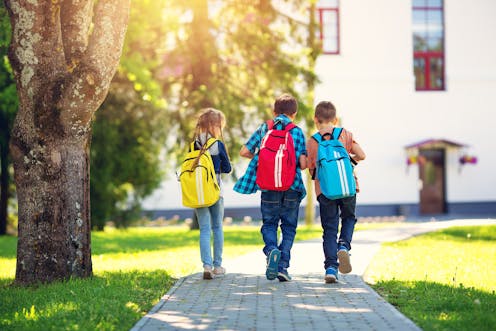
Schools provide food for many hungry children. This needs to continue when classes go online

Source: The Conversation (Au and NZ) – By Fiona MacDonald, Senior Research Fellow, Victoria University

For children, school is about more than just learning. This is even more the case for children living in disadvantage as many schools also provide vital food and a welcoming environment.

As the COVID-19 pandemic spreads across the world, many schools are closing and fewer children are attending. In term two, it seems, most Australian schools will be moving online.

We must consider how to replicate the physical, nurturing environments of schools for children living in poverty.

Breakfast clubs at school

As many as one in five children in Australia start the school day without eating breakfast. About 15% arrive at school without lunch, or the money to buy it at the canteen.

It’s hard to know exactly who hasn’t eaten since these children look the same as any other student, and often don’t admit to being hungry to avoid feelings of shame. But hunger affects a child’s ability to learn and the impact can be lifelong.

Adequate nutrition is important for childhood learning and development. Research shows children who have access to breakfast at school have improved concentration, engagement, focus and academic outcomes compared to those who don’t.

Many schools across Australia have set up breakfast clubs, or have emergency food and lunches for children who might otherwise go hungry. These programs are not consistent across Australia though, with some funded by schools, and others through food agencies or state governments.


Read more: What happens when kids don’t eat breakfast?


The Victorian government, for instance, spent A$13.7 million on breakfast clubs from 2016 to 2019. As a result, students in around 500 of Victoria’s most disadvantaged primary schools have had access to nutritious food.

The Victorian government committed a further $58 million to expand the program to 1,000 schools in the state from 2019 to 2023, providing free lunches and holiday food supplies to many schools that never had them before.

Other examples include the NSW government’s commitment of $8 million in June 2019 to expand their School Breakfast 4 Health program to an additional 500 schools in NSW and the ACT.

More than just food and nutrition

But breakfast clubs are about more than just nutrition. They provide opportunities for schools to engage with children and develop relationships that help students achieve a sense of connection.

They are about creating nurturing and caring spaces for children and making them feel safe and welcome, even before they start their school day.

As one student said about their school’s breakfast program:

The people there are really nice as well. The workers, and the kids. You can make friendships, you can talk to friends, chat, talk about things.

Schools are ideally placed to run breakfast clubs and other food programs when they are open, but how equipped are they to continue these programs when schools close, or parents – many of whom act as program volunteers – keep their children at home?

Expanding a program that provides food supply packs to homes should be feasible with the level of funding committed by some state governments, such as Victoria’s.

However, it is yet to be seen if a door-drop delivery of food packs conveys the same level of connection, nurturing and care for a child as we all adjust to new ways of social engagement.

The dedicated coordinators and volunteers of breakfast clubs would undoubtedly be keen to keep them running, but there are challenges:

  • not all children will have access to technology at home, to an iPad or computer, to internet access, or to parents who are able to troubleshoot connection issues

  • not every child will get out of bed to join a virtual breakfast at 8.30

  • daily routines may no longer follow the structure of a normal school day

  • not all children will be motivated by welcoming and nurturing environments online

  • safe and welcoming environments may not be able to be replicated online, when children would now be located in the physical spaces that perpetuate their disadvantage.

One of the greatest challenges of COVID-19 is managing the gap between advantage and disadvantage. This example is about school breakfasts, but there are many other programs and services run by schools that seek to address the impact of disadvantage such as the Kids Hope and Future Foundations art program.


Read more: Schools are moving online, but not all children start out digitally equal


Achieving a sense belonging at schools is acknowledged as a key protective factor for children’s health, education, social and emotional development and well-being.

How we maintain that, and keep children who are living with disadvantage engaged and connected throughout – and in the aftermath of – COVID-19, is vital to ensuring this period in a child’s learning and development does not further perpetuate their disadvantage.

ref. Schools provide food for many hungry children. This needs to continue when classes go online – https://theconversation.com/schools-provide-food-for-many-hungry-children-this-needs-to-continue-when-classes-go-online-134384

Coronavirus shines a light on fractured global politics at a time when cohesion and leadership are vital

Source: The Conversation (Au and NZ) – By Tony Walker, Adjunct Professor, School of Communications, La Trobe University

Leaders of the world’s largest economies came together at a virtual G20 this week to “do whatever it takes to overcome the coronavirus pandemic”. But the reality is that global capacity to deal with the greatest challenge to international well-being since the second world war is both limited and fractured.

A G20 statement at the end of a 90-minute hookup of world leaders said the right things about avoiding supply-chain disruptions in the shipment of medical supplies, and their agreement to inject A$8.2trillion into the global economy.


Read more: ‘Where no counsel is, the people fall’: why parliaments should keep functioning during the coronavirus crisis


By all accounts, interactions between the various players were more constructive than previous such gatherings in the Donald Trump era.

However, emollient words in the official statement, in which the leaders pledged a “common front against this common threat”, could not disguise deep divisions between the various players.

The US and China might have acknowledged the need for coordinated action to deal with the pandemic and its economic consequences, but this hardly obscures the rift between the world’s largest economies.

While Trump says he and Chinese President Xi Jinping have a good relationship, the fact remains Washington and Beijing are at loggerheads over a range of issues that are not easily resolved.

These include trade in all its dimensions. And central to that is a technology “arms race”.

Then there is Trump’s persistent – and deliberately provocative – reference to a “Chinese virus”. Beijing has strongly objected to this characterisation.

Overriding all of this is China’s quest for global leadership in competition with the US and its allies. The US and its friends see this quest as both relentless and disruptive.

In its response to the coronavirus pandemic, which originated in China’s Hubei province, Beijing has sought to overcome world disapproval of its initial efforts to cover up the contagion by stepping up its diplomatic efforts.

In this we might contrast China’s approach with that of the Trump administration, which continues to emphasise an inward-looking “America first” mindset.

These nativist impulses have been reinforced by a realisation of America’s dependence on Chinese supply chains. The US imports a staggering 90% of its antibiotics from China, including penicillin. America stopped manufacturing penicillin in 2004.

In remarks to pharmaceutical executives earlier this month, Trump said dependence on Chinese pharmaceutical supply chains reinforced the

importance of bringing all of that manufacturing back to America.

Tepid American support for international institutions like the United Nations and its agencies, including, principally, the World Health Organisation, is not helpful in present circumstances.

Trump’s verbal onslaught against “globalism” in speeches to the UN has undermined confidence in the world body and called into question American support for multilateral responses to global crises.

Ragged responses to the coronavirus pandemic are a reminder of the dangers inherent in a world in which global leadership has withered.

In Europe, leaders spent most of Thursday arguing over whether a joint communique would hint at financial burden-sharing to repair the damage to their economies.

Germany and the Netherlands are resisting pressures to contribute to a “coronabonds” bailout fund to help countries like Italy and Spain, hardest hit by the pandemic.

This reluctance comes despite a warning from European Central Bank president Christine Lagarde that the continent is facing a crisis of “epic” proportions.

Resistance to a push by European leaders, led by France’s Emmanuel Macron, to collectively underwrite debt obligations risks fracturing the union.

These sorts of geopolitical tensions are inevitable if the pandemic continues to spread and, in the process, exerts pressures on the developed world to do more to help both its own citizens and those less fortunate.


Read more: In the wake of bushfires and coronavirus, it’s time we talked about human security


In an alarming assessment of the risks of contagion across conflict zones, the International Crisis Group (ICG) identifies teeming refugee camps in war-ravaged northern Syria and Yemen as areas of particular concern.

In both cases, medical assistance is rudimentary, to say the least, so the coronavirus would not be containable if it were to get a grip.

In its bleak assessment, the ICG says:

The global outbreak has the potential to wreak havoc in fragile states, trigger widespread unrest and severely test international crisis management systems. Its implications are especially serious for those caught in the midst of conflict if, as seems likely, the disease disrupts humanitarian aid flows, limits peace operations and postpones ongoing efforts at diplomacy.

In all of this, globalisation as a driver of global growth is in retreat at the very moment when the world would be better served by a “globalised” response to a health and economic crisis.

These challenges are likely to far exceed the ability of the richest countries to respond to a global health emergency.

The disbursement of A$8.2trillion to stabilise the global economy will likely come to be regarded as a drop in the bucket when the full dimensions of a global pandemic become apparent.

In the past day or so the United States became the country hardest hit by coronavirus, surpassing China and Italy.

Medical experts contend the spread of coronavirus in the US will not peak for several weeks. This is the reality Trump appears to have trouble grasping.

Leaving aside the response of countries like the US, China, Italy, Spain and South Korea, whose health systems have enabled a relatively sophisticated response to the virus, there are real and legitimate concerns about countries whose healthcare capabilities would quickly become overburdened.

In this category are countries like Pakistan, India, Indonesia and Bangladesh, which is housing some 1 million Rohingya refugees.

Questions that immediately arise following the “virtual” leaders’ summit are:

  • How would the world cope with a raging pandemic that is wiping out tens of thousands in places like Syria and Yemen?

  • What body will coordinate the $8.2trillion to stabilise the global economy?

  • What role will the International Monetary Fund play in this rescue effort?

  • What additional resources might be allocated to the World Health Organisation to coordinate a global effort to withstand a health tsunami?

The short answer to these questions is that the world is less well-equipped to deal with a crisis of these dimensions than it might have been if global institutions were not under siege, as they are.

The present situation compares unfavourably with the G20 responses to the Global Financial Crisis of 2008/9. Then, American leadership proved crucial.

In this latest crisis, no such unified global leadership has yet emerged.

The further splintering of an international consensus and retreat from a globalising world as individual states look out for themselves may well prove one of the enduring consequences of the coronavirus pandemic. This would be to no-one’s particular advantage, least of all the vulnerable.

ref. Coronavirus shines a light on fractured global politics at a time when cohesion and leadership are vital – https://theconversation.com/coronavirus-shines-a-light-on-fractured-global-politics-at-a-time-when-cohesion-and-leadership-are-vital-134666

Coronavirus: it’s tempting to drink your worries away but there are healthier ways to manage stress and keep your drinking in check

Source: The Conversation (Au and NZ) – By Nicole Lee, Professor at the National Drug Research Institute (Melbourne), Curtin University

Bottle shops remain on the list of essential services allowed to stay open and Australians are stocking up on alcohol.

In these difficult times, it’s not surprising some people are looking to alcohol for a little stress reduction. But there are healthier ways of coping with the challenges we currently face.

Why do we drink more in a crisis?

People who feel stressed tend to drink more than people who are less stressed. In fact, we often see increases in people’s alcohol consumption after catastrophes and natural disasters.

Although alcohol initially helps us relax, after drinking, you can feel even more anxious. Alcohol releases chemicals in the brain that block anxiety. But our brain likes to be in balance. So after drinking, it reduces the amount of these chemicals to try to get back into pre-drinking balance, increasing feelings of anxiety.

People may also be drinking more alcohol to relieve the boredom that may come with staying at home without much to do.

What happens when we drink more?

Alcohol affects your ability to fight disease

Alcohol impacts the immune system, increasing the risk of illness and infections.

Although the coronavirus is too new for us to know its exact interaction with alcohol, we know from other virus outbreaks drinking affects how your immune system works, making us more susceptible to virus infection.

So, if you have the coronavirus, or are at risk of contracting it, you should limit your alcohol intake to give your immune system the best chance of fighting it off. The same applies if you have influenza or the common cold this winter.

Alcohol affects your mood

Drinking can affect your mood, making you prone to symptoms of depression and anxiety.

This is because alcohol has a depressant effect on your central nervous system. But when you stop drinking and the level of alcohol in your blood returns to zero, your nervous system becomes overactive. That can leave you feeling agitated.


Read more: Coronavirus is stressful. Here are some ways to cope with the anxiety


Alcohol affects your sleep

Alcohol can disrupt sleep. You may fall asleep more quickly from the sedating effects of alcohol, but as your body processes alcohol, the sedative effects wear off.

You might wake up through the night and find it hard to fall back to sleep (not to mention the potential for snoring or extra nocturnal bathroom trips).

The next day, you can be left feeling increasingly anxious, which can kickstart the process all over again.


Read more: Can’t sleep and feeling anxious about coronavirus? You’re not alone


Alcohol affects your thoughts and feelings

Alcohol reduces our capacity to monitor and regulate our thoughts and feelings.

Once we start drinking, it’s hard to know when we’re relaxed enough. After one or two drinks, it’s easy to think “another won’t hurt”, “I deserve it”, or “I’ve had a huge day managing the kids and working from home, so why not?”.

It’s easy to think, ‘another won’t hurt’ when we’ve already had a drink or two. Shutterstock

But by increasing alcohol consumption over time, eventually it takes more alcohol to get to the same point of relaxation. Developing this kind of tolerance to alcohol can lead to dependence.

Alcohol ties up the health system

Alcohol related problems also take up a lot of health resources, including ambulances and emergency departments. People have more accidents when they are drinking. And drinking can increase the risk of domestic and family violence.

So an increase in drinking risks unnecessarily tying up emergency services and hospitals, which are needed to respond to the coronavirus.


Read more: Alcohol leads to more violence than other drugs, but you’d never know from the headlines


How to manage your alcohol consumption

Don’t stock up on alcohol. The more you have in the house, the more likely you are to drink. Increased access to alcohol also increases the risk of young people drinking.

Monitor your drinking. If you are getting on board with the new virtual happy hour trend, the same rules apply if you were at your favourite bar.


Read more: Cap your alcohol at 10 drinks a week: new draft guidelines


Try to stay within the draft Australian guidelines of no more than four standard drinks in any one day and no more than ten a week.

Monitor your thinking. It’s easy to think “What does it matter if I have an extra one or two?”. Any changes to your drinking habits now can become a pattern in the future.

How to manage stress without alcohol

If you are feeling anxious, stressed, down or bored, you’re not alone. But there are other healthier ways to manage those feelings.

If you catch yourself worrying, try to remind yourself this is a temporary situation. Do some mindfulness meditation or slow your breathing, distract yourself with something enjoyable, or practise gratitude.


Read more: How to stay fit and active at home during the coronavirus self-isolation


Get as much exercise as you can. Exercise releases brain chemicals that make you feel good. Even if you can’t get into your normal exercise routine, go outside for a walk or run. Walk to your local shops to pick up supplies instead of driving.

Maintain a good diet. We know good nutrition is important to maintain good mental health.

Try to get as much sleep as you can. Worry can disrupt sleep and lack of sleep can worsen mental health.

Build in pleasant activities to your day. Even if you can’t do the usual activities that bring a smile to your face, think about some new things you might enjoy and make sure you do one of those things every day.


Read more: Coronavirus: tiny moments of pleasure really can help us through this stressful time


Remember, change doesn’t have to be negative. Novelty activates the dopamine system, our pleasure centre, so it’s a great time to try something new.

So enjoy a drink or two, but try not to go overboard and monitor your stress levels to give you the best chance to stay healthy.


If you are trying to manage your drinking, Hello Sunday Morning offers a free online community of more than 100,000 like-minded people. You can connect and chat with others actively managing their alcohol consumption.

If you’d like to talk to someone about your drinking call the National Alcohol and Other Drug Hotline on 1800 250 015. It’s a free call from anywhere in Australia. Or talk to your GP.

ref. Coronavirus: it’s tempting to drink your worries away but there are healthier ways to manage stress and keep your drinking in check – https://theconversation.com/coronavirus-its-tempting-to-drink-your-worries-away-but-there-are-healthier-ways-to-manage-stress-and-keep-your-drinking-in-check-134669

Kids shouldn’t have to repeat a year of school because of coronavirus. There are much better options

Source: The Conversation (Au and NZ) – By Julie Sonnemann, Fellow, Grattan Institute

Australian schools and teachers are preparing to shift classes online – some independent schools already have. Remote learning is likely to be the norm in the second term and possibly longer.

Even if done well, there are still likely to be learning losses.

Rigorous US studies of online charter schools show students learn less than similar peers in traditional face-to-face schools.

This makes sense, because learning is a social activity. The evidence shows positive effects are stronger where technology is a supplement for teaching, rather than a significant replacement – the situation we face now.

Our disadvantaged students will be hardest hit. Children from poorer households do worse at online learning for a host of reasons; they have less internet access, fewer technological devices, poorer home learning environments and less help from their parents when they get stuck.

Students who are struggling academically are at risk too. Asking students to independently work through large parts of the curriculum online can create extra stresses as it requires them to regulate their own learning pace. Many struggle with this, especially students who are already behind.


Read more: Schools are moving online, but not all children start out digitally equal


To be clear, this is not an argument against online learning. Digital learning offers much potential for schools and students. Several online programs, including digital games, simulations, and computer-aided tutoring show positive results when used to support to learning.

But the success of online initiatives relies on preparation and good implementation. A rapid-fire response to shift teaching online to large populations during a pandemic is unlikely to produce above-average results.

So what should the government do post-COVID-19 when school re-opens to help students bounce back?

Catch-up programs

Many students are likely to be behind, and some will be very far behind. If schools are closed for all of term two, and possibly term three, many students will have a lot to catch up on to move up a grade in 2021. What lies ahead is a difficult and unprecedented situation for our educators.

Governments and schools have several options. Getting struggling students to repeat a year shouldn’t be one of them, unless school closures go much longer than expected. Evidence shows repeating a year is one of the few educational interventions that harms a student academically. Those who repeat a year can become unmotivated, have less self-esteem, miss school and complete homework less often.

A better option is for educators to conduct intensive tuition for small groups, before or after the normal school day. These sessions could be targeted at the most disadvantaged and struggling students in groups of two to five students.

Evidence generally shows the smaller the tuition group, the bigger the effects. One-on-one tutoring has the largest effects in most cases, but given it is more expensive, small group tuition could be tried as a first step.


Read more: Trying to homeschool because of coronavirus? Here are 5 tips to help your child learn


Another option is intensive face-to-face academic programs delivered over a few weeks. These could be similar to what Americans call “summer school” programs, but with a stronger academic focus and targeted at struggling students.

In Australia, these could be run in the week prior to schools re-opening, or over the term three or term four holidays. US evidence shows students who attend summer school programs can gain two months of extra learning progress compared to similar students who do not.

The impacts of summer programs are larger when academically focused and delivered intensively with small group tuition by experienced teachers.

Of course, teachers can also do more during regular face-to-face school lessons to help kids catch up, and the current crises may create extra focus on what teaching practices and programs work best. But given the likely size of the challenge, additional catch-up measures will still be needed.

The costs would flow back into economy

The costs of these sorts of catch-up programs are significant, but affordable. For example, we calculate providing small-group tuition for half of the students across Australia would cost about A$900 million. This is based on groups of three students receiving 30 minutes of tuition, five times a week, for two full terms, at a cost of $460 per student.

Conducting a three-week intensive summer school for say 800,000 disadvantaged students across Australia would cost about $800 million, assuming a cost of $1,000 per student based on US and UK experiences.

These are not big sums in the scheme of the economic stimulus and rescue package spending for COVID-19. If new catch-up programs cost, let’s say, between $2-4 billion, that is only 3-6% of the federal government’s stimulus measures announced to date.


Read more: COVID-19: what closing schools and childcare centres would mean for parents and casual staff


And the money for summer schools and small group tuition would flow to extra salaries for teachers, providing financial stimulus at a time when the economy really needs it.

No doubt schools and teachers will do their best to continue student learning while schools are closed. And through this process we will also learn a lot about how to do online learning for large populations, and improve along the way.

But despite best efforts, we should prepare for learning losses and plan for catch-up programs.

ref. Kids shouldn’t have to repeat a year of school because of coronavirus. There are much better options – https://theconversation.com/kids-shouldnt-have-to-repeat-a-year-of-school-because-of-coronavirus-there-are-much-better-options-134889

Rushed coronavirus tenancy laws raise as many questions as they answer

Source: The Conversation (Au and NZ) – By Dilan Thampapillai, Senior Lecturer, ANU College of Law, Australian National University

The coronavirus and its attendant emergency measures are set to deliver a profound shock to the residential tenancy market.

How it will work out is anybody’s guess, but it is looking like a crisis.

Banks and governments have acted quickly.

The major banks are deferring mortgage payments for up to six months for customers whose income is hit by the coronavirus.

NSW and Tasmania have introduced bills that will make it difficult for landlords to evict tenants or terminate leases during the crisis.

The rushed laws are designed to prevent a raft of evictions and a spike in homelessness, but they raise almost as many questions as they answer.

Rent postponed rather than forgiven

Both laws put power in the hands of the minister, giving that person the power to make regulations during the coronavirus pandemic. Tasmania’s more closely prescribes what the minister can do.

And both are temporary. The NSW act has effect for six months and the Tasmanian bill for 120 days, although it can be extended by 90 days.

Neither law excuses tenants from their liability to pay rent. They merely prevent evictions during the emergency period.


Read more: Why housing evictions must be suspended to defend us against coronavirus


In effect they say that although tenants can stay, their landlords can later sue them for arrears.

While on paper, this suggests landlords will get their money, in practice they might not, and some will be tempted to issue notices of termination ahead of the minister taking action.

The minister’s regulations would most likely be prospective, meaning landlords would seem to be able to get away with it. But whether a tribunal would enforce the notices is another question.

The Tasmanian bill only permits landlords to apply for terminations where the landlord is in hardship. The NSW law has less detail, but would probably do the same.


Read more: Lessons from the Great Depression: how to prevent evictions in an economic crisis


In any event, most landlords who evicted would want to re-let, and that will prove difficult with inspections prohibited.

Sick tenants are unlikely to be evicted whatever the law. That is in nobody’s interests.

Cooperation in a crisis is desirable, but it is fraught in practice.

The law discourages communication

Representations made by landlords with the best of intentions can become binding under the equitable law of estoppel.

In essence, once landlords make representations they can be estopped (stopped) from going back on those representations.

In an environment where fortunes change quickly, this might become problematic.

Contract law is replete with cases of agreements varied or entered into with the best of intentions that ultimately turn sour.


Read more: The case for a rent holiday for businesses on the coronavirus economic frontline


Given there are tough and uncertain times ahead, a better approach than rushed laws might be a pragmatic one of exhorting both landlords and tenants to take the legitimate interests of each other into account.

If laws are to be made, there ought to be extensive consultation.

Even in the coronavirus pandemic this is doable and a good idea.

ref. Rushed coronavirus tenancy laws raise as many questions as they answer – https://theconversation.com/rushed-coronavirus-tenancy-laws-raise-as-many-questions-as-they-answer-134781

Supplies needed for coronavirus healthcare workers: 89 million masks, 30 million gowns, 2.9 million litres of hand sanitiser. A month.

Source: The Conversation (Au and NZ) – By Katherine Gibney, NHMRC early career fellow, The Peter Doherty Institute for Infection and Immunity

In three short months, more than half a million cases of the novel coronavirus, COVID-19, have been reported worldwide.

The US now has the highest number of COVID-19 cases worldwide and Italy has reported more than twice as many COVID-19 related deaths as China. Deaths from COVID-19 in Spain have surpassed China in recent days, and it won’t be long before France and the US follow suit. COVID-19 has well and truly taken hold in the West.

While most people are being encouraged (or ordered) to stay at home to reduce the spread of COVID-19, this is not an option for frontline healthcare workers.


Read more: ‘The doctor will Skype you now’: telehealth may limit coronavirus spread, but there’s more we can do to protect health workers


Healthcare workers have been infected at an alarming rate

In countries whose health infrastructure has been overwhelmed by the sheer volume of severe COVID-19 cases, healthcare workers have been infected at an alarming rate.

In Italy, more than 6,000 healthcare workers have been infected, making up 9% of the total COVID infections. In Spain, 17% of female COVID-19 cases are healthcare workers (12% of all COVID-19 cases are healthcare workers). More than 2,000 healthcare workers in China had laboratory confirmed COVID-19, with 88% occurring in the worst affected Hubei province.

In Australia, COVID-19 patients are cared for in single rooms where available. However, soon it will be necessary to care for COVID-19 patients in wards and ICUs alongside other COVID-19 patients – known as “cohorting” – as a patient with COVID-19 cannot catch the same disease from another patient sharing their ward.

COVID-19 is transmitted primarily by virus-containing droplets that are expelled when an infectious person sneezes, coughs or talks, contaminating others in close face-to-face proximity and nearby surfaces. This underlies the general advice to stay more than 1.5 metres away from others, practice good cough etiquette and hand hygiene, and avoid touching your face with your hands.

Don’t hoard or panic-buy masks and other personal protective equipment. AAP/EPA/JUSTIN LANE

The number of masks, goggles, gloves and gowns we’ll need is staggering

Healthcare workers use personal protective equipment (PPE) – masks, goggles, gloves and gowns – and clean surfaces to prevent transmission in hospital.

Some procedures that are required when caring for critically ill patients can generate smaller virus-containing particles called aerosols, which can be inhaled.

In circumstances where aerosols could be generated, PPE requirements include use of a respirator mask (also known as a P2 or N95 mask) and a negative room pressure, where a slight vacuum is created to prevent contaminated air escaping the room.

The volume of PPE required to deal with the COVID-19 pandemic is staggering.

The WHO has estimated frontline healthcare workers will require at least 89 million masks, 30 million gowns, 1.6 million goggles, 76 million gloves, and 2.9 million litres of hand sanitiser every month during the global COVID-19 response.

Hoarding and misuse of masks puts healthcare workers at risk

The WHO has also noted panic buying, hoarding and misuse of PPE are putting lives at risk from COVID-19 and other infectious diseases.

Healthcare workers are most at risk if they don’t use appropriate PPE when caring for a COVID-19 patient, such as before the COVID-19 infection has been recognised. This is how a number of unlucky Australian healthcare workers have already been infected with COVID-19 at work, including four from the Werribee Mercy Hospital in Melbourne’s outer west.

Early recognition of potential COVID-19 cases, and instituting precautions including isolation and use of PPE, will protect healthcare workers. Routine use of surgical masks in high-risk clinical settings such as emergency departments, ICUs and COVID-19 screening clinics is now recommended in many places.

PPE supplies in many countries have reportedly been exhausted, forcing healthcare workers to care for COVID-19 patients without adequate protection. Inappropriate and irrational use of PPE, including use of masks in situations where there is no risk of droplet or airborne transmission, accelerate consumption of a finite PPE supply.

The urgent work of securing more PPE

The federal, state and territory governments are working hard to secure enough PPE to prevent this scenario in Australia, including boosting domestic production and manufacturing capacity. Local industry has stepped up with companies previously making other products now making hand hygiene products and masks.

This is urgent work because it’s likely a rapid surge in COVID-19 cases would consume current PPE supplies quickly.

Crisis strategies being employed internationally to deal with mask shortages include prolonged use, re-use by a single healthcare worker, and use beyond the manufacturer designated shelf life, although these are not standard practice. Work is also taking place around sterilisation of masks for re-use by health care workers, which again is not standard practice.

Healthcare workers are also at risk if PPE is used incorrectly, due to inadequate training, inattention, or fatigue. Training healthcare workers in correct use of PPE is a critical part of our emergency response.

Like everyone else, healthcare workers are at risk outside work. In China, outside Hubei, the majority of healthcare workers’ infections could be traced to a confirmed COVID-19 case in the household. As community transmission of COVID-19 becomes more widespread in Australia, more healthcare workers will be infected at home and in the community.

In several countries, military personnel are helping source and distribute PPE. AAP/DPA/Jonas Güttler

When healthcare workers can’t work

It’s vital the healthcare workforce is maintained for the duration of the pandemic. Perversely, some of the actions taken to prevent COVID-19 transmission might result in healthcare workers’ workplace absenteeism. Often healthcare workers would work through a mild upper respiratory tract infection, but with the current heightened awareness they might not be doing this. All healthcare workers are being encouraged to present for testing if they have fever or acute respiratory symptoms such as sore throat, cough and difficulty breathing. They are usually unable to return to work until a negative COVID-19 test result is received and symptoms have resolved. This can take several days.

If a healthcare worker is exposed to a COVID-19 case when not wearing PPE (meaning they spend more than 15 minutes face-to-face or more than two hours in the same room as a case), they will be classed as a close contact and will be home-quarantined and unable to work for 14 days after they were exposed.

We must do everything we can to protect and support healthcare workers throughout this pandemic. AAP/DAVID MARIUZ

And carer responsibilities – either for someone unwell with COVID-19 or for children unable to attend childcare or school due to closures – will keep many healthcare workers away from work.

In the current climate, healthcare workers have been described as “every country’s most valuable resource.” Governments, employers and the public need to do everything they can to protect and support healthcare workers throughout this pandemic.


Read more: Why coronavirus may forever change the way we care within families


ref. Supplies needed for coronavirus healthcare workers: 89 million masks, 30 million gowns, 2.9 million litres of hand sanitiser. A month. – https://theconversation.com/supplies-needed-for-coronavirus-healthcare-workers-89-million-masks-30-million-gowns-2-9-million-litres-of-hand-sanitiser-a-month-134786

Pacific Coronavirus: Covid-19 death reported in West Papua

By Johnny Blades, RNZ Pacific journalist

A 43-year-old woman has reportedly died due to the Covid-19 coronavirus pandemic in Indonesian-administered West Papua province.

It is the first recorded death from Covid-19 in the Papua region, and adds to fears that a looming surge in cases could overwhelm the health system on both sides of New Guinea.

The death was recorded in Sorong, the western most city of New Guinea island.

READ MORE: Al Jazeera coronavirus live updates – more than 510,000 people infected globally

Tabloid Jubi reports the death was confirmed by West Papua’s Task Force Covid-19.

The victim had been a patient at a hospital in Sorong city, where another five patients remained under supervision for suspected coronavirus infection.

– Partner –

West Papua’s provincial administration has not yet declared emergency measures to close access for travellers to the province and restrict public movements like in neighbouring Papua province.

Papua’s covid response unit confirmed seven cases of covid as of Thursday, as the provincial government this week closed entry of travellers into the province both through sea and air travel.

Restricted daily activities
Papua has also restricted daily activities in public to eight hours, from 6am to 2pm. Large gatherings, including for religious worship, have also been restricted.

The death in Sorong City is a concern not just for all of Indonesia’s Papua region, but also in the neighbouring independent country of Papua New Guinea whose 800 km border with Indonesia is porous, making it difficult to control movement back and forth between the two sides.

The official land border access point between the two countries has been closed for two months, as PNG’s government seeks to protect its under-resourced health system from the chaos that Covid-19 threatens.

But the governor of PNG’s West Sepik province, Tony Wouwou, said it was nearly impossible to stop people slipping across the border by bush or sea.

PNG’s government this week declared a 14-day state of emergency, with restrictions on travel and closure of all schools and non-essential businesses.

Lacking testing kits and a general capacity to deal with an outbreak, PNG’s government is working closely with the World Health Organisation (WHO) to establish isolation facilities where covid cases would be taken to.

So far, PNG has confirmed only one case of Covid-19 in the country, a 45-year old mine worker who flew to Morobe province via Port Moresby after travelling through Singapore from Europe.

Transferred to Australia
The man has since been transferred home to Australia, while PNG health officials conducted contact tracing and tests of people the man had been in contact with – so far all tests have come back negative.

Back on the western side of the island, Papua province’s government, has been urging people to stay at home as much as possible. By and large the public in the Papuan capital, Jayapura are adhering to this call.

Jayapura’s streets are noticeably quiet today, as is Sentani airport which along with other ports in Papua was still receiving transportation of goods into the province, at a time when distribution of certain supplies was more vital than ever.

A member of Papua’s Covid-19 response team, Silwanus Sumule, told The Jakarta Post that a lack of necessary medical equipment, including rapid testing kits to examine swab samples from suspected patients, was a concern for the province.

Meanwhile, hundreds of people are being monitored for coronavirus symptoms in Papua.

This article is republished by the Pacific Media Centre under a partnership agreement with RNZ.

  • If you have symptoms of the coronavirus, call the NZ Covid-19 Healthline on 0800 358 5453 (+64 9 358 5453 for international SIMs) or call your GP – don’t show up at a medical centre.
Print Friendly, PDF & Email

Article by AsiaPacificReport.nz

Philippines military chief General Santos tests positive for coronavirus

By JC Gotinga in Manila

Armed Forces of the Philippines (AFP) chief-of-staff General Felimon Santos Jr has tested positive for the Covid-19 novel coronavirus.

Defence Secretary Delfin Lorenzana shared the information today with reporters covering defence issues.

General Santos said yesterday that he was on home quarantine after coming into contact with another senior AFP officer who later tested positive for the new virus.

Secretary Lorenzana said he had been in close proximity twice with Santos – on March 21 and 22 – so he was putting himself on self-quarantine.

The Philippines has 707 infected people with 48 deaths while 25 have recovered.

JC Gotinga is a Rappler journalist.

Print Friendly, PDF & Email

Article by AsiaPacificReport.nz

Explainer: why police will be crucial players in the battle against coronavirus

Source: The Conversation (Au and NZ) – By Terry Goldsworthy, Associate Professor in Criminology, Bond University

As coronavirus continues to affect all aspects of life, law enforcement agencies are playing a more pivotal role in enforcing new health and social regulations while ensuring society continues to function in a civil manner.

So why is law enforcement important in our battle against COVID-19, and what role will it play?

Police help contain the virus

Several Australian police services have set up dedicated resources to assist in containing the virus. These include major incident rooms and operations and specific new taskforces.

Victoria has established a 500-strong contingent to compel the closure of all but essential services. As well as the shutdown measures, police and authorised officers will be enforcing mandatory self-isolation periods for anyone entering Victoria from overseas. Under Victoria’s state of emergency, breaking quarantine conditions carries fines of up to A$20,000 for individuals and nearly A$100,000 for businesses.

NSW police can impose on-the-spot fines to enforce social distancing.

In New South Wales, police have been required to limit large gatherings in public and restrict access to beaches, removing swimmers and surfers where necessary.

The state government this week granted police enhanced powers to enforce public health orders relating to COVID-19. This includes the power to arrest people breaching their quarantine. Police will be able to compel suspected COVID-19 cases to remain in isolation. The bill will:

allow a police officer to arrest a person who the officer reasonably suspects of contravening a public health order in relation to COVID-19 and returning the person to their usual place of residence or their place of detention.

NSW Police at Bondi Pavilion after state officials closed the beach. MATRIXPICTURES.COM.AU

In conducting similar checks, Victoria Police discovered seven people were not self-isolating as required during spot checks this week.

Such enforcement activity brings with it a unique set of problems. Reports this week indicated up to 200 Victorian police staff are already in quarantine. Concerns were raised about a lack of protective equipment for officers. The powerful Police Association wants a state of disaster declared to free up police to act with greater efficiency and additional powers.


Read more: We need to consider granting bail to unsentenced prisoners to stop the spread of coronavirus


In Queensland, police recruits have been fast-tracked through the academy to provide extra personnel. In addition, Operation Sierra Linnet was launched, a multi-agency taskforce that will ensure compliance with restrictions for all pubs, registered and licensed clubs, gyms, indoor sporting venues, casinos and night clubs.

From midnight Wednesday this week Queensland police have been harnessing their random roadside breath-testing skills to curtail non-approved border crossings.

What impact might coronavirus have on crime?

While police are being asked to extend their range of duties into our everyday activities, in other areas they are pulling back from traditional roles. For example, Queensland police have stopped static random breath test sites because of coronavirus fears.

It is probable police will respond to essential call-outs only, as has happened in some other countries. Even then response times might be longer than before.

We should not be concerned that fewer uniformed police will have an impact on public safety – it is common for police to exercise largely peacekeeping functions. This was highlighted in the Kansas City Patrol Experiment in the 1970s, which found formal police patrols did not impact on crime rates or community fear of crime.

As a consequence of the virus, we have seen criminal elements attempt to take advantage of emerging markets. In the UK, police arrested men who had allegedly stolen toilet paper and hand wash. In Sydney, two men threatened staff with a knife while trying to steal toilet paper.

The strain on our social cohesion is showing, with fights erupting between shoppers as they try to obtain items now in short supply.

In response, the prime minister this week announced his government was creating a new offence to target people hoarding essential goods in an effort to prevent price gouging and exports of products needed to reduce the spread of coronavirus. He said:

These measures will help prevent individuals purchasing goods including face masks, hand sanitiser and vital medicines and either reselling them at significant mark-ups or exporting them overseas in bulk, which prevents these goods from reaching people who need them in Australia.

It isn’t only New York that has two-hour wait queues for firearms and ammunitionconsumers are stocking up on ammunition here as well.

What does the future hold?

Trying to predict crime transformations due to coronavirus is difficult. It is likely there will be surges in some crime categories and reductions in others due to conditions created by the crisis.

“Break and enter” offences in private dwellings will probably decline under a widespread lockdown that keeps people in their homes. Alcohol-fuelled violence in public spaces is certain to drop significantly with the closures of pubs, clubs, casinos and restaurants. However, domestic violence incidents are predicted to rise over time, with interpersonal tensions in restricted living arrangements.


Read more: Stay positive, Scott Morrison: when you berate people for bad behaviour, they do it more


Given the uncertainty and the ever-changing situation facing us all, policing needs to be agile and flexible in its response to the needs of society and the demands of governments.

Our law enforcement agencies will perform a critical role in combating the virus and ensuring public safety.

ref. Explainer: why police will be crucial players in the battle against coronavirus – https://theconversation.com/explainer-why-police-will-be-crucial-players-in-the-battle-against-coronavirus-134392

Keith Rankin Chart Analysis – Covid-19 Virus: Australia, Canada, New Zealand, the World

Australia - exponential growth. Chart by Keith Rankin.

Analysis by Keith Rankin

Australia – exponential growth. Chart by Keith Rankin.
Canada – exponential growth. Chart by Keith Rankin.
New Zealand – exponential growth. Chart by Keith Rankin.

Australian cases have been on an exponent growth path since late February, with no remission yet in sight. The good news is that infection rates remain well below western European levels. The bad news is that death rates – hitherto very low – are accelerating. Indeed Victoria, running with a similar case rate to New Zealand, has just had its first few deaths.

Canada’s case incidence is very similar to that of Australia, though its deaths are twice as high. This suggests that the actual incidence of Covid-19 in Canada may be twice as high as in Australia, albeit on a similar growth path.

New Zealand has been on a steeper growth path than Australia this last week, though it is a day behind in population‑adjusted cases. New Zealand will most likely settle into a similar pace of growth as Australia and Canada over the next week, at similar actual infection rates as Australia.

All three countries are above-average in cases than the world as a whole. Australia and Canada are above average for death rates, Australia only slightly so.

The world’s case growth rate is slow because the developing countries are either ahead of (China) or behind Europe and North America. My sense is that the world’s growth curve will persist well after developing countries’ case incidences fall. I have some confidence that Asia and Africa will end up with much lower rates of infection than Europe. I am much less confident about Latin America.

Privacy vs pandemic: government tracking of mobile phones could be a potent weapon against COVID-19

Source: The Conversation (Au and NZ) – By Patrick Fair, Adjunct Professor, School of Information Technology, Deakin University

Borders, beaches, pubs and churches are closed, large events are cancelled, and travellers are subject to 14 days’ isolation – all at significant cost to taxpayers and the economy. But could telecommunications technology offer a more targeted approach to controlling the spread of the COVID-19 coronavirus?

One possibility is to use location history data from the mobile phones of confirmed cases, to help track and trace the spread of infection.

Some people can be contagious without knowing, either because they have not yet developed symptoms, or because their symptoms are mild. These individuals cannot be identified until they become sufficiently unwell to seek medical assistance. Finding them more quickly could help curb the spread of the disease.

This suggestion clearly raises complex privacy issues.


Read more: Explainer: what is contact tracing and how does it help limit the coronavirus spread?


All mobile service providers in Australia are required to hold two years of data relating to the use of each mobile phone on their network, including location information.

For anyone who tests positive with COVID-19, this data could be used to list every location where they (or, more accurately, their phone) had been over the preceding few weeks. Using that list, it would then be possible to identify every phone that had been in close proximity to the person’s phone during that time. The owners of those phones could then be tested, even though they may not necessarily have developed symptoms or suspected that they had come into contact with the coronavirus.

The government could do this in a systematic way. It could assemble everyone’s location history into a single, searchable database that could then be cross-referenced against the locations of known clusters of infection. This would allow contact tracing throughout the entire population, creating a more proactive way to track down suspected cases.

The privacy problem

You may well ask: do we want the government to assemble a searchable database showing the locations of almost every person over 16 in Australia over the past month?

Some people will undoubtedly find it a confronting prospect to be contacted by the government and told that surveillance analysis suggests they need to be isolated or tested. Others will be concerned that such a database, or the broad surveillance capability that underpins it, could be used to intrude on our privacy in other ways.

Several countries are already using mobile phone data in the fight against the coronavirus. The UK government is reportedly in talks with major mobile phone operators to use location data to analyse the outbreak’s spread.

India, Hong Kong, Israel, Austria, Belgium, Germany are also among the list of countries taking advantage of mobile data to tackle the pandemic.

The Singapore government has launched an app called Trace Together, which allows mobile users to voluntarily share their location data. Iran’s leaders have been accused of being rather less transparent, amid reports that its coronavirus “diagnosis” app also logs people’s whereabouts.

Is it legal anyway?

We may well take the view that the privacy risks are justified in the circumstances. But does the Australian government actually have the power to use our data for this purpose?

The Telecommunications Act requires carriers to keep telecommunications data secure, but also allows federal, state and territory governments to request access to it for purposes including law enforcement, national security, and protecting public revenue.

Being infected with COVID-19 is not a crime, and while a pandemic is arguably a threat to national security, it is not specifically listed under the Act. Limiting the outbreak would undoubtedly benefit public revenue, but clearly the primary intent of contact tracing is as a public health measure.

There is another law that could also compel mobile carriers to hand over users’ data. During a “human biosecurity emergency period”, the Biosecurity Act 2015 allows the federal health minister to take any action necessary to prevent or control the “emergence, establishment or spread” of the declared emergency disease. A human biosecurity emergency period was declared on Sunday 23 March.


Read more: Explainer: what are the laws mandating self-isolation and how will they be enforced?


In recent years there has been a great deal of debate over the use of telecommunications data for surveillance purposes. The introduction of the mandatory data retention regime was contentious, as was the broad power granted to multiple agencies to access the data for law enforcement.

One reason for the controversy was the relatively low threshold for use of these laws: authorities could access data relating to any suspected offence punishable by three years or more in prison.

Australia is now facing a crisis that is orders of magnitude more serious. Many Australians would be willing to see their information used in this way if it saves lives, limits the economic impact, and impedes the spread of COVID-19.

The Commonwealth has the legal power to do it, the security and privacy issues can be managed, and the benefits may be significant.

ref. Privacy vs pandemic: government tracking of mobile phones could be a potent weapon against COVID-19 – https://theconversation.com/privacy-vs-pandemic-government-tracking-of-mobile-phones-could-be-a-potent-weapon-against-covid-19-134895

Say what? How to improve virtual catch-ups, book groups and wine nights

Source: The Conversation (Au and NZ) – By Tauel Harper, Lecturer, Media and Communication, UWA, University of Western Australia

Tonight, for the first time in its 12-year history, my weekly boardgame group will meet online, instead of our regular weekly in-person sessions. Tomorrow night, a planned dinner with friends has been downgraded to sharing wine and cheese over Skype, something we are referring to as “facewine”.

COVID-19 isolation is bringing out the bad puns and forcing everyone to find new ways to socialise, organise and actualise.

In some ways, we have never been more ready for physical isolation. Tools such as Zoom, Skype, Discord, Google hangouts and the myriad messenger apps mean that we already have the tools to stay “in touch”, even when actual touching is out of the question. But what happens when we meet in real life (IRL) is far more complex than information transmission. Given we are all bound to do our communicating online for a while, it’s worth revisiting some of the challenges this poses.

Access

One of the first principles of good communication is that everyone ought to be able to participate.

In some ways technology makes being a participant easier – there are no traffic or parking hassles to deal with. However there is still a digital divide, not only between those who have NBN fibre to the home and those that do not, but also between those who understand how to use software and hardware and those that do not. Many people may need a lot of support to deal with passwords and unstable connections on older model “smartphones”.

Solution: Most people these days can get online but it is a mistake to assume this is simple for all, and it is important to offer support and help when setting up meetings. Distribute guides and tips to your group well before you are due to meet and prompt them to make sure they can use the tech beforehand.

Nonverbal cues

Once online there’s likely to be more interruptions and awkward silences than you’d find in a real life conversation. It’s also more difficult to pick up conversational nuances and humour.

These problems arise because we are not as aware of each others nonverbal cues over video or audio link as we are in person. Nonverbal cues or paralanguage to make up more than half our communication. While a committed participant can pick up more body language, secondary sound and facial expression than a disinterested one, there is still a lot that is missed (light, position, relationality, smell and tone). In person, a sharp intake of breath might signal the speaker wants to say something. A shift in posture might indicate interest.

Similarly, cues are unlikely to be noticed by the whole group simultaneously and this disrupts the flow of conversation, particularly for novices who may find the experience profoundly unsettling.

Solution: In the first instance, laugh at the problems, it’s part of the process and you’ll figure out new conversational patterns as you go. Emoticons, memes and emojis are digital tools devised precisely to overcome the lack of nuance in verbal communication. It can be useful to master a few symbols to overcome the lack of expressive engagement, and emoticons are also a great way of engaging in what is being said verbally without really interrupting.

Group dynamics

Digital platforms are not great at facilitating conversational “breakouts” where large groups spontaneously separate into smaller groups holding different conversations at the same time. Unlike physical space, speakers are stuck in a fixed position relative to each other. While many platforms allow you to facilitate break out conversations, there is no polite or spur of the moment way to coordinate them unless you commit to them as a group.

Solution: Try to remain focussed on group issues and commit to catching up one-on-one at other times. Think about the many affordances of the technology, which can allow you to do more as a group. If you are talking about a wine, screen share some images of the vineyard or region it comes from; if you’re meeting for a book club maybe try to pre-arrange a Skype call with the author you are discussing, or a critic. Our games group will make the most of this by arranging an online session with old members who moved across the country years ago, something our traditional “in-person” games night did not allow.

Overall there is a lot we can’t share online (and some stuff we shouldn’t) so we have to make more of an effort to share what we need to. It is particularly important to take extra care to be a great listener.

Encourage engagement, ask questions and seek to really understand each other; be extra forgiving of frustrations and disagreements. Remember that communication is not just about transmitting information, it is about sharing experiences.

ref. Say what? How to improve virtual catch-ups, book groups and wine nights – https://theconversation.com/say-what-how-to-improve-virtual-catch-ups-book-groups-and-wine-nights-134655

Keith Rankin Essay: Coronavirus – a Malthusian Event?

Keith Rankin.

Keith Rankin on Malthusian checks

Keith Rankin.

The 2020 Coronavirus Pandemic has all the visible hallmarks of a Malthusian pestilence, a necessary positive check visited upon an over‑abundant humanity. Indeed, that is a likely future interpretation of this event. It’s an important perspective which should be treated with both understanding and caution.

I heard two academic examples of implicit Malthusian thinking in the weekend, on Radio New Zealand on Saturday and Sunday mornings. First was Dr Chris Smith on Saturday (‘Surface anxiety’ and COVID-19 treatment trial). Second was Peter Doherty on Sunday (‘People should act as though they have Covid-19’).

Malthusian thinking is central to classical economics, and today thrives within growth-sceptical derivatives of classical economics, including the assumptions of the Extinction Rebellion movement.

Reverend Thomas Robert Malthus was one of the founders of classical economics. In 1798 he published the first edition of An Essay on the Principle of Population. The underlying idea is that natural population growth is exponential; that is, it increases naturally in a multiplicative way (eg by multiplying by a growth factor of 1.01 or 1.02 every year). On the other hand, the growth of the food supply is additive, constrained by diminishing returns. Diminishing returns can be understood as – as agricultural land expands – the newly‑farmed land is generally inferior to that already being farmed; this is because we naturally choose to farm the best land first.

Malthus drew two main conclusions. The first conclusion was that population was kept in check by certain positive checks; namely famine, disease (‘pestilence’) and war. The second was that, whenever these checks were not in operation, population growth would ensure that a growing supply of labour would keep wages at absolute subsistence levels. Indeed, anything that raised the living standards of the poor would be eroded by population growth. For Malthus in 1798, life for the masses was a somewhat futile competitive struggle. Malthus’ essay was the principal inspiration for Charles Darwin’s theory of competitive selection.

In subsequent editions, Malthus modified his theory of population to include preventative checks. These were basically decisions to limit the birth rate, by slowing population growth, that could allow living standards to increase over time. This part of Malthus’ writing is less well‑known; hence when people use the word Malthusian, they generally refer to the operation of the positive (death) checks on population growth.

Economics became known as the dismal science, thanks to the centrality of Malthusian concepts to classical political economy.

Historical examples

Probably the most‑cited example of a preventative check is the ‘Black Death’ that ravaged late‑Medieval Europe in waves of bubonic and pneumonic plague from the mid‑14th century. The population of western Europe may have fallen by as much as 40 percent in mid‑14th century, and remained in check (through plague) for 150 years after that. In previous centuries population had grown comparatively quickly, in part due to warmer weather than usual for a few centuries. The warm spell turned in the early 14th century, leaving western Europe dangerously overpopulated in the 1340s. (Eastern Europe had received its population trauma a century earlier, in the form of the Mongol invasions from Asia.) The Black Death cut through with such ‘efficiency’ that Europe became underpopulated, creating unusual conditions favouring less inequality, and productivity growth. Capitalism as we know it was an outcome of 15th century conditions in Europe.

Less well known is the ‘early modern’ (seventeenth century) French example. Today the population density of France is 105 people per square kilometre, compared to 280 in Great Britain. Around 1600, the population density of France was substantially greater than in the UK. (Today the populations of France and Great Britain are similar. In 1600, France had four times as many people as Great Britain.)
France was beset by famines in the 17th century. In the 18th century, France was the first European country to widely practice birth control. In addition to the use of contraceptives, delayed marriage was a widely used method of fertility restraint in western Europe. The comparatively low population density of France today arose from both positive and preventative Malthusian checks.

Other Malthusian events included the 1840s’ potato famines (most widely attributed to Ireland). And the biggest one of all, China’s 1850s’ Taiping Rebellion. Malthusian pressures most likely prompted the ongoing voyaging of New Zealand’s Polynesian forebears as islands became too small for their growing populations. Likewise, the initial British settlement of New Zealand reflected Malthusian conditions in the United Kingdom of the 1830s.

Also, I would argue that World War 1 was a Malthusian event – with too many unsustainably large families in much of greater Europe (although not in France, one of the main venues of that war).

Erosion of the Malthusian Worldview

Malthus’ principle was good mathematics but bad futurology. The first half of the 19th century was indeed a Malthusian epoch. The growth of Methodism reflected this, as did ventures such as the settlement in New Zealand by EG Wakefield’s New Zealand Company, and the Free Church of Scotland. (The best known Malthusian-inspired preacher in Scotland was Thomas Chalmers, after whom Port Chalmers was named.)

Two simultaneous ‘one-off’ factors enabled the European world to escape the clutches of Malthusian positive checks – the ‘availability’ of new lands in the ‘new world’ and the rapid harnessing of fossil fuels in a process known as the Industrial Revolution. In the second half of the 19th century, the global food supply increased much faster than the rapidly growing European population.

Further, the breathing space given to us by these opportunities enabled humankind to develop preventative checks without realising that that was what we were doing. By 1880 we had developed ideas of cultural subsistence that represented far higher living standards than absolute subsistence, and we started developing institutions to support higher living standards for the masses. Further, the systems of mass production associated with the ‘second industrial revolution’ depended critically on egalitarian patterns of spending. Mass production required mass consumption; high populations, yes, but most importantly, high populations with the ability to spend. The 20th century was made possible by the extension of France’s 18th century demographic revolution into much of the wider world. That extension depended critically on the evolution of ‘welfare states’.

Return of the Malthusian Worldview

In the late 1960s Malthusianism returned. The best known neo‑Malthusian writings were ‘The Tragedy of the Commons’ by Garrett Hardin (1968), ‘The Population Bomb’ by Paul and Anne Erhlich (1968), and ‘The Limits to Growth’ published by the Club of Rome (1972).

Many other green contributions to the growth debate were more nuanced, recognising that the problems of growth were more interwoven with other economic and environmental issues, and that the association between population and sustainability was no simple cause and effect relationship. Three of my favourites from that time were ‘The Closing Circle’ by Barry Commoner (1971), ‘Exit, Voice and Loyalty’ by Albert O Hirschman (1970), and ‘The Social Limits to Growth’ by Fred Hirsch (1976).

Recent Decades

The knowledge and ideas necessary to support sustainably a global population of up to ten billion people do exist. The problem is that we do not sufficiently incorporate such knowledge and ideas into our in institutions, let alone our day-to-day thinking. At times we regress.

In particular, from around 1980, the re‑adoption of crude economic liberalism, which over‑emphasises private property rights, and which substantially plays down the role of cooperative institutions in dealing with systemic global problems. In short, pure economic liberalism teaches that there is, at most, a trivial discrepancy between individual action governed by market forces and the need for public action to address systemic issues.

As a result, there was an undermining of those public institutions that operated to their greatest extent in the years from 1945 to 1980, and which underpinned the Malthusian preventative checks.

The good news is the return to economic pragmatism which came in particular as a response to the Global Financial Crisis (GFC), and the accompanying rejection of pure economic liberalism.

Global inequality – especially inequality within societies – is the major route back to the underlying conditions of 200 years ago; the conditions that informed Malthus’ writing. Inequality is a systemic problem that cannot be left to self-interested forces to resolve, though market forces (and other individual actions) will play a necessary role in any transition to population and environmental sustainability.

We need to disavow ourselves of those private instincts to hoard money (and, latterly, toilet paper!), to emphasise the importance of paid work over other aspects of life; and to disavow the overriding sense of guilt than can arise when we slacken from our private financial quests, or act without the permission of our managers. Our ethic to accumulate, individually, money through working and saving is not the way forward to maintaining sustainable societies and a sustainable world; rather this Victorian ethos remains the mental prison that makes systemic solutions so difficult to achieve.

Covid-19

My view is that Covid‑19 is not a Malthusian crisis; it is not the positive check that we have to have. But it is a warning – a reminder – that positive checks will run through global society in the future (and, once they start, they can be quick), if human societies fail to maintain and evolve the necessary preventative checks. Sustainable living is a set of choices, but not choices that can be left to politicians, technocrats and media plutocrats. These are choices that requires the ‘voice’ of the ordinary people on the frontline, as the economic philosopher Albert O Hirschman wrote about in his discussions of Exit and Voice. This means that many more people should be absorbing and adapting the knowledge and ideas that are there, and in many cases have been there for a long time. Education is much more than the acquisition of technical skills required by employers. Constructively critical education – including self‑education – allows good people to democratise their futures.

Covid-19 is teaching us about kindness – empathy with sympathy. That gives humanity hope.

How can I treat myself if I’ve got – or think I’ve got – coronavirus?

Source: The Conversation (Au and NZ) – By David King, Senior Lecturer, The University of Queensland

New cases of the coronavirus are reported every day, and as yet there’s no vaccine. So what treatments are available if you’re one of the unlucky ones who gets infected?

If your symptoms are mild, you should treat them the same way you would a cold or flu.

A spectrum of severity

SARS-CoV-2, the virus that causes COVID-19, is one of hundreds of viruses that cause colds and flu symptoms in humans.

The infection ranges in severity from almost silent (asymptomatic), to a mild cold, all the way to lung and organ failure. The symptoms may be worse than a normal cold or flu because this coronavirus is new (or “novel”) to our species and we haven’t built up herd immunity to it yet.

But current estimates suggest about 80% of cases will have relatively mild to moderate illness.


Read more: Coronavirus: how long does it take to get sick? How infectious is it? Will you always have a fever? COVID-19 basics explained


If you’re one of these, you might not know for sure whether you have COVID-19, as you may not be eligible for testing. It’s important you self-isolate if you’re unwell regardless.

But from the perspective of treatment, if your illness is reasonably mild, it doesn’t really matter whether you have a confirmed COVID-19 diagnosis or not.

So how do I treat the symptoms?

The World Health Organisation (WHO) says the most common symptoms of COVID-19 are fever, tiredness, and dry cough. Some patients may have aches and pains, nasal congestion, runny nose, a sore throat or diarrhoea.

The most bothersome symptoms tend to be fever and muscle pains. You can safely treat these with paracetamol.

The WHO initially recommended people with COVID-19 avoid taking ibuprofen to relieve symptoms. But it retracted that advice days later, so it seems reasonable to also consider using anti-inflammatory drugs.

You can treat nasal congestion with decongestants and nasal saline. Effective treatments for a sore throat include honey, salt water gargles, and sore throat sprays or gargles.


Read more: Health Check: what’s the right way to blow your nose?


Cough is a more difficult symptom to control, but you may be able to improve it with honey, steam inhalations and saline nose sprays. Cough suppressants have only minimal benefit in reducing a dry cough.

It’s also important to support your immune system, particularly with rest and a healthy diet.

Look to the same kind of remedies you would if you were sick with a regular cold or flu. Shutterstock

There’s some evidence zinc lozenges may shorten the duration of some colds and flus, including COVID-19. But this evidence is conflicting and not of high quality.

Meanwhile, there’s no convincing evidence beyond the placebo effect for a range of other common treatments, such a vitamin C and echinacea. But these are unlikely to cause harm.

Don’t try this at home

It’s important not to take medicines that haven’t been approved for the treatment of colds and flus.

Anecdotal reports and a small case series of patients in China have suggested a role for the antimalarial drug chloroquine in treating COVID-19.

Further clinical trials of this drug are currently underway, but at this stage it’s recommended as treatment only in COVID-19 cases complicated by viral or bacterial pneumonia, and under the guidance of medical professionals.

One HIV antiviral combination drug, lopinavir-ritonavir, seemed promising. But it failed to make a significant difference in 199 patients with COVID-19 in China.

So there are no effective curative treatments as yet, but clinical trials of different antiviral agents are continuing.


Read more: To get on top of the coronavirus, we also need to test people without symptoms


While lots of information about prevention and treatments for coronavirus is circulating online, a good rule of thumb is if it sounds too good to be true, it probably is.

If you’re unsure about anything, look to reliable sources like the Australian government or the WHO, or consult a doctor.

What about people with more serious illness?

About five to seven days after the onset of symptoms, some patients develop shortness of breath and trouble breathing, which will require medical attention.

Shortness of breath occurs when pneumonia develops, causing a buildup of thick mucus in the lungs that blocks the transfer of oxygen into the blood vessels.

If your condition deteriorates, call ahead to a doctor or hospital and inform them of your COVID-19 status. If you’re experiencing severe symptoms, such as shortness of breath, call an ambulance.

If your symptoms are more severe, you might need treatment in hospital. Shutterstock

How long before I’m not infectious anymore?

If you’re hospitalised with COVID-19, you will remain in isolation until you’re no longer experiencing symptoms and a test confirms you’re no longer infectious.

In a group of hospitalised patients in China, the average duration of virus still detected in the respiratory tract was 20 days.

Mild cases, however, have a shorter duration of illness, and the virus clears more quickly from their bodies.

Australian guidelines state that cases with a mild illness not requiring hospitalisation can end their self-isolation if they meet these two criteria:

  • at least ten days have passed since the onset of symptoms
  • all symptoms of acute illness have been resolved for the previous 72 hours.

Read more: Can I take the dog for a walk? Can I put the kids to bed? What you should and shouldn’t do if you’re in coronavirus self-isolation


ref. How can I treat myself if I’ve got – or think I’ve got – coronavirus? – https://theconversation.com/how-can-i-treat-myself-if-ive-got-or-think-ive-got-coronavirus-134654

Citizen science: how you can contribute to coronavirus research without leaving the house

Source: The Conversation (Au and NZ) – By Ayesha Tulloch, DECRA Research Fellow, University of Sydney

As Australians try to maintain social engagement during self-isolation, citizen science offers a unique opportunity.

Defined as “public participation and collaboration in scientific research”, citizen science allows everyday people to use technology to unite towards a common goal – from the comfort of their homes. And it is now offering a chance to contribute to research on the coronavirus pandemic.

With so many of us staying home, this could help build a sense of community where we may otherwise feel helpless, or struggle with isolation.


Read more: Can’t sleep and feeling anxious about coronavirus? You’re not alone


Anyone is welcome to contribute. You don’t need expertise, just time and interest. Projects exist in many forms, catering to people of diverse ages, backgrounds and circumstances. Many projects offer resources and guides to help you get started, and opportunities to collaborate via online discussion forums.

Ditch the news cycle – engage, gain skills and make a difference

Scientists worldwide are racing to find effective treatments and vaccines to halt the coronavirus pandemic. As a citizen scientist, you can join the effort to help tackle COVID-19, and other infectious diseases.

Foldit is an online game that challenges players to fold proteins to better understand their structure and function. The Foldit team is now challenging citizen scientists to design antiviral proteins that can bind with the coronavirus.

The highest scoring designs will be manufactured and tested in real life. In this way, Foldit offers a creative outlet that could eventually contribute to a future vaccine for the virus.

Another similar project is Folding@home. This is a distributed computing project that, rather than using you to find proteins, uses your computer’s processing power to run calculations in the background. Your computer becomes one of thousands running calculations, all working together.

One way to combat infectious diseases is by monitoring their spread, to predict outbreaks.

Online surveillance project FluTracking helps track influenza. By completing a 10-second survey each week, participants aid researchers in monitoring the prevalence of flu-like symptoms across Australia and New Zealand. It could also help track the spread of the coronavirus.

Such initiatives are increasingly important in the global fight against emerging infectious diseases, including COVID-19.

Citizen science portal Flutracking’ was designed to allow researchers and citizens to track flu-like symptoms around Australia and New Zealand.

Another program, PatientsLikeMe, empowers patients who have tested positive to a disease to share their experiences and treatment regimes with others who have similar health concerns. This lets researchers test potential treatments more quickly.

The program recently set up a community for people who have contracted COVID-19 and recovered. These individuals are contributing to a data set that could prove useful in the fight against the virus.

Environmental projects need your support too

If you’d like to get your mind off COVID-19, there’s a plethora of other options for citizen scientists. You can contribute to conservation and nature recovery efforts – a task many took to after the recent bushfires.


Read more: Coronavirus: seven ways collective intelligence is tackling the pandemic


Some sites ask volunteers to digitise data from ongoing environmental monitoring programs. Contributors need no prior experience, and interpret photos taken with remote digital cameras using online guides. One example is Western Australia’s Western Shield Camera Watch, available through Zooniverse.

Other sites crowdsource volunteers to transcribe data from natural history collections (DigiVol), historical logbooks from explorers, and weather observation stations (Southern Weather Discovery).

The Cornell Lab of Ornithology’s citizen science app eBird uses bird sightings to fuel research and conservation efforts. eBird

Citizen science programs such as eBird, BirdLife Australia’s Birdata, the Australian Museum’s FrogID, ClimateWatch, QuestaGame, NatureMapr, and the Urban Wildlife App, all have freely available mobile applications that let you contribute to “big” databases on urban and rural wildlife.

Nature watching is a great self-isolation activity because you can do it anywhere, including at home. Questagame runs a series of “bioquests” where people of all ages and experience levels can photograph animals and plants they encounter.

In April, we’ll also have the national Wild Pollinator Count. This project invites participants to watch any flowering plant for just ten minutes, and record insects that visit the flowers. The aim is to boost knowledge on wild pollinator activity.

The data collected through citizen science apps are used by researchers to explore animal migration, understand ranges of species, and determine how changes in climate, air quality and habitat affect animal behaviour.


Read more: As heat strikes, here’s one way to help fight disease-carrying and nuisance mosquitoes


This year for the first time, several Australian cities are participating in iNaturalist’s City Nature Challenge. The organisers have adapted planned events with COVID-19 in mind, and suggest ways to document nature while maintaining social distancing. You can simply capture what you can see in your backyard, or when taking a walk, or put a moth light out at night to see what it attracts.

Connecting across generations

For those at home with children, there are a variety of projects aimed at younger audiences.

From surveying galaxies to the Bird Academy Play Lab’s Games Powered By Birds – starting young can encourage a lifetime of learning.

If you’re talented at writing or drawing, why not keep a nature diary, and share your observations through a blog.

By contributing to research through digital platforms, citizen scientists offer a repository of data experts might not otherwise have access to. The Australian Citizen Science Association (ACSA) website has details on current projects you can join, or how to start your own.

Apart from being a valuable way to pass time while self-isolating, citizen science reminds us of the importance of community and collaboration at a time it’s desperately needed.

ref. Citizen science: how you can contribute to coronavirus research without leaving the house – https://theconversation.com/citizen-science-how-you-can-contribute-to-coronavirus-research-without-leaving-the-house-134238

Explainer: what is contact tracing and how does it help limit the coronavirus spread?

Source: The Conversation (Au and NZ) – By Michael Bret Hart, Adjunct Clinical Associate Professor Curtin Medical School Public Health Physician, Curtin University

You might have heard about contact tracing which, when combined with social distancing, has proven a powerful asset in controlling the spread of COVID-19.

In short, it means assigning a “contact tracer” to interview each person with a confirmed case of COVID-19. The contact tracer, through painstaking and quick detective work, finds out who else might have already acquired the virus from the infectious person, or been exposed.

“Close contacts” of a person who might have COVID-19 can then be isolated (if sick) or quarantined (if well) to lessen further spread of the virus. The contact tracer will be especially interested in any contact who may be in a higher-risk group, such as older or immuno-compromised people.

This technique has also been used to better understand and limit the spread of HIV, meningitis and other diseases. It is a powerful tool discovered almost a century ago to limit the spread of sexually transmitted infections from and to American troops.


Read more: How do we detect if coronavirus is spreading in the community?


Close contacts

The COVID-19 virus is located in the respiratory tract and is spread when someone coughs or sneezes, dispersing infected droplets like a scatter gun.

One sneeze or cough can spread infected droplets everywhere, even onto surfaces that people may touch later. Michael Bret Hart, Author provided

Several people can be infected from one COVID-19 positive person, even by later entering a room and touching contaminated objects.

So contact tracing under these circumstances is challenging. The droplet spreader will have to recall his or her movements carefully.

The contact tracer will be especially interested to know:

  • who has this confirmed case met or talked with recently? Was it inside or outside?
  • who have they sat near, for example in a lecture hall or other enclosed space?
  • have they been to a big event like a footy match?

Queensland Health succinctly summarises the procedure, in accordance with the Communicable Disease Network Australia guidelines, saying:

Close contacts are those who have had face-to-face contact with a confirmed case for a period more than 15 minutes, or those who have shared an enclosed space with a confirmed case for more than two hours.

We are not looking for people the person may have passed on the street or in a shop, as the risk in these situations is extremely low.

If you have been in close contact with someone who has a confirmed case of novel coronavirus you need to self-quarantine for 14 days from your last contact with them. If you become unwell during that period, see a doctor immediately.

And here’s how Singapore explains their contact tracing process, well-honed by previous experience managing Severe Acute Respiratory Syndrome (SARS) and H1N1 influenza (sometimes called bird flu):

To facilitate the process, Victoria is using a new text messaging system to monitor close contacts.


Read more: Can coronavirus spread through food? Can anti-inflammatories like ibuprofen make it worse? Coronavirus claims checked by experts


It needs to be done right

If the contact tracing process was applied to every COVID-19 case, it would help reduce (but not completely stop) the spread of the coronavirus. It’s important to remember that possibly less than half of all infected people are symptomatic. Contact tracing could help find those people and ask them to self-isolate.

It’s also important to ensure we have enough testing kits to keep up. Our testing rate is currently one of the highest in the world and ensuring a steady supply of testing kits is crucial as the virus spreads.

In the real world, however, the effectiveness of contact tracing depends on the skills, extent and capacity of the contact tracing workforce as well as compliance with the contact tracers’ advice.

Wuhan, with a population about half that of Australia, had more than 1800 teams of epidemiologists, with a minimum of five people per team, who traced tens of thousands of contacts a day. Previous reviews of health workforce capacity suggest that Australia is not so well resourced, which is why the Australian Defence Force is helping here.

Contact tracing and isolation are our two most important assets in the effort to limit the spread of coronavirus, so we need to ensure contact tracing teams are well resourced.


Read more: ‘Fever clinics’ are opening in Australia for people who think they’re infected with the coronavirus. Why?


ref. Explainer: what is contact tracing and how does it help limit the coronavirus spread? – https://theconversation.com/explainer-what-is-contact-tracing-and-how-does-it-help-limit-the-coronavirus-spread-134228

I studied what happens to reef fish after coral bleaching. What I saw still makes me nauseous

Source: The Conversation (Au and NZ) – By Jodie L. Rummer, Associate Professor & Principal Research Fellow, James Cook University

The Great Barrier Reef is suffering its third mass bleaching event in five years. It follows the record-breaking mass bleaching event in 2016 that killed a third of Great Barrier Reef corals, immediately followed by another in 2017.

While we don’t know if fish populations declined from the 2016 bleaching disaster, one 2018 study did show the types of fish species on some coral reefs changed. Our study dug deeper into fish DNA.

I was part of an international team of scientists that, for the first time, tracked wild populations of five species of coral reef fish before, during, and after the 2016 marine heatwave.

From a scientific perspective, the results are fascinating and world-first.

Marine heatwaves are now becoming more frequent and more severe with climate change. Corals are bleaching, as pictured here. Jodie Rummer, Author provided

We used gene expression as a tool to survey how well fish can handle hotter waters. Gene expression is the process where a gene is read by cell machinery and creates a product such as a protein, resulting in a physical trait.

We know many tropical coral reef fish are already living at temperatures close to their upper limits. Our findings can help predict which of these species will be most at risk from repeated heatwaves.


Read more: ‘This situation brings me to despair’: two reef scientists share their climate grief


But from a personal perspective, I still feel nauseous thinking about what the reef looked like during this project. I’ll probably feel this way for a long time.

Rewind to November 2015

We were prepared. Back then we didn’t know the reef was about to bleach and lead to widespread ecological devastation. But we did anticipate that 2016 would be an El Niño year. This is a natural climate cycle that would mean warm summer waters in early 2016 would stick around longer than usual.

But we can’t blame El Niño – the ocean has already warmed by 1°C above pre-industrial levels from continued greenhouse gas emissions. What’s more, marine heatwaves are becoming more frequent and severe with climate change.

Given this foresight, we took some quick liver biopsies from several coral reef fish species at our field site in December 2015, just in case.

Coral bleaching at Magnetic Island, March 2020. Victor Huertas, Author provided

A couple months later, we were literally in hot water

In February 2016, my colleague and I were based on Lizard Island in the northern part of the Great Barrier Reef working on another project.

The low tides had shifted to the afternoon hours. We were collecting fish in the shallow lagoon off the research station, and our dive computers read that the water temperature was 33°C.


Read more: The Great Barrier Reef is in trouble. There are a whopping 45 reasons why


We looked at each other. These are the temperatures we use to simulate climate change in our laboratory studies for the year 2050 or 2100, but they’re happening now.

Over the following week, we watched corals turn fluorescent and then bone-white.

The water was murky with slime from the corals’ immune responses and because they were slowly exuding their symbiotic zooxanthellae – the algae that provides corals with food and the vibrant colours we know and love when we think about a coral reef. The reef was literally dying before our eyes.

A third of the corals on the Great Barrier Reef perished after the 2016 heatwave. Jodie Rummer, Author provided

Traits for dealing with heatwaves

We sampled fish during four time periods around this devastating event: before, at the start, during, and after.

Some genes are always “switched on”, regardless of environmental conditions. Other genes switch on or off as needed, depending on the environment.

If we found these fish couldn’t regulate their gene expression in response to temperature stress, then the functions – such as metabolism, respiration, and immune function – also cannot change as needed. Over time, this could compromise survival.


Read more: ‘Bright white skeletons’: some Western Australian reefs have the lowest coral cover on record


The plasticity (a bit like flexibility) of these functions, or phenotypes, is what buffers an organism from environmental change. And right now, this may be the only hope for maintaining the health of coral reef ecosystems in the face of repeated heatwave events.

So, what were the fish doing?

We looked at expression patterns of thousands of genes. We found the same genes responded differently between species. In other words, some fish struggled more than others to cope with marine heatwaves.

Ostorhinchus doederleini, a species of cardinalfish, is bad at coping with marine heatwaves. Göran Nilsson, Author provided

The species that coped the least was a nocturnal cardinalfish species (Cheilodipterus quinquelineatus). We found it had the lowest number of differentially expressed genes (genes that can switch on or off to handle different stressors), even when facing the substantial change in conditions from the hottest to the coolest months.

In contrast, the spiny damselfish (Acanthochromis polyacanthus) responded to the warmer conditions with changes in the expression of thousands of genes, suggesting it was making the most changes to cope with the heatwave conditions.

What can these data tell us?

Our findings not only have implications for specific fish species, but for the whole ecosystem. So policymakers and the fishing industry should screen more species to predict which will be sensitive and which will tolerate warming waters and heatwaves. This is not a “one size fits all” situation.

One of the species that showed the least amount of change under warming was Cheilodipterus quinquelineatus. Moises Antonio Bernal de Leon, Author provided

Fish have been on the planet for more than 400 million years. Over time , they may adapt to rising temperatures or migrate to cooler waters.

But, the three recent mass bleaching events is unprecedented in human history, and fish won’t have time to adapt.


Read more: Attention United Nations: don’t be fooled by Australia’s latest report on the Great Barrier Reef


My drive to protect the oceans began when I was a child. Now it’s my career. Despite the progress my colleagues and I have made, my nauseous feelings remain, knowing our science alone may not be enough to save the reef.

The future of the planet, the oceans, and the Great Barrier Reef lies in our collective actions to reduce global warming. What we do today will determine what the Great Barrier Reef looks like tomorrow.

ref. I studied what happens to reef fish after coral bleaching. What I saw still makes me nauseous – https://theconversation.com/i-studied-what-happens-to-reef-fish-after-coral-bleaching-what-i-saw-still-makes-me-nauseous-134247

‘Whatever it takes’ should now include a universal basic income

Source: The Conversation (Au and NZ) – By Jeremy Baskin, Fellow, Melbourne School of Government and Melbourne Law School, University of Melbourne

G20 leaders have pledged to do “whatever it takes” to minimise the impacts of COVID-19.

Most of these nations are lumbered with welfare safety nets unfit for purpose. They are designed for last century, with a binary way of thinking about employment that’s no longer the experience of casual, contract and gig workers.

The limitations are being thoroughly exposed by a crisis further blurring the line between having or not having work.

A simple solution is a universal basic income – a regular payment to every adult, no questions asked.


Read more: Coronavirus: Why the UK needs a basic income for all workers


Binary thinking

The deficiencies of current welfare nets have been demonstrated in Australia over the past week. The nation’s social security system has been in meltdown as hundreds of thousands make new claims for government assistance.

There have been massive queues at Centrelink offices. The government’s MyGov website has crashed and phone calls have gone unanswered.

A queue outside a Centrelink office in Heidelberg, Melbourne, March 24 2020. Stefan Postles/AAP

These problems are more than logistical. They are also ideological, reflecting how the system has been conceived. It requires people to jump through bureaucratic hoops, filling in forms and providing documents and financial statements. It judges need according to a binary (employed-unemployed) way of thinking, with processes that are punitive and complex.

No conditions attached

The universal basic income (UBI) is a well-developed idea to address these problems with existing social security regimes.

The basic idea is to make a regular cash payment to all adult individuals, no conditions attached. The intention is to ensure the welfare safety net reflects the fact many more people in informal, casual, part-time, portfolio, irregular and self-employed work face financial stress despite technically being employed. Everyone gets the means for a basic existence regardless of their employment situation.


Read more: Job guarantees, basic income can save us from COVID-19 depression


Limited trials have occurred in Finland, Kenya and Canada. These have generally found recipients are happier and not disincentivised to look for work, a common criticism of the concept.

Unemployment spiking

The most common criticism of the universal basic income is its cost. But now, with the need for income support spiking and governments adopting a “whatever it takes” approach to spending to keep economies afloat, this argument is not compelling.

The scale of the economic challenge is demonstrated by Australia’s unemployment predictions for the next six months jumping from 7% a week ago to 11%. Government Services Minister Stuart Robert this week acknowledged the decision to close businesses had left “maybe a million people unemployed overnight”. That million, on top of 700,000 already unemployed, would take the jobless rate above 12%.

In truth, much like the trajectory of the coronavirus, no estimates can be relied upon at this stage, other than to say unemployment levels will be very high. Along with pensioners and other welfare recipients, this means government financial support will be crucial for a significant proportion of households.

How it might work

The advantage of a universal basic income scheme, especially now, is that it is simple and easily understandable.

This is how it might work in Australia.

It would be run through the Australian Taxation Office, not Centrelink. A direct payment would be made fortnightly into the bank account of all adult Australian citizens and permanent residents over 18 years and no longer at school.

That’s it.

The money would be taxable income, so the tax office would recoup a significant portion from higher earners. For now, it could exclude those over 65 years for whom long-standing pension and retirement systems exist and which we may not want to meddle with at this time.

Ballpark estimates

Australia’s United Workers Union (representing workers in hospitality, health, aged care, supermarket supply, cleaning and other exposed sectors) has advocated a universal basic income equivalent to the minium wage – A$740 a week.

But I’m going to make some ballpark calculations based on an emergency universal basic income payment of A$550 a fortnight.

This is equal to the bonus the Australian government is giving job seekers during the crisis (double their usual payment).

To extend this to 7.65 million eligible Australians would cost about A$55 billion over six months. The government would recoup a portion of this, though, through income tax and being able to suspend some (but not all) existing welfare payments.

That compares with almost A$84 billion – about 3.5% of GDP – in spending already announced by the Australian government. About A$24 billion of this is for payments to welfare recipients, with the lion’s share directed to business and industry.


Read more: Scalable without limit: how the government plans to get coronavirus support into our hands quickly


At a time of economic crisis unprecedented in our lifetimes, an innovative approach like a universal basic income could be an essential, simple, confidence-boosting and popular response.

ref. ‘Whatever it takes’ should now include a universal basic income – https://theconversation.com/whatever-it-takes-should-now-include-a-universal-basic-income-134405

We know how long coronavirus survives on surfaces. Here’s what it means for handling money, food and more

Source: The Conversation (Au and NZ) – By Ian M. Mackay, Adjunct assistant professor, The University of Queensland

Like the other 200 or so respiratory viruses we know of, severe acute respiratory syndrome coronavirus 2 (SARS-CoV-2), the new coronavirus, infects the cells of our airways.

It causes a range of signs and symptoms, or none at all. It can spread easily from person-to-person, and can be coughed into the air and onto surfaces.

Viruses only replicate inside a living cell – outside the cell, they’re on a path to either infect us, or their own destruction. How long a virus survives outside a cell varies.

Researchers found SARS-CoV-2 remains infectious in airborne droplets for at least three hours. This doesn’t mean infected humans produce enough virus in a cough to infect another person, but they might.

Wes Mountain/The Conversation, CC BY-ND

We think the virus also spreads by touch. Hard, shiny surfaces such as plastic, stainless steel, benchtops, and likely glass can support infectious virus, expelled in droplets, for up to 72 hours. But the virus rapidly degrades during this time. On fibrous and absorbent surfaces such as cardboard, paper, fabric and hessian, it becomes inactive more quickly.

How can we reduce risk from surfaces and objects?

Frequently touched surfaces are all around us. Benches, handrails, door handles – they are in our homes, on our way to work, school, play, shop, and every other destination. There’s a risk of contaminating these surfaces if we touch them with virus-laden fingers, and a risk we’ll contract the virus from such surfaces.

Think of your hands as the enemy. Wash them well, and much more often than usual. Between hand-washing, avoid constantly touching the mucous membranes that lead to your airways. Basically, try not to rub your eyes, pick your nose, or touch your lips and mouth.


Read more: Can I get coronavirus from mail or package deliveries? Should I disinfect my phone?


Taking precautions through small actions

We’re already seeing engineering initiatives to help combat the virus’s spread. In Sydney, pedestrian crossings have been automated so people can avoid touching the buttons.

To slow the spread of SARS-CoV-2, assume everything outside your home is potentially contaminated, and act accordingly. So don’t touch your face, sanitise frequently while you are out, and wash your hands and clean your phone once home.

While it’s best to stay home, keep these tips in mind if you must leave the house.

• Going shopping

Grocery shopping requires touching surfaces and items, including trolleys and baskets. Sometimes sanitiser or antibacterial wipes are available for hands and handles at the store entrance – but they’re often not, so bring your own. It probably doesn’t matter what type of bag you use, but have a plan for how to avoid bringing the virus into your home.

• Making payments

Cards and cash could transfer the virus to your hands. That said, card payment is probably lower risk because you retain the card and don’t have to touch other people. But wherever possible, contact-free bank transfers would pose the least risk.

• Handling and eating fresh and canned food

SARS-CoV-2 is inactivated at temperatures well below those required in the process of canning food, so canned food is free of it. For freshly packaged food, risk depends on whether the person doing the packing was sick or not. If you are concerned, stick with food that can be cooked, peeled or washed in mild soapy water, and thoroughly rinsed.


Read more: Can coronavirus spread through food? Can anti-inflammatories like ibuprofen make it worse? Coronavirus claims checked by experts


While evidence is weak, we know soap and water should inactivate SARS-CoV-2 on food – but this will work better on foods with a shinier, harder outer surface, compared to foods that have been cut or have softer surfaces, such as strawberries and raspberries. If you decide to wash any food with soap, make sure all the soap is removed.

• At the park

Avoid equipment that is likely used a lot, including play equipment and water fountains. It would be safer to kick a ball around or play on the grass, rather than use swings. Sandpits hold horrors other than SARS-CoV-2.

• Takeaway and deliveries

When getting takeaway food, or for businesses offering it, avoid plastic containers and use more fibrous materials such as cardboard, paper and fabric for packaging. Researchers found no infectious SARS-CoV-2 on cardboard after 24 hours.

Also, avoid proximity to servers and delivery people, and opt for contactless delivery whenever you can.

• Public transport, escalators, elevators and bathrooms

Frequently touched hard, shiny surfaces such as lift buttons and handle bars in trams are a big risk, more so than fabric seats, or taking the stairs. Even the most high-tech overseas surface cleaning efforts are intermittent, so you’ll need to take responsibility for yourself. Also, after using public bathrooms, wash your hands well.

Calm and calculated

It’s important to be calm, realistic and not focus on single events or actions once you step outside. You can’t account for everything.

Think more about the risk of the entire task rather than the many small risks encountered during the process. A silver lining in taking such precautions is that you’ll also reduce your risk of catching the flu this season.

It’s also important to keep your home clean. You can use diluted bleach, detergents or alcohol solutions on surfaces. Queensland Health has more information.


Read more: How to clean your house to prevent the spread of coronavirus and other infections


For items that are hard to clean, sunshine may be valuable. Leave your shoes outside, soles up, in the sun. Coronaviruses begin degrading quickly in temperatures higher than 56 degrees Celsius, and in direct UV light.

Ultimately, the best ways to avoid SARS-CoV-2 infection are primitive ones – sanitise your hands and stay away from others. Physical distancing remains the most effective measure to slow the progression of this pandemic.

ref. We know how long coronavirus survives on surfaces. Here’s what it means for handling money, food and more – https://theconversation.com/we-know-how-long-coronavirus-survives-on-surfaces-heres-what-it-means-for-handling-money-food-and-more-134671

NZ lockdown – Day 2: Modelling coronavirus from the kitchen table

IN-DEPTH: By Kate Newton of RNZ News

A week ago, Shaun Hendy packed up a desktop computer and monitor at his University of Auckland office and carted the whole lot home to his Grey Lynn bungalow in Auckland.

When you’re leading the team that’s modelling the worst-case scenarios for how Covid-19 coronavirus might spread in New Zealand, you don’t wait for a government directive to stay home: you follow your own advice.

“Once we realised that this work was probably going to be really critical, and having a little bit of an insight into what was coming, we moved people home last week.”

READ MORE: What the modelling predicts

The study was already occupied by Hendy’s wife, a lawyer, who needed somewhere to keep confidential client files. So Hendy works at the kitchen table, back turned to the garden outside, with last night’s dishes and occasional visits from the neighbour’s allergy-provoking cats as mild distractions.

Mostly though, he is intent on the three screens arranged before him: desktop, laptop, iPad.

– Partner –


Te Pūnaha Matatini, the centre for research excellence that Hendy leads, studies complex systems and networks. Right now, he and the centre’s other researchers are working to predict how Covid-19’s web of infection might spread – and if it’s possible to slow it down or even stop it.

His colleague, microbiologist Siouxsie Wiles (who has now become one of the foremost science communicators during the outbreak), was first to take notice of the virus when it began to run rampant in parts of China.

‘Watching nervously’
“She was watching it nervously back in January, so we were kind of aware of it.”

About a month ago, Hendy himself decided to do a little bit of preliminary modelling.

“That told me it was gonna be bad… And so at that point we decided we should really start building a project team to refine the type of modelling I was doing.”

A pair of Christchurch colleagues who were on sabbatical began working full-time on the model almost immediately and the team has expanded since then to about 20 people, mostly in Auckland and Christchurch.

The initial modelling the team published yesterday is stark and, frankly, terrifying.

Left unchecked, the virus would eventually infect 89 percent of New Zealand’s population and kill up to 80,000 people in a worst-case scenario.

ICU beds would reach capacity within two months and the number of patients needing intensive care would exceed 10 times that capacity by the time the virus peaked.

Health system would collapse
“Tens of thousands of people would die, our health system would collapse and people wouldn’t be able to get proper treatment. That explains why the government’s been prepared to take such drastic steps,” Hendy says.

“The worst-case scenario is a really unpalatable one.”

Even the best-case scenario is hard to swallow. It assumes restrictions similar to the lockdown now in place – but suggests that unless testing, contact tracing, and isolation cut the number of cases to just a handful, the restrictions might need to remain in place for over a year.

And if the cases can’t be stamped out under those restrictions, the eventual peak will swell well beyond hospital capacity as soon as any lockdown ends, unless a vaccine or treatment is found in the interim.

“When controls are lifted after 400 days, an outbreak occurs with a similar peak size as for an uncontrolled epidemic,” Hendy and his colleagues wrote in a paper rushed out yesterday.

“In other words, these strategies can delay but not prevent the epidemic.”

The good news – if there is any – is that while strict suppression measures remain in place, fatalities should remain in the low dozens and hospital capacity wouldn’t be exceeded. That would buy New Zealand time to wait for a vaccine or a successful treatment.

Best-case scenario
That research was given to the government last week as it grappled with how to respond to the pandemic. The team’s best-case scenario – strong suppression – is essentially what the government has gone with, Hendy says.

“One of the great things about going into lockdown now is it really does make the job easier for the contact tracing and the testing… If that works and we can stamp out the disease, then we really might only see a handful of deaths and be able to keep this thing out.

It still means we’re going to have international travel restrictions for a long time, because the disease is out of control internationally and we’re going to have to keep it out.”

After three weeks of working autonomously, the team’s interaction with government officials is about to ramp up.

“We’ve now got a connection with the national crisis management centre, who are acting as a clearing-house – so… we’ll actually be sending them daily modelling reports.”

Hendy’s hopeful that might mean some funding to keep the work going. He has already repurposed Te Punaha Matatini’s now-unnecessary travel budget to pay the PhD and post-doctoral students he’s drafted in to help.

“Eventually we’re gonna burn through that and we’ll need to get money from central government to keep the effort going, but we’ve been able to be flexible and actually make a start.”

Moved onto next phase
While the initial research has only just been made public, Hendy’s team has already moved on to the next phase. That includes a regional model to assess the variable impact of Covid-19 around the country and variations to see what happens if restrictions are lifted after a period of time.

“We look at what happens if you take controls on and off,” Hendy says. “Can you put your foot on the brake for a while and then take it off and let everybody have a breather?”

In unprecedented conditions, the team is drawing on whatever past experience it can. Among Hendy’s colleagues are researchers who worked on modelling and controlling the Mycoplasma bovis outbreak in cattle, and the 2015 Queensland fruit fly scare in Grey Lynn, Auckland – coincidentally, the suburb Hendy lives in – where restrictions on the movement of fruit and vegetables were put in place.
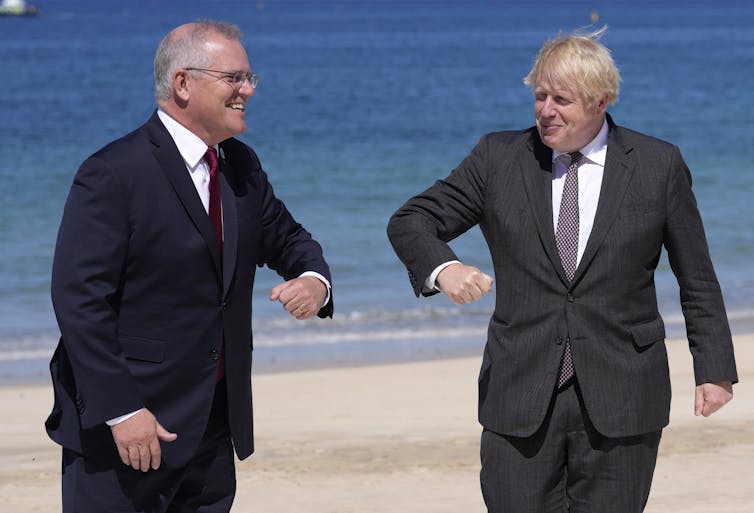
Three years ago, Hendy and others carried out a study to see if they could predict the spread of seasonal flu by looking at aggregated location data from mobile phones, to track the movement of people from one DHB area to another.

“On a given day, how many people went from MidCentral to Capital & Coast, for example? And that was enough for us to say something useful about how the flu moved around the country.”

Now, they’re hoping to do the same for Covid-19, but at a suburb-to-suburb level. “We ought to see a big reduction in people moving round… and that’ll start to give us a good handle on how well we’re combating the disease.”

The kitchen table Ground Zero for New Zealand’s Covid-19 modelling isn’t foolproof.

‘First big hiccup’
“I had my first big hiccup this morning when someone from central government emailed me a whole bunch of Excel spreadsheets. My email client crashed and I was out of action for about ten minutes,” Hendy says.

Mostly things have gone smoothly. They use Zoom, they use Slack, there’s some sharing of code. If they need it, there’s high-performance cloud storage available to them.

“It actually helps that a lot of our people have worked together before…. We’ve got used to working remotely together so you can work quite efficiently.”

For the next little while, though, the model will be “a little bit rudimentary”.

“It’s the first time we’ve ever done anything like this in New Zealand so there’s a lot of guesswork involved,” he says. “Every day we’re rebuilding the engine under the hood.”

This article is republished by the Pacific Media Centre under a partnership agreement with RNZ.

  • If you have symptoms of the coronavirus, call the NZ Covid-19 Healthline on 0800 358 5453 (+64 9 358 5453 for international SIMs) or call your GP – don’t show up at a medical centre.
Print Friendly, PDF & Email

Article by AsiaPacificReport.nz

As we turn to creativity in isolation, the coronavirus is a calamity on top of an arts crisis

Source: The Conversation (Au and NZ) – By Julian Meyrick, Professor of Creative Arts, Griffith University

Some years ago, I travelled to Israel for a conference on dramaturgy. Losing my way at the train station, I was rescued by a soldier who chatted with me all the way to Tel Aviv. I dreaded what was coming. What was I doing there, he asked? In a region of endless conflict and, for this young man, daily risk, my reply seemed feeble to my ears.

Yet his face lit up as if I had opened a window. Dramaturgy! A subject as far away from war and ancient hatreds as it was possible to get. He would love to talk about it. And so we did.

We are not defined by the calamities that befall us. We are more than the sum of our hazards, hardships and heartbreaks. We are defined, as individuals and as a nation, by the positive content of our lives and, in this, even the humble craft of dramaturgy has a role to play.

The world can be a place of terrifying challenge. As I write, my mother is in lock-down in a Sydney care home and my brother, who barely escaped dying from pneumonia a year ago, has returned to a crowded and chaotic Britain. A common story across Australia.

The arts and culture we will turn to in coming months to fill our time in isolation will provide us not just with distraction, but with meaning. Today, representatives of Australia’s diverse arts institutions sent an open letter to Prime Minister Scott Morrison, encouraging him to …

issue a public statement recognising the value of our industry to all Australians, and the debilitating impacts of COVID-19 on the arts, cultural and entertainment industries and the creative sector as a whole. This message would affirm your commitment to the livelihoods and the infrastructure that inspires the nation.

Our images define us. Sunbathers on Albert Park Beach, late 1950s. Museums Victoria/Unsplash, CC BY

Imagined communities

Benedict Anderson coined the term “imagined communities” to describe how a nation takes its character from the ideas and feelings people have about it. If his concept has a critical edge, it also has an inspirational one.

Australian culture is not just another industry waiting to get a truckload of public subsidy to pull it through straightened times ahead. It is the living heart of our nation, the muscle that, in the face of adversity, allows us to pull together and be a nation, not just a mob of panicky hamster shoppers.

Online streaming performances and digital exhibition spaces may not be an immediate salve to the impulse to stockpile food. But they are a reminder that if, satisfying our physical needs comes first in Maslow’s hierarchy of needs, the real question is what are we satisfying them for?

Arts leaders have called for targeted stimulus to a value of 2% of the A$111.7 billion industry. This figure echoes the sensible and doable proposals put forward by arts writer and academic Ben Eltham to ensure the cultural sector does not fall so deep into a financial black hole it can’t climb out when the current crisis is over. There have been welcome alterations to the Australia Council’s grant strategy and support packages from individual states, with Queensland leading the way.

But let’s be real. Eight years of pointed government neglect of the sector has left it confused, desperate and thinly resourced.


Read more: Coronavirus: Australian arts need a stimulus package. Here is what it should look like


ABC political commentator Laura Tingle has seen in the prime minister the signs of a new maturity. It would be timely to discover in this a more expansive understanding of Australian arts and culture. This means, above all, more respect for the institutions, large and small, that underpin it.

The steady acid rain of negative government attitudes to the cultural sector – the stand-out example has been its rancorous stance towards the ABC – must be reversed. In the words of Morrison himself, “just stop it”. Stop partisan undermining of the institutions that define our cultural way of life.

The ABC is an authoritative source of information and advice about the COVID-19 pandemic. The government should recognise and properly reward its crucial role, not just presume it. Overseas, Germany has set a new international benchmark, announcing €50 billion (A$92 billion) in assistance for its artists and creative businesses.

Minister for Communications, Cyber Safety and the Arts Paul Fletcher met with state cultural ministers last week. AAP/Lukas Coch

Culture’s intrinsic value

Arts and culture make important and varied contributions to the national economy and social cohesion. But the reason they do so is because of their intrinsic value. This arises in two forms.

Firstly, our culture is a steady source of thoughts, feelings, stories, images and moments which coalesce and collectively define us – what the philosopher John Searle called “the background”. Culture brings us pleasure, connection, meaning and joy, and in the current situation that’s a significant contribution to our narrowing lives.

Secondly, and even more crucially, it is where we may find our best selves. To act in a creative way is to act generously. This is not to say that artists are better than anyone else, or that creativity is the sole preserve of the arts. It is to observe that to be creative is to give to others through a selfless impulse to share, and not just a desire to monetise that relationship as an economic transaction.


Read more: Coronavirus: what the latest stimulus measures mean for Australian artists and arts organisations


Australian governments have a long history of bad ideas about arts and culture. But there are moments when things have turned around.

Douglas Stewart’s play, Ned Kelly premiered in October 1944, when World War II was raging, and Australia faced unprecedented hardships and trials. With costumes and set design by painter Norman Lindsay, the fact that the show happened at all was a miracle of persistence and make-do (the cast borrowed their boots from local policemen).

A 16-year-old schoolboy saw the play, and it shaped his choice of career. He was the historian Manning Clark, who later wrote:

It was an event in my life which made me pose the question: why are we as we are? … In moments of despair, and they happen all too often, my mind takes comfort from recalling that night in Melbourne when [Ned Kelly] got me thinking about what Australia stands for.

This is what our arts and culture should mean to us, what they do mean to us, now more than ever.

ref. As we turn to creativity in isolation, the coronavirus is a calamity on top of an arts crisis – https://theconversation.com/as-we-turn-to-creativity-in-isolation-the-coronavirus-is-a-calamity-on-top-of-an-arts-crisis-134230

- ADVERT -

MIL PODCASTS
Bookmark
| Follow | Subscribe Listen on Apple Podcasts

Foreign policy + Intel + Security

Subscribe | Follow | Bookmark
and join Buchanan & Manning LIVE Thursdays @ midday

MIL Public Webcast Service


- Advertisement -
- Advertisement -
- Advertisement -
- Advertisement -
- Advertisement -