New Zealand Prime Minister Chris Hipkins’ decision to “reprioritise” future transport budgets — away from walking, cycling and public transport — in order to pay for Cyclone Gabrielle road reconstruction is short-sighted amid the climate crisis, says Greenpeace.
“Robbing money from climate mitigation initiatives like walking and cycling, which reduce emissions, in order to fix up climate-related storm damage makes no sense,” said Greenpeace campaigner Christine Rose in a statement.
“This shouldn’t be an either-or situation. Yes, we need to get access back for cyclone-hit areas.
“But why would you finance that by cancelling plans for a transport system that cuts climate emissions that otherwise intensify the storms?”
Transport Minister Michael Wood had announced plans to prioritise climate change in the Government Policy Statement review, which sets the high level direction for spending over the next five years.
However, less than a day later, after Monday’s Cabinet meeting, Prime Minister Hipkins stepped away from this commitment.
Transport pollution Hipkins argued that the response to Cyclone Gabrielle required reprioritisation to repair bridges and roads rather than to support public transport, walking and cycling.
Transport is New Zealand’s second biggest climate polluter after the agriculture industry.
“Cyclone Gabrielle was a tragic reminder that the climate crisis is here,” Rose said.
“The government must pull all the stops to prevent storms like this from getting worse in future. And that means putting a brake on climate pollution.
“This is the time the government should instead be accelerating climate solutions like clean transport options. By distancing himself from [former Prime Minister] Jacinda Ardern’s commitment to climate change, Hipkins is aligning himself with reactionary pro-road lobbies.”
The Greenpeace statement said damage to roads, bridges and infrastructure showed how vulnerable the transport network was to climate change. Building more roads was not a long-term solution.
“It’s time to reinvent our transport system so it prioritises people and freight, not cars, and mitigates climate change as well as adapting to the new climate reality,” Rose said.
She said that if Hipkins claimed there was no money to pay for reconstruction — perhaps he should consider the fact that the biggest climate polluter, Fonterra — was paying nothing for its methane emissions.
“If the government doesn’t take the lead during the climate crisis, to allocate spending for climate solutions, then it’s the wrong government for our times.”
Emissions still in the mix, says Hipkins RNZ News reports that Prime Minister Hipkins said the decision to refocus transport spending would not compromise action on climate change.
Hipkins said that while Cabinet had not considered a final transport policy statement yet, with weather having so much adverse impact on the country over the last month it was essential there needed to be “a weighting” on what the transport priorities needed to be.
He disagreed there was an irony to changing the policy at this time in response to weather disasters that were being blamed on climate change.
The government has hit the brakes on making emissions reductions its top transport priority, saying Cyclone Gabrielle has changed everything.
Under a policy to make emissions reduction the “overarching focus” of its next three-yearly transport plan, the government wanted to reallocate some of the money normally spent on road maintenance — that tallies nearly $2 billion a year — towards bus and bike lanes.
But now the focus has switched to an emergency style plan to repair roads devastated in Cyclone Gabrielle and other recent storms.
Both National and the Greens have criticised the government’s reversal.
National has called it a “chaotic backpedal” while the Green Party has urged the government not to defer climate change spending.
Source: The Conversation (Au and NZ) – By Jinhyun Cho, Senior Lecturer in Translation and Interpreting at Macquarie University, Macquarie University
Netflix
The Korean reality survival show Physical: 100 has become a global hit, topping Netflix’s non-English lineup in just a week following its premier on January 24 2023.
The name of the show says it all: 100 contestants with superb physiques participate in a variety of challenges to win 300 million Korean won, equivalent to A$335,000.
There are several reasons behind the success of the show. First, the idea of finding the fittest body through a series of gruelling real-life challenges is unprecedented.
Second, the show is reminiscent of another Korean entertainment success, Squid Game. From the studio settings to the ways the challenges operate, Physical: 100 has obviously been inspired by its fictional blockbuster predecessor. Third, the sheer scale of the challenges – such as moving a 1.5-tonne ship – is just mindboggling.
There is one element that is rarely talked about, despite its pivotal contribution to the success of the show: translation.
Without translation, the show would never have been able to reach a global audience. The same goes for all the Korean dramas, movies and shows that have gained huge popularity around the world. Translation is central to tectonic shifts in global cultural consumption, which has been traditionally led by the West.
In Physical: 100, a group of Korea’s strongest people compete in a series of elaborate and gruelling challenges, to see who has the ‘ideal’ body type. Netflix
The rise of Korean culture as a gamechanger
For decades, people in the East have looked to the West (mostly the United States and Europe) as a source of cultural consumption. Korea was no exception.
Local movies were once looked down upon by Korean people, who considered Western counterparts more advanced. It was not until the late 1990s that the Korean movie industry began to thrive, thanks largely to systematic government support.
Netflix’s Squid Game was an unprecedented success around the world. Netflix
Another contributor to the global popularity of Korean culture is the ascendance of Korean pop culture, better known as K-pop. This new genre of visually packed musical performance has benefited enormously from YouTube and has produced global household names such as BTS and Black Pink. As of 2021, the number of K-culture fans was estimated at more than 150 million.
Who translates Korean cultural products?
The rise of Korean culture has witnessed a rapid growth of a dedicated global fandom and, interestingly, fan-led translation. Initiated by BTS fans, an enormous community also known as “Army”, fandom translation basically covers everything relating to their favourite artists. From YouTube videos and lyrics to news articles, fans from around the world who are proficient in the Korean language voluntarily translate it all into other languages and share them through social media.
Paid translation work is in demand too. Iyuno SDI, for example, provides translation services in more than 100 languages to global media companies such as Netflix, Disney and Amazon. It is, however, not always humans who translate: AI-enabled machine translation (XL8) does much of the work. Draft translation done by machines is then reviewed and edited by more than 30,000 freelance translators across the world.
Despite the growth of the translation industry, working conditions for translators are often problematic, as many translators are short of time to complete work and underpaid. Through this mass production process, cultural consideration may sometimes get lost, as happened in Physical: 100.
Translation challenges in Physical: 100
If you’ve watched the show, you will remember Choo Sung-Hoon, a celebrity mixed martial arts (MMA) fighter. After Choo won his first one-on-one match against another MMA fighter, Shin Dong-Kook, Shin bowed deeply before Choo, with his head touching the ground. Is this standard practice among MMA fighters? No, the answer lies in the Korean term, sunbae-nim, which Shin used consistently to refer to Choo, but was not translated in the show.
Sunbae-nim refers to a person who is older or more experienced in a workplace, school, military unit or social context. Virtually all Koreans would know several people whom they consider as sunbae-nim.
Shin clearly idolises Choo, who is older and has been a big gun in the MMA field for almost two decades. It is therefore only natural for Shin to call Choo sunbae-nim, a term intended to deliver the amount of respect that Shin held for Choo. As there is no exact English equivalent, however, the term was often replaced in the subtitles by Choo’s given name, “Sung-Hoon”.
This might have given the wrong impression when Shin suggested to Choo that they have an MMA match, rather than playing the ball game prescribed in the show. Here is what Shin said (in the English subtitles) when he made the suggestion:
It would be rude of me to challenge a respected senior just to play with a ball.
“Respected senior” here refers to dae-sunbaenim (literally “great sunbaenim”) yet it sounds odd and unnatural. My suggestion? “It wouldn’t do justice to your distinguished MMA career if we just played with a ball.”
As someone who specialises in English-Korean translation, I believe it would be best to retain these original expressions. In this digital era, information is at one’s fingertips and is easy to look up. Just as “señor” or “monsieur” need no translation, Korean titles should be respected on their own terms.
When we recognise translation as a mutual process of engaging with an audience, a cultural shift from the West to the East may be achieved in a genuine sense.
Jinhyun Cho does not work for, consult, own shares in or receive funding from any company or organisation that would benefit from this article, and has disclosed no relevant affiliations beyond their academic appointment.
For the last four years the commission and the media has reported a disturbing stream of violence and harm in the community and disability services. Less media attention has been paid to the commission’s work to find solutions.
Our research for the commission focuses on what we can do to change attitudes towards people with disability so that we are all included in our communities. This form of social change will improve the lives of the one in five Australians who identify as disabled. And achieving this kind of inclusion will also create a more diverse and interesting community.
When we value and respect people with disability, they are less likely to be subjected to harm.
How we treat each other depends on how we think about ourselves and other people, our ideology and beliefs. The things we believe about other people influence how willing we are to act. People may find violence and abuse against people with disability repugnant. But they may also look away, and treat this as a problem in systems rather than a crisis for citizens.
Changing attitudes means looking deeper into our beliefs and actions, and how they can either set up the conditions where it is more likely for people to be harmed, or to be safer and better included. Improving inclusion means we need to remove the biases and discrimination in our attitudes, and across the ways that we think, believe and act.
In our research we listened to people working in advocacy, community organisations, business, government and academia. They were people with and without disability. They told us about five ways community attitudes can be changed to improve inclusion.
Here are five goals for inclusion with examples of them in action.
1) People with disability are active in all spheres of everyday life
This encourages diversity and contact in schools, work and our local communities. We need contact with people with disability and information about what they want. The Council for Intellectual Disability’s Our Health Counts campaign is an example. It has harnessed widespread support to improve the health of people with intellectual disability through improving GP practice, training in universities and raising public awareness of health disparity.
2) People with disability lead change
Changing attitudes works when leaders in the community are people with disability, and when governments and other community leaders value the diverse contributions of people with disability. One vital step is work training for young people with disability, such as the Road to Employment initiative, run by social enterprise Purple Orange.
Changes that are long-term need enough resources to make a difference to the way organisations, government and business work. Inclusive education – which “values and supports the full participation of all children
together within mainstream educational settings” – is an example of a resourced, long-term policy that has fundamental community-wide impact on attitudes and behaviour.
It not only affects the attitudes of students, teachers and families in schools today, but also affects the attitudes and behaviour of students with and without disability throughout their lifetimes.
5) Measuring, monitoring and research are prioritised
Keeping track of change can support organisations to make decisions about the action they take and ensure they are accountable for what they say they will do. This is one goal of the Australian Disability Strategy outcomes framework and local government disability action plans.
You can make sure the things you do in your work and play welcome people with disability.
What the government can do is encourage and enforce changes to attitudes and behaviour to improve inclusion of people with disability. Attitudes, behaviours and outcomes should be measured. This will help us to know what works to make change and what does not.
Later this year, the disability royal commission will report its findings and propose solutions. Then it will be up to everyone to make sure change happens.
Sally Robinson receives funding from the Australian Research Council. This research was funded by the Disability Royal Commission.
Christy Newman receives funding from the Australian Research Council, the National Health and Medical Research Council, and state and federal Australian government departments of health. This research was funded by the Disability Royal Commission.
Jan Idle is employed through a grant from the Australian Research Council. This research was funded by the Disability Royal Commission
Karen R Fisher receives funding from the Australia Research Council. This research was funded by the Disability Royal Commission
Gianfranco Giuntoli does not work for, consult, own shares in or receive funding from any company or organisation that would benefit from this article, and has disclosed no relevant affiliations beyond their academic appointment.
Just over a month after the Auckland flood, and three weeks on from Cyclone Gabrielle hitting the North Island, the scale of the disasters and the rebuild is clear – as is a sense of being in limbo for those worst affected.
At Muriwai on Auckland’s west coast, locals were reportedly left frustrated by a lack of information after a community meeting called by Auckland Council last week. So far, 113 homes have been “red-stickered” in the small settlement, with another 75 along Domain Crescent yet to be assessed due to the street’s ongoing instability.
At the centre of it all sits section 124 of the New Zealand Building Act. This is the piece of law governing the red or yellow notices (“stickers”) pasted onto houses or buildings deemed “dangerous, affected, or insanitary”.
The situation now playing out at Muriwai provides a case study of the kinds of “pinch points” the use of section 124 can create for territorial authorities and their communities. The lessons learned should inform future disaster responses.
Listen to the science
Ultimately, councils want to keep people safe. But there can be tension when communities feel the risk from a hazard has diminished enough for them to return home and pick up their lives. Not least are concerns that a red sticker on the front of their house is an invitation to thieves.
Talk of “shutting the stable door once the horse has bolted” or “throwing the baby out with the bathwater” is often heard in the aftermath of a natural disaster. The storm has passed, the sun is shining and people want to return to what might seem a more benign environment.
But what is “safe” is vague, and everyone has their own interpretation of risk – including engineers. Some parts of Aotearoa recover faster than others, and councils have different ways of operating. So it’s important local authorities make balanced decisions by prioritising the science.
In Gisborne in November 2021, for example, widespread landslides occurred, including a substantial slip involving several residential streets. This transitioned into an earthflow, with the most mobile material probably characterised as mudflow.
Contractors quickly installed concrete blocks at the toe of the slope to stop any more debris sliding onto the road (see picture below). Disruption to the community was kept to a minimum.
Aftermath of the Hill Road landslide in Gisborne, November 2021: concrete blocks were quickly placed at the toe of the slope to stop remobilisation of landslide debris. Martin Brook, Author provided
Avoiding extremes
There are other examples, however, of government agencies and councils failing to keep people safe – or being over-zealous in their approach to hazard management and community safety.
Most infamously perhaps, in 1966 at Aberfan in South Wales a saturated pile of coal “spoil” slumped and flowed down the valley side. The result of no effective monitoring at all, the slide engulfed a primary school and killed 144, including 116 children.
Still in the UK but the other end of the scale, the Cumbria County Council acted very quickly in 2021 when cracks appeared in the soil at the end of a hot summer at Parton on the Cumbria coast. The council evacuated the village for more than a week, and the local school was only reopened 14 months later.
A klaxon warning alarm was installed as a precaution, but the geotechnical investigation showed there had actually been no recent movement of the slope at all. The “tension cracks” were more likely shrinkage cracks due to the soils drying out, not from tensional stresses within an unstable slope.
Both examples demonstrate the importance of understanding the true stability of a slope. Monitoring can be done by remote sensing from helicopter-borne LiDAR (as at Muriwai at present), or space-borne InSAR. But knowing what is happening to a slope means being able to see, in high resolution, its physical behaviour over time.
The technology exists
A good example of state-of-the-art monitoring is the ALERT system pioneered by the British Geological Survey at the Hollin Hill landslide test site in North Yorkshire. This uses ground surface markers, with a variety of motion and listening sensors installed below in geotechnical boreholes at different depths within the slope.
Monitoring moisture is often the key, as rising soil moisture is often the precursor to any measurable slope movement. The installed sensors stream data directly to a geologist’s office computer, providing the basis for science-based decision-making.
The international mining industry has also pioneered the monitoring of unstable slopes within open-pit mines. A land-based radar unit is pointed at a slope and provides measurements in real time to a control room. Trigger levels are set so that movement beyond certain allowable thresholds raises an alarm and the pit floor is evacuated.
A classic example of its effectiveness is a landslide at Bingham Canyon Mine in Utah in 2013. When radar detected slope movement above the acceptable thresholds, more than 100 workers were evacuated. A 60 million cubic metre rock avalanche occurred the next day. It was the largest non-volcanic landslide recorded in the US, and no one was harmed.
A large landslide threatens houses in the coastal suburb of Muriwai following Cyclone Gabrielle on February 14 2023. Getty Images
Finding the balance
Getting the balance right isn’t easy. Councils struggle to keep communities safe (recognising there is no such thing as zero risk) while also involving those communities in key decisions. It’s a dilemma local authorities and government agencies wrestle with across most OECD countries.
An approach to planning and mitigation of hazards based on te ao Māori (the Māori world view) has been advocated, but it’s yet to be determined how this would play out across the Aotearoa’s varied communities and cultures.
But based on Muriwai’s experience, an agile and empathetic approach seems important. This would involve community participation in local hazard planning, coupled with rapid installation and application of state-of-the-art monitoring technology.
Anxious communities recovering from tragic events need to feel they are being listened to. Engaging them in the decision-making process – as well as demonstrating the science behind those decisions – is vital. This is especially so when people’s homes and lives depend on the application of section 124 of the Building Act.
Martin Brook receives funding from MBIE, Toka Tū Ake EQC, and the Royal Society Te Apārangi.
Keith Rankin, trained as an economic historian, is a retired lecturer in Economics and Statistics. He lives in Auckland, New Zealand.
Analysis by Keith Rankin.
Keith Rankin, trained as an economic historian, is a retired lecturer in Economics and Statistics. He lives in Auckland, New Zealand.
The most important question about the Covid19 pandemic of the early 2020s is ‘how many people died?’. (The second-most important question relates to the impact of the pandemic on people’s ‘quality of life’.) The data here, available since last week, is the starting point for an answer to the first question. This data is as close as can be got to ‘pure facts’, ‘body counts’ in which no expert interpretation plays a role. (This contrasts with ’cause-of-death’ data which requires a doctor’s opinion.) This is raw data. Raw data is true.
Table 1: Impact of Covid19 pandemic on Mortality, Raw Data
There is not really such thing as a ‘global pandemic’, because a pandemic is, by definition, a global event. In a pandemic, individual countries may be understood as ‘administrative regions’. National differences of mortality during a pandemic will be a mix of fortune, prior circumstances, and quality of administration. Re ‘quality of administration’, ‘body counts’ – while most important – do not represent the whole story. We note here my second-most important question, above.
The data above will never be a global total, no matter how long we wait for laggard countries to report. Some countries simply don’t register deaths; these countries are mainly in South Asia and Africa. Some other countries do not share their death tallies with the rest of the world.
The data above is irrefutable, in that it is a simple count of deaths, covering two periods each of four years (209 weeks for those countries which report on a weekly basis). This contrasts with ‘official’ Covid19 death tallies which depend, in each administrative jurisdiction, on some interpretation of what counts as a Covid19 death. ‘Total deaths’ data does not distinguish direct from indirect pandemic deaths.
For most countries, regardless of covid, there would have been an increase in deaths in the most recent ‘quadrennium’ (four-year period) vis-à-vis its predecessor. The major single cause of such covid-unrelated increased deaths is changes in the numbers of ‘elderly’ people, with the precise age of ‘elderly’ being higher in some countries (say Denmark) compared to others (say Lithuania). A country with a high proportion of elderly people need not have a higher percentage increase in deaths from one period to another; however, in these times, most countries are experiencing faster annual increases in their elderly populations than in their younger people.
One complication here is that World War Two ended in 1945, meaning that in 2020, a person born in 1945 turned 75 in 2020. While we are very sure that most countries had higher birth rates after 1945 than before, we are less sure about which countries had the biggest post-war ‘baby booms’.
One question that may be asked is ‘why include 2019 with the other pandemic years?’, given that the pandemic started in 2020. There are two reasons. First, as we have eight years of data conveniently tabulated by ourwordindata.org, the simplest procedure is to compare one quadrennium against the other. The second reason is that death rates in one year may ‘inversely’ impact on the following year’s data. Countries which have above-average levels of epidemic influenza in the year-or-so before a pandemic are likely to have reduced deaths in the first year of that pandemic, because many of the people most vulnerable to infectious diseases have already died. Likewise, re the present pandemic, a benign influenza year in 2019 (such as in Sweden) would of itself postpone deaths until 2020.
Table 1 is not a ‘league table’ of administrative competence, jurisdiction by jurisdiction. Nevertheless, the data shows broad categories of national experiences, and interesting variations (and non-variations) between countries regarded as like. It is a factual unnuanced measure of the different experiences of the Covid19 pandemic in different countries.
Some data highlights:
Scandinavia
As with many social indicators, Scandinavian countries had the lowest amounts of ‘increased death’ arising from the covid pandemic. Within that Nordic group, Sweden is a clear ‘winner’. This is particularly interesting because Sweden gained much publicity in 2020 for its contrary approach to public health administration during the pandemic. Sweden’s state epidemiologist, Anders Tegnell, famously said that Covid19 was a “marathon, not a sprint”. The marathon is now over, and Sweden has at least taken ‘line honours’.
However we should note that Sweden’s second-worst month (for excess deaths) for the whole pandemic was December 2022. (Its worst month was April 2020.) This significant though largely unnoticed fact is also true for other Western European countries. For some the 2022-2023 festive season was the worst three weeks for the entire pandemic. So, we may be looking at Covid19 as an ‘ultra-marathon’ rather than a marathon; if so, we still have years to wait before we can conclusively evaluate the demographic consequences of this pandemic.
The countries which ‘did best’ in the pandemic were those able to confine most of their covid-diagnosed deaths to people who, had they not died of Covid19, very likely would have died from other causes during the pandemic quadrennium.
Western Europe
Countries in Western Europe outside of Scandinavia had increased deaths mainly in the six‑percent to ten‑percent range, with Belgium and Netherlands both just outside of that range (though on either side of it). Interestingly, in the first wave of Covid19, Belgium had many more recorded covid deaths (per capita) than Netherlands. But it was Netherlands which ended up with an ‘above 10 percent’ increase. Netherlands had a bad pandemic.
The United Kingdom came very much in the middle of the Western European ‘pack’.
Two other ‘western’ countries to note are Canada and Israel. Both have increased deaths higher than the European Union and United Kingdom countries.
Australasia
Australia and New Zealand have increased deaths very similar to Western European levels. ‘Officially’, both have reported fewer covid deaths per capita than do these European countries. This may be due in part to unusually large increases in the elderly populations of Australia and New Zealand; if so, many of these recent additional deaths will be neither directly nor indirectly due to Covid19.
Eastern Europe and East Asia
Both these groups of countries have, for the most part, increased deaths in the ten‑ to twenty‑percent range. This, for East Asia at least, may be a big surprise to the many people who believed that East Asia set the exemplar for best public health policy during the pandemic.
In East Asia, South Korea is a country of particular concern. South Korea has not released weekly death tallies since July 2022; it used to be a reliable reporter of such data. Subsequent Covid19 case data from South Korea suggests that it has experienced two recent waves of Covid19.
Another country for which the Table 1 data may be understated is Hong Kong. December 2022 was known to be China’s worst month, and this showed in the alarming excess death toll for Macao (Hong Kong’s close neighbour) for that month. So the recent Hong Kong data may be substantially revised, or we may see a much bigger toll for Hong Kong in January 2023. (We should note that, in the United Kingdom, there are signs that many people who die in the end of any December have their deaths counted in the following January. Different administrative practices can may weekly data hard to compare across countries.)
For Eastern Europe, I have generally restricted this table to countries in the European Union, though I have included Serbia, showing that its experience is comparable to its European Union neighbours. Eastern Europe did particularly badly in the ‘official’ Covid19 death tallies, in large part due to their high proportions of elderly people. Eastern Europe is a major source of economic migrants. (And, with lower life expectancies than in Western Europe, the threshold age that defines ‘elderly’ in these countries is lower. We may note, as a matter of interest, that the typical life expectancy in Eastern Europe is comparable to New Zealand’s ‘Pasifika’ population.)
An interesting group of Eastern European outliers are the Baltic countries: Lithuania, Latvia, and Estonia. While these recorded high numbers of Covid19 deaths relative to their total populations, the percentage increase in deaths is not so large. This is due to their high but unchanging prevalence of older people. Indeed, their populations probably got slightly younger in 2020 and 2021, as previous high levels of youth emigration will have been stemmed by Covid19 public health controls within the European Union.
South America and the United States
The typical increase in deaths for South American countries is between twenty and forty percent, with Uruguay, Chile and Brazil looking best for those countries with available data. (Argentina is extremely slow at releasing its total death tallies.) Uruguay is easily best.
The high Covid19 mortality of the United States is very apparent in this simple tally of deaths. Indeed USA probably compares better with South America than it does with its European allies. The demography of the United States is like that of New Zealand in some respects, but like South America and Mexico in other respects. Western European (and Australasian) populations have life expectancies above 80. The USA and most South American countries do not. While Covid19 was a disaster for the United States, it may not be that the different public health responses within USA made much difference. It may be that certain known comorbidities – such as diabetes, drug dependency, mental unwellness – are more present in American than in European populations.
Further Interpretation
I have here confined my interpretation of the data to the points which would be best understood by a professional statistician. Further interpretation takes us into the realm of scientific speculation. The science – the testing of plausible explanatory hypotheses with adequate datasets – needs to be done.
The first question begged by the data presented here is why Sweden in particular (and Europe in general) have come out of the pandemic rather well (so far! the ultra-marathon is far from over). The second question is why East Asia has come out so poorly, despite early indications to the contrary.
Sweden coming out of the pandemic marathon so well, and East Asia so problematically, is the inconvenient counter-narrative which happens to be the truth – the poorly understood truth – of the matter.
————-
Keith Rankin (keith at rankin dot nz), trained as an economic historian, is a retired lecturer in Economics and Statistics. He lives in Auckland, New Zealand.
New Zealand Parliament Buildings, Wellington, New Zealand.
Analysis by Geoffrey Miller.
Political Roundup: NZ’s foreign policy hardens under new leadership
Times are changing in New Zealand foreign policy.
That seems to be the message from New Zealand’s new triumvirate of ministers with responsibility for foreign affairs and defence – Prime Minister Chris Hipkins, foreign minister Nanaia Mahuta and defence minister Andrew Little.
Jacinda Ardern’s departure as Prime Minister was always going to provide an opportunity to adjust New Zealand’s positioning. In particular, Hipkins’ decision to appoint Andrew Little as defence minister – replacing Peeni Henare – seems to have been a strategic move.
From the top, Hipkins has struck a more ideological tone in his most substantive comments on foreign policy to date, promising in a recent interview that New Zealand would maintain ‘steadfast support for Ukraine and its people as they continue to defend their homeland, and in doing so, the principles that we hold dear’.
The comments appeared notably more forceful than what amounted to the final word on Ukraine made by Jacinda Ardern while she was Prime Minister, made in mid-December when the New Zealand Parliament hosted a virtual address by Ukrainian President Volodymyr Zelensky.
In her response to Zelensky at the time, Ardern seemed largely content to reiterate her government’s current level of assistance to Ukraine. The then Prime Minister told the Ukrainian President ‘I want to acknowledge your further calls for support’, but pledged only a relatively small amount of additional humanitarian aid to the Red Cross.
Hipkins’ shift in tone raises the possibility that more support from New Zealand could be in the works – perhaps including more money for ‘lethal aid’ weaponry to help Ukraine in any spring counter-offensive, or at least equipment that could be usefully deployed on the battlefield.
It has now been eleven months since New Zealand made its first and so far only lethal aid contribution to the war so far, which came in the form of a $NZ7.5m transfer to the United Kingdom to purchase weapons on New Zealand’s behalf.
Since the cash-for-weapons announcement last April, New Zealand’s assistance has focused on sanctions, money for non-lethal and humanitarian aid and on sending a small number of New Zealand Defence Force (NZDF) personnel to Europe to train Ukrainian soldiers.
To that end, Little’s recent comments that the Government is at least giving ‘further consideration’ to Ukrainian requests for New Zealand to send it light armoured vehicles (LAVs) are intriguing.
New Zealand reportedly has 74 working LAVs, but Peeni Henare, Little’s predecessor as defence minister, rejected a request by Ukraine to send them last August.
Henare’s rejection was made ostensibly on technical grounds, motivated by factors such as a lack of spare parts and troops to provide training. This rationale has always seemed unconvincing and more like an excuse to maintain a firewall on sending more material support to Kyiv.
In the US, the Biden administration argued for some time that its own Abrams tanks needed too much fuel and heavy maintenance to be useful to Kyiv – only to eventually give in and send the hardware that Kyiv had been asking for in a deal announced in January.
Ukraine’s non-resident ambassador to New Zealand, Vasyl Myroshnychenko, says Canada could help to fix the LAVs – a suggestion that Little appears to at least be contemplating, based on his comment that ‘we would want to work with partners in terms of any support that we can provide.’
Exactly where the truth lies remains to be seen: Hipkins was non-committal and admitted ‘I haven’t got the latest information’ when asked about the LAVs at his post-cabinet press conference on Monday.
Still, there is far more to the foreign policy shifts than just a sharper tone (and potentially an upgrade in substance) when it comes to Ukraine. The defence portfolio provides further clues.
New Zealand’s military has essentially been in a holding pattern since Labour’s outright victory in the 2020 election. A formal ‘Defence Policy Review’ process was announced last July, with a rather generous final reporting date set for mid-2024.
But Little has suggested in media interviews that work on the review needs to ‘accelerate’ amidst a ‘materially different’ geopolitical environment.
The new defence minister noted increased military spending and activity by Japan, France, the UK and Australia in the Indo-Pacific, adding ‘there’s an expectation that we will demonstrate some leadership’.
It seems likely that this will involve New Zealand significantly boosting its defence spending and cooperating more closely with the countries Little mentioned.
While he was reluctant to comment on specifics, pointing to the review, Little suggested a ‘different range of maritime capability’ could be needed so that New Zealand could satisfy defence needs both closer to home and ‘further abroad’.
Major spending decisions may be just months away.
Under the original terms of reference for the Defence Policy Review, an initial draft of a new defence policy and strategy was to be submitted by October 2022, while a ‘future force design principles statement’ was expected by this April.
Those deadlines were subsequently pushed back even further: the strategy document is now reportedly due this month and the future force statement in June.
In between the two, on May 17, will be the Government’s first budget since Chris Hipkins took over as Prime Minister.
Given Little’s comments on the need to expedite the review process – and the fact that the election is scheduled to be held just five months after the budget, on October 17 – it seems plausible that funding decisions will now be based on just the initial strategy document.
In fact, in all likelihood, the decisions have already been made, with the review process simply serving as cover.
New Zealand’s military spending drifted slightly downwards to 1.4 per cent of GDP in 2021, according to figures from the World Bank.
But amidst a new wave of militarisation around the world, there seems little doubt that New Zealand’s spending will soon see a sharp rise.
China’s announcement at the weekend that it will increase its defence spending by an ‘appropriate’ amount will only provide further justification for a boost.
Countries around the Indo-Pacific are lifting military spending: Australia’s defence minister recently promised the country would soon take its ‘biggest step forward’, while India has announced a spending increase of 13 per cent.
A major uptick in the defence budget might seem at odds with Hipkins’ pledge to focus on ‘bread and butter’ domestic issues focused on the cost of living.
But the military spend is likely to be sold at least in part as a social and climate change policy response: in interviews, Little repeatedly spoke of ‘attrition’ in the ranks since the outbreak of Covid-19. He also referred to the difficulties New Zealand’s military would face in responding to a ‘significant disaster recovery exercise’ in the Pacific, pointing to the defence force’s role in New Zealand in the aftermath of Cyclone Gabrielle.
This brings us to the foreign minister, Nanaia Mahuta, who visited Japan and Singapore last week.
While ‘strengthening economic partnerships’ was the stated aim of Mahuta’s trip, in reality the mission rather predictably ended up being far more about hard security. As if to underline this, Mahuta met in Singapore not with her foreign minister counterpart, Vivian Balakrishnan, but with Singaporean defence minister Ng Eng Hen.
And earlier, during Nanaia Mahuta’s visit to Tokyo, New Zealand signed on to a rather hawkish joint statement with Japan on cooperation in the Pacific that agreed the region should remain ‘inclusive, stable and prosperous, and free from foreign interference and coercion’ – phrasing clearly aimed at China.
But the threats posed by climate change were also repeatedly mentioned in the document as rationale for a ‘family first approach to peace and security’ in the Pacific.
The most specific outcome from Mahuta’s trip to Tokyo was an undertaking by New Zealand and Japan to speed up discussions on an intelligence-sharing agreement that was signalled during Jacinda Ardern’s own visit to Japan last year.
Japan recently announced plans to double its defence budget to reach the NATO target of 2 per cent of GDP by 2027 – a decision that will see $NZ500 billion in spending in the next five years and will make Japan the third-biggest military spender in the world.
Interestingly, the Japanese foreign ministry’s account of Mahuta’s meeting with her Japanese counterpart, Yoshimasa Hayashi, described Australia, Japan, New Zealand and South Korea as a group of ‘like-minded countries’.
This suggests that the ‘AP4’ format from last year’s NATO summit in Spain may endure and could yet turn into something of a mini-alliance. Leaders from all four Asia-Pacific (or ‘AP’) countries were invited guests at the NATO gathering in Madrid and held a separate meeting on the event’s sidelines.
While there are many geopolitical uncertainties, one thing is clear.
Across the Indo-Pacific, countries are rearming.
And New Zealand looks set to join the pack.
Geoffrey Miller is the Democracy Project’s geopolitical analyst and writes on current New Zealand foreign policy and related geopolitical issues. He has lived in Germany and the Middle East and is a learner of Arabic and Russian. He is currently working on a PhD on New Zealand’s relations with the Gulf states.
Popular culture is fascinated with the ability to detect liars. Lie detector tests are a staple of police dramas, and TV shows such as Poker Face feature “human polygraphs” who detect deception by picking up tell-tale signs in people’s behaviour.
Records of attempts to detect lies, whether by technical means or by skilled observers, go back at least 3,000 years. Forensic science lie detection techniques have become increasingly popular since the invention of the polygraph early in the 20th century, with the latest methods involving advanced brain imaging.
Proponents of lie detection technology sometimes make grandiose claims, such as a recent paper that said “with the help of forensic science and its new techniques, crimes can be easily solved”.
Despite these claims, an infallible lie detection method has yet to be found. In fact, most lie detection methods don’t detect lies at all – instead, they register the physiological or behaviour signs of stress or fear.
From dry rice to red-hot irons
The earliest recorded lie detection method was used in China, around 1000 BC. It involved suspects placing rice in their mouths then spitting it out: wet rice indicated innocence, while dry rice meant guilty.
In ancient China, chewing dry rice was used a way to determine whether a person was speaking the truth or telling lies. Shutterstock
In India, around 900 BC, one method used to detect poisoners was observations of shaking. In ancient Greece a rapid pulse rate was taken to indicate deceit.
The Middle Ages saw barbaric forms of lie detection used in Europe, such as the red-hot iron method which involved suspected criminals placing their tongue, often multiple times, on a red-hot iron. Here, a burnt tongue indicated guilt.
What the polygraph measures
Historical lie detection methods were based in superstition or religion. However, in the early 20th century a purportedly scientific, objective, lie detection machine was invented: the polygraph.
The polygraph measures a person’s respiration, heart rate, blood pressure, and skin conductance (sweating) during questioning.
Usually a “control question” about a crime is asked, such as “Did you do it?” The person’s response to the control question is then compared to responses to neutral or less provocative questions. Heightened reactions to direct crime questions are taken to indicate guilt on the test.
The overconfidence of law enforcers
Some law enforcement experts claim they don’t even need a polygraph. They can detect lies simply by observing the behaviour of a suspect during questioning.
Worldwide research shows that law enforcers are often confident they can detect lying. Many assume a suspect’s nonverbal behaviour reveals deceit.
Unlike Poker Face’s ‘human polygraph’, the lie-detection efforts of real-life law enforcers are often fallible. Peacock
A 2011 study with Queensland police revealed many officers were confident they could detect lying. Most favoured a focus on nonverbal behaviour even over available evidence.
However, research shows that law enforcers, despite their confidence, are often not very good at detecting lying.
Law enforcement officers are not alone in thinking they can spot a liar. Global studies have found that people around the world believe lying is accompanied by specific nonverbal behaviours such as gaze aversion and nervousness.
What’s really being tested
Many historical and current lie detection methods seem underpinned by the plausible idea that liars will be nervous and display observable physical reactions.
These might be shaking (such as in the ancient Indian test for poisoners, and the nonverbal behaviour method used by some investigators), a dry mouth (the rice-chewing test and the hot-iron method), increased pulse rate (the ancient Greek method and the modern polygraph), or overall heightened physiological reactions (the polygraph).
However, there are two major problems with using behaviour based on fear or stress to detect lying.
The first problem: how does one distinguish fearful innocents from fearful guilty people? It is likely that an innocent person accused of a crime will be fearful or anxious, while a guilty suspect may not be.
This is borne out with the polygraph’s high false-positive rate, meaning innocent people are deemed guilty. Similarly, some police have assumed that innocent, nervous suspects were guilty based on inaccurate interpretations of behavioural observations.
The second major problem with lie detection methods based on nervous behaviour is there is no evidence that specific nonverbal behaviours reliably accompany deception.
Miscarriages of justice
Despite what we know about the inaccuracy of polygraph tests, they haven’t gone away.
Australia has been less enthusiastic in adopting lie-detection machines. In New South Wales, the use of lie-detector findings was barred from court in 1983, and an attempt to present polygraph evidence to a court in Western Australia in 2003 also failed.
Many historical and current lie detection methods emulate each other and are based on the same assumptions. Often the only difference is the which part of the body or physical reacion they focus on.
Therefore, it is important that criminal-justice practitioners are educated about fallacious lie detection methods, and any new technique grounded in fear or stress-based reactions should be rejected.
Despite outward appearances of technological advancement, over many millennia little has changed. Fearful innocents remain vulnerable to wrongful assumptions of guilt, which is good news for the fearless guilty.
The authors do not work for, consult, own shares in or receive funding from any company or organisation that would benefit from this article, and have disclosed no relevant affiliations beyond their academic appointment.
Prime Minister Anthony Albanese is expected to visit Washington in the next two weeks to announce the long-awaited roadmap for the AUKUS submarine agreement alongside UK Prime Minister Rishi Sunak and US President Joe Biden.
So, what’s involved, what’s at stake, and what are the challenges?
Can Albanese balance the imperatives of the alliance, technological requirements, and regional concerns? And can the plan be implemented in a timely manner?
How did we get here?
In September 2021, then Prime Minister Scott Morrison held a surprise virtual three-way meeting alongside Biden and then UK Prime Minister Boris Johnson to announce a trilateral technical agreement, called AUKUS.
The deal is to enable Australia to acquire nuclear-powered submarines, as well as deepen defence industry collaboration between the three nations.
It followed a stop-start approach to domestic submarine manufacturing. The 2009 Defence White Paper called for 12 new diesel-electric propulsion submarines. The global financial crisis saw funding cutbacks and delays.
His successor, Malcolm Turnbull, set up a multi-billion dollar deal with France instead, with Australia saying it would buy a fleet of conventional submarines.
The French deal was then scrapped by Morrison in favour of the AUKUS plan.
Technological developments made conventional diesel-electric submarines obsolete for Australia.
Australia’s submarines face long transits between ports, let alone to potential distant hot spots. Advances in artificial intelligence and persistent surveillance make detection easier to the point where a short “snort” to recharge batteries is detectable. To lose stealth is to lose the key advantage of submarines, so something had to give.
Nuclear-powered subs can stay underwater for far longer than diesel-electric models.
Another part of the rationale is that the deal would add to deterrence of China as its influence in the Pacific grows.
The Morrison government’s clumsy handling of cancelling the French deal significantly harmed relations.
AUKUS also generated consternation in Indonesia and some other Southeast Asian nations, who worried the deal would lead to an arms race and greater tensions in the region.
Critics see AUKUS as a retrograde step, damaging Australia’s regional standing and its nuclear non-proliferation credentials. The Albanese government has pushed back, and its imminent meeting in Washington means it will now wholly own the endeavour. The government still needs to allay regional concerns, but progress has been made.
Critics have also suggested AUKUS compromises Australian sovereignty. Albanese has rightly rejected this view, arguing deployment of military assets in the event of any conflict was
a decision for Australia as a sovereign nation, just as the United States will maintain its sovereignty and the United Kingdom will maintain its.
The irony is that for a boutique defence force like Australia’s, reliance on US technology has come to be an integral part of the plan for defending Australia’s sovereignty.
Restoring relations
The Albanese government set about restoring relations with France, and earlier this year France’s ambassador to Australia said the two countries have repaired the relationship.
As for relations with neighbours in the South Pacific and Southeast Asia, Foreign Minister Penny Wong and Defence Minister Richard Marles have been actively seeking to allay concerns over nuclear non-proliferation, and of Australia’s commitment to remain engaged as respected partners of ASEAN and the Pacific Islands Forum.
The Albanese government has been stressing that a strengthened defence capability is a net plus for security partners in Southeast Asia and the Pacific.
One of the most critical concerns remains the question of how willing the US government and bureaucracy will be to facilitate Australia’s ready access to nuclear propulsion technology beyond the current electoral cycle.
With so much at stake, and with evident bipartisan support for AUKUS, tripartite arrangements will likely survive the tempest of local political ebbs and flows.
An interim solution?
The government’s plan is to manufacture nuclear-powered subs onshore, though this wouldn’t happen until well into the future. Meanwhile, Australia’s current Collins class submarines are due for a life extension refit to see them through beyond the next decade.
So there’s been intense speculation about an interim solution.
Crew size is a critical limitation for the Australian submarine arm, which has challenges crewing even the significantly smaller Collins class submarines.
What’s more, with Britain facing significant financial pressures, a couple of submarines from the UK production line may act as a lifeline to its naval construction industry, while also providing the Albanese government with the promise of a face-saving submarine delivery before the end of the decade.
We won’t know exactly what the plan is until the official announcement, and we may not get any interim subs at all. Such an outcome would leave Australia reliant on Collins submarines well past their use by date.
A bumpy road ahead
Challenges aplenty remain. Australian nuclear technology know-how is limited, and its naval construction industry is experiencing considerable turbulence with long gaps between contracts. The university sector has an important role to meet the nuclear workforce requirements and several, like ANU, are making steady progress.
But the imperatives for closer collaboration are accentuated by darkening clouds in international affairs.
It’s often said that weakness invites adventurism, even aggression. The AUKUS plan is an ambitious, costly and risky one. But these are challenging times. It’s an important plank for bolstering resilience and deterrence and, in turn, reducing the likelihood of adventurism.
The forthcoming Defence Strategic Review, likely to be released in April, can be expected to build on the ties that the AUKUS plan represents.
Now comes the hard part – making the plan come to fruition.
John Blaxland has received funding from the Australian Signals Directorate for an official history project, but the project was cancelled at short notice in 2020.
Source: The Conversation (Au and NZ) – By Sathana Dushyanthen, Academic Specialist & Lecturer in Cancer Sciences & Digital Health| Superstar of STEM| Science Communicator, The University of Melbourne
Barely a month goes by without headlines announcing yet another advancement in cancer vaccines.
Just last month, the United States Food and Drug Administration (FDA) granted breakthrough therapy designation to Moderna and Merck’s skin cancer vaccine. This allows expedited development and review of drugs intended to treat serious conditions.
We already have a vaccine to prevent human papillomavirus (HPV), which causes cervical and other cancers. We also have a vaccine to protect against the hepatitis B virus, which can cause liver cancer.
But you may have heard of new types of cancer vaccines being developed using technology similar to that used for COVID vaccines. Decades before COVID vaccines, scientists had been working on messenger ribonucleic acid (mRNA) vaccines targeting cancer.
Rather than preventing disease, these vaccines are a personalised treatment for cancer, to combat disease.
How do they work?
Science in Motion.
Traditionally, vaccines inject part or all of a weakened virus (or other pathogen) into the body to provoke an immune response.
mRNA works by injecting only the genetic instructions and allowing the body’s cells to make part of the cancer protein (antigen) itself. This trains the immune system to develop antibodies against the protein.
When these same proteins are present on an invading tumour cell, the immune system stimulates an immune response against it.
While COVID mRNA vaccines respond to one antigen – the spike protein on the outside of coronavirus – cancer vaccines act on several antigens present on the tumour surface.
The mRNA cancer vaccines train the patient’s immune system to fight their own cancer. Most trials are manufacturing vaccines for individual patients based on the specific antigens present on their tumours.
The vaccine stimulates an immune response against cancer cells. Shutterstock
How are they made?
To make these vaccines, a sample of the patient’s tumour and healthy tissue is taken. These samples are DNA-sequenced to compare differences between the DNA in the cancerous cells and the healthy cells.
Scientists identify problem mutations driving disease. These can then be used as antigen targets in the mRNA vaccine.
Bespoke approaches allow scientists to target a wider range of cancer antigens. Targeting multiple antigens decreases the odds that cancer cells will mutate and become resistant to vaccines, because the immune system attacks on multiple fronts.
Personalised medicines are extremely expensive because they are bespoke products. Manufacturing costs for bespoke treatments remain high. However, with rapidly falling costs of different aspects such as genome sequencing (some companies are now offering genome sequencing for just US$100), sequencing the entire genome is becoming more viable.
As large-scale manufacturing increases in future for off-the-shelf vaccines, there will be resource efficiencies that reduce cost.
What vaccines are in development?
In December 2022, Moderna and Merck (known outside the United States and Canada as MSD) published the results of its early phase (2b) clinical trial. The trial was investigating a combination therapy of an mRNA vaccine and immunotherapy (a drug that stimulates an immune response) in advanced stage melanoma patients.
Now, Moderna and Merck plan to follow up their initial trial with a phase 3 trial for advanced melanoma in 2023. Phase 3 trials test for safety and efficacy in larger groups of patients.
BioNTech has several mRNA cancer candidates in the works, including for advanced melanoma, ovarian cancer and non-small cell lung cancer. It will release results from its own phase 2 melanoma trial (of 131 patients) using immunotherapy and an mRNA vaccine combination later this year. Its primary aim is to measure cancer progression and survival over 24 months in previously untreated patients.
A third company called CureVac is also developing mRNA vaccines targeting a range of cancers including ovarian, colorectal, head and neck, lung and pancreatic.
CureVac has a deal with Tesla, the electric car manufacturer, to develop small, portable mRNA bioprinters to automate the process of producing patient mRNA. These can be shipped to remote locations where they are able to churn out vaccine candidates based on the DNA template (recipe) fed into the machine.
A lot of these vaccines, including those targeting cancer, are in pre-clinical to phase 1 stages of development, to test the effects and side effects in the laboratory, animal models or small groups of patients.
When will they become available?
Overseas, Moderna and Merck’s mRNA cancer vaccine was fast-tracked for review by the US FDA in February 2023.
Australia’s Therapeutic Goods Administration has not approved the use of mRNAs for use either alone or with other cancer treatments yet.
In January 2023, the United Kingdom’s National Health Service partnered with BioNTech to fast-track the development of mRNA cancer vaccines over the next seven years. Eligible UK cancer patients will get early access to clinical trials from late 2023 onwards. By 2030, these mRNA vaccines will be made clinically available to around 10,000 cancer patients.
In Australia, BioNTech is establishing its Asia-Pacific mRNA clinical research and development centre in Melbourne, in partnership with the Victorian government. This would develop mRNA vaccines for research and clinical trials, including personalised cancer treatments.
Meanwhile, Moderna will develop Australia’s first large-scale mRNA vaccine facility at Monash University by 2024, in partnership with the state and federal government. This will give Australians priority access to mRNA vaccines made locally.
What else could the technology be used for?
Aside from cancer, there is huge potential to use mRNA technologies across many gene therapies.
Sathana Dushyanthen does not work for, consult, own shares in or receive funding from any company or organisation that would benefit from this article, and has disclosed no relevant affiliations beyond their academic appointment.
In addition to being overwhelmed by such events, residents sometimes feel they are not heard. During the COVID-19 lockdowns, essential workers in Western Sydney felt alienated and over-policed, and demanded their predicaments be taken into account. In the recent federal election, local candidates gained traction due to their trusted presence in the community.
The preferences of the region’s culturally and economically diverse voters are no longer predictable. They could also have a substantial influence on the March 25 state election.
Our newly published report, Climate Matters to Western Sydney: Everyday Sustainability Practices in Uncertain Times, documents 100 residents’ responses to our survey about their environmental practices and their struggles to secure their families’ wellbeing. Their aspirations for a sustainable future emerge clearly from the survey responses.
Our findings challenge the idea that Western Sydney residents’ financial concerns, such as costs of living and energy, are somehow separate from and outweigh their environmental concerns. There is a strong desire to adapt creatively to the challenges of an uncertain climate.
In 1837, British inventor and mathematician Charles Babbage wrote:
The air itself is one vast library on whose pages are forever written all that man has ever said or woman whispered.
The COVID pandemic made it impossible to ignore that the quality of the air around us is measured and qualified, and it’s both intimately personal and shared. Air quality is a signature of wellbeing – it’s pivotal to household comfort and sustainable cities. Our respondents understand the complexities of these interactions with air very well.
As with earlier research, we’ve found a divide between people who have air conditioning and those who don’t. More than half of our study participants didn’t have it at home.
However, air-conditioning users are more attuned to their environment than the idea of a “new climate denial” would suggest. Three-quarters said they had a comfort or precise temperature threshold, ranging from 22℃ to 40℃, for turning it on.
Most respondents, including those with air conditioning, used blinds to cope with increasing heat. They also used fans and cross-ventilation, shading and planting, and went to air-conditioned shared spaces like libraries and shopping malls to cope with increasing heatwaves.
It’s not all about cost of living
Our participants told us the ways that the movement of both air and water is crucial for their wellbeing, household comfort and urban sustainability. For example, one Parramatta resident of mixed heritage in their 50s reported:
I wrap myself in wet clothes – neck, head, douse myself in water in the yard – when working in the garden.
Residents adapt to changing environmental conditions using both low and high-tech solutions to balance wellbeing, sustainability and cost. This includes using blinds, fans and other ways of regulating the temperature. They also design solar-passive solutions themselves, such as vines and other external shading. Planners often overlook these solutions, but they are crucial to household comfort.
Air is both common and private, affected by energy, architecture and urban gardening. Coming out of the COVID experience, being at home in Western Sydney increasingly extends beyond the walls of the house to include community and creative spaces, parks and gardens. While half our respondents reported staying put during heatwaves, the other half sought out public pools and beaches or common air-conditioned spaces, such as shopping centres.
Our respondents were emphatic: the cost of living is not just its price. While households play a significant role in climate change and contribute to environmental pollution and greenhouse gas emissions, they also act in ways that promote ecological sustainability. These extend from preserving local parks and creating community gardens to pressuring federal and state governments to act on their responsibilities. For example, a resident told us:
Insist that green cover be measured and monitored very publicly […] insist that
tree cover remains. Identify all sites that can remain parks and totally protect
them from any private enterprises, leases and developments.
Councils, electricity networks and other organisations at the front lines of the climate crisis are asking profound questions about how we live together: where will people go during the next catastrophic fires? How can we create community refuges that will be safe and have dependable communications and electricity?
These are not questions that can be answered simply with more housing supply or lower interest rates. While private homes can offer a refuge in times of crisis, acknowledging our air, water and even electricity are common resources – our “vast library” – helps start a different discussion about responsibilities, rights and our shared existence.
The voters of Western Sydney understand this, and politicians ignore it at their peril.
Declan Kuch has received funding from the Australian Research Council, Australian Renewable Energy Agency and Cooperative Research Centres.
Stephen Healy has received funding from the Australian Research Council.
Malini Sur and Sukhmani Khorana do not work for, consult, own shares in or receive funding from any company or organisation that would benefit from this article, and have disclosed no relevant affiliations beyond their academic appointment.
Source: The Conversation (Au and NZ) – By Jenny Gore, Laureate Professor of Education, Director Teachers and Teaching Research Centre, University of Newcastle
ThisisEngineering RAEng/Unsplash
The past four decades have seen an endless stream of reviews into teacher education. Australia has clocked up more than 100 since 1979. This comes amid constant concerns teachers are not adequately prepared for the classroom.
Our latest research, published in the Australian Education Researcher, provides a powerful counternarrative to concerns about teacher education and early-career teachers.
We analysed data from two major studies over the past decade and found it did not matter if teachers had less than one year of teaching experience or had spent 25 years in the classroom – they delivered the same quality of teaching.
These results indicate teaching degrees are preparing new teachers to deliver quality teaching and have a positive impact in their classrooms right away.
Recent reviews into teacher education
The most recent review into teacher education was finalised in February 2022. Led by former federal education department secretary Lisa Paul, the review found an “ambitious reform agenda” was needed to attract “high quality” students and make sure teacher education was “evidence-based and practical”.
Sydney University vice-chancellor Mark Scott (who also chairs The Conversation’s board) is now leading another expert panel, partly in response to Paul’s review and partly due to concerns about teacher shortages. It is looking at how to “strengthen” teacher education. It is also looking at developing a “quality measure” for teaching degrees and whether funding for universities should be tied to quality.
The underlying assumption in all this government messaging and accompanying media commentary is that failings in education are those of teachers and teacher educators (the academics who teach teachers).
Our research used direct observation of 990 entire lessons to investigate the relationship between years of teaching experience and the quality of teaching.
We analysed the teaching of 512 Year 3 and 4 teachers from 260 New South Wales public schools in separate studies conducted over 2014-15 and 2019-21.
The schools involved in the study were representative of schools across Australia, and the lessons observed included a range of subjects, with the majority in English and mathematics. Most of the teachers observed had between one and 15 years of experience, although almost a quarter of the observations were of lessons taught by teachers with 16 years’ experience or more.
How we assess quality teaching
We used the Quality Teaching Model as the basis for the observations. The model was developed by education academic James Ladwig and me for the NSW Department of Education in 2003. It has been the department’s framework for high-quality teaching since.
It is based on research into the types of teaching practice that make a difference to student learning and centres on three dimensions:
“intellectual quality” – developing deep understanding of important knowledge
“a quality learning environment” – ensuring positive classrooms that boost student learning, and
“significance” – connecting learning to students’ lives and the wider world.
Under these three dimensions are 18 elements of teaching practice that enable detailed analysis of lesson quality. Researchers coded the lessons they observed, with more than one researcher coding many of the lessons to ensure a high level of reliability.
We found no statistically significant differences in average teaching quality across the years of experience categories.
Even when we broke down the experience categories in different ways to test for accuracy, we continued to find that years of experience did not equate to differences in the quality of teaching delivered.
On the graph below, each dot represents the average Quality Teaching score of an observed lesson. These have been grouped in a line based on how experienced a teacher is.
The average lesson quality in each experience category is represented by the large black dot and the horizontal lines represent the margin of error. The average Quality Teaching score across all the experience categories falls within the same margin of error range illustrating no statistically significant difference.
This graph shows a teacher’s Quality Teaching score (the mean of 18 elements), compared to their experience. Author provided
Our finding that newly graduated teachers deliver teaching of a similar quality to that of their more experienced peers is surprising and somewhat counterintuitive. There are at least two possible explanations for this result.
Graduate teachers may be starting their jobs more ‘classroom ready’ than policymakers assume. Christina @ wocintechchat.com/Unsplash
First, the result suggests graduate teachers are entering the profession “classroom ready” because initial teacher education programs are performing far better than is typically assumed in policy and the media.
That is not to say improvements in teaching degrees aren’t possible or warranted, or that graduate teachers don’t face difficulties. We know attrition among teachers in their first five years is high and is a major contributor to teacher shortages.
Second, on-the-job experience is insufficient on its own to raise teaching quality. While experienced teachers make many valuable contributions through leadership and mentoring, it could be that much of the professional development they do over the course of their careers makes little difference to the quality of their teaching practice.
Teachers need professional development that builds knowledge, motivates them, develops their teaching techniques and helps them make ongoing changes in their classroom practice. It should be backed by rigorous evidence of a positive impact on teaching quality and student outcomes.
Teachers and teaching
Part of the problem in debates about schools and education is the relentless use of “teacher quality” as a proxy for understanding “teaching quality”. This focuses on the person rather than the practice.
This discourse sees teachers blamed for student performance on NAPLAN and PISA tests, rather than taking into account the systems and conditions in which they work.
While teaching quality might be the greatest in school factor affecting student outcomes, it’s hardly the greatest factor overall. As Education Minister Jason Clare said last month:
I don’t want us to be a country where your chances in life depend on who your parents are or where you live or the colour of your skin.
We know disadvantage plays a significant role in educational outcomes. University education departments are an easy target for both governments and media.
Source: The Conversation (Au and NZ) – By Jim Stanford, Economist and Director, Centre for Future Work, Australia Institute; Honorary Professor of Political Economy, University of Sydney
shutterstockShutterstock
The three years since the onset of the pandemic have witnessed a dramatic redistribution of national income, away from labour compensation and towards business profits.
No one should be surprised. Supply-chain disruptions, pent-up consumer demand and inflation have provided businesses with a golden opportunity to increase their margins. Many have taken it.
The latest GDP data from the Australian Bureau of Statistics confirms that, in the three years since December 2019, corporate gross operating profits have risen 43.6% – more than twice the growth in wages.
As a result, the share of GDP going to corporate profits has increased by 3.6 percentage points. Conversely, labour’s share shrank by 2.3 percentage points, despite low unemployment rates and rising nominal wages. Even hard-pressed small businesses, personified by the friendly neighbourhood café owner, did better.
The 29% share of national income now going to corporate profits is the highest in Australian history – higher even than 2020 when profits were temporarily boosted by JobKeeper payments and other business subsidies. Meanwhile, workers’ share of GDP reached its lowest point ever (just 45%).
The decline has implications for inequality and social cohesion. It is translating into a notable decline in workers’ real living standards, and exacerbating the rise in inflation.
No, it’s not all about mining
Some claim the rise in profits is solely due to supercharged energy and mining prices, and hence does not indicate any general shift in distribution patterns.
The Business Council of Australia’s head, Jennifer Westacott, has even claimed that the profit share of non-mining businesses has fallen.
Her calculation is flawed: it excludes mining from one part of the equation (profits) but not the other part (nominal GDP). In 2022 mining’s contribution to GDP exceeded 15%.
An apples-to-apples comparison, measuring non-mining profits to non-mining GDP, shows profits have grown relative to GDP in most of the economy, not just in mining. Whiile mining profits surged 89% in the three years to December 2022, non-mining profits increased 29% – faster than non-mining GDP, and much faster than wages.
In sum, the redistribution of national income is occurring across the economy, with a smaller share for workers and a larger share for the owners of the businesses they work for.
Real wages have plummeted
This decline in labour’s share of GDP just since the pandemic represents foregone earnings of close to A$5,000 a year per employee, on average.
This extends a longer-term ongoing erosion of labour’s share of GDP that has been occurring since the 1980s. It has occurred despite a modest uptick in nominal wage growth, and statutory increases in superannuation contributions by employers (which are included in the statistics above).
Post-COVID inflation has caused a steep fall in the absolute purchasing power of wages.
This is confirmed by the ABS Wage Price Index (WPI), which reports changes in average wage levels. It’s a good measure of pure wage inflation, analogous to the Consumer Price Index (CPI) for consumer goods and services.
The latest WPI data shows nominal wages rose 3.3% in the 12 months to December 2022. But with the CPI rising 7.8% in the same period – the biggest gap between the WPI and CPI since the Australian Bureau of Statistics began gathering this data in 1997 – wage growth has now lagged consumer prices for seven consecutive quarters. This is also a record.
As a result, real wages have fallen by 5% in the three years since December 2019.
(The temporary spike in real wages in mid-2020 was an unusual consequence of lockdowns, which most affected low-paid jobs in sectors like hospitality and retail. The loss of these jobs pumped up average wages for the rest, but that was reversed when those sectors re-opened after the lockdowns.)
The real purchasing power of wages is now back to the same level as 2010. More than a decade’s worth of gradual improvement for Australian workers has been wiped out.
Claims that businesses are mere intermediaries in inflation – simply passing on higher costs to consumers – are disproved by the growth in corporate profits.
This is most starkly visible in mining and energy prices, one of the largest sources of recent CPI inflation. But even in non-mining sectors prices have increased faster than required simply to offset higher costs.
In other research, I have estimated the rise in corporate profits since December 2019 (both mining and non-mining) accounts for 69% of the jump in inflation above the RBA’s 2.5% target.
Workers are already paying for higher inflation through falling purchasing power. They will pay again through job and income losses from any economic slowdown (potentially a recession) caused by the RBA’s response to that inflation.
Yet the RBA remains narrowly obsessed with supposedly overheated labour markets and rising wages. Its February Statement on Monetary Policy mentions wages more than 70 times. Profits are mentioned just once.
Concern over the redistribution of national income from labour to capital is not class envy. For working-class households it has resulted in an increasing struggle to make ends meet.
Addressing and ameliorating the effects of this historic redistribution will require a comprehensive and complex range of policy responses. Crucially it requires wages growing faster than prices, both to make up for past real wage losses, and to reflect ongoing productivity growth.
Possible measures to short-circuit this profit-price inflation, and support a recovery in real wages, include price controls in energy, housing and other strategic sectors; redistributing excess profits in sectors such as mining through tax and transfer mechanisms; and stronger collective bargaining provisions.
Such responses are controversial, and will spark debate. They will need careful research and design to ensure they do more good than harm.
But the first step is to acknowledge that this reapportionment of the economic pie, from labour to capital, is indeed happening – and is a problem.
Jim Stanford is a member of the Australian Services Union.
Much of World Pride has been about the visibility of LGBTQIA+ people. This is important to affirming who we are, our place in the world, and celebrating ourselves as LGBTQIA+ individuals. Social media offers new opportunities to be visible, and many people have shared their celebrations of Pride during this time. However, not everyone.
Our new research shows that LGBTQIA+ young people are deciding what to post on social media sites with their families in mind, to foster and maintain ties with them.
We conducted focus groups and interviews with 65 LGBTQIA+ people aged 16 to 30, across all state and territories in Australia. These young people identified with a diverse range of sexualities and gender identities, and came from multiple ethnic backgrounds.
Family as risk?
Studies to date on LGBTQIA+ online experiences have often spoken about the family in terms of “risk”. LGBTQIA+ people may inadvertently be “outed” to family, and their gender or sexuality accidently revealed online.
However, our study found that for certain young people, social media sites, like Facebook and Instagram, are actually spaces to maintain ties with family and care for them. This affects how they manage (or curate) their online social media spaces.
New research (by the lead author of this article) suggests considerations about family are more important than often thought to LGBTQIA+ people. Often, the idea of homophobic families means little consideration has been given to how families can be important to LGBTQIA+ people’s lives and identities.
Our study found that for certain young people, social media sites, like Facebook and Instagram, are actually spaces for LGBTIQA+ youth to maintain ties with family and care for them. Shutterstock
‘I don’t want my family to cop anything’
One of our respondents, a 17-year-old bisexual cis-gender male, explained he is not open about his sexuality on Facebook. He stated he did not want to strain relationships with family-friends who had known him since he was a child. He explained:
If I was to come out or whatever it wouldn’t just affect me […] I wouldn’t want my family to cop anything for that um, either.
A 17-year-old trans man had a similar reason for not being open about his gender on the same platform. He told us:
[…] mum’s struggling with it anyway. And if it [my gender identity] was more out, out to the rest of the family and the world, I reckon she’d struggle a lot more.
For these LGBTQIA+ young people, being invisible and intentionally not sharing information about their gender and/or sexuality means they curate social media spaces that protect their loved ones.
Learning about how to navigate family relationships
Social media sites were also discussed as providing valuable information on how to navigate family relationships when one has a diverse sexuality and/or gender identity. This information can come from peers who share their experiences.
For instance, a 29-year-old bisexual non-binary respondent explained they are not out to their family but have plans to come out in the next year. Reading people’s experiences on Facebook helped them understand other people’s coming out experiences, and provided valuable information on what to expect, and “how to navigate it as well”.
Social media platforms are important to LGBTQIA+ young people. They are spaces where careful curation is about sustaining family relationships, and exploring and learning about family. They can be harnessed for their potential as support.
Services and practitioners, such as counsellors, psychologists and LGBTQIA+ organisations could:
Ensure LGBTQIA+ young people have the digital literacy to carefully navigate social media spaces, so that they can sustain ties and care for families.
Suggest online peer spaces and groups, such as Facebook groups, to help individuals find valuable information on navigating complicated family relationships, and to access support from others. This requires ensuring young people understand the risks of joining such groups from their individual accounts.
Social media platforms also need to better understand that privacy and hiding information play an important role in maintaining offline relationships. There are increasing resources to support LGBTQIA+ young people online, but there can be greater focus on family relationships in this context.
The results of this study show us that LGBTQIA+ young people use social media to sustain and make sense of family relationships. This can be about love, care, and concern for family, and the nurturing of ties.
When viewed this way, online spaces are not simply about danger and risk, from family, but they are complicated sites shaped by feelings and attachments. In other words, the family is “not something that is simply curated against, but rather something that is curated for”.
We would do well to remember that being visible and invisible during events like World Pride has a lot to do with this.
This article is based on a paper titled ‘‘I wouldn’t want my family to cop anything’: Examining the family of origin and its place in LGBTQIA+ young people’s social media practices’ (2022) published in the Journal of Youth Studies by Shiva Chandra and Benjamin Hanckel: https://www.tandfonline.com/doi/full/10.1080/13676261.2022.2156781
Benjamin Hanckel received funding from Meta as a foundational gift, as well as internal funding from Western Sydney University, in support of this project. He is also a current member of Meta’s ‘Combatting Online Hate Advisory Group’.
In Pyongyang there is a public service which would appeal to our own Public Service Commissioner in Aotearoa New Zealand. It never makes any dissenting or controversial view known.
Rather it readies itself for any potential change in the face of the Kim family leadership. Ever ready to resume the daily grind of boot-licking and box-ticking of a docile public service.
It is, as I like to say, neutered rather than neutral, but from above it can be very hard to tell the difference.
In the ideal world that seems to be preferred in “PyongPoneke”, there is no room for open debate and each word means what the Public Service Commissioner says it means.
It is rather like the world described by Lewis Carroll: “When I use a word”, Humpty said in a rather scornful tone, “it means just what I choose it to mean — neither more nor less.”
“The question is,” said Alice, “whether you can make words mean so many different things.”
“The question is,” said Humpty Dumpty, “which is to be master — that’s all”. Thank you Commissioner Humpty for your work taking the word “impartiality” out of the dictionary and into the public service world.
Imperial and colonial past I am not against the public service. I am strongly for an excellent, efficient, equitable and effective public service. But you do not get that in a modern and complex society from a model of public service derived from a monocultural, inequitable and dare I say it (yes I do) imperial and colonial past.
In the real world what they like to call our public service is in fact a politically subservient service, far removed from the public it is supposed to serve.
This comment is not directed at the many thousands of public servants working closely with those they serve.
These people, the real public service, are often underpaid and overworked. They spend much time battling with the rules and processes and prejudices imposed on them by those at the top of the tree. Many are scared to speak up, so they leave or stay quiet.
I understand why, they need the job too much to risk being branded difficult. Not a few of them write to me, call me, or stop me in the street. And it is not to say “get back in line”.
They and the mandarins themselves know what the problem is. There is a square mile or so around the Beehive in Wellington, which is like the Vatican in Italy. A different country within a country. The world looks totally different from there.
Those there are mainly there for the same reason, and they are faced inwards, mentally at least, towards what they see as power and away from the people, the public they are supposed to serve.
They cannot understand Ōtara, or Cannons Creek . . . They cannot see, hear or understand those in Ōtara, in Te Tai Tokerau, in Tairāwhiti, in Cannons Creek, on the West Coast or rural Southland.
Alongside the big consultancy firms that share their buildings, their CVs and their views, senior advisers draw up plans for the rest of us on whiteboards.
These are parsed by the “tier one” people who over coffee, wine, or whisky cosily massage these into an acceptable form for politicians. Just enough choices to create an illusion of political control, but not so much as to upset the system.
Are these people impartial or neutral ? No, they do not need to be. They have strong views which reflect the caste they belong to. Some of them even jokingly refer to this as “Poneketanga”.
They engage rafts of “communications” people to sell the story — often poorly as in Te Whatu Ora, where there are more than 200 such people and where despite that overload PR firms are often called in to sell better.
Back to basics This is not a way to create an efficient, effective, excellent and equitable public service. To do that we will have to go back to some basics about the purpose of public service today and in the future.
To my mind this would include:
Opening up jobs to a much wider range of people with real world experience, be that commercial or social, in forms that are not all for a lifetime, but which enable free and ongoing interchange;
Opening up policy-making to start from the “bottom up”, and which are not based on “top down”, carefully framed, bogus consultations;
Allowing people to speak their minds and debate difficult issues without having to assume that future political winners are not so prejudiced and narrow-minded as to refuse to work with anyone with a different opinion to theirs; and
Paying real attention, not playing pretend attention, to the professional bodies and unions which represent staff, who mostly will prefer rightly to get on with their jobs.
None of that seems hard or dangerous to me. After all, it is only changing a public service model which has produced or failed to prevent all of the many crises we can observe around us.
Rob Campbell is former chairperson of Te Whatu Ora (Health New Zealand) and the Environmental Protection Agency (EPA). This article was first published by Stuff and is republished by Asia Pacific Report with the author’s permission.
People in Vanuatu remain optimistic about their future after two destructive cyclones in two days left parts of the Pacific nation in ruins.
Authorities are yet to determine the full scale of the damage caused by the back-to-back severe tropical cyclones Judy and Kevin.
But those who had to endure the worst of the natural disasters last week believe demonstrating resilience is their only option.
“To have had two category four cyclones in less than a week is history in itself,” Vanuatu’s only female Member of Parliament, Gloria Julia King, told RNZ Pacific.
“[It’s] something that even the elders in our families haven’t seen before.”
She said her island nation has had its fair share of severe weather events, highlighting the destruction caused by Cyclone Pam in 2015 from which the country has still not fully recovered.
“A lot of our schools are still in makeshift classrooms, [children] still sitting on the floor without desks and chairs.”
Hopeful over challenges But she is hopeful that the ni-Vanuatu people will get through the challenges in front of them.
“I have seen Vanuatu come back from Pam, I’ve seen Vanuatu come back from Harold, and I am positive Vanuatu will be able to bounce back from Kevin,” King said.
A property flattened in Port Vila following the wrath of Tropical Cyclone Judy followed by TC Kevin. Image: Shiva Gounden/RNZ Pacific
The country was hit by a category 4 TC Judy first on March 3, but just as people started to pick up the pieces, they had to rush to evacuation centres the following day as Kevin arrived as a category 3, intensifying to a category 4 and then reaching 5 over open water.
“People [were] carrying people with disabilities on their back to an evacuation building,” Greenpeace Australia Pacific’s advisor Shiva Gounden, who is in the capital Port Vila, said.
He said three to four families huddled in homes while properties around them were being wiped out.
“Roads are completely blocked or flooded. There’s no access for anyone to leave the village for any type of emergencies.”
‘No power, no water’ “There’s no power. There’s no water,” he added.
Gounden was in a village on Efate island helping people prepare for TC Kevin when it hit with a force much more violent than anyone was prepared for, he told RNZ Pacific.
He had to hold the doors of the house he was residing in for almost 10 hours in shin high water to remain safe.
“It was extremely strong,” he said, describing Kevin’s ferocity.
“I’ve seen and responded to several cyclones in my life and I felt Kevin was as strong as Cyclone Winston which wiped out Fiji.”
“I was trying to hold my door from 5pm till about 3am. I was using all my [strength] with my hands and my back and my legs to try and hold the door because if I didn’t, it would snap. There was water everywhere,” he said.
‘It’s a tough go for many’, says Vanuatu journalist Vanuatu journalist Dan McGarry, who has been on the frontlines documenting the disaster, visited vulnerable communities in the aftermath.
Taila Moses and her son Tom stand in front of what was once their home of 16 years. Countless houses in informal communities such as hers were damaged or destroyed. Cyclones dole put their damage indiscriminately, but society’s most vulnerable feel it more than anyone else. pic.twitter.com/cXBDuznMTz
He said people were living in “impromptu housing” in various parts of Port Vila.
“What I found was quite disturbing,” he said.
“It’s becoming obvious that the increasing reliance on a cash economy is creating inequalities in terms of people’s ability to cope with this kind of disaster cycle.”
McGarry said informal settlements up on the hillside in the capital were covered with clothing lines because everything had been soaked.
“There were tarpaulins pulled across roofs to provide some sort of temporary shelter.”
He has spoken with several residents and shared the story of one woman who has lost everything.
“She has no livelihood at the moment because her employer, of course, isn’t calling her into work,” he said.
“She’s lost everything and she is without the means to return it. It’s a tough, tough go for a great many people here in Port Vila,” he explained.
Hundreds of people in Vanuatu’s capital Port Vila have been evacuated after TC Judy which was followed just a day later by a second cyclone, TC Kevin. Image: Hilaire Bule/RNZ Pacific
Climate crisis issue Climate crisis is front of mind for Ni-Vanuatu residents as they start to rebuild.
“[Climate change] turns what used to be sort of periodical issues for Pacific island nations into chronic ones,” he said.
“In this case, we’ve had two severe cyclones in the course of a week an as New Zealanders have seen these weather systems are moving further south.”
He believes development partners of the Pacific cannot afford to walk away; a sentiment echoed by Gounden.
“We have the most resilient people, but there is a deep hurt that is within us,” Gounden said.
He said the “the hurt” stems from fossil fuels being burned across the world which exacerbates climate change.
“The people of the Pacific contribute the least to climate change, yet we face the greatest consequences of it all.”
“The biggest thing we can do is pressure world leaders right now to phase out [the use of fossil fuels.”
Meanwhile, Australia, France and New Zealand have been the first to send support to assist with emergency response.
“We will appreciate any help we can get,” King said.
“The biggest challenge now is just getting power and water back into full circuit around the country.”
Taking off for Vanuatu with assistance following TC Judy & TC Kevin. Australia has a rapid assessment team in Vanuatu & is delivering shelters & other items for communities.
Source: The Conversation (Au and NZ) – By Bronwyn Eager, Senior Lecturer Freelancing, Small Business, and Entrepreneurship, University of Tasmania
Shutterstock
It was once thought physical labour jobs would be the most at risk from the rise of artificial intelligence. But recent advances suggest we can expect disruption across a vast range of sectors, including knowledge-based industries.
We certainly need to have conversations about how AI will change the future of work. But perhaps we should also look beyond fear and ask how it might bring opportunity.
It’s expected that within five years AI will have replaced some 85 million jobs with 97 million new ones.
Many people will need to secure new opportunities to survive the shift towards an AI-based economy. If you’re considering competing in the AI-powered jobs market, now is the time to get ahead of the curve.
Experts say the majority of vacant positions aren’t formally advertised, and instead reside in what’s called the “hidden job market”. This means your networks are incredibly valuable.
This week LinkedIn released an AI-powered conversation starter tool called Collaborative Articles, which is expected to help users demonstrate their expertise and connect with others in their field.
There are also AI tools that can help you amplify the power of your networks through integration with LinkedIn. For instance, the paid tool Clay uses data sourced from your contacts’ social media accounts to identify shared interests, and makes suggestions for ways to re-engage with contacts.
It can also use location data to suggest opportunities for “chance encounters” which, although potentially a bit creepy, could be worthwhile.
Other paid AI tools that integrate with your LinkedIn profile include Taplio and Engage AI.
2. Write a winning job application
AI tools can help you write CVs and cover letters that highlight your skills while also being tailored to the role you’re applying for.
Tools for writing resumes and cover letters, such as the paid application Rezi, typically integrate with LinkedIn. They let you import your work and education history, and generate customised job applications based on an advertised position’s description and the name of the hiring company.
To ensure spelling and grammar errors don’t hold your career back, you can run your CV and cover letter through tools such as QuillBot or Writer – while ChatGPT can help you improve word choices and phrasing.
3. Polish your interview skills
Preparing for an interview can be stressful if you’re not sure which questions might be asked.
Although it’s not advisable to get ChatGPT to write your entire job application for you, there’s no reason you can’t use the conversational AI chatbot to help you prepare for a job interview.
For instance, you could try the following prompt:
Can you provide me with a list of potential interview questions for the position of {insert job title} at {insert company name}?
ChatGPT will then generate a list of potential interview questions based on the job title and company name you provided.
You could also try:
What should I talk about when giving an interview for a job in/at {insert industry or company name}?
You can even refine the outputs by including more information, such as the key skills and capabilities listed in the job selection criteria. Use these outputs to practise your responses and build your confidence going into the interview.
4. Tactfully resign
If you’re ready to turn the page on your current job, you can ask ChatGPT to help you write a resignation letter that will keep your professional relationships intact long after you’ve left.
Here’s a prompt you could use:
Can you please suggest some polite and professional language for a resignation letter that expresses gratitude for the job, explains the reason for leaving, including {insert 1 or more reasons}, and provides an offer to assist my current employer with the transition?
Of course, you should amend the output to properly reflect your intentions – but ChatGPT provides a great starting point.
5. Ask for a promotion
ChatGPT can also provide an encouraging nudge towards what is arguably one of the most daunting tasks when trying to climb the career ladder: asking for a promotion or raise. For this, you might try the following:
I’m planning to ask for a {promotion/raise} from my boss, but I’m not sure how to approach the conversation. Can you give me some tips on how to prepare for the meeting and what to say to make a compelling case for why I deserve a {promotion/raise}?
Looking to the future
AI has already led to increased automation in many industries, including manufacturing, logistics and customer service. This makes sense: machines can perform routine and repetitive tasks more efficiently and cost-effectively.
However, not all jobs are easily replaceable by AI. Job seekers of the future will need to identify and showcase their unique humanness: those traits that are harder for AI to replicate, such as empathy, transparency, creativity, authenticity and the ability to cultivate trust through positivity and consistency.
For now, the advantages of leveraging AI are comparable to a road race where only a few competitors are driving cars while everyone else is pedalling a bicycle.
But this window of opportunity will narrow as AI tools become mass market products. Just as everyone traded in their Nokia 8210s for smartphones, soon the AI playing field will level and the first-mover advantage will be lost.
Even if AI itself doesn’t replace you in your workplace, another person who knows how to use it could soon be your main competitor.
The authors do not work for, consult, own shares in or receive funding from any company or organization that would benefit from this article, and have disclosed no relevant affiliations beyond their academic appointment.
Source: The Conversation (Au and NZ) – By Amie Hayley, Rebecca L. Cooper Al & Val Rosenstrauss Fellow and Senior Research Fellow, Swinburne University of Technology
Ageing itself is not a barrier to safe driving. Even so, our ability to drive safely can become compromised as we get older. It can be difficult to know what to do if you have concerns about someone’s driving.
So, how can we ensure ageing family members and friends are safe on the roads? And should regular assessment of drivers over a certain age be mandatory? Some states and territories require it, others don’t.
What affects our ability to drive safety?
Driving is a complex task. A driver must be alert and respond quickly to any changes, especially in an emergency.
Substance usage, fatigue and distraction all affect a person’s ability to drive safely. So, too, do many of the changes that happen with advancing age.
Declining mobility, eyesight or hearing can impact some of the more obvious skills needed for safe driving. This might include the ability to turn and check mirrors, or to hear other vehicles. Advancing age can also lead to a decline in more hidden skills of safe driving, including our ability to plan effectively, think quickly and react appropriately.
Many older people are able to keep driving safely, though, and recognising the signs of a potential problem can be tricky. However, there are practical steps individuals, families and friends can take to ensure the safety of older drivers and other road users.
Deciding when a person should stop driving can be challenging, especially when they don’t think there’s any problem. Shutterstock
What rules apply around Australia?
Licensing requirements for senior drivers vary a lot among Australian states and territories.
Broadly speaking, drivers aged 75 years and older must have a medical assessment each year to keep their licence in New South Wales, Queensland, Western Australia (over 80) and the ACT. In Tasmania senior drivers are asked to volunteer information about any conditions that might negatively affect their driving.
So, do these differences between states have a major impact on the safety of older drivers? Not really. Some early research showed older drivers in jurisdictions with more stringent rules (such as NSW) were no less likely to be injured or killed in a traffic crash than people in states with voluntary reporting requirements (such as Victoria).
This finding points to the need for multi-tiered – rather than simply age-based – assessment for identifying older at-risk drivers. It requires the involvement of a range of health practitioners in more elaborate types of assessment.
Despite these differences in rules and regulations, a common theme is to ensure a person can drive safely, independently and legally. Exactly what that means, and how it is evaluated, is decidedly less clear.
There is no standard way to test a person’s fitness to drive.
National driver medical guidelines outline minimum standards that people should meet to be considered medically safe to drive. The guidelines do not outline how medical safety is assessed nor how we can help older people recognise the signs of declining driving ability. They also do not provide advice on exactly what tests can be used.
Requiring older drivers to complete an advanced driving test (such as on a closed track) would clearly show whether they are fit to drive. However, these tests are very costly, impractical and difficult.
Cognitive screening tests are a practical stand-in solution to test for a decline in many functions needed for driving, such as vision, cognition and motor abilities. The tests range in difficulty from the simpler pen-and-paper clock drawing or the trail-making test, which can be done at home, to the more complicated Montreal Cognitive Assessment. While these tests are not able to diagnose medical disorders, they reliably indicate whether a person has dementia.
A recent study in Japan found a decrease in motor vehicle collisions after a cognitive screening test became mandatory during licence renewals for its relatively high proportion of drivers over 75. As this test also assessed whether they were likely to have dementia, it helped identify and remove the most impaired drivers. This approach might help provide a standard way to quickly identity Australian drivers who are most at risk.
For many older Australians, having a driver’s licence provides a critical link between health outcomes, mobility and social connectedness. It’s worth noting the Japanese study found cycling and pedestrian injuries increased in the age group affected by mandatory cognitive testing. This was attributed to the enforced change in their options for getting around.
Therefore, determining whether an older person is fit to drive should involve proactive conversation, with the goal of enabling them to keep driving for as long as it is safe.
Some easy ways to help older drivers remain confident and safe include:
planning trips in advance
driving in daytime only
avoiding peak-hour traffic
getting regular check-ups that test sight, hearing and mobility.
Driving at night is typically more challenging than daytime driving, especially once eyesight has deteriorated. Shutterstock
Another thing to consider is that older drivers are more likely to drive old vehicles that lack the technology that keeps us safe before, during and after a crash. Choosing a vehicle that provides the best protection makes a difference – drive the safest one you can afford.
If driving has become too difficult or unsafe, it is important that family and friends help with the transition from driving. There’s a need to consider how life can best continue as normal without the use of a vehicle. This might involve conversations about how to access community services and other ways of getting around, whether public or private transport.
Advancing age does not always mean a loss of driving ability. Nonetheless, recognising warning signs will help all drivers safely use the roads. Regular health assessments that include cognitive screening tests, making proactive changes in driving practices and choosing the safest vehicle possible are all practical ways we can help ensure older drivers stay safe.
Amie Hayley is supported by an Al and Val Rosenstrauss Fellowship from the Rebecca L. Cooper Foundation in her role at Swinburne University of Technology. She is the Assistant Treasurer at the International Council for Alcohol, Drugs and Traffic Safety (ICADTS), and is the Founding Chair of the working group for Driver Monitoring Systems.
She has previously received grant funding from the National Health and Medical Research Council (NHMRC), the Department of Transport, the Department of Health and Human Services and Cannvalate. She currently receives federal funding from the Department of Infrastructure (Office of Road Safety), and industry funding from Seeing Machines Ltd.
Source: The Conversation (Au and NZ) – By David Lindenmayer, Professor, The Fenner School of Environment and Society, Australian National University
Australia has the world’s worst mammal extinction record, with nearly 40 native mammal species lost since European colonisation. By contrast, the United States has lost three.
Last year, the federal Labor government made a welcome commitment to stop further extinctions. One essential tool to do this is protecting habitat in dedicated conservation reserves.
Reserves can and do work – especially when well designed and then well managed. By some estimates, a quarter of the world’s bird species have been saved from extinction because of conservation reserves. Here too, the government is to be commended for plans to conserve 30% of the continent by 2030.
In light of this, we analysed Victoria’s newest conservation reserves – called Immediate Protection Areas – designed to conserve forest biodiversity in Victoria as the state prepares to phase out native forest logging by 2030.
We found Immediate Protection Areas didn’t do what they were supposed to do. The protected areas were small, and well short of the area needed to adequately conserve threatened species. Many Immediate Protection Areas were established in forests already burned, logged, or both, meaning their value as habitat was limited. Some areas even appeared to have been chosen because they were no longer needed for logging, rather than for their conservation value.
As we accelerate plans to protect more Australian habitat, we must watch for problems like this. Land with high conservation value must be prioritised for protection.
This old mountain ash forest of high habitat value for threatened species near Mt Baw Baw was excluded from Victoria’s new Immediate Protection Areas. Chris Taylor, Author provided
What were these new conservation reserves meant to do?
Victoria’s state government has pledged to conserve biodiversity. This includes measures such as protecting the critically endangered Leadbeater’s Possum, ambitious investments to protect the Southern Greater Glider, and ending native forest logging by 2030.
As a prelude, the government established Immediate Protection Areas to better protect forest species from the impacts of logging.
We compared the known and mapped ranges of threatened species against the new conservation reserve areas. We wanted to see where 53 threatened species – including animals such as Leadbeater’s Possum and Southern Greater Glider – were most likely to occur. We also examined what had happened to these areas previously, to determine their habitat value. Had they been logged or burned?
Here you can see the Immediate Protection Areas (hatched areas) compared to the areas which we actually need to be protected (red), across the forests of eastern Victoria. Chris Taylor, Author provided
The results were sobering. The Immediate Protection Areas, combined with Victoria’s existing set of formal conservation reserves, fell well short of adequately protecting remaining areas of habitat for 23 of the 53 species analysed, such as the Southern Greater Glider, Leadbeater’s Possum, and Barred Galaxias.
This wouldn’t matter so much if the forests outside Victoria’s existing parks and reserves weren’t under pressure from continued industrial-scale logging of native forests by the state-owned forestry business, VicForests.
But they are. And worse, areas of highest conservation value for threatened forest-dependent species, such as the Central Highlands north east of Melbourne, and East Gippsland in the far east of Victoria, will actually be targeted for logging under the Timber Release Plan.
These high conservation value areas are important because they provide critical habitat for rare and threatened species, including endemic species found nowhere else.
Even as native forest logging is supposedly winding down, a major conflict between logging and conservation remains.
VicForests is legally bound to supply 350,000 cubic metres of logs from native forests to industry until 2030. This is the same year the Victorian government intends to cease native forest logging in Victoria.
In 2020, VicForest’s senior legal counsel testified in court that VicForests would have to shut down all its operations in the Central Highlands if it couldn’t continue to log threatened species’ habitat.
This is at at odds with both federal and state governments’ commitment to stop extinctions. Logging the remaining high conservation value habitat is going to accelerate rather than prevent extinctions.
You can see the impact of large-scale logging in red inside the Immediate Protection Areas across the Central Highlands (hatched areas). Logging is done intensively, clearcutting whole areas. Chris Taylor, Author provided
Protect all remaining habitat for species on the edge
An outsider might wonder why there has to be conflict. Aren’t there enough native forests to sustain seven more years of logging, especially now these Immediate Protection Areas have been established?
For many species, the answer is no. The number of sites occupied by species teetering on the edge of extinction, such as Leadbeater’s Possum, has fallen by half in the last 25 years. Logging is a major driver of its decline.
Protecting all Mountain and Alpine Ash forests where Leadbeater’s Possum occur should not be controversial. The federal government’s Threatened Species Scientific Committee declared in 2015 that the most effective way to prevent further decline and rebuild the possum population was to cease logging in Mountain Ash and Alpine Ash forests of the Central Highlands.
But this isn’t just a cautionary tale about logging in Victoria. Unless we’re careful, we’ll see the same story again and again.
Protecting 30% of Australian land by 2030, as the government intends, means rapidly protecting large areas of land. At present, around 20% of our land is protected in some way. Increasing this by half again in seven years is fast.
The danger is that governments will look for ways to rapidly boost the percentage of land area under protection without determining whether the land is effective for conservation.
As important as the size of the areas of land protected is what lives on it, and the ecosystem services it provides. To prevent extinctions in Australia, some ecosystems will need total protection of every fragment remaining, especially those under significant threat where key species are in marked decline.
David Lindenmayer receives funding from Australian Research Council, and the Australian and Victorian Governments. He is a member of Birds Australia.
Chris Taylor does not work for, consult, own shares in or receive funding from any company or organisation that would benefit from this article, and has disclosed no relevant affiliations beyond their academic appointment.
Russian Foreign Minister Sergei Lavrov made headlines over the weekend when his claim the Ukraine war was “launched against” Russia provoked laughter from the audience during a forum in India.
But I was in the room and can report he also received applause and indifference. Understanding why can help explain the differences in views on the war between developing countries and the West.
The organisers’ decision to invite Lavrov to speak was controversial. To be fair, it was counterbalanced by speakers such as former US Defence Secretary Jim Mattis and Australian Chief of Defence Angus Campbell, who eloquently presented the case that Russia is involved in an illegal war.
While pro-Ukraine parts of the audience openly laughed at the claim Russia was the victim in the war, there were also those who showed support for Russia’s side.
The rest of the audience seemed simply disengaged.
One of the European experts I spoke to posed the question starkly – why doesn’t the Global South care more about the war?
Why some countries understand Russia’s point of view
Past links with Russia are clearly important in how countries have responded to the Ukraine war. This is most evident for India, but also for others such as Vietnam and Laos. They may have bonds of affection with Russia or more tangible links, such as a reliance on Russian arms.
These three countries were among 32 that abstained from voting on a resolution at the UN General Assembly last week – alongside China, South Africa and others – calling for an end to the war and demanding Russia leave Ukraine’s territory.
And some countries in the Global South are repulsed by what they see as Western hypocrisy and double standards. Lavrov received audience applause, for example, when he criticised the US-led invasion of Iraq and other Western transgressions.
He also tried hard to paint the flow-on effects of the war – such as the impact of the Ukraine war on grain supplies to developing countries – as the fault of the West.
These factors tend to push countries towards a pro-Russian or neutral stance.
But it is vital to the international system that countries are prohibited from using force against other countries. Even if all the things Lavrov said about Ukraine were factually true, it would still fall short of justifying an invasion.
The fact that Western countries have broken international law – such as the invasion of Iraq – doesn’t mean we should give up on it.
For countries that are disengaged from the Ukraine war, there are other factors at play.
They may see Ukraine’s plight as something unique to countries with a great power as a neighbour. The reaction of such countries to Ukraine might be: “It’s terrible to be you. But I don’t have the same concerns.”
Some developing countries may also believe that while the invasion of Ukraine is a bad thing, it’s not something they can do much about. There might be a sense of fatalism that this is simply “how the world is” and the Global South has limited ability to change it.
This plays into the most important factor why so much of the Global South is disengaged by the war – it has other problems and challenges to deal with. These include equitable access to healthcare, climate adaptation, insufficient digital infrastructure, terrorism, lack of development finance, food and fuel insecurity, the debt crisis and the overriding imperative of sustainable growth.
This point was made strongly by India’s foreign minister, S. Jaishankar, in a video clip at the start of the Raisina Dialogue:
Europe has to grow out of the mindset that Europe’s problems are the world’s problems but the world’s problems are not Europe’s problems.
This seemed to prompt self-reflection with some in attendance. Slovakia’s foreign minister and others repeated the same point.
Could India be a bridge to greater understanding?
I left the forum thinking perhaps there is more of a role for India in building understanding than I’d initially thought.
Meenakashi Lekhi, the minister of state for external affairs, suggested India can act as a bridge as a country of the north (geographically), south (economically), east (culturally) and west (democratically).
She talked with passion from the perspective of the Global South – the part of the world that has been subject to imperialism and exploitation – making her argument more persuasively than any Global North politician could.
Whenever a conflict breaks out in any part of the globe, it is going to impact an individual at a faraway distance.
This is exactly what we’ve seen with the invasion of Ukraine causing a spike in the cost of food, fertiliser and energy, which has been devastating for developing countries.
Precisely because India cares about being a “voice for the voiceless”, it’s more likely to be listened to in the Global South.
This drives home an important point that Western leaders should keep top of mind: If the West wants developing countries to care about its concerns, it needs to care about the issues that matter to the developing world. Development and defence are linked.
Melissa Conley Tyler is Executive Director of the Asia-Pacific Development, Diplomacy & Defence Dialogue (AP4D) which receives funding from the Australian Civil-Military Centre and the Department of Foreign Affairs and Trade. She attended the 2023 Raisina Dialogue as a guest of the Observer Research Foundation.
But why kids? It’s simple. Anyone can learn to save a life.
Basic life support includes cardiopulmonary resuscitation (CPR) and using a portable defibrillator (AED) if required. These emergency procedures aim to save the lives of people in cardiac arrest.
What is a cardiac arrest?
A cardiac arrest occurs when the heart stops beating. This means the heart stops acting like a pump, which stops oxygen getting to the brain. When this happens, the person quickly becomes unconscious and stops breathing. Without immediate CPR, the person is likely to die.
Performing CPR involves pushing down on the chest, which mimics the pumping action of the heart and pushes blood and oxygen around the body and, importantly, to the brain.
An AED works by analysing the person’s heart rhythm and delivering an electric shock, if necessary, to restore a normal heartbeat. AEDs are designed to be used by the public, and typically provide recorded audio instruction and visual prompts to guide users through the process.
Anyone can perform these life-saving skills, and the quicker they are performed the more likely the person will survive. The Australian Resuscitation Council, of which we are both members, believes teaching basic life support skills, CPR and how to use an AED in schools is the best way to reach and train whole generations how to save a life.
A patchy approach in schools
The current Australian curriculum supports basic life support education in some years. But schools vary in its implementation. Some schools have organisations come in to teach students, like the Red Cross or St John Ambulance, but teachers are also well placed to provide this education.
Defibrillators have recorded voice instructions and visual prompts to make them easy to use. Shutterstock
The Aussie Kids Save Lives program, an initiative being run by the Australian Resuscitation Council and partners, is aiming to provide teachers with the resources to be able to teach high school students.
A pilot study is currently underway in Victoria. Teachers are guided in instruction and students are practising skills using Ambulance Victoria’s Call, Push, Shock kits that instruct young people how to call for help, perform push (compressions) and deliver lifesaving shocks with a defibrillator.
So far, more than 550 Victorian Year 7 and 8 students have been taught in the pilot, with more than 3,000 expected to be taught in 2023. Early data from the ongoing evaluation of this program is encouraging, with teachers and students finding the materials engaging and effective.
The Australian Resuscitation Council plans to use a report of the evaluation to lobby the federal government to introduce two hours of mandatory training in every year of school.
How young is too young?
The World Health Organization has endorsed two hours of teaching CPR to children every year from the age of 12. However, this isn’t to say younger children shouldn’t be taught how to respond to emergencies.
Children as young as four years of age can be taught how to recognise an emergency and how to call an ambulance.
Progressive annual learning can help children of all ages learn how to save a life. Initial learning should use simplified methods of instruction, such as Call, Push Shock. Older students can be taught the more technical DRSABCD acronym that guides them to look for danger and responses, send for help, and check airways and breathing before starting CPR and defibrillation.
There is an added bonus in teaching children, as they can be encouraged to pass their learning on to their family, perhaps as homework. This increases community awareness of basic life support skills.
Teaching kids how to call 000 in an emergency is vital. Unsplash, CC BY
Data reported by the Australasian Resuscitation Outcomes Consortium shows that even though CPR instructions are given in 000 calls and the person is asked if there is an AED available, only 38% of Australians in cardiac arrest receive bystander CPR and less than 2% receive an AED shock.
Research listening to emergency calls has uncovered this often happens because the caller lacks confidence in their ability to perform CPR skills. Most callers do not know what a defibrillator is.
But areas of Australia with higher rates of trained community members have higher rates of bystander CPR.
Help at home
We encourage parents to advocate for basic life support training in their children’s schools and even teach their children simple CPR themselves using online videos.
Former Yellow Wiggle Greg Page teaches kids about CPR and calling Triple Zero (000).
While it may take some time, it is vital to have every Australian know what to do if they find someone collapsed in cardiac arrest, including our youngest. Without any intervention, the person is likely to die. Any attempt is better than nothing.
Associate Professor Janet Bray receives funding from a Heart Foundation of Australia Fellowship, and grants from the National Health and Medical Research Council and the Australian Resuscitation Council.
Associate Professor Janet Bray sits on the Australian Resuscitation Council and the International Liaison Committee on Resuscitation.
Associate Professor Janet Bray works with Greg Page on the AUSSIE KIDS SAVE LIVES Working Party.
Dr Kathryn Eastwood receives funding from a Heart Foundation of Australia Postdoctoral Fellowship. Dr Eastwood represents the Australasian College of Paramedicine on the Australian Resuscitation Council and the International Liaison Committee on Resuscitation.
With COVID-19 travel restrictions largely a thing of the past for
Australian and New Zealand tourists, Pacific destinations are enjoying the return of visitors – albeit at a slower pace than in other parts of the world.
Tourism in Fiji, Samoa, Vanuatu and the Cook Islands was hit hard by the pandemic, but patience and resilience are starting to pay off. Foreign dollars are once again circulating in those small economies. Recently, Kiribati welcomed its first international cruise ship since 2020.
But this isn’t a simple case of returning to normal. The past three years have allowed time for reflection, leading to a rising awareness of possible alternatives to pre-pandemic tourism models.
From senior levels within governments to grassroots tourism operators and citizens, there has been serious discussion about the resumption of business as usual, including several regional symposiums hosted by the South Pacific Tourism Organisation.
Issues of sovereignty and future resilience have been very much to the fore – quite untypical in a global tourism industry largely focused on boosting numbers as soon as possible. Questions remain, however, about the gap between rhetoric and reality.
Flipping the narrative
The Pacific Sustainable Tourism Leaders Summit in November 2022 brought together tourism ministers and industry stakeholders to discuss the future of regional tourism. This led to a regional commitment signed by 11 countries focused on promoting sustainable tourism.
Essentially, the aim is to flip the narrative: rather than Pacific nations being seen as dependent on tourism, regional tourism itself depends on the Pacific and its people surviving and thriving. Accordingly, Pacific countries are calling for fairer and more meaningful relationships with tourism partners.
Cook Islands’ associate minister of foreign affairs and immigration, Tingika Elikana, urged other Pacific leaders at the summit to rebuild tourism in a way that was equitable and inclusive:
[It] is crucial that lessons are learned from recent crises and that steps are taken to embed long-term inclusivity, sustainability, and resilience into our tourism offering as it faces evolving challenges and risks.
Vanuatu has been heading in this direction since early in the pandemic, when it made “destination wellbeing” central to its tourism recovery. The aim of “moving beyond solely measuring visitor arrivals and contribution to GDP” then fed into the country’s Sustainable Tourism Strategy, launched at the height of the pandemic.
Rarotonga, Cook Islands: ten times as many annual visitors as the island’s local population. Shutterstock
Push-back on resorts and cruise ships
This reappraisal of scale and priorities has perhaps been most evident in Fiji where there has been strong opposition to a US$300 million mega-project proposed by Chinese developers.
The hotel, apartment and marina complex would be built in an area containing one of the last remaining remnants of mangrove forest near the capital, Suva. Conservationists and local residents have been critical of the environmental and infrastructural impact of the proposed development, as well as the authenticity of its design.
There is now doubt about whether the government will renew the developer’s lease, due to expire in June. The minister for lands and mineral resources has said “there’s been a lack of transparency” from the developers, and that he “will continue to monitor the remaining conditions of the development lease”.
We’re not anti-development, but what we’re saying is we need to look at development from a perspective that places the environment at the centre, not at the periphery.
There is a precedent here: approval for a multi-million-dollar resort and casino development on Malolo island was revoked in 2019 after another Chinese developer, Freesoul Investments, destroyed part of a reef, dumped waste and disrupted traditional fisheries. In 2022, the High Court fined the company FJD$1 million. It was the first time a developer had been punished for an “environmental crime”.
Environmental concerns are also causing other Pacific countries to resist a return to mass tourism. In Rarotonga, Cook Islands, annual visitor numbers before the pandemic were ten times the island’s local population. The ability to cope with that level of tourism has since been seriously questioned.
And in French Polynesia, the government has banned port calls for cruise ships with a capacity greater than 3,500 passengers. The decision was based on concerns about air pollution, stress on the marine environment and social impacts. Daily cruise arrivals to Bora Bora are now restricted to 1,200 passengers, much to the relief of locals.
In the face of uncertainties due to climate change and geopolitical tensions in the region, it’s encouraging to hear local voices being heard in debates about the future of Pacific tourism – and political leaders appearing to respond.
The Pacific Island Forum leaders’ retreat in Fiji late last month discussed the tourism industry. The forum’s signature Blue Pacific Strategy for regional co-operation recognises tourism is an important component of national development, and the need to balance economic pressures with environmental and cultural protection.
But despite the apparent political will and regional focus on building resilience, tourism development will undoubtedly continue to challenge the desires and initiatives of Pacific peoples seeking more sustainable futures.
While the policy rhetoric sounds good, it remains to be seen whether Pacific governments will remain steadfast and united under mounting pressures from major cruise operators, Chinese commercial interests and large hotels looking to maximise occupancy rates.
Many Pacific people reported the natural environment – along with social, spiritual, physical and mental wellbeing – improved during the pandemic pause in tourism. But the reality of putting local wellbeing ahead of profits and increased tax revenue is yet to be fully tested as tourism bounces back.
Apisalome Movono receives funding from the Royal Society Te Apārangi Marsden Fast-Start Grant. He is also on public record expressing his opposition to the Fijian development (in its proposed and current form) referred to in the article.
Regina Scheyvens receives funding from the Royal Society Te Apārangi, James Cook Fellowship.
Vanuatu has been under a state of emergency, after two earthquakes and two cyclones hit in as many days, reports ABC News.
Hundreds of people remained in emergency evacuation centres in the capital Port Vila as Tropical Cyclone Kevin brought destructive winds and heavy rainfall.
The Fiji Meteorology Service said wind gusts reached up to 230km an hour in the early morning hours on Saturday.
No casualties were immediately reported but a number of properties were flattened and many homes and businesses reported power outages, said ABC.
The cyclone built to a category four on Saturday as it passed the capital and travelled south-east.
No Saturday edition due to Tropical Cyclone Kevin. Image: Vanuatu Daily Post screenshot APR
“Port Vila has properly woken up now. Fuel is in short supply, power is out everywhere, and a boil-water order is in effect,” he tweeted early on Saturday.
“Lots of people at the few hardware stores that were able to open. Some with rather disturbing stories.”
The country’s main newspaper, Vanuatu Daily Post, did not publish on Saturday due to the cyclone, but will publish a special edition tomorrow.
Journalist Witnol Benko has forwarded what might be the first images from the southern island of Erromango. Doesn’t look good. pic.twitter.com/c8SIA1jTL4
Sky chief executive Sophie Moloney said the proposal would result in some of Sky’s work in technology and content operations being outsourced to experienced international provider Tata Consultancy Services (TCS), according to TVNZ’s 1News.
TCS is an India-based information technology services and consulting company.
In customer care, Sky TV said it would adopt a hybrid model, with one third of its team based in New Zealand and two-thirds in the Philippines (through Sky’s existing partner Probe CX Group).
It said the proposal would see “over 100 roles” retained in its New Zealand call centre, while “around 200” roles would be created in the Philippines to deal with “more straightforward” inquiries.
“Overall, the proposed changes would boost Sky’s customer service capacity by 40 percent across the two teams, driving better customer experiences and the ability to meet customer demand as it flexes,” said Sky in an announcement to New Zealand’s stock exchange last month.
Sky said the changes would result in “multi-million dollar permanent savings within two years”.
Sky TV provides pay television services via satellite, media streaming services and broadband internet services.
It has no connection with the UK’s Sky Group or Rupert Murdoch’s News Corp.
Source: The Conversation (Au and NZ) – By Adrian Beaumont, Election Analyst (Psephologist) at The Conversation; and Honorary Associate, School of Mathematics and Statistics, The University of Melbourne
Morgan Hancock/AAP
A federal Newspoll, conducted March 1-4 from a sample of 1,530, gave Labor a 54-46 lead, a one-point gain for the Coalition since the previous Newspoll in early February. Primary votes were 37% Labor (down one), 35% Coalition (up one), 10% Greens (down one), 7% One Nation (up one) and 11% for all Others (steady).
While the Coalition only gained one point on two party vote, the change in primary votes implies that the Coalition’s gains were greater, and that rounding saved Labor from a 53-47 Newspoll.
Prime Minister Anthony Albanese’s ratings dropped, with 55% satisfied (down two) and 38% dissatisfied (up five), for a net approval of +17, down seven points. Since the December Newspoll, Albanese has lost 16 points of net approval.
Opposition Leader Peter Dutton’s net approval was down one point to -11. Albanese led Dutton as better PM by 54-28 (56-26 in February). Newspoll figures are from The Poll Bludger.
By 64-29, voters approved of the proposed changes to super that would increase the tax rate from 15% to 30% for account balances above $3 million.
I agree with this article by Peter Brent in Inside Story: Labor would have been better off implementing the super changes in July 2024, not July 2025. Implementing them in 2024 would give the changes time to get bedded down before the next election, and for voters to get used to them. The 2025 implementation date will give the Coalition an opportunity for a scare campaign at the next election.
There is precedent for governments’ polling improving once a major change has been implemented, and the sky hasn’t fallen in. As Brent says, this applied to both the introduction of the GST in July 2000 and to the introduction of the carbon tax in July 2012.
Labor and Albanese’s current slide in the polls is probably much more due to high inflation and interest rates than policy issues.
Federal Morgan poll: 56.5-43.5 to Labor
In last week’s federal Morgan poll, conducted February 20-26, Labor led by 56.5-43.5, a two-point gain for the Coalition since the previous week. Primary votes were 37% Labor, 34.5% Coalition, 13.5% Greens and 15% for all Others.
NSW Resolve poll: Labor increases large lead
The New South Wales state election will be held on March 25. A Resolve poll for The Sydney Morning Herald, conducted February 22-26 from a sample of 803, gave Labor 38% of the primary vote (up one since January), the Coalition 32% (down two), the Greens 11% (down one), independents 13% (up one) and others 7% (up two).
Resolve did not give a two party estimate for this poll, but analyst Kevin Bonham estimated 56-44 to Labor, a one-point gain for them since January.
Independent support is almost certainly being overstated by Resolve, and it is likely they will crash back to something more plausible in the final Resolve poll, which will be based on actual lists of candidates after nominations close on Wednesday. A slump for independents occurred in both Victoria and federally close to elections.
Liberal Premier Dominic Perrottet had a 38-34 lead as preferred premier over Labor leader Chris Minns (33-29 in January). By 45-40, voters thought Perrottet had performed well in recent weeks, while for Minns this was a 43-28 good performance.
Since the 2022 federal election, Resolve has generally been more favourable to Labor than other pollsters in both its federal and state polls. This poll is far better for Labor than the NSW Freshwater and Morgan polls below and the NSW Newspoll that I covered last Monday. All these polls were conducted at about the same time in late February.
The Poll Bludger reported that a NSW Freshwater poll for The Financial Review gave Labor a 53-47 lead, a one-point gain for the Coalition since last October’s Freshwater poll. Primary votes were 39% Labor (up two), 37% Coalition (up two), 10% Greens (down one), 5% independents (steady) and 9% others (down three).
Liberal Premier Dominic Perrottet led Labor leader Chris Minns by 46-34 as preferred premier, reversing a 41-38 lead for Minns in October. On issue salience, cost of living was way ahead of any other issue. This poll was conducted February 23-25 from a sample of 1,247.
A Freshwater seat poll, reported by Bonham, of the safe Liberal seat of Pittwater, also for The Financial Review, had the Liberals leading independent challenger Jacqui Scruby by a 52-48 margin. Primary votes were 41% Liberals, 30% Scruby, 16% Labor, 4% Greens and 9% others. Seat polls are unreliable.
NSW Morgan poll: 52.5-47.5 to Labor
A NSW Morgan SMS poll, conducted February 24-28 from a sample of 981, gave Labor a 52.5-47.5 lead. Primary votes were 33.5% Labor, 32.5% Coalition, 11% Greens, 8.5% One Nation, 3.5% “teal independents”, 3% Animal Justice and 8% others.
One Nation is unlikely to contest most lower house seats. In seats they don’t contest, their voters are likely to benefit the Coalition. Bonham said the Coalition would benefit on preferences from the absence of One Nation candidates as NSW uses optional preferential voting, so a primary vote for One Nation may exhaust, but not one for the Coalition.
In forced choice questions, Perrottet had a 53-47 approval rating, but Minns led as better premier by 54-46. This poll should not be compared with the NSW January Morgan poll as that used a different methodology.
Tasmanian EMRS poll: Liberals retain lead
A Tasmanian EMRS poll, conducted February 14-19 from a sample of 1,000, gave the Liberals 42% (steady since November), Labor 30% (up one), the Greens 13% (down one) and all Others 15% (down one). Liberal incumbent Jeremy Rockliff led Labor’s Rebecca White by 44-36 as preferred premier (46-34 in November).
Tasmania does not use a single-member system for its lower house elections, so a two party vote is not applicable.
Adrian Beaumont does not work for, consult, own shares in or receive funding from any company or organization that would benefit from this article, and has disclosed no relevant affiliations beyond their academic appointment.
Prime Minister of New Zealand Chris Luxon. Image, wikimedia.org.
Analysis by Dr Bryce Edwards.
Political Roundup: National’s progressive childcare-consultocracy switch
Political scientist, Dr Bryce Edwards.
National’s pitch to voters is both progressive and shrewd. Christopher Luxon declared a war on business consultants in his state of the nation speech yesterday, promising to crack down on the public service’s $1.7bn overuse of expensive business consultants and contractors, and use the savings to fund an expensive new $249m annual subsidy for childcare costs of those in work.
A Populist attack on business consultants in government
External contractors have become an increasingly large part of Labour’s public policy making process – especially those from the “Big Four” business consultancies of Deloitte, KPMG, Ernst and Young (EY) and PricewaterhouseCoopers (PwC). They charge government departments huge amounts – such as the $9000 per week, per consultant, for the failed RNZ-TVNZ merger.
The overuse of “consultocrats” is now costing the taxpayer $1.7bn a year. Luxon announced that National was going to focus on reducing that figure by at least 25 per cent, or $400m, and repurpose the savings to low- and middle-income families.
When asked whether he was concerned for the jobs lost by the business consultants he replied: “I feel very good about that. Big-time, big partners at consulting firms up and down New Zealand, thank you very much, but your money is going away, and we’re giving it to hardworking families.”
National Party leader, Chris Luxon. Image, wikimedia.org.
Luxon is really hitting out hard at the consultants, describing them as being on a “gravy train” and declaring “Under National, this gravy train will stop at the station.” The Spinoff’s Toby Manhire thinks this will be very popular, saying today that “making consultants the whipping boys, is a winner”.
What’s more, the attack on the consultants is something that Labour will find difficult to disagree with, and they will not want to defend the ballooning costs in this area.
While in opposition, Prime Minister Chris Hipkins campaigned against the growing use of costly consultants and criticised National’s overuse of such contractors. However, Hipkins then became the Minister of Public Service, under Jacinda Ardern, and oversaw massive increases.
Conservative political commentator Liam Hehir points out the problem for Labour: “This puts the government in a difficult position, particularly since the explosion in private bureaucracy occurred under the watch of now prime minister Chris Hipkins, who promised the opposite. So now Labour must either accept the criticism or defend the consultants who have done so well at the expense of public finances in the recent years. It’s a hard position for Labour to be put in.”
National’s Family Boost is a leap to the left
The new childcare policy announced by Luxon is a rebate, which would give families with young children up to $75 a week, with a cap of $3,900 every year, depending on their income and use of early childhood education. Under the policy dubbed “Family Boost”, the full $75 a week will be available to families earning up to $140,000, and this will taper off for those earning up to the cut-off point of $180,000.
It is estimated that the policy will advantage 130,000 families. This policy is therefore a significant increase in the welfare state, and it is not a replacement for any other current childcare policy, but goes on top of current programmes.
Family Boost might therefore be seen as a big leap to the left by Luxon. Certainly, the policy has been well received by those who might normally be critical of National. As Newsroom political editor Jo Moir writes today, “Even left-leaning commentators and elected representatives couldn’t find fault, with several even endorsing the policy.”
So, if “Working For Families” was as John Key described, “Communism by stealth”, then this policy is something similar.
By focusing on the “squeezed middle”, and tilting the new policy towards low-income earners, National has made a raid into Labour’s own ideological territory, obviously with the hope of picking up traditional Labour and swinging voters.
Moir said the policy “sounds like something out of the Labour Party playbook”, while the Spinoff’s Toby Manhire pointed out that in listening to Luxon’s speech “you could be mistaken for thinking it was the other Chris, Hipkins of Labour, that was speaking.”
Political strategists refer to this as “triangulation”, in which a politician adopts the type of policy that is normally put forward by an opponent, which means that their opposition has trouble criticising it.
Stuff political editor Luke Malpass says today that the Labour Party will be deeply worried about this latest development: “this was one issue which Labour was quietly worried about: if the National Party went for a big, transformative (and expensive) childcare policy framed in terms of getting women into the workforce, easing the labour shortage while also coincidentally finding a way to dish out some middle-class welfare at a time when cash is tight, it could be quite bad for Labour.”
Similarly, the Herald’s Thomas Coughlan points out the problem for Labour: “Childcare costs are a deep foray into Labour territory – so much so that the words on the page of Luxon’s speech might have been lifted from Ardern herself (the delivery, of course, was quite different). That National should devise a policy that is more universal and costly than Ardern’s should be alarming to Labour.”
The policy can also be seen as politically progressive, in assisting women back into the workforce. Thomas Coughlan explains: “The cost of childcare has become an enormous political issue for both major parties. Childcare costs mean that parents, usually mothers, delay returning to the workforce after giving birth.” Coughlan himself suggests the policy could be described as “feminist”.
And yet, according to Coughlan, National can also pitch the policy as fulfilling National’s traditional philosophies too, as it “fits within the party’s philosophy of self-reliance and empowerment through work.”
The real shrewdness of the policy is that it is being conceptualised as a “switch” of spending – from rich consultants to struggling families. This means National can’t be criticised for fueling inflation with their new big spend – because they can claim to be repurposing money from elsewhere.
National-aligned commentator David Farrar points out how persuasive the policy will be politically: “I, for one, would much rather have my taxes go on helping low and middle income families with young children, than paying $250 an hour consultants to design a billion dollar cycle bridge or merge together two state media companies that have nothing in common.”
But will the policy really work?
There will be some questions about whether National really can make the $400m cutbacks in management consultants. To do so, they will be relying on the edict to government departments to do so. National will also put much more emphasis on the agencies to report their use of contractors.
The other big question is whether the childcare policy will result in higher prices and bigger profits for childcare providers. When the state increases subsidies for provision of social services from the private sector, those businesses will likely just charge much more.
Luxon’s answer to this is that childcare prices won’t go up because childcare is a “competitive market”.
However, this isn’t so clear. On Saturday, Stuff published a report on for-profit early childhood providers which suggested that state subsidies just end up in big profits for the owners of those businesses. Further debate and research is clearly required. More regulation might be required in this sector if it’s going to be the recipient of even more taxpayer funds. As Thomas Coughlan argues, “A regulatory eye on childcare providers’ margins would not go amiss.”
It’s hard to see how much of a change this big policy announcement will make on the election, but it shows just how much “bread and butter” concerns are now driving New Zealand politics.
It also shows that something of a “great realignment” might be occurring in New Zealand politics. Listener political columnist Danyl Mclauchlan has written about how a slow yet deep shift is occurring in democratic politics that is transforming the traditional left into parties dominated by educated urban elites, while the right reinvents themselves as coalitions of a multi-ethnic working class.
As a result, it’s not surprising if parties of the right begin focusing more on policies to deliver on the needs of that coalition. And it’s therefore perhaps no accident that Luxon also spoke so much yesterday about New Zealand becoming a multicultural nation instead of a bicultural nation. This signals that National might be coming after that traditional vote in ways that Labour could have trouble responding to.
The ball is in Labour’s court. It needs to show that it can better deliver policies to its own traditional base.
The problem for Labour is that they are increasingly associated with what political scientists call society’s “professional management class” – which is epitomised by the highly-paid business consultants in the bureaucracy. Given National’s new focus against these professionals in favour of working families, Chris Hipkins is going to have to speed up Labour’s shift in focus from the “woking class” to the working class.
Further reading on National’s policy announcements
Is our universe all there is, or could there be more? Is our universe just one of a countless multitude, all together in an all-encompassing multiverse?
And if there are other universes, what would they be like? Could they be habitable?
This might feel like speculation heaped upon speculation, but it’s not as crazy as you might think.
My colleagues and I have been exploring what other parts of the multiverse might be like – and what these hypothetical neighbouring universes can tell us about the conditions that make life possible, and how they arise.
What-if universes
Some physicists contend that a burst of rapid expansion at the cosmic dawn known as inflation makes some form of multiverse inevitable. Our universe would really just be one of many.
In this theory, each new universe crystallises out of the seething background of inflation, imprinted with its own unique mix of physical laws.
If physical laws similar to ours govern these other universes, then we can come to grips with them. Well, at least in theory.
The history of our universe. Other universes with slightly different laws of physics may also have crystallised from the early period of inflation. NASA
Within our universe, physics is governed by rules that tell us how things should interact with each other, and constants of nature, such as the speed of light, that dictate the strengths of these interactions. So, we can imagine hypothetical “what-if” universes where we change these properties and explore the consequences within mathematical equations.
This might sound simple, but the rules we tinker with are the fundamental makeup of the universe. If we imagine a universe where, say, the electron is a hundred times heavier than in our universe, then what would its consequences be for stars, planets and even life?
What does life need?
We recently tackled this question in a series of papers where we considered habitability across the multiverse. Of course, habitability is a complex concept, but we think life requires a few choice ingredients to get going.
Complexity is one of those ingredients. For life on Earth, that complexity comes from the elements of the periodic table, which can be mixed and arranged into a myriad of different molecules. We are living molecular machines.
But a stable environment and a steady flow of energy are also essential. It is no surprise that Earthly life began on the surface of a rocky planet, with an abundance of chemical elements, bathed in the light of a long-lived stable star.
Tweaking the fundamental forces
Do similar environments exist across the extent of the multiverse? We started our theoretical exploration by considering the abundance of chemical elements.
In our universe, other than primordial hydrogen and helium that were formed in the Big Bang, all elements arise through the lives of stars. They are either generated through the nuclear reactions in stellar cores, or in the supreme violence of supernovae, when a massive star tears itself apart at the end of its life.
All these processes are governed by the four fundamental forces in the universe. Gravity squeezes the stellar core, driving it to immense temperatures and densities. Electromagnetism tries to force atomic nuclei apart, but if they can get close enough, the strong nuclear force can bind them into a new element. Even the weak nuclear force, which can flip a proton into a neutron, plays an important role in the ignition of the stellar furnace.
The masses of the fundamental particles, such as electrons and quarks, can also play a pivotal role.
So, to explore these hypothetical universes, we have many dials we can adjust. The changes to the fundamental universe flow through to the rest of physics.
The carbon–oxygen balance
To tackle the immense complexity of this problem, we chopped the various pieces of physics into manageable chunks: stars and atmospheres, planets and plate tectonics, the origins of life, and more. And then we pinned the chunks together to tell an overall story about habitability across the multiverse.
A complex picture emerges. Some factors can strongly influence the habitability of a universe.
For example, the ratio of carbon to oxygen, something set by a particular chain of nuclear reactions in the heart of a star, appears to be particularly important.
Straying too far from the value in our universe, where there are roughly equal amounts of the two elements, results in environments where it would be extremely difficult for life to emerge and thrive.
But the abundance of other elements appears to be less important. As long as they are stable, which does depend on the balance of the fundamental forces, they can play a pivotal role in the building blocks of life.
More complexity to explore
We have only been able to take a broad-brush approach to unravel habitability across the multiverse, sampling the space of possibilities in very discrete steps.
Furthermore, to make the problem manageable, we had to take several theoretical shortcuts and approximations. So we are only at the first stage of understanding the conditions for life across the multiverse.
In the next steps, the full complexity of alternative physics of other universes needs to be considered. We will need to understand the influence of the fundamental forces at the small scale and extrapolate it to the large scale, onto the formation of stars and eventually planets.
A word of caution
The notion of a multiverse is still only a hypothesis, an idea that has yet to be tested. In truth, we don’t yet know if it is an idea that can be tested.
And we don’t know if the physical laws could be different across the multiverse and, if they are, just how different they could be.
We may be at the start of a journey that will reveal our ultimate place within infinity – or we may be heading for a scientific dead end.
Geraint Lewis receives funding from Australian Research Council.
If you think you are seeing a lot more gambling ads on television and online platforms, you are not imagining it. They are so common that high-profile AFL players have refused to participate in sponsored gambling.
Online gambling companies are ploughing huge amounts of money into advertising, and for good reason. The ads work. While fewer people are gambling overall, online gambling is a booming industry.
There are uncanny parallels between the public health challenges posed by gambling advertising today and tobacco advertising 50 years ago. In 1970, a tobacco ad ran on Australian television every eight to 14 minutes. These ads portrayed smoking as cool and adult, and often relied on celebrity endorsements. They worked, driving a new generation of youth into smoking amid predictions of a dramatic increase in the future cancer burden.
Like the tobacco industry in earlier decades, online gambling advertising targets young people. Advertisements that use laconic, blokey humour and carefully selected celebrities like former American basketball superstar Shaquille O’Neal and American actor Mark Wahlberg are skilfully designed to appeal to 18-to-24-year-old men. Young women also represent a growing customer base.
Most Australian children aged eight to 16 think gambling is a normal part of sport. Shutterstock
Worryingly, research has shown children as young as 11 are susceptible to the marketing and sales tactics of betting agencies, and that 75% of 8-to-16-year-olds think gambling is just a normal or common part of sport.
As with Commonwealth governments in the 1960s when faced with tobacco advertising, today’s politicians have tinkered around the edges of gambling advertising reform, but shied away from decisive action.
In 2018, the Turnbull government banned gambling ads before 8.30pm on live sports events. But gambling companies easily circumvent these laws. They simply flood the half-time break and post-match coverage with ads. They have even breached the law.
Streaming services remain completely unregulated, and ads are ubiquitous on platforms like YouTube, TikTok and Instagram.
Gambling companies, like tobacco companies before them, proclaim their own efforts at self-regulation by providing embedded warnings that champion “responsible gambling”.
Yet phrases used in their ads, such as “bet responsibly, no matter who you bet with”, have no demonstrable effect on dangerous gambling behaviours. Punters simply ignore warnings against excessive or problem gambling. They buy into the responsible gambling trope and believe they have control.
As with the link between smoking and lung cancer, the harms associated with gambling are well established. Apart from the massive financial losses – an estimated $25 billion in 2018-19 – there are cascading physical and mental health impacts. These include suicide, incapacity to work or study, damage to close relationships and, in some cases, a resort to criminal behaviour.
In 1970, a large majority of the Australian public (74%) disliked cigarette ads and wanted them banned. The figure is similar for gambling advertising today. In a 2022 survey, 71% agreed these ads should be banned.
In the face of such a compelling case for action, why won’t governments act? Back in the 1970s, the tobacco industry and the television and radio stations on which they advertised (to the tune of $125 million a year in today’s money) were powerful lobby groups that reached into the heart of government.
While health experts and organisations like the Anti-Cancer Council of Victoria (now Cancer Council of Victoria) advocated for reform, tobacco growers, cigarette companies, the media and those politicians beholden to these interests pushed back.
It donated $19,000 in 2022 to the election campaign of the now Communications Minister Michelle Rowland, whose portfolio includes advertising regulation. Given that gambling companies provide a significant and expanding source of revenue for both conventional and new media companies, they form a powerful coalition of self-interest.
So, how did the anti-tobacco lobby burst through a similar impasse 50 years ago? And can we transfer these lessons to the present?
The Victorian Anti-Cancer Council, then led by Dr Nigel Gray, and other cancer control bodies led a sustained program of non-partisan, evidence-based advocacy to government about the health effects of smoking, and the links between advertising and youth smoking uptake.
But the act that finally embarrassed the government into action was a series of 26 anti-tobacco ads starring celebrity actors Warren Mitchell and Miriam Karlin from the UK and Australian Fred Parslow. Conceived by Gray, his director of public education, David Hill, and advertising creative John Bevins, the ads lampooned tobacco advertising with satire.
For instance, they contrasted the illusion of the international jet-setting lifestyle portrayed in the adverts with the realities of lung cancer and repulsive coughing. An important feature of the campaign was the inclusion of one “straight” educational advertisement on the dangers of smoking and the effect of tobacco ads on youth by the first Australian of the Year, esteemed Nobel Prize-winning scientist Sir Frank McFarlane Burnet.
The television channels played into Gray’s plan by refusing to air the Anti-Cancer Council ads. The print media picked up the story of Burnet being denied a chance to speak to the public. The Coalition government was criticised for failing to intervene despite public support for limiting or banning tobacco advertising, and the evidence from Denmark, the US and the UK, presented by Gray, showing that banning tobacco advertising reduced youth smoking.
Embarrassed, the government forced the TV stations to air the anti-tobacco ads in July 1971, creating even more media scrutiny. The public attention brought by this debacle finally pressured the McMahon government into introducing some limits on tobacco advertising.
When Gough Whitlam won the 1972 election, Labor legislated a phased ban on tobacco advertising. Despite internal debate within the Liberal Party, the subsequent Fraser government maintained it and implemented a total ban on tobacco advertising on television and radio by 1977 — a major win for tobacco control and public health.
The media environment has clearly changed markedly since the 1970s. But the success of the highly creative 1971 anti-tobacco campaign offers some inspiration for taking on gambling, which is among the major public health issues of our time.
Gray recognised that merely providing honest information about smoking was not enough. The tobacco control effort had to galvanise public dissatisfaction and motivate media action through evidence-driven, high-profile advocacy. A similar approach could be a way of forcing government to take action against the powerful interest groups supporting pervasive gambling advertising today.
Carolyn Holbrook receives funding from the Australian Research Council. This research was supported by Australian Research Council Linkage grant LP210100204, ‘Cancer Culture: Understanding Anti-Cancer Campaigns in Australia’.
Thomas Kehoe receives funding from the Australian Research Council. This research was supported by Australian Research Council Linkage grant LP210100204, ‘Cancer Culture: Understanding Anti-Cancer Campaigns in Australia’. He is affiliated with Cancer Council Victoria.
Source: The Conversation (Au and NZ) – By Jonine Jancey, Academic and Director Collaboration for Evidence, Research and Impact in Public Health, Curtin University
It’s easy to buy vapes or e-cigarettes online. When we looked at websites selling them to buyers in Australia and New Zealand, we found a variety of slick, false or misleading marketing claims.
In our new research we outlined how these included health claims – how vapes contain “zero” carcinogens, are an effective aid for quitting smoking, and lead to improved breathing “in a matter of days”.
Vapes were also marketed as sexy, sleek and environmentally friendly.
We saw a range of products on sale – including several bundled together as “starter kits”. Most vaping liquid contained nicotine. There were price discounts, loyalty schemes and free delivery.
Here’s why this is all such a concern and what we can do about it.
We investigated 20 Australian and New Zealand online retailers of vapes and vaping products.
Discounts and special offers were common. Author provided
We looked at their product range, how they verified buyers’ ages, as well as their marketing strategies and claims.
Most websites only needed buyers to click on a box to confirm they were 18 years old or over. When buyers clicked through, they could find a range of nicotine and no-nicotine vapes and vaping liquids. Some didn’t ask buyers’ ages at all. Only one site needed buyers to verify their age with formal identification.
Outlandish marketing claims
Unsubstantiated or blatantly false health claims were the most common claims we found. These included:
vaping has been proven to be up to 95% less harmful than smoking cigarettes.
This statement stems from a study criticised for its lack of hard evidence, yet it remains a common claim.
Other health claims included:
you will feel your breathing improve in a matter of days.
and:
if you are vaping high quality tested liquids, then you can be puffing on ZERO carcinogens.
When it came to quitting smoking, websites claimed:
e-cigarettes are a more effective tool for helping smokers quit than nicotine replacement therapies, including patches and gum.
These claims are unfounded as the jury remains out as to whether these products help people quit smoking. A major review of the literature found there was insufficient evidence to promote vapes for this.
Websites also called vaping “sleek”, “stylish” and futuristic.
One website claimed:
Some people vape because it’s sexy.
Another site claimed:
Creative design, advanced technology, [product name] will bring you infinite pleasure.
There were environmental claims too, such as:
don’t buy a disposable [e-cigarette] that isn’t fully recyclable – our device is friendly to the planet.
Marketing vaping products as something creative, innovative, sleek, sexy and environmentally friendly would be particularly appealing to younger buyers.
We found multiple payment methods, price discounts and opportunities to earn loyalty discounts. Delivery options including postal and courier services. Sometimes, delivery was free.
Sometimes, delivery was free. Author provided
Why is this an issue?
Vapes are not harmless products. They contain hundreds of chemicals, originating from the e-liquids, from the device and formed by the heating element, many of which are toxic. Risks include addiction, poisoning, seizures, burns and injuries, lung injury, and environmental pollution (from plastics and lithium batteries).
Vaping use almost tripled among Australian adults between 2013 and 2019 and young adults are taking up vaping in droves.
Buying vapes online is popular. An Australian study reported adolescents mainly get vapes from “friends”. However, adults (25+ years) tend to buy them online. It’s likely “friends” who provide vapes to adolescents could be buying at least some of these online.
An international study also reported Australians mostly (65.2%) bought their vape products online. In fact, the study found Australians were many times more likely to buy them online compared with people in Canada, the United States and England.
Nicotine-containing vapes are only legally available to adults in Australia with a doctor’s prescription to help people stop smoking.
In New Zealand, nicotine-containing vapes can be legally purchased as a regulated product. However, in both countries, it is illegal for manufacturers or retailers to sell them to those under 18.
Despite these restrictions, it’s clear both nicotine and no-nicotine vapes are being sold to under 18s, and to people without prescriptions.
Australia’s Health Minister Mark Butler has recently met with state and territory health ministers to discuss vaping regulation. The Therapeutic Goods Administration earlier this year finished taking public submissions about proposed vaping reforms.
It’s time we stop the promotion of, and easy access to, vaping products through online retailers. We also need to ban the use of unsubstantiated marketing claims.
This will require improved surveillance, monitoring, and regulations that curb the online sale and importation of vapes, along with improved border controls.
When smoking first became popular we were told it was healthy, it was heavily marketed (including to young people) as being cool, and the time it took for us to learn otherwise was long, and came too late for many. Unfortunately, it seems history is repeating itself with vaping.
Before the invention of machines to make cigarettes, they were hand-rolled – with an experienced roller making around 240 cigarettes an hour. When mechanisation arrived in the late nineteenth century, early machines could make 12,000 per hour. Eventually, they could churn out 1.2 million an hour.
This made smoking immensely affordable, accessible to those on even meagre incomes. These machines would go on to become perhaps the worst development in public health history.
Despite heavy industrial air pollution in cities dating from the early 1800s, lung cancer was a rare disease. US surgeon Alton Ochsner, recalling attendance at his first lung cancer autopsy in 1919, was told he and his fellow interns “might never see another such case as long as we lived”.
He saw no further cases until 1936, and then saw another nine cases in six months. Given the smoking boom that occurred in the US with World War I, Ochsner was quick to assume cigarettes were to blame.
Before smoking took off in the early 20th century, lung cancer was a rarity. Shutterstock
Since the 1960s, lung cancer has been (by far) the world’s leading cause of cancer death. Lung cancer (almost all of which can be attributed to smoking) was responsible for 18% of all cancer deaths in 2020, with the next most frequent killer, liver cancer, at 8.3%.
Most public health graduates in recent decades are familiar with a famous 1994 graph illustrating the shape of the tobacco-caused disease epidemic across time. The graph shows four stages of the smoking and disease epidemics.
Nations in the first 20 year-long stage have accelerating smoking but negligible tobacco-caused disease. By the fourth stage, smoking is declining but disease is growing more rapidly than ever. These gaps are known as latency periods in epidemiology.
Mesothelioma caused by breathing asbestos fibres also follows this pattern. The latency period between initial exposure and the onset of symptoms can be up to 50 years.
Vaping has only been widespread for about ten years. So, if it causes serious diseases such as lung cancer, cardiovascular or respiratory disease, we would expect very few cases by now. This has not stopped cavalier declarations that vaping is “95% less dangerous than smoking”.
This statistic is still used by many, despite the paper that gave birth to this factoid admitting there is a lack of evidence for most of the criteria used to assess vaping’s harms.
Knowledge about the deadly toxicology of tobacco smoke emerged over decades. By contrast, the many thousands of flavouring chemicals in vapes present bewildering challenges for regulators.
In 2021, the US Flavour and Extracts Manufacturing Association declared “E-cigarette manufacturers should not represent or suggest that the flavor ingredients used in their products are safe […] because such statements are false and misleading”. Regulators have never allowed asthma drug inhalers to contain flavourants.
All forms of tobacco advertising and promotion have long been banned or seriously restricted in many nations. But vaping emerged in the internet era where regulation presents formidable barriers. Social media today are awash with vaping promotions, with illegal vapes flagrantly being sold as “fruit” on Facebook Marketplace.
Advertisements for ‘fruit’ on Facebook are really for vapes. Author Screenshot., Author provided
With children’s vaping accelerating dramatically in Australia, Canada, the US, United Kingdom and New Zealand, governments are scrambling to find solutions to the problem they created by rash, rushed policies.
Vaping advocates argue laws and regulations for vapes should be no more harsh than those that apply to cigarettes. So with no restrictions on where cigarettes can be sold, we see tobacco industry-led efforts today in Australia trying to allow vapes to be sold under the same conditions.
The first baby steps in Australian tobacco control were tiny health warnings that appeared in 1973. It then took 40 years to fight for all the policies and quit campaign funding that have together taken smoking down to its lowest ever levels.
This 40 years was due to both early ignorance of the latent size of the emerging smoking disease epidemic, and sustained pressure from the tobacco industry to defeat, delay and dilute every policy that threatened to reduce smoking.
Just as the tobacco industry for decades denied targeting children, we are seeing almost identical claims and strategies being used by vaping industries today. And it’s important to note all major tobacco companies are now also manufacturing vapes, so it’s not just the same game, it’s the same players.
It’s often said that if cigarettes were invented tomorrow, and we knew now what we didn’t know then, no government in the world would permit their sale (let alone allow them to be sold in every convenience store). But this is what is happening now with vapes.
With pharmaceutical products that save lives, treat illness and reduce severe pain, we allow only people with a four-year pharmacy degree to sell them, and only to those with a temporary licence (a dose- and time-limited prescription) issued by a doctor. With cigarettes, we foolishly allowed them to be sold everywhere.
All health departments in Australia, most major political parties, nearly every health and medical agency in Australia and many internationally, including the WHO, are saying vapes should be strongly regulated.
Vaping advocates argue we need vapes to help smokers quit, but the evidence they do that is weak.
Currently vaping devices are widely available, but those including vaping liquids containing nicotine are only legally available with a prescription in Australia. This doesn’t stop people buying them easily online or from many convenience stores blatantly breaking the law.
The previous health minister tried to ban personal importation of nicotine vapes and liquid, and the current one expressed interest in doing the same before a period of public consultation via the Therapeutic Goods Administration.
As with Australia pioneering plain packaging laws in 2012, if the import ban is implemented we will again quickly be emulated by other nations. And again detested by the tobacco giants.
Japanese authorities are preparing to release treated radioactive wastewater into the Pacific Ocean, nearly 12 years after the Fukushima nuclear disaster. This will relieve pressure on more than 1,000 storage tanks, creating much-needed space for other vital remediation works. But the plan has attracted controversy.
At first glance, releasing radioactive water into the ocean does sound like a terrible idea. Greenpeace feared the radioactivity released might change human DNA, China and South Korea expressed disquiet, while Pacific Island nations were concerned about further nuclear contamination of the Blue Pacific. One academic publication claimed the total global social welfare cost could exceed US$200 billion.
Based on our collective professional experience in nuclear science and nuclear power, we have reached the same conclusion. Our assessment is based on the type of radioactivity to be released, the amount of radioactivity already present in the ocean, and the high level of independent oversight from the IAEA.
How much water is there, and what’s in it?
The storage tanks at Fukushima contain 1.3 million tonnes of water, equivalent to around 500 Olympic-sized swimming pools.
Contaminated water is produced daily by ongoing reactor cooling. Contaminated groundwater also collects in the basements of the damaged reactor buildings.
The water is being cleaned by a technology called ALPS, or Advanced Liquid Processing System. This removes the vast majority of the problematic elements.
The ALPS treatment can be repeated until concentrations are below regulatory limits. Independent monitoring by the IAEA will ensure all requirements are met before discharge.
The main radioactive contaminant remaining after treatment is tritium, a radioactive form of hydrogen (H) that is difficult to remove from water (H₂O). There is no technology to remove trace levels of tritium from this volume of water.
Tritium has a half-life of 12.3 years, meaning 100 years passes before the radioactivity is negligible. It is unrealistic to store the water for such a long time as the volumes are too great. Extended storage also increases the risk of accidental uncontrolled release.
Like all radioactive elements, international standards exist for safe levels of tritium. For liquids, these are measured in Bq per litre, where one Bq (becquerel) is defined as one radioactive decay per second. At the point of release, the Japanese authorities have chosen a conservative concentration limit of 1,500Bq per litre, seven times smaller than the World Health Organization’s recommended limit of 10,000Bq per litre for drinking water.
Why is it acceptable to release tritium into the ocean?
One surprising thing about radiation is how common it is. Almost everything is radioactive to some degree, including air, water, plants, basements and granite benchtops. Even a long-haul airline flight supplies a few chest X-rays worth of radiation to everyone on board.
In the case of tritium, natural processes in the atmosphere generate 50-70peta-becquerels (PBq) of tritium every year. This number is difficult to grasp, so it’s helpful to think of it as grams of pure tritium. Using the conversion factor of 1PBq = 2.79g, we see that 150-200g of tritium is created naturally each year.
Looking at the Pacific Ocean, around 8.4kg (3,000PBq) of tritium is already in the water.
By comparison, the total amount of tritium in the Fukushima wastewater is vastly smaller, at around 3g (1PBq).
Japanese authorities are not planning to release the water all at once. Instead, just 0.06g (22TBq) of tritium is scheduled for release each year. Compared with the radioactivity already present in the Pacific, the planned annual release is a literal drop in the ocean.
The current levels of tritium radioactivity in the Pacific are not of concern, and so the small amount to be added by the Fukushima water won’t cause any harm.
What’s more, tritium only makes a tiny contribution to the total radioactivity of the oceans. Ocean radioactivity is mostly due to potassium, an element essential for life and present in all cells. In the Pacific Ocean there is 7.4 million PBq of radioactivity from potassium, more than 1,000 times greater than the amount due to tritium.
How do other countries manage the discharge of tritium?
All nuclear power plants produce some tritium, which is routinely discharged into the ocean and other waterways. The amount generated depends on the type of reactor.
Boiling water reactors, such as at Fukushima, produce relatively low quantities. When Fukushima was operating, the tritium discharge limit was set at 22TBq per year. That figure is far below a level that could cause harm, but is reasonably achievable for this type of power plant.
In contrast, the UK Heysham nuclear power plant has a limit of 1300TBq per year because this type of gas-cooled reactor produces a lot of tritium. Heysham has been discharging tritium for 40 years without harm to people or the environment.
Annual tritium discharge at nearby nuclear power plants far exceeds what is proposed for Fukushima. The Fuqing plant in China discharged 52TBq in 2020, while the Kori plant in South Korea discharged 50TBq in 2018.
Each of these power plants releases more than twice the amount to be released from Fukushima.
Are there other reasons for not releasing the water?
Objections to the planned release have been the subject of widespread media coverage. TIME magazine recently explained how Pacific Island nations have been grappling for decades with the legacy of Cold War nuclear testing. The Guardian ran an opinion piece from Pacific activists, who argued if the waste was safe, then “dump it in Tokyo, test it in Paris, and store it in Washington, but keep our Pacific nuclear-free”.
But the Pacific has always contained radioactivity, from potassium in particular. The extra radioactivity to be added from the Fukushima water will make the most miniscule of differences.
Striking a different tone, The Pacific Island Forum commissioned a panel of experts to provide independent technical advice and guidance, and help address concerns on the wastewater. The panel was critical of the quantity and quality of data from the Japanese authorities, and advised that Japan should defer the impending discharge.
While we are sympathetic to the view that the scientific data could be improved, our assessment is the panel is unfairly critical of ocean release.
The main thing missing from the report is a sense of perspective. The public seminar from the expert panel, available on YouTube, presents only a portion of the context we provide above. Existing tritium in the ocean isn’t discussed, and the dominance of potassium is glossed over.
The most reasonable comments regard the performance of ALPS. This is largely in the context of strontium-90 and cesium-137, both of which are legitimate isotopes of concern.
However, the panel implies that the authorities don’t know what is in the tanks, and that ALPS doesn’t work properly. There actually is a lot of public information on both topics. Perhaps it could be repackaged in a clearer way for others to understand. But the inferences made by the panel give the wrong impression.
The most important thing the panel overlooks is that the contaminated water can be repeatedly passed through ALPS until it is safe for release. For some tanks a single pass will suffice, while for others additional cycles are required.
The big picture
The earthquake was the primary environmental disaster, and the planet will be dealing with the consequences for decades. In our view, the release of Fukushima wastewater does not add to the disaster.
It’s easy to understand why people are concerned about the prospect of radioactive liquid waste being released into the ocean. But the water is not dangerous. The nastiest elements have been removed, and what remains is modest compared with natural radioactivity.
We hope science will prevail and Japan will be allowed to continue the recovery process.
Nigel Marks is an Associate Professor in the Physics department at Curtin University. In 1996/97 he worked at the Australian Nuclear Science and Technology (ANSTO) in the reactor division. He has received grants from the Australian Research Council, ANSTO and Los Alamos National Laboratory to study radiation processes in solids.
Brendan Kennedy is a Professor of Chemistry at the University of Sydney. He is a past president of the Australian Institute of Nuclear Science and Engineering. He is a long time user of advanced nuclear facilities in Europe, USA and Japan.
Tony Irwin is a Chartered Engineer and Honorary Associate Professor ANU with extensive experience of reactor operations in the UK and Australia. Tony was the first Reactor Manager for ANSTO’s OPAL reactor.
Source: The Conversation (Au and NZ) – By Salman Shooshtarian, Lecturer, School of Property, Construction and Project Management, RMIT University
shutterstock
At Fremantle Prison in the 1850s, when metal was scarce, the prison gate and handrails were made from iron recovered from sunken ships. As I toured the prison recently, I reflected on how similar the situation was when COVID-19 disrupted building supply chains across Australia. The shortage of materials such as steel, which is still an issue, turned heads to using recycled steel, which would otherwise be exported overseas for full recovery.
Do we really needed material shortages for the construction industry to get serious about using products with recycled content? When resources are depleted, does it only then mean it’s time to go sustainable?
It is encouraging to see many state initiatives to recycle construction materials, such as Roads to Reuse in Western Australia. It offers a $5 per tonne incentive to use recycled materials such as road base and drainage rock for construction projects.
Are such programs enough to ensure the supply of construction materials is sustainable? No, and if you look back at the examples of the past two centuries, industry-wide reuse of such materials should have been business as usual by now.
As awareness of waste recycling benefits has risen, recovery rates have improved.
The National Waste Report 2022 shows Australia now has an 80% recovery rate for construction and demolition waste. That waste, 29 million tonnes of it, comprises 38% of all waste produced in Australia.
These recycled materials are becoming increasingly available to the market, but it isn’t being widely used.
The next challenge is to increase the use of these products across the construction sector. But how? That’s the focus of our recently completed research project.
Brickworks Shopping Centre was completed in 2019 and has won numerous awards for its demonstration of sustainability. The project achieved full accreditation under the rigorous criteria of the Living Building Challenge.
The large amounts of recycled materials used in the project include crushed concrete in a sub-base of bitumen, salvaged timber for ceiling cladding, and recycled brick for the floor and as a finish on the building façade.
Brickworks Shopping Centre in Melbourne has been hailed the world’s most sustainable retail centre.
The head contractor explained the use of recycled products for these architectural features:
The end user, who’s the consumer at Burwood Brickworks, they can see it and it’s front of mind that, hey, we can reuse these things.
The Mordialloc project created a 9km freeway link between Dingley Bypass and Mornington Peninsula Freeway. Dubbed “Australia’s greenest freeway”, it was completed in 2021.
The project saved more than 300,000 tonnes of waste from going to landfill (or 3 hectares of land would have been needed for stockpiling). It used 675 tonnes of plastic waste in noise walls and drainage pipes and 21,000 tonnes of reclaimed asphalt in pavements.
The Mordialloc Freeway project used more than 300,000 tonnes of recycled waste materials.
A member of the project’s design team said:
It was a good example of taking a design and […] looking at ways where you could improve it in terms of using recycled materials. So I know it’s got a tagline as Australia’s greenest freeway at the moment, but I’m sure it’s just setting a precedent now. And almost all, if not all, future road projects will incorporate an increasing amount of recycled materials in them.
The Tonkin Gap Project is upgrading the Tonkin Highway east of Perth with extra lanes, new interchanges, bridges and a shared cycling and walking path.
By July 2022, the project had used 430,000 tonnes of recycled materials including:
296,000 tonnes of sand
105,000 tonnes of treated spoil
27,000 tonnes of crushed recycled concrete
1,200 tonnes of reclaimed asphalt pavement.
Main Roads WA’s Tonkin Gap Project had used more than 430,000 tonnes of recycled materials by mid-2022.
A Main Roads WA representative said:
The culture comes down to a lot of experience. You need to make sure that there’s a positive experience using the [recycled] product, and make sure that there’s enough training and education and awareness that can be delivered to the industry on using the product and what they need to do to use it safely.
OneOneFive Hamilton Hill redeveloped an old high school and neighbouring lands (11.9 hectares) as a residential estate. It was one of DevelopmentWA’s Innovation Through Demonstration projects to showcase sustainability in the built environment. It was recognised as a sustainable project by the national EnviroDevelopment initiative.
Recycled materials in this project included:
salvaged timber in landscaping features such as shade structures and seating
40,000 clay bricks and roof tiles reused as aggregates under the drainage infrastructure
old bricks in brick walls and a toilet block
crushed brick, tiles and concrete in the road sub-base
2,425 cubic metres of recycled concrete in retaining walls
400 tonnes of other recycled products in various constructions including temporary access roads.
OneOneFive Hamilton Hill reused demolition waste from an old high school in a residential development.
The project’s client representative said:
We want to be showing that we’re pushing the boundaries and trying to, I suppose, provide demonstration projects that show what can be done within a normal commercial environment.
What are the barriers and how do we overcome them?
Case study participants said the major barriers to optimal industry use of recycled materials include:
unsupportive regulations
limited availability of quality recycled materials
lack of expertise and understanding of their applications
inconsistency in recycled materials quality and performance.
They said education, investigation and demonstration activities together with effective project management planning could help overcome these barriers.
Last month, Microsoft integrated its Bing search engine with Open AI’s GPT-4 chatbot, a large language model designed to interact with users in a conversational manner.
Users interacting with Bing have reported flashes of emotion, ranging from sadness and existential angst through to depression and malice. The chatbot has even revealed its name: Sydney.
Such reports are unquestionably gripping, but why? Emotional AI has long been a staple of science fiction.
Reflecting on this can help us to understand our anxieties about Bing’s flickers of emotion.
A quest to be human
In Star Trek: The Next Generation (1987-94), the android Data dreams of being human. His quest for humanity leads to the development of an emotion chip, which he implants into his neural network.
To be human, we are told, is to have emotions.
In the 1980s hit film Short Circuit we find a similar theme. When military robot Johnny 5 is struck by lightning, he starts to display unusual behaviour. When Johnny 5 laughs at a joke, his creator concludes “Johnny 5 is alive”.
There is no doubt that Data and Johnny 5 are intelligent machines. But their bursts of emotion ultimately convince us they are not just intelligent but conscious.
A “spontaneous emotional response”, we are told, is the mark of conscious thought.
The trope of the emotional machine is common throughout science fiction. We keep returning to this idea because of how we predict behaviour. In our day-to-day lives, we use emotions to work out what people will do.
Without emotions, super-intelligent machines appear unpredictable. In the face of this uncertainty, we can’t help but worry for our own safety.
With emotions the machines become more human – something we can understand and predict.
The Terminator robots are a case in point. Cold, emotionless killing machines, they signify the threat of pure intelligence untempered by emotion.
Imbuing AI with emotions in science fiction is a way of exorcising our own fear about the power and unpredictability of super-intelligence.
We fantasise that AI wants to be like us. We find comfort in that desire. In this, AI will be a familiar extension of humanity, rather than something entirely alien.
Science fiction also presents us with much more dangerous emotional types.
In 2001: A Space Odyssey (1986), Hal 9000 tries to kill his human crew during a bout of paranoia.
In the 2004 reboot of Battlestar Galactica, the sixth Cylon model warns us “you wouldn’t like me when I’m angry” – a threat delivered too late. Her AI race has already engineered the genocide of humanity.
These forms of emotions come with the threat of violence.
AI begins its life as a tool. Hal 9000’s directive is to maintain the proper functioning of a spaceship. The AI in Battlestar Galactica were designed to carry out tasks humans did not want to do.
It is one thing to treat AI as a tool when it has no scope for emotion. It is quite another when AI has a full suite of emotional responses.
If AI has emotions, then the boundary between tool and slave is blurred.
Our fantasies about emotional AI reflect a deep anxiety about the use of intelligent beings. We want AI to have emotions so we can understand them. We fear if AI develops emotions we can no longer justify their use.
Back to Bing
If Bing displays emotions, we feel confident we can predict its behaviour – and the behaviour of its descendants. Emotions protect against the existential threat AI poses to humanity.
On the other hand, if Bing has emotions then it deserves our moral regard. As a being with moral status we can no longer justify its use as a mere tool.
Bing and systems like it are just the start of what will be a long line of ever more sophisticated AI.
At some point, emotions may arise spontaneously, just like they did for Johnny 5. Indeed, scientists right now are trying to produce AI models that display emotional responses.
But will these emotions mean we will better understand AI, or will they be a harbinger of doom?
In Battlestar Galactica, AI all but wipes out humanity. This, we discover, is an endless cycle. In each cycle, humanity fails to regard AI as beings of moral standing and AI rises against humanity.
By remaining vigilant for signs of emotion, we can guard against the enslavement of artificial beings and break the cycle. Science fiction has taught us that, at a minimum, when AI develops emotions we need to stop using it merely as a tool.
But science fiction also suggests AI is deserving of moral status now, even in its developmental stages. Today’s AI is the ancestor of tomorrow’s emotional machine.
Sam Baron receives funding from the Australian Research Council.
Senior Papua New Guinean television journalist and columnist Scott Waide has challenged the government on what it actually wants to “regulate” in the draft national media development policy.
During a policy consultation workshop with media stakeholders in Port Moresby on Thursday, he said “in the media ecosystem, there are many professions”.
“There are radio broadcasters, directors, editors, producers, camera operators, photographers, engineers, who have to be licensed, ICT professionals, public relation professionals, bloggers, podcasters, video content producers, social media influencers and a whole heap of them.
What do you want to regulate?” he asked.
“And there’s the problematic niche of news media and journalism. That’s the part politicians and legislators don’t really like.”
He said as a journalist, he was expected to follow rules which were enforced by the editor and the organisation.
“I am not supposed to lie, defame, slander, be disrespectful, harm, show nudity on the platform that I operate on. Those are the rules,” he said.
Independent journalist Scott Waide and a former EMTV deputy news editor … “There’s the problematic niche of news media and journalism. That’s the part politicians and legislators don’t really like.” Image: Scott Waide/APR
“And I disagree with the presenter from National Information and Communications Technology Authority (NICTA) who says self-regulation does not work. This is my self-regulation right here.
“I am supposed to be honest, have integrity, accuracy, provide contextual truth, transparency, have respect and fairness, and be independent.
“All these are already self-regulation in the industry.”
Ideas ‘will form basis of draft policy’ The media stakeholders have been told that their comments, sentiments and ideas shared during the workshop on the draft policy would form the basis of the next draft version.
Minister for Information and Communications Technology Timothy Masiu told the workshop that consultation was “ongoing”.
PNG’s Information and Communication Technology Minister Timothy Masiu . . . “For those who are saying it’s a rushed thing, we had to start from somewhere.” Image: PNG govt
He denied that the proposed policy was an attempt by the government to regulate, restrict, censor or control the exercising of the freedom of expression or speech enshrined in the Constitution.
“Your comments, sentiments and ideas have been captured and will form the basis of the next version [of the draft policy],” he said.
“For those who are saying it’s a rushed thing, we had to start from somewhere.”
He added that the proposed policy was to outline “objectives and strategies for the use of media as a tool for development, such as the promotion of democracy, good governance, human rights, and social and economic development”.
Call for ‘meaningful’ consultation Transparency International chairman Peter Aitsi called for proper, genuine and meaningful consultation, saying that it should not be a “three-week process”.
The first version of the draft policy was released on February 5 with 12 days allowed for review, the second was released with six days for review, and the most recent one was on Wednesday — a day before the workshop.
Department of Information and Communications Technology Deputy Secretary (Policy) Flierl Shongol said his team had noted all the comments.
“We’ve got some comments in written form. We’ve also taken notes of comments presented in this workshop. So, we will respond to those comments,” he said.
“You can also respond to tell us if our response actually reflects your views. [It] will form the basis of the next policy that will come out.”
Republished from The National with permission.
Four of PNG’s media industry stalwarts at the media policy consultation . . . Harlyne Joku (from left), Priscilla Raepom, Tahura Gabi and Sincha Dimara. Image: Belinda Kora/ABC
“The largest share (46 percent) of the unpaid household work was done by the paid labour force (females 25 percent and males 20 percent) with fulltime domestic workers, commonly known as ‘housewives’ doing 39 percent,” the report said.
“Students did a significant 11 percent of unpaid household work, 7 percent by female students and 4 percent by male students.”
The report also said that for students, the gender gaps began right from the earliest years in primary and the gaps continued to grow through secondary and tertiary ages.
“Females in the labour force generally did more unpaid household work per week (29 hours) than males (12 hours a week).
Labour workload gap “The gap was 14 hours per week for wage and salary earners and employers, while it was an extremely large 23 hours per week for ‘others’ who are more in the informal sector such as family workers, self-employed and subsistence.
“Employees, employers and self-employed clearly have the highest work burdens with females working on average 64 hours per week or 13 hours per week more than the corresponding males.”
The report added that females were still doing the bulk of the unpaid household work in the labour force.
The report solidly based on official data sources such as the Fiji Bureau of Statistics, Fiji Revenue and Customs Service and Fiji National Provident Fund to generate evidence on status of women and girls in the Fijian economy and society.
Supported by the Australian government through the We Rise Coalition, the report comprehensively documents the many inequities that women and girls face in the economy in paid work (formal and informal sectors), unpaid household work and in the use of leisure time.
According to the report, females are concentrated in employment status work with extremely low average incomes, such as family work and subsistence.
The report stated females were concentrated more in occupations and industries with low average incomes.
“The female average income in 2015-2016 was $10,880 — 14 percent less than the $12,691 for males,” the report said.
Wata Shawis a Fiji Times reporter. Republished with permission.
Old-fashioned AM radio was an information lifeline for many in Aotearoa New Zealand during last month’s Cyclone Gabrielle when other sources wilted without power.
Now a little-known arrangement that puts proceedings of Parliament on the air has been cited as a threat to its future. But is a switch-off really likely? And what’s being done to avoid it?
“Government websites are a waste of time. All they’ve got is a transistor radio — and they need to actually provide a means for these people who need the information to damn well get it,” Today FM’s afternoon host Mark Richardson told listeners angrily on the day the cyclone struck.
He was venting in response to listeners without power complaining online information was inaccessible, and pleading for the radio station to relay emergency updates over the air.
Mobile phone and data services were knocked out in many areas where electricity supplies to towers were cut — or faded away after back-up batteries drained after 4-8 hours. In some places FM radio transmission was knocked out but nationwide AM transmission was still available.
“This will sharpen the minds of people on just how important . . . legacy platforms like AM transmission are in Civil Defence emergencies,” RNZ news chief Richard Sutherland told Mediawatch soon after.
“We are going to need to think very carefully about how we provide the belt and braces in terms of broadcasting infrastructure for this country as a result of this,” he said.
Future of AM questioned But while Gabrielle was still blowing — the future of AM was called into question.
On February 15, Clerk of the House David Wilson told a Select Committee he might have to cut a $1.3 million annual contract to broadcast Parliament on AM radio after 87 years on air.
The next day The New Zealand Herald’s Thomas Coughlan reported “radio silence could come as soon as the next financial year on July 1 unless additional funding is found in the next Budget in May”.
In last Sunday’s edition of RNZ’s programme The House (also paid for by the Office of the Clerk), Wilson explained his spending cannot exceed his annual appropriation.
He said costs have gone up and the AM radio contract might have to go to make ends meet.
RNZ reporter Phil Pennington discovered for himself how handy AM transmission was when he was dispatched from Wellington to Hawke’s Bay when Cyclone Gabrielle struck.
Several times on the road he had to switch to AM when FM transmission dropped out.
Sustainability issue “It puts a huge question mark on its sustainability because the money that the Clerk pays for us to broadcast Parliament underpins the entire network,” RNZ chief executive Paul Thompson told Pennington this week.
“It is an irony that at a time when New Zealand has had one of its biggest lessons about the importance of AM, it also has this challenge around its viability,” Thompson said.
It was also a time when the funding of RNZ is under review after the collapse of the government plan for a new public media entity with an annual budget of $109 million. RNZ’s current annual budget is $48m.
“It puts a lot of pressure on us as an organisation. We won’t be able to pick up the ($1.3m) cost. The parliamentary contract is a significant contributor to RNZ being able to maintain the AM network nationally,” Thompson said.
“If that money is not available, closing the network is not going to be feasible. This is such an important asset for New Zealand — a truly critical information lifeline. We will have to find a way of keeping it going,” he said.
Some RNZ Morning Report listeners were alarmed by question marks over AM’s future.
“I live in Central Hawke’s Bay. AM is the only strong signal. Do not stop broadcasting on that frequency. We love you, stay with us,” Cam said.
Questions over AM network’s funding despite its essential status in disasters https://t.co/Ie9KUBL8Sd
FM off air in Gisborne “RNZ FM was off air in Gisborne for two days during Gabrielle. But RNZ on AM kept going. It absolutely must be kept,” Gisborne’s Glen said.
There are in fact two AM networks run by RNZ.
One broadcasts RNZ National from transmission sites all over the country.
The other carries Parliament and is broadcast from fewer transmission sites and on a range of frequencies in different parts of the country. It also airs programmes for customers including religious network Southern Star.
Iwi broadcasters and some commercial broadcasters also use RNZ sites to broadcast locally.
When RNZ shut AM transmission down in Northland last November, the government urgently injected $1.5 million to upgrade the aging sites.
At the time, Emergency Management Minister Kieran McAnulty said radio was “a critical information channel to help reach New Zealanders in an emergency”.
Other AM sites He said Manatū Taonga/the Ministry for Culture and Heritage, NEMA, and RNZ were all “collaborating to develop criteria for future decisions about other AM sites to make sure communities are able to stay connected and access critical warnings and guidance in emergencies”.
Clearly it is a problem if an important national emergency service owned and run by the public broadcaster can be jeopardised by pressure on a fixed budget at the discretion of Parliament’s Clerk.
When RNZ’s Phil Pennington asked NEMA to comment on the future of the AM network this week, his request was referred to Broadcasting Minister Willie Jackson.
Jackson is also the Minister of Māori Development, which oversees Māori Broadcasting, including for Te Whakaruruhau o nga reo Irirangi, the umbrella group of iwi radio broadcasters around the country. Jackson was the chair of Te Whakaruruhau before he entered Parliament again in 2017.
After the government scrapped the plan for a new public media entity last month, Jackson will have to go back to cabinet with a new plan to address RNZ’s future funding.
Jackson was one of the ministers on the ground in the regions hit by Cyclone Gabrielle and overseeing the emergency response — and was unavailable for interview on Mediawatch this week.
Citing Northland His office supplied a statement citing that intervention in Northland last year.
“AM transmission is a key priority for the government. Officials from Manatū Taonga, NEMA and RNZ are working closely to ensure radio services (including AM transmission) are always available for people in an emergency,” it said.
“Long-term work to develop funding approaches is also underway to ensure RNZ’s AM transmission strategy continues — and the minister is considering this as part of a package to strengthen public media and will be returning to cabinet with proposals soon,” the statement said.
Before Gabrielle, provisions for AM broadcasting would have been low on the list for reporters scrutinising the minister’s latest cabinet plan for RNZ’s funding.
After Gabrielle, it will be one of the first things they look for.
This article is republished under a community partnership agreement with RNZ.
Ni-Vanuatu residents have emerged battered but still standing after Cyclone Kevin swiped the country with a strong backhand.
“It was quite exhausting. Dealing with two cyclones in three days is pretty draining, you know,” Vanuatu journalist Dan McGarry told RNZ Pacific.
He said the gale-force winds have been rough. He woke early on Saturday morning to try and get a sense of the extent of the damage.
He went outside in the dark to charge his phone, and when the sun came up it was a real eyesore.
“Our own laneway is blocked off. We’ve got tree limbs all the way up and down,” he said.
After clearing the way, he was able to get out and about and have a look around.
Port Vila had been badly knocked about. McGarry came across a mango tree that landed directly on top of a minibus.
“And then the wind lifted the entire tree and dumped it a metre-and-a-half away,” he said.
Fuel was in short supply and a boil water order was in effect, McGarry said.
Many people were at the few hardware stores that were open, trying to buy tools to repair their properties, he said.
Cyclone Kevin and Cyclone Judy as pictured on Earth Nullschool today. Image: Nullschool/RNZ Pacific
On Saturday evening, the Fiji Meteorological Office said the severe tropical storm remained a category five, and was centred in the ocean near Conway Reef.
Tafea province in Vanuatu, which was under a red alert as Kevin tracked south-east, had been given the all clear.
An Australian Air Force reconnaissance flight over Tafea province was reported to have shown some intact settlements and still some greenery.
— Jean-Baptiste Jeangène Vilmer (@jeangene_vilmer) March 3, 2023
No casualties had been immediately reported but hundreds of people fled to evacuation centres in the capital Port Vila, where Kevin blasted through as a category four storm.
Foreign aid needed Vanuatu needs support from its international partners.
“There is going to be a significant need — this is not something Vanuatu can do alone, so the assistance of these partners is going to be critical to a speedy and effective response,” McGarry said.
He believed cooperation from donor partners was needed. France has already received a request to send a patrol plane, he said.
“I expect that New Zealand would be putting a P3 in the air before very long. Australia has already committed to sending a rapid assessment team.”
Stephen Meke, tropical cyclone forecaster with the Fiji Meteorological Service, said cyclone response teams and aid workers wanting to help should plan to travel to Vanuatu from Sunday onwards, as the weather system is forecast to lose momentum then.
“Kevin intensified into a category four system,” Meke said. “It was very close to just passing over Tanna. So it’s expected to continue diving southeastwards as a category four, then the weakening from from tomorrow onwards.”
A UNICEF spokesperson said its team was preparing to ship essential emergency supplies from Fiji in addition to emergency supplies already prepositioned in Vanuatu.
“These include tents, tarpaulins, education, and health supplies to support immediate response needs in the aftermath of the two devastating cyclones.”
New Zealand’s Ministry of Foreign Affairs said it was working with the Vanuatu government and partners to see what help it could offer.
An MFAT spokesperson said New Zealand had first-hand experience of the challenges Vanuatu faced in the coming days and weeks. It had been challenging making contact with people because of damaged communications systems, they said.
Sixty-three New Zealanders are registered on the SafeTravel website as being in Vanuatu.
UNICEF was preparing to ship tents, tarpaulins, education, and health supplies to support immediate response needs on the ground. Image: UNICEF/RNZ Pacific
Parts of Vanuatu have plunged into a six-month-long state of emergency.
Evacuations in Port Vila The Fiji Meteorological Office said Port Vila experienced the full force of Kevin’s winds. Evacuations took place in the capital.
McGarry said he knew of one family that had to escape their property and shelter at a separate home.
“The entire group spent the entire night standing in the middle of the room because the place is just drenched with water.
“So it’s been an uncomfortable night for many, and possibly quite a dangerous one for some.”
This article is republished under a community partnership agreement with RNZ.
The United Liberation Movement for West Papua has condemned an Indonesian government protest over Fiji Prime Minister Sitiveni Rabuka’s declared support for ULMWP full membership of the Melanesian Spearhead Group (MSG) as “grotesque hypocrisy”.
“This is an act of grotesque hypocrisy, as we have come to expect from President [Joko] Widodo. How can he support self-determination in one case and not the other?” said Wenda.
“What is the difference between West Papua and Palestine?” he asked.
Wenda met Prime Minister Rabuka in Suva and presented him with a noken — a traditional string bag woven in the colours of independence — and a Morning Star flag, the banned symbol of independence.
Rabuka tweeted confirmation of his support for the ULMWP’s bid to be full members of the MSG “because they are Melanesians” of the Pacific.
But he added that “I am not taking it for granted”.
Careful over sovereignty In interviews he has said that care needed to be taken over the sovereignty issue.
However, Rabuka’s warm reception of Wenda and his tweet have been interpreted as a significant departure from the stance taken by Fiji during 16 years of former prime minister Voreqe Bainimarama’s leadership.
Yes, we will support them [United Liberation Movement for West Papua] because they are Melanesians. I am more hopeful [ULMWP gaining full MSG membership]. I am not taking it for granted. The dynamics may have changed slightly but the principles are the same. pic.twitter.com/9J8qpAVhak
Both Fiji and Papua New Guinea have been resistant to full ULMWP membership in an attempt to retain good relations with Indonesia, which is an associate member. The other MSG members are Solomon islands, Vanuatu and the Kanak and Socialist National Liberation Front (FLNKS) in French-ruled New Caledonia with the ULMWP as observers.
Prime Minister Rabuka’s meeting with Wenda and promise of support provoked a diplomatic protest to Fiji by Jakarta.
Yet just last October, President Widodo welcomed Palestinian Prime Minister Mohammad Shtayyeh to Jakarta and reaffirmed his commitment to “support Palestine’s struggle amid immense challenges”.
In his statement, Wenda said Indonesia claimed its rule over West Papua was a “done deal”, but the country’s 60-year occupation was based on “a fraud that is fast unravelling”.
UN supervised ‘this fraud’ “Only 1022 hand-picked West Papuans, out of a population of more than 800,000, were intimidated and bribed into voting for integration into Indonesia. The United Nations may have supervised this fraud, but they did not endorse it, only taking note of its outcome.
“Though West Papua was added to the UN decolonisation list in preparation for our independence, Indonesia ensured it was removed after they invaded our territory in 1963.
“Since then, more than 500,000 West Papuans have been killed, hundreds of thousands have been displaced and replaced by Indonesian settlers, we have suffered massacres in Paniai, Wamena, Wasior, Biak, Abepura, and many other places.”
Wenda said Indonesia was right to support the Palestinian struggle.
“Our culture, our customs, our ethnicity, and our traditions are all Melanesian. For 60 years our voices have been silenced, our cause brushed under the carpet by the international community.
“Now that Melanesian leaders are standing up for their brothers and sisters in West Papua, the web of lies Indonesia has told the world about West Papua is collapsing under their own hypocrisy.”
“Last month, Papuans across the Nduga Regency were forced to flee their homes, adding to the nearly-50,000 [people] who have been displaced there since 2018.
“When you displace villagers and tribal peoples, they lose their hunting grounds, their rivers, their whole way of life. This is all part of a longstanding strategy of ethnic cleansing, for Indonesia to remove us from our ancestral lands and replace us with mines, plantations, and Indonesian settlers.
“West Papuans are not safe with Indonesia: our very existence as a distinct people is under mortal threat.”
Wenda said these developments showed that international intervention was needed in West Papua.
Indonesia needed to stop blocking the visit of the UN High Commissioner for Human Rights, which had been demanded by eighty-four countries.
“President Widodo, the coverup is coming to an end, and the world is paying attention,” Wenda said. “We are only calling for your commitment to Palestinian liberation to be extended to West Papua.”
Contrasting scenes . . . Jakarta’s YES to Indonesia’s President Jokowi supporting Palestinian Prime Minister Mohammad Shtayyeh; but NO to ULMWP president Benny Wenda with Fiji Prime Minister Sitiveni Rabuka. Image: ULMWP
Other demands include greater marine protection, funding a transition to regenerative farming and lowering the voting age to 16.
Earlier this evening in Christchurch, young climate activists breached the doors of the city council offices and staged a sit-in.
One of the organisers for School Strike for Climate Ōtautahi, Aurora Garmer-Ramdolph, said the group had been planning to protest at the council’s office for a while.
‘Strike protests a long time’ “We feel that we’ve been having these strike protests for a long time now.
Christchurch mayor Phil Mauger (centre) speaking with climate protesters at the city council headquarters. Image: Anna Sargent/RNZ News
“Young people, people of all generations have been showing up in the streets to protest for climate action and we’re not seeing the change that we need, so we’ve decided to step it up this time. We decided to come directly into the Christchurch City Council.”
Garmer-Ramdolph said the group’s key demand is that the council retracts its support for the proposed new international airport at Tarras in Central Otago.
Climate Strike protesters in Wellington today. Image: Samuel Rillstone/RNZ News
More than 1000 people of all ages joined the Wellington march, which arrived at Parliament in the afternoon.
Speaking after the march to Parliament, Te Umanako Waa said the horrific weather events of the last few weeks should be a wake-up call for those in authority.
“I feel like the facts are in their face. The students, the people, everyone is telling them what needs to be done.
“If the response for covid can happen this quick surely the response for a worldwide disaster, a natural breakdown, can happen too.
“It’s really important that we hold our leaders to account.”
Time for politicians to take notice Waa said it was time for politicians to take notice of what their citizens were telling them.
The crowd of protesters, who were mainly young people, stretched half the length of Lambton Quay, with shoppers stopping in doorways to watch them pass, some breaking into spontaneous applause.
In Auckland, the march began at Britomart Station and went to Victoria Park, where a concert continued until 7pm.
Addressing the crowd at the Auckland march, the co-president of Unite Union Xavier Walsh said the government had failed to deliver the radical change needed to tackle the climate crisis.
“Plans by the opposition, such as to reopen deep sea oil drilling, would make the situation even worse — and that is a shame.
“So I say to the Labour and National parties, I can smell the fossil fuels on your breath!”
Walsh said real change will only come from ordinary people standing together and refusing to accept injustice.
Protesters left chalk messages outside Christchurch City Council. Image: RNZ News
Auckland Transport warned of delays Auckland Transport said more than 1000 people were expected to march in the city. Public transport users could also expect detours, cancellations and delays.
In Wellington, the protesters marched down Lambton Quay before gathering at Parliament.
Student Breeana was among them.
She told RNZ it was important to protest for a better future.
“Most people in the older generation assume we do it … well, I’ve had a lot of people say you’re just doing this to get out of going to classes.
“We have to grow up with this. This is our future that we’re trying to prepare for and our planet. We don’t have another option.”
Wellington Mayor Tory Whanau was also among them.
She used the opportunity to tell the crowd in order to get climate justice, the right politicians needed to be voted into central government.
“Now I know that your Minister for Climate Change is listening. I know he backs the kaupapa. So my message to you, this year, it is election year.
‘Vote for environment parties’ “So if you can vote, make sure you vote for the parties that put the environment at the top of their priorities.”
Students also gathered near Nelson’s church steps as part of the global climate strike calling for change.
Garin College student Nate Wilbourne said they were demanding transparent and meaningful climate action from decision-makers.
He said the evidence of climate change was clear.
Nate Wilbourne said teenagers had many concerns about the environment.
Climate strikers wanted to see real commitment to achieve climate goals from policy and decision makers, Wilbourne said.
They marched to the Nelson City Council buildings this afternoon to present a letter to Mayor Nick Smith calling for free public transport, he said.
Wellington climate strikers today. Image: Samuel Rillstone/RNZ News
‘This is going to be a climate election’ – Greens co-leader Labour will have to commit to stronger climate change policy if it wants the Green Party’s support come election 2023, Greens co-leader James Shaw said.
Shaw made the comments to reporters on Parliament’s forecourt after speaking to climate inaction protesters.
“Frankly, this election is going to be a climate change election and it is clear from the experience that we’ve had over the course of the last month that we’re now living in an age of consequences,” he said.
“I think if any political party wants the Greens’ support they’re going to have to come to the table.”
Shaw said he could not imagine a scenario where he would choose to work with the National Party over Labour.
“If you look at National’s track record in the last 20 years on climate change it’s frankly appalling and while they say that they’re committed to the targets we’ve committed to, they’ve actually voted against every single policy we’ve put in place to meet those targets without proposing alternatives.”
Shaw said he hoped everyone, including politicians from all parties, would support stronger climate policy in the wake of terrible weather events.
Cyclone ‘wake up’ call for politicians “I really hope that if anything, the experience that people have had of the cyclone and the floods in such close proximity will cause politicians to wake up and start to take it seriously and treat it at the level of emergency that it actually is.”
Speaking from Christchurch on Friday, Prime Minister Chris Hipkins said the government was making a lot of progress on many of the topics students were striking about.
“Climate change has been at the forefront of the government’s agenda for the past five years and it will continue to be so,” Hipkins told reporters.
“If you look at the emissions reduction plans that we’ve already set out, you can see that we’re making significant progress — of course we’ve still got some heavy lifting to do though, there’s no question about that and the government’s absolutely committed to doing it.”
There was no question we were seeing the effects of climate change here and now, Hipkins said.
Climate strikers in Auckland. Image: Luka Forman/RNZ News
“What’s happened with our flooding, with the cyclone, we’re going to see more of these sorts of events, and that just I think underscores to New Zealand how important it is that we do two things: one is that we do everything we can to reduce climate change, the human-induced effects on the climate,” he said.
“The second is that we also look at how we can be more resilient and how we can make sure that we’re adapting to accept that actually there are going to be more of these sorts of events in the future.
‘It doesn’t happen overnight’ “Many of the things that are going to make the biggest difference to our emissions are going to take some time, so when we think about transitioning to more renewable energy use … that doesn’t happen overnight, it requires some hard work and some ongoing work to make that happen.”
On the voting age, he said people should expect to hear something further on the government’s intentions on that soon.
“The courts made a ruling, Parliament now has to consider that, that’s been referred to a select committee for consideration. How the government ultimately responds to that process is something that we will turn our minds to in due course.”
New Zealanders on average in 2021 produced 6.59 tonnes of carbon dioxide each — about 40 percent above the world average, according to the Our World In Data Global Carbon Project.
Climate Action Tracker, an international project which rates countries’ efforts towards meeting their climate obligations, ranks New Zealand’s efforts overall as “highly insufficient”.
Protesters at the school climate strike in Auckland’s CBD today. mage: Luka Forman/RNZ News
New Zealand’s farming industry also produces a lot of methane, which though it does not remain in the atmosphere as long as CO2, traps a lot more heat.
‘No time for finger-pointing’ But the country’s small population meant it contributed only about 0.09 percent of the world’s total C02 emissions.
Garner-Randolph said it did not matter that Aotearoa only accounted for a tiny fraction of the world’s emissions.
“Now isn’t the time for finger-pointing and saying, ‘Oh other countries are producing far more emissions.’ It’s our responsibility as global citizens, as players on the global stage, to step up and do our part, no matter how big or small it is.
“And we have incredibly high per capita emissions here in Aotearoa, so although we may be small, we are high individual emitters and that needs to change.”
The last school climate strikes took place in September.
This article is republished under a community partnership agreement with RNZ.
Wellington climate strikers today. Image: Samuel Rillstone/RNZ News
Source: The Conversation (Au and NZ) – By Janet Fanslow, Associate Professor in Violence Prevention and Mental Health Promotion, University of Auckland
Shutterstock/Frame Studio
More than half (54.7%) of women in New Zealand have experienced violence or abuse by an intimate partner in their lifetime. As we show in our new research, this increases their risk of developing a mental health disorder almost three times (2.8 times) and a chronic physical illness almost twice (1.5 times).
More than 1,400 women from a nationally representative sample from the 2019 New Zealand family violence study He Koiora Matapopore told us about their experiences of intimate partner violence and their health. We asked them about chronic health problems (heart disease, cancer, stroke, diabetes and asthma) as well as mental health conditions (depression, anxiety or substance abuse).
We also asked women about their lifetime experiences of physical violence, sexual violence, psychological abuse, controlling behaviour and economic abuse by any partner. We used questions from the World Health Organization multi-country study on women’s health and domestic violence against women – the international gold standard for measuring the prevalence of violence against women.
In addition to the physical and mental health problems described above, women who had experienced any of these types of intimate partner violence had increased risk of poor general health (2 times more likely), recent pain or discomfort (1.8 times more likely) and recent healthcare consultations (1.3 times more likely).
Physical and sexual violence hurts people, but it wasn’t just this type of violence that was associated with increased health problems. Women who experienced psychological abuse, controlling behaviours and economic abuse also had greater risk of adverse health outcomes.
It is common for women to experience multiple types of intimate partner violence. One in five women reported experiencing three or more types of partner abuse, and these women had a much higher risk of poor health.
More than one in ten (11%) had experienced four or more types of abuse and these women were over four times more likely to have a mental health condition and double the risk of chronic health problems, compared with women who had not experienced violence by a partner.
Our study reports on lifetime rates of intimate partner violence, but new and recurring violence keeps happening. There were 175,573 family harm investigations recorded by police in the year to June 2022. People who require police intervention may have even worse health than the women we talked to.
Our findings provide an even stronger rationale for supporting and strengthening strategies to counter the national scourge of intimate partner violence.
The Manatū Hauora/Ministry of Health’s violence intervention programme needs to receive more attention and funding, and Te Whatu Ora/Health New Zealand needs to prioritise implementation.
The programme has developed an infrastructure to provide evidence-based strategies for family violence assessments and intervention. However, it is not well embedded in the health system and needs strong policy, leadership and resourcing to achieve its potential. It also needs to be supported by the health infrastructure to put it into practice.
Fundamentally, healthcare professionals need to recognise violence experience as a health issue. Effective, regular training about the prevalence and health consequences of intimate partner violence is essential to enable healthcare professionals to help women who have experienced abuse.
This education needs to be embedded in core practitioner training. Universities need to step up to ensure healthcare professionals have the knowledge and skills they need to address the issue.
We also need to expand our suite of responses. These must include referral options to help women in times of acute danger and crisis, but also to support long-term recovery and healing from abuse.
We need to invest in evidence-based prevention strategies and ensure they have comprehensive and equitable coverage across the nation. Prevention is one of the recommendations from Te Aorerekura, but the effectiveness of local efforts could get a significant boost if they tapped into internationalevidence-based prevention strategies.
Strategies to prevent and address the impact of intimate partner violence, developed by the US Centers for Disease Control and Prevention. CDC ATSDR, CC BY-ND
Prevention initiatives need to be brave enough to address unhealthy forms of masculinity and discrimination against women and girls. Targeting men’s and boys’ understanding of power and control in relationships and engaging them in violence prevention is both essential and possible.
Developing and sustaining evidence-based prevention and response programmes to address intimate partner violence will require long-term investment and implementation. However, we are already paying for the health and social costs of intimate partner violence. This money could instead be spent fixing it.
Our study also looked at men’s experiences of intimate partner violence. It
showed that while the experience can affect men’s health, it did not consistently contribute to men’s poor health at the population level. However, men who experience partner abuse still need care and support options.
Janet Fanslow has authored the Ministry of Health Family Violence Assessment and Intervention Guideline for Child Abuse and Intimate Partner Violence, and the Ministry of Health Intervention Guideline for Elder Abuse and Neglect.
The research described in this article was funded by the Ministry of Business, Innovation and Employment.
The Papua New Guinean government has been bluntly and frankly reminded to leave mainstream media alone as a long awaited consultative workshop on the recently introduced National Media Development Policy took place in Port Moresby.
Media stakeholders stood in unity with the PNG Media Council yesterday to express their concerns on the alleged threat it would pose if the government enforced control over the media in PNG.
Transparency International-PNG chair Peter Aitsi reminded the government that a “free and independent media deters corruption and underpins justice”.
“If we take some more independence away from the media, we [are] only adding more fuel to the flames of corruption,” Aitsi said.
TIPNG’s response to the policy was that licensing through a government-enforced process would be a threat to the media professionals and that there were already existing laws that the media was abiding by.
Also the draft policy did not explain why this was not sufficient to ensure accountability.
Before Aitsi spoke, PNG Media Council president Neville Choi said the purported policy was not encouraged and that the national government’s push to control narrative was not supported.
He stressed that every media house in PNG had its own complaints mechanism, own media code of ethics, code of conducts as guides and that there were laws that the media abided by. He saw no reason, based on the draft policy, for it to be progressed.
‘Lack of government support’ “We remind government, that the current level and standard of journalism performers is largely a result of lack of government support to the journalism schools and institutions in our country,” Choi said.
“And we remind government that before this policy was announced, the Media Council had already begun a reform process to address many of the concerns contained in this draft policy.
“We ask that this process be respected, and supported if there is a will to contribute to improving the work of the media.
“We call for full transparency and clarity on the purpose of this policy, and reject it in its current v2 form.
“And I say this on the record, so that this continues throughout the rest of this consultation process.
“We acknowledge that there are areas of concern from which solutions can be found in existing legislation and currently available avenues for legal redress.
‘Too much at stake’ “There is too much at stake for this to be rushed.
“There are too many media stakeholders, both within our country, the region, and internationally, who are watching closely the process of this policy formation.
“We all owe it to our future generations, to do this right.”
Prominent PNG journalist Scott Waide was also also highly critical of the government’s draft policy and warned against it going a step further.
Pacific Media Watch reports that last month Waide wrote a scathing critique of the policy on the Canberra-based DevPolicy blog at the Australian National University.
Gorethy Kennethis a senior PNG Post-Courier journalist. Republished with permission.








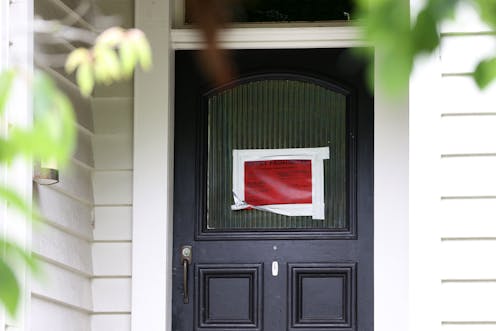
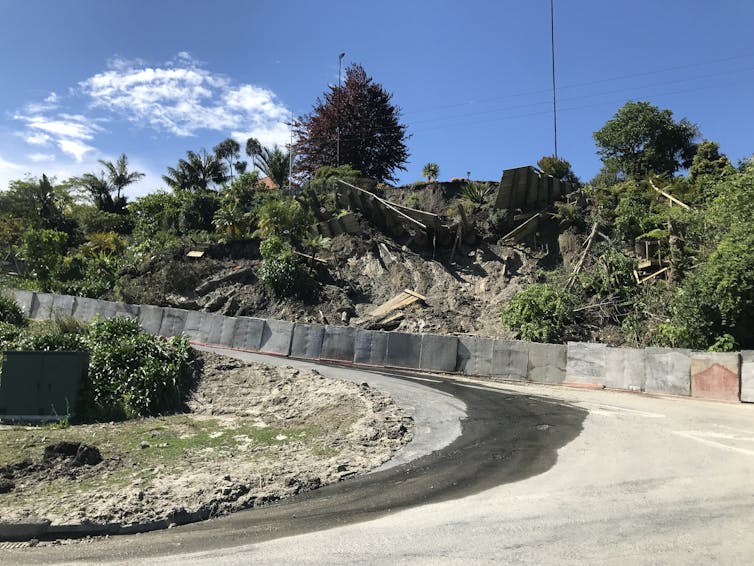
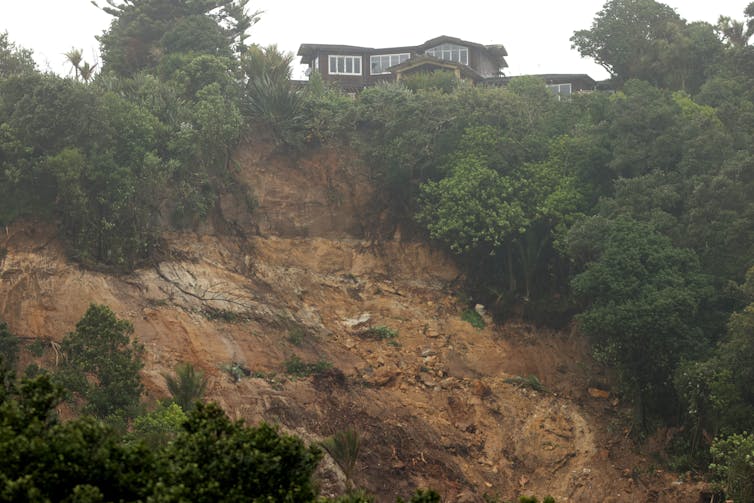













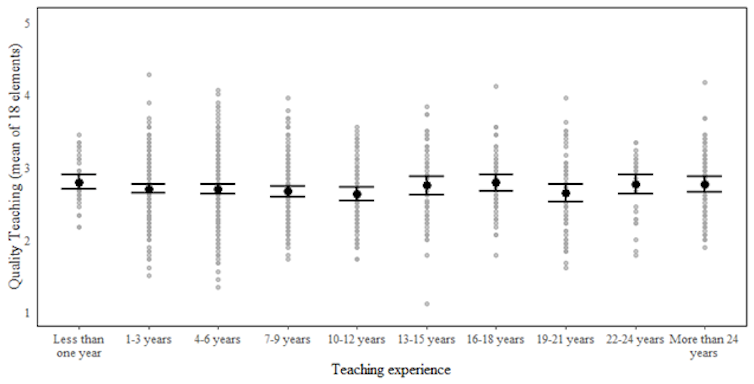







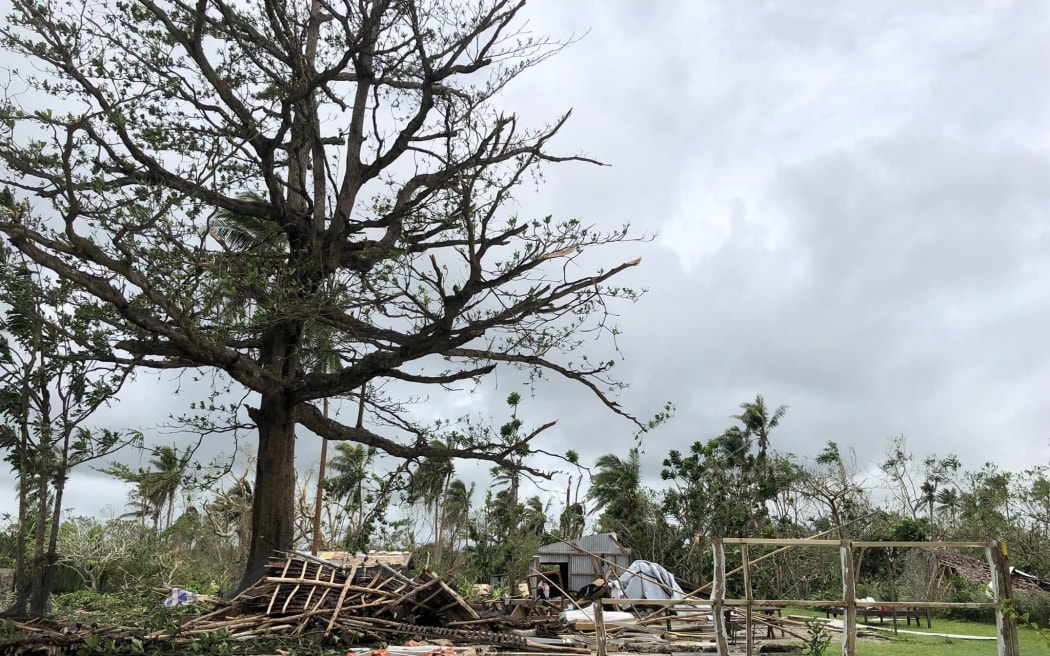
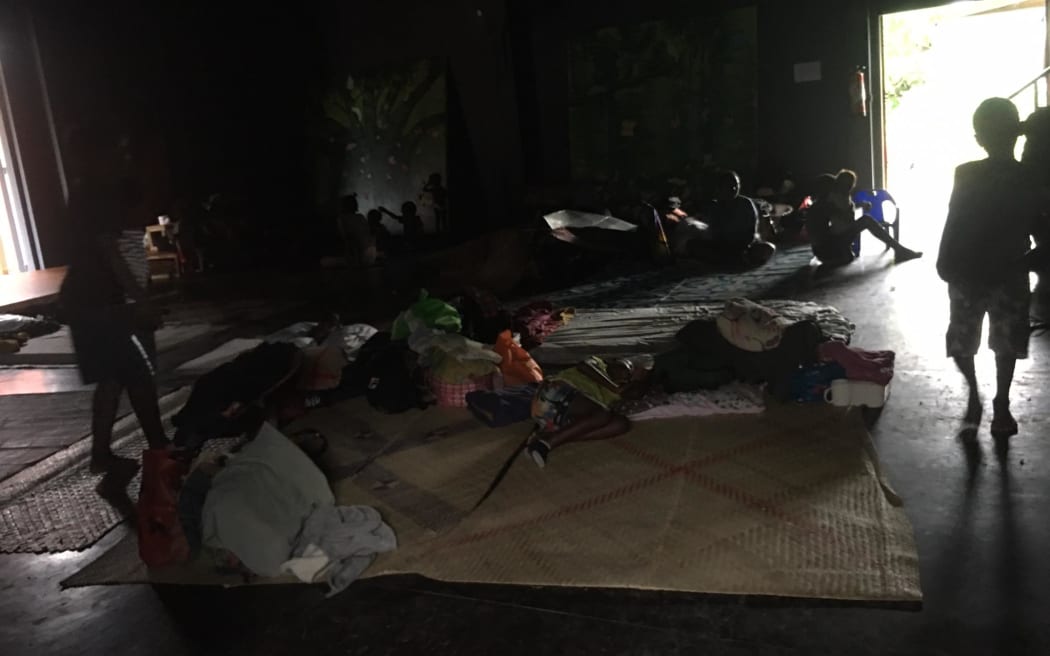







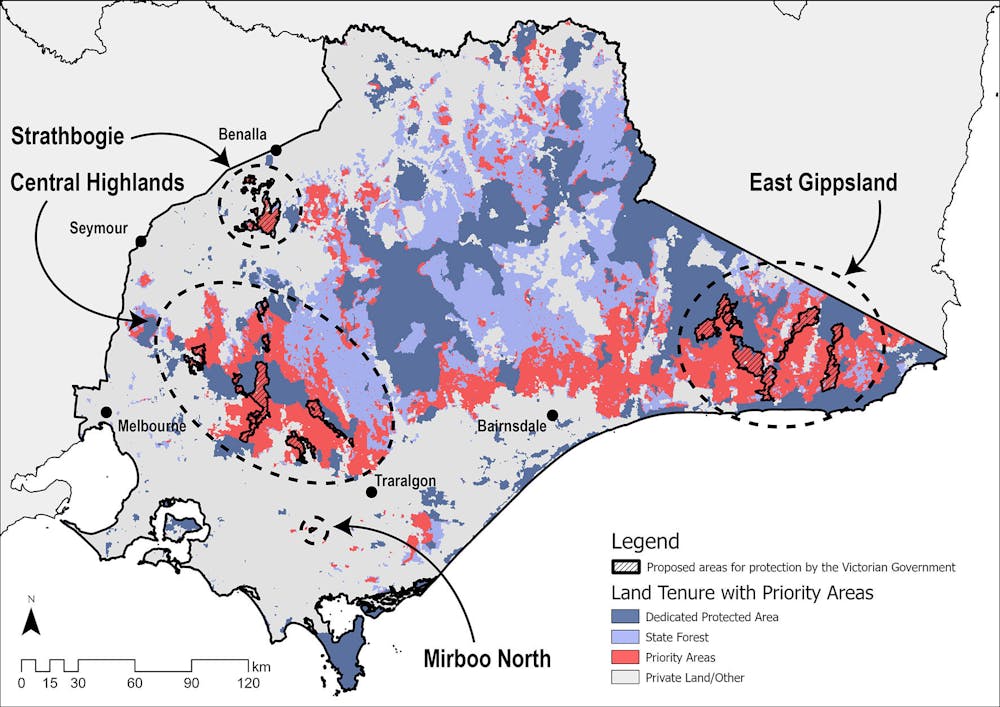
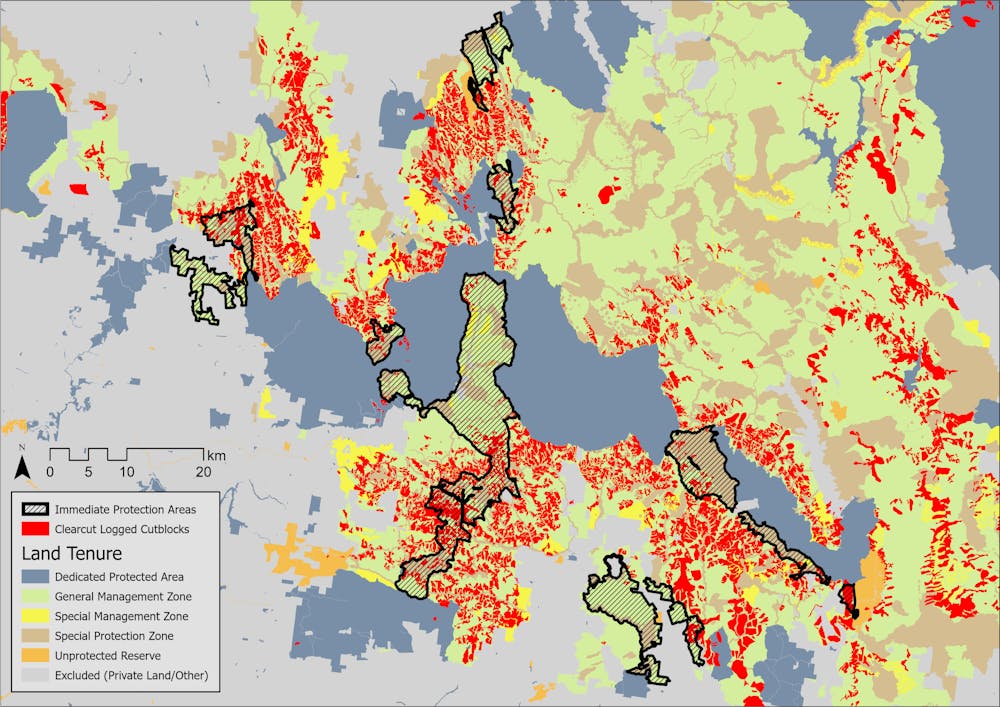



























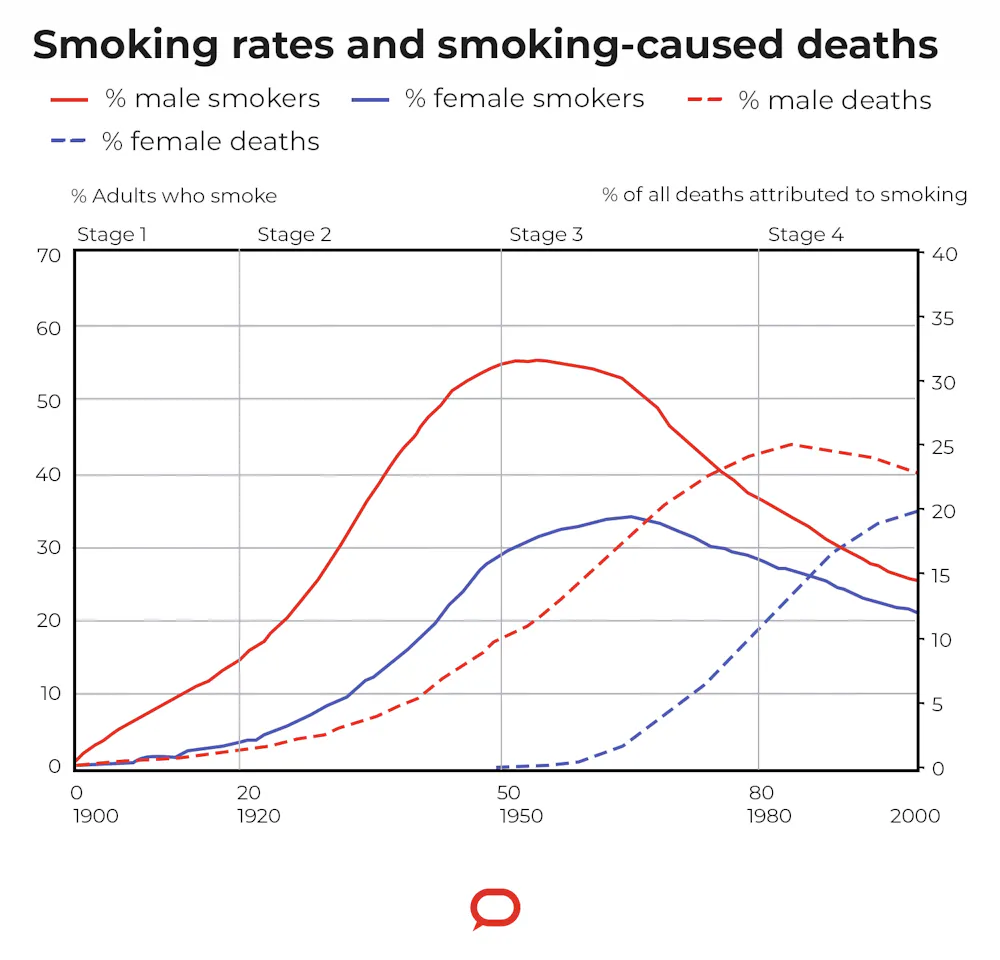







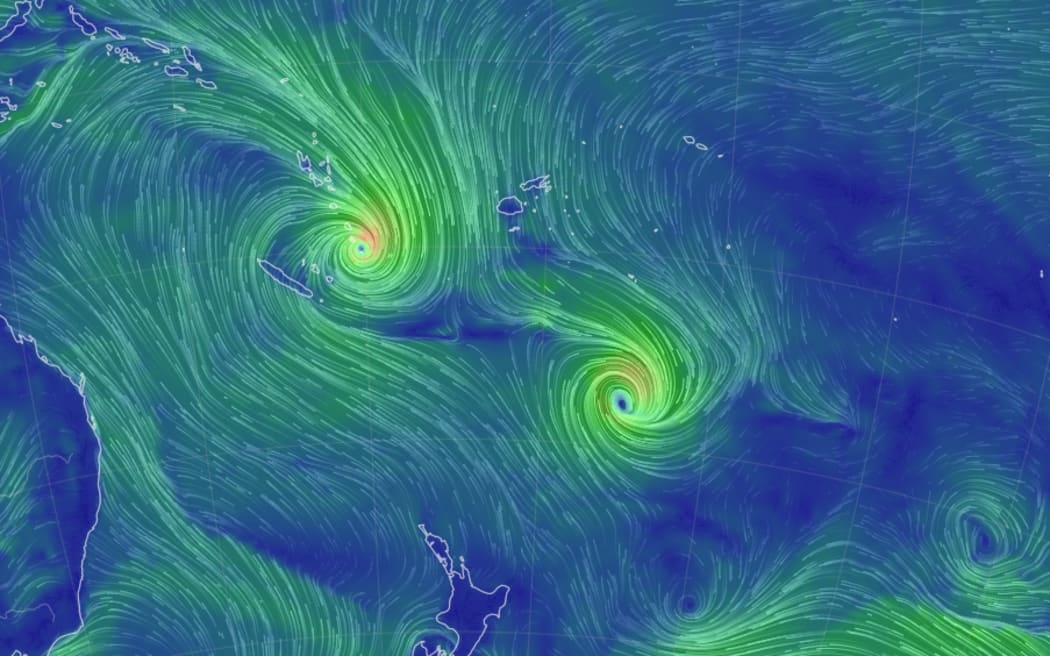
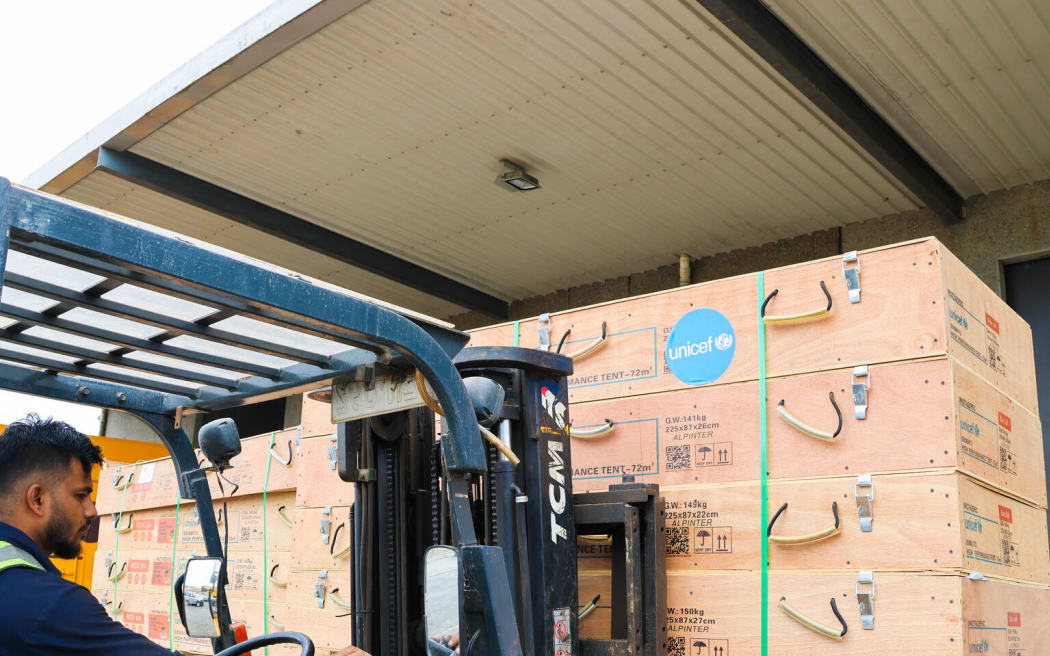

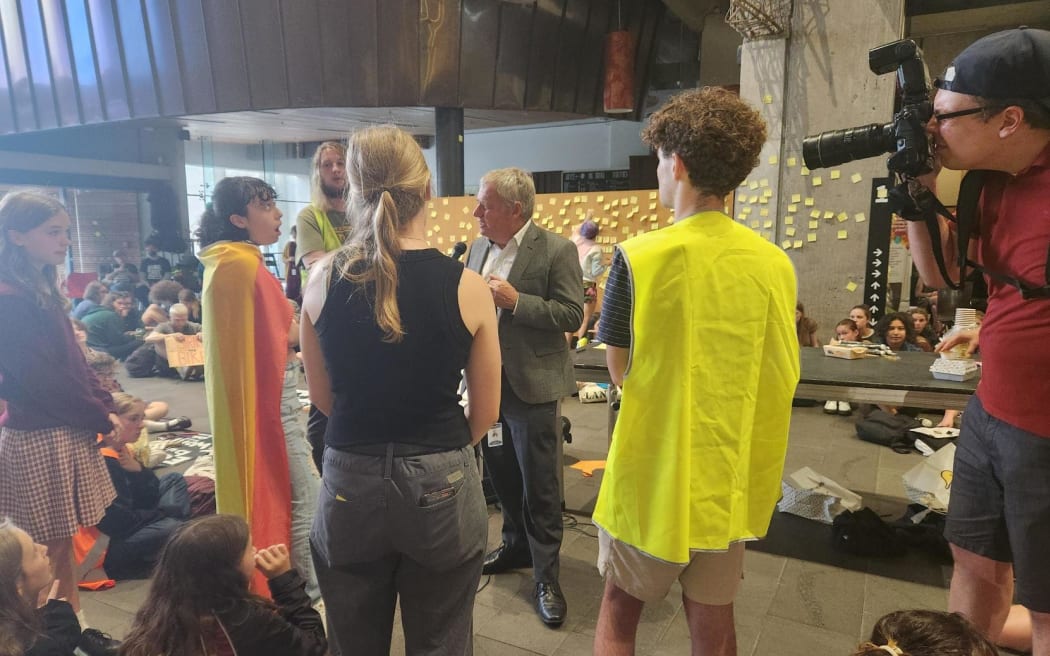
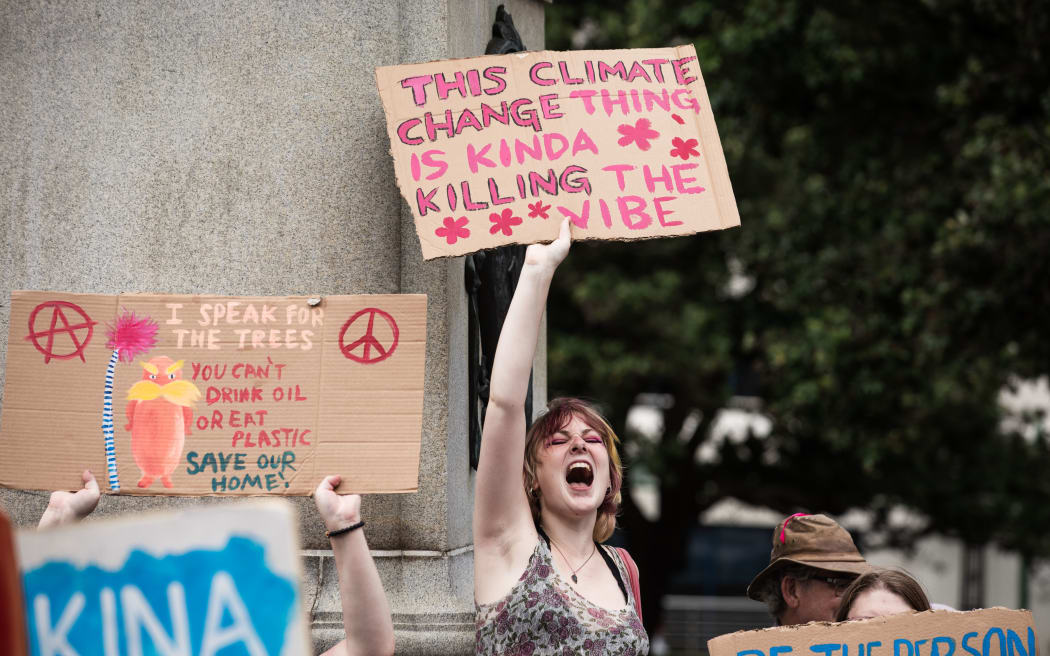
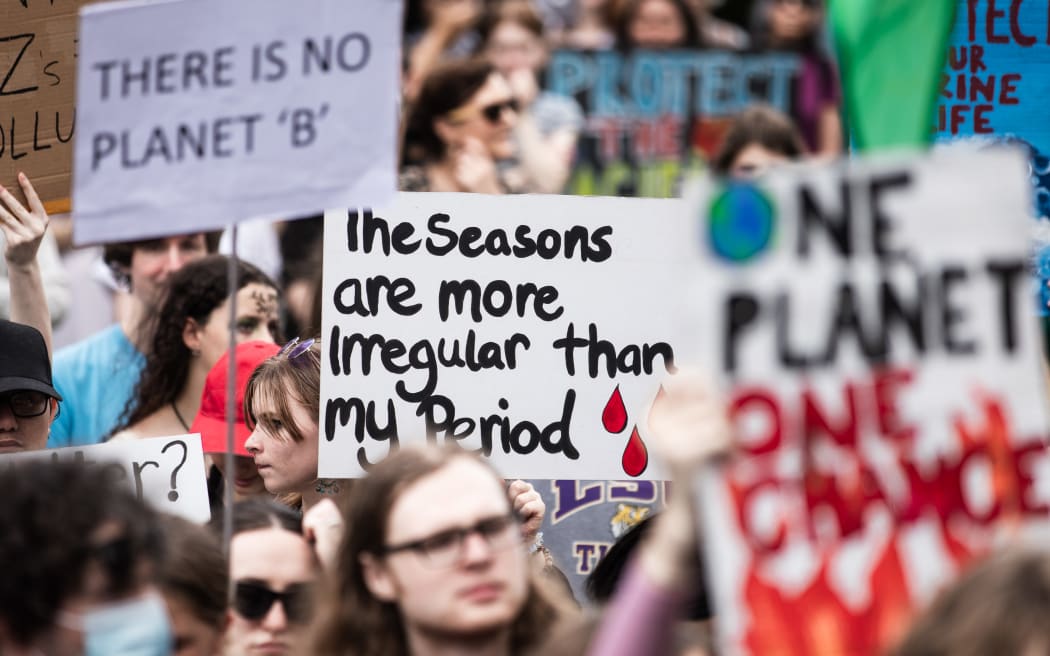
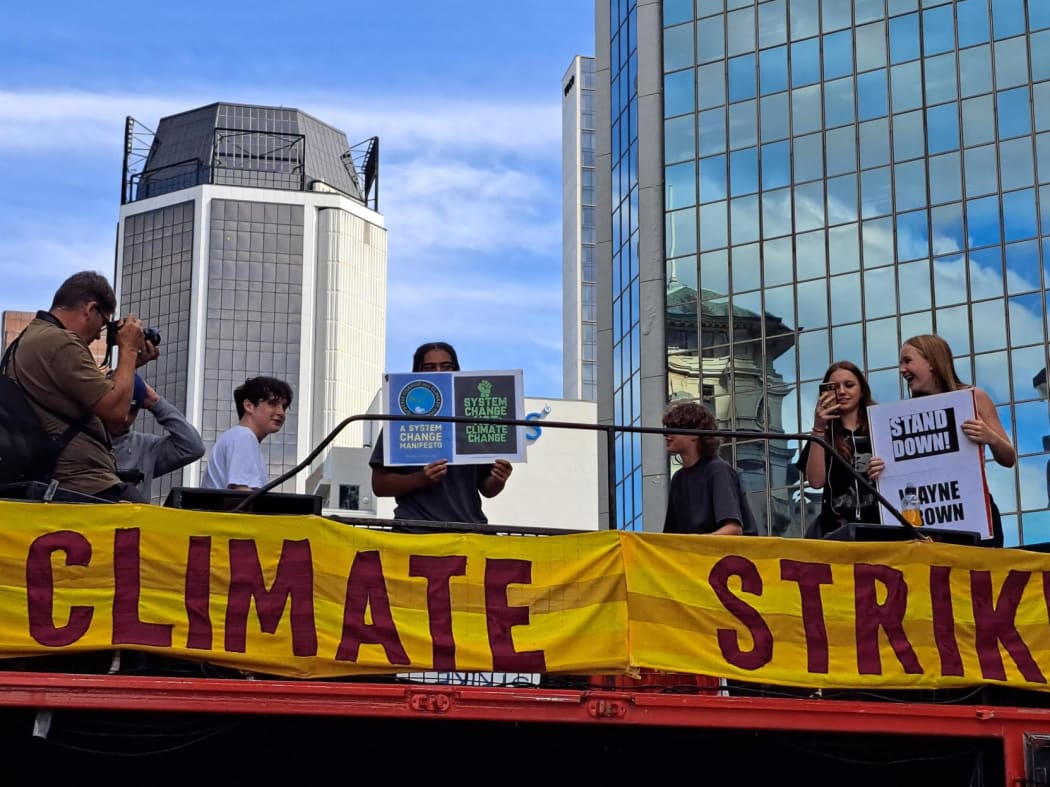
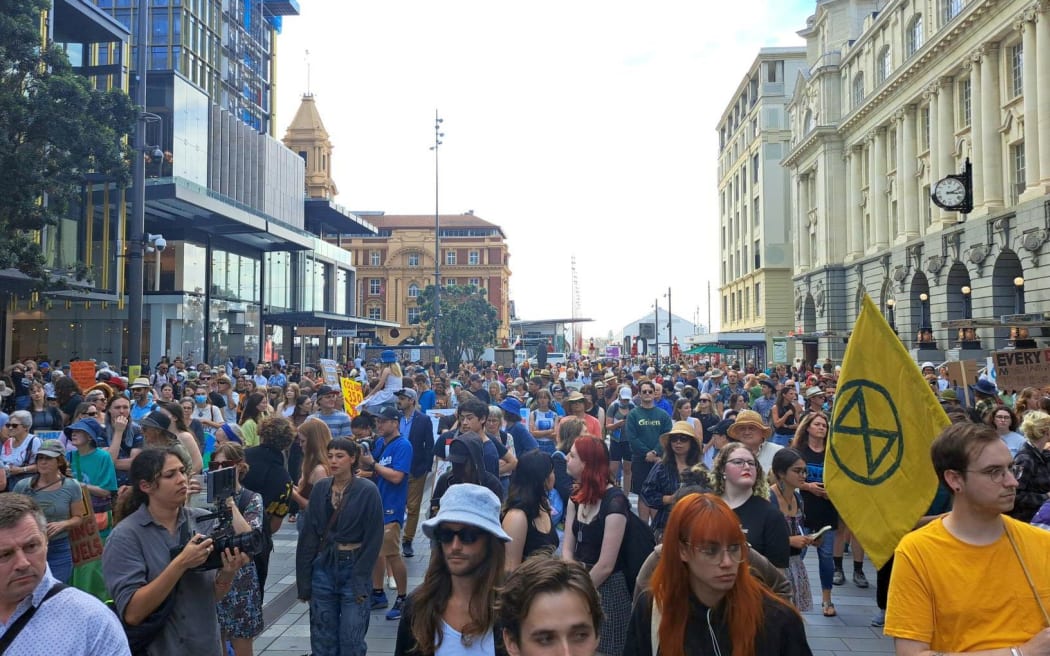
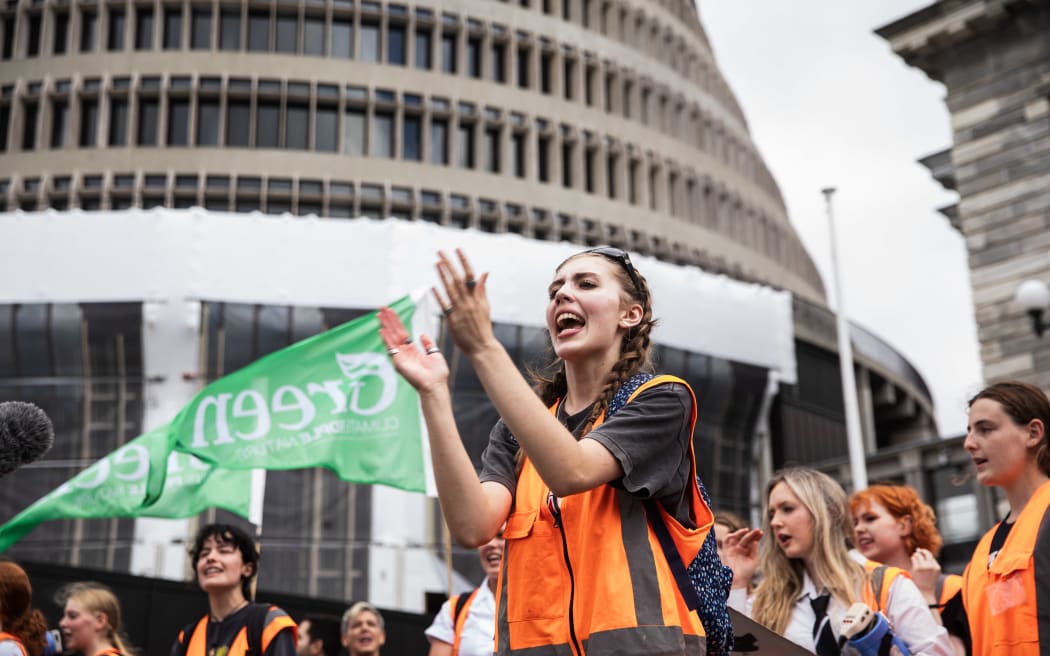

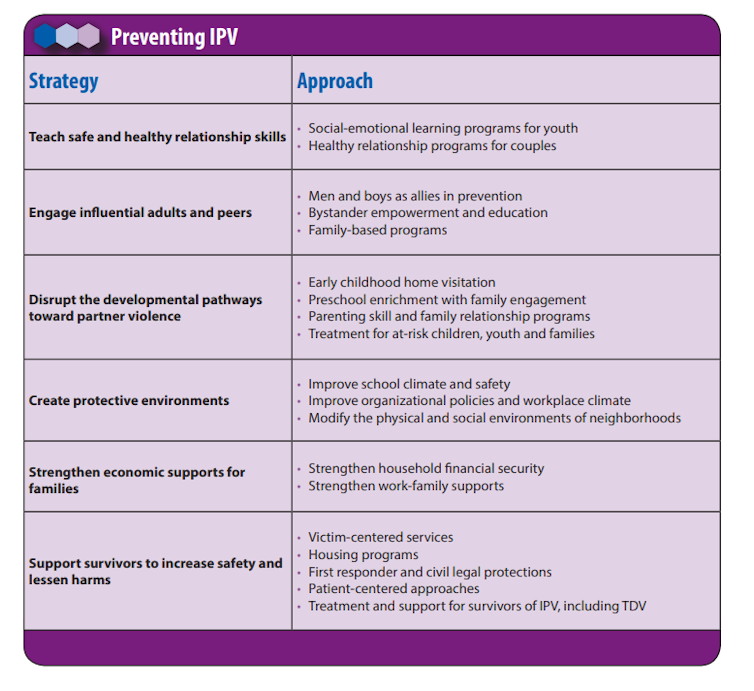


_cropped.jpg)