Page 572

Why is extreme ‘frontier travel’ booming despite the risks?

Source: The Conversation (Au and NZ) – By Anne Hardy, Associate Professor, Tourism and Society, University of Tasmania
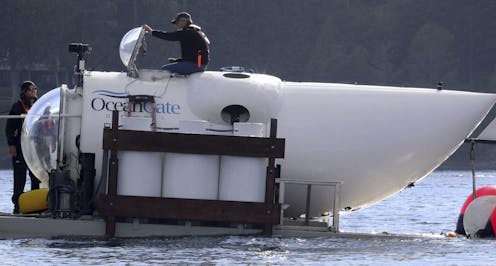
Alan Berner/The Seattle Times/AP

The world has watched in shock as rescue crews feverishly search for the Titan submersible vehicle, which disappeared while attempting to take tourists to view the wreckage of the Titanic in the North Atlantic.

The horror of the incident raises questions as to why people engage in risky tourism activities in remote locations and whether there should be more restrictions to what adrenaline-seeking tourists can do.

What is frontier tourism?

This type of travel, known as “frontier tourism”, is becoming big business.

The wider adventure tourism industry is already worth billions of dollars – and is growing quickly. Frontier tourism is an exclusive and extreme form of adventure travel. The trips are very expensive, aim to overstimulate the senses and go to the outer limits of our planet – the deep oceans, high mountains, polar areas – and even space.

Frontier tourism is not new; humans have explored remote locations for millennia. Pasifika people used the stars to navigate the oceans for migration and trade. Europeans sailed to the edges of what they believed to be a flat Earth.

In recent years, however, frontier tourism has attracted widespread attention thanks to the common occurrence of long queues on Mount Everest, the trending TikTok phenomenon of crossing the #DrakePassage in Antarctica and the rapid development of space tourism for the wealthy.

The rise of travel content sharing on social media and revenge travel following COVID-19 have contributed to the surge in its popularity.


Read more:
More than 100,000 tourists will head to Antarctica this summer. Should we worry about damage to the ice and its ecosystems?


Why are we so obsessed with extreme forms of tourism?

Risky activities release chemicals in the brain that can be addictive. Research suggests engaging in risky tourism activities, such as scaling a high mountain, can bring about feelings of accomplishment and euphoria. Travellers report feeling alive and experiencing a sense of transformation.

Some are also attracted to the pristine, untouched and remote aspects of the locations that they visit. Furthermore, the element of fantasy associated with imagining certain places or stories, like the movie Titanic, can be alluring.

Besides physical frontiers, there is also the thrill people get at pushing the human body to its limits and facing one’s fears. Base-jumping, skydiving, bungee jumping and polar plunges are common examples of this.

In a slightly more mundane way, even tasting “scary food” pushes tourists outside of their comfort zone and helps them feel alive.

Still others make extreme tourist journeys to follow in the footsteps of their heroes, such as those who travel to Antarctica to pay homage to explorer Ernest Shackleton.

Extreme and risky activities not only make participants feel euphoric, but they also convey status. When bucket lists are ticked off and experiences shared on social media, this brings bragging rights. Research suggests many travellers seek recognition for undertaking the first, longest or most extreme experiences possible.

But frontier tourism is clearly not for all. It is usually only accessible to a privileged few, as the tragic circumstances of the Titan highlight. Passengers onboard the vessel reportedly paid US$250,000 for the voyage.


Read more:
70 years after the first ascent of Everest, the impact of mass mountaineering must be confronted


What are the impacts of frontier tourism?

Beyond the unspeakable angst that friends and family must endure when things go wrong, there are many other impacts of this form of tourism.

This type of travel can create environmental harm and negatively impact local communities. For example, after decades of mass mountaineering, the environmental impact on Mount Everest must be addressed.

And when mishaps do occur, the cost of search and rescue efforts can be massive and put rescue teams at great risk. The plight of frontier tourists are usually the focus of media reports, while emergency responders are often overlooked.

Recent efforts by sherpas such as Nimsdai Purja are trying to overcome this issue. Through the Netflix documentary, 14 Peaks, he publicises the behind-the-scene preparations and heavy lifting work done by sherpas who guide and rescue tourists up Everest and other mountains.

Frontier tourism is not going away

Despite tragedies like the Titan disappearance, tourists remain attracted to the quest for the most unique experiences in the most remote, uncharted places.

Tourists also increasingly feel able to embark on trips once perceived as too dangerous because technology and other innovations have ostensibly made them safer and more accessible.

In many instances that danger remains, but the commercial transaction strips away the perceived risks involved. Marketing materials aim to sell “safe” adventures, with the risks are often listed in the fineprint. A polar plunge in Antarctica, for instance, is often marketed as safe because participants are attached to a tether and the swim time is limited to prevent hypothermia.

Two decades ago, in forecasting the growth of space tourism, anthropologist Valene Smith said what tourists want, the industry will provide. This has become a truism, as the Titan voyages demonstrate.

The massive growth of frontier tourism could lead to even greater problems if the industry doesn’t respond in the right way. If travellers are going to expose themselves to extreme risks, whose responsibility is it, then, to ensure their safety and recovery should accidents occur?

Many tourism businesses and travel insurance companies make risks known to their guests. But regulations on disclosing risks differ between countries. These means travellers may have to evaluate the risks themselves, and this is fraught with danger if company standards are low.

One solution is frontier tourism might be best experienced in controlled and safe environments through digital storytelling or augmented and mixed reality. However, this may not be enough to satisfy the adrenaline junkies out there.

As the Titan incident illustrates, the unpredictable nature and unintended consequences of frontier tourism are very real things. While money can allow us to travel almost anywhere, it’s worth considering whether some places should just remain untouched, sacred and off limits completely.

The Conversation

Anne Hardy receives funding from the Australian Research Council to (LP 190101116) and the Dutch Research Council (NWA 1435.20.001) and Hurtigruten Australia who provide in-kind support for fieldwork.

Can Seng Ooi presently receives funding from the Australian Research Council to (LP 190101116).

Hanne E.F. Nielsen receives funding from the Australian Research Council LP190101116, which also includes funding from partner organisation Intrepid Travel, and DP220103005; the Dutch Research Council (NWA.1435.20.001); and the Australian Antarctic Division. Hurtigruten Australia provide in-kind support for fieldwork.

Joseph M. Cheer presently receives funding from the Australian Research Council (LP190100367) and Japan Society for the Promotion of Sciences (22K12588). He is also empanelled to the Asian Development Bank (ADB) Private Sector Development Initiative (PSDI) for the Pacific Islands from which he receives funding. Joseph is Co-Chair of the World Economic Forum Global Future Council for the Future of Sustainable Tourism and board member of PATA (Pacific Asia Travel Association).

ref. Why is extreme ‘frontier travel’ booming despite the risks? – https://theconversation.com/why-is-extreme-frontier-travel-booming-despite-the-risks-208201


Disaster, opulence, and the merciless ocean: why the Titanic disaster continues to enthral

Source: The Conversation (Au and NZ) – By Kristie Patricia Flannery, Research Fellow, Institute for Humanities and Social Sciences, Australian Catholic University

Royal Museums Greenwich

The question on many minds this week is why did some of the world’s richest men risk death to venture to the bottom of the sea in a cold and cramped “experimental” submersible for a chance to glimpse the wreck of the Titanic?

The “unsinkable” ship that sunk on its maiden voyage across the Atlantic in 1912 after colliding with an iceberg is arguably the world’s most well-known boat. The Titanic is recognisable to more of the world’s population than, say, the Niña, the Pinta, and the Santa Maria (Christopher Colombus’s fleet that launched the Spanish conquest of the Americas), or Captain Cook’s HMS Endeavour (the tall ship that set in motion the British conquest of Australia). The Endeavour’s long-forgotten wreck was found scuttled off the coast of Rhode Island just last year.

The Titanic’s maiden voyage and calamitous end was one of the biggest news stories of 1912, and has continued to fascinate us ever since. The disaster inspired songs and multiple films in the twentieth century, including James Cameron’s 1997 epic romance, which long reigned as the highest-grossing film of all time. More recently, Titanic exhibitions that invite visitors to examine relics and explore the ship’s recreated rooms have attracted huge crowds in New York, Seville and Hong Kong.

The sinking of the Titanic as depicted in Untergang der Titanic, a 1912 illustration by Willy Stöwer.

Opulence and immigrants

There are two reasons why we are so drawn to the Titanic, and why the super-rich are apparently willing to part with their money and even risk their lives to catch a glimpse of its broken hull.

The first is its opulence. The White Start Line that built the Titanic advertised the ship as the most luxurious ever to set sail. Wealthy passengers paid up to £870 for the privilege of occupying the Titanic’s most expensive and spacious first-class cabins. To put this 110-year-old money in perspective, when the first world war broke out in 1914, infantry soldiers in the British army were paid a basic salary of around £20 per year.

Titanic departing Southampton on 10 April 1912.
Wikipedia

Titanic movies and exhibitions are popular because audiences enjoy the voyeurism of gazing on the ship’s beautiful furnishings, the stunning clothes worn by its rich and beautiful passengers, and their elaborate meals in fancy restaurants. First-class passengers feasted on multi-course dinners with salmon, steak, and pâté de foie gras. Chefs in Australia and around the globe occasionally recreate Titanic meals for curious clients.

Hundreds of poor immigrant passengers, represented by Jack (played by Leonardo DiCaprio) in Cameron’s movie, were also aboard the Titanic. They lived in crowded quarters and enjoyed less thrilling meals such as boiled beef and potatoes. If their ilk were the only people on board the Titanic, the ship would arguably have faded quickly from memory.

The power of the sea

The fact the Titanic was touted as unsinkable also adds to its allure. The ship, whose name evoked its massive size, was engineered to cheat the ocean. When it departed England it symbolised man’s domination over nature. At the bottom of the Atlantic, it serves as a visceral reminder of the indomitable sea’s awesome power.

The same two factors – the excess of the voyage, and its defeat by the sea – are now driving the current global interest in the Titan submersible disaster. Few world events garner so much attention, including statements from Downing Street and the White House, and live news blogs from The New York Times and the Guardian.


Read more:
Titanic submersible: The Titan search-and-rescue effort shows that risky undertakings need to consider any potential rescue needs


The Titan, like the Titanic, commands our attention because of its obscenely rich passengers, who each reportedly paid US$250,000 (or between four and five times the average US salary) to visit the wreck of the famous ship that battled the sea and lost.

And then there is the intriguing mystery and power of the sea. News outlets are publishing helpful graphics that try to teach our terrestrial brains to comprehend just how deep the ocean is, and how far below the sea’s surface the Titanic and possibly the Titan lie.

The Titanic’s bow, photographed in June 2004.
Wikipedia

The limits of human knowledge

Last night I spied Neal Argawal’s Deep Sea website circulating on social media. The site allows viewers to scroll from the sea surface to the sea floor, diving down past images of various marine animals that inhabit different oceanic depths.

At 114 metres is an orca, and 332m marks the the deepest depth a human has ever reached using SCUBA gear. It takes a lot of scrolling to descend to the Titanic almost 4,000m below the waves.


Read more:
Has Captain Cook’s ship Endeavour been found? Debate rages, but here’s what’s usually involved in identifying a shipwreck


Besides gross income inequality, reflecting on the Titan and the Titanic invite us to confront just how little we can “see” of the sea in this age of mass surveillance. Not even the powerful US navy, assisted by the Canadian, UK and French governments, can muster the resources and technology required to locate, let alone rescue, the missing submersible.

As the sea seems to have swallowed yet another ship, we are reminded of limits of human knowledge and mastery over the ocean.

The Conversation

Kristie Patricia Flannery receives funding from the Australian Research Council.

ref. Disaster, opulence, and the merciless ocean: why the Titanic disaster continues to enthral – https://theconversation.com/disaster-opulence-and-the-merciless-ocean-why-the-titanic-disaster-continues-to-enthral-208200

Why shouldn’t I pour oil or paint down the sink? And what should I do instead?

Source: The Conversation (Au and NZ) – By Ian A Wright, Associate Professor in Environmental Science, Western Sydney University

Shutterstock

Are you ever tempted to pour used cooking oil down the sink? Just turn on the tap and flush it all away. What about that half-used tin of paint in the cupboard? It would be so easy just to wash it down the drain, wouldn’t it?

Well, please don’t! Not just because these bad habits cause problems in your house, backyard, apartment block or neighbourhood (and these products do lead to huge blockages and other issues for household pipes).

It’s also because pouring these things down the sink triggers society-wide problems for the entire sewerage system and the workers who maintain it.

For the sake of all of us, please dispose of these liquids properly. Here’s what you need to know.


Read more:
Curious Kids: Where does my poo go when I flush the toilet? Does it go into the ocean?


A disaster for our sewerage systems

The smooth day-to-day operation of our wastewater collection, treatment and disposal relies on the cooperation of people to “do the right thing”.

I’ve contacted many of our water utilities across Australia for this article. They are in broad agreement: please don’t put oil, fats, grease or paint or other chemicals down the sink.

They all offer advice on far better alternatives. But the water industry has no control over what we do in the privacy of our homes. It really is up to us.

The worst culprits

Canberra’s water utility, Icon Water, gives advice on what you can and can’t flush down the sink. They rate “fats, oils and grease” as the worst culprits.

When still hot, oils are often liquid and easily pour. But down in the sewer pipes they rapidly cool and solidify.

This is a serious and common problem. Western Australia’s Water Corporation estimates 30% of sewer blockages are due to fats, oils and grease.

All sewerage systems are vulnerable to blockages from unsafe materials tipped down the sink, or flushed down the toilet.

Oils, fats and grease can combine with other materials flushed down the toilet. These particularly include hair and so-called “flushable wipes” (which, despite the name, should not be flushed down the loo).

These can build up over time, creating giant monstrosities known as “fatbergs”: horrible clumps of wipes, hair, hardened oils and other waste.

Fats and oils act as the glue that helps fatbergs build up at choke points in sewer systems.

Thames Water engineers in the United Kingdom worked in underground sewers for two weeks during 2021 to remove one the size of a small house. I’m claustrophobic and cannot imagine a more horrible job.

Uncontrolled release of raw sewage

Blocked sewers are not just a smelly problem for the water industry; they are bad for all of us. They can trigger the uncontrolled release of raw and untreated sewage into the environment.

As Sydney Water explains, these can be health and environmental nightmares.

I have seen raw sewage flowing in public places, parks, people’s backyards, shopping centres, thanks to blocked pipes. Raw sewage is a serious public and environmental health hazard.

So what am I supposed to do instead with oils?

Cooking oils can actually be recycled and used to make stockfeeds, cosmetics and biofuels.

With some careful preparations diesel engines can run on cooking oil.

It is particularly important the food industry carefully manage their waste as it can generate very large volumes of fats, oil and grease.

Small amounts of cooking oil can safely be composted. But be careful; too much can disrupt the flow of oxygen. This can trigger anaerobic decomposition of compost, which smells unpleasant and can also attract unwanted pests.

Even just disposing of fats, oils and grease into the rubbish and landfill is much better than tipping it down the sink. Remember, you may need to cool hot oil down before putting it in the bin.

What about tipping that old paint down the sink?

Many people are unsure what to do with unused housepaint.

GWM Water, the water service for regional western Victoria, says paint, oils, lubricants, pesticides and thinners should not go down the sink. They can damage sewer pipes, cause pollution and create fumes which can be dangerous for maintenance workers.

Sewer maintenance workers have to work underground in incredibly demanding environment; squeezing into tight, enclosed spaces in sewerage system is part of the job.

The quality of air that they breathe reflects what people flush down the sink. Some chemicals can even create explosive conditions in sewer pipes. Sadly, sewer workers have even been killed from dangerous fumes.

What are you supposed to do with excess house paint?
Shutterstock

What should I do instead with old paint?

Contact your local council or refer to this helpful guide from the ACT government.

The paint industry encourages all people to take unwanted paints to a “Paintback” dropoff centre. This industry-funded scheme aims to reduce the risks of unsafe disposal of unwanted paint products and maximise recycling.

Please try to thoughtfully dispose of all waste products. And please try to resist the temptation to quickly flush away oils or paint that could damage or block the sewerage system.


Read more:
I’ve always wondered: can I flush cat poo down the toilet?


The Conversation

Ian A Wright receives funding from industry, as well as Commonwealth, NSW and local governments. He formerly worked for Sydney Water Corporation.

ref. Why shouldn’t I pour oil or paint down the sink? And what should I do instead? – https://theconversation.com/why-shouldnt-i-pour-oil-or-paint-down-the-sink-and-what-should-i-do-instead-206604

Huge Cadia gold mine ordered to reduce polluting dust. Is it safe to live near a mine like this?

Source: The Conversation (Au and NZ) – By Ian A Wright, Associate Professor in Environmental Science, Western Sydney University

For the past 15 months, I have been helping residents living near the massive Cadia gold and copper mine in NSW to verify their concerns about pollution from the mine. The findings of alarming levels of heavy metals in their water tanks, as well as in blood and hair samples, prompted the NSW Environmental Protection Agency to investigate. Yesterday it ordered the mine to stop releasing an “unacceptable level” of dust that carries these metals through the air.

The EPA is advising that the water from tanks in the area is safe to drink. This advice is based on the results of NSW Health tests of residents’ kitchen tap water in March 2023. The EPA is also helping to organise water testing for locals, many of whom rely on rainwater tanks for their drinking water.

I remain unconvinced the water is always safe to drink. Metals accumulate in the bottom layers of tanks, so when water levels fall, people could be drinking water with a higher metal content.

These developments also do little to reassure residents who have similar concerns about other recently approved metal mines in NSW.

What forced the EPA to act?

I first heard of complaints of dust blowing from the mine, particularly from its tailings disposal area, in 2021. Locals expressed concerns about the impacts on their health of inhaling the dust.

Over the past year, many people in the area have sent me water samples from their home water tanks. These are fed by roof runoff, which they were concerned could carry metal-rich dust into the tanks.

I sent the water samples to a commercial testing laboratory. The results have been very confronting. Many samples failed to meet Australian Drinking Water Guidelines.

This prompted a community group to run their own citizen science survey of local drinking water quality. They systematically collected water samples from the bottom of household rainwater tanks on dozens of properties surrounding the mine. They sent the samples to a commercial testing laboratory.

I reviewed the results of their study, conducted in February and March this year. Coupled with a previous study, we had results for 47 water samples, and 32 (68%) exceeded the drinking water guidelines for lead (less than 10 micrograms per litre). Alarmingly, 13 samples (27.6%) recorded concentrations of more than ten times (100µg/L of lead) the recommended limit.

Two rainwater tanks outside a house
When rainwater tanks run low, residents are at higher risk of exposure to metals that build up at the bottom of their tanks.
Shutterstock


Read more:
Not all of us have access to safe drinking water. This clever rainwater collector can change that


Many community members also reported elevated levels of metals in blood and hair samples.

Lead is a major health issue in water supplies across the United States. It’s a neurotoxin that builds up in the body and can cause lifelong brain impairment.

Yet the community was struggling to be heard – by the EPA in particular. On May 12 this year, I was invited to meet with NSW EPA CEO Tony Chappel. I brought two members of the Cadia community.

They talked about their concerns about drinking water. They also broke the news about excessive metals in local residents’ blood results. That meeting changed everything.

In the following weeks the EPA has acted swiftly to stop this pollution and help the community. The agency is focusing on a major potential source of the contamination from the mine: dust.

The EPA has now ordered the mine to take all necessary steps to immediately stop releasing excessive amounts of dust, which may include reducing production.


Read more:
Children continue to be exposed to contaminated air in Port Pirie


Why is dust such a critical problem?

The Cadia gold and copper mine has been operating for more than 25 years. It includes an open-cut mine and more recently an underground mine, the largest in Australia. It is the underground mining that now seems central to the contamination.

The EPA issued a “prevention notice” on May 29 this year. The agency pointed to a ventilation vent (vent rise 8) that was releasing more than seven times the permitted dust content. Also known as the “crusher vent”, it has caused other serious air quality concerns, with emissions of cancer-causing crystalline silica recorded at 18 times the legal limit.

In August 2022 and July 2020, the EPA had fined the mine the maximum $15,000 for dust pollution and is clearly frustrated by its unacceptable impacts. It has just issued the mine with revised environmental regulations.

The EPA press release yesterday said: “Additional reports will also be required on lead dust fingerprinting research.” This “fingerprinting” analysis of lead helps trace its transport pathways and geological origins.

In a statement in response to the EPA’s latest action, the mine operator, Cadia Valley Operations, said: “We take our environmental obligations and the concerns raised by the EPA seriously and will take action to comply with the licence variation notice.”


Read more:
Mount Isa contamination ‘within guidelines’ but residents told to clean their homes


What does this mean for residents near other mines?

This case might not be isolated. Gold and silver mining in NSW is booming.

Approved in March, McPhillamys gold mine near the town of Blayney is about 20 kilometres from Cadia mine. And the Bowdens silver mine near Mudgee was approved the following month, despite many submissions expressing concern about the impacts of lead dust on human health.


Read more:
Gold mining is one of the world’s most destructive and unnecessary industries – here’s how to end it


Can people be safe and healthy living near a large metal mining operation? Based on Cadia, I’m not sure.

Mines and regulators might need to work more closely together with communities. The public needs to be able to make sure government agencies are doing their job and every mine operates in an environmentally clean and safe manner. The mining industry has to do better to earn the trust of the community and its “social licence” to operate.

The Conversation

Ian A Wright has received funding from industry, as well as Commonwealth, NSW and local governments. He has assisted the Environmental Defenders Office in several matters involving pollution associated with mining activity.

ref. Huge Cadia gold mine ordered to reduce polluting dust. Is it safe to live near a mine like this? – https://theconversation.com/huge-cadia-gold-mine-ordered-to-reduce-polluting-dust-is-it-safe-to-live-near-a-mine-like-this-208111

As the clock ticks on the Titan sub, an expert explains what safety features a submersible should have

Source: The Conversation (Au and NZ) – By Eric Fusil, Associate Professor, School of Electrical and Mechanical Engineering, University of Adelaide

OceanGate

The oxygen supply of the missing Titan submersible is expected to run out today around 10am GMT, or 8pm AEST.

A frantic search continues for the Titan and its five occupants, with sonar buoys having recorded “banging” noises in the search area on Tuesday and Wednesday.

With the vessel’s fate yet to be determined, the general public is asking questions about the safety of such touristic endeavours.


Read more:
Missing Titanic sub: what are submersibles, how do they communicate, and what may have gone wrong?


The context

The context in which the Titan has disappeared is disturbing. Reports have come out detailing court documents from a 2018 case that show OceanGate, the company responsible for the Titan, fired employee David Lochridge after he expressed concerns about the submersible’s safety.

Lochridge disagreed with OceanGate about the best way to demonstrate the asset’s seaworthiness, and objected to OceanGate’s decision to perform dives without prior “non-destructive testing” to the vessel’s hull to prove its integrity.

Also in 2018, a letter sent to OceanGate by the Manned Underwater Vehicles Committee of the Marine Technology Society, signed by 38 experts, expressed reservations about the submersible’s safety. They said the “[…] experimental approach adopted by OceanGate could result in negative outcomes (from minor to catastrophic) that would have serious consequences for everyone in the industry”.

As we can see from these exchanges, the engineering and regulation of deep-sea submersibles remains somewhat uncharted territory. And since the Titan operates in international waters, it is technically free from governance by any single nation’s regulations.

In this case, most submersible designers would elect to have a classification society certify the vessel’s design. OceanGate made the conscious decision to refuse to do this for the Titan.

Seaworthiness of submersibles

When we talk about the “seaworthiness” of a marine vessel, we are essentially asking if it is fit for purpose, safe to operate, and compliant with the protection of the environment.

For the Titan, fitness for purpose could be summarised by the ability to safely launch from a mothership on the water’s surface, operate autonomously down to 4,000m (the approximate depth of the Titanic shipwreck), and resurface for recovery by the mothership after a dive of a few hours.

Safety to operate would mean no equipment is damaged and no passengers are prone to injury (or worse) while onboard. And protection of environment means the submersible would not have any significant impact on its surroundings, such as through pollution or disturbing the ecosystem.

However, this is the blue-sky scenario. Deep-sea submersibles operate in a hostile environment, and things can go wrong.

Pressure resistance

Submersibles and submarines are shaped the way they are because spheres and cylinders are geometrically more resistant to crushing pressures.

Instead of operating in a breathable atmosphere of 1 bar, the Titan would have to withstand 370 bars of pressure in seawater at the depth of the Titanic. Any defect in the hull could result in instantaneous implosion.

So what is the threshold below which an “out-of-circularity” geometry becomes a defect?

Industries using underwater vessels at depths of a few hundred metres will often use steel hulls, which usually have an out-of-circularity threshold below 0.5% of the vessel’s diameter. Would that criterion be safe enough for the pressure hull of the Titan at 4,000m?

The Titan is made of a composite carbon fibre-titanium hull. It is extremely complicated to design and structurally assess these materials, compared to metallic material only. One can assume this is why OceanGate equipped the Titan with a “real-time hull health monitoring system”.

It’s unclear if the system actually measures the stresses with strain gauges in the hull, or if it is (as Lochridge warned) an acoustic analysis that would only alert people about imminent problems “often milliseconds before an implosion”.

Safety for pressure hull integrity requires analysing various failure modes, before determining a safety coefficient for each mode, depending on the deep diving depth aimed at.

After the design is verified (through calculations), real-world validation should occur in two steps.

Non-destructive testing should be done on the manufactured pressure hull, to check the preciseness of its geometry and any out-of-circularity aspects.

Then, actual dives (ideally unmanned) should be carried out at progressively increasing depths, with stress gauges used to measure actual values against predictions. We don’t know whether the Titan underwent such tests.

Back-ups and redundancy

In designing the functional architecture and selecting equipment, a designer would consider a number of “what if” scenarios to recover from:

  • what if main power sources fail?
  • what if my computer crashes and the pilot loses control?
  • what if my main communication system fails?
  • how can the submersible signal to the mothership there is a problem?

These scenarios commit the naval architects to ensure what’s called a safety SFAIRP (so far as is reasonably practicable). This involves not only mitigating the consequences of an accident, but also preventing it from happening.

In practical terms, it means having:

  • a reserve of oxygen (such as while waiting for a rescue party)
  • reliable main power sources and back-up systems
  • another power source (such as hydraulic) in case of power loss – this would help, for example, to release safety leads to get positive buoyancy and rise back to the surface.

Each of these systems would need a specific verification (theoretical) and validation (tests) for the specific environment.

Commercial off-the-shelf equipment can potentially fit onboard, if a demonstration of fitness for purpose is made for various scenarios. However, most of the external components (because of crushing pressure) and safety systems would warrant custom design.

According to reports, the Titan was using certain “off-the-shelf” equipment, but it’s difficult to say whether this was certified for its intended use at these depths.

Safety systems

In the Titan’s case, a tether with the mothership would have ensured instant two-way communication and a higher data exchange rate. But these cables can get entangled with potential hazards at a shipwreck site.

As such, tethers are mostly used for unmanned vehicles; manned submersibles prefer to trust the pilot. Also, GPS, portable satellite phones and automatic identification systems can’t be used underwater. These tools use electromagnetic waves that don’t propagate deep underwater (although they could be used on the surface).

Some submarines are equipped with a distress beacon, the equivalent of an emergency position indicating radio beacon (EPIRB). This can be released at the captain’s order, or via a “dead-man” switch; if the pilot responds to a test at regular intervals, a sudden lack of response leads the system to assume the crew is incapacitated.

Hopefully, the “banging” sounds that have been reported are the Titan’s crew and passengers banging against the pressure hull every 30 minutes. This is a technique taught to military submarine crew when grounding on the sea floor.

A high-frequency acoustic pinger would be even more efficient, as this would provide directional accuracy to home onto a distressed submersible.

There are a number of situations that can unfold on the surface too, in the case that the Titan has floated its way up. Even if has (or will do so), the crew and passengers can’t open the vessel’s bolted hatch. They would likely have to continue to contend with the potentially fouled atmosphere inside.

Further complicating matters is the Titan’s white colour, which would make it harder to spot in the foaming sea. This is why floating assets detected from above are usually in orange or yellow shades allowing higher visibility.

The future of deep-sea submersibles

Hopefully, the crew and passengers of the Titan will be rescued. But if the worst happens, forensic examination will inevitably look into whether the Titan met the basic thresholds to demonstrate seaworthiness.

Although various classification societies propose a set of rules for commercial submarines and submersibles, opting to follow these rules remains a voluntary process (which the asset’s insurer usually pushes for).

It’s time to acknowledge that going deep is as complex, if not more complex, than going into space – and that ensuring the safety of submersibles ought to be more than a matter of choice.


Read more:
Titanic submersible: The Titan search-and-rescue effort shows that risky undertakings need to consider any potential rescue needs


The Conversation

Eric Fusil is affiliated with the Royal Institution of Naval Architects and Engineers Australia

ref. As the clock ticks on the Titan sub, an expert explains what safety features a submersible should have – https://theconversation.com/as-the-clock-ticks-on-the-titan-sub-an-expert-explains-what-safety-features-a-submersible-should-have-208187

ULMWP welcomes Vanuatu leader’s ‘Melanesian way’ vow in Jakarta

Asia Pacific Report

The pro-independence United Liberation Movement for West Papua (ULMWP) has welcomed Vanuatu Deputy Prime Minister Jotham Napat’s comments on West Papua during this week’s diplomatic visit to Indonesia.

In a joint press conference with Indonesian Vice-President Ma’ruf Amin, Napat restated his commitment to the “Melanesian way”.

Movement president Benny Wenda has issued a statement saying that hearing those words, “I was reminded of Vanuatu’s founding Father Walter Lini, who said that ‘Vanuatu will not be entirely free until all Melanesia is free from colonial rule’ — West Papua and Kanaky included.”

The Melanesian way had been shown in full membership of the Melanesian Spearhead Group (MSG) being extended to the Kanak and Socialist National Liberation Front (FLNKS), despite them representing a Melanesian people rather than a Melanesian state [New Caledonia], Wenda said.

It has also been demonstrated in Papua New Guinea’s approach to Bougainville, where Prime Minister Marape showed true moral courage by respecting their right to self-determination with a 98 percent vote in favour of independence in 2019.

“Vanuatu has always shown the same courage in supporting West Papuan freedom. By referencing the Melanesian way in the joint press conference, Deputy Napat was conveying to Indonesia the message Moses gave to Phaoroah: ‘let my people go’,” Wenda said.

“As West Papuans we are also committed to Melanesian values. This is why we have turned to our Melanesian family in seeking full membership of the MSG.

Vanuatu ‘steadfast in support’
“In their role as chair of the Melanesian Spearhead Group, Vanuatu has been steadfast in supporting ULMWP full membership.

“At this crucial hour, we need all Melanesian leaders to show the same commitment, and help bring West Papua home to its Melanesian family.

“Indonesia must respect Vanuatu and other Melanesian nations by allowing the fulfillment of this decades-long dream.”

To resolve the West Papuan issue peacefully in the Melanesian way, the first step was admitting the ULMWP as a full member of the MSG at the forthcoming summit of the group, Wenda said.

The Jakarta Post reports that an earlier meeting between Minister Napat with his Indonesian counterpart Retno LP Marsudi on Friday is being seen in Jakarta as a bid to build a “bridge over the troubled waters of the past”.

During the visit, Vanuatu has announced plans to open an embassy in Jakarta and to hold annual bilateral meetings with Indonesia.

In addition, the two ministers pledged to strengthen cooperation in trade and development, which experts pointed out were part of Indonesia’s larger strategy for the Indo-Pacific region.


The joint Indonesia-Vanuatu foreign ministers media statement from Jakarta.

Jakarta announces ‘development steering committee’
RNZ Pacific reports that the joint talks between Vanuatu and Indonesia this week had West Papua high on the agenda

The talks have come amid tensions in the region, and ahead of a state visit next month to Papua New Guinea by Indonesian President Joko Widodo.

Indonesia’s state-owned news agency Antara reports Vice-President Amin meeting with Minister Napat in Jakarta on Monday.

Vanuatu has strongly supported the pro-independence push in West Papua for many years and Antara reports the issue of conflict in the Melanesian region was discussed.

Amin announced a Papua Special Autonomy Development Acceleration Steering Committee had been formed to evaluate development in the Papua region.

“The granting of this special autonomy has been planned for the long term up to 2042,” he said.

Amin said Indonesia “respected the diversity” in West Papua.

Print Friendly, PDF & Email

Article by AsiaPacificReport.nz

Do I need a booster vaccine if I recently had COVID? What if I’m not sure what I had?

Source: The Conversation (Au and NZ) – By Adam Wheatley, Laboratory Head, Department of Microbiology and Immunology, The University of Melbourne

Shutterstock

In early 2021, recommendations about COVID vaccines were pretty straightforward – get two doses, as soon as you are eligible. A year later, we knew getting a third dose was important for protection against the new Omicron variant.

Today, though, the situation is far more complex – new updated vaccines are available, the majority of Australians have likely been infected at least once with an Omicron strain, and waves of infection continue to occur.

So how should you manage and time your booster shots?


Read more:
Over half of eligible aged care residents are yet to receive their COVID booster. And winter is coming


Why do vaccines need boosters?

Vaccines work by training our body’s immune system to react harder, faster, stronger and better when we get infected by a pathogenic virus or bacteria.

Unfortunately, this protective benefit is not permanent and immunity tends to “wane” over time. The extent to which vaccine protection wanes is a function of two main factors.

First, your immune system (in the form of antibodies, memory B cells and T cells) is not infinite, and the levels of vaccine-induced immune responses will gradually decline over time. Second, pathogens circulating in the community can mutate, which enables “escape” from being recognised by the immune system. The more the virus escapes, the less protection the vaccine can give you.


Read more:
Why does my back get so sore when I’m sick? The connection between immunity and pain


Some vaccines need frequent boosting, others last forever

Not all pathogens have the same ability to create or tolerate mutations. For viruses that change little (such as measles), your childhood vaccines remain highly protective and you might never need a booster.

In contrast, some viruses can rapidly and dramatically change (looking at you, influenza), quickly rendering our vaccines outdated and making updates necessary.


Read more:
I need a flu shot and a COVID booster. Can I get them at the same time?


So, where does COVID fit in?

SARS-CoV-2, the virus that causes COVID, has demonstrated an ability to rapidly change since emerging in 2019. Although the early pandemic in Australia featured vaccine supply constraints, we now lucky to have many different vaccine options.

Recommendations currently favour updated mRNA “bivalent” boosters from Pfizer or Moderna, each containing equal parts of the original virus strain and an Omicron strain.

But the virus continues to change (currently XBB strains are dominant, and further updates to the composition of the vaccine are to be expected in the future (most likely to target XBB.1.5).

That’s great, but I recently had COVID, so …

Are you sure? Queuing for a PCR test seems like a fever dream from the past. Now, many of the RATs stacked in our cupboards are rapidly expiring. Influenza and RSV are back with gusto (and cause similar symptoms).

If you did have confirmed COVID, our research shows the majority of people mount a strong immune response following each infection.

This means that once you recover, your immunity has been “updated” to reflect the virus variant that caused your infection and you will have higher protective antibody levels in your blood.

Well, I definitely had something. What does that mean for my COVID booster?

There are a couple of things to consider here.

Firstly, there is no such thing as “too much” immunity. Beyond the regular side-effects of a vaccine, there are no known additional risks to being re-vaccinated soon after an infection.

On the other hand, getting vaccinated quickly after recovery will not do much to further boost your immunity. Current recommendations are to wait six months after infection or your last dose before seeking another booster.

This allows your immune system time to rest, so that it can be effectively re-activated by vaccination. If you’d prefer to minimise your risk of COVID, and you don’t know what caused a recent illness, “topping up” your immunity via a booster may be the way to go.

How should we balance booster shots and infections in the community?

The short answer is, we need more information and time to figure that out.

Our communities now have high immunity (from both vaccines and infections), so balancing the risks and rewards of COVID boosters is increasingly complex.

Ultimately, your personal health care provider is best placed to offer specific advice. Generally however, those who are vaccinated (with three or more doses), younger (64 and under), and otherwise healthy have the least to gain.

For those who are older (especially over 65s) or who have health complications, regular COVID boosters are likely to be an important tool for staying healthy, especially over the winter season. While we still need more data, multiple studies suggest booster vaccines can reduce the risk of developing long COVID, providing another reason to keep up-to-date.

The bottom line

Unfortunately, COVID is among us and likely here for good. But like old mate influenza, we now have effective tools to blunt the impacts of COVID, and even better options will come through the pipeline to unlock further health improvements (like the transformative new vaccines for RSV).

For now, stay tuned to the latest advice from the Australian Technical Advisory Group on Immunisation (ATAGI) about additional vaccine boosters and rest assured scientists and public health officials are still working to better understand how best to maintain high levels of population immunity via regular immunisation.

The Conversation

Adam Wheatley receives funding from NHMRC, MRFF and ARC.

Jennifer Juno receives funding from the NHMRC, MRFF and NIH.

ref. Do I need a booster vaccine if I recently had COVID? What if I’m not sure what I had? – https://theconversation.com/do-i-need-a-booster-vaccine-if-i-recently-had-covid-what-if-im-not-sure-what-i-had-207724

Rising has yet to establish its voice – but this year’s festival gave us significant and thrilling work by First Nations artists

Source: The Conversation (Au and NZ) – By Sarah Austin, Lecturer in Theatre, The University of Melbourne

Tracker, from Australian Dance Theatre and Ilbijerri Theatre. Pedro Greig/Rising

Rising has just completed its second run across Melbourne. The newest addition to the city’s festival scene, Rising replaced the much-loved White Night festival and the much-celebrated Melbourne International Arts Festival.

As a new major arts event for a city that has a year-long calendar of significant festival activity, Rising has yet to establish what kind of intervention it is making in our cultural conversation – although its slick marketing line, “Music, Food, Art and Culture under Moonlight”, speaks to the notion of Melbourne as a wintry ethereal nighttime stage.

Led by artistic directors Hannah Fox and Gideon Obarzanek, Rising 2023 was an eclectic mix of local and international work. Some offered spectacle and thrill (Tanz and Euphoria) and some offered participation and community (The Rink and 1000 Kazoos).

But I found the highlight of Rising to be the significant and thrilling work created by First Nations artists across dance, visual art, theatre and music.

A key part of the journey of seeing work at Rising was the act of embodied witnessing.

My top three works situated witnessing as a political act. Witnessing is an act of deep listening, designed to change and shift your perspective. These works invite you to revisit what you thought you knew.

Each functioned to rethink questions of history and philosophy, to reshape notions of culture and memory, and troubled legacies of colonial violence.

Jacky

Jacky, a new play by Arrernte playwright Declan Furber Gillick, is a beautifully nuanced and performed investigation of the weight of white expectation and capitalism and its potentially dangerous impact on First Nations people.

Jacky (Guy Simon) is a young man who has moved from his community to the city with aspirations of securing a white-collar permanent job and owning an apartment. Jacky’s younger brother, Keith (Ngali Shaw), is sent by family to join him and soon upturns the ordered trajectory of Jacky’s life.

What quickly emerges is a profoundly uncomfortable look at what constitutes palatable Aboriginal behaviour by white people.

Jacky is a profoundly uncomfortable look at what constitutes palatable Aboriginal behaviour by white people.
Pia Johnson/Melbourne Theatre Company

Jacky’s well-intentioned white boss (Alison Whyte) engages in culturally incompetent behaviour when she requests Jacky pretend he is from a local family group. Jacky’s sex work client, Glen (Greg Stone), requests that Jacky participate in an act of racist role-play.

Keith challenges the social expectations of “good Aboriginal” Jacky has been relying on. He plays witness to the bind Jacky finds himself in: whether he succumbs to the demands of white expectation, or forfeits the social and material gains that are part of playing the role of “sexy Black poster boy”.

Jacky is part of the Melbourne Theatre Company’s season, playing at Arts Centre Melbourne. For me as a white audience member, the performance lays bare an act of political witnessing as Furber Gillick’s writing demands you pay attention and not look away.

Titled in reference to Jacky Jacky, an Aboriginal guide who was awarded medals for his service to NSW, the play troubles ideas of subservience and collaboration within white and First Nations relationships.

It reveals the racist and white supremacist underpinnings of ideas of Aboriginal inclusion premised upon white understandings of success in a capitalist system.


Read more:
Joyous, comic and grim: the best new Indigenous playwrights


Shadow Spirit

The exhibition Shadow Spirit brings together 30 contemporary First Peoples artists and collectives from across the country into an immersive exhibition, including 14 specially commissioned works.

Curated by Kimberley Moulton, Shadow Spirit weaves throughout the decaying and compelling site of the rooms above Flinders Street Station. Works incorporate a range of forms including light, sound, sculpture, screen and projection.

Ambitious and stunning, as you wander through the exhibition works pay tribute to AC/DC; speak to contemporary hero narratives; and feature First Nations Jedi Knight figures blinking back at you on full-size screens under expansive celestial skies.

There is a giant sculptural bandicoot spirit animal; works that map the spirits and energies of Country, waterways and skies and speak to how ancient knowledges protect land and children; and works that directly address the space between what is known and tangible, and what is felt and intuited.

A sculpture with a doll's head and petrol pump.
Deeply Rooted is a monstrous and confronting homage to colonial violence and destruction. Deeply Rooted, 2023, Karla Dickens – Wiradjuri.
Eugene Hyland/Rising

One stand-out moment is Wiradjuri artist Karla Dickens’ sculptural works Deeply Rooted.

These spiky works fuse together native hardwood from the artist’s Country with found objects like witches hats, steel caps, broken pieces of rabbit trap, petrol nozzles with the sculptural doll-like head of an Aboriginal child.

Together, these objects create a monstrous and confronting homage to colonial violence and destruction, and a comment on the failure of successive governments to implement meaningful policy change.

Another stunning moment is Rarrirarri in the large ballroom.

Artistic collective The Mulka Project and Mulkuṉ Wirrpanda (Yolŋu) have collaborated on an installation. A stone monolith (part Uluru and Kata Tjutu and part termite mound) rises from the centre of the room. Across this screens stunning graphic projections of floral and animal landscapes.

A sculpture with projected flowers in a dark ballroom.
Rarrirarri requires you to sit and watch it for some time. Rarrirarri, 2023, The Mulka Project and Mulkuṉ Wirrpanda (NT) – Yolŋu.
Eugene Hyland/Rising

Rarrirarri speaks clearly to desert landscapes and ceremonial and spiritual Country. It requires you to sit and watch it for some time, as the experience of passing time and a landscape of seasonal change reveals itself in the stunning moving graphics of the art work.

The exhibition’s location at the Flinders Street ballroom brings these stories of creation, ancestral knowledge, spirituality and the legacies of colonial violence into conversation with the city’s civic centre. This site is full of cultural memory as a meeting place for railway workers for over 100 years, and its deeper history as a Wurundjeri and Boon Wurrung gathering place across thousands of generations.

Shadow Spirit invites you to linger, to witness and absorb the breadth and depth of knowledge and culture and story threaded through each room in the space.

You are asked to consider your own position and history in relation to these stories, and how you connect and belong within the ancient and contemporary narratives running through the exhibition.

It is a gift to Naarm: a physical and spiritual centre for reflection and communion and gathering, a showcase of the excellence of our First Nations artists and a demonstration of art itself as a political witness.


Read more:
Bark Ladies: how women’s Yolŋu bark paintings break with convention and embrace artists’ strong personalities


Tracker

A co-production between Australian Dance Theatre and Ilbijerri Theatre, Tracker is a remarkable piece of storytelling about Wiradjuri elder Alec “Tracker” Riley.

Riley worked with the NSW police for over 40 years solving crimes to great acclaim. He was the great, great uncle of director-choreographer Daniel Riley.

Blending contemporary dance, text, live music and a simple but effective 270-degree rotating set design of scenic painted curtains and greenery rigged around a circular ring, Tracker takes us deep into ancestral Country in the middle of the night.

Our protagonist (Ella Ferris) has travelled to reconnect with the spirit of her great great uncle prior to giving birth to her own child.

Two dancers in blue light and denim clothes.
Tracker takes us deep into ancestral Country in the middle of the night.
Pedro Greig/Rising

She seeks to understand and uncover this piece of her past in order to keep her son safe. In doing so, she reveals how our access to the truths of these stories of cultural resilience are obscured and hidden by layers of history and colonialism.

As the remarkable stories of Tracker Riley’s success in finding missing children and bringing criminals to justice are revealed, three spirit guides appear (Tyrel Dulvarie, Rika Hamaguchi and Kaine Sultan-Babij). Their poetic and synergistic movements echo, enhance and articulate the searching nature of the story.

As the audience, we bear witness to this uncovering of a piece of our nation’s past. Throughout the work, we seek to understand how this extraordinary man successfully forged a path between ancient wisdom and colonial structures – yet received no pension at the time of his retirement.

This is a powerful and ambitious story, asking us to look more closely at history and what the past can reveal about today.

Jacky is at Arts Centre Melbourne until June 24. Shadow Spirit is at Flinders Street Station until July 30.


Read more:
60 years of The Australian Ballet and 90 years of ‘Australian’ ballet: Identity asks us to reflect on Australian dance today


The Conversation

Sarah Austin does not work for, consult, own shares in or receive funding from any company or organisation that would benefit from this article, and has disclosed no relevant affiliations beyond their academic appointment.

ref. Rising has yet to establish its voice – but this year’s festival gave us significant and thrilling work by First Nations artists – https://theconversation.com/rising-has-yet-to-establish-its-voice-but-this-years-festival-gave-us-significant-and-thrilling-work-by-first-nations-artists-207719

With campus numbers plummeting due to online learning, do we need two categories of university degree?

Source: The Conversation (Au and NZ) – By Ananish Chaudhuri, Professor of Behavioural and Experimental Economics, University of Auckland

Getty Images

As recent headlines have made clear, New Zealand universities are in an existential crisis for a variety of reasons, including a sharp drop in international student numbers and chronic underfunding.

But there is another crisis lurking – the disappearance of students from our classrooms following the pandemic. This was happening already, but with the COVID-related shutdown and move toward online delivery of courses, the process has accelerated massively.

Lecturers, even great ones, see barely a fifth of students showing up. And it’s not a random fifth – some students routinely attend while many others never do.

Some will be working, too. Even with subsidised education, course costs can still be prohibitively high. To make ends meet, others stay at home to avoid long and expensive commutes.

Faced with this reality, universities are striving to improve accessibility by putting more material online, including exams, and cutting down face-to-face teaching time. This is based partly on the belief that the so-called “sage on stage” lecture method is outdated.

But this is a fallacy. Some sages have unique insights to offer, which can’t always be broken down into bite-sized YouTube videos, especially for technical material.

More importantly, the ability to sit still for an hour and absorb complex material is a skill students need to learn. In the workplace, meetings often happen early in the morning and are not recorded to be watched later at double speed.

University of Auckland campus: there’s no substitute for the skills and empathy required to work in diverse groups.
Getty Images

Social skills in the real world

Part of the problem can be traced back to when universities began to consider students as “customers” and education as a transaction between them and their lecturers.

Yet students are better seen as the “products” of the university. We take them (mostly) from high school and aim to send them out into the world as informed citizens with real-world skills.


Read more:
Starved of funds and vision, struggling universities put NZ’s entire research strategy at risk


And while cognitive abilities such as reading, writing and maths matter, so too do social skills such as empathy, resilience and an ability to work in diverse groups and with diverse views.

Using survey data and information about the education and careers of more than 10,000 Americans, Harvard professor of political economy David Deming showed the surprising impact of those social skills on career development.

If you keep cognitive skills constant, those with higher social skills are more likely to have a full-time job and earn more. More importantly, the two are complementary. Among those who already have advanced degrees, the earnings are higher for those with measurably better social skills.

The returns from investing in social skills have increased over the past few decades. They will possibly increase even more, as artificial intelligence begins to perform many jobs, even white-collar ones.


Read more:
Studying can be a costly choice. Universities should address young people’s financial literacy gaps


Universities play a crucial role in developing these skills. But the emerging two groups of students – on campus and off – are not getting the same education. The increasing emphasis on online instruction and exams is devaluing degrees.

Employers may be taking note. As a recent Harvard Business Review article points out, US companies are relying less on degrees and more on their own tests for “hard” skills and competencies. But they may also be using a degree as evidence a candidate has the “soft” social skills they’re looking for too. In which case, the distinction between in-person and online learning becomes significant.

A two-tier system

This suggests we may need to distinguish between online and on-campus students in each of our courses. The course content will be the same, but the assessment methods will be different.

Online students can take tests, quizzes and exams remotely. Some of this may also be available to on-campus students. But on-campus students will be expected to come to lectures regularly, ask questions, write, speak and engage in interactive tasks, including group work.

Would students sign up for on-campus courses but simply not attend? This could be prevented by making sure each student completes tasks that earn participation marks that count toward on-campus credits. If they fail to do so, they will automatically become online students.


Read more:
7 ways to reduce the learning loss caused by the pandemic


Is this unfair to online students? Not necessarily. Many with jobs may prefer it. In any event, they will have to consider whether the benefits of coming to campus are worth it in terms of job prospects or earning potential.

As it stands, the current system designed to cater to online students is failing those who want to show up for lectures. And regardless of grades, how do I write a letter of reference for a student I have never met in person?

If things continue this way, very soon we won’t have any students in our classrooms and our universities and polytechnics will become truly online institutions. This will be catastrophic for society.

The Conversation

Ananish Chaudhuri receives funding from the Royal Society NZ Marsden Fund.

ref. With campus numbers plummeting due to online learning, do we need two categories of university degree? – https://theconversation.com/with-campus-numbers-plummeting-due-to-online-learning-do-we-need-two-categories-of-university-degree-208172

Donna Miles-Mojab: Is there such a thing as unbiased reporting?

COMMENTARY: By Donna Miles-Mojab

Recently, there was a serious revelation that some wire service reports were edited, without attribution, by an individual employee of our national broadcaster, RNZ.

Now, let’s examine the way I composed the above sentence.

I included the word “serious” to signal to readers that this news is of significant importance. The reason is that I believe there is already extensive frustration at media coverage of news — and therefore anything that erodes trust in our major media should be taken seriously.

Later in the sentence, I used the word “edited”. Initially, I had used the word “altered” but I made a conscious decision to change it to “edited”. I did this because I thought the word “altered” might suggest a higher type of wrongdoing — one that could be linked to fraud and criminality, such as being paid by a foreign agent to alter documents.

There is no evidence that this was the case at RNZ. The word “edited” suggests the use of some sort of journalistic judgment which, in this particular case, regardless of the factuality or falsehood of the edits, were clearly unethical because they were unauthorised and undeclared.

The reference to “an individual employee” was to ensure that other journalists at RNZ, and the organisation as a whole, were not implicated in the revelation. If I had thought RNZ was systematically biased in its reporting, I probably would have just written that RNZ had been found to be altering wire service news.

So my choice of words to form the first sentence of this column was informed by my personal perspectives, as well as the impression I hoped to create in the minds of those reading it.

The subject of this column isn’t about what happened at RNZ. We will be informed of this, in time, when the result of the ongoing inquiry is made public.

Unbiased reporting?
The question I intend to explore here is if there is such a thing as unbiased reporting.

I went back to university later in life to study journalism because it was important to me to understand how the news was produced. My course placed a lot of emphasis on the importance of objectivity and impartiality as ideal standards of news reporting, without much discussion about the limits of achieving such unrealistic standards.

News is produced by reporters and shaped by editors who cannot help but inject their own perspectives and personal experiences into the final product. Even when reporting live from the scene, journalists often have to form a judgment as to what is newsworthy, and so depending on who is reporting the story, the information we receive may alter.

In general, the idea of “unbiased”, “objective” or “neutral” reporting cannot be entirely divorced from the editorial guides journalists use to determine what information to report, and also what they believe is the truth.

Omitting context or the decision to exclude some key words can, in some instances, produce a misleading report.

For instance, my interest in the Palestinian cause has meant that I notice the journalistic language used in reporting on Palestine. I consider that Gaza and the West Bank (including East Jerusalem) should always be referred to as “occupied Gaza” and “occupied West Bank” because this is their legal status under international law.

But in many articles about Palestine, the word “occupied” is often dropped even though its use matters because it gives relevant context to reporting of political and military events there.

Impartial presentation
Some journalistic codes refer to “balanced” and “fair” reporting. The idea here is that, where there is controversy, there should be an impartial presentation of all facts as well as all substantial opinions relating to it.

A fair report, it is said, should avoid giving equal footing to truths and mistruths and should provide factual context to any inaccurate or misleading public statement.

In recent years, The New York Times has used a series of articles known as Explainers to, as they describe it, “demystify thorny topics”.

Stuff’s Explained follows a similar format to help deconstruct topics that are complex and challenging to understand.

The notion of bias in news writing has become the most common criticism of the media.

Ultimately, the solution to increasing trust in journalism lies in transparency and disclosure of the standards, judgments and systems used to produce and edit news. It is therefore right that RNZ has announced an external review of its processes for the editing of online stories.

But there should also be a mind shift in our understanding of the notions of unbiased and objective reporting — namely that these notions have always existed and continue to operate within power dynamics that give privilege to certain perspectives.

The best approach, therefore, is to always allow for an element of doubt — and only believe something to be true just so long as our active efforts to disprove it have been unsuccessful.

Donna Miles-Mojab is an Iranian New Zealander interested in justice and human rights issues. She lives in Christchurch and works as a freelance journalist and a columnist for The Press. This article is republished with the author’s permission.

Print Friendly, PDF & Email

Article by AsiaPacificReport.nz

Yes, AI could help us fix the productivity slump – but it can’t fix everything

Source: The Conversation (Au and NZ) – By Stefan Hajkowicz, Senior Principal Scientist, Strategy and Foresight, Data61

Google DeepMind/Unsplash, CC BY-SA

Our nation is experiencing its lowest productivity growth in 60 years, according to the Committee for the Economic Development of Australia. And this downturn is reflected across most advanced economies worldwide.

So it’s not surprising some see the rise of artificial intelligence (AI) as productivity’s saviour. Media articles herald a new era of high productivity enabled by AI, and particularly by generative AI tools such as ChatGPT and DALL-E.

Similarly, the world’s top journals are filled with accounts of how AI has enabled transformative leaps in research. Machine learning has been used, for example, to predict the shape of proteins from DNA information, or to control the shape of super-heated plasma in a nuclear fusion reaction. One team at CSIRO designed an AI-based autonomous system that can manufacture and test 12,000 solar cell designs within 24 hours.

Does that mean we can flick the switch, leave it on auto, and go to the beach? Not quite.


Read more:
Don’t blame workers for falling productivity – we’re not the ones holding it back


Not a productivity panacea

As much as the above examples provide hope, they also distract from the many AI applications that haven’t quite worked. These are the cases, often not captured in journals and media, where using AI has been costly and time-consuming and failed to generate the desired result.

In 2021, the AI community had to pause when 62 published studies that used machine learning to diagnose COVID-19 from chest scans were found to be unreliable and unusable in clinical settings, mostly due to problems with the input data. It was a stark reminder AI is fallible.

That’s not to say AI can’t be used to boost productivity – just that it isn’t an off-the-shelf panacea to our productivity woes. AI can’t magically fix problems related to inefficient processes, poor governance and bad culture.

If you drop advanced AI into a dumb organisation, it won’t make it smart. It will just help the organisation do dumb stuff more efficiently (in other words, quicker). This will hardly lead to a productivity gain.

Where AI applications work

One recent study by the US National Bureau of Economic Research found a 14% increase in productivity among customer service agents who used an AI tool to help guide conversations. In Australia, Westpac says AI has provided a 46% productivity increase for its software engineers, with no loss in quality of work.

In many ways these examples aren’t surprising. It’s obvious AI can boost productivity when used effectively; Google Maps is clearly better at getting someone from A to B than an old road atlas.

So what’s common among the situations where AI performs well?

Successful applications of AI tend to be characterised by a clear need and function for the AI system. They are well integrated within the business or organisation’s broader processes, and do not interfere with employees’ other tasks.

They also tend to have high-quality, fit-for-purpose and curated datasets used to train the algorithms, and are applied safely and in accordance with ethics principles.

Where AI applications fail

However, it’s difficult to achieve AI productivity benefits across an entire organisation, let alone an entire economy. Many organisations still struggle with much more basic digital transformation.

Consulting firm Deloitte estimates 70% of organisations’ digital transformation efforts fail. Perhaps the real solution to the productivity dilemma lies less in using AI, and more in managing the organisational inefficiencies associated with adopting new technology.

Modern offices are chock-a-block with pointless emails, unnecessary meetings and bureaucratic processes that sap workers’ energy and motivation. Research has established that productivity decreases when workers face this onslaught of busywork and distractions.

It’s unlikely AI will solve this. The currency of the modern day is attention; an AI that’s built to shield us from unnecessary busywork may end up nagging us. We may even see a future where AI tools designed to shield us from distraction are competing with AI tools designed to distract us.

University of Leeds economist Stuart Mills points out that if tools such as ChatGPT merely automate bureaucratic inefficiencies, they won’t raise productivity at all.

We once asked a friend, a senior manager in a global engineering company, if he uses ChatGPT for his work. “Oh yes,” he exclaimed enthusiastically.

“I use it for generating all those reports management keeps asking me for. I know no one will ever read it, so it doesn’t need to be high quality.”

Towards long-term productivity gains

It seems very likely AI will improve productivity at a societal level in the long run, and some of these improvements may be transformative.

As of September 2022, research found 5.7% of all peer-reviewed research published worldwide was on the topic of AI – up from 3.1% in 2017, and 1.2% in 2000.

It’s clear innovators everywhere are exploring how AI can supercharge their productivity – and perhaps help them make discoveries. We can expect effective solutions that genuinely solve problems will self-select and organically rise to the top.

Successful AI implementation requires understanding the context within which the technology is being applied. It requires picking up the correct tool for the task at hand, and using it in the correct way. And even before that, it requires working through issues of process, governance, culture and ethics.


Read more:
AI could take your job, but it can also help you score a new one with these simple tips


The Conversation

Stefan Hajkowicz works at CSIRO which receives R&D funding from wide ranging government and industry clients.

Jon Whittle works at CSIRO which receives R&D funding from wide ranging government and industry clients.

ref. Yes, AI could help us fix the productivity slump – but it can’t fix everything – https://theconversation.com/yes-ai-could-help-us-fix-the-productivity-slump-but-it-cant-fix-everything-207623

Before the colonists came, we burned small and burned often to avoid big fires. It’s time to relearn cultural burning

Source: The Conversation (Au and NZ) – By Robbie Williams, Traditional Owner, Indigenous Knowledge

Fire Lore, Author provided

For 60,000 years, many First Nations peoples managed the land that sustained us. Fire, for us, was not destructive. It created new life. We believe bringing back cultural burning is an important step towards creating a more just and sustainable future.

We are from the Githabul and Ngarakbul peoples of the Yoocum Yoocum Moeity. Our traditional lands span what is now northern New South Wales and southern Queensland. But the knowledge of how to burn and when to burn spans the entire continent.

We want to pass this knowledge on, from First Nations to the ones who came later. Farmers, landholders, people with bush blocks – these are the people who need this knowledge.

Over a decade ago, we ran a workshop for Jayn Hobba, a non-Indigenous woman who has a nature reserve property outside Stanthorpe. We taught her about the art of tree thinning and cultural burns.

She writes:

Working alongside traditional owners who are the fire, soil and water keepers of their culture, I’ve also gained much practical knowledge in thinning out native black cypress, conserving old growth eucalyptus and mosaic cool burning. A decade later, I can see culturally appropriate fire regimes and conservative thinning of vegetation are benefiting the ecosystems and reducing fuel load.

cultural burn
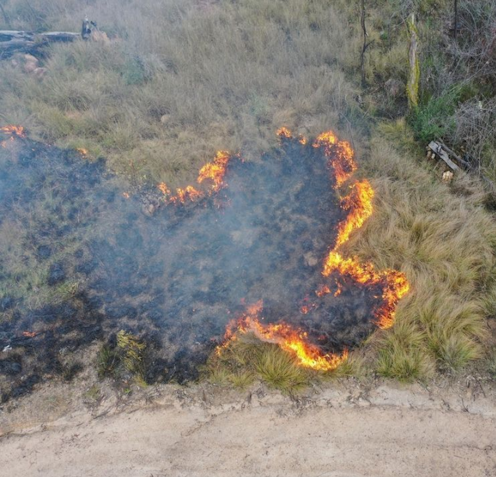
Cultural burns are cool burns which do not escape into the canopy.
FIRE LORE, CC BY

Why is cultural burning undertaken?

Every group burned country differently. The knowledge of what to burn – and when to burn – is known as lore. By burning the right areas at the right time, we burn off the fuel loads and keep Australia’s fire-loving trees from starting dangerous fires.

The way we burn is known as mosaic cool burning – burn this area, leave this area – which produces a pattern of newer and older growth across the landscape. Traditionally, these mosaics produced new growth attracting kangaroos and wallabies, which could then be hunted.

Our thousands of years of cultural burning made much of Australia look like a park – stands of trees, large tracts of grass and shrub, as historian Bill Gammage has detailed.

After the colonists came, much knowledge was lost. Cultural burning, too, could have been lost. But it survived.

How does it differ from hazard reduction burns?

Cultural burns are cool, low intensity burns which stay on the ground. Hazard burns are usually hot burns, done with more intensity.

Cool burns are best done at night or early in the morning. Many Australian trees sweat flammable oils during the day, making it a more dangerous time. Early morning dew helps to cool the fire. The wind is often gentle during a morning burn, assisting us as we direct the fire.

Cool fires do not bake seeds or nutrients into the soil, nor do they destroy root systems. Because the flames are so low, they cannot leap up to set tree canopies on fire and can only char the bottom bark.

Cool fires help change ground vegetation by reducing the density of plants such as bracken fern and casuarina, which lead to high fuel loads. Hot fires will encourage their regrowth.

If fires are started too early in the season, thick shrub grows afterwards which adds to fuel loads. If fires are started too late, dried-out fuel can make fires more intense and even lead trees to explode.

Hazard reduction burns are performed to control overgrowth of bush. If cool burns aren’t done, fallen branches, leaf litter and dead trees keep building up and up. Australia’s trees are very messy – many of them shed bark and leaves and branches to encourage fire.

First Nations people did everything they could to avoid intense, destructive bushfires. By burning small and burning often, we made sure the fuel never built up to extreme levels.

But after we were colonised, cultural burning almost entirely stopped. Forests grew back, covering some grasslands. Fuel began to build up. And immense bushfires began. Black Friday, 1939. Black Saturday, 2009. And the devastating Black Summer of fire in 2019-2020. These show us what happens when we do not burn country properly.


Read more:
This rainforest was once a grassland savanna maintained by Aboriginal people – until colonisation


How is it done?

Cultural burning is complex and nuanced. To do it properly, you need thorough knowledge of the natural environment. You can’t simply walk into a field or forest and set it alight.

Fire lore is passed on from knowledge holders to initiates. We are taught to read signs in the land and signals in the environment to know when to burn, from different grasses drying out to trees beginning to flower, seed or fruit, to animal breeding and migration.

The reason for this is simple. Burning at the wrong time in the wrong place risks a cool burn running hot. As our firefighters know, it’s very hard to find the right time to do burns.

Each country contains its own season for fire – the time when fire can help cleanse, reset and safekeep the land, ready for the rebirth that comes after burning.

The return of cultural burning

The Black Summer had many causes, ranging from climate change to misuse of land and bad land and water use. The absence of cultural burning and traditional land management practices made matters worse.

Cultural burning and land management can improve soil health, dampen down the impact of weeds and invasive species, control pests, sequester carbon and improve runoff and water quality.

Cultural burning was used to protect against large-scale fires like those which burned through the NSW town of Tathra in 2018.

Cultural burning could help create a better future

Using fire in this way is an ancient artform. We consider it a sacred tool.

As we grapple with ever-larger bushfires, it’s time to start involving Traditional Owners more in talks, negotiations and planning – especially when it affects our own country. Our knowledge of this continent may help save lives, land, flora and fauna – and help protect all of us from the ravages of climate change.

Our organisation and others like it work with non-Indigenous Australian landowners and farmers to undertake cultural burns – and to pass on the lore.


Read more:
World-first research confirms Australia’s forests became catastrophic fire risk after British invasion


The Conversation

Robbie is also Director for the Natural Design Research Institute.

ref. Before the colonists came, we burned small and burned often to avoid big fires. It’s time to relearn cultural burning – https://theconversation.com/before-the-colonists-came-we-burned-small-and-burned-often-to-avoid-big-fires-its-time-to-relearn-cultural-burning-201475

It’s 4 years since the NZ government pledged $1.9 billion for better mental health services – why are we still waiting?

Source: The Conversation (Au and NZ) – By Dougal Sutherland, Clinical Psychologist, Te Herenga Waka — Victoria University of Wellington

Getty Images

In 2019 the New Zealand government committed an unprecedented NZ$1.9 billion to improving mental health services. This announcement brought hope to a sector that had been treated like the second-class citizen of the health service for decades.

But four years later, it is clear these high hopes have not been realised.

It’s easy to find examples of unmet mental health needs in our communities. Fundamental gaps are evident across the sector, from young people in crisis waiting 70 days to be seen by a therapist, to men struggling with depression, to those with more chronic conditions such as ADHD struggling to receive diagnoses and care.

Where did the money go?

So what has happened to the billions set aside to improve mental health services?

Almost a quarter of the funding has gone to health improvement practitioners (HIPs) and health coaches based within general medical practices. The aim of these practitioners and coaches is to give fast and early access to people presenting to their general practitioner (GP) with mental health concerns.

Considerable investment has also gone into making mental health apps widely available to the public, a move that was at least partly sparked by the COVID-19 lockdowns.

These initiatives focus mainly on providing proactive support to people with mild symptoms and/or upskilling the general population to help prevent psychological distress occurring.

Robbing Peter to pay Paul

This investment approach by the government has several problems, which mean the country’s collective mental health needs have not been successfully addressed.

Firstly, while the aims of the HIPs programme are to be lauded – it allows a quick and “warm” handover from GP to mental health clinician – it has done little to increase the pool of mental health professionals. The practitioners are drawn from the existing health workforce. Many nurses and psychologists have taken up practitioner roles, meaning we have robbed Peter to pay Paul as clinicians move from one area of the mental health sector to another.


Read more:
Pixels are not people: mental health apps are increasingly popular but human connection is still key


Secondly, while mental health apps often include excellent psychological tools and techniques that can enhance wellbeing, they are still largely untested, can suffer from low levels of uptake and don’t always meet the need for human interaction.

Thirdly, it appears the Ministry of Health’s focus on one or two approaches to meeting our mental health demands has blinded it to other possible solutions.

For example, there is a growing body of local and international research highlighting the relationship of micronutrients and what we eat to our mental health.

Yet this line of intervention has only recently received government support. Even then the investment is relatively limited.

Going global for ideas

Unsurprisingly, Aotearoa New Zealand is not the only country to be grappling with high demand for mental health services. We can learn from what other countries are doing in response to gaps in their services.

The United Kingdom, for example, has attempted to address its own mental health services shortfall with a programme called Increasing Access to Psychological Therapies (IAPT). This is a limited talking therapies programme that is commonly offered to people struggling with anxiety and depression.

Since its launch in 2008, 10,500 additional psychological therapists and practitioners have been trained to work with IAPT referrals. According to recent National Health Service data, 75% of people referred to IAPT services start treatment within six weeks of referral, and 95% start treatment within 18 weeks.

As with any programme developed overseas its applicability in New Zealand would need to be tried and tested but, on its face, IAPT offers some potential solutions. Yet there has been little to no interest in this approach from the current government.

Real action is long overdue

The government’s singular focus on one or two new mental health initiatives has been at the expense of training programmes. In 2021, the then health minister, Andrew Little, claimed New Zealand did not need an “army” of psychologists but given we are at least 1,000 psychologists short a battalion would be welcome.

If even a quarter of the funding that has been funnelled to new initiatives had been invested in 2019 in existing psychology training programmes, we could have doubled the numbers of psychologists graduating into the health workforce.

To give the government its due, there has been some recent investment in clinical psychology training but it feels like an afterthought. It is also still very small compared to investment in other areas.


Read more:
Road to nowhere: New Zealanders struggle to get the help they need, 2 years on from a funding boost for mental health services


The four years that have passed since the government’s bold commitment to addressing our mental health crisis has included several large bumps in the road that would have disrupted even the best-laid plans. Our leaders have had to deal with a physical health pandemic and a restructure of the entire health system. The former was out of anyone’s control, the latter very much of the government’s own making.

Nonetheless, looking at our mental health system in 2023 it feels like very little progress has been made. A blinkered approach to how to spend the $1.9 billion of our health dollars has stymied any good intentions that were behind the original plan.

The Conversation

Dougal Sutherland is an Adjunct Teaching Fellow at Te Herenga Waka and also works for Umbrella Wellbeing.

ref. It’s 4 years since the NZ government pledged $1.9 billion for better mental health services – why are we still waiting? – https://theconversation.com/its-4-years-since-the-nz-government-pledged-1-9-billion-for-better-mental-health-services-why-are-we-still-waiting-207908

Australia is awash with dirty money – here’s how to close the money-laundering loopholes

Source: The Conversation (Au and NZ) – By Jamie Ferrill, Lecturer in Financial Crime Studies, Charles Sturt University

Shutterstock

Australia’s financial crime laws are unfit for purpose. The problem: there are many professionals currently facilitating money laundering within the country who are exempt from the laws and regulations set up to stop it.

To illustrate the extent of the problem, nine people were arrested on money laundering charges this year. They were allegedly involved in a Chinese-Australian syndicate that moved around A$10 billion offshore and amassed at least $150 million in luxury assets and properties.

The suspects allegedly relied on lawyers, accountants and real estate professionals to launder such large sums of money. These are the industries currently not regulated by our anti-money laundering and counter-terrorism financing laws.

But there is a ray of hope: the Albanese government recently invited public consultation on proposed reforms of these laws. If the government lives up to its commitments, the draft reforms will go through the legislative process and be passed into law.

What is money laundering?

Australia has seen its fair share of alleged money laundering cases in recent years. Banks, casinos and organised crime groups have all been at the centre of recent allegations. Record fines have been handed down and reputations have been tarnished.

Money laundering is the process of “cleaning” dirty money to give its source a legitimate appearance. The dirty money is generated from illicit activities such as fraud, bribery, corruption and drug trafficking – either within Australia or internationally.

On the surface, money laundering may initially appear to be a victimless financial crime. Large corporations get fined and syndicates are interrupted, and we move on.

The reality is money laundering results in serious harm: socially, politically and economically. Dirty money inflates the cost of housing, fuels gang violence, exacerbates foreign interference in our politics, and enables human and wildlife trafficking. It finances nuclear weapons proliferation and helps countries evade international sanctions, such as those currently imposed against Russia for its war on Ukraine.

Money laundering also results in reduced revenue for the government that could be used for the benefit of Australians. Our tax dollars are also being spent on fighting the organised crime rings that are behind these activities.

In short, money laundering is a global problem and affects all of us. Still, the federal government has long failed to act. For 16 years, it has been shirking the implementation of crucial reforms to strengthen our regulations.


Read more:
Crown Sydney casino opens – another beacon for criminals looking to launder dirty money


Key weakness in the current law

In 2006, the Howard government passed the Anti-Money Laundering and Counter-Terrorism Financing Act in response to the global concern around money laundering and terrorism financing.

The act addressed “high-risk” sectors: financial institutions, cash-carrying services, bullion dealers, casinos, remittance service providers and stored value card providers. However, soon after it passed, numerous weaknesses were identified.

One major weakness was the fact that a wide range of professionals operating outside the traditional financial system were not included under the law. This includes real estate professionals, lawyers, accountants, dealers in precious metals and stones, and trust and company service providers. Collectively, they are known as “designated non-financial businesses and professions”.

These professionals are vulnerable to exploitation for a number of reasons. They may have extensive networks to facilitate high-value, cross-border transactions. They often handle large amounts of cash. They also have insider knowledge on how to conceal or integrate large amounts of funds into the financial system.

Several multi-agency investigations in Australia have revealed the use of such professionals in concealing the source of illicit funds, financing criminal activities and disguising the true ownership of companies and trusts through the use of associates or fake identities.

Similarly, in a joint investigation last year, the Australian Federal Police and the US Federal Bureau of Investigations identified the involvement of lawyers, accountants and other professionals in organised crime activities across Australia and abroad.

Australia remains vulnerable to financial crime

To overcome this problem, the Howard government started to talk about reforming the Anti-Money Laundering and Counter-Terrorism Financing Act in 2007. But these reforms have still not been implemented.

As a result, Australia is currently failing to meet international commitments on cracking down on money laundering and terrorist financing set by the global financial crime watchdog, the Financial Action Task Force. The Paris-based task force was established in 1989. It currently has 39 members, including Australia, and 205 jurisdictions committed to meeting its standards.


Read more:
How Westpac is alleged to have broken anti-money laundering laws 23 million times


Astonishingly, Australia is one of the only three countries that have not extended or promised to extend its money laundering laws to cover professionals like lawyers and real estate agents. Haiti and Madagascar are the other two.

This regulatory gap opens Australia up to potentially grave consequences. It has made the country an attractive destination for financial crimes and leaves us ill-equipped to deal with evolving threats.

Extending the law to include these professionals would give Australia a more robust framework to combat illicit activities in line with international standards. Better reporting, due diligence and oversight of these individuals must be a priority.

The need for implementing these reforms cannot be overstated. By seizing this opportunity, Australia can demonstrate its dedication to safeguarding its financial system. While it may just be the tip of the iceberg, it is a necessary step that can no longer be neglected.

The Conversation

The authors do not work for, consult, own shares in or receive funding from any company or organisation that would benefit from this article, and have disclosed no relevant affiliations beyond their academic appointment.

ref. Australia is awash with dirty money – here’s how to close the money-laundering loopholes – https://theconversation.com/australia-is-awash-with-dirty-money-heres-how-to-close-the-money-laundering-loopholes-206606

Who’s taking COVID antivirals like Paxlovid? Hint: it helps if you’re rich

Source: The Conversation (Au and NZ) – By Nicole Allard, Post doctoral researcher and medical epidemiologist, The Peter Doherty Institute for Infection and Immunity

MargJohnsonVA/Shutterstock

When it comes to COVID, people living in disadvantaged communities are hit with a triple whammy. First, they’re more likely to get infected, and when sick, are more likely to have serious disease. Second, they’re more likely to develop long COVID. Third, our recent research suggests they’re less likely to get antivirals and when they do, it’s on average later.

We’ve just published the data to map how disadvantage is linked with access to COVID antiviral drugs you can take at home.

Here’s why our findings matter and what we can do to level the playing field for this critical part of Australia’s COVID response.


Read more:
6 steps to making a COVID plan, before you get sick


What we did and what we found

Our team looked at Victorian and national prescribing data trends for the oral antiviral medications eligible Australians can take at home – Paxlovid (nirmatrelvir/ritonavir) and Lagevrio (molnupiravir).

My health department colleagues linked data from the Pharmaceutical Benefits Scheme with information from the Victorian health department’s COVID surveillance database. They then matched levels of socioeconomic disadvantage by postcode, according to criteria from the Australian Bureau of Statistics.

Their analysis showed people living in the most disadvantaged postcodes were 15% less likely to receive oral antivirals compared with those in the most advantaged postcodes.

Those in the most disadvantaged postcodes were supplied with the antivirals on average a day later (three days versus two days) than those in the most advantaged postcodes.

There are some limitations to our analysis. Not everyone who tests for COVID reports their positive result. And we suspect there may be more under-reporting of infections in disadvantaged areas.

Nevertheless, our findings about the influence of disadvantage on antiviral supply are not surprising. In the United States, there have been similar results.


Read more:
First, COVID hit disadvantaged communities harder. Now, long COVID delivers them a further blow


Why has this happened?

We know early access to antivirals, within the first five days of symptoms starting, is important to reduce the chances of severe disease and hospitalisation in those at risk.

So why are people in disadvantaged areas less likely to have access to COVID antivirals? The answers are multiple and complex.

Some relate to disadvantage that existed before the pandemic – for instance, poverty, homelessness, lower levels of English or formal education, and being less likely to have a regular GP.

Some factors relate specifically to antivirals. For instance, to access antivirals, you first have to know they exist and whether you might be eligible, then know how to access them and when. There may be out-of-pocket costs to see a GP to be assessed, then there’s the cost of filling the prescription, even with a concession card.


Read more:
Homelessness today sees workers and families with nowhere stable to live. No wonder their health is suffering


How can we address this?

We have an opportunity to address this inequity, whether that’s by addressing social determinants of health more broadly, or specifically related to antivirals access.

Equity depends on continuing to address the structural inequalities in our health system that create barriers to people accessing primary health services, and tailoring responses to communities.

For instance, earlier in the pandemic we saw funding to house homeless people, provide COVID-related health care to non-English speaking communities, and for people isolated at home. These initiatives need to continue.

Other countries have also recognised the need for more equitable access to COVID antivirals. Initiatives have included:

  • COVID medicine delivery units in the United Kingdom. These identify, triage and arrange for high-risk people to receive antivirals at home

  • pharmacists prescribing antivirals in New Zealand, and

  • test to treat” services in the US. This is where people can get tested, assessed and access antivirals in one spot, in one visit.

Pharmacist taking medicine box off shelf
In New Zealand, pharmacists can prescribe COVID antivirals.
Shutterstock

What needs to happen next?

As COVID waves continue, we must focus on reducing deaths and hospitalisations. Antiviral treatments are part of our armour and equity must drive our response.

Our ongoing COVID response should be designed with consumer input, supported by an adequately funded public health system and be data driven.
Here’s what needs to happen next:

  • encourage a tired public to see COVID testing as an important first step to accessing antiviral treatment, and why they should consider treatment

  • address the health care inequality in primary care (for instance, boosting timely access to a GP people can afford to visit) by increasing resourcing in areas where we know there are gaps

  • provide culturally safe health care, delivered in community languages, co-designed with community input

  • evaluate current and future antiviral medications

  • communicate up-to-date information to the public and health professionals about antivirals, particularity GPs

  • access more data on the coverage and equity of antiviral COVID treatments, to help direct us to the gaps in the health system that need to be plugged.

Why this matters now

For many of us in the past year, COVID has become another “cold” we encounter and may not even bother testing. Yet, we continue to see deaths and hospitalisations across the country.

Serious COVID infections continue to affect our most vulnerable people. These include elderly people, especially those over 80, First Nations people, people living with a disability and people who are socioeconomically disadvantaged.

We have a chance to ensure antivirals are used to reduce existing disparities in hospitalisation and death – not to make them worse.

The Conversation

Nicole Allard is affiliated with the WHO Collaborating Centre for Viral Hepatitis, Peter Doherty Institute for Infection and Immunity. She is a senior lecturer, Department of Infectious diseases University of Melbourne, and is a general practitioner at
Cohealth, a community health centre in Melbourne.

ref. Who’s taking COVID antivirals like Paxlovid? Hint: it helps if you’re rich – https://theconversation.com/whos-taking-covid-antivirals-like-paxlovid-hint-it-helps-if-youre-rich-207822

Chances are your child’s school uses commercial programs to support teaching: what parents should know

Source: The Conversation (Au and NZ) – By Amelia Ruscoe, Lecturer, School of Education, Edith Cowan University

Australian primary schools are becoming increasingly reliant on commercial programs for teaching students. This means the content and the way students are being taught is outsourced to a third-party provider, who is not your child’s teacher.

Pre-pandemic research, commissioned by the New South Wales Teachers Federation in 2017 showed 28% of the state’s public school teachers already regularly used commercial products. We know the use of commercial programs increased since the start of COVID with increasing demands on schools.

The use of programs has grown to the point where some state education departments provide guidance about their use and even have endorsed resources.

These programs may seem like a good solution when teaching resources are stretched and the community demands evidence of learning progress. But their use can threaten children’s engagement in learning and undermine the value of professional teaching staff.


À lire aussi :
Why is tech giant Apple trying to teach our teachers?


What are commercial programs?

These are programs developed by commercial organisations and sold to schools in prepackaged form. Some parents may already be familiar with literacy programs used to teach reading. But commercial programs are developed and sold across all areas of the curriculum.

Packages include programs of work with prescribed lessons and timing for delivery. They can even include scripts for teachers to read aloud during lessons. Teachers are trained how to use these programs by the provider. They are told it will only be effective if they copy the provider’s content and methods.

The developers also advocate a “whole school” approach, which means the program is taught across all year levels and incorporates its assessment tools, interventions and extension programs.

The cost to schools can be thousands of dollars, plus associated resources like worksheets and tests, and professional development. They are paid for out of school budgets via both government funding and school fees.

Why are schools using commercial programs?

The use of commercial programs in Australian schools has increased dramatically over the last 15 years since the introduction of NAPLAN and publication of test results on the MySchool website.

More transparency around school performance was intended to empower parents to make informed choices and drive school improvement.
However, pressure to prove a school’s academic performance has created urgency for schools to find strategies that will give them a competitive edge.

At the same time, there has been a broader, global shift in education towards standardisation, high-stakes accountability and the use of corporate management models.

It is easy to see why schools use commercial programs. They offer efficient, consistent delivery of content across year levels. They also save teachers planning time and come with ready-made resources for lessons.

But schools often adopt these programs to reduce workload or because they have become widely accepted by other schools, rather than investigating whether they are endorsed and peer-reviewed by Australian or international education experts.


À lire aussi :
The rise of ChatGPT shows why we need a clearer approach to technology in schools


Why is it a problem?

Most commercial programs claim to be “evidence-based”. But this can be based on small, selective or inadequate research that cannot be generalised to all students.

They may rely on “direct instruction” teaching methods – where the teacher stands at the front and instructs students – and prioritise a quick pace for rapid academic gains.

This is despite broad understanding that hands-on, play-based experiences support meaningful learning and are more inclusive in the classroom.

Commercial programs also require teachers to “trust the program”, which can limit the teacher’s capacity to meet individual children’s needs.

Some schools and early learning centres now deliver commercial programs in the preschool years despite National Quality Standards requiring educators to respond to children’s own ideas and play, and personalise interactions.

All the while, it is taking autonomy away from teachers, while devaluing their professional knowledge and skills.

Reliance on commercially driven third parties is at odds with the evidence-based training teachers receive at university. It also makes it harder for education students to develop essential teaching and programming skills during their professional placements.

A teacher writes in a book, sitting at her desk.
Commercial programs can take autonomy away from teachers if they are told what to teach and how to teach it.
Shutterstock

What do parents need to know?

It is important parents ask who (or what) is behind their child’s learning at school.

Commercial programs are inherently generic and may rely on teaching methods including repetition of content and skills, often without opportunity for “real life” application that sustains children’s motivation to learn.

This can have an impact on a child’s engagement at school, because they are being “talked at” rather than allowed to explore ideas and develop thinking and communication skills that lead to understanding.

Particularly in the early years of school, homogeneous teaching makes it harder for children to learn at their natural pace – and to support their social and emotional development.

Schools need to be transparent about the commercial programs they adopt so parents are aware of the costs, how the programs are delivered, and what that means for their child’s engagement in learning on a daily basis.


À lire aussi :
As more biometric data is collected in schools, parents need to ask these 10 questions


The Conversation

Amelia Ruscoe is affiliated with the Literacy Education Network, Western Australia (LENWA) and the Schools Curriculum and Standards Authority, W.A. (SCSA).

Fiona Boylan is affiliated with the Schools Curriculum and Standards Authority, W.A.

Pauline Roberts is affiliated with Early Childhood Australia (ECA).

ref. Chances are your child’s school uses commercial programs to support teaching: what parents should know – https://theconversation.com/chances-are-your-childs-school-uses-commercial-programs-to-support-teaching-what-parents-should-know-203062

Are the Oscars going to take animated films more seriously?

Source: The Conversation (Au and NZ) – By Robert Boucaut, PhD Candidate & Tutor, Media Department, University of Adelaide

Sony

“Animation is cinema. Animation is not a genre. And, animation is ready to be taken to the next step – we are all ready for it, please help us, keep animation in the conversation.”

This was Guillermo del Toro’s testament accepting the Academy Award for Best Animated Feature Film in 2023 for Guillermo del Toro’s Pinocchio, released by Netflix. As one of the most acclaimed modern auteurs – and one who has announced his intention to stick with animation as his preferred medium – his acceptance speech reads like a plea directly to the academy.

Animated films at the Oscars

The Oscars have had a storied history of engaging with animated cinema. Since 2002, they have awarded a Best Animated Feature award, first won by Shrek. This was a time of technological innovations for 3D animation (think Toy Story or A Bug’s Life), and of standout A-list voice performances (Robin Williams in Aladdin, or Shrek’s star-studded cast).

By including animated films as a standalone category, the Oscars ended up segregating them: animation was treated as its own thing. Beauty and the Beast broke ground as the first-ever animated nominee for the Best Picture Oscar in 1992, but only two films have achieved such a feat since.

Up (2009) and Toy Story 3 (2010) were Best Picture Oscar nominees (and Best Animated Feature winners) of their respective years. However, such recognition only came after the academy expanded its Best Picture category from five nominees to up to 10. This was a concerted effort to include more popular films in the Oscars due to waning audience interest, after Best Picture snubs of The Dark Knight and WALL-E.

If animated films have had difficulty breaking into the Oscars’ vision of a Best Picture, then voice talent has been outright bypassed for consideration in acting categories. Since Shrek, stars have increasingly taken on voice work for animated projects in ways that elevates them from a side-hustle to key parts of their CVs.

For instance, Chris Pratt and Anya Taylor-Joy’s promotional duties for The Super Mario Bros. Movie represent significant time and stardom investments for the sake of animated intellectual property.

Yet without the physical body to observe, the Oscars have ignored voice work in animated films. The most meaningful push to have a voice performance nominated was for Scarlett Johansson’s in Her where she played a computer operating system. Johansson’s performance was nuanced, played with chemistry against her co-stars, and, ironically, Her was not an animated film.

Are things changing?

The Oscars this year shifted their brand of “prestige” to value the “cinematic experience” (and box office money) in the age of streaming.

The sweep of Everything Everywhere All at Once and Best Picture nominations for Top Gun: Maverick and Avatar: The Way of Water in 2023 signal the academy conspicuously praising populist fare for bringing audiences into the physical cinema. This then hopefully attracts more audience eyeballs to an Oscars telecast where they are likely to have actually seen some of the nominees.


Read more:
Winning everything everywhere all at once: 5 experts on the big moments at the Oscars 2023


Popular film’s infiltration of the Oscars even seeped into the acting categories. Everything Everywhere All At Once’s indie cred made nominations (and three eventual wins) for its stars logical and welcome, but even Black Panther: Wakanda Forever’s Angela Bassett scored a Best Supporting Actress nomination, the first acting recognition for the Marvel Cinematic Universe. Its online fandom was instrumental here, having opined the academy’s biases against their beloved franchise.

Now, Spider-Man: Across the Spider-Verse has arrived ahead of the 2024 Oscars race. The animated film boasts a star-studded cast, including past Oscar nominees and winners like Daniel Kaluuya and Hailee Steinfeld in key supporting roles. Shameik Moore’s lead vocal performance as Miles Morales is also exceptional. Still figuring out what it means to balance being Spider-Man with a complicated home and social life, he sounds remarkably recognisable as a modern teenager.

Credit for this extends to a snappy script and intricate editing that bounces through its complex multiverse setting and superhero super-stakes to focus on moving character development. Thematically, it reflects on the artistic value of the superhero genre, unpacking the Spider-Man lore across its many iterations. And, of course, the visual artistry on display is mind-blowing, truly pushing cinematic excess in ways that only animation (currently) can.

Spider-Man: Across the Spider-Verse is the kind of popular cinema that the academy is currently primed to take more seriously. It’s on track to become one of the year’s box office successes, serves a dedicated fandom, showcases a stacked cast and dynamically plays with genre and narrative conventions.

As part two of a trilogy, it is unlikely to take out the Best Picture race altogether (Beyond the Spider-Verse, coming in 2024, is the more likely candidate if it sticks the landing). But it is still well-positioned to break through the confines of the Best Animated Feature category.

The Conversation

Robert Boucaut does not work for, consult, own shares in or receive funding from any company or organization that would benefit from this article, and has disclosed no relevant affiliations beyond their academic appointment.

ref. Are the Oscars going to take animated films more seriously? – https://theconversation.com/are-the-oscars-going-to-take-animated-films-more-seriously-207716

What is a solstice? An astronomer explains the long and short of days, years and seasons

Source: The Conversation (Au and NZ) – By Jonti Horner, Professor (Astrophysics), University of Southern Queensland

A long-exposure photo reveals the Sun’s path in the sky every day for a six-month period. Bob Fosbury / Flickr, CC BY-SA

Happy solstice everyone! The mid-year solstice in 2023 falls at 2:58 pm UTC on 21 June (or, in more advanced time zones like the one I’m writing from, in the early hours of 22 June).

Depending on where you are reading this, this will either be your winter solstice (for those in the southern hemisphere) or the summer solstice (for our northern readers).

But what is the solstice? What does it mean for our day-to-day lives? Well the answer all boils down to orbits – the way Earth whirls and wobbles as it wends its way around the Sun.

The seasons: the result of a moving platform

Earth is a moving platform – orbiting the Sun in a little more than 365 days. Despite our incredible orbital speed (around 30 kilometres per second), we don’t feel this motion. Instead, it appears to us as though the Sun is moving through the year.

Imagine for a moment you could remove Earth’s atmosphere, revealing the background stars at the same time as the Sun. Those stars, incredibly distant, rise and set every 23 hours, 56 minutes and 4 seconds – the true rotation period of Earth.

The Sun, though, rises and sets roughly every 24 hours – making the “solar day” 3 minutes and 56 seconds longer than Earth’s true rotation period.

That difference is the result of the Sun’s apparent motion against the background stars. From our imaginary airless Earth, we would see the Sun gradually sliding through the constellations of the zodiac, making one full lap of the sky in one year.

But things are a little more complicated. You see, our moving platform is tipped over, tilted on its side by about 23.5 degrees.

As we move around the Sun, our planet alternately tilts one hemisphere towards our star, then away again. This is the cause of the seasons.

A diagram showing the Earth going around the Sun with the equinoxes and solstices marked.
The length of the day changes over the year due to the slight tilt in the Earth’s axis.
Bureau of Meteorology

When your hemisphere is tilted towards the Sun, you have summer – long days, with the noonday Sun high in the sky. Six months later, when you are tilted away, you have winter – the noonday Sun is low, days are shorter, and there is a chill in the air.

Between those extremes, the Sun gradually drifts north and south. At the extremes of its motion, it would be overhead from 23.5° north of the Equator (northern hemisphere midsummer) or 23.5° south (southern midsummer).

In total, then, the Sun’s motion moves it between two extremes some 47° apart. Low in the sky in winter, and high in summer.

So what are the solstices?

The two solstices are the points at which the Sun is either the farthest north in the sky (which is what we have today), or at its most southerly location.

A map of the night sky showing the path of the Sun as it movesa against the background stars
A map of the entire night sky, like a map of the Earth, showing (in red) the path followed by the Sun through the course of the year – a path known as the ‘ecliptic’.
Pablo Carlos Budassi/Wikipedia

When the Sun is farthest north in the sky, it will appear lowest in the sky at noon from locations in the southern hemisphere. This also means the shortest period of daylight of the calendar year.

For the northern hemisphere, the situation is reversed – the summer solstice places the noonday Sun high in the sky, with the longest period of daylight of the year.


Read more:
Why the sunrise is still later after the winter solstice shortest day


In six months’ time, on December 22 this year, we will have the other solstice – marking the point at which the Sun is at its most southerly point in the sky. That will bring with it the longest day for those in the southern hemisphere, and the shortest for those in the north.

It’s easy to find out when the Sun will rise and set at your location. Many websites provide this information these days – here, for example, is all that information for my home town – Toowoomba, in southeast Queensland.

Defining the seasons: climate or cosmology?

To an astronomer, and to many people around the world, today marks the change of the seasons. In the southern hemisphere, it is the first day of winter. In the north, the first of summer.

Strangely, the solstices are also known as midsummer’s day and midwinter’s day – which leads to the strange idea that winter starts at midwinter!

By this astronomical definition for the seasons, summer runs from midsummer to the autumnal equinox (when the Sun crosses the Equator). Autumn runs from that equinox to midwinter’s day. Winter goes from midwinter to the spring equinox, and spring goes from the spring equinox through to midsummer.

In Australia, however, most people are familiar with seasons beginning on the first day of the months of March, June, September and December.

The reason is down to how our climate behaves. In a simple universe, one would expect the longest day to be the hottest (with most time for the Sun to heat the Earth) and the shortest day to be the coldest (the most hours of darkness for things to cool down).

However, things are somewhat more complex. The atmosphere, the ground, and particularly the oceans, take a long time to heat up and to cool down. The result? The warmest time of the year for many places (but not all!) comes a few weeks after midsummer.

While the days are getting shorter, the ocean, ground and air continue to warm up. Similarly, the coldest time in winter is usually a few weeks after midwinter.

Our concept of summer (rather than the astronomer’s definition) is built around this. We think of the middle of summer being the hottest time of year, and the middle of winter being the coldest.

There’s always another secret

Before I leave you to enjoy the rest of the year’s shortest (or longest) day, there’s one extra cool fact about the seasons that most people don’t appreciate. We imagine the seasons are of equal length – three months of each, in a 12-month year.

But we forget. Not all months are alike. Some are shorter than others (poor February).

Look at a calendar, and add up the days in each astronomical season, and you find something surprising.

The southern hemisphere summer (northern winter), from December 22 to March 21, lasts just 89 days. The southern winter (northern summer), by contrast, is almost 94 days long!


Read more:
The messy history of our modern, Western calendar


The southern autumn (March to June) is almost 93 days long, while the northern autumn (September to December) is only 90 days.

The reason behind these variations is, once again, all down to Earth’s orbit. As we move around the Sun, the distance to our star varies slightly.

Sometimes, we are closer to our star, and Earth moves faster in its orbit. At other times, we are more distant, and move slower.

In just a couple of weeks time, on July 7, Earth will reach its farthest point from the Sun, which astronomers call “aphelion”. On that date, we will be more than 152 million kilometres from our star.

Six months later, on January 3 2024, we will be at our closest to the Sun – “perihelion” – just over 147 million kilometres distant.

This really highlights one of the beauties of astronomy. Simply put – there’s always another secret – the deeper you look into something, the more beautiful complexity you will find.

So here’s to another 93 days of winter!

The Conversation

Jonti Horner does not work for, consult, own shares in or receive funding from any company or organisation that would benefit from this article, and has disclosed no relevant affiliations beyond their academic appointment.

ref. What is a solstice? An astronomer explains the long and short of days, years and seasons – https://theconversation.com/what-is-a-solstice-an-astronomer-explains-the-long-and-short-of-days-years-and-seasons-208178

View from The Hill: Linda Burney says the Voice won’t be able to advise on Australia Day – but how could that be?

Source: The Conversation (Au and NZ) – By Michelle Grattan, Professorial Fellow, University of Canberra

There was much celebration in the Albanese government this week at the passage through parliament of the bill to set up the referendum on the Voice. Anthony Albanese sent out a national rallying call ahead of the vote later this year: “I say to my fellow Australians: parliaments pass laws, but it is people that make history”.

But the parliamentary week showed that if the government is to maximise the chance of a “yes” result, it needs to sharpen its performance – in particular, that of the lead minister on the issue, Linda Burney.

Burney, minister for Indigenous Australians, handled poorly questions on the scope of issues on which the Voice would be able to advise parliament and executive government.

On Tuesday in question time, Burney declared, “I can tell you what the Voice will not be giving advice on. It won’t be giving advice on parking tickets. It won’t be giving advice on changing Australia Day. It will not be giving advice on all of the ridiculous things that that side has come up with.”

In regard to Australia Day, this is either wrong or, if correct, absurd.

In his second reading speech, Attorney-General Mark Dreyfus said the “primary function” of the Voice would be to make representation “about matters relating to Aboriginal and Torres Strait Islander people”.

Dreyfus said these included matters specific to these people, as well as “matters relevant to the Australian community, including general laws or measures, but which affect Aboriginal and Torres Strait Islander people differently to other members of the Australian community”.

On any commonsense view, of course the issue of Australia Day is one on which the Voice could advise. The day affects many Indigenous people “differently”, in that they feel January 26 is for them “invasion day”, and Australia Day should be moved.

Given the heat in recent years around the Australia Day date, it would be surprising if the Voice did not, at some point, have something to say about it.

That doesn’t mean the Voice’s advice would necessarily prevail. Burney said on Wednesday, “It is not the policy of this government to change the date of Australia Day”.

As the opposition in parliament has homed in on the Voice’s scope, Burney has responded by deflecting questions, rejecting “culture wars”, and concentrating on its potential role in helping in “closing the gap”.

She and the government are painting the Voice’s remit as limited rather than wide.

The government, for tactical reasons, at present wants to emphasise the part of the proposed constitutional change that recognises Aboriginal and Torres Strait Islander people in the constitution.

This is because “recognition” is considered to have more public support, including among conservative voters, than the actual Voice.

As far as the Voice goes, with the referendum campaign ramping up, Burney is concentrating on the practical things she believes the Voice will, and should, focus on. But what it might choose to highlight can’t be predicted with certainty – that would depend in part on who was on it.

Playing down how much the Voice will advise on has its own potential downside. It feeds into the argument of those such as (at the extreme end) Lidia Thorpe who say if it’s to be so constrained, it will be worth even less than other advisory bodies have been.

If the Voice gets up, in reality it could probably find ways to advise on a very wide range of issues. But if it were savvy, it would confine its operations to areas where it was well-informed and likely to make a difference. To buy in on too much could reduce its clout on the most pressing issues for Indigenous communities.

The Conversation

Michelle Grattan does not work for, consult, own shares in or receive funding from any company or organisation that would benefit from this article, and has disclosed no relevant affiliations beyond their academic appointment.

ref. View from The Hill: Linda Burney says the Voice won’t be able to advise on Australia Day – but how could that be? – https://theconversation.com/view-from-the-hill-linda-burney-says-the-voice-wont-be-able-to-advise-on-australia-day-but-how-could-that-be-208191

The International Criminal Court is unlikely to prosecute alleged Australian war crimes – here’s why

Source: The Conversation (Au and NZ) – By Donald Rothwell, Professor of International Law, Australian National University

For the first time, Australians have been referred to the International Criminal Court (ICC) for investigation into alleged Afghan war crimes.

That Senator Jacqui Lambie has instigated this process is even more extraordinary as it’s the first time any Australian MP has taken that step.

Lambie’s ICC referral focuses on the legal responsibility of Australian Defence Force (ADF) commanders who knew, or should have known, about alleged war crimes committed by their forces in Afghanistan.

This move by Lambie may not lead to any formal action by the ICC, but it does shine a spotlight on how Australia is responding to these claims.

Why the ICC is unlikely to act

The court will no doubt acknowledge receipt of Lambie’s referral, but it is doubtful whether it would commence an active investigation given the ongoing work of the Office of the Special Investigator established in 2021, with Mark Weinberg as the lead investigator.

In a Senate Estimates hearing in May, Chris Moraitis, the office’s director-general, said up to 40 alleged acts are currently being investigated by his office and the Australian Federal Police.

In March, the first charge was brought against a former Australian soldier, Oliver Schulz. He was accused of the war crime of murder under the Commonwealth Criminal Code.

No further details have been released as to current and former defence personnel who are under investigation. But the Office of the Special Investigator’s mandate is to consider all ADF conduct in Afghanistan from 2005-16, which will include senior officers and commanders.


Read more:
Why investigating potential war crimes in Afghanistan just became much harder – and could take years


The office is also not limited to the allegations investigated and reported on in the 2020 Brereton Report. It has its own mandate and can conduct its own investigations.

The ICC was only ever intended as a court of last resort in these matters. That means it will only investigate and prosecute people for alleged war crimes when a country is unwilling or unable to do so itself.

This may arise if the state is incapable of pursuing prosecutions because of disorder or unrest, or because of the collapse of a national judicial system. None of these situations currently exist in Australia.

The ICC is also incredibly busy with its ongoing investigation into war crimes allegations in Ukraine, which are occurring in real time on a near-daily basis.

This is on top of its other work. To date, the ICC prosecutor has received some 12,000 requests to investigate alleged war crimes committed worldwide over the past 20 years.

What the ICC is investigating in Afghanistan

The legal landscape for war crimes prosecutions has radically changed in recent decades due to the creation of the ICC.

The court has jurisdiction with respect to war crimes committed by the nationals of state parties, such as Australia. Its jurisdiction extends to “grave breaches” of the laws of war, which sets a high threshold for the most serious and egregious acts.

Presently, the ICC prosecutor is already investigating alleged crimes against humanity and war crimes committed by various sides in the Afghan conflict including Australian, UK and Taliban forces and the Islamic State – dating back to the early 2000s. The US is not a member of the court and does not respect its jurisdiction.

With regard to Australian soldiers, Lambie’s concern is that the Office of the Special Investigator is focused on troops and officers, not ADF commanders.

International criminal law and the ICC recognise “command responsibility”, which is the legal responsibility of commanders when their forces commit war crimes. However, commanders must have directed such conduct or had reasonable knowledge that such conduct was being committed.

Australia has been an enthusiastic supporter of the ICC, but its recognition of ICC jurisdiction was contingent on a formal declaration in 2002 made by the Howard government which provided, in part, that

no person will be surrendered to the court by Australia until it has had the full opportunity to investigate or prosecute any alleged crimes.

Additionally, Australia would only surrender a person to the ICC for prosecution following the Commonwealth attorney-general issuing a certificate.

The government response to the Brereton Report – with its establishment of the Office of the Special Investigator – means it is taking the lead in prosecuting war crimes allegations. As such, an Australian soldier or commander would only be handed over to the ICC in the most exceptional of cases.


Read more:
Stripping medals from soldiers is murky territory, and must not distract from investigating alleged war crimes


Australia’s experience in war crimes prosecutions

Over the past seven years, we have gotten a much clearer picture of the alleged actions of Australian soldiers in Afghanistan. Much was revealed in investigative reports by the Nine newspapers, which was highlighted during former SAS corporal Ben Roberts-Smith’s recent defamation case.

The legal system will likely soon be dealing with a wave of war crimes charges arising from the Brereton Report and the work of the Office of the Special Investigator and Australian Federal Police.

Australia has no recent history of war crimes trials involving Australian soldiers. However, following the second world war, Australia was involved in the International Military Tribunal for the Far East in Tokyo, which was established to prosecute Japanese war crimes suspects. Japanese soldiers were also prosecuted between 1945 and 1951 in Australian military courts.

More recently, Ivan Polyukhovich, a former Nazi soldier who became an Australian citizen in 1958, was put on trial in Australia for alleged war crimes committed in Ukraine between 1942-43. He was ultimately acquitted by the South Australian Supreme Court in 1993.

Australia may now be on the brink of its first modern war crimes trial, though, with the prosecution of Oliver Schulz.

The Australian legal system is about to be severely tested. As difficult as these legal processes may well be for the nation, the public will have a legitimate expectation these allegations are scrutinised in court. Lambie’s actions have reinforced that expectation.

The Conversation

Donald Rothwell receives funding from Australian Research Council.

ref. The International Criminal Court is unlikely to prosecute alleged Australian war crimes – here’s why – https://theconversation.com/the-international-criminal-court-is-unlikely-to-prosecute-alleged-australian-war-crimes-heres-why-208180

How does a Taylor Swift fan prove their love? Money

Source: The Conversation (Au and NZ) – By Georgia Carroll, PhD Candidate in Sociology, University of Sydney

In November 2022, Ticketmaster was forced to cancel the general sale for Taylor Swift’s North American Eras tour after unprecedented demand. More than 3.5 million fans had registered to try to get a presale code – a number far exceeding the number of available tickets for the 52 shows.

The story made international headlines and led to a congressional hearing into Ticketmaster’s processes.

Dates for the Australian leg of the Eras tour were announced today. Swift will be performing three shows in Sydney and two in Melbourne. Fans from other cities – and New Zealand – will have to travel should they wish to see her perform locally for the first time in over five years.

Tickets for the five performances will go on sale next Wednesday, with less than 500,000 seats available. While this may seem like a lot, the disappointment seen in North and South America is likely to also be seen here.

Taylor Swift fans are known for spending significant amounts of money on albums, merchandise and concert tickets.

While being a fan is an increasingly expensive experience, there seems to be a particular connection between Taylor’s fandom and the expectation of consumption.

Handpicked fans

Swift shares a particularly intense connection with her fans.

Fans frequently engage in parasocial relationships with their celebrity objects of fandom, where they feel as if they honestly “know” the celebrity.

These relationships are often portrayed as problematic in both academic and popular discourse. However, the connections fans feel to their favourite celebrities can be a healthy expansion of their social world.

Swift is unique among celebrities in that she actively courts these connections.

By handpicking fans for “secret sessions” before album releases (often held in her own home) and hosting post-show meet and greets, over the past 16 years she has carefully built the illusion of these relationships as reciprocated friendship.

For these events, she memorises facts about each fan in attendance, surprising them with comments about new haircuts, academic achievements and relationship milestones.

She also has a history of sending fans surprise gifts in the mail, ranging from handwritten letters of support to gift boxes full of things she says “remind her” of the fan in question.


Read more:
Why I teach a course connecting Taylor Swift’s songs to the works of Shakespeare, Hitchcock and Plath


Performing fandom

Based on the North American performances, it appears Swift is not conducting meet and greets during The Eras tour. But fans believe there is always the chance they will be noticed and chosen to meet her.

When Swift’s official social media team, Taylor Nation, engage with fans – by liking, replying to, or retweeting their messages – individuals often put the date and type of interaction in their bio to broadcast the attention they received to others within the fandom community.

The belief among fans (which has never been confirmed) is that being noticed on social media puts you a step closer to meeting Swift in person – something many of the participants in my research into her fandom described as the ultimate motivation behind their engagement.

To be noticed, however, fans must participate in particular, approved ways.

The Taylor Nation twitter account retweets and engages with fans who have shared screenshots of merchandise receipts (from increasingly frequent, themed merchandise releases), pictures of themselves with multiple copies of albums, or particularly over-the-top displays of emotion and creativity.

This sets a baseline of what it takes to get their – and Swift’s – attention.


Read more:
Rooting for the anti-hero: how fans turned Taylor Swift’s short relationship with Matty Healy into a political statement


The hierarchy of fandom

Fandom communities are often discussed as spaces of friendship and community.

More realistically, they are hierarchical structures in which fans have their status elevated by participating in certain ways.

For Swift fans, these hierarchies are heavily tied to practices of consumption, including the purchasing of concert tickets.

The most expensive package for the Australian tour dates will set fans back A$1,249. For that price, fans will get an “unforgettable A Reserve floor ticket” and “exclusive VIP merchandise”.

If fans are just after a seat, A Reserve is listed at $379.90, dropping down to $79.90 for G Reserve.

Within the fandom, fans who travel to shows, attend multiple nights, or have seats near the stage are labelled “dedicated” and “committed”. Those who miss out on tickets often express their frustration at missing out to others who they don’t deem to be “real” fans.

North American fans have gone to great lengths to secure tour merchandise, even after they have secured tickets to the concerts. Fans have reportedly been queueing before sunrise, spending thousands of dollars and waiting in the rain to get their hands on limited-edition items.

The higher the levels of sacrifice reported, the more someone can project to other members of the fandom just how big a fan they are. This can result in increased attention and a reputation as someone who “deserves” to meet Swift.

In her song Karma, Swift sings “my pennies made your crown”. When tens of thousands of fans scream this back at her every night, they are reflecting the reality of Swift’s celebrity.

Swift’s business model is largely built on fan desire to meet her. How do you meet her? You prove you are the biggest fan – and you’ve made the sacrifices (and spent the money) to show it.

The Conversation

Georgia Carroll does not work for, consult, own shares in or receive funding from any company or organisation that would benefit from this article, and has disclosed no relevant affiliations beyond their academic appointment.

ref. How does a Taylor Swift fan prove their love? Money – https://theconversation.com/how-does-a-taylor-swift-fan-prove-their-love-money-208177

Green hydrogen could be a game changer by displacing fossil fuels – we just need the price to come down

Source: The Conversation (Au and NZ) – By Ralph Cooney, Professor Emeritus in Advanced Materials, University of Auckland

Hauke-Christian Dittrich/picture alliance via Getty Images

As the global economy moves away from fossil fuels, green hydrogen could be critical to achieving a zero-carbon world by 2050.

Green hydrogen offers a solution to decarbonising “hard-to-abate” industries such as steel and fertiliser production, heavy-duty transport and shipping. Recent announcements by high-emitting countries suggest the switch to green hydrogen might be greater and come sooner than expected.

Indian Prime Minister Narendra Modi announced a US$2.3 billion green hydrogen mission, expected to increase 400% by 2050. India’s steel industry and heavy-duty transport will consume about half of this production.

According to its latest government plan, China would produce 100,000-200,000 tons of renewable-based hydrogen annually and have a fleet of 50,000 hydrogen-fuelled vehicles by 2025.

The Biden administration announced an investment of US$750 million in green hydrogen. It’s expected to generate 700,000 new jobs and leverage further investment of US$140 billion.

New Zealand’s national grid is far more renewable than the Australian grid, which is still dependent on coal. Nevertheless, both countries are investing in green hydrogen as a future fuel.

The Australian government has allocated A$2 billion in its 2023 budget to accelerate large-scale green hydrogen projects. In New Zealand, the proposed Southern Green Hydrogen project has moved to the development stage. Final investment decisions are expected later this year.


Read more:
Green hydrogen is coming – and these Australian regions are well placed to build our new export industry


Green hydrogen transition

Green hydrogen is produced by using renewable energy sources to split water into hydrogen and oxygen, either through electrolysis or photolysis. The former technology is more advanced at this stage.

At present, 98% of all hydrogen is produced using fossil fuels (“grey hydrogen” or “blue hydrogen” if carbon is scrubbed). To meet Paris Agreement targets, hydrogen production needs to be decarbonised. Installed production capacity for green hydrogen will need to increase 75 times before 2030.

The good news is that the cost of green hydrogen is projected to fall to US$2-3 per kilogram by 2030 due to improved production methods and economies of scale. The falling cost of renewables, the increasing demand for energy and the climate change emergency have created unprecedented momentum for clean hydrogen.

Grey and blue hydrogen have their existing industrial uses but will be transition fuels. They’ll eventually be replaced by green hydrogen, which will also meet a rapidly growing range of new uses, such as green steel.

A hydrogen-powered ambulance
A hydrogen-powered ambulance was displayed at the last climate summit.
Ian Forsyth/Getty Images

Some hydrogen applications are well under way. Airbus is involved in the development of electric planes that use a combination of hydrogen combustion for take-off power and hydrogen fuel cells for mid-flight power.

While most electric vehicles will continue to be powered by batteries, some car makers have had successful hydrogen-fuelled cars in commercial production.

High cost of production is the main factor behind the low uptake of green hydrogen. But a price of US$2/kg is considered a potential tipping point to make green hydrogen competitive against other fuel sources. Once this tipping point has passed, projected for 2030, green hydrogen is expected to progressively displace fossil fuels across most sectors.

The cost of electrolysers has roughly halved over the past five years. This trend is expected to continue. The recent development of solid-oxide electrolysers that can deliver 100% efficiency at an elevated temperature range promises further growth.

Potential for developing countries

The immediate challenges for green hydrogen are that it will need to gain global acceptance and expand infrastructure urgently.

Future international hydrogen partnerships are expected to benefit both developing and developed economies. An example is Africa, which is well positioned to develop green hydrogen projects given its renewable energy potential. Africa also has rich platinum resources, which are needed for water-splitting catalysis.


Read more:
Green hydrogen sounds like a win for developing countries. But cost and transport are problems


North Africa’s great potential to produce green hydrogen is linked to its exceptional solar radiation levels and large wind resource. The World Bank estimates the total wind resource of Algeria is comparable to Europe’s.

Global installations of electrolysers are set to expand by a factor of 120 from 2GW today to 242GW by 2030, according to analysis by BloombergNEF. Major manufacturers include EvolOH, which plans to produce up to 3.75GW per year of electrolysers by 2025, and Plug Power gigafactory, which sources its power from hydroelectricity from the Niagara Falls.

Barriers to uptake

This new revolution in green hydrogen energy has some important residual barriers to resolve.

The first is that the water to be used in electrolysers needs to be free of contaminants. However, the increasing shortage of clean freshwater is a looming global problem.

To obviate this challenge, a research collaboration involving Australian and Chinese universities has demonstrated that seawater can be split using a commercial electrolyser. This approach uses a non-precious catalyst with nearly 100% efficiency. This technology needs further refinement, but it does seem to offer a viable solution.


Read more:
For Australia to lead the way on green hydrogen, first we must find enough water


A second problem is that hydrogen in the atmosphere behaves as an indirect greenhouse gas. Hydrogen reacts with OH radicals that would otherwise decompose the potent greenhouse gas methane.

The net effect is that methane persists longer in warming the atmosphere than if hydrogen were not present. The quantification of hydrogen’s indirect greenhouse gas effect hinges on the extent of leakage. This urgently needs more detailed evaluation.

The remaining related problem is pipeline leakiness, estimated at between 2.9% and 5.6%. In an important pipeline test, China’s Sinopec plans to build the first green hydrogen pipeline from Inner Mongolia to Beijing to test hydrogen leakiness under practical conditions.

In parallel developments, the conversion of green hydrogen to green ammonia via a Haber-Bosch type process is the key to using green ammonia as a more easily transported fuel for high-power transportation, as well as a green fertiliser.

In 2100 a person reviewing the emergence of hydrogen may see a link between the coal and steam revolution of the previous centuries that created the climate crisis and the hydrogen revolution that helped resolve it.

The Conversation

Ralph Cooney does not work for, consult, own shares in or receive funding from any company or organisation that would benefit from this article, and has disclosed no relevant affiliations beyond their academic appointment.

ref. Green hydrogen could be a game changer by displacing fossil fuels – we just need the price to come down – https://theconversation.com/green-hydrogen-could-be-a-game-changer-by-displacing-fossil-fuels-we-just-need-the-price-to-come-down-205636

Wallaby joeys and platypus puggles are tiny and undeveloped when born. But their mother’s milk is near-magical

Source: The Conversation (Au and NZ) – By Hayley Stannard, Senior lecturer, Charles Sturt University

Ed Slater/CSIRO, CC BY-NC

You’re a mammal. So is a kangaroo. We’ve got much in common. But one of the most interesting is we all feed our newborns with milk. The word mammal comes from mamma, which is Latin for breast.

In Australia, we have many placental mammal species, like bats and native rodents. Humans are placental mammals too. But our country is far better known for our marsupials and monotremes, which have different reproductive strategies to placental mammals. We have around two-thirds of all living marsupial species, and two of the five remaining monotreme species on the planet – the platypus (Ornithorhynchus anatinus) and short-beaked echidna (Tachyglossus aculeatus). The other three echidna species live on the island of New Guinea.

Monotremes are the only mammals to lay eggs. When an echidna egg hatches, the baby is very underdeveloped. Marsupials, too, give birth to underdeveloped young. When a wallaby gives birth to a tiny pink joey, it’s the equivalent to us giving birth to an eight week old foetus. Most of their development happens outside the womb or egg.

To overcome this, female marsupials and monotremes produce truly remarkable milk. Their milk not only supplies nutrients for sustenance, but also has factors essential for growth and immunological protection. Their milk likely has chemicals serving to attract newborns to the teat even though they have very little sensory or movement ability at this stage.

Echidnas and platypuses lay eggs, which hatch revealing underdeveloped puggles.

It can be a fight to find a teat

All mammals possess mammary glands. These specialised glands evolved 166–240 million years ago and have diversified into a wide range of sizes and shapes.

While marsupials have teats for their joeys to suckle from, monotremes have milk patches which secrete milk directly onto the pigmented skin of the areola where their baby puggles can lap the milk from the pores. For marsupials, the number of teats equates to the number of mammary glands. The larger the marsupial, the fewer teats they have. Smaller marsupials have more teats. The highest number of mammary glands recorded in a marsupial is 13, in the gray short-tailed opossum (Monodelphis domestica), while the largest surviving marsupial, the red kangaroo (Osphranter rufus), only has four teats.


Read more:
Some animals pause their own pregnancies, but how they do it is still a mystery


As you’d expect, teat numbers align with the maximum number of young a marsupial mother can sustain. Newborn marsupials have to seek out and firmly attach themselves to the teat. In some species, the first hours are brutal as more young can be born than there are teats for them, and only those able to latch on in the first few hours can survive. The red-tailed phascogale (Phascogale calura) – a tree-living insect eating marsupial – can give birth to up to 13 young but females only have eight teats.

A gray short-tailed opossum (Monodelphis domestica) showing pouch young attached to teats.
Rob Miller. Author provided

So what’s in their magic milk?

Monotremes and marsupials produce different milk at different stages of lactation.

Early on, their milk is more dilute. As the joeys and puggles get bigger, it becomes more concentrated, with more protein and fat. This peaks towards the end of lactation when the young are weaned. Carbohydrate levels peak in mid to late lactation and then decrease to weaning. Interestingly, iron levels in marsupial and monotreme milk are three times higher than in placental mammal milk. That’s because joeys and puggles are so undeveloped – they have to rely on iron-rich milk to construct proteins to build, carry and store oxygen until their liver matures.

Macropod (big foot in Latin) marsupials like kangaroos and wallabies are capable of an even more remarkable feat. They can produce tailor-made milk with different nutrients from different teats so they can feed, say, a newborn joey at the same time as feeding her older brother who is about to leave the pouch.

Producing milk takes effort and energy

As anyone who has breastfed a child will know, it’s tiring – and you get hungry. Marsupial mums need double or triple their usual amount of energy by boosting how much they eat, while echidnas have to rely on their fat stores at first, because they stay in the nursery burrow all the time when the puggles are tiny. When their offspring are a bit older, the mother leaves them alone and goes on a hunt for ants and termites.

More milk means faster growth rates for the young. Monotreme puggles, particularly echidnas, are fed infrequently. Their growth is clustered around feedings. They grow faster after having a big feed and slower when their mother is out foraging. Marsupial and monotreme milk also provides essential nutrients and additional factors required to support growth.

Red-tailed phascogale (Phascogale calura) pouch young at approximately 40 days of age showing their underdeveloped state.
Photo supplied by Hayley Stannard

Milk, the immunological superhero

Marsupial joeys cannot fully defend themselves against bacteria and viruses at birth in the same way we can, because they lack mature immune tissues and cells.

That means their immune system is bolstered by milk. All mammals produce colostrum in their milk in the first few days of lactation. This milk often looks different, because it contains billions of antibodies to help defend the newborn.

In marsupials, milk carries antibodies as well as immunological cells from the mother. In marsupials with pouches, the pouch itself secretes antibacterial proteins to reduce the growth of opportunistic pathogens. For some species, such as the tammar wallaby (Notamacropus eugenii), licking and cleaning the pouch by the mother and the work of her saliva-borne digestive lysozymes are also likely to protect against bacterial attack.

Milk is essential to the survival of all mammals – but it’s especially important for puggles and joeys. The miracle and magic of marsupial and monotreme milk is how it’s tailored to help these tiny, underdeveloped creatures survive in the outside world – and how the milk changes throughout the process to match their changing requirements.


Read more:
Doctor’s pouch: Australian mammals hold the key to fighting superbugs


The Conversation

The authors do not work for, consult, own shares in or receive funding from any company or organisation that would benefit from this article, and have disclosed no relevant affiliations beyond their academic appointment.

ref. Wallaby joeys and platypus puggles are tiny and undeveloped when born. But their mother’s milk is near-magical – https://theconversation.com/wallaby-joeys-and-platypus-puggles-are-tiny-and-undeveloped-when-born-but-their-mothers-milk-is-near-magical-207726

Despite indictment, Trump retains huge lead in Republican primary polls and narrowly leads Biden

Source: The Conversation (Au and NZ) – By Adrian Beaumont, Election Analyst (Psephologist) at The Conversation; and Honorary Associate, School of Mathematics and Statistics, The University of Melbourne

Andrew Harnik/AP/AAP

On June 8, former United States president Donald Trump was indicted on federal charges of mishandling classified documents. Despite the indictment, he retains a huge lead in national polling to determine the 2024 Republican presidential candidate.

Both Democrats and Republicans will select their presidential candidates for the November 2024 general election using a series of state by state contests in early 2024. Polls of early states will become more important as we approach these contests, but for now national polls are the best guide we have.

In the FiveThirtyEight aggregate of national Republican primary polls, Trump currently leads with 53.1%, with Florida Governor Ron DeSantis far behind on 21.2% and nobody else over 6%. Trump’s lead has only marginally declined from 53.5-20.8 over DeSantis in my last US politics article in late May.


Read more:
The US could default on June 1 owing to gridlock over the debt limit; Biden vs Trump polls are close


If Trump is convicted at a trial before the November 2024 election, he can still run for president. This Politico article said that a Socialist presidential candidate in 1920 ran from behind bars and received 3% of the popular vote.

Section 44 of the Australian Constitution disqualifies anyone under sentence or subject to be sentenced for a crime with a prison sentence of one year or longer from serving in federal parliament, but there’s no US equivalent. If Trump were elected president from prison, he could pardon himself.

Biden’s ratings have not improved since debt limit deal

In late May, President Joe Biden agreed to a debt limit deal with Republican House of Representatives Speaker Kevin McCarthy, and the deal was passed by both chambers of Congress by June 1. I covered this for The Poll Bludger.

Biden’s ratings in the FiveThirtyEight aggregate are currently 54.2% disapprove, 41.2% disapprove (net -12.9). In my May US politics article before the debt limit deal was struck, his net approval was -10.4.

While the US unemployment rate has been under 4% since December 2021, the US deficit has increased in monthly tracking since the 2022 fiscal year; the US fiscal year ends in September. Large deficits were run in 2020 and 2021 owing to COVID, but with this pandemic resolved, voters may expect a reduced deficit.

The failure of Biden’s ratings to improve after the debt limit deal suggests Republican rhetoric on the need for spending cuts in the lead-up to the debt crisis was effective, and that McCarthy could have pushed for deeper cuts than what occurred.

In my May US politics article, I said that Biden could face a challenge to his assumed renomination as the Democratic presidential candidate if somebody well-known were to enter. But this hasn’t happened yet, and Biden is far ahead of his only two declared challengers: Robert F Kennedy Jr and Marianne Williamson.

With Trump and Biden likely to be the Republican and Democratic presidential candidates at the November 2024 election, general election polls between these two candidates are relevant.

This recent FiveThirtyEight article listed seven pollsters that have released Trump vs Biden polls since Trump’s indictment, and compared to polls by the same pollsters before the indictment. In the average of these seven polls, Trump led by 42.6-41.4, compared to 42.9-42.3 before the indictment.

Bad news for Trump regarding the indictment (his national favourability ratings have fallen) may be compensated by Biden’s drop in approval ratings. Neither is a young candidate. By the November 2024 election, Trump will be 78 and Biden almost 82.

Boris Johnson resigns from UK parliament

On June 9, former United Kingdom PM Boris Johnson resigned his seat in the House of Commons after the privileges committee recommended a parliamentary suspension above the ten days needed to trigger a recall petition.

If at least 10% of registered voters in a seat sign such a petition, a byelection is required. Johnson knew he would be forced to a byelection, so he resigned preemptively.

As long as Rishi Sunak remains PM and Conservative leader, he can thwart any attempt by Johnson to renominate as a Conservative candidate at a byelection or general election. As Sunak and Johnson are rivals, it’s very unlikely that Sunak will allow Johnson to return as a Conservative candidate.

The next UK general election is due by late 2024. Johnson’s resignation has damaged the Conservatives in the polls, with Labour’s lead in UK national polls back out to about 20 points after slowly sliding to about 15 points.

Right and far-right are doing well in Europe

The governing centre-left Socialists have called a Spanish election for July 23, but polls suggest the conservative People’s Party and far-right Vox will win a combined majority. If this occurs, Spain will follow Italy last year as the second major European country to fall to the right.

In Germany, the centre-left Social Democrats formed a governing coalition with the Greens and pro-business Free Democrats after the September 2021 election. Polls are showing a surge for the conservative Christian Democrats and far-right Alternative for Germany. The next German election is due by October 2025.

The Conversation

Adrian Beaumont does not work for, consult, own shares in or receive funding from any company or organisation that would benefit from this article, and has disclosed no relevant affiliations beyond their academic appointment.

ref. Despite indictment, Trump retains huge lead in Republican primary polls and narrowly leads Biden – https://theconversation.com/despite-indictment-trump-retains-huge-lead-in-republican-primary-polls-and-narrowly-leads-biden-207721

Why is it so damn cold right now? A weather researcher explains

Source: The Conversation (Au and NZ) – By Tess Parker, Research Fellow, Monash University

If you woke up this morning and thought “Gosh, it’s a bit brisk!”, you’re not alone.

Temperatures plummeted across southeast Australia this week, with Weatherzone reporting Canberra’s low of -7.2ºC was “its lowest temperature since 2018 and the lowest for June since 1986.”

Sydney experienced its coldest June morning today since 2010, with a temperature of 5.2ºC. In Victoria, temperatures of -7.2ºC were recorded.

So what’s going on? Here’s what you need to know.


Read more:
‘Flash droughts’ can dry out soil in weeks. New research shows what they look like in Australia


A big pool of Antarctic air

It started off at the beginning of the week, when a low-pressure system saw a big cold front come through southeastern Australia on Sunday night. This basically means a lot of very cold air came from higher latitudes close to Antarctica, and swept across southeastern Australia.

So everywhere from Melbourne to Sydney to South Australia was getting this big pool of incredibly cold air at the start of the week.

Even though that cold front has now moved off over the Tasman Sea, it has left behind it a really big high-pressure system sitting over the southeast of Australia.

This has led to calm conditions, where winds are very light and the skies are clear with not a lot of cloud during the day or night.

So it’s getting really, really cold in the early mornings because there are no clouds to act as an insulating blanket for the Earth and trap the heat that the planet radiates to space overnight.

The result, in many places, has been very cold temperatures before sunrise, often with a lot of frost.

Remind me, what’s a low-pressure system? And what’s a high-pressure system?

The air above the Earth’s surface has mass, but it’s not uniform everywhere. The way the atmosphere is moved around by what’s going on at upper levels will mean the mass of the atmosphere is redistributed. That transmits down to the surface where we live and causes low- and high-pressure systems.

At some points the pressure is lower because there’s not as much mass of air above that point over the Earth. This is what we call a low-pressure system. Air rises in a low, reducing the pressure at the surface.

The winds around the low are clockwise in the Southern Hemisphere. So when that low is approaching Australia, the winds on the western side are bringing air from near Antarctica. That’s why a low-pressure system in Australia often means cooler conditions.

At some points above the Earth, the pressure is higher because the mass of air above that area is greater. This is what we call a high-pressure system. Air descends in a high, raising the surface pressure.

High-pressure systems tend to mean very calm weather; the wind isn’t very strong, the skies tend to be clear and there’s little to no cloud.

In summer, that means the sun is baking down all day onto Earth with no protection from cloud. So a high-pressure system in summer can mean a heatwave.

In winter, the lack of cloud in a high-pressure system means that much of the heat the Earth has absorbed during the day just re-radiates out to space again, as the cloud isn’t there to act as a blanket and keep all that heat in.

That’s why a high-pressure system can mean very cold weather in winter, especially when there are lower levels of sunlight coming in to warm up the Earth in the first place.


Read more:
4 ways to understand why Australia is so cold right now despite global warming


The Conversation

Tess Parker receives funding from the ARC Centre of Excellence for Climate Extremes (CE170100023).

ref. Why is it so damn cold right now? A weather researcher explains – https://theconversation.com/why-is-it-so-damn-cold-right-now-a-weather-researcher-explains-208182

COVID didn’t change internal migration as much as claimed, new ABS data show

Source: The Conversation (Au and NZ) – By Lisa Denny, Adjunct Associate Professor, Institute for Social Change, University of Tasmania

At its height, the COVID-19 pandemic disrupted well-established patterns of migration within Australia. Reports of a regional renaissance suggested city dwellers were moving to regional areas in droves. The governments of Tasmania, South Australia and the Northern Territory were also keen to promote new migration flows to reverse long-standing declines in their shares of the national population.

Advice from the Australian Bureau of Statistics (ABS) that internal migration numbers were “implausibly high” received less attention. The ABS suspended these data releases due to this concern. Its latest population data release uses a revised model for net interstate migration.

These data indicate a new normal rather than a renaissance for South Australia, the Northern Territory and Tasmania.

Internal migration losses for capital cities have also slowed.


Read more:
‘Let’s just do it’: how do e-changers feel about having left the city now lockdowns are over?


So what was going on?

In reality, the data present a different story to the popular narrative. Pandemic-era ABS data for 2020 showed increased growth in non-metropolitan areas was due more to retaining residents than attracting new ones.

This is unsurprising. Much of Australia was in lockdown, restricting movement, and case numbers were highest in the capital cities. The historical main reasons for leaving regional areas – education and/or jobs – were no longer viable options.

In 2020, interstate migration fell by 29%. In 2021, it increased on paper by 45% compared with 2020.

However, the ABS advised this large increase was mainly due to people updating their addresses with Medicare during mass vaccination rollouts. The distorting effect of these belated updates prompted the ABS to suspend the release of regional internal migration estimates.

The under-counts and over-counts identified from the 2021 census show just how far off estimates of population and migration were for some areas. The ABS has revised its methodology, based on the census findings and updated Medicare data.

Last week, the ABS released details of its new assumptions for modelling interstate migration with the latest population data for the last quarter of 2022. Under this model, total interstate migration for 2022 fell 21%, compared with 2021, to levels similar to those of 2016.

As for movement between capital cities and regional areas within states, we have data for four quarters since March 2022 when the ABS resumed releases. (“Regional areas” include large centres like the Gold Coast, Geelong and Newcastle.) The numbers moving to greater capital cities have been increasing, and the numbers leaving have been declining. Even so, more people are still leaving capital cities than arriving (excluding overseas arrivals).


Read more:
Has COVID really caused an exodus from our cities? In fact, moving to the regions is nothing new


What does this mean for state and territory populations?

The revised data allow us to assess migration flows between states and territories for the last quarter of 2022 as well as back through time, including the pandemic.

In the peak pandemic year of 2020, South Australia recorded a net gain from interstate migration. The then premier attributed the reversal of the state’s brain drain to its “performance in containing COVID, accelerating industrial transformation and strong jobs growth”.

A closer look at the data shows the upward trend began well before the pandemic. The net loss due to interstate migration had decreased from -7,693 in 2017 to -2,885 in 2019.

The pandemic did accelerate this trend. Early in the pandemic, the net gain of 2,348 people in SA was driven by retention of people. Arrivals fell by 21.7%, but the decrease in departures was larger at 35.4%. In 2021, the net gain of 2,310 people was slightly smaller as arrivals increased by 43.6% and departures by 48.5%.

In 2022, however, the net gain was only 670 people. This suggests a return to net interstate migration losses is possible.

The revised data for the Northern Territory show a consistent net population loss to interstate migration of about 2,100 in the five years leading up to the pandemic. Then, in 2020, interstate arrivals fell considerably but departures fell even more. The result was a small net gain of 110.

When the territory’s borders reopened in 2021, both arrivals and departures surged to 1.5 times the average of the five years to 2020 at 16,992 arrivals and 19,298 departures. But in 2022 both figures wound back to 14% below the five-year pre-COVID average. Departures once again outstripped arrivals, by 2,120, very close to the average net loss of 2,306 for those five years.


Read more:
You can’t boost Australia’s north to 5 million people without a proper plan


The Tasmanian government is refreshing its 2015 Population Growth Strategy and plans to appoint a state demographer. In November 2021, the then premier declared people were “knocking on the door, and knocking loudly” to move to the state. This was not the case.

In 2020, interstate arrivals fell by 18% and departures by 28%. The state’s net gain was 2,633. For 2021, at the time of the vaccination rollout, arrivals increased by 39% and departures by 53%, resulting in a smaller net gain. For 2022, arrivals fell by 30% and departures by 16%, for a net loss of 941 people.

This reverses a seven-year period of interstate migration gains for Tasmania. With the lowest growth since 2015, the state has returned to the times before a population growth strategy. The level of natural increase (births minus deaths) is the lowest on record.


Read more:
Tasmania can’t only rely on a growing population for an economic boost


Getting the numbers right matters for us all

Claiming a population resurgence may help promote confidence for regions experiencing challenges from population ageing, economic performance and/or remoteness.


Read more:
Why do small rural communities often shun newcomers, even when they need them?


The problem with such populist narratives is they may also jeopardise the development of good policy, programs and infrastructure for key services such as housing, health and education. Funding could end up going to areas with less relative need.

These narratives may also muddy the already contentious distribution of GST revenue to the states and territories. In addition, population numbers affect how many seats each state and territory has in the House of Representatives.

We need reliable and robust data to make informed decisions. This is why we should all take personal responsibility for promptly updating our home addresses with Medicare when we move. Although this might not seem urgent for individuals, not doing so may mean their share of services and infrastructure falls short of what it might otherwise be.

The Conversation

Lisa Denny has received funding from the Tasmanian Department of State Growth in the past.

Andrew Taylor receives funding from the Northern Territory Department of Treasury and Finance.

George Tan does not work for, consult, own shares in or receive funding from any company or organisation that would benefit from this article, and has disclosed no relevant affiliations beyond their academic appointment.

ref. COVID didn’t change internal migration as much as claimed, new ABS data show – https://theconversation.com/covid-didnt-change-internal-migration-as-much-as-claimed-new-abs-data-show-207312

‘Psychological debriefing’ right after an accident or trauma can do more harm than good – here’s why

Source: The Conversation (Au and NZ) – By Richard Bryant, Professor & Director of Traumatic Stress Clinic, UNSW Sydney

Shutterstock

The recent tragic bus accident in the New South Wales Hunter Valley has again raised the issue of how we address the potential psychological effects of traumatic events.

It is interesting we revisit the same debate after each disaster, and few lessons have apparently been learned after decades of research. After the Hunter Valley accident, immediate psychological counselling was offered to those affected.

While we can’t say what form of counselling was offered, the traditional approach is known as “psychological debriefing”. This typically involves counsellors providing trauma survivors with a single counselling intervention within days of the event.

Although the content of the intervention can vary, it usually involves education about stress reactions, encouragement to disclose their memories of the experience, some basic stress-coping strategies and possibly referral information.

But the evidence shows this approach, however well-meaning, may not help – or worse, do harm.


Read more:
Experiencing trauma can change some people’s outlook on life – sometimes for the better


The belief that feelings must be shared

The encouragement of people to discuss their emotional reactions to a trauma is the result of a long-held notion in psychology (dating back to the classic writings of Sigmund Freud) that disclosure of one’s emotions is invariably beneficial for one’s mental health.

Emanating from this perspective, the impetus for psychological debriefing has traditionally been rooted in the notion trauma survivors are vulnerable to psychological disorders, such as post-traumatic stress disorder (PTSD), if they do not “talk through their trauma” by receiving this very early intervention.

The scenario of trauma counsellors appearing in the acute aftermath of traumatic events has been commonplace for decades in Australia and elsewhere.

Following the 9/11 terrorist attacks in New York City in 2001, up to 9,000 counsellors were mobilised and more than US$200 million was projected to meet a surge in mental health needs. But fewer people than expected sought help under this program and $90 million remained unspent.


Read more:
9/11 anniversary: a watershed for psychological response to disasters


What do we know about psychological reactions to disasters?

The overwhelming evidence indicates the majority of people will adapt to traumatic events without any psychological intervention.

Long-term studies indicate approximately 75% of trauma survivors will not experience any long-term distress. Others will experience short-term distress and subsequently adapt. A minority (usually about 10%) will experience chronic psychological problems.

This last group are the ones who require care and attention to reduce their mental health problems. Experts now agree other trauma survivors can rely on their own coping resources and social networks to adapt to their traumatic experience.

The finding across many studies that most people adapt to traumatic experiences without formal mental health interventions has been a major impetus for questioning the value of psychological debriefing in the immediate aftermath of disasters.

In short, the evidence tells us universal interventions – such as psychological debriefing for everyone involved in a disaster – that attempt to prevent PTSD and other psychological disorders in trauma survivors are not indicated. These attempts do not prevent the disorder they are targeting.

Not a new conclusion

In the aftermath of the 2004 Indian Ocean earthquake and tsunami, the World Health Organization listed a warning (which still stands) that people should not be given single-session psychological debriefing because it is not supported by evidence.

Worse than merely being ineffective, debriefing can be harmful for some people and may increase the risk of PTSD.

The group of trauma survivors that are most vulnerable to the toxic effects of debriefing are those who are more distressed in the acute phase right after the trauma. This group of people have worse mental health outcomes if they are provided with early debriefing.

This may be because their trauma memories are over-consolidated as a result of the emotional disclosure so shortly after the event, when stress hormones are still highly active.

In normal clinical practice a person would be assessed in terms of their suitability for any psychological intervention. But in the case of universal psychological debriefing there is no prior assessment. Therefore, there’s no assessment of the risks the intervention may pose for the person.


Read more:
How to manage the psychological effects of natural disasters


Replacing debriefing

Most international bodies have shifted away from psychological debriefing. Early intervention might now be offered as “psychological first aid”.

This newer approach is meant to provide fundamental support and coping strategies to help the person manage the immediate aftermath of adversity. One of the most important differences between psychological first aid and psychological debriefing is that it does not encourage people to disclose their emotional responses to the trauma.

But despite the increasing popularity of psychological first aid, it is difficult to assess its effectiveness as it does not explicitly aim to prevent a disorder, such as PTSD.

Wanting to help

So if there is so much evidence, why do we keep having this debate about the optimal way to assist psychological adaptation after disasters? Perhaps it’s because it’s human nature to want to help.

The evidence suggests we should monitor the most vulnerable people and target resources towards them when they need it – usually some weeks or months later when the dust of the trauma has settled. Counsellors might want to promote their activities in the acute phase after disasters, but it may not be in the best interest of the trauma survivors.

In short, we need to develop better strategies to ensure we are meeting the needs of the survivors, rather than the counsellors.


If this article has raised issues for you, or if you’re concerned about someone you know, call Lifeline on 13 11 14.

The Conversation

Richard Bryant receives funding from the NHMRC and the ARC.

ref. ‘Psychological debriefing’ right after an accident or trauma can do more harm than good – here’s why – https://theconversation.com/psychological-debriefing-right-after-an-accident-or-trauma-can-do-more-harm-than-good-heres-why-208139

Scientific fraud is rising, and automated systems won’t stop it. We need research detectives

Source: The Conversation (Au and NZ) – By Adrian Barnett, Professor of Statistics, Queensland University of Technology

Unsplash

Fraud in science is alarmingly common. Sometimes researchers lie about results and invent data to win funding and prestige. Other times, researchers might pay to stage and publish entirely bogus studies to win an undeserved pay rise – fuelling a “paper mill” industry worth an estimated €1 billion a year.

Some of this rubbish can be easily spotted by peer reviewers, but the peer review system has become badly stretched by ever-rising paper numbers. And there’s a new threat, as more sophisticated AI is able to generate plausible scientific data.

The latest idea among academic publishers is to use automated tools to screen all papers submitted to scientific journals for telltale signs. However, some of these tools are easy to fool.

I am part of a group of multidisciplinary scientists working to tackle research fraud and poor practice using metascience or the “science of science”. Ours is a new field, but we already have our own society and our members have worked with funders and publishers to investigate improvements to research practice.

The limits of automated screening

The problems with automated screening are highlighted by a new screening tool publicised last month. The tool suggested around one in three neuroscience papers might be fraudulent.

However, this tool detects suspected fraud simply by flagging authors with a non-institutional email (such as gmail.com) and with a hospital affiliation. While this could catch some fraud, it will also flag many honest researchers, and the tool flagged a whopping 44% of genuine papers as potentially fake.

One big problem with simple screening tools is that fraudsters will quickly find workarounds. For instance, telling their clients to use their institutional email address to submit the paper.


Read more:
Research fraud: the temptation to lie – and the challenges of regulation


Given the amount of money to be made, fraudsters have the time and motivation to find workarounds to automated screening systems.

This is not to say automated tools have no place. They have been used successfully to check papers for faulty experiments, and to hunt for pilfered text reworked to avoid plagiarism checkers.

A project launched by the International Association of Scientific, Technical and Medical Publishers which aims to use screening tools to tackle fraud is also welcome. But automated tools cannot be the only line of defence.

A crowdfunded detective

There are remarkably few people who hunt through published research to detect scientific fraud. Perhaps the best known is the Dutch microbiologist Elisabeth Bik, who is an expert at catching manipulated images in scientific papers.

Bik has single-handedly caught multiple massive fraudsters, with the dodgy papers eventually being retracted from the scientific record.

Bik’s work is a tremendous public service. However, she isn’t paid by a university or a scientific publisher. Her detective work – which has seen her face harassment and court cases – is crowd funded.

With the billions of dollars in the publishing world, can’t a few million be found for quality control? In the meantime, one of our best-known lines of defence relies on good will and passion.

In Australia, spending just 0.1% of the annual scientific research budget on quality control would be A$12 million per year. This would be enough to fund a whole office of detectives and also training for researchers in good scientific practice, increasing the return on investment for the remaining 99.9% of the annual budget.

Call the fraud police

A solution – or at least a partial one – seems obvious: somebody should employ lots of people like Bik to check quality. However, “somebody should” is a dangerous phrase, because it could easily mean nobody will.

Research funders wait for scientific publishers to take action. Publishers expect universities and other institutions to do something. Those institutions in turn look to government for a solution.

Meanwhile, paper mills are happily making a mint, and the world’s pool of scientific evidence is becoming increasingly contaminated by rubbish.


Read more:
Fabricating and plagiarising: when researchers lie


Quality control systems need not be expensive, as we don’t need to check every paper in detail. Random spot checks might be effective.

Say one in every 300 submissions gets checked by the “fraud police”. That’s a small probability, but people are notoriously bad at judging small probabilities, as proved by the popularity of lotteries.

There would also need to be consequences, such as notifying all the institutions and funders involved, and an expectation of a rapid response. If an institution were involved in multiple cases, publishers could flag all papers from that institution for extra checks.

Publicity would be a good start

Of course, this could disadvantage honest researchers from that institution – but personally I would like to know if my colleagues had been submitting fraud. And given institutions rarely publicise the wrongdoing of their own staff, it may be the first I hear about it.

If honest researchers pressure their institutions to act, it would be a tremendous change. Publishers can’t be the only line of defence in tackling fraud.

Funding for stronger screening systems is a great start, but we also need to spend money on people. We need to turn the arms race with the fraudsters into a brains race, because we have the better brains.

The Conversation

Adrian Barnett receives funding from National Health and Medical Research Council. He is affiliated with the Association for Interdisciplinary Metaresearch & Open Science.

ref. Scientific fraud is rising, and automated systems won’t stop it. We need research detectives – https://theconversation.com/scientific-fraud-is-rising-and-automated-systems-wont-stop-it-we-need-research-detectives-206235

Is it anxiety or ADHD, or both? How to tell the difference and why it matters

Source: The Conversation (Au and NZ) – By Alison Poulton, Senior Lecturer, Brain Mind Centre Nepean, University of Sydney

Pexels/Los Muertos Crew, CC BY

“Cassie” is an anxious adult. She stresses and puts off tasks that should be simple. Seeing others succeed makes her feel inadequate. It’s easier to avoid challenges than risk failing again. She has taken anxiety medication but it didn’t help much.

This hypothetical example illustrates a situation many people have faced. Social media abounds with stories of people who have, without success, taken medication for anxiety and are now wondering about possible undiagnosed ADHD.

So, how can you tell if it’s anxiety or ADHD, or both? And why does it matter?

Both anxiety and depression can mimic ADHD.
Pexels/Alex Green, CC BY


Read more:
Myths and stigma about ADHD contribute to poorer mental health for those affected


ADHD and anxiety can go hand-in-hand

Anxiety and depression can mimic ADHD. Either can be associated with lack of motivation and difficulty focusing the attention.

On the other hand, a pattern of being late, missing deadlines and forgetting appointments due to ADHD may lead to anxiety and a sense of failure.

Anxiety and depression are both commonly associated with ADHD, particularly in women. Anxiety tends to be more severe and persistent and with a younger age of onset in people with ADHD.

Generalised anxiety features symptoms such as frequent and excessive worry about different aspects life (such as work, school and family). The worry can be difficult to control. Restlessness, fatigue, irritability and sleep problems are common.

For some, anxiety can be controlled through therapy, mindfulness techniques, a change in life or at work and/or medication.

For others, no amount of anxiety treatment seems to help. The problems persist. For these people, it could be worth investigating whether undiagnosed ADHD is a factor.

Successful treatment of co-existing ADHD may, for some, be the best way of getting relief from chronic anxiety.

Could ADHD be a factor?

ADHD is often subtle in girls and women, who are less likely to show the disruptive hyperactive behaviour that draws attention to ADHD in men and boys.

This matters because women with ADHD have higher rates of depression, anxiety, eating and sleep disorders.

Old school reports may give telling clues, such as:

Cassie spends more time socialising than working. She is capable, but is frequently distracted and is not achieving her potential.

“Cassie’s” parents may recall hearing such comments from teachers. She may remember feeling bored in class and looking out the window instead of listening and concentrating.

However, not all adults with ADHD showed signs of it in childhood.

ADHD in adulthood

ADHD is generally diagnosed according to the criteria of the American Psychiatric Association.

Problematically, these criteria require that to be diagnosed with ADHD, an adult should have experienced difficulties before the age of 12.

Studies have identified ADHD in adults who didn’t show evidence of it when previously assessed in childhood.

And ADHD is generally assessed in adults as if it were a continuation of the childhood condition. The diagnostic criteria – such as interrupting, fidgeting, not completing tasks, losing things, forgetting things – are derived from observations of children.

When applied to adults, these criteria still relate to behaviour seen from the outside by an observer. They miss the depth and insight an adult can provide about their inner world and mind.

A woman with no history of ADHD-related problems in childhood and no overt signs of restlessness or hyperactivity may have had her ADHD missed, particularly if she’s developed coping skills to seemingly stay on track.

She may feel stigmatised by those who believe ADHD is being self-diagnosed in treatment-seeking adults who are over-influenced by social media.

Only consider a diagnosis of ADHD if you’re facing significant difficulties in life.
Pexels/Andrea Piacquadio, CC BY

If I suspect ADHD, what now?

If you suspect ADHD but are able to get on fine in life, you probably don’t need a diagnosis. You should only consider a diagnosis of ADHD if you’re facing significant difficulties.

This could mean disorganisation, inefficiency, difficulty with relationships at work or in the family, or depression or anxiety so severe it affects your ability to function.

To be assessed for ADHD, you’ll need a GP referral to a psychiatrist. However, many people who outwardly appear to be coping well may find it difficult to convince a GP an assessment is necessary.

You could bring copies of school reports if they suggest ADHD. Checklists with ADHD criteria can help, but cannot reliably either diagnose or exclude ADHD.

Clear descriptions of difficulties you experience when attempting mentally demanding task can help.

These may include repeated lapses in attention, or having to multitask to provide sufficient stimulation to keep working.

You might detail, for example, the average number of minutes per hour of your working day you are actually working productively or how long you can focus on a hard task before losing concentration. How often do you get distracted? How long does it take to get back on task? What strategies have you tried?

An ADHD diagnosis can be a relief for some, who may find treatment helps alleviate problems they’d previously blamed on anxiety. It can also provide an explanation for past difficulties attributed to personal inadequacy.

ADHD treatments can include medication, learning more about it, developing new strategies, counselling and having an ADHD coach.


Read more:
ADHD: claims we’re diagnosing immature behaviour make it worse for those affected


The Conversation

Alison Poulton is affiliated with the Australian ADHD Professionals Association (AADPA). Dr Poulton discloses personal fees and non-financial support from Shire/Takeda, and royalties from Disruptive Publishing for her book: ADHD Made Simple.

ref. Is it anxiety or ADHD, or both? How to tell the difference and why it matters – https://theconversation.com/is-it-anxiety-or-adhd-or-both-how-to-tell-the-difference-and-why-it-matters-205304

Global average sea and air temperatures are spiking in 2023, before El Niño has fully arrived. We should be very concerned

Source: The Conversation (Au and NZ) – By Steve Turton, Adjunct Professor of Environmental Geography, CQUniversity Australia

Recent spikes in ocean heat content and average global air temperature have left climate scientists across the world scrambling to find the cause. The global average air temperature, relative to 1850-1900, exceeded the 1.5℃ lower Paris Agreement threshold during part of March and the first days of June. This last happened in 2020, and before that during the powerful 2015-16 El Niño.

What makes these most recent temperature spikes so alarming is that they’ve occurred before a forecast El Niño event in the Pacific, rather than during one.

It is now clear that Earth’s climate system is way out of kilter and we should be very concerned.

Global average temperatures, showing the 1.5℃ and 2.0℃ Paris Agreement thresholds. World Meteorological Organization (2023).
Twitter @CopernicusECMWF

We already know El Niño events are associated with above-average global temperatures. Given the impending El Niño, we all need to take extra notice of what lies ahead for the next few years. This is especially so as this forecast warming event will follow the recent rare triple La Niña event that usually brings cooler average global temperatures, meaning the trajectory of this year’s uptick in average temperatures is likely to be even steeper.


Read more:
Is climate change outpacing our ability to predict extreme heatwaves?


The Earth Energy Imbalance – the difference between the amount of energy arriving from the Sun and the amount returning to space – is now running at an all-time high. This is the most crucial measure of the prospects for continued global heating and human-driven climate change.

This metric will also be vital for monitoring our overall success in meeting the Paris Agreement’s targets, which call for humanity to hold average warming ideally to 1.5℃ above the pre-industrial average, or at least to as much under 2℃ as possible.

How much warmer are the oceans this year?

Since 1971, about 89 % of the excess heat in Earth’s climate system has been stored in the ocean (with 6 % on land, 1 % in the atmosphere, and about 4 % going towards melting ice on land and sea).

Because of this, any significant upward trend in average ocean heat is considered a harbinger for the acceleration of human-driven climate change more generally.

Scientists monitor the status of Earth’s energy imbalance by considering how much the average sea-surface temperature differs from the historical average, for a vast slice of the oceans covering everywhere between the Arctic Circle (60°N) and Antarctic Circle (60°S). These “sea surface temperature anomalies” are calculated each month, relative to the 1971-2000 baseline.

The global sea surface temperature anomaly on June 13 was about 4.5 standard deviations above the baseline global average. Put another way, this means the likelihood of current temperatures happening totally at random, if the climate this month was unchanged from the baseline period, are about 1 in 1.2 million.

This anomaly is so far above record levels it is judged almost statistically impossible to a have occurred in a climate without human-induced global heating.

The 36-month running average for the Earth Energy Imbalance is now at a record 1.36 Watts per square metre. This looks like a small value, but it corresponds to an average of 11 Hiroshimas of excess energy per second accumulating in Earth’s climate system over the past three years.

Earth Energy Imbalance: 36 month running mean (Feb 2003 – March 2023)
Professor Eliot Jacobson

Why is this happening now?

A range of natural and human climate drivers are behind this record global energy imbalance. These include rapidly declining sea ice in Antarctica and unusually warm temperatures in many parts of the world.

The early arrival of El Niño may also be playing a lesser role, as the warming in the central and eastern equatorial Pacific is not expected to peak until next year.
The submarine volcano Hunga Tonga-Hunga Ha’apai erupted in January 2022 and ejected record-breaking amounts of water vapour into the stratosphere. Water vapour acts as a potent greenhouse gas, and this may be contributing to the currently observed warming.

Views from the satellites GOES-West and Himawari-8 of the violent eruption of the underwater volcano Hunga Tonga-Hunga Haʻapai. It blasted an enormous plume of water vapour into Earth’s stratosphere – enough water to fill more than 58,000 Olympic-size swimming pools. Public Domain.

Other possible agents of warming include new regulations around sulfur aerosol emissions from shipping, and even a recent lack of Saharan dust. Both these forms of atmospheric aerosols have a cooling effect, as they reflect a small percentage of sunlight back to space.

Warm ocean anomalies are not restricted to the Pacific. The North Atlantic is incredibly warm at present. In fact, the entire North Atlantic has broken ocean temperature records for any time of year.

This pool of warm water has been linked to changes in the jet stream, creating a heat dome over eastern Canada and providing a catalyst for record-breaking wildfires.

If a strong El Niño develops later this year and continues in 2024-25, it will bring a very high risk of extreme climate-driven events around the world.

There is also a very high chance the warmest year on record will occur over the next five years.

Eastern Australia is an El Niño “hotspot”. This means an increased risk for drought, bushfires, heatwaves, crop failures and mass coral bleaching events on the Great Barrier Reef.

Greenhouse gases from human sources continue to rise and accumulate in the atmosphere. Rising emissions will fuel global heating, resulting in shifting climate baselines – what is often termed the “new normal” brought about by climate change.

Climate models predict with high certainty that as these climate baselines shift, so will the increased risk of extreme weather events. Effects of natural climate drivers, such as El Niño patterns in the Pacific, are likely to be amplified as the background climate warms.


Read more:
How much do marine heatwaves cost? The economic losses amount to billions and billions of dollars


Scientists will watch the current spike in global ocean and atmospheric temperatures very closely as the forecast El Niño strengthens later this year. What is less well understood is how other climate drivers may interact with the warming effects of El Niño.

Notably, how will the lingering atmospheric water vapour from the Hunga Tonga-Hunga Ha’apai eruption amplify any El Niño warming? All we can do is prepare for more record-breaking weather.

The Conversation

Steve Turton has previously received funding from the Australian Government. Steve is the vice chair of the Australian Citizen Science Association.

ref. Global average sea and air temperatures are spiking in 2023, before El Niño has fully arrived. We should be very concerned – https://theconversation.com/global-average-sea-and-air-temperatures-are-spiking-in-2023-before-el-nino-has-fully-arrived-we-should-be-very-concerned-207731

Vertical schools are increasingly common. This is what students want in ‘high’ school design

Source: The Conversation (Au and NZ) – By Fatemeh Aminpour, Associate Lecturer, School of Built Environment, UNSW Sydney

Author supplied.

The traditional idea of a one-or-two-storey school, spread over a vast campus is no longer an option for some new schools. Population growth and a lack of land in urban areas mean some schools have to go up.

This has seen vertical schools become increasingly common. These are schools that tend to have more than four storeys.

Some academics argue vertical schools are not well suited to children’s need for space and learning. But what do children want?

I asked students for their opinion

My study published this week surveyed students at three vertical schools. The schools had between five and ten storeys and were in Brisbane and Melbourne. They enrol students from the first year of schooling to Year 12.

I interviewed 38 students in years 3 to 7 through walking tours. They led me around their school, telling me what they liked and didn’t like about their environment.

Children still want space to play

Students told me they wanted access to outside and inside play spaces, even when the weather was bad. They said covered terraces, rooftop gardens and wide hallways allowed students to play in rainy weather.

This is where vertical schools can have an advantage over regular schools. Regular schools often have limited indoor play spaces or their covered outdoor learning areas are easily flooded. As one 9-year-old student said:

We play out here [on the terrace] a lot […] when there’s a wet day […] It’s very good to get fresh air when you’re stuck inside.

While vertical schools generally have limited space on school grounds, they are usually built in central urban locations with parks or green spaces close by. These provided children with access to a variety of outdoor environments within walking distance, an opportunity which is not necessarily available in a suburban school.

A roof-top garden, partially covered and can be used during rainy days.
Author supplied.

They don’t want to spend breaks climbing stairs

Children had to travel via the stairs multiple times a day, for recess or lunch breaks or to change classes.

Students said having to line up to walk up or down the stairs during the peak recess or lunch time wasted their breaks. This was particularly a concern for the primary school participants in years 3 to 5 who found climbing the stairs “tiring” and said it “hurt [their] legs”.

Children tried to limit their use of stairs by using learning and recreational facilities close to their home rooms, if permitted.

Some common facilities in one of the schools were located on intervening floors, a design feature that children described as “really convenient”. As one 12-year-old student said:

You just need to walk up one or two levels […] and you are at where you want to be.

Play spaces close to home classrooms mean students don’t have to climb stairs.
Author supplied.

They don’t want too much noise

Open-plan classrooms and atrium stairways, where the stairs hug the edges of an atrium, are common features in vertical schools.

Students said they were major sources of noise pollution. They complained “the stomping [on the stairs] could be really loud” and “could interfere with [their] learning”. As one 9-year-old student told me:

if someone drops something on level one, you can hear it from level four.

This particularly happens when the learning areas are open to the atrium and the main staircase and therefore the noise travels between the levels.

Research suggests building stairs in the corners of the building and separating them from the atrium can minimise noise.
This way vertical movement won’t interrupt any central learning spaces.

A school with stairwells located in the corners and separated from the atrium. This can help reduce noise.
Author supplied.


Read more:
Open-plan classrooms are trendy but there is little evidence to show they help students learn


But they want to be able to bump into each other

Children said they wanted ways to meet their friends informally. They did not want to feel closed off in their class groups.

Atriums, wide stairs, and expansive views both inward and outward can promote a sense of community at school. As a 9-year-old student described:

[Kids] can see what’s going on down there and if they see someone, they can knock on the glass and wave. And sometimes kids can watch their friends go to choir on those steps down there and they wave to them.

This type of interaction is important as research shows a sense of community increases children’s emotional attachment to school, resilience and overall sense of wellbeing.

Wide stairs create opportunities for children to interact.
Author supplied.

They also want a choice over the use of outdoor spaces

Children would like to choose their preferred outdoor space during breaks, whether they are terraces close to the learning spaces, school grounds or neighbourhood parks. As one 13-year-old student said:

I wish we could sit on [the terraces of] all of the levels […] You’re not allowed to go past level one in your lunch breaks because there is no supervision up here.

While all these opportunities might be present in a vertical school, using them all at the same time poses a challenge to the adult supervision.

Schools struggling with staff shortages may not be able to supervise students in multiple floors and the neighbourhood park during breaks. But this can make spaces overcrowded.

Additionally, vertical movement is strictly programmed in primary schools. Children rely on the teachers taking them upstairs or downstairs before and after the break.

Despite attractive architectural concepts anticipating stair landings for informal interactions, children were unable to pause at their leisure and connect with their environment or each other.


Read more:
School playgrounds are getting squeezed: here are 8 ways to keep students active in small spaces


Keep talking to students

Vertical schools provide new opportunities and new challenges for the way students play and learn.

My research shows the importance of including children’s perspectives in the initial stages of school design. While architects may offer innovative visions, they will not be the ones eventually using the spaces they create.

The Conversation

Fatemeh Aminpour receives funding from Council on Tall Buildings and Urban Habitat (CTBUH).

ref. Vertical schools are increasingly common. This is what students want in ‘high’ school design – https://theconversation.com/vertical-schools-are-increasingly-common-this-is-what-students-want-in-high-school-design-207321

Finland in 1944, Kurdish ghettos of Bonn, and January 6: the top 5 films at the Sydney Film Festival in 2023

Source: The Conversation (Au and NZ) – By Ari Mattes, Lecturer in Communications and Media, University of Notre Dame Australia

Afire, directed by Christian Petzold. Sydney Film Festival

Winter on Market Street, and it’s time to switch off one’s phone and retreat to the cinema cave for the 12 days of hibernation known as the Sydney Film Festival.

From the 50 or so films I caught this year, my top five (in no particular order) are below.

Afire

Afire is the latest from writer-director Christian Petzold.

Serial grump Leon (Thomas Schubert) and friend Felix (Langston Uibel) stay at a house near the Baltic Sea to spend time on their work removed from the distractions of city life (as though holidays don’t proffer more distractions!).

When they arrive at the house, they find out they will be sharing it with Nadja (Paula Beer). The scene is set for various dalliances and miscues – sexual and otherwise – as Leon tries to eke out a space to complete his second novel (it’s not going well).

Meanwhile, raging bushfires creep closer and closer, and the petty nature of the absurd mishaps in Leon’s life – and his blindness to the world – come into stark relief when the fires kill two of the group.

Much of the film is very funny, centred on the discomfort of pompous and awkward Leon. He’s the kind of person who wears a full suit of clothes to the beach, the kind of person for whom everything seems difficult – even the wind seems to be out to get him. The grace and ease of everyone around him only amplify his social and physical ineptitude.

At the same time, we empathise with Leon’s interior, muted longing, as he gazes at the happier denizens of the planet breezing by him.

Afire is a wicked comedy about everything going wrong and the capacity of “the quake of love” to transcend this, to pull us out of ourselves into a genuine engagement with the world.

A Storm Foretold

Trump’s former mover and confidant Roger Stone may be an easy target for this documentary from Danish filmmaker Christoffer Guldbrandsen.

But the genius of Guldbrandsen’s film lies in its refusal to morally condemn Stone, and in its documenting of the fraught but (apparently) tender relationship that develops between Guldbrandsen and Stone over the course of the project.

Stone’s charisma is evident throughout – he is eminently watchable, as much as we may dislike him – as he plans and prepares for the “Stop the Steal” movement that leads to the January 6 attack on the US Capitol.

With Richard Nixon as his idol, he comes across as something of a lunatic, a poser, insecure and arrogant, childish, petulant – but also a man with a good sense of humour. At the same time, Stone’s capacity to organise is impressive. More than anything else, he appears as a canny political operator, cynical but effective.

When Guldbrandsen has a heart attack midway through the making of the film, Stone reaches out to him in a gesture of friendship that helps Guldbrandsen complete the film. But we also follow Stone as he becomes increasingly militant, surrounded by his thuggish cult of defenders, routinely appearing on Alex Jones’ Infowars to drum up paranoiac support. Once it becomes clear the “Stop the Steal” movement has failed, Stone bolts from DC. When his expected pardon from Trump doesn’t come, he unleashes in a burst of fury.

Guldbrandsen’s footage from camera and phone is intercut with archival material, some involving nasty explosions of street violence. The whole thing develops with the dreadful anticipation of an apocalyptic thriller or disaster film.

Guldbrandsen’s documentary is an intimate and effective image of a political operator, remarkable for what Stone allows him to capture on camera.


Read more:
Why Congress can’t curb Trump’s power to commute Stone’s sentence and pardon others


Rheingold

Rheingold is an irreverent, riotous, rags-to-riches, macho gangster yarn from German-Turkish filmmaker Fatih Akin.

Based on the true story of German drug dealer, bandit and rapper Xatar (real name Giwar Hajabi), we follow Hajabi from his birth to Kurdish parents in Iran to his youth in a Kurdish ghetto in Bonn to his move to Amsterdam to become a serious drug dealer.

Music remains the consistent thing underpinning his criminal life. While in prison for an outlandish gold heist, he writes and records commercially successful songs.

A brilliant performance by Emilio Sakraya, who plays Xatar for most of the movie, anchors the character with humour and humanity. At times Sakraya plays Xatar like a ragamuffin street urchin comically out of his depth, at other times like a sensitive chap responding as best he can to the cards he has been dealt, strutting through life with a cheeky grin and twinkle in his eye.

Despite the absolute brutality of much of the violence, Hajabi never appears like a bloodthirsty maniac. This will rub many viewers the wrong way, though realism is far from the point of this film.

While other biopics often painfully try to recreate the sense of reality of the subject, Rheingold joyfully dispenses with any sense of reality from the beginning, delighting in its own absurdity and exploiting the fabulous nature of its premise for all its cinematic worth.

At the same time, the film does draw attention to the other continuity, along with music, throughout Hajabi’s life – imprisonment – and it is within this context of the life of the global refugee that all of the glee of the film should be read.

Rheingold is an amoral, violent and kinetic cinematic romp. It’s Akin’s most wilfully pleasurable film to date.


Read more:
Five films that will help you understand the modern Arab World


Sisu

Sisu, from Finnish writer-director Jalmari Helander, is set in 1944. The war is winding down. The Nazis are retreating across Europe, leaving scorched earth in their wake.

Meanwhile, wizened, stoical goldminer Aatami (Jorma Tommila) strikes it rich and begins travelling with his gold and his dog back to the city. Alas, miner and Nazis cross paths.

The Nazis, led by equally stoical psychopath Bruno (Aksel Hennie), seize the opportunity and attempt to rob Aatami of his gold.

Their increasingly extreme attempts to kill Aatami continue to fail, while his vengeance exponentially ramps up. Bruno and company learn Aatami is a kind of living legend, a mythical ex-soldier who doesn’t seem to be able to die, no matter how many times he’s blown up, stabbed or shot.

The premise of Sisu is patently absurd, but it works so well because it is played seriously for all its worth.

Every aspect of Sisu is well done. The score and soundscape add intensity to the action sequences without seeming overbearing. The violence is grim, bloody and brutal without feeling like a senseless gorefest.

The tone is just right – mythical and epic, like the best westerns, but also effortlessly kinetic, as action cinema should be. An immensely satisfying film.

May December

May December, from Todd Haynes, follows actress Elizabeth Berry (Natalie Portman) as she shadows middle-aged “American mom” Gracie Atherton-Yoo (Julianne Moore) and her much younger husband Joe (Charles Melton) as they live the dream in Savannah, Georgia.

Twenty or so years earlier Gracie and Joe were all over the tabloid headlines. Gracie, in her mid-30s, had a sexual relationship with 13-year-old Joe in the pet shop where they worked. She was convicted and sentenced to prison, where her daughter was born.

Berry is playing Gracie in a new Hollywood movie and wants to understand her character. Her arrival sheds light on cracks in the façade of Gracie and Joe’s “happy marriage”.

Gracie appears as a tyrannical and desperate matriarch. Joe appears stunted, naïve and terribly unhappy. This unfolds before Berry’s cold eye as she ingratiates herself into their world.

Like much of Haynes’ work, May December takes ostensibly “ordinary” scenarios – a family dinner or a high school graduation – and endows them with a strangely disturbing, off-putting intensity.

The whole thing has echoes of Gothic melodrama, but Haynes masterfully represses the expected contours of character and story, leaving us with a far stranger experience, with this containment of dramatic action generating much of the film’s pulsing energy.

May December is about the way people represent themselves and the way they are represented, confirming the value of art that exploits the banal and weird stories of everyday people for a higher purpose. Berry’s commitment to the recreation of events, feelings, desires – her remarkably focused manufacturing of desire with Joe in order to better embody and understand Gracie – amplifies both the feeling of exploitation and the excuse for it.

As we watch the final sequences – the melodramatic Hollywood treatment of the story of Gracie and Joe – we feel both amused and mildly disgusted at the shabbiness of it all.


Read more:
Hollywood has got method acting all wrong, here’s what the process is really about


Other great ones

The problem with top five lists is that great films are invariably omitted. This year this seems to be more the case than usual, with at least ten other films that could make the list.

Silver Haze, from writer-director Sacha Polak, is a tender working-class British drama, slow and atmospheric, following a burn victim as she falls in love with a younger woman and together they plot her revenge.

A Thousand and One, starring Teyana Taylor as a mother who kidnaps her son from foster care and then raises him, stunningly recreates the feel of 1990s and early 2000s NYC culture, demanding our attention at every turn.

Aki Kaurismäki’s Fallen Leaves – a delightfully goofy romance exquisitely shot on 35mm film – and Wim Wenders’ Perfect Days – a sleepy and cerebral, lyrical film following the day to day of a fastidious toilet cleaner in Tokyo who philosophically enjoys the simpler pleasures of his life – could easily be in the top five.

The Indian films Joram and Kennedy – big-budget, cinematic thrillers interweaving political critique with traditional genre tropes – are both exceptional, as is the Serbian film, The Happiest Man in the World, based on a bizarre true story in which a woman at a Sarajevo speed-dating event meets the sniper who shot her.

The Mother of All Lies – this year’s winner of the Sydney Film Prize – is a thoroughly immersive documentary from Moroccan filmmaker Asmae El Moudir as she elicits her family’s memories of the 1981 Bread Riots.

The Mexican film Heroic also deserves mention. Set in an officer training academy built around an Aztec structure, it follows a young officer in training from recruitment to graduation as he is subjected to bullying and hazing. The whole thing is interspersed with surreal, eerie nightmare set pieces. It is an exceptional film and will probably be one of the best of 2023.

All equally impressive are the extremely well-made thriller Reality, starring Sydney Sweeney, with all dialogue taken from FBI transcripts of the interrogation of whistleblower Reality Winner; Australian horror film Late Night with the Devil; Canadian coming-of-age film Riceboy Sleeps; and the intellectually charged experimental film Connection of the Sticks from Australian artist Kuba Dorabialski.

Only two terrible films

There were only two films I regretted seeing.

The Cape is an Australian true crime story made for Stan. While the original case involving the disappearance/murder of a father and son in a fishing community on the Cape York Peninsula is certainly interesting, the film has nothing new to offer in terms of interpretation of the events or any kind of new evidence.

It is difficult to imagine why a project that unambitiously retreads a murder from 20 years earlier with no new information would have been greenlit. This kind of lurid true crime stuff is strictly bottom of the barrel. It may work on TV for true crime diehards, but it was a complete waste of time seeing this in a cinema.

How to Blow up a Pipeline is a more earnest, less cynical affair than The Cape, and it has the makings of an exciting eco-thriller, moving through the planning, execution and aftermath of an activist attack in Texas. But the dialogue is so laughably expositional, and the acting so amateurish, that the neat design (and good music) are completely undermined.

Because the acting is so bad and the dialogue even worse, the whole thing becomes very irritating to watch. I almost wished climate change had already done its worst, so I didn’t have to sit through this movie.

Alas, 50 films, around a third brilliant and only two duds? We would never find this outside of an international film festival, which is why, when winter rolls around next year, the hibernation will begin again.

The Conversation

Ari Mattes does not work for, consult, own shares in or receive funding from any company or organisation that would benefit from this article, and has disclosed no relevant affiliations beyond their academic appointment.

ref. Finland in 1944, Kurdish ghettos of Bonn, and January 6: the top 5 films at the Sydney Film Festival in 2023 – https://theconversation.com/finland-in-1944-kurdish-ghettos-of-bonn-and-january-6-the-top-5-films-at-the-sydney-film-festival-in-2023-208094

NZ’s housing market drives inequality – why not just tax houses like any other income?

Source: The Conversation (Au and NZ) – By Susan St John, Honorary Associate Professor, Economic Policy Centre, Auckland Business School, University of Auckland

Getty Images

The Green Party made waves recently when it proposed to tax net wealth over NZ$2 million for individuals and $4 million for couples. As part of a broad range of actions, the policy aims to “end poverty”.

Reactions ranged from endorsement to accusations it was fuelled by envy, but the debate signalled what could become a major election issue: the wealth gap and how to fix it.

The claim it amounts to an “envy tax” assumes all wealth has been fully earned and fully taxed in the first place. But we know that’s not the case. A good portion of the wealth accumulated at the top is attributable to fortunate circumstances generating significant tax-free gains.

Inland Revenue’s recent survey of the wealthiest 311 New Zealand families revealed an average net worth of $276 million. At the same time, we know many households are struggling with the rising cost of living.

According to Stats NZ, around 155,000 households feel their incomes aren’t sufficient to meet everyday basic needs. Foodbanks report ever-rising numbers of families unable to feed themselves.

The major source of this lopsided wealth is the housing market. New Zealand has seen the biggest housing boom in the western world. Property owners have ridden the wave to make large tax-free capital gains, while others languish in substandard emergency housing or are forced to live in garages and cars.

Far too much of our scarce labour, building materials, imported fixtures and land have been diverted to unproductive high-end housing, leaving too little to meet the real housing need. Because it isn’t taxed properly, investing in housing has been encouraged as a way to accumulate wealth.

The trouble with a wealth tax

While the Greens’ wealth tax is a useful start to a wider discussion about inequality, it inevitably creates obstacles that in the end may be too difficult to overcome.

Probably the biggest hurdle is that this kind of tax can be incredibly complex and would provoke endless debate about what should be included.

The Greens’ proposal, for example, would capture business assets, shares, art above a certain value, and cars above $50,000. But what if you have two cars worth $49,000 each – why should they be excluded when one valued at $80,000 is included?

And how is debt factored into calculations of net wealth? House mortgages may be straightforward, but what about credit card debt, car finance or borrowing to finance overseas travel?


Read more:
Proving the wealthiest New Zealanders pay low tax rates is a good start – now comes the hard part


Not a capital gains tax

For all these reasons, it’s time to get away from debating notions of a confiscatory wealth tax and make the issue simply one of treating all income the same for tax purposes.

Instead of a complicated net wealth tax on everything, let’s start with the biggest culprit – housing. This would address the under-taxation of income from holding housing as an asset.


Read more:
New Zealand’s tax system is under the spotlight (again). What needs to change to make it fair?


This is not the same as a capital gains tax – those days are over. Numerous tax working groups have failed over 30 years to make headway on this. Politically it is a dead duck.

Besides, the real problems – inequality and misallocation of resources – wouldn’t be touched by a capital gains tax. Such a tax can only apply to gains made on houses sold in the future, not the accumulated gains over many years, and it will always exempt the family home.

How a house tax works

Instead, let’s take the total value of all housing held by each individual, subtract registered first mortgages, and allow a $1 million exemption to reflect that everyone is entitled to a basic family home.

Then we treat this net equity as if it was in a term deposit generating a taxable interest return. When houses are held in trusts and companies, in most cases the income would be taxed at the trust or company rate with no exemption.

Calculated annually and pegged to the capital value of properties, this effective income would be taxed at the person’s marginal tax rate. It would affect those with second homes, multiple rentals, high-value properties – but without significantly affecting the great majority of homeowners who have much less than $1 million of net equity.

Thus a couple living in a $3 million house with a $1 million mortgage would fall under the threshold.

This approach would help put investment in housing, after a basic home, on the same footing as money in the bank or in shares. Better choices for the use of scarce housing resources should follow.

Landlords would no longer need expensive accountants to minimise taxable rental income. And it would reduce the blight of “ghost houses” and residential land-banking.


Read more:
Cutting GST on fresh produce won’t help those most in need – a targeted approach works better


A circuit breaker

The simplicity of this income approach means the government can build on the existing tax system. It lives up to the mantra of a “broad base, low rate” tax system and affects only the very wealthy and those whose tax rates are highest.

Moreover, it is possible to implement quickly, using existing property valuations and registered mortgages, unlike a net wealth tax where the devil is in the contentious detail.

The effect should be positive for those struggling in the housing market, as more housing for sale or rent is opened up. Good landlords should welcome the greater simplicity.

In the longer term, the extra taxable income could produce revenue for redistribution and social investment. Critically, however, it would start to give the right price signals to reduce the over-investment in luxury housing and real estate held for capital gain.

The approach is essentially a circuit breaker that can simply and quickly address the accumulation of wealth by a small group of people.

Crucially, it has a sound economic rationale. By taking the first step and including luxury and investment housing returns that are currently under the radar, it reduces the advantages of holding housing rather than more productive investments.

The Conversation

Susan St John is affiliated with the Child Poverty Action Group.

ref. NZ’s housing market drives inequality – why not just tax houses like any other income? – https://theconversation.com/nzs-housing-market-drives-inequality-why-not-just-tax-houses-like-any-other-income-208003

Australians’ feelings towards China are thawing but suspicion remains high: Lowy 2023 poll

Source: The Conversation (Au and NZ) – By Michelle Grattan, Professorial Fellow, University of Canberra

Shutterstock

The diplomatic thaw between China and Australian since the election of the Albanese government is being followed by a limited thaw in Australians’ negativity towards China, according to the Lowy Institute’s 2023 Poll.

But Australians remain deeply concerned about China as a long term potential military threat.

In the poll, more than half (56%) saw the resumption of ministerial contact as positive for Australia, while there has been a decline in those seeing China as a security threat.

Asked whether China is more of an economic partner or more of a security threat to Australia, those nominating a security threat is down 11 points from 2022 (to 52%). Those nominating an economic partner has risen 11 points to 44%.


Lowy Institute, Author provided

This still contrasts with Australians’ feelings in 2020, when more people saw China as more of an economic partner (55%) than a security threat (41%).

Also, three quarters (75%) of Australians continue to believe it is likely China will become a military threat in the next 20 years, unchanged since last year.

Nearly nine in ten people (87%) are concerned about China potentially opening a military base in a Pacific island country.

More than half (56%) say that in the event of a military conflict between China and the United States, Australia should remain neutral. This is five points above 2022.

Asked about reaction to a Chinese invasion of Taiwan, 64% would support Australia sending arms and military supplies to the Taiwanese government. Six in ten (61%) would support using the Australian navy to help prevent China imposing a blockade around Taiwan. But only 42% would support “sending Australian military personnel to Taiwan to help defend it from China”.

Lowy’s executive director Michael Fullilove writes in his preface to the poll: “The sharp decline in Australian perceptions of China has levelled out.

“However, the levels of trust, confidence and warmth towards China and President Xi Jinping remain strikingly low. Five years ago, more than half of Australians trusted China to act responsibly in the world. Today, that figure is only 15%.”


Read more:
Dialogue is vital ‘guardrail’ in dealing with China, Albanese tells international security forum


The poll comprises two nationally representative surveys taken March 14-26 and April 11-26 2023, with sample sizes of 2,077 and 4,469 Australian adults, respectively. This is the 19th edition of the Lowy Poll.

The poll found that while trust in the United States has declined by four points from last year, it is 10 points higher than in 2020, the last year of the Trump presidency.

Confidence in President Joe Biden is 59%, steady since last year but 10 points under 2021, his first year in office.

More than eight in ten (82%) of people say the Australian-US alliance is important to Australia’s security. This is five points lower from last year’s 87%, which was a record high.

About half (49%) believe AUKUS will make Australian safer, while 46% believe it will make the region safer.

Two-thirds (67%) support the decision to acquire nuclear-powered submarines.


Read more:
China and the US are talking again – so, where does the relationship go from here?


Polling in April, a month after the San Diego announcement of the detail of the submarine program, showed mixed feelings about the impact of the submarines on the likelihood of conflict in the region: 28% believed it will deter military conflict, while 20% thought it will increase the risk of conflict.

Asked whether the total cost of the submarine program (between $268 billion and $368 billion) is worth paying for the additional capability provided, 47% did not think the cost worth it.

When people were asked about threats to Australia’s vital interests in the next decade, cyberattacks from other countries ranked top (68%), ahead of a military conflict between the US and China over Taiwan (64%).

Fullilove sums up the feelings of the nation in 2023. “The 2023 Lowy Institute Poll reveals a sober optimism on the part of Australians looking out to the world. More Australians feel safe than last year. Their belief in democracy remains strong. They remain relatively hopeful about Australia’s economic outlook.

“But there has been no return to factory settings. The shocks of recent years broke many underlying assumptions about the world,” Fullilove writes.

The poll asked people how they rated the foreign performances of the six prime ministers of the past 15 years. Anthony Albanese ranked the highest with 83% saying he had done a very good or reasonable job handling foreign policy. He was followed by Kevin Rudd (78%), Julia Gillard (77%), Malcolm Turnbull (69%), Tony Abbott (50%) and Scott Morrison (46%).

The Conversation

Michelle Grattan does not work for, consult, own shares in or receive funding from any company or organisation that would benefit from this article, and has disclosed no relevant affiliations beyond their academic appointment.

ref. Australians’ feelings towards China are thawing but suspicion remains high: Lowy 2023 poll – https://theconversation.com/australians-feelings-towards-china-are-thawing-but-suspicion-remains-high-lowy-2023-poll-208103

Politics with Michelle Grattan: Special Minister of State Don Farrell wants donation and spending caps for next election

Source: The Conversation (Au and NZ) – By Michelle Grattan, Professorial Fellow, University of Canberra

The next federal election could be conducted under dramatically reformed electoral laws, with caps on spending and donations, and a much lower disclosure threshold for the disclosure of donations.

The changes, being worked up by Special Minister Don Farrell, would also trim the wings of third parties, such as Simon Holmes à Court’s Climate 200.

Farrell tells The Conversation’s Politics Podcast he is not waiting for the final report of the parliamentary Joint Standing Committee on Electoral Matters, which in its interim report has recommended a set of reforms broadly in line with Labor policy. The report was tabled on Monday.

Farrell says waiting until the final report comes at the end of the year would make it harder to get legislation in place for the next election, due by May 2025. He will have negotiations over the coming months and wants as much bipartisanship as possible, despite the Coalition opposing key recommendations of the majority report.

The government’s reform package would drastically reduce the threshold for donation disclosure, from the current $15,200 to $1000, and provide for disclosure in “real time”.

On spending caps, Farrell says: “The Australian electoral system shouldn’t be just open to people with lots of money”, citing Clive Palmer’s huge spend of $117 million at the last election.

He’s hoping for “broad consensus” across parties “that we’ve got to do something to firstly restrict the amount of money that individuals can spend, but also ensure that combination of transparency so that ordinary people can run campaigns”.

“The expenditure by wealthy people to essentially buy election results is now completely out of control and we’ve got to do something about it”.

Farrell says caps should apply to third parties because “it’s got to be a level playing field”. There has to be as “balance” – increasing transparency, restricting the ability of rich people to by elections, and improving access to democracy.

“My job in the next six months before the final report [from the committee] will be to try and find that balance.”

Ambitiously, Farrell says: “I’d like to see a consensus outcome before the end of the year, and that implemented either this year or early next year so that the Australian Electoral Commission has got plenty of time to implement whatever we agree upon.”

He said a provision for truth in advertising, also recommended by the committee, would be in the government’s package “if we can get consensus on it in the lead up to the next election”.

Farrell hopes the date for the Voice referendum – which Anthony Albanese has said will be in the last quarter of the year – is sooner rather than later, because of the weather in the north in the latter months of the year. The speculation is that the vote will be in October.

“Look, it’s a challenge in every election getting into Indigenous communities and of course the later in the year that you go, then the more difficult it can be with storms and so forth [in the north of Australia] and of course that’s where large numbers of Indigenous Australians live.”

“I’m pleased to report that since this government came to office, we’ve lifted Indigenous enrolment from roughly 81% that it was at the time of the last election up to 84½%, and we’re expecting to get some more figures next month, which I’m confident will show an even greater participation. (At the next federal election more than 98% of the eligible general population will be on the roll.)

Farrell has made it easier for Indigenous people to enrol by allowing a Medicare card to be used as identification. “It’s a challenge but I think we have to devote more resources to getting more Indigenous Australians on the roll and I think you’ll find more Indigenous Australians will vote on this issue in the referendum.”

This week Farrell warned that the government’s legislation for its $10 billion Housing Australia Future Fund, deferred by the Greens and the Coalition until mid October, could be on the way to being double dissolution legislation.

He tells the podcast: “Look, I’m not advocating a double dissolution. What I am advocating is for the Greens political party to come to their senses.”

The Conversation

Michelle Grattan ne travaille pas, ne conseille pas, ne possède pas de parts, ne reçoit pas de fonds d’une organisation qui pourrait tirer profit de cet article, et n’a déclaré aucune autre affiliation que son organisme de recherche.

ref. Politics with Michelle Grattan: Special Minister of State Don Farrell wants donation and spending caps for next election – https://theconversation.com/politics-with-michelle-grattan-special-minister-of-state-don-farrell-wants-donation-and-spending-caps-for-next-election-208107