Page 1152

View from The Hill: Morrison’s authority deficit on show at home and abroad

]]>

Source: The Conversation (Au and NZ) – By Michelle Grattan, Professorial Fellow, University of Canberra

When a prime minister has diminished authority, people don’t bother so much with the niceties.

Scott Morrison admitted on Wednesday that Julia Banks had not given him notice of her intention to announce in parliament at midday on Tuesday that she was jumping ship. Asked by Alan Jones, “Did she tell you?” Morrison said, “No she didn’t and of course that’s disappointing”.

This was surprising in itself – it would have been normal courtesy to inform the PM.

In other circumstances, however, it mightn’t have mattered – and Morrison has a thick skin.

But to have his 11:45am news conference – which was called to put out the date of next year’s budget – hijacked by word filtering through of Banks’ bombshell was highly embarrassing.

It said everything about a prime minister not in touch with what was going on in his own ranks.

Then on Wednesday it was revealed that Morrison does not have a bilateral meeting with President Trump scheduled when they’re at the G20, for which he departs on Thursday.

The official explanation from the Prime Minister’s Office was lame. A spokesman said: “The PM will no doubt have the opportunity to touch base [with Trump] during the G20 meetings. Given we have no pressing bilateral issues at the moment and the PM had an extensive opportunity with VP Pence at APEC, there is no pressing need for a formal bilateral at this stage. The relationship is being well managed.”

There is speculation of a so-called “pull aside” – an informal meeting on the fly, but the impression is that the Americans are treating the Morrison government somewhat dismissively. It seems rather galling after all the recent talk of the government’s pivot to the Pacific and co-operation with the US in the Manus naval base.

A meeting with the Vice-President is no substitute for one with the President.

The seeming brush off can be put down to what might be expected from a capricious president. But it was quickly seen by some as a judgement by the Americans that Morrison won’t be in office very long.

Meanwhile the Liberal party meltdown has caused Treasurer Josh Frydenberg, who is deputy Liberal leader, to drop plans to accompany Morrison to the G20. His place will be taken by Finance Minister Mathias Cormann.

Pressed in Parliament about his change of plans Frydenberg could only dodge.

When Frydenberg won the deputy leadership (by an overwhelming vote, defeating Greg Hunt and Steve Ciobo) in the August mayhem, he was regarded as a consensus figure who commands considerable respect across the party. He will need to draw on all that respect in the next few months.

As if he didn’t have a big enough job getting on top of his Treasury portfolio in the run up to the December budget update and then an early budget, Frydenberg is finding himself strongly tested in the deputy role, which becomes especially important in an unsettled and fractious party.

The Liberals this week are shell-shocked and unnerved after the Victorian rout and both the fact and implications of Banks’ desertion.

The parliamentary party is flakey on many fronts. Turnbull supporters seem to have become angrier as time has gone on. Continued talk about the Liberals’ “women’s problem” is undermining the government’s efforts to appeal to female voters. High profile former Liberal deputy Julie Bishop is off the leash, with provocative comments on subjects ranging from energy policy to Home Affairs Minister Peter Dutton’s parliamentary eligibility.

The Dutton issue hangs menacingly over the government. If the opposition can muster the numbers to have him referred to the High Court, it would be seriously destabilising.

Dutton would not have to resign from parliament while the case was heard but to have him remain on the frontbench (as Barnaby Joyce did) would see the government distracted by a fresh crisis.

Despite the Coalition falling further into minority government with the loss of Banks, the opposition hasn’t this week moved against Dutton.

He is absent from parliament after injuring his shoulder and Labor would prefer, for the sake of appearances, not to act in his absence. More to the point, however, it does not yet have the numbers locked in.

It needs six of the now seven crossbenchers, and whether they can be corralled appears to be a day-to-day proposition. Banks and Kerryn Phelps, sworn in on Monday, on Tuesday discussed Dutton’s eligibility in a meeting with Attorney-General Christian Porter.

The government has five more sitting days to struggle through before parliament finishes for the year. It has produced a parliamentary calendar for next year, with its April 2 budget, that provides for only some 10 sitting days before the election is called for May 11 or 18. There are no sittings at all in March.

The minimal sittings speak volumes about a government that lacks the numbers in the House – and its position could worsen, if rightwinger Craig Kelly, who faces losing preselection, defected to the crossbench – and usually is at its chaotic worst when parliament is in session.

ref. View from The Hill: Morrison’s authority deficit on show at home and abroad – http://theconversation.com/view-from-the-hill-morrisons-authority-deficit-on-show-at-home-and-abroad-107813

Sydney storms could be making the Queensland fires worse

]]>

Source: The Conversation (Au and NZ) – By Claire Yeo, Supervising Meteorologist, Australian Bureau of Meteorology

A strong low-pressure system has meant severe thunderstorm and hail warnings are in effect for much of the New South Wales South Coast. At the same time, very dry conditions, strong winds and high temperatures are fuelling dozens of bushfires across Queensland.

The two events are actually influencing each other. As the low-pressure system moves over the Greater Sydney area, a connected wind change is pushing warm air (and stronger winds) to Queensland, worsening the fire conditions.


Read more: Drought, wind and heat: when fire seasons start earlier and last longer


These lows over NSW are the kind we might see a couple of times a year – they’re not just regular weather systems, but neither are they massively out of the ordinary.

However, when combined with the current record-breaking heat in Queensland, the extra wind is creating exceptionally dangerous fire conditions. Queensland’s emergency services minister, Craig Crawford, has warned Queenslanders:

We are expecting a firestorm. We are expecting it to be so severe that it won’t even be safe on the beach […] The only thing to do is to go now.

The Deepwater area bushfire has razed 16,000 hectares and destroyed at least two homes. Qld Fire & Emergency/AAP

Conditions in Queensland

At least 80 bushfires were burning in Queensland on Wednesday, with more than a dozen fire warnings issued to communities near the Deepwater blaze. Queensland Police Deputy Commissioner Bob Gee said that “people will burn to death” unless they evacuate the area.

These fires have come during a record-breaking heatwave. On Tuesday Cooktown recorded 43.9℃, beating the previous November high set 70 years ago by more than two degrees. Cairns has broken its November heatwave record by five whole degrees.

Grasslands and forests are very dry after very little rain over the past two years. Adding to these conditions are strong winds, which make the fires hotter, faster and harder to predict. This is where the storm conditions in NSW come in: they are affecting air movements across both states.

NSW low is driving winds over Queensland

A large low-pressure system, currently over the Hunter Valley area, is causing the NSW storms. As it moves, it’s pushing a mass of warm air ahead of it, bringing both higher temperatures and stronger winds across the Queensland border.

Once the low-pressure system moves across the Hunter area to the Tasman Sea east of Sydney, it will drag what we call a “wind change” across Queensland. This will increase wind speeds through Queensland and temperatures, making the fire situation even worse.

This is why emergency services are keeping watch for “fire tornado” conditions. When very hot air from large fires rises rapidly into a turbulent atmosphere, it can create fire storms – thunderstorms containing lightning or burning embers. Strong wind changes can also mean fire tornadoes form, sucking up burning material. Both of these events spread fires quickly and unpredictably.


Read more: Turn and burn: the strange world of fire tornadoes


What does this mean for the drought

Unfortunately, it’s not likely the heavy rains over NSW will have a long-term effect on the drought gripping much of the state. While very heavy rains have fallen over 24 hours, the drought conditions have persisted for years.


Read more: Trust Me, I’m An Expert: Australia’s extreme weather


The wet weather may bring some temporary relief, but NSW will need much more rain over a longer period to truly alleviate the drought.

In the meantime, the Bureau of Meteorology will be monitoring the Queensland situation closely. You can check weather warnings for your area on the bureau’s website.

ref. Sydney storms could be making the Queensland fires worse – http://theconversation.com/sydney-storms-could-be-making-the-queensland-fires-worse-107789

Computing faces an energy crunch unless new technologies are found

]]>

Source: The Conversation (Au and NZ) – By Daisy Wang, Postdoctoral Fellow, UNSW School of Physics, UNSW

There’s little doubt the information technology revolution has improved our lives. But unless we find a new form of electronic technology that uses less energy, computing will become limited by an “energy crunch” within decades.

Even the most common events in our daily life – making a phone call, sending a text message or checking an email – use computing power. Some tasks, such as watching videos, require a lot of processing, and so consume a lot of energy.

Because of the energy required to power the massive, factory-sized data centres and networks that connect the internet, computing already consumes 5% of global electricity. And that electricity load is doubling every decade.

Fortunately, there are new areas of physics that offer promise for massively reduced energy use.


Read more: Bitcoin’s high energy consumption is a concern – but it may be a price worth paying


The end of Moore’s Law

Humans have an insatiable demand for computing power.

Smartphones, for example, have become one of the most important devices of our lives. We use them to access weather forecasts, plot the best route through traffic, and watch the latest season of our favourite series.

And we expect our smartphones to become even more powerful in the future. We want them to translate language in real time, transport us to new locations via virtual reality, and connect us to the “Internet of Things”.

The computing required to make these features a reality doesn’t actually happen in our phones. Rather it’s enabled by a huge network of mobile phone towers, Wi-Fi networks and massive, factory-sized data centres known as “server farms”.

For the past five decades, our increasing need for computing was largely satisfied by incremental improvements in conventional, silicon-based computing technology: ever-smaller, ever-faster, ever-more efficient chips. We refer to this constant shrinking of silicon components as “Moore’s Law”.

Moore’s law is named after Intel co-founder Gordon Moore, who observed that:

the number of transistors on a chip doubles every year while the costs are halved.

But as we hit limits of basic physics and economy, Moore’s law is winding down. We could see the end of efficiency gains using current, silicon-based technology as soon as 2020.

Our growing demand for computing capacity must be met with gains in computing efficiency, otherwise the information revolution will slow down from power hunger.

Achieving this sustainably means finding a new technology that uses less energy in computation. This is referred to as a “beyond CMOS” solution, in that it requires a radical shift from the silicon-based CMOS (complementary metal–oxide–semiconductor) technology that has been the backbone of computing for the last five decades.


Read more: Moore’s Law is 50 years old but will it continue?


Why does computing consume energy at all?

Processing of information takes energy. When using an electronic device to watch TV, listen to music, model the weather or any other task that requires information to be processed, there are millions and millions of binary calculations going on in the background. There are zeros and ones being flipped, added, multiplied and divided at incredible speeds.

The fact that a microprocessor can perform these calculations billions of times a second is exactly why computers have revolutionised our lives.

But information processing doesn’t come for free. Physics tells us that every time we perform an operation – for example, adding two numbers together – we must pay an energy cost.

And the cost of doing calculations isn’t the only energy cost of running a computer. In fact, anyone who has ever used a laptop balanced on their legs will attest that most of the energy gets converted to heat. This heat comes from the resistance that electricity meets when it flows through a material.

It is this wasted energy due to electrical resistance that researchers are hoping to minimise.

Recent advances point to solutions

Running a computer will always consume some energy, but we are a long way (several orders of magnitude) away from computers that are as efficient as the laws of physics allow. Several recent advances give us hope for entirely new solutions to this problem via new materials and new concepts.

Very thin materials

One recent step forward in physics and materials science is being able to build and control materials that are only one or a few atoms thick. When a material forms such a thin layer, and the movement of electrons is confined to this sheet, it is possible for electricity to flow without resistance.

There are a range of different materials that show this property (or might show it). Our research at the ARC Centre for Future Low-Energy Electronics Technologies (FLEET) is focused on studying these materials.

The study of shapes

There is also an exciting conceptual leap that helps us understand this property of electricity flow without resistance.

This idea comes from a branch of mathematics called “topology”. Topology tells us how to compare shapes: what makes them the same and what makes them different.

Image a coffee cup made from soft clay. You could slowly squish and squeeze this shape until it looks like a donut. The hole in the handle of the cup becomes the hole in the donut, and the rest of the cup gets squished to form part of the donut.

Topology tells us that donuts and coffee cups are equivalent because we can deform one into the other without cutting it, poking holes in it, or joining pieces together.

It turns out that the strange rules that govern how electricity flows in thin layers can be understood in terms of topology. This insight was the focus of the 2016 Nobel Prize, and it’s driving an enormous amount of current research in physics and engineering.


Read more: Physicists explore exotic states of matter inspired by Nobel-winning research


We want to take advantage of these new materials and insights to develop the next generation of low-energy electronics devices, which will be based on topological science to allow electricity to flow with minimal resistance.

This work creates the possibility of a sustainable continuation of the IT revolution – without the huge energy cost.

ref. Computing faces an energy crunch unless new technologies are found – http://theconversation.com/computing-faces-an-energy-crunch-unless-new-technologies-are-found-106060

Passion and beauty: the paintings of Tony Tuckson

]]>

Source: The Conversation (Au and NZ) – By Joanna Mendelssohn, Honorary Associate Professor, Art & Design: UNSW Australia. Editor in Chief, Design and Art of Australia Online, UNSW

I first met Tony Tuckson when I was interviewed for a curatorial position at the Art Gallery of New South Wales. He was the panellist who asked pointed questions on the specifics of the artists I had researched in my honours year. All went well until I mentioned that I had just accepted a Teachers College scholarship. I was abruptly told by the Public Service Board representative that I was therefore not eligible for any public service position. I burst into tears and left. Weeks later a telegram arrived to tell me I had the job. The person who had engineered this reversal of sclerotic regulation was Tony Tuckson.

Tony Tuckson, 1972. Art Gallery of New South Wales Archive Photo: Margaret Tuckson

Until just before his death at the end of 1973, Tuckson was both the enabler and enforcer at the gallery. He was the client who worked with the architect Andrew Andersons to make the 1972 building one of the most delightful of all small art museums. He was the enforcer of professional ethics and took no excuses, including train strikes, for work not being completed on time.

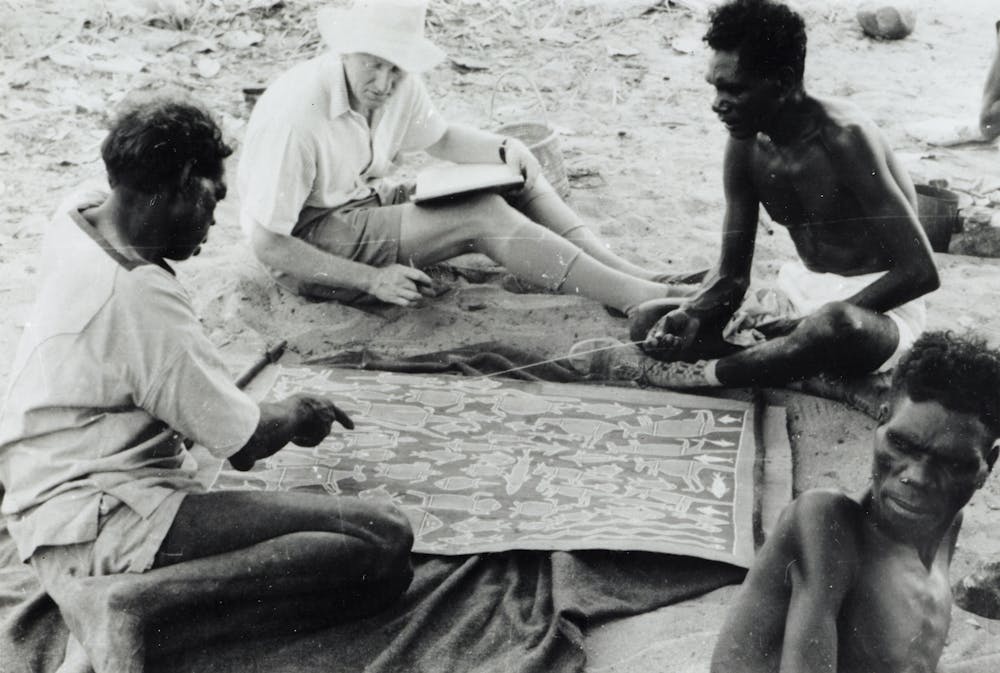
He was as tough on himself as he was on others. Tuckson was passionate about the collection of Aboriginal art, working closely with Yolngu and Tiwi people, respecting their knowledge. The Trustees did not share his enthusiasm. In 1973, the year Sydney’s Opera House was opened, the Gallery was given extra funding for an exhibition of Aboriginal art, which according to the Trustees’ minutes, was supposed to last three months.

Unknown photographer. Tony Tuckson getting the story of Mungarrawuy’s hunting painting with Wandjuk (right) translating 1959

A space was allocated to give it the appearance of permanence. Tuckson knew he was ill, but did not stop working on the exhibition. His face became so deeply etched with pain that, framed by his whitening hair, he began to look like one of the New Guinea masks that he had brought into the collection. Four weeks before he died, Tony Tuckson was diagnosed with cancer of the spine.

One of his last conscious acts was to give Margaret, his wife, folders with the caption information for the exhibition. The death of the curator was less important than the art. The exhibition of Aboriginal Art stayed on view for the next five years and was generally assumed to be permanent.

Tuckson did not talk about his art at the Gallery. After his first solo exhibition at Watters in 1970, the Trustees had bought one painting as a part of the practice of purchasing art made by staff members. But it remained in storage. In 1973 shortly before his second exhibition, I saw drawings on the floor of his office – stark lines on white paper, breathtaking in their simplicity.

Tony Tuckson,‘White lines (vertical) on. ultramarine’ [TP73] 1970–73, diptych: styrene-based house paint, polyvinyl acetate and pigments on hardboard 213.5 x 244.6 cm (overall) Art Gallery of New South Wales, Sydney, gift of Annette Dupree 1976 © The estate of the artist

He no longer had any curatorial responsibility for Australian art, so was free to show the artist he had become. Daniel Thomas, as senior curator, insisted that one of Tuckson’s large paintings be shown in Recent Australian Art, the survey of contemporary art that was on view at the gallery when Tuckson died. A memorial exhibition, curated by Thomas, aided and abetted by close colleagues, was held at the AGNSW in 1976.

Painting in private

Now, 45 years after his death, Denise Mimmocchi, a curator from a generation that has only ever known Tuckson as a major Australian artist, has created a generous but dispassionate examination of the pathways of his art. It all leads to abstraction.

Early studies in colour and thick line show his fascination with the paintings by Soulages and Hartung, shown in the 1953 travelling exhibition, French Art Today. Tuckson’s work at the gallery surrounded him with art, and he was active in installing travelling exhibitions as well as bureaucratic tasks.

In addition, the small library subscribed to major international art journals so that the small professional team of Hal Missingham, Tuckson and later Daniel Thomas, could keep abreast of events outside Australia. In 1958, the Seattle Art Museum initiated a travelling exhibition, 8 American Artists, which came to Sydney. This was Australia’s introduction to the Abstract Expressionist artist, Mark Tobey. While it is impossible to precisely date Tuckson’s work, the delicate, scribbly lines of some of his paintings made about 1960, appear to indicate an interest in Tobey’s use of paint.

Tony Tuckson. ‘White on black, with paper’ [TP87] 1970– 73 synthetic polymer paint and paper collage on hardboard 244 x 122 cm Art Gallery of Ballarat, purchased 1974 © The estate of the artist

In 1967-68 Tuckson visited the USA on a study tour, where he saw Abstract Expressionist paintings while researching possible directions for the new gallery building. But even more importantly, in 1967, New York’s Museum of Modern Art sent Two Decades of American Painting to Australia.

While it is most commonly remembered as Australia’s introduction to Andy Warhol and its impact on the next generation of colour field painters, Two Decades included paintings by Cy Twomby, Robert Motherwell and Barnett Newman – artists whose work is very much in sympathy with Tuckson.

Until 1962, Tuckson occasionally exhibited with local art societies, but then he stopped until 1970. While he made this decision because of a potential conflict of interest, it was also the case that the very conservative AGNSW Trustees would not have appreciated knowing that a very reliable staff member was one of Australia’s most radical artists.

By painting in private, Tuckson was freed from the opinion of others. He was able to experiment, to succeed or fail, taking only his own judgement into account.

The red, black and white series of the early to mid-1960s, are both passionate in their intensity and rigorous in their limited palette and control. Because he did not exhibit, and did not keep a detailed catalogue of his work, dating Tuckson’s output can be difficult – with the exception of one group of paintings.

Tony Tuckson. ‘Four uprights, red and black’, c1965 polyvinyl acetate and pigment on hardboard 122 x 183 cm Art Gallery of New South Wales, Sydney, gift of Frank Watters 2018, donated through the Australian Government’s Cultural Gifts Program © The estate of the artist

It is reasonable to assume that the works made on the pages of the Sydney Morning Herald’s classified advertisements were made within months of the paper being printed. His choice of medium was purely aesthetic, as fine type of the newspaper contrasts with the bold strokes and wild swirls of paint.

Shortly after his 1970 solo exhibition, Tuckson’s style changed, The drawn lines became longer and looser, the brush strokes larger and more painterly. Some of these great, achingly beautiful paintings comprise of a single, wandering line tracking meditatively down the surface, while others have the fierceness of a broad brush wielded across the picture plane.

It was as though, having at last come out publicly as an artist rather than as an administrator, Tony Tuckson gave himself permission to be wild and free, to become as one with the paint.

Tuckson: the abstract sublime is at the Arts Gallery of NSW until 17 Feb 2019.

ref. Passion and beauty: the paintings of Tony Tuckson – http://theconversation.com/passion-and-beauty-the-paintings-of-tony-tuckson-107591

Curious Kids: Why do people get cancer?

]]>

Source: The Conversation (Au and NZ) – By Darren Saunders, Associate professor, UNSW

This is an article from Curious Kids, a series for children. The Conversation is asking kids to send in questions they’d like an expert to answer. All questions are welcome – serious, weird or wacky! You might also like the podcast Imagine This, a co-production between ABC KIDS listen and The Conversation, based on Curious Kids.


Why do people get cancer? – Sascha, age 8, Hurstbridge, Victoria.


This is a really tough question, Sascha. Lots of very clever people are working hard to try to answer it. I have worked on this problem for many years, and to be honest it still blows my mind to really think about just how complex it is.

Before we talk about why we get cancer, it helps to understand how we get cancer.


Read more: Interactive body map: what really gives you cancer?


All living things are made of tiny building blocks called cells. In humans there are hundreds of different kinds of cells, all with special jobs to do. They build our various organs like our skin, brain and bones. Some cells (such as brain and bone) can live for many years, while others (like red blood cells) live only a few weeks.

A human body is made up of trillions of individual cells, many more than all the stars you can see in the night sky.

As we grow, our body needs to make new cells. And as cells get old or damaged, they die and need to be replaced. That helps to keep us healthy.

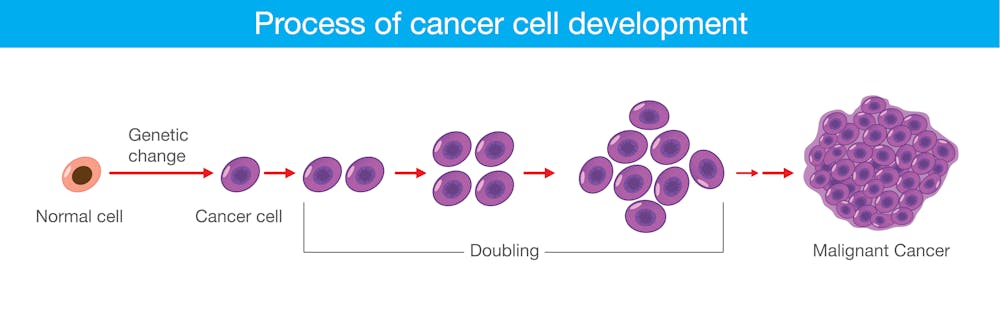
The simplest way to think of a cancer is that sometimes, one of those trillions of cells starts to grow out of control and refuses to die. This out-of-control cell then divides and makes millions of copies of itself. It can grow to form a tumour – or, in some cases such as leukaemia, spreads through our blood.

An out-of-control cell can divide and make millions of copies of itself, and can grow to form a tumour. Shutterstock

Cancer cells can also spread to other parts of our body where they would not normally be found. This can cause important organs to stop doing their job and make us very unwell, or die.

Copying the code – and making mistakes

The really incredible thing about cells is that they contain the instructions for making copies of themselves. These instructions are stored in a code called the genome, made of a quite beautiful chemical called DNA.

And if you took the DNA from all the cells in a human and lined it all up, it would stretch around the Moon and back six or seven times.

The alphabet cells use to write this DNA code is made of just four different chemical “letters”: A,C,T, and G. And the instructions in each cell are made of about 6 billion of these chemical letters, which need to be copied exactly every time a cell divides to make a copy of itself.

To help you understand this amazing feat of biology, imagine trying to copy the entire Harry Potter book series in handwriting a thousand times over. That’s what a cell needs to do every time it divides, and it’s happening millions of times every day in our bodies.

You can watch an animation of the incredible, tiny machine cells use to copy DNA here:

With all that DNA to copy, cells are bound to make the occasional spelling mistake – we call these mistakes “mutations”. Sometimes, those mutations change the meaning of a cell’s instruction book, causing it to grow out of control and form a tumour.

This is what we call cancer.

But why?

Now, back to the question of why we get cancer.

Different scientists are having a bit of an argument over this question, but it seems to come down to a combination of bad luck and various experiences you might have in life. Things like too much sunshine, certain chemicals (such as tobacco smoke), alcohol, some foods and even some viruses can increase our chances of getting mutations in our DNA.

Because those mutations in DNA take time to build up, cancer is most commonly seen in older adults. Children do sometimes get cancer but thankfully it is relatively rare. Usually, evolution would mean not many people would get such a horrible disease like cancer. But because most people get cancer after they have had kids, evolution is almost blind to cancer. People who might have a higher cancer risk because of their genes live long enough to pass those genes onto their kids.

You can reduce your chance of cancer by making healthy, sensible lifestyle decisions but it is not possible to completely prevent it. Unfortunately, as I said before, it’s at least partly down to bad luck.

Importantly, we can almost never say for sure why an individual person has cancer.


Read more: Curious Kids: Is there anything hotter than the Sun?


Hello, curious kids! Have you got a question you’d like an expert to answer? Ask an adult to send your question to us. They can:

* Email your question to curiouskids@theconversation.edu.au
* Tell us on Twitter

CC BY-ND

Please tell us your name, age and which city you live in. You can send an audio recording of your question too, if you want. Send as many questions as you like! We won’t be able to answer every question but we will do our best.

ref. Curious Kids: Why do people get cancer? – http://theconversation.com/curious-kids-why-do-people-get-cancer-106069

The foreign donations bill will soon be law – what will it do, and why is it needed?

]]>

Source: The Conversation (Au and NZ) – By Yee-Fui Ng, Senior Lecturer, Faculty of Law, Monash University

After months of protracted negotiations between the political parties, the foreign donations bill has passed both houses of parliament and is set to be signed into law by the governor-general.

The bill bans donations of more than A$100 from foreign governments and state-owned enterprises to all “political actors” – including parties, individual candidates and significant political campaigners.

The bill was passed in the house of representatives late yesterday. It was passed by the senate earlier this month.

Following amendments sought by Labor and the Greens, the disclosure threshold for donations will also be reduced from $13,000 to $1,000, adding to transparency.

Why ban foreign donations?

The rationale for banning foreign donations is to stop the threat of foreign interests undermining Australian democracy. The concern is that foreign entities could exercise an unduly large influence on our politicians through generous donations.


Read more: Banning foreign political donations won’t fix all that ails our system


With this change, Australia joins the two-thirds of countries internationally that ban foreign political donations, including comparable liberal democracies such as the UK, US and Canada. New Zealand caps them at NZ$1,500.

Banning foreign donations will certainly reduce the ability of foreign entities to influence Australian policy and decision-making. In turn, this will reduce both actual corruption and the perception of corruption in politics. Ultimately, this may improve public confidence in the Australian political system.

Why did it take so long?

There were a number of concerns about the bill as it was initially drafted.

As it was first conceived, in addition to banning donations from political parties and their associated entities, the bill banned foreign donations to third parties (such as GetUp! and other campaign groups). This was consistent with the recommendations of a Senate committee majority.

However, Labor and the Greens objected to extending the bill to campaign groups. The proposal also created an outcry from the charities sector, who called it a “charities gag bill” in disguise. They argued that such a ban would restrict their capacity to draw attention to their causes, and endanger robust public discourse by civil society.


Read more: Ban on foreign political donations is both too broad and too narrow, and won’t fix our system


The government backed down on this, and the bill as passed excludes general issue-based advocacy. This means that third-party campaigners such as charities will not be prevented from receiving foreign gifts. Charities won’t be prevented from using foreign donations to advocate for non-partisan issues, but they cannot use foreign money for political spending.

The government then sought to amend the bill to encroach on state donations laws by giving Commonwealth donors an immunity from state laws.

Former foreign minister and NSW premier Bob Carr was called a master sycophant of China in a recent Australian Financial Review article. Jeremy Ng/AAP

But the regulation of federal donations is far weaker than the laws in states like NSW and Victoria. The proposed amendment would have thus watered down the overall national regulation of political finance. Labor and the Greens objected to this proposal on that basis.

Following this, the bill was amended to clarify that where donations are ultimately spent on state campaigns, the state law would apply. This largely addresses the issue.

However, the Greens have expressed concern that, even with this amendment, it is still possible for a Queensland property developer to make a gift to a political party, provided it is not used for state electoral purposes, although this is normally banned in Queensland.

So, does the bill fix the system?

The Greens have argued, correctly, that there remain loopholes in the bill. Foreign companies will still be able to channel their donations through Australian subsidiaries.

The bill does not cover the two prominent Chinese donors who were central the foreign donations debate: Chau Chak Wing and Huang Xiangmo. Chau is an Australian citizen, while Huang is an Australian permanent resident. Thus, one donor is legally an Australian and therefore not a foreigner, while the other is a long-term Australian resident who is legally allowed to remain in Australia permanently.

This is not a loophole in the bill – simply a reflection that the foreign donations debate was disproportionately focused on these individuals in the first place.

Chau Chak Wing photographed in June during defamation proceedings he ulimately won. Fairfax is appealing against the ruling. Chris Pavlich

More significantly, this bill is the tip of the iceberg. In the past seven years, foreign donations have only amounted to between 0.03% and 6.13% of all donations. This means that many Australian individuals and businesses can still exploit the opportunity to influence government decision-making by donating large sums of money.

The Grattan Institute has shown that highly regulated industries such as property development, transport and mining that benefit greatly from favourable government decisions donate disproportionately large sums compared to other industries. Their data also show that those who donate have a greater access to politicians and are more successful in securing meetings with ministers. This suggests that it is possible to “buy” political access, if not influence.

As noted above, the Commonwealth’s regulation of political donations remains weak compared to states such as NSW and Victoria.

Federal opposition leader Bill Shorten holds a picture of then foreign minister Julie Bishop with major donor Huang Xiangmo in June 2017. Mike Tsikas/AAP

New South Wales has caps on political donations of $5,800 per party and $2,500 for candidates. The state also bans donations from property developers and those in the tobacco, liquor and gambling industries.

Victoria has just banned foreign donations and implemented a cap on donations by individuals, unions and corporations of $4,000 over a four-year parliamentary term.

Caps on donations are commendable as they promote political equality. Such caps prevent rich donors from exerting a disproportionate level of influence through extravagantly large donations. It is thus unfortunate that the Greens’ proposal to cap donations at the federal level to $1,000 annually was voted down.

In short, the foreign donations bill is but a small first step towards a comprehensive reform of our system of political finance. It is time to regulate all donations that might corrupt our political system, not just foreign ones.

ref. The foreign donations bill will soon be law – what will it do, and why is it needed? – http://theconversation.com/the-foreign-donations-bill-will-soon-be-law-what-will-it-do-and-why-is-it-needed-107095

André Rieu gives his audience exactly what they want: entertainment

]]>

Source: The Conversation (Au and NZ) – By David Larkin, Senior Lecturer in Musicology, University of Sydney

Review: André Rieu, Sydney


The phenomenon that is André Rieu was in Sydney last week, an event which gave rise to strong feelings pro and contra. Among musicians, his slick entertainments are at best grudgingly recognised as savvy market-orientated products, at worst despised as shameless pandering to a low common denominator.

Among the general public, his name-recognition is sufficiently high to pack out the 8,000-seater hall at the International Convention Centre for two consecutive nights. There was an atmosphere of palpable pleasure on Wednesday evening as the crowd laughed and applauded for over two and a half hours.

Are these two views at all reconcilable? As a classical-music reviewer who only knew of Rieu as the butt of snooty dismissals, I thought it worth seeing for myself what all the fuss was about.

For the benefit of anyone who has lived under a rock in recent decades, Rieu is a Dutch violinist who founded the Johann Strauss Orchestra 31 years ago (as he mentioned several times during the concert). This group has produced a vast discography of audio and video recordings and regularly tours the world, with both concerts and recordings meeting with enormous commercial success.

One could not ignore the intense marketing both before and during the event. His website does not merely offer tickets and DVDs, it sells entire tour-packages, and a similar range of products was advertised on the screens in the interval. Outside in the foyer, sales of recordings were doing brisk business before the event, and there were several patrons in the hall sporting “André Rieu” scarves and other memorabilia. For some, Rieu is not just for an evening: he is for life, or until the scarf shrinks in the wash.

Rieu is a violinist who founded the Johann Strauss Orchestra. Andre Rieu Productions

The polarity of opinions about Rieu is not in itself surprising: the idea of “classical” music (itself a 19th-century invention) carries with it the notions of timeless merit and elevated artistic achievement. To this is opposed the category of the “popular”, with its implications of widespread but possibly more ephemeral appeal.

Classical musicians from Liberace to Vanessa Mae who cross this boundary risk their reputations as serious musicians. A rare instance of someone whose reputation survived was Placido Domingo, a bona fide opera star before and after becoming a world-wide sensation as part of the original Three Tenors.

But like many binaries, this classical/popular distinction is in reality very porous. Certain classical works or excerpts have become enormously popular, and favourites such as Handel’s Hallelujah chorus, Orff’s O fortuna from Carmina Burana, and Verdi’s drinking song Libiamo from La Traviata all featured on Wednesday’s program. Each was arranged to suit the forces available – three solo tenors, up to five solo sopranos and a backing female chorus.

The absence of basses in these choral numbers might have been queried by purists; the presence of the Fazioli grand piano and tuba in the Hallelujah chorus would have had rendered them apoplectic (not that a purist would have ventured within a mile of the gig anyway).

The rest of the program included a mixture of light classics, pop arrangements, folk tunes and Christmas-themed numbers. The Johann Strausses, father and son, were represented by the Radetzky March and the Blue Danube Waltz respectively. A second Hallelujah (Cohen) and Little Richard’s Tutti frutti softened the classical focus, while the likes of Anderson’s Sleigh Ride and O Holy Night provided the aural counterpart to the snowy fir trees and tinsel-decorated music stands. As is apparently typical, one song was included as tribute to the land in which they were performing, in this case the anthemic I am Australian by The Seekers.

Rieu’s concerts are always accompanied by spectacle.

More than music

At Rieu’s gigs, it’s clearly about more than the music. The visual plays an important element, from the sight of Rieu and his musicians prancing through the crowd and up on to the stage at the start, to the costumes and the vast screen behind the orchestra displaying imagery appropriate to each song. At the start of the second half, the women of the orchestra temporarily exchanged their prismatic ball-gowns for Dutch costumes and performed a clog dance.

For White Christmas, fake snow fell on to some of those sitting in rows near the stage. And always the immaculately coiffed Dutchman with his antique shirt-front took centre stage, charming the crowd with his accented English as he introduced the next piece or provided his reflections on world peace and what he would do were he prime minister of Australia, neither of which have lingered in the memory.

One constantly finds references in publicity material to Rieu “playing his world-famous Stradivarius violin”. Consequently, I was expecting to hear a few solo numbers such as he has recorded in the past. In fact, whenever he played on Wednesday, he merely doubled the orchestral violins. More often, instrument and bow were tucked in his left hand as he conducted his band.

My sharp-eyed concert companion spotted that, alone among the orchestra, his instrument didn’t have a pick-up mic, leading one to wonder whether he would be at all audible beyond the front rows. Clearly it does not matter to his public that they get to see Rieu the impresario rather than the virtuoso. His general charisma and not his playing seems to be what counts. The choreography reinforces the maestro myth, with all the sopranos curtseying to him after acknowledging the audience.

One could not fault the professionalism of the orchestra, who had clearly played the program so many times that they barely needed to look at the scores. What was more surprising is how few of them seemed jaded or cynical. Perhaps it’s not a bad gig: rumour has it that it’s certainly a well-paid one.

One gets to play before adoring crowds all over the world, giving pleasure to millions. The polite applause of the typical concert-hall audience must seem tepid when you’ve seen couples waltz to your music and crowds scramble for Polaroid photos of Rieu.

Andre Rieu Productions

At times, one encounters the argument that Rieu and other crossover acts can act as a gateway for people to get into classical music. While this may have happened in individual cases, I doubt whether even a sizeable minority of his listeners would be incentivised by what he offers into making a deeper dive into this world.

The experience of attending a symphonic concert or a full opera is, to begin with, a relatively demanding one: not every part will instantly appeal, and one has often to work to understand what makes Beethoven’s Eroica Symphony hang together, or why Wagner’s Tristan and Isolde sing at each other for such an inordinate length.

Excerpts and short numbers, the sort of thing Rieu exclusively provides, don’t make any comparable demands. In fact, since he stuck mostly to extremely well-known music, there wasn’t even the challenge of the unknown-but-accessible, let alone the difficult. As such, what he offers is easy entertainment.

This is not to be despised in itself; indeed, entertainment should always be a facet of classical music-making (though devotees of new music might well disagree). However, by sparing us the need to make any real effort, Rieu does not open the doorway to what I would argue is the deeper pleasure that comes after engaging mind as well as body and senses.

Dessert and bonbons are all very well, but I hungered for something a bit more nourishing. Clearly, though, in this crowd I was in a tiny minority: the world-conquering showman gave his listeners exactly what they wanted and was cheered and encored to the rafters.

ref. André Rieu gives his audience exactly what they want: entertainment – http://theconversation.com/andre-rieu-gives-his-audience-exactly-what-they-want-entertainment-107694

Tassie devils’ decline has left a feast of carrion for feral cats

]]>

Source: The Conversation (Au and NZ) – By Calum Cunningham, PhD candidate, University of Tasmania, University of Tasmania

The decline of Tasmanian devils is having an unusual knock-on effect: animal carcasses would once have been gobbled up in short order by devils are now taking many days longer to disappear.

We made the discovery, published today in the journal Proceedings of the Royal Society B, by placing carcasses in a range of locations and watching what happened. We found that reduced scavenging by devils results in extra food for less efficient scavengers, such as feral cats.

Tasmanian devils have struggled for two decades against a typically fatal transmissible cancer, called devil facial tumour disease. The disease has caused devil populations to plummet by about 80% on average, and by up to 95% in some areas.

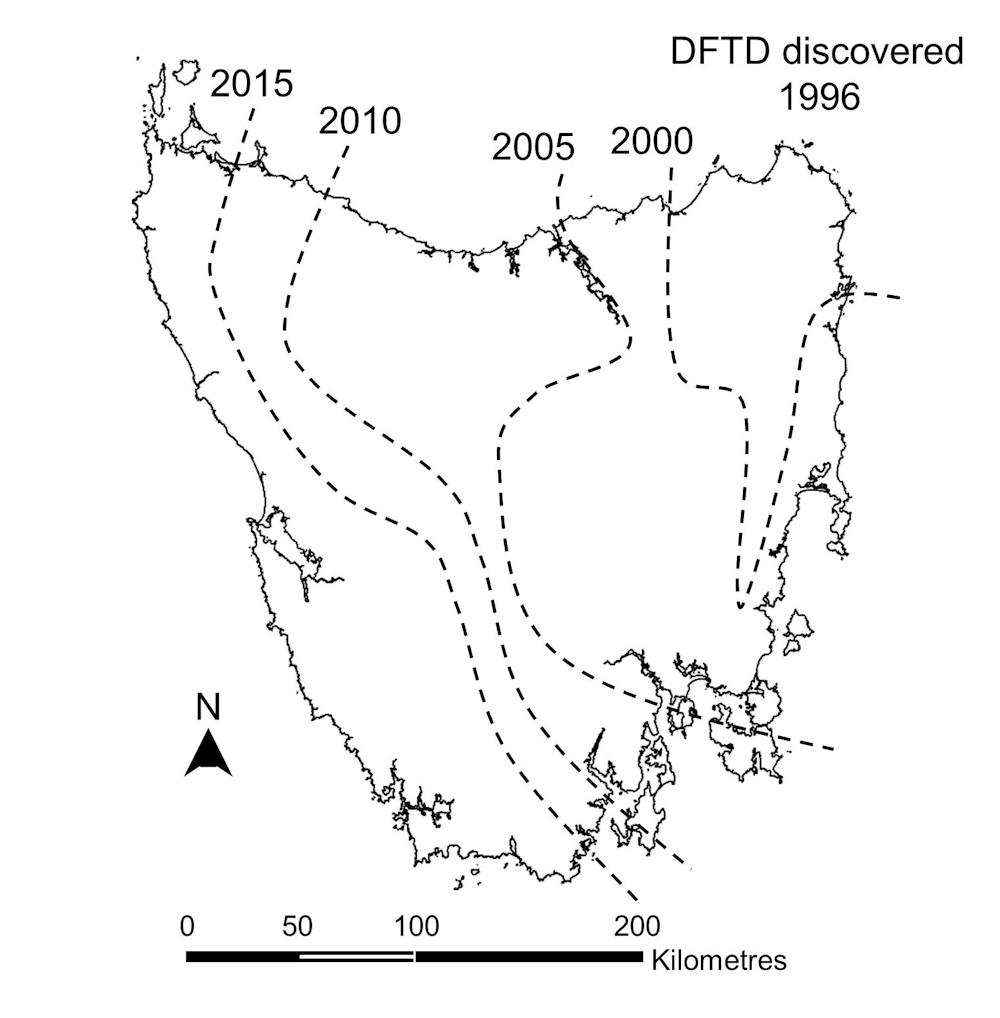
DFTD has spread across most of Tasmania over a 20-year period. Dashed lines show the estimated disease front. Calum Cunningham/Menna Jones

Scavengers are carnivores that feed on dead animals (carrion). Almost all carnivores scavenge to a greater or lesser degree, but the devil is Tasmania’s dominant scavenger. Since the extinction of the Tasmanian tiger, it is also the island’s top predator.

A scavenging experiment

In our study, we put out carcasses of the Tasmanian pademelon (a small wallaby weighing roughly 5kg) in a variety of places, ranging from disease-free areas with large devil populations, to long-diseased areas where devil numbers are very low. We then used motion-sensor cameras to record all scavenger species that fed on the carcasses.

The Carnivores of Tasmania: a Scavenging Experiment.

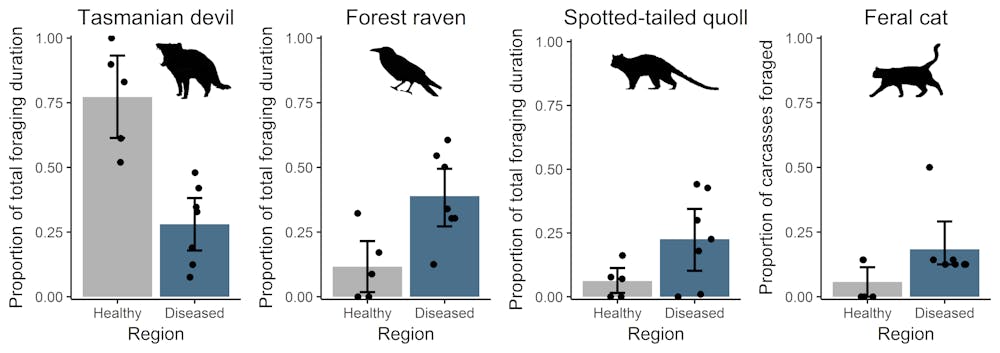
Unsurprisingly, much less carrion was consumed by devils in areas where devil populations have declined. This has increased the availability of carrion for other species, such as the invasive feral cat, spotted-tailed quoll, and forest raven. All of these species significantly increased their scavenging in places with fewer devils.

Consumption of experimentally placed carcasses. Proceedings of the Royal Society B

The responses of native scavengers (quolls and ravens) were subtly different to those of feral cats. The amount of feeding by quolls and ravens depended simply on how much of each carcass had already been consumed by devils. Ravens and quolls are smaller and less efficient than devils at consuming carcasses, so they get the chance to feed only when devils have not already monopolised a carcass.


Read more: Tasmanian devils reared in captivity show they can thrive in the wild


In contrast, feral cats tended to scavenge only at sites where devils were at very low abundance. This suggests that healthy devil populations create a “landscape of fear” that causes cats to avoid carcasses altogether in areas where they are likely to encounter a devil. It seems that the life of a feral cat is now less scary in the absence of devils.

Predator prevalence

By looking at 20 years of bird surveys from BirdLife Australia, we also found that the odds of encountering a raven in Tasmania have more than doubled from 1998 to 2017. However, we were unable to directly link this with devil declines. It is likely the raven population is growing in response to a range of factors that includes land-use change and agricultural intensification, as well as reduced competition with devils.

Other studies have shown that cats have also become more abundant in areas where devils have declined. This highlights the potential for devils to act as a natural biological control on cats. Cats are a major threat to small native animals and are implicated in most Australian mammal extinctions.

Carcass concerns

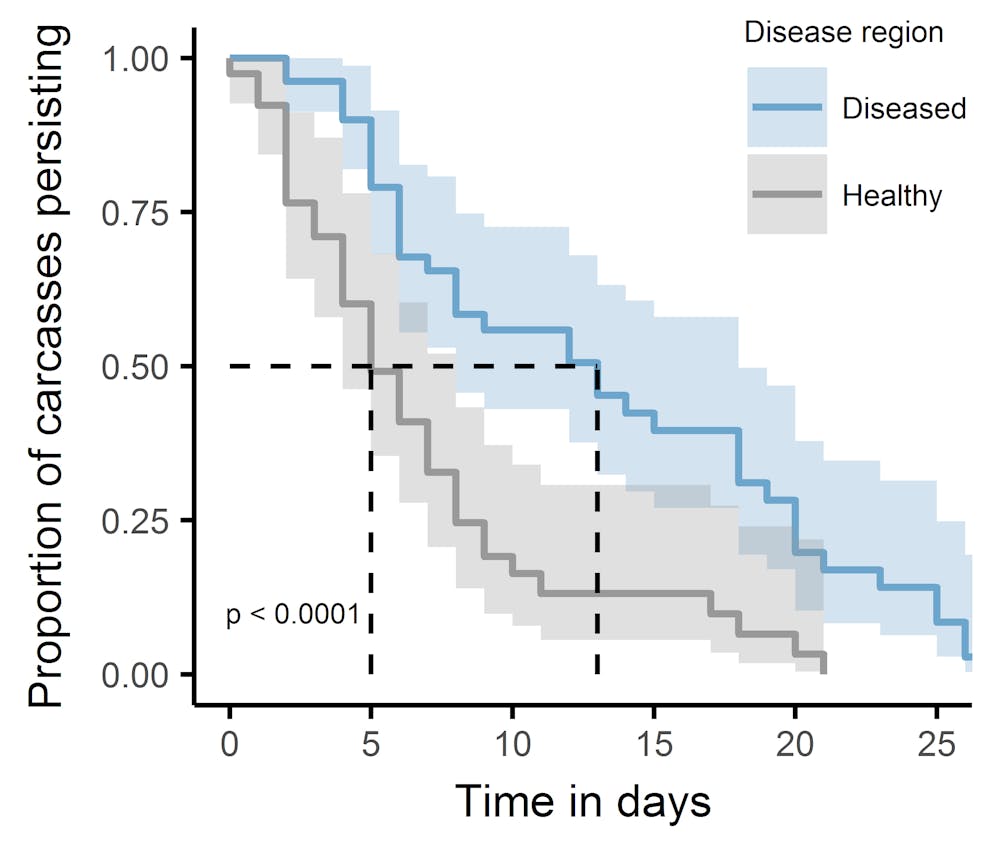
Although smaller scavengers consumed more carrion as devils declined, they were unable to consume them as rapidly as devils. This has resulted in the accumulation of carcasses that would previously have been quickly and completely eaten by devils.

In places with plenty of devils, carcasses were completely eaten within an average of five days, compared with 13 days in places where devil facial tumour disease is rife. That means carcasses last much longer where devils are rare.

DFTD has spread across most of Tasmania over a 20-year period. Dashed lines show the estimated disease front. Calum Cunningham/Menna Jones

Around 2 million medium-sized animals are killed by vehicles or culled in Tasmania each year, and most are simply left to decompose where they fall. With devils consuming much less carrion, it is likely that carcasses are accumulating across Tasmania. It is unclear how much of a disease risk they pose to wildlife and livestock.

Conserving carnivores

Large carnivores are declining throughout the world, with knock-on effects such as increasing abundance of smaller predators. In recent years, some large carnivores have begun returning to their former ranges, bringing hope that their lost ecological roles may be restored.

Carnivores are declining for many reasons, but an underlying cause is that humans do not necessarily appreciate their pivotal role in the health of entire ecosystems. One way to change this is to recognise the beneficial services they provide.


Read more: Tasmanian devils are evolving rapidly to fight their deadly cancer


Our research highlights one of these benefits. It supports arguments that we should help the devil population recover, not just for their own sake but for other species too, including those threatened by feral cats.

The devil seems to be solving the disease problem itself, rapidly evolving resistance to facial tumours. Any management plan will need to help this process, and not hinder it. Potentially, returning devils to mainland Australia could provide similar benefit to wildlife threatened by feral predators.

ref. Tassie devils’ decline has left a feast of carrion for feral cats – http://theconversation.com/tassie-devils-decline-has-left-a-feast-of-carrion-for-feral-cats-106859

Stop harassing Rappler, media advocacy groups tell Duterte

]]>
Two global media freedom advocacy groups accuse the Philippine government of trying to “silence” Rappler and its journalists. Image: Rappler

Pacific Media Watch Newsdesk

Reporters Without Borders (RSF) and the Committee to Protect Journalists (CPJ) have written a joint open letter to the prosecutor-general of the Philippines calling for an end to the orchestrated harassment of the news website Rappler and its editor, Maria Ressa, which began more than a year ago.

The website, which has more than 3.7 million followers on Facebook alone, has been under constant bureaucratic and legal attack by the government of President Rodrigo Duterte.

The Department of Justice earlier this month said that it planned to file unspecified tax evasion charges against Rappler and the website’s founder and executive editor, award-winning Maria Ressa.

READ MORE: The Rappler story: Journalism with an impact

The two media freedom advocacy groups said the government was trying to “silence” the website and its journalists.

Later it filed on November 9 a criminal case against two Rappler executives for allegedly avoiding paying  133.8 million pesos ($9.6 million) in tax.

-Partners-

“We urge you to cease this campaign of intimidation and harassment against Rappler, both for the sake of respecting press freedom and for your government’s international credibility,” said Christophe Deloire, secretary-general of the Paris-based Reporters Without Borders and Joel Simon, executive director of the New York-based Committee to Protect Journalists in the joint open letter.

Rappler publisher Maria Ressa could face up to 10 years in prison for tax evasion. Noel Celis /RSF/AFP

‘Fearless reporting’
Rappler had said after the tax evasion charges were first reported that: “We are not at all surprised by the decision, considering how the Duterte administration has been treating Rappler for its independent and fearless reporting.

“We maintain that this is a clear form of continuing intimidation and harassment against us, and an attempt to silence journalists.”

The website said there was no legal basis for the action. The open letter said:

Mr Richard Anthony Fadullon
Prosecutor-General
Department of Justice
Ermita, Manila 1000
Republic of the Philippines
Via email: communications@doj.gov.ph

Dear Prosecutor General Fadullon,

We at the Committee to Protect Journalists and Reporters without Borders, two independent non-profit press freedom organisations, ask that you and your office end the politicised persecution of Philippine news site Rappler.

The Department of Justice earlier this month said that it planned to file tax evasion charges against Rappler and the website’s founder and executive editor, Maria Ressa. The charges relate to a company bond sale in 2015 that, according to reports, resulted in 162.5 million pesos (euros 2,7 million) in financial gains. The Justice Department’s statement did not indicate how much Rappler and Ressa allegedly owed in taxes.

Ressa has denied the allegation and said that Rappler is compliant with all Philippine tax laws, including the transaction in question. She said she believes the legal threat is an attempt to silence her news outlet’s critical reporting on President Rodrigo Duterte’s government. CPJ and RSF have documented in the past year how authorities have retaliated against Rappler’s coverage, including by banning its reporters from the presidential palace and referring to the site as “fake news” and “biased.”

The Department of Justice’s announcement that it will seek to file tax evasion charges is strikingly and worryingly similar to previous legal harassment of Rappler. The news site is still fighting a Securities and Exchange Commission (SEC) order to revoke its registration. The Court of Appeals ruled in July that the SEC had erred in its move to revoke Rappler’s certificate of incorporation, but the outlet’s motion to fully annul the order is still pending.

We view the tax evasion charges, which carry potential 10-year prison penalties under local law, as a clear and present threat to press freedom. As Ressa has pointed out, the charges could potentially threaten foreign investors who use similar mechanisms, and could thus damage the Philippine economy

We urge you to cease this campaign of intimidation and harassment against Rappler, both for the sake of respecting press freedom and for your government’s international credibility.

Sincerely,
Joel Simon
Executive Director
Committee to Protect Journalists

Christophe Deloire
Secretary-General
Reporters Without Borders

Print Friendly, PDF & Email

Article by AsiaPacificReport.nz

What are tech companies doing about ethical use of data? Not much

]]>

Source: The Conversation (Au and NZ) – By James Arvanitakis, Professor in Cultural and Social Analysis, Western Sydney University

Our relationship with tech companies has changed significantly over the past 18 months. Ongoing data breaches, and the revelations surrounding the Cambridge Analytica scandal, have raised concerns about who owns our data, and how it is being used and shared.

Tech companies have vowed to do better. Following his grilling by both the US Congress and the EU Parliament, Facebook CEO, Mark Zuckerberg, said Facebook will change the way it shares data with third party suppliers. There is some evidence that this is occurring, particularly with advertisers.

But have tech companies really changed their ways? After all, data is now a primary asset in the modern economy.

To find whether there’s been a significant realignment between community expectations and corporate behaviour, we analysed the data ethics principles and initiatives that various global organisations have committed since the various scandals broke.

What we found is concerning. Some of the largest organisations have not demonstrably altered practices, instead signing up to ethics initiatives that are neither enforced nor enforceable.


Read more: Big Data is useful, but we need to protect your privacy too


How we tracked this information

Before discussing our findings, some points of clarification.

Firstly, the issues of data, artificial intelligence (AI), machine learning and algorithms are difficult to draw apart, and their scope is contested. In fact, for most of these organisations, the concepts are lumped together, while for researchers and policy makers they present distinctly different challenges.

For example, machine learning, while a branch of AI, is about building machines to learn on their own without supervision. As such, policy makers must ensure that the machine learning algorithms are free from bias and take into consideration various social and economic issues, rather than treating everyone the same.

Secondly, the policies, statements and guidelines of the companies we looked at are not centrally located, consistently presented or simple to decipher.

Accounting for the lack of consistent approach to data ethics taken by technology companies, our method was to survey visible steps undertaken, and to look at the broad ethical principles embraced.

Five broad categories of data ethics

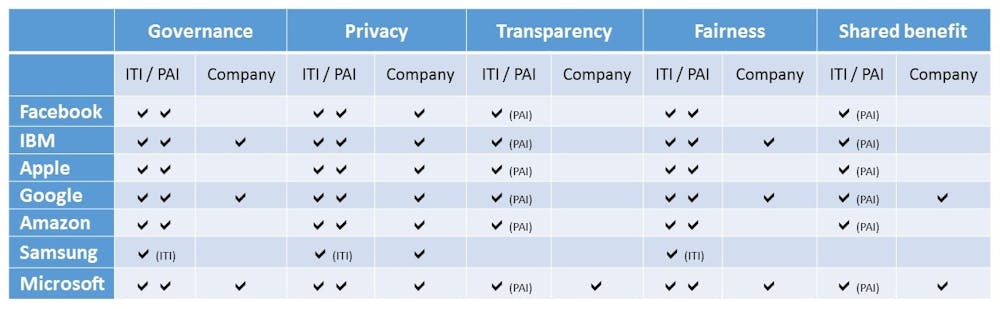
Some companies, such as Microsoft, IBM, and Google, have published their own AI ethical principles.

More companies, including Facebook and Amazon, have opted to keep an arm’s length approach to ethics by joining consortiums, such as Partnership on AI (PAI) and the Information and Technology Industry Council (ITI). These two consortiums have published statements containing ethical principles. The principles are voluntary, and have no reporting requirements, objective standards or oversight.


Read more: Big Data is useful, but we need to protect your privacy too


We examined the content of the published ethical guidelines of these companies and consortiums, and found the principles fell into five broad categories.

  1. Privacy: privacy is widely acknowledged as an area of importance, highlighting that the focus for most of these organisations is a traditional consumer/supplier relationship. That is, the data provided by the consumers is now owned by the company, who will use this data, but respect confidentiality

  2. governance: these principles are about accountability in data management, ensuring quality and accuracy of data, and the ethical application of algorithms. The focus here is on the internal processes that should be followed

  3. fairness: fairness means using data and algorithms in a way that respects the person behind the data. That means taking safety into consideration, and recognising the impact the use of data can have on people’s lives. This includes a recognition of how algorithms relying on historical data or flawed programming can discriminate against marginalised communities

  4. shared benefit: this refers to the idea that data is owned by those that produce it and, as such, there should be joint control of the data, as well as shared benefits. We noted a lack of consensus or intention to adhere to this category

  5. transparency: it is here that a more nuanced understanding of data ownership begins to emerge. Transparency essentially refers to being open about the way data is collected and used, as well as eschewing unnecessary data collection. Given the commercial imperative of companies to protect confidential research and development, it’s not surprising this principle is only acknowledged by a handful of players.

Initiatives big tech companies have signed up to in particular categories of data ethics. Author provided

Fairness and transparency is important

Our research suggests conversations about data ethics are largely focused on privacy and governance. But these principles are the minimum expected in a legal framework. If anything, the scandals of the past have shown us this is not enough.

Facebook is notable as company keeping an arm’s length approach to ethics. It’s a member of Partnership on AI and Information and Technology Industry Council, but has eschewed publication of its own data ethics principles. And while there have been rumblings about a so-called “Fairness Flow” machine learning bias detector, and rumours of an ethics team at Facebook, details for either of these developments are sketchy.

Meanwhile, the extent to which Partnership on AI and Information and Technology Industry Council influence the behaviour of member companies is highly questionable. The Partnership on AI, which has more than 70 members, was formed in 2016, but it has yet to demonstrate any tangible outcomes beyond the publication of key tenets.


Read more: We need to talk about the data we give freely of ourselves online and why it’s useful


Better regulation is required

For tech companies, there may be a trade-off between treating data ethically and how much money they can make from that data. There is also a lack of consensus between companies about what the correct ethical approach looks like. So, in order to protect the public, external guidance and oversight is needed.

Unfortunately, the government has currently kept its focus in the new Australian Government Data Sharing and Release Legislation on privacy – a principle that’s covered in legislation elsewhere.

The data related events of the last few years have confirmed we need a greater focus on data as a citizen right, not just a consumer right. As such, we need greater focus on fairness, transparency and shared benefit – all areas which are currently being neglected by companies and government alike.


The author would like to acknowledge the significant contribution made to this article by Laura Hill, a student in the Western Sydney University Bachelor of Law graduate entry program.

ref. What are tech companies doing about ethical use of data? Not much – http://theconversation.com/what-are-tech-companies-doing-about-ethical-use-of-data-not-much-104845

Twelve charts on race and racism in Australia

]]>

Source: The Conversation (Au and NZ) – By Emil Jeyaratnam, Data + Interactives Editor, The Conversation

Australia’s population is growing fast, ticking over 25 million in August 2018. And as the population increases, it is also becoming more diverse.

At the time of the 2016 Census, Australia’s population comprised people from more than 250 countries and 300 different ancestries. Almost half the population were either first- or second-generation Australian, and more than 300 different languages were spoken in homes.


But we are still predominantly an Anglo society, reflected in the number of people who identity as English, Scottish or Irish. Collectively, Anglo ancestries made up more than 50% of the population (excluding people who identified as Australian).

Not surprisingly, the majority of the population are born here — about two out of three people (or about 67%) were born in Australia.


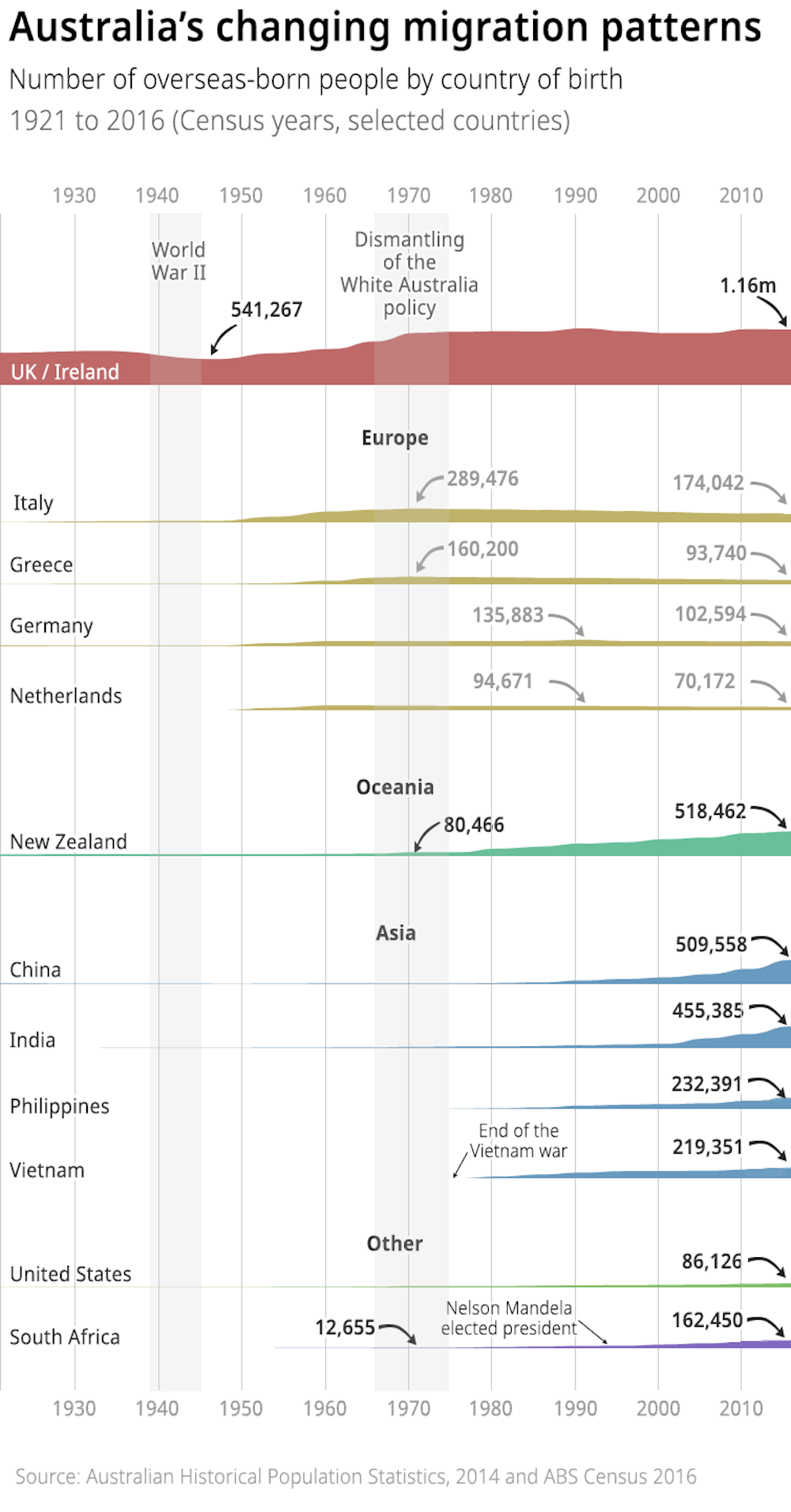
But this is changing. The number of overseas-born residents has steadily increased since the second world war.


The number of Aboriginal and Torres Strait Islander people has also increased in recent years, with 2.8% of the population identifying as Indigenous in 2016.


Prior to the war, the Immigration Restriction Act of 1901, commonly referred to as the White Australia policy, resulted in a rapid decrease in the proportion of overseas-born residents, from almost 30% in 1894 to around 17% in 1911, reaching a low of 9.8% in 1947.


Read more: Australian politics explainer: the White Australia policy


After the second world war, the then immigration minister, Arthur Calwell, relaxed the policy to allow refugees from Europe to settle in Australia. The White Australia policy was completely removed by the mid-1970s.


People from the United Kingdom continue to be the largest migrant group – more than 1 million people living in Australia were born in the UK. But the proportion of UK-born residents has decreased significantly, from about 12% of Australia’s population in 1921 to just under 5% in 2016.

Of the overseas-born population, nearly one in five (18%) people arrived since the start of 2012.

And nearly as many people had at least one parent born overseas (45%) as had both parents born in Australia (47%).


Though we tend of think of Australia as being multicultural, we actually rank relatively low in terms of diversity. But the above charts show that this is changing. And Australians generally seem to support diversity.

A survey done by the Challenging Racism Project (Western Sydney University) found that 80% of survey respondents felt positive about cultural diversity.


The report also found that people’s views about different cultures and ethnic groups are complex, and sometimes contradictory.

Despite the positive views about diversity, people were not as supportive of non-discriminatory immigration policies, with only about 53% supporting that view and 23% opposed.


Almost 50% of Australians thought that overseas arrivals should assimilate into Australian culture.


Most troublingly, the report found that 32% of survey respondents have “negative” feelings towards Muslim Australians, and 22% said they have “negative” feelings towards Australians of Middle-Eastern heritage.


The Australian Human Rights Commission received 409 complaints under the Racial Discrimination Act in 2016-17.

About 40% of these complaints were made by someone born outside Australia. And of those made by Australian-born complainants, about 25% were made by Indigenous Australians.

The grounds for the complaints are shown below, listed by the number of complaints:


But modern Australia’s most strained relationship is its oldest. Aboriginal and Torres Trait Islander people have suffered greatly under European rule. On many measures, Indigenous Australians are still worse off than the non-Indigenous population.

For example, life expectancy is about ten years lower, unemployment is higher, and Indigenous students are considerably behind their non-Indigenous peers.

And 27 years since the end of the Royal Commission into Aboriginal deaths in Custody, more than 400 Aboriginal and Torres Trait Islander people have died in custody, and Indigenous Australians are still massively over-representated in our prison system.


The over-representation of Indigenous people in the justice system is not confined to adults. Unfortunately, Aboriginal or Torres Strait Islander people are also over-represented in the juvenile justice system.

About 53% of all young people in detention in 2017 were Indigenous (on an average night during the June quarter). Indigenous young people aged 10–17 were 24 times as likely as non-Indigenous young people to be in juvenile detention on an average night.

ref. Twelve charts on race and racism in Australia – http://theconversation.com/twelve-charts-on-race-and-racism-in-australia-105961

Why racism is so hard to define and even harder to understand

]]>

Source: The Conversation (Au and NZ) – By Alana Lentin, Associate Professor in Cultural and Social Analysis, Western Sydney University

Today, what can be defined as racism and what cannot has become a matter for debate. Every racist caught in the act, whether it be wrongly accusing a black child of sexual assault or running over and killing a mosque-goer, claims not to be racist.

Eric Kaufmann, a prominent professor at a London university, has claimed that “racial self-interest is not racism”. He is joined by others who see talking about race as “unhelpful”, be that from a left-wing perspective that privileges class, or from a conservative one that ridicules “identity politics”.

Black people, Indigenous people, people of colour, Muslims and Jews regularly report being lectured to on racism – and what constitutes racism – by people who have never experienced it.

How did we get here?

As Cheryl Harris explained in her landmark 1993 article, “Whiteness as Property”, white people in settler colonial countries such as the US and Australia have benefited directly from being white. This has endowed them with the birthright of neither being owned (as in the case of enslaved people) nor “in the way” (as in the case of Indigenous peoples whose lands were coveted).

Many denials of racism come from feelings of discomfort over this fact, a state referred to as “white fragility”. When attention is drawn to white people’s racial privilege, or the assumptions and structures that prop up racist beliefs are challenged, white people tend to respond with anger and a refusal to engage in the discussion.


Read more: Explainer: what is casual racism?


LeRon Barton has written that viral videos of police shootings of black people are the “new lynching postcard” – a reference to postcards that were handed out to white people who attended a lynching – and that white people in the US choose not to know the depth of America’s problem of institutionalised racist violence.

Likewise, many Australians are only now becoming aware of the plight of detainees in Australia’s offshore detention camps, after more than five years.

Not seeing racism is integral to what the philosopher Charles Mills has called “white ignorance.” This is not real ignorance, but a wilful one that allows those unaffected by racism to maintain their “innocence” and ultimately protects their privilege, as the academic Gloria Wekker has powerfully argued.

Cheryl Harris discusses the underlying causes of racial disadvantage in America.

This refusal to acknowledge or engage in discussions about racism creates a dangerous situation of racial illiteracy. Not only does it mean that racialised people are expected to bear the belittling of their experiences, but ultimately that we are all worse off in the face of open white supremacy in Australia and across the Global North.

Neither our schooling nor our media equip us to understand what race and racism are. We have only been told that racism is wrong. And when people feel accused of wrongdoing, they go into denial mode.

But this is unproductive. We need to move away from a moral understanding of racism, which sees it as a problem of “bad” individuals, and towards a systemic one, which grounds our understanding in the history of European colonialism. And to do that, we need to examine what race is.

Or rather, what race does.

So what does race do?

Charles Mills describes how race continues to exist today in a social-political context.

As the late academic Jose Munoz argues, because it is impossible to adequately theorise race as any one thing, we are better served by looking at what race does. What functions does race perform? How does it continue to reproduce the idea of a natural social hierarchy?

The main problem we face in understanding race is the fixation on the biological. In fact, as Stuart Hall explains, race – a modern phenomenon that developed within the context of European colonial domination – unfurls in three stages: the religious, the cultural and the biological.

Ideas of inherent racial difference between human beings took shape during the Spanish inquisition when the notion of limpieza de sangre (purity of blood) was used to justify the mass expulsion or forced conversion of Jews and Muslims to Catholicism.

This idea then influenced Spanish invaders’ attitudes to the Indigenous peoples of the Americas, whose very humanity they questioned on the basis of their different spiritual beliefs.

It was mainly religious men such as Sepulveda and De Las Casas who were concerned with the question of Indigenous peoples’ humanity. However, race became tethered to culture in the context of European anti-Semitism in the 19th and 20th centuries and the “civilising mission” enacted by colonisers to bring “progress” to Indigenous peoples in Africa, the Americas and Asia.

The biological understanding of race, or the idea that, as Hall puts it, a people’s intellectual abilities, character or temperament is linked to their “genetic code”, came last.

The inference of race in human biology solidified the taxonomical systems devised and used by European anthropologists since the early 18th century. If race was indeed written into the body, the organisation of the world’s people, which previously had used geography as its primary means of hierarchical demarcation, could no longer be denied.

This idea enabled such policies as the forced assimilation of Aboriginal peoples through “breeding” and sterilisation – practices that, as Dorothy Roberts notes, are still used in the US against poor black, Latina and First Nations women.


Read more: How do you talk to kids about racism?


In contemporary times, the focus has turned to debunking the idea of race as a biological category. However, this narrow focus has led us to ignore the myriad other ways race takes effect.

It is important to note that biological ideas of race continue to frame the work of many geneticists and medical practitioners, and that assumptions of links between intelligence and race have not faded away and have an impact on policy-making. However, we do not need to believe in biological differences between human groups for race to still have an impact.

Indeed, the notion that race is purely about biology is at the core of the strident claim that Islamophobia cannot be racism because, as it is said, “Islam is not a race”.

At the same time, commentators such as the British journalist David Aaronovitch, have claimed that anti-Semitism is racism because Jews can be qualified as a racial group. This demonstrates the confusion and ideological grandstanding at play when discussing race.

In fact, though distinct, anti-Semitism and Islamophobia take very similar forms. Each is based on associating all members of the religion and often the religion itself with negative assumptions about the degree of control they have in society. Clearly, then, both are forms of racism.

What does this mean for racism?

Race is not singular. Rather, it weaves together ideas from biology, culture, nationalism and religion to make inferences about whole populations. It is first and foremost a technique for the management of human difference that has been used by states, governments and institutions, such as the police, education, healthcare and welfare, to organise and demarcate between people.

Race can be in play even when it is disavowed because, over the course of modernity, it came to structure the relationship between Europeanness and non-Europeanness, which is often, but not always, equatable to whiteness and non-whiteness.

Racism cannot be “anti-white” because it is does not describe feelings of animosity or hostility; it is not a synonym for prejudice. Ideas of race gave rise to racist ideologies, such as the idea that Europe is the pinnacle of progress and civilisation. This legitimated the invasion and domination of the majority of the world’s peoples, the enslavement of Africans, the theft of land, the assimilation and appropriation of Indigenous cultures and the erasure of local knowledges.


Read more: The Herald Sun’s Serena Williams cartoon draws on a long and damaging history of racist caricature


Racism is systemic. While it manifests in individual attitudes and behaviours, it is not produced by them. That is the primary reason it is so difficult to eradicate. The other is its ability to constantly adapt to changing circumstances.

For example, the removal of Aboriginal children from their families at unprecedented rates today does not require the openly racist language of blood quantum and improvement. Nevertheless, both the motivations for their removal – a systemic belief in the inherent inferiority of Aboriginal family structures – and the effects on children and families are the same.

Race is mobile and ever-changing. But ultimately, it serves to maintain white supremacy, at both a local and global level.

ref. Why racism is so hard to define and even harder to understand – http://theconversation.com/why-racism-is-so-hard-to-define-and-even-harder-to-understand-106236

What happens when labour is induced and when is it necessary?

]]>

Source: The Conversation (Au and NZ) – By Elaine Jefford, Research Lead in Midwifery, Southern Cross University

Birth is a natural process, and for many women, it goes according to plan. But when a baby is overdue or complications arise for mother or baby, the woman may need to consider being induced, which means having the birth sped up with medical intervention.

Time limit on labour

In 1973, an Irish doctor called Kieran O’Driscoll introduced an “active management of labour” policy in an Irish hospital that went on to change the global face of maternity care.

O’Driscoll’s aim was to ensure every woman having her first baby would be delivered within 12 hours of going into labour, to avoid the physical and emotional exhaustion of prolonged labour (defined as more than 12 hours for first-time mothers).

Under the active management policy, intervention occurred if the woman’s cervix did not dilate by one centimetre per hour. Intervention would occur by breaking the water sac (known as the membranes) and, one hour later, starting an artificial hormone via intravenous drip to stimulate contractions of the womb.

The intravenous drip was increased at 30 minute intervals until contractions occurred two to three minutes apart, or the maximum dose was given.

Today, an induction of labour is a similar process but it begins with one or two extra steps to help with cervical “ripening”. This essentially means softening the cervix so it can dilate.

The first is a “stretch and sweep” of the membranes. This involves a health professional, via vaginal examination, pushing their finger through the cervix and rubbing the base of the water sac encasing the baby.

The second is the insertion of hormonal gel or a balloon catheter into the cervical canal to help it open.


Read more: Common method of preventing early births may be causing more


When is labour induced?

Labour is often induced when a woman’s pregnancy lasts for 40 weeks or more, or when her waters break before 34 weeks and there are concerns for the baby or mother’s health.

A baby can also be induced: after 34 weeks if there is a risk of infection to mother or baby; when a baby is thought to be growing “too large”; when pregnancy complications are affecting the mother or baby; or when a baby dies in the womb (stillbirth).

Women at greater than 39-40 weeks gestation may also request induction for social reasons, such as to plan the date of birth around important family commitments such as a partner being imminently posted overseas. Though this is not recommended.

A good birth goes beyond having a healthy baby. Julie Johnson/Unsplash

There remains great controversy around when to induce labour, especially for overdue women.

Post-date inductions (for women who are overdue) aim to counter the increased risk of stillbirth. Doctors’ argue after a certain time the placenta can no longer provide adequate levels of nutrition to the baby, which increases the risk of stillbirth.

Induction for overdue pregnancies also aims to reduce the odds of having a large (macrosomic) baby, which could be difficult to deliver. But practitioners’ “guesstimates” of fetal weight, even using an ultrasound scan, are often inaccurate.

It’s always difficult to make decisions about medical care. And these are inevitably influenced by personal, cultural, social and organisational factors. But an added complexity in maternity care is the mother-baby dyad. Any decision made ultimately impacts not only the childbearing woman, but also her (unborn) baby.

Nevertheless, women must be central to decision-making. And no induction should occur until the potential benefits, risks and implications are clarified. The woman must also understand induction is a package of intervention, and thus make an informed decision.


Read more: Why we should be concerned with the rise and rise of early planned births


Not all women should be induced

A recent study from American obstetrics researcher William Grobman suggests routine induction at 39 weeks reduces the rates of caesarean birth for women with no identified pregnancy complications.

But the results must be interpreted with caution.

First, it’s not best practice to routinely induce a low-risk woman solely to lower the risk of a caesarean.

Second, existing research shows less medicalised approaches to birth – such as receiving care by a known midwife in a continuity of care model throughout pregnancy and birth – are less likely to result in medical intervention, and more likely to result in women feeling more satisfied and in control of their birthing experience.

Third, induction often leads to women being more likely to request an epidural (surgical pain relief) due to the artificially induced, painful, sudden and intense contractions. In a labour that has not been induced, contractions build over a period of time, giving the woman’s body a chance for its natural pain relief process to begin.

Epidurals restrict the woman’s instinctive movement in labour because she is unable to move her legs. As a result, women aren’t able to get into an optimal birthing position or feel when a contraction occurs, which increases the risk of instrumental birth (using vacuum or forceps – which look like large salad tongs – to guide the baby out of the birth canal) and subsequent tears.


Read more: What we know about perineal tearing, and how to reduce it during childbirth


While intervention is sometimes required, we need to remember that a “good birth” goes beyond having a healthy baby. Women need to be able to lead decision-making during their birthing journey. They deserve to feel respected in their choices, to achieve not only the best possible physical, emotional and psychological outcomes.

ref. What happens when labour is induced and when is it necessary? – http://theconversation.com/what-happens-when-labour-is-induced-and-when-is-it-necessary-102482

What would a fair energy transition look like?

]]>

Source: The Conversation (Au and NZ) – By Franziska Mey, Senior Research Consultant, Institute for Sustainable Futures, University of Technology Sydney

Opposition Leader Bill Shorten announced last week that a federal Labor government would create a Just Transition Authority to overseee Australia’s transition from fossil fuels to renewable energy. This echoes community calls for a “fast and fair” energy transition to avoid the worst impacts of climate change.


Read more: Labor’s policy can smooth the energy transition, but much more will be needed to tackle emissions


But disruptive change is already here for Australia’s energy sector. 2018 has been a record year for large-scale solar and wind developments and rooftop solar. Renewable energy is now cheaper than new-build coal power generation – and some are saying renewables are now or soon will be cheaper than existing coal-fired power.

Based purely on the technical lifetime of existing power stations, the Australian market operator predicts that 70% of coal-fired generation capacity will be retired in New South Wales, South Australia and Victoria by 2040. If renewables continue to fall in price, it could be much sooner.

We must now urgently decide what a “just” and “fair” transition looks like. There are many Australians currently working in the energy sector – particularly in coal mining – who risk being left behind by the clean energy revolution.

Coal communities face real challenges

The history of coal and industrial transitions shows that abrupt change brings a heavy price for workers and communities. Typically, responses only occur after major retrenchments, when it is already too late for regional economies and labour markets to cope.

Coal communities often have little economic diversity and the flow-on effects to local economies and businesses are substantial. It is easy to find past caseswhere as many as one third of workers do not find alternative employment.


Read more: Energy transitions are nothing new but the one underway is unprecedented and urgent


We often hear about power stations, but there are almost 10 times as many workers in coal mining, where there is a much higher concentration of low and semi-skilled workers. The 2016 Census found almost half of coal workers are machinery operators and drivers.

The demographics of coal mining workers in Australia suggest natural attrition through early retirements will not be sufficient: 60% are younger than 45.

Mining jobs are well paid and jobs in other sectors are very unlikely to provide a similar income, so even under the best scenarios many will take a large pay cut.

Another factor is the long tradition of coal mining that shapes the local culture and identity for these communities. Communities are particularly opposed to change when they experience it as a loss of history and character without a vision for the future.

Lastly, the local environmental impacts of coal mining can’t be neglected. The pollution of land, water and air due to mining operations and mining waste have created brownfields and degraded land that needs remediation.

What is a ‘just’ transition?

A just transition to a clean energy economy has many facets. Unions first used the term in the 1980s to describe a program to support workers who lost their jobs. Just transition was recognised in the Paris Agreement as “a just transition of the workforce and the creation of decent work and quality jobs”.

However, using the concept of energy justice, there are three main aspects which have to be considered for workers, communities and disadvantaged groups:

  • distributing benefits and costs equally,

  • a participatory process that engages all stakeholders in the decision making, and

  • recognising multiple perspectives rooted in social, cultural, ethical and gender differences.

A framework developed at the Institute for Sustainable Futures maps these dimensions.

Institute for Sustainable Futures

A just transition requires a holistic approach that encompasses economic diversification, support for workers to transition to new jobs, environmental remediation and inclusive processes that also address equity impacts for marginalised groups.

The politics of mining regions

If there is not significant investment in transition plans ahead of coal closures, there will be wider ramifications for energy transition and Australian politics.

In Australia, electricity prices have been at the centre of the “climate wars” over the past decade. Even with the steep price rises in recent years, the average household still only pays around A$35 a week. But with the closure of coal power plants at Hazelwood and Liddell, Australia is really only just getting to the sharp end of the energy transition where workers lose jobs.

There are some grounds for optimism. In the La Trobe Valley, an industry wide worker redeployment scheme, investment in community projects and economic incentives appears to be paying dividends with a new electric vehicle facility setting up.

AGL is taking a proactive approach to the closure of Liddelland networks are forming to diversify the local economy. But a wider transition plan and investment coordinated by different levels of government will be needed.


Read more: What types of people will lead our great energy transition?


We know what is coming: just transition investment is a precondition for the rapid energy transition we need to make, and to minimise the economic and social impacts on these communities.

ref. What would a fair energy transition look like? – http://theconversation.com/what-would-a-fair-energy-transition-look-like-107366

Finkel: students, focus on your discipline then you’ll see your options expand

]]>

Source: The Conversation (Au and NZ) – By Alan Finkel, Australia’s Chief Scientist, Office of the Chief Scientist

This is a long read. Enjoy!


Today I want to set out my case for the enduring relevance of the disciplines. I want to advocate for a content-rich curriculum. And I want to focus in particular on the importance of teaching maths, in sequence, through a structured program, and at the level of a student’s real ability.

But I want to get there by way of a parable.

The Light in the Cave

A few years ago, I travelled with my family to New Zealand. We decided to spend a few hours at the Te Anau caves, near the south-western tip of the South Island.

Every year, people flock there in their tens of thousands not so much for the caves – although they’re stunning – but for the glow-worms. Like a scene from The Phantom of the Opera, you step into a barge that glides silently through the water, shrouded by the subterranean darkness. Then you look up, and you’re in a grotto, and all you can see are thousands upon thousands of tiny blue pin-points of light.

Now I’m an engineer – and the author of the Finkel Review of the National Electricity Market. It’s hard to take off your hats when you’re on holiday. So when I looked at those lights, I thought to myself: what a brilliant mechanism for the efficient conversion of chemical energy into light energy!

It works like this: glow-worms live on mosquitoes and midges. To catch them, they dangle an invisible web of silken threads and switch on their lights. The light confounds the prey, then the silk entangles the victims. And the victims provide the energy to keep the lights on. Genius. So that’s what I saw in the cave: engineering inspiration.

Then there’s my wife, a life scientist. She can tell you that glow-worms are found only in Australia and New Zealand. And she’s also the very recently retired editor of Cosmos magazine. So she knows a lot about the natural phenomenon of bioluminescence.

The light in the cave in New Zealand comes from glow-worms. from www.shutterstock.com

Today, we can isolate the luminescent and fluorescent proteins in creatures like glow-worms and jellyfish. And we use gene editing techniques to modify – for example – the neurons in a fruit fly, so they flash in different colours depending on the level of electrical activity.

That means we can take images of complex structures like the brain in glorious technicolour. We move ever closer to answers to the cruellest conditions: dementia, motor neuron disease, schizophrenia. So that’s my wife’s perspective: great science, great pictures, and great material for Cosmos.

Then there’s my older son, Victor. He’s a management consultant. He deeply respects the Kiwi capacity to monetise what is, when you think about it, colonies of fungus gnats living on mosquitoes in a cave. And my younger son, Alex. He’s a software engineer who appreciates the way the tour operator keeps iterating and improving the experience.

And as I stepped off the barge I wondered, would an astronomer look up and see a living galaxy of stars? Would an airline pilot be reminded of the view from the cockpit, flying over a city at night? Would a historian be intrigued by all the myths and legends we’ve used to explain this phenomenon over the centuries?

I wish I’d had more time to ask. But just from my sample group of four, it was clear: every one of us, with a grounding in a discipline, stepped off that boat with something distinctive to say. We’d seen the world in different patterns. And we’d imagined its possibilities in many forms.

That’s the parable of the Light in the Cave.

The importance of specialising in something

When I was a student the importance of actually specialising in something – mastering a discipline – was more or less assumed. We thought about the skills mix of our future society in the same way we imagined an orchestra. You want a broad mix of people who excel in a range of speciality fields.

Yes, we do want those people to be able to play together. And we want them to sound like an orchestra, not several dozen simultaneous solos.

That means – if you’ll excuse the pun – that every one of those musicians needs to have at least two strings to their bow: a primary discipline – the instrument, and a secondary discipline – orchestral performance. But they can’t master the secondary discipline without reaching a level of proficiency in their instruments first.

If you think you can, I challenge you to give a clarinet to a ten year old and enrol her on the same day into the school band. Now, that student could have a genuine passion and talent for music – but until she can manage her fingers, and the breathing, and read music, and produce a noise that isn’t a brain-splitting shriek – she’s got to knuckle down and practice. Solo. Focus on your discipline – then you’ll see your options expand.

An orchestra shouldn’t sound like several dozen simultaneous solos. Paul Miller/AAP

And I internalised that logic. I now understand that a discipline is like a ladder. You have to put in the effort to climb it, step by step, with structure and sequence, accepting the guidance of your teachers. Learn the principle. Do the practice. Apply the skills. Repeat.

In particular, that’s the approach my parents and teachers took to my mathematical education. They didn’t leave it to me to decide. Of course, they didn’t know what I might one day want to do at university. I didn’t know what I wanted to do at university!

But right from the beginning, they knew maths was likely to be extremely important, and mastering it would maximise my choices. So they made sure I worked at it until I didn’t have to work at it – starting with the times table.

At first, I had to stop and think – all the time. It was tedious. But I wanted to do well. That made me determined. And soon enough I could see “11 times 12” or “nine squared” and the answer just sprang up in my mind unbidden, so that I wasn’t even conscious my brain was doing any work.

By the time I got to university I had reached a level of proficiency that allowed me to devote all my mental energy to mastering engineering. Again, I worked at it. I became an incurable engineer just like I’d become a human calculator: rung by rung, climbing the ladder.

The next step for me was setting up a company to commercialise a medical research tool I’d developed in the course of my study. I was uncertain of many things in my life at that time, including my bank balance, because there were many days when I was too nervous to look at it. But at least when it came to hiring, I knew exactly what was required. Discipline experts who could work together – not generalists who thought the same.

Since that time, I’ve seen a lot of teams, in business and in research, and I’ve sat on a lot of boards. I would still build my company exactly the same way.

Learn the principle. Practice. Apply the skills. Repeat. from www.shutterstock.com

I now have the life experience to confirm the wider application of the golden rule: yes, you will go badly astray if you pick ten people who collectively specialise in nothing at all. And I worry that we, as a nation, will go the same way, if we take away from the next generation of workers the disciplinary ladders that we climbed ourselves. In short: if we raise a generation who come out of the glow-worm cave perhaps ready to talk – but with nothing distinctive to say.

The future is uncertain

Why would we take that route? There are any number of rationales presented, and usually, by thoughtful people with the very best of intentions.

Don’t encourage students to limit themselves to a discipline, they say. Encourage everyone to be a capable generalist instead. Teamwork! Emotional intelligence! Public speaking! Creative thinking! That’s what will make them adaptable, so that’s what we ought to teach. And let students acquire those generic skill sets by following their passions.

Maximising choice

What does that look like in practice? It means putting the expectation on teenagers to pick from over a hundred different courses available to them in years 11 and 12. At the same time, training their minds on the importance of graduating with the highest possible ATAR, on the understanding the higher the number, the wider the choice. And giving them minimal guidance on the discipline-specific knowledge they might actually need to do well in a particular degree.

Yes, I am thinking in particular here about the removal of prerequisites from university course guides. And most of all, I am thinking of the messages we give to students about the importance of focus and mastery in maths.

Why do I focus on mathematics? Partly, because it’s a skill set that’s fundamental to science, to commerce, to economics, to medicine, to engineering, to geography, to architecture, to IT. And partly, because it’s the textbook example of why you need to learn things in sequence through hard work, with the guidance of an expert teacher – and the very clear message from schools that it’s a priority.

You can’t just trust your passions to help you meander through it. So it’s particularly vulnerable when we shift the focus from hard content to soft skills.

We have the year 11 and 12 course enrolment data to confirm it. These show a 20 year decline in the proportion of students taking intermediate and advanced maths at year 12. And it’s worse for girls. In 2016, just 7% of female year 12 students took advanced maths compared with 12% of male students.

Even the Chief Scientist had to practice times tables until proficient. from www.shutterstock.com

We also have a recent study from Western Australia. The heads of the maths departments in 50 high schools were surveyed on the reasons why students were turning away in droves from their more advanced maths classes.

And the three stand-out reasons were exactly what I’ve heard, and I’m sure you’ve heard, from teachers all over the country:

  1. it’s not required for entry to university

  2. other courses are easier

  3. everyone says you can maximise your ATAR – and thereby, your choices – if you just drop down a level in maths.

The logic is beguiling – especially when it’s coupled with the message that the future is all about the soft skills.

The value of prerequisites

But we also know that the logic is false – because we know what happens to those students who opt for easier courses with more soft skill components in school. They arrive at university and discover they’re in the same unprepared position as the ten-year-old holding a clarinet in her hand for the first time the same day she was enrolled in the school band. They’ve got to grapple with a discipline like science, commerce, or architecture while simultaneously trying to fill the maths gap.

And at that stage, what choice do they have? They can drop out of university. They can find another course – after drawing a cross through all the courses involving maths. Or they can struggle through and find themselves at the end of the degree, competing for a job with students who were better prepared and thriving from day one.

Consider the data compiled by the University of Sydney, and presented this year. Students who took only elementary maths for the Higher School Certificate (HSC) were twice as likely to fail both first year biology and first year chemistry, compared to those who opted for intermediate or advanced maths.

Another study conducted at Western Sydney University in 2009 looked at first year university mathematics. Every one of the students who entered with advanced maths passed. 77% of those with only elementary maths failed. That’s four out of five, failed.

And yet cohort after cohort of school leavers keeps repeating the pattern, and we continue to allow it – even encourage it. Where is the duty of care?

We have another paper from the University of Sydney, published in 2013. Even at an institution with high ATAR requirements, 9% of students in science degrees had no mathematics study in senior secondary years, and 17% had only elementary mathematics, with no calculus. Fewer than half of the students in science degrees met the “assumed knowledge” of advanced maths to enrol in the first year differential calculus unit.

And the same study confirmed, once again, that higher levels of mathematics taken for the HSC are strong predictors of success in first year science, as well as first year maths.

Removing prerequisite courses for entry to university does students a disservice – they’re more likely to drop out of or fail first year university maths. QUT/Flickr, CC BY-NC-ND

Now if you were a teenager in the UK, and you wanted to study at one of the elite universities – called the Russell Group – you would open up the group’s annual guide. There you would see, very clearly stated, what subjects are essential for entry into every university course, and which are useful. For example, students thinking of engineering would learn that advanced level maths is essential.

Discipline-based courses like maths, English, physics, biology, chemistry, geography and history are identified as “facilitating subjects” – the subjects most likely to be required or preferred for entry. Generic courses like critical thinking and general studies are less important and, quote, “usually better taken only as an extra”. So the message is very clear: generic courses cut your choices.

For some Australian universities, and some courses, intermediate or advanced mathematics might still be explicitly required – but the number of those institutions and courses has dwindled. Some have replaced “prerequisite” with “assumed knowledge”.

They are not the same. The word “prerequisite” means the subject is compulsory. The phrase “assumed knowledge” means the subject is nice to have. There is no possible way in English to interpret them to mean the same. It’s not clear to me why the universities even mention “assumed knowledge” if there is no formal requirement for students to have done the preparatory courses.

On the evidence from the University of Sydney, perhaps it might be more accurate to replace the phrase “assumed knowledge” with a longer phrase, “you will not comprehend or pass this course unless you take this subject but the choice is yours”.

We can do better

I believe we can do better. We have to do better than mixed signals. We have to get across the message maximising your choices is not the same as maximising your ATAR. And we have to ensure that the ladders to opportunity – the disciplines – are strong.

Mastering a discipline is mastering your destiny. So let’s ensure all our students come out of the glow-worm cave with something distinctive to say.


This article is an edited extract of a keynote speech delivered at the 5th International STEM in Education Conference on Wednesday 21 November 2018.

ref. Finkel: students, focus on your discipline then you’ll see your options expand – http://theconversation.com/finkel-students-focus-on-your-discipline-then-youll-see-your-options-expand-107440


Just how ‘city smart’ are local governments in Queensland?

]]>

Source: The Conversation (Au and NZ) – By Tan Yigitcanlar, Associate Professor of Urban Planning and Development, Queensland University of Technology

Many places around the world claim to be a “smart city”, but what that means is often unclear. A smart city is widely seen as an urban area that uses technology to enhance performance and the quality of its services. In other words, it’s a happy marriage of technology and the city.

Before we look at what is being planned in Australia and what is being done overseas, an important question is: How smart are our cities now? The answer enables our cities to benchmark where we are now and then track progress over time. We recently conducted a study to evaluate the smartness of all local government areas in Queensland.

Queensland and Australian cities are responding to a global trend, with the Australian government releasing a Smart Cities Plan in 2016.


Read more: Smart Cities Plan offers signs of hope, but are Turnbull and Taylor just dreamin’?


A snapshot of Australian initiatives in 2017 revealed over a dozen local governments had strongly embraced the smart city agenda. A couple of dozen are finalising strategies. More than 100 are considering undertaking a smart city journey.

Smart city has become a global city planning movement and received enormous policy and media attention. Well over 250 smart city projects are under way in 178 cities around the world.

India alone hosts 100 of those initiatives. Songdo in South Korea is recognised as the most advanced smart city in the making.


Read more: Early experiments show a smart city plan should start with people first

Read more: Smart or dumb? The real impact of India’s proposal to build 100 smart cities


The focus of smart city projects is to increase their city’s “smartness” through advanced technologies such as sensors, internet of things, data analytics, and networks. However, technology adoption alone does not make an urban area smart. A city needs a healthy mix of human, social, infrastructural, cultural, environmental, financial, knowledge, symbolic and relational assets or capital to be smart.

Taking a holistic view of smart cities helps us understand what is sustainable over time and what is not. An example of a holistic smart city framework is shown below.

Sustainable smart city conceptual framework. Authors’ own work

Measuring urban smartness performance

Local governments across the country have started to develop, or search for ways to develop, smart city strategies and solutions. Our research in Queensland based its analysis on four smart city indicator categories and 16 smartness indicators. The table below shows these.

Indicators of the assessment framework. Authors’ own work

We then categorised the smartness levels of the 78 local government areas in the three performance clusters: leading, following, and developing.

The study results revealed a mixed performance across Queensland. The figure below shows this, with higher smart city performance in metropolitan Southeast Queensland and some major regional urban centres.

Of 78 local government areas, only ten stood out as high performing. These are: Brisbane, Sunshine Coast, Cairns, Logan, Ipswich, Townsville, Moreton Bay, Gold Coast, Noosa and Scenic Rim.

Performance of local government areas, with the ten leading areas shown in green. Authors’ own work

The performances of these cities differ significantly in the four dimensional measures considered. These are:

  • productivity and innovation
  • liveability and well-being
  • sustainability and accessibility
  • governance and planning.

In general, Queensland local government areas perform more strongly in liveability and well-being, and governance and planning. Performance is rather weak across the state in productivity and innovation, and sustainability and accessibility.

Where is Queensland doing well, and why?

We can draw some insights from the findings. For example, good performances on liveability and well-being might be a result of relatively positive health, safety, housing and social conditions. A cost-of-living study found that Queensland is the most affordable Australian state when it comes to everyday expenses including rent, fuel, groceries, transport, utilities and education.

Similarly, the performance on governance and planning is relatively high across the state. This is most likely due to effective strategic development planning practice.

In some local governments, the policy focus includes smart city strategies. For example, about 15 cities in Queensland have recently developed their smart city strategies. Some have already incorporated these in their planning and development mechanisms. Brisbane, Ipswich, Sunshine Coast and Townsville are among those.

And why the struggle on other measures?

The study identified barriers to achieving urban smartness in Queensland.

The poor performance on productivity and innovation indicators may be a result of the state not being a notable contributor to the global knowledge and innovation economy. Fostering, attracting and retaining innovation industries and talented knowledge workers has been a major challenge for all urban localities in Queensland. State government efforts to advance Queensland in the global knowledge and innovation economy need sustained reinforcement to achieve this goal.

The weaker performance on sustainability and accessibility indicators relates to the lower level of adoption of sustainable solutions in energy, buildings, commuting and vehicles. While investing in technology is one approach to these challenges, societal behavioural change is also required.

Recent studies of Australian and UK cities revealed that technology uptake by citizens and cities does not necessarily lead to sustainable commuting patterns and urban outcomes. Hence, searching for solutions beyond technology adoption is critical for cities — particularly when the evident risks of climate change in Queensland are considered.

Ways to improve urban smartness

We found major regional disparities in Queensland. Along with much-needed state government investment and support, perhaps an expansion of Commonwealth funding and programs, particularly to regional cities, could help narrow the gap. The diagram below illustrates the current gap in the four performance categories.

Comparison of performance categories. Authors’ own work

The Commonwealth City Deals and Smart Cities and Suburbs programs might be an opportunity to consolidate existing smart city efforts in Queensland’s top-performing cities.

We argue that a smart city should be seen as more than a marriage of technology and the city. Firstly, the technocentric approach takes its toll on the environment.


Read more: Technology is making cities ‘smart’, but it’s also costing the environment


Secondly, it prioritises technology-based quick fixes, while neglecting deeper solutions that have nothing to do with the technology.

We advocate a smart city to be seen as:

an urban locality functioning as a healthy system of systems with sustainable and balanced practices of economic, societal, environmental and governance activities generating desired outcomes and futures for all humans and non-humans.

There is a demonstrated need for smart city projects to generate a range of desired outcomes – economic, societal, environmental and governance – in a sustainable, balanced and inclusive manner. An integrated, holistic approach is the way forward in Queensland and across Australia.


Read more: How does a city get to be ‘smart’? This is how Tel Aviv did it


ref. Just how ‘city smart’ are local governments in Queensland? – http://theconversation.com/just-how-city-smart-are-local-governments-in-queensland-106601

Redefining workers in the platform economy: lessons from the Foodora bunfight

]]>

Source: The Conversation (Au and NZ) – By Alex Veen, Lecturer (Academic Fellow) in Work and Organisational Studies, University of Sydney

Had Foodora’s Australian operations not already gone into voluntary administration, the November 16 decision of the Fair Work Commission might well have finished the food-delivery company off.

The commission upheld former courier Josh Klooger’s unfair dismissal complaint against Foodora. In doing so, it found Foodora had incorrectly classified him as an independent contractor, rather than an employee.

By treating workers as independent contractors, “gig economy” companies such as Foodora have avoided the cost of paying employee entitlements such as annual leave, sick leave and superannuation. The commission’s ruling made Foodora liable for paying such entitlements.

So does the ruling put other gig-economy companies on notice that they too will have to pay for employee entitlements? The short answer is no. It’s complicated because the decision reflects a range of reasons specific to Foodora’s operations.

Foodora-branded uniforms and equipment indicated a level of control akin to that of an employer over an employee. Andrea Delbo/Shutterstock.com

But the Foodora case still might have some significant ramifications for the future of the gig economy – based on a not-yet-public ruling by the Australian Tax Office.

Context matters

The Fair Work Commission’s decision about Klooger’s relationship with Foodora can be contrasted to its decision that Uber drivers are contractors not employees.

Labour law experts have pointed to the exceptional circumstances of the Foodora case. These include the control the company exercised over Klooger. Foodora determined, for example, when he had to start and finish his shifts. It also required all couriers to wear a uniform and use Foodora-branded equipment.

Because these factors were specific to Foodora, there is no certainty the commission would rule that other gig-economy workers classified as independent contractors should be treated as employees.


Read more: Finance drives everything — including your insecurity at work


As we have previously suggested, this may even result in other platforms creating greater arm’s-length relationships with workers – both contractually and by reducing work-related support.

Taxation and the gig economy

Although the direct implications of the Fair Work decision for other platform companies are limited, Foodora’s demise is significant.

Its voluntary administration process has revealed the outcome of an Australian Taxation Office determination that could be relevant to other gig companies.

We know this because of Foodora’s administrator’s report to creditors. The report notes ongoing warnings from the tax office to Foodora. Chief among the tax office’s concerns was that Foodora should have been collecting PAYG income tax and making superannuation contributions. It was on this basis that the administrator agreed Foodora had probably wrongly classified its riders as independent contractors.

It is the tax office’s determination that could have the most far-reaching consequences for other platforms operating in Australia.

The determination and reasons for it are not yet in the public domain – due to “obligations of confidentiality”. We can only speculate about the underlying rationale. However, based on existing case law and tax compliance priorities, we suggest two critical aspects potentially expose other platforms’ operational models to the tax office’s compliance regime.

The first relates to the platform setting rates of pay and creating invoices on behalf of workers, which the platform then pays. Prior tax office actions suggest recipient-created tax invoices lead to questions about the true nature of the contracting relationship. Foodora had such a mechanism. Deliveroo and Uber Eats have something similar.

The second is the demand that workers provide an Australian Business Number (ABN) and what this means for the contracting relationship. The tax office is quite clear the ABN does not change the fundamental employment relationship.

This means the ATO is likely to scrutinise the particular arrangements a platform uses to classify workers as contractors.

Platforms and profitability

That Foodora went into administration before the ATO and Fair Work rulings could bite tells its own story about the platform economy.

Despite the mushrooming of different platforms across a range of sectors – from ride sharing to food delivery, hospitality and care work – serious questions remain about the viability and sustainability of platform companies. Uber, for example, lost US$4.5 billion globally in 2017.

In an environment where platforms ruthlessly compete for market share, profitability remains a key challenge.


Read more: How to stop workers being exploited in the gig economy


Author Nick Srnicek in his book Platform Economy warns that the ‘network effects’ associated with platform capitalism may lead to monopolies. This is the result of users flocking to the most used platforms while others fail.

Foodora may just be one of the first victims of increased market concentration in the food-delivery industry. Its demise reflects the evolving nature of the platform economy in Australia.

Given the continued popularity of the platform economy with consumers it is unlikely the above developments will spell the end of work organised and facilitated by online apps. However, this space remains fluid. There will be rulings on other platforms. There is talk of potential legal and regulatory reforms to better protect workers in the gig economy. The issues of employment status and rights will not be settled any time soon.

In the meantime platforms are incentivised to do whatever they can to avoid the costs of employment relationships as that increases their chances of benefiting from, rather than falling victim to, the drift towards monopolisation.

ref. Redefining workers in the platform economy: lessons from the Foodora bunfight – http://theconversation.com/redefining-workers-in-the-platform-economy-lessons-from-the-foodora-bunfight-107369

Guide To The Classics: The Prophet by Kahlil Gibran

]]>

Source: The Conversation (Au and NZ) – By Antonia Pont, Senior lecturer, Deakin University

Kahlil Gibran (original spelling at birth “Khalil”) is a strange phenomenon of 20th Century letters and publishing. After Shakespeare and the Chinese poet Laozi, Gibran’s work from 1923, The Prophet, has made him the third most-sold poet of all time.

This slim volume of 26 prose poems has been translated into over 50 languages; its US edition alone has sold over 9 million copies. Its first printing sold out in a month, and later, during the 1960s, it was selling up to 5,000 copies a week.

Kahlil Gibran. Gibran Museum

It has seemingly been able to speak to various generations: from those experiencing the Depression, to the 1960s counter culture, into the 21st century. It continues to sell well today.

What is fascinating about the Gibran/Prophet phenomenon is the bile of critics in the West in relation to the work. Outside of English-speaking countries, the Lebanese-born Gibran attracts far less disdain. Professor Juan Cole, from the University of Michigan, has noted that Gibran’s writings in Arabic are in a very sophisticated style.

The midwife of the New Age

The Prophet is interesting for a number of reasons, not only for its ability to sell. It is written in an archaic style, recalling certain translations of the Bible (Gibran was intimate with both the Arabic and King James versions) and has an aphoristic quality that lends itself to citation — for weddings, funerals, courtships — and accessibility. There are at least two high schools named after its author and it was quoted in a eulogy given at Nelson Mandela’s funeral.

The Prophet declares no clear religious affiliation, while at the same time operating in a quasi-spiritual or inspirational register. Many might even class it in that category of writing known as “wisdom texts”.

Image of the The Prophet by Kahill Gibran. Allen Clive Patrick Duval/flickr

Gibran has been referred to as the midwife of the New Age, due to the role The Prophet played in opening a space for spiritual or personal counsel outside organised religion and its official texts. The Prophet appears to embrace all or any spiritual tradition (or at least to exclude none explicitly), and this vagueness or openness (depending on one’s reading) may account for part of its widespread appeal.

The book, which presents advice on a number of core aspects of being human — such as love, parenting, friendship, Good and Evil, and so on — employs a simple narrative device.

An exiled man, Almustafa, who has been living abroad for 12 years, sees the ship that will carry him back “to the isle of his birth” approaching. Filled with grief at his imminent departure, the townspeople gather and beseech him to give them words of wisdom to ease their sorrow:

In your aloneness you have watched with our days, and in your wakefulness you have listened to the weeping and laughter of our sleep.
Now therefore disclose us to ourselves, and tell us all that has been shown you of that which is between birth and death.

Gibran himself had been in the US for 12 years at the time of writing and, it could be argued, was in a kind of exile from Lebanon, the country of his own birth.

The Prophet offers contemplations on marriage:

… stand together yet not too near together:
For the pillars of the temple stand apart,
And the oak tree and the cypress grow not in each other’s shadow.

On children:

You may give them your love but not your thoughts
for they have their own thoughts
You may house their bodies but not their souls,
for their souls dwell in the house of tomorrow, which you cannot visit, not even in your dreams.

And pain:

Even as the stone of the fruit must break, that its heart must stand in the sun, so we must know your pain.

The woman behind the poet

Biographers have emphasised Gibran’s tendency to pretension, to self-aggrandising, to fictionalising his own history, and his relations with women such as his sister, Marianna (who supported him with menial work), and especially his patron and confidante, Mary Haskell.

The latter remained devoted to him her entire life and also financed much of his lifestyle, enabling his artistic projects up until and beyond his success with The Prophet. Haskell had a penchant for enabling the less fortunate (although she herself was not wealthy), and Gibran was not her first project of this kind.

She continued to edit his work discreetly well into her own marriage, to which she had resigned herself after their engagement stalled. Gibran had a tendency to get involved, as Joan Acocella writes in her detailed New Yorker piece, with older women who could be useful to him.

Kahlil Gibran, Nude Figures Lying at the Foot of a Mountain by a Lake, (1923-1931), Watercolour. © Gibran Museum

He was a beautiful “oriental” young man, who survived, after a childhood in the ghettos of Boston’s South End from age 12, by hoisting himself, or finding himself flung, into more privileged circles thanks to his looks, his talent (he could paint and write) and his “mysterious” appeal of being the “other”.

Anglo-Americans could, in other words, accessorise with him. And they did. He was “discovered” by Fred Holland Day, a teacher, who dabbled in the worlds of Blavatsky and the occultism that was de jour, and who liked to photograph young men, both in exotic garments and out.

In Gibran’s case, since evidence suggests that he evaded a sexual relation with Haskell, he at least did not leave her with the financial burden of children (not uncommon in his time). He ended his life primarily close to his sole-remaining sibling, Marianna and his secretary, and later biographer, Barbara Young.

Due to the extensive number of edits that Haskell offered on most of Gibran’s works across his career (including his first publication, a short poem), it is almost certain that “his” output — like many artistic achievements — might be more accurately deemed a collaboration. The enduring convention of signing works with a singular name has tended to result in the eclipsing of efforts of crucial contributors, often women.

Kahlil Gibran, Pain (1923), Illustration for The Prophet, Watercolour. © Gibran Museum

Death and dualism

Despite the indifference of Western critics to Gibran’s work, Gibran’s credentials were not shoddy; he was a trained artist (at the Académie Julian) had his first exhibition at 21, and produced over 700 works in his lifetime, including portraits of Yeats, Jung and Rodin.

Gibran died young, at age 48, from cirrhosis of the liver, due to a propensity for large quantities of arak, supplied to him by his sister, Marianna. One wonders whether Gibran was able to find any solace in his own words in his final days of frailty.

In The Prophet, he (and, we could speculate, Haskell) write(s):

Trust the dreams, for in them is hidden the gate to eternity … For what is it to die but to stand naked in the wind and to melt into the sun?
And what is it to cease breathing but to free the breath from its restless tides, that it may rise and expand and seek God unencumbered?
Only when you drink from the river of silence shall you indeed sing.

Gibran has been criticised for his style of playing confoundingly but reassuringly on opposites, which, some argue, can mean anything. (One must note, however, that this unsettling of binary structures is a feature of enduring wisdom texts such as the Tao Te Ching, as well as recalling writings of Sufism and other traditions.)

Furthermore, for the son of destitute immigrants, who rose to fame via his beauty, talent and a blind conviction of his own specialness (which he nourished along with a small obsession with Jesus Christ, the subject of a later, and arguably better work), perhaps life had presented to him its own stark dualities: abjection/acclaim; poverty/wealth; indifference/desire; disdain/popularity; exoticism/racism.

Momentary respite

Kahlil Gibran, The Face of Almustafa (1923) (Frontispiece for The Prophet), Charcoal. © Gibran Museum

For someone who undoubtedly “made it” (according to the grim criteria of the New World), Gibran may well have had more than a kernel of wisdom and know-how for those trying to survive its heartless, capricious climes. The fact is that millions of people have found momentary respite in his shifting, evocative words.

In a century where authority figures – whether political or representing various spiritual traditions – have seemed not only to fail their flocks, but to have actively betrayed them, Gibran’s perhaps fuzzy but lyrical advice has come to fill a vacuum of integrity and leadership. We need not badger readers of this work (who included, incidentally, the likes of John Lennon and David Bowie) who might use it to express their love, notate their grief, or ease their existential terrors.

The Prophet has worked as a widespread balm, as effectively as anything quick and concise can. Cheaper than an ongoing tithe to pharmaceutical companies, at $8.55, the going rate at Book Depository, it neither incites hatred, nor violence, nor religious divisiveness.

It says the kinds of things that we sometimes wish a trusted other might say to us, to calm us down. In these aggravated times, perhaps we can appreciate its sheer benignity and leave its boggling success be.


The exhibition, Kahlil Gibran: The Garden of the Prophet, opens at the Immigration Museum, Melbourne, on November 28.

ref. Guide To The Classics: The Prophet by Kahlil Gibran – http://theconversation.com/guide-to-the-classics-the-prophet-by-kahlil-gibran-107274

Mozzie repellent clothing might stop some bites but you’ll still need a cream or spray

]]>

Source: The Conversation (Au and NZ) – By Cameron Webb, Clinical Lecturer and Principal Hospital Scientist, University of Sydney

A range of shirts, pants, socks and accessories sold in specialist camping and fishing retailers claim to protect against mosquito bites for various periods.

In regions experiencing a high risk of mosquito-borne disease, insecticide treated school uniforms have been used to help provide extra protection for students.

During the 2016 outbreak of Zika virus in South America, some countries issued insecticide-treated uniforms to athletes travelling to the Olympic Games.

Some academics have even suggested fashion designers be encouraged to design attractive and innovative “mosquito-proof” clothing.


Read more: The best (and worst) ways to beat mosquito bites


But while the technology has promise, commercially available mosquito-repellent clothing isn’t the answer to all our mozzie problems.

Some items of clothing might offer some protection from mosquito bites, but it’s unclear if they offer enough protection to reduce the risk of disease. And you’ll still need to use repellent on those uncovered body parts.

First came mosquito-proof beds

Bed nets have been used to create a barrier between people and biting mosquitoes for centuries. This was long before we discovered mosquitoes transmitted pathogens that cause fatal and debilitating diseases such as malaria. Preventing nuisance-biting and buzzing was reason alone to sleep under netting.

Bed nets have turned out to be a valuable tool in reducing malaria in many parts of the world. And they offer better protection if you add insecticides.

The insecticide of choice is usually permethrin. This and other closely related synthetic pyrethroids are commonly used for pest control and have been assessed as safe for use by the United States Environmental Protection Authority, the Australian Pesticides and Veterinary Medicines Authority and other regulatory bodies.


Read more: A vaccine that could block mosquitoes from transmitting malaria


New technologies have also allowed for the development of long-lasting insecticidal bed nets, offering extended protection against mosquito bites, perhaps up to three years, even with repeated washing.

Mosquito repellent clothing

Innovations in clothing that prevent insect bites have primarily come from the United States military. Mosquito-borne disease is a major concern for military around the globe. Much research funding has been invested in strategies to provide the best protection for personnel.

Traditional insect repellents, such as DEET or picaridin, are applied to the skin to prevent mosquitoes from landing and biting.

While permethrin will repel some mosquitoes, treated clothing most effectively works by killing the mosquitoes landing and trying to bite through the fabric.

Clothing treated with permethrin has been shown to protect against mosquitoes and ticks, as well as other biting insects and mites. For these studies, clothing was generally soaked in solutions or sprayed with insecticides to ensure adequate protection.

Clothing made from insecticide impregnated fabrics may help reduce mosquito bites. Cameron Webb (NSW Health Pathology)

Fabrics factory-treated with insecticides, as used by many military forces, are purported to provide more effective protection. But while some studies suggest clothing made from these fabrics provide protection even after multiple washes, others suggest the “factory-treated” fabrics don’t provide greater levels of protection than “do it yourself” versions.

Overall, the current evidence suggests insecticide-treated clothing may reduce the number of mosquito bites you get, but it doesn’t offer full protection.

More research is needed to determine if insecticide-treated clothing can prevent or reduce rates of mosquito-borne disease.

Better labelling and regulation

All products that claim to provide protection from insect bites must be registered with the Australian Pesticides and Veterinary Medicines Authority. This includes sprays, creams and roll-on formulations of repellents.

Anything labelled as “insect repelling”, including insecticide treated clothing, requires registration. Clothing marketed as simply “protective” (such as hats with netting) doesn’t. This approach reflects the requirements of the US EPA.


Read more: Curious Kids: When we get bitten by a mosquito, why does it itch so much?


If you’re shopping for insect-repellent clothing, check the label to see if it states that it is registered by the APVMA. You should see a registration number and the insecticide used in the fabric clearly displayed on the clothing’s tag.

While some products will be registered, there are still some concerns about how the efficacy of mosquito bite protection is assessed.

There is likely to be growing demand for these types of products and experts are calling for internationally accepted guidelines to test these products. Similar guidelines exist for topical repellents.

Finally, keep in mind that while various forms of insecticide-treated clothing will help reduce the number of mosquito bites, they won’t provide a halo of bite-free protection around your whole body.

Remember to apply a topical insect repellent to exposed areas of skin, such as hands and face, to ensure you’re adequately protected from mosquito bites.

ref. Mozzie repellent clothing might stop some bites but you’ll still need a cream or spray – http://theconversation.com/mozzie-repellent-clothing-might-stop-some-bites-but-youll-still-need-a-cream-or-spray-107266

Trauma research on TV journalists covering killings revealed in Pacific Journalism Review

]]>
Part of the cover of the latest Pacific Journalism Review. Image: © Fernando G Sepe Jr/ABS-CBN

Pacific Media Watch Newsdesk

The statistics globally are chilling. And the Asia-Pacific region bears the brunt of the killing of journalists with impunity disproportionately.

Revelations in research published in the latest edition of Pacific Journalism Review on the trauma experienced by television journalists in the Philippines covering President Rodrigo Duterte’s so-called ‘war on drugs’ are deeply disturbing.

More than 12,000 people have reportedly been killed – according to Amnesty International, although estimates are unverified – in the presidential-inspired purge.

READ MORE: Killing the messenger

The latest Pacific Journalism Review.

According to UNESCO, about 1,010 journalists globally have been “killed for reporting the news and bringing information to the public” in the 12 years until 2017 – or on average, one death every four days.

Many argue that the Philippines, with one of the worst death tolls of journalists in the past decade, is a prime example of the crisis.

-Partners-

Journalists covering the “graveyard shift” were the first recorders of violence and brutality under Duterte’s anti-illegal drugs campaign.

The first phase in 2016, called Oplan Tokhang, was executed ruthlessly and relentlessly.

Chilling study
This chilling post-traumatic stress study in the latest PJR by ABS-CBN news executive Mariquit Almario-Gonzalez examines how graveyard-shift TV journalists experienced covering Oplan Tokhang.

The Tagalog phase in English means “to knock and plead” and was supposed to be bloodless – a far cry from the reality.

Almario-Gonzalez’s colleague, award-winning photographer Fernando G Sepe Jr, has also contributed an associated photoessay drawn from his groundbreaking ‘Healing The Wounds From the Drug War’ gallery.

He reflects on the impact of Duterte’s onslaught on the poor in his country.

Compared to the Philippines and other Asian countries – such as Cambodia, Indonesia and Myanmar – media freedom issues in the Pacific micro states and neighbouring Australia and New Zealand may appear relatively benign – and certainly not life threatening.

Nevertheless, the Pacific faces growing media freedom challenges.

The phosphate Micronesian state of Nauru banned the Australian public broadcaster ABC and “arrested” Television New Zealand Pacific correspondent Barbara Dreaver while she covered the Pacific Islands Forum leaders summit in September 2018.

Media freedom crises
In this context, Auckland University of Technology’s Pacific Media Centre marked its tenth anniversary in November 2017 with a wide-ranging public seminar discussing critical media freedom crises.

The “Journalism Under Duress in Asia-Pacific” seminar examined media freedom and human rights in the Philippines and in Indonesia’s Papua region – known as West Papua.

Keynote speakers included Philippine Center for Investigative Journalism (PCIJ) executive director Malou Mangahas and RNZ Pacific senior journalist Johnny Blades.

Papers from this seminar and 14 other contributing researchers from seven countries on topics ranging from the threats to the internet, post-conflict identity, Pacific media freedom and journalist safety are featured in this edition of PJR.

Unthemed paper topics include representations of Muslims in New Zealand, ASEAN development journalism, US militarism in Micronesia and the reporting of illegal rhino poaching for the Vietnamese market.

The issue has been edited by Professor David Robie, director of the PMC, Khairiah A. Rahman of AUT, and Dr Philip Cass of Unitec. The designer was Del Abcede.

Print Friendly, PDF & Email

Article by AsiaPacificReport.nz

In crime reporting, we should ask better questions about the relevance of religion and ethnicity

]]>

Source: The Conversation (Au and NZ) – By Denis Muller, Senior Research Fellow in the Centre for Advancing Journalism, University of Melbourne

Terrorism and crime played a huge part in the Victorian state election campaign leading up to polling day on November 24.

The Liberal-National opposition has been campaigning on it all year, helped along by its colleagues in the federal government. At one point, federal Home Affairs Minister Peter Dutton said people in Melbourne were so terrified of the crime wave that they were frightened to go out to dinner.

His targets were gangs of young men, singled out as African.


Read more: Australian media are playing a dangerous game using racism as currency


Then three events occurred during the election campaign itself that gave impetus to the law and order issue.

On November 9, a widely loved café owner, Sisto Malaspina, was stabbed to death in Bourke Street and two other men received serious knife injuries before police shot their assailant, Hassan Khalif Shire Ali.

On November 13, James Gargasoulas was convicted on six counts of murder arising from his running down pedestrians by driving a stolen car along the footpath in Bourke Street in January 2017.

And on November 20, three men were arrested and later charged with planning a terrorist attack in Melbourne, after widely publicised police raids across the city’s northern and western suburbs.

Media reporting on all these incidents raises a difficult question: in what circumstances is it ethically justifiable to include information about a perpetrator’s ethnicity or religion?

Australia’s only national code of ethics for journalists is that promulgated by the Media, Entertainment and Arts Alliance (MEAA). Clause 2 of that code says:

Do not place unnecessary emphasis on personal characteristics, including race, ethnicity, nationality, gender, age, sexual orientation, family relationships, religious belief, or physical or intellectual disability.

The key word, of course, is “unnecessary”. This raises the question: What constitutes necessity?

The standard ethical answer is based on a test of relevance: How relevant to the story is someone’s personal characteristics?

The rationale is that unnecessary references to these personal attributes can incite unjustified prejudice against whole groups of people, as well as individuals.

In the three high-profile cases mentioned here, much was made of Shire Ali’s ethnicity and religion, and of the ethnicity of the three men arrested on terrorism charges. By contrast, very little was made of the ethnicity or religion of Gargasoulas.

Yet all committed – or were alleged to be preparing for – acts of extreme violence against innocent people. Material on the ethnicity of all of them was available to the media. So were the proclaimed religious beliefs of Shire Ali and Gargasoulas.

Gargasoulas had claimed to be “the saviour” and in one of his early court hearings spoke about the Bible and the Koran, yelling that Aboriginal law was identical to Muslim law.

It was reported that he had posted on Facebook a series of rantings about God, Satan, heaven and hell, and claimed to be “Greek Islamic Kurdish”.

Yet media characterisations of him centred on his history of drug abuse, violence and psychological instability.

By contrast, the characterisation of Shire Ali centred on his religion and ethnicity. For example, The Weekend Australian’s report of the Bourke Street attacks stated that police would investigate whether Shire Ali had links to Islamic extremism and radicalised members of the Somali community.

Without waiting for the outcome of that investigation, however, the newspaper put a headline on the story saying it was an attack by “violent Islam”.

A week later, The Weekend Australian also carried an interview with Shire Ali’s father-in-law, who said he would never have allowed his daughter to marry a jihadist. He was quoted as saying:

We hate extremists. Islam is not about terrorism and killing people.

Other reports described Shire Ali as Somalia-born. On what we know about his family’s history, he would have arrived in Australia somewhere between the ages of two and 11, and he was an Australian citizen.

Further reports referred to his “delusional” mental state and the fact that his wife had recently left him. Yet the characterisation of him remained fixed on his ethnicity and religion.

The three men arrested on November 20 were reported to be Australians of Turkish descent whose passports had been cancelled earlier this year. Hanifi Halis and brothers Samed and Ertunc Eriklioglu are alleged to have been engaged in a terrorism plot inspired, but not directed, by Islamic State.

What the media report about major crimes is almost entirely dependent on the information provided by the authorities – mainly police and intelligence services.

How the media frame these events tends to follow closely the way that authorities frame those events.


Read more: Manchester and the media: what coverage of the terrorist attack tells us about ourselves


The pattern that emerges from the three cases described here is that where the authorities frame an atrocity as a crime, ethnicity and religion play little, if any, part in the way the perpetrator is characterised.

But where the atrocity is framed as terrorism, ethnicity and religion play a large part in the way the perpetrator is characterised.

Yet the relevance of ethnicity and religion to a story about terrorism is not always obvious.

There was strong evidence that Shire Ali was severely mentally ill and that whatever his record suggested about terrorism being his motive – including an abortive attempt to go to Syria in 2015 – it may well have been a consequence of his disordered mind.

In the case of the three men arrested on November 20, it is not clear yet what the relevance of their Turkish ethnicity might be.

It is unfair to blame the media for reporting what the authorities say in the immediate aftermath of big breaking news stories. At that point, who knows what is relevant and what is not?

At the same time, the media have an ethical obligation to at least question the authorities about the relevance of statements about ethnicity, religion or other personal attributes.

It might elicit more newsworthy information, and it would certainly help the media make fairer decisions about how to characterise perpetrators.

Fairer decisions would not only ensure that the public was better informed, but would also reduce the risk of inciting prejudice, provide an antidote to the political exploitation that often follows a shocking crime and, where mental illness is clearly implicated, shift political attention to that issue.

ref. In crime reporting, we should ask better questions about the relevance of religion and ethnicity – http://theconversation.com/in-crime-reporting-we-should-ask-better-questions-about-the-relevance-of-religion-and-ethnicity-107421

Researcher claims CRISPR-edited twins are born. How will science respond?

]]>

Source: The Conversation (Au and NZ) – By Dimitri Perrin, Senior Lecturer, Queensland University of Technology

Gene editing technology is revolutionising biology – and now twin human baby girls may be a living part of this story.

Today several media outlets report that a team of scientists in China has used CRISPR to modify the DNA of healthy human embryos to genetically “vaccinate” against HIV infection.

This is the first reported case of humans born with CRISPR-modifed DNA.


Read more: What is CRISPR gene editing, and how does it work?


The molecular scissors known as CRISPR (CRISPR/cas9 in full) allow scientists to modify DNA with high precision and greater ease than previous technologies. There are high hopes these molecular scissors may aid in curing diseases such as cancer or others conditions – but scientists around the world had agreed careful regulation was required before the technology was used in humans.

Now with this news, all eyes will be on the Second International Summit on Human Genome Editing taking place this week in Hong Kong. This meeting will hopefully lead to a renewed consensus for tighter control of CRISPR editing in human embryos.

How has the babies’ genome been modified?

According to several reports, researchers at the Southern University of Science and Technology in Shenzhen (China) have created the first gene-edited babies.

It’s important to note here the science has not been posted on a preprint server or published in a peer-reviewed journal – the usual standard applied to confirm new research is valid and ethically sound. However, Chinese medical documents posted online support the notion that a trial had been set up, and the lead scientist involved (He Jiankui) has made a video statement.

Scientist He Jiankui of Shenzhen says he said he has altered DNA in human embryos, and that healthy twin girls are now at home with their parents.

In China the prevalence of HIV infection is high, and access to health care a serious public health concern. According to the medical document published online, the study recruited HIV-positive men with HIV-negative female partners, and who were willing to participate in an IVF program and allow embryos to be edited with CRISPR.

The team led by Jiankui He focused on removing a gene called CCR5, critical for the HIV virus to enter into the cells. The goal was to genetically “vaccinate” the babies against HIV infection. They modified the DNA of the embryos, verified the molecular scissors were truly on target and implanted edited embryos in the mother’s body.

Reports indicate that gene-edited twin girls have now been born. In one of the twins both copies of the CCR5 gene are said to be modified, and for the other one only one copy is modified.

We have little to no details on how this was performed and we must take these reports with a lot of caution.

Serious ethical concerns

CRISPR is easier to use and more precise than previous methods, but it is not a perfect technology. It can lead to unintended consequences, such as affecting others genes (“off-target” effects) or making multiple modifications of the gene we are aiming to modify (“on-target” effects). There is an ongoing discussion as to how widespread “off target” and “on-targets” modifications are, and what the unintended consequences of these effects may be.

Modifying embryos may have lasting consequences: not only would affected children have had their genome modified, but their future offspring could also carry these genetic modifications. To date we do not know what the long term effects of CRISPR-modification of human DNA are.


Read more: World’s first gene-edited babies? Premature, dangerous and irresponsible


Given the massive, multi-generational implications of editing embryos, we argue it should only be considered in cases where the modification would cure an existing disease and for which no other, lower-risk solution is available and when potential side effects are known.

Controversially, in the study being discussed, the edit does not cure a pre-existing disease, and we already have existing alternatives to prevent HIV infection and limit its clinical progression to AIDS.

The reports fall in the grey area between attempts to cure diseases, and the dreaded “designer baby” scenario, where humans could be modified for benefits unrelated to health (potentially expanding to include intelligence, aesthetics and more).

An important, broader discussion is taking place

As soon as CRIPSR technology was widely available, it was a matter of when, rather than if, it would be used on humans. The first modification of human embryos was reported by another Chinese team in May 2015. Those embryos were not viable, but it sparked an intense debate about the ethics of such modifications.


Read more: Human embryo CRISPR advances science but let’s focus on ethics, not world firsts


This led to the the Chinese Academy of Sciences (CAS), the Royal Society (RS), and the U.S. National Academy of Sciences (NAS) and U.S. National Academy of Medicine (NAM) coming together to organise an International Summit on Human Gene Editing in December 2015 in Washington, DC.

Editing human embryos was the topic discussed at that meeting. At the time, a published conclusion stated that:

it would be irresponsible to proceed with any clinical use of human embryos editing unless and until (i) the relevant safety and efficacy issues have been resolved, based on appropriate understanding and balancing of risks, potential benefits, and alternatives, and (ii) there is broad societal consensus about the appropriateness of the proposed application.

The committee also noted:

these criteria have not been met for any proposed clinical use: the safety issues have not yet been adequately explored; the cases of most compelling benefit are limited.

CRISPR pioneers Jennifer Doudna and Emmanuelle Charpentier rightly noted the need for a rational public discourse on the use of the technology. However, this rational debate can only take place if all scientists play their part and ensure that all experiments are done in the public interest.

In Australia human embryo editing for reproductive purpose is strictly prohibited.

A race for attention

Based on the information currently available, it is difficult not to consider this latest experiment as anything but an attempt to win a “race” and grab attention.

The Southern University of Science and Technology has now released a statement that it gave no permission to Jiankui He for his experiment, that he has been on leave since February, and that they believe the experiment violates academic ethics and academic norms.

Rice University has also opened an investigation into Michael Deem (a bioengineering professor at Rice and previous supervisor of He) and his possible role in the study.

Whether He’s claims are true or not, this whole situation is a disservice to the entire field of research, and to potential future recipients of CRISPR-based therapies.

ref. Researcher claims CRISPR-edited twins are born. How will science respond? – http://theconversation.com/researcher-claims-crispr-edited-twins-are-born-how-will-science-respond-107693

Researcher claims CRIPSR-edited twins are born. How will science respond?

]]>

Source: The Conversation (Au and NZ) – By Dimitri Perrin, Senior Lecturer, Queensland University of Technology

Gene editing technology is revolutionising biology – and now twin human baby girls may be a living part of this story.

Today several media outlets report that a team of scientists in China has used CRISPR to modify the DNA of healthy human embryos to genetically “vaccinate” against HIV infection.

This is the first reported case of humans born with CRISPR-modifed DNA.


Read more: What is CRISPR gene editing, and how does it work?


The molecular scissors known as CRISPR (CRISPR/cas9 in full) allow scientists to modify DNA with high precision and greater ease than previous technologies. There are high hopes these molecular scissors may aid in curing diseases such as cancer or others conditions – but scientists around the world had agreed careful regulation was required before the technology was used in humans.

Now with this news, all eyes will be on the Second International Summit on Human Genome Editing taking place this week in Hong Kong. This meeting will hopefully lead to a renewed consensus for tighter control of CRISPR editing in human embryos.

How has the babies’ genome been modified?

According to several reports, researchers at the Southern University of Science and Technology in Shenzhen (China) have created the first gene-edited babies.

It’s important to note here the science has not been posted on a preprint server or published in a peer-reviewed journal – the usual standard applied to confirm new research is valid and ethically sound. However, Chinese medical documents posted online support the notion that a trial had been set up, and the lead scientist involved (He Jiankui) has made a video statement.

Scientist He Jiankui of Shenzhen says he said he has altered DNA in human embryos, and that healthy twin girls are now at home with their parents.

In China the prevalence of HIV infection is high, and access to health care a serious public health concern. According to the medical document published online, the study recruited HIV-positive men with HIV-negative female partners, and who were willing to participate in an IVF program and allow embryos to be edited with CRISPR.

The team led by Jiankui He focused on removing a gene called CCR5, critical for the HIV virus to enter into the cells. The goal was to genetically “vaccinate” the babies against HIV infection. They modified the DNA of the embryos, verified the molecular scissors were truly on target and implanted edited embryos in the mother’s body.

Reports indicate that gene-edited twin girls have now been born. In one of the twins both copies of the CCR5 gene are said to be modified, and for the other one only one copy is modified.

We have little to no details on how this was performed and we must take these reports with a lot of caution.

Serious ethical concerns

CRISPR is easier to use and more precise than previous methods, but it is not a perfect technology. It can lead to unintended consequences, such as affecting others genes (“off-target” effects) or making multiple modifications of the gene we are aiming to modify (“on-target” effects). There is an ongoing discussion as to how widespread “off target” and “on-targets” modifications are, and what the unintended consequences of these effects may be.

Modifying embryos may have lasting consequences: not only would affected children have had their genome modified, but their future offspring could also carry these genetic modifications. To date we do not know what the long term effects of CRISPR-modification of human DNA are.


Read more: World’s first gene-edited babies? Premature, dangerous and irresponsible


Given the massive, multi-generational implications of editing embryos, we argue it should only be considered in cases where the modification would cure an existing disease and for which no other, lower-risk solution is available and when potential side effects are known.

Controversially, in the study being discussed, the edit does not cure a pre-existing disease, and we already have existing alternatives to prevent HIV infection and limit its clinical progression to AIDS.

The reports fall in the grey area between attempts to cure diseases, and the dreaded “designer baby” scenario, where humans could be modified for benefits unrelated to health (potentially expanding to include intelligence, aesthetics and more).

An important, broader discussion is taking place

As soon as CRIPSR technology was widely available, it was a matter of when, rather than if, it would be used on humans. The first modification of human embryos was reported by another Chinese team in May 2015. Those embryos were not viable, but it sparked an intense debate about the ethics of such modifications.


Read more: Human embryo CRISPR advances science but let’s focus on ethics, not world firsts


This led to the the Chinese Academy of Sciences (CAS), the Royal Society (RS), and the U.S. National Academy of Sciences (NAS) and U.S. National Academy of Medicine (NAM) coming together to organise an International Summit on Human Gene Editing in December 2015 in Washington, DC.

Editing human embryos was the topic discussed at that meeting. At the time, a published conclusion stated that:

it would be irresponsible to proceed with any clinical use of human embryos editing unless and until (i) the relevant safety and efficacy issues have been resolved, based on appropriate understanding and balancing of risks, potential benefits, and alternatives, and (ii) there is broad societal consensus about the appropriateness of the proposed application.

The committee also noted:

these criteria have not been met for any proposed clinical use: the safety issues have not yet been adequately explored; the cases of most compelling benefit are limited.

CRISPR pioneers Jennifer Doudna and Emmanuelle Charpentier rightly noted the need for a rational public discourse on the use of the technology. However, this rational debate can only take place if all scientists play their part and ensure that all experiments are done in the public intere

In Australia human embryo editing for reproductive purpose is strictly prohibited.

A race for attention

Based on the information currently available, it is difficult not to consider this latest experiment as anything but an attempt to win a “race” and grab attention.

The Southern University of Science and Technology has now released a statement that it gave no permission to Jiankui He for his experiment, that he has been on leave since February, and that they believe the experiment violates academic ethics and academic norms.

Rice University has also opened an investigation into Michael Deem (a bioengineering professor at Rice and previous supervisor of He) and his possible role in the study.

Whether He’s claims are true or not, this whole situation is a disservice to the entire field of research, and to potential future recipients of CRISPR-based therapies.

ref. Researcher claims CRIPSR-edited twins are born. How will science respond? – http://theconversation.com/researcher-claims-cripsr-edited-twins-are-born-how-will-science-respond-107693

Our long fascination with the journey to Mars

]]>

Source: The Conversation (Au and NZ) – By Paulo de Souza, Science Leader – Cybernetics, CSIRO

It’s touchdown again on Mars, with NASA’s InSight probe due to land today. This latest mission will continue our exploration of much that is still unknown about the planet.

As seen from Earth, the big red dot in the night sky has certainly caught the attention of humans since we started contemplating the universe.

The first observations with telescopes gave us a much clearer picture of Mars, with the poles covered in ice and different tones of red and black in the tropics.

NASA’s InSight (Interior Exploration using Seismic Investigations, Geodesy and Heat Transport) mission should tell us more about the interior of Mars and how the planet formed.


Read more: Evidence of aliens? What to make of research and reporting on ‘Oumuamua, our visitor from space


Beware of Martians

Perhaps the most curious account of Mars came from the Italian astronomer Giovanni Schiaparelli in 1877. He observed a dense network of linear structures on the surface of Mars which he called “canali” in Italian, meaning “channels”.

Giovanni Schiaparelli’s map of Mars, compiled over the period 1877-1886. NASA/Flammarion, La Planète Mars

But the term was misinterpreted by some English-speakers as “canals”, which implied they were made by Martians.

Our love and fear relationship with Mars escalated to another level in 1938, when Orson Welles broadcast an all-too-real adaption of HG Wells’ classic The War of the Worlds.

The Halloween night broadcast of the invasion of Martians to Earth apparently lead some listeners in the United States to panic, as they took the fiction as a fact (a story told in the 1975 movie, The Night That Panicked America). How much panic is still open to question.

HG Wells’ 1898 novel has inspired more than a few Hollywood movies, television series and a musical telling since then, including Steven Spielberg’s 2005 movie War of the Worlds.

The chances of anything coming from Mars.

Mars close up

The first close-up images from Mars came in 1965 with the Mariner 4 spacecraft flying by the planet, and then with Mariner 9 entering orbit in 1971.

Mariner 4 takes the first close-up image ever taken of Mars. NASA

Both spacecraft showed Mars as a cold, barren, desert-like world. Before these missions we had only seen Mars through telescopes, and the question of whether the planet was habitable (or inhabited) was still open.

I still remember when I was a child watching a TV program showing images of the Viking mission which landed two probes on Mars in 1976.

Instead of talking about our first successful spacecraft to land on Mars and sending us images and scientific data from the surface of another planet, the program talked for a long time about a feature that looked like a face of a man on the surface of Mars, and structures that resembled pyramids.

NASA’s Viking 1 Orbiter spacecraft photographed this region in the northern latitudes of Mars on July 25, 1976 while searching for a landing site for the Viking 2 Lander. The eroded rock resembles a human face near the centre of the image. NASA/JPL

Those images certainly affected me, and were key in my fascination for Mars and space in general.

The legacy of the Viking landers was mostly their first geochemical characterisation from the surface, and a detailed atmospheric composition analysis from Mars.

Viking results were fantastic in many ways, but disappointing too as they indicated a dry planet, full of primary rocks that would have transformed into minerals if water was present.

This colour image of the Martian surface was taken by Viking Lander 1, looking southwest, about 15 minutes before sunset. NASA/JPL

Pictures from the surface showed no signs of life – no signs of little bushes, a bit of moss on some rocks, or a green man smiling to the cameras.

In a way we lost our interest for Mars until it attacked us with meteorites.

Rocks from Mars

Rocks from planets and the Moon, and meteors, hold chemical hints of where they came from. So it’s possible to tell if a meteorite is from our Moon, from Mars, or from elsewhere.

A meteorite found in Antarctica (dubbed ALH84001) is one that scientists affirm came from Mars.

A 4.5 billion-year-old rock, labeled meteorite ALH84001, identified from Mars. NASA/JSC/Stanford University

Martian meteorites can be found on Earth because a big meteorite probably fell on Mars, and in the process ended up ejecting pieces of the surface into space.

Some were big enough to enter our atmosphere and be found later. ALH84001 is made mostly of carbonate: a mineral that needs water to be formed. Therefore, indirectly we can conclude that Mars was once wet.

To make it even more interesting, this Martian postcard has some miniscule structures that look like some bacteria found on Earth.

This high-resolution scanning electron microscope image shows an unusual tube-like structural form that is less than 1/100th the width of a human hair in size found in meteorite ALH84001. NASA

Scientists are still debating whether those structures are Martian fossils or not. But the discovery and analysis of ALH84001 brought us back to Mars. Now it was time for us to counterattack.

Rover missions to Mars

NASA then announced the first rover mission to Mars called Pathfinder. The microwave oven sized rover it carried, called Sojourner, landed on Mars in 1997.

Take a look around on Mars.

The rover produced results quite similar to those found by Viking, pointing to a very dry past and present on Mars. What followed was a considerable effort to get more images of the Martian surface from orbiters, and select the place to land with future payloads.

After debating more than 174 potential landing sites, scientists and engineers involved with Mars research discussed and they to two places to land on Mars with two large rovers: Spirit and Opportunity.

After seven months of interplanetary travel, the rovers landed in January 2004. The initial results obtained by Spirit were similar to those from Viking and Mars Pathfinder.

The first groundbreaking results came from Opportunity with the discovery of jarosite and hematite: two minerals that need water and acidic conditions to be formed.

After working way beyond their manufacture warranty (three months), the twin rovers transformed our knowledge about the past of Mars.

NASA’s Mars rover Opportunity catches its own late-afternoon shadow in this dramatically lit view eastward across Endeavour Crater on Mars. NASA/JPL-Caltech/Cornell/Arizona State Univ.

Before we landed there was the question of whether Mars was once wet. Now we know that there were once oceans on Mars as salty as the Dead Sea, plus there were hot springs and fresh water streams.


Read more: Discovered: a huge liquid water lake beneath the southern pole of Mars


Water on Mars was not only present, but it was there in different forms. Mars had perfect conditions for long enough for life to form and evolve. At least we can say Mars was habitable.

Spirit was active for six years and Opportunity, after 15 years, is still officially going on.

During this time a lander called Phoenix landed in the Green Valley of Castitas Borealis on the Martian northern hemisphere, near the north pole. The key discovery from Phoenix was the presence of minute concentrations of perchlorate, a powerful bacterial killer salt.

A thin layer of water frost is visible on the ground around NASA’s Phoenix Mars Lander. NASA/JPL-Caltech/University of Arizona/Texas A&M University

Despite the impact these missions have in our understanding about Mars, there were a number of instruments we would love to use and could not fit in a rover.

The idea of having a fully equipped Martian laboratory fuelled scientists to propose a new mission: Mars Science Laboratory with a much larger rover. It’s equipped with laser beams able to analyse rocks at distance, rock grinders and analysers able to provide a more detailed characterisation of Mars rocks, soil and atmosphere.

Perchlorates were also found by the Curiosity rover, from the Mars Science Laboratory mission, and also on a Martian meteorite called EETA79001 which suggest a global distribution of these bacterial-killer salts.

A new InSight to Mars

The past 50 years were full of discoveries about Mars’s surface, but little is known about its subsoil or inner core. This is where the InSight mission that is about to land on Mars comes in to play.

Inside Mars.

It’s supported by NASA’s Deep Space Network, including our station in Canberra which is managed on NASA’s behalf by CSIRO. InSight’s team hopes to learn how the deep interior of Mars was formed, and how similar they would be to other rocky worlds such as Venus, Mercury, our Moon, Earth, or those exoplanets from other solar systems.

This is the first mission that is designed to investigate deep inside of Mars. Insight has a seismometer and temperature probe as part of its payload.


Read more: Curious Kids: What are some of the challenges to Mars travel?


The future will be dominated by sample return missions: those spacecraft able to land on Mars and bring samples back to Earth (similar to what Russians did on the Moon) and by our effort to have astronauts exploring Mars on their own feet.

We don’t yet have the technology required to make that happen. An idea of the challenge ahead is captured by the CSIRO Space Industry Roadmap, which outlines some of the key technologies needed for future exploration and the unique contributions that Australian companies and universities could offer in that pursuit

The quest for understanding the evolution of our Solar System continues and I am still confronted by a large number of questions without an answer. Hopefully InSight will provide some of those answers but there is still much to learn about what lies above us on Mars, the fourth planet out from the Sun.

This artist’s concept depicts NASA’s InSight lander after it has deployed its instruments on the Martian surface. NASA/JPL-Caltech

ref. Our long fascination with the journey to Mars – http://theconversation.com/our-long-fascination-with-the-journey-to-mars-106541

How a change in climate wiped out the ‘Siberian unicorn’

]]>

Source: The Conversation (Au and NZ) – By Kieren Mitchell, Postdoctoral Research Associate, Australian Centre for Ancient DNA (ACAD) & Centre for Australian Biodiversity and Heritage (CABAH), University of Adelaide

A mysterious shaggy giant species of rhinoceros – named the Siberian unicorn due to its enormous single horn – turns out to have survived in western Russia until just 36,000 years ago, according to research published today in Nature Ecology & Evolution. This extinction date means that the Siberian unicorn’s final days were shared with early modern humans and Neanderthals.

Previously, little was known about the creature thought to have become extinct more than 200,000 years ago. But genetic analysis and radiocarbon dating have begun to reveal many aspects of how it lived, and when it died out.

A key finding is that the Siberian unicorn did not become extinct due to modern human hunting, nor even the peak of the last Ice Age starting around 25,000 years ago.


Read more: China’s legalisation of rhino horn trade: disaster or opportunity?


Instead, it succumbed to a more subtle change in climate that reduced grassland from eastern Europe to China.

Our new results show that the Siberian unicorn was reliant on these grasslands and, unlike other species in the area such as the saiga antelope, was unable to adapt to change.

The ‘Siberian unicorn’

The Siberian unicorn (Elasmotherium) had a single large horn, estimated at up to a metre in length. It was one of many diverse rhino species that once existed.

In addition to the extinct woolly rhinoceros (which is still found as frozen mummies), there are five species of living rhino. All of these creatures are now sadly in trouble, including the white rhino (near threatened), the Javan rhino (critically endangered), and the Sumatran rhino (critically endangered).

The loss of the Siberian unicorn provides a valuable case study displaying the poor resilience of rhinos to environmental change.

The animal we worked on was found in modern-day Russia, though its range also extended to areas that now include Kazakhstan, Mongolia, and northern China, where it inhabited a steppe-like habitat dominated by grasses and herbs.

The Siberian unicorn shared this environment with the saiga antelope, and other Ice Age species including the woolly rhino and mammoth.

But most evidence to date suggested that the Siberian unicorn became extinct 200,000 years ago, while the woolly rhino and mammoth became extinct around 13,000 and 4,000 years ago, respectively.

So why did the Siberian unicorn become extinct while other species that lived in the same habitat held on for thousands of years longer or, like the saiga, still survive today?

Saiga antelope at the Stepnoi Sanctuary, Russia. Its impressive nose acts as a dust-filter and reverse-cycle air-conditioner, minimising water loss in dry environments. Wikimedia/Andrey Giljov, CC BY-SA

A smoking gun

A few unconfirmed pieces of evidence have recently suggested that the Siberian unicorn survived until closer to the present, much like the woolly rhinoceros. So we surveyed the age of 23 bone samples of the animal held in museum collections in Russia and the UK.

Rather than 200,000 years, new dating found the Siberian unicorn actually became extinct as recently as just 36,000 years ago.

Next we considered how it might have become extinct at this time.

Climate change seems a likely contender – but 36,000 years is well before the height of the Ice Age, which occurred 20,000-25,000 years ago.

But this date does match the timing of a pronounced change towards cooler summers across Northern Europe and Asia. This seasonal change resulted in grasses and herbs becoming more sparse, and an increase in tundra plant species such as mosses and lichens.

A vulnerable specialist

So why did a change in climate 36,000 years ago drive the Siberian unicorn extinct, but not the woolly rhinoceros or the saiga?

To answer this question, our study took fossil bones from the Siberian unicorn, woolly rhino, and saiga, and looked at the nitrogen and carbon they contained – as differences in these elements reflect an animal’s diet.

We found that before 36,000 years ago the saiga and the Siberian unicorn behaved very similarly, eating grass almost exclusively. After this point, the carbon and nitrogen in saiga bones showed a major dietary shift towards other plant types.


Read more: Ancient fish evolved in shallow seas – the very places humans threaten today


But shifting from a grass diet proved too difficult for the Siberian unicorn, with its special folded wear-resistant teeth and a low-slung head right at grass height. Relatives such as the woolly rhino had always eaten a more balanced array of plants, and were much less impacted by a change in habitat.

Importantly, the change in climate that drove the Siberian unicorn extinct was actually much less pronounced than those which occurred during the Ice Age that followed. Or the changes that we will face in the near future.

The story of the Siberian unicorn is a timely reminder that even subtle changes in plant distributions can have devastating knock-on effects for large animal species.

Worryingly, this is a dire risk for many animals, such as the Siberian unicorn’s surviving cousins, which thanks to humans already have heavily restricted ranges.

ref. How a change in climate wiped out the ‘Siberian unicorn’ – http://theconversation.com/how-a-change-in-climate-wiped-out-the-siberian-unicorn-107365

Groping, grinding, grabbing: new research on nightclubs finds men do it often but know it’s wrong

]]>

Source: The Conversation (Au and NZ) – By Alfred Allan, Professor, Edith Cowan University

We have conducted what we believe to be Australia’s first quantitative research on young people’s behaviour in nightclubs and the findings present a disturbing picture.

The research suggests that behaviour is taking place at these clubs that would be criminal if non-consensual, and totally unacceptable at the very least.

However, the behaviour is somehow tolerated – in some cases almost encouraged. Many young people think they are too conservative, and that the behaviours they witness must be normal and acceptable in a nightclub setting – so they just put up with it.

Men engage in this conduct – such as groping, grabbing, and pinching a person on the buttocks – far more than women. Our research was confined to behaviour between heterosexual men and women. The respondents came from across Australia.

On the relatively rare occasions when women initiate such conduct, respondents of both genders regard this as somewhat more acceptable than when it’s men engaging in the conduct.

A values and accountability-free zone?

On any given weekend, young Australians flock to nightclubs and bars to have a good time and, in many cases, find a sexual partner. For years, nightclubs have been hot spots for sexual behaviour that would be deemed out of order in any other setting.

We hear of women who avoid nightlife settings because they dislike their “grab, grope and grind” culture. We also know these behaviours can potentially cause some people to feel degraded, threatened or distressed .

In our study, we explored the norms of sexual behaviour in nightclubs and bars as experienced by 381 young Australians.

They comprised 342 women and 39 men, all of whom identified as heterosexual. They were aged 18 to 30 and had been to nightclubs in the past six months. We recruited them using social media, given the high level of adoption of these platforms by nightclub-goers. We were able to find only 39 male respondents because it’s very hard to get men to open up on this subject. Statistically, this is less than ideal.

We posed the various scenarios listed below, then reversed the role of male and female for each scenario. The third scenario – grinding – is clearly non-consensual, and so would amount to criminal assault. The other scenarios might well amount to criminal assault if non-consensual.

Both genders are more accepting of these behaviours if the perpetrator is a woman.

This finding is difficult to explain. The explanation is likely to be complex, but several factors probably play a role.

It could be that the rise of feminism and the associated sexual liberation of women might have influenced participants from both genders to be more accepting of these behaviours by women.

Men’s behaviour more likely to cause harm

Or could it be that participants believed this type of behaviour by men could cause more harm to recipients than women would cause. This belief is also echoed in the media and society, where the voices of male survivors of sexual assault by women are dismissed or belittled as the harm caused to them is often perceived to be less than that of a female victim. Women are sexually assaulted by men in far greater numbers than the number of men sexually assaulted by women.

In follow-up questions we posed after the study, several men indicated that the more attractive the woman engaging in the unacceptable behaviour was – attractive as perceived by the respondent making the judgement – the more acceptable the behaviour would be. No woman said anything similar of such behaviour by men.

Other research has previously found that men are welcoming of most sexual behaviour in nightlife settings. In relation to the rare instances of women groping men at nightclubs, men have said women cannot help themselves around a young attractive man and that they, the men, do not see the behaviour as a threat – more as a [self-esteem boost].

People think they must be more prudish than their peers

Participants in our study reported they often observe these four behaviours in nightlife settings. Why do they suppress their personal values in this setting and not in others?

Many young people wrongly think that most other people find the behaviours acceptable. Research shows it’s a common phenomenon for people to wrongly think they are more conservative than their peers. They therefore subjugate their personal values in nightlife settings because they think most other people find the behaviour acceptable.

Another reason is patrons find it difficult to identify whether the behaviour is consensual or not. The continuum of consensual sexual behaviour in nightlife settings extends much further than in most other public settings, such as workplaces or the street – that is, an act that would clearly be assault on the street might conceivably be mutually consented to by two people in a nightclub.

Some people go to nightlife settings to find sexual partners, and flirting and hook-up behaviours often occur. There can also be significant pressure on people, especially men, to find a sexual partner, which can lead to riskier and more aggressive sexual advances.

So what’s the solution?

Nightlife settings serve an important social function as a place where young people relax, socialise, develop their social identities and find sexual partners. Society should allow them that opportunity, but at the same time the nightclub should not necessarily be a place where personal values and integrity are left at the door.

One option is to educate young people about criminal behaviour – if they are willing to listen. Shutterstock

The lock-out laws in some states are an overreaction by authorities to engineer change in these environments. But how can young people bring the right balance to what happens in nightlife settings?

One possible way forward is to use what we academics call “normative interventions”. Such interventions involve first letting young people know what the majority of them actually think, and that is that “grabbing, groping and grinding” in nightlife settings is wrong. Just because it seems like everyone is doing it, doesn’t make it OK.

The next step is to encourage patrons to speak up when such behaviours occur, whether they are the victim or a bystander. Research in other settings shows it’s possible to develop programs that encourage people who observe such behaviour to intervene, such as confronting the perpetrator or reporting the incident to authorities. In further research currently underway, we are looking more closely at the role of consent in nightclub conduct.

ref. Groping, grinding, grabbing: new research on nightclubs finds men do it often but know it’s wrong – http://theconversation.com/groping-grinding-grabbing-new-research-on-nightclubs-finds-men-do-it-often-but-know-its-wrong-106994

For the first time we’ve looked at every threatened bird in Australia side-by-side

]]>

Source: The Conversation (Au and NZ) – By Stephen Garnett, Professor of Conservation and Sustainable Livelihoods, Charles Darwin University

Glossy Black-Cockatoos used to be common on South Australia’s Kangaroo Island until possums started eating their eggs and chicks. After volunteers helped protect nest hollows and erect safe nest boxes, the population more than doubled.

But how do you measure such success? How do you compare cockatoo nest protection with any other investment in conservation?

Unfortunately, we have few ways to compare and track the different efforts many people may be making to help conserve our natural treasures.

That’s why a group of us from a dozen Australian universities along with scientists and private researchers around the world have created metrics of progress for both our understanding of how to manage threats of different intensity, and how well that management has been implemented. We also provide guidance on what still needs doing before a threat no longer needs active management.

For the first time, we looked at every threatened bird in Australia to see how well – or not – they are managed. Hopefully, we can use this to avoid compounding our disastrous recent track record of extinctions in Australia.


Read more: For whom the bell tolls: cats kill more than a million Australian birds every day


The state of Australian birds

What we did differently was collect the same data across different species, which meant we could compare conservation efforts across all bids.

The mallee emu-wren is unique to Australia and endangered due to habitat loss. Nik Borrow/Flickr

When we applied these metrics to Australia’s 238 threatened bird species, the results were both encouraging and daunting. The good news is that we understand how to reduce the impact of about 52% of the threats – although of course that means we know little about how to deal with the other 48%.

But the situation is decidedly worse when we consider how effectively we are putting that research into practice. Only 43% of threats are being managed in any way at all – and just a third of the worst threats – and we are achieving good outcomes for just 20%.

But at least we now know where we are. We can celebrate what we have accomplished, appreciate how much needs doing, and direct our efforts where they will have the greatest benefit.

The threats to our birds

Introduced mammals, particularly cats, have been (and continue to be) a significant threat to Australian birds. Although we have successfully eradicated feral animals on many islands, saving many species, they remain a grave threat on the mainland.

The effect of climate change is becoming the top priority threat for the future. About half of all threatened birds are likely to be affected by increases in drought, fire, heat or sea level. Given the policy prevarication at a global level, targeted research is essential if birds are to be helped to cope.

By looking at multiple species, we can also identify what helps successful conservation. Monitoring, for instance, has a big impact on threat alleviation – better monitored species receive more attention.

The orange-bellied parrot is amongst Australia’s most critically endangered birds. sompreaw/Shutterstock

There is also – unsurprisingly – a strong connection between knowledge of how to manage a threat and successful application of that knowledge. Often policy people want instant action, but our work suggests that action before knowledge will squander money.

Where to from here?

So what can we use this analysis for? One use is helping species close to extinction.

Using the same approach for multiple species groups, it is apparent that, while birds and mammals are in a parlous state, the most threatened fish are far worse off. We can also identify some clear priorities for action.

Finally, we must acknowledge this work emerged not from a government research grant, but from a non-government organisation (NGO). BirdLife Australia needed an overview of the country’s performance with threatened birds and was able to draw on the volunteered skills of biologists and mathematicians from around the country, and then the world.


Read more: Australia relies on volunteers to monitor its endangered species


Indeed, one of the future projects will be using the new assessment tool to see just how much of the conservation action around the country is being driven by volunteers, from the many people who contributed their knowledge and skills to this paper through to those keeping glossy black-cockatoo chicks safe on Kangaroo Island.

ref. For the first time we’ve looked at every threatened bird in Australia side-by-side – http://theconversation.com/for-the-first-time-weve-looked-at-every-threatened-bird-in-australia-side-by-side-107432

The battle to be the Amazon (or Netflix) of transport

]]>

Source: The Conversation (Au and NZ) – By Neil Sipe, Professor of Urban and Regional Planning, The University of Queensland

High-tech companies and venture capitalists have been striving to break into the transport and mobility market. Between 2016 and 2018, venture capital investment in urban technology surpassed that of many other areas, including pharmaceuticals and artificial intelligence. Almost 70% of this investment was in mobility.


Read more: Smart mobility alone is no substitute for strong policy leadership


There are many players in this space, but the three largest are Alphabet, Uber and Didi Chuxing.

So what do these companies do?

Alphabet, Google’s parent company, was recently dubbed a superpower of transportation by business research firm Gartner. Its market capitalisation, estimated at more than US$700 billion in November 2018, makes it one of the world’s most valuable companies.

Alphabet has many different investment arms, including GV, CapitalG and Gradient. All have invested heavily in transport companies such as Uber, Lyft, Gojek, SpaceX and Scotty Labs.

Google got started in transport by creating digital maps with navigation functions. Later it added features such as traffic conditions and street views. It’s estimated that nearly 70% of smartphone users use the Google Map app.

Alphabet also owns Waze, another navigation app that enables users to crowdsource information on highway construction and traffic congestion.

Google is acknowledged as a leader in autonomous vehicle research through Waymo, its self-driving car unit. To date, Waymo vehicles have logged more than 16 million kilometres in tests.

In October, Waymo marked a milestone of more than 16 million kilometres self-driven on public roads.

Waymo is also working with cities to improve public transport. One of these initiatives is a partnership with Phoenix Valley Public Transit in Arizona to provide services to solve the “first and last mile” problem.

Another initiative related to autonomous vehicles involves developing self-driving buses. These will reduce costs of providing public transport by eliminating human drivers.


Read more: In a driverless future, what happens to today’s drivers?


Alphabet created Sidewalk Labs in 2015 to focus on building better and “smarter” cities. Sidewalk Labs’ first experimental site in Toronto will feature flexible, modular streets and heated sidewalks.

Within Sidewalk Labs are three portfolio companies. Among these, Coord is involved with improving mobility in cities. Cityblock focuses on health. And Intersection is interested in urban innovation and technology.

Personal mobility is a key focus of the Sidewalk Toronto project.


Read more: Can a tech company build a city? Ask Google


Finally, the Google founders are personally interested in developing flying cars and high-tech blimps.

Uber was founded in 2009 as a peer-to-peer ride-sharing company. It has been one of the most successful startups. As of August 2018, it was valued at US$72 billion. In a recent interview with The Economist, CEO Dara Khosrowshahi said his goal is for Uber to become the Amazon of transport.

As the previous CEO of Expedia, he has experience in aggregating services from a range of companies. This is what Expedia did by combining fare information for hotels, flights and car rentals into a single site.

Uber is involved in a range of transport-related offerings, including ride sharing, pooled ride sharing, share bikes and scooters, autonomous vehicles, food delivery and freight.

The company is looking to expand into public transit. Earlier this year, it created the Cincinnati Mobility Lab to conduct research and engage with employers to help Cincinnati, Ohio, develop a transport plan to increase public transport use.

Didi Chuxing bought out Uber in China in 2016 and is now expanding to other countries, including Australia. How Hwee Young/EPA

The third major player is Didi Chuxing. Established in 2012, the Beijing-based company has attracted venture capital funding and was valued at US$56 billion as of August 2018. Didi was a major competitor to Uber in China until in 2016 it purchased Uber’s Chinese operations for US$35 billion. Until recently it operated in China only, but is now branching out in Mexico, Brazil and Australia, with plans for further expansion into a number of other countries.

Like Uber, Didi provides transport services across taxis, minibuses, ride pooling and ride, car, bicycle and e-scooter sharing.


Read more: Can e-scooters solve the ‘last mile’ problem? They’ll need to avoid the fate of dockless bikes


Recently Didi has expanded into three other transport-related areas: big data management to service its growing transport empire; artificial intelligence focusing on autonomous vehicles; and smart transport applications such as smart traffic signals, reversible traffic lane management and the like.


Read more: City streets become a living lab that could transform your daily travel


Mass transportation versus MaaS

While not specifically mentioning Mobility as a Service (MaaS), all of the tech companies are headed in the same direction. They all want to be the dominant provider of a transport services platform.

A company that has played a major role in promoting MaaS is MaaS Global. It’s much smaller than Alphabet, Uber and Didi Chuxing, but its CEO has aspirations for the company to become the Netflix of transport.


Read more: For Mobility as a Service (MaaS) to solve our transport woes, some things need to change


What’s behind all this interest?

Tech companies and venture capitalist may be interested in transport only because there is money to be made. Or, perhaps, they are also interested in solving a growing global problem.

Either way, with urbanisation increasing worldwide, traffic congestion will continue to worsen. Building more infrastructure is not only costly, but provides only a temporary fix. Perhaps improving mobility by making better use of existing infrastructure, as tech companies are proposing, is the way forward for cities.

ref. The battle to be the Amazon (or Netflix) of transport – http://theconversation.com/the-battle-to-be-the-amazon-or-netflix-of-transport-103351

We’ll wait an eternity for the banks to fix themselves. Here’s what we can do now

]]>

Source: The Conversation (Au and NZ) – By Paul Johnson, Warden, Forrest Research Foundation, University of Western Australia

Asked at the banking royal commission how long it might take to embed the right culture in the National Australia Bank, its chairman Ken Henry replied: ten years.

As head of the Commonwealth Treasury before he left to join the NAB board in 2011, Dr Henry was regarded as a good, if cautious, forecaster. So ten years might be about the right answer.

He said there were “cultural inhibitors” at the bank, and he is right.


Deeply embedded within the workings of many financial institutions is a corrupt ethos of client exploitation.

These words might seem harsh, a kneejerk reaction to outrageous and possibly transient circumstances.

But they are neither my words, nor new ones.

Commissions corrupt, inevitably

Way back in 1826, when life insurance was in its infancy, it was already apparent that many policies were being mis-sold.

Charles Babbage, better known as the inventor of the first programmable computer, but also actuary of the Protector Life Assurance Society of London, identified the fundamental problem with commission-based selling of financial products, which he likened to “the acceptance of a bribe”.

It is a system, said Babbage, that will inevitably “corrupt and debase those through whom it is carried on”.


Read more: Toppling bankers can be satisfying, but it’s not enough to heal a sick culture


What Babbage described is what economists have subsequently called the “agency problem”, and it is endemic to commission-based remuneration where the agent is supposed to be working in the best interest of the client, but will gain greatest personal benefit by selling the product that offers the largest commission.

It is present whether the product is insurance, or financial advice, or a mortgage.

Bankers’ codes of ethics don’t work

The Royal Commission has shown that insurance companies, banks, brokers and advisers are prepared to trample on the trust placed in them by millions of Australians by putting their own income and interests ahead of their clients’.


Read more: A tip for bankers ahead of the royal commission: be more like doctors


The way professions have typically addressed the agency problem is by constructing a set of moral codes and formal regulations to prevent (or at least limit) bad behaviour.

Medics have their Hippocratic Oath; lawyers have their Code of Ethical Conduct, and in large measure they seem to work.

Insurers, bankers, brokers and financial planners have less formal codes of conduct, but it is now clear that they don’t work – they are little more than smokescreens to conceal self-interested avarice.


As Babbage noted almost two centuries ago, wherever financial products are sold on commission, the payment received by the agent or broker has all the characteristics of a bribe.

What will work is removing temptation

These habits of rapacity are so deeply ingrained in the culture and operation of financial institutions that no amount of self regulation, no elaboration or reinforcement of voluntary codes of conduct, has been able to spare the sector from the corruption and debasement that Babbage foresaw.

More self regulation won’t help.

Here’s what would.

First, ban commissions of all types

The government should impose an outright ban on the payment of any commission of any kind with respect to any consumer financial transaction.

The cost of the work should be transparently priced, and should be paid for at the point of delivery.


Read more: Restructuring alone won’t clean up the banks’ act


It would, at a stroke, end high-pressure selling and would reward financial advisers and brokers for the service they actually deliver to clients.

Those who deliver good advice would prosper. The rest would go out of business.

The idea lies at the heart of the banning of commissions in Labor’s Future of Financial Advice Act, which unfortunately did not extend its ban on commissions to those for insurance.

Then report fees as dollar amounts

Second, where clients buy a financial product that charges an annual management fee, such as a superannuation account, the fee should be reported to the client in dollar terms rather than the percentage of funds under management.

Each year the client should be given the option of a “free transfer” of their funds to an alternative provider that can offer the same product for a lower fee.


Read more: With a billion reasons not to trust super trustees, we need regulators to act in the public interest


It would open up the opaque structure of management fees to critical review by clients, and would impose competitive pressure to drive down fees, which in Australia’s bloated superannuation sector are more than double the OECD average.

Such reforms would be greeted with howls of protest from super funds (and banks, where banks still control them) but as Babbage foresaw and the Royal Commission has demonstrated, the industry has become so beholden to its own self-interest that it has forfeited the right to control its future.

ref. We’ll wait an eternity for the banks to fix themselves. Here’s what we can do now – http://theconversation.com/well-wait-an-eternity-for-the-banks-to-fix-themselves-heres-what-we-can-do-now-103098

Scott Waide reinstated – ‘thank you’ message from EMTV journalist

]]>
Scott Waide reporting in a Papua New Guinea village … image from his blog My Land, My Country.

COMMENT: By Scott Waide, in an open letter posted on his blog after he was reinstated by EMTV today following suspension for broadcasting an APEC news item on November 17 criticising wasteful government spending.

Dear all,

Over the last 48 hours, I have been very humbled by the incredible support my family and I have received from people both here in Papua New Guinea and abroad. Support also came from friends in the media, academia, law enforcement, the military and many other circles, too many to name.

I have since been reinstated to my job as deputy regional head of news at EMTV.

I wish to thank our media friends here and overseas, especially. Thank you for your support and your words of encouragement. Thank you to my immediate and extended family and to the strangers who offered support and words of encouragement in Port Moresby, Lae and remote parts of PNG.

READ MORE: PNG journalist reinstated after suspension over APEC Maseratis story

Today’s EMTV reinstatement media release. Source: EMTV
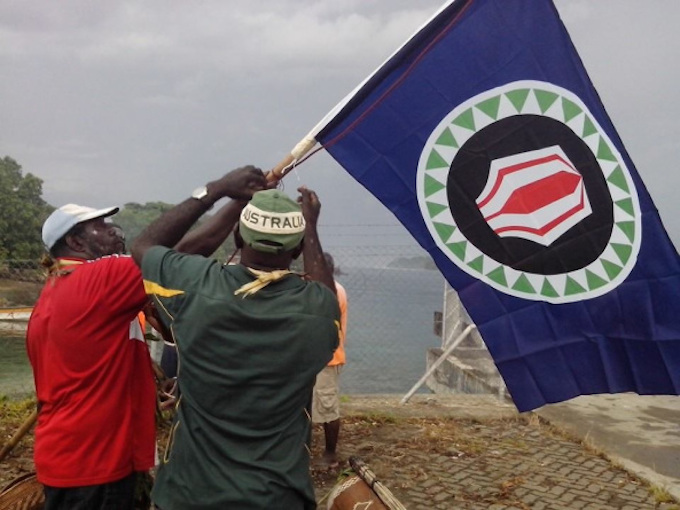
My news teams both in Port Moresby, Lae, Kokopo, Madang and Mt Hagen demonstrated the highest level of professionalism and maturity by remaining away from everything that has happened.

-Partners-

I am proud to lead this team of young journalists, camera operators and support staff.

A great many thanks also to management of EMTV and CEO for working through this very trying time, despite the challenges and pressures. A very special thank you to head of news, Neville Choi, and the powerful Sincha Dimara. (I apologise if I missed out anyone.)

I was suspended on Sunday, 18 November, on the last day of the APEC (Asia Pacific Economic Cooperation) meetings. The reasons for the suspensions are now public knowledge and I do not wish to dwell too much on them.

Essential part of democracy
However, I do wish to make the following points:

  • Papua New Guinea is a democracy and the media is free to hold those in authority to account. This means highlighting flaws in policy and making sure mistakes are pointed out and corrected. It is an essential part of our democracy.
  • There should NEVER be any interference at the operational level by board members. The media is an institution of democracy and must remain free and independent. It is our constitutional right to report AND be critical.
  • Journalists of “state owned” media are NOT government public relations officers, nor are media organisations PR machines.
  • EMTV is “state-owned” which means the PEOPLE own this company through their elected government.
  • Journalism is an art… and art and creativity cannot operate in an environment of suppression and fear.

Papua New Guinea is at a critical moment of its history with the growth and influence of China, US-China trade tensions and challenges within our own country.

We are a largely rural nation. Many of our people still have no access to basic services.

We will continue to promote critical, proactive and transparent journalism. The people’s voice has to be heard and the media must remain as the conduit and platform for opinions and debate and those who cannot accept it MUST step aside and let progress happen.

– Scott Waide

The Pacific Media Centre’s Asia Pacific Report frequently republishes articles from Scott Waide’s blog My Land, My Country with permission to provide a PNG “voice” on developments.

Print Friendly, PDF & Email

Article by AsiaPacificReport.nz

View from The Hill: Day One of minority government sees battle over national integrity commission

]]>

Source: The Conversation (Au and NZ) – By Michelle Grattan, Professorial Fellow, University of Canberra

Whatever it does, the Morrison government seems to find itself caught on the sticky fly paper. As if it didn’t have trouble enough with trying to decide about the embassy in Israel and the religious freedom report, on Monday it became messily entangled in the issue of a national integrity commission.

On the first day of formal minority government, the crossbench flexed its muscle and the government bowed to the new reality.

Well, not quite bowed – but bought time by taking a line of least resistance.

After the independent member for Indi, Cathy McGowan, introduced her private member’s bill for a national integrity commission, the House of Representatives considered a motion from the Senate which called on “the federal government to establish a national anti-corruption commission”.

The government didn’t oppose the motion, which went through on the voices.

It was claimed that Attorney-General Christian Porter wanted to set out the government’s objections to the McGowan bill, which he couldn’t do in private members’ time.

The real reason was the government didn’t want to test its numbers on the floor when there could be a defector or two from its own ranks.

Porter embarked on something of a lawyer’s frolic as he pointed to dangers in the bill.

He warned that any public official who, it could be argued, had breached public trust or impaired confidence in public administration “would be liable to a finding of corruption”, even for a trivial matter.

The ABC would come under the proposed body. So Porter conjured up the scenario of ABC political editor Andrew Probyn (who, it will be recalled, former ABC chairman Justin Milne wanted shot) being caught under the bill.

On Porter’s account, that would be because Probyn was found in breach of the ABC code of practice’s provision on impartiality for saying Tony Abbott was the “most destructive politician of his generation”.

“Under this bill before the House—no ifs, ands or buts—Andrew Probyn would be found to have committed corruption,” Porter declared.

He didn’t sound as if he were joking but maybe the Attorney has a very dry sense of humour.

Not that McGowan is claiming her bill has the detail right. What she and other crossbenchers are trying to do is force the government’s hand.

How far they’ll succeed is not clear – they’ll get something but not the full monty.

The government’s preference would be to do nothing. But that’s no longer politically viable. Labor is committed to a new anti-corruption body (once it didn’t believe in one), and the level of public distrust of the political system makes this an issue that resonates in the community.

The government now finds itself in the rather bizarre situation of having voted for a “national anti-corruption commission” without committing itself to one.

In fact, such a commission is the least likely to get a tick of the three options before the government. Porter has all but written it off.

The other options, according to Porter, are expanding one of the existing 13 bodies that presently deal with integrity and corruption (probably the Australian Commission for Law Enforcement Integrity), or merging some of them to eliminate overlap.

Ideally the way forward would be by a bipartisan approach. The issues are indeed complex and state experience suggests the need for careful balances and protections. But bipartisanship not the way of things before an election.

Attacking Shorten, Scott Morrison accused him of being preoccupied with a “fringe issue”.

Morrison said the matter would be dealt with “through a normal Cabinet process”. Porter says this process is well underway. Indeed a lot of it happened under Malcolm Turnbull – Porter says he has been working on it since he became attorney-general nearly a year ago.

Both the embassy question and the religious freedom report are in “processes” at the moment.

The government received another prod on the latter when on Monday a Labor-chaired Senate committee recommended in its majority report that a ban on religious schools discriminating against gay teachers should be considered.

This goes much further than the government’s plan – bogged down in negotiations with Labor – for legislation to prevent discrimination against gay students. The opposition is expected on Tuesday to push the government to act immediately on its promise to protect students.

As the Liberals took in the devastating Victorian result, there was the feeling that the Morrison government was just holding things together.


Read more: View from The Hill: Labor’s 55-45% Newspoll lead adds to Liberals’ weekend of woe


Senate president and Victorian Liberal Scott Ryan, who rarely enters controversies given his position as a presiding officer, unleashed a restrained but pointed assault against the right of the party (and rightwing commentators).


Read more: Senate president Scott Ryan launches grenade against the right


Victorian Liberal backbencher Tim Wilson delivered a sharp message to the coal lovers. “If anybody thinks that there’s this great public sentiment out there that people really deep down hate renewables and they’re hugging something like coal, I say again — get real”.

That immediately encouraged a rerun of Morrison’s coal hugging in parliament.

In question time the Prime Minister was decidedly shouty and aggressive.

And, despite the crossbenchers now looming large in his world, he didn’t make time to sit in the chamber for Kerryn Phelps’ maiden speech. He had other engagements, his office said.

ref. View from The Hill: Day One of minority government sees battle over national integrity commission – http://theconversation.com/view-from-the-hill-day-one-of-minority-government-sees-battle-over-national-integrity-commission-107637

PM blames Bougainville missing budget on ‘administrative error’

]]>
The Bougainville flag … a critical year for the referendum on independence next year. Image: Bougainville News

By RNZ Pacific

The Bougainville President, John Momis, says he has been assured by Papua New Guinea’s Prime Minister, Peter O’Neill, that the absence of a vital grant from the 2019 Budget was an “administrative error”.

Both leaders met last week in Port Moresby

PNG’s budget, announced last week, makes no mention of the Restoration and Development Grant which is constitutionally guaranteed under the Bougainville Peace Agreement.

READ MORE: PNG budget reports lack transparency, says economist

Momis said Bougainville relied on this grant for essential projects and a failure by the national government to pay it would reflect badly on both Port Moresby and Bougainville.

The budget did feature a cut to recurrent funding for the Autonomous Bougainville Government.

-Partners-

Next year, 2019, will be a critical year with a referendum on Bougainville’s long term political future scheduled to take place in June, Momis said.

The PNG and Bougainville governments must ensure that together they provide the funding and support needed to allow the vote to take place and for the important work of peace building to continue, he said.

O’Neill has promised to rectify the issues.

This article is republished under the Pacific Media Centre’s content partnership with Radio New Zealand.

Print Friendly, PDF & Email

Article by AsiaPacificReport.nz

Bryan Kramer: Who was culprit behind O’Neill government revenge on Waide?

]]>
Revenge against one of PNG’s leading journalists Scott Waide, says opposition MP for Madang = Bryan Kramer. Image: Bryan Kramer Facebook

COMMENT: By Bryan Kramer, MP for Madang

Papua New Guinea’s O’Neill government has taken revenge against senior EMTV Reporter Scott Waide, who was suspended over his broadcasting of New Zealand Prime Minister Jacinda Ardern’s comments about the Maserati scandal.

I was informed soon after APEC (Asia Pacific Economic Cooperation) that the O’Neil  actually planned on sacking Waide. However, there was pushback from the management and staff so they decided to instead suspend him and order that he go on leave.

I suspect given the recent unrest in Port Moresby involving security forces, they had to be careful not to trigger another incident.

READ MORE: O’Neill defends government on suspension of EMTV journalist Waide

Opposition MP Bryan Kramer … wants to get to the bottom of the attempt to sack Scott Waide. Image: Kramer Report

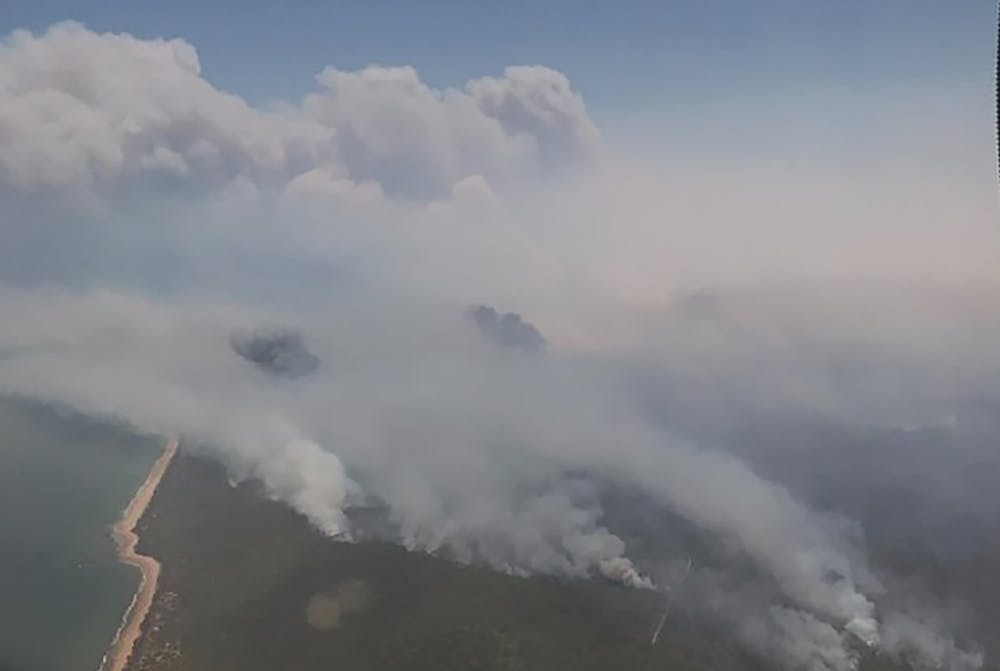
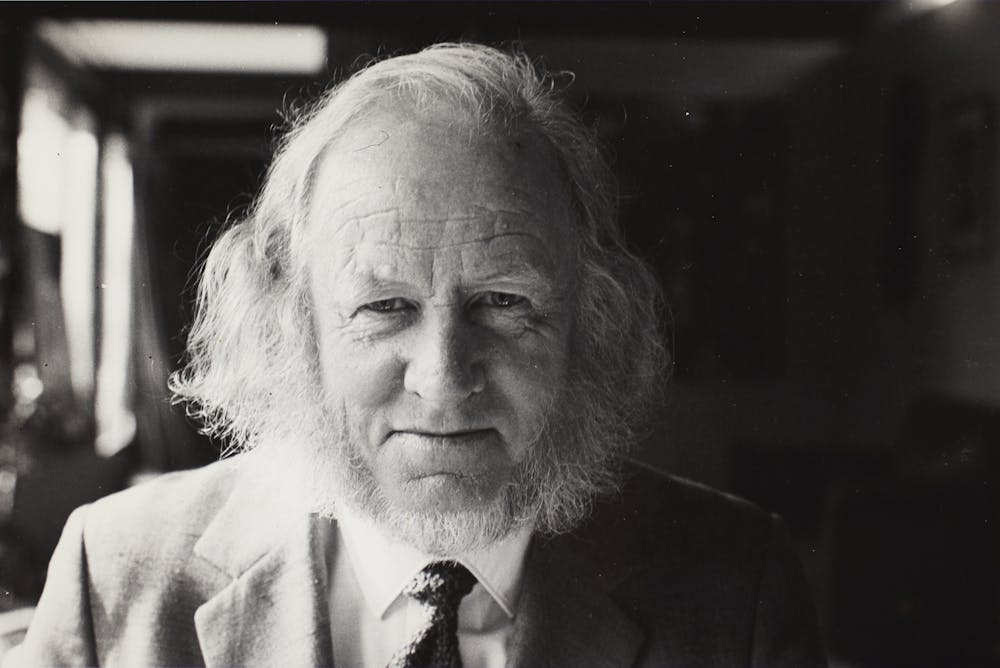
So the real question is, who was behind the decision calling for Waide’s “sacking/suspension”, Prime Minister Peter O’Neill himself, or the usual suspects such as O’Neill’s Chief Media Officer Chris Hawkins and Minister for APEC Justin Tkatchenko?

EMTV is owned by Telikom PNG that is ultimately owned by Kumul Holdings Consolidated, a state-owned enterprise.

-Partners-

Shadow minister
The minister responsible for state-owned enterprises is William Duma and I am the shadow minister.

I will be writing to the minister and CEO of Kumul Consolidated Holdings asking them for an explanation behind this suspension.

I don’t expect a response, but what I can assure them is that following the removal of O’Neill in February 2019, the person behind the decision can expect to be sacked.

Last week, Opposition Members were on FM100 radio talkback that was telecast live on EMTV. However, half way through the programme we were cut off air. This is the second time it has happened.

It appears those feeding from a corrupt O’Neill government are starting to get desperate in their efforts to take away our rights – including our freedom of speech.

It’s time Papua New Guineans start to seriously think about organising ourselves in the cause to hold to account a corrupt prime minister and his cronies.

Opposition Madang MP Bryan Kramer is the shadow minister for state-owned enterprises, including the Telikom-owned EMTV. He founded the Allegiance Party and is an investigative journalist who publishes Kramer Report.

Print Friendly, PDF & Email

Article by AsiaPacificReport.nz

Kathleen Petyarre: a brilliant artist whose life was rudely interrupted by colonisers

]]>

Source: The Conversation (Au and NZ) – By Christine Judith Nicholls, Senior Lecturer in Australian Studies, Flinders University

The artist Kwementyaye (Kathleen) Petyarre (c. 1938 – 24 November 2018) has died in Alice Springs, surrounded by family and loved ones, at about the age of 80. Alhwarrpe.

“About” that age, because Petyarre was born out bush, delivered by Anmatyerr midwives at Atnangker on Anmatyerr country in Australia’s northeast Central Desert. Petyarre’s birth was not recorded in any official birth register, although it is believed to have taken place between the late 1930s or early ’40s.

Earliest days

Known in childhood as Kweyetemp Petyarre, she and her extended family group moved around their vast desert estate in Anmatyerr country. Their base was Atnangker, a site over which they exerted proprietary rights through the male line. According to principles of systematic rotational navigation they hunted and gathered food and water on the basis of seasonal availability. Their daily cuisine could include emu, kangaroo, perentie, goanna, blue tongue lizard, witchetty grubs, yams, bush plums, bush tomatoes and bush honey.

Kathleen Petyarre and Myrtle Petyarre, Kathleen’s eldest sister, nursing Josie Anne Petyarre, walk up the sandhill or ‘mountain’ as Kathleen describes it, towards the ceremonial site on Atnangker, December 2000. Photograph Ian North; courtesy Wakefield Press.

Anmatyerr women would grind seeds and cook delicious cakes on open fires. Later, the “bush seeds” that flourished on her country would become a signature theme in Petyarre’s oeuvre. Delicately represented by abundant tiny dots that she originally applied with a tyepal, fashioned from a twig and also used by women in body painting, later Petyarre turned to miniature saté sticks, sourced from Indonesia.

Arnkerrth, the Mountain or Thorny Devil (Moloch horridus). Photograph Hans Boessem, Todd Camera Store, Alice Springs, Northern Territory.

During her early years, under the instruction of her paternal grandmother, little Kweyetemp embarked on a highly disciplined classical Eastern Anmatyerr education. This was how she acquired foundational knowledge relating to her principal Dreaming Ancestor, Arnkerrth, the Mountain or Thorny Devil.

A small lizard that looks like a bonsai dinosaur, arnkerrth avoids predators by changing colour to camouflage itself to merge with the surrounding environment, also needing only minimal water to survive. Underpinned by Anmatyerr Law, this small creature would become Petyarre’s greatest and most significant artistic subject.

Kathleen Petyarre, Mountain Devil Lizard Dreaming (Sandstorm), 2000, synthetic polymer paint on Belgian linen, 122 x 122 cm. Private Collection Adelaide.

Meeting a white man for the first time

In the late 1940s, after the second world war, Kweyetemp first encountered a white man. The man was crossing Anmatyerr country with a camel. From behind small shrubs, the children peeked nervously at the strangely hued man and his equally bizarre animal companion. Eventually their father revealed himself and addressed the stranger, offering him food and water, which the interloper desperately needed.

With no rancour, Petyarre informed me that the man, who remained there for some time, insisted that the family cover their nakedness. In turn, he supplied “garments”.

Chuckling, Petyarre reflected on this to me in the following words:

We girls had to wear sacks, flour bags with cut-out hole (sic), for neck and arms. Really itchy one!

The older boys were made to wear army supply shorts. This was in the desert summer heat in excess of 50℃ in the shade. The uninvited interloper simply would not abide with the family’s nakedness.

Becoming ‘Kathleen’

Kathleen Petyarre and relatives at Ilyentye (Mosquito Bore) Utopia, Northern Territory, 6 December 2000. From left: Gracie Ngale, Maggie Pwerle (Kathleen’s mother), Josie-Anne Petyarre, Roseanne Petyarre (Gracie’s daughter), Josiah Kemarre (nicknamed ‘Jo-Jay’), Gracie’s granddaughter Pwerle, Kathleen Petyarre, Sabrina Pwerle. Photograph Ian North courtesy Wakefield Press.

Not far from Atnangker, a pastoral property on Anmatyerr country had been established by whitefellas some years earlier. The latter group named that large stretch of country – bitterly tongue in cheek – “Utopia”.

This led to Petyarre’s family working for the new “owners” of the pastoral lease. In return the family received rations of flour, sugar and tea, but no pay. Unrelenting assimilatory pressure ensued. English names were imposed on all Eastern Anmatyerr people, and Kweyetemp became “Kathleen”.

A school was set up in a silver bullet caravan and Kathleen began working there as the teacher’s aide, insisting that she instruct the children in their natal language, Eastern Anmatyerr. Her close sister Violet worked in the school as a laundress. Older Anmatyerr ladies were charged to sew uniforms with the words “Utopia School” stitched on.

Kathleen Petyarre, Mountain Devil Lizard Dreaming, 1997, synthetic polymer paint on Belgian linen, 122 x 122 cm. Thomas Vroom Collection, The Netherlands.

But apropos of the uniforms, there was a catch. Anmatyerr children were permitted to wear the uniforms during school hours only, and were obliged to remove them before returning home in the afternoon. So they left in the same way they’d arrived at school on the same morning – naked.

Violet would wash their uniforms daily, hanging them out to dry overnight so that in the morning, at school, the children would don clean uniforms. Ironic, given that the small settlements that comprised Utopia had very little running water.

“Utopia” is an umbrella term encompassing a cluster of widely dispersed small homelands, once known as “outstations”. In 1977 Jenny Green arrived in Utopia to work as an adult educator, organising workshops in batik method. For kinship-related reasons, 99% of those who attended those workshops were women. These included Emily Kngwarrey (Kathleen’s aunt), Kathleen, Violet and Gloria and the other four Petyarre sisters.

Rodney Gooch at Utopia

In 1987, Rodney Gooch (1949-2002), a flamboyantly “out” gay man, who had been working for the Central Australia Aboriginal Media Association in Alice Springs, was asked to take over the management of the Utopia Women’s Batik Group. Kathleen wasn’t alone in recollecting that the Eastern Anmatyerr women adored “Ronnie” as they called him.

During his tenure, Gooch introduced acrylic painting on canvas and other media. This was a movement that had started in Papunya in the early ‘70s and took off like wildfire across the arid desert regions.

Kathleen Petyarre, My Country – Bush Seeds (Sandstorm),1999. Private Collection, Adelaide.

Kathleen, whose chronic asthmatic condition arose from an allergic reaction to the fumes generated in batik production, took to the new media like a duck to water.

By the mid-1990s Petyarre had become involved with Adelaide’s Gallerie Australis in Adelaide, which represented her exclusively. Exhibitions of her astonishing artworks were mounted – with art lovers attending in droves.

The Telstra prize

This culminated in 1996 when Petyarre won the coveted major prize: the Telstra Art Award.

But this success was relatively short-lived when Petyarre’s non-Indigenous partner Ray Beamish, a former Darwin “long-grasser”, came forward with a claim that he had painted parts of Petyarre’s artworks, including the prizewinning work. A visual art writer working for The Australian newspaper took up this allegation with gusto, which served to amplify the issue. It became national and even international news.

The protracted period of time that it took to resolve this took an enormous toll on Kathleen’s health: she began shaking with fear, for months barely speaking and not painting at all. The source of Petyarre’s malaise was what she understood to be the theft of the Mountain Devil Dreaming, passed down to her by generations of Ancestors who held sacred copyright over that Dreaming.

Kathleen Petyarre, Thorny Devil Lizard Dreaming (watercourses and rock holes) 1997, synthetic polymer paint on Belgian linen, 122 x 183 cm. Thomas Vroom Collection, The Netherlands.

In 1997-1998, the Board of the Museum and Art Gallery of the NT conducted an enquiry into these allegations. After strenuous investigations and interviews with relevant parties, Board Chair Colin McDonald announced that:

The Board found the allegations of Mr Beamish regarding the authorship of the painting were not proved. Accordingly, there is not basis for interfering with the decision of the judges awarding the 1996 Telstra Prize to Kathleen Petyarre. (24 April 1998).

Fortunately Petyarre eventually returned to painting, and since then her work has been exhibited worldwide – including France, Scotland, Indonesia and the United States. In many instances she travelled to those destinations. Like her Ancestor Arnkerrth, the Old Woman Mountain Devil, Petyarre became a seasoned journeywoman.

Wicked humour

In relation to her personal qualities Kathleen could be imperious, but the attribute I best remember is her marvellous, often wicked, sense of humour. When in 1998 I travelled to the US with Kathleen and her sister Violet, this came to the fore. There was an international conference for Indigenous people worldwide that we attended. The three of us stayed in the same hotel room.

Violet Petyarre (left) and Kathleen Petyarre in Disneyland, California, 1998. Photograph Agnes Love, courtesy Wakefield Press.

One example will suffice. The background to this is that while Kathleen’s understanding of English was very good, her spoken English was so inflected with Anmatyerr language that 99% of English speakers found it unintelligible. It also practically stopped Kathleen and Violet from trying to communicate verbally, although neither is shy.

As a result, all the other conference attendees addressed me as the conduit to the two Anmatyerr women. A very earnest, middle-aged American lady in hippy attire approached me in the presence of the sisters, asking me, “Is it true that they only communicate by telepathy”?

Kathleen remained silent, but using only her hands she gestured towards her mouth in mock-sign language. Hence I responded to the lady by saying, “No, that isn’t true. Of course they talk.” When we returned to our hotel room that evening, all three of us acted out this scenario over and over again, shrieking and screaming with laughter. It must be admitted that our outbreak of unstoppable hilarity was underpropped by a teeny modicum of schadenfreude.

The Old Mountain Devil Woman

The thorny devil is unable to cover country in a straight line – she always takes a semi-circular route across her vast, arid country. This seems an apt metaphor for Kweyetemp Petyarre’s life, which hasn’t followed the trajectory that her younger self had foreseen, perforce veering off and rounding corners that she had never dreamed of in her childhood. That life, so rudely interrupted by the colonisers, was largely held together by her love of her family, and their love for her.

Petyarre also enjoyed being feted as a successful artist, and the travel that involved – arnkerrth is a great traveller.

On the occasion that I interviewed Petyarre on the subject of death, she had this to say:

If I could make wish I like to move straight back into them old days out in spinifex country—good. Life good then — all the time.

Moloch horridus, the Mountain or Thorny Devil, tracks in the sand. Photograph Eric R. Pianka, School of Biological Sciences, University of Texas, Austin, Texas, U.S.A.


The author has received permission from the family to use Kathleen Petyarre’s full name and images of her in this article.

ref. Kathleen Petyarre: a brilliant artist whose life was rudely interrupted by colonisers – http://theconversation.com/kathleen-petyarre-a-brilliant-artist-whose-life-was-rudely-interrupted-by-colonisers-107593

Health Check: how long should I wait between pregnancies?

]]>

Source: The Conversation (Au and NZ) – By Amanda Henry, Senior Lecturer, School of Women’s and Children’s Health, UNSW

Women often wonder what the “right” length of time is after giving birth before getting pregnant again. A recent Canadian study suggests 12-18 months between pregnancies is ideal for most women.

But the period between pregnancies, and whether a shorter or longer period poses risks, is still contested, especially when it comes to other factors such as a mother’s age. It’s important to remember that in high-income countries most pregnancies go well regardless of the gap in between.

What is short and long

The time between the end of the first pregnancy and the conception of the next is known as the interpregnancy interval. A short interpregnancy interval is usually defined as less than 18 months to two years. The definition of a long interpregnancy interval varies – with more than two, three or five years all used in different studies.


Most studies look at the difference every six months in the interpregnancy interval makes. This means we can see whether there are different risks between a very short period in between (less than six months) versus just a short period (less than 18 months).

Most subsequent pregnancies, particularly in high-income countries like Australia, go well regardless of the gap. In the recent Canadian study, the risk of mothers having a severe complication varied between about one in 400 to about one in 100 depending on the interpregnancy interval and the mother’s age.

The risk of stillbirth or a severe baby complication varied from just under 2% to about 3%. So overall, at least 97% of babies and 99% of mothers did not have a major issue.

Most pregnancies in developed countries go well regardless of the gap in between. from shutterstock.com

Some differences in risk of pregnancy complications do seem to be related to the interpregnancy interval. Studies of the next pregnancy after a birth show that:


Read more: Explainer: what is pre-eclampsia, and how does it affect mums and babies?


What about other factors?

How much of the differences in complications are due to the period between pregnancies versus other factors such as a mother’s age is still contested. On the one hand, there are biological reasons why a short or a long period in between pregnancies could lead to complications.

If the gap is too short, mothers may not have had time to recover from the physical stressors of pregnancy and breastfeeding, such as pregnancy weight gain and reduced vitamin and mineral reserves. They may also not have completely recovered emotionally from the previous birth experience and demands of parenthood.

If the period between pregnancies is quite long, the body’s helpful adaptations to the previous pregnancy, such as changes in the uterus that are thought to improve the efficiency of labour, might be lost.


Read more: Chemical messengers: how pregnancy hormones affect the body


However, many women who tend to have a short interpregnancy interval also have characteristics that make them more at risk of pregnancy complications to start with – such as being younger or less educated.

Studies do attempt to control for these factors. The recent Canadian study took into account the number of previous children, smoking and the previous pregnancy outcomes, among other things. Even so, they concluded that risks of complications were modestly increased with a lower-than-six-month interpregnancy period for older women (over 35 years) compared to a 12-24-month period.

Other studies, however, including a 2014 West Australian paper comparing different pregnancies in the same women, have found little evidence of an effect of a short interpregnancy interval.

So, what’s the verdict?

Based on 1990s and early 2000s data, the World Health Organisation recommends an interpregnancy interval of at least 24 months. The more recent studies would suggest that this is overly restrictive in high-resource countries like Australia.

Although there may be modestly increased risks to mother and baby of a very short gap (under six months), the absolute risks appear small. For most women, particularly those in good health with a previously uncomplicated pregnancy and birth, their wishes about family spacing should be the major focus of decision-making.


Read more: Better health and diet well before conception results in healthier pregnancies


In the case of pregnancy after miscarriage, there appears even less need for restrictive recommendations. A 2017 review of more than 1 million pregnancies found that, compared to an interpregnancy interval of six to 12 months or over 12 months, an interpregnancy interval of less than six months had a lower risk of miscarriage and preterm birth, and did not increase the rate of pre-eclampsia or small babies.

So, once women feel ready to try again for pregnancy after miscarriage, they can safely be encouraged to do so.

ref. Health Check: how long should I wait between pregnancies? – http://theconversation.com/health-check-how-long-should-i-wait-between-pregnancies-106079