Page 980

Couple remanded in big Vanuatu human trafficking, slavery case

]]>

By Richard M. Nanua and Royson Willie in Port Vila

Vanuatu’s Magistrates Court has remanded a Bangladeshi couple over what is alleged to be the biggest human trafficking and slavery case in Vanuatu and the region.

Sekdah Somon and Buxoo Nabilah Bibi – the owners of the “Mr Price” home and furniture store in Vanuatu – were arrested and charged with 12 counts of human trafficking.

Somon and Bibi are also facing 12 counts each of slavery, contrary to section 102 (a) and 11 additional counts of money laundering against section 11 (3) (a) of the Penal Code.
advertisement

The Vanuatu Daily Post was reliably informed that between September 21, 2018 and November 2018 Somon and Bibi allegedly brought in 12 people from Bangladesh illegally to find jobs in Vanuatu.

Reliable sources confirmed that complainants have filed complaints within the Vanuatu Police Force (VPF) and the proceedings commenced after the arrest of the accused in Port Vila.

They said 92 people had been allegedly illegally brought to Vanuatu by the couple and their cases are yet to be dealt with and brought before the court.

-Partners-

The Daily Post was also informed the couple were from Bangladesh but the husband had a Zimbabwe passport while his wife was using a Mauritius passport.

Other passports
The couple were denied bail in the Magistrates Court on Wednesday amid concerns the couple may have other passports in their possession that made them a possible flight risk as they are originally from one country but evidence indicated they are using passports from different countries.

The Magistrates Court said that any bail should be obtained at the higher court after considering the seriousness of the offending is of public importance.

The couple were rejected bail because they might interfere with the witnesses.

The victims were placed in various locations in Port Vila.

Sources confirmed while the case was still under investigation there might also be some breaches in Vanuatu immigration laws, labour laws and Vanuatu Financial Service Commission (VFSC) laws.

They said it was likely that more people would be charged depending on the findings of the investigation.

The Daily Post was told the couple allegedly arranged and facilitated their entry in Vanuatu using deception, denial of their freedom of movement, coercion or threat of violence exploited and placed them in servitude.

Bangladeshi workers
They said after the 12 Bangladeshi workers came to Vanuatu, the couple allegedly subjected them to slavery by engaging them in work under oppressive terms and conditions, under menace of penalty and without freedom to leave at any time.

There were allegations these workers were promised good money for jobs in Vanuatu but they have to pay them some money in return for the offer.

The sources said that some of them allegedly paid $US2000 to the couple, some paid $US3900, $US4000, $US5000, $US6000 and $US8000.

They said the couple were alleged to have directly and indirectly made arrangements that involved property that they knew or ought to have known to be proceeds of crime when they procured those amounts from the victims.

The Minister of Internal Affairs, Andrew Napuat, has confirmed the arrest of the investor behind “Mr Price” in relation to alleged money laundering and human trafficking.

While the couple are known as owners of Mr Price, sources said the investigation was still underway to check whether or not the company had a link with the global Mr Price.

This is not the first time that Mr Price Asian Junction has been in the spotlight in Vanuatu as in June this year 21 work permits were revoked for workers brought in from overseas by the company.

Buzz 96FM interview
“We didn’t want to come out in the media to talk about the case because of the sensitivity of it,” Minister Napuat told Buzz 96FM’s Kizzy Kalsakau.

“But since people are already talking about, I felt that it’s good that we come out and provide initial clarifications.”

After the revocation of work permits, the investors appealed to the minister and the revocations were reversed but with conditions to employ ni-Vanuatu and for imported workers to do work they came to do.

The minister said the investigation would take a while.

He said appropriate authorities such as the Vanuatu Investment Promotion Authority (VIPA) and Customs Department and Ministry of Finance that are responsible for business licenses will have to be consulted.

Napuat said those brought to work under Mr Price would be treated as witnesses in the case against the investor behind Mr Price.

He denied rumours that people were brought in from overseas in containers.

False information
Minister Napuat is appealing for members of the public not to spread false information about the issue.

Meanwhile, Acting CEO of Vanuatu Investment Promotion Authority Kalpen Silas said due diligence was carried out before Mr Price’s application was forwarded to the VIPA board for approval.

However, Silas said one of the requirements under the VIPA Act was that any investor who breaks any Vanuatu law through provision of false information would be penalised.

He said VIPA was aware of investigations currently being carried out on Mr Price.

The case is expected to resume within two weeks.

Human trafficking has been defined as the action or practice of illegally transporting people from one country or area to another, typically for the purposes of forced labour or commercial sexual exploitation.

The maximum penalty for this in Vanuatu as set out in section 102 (b) of the Penal Code Act [CAP 135] is 20 years behind bars.

This article is republished from the Vanuatu Daily Post with permission.

Print Friendly, PDF & Email

Article by AsiaPacificReport.nz

Tennis, running, netball: do I really need a specific shoe for a specific sport?

]]>

Source: The Conversation (Au and NZ) – By Daniel Bonnano, Lecturer (Teaching and Research) and PhD Candidate, La Trobe University

Over the past 40 years the “modern” sports shoe has evolved from the all-purpose sneaker to an abundance of sport-specific shoes. Given we have so much choice – and with encouragement from big brands and keen shop assistants – it seems logical to select footwear designed specifically for each activity.

But what does the evidence say? Do we really need to wear a unique shoe for each activity we participate in?

The answer is a little less clear than you might imagine.


Read more: Children should spend more time barefoot to encourage a healthier foot structure


What you want in a shoe

Before we look at the evidence, let’s think about what we want from our sports shoes.

For me, there are three key considerations that can help guide the shoe selection process:

  1. the selected shoe should minimise the risk of injury in light of the sports it will be used for, and with respect to the uniqueness of the person wearing it
  2. our sports shoe should allow us to maximise our athletic performance, but not at the expense of increasing injury risk (let’s face it, if you get injured then your athletic performance is likely to decrease anyway!)
  3. our shoes should be comfortable – this may sound obvious, but some of the world’s most esteemed footwear researchers suggest that increased footwear comfort is associated with fewer injuries and improved sporting performance.

With this in mind, we need to consider the unique physical demands of each sport and what shoe features are required to help prevent injury and maximise performance.

For some sports, the benefits of using a specific shoe are quite obvious. Most would agree that football boots with built-in spriggs will help maintain traction while avoiding a tackle, while a stiff-soled cycling shoe will help power production through bike pedals during a hill climb.

However, the benefits of using a sport-specific shoe during other activities may not be as apparent. For example, is there really that much difference between netball, basketball and tennis shoes?

Court shoes versus running shoes

With the exception of basketball shoes typically having a “high-top” upper, all other features of court shoes can be quite similar – they all aim to provide support, cushioning and traction during multi-directional movements.

My high tops sure do look good. Gold Chain Collective/Unsplash, CC BY

To achieve this, common features among court shoes include having a re-enforced toe, a slightly “flared” forefoot, a relatively flat sole, and being made from strong and durable materials in the uppers and outsoles (the base).

In contrast, running shoes are traditionally designed for repetitive straight line movements performed over long distances. So running shoes are generally lightweight and have a highly cushioned midsole – which is intended to dampen impact forces – while also being flexible through the forefoot to assist with propulsion.

These differences in shoe design all sound good in theory, but are they actually effective in reducing injury and maximising performance?

Unfortunately the science on this topic is scarce, but let’s look at what we know.


Read more: Sustainable shopping: how to rock white sneakers without eco-guilt


The evidence is scarce

A clinical trial found using high-top shoes for basketball does not help prevent ankle sprains – and a separate study found that high-top shoes actually decrease vertical jump height and running performance.

Some of these shoes may be ok for running – mostly depending on whether you find them comfortable or not. from www.shutterstock.com

Based on these studies, I rarely recommend that people seek out a high-top shoe for court sports (but I don’t avoid them either). The priority should be on selecting a court shoe that fulfills the needs of each individual (current and past injuries must be considered) and their sport. All court shoes – irrespective of whether they are labelled a tennis, basketball or netball shoe – should be looked at. Much of this process is guided by theory and comfort given the lack of research in this area.

With respect to running, you may be surprised to learn that choice of running shoes for prevention of injury is also still largely theoretical.

Over the past decade there has been an increase in research focused on determining the features of running shoes that are most important for the prevention of injury, but none have investigated how running shoes compare to other sport-specific shoes for this purpose.

Although there is uncertainty around the benefits running shoes provide for the prevention of running injuries, we do know that running performance is improved as shoes get lighter. As running shoes are generally lighter than all other footwear options, using them will likely result in greater athletic performance compared to non-running shoes.


Read more: From tech to fetish, shoes in fairy tales are a mark of status


Can I buy all-purpose shoes?

A common question is whether a single all-purpose sports shoe is OK.

Science can’t answer this without the right evidence. But in general terms, an all-purpose shoe (i.e. something branded as a “cross-trainer” in the shops) will generally be fine for someone who participates in an array of activities, particularly if being completed at low intensities.

However, if you’re playing sports at a competitive level, or doing the same activity regularly, then it makes sense to wear sport-specific shoes – although more research is needed to confirm this recommendation.

It’s also worth stating that if you have been injury free in your current sports shoe, and you’re performing at a level you are happy with, then you may already have the right shoes on your feet.

And don’t forget, make sure your shoes are comfortable!

ref. Tennis, running, netball: do I really need a specific shoe for a specific sport? – http://theconversation.com/tennis-running-netball-do-i-really-need-a-specific-shoe-for-a-specific-sport-106068

Why Canada’s immigration system has been a success, and what Australia can learn from it

]]>

Source: The Conversation (Au and NZ) – By Jock Collins, Professor of Social Economics, UTS Business School, University of Technology Sydney

Immigration policy will be a critical issue in forthcoming state (Victoria, NSW) and federal elections. The disproportionate impact of immigration on population growth and public infrastructure in Sydney and Melbourne is the key issue.

If we look to the example of another immigrant-friendly country, Canada, however, we can see how giving states and territories a greater role in immigration target setting and selection can help take the pressure off major cities without drastically reducing immigration rates.

Immigration certainly impacts on Australia’s population to a greater degree than most Western nations. Among OECD countries, only Switzerland and Luxembourg have a higher percentage of foreign-born people than Australia.

Today, 28% of the Australian population was born overseas. The key issue for Australia is that immigrants are more likely to live in large cities than smaller cities or regional areas. According to the Australian Bureau of Statistics, 85% of immigrants live in major urban areas, compared to just 64% of Australian-born people.


Read more: Refugees are integrating just fine in regional Australia


Indeed, according to the International Organisation for Migration (IOM), Sydney is now equal-fourth in the world (with Auckland and Los Angeles) with the highest percentage of foreign-born residents (39%), while Melbourne is not far behind (35%). Nearly two-thirds of residents in Sydney, Melbourne and Perth have at least one parent who was born overseas.

A new state-based approach?

The stress that rapid population growth has placed on Melbourne and Sydney has recently become a topic of much debate. This week, Prime Minister Scott Morrison pledged to reduce the annual permanent immigration cap of 190,000. Australia accepted just 162,417 immigrants last year, the lowest level in a decade.

Morrison has also called for a major rethink of the “top-down” approach to immigration in Australia, allowing states and territories to request the number of skilled migrants they’d like to admit each year.

The states and territories currently have a limited ability to nominate applicants for certain skilled visas. But state-nominated and regional visa approvals have fallen in recent years to just over 36,000 last fiscal year following tighter restrictions.

Morrison wants to see a bigger role for states and territories:

This is a blinding piece of common sense, which is: how about states who plan for population growth and the Commonwealth government who sets the migration levels, actually bring this together?

What we can learn from Canada

The Canadian government gave provinces a say in setting targets and selecting economic immigrants – similar to Australia’s skilled migration intake – in the early 1990s. Quebec was first to receive a high degree of autonomy in the process – it was given the right to set its own level and selection criteria for all economic immigrants. (The ability to speak French was a must.)


Read more: How Canada is inspiring Scandinavian countries on immigration


Quebec was also granted the right to set all of its integration programs, funded by Ottawa every year. The payments reached C$540 million this fiscal year, or C$13,500 for each newcomer.

After Quebec was given this authority, the other Canadian provinces demanded the same. But they received far more limited rights than Quebec. They can nominate the number of economic migrants they need as part of the national immigration target set by the federal government, but they can’t independently set their intake target and selection criteria like Quebec.

While provinces nominate – or in Quebec’s case, decide – annual intakes, all cases are still routed through Ottawa for application integrity testing and vetting for criminality, health and security. Ultimately, final approval rests with Ottawa.

Last year, the Canadian government set an ambitious target of admitting 1 million total immigrants from 2018-2020. The target for next year is 330,000 immigrants, of which about 190,000 will be economic migrants. The remainder will enter under the family reunification category and the refugee, humanitarian and protected category.

About one-third of the economic migrants (61,000) will be admitted through the Provincial Nominee Program. This figure excludes Quebec, which will set its numbers separately.

How the Canadian system encourages rural immigration

Giving the provinces a greater immigration policy role has helped to dramatically shift the settlement of immigrants beyond Canada’s biggest cities.

According to immigration statistics, 34% of economic migrants in 2017 landed in destinations outside Canada’s three most populous provinces, Ontario, Quebec and British Columbia – compared to just 10% in 1997.

After immigrants arrive, the key issue for the provinces is retention, since immigrants can leave at any time. The provinces put a strong emphasis on ensuring that economic migrants receive a strong welcome on arrival and are provided with support programs, including education, access to local migrant community networks and assistance finding a job for those who are not sponsored by employers.


Read more: Newcomers find jobs, prosperity in Atlantic Canada — if they stay


One of the biggest success stories of the Provincial Nominee Program is thinly populated Manitoba, which has added 130,000 migrants since 1998. Ninety percent have gotten a job within a year of arriving and nearly the same number has ended up staying in Manitoba permanently. New arrivals also express some of the greatest feelings of belonging of all immigrants in western Canada.

Most immigrants to Australia end up in Sydney or Melbourne, but other states and territories need them more. Joel Carrett/AAP

Why this could work in Australia

South Australia, Tasmania and the Northern Territory – as well as other regional and rural areas across Australia – want more immigrants and refugees.

Attracting immigrants to less-populated states is the easy part: those willing to settle outside Sydney and Melbourne can receive more points if they are skilled migrants, possibly making the difference as to whether they come to Australia or not. The key issue is retention.


Read more: Where are Chinese migrants choosing to settle in Australia? Look to the suburbs


My fieldwork with refugees in Australia has shown that the majority of these migrants love living in regional communities and have received a warm welcome from locals. Our research also found they are willing to stay in regional areas if they can get jobs there. Another way of encouraging more immigrants to settle in regional areas could be to offer them priority in the family reunion process.

Importantly, Canada also doesn’t politicise immigration policy. Australia should follow Canada’s lead by giving the states a bigger seat at the immigration policy table and resisting the temptation to blame immigration for complex growth problems in our overcrowded cities.

Reducing the immigration intake cap will have no significant impact on reducing congestion or strain on public infrastructure in Sydney and Melbourne, but it could severely constrain economic growth.

ref. Why Canada’s immigration system has been a success, and what Australia can learn from it – http://theconversation.com/why-canadas-immigration-system-has-been-a-success-and-what-australia-can-learn-from-it-107283

No, crying doesn’t release toxins, though it might make you feel better… if that’s what you believe

]]>

Source: The Conversation (Au and NZ) – By Leah Sharman, PhD Candidate School of Psychology, The University of Queensland

Crying is a big part of being a kid. As you grow older, you may find you’re crying less than during childhood and adolescence.

Studies show, on average, adult women tend to cry two to three times in a given month, and men only once. Although research is limited, it suggests crying frequency is highly influenced by social and cultural factors, our beliefs about the value of crying and how it is evaluated.

This is particularly exaggerated in many Western countries, where women report crying more often than those from non-Western countries. And in non-Western countries the difference in crying frequency between men and women is smaller. In some instances, it’s non-existent.

We cry less often as we grow up. from shutterstock.com

Scientists have long speculated why we cry and what happens in our bodies when we’re doing it. Some have suggested crying may be expelling chemicals that are built up during feelings of distress, or that crying causes a chemical change in the body that reduces stress or increases positive feelings. But we don’t actually know that much about crying and most of the studies out there are based on self-reporting.

Here’s what we do know.

Whether crying is good for you is subjective

The most pervasive idea about crying is that we do it because it’s helpful in some way; perhaps it provides relief or catharsis. But the research on this is mixed, with crying sometimes showing an improvement in mood and sometimes a worsening.

The longer it is since the last time you cried, or the more generally you think about your crying experiences as a whole, the more likely you are to consider crying as helpful. But if the crying event is fairly recent, people are less likely to report feeling better afterwards; they often report feeling much worse than before they cried.

On the other hand, people appear to cry to make themselves feel better, which is likely why we have an entire film genre (tearjerkers) dedicated to making us cry. Some have suggested crying is a self-soothing behaviour, so we cry because crying on its own is soothing.


Read more: Why bad moods are good for you: the surprising benefits of sadness


Crying in itself may be a soothing behaviour.

These authors also suggest crying could be a form of self-signalling, which means it’s like an alarm that lets us know something is wrong, forcing us to engage in other behaviours that help reduce feelings of distress, perhaps through distraction or meditation. We might otherwise seek out others to help us feel better in an act of social soothing.

Despite the overwhelming perception crying is useful at a personal level, most research suggests crying is more of a social phenomenon. Crying is an extremely effective signal to others that something is wrong and that you may be in need of help and comfort. Experiments and surveys show viewing images of crying faces compared to faces without tears not only make the face appear sadder, but also elicit greater sadness in the observer, more emotional support, less avoidance, and more overall helping behaviours.


Read more: Understanding others’ feelings: what is empathy and why do we need it?


But before you go crying in front of others for support, just remember other studies show doing so may actually lead to feelings of shame and embarrassment.

What happens in our body when we cry?

Crying seems, at best, to do not much at all, and, at worst, to increase our physiological arousal. In our laboratory research we attempted to test whether crying reduces or interferes with the levels of the stress hormone (cortisol), and whether it may be able provide some other physical benefit, such as numbing, which could explain why we cry when we are in either emotional and physical pain.

We found crying had no effect on stress levels and people weren’t able to withstand pain more readily than those who did not cry. But those who cried were more in control of their breathing rate. This suggests people may hold their breath during crying in a bid to calm themselves down, and perhaps use the crying behaviour to initiate the calming strategy.


Read more: Curious Kids: Why do tears come out of our eyes when we cry?


There are theories crying could have a numbing effect on pain. from shutterstock.com

Women do cry more often than men

There are exceptions, but generally women cry more than men. This difference emerges around the age of 11. Despite speculation these differences occur because of female development during puberty, no reliable link has been found between crying frequency and menstruation. The differences are more likely driven by decreased crying in boys during adolescence, rather than an increase among girls.

Perhaps the reason men cry less as they reach adolescence is because of the cultural expectations of masculinity. Men are “tough” and considered as having emotional reserve while being emotionally expressive is considered feminine. This may be why ratings of shame in crying are much higher among men compared to women.


Read more: How the desire for masculinity might drive some disadvantaged young men to substance abuse


Interestingly though, studies find men who cry in appropriate emotional contexts are rated as more likeable than those who don’t, and are not seen as more feminine.

Men who cry aren’t seen as any more feminine than men who don’t. from shutterstock.com

Some studies show that men report crying more often over a death, a break-up, the death of a pet, and at farewells. However, women across cultures still report crying more frequently and often say they feel better after crying compared to men.

There is no right amount of crying

Crying is a personal process. Whether you cry, and how often, may be related to your culture, gender, and emotional expressiveness. Unless you are physically unable to cry, there is no such thing in the literature as crying either too much or not enough.

It is important to remember that crying is part of expressing an emotion, not necessarily part of experiencing an emotion.

Whether crying actually helps is also part of our personal judgement. Some say crying makes them feel worse than if they didn’t cry. Others may cry because they believe it is helpful and cathartic. However, if you feel you are crying more than you normally do, it might be useful to consider why this may be the case and if you need external support.


Read more: The emotion centre is the oldest part of the human brain: why is mood so important?


ref. No, crying doesn’t release toxins, though it might make you feel better… if that’s what you believe – http://theconversation.com/no-crying-doesnt-release-toxins-though-it-might-make-you-feel-better-if-thats-what-you-believe-106860

FactCheck: does Victoria have Australia’s lowest rate of public school funding?

]]>

Source: The Conversation (Au and NZ) – By Jennifer Buckingham, Senior Research Fellow, The Centre for Independent Studies; Associate Investigator, ARC Centre of Excellence in Cognition and its Disorders, Macquarie University

Victoria has the lowest funding rate for public schools of any state in Australia. – Victorian Greens state election pamphlet, circulated in the seat of Melbourne, November 2018

Victorian Greens state election pamphlet, November 2018.

The Australian Greens party this week outlined its federal public education policy, saying it would spend an extra A$20.5 billion on public schools over the next 10 years, legislate to remove the cap on Commonwealth contributions to the sector, and cancel what it described as special deals for private schools, among other proposals.

In the lead-up to Saturday’s Victorian election, the Victorian Greens shared campaign pamphlets arguing the state’s education funding needed to be brought up to the national average, stating that “Victoria has the lowest funding rate for public schools of any state in Australia”.

We asked the experts to check the numbers.

Checking the source

In response to The Conversation’s request for sources and comment, a spokesperson for the Victorian Greens provided the following:

According to the most recent publicly available information from the Productivity Commission’s Report on Government Services 2018, recurrent funding per student in Victoria in 2015-16 was the lowest in the country at A$13,301 per student, which is A$1,589 lower than the national average of A$14,890.

The next lowest spending state is Tasmania, spending A$14,372 per student, and the highest spending state is Western Australia at A$17,306.

The relevant figures can be found in the attached table at tab 4A.14.


Verdict

The statement made by the Victorian Greens is correct: Victoria does have the lowest funding rate for public schools of any state or territory in Australia. Total government funding for Victorian government schools in 2015-16 was A$15,656 per student.

Victoria has had the lowest per student government funding for public schools in Australia for at least a decade, due to relatively low levels of state government funding compared with other states and territories.

Nonetheless, Victorian students’ performance on national and international assessments is generally above average.


Response to the sources provided by the Victorian Greens

The figures provided by the Greens spokesperson are not the total government funding for Victorian public schools; they are state government funding only.

All schools in Australia – both government (public) and non-government (Catholic and independent) — receive public funding from both the federal government and their respective state or territory government.

Under the Commonwealth Constitution, school education is the responsibility of state governments. As such, most government funding for schools comes from state governments.

In 2015-16 (the most recent year of finalised accounts provided by the Productivity Commission), total government funding for schools was A$55.7 billion. This comprised 28% from the federal government and 72% from state and territory governments.

(The funding figures for government schools include a non-cash accounting element called user cost of capital that is not included in non-government school funding figures. This complicates comparisons between the government and non-government sectors, but does not substantially affect state-by-state comparisons of government schools).

However, the balance of funding sources in the government and non-government school sectors is very different.

Non-government schools receive most of their funding from the federal government, whereas government schools receive most of their funding from state and territory governments.

Funding for government schools

In 2015-16, 86% of funding for government schools came from state and territory governments, and 14% from the federal government. The latter was an increase over the past decade from the 9% of federal funding for government schools in 2006-07.

In Victorian government schools, the federal government’s share of funding increased from 9% to 15% in the decade to 2015-16.

This increase in the federal government contribution is largely the result of the various iterations of the school funding model that arose from the Gonski review of school funding in 2011.

The current funding model under the Australian Education Act 2013 has two components: a base level of funding, and additional loadings for disadvantage. All government schools are allocated 100% of the base level, while non-government schools have their base level adjusted according to the socioeconomic status of the school population.

The loadings — which are allocated for socioeconomic disadvantage, indigenous students, students with limited English language proficiency, students with disabilities, and small/remote schools — are not subject to any means-test adjustments.

The funding model sets each school a theoretical or aspirational Schooling Resource Standard (SRS) that combined federal and state/territory funding should meet. As the SRS represents a large increase in funding for some school sectors, it is being phased in over several years.

What’s Victoria’s share?

While both levels of government produce budget forward estimates projected over four years, it’s not possible to predict funding levels or enrolments with sufficient precision to know whether Victorian government schools will continue to have lower per student funding than other states in the future.

In 2015-16, total government funding for Victorian government schools was A$15,656 per student – the lowest rate in Australia.

Does lower funding mean poorer outcomes?

No, lower average funding does not necessarily mean lower average performance.

Victorian government and non-government school students have been at least above average and often among the highest achieving states in the National Assessment Program for Literacy and Numeracy (NAPLAN), frequently outperforming the higher funded schools in the Australian Capital Territory.

In the Program for International Student Assessment 2015 (PISA), Victoria’s average performance in reading, mathematical and scientific literacy was among the top three states and territories (but Victoria had relatively low proportions of high-achieving students).

In the Trends in International Maths and Science Study 2015 (TIMSS), the average performance of Victorian students in maths and science in Years 4 and 8 was either equal first or second among Australian states and territories. – Jennifer Buckingham


Blind review

The verdict is correct: Victorian government schools have the lowest level of government funding of any state. This is true when all government funding is counted (as the fact-checker correctly argues it should be, given the original statement) or just state government funding (the figures provided by The Greens.)

Comparing funding as a percentage of Schooling Resource Standard (SRS) gives a more nuanced comparison of relative funding, by taking into account the individual needs of each school. But it doesn’t change the answer: in 2016, Victorian government schools got just 82% of their SRS target, 6 percentage points lower than the next lowest funded state.

It’s even harder to make a clear link between funding levels and student outcomes. The data provided on average achievement levels in NAPLAN, PISA and TIMSS cover all school sectors, not just government schools. State-wide averages do not account for the fact that Victoria has fewer disadvantaged students than many states. And while it is formally true that Victoria is in the top three in PISA and top two in TIMSS, Victoria’s performance was not statistically higher than the national average in any of these international tests in 2015. Determining the impact on outcomes of Victoria’s low funding levels is a subject for another discussion. – Peter Goss


The Conversation FactCheck is accredited by the International Fact-Checking Network.

The Conversation’s FactCheck unit was the first fact-checking team in Australia and one of the first worldwide to be accredited by the International Fact-Checking Network, an alliance of fact-checkers hosted at the Poynter Institute in the US. Read more here.

Have you seen a “fact” worth checking? The Conversation’s FactCheck asks academic experts to test claims and see how true they are. We then ask a second academic to review an anonymous copy of the article. You can request a check at checkit@theconversation.edu.au. Please include the statement you would like us to check, the date it was made, and a link if possible.

ref. FactCheck: does Victoria have Australia’s lowest rate of public school funding? – http://theconversation.com/factcheck-does-victoria-have-australias-lowest-rate-of-public-school-funding-106772

Labor’s battery plan – good policy, or just good politics?

]]>

Source: The Conversation (Au and NZ) – By Guy Dundas, Energy Fellow, Grattan Institute

Federal Labor obviously likes the politics of giving rebates of up to A$2,000 each to 100,000 households of prospective voters so they can install domestic batteries. But is this good policy that will support Australia’s transition to a reliable, affordable, low-emissions energy system, or is it just middle-class welfare?

The Grattan Institute has previously been critical of solar subsidies similar to this program. In 2015 we found that household solar photovoltaic (PV) installations driven by state and federal government subsidies cost Australia around A$9 billion. Many solar incentive programs were uncapped, and their costs blew out as the price of PV systems dropped rapidly.

The parallels with battery technology are clear: batteries may be expensive and uncommon today, but many commentators expect them to drop rapidly in price.


Read more: Households to get $2000 subsidy for batteries under Shorten energy policy


More recently, my colleagues and I have lamented the Victorian government’s return to the bad old days of solar subsidies. Its Solar Homes program promises A$1.24 billion in subsidies over 10 years and would roughly triple the level of household solar in Victoria. Yet most households will be financially better off installing solar even without this subsidy. If fully implemented, it will be a great waste of taxpayers’ money.

The case for public subsidies for household batteries is stronger than for household solar panels. Batteries are better able to help cut the cost of the entire energy system and so don’t just benefit the people who install them – they also benefit electricity consumers more generally. By releasing stored power when most needed, batteries can reduce reliance on expensive “peaking” power plants that operate only at times of high demand. And they can reduce the cost of expanding network capacity to supply all customers at peak times.

By contrast, solar primarily eats into midday demand, which is already low due to the output of the large existing fleet of solar panels. While solar has historically reduced peak demand to some degree, the Australian Energy Market Operator considers that this effect is reducing as solar has pushed peak demand later in the day.


Read more: Slash Australians’ power bills by beheading a duck at night


Impact of rooftop solar PV on peak demand. AEMO 2018, The NEM Reliability Framework

In a perfect world, households would have enough private incentive to install batteries when they benefit the entire system. If households faced higher electricity prices at times of peak demand, they would be rewarded for reducing system-wide costs by installing batteries.

But we do not live in this perfect world. Governments are reluctant to mandate that households pay higher prices during peak periods, and retailers find it hard to convince households to accept these more complex tariffs. Cost-reflective pricing is unlikely to become widespread any time soon, meaning there is a case for public subsidy to household batteries – provided the subsidies are capped, and end when battery prices inevitably fall.

Using smart controls to coordinate multiple batteries can maximise their benefits. These so-called “virtual power plants” allow the controller to reduce a household’s draw on the grid at peak times, thus reducing costs for both the household and the system. Federal Labor should increase the benefits of its policy by mandating that people who receive a subsidy participate in such a scheme, and by targeting installations to areas where the network most needs support.


Read more: Virtual power plants are in vogue, but they can be like taking a sledgehammer to a nut


On balance, federal Labor’s policy appears to be a sensible step towards a smarter, lower-emissions electricity grid. It can be tweaked to maximise benefits to the whole system, not just to the lucky households that get government assistance. And its cost is capped, which reduces the risk of the sort of cost blowouts that have plagued solar subsidy schemes.

Unlike some of the Coalition’s policies, such as its plan to underwrite new generation, Labor’s battery policy is likely to help rather than hinder Australia’s energy transition.

ref. Labor’s battery plan – good policy, or just good politics? – http://theconversation.com/labors-battery-plan-good-policy-or-just-good-politics-107434

Designing cities to counter loneliness? Let’s explore the possibilities

]]>

Source: The Conversation (Au and NZ) – By Tanzil Shafique, PhD Researcher in Urban Design, University of Melbourne

Do you feel lonely? If you do, you are not alone. While you may think it’s a personal mental health issue, the collective social impact is an epidemic.

You may also underestimate the effects of loneliness. The health impact of chronic social isolation is as bad as smoking 15 cigarettes a day.

How to know if you are lonely? Melbourne School of Design, Author provided (No reuse)

Loneliness is a global issue. Half-a-million Japanese are suffering from social isolation. The UK recently appointed a minister for loneliness, the first in the world. In Australia, Victorian state MP Fiona Patten is calling for the same here. Federal MP Andrew Giles, in a recent speech, said:

I’m convinced we need to consider responding to loneliness as a responsibility of government.

What do cities have to do with loneliness?

“The way we build and organise our cities can help or hinder social connection,” reads a Grattan Institute report.

Think of the awkward silence in a lift full of passengers who never communicate. Now think of a playground where parents often begin chatting. It’s not that the built environment “causes” interaction, but it can certainly either enable or constrain potential interaction.

Winston Churchill once observed that we shape the buildings and then the buildings shape us. I have written elsewhere about how architects and planners, albeit unwittingly, are complicit in producing an urban landscape that contributes to an unhealthy mental landscape.

Can we think of different ways to be in the city, of a different architecture that can “cure” loneliness?

Taking this question as a point of departure, I recently conducted a graduate design studio at the Melbourne School of Design. The students, using design as a research methodology, came up with potential architectural and urban responses to loneliness.

Have you ever waited at a rail station, killing time without engaging with the person next to you? Diana Ong retrofitted the Ascot Vale rail station with multiple “social engagement paraphernalia” to promote conversations and activity. Michelle Curnow proposed to convert railway carriages into “sensory experience cabins” that attract people to explore the in-built gallery spaces and listen to other people’s stories while commuting. Who said commuting had to be boring?

The Loneliness Express. Melbourne School of Design, Author provided (No reuse)

Having a pet is one of the most effective ways to tackle loneliness, but often people don’t have enough time to care for one. Zi Ye came up with “Puppy Society”, an app that connects a pet with multiple owners. The dogs are housed in a shared facility where the owners come to pet the dog.

Puppy Society. Melbourne School of Design, Author provided (No reuse)

Denise Chan studied the Melbourne CBD laneways and found many of them are quite dead, despite being an icon of Melburnian liveliness. She reimagined the laneways revitalised with community plant gardens, book nooks and furniture to entice people to enter them and connect, say, during office lunch hours.

Revitalising laneways. Melbourne School of Design, Author provided (No reuse)

Are you one of those people who have a hard time eating alone? Fanhui Ding is, and she came up with a student-run restaurant for the University of Melbourne. Students get credit working on the aquaponic farms that supply the restaurant, which can be used to pay for a meal. People also get discounts for dining at the same table, encouraging students to interact over food. Given the many international students who suffer from loneliness, her concept used cooking, food and farming as therapeutic activity.

Beverley Wang looked at loneliness in the ageing population. She came up with a project called “Nurture”, for which she designed a kindergarten co-housed with a nursing home. Designing spaces for storytelling, she brought the elderly into the kindergarten as informal learning aides, giving them a sense of purpose.

There is an utterly different kind of loneliness that accompanies the loss of a loved one. Malak Moussaoui, taking note of this, designed an installation that grows flowers on itself to be inserted into cemeteries. Instead of just buying some flowers on the way, Malak’s design is meant to bring people together, introduce flower gardening as a therapeutic measure and give people spaces to mourn together. They might then meet other people who share similar stories of loss and connect.

Memento mori: gardening in a cemetery. Melbourne School of Design, Author provided (No reuse)

Other students tackled more familiar cases, such as designing more social interaction spaces in high-rise apartment buildings and redesigning supermarkets to make them places for people to visit on a Sunday morning. The student work can be viewed here.

Moving beyond merely analysing the problems, the research output shows that an alternative, less lonely future is indeed possible. Without claiming to solve loneliness, design can be a important tool in response to it.

ref. Designing cities to counter loneliness? Let’s explore the possibilities – http://theconversation.com/designing-cities-to-counter-loneliness-lets-explore-the-possibilities-104853

Barley is not a random choice – here’s the real reason China is taking on Australia over dumping

]]>

Source: The Conversation (Au and NZ) – By Weihuan Zhou, Senior Lecturer and member of Herbert Smith Freehills CIBEL Centre, Faculty of Law, UNSW Sydney, UNSW

This week China launched its first ever anti-dumping investigation against Australia, targeting barley exports.

Australia’s barley industry is upset because it doesn’t believe it has been dumping.

But that isn’t the point. China’s main concern isn’t barley, and it isn’t the dumping of Australian products. It’s Australia’s use of anti-dumping against China.

What is dumping?

Dumping is essentially price discrimination, in which a producer sells a product to an export market at a lower price than it sells it at home.

As such, it is often condemned as “unfair trade practice” which accords exporters a competitive advantage over producers of similar goods in the market of importation.

While the question of whether dumping is “unfair” or a legitimate commercial practice remains highly controversial, anti-dumping actions are permitted under the rules of the World Trade Organisation and are used frequently by many nations, including Australia.

In an anti-dumping action, the designated authority investigates whether there is dumping, whether the relevant domestic industry has suffered a “material injury”, and if so, whether the injury was caused by the dumped imports.


Read more: Blocking Chinese gas takeover won’t damage Australia’s foreign investment pipeline


A “yes” answer to all three leads to the imposition of anti-dumping measures, which are typically customs duties on the goods involved.

What’s really worrying China

Australia’s use of anti-dumping action has been on the rise over the past decade.

Most of the actions, and most of the eventual anti-dumping measures, have been aimed at China.

While China’s steel industry has been the main target, many other Chinese industries have also been targeted; including aluminium products, clear float glass, stainless steel sinks, road wheels, solar panels or modules, A4 copy paper, and railway wheels.

Of the 30 measures currently in force, 18 apply to China.
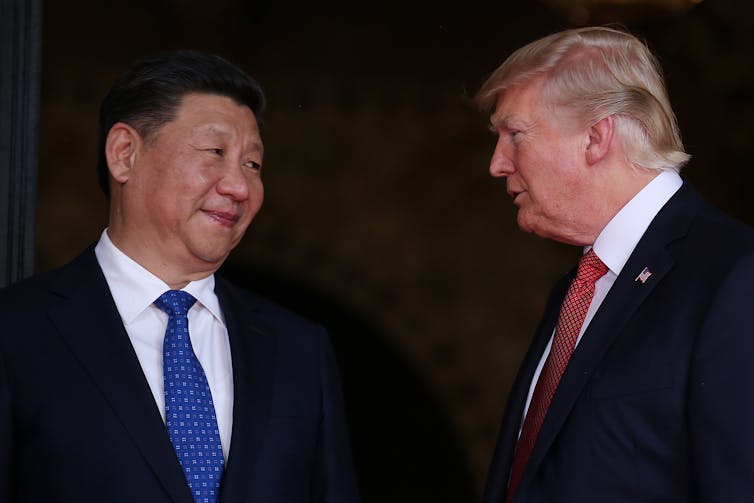
However, what’s been annoying China more has been Australia’s treatment of it as a non-market economy in anti-dumping investigations.


Read more: Shorten’s plan to triple anti-dumping penalties misunderstands the law


The designation flies in the face of a commitment Australia made as long ago as 2005 to treat China as a market economy as a precondition for the negotiation of the China-Australia Free Trade Agreement.

It means that the costs and prices actually charged in China aren’t used to determine whether or not it has been dumping. Instead, prices and costs in a third country are used to work out what is meant to be normal.

As I warned in a previous article, if the practice continues it could drag Australia into a trade dispute that would harm the interests of Australian industries.

China is embracing anti-dumping

While not being a traditional user of anti-dumping measures, China has been a fast learner.

Including the barley investigation, China has taken 276 anti-dumping actions since the introduction of its anti-dumping law in 1997 – somewhat less than the 326 cases initiated by Australia.

Until now, in contrast with Australia’s frequent anti-dumping actions against China, China has never initiated action against Australia.


Read more: The many ways Australia isn’t as pro-trade as we claim


This might be because it needs Australia’s exports and needs them cheaply.

But China is becoming a sophisticated player in the global trading system and is gaining experience using anti-dumping measures for the purpose of retaliation.

So far, the main targets have been the United States and the European Union. Often, it has imposed anti-dumping duties that exceed 100%.

It isn’t in Australia’s interest to join the club.

Barley is far from a random choice

Barley is not a random choice. To push Australia to abandon its attachment to anti-dumping measures, China has strategically targeted one of Australia’s major exports.

China is Australia’s biggest customer for exported barley. It pays A$1.2 billion for 4.2 million tonnes, around 68% of Australia’s barley exports to its top ten markets.

Barley producers and exporters are spread across many Australian states, and they had been relying on the recently signed China-Australia Free Trade Agreement, which eliminated Chinese tariffs.


Read more: Australia should steer clear of the sanction fight between the US and China


As of July 31, 2015, 70 barley exporters were registered with China’s import inspection and quarantine authority.

But China has many other suppliers from which to choose. It can restrict imports of high-quality Australian barley while continuing to import high-quality barley from elsewhere.

It promises years of turmoil

China’s investigation might take a year. However, it is able to impose preliminary duties after 60 days.

After any final determination to impose anti-dumping duties, these measures are likely to remain in place for five years, with the possibility of an extension for a further five years.

Only ten Australian barley producers and exporters are identified in the application lodged by the China Chamber of International Commerce, but it would be wise for the others to cooperate with the investigation.

Uncooperative exporters will face significantly higher duties.


Read more: ‘Trade wars are good’? 3 past conflicts tell a very different story


Australia can challenge the barley investigation in the WTO, but the rules suggest it can only do so after China’s ministry of commerce has made a final decision.

And the challenge might take years, during which time the anti-dumping duties would stay in place and China had become used to sourcing barley from elsewhere.

Unless China relents

Another possibility is that China might terminate the investigation or any duties imposed for other reasons.

Earlier this year, China decided not to include Australia in an anti-dumping investigation into grain sorghum imports after bilateral consultations.

But if Australia continues to launch repeated anti-dumping investigations against China and continues to classify China as a non-market economy, in breach of its earlier commitments, the action against barley growers is unlikely to go away in a hurry.

ref. Barley is not a random choice – here’s the real reason China is taking on Australia over dumping – http://theconversation.com/barley-is-not-a-random-choice-heres-the-real-reason-china-is-taking-on-australia-over-dumping-107271

Blocking Chinese gas takeover won’t damage Australia’s foreign investment pipeline

]]>

Source: The Conversation (Au and NZ) – By Simon Segal, PhD research candidate, Business, Macquarie University

The Morrison government’s decision to block Hong Kong’s largest infrastructure company from buying one of Australia’s key infrastructure companies seems to make a complicated relationship with China even more fraught.

Rejections of foreign takeover bids are extremely rare. This is just the sixth such decision in nearly two decades.

It might be argued the blocking of the A$13 billion bid for gas pipeline operator APA Group by Cheung Kong Infrastructure (CKI) Holdings reflects increasing politicisation of Australia’s process for reviewing foreign investment.

But this is not a political shot across the bows like China’s announced anti-dumping probe into imports of Australian barley. This takeover proposal was always doubtful. News of its knock-back potentially damaging relations with China, or foreign investment more generally, are greatly exaggerated.


Read more: As tensions ratchet up between China and the US, Australia risks being caught in the crossfire


Always unlikely

APA Group owns 15,000 km of natural gas pipelines and supplies about half the gas used in Australia. It owns or has interests in gas storage facilities, gas-fired power stations, and wind and solar renewable energy generators.


APA Group’s infrastructure assets. APA


Back in September, after APA accepted the takeover offer from a CKI-led consortium, the investment research company Morningstar judged it unlikely that Australia’s Foreign Investment Review Board would approve the bid.

The board is only an advisory body. The final decision rests with the federal treasurer. Josh Frydenberg signalled his intention to block the deal in early November, giving CKI a few weeks to change its proposal, either by selling assets or finding other investment partners, enough to change his mind.

That did not happen. Frydenberg’s final decision to block the bid was based, he said, on “a single foreign company group having sole ownership and control over Australia’s most significant gas transmission business”.

He emphasised the government remained committed to welcoming foreign investment: “foreign investment helps support jobs and rising living standards.”

It’s not all about CKI

CKI is not state-controlled. It is headed by the son of Hong Kong’s richest man, Li Ka-shing, and has a history of considerable success in investing in Australia.

Nonetheless speculation about the rejection damaging the Australia-China relationship has ensued. In the words of the South China Morning Post: “As the most China-dependent developed economy, Australia potentially has a lot to lose should relations with its biggest trading partner deteriorate further.”


Read more: Australia and China push the ‘reset’ button on an important relationship


Let’s put this into perspective.

First, there is broad bipartisan agreement that foreign investment is crucial to Australia’s economic prosperity.

Second, as already mentioned, this is just the sixth major public foreign investment proposal blocked since 2000. (All but one, notably, have been by Liberal treasurers.)

Third, all six rejections have been case-specific. Each bid has been considered on its merits.

This case arguably has less to with CKI being Chinese linked than with the size and significance of APA, whose transmission system includes three-quarters of the pipes in NSW and Victoria.

In 2016 CKI’s A$11 billion bid for NSW electricity distributor Ausgrid was also blocked (by then-treasurer Scott Morrison) on national security grounds.

But in 2017 CKI won approval for its A$7.4 billion bid for West Australian-focused electricity and gas distribution giant DUET. And in 2014 CKI’s acquisition of gas distributor Envestra (now Australian Gas Networks) was also cleared.

Shifting emphasis

This is not to deny that politics played a part in Frydenberg’s decision.

The seven-person FIRB board was divided (the exact votes are not known). The Treasurer’s call could have gone either way.

Forces within the Liberal Party that opposed Malcolm Turnbull’s leadership have also been deeply hostile to APA’s sale to CKI. Among the most vociferous was NSW senator Jim Molan, who warned of “hidden dragons” in the deal.

For a minority government lagging in the polls and just months away from an election, such views have assumed inflated importance.

Nonetheless the APA decision was not a surprise. Greater scrutiny is now part and parcel of the Foreign Investment Review Board process. In particular, the emphasis has firmly shifted over the past few years to scrutinising national security and taxation areas.


Read more: How Australia can help the US make democracy harder to hack


The Critical Infrastructure Centre within the Department of Home Affairs, which became fully operational this year, brings together capability from across the federal government to manage national security risks from foreign involvement in Australia’s critical infrastructure. It’s particularly focused on telecommunications, electricity, gas, water and ports.

David Irvine, who has chaired the Foreign Investment Review Board since April 2017, is a former head of the Australian Security Intelligence Organisation.

This shifting emphasis does not equate to a bias against foreign investment per se. There is no evidence investors, including Chinese, are being discouraged or significantly deterred from investing in Australia.

CKI itself demonstrates, by returning to Australia despite previous rejections, that foreign investors will not give up so long as the next deal stacks up. There is already speculation CKI has moved on, and now has its eyes on Spark Infrastructure, an ASX-listed owner of energy asset.

ref. Blocking Chinese gas takeover won’t damage Australia’s foreign investment pipeline – http://theconversation.com/blocking-chinese-gas-takeover-wont-damage-australias-foreign-investment-pipeline-103902

Friday essay: 50 shades of Shakespeare – how the Bard sexed things up

]]>

Source: The Conversation (Au and NZ) – By Stuart Kells, Adjunct Professor, College of Arts, Social Sciences and Commerce, La Trobe University

It’s hard to imagine a more literary or successful author than William Shakespeare, formerly of Stratford-upon-Avon. Around the world his plays are widely taught and expensively performed. Journalists and scholars look to him for social and political insights. In Washington DC, notionally the capital of the free world, the Folger Shakespeare Library stands near the Capitol building and the Library of Congress as a grand memorial to the Immortal Bard.

Is there another author whose reputation could ever rival Shakespeare’s? Certainly not from the 16th century, nor the 17th. Perhaps Johnson or Swift from the 18th? Austen or a Brontë from the 19th? Woolf, Joyce or Hemingway from the 20th? There are contenders, to be sure, but no one has put Shakespeare in the shade.

And yet there is a problem with Shakespeare.

Thought to be the most authentic portrait of William Shakespeare. Wiki Commons

Johnson, Austen, the Brontës, Woolf, Hemingway and Joyce all left behind evidence of their authorial lives. We can study diaries, letters, manuscripts, even juvenilia – a fulsome literary paper trail. With Shakespeare, though, the trail is meagre. Most of what we know of his life has come to us from arid official records, or via cryptic comments from contemporaries who hint at something mysterious or disreputable in the background.

What we notice most starkly is a documentary gap, one that people have attempted to fill in all manner of ways – by contacting Shakespeare through seances, or searching tombs and riverbeds for hidden manuscripts, or probing for secret messages in the plays, or positing all manner of “secret author” theories. According to those theories, William Shakespeare of Stratford was just a frontman for the true author of the Shakespeare oeuvre.

Many credible writers and scholars have embraced Shakespearean heresy. Disraeli, Emerson, Freud, William James, Mark Twain, Orson Welles and Walt Whitman all doubted Shakespearean authorship. Henry James was “haunted by the conviction that the divine William is the biggest and most successful fraud ever practised on a patient world”.

The heretics are right to be sceptical. Apart from the documentary gaps, there are good reasons to doubt Shakespearean authorship of at least some of the plays. They were published by men with a track record of fraud, and the printed versions conceal much about how they were produced, including the role of collaborators.

Fundamentally, though, the heretics are wrong. Thanks to four centuries of scholarship, we know William Shakespeare was an author. And we know a great deal about what kind of author he was.

Gerard Langbaine’s Dramatick Poets includes this anecdote about Titus Andronicus:

…the Play was not originally Shakespear’s, but brought by a private Author to be acted, and [Shakespeare] only gave some Master touches to one or two of the principal Parts or Characters: afterwards he boasts his own pains; and says, That if the Reader compare the Old Play with his Copy, he will find that none in all that Author’s Works ever receiv’d greater Alterations, or Additions; the Language not only refined, but many scenes entirely new: Besides most of the principal Characters heightened, and the Plot much increased.

The first significant reference to Shakespeare as a dramatist – Robert Greene’s famous “Shake-scene” attack – is a complaint about him taking credit, as an “upstart crow”, for the writings of others. There is other evidence, too, that much of his work consisted of revising and retouching plays by other people.

What did it mean for a play to undergo the Shakespeare treatment? We know the answer to that, too. It seems a lot of the treatment involved sexing things up.


Read more: Friday essay: How Shakespeare helped shape Germaine Greer’s feminist masterpiece


Lewd Venus

Today, William Shakespeare’s surname is utterly respectable. In the 16th century, however, the name had very different connotations. It was an old and earthy name, even a rustic one, akin to “Sheepshanks” and “Silcock” and “Wetherhogg”. His peers were always making fun of his provincial origins. People spoke of his “killcow conceit” – simultaneously an allusion to his father’s humble position in the Warwickshire leather trade, and a suggestion that Shakespeare’s cobbled-together plays were heavy with crude imagery.

Shakespeare Venus and Adonis. Wiki Commans

The name “Shakespeare” had another connotation as well. Shakespeare’s first reputation was as a poet, and particularly as a sex poet. In his three main books of poetry – Venus and Adonis, Lucrece, and the Sonnets – bawdy and erotic content is paramount.

Shakespeare made his first appearance in print with Venus and Adonis. Published in 1593, that book immediately earned a salacious reputation as an aid to what Michael Schoenfeldt called “solitary pleasure”. It is referred to in the anonymous Parnassus plays (1598–1602), in which the character Judico expresses love for the poem and its sweet, “hart throbbing” lines, and the character Gullio promises to “worship sweet Mr Shakespeare, and to honour him will lay his Venus and Adonis under my pillow”.

John Davies’ 1625 A Scourge for Paper Persecutors also mentions the poem, and suggests another way to enjoy it:

Making lewd Venus with eternall lines
To tye Adonis to her loves designes:
Fine wit is shown therein, but finer ’t were
If not attired in such bawdy geer:–
But be it as it will, the coyest dames
In private reade it for their closet-games.

Samuel Johnson would later list Venus and Adonis as one of the most scandalous and corrupting poems of the late 16th century.

He sex and she sex

William Shakespeare was very much alive above the ears and below the waist. A surprisingly high proportion of the documentary trail concerns his racy and bawdy exploits.

An important anecdote, from John Manningham’s 1601 diary, concerns a performance of the play we now call Richard III. Richard Burbage played the king and caught the attention of a beauty in the audience. The lady was so impressed by Burbage’s performance that she invited him to her home that evening — as long as he promised to stay in costume and character. Shakespeare got wind of the assignation and went first to the lady’s residence. Burbage arrived at the appointed time but Shakespeare was already inside, being “entertained and at his game”.

Copy of the anonymous history play Richard III. Wiki Commons

When the lovers were informed that Burbage was at the door, a triumphant Shakespeare sent his colleague a mischievous reply that contained a sharp lesson in English history. “William the Conqueror,” he said, “was before Richard the Third.”

Jane Davenant, mistress of the Crown Tavern in Oxford, is rumoured to have been another of Shakespeare’s lovers. Her son William, the future poet laureate, inferred on multiple occasions that Shakespeare was his father in more than just a poetical sense.

By the time Shakespeare’s Sonnets were published in 1609, they were somewhat old-fashioned and enjoyed little success. But an earlier manuscript version had circulated in the 1590s. According to the clergyman Francis Meres, Shakespeare’s “private friends” had devoured these “sugared sonnets” with relish.

Today, no copies of the Sonnets manuscript are known to exist. An enduring fantasy for bibliophiles and book-hunters, the manuscript is also a puzzle. The printed edition is a fascinating shandy of hetero- and homosexual flavours. Apart from being more raw and racy, the manuscript Sonnets may have been differently organised, perhaps into sections according to whose appetites were being served. The manuscript may also have included more prefatory matter – such as a letter from the author – that explained what he was up to.

Willy Shake-Spear

A painting of the intimate relationship between Desdemona and Othello in Shakespeare’s play Othello. Daniel Harris/flickr

Printed versions of Shakespeare’s plays started appearing in the mid-1590s, but not until 1598 did they carry his name on their title pages. The men and women who bought these thin quarto editions knew exactly what to expect. They had already been conditioned by the outputs of William Shakespeare, sex poet.

Like those of his closest peers – men such as Greene and Christopher Marlowe – Shakespeare’s plays are noteworthy for their bawdy and disreputable content. Everyone knows the scene from Othello in which Desdemona and Othello make “the beast with two backs”. There are hundreds of comparable examples. In Hamlet, the prince and Ophelia trade spicy banter:

Hamlet: That’s a fair thought to lie between maids’ legs.
Ophelia: What is, my lord?
Hamlet: Nothing.

Falstaff’s speech in Henry IV Part 2 speaks of Justice Shallow in terms such as these:

…the whores called him mandrake: [he] came ever in the rearward of the fashion, and sung those tunes to the overscutched huswives that he heard the carmen whistle.

In Love’s Labour’s Lost, Adriano de Armado makes a striking confession about the king:

…it will please his grace, by the world, sometime to lean upon my poor shoulder, and with his royal finger, thus, dally with my excrement, with my mustachio; but, sweet heart, let that pass.

OK let’s not get too carried away: “excrement” probably meant “beard”, but the contact is still intimate.

Passages of this flavour are what Shakespeare’s contemporaries meant when they said he wrote in a raw manner, “from nature”. And they are what Thomas and Henrietta Bowdler removed to make their 19th century Family Shakespeare. (They excised, for example, the “beast with two backs”.) Johnson wasn’t far from the Bowdlers in his views about the raw parts of Shakespeare. “There are many passages mean, childish, and vulgar; and some which ought not to have been exhibited, as we are told they were, to a maiden Queen.”


Read more: Shakespeare’s lost playhouse – now under a supermarket


Shakespeare’s Hamlet was probably more vital and bawdy than its predecessor version, possibly written by Thomas Kyd and now lost. Certainly Shakespeare’s King Lear is racier and more involving than the anonymously authored prior play, King Leir, which was registered in 1594.

The Bard had good reason to rev things up. Playwrights sometimes shared in the extra profits from the performance of successful plays. Writers were smart to add spicy content that would appeal to audiences from all classes.

Saucy sources

Apart from adapting earlier plays, Shakespeare took material from histories and poems and novels. His extensive use of sources shows there was no “secret author” behind the scenes who reliably fed him texts. His own library of sources performed that role.

Shakespeare’s personal collection of books and manuscripts has never been found, but one conception of it is compelling: an erotic library rich with imported Dutch and Italian smut along with English works such as Thomas Cutwode’s scandalous The Bumble-Bee (1599) and Giles Fletcher’s equally disreputable Licia, or Poemes of Love (1593).

The field of Shakespeare studies is all about mystery and discovery. There are many uncertainties about Shakespeare, but his achievement as a libidinous “sexer upper” allows us to put one precious stake in the ground.

Although sex is the unlikely key to understanding Shakespeare’s achievement as an author, for a long time the academy shunned his racy side. That side was not, however, wholly overlooked.

Nothing like the Sun, a story of Shakespeare’s life by Anthony Burgess. Alexis Orloff/flickr

The New Zealand-born lexicographer Eric Partridge compiled the remarkable Shakespeare’s Bawdy (1947), which presents, among other things, scores of Shakespearean synonyms and euphemisms for vagina. Nothing Like the Sun (1964) by the novelist Anthony Burgess is “A Story of Shakespeare’s Love Life”; the covers of the Heinemann hardback and the 1966 Penguin softback show Shakespeare with his mistress, the mysterious “dark lady” of the sonnets.

Still, the Shakespeare of Partridge and Burgess is very different to the respectable, mainstream one. How did Shakespeare pull off the transformation from sex poet to literary monument?

Even in his lifetime he was shape-shifting, from boisterous lyricist and tearaway playwright to old-fashioned sonneteer and retired bookman. In the decade after his death, men tidied up his authorial legacy – and possibly added to it – but Shakespeare was still one writer among many, his reputation on a par with those of Marlowe and Middleton, and behind those of Jonson, Milton and Spenser.

But Shakespeare was tailor-made for the Romantic and Victorian eras, whose actors, scholars and hacks embraced and refashioned the Bard. Bowdlerising editors cut many of the ruder bits and added happier endings. By the 20th century, Shakespeare’s preeminence was immutable, his works as sublime and respectable as Beethoven’s symphonies or Mona Lisa’s smile. Things, though, could have been very different.


Professor Stuart Kells is the author of Shakespeare’s Library: Unlocking the Greatest Mystery in Literature (Text Publishing).

ref. Friday essay: 50 shades of Shakespeare – how the Bard sexed things up – http://theconversation.com/friday-essay-50-shades-of-shakespeare-how-the-bard-sexed-things-up-106783

Grattan on Friday: Labor’s energy policy is savvy – now is it scare-proof?

]]>

Source: The Conversation (Au and NZ) – By Michelle Grattan, Professorial Fellow, University of Canberra

Hours before Bill Shorten delivered his energy policy on Thursday, Scott Morrison’s office had circulated an attack.

Labor’s plan was for a “carbon tax”; the proposed subsidy for “pink batteries” would leave households “$8000 out of pocket”.

It was a wild broadside that said much about how the government hopes a massive scare campaign can be an effective front line weapon in next year’s election.

In 2016 Malcolm Turnbull declined to run a heavily negative campaign, especially against Shorten personally. When things went pear-shaped he was strongly criticised for his approach.

Tony Nutt, Liberal federal director at the time, speaking soon after the election, defended the approach by saying research had confirmed voters were sick of political aggression and wanted to see a positive vision and plan. But others in the party were not convinced.

Labor, for its part, did very well with its “Mediscare”.

In more desperate circumstances and with a new leader, the Liberals at the next election will go all out stoking fears. Morrison is a much better negative campaigner than Turnbull ever could be: he delivers lines sharply and is not troubled by inconvenient nuance.

The government, assisted by the cooling of the housing market, has been stepping up its warnings about the effects on house prices of ALP’s negative gearing plan. Labor’s proposed crackdown on cash rebates from dividend imputation is also a ripe target, especially for agitating retirees (although pensioners are exempt).


Read more: Pensioners would retain cash refunds on franked dividends under Labor backdown


And now that Shorten has released the energy policy this week, the Coalition is reaching back into the past for lines and spectres.

Labor’s promise to subsidise home batteries ($2000 for households with incomes under $180,000) is dubbed “pink batts to pink batteries” to trigger memories of Kevin Rudd’s ill-prepared policy that cost several lives.

Energy Minister Angus Taylor went for the ultimate try-on, when he posed outside the Tomago Aluminium Smelter in Newcastle and claimed that “if all of Bill’s batteries were installed, it would keep this smelter, this business, going for less than 15 minutes”. “Bill’s batteries” are not, of course, aimed at powering Tomago.

The old line about the ALP putting a “wrecking ball” through the economy with its policy is getting a fresh workout.


Read more: Households to get $2000 subsidy for batteries under Shorten energy policy


In crafting its energy policy, Labor is drawing on different, more recent history – the widespread support from the business community and other stakeholders for the National Energy Guarantee that the Coalition abandoned amid its leadership meltdown.

Shorten says a Labor government would try to get agreement for a NEG, but not rely on doing so.

In an interventionist approach, Labor proposes an additional $10 billion for the Clean Energy Finance Corporation; its investments would support large scale generation and storage projects.

Labor’s investment would be in renewables, pushing towards its target of 50% of Australia’s energy coming from renewables by 2050. In contrast, the government is planning early next year to have a “short list” of dispatchable power projects, focusing on coal, gas and hydro, that it will look at underwriting.

An ALP government would also provide $5 billion for “future-proofing” the energy network – the transmission and distribution systems.

Labor’s energy policy is in the context of its commitment to a much more ambitious emissions reductions target than the government has – a 45% economy-wide reduction by 2030 on 2005 levels, compared with the Coalition’s 26%-28%.

This week’s announcement is about the energy sector only – the opposition will release soon its climate change policies to lower emissions in other sectors including transport. The government, homing in on the 45% target, is conjuring up scares about the nation’s cattle herd and the like.

Labor claims its energy policy would drive power prices down; the government says it would drive them up. In fact no one can be sure what will happen in the next few years in a situation where we are undergoing a major transition to a different energy mix.

Nor is it clear which side will win the coming debilitating round of the energy-climate wars.

The ALP would be unwise to underestimate the power of the scare. On the other hand, the government’s own policy looks like a shredded garment now it has torn up the NEG. Its “big stick’, including the threat of divestitures, and its promised “short list” of new dispatchable power projects don’t really cut it.

Labor would be heartened by the early responses its policy is receiving from business groups, despite their reservations.

In a crack at the government’s threat, the Business Council of Australia welcomed “Labor’s commitment not to support heavy-handed, intrusive changes into the energy sector such as forced divestiture”.

Most notable in the reaction of these groups, however, was their hankering for the NEG.

The Ai Group said a revised NEG was “still achievable” and “would be greatly preferable” to a government directly underwriting new generation, versions of which were being proposed by both major parties. The BCA was pleased Labor was taking the NEG to the election, reiterating that it was “a credible, workable, market-based solution to the trilemma of affordability, reliability and reducing our emissions”. The Australian Chamber of Commerce and Industry was likewise encouraged by the reference to the NEG.

This indicates that Labor’s decision to include the NEG in its plan is not just sound on policy grounds but is politically savvy. By keeping alive the NEG option, Labor has reached out to business.

Surely many Liberals are now starting to think that far from giving themselves a break against Labor by rejecting the NEG, they may have put themselves at a serious disadvantage which could be hard to overcome even with a fierce scare campaign.

This also raises an interesting question for after the election, if Labor wins. Given the widespread support for a NEG, would a Coalition opposition persist in rejecting it? Much would depend on the factional make up of the Liberal party of the day.

ref. Grattan on Friday: Labor’s energy policy is savvy – now is it scare-proof? – http://theconversation.com/grattan-on-friday-labors-energy-policy-is-savvy-now-is-it-scare-proof-107451

Words from Arnhem land: Aboriginal health messages need to be made with us rather than for us

]]>

Source: The Conversation (Au and NZ) – By Anna Ralph, Associate Professor; Director, Global and Tropical Health, Menzies School of Health Research

Australian First Nations people waiting for appointments at Aboriginal Community Controlled Health Organisations around the country will now see culturally relevant and locally produced content on the waiting room TVs.

Aboriginal Health TV, which launched in October, provides messages about leading health issues including smoking, eye and ear checks, skin conditions, nutrition, immunisation, sexual health, diabetes and drug and alcohol treatment services. It will also be repackaged for social media sites such as Facebook, Instagram and YouTube.

The program is funded by a A$3.4 million government grant over three years, and will be delivered by Tonic Media, the communications company founded by ABC media journalist Norman Swan.


Read more: Well-connected Indigenous kids keen to tap new ways to save lives


In our small community in Arnhem Land, Yilpara, we have no TV reception. We welcome this opportunity to share our knowledge about how to make and deliver health messaging. But the practical reality is that this network will need to be accessible beyond the reach of TV reception.

The program’s aim – to help close the gap in Indigenous health literacy – is important, and knowledge is the critical first piece of the puzzle. We also need mechanisms in place to support healthy living.

Our small community of Yilpara in East Arnhem Land. Google maps

Local content, in language

The extent to which availability of day-to-day health knowledge is taken for granted in mainstream Australia, and is missing from remote settings, cannot be understated.

Health education is usually given by busy staff in English, which may be the wrong language for the patient. It’s often delivered without the basic principles of two-way learning: empathy and respect. So knowledge about health does not reach us.

The disempowering effect of lack of knowledge, and the downstream impacts on health behaviours and outcomes, underpins the disadvantage of First Nations people.

To succeed, the Aboriginal Health TV programming needs to be delivered in our languages. In our community, as in many other remote communities, our traditional Aboriginal languages are still strong – we speak our language every day, in everything we do.

Culturally responsive approaches also must be used when bringing information about issues like smoking, eye and ear checks, immunisation, nutrition and drug and alcohol treatment services.


Read more: The origins of Pama-Nyungan, Australia’s largest family of Aboriginal languages


We have our own ways of understanding illness and health. Only by using our own words, metaphors that are meaningful to us, and a communication style that is respectful, can we hear the messaging from health professionals. This means the health messages need to be made with us rather than for us.

Tailored messaging using local footage offers the best chance of engaging viewers. We need to help make the stories if our communities are to trust and understand the information.

Respecting First Nations people

We still also need to go a step deeper than just using simple terms and our languages.

When Aboriginal radio first started in our community, it was all negative health messages that made us feel bad. We wondered what it was there for: why would the people making the programs want the listeners to feel bad? This bad feeling is more than just emotional; it affects us physically and makes us lose confidence.

Health education needs to lift our spirit, give optimism, and focus on “we” not “you”.

We are communal people, and we want to know the data from our community, not focus on what individuals can do for their health. Such data are regularly reported in mainstream press and Australian Institute of Health and Welfare reports – but those for whom these data are most relevant miss out.

We want to know what we can do as a community, working together with health providers, to understand, be empowered and respond positively to important health knowledge. Giving us population-level data gives us a chance to be in charge of determining both problems and solutions.

Beyond TV and Aboriginal health centres

Television is an effective medium for conveying public health knowledge, including to Indigenous populations and children.

In New Zealand, a series of culturally-appropriate television commercials providing public health education about rheumatic fever (a bacterial infection which often leads to rheumatic heart disease) are screened, targeting the most at-risk Māori and Pasifika populations. The health messaging is effective, with research finding the commercials to be the primary source of knowledge about rheumatic fever among at-risk children.

But in remote Aboriginal communities, where some of the greatest disparities in health outcomes such as rheumatic heart disease (a chronic disease where there is damage to the heart valves) are experienced, knowledge is craved but hard to come by.

In our home community we have one radio station, but no TV, no internet in our homes, no newspapers. We want to be able to access the new Aboriginal Health TV – but we will need the information in the right way.


Read more: Why are Aboriginal children still dying from rheumatic heart disease?


Social media is likely to be an effective strategy for Aboriginal Health TV programming.

Social media, such as Twitter, Facebook and YouTube, has great potential for targeted health messaging; Indigenous Australians have a strong presence on social media in areas where internet is accessible. Lessons from using social media to convey stop smoking messaging will be informative for the Aboriginal Health TV network.

But it’s important that messaging on social media also be positive and lift our confidence.

Another factor affecting the reach of Aboriginal Health TV network is type of clinic that broadcasts its content. If the network only reaches community-controlled health care services, as was originally proposed, half the Aboriginal population will miss out because they are serviced by government clinics.

Aboriginal Health TV programming should be rolled out in all Aboriginal health centres, whether government- or community-controlled.

Better food and housing

Knowledge is only one cog in the behaviour change wheel. The wheel won’t turn without other core elements to support healthy living. If opportunities are limited to eat well, exercise, or avoid the transmission of infections, no amount of knowledge or motivation will work.

Effective messaging that leads to local motivation to advocate for improved resources must then be supported by external agencies: better food in the shops; enough houses for the number of people; and improved access to building maintenance to combat the ill health effects of crowding.


Read more: Indigenous voices are speaking loudly on social media but racism endures


When researchers from Menzies School of Health Research starting working with us on rheumatic heart disease, we explained that the children needed better nutrition. We started a lunch club to provide health lunches to our school children, supported by the local employment program and our health service. Now we’re working with the local store owner to improve food supplies.

Health behaviour change is a long-term strategy

For knowledge to pass into culture, become embedded as a culturally owned phenomenon and passed on to others, it takes years, if not generations. In the western world, it took around a century from the discovery of germs as the cause of disease until communicable disease rates reached their modern-day lows.

Rheumatic fever, caused by human-to-human transmission of streptococcal infection, remained a leading cause of child hospitalisation for all families in Australia into the 1940s. It is now rare in mainstream Australia, while First Nations communities have world-leading rates of rheumatic fever in 2018.

We need culturally-appropriate knowledge in language of how to stop rheumatic fever – and the programming of Aboriginal health TV could help deliver this information to First Nations people.

The Aboriginal Health TV network also presents opportunities for:

  • community members to share testimonials
  • public health officials to provide alerts about outbreaks
  • health care providers to give education about prevention and management of common conditions
  • researchers to share outcomes of studies; especially local research which community members themselves many have participated in.

We want the Aboriginal Health TV network to be a way for knowledge to reach us in a way that builds our confidence. We look forward to working out solutions together. We want our children to understand how to stay strong.

ref. Words from Arnhem land: Aboriginal health messages need to be made with us rather than for us – http://theconversation.com/words-from-arnhem-land-aboriginal-health-messages-need-to-be-made-with-us-rather-than-for-us-100655

How Australia’s Mandarin speakers get their news

]]>

Source: The Conversation (Au and NZ) – By Wanning Sun, Professor of Media and Cultural Studies, University of Technology Sydney

The question of how much influence the Chinese government wields on the Mandarin-speaking community in Australia has been of increasing interest in recent months.

But until now, there has been little data about how the Mandarin-speaking population in Australia accesses news and information. To shed some light on this, my co-investigator (Haiqing Yu) and I conducted an online survey of 522 Mandarin-speaking people living in Australia, as part of the Chinese-Language Digital/Social Media in Australia: Rethinking Soft Power project.

We wanted to find out:

  • what kind of news and information they access on a regular basis
  • where they access it
  • whether their social media usage follows a similar pattern to that of Australia’s English-speaking public.

The results showed that while Mandarin speakers in Australia access a variety of online outlets, newer Chinese-language news websites are a primary source of information – particularly when accessed via WeChat, the Chinese social media app.

These data can help inform debates about whether and how Chinese government influence may operate in Australia via the media.

They could also be useful to those who want to encourage greater civic participation within our Mandarin-speaking migrant communities. This would help the Australian government better achieve its goal of public diplomacy via digital channels.


Read more: Thinking of taking up WeChat? Here’s what you need to know


Who we surveyed

Between August and September 2018, we surveyed respondents ranging in age from 16 to 70, most of whom (89%) were between 20 and 60.

Nearly half of the respondents (48%) had lived in Australia for between four and ten years. About one-third (37%) had been here for less than four years. More than half (51%) were Australian permanent residents with Chinese passports, while 36% were Chinese migrants with Australian passports.

Our survey was based on a “convenience sample” recruited largely via social platforms such as WeChat (previous research indicates that WeChat among the Mandarin-speaking community in Australia is near saturation). Our data roughly aligned with results from the 2016 Australian Census on several key characteristics, with the notable exceptions of education level and gender.

In our sample, 85% had an undergraduate degree or higher, compared with a Census figure of 43%. Our cohort was also skewed towards women with 62%, versus 56% in the Census.

Mandarin speakers don’t consume much legacy media

Our survey respondents showed a large appetite for news and current affairs. Indeed, 77% said they were interested in news about Australia, and slightly fewer (73%) said they were interested in news about China.

We found that most Mandarin-speaking respondents do not regularly access news and information directly from mainland Chinese legacy media, including newspapers, television and radio. Only 20% of participants said they regularly access news from sources such as Xinhua, People’s Daily, China Daily, Global Times, and CCTV.

Interestingly, when we asked how often they regularly access news and information from English-language legacy media in Australia such as ABC, SBS, The Sydney Morning Herald and The Australian, the answers were strikingly similar to the results for Chinese-language legacy media.

Chinese state media outlets make their content widely available through their WeChat subscription accounts, which are similar to official Facebook pages. But as many as 72% of respondents said they did not follow any of these organisations’ accounts in WeChat.

And when it comes to WeChat subscription account content from Australian media and our major political parties and politicians, a staggering 93% of respondents said they found it irrelevant to their interests.


Read more: How Tencent became the world’s most valuable social network firm – with barely any advertising


Local online Chinese-language news is popular

Although WeChat subscription accounts of legacy media outlets were not popular, WeChat subscription accounts in general were.

As many as 60% of survey participants identified WeChat as their primary source of news and information. Only 21% sourced news directly from media outlets’ own websites; a further 10% used social media news feeds; and 9% relied on reposts from friends, mostly in common-interest groups on WeChat.

There are dozens of online Chinese-language media outlets operating in Australia. These sites are primarily operated by former Chinese migrant entrepreneurs. They mostly translate, edit and synthesise news from Australian and Chinese media outlets, often through their own editorial lens.

The most popular of these includes SydneyToday, which claims to have more than 400,000 regular readers. More than half of respondents said they subscribed to the WeChat public subscription accounts of these sites.

Respondents nominated foreign policy (27%), food and lifestyle (25%), real estate (16%), migration policy (12%), and travel and leisure activities (9%) as the categories of news and information they found most useful.

Our findings suggest that to reach the majority of Australia’s Mandarin-speaking media consumers, stories need to be:

  • picked up by local Chinese-language digital media outlets
  • delivered via a WeChat public subscription account (which individuals access using a mobile phone app)
  • directly relevant to the interests of Chinese migrant communities.

Influence in this sphere is complex

Recent discussion about China’s influence via Chinese social media focuses on content. But we suggest that the audience’s consumption patterns and the direction of content flow may also need to be taken into account.

Rather than simply looking at what appears in these outlets, it is important to analyse how content flows from one domain to another, and how these organisations (re)frame news and information that was originally published elsewhere.

Only then can we accurately gauge the direction of any influence, as well as the extent to which China may exercise its influence on the Chinese migrant community in Australia.

As my previous work shows, the content of these Australia-based, Chinese-language platforms flows both into the Chinese media sphere and, to a lesser extent, into Australia’s English-language media.

Questions asked in this survey will be explored in more depth using open-ended interview and ethnographic techniques. What we can already glean from this survey is that our participants showed little appetite for the Chinese Communist Party’s propaganda content put out directly through China’s state media outlets. Wedged between China’s and Australia’s information and persuasion regimes, they appear to engage in the art of making do by actively negotiating with what each system has to offer.


Read more: When it comes to China’s influence on Australia, beware of sweeping statements and conflated ideas


WeChat can be used to target Chinese voters

These findings point to some of the challenges facing the Australian government in getting their message across to Chinese-Australian communities if they are serious in their aim of forging a stronger and more cohesive multicultural society.

Findings from the survey corroborate existing views that WeChat may be used to win votes.

More than half (56%) of our participants reported that WeChat would be their main source of news and information about the major parties’ policies. And 47% expected the major political parties to use WeChat to try and influence Chinese Australians in the 2019 federal elections.

Our sample highlights the untapped value of these communities – and the media they use – as potential resources in Australia’s foreign policy agenda towards China. Most important are WeChat and online Chinese-language media.

While WeChat is often rightly talked about in terms of control and censorship, its potential to be harnessed towards such ends has barely been tested.

The Australian government – and individual politicians, for that matter – would pass up a particularly valuable resource if they did not find effective and imaginative ways to exploit this platform.

ref. How Australia’s Mandarin speakers get their news – http://theconversation.com/how-australias-mandarin-speakers-get-their-news-106917

It’s still worth it for overseas students to study in Australia, but universities could be doing more

]]>

Source: The Conversation (Au and NZ) – By Julie Hare, Honorary Fellow, University of Melbourne

For years, it has been predicted the increasing number of students flowing into the graduate jobs market would result in falling salaries, underemployment, and students taking on second and third degrees to get an edge in the competitive jobs marketplace.

But what of students who spend upwards of A$200,000 on obtaining a degree in Australia, New Zealand, Canada, the United States or Europe? Many students come to Australia from overseas and pay full market rates – A$100,000 is a very conservative estimate for fees alone, with costs of living on top of that – for undergraduate and postgraduate degrees.


Read more: We need to make sure the international student boom is sustainable


Until now, we’ve known relatively little about how they fare when they return home and if there’s been a valuable return on their substantial investment. New research from the International Alumni Job Network (IAJN) reveals the return on investment for an international education is still positive for international students, and they’re generally also positive about the experience.

But it’s in the best interest of individual universities to actively work with businesses in home countries to help secure job prospects for graduates. Some universities currently do this, but most do not.

How many students study abroad?

According to the Institute of International Education, each year over 5 million students study abroad. Of them, more than a million go to the US. Australia is currently the third-largest destination country, but federal education minister Dan Tehan recently predicted Australia will overtake the UK in 2019.

Each year, the numbers increase in a seemingly unstoppable flow of students seeking an overseas degree as the passport to a better life. In Australia alone, the figures are breathtaking, with a 17% increase in just one year to be now valued at A$34 billion to the Australian economy.

Each year, over 5 million students study overseas. from www.shutterstock.com

Meanwhile media reports – and common sense – suggest the graduate employment market in some source countries is contracting, due to a number of factors. These include increasing inflows of internationally educated graduates, and improvements in higher education provision at home.

The China Daily, for example, reported last year that in 2007, 1.44 million students left China to study overseas, with 440,000 returning after graduation. In 2016, 5.45 million students left and 4.33 million returned home. Another 666,000 were set to return home in 2017 and compete for jobs with the 7.97 million freshly minted graduates from Chinese universities.

Return on investment

The IAJN survey covered alumni who originated from and returned to eight Asian regions: China, Hong Kong, India, Indonesia, Malaysia, Singapore, Thailand, and Vietnam. Respondents studied in Australia, the US, the UK, Canada, New Zealand or Europe.

The survey found, thankfully, the vast majority of students were more than satisfied with their international experience. In general, Indonesians were the most positive about their international experience (92%) and Indians the least positive (75%). Some 86% of Thai students thought international education was important, compared with 64% of Indians.


Read more: What attracts Chinese students to Aussie universities?


When it comes to satisfaction with return on investment, things get a little skewed. More than 70% of returned alumni were satisfied with the return on investment, with the exception of Indonesia (67%) and India (a lowly 46%).

Obviously, the reasons are far from straightforward. We hypothesise the responses are based on where students are getting their pre-enrolment information. We suspect using agents and university websites as the primary source of information may be too steeped in marketing hype and not enough in reality. By contrast, students who received their information by word of mouth from family, friends and other alumni were much more realistic in their expectations of studying abroad.

Graduate incomes

This study used US dollars to calculate the average wage of returned graduates because it’s the best benchmark.

In terms of income, the story is also mostly a positive one. While half of all returnees earned less than US$1,000 per month (A$1,411 per month or A$19,930 per year) in their first job, 33% reported earning more than US$4,001 per month (or A$67,729 per year).

Returns on investment depend very much on where students come from and how their earnings on return compare with their locally educated compatriots. For example, the average monthly wage of a Vietnamese-educated local is just US$175 a month and US$343 for Indonesians. On the other hand, locally educated graduates from Singapore and Hong Kong earn on average US$1,966 and US$1,722 per month respectively.


As expected, earnings growth accelerates over time. Some 40% of returned alumni earned more than US$10,000 per month (A$170,000 per year). Although we must take account of the fact some alumni responding to the survey gained their degrees more than two decades ago and were part of a relatively elite group who travelled overseas for study at that time.

On the downside, 30% of PhD graduates reported currently earning less than US$500 per month. One would assume this is a result of gender and age (such as for child bearing women). But within three to seven years, most graduates witness healthy salary increases, also as one would expect.

Attitudes towards Australian Go8 universities

The IAJN was also able to break down attitudes of students who attended a Group of Eight university (UWA, Monash, UNSW, ANU, the University of Melbourne, UQ, the University of Adelaide, and the University of Sydney). Responses to other individual universities were too small to be meaningful. According to the survey, there was little financial benefit from studying at a Go8 university (compared to a non-Go8 university) for a first job. The ANU provided the best returns on investment over time.

The study showed there was little financial benefit from studying at a Go8 university compared to a non-Go8 university for a first job. from www.shutterstock.com

Monash and UNSW had the highest satisfaction with return on investment at 75%. Sydney alumni also downplayed the role their international education had on their subsequent career (69% satisfaction compared to 84% at ANU and Monash). The dynamics behind these sorts of statistics will be up to individual universities to analyse and understand.

But the survey found Sydney University had the highest rate (15%) of alumni earning more than US$10,000 a month in their first job. Somewhat ironically, Sydney also registered the lowest satisfaction with return on investment (62%) – perhaps a culmination of high fees and the cost of living in Sydney.

Obviously, it’s in the interests of individual universities to actively work with businesses in home countries to help secure job prospects for graduates. The power of word of mouth and social networks should not be undermined.


Read more: Graduating into a weak job market: why so many grads can’t find work


The value of the international education sector might have hit an all-time high, but there’s pressure on individual universities to do their best to ensure graduates get a genuine return on their massive investment in their education abroad.


The author would like to acknowledge the contribution Shane Dillon, the founder of the International Alumni Job Network, made to this article.


ref. It’s still worth it for overseas students to study in Australia, but universities could be doing more – http://theconversation.com/its-still-worth-it-for-overseas-students-to-study-in-australia-but-universities-could-be-doing-more-107180

China’s legalisation of rhino horn trade: disaster or opportunity?

]]>

Source: The Conversation (Au and NZ) – By Hubert Cheung, PhD Candidate in Conservation Biology, The University of Queensland

The Chinese government will be reopening the nation’s domestic rhino horn trade, overturning a ban that has stood since 1993. An outcry since the announcement has led to the postponement of the lifting of the ban, which currently remains in place.


Read more: The case for introducing rhinos to Australia


The directive, if instituted, would require that rhino horn be sourced sustainably from farmed animals and that its use is limited to traditional Chinese medicine, scientific and medical research, preserving antique cultural artefacts, and as educational materials.

The announcement has been widely condemned. The United Nations Environmental Program called it “alarming”. But done carefully and correctly, and with necessary international consultation, it doesn’t have to add to the threat to rhinos. Indeed, it could even support rhino conservation.

A legal trade of rhino horns, as seen here, could ensure income goes to legitimate conservation efforts as opposed to criminals. Paul Fleet/Shutterstock

Rhino horns regrow and can be sustainably and humanely harvested from live animals. Those arguing for legalisation say that a well-regulated trade could be a source of funding for expensive rhino conservation. It could also help reduce poverty and support development around protected areas.

A legal trade could also provide an alternative supply of horns, where income goes to legitimate conservation and development efforts, rather than to criminals, which is currently the case.

Rhino horn for medicinal use

The directive from Beijing stipulates that rhino horn for medicinal use must come from rhinos bred specifically outside of zoos (such as at dedicated horn-farming facilities). The ground-up horn powder would then be certified under a scheme developed by a coalition of Chinese regulatory agencies.

China wants to restrict rhino horn use to medicinal purposes only. Dai Kurokawa/EPA

These agencies should draw from China’s experience regulating the medicinal use of pangolin scales to make sure poached horn does not infiltrate the legal marketplace. Though strictly controlled since 2008, illegal pangolin products continue to be seized frequently throughout China.

According to the directive, the medicinal use of rhino horn will be restricted to treating urgent, serious and rare diseases. This is consistent with what traditional Chinese medicine practitioners see as the appropriate application of rhino horn. Strict guides for clinical application will be needed to prevent misuse and overuse, particularly given the length of time that rhino horn has been unavailable to law-abiding clinicians.

Existing rhino horn stocks

Beyond medicine, the directive stipulates that people who already own horns will be able to declare their stocks. The government will then issue identification and certification records. After this, the horns must be sealed and stored safely, and not traded under any circumstances, barring gift-giving and inheritance.

This part of the directive is particularly concerning, as such a scheme will be complex, potentially giving owners of poached rhino horns smuggled into China a get-out-of-jail-free card. Lessons should be learned from the ivory trade in Hong Kong, where poached ivory has been laundered into legal stocks thanks to inadequate record-keeping and lax enforcement.

This section of the directive also raises concerns about the development of a socially accepted practice of gifting rhino horn akin to that of Vietnam. There, rhino horn has been found to be given as a gift for terminally ill family members and in business settings, where horns are offered as bribes to government officials. Strict enforcement will essential if China is to make sure illegal trading under the guise of gifts is not to spread.

China will have to work with countries where the rhinos live in Asia and Africa. Kevin Folk/Unsplash

Working with China

China will have to work with countries where rhinos live, including range states in both Asia and in Africa, as well as other rhino conservation stakeholders around the world. Swaziland and South Africa have previously proposed legalising the international trade in horn as a mechanism to fund and bolster conservation efforts.

Domestic trade in horn is legal in South Africa, and China and South Africa will have to coordinate to make sure their domestic marketplaces support rhino conservation and don’t enable transnational laundering and trade.

Beijing’s decision has certainly attracted immediate and fierce criticism from some conservation and animal welfare organisations. This criticism is exacerbated by different moral perspectives. Some people see the sale and consumption of rhino horn to fund conservation as morally repulsive. For others, it is legitimate and pragmatic.

Whichever side of the debate you stand on, the priority should be conservation outcomes and making sure that China’s newly legalised domestic horn trade strengthens rather than dangerously undermines rhino protection efforts. Rhino conservationists will need to find common ground with Beijing. This requires an appreciation of different cultural and moral values, and the use of evidence on how to minimise risks to rhino under the directive.

Responding to the widespread criticism, Chinese officials clarified that the implementation of the directive will be postponed. The government has also launched a short-term enforcement drive against illegal trading of rhino horn, which will run until the end of the year.

While heightened enforcement actions are welcome, it indicates that China can do much more to tackle illegal wildlife trade. China must strictly enforce its own regulations once its domestic horn trade has been opened.


Read more: The northern white rhino should not be brought back to life


Postponing implementation gives Beijing time to develop a detailed and robust set of regulations. Now is the time for rhino range states, conservation scientists and concerned groups around the world to work with Beijing so that the impending domestic horn trade in China can be a positive for rhino conservation.

ref. China’s legalisation of rhino horn trade: disaster or opportunity? – http://theconversation.com/chinas-legalisation-of-rhino-horn-trade-disaster-or-opportunity-106770

Why we should remember Boorong, Bennelong’s third wife, who is buried beside him

]]>

Source: The Conversation (Au and NZ) – By Meredith Lake, Honorary Associate, Department of History, University of Sydney

More than 200 years after Woollarawarre Bennelong’s death, the NSW government has purchased the land where he is buried. On the north side of the Parramatta river, the unmarked grave site will be turned into a memorial to the great Wangal leader.

But Bennelong is not the only person interred at the spot. Boorong, his third wife, lies alongside him. She has intrigued me for years, since I first began researching the role of Christianity in the encounter between Eora and Europeans. She is not famous like Bennelong, or his second wife Barangaroo. So who was Boorong? And why should we remember her too?


Read more: Indigenous lives, the ‘cult of forgetfulness’ and the Australian Dictionary of Biography


Colonial sources only give us a few glimpses of Boorong. She is discussed briefly in letters by the first chaplain, Richard Johnson, and his wife Mary, with whom she lived for about 18 months in 1789-90.

Other first fleet officers and a few later colonists also mention her in their journals, using a range of names including Abaroo, Araboo, Aboren and Aborough – as well as Booron or Booroong. These mainly incidental references are coloured by the Europeans’ perspectives and agendas. There are no surviving records produced by Boorong herself – no equivalent to Bennelong’s letter.

Still, pieced together, these fragments suggest Boorong played a significant role in the initial interaction between black and white Australians. She was the first Indigenous person to have a substantial encounter with Christianity and its Bible. She was also a political go-between, a cross-cultural broker, and a survivor.

Boorong’s background

Boorong was the daughter of Maugoran, a Burrumattagal elder, and Goorooberra, whose name means “firestick”. She belonged to the Parramatta area, “the place where eels lie down”. Born there in the mid-1770s, she was about 12 when European colonists arrived.

Boorong caught smallpox during the epidemic of autumn 1789. Some of Governor Phillip’s men found her sick and brought her into their camp for attention. She was nursed by Arabanoo, an Eora captive at Government House. Arabanoo caught the disease and died – along with as many as half the local Eora, including Bennelong’s first wife, whose name is lost to history.


Read more: Four Thousand Fish and Broken Glass connect Sydney’s Aboriginal past to its present


Boorong, like Bennelong, was one of the survivors. According to Lieutenant Watkin Tench, she was then “received as an inmate, with great kindness, in the family of Mrs Johnson, the clergyman’s wife”.

We don’t know what Boorong thought of the Johnsons, what her agenda was, or how free she felt to stay or leave their hut. But Richard and Mary encouraged her to wear clothes, to speak English and to make herself useful around the house. The clergyman – an evangelical – taught Boorong the Lord’s Prayer and tried to convey an idea of “a supreme being”. His hope, he wrote to a friend, was to see “these poor heathen brought to the Knowledge of Christianity”.

The Reverend Johnson also “took pains” to instruct Boorong in reading, presumably using the Bible as a text for lessons. She thus encountered a new language, a new kind of literacy, and the technology of books and writing. These language skills meant she later got caught up in the political negotiations between black and white.

Early Sydney politics

By 1789, Governor Phillip had made virtually no progress in understanding the Eora – and had resorted to kidnapping people to establish a channel of communication with the local tribes.

After Arabanoo’s death, Phillip’s officers took in two more warriors by force. Coleby soon escaped his shackles, but Bennelong stayed longer – gathering information about the colonists and forging strategic relationships with Phillip and others around Government House. But then Bennelong, too, escaped – dashing English hopes that he would broker some kind of understanding between the two sides.


Read more: Rediscovered: the Aboriginal names for ten Melbourne suburbs


In this context, Phillip’s officers turned to Boorong, as well as a boy Nanberry, to act as go-betweens. On and off, between May 1789 and November 1790, they reluctantly relied on her as a translator and mediator with the Sydney tribes.

Boorong translated when Johnson and Lieutenant William Dawes went to find out who had speared Phillip at Manly Cove in September 1790.

Boorong also accompanied the officers on several visits to Bennelong during the spring of 1790, and conveyed their repeated requests that he come back to the British camp.

In late October, Bennelong indicated a willingness to go and visit Phillip. Barangaroo, Bennelong’s wife at the time, opposed the trip so strenuously that the officers offered a guarantee of safety: “Mr Johnson, attended by Abaroo (i.e. Boorong), agreed to remain as a hostage until Baneelon should return”.

Boorong rejects white society

There was a rapproachment of sorts between Bennelong and Phillip. And by late summer 1791, numbers of Eora were routinely staying in the town. The Rev. Johnson thought this new state of affairs had been “principally brought about” by Boorong, the “little girl” he had taught.

Boorong herself did not stay in the English camp. In October 1790, she returned to the bush neither converted to Christianity nor convinced of the colonists’ way of life. She continued to visit the Johnsons occasionally for at least five years after that, but in Mary Johnson’s words she did so “quite naked” and “evidently preferred [her] own way of life”. An image of Boorong, now held by the Natural History Museum in London, depicts her at her brother Ballooderry’s funeral in December 1791.

By 1797, Boorong was married to Bennelong. Barangaroo had died a few years previously, and Bennelong had survived a round trip to England. Boorong and Bennelong lived together with a band of perhaps 100 Eora survivors on the north side of the Parramatta river.

Around 1803 they had a son, known as Dickey, who as a young adult converted to Christianity, received baptism, and became probably the first Indigenous Australian evangelist.

We do not know the details of Boorong’s death, sometime around 1813. But in 1815, an Aboriginal elder known as “Old Philip” told ship’s surgeon Joseph Arnold that Bennelong had “died after a short illness about two years ago, & that they buried him & his wife at Kissing Point”.

In 1821 Nanberry, by his own request, was also buried alongside Bennelong – but that’s another story. In the meantime, let’s not memorialise Bennelong in a way that erases Boorong and her contributions as a negotiator and survivor.

ref. Why we should remember Boorong, Bennelong’s third wife, who is buried beside him – http://theconversation.com/why-we-should-remember-boorong-bennelongs-third-wife-who-is-buried-beside-him-107280

Here’s a tip that could make banks phenomenally successful: radical honesty

]]>

Source: The Conversation (Au and NZ) – By Louise Metcalf, Researcher in Environmental and Organisational Psychology, Macquarie University

Appearing before the banking royal commission, the newly appointed head of the Commonwealth Bank, Matt Comyn, has held out the prospect of ethical leadership making a difference.

He revealed that for more than a year as head of the Commonwealth’s retail division, he had wanted to shut down an insurance policy that charged many people for cover they were unable to claim.

The head of the bank at the time, his boss Ian Narev, refused, telling him among other things: “temper your sense of justice”.

Comyn made a contemporaneous note that was displayed on a screen at the commission.


The quote (which may be disputed – Narev has not had it put to him by the commission) is almost as memorable as the now infamous one by Oliver Schmidt, the since-jailed general manager in charge of Volkswagen’s engineering and environmental office, in an email during what became the emissions cheating scandal. He was found to have written:

It should first be decided whether we are honest. If we are not honest, everything stays as it is

Couldhhe an bthak Atustralia’s banks decide to be honest?

In his interim report, Commissioner Kenneth Hayne nominated two things that would help: ethical leadership at the top, and consumer financial literacy that would keep those ethical leaders honest.

Unfortunately, there is evidence neither will be enough.

Literacy is a losing battle

Firstly, the notion that financially educated consumers can keep anything at bay is seriously problematic.

Researchers found it hard to even teach financial literacy given it is such a moving target. Continually changing tools and technologies, including the growth of artificially intelligent financial service providers, are hard to stay on top of.

And change from the top is hard

Secondly, there is enormous inertia at the top.

As an example, both the AMP and TAL Insurance released statements after evidence given to the commission supporting some of the unethical practices exposed.

AMP said it’s within its legal rights to charge dead people life insurance premiums, and said it after its chair and chief executive had resigned.


Read more: Toppling bankers can be satisfying, but it’s not enough to heal a sick culture


TAL Insurance said its practice of seeking out medical information unrelated to a claim in order to prove non disclosure and deny the claim was standard industry practice at the time.

Banks have a history of commissioning risk culture studies and then reporting that everything’s fine, something that suggests a commitment to the idea of good behaviour rather than its practice.

The group’s the thing

Financial incentives can dull our sense of what’s right. Recent research indicates that those with something to gain from bad behaviour are less likely to see it as a problem, all the more so if it is practised in a group.

But groups can also be used to stimulate good behaviour. What is needed is the relatively new concept of “ethical followership”.

Ethical followership is an understanding that doing good in organisations is co-produced by both leaders and their followers.


Read more: Confiscate their super. If it works for sports stars, it could work for bankers


Building a culture of ethical followership includes seeking out and recruiting those who are willing to be brave in their ethics and can handle the stress of standing against the crowd for what they know is right.

Radical honesty is the answer

These people, who arrive ready to drive good in the workplace, should be specifically rewarded for calling out and discussing what is wrong and thereby encouraging others to do the same.

Built up around them should be a growing progression to radical honesty, which would include recording, and openly allowing access to, all meeting notes, decisions, even actual tapes of meetings in order to generate a better memory for honesty.

It can make money

Bridgewater Associates, the largest hedge fund in the world, is a champion of radical honesty.

Nearly every meeting is taped and anyone relevant is allowed to go back and watch. Confrontation is as good as compulsory.

It isn’t easy, and it has critics, but it works for Bridgewater.


Read more: Confucius has a message for business leaders who want to succeed: reflect


In Australia, too many whistleblowers have been alienated and discarded simply for doing what Bridgewater would encourage them to do.

If the bank is brave

Their experiences bring in to question whether Australian financial institutions are capable of embracing the level of ethical followership that would be needed to rebuild trust with the Australian people.

Many within them would see it as too big a price to pay.

Others would see it as a small price to pay for continued access to a stream of government guaranteed deposits.

ref. Here’s a tip that could make banks phenomenally successful: radical honesty – http://theconversation.com/heres-a-tip-that-could-make-banks-phenomenally-successful-radical-honesty-106931

RSF condemns Chinese exclusion of journalists at APEC side events

]]>
Chinese President Xi Jinping in Port Moresby … accused over “new media control strategy” in South Pacific. Image: SCMP

Pacific Media Watch Newsdesk

Reporters Without Borders (RSF) has condemned the discrimination practised by the Chinese delegation against local and international media at the summit of the Asia-Pacific Economic Cooperation (APEC) held last weekend in Papua New Guinea and attended by President Xi Jinping.

During the APEC leaders summit, held from November 17-18 in Port Moresby, several accredited media – including the Australian public broadcasting TV channel ABC and the local EMTV News channel and National daily newspaper – were prevented from covering three events organised by the Chinese delegation and involving Chinese President Xi Jinping.

The events included a dinner with President Xi’s counterparts from eight Pacific Island States, reports RSF.

READ MORE: Nothing to see here … Chinese state media has little to say over APEC summit drama

Chinese journalists were apparently the only ones allowed to cover these events.

“The delegation, which did not see fit to explain the reasons for this discrimination, cynically invited excluded journalists to use the recordings broadcast by the Chinese media as the source of information for their articles,” RSF said.

-Partners-

Cédric Alviani, director of RSF’s East Asia office, said: “It is intolerable that a foreign delegation in an international event would claim the right to choose which journalists can be admitted or not to cover the proceedings.”

He added that this incident was “a new example of the media control strategy established by Beijing, which is no longer limited to the Chinese territory and tends to spread internationally”.

China is one of the world’s worst jailers of journalists, holding more than 60 professional and non-professional journalists behind bars.

In the 2018 World Press Freedom Index published by RSF, the country stagnates at 176 out of 180. In the RSF Index, President Xi is described as a “predator” against press freedom.

In Auckland, the Pacific Media Centre’s Pacific Media Watch freedom project also condemned the “assault on Papua New Guinea’s freedoms of speech, expression and access to information” in a country that has a constitutionally guaranteed free media.

President Xi Jinping’s “predator” against media freedom file with RSF. Source: RSF

Print Friendly, PDF & Email

Article by AsiaPacificReport.nz

With China-US tensions on the rise, does Australia need a new defence strategy?

]]>

Source: The Conversation (Au and NZ) – By Greg Raymond, Research fellow, Australian National University

There is no evidence that China has ever contemplated using its nuclear weapons to coerce another state. Instead, China has maintained a “no first use policy” on nuclear weapons. Surprising as it may sound to many, China wants to build an image of itself as a responsible power.

But the fact remains that China could threaten to use those weapons to force the Australian government into, say, ceasing its patrols of the South China Sea, regardless of the much-debated US “nuclear umbrella” in East Asia.

This is the reality that Australian defence planners have lived with for some 50 years. Australian defence force planning has long accepted the premise that our self-reliance needs to be viewed within an alliance context. As recently as 2009, the government plainly conceded that the Australian Defence Force was not expected to deal with a situation:

…where we were under threat from a major power whose military capabilities were simply beyond our capacity to resist.

In such a situation, we don’t expect to be alone.

This point is important to bear in mind when we consider recent discussions of a “Plan B” to strengthen Australia’s defence posture.


Read more: Australia and China push the ‘reset’ button on an important relationship


Commentators have suggested recently that Australia’s strategic risk is increasing and the A$195 billion defence spending plan announced in the 2016 Defence White Paper is now insufficient.

Australian taxpayers would certainly be interested to know why a plan that doubles our submarine fleet, significantly expands our navy and adds 100 of the most advanced and expensive combat aircraft ever invented would now be seen as insufficient.

The answer lies in the shifting strategic landscape in the Asia-Pacific region, which has led to greater concerns about China’s long-term intentions and rising tensions between China and the US. So what exactly has changed?

China’s recent activities in the region

Since the last Defence White Paper in 2016, Australian defence observers have been alarmed by four things:

  • China’s rejection of the Permanent Court of Arbitration’s ruling that deemed its nine-dash line claim in the South China Sea illegal

  • China’s conversion of its South China Sea artificial islands into military bases, which was largely complete by the end of 2016, despite a pledge President Xi Jinping gave then-President Barack Obama that China had “no intention to militarise” the islands

  • reports in April of this year that China was establishing partnerships with Pacific nations like Vanuatu for potential future military bases and other arrangements

  • the election of Donald Trump as US president and the uncertainty this has brought to the region due to his disparaging of traditional alliances and disdain for multilateral institutions

These events have occurred against a backdrop of China’s rapidly expanding global footprint. This includes the establishment of its first overseas military base in Djibouti on the Horn of Africa, and its growing access to regional ports such as the controversial Hambantota port in Sri Lanka, which the Sri Lankan government ceded to Beijing on a 99-year lease.

President Xi Jinping has rapidly expanded China’s presence in the Pacific region in recent years. Mick Tsikas/AAP

These regional shifts have also come amid growing illiberalism in China, evidence of increasing Chinese intelligence and influence operations in Australia (especially the Dastyari affair) and bullying behaviour from Chinese officials in their meetings with Australian politicians.

In addition, Trump appears to mark a significant break with the strategic priorities of previous US administrations. He’s threatened to walk away from America’s support for the traditional allies and global trade institutions that have characterised US foreign policy since the Second World War. This has put unprecedented distance between the United States and Australia, which as a middle power needs healthy global institutions.


Read more: Australia’s naval upgrade may not be enough to keep pace in a fast-changing region


But on China, it’s different. The Trump administration and importantly, the US security apparatus, share Australia’s darkening view of China to the point we may now be seeing a new Cold War developing in the region.

Case in point: the recent announcement of US participation in the development of a joint naval base with Australia on Papua New Guinea’s Manus Island. This is clear evidence of the US’s new willingness to compete with China and a signal the US wants to dispel the uncertainty left in the region in the wake of Obama’s problematic “pivot” to Asia.

Assessing the risks for Australia

In assessing whether Australia needs a steep increase in its defence spending, there are two questions we must ask: Firstly, what regional developments could the 2016 Defence White Paper not have anticipated? And of these, which equate to risks that increased defence spending can obviate?

Our defence planners have been well aware since at least 2009 of China’s gradually modernising defence forces and steadily growing navy. China’s moves toward a blue-water fleet, including new carriers and cruisers, were also well understood in 2016.

While the artificial islands in the South China Sea were still being built, their eventual militarisation was also anticipated by Australian defence leaders, despite China’s protestations to the contrary.

But even knowing all of this, Australia’s defence planners essentially decided in the 2016 White Paper to continue with the “Force 2030” force structure they envisaged in 2009. There have been some additions like shore-based anti-ship missiles, but our plan has largely been focused on enablers – that is, the capability to make the force operate with greater certainty, precision and coordination. Importantly, this White Paper did not envisage Australia fighting China on its own.


Read more: The risks of a new Cold War between the US and China are real: here’s why


Of the strategic developments involving China since 2016 – from the revelations of its influence operations to its new-found interest in the Pacific – the question defence planners should now be asking is whether any undermine the fundamental judgements of the 2016 White Paper. Do they point to a need to radically change Australia’s defence posture?

Combating China’s illicit influence in Australia is being dealt with through our stronger foreign influence laws. Offsetting China’s influence in the Pacific will be best undertaken through Australia’s aid and diplomatic programs.

This leaves the big question of the role of the US in the Asia-Pacific region – the most critical of defence planning factors. Will Australia be left on its own in the foreseeable future?

And here we must observe that despite Trump’s anti-alliance rhetoric, the American force posture in the Western Pacific actually remains unchanged. There have been no base closures and no force draw-downs as of yet from the bases encircling China in Guam, Japan and South Korea, though Trump has threatened this.

Mike Pence signaled a harder US stance towards China in a speech last month, saying: ‘We will not stand down.’ Fazry Ismail/EPA

Moreover, the hardening US view against China means a likely strengthening of its Asia-Pacific posture under the new National Security Statement, the cardinal US security policy document.

In fact, the US is now expanding its presence in the region with the announcement of the new joint naval base on Manus Island. The US also recently put its nuclear deterrence guarantee to Australia in writing for the first time in history. And the American Marine build-up in Darwin continues.

Although China’s military advances are making the task of possibly defeating its navy more challenging, the fact remains that it will be a long time before it’s able to start a war with the US confident of victory. The US also seems unwilling to leave China to dominate Asia.

In these circumstances, would China use its forces against other countries in the region, like Australia, without the US getting involved? In my view it could not.

Therefore, while every responsible government should continue to assess defence planning and ensure appropriate levels of readiness, the case for a sharply increased defence spending plan is not at this point compelling.

ref. With China-US tensions on the rise, does Australia need a new defence strategy? – http://theconversation.com/with-china-us-tensions-on-the-rise-does-australia-need-a-new-defence-strategy-106515

It’s hard to think about, but frail older women in nursing homes get sexually abused too

]]>

Source: The Conversation (Au and NZ) – By Joseph Ibrahim, Professor, Health Law and Ageing Research Unit, Department of Forensic Medicine, Monash University

We don’t often think of older women being victims of sexual assault, but such assaults occur in many settings and circumstances, including in nursing homes. Our research, published this week in the journal Legal Medicine, analysed 28 forensic medical examinations of female nursing home residents who had allegedly been victims of sexual assault in Victoria over a 15-year period.

The cases were examined by Clinical Forensic Medicine – a division of the Victorian Institute of Forensic Medicine – between January 1, 2000 and December 31, 2015.

The majority of the alleged victims had some form of cognitive or physical impairment. All 14 perpetrators who were reported were male, half of whom were staff and half other residents. The majority of case reports didn’t indicate whether the alleged victim had received treatment for the assault.

The most frequent alleged sexual contact was vaginal contact or penetration. Injuries weren’t reported for every case. Where present, they consisted of bruising, skin tears, redness and swelling.

The physical examination was often limited because of the cognitive status (in 38%) of the individuals, physical issues (in 31%), lack of cooperation (23%), and poor examination conditions (23%). Data on alleged victims’ behaviour was commonly missing.

These information gaps highlight the difficulty of examination which is essential to a detailed investigation. A better understanding of the context and setting of the assault, which is usually available when younger women are victims, is essential to inform prevention efforts.


Read more: Sexual assaults in psych wards show urgent need for reform


Eliminating sexual assault in nursing homes is a major challenge which starts with acknowledging it exists and recognising the scale of this abuse.

Much higher than we think

Sexual assault is considered the most hidden, as well as least acknowledged and reported, form of elder abuse. This makes it difficult to accurately estimate its prevalence.

Prior to 2007, it was estimated there were around 20,000 unreported cases of elder abuse, neglect and exploitation in Victoria. Between 2009-10 and 2014-2015 the published number of sexual assaults among older people rose from around 280 to 430 reports nationally (information about each jurisdiction was not available).

Reliance on carers makes nursing home residents especially vulnerable to sex abuse. from shutterstock.com

In 2015–2016 The Australian Department of Health was notified of 396 reports of alleged or suspected unlawful sexual contact of residents in nursing homes in Australia.

Based on these statistics, we expected Victoria would have 80-120 sexual assaults of residents reported in nursing homes per year (equating to approximately 1,200 assaults during the study period). The 28 cases reported to the forensic investigation team over a 15 year period suggests under-recognition and under-reporting.

Nursing home residents are particularly vulnerable to sexual assault due to their dependency on caregivers, health problems, and the co-housing of residents, sometimes with potentially dangerous older individuals with sexual assault backgrounds.


Read more: Violence between residents in nursing homes can lead to death and demands our attention


Negative stereotypes such as that older people aren’t sexual beings, their greater dependency on others, potential divided loyalty to staff members or residents are unique barriers to reporting, detecting, and preventing sexual assault in nursing homes. Despite severe health consequences, efforts to prevent and address elder abuse remain inadequate.

In the majority of cases we examined, signs of general or genital injury were not found. Further, post-assault victim responses, such as agitation, distress and confusion may mirror symptoms of cognitive impairment. This can create difficulties for nursing home staff in distinguishing between the usual behaviour or a response to trauma, such as sexual assault.

Also, nursing home victims of sexual assault tend to be ignored by staff who often don’t believe the accusations. Although we could not determine who or what prompted reporting, what is known is that sexual assaults are unlikely to have a witness, though witnesses appear to be crucial to ensure successful prosecution.

Sexual assault, in any setting or age group, is one of the most difficult crimes to prosecute due to the required elements of intent and lack of consent. But this is made all the more complicated when it comes to nursing home residents.

Awareness is crucial

Staff must be aware of the existence of sexual assault in nursing homes. It is their duty as care providers to report alleged or suspected sexual assault in a timely manner. More education, training and research is needed to address the knowledge gaps around incidence, levels of reporting, nature of investigations, responses required to better assist the victim, and the interventions needed to prevent sexual assault.


Read more: How our residential aged-care system doesn’t care about older people’s emotional needs


Without a clear understanding of the alleged victim and incident characteristics, we will struggle to combat sexual assaults in nursing homes. There is an urgent need to better use the existing data held by the the Department of Health to understand the full extent of sexual assault in nursing homes. The Royal Commission is an opportunity to consider the development of tailored policies, staff training and legislation.

ref. It’s hard to think about, but frail older women in nursing homes get sexually abused too – http://theconversation.com/its-hard-to-think-about-but-frail-older-women-in-nursing-homes-get-sexually-abused-too-107013

Asians out! Not in this suburb. Not in this apartment

]]>

Source: The Conversation (Au and NZ) – By Alanna Kamp, Postdoctoral Research Fellow in Australian Cultural Geography, Western Sydney University

This is the fourth article in our series, Australian Cities in the Asian Century. These articles draw on newly published research, in a special issue of Geographical Research, into how Australian cities are being influenced by the rise of China and associated flows of people, ideas and capital between China and Australia.


When it comes to access to housing in Australia, the playing field is far from even.

Our recent research has found that “race” matters. Many Australians experience racism and discrimination based on their cultural background.

This is particularly the case for Asian Australians. They experience much higher rates of racism across a variety of everyday settings, but particularly when renting or buying a house.


Read more: A white face can be a big help in a discriminatory housing market


Asian Australians’ experiences of racism

An online national survey of 6,001 Australians measured the extent and variation of racist attitudes and experiences. We examined the impacts of where Australians are born and what language they speak at home on their experiences of racism.

Our research revealed that if you were born overseas, or if your parents were born overseas and you speak a language other than English at home, you are likely to have many more experiences of racism than other Australians. Racism is experienced in a variety of settings –workplaces, educational institutions, shopping centres, public spaces and online.

Survey participants born in Asia were twice as likely as other Australians to experience everyday racism. In fact, 84% of these Asian Australians experienced racism.

For those born in Australia to parents who were both born in an Asian country, rates of racism were just as high (86%).

If you speak an Asian language at home, your experiences of racism are also likely to be high. Speakers of South Asian and East Asian languages experience racism at alarming rates – 85% and 88% respectively. Those who speak Southwest/Central Asian and Southeast Asian languages experience rates of discrimination (79% and 78% respectively) similar to those for all participants of a non-English-speaking background (77%).

Anti-Asian housing discrimination

Published findings for New South Wales and Queensland in the 1990s revealed that 6.4% of Australians reported having experienced ethnic-based discrimination when renting or buying a house. Our recent national study has found this proportion has increased dramatically. In recent years, 24% of Australians have experienced housing discrimination.

Almost six in ten Asia-born Australians reported having experienced housing discrimination. James Ross/AAP

As with the broader pattern of everyday racism, Asian Australians are feeling the brunt of housing discrimination. Almost six in ten (59%) Asia-born participants in our study experienced racism in accessing housing. This compares to only 19% of non-Asian-born participants.

Asia-born respondents were also more likely to report frequent experiences of housing discrimination. Some 13% reported these experiences occurred “often” or “very often”. This is more than three times the average exposure of non-Asian-born Australians.

In particular, participants born in Northeast and South/Central Asia are more frequently exposed to racism in housing. And 15% and 16% respectively reported housing discrimination occurred “often” or “very often”. This compares to only 9% of those born in Southeast Asia.

The survey also found that if you have two Asia-born parents you are highly likely to experience such racism (44%). Similarly, if you speak a language other than English at home (especially an Asian language), you are more likely to experience housing discrimination (45%).

South Asian language speakers (e.g. Hindi, Tamil, Sinhalese) experience housing discrimination at a much higher rate of 63%. The rate for East Asian language speakers (e.g. Chinese, Japanese, Korean) is 55%. Only 19% of English-only speakers had the same experiences.

Why is this happening?

These findings suggest that the owning and occupying of space by Asian Australians is seen as a threat to Anglo-Australian hegemony. Alternatively, or perhaps relatedly, many real estate agents and owners assume Asians are somehow suspect, or will be a lesser quality tenant or owner. This would be an echo of colonial racist thinking in which Asians were seen as biologically inferior and a potential source of racial impurity.

The repression of Chinatowns and more recent moral panics about Indo-Chinese settlement areas in Sydney and Melbourne – such as Cabramatta and Richmond – point to these stereotypes of vice, uncleanliness and chaos. Perhaps this 20th-century troubling of the white spatial order is continuing today.

Sinophobia in Australia is also emerging in debates about housing investment, donations to political parties, university campus politics, the purchase of agricultural land for mining, as well as general concerns about Chinese government influence, geopolitics and human rights issues in China. Public debate is appropriate, but emerging hysteria and sensationalism are shifting into animosity towards people with Chinese heritage in Australia.

Authorities need to act

Exclusion from an important urban resource like housing can generate profound levels of substantive inequality. This in turn is associated with health issues and poorer access to other elements of life chances like employment, transport and education. It can also generate society-wide issues like segregation and intergenerational inequality.

Australia has laws against racist discrimination in access to goods and services like housing. Our findings, among others, indicate that housing discrimination is more acute for some groups than others, particularly Asian Australians. So where is the coordinated response to this clear injustice?


You can find other articles in the series here.

ref. Asians out! Not in this suburb. Not in this apartment – http://theconversation.com/asians-out-not-in-this-suburb-not-in-this-apartment-103919

A decade after the invention of the smartphone, we’re about to find out how we use our time

]]>

Source: The Conversation (Au and NZ) – By Lyn Craig, Professor of Sociology and Social Policy, University of Melbourne

Much has changed since 2006 about the way we use our time.

Back then we didn’t have iPhones, iPads, Tinder, Snapchat, Facebook, WhatsApp, Instagram, or machines that could play us streamed music, check our heart rates and guide us to our destinations as we walked. We didn’t have Uber, Airtasker or Airbnb. We hadn’t had a global financial crisis.

Back in 2006 we used our time only slightly differently to the way we did fifteen years earlier. We know this because the Bureau of Statistics ran a time use survey that year, giving diaries to 3,900 households who recorded what they were doing in five minute blocks.


Read more: How the smartphone affected an entire generation of kids


The answers varied little from those obtained from the surveys in 1997 and 1992.

Men spent an average of 43 minutes per day on housework, up from 37 minutes in 1992. Women spent two hours 11 minutes, down from two hours 27 minutes.

When it came to childcare, women did twice as much as men, but also more of the “inflexible” activities, such as bathing, putting to bed and transport to and from school. Men were more likely to do the flexible kind: things such as playing, taking children to sports activities, and reading them books.


Read more: Equal distribution of housework? Not any time soon


Men and women spent about 20 minutes more per day consuming “audio/visual media” than they did in 1992 (in 2006 the term referred to radio and television and compact discs and TV programs. Streaming scarcely existed).

Both genders spent more of the weekends shopping than they used to, and less time socialising. And they slept more than they did 15 years earlier.

Things will have changed more

Time use surveys are conducted by statistical agencies in more than 35 countries worldwide. Australia’s was one of the first.

In the aftermath of the global financial crisis the survey scheduled for 2013 was cancelled for financial reasons and further surveys were postponed until the Bureau found the funds.

Since 2006 Australia’s population has grown nearly 20%, the digital revolution has transformed the way we communicate and work, the “gig economy” has offered work opportunities not previously available, but secure jobs are harder to get and globalisation has intensified.


Read more: Phubbing (phone snubbing) happens more in the bedroom than when socialising with friends


A major financial crisis has shaken confidence and wiped out substantial savings. Home prices have more than doubled. The share of the population aged over 65 years is on the way to doubling.

We now have paid parental leave scheme. People are spending longer in education, and more young women are tertiary-educated than young men.

What has it all meant for how we spend our time? Thanks to the Bureau, and the way in which it has been funded, we haven’t been able to find out.

Soon, we’ll know

We are about to be given that chance.

This week the Minister for Women Kelly O’Dwyer announced A$10.4 million of fresh funding for a reborn time use survey in 2020-21 in order to help the government “design policies to fit the way people actually live their lives”.

Labor had already promised to reintroduce the survey in 2020 and 2027 at a cost of A$15.2 million.

It means we will finally begin to find out what is going on.

Are Australians spending more time alone? How are changing workplace conditions including flexibility, non-standard hours and split shifts affecting how much time we spend with our children and our friends?

We expect to find that younger people and the less-educated are bearing the brunt of workplace changes. We expect to find that while women are far more likely to be in the paid workforce, they still do the bulk of the work at home. We expect to find that grandparents are shouldering more of the childcare load.

But we won’t know, and won’t have confidence to act on these changes, until we see the data.

Counting time spent doing unpaid work and determining its financial value will also allow us to meet our international obligations under Human Rights treaties and the United Nations Sustainable Development Goal for Gender Equity.

In 2006 our unpaid work was worth 40% of gross domestic product.

The right design will be critical

The reintroduced survey will need to be redesigned for the digital age. The government says it will be an eDiary rather than a pencil and paper diary.

But it will be important to ensure the questions don’t much change. That way we will get a good measure of how our behaviour has changed since 2006.

With the spread of time use surveys around the world since Australia’s pioneering work in the years leading up to 2006, it will be possible to follow what has become international best practice and harmonise our definitions with those of other countries.

Knowing what we do will once again tell us much that is useful about who we are, how we have changed and how we compare.

ref. A decade after the invention of the smartphone, we’re about to find out how we use our time – http://theconversation.com/a-decade-after-the-invention-of-the-smartphone-were-about-to-find-out-how-we-use-our-time-107195

Why Australian retailers should respect the past and rename their ‘Black Friday’ sales

]]>

Source: The Conversation (Au and NZ) – By Daniel May, PhD Candidate, Australian National University

Australians familiar with “Black Friday” sales might associate them with images of Americans clambering over each other to battle for iPhones and TVs. Yet this term – used here by companies such as Amazon, Kogan, Bonds, and The Good Guys to promote their sales – is inappropriate for Australia given its association with devastating bushfires.

Traditionally the Friday after the Thanksgiving holiday, “Black Friday” is known in the United States as a commercial bonanza where shoppers can gain large discounts. The term, it seems, was invented in the 1960s by Philadelphian police to wryly describe the traffic chaos caused by hordes of post-Thanksgiving shoppers. It became widespread from the 1980s onwards.

Australians shopping online have taken advantage of US-based Black Friday sales for years. But since the 2017 launch here of American retail giant Amazon, other local brands have followed its lead in advertising Black Friday sales. They are doing so this week, with “Black Friday” this year falling on November 23.

But in Australia, the term Black Friday has a very different history. The 1939 Black Friday bushfires in Victoria were Australia’s worst environmental disaster at the time. Seventy one people were killed and over 1,000 houses were destroyed on January 13, 1939, by fires driven by extreme winds and severe drought.

In the wake of the bushfires, the Victorian government created a Royal Commission led by Judge Leonard Stretton, which collected over 2,500 pages of testimony.

At just 34 pages long and rich with beautiful language, for many years it was required reading for Victorian school students, helping Australians to understand the calamity. Indeed, in 2003, then Victorian Premier Steve Bracks took the report home for his weekend reading, seeking a frame of reference to explain his state’s 2002-3 bushfire season.

Sims, P. (1939). Burnt Country between Ada River & Fitzpatrick’s, near VHC No. 2. [picture]. H90.114/45. State Library Victoria. State Library Victoria.

In a particularly apt passage, Judge Stretton lamented the lack of environmental knowledge of the victims. These words chill my spine every time I read them:

Men who had lived their lives in the bush went their ways in the shadow of dread expectancy. But though they felt the imminence of danger they could not tell that it was to be far greater than they could imagine. They had not lived long enough. The experience of the past could not guide them to an understanding of what might, and did, happen.

Despite Stretton’s eloquence and the policy changes that followed 1939, Australia has continued to experience bushfire disasters. The 2009 Black Saturday bushfires in particular affected many of the same areas and were described by environmental historian Tom Griffiths as “a recurrent nightmare … 1939 all over again”.

Many of the victims of Black Saturday had no personal memory of 1939, and had not taken steps to prepare for bushfires, by building the shelter bunkers or dugouts that were once common in these regions. The eucalyptus regnans mountain ash ecosystems and “fire flume” climate dynamics of this region mean that it will blaze again.

Sims, P. (1939). No. 1. Ada [timber Mill, Powelltown, Vic.] [picture]. H90.114/46. State Library of Victoria

I’m not suggesting here that Australian businesses should avoid competing in a global shopping bonanza – but I would like to constructively suggest an alternative name for their sales.

As with many so-called “historical traditions” that actually have a very recent origin, the “Black Friday” name was itself largely a construction of the media. While Philadelphia police coined the term, it was spread by local journalists and eventually adopted by national television stations.

Given this, and the fact that many of these sales increasingly run for longer than 24 hours, it does not seem too radical to suggest an alternative Australian name.

My own suggestions are “Big Friday” (the name originally preferred by Philadelphians), “Friday Frenzy” or even the “Holey Dollar Holiday”. I would be interested to hear ideas from others.

More than simply changing the name of a sale, this is an opportunity for us to reflect upon the slow Americanisation of Australian culture. It also raises questions about how we as a society can best commemorate and remember past disasters so as to avoid future ones.

Next year will be the 80th anniversary of Black Friday and the 10th anniversary of Black Saturday. Memories and local histories can guide us to prepare for future disasters, but the rhythms of fire ecology can run longer than human generations.

With more Australians building houses in bushfire-prone areas and climate change predicted to modify the climatic drivers of fire, Australians need to learn to live with fire. This can even involve re-learning about fire. This process must include studying environmental histories – and protecting the legacies of past disasters.

ref. Why Australian retailers should respect the past and rename their ‘Black Friday’ sales – http://theconversation.com/why-australian-retailers-should-respect-the-past-and-rename-their-black-friday-sales-107015

It looks like an anchovy fillet but this ancient creature helps us understand how DNA works

]]>

Source: The Conversation (Au and NZ) – By Ozren Bogdanovic, Lab Head-Developmental Epigenomics and Senior Research Fellow, Garvan Institute

Today a large international consortium of researchers published a complex but important study looking at how DNA works in animals. The research focused on a marine organism, a creature called amphioxus (also known as “the lancelet”), to explore some of the steps that took place as animals evolved from invertebrates (animals without a backbone) to more complex back-boned vertebrates, including us humans.

Ozren Bogdanovic is one of the lead authors of the study.


What is this animal, and why do you work with it?

The creature is called Mediterranean amphioxus, or amphy for short (the scientific name is Branchiostoma lanceolatum). Amphy normally lives buried in the sand in the Mediterranean, in the Black Sea and along coastal beaches of the European Atlantic.

Amphioxus looks like a vertebrate (an animal with a backbone, like humans and other mammals) but lacks the specialisations of animals like us, such as a complex brain and limbs. It shares with vertebrates a basic body plan, and has some comparable organs and structures in its body.

So amphy is used in research as an example of one of the simplest animals with a backbone that has some features in common with more complex lifeforms.

Because it “sits in the middle” between invertebrates and vertebrates, it can tell us about some of the steps and developments that took place as animals became more complex over millions of years of evolution.

More simple examples of invertebrates include insects, worms and jellyfish.


Read more: Guide to the classics: Darwin’s On the Origin of Species


What does your new paper tell us about how DNA is used in the body?

For this work we sequenced the amphy genome (all of its DNA) and generated data required to study its genes.

This study gives us an overview of layers and control mechanisms that work around genes, and how these play a role in building more complex animals.

We found that some genes that perform only very general functions in amphy are used in a much more specialised way in vertebrates, particularly in the brain.

As individual animals, both we humans and amphy have two copies of each gene in each cell – one from each of our parents. But in humans, each of those genes further exists in two versions (they are duplicated), whereas in amphy each only exists in one version.

So it seems that the existence of two versions of each gene in vertebrates is linked with the ability to create specialised tissues and functions in our bodies.


Read more: Ancient fish evolved in shallow seas – the very places humans threaten today


Not anchovy fillets! UniProt

What does the research help us learn about how DNA is controlled?

One of the most exciting aspects of this new paper is that – for the first time – it shows us that for some of its genes, amphy uses a similar method to vertebrates to control whether genes are active or not.

This system is called DNA methylation. Small molecules called methyl groups sit on top of a particular part of the DNA and act like signposts that tell genes to switch off.

In more simple animals, such as invertebrates like worms and insects, methylation has been observed at very low levels. Amphy also has low DNA methylation levels in general.

But in this study we found focused sites of dense DNA methylation in the amphy DNA. In these regions, the methylation carries out functions similar to the functions in vertebrates – that is, it participates in gene regulation. This has not been observed before in invertebrates.

For amphy to use DNA methylation to control activities of some of its genes tells us that the regulatory function of DNA methylation might have evolved millions of years earlier than we initially thought.

This new finding may help us understand more about how DNA regulation works, and how it goes wrong in disease.

ref. It looks like an anchovy fillet but this ancient creature helps us understand how DNA works – http://theconversation.com/it-looks-like-an-anchovy-fillet-but-this-ancient-creature-helps-us-understand-how-dna-works-107353

Geopolitics Analysis: A bridge too far – Dr Paul Buchanan

]]>

Headline: A bridge too far. – 36th Parallel Assessments by Dr Paul G. Buchanan

Jiaozhou Bay/Qingdao-Haiwan Bridge, China. Photo: Feel the Planet (feel-planet.com).

Dr Paul Buchanan, founder of 36th Parallel Assessments.

The Labour-led government in New Zealand has settled on a new mantra when it comes to addressing the US-China rivalry. It claims that New Zealand is ideally situated to become a bridge between the two great powers and an honest broker when it comes to their interaction with the Southwest Pacific. This follows the long-held multi-party consensus that New Zealand’s foreign policy is independent and autonomous, and based on respect for international norms and multinational institutions.

The problem is that the new foreign policy line is a misleading illusion. It ignores historical precedent, the transitional nature of the current international context, the character and strategic objectives of the US and the PRC and the fact that New Zealand is neither independent or autonomous in its foreign affairs.

The historical precedent is that in times of conflict between great powers, small states find it hard to remain neutral and certainly do not serve as bridges between them. The dilemma is exemplified by the island of Melos during the Peloponnesian Wars, when Melos expressed neutrality between warring Athens and Sparta. Although Sparta accepted its position Athens did not and Melos was subjugated by the Athenians.

In stable world times small states may exercise disproportionate influence in global affairs because the geopolitical status quo is set and systemic changes are incremental and occur within the normative framework and around the margins of the system as given. When international systems are unstable and in transition, small states are relegated to the sidelines while great powers hash out the contours of the emerging world order—often via conflict. Such is the case now, which has seen the unipolar system dominated by the US that followed the bi-polar Cold War now being replaced by an emerging multi-polar system aggregating new and resurgent powers, some of which are hostile to the West.

In this transitional moment the US is in relative decline and has turned inward under a Trump administration that is polarizing at home and abroad. It is still a formidable economic and military power but it is showing signs of internal weakness and external exhaustion that have made it more reactive and defensive in its approach to global affairs. China is a rising great power with global ambition and long-term strategic plans, particularly when it comes to power projection in the Western Pacific Rim. It sees itself as the new regional power in Asia, replacing the US, and has extended its influence world-wide.That includes involvement in the domestic politics and economic matters of Pacific Island states, including Australia and New Zealand.

China’s rise and the US decline are most likely to first meet in the Western Pacific. When they do, the consequences will be far reaching. Already the US has started a trade war with the Chinese while reinforcing its armed presence in the region at a time when China cannot (as of yet) militarily challenge it. China has responded by deepening its dollar and debt diplomacy in Polynesia and Melanesia as part of the Belt and Road initiative, now paralleled by an increased naval and air presence extending from the South and East China Seas into the blue water shipping lanes of the Pacific.

There lies the rub. New Zealand is neither independent or autonomous when it confronts this emerging strategic landscape. Instead, it has dichotomized its foreign policy. On the security front, it is militarily tied to the US via the Wellington and Washington Declarations of 2010 and 2012. It is a founding member and integral component of the Anglophone 5 Eyes signal intelligence gathering network led by the US. It is deeply embedded in broader Western security networks, whose primary focus of concern, beyond terrorism, is the hostile activities of China and Russia against liberal democracies and their interests.

On trade, New Zealand has an addict-like dependency on agricultural commodity and primary good exports, particularly milk solids. Its largest trading partner and importer of those goods is China. Unlike Australia, which can leverage its export of strategic minerals that China needs for its continued economic growth and industrial ambitions under the China 2025 program, New Zealand’s exports are elastic, substitutable by those of competitors and inconsequential to China’s broader strategic planning. This makes New Zealand extremely vulnerable to Chinese economic retaliation for any perceived slight, something that the Chinese have been clear to point out when it comes to subjects such as the South China island-building dispute or Western concerns about the true nature of Chinese developmental aid to Pacific Island Forum countries.

As a general rule issue linkage is the best approach to trade and security: trading partners make for good security partners because their interests are complementary (security protects trade and trade brings with it the material prosperity upon which security is built). Absent that, separating and running trade and security relations in parallel is practicable because the former do not interfere with the latter and vice versa. But when trade and security relations are counterpoised, that is, when a country trades preferentially with one antagonist while maintaining security ties with another, then the makings of a foreign policy conundrum are made. This is exactly the situation New Zealand finds itself in, or what can be called a self-made “Melian dilemma.”

Under such circumstances it is delusional to think that New Zealand can serve as a bridge between the US and China, or as an honest broker when it comes to great power projection in the Southwest Pacific. Instead, it is diplomatically caught between a rock and a hard place even though in practice it leans more West than East.

The latter is an important point. Although a Pacific island nation, New Zealand is, by virtue of its colonial and post-colonial history, a citizen of the West. The blending of Maori and Pacifika culture gave special flavor to the Kiwi social mix but it never strayed from its Western orientation during its modern history. That, however, began to change with the separation of trade from security relations as of the 1980s (where New Zealand began to seek out non-Western trade partners after its loss of preferred trade status with UK markets), followed by increasingly large waves of non-European immigration during the next three decades. Kiwi culture has begun to change significantly in recent years and so with it its international orientation. Western perspectives now compete with Asian and Middle Eastern orientations in the cultural milieu, something that has crept into foreign policy debates and planning. The question is whether the new cultural mix will eventuate in a turn away from Western values and towards those of Eurasia.

The government’s spin may just be short term diplomatic nicety posing as a cover for its dichotomous foreign policy strategy. Given its soft-peddling of the extent of Chinese influence operations in the country, it appears reluctant to confront the PRC on any contentious issue because it wants to keep trade and diplomatic lines open. Likewise, its silence on Trump’s regressions on climate change, Trans-Pacific trade and support for international institutions may signal that the New Zealand government is waiting for his departure before publicly engaging the US on matters of difference. Both approaches may be prudent but are certainly not examples of bridging or brokering.

While New Zealand audiences may like it, China and the US are not fooled by the bridge and broker rhetoric. They know that should push come to shove New Zealand will have to make a choice. One involves losing trade revenues, the other involves losing security guarantees. One involves backing a traditional ally, the other breaking with tradition in order to align with a rising power. Neither choice will be pleasant and it behooves foreign policy planners to be doing cost/benefits analysis on each because the moment of decision may be closer than expected.

Analysis syndicated by 36th Parallel Assessments

Where has the joy of writing gone and how do we get it back for our children?

]]>

Source: The Conversation (Au and NZ) – By Edwin Creely, Lecturer in literacy and English education, Monash University

NAPLAN results indicate a decline in students’ ability to write. Outcomes in literacy, including writing, affect student achievement across multiple subject areas (including maths and science).


Read more: NAPLAN writing tests hinder creativity, so what could we use in their place?


There is a clear link between students being engaged with writing and the quality of literacy outcomes. Students’ willingness to write can be promoted by making writing more enjoyable and meaningful to young people, with authentic connections to their lives.

The power of expressive writing

Research in English and literacy education consistently shows when teachers are given the scope to tap into students’ interests, they can produce work of high quality. To increase students’ enjoyment of writing, more time could be given to creative forms of writing such as poetry, song lyrics, short scripts, personal memoirs and comic pieces, and combinations of different types of texts with visual materials in multimodal and digital composition.

It’s important for children’s literacy for them to fall in love with writing. www.shutterstock.com

We now have a rich body of research and toolkits that support teachers in writing instruction. Building on good writing instruction, it’s also important for writing to be an activity done for intrinsic purposes such as pleasure. The Australian Association for the Teaching of English asserts the importance of this goal.

Writing is more than work for achieving an outcome. It’s identity work. In the enjoyment of writing, student writers can find themselves and discover the power of language. Powerful literacy skills can be gained in this discovery, with lifelong implications.

Tackling the decline in writing for pleasure in schools

Despite the link between writing for enjoyment and positive literacy results, there is accumulating evidence that writing instruction in schools is becoming limited. The current focus on forms of writing tested in standardised formats, such as tests like NAPLAN and PIRLS, puts pressure on teachers and schools to narrow writing instruction. Typically, this would mean a focus on producing essays, persuasive pieces, reports, recounts, descriptive writing and procedural texts.


Read more: Decluttering the NSW curriculum: why reducing the number of subjects isn’t the answer


In NSW, Geoff Masters, the CEO of the Australian Council for Educational Research (ACER), is overseeing a comprehensive review of that state’s curriculum. He has already noted teachers and school leaders are bound by an inflexible curriculum. This includes approaches to writing and literacy that focus too heavily on prescribed functional texts. Other research by ACER suggests the need for more openness and innovation in teaching writing.

Teachers are committed to improving their students’ writing, given the emphasis in class on assessment of writing by NAPLAN and other international tests. But they also need to feel they can allow more time for unstructured or personal writing that promotes creative writing identities for students.

A focus on testing can stifle pleasure in writing. www.shutterstock.com

For example, teaching multimodal composition (where two or more modes such as written language, spoken language, visual or audio are combined) and writing designed for performance alongside mandated forms of writing (such as persuasive, narrative or instructional writing) would allow students to develop important skills in writing that reflect the emerging digital world and a range of necessary literacy competencies.

The key to promoting the effective writing skills needed by students is to be found in making writing engaging, meaningful and pleasurable. Every opportunity should be taken to open up the possibilities of writing for students so they want to do it and see its relevance to their lives.

There also needs to be a shift in the current policy and assessment emphasis on specific outcomes to one which empowers teachers to promote writing to learn and writing for enjoyment.

Encouraging writing for enjoyment

What can teachers and parents do at home and at school to foster an enjoyment of writing?

Teachers can promote enjoyable writing with meaningful writing environments. www.shutterstock.com

At home

Parents can encourage children to write for pleasure, not just for school work. For example, having a personal diary or journal, and in it writing about life, what interests them, or for imagining, storytelling and wondering.


Read more: Why the teaching of creative writing matters


At school

Teachers can open up writing for pleasure in their classrooms, either as a core activity or as an extension after other work is completed. There can be a special class time to share or perform creative and personal writing and for other students to comment about it. Teachers can also write alongside students to model good writing behaviours.

Schools can promote writing clubs where students can write together, share their writing and even self-publish it in online forums and blogs.

ref. Where has the joy of writing gone and how do we get it back for our children? – http://theconversation.com/where-has-the-joy-of-writing-gone-and-how-do-we-get-it-back-for-our-children-101900

Colonial Australia was surprisingly concerned about Aboriginal deaths in custody

]]>

Source: The Conversation (Au and NZ) – By Kristyn Harman, Senior Lecturer in History; Graduate Research Coordinator, School of Humanities; Course Coordinator, Diploma of History, University of Tasmania

When the Royal Commission into Aboriginal Deaths in Custody’s report was tabled in 1991, it was not the first official inquiry into this tragic phenomenon. The disproportionately high rate of mortality among Aboriginal convicts in colonial New South Wales had triggered an earlier investigation in 1850.

The problem is, of course, still with us. This year a Guardian investigation found 147 Indigenous people have died in custody over the past ten years, and 407 since the end of the Royal Commission.


Read more: Deaths in custody: 25 years after the royal commission, we’ve gone backwards


In my research into the transportation of Aboriginal convicts in the 19th century, I uncovered a government circular, a formal letter, written in 1851. It set out detailed instructions about watching and reporting on the health of Aboriginal prisoners. It recommended that if an Aboriginal prisoner’s life was in danger, he might be released from gaol.

A portrait of Musquito, who was hanged in Hobart in 1925. National Library of Australia

When Aboriginal convict Jemmy died in custody in 1850 soon after being transported to Cockatoo Island in Sydney, the Native Police Office wrote to let the colonial secretary Edwards Deas Thomson know. Thomson reacted by asking for a report of the number of Aboriginal convicts who had died on the island over the past five years.

It revealed that of the 19 Aboriginal men transported there between 1845 and 1850, 12 (63%) had died there or in Sydney’s general hospital.

Jemmy, along with at least 60 other Aboriginal men from NSW (which at the time included Queensland and Victoria), was transported following his involvement in Australia’s 19th century frontier wars. Some of these Aboriginal convicts were sent to Norfolk Island and Van Diemen’s Land.

Others languished on Goat Island, Sydney, and, later, Cockatoo Island. The most high profile Aboriginal captive was Musquito who was banished from NSW to Norfolk Island in 1805 and later hanged in Hobart in 1825.


Read more: Soldiers, thieves, Māori warriors: the NZ convicts sent to Australia


Why the deaths?

Most Aboriginal convicts simply did not survive for very long in captivity. In their first year of incarceration, Aboriginal convicts died at ten times the rate of male convicts shipped to Van Diemen’s Land from Britain. Speculation about this at the time mostly hinged around the idea that they died from pining for country.

Other contributing causes included untreated injuries following violent arrests and crowded, unsanitary living conditions, which led to chest infections. Aboriginal poor health in custody was exacerbated by colonial diets and hard labour.

The disturbing trend of high death rates amongst Aboriginal prisoners is evident in archival records from the early decades of the 19th century. Yet until the 1840s Aboriginal convicts were spread out across a range of different probation and penal stations.

When Thomson heard how many Aboriginal convicts were dying in custody at Cokatoo Island, he set up a board of enquiry to consider alternatives to confining them there. This board comprised the medical adviser to the government Dr Patrick Hill, the surgeon at Cockatoo Island Dr O’Brien, and the island’s visiting justice, H. H. S. Browne.

The response

The most significant outcome of the inquiry was a remarkable document that went beyond the 339 recommendations of the Royal Commission almost 150 years later. An official circular instructed surgeons visiting colonial gaols to report to justices any cases involving Aboriginal prisoners whose lives could be endangered by longer confinement.

The upshot of this was that, providing it was not considered contrary to the public interest, the suffering prisoner might be released from custody. With the restoration of his freedom, it was hoped he would return to full health.

A detail from the circular that was sent around gaols. NSW State Archives and Records

While this initiative arose out of the convict system, the instructions were circulated more widely and applied to Aboriginal prisoners generally.

The gaol at Bathurst, a town north west of Sydney, was among the institutions to which the circular was sent in March 1851. In the early 1850s, Godfrey Charles Mundy visited Bathurst Gaol as part of a tour of NSW with his cousin, Governor Charles FitzRoy.

Mundy wrote about a man known as “Fish-hook”, who had been locked up for cattle stealing and showed signs of reduced mental function. Returning a month later, Mundy noted a marked deterioration in Fish-hook’s mental and physical wellbeing.

FitzRoy ordered Fish-hook’s immediate release. When Mundy saw Fish-hook a third time, after the Aboriginal man had become a colonial servant, he wrote how the former prisoner’s mental health had been perfectly restored.

Despite the transformative outcome for Fish-hook, it seems unlikely many Aboriginal prisoners were freed. To the contrary, some were considered too sick to be released, as it would almost certainly lead to their death.

The 1851 Circular and the 1991 Royal Commission into Aboriginal Deaths in Custody shared a common concern, to reduce the mortality rate of Aboriginal prisoners. The 19th century solution was to initiate, where possible, their early release. By the end of the 20th century, the Royal Commission’s focus was on strategies to lower Aboriginal incarceration rates. However, 27 years later, many of its recommendations are yet to be implemented.

ref. Colonial Australia was surprisingly concerned about Aboriginal deaths in custody – http://theconversation.com/colonial-australia-was-surprisingly-concerned-about-aboriginal-deaths-in-custody-107268

If there’s one thing Pacific nations don’t need, it’s yet another infrastructure investment bank

]]>

Source: The Conversation (Au and NZ) – By Susan Engel, Senior Lecturer, Politics and International Studies, University of Wollongong

If Scott Morrison was looking for a way to prove Australia is a good neighbour to Pacific nations, he could hardly have chosen a worse option.

Looking for a policy to combat both China and his domestic Opposition, the Australian prime minister last week announced a plan involving billions of dollars for Pacific nations.

Billions of dollars in loans, that is.

He promised A$2 billion for an Australian Infrastructure Financing Facility for the Pacific to invest in projects focusing on the telecommunications, energy, transport and water sector. And another A$1 billion to Efic, Australia’s government-backed Export Finance and Insurance Corporation, for concessional credit to Pacific projects.

The plan is driven in part by a desire to combat China’s economic diplomacy in the Pacific. There is concern that island nations will end up indebted to Chinese creditors.

So why would Morrison want to offer Pacific Island nations even more debt?

Chinese cheques

The AIFFP has rightly been called a response to Chinese development finance in the Pacific. This is mostly from the Chinese Development Bank, not the Asian Infrastructure Investment Bank (AIIB), which China initiated in 2013. Fiji, Samoa and Vanuatu are the only Pacific island nations that have so far joined the AIIB, and they have not received any loans. However, the Cook Islands, Papua New Guinea and Tonga have expressed an intent to join.


Read more: Soft power goes hard: China’s economic interest in the Pacific comes with strings attached


As with many initiatives, the devil is in the detail of the Australian response.

Morrison has already indicated there will be no increase in Australia’s already stingy aid budget. Given his criticism of multilateral organisations as “useless”, it seems likely the AIFFP’s A$2 billion will come from diverting contributions that would have gone to United Nations agencies or other programs for low-income countries not in the Pacific.

While a greater focus on the Pacific is welcome given the region’s needs, it should not come at the expense of other countries with equally pressing challenges. Further, the shift from grants to loans is not welcome news.

Apart from an interest-free loan to Indonesia following the 2004 Indian Ocean tsunami that killed about 170,000 Indonesians, Australian aid has long been fully grant-based. That has been one of its key strengths.

It has left debt-based development financing to the multilateral development banks it helps fund, in particular the World Bank, the Asian Development Bank and the new AIIB.

Debt concerns

The World Bank and International Monetary Fund’s joint Development Committee warned about debt concerns for developing nations last month. Debt vulnerabilities risked “reversing the benefits of earlier debt relief initiatives”, it said in a communique from the annual meetings of its parent organisations held in Bali last month.

At the meetings, it was clear the IMF was more concerned about debt than the World Bank. Indeed the World Bank and its affiliates were successful in gaining a very large capital increase – US$13 billion in paid-in capital from member states, with the aim that it increase lending to US$100 billion a year by 2030.

The World Bank also had a large capital increase after the 2008 Global Financial Crisis, as did other development banks. These increases were not just in response to the crisis but also underpinned by concerns about competition from China and other emerging powers.


Read more: For Pacific Island nations, rising sea levels are a bigger security concern than rising Chinese influence


With the AIIB and the New Development Bank (established by Brazil, Russia, India, China and South Africa in 2015), there are now about 27 multilateral development banks.

Further, many countries have development finance institutions like Australia’s planned AIFFP, and export-import banks like Australia’s Efic. On top of that, private finance is at record highs.

The case for more debt-based development financing is just not there.

Pacific situation

Of 13 Pacific island countries, six are already considered at high risk of debt distress. In a couple of cases is that due to Chinese finance. In other cases the multilateral development banks are the biggest creditors. Four other countries are at moderate risk of debt distress.


Adding to those debts is not a wise or decent thing for Australia to do. Even the government’s former minister for international development and the Pacific, Concetta Fierravanti-Wells, has warned about debt.

Most Pacific island communities have limited potential to develop along standard capitalist lines. Debt-based development requires projects with substantial economic rates of return and strong cash flows, which is difficult in small island states. Large hard infrastructure projects are risky, as Australia has learned in Vanuatu, and need to be climate change proofed.


Read more: For Pacific Island nations, rising sea levels are a bigger security concern than rising Chinese influence


The AIFFP reflects a new global mantra focused on replacing aid with lending money for infrastructure. It is not responding any demand from the Pacific. Core parts of the Sustainable Development Goals like health, education and climate sustainability are being ignored. It remains to be seen if anyone in the region embraces it.

ref. If there’s one thing Pacific nations don’t need, it’s yet another infrastructure investment bank – http://theconversation.com/if-theres-one-thing-pacific-nations-dont-need-its-yet-another-infrastructure-investment-bank-107198

Fresh urgency in mapping out ethics of brain organoid research

]]>

Source: The Conversation (Au and NZ) – By Julian Koplin, Resarch Fellow in Biomedical Ethics, Melbourne Law School and Murdoch Children’s Research Institute, University of Melbourne

Scientists have become increasingly adept at creating brain organoids – which are essentially miniature human brains grown in the laboratory from stem cells.

Although brain organoid research might seem outlandish, it serves an important moral purpose. Among other benefits, it promises to help us understand early brain development and neurodevelopmental disorders such as microcephaly, autism and schizophrenia.

But brain organoid research also raises serious ethical questions. The main concern is that brain organoids could one day attain consciousness – an issue that has just been brought to the fore by a new scientific breakthrough.

Researchers from the University of California, San Diego, recently published the creation of brain organoids that spontaneously produce brain waves resembling those found in premature infants. Although this electrical activity does not necessarily mean these organoids are conscious, it does show that we need to think through the ethics sooner rather than later.


Read more: Take it from me: neuroscience is advancing, but we’re a long way off head transplants


Regulatory gaps

Stem cell research is already subject to careful regulation. However, existing regulatory frameworks have not yet caught up with the unique set of ethical concerns associated with brain organoids.

Guidelines like the National Health and Medical Research Council’s National Statement on Ethical Conduct in Human Research protect the interests of those who donate human biological material to research (and also address a host of other issues). But they do not consider whether brain organoids themselves could acquire morally relevant interests.

This gap has not gone unnoticed. A growing number of commentators argue that brain organoid research should face restrictions beyond those that apply to stem cell research more generally. Unfortunately, little progress has been made on identifying what form these restrictions should take.

Consciousness and moral status

We first need to consider the moral significance of consciousness. Consciousness clearly does matter morally. This is the main reason why we should be more careful about how we treat humans, elephants, or rabbits than about how we treat rocks. Humans, elephants and rabbits are conscious beings. Rocks are not.

But not all conscious beings have equal moral status.

The highest level of moral status is reserved for “persons”. Personhood is generally thought to require complex cognitive capacities such as autonomy, moral agency, or sophisticated forms of self-awareness.

Normal human adults are persons. Some non-human animals – like chimpanzees – might also fit the bill.

Conscious brain organoids would almost certainly lack the relevant capacities. However, as conscious beings, their interests still matter. As the first animal liberationist, Jeremy Bentham, put it in the 18th century:

The question is not, ‘Can they reason?’ nor, ‘Can they talk?’ but ‘Can they suffer?’

Here, then, is an important threshold. We should restrict the kinds of research that can be conducted with conscious (but not non-conscious) brain organoids. We should ensure the interests of conscious brain organoids are taken into account. For example, we should require that researchers both show why the research cannot be conducted using non-conscious organoids, and that they actively minimise their pain and suffering.

We also need some means of screening for consciousness. One option is to restrict research with brain organoids that resemble the brains of fetuses beyond 20 weeks’ gestational age – the earliest estimate for when consciousness develops in human beings.

Another option is to directly measure brain processes associated with consciousness. We should resolve uncertainty by erring on the side of consciousness; it would typically be less bad to treat a non-conscious brain organoid as if it is conscious than to make the opposite mistake.

Moral status beyond consciousness

One category of research raises additional moral concerns: research in which organoids can interact with the outside environment.

Researchers are beginning to connect brain organoids to robotic bodies and implant brain organoids into the brains of nonhuman animals. It is not far fetched to think such beings could develop a richer mental life than organoids that are confined to cell culture.


Read more: What’s the benefit in making human-animal hybrids?


We should screen such beings for unexpected cognitive capacities, try to understand what constitutes a good life for these beings – and treat them accordingly. We should not assume they are some kind of “biological machine”.

We should also consider their degree of moral status. If these organoids develop sophisticated cognitive capacities beyond mere consciousness – if, for example, they display forms of self-awareness – we might want to attach extra weight to their interests, or even rule out harmful experimentation altogether.

Let’s overestimate moral status

We might not know whether particular brain organoids possess particular cognitive capacities. In such cases, we risk perpetrating serious moral wrongs if we under-estimate their mental sophistication. Accordingly, we should err on the side of over-estimating rather than under-estimating moral status.

This is just a rough outline of one possible regulatory framework. There is room for further conversation on how we should treat organoids that possess consciousness, self-awareness, or other cognitive capacities.

However, with the prospect of conscious brain organoids looming on the horizon, we need to begin having this conversation now.

Science is creating new living matter. With power comes responsibility and what matters is an ethical question, not a scientific one.

ref. Fresh urgency in mapping out ethics of brain organoid research – http://theconversation.com/fresh-urgency-in-mapping-out-ethics-of-brain-organoid-research-107186

An urgent rethink is needed on the idealised image of the ANZAC digger

]]>

Source: The Conversation (Au and NZ) – By Effie Karageorgos, Academic Tutor, History and Academic Skills, University of Melbourne

The 100th anniversary of the truce that ended the first world war has been marked. More than $1 billion is being spent on remembering the dead. Now is the time to become more honest – respectfully – about the way our military engagements, past and present, are depicted in memorials and on important days.

Lives depend on telling it how it really is, both on the battlefield and at home. Present and past military personnel of all genders feel they have to live up to the image of the rugged, male digger who shrugs off traumatic events. This archetype is unattainable – and the mental health consequences can be tragic.

Are military personnel past and present at risk of the tragic consequences of mental health issues being forgotten as the war dead are remembered? Monash

Suicide and self-harm among Australian soldiers and veterans have become endemic in recent decades. Between 2001 and 2015, 325 currently serving and discharged military personnel took their own lives, with another 84 in 2017 alone. The National Mental Health Commission has found that one of the most common barriers to seeking help among soldiers and veterans with mental health issues is societal stigma, which can lead to self-harm and suicide.

Active combat is also not a triggering factor for suicide, confirming that its causes can appear away from the front lines, even on the home front.


Read more: Reliving the pain of war: military deployment and PTSD


The Australian Defence Force (ADF) is taking bold steps towards addressing service-related mental illness and suicide, most recently through the Defence Mental Health and Wellbeing Strategy 2018-2023, that aims to ensure all military personnel are “Fit to Fight, Fit to Work, Fit for Life”.

However, their attempts to combat alarming suicide rates – as male veterans are up to twice as likely to take their own lives as civilian men and female veterans 2.5 times – lack potency when faced with Australian war commemoration that continues to emphasise outdated views of both gender and psychiatry. Reliance on early 20th century ideals to define the Australian soldier perpetuates the stigmatisation of mental illness. And this in turn contributes to high suicide rates among military personnel.

Former prime minister Paul Keating flanked by the current PM Scott Morrison and opposition leader Bill Shorten at the Australian War Memorial on Nov 11, marking 100 years since the truce that ended world war one. Mick Tsikas/AAP

Australia has largely defined itself through its military involvement since the first world war, particularly in the last 20 years. During the conflict’s centenary, Australia spent $552 million on commemoration efforts, five times that spent by the United Kingdom, and an alarming 92 times that of Germany. This included $100 million spent on the John Monash Centre in Villers-Brettoneux, France, to commemorate the men killed in the war.

In early November, the federal government announced that the Australian War Memorial would receive $498 million to fund renovations, including a significant increase in commemoration space. The continued federal spending on remembering the dead over sustaining living military personnel has prompted veterans’ groups to call for funding that prioritises struggling ex-servicemen and women.

The Australian nation was in its teens when the first world war broke out, and political authorities were eager to cement its reputation. In the absence of the long military traditions of European nations – and in an environment where black history was rendered largely invisible – Australian political authorities identified the conflict and the men who fought it as the epitome of national virility and masculinity. This was combined with late 19th century rural “bush” manhood to create the legend of the Australian soldier.

Since the first world war, this partly mythic figure has served as a cultural model for soldiers to emulate. Its importance is reiterated during national commemorations such as Anzac Day and Remembrance Day.

Dr Brendan Nelson, a medical doctor, and director of Canberra’s Australian War Memorial, with Prince Charles, pictured on November 11, 2015. Dean Lewins/AAP

However, this mono-cultural and mono-gendered ideal does not represent 21st century Australia, nor its military. From 1992, the ADF began to move towards inclusion by allowing female and lesbian, gay and bisexual military personnel into the regular armed forces. In 2005, transgender members were also permitted to join.

Despite these significant changes, outdated social and political representations continue to compel military personnel of all genders to embody the white, male soldier of the first world war.

The vast numbers who were diagnosed with shellshock or other psychiatric conditions during the war are also marginalised by this ideal. Mental illness was traditionally feminised in the British Empire, meaning that the essentially masculine Anzac soldier could not conceivably suffer from a psychiatric condition.

Today’s representations of first world war soldiers continue to perpetuate these beliefs, including Peter Jackson’s recent film They Shall Not Grow Old . Despite aiming to represent the British soldier experience, the film failed to mention the shellshock that affected 80,000 British men during the war. Within Australia, shellshocked ex-servicemen struggled to live up to the Anzac legend.

Peter Jackson’s film “They shall not grow old” failed to mention the horrors of shellshock.

The continued emphasis on the cultural figure of the first world war Anzac today places pressure on soldiers and veterans to continue fulfilling these unrealistic expectations, which can prevent them from seeking help for psychological wounds, or worse.

ADF policies that stress inclusion and appropriate mental health treatment aim to address the impact of societal changes. Although the first world war laid the foundations for continuing perceptions of the Australian soldier, it does not represent today’s diversity within the armed forces.


Read more: Mindfulness therapy alleviates soldiers’ PTSD, but only in the short term


The soldier archetype must be politically redefined. Mental illness within the armed forces should be publicly acknowledged as “normal” – as it has occurred as long as combat has existed, among soldiers of all ages, ranks and genders.

With the first world war centenary over, Australia must now move into a more progressive era of war commemoration that can effectively support its military personnel.


  • If this article raises any concerns for you, please contact Lifeline on 13 11 14 or BeyondBlue on 1300 22 4636.

ref. An urgent rethink is needed on the idealised image of the ANZAC digger – http://theconversation.com/an-urgent-rethink-is-needed-on-the-idealised-image-of-the-anzac-digger-107003

Curious Kids: How do moths eat our clothes?

]]>

Source: The Conversation (Au and NZ) – By Andreas Zwick, Molecular Systematist, CSIRO

Curious Kids is a series for children, where we ask experts to answer questions from kids. All questions are welcome: find out how to enter at the bottom. You might also like the podcast Imagine This, a co-production between ABC KIDS listen and The Conversation, based on Curious Kids.

How do moths eat our clothes? – Albie, age 5.

Hi Albie, thank you for your question. Like you, I am very interested in moths, which is why I work at the Australian National Insect Collection at Australia’s national science agency, CSIRO.

Maybe you asked this question because you have seen holes in your clothes and noticed buff-coloured moths (about the size of a large grain of rice) flitting around nearby. But they’re not the real culprit.

Rather, it is the larva (the caterpillar of the clothes moth) that is nibbling holes in your clothes. In fact, the moth doesn’t even eat at all.

This is the larva of the case-bearing clothes moth Tinea pellionella. Flickr/Patrick Clement, CC BY

The caterpillar has special jaws – what scientists call “mandibles” – and uses them to chew holes in clothes, blankets and carpets made from natural fibres like wool, felt, silk and fur.

There are several species of clothes moths. For some of them, the caterpillar lives in and carries around a case that it made from fibres and faeces (its poo).


Read more: Curious Kids: Is there anything hotter than the Sun?


So why do the larvae eat our clothes?

Clothes moths belong to a family called “Tineidae” or “fungus moths”, most of which feed as caterpillars on fungi, lichens and detritus – dead, organic material.

Their caterpillars seem to prefer dark places and feed on fungi, rotting wood, feathers and even bat poo in Australia. Fungi occur especially in moist areas, and clothes moths seem to do particularly well in unwashed clothes that hold some moisture and might have some fungal growth (mouldy bits).

Nesting materials like feathers and hairs both contain a fibrous protein called keratin. In the wild, the larvae would be feeding on those things, but when they’re in your house they can find the same protein in many types of clothes.

Many clothes moths occur naturally in Europe and Asia, but have travelled with humans in their clothes to all continents, including Australia. In Australia, we have a great diversity of this ancient family of moths, with about 190 named species. But there remain many more to be discovered and described by scientists.

So how do you get rid of these moths?

Well, both the moth and their caterpillars prefer dark, damp places. So if you see them near your clothes, it’s a sign that it’s time to wash all your clothes and air them out in the sun.

And I hope there are no holes in your favourite clothes!


Read more: Curious Kids: Why is a magpie’s poo black and white?


Hello, curious kids! Have you got a question you’d like an expert to answer? Ask an adult to send your question to us. They can:

* Email your question to curiouskids@theconversation.edu.au
* Tell us on Twitter

CC BY-ND

Please tell us your name, age and which city you live in. You can send an audio recording of your question too, if you want. Send as many questions as you like! We won’t be able to answer every question but we will do our best.

ref. Curious Kids: How do moths eat our clothes? – http://theconversation.com/curious-kids-how-do-moths-eat-our-clothes-105978

‘Business as usual’ vows Parkop after storming of PNG Parliament, rioting

]]>

The National Parliament of Papua New Guinea came under attack yesterday as angry police and corrections officers stormed into Parliament Haus and destroyed the main entrance.  Video: EMTV News

Pacific Media Watch Newsdesk

National District Governor Powes Parkop has pledged that it will be business as usual today in the Papua New Guinean capital of Port Moresby as normalcy has been restored in the city after yesterday’s rioting, looting and an assault on Parliament.

Parkop declared this after meeting members of the Security Force, together with National Parliament Speaker Job Pomat, Minister for Finance James Marape, Minister for Police Jelta Wong, and other ministers yesterday afternoon at Sir John Guise Stadium in Waigani, reports Loop PNG.

Security forces protested over the lack of payment of security allowances for the Asia Pacific Economic Cooperation (APEC) leaders summit last week by storming Parliament Haus in Waigani and causing damage.

READ MORE: Army ‘not involved’ in storming of PNG Parliament

Port Moresby looting captured by Camara Geita on Twitter yesterday. Image: PMC screenshot

This triggered off rioting in parts of the city and looting in shops.

-Partners-

“Government has agreed to settle the allowances as soon as possible and we all agreed to return to duties to restore calm and normalcy to the city with immediate effect!”

Parkop said the issue of allowances for officers providing security during the APEC meeting is being resolved by the national government and relevant agencies.

He said that K10 million (NZ4.4 million) was released yesterday and was being processed to be disbursed as soon as possible.


A live feed fof shooting, looting and rioting in Port Moresby yesterday. Video: Camara Geita/Twitter

‘Purely administrative’
“This is a matter that is purely administrative.

“Schools should return to normal, shops should open and offices and business should operate as normal instantly. There is no cause for concern or worry.

“I call on everyone not to rely on rumours and fake news to cause an alarm and incite fear unnecessarily.

“The event was regrettable but it’s under control and there is no reason to be fearful anymore.”

Yesterday, business houses, schools and shops closed early due to the looting that occurred at different parts of the city, reports EMTV News.

This followed the rampage at the Parliament by frustrated Joint Security Task Force members over the non-payment of their APEC allowance.


The APEC pay dispute and why the PNG police protested. Video: EMTV News

Print Friendly, PDF & Email

Article by AsiaPacificReport.nz

A/B testing: how offline businesses are learning from Google to improve profits

]]>

Source: The Conversation (Au and NZ) – By Mark Sanderson, Professor of Information Retrieval, RMIT University

The market testing that helped give us the Google search we know today is being emulated by industries from hospitality to manufacturing to help better focus their products and services and meet customer needs. So what did Google do?

If you travel back through internet time via the Internet Archive, you can see what Google looked like soon after it first launched, more than 20 years ago.

An early version of Google. Internet Archive

While the logo is familiar, the look and feel of the website used to be quite different to what it is now. How did Google evolve into the faster-to-load, nicer-to-see, easier-to-read, pages and apps that we use today?

A senior Google employee told me that the search engine kept ahead of the competition via a process of rigorous prototype testing. At the time we spoke, prototypes were tested “offline” by measuring the reactions of hired test subjects to particular features and designs. But soon testing moved “online” and we all became the subjects of A/B tests.


Read more: Why OKCupid sending users on bad dates was a good idea


What is A/B testing?

An A/B test is when a company gives a user access to one of two versions of a website or app:

A) the current version

B) the prototype.

The way users interact with the product is measured during testing. Subtle differences in these interactions can illustrate which version is more effective, according to particular criteria. If the prototype is proven superior, it replaces the existing version as the default product.

Google engineers ran their first A/B test in 2000 to determine the optimum number of search results that should be shown per page.

What A/B testing looks like.

Statistics decide, not managers

Websites and apps have become a constellation of comparisons that collectively evolve systems to an improved state. Every change to an interface or alteration to an algorithm is A/B tested.

Web companies run an astonishing number of tests. In a talk, Microsoft stated that the Bing search engine runs over 1,000 a month. So many, in fact, that every time we access an internet site or app, we are likely unwitting subjects of an A/B test. We are rarely aware of the tests because the variations are often subtle.

Companies are able to run so many tests that they have moved to a process known as hill climbing: taking small steps, getting gradually better. This approach has been so successful that it drives the way many companies innovate today.

Teams are charged with the goal of increasing the user measures. If a small tweak tanks, it’s dropped. If it triumphs, it’s launched. The decisions are made by statistics, not managers.


Read more: Data surveillance is all around us, and it’s going to change our behaviour


Indeed, advocates of A/B testing stress the importance of ignoring the views of managers, which they call HiPPOs – the Highest Paid Person’s Opinions. This acronym was coined by Greg Linden, an early Amazon employee. Linden suggested that, just as supermarkets put magazines and snacks by the checkout queue, Amazon should adopt the same approach with its online shopping carts.

He recalls that a “senior vice president was dead set against” the idea, fearing it would discourage people from checking out.

Linden ignored the HiPPO and ran an A/B test. The results showed that Amazon would make more money and not lose customers, so Linden’s idea was launched. A/B tests have proved to be more accurate, faster and less biased than any HiPPO.

A/B testing can’t solve everything

The complicated part of A/B testing is figuring out how to measure users in a way that will yield the insights you need. Tests need to be carefully designed, and continually reviewed.

Do it wrong and you could end up with success in the short-term, but failure in the long run. A news site that promotes celebrity tidbits might get the immediate gratification of clicks, but lose loyal readers over time.

There are also limits to what A/B testing can observe. The testing relies on measuring user input, mouse clicks, typing, spoken commands, or taps on a mobile screen. Spotify recently asked if someone has a playlist on in the background and they aren’t interacting with their phone, how can Spotify measure if the user is satisfied? No one currently has an answer.


Read more: Google hits 20 but will struggle to become a trillion dollar company like Apple


Taking A/B testing offline

Despite these risks and limitations, the success of A/B testing pervades all companies with an internet presence. And now this testing is being trialled in the physical world.

A couple of years ago, I met with a company that prints and sends utility bills to customers. They A/B tested different formats of the bill, learning which formats improved the rates of customers paying on time.

Restaurants and bars are reportedly using data from sensors to learn which restaurant layout encourages the most sales. For example, if an intimate seating arrangement in the back of a bar attracts people to stay longer, customers in that space are likely to spend more on drinks.

A/B testing could even extend to manufacturing. Slightly different versions of a product could be made on flexible production lines. Production could then be altered if one version of the product was found to sell better than another.

It’s not always a smooth ride, but the power of A/B testing is here to stay.

ref. A/B testing: how offline businesses are learning from Google to improve profits – http://theconversation.com/a-b-testing-how-offline-businesses-are-learning-from-google-to-improve-profits-106843

The Greens set to be tested on a number of fronts in the Victorian election

]]>

Source: The Conversation (Au and NZ) – By Narelle Miragliotta, Senior Lecturer in Australian Politics, Monash University

Critical times lie ahead for the Greens in Victoria and across the federation more generally.

In recent years, the Greens have managed to achieve what most minor parties and independents have failed to do: cut a swathe through a political system that is not particularly welcoming to new entrants. The Greens have defied the odds, cultivating a modest but committed base of support and managing to elect representatives to every Australian parliament except in the Northern Territory.

Yet in spite of their achievements over the last three decades, an underlying fragility permeates the Greens’ electoral prospects. And the Victorian state election on November 24 throws into sharp relief the precariousness that confronts the party.

Victoria has arguably emerged as one of the Greens’ electoral strongholds. Since 1999, the Greens’ statewide share of the lower house primary vote has increased from 1.2% to 11.5% in 2014.

At the 2014 state election, the party seized the electorate of Melbourne from Labor and, in what was deemed a shock outcome, won the Liberal-held seat of Prahran. These two wins were in addition to gaining five upper house seats. The Greens later won the inner metropolitan lower house seat of Northcote in a 2017 byelection.


Read more: Victoria election: the scandals, sloganeering and key issues to watch


That the Greens have several seats to defend is an enviable position for the party going into this election. But it also presents a challenge. Securing the re-election of all eight incumbents, let alone expanding their parliamentary representation, is a critical test of the party’s ability to shed its minor party status.

The Greens have opportunities to gain new lower house seats at this election. In the seat of Brunswick, the ALP incumbent, Jane Garrett, fearing a “green-slide”, chose to retreat to the comparative safety of the number one spot on Labor’s Eastern Victorian upper house ticket. Garrett’s instincts might prove correct, especially with reports that the Liberals have issued an open ticket in that seat.

Richmond is also an active prospect for the Greens because the Liberals are not fielding an official candidate. The Liberals claim this decision is entirely principled; they do not wish to be implicated in the re-election of the ALP incumbent, Richard Wynne, because of his involvement in the so-called “red shirts scandal”. But it is impossible to ignore the fact that Richmond is Labor’s third-most-marginal electorate and the seat of a presiding minister.

But what the Liberals give, they also have the power to take away. Their decision to field candidates in Northcote and Melbourne, where Labor is competitive, puts both seats in contention.

This is especially true of Northcote, which the Greens won in a byelection with relatively low turnout (79% compared to 91.67% at the 2014 election) and no Liberal candidate to channel second preferences to the Labor candidate. This time, the Liberals are issuing an open ticket. Under these conditions, Liberals voters are likely to be more inclined to preference the Labor candidate ahead of the Greens.

Nor will Prahran be an easy seat for the Greens to retain. It is among the 16 “target seats” that have been the focus of Liberal campaign efforts for the past nine months. The Greens incumbent, Sam Hibbins, holds the seat by the barest of margins (0.37%). Hibbins was elected from third position with the assistance of preferences from minor parties and the ALP in 2014.

The upper house also presents uncertainty for the Greens. The party was keen to negotiate a preference deal with Labor because it secured all but one upper house vacancies with a full quota in 2014. However, Labor ignored its overtures, focusing its energies on ill-fated preference negotiations with the Liberals. In this election, the group ticket votes lodged by Labor place the Greens behind right-tending parties in several regions.

When combined with the size of the field and the likely strengthening of Labor’s primary vote, several analysts warn that the Greens might be in peril in some regions.

Aggravating matters further is that the Greens have been caught off guard having to defend the party against Labor’s claims that it has “a toxic cultural problem” in relation to women. Nor are the Greens able to invoke asylum-seeker policy to turn concerned inner metropolitan voters away from Labor given that it is a federal matter.

Labor is also campaigning on several issues that have potential to crowd out the Greens’ policy messaging. In addition to announcing a fairly progressive energy policy, a pledge to expand the rail network and to build cycle lanes, Labor has indicated it will establish a taskforce to consider a proposal for the Great Forest National Park, an initiative it had rejected prior to the 2014 state election.

None of this is to say that Labor will easily gazump the Greens. The government’s policy pledges are likely to be perceived as either too contingent or modest to satisfy the more committed green/progressive supporter. But Labor’s election pledges might prove enough to slow down the Greens’ advance in key inner metro seats, while the micro-parties and their intricate preference deals might well frustrate Green hopes in several upper house regions.

ref. The Greens set to be tested on a number of fronts in the Victorian election – http://theconversation.com/the-greens-set-to-be-tested-on-a-number-of-fronts-in-the-victorian-election-105857

If you’re feeding with formula, here’s what you can do to promote your baby’s healthy growth

]]>

Source: The Conversation (Au and NZ) – By Rachel Laws, Senior Lecturer in Public Health Nutrition, School of Exercise and Nutrition Sciences, Institute for Physical Activity and Nutrition, Deakin University

While breastfeeding is the recommended approach to infant feeding, some mothers may not be able to breastfeed. Others may find themselves moving on from breastfeeding to infant formula.


Read more: Breastfeeding is not ‘easy’ – stop telling new mothers that it is


If a baby isn’t breastfed, or is partially breastfed, commercial infant formula should be the only other food given until around six months, and should be continued alongside solid foods until 12 months. Some 80% of parents in Australia introduce formula within the first year of life.

Formula feeding, however, may increase the risk of being overweight or obese during childhood. The exact reason for this is unclear.

To address this, we undertook a review of studies linking infant formula feeding practices with unhealthy weight gain. The evidence tells us there are a number of things parents using formula can do to promote optimal growth for their baby. These centre around choice of formula and feeding methods.

Choose a formula with the lowest amount of protein

There are many infant formulas on the market to choose from. But for healthy full-term babies, there is little evidence to say that one formula is better than another. The only recommendation we can provide is around protein levels.

A large randomised controlled trial in Europe found that a higher protein content of infant formula is associated with higher weight in the first two years of a child’s life. Based on this research, the Australian Infant Feeding Guidelines recommend choosing a formula with a lower amount of protein.

Breastmilk contains about 1-1.1g of protein per 100ml. Infant formulas available in Australia have a protein content within the range of 1.3-2g per 100ml, so choosing a formula at the lower end of this range is preferable.

It’s best to choose an infant formula with less protein. Shutterstock

Infant formulas (known as step 1, stage 1 or from birth) typically have lower amounts of protein than follow-on formulas (step 2 or stage 2). So if you’re using formula, it’s best to stick with infant formula. This is the only type of formula babies need until they’re 12 months old. No studies have shown any advantages in using follow-on formulas.

At 12 months (but not before) babies can have full cream cow’s milk. Most healthy toddlers do not need formula or toddler milk from this point.


Read more: Don’t stress about the shortage, toddlers don’t need formula


Follow preparation instructions carefully

It’s important that instructions on the tin are followed to make up the formula so it isn’t under or over concentrated. To ensure formula is prepared correctly, remember to:

  • use the right scoop (the one that came with the tin)
  • use level, lightly packed scoops (not over or under filling it or packing it in tightly)
  • add water first and then the powder.

It’s also important not to add anything else to the bottle.

Follow the baby, not the clock

All babies, whether breast or formula fed, should be fed “on demand”. That is, when they show signs of hunger (being awake and alert, mouth opening, sucking hand or fist) rather than by the clock. Crying can also be a late sign of hunger; but babies cry for many reasons, so this is not always a cue to feed.

Responding to signs of fullness (such as turning away and closing the mouth) is another important part of responsive feeding. For bottle-fed babies, it’s important parents attend to these cues to avoid pressuring their baby to finish the bottle. This may override a baby’s innate ability to self-regulate their intake and may even impact later eating behaviours.

At six months of age, parents should introduce a sippy cup with the aim of phasing out bottles by 12 months. Shutterstock

To be attuned to these cues, it’s important to hold your baby when feeding them. This may seem obvious, but parents can be tempted to let older babies feed themselves, or put them in their cot with a bottle to go to sleep. This is not recommended as it can be a choking hazard, lead to tooth decay, ear infections, unhealthy weight gain and disturbed sleep.

Babies will vary in how often they want to feed in response to factors including hunger, thirst, and hot weather. This is normal. The information on the formula tin about how much and how often to feed is a guide only. Parents shouldn’t worry if their baby does not drink as much or as often as suggested – as long as they’re producing plenty of wet nappies, and are growing and developing normally.

If parents do have concerns, they should discuss these with a GP or maternal and child health nurse. The Australian Infant Feeding Guidelines also have a helpful table of formula requirements by age and weight.

Phase out bottles by 12 months of age

Finally, it’s best to phase out bottles by the time a child is a year old. Prolonged use of bottles into the toddler years is associated with a higher risk of later overweight and obesity, along with other problems including tooth decay, ear infections, iron deficiency and speech difficulties.

It’s recommended parents introduce a “sippy” or training cup at six months and aim to phase out bottles by 12 months of age.

If you would like to learn more about feeding your baby across the first year of life , join Deakin University’s free Infant Nutrition online course, starting again on November 19 and running until January 14.

ref. If you’re feeding with formula, here’s what you can do to promote your baby’s healthy growth – http://theconversation.com/if-youre-feeding-with-formula-heres-what-you-can-do-to-promote-your-babys-healthy-growth-106165

Getting clean drinking water into remote Indigenous communities means overcoming city thinking

]]>

Source: The Conversation (Au and NZ) – By Nina Lansbury Hall, Lecturer, Environmental Health Unit, School of Public Health, The University of Queensland

Many people in Australia do not have access to safe drinking water. It’s particularly difficult in Indigenous communities because they are small, remote and challenged by additional issues to secure essential power and water services. To make sure everyone has access to safe drinking water, we’ll have to get smarter about the way we treat it.

Drinking water contamination can come from naturally occurring chemicals, such arsenic, cadmium, nitrates, uranium and barium. It can also come from microbes from sewage and animal wastes.


Read more: Better boil ya billy: when Australian water goes bad


There are also chemicals in farming areas from pesticides, and from mining areas, and also in defence areas that have leached fire-fighting foam into the groundwater (“PFAS” chemicals).

In our research and conversations with residents and water operators in remote Indigenous communities, we have been told that their water is not safe to drink, and that they have no reasonable or practical alternatives and no help.

Hearing from the locals

One Indigenous custodian from Katherine, NT, told us that the levels of PFAS from fire-extinguisher foam were high in their soil and water. Worried locals stopped picking berries or fishing from the river. Despite their protests for action, they said they felt ignored.

Their fears were based on the 2017 testing of water bores around Katherine’s RAAF base with raised PFAS levels. Defence provided bottled water to 50 homes.

Over in the Kimberley, WA, an traditional owner said,

our water is contaminated with nitrates … They say the level is … too high for babies under three months and pregnant women … now the whole community (150 people) cart water from this one tap for drinking and cooking. … We feel fear and we don’t know how much damage is being done to us.

Data reflects the scope and seriousness of the problem. For example, a WA Auditor-General’s report in 2015 found that many communities had unsafe levels of the chemical contaminants nitrates and uranium in the two-year reporting period.


Read more: We asked five experts: do I have to drink eight glasses of water per day?


In Borroloola, NT, situated neat a zinc mine, the community were told by the mining company that the ground (bore) water on the McArthur River was contaminated with lead and manganese. Community representatives told us,

[We were told] we should not drink it, and then they said it was safe and that the high lead had come from our pipes and not the mine … a monitoring group said that our fish are toxic with lead from the mine, so we stopped fishing and started worrying … We can’t live with this contamination anymore. We need the water to be clean.

The McArthur River Mining Pty Ltd’s own Environmental Impact Statement reflects that values “exceed” the trigger value for further investigation in sulfate, zinc and lead. Recent statements in the media from the company indicate the levels are safe.

Safe water for all

Treating drinking water can be different and difficult in remote locations compared to cities.

There are different types of drinking water treatments depending on the type of water (freshwater vs saltwater), the cleanliness of the water (lots of sediment vs dissolved chemicals), and the cost of the treatment (remote communities often only use basic chlorine treatment as they are too small to justify the investment for reverse osmosis). Then there are extreme weather events, such as cyclones and flooding, and the “people factor”, including the skills of the water plant operators.

Only now are government agencies and water utilities starting to realise that there are no “one size fits all” or simple technological fixes for treating water in remote areas. Instead, they are beginning to seek water treatment technology specifically designed for these regions. Sometimes the simplest technologies are going to be longest-serving as they can be fixed, will not be damaged in cyclones, and can be operated by one person.

For example, Queensland Health ran a successful pilot project in the outer Torres Strait Islands to reduce microbial contamination of water. They focused on the “people factor” by building the skills of local staff. They addressed the “governance facto” by ensuring that all relevant government agencies collaborated. And they addressed the “technology factor” by upgrading the technology for water disinfection.

Chemicals in water can also be removed with simple technologies that are locally-appropriate. For instance, Indigenous teenager and Science Teachers’ Association WA’s Young Scientist of the Year Uriah Daisybell, from the Christian Aboriginal Parent-directed School in Coolgardie, WA invented a water treatment system by burning shells and combining with magnets to create a charcoal filter. Testing of the filtered water found that heavy metals were reduced to safe levels.


Read more: Why does some tap water taste weird?


Australia is a vast country, with naturally-occurring chemicals in water and high risk of man-made contamination. Innovation and attention is required to achieve the United Nations’ Resolution to provide safe, clean, accessible and affordable drinking water and sanitation for all – especially in our remote communities.


We are bringing together a Safe Water Summit this month in Brisbane, with representatives from Indigenous and farming communities.

ref. Getting clean drinking water into remote Indigenous communities means overcoming city thinking – http://theconversation.com/getting-clean-drinking-water-into-remote-indigenous-communities-means-overcoming-city-thinking-106701

How much will voters pay for an early Christmas? Eight charts that explain Victoria’s transport election

]]>

Source: The Conversation (Au and NZ) – By Marion Terrill, Transport Program Director, Grattan Institute

The most magical time of the year is upon Victorians: election season. The (taxpayer-funded) gifts promised by the major parties far exceed anything Santa could bring. And the multi-billion-dollar toys on everybody’s wish list? Trains, tracks and roads.

There’s nothing unusual about politicians promising big-ticket items to curry favour with voters, but this election the size of these commitments is astronomical: more than A$170 billion worth of projects are on the table.


Read more: Infrastructure splurge ignores smarter ways to keep growing cities moving


Grattan Institute has crunched the numbers, investigating the major parties’ transport infrastructure pledges worth more than A$50 million. Although cost is a cause for concern, the recent trend towards first conducting business cases is encouraging.

How did we get here?

Population growth has been a big topic in the lead-up to Saturday’s state election. Politicians often cite it as the cause of ever-worsening congestion, despite evidence that Australia’s cities are actually coping quite well.


Read more: Our fast-growing cities and their people are proving to be remarkably adaptable


It’s often assumed that a city’s transport infrastructure needs to grow at the same rate as population. This misconception allows politicians to promise popular mega-projects in the name of busting congestion.

Labor has the most extensive and expensive suite of projects, at a cost totalling A$95 billion. More than half of that is just one project: a A$50 billion suburban rail loop that rings around Melbourne’s middle suburbs and connects most train lines.

The Coalition’s commitments total $65 billion. The difference in the major party totals is mainly due to the smaller scale of the Coalition’s flagship rail project: a A$19 billion promise to deliver “European-style high-speed rail” to Victoria’s regional cities and towns.

The biggest Victorian Coalition promise is high-speed rail to regional cities and towns, at a cost of A$19 billion. James Ross/AAP The Greens’ promise with the biggest price tag is the A$23 billion Melbourne Metro 2 project (click map to enlarge). The Greens Victoria

The Greens have so far committed to projects worth at least A$72 billion. The largest is Melbourne Metro 2 at an estimated A$23 billion.

These promises mean that every party wants the credit, if elected, for being the government that built the largest transport infrastructure project in our nation’s history. The current title holder, WestConnex in Sydney, totals only A$16.8 billion.

Critics might point out that Labor and The Greens have committed only to business cases for the suburban rail loop and Melbourne Metro 2 respectively. But since two-thirds of infrastructure projects announced with a price tag end up being built, voters are right to treat these promises as commitments to the entire project. Unfortunately, there is no election material with the nuanced message: “We support a business case for this project, which we will have rigorously assessed by an independent body, and if the project’s costs outweigh the benefits, we’ll scrap it.”

No matter who wins on Saturday, the full cost of the promised infrastructure won’t be felt immediately. Many of these projects are slated to run over years or decades and will have an impact on several budgets. Voters have the job of deciding not just where they want their money spent, but their children’s money too.

Total spend isn’t the only difference

The major parties don’t tend to agree on much, especially around election time. The value of their unilateral pledges exceeds the value of projects with multi-party support.

The largest promised project to have clear support from all three parties is the airport rail link, estimated at A$13 billion. (The Greens support this project but will not be announcing it as a policy until the business case is complete.)


Read more: Melbourne Airport is going to be as busy as Heathrow, so why the argument about one train line?


Parties differ in both what they promise and where they want to build it, and the patterns are fairly predictable.

Public transport (particularly heavy rail) is the winner this election, but it’s clear that parties tend to choose projects that fit with their ideology. The Coalition has promised the most for roads. The Greens have focused almost exclusively on public transport.

The Coalition’s projects are skewed towards benefiting regional Victorians. Labor and the Greens have announced projects that focus mainly on Melbourne.

These patterns may be influenced by where the parties’ respective voting bases tend to cluster, but also by the demands of different parts of the state. For instance, congestion may be a less salient issue in the regions, so voters there may prefer health or education investment rather than big-ticket transport infrastructure.

Is all this spending wise?

There is often a mismatch between the total cost of a project and how much a party pledges in an election campaign. The discrepancy is due to three factors:

  • only a business case is promised
  • the state government is expected to bear only part of the cost
  • the party has not made the funding arrangement clear.

An interesting phenomenon this election is the practice of pledging a business case only. At first glance, this appears misleading – voters might be enticed by the prospect of a mega-project, yet the party has to fork out only about 1% of the total cost if it wins.

Ideally, parties would have independently evaluated business cases ready before committing to projects, so voters could rest assured that any promised project is a smart one. This is important because projects announced prematurely tend to have the largest cost overruns. And without doing due diligence, there’s not enough evidence that the initiative will deliver enough benefits to justify its price; voters won’t know whether it’s a good use of taxpayer funds until it’s built and they’re stuck with it.


Read more: Spectacular cost blowouts show need to keep governments honest on transport


So promising a business case is still better than committing to a project without one – or, worse still, committing to a project that clearly does not stack up.

Both Labor and the Coalition are guilty here. Labor has committed to rail duplication between Waurn Ponds and South Geelong, despite Infrastructure Australia – the nation’s independent advisory body – warning that “the costs of the project outweigh its benefits”. And the Coalition has promised to revive the massive East West Link, despite the Victorian Auditor-General’s criticism of the original project: “… the EWL business case did not provide a sound basis for the government’s decision to commit to the investment”.

Of the infrastructure promised this election, only the North East Link has a business case that Infrastructure Australia has assessed and approved.

But this is a state election and Infrastructure Australia is required to assess only projects of national significance for which more than A$100 million in federal funding is sought. Fortunately, since 2015 Victoria has had its own independent advisory body: Infrastructure Victoria. It set out recommendations for the state in its 30-Year Infrastructure Strategy.

The cost of a suburban rail loop is the main reason most of Labor’s promised spending isn’t in line with Infrastructure Victoria recommendations (click map to enlarge). Victorian government/AAP

The Greens’ platform is most closely tied to these recommendations, both by number of projects and total size. While the Coalition has made the most pledges that do not align with Infrastructure Victoria’s strategy, Labor’s set of non-aligned projects is worth far more, owing mostly to the suburban rail loop.

The huge infrastructure promises this election may excite some voters, but for parties to pledge “visionary” projects outside of what Infrastructure Victoria has recommended smacks of hubris. By building their own glitzy mega-projects without doing due diligence, politicians risk choosing badly and failing to solve the underlying problems voters care about. Worse, the state has a finite budget, so worthwhile projects will have to be relegated to the bottom drawer to make way for the attention-grabbing goliaths.

Going into the polls, Victorians should have one thing on their transport infrastructure wish lists: projects with rigorous and independently assessed business cases. Anything less than that is like buying your kids shoddily manufactured, untested toys. And that may well end in tears once they’re unwrapped.


A note on sources and assumptions: Election commitments were sourced from official party media releases and websites. Only infrastructure promises worth more than A$50 million were considered. Given Labor is in government, only Labor promises pertaining to a “re-elected Andrews government” were included. Judgment had to be exercised to avoid double counting when existing promises were subsumed into later ones. Similarly, care was taken not to double-count projects announced as part of a larger program, such as individual level-crossing removals. Where a party released a range of cost estimates, the largest value was taken.

ref. How much will voters pay for an early Christmas? Eight charts that explain Victoria’s transport election – http://theconversation.com/how-much-will-voters-pay-for-an-early-christmas-eight-charts-that-explain-victorias-transport-election-106782

Fresh thinking: the carbon tax that would leave households better off

]]>

Source: The Conversation (Au and NZ) – By Richard Holden, Professor of Economics and PLuS Alliance Fellow, UNSW

Today, as part of the UNSW Grand Challenge on Inequality, we release a study entitled A Climate Dividend for Australians that offers a practical solution to the twin problems of climate change and energy affordability.

It’s a serious, market-based approach to address climate change through a carbon tax, but it would also leave around three-quarters of Australians financially better off.

It is based on a carbon dividend plan formulated by the Washington-based Climate Leadership Council, which includes luminaries such as Larry Summers, George Schultz and James Baker. It is similar to a plan proposed by the US (and Australian) Citizens’ Climate Lobby.

How it would work

Carbon emissions would be taxed at A$50 per ton, with the proceeds returned to ordinary Australians as carbon dividends.

The dividends would be significant — a tax-free payment of about A$1,300 per adult.

The average household would be A$585 a year better off after taking account of price increases that would flow through from producers.


Read more: Trying to measure the savings from the carbon tax is a mug’s game


If those households also cut their energy consumption as a result of the tax they would be even better off.

And the payment would be progressive, meaning the lowest-earning households would get the most. The lowest earning quarter would be A$1,305 a year better off.

Untaxed exports, fewer regulations

For energy and other producers making things to sell to Australians, the tax would do what all so-called Pigouvian taxes do — make them pay for the damage they do to others.

But Australian exporters to countries without such schemes would have their payments rebated.

Imports from countries without such schemes would be charged “fees” based on carbon content.


Read more: Emissions policy is under attack from all sides. We’ve been here before, and it rarely ends well


This means Australian companies subjected to the tax wouldn’t be disadvantaged by imports from countries without it, and nor would importers from countries with such a tax.

The plan would permit the rollback of other restrictions on carbon emissions and expensive subsidies.

Our estimates suggest the rollbacks have the potential to save the Commonwealth A$2.5 billion per year.

It’s working overseas

Our plan is novel in the Australian context, but similar to one in the Canadian province of British Columbia which has a carbon tax that escalates until it reaches C$50 per ton, with proceeds returned to citizens via a dividends.


Read more: Taxpayers will back a carbon tax if they get a cheque in the mail


Alaska also pays long-term dividends from common-property resources. The proceeds from its oil reserves have been distributed to citizens since 1982, totalling up to US$2,000 per person.

It could be phased in

We would be open to a gradual approach. One option we canvass in the report is beginning with a A$20 per metric ton tax and increasing it by A$5 a year until it reaches A$50 after six years.

The dividends would grow with the tax rate, but the bulk of households would immediately be better off in net terms and much better off over time.

And it would be simple

Our plan doesn’t create loopholes or incentives to get handouts from the government, as have previous plans that directed proceeds to polluters.

It will not satisfy climate-change deniers, but then no plan for action on climate change would do that — other than perhaps the governmment’s direct action policy, which provides a costly taxpayer-funded boondoggle to selected winners.


Read more: The too hard basket: a short history of Australia’s aborted climate policies


But for those who understand that climate change is real, our plan balances the important benefits we gain from economic development and associated carbon emissions against the social cost of those emissions.

It does it in a way that provides compensation to all Australians, but on an equal basis, making the lowest-income Australians substantially better off.

It is the sort of policy that politicians who believe in both the realities of climate change as well as the power and benefits of markets ought to support.

ref. Fresh thinking: the carbon tax that would leave households better off – http://theconversation.com/fresh-thinking-the-carbon-tax-that-would-leave-households-better-off-107177

- ADVERT -

MIL PODCASTS
Bookmark
| Follow | Subscribe Listen on Apple Podcasts

Foreign policy + Intel + Security

Subscribe | Follow | Bookmark
and join Buchanan & Manning LIVE Thursdays @ midday

MIL Public Webcast Service


- Advertisement -
- Advertisement -
- Advertisement -
- Advertisement -
- Advertisement -