Source: The Conversation (Au and NZ) – By Mark Patrick Taylor, Victoria’s Chief Environmental Scientist, EPA Victoria; Honorary Professor, School of Natural Sciences, Macquarie University
The United States Environmental Protection Agency has announced new limits on the toxic “forever chemicals” – perfluoroalkyl and polyfluoroalkyl substances (PFAS) – in drinking water.
The announcement comes amid rising concern about PFAS, which persist in the environment, are ubiquitous and do not break down over time.
The carbon and fluorine PFAS compounds have been used in myriad domestic and industrial products from non-stick cookware to cosmetics to firefighting foams and fabric treatments. This week, a group of researchers said toilet paper should be considered a potential source (but more on that later).
Every household is more likely than not to have dusts containing PFAS chemicals at low concentrations; forming a route of exposure for the people living there. But how worried should we be about the risks to our personal health linked to these forever chemicals?
Three specific PFAS chemicals of concern: perfluorooctane sulfonate (PFOS), perfluorooctanoic acid (PFOA), and perfluorohexane sulfonate (PFHxS) are listed on the Stockholm Convention on Persistent Organic Pollutants. The convention is a global treaty to protect human health and the environment from chemicals that remain intact in the environment for long periods, become widely distributed geographically, accumulate in the fatty tissue of humans and wildlife, and have harmful impacts on human health or on the environment.
To address PFAS risks and set acceptable limits, Australia has environmental and health guidelines for food, drinking water and recreational water exposures – like those just announced in the US.
The effects of PFAS exposure remain a matter of debate, specifically around the causal links between exposure and poorer human health. Nonetheless, there are clear associations to health outcomes including low fetal weight, impaired immune response, thyroid function abnormalities, obesity, increased lipid levels and liver function and impaired vaccine response.
These associations to disease have been disputed, but it nevertheless remains prudent to minimise exposure to all potentially harmful chemicals.
Non-stick pans may expose people to PFAS. Shutterstock
The issue in regard to the PFAS in toilet paper study is that consumers do not know the products they are buying contain PFAS. Toilet roll PFAS may have entered the paper as an additive as part of the pulping and manufacturing process. Toilet paper with PFAS adds to the total burden found in wastewater and biosolids. But should we really give a crap?
Yes and no. Yes because it’s not unreasonable for consumers to demand to know if the products they are buying (and rubbing on their nether regions) contain potentially toxic compounds. Some chemicals such as BPA (Bisphenol-A, an an industrial chemical used in plastics manufacturing) have been voluntarily phased out and products that are BPA-free are labelled accordingly.
One concern when swapping out chemicals is that subsitutions are actually more acceptable and are not replaced by something equally concerning. And we should do everything we can to minimise adding persistent, bioaccumalative and toxic chemicals to our environment that are hard to remediate.
On the other hand, we should not worry overly because dermal exposure to PFAS is negligible even from wiping your bum. Most assessments show food and water are the primary sources of PFAS exposure for humans.
And harm from exposure is determined by the dose. Although for some chemicals there is no safe acceptable threshold, ultra low concentrations are typically present in the wider environment away from PFAS sources such as fire stations and training grounds and airports.
BPA-free plastic is now widely available. Shutterstock
Australian population exposure levels to regulated PFAS chemicals – PFOA, PFOS and PFHxS – have been falling over the last 20 years despite the fact these chemicals are still present in cosmetics, food packing, cookware, clothes and carpets.
In addition, the Australian Total Diet Study showed only PFOS was detected in five of 112 food types and in less than 2% of all samples. The daily intake of PFOS in the population was identified as being well below public health and safety concerns. Australian food PFAS values were consistently lower than those reported from Europe, the US, United Kingdom and China.
Population exposure concentrations – outside of known contamination hotspots – are low and the risks have been reducing over time. Our prime focus should be improving modifiable social determinants of health such as income, education, employment security, relationships with friends and family. These will result in tangible beneficial health outcomes.
Mark Patrick Taylor is a full-time employee of EPA Victoria, appointed to the statutory role of Chief Environmental Scientist. He is also an Honorary Professor at Macquarie University.
Since European colonisation, farmers have often viewed dingoes as the enemy, waging war against them to protect their livestock. Farmers felt they had no option but to eradicate dingoes using traps, shooting, poisoned baits (such as 1080) and building a 5,600km long dingo fence, the world’s longest.
Killing dingoes costs millions of dollars each year. But it hasn’t resolved the conflict. In many cases it has made the threat to livestock worse by breaking up dingo families and removing experienced adults which hunt larger, more mobile prey.
The alternative? As some farmers are discovering, there are unexpected benefits of learning to coexist with dingoes instead. As Western Australian cattle grazier David Pollock told us:
I reckon my dingoes are worth $20,000 each, probably more. So, killing them would be the last thing that I did.
Can dingoes really help graziers?
Yes. In many cases, they can be allies for graziers by reducing the competition for pasture from wild herbivores such as kangaroos and goats, as well as killing or scaring off foxes and feral cats.
As our understanding of the importance of predators has grown, a new approach has taken root: human-wildlife coexistence. Recently recognised by the United Nations Convention of Biological Diversity, this field offers a path to stem the global loss of biodiversity by balancing the costs and benefits of living alongside wildlife.
Our new research lays out seven pathways to shift from the routine killing of dingoes towards coexistence.
What does coexistence look like?
One path to coexistence is supporting graziers to adopt effective tools and strategies to reduce the loss of livestock while capitalising on the benefits of large predators. This is known as predator-smart farming
Our research on this area has led to a new Australian guide. This approach relies on a variety of effective non-lethal tools and practices to protect livestock three main ways:
humans or guardian animals such as dogs and donkeys watch over and defend livestock from dingoes, as well as using fencing to create a physical barrier
using knowledge about dingo biology and behaviour to find better deterrents, such as the use of lights, sounds or smells
stronger land management and livestock husbandry to increase the productive
capacity of pastures and livestock resilience.
This approach helps ensure the livelihoods of farmers remain resilient and makes the most of the benefits of dingoes for productive agricultural landscapes and ecosystem health.
This artist’s impression of a predator smart farm shows many different deterrent methods. Amelia Baxter
As one New South Wales cattle producer found, these approaches work. He told us:
Three years ago, we were losing 53% of our calves to dingoes. We started looking into alternatives that were cost and time effective and decided to try guardian donkeys. We purchased two jacks (male donkeys) and now we have 94% calving rate. Donkeys saved our business.
Guardian donkeys are effective dingo deterrents. Author provided
So what’s stopping us?
We now know it’s entirely possible to live and farm alongside dingoes. So why do we still resort to lethal control?
Inertia is one barrier to change. The default option is to kill dingoes. Laws, policies and funding by government and industry have institutionalised lethal control.
But there are other barriers, such as a lack of funding for different approaches from government and a lack of support from the community and graziers. Despite this resistance the number of graziers adopting predator smart farming is growing.
To overcome these barriers, we believe it’s important to undertake research alongside graziers to field-test and demonstrate how these methods actually work, and which combinations work best.
Changes like this take time. We also have to build connections and rapport through agricultural networks, as well as tackle the institutional infrastructure built up around dingo control.
It’s natural for farmers, graziers and state government representatives to be sceptical of such a big change. But the status quo isn’t working. Living alongside dingoes could help us make some of the fundamental changes needed to stop the loss of biodiversity.
To that end, public awareness and talking about this openly can help bring something which has long gone unquestioned into the spotlight.
Our research emerged from in-depth interviews with Australian livestock producers, ecologists, conservation and animal welfare groups, industry representatives and policy makers as well as field observations and analysis of Australia’s wild dog action plan.
Coexisting with dingoes could be a win-win for livestock farmers. Shutterstock
If we do make progress towards coexisting with dingoes, we could embed predator-smart techniques in the way we farm to boost biodiversity, landscape resilience, food security and livelihoods. We would bring back dingoes as apex predators and regulators of healthy ecosystems. Politics would take a step back, in favour of scientific, evidence-based approaches and First Nations input into environmental policies.
This is not hypothetical. Graziers and landholders already using predator-smart tools and strategies report many benefits. They include:
fewer animals injured or killed by dingoes
less time spent stalking and killing dingoes
lower total grazing pressure from feral grazers such as goats
boosting pasture growth and livestock profitability.
It’s time to modernise Australia’s approach to dingoes. This approach offers a potential win-win for farmers and dingoes, as well as significant gains for nature.
But to make this happen, we will have to shift our attitude towards dingoes, gain support from graziers and other stakeholders, and make non-lethal coexistence tools and approaches the new standard practice.
Louise Boronyak was funded by the University of Technology Sydney under the UTS Research Excellence Scholarship. She is is a research affiliate of the University of Technology Sydney and Humane Society International Australia
Bradley Smith is an unpaid director of the Australian Dingo Foundation, a non-profit environmental charity
that advocates for dingo conservation. He also serves as a member of the International Union for the Conservation of Nature (IUCN) dingo working group, which is part of their Species Survival Commission (Canids Specialist Group).
Did you set a New Year’s resolution to kick a bad habit, only to find yourself falling back into old patterns? You’re not alone. In fact, research suggests up to 40% of our daily actions are habits – automatic routines we do without thinking. But how do these habits form, and why are they so difficult to break?
Habits can be likened to riverbeds. A well-established river has a deep bed and water is likely to consistently flow in that direction. A new river has a shallow bed, so the flow of water is not well defined – it can vary course and be less predictable.
Just like water down a riverbed, habits help our behaviour “flow” down a predictable route. But what we are really talking about here is learning and unlearning.
During the early stages of habit formation, the decision parts of your brain (pre-frontal cortices) are activated, and the action is very deliberate (instead of hitting snooze you make the choice to get out of bed). When a new routine is initiated, brain circuits – also called neural networks – are activated.
The more often you repeat the new action, the stronger and more efficient these neural networks become. This reorganising and strengthening of connections between neurons is called neuroplasticity, and in the case of building habits – long-term potentiation. Each time you perform the new action while trying to form a habit, you need smaller cues or triggers to activate the same network of brain cells.
Habits strengthen over time as we form associations and earn rewards – for example, not hitting snooze makes getting to work on time easier, so you feel the benefits of your new habit.
Later, as habits strengthen, the decision parts of the brain no longer need to kick in to initiate the action. The habit is now activated in memory and considered automatic: the neural circuits can perform the habit without conscious thought. In other words, you don’t need to choose to perform the action any more.
If snoozing your phone in the morning feels like an automatic action, that’s because it is. To unlearn the habit, you need to consciously change your behaviour, and do it consistently. DGLimages/Shutterstock
How long does it really take to form a habit?
Popular media and lifestyle advice from social media influencers often suggest it takes 21 days to make or break a habit – an idea originally presented in the 1960s. This is generally considered an oversimplification, though empirical evidence is surprisingly sparse.
A seminal study published in the European Journal of Social Psychology is often cited as showing habits take anywhere from 18 to 254 days to form, with an average of about 66 days.
In that study, 96 people were asked to choose a new health habit and practice it daily for 84 days. Of the original 96 participants, 39 (41%) successfully formed the habit by the end of the study period. The level of success in forming a habit, and the length of time to form the habit, appeared to vary based on the type of goal.
For example, goals related to drinking a daily glass of water were more likely to be successful, and be performed without conscious thought faster than goals related to eating fruit or exercising. Furthermore, the time of day appeared important, with habits cued earlier in the day becoming automatic more quickly than those cued later in the day (for example, eating a piece of fruit with lunch versus in the evening, and walking after breakfast versus walking after dinner).
The study was fairly small, so these findings aren’t definitive. However, they suggest that if you haven’t been able to embed a new habit in just 21 days, don’t fret – there’s still hope!
It may take longer than 21 days to establish your new exercise routine – what’s important is to keep it up until your brain forges those new connections. Verin/Shutterstock
What about breaking unwanted habits?
Most of us will also have habits we don’t like – unwanted behaviours. Within the brain, breaking unwanted habits is associated with a different form of neuroplasticity, called long-term depression (not to be confused with the mental health condition).
Instead of strengthening neural connections, long-term depression is the process of weakening them. So, how do you silence two neurons that previously have been firing closely together?
One popular approach to breaking a bad habit is pinpointing the specific cue or trigger that prompts the behaviour, and the reward that reinforces the habit.
For example, someone might bite their nails when feeling stressed, and the reward is a temporary feeling of distraction, or sensory stimulation. Once the person has identified this connection, they can try to experiment with disrupting it. For example, by using a bitter nail polish, and focusing on deep breathing exercises when feeling stressed. Once disrupted, over time the old behaviour of biting their nails can gradually fade.
identify your triggers, and then avoid or modify them
find a substitute: try replacing the old habit with a new and healthier one
practise self-compassion: setbacks are a natural part of the process. Recommit to your goal and carry on.
To form a habit:
start small: begin with a simple and achievable habit that you can easily integrate into your daily routine
be consistent: repeat the habit consistently until it becomes automatic
reward yourself along the way to stay motivated.
If you think of habits like that riverbed, what deepens a river is the volume of water flowing through. With behaviour, that means repetition and similarity in repetition: practising your new habit. Because new habits might be overwhelming, practising in small chunks can help – so that you are not creating a new riverbed, but maybe just deepening parts of the main stream.
Finding meaning in the new habit is critical. Some studies have reported strong findings that the belief you can change a habit is also critical. Believing in change and being aware of its potential, along with your commitment to practice, is key.
Dr Ashleigh Elizabeth Smith receives funding from the National Health and Medical Research Council (NHMRC), the Medical Research Future Fund (MRFF) and Dementia Australia.
Carol Maher receives funding from the Medical Research Future Fund, the National Health and Medical Research Council, the National Heart Foundation, the SA Department for Education, the SA Department for Innovation and Skills, Healthway, Hunter New England Local Health District, the Central Adelaide Local Health Network, and LeapForward.
Susan Hillier receives funding from the National Health and Medical Research Fund (NHMRC) and the Medical Research Future Fund (MRFF).
New Zealand Parliament Buildings, Wellington, New Zealand.
New Zealand Politics Daily is a collation of the most prominent issues being discussed in New Zealand. It is edited by Dr Bryce Edwards of The Democracy Project.
Navigating a maze of therapies and supports can be difficult for parents of autistic children.
Often, children have multiple learning needs, and attempting to address them one-by-one can take more hours than there are in a week. Attending lots of appointments – while well meaning – may leave little, or no, time for play.
This is why the new National Guideline that outlines how practitioners should work with autistic children and their families is important.
Along with vital information on goal setting, selecting therapies, and measuring outcomes, it seeks a balanced approach that also lets kids be kids.
The guideline says practitioners working with autistic children should “honour their childhood”, which includes their play, relationships with family and peers, and personal discovery.
This recommendation – like all 84 presented in the guideline – is based on the evidence we synthesised from 49 systematic reviews and consultation with over 1,000 autistic children, young people, and adults; their families; practitioners; and other community members.
The guideline also says practitioners should be child- and family-centred, provide only evidence-based supports, and individualise the type and amount of support for each child and family based on their individual strengths, needs, and circumstances.
The power of play
Play is arguably the most effective way children learn and the benefits are far reaching.
Play helps children develop their social, cognitive, and communication skills, such as sharing their interests with others, taking other people’s perspectives, and solving problems. Play is fun, sparks and satisfies children’s curiosity, and helps them build positive relationships.
This is not to say that play – in the traditional sense – always comes easy to autistic children. For example, autistic children often show reduced symbolic play, such as pretending a doll is picking up a book to read, or that a block moving along a table is a car.
To be diagnosed as autistic, children need to demonstrate restricted, repetitive patterns of behaviour, interests, or activities, which can all influence the way they play. A child may have a fascination with numbers or letters, line up toys in a certain order, or show a particular interest in just one part of a toy, rather than the whole.
For this reason, working on play skills has been a common goal of therapies and supports.
However, autistic adults are challenging practitioners to think differently and to value each child’s own way of playing. This might include passions and interests that may appear stereotyped or restricted and repetitive to non-autistic people. They argue these interests, movements, and behaviours can help with self-regulation and should be accepted in society, provided they do not cause the individual harm.
So what can parents do to promote play and find the right balance?
First, the guideline is clear – supports should be individualised. Too little support – or too much – can be equally problematic for children and families.
Second, it doesn’t need to be a case of play versus supports. Naturalistic play-based therapies and supports have been around for a long time, and are supported by research. These include approaches that help parents adapt to their child’s way of playing, making it more fun, rewarding, and engaging for all involved.
Delivering supports in the community can also be effective, such as in playgroups and at libraries. Inclusive sports, such as nippers, dance, and AFL can help children participate in activities many children and families take for granted.
It is also important parents step back and reflect on what is, and is not, working well for their child and family.
Is their child receiving supports for childhood, or has it becoming a childhood of supports?
If the goal has drifted towards accessing as much support as possible, rather than using supports to help the child’s engagement and enjoyment in everyday activities such as play, than a re-think is warranted.
Play therapy can bring together both worlds. Getty
The starting point is listening to children and families when setting goals and discussing supports, and ensuring they stay in control of their own decisions. This includes taking the time to talk through all of their options, and to consider how supports will shape a typical week.
Three questions can help guide this:
will there be time to play?
will there be support for play?
can play be the way we provide support?
Practitioners such as speech pathologists, occupational therapists, psychologists, and educators should also constantly check the supports they are providing are the most helpful for the child and family. Goals may change and new supports may become more effective.
The ultimate goal
The guideline states:
Autistic children deserve a childhood full of love, family, fun, learning, and personal discovery.
This is the type of childhood all children deserve, and an outcome practitioners should strive for, in recommending and delivering supports to autistic children and their families.
David Trembath currently receives funding from the Autism CRC, and his position is co-funded by Griffith University and CliniKids, Telethon Kids Institute.
Andrew Whitehouse also holds the position of Research Strategy Director with the Autism CRC. Andrew Whitehouse receives funding from the National Health and Medical Research Council, the Autism CRC, and the Angela Wright Bennett Foundation. The National Guideline discussed in this article was authored by David Trembath, Andrew Whitehouse, Kandice Varcin, Hannah Waddington, Rhylee Sulek, Sarah Pillar, Gary Allen, Katharine Annear, Valsamma Eapen, Jessica Feary, Emma Goodall, Teresa Pilbeam, Felicity Rose, Nancy Sadka and Natalie Silove.
Today the NAPLAN testing window starts for more than a million students in Years 3, 5, 7 and 9. Over the next nine days students will sit literacy and numeracy tests which are designed to measure their reading, writing, numeracy, grammar, punctuation and spelling.
Education decision makers will be holding their breath about how many students turn up for NAPLAN. Last year saw the steepest declines on record in secondary school student participation.
This is an issue because NAPLAN results help inform parents, teachers, schools and education authorities about student learning and can influence decisions about policies, resources and additional supports for students. Declining NAPLAN participation may result in decisions being based on incomplete data.
In our new paper for the Australian Education Research Organisation, we look at who is not sitting the tests and why that matters.
While primary school student participation in NAPLAN has been steady at about 95% since 2014, secondary student participation has been in persistent decline. Last year only 87% of Year 9 students sat the tests.
A sharper decline in participation in 2022 was partly due to flooding in regions across Australia, high rates of illness and COVID-19 isolation requirements – circumstances we hope will not be repeated. It is the long-term decline in NAPLAN participation in secondary schools that needs attention.
The participation rate is alarmingly low for some groups of students. The figure below shows 79% of Year 9 students living in remote Australia sat NAPLAN last year. First Nations students and students from educationally disadvantaged backgrounds also had low participation rates in 2022; 66% and 75% respectively.
Our analysis reveals low-performing students are also less likely to participate in the tests. Students who performed poorly in NAPLAN in Year 7 were nearly five times more likely to miss the Year 9 tests than high-performing students. These findings were replicated for primary students.
Students who are educationally at risk need the best decisions from schools and education authorities. If NAPLAN participation rates are low for these smaller populations, the data is less reliable and the ability to make informed decisions may be compromised.
Why aren’t students sitting the tests?
Students do not sit NAPLAN for three official reasons: they may be exempt from taking the tests, withdrawn by their parents, or absent on the day.
The main reason for the long-term decline in NAPLAN participation is that more parents have been withdrawing their children from the tests. In 2022 over 11,000 Year 9 students didn’t sit the writing test because they had been withdrawn from it.
Being absent is also a contributing factor in the decline in participation; more so for secondary students than primary. In 2022, more Year 9 students than usual were absent from the writing test (in total over 28,600).
There are many reasons students are absent and withdrawn from NAPLAN. Parents who are worried about how their child may be affected by taking the tests and receiving results may choose to keep them at home or formally withdraw them from the tests. Anecdotally there have also been reports of schools asking low performing students to stay home on testing days, so they don’t “drag down” school averages.
On the positive side, our analysis showed Year 9 students with language backgrounds other than English participated in higher proportions than average (92% compared to 87%). This suggests cultural differences and family attitudes to education and testing might play an important role in participation.
It also helps schools, systems and sectors to monitor and evaluate the effectiveness of educational approaches, and identifies schools which need more support.
For example, in NSW, NAPLAN data has been used to understand whether a new teaching role and giving students more practice time have been effective in improving students’ writing skills.
In Victoria, Brandon Park Primary School used its NAPLAN results to inform a whole school change to its teaching of reading, which brought remarkable success.
Given the benefits that good use of NAPLAN data can bring, it is critical the results are representative of the student groups being tested.
While the Australian Curriculum, Assessment and Reporting Authority estimates data for withdrawn and absent students, our analysis suggests student proficiency is likely to be overestimated.
That’s because students not sitting the test are more likely to be lower-performing students from their respective demographic groups. Real data is always better than estimates.
What now?
The Australian education system is meant to be about achieving equitable outcomes from education for all students.
Equity is something we should all expect and support.
To achieve it, we need accurate information about student progress on a national scale. NAPLAN is meant to provide that information, so we should support and encourage students to turn up for the tests and try their best.
The “Kids Future Fund” promised by NSW’s Premier Dominic Perrottet if his government is re-elected on March 25 is an idea discussed by social policy experts since the 1990s but rarely embraced by politicians.
Britain’s Blair Labour government introduced a similar policy in the early 2000s but it lasted just eight years before being scrapped as part of budget cutbacks.
Perrottet’s promise is to put $400 into a trust fund for every child aged up to 10 years old (and then for every child born). The government will then match contributions made by the child’s parents (or grandparents) up to $400 a year until the child turns 18.
The trust account can only be accessed after age 18, for two purposes only: to help buy a home; or for education, including tuition fees, learning materials, computers and tools needed to get a qualification.
The estimated cost to the NSW budget over the next four years will be A$850 million.
The Perottet government says this could mean every child born in NSW from this year could have, at age 18, a trust fund worth about $28,500. But this depends on co-contributions and a generous rate of interest. It assumes a 7% return, though the announced policy is that the state government will guarantee a 4% return.
The government’s direct contributions will be:
$200 a year to any family receiving Family Tax Benefit A (normally available to families with one child earning up to $108,892 a year, or more for larger families)
up to $200 more to recipients of Family Tax Benefit A, if matched by the parents (or grandparents)
up to $400 a year for everyone else, if matched.
Parents will be allowed to contribute up to $1,000 a year (presumably to take advantage of the interest rates). Contributions can be made after age 18, but won’t be matched.
Those who only get $200 a year will, using the same formula as the government, have a fund worth a little more than $7,000.
The idea of “trust funds” for children has become more popular since the 1990s, and is most associated with the work of US social researcher Michael Sherraden.
As the Encyclopedia of Social Work puts it, the idea is to build assets complementary to traditional social policy based on income.
“In fact, asset-based policy with large public subsidies already existed (and still exists) in the United States. But the policy is regressive, benefiting the rich far more than the poor. The goal should be a universal, progressive, and lifelong asset-based policy. One promising pathway may be child development accounts (CDAs) beginning at birth, with greater public deposits for the poorest children. If all children had an account, then eventually this could grow into a universal public policy across the life course.”
That this idea emerged in the US may reflect the fact wealth there is more unequally distributed than in most other OECD nations. The least wealthy 60% of Americans own just 3% of total wealth, compared with 17% in Australia.
There have been a few experimental programs in Canada and the US. But the program most similar to the NSW government’s proposal is the UK’s Child Trust Fund, introduced by the Blair Labour government in 2003.
This provided every child born after August 2002 with an endowment at birth of £250 and an extra £250 for children in families with household income less than £14,495 (the threshold for receiving the full Child Tax Credit, the UK’s equivalent of the Family Tax Benefit).
In 2006 the UK government announced all eligible children would receive a further £250 at age seven, and those from lower-income families an extra £250 on top of that.
All returns were tax-free, including interest payments and capital gains. Parents could add up to £1,200. Except for a few emergency situations, funds could be withdrawn only after a child turned 18. There were no restrictions on use.
More than 6 million child trust funds were opened between 2003 and 2011, when the scheme was closed to new recipients by the government headed by David Cameron.
Recipients began to access funds in 2020. It remains unclear if the scheme benefited those it was meant to help. As many as 1 million accounts have been classed as “addressee gone away”. Those from poorer families are the most likely to be unaware they have a trust fund.
Issues and challenges
This highlights the greatest uncertainty about the benefits of the Perottet government’s proposal. How long will it last?
Another criticism is that the money could be better spent on families with children now rather than in the future. To be fair, however, the Perottet government is also promising measures including a full year of free preschool, five days a week, for every child.
But important details are lacking. For example, it appears the plan is to hold the money in some form of government-controlled account, with the funds “being invested”. With the UK scheme, accounts simply had to be with an approved financial institution. If the accounts are run by the NSW government, will they count as public assets?
The NSW scheme presumably will not involve tax-free status, since only the federal government has this power.
And even with the contribution paid to families receiving Family Tax Benefit, it is still clearly not as progressive as the UK scheme – where low-income families received deposits twice as much as higher-income families – or as beneficial as the original US proposals.
Peter Whiteford receives funding from the Australian Research Council. He is a member of the Economic Inclusion Advisory Committee.
Our food choices are being influenced every day. On social media platforms such as YouTube, Instagram and TikTok, food and eating consistently appear on lists of trending topics.
Food has eye-catching appeal and is a universal experience. Everyone has to eat. In recent years, viral recipes like feta pasta, dalgona coffee and butter boards have taken the world by storm.
Yet food influencing is not a new trend.
Australia’s first food influencer appeared in the pages of Australia’s most popular women’s magazine nearly 70 years ago. Just like today’s creators on Instagram and TikTok, this teenage cook advised her audience what was good to eat and how to make it.
Debbie commenced her decade-long tenure at the Australian Women’s Weekly in July 1954. We don’t know exactly who played the role of Debbie, which was a pseudonym. Readers were never shown her full face or body – just a set of disembodied hands making various recipes and, eventually, a cartoon portrait.
Debbie’s first appearance in 1954. Trove
Like many food influencers today, Debbie was not an “expert” – she was a teenager herself. She taught teenage girls simple yet fashionable recipes they could cook to impress their family and friends, especially boys.
Just like today, many of her recipes showed the readers step-by-step instructions through images.
Debbie’s fried rice medley from 1958. Trove
Teaching girls to cook (and be ‘good’ women)
Debbie’s recipes first appeared in the For Teenagers section, which would go on to become the Teenagers Weekly lift-out in 1959.
These lift-outs reflected a major change taking place in wider society: the idea of “teenagers” being their own group with specific interests and behaviours had entered the popular imagination.
Debbie was speaking directly to teenage girls. Adolescents are still forming both their culinary and cultural tastes. They are forming their identities.
Some tips from Debbie in 1960. Trove
For the Women’s Weekly, and for Debbie, cooking was deemed an essential attribute for women. Girls were seen to be “failures” if they couldn’t at least “cook a baked dinner”, “make real coffee”, “grill a steak to perfection”, “scramble and fry eggs” and “make a salad (with dressing)”.
In addition to teaching girls how to cook, Debbie also taught girls how to catch a husband and become a good wife, a reflection of cultural expectations for women at the time.
Her macaroon trifle, the Women’s Weekly said, was sure to place girls at the top of their male friends’ “matrimony prospect” list!
Food fads usually reflect something important about the world around us. During global COVID lockdowns, we saw a rise in sourdough bread-making as people embraced carbohydrate-driven nostalgia in the face of anxiety.
A peek at Debbie’s culinary repertoire can reveal some of the cultural phenomena that impacted Australian teenagers in the 1950s and ‘60s.
Debbie embraced teenage interest in rock’n’roll culture from the early 1960s, the pinnacle of which came at the height of Beatlemania.
The Beatles toured Australia in June 1964. To help her teenage readers celebrate their visit, Debbie wrote an editorial on how to host a Beatles party.
She suggested the party host impress their friends by making “Beatle lollipops”, “Ringo Starrs” (decorated biscuits) and terrifying-looking “Beatle mop-heads” (cakes with chocolate hair).
The terrifying mop-heads. Trove
A few months later, she also shared recipes for “jam butties” (or sandwiches, apparently a “Mersey food with a Mersey name”) and a “Beatle burger”.
Debbie was influencing the youth of Australia to enthusiastically adopt (and adapt) Italian-style cuisine. It stuck. While the recipe may have evolved, in 2012, Meat and Livestock Australia reported that 38% of Australian homes ate “spag bol” at least once a week.
Our food influences today may come from social media, but we shouldn’t forget the impact early influencers such as Debbie had on young people in the past.
Debbie’s take on the now Aussie favourite, spag bol, in 1957. Trove
Source: The Conversation (Au and NZ) – By James Renwick, Professor, Physical Geography (climate science), Te Herenga Waka — Victoria University of Wellington
Kerry Marshall/Getty Images
The final months of New Zealand’s summer carried a massive sting, bringing “unprecedented” rainfalls several times over, from widespread flooding in Auckland at the end of January to ex-tropical Cyclone Gabrielle dumping record rains and causing devastating floods across the east coast of the North Island.
After all that, New Zealand experienced spells of thunderstorms, bringing repeat floods to parts of Auckland and then Gisborne.
The obvious question is what role climate change plays in these record-breaking rainfalls.
Some answers come from the international World Weather Attribution team, which today released a rapid assessment which shows very heavy rain, like that associated with Cyclone Gabrielle, has become about four times more common in the region and extreme downpours now drop 30% more rain.
The team analysed weather data from several stations, which show the observed increase in heavy rain. It then used computer models to compare the climate as it is today, after about 1.2℃ of global warming since the late 1800s, with the climate of the past.
The small size of the analysed region meant the team could not quantify the extent to which human-caused warming is responsible for the observed increase in heavy rain in this part of New Zealand, but concluded it was the likely cause.
Many factors add to the strength of a storm and the intensity of rainfall, especially for short bursts. A crucial factor is always the amount of energy available.
Climate change is increasing that amount of energy in two main ways. First, everything is getting warmer. Rising sea surface temperatures provide extra fuel for the development of tropical cyclones because they grow by heating from below.
Warmer seas mean potentially faster development of tropical cyclones, and stronger, more vigorous storms overall. Sea temperatures must be at least 26.5℃ to support the build-up of a tropical cyclone. So, as the oceans warm, these storms can reach farther from the equator.
Second, warmer air can hold more water vapour. Every degree of warming increases the maximum amount of water vapour by around 7%. That extra water vapour tends to fall out as extra rain, but it also provides extra energy to a storm.
The energy it takes to evaporate the water from the ocean surface and turn it into vapour is released again when the vapour condenses back into liquid water. A moister airmass heats the atmosphere more when clouds and rain form, making the air more buoyant and able to rise up more. This creates deeper, more vigorous clouds with stronger updrafts, and again more rain.
Stronger updrafts in a storm mean more air will have to be drawn into the storm near the Earth’s surface, ensuring more “convergence” of air and moisture (water vapour). That’s why, even though a degree of warming translates to 7% more water vapour in the air, we can get 20% increases, or larger, in extreme rainfalls.
Every degree of warming translates to 7% more water vapour in the air, but rainfall can increase by 20% or more. NZDF/via Xinhua, CC BY-ND
All of this extra energy can contribute to making the storm stronger overall, with stronger winds and lower air pressures in its centre. This seems to have happened with Cyclone Gabrielle. Record low pressures were recorded at a few North Island locations as the storm passed.
The low pressures act like a vacuum cleaner, sucking the sea surface up above normal sea level. The strong winds can then drive waves much further inland. Add in a bit of sea-level rise, and coastal inundation can get a lot worse a lot quicker.
As the climate continues to change, storm intensity is likely to increase on average, as sea levels continue to rise. Those effects together are bound to lead to more dramatic coastal erosion and inundation.
Thunderstorms riding warming seas
These processes work for thunderstorms as well. A thunder cloud often starts as a buoyant mass of air over a warm surface. As the air rises (or convects), it cools and forces water vapour to condense back to liquid water, releasing heat and increasing the buoyancy and speed of the rising air.
Again, that allows more moist air to be drawn into the cloud, and that convergence of moist air can increase rainfall amounts well above the 7% per degree of warming, for short bursts of very intense convection. The more intense the convection, the stronger the convergence of moisture and the heavier the resulting rainfall.
Tropical cyclones have rings of thunderstorms around their eye during the time when they are truly tropical storms. As they transition out of the tropics into our neighbourhood, they change their structure but retain a lot of the moisture and buoyancy of the air. An ex-tropical cyclone like Gabrielle, moving over very warm water, can pack a devastating punch.
Why has New Zealand had so much of this very heavy rain during the weeks from late January? Partly it’s the very warm ocean waters around Aotearoa (up to marine heatwave conditions) and farther north into the Coral Sea. That itself is partly related to the ongoing La Niña event in the tropical Pacific, which tends to pile up warm water (and tropical cyclones) in the west.
But it is also related to ongoing global warming. As sea temperatures increase, it becomes easier to reach heatwave conditions. Warmer seas load the atmosphere with water vapour.
Partly, too, the air over the North Island has been unusually “unstable” lately, very warm near ground level but cooler than normal higher up. That makes the buoyance in thunderstorms work even better and more strongly, encouraging very heavy rainfall.
These conditions seem to have eased now, but severe thunderstorms continue to develop. As we move from summer into autumn, as the warmest seas move eastwards away from us and as La Niña fades in the tropics, the chances of a repeat event are diminishing. For now at least.
But if we continue to warm the climate with more greenhouse gas emissions, we will continue to load the dice towards more very heavy rain over Aotearoa. Let us hope those regions and communities so badly affected by recent events have a chance to dry out, rebuild and recover before the next extreme weather.
James Renwick works at Victoria University of Wellington where he is a Professor of Physical Geography. He receives funding from MBIE for climate research. He is affiliated with the Climate Change Commission, as a Commissioner.
The agreement to deliver Australia nuclear-powered submarines under the AUKUS tripartite security pact was announced today with great fanfare at United States Navy facilities in San Diego, California.
Prime Minister Anthony Albanese joined UK counterpart Rishi Sunak and US President Joe Biden to announce what will be the biggest defence project in Australia’s history. This momentous decision is premised on an unprecedented level of collaboration between the three countries.
Australia will buy three US “Virginia class” nuclear-powered subs (and potentially two more) as an interim measure from around 2033 onwards.
Australia will then build a new fleet of eight nuclear-powered subs onshore in Adelaide.
It’s an extraordinarily ambitious project. The estimated total cost is between A$268 billion and $368 billion over 30 years.
This plan will supply Australia with nuclear-propulsion submarines more than a decade earlier than previously envisaged.
A major part of the rationale is responding to China’s industrial-scale expansion of its military capabilities, as well as its “wolf warrior” diplomacy, exercise of sharp power (including billions in trade sanctions), and more assertive activities in the South China Sea, East China Sea and South Pacific.
So how will it all work?
The interim plan
The plan involves a number of steps.
Initially, US and UK nuclear-powered subs will visit Australian ports more regularly from 2023 to 2027.
Then, from as early as 2027, the visiting subs will form a rotational force operating out of the HMAS Stirling naval base near Perth (once that facility has been upgraded).
Meanwhile, Australian personnel will be developing their skills to build and operate these boats. Universities and TAFEs are working up from a low base to supply the workforce of up to 20,000 people required across multiple states, but largely South Australia and Western Australia.
The supply of Virginia class submarines will alleviate concerns about the shortcomings of Australia’s current fleet of “Collins class” diesel-electric subs. These are more readily detectable, and thus vulnerable, than nuclear-powered versions.
Even if we get only three Virginia class subs, this will provide a greater level of capability than the current six Collins boats. Apart from the stealth limitations, diesel-electric subs take much longer to transit to station, where their surveillance and patrolling tasks are located, and can remain on station for a shorter time.
The nuclear-powered versions move at a much greater speed underwater and are only constrained by the food supply on board.
In the meantime, efforts will focus on establishing a production line in Australia for a new fleet of nuclear-powered subs, to be known as SSN-AUKUS (SSN stands for “sub-surface nuclear”). These subs will leverage design work already done by the UK and the US.
The separate production lines will provide complementary functions, with input from all three countries.
The new boats will include a US combat system. Australia has long relied on US combat systems for its warships, so there’s already a very high level of interoperability between the Australian and US navies.
But Australians will command the Australian vessels. Albanese was at pains to say they “will be an Australian sovereign capability”.
The UK plans to have its first AUKUS class submarine by the late 2030s. Australia won’t start receiving its locally built submarines until the early-2040s.
A changing world
Experts have raised concerns about the decline in relative power of the US vis-a-vis China. Mindful of this, in a sidebar conversation in Canberra, one senior official explained that the world where the US is less engaged is exactly the world in which we will need this capability.
In other words, the government has committed to bolster reliance on US capabilities to, ironically, bolster Australia’s own self-reliance capabilities.
In agreeing to supply Australia with US nuclear-propulsion technology, the US is acknowledging it needs to share the load, to enlist the support of Australia, in maintaining the international so-called “rules-based order” of which it was the principal progenitor.
Much has been made of Australia’s renewed engagement with Asia and the Pacific since Labor came to power.
Foreign Minister Penny Wong’s “charm offensive” in the Pacific was seen as the beginning of a new process of listening to the region, not dictating to it. Labor’s Asia-Pacific policy has also been hailed as striking a balance between the US and China.
In announcing the AUKUS submarine deal in the US this week, Prime Minister Anthony Albanese emphasised it was aimed at allowing nations in the region to “act in their sovereign interests free from coercion” and would “promote security by investing in our relationships across our region”.
The reality of the submarine deal is not, however, in that spirit. Instead, it leads Australia towards half a century of armaments build up and restricted sovereignty within a US-led alliance aimed at containing China.
Worse, it hearkens back to a colonial vision of the region as rightfully dominated by Anglophone powers who enjoy a military advantage over others that live there.
In addition, the deal suggests we are still politically attached to the United Kingdom – the post-Brexit ghost of a past British empire once again looking east of the Suez Canal towards Asia and the Pacific.
The second is that, despite the window dressing, Australia’s deafness to regional misgivings has not improved since the change to a Labor government.
AUKUS and the nuclear submarine deal are far from universally admired in Asia and the Pacific. The ASEAN bloc has repeatedly expressed its wish to avoid an arms race in the region. Regional powers such as Indonesia and Malaysia have made this clear on several occasions.
Other approaches to regional security do exist. And our neighbours have their own sense of how the Asia-Pacific can best balance the growing influence of both the US and China.
Malaysia, for example, has emphasised that so clearly identifying China as an enemy will be a self-fulfilling prophesy. The Pacific states have warned against becoming so clearly aligned with the US and sparking a renewed arms race in the Pacific. New Zealand, too, says it sees no sense in moving towards a nuclear-fuelled foreign policy.
Instead of taking these concerns seriously and engaging in deep regional diplomacy to head off future conflict, Australia seems to have has given up sovereign control of its foreign policy.
Canberra is moving towards what former Prime Ministers Malcolm Turnbull and Paul Keating have respectively called “shared sovereignty” and “outsourced” strategic sovereignty.
Scarcely to be heard is the view that if war were to occur, it would be a war of choice, not a war to defend Australian sovereignty, even broadly defined.
Bad assumptions about the future can unfortunately drive bad policy. The assumption of a regional war is in part a consequence of viewing China through the lens of the faulty idea of an inescapable “Thucydides Trap”.
For adherents of this belief, war between the US and China is simply a natural fact dictated by history when a rising power challenges an established power, similar to what happened in the war between Athens and Sparta in ancient Greece.
Chinese brinkmanship and assertion of control over disputed territories and waters, however, is not a Greek tragedy. And Australian strategic decision-makers should not take for granted that war is coming either between China and Taiwan, or China and the United States – much less with Australia.
Herein lies the danger of handing over our sovereign foreign policy decision-making to the US and relaxing into the faux security offered by AUKUS.
We are led to the false sense there is no alternative but to be involved militarily wherever the US is in a conflict, whether that be in Iraq, Afghanistan or a future war over Taiwan.
Ceding Australia’s capacity to make serious decisions about war and peace cannot be accepted unless all pretence of Australian sovereignty is abandoned. Australia could have tried to work towards a regional approach with other Asian and Pacific countries. But this week’s agreement makes that all but impossible.
Matt Fitzpatrick receives funding from the Australian Research Council (FT210100448 – Strategic Friendship: Anglo-German Cooperation in the Asia-Pacific Region).
If applied more broadly, it could at last tax rich Australians in something like the same way as the rest of us.
The wealthiest Australians are taxed differently from other Australians, because they earn much of their money in a different way.
Most of us get taxed at standard rates on the only income we have: income from working, and interest on savings in bank accounts.
High-wealth Australians make a lot of their money in other ways: from investments in shares and properties. And while the dividends from shares and the rental income from properties are taxed at standard rates, what happens to profits made by selling those shares and properties is anything but standard.
How capital gains are taxed differently
The profits made from buying and selling shares and properties are called “capital gains”. Until 1985, most of them were untaxed.
Sure, a section of the Tax Act said if you made a profit selling an asset after less than a year you would pay tax – but you could avoid that by waiting for more than a year. It also said if you sold something for the purpose of making a profit you could be taxed, but you could avoid that by saying profit wasn’t your purpose.
One of those exceptions was that less of the income would be taxed than for other types of income. At the moment only half of each capital gain is taxed.
(During its unsuccessful 2016 and 2019 election campaigns, Labor promised to halve the discount, meaning 75% of each gain would be taxed.)
The other exception – the one Chalmers is breaking ground by winding back when it is used by super funds – is that the tax is only due when the asset is sold.
This is quite different to the way tax is charged on interest earned in bank accounts. We pay as the interest accumulates, not years or even decades later when the money is withdrawn.
Former Treasury Secretary Ken Henry, whose tax review found capital gains tax problematic.
The Henry Review said collecting tax only on “realisation” (when assets were sold) rather than “accrual” (as they grew in value) encouraged investors to hold on to shares and property to delay paying tax – a response it called “lock-in”.
All the better for the investors if, when they eventually sold, they had retired and were on a much lower tax rate, meaning they would scarcely pay any tax on decades worth of gains.
During financial crises when prices fell, the rules encouraged investors to do the reverse – to sell quickly to realise tax losses, destabilising markets.
Henry would have preferred tax to be collected as the gains accrued, but said back then that wasn’t practical.
While improvements in technology might improve things, in 2010 it was hard to get a good read on changes in the value of buildings or rental properties until they were sold.
Real-time collection has become easier
Not now. Firms such as CoreLogic revalue property daily, and not just in the general sense. If you want to know what has happened to the value of a three-bedroom home with two bathrooms, on a particular size block of land, in a particular street, CoreLogic can tell you.
And real-time values are being used for all sorts of purposes. Pensioners owning rental properties get their value updated annually for the pension assets test. Services Australia doesn’t wait until they are sold to declare they are worth more.
It is the same with council rates. Property values are updated annually, rather than down the track when they change hands. There’s no longer a practical impediment to doing this, and there’s never been a practical impediment to valuing shares. They are valued daily on the stock exchange.
Finally taxing super funds in real time
That’s the simple approach Chalmers has now taken to valuing super fund income for the purpose of imposing the 15% surcharge on high balances, as announced a fortnight ago.
Rather than taxing capital gains only when assets are sold (as will still happen for the bulk of what’s in super accounts), the surcharge will be calculated by applying a 15% tax rate to the increase in the value of the relevant part of each fund. Super funds are already valued quarterly.
Chalmers isn’t talking about doing it more broadly. But what he is doing shows it would be fairly easy.
An option for Australia
Denmark is planning to do it later this year, becoming the first country in the world to introduce what it calls the “mark to market” taxation of real estate capital gains.
Adopting the same approach in Australia would create difficulties that would have to be worked through, perhaps by providing loans. Some property owners wouldn’t have enough ready cash to pay an annual capital gains tax, just as some don’t have enough ready cash to pay rates.
But mark to market taxation of real estate capital gains would have benefits.
It would make investment properties less attractive, putting downward pressure on prices and making it easier for homeowners to buy. And it would make the tax system fairer by preventing wealthy Australians from postponing tax until their tax rate was low, raising much-needed money.
Following Denmark’s lead is not going to happen in a hurry – if at all. But by moving in that direction, Chalmers has brought fairer taxation of capital gains for all Australians a little closer than before.
Peter Martin does not work for, consult, own shares in or receive funding from any company or organisation that would benefit from this article, and has disclosed no relevant affiliations beyond their academic appointment.
If applied more broadly, it could at last tax rich Australians in something like the same way as the rest of us.
The wealthiest Australians are taxed differently from other Australians, because they earn much of their money in a different way.
Most of us get taxed at standard rates on the only income we have: income from working, and interest on savings in bank accounts.
High-wealth Australians make a lot of their money in other ways: from investments in shares and properties. And while the dividends from shares and the rental income from properties are taxed at standard rates, what happens to profits made by selling those shares and properties is anything but standard.
How capital gains are taxed differently
The profits made from buying and selling shares and properties are called “capital gains”. Until 1985, most of them were untaxed.
Sure, a section of the Tax Act said if you made a profit selling an asset after less than a year you would pay tax – but you could avoid that by waiting for more than a year. It also said if you sold something for the purpose of making a profit you could be taxed, but you could avoid that by saying profit wasn’t your purpose.
One of those exceptions was that less of the income would be taxed than for other types of income. At the moment only half of each capital gain is taxed.
(During its unsuccessful 2016 and 2019 election campaigns, Labor promised to halve the discount, meaning 75% of each gain would be taxed.)
The other exception – the one Chalmers is breaking ground by winding back when it is used by super funds – is that the tax is only due when the asset is sold.
This is quite different to the way tax is charged on interest earned in bank accounts. We pay as the interest accumulates, not years or even decades later when the money is withdrawn.
Former Treasury Secretary Ken Henry, whose tax review found capital gains tax problematic.
The Henry Review said collecting tax only on “realisation” (when assets were sold) rather than “accrual” (as they grew in value) encouraged investors to hold on to shares and property to delay paying tax – a response it called “lock-in”.
All the better for the investors if, when they eventually sold, they had retired and were on a much lower tax rate, meaning they would scarcely pay any tax on decades worth of gains.
During financial crises when prices fell, the rules encouraged investors to do the reverse – to sell quickly to realise tax losses, destabilising markets.
Henry would have preferred tax to be collected as the gains accrued, but said back then that wasn’t practical.
While improvements in technology might improve things, in 2010 it was hard to get a good read on changes in the value of buildings or rental properties until they were sold.
Real-time collection has become easier
Not now. Firms such as CoreLogic revalue property daily, and not just in the general sense. If you want to know what has happened to the value of a three-bedroom home with two bathrooms, on a particular size block of land, in a particular street, CoreLogic can tell you.
And real-time values are being used for all sorts of purposes. Pensioners owning rental properties get their value updated annually for the pension assets test. Services Australia doesn’t wait until they are sold to declare they are worth more.
It is the same with council rates. Property values are updated annually, rather than down the track when they change hands. There’s no longer a practical impediment to doing this, and there’s never been a practical impediment to valuing shares. They are valued daily on the stock exchange.
Finally taxing super funds in real time
That’s the simple approach Chalmers has now taken to valuing super fund income for the purpose of imposing the 15% surcharge on high balances, as announced a fortnight ago.
Rather than taxing capital gains only when assets are sold (as will still happen for the bulk of what’s in super accounts), the surcharge will be calculated by applying a 15% tax rate to the increase in the value of the relevant part of each fund. Super funds are already valued quarterly.
Chalmers isn’t talking about doing it more broadly. But what he is doing shows it would be fairly easy.
An option for Australia
Denmark is planning to do it later this year, becoming the first country in the world to introduce what it calls the “mark to market” taxation of real estate capital gains.
Adopting the same approach in Australia would create difficulties that would have to be worked through, perhaps by providing loans. Some property owners wouldn’t have enough ready cash to pay an annual capital gains tax, just as some don’t have enough ready cash to pay rates.
But mark to market taxation of real estate capital gains would have benefits.
It would make investment properties less attractive, putting downward pressure on prices and making it easier for homeowners to buy. And it would make the tax system fairer by preventing wealthy Australians from postponing tax until their tax rate was low, raising much-needed money.
Following Denmark’s lead is not going to happen in a hurry – if at all. But by moving in that direction, Chalmers has brought fairer taxation of capital gains for all Australians a little closer than before.
Peter Martin does not work for, consult, own shares in or receive funding from any company or organisation that would benefit from this article, and has disclosed no relevant affiliations beyond their academic appointment.
Source: The Conversation (Au and NZ) – By Adrian Beaumont, Election Analyst (Psephologist) at The Conversation; and Honorary Associate, School of Mathematics and Statistics, The University of Melbourne
The New South Wales state election will be held in 11 days, on March 25. At the March 2019 NSW election, the Coalition won 48 of the 93 lower house seats, Labor had 36 and the Greens, the Shooters and independents took three seats each. At a February 2022 byelection, Labor gained Bega from the Liberals.
Ignoring defections, the Coalition begins with 47 of the 93 seats and Labor 37. So, a single net seat loss for the Coalition would be enough for it to lose its majority, but Labor needs to gain ten seats to win its own majority.
The Coalition won the 2019 election by a 52-48% statewide margin, so the polls taken in late February that gave Labor between 52% and 53% of the statewide, two-party vote imply a 4-5% swing to Labor from 2019.
On the pendulum, the Coalition holds seven seats by margins of between 5% and 7.3% against Labor, and only four seats by under 3.1%. So, for Labor to win a majority, it would probably need those four seats and six of the seven held by between 5% and 7.3%.
On current polling, Labor is unlikely to make the gains it needs to secure its own majority, so there’s a strong likelihood of a hung parliament.
Unlike other Australian jurisdictions, NSW uses optional preferential voting for its lower house elections. Voters are required only to number one candidate for a formal vote, instead of needing to sequentially number all the boxes. If they choose, though, voters can continue to number beyond a first preference.
When votes do not reach the final two candidates for a seat, they are said to “exhaust”. At the 2019 election, ABC election analyst Antony Green said, 53% of the total votes that were not for the major parties did not preference either Labor or the Coalition.
The Greens had a lower exhaust rate than for all minor parties, with 53% going to Labor, 40% exhausting and 8% to the Coalition. The exhaust rate was high for minor right-wing parties, with 67% of Shooters and 71% of One Nation preferences exhausting.
Owing to this large exhaust rate, primary votes are more important in NSW than in compulsory preferential elections, as exhausted votes make it harder for the trailing party to overtake the party in the lead.
Green said there are 562 total lower house candidates at this election, down slightly from 568 in 2019. This is an average of six candidates per seat.
The Coalition, Labor and Greens will contest all 93 seats, Sustainable Australia 82, Animal Justice 33, Legalise Cannabis 23, the Shooters 20, One Nation 17 and the Liberal Democrats 17. It will help the Coalition that One Nation is contesting only 17 seats given their high exhaust rate in 2019.
Redbridge seat polls conducted February 27 to March 2 from a combined sample of 1,250 people gave Labor a 54-46% lead in Parramatta (held by the Liberals on a 6.5% margin). The Liberals, however, retained a 51-49% lead in Penrith (held by the Liberals on 0.6% margin).
A Freshwater poll for The Financial Review of Riverstone (held by the Liberals on a 6.2% margin) gave Labor a 54-46% lead.
Seat polls can be accurate, but are often wrong. Statewide or national polls are far more reliable.
What about the upper house?
The NSW upper house has 42 members, with 21 up for election every four years, so members serve eight-year terms. The Coalition has 17 seats, Labor 14, the Greens three and One Nation, the Shooters, Animal Justice and independents hold two seats each.
One of the independents is a former Green. The other is former Christian Democrat and long-time upper house member Fred Nile. Both face re-election this year.
The upper house members who were last elected in 2015 will be the ones up for election this year. At that election, the Coalition won nine of the 21 seats up for election, Labor seven, the Greens two and the Shooters, Christian Democrats and Animal Justice one each.
Right-wing parties (the Coalition, One Nation, Shooters and Christian Democrats) currently have a 22-20 upper house majority over left-wing parties (Labor, the Greens and Animal Justice).
The right won the seats elected in 2015 by an 11-10 margin, so the left needs a two-seat gain, or a 12-9 margin at this election, to gain control of the upper house.
All 21 seats are elected by statewide proportional representation with preferences, so a quota for election is 1/22 of the vote, or 4.5%. As above-the-line preferences are optional, half a quota, or 2.3%, on primary votes gives a candidate a good chance of being elected.
With Labor’s current modest lead in the statewide lower house polls, the left is most likely to win 11 of the 21 seats up for election. That would give the left a one-seat gain, but the upper house would be tied at a 21-21 left-right split.
To get an above-the-line box, at least 15 candidates need to nominate for a party. At this election Green said six of the 21 groups will not get an above-the-line box as they failed to meet this requirement.
Only people who vote below the line and fill out at least 15 preferences will be able to vote for these groups. As a result, these groups have no chance of anybody being elected.
Adrian Beaumont does not work for, consult, own shares in or receive funding from any company or organisation that would benefit from this article, and has disclosed no relevant affiliations beyond their academic appointment.
It’s the end of a long day and you’re finally home, ready to unwind and recharge for the next day. You head to your bedroom, hoping to find solace and relaxation in your personal refuge. But it’s not just a place for sleeping anymore, as our recently published study shows. Your bedroom has become a catch-all place for all sorts of activities – from work to entertainment to exercise – and it’s having a major impact on your sleep.
We asked 300 Australians about their sleep environments and how they use them. Half of them said they have or might have a sleep problem. And almost half said their bedroom was also their living space and they would prefer a different arrangement.
Despite this preference, with the rise of remote work and digital entertainment, many of us have transformed our bedrooms into multi-functional spaces. We use them for work calls and emails, watch movies or play video games, and even exercise before bed.
This versatility comes at a cost. It can be difficult to mentally disconnect from these activities and create a peaceful environment that promotes restful sleep.
What’s driving these changes?
Urban density, rising rents and housing costs, and changes in how we work affect how we use our bedrooms and what they mean to us. The COVID pandemic meant more people started working from home and many had a set-up in their bedrooms. Using the bed for activities other than sleeping became more common.
Like eating, sleep is fundamental for human survival. Sleep studies show a lack of sleep has significant impacts on our wellbeing, mental and physical health as well as social and work performance.
Despite its importance and the fact that we spend around a third of our lives asleep, our domestic sleep spaces and how we use them are relatively unexplored. We wanted to question if today’s bedrooms are still quiet places of refuge or privacy where one rests – and that no longer seems to be the case for many people.
The sleep environment plays a significant role in the way we sleep, and we wanted to learn more about where we sleep today when it isn’t simply a room with a bed. And not everyone sleeps in a bed. Sofa beds are the second-most-mentioned sleep space in our study, while close to 10% sleep in a spare room and 1% sleep in a car.
About 50% sometimes or always use the bed for studying, working or eating. And
59 respondents had a desk in their bedrooms, while 80 mentioned studying or working from their bedrooms, and 104 mentioned using their laptops. One in six people worked from their bed. Among the other activities in the sleep environment, watching TV or streaming shows was predictably the most common, followed by reading, studying or working, eating and then exercising.
Professor Dorothy Bruck talks about good sleep habits.
People spent an average of about 9.5 hours a day in their sleep environment but just over seven hours sleeping. That’s two-and-a-half hours a day in their sleep area not sleeping. About 20% of respondents spend 12 or more hours in the rooms they sleep in.
Younger participants spent more time in their bedrooms than any other age groups. For children and teenagers their bedroom plays an important role in play, developing their own personality and character and becoming socialised. However, our study surveyed Australian residents 18 years and older.
One of the significant concerns to highlight is about a quarter mentioned having a sleep problem and another 26% were not sure whether they have a sleep problem or not. That suggests nearly 50% are not sleeping well. While 60% said they have a consistent sleeping routine, these figures suggest a consistent routine isn’t necessarily a good routine.
About half of the study participants said they had or might have problems sleeping. Shutterstock
We have a relatively good understanding of the environmental factors that contribute to good sleep. These include noise levels under 40 decibels and limited or no lighting during sleep. Yet we know very little about bedroom layouts and furnishings.
The kitchen, on the other hand, is very well researched and the outcomes are practically applied to our everyday lives. We know more about efficient kitchen layouts, counter top heights, drawer width, ideal distances between sink and working top to enhance hygiene and how many steps are taken to prepare a meal, among many other details.
It should be noted that many of us, particularly renter-occupiers, are limited in what we can do to personalise and change our bedrooms. It would be ideal if our laws allowed renters more flexibility to customise their space beyond just furnishings, especially if they intend to stay for a long time.
This study is the first part of a research project that in its next phase will survey existing bedrooms in homes. If you are interested in participating please contact the authors.
The authors do not work for, consult, own shares in or receive funding from any company or organisation that would benefit from this article, and have disclosed no relevant affiliations beyond their academic appointment.
Source: The Conversation (Au and NZ) – By Roger Bradbury, Emeritus Professor of Complex Systems Science, Crawford School of Public Policy, Australian National University
Shutterstock
Speaking at a summit in San Diego on Monday, Prime Minister Anthony Albanese has announced a decades-long strategy to deliver the most costly defence project in Australia’s history.
New details of the AUKUS defence and security pact have revealed Australia will buy three second-hand US Virginia-class submarines early next decade (and potentially two more), subject to approval by US Congress.
Australia will also build a fleet of eight nuclear-powered SSN-AUKUS boats at Adelaide’s Osborne Naval Shipyard. The first will be delivered by 2042, with five completed by the 2050s, and construction of the remaining three going into the 2060s.
It’s estimated the program will cost between A$268 billion and A$368 billion over the next three decades.
Make no mistake. Modern submarines, especially nuclear-powered ones, are one of the most potent and effective weapon systems in today’s world. That is, until they aren’t.
Our analysis shows they might soon be so easily detected they could become billion-dollar coffins.
The rise in detection technologies
Both the greatest strength and greatest weakness of subs is their stealth.
The best are fiendishly difficult to detect. They can be nearly anywhere in the vast expanse of the world’s oceans, so adversaries must protect against them everywhere.
But if subs can be detected, they become easy targets: large, slow-moving and vulnerable to attack from the surface.
Historically, submarines have provided a distinct advantage: their stealth is the result of steady improvements in counter-detection technologies throughout the Cold War. Western submarines in particular are extremely quiet. Detection technologies, which mostly focused on sound, broadly struggled to keep up.
But this tide is turning. Subs in the ocean are large, metallic anomalies that move in the upper portion of the water column. They produce more than sound. As they pass through the water, they disturb it and change its physical, chemical and biological signatures. They even disturb Earth’s magnetic field – and nuclear subs unavoidably emit radiation.
Science is learning to detect all these changes, to the point where the oceans of tomorrow may become “transparent”. The submarine era could follow the battleship era and fade into history.
In 2020 we undertook a first principles assessment to try to understand when that tomorrow might come, and what it might look like.
To do this we had to choose a point in the future to forecast to. We decided on the decade of the 2050s. We examined broad areas of science and technology in which progress might affect that future in terms of detection (that is, ocean sensing) and counter-detection.
In particular, we examined the potential impact of developments in artificial intelligence, sensor technology and underwater communication.
Our analysis used a software tool called Intelfuze which is often used in the intelligence community. It provides probabilistic assessments that are rigorous, transparent, defensible and able to be updated.
It’s particularly suited for issues where data are poor, uncertain and perhaps even speculative, and where there may be strongly divergent opinions on the quality and significance of those data (as in the submarine detection debate).
Our key result was that the oceans are, in most circumstances, at least likely (probability 75%) – and from some perspectives very likely (probability 90%) – to become transparent by the 2050s. Our certainty of these estimates, which the software evaluated independently, was high (above 70%).
This suggests that, regardless of progress in stealth technologies, submarines – including nuclear-powered submarines – will be able to be detected in the world’s oceans as a result of progress in science and technology.
The results should ring alarm bells for the AUKUS program to equip Australia with nuclear-powered submarines. Our assessment suggests there will only be a brief window of time between the deployment of the first SSN-AUKUS boats and the onset of transparent oceans.
Having made the decision to build nuclear submarines, Australia needs to approach the task with a new urgency, lest we acquire these powerful deterrents just as their potency begins to fade.
Planning for obsolescence
Of course, there is a chance the predictions from our assessment are wrong; even highly probable outcomes are not certainties. Our model is a series of educated guesses based on trends in scientific and technological development. But it’s nonetheless an important consideration in light of AUKUS developments.
Australia is at a crossroads as it deals with a complex but deteriorating geostrategic environment. On one hand, we need to respond by committing to long-term investments. On the other, there’s a high degree of uncertainty about how effective these investments will be.
We argue there is evidence submarines could dramatically reduce in effectiveness in the coming decades. In other words, Australia risks investing in a nuclear ecosystem whose use-by date may be much earlier than we’d like. If we are to invest, we need to do so now.
It’s not just the science and technology workforce that needs to be built up, but also supply chains, precision manufacturing, skilled craftspeople and context-specific policies and laws.
We’ll also need a secure, sensible and environmentally appropriate way to deal with all that comes with a nuclear submarine program.
We don’t have the luxury of our AUKUS partners. Both the United Kingdom and United States have had decades to build not only nuclear submarines, but also supporting national ecosystems.
If the clock is ticking, and we think it is, time may be the only factor we have to play with.
Roger Bradbury received funding for the initial research from Carnegie Corporation of New York.
Anne-Marie Grisogono, Elizabeth Williams, Scott Bainbridge, and Scott Vella do not work for, consult, own shares in or receive funding from any company or organisation that would benefit from this article, and have disclosed no relevant affiliations beyond their academic appointment.
In a recent interview on her portrayal of a renowned (fictional) female conductor, the autocratic maestro Lydia Tár, Cate Blanchett noted ways in which orchestral music-making is not a democratic enterprise. Neither is film-making.
Written, directed and produced by Todd Field, the film courted controversy for situating a woman as the power-play sexual predator in a post-Weinstein world. At the start of the film, or even before the start, audiences noted something else distinctive about the film: that the full screen credit list, attributing the labour of the production, came before the film proper.
More specifically, Tár obliges its audience to patiently sit through a full three minutes of opening credits. This is a big ask, in the age of streaming media where audiences embrace the “skip” function (for opening credits) and where end credits rush by at an unfathomable pace, arguably creating invisibility of the creative labour of the screen production.
A democracy of credits
Far from the trend to lavish, expensive, opening credit sequences, the screen credits for Tár are a sombre experience and materialise in small, white typography on a black screen, which gently fade in and out, set to a minimal musical score.
They are non-dynamic to the point that this slow-burning, 180-second credit sequence won’t find its way onto YouTube (unless to make a thematic point). In one sense, the style of the credits are uneventful. But they also present an opportunity for an audience to consider the history of screen credits, and the way in which this particular creative choice foreshadows the story of Lydia Tár to come.
In his Oscar-nominated screenplay, Field (unusually) spelled out his desire to return the end credits to the start of this film. His screenplay notes:
Punctuating credits filling a single black frame. One after the other, side-by-side, like players seated on a cramped stage.
To return to Blanchett’s quote above, Field appears to want to reinstate a democracy of credits, to represent the large-scale shared creative labour of screen production.
In an interview Field said “I wanted to recalibrate the viewer’s expectations about hierarchy.”
Field’s creative decision has a historical precedent, in the 1963 French feature film Contempt by the late Jean-Luc Godard.
In place of typographic opening credits, Godard narrates the labour of the film production, with his own voice, an exercise in Brechtian-inspired reflexivity, to make transparent the ways in which a film work arrives to an audience.
Interestingly, Godard retains the “possessory” film credit of “a film by” – something that Field rescinded, taking the more didactic (yet less dominant) “written, directed and produced by”. Field had to convince the producers that the extended end-credits-as-opening-credits would not be audience-unfriendly, in an attention-distracted world.
In Tár, the hierarchy is inverted: Field appears last, after the three-minute “communal” credits sequence. In making his decision to invert the hierarchy of the behind-the-scenes power relations, Field attempted to (from the outset) draw the viewer’s attention to the primary investigation of the film: the power relations on screen.
In consideration of the hierarchy, or signification of power within a screen production, of screen credits – this has been both culturally and historically determined. In early (silent) cinema, before the medium was highly industrialised, film roles remained shared, undefined or ambiguous.
As the motion picture industry advanced to become a highly managed creative realm, a stricter demarcation and hierarchy of roles followed.
Cate Blanchett in Tár. Focus Films
A return to the past
The opening credit roll of Tár is not new – it represents a return to the past.
For much of the 20th century, there was only opening film credits, with the end credit being simply, and literally, marked “The End”. Relatively soon, a template for screen credits was in situ, which signalled a clear hierarchy of labour “above the line” (producers, screenwriters, director, major actors) which took the prominence of the opening credits, with the “below the line” creative crew and production support labour relegated to the end credits, in small font as a closing credit roll.
For example, a film’s cinematographer typically sits below the line even though they make a significant contribution to the visual storytelling and authorship of the film. And, invisibly to audiences, screen credits also determine the copyright provisions for a film work.
Next time you’re in the cinema, look around as the end credits roll. It’s mostly industry people, cinephiles or film students who stick around to the very end.
Even once the hierarchy of screen credits had been generally agreed for the placement and order of screen credits, it remained contested territory.
George Lucas attracted a hefty fine from the Directors Guild of America for omitting the role of the films’ directors for Star Wars (1977) and The Empire Strikes Back (1980). Lucas resigned and the rest is history – his spatialised prose sequence set to the famous John Williams score claimed its place as a core aspect of the Star Wars story-verse.
In the opening credits for Pulp Fiction (1995), the screenwriting is credited to “Stories By: Quentin Tarantino & Roger Avary”, who shared the Academy Award for Best Original Screenplay on stage. But behind the scenes, Avary was paid out to enable the (then) new auteur to maintain the possessive credit of “A film by Quentin Tarantino”.
In more recent times, the rise of the episodic streaming television “showrunner” has displaced the possessive screen credit of the auteur director, to a more generic “created by”. The story of the hidden, or not so hidden, hierarchies of labour in screen production is to be continued.
Alex Munt does not work for, consult, own shares in or receive funding from any company or organisation that would benefit from this article, and has disclosed no relevant affiliations beyond their academic appointment.
An increasing number of people are using mobile devices – their smartphone, a smartwatch or tablet – to pay for goods and services. Mobile devices allow people to complete transactions without using cash or a traditional bank card, making shopping quicker and easier.
Our recent research on China’s experience with mobile payments even suggests that people who pay with mobile devices are happier than those who do not.
While China’s experience with mobile payments over the past decade highlights some of the benefits of using digital devices to pay for everyday items, it also illustrates how accessibility issues can leave sections of the community behind.
Although mobile payments have been around since the early 2000s, they did not take off until the widespread adoption of smartphones. PayPal launched its first product for mobile phones in 2006, allowing customers to pay others via text message. M-PESA was launched soon after in Kenya in 2007. Google launched its digital wallet in 2011 and Apple launched its own version of the digital wallet in 2014.
Over the past two decades, China has emerged as the front runner in mobile payment usage. More than 87% of China’s internet users were using mobile payment services in 2021. The high rate of internet usage, a supportive regulatory framework and the government’s push for a cashless society – with COVID-19 as the impetus to introduce the digital yuan to replace physical bank notes – all contributed to the success of mobile payments in China.
Leading mobile payment platforms Alipay and WeChat Pay, which boast over a billion users each, are leading the way. Alipay is a mobile payment app and digital wallet that also allows users to order a taxi, apply for a credit card and buy insurance. WeChat Pay is a payment feature integrated within the instant messaging app WeChat. Both apps allow users to leave their physical wallet at home in favour of just their smartphone or smartwatch.
On the surface, the benefits of mobile payments may seem trivial – they allow people to shop without the need for cash.
But mobile payments can help reduce costs on essentials like food bills. In earlier research, we found mobile payment users in China spent 2,347 yuan (roughly NZ$546) less on food each year. These savings stemmed from the fact that people using mobile payments for their shopping were able to take advantage of time-sensitive online promotional offers at the checkout.
Mobile payments also helped increase farmers’ resilience to adverse weather events by allowing them to access money from family and friends outside the affected areas. This access to funds that could then be spent via mobile payments allowed the farmers to remain solvent in the aftermath of a natural disaster.
Mobile payments can boost rural household consumption by making shopping easier for communities that may not have access to traditional financial services such as banks. Mobile payments have also been found to create business opportunities by helping small entrepreneurs become more nimble, increasing their appetite for risk and easing credit constraints by allowing them to take advantage of micro-lending services.
And mobile payments can measurably increase a person’s happiness, particularly in rural areas.
Analysing data from the 2017 Chinese General Social Survey and measuring happiness on a five-point scale, we found that using mobile payments was associated with a 0.76 point increase in happiness in rural China. No changes in happiness were observed for city dwellers.
The increased happiness was likely due to the convenience of mobile payments, helping people seamlessly pay for a broad spectrum of goods and services.
In terms of gender, using mobile payments affected women’s happiness more than men’s, regardless of where they lived. In rural China, using mobile payments was associated with a 0.83 point increase in women’s happiness compared to a 0.69 point increase in men’s happiness.
We found education increased the likelihood of someone using mobile payments. And being socially active was also positively associated with mobile payment use. But the data showed that the older the person, the less likely they were able to use mobile payments.
Ensuring accessibility
While there are clear positives to the widespread use of mobile payments, one of the potential stumbling blocks has been the issue of accessibility. As the global pandemic spread in 2020, concerns were raised that China’s older cash-using residents were being excluded by the push towards mobile payment options.
New Zealand could face similar issues. Concerns have already been raised by the reduction of bank branches in favour of online banking and what this means for older people and those with limited access to the internet.
While 95% of New Zealanders have access to the internet – either via landlines or on their phones – 31% of those in social housing and 29% of people with disabilities report not having any access.
Considering the documented benefits of mobile payments and their growing usage, service providers should invest in easy-to-use user interfaces for people from all walks of life. If managed well, the growing popularity of mobile payments in New Zealand could positively impact society, promoting financial inclusion, convenience and wellbeing.
The authors do not work for, consult, own shares in or receive funding from any company or organisation that would benefit from this article, and have disclosed no relevant affiliations beyond their academic appointment.
The first online photograph of Wurmbea dilatata, a small perennial herb found along the west coast of Western AustraliaThomas Mesaglio, Author provided
For hundreds of years, botanists have collected plants to describe species and keep in herbaria across the world. But while physical plant specimens are irreplaceable, photographs of plants are also an invaluable resource for botanical research, conservation and education.
Photographs of plants capture information that can be lost from dead, dried plants, such as flower colour. They also provide ecological context and form the cornerstone of many field guides and education resources.
Photographs are valuable for providing extra information, such as habitat and other species growing nearby. Peter Crowcroft
All plant species known to science have samples preserved in at least one herbarium. Under the scientific rules for naming species, a species is not recognised unless there is at least one specimen officially stored in a collection somewhere in the world.
Unfortunately, and perhaps surprisingly, many plants have never been photographed in the field. Just 53% of the 125,000 known plant species in the Americas have field photographs in major online databases.
Given almost 40% of the world’s plant species are threatened with extinction, there’s a strong impetus to photograph as many of these as possible before they disappear forever. Without photographs of these species in the field, many could go extinct without us even realising.
How does Australia compare?
We were interested in how the Australian flora stacks up, so in our research, published today, we surveyed 33 major online databases. Most of these were resources created and maintained by professional botanists, such as New South Wales’ state herbarium portal PlantNET, but we also included some citizen science platforms such as iNaturalist.
Out of roughly 21,000 native Australian vascular plant species, a surprisingly large 3,715 (or 18%) did not have a single field photograph we could track down across our surveyed databases.
While most species across the southeastern states are well-photographed, Western Australia is the great frontier for unphotographed plants: 52% of all unphotographed species can be found in WA. The most incomplete plant family was Poaceae, the grasses, with 343 unphotographed species.
We identified three major “hotspots” for unphotographed Australian plants:
northern Australia, from the Kimberley to Arnhem Land
Queensland’s Wet Tropics World Heritage Area
the Stirling Range and Fitzgerald River National Park in southwestern WA.
All three regions are characterised by remote environments that are often difficult to access.
Western Australia’s Stirling Range, one of the major hotspots in Australia for unphotographed plant species. Thomas Mesaglio
Just as some animals receive less research and conservation attention than others because they aren’t as charismatic, there is also a similar charisma deficit for some types of plants. Many groups of Australian shrubs or trees with spectacular floral displays have comprehensive, or even complete, photographic records. For example, all 176 of Australia’s Banksia species have been photographed.
The charismatic and well-photographed Banksia robur from NSW and Queensland. Greg Tasney
Conversely, small herbs, plants with tiny or dull flowers, or groups such as grasses or sedges tend to miss out on being photographed – some of them for a very long time indeed. Schoenus lanatus, for example, is a small sedge that grows across a vast stretch of coastal WA, from Perth all the way to the South Australian border. It was described in 1805 yet, more than two centuries later, it is still unphotographed in the field!
Although botanists and taxonomists take many photographs of plants, citizen scientists also have a crucial role to play in the documentation of our native flora, with organisations such as Desert Discovery at the forefront. During last year’s expedition to Yeo Lake Nature Reserve at the remote western edge of the Great Victoria Desert, the Desert Discovery team photographed hundreds of native plants, including five species on our unphotographed list.
One example is the daisy bush Olearia eremaea, which is only found in WA’s arid interior. First described in 1990 and illustrated with black-and-white line drawings, it was not until more than 30 years later that this species was first photographed, at Yeo Lake, a remote nature reserve roughly 200km northeast of Laverton.
The first identified field photographs of Olearia eremaea, taken during the Desert Discovery expedition to Yeo Lake, Western Australia in 2022. Thomas Mesaglio
Of course, some of the species on our unphotographed list have in fact been photographed, but the images are not available in any of the 33 major databases we surveyed. These photographs may be slides in someone’s desk drawer or hard drive somewhere, appear in possibly out-of-print field guides and books, be behind paywalls in the scientific literature, or are not currently identified due to a lack of other comparison photos. This lack of discoverability is a problem, because these photos are very unlikely to be found by someone in the field trying to identify the species.
We have produced a searchable list of Australian native plants lacking photographs. We hope this work stimulates both professional and citizen scientists to track down these species and add photographs to public, discoverable repositories such as iNaturalist.
But be warned: these aren’t easy treasure hunts. These species are a mix of very remote and often overlooked species – they are typically not famous or eyecatching. Finding them will take determination, botanical know-how, and a sturdy off-road vehicle.
But the pay-off would be well worth it – successful pictures would make their way into identification guides, allowing both citizen and professional scientists to identify, monitor and conserve these species into the future.
The authors do not work for, consult, own shares in or receive funding from any company or organisation that would benefit from this article, and have disclosed no relevant affiliations beyond their academic appointment.
The greatness of a nation and its moral progress can be judged by the way its animals are treated.
Yet we often hear of animals being treated poorly in Australia, and our laws are frequently criticised as a result.
In response, many states are reforming their animal welfare laws.
The South Australian government recently called for public feedback on how animal welfare law works and how it could be improved. This follows recent similar calls in New South Wales, Queensland, Victoria and Western Australia.
These public consultation processes allow lawmakers to get a sense of the weight of concern about key issues. So, what are the key issues for debate, and how would changing them affect animals and society?
Animal welfare laws in Australia
We don’t have a national law to deal with animal welfare. This might seem seem strange. After all, animals are often transported across state boundaries, and having a single law throughout the country would create consistent practice, making it easier for our global trading partners to identify our animal husbandry practices (a current controversial issue).
This federated system for animal welfare is a result of our Constitution. As a result, each state and territory has its own act. We’ll call these “animal welfare acts” even though the names differ between the states.
Broadly, these acts regulate human interactions with animals. They make it an offence to be cruel to an animal.
But the acts go further than this. They make animal owners responsible for promoting their animals’ wellbeing by ensuring they have access to food, water, good housing and other resources. These acts also outline any procedures that cannot be done on animals, such as tail docking of dogs.
But you won’t find the details of animal husbandry and care in the acts. For this, you’ll have to read the codes of practice or standards. These documents, sometimes referred to as “soft law”, lay out what is acceptable husbandry practice. But they are harder to enforce as they have less legal weight.
It’s a complex system. And it’s important to remember that the current state reviews are focused on the acts.
Animals included and their sentience
A hotly debated reform topic is the definition of an animal in law. All states include mammals, reptiles, amphibians and birds, but fish and other aquatic animals such as crustaceans and cephalopods (octopuses and squid) might not be included.
Recently, the UK government made news when it recognised decapods (lobsters and crabs) and cephalopods as sentient.
The UK government recently recognised decapods such as lobsters to be sentient creatures. Shutterstock
Recognition of animal sentience in law has been a big-ticket reform item both in Australia and internationally. Sentience describes the ability of animals to experience feelings such as pain or pleasure. Ascribing sentience to animals represents a big step forward, by acknowledging that animals are more than their current legal classification as property suggests.
So what would recognition of these animals as sentient mean for our seafood lunch or fishing trip up the coast? Well, these activities likely wouldn’t change much.
Our current laws provide protection to animals such as sheep and cattle. Yet we still farm them. The same would apply for these aquatic species. But their inclusion may provide a basis for future changes in practice – for example, the outlawing of boiling crabs alive.
But there is still debate within the legal community about what practical impact this change would have. Because of the codes of practice, farming practices will remain unchanged. It is likely the biggest impact will be on how courts apply the law to animal cruelty cases.
Still, its inclusion is important messaging, and would allow states to showcase a commitment to animal welfare, with minimal actual change to the status quo.
Cruelty to animals evokes strong emotions among our nation of animal lovers. There is similar outrage when perpetrators of these offences receive what is seen as lenient sentencing.
Governments have responded to these “community expectations” by increasing maximum penalties for offences in the animal welfare acts. This sends a message to the community and the courts that animal welfare is a serious issue. It also hopefully acts as a deterrent to potential offenders.
However, changes in law do not always lead to changes in sentencing by the courts. In any case, there may be better ways to reduce this kind of offending, such as education programs or penalties, like counselling, that support offenders to get help.
We may be seeing a shift in the tide of community opinion around this issue. Recent research showed Australians appear more supportive of the use of alternative penalties than previously suggested, and more willing to trust judges’ sentencing decisions. Nevertheless, support for increasing harshness of sentences is still strong.
It is easy to criticise the law when animal welfare issues arise. But the law is a blunt instrument. Law relies on effective and well-resourced enforcement for its success.
Written law also only provides a minimum benchmark. It does not (and has never been proclaimed to) represent best practice in animal care. This can be better achieved through use of assurance or accreditation schemes, which producers can sign up to.
The power of consumers should not be discounted either. By choosing to buy only products that meet high welfare standards, we can move industry direction far more quickly than legal change is able.
Alexandra Whittaker does not work for, consult, own shares in or receive funding from any company or organisation that would benefit from this article, and has disclosed no relevant affiliations beyond their academic appointment.
Germany’s Deadliest Weeks since World War Two? – Spiralling Deaths in Germany
The four weeks ending 8 January 2023 have seen easily the most deaths in Germany of any four‑week period since 2015. The worst week was the week ending Christmas Day, with 28,481 deaths. While it’s hard to compare with pre-1990 years, due to the East Germany question, it may well be that this week last December had a greater percentage of excess deaths than any other week since the last world war.
Baseline weekly deaths for 2022 would have been just over 17,000; a baseline of 68,700 for four weeks, as shown in Table 1. Therefore, winter illnesses have raised peak deaths at the end of 2022 to 65 percent above what they would have been in a normal non-winter week.
Baselines, based on trend growth in deaths arising from an aging population:
2015 baseline 4-weekly deaths =
63,000
2023 baseline 4-weekly deaths =
68,700
While the December 2022 statistic is remarkable, it seems that most Germans themselves are not aware of this. Many people suffering individual tragedies will typically not be aware if their ‘micro’ tragedy is part of a much bigger ‘macro’ tragedy. This DW story (23 Jan 2023) The impossible task of calculating global pandemic deaths, only looks at 2020 and 2021, and gives no commentary on the Germany chart included. The best I can find on DW discussing the health situation in Germany last December is: Winter illnesses burden Germany’s intensive care units, 17 Dec 2022.
What is remarkable is that this latest winter toll comes very soon after three other periods of high peak mortality in 2022, listed in Table 1 as ‘autumn wave’, ‘summer wave’, and ‘omicron wave’. So, from the Grim Reaper’s point of view, the ‘low-hanging-fruit’ should already have passed.
These recent mortality waves compare unfavourably with the three ‘classic’ Covid19 death waves, each of which had weekly peaks in 2020. By ‘classic’ I mean the original ‘Wuhan’ coronavirus strain, before ‘variants’ and ‘vaccinations’ became a thing in 2021.
It is also noteworthy how high some of the pre-covid death peaks were. The influenza ‘pandemic’ of late 2016 to early 2018 was particularly pronounced. (I use single-quote-marks, because this actual pandemic was never granted pandemic-status by the World Health Organisation.) Germany’s two peaks for this influenza pandemic were in February 2017 and March 2018. We also note a particularly bad season of epidemic influenza in early 2015.
Refer to my Death Spikes and Covid Dissonance? Examples of Germany and Denmark for charts recently published, comparing Germany’s excess deaths with those of its neighbour, Denmark. The December 2022 mortality peak is reproduced to some extent in most (but not some eastern) European Union countries, and in the United Kingdom and United States. However, Germany’s year-of-death in 2022 is probably the most dramatic. (One other country which appears to have an equally problematic mortality, maybe worse, in 2022 is South Korea. I wait in hope for the eventual publication of South Korea’s complete dataset.)
Chart 1 below shows ‘excess deaths’ – as distinct from total deaths – for Germany, by age group.
Chart 1
Chart by Keith Rankin.
Germany’s demographics are unusual (but maybe not unusually unusual) on account of World War Two. The oldest Germans – shown in red – were all born before that war. The German post-war baby-boomers are shown in green. Germany shows disturbingly high rates of pandemic death for its baby-boomers, from 2021. (It should be noted that Covid19 deaths tended to peak from November to January, whereas epidemic influenza death tended to peak in February or March. Thus the big reductions in excess deaths each February and March are mainly due to high death-norms set by pre-covid influenzas.
Countries regarded as having pursued the best anti-Covid19 public health policies in 2020 have not had a good 2022. Germany is one of those countries. South Korea, Japan, Taiwan, Thailand, Singapore and China are others. So are Australia and New Zealand. Once having acknowledged the 2022 death statistics for what they are, terrible, the question is whether the problems of 2022 in these countries will extend into 2023. While my hunch is that new vaccinations could make a difference, in 2023 at least, I am concerned that societies have already passed a demographic turning point and that life expectancies are already declining from their peaks, and may continue to decline for decades.
*******
Keith Rankin (keith at rankin dot nz), trained as an economic historian, is a retired lecturer in Economics and Statistics. He lives in Auckland, New Zealand.
Labour’s shift in focus is working. Under Jacinda Ardern they were a party and government focused on the voters and ideologies of liberal Grey Lynn and Wellington Central. Now under Prime Minister Chris Hipkins Labour has a laser-like focus directed at the working class politics of places like West Auckland and the Hutt Valley. That’s the pragmatic thinking behind the bold redirection of their policy priorities towards the cost-of-living crisis.
It’s paying off in the polls. Last night’s 1News Kantar poll showed Labour in front of National again, and personal support for Hipkins escalating. His preferred prime minister ratings were up four points to 27 per cent, while rival Christopher Luxon’s were down five points to just 17 per cent.
The poll also asked the public what issue would most likely influence their vote, and 48 per cent chose “cost of living”, way ahead of climate change on only 12 per cent. This is in line with the recent Ipsos poll, which showed that a record 65 per cent believed that cost of living is the top issue for the country at the moment.
Bread and butter burn off
The poll boost came after Hipkins announced yet another policy bonfire, in which unpopular and difficult pet policies were jettisoned. This had the Greens complaining and the Act Party giving their endorsement to the burnoff. This will only reinforce to Labour that they’ve made the right decision strategically.
As with Hipkins’ first policy bonfire last month – which included a big increase in the minimum wage, yesterday’s burn off came with an announcement of a $2bn increase in government payments for lower and middle income New Zealanders.
Herald political editor Claire Trevett explained the two-step announcement like this: “So on the bonfire side there was a raft of transport programmes given the heave-ho, along with plans to try to lower the voting age and clamp down on alcohol sponsorship. On the bread and butter side there was the decision to boost benefits and superannuation by the rate of inflation, rather than the usual adjustment of the average wage.”
Some journalists have characterised this shift as being pitched at “middle New Zealand”, as others as reorientating to more working class parts of the country. As political journalist Richard Harman writes today that the “Hipkins Government looking to do the kind of things that resonate in the Hutt.”
It is clearly about differentiating the Hipkins-led Labour Government from Ardern’s, with Labour finally realising that voters expect action rather than rhetoric. Harman says Hipkins is therefore focused on actually delivering: “His approach is all about taking action; no more excuses, or blaming others or rhetoric, Hipkins is becoming a political action man.”
Hipkins himself explained his approach yesterday: “It’s a focus on making sure that the things that we are doing are deliverable within the timeframes that we’re doing them”.
Stuff political editor Luke Malpass explains the value of this new approach today: “after years of disaster management and a previous prime minister who was high on rhetoric but short on delivery in some key areas – including health, climate and housing – Hipkins’ cheerful concentration on getting rid of stuff people don’t care about or find irritating is refreshing.”
Malpass also paints a picture of Hipkins focusing more on traditional Labour social democratic concerns, including the Prime Minister’s stated focus on “social mobility”: “He is in the older Labour tradition of improvement in people’s lives rather than the more amorphous progressivism… This is an important shift from the Ardern administration which talked a lot about fairness but not much about opportunity or aspiration.”
Room for the Greens to grow
The Green Party is probably having to carefully contain their glee that Labour has given them more space to grow their support amongst liberal voters in places like Grey Lynn and Wellington Central. Labour has effectively said that if you want a greater prioritisation of the environment instead of cost of living issues or the concerns of working class voters, then vote for the Greens.
This provides greater differentiation between the two left parties. And potentially allows the Greens to take up more of Labour’s vote, while Labour wins back working class support from National. Therefore Stuff reports today that “Labour drift into the centre has created room for the Greens and party strategists are working out how to best capitalise on it.”
The Greens are therefore likely to be perversely and secretly happy with Labour’s bonfire of environmental policies. Not surprisingly, Hipkins was able to report that when he met with the Green co-leaders to let them know, “We had a really positive conversation”. Asked about this, James Shaw confirmed that the conversation was “really positive”.
Of course, to the public, the Greens need to communicate their displeasure about Labour dropping their Green-friendly policies. Shaw told the Spinoff’s Toby Manhire, “I’ve been pissed off for a while now. It’s just exasperating and disappointing that we keep making short-term decisions at the expense of the future. It drives me nuts.” Likewise, Chlöe Swarbrick said that Labour’s dropping the alcohol sponsorship reform was an “absolute slap in the face”.
Does the Labour Government believe in anything but pragmatism?
The big problem with Labour’s abandonment of so many of its policies created under Jacinda Ardern’s leadership is that it has little to show for its past five years in power. Labour has had a historic majority under MMP, but don’t seem to want to make use of it to bring about any type of real transformation.
It now looks as if Labour is so purely driven by electoral pragmatism, that it offers nothing substantial for those wanting to see a progressive agenda implemented. Some voters might wonder if Labour is now just a party of the status quo.
Writing today for Newsroom, political editor Jo Moir is scathing, saying “Labour has overtaken National as the party of doing nothing. Both leaders are now in a race to do as little as possible to rock the voter boat right through until the election in October”. She says yesterday’s policy bonfire “was a depressing reminder of how cynical politics can be.”
Moir challenged Hipkins yesterday to name policies that the Labour Government might be remembered for, and he struggled. And as to what his political ambitions for the year are, he said rather honestly, “well, I’m aiming for us to have at least three more years after this where we can do a range of things as well”. In response, Moir sums this up as “the focus is getting back into power.”
She says therefore, the “next seven months won’t be about policy that will progress New Zealand and New Zealanders’ lives but a strategic game of vote winning”, and it’s simply “a fight for the status quo, a fight to not progress or improve, a fight for the worst kind of politics.”
It looks like Hipkins and Labour are outmanoeuvring Luxon and National in their renewed refocus on working class concerns and voters, but without any real progressive policy agenda, they might have trouble mobilising that voter base.
Labour will therefore increasingly face the accusation that they hate the most: you have “sold out”. If Labour is re-elected, having ditched so much of their substantial and distinctive policies, some in the party might find themselves reflecting on Mark 8:36 in the Bible: “For what shall it profit a man, if he shall gain the whole world, and lose his own soul?”
Most people are familiar with the deluge of artificial intelligence (AI) apps that seem designed to make us more efficient and creative. We’ve got apps that take text prompts and generate art, and the controversial ChatGPT, which raises serious questions about originality, misinformation and plagiarism.
Despite these concerns, AI is becoming ever more pervasive and intrusive. It’s the latest technology that will irreversibly changeour lives.
The internet and smartphones were other examples. But unlike those technologies, many philosophers and scientists think AI could one day reach (or even go beyond) human-style “thinking”. This possibility, coupled with our increasing dependence on AI, is at the root of a concept in futurism called “technological singularity”.
This term has been around for a while, having been popularised by the US science fiction writer Vernor Vinge a few decades ago.
Today, the “singularity” refers to a hypothetical point in time at which the development of artificial general intelligence (AGI) – that is, AI with human-level abilities – becomes so advanced that it will irreversibly change human civilisation.
It would mark the dawn of our inseparability from machines. From that moment on, we won’t be able to live without them without ceasing to function as human beings. But if the singularity comes, will we even notice it?
Brain implants as the first stage
To understand why this isn’t the stuff of fairy tales, we need only look as far as recent developments in brain-computer interfaces (BCIs). BCIs are a natural beginning to the singularity in the eyes of many futurists, because they meld mind and machine in a way no other technology so far can.
Elon Musk’s company Neuralink is seeking permission from the US Food and Drug Administration to begin human trials for its BCI technology. This would involve implanting neural connectors into volunteers’ brains so they can communicate instructions by thinking them.
Neuralink hopes to help paraplegic people walk and blind people see again. But beyond these goals are other ambitions.
Musk has long said he believes brain implants will allow telepathic communication, and lead to the co-evolution of humans and machines. He argues that unless we use such technology to augment our intellects, we risk being wiped out by super-intelligent AI.
Musk is understandably not everyone’s go-to for tech expertise. But he’s not alone in predicting a massive growth in AI’s capabilities. Surveys show AI researchers overwhelmingly agree AI will achieve human-level “thinking” within this century. What they don’t agree on is whether this implies consciousness or not, or whether this necessarily means AI will do us harm once it reaches this level.
Another BCI technology company, Synchron, has created a minimally invasive implant that allowed a patient with amyotrophic lateral sclerosis (ALS) to send emails and browse the internet using his thoughts.
A patient demonstrates the capabilities of Synchron’s interface.
Synchron chief executive Tom Oxley believes brain implants could ultimately go beyond prosthetic rehabilitation and completely transform how humans communicate. Speaking to a TED audience, he said they may one day allow users to “throw” their emotions so others can feel what they’re feeling, and “the full potential of the brain would then be unlocked”.
Early achievements in BCIs could arguably be considered the first stages of a tumbling towards the postulated singularity, in which human and machine become one. This need not imply machines will become “sentient” or control us. But the integration itself, and our ensuing dependency on it, could change us irrevocably.
It’s also worth mentioning that the start-up funding for Synchron partly came from DARPA, the research and development arm of the US Department of Defense that helped gift the world the internet. It’s probably wise to be concerned about where DARPA places its investment monies.
According to Ray Kurzweil, a futurist and former Google innovations engineer, humans with AI-augmented minds could be thrown onto the autobahn of evolution – hurtling forward without speed limits.
In his 2012 book How to Create a Mind, Kurzweil theorises the neocortex – the part of the brain thought to be responsible for “higher functions” such as sensory perception, emotion and cognition – is a hierarchical system of pattern recognisers which, if emulated in a machine, could lead to artificial super-intelligence.
He predicts the singularity will be with us by 2045, and thinks it might bring about a world of super-intelligent humans, perhaps even the Nietzschean “Übermensch”: someone who surpasses all worldly constraints to realise their full potential.
But not everyone sees AGI as a good thing. The late, great theoretical physicist Stephen Hawking warned super-intelligent AI could result in the apocalypse. In 2014, Hawking told the BBC
the development of full artificial intelligence could spell the end of the human race. […] It would take off on its own and redesign itself at an ever-increasing rate. Humans, who are limited by slow biological evolution, couldn’t compete, and would be superseded.
Another idea that relates to the singularity is that of the AI-enabled “hive mind”. Merriam-Webster defines a hive mind as
the collective mental activity expressed in the complex, coordinated behaviour of a colony of social insects (such as bees or ants) regarded as comparable to a single mind controlling the behaviour of an individual organism.
A theory has been developed by neuroscientist Giulio Tononi around this phenomenon, called Integrated Information Theory (IIT). It suggests we are all heading toward a merger of all minds and all data.
Philosopher Philip Goff does a good job of explaining the implications of Tononi’s concept in his book Galileo’s Error:
IIT predicts that if the growth of internet-based connectivity ever resulted in the amount of integrated information in society surpassing the amount of integrated information in a human brain, then not only would society become conscious but human brains would be ‘absorbed’ into that higher form of consciousness. Brains would cease to be conscious in their own right and would instead become mere cogs in the mega-conscious entity that is the society including its internet-based connectivity.
It’s worth noting there’s little evidence such a thing could ever come to fruition. But the theory raises important ideas about not only the rapid acceleration of technology (not to mention how quantum computing might propel this) – but about the nature of consciousness itself.
Hypothetically, if a hive mind were to emerge, one could imagine it would mark the end of individuality and the institutions that rely on it, including democracy.
The final frontier is between our ears
Recently OpenAI (the company that developed ChatGPT) released a blog post reaffirming its commitment to achieving AGI. Others will doubtless follow.
Our lives are becoming algorithmically driven in ways we often can’t discern, and therefore can’t avoid. Many features of a technological singularity promise amazing enhancements to our lives, but it’s a worry these AIs are the products of private industry.
They are virtually unregulated, and largely at the whims of impulsive “technopreneurs” with more money than than most of us combined. Regardless of whether we consider them crazy, naïve, or visionaries, we have a right to know their plans (and be able to rebut them).
If the past few decades are anything to go by, where new technologies are concerned, all of us will be affected.
The authors do not work for, consult, own shares in or receive funding from any company or organisation that would benefit from this article, and have disclosed no relevant affiliations beyond their academic appointment.
Source: The Conversation (Au and NZ) – By Shireen Morris, Senior Lecturer and Director of the Radical Centre Reform Lab, Macquarie University Law School, Macquarie University
We asked our readers what they would like to know about the proposed Indigenous Voice to Parliament. In the lead-up to the referendum, our expert authors will answer those questions. You can read the other questions and answers here.
The Australian federal parliament now includes a record 11 Indigenous parliamentarians, nearly 5% of the total number of federal politicians. Given this level of Indigenous representation in parliament, some have questioned why a referendum on a constitutionally guaranteed Indigenous Voice is needed.
Parliament should reflect the diversity of the Australian community, and it’s great there is strong Indigenous representation in parliament.
However, this does not guarantee Indigenous communities across the country a proper say in laws and policies made about them. That’s why Indigenous Australians through the Uluru Statement asked for a constitutionally guaranteed Voice in their affairs.
Indigenous politicians fulfil a different role
Indigenous parliamentarians, just like parliamentarians of Indian, Chinese, Greek or other European backgrounds, must represent all Australians in their electorates.
Indigenous politicians can’t just represent Indigenous communities, because they weren’t only voted in by Indigenous communities. And Indigenous politicians also have to represent their political parties – just like any politician.
The job of politicians is to represent Australian voters and make laws and policies. The role of the Indigenous Voice is very different.
The Voice would sit outside parliament and government and would not make laws. Rather, it would enable Indigenous communities to provide advice on, and partner in, the development of laws and policies made about them. This would enable Indigenous communities to be heard in their own affairs.
Indigenous politicians do not always agree with Indigenous communities
Indigenous communities say they need a grassroots Voice that is outside parliament and government, and independent of party politics. As the Indigenous activist Roy Ah-See said,
We don’t want a green voice, we don’t want a red voice, we don’t want a blue voice: we want a black voice.
An independent Indigenous Voice is needed because the views of Indigenous politicians – which are usually constrained and informed by electoral considerations and party affiliations – cannot be expected to align with the views of Indigenous communities across the country.
We can see this in current Voice debate. Both Country Liberal Party Senator Jacinta Price on the right and now-independent Senator Lidia Thorpe on the left have disagreed with majority Indigenous opinion on the Voice. Around 80% of Indigenous Australians support a constitutionally guaranteed Voice, however these Indigenous politicians oppose it.
This demonstrates that Indigenous politicians and Indigenous communities do not always agree.
Grassroots Indigenous voices are still going unheard
Having Indigenous politicians in parliament is also no guarantee that Indigenous communities are heard in crucial policy decisions made about them. Take the way alcohol bans were left to lapse in the Northern Territory last year, against the wishes of many Indigenous communities.
As Professor Marcia Langton explained, the pleas of Indigenous communities for a better plan might have been heeded if those communities had a constitutionally guaranteed Voice in their affairs. Much harm could have been avoided.
That such policy decisions are still made without proper Indigenous community input – despite strong Indigenous representation in parliament – demonstrates why Indigenous communities want a constitutionally guaranteed Voice in their affairs.
Receiving advice from Indigenous communities would be of benefit not only to non-Indigenous policymakers, but also Indigenous policymakers.
The Voice would enable all politicians to hear from and partner with Indigenous communities across the country, to make better policies about those communities.
For example, Indigenous Senators like Patrick Dodson and Price could be involved in making laws and policies about welfare reform that have a particular impact on Indigenous communities in Cape York, Queensland, or heritage protection policies with a unique impact on Indigenous communities in Tasmania.
Being senators for Western Australia and the Northern Territory, respectively, Dodson and Price probably have less understanding of the specific challenges facing Indigenous communities in Cape York and Tasmania.
Australia is a big and diverse continent, and Indigenous communities are diverse. Indigenous politicians would benefit from hearing Indigenous advice from different local regions when making laws and policies for Indigenous affairs – just as non-Indigenous politicians would.
Finally, it’s worth recalling the history of Indigenous exclusion from political processes, which underscores the need for a constitutionally guaranteed Voice in their affairs.
In the past, there were laws and policies denying Indigenous people the vote in some jurisdictions. Indigenous people didn’t get equal voting rights across the board until the 1960s. And enrolling to vote at federal elections only became compulsory for Indigenous Australians in 1984.
Indigenous representation in parliament has fluctuated, and is not guaranteed.
While there are 11 Indigenous federal parliamentarians now, there were far fewer in the past.
A constitutionally guaranteed Indigenous Voice would provide advice to help prevent a repeat of the unjust laws and policies of the past – like those that denied Indigenous people the vote.
The Voice would also help policymakers – both Indigenous and non-Indigenous – partner with Indigenous communities to improve practical outcomes in Indigenous affairs.
Shireen Morris is a constitutional lawyer and director of the Radical Centre Reform Lab at Macquarie University Law School which receives funding from Foundation Donors Henry and Marcia Pinskier. She is an adviser to Cape York Institute, a member of the ALP, a committee member of the John Curtin Research Centre, a Research Fellow at Per Capita and an Academic Fellow at Trinity Collect, the University of Melbourne.
Eating together regularly as a family has long been promoted as a simple solution for improving health and wellbeing.
We have been told that to achieve these proposed benefits we must follow an idealistic, age-old formula: all family members at the table, happily sharing a home-cooked meal and chatting without distractions. But the modern reality includes time-poor families, fussy eaters, siblings at odds and stress about what meals to cook – not to mention cost-of-living pressures. This combination can make achieving family meals difficult, if not impossible, for many families.
Research tells us families who eat together frequently are more likely to have better diets, better family functioning and children with higher self-esteem. But these studies cannot tell us whether the family gathering over a meal is causing these outcomes. It might be just as likely that families who eat well are more likely to eat together.
But how can we make family meals more realistic and less stressful?
Our previous systematic review attempted to unpack this relationship. But we weren’t able to provide conclusive answers, largely due to limitations with study designs. Researchers didn’t look at factors like physical activity, screen time and sleep separately. And they measured “success” differently across studies, making them hard to compare.
So, we do not know with certainty the family meal is beneficial for health, only that there’s a statistical link between families that eat together and family health.
In Australia, family meals often happen in the evening because it is one of the few times of day families are at home at the same time. Around three quarters of young children engage in family dinners with their caregiver more than five nights per week.
And mealtimes can become more complicated when there are multiple kids in the mix. Some parents allow TV or other screens to encourage kids to eat and to avoid arguments. This strategy has been linked with less-than-optimal dietary intakes, but can make mealtimes possible, and more manageable.
So, how can we rethink what a successful and meaningful family meal looks like? Here are five ideas for starters:
1) It doesn’t have to be dinner
Opportunities to eat together come at different times of the day, and not all family members have to be present. A meaningful eating occasion can be as simple as sharing a snack with the kids after school.
2) It doesn’t need to be perfect
There is no shame in reheating a frozen meal, throwing together pasta and sauce, serving your veggies raw, eating on a picnic rug in the living room, or occasionally watching a family TV show.
3) Don’t force the conversation
Meals are a great time to communicate, but this does not always come easily after busy days at work and school. Simple word games, listening to music and quiet time can be just as enjoyable.
4) You don’t have to do it alone
Get creative in the way you share family meal tasks with kids and partners. You could design the family menu together, have a shopping list everyone can contribute to, or divide the washing up.
5) There’s no magic number
There is no number of meals that is right for every family. It’s all about opting in how and when you can.
Maybe breakfast is an easier time to get together in your house? Unsplash, CC BY
When it comes to family meals, there is no one-size-fits-all solution. We need better promotion of realistic and achievable family meals, to reduce the pressure placed on already overburdened families.
We must also consider whether systemic changes are required to support parents to have the time and energy to bring their families together for a meaningful shared meal. This could include supporting workers to finish early for meal preparation or providing more affordable, healthy convenience foods. We could also look to other cultures for inspiration.
More evidence is needed to understand which components of the family meal are most beneficial, so that we can prioritise these. Innovative research methods, such as mealtime observations in households with a range of cultures and compositions, could explore how eating occasions unfold in real time.
Family meals can be a positive experience, with the potential for good health outcomes. But they could be even better if we reduce all the pressure and expectations that surround them.
Georgia Middleton’s research has been supported by an Australian Government Research Training Program Scholarship and the King and Amy O’Malley Trust Postgraduate Research Scholarship.
Eloise Litterbach’s research has been supported by Australian Government Research Training Program Stipend Scholarship, and Institute for Physical Activity and Nutrition (IPAN) Seed Funds, Deakin University.
Fairley Le Moal’s research has been supported by the French National Association for Research in Technology (ANRT), a Flinders University Innovation Partnership Seed grant and Mars Food. The views expressed here are the author’s own and do not reflect those of Mars Food.
Susannah Ayre’s research is supported by an Australian Government Research Training Program Stipend Scholarship.
It didn’t get much attention when US President Joe Biden launched a biomanufacturing initiative last September.
But it should have. Biomanufacturing is about harnessing nature’s factories – cells – to make just about anything. That includes food. As Biden pointed out, biomanufacturing could boost food security at a time when prices are spiking amid geopolitical strife and unprecedented droughts, floods and fires.
How? By cultivating meat. Having a lamb roast for dinner has traditionally required rearing animals, slaughtering them, and discarding inedible parts. But technology has advanced to the point we can now grow animal muscle cells in bioreactors.
To date, Australia has no such initiative. But we should. Agriculture and biotechnology are two of our national strengths. And we are exceptionally vulnerable to climate change. Cultivated meat has come a long way, but it’s still not cost-competitive with traditional meat. The last hurdle to be overcome is scale.
Cultivated meat has come a long way in a decade, with products ranging from seafood to foie gras. These meats are from Wild Type, Avant Meats, New Age Meats and Shiok Meats. Good Food Institute, CC BY
Why do we need this technology?
To create a new farm, you have to remove most of what was there before – forests, grasslands, wetlands. Cows, sheep, chickens and pigs are hungry, so the demand for soybeans and other feed shoots up. And cows belch out methane from the fermenting grass in their stomachs. Animal agriculture contributes nearly 15% of the worlds emissions – and cows make up the largest share of that.
While growing and eating plants directly is still the most calorie efficient way to produce food, many people who have grown up eating meat are unlikely to switch to fully vegetarian diets. The taste and texture of animal muscle and fat tissue just can’t be fully replicated by plant proteins and oils.
The mince in your bolognese started as a cow which, in Australia, spent most of its life outdoors, grazing on grass and exposed to the sun.
Cows are much more sensitive to heat than we are, as they can’t get rid of as much heat by sweating. They prefer temperatures below 20℃. During heatwaves, they can suffer heat stress, which can lead to organ failure and death.
Australia has already warmed more than the global average, at 1.4℃. By 2100, if nothing is done, it could be more than 3℃ warmer. Our cows aren’t going to like it.
Intensifying heat will take a toll on cattle. Shutterstock
Cultivated meat is done indoors in temperature-controlled areas. It also allows us to farm vertically, creating a smaller footprint. Beef produced this way requires vastly less land (95% less) and with a fraction of the greenhouse gases (92% less) than traditional beef production, according to a life cycle analysis.
There’s also much less waste. If you want to be able to cook and eat chicken breast and thighs, why not just grow those parts rather than breeding and raising a chicken, complete with digestive tract, brain and feathers? Biopsied muscle cells from chickens can can be grown inside bioreactors, sterile stainless-steel tanks. Another bonus is you don’t need to rely on antibiotics.
Importantly, these muscle and fat cells floating in a broth of plant-based nutrients (called culture medium) promise to be much better at converting food into muscle mass. For every three calories of broth, we could get one calorie of meat in return.
Chickens convert food to meat at an 8:1 ratio. But cows need much more. For every ~30 calories of feed a cow eats, we get 1 calorie of food in return.
Their ceaseless demand for food – and ever-growing herds – are the main driver of the destruction of tropical forests. Two fifths of all tropical deforestation is to make more pastures for cows, with 18% of this deforestation done to plant oilseeds like soybeans, most of which become cattle food.
So why isn’t cultivated meat in supermarkets?
In 2013, the world saw the first ever burger made from cultivated meat. It cost A$512,000. Investment poured in and the cost plunged. By 2017, advocates were predicting cost parity with traditional meat within five years.
It’s 2023 – so where is it? While some products are getting closer, they’re still not cheaper than traditional meat. Sceptics argue the technological barriers are insurmountable.
There’s some merit to this critique. Scale is the hardest step for any new technology. Many cultivated meat companies have succeeded in the laboratory, but none have gone all the way to commercial scale. There are still issues to iron out, such as ensuring bioreactors stay sterile at large scales, and navigating food regulations. Last year’s economic turbulence has also seen private investment drop, though public investment has risen.
Small, high-tech countries like Singapore and Israel are leaders in this area. Both nations are acutely aware of their climate vulnerabilities and dependence on food imports.
Singapore imports 90% of its food, for instance. This is why they’re looking at cultivated meat as well as other alternative proteins. Two years ago, Singapore became the first place in the world where you can actually buy cultivated meat. This didn’t just happen. They invested in talent, streamlined regulations and actively set out to attract companies.
Singapore has opened the doors to cultivated meat, such as these shrimp dumplings by Shiok Foods. Shiok Meats, CC BY
Could Australia follow suit?
Australia has been one of the world’s top three beef exporters for more than 70 years. We’re also a biotech leader. Two decades ago, Australia’s biotech sector was tiny. Now it’s amongst the top five in the world.
Growing cells in culture has been done for decades in biomedical research. What’s new is applying this biotech knowledge to food.
Is it a threat to farmers? Not necessarily. Diversifying into new protein markets – as US beef giants like Cargill are doing – could help Australian farmers and agribusinesses stay competitive. Australian startups like Vow and Magic Valley want to kickstart the local cultivated meat industry. Vow plans to launch its cultivated quail in Singapore.
We’ll need a combination of private and public investment to overcome the remaining technical and financial barriers to scale. Cellular Agriculture Australia has laid out three ways government investment could encourage this sector: develop talent, create cooperative research centres and build flexible biomanufacturing infrastructure for pilot and full-scale plants.
As we face an increasingly uncertain future, it might be a smart move to secure our food supply while protecting ourselves against climate change – and reducing environmental damage.
International students are a hugely important part of Australia’s university system and its economy. In 2019, before COVID, international education was worth about A$40.3 billion to the Australian economy.
As of 2022, international students are worth about $25.5 billion but this figure is expected to rise again. Not only has Australia reopened its borders, but it is trying to entice international students by increasing post-study working rights and working rights on student visas.
China is of huge importance to our international student intake, making up 25% of the group as of December 2022. However, students from South Asia – including India – are also important, making up more than 30% of those studying here.
We know South Asian students are extremely keen to work here. Indian graduates were granted the most post-work study visas in the two years leading up to the pandemic. But as of 2022, only 57% of undergraduate Indian students and less than 53% of postgraduates had full-time employment after they graduated.
Our new study talked to South Asian graduates about the support they got trying to find a job. It found they face two main challenges: both career fairs and careers support on Australian campuses are skewed towards domestic students.
Our research
As of December 2022, about 16% of international students in Australia come from India, with a further 9% coming from Nepal. More than 7% of students also come from a combination of Pakistan, Sri Lanka, Bangladesh, Bhutan, Afghanistan and the Maldives.
We know that many of these students want to study in Australia so as to get a job here and then gain either permanent residency or citizenship. They are often referred to as “two-step” migrants.
Our study wanted to look at what kind of support this group was receiving around employability – the skills and opportunities needed to find a job. In 2020 we interviewed 20 South Asian graduates to understand their experiences at careers fairs and university career services, as these are the two major vehicles for supporting students to get into jobs.
The graduates were mainly in Melbourne and studied a range of degrees, including business, accounting, finance, engineering, education and public health.
Almost 20% of international students in Australia come from India. Shutterstock
Careers fairs are set up for domestic students
Australian universities invite companies to career fairs on campus to show students what job opportunities are out there and to connect them with prospective employers.
The South Asian graduates we interviewed were disappointed with the fairs. Most of the companies they met had internships, work placements or full-time graduate opportunities but they were largely for domestic students.
As one interviewee seeking a job in business told us:
We did have career fairs at university every semester. But most of the career fairs I attended just have jobs for PRs [permanent residents] or citizens. TR [temporary resident] jobs are very limited. Maybe just two or three companies only at the fair takes in international students or TRs.
Another interviewee, who studied telecommunications also talked of limited opportunities:
Very few companies are open for international students – probably less than ten. So, it is very hard. We don’t have much opportunities due the limited numbers of companies that take in international graduates.
Most Australian universities have a career office or career advice service. Careers office offers offer general services around resume checking and tips for interview skills.
The South Asian graduates went to careers offices for help but again, found the advice and resume assistance was geared at domestic students. As another interviewee seeking work in planning told us:
Career advice provided by the university careers office is very generic. It is not going to help or be relevant, as it is supposed to be different for international students who are finding employment in Australia. So, I did not take the advice that they gave me. I got better advice from industry professionals who were also academics at this university.
An engineering graduate who had only found work in a supermarket said he went to the career office several times to try and get his resume “sorted out”.
But they just enrol me for the resume sessions every time I ask for feedback on my resume. I waste my whole day for this. They gave the same tips every time to everyone. So not much help was provided to me. I am still [searching for] jobs in my field of studies, which is engineering.
What do we need to do instead?
Australian universities need to move away from a “once-size-fits-all” approach when it comes to employability support. Some key changes could include:
initiating partnerships with companies or industry representatives to provide specific job opportunities to international students via internships, work placements and volunteering roles
inviting more companies to career fairs that will be open to offering opportunities for international students or graduates on temporary visas
inviting international graduate alumni as guest speakers to career sessions, to mentor students, help modify their resumes and locate work or internship opportunities
providing careers offices with the capacity to provide practical career planning and development guidance for international students. This is so international students are able to visualise their careers in Australia, in their home country or a third country.
Australia’s economy and university system rely heavily on international graduates to come and study here. They do so on the premise it will help their career prospects, and Australian universities need to do more to live up to this.
The authors do not work for, consult, own shares in or receive funding from any company or organisation that would benefit from this article, and have disclosed no relevant affiliations beyond their academic appointment.
The Academy Awards in 2023 were a less scandalous affair than last year – although host Jimmy Kimmel never let us forget “the slap”, with so many jokes it was verging on a dead-horse-beating situation.
In fact it was a relatively wholesome ceremony, defined by great sweeps for films All Quiet On The Western Front and Everything Everywhere All At Once. Perhaps the only “shock” was Angela Bassett losing Best Supporting Actress to Jamie Lee Curtis, and thereby being denied the chance to “do the thing”.
Here, we summarise the most important moments from the 2023 Oscars.
All the looks of the champagne carpet
Deborah Fisher, Lecturer in Design and Fashion Studies, School of Business and Creative Industries, University of the Sunshine Coast
The Oscars 2023 red-carpet fashions will spur a rush of activity as the haute couture and designer looks are rapidly reproduced for the knockoff market.
The pillars of European Haute Couture were well represented. The major players such as Louis Vuitton (Cate Blanchett, Ana de Armas), Armani Privé (Nicole Kidman), Dior Haute Couture (Michelle Yeoh), Valentino (Florence Pugh), Prada (Catherine Martin), Atelier Versace (Lady Gaga), floated across the carpet with all the feel of Paris fashion week.
There was, however, an obvious absence of emerging or avant-garde designers or even American designers. Instead, it would be fair to say there was an abundance of understated looks, with shades of soft ecru and off-white dominating (Halle Berry, Michelle Williams, Emily Blunt, Tems). Where there was colour, it was delectable- mid-toned aqua (Halle Bailey in Dolce & Gabbana), citrusy orange (Sandra Oh in Giambattista Valli), chartreuse (Winnie Harlow in Atelier Versace), palpable purple (Angela Bassett in Moschino).
Red (note the carpet was renamed champagne) got a solid look in with Melissa McCarthy, Anni Strenisko, and Cara Delavinge, who stunned in Elie Saab. The men followed the mostly conservative mood, with Austin Butler and Lenny Kravitz in Saint Laurent, Keith Urban and Ke Huy Quan in Armani Privé, and Paul Mescal in Gucci. Questlove, last year’s Best Documentary winner, adorned his Crocs with sparkles and bling so he could “shine his light,” perhaps the most personalised of the men’s sartorial stories.
And of course, there are some looks that will, although they should not, be copied – Sigourney Weaver’s somewhat matronly Givenchy dress and Eva Longoria’s art deco-inspired, but far too ambitious gown by Zuhair Murad.
Keeping the score
Gregory Camp, Senior Lecturer, University of Auckland School of Music
There was a sore lack of good music throughout this year’s ceremony.
I miss the days of the orchestra pit. The orchestra this year was invisible, other than a few short shots of them leading into commercial breaks and during the Best Original Score announcement. They appeared to be in a conference room somewhere backstage; just because one can pipe in a remote orchestra fairly easily doesn’t mean one should. And despite the fact there was a live orchestra (somewhere), most of the music sounded prerecorded, as it was mixed in a flat, lossy way.
The music clips chosen to accompany the presenters’ and winners’ walks to and from the stage were not very exciting. We heard a lot of a very dull looping motive from Everything Everywhere All at Once as members of its team went to collect their well-deserved awards.
It is possible to write music that is immediately noticeable and interesting; just ask John Williams, who can fit more melodic material into two bars than this whole ceremony had in all its incidental music. All Quiet on the Western Front’s repeating minor triad is at least memorable, although I was surprised it beat Williams’ and Justin Hurwitz’s stronger work for The Fabelmans and Babylon, respectively, to win the Best Score award.
The Best Song nominees this year were uniformly poor, aside from Naatu Naatu, which did its job well and justifiably won the award. Applause from Tell It Like a Woman was really terrible, a surprisingly ineffective song from Oscar stronghold Diane Warren. This Is a Life from Everything Everywhere was also an awful song, but it added a much-needed touch of the bizarre to this slick ceremony.
Naatu Naatu was the only musical moment that brought back something of the Oscars’ glamour of yore. This is one of the first songs from song-rich Indian cinema to break through to the Oscars, but we can hope that it will pave the way for more.
Lady Gaga had a rough start with her Top Gun song Hold My Hand, suffering through some poor vocal intonation, but she warmed into it. Considering this is a film awards show, the poor cinematography for this performance was striking: Gaga was in an overly tight shot and the camera operator had a hard time keeping this very active performer in the frame. That said, I liked the simplicity of the setting for the song, the strong backlighting isolating her and her band in the space and making the large stage seem more intimate.
Rihanna gave a good performance of another lacklustre number, Wakanda Forever’s Lift Me Up. The downbeat, repetitive song didn’t allow her to show very much of her range. This all makes one desperate for a return of the likes of Henry Mancini and Randy Newman to this category.
Brendan Fraser and Best Actor
Ari Mattes, Lecturer in Communications and Media, University of Notre Dame Australia
With his Oscar win for Best Actor for The Whale, Brendan Fraser simply proves something most of us have known all along – he’s a great performer. If anyone had any doubts, they simply needed to watch performances across his career, from Encino Man to Gods and Monsters to his comical cameo as himself in Dickie Roberts: Former Child Star.
His performance in The Whale is fine, and good enough to win the Oscar, but again the win reflects popular sensibilities rather than being a measure of true artistic merit. It’s essentially an easy part in an easily digestible film from a director, Darren Aronofsky, who’s made a career of making genre films that seem more interesting and complex than they actually are.
He returns here, with Fraser, to similar terrain he covered with Mickey Rourke in The Wrestler – getting a performance out of a supposedly washed-up actor that, at least in part, reflects the courage of the actor in appearing warts and all – willingly vulnerable and hopeless.
Brendan Fraser, winner of the Best Actor in a Leading Role award for The Whale. Caroline Brehman/ EPA
I reiterate, Fraser is good (as he was in Airheads, although he wasn’t nominated for Best Actor for that performance), but so much of the pathos and energy of the film simply comes from his appearance – and our knowledge that Fraser used to be a Hollywood heartthrob.
And there’s something fundamentally lazy about that.
Michelle Yeoh and Best Actress in a Leading Role
Jindan Ni, Lecturer, Global and Language Studies, RMIT University
Everything Everywhere All at Once became the biggest winner at the 95th Academy Awards – surprising, but also not so surprising. Cast mainly by Asian actors and actresses, this strangely (sometimes even disturbingly) funny but also moving comedy won most of the major awards, including Best Leading Actress and Best Director.
Michelle Yeoh, who is now the first Asian actor to win Best Actress, addressed her acceptance speech directly to “the little boys and girls” who look like herself, and proudly claimed that her winning is “the beacon of hope and possibility” for all the Asians who pursue their dreams in Hollywood, or even more broadly, in Western societies with a long history of deeming Asians as inferior.
The sweeping wins of Everything Everywhere All At Once at the Oscars is a manifestation of reconciliation and inclusiveness that the Academy Awards are attempting to embrace and strive for.
Michelle Yeoh poses with the award for best performance by an actress in a leading role for Everything Everywhere All at Once at the Governors Ball after the Oscars. John Locher/ AP
Despite its historical winnings at the Academy Awards, it is hard to say that Everything Everywhere All At Once has successfully managed to make new representations of Asian in the big screen. Yeoh still needed to make good use of her Kung fu skills in the movie to appeal to the audience and the market.
The final thing I would like to add is although Cate Blanchett did not win Best Actress, her formidable and awe-inspiring acting in Tár is by no means inferior.
Cate Blanchett arrives for the 95th annual Academy Awards ceremony. Caroline Brehman/ EPA
Just like the nickname “da mowang”, literally meaning “the mighty devil”, the Chinese audience has given to Cate, her powerful and almost enigmatic performance in Tár also tells of the infinite possibilities for women who refuse to be defined by age, which largely resonate with Yeoh’s words: “Ladies, don’t ever let anyone tell you you are past your prime.”
Celebrity legacy at the Oscars
Robert Boucaut, PhD Candidate and Tutor, Media Department, University of Adelaide
The choice of winners for the acting categories at the 2023 Oscars speaks to a respect for building celebrity legacy – all are actors over 50 years of age and on their first-ever nominations.
Despite the backlash copped in the year of the nepo-baby, Jamie Lee Curtis used her speech to thank her dedicated fanbase who have championed her work in action and horror movies.
Fraser and Ke Huy Quan’s outpourings of emotion for their wins signified their deeply felt triumphs over years of uncertainty in filmmaking: an Oscar’s “comeback narrative” always highlights how an industrial status quo works against individuals who fall out of favour in a celebrity marketplace.
‘Nepo baby’ Jamie Lee Curtis at an Oscars afterparty, with her Oscar. John Locher/ AP
And the collectively held breath across film Twitter upon the announcement of Halle Berry presenting the Best Actress award was finally relaxed with Michelle Yeoh’s win – the first woman of colour to win the award presented it to the second, 21 years later.
Across the awards season both Yeoh and Quan demonstrated an acute awareness of the significance their wins would hold as Asian actors, and their speeches invited the audience to dream big. The genuine emotion offered and elicited across all four categories were a refreshing rebuttal for an Oscars cynic, that the symbolic power of these awards can be put in service of expanding notions of prestige acting and celebrity.
Ke Huy Quan with his Oscar for Best Supporting Actor for Everything Everywhere All at Once. Caroline Brehman/ EPA
The best picture? Or was it
Ari Mattes
The production companies behind Everything Everywhere All at Once must be frothing at the mouth – not only have they cleaned up at the box office, making (by conservative estimates) five times their budget, but their film has now won the Best Picture Oscar.
Does it deserve it? In much of the commentary around the film, moral and aesthetic categories are being confused. It is good that it has won, because it’s an independent production, and it’s nice that a film with Chinese actors in it has won. But this is a moral argument.
Although undeniably a crowd-pleaser, I found the film aesthetically drab. It was overlong, a mess of ideas derived from other (and often better) works, and the whole thing was overlaid with a kind of irritatingly cutesy schtick.
It works okay as a 1980s-style blockbuster, but as a piece of cinema it is doubtful it will have any bearing or longevity in the cultural archive.
Was it actually the best picture of 2022? No – there were six better films nominated for the award, with The Banshees of Inisherin a true cinematic masterpiece – not to mention all the excellent films that had no showing in the Oscars.
What its win does suggest (along with the success of Top Gun: Maverick), is that audiences are craving nostalgic cinema that plays well on the big screen. And this will excite the kinds of mega-corporations that produce indie cinema these days – they can simply recycle and combine material from their VHS collection.
The authors do not work for, consult, own shares in or receive funding from any company or organisation that would benefit from this article, and have disclosed no relevant affiliations beyond their academic appointment.
After posting a razor-thin profit of $23.6 million in the last six months of 2022, it anticipates a loss for the full 2022-23 financial year – only the second time since being corporatised in 1989.
The last loss was in 2014-15, following a $190 million investment in “transformational reform” of Australia Post’s letters business. At the time, it expressed confidence those efficiency improvements would allow it “to maintain a five-day-a-week delivery”. Now it is pessimistic. With the ongoing collapse in demand for letter delivery, it sees only more losses ahead.
That’s a huge problem, because Australia Post has two main obligations, enshrined in federal legislation. It is required to operate on commercial principles – that is, the federal government wants it to deliver a dividend – while also meeting strict community service obligations.
Those obligations – established in 1989 and last reviewed in 2019 – require delivering letters to 98% of all Australian addresses five days a week, and in more remote areas to 99.7% of addresses at least twice a week, generally within two days of posting.
The Morrison government temporarily relaxed those obligations between May 2020 and June 2021 so Australia Post could divert resources to its parcel delivery services as online shopping boomed during the pandemic. Now the organisation wants those community service obligations reduced permanently.
Meeting the obligations cost $348.5 million in 2021-22, says a federal government discussion paper on “postal services modernisation” published this month. It says they “are no longer financially sustainable and are not well targeted at the needs of Australians due to changes brought about by the digitisation of the economy”.
It’s hard to disagree. The numbers are incontrovertible. The hundreds of millions of dollars a year being lost on letter delivery will only get bigger. People just don’t need a daily postal service like they used to.
In the red, and dying
In the 2021-22 financial year, Australia Post made a slim profit of $55 million on revenues of $8.97 billion. That’s a 0.6% profit margin, far below the 8.5% average within the transport services sector.
The surplus was due only to its parcel-delivery business, which grew about 12% in 2021-22 after four years of growing at more than 20%. Letters now account for less than 20% of Australia Post’s revenue.
The discussion paper notes letter volumes in Australia is now less than half what they were in 2008. This is not as severe as countries such as New Zealand or Denmark, but worse than Germany, Japan, the United States and the United Kingdom.
Government agencies and businesses now account for 97% of mail sent. Overall volume will decline as they move to cheaper, more efficient online methods. Even major postal events like election campaigns are likely to disappear, with postal voting replaced by digital technology.
What can be done?
The discussion paper flags a range of possible responses.
One is to charge higher prices. Britain’s Royal Mail, for example, has raised postage prices by 64% over the past five years.
Australia Post increased the rate for standard letter delivery from A$1.10 to A$1.20 in January, which the discussion paper notes is significantly less than the average of $2.08 for OECD countries.
Higher prices may boost profit for a year or two, but in the longer term will just accelerate the transition to non-postal methods.
Another option is investing in more efficient sorting technology, particularly automation. The French and German postal services are doing this. But Australia Post has already made huge investments in efficiencies, and doing more will cost the federal government money – something it won’t want to do given the budget position.
What about local post offices?
Another option is to reduce Australia Post’s network of post offices, of which there are more than 4,300. This number is tied to another community service obligation: that no one live further than 2.5km from a post office in a metropolitan area, or 7.5km in a non-metropolitan area.
The discussion paper notes Australia has more post offices than supermarkets. They cost $1.3 billion to operate in 2021-22.
These provide posting, pickup, banking, transaction and retail services. But their need is diminishing as all things are progressively digitised. An argument could be made that some, at least in metropolitan areas, could be replaced with smart lockers for parcel pick-up.
But that’s likely to be politically contentious, with less financial gain, than the most obvious choice – to scrap the community service obligation to deliver post five days a week.
New Zealand’s postal service did this in 2013, moving to delivery every other day. Sweden did so in 2020 as a trial, with the intention of making it permanent.
Some will miss the daily service. But most of us won’t. As the relaxation to deliveries every second day showed during the COVID period, it is likely most people won’t even notice.
Paul Alexander does not work for, consult, own shares in or receive funding from any company or organization that would benefit from this article, and has disclosed no relevant affiliations beyond their academic appointment.
Captive breeding of threatened species for release into the wild is an important conservation tool. But where threats to wild populations remain unresolved, this tool may not guarantee population recovery in the long term.
Our new research on one of the most endangered birds in the world shows we need to tackle underlying threats to survival if we are to save species from extinction in the wild.
Captive breeding and release is sustaining the population of orange-bellied parrots, holding extinction at bay. But most of the young born into the population each year die during their migration and winter.
Our modelling shows that if captive breeding and release stopped tomorrow, orange-bellied parrots would soon become extinct. The natural birth rate is too low to compensate for the high death rates of juveniles. So we’re locked into releasing captive-bred parrots until we can solve the underlying problems afflicting the wild population. Unfortunately, it’s not clear exactly what those problems are.
Globally, captive breeding has prevented the extinction of iconic species such as the California condor.
However, despite the benefits of captive breeding, success is not guaranteed. This is especially so when captive-bred animals are released into habitats where threats remain unresolved. In such cases, captive-bred animals will succumb to the same threats as their wild counterparts.
For some species, identifying and correcting threats is straightforward. For example, removing introduced predators from islands may be a way to eliminate a threat and optimise the benefit of releases from captivity.
But the exact nature of threats is often not clear-cut, especially for species that move over large areas. This can create uncertainty about what the threats are, where they occur, and how to resolve them.
Inability to mitigate threats may result in lost opportunities for released animals to learn crucial behaviours such as migration or song, and ultimately, the decline of wild populations.
Conservationists may sometimes need to “buy time” and prevent extinction in the wild by releasing animals to ensure the continuity of animal cultures in landscapes where threats persist.
Orange-bellied parrots are among the most endangered birds in the world, and they are dependent on intensive conservation efforts to prevent extinction. Dejan Stojanovic
Locked into a cycle of dependency
The orange-bellied parrot is one of the most endangered birds in the world. In 2016, just four females returned to Tasmania from migration, and only one of them produced a surviving descendant. (The species migrates from its summer breeding ground in southwestern Tasmania to the coasts of southeastern mainland Australia, but these movements take a toll on the population.)
Fortunately, despite ongoing uncertainty about reducing threats, intensive conservation efforts have grown the population. More than 30 females have returned from migration annually over the past two years. Despite this success, most juvenile parrots (both captive-bred and wild-born) that leave Tasmania on their northward migration die.
Overcoming the unresolved threats that drive this high mortality is crucial for making this population self-sustaining. Unfortunately due to the practical limitations of studying a small, scattered population across remote areas, it is unlikely that this knowledge gap can be addressed in the short term. In the meantime, there are several options available.
We used simulations to compare the benefits of different management scenarios on the orange-bellied parrot. We showed that of all the potential intervention options available to the recovery project, releasing captive juveniles in autumn – to learn from wild adults, and increase the size of migrating flocks – was the most beneficial.
However, none of the interventions available to managers can directly address the underlying problem of high juvenile mortality, so their benefits were temporary. When we simulated stopping captive releases, the populations rapidly went extinct. Without addressing the underlying threats faced by the species, we found the natural birth rate too low to compensate for high juvenile mortality rates.
Until a solution is found for high migration and winter mortality rates, orange-bellied parrots will remain dependent on captive breeding and release to prevent extinction and grow the population.
Orange-bellied parrot ‘red red D’ is a descendant of the last truly wild born lineage of mothers, and was one of the longest-lived mothers in the contemporary population. Dejan Stojanovic
Lulled into a false sense of security
Orange-bellied parrots provide a stark reminder that there is no “quick fix” for most threatened species. Although captive breeding for release can effectively prevent extinction in the short term, long-term self-sustaining populations in the wild depend on finding solutions for the threats that caused their decline in the first place. Until solutions can be found, management agencies may be locked into a cycle of conservation dependency aimed at preventing extinction, but struggle to address the threats that cause the underlying problems.
Given the global popularity and visibility of captive breeding programs, it is easy to be lulled into a false sense of security that they are a quick fix for the extinction crisis. However, identifying the threats to wild populations early is crucial because re-establishing “extinct in the wild” species from captivity is extremely difficult, albeit not impossible.
In the case of the orange-bellied parrot, we hope preventing extinction of the wild population through releases of captive-bred birds may buy enough time to identify and mitigate the causes of high juvenile migration/winter mortality. But we also hope our study is a reminder to policymakers that conservation of wild populations should focus on identifying and preventing threats, negating the need for captive breeding in the first place.
Dejan Stojanovic received funding for this project from the Australian Government Department of Agriculture, Water and the Environment, via NRM South.
Carolyn Hogg receives funding from the Australian Research Council, and was a member of the Orange-bellied Parrot recovery team from 2011 to 2021.
Rob Heinsohn does not work for, consult, own shares in or receive funding from any company or organisation that would benefit from this article, and has disclosed no relevant affiliations beyond their academic appointment.
By the end of this month, speed limits on more than 2,000 roads across Tāmaki Makaurau/Auckland will have been reduced by between 10 and 60 kilometres per hour (km/h). Part of the Auckland Transport (AT) safe speeds programme, the aim is to reduce serious injuries and fatalities.
According to AT, areas where speeds have already been reduced have seen a 30% reduction in road deaths, compared to a 9% increase in deaths where they have not.
But there is another benefit to reducing speeds on our roads – a reduction in carbon emissions. Cars and other passenger vehicles were responsible for 27% of New Zealand’s gross carbon dioxide emissions in 2018. At lower speeds, vehicles use less fuel and emit less carbon dioxide.
Ultimately, it’s about climate change. The recent extreme weather events that have wreaked havoc across many communities in Aotearoa are only an entrée. The main course is yet to come.
But to see a significant emissions reduction from the country’s motor vehicle fleet, local and central government agencies must go beyond lowering speeds on small sections of inner-city and rural roads. Motorway speeds should targeted, too.
Lower speeds, less fuel: dropping the maximum speed from 100 to 80 km/h reduces fuel use by approximately 15%. Getty Images
Less fuel, lower emissions
Driving slower on highways saves fuel. At higher speeds, engines must work harder to overcome drag, mainly from wind resistance. That drag increases exponentially the faster a vehicle goes. This is especially true for larger, less fuel-efficient vehicles.
A recent study found that reducing the maximum speed on New Zealand roads from 100 to 80 km/h reduced fuel use by approximately 15%.
The OECD has estimated that the fuel consumption of vehicles travelling at 90 km/h was 23% lower than at 110 km/h. In the Netherlands, increased enforcement of 100 km/h speed limits reduced average speeds by 7 km/h.
This resulted in savings of 40 million litres of petrol, 40 million litres of diesel, and 15 million litres of LPG. Conversely, an aggressive driving style involving rapid acceleration and hard braking can increase fuel consumption by up to 30%.
It’s difficult to see how New Zealand will meet CO₂ emission reduction targets by 2050. Government policies encouraging people to buy fuel-efficient cars are a start, but they fail to provide real incentives to change the behaviour of those with the most polluting vehicles.
People who can afford to drive large, luxury vehicles with poor carbon-emission ratings (such as a new Audi Q7 or Range Rover) are unlikely to be troubled by the cost of the carbon fuel tax or the high emissions fee on new vehicles. Also, these measures won’t make any difference to the emissions from existing vehicles on New Zealand roads.
Imposing a lower maximum speed limit on high-emission vehicles would have an impact, however. New Zealand currently has a different maximum speed limit of 90 km/h for cars towing trailers, and for heavy vehicles. Why not extend this to include targeted climate-polluting vehicles?
This would achieve two things: it would make people less keen to buy high-emission vehicles, and it would cut the emissions of high-polluting vehicles already on the road. Large fossil-fuel engines produce more emissions, and therefore have the most to offer by reducing their speed.
A 10 km/h maximum speed reduction will only add two to four minutes to a 100 kilometre trip. Those who need to drive large vehicles for commercial use will have marginally increased costs due to longer drive times, but they will save on fuel bills.
This policy option is also more equitable than fuel taxes. Emission reductions will be achieved without any added cost to low-income families with older, less-efficient vehicles (unless, of course, they choose to speed.) And it is feasible because number plate recognition technology allows vehicle type to be instantly identified by police or through camera images.
Some may wonder, when so few people seem to obey speed limits anyway, how this change might make any difference.
But those who exceed the speed limit by, say, 10 km/h usually do so regardless of the limit. So, if they drive 110 in 100 km/h zones, they will likely drive at 100 in 90 km/h zones: still a reduction of 10 km/h.
Of course, high-performance electric vehicles don’t produce higher emissions at higher speeds. If wealthy people and businesses want the higher speed limit to apply, they can buy electric vehicles.
Lower speeds on our roads and motorways would mean a reduction in both crashes and greenhouse gas emissions. The government should speed up and act.
Len Gillman does not work for, consult, own shares in or receive funding from any company or organisation that would benefit from this article, and has disclosed no relevant affiliations beyond their academic appointment.
New Zealand Parliament Buildings, Wellington, New Zealand.
Analysis by Dr Bryce Edwards.
Political Roundup: The Big “consultocrats” debate needs to carry on
Political scientist, Dr Bryce Edwards.
A parasitic blight on our democracy? Or a useful and necessary aid to our government departments? Those are two perspectives on the usefulness of the Wellington consultant class that contract to government agencies.
The role of business management consultants took centre stage last week when National’s Christopher Luxon called time on the over-use of “consultocrats” in his state of the nation speech. Luxon pledged to cut the use of contractors by 25 per cent off the $1.7bn that was spent last year by government departments and agencies such as Te Whatu Ora and Waka Kotahi.
Jackpot for National, disaster for Labour
The debate has proved to be a winner for National, as they have been able to dominate the last week in politics on an issue that very much has Labour on the backfoot. At the end of the week, the Herald’s Audrey Young pronounced that National “has finally hit the jackpot” on the issue.
She explained how bad it was for Labour and the Prime Minister: “it was the first time it had had Prime Minister Chris Hipkins squirming. No matter how much he said he wasn’t going to defend the rising costs of consultants, he had to explain why much of the expenditure was justified which, of course, was pretty much defending the rising costs of consultants. He was squarely in the frame as well because the ministry with the largest expenditure was Education when he was the minister.”
Hipkins appears to be snookered on the issue. Writing in the weekend, Janet Wilson says Hipkins “had two odious choices; either defend the use of consultants or accept National’s criticism. In the end, he did both”. One problem for Hipkins is that there are plenty of examples that National can bring up from the past in which he was very much in line with National’s campaign against the overuse of business consultants.
For example, RNZ’s Craig McCulloch published this 2012 statement from Hipkins about governments hiring consultants, suggesting it could just as easy have come from Luxon this week: “It’s a really bad look for them. I think they should be asking some very serious questions about why this increase in consultant fees has been necessary at a time when all New Zealanders are being asked to tighten their belts.”
McCulloch points out that Hipkins and Labour are highly vulnerable on the business consultant issue. This is especially because Hipkins looks rather hypocritical having campaigned against “consultocrats” and then becoming the Minister in charge of both the State Services in general, and the very ministry that has been the leading spender on contractors.
In opposition, Hipkins claimed that National’s use of contractors had increased eight-fold in the Ministry of Education, saying in 2016 that they were spending “a whopping $100,000 a day on consultants and contractors” in this area.
This raises the issue of whether all parties in opposition just use the consulting debate to score political points, but then get into power and become just as reliant on the consultants and contractors. Newsroom’s Sam Sachdeva pointed out on Friday that “spending on consultants and contractors almost doubled during the National government’s nine years in power, rising from $278 million in 2009 to $550m in 2017 according to figures compiled by Labour after it took office.”
Therefore, Sachdeva says that “Promises by opposition MPs to clamp down on such spending – and a subsequent failure to make that a reality in government – are far from unusual.”
When the political right favour consultants and the left oppose
Not all politicians are campaigning against the state’s use of the private sector. The Act Party is sticking up for business consultants, with leader David Seymour coming to their defence last week, telling the National Business Review, “I think we need to be a bit cautious of opposing the very idea of contracting the private sector to help develop public services”. He also was against the consultants themselves being targeted in the debate: “It is very unfair to blame them for taking work the Government is offering. They would be negligent if they did not”.
Many on the political left have given National’s campaign against the consulting class some sort of approval. Writing in the weekend, leftwing columnist Max Rashbrooke said that the Luxon-initiated debate has “has revealed how hopelessly, cravenly reliant modern government is on the Deloittes and Chapman Tripps of this world. The state has been hollowed out in recent decades, losing expertise, wisdom and savvy.”
Similarly, leftwing pundit Martyn Bradbury has come out colourfully against the use of the private sector in government agencies: “Labour’s reliance on consultants is part of their cultural Professional Managerial Class capture. The Wellington Bureaucracy isn’t left wing! It’s a self interested Professional Managerial Class who use identity politics to mask their neoliberal hands-off-do-nothing-but-build-glass-palaces fiefdoms.”
Chris Trotter also wrote on Friday for the Otago Daily Times on how business consultants have played a key role in keeping governments wedded to neoliberalism orthodoxy. Certainly, there is a strong argument that the use of business consultants has hollowed out the power of the state, and led to government departments that are incapable of playing a full role in governing society properly.
Relating to this, Massey University public management researcher Andrew Cardow has argued this week that government and business interests are getting too close under the contracting arrangement. Newsroom reported his view: “Cardow said claims that private firms brought a more objective eye to policy issues did not stand up to scrutiny, given much of their revenue came from securing state contracts, while an overreliance on the private sector resulted in a weak government.”
Some on the political left are therefore arguing that the response to the dominance of the consultocrats in government should focus on building up public service capacity instead of eroding it by the use of consultants.
Revelations about the extent of business consultants and contractors in government
Previously it’s been reported that in the last year the Labour Government has spent $1.2bn on consultants and contractors. This figure only includes the money spent by core public service departments. Once other government agencies such as Waka Kotahi and Te Whatu Ora are included in this spending, National has calculated that this figure is about $1.7bn.
Audrey Young has looked at the Public Service Commission figures, and created a “league table” of the biggest spenders for the last year: “Education spend $237 million on consultants and contracting in the 2021 – 22 year, Health spent $154 million and the Minister of Social Development spent $116 million”.
National has now drawn attention to the central role of the “Big Four” business consultancies of Deloitte, KPMG, Ernst and Young (EY) and PricewaterhouseCoopers (PwC) in the spend-up. The calculations are that in the year that Labour took office, the Big Four were receiving contracts amounting to $57m, but that this figure had surged to $97m for 2022.
Deloitte was the biggest beneficiary according to National, earning $115.8m since Labour came into power. The next biggest beneficiaries since 2017 have been PwC ($93.6m), EY ($69.9m) and KPMG ($37.6m). In total, the Big Four have been paid $316.8m since Labour came to power.
The role of the consultocrats in the health system
The Big Four have been particularly busy in the health sector. BusinessDesk has discovered that during the pandemic, 40 per cent of the Ministry of Health’s Covid spend on consultants went to the Big Four. According to BusinessDesk’s Cécile Meier, “The Ministry of Health has spent nearly $200 million on consultants in the two years to July 2022, almost twice as much as it did in the four years prior.”
The use of consultants in health has become extremely unpopular amongst many health specialists and commentators. For example, BusinessDesk has reported the view of healthcare investor Michael Haskell that the use of consultants has become a “major problem”.
Here’s Haskell’s assessment of the situation: “Bureaucrats and external consultants tend to protect one another in a taxpayer-funded rort that goes a bit like this: the bureaucrat hires a high-priced team of consultants from PwC/Deloitte/KPMG/EY and pays them hundreds of thousands of taxpayer dollars and then the external consultant produces a report stating that the healthcare sector needs more funding for more bureaucrats, and then the cycle repeats itself.”
Haskell concludes: “Until this cycle stops, it will be very difficult to improve our healthcare sector to any material degree.”
He’s not the only one complaining. Health commentator Ian Powell has also been quoted saying “Relying on business consultants for health decisions is rather like asking Wayne Brown for advice on etiquette.”
But it’s outgoing Te Whatu Ora chair Rob Campbell’s analysis that needs the most attention. Prior to being fired last week, he announced that he was about to carry out a crackdown on the consultocrats in health, explaining “There has been a hollowing out of expertise in a number of areas in the health system in favour of consultancy companies”.
Campbell gave his own troubling assessment of the health consultocracy: “The more you hire consultants, the more the workforce gets weakened. Indeed, we have got people who are very good at their job being poached by consultancy companies so they can sell their services back to us… If we can’t cut the overall spend on external consultants, we won’t succeed in our aims. It’s as simple as that.”
As Anthony Albanese readies for the imminent unveiling of details of the nuclear-powered submarine acquisition program under AUKUS, one important question looms.
Can the prime minister juggle this closer Australian-American military embrace with a continuation of the improving Australian-Chinese relationship?
Albanese has been on the international stage for the best part of a year now, and he has been sure-footed.
The most notable development in that time has been China taking Australia out of the freezer, following the low of the Scott Morrison years.
The Australian government has been careful not to over-hype the progress, talking about “stabilising” the relationship, rather than using stronger language.
Nevertheless, the government is ambitious in terms of China. One hope is for an invitation for Albanese to visit Beijing as early as this year.
Will the hoopla in San Diego, where Albanese will be alongside US President Joe Biden and British Prime Minister Rishi Sunak, slow things down?
Chinese President Xi Jinping’s government is vocally critical of AUKUS, which the US, UK and Australia conceived, at its core, as part of a long-term policy of containment of China.
On the other hand, China sees the continuation of its recent, more outward-looking diplomacy, which in part has driven the improved relationship with Australia, to be in its national interest. And China will also note that the major delivery points in the submarine program (reportedly involving both US and British boats) are well into the future.
The Australian government will hope China lets this particular AUKUS moment pass with a few sharp words but without fallout for the bilateral progress.
If and when Albanese sets foot in Beijing in the relatively near term, it will probably be the greatest diplomatic challenge he’s faced up to that point.
Striking the right note when your host is the country you are overtly boosting your military capability against is an exacting test.
On another front, when you think of Labor history, it’s been remarkable how easily Albanese has been able to don Morrison’s AUKUS clothes.
The early fitting for these garments came when Morrison, with Biden and then-British PM Boris Johnson, announced the historic security agreement, which gives Australia access to key technology, in September 2021.
It had been a tightly-held secret, so there was little time for Albanese to prepare. But given his small target strategy, he knew there had to be a near-instant response and that it must be positive.
Labor signed up. There was no sign of revolt from the left in caucus, no agonised party debate.
Compare, for example, when then-Prime Minister Bob Hawke had to retreat under caucus pressure after agreeing American planes could use Australian facilities as part of monitoring MX missile tests in the Pacific.
Labor has strongly supported the US alliance over the decades. But within, Labor there have often been arguments over particulars. In 1963, during the Cold War, the stance Labor should adopt on the planned North West Cape Naval Communication Station caused a massive internal upheaval.
At that time, Labor’s extra-parliamentary organisation was a powerful and fierce beast, and then-opposition leader Arthur Calwell and his deputy Gough Whitlam had to wait outside a Canberra hotel while the party’s federal conference debated the issue (it gave approval in a knife-edge vote).
The power of the extra-parliamentary party has long been quashed. In the parliamentary caucus, the left (in which Albanese was once an outspoken member) has become the tamest of creatures. The factions these days are primarily groups for dividing up spoils rather than hotbeds for policy argument.
These days, the Greens are the party of choice for many hard-line left wingers.
On AUKUS, we’re not seeing a crack of light between Albanese and Peter Dutton, with the opposition leader last week affirming, ahead of the announcement, support for all the decisions to be taken under the pact.
Although its strategic implications and reach are enormous and the government will stress the jobs and other economic benefits involved, the submarine announcement won’t seem to have great immediate relevance for many voters.
But when we think about the services we want from government, there’s another story.
In the October budget, defence funding for 2022-23 was 1.96% of GDP. Albanese has flagged that it will rise in the May budget. Over the coming years, given a threatening strategic outlook and the huge cost of the submarines and other purchases, it is expected to increase substantially.
While the imposts will be tilted to future years (and future governments), the trajectory will nevertheless be clear.
This comes as other pressures on the budget – from the National Disability Insurance Scheme, the health system, interest on debt – are great. And that’s besides the pressure to boost the amount those on unemployment benefits receive, and other welfare demands.
The implications for the May budget are just the start. By the time it faces the people again, by May 2025, Labor will need to have a lot more to say about how it is going to raise enough money to pay for the calls on the budget – calls from programs it wants to fund and from others, like the submarines, that it knows it must.
In 2025, the Albanese government won’t be able to be a small target.
Michelle Grattan does not work for, consult, own shares in or receive funding from any company or organization that would benefit from this article, and has disclosed no relevant affiliations beyond their academic appointment.
The idea of the 15-minute city, according to its originator Carlos Moreno, is that people are no more than a 15-minute walk or bike ride away from all the services they need to live, learn and thrive.
The idea is appealing in its simplicity: it puts people and the environment at the centre of urban planning. It involves building new urban centres and restructuring existing ones to ensure the services people need for work, food, health, education, culture and leisure are all close by – a walk or bike ride from home. Key elements are: the proximity of necessities; local participation and decision-making; community solidarity and connection; and green and sustainable urban living.
This re-imagining of local living is quickly going global. Its proponents are many and growing, and the idea is being applied on big city stages. Most notably, the 15-minute city was a feature of Paris Mayor Anne Hidalgo’s successful re-election campaign in 2020.
The United Nations has hailed the 15-minute city as a means by which cities can emerge from COVID, as well as reduce the damaging dependence on cars. The potential to promote mental health and wellbeing is significant.
In 2023, though, conspiracy theories and protests have threatened to drown out the discussion of such positives.
How did that happen? By finding itself sitting at the centre of debates about COVID living, climate change and car-centric societies, the 15-minute city has become a focal point of attention for those who imagine more sinister motives are at work. Conspiracists have spouted misdirected fears of the forced loss of cars, the creation of locked urban zones people cannot leave, and government surveillance and control.
These notions were even raised recently in the UK parliament. Conservative MP Nick Fletcher called the 15-minute city an “international socialist concept” that “will cost us our personal freedom”.
In fact, personal and community freedom, by way of giving people back meaningful time currently lost to commuting and other travel, is exactly what Moreno and proponents of 15-minute cities are focused on. In their drive to grow, cities tend to push people, the environment and their health to the periphery. Through their sprawl, Moreno argues, cities take away freedom by taking time and disconnecting their inhabitants from services and each other.
Importantly, these effects increase the risks to people’s mental health. Moreno wants us to move away from fracturing our living into “inhuman bigness”, and towards planning that focuses on what access to services, local connection and community means for the wellbeing of people and communities.
This is why the 15-minute city presents a great opportunity for better mental health. Long commuting times and the stressors of traffic congestion, road conditions and punctuality are linked to declines in subjective measures of mental health and wellbeing for workers. The benefits of reducing these stressors could be immediate.
Physical activities like walking and cycling are also widely understood to benefit mental health, as does exposure to natural, green spaces. Creating local spaces for leisure and play is vital for children and parents alike.
But, deeper than that, we need cities and urban spaces purposefully designed to promote mental health in ways that are globally recognised as impactful and essential. This process involves improving a range of social and environmental factors for individuals and community.
Easy access to a local park improves individuals’ health and community wellbeing. Shutterstock
Lessons learned from COVID lockdowns have sharpened global understanding of the mental health crises and harm done to people’s wellbeing by loneliness, social isolation and disconnectedness. These conditions damage the wellbeing of communities too, by fostering stigma and promoting exclusion.
We need to move quickly towards ways of living that promote connection, inclusion and healthy communities and environments. We can achieve these goals through participation, local decision-making and sustainable ecologies.
Imagine cities with accessible housing, work and education. Imagine cities with mental health service where the focus is on inclusion, participation, connection and equitable access. Where health workers and essential services are local and available, with minimal obstacles. Imagine mental health service that is threaded through the community in meaningful, impactful ways – where every square metre is considered for its potential to improve health and wellbeing.
Mental health, wellbeing and recovery require social connection, inclusion and accessible health services. These are, without doubt, key factors in achieving better mental health. And the 15-minute city could be the template for its delivery.
The authors do not work for, consult, own shares in or receive funding from any company or organization that would benefit from this article, and have disclosed no relevant affiliations beyond their academic appointment.
From March 15, more than one million young Australians will sit the NAPLAN numeracy test. For most students, this will just be a routine part of the school day (albeit less fun than running around at recess or lunch).
But for others, the prospect of doing a maths test will be downright terrifying. These students may be suffering from maths anxiety.
We are academics in mathematics education. Here’s how to help your child if they are experiencing maths anxiety.
Maths anxiety is the feeling of tension and worry that interferes with a person’s ability to solve mathematical problems. Researchers consider maths anxiety to be distinct from general anxiety, or test anxiety, though there is some crossover.
Maths anxiety usually develops as a result of poor experiences with maths, which leads to negative thought patterns about your maths potential. These thoughts can manifest in an avoidance of maths and feelings of helplessness when confronted with tests.
Maths anxiety usually develops after a bad experience with maths. Greg Rosenke/Unsplash
Maths anxiety is a common issue for many young people and adults and can be seen in children as young as five.
According to Stanford University mathematics education professor Jo Boaler, as of 2012, up to 50% of adults had maths anxiety. The Victorian Department of Education suggests rates are lower, at between six and 17%. However, the average rate in academic studies tends to be approximately 20%.
That means there are thousands of children who will be dreading the upcoming NAPLAN numeracy test.
So, what can a parent do to help their anxious child achieve their best in the NAPLAN numeracy test and other maths exams? Here are three practical things you can do right away and into the future:
1. Focus on successes to build confidence
Most children want to be good at maths. If they are younger, they will likely understand this is something their teachers and parents think is important. If they are older, they will know it is important for future jobs and careers.
One of the key sources of maths anxiety is despite wanting to be good at maths, students have received consistently negative feedback about their ability. This may just be by comparing themselves to others or more formally through poor results.
Take out old worksheets or tests from previous grades to build confidence. Annie Spratt/Unsplash
To reduce anxiety, it is important to focus on the positive, showing your child times where they have had success in maths. Experiences of success are vital in paving the way to further success in maths.
A practical way to demonstrate success is by getting the child to do an old worksheet, even as far back as two years ago. Students in years 5 and above could do a previous NAPLAN test at a lower level. This shows them how they have progressed.
After completing the sheet, focus on areas of strength – such as “you got all the long divisions correct!” – to help build confidence. This experience of success can be used as a base to then tackle more complicated tasks.
2. Avoid ‘NAPLAN overload’
Anxiety about NAPLAN and any other assessments can be exacerbated by over-emphasising its importance in the build up. A more constructive approach is to reassure your child there is no judgement in how they perform.
Currently, most schools are working hard to prepare students for NAPLAN and discussions about the test are regularly taking place. Because of this, it can be easy for children with maths anxiety to get “NAPLAN overload”. At home, it is useful to limit your discussion of the upcoming tests to times where the child is doing work to prepare for it.
We recommend trying to make the day an exciting one, rather than a terrifying one. For example, you might have a special NAPLAN breakfast on the day of the test.
During COVID many families felt the strain taking a hands-on role with their children’s education (who did not take kindly to mum or dad suddenly becoming their “teacher”). So parents may be tempted to leave their children alone to study or do homework. But this won’t help relieve maths anxiety.
A more beneficial approach is for for parents to study alongside younger children, and show interest in the work older children are completing. Teenagers may not be open to help when you offer the first time but make it clear that you’re there if they need you and you aren’t seeking to judge them.
Show interest in what your teenagers are doing in maths. Shutterstock
This approach shows the child their parent is engaged with their work and positive about their ability to learn.
It cannot be underestimated how much a parents’ approach to learning maths influences their child’s approach. Try and have positive conversations with your child about maths and how we use it everyday. This can be help dispel negative attitudes, such as children thinking, “this is too hard and is just something I need to do at school”. You might want to use maths to work through a “best buy” at the supermarket or use length and area to determine how to arrange the furniture in a room.
As the test day nears, families should not have to stress out about NAPLAN. Preparation focused on celebrating successes and positive experiences can encourage students to simply do their best.
The authors do not work for, consult, own shares in or receive funding from any company or organization that would benefit from this article, and have disclosed no relevant affiliations beyond their academic appointment.
Comets are rarely as bright as this illustration.IgorZh/Shutterstock
Hot on the heels of the disappointing Green Comet, astronomers have just discovered a new comet with the potential to be next year’s big story – C/2023 A3 (Tsuchinshan-ATLAS).
Although it is still more than 18 months from its closest approach to Earth and the Sun, comet Tsuchinshan-ATLAS already has social media buzzing, with optimistic articles being written about how it could be a spectacular sight. What’s the full story on this new icy wanderer?
Introducing comet C/2023 A3 (Tsuchinshan-ATLAS)
Every year, a few dozen new comets are discovered – dirty snowballs moving on highly elongated paths around the Sun. The vast majority are far too faint to see with the unaided eye. Perhaps one comet per year will approach the edge of naked-eye visibility.
Occasionally, however, a much brighter comet will come along. Because comets are things of ephemeral and transient beauty, the discovery of a comet with potential always leads to excitement.
Comet C/2023 A3 (Tsuchinshan-ATLAS) certainly fits the bill. Discovered independently by astronomers at Purple Mountain Observatory in China and the Asteroid Terrestrical-impact Last Alert System, ATLAS, the comet is currently between the orbits of Jupiter and Saturn, a billion kilometres from Earth. It is falling inwards, moving on an orbit that will bring it to within 59 million kilometres of the Sun in September 2024.
The fact the comet was found while it’s so far away is part of the reason for astronomers’ excitement. Although currently some 60,000 times too faint to see with the naked eye, the comet is bright for something so far from the Sun. And observations suggest it’s following an orbit that could allow it to become truly spectacular.
The location of comet Tsuchinshan-ATLAS plotted on March 10 2023. TheSkyLive.com
A recipe for comet greatness
It’s all down to a combination of the comet’s path through the Solar System, and the potential size of its nucleus – the solid centre.
As comets swing closer to the Sun, they heat up, and their surface ices sublime (turn from a solid to a gas). Erupting from the comet’s surface, this gas carries along dust, shrouding the nucleus in what’s called a coma – a giant cloud of gas and dust. The coma is then pushed away from the Sun by solar wind, resulting in a tail (or tails) pointing directly away from the Sun.
A schematic view of a comet, not to scale, showing the comet’s nucleus (a), coma (b), and gas and dust tails (c and d). Those tails always point away from the Sun (which lies in the direction of g) no matter how the comet is moving (direction f in the figure). Sanu N/Wkimedia Commons, CC BY-SA
The closer a comet gets to the Sun, the hotter its surface becomes, and the more active it will get. Historically, the vast majority of the brightest, most spectacular comets have followed orbits that brought them closer to the Sun than Earth’s orbit. The closer, the better, and Tsuchinshan-ATLAS certainly ticks that box.
In fact, this new comet seems to tick all the boxes. It appears to have a sizeable nucleus, making it brighter (bright enough to be discovered so far from the Sun). It is destined to have a very close encounter with our star. And, the kicker, it will then pass almost directly between Earth and the Sun, approaching within 70 million kilometres of us just two weeks after perihelion (the closest approach to the Sun). The closer a comet comes to Earth, the brighter it will appear to us.
Put that together, and you have a recipe for a comet that could shine as brightly as the brightest stars. Some forecasts are even more bullish, suggesting it could be up to a hundred times brighter still!
Comets are like cats: they have tails, and they do precisely what they want
– astronomer David H. Levy.
Predicting how newly discovered comets will behave is a dangerous game. Some may be spectacular, while others fizzle.
Take, for example, comet Kohoutek, in 1973. Like Tsuchinshan-ATLAS, Kohoutek was discovered unusually far from the Sun, moving on an orbit that swung close to our star. Cue the hype. Astronomers promised the public “the comet of the century”, predicting Kohoutek could become bright enough to see in broad daylight.
Photo of the comet Kohoutek (C/1973 E1) taken by members of the lunar and planetary laboratory photographic team from the University of Arizona, at the Catalina observatory with a 35mm camera on January 11 1974. NASA
But comets are like cats. Kohoutek brightened as it swung in towards the Sun, but more slowly than expected. Rather than being visible in broad daylight, it was only as bright as the brightest stars, and faded quickly after perihelion. It was still a good show, but far from the comet of the century. Because of the hype, many dubbed Kohoutek a spectacular disappointment.
It turns out Kohoutek was passing through the inner Solar System for the very first time. It had never come so close to the Sun, so its surface was rich in highly volatile ice which began to sublime when the comet was still far away. At that great distance, the comet was much brighter than other, more experienced comets – and that brightness suggested the comet would be truly spectacular.
As it came closer to the Sun, those volatiles were exhausted, and the comet’s final activity was less than initially predicted, making it fainter.
There is a very real chance Tsuchinshan-ATLAS might, like comet Kohoutek, be approaching the inner Solar System for the first time. We’re not yet sure – but if it is, it might also wind up being less spectacular than predicted.
Comet C/2020 F8 (SWAN), as photographed by Jonti in early May 2020. The bright near vertical streak is an Eta Aquariid – a fragment of comet 1P/Halley burning up harmlessly in the foreground. The coma of the comet lies at the bottom right, with the tail extending up to the top left corner of the frame. Jonti Horner
Where it all falls apart
But it could be even worse. Comets are prone to disaster. They fragment, fall apart, and disintegrate surprisingly often. Those coming into the inner Solar System for the first time are particularly fragile.
A recent example of such a fragmentation was comet C/2020 F8 (SWAN). When SWAN was discovered, it looked promising – likely to become a naked-eye object in May 2020. But as it approached the Sun, it suddenly brightened, then became fuzzy, and began to fade away. By the time it should have been brightest, it had all but disappeared, having fallen apart before our very eyes.
Comet West reached peak brightness in March 1976, as seen here. During its peak, observers reported that it was bright enough to study during full daylight. P. Stättmayer/ESO, CC BY
On the flip side, fragmentation events can sometimes turn a good comet into a great one. Three years after Kohoutek came comet C/1975 V1 (West), and it was truly spectacular.
It passed even closer to the Sun than Tsuchinshan-ATLAS will – and was already dazzling when, at perihelion, its nucleus broke into four pieces. That fragmentation event released a huge amount of gas and dust, and the comet brightened markedly, even becoming visible in broad daylight.
Will Tsuchinshan-ATLAS be worth the anticipation?
We won’t know for certain whether comet Tsuchinshan-ATLAS will be a spectacle until it arrives. It could fall apart and become less bright, or it could surprise us.
It could brighten more than expected – which would make for an amazing sight in the morning sky in late September and early October 2024, and an even better one in the evening sky in mid-October 2024
We just don’t know. But we’ll get our first hints in the months to come. By tracking how the comet brightens as it glides sunwards, we will get our first indications as to its true fate – so keep your fingers crossed.
Jonti Horner does not work for, consult, own shares in or receive funding from any company or organisation that would benefit from this article, and has disclosed no relevant affiliations beyond their academic appointment.
It’s a question people ask often: does menopause cause weight gain?
Women commonly put on weight as they enter menopause. Research shows women aged 46-57 gain an average of 2.1kg over five years.
But like many things related to weight, all is not what it seems, and the relationship between menopause and weight gain is not straightforward.
Here’s everything you need to know about menopausal weight gain and what you can do about it.
What typically happens to women’s bodies during menopause?
Menopause marks the natural end of the reproductive stage of a woman’s life. It officially starts when a woman has not menstruated for 12 months, and most women reach menopause between the ages of 45 and 55, but it can happen much earlier or later.
The transition to menopause, however, typically starts four years prior, with perimenopause marking the time when a woman’s ovaries start slowing down, producing less oestrogen and progesterone. Eventually, these hormone levels fall to a point at which the ovaries stop releasing eggs and menstruation stops.
The symptoms associated with the menopausal transition are many and varied, and can include irregular periods, breast pain, vaginal dryness, hot flashes, night sweats, fatigue, difficulty sleeping, and changes in mood and libido.
When it comes to menopause and weight, it’s weight redistribution – not weight gain – that is actually a symptom. Research has confirmed menopause is linked to an increase in belly fat but not an increase in overall weight.
This is because the hormonal changes experienced during menopause only prompt a change in where the body stores fat, making women’s stomachs and waists more prone to weight gain. Research shows visceral fat (deep belly fat) increases by nearly 50% in postmenopausal women, compared with premenopausal women.
It’s also important to recognise some menopause symptoms may indirectly contribute to weight gain:
sleep issues can lead to sleep deprivation, disturbing the body’s appetite hormones, increasing feelings of hunger and triggering food cravings
some mood changes can activate the body’s stress responses, increasing the production of the hormone cortisol, promoting fat storage and triggering unhealthy food cravings. Mood can also impact the motivation to exercise
fatigue, breast pain and hot flushes can make physical activity challenging or uncomfortable, also impacting the ability to exercise.
A lack of sleep can disturb the body’s appetite hormones. Shutterstock
The truth? Ageing is the real cause of menopausal weight gain
You read that right – the weight gain often associated with menopause is a byproduct of ageing.
As the body ages, it stops working as efficiently. It experiences an involuntary loss of muscle mass – referred to as sarcopenia – and fat levels begin to increase.
Because muscle mass helps determine the body’s metabolic rate (how much energy the body burns at rest), when we lose muscle, the body starts to burn fewer calories at rest.
Ageing also means dealing with other health issues that can make weight management more complex. For example, medications can impact how the body functions, and arthritis and general aches and pains can impact mobility and the ability to exercise.
In short – the body’s ageing process and changing physicality is the real reason women experience menopause weight gain.
While menopause doesn’t make you put on weight, it can increase a woman’s risk of other serious health conditions.
The redistributed weight that leads to more fat being carried in the belly can have long-term effects. Belly fat that lies deep within the abdominal cavity (visceral fat) is an especially unhealthy fat because it’s stored close to the organs. People with a high amount of visceral fat have a higher risk of stroke, type 2 diabetes and heart disease than people who hold body fat around their hips.
The reduction in the amount of oestrogen produced by the ovaries during menopause also increases a woman’s risk of heart disease and stroke. This is because oestrogen helps keep blood vessels dilated – relaxed and open – to help keep cholesterol down. Without it, bad cholesterol can start to build up in the arteries.
Lower oestrogen can also result in a loss of bone mass, putting women at greater risk of osteoporosis and more prone to bone fractures and breaks.
Mood changes and fatigue can affect exercise motivation. Shutterstock
The bottom line: can we prevent weight gain during menopause?
Menopause itself does not cause weight gain; it unfortunately just occurs during a stage of life when other factors are likely to. The good news is weight gain associated with ageing is not inevitable, and there are many things women can do to avoid weight gain and health risks as they age and experience menopause.
Start with these six steps:
incorporate daily exercise into your routine, with a mixture of intensities and variety of exercises, including body-strengthening exercises twice a week
stop dieting. Dieting drives up the weight your body will strive to return to (your “set point”), so you’ll end up heavier than before you began. You’ll also slow down your metabolism with each diet you follow
curb your sugar cravings naturally. Every time you feel an urge to eat something sugary or fatty, reach for nature first – fruits, honey, nuts, seeds and avocado are a few suitable examples. These foods release the same feelgood chemicals in the brain as processed and fast food do, and leave us feeling full
create positive habits to minimise comfort-eating. Instead of unwinding in the afternoon or evening on the couch, go for a walk, work on a hobby or try something new
eat slowly and away from distractions to reduce the quantity of food consumed mindlessly. Use an oyster fork, a child’s fork or chopsticks to slow down your eating
switch off your technology for a minimum of one hour before bed to improve sleep quality.
Nick Fuller works for the University of Sydney and has received external funding for projects relating to the treatment of overweight and obesity. He is the author and founder of the Interval Weight Loss program.
In 1974, Woroni, the student magazine of the Australian National University, published an article looking at the lives of lesbians at the university.
One contributor, “Jody”, told of her experience with a doctor who pressured her for details on how she has sex, and who didn’t believe her reports of pain, suggesting it may be “in her head”.
Jody recounted asking the doctor:
‘Are you telling me that I didn’t get endometriosis from a rotten abortion six years ago, that it’s all in my head?’ He quickly retreated and admitted that he knew I had endometriosis and that wasn’t psychological.
But beliefs like this weren’t alone in the Australian press in the 1970s. It appears from both Jody’s story, and from another article published in the 1960s, it may have been public opinion abortions could result in endometriosis.
As an academic and sufferer of endometriosis, I wanted to know what the history was behind my own disease. How long ago did we start talking about endometriosis?
I went looking in the Trove archive to see how long endometriosis has been talked about in Australian newspapers and magazines, and how it was being written about. The earliest article I found was from 1949, but the 1970s was the first decade we saw endometriosis really being discussed by name in newspapers and magazines.
Despite these numbers, many people still don’t know about endometriosis.
Historical texts suggest endometriosis has been around for a very long time. Its most common symptoms of pelvic pain, adhesions and infertility were written about as far back as 1855 BCE.
Doctors were able to identify the disease microscopically in 1860, and it was named endometriosis in 1927 by gynaecologist John Sampson.
A ‘frequently occurring’ disease
I was able to find 12 articles mentioning endometriosis in the Australian popular press of the 1970s. Compared with earlier decades, the disease was now being talked about in personal stories alongside comments from experts.
Endometriosis was often talked about as a comorbidity to infertility, with other symptoms such as pain taking a backseat. Medical experts were the most common people quoted in articles.
Leading up to the 1970s, medical research into endometriosis had established it could grow on the lungs, lymph nodes and the bowels, among other organs. Treatment for the disease during this time was often hormonal therapies, excisions or hysterectomies.
During the 1970s in Australia, news was circulating about Danocrine (also known as Danazol) – a hormonal treatment to combat menstruation pain. Both The Canberra Times and the Australian Women’s Weekly wrote about this “capsule that could end menstrual pain”.
A 1975 feature story in Australian Women’s Weekly presented a couple who sought to have a baby under difficult medical circumstances, including endometriosis. The narrative used in the story is one of fertility “miracles” and impossible odds to clear to become a mother:
When a Sydney girl was told that, because of her medical history, it was unlikely she could ever have a child, she and her husband began talking of adopting – until the unbelievable happened. She became pregnant.
The relationship between pregnancy and endometriosis has a long history, and frequently appeared together in the articles I found. Pregnancy as a cure or symptom suppressor has been around since the Ancient Greeks. Indeed, the first mention I found of endometriosis in the Australian press, an article in Catholic Weekly in 1949, touted pregnancy as the only nonsurgical and “conservative” option for treatment.
(Despite medical research saying pregnancy is not a cure for endometriosis, patients are reporting GPs are still “prescribing” pregnancy in the incorrect belief it relieves symptoms or even cures the disease outright.)
The Australian Women’s Weekly appeared often in my data collection. The magazine did not shy away from talking about topics like the contraceptive pill, infertility and hysterectomies. The magazine published three separate articles on hysterectomies during the 1970s, reassuring readers they’d still be “all woman”.
What can we learn from historical news articles? In my opinion, a great deal.
Press coverage of diseases plays a huge role in the public’s understanding of a disease. By better understanding how endometriosis was perceived in previous decades, we can identify useful patterns of reporting and make sure the information presented on the disease today is accurate and helpful.
The chart above is quite alarming, and not only because of Germany’s high death toll. It’s the difference between reported Covid19 deaths and excess deaths, in the context where four waves of excess deaths in Germany in 2022 are clearly ‘epidemic’ in nature. And we see the same death waves in Germany’s northern neighbour, Denmark.
Both countries are assiduous in releasing their demographic data on deaths; most countries are not. And both countries had a reputation for having among the best sets of public health data re the Covid19 pandemic. Yet while public health data may be released with much media fanfare, demographic data usually is not. While certain public health data might be classed as ‘black verse’ poetry, and hence of interest to mainstream media, the more prosaic data sourced from ‘births, deaths and marriages’ tends to be overlooked.
In both countries, easily the worst month for epidemic deaths this decade has been December 2022. Yes, 2022, not 2020. In both countries, the people would seem to be largely unaware of this collective death experience. (Awareness would largely be confined to people’s own families.)
The widely endorsed supposition is that the pandemic is over; a concept that may mean different things to different people. To an epidemiologist, an ended pandemic may be followed by a new era with a new normal of permanently higher death rates. To the lay public, or to the pollyanna-ish finance industry which never stops telling us that we are all going to live longer, an ended pandemic means a return to something like pre-covid normality.
I watch DW (Deutsche Welle) world news semi-regularly, and I have heard nothing about the December death spike in Germany. The few stories on DW that I have found in a search today are these:
So, as in New Zealand, there’s acknowledgement of overstretched hospitals and seasonal illnesses. There’s little suggestion that the main culprit is another covid wave, and we certainly have no indication that Covid19 has recently become more virulent.
We should also note that excess deaths in Europe have looked quite dramatic, since 2020, each December. This is because ‘normal’ influenza outbreak deaths – in the 2010s at least – tended to peak in February, not December. The big falloff in excess deaths from January 2023 is to some extent due to death numbers needing to be higher to be classed as ‘excess’.
Both countries started to downplay their reporting of Covid19 deaths from mid-2021; with the exception of Denmark during the first ‘Omicron wave’ of early 2022. We can see that, in February and March 2022, many people in Denmark died of or with Covid19, while significantly fewer people died of other causes. (This substitution of death-causes was much less true for Germany.)
But the situation in Denmark reversed in December 2022, with many more excess deaths than reported Covid19 deaths. Indeed, in Denmark there were five death waves in 2022, and all (except perhaps the relatively small June death wave) correlating with reported Covid deaths (but see the Denmark chart below); expect that the peaks in reported deaths have been increasingly lagging the actual death peaks. The Denmark data in this chart definitely points to all of these death peaks as being associated with recurring waves of Covid19.
We certainly see the same lags in the German data, although the reported death waves are less pronounced. Generally the ‘peaky’ nature of the data suggests that these populations have been facing repeated outbreaks of respiratory viruses; outbreaks for which their immunity levels have been decreasingly able to cope. While waning immunity appears to be the main problem – a problem long known in relation to human coronaviruses – and that waning immunity here likely relates in particular to vaccination immunity, it is also possible that each wave of infection creates new morbidities in the most vulnerable people. So, a combination of waning immunity – covid immunity and general immunity – combined with new comorbidities is leading to progressively higher death tolls. We also note that December in particular is a month characterised by much social ‘mixing and mingling’; conditions ripe for coronaviruses transitioning from epidemic to endemic.
Chart by Keith Rankin.Chart by Keith Rankin.
These two charts, for each country separately, also include ‘case’ information. Again, while underreporting is also an increasing feature of case data, this is data that underpins the timing of Covid19 outbreaks (as distinct from non-covid respiratory viruses). Nevertheless, case data may also lag actual deaths, as people are slow to test for covid, and report, until they are fully aware that a new outbreak is taking place.
When we look at Germany, we can clearly see the correlation of case data (in blue) with excess deaths (in red). When there were new covid variants, as in March 2021, August 2021, and January 2022, we can see the uptick in reported cases leading the uptick in deaths. Otherwise, we tend to see the uptick in deaths coming first, with case reporting lagging ever-further behind. December 2022 was particularly striking, with an eventual upsurge in cases suggesting that a significant number of people who died in the death spike were indeed infected with the coronavirus. In Denmark the pattern of excess deaths correlating with reported cases of Covid19 is, if anything, even stronger.
If we think of Covid19 as a three-year pandemic, we can see that in both countries the second half of the pandemic was worse than the first half, regardless of the official cause of death attributed to each casualty.
A death is a death is a death. To dying persons, and their families, it matters little if a death is directly or indirectly caused by Covid19. An indirect death may be due to a loss of general immunity, or to any other factor linked either to the biology of the virus, to fear-induced behaviour changes arising from the attention given to the virus when it was a big story, or to the government mandates ‘to keep us safe’ but which may have (to some extent) substituted one risk for another.
*******
Keith Rankin (keith at rankin dot nz), trained as an economic historian, is a retired lecturer in Economics and Statistics. He lives in Auckland, New Zealand.
In his recently published article “Sea of many flags”, the head of the ANU National Security College Rory Medcalf makes the case for why Pacific Island states should regard the deep regional involvement of a Western coalition of powers, “quietly” led by Australia, as an effective and attractive “Pacific way to dilute China’s influence”.
Although presented as a new proposal, the increased regional engagement of this Western coalition is already well advanced, in the form of proposed new military bases and joint-use facilities, new security treaties, increased aid programmes, new embassies, as well as a new regional institution, Partners in the Blue Pacific (PBP).
Medcalf’s main task is not to persuade Canberra of the merits of this approach, but rather to demonstrate to a sceptical Pacific audience that this Western coalition’s Indo-Pacific strategy is compatible with the Blue Pacific strategy of the Pacific Islands Forum (PIF).
Medcalf argues that an Indo-Pacific strategy of containing China supports the broad concept of human security embraced by Pacific Island leaders in their 2018 Boe Declaration, which includes the key demand for climate change action.
He also argues that the strategy would support the Blue Pacific emphasis on Pacific Island sovereignty by countering Chinese attempts to dominate the region. Thus he moves beyond the argument (made for example by Sandra Tarte) that there are some meeting points between these two world views and posits their complete compatibility.
Medcalf proposes a model of security governance dominated by a Western coalition of interests operating through institutions like the Quad, AUKUS and PBP, where Pacific Islander influence is marginal or non-existent. Australia is seen as the “hub” for Western alliance management of the Pacific, acting as a “guide and informal coordinator”, ensuring that investments are organised efficiently and “in line with what Pacific communities want”.
PBP aid projects deployed PBP aid projects would be deployed in support of the objectives outlined in the Boe Declaration as well as PIF’s 2050 Strategy for the Blue Pacific Continent.
The problem here is that, at best, this security model operates on behalf of Pacific interests, but not under the control of Pacific governments or regional institutions created for that purpose.
The argument for compatibility between the Indo-Pacific and Blue Pacific strategies does not consider key aspects of the Pacific vision for the future, such as urgent climate action, where there are clear discrepancies, especially regarding limiting emissions. Asking Island leaders to curtail China’s regional role requires them to compromise their long-standing foreign policy ethos of “friends to all and enemies to none”.
Nor is it clear that Medcalf’s approach would support Island sovereignty, when the major threats seem to come from Western actors, including increased military activity in Micronesia, the undermining of regional institutions by external initiatives such as PBP, continuing colonial rule in French Polynesia and New Caledonia, and ongoing American control (and deepening militarisation) of Guam.
[Pacific Media Watch adds that this includes continuing colonial rule by Indonesia in the expanded five provinces that make up the West Papua region].
Australian military plans to allow US stationing and storage of nuclear weapons in north Australia appear to violate the terms of the South Pacific Nuclear Free Zone Treaty, and Japan’s proposal to release into the ocean nuclear waste from the Fukushima power plant meltdown is causing considerable consternation in the region.
Medcalf’s argument that adoption of the Indo-Pacific mental map could bring together Indian Ocean and Pacific Ocean islands to discuss common challenges misses the 30-year history of such collaboration within the Alliance of Small Island States.
Unhelpful characterisation of China Another problem with this analysis is its frankly unhelpful characterisation of China’s Pacific engagement. According to Medcalf, China “has a rightful place in the Pacific, just not a right to dominate”.
However, he provides no evidence that China does in fact seek regional hegemony, and cites no examples where its behaviour in the Pacific Islands might be regarded as “bullying” or “coercive”.
The 10 island countries that recognise Beijing have signed up to participate in the much-maligned Belt and Road Initiative without any apparent coercion.
Nor does Medcalf provide Pacific examples of the debt-for-equity argument often levelled at China’s lending practices in the Global South. When Tonga had difficulty servicing Chinese loans, Beijing agreed to extend their terms. Even the claim that China seeks to establish a military base in the region, a central plank in Western narratives, remains unsubstantiated.
Recent studies by the RAND Corporation (funded by the US military) provide some useful perspective by ranking Fiji and Papua New Guinea of “medium desirability” but “low feasibility” for Chinese military initiatives. Other Pacific locations, including Solomon Islands and Kiribati, are not seen as feasible.
To describe Beijing’s engagement as “neocolonial” is to invite comparisons with the activities of the Western coalition, key members of which retain actual colonies in the region. Nor is Australia in a strong position to accuse others of manipulative behaviour.
For example, Canberra’s efforts to protect its coal industry by working to weaken PIF statements about climate change mitigation are well documented, date back to the beginning of the COP negotiations, and continue today.
Self-determination issue at heart Ultimately Medcalf’s central argument falls because it does not consider the issue of self-determination which is at the heart of the Blue Pacific strategy. Although Medcalf calls for “a premium on self-awareness, inclusion, and genuine diplomacy”, his proposal effectively devalues Pacific agency and marginalises Pacific decision makers.
“Sea of many flags” claims to promote strategic equilibrium in the Pacific, yet it really aims to create the conditions for continuing Western hegemony. It claims to counter geopolitical competition and militarisation while shoring up and expanding Western military domination.
It claims to act in the interests of Pacific peoples, yet seems designed to moderate opposition to recent anti-China initiatives established under the auspices of the Indo-Pacific strategy and without meaningful consultation.
By allowing some role for China, albeit a limited one, Medcalf is advocating a softer form of strategic denial than that imposed by Western powers during the Cold War. But his warnings to island states about the dangers of economic engagement with Beijing seem hollow indeed, given Australia’s massive trade dependence on China.
In advocating “a Pacific kind of leadership”, the author (perhaps inadvertently) evokes the principles guiding Pacific leaders in the early days of independence. But it is worth remembering that the essence of the Pacific Way advanced by Ratu Mara and others was Pacific control and regional self-determination.
In contrast, what Rory Medcalf is advocating would subsume all of this under the control of the Western alliance, led quietly (or not so quietly) by Australia.
Dr Greg Fry is honorary associate professor at the Department of Pacific Affairs, The Australian National University, and adjunct associate professor at the University of the South Pacific. Dr Terence Wesley-Smith is professor emeritus at the Center for Pacific Islands Studies, University of Hawai’i at Mānoa, and a former director of the center. Republished under a Creative Commons licence.







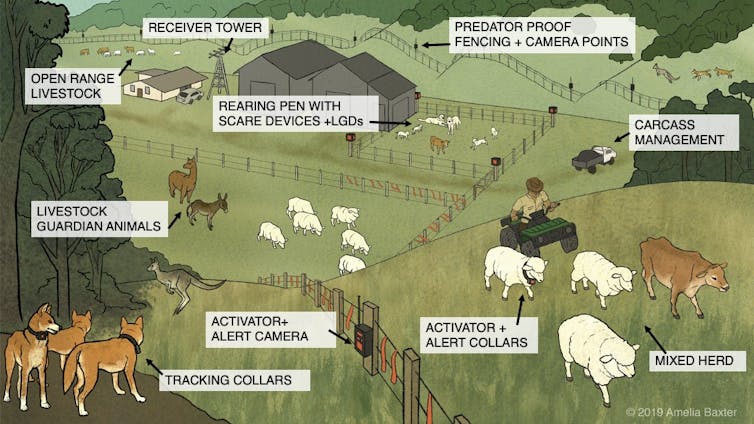

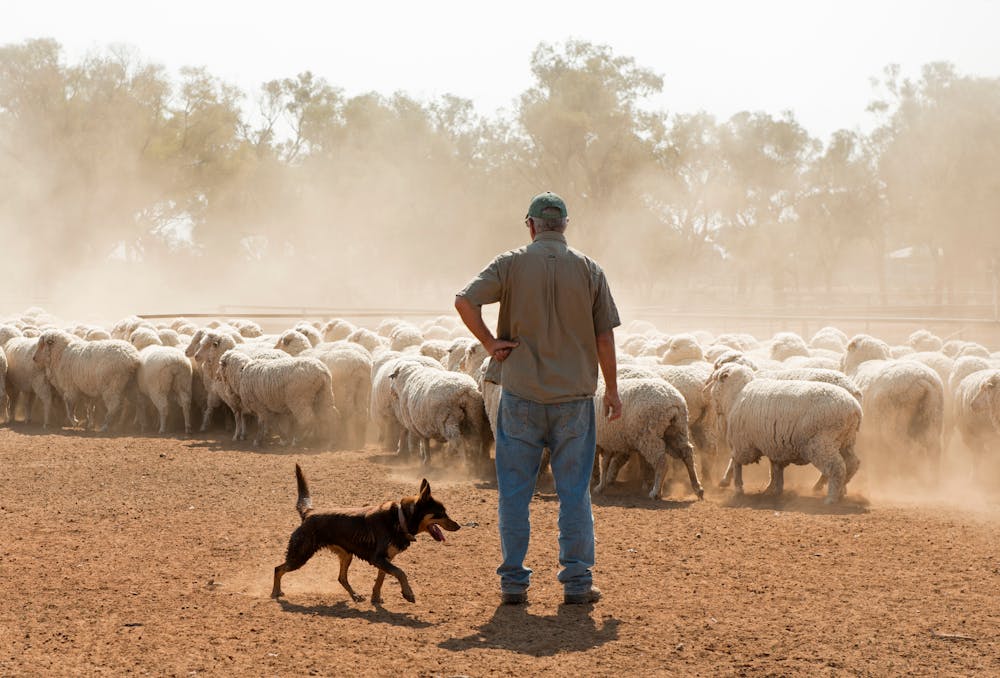




















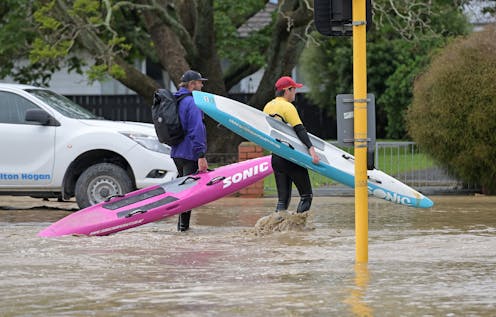
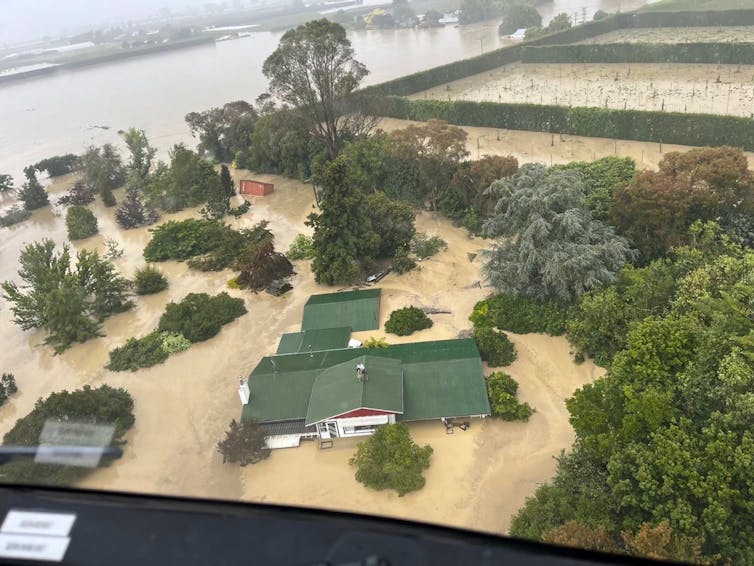









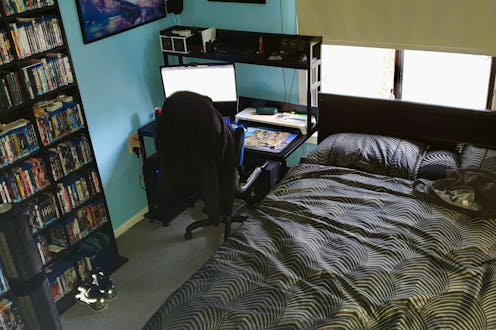




























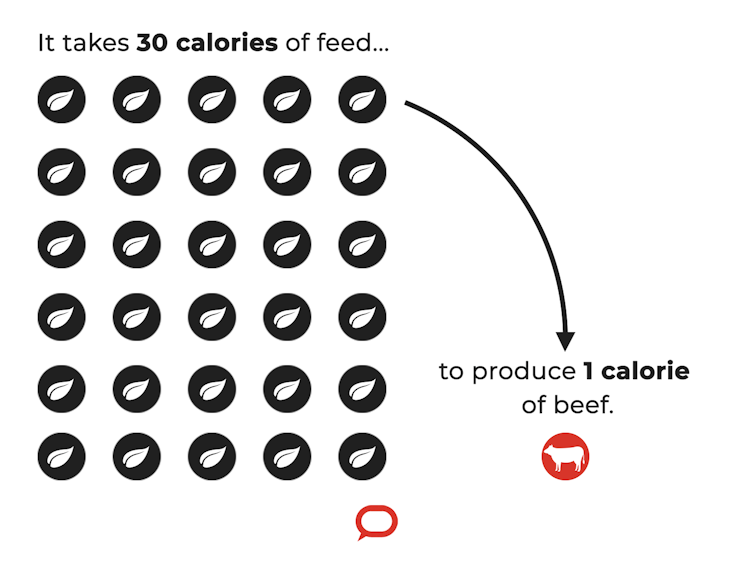








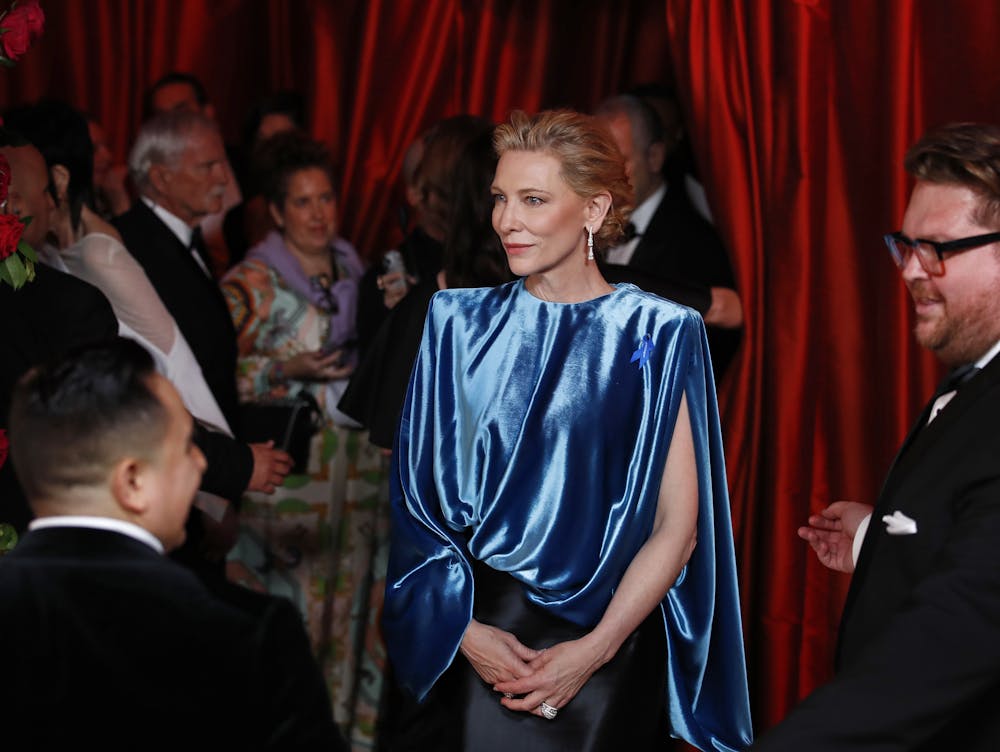




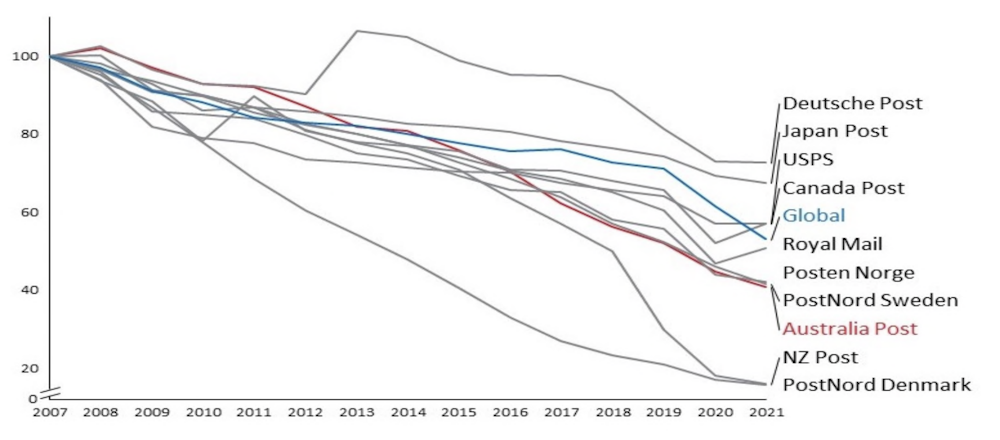









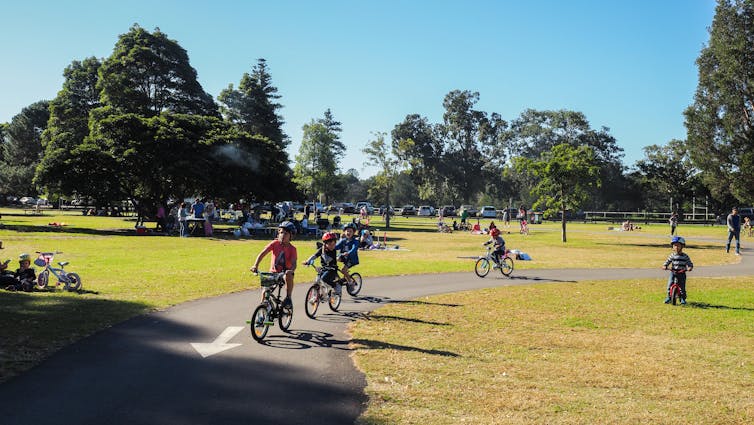





















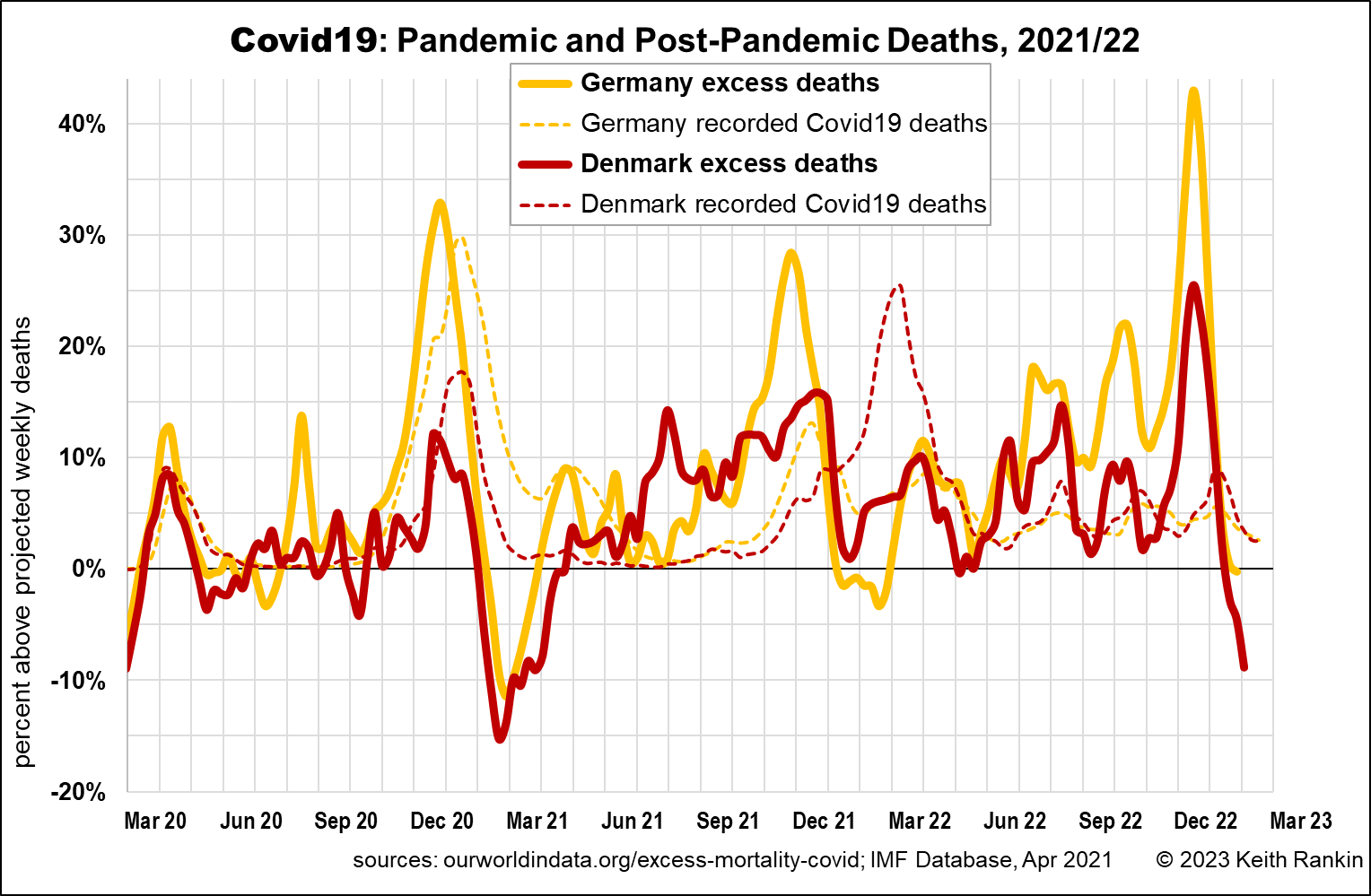


.jpg)