A community-based Asia-Pacific network of academics, journalists and activists has now gone online with an umbrella website for its publications, current affairs and research.
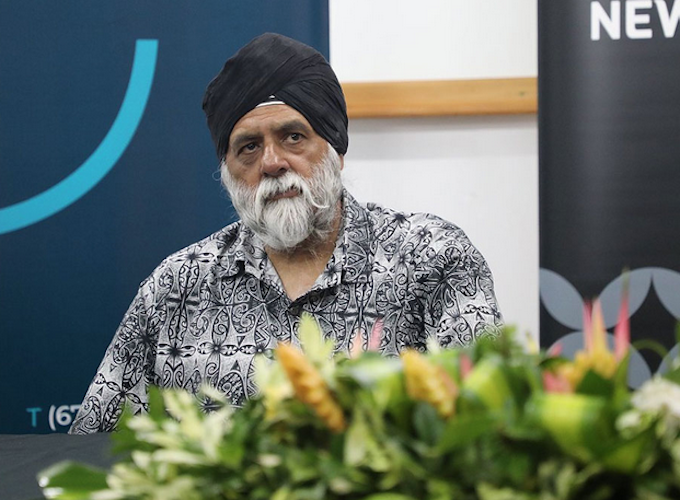
“The APMN is addressing a gap in the region for independent media commentary and providing a network for journalists and academics,” said director Dr Heather Devere.
“Our network aims to protect the free dissemination of information that might challenge political elites, exposing discrimination and corruption, as well as analysing more traditional media outlets.”
Pacific Journalism Review editor Dr Philip Cass said: “For 30 years, PJR has been the only journal focusing exclusively on media and journalism in the Pacific region.”
APMN has members in Australia, Fiji, New Zealand, Indonesia and the Philippines and has links to the Manila-based AMIC, Asia-Pacific’s largest communication research centre.
Deputy director and founding editor of PJR, Dr David Robie, was awarded the 2015 AMIC Asia Communication Award for his services to education, research, institution building and journalism.
Conference partner The new website publishes news, newsletters, submissions, and research, and the network is a partner in the forthcoming international Pacific Media Conference being hosted by the University of the South Pacific on July 4-6.
Intense media coverage often included graphic images of koalas and other marsupials fighting for survival. People everywhere became emotionally invested in wildlife rescue and rehabilitation.
Yet despite the courageous efforts of volunteers, our new research has found wildlife rescue and rehabilitation rates were much lower than expected.
We can use this information to improve our response to future disasters. Knowledge of the likely chance of recovery from different injuries can be used to refine treatment for each species. This will allow volunteers and veterinarians to prioritise rehabilitation efforts and minimise animal suffering.
Our research analysed marsupial rescue, rehabilitation and release statistics from two of the worst-affected regions: New South Wales and Kangaroo Island.
We compared these statistics to the estimated population size for each species and to typical marsupial rescue and rehabilitation records in NSW. Typical rescue data were not readily available for Kangaroo island.
Why were rescue rates so low? Our research provides some clues.
The peak rescue period was 6–8 weeks after fire ignition, and rescues were mostly clustered around the edge of the fire zone. This suggests that timely access to firegrounds was difficult or unsafe. The scale and intensity of the fires almost certainly limited the capacity of many individual animals to flee. Many likely perished in the fire, or before rescuers could arrive.
Most rescues in NSW were of common species such as kangaroos and wallabies (458) or possums (162). But koalas (204), a threatened species in NSW, were rescued more often than expected relative to their population size.
So what was the fate of animals that were rescued? Sadly, we found more than half the marsupials rescued in both regions did not survive.
Kangaroos and possums were more likely to be euthanised on the fireground or soon after being found. Koalas, on the other hand, were more likely to enter rehabilitation facilities, but many still died.
We found kangaroos had a lower chance of successful rehabilitation (15%) than koalas (47%) and possums (55%). This highlights the need for more research on ways to improve rehabilitation success.
What can we learn?
Our analysis provides valuable insights that could be used to improve outcomes in the future.
The type of injury can be used to predict survival. Animals that had traumatic injuries, such as burns, were less likely to survive. If they were malnourished or immobilised they were in serious trouble. On the other hand, orphaned or heat-stressed and dehydrated animals had a better chance of survival and release back to the wild.
Our detailed analysis of the factors influencing survival for each species can be used to refine decision-making, improve animal welfare and identify areas where more research is needed to improve treatment regimes in the future. If an animal has a poor chance of survival, euthanasia should be considered at the initial assessment.
During the 2019–20 fires, the community expected that wild animals would be rescued and rehabilitated where possible. But most people involved in rehabilitation are volunteers who invest an enormous amount of time, money and energy into caring for wildlife. These personal costs are much higher during disasters, and raise questions about whether wildlife volunteers should be compensated for their efforts.
As Australia and the world grapples with the increasing frequency and severity of extreme weather events, we need better ways to support wildlife and volunteers. Improving partnerships between government agencies and skilled volunteers may form part of the solution.
In NSW, firefighters have now receive basic wildlife rescue training. Veterinarians and wildlife volunteers have access to fireground training and protective equipment.
These initiatives aim to improve opportunities for wildlife rescue and animal welfare in the aftermath of future disasters. They also make it safer for workers and volunteers.
Our research supports the need for timely intervention if we want to rescue more animals and minimise suffering.
More consistent data collection is needed on a national scale to fully appreciate the true costs of disasters on wildlife. This should include user-friendly technology to accurately log all wildlife rescues (and euthanasia) in the field and track individual animals throughout rehabilitation. This will help to understand species differences in rates of rescue and rehabilitation, and hopefully improve rescue and rehabilitation outcomes for all species.
Catherine Herbert receives funding from the Environmental Trust, Morris Animal Foundation, WIRES Australian Wildlife Rescue Organisation, and NSW National Parks and Wildlife.
Chris Dickman receives funding from the Australian Research Council.
Holly Cope and Rachael Gray do not work for, consult, own shares in or receive funding from any company or organisation that would benefit from this article, and have disclosed no relevant affiliations beyond their academic appointment.
The Singapore cargo ship Dali chartered by Maersk, which collapsed the Baltimore bridge in the United States last month, was carrying 764 tonnes of hazardous materials to Sri Lanka, reports Colombo’s Daily Mirror.
The materials were mostly corrosives, flammables, miscellaneous hazardous materials, and Class-9 hazardous materials — including explosives and lithium-ion batteries — in 56 containers.
According to the Mirror, the US National Transportation Safety Board was still “analysing the ship’s manifest to determine what was onboard” in its other 4644 containers when the ship collided with Baltimore’s Francis Scott Key Bridge, collapsing it, on March 26.
Colombo was to be its next scheduled call, going around South Africa’s Cape of Good Hope, taking 27 days.
According to ee, Denmark’s Maersk, transporter for the US Department of War, is integral to US military logistics, carrying up to 20 percent of the world’s merchandise trade annually on a fleet of about 600 vessels, including some of the world’s largest ships.
The US Department of Homeland Security has also now deemed the waters near the crash site as “unsafe for divers”.
13 damaged containers An “unclassified memo” from the US Cybersecurity and Infrastructure Security Agency (CISA) said a US Coast Guard team was examining 13 damaged containers, “some with Centers for Disease Control and Prevention [CDC] and/or hazardous materials [HAZMAT] contents.
The team was also analysing the ship’s manifest to determine if any materials could “pose a health risk”.
CISA officials are also monitoring about 6.8 million litres of fuel inside the Dali for its “spill potential”.
Where exactly the toxic materials and fuel were destined for in Sri Lanka was not being reported.
Also, it is a rather long way for such Hazmat, let alone fuel, to be exported, “at least given all the media blather about ‘carbon footprint’, ‘green sustainability’ and so on”, said the Daily Mirror.
“We can expect only squeaky silence from the usual eco-freaks, who are heavily funded by the US and EU,” the newspaper commented.
“It also adds to the intrigue of how Sri Lanka was so easily blocked in 2022 from receiving more neighbourly fuel, which led to the present ‘regime change’ machinations.”
Source: The Conversation (Au and NZ) – By Kathryn Daley, Senior Lecturer, Youth Work & Youth Studies, Social Equity Research Centre, RMIT University
Shutterstock
The Victorian government has recently announced a plan to trial electronic monitoring devices for young people on bail and abandon proposed reforms to bail laws for young people. This is at odds with their recent bail reforms in the adult system.
In recent years, “bail” has become a loaded term. Heavy media coverage of offences occurring while an alleged perpetrator was on bail have created a public discomfort with bail altogether.
But many conflate bail with parole, and there is a very distinct difference: people on bail are not convicted of any crime. Twenty-four-hour monitoring of those who may be innocent is ethically fraught, and there is no evidence to suggest it will reduce crime.
Those on parole have been convicted and completed a custodial sentence before being released into the community. In a system that rests on the presumption of innocence, detaining people who are on bail is a breach of a potentially innocent person’s liberty.
Because of this, bail should only be refused in circumstances where the potential threat to the community is so great it warrants the risk of detaining an innocent person.
Electronic monitoring
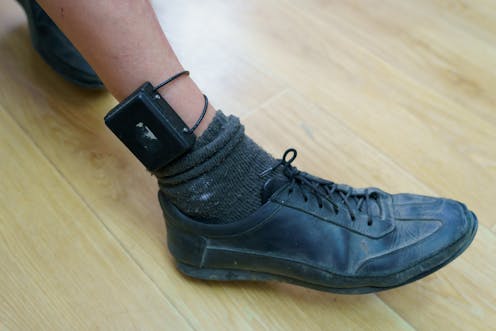
Victorian Attorney-General, Jaclyn Symes, has made the unexpected proposal to implement a trial of electronic monitoring ankle bracelets for young people who are charged with, but not convicted of, serious crimes. This is in a context of the Allan government under scrutiny from media, and even influencer Bec Judd, for being “soft on crime”.
Symes’ argues electronic monitoring will ensure bail conditions are being met, and that claim certainly appeases community concerns. But ankle monitors do not prevent people from breaching bail – it simply tracks them doing so. It is also a policy that allows 24-hour GPS monitoring of an unconvicted citizen.
When we accept such impingements on people’s right to the presumption of innocence and individual freedoms, we set a precedent for this happening elsewhere in our justice system.
While this idea sounds effective, there is no evidence it will help curb further crime, and some data to suggest it will only entrench offending.
Young people with visible monitoring devices become so stigmatised they are excluded from the broader community. This means those with ankle bracelets often only associate with other accused offenders – none of whom are able to engage in any meaningful activity because of the barriers wearing a monitor creates. Ironically, there is some speculation having a monitor is seen as a “badge of honour” to show off to friends.
Queensland has trialled ankle monitors for young people over 15 who are on bail and facing charges that can face a jury (indictable offences). One of the important eligibility criteria for the ankle bracelet is that they must have previously been convicted of an indictable offence.
So few meet this criterion that in the first 12 months of the trial, only eight young people were eligible to be included. Because of these low numbers it could not be adequately evaluated. The program has been extended until 2025.
Given most young offenders are not committing crimes serious enough to make them eligible for the monitoring devices, it leads one to ask why the government would continue with it at all? A sceptic might suggest it is to save face: sure, it impinges the freedoms of some, yet it placates the fears of many. (Although it might actually increase crime.)
Reducing youth crime
In Victoria, and most of Australia, rates of youth crime are low and serious offending is very rare. Those who are repeat and/or serious offenders are typically known to many other systems prior to their offending. Young people in the criminal justice system have backgrounds so disadvantaged we are almost desensitised to the statistics. For example:
nationally, 53% of young people in the justice system had had contact with Child Protection in the previous five years
the prevalence of past childhood traumas in youth who who enter jail is extremely high. In one South Australian sample, 88% had experienced four or more adverse childhood events.
Often the blame is placed at the feet of the parents, but given how often child protection services are involved, it’s curious more responsibility is not placed at the feet of the state.
Rather than seeing these young people as victims of multiple community and government failures, we seek to treat them as criminals even before they have been tried, almost certainly leading to entrenched crime and lifelong disadvantage.
Youth crime is largely an issue of social inequality. Entrenched crime requires responses that seek to give young people a legitimate and valued place in the community and offer them viable futures.
The numbers of young people committing crime is low. Serious crime is rare. But those who are committing crime are often highly vulnerable, with backgrounds of serious disadvantage.
It’s in everybody’s best interest to understand jailing these people forever won’t work and would come at huge expense to taxpayers. Investing in whole-of-community responses to help those who are on the margins to be included in a meaningful way of life is cheaper, more ethical and safer for us all.
Kathryn Daley is a member of the Women’s Correctional Services Advisory Committee in Victoria.
The New Zealand Commerce Commission recently released a draft report on the state of personal banking services in New Zealand. Unsurprisingly, the market study found a marked lack of competition among the largest financial institutions in Aotearoa New Zealand.
The four major banks (ANZ, ASB, BNZ and Westpac) own almost 90% of the assets of all banks in New Zealand. Kiwibank, founded in 2001 to be an industry disrupter, has not been able to consistently impose competitive pressure.
In reality, smaller banks and fintechs are limited by the structural advantage of big banks, the burden of regulation and compliance and difficulties on the customer side with switching providers.
The commission offers some solutions to New Zealand’s banking woes. But regulators need to ensure any course correction doesn’t expose customers to the instability seen in Spain and elsewhere.
Diagnosing the problem in NZ’s banking system
The commission deserves praise for releasing the draft report, which effectively highlights the lack of competition in New Zealand’s banking system. This deficiency has led to a lack of investment, innovation, and disruption, along with minimal customer switching.
A two-tier banking system has emerged, with the four big Australian-owned banks enjoying significantly higher profits and smaller banks lagging behind.
While diagnosing the problem is one thing, finding the right solution is another challenge. The report makes it clear there is no easy fix for the competition issues in New Zealand’s banking sector.
A key reason for limited competition is the large size gap between the “big four” banks (ANZ, ASB, BNZ, Westpac), with combined assets of NZ$580 billion, and the smaller banks (Co-operative Bank, Heartland Bank, SBS, TSB), whose combined assets are $25 billion. This is a 24-fold difference. Let that sink in.
This vast size difference offers the big four banks important advantages, such as wholesale funding at lower cost. Moreover, fixed costs in banking are significant. They include the cost of ever-increasing regulation, systems, cybersecurity and the policing of money laundering. Against the backdrop of these high fixed costs, size provides significant economies of scale.
Large banks can also diversify more easily. If risks in the New Zealand banking system increase, large banks can spread their risks across the world. This measure is more onerous for banks with a domestic focus.
Size matters
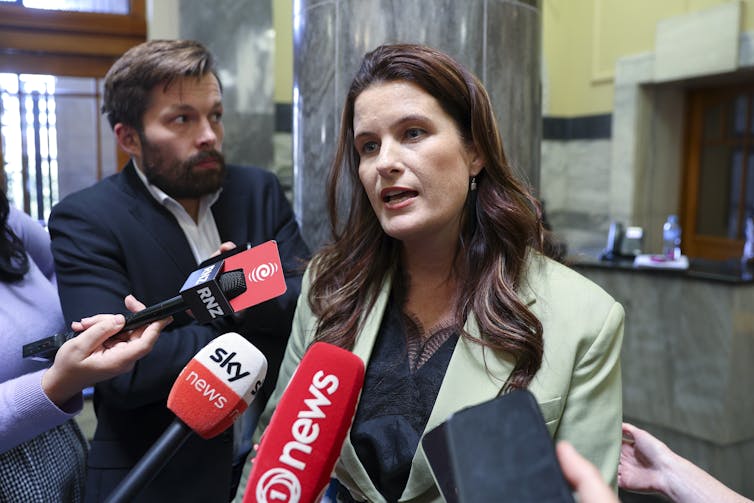
Another problem is small banks with a domestic focus are, in practice, beholden to politicians, who may interfere with these banks for electoral reasons. In the aftermath of the commission’s report, New Zealand’s minister of finance Nicola Willis indicated a willingness to look into how the government could better capitalise Kiwibank.
The commission appears to recognise the benefits of size. Its report does not propose to break up the big banks. Instead, it recommends helping smaller banks, such as Kiwibank, by softening the burden of regulation (through the Proportionality Framework, for example), improving access to capital and lowering the weight given to certain risks.
Finance minister Nicola Willis has said she is willing to consider how the government could better capitalise Kiwibank. Hagen Hopkins/Getty Images
Intervention poses risks
But the proposals to help smaller banks, no matter how well-intended, are concerning. These initiatives are reminiscent of the pre-global financial crisis (GFC) era when lower capital ratios were used to boost competition and extend excessive credit to aspiring home-owners.
Regulators in the years leading up to the GFC trusted principles-based regulation only to discover in 2008 such regulations were gamed at the expense of the most vulnerable of our society. And yet the term “principles-based” appeared on page 180 of the commission’s report. Almost as if little has been learnt since the GFC.
Equally concerning is the report’s trust in Kiwibank, the bank stuck in the middle between the big four and the smaller banks.
With a return on equity well below its cost of capital, the bank has shown lacklustre performance for some time now. Among the 10 largest banks in New Zealand, Kiwibank also has the second lowest common equity tier 1 capital ratio. This means the bank is vulnerable to shocks and may struggle to meet the increasing capital requirements going forward.
Infusing billions of dollars in the hope and expectation of turning the bank into a disrupter is playing with fire. Disruption implies an elevated risk that ultimately can affect the stability of the banking system.
Likewise, the idea aired by some to float 49% of Kiwibank’s shares is concerning, as it introduces a moral hazard problem: Kiwibank’s managers may take excessive risks, expecting the Crown to provide more capital. Floating shares also creates uncertainty among the new shareholders: at some time a government may regret the float and nationalise the bank, again.
Trying to help weaker banks through deregulation, infusing new capital, or lowering capital requirements may backfire. The commission should instead continue to promote an inclusive banking system that is modern and up-to-date and serves all of us well.
The proposals regarding real-time transfers, ease of switching, market transparency, open banking, fintech, consumer empowerment and any other initiative to improve the customer experience are definitively worth pursuing.
Our banking system is such that consumers will likely bear high costs for some years to come, but all those in our financial system should at least aim for one which is safe and enjoyable to use.
Martien Lubberink does not work for, consult, own shares in or receive funding from any company or organisation that would benefit from this article, and has disclosed no relevant affiliations beyond their academic appointment.
Source: The Conversation (Au and NZ) – By Jacqueline Nguyen, Scientific Officer in Ornithology, Australian Museum, and ARC DECRA Fellow, Flinders University
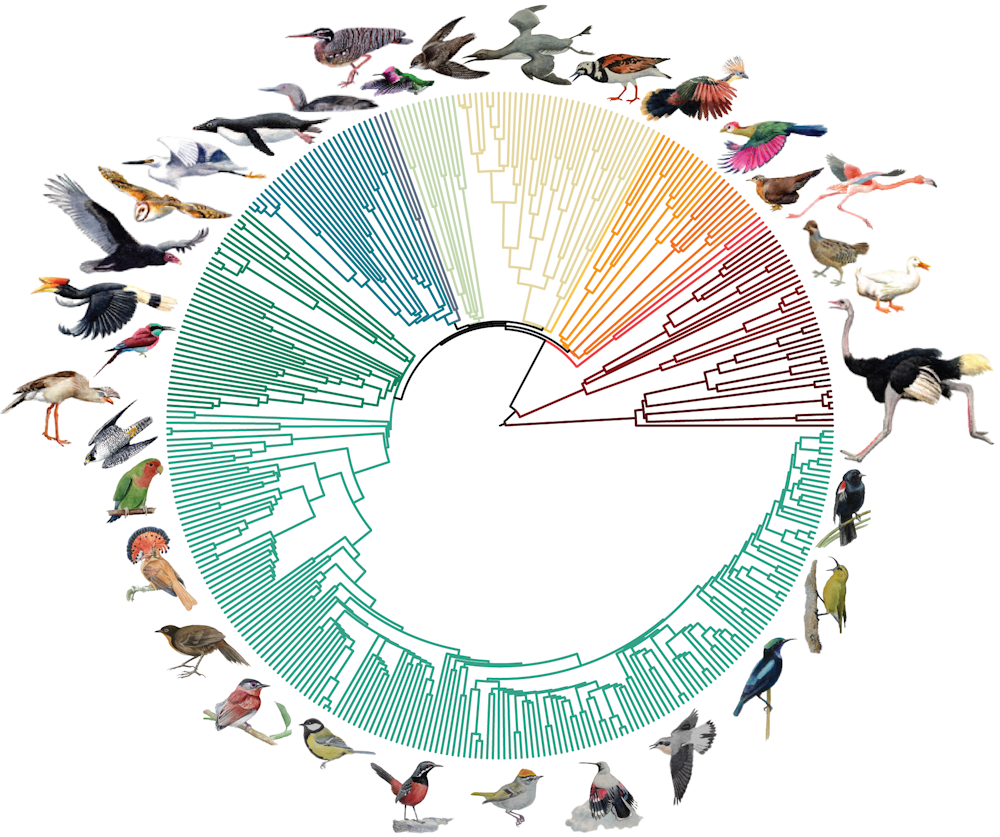
The largest-ever study of bird genomes has produced a remarkably clear picture of the bird family tree. Published in the journal Nature today, our study shows that most of the modern groups of birds first appeared within 5 million years after the extinction of the dinosaurs.
Birds are a large part of our lives, a sign of nature even in cities. They are popular among the general public and well studied by scientists. But placing all of these birds into a family tree has been frustratingly difficult.
By analysing the genomes of more than 360 bird species, our study has identified the fundamental relationships among the major groups of living birds.
The new family tree overturns some previous ideas about bird relationships, while also revealing some new groupings.
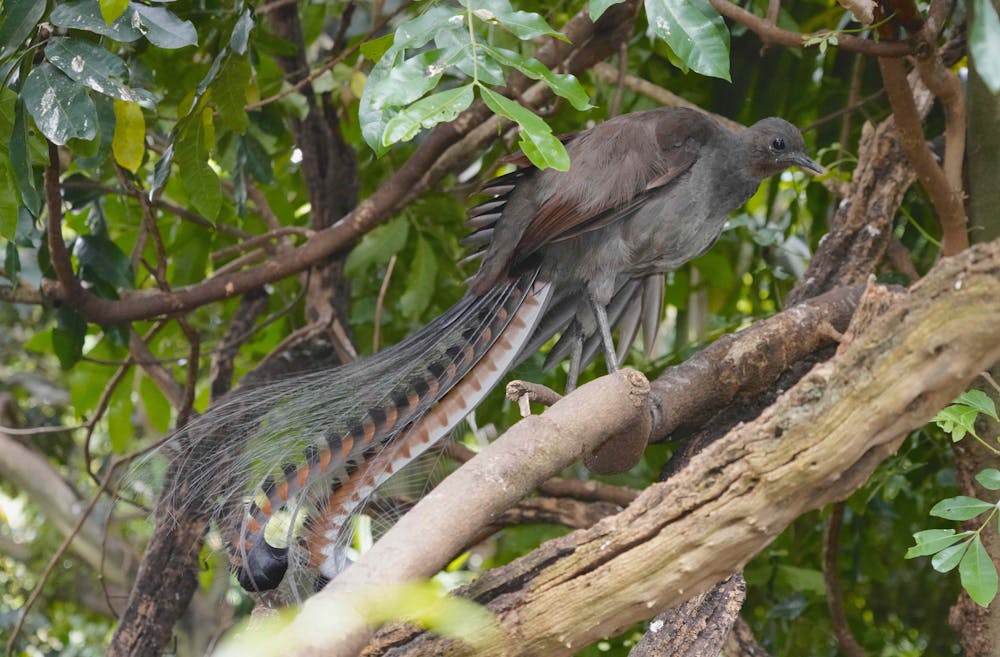
The superb lyrebird is one of the most talented songbirds. Michael Lee, Flinders University and South Australian Museum
Resolving a messy relationship
Previous studies showed the bird family tree has three major branches. The first branch contains the tinamous and ratites, which include flightless birds such as the emu, kiwi and ostrich.
The second branch holds the landfowl and waterfowl – chickens, ducks and so on. All other birds sit on the third branch, known as the Neoaves, which include 95% of bird species.
The Neoaves branch includes ten groups of birds. Most of these are what biologists have named the “Magnificent Seven”: landbirds, waterbirds, tropicbirds, cuckoos, nightjars, doves and flamingos. The other three groups are known as the “orphans” and include the shorebirds, cranes and hoatzin, a species from South America.
The relationships among these ten groups, especially the orphans, have been incredibly difficult to resolve. Our genome study shows a resolution is within reach.
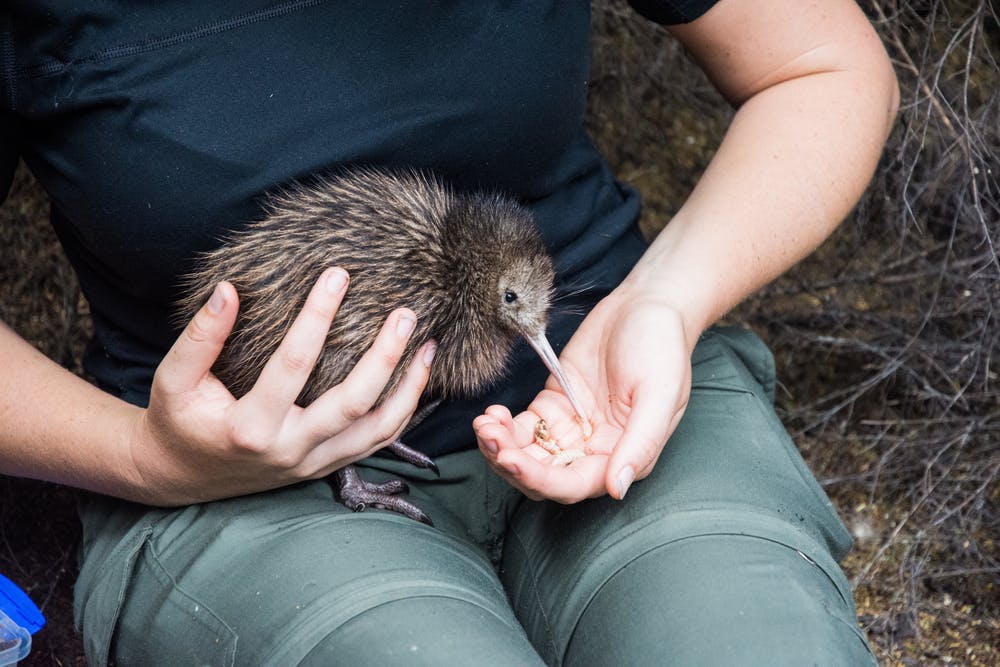
New Zealand’s iconic kiwis are one of the flightless bird species in the ratite group. K Ireland/Shutterstock
Meet the ‘Elementaves’
Our genome study revealed a new grouping of birds we have named “Elementaves”. With a name inspired by the four ancient elements of earth, air, water and fire, this group includes birds well adapted for success on land, in the sky and in the water. Some of the birds have names relating to the sun, representing the element of fire. The Elementaves group includes hummingbirds, shorebirds, cranes, penguins and pelicans.
Hummingbirds, the smallest of all birds, belong to the new Elementaves group. Zdeněk Macháček/Unsplash
Our study also confirms a close relationship between two of the most familiar groups of birds in Australia, the passerines (songbirds and relatives) and parrots. These popular birds dominate the Australian Bird of the Year polls.
Songbirds make up nearly 50% of all bird species and include birds like magpies, finches, honeyeaters and fairywrens. They had their humble beginnings in Australia about 50 million years ago, then spread across the globe to become the most successful group of birds.
A further goal of our study was to place a timescale on the bird family tree. We did this by modelling the evolution of genomes using a tool known as the “molecular clock”. By drawing on information from nearly 200 fossils, we were able to constrain the ages of some of the branches in the bird family tree.
Our study shows all living birds share an ancestor that lived just over 90 million years ago. But most groups of modern birds emerged about 25 million years later, within a small window of just a few million years after the end of the Cretaceous period around 66 million years ago.
This coincides with the mass extinction of dinosaurs and other organisms caused by an asteroid striking Earth. So it seems birds made the most of the opportunities that became available after these other dominant life forms were wiped out.
One mystery remains
The genome study is the product of nearly a decade of research, conducted as part of the Bird 10,000 Genomes Project. The ultimate goal of this project is to sequence the genomes of all 10,000 living bird species.
The current phase of the project focused on including species from every major group, or family, of birds. The study of these 363 genomes was a truly international effort led by researchers at the University of Copenhagen, University of California San Diego and Zhejiang University in China.
Even with such a huge amount of genome data, one branch of the bird family tree remains a mystery. Our analysis could not confidently determine the relationships of one of the orphans, the hoatzin. Found in South America, the hoatzin is a highly distinctive bird and the sole survivor of its lineage.
Our study shows that some relationships in the tree of life can only be determined using huge amounts of genome data. But our study also demonstrates the power of studying genomes and fossils together to understand the evolutionary history of life on Earth.
The hoatzin, one of the ‘orphan’ branches of the bird family tree, remains a mystery. Marcos Amend/Shutterstock
Every Ramadan, volunteers at Westall Mosque and OneSpace in Melbourne hold free weekly iftars (communal dinners to break the fast in Ramadan). This year, volunteers say numbers are up.
To cut down on the resulting landfill, attendees are asked to bring their own reusable food containers and water bottles. In dedicated bins, bottles and cans are collected and recycled under the state government’s container deposit scheme – adding A$12 to A$25 every weekend to each mosque’s coffers, volunteers say.
Many of the attendees are international students from Indonesia or Malaysia. Living away from their families, paying high tuition fees, and juggling precarious work with studies, they represent a segment of Australian society particularly hard hit by rising costs of living. These include a jump in food prices stemming from global warming-induced crop failures.
This is a small example of a global problem. The way Muslims around the world experience Ramadan is changing because of climate change, often for the worse.
Like members of Australia’s other Islamic communities, Melbourne Muslims of Indonesian background make up a privileged minority, living in a prosperous, peaceful country.
Muslims in other parts of the world face exacerbated challenges.
Several of the countries thought to be the most vulnerable to the impacts of climate change are countries with Muslim majority populations (such as Indonesia, Bangladesh, and Pakistan).
In the Middle East and North Africa where Muslim majority countries abound, the World Food Program describes a “persistent food security crisis”.
In this region devastated by conflict and climate change, the World Food Program says the practice of abstaining from food (temporarily, as a religious tradition) has become an ongoing reality for millions throughout the year.
Food insecurity is made worse in the Middle East and North Africa by the aridity of the region, which contains 12 of the world’s driest countries. These include Algeria, Bahrain, Qatar, the Palestinian Territories, Saudi Arabia, Tunisia and Yemen.
With forecast reductions in rainfall predicted to decimate the gross domestic product (GDP) of Middle Eastern countries, climate change represents a critical threat to these countries.
Food insecurity and water scarcity aren’t the only ways in which the effects of climate change are felt in Ramadan.
Increasing temperatures have led to the forcible displacement of communities from extreme weather incidents such as storms, wildfires and flooding.
In 2022, flooding in Pakistan destroyed water systems and forced more than five million people to rely on ponds and wells. This contributed to a rise in disease as this water was contaminated.
Heatwaves during times of fasting can also prove fatal. In 2018, dozens of people died, also in Pakistan, amid sweltering temperatures at the start of Ramadan.
After an extreme weather incident, a conflict-afflicted country will shoulder four times the hit to its gross domestic product, compared to a stable country.
Permanent GDP losses of 5.5% have been recorded in Central Asia and just over 1% in the Middle East and North Africa, following climate disasters.
Such losses compound the already precarious stability of these Muslim-majority countries.
Over time, extreme weather events such as flooding in Bangladesh impact the production of necessities.
At a practical level, the loss of income that results when entire towns are swept away affects local economies during Ramadan and beyond, as survivors spend less, and opt for more frugal celebrations.
‘Greening’ Ramadan
Wealthier countries, in general, are better equipped to mitigate climate change impacts.
But in Muslim-majority countries in the global south there’s been a push for “greening” Ramadan, and for environmentally sustainable practices to be incorporated into daily Muslim life.
Mosques like Masjid Salman on an Indonesian university campus have incorporated tissue-less and water-efficient areas for wudhu (the ritual ablutions before prayer).
Solar panels installed in 2019 power the largest mosque in southeast Asia – Jakarta’s Istiqlal Mosque. Its capacity matches that of the Melbourne Cricket Ground.
The belief that caring for the environment is an aspect of the Islamic faith holds true for people like Indri Razak, a resident of Sumatra’s largest town of Pekanbaru and a member of the environmental group SRI Foundation.
She’s tried to implement a plastic-free lifestyle in a country where sustainability is just beginning to be embraced.
“As Indonesians whose population is in the hundreds of millions, we need to start taking measures in reducing food waste,” she says.
“I hate composting – it’s so much easier to chuck it all in the bin and off it gets collected by the garbage truck, but if I can do it, anyone can.”
In the meantime, a 1,400 year old fasting tradition continues in a world with a changing climate. Despite centuries of Ramadan, Muslims now practice their faith amid very modern environmental challenges.
Hundreds of thousands of people worldwide are taking drugs like Ozempic to lose weight. But what do we actually know about them? This month, The Conversation’s experts explore their rise, impact and potential consequences.
Every now and then, scientists develop treatments that end up being even more popular for another condition entirely. Think of Viagra, originally for high blood pressure, now used for erectile dysfunction. Or thalidomide, a dangerous morning sickness treatment that is now a valuable cancer treatment.
The blockbuster drug Ozempic was originally developed to treat type 2 diabetes, a condition that results in too much glucose, or sugar, in the blood. This is because the body can’t effectively use the insulin it produces.
In the 1980s, medications to treat type 2 diabetes would often lead to weight gain, which could worsen the condition. Patients would end up needing insulin replacement therapy.
But the class of drugs Ozempic belongs to would change this and generate A$21 billion of sales in 2023 alone for its maker.
The start of the journey
In the 19th century, French physiologist Claude Barnard sought to explain why large amounts of glucose (the main sugar in your blood) can be taken orally, whereas if glucose is given intravenously, small amounts overload the body’s systems.
In 1922 Frederick Banting and Charles Best discovered the hormone insulin, which controls glucose use. But this didn’t explain the difference between oral and intravenous glucose tolerance.
In 1932, Belgian Jean La Barre identified there was a hormone in the gastrointestinal tract responsible for stimulating insulin secretion. La Barre named this “incrétine” (incretin), a blending of ingestion and secretin, and suggested it may be a diabetes treatment.
In the 1960s, researchers showed the incretin effect was responsible for about two-thirds of people’s insulin response. New and sensitive ways to measure blood hormone levels then allowed researchers to show a hormone called GIP (glucose‐dependent insulinotropic polypeptide) was partly responsible for the incretin effect.
This meant there must be another hormone, whose discovery had to wait until the age of cloning in the 1980s. Cloning the GLP-1 (glucagon-like peptide 1) gene, biochemist Svetlana Mojsovdemonstrated it stimulated pancreatic insulin secretion at 1/100th of the concentration needed for GIP. So GLP-1 was identified as the other incretin responsible for people’s insulin response.
The glucose-lowering effects of GIP and GLP-1 excited scientists, but they couldn’t be used as medicines because they metabolised too quickly in the body.
Enter a poisonous lizard
In the 1980s John Pisano, a biochemist with a penchant for venoms, and a young gastroenterologist Jean-Pierre Raufman were working with poisonous lizard venom from the Gila monster, a slow-moving reptile native to the south of the United States and north of Mexico. By the 1990s, Pisano, Raufman and colleague John Eng identified a hormone-like molecule they called exendin-4. This stimulated insulin secretion via action at the same receptor as GLP-1.
Excitingly, exendin-4 was not quickly metabolised by the body, and so might be useful as a diabetic therapeutic.
Eng was convinced this would work, but pharmaceutical companies didn’t want to give people a hormone mimic from a venomous lizard. Even the medical centre where Eng was working wouldn’t help fill the patent.
Eventually he and Raufman convinced a small start-up called Amylin Pharmaceuticals. Amylin quickly showed synthetic exendin-4 rapidly normalised blood glucose in type 2 diabetic mice. Exendin-4 then proved safe and effective in humans, leading to the 2005 US Food and Drug Administration (FDA) approval of exenatide, under the name Byetta.
It soon became evident that many taking Byetta were experiencing sustained weight-loss (around5%, but with some experiencing much more), with the benefit of reversing their diabetic symptoms.
News of this weight-loss effect spread and within six months Byetta was being used off-label for weight-loss, foreshadowing the widespread use of Ozempic.
Meanwhile, Danish pharmaceutical company Novo Nordisk had been developing a long-acting GLP-1-mimicking drug, as it had done for insulin in the past. Its research showed high levels of GLP-1 could correct diabetes in mice and they would lose weight.
During the 1990s, there was controversy over how GLP-1 led to weight loss, however it later became clear there were GLP-1 receptors in the brain that suppressed the desire to eat.
Novo Nordisk’s new GLP-1 drug had been designed to be long-acting. One consequence of this design was it was better at accessing brain GLP-1 receptors.
This new drug, liraglutide, approved as Victoza in 2010 in the United States, was better for weight-loss than Byetta (typically 10% weight-loss), but still needed daily injections.
Daily injections aren’t popular, and Novo Nordisk’s team had been working on an even longer acting drug, semaglutide, approved as Ozempic in 2017 as a once-weekly injection. It had improved brain GLP-1 receptor targeting, further enhancing weight loss.
Your gastrointestinal tract contains specialised cells that measure the quantities and qualities of incoming food (as well as the absence of food) and communicates this with the rest of your body, including your brain.
You may remember Pavlov’s dogs, which were conditioned to expect a meal at the sound of a bell, kind of like what happens when you’re presented with a delicious plate of food. Not only does your brain make you salivate, it also starts the process of releasing digestive juices and even causes insulin levels to rise.
Ozempic and other GLP-1-mimicking drugs slow gastric emptying, which increases your sense of fullness.
Insulin secretion increases because there are nerves with GLP-1 receptors close to the wall of your gastrointestinal tract. This sends messages to the unconscious part of your brain that interpret these and send messages back (via nerves) to your gastrointestinal tract and pancreas to secrete insulin.
What about the new drug, Mounjaro?
Remember the other incretin hormone, GIP? GIP also suppresses appetite and can stimulate insulin secretion, but not as well as GLP-1.
Unlike GLP-1, GIP increases the secretion of another hormone, glucagon. Glucagon promotes energy use but also increases blood glucose during periods of fasting. Many felt the actions of glucagon needed to be blocked for effective anti-diabetic and weight-loss medications. But this doesn’t seem to be the case.
German physician and scientist Matthias Tschöp and American chemist Richard DiMarchi, who had met at Eli Lilly, were working on synthetic versions of glucagon to treat sudden drops in blood glucose when they unexpectedly found long-term dosing caused weight-loss in obese mice. Since GLP-1 and GIP are closely related, they thought it might be possible to target both receptors with a single drug.
In 2013, they showed a dual-acting drug was effective in obese mice. This led to the development of tirzepatide (Mounjaro and Zepbound, which is a slightly higher dose). Compared with GLP-1 drugs, it also stimulated metabolism, particularly fat use.
Clinical trials of Zepbound showed it to be more effective than Ozempic for weight-loss (typically 18% of body weight). Mounjaro was approved for type 2 diabetes in 2022 and Zepbound was approved for obesity in 2023.
GIP and GLP-1 are similar to glucagon so Tschöp and DiMarchi set out to develop a drug targeting all three. In 2014 they showed that a triple-targeting drug, which would become retatrutide, was superior in obese mice. Now in mid-stage clinical trials, Eli Lilly’s drug retatrutide (once-weekly injection) results in a weight loss of around 24% in obese adults.
Why can’t you take them in a pill?
These current drugs are big molecules (peptides) and for this reason must be injected as they’re not absorbed effectively in the gut.
In 2019, Novo Nordisk managed to reformulate semaglutide so some would make it through the stomach intact and enough got absorbed (about 1%) to be clinically effective. It repackaged this as Rybelsus.
But although enough of the drug gets into circulation to assist with type 2 diabetes, it requires 100 times the dose for weight-loss.
It’s much harder to develop a version of the drug that can be taken orally. antoniodiaz/Shutterstock
Both Pfizer and Eli Lilly have small-molecule drugs targeting the GLP-1 receptor. These are designed to be taken orally, are formulated for once-a-day, and would be less expensive than Ozempic or Mounjaro.
Pfizer’s drug, Danuglipron, has had mixed success in clinical trials. One formulation has been discontinued because of high clinical-trial drop-out rates (due to gastrointestinal side-effects such as nausea, vomiting, diarrhoea and pain). But both formulations do control type 2 diabetes and lead to about 10% weight-loss.
Eli Lilly’s trials of Orforglipron have shown promising weight-loss for obese participants of about 10%.
Plenty of weight-loss drugs have failed, too
Anti-obesity drugs with other targets – such as those sold under the brand names Qsymia, Contrave, Reductil and Accomplia – resulted in weight loss (typically less than 10%) but were accompanied by side effects such as increased heart rate, heart disease and psychological safety concerns such as anxiety and suicidal thoughts.
This resulted in market withdrawals and scared participants away from clinical trials.
Ozempic’s safety profile and effectiveness has reversed this, though there are a number of potential side effects (mainly gastric upsets) and people who stop taking Ozempic typically have big weight rebounds. Clinical trial recruitment is becoming easier and many pharmaceutical companies are playing catch up.
Hundreds of thousands of people worldwide are taking drugs like Ozempic to lose weight. But what do we actually know about them? This month, The Conversation’s experts explore their rise, impact and potential consequences.
After weight-loss drugs like Ozempic exploded onto the market, celebrities and social media influencers were quick to spruik their benefits, leading to their rapid rise in use. In the last three months of 2022, clinicians in the United States alone wrote more than nine million prescriptions for these drugs.
As they’ve grown in popularity, we’ve also heard more about the potential side effects – from common gastrointestinal discomforts, to more serious mental health concerns.
But what does the science say about how well Ozempic and Wegovy (which are both brand names of the drug semaglutide) work for weight loss? And what are the potential side effects? Here’s what to consider if you or a loved one are thinking of taking the drug.
The largest, well-conducted research study of semaglutide was from United Kingdom in 2021. Some 1,961 people who were classified as “overweight” or “obese” were randomly assigned to have either semaglutide or a placebo and followed for 68 weeks (about 1.3 years). All participants also had free access to advice about healthy eating and physical activity.
The study found those taking semaglutide lost weight – significantly more than people who had the placebo (-14.9% of their body weight compared with -2.4% of body weight).
In another study in the United States, one health-care clinic gave 408 people weekly injections of semaglutide. Over the first three months, those included in the final analysis (175 people) lost an average of 6.7kg. Over the first six months, they lost an average of 12.3kg.
Large weight losses have been found in a more recent trial of semaglutide, suggesting weight loss is a very likely outcome of ongoing use of the medication.
People taking semaglutide in the trial lost just under 15% of their body weight, on average, compared with 2.4% for those taking a placebo. John Hanson Pye/Shutterstock
2) It may reduce your chronic disease risk factors
When people in the overweight or obese weight categories lose at least 5% of their body weight, physiological changes often occur beyond a change in weight or shape. This might include lowered cholesterol levels, lowered blood pressure and lowered blood glucose levels, which all reduce the risk of chronic diseases.
In one of the semaglutide trials, most people (87.3%) lost at least 5% of their body weight. Although most of the large studies of semaglutide excluded people with metabolic health conditions such as type 2 diabetes, metabolic health gains were observed, including lowered blood pressure, blood glucose levels and fasting blood lipid (fat) levels.
In the UK study from 2021, people taking semaglutide had greater improvements in physical capabilities and risk factors for heart disease and diabetes, including reductions in waist circumference, markers of inflammation, blood pressure and blood glucose levels.
3) It might improve your quality of life, emotional wellbeing or sense of achievement
The original trial of semaglutide did not focus on this bundle of benefits, but further follow-ups show additional benefits associated with the medication. Compared to the placebo, people taking semaglutide saw significant improvements in their physical functioning and perceptions of their general health, social functioning and mental health.
Anecdotally (not based on scientific research), people using semaglutide, such as Oprah Winfrey, report a reclaiming or turning point of their life, social situation and body image.
What about the risks?
1) You may experience gastrointestinal symptoms
In the US clinical trial, nearly half (48.6%) of people taking semaglutide reported experiencing adverse effects. Nausea and vomiting were the most frequently experienced (36.6%) followed by diarrhea (8.6%), fatigue (6.3%) and constipation (5.7%).
In the UK study, nausea and diarrhoea were also commonly reported.
In another trial, many participants (74.2%) using semaglutide reported gastrointestinal symptoms. However, nearly half (47.9%) using the placebo also reported gastrointestinal symptoms, indicating that symptoms may be similar to those experienced during normal daily living.
Most gastrointestinal symptoms were mild to moderate in severity, and resolved for most people without the need to stop participating in the study.
2) You might feel fatigued
Fatigue was the second most common side effect for participants in the US clinical trial, affecting 6.3% of participants.
The most common symptoms are gastrointestinal, followed by fatigue. fcm82/Shutterstock
3) You might be among the minority who don’t tolerate the drug
Australia’s Therapeutic Goods Administration (TGA) has approved Ozempic as safe to use, for the treatment of type 2 diabetes but it has not yet been approved for weight loss. The TGA has also approved Wegovy (a higher dose of semagtlutide) for weight loss, however it’s not yet available in Australia.
In the US clinical trial, no unexpected safety issues were reported. However, five patients (2.9%) had to stop taking the medication because they could not tolerate the adverse effects. Fifteen (8.6%) had to either reduce the dose or remain on the same dose to avoid the adverse effects.
In other studies, some patients stopped the trial due to gastrointestinal symptoms being so severe they could not tolerate continuing.
More severe safety concerns reported in studies include gallbladder-related disorders (mostly cholelithiasis, also known as gallstones) in 34 patients (2.6%) and mild acute pancreatitis in three patients (0.2%). All people recovered during the trial period.
A 2024 European study analysed psychiatric adverse events associated with semaglutide, liraglutide and tirzepatide (which work in a similar way to semaglutide). Between January 2021 and May 2023, the drug database recorded 481 psychiatric events (about 1.2% of the total reported) associated with these drugs. About half of these events were reported as depression, followed by anxiety (39%) and suicidal ideation (19.6%). Nine deaths and 11 life-threatening outcomes were reported during the study period.
Due to the severity and fatal outcomes of some of these reports, the US Food and Drug Administration investigated further but did not find evidence that use of these medicines caused suicidal thoughts or actions.
4) It might be difficult to access
Despite being considered safe, the TGA has warned significant Ozempic access barriers are likely to continue throughout 2024.
To manage the shortage, pharmacists are instructed to give preference to people with type 2 diabetes who are seeking the medication.
5) You might not always get clear information from vested interests
Given the popularity of Ozempic and Wegovy, health organisations such as the World Obesity Federation have expressed concern about the medication’s marketing, PR and strong social media presence.
Some journalists have raised conflict of interest concerns about the relationship between some obesity researchers and Novo Nordrisk, Ozempic and Wegovy’s manufacturer. The worry is that researchers might be influenced by their relationship with Novo Nordrisk to produce study results that are more favourable to the medications.
Bottom line
Ozempic is a medication that should be used in conjunction with your health care provider. But remember, weight is only one aspect of your health and wellbeing. It’s important to take a holistic view of your health and prioritise eating well, moving more and getting enough sleep.
Read the other articles in The Conversation’s Ozempic series here.
Lauren Ball works for The University of Queensland and receives funding from the National Health and Medical Research Council, Queensland Health and Mater Misericordia. She is a Director of Dietitians Australia, a Director of the Darling Downs and West Moreton Primary Health Network and an Associate Member of the Australian Academy of Health and Medical Sciences.
Emily Burch does not work for, consult, own shares in or receive funding from any company or organisation that would benefit from this article, and has disclosed no relevant affiliations beyond their academic appointment.
Every weekend, thousands of citizen scientists head into the great outdoors. If they see an unusual animal, plant or fungi, they take a photo and upload it.
This simple act by bushwalkers with smartphones is, in aggregate, increasingly valuable to researchers. Half of all records uploaded to Australia’s largest open-data aggregator, the Atlas of Living Australia, now come from citizen scientists – and this number is likely to keep growing.
Citizen science isn’t just useful in gauging how native species are going. Curious eyes spot invasive species too. The first sighting of the invasive buff-tailed bumble bee (Bombus terrestris) in Victoria was reported by a citizen scientist last year. The first discovery of a virus which turns woodlice (slaters) iridescent purple came from a citizen scientist. To date, reports from citizen scientists strongly favour native species. But as we grapple with damaging new invasive species, we need much more data.
We have been working to track the spread of the lethal plant fungus, which causes the disease myrtle rust, which can weaken and kill hundreds of our most loved tree species, including eucalypts, paperbarks, bottlebrushes, tea trees and lilly pillies. How far has it spread? We just don’t know. We urgently need more reports from bush tracks and backyards.
Myrtle rust on a scrub turpentine leaf, showing the distinctive reds and yellows of the infection. Muchos Insectos/Flickr, CC BY-NC-ND
Why is myrtle rust so bad?
“Myrtle rust” sounds almost cute. It’s not. Austropuccinia psidii is a highly invasive fungal pathogen native to South America, which arrived in New South Wales in 2010. Windborne spores let the fungus spread rapidly up and down the east coast. By 2015, it had arrived in Tasmania and the Northern Territory, and by 2022 it was in Western Australia. Spores have been detected in South Australia, but no infections have yet been reported.
When the spores land on a plant, the fungus begins to feed on the plant’s nutrients and causes myrtle rust disease. In severe cases, the fungus overruns the plant and it suffers dieback. The disease has already driven native guava (Rhodomyrtus psidioides) and scrub turpentine (Rhodamnia rubescens) to localised extinction in areas of Queensland and New South Wales where they were previously common. At least 15 species of rainforest tree are threatened with extinction. The fungus can infect at least 380 Australian species in the Myrtaceae family.
You can spot myrtle rust by its clusters of bright yellow powdery spores on the new leaves, fruits, flowers or stems of plants in the myrtle family. Each cluster has thousands of spores which can be easily carried by the wind or hitching a ride on your clothes to a new host plant to infect. It’s important to avoid touching the rust to reduce its spread.
What role can citizen science play?
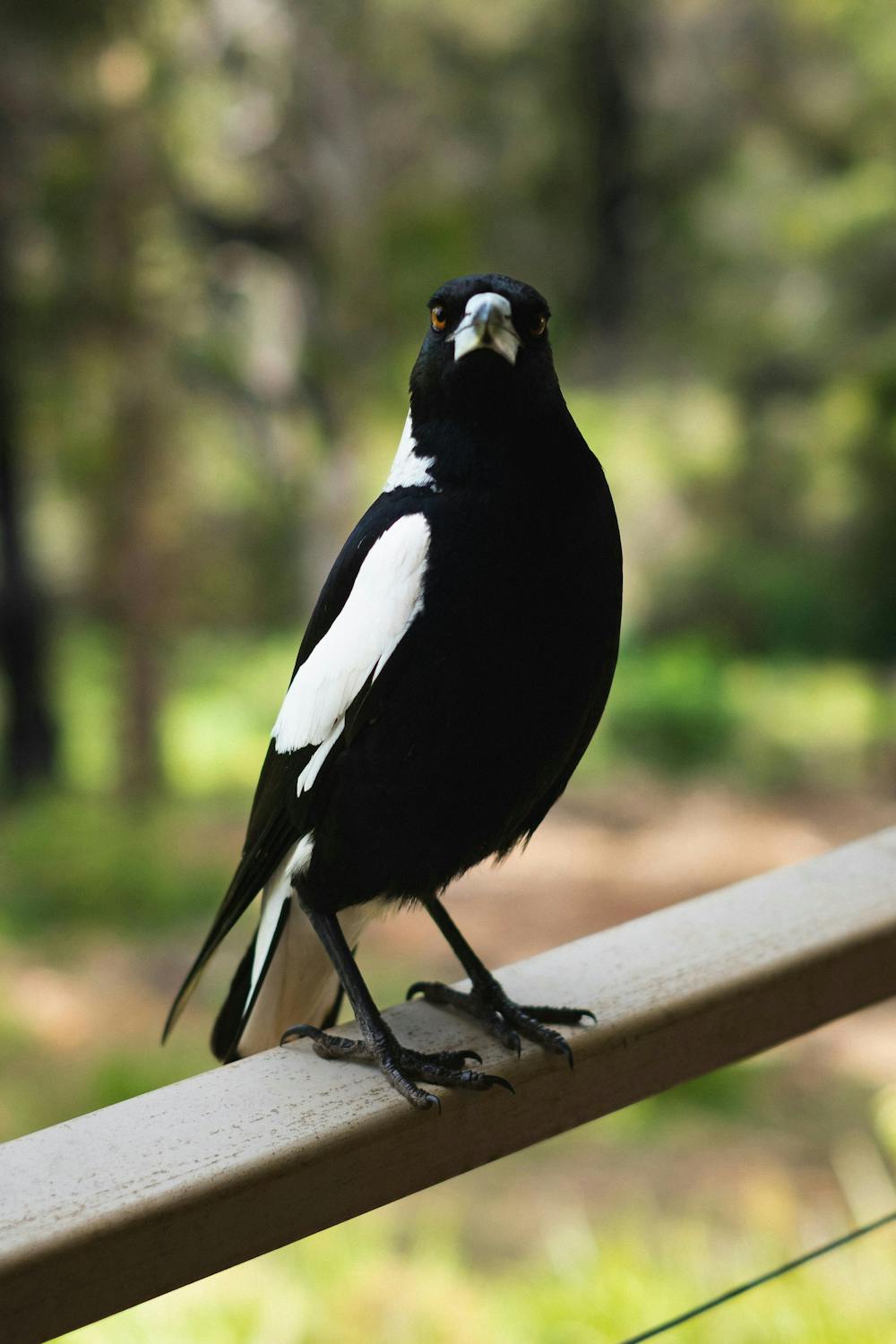
We now have more than 130 million observations recorded in the Atlas of Living Australia, ranging from common species such as Australian magpies (Gymnorhina tibicen) to little-known species such as the sand ghost shrimp (Arenallianassa arenosa). Of all these records, only about 2% are of invasive species.
Why? Most citizen scientists get into it because they love native plants, animals and fungi. They may not realise the value of reporting invasive species.
It’s very common to think biosecurity is about the border. But conserving Australia’s wealth of biodiversity doesn’t stop at the airport. Even once an invasive species has arrived, there is much that can be done to reduce the damage. For example, citizen scientists in Queensland have logged reports of highly invasive weed species such as new types of prickly pear cactus (Opuntia spp.). Early warnings like this allow authorities to eradicate plants likely to have been illegally dumped.
We know when communities see an invasive species has become a major problem , they will see the value of recording and reporting it via platforms which feed data into the Atlas of Living Australia.
We know myrtle rust has been observed in most states and territories. But we have little up to date information away from the eastern seaboard.
When an invasive species arrives in a new area, it’s essential we find out as soon as possible. Biosecurity rests on early detection. There’s often a very small window to eradicate the species before it spreads. We couldn’t eradicate varroa mite, which devastates beehives, and are struggling to control fire ants.
Even it’s too late for eradication, as with myrtle rust, occurrence data can help us blunt the damage the new species will do. Of particular interest is understanding how far it has spread and what plant species are most susceptible to myrtle rust. This information can help researchers tailor new chemical tools against the rust.
We know other strains of the rust outside Australia could actually pose an even worse threat. If these strains arrive or if the rust in Australia evolved in similar ways, it could accelerate the damage. Eyes on the ground help us track changes to pathogen behaviour.
We need, in short, data coming in constantly. This challenge is beyond the resources of professional researchers. Combining research fieldwork with citizen science reports is shaping up as an excellent way to get a better picture.
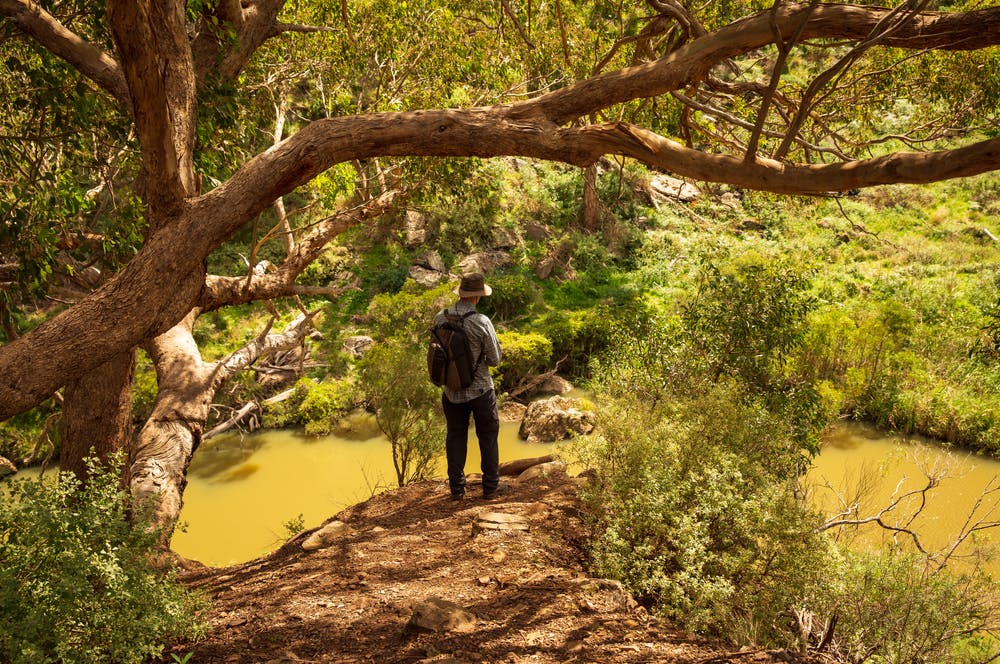
One reason citizen scientists are so valuable is that many have access to areas not usually observed by scientists, such as home gardens, rural acreage and hiking tracks.
Citizen science is remarkably easy. Free, open-source citizen science apps such as iNaturalist and NatureMapr add the photos you take to the repository of species data we are amassing.
Every photo and observation counts. We really do need your eyes.
Erin Roger works for the Atlas of Living Australia. The Atlas of Living Australia has received funding from the Department of Agriculture, Fisheries and Forestry to build its biosecurity surveillance program.
Alyssa Martino is affiliated with The University of Sydney as a PhD student. She previously received funding from Eucalypt Australia under a Dahl Fellowship to establish the Gum Tree Guardians project on iNaturalist.
rebecca.paxton@csiro.au is affiliated with the University of Adelaide and the Australian National University. She is currently conducting a University of Adelaide funded research internship with the Atlas of Living Australia.
Imagine if you enrolled your child in swimming lessons but instead of a qualified swimming instructor, they were taught freestyle technique by a soccer coach.
Something similar is happening in classrooms around Australia every day. As part of the ongoing teacher shortage, there are significant numbers of teachers teaching “out-of-field”. This means they are teaching subjects they are not qualified to teach.
One of the subjects where out-of-field teaching is particularly common is maths.
A 2021 report on Australia’s teaching workforce found that 40% of those teaching high school mathematics are out-of-field (English and science were 28% and 29%, respectively).
Another 2021 study of students in Year 8 found they were more likely to be taught by teachers who had specialist training in both maths and maths education if they went to a school in an affluent area rather than a disadvantaged one (54% compared with 31%).
Our new report looks at how we can fix this situation by training more existing teachers in maths education.
Why is this a problem?
Mathematics is one of the key parts of school education. But we are seeing worrying signs students are not receiving the maths education they need.
The 2021 study of Year 8 students showed those taught by teachers with a university degree majoring in maths had markedly higher results, compared with those taught by out-of-field teachers.
We also know maths skills are desperately needed in the broader workforce. The burgeoning worlds of big data and artificial intelligence rely on mathematical and statistical thinking, formulae and algorithms. Maths has also been identified as a national skill shortages priority area.
There are worrying signs students are not receiving the maths education they need. Aaron Lefler/ Unsplash, CC BY
There is one strategy, however, that has not yet been given much attention by policy makers: upgrading current teachers’ maths and statistics knowledge and their skills in how to teach these subjects.
They already have training and expertise in how to teach and a commitment to the profession. Specific training in maths will mean they can move from being out-of-field to “in-field”.
A new report commissioned by mathematics and statistics organisations in Australia (including the Australian Mathematical Sciences Institute) looks at what is currently available in Australia to train teachers in maths.
It identified 12 different courses to give existing teachers maths teaching skills. They varied in terms of location, duration (from six months to 18 months full-time) and aims.
For example, some were only targeted at teachers who want to teach maths in the junior and middle years of high school. Some taught university-level maths and others taught school-level maths. Some had government funding support; others could cost students more than A$37,000.
Overall, we found the current system is confusing for teachers to navigate. There are complex differences between states about what qualifies a teacher to be “in-field” for a subject area.
In the current incentive environment, we found these courses cater to a very small number of teachers. For example, in 2024 in New South Wales this year there are only about 50 government-sponsored places available.
This is not adequate. Pre-COVID, it was estimated we were losing more than 1,000 equivalent full-time maths teachers per year to attrition and retirement and new graduates were at best in the low hundreds.
But we don’t know exactly how many extra teachers need to be trained in maths. One of the key recommendations of the report is for accurate national data of every teacher’s content specialisations.
The report also recommends a national strategy to train more existing teachers to be maths teachers. This would replace the current piecemeal approach.
It would involve a standard training regime across Australia with government and school-system incentives for people to take up extra training in maths.
There is international evidence to show a major upskilling program like this could work.
In Ireland, where the same problem was identified, the government funds a scheme run by a group of universities. Since 2012, teachers have been able to get a formal qualification (a professional diploma). Between 2009 and 2018 the percentage of out-of-field maths teaching in Ireland dropped from 48% to 25%.
To develop a similar scheme here in Australia, we would need coordination between federal and state governments and universities. Based on the Irish experience, it would also require several million dollars in funding.
But with students receiving crucial maths lessons every day by teachers who are not trained to teach maths, the need is urgent.
The report mentioned in this article was commissioned by the Australian Mathematical Sciences Institute, the Australian Mathematical Society, the Statistical Society of Australia, the Mathematics Education Research Group of Australasia and the Actuaries Institute.
Ian Gordon is the President of the Statistical Society of Australia, one of the bodies that commissioned the new report mentioned in this piece.
Mary P. Coupland is a co-author of the report mentioned in this piece. She has received funding from the Australian Government for the Maths Inside project in mathematics education. She is currently the coordinator for mathematics retraining courses at UTS.
Merrilyn Goos is a co-author of the report mentioned in this piece. She receives and has previously received funding from the Australian Research Council. She is a member and former President of the Mathematics Education Research Group of Australasia, one of the organisations that commissioned the out-of-field mathematics teaching report.
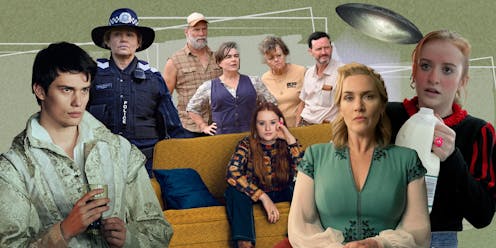
As the weather begins to cool, you might be spending a few more nights in front of the television on the couch (or on your laptop in bed), looking for a new show to lead you into autumn.
This month, our experts are recommending everything from steamy historical dramas (slightly inaccurate, as all the best ones are), to reality shows about the high-octane world of glassblowing, to new Aussie crime mysteries. Whatever you’re looking for, they have you covered with what to stream in April.
Mary & George
Binge
If The Crown can take liberties with the current royals, can we object if television fictionalises a now 400-year-old reign? The series Mary & George is based on the manipulation of King James I by an amoral mother and son, who win control of almost unlimited riches and power.
That much is true: James, the Scottish King who succeeded Elizabeth I after she died childless, had a series of male favourites of whom George (eventually Duke of Buckingham) was the most significant. George’s mother, Mary Villiers, made several strategic marriages aimed at giving her access to and influence at the court.
The dominant figure is Julianne Moore’s Mary, whose steely determination is only shaken when her own favourite, a former prostitute who becomes her lover, is threatened. George is played by the handsome Nicholas Galitzine, who moves from the king’s bedtime playmate to the effective ruler of England.
In time, George becomes a patron of the king’s son, the future Charles I, and is finally stabbed to death by a disgruntled soldier. Least convincing is Tony Curran, whose James rarely seems to take any interest in his regal duties – even as he proclaims his divine right to rule.
The program is sumptuous, bawdy and irreverent. If it leads you to check on its historical accuracy, you may discover that homosex was far more significant in the Stuart court than they taught you at school.
The second season of Extraordinary has just landed, and it proves the show is high-concept television at its best.
What if everyone in the world had special powers except you? What would it mean to be ordinary in a world where extraordinary is the norm? Some superpowers we’ve seen before, such as flight and superspeed. But others are perfectly crafted for comedy – whether that’s knowing exactly when someone will get their period, being a human magnet, or bestowing orgasms through touch.
If Sister Michael was your favourite part of Derry Girls, Siobhán McSweeney is joy-in-human-form as protagonist Jen’s mother. Jen’s superpowers are still absent, while her best friend Carrie (played excellently by Sofia Oxenham) can channel the dead. In the latest season, this ability is used to contact Princess Diana to get advice on how to “win a breakup”.
Even Jen’s cat “Jizzlord” has superpowers. Jizz is actually a shapeshifter who got stuck as a cat for years, and thus began living life as a pet. The first season is easy to catch up on, with short and funny episodes. The second season continues in form, with more wacky adventures and absurd scenarios that prove: even with superpowers abound, life is a challenge.
– Jessica Ford
Population: 11
Stan
Stan’s original series Population: 11 is said to have been inspired by the real Aussie town of Larrimah where, in 2017, Patrick “Paddy” Moriarty and his dog Kellie disappeared without a trace.
The series stars Ben Feldman as Andy, a hapless American banker who travels to Bidgeegud – a tiny town offering “Outback UFO tours” – in search of his estranged father, Hugo. Inevitably, things don’t go to plan.
Andy discovers Hugo is missing, and teams up with fellow outsider Cassie (Perry Mooney) in search for clues. The pair progressively uncover the many secrets of the tiny town, one suspicious resident at a time.
This 12-episode comedic crime-thriller is created by Australian writer Phil Lloyd and draws on the same heavy-handed comedy featured in Lloyd’s previous works. Most heavy-handed is the revelling in Aussie stereotypes, wherein self-centred Andy is frustrated by how “everything bites” and criticises the only person helping him in a mock Australian accent.
Nonetheless, the series finale offers a genuinely satisfying conclusion. It ties up a scatter-gun of loose ends, allows the charismatic Feldman to relax into a more fully-realised Andy, and emphasises what wasn’t always obvious: this is a story about belonging.
Craft was the saving grace of many folks during the 2020 COVID lockdowns. A widespread interest in pottery, sewing, baking and flower arranging sparked myriad reality competition shows focusing on artists that make wondrous works by hand.
So what does the 2024 iteration of Netflix’s Blown Away – a show that pits real-life glassblowers against one another – have to offer four seasons in that is new?
The answer is: not much.
Sure there’s a new host, TV personality Hunter March. There’s also a cash prize of $100,000 this season, as well as residencies for the winner – probably due to outcries that exposure alone is not enough to pay the bills.
But much remains the same in Blown Away season four, and happily so. The cast of quirky and sweaty glass artists peering into a searing glory hole, or losing it over dropped or cracked creations, continues to entertain and inspire.
I must give kudos to the series’ cinematographers and editors, who inject much colour and movement into the show at a rocketing pace. I’m looking forward to season five!
– Phoebe Hart
High Country
Binge
“If you don’t know who your mob are, you don’t know who you are.” That’s what Detective Andrea “Andie” Whitford is told early on in the new eight-part crime series High Country.
Andie, played by Leah Purcell, has recently arrived in the remote Victorian High Country with her partner Helen Hartley (Sara Wiseman), both trying to put traumas behind them and start afresh.
New in town, Andie – to the decry of her colleagues – is assigned the case of solving a murder and disappearance of two locals. What follows is a captivating narrative that tackles a range of issues ranging from climate change, to domestic violence, to Indigenous identity and land possession.
In the rich tapestry of Australian crime fiction, High Country adds to the rise of what has been dubbed “rural” noir.
Creators Marcia Gardner and John Ridley (whose backgrounds include scripting the Australian network crime shows Wentworth Prison and Stingers) are joined by Wentworth Prison director Kevin Carlin, who directs five of the eight episodes.
Together, Gardner, Ridley and Carlin have made a suspenseful procedural crime series that never loses pace or focus. And the cliffhangers at the end of each episode make this a very binge-worthy show.
– Stephen Gaunson
The Regime
HBO Max
The team behind the new, twisted, dark satire The Regime is certainly impressive. The series stars Kate Winslet as Elena Vernham, the unhinged Chancellor of a fictional country in central Europe. She is supported by Matthias Schoenaerts, Martha Plimpton, Andrea Riseborough and Hugh Grant.
Vernham struggles to maintain authoritarian control as the relations between her and her Corporal Herbert Zubeck (Matthias Schoenaerts) shift. At first, he is in awe of her power, and will do anything to support her. However, he soon begins manipulating her through her anxieties.
Vernham is paranoid that everything around her, from her environment to her diet, is toxic. She is also out of touch with the working class. Noticing this, he forces her to shun her husband, cabinet and advisors – and the tussle for power between the two continues. Through his influence, she invites poor farmers to a celebratory dinner and, in one scene, they literally eat dirt for breakfast.
The Regime is an interesting satire that explores the corruptive dynamics of power, with Winslet superb in the lead role.
The series is created and written by Will Tracy, who also wrote Succession and The Menu. Directors Stephen Frears and Jessica Hobbs capture Vernham’s grandiose palace beautifully. And the jaunty score, akin to a naff national anthem, is composed by Alexandre Desplat and Alex Heffes.
The authors do not work for, consult, own shares in or receive funding from any company or organisation that would benefit from this article, and have disclosed no relevant affiliations beyond their academic appointment.
Australian authorities have never had the power to break up big businesses that behave badly.
It’s a power available to courts in the United States and elsewhere, but not here – at least not unless the Greens succeed with a bill now before the Senate.
The Coalition is reported to be examining the same sort of thing, with the breakup powers limited to supermarket chains that abuse their market power.
Section 46 prohibits firms with a substantial degree of power in a market from engaging in conduct that has the purpose, effect, or likely effect of substantially lessening competition in that market.
The new power proposed by the Greens would enable courts to direct corporations that contravene Section 46 to sell assets or do whatever else was necessary to reduce their power within a period of two years.
Australia’s approach to such powers has always been unbalanced.
With one exception, our courts can’t break up corporations
It has long been recognised (and acknowledged in most economics textbooks) that competition doesn’t work well in markets where only one or a few big firms dominate.
Concentrated markets can lead to overpricing, the squeezing of suppliers and outcomes very different from markets with higher competition.
But rather than take action against the cause of many of these problems – market concentration – Australia’s approach has been to merely take action against the problems it creates. With one exception.
That exception is mergers. In cases where firms merge without obtaining the prior approval of the Competition and Consumer Commission and the commission finds the merger contravened the Competition and Consumer Act, it can apply to the courts (within three years) to have the merger undone.
While this power is useful – and effective in getting firms to seek prior approval for mergers – it only allows authorities to stop markets from becoming more dominated. It gives them no power to make markets less dominated.
Overseas, divestment orders are rare but effective
In the United States, courts are able to break up dominant firms that abuse their market power.
Such orders are rare, for the same reason Australian divestment orders relating to mergers are rare. Once the power is in place and has been used, firms at risk of such orders become very careful.
One of the first US divestment orders related to Standard Oil in 1911. After finding that it used aggressive pricing to eliminate competition, US courts ordered it to be broken up into what became 34 companies. Competition improved as a result.
In 1974, US authorities filed a breakup suit against the telecommunications giant AT&T, arguing it had a monopoly on telephone lines. The eventual settlement led to AT&T giving up control of its regional operating companies, so-called “Baby Bells”. This allowed the new firms to compete with each other and lowered the prices of connections and calls.
In 2001, US authorities won a court order to break up Microsoft. It would have created one firm that built operating systems and another that built applications for operating systems. The order, however, was overturned on appeal.
Two decades later, in 2020, a court ordered the Facebook owner Meta to sell Instagram and WhatsApp, which was also overturned on appeal.
Divestment has been considered against Google over the behaviour of its business in the advertising market. It would also be an option in the Department of Justice’s current case against Apple for alleged abuse of market power.
Divestment isn’t the best solution in every case. Fines are often a more practical way to address misuses of market power.
But divestment is a useful tool in an authority’s armoury. The fact US authorities have only used it every few decades says more about the effectiveness of divestment than any lack of effectiveness. Once firms know the power exists, they behave better.
From Kennett to Howard, we’ve broken up monopolies
Australia is no stranger to divestment. When the Kennett government privatised Victoria’s State Electricity Commission in the 1990s, it broke it up into several sometimes-competing generation, transmission and distribution businesses.
And when Australia’s Howard government privatised airports in the 1990s, it sold them separately in order to avoid market dominance, effectively breaking up the Federal Airports Corporation.
I don’t think Australian authorities should be able to break up corporations just because they don’t like the shape of a market, and I don’t think that breakups of Australia’s big two supermarket chains are likely to be a good idea. They rely on the efficiencies that come from scale.
But I think that where market power is being abused, breakups should be available as one of a number of possible sanctions. It’d keep big businesses on their toes.
Allan Fels is a former chair of the Australian Competition and Consumer Commission
ANALYSIS:By David Robie, editor of Asia Pacific Report
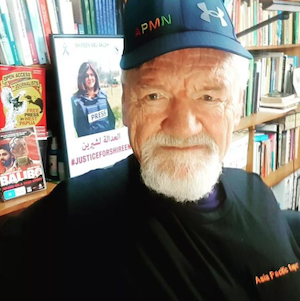
On my office wall hangs a framed portrait of Shireen Abu Akleh, the inspiring and celebrated American-Palestinian journalist known across the Middle East to watchers of Al Jazeera Arabic, who was assassinated by an Israeli military sniper with impunity.
State murder.
She was gunned down in full blue “press” kit almost two years ago while reporting on a raid in the occupied West Bank’s Jenin refugee camp, clearly targeted for her influence as a media witness to Israeli atrocities.
As in the case of all 22 journalists who had been killed by Israeli military until that day, 11 May 2022, nobody was charged.
Now, six months into the catastrophic and genocidal Israeli War on Gaza, some 137 Palestinian journalists have been killed — murdered – by Israeli snipers, or targeted bombs demolishing their homes, and even their families.
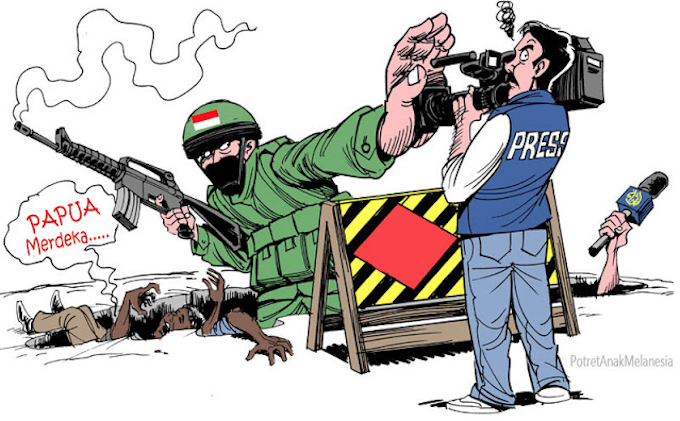
Also in my office is pasted a red poster with a bird-of-paradise shaped pen in chains and the legend “Open access for journalists – Free press in West Papua.”
The poster was from a 2017 World Media Freedom Day conference in the Indonesian capital of Jakarta, which I attended as a speaker and wrote about. Until this day, there is still no open door for international journalists
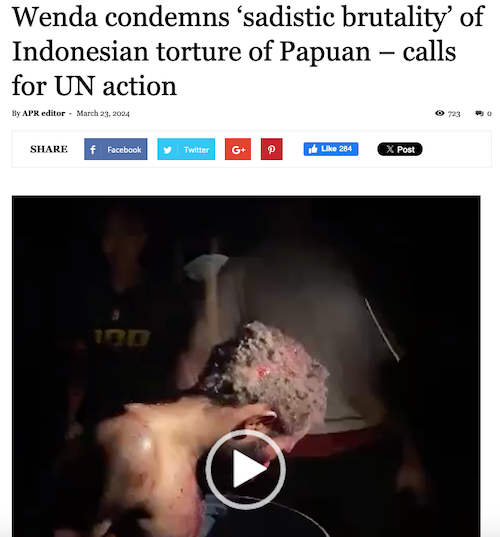
Harassed, beaten Although only one killing of a Papuan journalist is recorded, there have been many instances when local news reporters have been harassed, beaten and threatened – beyond the reach of international media.
Ardiansyah Matra was savagely beaten and his body dumped in the Maro River, Merauke. A spokesperson for the Alliance of Independent Journalists (AJI), Victor Mambor, said at the time: “‘It’s highly likely that his murder is connected with the terror situation for journalists which was occurring at the time of Ardiansyah’s death.”
Dr David Robie . . . author and advocate. Image: Café Pacific
Frequently harassed himself, Mambor, founder and publisher of Jubi Media, was apparently the target of a suspected bomb attack, or warning, on 23 January 2023, when Jayapura police investigated a blast outside his home in Angkasapura Village.
At first glance, it may seem strange that comparisons are being made between the War on Gaza in the Middle East and the long-smouldering West Papuan human rights crisis in the Asia-Pacific region almost 11,000 km away. But there are several factors at play.
Melanesian and Pacific activists frequently mention both the Palestinian and West Papuan struggles in the same breath. A figure of up to 500,000 deaths among Papuans is often cited as the toll from 1969 when Indonesia annexed the formerly Dutch colony in controversial circumstances under the flawed Act of Free Choice, characterised by critics as the Act of “No” Choice.
The death toll in Gaza after the six-month war on the besieged enclave by Israel is already almost 33,000 (in reality far higher if the unknown number of casualties buried under the rubble is added). Most of the deaths are women and children.
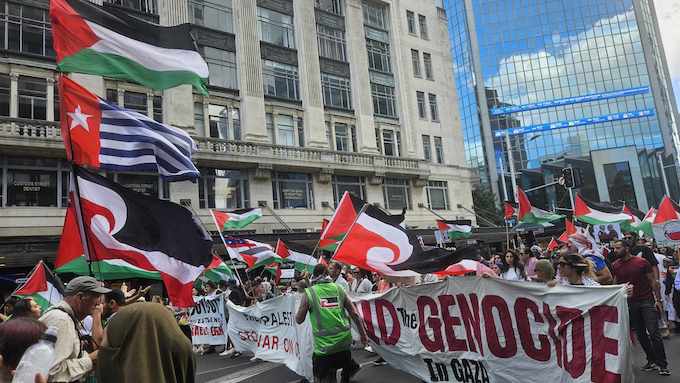
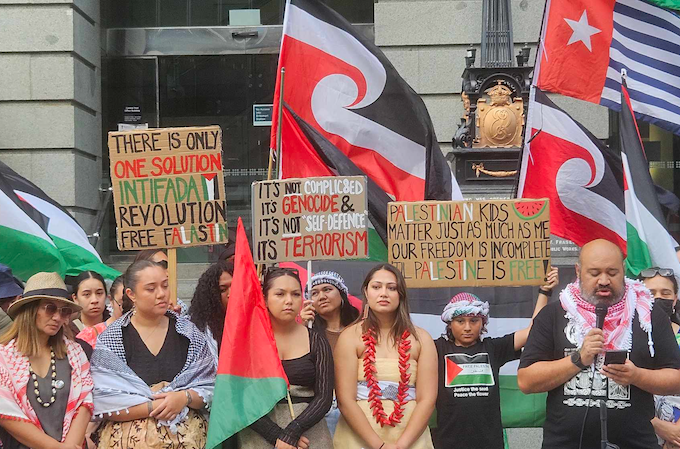
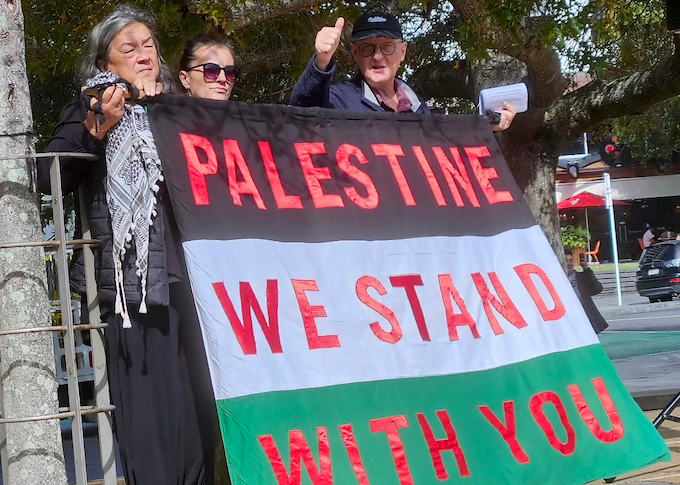
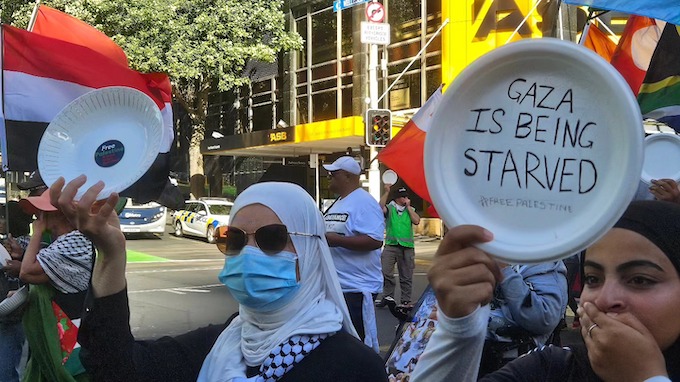
The Palestinian and West Papuan flags flying high at a New Zealand protest against the Gaza genocide in central Auckland. Image: David Robie/APR
Ethnic cleansing But there are mounting fears that Israel’s ethnic cleansing of the Gazans has no end in sight and the lives of 2.3 million people are at stake.
Both Palestinians and West Papuans see themselves as the victims of violent settler colonial projects that have been stealing their land and destroying their culture under the world’s noses — in the case of Palestine since the Nakba of 1948, and in West Papua since Indonesian paratroopers landed in a botched invasion in 1963.
They see themselves as both confronting genocidal leaders; Israeli Prime Minister Benjamin Netanyahu, whose popularity at home sinks by the day with growing protests, and Indonesia’s new President-elect Prabowo Subianto who has an atrocious human rights reputation in both Timor-Leste and West Papua.
And both peoples feel betrayed by a world that has stood by as genocides have been taking place — in the case of Palestine in real time on social media and television screens, and in the case of West Papua slowly over six decades.
Indonesian politicians such as Foreign Minister Retno Marsudi have been quick to condemn Israel, including at the International Court of Justice, but Papuan independence leaders find this hypocritical.
“We have full sympathy for the struggle for justice in Palestine and call for the restoration of peace,” said United Liberation Movement for West Papua (ULMWP) president Benny Wenda.
Pacific protesters for a Free Palestine in New Zealand’s largest city, Auckland. Image: David Robie/APR
‘Where’s Indonesian outrage?’ “But what about West Papua? Where was Indonesia’s outrage after Bloody Paniai [2014], or the Wamena massacre in February?
“Indonesia is claiming to oppose genocide in Gaza while committing their own genocide in West Papua.”
“Over 60 years of genocidal colonial rule, over 500,000 West Papuans have been killed by Indonesian forces.”
Wenda said genocide in West Papua was implemented slowly and steadily through a series of massacres, assassinations and policies, such as the killings of the chair of the Papuan Council Theys Eluay in 2001; Mako Tabuni (2012); and cultural curator and artist Arnold Ap (1984).
In the South Pacific, Indonesia is widely seen among civil society, university and community groups as a ruthless aggressor with little or no respect for the Papuan culture.
Jakarta is engaged in an intensive diplomacy campaign in an attempt to counter this perception.
Unarmed Palestinians killed in Gaza – revealing Israel’s “kill zones”. Video: Al Jazeera Israel’s ‘rogue’ status But if Indonesia is unpopular in the Pacific over its brutal colonial policies, it is nothing compared to the global “rogue” status of Israel.
In the past few weeks, as atrocity after atrocity pile up and the country’s disregard for international law and United Nations resolutions increasingly shock, supporters appear to be shrinking to its long-term ally the United States and its Five Eyes partners with New Zealand’s coalition government failing to condemn Israel’s war crimes.
On Good Friday — Day 174 of the war – Israel bombed Gaza, Syria and Lebanon on the same day, killing civilians in all three countries.
In the past week, the Israeli military racheted up its attacks on the Gaza Strip in defiance of the UN Security Council’s order for an immediate ceasefire, expanded its savage attacks on neighbouring states, and finally withdrew from Al-Shifa Hospital after a bloody two-week siege, leaving it totally destroyed with at least 350 patients, staff and displaced people dead.
Fourteen votes against the lone US abstention after Washington had earlier vetoed three previous resolutions produced the decisive ceasefire vote, but the Israeli objective is clearly to raze Gaza and make it uninhabitable.
As The Guardian described the vote, “When Gilad Erdan, the Israeli envoy to the UN, sat before the Security Council to rail against the ceasefire resolution it had just passed, he cut a lonelier figure than ever in the cavernous chamber.”
The newspaper added that the message was clear.
‘Time was up’ “Time was up on the Israeli offensive, and the Biden administration was no longer prepared to let the US’s credibility on the world stage bleed away by defending an Israeli government which paid little, if any, heed to its appeals to stop the bombing of civilian areas and open the gates to substantial food deliveries.”
Al Jazeera interviewed Norwegian physician Dr Mads Gilbert, who has spent long periods working in Gaza, including at al-Shifa Hospital. He was visibly distressed in his reaction, lamenting that the Israeli attack had “destroyed” the 78-year legacy of the Strip’s largest and flagship hospital.
Speaking from Tromso, Norway, he said: “This is such a sad day, I’ve been weeping all morning.”
Dr Gilbert said he did not know the fate of the 107 critical patients who had been moved two days earlier to an older building in the complex.
“The maggots that are creeping out of the corpses in al-Shifa Hospital now,” he said, “are really maggots coming out of the eyes of President Biden and the European Union leaders doing nothing to stop this horrible, horrible genocide.”
Australia-based Antony Loewenstein, the author of The Palestine Laboratory, who has been reporting on Israel and the occupied Palestinian territories for two decades, described Israel’s attack on the hospital as the “actions of a rogue state”.
Gaza health officials said Israel was targeting all the hospitals and systematically destroying the medical infrastructure. Only five out of a total of 37 hospitals still had some limited services operating.
Indonesian soldiers gag journalists in West Papua – the cartoon could easily be referring to Gaza where attacks on Palestinian journalists have been systemic with 137 killed so far, by far the biggest journalist death toll in any conflict. Image: David Robie/APR
Strike on journalists’ tent Yesterday, four people were killed and journalists were wounded in an Israeli air strike on a tent in the courtyard of al-Aqsa Hospital in Deir el-Balah in central Gaza.
The Israeli military claimed the strike was aimed at a “command centre” operated by the Palestinian Islamic Jihad armed group, but footage screened by Al Jazeera reporter Hind Khoudary clearly showed it was a tent where displaced people were sheltering and journalists and photographers were working.
The Israeli military have killed another photojournalist and editor, Abdel Wahab Awni, when they bombed his home in the Maghazi refugee camp. This took the number of journalists killed since the start of the war to 137, according to Gaza’s Government Media Office.
Al Jazeera has revealed that Israel was using “kill zones” for certain combat areas in Gaza. Anybody crossing the “invisible” lines into these zones was shot on sight as a “terrorist”, even if they were unarmed civilians.
The chilling practice was exposed when footage was screened of two unarmed civilians carrying white flags being apparently gunned down and then buried by bulldozer under rubble. A US-based civil rights group described the killings as a “heinous crime”.
The kill zones were confirmed at the weekend by the Israeli newspaper Haaretz, which said the military had claimed to have killed 9000 “terrorists”, but officials admitted that many of the dead were often civilians who had “crossed the line” of fire.
Call for sanctions The Israeli peace advocacy group Gush Shalom sent an open letter to all the embassies credited to Israel calling for immediate sanctions against the Israeli government, saying Netanyahu was “flagrantly refusing” to comply with the ceasefire resolution.
“We, citizens of Israel,” said the letter, “are calling on your government to initiate a further meeting of the Security Council, aiming to pass a resolution which would set effective sanctions on Israel — in order to bring about an immediate ceasefire in the Gaza Strip until the end of Ramadan and beyond it.”
A Palestinian-American professor of law Dr Noura Erakat, of Rutgers University, recently told a BBC interviewer that Israel had made its end game very clear from the beginning of the war.
“Israel has made its intent clear. Its war cabinet had made its intent clear. From the very beginning, in the first week of October 7, it told us its goal was to depopulate Gaza.
“They have equated the decimation of Hamas, which they cannot achieve militarily, with the depopulation of the entire Gaza strip.”
A parallel with Indonesia’s fundamentally flawed policies in West Papua. Failing violent settler colonialism.
OPEN LETTER:To Australia’s Foreign Minister Senator Penny Wong
Dear Foreign Minister,
I am writing to you on behalf of the Australia West Papua Association in Sydney concerning the brutal torture of a West Papuan man, Defianus Kogoya by Indonesian troops in West Papua in early February.
Anybody watching the video footage of the Papuan man being tortured by the Indonesian security forces cannot help but be horrified and outraged at the brutality of those involved in the torture.
A video of the torture is circulating on social media and in numerous articles in the main stream media.
Flashback to Asia Pacific Report’s report on the Indonesian torture on 23 March 2024 . . . global condemnation and protests quickly followed. Image: APR screenshot
The video shows the man placed in a drum filled with water, with both his hands tied. The victim is repeatedly punched and kicked by several soldiers.
His back is also slashed with a knife. One can only imagine the fear and terror the Papuan man must feel at this brutal torture being inflicted on him.
At first the military denied the claim. However, they eventually admitted it was true and arrested 13 soldiers involved in the incident.
I’m sure we will hear statements from Jakarta that this was an isolated incident, that they were “rogue” soldiers and that 13 soldiers have been arrested over the torture. However, if the video had not gone viral would anybody have been held to account?
Tragically this is not an isolated incident. We will not go into all the details of the human rights abuses committed against West Papuans by the Indonesian security forces as we are sure you are aware of the numerous reports documenting these incidents.
However, there are regular clashes between the Indonesian security forces and the TPNPB (Free Papua Movement) who are fighting for their independence. As a result of these clashes the military respond with what they call sweeps of the area.
It’s not unusual for houses and food gardens to be destroyed during these operations, including the arrest and torture of Papuans. Local people usually flee in fear from the military to the forest or other regions creating internally displaced people (IDP).
Human rights reports indicate there are more than 60,000 IDP in West Papua. Many suffer from malnutrition and their children are missing out on their education.
Amnesty International Indonesia, church and civil society groups in West Papua and around the world have condemned the torture and are calling for a thorough investigation into the torture case.
AWPA is urging you to also add your voice, condemning this brutal torture incident by the Indonesian military .
The West Papuan people are calling on the UN High Commissioner for Human Rights to visit West Papua to investigate the human rights situation in the territory. We urge you to use you good offices with the Indonesian government, urging Jakarta to allow such a visit to take place.
Yours sincerely
Joe Collins Australia West Papua Association (AWPA) Sydney
The signing of a “nickel pact” to salvage New Caledonia’s embattled industry has not been signed by the end of March, as initially announced by French Economy Minister Bruno Le Maire.
Le Maire had hinted at the date of March 25 last week, but New Caledonia’s territorial government President Louis Mapou wants to have his Congress endorse the pact before he signs anything.
The Congress is scheduled to put the French pact (worth hundreds of millions of euro) to the debate this Wednesday.
The pact is supposed to bail out New Caledonia’s nickel industry players from a grave crisis, caused by the current state of the world nickel prices and the market dominance of Indonesia which produces much cheaper nickel in large quantities.
The proposed aid agreement, however, has strings attached: in return, New Caledonia’s nickel industry must undertake a far-reaching reform plan to increase its attraction and decrease its production costs.
This article is republished under a community partnership agreement with RNZ.
Look at these pictures. Can you see a cube on the left and a face on the right?
What do you see? Derek Arnold / Adobe Stock
Can you imagine seeing things in your mind? Can you hear an inner voice when you think or read?
One of the authors, Loren Bouyer, cannot do any of these things. To Loren the left-hand image looks like a jumble of two-dimensional shapes, and she can only see a mop on the right.
Loren cannot imagine audio or visual sensations, or hear an inner voice when she reads. She has a condition we describe as “deep aphantasia” in a new paper in Frontiers in Psychology.
‘A blind mind’
Both authors are aphantasics – we are unable to have imagined visual experiences.
Aphantasia is often described as “having a blind mind”. But often we cannot have other imagined experiences either. So an aphantasic might have a blind and a deaf mind, or a blind and a tasteless mind.
We are often asked what it’s like to be aphantasic. Some analogies might help.
People have multilingual minds
Most people can experience an inner voice when they think. You might only speak one language, so your inner voice will “speak” that language.
However, you understand that other people can speak different languages. So, you can perhaps imagine what it would be like to hear your inner voice speak multiple different languages.
We can similarly imagine what your thoughts must be like. They may be diverse, experienced as inner visual or audio sensations, or as an imagined sense of touch or smell.
Our minds are different. Neither of us can have imagined visual experiences, but Derek can have imagined audio sensations and Loren can have imagined feelings of touch. We both experience thoughts as a different set of “inner languages”.
Some aphantasics report not having any imagined sensations. What might their experiences of thought be like? We believe we can explain.
While Loren can have imagined sensations of touch, she does not have to. She must choose to have them and it takes effort.
We presume your imagined visual experiences are similar. So what’s it like when Loren thinks, but chooses not to have imagined sensations of touch?
Our subconscious thoughts
Most people can choose to pre-hear their speech in their minds before they speak aloud, but they often don’t. People can engage in conversation without pre-hearing themselves.
For Loren, most of her thoughts are like this. She writes without having any pre-experience of the written content. Sometimes she will pause, realising she is not yet ready to add more, and recommence when she feels prepared.
Most people can ‘pre-hear’ language before they speak or write – but not everybody. Jaririyawat/Shutterstock
Most of the operations of our brains are subconscious. For example, while we do not recommend it, we suspect many of you will have experienced driving while distracted, only to suddenly realise you are heading for your home or office instead of your intended destination. Loren feels most of her thoughts are like these subconscious operations of your mind.
What about planning? Loren can experience that as a combination of imagined textures, bodily movements and recognisable states of mind.
There is a feeling of completion when a plan has been formed. A planned speech is a sequence of imagined mouth movements, gestures and postures. Her artistic plans are experienced as textures. She never experiences an imagined audio or a visual listing of her intended actions.
There are vast differences between aphantasics
In contrast to Loren, Derek’s thoughts are entirely verbal. He was unaware, until recently, that other modes of thought were possible.
Some aphantasics report occasional involuntary imagined sensations, often of unpleasant past experiences. Neither of us have had an imagined visual experience, voluntary or involuntary, during our waking lives.
This highlights diversity. All we can do is describe our own particular experiences of aphantasia.
Frustrations and the humour of misunderstandings
Aphantasics can be frustrated at others’ attempts to explain our experiences. One suggestion has been that we might have imagined visual experiences, but be unable to describe them.
We understand the confusion, but this can seem condescending. We both know what it is like to have imagined sensations, so we believe we can recognise the absence of a particular type of imagined experience.
The confusion can go both ways. We were recently discussing an experiment. The study was too long, and had to be shortened. So we were considering which imagined visual scenario to cut.
Can most people imagine a black cat with their eyes closed? Aphantasics were surprised to learn the answer is yes. Watson Images/Shutterstock
Loren suggested we cut a scenario asking people to imagine seeing a black cat with their eyes closed. We thought it might be hard to see an imagined black cat against the blackness of closed eyes.
The only person in the room who could have imagined visual experiences started laughing. Apparently it’s easy for most people to imagine seeing black cats, even when their eyes are closed.
Deep aphantasia
Researchers believe aphantasia happens when activity at the front of the brain fails to excite activity in regions toward the back of the brain. This “feedback” would be necessary for people to have imagined experiences.
Loren seems to have a form of aphantasia that had not been described. Unsuccessful feedback in Loren’s brain seems to result in atypical experiences of actual visual inputs. So she cannot see the cube at the top of this article, or the face instead of a mop, or have a number of other typical experiences of visual inputs.
We coined the term “deep aphantasia” to describe people like Loren, who not only are unable to have imagined sensory experiences but also have atypical experiences of actual visual inputs.
Our goal in describing our experiences is to raise awareness that some aphantasics might have unusual experiences of actual visual inputs, like Loren. If we can identify these people, and study their brains, we may be able to understand why some people can conjure imagined sensory experiences at will, while others cannot.
We also hope that raising awareness of the different experiences people have when they think might encourage tolerance when people express different thoughts.
Derek Arnold receives funding from The Australian Research Council.
Loren N. Bouyer does not work for, consult, own shares in or receive funding from any company or organisation that would benefit from this article, and has disclosed no relevant affiliations beyond their academic appointment.
Being second in line for leadership of the most powerful country in the world is not an easy job. But for Mike Pence, vice president under Donald Trump, things were even harder than usual.
As insurrectionists descended on the US Capitol on January 6, 2021, they had a specific target in mind – the outgoing vice president. They built a wooden gallows, and called out for him by name: “Hang Mike Pence! Hang Mike Pence!”
As the extensive congressional hearings into the insurrection later documented, the threats were not hollow. One informant told FBI investigators that “if given the chance”, certain far-right insurrectionists would have tried to kill him. Pence escaped with his life, but only just.
The insurrectionists, as a federal investigation alleges, were drawn to the Capitol by Trump, who had just lost the 2020 election to Joe Biden. They were after Trump’s VP because, as one later claimed, he had “betrayed” Trump by not refusing to certify the election results.
The job of vice president of the United States is not a normal one at the best of times. The person chosen to run alongside Trump in this year’s election will no doubt be keeping Pence’s experience in mind. It will likely be someone who can convincingly pledge undying loyalty to Trump. The former president – and his supporters – will expect nothing less.
Speculation over who that person might be is heating up, and Trump, as usual, is relishing drawing out the process in order to gain as much attention as possible. So, who – and how – will he choose?
Making race a priority
A vice presidential candidate is usually chosen based on a political calculation. For instance, the running mate can be seen to offset a presidential nominee’s weaknesses (be they real or perceived).
The relatively young northerner John F. Kennedy, for example, chose the much more politically experienced southerner, Lyndon B. Johnson. Barack Obama, running to be the first Black president, similarly chose the older and more experienced – and reassuringly white – Biden.
In his first run, Trump settled on Pence to offset his perceived weakness with evangelical voters – a critical mobilising base to any Republican candidate.
Viewed through this lens, the commonly accepted wisdom is that Trump has both a race and a woman problem, and that he should choose a VP candidate who can address at least one of those concerns.
In the first category, the leading candidates appear to be two men who ran against Trump for this year’s nomination – Tim Scott and Vivek Ramaswamy.
Scott – a South Carolinian that Bloomberg has dubbed “Trump’s New Black Best Friend” – is the only Black Republican in the Senate. He has certainly indicated he is keen for the job, professing his love for Trump and recently announcing his engagement (being single is generally regarded as a political liability).
During the Republican campaign for the presidential nomination, Ramaswamy had presented himself as the newer, shinier Trump. In one memorable moment in the debates, he was first to raise his hand when the candidates were asked who would still support Trump if he is convicted of a crime. Ramaswamy also quickly endorsed Trump when he dropped out.
Trump would no doubt be pleased with such public professions of loyalty. But there is no indication Trump considers race to be a problem for his candidacy – in fact, quite the opposite.
Trump has been leaning in to increasingly extreme racist rhetoric. If he thought race mattered to his chances, he would likely be behaving differently. Trump’s political rise began with his racist “birther” conspiracies about Obama. It is not a stretch to suggest many of his supporters would baulk at a ticket that wasn’t entirely white.
Why a conservative woman might make sense
In the second category, the accepted wisdom is that Trump’s “woman problem” is a direct result of the signature achievement of his administration: the appointment of three conservative justices to the Supreme Court, which subsequently led to the overturning of Roe v Wade.
As Biden put it recently, candidates underestimate the political and electoral power of women at their peril.
Among the leading women Republican VP candidates are Elise Stefanik, a congresswoman from New York, and Kristi Noem, the governor of South Dakota.
The fact both are considered leading candidates reveals the political calculations behind Trump’s possible selection. While Trump has flip-flopped on abortion restrictions himself, both Stefanik and Noem have extremely conservative positions on reproductive rights.
And given what we know about Trump’s views on women, it seems likely his judgement would be almost entirely aesthetic. There is a very specific political reason why Noem has grown out her hair and gotten new teeth.
Congresswomen Marjorie Taylor Green is often added to this list, but may have slimmer chances. While she literally wears her Trump loyalty on her head, she attracts a lot of attention. And Trump does not much like to share the spotlight.
It’s also entirely possible Trump will go with a wildcard candidate. He is increasingly resentful of what we could loosely characterise as “establishment” political advice designed to curb his worst instincts. His campaign is now almost entirely based on a desire for revenge and retribution against the people he believes held him back.
There has never been a reason to believe Trump will follow conventional political wisdom.
The stakes are higher than usual
Given the cult of personality that has developed around Trump, some argue his choice of running mate is unlikely to shift many votes. As a result, it doesn’t actually matter all that much.
Other keen watchers of American politics, though, argue the opposite. Given the advanced ages of both Trump and Biden, the VP pick is more important than usual, not least because of the higher-than-normal chance this person could be elevated to the Oval Office at some point.
In Trump’s case, some argue that if he wins, he will be a “lame duck” president from day one since it would be his second term in office. So, all eyes will be on his VP as the presumptive nominee for 2028.
This glosses over the very real questions about the continuity of constitutional law under a second Trump presidency, and ignores the noises Trump supporters are already making about trying to remove presidential term limits. It also assumes that, like Pence, Trump’s next VP would choose to put their own political future or American democracy above being an enthusiastic supporter of Trump’s authoritarianism. This is unlikely.
Like everything this time around, the stakes are higher than usual.
Emma Shortis is Senior Researcher in International and Security Affairs at the Australia Institute, an independent think tank.
Family members who were carers for the deceased may feel exhaustion, overwhelm, burnout or a sense of injustice they must now continue to be responsible for their loved one’s affairs. Grief can be compounded by the practical challenges of deciding how to store or discard belongings, arrange the funeral, execute the will, deal with the aged care place or, in some cases, navigate legal disputes.
But packing up the house may also be cathartic or helpful. Research has shown how the task of cleaning out a loved one’s belongings can provide an opportunity for family and friends to talk, share memories, and make sense of what has just happened.
It’s also normal to grieve before someone dies. What psychologists call “anticipatory grief” can happen to relatives packing up the house of a parent who has moved to aged care or palliative care.
What to do with all this stuff?
Some treat their loved one’s items with sanctity, holding onto as many of their belongings as possible and creating “shrines” in their honour.
Others alleviate the weight of grief by clearing out a loved one’s house as soon as possible, giving away, selling or discarding as much as they can.
But if you experience a mix of these – enthusiastically getting rid of some stuff, while desperately wanting to hold onto other things – that’s OK too.
One study identified a process punctuated by four key periods:
numbness and overwhelm at the task of packing the house
yearning to maintain a link to the loved through their belongings
working through grief, anger and guilt regarding the loved one and the task of managing their belongings, and
healing and making sense of the relationship with the deceased and their belongings.
However, it is important to note everyone’s approach is different and there is no “right” way to do the clean out, or “right” way to feel.
Caring for your mental health during the clean out
To care for your mental health during these difficult times, you might try to:
make space for your feelings, whether it’s sadness, loss, resentment, anger, relief or all the above. There is no right or wrong way to feel. Accepting your emotions is healthier than suppressing them
share the load. Research has shown practical support from close friends and family can help a lot with grief. Accept help with packing, planning, dealing with removalists, selling or donating items and cleaning. Don’t be afraid to reduce your mental load by delegating tasks to friends, who are likely wondering how they can help
take a systematic approach. Break tasks into their smallest component. For example, aim to clean out a drawer instead of an entire bedroom. This can help the mental and physical task feel more manageable
reflect on what’s meaningful to you. Some belongings will have meaning, while others will not. What was valuable to the deceased may not be valuable to you. Things they probably saw as pretty worthless (a handwritten shopping list, an old sewing kit) may be very meaningful to you. Ask yourself whether retaining a small number of meaningful possessions would allow you to maintain a connection with your loved one, or if clearing out the space and discarding the items is what you need
share your story. When you feel ready, share your “cleaning out the closet” story with trusted friends and family. Storytelling allows the deceased to live on in memory. Research also suggests we cope better with bereavement when friends and relatives make time to hear our feelings
remember that professional help is available. Just as a solicitor can help with legal disputes, a mental health professional can help you process your feelings.
If this article has raised issues for you, or if you’re concerned about someone you know, call Lifeline on 13 11 14.
The authors do not work for, consult, own shares in or receive funding from any company or organisation that would benefit from this article, and have disclosed no relevant affiliations beyond their academic appointment.
Thousands of bus-sized humpback whales are currently on their way to Australian waters. They’ve spent the summer feeding in the cold waters of Antarctica before heading north to breed and calve.
You can see humpback whales as they travel along Australia’s east and west coasts. These migratory routes are generally referred to as the “humpback highway”.
Whale-watching season in Australia officially kicks off from late May or early June and tails off in early November (although this varies depending on your location). I’m hoping to witness the annual spectacle of mothers and calves going blubber-to-blubber (like skin-to-skin in humans), as well as whales breaching, spouting snot and performing other fascinating behaviours.
While humpbacks are the most sighted whale species in Australian waters, we actually know very little about them. In the past few years, however, we have learned more about about how humpback whales have sex and give birth, and how baleen whales – a group of toothless whales that includes humpbacks – make sound.
Play School: How scientists collect whale snot on the humpback whale highway.
Whale sex observed for the first time
Until recently, scientists knew relatively little about how humpback whales reproduce. Scientists in the warm tropical waters of Hawaii had documented the occasional extruded (exposed) whale penis. But never before had scientists seen whales actually having sex.
Such a moment was captured on camera in Maui for the first time in January 2022 and published this year. It wasn’t just the first observation of humpback whale sex – it was the first observation of sex between two males.
In this case, one of the male whales was injured and in poor health, while the other, a “seemingly healthy counterpart”, appeared to mate with him. Obviously, two males can’t produce offspring but this does provide insight into the mechanics of how a male and female might reproduce.
Perhaps male-to-male copulation is a way of practising reproductive behaviours, or maybe it’s some form of social activity.
First sighting of a humpback whale birth
Only a handful of near-complete humpback whale births have previously been caught on film. The footage usually involved a tiny tail appearing as the baby emerges from the mother’s body. Never before had the whole event been captured from start to finish: observations of mum prior to calving, the calf coming out of the mum, and the period immediately after the birth.
But in March 2021, footage of the first complete humpback whale birth was captured – again, in Hawaiian waters.
This spectacular moment was captured underwater and from the air. It began with a hot pursuit by more than ten whales, believed to be male humpbacks. This is known as a “heat run”.
In this case the single female being chased by many males, all competing for her attention, was pregnant. It’s not unusual for male humpback whales to show interest in pregnant females or new mothers with calves. When males accompany a female and her calf, this generally is known as a mother-calf with escort.
But the males in this chase soon turned into spectators, as the mother appeared to be close to giving birth – a small tail was emerging from her body. The lead male was then filmed deliberately blowing bubbles underneath her. I’ve never seen this before, other than during feeding activities or the occasional bubble release.
In the last of three big new insights from the humpback whale world, new research has brought us closer to learning how sound is produced by baleen whales, including humpbacks.
We already knew humpback whales can make sound underwater because they recycle air and can go for periods without breathing. Now we are learning more about precisely how they do this.
As with most whale studies, seeing the behaviour in action is not always possible. Fortunately, a new research paper published this year found baleen whales have “evolved unique laryngeal structures” (voice boxes) for sound production. By studying fresh samples of whale voices boxes from stranded humpback, minke and sei whales (all baleen/toothless whales), researchers found a fatty pad at the back of the voice box that helps to make sound by vibrating.
The ability of baleen whales to produce low-frequency sounds enables their calls to travel over long distances. This means baleen whales can have a conversation with each other across the sea. They can also call out to let other whales know they are around or call to find each other.
Unfortunately we humans tend to make the ocean so loud that whales sometimes struggle to hear each other. This is why, when examining humanity’s impacts on oceans, it’s important to consider the consequences we can’t see, such as sound, as well as the problems we can see, such as plastic pollution.
Understanding whale sound production.
What’s next in the whale world?
There is so much we’re yet to learn about our humpback whale visitors.
Humpback whales live most of their lives underwater, largely out of sight. Being long-lived mammals, with a life expectancy of 50 years or longer, the whales we see this year are likely to take many more round trips along the humpback highway.
Perhaps our next great discovery will be learning what they are saying, or how they know where to go on their incredible journey from Antarctica to Australia.
Vanessa Pirotta does not work for, consult, own shares in or receive funding from any company or organisation that would benefit from this article, and has disclosed no relevant affiliations beyond their academic appointment.
Have you ever met someone, been handed a business card, and found yourself without one to hand back?
Perhaps you offered an alternative, saying “let’s connect on LinkedIn”, or displayed a scannable QR code on your phone that linked to your details, or offered to send a text or email.
Perhaps you thought cards were no longer needed. You might not be right, at least not for all people, in all situations, and, strange as it seems, young people are among those who might find them the most useful of all.
Not dead yet
My own informal survey of 61 contacts on LinkedIn found that more than half used both business cards and LinkedIn for introductions, and another 11% said they used cards only, with only a little over a third eschewing cards altogether.
And business cards are continuing in surprising forms. Some use QR codes to link to very detailed information. Others create contextual information and link users via video.
Some are paywave-style cards that can be tapped, transferring information to the recipient’s phone. An Australian firm, Tapt, is one of the pioneers.
Old-school cards are most used by older networkers.
Six in every ten LinkedIn users are aged 28 to 43, meaning they are millennials.
While they are less likely to carry cards than older age groups, there are good reasons why they should.
To get ahead, it’s important to connect with supervisors and potential employers from other firms.
Whether just added to a pile or kept in a wallet, a card is a sign that the person whose name is on it genuinely wants to reach out.
The design can say something about the owner’s professional identity, conveying values, aesthetic sense and distinctiveness.
Unlike an email address scribbled on a Post-It note, a well-designed business card can convey a personal brand.
And the mere act of handing over a card can build a bridge, ensuring that a meeting remains memorable.
At times when time is of the essence, such as in an elevator pitch, cards can offer a swift and efficient medium for exchanging quite a lot of information.
And they are likely to hang around, reminding the recipient of the meeting, all the more so the rare they become.
They are not for everyone, but for quite a while yet they are likely to be for people seriously trying to reach out.
Jane Menzies does not work for, consult, own shares in or receive funding from any company or organisation that would benefit from this article, and has disclosed no relevant affiliations beyond their academic appointment.
Research shows that students who are confident about their ability to succeed at school tend to be more academically successful.
Researchers call the thoughts, actions and emotions behind this confidence “academic agency”. Essentially, it is about students’ sense they are able to do particular things that will help them succeed at school. This might involve perseverance with study, coping with tough experiences (such as exam nerves), and following school rules.
Previous research has suggested students from low-socioeconomic backgrounds tend to be less confident? about school than students from high-socioeconomic backgrounds for various reasons, including fewer resources at home and less access to technology.
But this is not always the case.
Our recent study, published in Social Psychology of Education, looked at what makes students from low-socioeconomic backgrounds confident about their schooling.
Our research
To measure students’ confidence, we looked at survey responses from more than 20,000 students from low-socioeconomic backgrounds from 421 New South Wales government schools.
The responses came from the NSW Education Department’s “Tell Them From Me” survey, which measures student engagement and wellbeing.
The study enabled us to look at five different indicators of academic confidence: students’ sense of being capable at schoolwork; feeling they belong at school; perseverance in schoolwork; ability to bounce back from challenges; and appropriate behaviour at school.
We used students’ scores on these indicators to categorise them into confident “profiles” or low-confidence “profiles”.
To measure academic achievement, we looked at students’ NAPLAN scores in reading and numeracy.
Around half of the students we studied had confident profiles. This meant students reported average-to-high levels on the five confidence indicators.
Importantly, their levels within these confidence indicators were similar to or higher than averages found among students from medium-socioeconomic or high-socioeconomic backgrounds in a broader sample as part of our wider research.
These findings suggest there is a significant share of students from low-socioeconomic backgrounds who are thriving in terms of their academic confidence.
Our findings also showed students in confident profiles had high levels of academic achievement.
The remaining half of students had low-confidence profiles. These students had lower academic achievement than the confident students.
What types of teaching support work?
We also wanted to see what types of teaching support help students feel confident. So, via the survey, we looked at whether students received certain types of teaching support. Namely:
1. emotional support or students thinking their teacher is interested and invested in their learning and academic progress
2. instructional relevance or students thinking academic content and tasks are meaningful
3. organisation and clarity or students being taught in clearly organised lessons
4. feedback/feedforward or students thinking their teacher provides clear directions and useful feedback
5. classroom management or students being taught in classrooms with clear rules and expectations.
Our research found all five factors were significantly linked to a student being classified in the confident profiles (rather than the low-confidence profiles). But some types of teaching support seemed to be more important than others.
In particular, “classroom management”, “instructional relevance” and “emotional support” appeared to play a particular role. This means students who knew what was expected of them in class, saw their lessons as important and felt their teachers cared about them were more academically confident than those who did not feel or know these things.
For example, students reporting high levels of classroom management were up to five times more likely to be in the confident profiles than the low-confidence profiles.
The findings are important because they show large numbers of students from low-socioeconomic backgrounds are confident. And they suggest teaching support plays an important role in this.
While there are many factors that impact academic development among students from low-socioeconomic backgrounds (and many of these are beyond their own control, or that of their school or household), our findings provide some insight into how to help.
This morning, breakfast television shows will be reporting obscure, although mildly believable, announcements from organisations and brands about new products, services or discoveries. Social media platforms will also be awash with similar claims.
Then customarily, at the strike of midday, these organisations “come clean”, explaining the alleged new product, service or discovery was nothing more than a simple April Fools joke.
Perhaps you recall Burger King’s “Chocolate Whopper”, McDonalds “Sweet ‘N Sour sundae” or the end of Oporto’s famous Bondi Burger. In 2022, Subway’s April Fools “subdog” even became a reality, when the prank ignited genuine demand.
So why do brands love jumping on the April Fools bandwagon?
A long history
While the origins of April Fools’ Day remain a mystery, there are some theories.
Some suggest April Fools’ Day can be traced back to classical Roman times, quite possibly an equinox celebration, recognising the end of the European winter and the coming of spring. Similarly to the Roman festival of Hilaria, celebrated in late March and marked with fun, gaiety and the wearing of disguises.
An alternative theory offers April Fools’ Day originated in 16th century France, at a time when the beginning of the New Year was observed on April 1, before the introduction of the Gregorian Calendar.
In France, the first reference to “poisson d’avril” (“April fish” – the name for a person tricked on April Fools’ Day) appeared in poem by Eloy D’Amerval in 1508.
In 1686, English antiquarian John Aubrey first mentioned “Fooles Holy Day”, observed on April 1.
Possibly the earliest April Fools advert appeared in Britain on April 1 1698, inviting gullible people to bring a friend to the Tower of London to “see the washing of the Lions”.
Organisations began to truly leverage the day from the 1950s.
In 1955, Popular Electronics magazine ran an article about “contra-polar energy”. The hoax article claimed the government had lifted restrictions on secret second world war electronics developments, which enabled the magazine to finally report on a new “negative energy” innovation that would cause electrical devices to produce the opposite effect of what they normally would do. For instance, a table lamp that generates “darkness” rather than “light”, or an electric hotplate that freezes water, rather than boils it.
Most famously, the BBC current affairs programme Panorama reported on a “spaghetti tree” on April Fools’ Day 1957. The man largely responsible for the hoax was Austrian-born Panorama cameraman Charles de Jaeger, who liked to play practical jokes.
The segment showed farmers apparently picking spaghetti from trees and laying the strands out to dry. BBC reporter Richard Dimbleby was in on the joke and his authority lent credence to the ruse – reportedly, hundreds called the BBC asking where they could buy their own spaghetti trees.
Since then, a myriad of April Fools’ Day Pranks have been played by global corporations and brands around the world, using the start of April to embrace “prankvertising”.
In contemporary marketing, prankvertising – a mash-up of the words “prank” and “advertising” – is used for online branding purposes.
These “professionally developed” pranks are created by advertising agencies, often planned well ahead of execution and with anticipated results. In digital media, prankvertising has become a tactic for individuals’ attention in a highly crowded market.
Research has found a carefully crafted “prankvertisement” can increase an individual’s perception of brand “friendliness” and “love”, generate greater engagement and memorability, leading to a stronger willingness to buy – even when the product or announcement they are advertising is fake.
Why humour works to humanise brands
Humour, jokes and pranks are more greatly associated with humans, rather than organisations or brands. We all have a member of the family or a friend who we consider a lot of fun or a bit of a prankster.
Individuals generally desire partners who have a “good sense of humour”. In a workplaces, humour between colleagues can build relationships.
Organisations and brands want to attain these same outcomes.
Advertising or promoting firm-initiated amusing media are more likely than non-humourous posts to encourage positive comments, likes and re-posts.
Incongruity theory says humour arises when two contrasting ideas are mingled. For instance, the CSIRO, police forces and emergency services are important, credible and “serious” organisations we normally don’t associate with pranks.
When they participate in April Fools’ Day events they generate greater levels of engagement, humour and fun, because we don’t associate these organisations with pranks.
By engaging in April Fools’ Day pranks, organisations and brands can build relationships and connect in the same way humans do, by creating positive emotions though entertaining (hopefully viral) campaigns.
Gary Mortimer has received funding from governments and industry grants, including Department of Social Services, Australian Airports Association, Arrotex Pharmaceuticals Pty Ltd, Sunshine Coast Regional Council, Registered & Licensed Clubs Association of Queensland, Department of Industry, Science, Energy and Resources, Plenty Foods Pty Limited..
A New Zealand charity providing humanitarian aid for Gaza today revealed more details of the international Freedom Flotilla’s bid to break the Israeli siege of the enclave as mass starvation looms closer.
Latest reports say 27 children have died from malnutrition so far and the death toll is expected to rise in the coming days from Israel’s genocidal war in Gaza.
About 1000 protesters in an Auckland’s Aotea Square rally today waved empty dinner plates, some with messages such as “Gaza is being starved”, “Free Palestine” and “Starve Israeli weapons”.
They then marched in a silent vigil around central Auckland streets.
Among the speakers was Kia Ora Gaza coordinator Roger Fowler, who introduced one of the doctors that will be joining the charity’s medical team on the siege-breaking humanitarian voyage.
Twenty seven Gazan children die from malnutrition. Video: Al Jazeera
“We’ve got a fundraising campaign, obviously we’ll be sending a flotilla of ships to Gaza,” he said.
Fowler introduced Dr Adnan Ali, an Auckland GP and surgeon who is a member of Medics International.
“We hope another doctor we are talking with will be able to join him,” Fowler told Asia Pacific Report.
Kia Ora Gaza’s Roger Fowler at today’s Palestine rally. His wife Lyn Doherty is on the left. Image: David Robie/APR
Israel defies ceasefire order Israel has defied a near unanimous UN Security Council — the US abstained — demand last week for an immediate Ramadan ceasefire with just 10 days left of the Muslim religious fasting period.
The court ruled on Thursday that “in view of the worsening conditions of life faced by Palestinians in Gaza, in particular the spread of famine and starvation”, Israel must take “all necessary and effective measures to ensure, without delay, in full cooperation with the United Nations, the unhindered provision at scale by all concerned of urgently needed basic services and humanitarian assistance to Palestinians throughout Gaza”.
The measures outlined includes food, water, electricity, fuel, shelter, clothing, hygiene and sanitation requirements, as well as medical supplies and medical care.
Israel was also ordered to open more of the seven land crossings into Gaza.
On Friday, Francesca Albanese, the UN Special Rapporteur on Human Rights in the Palestinian Territories, told the UN Human Rights Council that Israel was committing acts of genocide in the Gaza Strip.
She said that countries should impose an arms embargo and sanctions on Israel.
Kia Ora Gaza’s Roger Fowler introduces Dr Adnan Ali (centre) of Medics International at today’s Palestine rally. Image: David Robie/APR
Luxon government condemned Speakers at today’s Aotea Square rally — including Labour’s List MP Shanan Halbert and the Greens’ Ricardo Menéndez March — criticised Prime Minister Christopher Luxon and his coalition government for refusing to condemn Israel’s atrocities against and failing to make any “meaningful” humanitarian response to the war.
During his speech about Kia Ora Gaza and the Freedom Flotilla, Roger Fowler reminded the crowd about Israel’s brutal response to the 2010 flotilla.
The flotilla, led by the Turkish ship Mavi Marmara was intercepted by the Israeli navy, and commandos shot nine Turkish and one Turkish-American pro-Palestinian activists. A 10th who was in a coma died six years later.
This attack led to a diplomatic crisis between Turkey and Israel.
Israeli forces have destroyed the memorial memorial erected in Gaza to honour those killed during the current war.
“Gaza is being made to starve” . . . empty plates at the Palestinian rally in Aotea Square today. Image: David Robie/APR
The Israel-Gaza war began following an attack by the Palestinian group Hamas on southern Israeli killing 1139 civilians, soldiers and police last October 7, with Israel responding with six months of air strikes and ground forces.
The conflict has displaced most of the 2.3 million population of Gaza within its boundaries.
New Zealanders who have tried to send food aid into Gaza say it has been a struggle to get it to its destination.
This article is republished under a community partnership agreement with RNZ.
The University of the South Pacific — one of only two regional universities in world — is facing a “gathering storm” over leadership, a management crisis and a looming strike, reports Islands Business.
In the six-page cover story in the latest edition of the regional news magazine this week, IB reports that pay demands by the 12-nation institution “headline other contentions such as the number of unfilled vacancies and the strain that the unions say it’s causing staff”.
The magazine also reported concerns about the “diminishing presence of Pacific Island academics” at what is a regional institution with 30,000 students representing Cook Islands, Fiji, Kiribati, Nauru, Niue, Republic of the Marshall Islands, Samoa, Solomon Islands, Tokelau, Tonga, Tuvalu, and Vanuatu.
The world’s other regional university is Jamaica-based University of the West Indies with five campuses in 18 countries and 50,000 students.
Another factor at USP is the “absence of female academics, and questions over the way some key contracts have been handled by management”.
Staff say there are no longer any female professors on the Pacific university’s staff and the institution recently failed to renew the contract of Nobel Prize-winning academic Dr Elisabeth Holland, formerly professor of ocean and climate change and the longtime director of USP’s Pacific Centre for Environment and Sustainable Development (PaCE-SD), in controversial circumstances.
She had been one of USP’s most distinguished staff members and a key Pacific climate crisis voice in global forums.
Plunged into crisis “In February 2021, the University of the South Pacific (USP) was plunged into crisis when vice-chancellor Professor Pal Ahluwalia was unceremoniously thrown out of Fiji following a middle-of-the-night raid on his campus residence, accused by the then [FijiFirst] government of Voreqe Bainimarama of breaching the country’s immigration laws,” wrote the magazine’s Fiji correspondent Joe Yaya, himself a former graduate of the university who was a member of the award-winning USP student journalism team covering the George Speight attempted coup in May 2000.
“Within months of taking up the job in 2019, a bombshell report by Ahluwalia had alleged widespread financial mismanagement within the university under former administrations. It triggered an independent investigation by New Zealand-based accounting firm BDO and Ahluwalia’s eventual expulsion from Fiji.
“Three years later, USP finds itself beset by a host of new problems, most prominent among them an overwhelming vote this month by staff across Fiji (97 percent of academic staff and 94 percent of administration and support personnel) to go on strike over pay issues.”
USP’s Professor Pal Ahluwalia . . . facing mounting opposition from the university’s staff with unions planning strike action. Image: Fijivillage News
Some of the concerns about pay and appointments are shared by key members of the USP Council and its senior management team.
“Leadership emerged as a major point of discussion in interviews conducted by Islands Business,” wrote Yaya.
Dr Ahluwalia reportedly retains firm support from some USP Council members, and also the student association.
However, islands Business reported that the university had refused to respond to the magazine’s questions.
Several interview efforts “Over a seven-week period beginning January 22, we made several efforts to reach vice-chancellor Ahluwalia. In mid-February, his office said he would not be able to provide an interview while at Laucala Campus ‘because of his busy schedule’ (they specified ‘engagements with stakeholders and other university-related activities’).
On March 6, Dr Ahluwalia responded an email: “Many of the questions that you ask in relation to staff are being discussed with the respective unions and it is inappropriate for me to make comments through the media.
“Most of your other questions relate directly to matters that are the business of our Council and its deliberations are confidential so it is inappropriate too for me to discuss these matters outside of Council.”
Islands Business also sought a response from Professor Pat Walsh, acting pro-chancellor of USP, and chair of the Council. Dr Walsh is the New Zealand government’s representative on the Council. He did not respond to Islands Business.
Former USP pro-chancellor and chair, now Marshall Islands President Dr Hilda Heine, told Islands Business that during her term with USP, one of the “strong challenges we faced was the issue with the vice-chancellor”.
Professor Ahluwalia’s extended work contract is expected to be finalised at next month’s Council meeting which has been moved from May to April 26-27.
The vice-chancellor is due to meet the staff unions in mediation on Tuesday in a bid to avoid a staff strike.
University of the South Pacific staff protesting last November in black with placards calling for “fair pay” and for vice-chancellor Professor Ahluwalia to resign. Image: Association of USP Staff (AUSPS)
The 1997 Bringing Them Home report into the removal of Aboriginal children from their families was a turning point in Australia’s history. The inquiry rejected past government policies of assimilation and endorsed the importance of keeping Aboriginal and Torres Strait Islander children with their families.
Reducing the over-representation of Aboriginal children in out-of-home care is now a target of the federal government’s Closing the Gap policy.
Yet the rate of Aboriginal and Torres Strait Islander children in out-of-home care is increasing. Between 2021–2022 around 4,100 Indigenous children were placed in out-of-home care nationally. The highest rates were among children under one year old.
Across all age groups, Indigenous children are placed in out-of-home care at almost 12 times the rate of non-Indigenous children. In Western Australia, Indigenous children are placed in out-of-home care at 20 times the rate of non-Indigenous children.
Yet until recently, fewer than half of Indigenous children removed from their families were placed with kin or in their community. National efforts to better meet best-practice standards has led to a small increase in Indigenous children placed in kinship arrangements from 50% in 2017 to 54% in 2022. Clearly this situation must improve.
Studies show institutional racism, trauma, violence, homelessness, socioeconomic disadvantage and poverty present significant challenges for Aboriginal and Torres Strait Islander children and families.
Out-of-home care means overnight care of a temporary or permanent nature for children under 18 who aren’t able to live with their family for risk-related issues determined by the state. Common types of out-of-home care include foster care, residential care and kinship care.
A kinship carer is an Indigenous person who is a member of the child’s community, a compatible community, or from the same language group. Kinship care aims to maintain a child’s social and cultural connections.
Compared to foster care, children in kinship care tend to have more contact with their parents, family and community. Children may visit their country, learn their languages and learn about their cultural and family background.
A kinship carer involved in the Indigenous Child Removals Western Australia (I-CaRe) study spoke about how he connects the children in his care with their culture. The grandfather, aged 60, from Perth, Boorloo, said:
Yeah, I’ll take them to sites and explain to them what the site is all about. We will go up to Yagan memorial site there. We’ll go to the statue. We’ll talk about the river and the Derbarl Yerrigan, and I’ll tell them why that name is there. I take them downtown to [Tuyim] Park, for example, and say, this is where all the Noongars used to hang around here. Look, see here?
Research shows Indigenous children with strong cultural identity and knowledge are less likely to experience emotional and social problems. So, the risks of placing Aboriginal and Torres Strait Islander children in non-kinship care arrangements are serious.
Indigenous children aren’t always placed with kin. Why?
All jurisdictions have committed to the principle, however, non-Indigenous departmental staff and judicial officers can readily make contrary decisions and place children in non-Indigenous care. While child protection workers across the nation must develop “cultural support plans” for Aboriginal children in out-of-home care, such plans often lack content and can be tokenistic. They are no replacement for kinship care.
Aboriginal researchers have highlighted that while connection to culture is critical to Aboriginal children’s health and wellbeing, it is poorly understood by departmental staff.
Also, child protection’s reliance on western psychological theory (“attachment theory”) is being used to displace kinship care. Aboriginal children’s placements with non-Aboriginal carers is given priority over the Aboriginal and Torres Strait Islander Child Placement Principle and reunification with their Aboriginal family and kin. This is identified as systemic racism on the part of child protection systems.
The Indigenous Child Removals WA research found further significant barriers facing Indigenous kinship carers. This included complex and demanding interactions with government departments, lack of support, health risks, and difficulty meeting the needs of children impacted by trauma. Kinship carers may receive a subsidy payment, but this depends on the nature of the care arrangement and whether it’s formalised through a court order.
There are considerable screening requirements including working with children clearances, health checks and criminal checks, household inspections, and screening of all family members living in the household.
Some kinship carers described their experiences as very hard and even traumatic. As one Aboriginal kinship carer, a 51-year-old grandmother from Geraldton, explained:
Apparently, I wasn’t fit enough for my grandchildren, so I had to go through the court cases and everything to prove that we were fit enough […] I just went downhill and yeah, we just kept fighting and then it got to that stage where we’re getting interrogated and I’ve had enough, because it went over a period of six months.
The high rate of Indigenous children in non-kinship arrangements has concerned Aboriginal and Torres Strait Islander people over many years. South Australia’s Commissioner for Aboriginal Children and Young People, April Lawrie, recently said unless changes are made, Aboriginal children will enter care at rates similar to those of the Stolen Generations.
And SNAICC, the National Voice for our Children, has warned that when the Bringing Them Home report was issued more than 25 years ago, one in every five Aboriginal children were in out of home care. Today, one in every three Aboriginal children is in care.
Australia cannot continue to harm First Nations children in this way, and kinship care must be improved urgently is we are to address this dire situation.
Jocelyn Jones receives funding from the National Health and Medical Research Council
Hannah McGlade is a member of the Noongar Family Safety and Wellbeing Council (NFSWC), a peak body in WA for Noongar children and families.
Sasha Moodie is affiliated with the Australian Red Cross (volunteer), National Drug Research Institute (employment) and Melbourne School of Population and Global Health (employment).
Meta, the giant social media corporation, has “unpublished” Green Left’s longstanding Facebook page, which had tens of thousands of followers.
We had been regularly posting stories, videos and photographs on the page from our consistent reporting of the news and views that seldom get into the mainstream media.
But our recent interviews with veteran Palestinian freedom fighter Leila Khaled have resulted in what appears to be a 10-year ban, imposed without warning, nor an avenue of appeal.
Khaled, 79, is a member of the Palestinian Council (Palestine’s parliament) and a member of the Popular Front for the Liberation of Palestine. She lives in political exile in Jordan.
She is recognised as the Che Guevara of Palestine; she has enormous respect from Palestinians and millions of progressive people around the world.
The Facebook banning came shortly after Zionist organisations combined with right-wing media (SkyNews and the Murdoch media) to pressure Labor to say it would prevent Khaled from addressing Ecosocialism 2024 — a conference GL is co-hosting in Boorloo/Perth in June — by not only denying her a visa, but even banning her from speaking by video link.
Multiple visits As GLreported, the excuse for such political censorship is, as the Executive Council of Australian Jewry alleged in its letter to Labor, that allowing Khaled to speak “would be likely to have the effect of inciting, promoting or advocating terrorism”.
This is nonsense.
Khaled has visited Britain on multiple occasions over the past few years. Israel issued her a visa to visit the West Bank in 1996.
She has visited Sweden and South Africa and, on one of her multiple visits, met Nelson Mandela (once also labelled a “terrorist” by the West), who warmly welcomed her.
A growing number of human rights activists, academics, journalists and community leaders have protested against this blatant political censorship. Their statements are here and we urge you to join in by sending us a short statement.
Palestinian freedom fighter Leila Khaled . . . “Kurds have a national identity just as we have our identity as Palestinians.” Image: Green Left/ANF
Khaled told GL the real reason for this censorship is to “make us shut up about what Israel is doing in Gaza and the West Bank today”.
Meta has been exposed for carrying out “systematic online censorship”, particularly of Palestinian voices.
Suppression of content In December 2023, Human Rights Watch (HRW) documented “over 1050 takedowns and other suppression of content on Instagram and Facebook that had been posted by Palestinians and their supporters, including about human rights abuses”.
Meta did not apply the same censorship to pro-Zionist posts that incited hate and violence against Palestinians.
HRW noted that “of the 1050 cases reviewed for this report, 1049 involved peaceful content in support of Palestine that was censored or otherwise unduly suppressed, while one case involved removal of content in support of Israel”.
Other studies have described the systematic “shadow banning” of pro-Palestinian posts on Facebook and Instagram.
AccessNow, which defends the “digital rights of people and communities at risk” reports that Meta is “systematically silencing the voices of both Palestinians and those advocating for Palestinians’ rights” through arbitrary content removals, suspension of prominent Palestinian and Palestine-related accounts, restrictions on pro-Palestinian users and content, shadow-banning, discriminatory content moderation policies, inconsistent and discriminatory rule enforcement.
Social media corporations, such as Meta and Elon Musk’s X (formerly Twitter), exercise a lot of power to manipulate people’s social and political views. This power has grown exponentially as more people access their news, views and information online.
Break this power The search for ways to break this power will go on.
In the meantime there is one way readers can break the social media bans and restrictions on GL’s voice-for-the-resistance journalism: become a supporter and get GL delivered to you.
It has always been a struggle to keep people-power media projects alive. But GL has been going since 1991 and, with your help, we will not let the giant social media corporations silence us.
Since the atrocious footage of the suffering of an indigenous Papuan man reverberates in the heart of Puncak by the brute force of Indonesia’s army in early February, shocking tactics deployed by those in power to silence critics has been unfolding.
Nowhere is this more evident than in the plight of the leaders of the United Liberation Movement for West Papua (ULMWP), Markus Haluk and Menase Tabuni. Their unwavering resolve in condemning the situation has faced targeted harassment and discrimination.
The leaders of the ULMWP have become targets of a state campaign aimed at silencing them.
Menase Tabuni, serving as the executive council president of the ULMWP, along with Markus Haluk, the executive secretary, have recently taken on the responsibility of leading political discourse directly from within West Papua.
This decision follows the ULMWP’s second high-level summit in Port Vila in August 2023, where the movement reaffirmed its commitment to advocating for the rights and freedoms of the people of West Papua.
On March 23, the ULMWP leadership released a media statement in which Tabuni condemned the abhorrent racist slurs and torture depicted in the video of a fellow Papuan at the hands of Indonesia’s security forces.
Tabuni called for an immediate international investigation to be conducted by the UN Commissioner of the Human Rights Office.
Since UU ITE took effect in November 2016, it has been viewed as the state’s weapon against critics, as shown during the widespread anti-racism protests across West Papua in mid-August of 2019.
Harassment and intimidation . . . ULMWP leaders (from left) Menase Tabuni (executive council president), Markus Haluk (executive council secretary), Apolos Sroyer (judicial council chairperson), and Willem Rumase (legislative council chairperson). Image: ULMWP
The website SemuaBisaKena, dedicated to documenting UU ITE cases, recorded 768 cases in West Papua between 2016 and 2020.
The limited information on laws to protect individuals exercising their freedom of speech, including human rights defenders, political activist leaders, journalists, and civil society representatives, makes the situation worse.
Threats and hate speech on his social media accounts are frequent. His Twitter account was hacked and deleted in 2022 after he posted a video showing Indonesian security forces abusing a disabled civilian.
Systematic intimidation The systematic nature of this intimidation in West Papua cannot be understated.
It is a well-coordinated effort designed to suffocate dissent and silence the voice of resistance.
The barrage of messages and missed calls to both Tabuni and Haluk creates a psychological warfare waged with callous indifference, leaving scars that run deep. It creates an atmosphere of perpetual unease, leaving wondering when the next onslaught will happen.
The inundation of their phones with messages filled with discriminatory slurs in Bahasa serves as crude reminders of the lengths to which state entities will go in abuse of the law.
Translated into English, these insults such as “Hey asshole I stale you” or “You smell like shit” not only denigrate the ULMWP political leaders but also serve as threats, such as “We are not afraid” or “What do you want”, which underscore calculated malice behind the attacks.
This incident highlights a systemic issue, laying bare the fragility of democratic ideals in the face of entrenched power and exposing the hollowness of promises made by those who claim to uphold the rule of law.
Disinformation grandstanding In the wake of the Indonesian government’s response to the video footage, which may outwardly appear as a willingness to address the issue publicly, there is a stark contrast in the treatment of Papuan political leaders and activists behind closed doors.
While an apology from the Indonesian military commander in Papua through a media conference earlier this week may seem like a step in the right direction, it merely scratches the surface of a deeper issue.
Firstly, the government’s call for firm action against individual soldiers depicted in the video, which has proven to be military personnel, cannot be served as a distraction from addressing broader systemic human rights abuses in West Papua.
A thorough and impartial investigation into all reports of harassment, intimidation and reprisals against human rights defenders ensures that all perpetrators are brought to justice, and if convicted, punished with penalties commensurate with the seriousness of the offence.
However, by focusing solely on potential disciplinary measures against a handful of soldiers, the government fails to acknowledge the larger pattern of abuse and oppression prevailing in the region.
Also the statement from the Presidential Staff Office could be viewed as a performative gesture aimed at neutralising international critics rather than instigating genuine reforms.
Without concrete efforts to address the root causes of human rights abuses in West Papua, such statements risk being perceived as empty rhetoric that fails to bring about tangible change for the Papuan people.
Enduring struggle Historically, West Papua has been marked by a long-standing struggle for independence and self-determination, always met with resistance from Indonesian authorities.
Activists advocating for West Papua’s rights and freedoms become targets of threats and harassment as they challenge entrenched power structures and seek to bring international attention to their cause.
The lack of accountability and impunity enjoyed by the state and its security forces of such acts further emboldens those who seek to silence dissent through intimidation and coercion. Thus, the threats and harassment experienced by the ULMWP leaders and West Papua activists are not only a reflection of the struggle for self-determination but also symptomatic of broader systemic injustices.
In navigating the turbulent waters ahead, let us draw strength from the unwavering resolve of Markus Haluk, Menase Tabuni and many Papuans who refuse to be silenced.
The leaders of the ULMWP and all those who stand alongside them in the fight for justice and freedom serve as a testament to the enduring power of the human spirit.
It is incumbent upon us all to stand in solidarity with those who face intimidation and harassment, to lend our voices to their cause and to shine a light on the darkness that seeks to envelop them.
For in the end, it is only through collective action and unwavering resolve that we can overcome the forces of tyranny and usher in a future where freedom reigns freely.
Ronny Kareni is a Canberra-based Free West Papua activist, musician, trained-diplomat, youth vocational specialist and human rights defender. He graduated in diplomacy studies at the Australian National University. He is committed to and passionate about working with First Nations, Pacific and the nonprofit sector to support social, cultural and legal justice for the most vulnerable target groups. Special report for Asia Pacific Report.
Opposition MPs and unions are criticising a proposal by New Zealand’s Ministry of Pacific Peoples to cut staff by 40 percent.
The country’s largest trade union — The Public Service Association — says the ministry has informed staff that it is looking to shed 63 of 156 positions.
Opposition MPs have slammed the decision, which they say will undermine the delivery of services to Pasifika communities in New Zealand.
Labour MP and former deputy prime minister Carmel Sepuloni said it also reduced a Pasifika voice in the public sector.
“Our overriding concern is not only the impact on direct support from the delivery of services to communities, but also the equality of advice that would be offered across government agencies in areas such as health, housing or education,” Sepuloni said.
“We would have a thought that Pacific people should be a priority given the fact that many of the challenges in New Zealand at the moment disproportionately affect Pacific people.”
The slash is the latest proposal by government to cut staff across the public sector. Within the last week alone, the Ministry for Primary Industries and the Ministry of Health proposed cuts amounting to more than 400 positions.
Prime Minister Christopher Luxon said the cuts were needed to “right size” the public service.
Staff cuts had long been promoted by Luxon in order to fund a tax cut package.
“What’s happened here is that we’ve actually hired 14,000 more public servants and then on top of that, we’ve had a blowout of the consultants and contractor budget from $1.2 billion to $1.7 billion, and it’s gone up every year over the last five to six years,” Luxon said.
“And really what it speaks to is look, at the end we’re not getting good outcomes,” he added.
Prime Minister Christopher Luxon . . . cuts needed to “right size” the public service. Image: RNZ/Angus Dreaver
But critics say the cuts will only cause mass unemployment and undermine services needed across New Zealand. Public Sector Association national secretary Duane Leo said the cuts would have far-reaching consequences for the health and well-being of Pasifika families in Aotearoa.
“We know that Pasifika families are more likely to be in overcrowded unhealthy housing situations and challenging environments, and they’re also suffering from the current cost of living,” Leo said.
“The ministry plays an active role in supporting housing development, the creation of employment opportunities, supporting Pasifika languages cultures and identities, developing social enterprises — this all going to suffer.
“The government is after these savings to finance $3 billion worth of tax cuts to support landlords … why are they prioritising that when they could be funding services that New Zealanders rely on.”
NZ’s Ministry of Pacific Peoples . . . the massive cut indicates a move to get rid of the ministry, something that has long been promoted by Coalition partner – the ACT Party. Image: Ministry of Pacific Peoples
The extent of staff cuts will be revealed next month when the New Zealand government is expected to announce its Budget on May 30.
Sepuloni said the massive cut indicated a move to get rid of the ministry, something that has long been promoted by Coalition partner — the ACT Party.
“We have to wonder if these are the first steps towards abolishing the Ministry,” Sepuloni said.
“It’s undermining the funding to an extent that it looks like they’re trying to make the ministry as ineffective as possible, and potentially justify what ACT has wanted from the beginning . . . which is to disestablish the ministry.”
In response to criticism about cuts to the Ministry of Pacific Peoples, Finance Minister Nicola Willis said all government agencies should be engaging with the Pacific community — not just the Ministry of Pacific Peoples.
Willis said the agency had grown significantly in recent years and a rethink was appropriate.
“It’s our expectation as a government that every agency engaged effectively with the Pacific community not just that ministry,” Willis said.
“We think the growth that has gone on in that ministry was excessive.”
This article is republished under a community partnership agreement with RNZ.
Keith Rankin, trained as an economic historian, is a retired lecturer in Economics and Statistics. He lives in Auckland, New Zealand.
Analysis by Keith Rankin.
Keith Rankin, trained as an economic historian, is a retired lecturer in Economics and Statistics. He lives in Auckland, New Zealand.
My earlier article – Can ‘Good’ be the Greater Evil? – looked at the issue of how wars should end, and how Good versus Evil framing of international conflicts makes it difficult for participants – especially those who are convinced they are the Good in an epic battle against an Evil – to bring hostilities to an end. This is especially pertinent if the side designated ‘Evil’ has a military advantage tantamount to ‘winning’.
World War Two
World War Two (WW2) is the one war that just about everyone has heard of, and which in the light of history is still understood in Good versus Evil terms. As part of the mythologising of WW2, it is commonly presented as a simple four-word trope: ‘Hitler versus the Jews’. With Hitler being our historical byword for Evil, that trope automatically casts ‘the Jews’ as Good. Hence it is very confusing for many today when ‘the Jews’, in the form of Israel, reveal themselves to being somewhat less than angelic. And the great-grandparents and grandparents of Israel’s present leaders were doing things of questionable morality in Palestine before hardly anyone in the anglosphere had ever heard of Hitler.
Here I identify eight ‘personalities’ from World War Two, and divide them into ‘Evil’ and ‘Good’.
For my baddies, I make the obvious choices by including these fascist leaders: Mussolini (Italy), Franco (Spain), and Hitler (Germany); and the totalitarian allegedly socialist leader of the Soviet Union (Stalin).
For my goodies, I choose the four ‘victorious’ allied political leaders: Churchill (United Kingdom), De Gaulle (France), Truman (United States), and Chiang Kai Shek (China).
We’ll note that five countries were the victors of WW2, and these countries became the five permanent members of the Security Council of the United Nations. The leaders of these victor nations are one of our baddies (Stalin) and our four goodies. We need to note that, at its core, WW2 was never a clash between Germany and the United Kingdom, although it is true that in one year, 1941, United Kingdom was the only active sovereign opponent of Germany (and until December of that year, that year China was the only serious sovereign opponent of Japan).
When we look at the core conflict of World War Two, we see that it was about lebensraum – ‘living space’ in Eastern Europe for Germany – and hence the core conflict was the German Third Reich versus the Soviet Union. Hence, the supreme winner of WW2 – the ‘Great Patriotic War’ – was Stalin’s Soviet Union.
Mussolini
Fascism is an Italian word, and Mussolini was the prototype fascist. Mussolini came to power in 1922 in a coup rather than through an election. He effectively established a brutal ‘one-party-state’. In the 1930s he became renown as a North African imperialist. In 1938 he formed a military axis with Hitler’s Third Reich. He was deposed and killed in 1943, having become a ‘puppet’ of Hitler. As baddies go, he was pretty bad; although Hitler thought that he was insufficiently anti-Jewish at a time when anti-Jewish sentiment was widespread in Western Europe. After 21 years of fascist power in Italy, eventually Good prevailed over Evil.
Franco
Franco was Europe’s second fascist dictator. He came to power in Spain by waging a Civil War, from 1936 to 1939, against the elected government. Franco had support from much of the old elite in Spain, including the Catholic Church, and depended militarily on soldiers from Morocco, under Spanish control.
The Spanish Civil War has much in common with the present Ukraine-Russian War, not least the fact that it became a cause-celebre for the progressive politics of the left in the liberal west. The International Brigades, fighting against Franco, drew on many idealist young men from places as far from Spain as New Zealand. Yet in the end, as George Orwell documented in Homage to Catalonia, the progressive government side defeated itself, through factional in-fighting. Good wasn’t always good. Further the fascists in Italy and Germany used Spain as a military training ground, with atrocities that included Hitler’s gratuitous carpet-bombing of Guernica in April 1937.
During and after the uncivil Spanish Civil War, atrocities were committed on a massive scale, and many progressive Spaniards had to flee for their lives to places such as Mexico.
The Spanish War was won by Evil. And Franco remained dictator of Spain until his death in 1975.
Yet progressive Spain did not die forever. Indeed, Spain is arguably the most progressive country in the European Union in 2024. As a 21-year-old I spent a few days in Franco’s Spain, in 1974; I visited Barcellona, Madrid, Granada and Seville, before going on to Portugal. Certainly, the country was clearly poorer then than say France or Netherlands, and there was an awareness of a day-to-day military presence. But it was a country with good people, much human potential, and welcoming to tourists.
While Bad won the Spanish war, the long-run outcome was not-at-all bad. Further, Spain, tired from conflict, refused to join World War Two. As a neutral country, access to Spain from Occupied France was crucial to the eventual outcome of the western WW2.
Hitler
We need say little more. He – the face of Evil – lost the War in Europe. Good won, in the West. But it is worth imagining how the war in the west might have ended had events taken a different turn. Yet, even if Hitler had become emperor of all Europe, the world still would not have ended. And West Europe most likely would have evolved – as did Spain – back to some form of liberal democracy.
Stalin
The core war was not in the west. While the Jewish question was an important and sinister backgrounder to Hitler’s war, the main Nazi agenda was to appropriate the Slavic lands, and indeed turn the Slavs into effective slaves.
Stalin prevailed in this most brutal of all wars; far more brutal than the war in the West. But Stalin, in totalitarian power since 1924, had already waged his own war against many of his own people. The famine in Ukraine in the 1930s is a particular example. In addition, the Zionist Jews who settled in Palestine in the 1920s and 1930s were substantially refugees from Stalin. Stalin arguably contributed more than Hitler to the problems that Palestine faces today.
Stalin was an Evil, little doubt about that; though as an ally of the West many progressive westerners (including my parents) refused to see this. So it is not true to say that the outcome of World War Two was a victory of Good over Evil; far from it. And the harm resulting from that war is far from over; as indicated by the present war in Ukraine.
Nevertheless, Eastern Europe survives, and has had – and still has – many hopeful moments. No nuclear weapons have as yet been used in anger in Eastern Europe / Western Russia. Evil has had a good run in that region, but as the Lesser Evil. There is still hope.
The Four ‘Goodies’
In the years 1951 and 1952, four of the five named victors were heads of state of the permanent members of the Security Council: Stalin, Churchill, Truman and Chiang Kai Shek. (De Gaulle did not become head of state in post-war France until 1958.)
How Good was Churchill? He made the decision in 1940 to keep United Kingdom in the war at a time when Britain could have opted for Irish-style neutrality. And he was not a party to some of the quite cynical decisions made by the Conservative British Government in the late 1930s. But he had been part of the problem in World War One, including the architect of the Gallipoli campaign.
He was also very much part of the conservative ‘old guard’; an old imperial political elite which exacerbated the Israel-Palestine problems through its cynical manoeuvres against Egypt that created the 1956 Suez crisis. That was when the first massacre of Khan Younis took place.
I feel that, while Britain did end up on the winning side of WW2, Churchill falls far short of the mantle of Good. Much that is good in the liberal west happened despite Churchill rather than because of him. And there’s much in the liberal west that is not good.
What about Truman? He came to power in the United States in 1945, just before the end of WW2. But he had played an important war role in the United States since 1941, through the ‘Truman Committee’. He saw through the surrenders of both Germany and Japan. We know enough about this ‘Good’ man that he resorted to nuclear weapons to achieve the surrender of Japan, and to head off Stalin who had entered the Pacific War after the surrender of Germany in May 1945. Truman started the Cold War, which was a nuclear war though in which nuclear weapons were not fired subsequently in anger. The bombings of Hiroshima and Nagasaki should be understood as both ending WW2 and starting the Cold War. We should be careful in casting Truman as a Good in the battle against Evil.
De Gaulle, like Churchill, was a strongman of the European imperial world. His moment of inglory came in the 1960s, with the colonial resistance to the decolonisation of Algeria. This was one of the most brutal wars of decolonisation, ever; only to be overshadowed by the Vietnam War waged by Truman’s successors after an earlier phase waged by De Gaulle’s predecessors.
Finally, Chiang Kai Shek. Although listed here as Good, in many ways he was a Franco-like figure, though operating in China on a larger scale than Franco ever could in Spain. And, while militarily defeating Japan, he lost the subsequent civil war in China. Today’s legacy of his misdeeds is the China-Taiwan debacle that threatens to set off a new global Pacific War.
Conclusion
When the Baddies won, the eventual outcomes weren’t always bad (though the immediate outcomes were bad). And when the Goodies won, the eventual outcomes weren’t necessarily good. Indeed, adverse consequences today for the western lands of the former Russian Empire have been a result of the twentieth century misdeeds of both ‘Evil’ and ‘Good’. Warring political elites are mischievous by their very nature. War itself is a Greater Evil, especially when it becomes global in scope and can bring about fatal consequences for combatants and non-combatants alike. The ultimate ‘good’ is to act in ways that help to pull the world back from existential consequences. Peace, not Perfection, is the Greater Good.
Spain is a peaceful nation state today; a country which plays a constructive role in the European Union; it is peaceful and progressive despite the last victor of the last war in Spain having been undisputedly ‘Bad’.
*******
Keith Rankin (keith at rankin dot nz), trained as an economic historian, is a retired lecturer in Economics and Statistics. He lives in Auckland, New Zealand.
A petition urging the New Zealand government to provide urgent humanitarian assistance to the Palestinian people has been tabled in the House.
More than 200 people gathered on Parliament’s forecourt today and they were met by MPs from Labour, the Greens and Te Pāti Māori.
Member of the Palestinian community Katrina Mitchell-Kouttab presented Labour MP Phil Twyford with the petition, signed by more than 16,000 people.
Twyford said Labour unequivocally supported the call for special humanitarian visas for families of New Zealanders currently trapped in Gaza.
“We created a special visa for the families of Ukrainian Kiwis so they could sponsor their families to escape the war zone. To not do so for the people of Gaza is a disgraceful double standard,” he said.
Green Party co-leader Chlöe Swarbrick reiterated her party’s support for special visas.
“The Minister of Immigration has patronisingly said that the government do not want to offer what they call false hope to the people of Palestine. Let us say, that’s for the people of Palestine.
‘Offer consistency’ “It’s not for politicians in this place to patronise the people in Gaza and tell when what they should or shouldn’t hope for. The very least we can do is offer the consistency that we have to those affected in Ukraine by Russia’s aggressions.”
Last week, the government was urged to create a special humanitarian visas for Palestinians in Gaza who have ties to New Zealand.
It followed more than 30 organisations — including World Vision, Save the Children and Greenpeace — sending an open letter to ministers asking they step up support and help with evacuation and resettlement efforts.
More than 200 people gathered at Parliament in support of the petition. Image: RNZ/Anneke Smith
Immigration Minister Erica Stanford acknowledged there was an “unimaginable humanitarian crisis in Gaza” but said issuing special visas would not assist people.
“Those people in Ukraine were able to leave. They were able to get on a plane and get to New Zealand. The situation in Gaza is that they cannot leave.
“I’m not going to be issuing visas, which is issuing false hope, for people on a great scale who cannot leave. As and when the situation changes, we will reconsider our position.”
Labour MP for Nelson Rachel Boyack, a Christian, said she was calling on MPs of all faiths in Parliament to stand up for Palestine.
‘War about land, power’ “Our religion and our faith has been used to fight a war that is fundamentally about land and power. I said in the House earlier this week in the debate that as a Christian, it pains me greatly to see other people of faith misuse their faith to kill and harm other people.”
The urgent humanitarian situation in Gaza will be a focus of the trip, with Peters saying New Zealand was part of an “overwhelming international consensus demanding an immediate humanitarian ceasefire”.
“This travel will allow us to share information and perspectives with a range of interested parties and coordinate on broad international action,” he said.
Green Party co-leader Marama Davidson said Peters did not need to travel to the region to understand the need for further humanitarian support.
“it’s good to hear the minister talking about some support but we can do it now,” sdhe said.
“It’s right now that people are starving and dying without water and medical supplies. We can actually see that from here and that decision can be made right now to use all of the levers to get that kai and food and medical supplies through.”
This article is republished under a community partnership agreement with RNZ.
The Paris-based global media freedom watchdog RSF (Reporters Without Borders) has appealed for information about the “disappearance” of Palestinian journalist Bayan Abusultan.
She was reportedly last seen on March 19 among people “sequestered” in this week’s raid and siege of Al Shifa hospital by Israeli troops in northern Gaza.
Following the opening of two centres in Ukraine in the aftermath of Russia’s large-scale invasion of the country in 2022, this initiative by RSF underlines the organisation’s ongoing commitment to helping information professionals meet the specific challenges they face.
Equipped with internet access, the Beirut centre, a regional hub for the media in the Middle East, will welcome journalists to work there if they wish.
RSF and its local partners will offer training in physical and digital security, particularly for those wishing to travel to Palestine.
Bullet-proof vests Access to psychological support and legal assistance will also be provided, as well as protective equipment to cover dangerous areas (bullet-proof vests, helmets, first-aid kits, etc.).
“There is a clear and urgent need to support Palestinian journalism and the right to information throughout the Middle East, particularly the parts of the region most affected by the war in Gaza,” said RSF campaign director Rebecca Vincent.
“Drawing on our experience in Ukraine, where we opened two press freedom centres during the war, RSF is launching a regional centre in Beirut dedicated to supporting journalists.
“The centre will provide a crucial space, and essential services to reinforce the safety of journalists working in the region, and to defend press freedom.”
It happens again and again; indigenous Papuans fall victim to Indonesian soldiers.
This time, we have photographic evidence for the brutality, with videos on social media showing a Papuan man being tortured by a group of plainclothes men alleged to be the Indonesian Military (TNI) members. One clip shows the man’s head being beaten with a rod, while another has his back slashed by a blade that looks like a combat knife.
After initially denying the assailants in the footage were military personnel, the TNI issued on Monday a rare apology and said that 13 soldiers had been arrested following the viral video.
“I apologise to all Papuans, and we will work to ensure this is never repeated,” said Cenderawasih Military Commander in Papua Major General Izak Pangemanan.
That rare apology is a positive sign, but it is not enough. We have had enough pledges from the military about not inflicting more violence on Papuans, but time and again blood is spilled in the name of the military and police campaign against armed separatist [pro-independence] groups.
The resource-rich Papua region has seen escalating violence since 2018, when the military increased its presence there in response to deadlier and more frequent attacks, allegedly committed by armed rebels.
Throughout 2023 alone, there were 49 acts of violence by security forces against civilians recorded by the rights group Commission for Missing Person and Victims of Violence (Kontras) in the form of, among others, forceful arrest, torture and shooting. At least 67 people were injured and 41 others lost their lives in the violence.
Also according to Kontras, some of the arrested civilians could not be proven to have ties to the armed rebel groups, particularly the West Papua National Liberation Army (TPNPB).
In regard to this week’s viral videos, the TNI claimed that the man beaten in the video was identified as Defianus Kogoya, a separatist [pro-independence activist] who planned to burn down a health center in Central Papua.
Whether Defianus was a rebel or civilian, what the soldiers did to him is unjustified, because no national or international law allows the torture of members of hostile forces.
The Geneva Conventions and its additional protocols have at least seven articles banning torture. There are also other sets of regulations banning cruel or inhuman treatment of captured enemies.
National regulations also prohibit security forces personnel from committing unnecessary violent acts. Article 351 of the Criminal Code mandates two years and eight months’ imprisonment for any individuals committing torture, a provision that also applies to military personnel.
For soldiers, the punishment can be heavier as they face the possibility of getting an additional one third of the punishment if they are found guilty of torture by a military court.
The TNI also announced on Monday that it had arrested 13 soldiers allegedly involved in the incidents in the video. The investigations are still ongoing, but the military promised to name them as suspects soon.
These might be good first steps, but they may mean nothing if their superiors are not prosecuted alongside the foot soldiers. At the very least, the TNI must ensure that the 13 suspects are prosecuted thoroughly in a military court of justice.
The TNI should also work harder to prevent systemic issues that allow such violence to occur. A TNI spokesperson acknowledged on Monday that the military was far from perfect. That is good, but it would be better if the TNI actually worked in a transparent manner on how it addresses that imperfection.
Overall, the government and especially the incoming administration of President-elect Prabowo Subianto must make more serious efforts at achieving a long-lasting peace in Papua.
Sending more troops has proven to merely lead to escalation. The incoming government should consider the possibility that fighting fire with fire, only leads to a bigger fire.
This editorial in The Jakarta Post was published yesterday, 27 March 2024, under the title “Stop fighting fire with fire”.
Meta’s Instagram and Threads apps are “slowly” rolling out a change that will no longer recommend political content by default. The company defines political content broadly as being “potentially related to things like laws, elections, or social topics”.
Users who follow accounts that post political content will still see such content in the normal, algorithmically sorted ways. But by default, users will not see any political content in their feeds, stories or other places where new content is recommended to them.
For users who want political recommendations to remain, Instagram has a new setting where users can turn it back on, making this an “opt-in” feature.
This change not only signals Meta’s retreat from politics and news more broadly, but also challenges any sense of these platforms being good for democracy at all. It’s also likely to have a chilling effect, stopping content creators from engaging politically altogether.
Meta has long had a problem with politics, but that wasn’t always the case.
In 2008 and 2012, political campaigning embraced social media, and Facebook was seen as especially important in Barack Obama’s success. The Arab Spring was painted as a social-media-led “Facebook Revolution”, although Facebook’s role in these events was widely overstated,
However, since then the spectre of political manipulation in the wake of the 2018 Cambridge Analytica scandal has soured social media users toward politics on platforms.
Increasingly polarised politics, vastly increased mis- and disinformation online, and Donald Trump’s preference for social media over policy, or truth, have all taken a toll. In that context, Meta has already been reducing political content recommendations on their main Facebook platform since 2021.
Instagram and Threads hadn’t been limited in the same way, but also ran into problems. Most recently, the Human Rights Watch accused Instagram in December last year of systematically censoring pro-Palestinian content. With the new content recommendation change, Meta’s response to that accusation today would likely be that it is applying its political content policies consistently.
Instagram has no shortage of political content from advocacy and media organisations. Jakob Owens/Unsplash
How the change will play out in Australia
Notably, many Australians, especially in younger age groups, find news on Instagram and other social media platforms. Sometimes they are specifically seeking out news, but often not.
Not all news is political. But now, on Instagram by default no news recommendations will be political. The serendipity of discovering political stories that motivate people to think or act will be lost.
Combined with Meta recently stating they will no longer pay to support the Australian news and journalism shared on their platforms, it’s fair to say Meta is seeking to be as apolitical as possible.
But with Meta positioning Threads as a potential new town square while Twitter/X burns down, it’s hard to see what a town square looks like without politics.
The lack of political news, combined with a lack of any news on Facebook, may well mean young people see even less news than before, and have less chance to engage politically.
Politics and hard news are important, I don’t want to imply otherwise. But my take is, from a platform’s perspective, any incremental engagement or revenue they might drive is not at all worth the scrutiny, negativity (let’s be honest), or integrity risks that come along with them.
Like for Facebook, for Instagram and Threads politics is just too hard. The political process and democracy can be pretty hard, but it’s now clear that’s not Meta’s problem.
A chilling effect on creators
Instagram’s announcement also reminded content creators their accounts may no longer be recommended due to posting political content.
If political posts were preventing recommendation, creators could see the exact posts and choose to remove them. Content creators live or die by the platform’s recommendations, so the implication is clear: avoid politics.
Creators already spend considerable time trying to interpret what content platforms prefer, building algorithmicfolklore about which posts do best.
While that folklore is sometimes flawed, Meta couldn’t be clearer on this one: political posts will prevent audience growth, and thus make an already precarious living harder. That’s the definition of a political chilling effect.
For the audiences who turn to creators because they are perceived to be relatable and authentic, the absence of political posts or positions will likely stifle political issues, discussion and thus ultimately democracy.
How do I opt back in?
For Instagram and Threads users who want these platforms to still share political content recommendations, follow these steps:
go to your Instagram profile and click the three lines to access your settings.
click on Suggested Content (or Content Preferences for some).
click on Political content, and then select “Don’t limit political content from people that you don’t follow”.
Source: The Conversation (Au and NZ) – By Robyn J. Whitaker, Director of the Wesley Centre for Theology, Ethics, and Public Policy & Associate Professor, New Testament, Pilgrim Theological College, University of Divinity
A strange and eclectic range of activities takes place across these few weeks of the year. Some enjoy the season of hot cross buns and egg-shaped chocolates; others forgo such luxuries during daylight hours due to their Ramadan fast. Jews have recently celebrated Purim and remembered the bravery of Esther; meanwhile, the Hindu festival of Holi begins.
Elsewhere, hordes in their colours flock to the footy; others get involved in the Good Friday Appeal; and certain Christians enact a medieval tradition of walking the way of the cross around the streets of Melbourne.
To enter into the Stations or Way of the Cross ritual is to enter into the last hours of Jesus before he was crucified, just outside Jerusalem around the year 33 CE.
Those last hours included a meal with his friends, prayer in a garden, his arrest and a trial that ends in the sentence of death by crucifixion. His body was then stripped and flogged, the cross placed on his shoulders to carry to the execution place. He stumbled under the weight of the cross, then placement on the cross to which he was nailed through his hands and feet, his last words, and his death. The last two stations, usually only visited on Easter morning, celebrate his resurrection from death.
The Stations of the Cross is a devotional and contemplative exercise, as pilgrims stop and pray, hear scripture, and ponder in silence the significance of each station, getting closer to the moment of Jesus’ death each time.
The practice of memento mori (remembering death) is found in a wide variety of religious and philosophical traditions. But Jesus’ death is a bit different – at least for Christians. At one level, Jesus died in a typical manner of execution for lower class people in the Roman Empire. As gruesome as it was, it was not unique or special.
But Christians quickly imbued this particular death with much more meaning. Jesus was believed to be the incarnation of God (that is, God in human form) and to have been raised from the dead three days later. And so his death and resurrection was interpreted as an event that brought salvation, forgiveness, and a new way of life into the world. It is this mystery Christians continue to celebrate all these years later.
For Christians, the Stations of the Cross is an opportunity to reflect on every stage leading to Jesus’ crucifixion, and later resurrection. Shutterstock
The Stations of the Cross has its roots in early Christian pilgrims visiting Jerusalem to walk in the final footsteps of Jesus. While the origins are unclear, it became popular in the late medieval period and was common across Europe by the 16th century.
The Melbourne city version of these stations include 14 bronze reliefs located at a wide variety of churches in and around the CBD. Individuals can walk these themselves or join the city churches at 10am on Good Friday, starting at St Francis’ Church. Pre-COVID, this walking in the way of Jesus attracted up to 3,000 people each Good Friday.
This public expression of faith can seem unusual in a contemporary Australian city like Melbourne. Australian culture sometimes encourages people to keep their faith private. Our religious tolerance strains at its limits when religion spills out of homes, synagogues, temples, churches, or mosques and into the public sphere. People walking around the city stopping to reflect on a violent death that took place more than 2,000 years ago can seem awkward, even embarrassing to those looking on. Others watch with interest.
This raises the question of the kind of secular society we want to live in. One version of secularism says that religion should be kept well out of the public sphere, practised in private, and should not inform a person’s participation in public life. France often tends in this direction (see, for example, repeated attempts to ban the hijab in public).
But another version of secularism says that while the state should not favour any particular religious or non-religious tradition, we are a stronger and richer society if we encourage all faiths and cultures to express themselves in public. Rather than hiding our deepest beliefs away, we should share them with each other.
On Good Friday afternoon, another tradition comes to life, as thousands gather to scream, yell and sing tribal songs as their teams fight it out on a football oval. To a non-AFL fan like myself, that gathering is equally strange. Yet, I can recognise the emotion and fervour as something familiar, something joyful, something that taps into our deepest desires and brings us together across cultural and social divides.
When footy games were first scheduled on this holy day for Christians, it was not without controversy. Headlines cried “religion versus sport” and genuine questions about consumerism and work were raised.
For me, there is a certain delight in living in a society where not everyone is religious and even if they are, they are not religious in the same way. I’m glad to live in a society where such activities occur side by side, be they footy, Purim, Ramadan, Holi, or Easter. I am glad to live in a society where some yell at the footy and some pray in a city street – and some do both.
The Stations of the Cross is one more visible sign of our multicultural, multifaith society at work. We can be proud to live in a society where rituals that seem strange to some are nonetheless tolerated and even welcomed. This is something everyone can celebrate, whether religious or not.
Robyn J. Whitaker does not work for, consult, own shares in or receive funding from any company or organisation that would benefit from this article, and has disclosed no relevant affiliations beyond their academic appointment.
It’s Easter weekend, which means many of us will be kicking back with the greatest hits on repeat. But whether you’re a boomer, or an ‘80s or ’90s kid, you might be surprised to find many of your favourite tunes are more concerned about Jesus and God than you’d realised.
Many chart-topping songs in Western music delve into themes of faith (especially Christianity), spirituality and divinity. But unlike Christmas music, most of these come from a rock tradition.
Early gospel makes the charts
Hits by some of rock’s greatest guitarists, such as George Harrison, Lenny Kravitz and Prince, feature strong guitar riffs that create a sense of aural transcendence. These riffs, which involve a repeated note sequence or chord progression, help to define their songs.
This intertwining of guitar and Christian spirituality dates back to the emergence of rock music in the 1940s. American rock pioneers such as Jerry Lee Lewis (1935–2022) and Sister Rosetta Tharpe (1915–73), both from the Pentecostal church, used powerful guitar riffs that surged with soulfulness.
Using electric guitar, and the theological message “Jesus is the holy light”, Tharpe’s was the first song to cross over from gospel into a mainstream “race” chart in the US. “Race music”, which eventually became R&B, was the term used to describe African American music (but generally just referred to secular music).
The rise of spirituality and counterculture
Christian rock also has roots in the 1960s US counterculture “hippie” movement. The Jesus People brought a Christian vibe to this movement, leading to works such as Andrew Lloyd Webber’s 1971 rock opera Jesus Christ Superstar, which is still being performed more than 50 years later.
Throughout the 1960s and ’70s, plenty of songs exploring themes of God, faith and spirituality climbed their way into the Top 20. For example, Norman Greenbaum’s 1970 track Spirit in the Sky became popular during the Christian rock movement.
It was joined in the same year by Harrison’s hit My Sweet Lord, which is particularly interesting because of its mix of spiritual undertones, which reflect the West’s growing interest in Eastern spirituality at the time.
Along with the the repetition of “lord” (which is said around 40 times) and the use of the Christian/Hebrew word “Hallelujah”, the song also includes chants of “Hare Krishna” and “Hare Rama”, praising the Hindu gods.
My Sweet Lord became the highest-selling single in the United Kingdom in 1971, as well as the first solo number-one hit by a member of the Beatles. It wasn’t all smooth sailing, though. The song sparked controversy, and a lawsuit that claimed it was too similar to The Chiffons’s 1963 hit He’s So Fine.
For some, My Sweet Lord is considered a Christian song – at least the until the Hindu chants begin. But the mixing of religious elements was seen by some conservative Christians as satanic, or pagan (even though Hinduism isn’t a pagan religion).
Music throughout the 1960s and ’70s, while it still touched on religious themes, grew much more rebellious and edgy with bands like The Rolling Stones and Black Sabbath.
Topics such as sex, drugs and hedonism became common – as did protesting against traditional values. From this cocktail emerged the view that rock was the devil’s music.
The 1980s and ’90s continued the trend of intertwining spirituality and popular music. Many of these tracks stirred deep discussions on faith, cementing music’s power as a medium for expressing complex themes.
Lenny Kravitz’s Are You Gonna Go My Way (1993) was written to sound like the lyrics came from Jesus himself:
I was born long ago, I am the chosen. I’m the one. I have come to save the day, and I won’t leave until I’m done […] But what I really want to know is, are you gonna go my way?
Prince’s Lets Go Crazy (1984) was a metaphor for God and Satan, hinted at in the line “are we gonna let the elevator bring us down? Oh no let’s go!”
Meanwhile, Madonna’s 1989 smash Like a Prayer made more than one wave when it topped the charts 35 years ago. The music video stirred up quite a controversy by mixing the sacred with the profane. Among other things, Madonna is shown dancing among burning crosses, and kissing a black Christ who comes to life from being a statue.
The video conveys messages about prejudice, racism, violence and sexuality. Some networks refused to show it, deeming it inappropriate for children. Others aired it with a warning it might offend viewers. The Catholic Church was outraged and the Vatican condemned it.
Nonetheless, the video achieved huge commercial success, winning MTV’s 1989 Video Music Award for Viewer’s Choice. Even now, it remains a pinnacle of music video art.
Religion is still everywhere in music
Today, most of us won’t bat an eyelid when we see Lil Nas X giving Satan a lapdance, and that’s probably because of the work of artists like Madonna.
It’s interesting that, despite a rise in secularism, the intersection of the sacred and secular in music has persisted. Leonard Cohen’s Hallelujah, with its intermingling spiritual and sexual themes, is still one of the most popular songs of all time.
Today, many of the world’s most famous contemporary artists continue the tradition of engaging with spiritual and religious themes. Take Drake’s 2018 hit God’s Plan, or The Weeknd’s highly acclaimed 2022 album Dawn FM, replete with spiritual undertones and religious symbolism.
Perhaps it’s just in the nature of religion to evoke feeling and inspire, even for those who aren’t “religious” themselves. Or perhaps we’ve collectively realised musicians can experiment with themes and take risks, and it won’t bring about the end of the world.
Panizza Allmark does not work for, consult, own shares in or receive funding from any company or organisation that would benefit from this article, and has disclosed no relevant affiliations beyond their academic appointment.
Fiji’s Acting Public Prosecutor has filed an appeal against the sentences of former prime minister Voreqe Bainimarama and suspended police chief Sitiveni Qiliho in their corruption case.
Bainimarama was granted an absolute discharge for attempting to pervert the course of justice while Qiliho received a conditional discharge with a fine of FJ$1500 ($NZ$1110) for abuse of office by the Suva Magistrates Court earlier today.
“The sentence delivered by Magistrate Puamau is unsatisfactory, is wrong both in fact and in law and does not reflect the considerations and tariff of cases or matters of similar nature,” Acting Director of Public Prosecution John Rabuku said in a statement following the sentencing.
The notice of appeal against the sentence was filed in the High Court this afternoon.
The state has filed four grounds of appeal:
a. That the sentence imposed by the learned Magistrate against both the Respondents are manifestly lenient and in breach of sentencing principles, case laws and the tariff set in other similar matters and offences.
b. That the learned Magistrate erred in law and in fact when she made a finding that there were no aggravating factors against the Respondents.
c. That the learned Magistrate erred in law and in fact in considering irrelevant factors in sentencing the Respondents; and
d. That the learned Magistrate erred in law and in fact when she made a finding that there was no victim and that the offending was a technical breach by both Respondents.
Lowest-level sentence An absolute discharge is the lowest-level sentence that an offender can get. It means no conviction was registered against Bainimarama.
State broadcaster FBC News reports that Magistrate Puamau considered Bainimarama’s health.
The 69-year-old was sentenced alongside Qiliho, who was given a FJ$1500 fine without conviction as well.
The absolute discharge and a fine without conviction was given despite the prosecutors last week urging Magistrate Puamau to order immediate custodial sentences towards the high end of the tariff for both men — which would be no less than five years in jail for Bainimarama and 10 years for Qiliho.
RNZ Pacific reported earlier today that a Fiji governance professor, Dr Vijay Naidu, said the magistrate had been sypathetic to both men.
“It is surprising in that the sentencing is like the minimalist kind of approach,” he said.
“I didn’t expect the magistrate to sentence them for the maximum of you know 10 . . . and five years, but the sentence now is quite farcical because these persons are found guilty and they are given sentences that, to say the least, is quite ludicrous.”
He said Bainimarama was “not out of the woods yet” because there was a string of other charges that he would face in the coming months.
This article is republished under a community partnership agreement with RNZ.
Toothpaste makes your mouth smell fresh and feel clean. If you brush your teeth two times a day, toothpaste also helps protect your teeth from forming holes or cavities. Let’s look at these benefits one at a time.
That fresh feeling
Some toothpaste ingredients mix with your spit (or saliva) to make a soapy sudsy foam. The sudsy foam turns into slimy slop that you spit out.
Many toothpastes also have a slight sandy feeling to scrub stains off your teeth. This also helps remove the sticky, soft, white globs that grow on your teeth called plaque (pronounced plark).
Plaque is made from sticky bits of food and bacteria (tiny bugs). The bacteria in your plaque live, grow and multiply in your mouth. Some bacteria – such as Streptococcus mutans (pronounced strep-toe-cock-us mew-tans) – love to digest the sugary food you eat. Other bacteria in your plaque burp rotten-egg gases that make your breath smell.
No wonder we want to get rid of plaque with gassy bacteria.
What is plaque?
Prevents cavities
Even worse, plaque bacteria poo out diarrhoea (pronounced die-ree-a). That diarrhoea is “acidic”, meaning it can dissolve your teeth to form holes. So we brush our teeth twice a day to get rid of as much bacteria and their diarrhoea as we can.
There are lots of special ingredients in toothpastes to prevent holes from forming that include:
xylitol (pronounced zy-lee-toll). When bacteria in your plaque eat this, they get constipated and poo less acid
fluoride (pronounced floor-ride). Your teeth have tiny gaps on the surface that are so small you can only see them with a microscope. Fluoride fills these gaps to make your teeth strong. This is how fluoride protects against nasty bacteria poo from dissolving your teeth.
People who lived a long time ago didn’t know much about Streptococcus mutans and bacteria poo. They thought getting holes in teeth was part of growing up. They were wrong. But they tried to make their teeth look whiter by using tooth powders.
People in ancient Egypt, China and India used their fingers to rub tooth powders on their teeth.
The first tooth powders were made of crushed animal bones, ox hooves, and egg, snail and oyster shells. Later, people added crushed charcoal (the black stuff you get when you burn bones or wood), powdered tree bark and flavouring herbs.
The next time you brush your teeth, think of all those people in the olden days. They made tooth powders with bones and shells, and toothpaste with pee.
Luckily, we now have toothpastes that leave a better taste in your mouth and stop holes forming in your teeth.
But when you brush your teeth, remember to spit out the toothpaste. Don’t rinse it away with water. We want to keep a bit in your mouth to protect your teeth from that nasty bacteria poo.
Hello, Curious Kids! Do you have a question you’d like an expert to answer? Ask an adult to send your question to curiouskids@theconversation.edu.au
Arosha Weerakoon’s PhD research on the effect of ageing on mineral and collagen in teeth was funded by Colgate. She is also an Advocate for Oral Health with Colgate. Arosha is a practice owner and works as a general dentist..
Solar SunShot is well named. The Australian government announced today it would plough A$1 billion into bringing back solar manufacturing to Australia, boosting energy security, swapping coal and gas jobs for those in the solar industry, and guarding against supply chain shocks and geopolitical tension.
The announcement is big. At a stroke, the federal government is proposing to directly invest in manufacturing the main technology Australia will rely on to make its power. By 2050, solar should provide most of our electricity – but only if we have enough panels.
What would that look like? Australia was once a world leader in solar energy technology. But while our solar researchers are still highly regarded, we only have one company commercially manufacturing solar panels. That means the SunShot program will likely start by boosting efforts to make modules here using imported cells and module components, before building out the supply chain to make glass for the panels, aluminium frames and, eventually, the solar photovoltaic cells themselves and the pure polysilicon needed to make them.
If we had a solar manufacturing industry able to make a gigawatt’s worth of panels annually, we would create around 750 jobs and meet about 20% of our current demand for solar. More jobs would come as the ecosystem grows, including manufacturing glass and aluminium frames.
Critics will say it’s pointless to compete with China’s dominant renewable energy industry. But as climate change worsens and global efforts to go green intensify, we can’t rely on a single country. The backdrop, of course, is the increasing popularity of reshoring, where Western countries use public funding to try to bring back manufacturing from nations such as China, as the United States is aiming to do with its mammoth Inflation Reduction Act.
In 1983, UNSW professor Martin Green invented the first PERC solar cell (which stands for Passivated Emitter and Rear Contact). This cell was better at converting sunlight to electricity than previous cells. His invention is now in use in about 90% of the world’s installed solar panels.
Australian researchers have long been at the forefront of solar development. But where we’ve struggled is in commercialisation and manufacturing. The world’s first solar billionaire, Shi Zhengrong, did his PhD at UNSW before returning to his native China to found the multinational solar giant SunTech. Even now, many of China’s top solar firms have connections with Australian researchers.
China became dominant in renewables not simply because of its enormous domestic market and a deep manufacturing base. The Chinese government has long funded solar firms to make their products more competitive.
That’s where Australia’s SunShot would come in, by helping to create the market of suppliers needed to make solar panel manufacturing a reality.
Australia wouldn’t be trying to go for global market share, but rather to substitute its own imports. Currently, only about 1% of the millions of panels we install annually are made in Australia. Even so, as the solar industry surges worldwide, there may well be room for more entrants.
What would Australian solar manufacturing look like?
We can’t run before we can walk. Bringing manufacturing back won’t happen overnight. Today’s announcement is short on detail. But we know it draws on work done last year by the Australian PV Institute in a report titled Silicon to Solar, which this article’s lead author worked on.
Realistically, what we’ll have to start with is working with our single existing solar panel manufacturer, Tindo, as well as boosting other market entrants such as the startup SunDrive.
Tindo doesn’t make solar panels from scratch. Instead, it imports cells from overseas and assembles them into modules.
The first step, then, is to grow the market for Australian-made modules using imported products. This is the quickest step in the supply chain to establish.
Then we can begin helping suppliers of other components, such as the special glass to cover the panels, and the aluminium frames.
The next step would be to establish solar cell production lines in Australia and scale them to meet the demand from our own module production lines.
We could then move to the next challenge, turning silicon ingots into the wafers used for cells. Establishing these capabilities in Australia might allow Australia to export these materials to other markets such as the US and Europe.
The final step – and one that will take years and more investment, even if we start planning now – would be to have our own polysilicon factories. A multibillion-dollar factory near Townsville is being planned, with support from the Queensland government.
Turning lower-grade metallurgical silicon into 99.9999% pure polysilicon is hard and expensive. You can’t build a small polysilicon factory – scale is important. But it can be done. The size of the factory needed means most of the polysilicon it produces will need to be exported to regions like the US and Europe. We could begin to substitute polysilicon for exports of coal and gas.
Building up our solar manufacturing capabilities will take many steps. 06photo/Shutterstock
What are the benefits?
The government will spruik jobs in the regions, especially where retiring coal plants such as Liddell in New South Wales will take jobs with them.
But there are other benefits. We could take better advantage of the talent and research knowhow in Australia to begin building next-generation cells.
If we can kickstart a viable solar industry, it would help us unlock other parts of the green economy. Cheap and plentiful solar power could make it viable to crack water to make green hydrogen or make green steel and aluminium.
Many of these initiatives have to be set in train now to gain the benefits in five or ten years’ time. Today’s announcement is just the start. But in a sun-drenched country, it makes sense to aim for the skies.
Brett Hallam is a senior consultant for ITP renewables and was involved in the ARENA Silicon to Solar report.
Fiacre Rougieux does not work for, consult, own shares in or receive funding from any company or organisation that would benefit from this article, and has disclosed no relevant affiliations beyond their academic appointment.