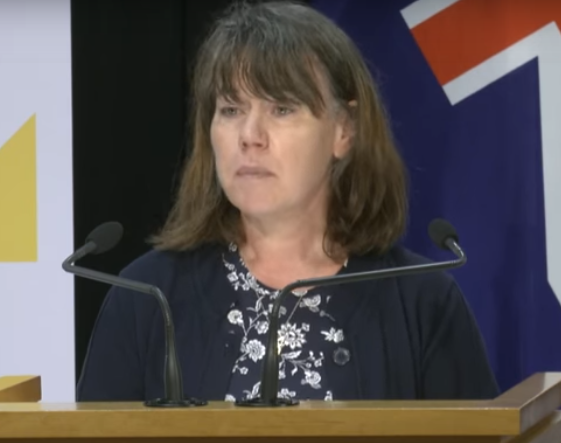
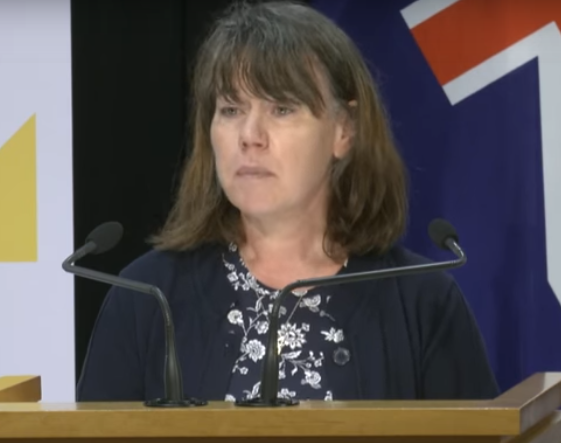
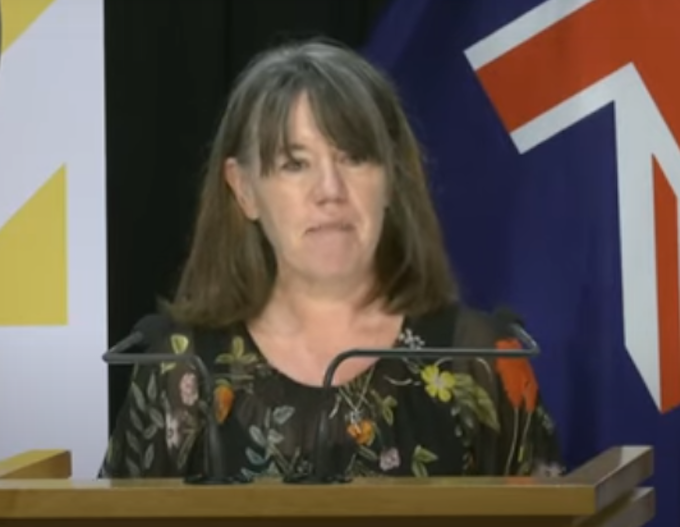
New Zealand has had two further deaths because of the Covid-19 coronavirus pandemic, doubling the death toll to four, says Director of Public Health Dr Caroline McElnay.
“New Zealand now has four deaths associated with Covid-19. As we have said previously, this can be a very serious disease, particularly for elderly people and also for those with underlying health conditions,” Dr McElnay said today.
Both deaths have occurred in older people with underlying health conditions and both cases are linked to existing clusters.
Watch today’s Ministry of Health briefing. Video: RNZ
One of the deaths is a Wellington man in his 80s who had been in Wellington Regional Hospital.
– Partner –
The second death is a man in his 70s who was at Burwood Hospital in Christchurch.
Dr McElnay said the Ministry of Health thanked frontline health staff who were providing support and comfort to patients during the lockdown when families couldn’t always be together.
“Our health system will continue to do everything it can to support the fight against Covid-19.”
29 new cases There are 29 new cases of Covid-19, made up of 20 confirmed cases and nine probable cases.
There are now 422 cases who have recovered from Covid-19. There are 15 people in hospital, including five in intensive care. One person in an intensive care unit (ICU) in Dunedin is in a critical condition.
The total number of cases in New Zealand is 1312.
Graphic: RNZ
“For those cases we have information on, we are still seeing a clear but declining link to overseas travel at 40 percent; with ongoing links to confirmed cases withing New Zealand 46 percent including those in clusters we already know about; and community transmission at 2 percent. We are still investigating 11 percent of cases,” Dr McElnay said.
New Zealand carried out 3061 tests yesterday and overall 58,746 cases have been conducted since the epidemic began.
Three of the four deaths are linked to clusters. There are 13 significant clusters in the country. The new cluster is associated with the George Manning Lifecare Village rest home in Christchurch.
The country will remain in the alert level 4 lockdown until April 23. Whether it will be extended or not will be announced at a later date.
While supermarkets were shut on Good Friday, they will be able to open on Easter Sunday tomorrow.
This article is republished by the Pacific Media Centre under a partnership agreement with RNZ.
If you havesymptomsof the coronavirus, call the NZ Covid-19 Healthline on 0800 358 5453 (+64 9 358 5453 for international SIMs) or call your GP – don’t show up at a medical centre.
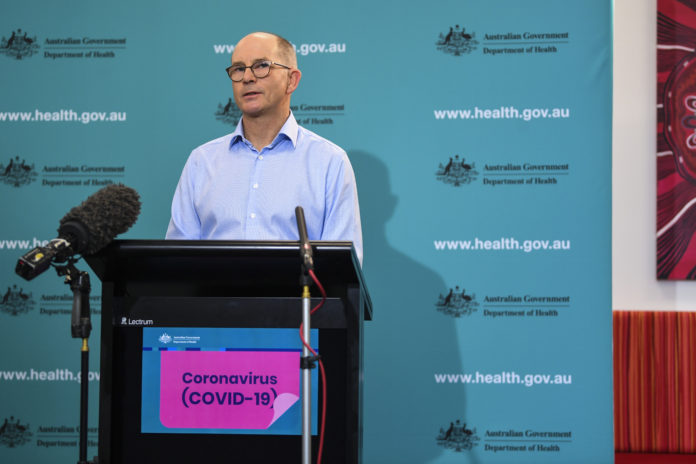
You might have seen headlines in the last day or so suggesting Australia is on the “cusp” of defeating the coronavirus pandemic.
I’m here to say: make sure you read beyond the headlines. The reality (as acknowledged by many of the news reports, if you read them in full) is that while Australia is doing well, the social distancing measures will likely be in place for a good while yet.
Ideally, where you want to be is below one, so less than one other person being infected after a person themselves had the infection. And once you get to that point the virus dies out or the epidemic dies out […]
And so at the moment we’re probably on the cusp of that in Australia.
But an important part of his comment is what he said next:
Now whether that’s where we are going to be in several weeks’ or months’ time remains to be seen.
Paul Kelly is saying something quite specific here. He’s saying the early signs are encouraging and he is giving some positive feedback to people.
But his “cusp” comment is about a very specific aspect of infectious disease management: the R ₀ (pronounced R-nought).
Basic R ₀ and effective R ₀: what’s the difference?
The basic R ₀ tells us about how transmissible a diseases is when everyone in the population is susceptible and there are no public health measures in place to control the disease. So this basic R ₀ is an inherent property of the infectious agent.
There’s also something called the effective R ₀, which is how the virus really spreads in the population. This effective R ₀ takes into account any immunity that people may have in the the population as well as public health measures implemented to slow the spread of a disease.
When you get the effective R ₀ to less than one then you are on the way to seeing the virus disappear from the population. That’s because each person is spreading it to less than one person (on average).
That’s what Paul Kelly was explaining. Our social distancing measures are working and we are seeing the effective R ₀ under one, which means were are on the way to a really good outcome.
But it’s not quite true to say we are on the cusp of defeating the epidemic in Australia.
The only reason the effective R ₀ is less than one is because of those measures. As soon as you relax those restrictions, the effective R ₀ shoots up past one and you get exponential growth.
The big question: community transmission
At this stage of the the epidemic, a large number of cases have been imported from overseas. So the great progress we are seeing now on the effective R ₀ may be because of the border controls and stopping transmission from cruise ships.
That’s good but you need to remember that to this point we have largely focused on testing those who have recently come from overseas or been in contact with someone recently returned.
It’s possible and likely that community transmission is occurring (where people are getting infected by someone who isn’t recently returned from overseas or a close contact of such a person).
Because our testing hasn’t focused on community transmission, we don’t know a lot about what’s happening in this space. However, we are now seeing testing criteria rapidly expand throughout the country so we will start to find out more about this in coming weeks.
Good news but we need to keep going
I do think Australia deserves some positive encouragement. We have done well, by and large, on the social distancing and and we need to keep it up over Easter. Don’t undo all the hard work and all the gains we have made so far.
But whatever you do, don’t read these “cusp” headlines and walk away with the mistaken impression that we are on the cusp of the epidemic in Australia being over. That’s not where we are at right now.
As Paul Kelly said in the same press conference:
on average, what we know about this virus if we don’t have these social distancing measures, one person can lead to 400 other cases within a month.
Social distancing is one of our most important measures in stemming the epidemic. Australia needs to keep up the good work.
By Agung Sandy Lesmana and Ria Rizki Nirmala Sari in Jayapura
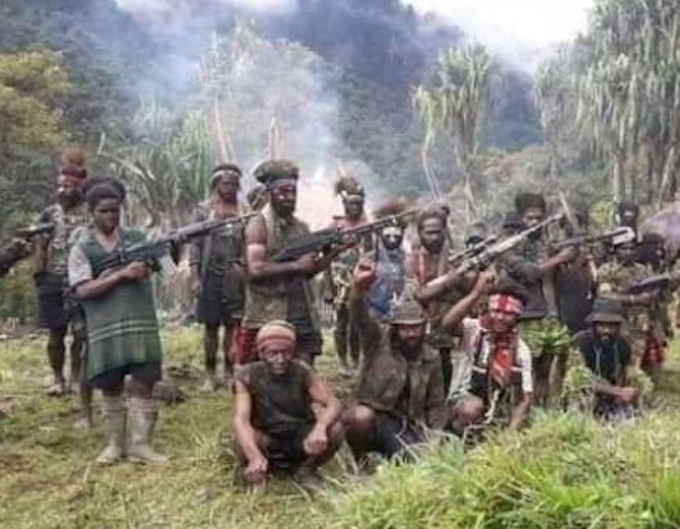
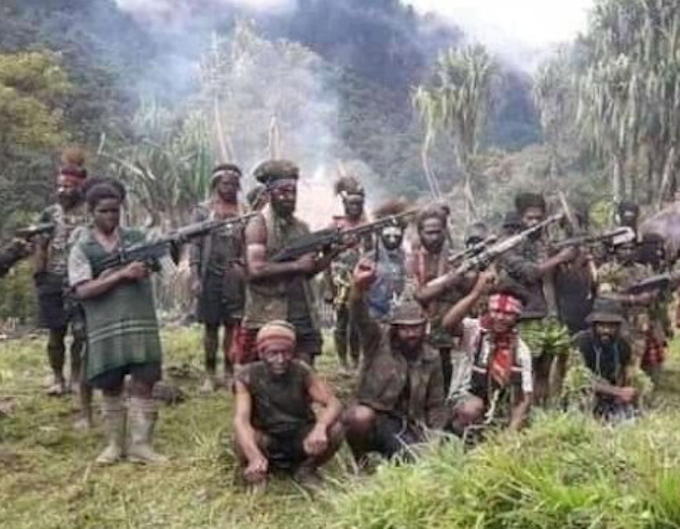
The Free Papua Organisation (OPM) has offered a ceasefire in the independence struggle against Indonesian rule in the Melanesian region in an effort to contain the global Covid-19 coronavirus pandemic.
The option of a ceasefire, however, must also be agreed to by the Indonesian government by withdrawing troops from Papua.
West Papua National Liberation Army (TPNPB) and OPM spokesperson Sebby Sembom has confirmed reports of the offer.
He also emphasised that the option of a ceasefire must be agreed to by the government by ending military operations in Papua and withdrawing all “non-organic” troops.
“Yes, it’s true and if Indonesia withdraws all non-organic military from Papua. Because the fact is that the TNI-Polri [Indonesian military-Indonesian police] are currently mobilising troops in large numbers and conducting military operations in Ndugama, Lani Jaya, Timika, Tembagapura and Oksibil in the star mountains (Pegunungan Bintang) regency”, said Sembom when contacted by journalists this week.
– Partner –
As a broad outline, the option of a ceasefire offered by the OPM must also be accepted by the government with an agreement not to conduct military operations on the island of the Cenderawasih as Papua is known.
Sembom has also issued a written release by OPM-TPNPB chairperson Jeffrey Bomanak which was written from the OPM-TPNPB Victoria headquarters on Wednesday.
Support health fight In the release, Bomanak said that the OPM-TPNPB will also support the fight against the Covid-19 epidemic which they see as threatening human life.
Bomanak explained that the war between the OPM and the Indonesian military is still continuing, particularly at several vital points such as the Freeport mining area in Tembagapura, Timika.
Armed contacts are also still taking place in Intan Jaya, in the Ndugama III Defense Command Area (Kodap) in the Star Mountains as well as the OPM-TPNPB Victoria headquarters.
The government is said to still be increasing troop numbers.
“And the OPM-TPNPB respects the energy of countries which have a commitment to fight the Covid-19 global epidemic such as Papua New Guinea, Australia and East Timor so the OPM-TPNPB has had to issue this statement and commitment so that Indonesia does not act carelessly in military operations which will spread the corona virus in other countries”, wrote Bomanak.
Bomanak also wrote that the OPM-TPNPB is making this offer and commitment openly to President Joko “Jokowi” Widodo as a way of realising the international guidelines issued by the United Nations to fight the Covid-19 pandemic.
“So the OPM-TPNPB is asking Indonesia to respect the good intentions of the UN and the OPM-TPNPB for the sake of humanity and global justice,” said Bomanak.
Timor-Leste has registered its second case of Covid-19, the Integrated Crisis Management Centre (CIGC) has confirmed.
The patient – a Timorese citizen, who crossed the border from Indonesia on April 1 – was isolated at their quarantine site when they developed symptoms of the virus, CIGC spokesman Sérgio Lobo said.
“Symptoms such as cough, flu appeared after one week arriving in quarantine, thus the patient is now in the isolation place,” Dr Sérgio Lobo said.
The patient was alone in their room, and did not have physical contact with another person, Dr Lobo added.
“The quarantine site that the patient was in was very strict,” he said.
– Partner –
He said the Ministry of Health and CIGC were verifying the people who were in contact with the patient before arriving at the border.
A sample was taken from the patient, and verified at the Royal Darwin Hospital laboratory in Australia.
950 in quarantine While two people have tested positive in Timor-Leste, testing is not widespread, with only 56 people tested so far. Four are awaiting their test results.
Some 950 people are undergoing their mandatory 14-day quarantine in sites across the country. Around 900 have already completed their stay, the Ministry of Health said.
However, the announcement comes as authorities report Timor’s first Covid-19 patient, who entered isolation on March 21, has recovered from the virus.
CIGC spokesman Sérgio Lobo said the foreign national had now returned two negative test results – a prerequisite for leaving isolation – and was discharged from care.
Dr Lobo reminded everyone to abide by the state of emergency measures.
”We all should contribute: maintain social distance, don’t gather together, maintain physical distance of one metre from others when going out in public, wear masks, and wash hands to prevent Covid-19,” Dr Lobo said.
Dengue fever claims four lives As Timor-Leste fends off Covid-19, Tatoli reports that dengue fever has claimed four lives, including three children, as the latest outbreak in Ermera district spreads to more than 100 people.
The Council of Ministers yesterday revised last month’s State of Emergency decree, “temporarily” closing all borders to all citizens, from April 13 “until further notice”.
Antónia Gusmão is a reporter for Timor-Leste’s national news agency Tatoli.
A Christchurch woman in her 90s who was living in the Rosewood rest home is New Zealand’s second death from Covid-19, the Health Ministry has confirmed.
Director of Public Health Caroline McElnay said today the “frail” woman could not have family around her in her last couple of days, because they were not allowed at the facility in Burwood Hospital.
“However, hospital staff were able to provide her with comfort and support, and we thank them for that.”
Watch today’s media conference. Video: RNZ (starts at 12m.20s)
The woman was transferred from Rosewood Rest Home and Hospital to Burwood Hospital alongside other residents, as part of a cluster management process. She had common age-related conditions prior to testing positive.
– Partner –
The Canterbury DHB is investigating staff and residents to find out how the virus affected the rest home.
New cases rise to 44 “This latest sad news reinforces the importance of our move to alert level 4,” said Dr McElnay, “and the measures that we are all taking to limit the spread, break the chain of transmission and prevent deaths.”
McElnay also said the number of new cases in New Zealand has risen to 44 – 23 new confirmed and 21 new probable cases. The country’s current total of Covid-19 cases is 1283.
Fourteen of the new cases are linked to existing clusters around the country. There are 12 remaining clusters in New Zealand.
There were 29 new cases yesterday and Dr McElnay said the rise in new cases showed the country could not be too complacent.
“We are still generally heading in the right direction, and that’s very affirming. But it very much emphasises that we’re not out of the woods yet.
“We would expect to see numbers to go up and down in the immediate short-term.”
There are now 16 people in hospital with the coronavirus – four are in ICU and two are in a critical condition, in the Southern and Waitemata DHB areas.
McElnay said 373 people had now recovered from the coronavirus.
‘Strong, declining’ travel link There was a “strong, but declining” link to overseas travel at 40 percent. Community transmission stands at 2 percent
“There are still cases that we continue to investigate and that’s about 14 percent.”
Yesterday had the highest numbers tested to date, but we may see a decline over the weekend, McElnay said.
She said PPE was not being rationed.
“The country does have sufficient stocks.”
The ministry had been working with DHBs to ensure that distribution chain was working, she said.
“This is an Easter unlike any other Easters.”
This article is republished by the Pacific Media Centre under a partnership agreement with RNZ.
If you havesymptomsof the coronavirus, call the NZ Covid-19 Healthline on 0800 358 5453 (+64 9 358 5453 for international SIMs) or call your GP – don’t show up at a medical centre.
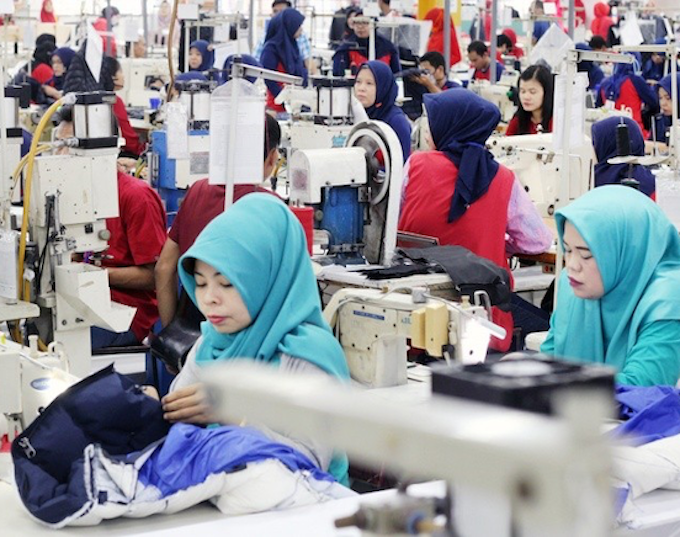
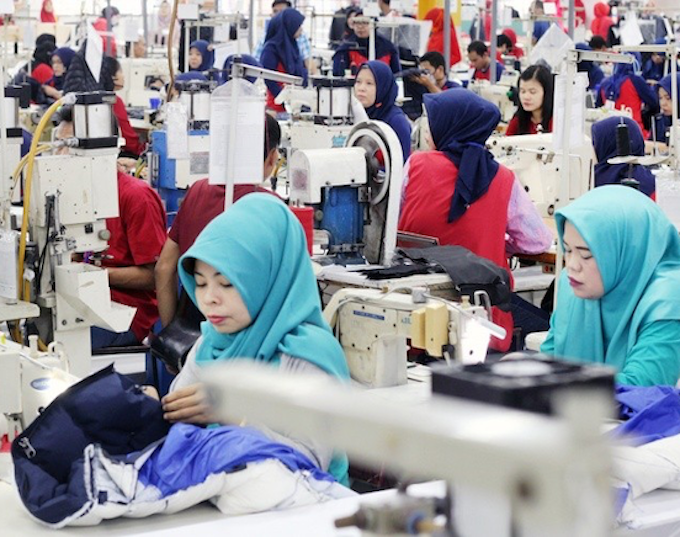
The Covid-19 pandemic, which is spreading like wildfire in Indonesia, has taken not just lives but also the earnings of millions of workers, one month after the government announced Indonesia’s first two confirmed cases of the virus.
Jumari, a 61-year-old who works in a shoe factory and lives in Jakarta, has not received his daily wages for more than two weeks and will likely not receive his April salary at all. The factory has been shut, and he and his colleagues had been told to stay home.
“The government said it would disburse funds to those who are affected by COVID-19. What’s the regulation and how do we get it so that we can have something to eat?” he said recently. “We’re not expecting anything grand.”
The Covid-19 outbreak has devastated workers’ hours and earnings. Businesses have shut down factories and furloughed or laid off their employees as a result of low demand and the call for social distancing.
– Partner –
More than 1.2 million workers from 74,439 companies in both the formal and informal sectors have either been told to stay home or have been laid off as a result of the pandemic, Manpower Ministry data showed on Tuesday.
The Confederation of Indonesian Workers’ Unions (KSPI) released a statement last weekend saying its worries about massive layoffs had come true, Jakarta Manpower Agency data that at least 162,416 workers in the capital city alone had reportedly been laid off or furloughed.
Partial dismissal plan In a separate statement last month, KSPI suggested an alternating shift system or partial dismissal in a bid to keep production running without laying off workers. In the case of a partial lockdown, it also urged employers to send their employees home without cutting their salaries.
Manpower Minister Ida Fauziyah urged all industry players to make layoffs their last choice during the pandemic. Instead, companies could lower salaries or reduce working days and hours, among other alternatives.
“The situations and conditions are indeed challenging, but this is the moment for the government, business people and workers to work together and find a solution to mitigate the impact of Covid-19,” Ida said in a teleconferenced briefing on Wednesday.
Statistics Indonesia data shows that out of the country’s workforce of 133.56 million, 7.05 million are unemployed and more than 55 percent of those employed work in the informal sector.
Indonesian Chamber of Commerce and Industry (Kadin) vice chairman for manpower and industrial relations Anton J. Supit said on March 20 that companies had been implementing alternating shifts, reduced working hours and had offered “voluntary layoff” packages to keep layoffs a last resort during the crisis.
The Covid-19 crisis is expected to wipe out 6.7 percent of working hours globally in the second quarter of 2020, equivalent to 195 million full-time workers, according to an International Labor Organisation (ILO) report published on Tuesday. The ILO described the pandemic as “the worst global crisis since World War II”.
The ILO stated that there was a high risk that end-of-year worldwide job losses would be significantly higher than the initial ILO projection of 25 million, depending on future developments and policy measures.
‘Facing catastrophes’ “Workers and businesses are facing catastrophes in both developed and developing economies,” said ILO director-general Guy Ryder. “We have to move fast, decisively and together. The right, urgent, measures could make the difference between survival and collapse.”
The government has announced plans to spend Rp 405 trillion of additional state expenditure to fund health care, social spending and business recovery programs. Of the amount, Rp 110 trillion has been allocated for social safety net programs, including Rp 20 trillion for a pre-employment card program to cover 5.6 million laid-off workers and Rp 150 trillion for a small and medium business economic recovery program.
Airlangga University labor law expert M. Hadi Subhan said the current economic stimuli and the preemployment card launched last month were insufficient to cushion short-term shocks in the labor sector. He advised the government to provide cash compensation to workers who suffered income loss to avoid social unrest in the short term.
“[If workers are not compensated], I predict that the social costs will be high. Riots, looting and burning public infrastructure could occur, just like during the 1998 crisis,” said Hadi.
As the government scrambles to disburse social aid, small business owners and vulnerable workers have to fight by themselves for sustenance.
While waiting for the Covid-19 outbreak to pass, travel agency owner M. Sela Sulyadi, who lives in Lombok, West Nusa Tenggara, has been forced to furlough his employees while continuing to help them pay for basic needs such as electricity, water and rice.
“Like it or not, the reality is that income from tourism will be low for the next few months. And we have to accept that,” he said.
Made Anthony Iswarais a reporter on The Jakarta Post.
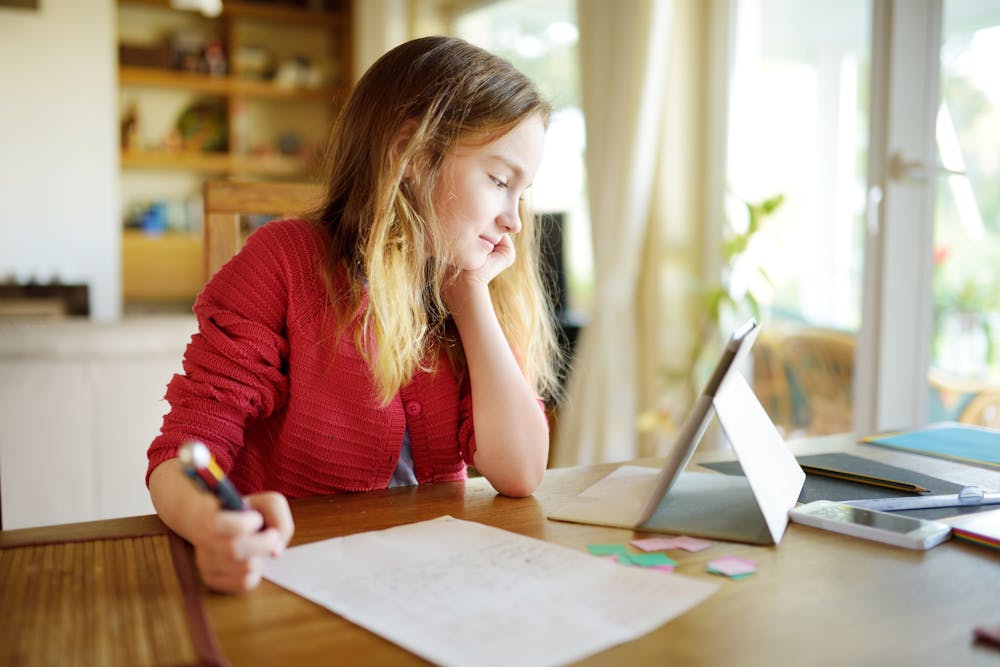
COVID-19 has left parents grappling with the challenges of online learning, entertainment and work. It’s natural the amount of time children spend using screens will now increase.
But that’s OK. Screen time recommendations we’ve enforced for so long no longer apply to our situation. There are ways to make the best of kids’ increased use of screens.
More than just screen ‘time’
Screen “time” has become an important aspect our health and well-being. It relates to measuring how many hours and minutes a person uses a digital screen such as mobile phone, tablet, television or computer.
Screen time has become a particularly important focus for parents who want to help their child establish healthy technology habits.
We gain our screen time recommendations from several sources. These are primarily health and psychology authorities. They include the World Health Organisation, which has published guidelines for children five years old and younger; and the American Academy of Paediatrics and Australian Department of Health, which have each published their own guidelines for children up to 18 years old.
These guidelines bear similarities to each other. They mainly state children under 18 months should get no screen time except for video calls such as Skyping a grandparent. Children aged two to five should limit their use to an hour, ideally watching a screen with an adult.
Guidelines for school-aged children and adolescents are less definitive. There are no recommended minutes or hours per day. The guidelines depend on the lifestyle of the child, and it’s left to the parent to manage.
If we dissect published screentime recommendations, there are three factors embedded in what comprises healthy technology use.
They include:
time using a screen
quality of screen content
who you use a screen with.
Screen “time” gets all the airplay, but with families confined to home, the other two factors – quality and screen buddies – are just as important, if not more, for healthy technology use.
Screen quality
The benefits of technology on children’s health, well-being, social and emotional outcomes, and school achievement, depends less on time and more on the type of content they engage with when using a screen.
Consider a five-year-old watching 30-minutes of early childhood educational content, such as the ABC’s PlaySchool. Compare this to the same child playing 30 minutes of a highly violent video game.
Both involve 30 minutes of screen time, but the experience for the child and the impact on them will be vastly different with each.
It matters more what your child does on their screen than how long they’re doing it for.Shutterstock
Quality screen content is defined by three combined features: it is interactive, educational and age appropriate.
But just because something is categorised as “educational” doesn’t mean it’s a good learning experience. The term educational is often used as a way of organising apps in the App Store or Google Play store, or to market apps.
Truly educational content requires a child to think, be creative and socially interactive. These kinds of apps don’t have too many distracting bells and whistles but aim to keep the child’s attention on the learning.
A great example of an educational app for your children is Thinkrolls Space. The app has fun, odd-ball alien-themed puzzles that encourage problem solving, as well as thinking logically and strategically.
The app design encourages children to persevere to solve the problem. And it doesn’t encourage in-app purchases to easily power up without solving the problem.
For high school children the app DragonBox Algebra 12+ is an innovative STEM game that helps supercharge kids’ learning of algebra.
The game is designed to help kids build a strong understanding, with lots of opportunities to practise new skills and then move through to more complex problems; and it does this is a really fun way.
Screen buddies
It’s not very healthy for a child of any age to be alone on a device for hours on end. Engaging with your child and varying how a child engages socially when using a screen is important to developing healthy screen habits.
This is sometimes explained using the term “co-view”, which is when a child uses a screen with their parent who can explain ideas to them.
“Co-engaging” is a much more powerful idea for older children. It simply means using a screen with someone equally engaged (not just an onlooker or explainer). It may be playing an online game with a parent, or another person.
It can also mean engaging with the online content with someone virtually, such as Skyping a class friend or taking part in a virtual study group.
Tips for parents
Healthy screen use is about balancing all three factors: time, quality and buddies. So, if you think your child may be using a screen for longer periods of time because of the changes COVID-19 has brought, then ensure screen quality and screen buddies are in check. You can do this now, by:
setting up a time to engage with a screen, together with you child, in way that than is more than just watching on as a bystander
checking through the apps and games your child currently uses. Try to identify which are quality (educational, interactive and age-appropriate)
looking for new quality educational experiences online for your child. Don’t settle for something simply labelled “educational”. Investigate it and make sure it qualifies as a great educational experience.
Too much screen time is not the end of the world. Aiming for healthy screentime using all three factors – time, quality and buddies – is much more important.
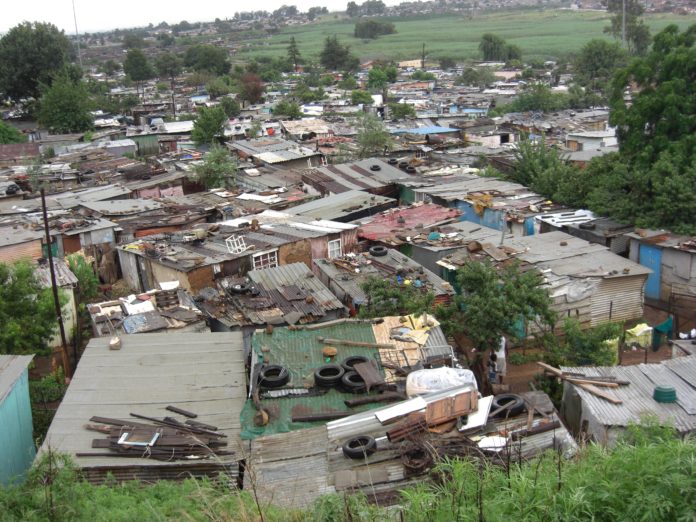
The head of the Africa Centres for Disease Control and Prevention (Africa CDC) has warned coronavirus poses “an existential threat to our continent”. Evidence from past crises shows not everyone is affected equally; the most vulnerable people invariably suffer the worst. This threat will strike worst at the 53 million-or-so people living in the thousands of dense informal settlements, or slums, that pack sub-Saharan Africa’s fast-growing cities.
The risk is particularly high in slums because of the combination of poverty and poor planning.
Poverty leads to fewer choices – do you spend your money on food or medicine? – and few safety nets. Poor planning, if any, has led to millions of people living in largely neglected overcrowded settlements. Their houses are built of waste materials, with little or no running water, electricity, garbage disposal or sanitation.
“Social distancing” is next to impossible when a settlement can have just 380 toilets for 20,000 people. Even before pandemics strike, such places erode the health of residents, causing and worsening ailments that include respiratory diseases.
The call from the United Nations is for rich countries to provide more funding for Africa. But rich donor countries are themselves fighting the crisis and are unlikely to focus their attention elsewhere.
This leaves Africa in desperate need of resources. For example, Central African Republic, home to nearly 5 million people, has just three ventilators.
A history of deadly crises
Tragically, Africa is no stranger to crises, including pandemics. In 2014 Ebola swept through West Africa, killing more than 11,000 people.
Lessons emerged from this experience. One was the power of rumour and misinformation – especially in dense urban neighbourhoods. For instance, it was said that Ebola always kills. The claim created panic and led to households hiding sick relatives, resulting in fewer reported cases.
The explosion of social media use – even since 2014 – increases this risk.
In 2018, the Democratic Republic of Congo (DRC) recorded its tenth outbreak of Ebola in 40 years. The outbreak affected the regional capital Goma, a city that is no stranger to crises, having experienced disaster, conflict and a huge refugee influx.
In 1994 hundreds of thousands of people fleeing the Rwandan genocide arrived in Goma. A cholera epidemic that killed nearly 12,000 people followed. Goma endured years of civil war (along with the rest of the country) and a volcanic eruption in 2002.
Now the city is facing coronavirus, having recorded its first case in March. A recent Los Angeles Times article notes that, while chronically under-resourced, Goma’s recent previous experience may help the city fight coronavirus:
Due to the Ebola crisis, the city is dotted with checkpoints where everybody is subjected to a temperature check – performed with handheld infrared thermometers – and required to wash their hands at chlorinated water stations before being allowed to pass.
A testing laboratory is also being built.
This is something, but such measures are likely to have limited impact in slums.
Predictions of disaster ignored
A decade ago, a World Health Organisation bulletin drew attention to a 2009 study that warned Africa’s urbanisation “is a health hazard for certain vulnerable populations … [that] threatens to create a humanitarian disaster”.
Africa has urbanised substantially in the last 11 years. And its slums have grown at break-neck speed. Africa’s population, now 1.1 billion people, is expected to double by 2050, with up to 80% of that increase in cities, especially in slums.
The coronavirus, whose risk to life and economic impacts threaten to eclipse previous crises, threatens to expose the mismanagement and neglect of Africa’s urbanisation in the most visceral of ways. And the most vulnerable people will pay the highest price, as they always do.
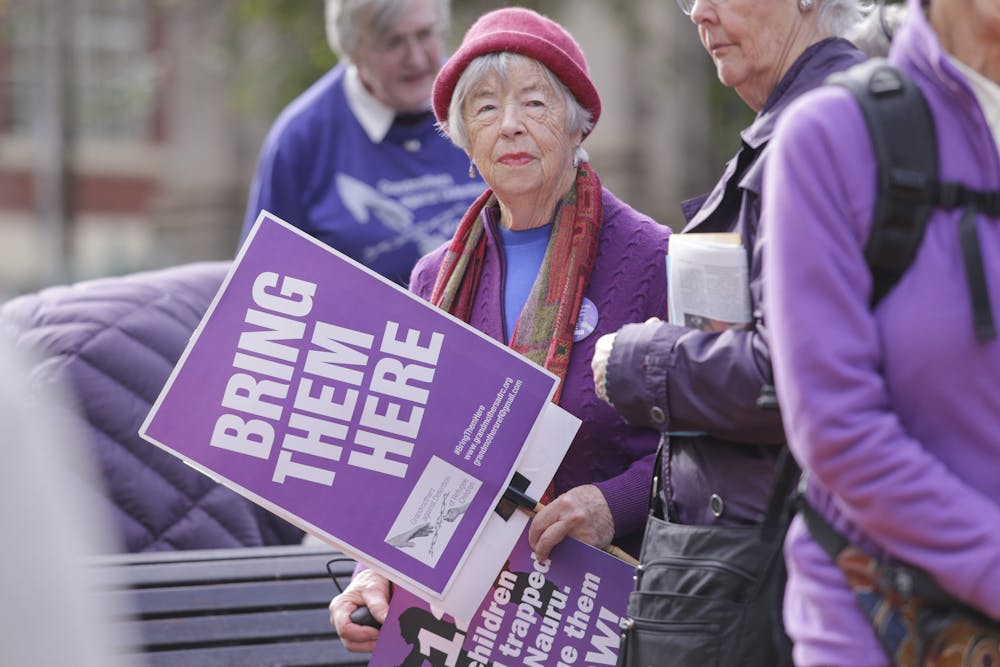
Grandmothers as social activists? What a radical idea … but one that is increasingly true of today’s generation of grandmothers. Witness the determination and courage of Karen Nettleton in pulling out all the stops to persuade the Australian government to rescue her grandchildren from a Syrian refugee camp.
A sweet memory of my time as president of the Australian Human Rights Commission was being asked by my executive assistant to look down from my Pitt Street office to the Grandmothers for Refugees singing in the street below to support the commission and its advocacy for refugees detained indefinitely in offshore detention camps. What a delight to see the men in their suits walk by in bemused wonderment. How mistaken to dismiss these grandmothers as having passed their use-by date.
Why should we be surprised? This generation of grandmothers came from the 60s and 70s, many – and for the first time in history – spending formative years at university with free or minimal fees, marching against Vietnam, experimenting with sexual liberation, burning our bras and “making love not war”. Political activism is mother’s milk to many of the women from those times.
Over the following years, this unique generation of women rode the crest of a wave of opportunity and optimism. The Sex Discrimination Act was passed in 1984 … problem of equality fixed. The future was ours. And, to a significant degree, so it has been.
Today, women over 60 are often well-educated and financially independent, having had a fruitful career while also doing a decent job of raising their children. Today, the 60s generation of women is emerging as a political force to be reckoned with.
Grandmothers Against Detention of Refugee Children rally in Melbourne, July 2018.AAP/Wayne Taylor
Not so fast
But wait. How can it be that the position of women in Australia has been in regression over the last 15 years or so? Here are some disturbing facts. The fastest-growing group of homeless people in Australia is not 18-year-old youths sleeping under a bridge, but women over 55. How ignominious and sad to have to ask your son or niece if you can sleep on their sofa for a few weeks as you can no longer pay the rent or the mortgage.
Women retire today on 46% of the superannuation available to men. Why? Because we agree to accept flexible, casual and contract work with little job security or opportunities for promotion. We fall off the superannuation ladder and never catch up, despite providing most unpaid caring work across the nation.
Women are still at the bottom of the employment pyramid in female-dominated industries – as hospital paramedics and cleaners, factory workers, maids and waitresses, in hotels and restaurants and in low-paid teaching and nursing positions. The gender pay gap of around 16% is narrowing with glacial speed.
In 2006, the World Economic Forum’s Gender Indexplaced Australia 15th globally, broadly among the nations we would most expect to be compared with — New Zealand, Canada, the United Kingdom, France and the Scandinavian countries. Ten years later, in 2016, we had slipped to 46th. By 2018, we had gone up a few points to 39th. Our 2020 ranking is 44th. We remain today stubbornly consigned to the lower ranks, below Serbia, Bolivia, Laos, Latvia, Cuba and Burundi.
Angry matriarchs are taking their grievances to the streets in protest.Unsplash, CC BY
Cheats and double-dippers
The WEF Global Index is measured against four indices: economic participation, health and survival, educational attainment and political empowerment. The good news is that, not surprisingly, Australian women and girls are ranked first in the world for educational attainment.
But now the bad news: we are a 103rd for health, 77th for ministerial positions in government, 49th for political empowerment and 46th for economic participation. Our hopes for fair access to work were raised by Tony Abbott’s promise, as leader of the opposition, of a “rolled-gold” six months’ maternity leave, only to be dashed when the political debate descended into allegations women were “double dippers” and “welfare cheats”. The law for Australian women remains at 18 weeks’ paid maternity leave at minimum wage, compared with Sweden’s paternity leave of 480 days at 80% of salary.
How has it come to this? Why has education not ensured genuine equality? Why are Australia’s women not in the streets demanding fairness from a male-dominated government and corporate sector?
Are we, at heart, just like our grandmothers? Has very little really changed? Are grandmothers, by culture or by a law of nature, destined merely to be sweet, passive, caring and kind; to stand behind their men, support the family, love their grandchildren and seek little for themselves?
Memories of Sarah-Jane
My grandmother, Sarah-Jane, met all these clichéd standards. She was born in the reign of Queen Victoria, in 1899. She admirably met the traditional image of a grandmother: pretty, even in old age, white-haired and blue-eyed.
In 1958, as we stood on the deck of the Iberia, the flagship of the Orient and Pacific Line, leaving from Tilbury Docks for Australia, my mother said, “Give your grandmother a special wave. She is old and we may not see her again.” Sarah-Jane was 62, dressed in black, wearing pearl earrings and 60-denier lisle stockings, wrinkled at her ankles. Widowed at 53, with few financial resources, she had never been employed. Sarah-Jane was largely dependent on her daughters and sons-in-law.
She came to Melbourne several times to visit us and lived to be 89.
Sarah-Jane avoided any sort of disagreement or controversy in private, let alone in the public arena. “A lady’s name should appear in the newspapers only three times in her life: on birth, marriage and death.” She would have been horrified to know that her granddaughter was the subject of 42 satirical cartoons and over 60,000 words (and counting) of newsprint castigating me for my work as president of the AHRC.
For Sarah-Jane, family was all. She believed wholeheartedly in the adage that blood is thicker than water. As one of a typically large Victorian family of eight siblings, she was never particularly interested in widening her small group of friends. I have followed her directions for a successful dinner party.
It was bad form, she believed, to engage in one-to-one private conversations; a general conversation among the group on a neutral topic was the desired objective. Sex and religion should never be discussed. In this, I have strayed from her protocol. But I also prefer a wide-ranging debate at dinner. When I was first married to my husband and joined international diplomatic life as a “trailing spouse”, I remember him accusing me of conducting seminars at official dinner parties!
Sarah-Jane might have been surprised to know that she has been a driving motivator in my life. As a teenager in the early 60s, I have a vivid memory of one of her visits. She was sitting up in bed, counting out her small change on the bedspread to see if she could stretch her money to buy a Christmas present for each member of the family. The sum total was pitiful.
Sarah-Jane had no means to increase her funds beyond whatever the family’s largesse had provided her. Mercifully, my parents were in business as jewellers and were, indeed, generous. At Christmas, we each received a modest gift from Sarah-Jane, and I treasured mine.
Yet another seemingly insignificant incident compounded my understanding of my grandmother’s loss of autonomy. Like Queen Elizabeth the Queen Mother, Sarah-Jane always wore pearls: three-strand necklaces and earrings. As the earrings were clipped on (pierced ears were vulgar), she was constantly losing one.
To go out in public without her pearls was unthinkable. She would ask my father, through the agency of my mother, to buy her new ones. As the saga of the lost earring was oft-repeated, my father became increasingly annoyed, but would eventually relent and provide another. I was struck at the time by the ignominy of Sarah-Jane’s position.
To go out in public without pearls was unthinkable to the author’s grandmother.Shutterstock
Today, if I had lost such an item, I would simply buy a replacement without a second thought. I doubt she was ever able to enjoy that freedom. Such minuscule details of ordinary life mark how things have changed for women today who have financial autonomy.
Even as a young girl, I was mortified by the evident frustration of an older woman who had so little financial independence. I vowed never to be in that position. I knew, instinctively, that to reach whatever potential one might have, it was essential, as Virginia Woolf well understood, to have “a room of one’s own”. That is not to say that money has been a catalyst for my work over the decades, but rather that a reliable income is vital to achieving autonomy.
Sarah-Jane also had a steely inner core. Arriving home after school one day, I was shocked when she asked me, “Will you do the ironing or shall I?” As she’d left the house for work that morning, my mother had apparently airily asked my grandmother to iron the ever-mounting pile of sheets, shirts and napkins, always the last household chore to be tackled.
From my mother’s point of view, as Sarah-Jane was at home all day, this seemed to be an entirely reasonable request. Not so for Sarah-Jane. The heat of the summer was inescapable and enervating. She was probably about 70 years old. Far better to ask a healthy teenager. I, of course, agreed to do the ironing, but filed away for future reference that my grandmother was smarter than others gave her credit for!
As Sarah-Jane sank into the oblivion of Alzheimer’s, she lived out her last years in an aged-care residence in London. Whenever I returned to England, I would visit my tranquil, beautifully dressed grandmother, who, having no idea who I was, said to me, “You’re a nice young girl. Do come to see me again.” I would leave in tears, but grateful that Sarah-Jane had at least found some sort of serenity.
Today’s grandmothers
Delving into these sepia-tinted flashes from the past, I am surprised by how powerful — even hurtful — they remain. Why would I care today about such fleeting incidents, which one might have imagined would quickly fade? I do not know. But perhaps the psychologists would say that such early experiences shape our adult lives in profound, lasting and unexpected ways.
Sarah-Jane would not recognise my 21st-century role as a grandmother. At 74, I am working, travelling and continuing to be outspoken. My grandchildren, Sia (aged four) and Leonard (aged two), live an international life in Paris and are becoming bilingual. I speak to them by Skype and babysit for a couple of weeks in July when the creches and schools are closed for the summer. Every second year, they come to Australia for Christmas.
Today’s grandmothers are often active and engaged in both private and public spheres.Shutterstock
I have some French and would love to speak to my grandchildren in their first language. Rightly, their parents, my son James and his French partner, Marie, insist that I speak only English, otherwise Sia and Leonard will adopt the easy option of French. Sia thinks I am intellectually rather slow. If I mispronounce a word in French or make a grammatical error (quelle horreur), she corrects me and, in exasperation, employs both the English and French words to ensure I get her point. I love being with such bright, energetic children and am sometimes sad that I am a distant, fly-in, fly-out spectre in their lives.
My relationship with my grandchildren will be very different from many grandparenting relationships of the past. Different but, I hope, just as special. The geographical distance means that I will not be part of the day-to-day lives of Sia and Leonard. I will not be able to pick them up from school and hear their triumphs and woes. I will always be the visitor who swans into town, breaks the household rules with forbidden treats and goes away again. I will not be there to listen to whispered hopes and fears, nor will I be a gentle, calm and constant presence in their lives.
But I will bring to Sia and Leonard that fierce loyalty for family that Sarah-Jane maintained, rightly or wrongly, as well as her warmth and integrity. I hope to be a strong influence in their lives; to stimulate, excite and support them in every way possible. Perhaps I can show them what a woman can achieve in her lifetime, given the opportunity and a dash of determination.
No woman left behind
I suspect many women today grapple with finding a new version of the contemporary grandmother, as they retain a traditional view of a caring woman with little autonomy or life beyond her family. Grandmothers today are likely to be healthy, relatively fit and up for a game of tennis or a ski trip (on the moderate slopes).
With some significant exceptions (for example, those who have no superannuation, live alone or have high medical expenses), today’s grandmother will have financial means of her own, a career and a fruitful, active life. She will nurture her grandchildren, but will be less passive, more actively engaged with the world, freer to rise to her own potential and, I suggest, happier than many grandmothers in the past, with greater self-confidence.
While my generation has been uniquely privileged in so many ways, I believe that, as grandmothers, we should use our remaining years and decades to reach out to our less privileged sisters to bring them with us. Too many women have been left behind. The promises of the 60s and 70s have not been met fully for all Australian women. We grandmothers now have a responsibility to advocate, to be politically active in using our education and financial independence to ensure equality of opportunity and outcome. For all women.
How dismaying that I should have studied for a law degree, a Master of Laws and a PhD, all at the expense of the Australian, American and British taxpayers, while law students today will finish their JD degree $100,000 in debt. As grandmothers, we should be demanding affordable childcare, full superannuation even when on maternity and carers leave, equal pay for equal work, freedom from sexual harassment and bullying in employment, and protection from domestic violence at home.
As grandmothers, what do we have to lose? We are not looking for advancement in our careers. We are strong, healthy and independent. Bravo to Grandmothers for Refugees, the Older Women’s Network and the scores of other women’s advocacy and networking groups. Let us work together to harness the power of today’s generation of grandmothers, who can and will speak up for social justice. Let us work together to achieve the vision of gender equality that we and our political leaders had in the 60s and 70s.
I like to think that, in Sarah-Jane’s quiet way, she would have supported my outspokenness on human rights and forgiven me my notorious media presence. I now understand better the continuing influence she has had on my life, and thank her for it.
Postscript: I am about to leave for Geneva to take up a new role in the United Nations as Assistant High Commissioner for Protection. For the first time in my grandchildren’s lives, I will be only three hours by train from Paris. It seems one should never say never. Maybe in the future I can be a more real presence in their lives than I had believed possible.
Against a global backdrop of cancelled sports leagues, and as part of their season opening, National Rugby League (NRL) fans recently packed the stands of Townsville’s new Queensland Country Bank Stadium.
Fortunately, professional sporting bodies have now realised social distancing measures can’t be ignored. To maintain fan engagement, sports leagues must rethink their mode of delivery.
Esports is one promising option. This fast-growing, professional video game competition medium is played between individuals or teams. While it encompasses non-sport games, in the context of sports-based games, esports offers an alternate reality where athletes are digitally represented.
Sports administrators are now faced with unprecedented disruption. Avid sports fans are self-isolating at home, cabin fever is setting in and they are craving their usual sports fix.
As we hunker down for the long haul, extending the AFL season suspension beyond May looks increasingly likely, making the prospect of esports all the more appealing.
Future proofing with esports
The financial cracks in Australia’s leading professional sports leagues are not confined to COVID-19.
Falling free-to-air television views and decreased numbers of match spectators pose a significant commercial threat. Generating revenue primarily from television broadcast rights is no longer sustainable. Thus, esports represents more than a season filler – it’s an opportunity sports administrators have largely ignored, but may need to quickly school themselves on.
Even before this pandemic hit, Australian sports fan engagement was changing. Data released in 2017 showed 11.4 million Australians consumed sports on a smartphone, desktop or tablet during July that year – a 6% increase from June. Growth was 10% among women, compared to 3% among men.
For Australian sports fans, the jump to esports would require little change in consumer behaviour. Other countries are already seeing this shift. The US Major League Soccer (MLS) administrators found 65% of their most devoted fans highlighted FIFA gaming as driving their interest in soccer.
“Gaming is actually more important to us than people playing soccer itself,” said MLS senior director of properties James Ruth.
Last year, a record breaking number (109,000) of worldwide participants competed in Formula 1’s Pro Draft, one stage of the 2019 Formula 1 New Balance Esports Series.
Formula 1 has led the rollout of esport contingencies during COVID-19, showing commitment by launching their Virtual Grand Prix series. Running in place of races planned for the postponed season, and featuring several virtual F1 drivers, fans at home can still get their F1 fix.
The National Basketball League (NBA) are more hesitant, but have dipped their toes in the water by promoting an esport competition featuring 16 of the NBA’s top basketball players. It’s likely we’ll see more sporting codes act and experiment with new modes of delivery in the near future.
In Australia, not all clubs were slow to recognise the potential of esports. More than four years ago, Adelaide Crows officials realised their traditional revenue streams were “maxed out” and identified esports as an avenue for growth.
However, the AFL’s commitment has been tentative at best. The NRL have also yet to make any real inroads, but did partner with an Australasian esports media company for a Fortnite event last year.
Not a gendered activity
Esports, like real sports, is not just for men. Research suggests women and men play video games in about equal numbers. According to Venture Bear, in the US alone 11 million women watched a live stream on Twitch last year.
In the Australian market, commercial growth through esports investment could be an influential strategy to seed youth leagues. As marketers seek to attract new fans and strengthen existing fan affiliations, esports’ effects could be twofold.
Esports could attract a new wave of younger sports fans, and bring ancillary opportunities to deepen existing fan engagement.
As we all settle into the pandemic way of life, Australian sports administrators may need to shift from dabbling in esports to developing a more sophisticated and comprehensive esports strategy.
Reliance on traditional income streams and “bums on stadium seats” have left our sports vulnerable and in some cases, looking for a bailout.
Perhaps administrators missed the opportunity to pivot quickly, keeping their fans engaged, their staff employed and their future secure. Either way, during these troubled times, esports may help breathe new life into one of the country’s favourite pastimes.
Source: The Conversation (Au and NZ) – By Dianne McGrath, Environmental Engineering PhD candidate; sustainability and food waste expertise, RMIT University
As a food waste researcher, I’m interested in how humans prepare food, eat and manage leftovers. This interest is not just confined to Earth – it extends to other planets.
I recently spent two weeks at the Mars Desert Research Station in the US state of Utah, and experienced the intimate and challenging conditions of a Mars mission simulation. I was part of a small, isolated team of four with limited choice of food, preparation and cooking options.
I wanted to know how these conditions would affect the food waste we generated. This research is particularly pertinent now, as COVID-19 forces people into social isolation and raises the (real or imagined) risk of food scarcity.
The Mars Desert Research Station in Utah simulates life on the red planet.Dianne McGrath, Author provided (No reuse)
Meanwhile, an estimated 5% of Australians experience food insecurity – inadequate access to, supply of and use of food.
Food waste in landfill produces methane, a potent greenhouse gas. Tackling this is a key part of taking action on climate change.
The Mars Desert Research Station is run by the Mars Society, a volunteer-driven non-government organisation dedicated to the human exploration and settlement of the red planet.
Food waste in landfill produces methane, a potent greenhouse gas.AAP
The first agenda item of the daily team meeting each morning was developing the day’s menu. Sharing meals encouraged social cohesion.
My research involved detailing the quantities and nutritional profile of our food waste over the fortnight, comparing inputs with the waste generated.
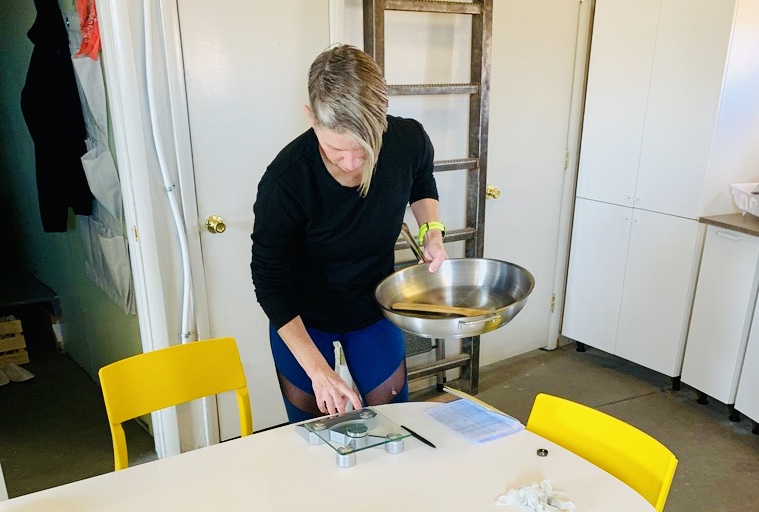
I collected data for spoilage, preparation and “plate waste” – the food served but not eaten. It was a painstaking process. For each meal, I weighed chopping boards, pots, pans, dishes and utensils containing food scraps. I then washed, dried and reweighed them.
I calculated macronutrients (the main nutrients in the food we eat) as well as micronutrients (those needed by living organisms in tiny amounts).
The author weighed pots and pans to gather her results.Supplied by author, Author provided (No reuse)
Food: appreciated, but wasted
Australian households waste around 1.325 kilograms of food each week; our crew produced less than one-tenth of that.
This is not surprising as the food supplied was not perishable, being either dehydrated or tinned. Most waste (86%) was produced during preparation (for example, thick soup stuck to a pot) and 12% was left on plates.
The need to rehydrate food and then cook large meals suitable for sharing (such as rice and pasta) meant food was commonly left in pots and pans. They are stickier, and the food is more commonly overproduced.
Carbohydrates were wasted more than fats or proteins. Carbohydrates such as rice, spaghetti and flour comprised 57% of the total food supply but contributed 63% of waste.
This is not unusual – carbohydrates provide less nutrient density but more bulk than protein or fats, and are often cheaper. We value individual items in a meal subjectively, and sometimes consciously ensure the most valuable components are fully consumed.
But research has shown less waste occurs when food availability is constrained, such as during economic downturns. But even then, some food is still wasted.
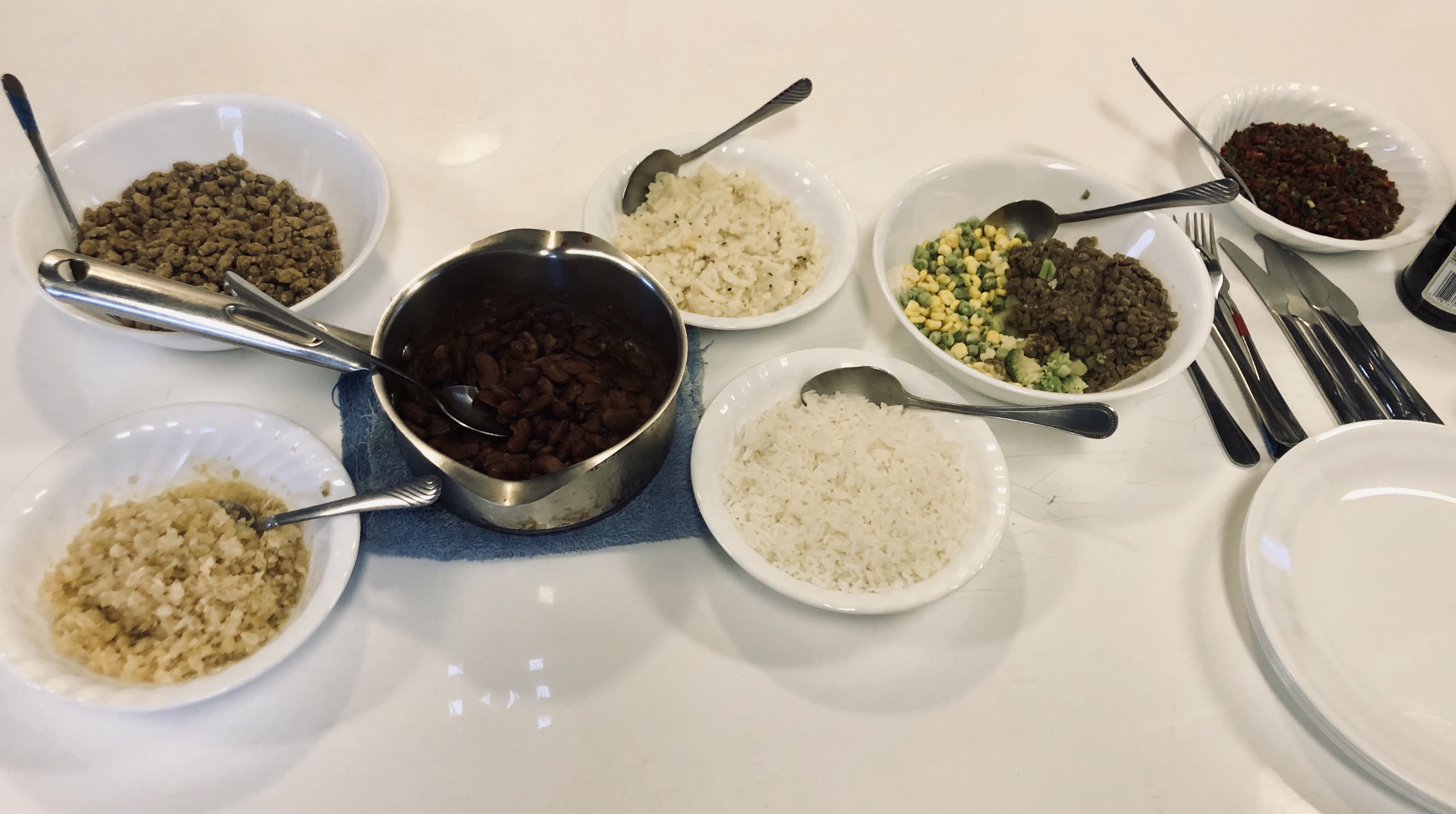
Food prepared at the Mars research station.Author supplied., Author provided (No reuse)
Getting the results right
I didn’t want my own low-waste food behaviour to influence my fellow crew members. So unlike them, I consumed a protein shake-based meal for every meal. Monotonous, but necessary to avoid skewed results.
But my colleagues knew I was monitoring them, and they modified their behaviour – a phenomenon known as the Hawthorne Effect.
One crew member said he was conscious to waste less food during preparation and dining. Another said being observed liberated him to dine like he would at home, cleaning his plate entirely, rather than leaving some uneaten (a social custom in some cultures).
The third crew member began keeping water used to rehydrate one meal, and using it to rehydrate the next meal – something he might not have done if not being observed.
This indicates my results probably underestimated how much food would be wasted in an unmonitored scenario.
It’s worth noting our crew wasn’t trained in food and nutrient waste minimisation; trained Mars astronauts may produce less waste.
Participants at the Mars research station wearing space suits to go outside.George Frey/EPA
Know more, do better
My research highlights that non-perishable food can create less waste in constrained circumstances – a finding highly relevant during the COVID-19 pandemic. Also, waste is more likely when preparing meals that alter in form (such as cooking dried rice) and/or combine multiple ingredients.
Also, waste is generated differently due to individual human behaviour responses and our socioeconomic background.
These lessons are timely. Member states of the United Nations, including Australia, aim to halve food waste by 2030. These steps can help:
• buy only what you need, and will use
• if you run a food business, divert excess consumable food to food rescue organisations and charities that feed the hungry
• where possible, give food waste to animals, such as backyard chooks
• composting food in your backyard or a community garden
• Allow ample time to eat, as more waste is generated during rushed mealtimes.
Humans crave a variety and abundance of food. But self-interest should not allow us to deplete what is actually a shared, limited resource.
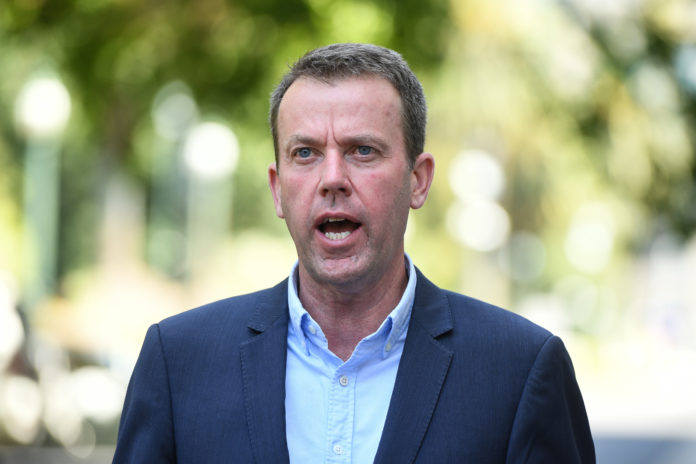
Education Minister Dan Tehan has warned non-government schools that if they fail to open for the next term they will face losing funding.
He said on Thursday that “as part of the funding requirement” a school would have to provide for parents to be “able to send their children to school if they’re working or if the child is safer at school than at home”.
Tehan stressed the medical advice has been it is safe for schools to be open.
Scott Morrison has been very insistent schools should be open to facilitate parents continuing to work, and to provide a safe place for vulnerable children. This was regardless of whether the school had moved to online teaching.
While some state governments, notably NSW and Victoria, are encouraging online learning at home, the states have all agreed to keep schools open for those who need them.
Tehan, who wrote to the Independent Schools Council on Thursday, said the government wanted a consistent approach across all sectors, including the Catholic system, on remaining open.
It had become clear some independent schools weren’t providing on-site learning facilities, at all year levels, for the children of working parents and other children who needed them, he said.
Asked on the ABC how many schools he was talking about, Tehan said it was hard to get a true sense of the number.
Speaking on Sky, he said if schools had moved to online learning they should enable students to go to the school and do that work in a supervised and safe environment.
The government did not want parents to face a choice between going to work or having to stay at home to educate their children, he said.
While the states run government schools, the federal government provides funding to independent schools and the Catholic sector.
Remember how last year’s Easter felt bizarre because the country was in election-mode? How normal that seems, now everything is surreal, with the nation “holidaying” in this peculiar, unpleasant limbo.
As we contemplate the grimness we should also remember it could be much worse. It’s early days but we’ve dodged the horror of Italy, France, Britain, and the US. So far in Australia, the virus is being contained, the “curve” of new cases flattened.
Nevertheless, this Easter millions of Australians see little but uncertainty ahead, as they worry about their health, their jobs or lack or them, their businesses.
The economic fear inevitably remains dialled high despite a trimmed-down parliament (only 50-plus House of Representatives MPs out of 151) on Wednesday passing the government’s $130 billion wage subsidy package.
Earlier in the week, Scott Morrison had received a Newspoll bounce in his approval, just as Kevin Rudd did in the global financial crisis. Bad as the GFC was, it’s clear this crisis will be much more fraught to exit.
We are only just into the restrictions but already the debate is intensifying about how and when we get out of them – a result of the relatively good news and people’s natural impatience.
The question occupying cooped-up households, half-dead businesses, and anxious governments (and their health advisers) is: what now?
The immediate answer is simple. We need to endure Easter in a virtual monastery. When Health Minister Greg Hunt says “this in many ways is the most important weekend we may face in the whole course of the virus”, it is likely only a minor exaggeration.
The longer term answer to “what now” will involve practical and ethical judgements, and contested views.
The exit strategy is uppermost in Morrison’s mind – he has always bracketed “livelihoods” (aka the economy) with “lives” in his language.
We’re not going to jump from where we are now to that “other side” he and others talk about. We will walk on a long perilous journey requiring complex decisions about steps and timing, with the risk of serious mistakes, and the certainty of pain.
Chief Medical Officer Brendan Murphy says: “We are on a life raft. We now have to chart the course of where we take that life raft.” The national cabinet has asked its health experts for navigational advice. But the issue always comes back to the health-economics balance.
The much-anticipated modelling the government has released didn’t provide much of a compass. It told us the obvious: if we’d let the epidemic rip – which we were never going to – the health system would have been overwhelmed.
The present policy is one of “suppressing” the virus – isolating cases, tracking contacts.
Morrison believes it would be too costly to aim to eliminate COVID-19 here – the New Zealand route.
So the future choice is between attempted continued containment until there is a vaccine – a big operation in testing and tracing – or pursuing some form of “herd immunity”. The latter would allow the virus to move through the community (while protecting the most vulnerable).
The herd immunity path (there’d be a nicer name) would be very controversial and take more lives than attempting to maintain the suppression approach.
Asked on Thursday whether it was possible, when we do unwind the various restrictions, to simultaneously pursue a suppression policy, deputy chief medical officer Nick Coatsworth said:“It’s entirely possible, and that would need to be the aim….The suppression strategy needs to be sustainable in the medium term whilst we work out things like when a vaccine becomes available, whilst we bring new molecules online to be able to treat the virus.”
What is important as discussion gets underway about lifting some restrictions is that we get transparency on the health advice. This is being promised, but it’s no good having modelling long after decisions are made.
There has been more than a dash of “we know best” in how the government has explained things so far. “We’re acting on medical advice”, it has said, to justify this or that measure. But the official health advice has sometimes appeared less than consistent, and been criticised by some experts.
Morrison has canvassed easing restrictions on a patchwork basis, first in places where and when it seems safest to do so. Those places would in effect be trials for elsewhere.
This is logical but won’t be easy. If combined with the continuation of the suppression policy, governments must be willing to reimpose controls if case numbers increase again.
And strict health protocols should be in place for how businesses and organisations deal with fresh cases.
A present challenge is to manage the pressures from stakeholders and the community for an easing timetable. Innes Willox, chief of the Australian Industry Group, wrote this week in the Australian: “we need a path back to getting the economy going again. … Businesses owners and their backers will quickly change direction, make other arrangements or move on if they don’t have some hope or sense that the current restrictions aren’t limitless.”
After an initial period when anyone who criticised the government was likely to be attacked for betraying “Team Australia”, a degree of political normality is returning, at a muted level. Anthony Albanese has become more outspoken, and this week the Senate set up a Labor-chaired committee to examine the government’s response to the pandemic.
On the current timetable, the parliament is not due to meet again until August. The parliamentary hiatus is one restriction which is unnecessary and undesirable.
Morrison says all who have jobs are essential workers. Federal parliamentarians have jobs and part of their remit is to hold regular collective deliberations in Canberra. It’s time they got back to doing so, with provisions for appropriate distancing. One-day dashes are not enough.
Michelle Grattan talks with MPs Tim Watts (Gellibrand, Victoria), Fiona Martin (Reid, NSW), Clare O’Neil (Hotham, Victoria) and Helen Haines (Indi, Victoria) about how they do their job during the pandemic.
They discuss the operation of their electorate offices in light of isolation requirements, and recount how the crisis is affecting their constituents.
New to podcasts?
Podcasts are often best enjoyed using a podcast app. All iPhones come with the Apple Podcasts app already installed, or you may want to listen and subscribe on another app such as Pocket Casts (click here to listen to Politics with Michelle Grattan on Pocket Casts).
You can also hear it on Stitcher, Spotify or any of the apps below. Just pick a service from one of those listed below and click on the icon to find Politics with Michelle Grattan.
Source: The Conversation (Au and NZ) – By Nic Geard, Senior Lecturer, School of Computing and Information Systems, University of Melbourne; Senior Research Fellow, Doherty Institute for Infection and Immunity, University of Melbourne
Following the emergence and rapid spread of COVID-19, several countries have succeeded in bringing local outbreaks under control. The most dramatic of these is China, where large scale restrictions on people’s movement appear to have halted domestic transmission.
South Korea, Singapore and Taiwan also had early success containing local outbreaks, using a combination of extensive contact tracing, testing, border measures and differing degrees of social distancing.
However, COVID-19 is now widespread across the globe, and these countries remain at risk of a second wave of infections, sparked either by overseas arrivals or undetected pockets of infection.
Infectious diseases spread via contact between infectious and susceptible people. In the absence of any control measures, an outbreak will grow as long as the average number of people infected by each infectious person is greater than one.
If people who recover generate a protective immune response, the outbreak will leave a growing trail of immune people. Once enough people are immune, there are fewer susceptible people to become infected and the outbreak will die away.
Relaxing social distancing measures too early could risk a surge in infections.Michael Dodge/AAP
When an outbreak is brought under control by social distancing and other measures, it’s possible only a small proportion of the population will have been infected and gained immunity.
If a population has not achieved herd immunity, enough susceptible people may remain to fuel a second wave if controls are relaxed and infection is reintroduced.
Will we see a second wave in China?
Despite the scale of the outbreak in Hubei and other Chinese provinces, it’s likely most residents remain susceptible to infection.
Even for those people previously infected, immunity to COVID-19 is an open question. Reinfection appears uncommon, and a study in rhesus macaques suggests a protective immune response does occur. But we need more data to understand if this is common in humans, and how long immunity might last.
The strong social distancing measures used to control COVID-19 in China have a human cost, and cannot be maintained indefinitely.
As China winds back social distancing measures, new infected cases could, if not quickly detected and isolated, trigger a second wave of COVID-19.
A recent modelling study indicated a second peak of infection might arrive in Wuhan by mid-year if interventions were lifted too quickly.
During the 1918 influenza pandemic, it was the second wave that was the largest and most deadly. But that probably won’t happen today. As we learn more about COVID-19, we become better placed to control its transmission.
If a rapid increase in transmission is detected in China, it’s likely authorities would quickly reintroduce the restrictions that successfully contained the first wave.
Preventing a second wave of COVID-19
When the first wave of an outbreak is sufficiently large, then enough of the population could become immune that there are too few susceptible people remaining to fuel a second wave. But the potential human cost of an uncontrolled outbreak is immense and unacceptable.
Alternatively, a globally coordinated response that eradicated the virus could prevent a second wave, as was achieved for SARS in 2003. However, the milder nature of many infections, and the broad global spread of COVID-19 make it a much greater challenge to eradicate.
China this week lifted its lockdown in Wuhan.Liu Yujie/ChinaImages/Sipa USA
Another end point is the rapid development of a vaccine that could help achieve herd immunity without extensive infection.
In any event, after the first wave has passed, preventing a second wave will require ongoing surveillance and testing to detect and isolate any new cases as control measures are unwound.
We use mathematical models to explore the dynamic behaviour of infectious diseases. They can help explore how factors such as the strength and timing of control efforts might affect the likelihood and timing of a second wave.
However, models provide a simplified view of reality. One of the complexities they often (but not always) omit is human behaviour and how it might change in response to government and media communication, social and economic realities, and direct experience of COVID-19.
Australia’s current efforts are focused on “flattening the curve” of the first wave of COVID-19.
Border measures have greatly reduced the arrival of imported cases, and the coming weeks will reveal the extent to which social distancing measures have succeeded in slowing community transmission. The decline in numbers of new cases reported over recent days is promising.
But this is only the beginning. If social distancing measures are to be relaxed, ongoing vigilance will be needed to prevent a second wave.
And even if we avoid a second wave, the path to long-term control is not straightforward.
We’ll need a broad variety of expertise, including modelling, to help Australia navigate beyond the first wave of COVID-19.
Low testing rates accompanied by high Covid19 rates. Chart by Keith Rankin.
Analysis by Keith Rankin
Today’s chart shows the per capita level of testing performed in a number of countries. While the highest testing rate shown is Norway, we should note that Iceland has tested over eight percent of its population; too high to show on this chart.
A high level of testing minimises a country’s undercount of Covid19 cases. When the case:test ratio is low, we are assured that the known count is quite close to the truth.
Switzerland is one of the worst-affected countries, but has been able to contain its death rate through a very high rate of testing. France, on the other hand, is in the opposite situation, and may end up much like Spain. Italy has ramped up its testing, and is now getting far fewer cases than France or Spain. Italy still has a way to go, but will probably come out of the emergency in a better state than Spain, France or the United Kingdom. (Yesterday, Sweden had a higher incidence of known new cases than Italy.)
Australia and South Korea are the stars, with very high testing, and test results that are 98 percent negative. We in New Zealand have achieved higher testing rates than many countries, and the similarly low ratio of positive results assures us that we are shutting down the transmission of the disease. It is now looking as though New Zealand will have less than 10 deaths in total, not the 100 that I previously forecast.
We see Sweden and Netherlands sharply at odds with Norway, with Denmark and Finland coming somewhere in between. I think that the decisions of Sweden and Netherlands to put their economies first will reverberate against them, and that New Zealand could have a substantial export-led recovery, in part as a result of some other countries harming their economies by not putting their people first.
The United States is doing marginally better than the United Kingdom, on both testing and on test results.
At the bottom of the chart we see that Iran still has far to go before its Covid19 emergency is under control. Turkey is also very much on the watch list. Either it got Covid19 late, or it was late to discover that it had a substantial outbreak of the disease.
Brazil is a worry. A vast country of over 200 million people, over 25 percent of its tests are coming back positive, and its testing has only just scratched the surface. Is it mainly Brazil’s well-travelled elite who are getting Covid19, or will it spread through the favelas of its larger cities? Let’s hope that limited social mixing will contain Covid19 there. The worry is that people living in the favelas constitute a large part of the people who provide paid services to Brazil’s well-healed.
All the countries above Spain on the chart – though possibly excluding Ireland and Canada which have unacceptably high death statistics – are optimistically turning the corner. Those below New Zealand on the chart – with the possible exception of Finland – still have a long way to go.
New Zealand has recorded just 29 new cases of Covid-19 in the past 24 hours, but the prime minister says a decision on changing the alert level will only be made two days before the lockdown ends.
It is the fourth day in a row there has been a day-on-day drop.
Director-General of Health Dr Ashley Bloomfield said there were 23 new confirmed cases of Covid-19 and six probable cases in New Zealand today. That brings the total number of cases to 1239.
There have been no additional deaths, but 14 people are in hospital, with four in ICU at North Shore, Middlemore and Dunedin hospitals.
– Partner –
Dr Bloomfield said 317 people had now recovered from the coronavirus, with 35 recovering in the past day.
He said 41 percent of cases are travel-related, 44 were related to close contacts and 2 percent were community transmission. Thirteen percent were still under investigation.
There are still 12 clusters, the three largest are the wedding in Bluff with 87 cases, Marist College with 84 and Matamata with 66.
‘On to of these clusters’
“Our ability to contain those clusters has been greatly enhanced because we are in the alert level 4 lockdown situation, so we are confident now that we are on top of those clusters and that any additional cases are largely within the bubbles within each of those clusters,” Dr Bloomfield said.
The daily numbers of new cases of Covid-19 have been slowly dropping this week. There were 50 new probable and confirmed cases reported yesterday, with 54 on Tuesday and 67 on Monday.
Dr Bloomfield said he expected case numbers to stay low, with a few bumps up and down.
Despite the drop in new cases, Prime Minister Jacinda Ardern made it clear the lockdown will not end before the four-week period is up.
She said any decision on changing the country’s alert level would be made on April 20, two days before the four-week lockdown ends.
She said this meant businesses will have two days to prepare for any move into alert level 3.
‘Huge’ response to lockdown
But Ardern said the country’s response to the lockdown over the past two weeks had been “huge”.
“In the face of the greatest threat to human health that we have faced in over a century, Kiwis have quietly and collectively implemented a nationwide wall of defence.
“You are breaking the chain of transmission and you did it for each other,” she said.
Ardern said initial modelling showed New Zealand had been on a similar trajectory to Italy and Spain, but current modelling showed the lockdown measures were working.
“As we head into Easter, I say thank you to you and your bubble,” Ardern said.
<imgsrc=”” alt=”New Zealand’s Covid-19 daily number of cases for 9 April 2020.” width=”720″ height=”405″/>New Zealand’s Covid-19 daily number of cases for 9 April 2020. Image: RNZ
This article is republished by the Pacific Media Centre under a partnership agreement with RNZ.
If you havesymptomsof the coronavirus, call the NZ Covid-19 Healthline on 0800 358 5453 (+64 9 358 5453 for international SIMs) or call your GP – don’t show up at a medical centre.
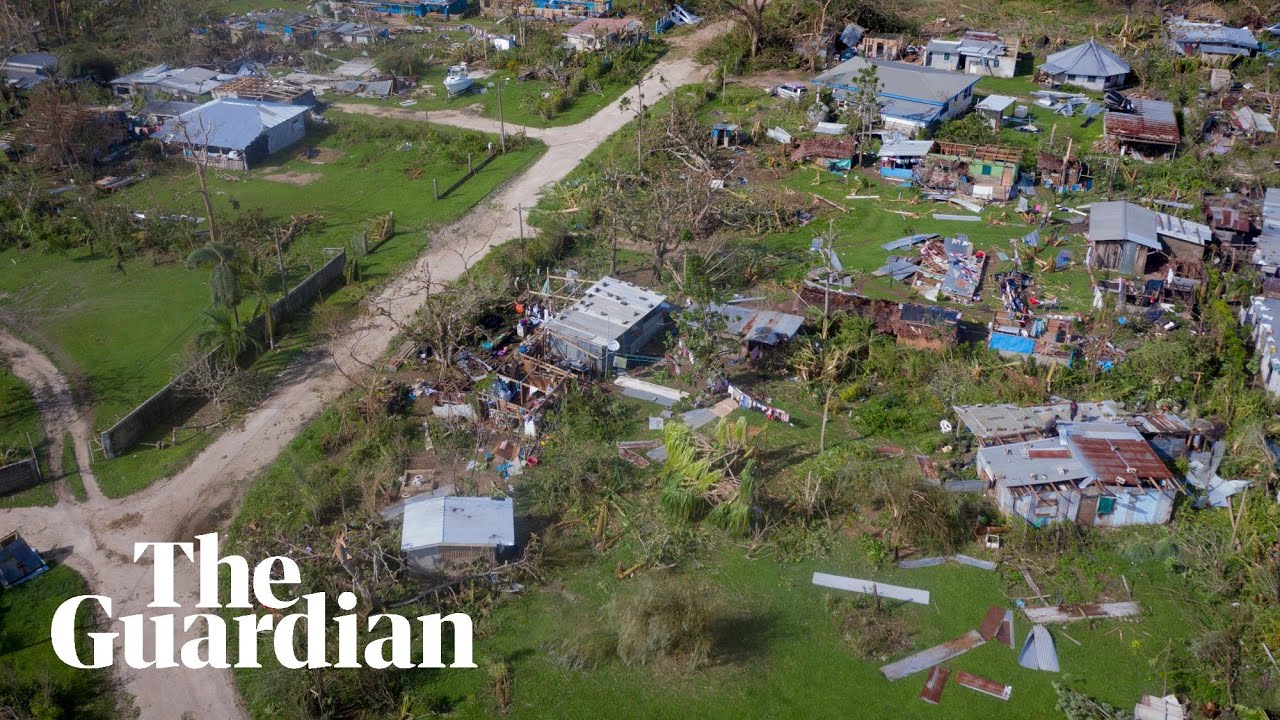
Tropical Cyclone Harold lashed the South Pacific island of Vanuatu, ripping off roofs and downing telecommunications, before moving towards Fiji and Tonga.
The powerful cyclone made landfall on Monday in Sana province, an island north of Vanuatu’s capital Port Vila, with winds as high as 235 kilometres an hour.
Aerial videos showed buildings with missing roofs, with some flattened to the ground from the impact of the cyclone.
The weather system weakened slightly as it moved towards Fiji but still brought high winds and flooding before moving towards Tonga.
This video is from The Guardian’s Pacific Project supported by the Judith Neilson Institute for Journalism and Ideas. Footage sourced from Dan McGarry, Reuters, Lisi Naziah Tora Ali-Krishna & Nuku’alofa 88.6FM
The message to everyone during the coronavirus pandemic is to stay at home and only leave if you really need to for, say, food, health care or exercise.
Police now have powers to issue on-the-spot fines to people for breaches of public health orders as part of the coronavirus restrictions.
Hundreds of fines have already been issued in many states, for example:
Victoria: police fined three friends who did not live together for playing video games in the same lounge room
Queensland: police fined five young people having a party in a hotel room
New South Wales: police fined a man eating a kebab on a bench.
Victorian police also pulled over and fined a 17-year-old learner driver for “non-essential travel”, but later withdrew the fine.
This last case shows penalty notices can be overturned. So, what should you do if you have been issued with a notice by police, especially if you think you have been unfairly fined?
Know your rights
Penalty notice schemes allow police to swiftly impose a fixed fine and avoid prosecuting the matter in court. Police and politicians tend to describe their benefit as reducing red tape and cutting costs.
But many Australians are unaware of their rights and options if they receive a penalty notice.
The following information is not intended to replace independent legal advice. You should also check your state or territory’s rules and procedures.
Q: What happens if I receive a COVID-19 penalty notice?
Check the notice for the payment due date. If you are experiencing financial hardship and cannot pay the fine, contact the fines administration agency to see if you can request an extension or ask to pay by instalments.
Q: What should I do if I think the fine has been unfairly issued?
The directions of some COVID-19 orders are vague and have been hastily drafted. Many Australians are struggling to keep up with what’s allowed and what isn’t.
Police have also had insufficient time and training to understand the orders, including what constitutes a reasonable excuse. This can give rise to arbitrary – and perhaps incorrect – interpretations of the provisions.
You can request an independent review of the police officer’s decision to issue a penalty notice. The request should be directed to the relevant fines administration agency before the penalty due date.
If successful, your penalty notice may be withdrawn or you could receive a caution in place of the fine.
Grounds for a review may include:
an error was made in the decision to issue the penalty notice (for example, you had a reasonable excuse for leaving your residence, even if your excuse was not one specified in the order)
extenuating circumstances contributed to the alleged offence (such as homelessness, a mental illness, a cognitive impairment or a disability).
Review processes often allow you to provide copies of evidence to support your claim, such as photos and documents.
Q: Can I elect to have the matter heard in court?
If you disagree with the findings of the independent reviewer you can elect to go to court.
A court may find you guilty or not guilty.
If convicted of the offence, you may be liable for a larger fine and imprisonment for up to six months. You should seek legal advice if you intend to go to court.
The right to seek an independent review or go to court is rarely exercised. As the NSW Law Reform Commission observed in 2012:
The penalty notice system does not have the transparency normally associated with justice systems in democratic societies … Most people simply pay the penalty. Only 1% elect to go to court, so that the guilt or innocence of the recipient is rarely scrutinised.
Q: What happens if I don’t pay my fine on time?
If you don’t pay the fine by the due date, you will usually be given a reminder notice and may incur additional financial penalties.
If you still do not pay the fine by the extended due date, you may receive fines enforcement sanctions, including driver licence or vehicle registration suspension or cancellation, or property seizure.
Problems with penalty notices
In the rush to quickly enforce social distancing and social isolation rules, the flaws of on-the-spot fines regimes have received little attention.
They do not punish everyone equally. A wealthy person is much less likely to feel the weight of a $1,000 fine – and suffer the consequences of fines enforcement sanctions – than someone who is unemployed or has had their income drastically reduced.
There is also insufficient evidence of the deterrent effect of penalty notices, particularly on those who do not understand the law or what they did wrong, those who are too poor to pay the fine or, alternatively, those who are so wealthy that the fine has a negligible impact.
An important aspect of the rule of law is that citizens are made aware of the law so they can moderate their behaviour to comply with it.
The speed at which the COVID-19 orders have been introduced, their breadth and their arbitrary interpretation by individual police officers can result in people unwittingly breaching the law and being unfairly punished.
For further information, contact your state or territory fines administration agency:
Australian Capital Territory: Police are not yet issuing COVID-19 infringement notices as they are prioritising public education over coercive sanctions.
Lockdown measures aimed at limiting the spread of COVID-19 should actually help cut the cases of flu this year. That’s because keeping people apart to reduce the spread of coronavirus will also help reduce the spread of flu.
That said, you really should receive a flu vaccine anyway.
In fact, getting your flu vaccination as soon as you can is a great way to help ease the strain on our health system, which is already expected to struggle to cope with the coronavirus outbreak.
There were 313,079 cases of influenza reported in Australia in 2019, up from 58,862 in 2018. That’s much higher than average over the past 20 years.
Many states and territories saw a large and very early uptick in the number of influenza cases last year.
The most common influenza strain circulating at the time was influenza A/H3N2. It was reported that some circulating A/H3N2 viruses were “less well matched” to those in the vaccine, which could account at least in part for the higher number of cases in 2019.
The high, early and prolonged season was unusual. Some suggested different international travel patterns may have also contributed, but the truth is it’s not entirely clear the 2019 flu season was so unusual.
The WHO has recommended changes to three of the four strains in the vaccine most of us will be offered this year. There’s no guarantee of a good match, of course, but we’re certainly hoping for one.
With COVID-19 already likely to put our health-care systems under immense pressure, we cannot afford to burden the system with extra influenza cases requiring hospitalisation.
Social distancing: it works for coronavirus and for flu
Protecting ourselves from COVID-19 through good hygiene and social distancing also means protecting ourselves from flu. This is a small silver lining in an otherwise extremely disruptive time.
We will almost certainly see the impact of social distancing with a reduction in a range of infectious diseases in Australia, from influenza through to sexually transmitted infections and food-borne disease.
In fact, the coronavirus pandemic is as a good reminder of how lucky we are to live in an era where vaccines for many diseases are available. The unprecedented coronavirus measures highlight the lengths we need to go to in order to reduce risk when there’s no vaccine or natural immunity.
Doing your bit to ease the strain on our health system
If we had a roll of toilet paper for every time we’ve heard the term “flattening the curve” in the last few weeks, we’d probably be a lot happier. There are, notably, no mentions of “eliminating the curve”.
Flattening doesn’t mean people will not get COVID-19. These measures are not designed to get case numbers down to zero.
Flattening the curve is another way of saying slowing the spread. The epidemic is lengthened, but we reduce the number of severe cases presenting at the same time, causing less burden on public health systems. The Conversation/CC BY ND
In fact, until a vaccine is available, “flattening the curve” means the same number of people still get infected, but at a slower rate, so our health services can cope and we have as few deaths as possible.
If easing the burden on the health services is important to you, you can do your bit not just by following the coronavirus social distancing measures and washing hands frequently, but also getting your flu shot.
The 2020 flu vaccine is now starting to become available for those aged over six months, and people should speak to their health-care provider about booking to get one sooner rather than later.
This Easter will be especially challenging, with family isolation and many parents under financial strain, or other stressors.
So, many parents will be looking to restore some sense of “normality” by welcoming the Easter bunny into their home.
But when it comes to Easter eggs, is it better for parents to ration them or let kids eat as many as they like? Or is this year’s Easter so unusual it doesn’t really matter?
Chocolate Easter eggs are high in both fat and sugar. For these reasons children, like most of us, typically find them delicious and hard to resist.
But how many Easter eggs we eat is not just about whether we like them. When we eat them, we activate the reward centres in the brain whether or not we even notice how delicious the eggs are, making us want more, sometimes undermining our good intentions.
Some children eat until they are sick
Many parents notice children have different approaches to managing their Easter egg stash.
Some children save their eggs and eat them in an orderly fashion, treasuring one every so often. Others eat them in one go, until they feel sick. Others might try and save their eggs, but struggle to resist the temptation.
The difference is likely related to their temperament. Children with a more impulsive temperament find it more challenging to resist the inner urge, or impulse, to reach for the next Easter egg.
In contrast, children with different temperaments can resist immediate temptation and delay their gratification. In other words, they can forgo something now for something better in the future.
These children would probably do well on the famous marshmallow task developed in the 1970s. This is where children are given a choice of eating one marshmallow immediately or receiving more later.
Children better at delaying gratification are also less likely to have obesity later in life.
Children’s responses may change over time
Children’s abilities to delay eating Easter eggs (and other sugary or highly processed foods) aren’t fixed. They can get better at managing their haul.
As children get older and their brains develop, they get better at self-control, including their ability to control their emotions and reactions to tasty food and treats.
If your child is eating all their eggs in one go, or trying to save up the eggs, but struggling to do so, parents can:
help children to think about the pleasure of eating them in the future,
encourage children to set a goal about making them last longer,
introduce some rules about when and how their children can eat Easter eggs (for instance, only during afternoon tea)
suggest children remove them from sight, or easy access, by putting them in a container with a lid.
These strategies either help young children find ways to resist the impulse to eat the eggs, or lessen the urge to eat them by removing constant temptation and reminders they are there.
How about parents rationing the eggs?
Parents concerned about their child eating too many Easter eggs may hide them in a cupboard, ration them, or only give out an egg as a reward if the child behaves well.
And using food as a reward might teach children food is a good way of rewarding yourself when upset or when happy, something called emotional eating, which is linked to over-eating.
Haven’t parents got enough on their plates this Easter?
Parents shouldn’t worry too much about how they manage the Easter egg stash and its impact on their child’s long-term eating behaviour. Especially because these are difficult times and we’re all doing the best we can to get by.
But what’s more likely to have an impact on how children think about food and eating are the habitual strategies parents use.
However, food is not only about nutrition. It’s also a social experience. Easter and Easter eggs provide an opportunity for a fun and positive time for parent-child relationships. Parents and children can enjoy the adventure of finding eggs and then the pleasure of eating them.
This year, that pleasure could be even greater. If at the same time children learn something about eating, that’s a bonus.
Source: The Conversation (Au and NZ) – By Rachael L. Brown, Director of the Centre for Philosophy of the Sciences and Lecturer at the School of Philosophy, Australian National University
As they released the modelling of the COVID-19 pandemic behind Australia’s social isolation policies this week, Prime Minister Scott Morrison and Chief Medical Officer Brendan Murphy were guarded.
They emphasised the limits of scientific models, and how they could easily be misinterpreted.
This is not surprising. Many people don’t have a clear understanding of what scientific models are, and what we can and can’t expect from them.
Scientific models can be powerful tools for understanding complex phenomena such as pandemics, but they can’t tell us everything.
Scientific models are representations of parts of the real world. They range from small-scale physical models of real systems, such as the famous San Francisco Bay Model – a miniature version of the bay used to investigate water flow – to the type of mathematical models used to understand the spread of COVID-19.
Models can be used to indirectly explore the nature of the real world. They can help us understand which features of real-world systems are important, how those features interact, how they are likely to change in the future, and how we can alter those systems to achieve some goal.
Why are models so valuable?
Scientific models let us explore features of the real world that we can’t investigate directly. In the case of COVID-19, we can’t do direct experiments on what proportion of Australia’s population needs to engage in social distancing to “flatten the curve”. Even if we could devise good experiments, it takes days or weeks for people to become sick and transmit COVID-19, so any experimental results would arrive too late to be useful.
Models are invaluable in situations like the COVID-19 pandemic, where time is of the essence and we are interested in effects on a large scale.
What are the limits of scientific models?
A model’s usefulness depends on how accurately it represents the real world. To make an accurate model, you need good data.
That’s one reason why models of the spread of COVID-19 that use data from densely populated parts of Europe are unlikely to offer valuable insights into the situation in suburban Sydney. Data from one situation may not apply to the other.
This is a major challenge for the COVID-19 pandemic, especially in Australia. The lack of extensive local data has left our policymakers relying on models based on a combination of overseas data, general theory and pre-existing modelling of influenza pandemics.
Because of this, the models are not designed to be used for making predictions about what will happen.
For example, Imperial College London is producing relatively detailed modelling that can be used to make accurate predictions about specific cases in the United States and the United Kingdom. But such models require detailed data.
The Australian modelling generated by the Doherty Institute to look at the impacts of interventions on the spread of COVID-19 is simpler and more general. These models offer valuable large-scale insights, but far less local precision.
Such general models have been particularly useful early in the pandemic, when localised information is scarce. As we build a more detailed picture of Australian circumstances, modelling will become more specific and more accurate, and these general models will be less important.
One challenge for modelling in a real-world context like COVID-19 is that our models may not get it right every time. This is partly because we lack enough fine-grained information about the real-world situation.
It is also because individual actions and sheer bad luck in the short term can make big differences in the longer term. A single individual who fails to isolate or quarantine themselves can produce a very large ripple of downstream effects. We have seen this in the case of South Korea’s Patient 31, who triggered an enormous cluster of infections in her church.
What does this all mean?
Despite the uncertainty inherent in the COVID-19 pandemic, we should be optimistic about the science. The general principles behind the models we are basing our public policy on are the product of decades of testing and research, and we are learning more and more specific information about COVID-19 every day.
Thanks in large part to the power of model-based science, we are in a far better place than any generation before us to deal successfully and efficiently with a pandemic of this scale.
Following a meeting with states and territories, federal education minister, Dan Tehan said year 12 students were a priority, and were being sent a clear signal: “There will be no year 13. There will be no mass repeating”.
He also said students seeking an ATAR for 2020 would be able to use it to apply for entry to university in the normal way.
The intention to retain current practices in these difficult times is encouraging. It should be a source of comfort for year 12 students facing a disruptive preparation for their end of year assessments.
Business as usual
It must be remembered the Australian Tertiary Admissions Rank (ATAR) is just a percentile-rank of student performance based on their aggregate of assessments across designated subjects they sit for in the final year (or two) of schooling.
It is calculated in each jurisdiction that issues a year 12 credential and there is no requirement these aggregate assessments be the same. In fact, not all jurisdictions use external subject exams. Most combine these exams with moderated school-based assessments, and others such as the ACT, don’t have external subject exams at all.
So, when the minister said each jurisdiction will decide the end-of-year assessment process in their jurisdiction and that “we all are going to endeavour […] to make sure that this year’s ATAR scores are the same as last year’s ATAR scores”, he is saying it’s business as usual.
The difference will occur at each jurisdiction level where the appropriate authorities will be working to consider a number of scenarios to ensure the evidence (assessments) used to construct the ATAR for their jurisdiction is as valid (fair) and reliable (consistent) as possible for their students.
The best scenario would be that the COVID-19 crisis dissipates in time for jurisdictions to apply their normal assessment procedures. But this may not be possible in some instances, such as where students have to complete a body of work and can no longer use school facilities.
So a number of other scenarios would be considered as the conditions change.
Teacher estimates
If it’s not possible to have traditional assessments such as exams at all, one option used in the past for a number of purposes is to have teachers provide an “estimate or prediction”. This is what they believe the student would get on the exam or assessment based on their knowledge of the assessment and all the evidence they have from the students’ work up to, and including, the last day of school in 2020.
This is not as extreme as it may appear. There is significant evidence to suggest teacher estimates are as reliable and stable as traditional examination results.
A report investigating the accuracy of predicted grades for the Universities and Colleges Admissions Centre (UCAS) in the UK found just under 90% of grades were accurately predicted to within one grade.
Teachers have the data from past exams and assessments and can reliably predict how their student would do.
Some people could worry teachers may have biases towards some students that would lend them to give some students a higher or lower mark than they would otherwise get. But teachers don’t make these marks up. They do so based on evidence of what the student has already achieved and this informs their estimate.
Another recent study based on a sample of 10,000 students in the UK, showed teacher assessments during compulsory education are as reliable and stable as standardised exam scores.
In a later Conversation article, the authors of the study said
We can – and should – trust teacher assessments as indicators of pupils’ achievement.
One of the most compelling arguments regarding the reliability of teacher estimates is that external examinations are validated against the teacher estimates. If the results from examinations gave totally different results from what the teachers expect, there would be a significant public outcry against the validity of examinations.
In Australia, most examination authorities either currently collect teacher estimates or have done in the past to provide evidence to support decisions for anomalous cases and situations – just like we are experiencing now. So jurisdictions would monitor the teacher estimates to make sure they are consistent with historical data.
Any anomalies due to grade inflation would then be picked up.
Just do your best
Ideally, traditional exams can be carried out in the way students know and expect.
But students and the education community in general should take comfort in knowing if this is not possible, there are other ways to produce reliable scores that can be used for ATARs in 2020.
The best way for students to maximise ATAR scores is to focus their energies on maximising their performance in each of the subjects they are currently taking. They can rely on the jurisdictions to make sure student performance is based on the best evidence available.
The COVID-19 pandemic has forced millions of people to live under strict lockdown conditions, but the psychology of human behaviour predicts they will find it harder to stick to the rules the longer the situation continues.
New Zealand has now reached a midway point of a comprehensive four-week lockdown and there have already been some rule breakers. Most prominent among them was the country’s health minister, David Clark, who almost lost his job this week for flouting lockdown rules by going mountain biking and driving his family 20km to a beach.
He won’t be the last to break the rules. During a pandemic, fear is one of the central emotional responses and up to this point, most people have complied with lockdown conditions out of fear of becoming infected. But as time passes, people’s resolution may begin to fray.
At a very basic level, human behaviour is governed by reward principles.
If what we do is followed by a perceived reward, we’re more likely to keep doing it. Not getting sick is a reward, but it may not be perceived as such for much longer as most of us weren’t sick in the first place.
This lack of reward reinforcement could be intensified by an optimism bias – “It won’t happen to me” – which may become stronger than our anxiety as time passes and the perceived threat reduces.
Outside of our individual psychology, broader social factors come into play. In times of uncertainty we look to others to guide our own behaviour as they set our social norms.
Often, there is a degree of confusion about guidelines on what people are allowed to do, for example when exercising during lockdown. Seeing others out surfing, mountain biking and picnicking in a park can lead to a mindset of “if they’re doing it, why can’t I?”
To counter this, the government should continue to appeal to our sense of shared identity and highlight examples of punishment for rule breakers. But an over-emphasis on punishment risks people sticking to rules merely for social approval, which means they may conform in public but not in private. Being punished can also build resentment and may lead people to seeking out loopholes in the rules.
Group behaviour
In order to last the distance at the highest level of lockdown, people need to cooperate as a group. If everyone complies, we’ll all be OK.
The reverse was evident in the early stages of the COVID-19 pandemic with the panic-induced buying of toilet paper, face masks and other “essentials”. Here we saw decision making based on emotion and the government attempting to counter it with fact-based information.
There is evidence that in times of major crises groups may prioritise their local interests, such as keeping your family, neighbourhood or wider community safe. An example of such local activity in New Zealand is the initiative of some iwi (tribal groups) to set up road blocks around their communities to control access by people who are not local residents.
But this has the potential to spill over into vigilantism if local protection interests combine with fear. It can prioritise the interests of a few over the greater good.
Cultural factors
Cultural and political psychology also has an impact on our behaviour during lockdown. Broadly speaking, different cultures can be categorised as “tight” or “loose”.
Tight cultures (China, Singapore) tend to be more rule bound and less open but are also associated with more order and self-regulation. In contrast, looser cultures (UK, USA) place more emphasis on individual freedoms and rights, and are correspondingly slow to self-regulate in the face of government requirements.
Australia appears to fall towards the looser end of the spectrum while New Zealanders sits somewhere in the middle. The challenge will be how we respond as our society continues to “tighten” with strict rules while boredom and annoyance sets in.
Political polarisation, which has increased markedly in recent years, may be exacerbated by being physically distant from others. There is a danger that as we stay in our bubbles, both physical and virtual, we fall into “echo chambers” wherein we only hear similar voices and opinions to our own.
If this chamber becomes filled with resentment at ongoing restraints on our freedom, it can break down our motivation to stay home. But polarisation can be overcome by helping people identify with a bigger cause – and this was often invoked during times of war.
New Zealanders will eventually emerge from the level 4 lockdown, but it may be into a brave new world. It’s hard to know what to expect as alerts are relaxed. People will need clear guidelines at each stage and help to adjust to a new normal.
The coronavirus pandemic has caused tens of thousands of deaths around the world and pushed major economies into a tailspin. Beyond those impacts, almost all of us will face psychological challenges – trying to maintain a responsible social distancing regimen without sliding into psychological isolation and loneliness.
At least we’re all in the same boat, and misery loves company, right?
Actually, we’re not all in the same boat. Generalisations about how the COVID-19 lockdown will affect us overlook the fact people have different personalities. We’re all going to respond in different ways to our changing situation.
Extraverts and introverts
Take Bob, for example. After two days working from home Bob couldn’t wait to try a social drinking session over Zoom. But drinking a beer in front of his laptop just wasn’t the same. He’s wondering how he’ll cope in the coming weeks and months, cooped up inside and away from his friends.
He wonders this on a call to his sister, Jan: “I might not get coronavirus but I’m going to get cabin fever!”
Jan doesn’t understand Bob’s agitation or why he’s so worried about staying at home. If Jan is feeling bad about anything, it is the guilt of realising she might actually be enjoying the apocalypse-quiet evenings to herself, far from the madding crowd. Bliss!
Jan and Bob are archetypes of people we all know well. Bob represents the classic extravert. He’s talkative, gregarious and highly social. Jan is an introvert. She enjoys solitude and finds rowdy Bob a bit too much.
In a recent study, extraverts and introverts were asked to spend a week engaging in higher levels of extravert-typical behaviour (being talkative, sociable, etc). Extraverts reaped several benefits including enhanced mood and feelings of authenticity. Conversely, introverts experienced no benefits, and reported feeling tired and irritable.
The social distancing rules to which we’re all trying to adhere are like a mirror image of this intervention. Now it’s the extraverts who are acting out of character, and who will likely experience decreased well-being in the coming weeks and months. Introverts, on the other hand, have been training for this moment their whole lives.
People high in agreeableness, who tend to be polite, compassionate and cooperative, will be better equipped to negotiate life in the pockets of family members or housemates.
People high in openness to experience, who tend to be curious and imaginative, will likely become absorbed in books, music and creative solutions to the humdrum of lockdown.
In contrast, people high in neuroticism, who are more susceptible to stress and negative emotions than their more stable peers, will be most at risk for anxiety and depression during these challenging times.
Of course, these are all generalisations. Introverts are not immune to loneliness, and those with more vulnerable personalities can thrive with the right resources and social support.
Life in a capsule
For some, living under lockdown might feel like working on a space station or Antarctic research facility. What lessons can we draw from personality research in these extreme environments?
That research shows people who are emotionally stable, self-reliant and autonomous, goal-oriented, friendly, patient and open tend to cope better in conditions of extreme isolation. In particular, it has been observed that “‘sociable [read agreeable] introverts’ – who enjoy, but do not need, social interaction – seem optimally suited for capsule living”.
To manage as best we can in our earthbound and non-polar “capsules”, we might aspire to some of the qualities noted above: to be calm and organised, determined but patient, self-reliant but connected.
For some people, lockdown may provide time for creative pursuits.Jonathan Borba/Unsplash
Lonelineness versus time alone
The coronavirus pandemic has arrived on the heels of what some describe as a “loneliness epidemic”, but these headlines may be overblown. Again, part of what is missing in such descriptions is the fact that clouds for some are silver linings for others.
A counterpoint to the so-called loneliness epidemic is the study of “aloneliness”, the negative emotions many experience as a result of insufficient time spent alone. As Anthony Storr wrote in Solitude: A return to the self, “solitude can be as therapeutic as emotional support”, and the capacity to be alone is as much a form of emotional maturity as the capacity to form close attachments.
Of course, some people in lockdown are facing formidable challenges that have nothing to do with their personality. Many have lost their jobs and face economic hardship. Some are completely isolated whereas others share their homes with loved ones. Even so, our response to these challenges reflects not only our predicament, but also ourselves.
Mercantilism is the form of public policy that was dominant in Europe – especially Northern Europe – in the ‘early modern’ period; meaning in the period loosely between 1500 and 1800 (sixteenth to eighteenth centuries). In a political sense it represented a coalition of autocratic rule and big business privilege. In an economic policy sense it represented an obsession with the balance of payments, with the idea that economic success was measured by the size of the balance of trade (or current account) surplus. Thus, economic policy was understood as a zero‑sum game, with the countries whose banks and treasuries accumulated the most gold and silver being the winners.
In today’s terms, Donald Trump in an unreconstructed mercantilist, in the sense that he sees the China-USA trade balance as indicating that China is winning and the USA is losing. His mission is to reverse this.
However, mercantilism is not embedded in America’s DNA; indeed the United States became independent from Great Britain in 1783 as a reaction to British mercantilist policies towards Britain’s American colonies.
Mercantilism is however embedded in the DNA of northern Europe, in particular Sweden, Netherlands and Germany. While Germany was not a nation in the mercantilist era, mercantilist assumptions underpinned economic thought in Germany, underpinned the unification of Germany under Bismarck, and played a substantial role in the economic arms races that brought about World War 1. (Mercantilism has sometimes been regarded as a policy of economic warfare.)
In the mercantilist era, the Netherlands and Sweden were two of the most powerful nations in Europe. Indeed the Netherlands – through the Dutch East India and West India Companies – exploited as much of the world as it could for a country of its size. In the seventeenth century Swedish armies run rampage in Europe, and it was in resisting Swedish imperialism that Russia’s Tsar Peter the Great earned himself the moniker ‘the Great’.
For Sweden, World War 2 was more an economic opportunity than a global tragedy. Sweden was happy to export to all sides during the war. And Sweden is – and always has been – a significant exporter of military hardware.
Sweden is a particularly interesting case study, because much of the meagre academic literature on mercantilism comes from Sweden.
Today, economists understand mercantilism to the same extent as orthodox doctors understand homeopathy, or astronomers understand astrology. Yet, while most orthodox doctors do not practice homeopathy, many modern economists unwittingly do include mercantilism in their practice. They do so because they never learned about it in their economics or public policy degrees, and therefore they do not recognise it in their contemporary practice.
As I wrote in 2018, 21st century western capitalism is best described as liberal-mercantilism. The mercantilist roots of capitalism have never been successfully exorcised by economists, despite the modern economics project that Adam Smith’s valiant critique of ‘the mercantile system’ in 1776.
Northern Europe and Covid-19
Sweden and Netherlands are characterised by their diametrically opposite approach to Covid-19, compared to New Zealand. Both countries have been attempting to run as normal, with mainly advisory messages around staying home and minimising physical socialisation. Sweden has been most explicit is arguing that the economy comes first. Further, there is a Social Darwinist undertone, conveying the sense that it doesn’t especially matter if there are higher deaths among the old and the weak; these deaths are acceptable costs in the mercantilist quest to increase Sweden’s current account surplus.
Many of us think of money as if it is tangible, like gold; something that is naturally scarce, and that must be won through toil.
Sweden’s mercantilist mission is to make money – conceived of, as gold – by exporting to and investing in the rest of the world. (Money is in fact a medium created through double-entry bookkeeping, not through mining and minting.) As such, Sweden is a rich country, but a country that emphasises work to the nth degree. The patriotic purpose of life in Sweden is to make money, in particular as an ‘exporting nation’. Swedish frugality reflects this mission.
Sweden has not taken Covid-19 testing seriously, and clearly has a larger undercount than most other countries. For a country of just 10 million people, at last count it has 687 Covid19 deaths (96 in the last 24 hours) and only 205 listed recoveries. It has done 54,700 tests, with 8,419 Covid19 cases, a case to test ratio of 15.4 percent. (Compare with Australia: 319,784 tests, 6,013 cases, 50 deaths; a case to test ratio of 1.9 percent. New Zealand also has a case to test ratio of about 2 percent, and falling.)
Netherlands, with 17 million people, has 101,534 tests, 20,559 cases, and 2,248 deaths; 147 deaths yesterday. Its case to test ratio is 20.2 percent, even higher than Sweden’s. Covid-19 is more rife in the Netherlands than Sweden or Germany. (Sweden is luckier than Netherlands, in that it is much more sparsely populated, and, as I understand it, has a larger proportion of people than just about any other country who choose to live alone.)
Germany has a more nuanced response to Covid19. While it has been reluctant to do anything that impacts on its export economy – with its massive current account surpluses since the global financial crisis (GFC) – it has shown a strong commitment to testing, and to physical distancing. Germany’s comparatively low death rate indicates that its case undercount is one of the lowest in Europe, probably similar to China’s undercount.
Germany and Netherlands – leaders of the European Union – have used the Eurozone as a mechanism to play the mercantilist game. By creating the Euro, they conduct their commerce in a currency that is substantially undervalued compared to what the Deutschmark or Guilder would have been. These countries have found a way to undermine the floating exchange rate mechanism that is supposed to regulate world trade like a thermostat.
Their mercantilist strategy was the main cause of the post-GFC Eurozone crisis which struck southern Europe with a vengeance. The policy response to the post-GFC Eurozone crisis has been an austerity that replaces the external deficits of southern Europe with external deficits in the likes of economically fragile Africa and Latin America. (Because the mercantilist game is a zero-sum game, the current account surpluses of ‘the north’ are necessarily matched by deficits in ‘the south’.)
The situation is worse, because Germany applies policies to its own vulnerable regions (especially to eastern Germany) that are not extended to the other vulnerable parts of the European Union.
To understand Covid19 in Europe, it helps to think of the Italian government as being like the New York State government, and the European Eurocracy (dominated by Germany) as equivalent to the United States Federal Government. When we look at the USA, we tend to point the finger at President Trump rather than Governor Cuomo. If we apply this stance to Europe, then we have to blame poor EU governance rather than the poor Italian governance for allowing the problem to go unrecognised for too long, and for taking too little action once the problem was acknowledged. (When this is all over, we will need to look to Brussels and Berlin – and not to China – to discover how the epidemic became the most consequential pandemic since the Black Death of the 14th century. Even the 1918 influenza epidemic was all over by early 1919.)
What Comes Next?
This crisis gives us a great opportunity to re-evaluate our liberal-mercantilist form of capitalism. Capitalism is not the problem, but the way our elites interpret and practice capitalism is the problem.
While normally an optimistic person, I am pessimistic here. At the shallow global-media level, I fear that we in the west will point the finger at China, substantially exacerbating existing east-west tensions. And, at the grass roots level, multiple businesses collapses around the world – and a likely refusal in Europe to address insolvency difficulties through the monetary methods that were pioneered in Japan in the 1990s – may lead to the end of liberal democracy as we know it. My sense is that it will lead to the further emergence of Mussolini type political leaders (‘populists’ if you will); leaders who will seek to give simple answers by pointing their fingers at various scapegoat groups – faiths and ethnicities – of which China will be but one.
Much better than dystopia driven by petty nationalism, we can protect democracy by extending it. And to protect capitalism by using democratic people-power as a means to render unacceptable the substantial inequalities that have already undermined industrial capitalism.
Never before have we seen how the human use of wildlife can yield such catastrophe, as we have with COVID-19.
The current available evidence indicates COVID-19 was first transmitted in a wildlife market in Wuhan. The disease likely originated in pangolins, bats, or a combination of both and was then transmitted to humans.
While various commentators have blamed pangolins, bats, or even our lack of “mastery” of wildlife, the real cause of this pandemic goes deeper – into the laws, cultures and institutions of most countries.
At the root of the problem is a social phenomenon called “human-wildlife conflict”. This is when the interests of humans and the needs of wildlife overlap in a negative way.
Both the illegal wildlife trade and zoonotic diseases (that is, diseases transmitted from animals to humans) are aspects of human-wildlife conflict.
This ubiquitous phenomenon is poorly addressed in both international and domestic laws. And this grave omission has led to disastrous effects on humanity, as COVID-19 has shown.
A complex international issue
Disease outbreaks stemming from human-wildlife conflict are not new or limited to the Chinese wildlife trade. Ebola, for example, originated in the Western African country of Gabon. It was likely spread from a chimpanzee that was hunted and eaten by local people.
The Ebola virus could be connected to poverty in Gabon.Shutterstock
Sometimes the disease itself creates the conflict. Hendra, a zoonotic disease confined to Australia, was passed from fruit bats to horses and then to humans. The outbreak prompted calls for fruit bats to be culled.
Research shows environmental destruction is also leading to an increase in zoonotic diseases. For example, clearing forests and destroying habitats can force animals to move closer to urban areas, bringing diseases with them.
COVID-19 and Ebola can also be connected to poverty, as wildlife hunting is often connected to a basic need for food. Culture, politics, health, issues of gender equality and economics (to name a few), are all connected to human-wildlife conflicts as well.
The widespread impact of these types of viruses that can spread across international borders means that they should be governed as an international issue.
But there are no consistent international or domestic laws to guide governance of the multiple and interacting causes of pandemics.
Laws don’t go far enough
The human-wildlife relationship goes beyond issues of conservation and animal welfare, yet many of the world’s laws designed to tackle these multidimensional problems do not.
A select few laws have sought to implement a whole-systems approach to legal decision-making. For example, the Convention on Biological Diversity, an international treaty, requires ecosystem managers to consider the impact of environmental decision-making on multiple parts of society, including levels of poverty and economics.
But this holistic approach isn’t reflected in domestic laws around the world that are supposed to enforce international treaties, such as Australia’s Environmental Protection and Biodiversity Conservation Act, which is currently under review by the federal government.
Collaborations, such as between health law and conservation law, must be put in place. For example, while the World Health Organisation works on zoonose (animal-borne disease) prevention, there is little interaction between it and the Convention on the International Trade of Endangered Species.
No quick fix
Our legal systems – especially in the West and in international law – encourage separation and domination of the environment.
For example, the laws that designate protected areas explicitly separate people from wildlife, and this can drastically change the relationship between them. Laws also continue to encourage domination via implicit means, such as through legalised wildlife hunting and trade.
Don’t blame bats for the spread of Hendra virus.Shutterstock
Various changes to law have been proposed in light of COVID-19, including closing all wildlife markets and trade.
But these types of fixes don’t address the many ways our health can be affected by wildlife use. Nor do they consider the poverty that often drives the consumption of wildlife, such as in Gabon and the other multiple causal factors.
Such blanket legal prohibitions are neither appropriate nor adequate. We need legal changes on a larger scale. Laws must acknowledge how all humans are vulnerable to wildlife and broader environment change. If they haven’t even acknowledged this, then they can’t start to address it.
What needs to change?
Changes to the law at both the international and domestic level should focus on two primary areas.
First, increased cooperation is required between systems and areas of law in addressing the source of our vulnerability, instead of waiting for the vulnerability to become catastrophic, such as with COVID-19.
Second, both international and domestic laws must recognise the interdependency between humans and all aspects of the natural environment, in every area of law – from environmental law, to trade law, human rights and corporate law.
Ecuador, for example, integrated this idea into its national constitution so the necessity of environmental protection is linked to the continued existence of its people.
Another way is to integrate nature into the objectives of each piece of law. This includes all international treaties and domestic pieces of legislation, even those that do not expressly deal with matters of the environment, such as health law, where a healthy environment is directly linked to human health.
No, this is not a small undertaking. But as the catastrophe of COVID-19 has demonstrated, the problems we face if we don’t change are far more onerous in all aspects of our lives.
COMMENTARY:By Georgie Bright, Australia associate director of Human Rights Watch
Even before the coronavirus pandemic, the fragile health system in Papua New Guinea was underfunded and overwhelmed, with high rates of malaria, tuberculosis, and diabetes among its population of more than eight million.
To date, there have been two confirmed cases of Covid-19 in PNG. It could be that PNG will be spared the scale of the pandemic seen elsewhere such as Wuhan, a dense urban area with a mobile and older population.
While the emergency powers do not expressly prohibit health workers from speaking publicly, PNG’s police commissioner has warned that anyone spreading “false” or “unsanctioned” information during the Covid-19 state of emergency will be prosecuted.
On April 2, the PNG Parliament voted to extend the 14-day state of emergency for two months.
Under international human rights law, governments should ensure that people have access to information. That means that medical staff should be able to speak up and provide accurate and timely information about the pandemic and how to limit transmission.
The PNG government, with support from donor governments like Australia and New Zealand, should take urgent steps to ensure that information is accessible, that personal protective equipment is provided to health care workers, and that affordable and accessible medical care is available to protect PNG’s poorest and most vulnerable people.
Human Rights Watch investigates and reports on abuses happening in all corners of the world. The advocacy group is roughly 450 people of 70-plus nationalities who are country experts, lawyers, journalists, and others who work to protect the most at risk, from vulnerable minorities and civilians in wartime, to refugees and children in need.
Fiji disaster authorities have lifted movement restrictions imposed yesterday during the height of Severe Tropical Cyclone Harold have been lifted and both Queens and Kings highways are open. However, Covid-19 restrictions remain.
Category 5 Harold is now heading for Tonga after leaving a trail of destruction in Vanuatu and Fiji.
Fiji’s National Disaster Management office said businesses were to adhere to the required health practices and maintain physical distancing practices.
Fijians can pass on information to the Commissioner Eastern EOC on 7775485/3313400 or the NDMO on 915 to assist them in getting a picture of the situation on the ground.
Villagers in Naioti in the district of Yale on Kadavu felt the full brunt of TC Harold which has left them in shock. Image: FBC
People are to exercise caution while traveling on the road.
The NDMO is working closely with their first responders to assist people who are still sheltering in evacuation centres.
For those who live in flood-prone areas, take precautionary measures and use discretion while traveling.
Kelly Vacalais a multimedia reporter for the state broadcaster FBC News.
TVNZ Pacific correspondent Barbara Dreaver’s disaster report last night.
After some weeks of heavy criticism of Papua New Guinea Prime Minister James Marape’s government amid the Covid-19 pandemic, support for the administration has come from a surprising quarter – one of the media.
Scott Waide is the Lae bureau chief of EMTV News and an award-winning journalist and blogger who says the PNG people are driven by perceptions of what other countries are doing to combat Covid-19.
Currently, Papua New Guinea has two confirmed cases – one in Lae, a 45-year-old mineworker who evacuated to Australia and a 40-year-old woman in East New Britain.
First Prime Minister Marape casually announced on his Facebook page early on March 17 that the test results of an expatriate mine worker suspected of Covid-19 had come back negative.
– Partner –
But it was the casual manner with, what appeared to be, little sense of urgency that added to the ire of many Papua New Guineans who had been demanding a total shutdown of airports and wharves.
It all started earlier in the day when Health Minister Jelta Wong released a statement announcing that Papua New Guinea had its first “probable” case of the deadly disease.
Over the next eight hours, the public went into a panic.
‘Probable’ word controversial The word “probable” was drowned in a frenzy of social media accusations and anger over the government’s delay in imposing a total shutdown.
Journalist Scott Waide … “It is a good learning process for people in power.” Image: EMTV
The media unsuccessfully tried getting a confirmation of the test results.
Finally, the announcement made that night live on television by Prime Minister James Marape, came 72 hours after samples were sent to the Institute of Medical Research (IMR) for testing.
Almost immediately after a state of emergency was declared.
“Starting today [Friday] media statements and updates will come from me as the minister responsible, or the Prime Minister, James Marape, and if we are not there it will be the Controller, who is the Police Commissioner David Manning,” Wong said at the time.
“We have already contained the Police Minister Bryan Kramer. He is not a doctor, he is not a nurse…he just picks up information from certain people and pushes it out and this is where he causes mass panic and irritation among the medical fraternity,” claimed the minister.
Chorus of criticism That aggravated the chorus of criticism aimed at the government.
“There is a lot of criticism against the government at this time. I think much of it is driven by what people see happening in other bigger economies, for instance, like in New Zealand and Australia,” Waide told Pacific Media Watch.
“People’s mindsets are modelled – my opinion – around systems that we are yet to develop,” he explained.
He said PNG was still a developing nation and was doing the best it could under the circumstances.
“The PNG government is doing its best given the resources it has. There are ongoing problems with bureaucratic and political processes that need to be fixed on a day to day basis.
“It needs to be understood also that, like many other countries, this is the biggest multi-sectoral crisis that we are experiencing.
“Overall, things could be better if we had invested in our military, health, law enforcement and infrastructure. It is a good learning process for people in power and also one that will heavily instil important wisdom in this generation,” he said.
Legacy problems He added criticism of the government was both warranted and not.
“Yes. And No… because much of what we have to contend with are legacy problems of more than 40 years,” Waide said.
Initially media relations with the authorities were not good but it was getting better, he said.
And, like a true professional Waide has spent all his time at work.
“I have sent staff home. I have spent at least 3 weeks living and working in the office. I have a cameraman who goes home,” the newsman said.
Lae Boundary Road Community people criticise confused government communication over the first reported Covid-19 case last month. Video: EMTV News
The world faces profound disruption. For Australians who lived through the most horrific fire season on record, there has been no time to recover. The next crisis is now upon us in the form of COVID-19. As we grapple with uncertainty and upheaval, it’s clear that our old “normal” will never be recovered.
Radical changes like these can be interpreted through the lens of “rupture”. As the social scientist Christian Lund describes, ruptures are “open moments, when opportunities and risks multiply… when new structural scaffolding is erected”.
The concept of rupture therefore explains what happens during periods of profound change – such as colonisation or environmental catastrophe – when relationships between people, governments and the environment get reconfigured.
This can help us to make sense of the bushfire crisis and COVID-19: we are in an open moment, when the status quo is in flux.
Big crises offer an opportunity to remake society in different ways.Mohammed Saber/EPA
History of rupture
Colonisation is perhaps the most dramatic example of rupture in human history. Original ways of life are violently overthrown, while new systems of authority, property and control are imposed.
Novelist Chinua Achebe famously described the effects of colonisation on tribal people in Nigeria, with his 1958 novel Things Fall Apart. But rupture tells us that things do not just fall apart – they also get remade.
We have researched rupture in Southeast Asia, where hydro-electric dam projects have devastated river systems and local livelihoods. New kinds of political power and powerlessness have emerged in affected communities, who’ve had to adjust to flooding, resettlement and an influx of new settlers.
We’ve also found new relationships between people and nature in these contexts. For example, as indigenous people have been displaced from their ancestral lands, they must reestablish access to natural resources and forest-based traditions in new places.
Importantly, the rupture metaphor can be scaled up to help us understand national and global crises. Three insights emerge.
1. Rupture doesn’t come out of nowhere
Both the bushfires and COVID-19 expose how underlying conditions – such as drought, social inequality, and the erosion of public goods and services – contribute to a dramatic event occurring, and in turn shape how it unfolds.
Before the fires hit in late 2019, the drought had already brought many rural communities to their knees. The combination of dry dams, farmers without income, and towns without water meant local capacity to cope was already diminished.
Conversely, favourable underlying conditions – such as social cohesion, public trust and safety nets – can help us adapt and improvise in the face of rupture.
For example during the last bushfire season, a small and nimble community-based firefighting team formed at Mongarlowe in southern New South Wales. The group extinguished spot fires that the under-resourced Rural Fire Service (RFS) could not reach – saving forests, property and potentially, lives.
Such groups emerged from already strong communities. Social cohesion and community responsiveness is also helping societies cope with COVID-19, as seen in the emergence of community-led “mutual aid” groups around the world.
A community supply centre near Bega, NSW, helping residents after the bushfires.Sean Davey/AAP
2. Rupture changes the dynamics of government
Rupture can also expose frictions between citizens and their governments. For example, the Australian government’s initial response to the bushfire crisis was condemned as insensitive and ineffectual. As the crisis evolved, this damaged the government’s credibility and authority – especially in relation to its stance on climate change.
Against this foil, state governments delivered somewhat clearer messaging and steadier management. But tensions soon arose between state and federal leadership, revealing cracks in the system.
Furthermore, as economic stimulus spending reaches A$320 billion – including wage subsidies and free childcare – the government’s neo-liberal ideology appears to have fallen away (at least temporarily).
Critical lessons from other ruptures show that Australians must remain vigilant now, as old systems of authority rewire themselves. To stem COVID-19, governments have announced major societal restrictions in conjunction with the huge spending. These moves demand new kinds of accountability – as demonstrated by calls for bipartisan scrutiny of Australia’s COVID-19 response.
3. Rupture asks us to re-think our relationships with nature
When Australia burned last summer, few could avoid the immediacy of dead wildlife, devastated landscapes and hazardous air. Australians were overwhelmed by grief, and a new awareness of the impacts of climate change. New debates emerged about how our forests should be managed, and the pro-coal stance of the federal Coalition was challenged.
COVID-19 is also a wake-up call to humanity. It is one of many emerging infectious diseases that originated in animals – a product of our “war on nature” which includes deforestation and unregulated wildlife consumption.
As British writer George Monbiot argues, the pandemic means that we can no longer maintain the “illusion of security” on a planet with “multiple morbidities” – looming food shortages, antibiotic resistance and climate breakdown.
Rupture invites us to re-think our relationships to nature. We must recognise her agency – as firestorm or microscopic virus – and our deep dependence upon her.
During rupture, things fall apart – and are remade.Darren England/AAP
Looking ahead
Indian author Arundhati Roy recently wrote that, in these troubled times, rupture “offers us a chance to rethink the doomsday machine we have built for ourselves”.
The challenge now is to seize opportunities emerging from this rupture. As our economies hibernate, we’re learning how to transform. Carbon emissions have declined dramatically, and the merits of slowing down are becoming apparent. We must use this moment to re-align our relationships to one another, and to nature.
Mathematicians and economists have developed these tools in earnest since John von Neumann and Oscar Morgenstern published Theory of Games and Economic Behavior in 1944.
One of the most important ideas in game theory – something taught in undergraduate economics classes around the world – is thinking about the “equilibrium” of a game. That is, a situation where no player can improve their payoff by unilaterally changing their strategy.
John Nash (subject of the movie A Beautiful Mind), John Harsanyi and Reinhard Selten won the 1994 Nobel Prize in Economic Sciences for “their pioneering analysis of equilibria in the theory of non-cooperative games”.
Calls for relaxation
It is these lessons a variety of Australian commentators have ignored in their claims social-distancing measures are too extreme.
John Roskam, the head of free-market think-thank the Institute of Public Affairs, has complained that “25 million Australians have been placed under indefinite house arrest, children’s playgrounds are locked and patrolled by security guards, and the police fly drones over beaches and parks”. Future generations, he says, “will quite rightly question whether there could have been a better way”.
The Australian’s Adam Creighton argues: “Rather than bluntly taking a sledgehammer to economic activity, it would be better to urgently boost the capacity of the health system, let the bulk of the population get on with their lives and take special precautions with at-risk groups.”
The nature of our strategic interaction with SARS-CoV-2 (which causes COVID-19) is one where it attacks us, and we interact with one another. The players are the virus, the community and our policymakers who (to an extent that depends on compliance) control some of the rules of the game – namely, how much we interact with one another.
The payoff to the virus is simple. It wants to infect as many of us as possible.
The payoffs to us are more complicated – a combination of health and economic effects.
Economists like to distinguish between games that are played once, games that are repeated more than once but where the rules, players, and payoffs are the same each time, and games where players move in sequence. What we are always interested in is the game’s equilibrium, and the payoffs to the players in that equilibrium.
What we are seeing right now in Australia, in terms of the health and economics outcomes, is an equilibrium phenomenon.
We’ve put in place certain social-distancing rules – not as strict as some jurisdictions but stricter and sooner than others – and the economy is taking a hit because of the measures.
This is an equilibrium phenomenon. It is because of the social-distancing measures we are taking. It is because of our strategy in this horrible game against the virus.
When commentators conclude these measures are not needed because of the low infection and death rates in Australia, they are making an error of staggering proportions, with potentially grave implications.
They should be looking at the counterfactuals: New York or London, or Italy or Spain. Those places acted too late. Now Madrid is using an Olympic ice rink as a morgue and New York is planning “temporary internments” of the dead.
The Palacio de Hielo (‘Ice Palace’) ice-skating rink in Madrid has been repurposed as a makeshift morgue to store those killed by the coronavirus.Kiko Huesca/EPA
Strategic challenge
We are playing against an opponent that can multiply its damage exponentially. Its strategy is to infect multiple people who go on to infect multiple people, and so on.
The best response to that is fairly drastic lockdown provisions. These should have happened sooner in Australia, but our leaders at least responded faster than plenty of places where infections and deaths are soaring.
As we go forward it’s important to remember the virus’s exponential capacity for growth means easing social distancing even a little bit could allow the infection rate to bounce back dramatically.
How our policymakers manage the rules of the game until we have a widely deployed vaccine will be very challenging. They’ll need to remember the lessons of game theory. Because this is not a game we can afford to lose.
The washing, drying, ironing, airing, pushing baby in his pram – these can all take on a different aspect if done with figure consciousness … Stretch to the ceiling Relax to the floor Swing to the window Swing to the door Bend by the table Foot on the chair Head to your knees Stretch in the air.
– Eileen Fowler, “Housework for the Figure” in Home Management (1954)
Before the aerobics revolution, Eileen Fowler was a health guru on the BBC’s first keep-fit radio program broadcast in 1954 with her catchwords: “Down with a bounce; with a bounce, come up.”
She moved on to television and then records for people to exercise at home.
“I don’t set aside certain hours for my exercises – they are with me all the time,” she wrote in Home Management.
“Domestic duties involve a great deal of movement and, by merging them with easy exercises, you can help your figure.”
In this book from 1954, Eileen Fowler demonstrates how to clean and keep fit at the same time.George Newnes Publishing
Fowler’s objective was to make fitness fun. Prior to industrialisation, the working classes got exercise on the job – paid or unpaid. Manual labour was the primary way people got work done before machines, and even crafts like weaving were labour-intensive.
Before irons became lightweight in the early 20th century, they could have substituted for dumbbells. Hand-pumped vacuum cleaners would have made for a great arm pump challenge.
A manually operated ‘Success’ vacuum cleaner, circa 1909-1918.Museums Victoria, CC BY
Stuck at home, I now seem to spend more time in the kitchen than in my bed at night. Deprived of pasta from the supermarket, I am making my own and heartened by the possibility that home cooking might make a comeback.
In the absence of an appliance, all this dough kneading for pasta and pizza and bread may be building my muscle strength as well as girth. It might be time to put away the food processor.
Powered by home electricity, mass production and technology, home appliances gradually reduced the labour – but not expectations – of unpaid work at home. As Wilhelmina Rawson assured her readers in The Antipodean Cookery Book and Kitchen Companion in 1907, a lady with ten specific appliances, including a mincer and eggbeater, “can do the whole of her housework with very little exertion or fatigue”.
But gyms and sporting venues are now closed and fitness supplies are short on the shelves. Maybe it is time to flip the narrative again and get clean and fed and fit and decluttered at the same time.
And since attempts have failed to tackle the housework gap, would knowing vacuuming, window washing and mowing might be as good as a circuit class at the gym get men exer-cleaning?
Even today where women are the breadwinner with dependent children, they still spend five hours more per week then men on housework. After losing his job, a man is likely to do less housework, not more, and the time his partner spends on housework is likely to increase.
“Few tasks are more like the torture of Sisyphus than housework, with its endless repetition,” wrote Simone de Beauvoir in The Second Sex. But the torture for some of us are the sets and reps that don’t result in a clean house.
If you are looking at housework as a workout, you can cardio-vac or do squats while you are emptying the dishwasher. And YouTuber Lizzy Williamson promises we won’t look at housework the same way once we incorporate her heart-pumping, whole-body-toning exercises into our clean-up.
Tips for house workouts
Play music
Eileen Fowler did not have the benefit of Bluetooth ear phones, but you do not have to subject the whole family to your soundtrack while you dust and distract. Spotify has an album of Housework Hits for all varieties of chores or Housework Songs by artists you might be more familiar with if you’re struggling to put together your own playlist.
Cook from scratch
If you are one of those people lucky enough to score flour and yeast you can join the stay-at-home bread boom. If you missed out on yeast, you can make it with beer, but you will not get the knead-ercise.
Old cookbooks like the Country Women’s Association’s Coronation Cookery Book may be better than new ones if you want to make your mashed potato go further, or you need a substitute for eggs, or milk is scarce. These old books also often include cleaning tips and other useful advice, like how to tan sheepskins or make your own soap.
Democratise domesticity
Domestic equality between men and women has not been achieved despite the idea that revolutionary transformations are taking place. While someone might need to delegate, there is no point imagining the drudgery and boredom of housework should not be shared equally as well as its physical benefits.
Housework might not be sufficient to provide all the benefits associated with physical activity, and unless you live with very dirty people in a huge mansion you might not find enough windows to work your arms.
I have had no success convincing my children either that housework might substitute for the sport they are missing. But, inspired by Eileen Fowler, I have dusted and polished and tightened my stomach muscles cleaning high ledges while waiting for the pizza dough to rise.
For many of the almost 300,000 Pacific Islanders identified in the 2013 census as living in New Zealand, reliable information on how to avoid or tackle the virus has not yet been translated in their native tongue, making them vulnerable to misinformation.
Dr Colin Tukuitonga, a former Pacific Community director-general who leads a government Pacific health advisory group for the Covid-19 response, said there was an over-abundance of misinformation that posed a problem for the whole community.
– Partner –
“There’s too much misinformation and not enough of the credible, reliable information for people and this is a particular issue for the Pacific communities.”
Dr Tukuitonga said Pacific people in New Zealand were already feeling threatened by Covid-19, with many in crowded homes and with underlying health issues.
Communities targeted He said these communities had been targeted by people peddling fraudulent cures for Covid-19.
Tokelauan church minister Rev Tui Sopoaga is already doing his part to help with health messaging for Pacific communities, having moved his Porirua-based sermons online during lockdown.
He livestreams services in both Tokelauan and English, sometimes using the platform to share official government advice.
“Every time I do my evening devotions, I always report what the government is telling us and also the health professionals. And I always remind them of what we need to do in order to keep us safe.”
Dr Colin Tukuitonga … bringing in more Pacific health workers to address the shortfall. Image: AUT
Rev Sopoaga said without physical church gatherings they were short of cash however, and would welcome government support.
A South Auckland GP, Api Talemaitoga, said Pacific health providers also needed support to move more consultations online.
Dr Talemaitoga, who has advised the government’s response team, said providers were also short staffed because the government lockdown meant they had to make individual visits to elderly and at-risk patients.
Advisory group lead Dr Tukuitonga said they were now working on bringing in more Pacific health workers to address the shortfall.
Today’s government Covid-19 statistics in New Zealand. Graphic: RNZ
Infection cases dropping The number of new cases of Covid-19 in New Zealand continues to slowly fall, with 26 confirmed and 24 probable cases in the past 24 hours.
Today’s total of 50 is a drop from yesterday, when 54 new cases were reported, which was down from the 67 new cases reported on Monday.
Director-General of Health Dr Ashley Bloomfield said the total number of cases was now 1210 and another 41 people haD recovered overnight. There had been no further deaths with the total at one.
Dr Bloomfield said a total of 282 people had now recovered.
Twelve people are in hospital, including four who are in intensive care. Two of those people are in a critical condition.
He said there were still 12 significant clusters of infection, with 84 cases in both the Marist College and Matamata clusters, and 81 cases in the Bluff cluster.
For all clusters, Dr Bloomfield said they would widen testing to people without symptoms but who might be at high risk.
He said he would be very surprised if anyone was declined for a test if they had Covid-19-like symptoms.
There were 4098 tests processed yesterday, the highest number so far.
Dr Bloomfield said 17 nurses and seven doctors have Covid-19.
About a quarter of the cases were linked to overseas travel. Twenty support and care staff and three medical students are also currently infected with Covid-19.
This article is republished by the Pacific Media Centre under a partnership agreement with RNZ.
If you havesymptomsof the coronavirus, call the NZ Covid-19 Healthline on 0800 358 5453 (+64 9 358 5453 for international SIMs) or call your GP – don’t show up at a medical centre.
A distinctive feature of the prosecution of Cardinal George Pell is that the former choirboy who accused him of sexual abuse (known in the High Court as Complainant “A”) was regarded as a credible witness by the jury that convicted Pell in 2018 and the majority of the Victorian Court of Appeal that dismissed Pell’s appeal.
The High Court made no express conclusion in relation to “A”, accepting that assessment of witness credibility was a task for the jury.
So how, in these circumstances, could Pell be acquitted? The answer to that question goes to the heart of the prosecution of sexual offences.
Despite many decades of significant law reform, conviction rates in the trials of sexual offences have remained relatively low.
For instance, in addition to under-reporting of such crimes to police and the attrition of cases before trial, the rate of conviction in sexual offence trials in many jurisdictions is lower than for other offences.
In NSW and in the County Court of Victoria, less than half the accused on trial for a sexual offence are found guilty.
These low conviction rates occur because sex offence trials are distinctive from other trials. They are characterised by relatively low levels of guilty pleas and high rates of appeals.
Both these factors contribute to relatively high acquittal rates for those put on trial for sexual offences.
It also means that, unlike victims of other types of crimes, victims of sexual offences are more likely to be required to give evidence at trial.
Consequently, the credibility of complainants often becomes the key issue.
Why are trials for sexual offences so distinctive?
Several circumstances make the position of complainants in sexual offence trials uniquely vulnerable.
Sexual offences are often perpetrated by men against women. As such, scepticism and frank sexist bias, often previously legally entrenched, affects the investigation and prosecution of these cases.
Additionally, many sexual offences also involve child victims, who are particularly vulnerable in the context of an adversarial criminal trial.
Historically, the common law had multiple requirements that effectively undermined the credibility of female and child victims who gave evidence in sexual offence trials.
For instance, convictions could not be obtained on the uncorroborated evidence of a child. In addition, a judge would warn a jury about the danger of convicting a defendant in cases involving a delay in the reporting of the offence.
Contemporary reform has abrogated these laws. However, some critics believe many jurors still hold pro-defendant and anti-victim attitudes in cases like these, contributing to continuing low conviction rates.
These attitudes can make prosecuting sexual offences difficult. If a complainant has consumed alcohol before being sexually assaulted, for instance, police have been found to be less likely to further investigate the case.
Prosecutions are also hampered when there has been a delay in reporting an offence, as this makes it more challenging to gather evidence.
Another long-recognised difficulty in prosecuting sexual offences is the fact the conduct often takes place without any other witness being present.
In this situation, it will essentially be a “he said, she said”-type trial. And in this context, a successful prosecution depends on the perceived truthfulness and reliability of the complainant’s evidence.
Here, again, bias and cultural assumptions come into play. The High Court has noted assessments of credibility based on the demeanour of a witness are highly subjective.
But in Pell’s case, “A” was regarded as a credible witness by the jury, as well as by the majority of the Victorian Court of Appeal. So, why was being a credible witness not sufficient to guarantee a conviction?
The issue of reasonable doubt
As Pell’s acquittal clearly demonstrates, it’s possible for a court to accept a complainant in a sexual offence case is credible, while simultaneously finding the accused not guilty.
Understandably, many victims and their supporters have found this situation to be paradoxical and unacceptable.
The reason for this goes to the issue of reasonable doubt.
In essence, credible and reliable victims raise the likelihood the offences were perpetrated against them.
In Pell’s case, the majority of the Victorian Court of Appeal found the complainant to be a truthful witness whose evidence appeared to be “entirely authentic”. They dismissed the appeal, concluding the evidence of other witnesses did not require a jury to have reasonable doubt about Pell’s guilt.
However, the dissenting judge on the Court of Appeal and the judges of the High Court gave greater weight to evidence by other witnesses that was unchallenged and inconsistent with the evidence of the complainant.
…notwithstanding that the jury found A to be a credible and reliable witness, the evidence as a whole was not capable of excluding a reasonable doubt as to the applicant’s guilt.
The standard of reasonable doubt is, of course, a high hurdle that must be met. Some research suggests mock jurors find understanding and applying this standard to be particularly difficult in sex offence trials.
Consequently, while many of the historical biases limiting the evidence and credibility of complainants in sexual offence trials have now been formally removed, the criminal standard of “beyond reasonable doubt” remains a demanding standard.
And this means even credible witnesses may find the trial of their accused results in an acquittal.
The law on what we can and can’t do during the coronavirus outbreak is changing on an almost hourly basis. Some of what is written now might be overtaken by the shifts in the pandemic powers of control.
But we need to make sure people have trust in any new powers given to authorities. These need to be clear to all, and applied consistently and transparently, which is not the case at the moment.
For example, over the weekend a Victorian teenager was fined A$1,652 for leaving home to go for a driving lesson with her mother. Police said their activities were “non-essential travel”.
The advice from New South Wales police at that time said such activities were fine in NSW. Victoria police have since withdrawn the fine.
But NSW Police Commissioner Mick Fuller told the ABC’s Fran Kelly that in NSW you cannot travel to your holiday home unless it is “essential”. Victorians are told they can head to their holiday homes over Easter as long as they otherwise maintain strict quarantining on arrival.
These are just two examples in two states of a broader underlying problem that Americans would deem unconstitutionally “void for vagueness”, a law invalid because it’s not sufficiently clear.
Calls for common sense do little to ease concerns that things are likely to worsen. The broad coronavirus containment and mitigation strategies might continue for many more months.
Remember the Fitzgerald inquiry
Perhaps we can learn from the landmark Fitzgerald inquiry into Queensland policing, more than three decades ago.
The inquiry identified widespread systemic corruption in police, politics and civil society. This inquiry represented a change in police accountability.
There is another, lesser-known or appreciated aspect of the Fitzgerald inquiry. It emphasised that police must have the consent of the community: police have to ensure their practices generate trust that people will be treated fairly and police discretion will be used appropriately.
These are standard issues in the policing scholarship.
Pandemic policing raises many issues that cut to the core of policing by consent.
How policing resources are mobilised and the decision-making processes and practices on the ground are vital. Just look at the confused circumstances of the disembarkation of the Ruby Princess cruise ship in Sydney, which has been a key cause of the spread of COVID-19 in NSW and beyond.
The Australian Border Force, NSW health authorities and NSW police were variously blamed, so surely there needs to be a major investigation into network failure and specific responsibilities.
The Ruby Princess at Port Kembla in NSW.AAP Image/Dean Lewins
Police discretion needs to be fair
Everyday street policing is central to pandemic policing: when do police decide to intervene and ask someone their purpose for being out and about?
Vague legislative provisions are often the source of poor use of discretion by police. But the answer is not to be found in taking away any discretion, the hallmark of “zero-tolerance policing”.
There are many things that might be done, but a few simple ones come to mind.
Any legislation or regulation must be precisely drafted. This has not been happening and is causing confusion. Just look at the level of uncertainty in NSW, Queensland and Victoria.
We need clearly stated offences, clear lines of reasoning and a clear demarcation between preferred practice or guidance and regulated conduct.
For instance, what does staying in your own “area” for permitted out-of-home travel mean?
A discussion on ABC radio in Melbourne recently descended into callers chastising a man who thought he would like to travel to the beach for exercise well away from his residence. Live on air, he asked Victoria Police Chief Commissioner Graham Ashton if that was okay.
The chief commissioner didn’t say yes or no, he just called for “common sense”. But what would be reasonable and common sense – 1km, 2km, 5km or 10km, etc? Is driving to exercise allowed?
More than common sense
Common sense is not the way to ensure police discretion is going to be used appropriately, nor does it give the community confidence in the law. It might only be the odd case here and there at the moment causing confusion or consternation but it is changing daily.
Data on the use of this discretion must be recorded and made publicly available in close to real time. Equally important is the need to have data on policing activities.
Most jurisdictions have a crime statistics agency and these agencies should be given responsibility to collate data to identify who is being stopped, where, for what offence and with what outcomes. Report this every day as we do health data.
It does not need to be data on the final outcome that determines whether the fine is paid or challenged in the courts some months later. But it needs to reflect the immediate policing activities and it needs to be made public and in a timely manner.
As the pandemic continues, and it may get worse, pandemic policing might head in directions the broader population has never experienced.
So 30 years on from Fitzgerald, we need to reinforce the notion that policing by consent, with transparency and accountability, is vital.
If public support is to be maintained over the course of the pandemic we need to make sure we have legal clarity and a detailed understanding of what is being done in the name of the exception. Pandemic policing must have very real limits and robust, real-time accountability.
As millions of people are moving work and social interactions online to protect themselves from COVID-19, existing online safety measures may not be enough to deal with a surge in harassment and abuse.
Concerns about rising levels of scamming and harassment prompted online safety organisation NetSafeto issue a warning to users to maintain vigilance. This abuse has included threats of violence and explicit racism and xenophobia.
Online abuse breaches several human rights. We argue that governments have obligations under international law and should establish a digital human rights charter, with special protections built in for women and children.
Online platforms replicate culture with all its offline risks and inequalities.
Offline, discrimination against women permeates all aspects of our society, including the family, education, the workplace, the legal system and government. Discrimination manifests in different ways, including violence against women.
These unequal gender dynamics repeat online, resulting in women being subjected to sexist, misogynistic and violent content. In 2018, a UN women’s human rights expert recognised cyber violence as a specific form of violence against women.
In a 2017 Amnesty International survey, nearly a quarter (23%) of women surveyed across eight developed countries said they had experienced online abuse or harassment more than once. Of those women, 41% felt their physical safety was threatened on at least one occasion.
In New Zealand, a third of women reported being victims of online harassment. Of those who experienced abuse online:
75% had trouble sleeping well
49% felt their personal safety was at risk
32% felt the safety of their families was at risk
72% were less able to focus on everyday tasks
70% experienced lower self-esteem or loss of self-confidence
two-thirds felt a sense of powerlessness.
Almost half (49%) reduced their use of social media or left platforms altogether.
Online violence against women by (mostly) men is especially persistent on social media platforms like Facebook, Twitter and Instagram. It includes online harassment, cyberstalking, “doxing” (where private information is shared by others online) and revenge pornography.
Social media platforms have created community standards to protect users’ human rights, but they may not be evolving fast enough during disruptive times such as we are experiencing now. The massive increase in use is likely to amplify the dark side of social media.
Governments around the world have been slow to use their legislative powers to regulate online platforms. The live streaming of the Christchurch mosque attacks on March 15 2019 highlighted the platforms’ failure to control the spread of hateful content.
An international agreement to eliminate violent extremist content online has been difficult to achieve.
While platforms remain global with “one size fits all” community standards, governments have different responses to restricting individual freedom of expression.
Governments should consider establishing an international charter on digital human rights, which all social media platforms could adopt. Such a charter would enable a coherent and consistent response to cyber violence, in a world that is now almost exclusively online.
There are some practical steps we can all take. These steps include reporting online violations, blocking people or groups, and closely monitoring connections.
The loss of international students due to COVID-19 restrictions, and predicted second semester declines, will see universities lose between A$3 and 4.5 billion, according to Universities Australia.
The higher education sector was dealt another blow this week when the government said universities wouldn’t get the increased access to the A$130bn JobKeeper fund for registered charities.
If they’re not in a position to support themselves, then there is the alternative for them to return to their home countries.
This was chilling in its indifference. The Commonwealth has good reason to support universities hit by falling international student revenues as part of its pandemic stimulus measures.
Current university jobs depend on this revenue. According to a Deloitte Access Economics report commissioned by Universities Australia, universities contributed A$41 billion to the Australian economy and supported a total of 259,100 full-time jobs in 2018.
The government also has good reasons to support international students who have lost jobs and are not eligible for JobKeeper or JobSeeker payments.
International students in Australia contribute more than just the fees they pay. They also spend money while they are here, generating jobs and income in the broader economy.
In fact, the international education sector has become so economically significant that to burn it now will dampen Australia’s post-pandemic recovery.
Just how significant?
Since 1985, when the Commonwealth allowed Australian universities and colleges to charge full rather than subsidised fees, revenue from international students has grown exponentially in real terms, flattened only briefly by the GFC.
Exponential is a familiar term in these pandemic days. It’s another way of talking about compounding – growth on growth. The blue line in the below chart on Australia’s education exports is exponential.
Total education exports – as Australia’s national accounts categorise them – comprise both the fees international students pay and the amount they spend on goods and services while in Australia.
Chart one
Education exports as we know them today had grown from near zero in the 1970s to about A$37 billion last financial year (2018-19). In 2018-19, they comprised almost 40% of Australia’s exports of services and 9% of exports of all goods and services.
Universities are scrambling to determine the size of the inevitable international student decline they will experience. For instance, on March 1, 2020 56% of international student visa holders from China were outside Australia, and Chinese students account for one-third of total education exports.
Chart two
From 2003 to 2018, international onshore student revenue rose, on average as a share of all universities’ revenue, from 14% to 26%. For some universities, the dependency is even greater, well exceeding 30%.
Overall student revenue also grew, both as a share of, and by a larger proportion than, total revenue. Neither the Commonwealth’s funding share nor spending by universities on academic teaching have kept up. The latter has fallen as a share of student revenue from 37% in 2003 to 30% in 2018.
Chart three
What the government should do
Education minister Dan Tehan’s message to international students will win few friends. On the one hand it says “you are our friends, our classmates, our colleagues and members of our community” and allows those who have been in Australia for longer than 12 months access to their superannuation.
Cynically it adds that where we need you (such as in nursing and aged care), we will let you work more than your allowed 40 hours per fortnight.
And no JobSeeker payments, even for those here for more than a year, but merely access to what must be piddling superannuation accounts, is a shocking way to treat “our friends” and “members of our community”.
Considering the amount of money these students have brought in to our economy, giving them access to JobSeeker payments would benefit us all.
Higher education also requires a nationally coordinated policy response of its own – not just one that ties it in with other measures.
The government should consider reintroducing demand-driven funding, which operated between 2012 and 2017. Under this system, universities could enrol unlimited numbers of bachelor-degree students into any discipline other than medicine and be paid for every one of them.
Restoring this policy is especially important in the light of an inevitable increase in domestic students that will follow this pandemic, and rising unemployment. Dan Tehan has signalled more support is in store for domestic students, but it’s not clear whether demand-driven funding will be restored.
Giving universities access to the same JobKeeper status as charities, who are eligible if they have experienced a 15% revenue reduction, makes sense. It would mean universities would be better placed to support their most vulnerable employees, namely the huge proportion of casual teaching, research and administrative staff on which they rely.
Universities will downsize
Without adequate government support, universities will be forced to shrink, with job losses likely occurring in proportion to the decline in revenue. Universities’ expenses have grown broadly in proportion to their total revenue.
It hasn’t been as if the growth in international student revenue was quarantined and devoted to particular purposes. These were just bundled up with domestic student revenues and funded growth.
In the absence of a nationally coordinated response for the sector, reduced revenues will also have disproportionate effects. Some universities have the cash reserves to absorb losses, shrink and, as it were, ride out the storm.
Poorer universities are not in such a position. Some might not have the cash reserves to permit an easy reduction in size. If forced by insufficient support to contemplate redundancies, their liabilities will increase and some might fail.
Source: The Conversation (Au and NZ) – By Brian Oliver, Research Leader in Respiratory cellular and molecular biology at the Woolcock Institute of Medical Research and Professor, Faculty of Science, University of Technology Sydney
Harry Potter author JK Rowling says a breathing technique has helped her coronavirus-like respiratory symptoms, a claim that has been widely reported and shared on social media.
Her tweet includes a video from a UK hospital doctor describing the technique, a type of controlled coughing. This involves taking six deep breaths and on the last one covering your mouth and coughing.
The internet is full of home grown cures for the coronavirus. And when doctors propose them, they appear credible.
While special breathing techniques have their place in hospital, under the supervision of a respiratory physiotherapist or respiratory doctor, and for certain medical conditions, using them at home to manage coronavirus symptoms could be dangerous.
The technique in the video could help spread the coronavirus to people close by.
By coughing, you could directly infect people with droplets, or these droplets on someone’s hands can be transferred to a surface others can touch.
So JK Rowling’s well-meaning advice could inadvertedly help spread the virus to your family, or to the person next to you on the bus.
Controlled coughing helps with cystic fibrosis
The cells in our lungs produce a sticky mucus as part of our body’s defence system. And when we have a viral lung infection, such as with the virus that causes COVID-19 or the infuenza virus, we produce more of it.
The mucus traps the invading pathogen. Normally, this mucus is removed from the lungs by the movement of tiny hair-like projections in our airways. From there, we either swallow the mucus or cough it out as phlegm.
However, sometime we produce so much mucus it is difficult to breathe. The mucus can block our tiny airways, preventing us from obtaining oxygen from our lungs.
In other diseases, such as cystic fibrosis, controlled coughing can help remove the mucus and make it easier for people to breathe.
This technique may be done as part of chest physiotherapy, along with other lung clearance techniques, in a hospital. The technique is not dangerous, but the contents of what is coughed out can be.
So what’s the evidence controlled coughing could help people manage their coronavirus symptoms? Put simply, there are no clinical trials or good evidence.
One common COVID-19 symptom is a dry cough. So it’s difficult to imagine why controlled coughing would help when you’re coughing so much anyway.
There is a very real risk that unintentionally this technique would actually spread the virus.
When we cough we produce a lot of droplets of mucus from the lungs that are spread as a spray. My research has also shown breathing out forcefully is enough to propel viruses from the lungs this way.
Either way large sprays of viruses could infect other people.
In hospital, this risk is minimised by having specialised negative pressure rooms that remove the contaminated air. Patients wear masks to capture the sprays and clinical staff wear personal protective equipment, including masks and face shields. There are also strict infection control measures, such as limits on visitors and hand washing. Yet the risks of transmission remain high.
But if you practise controlled coughing at home or on the bus, it’s easy to see how you could inadvertently spread the virus.
And of course, the technique doesn’t kill the virus or cure anyone.
So what are we to make of all this?
So why did JK Rowling endorse this technique? In essence, it’s because she believed it helped her, and thought it would help others.
However, her tweet says she hadn’t been tested for COVID-19, so it’s not certain she had the infection. And she may or may not have benefited from the technique. Perhaps her symptoms may have improved by themselves anyway. It’s hard to know.
My advice is to seek medical advice if you suspect you have the coronavirus rather than rely on testimonials, however well meaning.