Source: The Conversation (Au and NZ) – By Ruud Gerards, Coordinating Senior Researcher, Research Centre for Education and the Labour Market , Maastricht University
New Africa/Shutterstock
Under so-called mutual obligation rules, the Australian government requires the unemployed to complete activities (including training and applying for a certain number of jobs) in return for receiving unemployment benefits.
Failure to comply attracts demerit points which can lead to the loss of benefits.
The goal is meant to be to help the unemployed return to work more quickly.
But do they? Academic literature provides several reasons to think they might not.
The idea is that decision-making takes place in two separate parts of the brain — automatic decision-making in one part; careful, deliberate decision-making in another part.
The second part, scarcity theory argues, only works well if you have sufficient cognitive resources, or “bandwidth”, to use it.
Bandwidth is limited
The threat of penalties might create stress that uses up bandwidth that might otherwise be available for properly searching for jobs.
We followed the experiences of 6,253 unemployed Australians aged 15-65 who were part of the Household, Income and Labour Dynamics in Australia HILDA survey between 2001 and 2019.
Because of changes in the rules governing who was subject to mutual obligations and delays in administering mutual obligations, some were subject to obligations, some were not.
In what we believe is the first study to assess the effects of Australia’s mutual obligations requirements on job search and employment outcomes, we compared the experiences of otherwise-similar Australians who were subject to mutual obligations with those who were not.
We didn’t (for instance) simply compare people who had been out of work for a short period of time and not subject to mutual obligations with people who had been unemployed for longer and were.
We matched those who were similar across about 30 dimensions and differed mainly in whether or not they were subject to mutual obligations.
Those under obligations take longer to find work
We found that those subjected to mutual obligations search just as intensively (if not more) for jobs, but that they took longer to find employment and spent less time in employment twelve months on.
Twelve months on those who had been on mutual obligations who were in employment were in lower quality jobs in terms of hourly wage, hours worked and weekly wage, than those otherwise identical Australians who had not been.
We conclude that mutual obligation as a labour market policy instrument fails the test of assisting unemployed Australians into jobs. Where it does, it gets them into jobs which aren’t as remunerative.
Bandwidth seems to matter
It is consistent with the theory that energy (“bandwidth”) spent on compliance, reduces the energy available to properly search.
It lends support to the theories of self-determination and scarcity (of bandwidth).
Our findings suggest that removing mutual obligations would improve employment outcomes in addition to removing red tape.
But they do not suggest this is sufficient for getting unemployed Australians into good jobs.
That will require sustained fiscal stimulus in excess of the kind the government is now providing to ensure there is enough work for everyone who wants work, including the 160,000 people presently underemployed.
Only then will we properly use our resources, and be able to provide a proper job for everyone who wants one.
The solution to most problems in most markets is more competition.
Whether it’s the market for hairdressers, for massage therapists or for general practitioners, usually, the more of them there are in any town or suburb, the greater is the range and quality they offer and the lower the price.
It’s part of the thinking behind a range of government legislation designed to increase competition and consumer choice in residential aged care.
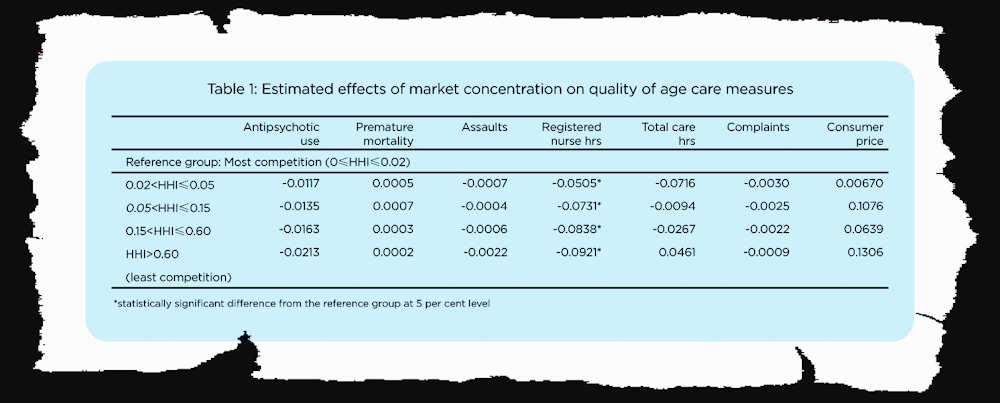
Yet in research just published by the Melbourne Institute using the de-identified records of 2,900 nursing homes provided to the aged care royal commission we found no such effect.
No matter how competition was measured, we found no statistically-significant differences in price or quality as indicated by a range of measures including nursing hours worked per resident, assaults per resident, complaints per resident, the use of antipsychotic drugs and avoidable early deaths.
We measured the amount of competition for each nursing home in three ways: by the number of competitors within a 10-kilometre radius, the distance in kilometres to the nearest competitor and a measure of market concentration known as the Herfindahl-Hirschman Index.
We found great variation in competition (much more in cities, much less in regions) along with slight decreases in competition in urban and remote areas (notwithstanding government measures designed to promote it) and minor increases in competition in regional Australia.
But we found no evidence linking competition to measures of quality of care, with the possible exception of registered nurse hours, although this linkage wasn’t present in all measures of competition.
Competition was weakly associated with price if at all.
On the other hand, we found strong links between ownership and quality of care.
For most measures of quality, government-owned facilities provided much higher quality of care than for-profit providers and not-for-profit providers.
On prices, government-owned facilities charged by far the lowest price per resident per day — 23% lower than for-profits and 8% lower than not-for-profits.
In trying to think of the reasons why competition should not result in competition on prices or on the quality of service, a number of possibilities present themselves.
Residents know little about what they are getting
One reason is that demand for aged care places often arises suddenly due to significant changes in health conditions such as falls, dementia and loss of balance meaning they have little choice but to use the first facility that becomes available.
Another is that consumers have little information about quality with which to make decisions. Unlike the United States and the United Kingdom, Australian authorities do not yet provide a five-star system of ratings that can be easily understood.
Demand often arises from consumers who experience sudden changes in their cognitive and physical conditions that make it difficult to search for information, and weigh options and exercise choice.
With users hamstrung, there are few market forces to discipline providers.
We could empower users…
Measures that would help include publishing quality ratings (recommended by the royal commission), simplifying prices (not recommended, although the commission recommends an independent pricing authority) and providing consumer advocates to help people navigate through the system (recommended).
Given that most consumers transition from home care to residential care, it would help if advocacy services were integrated into home care services.
An alternative would be to abandon the pursuit of competition and set up a system of enforced standards, funded for different categories of care along the lines of the casemix system used in hospitals.
…or regulate more strongly on their behalf
Although this was recommended in the commission’s final report it would be harder to implement than it is in hospitals.
Aged care is about making life comfortable whereas health care is about fixing problems, making consumer preferences much more important in aged care.
Harnessing the power of consumer preferences is a worthy goal, and there is a great deal we can do to move toward it, but there’s a long way to go.
Anthony Scott receives funding from NHMRC and ARC
Yuting Zhang receives funding from Australian Research Council and National Health and Medical Research Council, National Institutes of Health in the US.
Jongsay Yong and Ou Yang do not work for, consult, own shares in or receive funding from any company or organisation that would benefit from this article, and have disclosed no relevant affiliations beyond their academic appointment.
With flashbacks, interviews and expert commentary it reveals her extraordinary underwater life and transition from champion spearfisher to passionate marine conservationist.
As a marine biologist, I’m aware of the environmental crisis our oceans are facing, and the importance of sharks to the ocean ecosystem.
‘I would slide into the water, into another world.’
A bad reputation
Increasing numbers of shark encounters around the world have people feeling more on edge and less like a swim.
In 2020, there were eight fatal shark bites recorded in Australia from 26 reported incidents. This was slightly higher than the 23 recorded in 2019 (with no fatalities). So far this year, there have been ten incidents with one death. This increase can be explained by changes in shark population size, human behaviour and reporting methods.
While these statistics are undoubtedly awful, it is important to recognise the role the media plays in shaping people’s perceptions.
Sharks have gained a bad reputation as “cold-blooded killing machines”, yet there is a higher chance of being killed by cows, motor vehicles, dogs and even vending machines. National Geographic estimates you have a one in 218 chance of dying from a fall but a one in 3.7 million chance of being killed by a shark.
This film is about changing attitudes. The title itself is a nod to the positive association Valerie Taylor enjoys with sharks, who she regularly refers to as her “friends”. But it wasn’t always that way for the Sydney-born diver who left school at 15 to draw animations and started diving in the 1950s.
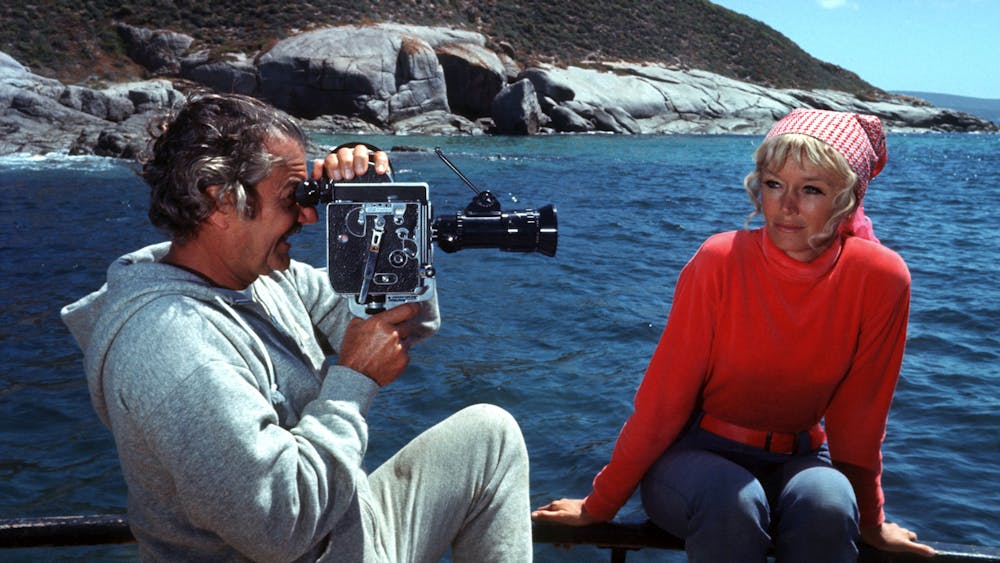
A yellow-suited Valerie stars in a 1960s diving film at Heron Island.
In 1974, Valerie and her late husband Ron were excited to film underwater shark sequences for Steven Spielberg’s blockbuster movie Jaws.
With its suspenseful score and blood in the water, the film terrified audiences. But in this film Valerie shares the couple’s pain when they realised they’d contributed to damaging the sharks’ image. She says a spike in public fear led to reckless shark culls.
“I only ever killed one shark,” Valerie says, recalling her spearfishing days. “I wish I hadn’t.”
Valerie and Ron vowed from that moment on to only shoot sharks with their cameras.
Valerie and Ron Taylor were later recognised for their conservation efforts. Madman Entertainment
Valerie and Ron’s journey from spearfishers to conservationists highlights their role in a broader transition from fear to admiration for these complex, majestic creatures.
“Nature made the perfect animal,” Valerie marvels in the film. “That wonder has never gone away.”
Valerie and Ron used cinematography to balance the reality of shark behaviour with the Hollywood horror narrative (they were later made Members of the Order of Australia for their conservation efforts).
Footage in the documentary of Valerie underwater with sharks accurately shows the interactions between humans and sharks. The message is that sharks don’t see humans as food.
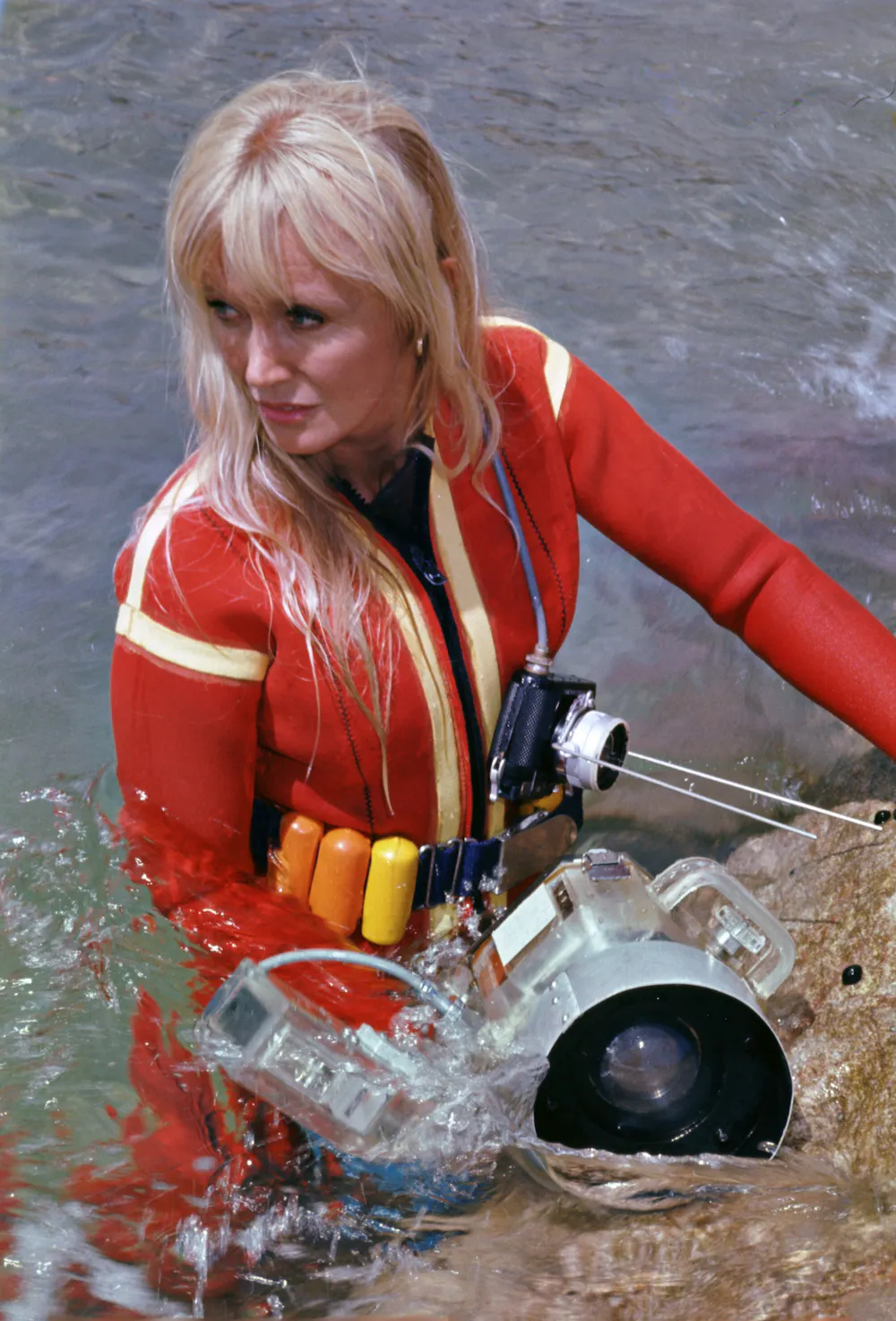
To prove her point, Valerie dons a chain mail suit and puts her arm in a shark’s mouth. Archival footage shows her using fish bait to lure the shark towards her, before moving her forearm into its jaws. “The sharks don’t have crush power,” she says. “This is a misconception”.
She’s correct. Sharks use their sharp teeth to slice flesh and head-shaking to rip off chunks, so they don’t need to rely on biting down. In fact, the bite force quotient (which compares bite force to body mass) is higher for a Tasmanian devil than for a Great White Shark.
In another clip, Valerie coaches a Whitetip Reef Shark to swim over pink coral for a photograph. Delightedly she announces, “They learn faster than you can teach a dog”. Based on my own diving experiences with sharks I would agree they show aptitude for intelligent, learned behaviour.
Sharks play a critical role in healthy ocean ecosystems because they are a top predator, keeping potentially destructive fish populations at a healthy level and preventing algae overgrowth that advances the decline of coral reefs. Tiger Sharks, for example, have been shown to prevent green turtles from overgrazing seagrass beds.
‘You get a feeling about an animal. I can’t explain it. It comes from inside.’
Like Girls Can’t Surf before it, Playing with Sharks explores gender imbalances. The viewer gets to see how Valerie created her own deeply-rewarding adventure story in a male-dominated world, from hand-feeding a Great White from the back of a boat to untangling one caught in wire with her bare hands in waist-deep water.
A woman in a male-dominated field, Valerie fought to be taken seriously. Madman Entertainment
Tiny and blonde, she fought to be taken seriously, even at the top of her game with a spear in her hand. The film pays tribute to Ron’s appreciation of her fearlessness and love for the ocean. “She was aggressive, not one of those wimpish women”, he recalls of their meeting, nicknaming her: Give-it-a-go Valerie.
This visually stunning documentary interweaves historical footage with insights from diving legends, scientists and Valerie herself to highlight the power of passion to challenge ideas.
This film is an accessible and inspiring documentary. If viewers watch curiously with even a fraction of Valerie’s sense of adventure then they will have taken part in her mission.
Valerie Taylor: Playing with Sharks screens nationally 17–20 June.
Stephanie Gardner does not work for, consult, own shares in or receive funding from any company or organisation that would benefit from this article, and has disclosed no relevant affiliations beyond their academic appointment.
The Biloela Tamil family will finally be released from detention.
Immigration Minister Alex Hawke will announce this on Tuesday, but we have yet to learn the terms of that release.
There are several options. These include letting the Murugappan family live in the community while their current legal action continues, allowing them to apply for a non-refugee visa (the parents have been denied refugee status), or simply giving them some sort of other visa now.
The first course would be churlish, bring more criticism on the government, add to its taxpayer-funded legal costs, and risk inviting a new round of controversy at some later point.
The last option would be the simplest, cleanest way to deal with the whole unfortunate saga.
We should be clear about this. The government would not be removing the family from detention this week if the younger child Tharunicaa hadn’t become seriously ill, and had to be transferred from Christmas Island, where they have been since 2019, to a Perth hospital (accompanied by her mother).
To the extent the government is exercising compassion now, it is compassion driven by the bad publicity it is suffering.
The timing is also to pre-empt the parliamentary sitting, starting Tuesday, during which Michael McCormack is acting prime minister until Scott Morrison returns from overseas.
When the pictures of hospitalised Tharunicaa appeared in the media, there was a public outcry. Some Coalition backbenchers, including Trent Zimmerman and Katie Allen, started to speak out publicly to say enough was enough.
Former Deputy Prime Minister Barnaby Joyce went close to an accusation of racism, suggesting if the girls’ names were “Jane and Sally” and they played in the local netball team “we’d think twice about sending them back to another country which they’re not from”.
“Why not send them to Southern Sudan, why not send them to Rwanda to Belarus? They’re also countries they were never born in,” Joyce said, arguing they should be enitled to stay in Australia because they were born here.
Joyce’s message had cut-through, although on moral rather than legal grounds – they are not entitled to citizenship because they were born in Australia.
The Nationals Ken O’Dowd, whose electorate of Flynn covers Biloela, has been a long term advocate for the family, who have strong support in the town. He told the ABC he had spoken to Hawke who “wants a favourable outcome”.
Others in government ranks take a tougher line, worrying about the precedent of making an exception, and the message that would be sent.
They raise their binoculars to the horizon. Could that be a people smuggler boat?
Well no. More likely the ocean version of a mirage.
Even before Tharunicaa’s medical evacuation, Hawke had been asked as part of the legal process to review the case and consider whether he should lift the ban on the Murugappans being allowed to seek another sort of visa. O’Dowd said this involved more than 2,000 pages of reading.
The child’s evacuation shortened Hawke’s time frame and, given the public storm, effectively ensured the family had to be let out of detention.
Scott Morrison, questioned in the United Kingdom, had a tone of irritation in his answers, as he said options were being worked through.
Asked whether the family would be settled in Australia, he said, “Well, when we have more to say on that matter, well, settled? Well, that wouldn’t be government policy for a pathway to permanent settlement. That is not the government’s policy.”
Pressed further, he said, “Well, I just said there are options that are being considered that are consistent with both health advice and the humanitarian need and the government’s policy.”
Acting Prime Minister Michael McCormack had a bob each way, saying the government didn’t want to do anything to encourage people smugglers; on the other hand, this was a “humanitarian government”, and he personally was a “compassionate person”.
The formal decision about the family rests in the hands of Hawke as minister. We usually hear little about Hawke, and when we do it’s often in his role as a member of Morrison’s inner factional circle and a numbers man. He can be expected to have been working closely with his leader.
Michelle Grattan does not work for, consult, own shares in or receive funding from any company or organisation that would benefit from this article, and has disclosed no relevant affiliations beyond their academic appointment.
Israel’s 36th government was approved today, with a slim majority of 60–59 in the Knesset (parliament).
The new prime minister is the leader of national-religious party Yamina, Naftali Bennett. A religious person, former commander in an elite army combat unit and successful high-tech entrepreneur, Bennett was forced to form a unity government with centrist Yair Lapid, head of Israel’s second-largest party, Yesh Atid.
Lapid is slated to become prime minister in 2023. Other coalition partners include the left-wing Meretz and Labour parties; the right-wing parties Tikva Hadasha (“New Hope”) Israel Beiteinu (“Israel is our home”); and Benny Gantz’s centrist Blue and White party.
The cherry on top of this ideologically mixed-up parfait is the Arab Islamic party Ra’am, headed by Mansour Abbas, which has successfully carried out Abbas’s strategic plan to be the first Arab party leader to join an Israeli government.
His move signifies the preference of many Arab Israelis to focus on domestic priorities, such as reducing crime and retrospectively attaining permits for illegal constrictions in Arab towns, rather than Palestinian nationalism.
The ultra-orthodox parties are the big losers. For the first time in many years, they are outside the government, disconnected from the fountain of public funding that has long flowed to their religious and educational institutes.
Challenges facing the new government
The eight parties forming the government had only one thing in common — a determination to oust Israel’s longest serving prime minister, the charismatic Benyamin “Bibi” Netanyahu.
As head of the right-wing Likud party, Netanyahu has been the face of Israel for the past 12 years, as well as during his earlier stint as prime minister from 1996–99. Famous for his political wizardry and clever coalition manoeuvres, he ended up losing the trust of almost everyone in the political arena. Many of his former allies were among those who ousted him.
Israelis celebrate the swearing in of the new government in Tel Aviv. Oded Balilty/AP
The ideologically diverse new government will now need to deliver change, and fast. Another flare-up of tensions with Hamas, designated a terrorist organisation by many nations, is likely in the cards. A budget must be approved swiftly, after two years without one. Netanyahu can no longer be blamed if the government fails to deliver.
The complex set of coalition agreements between the parties means the government will most likely focus its attention domestically and avoid major initiatives on divisive topics, such as the Palestinian issue. One key task will be to work to heal the social tensions that have resurfaced in Israel in recent years, dividing Arabs and Jews, secular and religious, and left and right.
The coalition needs to find a way to work together efficiently or it could face a rapid collapse. Now the official opposition leader, Netanyahu has made clear he is not going anywhere and will work tirelessly to oust the new government.
But Netanyahu may go somewhere in the future – to jail. He is facing several indictments over bribery, fraud and breach of trust. His trial could take years, and was the prime motivator for Netanyahu’s almost desperate attempts to hold on to power. Many rallied against him because he is seen as corrupt and decadent.
Israel’s new prime minister Naftali Bennett holds a first cabinet meeting in Jerusalem. Ariel Schalit/AP
New peace treaties in the region
In Washington, there will have been a sigh of relief. Netanyahu alienated former US President Barack Obama over the latter’s drive to sign the problematic 2015 nuclear deal with Iran. The current president, Joe Biden, was among the first to call Bennett, signalling US hope for greater leverage over the new government.
Netanyahu’s overall legacy will be marked by unequivocal diplomatic, economic and political achievements, alongside his deliberate strategy to turn Israelis from different sectors against each other, exacerbating long-lasting internal rifts.
Under his premiership, Israel became a world leader in fighting the COVID-19 pandemic. Drawing on his personal ties with the CEO of Pfizer, Netanyahu mobilised the health system to inoculate almost the entire adult population of Israel in record time.
Using his close relationship with former US president Donald Trump, he also orchestrated a move of the US embassy to Jerusalem, solidifying the city’s status as Israel’s capital.
Netanyahu’s track record in dealing with the Palestinians is far more disputed. He won office after the murder of Labour Prime Minister Yitzhak Rabin in 1994, and effectively broke away from Rabin’s Oslo peace agreements with the Palestinian leadership, without repudiating them completely.
Following a surge in bombings by Hamas and Palestinian Islamic Jihad in the mid-1990s, Netanyahu was elected in 1996 to slow down Israel’s retreat from territories in the West Bank. He also delivered to his base continued expansion of settlements in that disputed area — a move opposed by many in the international community.
Hamas militants hold a rally in Gaza to commemorate its members who were killed in the recent violence with Israel. Felipe Dana/AP
In the past 12 years, Netanyahu worked to mostly manage — not resolve — the conflict. His approach to the two-state solution has been ambiguous at best, even though he showed some willingness to make concessions during the US-led talks in 2014. Trying to soothe Hamas with Qatari money – part of his managerial approach — backfired dramatically in the latest war with Gaza.
With this scorched earth legacy behind him, Netanyahu has been removed from power, at least for the time being. The Bennett-Lapid government is not expected to stray much from existing Israeli foreign policies. Israel’s strong strategic actions against Iran are here to stay.
With regards to the Palestinians, there is very little that can be done until another long-serving leader is ousted – 86-year-old Palestinian Authority President Mahmoud Abbas, who is increasingly seen as corrupt and dysfunctional.
The new government remains on shaky ground. All its participants know a single actor among them can take the government down. But no one has an appetite now for another election; they have too much to prove and a lot to lose if they do. It seems that at least for the next 12 months, Israel will finally have a government.
Ran Porat is a research associate at The Australia/Israel & Jewish Affairs Council (AIJAC). The views in this article are private and do not represent any academic institute related related to Dr. Porat.
New Zealand Prime Minister Jacinda Ardern will make a formal government apology for the 1970s Dawn Raids against Pacific Islanders on June 26 at a commemoration event in the Auckland Town Hall.
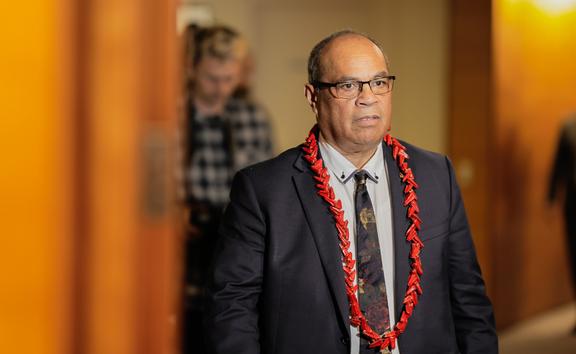
She made the announcement today alongside Pacific Peoples Minister ‘Aupito William Sio.
Ardern said there was strict criteria cabinet needed to apply when deciding to make an apology, including:
whether a human injustice must have been committed and was well documented;
victims must be definable as a distinct group; and
victims continued to suffer harm, connected to a past injustice.
Cabinet decided the criteria had been met in relation to the Dawn Raids, Ardern said.
There have been two previous government apologies meeting these criteria – the Chinese poll tax in 2002 and an apology to Samoa for the injustices arising from New Zealand’s colonial administration.
Ardern said the Dawn Raids were “routinely severe with demeaning verbal and physical treatment”.
She said when computerised immigration records were introduced in 1977, the first accurate picture of overstaying pattern showed 40 percent were British and American “despite these groups never being targets of police attention”.
“To this day, Pacific communities face prejudices and stereotypes established during and perpetuated by the Dawn Raids period. An apology can never reverse what happened or undo the decades of disadvantage experienced as a result, but it can contribute to healing the Pacific peoples in Aotearoa,” Ardern said.
She would not say what the formal apology might involve but said it would focus on the ongoing impact on the community, and the history.
There was a period around 2000 where amnesty was available, she said.
People were “dehumanised” and “terrorised” in their homes, Ardern said of the Dawn Raids era.
“… it left a lasting impact. People were told at the time if you did not look like a New Zealander they should carry ID to prove they are not an overstayer. You can imagine what impact that has on a community to live in an environment like that.”
‘The stars have aligned’ – ‘Aupito
Pacific Peoples Minister ‘Aupito William Sio … “I don’t think there is any Pacific family who was not impacted on by the events of the Dawn Raids.” Image: Dom Thomas/RNZ
Many in the Pasifika community have long called for an apology, with more than 7000 people signing a recent petition.
The Pacific Peoples Minister said other communities, including Māori, were also impacted by the raids.
“I don’t think there is any Pacific family who was not impacted on by the events of the Dawn Raids and there is a strong moral imperative to acknowledge those past actions were wrong through an apology, they recognise those actions were unacceptable under the universal declaration of human rights, and are absolutely intolerable within today’s human rights protections, ” ‘Aupito said.
While the raids took place almost 50 years ago, the legacy of the era lives on today “etched in the memories and oral history of Pacific communities”.
“This apology is a step in the right direction to right the wrongs of the past and help heal the wounds of trauma that still resides in the psyche of those who were directly affected.”
On a personal level, ‘Aupito said it was a “huge deal” for the government to acknowledge the wrongs of the past.
“The stars have aligned,” Sio said, acknowledging the role the prime minister and ministerial colleagues played in agreeing to the advice they received.
‘Aupito recalls ‘traumatising’ raid ‘Aupito said there were many Pacific families who would talk about the Dawn Raids, and he wanted to give them the opportunity to talk about the trauma and help them heal.
Talking about his own experience, he said his family was raided in the early hours of the morning about two years after they purchased their home. His father was “helpless”, he said.
Talking about his own experience, ‘Aupito said his family was raided in the early hours of the morning about two years after they purchased their home. His father was “helpless”, he said.
“To have somebody knocking on the door in the early hours of the morning with a flashlight in your face, disrespecting the owner of the home, with an Alsatian dog frothing at the mouth in that door, and wanting to come in without any respect for the people living in there — it’s quite traumatising.”
His sister and 82-year-old father would not talk about that time, ‘Aupito said.
Other Pacific families had similar experiences, he said.
“You have to remember, we felt as a community that we were invited to come to New Zealand. We responded to the call to fill the labour workforce that was needed, in the same way that they responded to the call for soldiers in 1914.
“So we were coming to aid a country when they needed us, and when that friend or country felt they no longer needed us they turned on us, trust was broken.”
The apology was about restoring trust and building confidence in the next generation, he said while trying to control his emotions.
“I do not want my children or any of my nieces or nephews to be shackled by that pain and to be angry about it. I need them to move forward and look to the future as peoples of Aotearoa.”
PM to get covid-19 vaccine On the Covid-19 vaccine, Ardern said more details about the rollout would be announced on Thursday.
The prime minister will receive her first dose of the vaccine on Friday, June 18, afternoon in the South Auckland suburb of Manurewa, alongside her chief science adviser.
They Are Us film On the They Are Usfilm project, Ardern said everyone should know the discomfort she felt about the project, but at the same time it was not for her to say what projects should or should not go ahead.
“This is a very raw event for New Zealand, even more so for the community that experienced it and I agree that there are stories that at some point should be told from March 15, but they are the stories of the Muslim community, so they need to be at the centre of that.”
Auckland-based producer Philippa Campbell has withdrawn from the crew working on the proposed film. In a statement, Campbell said she deeply regretted the shock and hurt the announcement of the film has led to throughout Aotearoa New Zealand.
Immigration policy and overstaying Speaking about the current immigration policy, Ardern said there would be consequences for overstaying, but there were ways to do it “that do not lead to discriminatory practice”.
Asked if the apology for the Dawn Raids would include amnesty for some people, Ardern said there should not be expectations about that.
Amnesty in the early 2000s gave a pathway to regularisation for some Pacific people, Ardern said.
Any amnesty would apply to a wide-ranging cohort, she said.
“We wouldn’t want to seek to apologise for a discriminatory policy and then by giving that apology discriminate others by only having a certain policy apply to one group,” she said.
There is a large group of ethnicities and communities that would argue for a pathway to regularisation, she said.
This article is republished under a community partnership agreement with RNZ.
What a difference a year makes in international diplomacy.
A year ago, then-US President Donald Trump was obliged to abandon his plans for a G7 summit at the presidential retreat of Camp David outside Washington.
Various excuses were advanced by participants, including the inadvisability of travelling across the world in the midst of a pandemic. But in reality few, if any, G7 leaders wanted to associate themselves with Trump in what was hoped would be the last days of an ill-starred presidency.
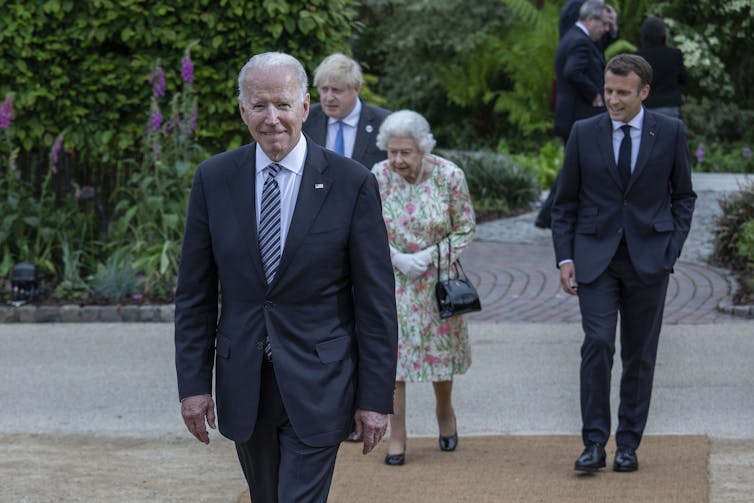
A year later, these same leaders gathered at an English coastal retreat – in the shadow of a persistent COVID-19 pandemic – to celebrate the end of a disruptive chapter in diplomatic history. Relief was palpable in the interactions of representatives of the United States, United Kingdom, France, Germany, Japan, Italy and Canada.
Another year, and a new US president, have made a significant difference to international diplomacy. AAP/AP/Jack Hill
America was back, not in its “America First” guise, but as the proclaimed leader of the free world, to use an old-fashioned description.
However, in the four years of the Trump presidency, during which Washington effectively abandoned its global leadership role in favour of an inward-looking posture defined by its embrace of an America First doctrine, the world had changed, and shifted dramatically.
In 2016, the final year of the Obama administration, the G7 summit in Japan focused on the issue of climate in the wake of the Paris Agreement signed in April of that year. Its other priorities were disputes in the South China Sea and, interestingly enough, the need to strengthen a global response to pandemics in light of experiences with the Ebola virus in Africa.
That global response has been found to be inadequate. This prompts the question: what notice did global health authorities, principally the World Health Organization, take of the G7’s 2016 communique?
Five years later, the challenges identified in the 2016 document have been vastly magnified. This has been brought about by a combination of lack of US leadership on issues such as climate, and a broader global failure to manage China’s rise.
But the consensus view then was that China’s rise could be accommodated without undue disruption to a rules-based international order. That has proved a significant miscalculation.
Fast-forward to the 2021 G7 in Cornwall, where concerns about China’s rise in its various dimensions stalked the round-table discussions and bilateral meetings. No other issue came close to matching worries about China: not climate change, nor the ongoing challenges of the pandemic.
In the end, the G7 communique was relatively restrained on China. This reflected differences of opinion among participants about how to manage a difficult situation. The US and Canadians would have liked stronger language. The Europeans favoured a less hawkish approach. Japan was somewhere in the middle.
There was a palpable sense of relief that international diplomacy had been restored to something like normal at this 2021 meeting. AAP/AP/Leon Neal
References to China were nevertheless pointed, in contrast to previous G7 communiques, which have danced around the issue of Beijing’s challenges to a rules-based global order.
From an Australian perspective, the communique’s reference to China’s resort to economic reprisals to punish those who found themselves at odds with its policies will have been welcome:
With regard to China, and the competition in the global economy, we will continue to consult on collective approaches to challenging non-market policies and practices which undermine the fair and transparent operation of the global economy.
On human rights, the G7 was commendably forthright:
We will promote our values by calling on China to respect human rights and fundamental freedoms, especially in relation to Xinjiang and those rights, freedoms and high degree of autonomy for Hong Kong enshrined in the Sino-British joint declaration and the Basic Law.
Significantly, Taiwan made its way into a G7 communique for the first time. Here, the world’s leading democracies issued a fairly blunt warning to Beijing not to further destabilise relations across the Taiwan Strait:
We underscore the importance of peace and stability across the Taiwan Strait, and encourage the peaceful resolution of cross-Strait issues. We remain seriously concerned about the situation in the East and South China Seas and strongly oppose any unilateral attempt to change the status quo and increase tensions.
Predictably, Chinese commentators dismissed the G7 process as a sideshow, claiming “the world’s economic and political centre of gravity had shifted”, as the nationalist Global Times put it.
Morrison, as an official guest, will have been relieved the G7 did not reach a consensus on the timing for a phase-out of coal for generating electric power. On the other hand, he will not have overlooked strong language in the communique calling for a commitment to achieve net zero greenhouse gas emissions “as soon as possible”.
Australia will have had no issue with other G7 initiatives such as calls for a global minimum tax to ensure greater global equity. Nor will it object to a proposal for liberal democracies to contribute to an infrastructure fund to compete with China’s Belt-and-Road initiative in the developing world.
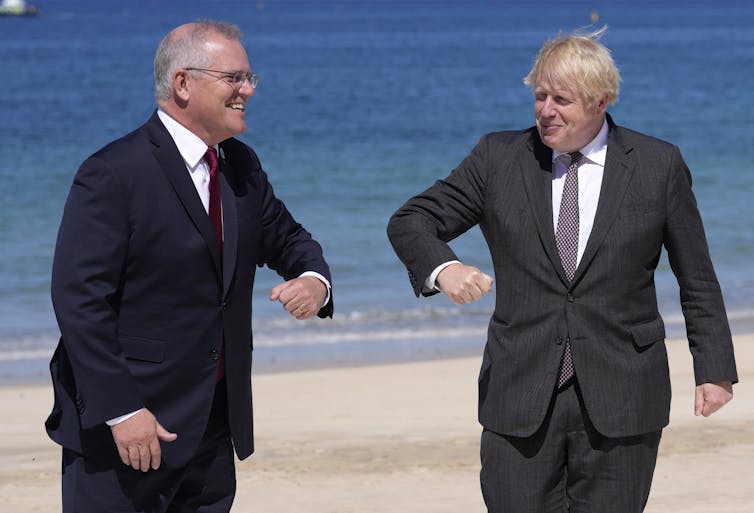
Scott Morrison met with several world leaders, including the summit’s host, UK Prime Minister Boris Johnson. AAP/AP/Kirsty Wigglesworth
Morrison will no doubt have been disappointed he did not have a “one-on-one” meeting with US President Joe Biden. Instead, he had to make do with a three-way conversation involving the summit’s host, UK Prime Minister Boris Johnson. It is not clear whether this was a snub, but those briefing journalists in advance of the G7 should not have raised expectations.
In one respect, Morrison will have found the Cornwall G7 awkward. No other leader of a Western liberal democracy had aligned themselves as closely with the Trump White House.
In his attempts to position himself alongside Trump, Morrison echoed the then US president’s antagonism towards international institutions, broadly summed up by the Morrison’s reference to “negative globalism” in a Lowy Institute speech in 2019. These were sentiments the former US president used to promote his version of an America First policy, in contrast to the multilateralist tendencies of his predecessors.
Morrison’s adoption of this Trumpism, now quietly discarded in his public statements, sits uncomfortably with the new president’s emphasis on Washington’s global leadership in partnership with like-minded countries and institutions.
Pointedly, the G7 communique reiterated liberal democracies’ commitment to “multilateralism”.
If nothing else, Australia’s prime minister should have concluded in Cornwall that his own personal investment in a Trump presidency was not the most prudent course. The world has shifted.
Tony Walker does not work for, consult, own shares in or receive funding from any company or organisation that would benefit from this article, and has disclosed no relevant affiliations beyond their academic appointment.
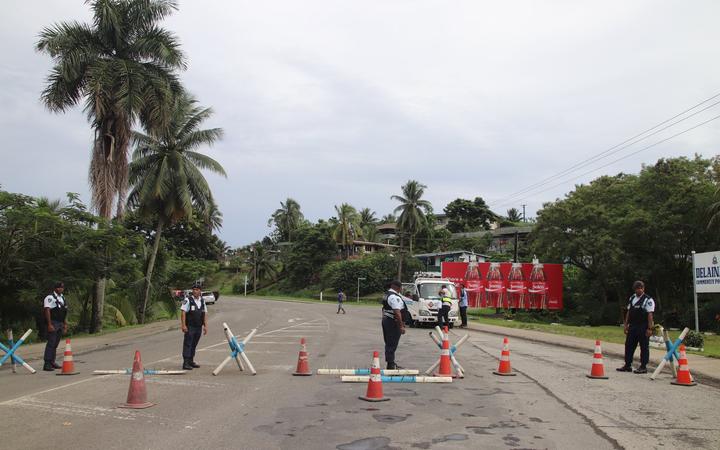
Fiji’s Health Ministry has announced 105 new covid-19 cases as the pandemic crisis worsens.
Health Secretary Dr James Fong said 98 of the cases recorded yesterday were linked to existing clusters, while links to seven more cases were still under investigation.
He said new cases recorded at Grantham Rd and Tacirua were under investigation to determine whether they had links to other cases.
He confirmed two patients admitted at the Colonial War Memorial Hospital (CWMH) for pre-existing severe illnesses had died.
“With the ongoing outbreak at the hospital, both patients tested positive for covid-19 during their admission,” he said.
“However, their doctors have determined that their causes of death are related to the pre-existing illnesses for which they were admitted and receiving treatment for at the hospital.
“These are not covid-19 caused deaths.”
Review of cases Meanwhile, a review of cases from Nadi found that one case tested positive twice.
Fiji has recorded 1048 cases since the outbreak in April this year, with eight recoveries.
There are now 796 active cases in isolation.
Fiji has recorded a total of 1118 cases since the first case was reported in March, 2020.
There have been 312 recoveries and 4 deaths because of covid-19 and a total of 6 COVID-19 positive patients have died from pre-existing non-covid-19 related illnesses.
While I am always happy to celebrate any accolades my country and city might garner on the international stage, seeing Auckland/Tāmaki Makaurau awarded the top ranking in a recent “most liveable cities” survey left me somewhat flummoxed.
In particular, I would argue that many Māori whānau in Auckland do not enjoy the benefits of this supposed “liveability”.
This is important, given Māori comprised 11.5 percent of the Auckland population in the 2018 Census. Roughly one in four Māori in Aotearoa New Zealand are living in the greater Auckland region.
The survey was conducted by the Economist Intelligence Unit, sister company of The Economist, and looked at 140 world cities. Auckland was ranked 12th in 2019, but took top spot this year for one obvious reason:
Auckland, in New Zealand, is at the top of The Economist Intelligence Unit’s Liveability rankings, owing to the city’s ability to contain the coronavirus (COVID-19) pandemic faster and thus lift restrictions earlier, unlike others around the world.
Most cities in Europe plunged in the rankings this year as the EIU’s liveability index incorporated new indicators related to covid-19 https://t.co/8555hY1f2U
— The Economist Data Team (@ECONdailycharts) June 9, 2021
Alternative liveability criteria Each city in the survey was rated on “relative comfort for over 30 qualitative and quantitative factors across five broad categories: stability, healthcare, culture and environment, education and infrastructure”.
Overall rankings depended on how those factors were rated on a sliding scale: acceptable, tolerable, uncomfortable, undesirable, intolerable. Quantitative measurements relied on “external data points”, but the qualitative ratings were “based on the judgment of our team of expert analysts and in-city contributors”.
The methodology, particularly around culture and environment, seems somewhat subjective. It’s predicated on the judgement of unnamed experts and contributors, and based on similarly undefined “cultural indicators”.
To better understand the living conditions of Māori in Auckland, therefore, we might use more robust “liveability” criteria. The New Zealand Treasury’s Living Standards Framework offers a useful model.
This sets out 12 domains of well-being: civic engagement and governance, cultural identity, environment, health, housing, income and consumption, jobs and earnings, knowledge and skills, time use, safety and security, social connections and subjective well-being.
Inner-city housing in Auckland: an average price increase of NZ$140,000 in one year. Image: www.shutterstock.com
The Māori experience Applying a small handful of these measures to Māori, we find the following.
Housing: According to recent reports, Auckland house prices increased by about NZ$140,00 on average in the past year. That contributed to Auckland being the fourth-least-affordable housing market, across New Zealand, Singapore, Australia, the US, UK, Ireland, Canada and Hong Kong.
Next to that sobering fact, we can point to estimates that Māori made up more than 40 percent of the homeless in Auckland in 2019. We can only assume this rapid increase in house prices has made homelessness worse.
Poverty: Alongside housing affordability is the growing concern about poverty in New Zealand, and particularly child poverty. While there has been an overall decline in child poverty, Māori and Pacific poverty rates remain “profoundly disturbing”.
Employment: As of March 2021, the Ministry of Business, Innovation and Employment recorded a Māori unemployment rate of 10.8 percent, well above the national rate (4.9 percent). This is particularly high for Māori youth (20.4 percent) and women (12.0 percent).
Health: Māori life expectancy is considerably lower than for non-Māori, and mortality rates are higher for Māori than non-Māori across nearly all age groups. Māori are also over-represented across a wide range of chronic and infectious diseases, injuries and suicide.
The digital divide: The Digital Government initiative has found Māori and Pasifika are among those less likely to have internet access, thus creating a level of digital poverty that may affect jobs and earnings, knowledge and skills, safety and security, and social connections.
Making Auckland liveable for all Taken together, these factors show a different and darker picture for far too many Māori than “liveable city” headlines might suggest.
I say this as someone who has lived in Auckland for the majority of the past 60 years. It is a city I love, and I acknowledge the grace and generosity of the mana whenua of Tāmaki Makaurau, with whom I share this beautiful whenua and moana.
I am also part of a privileged group of Māori who enjoy job security, a decent income, a secure whānau and strong social networks.
But, until we address and ameliorate the inequities and disadvantages some of our whānau face, we cannot truly celebrate being the “most liveable city in the world”.
A Christchurch woman is furious a flyer from the New Zealand disinformation group Voices For Freedom ended up in her letterbox.
It contains nine false or misleading claims about covid-19 and the vaccine, and asks readers “are you fed up with covid yet?”
The woman, who RNZ News has agreed not to name, said she had health problems that put her at serious risk of dying from covid-19.
She is now fully vaccinated, and said she had jumped at the chance to do it.
“My doctors have told me it’s what I should be doing, my specialists and all the people that take care of my health,” she said.
“I have a big team because my condition is rare and really severe and they’ve all told me to get it done.”
In a statement, Voices For Freedom said: “Over 500,000 Fed Up Flyers have been printed and distributed nationwide by thousands of Voice For Freedom supporters.”
Emotive language Associate Professor and vaccinologist Dr Helen Petousis-Harris at the University of Auckland said the flyer was misleading and contained a lot of emotive language.
“Such as ‘banned’ and ‘we’re not allowed to know’ and ‘health authorities are ignoring this’ and ‘experimental’,” she said.
“So those are all sort of things that provoke an emotion, and the statements are sort of quite vague.
“But it leads you to kind of think that ‘maybe there must be some conspiracy going on here’, so it’s very misleading.”
Dr Petousis-Harris pointed to several claims in the flyer, including one stating that the Pfizer vaccine was “experimental”.
“The vaccine completed it’s efficacy and safety assessments and there were no steps missed,” she said.
“As with all vaccines, studies can go on for sometime after that to make sure you use those very precious participants for as long as you can.”
Vaccine studies in play Dr Petousis-Harris said vaccine studies were always in play when products were being used, and studies would always be going on.
“It’s not experimental. I think that’s deeply misleading,” she said.
“It’s authorised all over the world and hundreds of millions of people have received it, so many lives have been saved.”
Dr Petousis-Harris said people need to be very careful when researching the vaccine and seek information from places of expertise, like research institutes.
The Advertising Standards Authority confirmed it had received three complaints about the flyer.
It has also received a complaint regarding a separate mask leaflet also printed by Voices For Freedom.
This article is republished under a community partnership agreement with RNZ.
The leader of Fiji’s opposition National Federation Party has condemned the government’s strategy for dealing with the coronavirus pandemic as having “failed” and warns it will lead to “catastrophic results”.
“The government plan is complacent and short-sighted,” said Professor Biman Prasad in a statement tonight in response to the “ominous total” of 1000 covid-19 cases, 700 of them currently active.
“The government thinks that the situation Fiji is facing now will stay the same. It is not planning for things to get worse.
“Yet every lesson, from every country in the world, should tell it otherwise.”
Dr Prasad’s statement followed a claim by Prime Minister Voreqe Bainimarama yesterday that Fiji could not afford a lockdown, reports The Fiji Times.
The prime minister has shut out calls for a complete 28-day lockdown of Viti Levu, saying that would spell “economic disaster and miserable isolation”.
“And I cannot allow that to happen. I will not,” Bainimarama said.
‘Disaster without a lockdown’ Dr Prasad said: “The opposite is true. There will be health, economic and social disaster without a lockdown.”
The government believed in its containment strategy, he said.
“It could not keep the virus in the Suva-Nausori containment area when the numbers were low. The virus still escaped to the West. It is now multiplying there.
“If the containment strategy is working, how did the virus come to Naitasiri?
“Now, with more than 700 cases, the government’s strategy is to hope and pray that nothing else will go wrong. But even in well-run operations, things go wrong. And then what will the government do?
Dr Prasad said Fiji was now putting lives at risk.
“Most importantly the lives and health of our frontliners – doctors, nurses, health workers – is at risk,”he said.
‘Limited trained staff’ “We have only a limited number of trained health staff who can manage this crisis. What happens when they are taken out of action?
“Right now my greatest fear is for these people, who have been working long hours, at ever greater risk to themselves, to execute a politicians’ plan they do not believe in. Why isn’t the government thinking of them and listening to them?
Every day we delay a lockdown, we simply prolong the crisis. We know the coronavirus kills people. We now know that for many who survive, their long-term health is permanently damaged.”
If the government continued to be stubborn and blind, “we will end up in a crisis we can no longer handle by ourselves”.
“Australia and New Zealand will be forced to intervene to save Fiji from a health crisis that has become too big for it.
“And how many lives would have been lost by then, all because of the stubbornness and arrogance of this government?”
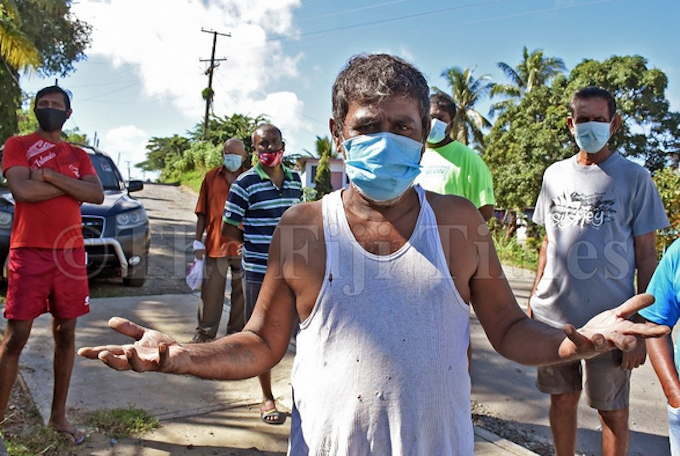
Yogendra Reddy raises his concerns at the Nawaka Tramline settlement lockdown checkpoint in Nadi. Image: Reinal Chand/Fiji Times
A plea for food protest in Nadi The Fiji Times reports that residents currently on lockdown in a few settlements located beside Nawaka, Nadi, had taken to the streets yesterday to voice their frustration and their need for basic food items and groceries.
Police officers from Nadi stepped in to control the situation and reminded people their act was unlawful.
Food rations from the government arrived a few hours after the protest was staged by the concerned residents.
Meanwhile, in a virtual conference on covid-19, heads of political parties have called on the government to pull its resources together to ensure people in lockdown areas are being assisted.
UN help sought amid covid, climate crises RNZ Pacific reports that Fiji has called on the United Nations to use its convening power to align affordable, accessible and efficient development finance to help the government address the covid-19 crisis and climate emergency in the country.
Attorney-General Aiyaz Sayed-Khaiyum made the plea during a virtual meeting with the UN Assistant Secretary-General, UN Development Programme (UNDP) assistant administrator and director of the UNDP Regional Bureau for Asia-Pacific, Kanni Wignaraja last week.
During the discussion, Sayed-Khaiyum highlighted Fiji’s response to covid-19 and potential areas of support that the UNDP could provide to enable swift and inclusive post-covid recovery.
He said Fiji intended to encourage public-private investments in economic diversification by creating a sustainable ‘blue economy’.
A prominent Australian lawyer, Greg Sheppard, has been arrested by Papua New Guinean police and is facing a range of fraud charges.
Sheppard, a principal of Young & Williams Lawyers, was arrested on Tuesday in Port Moresby.
He was charged with two counts of misappropriation and another two counts of money laundering.
Police say the charges relate to Sheppard’s alleged involvement in the transfer of funds amounting to US$14.5 million (52 million kina) in 2018.
These funds were part of the US$75 million (K268 million) that were unlawfully withdrawn from a trust fund established to finance development projects in PNG’s Western province, the Western Province People’s Dividends Trust Account.
Sheppard, 65, was previously arrested and charged by PNG police in January in relation to the same criminal investigation.
At the time he was charged with two counts of conspiracy and another two counts of false pretence.
So far, the defendant has been charged with a total of eight offences.
Sheppard has done extensive work in PNG over recent years, recently representing the country’s former Prime Minister Peter O’Neill and Opposition Leader Belden Namah among other prominent leaders.
This article is republished under a community partnership agreement with RNZ.
The United Liberation Movement for West Papua (ULMWP) believes that the Indonesian government has nine motives behind the branding of National Liberation Army of West Papua as terrorists.
Executive director Markus Haluk of ULMWP said this during a seminar and book discussion about Demanding Dignity, Papuans Are Punished in Jayapura on Friday.
He said it was believed that one of the reasons the Indonesian government labels armed groups as terrorists was to stem and limit ULMWP diplomacy in various Melanesian countries, the Pacific, and in other countries worldwide.
“We’ve been reading that since a few months ago,” said Haluk.
He said the Indonesian the government continued to strive to increase its influence in a number of international forums attended by the ULMWP delegation.
In these various forums, the Indonesian delegation strived to minimise the role of the Papuan delegation.
“They started with the issue [that] Papua could not afford to pay the dues (For the Melanesian Spearhead Group). Papua has already handled [the various efforts].
‘Terrorism’ issue raised again “[Then] Indonesia raised the issue of terrorism again,” said Haluk, who delivered a presentation entitled “Revealing the government’s motivation with the terrorist label to Papua”.
According to him, the terrorist brand was also an attempt to silence and isolate the movement of indigenous Papuans.
As a result, whatever the activities of the indigenous Papuans are they would come to the attention of the Indonesian government because they were associated with the terrorist label.
“The terrorist label is a way of isolating the Papuan issue and silencing Papuans’ freedom of expression,” Haluk said.
Haluk said that the effort to silence the expressions of indigenous Papuans was part of the Indonesian government’s efforts to pass a revision of Law No. 21/2001 on Papua’s Special Autonomy.
This happened because the Papuan people continued to reject the Indonesian government’s efforts to extend the Special Autonomy Law, including by holding demonstrations and collecting the signatures of the Papuan People’s Petition (PRP).
“Clearly, there was the arrest of Victor Yeimo, spokesman for the [international West Papua National Committee] and the PRP. There have been expulsions of students from Cenderawasih University student dormitories and flats, internet access has been cut off,” Haluk said.
Easier for Indonesian weapons “Haluk suspects that the terrorist label for armed groups (West Papua National Liberation Army) is an effort to smooth the way for procurement of weapons and combat equipment for the TNI/POLRI (Indonesia National Army/Indonesia National Police).
The designation of armed groups in Papua as terrorists would also increase the opportunity for members of the TNI/POLRI to participate in various cooperation exercises in dealing with terrorists with other countries and increase the opportunity to obtain funds for handling terrorists from the European Union, United States, Australia and New Zealand.
Haluk said that the terrorist label would also be a means of intimidation against executive and legislative officials in Papua.
In addition, the terrorist label would facilitate the state’s efforts to secure investment and the interests of national and international investors.
“Indonesian political elites play a big role in investment interests, for example in forest concession rights, selling alcoholic beverages, and mining,” he said.
The labeling of terrorists could even be used as a stage for politicians to contest the general election in Indonesia.
“[It could be] a political stage for the sake of the legislative and presidential elections in 2024, as well as for the interests of the local Papuan political stage, for example, seizing the leadership of the Democratic Party in Papua, or the 2023 Papuan gubernatorial election,” Haluk said.
‘Branding’ not new The president of the Fellowship of West Papua Baptist Churches, Reverend Dr Socratez Sofyan Yoman, who is also a member of the Papuan Church Council, said that the label of terrorists was not new.
“The label appeared in the 1960s. [There is a label] Free Papua Organisation, separatist, KKB, KKBS, GPK, [then now] we are facing the terrorist label. It’s a repetition of all those [labels],” he said.
According to Yoman, the various labels were created to smooth over or legalise the actions of the state apparatus to commit violence against Papuans.
“Papuans continue to be tortured and killed in their own country,” said Reverend Yoman.
This article from Tabloid Jubi has been translated by a Pacific Media Centre correspondent and is republished with permission.
A disaster is unfolding in Fiji as covid-19 cases continue to escalate – 94 cases in the last 24 hours, the highest recorded daily number to date.
That is the highest ever daily total for the country, and health experts have told 1 NEWS the country is on the brink of losing control.
A Fiji government media statement released late Tuesday night shows a medical system under stress and unable to cope with the dramatic rise in numbers.
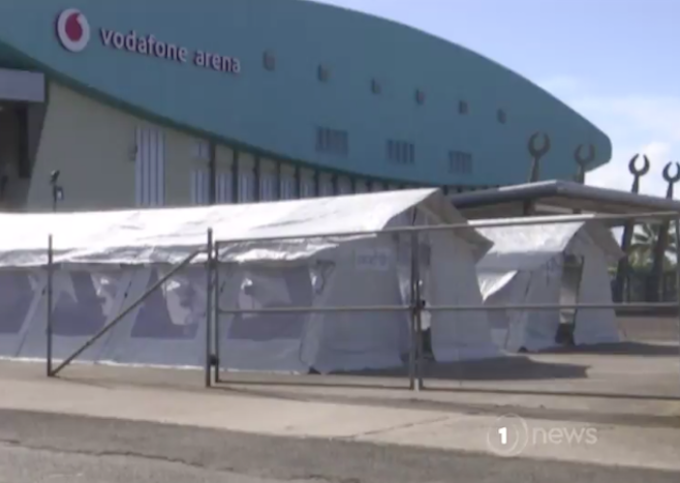
Suva’s emergency field hospital set up at Vodafone Arena with the main hospital having become a “closed” covid-19 pandemic institution. Image: APR screenshot TVNZ
It says due to the high number of those testing positive with covid-19 and constraints on quarantine capacity, all new positive cases will be isolated at home where feasible.
But in the Lami-Nausori containment zone a serious crisis is emerging where all resources will be solely directed at those seriously ill with covid-19.
“We are preparing to shift into a mitigation phase that ensures that healthcare resources are focussed on caring for patients who develop severe illness as a result of the virus,” the statement read.
Suva’s main Colonial War Memorial Hospital (CWMH), now closed because of a raft of cases from there, is now being used as a covid-19 care facility.
The Valelevu Health Centre also closed this afternoon after two patients recently discharged from hospital went there to be tested and returned positive results.
So far there have been three covid-19 related deaths in the last few day, but authorities are refusing to count them as such, stating that they died of complications from underlying conditions.
Prime Minister James Marape says Papua New Guineans who continue to commit crimes under the pretext of “sorcery” must be arrested and charged by police.
Marape was responding to questions asked by The National in relation to the death of Mary Kopari who was killed by an angry mob over allegations of sorcery in Margarima, Hela.
“People shouldn’t be killing women or girls over sorcery, as far as Papua New Guinea is concerned,” he said.
“Killing someone accused of sorcery is illegal, so police should be doing their job.
“We discourage anyone from killing another over sorcery, if you feel that someone has caused an offence, there are appropriate charges to be laid against that person”
The special Parliamentary Committee on Gender-Based Violence chairman, Charles Abel, has written a letter to Police Commissioner David Manning requesting for information on actions taken over:
sorcery accusations related killing in Hela; and
the systematic police response to sorcery accusation-related violence.
Information needed by Monday Abel said the information must be provided to the committee secretariat no later than Monday.
Hela police have told The National that eight suspects were identified in the horror torture and killing.
Officer-in-charge of Hela CID Sergeant Daniel Olabe said after the killing that there had been a confrontation between the woman’s family and the husband’s family.
“From the video, we have identified eight men who tortured the woman.”
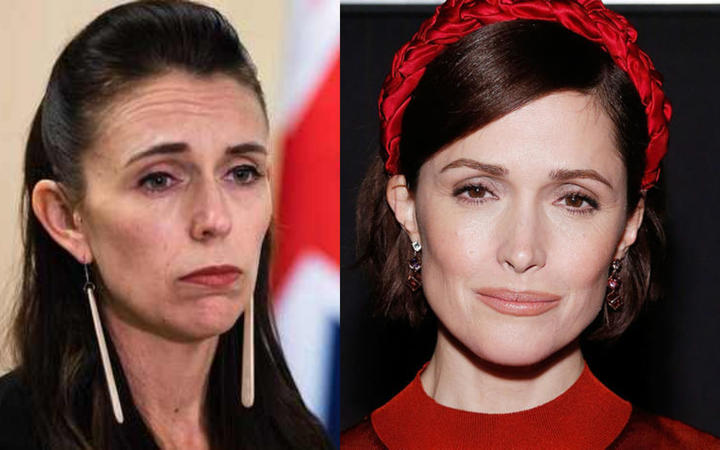
It was announced yesterday that Australian actress Rose Byrne will star as New Zealand Prime Minister Jacinda Ardern in an upcoming movie about the response to the Christchurch mosque terror attacks of 15 March 2019, titled They Are Us.
The movie will be directed by New Zealand’s Andrew Niccol. The movie’s focus is apparently going to be on the positive impact of a strong leader in the wake of tragedy.
Let’s take a moment to unpack that oversized baggage of white nonsense.
To be clear, this is the peak Karen of film announcements.
The 51 people who were killed and the 40 who were wounded were specifically targeted for their Muslim faith. Those families are still traumatised and recovering from injuries, mourning and missing their loved ones.
They are still painfully experiencing firsts without their loved ones: first day of school, first grandchild being born, first jobs, university graduations and so much more. Their wounds have barely had time to scab over.
Witnesses fighting for ACC support Uninjured witnesses to the horrific shootings are still fighting for support from the ACC for their mental injuries.
A survivor of the attacks, whose own father was killed that day, reported as recently as Friday that he encountered racist abuse outside his workplace, with no bystander intervention to help.
The Christchurch mosque attacks destroyed the lives of entire families and confirmed the worst fears of the Muslim community in New Zealand: that we aren’t safe anywhere. Not here. And certainly not if we’re Rohingya, not if we’re Uyghur, not if we’re Palestinian, not if we’re in our places of worship or even just crossing the street.
Somebody explain to 9-year-old Fayez Afzaal how to feel any other way as he recovers in a hospital in Ontario, the sole surviving member of his family after his parents, sister and grandmother were murdered by yet another white supremacist terrorist with Islamophobic views.
This attack in Canada happened just this week. You probably didn’t hear about it. Because white women like Rose Byrne and Jacinda Ardern will dominate the headlines while our communities are suffering.
This movie purports to centre a white woman character and her role in the aftermath of a heinous tragedy instead of focusing on the stories of the victims and survivors. It’s being directed by a white man. Hollywood will make money off this. Rose Byrne will be paid a pretty penny.
Remember that there were people in that mosque who literally put their bodies in the firing line and died to protect others, but apparently it’s the white saviour’s story that’s worth telling instead.
Where is the Muslim community? Where is the Muslim community that was most impacted in this?
And I am not mollified by some “consultation with several members of the mosque”. I’m not naïve enough to believe the scope or depth of that consultation process would have been anywhere near adequate.
How is it okay for others to profit off our pain? How is it okay for Muslims to be de-centred from a story about their suffering? How can we celebrate this tragedy as something that was ultimately a triumph because someone got a pretty photo of Ardern in a hijab and it inspired some graffiti art and a light show in Dubai?
The banning of assault weapons, while important, did nothing to address the core issues of Islamophobia and racism festering in our societies under a thin façade of tolerance.
Similarly, this movie will achieve nothing for the community that was attacked either. It’s exploitative. It’s in bad taste.
USC Annenberg recently published a study on Muslim representation in popular film. It found that in popular films between 2017 – 2019, 181 of 200 films had no Muslim characters at all. Of the nearly 9000 characters in these films, only 1.6 percent of the speaking roles were Muslims.
Not only are we grossly under-represented, but when we’re represented at all it’s either as the victims or perpetrators of violence. And Muslim women are all but invisible on screen. The incredibly diverse ethnic backgrounds of Muslims are also erased in favour of the stereotypical portrayal of a Muslim as being either Middle Eastern or North African.
The film will focus 0n the week following the 15 March 2019 Christchurch mosque attacks with Australian actrss Rose Byrne set to play New Zealand Prime Minister Jacinda Ardern, according to US media. Image: RNZ/AFP
The film will focus the week following the 15 March Christchurch mosque attacks with Australian actrss Rose Byrne set to play New Zealand Prime Minister Jacinda Ardern, according to US media.Photo: RNZ / AFP
Can we have any confidence? Given that, how can we have any confidence of this story being told with any sensitivity, nuance or even truthfulness?
If the Christchurch attacks are the subject of a movie, how can we be certain the violence won’t be glorified? That it won’t give hope to would-be attackers that their hateful actions would bring them the notoriety they seek?
That’s not to say we shouldn’t talk about the attacks, but there are at least 91 people I can think of who I would rather see as the subject of any such movie rather than our Prime Minister. Those 91 people and their families are mostly immigrants and refugees, of all ages, racial backgrounds, genders, working across so many industries. I promise you that any one of their stories would be more interesting, and worthy, of immortalising on film.
But Muslims also don’t want to be depicted only as the victims or aggressors of violence. Believe it or not, most of us can get through our entire lives without having thrown, or being on the receiving end, of a punch. We exist outside this context of tragedy too.
However, no one wants to know us on our terms. “They are us” plays nicely in a soft liberal speech, works well as a caption. What does it mean, in practical terms, if we can’t even be seen as the heroes of our own stories.
Saziah Bashir is a freelance journalist commenting on issues of social justice, race and gender. She completed an LLB, BCom and LLM from the University of Auckland. This article is republished under a community partnership agreement with RNZ.
Prime Minister Jacinda Ardern’s office clarified that neither she nor the government have any involvement in the film.
Speculation has been rife about the contents of an unclassified report set to be released later this month from the Pentagon’s Unidentified Aerial Phenomena (UAP) task force.
The document, expected to drop on June 25, will supposedly provide a comprehensive summary of what the US government knows about UAPs — or, to use the more popular term, UFOs.
While the report is not yet public, the New York Times recently published what it claimed was a preview of the findings, provided by unnamed senior officials who were privy to the report’s contents.
According to the Times’s sources, the report does not provide any clear link or association between more than 120 incidents of UFO sightings from the past two decades, and a possibility of Earth having been visited by aliens.
If the Times’s sources are to be believed, there’s clearly still no good reason to interpret an unexplained object in the sky as evidence of aliens. But does that mean aliens aren’t out there, somewhere else in the universe? And if they are, could we ever find them? Or might they be so different to us that “finding” them is impossible in any meaningful sense?
We asked five experts.
Four out of five experts said aliens do exist
Here are their detailed responses:
If you have a science or technology-related question you’d like posed to Five Experts, email it to: noor.gillani@theconversation.edu.au
Today, many Australians are enjoying a public holiday. For republicans, days off are great, but celebrating the queen’s birthday rather than an Australian achievement is bizarre. Without constitutional change, we will soon be taking a day off in honour of King Charles.
Surely we can find a better reason.
Fortunately, the republic is back on the public agenda. The royal scandals surrounding Prince Andrew, the Palace Letters, and the explosive Oprah interview with Harry and Meghan (and ongoing fallout) have seen the debate take off anew.
Even the passing of the queen’s husband, Prince Philip has prompted reflection on Australia’s relationship with the monarchy.
We can be sure that when the queen’s long reign comes to an end, it will also spark a new push for an Australian republic.
The Australian Republic Movement’s new approach
Since the defeated referendum in 1999, the Australian Republic Movement has been neutral on what model should be used. Its position has been for a plebiscite asking only if people support a republic, before the exact model is determined. Critics have claimed this is asking for a policy blank cheque.
In a change of policy, the Australian Republic Movement now plans to unveil its preferred model later this year.
This is significant because it was the model, not the monarch, that sunk the republic in 1999. Some republicans were so opposed to the option on offer they campaigned with the official “no” team. Ultimately, the success of a new republic referendum will depend on the ability of the model to unite republicans, not the popularity of the monarch.
So, what are the options for a republic and what are their pros and cons?
Another minimal model
Under the minimal model from the 1999 referendum, the head of state would have been appointed by a two-thirds majority of parliament.
Despite its failure in 1999, many republicans still insist this is the best fit for Australia. The appointment by parliament is similar to the systems used in India, Israel, and Greece, and seeks to ensure a non-partisan appointment and reinforce the titular nature the position. Variations include the McGarvie model (proposed by former governor of Victoria, Richard McGarvie), which has a council of former governors to act on the prime minister’s advice and select a worthy candidate.
Malcolm Turnbull led the unsuccessful ‘yes’ campaign in the 1999 referendum. Rob Griffith/AP/AAP
For supporters, this model guards against populism, or candidates using their wealth or celebrity to gain the position. However, critics argue a minimal model has already failed the ultimate test.
Malcolm Turnbull, who led the 1999 “yes” campaign, argued at a recent Australian Republic Movement event that support for direct election is a “mile wide but an inch deep”. In other words, people instinctively support it but often change their minds when they consider the consequences.
Minimal model supporters insist that the referendum failed because of constitutional ignorance and an effective scare campaign. They suggest a minimal model can succeed with much wider community consultation and public education.
Direct election
Direct electionists argue that without a popular vote, Australia would only have a “politicians’ republic”. Leading up to the 1999 referendum, former independent MPs Phil Cleary and Ted Mack, and former Brisbane lord mayor Clem Jones, among others, formed the Real Republic, urging people to vote “no”. Now led by chair of the Clem Jones Trust, David Muir, the group is still active on Facebook.
In theory, direct election means anyone could be the head of state. Critics argue it could actually reduce the pool of candidates. Winning an election generally requires substantial finances and resources. Direct election could mean that only the rich or famous can realistically run.
Supporters counter this by claiming a mature nation can make up its own mind. If the people democratically elect someone like Clive Palmer or Shane Warne, then so be it.
A hybrid model
The third option is a hybrid of minimalism and direct-election. Former Western Australia Premier Geoff Gallop put forward the Gallop Model at the Constitutional Convention in 1998. He proposed that the federal parliament select at least three suitable nominees who are then put to a popular vote.
Another hybrid is the 50-50 model created by government consultant Anthony Cianflone. Under this model, anyone can nominate. Then there is both a popular vote and a parliamentary vote, each worth 50%.
Previously, I have proposed a hybrid model, with each state and territory parliament selecting a nominee, and then those eight going to a popular vote. The logic behind this system was that it provided a double hurdle for candidates. Only an exceptional candidate would gain the confidence of both an elected parliament and the people.
Critics of hybrid models say they are not democratic enough. Under a 50-50 model, the problematic situation could arise where the most popular candidate with the people is effectively vetoed by parliament. Critics of the Gallop model or mine could say it is undemocratic to only let people vote from a pre-approved list.
Further, public confidence in our parliaments is at a low point. Explaining my model to a friend recently, he exclaimed, “why let politicians anywhere near it?”
Other considerations
The method for choosing the head of state is the most important element in any republican model but there are other considerations.
Should gender equality be written into the constitution? Australian National University professor Kim Rubenstein has argued the head of state should alternate between women and men. Similarly, Griffith University professor and Waanyi and Jaru man Gregory Phillips has argued for direct election, but every second term the nominees must be Indigenous.
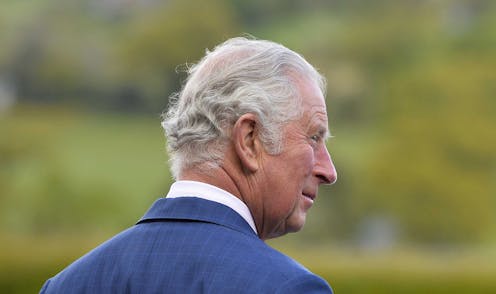
Some Australian republicans argue the republic campaign will only truly begins when Charles takes over from his mother. Kirsty Wigglesworth/AP/AAP
As the 1975 Whitlam dismissal showed, the governor-general has great reserve powers, even if they are rarely used. As a republic, Australia could continue to rely on protocol and trust the head of state to treat the position as titular and ceremonial.
Another option is to codify the head of state’s powers and have strict rules outlining exactly when and how they can be used. Under direct election models especially, this may be an important safeguard. Without it, a head of state may see their election as a popular mandate for political interference. Under any model, only codification can guarantee the dismissal is never repeated.
A way forward?
It was only in 1973 with the passage of the Royal Style and Titles Act that the queen was given a unique Australian title, the “Queen of Australia”. Without constitutional change, Charles will become the first official “King of Australia”.
When coins bearing Charles’s face come into circulation, we can expect many will question the benefit of a foreign head of state living on the other side of the world. Nevertheless, the fate of an Australian republic does not rest with the next monarch.
Whichever model goes to a vote, the mathematics is simple. Republicans will either unite and probably win or divide and certainly fail.
Benjamin T. Jones is a life member of the Australian Republic Movement.
Fees for residential aged are complex and can be confusing. Some are for your daily care, some are means-tested, some are for your accommodation and some pay for extras, such as cable TV.
But it’s easier to think of these fees as falling into two categories:
an “entry deposit”, which is usually more than $A300,000, and is refunded when you leave aged care
daily “ongoing fees”, which are $52.71-$300 a day, or more. These cover the basic daily fee, which everyone pays, and the means-tested care fee.
To find out how much government support you’ll receive for both these categories, you will have a “means test” to assess your income and assets. This means test is similar (but different) to the means test for the aged pension.
Generally speaking, the lower your aged-care means test amount, the more government support you’ll receive for aged care.
With full support, you don’t need to pay an “entry deposit”. But you still need to pay the basic daily fee (currently, $52.71 a day), equivalent to 85% of your aged pension. If you get partial support, you pay less for your “entry deposit” and ongoing fees.
You don’t have to pay for your “entry deposit” as a lump sum. You can choose to pay a rental-style daily cost instead.
This is calculated as follows: you multiply the amount of the required “entry deposit” by the maximum permissible interest rate. This rate is set by government and is currently at 4.01% per year for new residents. Then you divide that sum by 365 to give a daily rate. This option is like borrowing money to pay for your “entry deposit” via an interest-only loan.
You can also pay for your “entry deposit” with a combination of a lump sum and a daily rental cost.
As it’s not compulsory to pay a lump sum for your “entry deposit”, you have different options for dealing with your family home.
Option 1: keep your house and rent it out
This allows you to use the rental-style daily cost to finance your “entry deposit”.
Pros
you could have more income from rent. This can help pay for the rental-style daily cost and “ongoing fees” of aged care
you might have a special sentimental attachment to your family house. So keeping it might be a less confronting option
keeping an expensive family house will not heavily impact your residential aged care cost. That’s because any value of your family house above $173,075.20 will be excluded from your means test
you can still access the capital gains of your house, as house prices rise.
Option 2: keep your house and rent it out, with a twist
If you have some savings, you can use a combination of a lump sum and daily rental cost to pay for your “entry deposit”.
Pros
like option 1, you can keep your house and have a steady income
the amount of lump sum deposit will not be counted as an asset in the aged-care means test.
Cons
like option 1, you could have less pension income, higher age-care costs and need to pay more income tax
you have less liquid assets (assets you could quickly sell or access), which could be handy in an emergency.
Option 3: sell your house
If you sell your house, you can use all or part of the proceeds to pay for your “entry deposit”.
Pros
if you have any money left over after selling your house and paying for your “entry deposit”, you can invest the rest
as your “entry deposit” is exempt from your aged pension means test, it means more pension income.
Cons
if you have money left over after selling your house, this will be included in the aged-care means test. So you can end up with less financial support for aged care.
Keeping your house and renting it out (option 1 or 2) can give you a better income stream, which you can use to cover other living costs. And if you’re not concerned about having access to liquid assets in an emergency, option 2 can be better for you than option 1.
But selling your house (option 3) avoids you being exposed to a changing rental market, particularly if the economy is going into recession. It also gives you more capital, and you don’t need to pay a rental-style daily cost.
This article is general in nature, and should not be considered financial advice. For advice tailored to your individual situation and your personal finances, please see a qualified financial planner.
Colin Zhang does not work for, consult, own shares in or receive funding from any company or organisation that would benefit from this article, and has disclosed no relevant affiliations beyond their academic appointment.
The International Energy Agency (IEA) last month made global headlines when it declared there is no room for new fossil fuel investment if we’re to avoid catastrophic climate change.
However, our new research suggests the horse may have already bolted. We found even if no new fossil fuel projects were approved anywhere in the world, carbon emissions set to be released from existing projects will still push global warming over the dangerous 1.5℃ threshold.
Specifically, even with no new fossil fuel expansion, global emissions would be 22% too high to stay within 1.5℃ by 2025, and 66% too high by 2030.
However, keeping global warming under 1.5℃ is still achievable with rapid deployment of renewables. Our research found solar and wind can supply the world’s energy demand more than 50 times over.
The stunning potential of wind and solar
While our findings were alarming, they also give us a new reason to be hopeful.
We analysed publicly available oil, gas and coal extraction data, and calculated the future production volume. We worked under the assumption no new fossil fuel extraction projects would be developed, and all existing projects would see production declining at standard industry rates.
We found fossil fuel projects already in the pipeline will, by 2030, produce 35% more oil and 69% more coal than what’s consistent with a pathway towards a 1.5℃ temperature rise.
Fossil fuels account for over 75% of carbon dioxide emissions. Shutterstock
Fossil fuels are the main driver of climate change, accounting for more than 75% of carbon dioxide emissions. Continuing to expand this sector will not only be catastrophic for the climate, but also for the world’s economy as it locks in infrastructure that will become stranded assets.
Ultimately, it’s not enough to simply keep fossil fuels in the ground. To meet our climate goals under the Paris Agreement, we must phase down existing production.
Solar and wind power technologies are already market ready and cost competitive. And as our analysis confirms, they’re ready to be scaled up to meet the energy demands of every person on the planet.
Even after applying a set of robust, conservative estimates that take environmental safeguards, land constraints and technical feasibility into account, we found that solar and wind energy could meet the world’s energy demand from 2019 — 50 times over.
It’s clear we don’t need new fossil fuel development to ensure 100% energy access in the future.
Australia’s laggard status
In Australia, the Morrison government refuses to set new emissions reduction targets, and continues to fund new fossil fuel projects, such as a A$600 million gas plant in the New South Wales Hunter Valley.
Despite Australia’s laggard status on climate change, there are positive moves elsewhere around the world.
The progress was evident ahead of the G7 summit this past weekend, where climate change was firmly on the agenda. Ahead of the summit, environment ministers worldwide agreed to phase out overseas fossil fuel finance and end support for coal power.
And in recent weeks, three global fossil fuel giants – Shell, Chevron and ExxonMobil – faced legal and shareholder rebukes over their inadequate action on climate change.
Coming on top of all that, the IEA last month set out a comprehensive roadmap to achieve net-zero emissions by 2050. It included a stark warning: no new fossil fuel projects should be approved.
Natural carbon storage is key
However, the IEA’s findings contradict our own on several fronts. We believe the IEA underestimated the very real potential of renewable energy and relied on problematic solutions to fill what it sees as a gap in meeting the carbon budget.
For example, the IEA suggests a sharp increase in bioenergy is required over the next 30 years.
This would require biofuels from energy plantations — planting crops (such as rapeseed) specifically for energy use.
But conservationists estimate the sustainable potential for biofuels is lower. They also say high volumes of bioenergy might interfere with land use for food production and protected nature conservation areas.
Our research found the exact opposite is needed: rapid phase out of deforestation and significant reforestation alongside the decarbonisation of the energy sector.
Bioenergy should be produced predominantly from agricultural and organic waste to remain carbon neutral.
Likewise, the IEA calls for an extreme expansion of carbon capture and storage (CCS) projects — where carbon dioxide emissions are captured at the source, and then pumped and stored deep in the ground.
In its roadmap, the IEA expects CCS projects to grow from capturing 40 million tonnes of carbon dioxide (as is currently the case), to 1,665 million tonnes by 2030.
This is quite unrealistic, because it means betting on expensive, unproven technology that’s being deployed very slowly and is often plagued by technical issues.
Establishing natural carbon sinks should be prioritised instead, such as keeping forest, mangrove and seagrass ecosystems better intact to draw carbon dioxide from the atmosphere.
Phasing out early
As a wealthy country, Australia is better placed than most to weather any economic disruption from the energy transition.
Our research shows Australia should phase out fossil fuels early and urgently. The Australian government should also ensure communities and people reliant on fossil fuel industries are helped through the transition.
We must also support poorer countries highly dependent on fossil fuels, particularly in the Asia-Pacific region.
There is new international momentum for climate action, and the future of the fossil fuel industry looks increasingly dire. The technologies to make the transition are ready and waiting – now all that’s needed is political will.
South Asia is crucial to the future of Australia. But Australia has just one (small) program focused on South Asian studies across its many universities.
This has not always been the case. In the mid-1970s, 13 of Australia’s universities offered undergraduate subjects on South Asia (India, Pakistan, Afghanistan, Sri Lanka, Bangladesh, Nepal, Bhutan, and the Maldives). Students could learn about South Asian coins at ANU and Sanskrit at the University of Wollongong.
Australia boasted some of the leading scholars on South Asia. ANU nurtured subaltern studies – the study of social groups excluded from dominant power structures – which became a global movement in the field of post-colonial analysis. Leading post-colonial scholar Dipesh Chakrabarty was based at the University of Melbourne. Other luminaries active in that period include A.L. Basham, Anthony Low and Robin Jeffrey.
But, even as the Australian university sector has expanded since the 1970s, it has withdrawn support for Asian studies, and South Asian studies in particular. There is currently only one South Asia or India program – at ANU.
Only five of the 40 Australian universities offer semester-length subjects on India or South Asia. Six universities offered an Indian language in 1996. Now only two do so.
Several universities, often supported by government grants, have launched country or regional research initiatives since 1990. The National Centre for South Asian Studies, based at Monash, is one of these. But Australian universities have not built any strong or sustainable South Asia programs for students.
A trend at odds with national priorities
This point sits oddly alongside a high-level commitment to South Asia in Australia. The Australian government is exploring new forms of engagement with India, including the Quad security dialogue involving India, Australia, Japan and the US.
At a social level, Australia is increasingly Indian. In 2019 more than 700,000 people in Australia claimed Indian descent. Hindi is among the fastest-growing languages in Australia, and India is the country’s leading source of skilled migrants.
Historically, there are fascinating connections between Australia and South Asia. The lives and work of Australia’s “Ghans” (cameleers) is one famous example.
Moving forward, Australia needs a knowledge base to match this longstanding and increasingly important commitment to India and South Asia more generally.
Data: 2016 Census, Australian Bureau of Statistics
Out of step with global academic practice
Australian universities could learn from their counterparts in other parts of the world how to integrate area studies into their teaching. Outside of Australia, most of the top universities in the world make great play of their area studies expertise. Area studies enables people to apprehend their own distinctive humanity, anchors innovative cross-disciplinary teaching across the university, and provides a basis for re-evaluating assumptions about a person’s disciplinary field.
Students arriving at Oxford, Yale or Columbia know that if they are studying law, business, art, politics, education, design, technology, anthropology, economics, agriculture, military affairs or modern media, they will need to think about how to apply their disciplinary knowledge to specific places. A “whole of university” commitment to area studies teaching, including South Asian studies, has long been a key mechanism for drawing on multiple disciplines.
Even with small numbers of area studies majors, the world’s best universities do not see area studies as a niche endeavour. On the contrary, they see it as a central feature of their global mission. Strong universities without robust, independent, and widely accessible area studies programs open themselves up to accusations of antiquated parochialism and a poor understanding of the interdisciplinary trends that powerfully shape our world.
Today, South Asian studies programs in Australia should include internships, opportunities to study abroad and virtual classrooms connecting Australian students to their counterparts elsewhere.
Asian studies programs should also include language options, because effective communication with rising regions like South Asia is essential. Keep in mind that only 10% of India’s population speak English.
At its most fundamental, good area studies and good South Asian studies allow people to understand that they are, as French philosopher Michel de Montaigne put it in an essay on global education written 450 years ago “like a dot made by a very fine pencil” on the world map. It teaches them how they fit within a global whole.
Beyond this, area studies helps people understand and confidently engage with forms of difference and diversity. It fosters key skills for interacting with peers overseas as well as global diasporas. This includes connecting with foreign organisations, managing communications and cultivating an active sense of global citizenship.
Area studies allows us to develop an understanding of our common humanity across national boundaries – something Indian scholar Veena Das has written about in her book Critical Events.
Now is the time for Australian universities to place area studies teaching at the core of an internationally engaged education. We must provide a much larger number of Australians with a deeper understanding of South Asia.
Craig Jeffrey receives funding from the Australian Research Council.
Matthew Nelson does not work for, consult, own shares in or receive funding from any company or organisation that would benefit from this article, and has disclosed no relevant affiliations beyond their academic appointment.
Source: The Conversation (Au and NZ) – By John Hawkins, Senior Lecturer, Canberra School of Politics, Economics and Society and NATSEM, University of Canberra
Salvador Melendez/AP
Nayib Bukele, president of El Salvador, has got himself a pair of laser eyes – on his Twitter profile at least.
Laser eyes are something social media users give themselves to show they love cryptocurrency – and Bukele proved his crypto-enthusiasm last week by having El Salvador become the world’s first nation to make Bitcoin legal tender.
El Salvador’s parliament passed Bukele’s proposed legislation on June 9, after he announced his plan just a few days earlier. The law will take effect in September.
Some Bitcoin fans have leapt on this as a step towards much broader acceptance. But the changes in Bitcoin’s market value since Bukele announced his plan gives crypto-sceptics reason for doubt.
Over the past week Bitcoin’s value was as high as US$38,200 (about A$49,000) and as low as US$31,428. Over the past month it has fallen from more than US$58,000. This isn’t the type of price volatility any government generally wants to see in a currency.
Such fluctations show Bitcoin’s weakness as a viable alternative to central bank currencies – good only for transactions you don’t want traced and as a speculative investment.
So what is Bukele thinking in wanting to make Bitcoin legal tender for the small central American nation (population about 6.5 million) whose economy accounts for less than 0.05% of global GDP?
Before we get to that, let’s clarify what making Bitcoin legal tender means.
Using Bitcoin is already legal in El Salvador, as it is in most countries. If you want to pay for something in bitcoins, and the recipient is willing to accept them, it’s all good.
Making bitcoins legal tender mean a payee will have to accept them. As the new legislation states, “every economic agent must accept Bitcoin as payment when offered to him by whoever acquires a good or service”.
El Salvador making this move isn’t as significant as it would be for most nations, because it is one of about a dozen countries – most of them micro-states such as Andorra and Nauru – without its own currency (or a common currency such as the Euro).
El Salvador abandoned its own currency (the “colon”, named after Christopher Columbus) in 2001 and adopted the US dollar as its legal tender. This process of “official dollarisation” was seen as a reform that would curb inflation and increase trade with the US (by far its major trading partner).
So El Salvador has less to lose than other nations in adopting a second currency as legal tender. There is no controversy about losing sovereignty and monetary policy autonomy. There will be no loss of “seignorage” – the profit made on issuing currency that’s worth a lot more than the cost of making it.
Highly volatile
But having two legal tenders will complicate matters – particularly when one of those currencies is subject to wild swings in its value.
Consider the provision in the new law that “all obligations in money expressed in USD, existing before the effective date of this law, may be paid in bitcoin”.
Even that is complicated. How, and by whom, will the amount of bitcoins necessary to pay a debt be determined? Will it be based on the Bitcoin price at the time the debt was incurred, or when the debt falls due?
The difference of even a few days could be significant.
If the expectation is the price of Bitcoin is going to rise, why would you want to buy things with it? Why not wait? If the expectation is the price is going to fall, why would you want to accept it? For most transactions, using US dollars will still make the most sense.
So making Bitcoin legal tender could help destabilise El Salvador’s economy.
Things would have been simpler if El Salvador had adopted a “stablecoin” whose price is fixed at one US dollar – such as Tether, the third-largest cryptocurrency.
But that would have not been nearly so newsworthy, and would have defeated the apparent reason Bukele has championed this move.
Bukele’s reasoning, delivered via Twitter on June 6, is that Bitcoin has “a market cap of US$680 billion” and:
If 1% of it is invested in El Salvador, that would increase our GDP by 25%.
This argument – which appears to be the only “analysis” Bukele has made public – seems very confused.
Bukele explains his Bitcoin plan on Twitter. Twitter
Market capitalisation typically refers to a listed company’s valuation, based on multiplying the share price by the number of shares. The $US680 billion Bitcoin market cap Bukele referred to represents the currency’s market value multiplied by the number of bitcoins created so far. (For comparison, the market cap of Tether’s 63 billion coins in circulation is US$63 billion.)
But it is flawed logic to think Bitcoin’s total market value equals money bitcoin owners around the globe are looking to invest anywhere.
In very few cases do people buy bitcoins to invest in other things. Bitcoins are their investment. Neither major funds nor average punters holding bitcoins are likely to want to start investing in El Salvador.
Nor is foreign investment a component of GDP (which is the value of market transactions in an economy). Foreigners using bitcoins to buy assets such as land in El Salvador would bid up its price but not necessarily increase GDP. A surge in foreign investment into new infrastructure and businesess that increase productive capacity would contribute to GDP, but there’s no reason to think giving Bitcoin legal tender status will make this more likely.
Facilitating remittances
A second reason given by Bukele is that Bitcoin “will have 10 million potential new users” and is “the fastest growing way to transfer 6 billion dollars a year in remittances”.
This apparently refers to both the population of El Salvador (about 6.5 million) and Salvadorans living abroad, many of whom send money home to help their families. In 2020 these remittances totalled US$5.9 billion, or 23% of El Salvador’s GDP.
While any cryptocurrency can well facilitate more efficient transfers (without the charges banks impose), the significance of remittances to the Salvadoran economy points to another issue. El Salvador is a poor country, with one of the lowest rates of internet use in the Americas – 33% in 2017, according to World Bank data.
How many vendors, street hawkers or farmers are equipped to handle cryptocurrency transactions? US dollars will more than likely remain the default currency.
The benefits of making Bitcoin legal tender are far from clear. El Salvador is already facing higher interest rates as international investors are worried about the move. There are concerns wider use of Bitcoin will facilitate the black economy and make tax avoidance easier.
For the sake of El Salvador’s people, let’s hope it is successful. But the odds are on it being further evidence of the cryptocurrency’s unsuitability for use as a real currency – confirmation that Bitcoin is nothing more than a speculative gamble.
John Hawkins formerly worked for the Bank for International Settlements and two central banks,
First published in 2014, Pascoe’s Dark Emu has spawned numerous derivatives. Pascoe contends that in pre-contact times, Australian Aboriginal people weren’t “mere” hunter-gatherers, but agriculturalists. Descriptors like “simple” or “mere” are anathema to people like me who’ve lived long-term with hunter-gatherers.
For many Australians, Pascoe’s book is a “must-read”, speaking truth to power. For such readers, Dark Emu seems a breakthrough text. Not so, in Sutton and Walshe’s estimation. Nor mine.
Underpinning Dark Emu is the author’s rhetorical purpose. This proselytising is partly achieved by painstaking “massaging” of his sources, a practice forensically examined by Walshe and Sutton. It has led to converts to Pascoe’s dubious proposition. But this willingness to accept Pascoe’s argument reveals a systemic area of failure in the Australian education system.
On the basis of long-term research and observation, Sutton and Walshe portray classical Australian Aboriginal people as highly successful hunter-gatherers and fishers. They strongly repudiate racist notions of Aboriginal hunter-gatherers as living in a primitive state.
In their book, they assert there was and is nothing “simple” or “primitive” about hunter-gatherer-fishers’ labour practices. This complexity was, and in many cases, still is, underpinned by high levels of spiritual/cultural belief.
Not agriculturalists
As Sutton attests, seeds were and are occasionally deliberately scattered. But in classical Aboriginal societies they were never planted nor watered for agricultural purposes. Such aforementioned rituals are collectively called “increase ceremonies”. Sutton’s alternative term, “maintenance ceremonies”, invokes spiritual propagation as opposed to oversupply.
Their objective was continuing subsistence. Australia’s hunter-gatherer-fishers left an extremely light carbon footprint — the diametric opposite of many contemporary agricultural/industrial practices. The photo below, taken in 1932 or earlier, shows Pilbara people throwing yelka (nutgrass) — not threshing or scattering seeds.
‘Increase ceremony’ for yarrinyarri (nutgrass), north-west Australia. Ralph Piddington, ‘Totemic system of the Karadjeri tribe’, Oceania 4, 1932, pp. 376–93, Plate II.
Counter-intuitively, Pascoe mainly cites non-Aboriginal sources. There is no real “voice” given to the few remaining people who lived traditional lives as youngsters, or are cited in books or articles.
While some have described Dark Emu as fabrication, Sutton and Walshe are more measured. They methodically show that in Dark Emu, Pascoe has removed significant passages from publications that contradict his major objectives. This boosts his contention that all along Aboriginal people were farmers and/or aquaculturalists.
One example concerns Pascoe’s quoting of the journal entries of the explorer Charles Sturt. Sutton writes:
Sturt is quoted [by Pascoe] on his party’s discovery of a large well and ‘village’ of 19 huts somewhere north of Lake Torrens in South Australia.
This “village” concept arose from colonial records, and is still sometimes used in recent articles.
Pascoe’s edit of Sturt’s original 1849 text breathes oxygen into Dark Emu’s polemical edge. It’s misleading at best. For Sturt’s diary reveals Aboriginal people didn’t live in “houses” in any single site all year round.
Page 153, Dark Emu Debate.
Such accounts destabilise Pascoe’s argument, reinforced by ethnographic, colonial, and archaeological records.
Hunter-gatherers did alter the country in significant ways — most Australians know about the ancient practice of firing the country, recently discussed in depth owing to our increasingly devastating bush-fires. This involved ecological agency and prowess. But expert fire-burning isn’t an agricultural practice, as Pascoe avers.
Wik people firing the country, middle Kirke River, Cape York Peninsula, 1977. Photo by Peter Sutton
In a key chapter, Walshe homes in on Pascoe’s mis-interpretations of hunter-gatherer implements, which he labels “agricultural” tools. For instance, Pascoe misconstrues grooved “Bogan Picks” as heavy stones used for agricultural activity.
Walshe disputes Pascoe’s claim, stating that, “with their adze-shaped end and grooved midline for hafting, they were likely used in a similar way to stone axes.”
Wooden digging sticks were also used for breaking up the earth to extract yams when in season, among various other purposes — not for “tilling” or “ploughing” the soil in preparation for planting seeds.
Grooved (Bogan style) picks. Photo by Malcolm Davidson
Language used by early colonists and explorers — words like “village” and “picks” — befuddles readers. British colonists’ monolingualism meant they used English words, often imposed arbitrarily, to name never-before-seen hunter-gatherer implements. For example, “Bogan Pick” references the nearby Bogan River.
Hunter-gatherer mobility and stasis
Sutton expertly summarises the experience of escaped convict, William Buckley, who spent 32 years travelling around country with the Wathawurrung people in Central Victoria.
Over time, Buckley became fluent in the language of his Wathawurrung hosts. Later, his oral account of the hunter-gatherer group’s approximate lengths of mobility and stasis at numerous sites was transcribed. It’s a unique document covering a significant timespan.
This account reinforces earlier chapters in Dark Emu Debate. Sutton and Walshe make it crystal clear that Aboriginal people weren’t “simple nomads” wandering around randomly, opportunistically searching for food and water. They knew their country intimately.
Rather, hunter-gatherers engaged in purposeful travel to sites with which they familiar and able to source seasonally available food, water and shelter at variable times of year.
Shelter Tree, Eden Valley 2021. Keryn Walshe
Another conspicuous weakness in Dark Emu’s approach, pinpointed by Sutton and Walshe, is Pascoe’s penchant for choosing exceptions to the general rule, implying that these atypical practices were widespread or universal. It’s another strategy to consolidate his argument but involves eliding vital information.
Pre-contact aquaculture
Pascoe offers two examples of “aquacultural” practice, one in Brewarrina (NSW) in the bed streams of the Barwon River, and the other in Lake Condah, in south-western Victoria.
He seizes on rock use in the Brewarrina fishery and Lake Condah’s fish and seasonal eel trapping as “proof” of Aboriginal people’s aqua/agricultural prowess — giving the impression they created these complex hydrological systems from scratch.
But Sutton writes, “The fish traps of Brewarrina … were not claimed as the ingenious works of human beings, but … regarded as having been put there in the Dreaming, by Dreamings.” Both he and Walshe readily acknowledge the fact that Aboriginal people use/d their human agency to create modifications. It’s not an either/or matter.
Brewarrina Fishery (‘Baiames Ngunnhu’), photograph Lindsay G. Thompson, 1893. University of Washington, Wikimedia Commons
However, a chapter written by Walshe throws light on the seismic activity that forged Lake Condah’s unique terrain and waterways. This area, she writes, is part of
a volcanic system … last active … 9,000 years ago, with a major eruption much earlier, about 37,000 thousand years ago, causing a massive lava flow across the pre-existing drainage system.
The natural tilt southwards, she explains, facilitated “naturally formed ancient river channels … to reach the Southern Ocean”.
This enabled migratory fish to spawn. Fish, and at certain times of year, eels, swam through both fresh and salty water — making for ease of catching. Local Aboriginal people moved the heavy stones into semi-circular formations to enable netting, spearing or grabbing by hand, possibly creating further semi-captivity of these food staples.
In this way, hunter-gatherers consistently and constantly “value-added” to, or enhanced, nature’s creation.
Lake Condah in the Budj Bim National Heritage Landscape. Budj Bim/AAP
Pascoe’s skilful editing of his sources involves conscious, deliberate intervention. Does he hope Dark Emu will convince people to change their belief in the noxious evolutionary ladder, once uniformly, but still sometimes, applied to different groups of homo sapiens?
Or was his book written to prove Aboriginal people were/are more like Europeans, which could perhaps lead to much needed progress on reconciliation? Perhaps that accounts for its rapturous reception by many Australians, especially the young.
Why not simply celebrate the long-term achievements of hunter-gatherers?
Hunter-gatherers worked in concert with the natural world, not against it as most humans do today, resulting in insoluble difficulties such as overcrowding, pandemics and toxic agricultural and aquacultural practices. Survival depends on this. For eons, it ensured the continuity and the continuing existence of Australia’s hunter-gatherer people and their culture.
Farmers or Hunter Gatherers? The Dark Emu Debate needs to be read carefully, keeping an open mind. The book’s focus is on both material and spiritual economies and their misrepresentation. Despite racist commentary from some, this isn’t an exclusively right or left-wing issue or a bunfight.
Bruce Pascoe’s Dark Emu will continue to be granted recognition, if not immortality. But Sutton and Walshe’s Dark Emu Debate will undoubtedly be acclaimed. As a critique of Pascoe’s book, it’s just about perfect — a volume with the twin virtues of rigour and readability.
Christine Judith Nicholls does not work for, consult, own shares in or receive funding from any company or organization that would benefit from this article, and has disclosed no relevant affiliations beyond their academic appointment.
Fifty-one cases of covid-19 have been confirmed in Fiji tonight, with 35 of them from the fastest-growing cluster at Nadi.
This takes the total number of infections since the outbreak started in April to 900, with 684 active cases currently in isolation.
The Health Ministry said two cases were from the Lami-Nausori containment zone and their links to other cases are unknown.
Health Secretary Dr James Fong said the rest of the cases were linked to existing clusters: Colonial War Memorial Hospital (CWMH) – 6; Nawaka, Nadi – 35; Vunimono – 2; the government’s Covid-19 Incident Management Team (IMT) – 4 and Waila – 1.
Dr Fong said another case was a primary contact of an active case, and the connection to a cluster was being determined by the contact tracing teams.
He said the two unknown cases were from Raiwai in Suva, and Nakasi in Nausori.
Dr Fong also announced the death of an individual who was admitted at the Colonial War Memorial Hospital and then tested positive for covid-19.
Medical complications He said the patient’s doctors had determined that he had died because of complications of the serious medical condition that led him to his admission in hospital.
“The ministry expresses our condolences to his family,” Dr Fong said.
Thirty nine cases were reported on Thursday, and Dr Fong said the outbreak remained primarily centred in the Lami-Suva-Nausori Containment Zone.
He said 22 patients had recovered with 684 active cases in isolation while 900 cases were recorded during the current outbreak that started two months ago.
There have been 970 cases recorded in Fiji since the first case was confirmed in March 2020, with 278 recoveries and four deaths.
Four other covid-19 positive patients have died from pre-existing illnesses and are non-related to the virus.
This article is republished under a community partnership agreement with RNZ.
Retired politics professor and historian Robert “Robbie” Robertson, 69, co-author of the book Shattered Coups about the 1987 coups led by then Lieutenant-Colonel Sitiveni Rabuka, has died in Melbourne, his family has confirmed.
Dr Robertson wrote the book with his partner Akosita Tamanisau, then a Fiji journalist. It was published in January 1988 and he also wrote other books and papers on Fiji and globalisation.
Dr Robertson was the second person at the University of the South Pacific to have his work permit rescinded and he was deported to New Zealand by Rabuka.
Attempts to have him relocated to Port Vila were sabotaged by the then Vanuatu government.
Moved to Australia He moved to Australia and joined La Trobe University and became associate professor of history and development studies in Bendigo.
Dr Robertson returned to USP from 2004 to 2006 as professor and director of development studies.
Subsequently, he served as professor and head of school of arts and social sciences at James Cook University (2010-2014) and as professor and dean of arts, social sciences and humanities at Swinburne University of Technology from July 2014 until he retired.
Retired professor of development studies at USP Dr Vijay Naidu and New Zealand researcher Dr Jackie Leckie recalled his contribution as a progressive and inspirational academic, and his sense of humour, Dr Leckie saying “Robbie was one of the good guys. I am so sorry that he had suffered in health recently.”
Dr Robertson is survived by his wife Akosita and sons Nemani and Julian.
“We take the pain and problems of victims home and it gives us nightmares many times.”
A police woman serving at the Family Sexual Violence Unit (FSVU) of the Papua New Guinea’s Waigani police station in the capital Port Moresby has shared her experience of how officers deal with victims being thrown out of homes, bashed up, marital affairs and other domestic-related issues faced with their partners.
First Constable Mary Louise Avu said many officers took the burden of victims of gender-based violence home and it had affected them mentally, reports the PNG Post-Courier.
“I am sleeping and in the middle of the night, a woman is calling me and crying over the phone begging for help,” she said.
“I can hear her being beaten up and when I call the support unit to assist us, no one is answering the phone or no vehicle and I don’t sleep. I stay up thinking of what the woman is going through.
“At that point, all we can do is advise the victim to seek safety and wait for the next day for police assistance.
“We try our best to help them. We wipe tears with them, feel their pain and carry the burden with them.
‘It isn’t easy’ “It isn’t an easy job when you see these women seeking help,” she said.
The public was good at giving negative comments about the work of the police but many of them did not know the real people behind the work.
She said there were policemen working hard to keep the community safe for everyone to walk freely — policemen were mentally defeated daily by people they protected.
At least 30 to 40 fresh cases of domestic violence were reported daily with the special unit at police stations around the city.
The Waigani FSVU office was looked after by six officers with eight cases being handled by each officer daily.
This statistics showed that more than 40 cases were registered by victims throughout the suburbs as far as 9-Mile, Erima, and Wildlife leaving their nearest station to come to being Waigani.
First Constable Avu said the victims travelled from outside areas to the station because of the effective results and the work the unit officers did.
‘Many prosecutions made’ “Many cases are handled and prosecutions are made,” she said.
She said despite the issues faced by officers such as the ink running out for the printer to non-availability of vehicles for arrests, they continued to work.
“One of the biggest problems now is the court system. We are preparing all the paper work and prosecuting the perpetrator but many have been released because they plead to the court that they are first time offenders thus the courts are lenient on them,” she said.
Const Avu said the court gave a three-month good behaviour bond which was not enough.
“Those three months should be served in prison. Many perpetrators are let off and continue to harass their partners,” she said.
Five police officers are among 39 new cases of covid-19 in Fiji while the government announced late last night that 32 of the latest cases are from existing clusters.
Another 11 cases were reported from the country’s main hospital in the capital Suva.
Health Secretary Dr James Fong said the ministry’s mitigation strategy was to isolate cases, treat seriously-ill patients and ensure the success of its vaccination rollout programme.
But he said they were concerned that Lami and the police barracks in Nasinu, both clusters outside Suva, may see increasing numbers of cases.
Teams are tracing and testing known contacts and are isolating positive patients to prevent further spread of the virus, Dr Fong said.
“In the near-term, we are concerned that Lami may see increasing numbers of cases.
“We also anticipate more cases from the cluster at the Police Barracks in Nasinu.
“Our stationary and mobile screening teams are tracing and testing known contacts and are isolating positive patients to prevent further spread of the virus.”
Police tried their best Acting Police Commissioner Rusiate Tudravu told local media the force had tried its best to prevent the spread of the virus among its officers.
Initially three officers from the Nasinu Police Station had tested positive for the virus and another 15 were swabbed earlier in the day.
Neither Tudravu nor Dr Fong provided information on how the officers were infected.
“I’m not surprised because we are classified as high mobile risk because of our job, it requests us to be on the front line,” Tudravu said.
“Having said that, we have tried our best not to have anyone in the force to have the virus.
“We are there in the front line and we are vulnerable to that.”
The infected police officers are on home isolation and monitored by the Ministry of Health and guarded by police officers, Tudravu added.
Latest cases The other latest cases included six from Nawaka, Nadi; three from the warehouses of the Fiji Independent Commission Against Corruption-FICAC, two from the Republic of Fiji Military Forces Naval Division, two from Waila in Nausori, one from Naitasiri, one from Caubati outside Suva and another case from the Covid-19 Incident Management Team at the Health Ministry’s headquarters in Suva.
The ministry is yet to determine the source of infection for seven other cases — four from Lami Town, one from Toorak a suburb adjacent to the central business district of Suva, one from Nasinu Town and one from Reservoir Road near the city.
Meanwhile, the government’s vaccination rollout programme continues with 228,030 people having already received at least one dose of the AstraZeneca vaccine.
Officials reported 50,000 doses of the vaccine had arrived in the country from Australia this week.
“The vaccine administration in Nadi had been temporarily halted due to a case among the administration teams,” Dr Fong said.
“Relevant personnel have since been cleared and vaccine administration in Nadi has resumed.”
Seven patients had recovered and there were now 656 active cases in Fiji.
There have been 849 cases since this outbreak began two months ago and 919 cases since March 2020.
This article is republished under a community partnership agreement with RNZ.
Fiji police man checkpoints into Suva … infected police officers are on home isolation and monitored by the Ministry of Health, and guarded by police officers. Image: Fiji Police/RNZ
The Media Council of Papua New Guinea has condemned an attack by male students at the University of Papua New Guinea on a media team covering a protest staged by female students on Tuesday, reports the PNG Post-Courier.
The council said that the actions of these students was an act against Article 11 of the International Human Rights Act, which talks about Freedom of Assembly and Association, and Sections 46, 47 and 55 of the country’s Constitution, which talks about the freedom of expression, freedom of assembly and association and equality of citizens.
The council is disappointed that these male students, who are supposed to be part of the elite of our tertiary student population, could use a mob rule approach, to harass and intimidate their female colleagues as well as the media.
The students were protesting against increased incidents of harassment against female students, and media representatives were there doing their job.
MCPNG is also saddened that the students who profess to come from a premier university in the Pacific could act in such an ignorant, rowdy manner and protect would-be criminals and sexual predators in the country’s leading university under the pretext of safeguarding the institution’s reputation.
The council believes strongly that continued coverage and exposure of ongoing social problems such as this, will help concerned authorities and the university administration address them, to make the university improve its image and reputation for the better.
MCPNG is now calling on the university administration and the council to immediately look into this matter and to ensure that female students’ safety and wellbeing on campus is guaranteed.
The Papua New Guinean government should protect women accused of practicing “sorcery” from violence and hold the attackers to account, says the advocacy group Human Rights Watch.
At least five women have been attacked in the past three months since March 2021 — one of whom was killed.
“The Papua New Guinea government should urgently investigate all cases of violence following sorcery accusations, and prosecute those responsible,” Stephanie McLennan, senior manager of Asia initiatives at Human Rights Watch, said in a statement today.
“Gender-based violence is a persistent problem in Papua New Guinea, and the government is doing very little to stop it.”
Violence following allegations of sorcery is common in Papua New Guinea, with the most recent reported case on May 7 in Hela Province.
Mary Kopari was accused of sorcery following the death of a young boy in her village. She was tied up and burned alive in Komo-Magarima District.
The attack was recorded on video and reported by Papua New Guinea television. Although the police know the identity of some of the attackers, no arrests have yet been reported.
Surge in covid cases Because sorcery accusations often arise in response to an unexpected death or illness in a community, the increase in such violence may be related to a surge in confirmed cases of covid-19 in Papua New Guinea.
On or around March 30, in Goroka, Eastern Highlands, a 45-year-old woman and her 19-year-old daughter were accused of causing the woman’s husband’s death, believed to be from covid-19.
They were held captive by the husband’s relatives and tortured with hot iron rods. Police rescued the pair.
On April 25, police rescued two women after a group of about 20 men tortured them in Port Moresby. The men accused the women of practising sorcery and killing a woman who had recently died.
The women were treated for severe burns and knife wounds.
“The Papua New Guinea government should address the root causes of sorcery accusations, including the lack of basic knowledge among the public about health problems,” McLennan said.
“The authorities should act swiftly and effectively to correct misinformation about deaths from covid-19 to prevent more sorcery accusations and attacks.”
Most attacks target women While there are past cases of violence based on accusations of sorcery targeting men, the majority of these attacks target women. Such attacks are part of the larger problem of high rates of gender-based violence and impunity for the abusers in Papua New Guinea.
A larger problem of high rates of gender-based violence and impunity for the abusers in papua New Guinea. Image: PNG Report
In November 2020 a coalition of Parliament members convened the country’s first national summit on gender-based violence. A special parliamentary committee on the issue held its first hearings on May 24 and 25, and will continue its inquiry until June 30.
Dr Fiona Hukula, gender specialist for the Pacific Islands Forum, testified at the May hearings about violence against women accused of sorcery, saying that they are are “often tortured, often cut, sexually violated, their clothes are removed and they are often kept in captivity”.
As Human Rights Watch has documented, greater resources and increased political will are needed to respond to all forms of gender-based violence in Papua New Guinea. At the recent parliamentary hearings, East Sepik Governor Allan Bird said “there are 1.4 million cases of GBV [gender-based violence] every year in PNG … and only 100 convictions achieved”.
Papua New Guinea will participate in November in the UN Human Rights Council’s Universal Periodic Review process under which member countries review the human rights situation in the country.
The Human Rights Watch submission for that process highlighted the issue of gender-based violence and violence following accusations of sorcery.
“Papua New Guinea’s leaders should order the police to take gender-based violence seriously, provide sufficient resources for officials to prosecute these crimes, and provide all survivors with medical treatment, shelter and access to support services,” McLennan said.
“The parliamentary inquiry should lead the way in exploring options for early warning, protection, and dispute resolution mechanisms that can help prevent such crimes.
Bullying and harassment are having devastating effects on young Indigenous people and their communities.Getty images
Social media offers many benefits to Indigenous peoples, such as ways to establish and navigate identity, build and maintain strong connections to family and community, and seek and offer mutual support. While there are these positive experiences, many people also report having negative encounters online.
The findings shed light on the types of harmful content Indigenous people are facing. These include references to white supremacy, Indigenous identity being challenged, and conflicts within Indigenous communities (also known as lateral violence) in which people attack or undermine each other, often based on colonial ideas about legitimate Indigenous identities.
Our research, which included Indigenous peoples from across Australia, was primarily concerned with identifying how negative content is conceptualised, identified and dealt with from Indigenous Australian perspectives.
Indigenous communities are facing a crisis in mental health, with harmful content on social media a major contributor to increased Indigenous suicide rates Our research responds to this crisis and can potentially help policy makers and social media companies make their platforms safer for Indigenous peoples.
Indigenous peoples’ experiences of social media: the good and the bad
Participants in our study were quick to identify the positive contributions that social media makes in their lives. 83% of respondents confirmed they had positive experiences on social media on a daily basis. In fact, every respondent in the study noted they had positive experiences at least weekly.
Negative findings shed light on the types of harmful content Indigenous people are facing on social media platforms. Author provided, Author provided
Among the most positive aspects, respondents cited accessing creative arts, Indigenous storytelling, and making contact with community members and services. Another positive was the ability to engage in political conversations — that is, to raise issues that are important to Indigenous people which may not receive adequate attention in mainstream media.
Despite these positive opportunities, there is a less comfortable side to social media which must be addressed. Bullying and harassment are having devastating effects on our young people and communities.
In 2019, academics Bronwyn Carlson and Ryan Frazer pointed to research that suggested
victims of cyberbullying are more likely to experience psychological ill-health, most seriously in the forms of depression, anxiety and thoughts of suicide.
Participants in our study agreed negative content was commonplace on social media. 63% of respondents said they experienced negative content on social media on a daily basis, while 97% reported witnessing negative content at least weekly.
Much of this content is grounded in ways of talking about Indigenous people and racist ideas that have pervaded Australian settler-colonial history.
This includes assimilationist policies that were based on the idea that Indigenous culture could be “bred out”. This line of thinking underpins assertions on social media that Indigenous people who live in cities or have fair skin are not genuinely Indigenous.
How can moderators and social media platforms help?
It comes as no surprise harmful speech exists on (and off) social media. What remains troubling, however, is that the cultural subtleties of offensive content are not readily identified by non-Indigenous platform moderators.
Our research included Indigenous voices in the discussion about what needs to be done to address these concerns. They identified a need to employ more Indigenous peoples in society generally – particularly in government, policy making institutions and education.
Indigenous perspectives and voices, which for too long have been silenced or ignored, need to be heard in these settings.
Participants also suggested social media platforms could employ more Indigenous people to assist with learning from Indigenous communities how to identify the cultural subtleties of harmful content online.
Indigenous people who contributed to this study had some advice for non-Indigenous individuals, too. They suggested people connect with Indigenous-led social media pages that showcase diverse cultures and knowledges.
In the wake of National Reconciliation Week, there is no better time to make an effort to reach out via social media and connect with Indigenous community pages and websites.
By listening to and engaging with Indigenous peoples’ opinions and perspectives on social media, non-Indigenous people can learn about the history of their local area and find out what is happening around them.
Most of all, they can learn about what is important to Indigenous communities and how we can work together toward a safer online, and offline, society.
Tristan Kennedy received funding from Facebook Australia in support of this research project.
Research Checks interrogate newly published studies and how they’re reported in the media. The analysis is undertaken by one or more academics not involved with the study, and reviewed by another, to make sure it’s accurate.
Diets that exclude meat and fish (vegetarian) or all animal products including dairy and eggs (vegan) are becoming increasingly popular for health, environmental and ethical reasons.
Past research in adults has linked vegetarian and vegan diets with a reduced risk of heart disease but a greater risk of fractures, caused by low calcium intakes. But the impact on children has not been evaluated, until the release of a new study this week.
The researchers found a link between shorter heights and lower bone mineral content among vegan children, compared to meat-eaters. But they didn’t show vegan diets caused the difference. Nor can they say the differences will last into adulthood.
How was the study conducted?
The paper, published in the American Journal of Clinical Nutrition, examined the differences in children aged five to ten years of age in Poland.
They looked at 187 healthy children between 2014 and 2016 who had been on their respective diets for at least one year: 72 children were omnivores (meat eaters), 63 were vegetarians and 52 were vegans.
The research team looked at the children’s nutrient intakes, body composition and cardiovascular risk – how likely they are to have heart disease or a stroke in the future.
The study was observational, so researchers didn’t make any changes to the children’s diets. They recruited children who were already eating these diets.
Specifically, it was a type of observational study called a cross-sectional study. They looked back at the children’s diets, growth and cardiovascular risk factors at a given time point.
The researchers tracked 187 children in Poland. Shutterstock
The research team ensured the children in the vegan and vegetarian group were similar to children in the omnivore group, in factors that impact growth and cardiovascular risk factors. These include sex, age, parental smoking, parental education, clinical characteristics of their mother’s pregnancy and, importantly, their parents’ height.
The researchers found that compared to children on omnivore diets, children on vegan diets had a healthier cardiovascular risk profile, with 25% lower levels of low-density lipoprotein (LDL, or unhealthy cholesterol).
However the vegan children had an increased risk of nutritional deficiencies. They were more likely to have lower levels of vitamin B12, calcium, vitamin D and iron in their diet.
Children on vegan diets had about 5% lower bone mineral content and were on average 3cm shorter in height. This is important, as the higher the bone mineral content, the higher the bone mineral density.
This 5% difference is concerning, as people have a limited period of time at this age in which they can optimise their bone mineral density; 95% of bone mass is attained by about 20 years of age. Lower bone densities are linked to higher rates of fractures in later life.
Vegetarians showed less pronounced nutritional deficiencies but, unexpectedly, a less favourable cardiovascular risk profile compared to both meat-eaters and vegans. The authors attributed this to a lower-quality diet, with these children consuming more processed foods.
Are there any problems with the study?
Observational studies are only able to tell us if something is linked, not if one thing caused another. This study only tells us there is a link between these diets and the outcomes they looked at.
But in this study, there are plausible biological links between bone development and growth in children.
Calcium, vitamin D and protein are critical for bone development and growth. These nutrients may be lower in vegan diets, as they come mainly from animal products:
calcium is found in dairy products
vitamin D, which we normally get from exposure to sunlight on our skin, is also found in animal foods but in smaller amounts
One single plant source of protein won’t provide you with all the essential amino acids (the protein building blocks your body is unable to make for itself) that are needed. Vegans need to make sure they eat a variety of plants so they get a good mix of all the essential amino acids.
Children get vitamin D from sunlight, but also small amounts from food. Shutterstock
So, why didn’t the researchers carry out an intervention study and change the diets of the children?
First, it would be difficult to find children and their families who are willing to change their diets for a long period.
Second, it would be unethical to put children on a diet potentially affecting their growth and cardiovascular risk factors.
This study, conducted in Poland, is the only one to look at growth and cardiovascular outcomes in vegan and vegetarian children.
One small study in children aged five to ten years isn’t enough for the scientific community to say these results are valid and we must act on them.
But it does give us clues about potential problems and what we can look out for.
As the researchers indicated, more observational studies are needed, and in different countries.
So what does it mean for children on vegan and vegetarian diets?
This doesn’t mean every child who follows these diets is going to have these nutritional and health benefits or problems. And we also can’t say whether these problems will persist into adulthood.
But it does highlight potential risks which health practitioners and parents need to be aware of. And it’s a reminder to either find suitable replacements that align with the family’s diet philosophy, or prescribe supplements if a deficiency is diagnosed through a blood test.
In particular, parents and caregivers need to be careful their children are maintaining a good intake of protein from a variety of vegan sources (beans, lentils, nuts) and calcium (from calcium supplemented plant milks).
The study highlights potential risks for parents to be aware of. Shutterstock
Whether you’re following a vegan, vegetarian or meat-eating diet, you still need to make sure the diet is balanced across all food groups.
The study is also a reminder to minimise your family’s intake of processed foods which are high in salt, sugar and saturated fat, which are risk factors for heart disease and stroke.
If you’re concerned about your children’s diet, talk to your GP or an accredited practising dietitian, who can assess their growth and diet. – Evangeline Mantzioris
Blind peer review
The reviewer has provided an accurate assessment of the research paper.
The study highlights the importance of meal planning to optimise food and nutrient intakes of children whose usual dietary pattern is vegan or vegetarian and the need for regular use of fortified foods and/or dietary supplementation with vitamin B12 and vitamin D and potentially calcium and iron, particularly for vegans.
However, the results of the study may be a “best case scenario”, given most families participating were highly educated and hence likely to be more invested in planning family meals. It is possible other families might have less healthy dietary patterns, and therefore greater nutritional deficits.
Together with the results highlighted by the reviewer about bone mineral content and height, as well as iron and cholesterol levels, this study confirms both the potential risks and benefits associated with vegan and vegetarian diets in children.
A key message is that families following plant-based diets need more advice and support to optimise their food and nutrient intakes, and their children’s diet-related health and well-being. – Clare Collins
Evangeline Mantzioris receives funding from National Health & Medical Research Council.
Clare Collins is affiliated with the Priority Research Centre for Physical Activity and Nutrition, the University of Newcastle, NSW. She has received research grants from NHMRC, ARC, MRFF, Hunter Medical Research Institute, Diabetes Australia, Heart Foundation, Bill and Melinda Gates Foundation, nib foundation, Rijk Zwaan Australia, WA Dept. Health, Meat and Livestock Australia, and Greater Charitable Foundation. She has consulted to SHINE Australia, Novo Nordisk, Quality Bakers, the Sax Institute and the ABC. She was a team member conducting systematic reviews to inform the Australian Dietary Guidelines update and the Heart Foundation evidence reviews on meat and dietary patterns.
Bullying and harassment are having devastating effects on young Indigenous people and their communities.Getty images
Social media offers many benefits to Indigenous peoples, such as ways to establish and navigate identity, build and maintain strong connections to family and community, and seek and offer mutual support. While there are these positive experiences, many people also report having negative encounters online.
The findings shed light on the types of harmful content Indigenous people are facing. These include references to white supremacy, Indigenous identity being challenged, and conflicts within Indigenous communities (also known as lateral violence) in which people attack or undermine each other, often based on colonial ideas about legitimate Indigenous identities.
Our research, which included Indigenous peoples from across Australia, was primarily concerned with identifying how negative content is conceptualised, identified and dealt with from Indigenous Australian perspectives.
Indigenous communities are facing a crisis in mental health, with harmful content on social media a major contributor to increased Indigenous suicide rates Our research responds to this crisis and can potentially help policy makers and social media companies make their platforms safer for Indigenous peoples.
Indigenous peoples’ experiences of social media: the good and the bad
Participants in our study were quick to identify the positive contributions that social media makes in their lives. 83% of respondents confirmed they had positive experiences on social media on a daily basis. In fact, every respondent in the study noted they had positive experiences at least weekly.
Negative findings shed light on the types of harmful content Indigenous people are facing on social media platforms. Author provided, Author provided
Among the most positive aspects, respondents cited accessing creative arts, Indigenous storytelling, and making contact with community members and services. Another positive was the ability to engage in political conversations — that is, to raise issues that are important to Indigenous people which may not receive adequate attention in mainstream media.
Despite these positive opportunities, there is a less comfortable side to social media which must be addressed. Bullying and harassment are having devastating effects on our young people and communities.
In 2019, academics Bronwyn Carlson and Ryan Frazer pointed to research that suggested
victims of cyberbullying are more likely to experience psychological ill-health, most seriously in the forms of depression, anxiety and thoughts of suicide.
Participants in our study agreed negative content was commonplace on social media. 63% of respondents said they experienced negative content on social media on a daily basis, while 97% reported witnessing negative content at least weekly.
Much of this content is grounded in ways of talking about Indigenous people and racist ideas that have pervaded Australian settler-colonial history.
This includes assimilationist policies that were based on the idea that Indigenous culture could be “bred out”. This line of thinking underpins assertions on social media that Indigenous people who live in cities or have fair skin are not genuinely Indigenous.
How can moderators and social media platforms help?
It comes as no surprise harmful speech exists on (and off) social media. What remains troubling, however, is that the cultural subtleties of offensive content are not readily identified by non-Indigenous platform moderators.
Our research included Indigenous voices in the discussion about what needs to be done to address these concerns. They identified a need to employ more Indigenous peoples in society generally – particularly in government, policy making institutions and education.
Indigenous perspectives and voices, which for too long have been silenced or ignored, need to be heard in these settings.
Participants also suggested social media platforms could employ more Indigenous people to assist with learning from Indigenous communities how to identify the cultural subtleties of harmful content online.
Indigenous people who contributed to this study had some advice for non-Indigenous individuals, too. They suggested people connect with Indigenous-led social media pages that showcase diverse cultures and knowledges.
In the wake of National Reconciliation Week, there is no better time to make an effort to reach out via social media and connect with Indigenous community pages and websites.
By listening to and engaging with Indigenous peoples’ opinions and perspectives on social media, non-Indigenous people can learn about the history of their local area and find out what is happening around them.
Most of all, they can learn about what is important to Indigenous communities and how we can work together toward a safer online, and offline, society.
Tristan Kennedy received funding from Facebook Australia in support of this research project.
University of Canberra Professorial Fellow Michelle Grattan and University of Canberra Vice-Chancellor and President Professor Paddy Nixon discuss the week in politics.
This week Michelle and Paddy discuss the G7 summit which is set to take place in Cornwall, where Prime Minister Scott Morrison will be meeting with some of the world’s leaders and discussing COVID-19, climate change, and China.
Crucially, it will be Morrison’s first face-to-face meeting with US President Joe Biden.
Michelle Grattan does not work for, consult, own shares in or receive funding from any company or organisation that would benefit from this article, and has disclosed no relevant affiliations beyond their academic appointment.
Source: The Conversation (Au and NZ) – By Nerilie Abram, Professor; ARC Future Fellow; Chief Investigator for the ARC Centre of Excellence for Climate Extremes; Deputy Director for the Australian Centre for Excellence in Antarctic Science, Australian National University
Steven Saphore/AAP
Senator Matt Canavan sent many eyeballs rolling yesterday when he tweeted photos of snowy scenes in regional New South Wales with a sardonic two-word caption: “climate change”.
Canavan, a renowned opponent of climate action and proponent of the coal industry, appeared to be suggesting that the existence of an isolated cold snap means global warming isn’t real.
Prime Minister Scott Morrison has previously insisted there is “no dispute in this country about the issue of climate change, globally, and its effect on global weather patterns”. But Canavan’s tweet would suggest otherwise.
The reality is, as the climate warms, record-breaking cold weather is becoming less common. And one winter storm does not negate more than a century of human-caused global warming. Here, we take a closer look at the cold weather misconception and two other common climate change myths.
Myth #1: A cold snap means global warming isn’t happening
Canavan’s tweet is an example of a common tactic used by climate change deniers that deliberately conflates weather and climate.
Parts of Australia are currently in the grip of a cold snap as icy air from Antarctica is funnelled up over the eastern states. This is part of a normal weather system, and is temporary.
Climate, on the other hand, refers to weather conditions over a much longer period, such as several decades. And as our climate warms, the probability of such weather systems bringing record-breaking cold temperatures reduces dramatically.
Just as average temperatures in Australia have risen markedly over the past century, so too have winter temperatures. That doesn’t mean climate change is not happening. In a warming world, extremely cold winter temperatures can still occur, but less often than they used to.
In fact, human-caused climate change means extreme winter warmth now occurs more often, and across larger parts of the country. Record-breaking hot events in Australia now far outweigh record breaking cold events.
Percentage of Australia experiencing extreme cold (bottom 10%) and extreme warmth (top 10%) in winter since 1910. Data from the Bureau of Meteorology.
Myth #2: Global warming is good for us
Yes, climate change may bring isolated benefits. For example, warmer global temperatures may mean fewer people die from extreme cold weather, or that shorter shipping routes open up across the Arctic as sea ice melts.
But the perverse benefits that may flow from climate change will be far outweighed by the damage caused.
Extreme heat can be fatal for humans. And a global study found 37% of heat-related deaths are a direct consequence of human-caused climate change. That means nearly 3,000 deaths in Brisbane, Sydney and Melbourne between 1991 and 2018 were due to climate change.
Extreme heat and humidity may make some parts of the world, especially those near the Equator, essentially uninhabitable by the end of this century.
Global warming also kills plants, animals and ecosystems. In 2018, an estimated one-third of Australia’s spectacled flying foxes died when temperatures around Cairns reached 42℃. And there is evidence many Australian plants will not cope well in a warmer world – and are already nearing their tipping point.
Myth #3: More CO₂ means Earth will definitely get greener
In January last year, News Corp columnist Andrew Bolt caused a stir with an article that suggested rising carbon dioxide (CO₂) emissions were “greening the planet” and were therefore “a good thing”.
During photosynthesis, plants absorb CO₂. So as the concentration of CO₂ in the atmosphere increases, some researchers predict the planet will become greener and crop yields will increase.
Rising temperatures lead to an earlier onset of spring, as well as prolonged summer plant growth – particularly in the Northern Hemisphere. Researchers think this has triggered an increase in the land carbon sink.
However, there’s also widespread evidence some trees are not growing as might be expected given the increased CO₂ levels in our atmosphere. For example, a study of how Australian eucalypts might respond to future CO₂ concentrations has so far found no increase in growth.
Increased plant growth may also cause them to use more water, causing significant reductions in streamflow that will compound water availability issues in dry regions.
Overall, attempts to reconcile the various lines of evidence of how climate change will alter Earth’s land vegetation have proved challenging.
So, are we doomed?
After all this bad news, you might be feeling a bit dejected. And true, the current outlook isn’t great.
Earth has already warmed by about 1℃, and current policies have the world on track for at least 3℃ warming this century. But there is still reason for hope. While every extra bit of warming matters, so too does every action to reduce greenhouse gas emissions.
And there are promising signs of increasing ambition to reduce greenhouse gas emissions on the global front – from the United States, the United Kingdom, the European Union, Japan and others.
Unfortunately, Australia is far behind our international peers, instead pushing the burden of action onto future generations. We now need the political leadership to set our country, and the world, on a safer and more secure path. Ill-informed tweets by senior members of the government only set back the cause.
Monk seals are one of the most endangered marine mammals alive today, with just over 2,000 individuals remaining in the wild. These seals live in warm waters, specifically the tropics and the Mediterranean.
Hunting by sailors in the past resulted in the extinction of the Caribbean monk seal by the end of the 1950s. It also heavily reduced the numbers of the two remaining populations, in Hawaii and the Mediterranean.
Given how rare monk seals are today, it is hard to imagine a time when they were abundant. However, fossils from Australia show monk seals used to be much more widespread.
Monk seals only survive today in the Mediterranean and the tropics. Peter Trusler, Author provided
Monk seals are from a completely different group to the fur seals and sea lions that live in Australian waters today. Australia’s warm environment in the past made it an ideal habitat for true seals, the group to which monk seals belong.
This discovery was made when our team revisited two fossils from Museums Victoria’s collections, the identity of which has been a mystery for 40 years.
When we analysed them, they turned out to be the oldest evidence of monk seals found so far, at roughly 5 million years old. The fossils are earbones, the part of the skull that contains the structures needed for hearing. The anatomy of earbones means they are very useful for helping palaeontologists identify what animal fossils belong to.
Ancient fossils found at Beaumaris and Hamilton in Victoria, Australia, belong to 5 million year old monk seals. Erich Fitzgerald, Author provided
Together with the recently discovered Eomonachus (a 3 million-year-old New Zealand monk seal), these fossils demonstrate that monk seals had a long history in Australasia. These discoveries have now almost doubled the number of geographic regions monk seals used to occupy in the past, and confirm they used to be a much larger group.
What happened?
If monk seals were so widespread down under in the past, why are they no longer here? The short answer is climate change.
Around 2.5 million years ago, the onset of the ice ages changed the world’s oceans, making the waters colder and sea levels lower. This led to extinctions in many marine mammal groups, including the monk seals. In short, monk seals disappeared in the southern hemisphere, leaving them only present in the Mediterranean and the tropics.
Despite monk seals being protected from hunting today, these fossil discoveries suggest their troubles may be far from over. Their fossil relatives have now demonstrated they are susceptible to environmental change.
Without continued protection, the remaining monk seals may soon disappear along with their extinct relatives.
This illustration shows reconstructions of fossil monk seals and their modern relatives. Peter Trusler, Author provided
James Patrick Rule received funding from an Australian Government Research Training Program Scholarship and a Robert Blackwood Scholarship.
Erich Fitzgerald receives support for research on The Lost World of Bayside from Bayside City Council, Community Bank Sandringham, Beaumaris Motor Yacht Squadron, Bayside Earth Sciences Society, Sandringham Foreshore Association and generous community donations to Museums Victoria.
Justin W. Adams receives funding from the Australian Research Council and Monash University.
While I am always happy to celebrate any accolades my country and city might garner on the international stage, seeing Auckland/Tāmaki Makaurau awarded the top ranking in a recent “most liveable cities” survey left me somewhat flummoxed.
In particular, I would argue that many Māori whānau in Auckland do not enjoy the benefits of this supposed “liveability”.
This is important, given Māori comprised 11.5% of the Auckland population in the 2018 Census. Roughly one in four Māori in Aotearoa New Zealand are living in the greater Auckland region.
The survey was conducted by the Economist Intelligence Unit, sister company of The Economist, and looked at 140 world cities. Auckland was ranked 12th in 2019, but took top spot this year for one obvious reason:
Auckland, in New Zealand, is at the top of The Economist Intelligence Unit’s Liveability rankings, owing to the city’s ability to contain the coronavirus (COVID-19) pandemic faster and thus lift restrictions earlier, unlike others around the world.
Alternative liveability criteria
Each city in the survey was rated on “relative comfort for over 30 qualitative and quantitative factors across five broad categories: stability, healthcare, culture and environment, education and infrastructure”.
Overall rankings depended on how those factors were rated on a sliding scale: acceptable, tolerable, uncomfortable, undesirable, intolerable. Quantitative measurements relied on “external data points”, but the qualitative ratings were “based on the judgment of our team of expert analysts and in-city contributors”.
The methodology, particularly around culture and environment, seems somewhat subjective. It’s predicated on the judgement of unnamed experts and contributors, and based on similarly undefined “cultural indicators”.
To better understand the living conditions of Māori in Auckland, therefore, we might use more robust “liveability” criteria. The New Zealand Treasury’s Living Standards Framework offers a useful model.
This sets out 12 domains of well-being: civic engagement and governance, cultural identity, environment, health, housing, income and consumption, jobs and earnings, knowledge and skills, time use, safety and security, social connections and subjective well-being.
Inner-city housing in Auckland: an average price increase of NZ$140,000 in one year. www.shutterstock.com
The Māori experience
Applying a small handful of these measures to Māori, we find the following.
Housing: According to recent reports, Auckland house prices increased by about NZ$140,00 on average in the past year. That contributed to Auckland being the fourth-least-affordable housing market, across New Zealand, Singapore, Australia, the US, UK, Ireland, Canada and Hong Kong.
Next to that sobering fact, we can point to estimates that Māori made up more than 40% of the homeless in Auckland in 2019. We can only assume this rapid increase in house prices has made homelessness worse.
Poverty: Alongside housing affordability is the growing concern about poverty in New Zealand, and particularly child poverty. While there has been an overall decline in child poverty, Māori and Pacific poverty rates remain “profoundly disturbing”.
Employment: As of March 2021, the Ministry of Business, Innovation and Employment recorded a Māori unemployment rate of 10.8%, well above the national rate (4.9%). This is particularly high for Māori youth (20.4%) and women (12.0%).
Health: Māori life expectancy is considerably lower than for non-Māori, and mortality rates are higher for Māori than non-Māori across nearly all age groups. Māori are also over-represented across a wide range of chronic and infectious diseases, injuries and suicide.
The digital divide: The Digital Government initiative has found Māori and Pasifika are among those less likely to have internet access, thus creating a level of digital poverty that may affect jobs and earnings, knowledge and skills, safety and security, and social connections.
Taken together, these factors show a different and darker picture for far too many Māori than “liveable city” headlines might suggest.
I say this as someone who has lived in Auckland for the majority of the past 60 years. It is a city I love, and I acknowledge the grace and generosity of the mana whenua of Tāmaki Makaurau, with whom I share this beautiful whenua and moana.
I am also part of a privileged group of Māori who enjoy job security, a decent income, a secure whānau and strong social networks.
But, until we address and ameliorate the inequities and disadvantages some of our whānau face, we cannot truly celebrate being the “most liveable city in the world”.
Ella Henry does not work for, consult, own shares in or receive funding from any company or organisation that would benefit from this article, and has disclosed no relevant affiliations beyond their academic appointment.
As a judicial officer, being subject to death threats not only for you but your family is a concern […] you are expected to simply soldier on and go to work the next day.
You can’t un-see or un-hear the material; and it’s impossible to forget, particularly when it involves very young children.
There is a cumulative effect for me, getting worse year by year.
These are some of the distressing sentiments that judges in NSW revealed as part of a recent study I conducted with colleagues at UNSW on the stresses they face in their jobs.
In surveys of 205 serving and retired members of state courts, we found the majority were exposed to alarming levels of traumatic experiences on a daily basis.
This included a high incidence of threats of physical harm to themselves and their families. Perhaps most worrying were the 47 respondents (about 25%) who had received death threats, and those whose families and/or children had been threatened with harm or death.
These types of threats are typically made by individuals with the means and motive to carry them out — namely, defendants in criminal cases and their associates. Said one respondent,
An offender smuggled a knife into the courtroom and was waiting for an opportunity to stab me. An attentive sheriff intervened before the opportunity arose.
Added to these stresses is the sometimes daily exposure to the cruel and sadistic behaviour of defendants to other adults and children, including physical and sexual violence.
Three-quarters of our respondents reported being exposed to events associated with trauma, and 30% reported symptoms consistent with trauma-related effects from being exposed to these types of cases on a daily basis.
Many respondents described the soul-destroying repetition of nastiness to which they are privy in both written and oral evidence. They also described the expectation that they “simply soldier on and go to work the next day”.
Said one participant:
The cumulative effect of witnessing violence towards and the degradation of others is a trauma which has a detrimental effect on one’s life, functioning and relationships. It is like an osmosis and manifests itself both physically and psychologically.
Judges frequently don’t have anyone to discuss these things with. Nor can they take on “other duties” to have an occasional respite from the grind. They live with their trauma and it can take a heavy toll on their health.
On top of this, and because of the very public nature of their roles, judges are considered fair game for criticism. This can sometimes be extreme and amount to vilification: they’re incompetent, they’re soft, they’re out of touch, they should have their face “smashed in”.
Sometimes this criticism comes from those in positions of power, which can carry greater weight. For instance, three federal ministers — Greg Hunt, Alan Tudge and Michael Sukkar — narrowly avoided contempt of court charges in 2018 after criticising what they perceived as lenient sentences for terrorism offences.
Usually, judges have little or no recourse to challenge such comments. The vast majority of respondents in our study said they did nothing about such vilification. Only a very small number said they had taken legal action, which, in the case of defamation, is a costly and precarious path.
The costs of these pressures and repeated traumatic experiences are shown in two psychological indices we used to gauge our respondents’ well-being, the K10 and the Impact of Event Scale.
On both, the study participants scored significantly worse than the general public. I am a clinician and if someone were referred to me with these scores, I would know I was looking at serious clinical issues.
The suicide of Melbourne judge Stephen Myall in 2018 shows just how taxing and unrelenting the job can be. Myall was said to be overwhelmed by an enormous caseload and had attended a well-being course two weeks before his death.
Another judge, Guy Andrew, was found dead in Queensland last year after he was ordered to undergo counselling and mentoring following complaints about his behaviour on the bench.
A public-facing job with high costs
In societies that value the rule of law, judges are seen as the pinnacle of the system and are held in high esteem, paid well, and honoured. Their task is to weigh evidence impartially and to speak without fear or favour.
In the courtroom, the judge is the only person who sits facing the court, on show to all. This arrangement is not accidental. Justice is supposed to be public and transparent.
But judges have historically paid a high price for their status.
Judges have been murdered in recent decades in Italy (by the Mafia), the United States, the United Kingdom, and other countries. Others have survived attempts on their lives.
In Australia, a man named Leonard Warwick, who was embroiled in a dispute with his ex-wife, targeted several Family Court judges in the early 1980s — shooting to death one and killing another one’s wife in a bombing of his home. Warwick also bombed the Family Court at Parramatta.
Ways forward
If there was a silver lining in our study, it was the extraordinarily high response rate. Our judicial officers are engaged and keen to have a say in how to improve the working conditions for themselves and their fellow judges.
There were many suggestions about how to do things better, and a degree of optimism about the future. Among the initiatives put forward were
devising formal mechanisms of mutual support for judges
making stress and trauma legitimate topics of discussion in the legal community
increasing safety and security precautions in courtrooms
instituting an annual mental health check for judicial officers.
As one of our participants expressed to us, change can only come from listening to judicial officers and hearing their concerns.
Thank you for doing this [survey]. […] I see people working so hard with no real voice and a desire to do right by all. It’s pretty sad.
Kevin O’Sullivan does not work for, consult, own shares in or receive funding from any company or organisation that would benefit from this article, and has disclosed no relevant affiliations beyond their academic appointment.
In promising to be New Zealand’s most open and transparent government ever, Labour has one key challenge: reform the Official Information Act. This vital piece of machinery for democracy is in terrible disrepair, and the Government has promised to rewrite it for the modern age, but so far are stalling on this.
Vance outlines how Jacinda Ardern came into office promising reform of the Official Information Act (OIA), and in her first formal speech to Parliament proclaimed: “This government will foster a more open and democratic society. It will strengthen transparency around official information.”
However the reality is quite different: “At every level, the Government manipulates the flow of information. It has not delivered on promises to fix the broken, and politically influenced OIA system.” The journalist has her own story of battling with both government departments and politicians to get information that legally should be available.
Some have argued in response to Vance and other OIA critics that the legislation and adherence to it is not as bad as is being made out. They point to statistics from 2018 that show the proportion of OIA requests that get answered within the legal time constraints are very high, and improving. For example, Labour-aligned blogger Gerard Otto says: “by the 2nd half of 2018 – 95% of all Official Information Act requests were completed on time under Labour, compared with only 91% in 2015/2016 under National” – see: Andrea’s artfully crafted mirage.
However, blogger No Right Turn has recently outlined how government agencies are manipulating the reporting process to make the statistics look better – particularly by “unlawfully extending requests to avoid them being classed as late” – see: Juking the stats, and You can’t manage what you don’t measure: Improving OIA statistics. Looking at just one agency’s OIA data (the Ministry of Education), he found that 40 per cent of their responses were outside the statutory 20 working day timeframe.
In another example, the blogger focused on Police responses to OIA requests beyond routine insurance-type requests and found that only 42.5 per cent were answered within the legal timeframe, which he labels “appalling” – see: How bad are the police at the OIA?.
If that’s not convincing enough that reform is needed, then Andre Chumko reports that Archives New Zealand has released a new report that reveals “worrying and inconsistent patterns of record-keeping within the public sector, which is struggling to keep up with rapidly-evolving technology”, ultimately meaning that OIA requests can’t be properly answered – see: Record-keeping in public sector still worrying — Archives New Zealand report.
Unsurprisingly, complaints about government agencies’ OIA delays are increasing. The Chief Ombudsman keeps records of the numbers, and their most recent report says that “figures for the full year rose about 5 percent to 334” – see RNZ’s Official Information Act request delays prompt more complaints.
The high degree of dysfunction means that tweaks to the OIA regime won’t be enough to fix the problem. Freedom of information campaigners have therefore argued that Labour needs to undertake a rigorous reform process rather than just carry out in-house tinkering. This was put well by Andrew Ecclestone late last year in his blog post: Why we need a full and independent review of the OIA.
The Government’s stalled reform of the OIA
Ever since Labour came to power in 2017 there have been on-again, off-again, signals from Government ministers that an overhaul or review of the OIA would occur. Just last year, in the lead up to the election, the then Justice Minister Andrew Little revealed a rewrite of the Act would happen, being reported as saying “I am committed to a rewrite of the Official Information Act, and this work will take place in association with my colleague Chris Hipkins, Minister of State Services [Open Government]” – see Nikki Macdonald’s Government to rewrite Official Information Act. This article also reports in response: “Freedom of information advocates applauded the review decision, but were frustrated it had taken so long.”
However, after the election, new Justice Minister Kris Faafoi admitted any review was likely to be “later in this parliamentary term” – see Nikki Macdonald’s Official Information Act review kicked down the road. The Ministry of Justice’s large workload is cited as a reason for the delay, referring to the Government’s newfound interest in extending Parliament’s term from three to four years.
Freedom of information campaigners were disappointed by the delay. The response of Council for Civil Liberties chairperson Thomas Beagle was reported: “It was telling that the Government was prioritising investigating increasing the electoral term, which would extend political power, rather than improving a law that keeps that power in check”.
Two months later, in March, the Ministry of Justice released documents about the review, following OIA requests from the media. Journalist Nikki Macdonald reported on the release, pointing out that the information was delivered “two weeks outside the timeframe required by the law. No explanation was given for the delay”, and when subsequent follow up questions were put to the Justice Ministry Deputy Secretary for Policy Rajesh Chhana, he “failed to answer” – see: Official Information Act review deferred because of justice ministry policy work overload.
These documents showed the delay was even worse than feared, because “the OIA review project was not in the Justice Ministry’s 2021-2023 policy programme and had been parked in a ‘holding pen’ until the ministry’s overstretched policy team could find time to consider it.” It appeared that the deferral of the project was due to new minister Kris Faafoi giving it a low priority.
Blogger No Right Turn then reviewed the Justice documents, concluding that the Ministry obviously wasn’t the right body to be dealing with the review, because: “As an agency, they’re stunningly uninterested in the OIA”, and as they’re too busy anyhow, it “provides a perfect excuse to take the job off them and give it to someone else – ideally, an independent, neutral body untainted by the interests of the public service” – see: The Ministry of Justice advice on an OIA review. He also pointed to Justice’s chief executive as being a problem: “Plus of course there’s the [Andrew] Kibblewhite factor: an agency led by a chief executive who publicly advocates for greater secrecy is hardly going to be trusted by requesters to rewrite the Act.”
Finally, the same blogger has put together five recommendations for what a rewrite of the OIA might look like, including expanding the Act to include Parliament, “enforcement by an independent Information Commissioner”, and “criminal penalties for egregious breaches” – see: A transparency agenda.
Virtual reality (VR) and augmented reality (AR) aren’t just for gaming anymore, they’re also proving to be useful tools for disaster safety research. In fact, they could save lives.
Around the world, natural and human-made disasters such as earthquakes, bushfires and terrorist attacks threaten substantial economic loss and human life.
My research review looked at 64 papers on the topic of using AR and VR-based experiments (mostly simulating emergency scenarios) to investigate human behaviour during disaster, provide disaster-related education and enhance the safety of built environments.
If we can investigate how certain factors influence people’s decisions about the best course of action during disaster, we can use this insight to further construct an array of VR and AR experiments.
Finding the optimal fire desing
Research has shown the potential of AR and VR in myriad disaster contexts. Both of these technologies involve digital visualisation. VR involves the visualisation of a complete digital scene, whereas AR allows digital objects to be superimposed over a real-life background.
This figure helps explain the difference between VR, AR and the real world. Ruggiero Lovreglio, Author provided
VR has already played a key role in designing safety evacuation systems for new buildings and infrastructure. For example, in past research my colleagues and I have used VR to identify which signage is the best to use in tunnels and buildings during emergency evacuations.
A participant in the CAVE (Cave Automatic Virtual Environment) at Lund University, in a VR-based tunnel evacuation experiment. Ruggiero Lovreglio, Author provided
In these studies we asked participants to rank different signs using a questionnaire based on the “theory of affordances”, which looks at what the physical environment or a specific object offers an individual. In other words, we explored how different signs can be sensed, understood and used by different people during emergencies.
Before building expensive new infrastructure, we can simulate it in VR form and test how different evacuation signage performs for participants. In the case of signage for tunnel exits, research showed:
— green or white flashing lights performed better than blue lights
— a flashing rate of one flash per second or four flashes per second is recommended over a slower rate of, say, one flash per four seconds.
— LED light sources performed better than single and double-strobe lights.
In another non-immersive VR study, we observed participants’ behaviours and identified which sign was the best to direct people away from a specific exit in case of an emergency (as that exit might lead towards a fire, for instance).
The results showed red flashing lights helped evacuees identify the sign, and the sign itself was most effective with a green background marked with a red “X”.
Research projects have tested how AR superimpositions can be used to guide people to safety during a tsunami warning or earthquake.
In theory, the same approach could be used in other contexts, such as during a terror attack. AR applications could be built to teach people how to act in case of terror attacks by following the rule of escape, hide and tell, as advised by the government.
Such virtual applications have great potential to educate thousands of people quickly and inexpensively. Our latest VR study indicated this may make them preferable to traditional training.
In some of our experiments, several participants were immersed in simulated fire emergencies where they had to evacuate. We investigated the factors that influenced how participants navigated a space to reach an exit, and how they chose between several exits in different fire and social conditions.
Studies on this front have highlighted humans are social animals. In line with “social influence theory”, they tend to follow other people during emergencies. This is a crucial consideration for authorities tasked with designing or implementing disaster evacuation protocols.
Another common behaviour observed was that participants tended to use exits they were already familiar with.
While these findings aren’t necessarily surprising, they help confirm existing theories about public evacuation behaviours. They also help reinforce observations made during real-life evacuation scenarios — where human lives can hang in the balance.
The next challenge is to ensure that in the future, advanced AR and VR-based training applications do not traumatise or distress participants.
A VR simulation of a metro station, used in one of our research studies. Ruggiero Lovreglio, Author provided
The myth of overwhelming panic
It’s worth noting that in the experiments there were no signs of “panic” among participants. Indeed, research has shown feeling panicked is very rare in fire scenarios.
Rather, participants took several factors into account before choosing what they deemed was the best option. Generally, people in disaster situations try hard to choose the most reasonable option; whether it leads to danger is another matter.
Our research can help enhance the safety design of buildings, transport terminals and general evacuation protocols. In the meantime, it’s reassuring to know people will more or less rely on their rationality in emergency situations.
This story is part of a series The Conversation is running on the nexus between disaster, disadvantage and resilience. It is supported by a philanthropic grant from the Paul Ramsay foundation. You can read the rest of the stories here.
Ruggiero Lovreglio does not work for, consult, own shares in or receive funding from any company or organisation that would benefit from this article, and has disclosed no relevant affiliations beyond their academic appointment.
We’re now technically into phase 2b, with certain age groups under 50 newly eligible, depending on the state or territory.
Pharmacists have been found to be capable, willing and ready to help with Australia’s vaccine rollout. But with the exception of Queensland, where 49 regional and remote community pharmacies are now allowed to deliver the vaccine, we have yet to see the government engage pharmacists in a meaningful way.
A bit of background
On February 5 this year, the federal government called for expressions of interest from community pharmacies to be involved with the vaccine rollout. Approximately 3,900 of the 5,700 pharmacies nationwide were deemed “suitable”.
The Pharmacy Guild of Australia has estimated allowing these pharmacies to administer the vaccine would accelerate Australia’s vaccination rollout by three months. Their modelling also suggested involving the pharmacy sector would save the government A$77 million.
In April, National Cabinet agreed pharmacies could be engaged in the states’ and territories’ rollout plans in locations where there are no or limited other places for people to be vaccinated.
In May, Federal Health Minister Greg Hunt announced up to 56 community pharmacies in regional Queensland would be approved to administer COVID vaccines, following a proposal from the Queensland government.
We’ve seen that begin this week, and it’s great news for those Queensland communities with no medical practice. It’s expected jurisdictions with large hinterlands including New South Wales and Western Australia will follow soon.
But we haven’t seen engagement of pharmacies more broadly, beyond filling the gaps that exist outside city centres (and even that we’ve only seen in Queensland so far). At the Australian Pharmacy Professional Conference in May, Minister Hunt stated the pharmacy sector would need to wait until “the latter part of the year” to be involved.
In personal communications with the department of health, inadequate supplies of vaccines at the state and territory level has been cited as the reason for delayed implementation of pharmacy-based vaccination, even in a “filling the gap” role.
This doesn’t help those Australians living in towns or in outer suburbs of the cities where there is an approved pharmacy but no GP. Nor does it help people whose GPs don’t provide COVID-19 vaccinations, or who are elderly or frail and unable to travel to mass vaccination hubs.
Pharmacists have been a fundamental part of Australia’s vaccination workforce since 2014. Depending on the state, pharmacists can administer influenza, whooping cough, measles, mumps, rubella, meningococcal, diphtheria and COVID-19 vaccines.
Approval for pharmacies to offer vaccination requires training to the same skill level as other vaccinators (such as nurses and doctors), appropriate private space within the pharmacy, and the capacity to upload patients’ vaccination records to the Australian Immunisation Register.
Once pharmacies get the green light for greater involvement, the lead time for the profession to come on board will be short as these factors are largely already in place.
With the expectation of assisting with the COVID-19 vaccination program, we’ve seen an upsurge in pharmacists completing vaccination training this year.
Many pharmacists are trained in vaccination. Shutterstock
Storage changes will make it easier
The Therapeutic Goods Administration recently approved changes to the storage requirements of the Pfizer-BioNTech vaccine.
This COVID vaccine belongs to a family of a new technology called mRNA vaccines, and initially required storage at around -60℃. During development of the mRNA vaccines, scientists didn’t know whether the vaccines would be stable in a refrigerator, but testing has since demonstrated they can be stored safely for one month at a normal fridge temperature of 2-8℃.
The capability to store vaccine in unopened vials in normal fridges, as opposed to ultra-cold freezers, will allow greater flexibility in vaccine delivery. This will be particularly useful for remote communities where deliveries can be complicated.
The storage change also enables administration of COVID-19 mRNA vaccines in community pharmacies which all have fridges with temperature monitors.
With Australia starting COVID-19 vaccination later than many places and slipping further behind comparable countries, all available resources should be brought to bear in assisting the population to accept and access vaccination.
We can look overseas to see government programs which engage community pharmacy in COVID-19 vaccination.
In the United States, for example, a collaboration between national and state governments and 40,000 pharmacies makes it easier for people to access COVID-19 vaccination locally, improving vaccine uptake and decreasing the logistical and operational burden on health departments.
Also in the US, the Pharmacy Partnership for Long-Term Care Program involves community pharmacies vaccinating residents and staff on-site at more than 62,000 residential aged-care facilities.
Pharmacists may be able to allay the concerns of some people who are hesitant about COVID vaccination. Shutterstock
While issues of global supply and vaccine storage have affected distribution, public concern about efficacy and side effects have contributed to vaccine hesitancy and affected uptake.
Public health messaging is important but these are complex and personal matters. Many people have questions, like “which vaccine is best for me taking into account my medical situation?” and “what are the potential side effects?”. Pharmacists are well-placed to answer these sorts of questions.
John Jackson is President of the Victorian Branch of the Pharmaceutical Society of Australia and has been engaged in negotiation within the profession and with the Victorian government on how and when pharmacists may be engaged in COVID-19 vaccination.
Harry Al-Wassiti received funding from Monash University and The Medical Research Future Fund (MRFF) to develop mRNA Covid19 vaccine. He collaborates, consults for or and receives funding from Pharmaceutical industry collaborators biotechnology and government bodies involved in the technological development of vaccines. No affiliation with Pharmacy councils or assoications.