The Morrison government has claimed it has delivered on its commitment to co-design an Indigenous Voice, but the parliamentary term will end without any such Voice being legislated or in place.
This is despite the Minister for Indigenous Australians Ken Wyatt saying more than a year ago it was his “aspiration” to have legislation passed this term.
Instead Wyatt, in a statement on Friday, said the government had “delivered” with the release of the Indigenous Voice Co-Design Process Final Report to the Australian Government, which sets out the proposed model.
This report, which the government has had since July, will be the basis for further consultations to set up local and regional Voices.
The report, produced by an advisory group chaired by Marcia Langton and Tom Calma, following extensive consultations with Indigenous and non-Indigenous people, has recommended a structure of local and regional Voices and a national Voice.
It said the local and regional Voices should be established immediately, with the national Voice either following or being set up as an interim body while the local and regional Voices form.
The national Voice would advise the parliament and the government on matters of significance to Indigenous people, engaging with the different stages of the development of laws and policies, the report said.
At this point there is no movement on the national Voice, with the government concentrating on the lower levels.
“It is important to get this right,” Wyatt said. “For the Indigenous Voice to work, it must have a strong foundation from the ground up. That’s why we are taking the next step and starting with the Local and Regional Voice, as per the process in the report.”
Scott Morrison told reporters: “This is about listening to local Indigenous communities and that’s where the Voice must start. It doesn’t start with grandiose gestures, it doesn’t start with big political speeches, it starts on the ground pulling together local Indigenous communities and listening carefully to them so we can get service delivery right.
“It’s about closing the gap. I’m about closing the gap, not setting up political edifices. I’m interested in hearing what’s happening on the ground.”
Wyatt said the government would
begin discussions with states, territories and local governments to encourage their participation in local and regional Voice arrangements
appoint an “establishment group” to work with government to form the proposed 35 local and regional Voice bodies
engage with stakeholders to progress the local and regional Voice.
Wyatt will begin discussions with other jurisdictions next month.
The push for an Indigenous Voice followed the Uluru Statement from the Heart, at a 2017 convention of Indigenous people.
The Uluru statement called for “the establishment of a First Nations Voice enshrined in the Constitution”.
The government has rejected putting the Voice into the constitution.
The advisory group did not recommend this – it was not part of its terms of reference – but did say the government should “note the support for the enshrinement of the Indigenous Voice in the Constitution that was expressed particularly through the submissions received as part of the consultative process”.
Labor has said it would seek to have the Voice enshrined in the constitution.
The shadow minister for Indigenous Australians, Linda Burney, said the government had “promised A Voice to Parliament in this term.
“Today, they’ve announced they’ve failed on that promise.
“The only thing the government has managed to achieve is more delays and more processes. What the government is proposing gives the Voice no security. They even banned their co-design committee from speaking about constitutional recognition,” she said.
Michelle Grattan does not work for, consult, own shares in or receive funding from any company or organisation that would benefit from this article, and has disclosed no relevant affiliations beyond their academic appointment.
Economic growth is forecast to be 3.25% in this financial year, back briefly in the 3-4% range we used to regard as normal.
Next financial year it is forecast to remain high at 3.25% before falling back to 2.25% and then 2.5%, well within the historically low territory it occupied before COVID.
Annual financial year GDP growth, actual and forecast
Financial year on financial year growth, actual and forecast. ABS and MYEFO
Unemployment, which is forecast to fall to an impressively low 4.25% by mid-2023, is forecast stay there in the following forecast years, improving no further.
The broader takeaway is that not only did the government do the right thing by providing massive financial support during the pandemic – some A$337 billion of it – it is continuing to do the right thing by not prematurely withdrawing it.
The ongoing (if significantly smaller) budget deficits in coming years are a testament to the lesson learnt about the importance of spending to get economic growth up, and unemployment down.
Perhaps the most uncertain forecast is for wages. Growth in the wage price index is forecast to increase from 2.25% this year to 2.75% in 2022-23 and then on to 3.0% and 3.25% in the follow years.
Sluggish wages growth has been a persistent problem in advanced economies since the 2008 financial crisis. In the US, wages didn’t really get moving again until unemployment dropped to near 3%.
Perhaps an analogous thing will happen in Australia, or perhaps it might require a terminating unemployment rate lower than the forecast 4.25%.
We need an economic engine
Of course, economic and employment growth don’t just happen. They are driven, in no small part, by business investment.
As the following chart shows, this is forecast to bounce back strongly after a big drop during the pandemic. In part this simply reflects that kind of catch-up, but it also follows from an increase in business confidence.
Non-mining business investment, expected to grow 1.5% this financial year at budget time, is now expected to climb 8.5%.
What is now absolutely beyond doubt is that confidence is fragile, and depends on support from the government.
The old days of the 1980s, when it was seriously argued that government spending “crowds out” or frightens away rugged capitalists, are long behind us.
Treasurer Josh Frydenberg’s MYEFO statement makes clear there will be no return to austerity, no return (probably ever) to getting back in the black for its own sake.
The massive financial force used during the pandemic worked.
Government has to keep doing the heavy lifting
In due course the budget will need to return to something closer to balance. But there is no case whatsoever for a sharp U-turn – not one that Frydenberg and Treasury Secretary Steven Kennedy would countenance.
Team Frydenberg-Kennedy have prevailed over the Coalition budget hawks.
There are plenty on both the Coalition front and backbenches who still think the Liberal Party is the party of thrift. If that was ever true or sensible, it isn’t now.
One might think that Herbert Hoover’s disastrous austerity in the United States in the early 1930s proved the folly of that approach. Or the UK’s version following the 2008 financial crisis.
But, in any case, the dominant forces in the Coalition seem to have learnt their economic lesson. As they say in the classics: “however you get there…”
Richard Holden is President of the Academy of the Social Sciences in Australia.
Re Covid19, Sweden remains the enigma country that almost nobody wants to talk about, because the Swedish scientists may have been correct all along (although the Swedish bureaucrats certainly had significant shortcomings in the early months of the pandemic).
The first chart shows five waves of covid in Sweden. The first wave shows the high death rates characteristic of much of western Europe, though not of Germany or other Scandinavian countries. Sweden was particularly negligent in its case diagnosis. Then there was a winter rerun second wave, though this time not as bad as the other non-Scandinavian countries; and this time, with a much better testing regime in place.
As the second chart shows, Sweden’s deaths from Covid19 were overwhelmingly among people over 75 years old, many of whom would have died in 2020 had that been a normal influenza year.
Sweden’s statistics are clearly honest, although the bureaucrats can be slow to release them. The third wave – April 2021 – shows that Sweden now operates a very comprehensive testing regime. One problem with Swedish statistics, though, is that the general reporting of mortality by age seems now to be non-standard. Hence the age mortality data stops in August 2021.
The delta-strain arrived in Sweden in June/July 2021, and its impact can be seen in a very muted fourth wave. Looking at Sweden, ‘delta’ seems not to have been the big beast that blindsided New Zealand’s government in August.
Sweden has – as of 13 December – a greater proportion of the ‘omicron’ strain than most European countries (though less than Norway and Netherlands). The November/December covid outbreak in Europe is overwhelmingly a winter resurgence, driven in large part by waning immunity as well as by the seasonal impact of winter.
Poland
Chart by Keith Rankin.
Before looking at Sweden’s Scandinavian neighbours, we may look at Poland, across the Baltic Sea from Sweden and Finland. Firstly, note the scale for Poland, maxing at 3,000 daily deaths per 100 million people (or 30 daily deaths per million). Next, we note that Poland successfully fended off covid’s first wave, as Germany (though to a lesser extent) also did.
We also note that Poland (and Germany and some others) had a surge in deaths in August. This is most likely the beginnings of a new covid wave, driven by the resumption of international travel. We see from Germany that there is typically a small summer epidemic during the peak travel season.
This August surge was contained in Poland, and most other affected countries. It was almost certainly confined to the more-affluent travelling public, and did not then hit the general population.
Then it hit Poland, in October 2020. Wham! Very similar to Spain in March 2020. Poland was completely unprepared. But, as in Spain, the deaths dropped of quickly in response the reactive public health measures. Poland’s general population had become very naïve to respiratory viruses in large part as a result of the first wave of public health measures.
This October 2020 wave was much more powerful in Poland than in Sweden where natural immunity was much higher. But this second wave lasted longer in Sweden; Sweden refusing to introduce any compulsory public health measures. (The one brief measure introduced in Sweden early in 2021 – masks on public transport – was never enforced.)
A new wave struck both Sweden and Poland in March 2021; this was linked to the British ‘alpha’ strain of covid. While Sweden had many cases, voluntary public health measures meant that Sweden had few covid deaths in April 2021. Poland, on the other hand, on tentatively relaxing its measures, got sideswiped a second time.
For both countries the impact in August 2021 of the delta strain of covid is apparent. In Poland, as in Sweden, it’s minimal. Both populations had a high degree of immunity. On vaccinations, Sweden was about average for West Europe. Poland, while less vaccinated, had high vaccination rates compared to much of East Europe.
Interestingly, New Zealand acquired Pfizer vaccines from Poland in August/September 2021; vaccines that Poland felt that it didn’t need. Poland did not have the delta-phobia that was present in New Zealand, and was driven in New Zealand by our innate sense of our heightened vulnerability.
We see that Poland subsequently got the pre-winter October 2021 wave of Covid19, though later than most of East Europe. There are signs that this wave in Poland has already peaked, at least with respect to deaths.
Finland
Chart by Keith Rankin.
We don’t hear much about Finland. In 2020 it clearly had rumblings of covid, but was never affected anywhere near as much as its neighbours, at least until mid-2021. Of particular interest is that Finland put up the covid shutters proactively, ahead of the winter 2020/21 wave. No place in Finnish MIQ for Santa.
However we do see a significant rise in deaths in June 2021; probably postponed deaths arising from the reduction in deaths in prior months. But delta also hit Finland, although it is only the ‘excess deaths’ data that show this. Indeed Finnish official covid data has the look of being much less transparent than Sweden’s. Finland has caught the latest winter wave, and it seems likely that excess deaths for this month will show that Covid19 is presently much worse in Finland than even Finn’s themselves presently realise.
Denmark used widespread public health restrictions to contain the pandemic in its first year (compare to Sweden). The early 2021 restrictions, albeit reactive rather than proactive as in Finland, are shown by the huge negative excess death ‘toll’. Delta however did make a much bigger impact in Denmark, and the present wave in Denmark is much bigger than in Sweden, despite Sweden having more ‘omicron’ than Denmark.
Norway
Chart by Keith Rankin.
Norway is much like Denmark, though with negative excess deaths for the whole of the first 15 months of the pandemic. Like Denmark, ‘delta’ has had a big impact in Norway; and – as an ‘omicron’ leader – Norway has many reported cases this December. Further, the ‘delta winter wave’ – with delta, but due to the winter season and to waning immunity – hit Norway before both its reported covid cases and recorded covid deaths reveal. Covid19 deaths since July in Norway are substantially higher than the official data series reveals.
Australia
Australia is interesting because it is New Zealand’s neighbour, and because it has had, like most of Scandinavia, comparatively benign covid statistics. Like Norway, its general experience has been positively negative, meaning a negative death toll. Unfortunately Australia is particularly tardy with its total death data, so we cannot yet see the extent to which excess deaths may exceed official covid deaths.
Chart by Keith Rankin.
One chart which is interesting for Australia is this chart of deaths by age group. Note that the data is not particularly up-to-date, and also note that this is quarterly average data, so is much more ‘smoothed’ than is the previous chart type.
What is very apparent, however, is that the covid public health restrictions did not reduce the mortality of the oldest Australians. Rather, the numbers in this age cohort who died in the first half of 2021 well exceeded the numbers who were saved by the 2020 lockdowns. (For a sense of what would have happened – the counterfactual – if Australia had not had covid public health mandates, look at the Sweden age data above.)
The other big question for Australia is: Did covid save many lives of Australians aged 15-84? So far, the answer is yes, although some Australians will argue that other costs of the restrictions will have exceeded the benefit of younger lives not lost. However, the jury is still out. Will 2022 (or 2023?) show death increases for Australians aged 15-84? Will a similar chart made in December 2022 show significant postponed deaths for these age groups, in line with what already shows for those aged over 85?
——-
Keith Rankin (keith at rankin dot nz), trained as an economic historian, is a retired lecturer in Economics and Statistics. He lives in Auckland, New Zealand.
In her last podcast for the year, Michelle Grattan speaks with Treasurer Josh Frydenberg about the mid-year budget update, his optimism about the economy, and the election.
Although Scott Morrison has the option of a March poll, Frydenberg says he is working on the assumption he’ll deliver a budget on March 29, which would put the election in May.
Frydenberg says he’ll be “spending my Christmas period doing other than eating turkey and having a quiet beer on the balcony and looking at the beach in Lorne. I will be thinking about the budget, thinking about next year’s election and hoping to frame the contest about economic management.”
He admits that with the pandemic “there’s a lot of uncertainty out there.” But he stresses that the “one message I want to give to all your listeners today is there is no complacency. We’re not out of this thing yet.”
Frydenberg says he is still “very confident about the economy going forward”, with plenty of spending power to help it along.
“We have this wave of money that’s been accumulated by households and businesses because the restrictions meant that they couldn’t spend it and they will in time.”
Michelle Grattan does not work for, consult, own shares in or receive funding from any company or organisation that would benefit from this article, and has disclosed no relevant affiliations beyond their academic appointment.
Universities are among the many institutions that sustain settler colonialism in Australia. The public university system was, and continues, to be part of the state’s investment in its own future.
Universities emerged in Australia during the mid-19th and early 20th centuries against a backdrop of frontier violence and dispossession of First Nations’ lands, labour and relationships. While nature was privatised and commodified, universities grew in scale and influence. Knowledge hierarchies that perpetuate racial, class and gender divides were normalised.
Universities have become fully integrated into the neoliberal economy. They fixate on vocational “job-ready” curriculums and commercial research agendas. They enable industries built on extracting natural resources and thereby support endless economic growth.
Transforming universities therefore demands we seek out ideas, practices and values beyond the university’s walls. Only then will universities be capable of responding to interconnected ecological, health and social challenges.
Drawing from case studies and examples around the world, we show how this transformation is possible – and, indeed, already under way.
In the 21st century, multiple mega-crises have ravaged ecological systems, human lives and livelihoods.
A small but powerful lobby of political interests continues to deny, downplay or divert attention from such problems. Yet turning to face these challenges may shed light on solutions.
At some crisis times like this one politics is defined by a collectively held sense that a glitch has appeared in the reproduction of life […] A glitch is also the revelation of an infrastructural failure.“
But glitches can – and must – provide the impetus to bring alternative worlds into being. For universities, the challenge now is to situate human relations and responsibilities in the web of life on Earth.
The Ecoversities Alliance, for example, is working for a change of ecological consciousness. This involves a shift away from the pursuit of private interest and towards ecological integrity and the common good. The goal is to orient universities towards “service of our diverse ecologies, cultures, economies, spiritualities and life within our planetary home”.
Another challenge is to decolonise universities. The Dechinta Bush University in the Northwest Territories in Canada provides an exemplar. The university has embraced Indigenous land-based practices and values. In this context, Indigenous pedagogies and practices refuse the colonial enclosures of traditional “education-based” institutions.
Universities, of course, cannot be transformed in isolation from the wider world. Change must engage with the values, practices and leadership of progressive movements. Examples include Black Lives Matter, #MeToo and movements for Indigenous sovereignty and treaty.
Our book documents the possibilities for radically transforming the political and economic structures that universities are built on and continue to uphold. The change agenda needs to be bold, not piecemeal. We showcase activities and interventions that move beyond superficial reformism to more radical possibilities for change.
Among many other things, we call for:
more democratic university governance
a return to the idea of the public university (as set out in state and territory legislation)
decoupling from market-oriented extractivist ideas of growth
resistance to “job-ready” graduate tropes
genuine and inclusive communities of learning
centring Indigenous rights and knowledges in curriculums and research agendas
fostering cultures of appreciation, generosity and collaboration as opposed to competition, individualism and hierarchy.
These transformations are urgent if universities are to be relevant to meeting the challenges of the 21st century. A university for the common good could enable human society to connect with more-than-human communities and operate within the limits of nature. By ensuring accountability to all communities, human and more-than-human, such a university could build more sustainable and just worlds.
Vanessa de Oliveira Andreotti and colleagues from the Gesturing Towards Decolonial Futures collective assert that only through the decay of the modern university will regeneration be possible. If so, the challenge for those committed to the future of the university is to ensure that, through its dwindling, a new regenerative approach – within and beyond its walls – flourishes.
Kristen Lyons is an Australian Greens member.
Richard Hil is a member of The Australian Greens; coordinator of Critical Conversations (NFP discussion forum); volunteer with Mullumbimby Neighbourhood Centre; co-leader of research circle, Resilient Byron; member of Academies for the Public University.
Fern Thompsett does not work for, consult, own shares in or receive funding from any company or organisation that would benefit from this article, and has disclosed no relevant affiliations beyond their academic appointment.
Source: The Conversation (Au and NZ) – By Thea van de Mortel, Professor, Nursing and Deputy Head (Learning & Teaching), School of Nursing and Midwifery, Griffith University
With Christmas around the corner and COVID-19 case numbers rising, it’s important to keep getting tested when you have symptoms, have been exposed to the virus, or are going to a high-risk environment.
Now we have access to PCR tests (known as RT-PCR, or reverse transcription-polymerase chain reaction, tests) and rapid antigen tests to detect SARS-CoV-2, the virus that causes COVID.
So which test should you use? And what’s the difference?
In Australia, PCR tests are used to diagnose SARS-CoV-2 infections. This test looks for SARS-CoV-2 genetic material.
RT-PCR converts viral RNA to DNA and amplifies the genetic sequence, making billions of copies, to a point where these copies can be detected.
Because the test can amplify tiny amounts of viral genetic material, it’s considered the gold standard and can detect infection in earlier stages than other tests like rapid antigen tests.
Here’s how PCR testing works.
Rapid antigen tests instead detect viral proteins. The proteins bind in the solution to antibodies that become fluorescent to indicate the presence of the proteins.
Rapid antigen tests are:
quicker than PCR tests (15-20 minutes versus hours to days to get a result)
can be done in the home compared to having to line up and wait for a swab, which then has to be analysed in a laboratory.
But they’re less sensitive than a PCR test because there is no amplification process.
Here’s how to do a rapid antigen test at home.
How effective are they?
While both tests are more likely to correctly detect an infection when the person’s viral load is high, PCR tests are more sensitive than rapid antigen tests.
An Australian study comparing the sensitivity (correctly diagnosing SARS-CoV-2 infection when you have it) of one type of rapid antigen test compared to a PCR test, found 77% of positive antigen test results aligned with PCR test results.
This rose to 100% when people were tested within a week of the onset of symptoms.
The Therapeutic Goods Administration provides a list of approved rapid antigen tests, which have results that align with PCR test 80-95% of the time, provided the test is done within a week of symptom onset. Some of these tests are rated as very high sensitivity, with 95% agreement with PCR tests.
are planning to visit a sensitive site (for example, an aged care facility)
are planning to have contact with someone at high risk from COVID (for example, an elderly person or someone on immunosuppressive treatment), and you want to protect them
have COVID symptoms but can’t get to a PCR testing site
are going to an event where lots of people will be mixing, particularly if it’s being held indoors where the risk of transmission is considerably higher
want to quickly check whether you might have a SARS-CoV-2 infection
are part of a regular COVID surveillance program (some workplaces require it, particularly in situations where the person is not fully vaccinated).
The rapid antigen test is considered to be a screening tool. In other words, it can indicate that you might be infected, but a PCR test is needed to confirm the result.
While a negative rapid antigen test result is not a guarantee that you aren’t infected, it does provide more protection for your contacts than not testing.
How often should I take a rapid antigen test?
It depends on the reason you are taking the test. If you’re part of a surveillance program, take the test when you are asked to.
If you don’t have symptoms, taking the test two to three times over a week can help improve test sensitivity because viral load waxes and wanes. Test sensitivity will be highest when the viral load is at its peak.
Test sensitivity will be highest when your viral load peaks. Shutterstock
How does the Omicron variant affect testing?
The highly mutated Omicron variant appears to still be detected by both PCR and rapid antigen tests.
Ordinarily, a PCR test indicates whether or not you have a SARS-COV-2 infection but not which variant you have. Genome sequencing is needed to find that out.
However, some PCR tests look for a specific genetic sequence that is missing in the Omicron variant (called S gene target failure). Those particular PCR tests can not only detect a positive result but also whether it’s likely to be the Omicron variant.
In recent years, the Victoria and New South Wales governments have both unveiled strategies to move more freight across the country by rail and ease the increasing pressure of goods moving through the two largest container ports.
The reality is, however, the numbers of containers coming and going by rail to the Port of Melbourne and Sydney’s Port Botany have been going backwards.
More massive trucks on Victoria’s highways
The Port of Melbourne moves more containers than any other port in Australia. In 2020-21, 3.3 million containers passed through the port, a 30% increase from ten years ago.
Over this time, the percentage of containers moving by rail has fallen, reaching a low of 6.1% in 2020-21. This has meant the number of trucks going to and from the Port of Melbourne has significantly increased.
This has been assisted by improvements to the state’s roads and bridges. But the Victoria government also in mid-2021 approved large “A Double” trucks being able to access the Port of Melbourne. These trucks can carry two 12-metre containers and be up to 36 metres long – much longer than the standard semitrailer at 19 metres.
Large numbers of trucks accessing the ports not only add to road construction and maintenance bills, they also make our roads less safe and more congested, and add to noise and air pollution.
The recently released report into the health effects of air pollution in Victoria notes the city of Maribyrnong has some of Australia’s highest levels of diesel pollution. This is mostly due to the number of trucks accessing the Port of Melbourne each day.
In 2018, Victoria introduced a new freight plan that included initiatives to move more goods from the port by rail. One of these projects was the Port Rail Shuttle Network, a $28 million investment to connect the freight terminal in South Dandenong to the rail network. This is now underway.
However, rail freight in Victoria is crippled by two different track gauges and tracks with too many temporary and permanent speed restrictions. Without greater investment to improve the rail system, it remains a less feasible option than moving freight on massive trucks on our roads.
A freight train passing through a level crossing in Cootamundra, NSW. Shutterstock
A recent NSW auditor-general report said the volume of freight passing through Greater Sydney is expected to increase by 48% by 2036.
In 2020-21, 2.7 million containers moved through Port Botany. The NSW government had planned to increase the number of containers moving by rail from the port to 28% by 2021. However, the auditor-general report said this effort would fall short. Just 16% is currently carried by rail.
This means more trucks on the roads in NSW, as well. The NSW government has also recently given permission for “A Double” trucks to access Port Botany.
The auditor-general report made recommendations on how NSW Transport could improve the operation of the state’s rail network to allow for more rail freight. It noted, for example, 54 trucks could be replaced by one 600-metre-long port shuttle freight train.
Rail moving less intercity freight
The rail network between Australia’s two largest cities is outdated and under-utilised. In fact, the proportion of freight moving between Melbourne and Sydney on rail has fallen to about 1% today. In 1970, it was about 40%.
This is, in part, due to the total reconstruction of the Hume Highway from a basic two-lane road to a modern dual carriageway, completed in 2013. There are now over 20 million tonnes of freight moved each year on the Hume Highway, with over 3,800 trucks on the road each day (and night at Gundagai).
The result is more road trauma, higher maintenance bills and pressure for further road upgrades. Plus more emissions.
The Sydney-Melbourne rail track, meanwhile, has been left with severe speed weight restrictions and a “steam age” alignment characterised by tight curves. It is also over 60 kms longer than it needs to be.
From a national perspective
Getting more freight on rail is not helped by hidden government subsidies to heavy truck operations, which in my estimations exceed $2 billion per year.
It is also made harder by the current National Freight and Supply Chain strategy, which puts much more emphasis on increasing truck productivity with ever larger trucks.
Instead, much more attention is needed to improving the efficiency and competitiveness of rail freight.
Philip Laird owns shares in some transport companies and has received funding from the two rail-related CRCs as well as the ARC. He is affiliated, inter alia, with Action for Public Transport (NSW), the Chartered Institute of Logistics and Transport, the Railway Technical Society of Australasia and the Rail Futures Institute. The opinions expressed are those of the author.
Some people pruned their networks, focusing on only the most important family and friends. Others lost friends through reduced recreational and community activities, falling out of the habit of socialising, and shifting to more digital interaction.
As we start to re-engage, the obvious question is – how do we get our old friends back?
We might also ask ourselves – which friends do we want back?
Which friends do we want?
There’s no one answer here – different people want different things from friends.
primarily, having a confidant who provides emotional support
followed by fun and good times
and then, favours and advice of various kinds.
These results vary by background and life stage.
Women are much more likely to have a confidant who provides emotional support as their closest friend. Men are more likely to have friends who provide fun, good times, favours and advice – or else no regular support at all.
Younger people are more likely to have a confidant, emotional support, fun and good times. Older people, aged over 56, are slightly more likely to receive favours and advice, and are much more likely to lack a close supportive friend.
These results are indicative of what different people get from close friendships, but may not represent what they want or need.
The close confidants women report as friends may well alleviate emotional loneliness, which is defined as the absence of close attachment to others who provide strong emotional support.
However, it may still leave them with social loneliness, or the feeling of lacking quality, companionable connections with friends.
Conversely, male camaraderie built around fun, activities and mutual favours may alleviate social but not emotional loneliness.
We still need a variety of approaches and goals to suit different friendship needs nonetheless.
Beating social loneliness
The first way to reduce social loneliness is to reach out to those we already know, now that we can.
We can message old friends, organise get-togethers, or start new conversations and activities with everyday contacts including colleagues, fellow students, regulars at the local club or cafe, or neighbours.
That said, reconnecting may now be impossible or undesirable for several reasons. These can include physical distance, changed life circumstances, different interests, intractable arguments, or a masculine aversion to initiating contact.
In these cases, we can join, organise, invite others, and connect with new social and community groups. Better groups tend to run regular activities that genuinely reflect members’ interests and input. Generic groups that meet sporadically are less effective.
Some people may benefit from joining support groups designed for people subject to stigma based on identity or life events, such as LGBTQI or health recovery groups.
Some groups help deal with the stigma of feeling lonely. This includes shared activity groups where people talk “shoulder to shoulder” rather than face to face, such as Men’s Sheds.
Sometimes it just requires the effort of checking in more regularly. Organisations like RUOK provide sensitive, step-by-step suggestions on how to do this.
Online contact and videoconferencing can help maintain intimate partner and family connections, as it did during lockdown. It’s particularly helpful for older people and migrants, but less so for younger people already saturated in online social media connections.
It’s crucial for our health and well-being to spend deep, meaningful time with close friends. Shutterstock
Some people may also need help from a professional psychologist, counsellor, or support group to process increased social anxiety, particularly after COVID lockdown.
Where possible, we should be kind, explain this, and avoid ghosting, as this can be highly traumatic to those who are ghosted and de-sensitise us to others’ feelings if we do it regularly.
Before doing so, we should be careful we don’t just need a break to rebuild energy and habits of interactions.
We should be especially careful with ending long-term friendships. Quality relationships take time, shared history, and involve natural ups and downs – especially in a pandemic. We should look to renegotiate rather than end them wherever possible.
Take time, and seek counselling or another friend’s advice. Since listening is key to friendship, maybe ask yourself – have you heard everything they’re trying to say?
Roger Patulny does not work for, consult, own shares in or receive funding from any company or organization that would benefit from this article, and has disclosed no relevant affiliations beyond their academic appointment.
Our stomach is a wonderful organ that turns what we eat into the nutrients and energy we need to maintain our health. At first glance, it might appear as a simple extendable muscular bag, but it has many sophisticated divisions of labour and functions that continue to puzzle researchers.
The stomach is lined with three layers of muscles. Shutterstock/Nerthuz
When food enters the stomach, a series of biological processes kick in to extract nutrients while continuously moving the content down the gut. The movement comes through gentle, rhythmic contractions, which is not surprising given there are three layers of muscle in the human stomach.
But how these muscles are coordinated and what happens when the controlling mechanisms break down are key questions researchers are seeking to address.
We know the movement is regulated by bioelectrical activity — much weaker but similar to the process that regulates our heart beat. By measuring the bioelectrical activity in the stomach, we can detect whether something is amiss with certain aspects of our gut health.
When food enters the stomach, it goes through a regulated sphincter valve called the gastro-oesophageal junction. The top-most portion of the stomach, called the fundus, can then expand to accommodate the increase in volume of the stomach.
The bottom portion, the antrum, works hard to break down food and mix it with gastric acid and other secretions into a pulpy fluid called chyme, ready for further processing in the gut.
The chyme is emptied at a controlled rate through another sphincter valve, called the pylorus, into the intestines. There, absorption of nutrients takes place. Interestingly, certain substances, such as alcohol, can partly bypass this process and get absorbed through the stomach wall directly.
Our increasingly sedentary modern lifestyle has brought a rise in both the prevalence and severity of digestive disorders in developed economies.
For example, 34.2% of a community in Wellington reported dyspepsia, or indigestion. Some of the more serious diseases, such as gastroparesis and cyclic vomiting syndrome, have a significant impact on the quality of life for sufferers.
Different diseases of the stomach present themselves with largely overlapping symptoms. If the symptoms don’t go away after repeated visits to a doctor, an endoscopic examination (inserting a camera into the stomach) is usually performed. But about half the time it will show no obvious issues, which is frustrating for both the patient and clinicians.
More expensive medical imaging tests are available, including scintigraphy, which requires eating a low-dose radioactive meal, or MRI. Both scanning methods offer relatively short-term snapshots of what the stomach is doing.
Is there a better way of pinpointing what is wrong with the stomach? One potential answer lies in the bioelectrical source that powers the contractions of the stomach.
The pacemaker of the gut’s rhythm
There is an intricate grid of pacemaker cells (called the interstitial cells of Cajal) within the muscles of the stomach. They generate a rhythmic bioelectrical wave that regulates when and how the muscles contract.
Additional inputs come from nerves in the brain to kickstart contractions for digestion. We know the pacemaker cells and nerves can be damaged by disease, which results in abnormal rhythms of bioelectrical activation that make the stomach work less efficiently (or not at all).
Therefore, reliable detection of an abnormal bioelectrical rhythm offers a potential early indicator of problems associated with the stomach. Detecting this signal is tricky, as it is ten times weaker than the signal generated by the heart.
The brown patch is an electrode used to monitor the bioelectrical rhythm of the stomach. Author provided, CC BY-ND
To make this happen, we are developing transparent and soft conductive polymer sensors to record the bioelectrical activity directly from the stomach during surgery. The data recorded generates further “signatures” that we can match to non-invasive recordings from the abdomen of patients in a conscious state.
This transparent conductive polymer electrode is the latest development. Author provided, CC BY-ND
The progressive translation of research to clinical application has now achieved the first portable high-resolution recording system of the stomach.
While detection of stomach diseases offers some reassurance, effective treatment is the ultimate goal. We have shown that actively manipulating the gastric bioelectrical rhythm is possible through neuro-modulation. This controls how the stomach functions by delivering a minor electric charge to alter the signal from the brain to the pacemaker cells and muscles in the stomach.
We are now bringing together what we have learned from recording the stomach with a non-invasive stimulator to develop a strategy for actively maintaining the normal functions of the stomach. We hope these new findings and techniques reduce the number of doctor visits and improve the quality of life for sufferers of gastric diseases.
Peng Du is a co-founder and has shares in Alimetry Ltd. He receives funding from Royal Society Te Apārangi and the US National Institute of Health.
peikai.zhang@auckland.ac.nz is affiliated with The University of Auckland and The MacDiarmid Institute for Advanced Materials and Nanotechnology.
Source: The Conversation (Au and NZ) – By Ksenia Sawczak, Head, Research and Development, Faculty of Arts and Social Sciences, University of Sydney
The acting minister for education and youth, Stuart Robert, wrote a letter last week to Australian Research Council (ARC) CEO Sue Thomas, listing four demands. These included changes to ARC funding models and an overhaul of the ARC itself. These “expectations” were repackaged for the public in a press release on Tuesday entitled “New direction for the Australian Research Council to help secure Australia’s recovery”.
While the media release applies the usual positive political spin, the letter itself – although light on detail – crystallises some concerning matters. These are:
a history of confused and often conflicting messaging about what is meant by priority areas and national interest in determining research funding
the government’s failure – after eight years in office – to achieve its aspirations for research commercialisation
the government’s loss of trust in the ARC.
Thomas has now advised the government she will step down prematurely from her role early next year. Her reasons have not been made public, but one can’t help wondering if the weight of the unrealistic demands have figured in her decision-making.
Looks a lot like government picking winners
The ARC administers the National Competitive Grants Program. This program invests about A$800 million a year in the highest-quality fundamental and applied research across all disciplines other than clinical and medical research, which is funded through the National Health and Medical Research Council (NHMRC).
Importantly, 40% of this allocation is committed through the ARC Linkage Program. This program funds collaborative projects between universities and industry and community organisations. The end game is to stimulate the transfer of skills and knowledge to deliver public benefit.
Interestingly, the government also has in place Science and Research Priorities. All applicants for ARC funding are already asked to address these. Although introduced in 2015, and supposedly meant to be reviewed every two years, these priorities have never informed funding.
In 2019, the ARC was asked to review the Science and Research Priorities with regard to how they apply to the National Competitive Grants Program as well as government science, research and innovation agendas. These priorities are problematic because, aside from never really having been priorities in terms of government investment in research, they exclude humanities and social sciences.
Thus, a review was an opportunity to rethink how disciplines can deliver public good. Nothing seems to have come of it. The ARC lost an opportunity to get on the front foot in guiding future direction for research.
The latest ministerial manoeuvre essentially renders the Science and Research Priorities obsolete. And the losers are not just humanities and social sciences again, but also science disciplines that were once deemed noteworthy. This edict sends an undesirable message to the sector: when it comes to achieving positive impacts for society through collaborative research, there are lesser disciplines.
The narrowing of focus by insisting more funding go to National Manufacturing Priorities is madness. Essentially, it devalues partnerships addressing other important challenges in society that deserve support.
Years of rhetoric for little return
By devaluing non-manufacturing-related research, the manoeuvre has unwittingly created possible disincentives within the broader research sector for undertaking collaborative research.
Throughout its nearly decade-long concern with improving university-industry engagement to ensure researchers’ work translates to benefits for end users, the government has adopted motivational tactics. For example, the Research Block Grant, involving performance-based funding for universities, underwent a change of formula in 2015 to reward universities for securing industry and other such funding. And the ARC’s Engagement and Impact Assessment, announced as part of the 2015 National Innovation and Science Agenda, was meant to magically enhance engagement, even though outcomes do not translate to performance funding.
We have had many years of rhetoric about improving university-industry engagement to boost commercial returns from research. It is time to call the government’s shallow commercialisation thinking (policy would be too generous a term) for what it is – a failure. The changes to the Linkage Program smell of one last desperate attempt to reverse that failure.
Another interesting demand in the minister’s letter is a strengthening of the National Interest Test (NIT). This includes expanding the College of Experts charged with applying the test and making recommendations to the minister.
The National Interest Test itself is a ministerial invention devised to exonerate the foolhardy actions of a former minister. It was hastily cobbled together in 2018 following a controversy over the rejection by the then education minister, Simon Birmingham, of 11 ARC-approved grants.
The new test essentially replaced the Benefit and Impact Statement that had previously been in applications. The key difference is that the National Interest Test was presented in the context of ensuring public confidence as opposed to achieving public good. It seems Minister Robert is just as intent on maintaining public confidence, particularly through the inclusion of more individuals from outside the research sector to evaluate applications.
But, by doing so, the minister risks diluting the expertise needed to evaluate whether the design of a project is such that it will deliver positive outcomes for society. Anyone with good writing skills and a creative inkling can devise a National Interest Test statement that is palatable to the public. Only a gifted researcher can devise a research project that will generate genuine public good.
The ARC has one year to deliver on the minister’s demands – an unrealistic expectation. Given the madness of the demands, one can’t help wondering if it is even worth trying.
Ksenia Sawczak does not work for, consult, own shares in or receive funding from any company or organisation that would benefit from this article, and has disclosed no relevant affiliations beyond their academic appointment.
New Zealand Parliament Buildings, Wellington, New Zealand.
Editor’s Note: Here below is a list of the main issues currently under discussion in New Zealand and links to media coverage. You can sign up to NZ Politics Daily as well as New Zealand Political Roundup columns for free here.
Source: The Conversation (Au and NZ) – By Bruno Alves Buzatto, Principal Biologist at Bennelongia Environmental Consultants, The University of Western Australia
Paul E. Marek, Bruno A. Buzatto, William A. Shear, Jackson C. Means, Dennis G. Black, Mark S. Harvey, Juanita Rodriguez, Scientific Reports., Author provided
Millipedes were the first land animals, and today we know of more than 13,000 species. There are likely thousands more species of the many-legged invertebrates awaiting discovery and formal scientific description.
The name “millipede” comes from the Latin for “thousand feet”, but until now no known species had more than 750 legs. However, my colleagues and I recently found a new champion.
The eyeless, subterranean Eumillipes persephone, discovered 60 metres underground near the south coast of Western Australia, has up to 1,306 legs, making it the first “true millipede” and the leggiest animal on Earth.
Finding life underground
In Australia, most species in some groups of invertebrates are still undescribed. Many could even become extinct before we know about them.
Part of the reason is that life is everywhere, even where we least expect it. You could be excused for thinking remote areas of Western Australia such as the Pilbara and the Goldfields, where the land is arid and harsh, are not home to too many species.
The arid landscapes of Western Australia harbour a surprising diversity of life. Shutterstock
But the reality is very different. An enormously diverse array of poorly known animals live underground, inhabiting cavities and fractures in the rock several metres below the surface.
One way to find out about these creatures is to place “troglofauna traps” far below the surface. E. persephone was found in one of these traps, which had spent two months 60m underground in a mining exploration bore in the Goldfields.
At the time I was working for a company called Bennelongia Environmental Consultants, which had been hired by the mining company to survey the animals in the area. I was lucky enough to be in the laboratory on the day the leggiest animal on Earth was first seen.
Our senior taxonomist, Jane McRae, showed me these incredibly elongated millipedes, less than a millimetre wide and almost 10 centimetres long. She pointed out how their triangular faces placed them in the family Siphonotidae, comprised of sucking millipedes from the order Polyzoniida.
A female Eumillipes persephone with 330 segments and 1,306 legs. Paul E. Marek, Bruno A. Buzatto, William A. Shear, Jackson C. Means, Dennis G. Black, Mark S. Harvey, Juanita Rodriguez, Scientific Reports, Author provided
Their long, thin and pale bodies, with hundreds of legs, reminded me of a paper I had read years earlier, which redescribed the leggiest millipede in the world, the Californian Illacme plenipes, bearing 750 legs. Back in 2007, while teaching zoology at Campinas State University in Brazil, I used that paper to explain to students how no millipede species in the world really had 1,000 legs.
Often, popular names are scientifically inaccurate, but in front of me I had an animal that stood a chance of finally making the name millipede biologically correct.
A true millipede at last
I suggested to Jane that our new specimens might be more consistent with I. plenipes, which belongs to another order of millipedes, the Siphonophorida. We consulted Mark Harvey from the WA Museum, and together were surprised to realise Siphonophorida are very rare in Australia: there are only three known species, all found on the east coast.
Next, I contacted Paul Marek at Virginia Tech in the United States, a millipede expert and lead author of that paper about the 750-legged I. plenipes. He was excited to receive the specimens a few weeks later.
This new species turned out to have up to 1,306 legs, making it the first true millipede. Paul named it Eumillipes persephone, in reference to its “true 1,000 legs” nature, and to Persephone, the goddess of the underworld in Greek mythology who was taken from the surface by Hades.
Why so many legs?
E. persephone was most likely driven to its underground life as the landscape above became hotter and drier over millions of years. We eventually discovered Jane was right about the nature of E. persephone: it is in fact a member of the Siphonotidae family, only distantly related to I. plenipes, and is therefore the only species in the whole order Polyzoniida with no eyes.
We classify any millipede with more than 180 body segments as “super-elongated”. E. persephone has 330.
Just a few of the legs of a male Eumillipes persephone. Paul E. Marek, Bruno A. Buzatto, William A. Shear, Jackson C. Means, Dennis G. Black, Mark S. Harvey, Juanita Rodriguez, Scientific Reports, Author provided
With a genetic analysis, we found that super-elongation has evolved repeatedly in millipedes, and it might be an adaptation to living underground.
The large number of legs likely provides enhanced traction and power to push their bodies through small gaps and fractures in the soil. But this is just a hypothesis at this stage, and we have no direct evidence that having more legs is an adaptation to subterranean life.
Finding the unknown
Finding this incredible species, which represents a unique branch of the millipede tree of life, is a small first step towards the conservation of subterranean biodiversity in arid landscapes.
This starts with documenting new species, assessing their vulnerability, and ultimately devising conservation priorities and management plans.
A large proportion of the species of arid Australia are undescribed. For subterranean fauna, this may be more than 90%. Not knowing these animals exist makes it impossible to assess their conservation status.
Biodiversity surveys, and especially the taxonomy that supports them, are incredibly important. Taxonomists such as Jane, Paul and Mark are the unsung heroes of conservation.
Bruno Alves Buzatto works for Bennelongia Environmental Consultants. He has previously been funded by the University of Western Australia, Macquarie University, the Australian Research Council, Australian Geographic and National Geographic, but none of this funding is related to the research described in this article. Bruno is also an honorary lecturer at Macquarie University and an adjunct research fellow at the University of Western Australia and the Western Australian Museum.
As we reach the end of 2021 and cast our eyes towards 2022, we can begin to imagine what life in the “post-pandemic” world might look like.
But before we do this, it’s vital we look back and learn every lesson we can so next time we are faced with such a crisis – and there will be a next time – we can do better.
If the measure of success in responding to the pandemic is the amount of disease prevented and lives saved, Australia will undoubtedly be held up globally as an exemplar of best practice.
However, the real story of the response to COVID in Australia is messier.
It’s important to appreciate the experiences across the states and territories in the pandemic have been as different as Swan Lager is to Victoria Bitter.
Victoria indisputably went through the toughest ordeal of any state in the country. While we should celebrate what went right, it’s much more important we look fearlessly at what could have been done differently.
In doing this, the objective is not to blame. Context is important and needs to be factored into any critique. Decisions had to be made quickly, often with only limited and uncertain evidence, and most importantly, without the all-knowing benefit of hindsight.
With that in mind, let’s look at what went right, and wrong, in Victoria amid the pandemic so far.
Success 1: Victorians followed the rules and ‘stayed the course’
Living in Victoria the last couple of years has been really tough.
Despite enduring one of the longest aggregate periods of strict lockdown in the world, the Victorian community by and large hung in there. Victorians displayed enough collective adhesion to the strict public health orders that were in place to make those orders effective.
It would have been so easy to lose hope and stop complying with the tough restrictions en masse, especially as Victorians navigated their way through lockdown six, arguably the toughest to endure.
The fact this didn’t happen should make Victorians extremely proud.
Success 2: the uptake of the vaccine was incredible
Whether the period spent in lockdown – and the desire to do anything it took to avoid more of the same – was a motivating factor, or whether there were other reasons for this, does not really matter.
What does is Victorians got vaccinated at a rate that surpassed all expectations. This resulted in the state being able to emerge from the final lockdown five days ahead of schedule and the return of freedoms so desperately desired.
Success 3: determined commitment from our leaders
Regardless of your political stripes, or whether you felt all of the calls Victorian health authorities made were always the right ones, no one can doubt the commitment of the government and health authorities to get Victoria through the pandemic, and to communicate with Victorians.
Fronting up to press conferences day after day and answering all of the tough questions was important for many reasons.
But most importantly it kept the community focused on what was needed to bring the virus under control.
Failure 1: the Victorian public health system was exposed
It was no surprise for those of us familiar with the Victorian health department that at times it struggled to cope during the pandemic.
The health department had been depletedover many years by both sides of politics and it clearly entered the pandemic under-resourced.
While resources were poured into the department to cope with the unprecedented demands during the pandemic and some structural changes were made – most notably the creation of local public health units – more work undoubtedly needs to be done.
The pandemic has highlighted the vital role public health plays in keeping the community safe and healthy, so it needs adequate resources in future.
Failure 2: hotel quarantine was a debacle
The way hotel quarantine was managed in Victoria in the early part of the pandemic can only be described as a mess. The government and health authorities failed to control infections among returned travellers spreading to hotel quarantine workers and beyond.
This is clearly one of the biggest failures of the Victorian public health response to the pandemic, and was the catalyst for the devastating second wave in Victoria.
Although many issues were eventually rectified and Victoria finished up with one of the best hotel quarantine systems in the country, the failing was in the leadership model and how responsibilities were delineated.
Many health experts advocated for the development of purpose-built quarantine facilities and Victoria was a comparatively early adopter, yet we still don’t have a facility in operation.
Failure 3: it took too long to control outbreaks in aged-care centres
Vulnerabilities such as understaffing and inadequate training have been known for decades and were largely swept under the carpet. These were exposed in all their awfulness during the pandemic.
Many issues quickly became clear, such as the understaffing of aged-care centres and infection control practices, along with the lack of the proper accountability by government for these facilities.
Despite the efforts of the Victorian Aged Care Response Centre, a new unit specifically formed to bring these outbreaks under control, hundreds of elderly people died unnecessarily.
If the devastating impact of COVID on aged-care centres is not enough to catalyse meaningful reform in this sector in Australia, then nothing will. And our society will be all the worse for it.
Failure 4: we struggled with community engagement
One of the things that makes Victoria so vibrant is it’s a melting pot of cultures.
When it comes to responding to a pandemic, however, this presents its challenges.
This is more than simply a language issue. Multicultural groups are more reliant on different channels to get their health advice and may have different attitudes towards government and health officials.
They may also have more extensive family and community networks that aren’t in the minds of health officials when laying down a one-size-fits-all set of rules.
In the early part of the pandemic, the amount of effort needed to reach these groups was underestimated.
But to the credit of the authorities, efforts were boosted in the second part of 2020 and beyond, building resources that were language and culturally appropriate and partnering with community leaders to design local public health interventions and disseminate messages.
Many lessons have been learned about engaging the diverse communities of Victoria. But as the initial challenges with the vaccine rollout highlighted, there’s still more work to do.
We must invest in these community partnerships to ensure all communities are more resilient and protected.
We need to prepare for the next pandemic
Crises expose weaknesses, and there’s no doubt the pandemic revealed a number of issues in Victoria.
There will be another pandemic and potentially this will occur sooner than we all would like.
Consequently, there is an urgent need to reflect on the journey and to address issues that have been raised so we can be on the front foot and do even better next time.
Catherine Bennett receives funding from the Medical Research Future Fund. She was appointed as an independent advisor on the AstraZeneca covid vaccine advisory group, Australia
Hassan Vally does not work for, consult, own shares in or receive funding from any company or organisation that would benefit from this article, and has disclosed no relevant affiliations beyond their academic appointment.
When it comes to solar energy, Australia has a huge natural advantage with an abundance of sun and vast, flat expanses of land. This makes it relatively easy to build solar farms across the continent.
Some proposed projects, however, overlap with arable land. As a result, solar companies and farmers are often in competition, with conflicts already arising in Canberra, Queensland and Wagga, the South Riverina and Greater Hume in New South Wales.
But these are familiar battlegrounds. Such tension has played out over many decades with agricultural communities facing serious environmental, social and health impacts from coal and coal seam gas projects.
We can avoid history repeating itself if we urgently set the right policies and laws in place. The pressing task for law and policymakers now is to ensure Australia’s clean energy transition sees solar development occur with co-benefits for local communities, and protects productive agricultural land.
Rising tension
Australia has the highest average solar radiationper square metre of any continent in the world. This has led the federal government to aim for ultra-low cost solar production in its long-term plan to reduce emissions.
Likewise, Labor’s recent announcement of 43% emissions reduction target by 2030 relies heavily on increased renewable energy.
But right now, the state and territory governments are leading Australia’s clean energy revolution, rolling out crucial “Renewable Energy Zones”, often within or near agricultural regions.
Agricultural land is flat, cleared, and sometimes situated near existing power infrastructure and distribution networks. Such conditions are ideal for solar farms, which can require up to 2-3 hectares per 1 megawatt (MW) of solar energy.
Clean energy companies must avoid the development mistakes of the fossil fuel industry or risk losing their social licence.
In fact, rising tension between agricultural communities and solar companies has led the NSW government to recently consider restricting solar and wind farm developments in regional towns.
Some communities who have experienced the impacts of coal seam gas, such as the Darling Downs, are particularly sensitive to the potential impacts of any new energy development. This includes aquifer contamination, damage to the surrounding environment and ecosystems, and the displacement of communities.
Now, these communities are once again being asked to negotiate land access and compensation arrangements for solar farms. Vast solar farms may mean arable land can no longer be used for growing crops.
The main problem is the twin policy objectives of accelerating renewable energy development and preserving sensitive land uses aren’t woven into legal precedent in some states.
For example, in Queensland, local councils usually need to assess the merits of a new solar farm project by default, rather than assess them “against a range of other existing uses or matters such as agriculture”.
What co-benefits could look like
Experiences in Victoria show a better alternative. Two Victorian tribunal cases assessed solar farm proposals on agricultural land from companies PowerVault Mildura and Helios Volta. The tribunal emphasised the need for “co-location” as a foundational policy pillar to balance the overall community benefit.
The Victorian government has also taken steps to create best practice guidelines for renewable energy companies to deal with agricultural land loss. This includes protecting high-quality soils and strategic agricultural land.
But it’s not just about managing loss of land. Best practice regulation could lead to a range of benefits for farmers, from electricity benefits in the local community to sustainable farming practices.
For one farmer in Dubbo, installing 56,000 solar panels provided crucial shade and condensation to help grass stay green for sheep grazing during drought. Likewise, solar energy from Sundrop Farms in South Australia powers a desalination unit, which produces pure water to irrigate crops.
How over 50,000 solar panels provided shade and green grass for a farmer’s sheep during drought.
So what needs to happen now?
Governments should incentivise and prioritise renewable energy and storage facilities on rehabilitated land, such as land previously used to develop coal, gas or other minerals. Agricultural land should be selected only if no alternative sites are available, or if co-location is possible.
An excellent example of this is the recent site selection of a 150MW battery earmarked for construction at the previous Hazelwood power station in Victoria’s Latrobe Valley.
Another is Kidston in regional Queensland, where an abandoned gold mine was transformed into the world’s first solar and pumped hydro system.
An old mine in outback Queensland becomes a renewables goldmine.
As the world surges towards net-zero emissions, coal and gas will be rapidly phased-out. Solar and wind are now the cheapest form of energy generation and are already outcompeting coal and gas in the electricity grid.
The clean energy revolution will create endless economic and job opportunities for regions. Australia could lead the world in renewable energy and other clean industries such as renewable hydrogen.
But we need strategic and holistic planning to ensure the transformation of our energy system strikes the right balance for both our champion industries – renewable energy and agriculture.
Source: The Conversation (Au and NZ) – By Shirley Alexander, Deputy Vice-Chancellor and Vice-President (Education and Students), University of Technology Sydney
Shutterstock
One could be forgiven for thinking moving lectures online is the only change to the higher education experience to come from the COVID-19 pandemic. Barely a day goes by without a headline that another university will conduct “lectures” in online mode only. But there is so much more potential for change in the wake of the pandemic. Our experiences in Australia and the UK have shown one significant change is that university decision-making has become more student-centred in response to students’ demands for flexibility.
Flexibility is often understood as student preferences for modes of learning. Some students see benefits in fully online learning and may decide to continue in that mode. The majority, though, have expressed a strong desire to return to campus. But they want to retain the flexibility of online learning.
Let’s take timetabling as one example. For decades, timetables have been produced to maximise the use of expensive campus infrastructure. Students had to fit their complex lives around that.
During emergency remote teaching many students were able to choose an online class or watch a recording at a time that suited them. Having experienced this flexibility, there is increasing evidence of a demand for 24/7/365 access to learning. Or is there? Have we really understood students’ “demands” for flexibility and are we making decisions in their best interests?
Such 24/7 flexibility involves a significant trade-off for students. For one thing, it means they lose consistent contact with the same peers as they dip in and out of different classes.
Current timetables mean students sometimes travel significant distances for a single one-hour class. It’s not surprising these students would prefer to access a class remotely or at a later time.
But could we use technology to build timetables that cluster classes over fewer days to reduce students’ total travel time? In this way, a student-centred approach would fit in with students’ lives rather than the other way around. At the same time, it would protect the essential elements of the on-campus experience.
Consider what kind of post-COVID, on-campus experiences students want. Students enrolled at campus-based institutions often said they missed the social environment during lockdown. So it is no surprise they now seek social opportunities to make new friends, build new networks through social activities like clubs and societies, engage with different perspectives and be physically located within the academic community.
Universities need to devise more student-centred timetabling that reduces weekly travel times while still offering rewarding on-campus experiences. Shutterstock
Managing change in a time of constraints
A shift to more student-centred decision-making will need to confront external constraints. One is the urgent need to find ways of meeting the costs of education.
Governments worldwide had already reduced spending on higher education before the pandemic. The pandemic has left governments facing a challenging financial situation: the government debt legacy and economic recession resulting from COVID as well as rising student loan debt. They are now seeking to lower public spending on higher education further.
Another challenge is the demand to prepare highly skilled graduates to overcome skills shortages made worse by COVID. Employers are seeking capabilities such as problem solving, resilience, social influence and stress tolerance, in addition to particular knowledge and skills.
To reduce costs, teaching may need to draw on freely available open education resources or online content from commercial providers. But universities still have to make sure they design active learning experiences on campus to allow students to make friends, experience student life and feel part of the academic community.
Crucially, active learning experiences provide the environment for meaningful activity, whether online or in person. This can be supported by scaffolded learning to progressively develop students’ academic, metacognitive and professional skills from orientation through to graduation.
Caring has to be a priority
An added dimension is the pastoral and caring role universities play in the lives of students. Caring has always been an important facet of teaching, but never more so than during the pandemic.
Academics have spent long hours giving academic and pastoral care to students. A UCL study provides evidence of the additional (often unaccounted) time and emotional labour academics invested in supporting students online.
Academics have invested many extra hours in supporting their students through the pandemic. Shutterstock
As we return to campus, caring has to continue. Students still face uncertainties that cause them anxiety. Mental health is at an all-time low.
The added costs of caring for students come at a time of major financial pressure on all institutions. So, student-centred decision-making will be vital in determining how this care can be provided as an integral part of our teaching.
The big questions for higher education go beyond which parts of the student experience should be online and which should be on-campus. The bigger question is how we can accommodate demands for flexibility while preserving the social aspects that provide crucial academic and pastoral support at the same time as ensuring sustainability.
Taking a student-centred approach to decision-making in higher education, informed by a careful analysis of students’ experiences, might be a start.
The authors do not work for, consult, own shares in or receive funding from any company or organisation that would benefit from this article, and have disclosed no relevant affiliations beyond their academic appointment.
You need thalassa therapy, the woman said to me, knowing I was ever so anxious and sad about too many things. These included my mother’s months in hospital and decline from Alzheimer’s, made worse by all the stops and starts to any of us being able to visit her at the aged-care home during COVID.
I would weep in short sobs or just tears streaming, any hour of the day. There was also the fraught health of one of my children. I’d wake in the middle of the night, with a ping of fright flowering in a burst in my sternum. At the university where I worked, we were suffering endless rounds of workplace change, redundancies and the ominous morning emails from our Dean and Vice Chancellor. I was waking each day with a feeling of dread.
To put it simply, there was a lot going on and it all involved uncertainty, worry and rarely, hope.
“In the early morning before the day has told you what it is going to be like, take yourself into the sea. Give yourself your thalassa,” the kind woman told me.
To give yourself thalassa therapy, is simple. You walk into the sea, and immerse yourself, all of your body, from head to toe. The ancient Greek word thalassa simply means the sea. The Greek sea was a she, and Thales was its primeval spirit, and like the sea, her body was strong. She spawned both fish and storm gods. In some Greco-Roman mosaics she has the sharp horns of the crab claw. She is fish-tailed, her hair is black and thick. Dolphins, sea horses, octopus and fish swim with her.
A 5th century CE mosaic representing the sea-goddess Thalassa. Wikimedia Commons
It was to McIver’s pool that I began to go for my morning thalassa. I wanted the calm waters of the pool, not the turbulent exuberance of the surf. I would arrive long after dawn on a weekday, but still early enough that the sun was slanting brightly along the pool’s moving, shimmery surface. A friend came with me, a woman who has swum there countless times. She is sun-browned, creviced and wrinkled, lean and strong. She has walked up and down the steep steps to the sea pool many times. She’d slide into the water ahead of me, then lap easily, for she’s long been an ocean swimmer.
I didn’t lap, not to begin with. I’d dip myself down, my toes feeling-out the serrations of rock and shell, the silk of the weeds. I’d feel the sea water loosen and slide through my hair. I’d feel the change from air to water, from warm to cool, from busyness to simply being, under the sea. Submerged, I’d open my eyes to look up through the water to the sky, my breath bubbling to the surface in pockets of light. The sea-pool made my body my friend again. I felt then that it had always been thus, for a few moments, lithe and buoyant, and almost joyful.
Over on the undersea rockface, live purple and black-spined sea anemones, barnacles, cockles, crabs, and sea urchins. Sometimes there have been octopus. Small fish dart about, Maori wrasse and Old Wives, fish that are plain grey and short-finned, or colourfully striped with fins that undulate. From the northern rock’s overhang, water falls in precise droplets to the tiny rock pools below, each droplet arriving with a startlingly bright miniature splash.
On the undersea rockface, live sea anemones. Shutterstock
I would take a deep breath, dive, and swim across the rocky floor, then swivel with a twirl and lie on my back gazing, not breathing, letting the sea do its therapy.
Sometimes if it was early there was just myself and my friend, or another swimmer or two lapping, or a woman simply floating. There is a pool-net for sweeping up any blue-bottles that have swept in over seawall. One day my friend and I removed six. A woman in a floppy red hat was treading water slowly, gazing at the water, the mosses, at us at our task, at nothing in particular. On a small square of concrete on the ocean side of the pool, a woman moved gracefully in a slow tai chi dance, her face towards the sun.
A dimpled Rubenesque woman stepped down the stairs holding her loose bare breasts in her hands, then let go when she reached the water. A young woman stepped out, water streaming as she shook her long hair. She climbed the stairs and sat above us, crossed-legged, facing the early morning sun to dry, like a cormorant.
Ceres and two nymphs by Peter Paul Rubens, 1624. Wikimedia Commons
Sometimes the women on the rocky points remind me of basking seals, round and gleaming with oil or water, or of sea birds drying their wings before the next dive. I have seen so many bodies here: wrinkle-bummed, wobbly-bummed, long breasted, with shell-white skin, and skin that is mottled from a lifetime of use.
You can tell who the ocean swimmers are if they’re a bit older because they have lean arses and strong shoulders and invariably wear Speedos. When I shower, peeling off my swimmers, rinsing my hair and skin in the cold water, then walking to one of the benches where my clothes lie in a tumble, I feel a little embarrassed that I have almost no pubic hair now, whereas my friend, who is much older than me, still has hers. Is she still, after all these years, naturally brown? I could dress in the privacy of one of the change rooms, but that would be missing the point. I seem to have become like my late godmother. I saw her sparse white hairs once when she’d accidentally left a button undone on her “housedress”. I now remind myself of her, or of an old dog’s grey snout.
On sunny weekends, groups of women in twos and threes track across the rock platforms looking for an untaken space to sun-bake. Out come the towels, the cool drinks and fruit, the sunblock, books and hats. One time I watched a black-haired woman reveal herself as a toned athlete in an apple-green G-string. Then she folded her hijab away into her beach bag and lay back.
At the pool, a woman can be as (non)attractive as she likes, and nothing bad will happen. No military general, media commentator, or politician will warn her that she’s being provocative. She can dry herself off with long leisurely strokes of her towel, or give herself a brisk rubdown. She will not be followed, touched, slurred or victim-blamed. She can stretch her arms out to the sun and laugh out-loud, or curl up with a book on the grass in shorts and singlet. No one will film her unawares.
For those who swim at the women’s pool, how fortunate we are to have this safe place, open almost every day of the year from sunrise to sunset. Though even here, there are the histories of violence toward and dispossession of the Eora coastal women. Let us not forget, nor not know.
At the pool there are no mirrors
The Women’s Baths welcomes us to its shelves of stone and grass for drying off, to doze, to talk, to preen, to gaze into the aqua green, ivory and midnight blue pool, to the rocks and outcrops either side, and the Pacific Ocean beyond.
I wish I could bring my mother here. The minutes of joy and refreshment that I experience now in my morning swims, I wish my mother could have too. Not that she likes cold water, or wind coming off the ocean. She was always confident in her body, walking about unabashed from bathroom to bedroom, stopping on the way to say something to her cringing daughter.
As a girl unwillingly becoming a young woman, I was horrified by the ever-so-slight sag of her stomach and gnarly brown nipples and the unapologetic lack of shame. The pool is the great leveller, welcoming the agile and the infirm, the exceptional and the ordinary. Much of the time I now gladly inhabit my body, that has born children, braved surgeries, and most grievously, lost its beautiful, saucy oestrogen after menopause. I’m well aware that all-in-all, my body has done me remarkably well so far.
At the pool there are no mirrors to see oneself in, other than the dappled water. There is much to feel about oneself though – your own salty skin and dripping hair, the ancient sandstone beneath your feet, the frisky embrace of the tidal sea water and ocean breezes. Swimming in the water I feel myself whole, from head to toe.
Rubbing my hair dry one time, feeling the sun-warmed towel on my cold scalp, I remembered a terrible moment a few months ago, when my mother was still in the hospital. She asked me, “Where is my head?”
Your head? Your head is here, I said, touching her hair gently, expecting that once she felt the contact, she’d know it again. “But, where is it?” she insisted.
She has always been a conceptual person, interested in systems and relations.
It’s at the top of your body, here where it always is, at the end of your neck, I said. I felt her confusion like a small, contained explosion within me. Another part of her mind had disassembled, fallen off like a loose rock might.
Only when I crouched down in front of her, held her hands to anchor us both, and looked at her did she begin to reorient herself. You’re looking at me from your head, Mum, I said.
“That’s right,” she said, nodding. Everything was back in place again.
There are times in your life when you need help and nurture, and to feel safe. And so, I take my morning thalassa therapy, arriving before the day has told me what it is going to be like.
Jane Messer does not work for, consult, own shares in or receive funding from any company or organisation that would benefit from this article, and has disclosed no relevant affiliations beyond their academic appointment.
Source: The Conversation (Au and NZ) – By Jonathan Barrett, Associate Professor in Commercial Law and Taxation, Te Herenga Waka — Victoria University of Wellington
Benin bronze sculptures, part of an exhibition in Germany in 2021.GettyImages
The Southland town of Gore is best known for its giant statue of a brown trout and the Golden Guitars country music festival. But the town’s Eastern Southland Gallery (ESG) also hosts one of the country’s most remarkable and eclectic art collections – and a connection to one of the art world’s enduring controversies.
Amassed by John Money, a New Zealand psychologist who lived and worked in the US, the collection includes works by notable New Zealand artists Rita Angus and Theo Schoon, and the Baltimore artist Lowell Nesbitt. (Rich examples of Ralph Hotere’s works, donated by the artist, supplement the Money collection.)
Schoon’s posthumous reputation is now mired in controversy for his despoiling of Māori petroglyphs and his use of Indigenous carving techniques.
But it’s the gallery’s examples of Benin bronze heads that appear to bring sleepy Gore into the centre of one of the hottest art world debates – the acquisition by force of Indigenous artworks during the colonial period.
New Zealand-born psychologist John Money (pictured in the 1980s) amassed his art collection in the US. GettyImages
Imperial plunder
The Kingdom of Benin, situated in Edo State in modern Nigeria, flourished for six centuries from 1200 CE. Benin City was famous for its massive protective walls and the remarkable artistic practices that flourished behind them. As the National Geographic library explains:
Artists of the Benin Kingdom were well known for working in many materials, particularly brass, wood, and ivory. They were famous for their bas-relief sculptures, particularly plaques, and life-size head sculptures. The plaques typically portrayed historical events, and the heads were often naturalistic and life size. Artisans also carved many different ivory objects, including masks and, for their European trade partners, salt cellars.
Britain was keen to include the kingdom in its sphere of control, and in 1897 took the opportunity of the murder of some European traders to annex the territory and sack Benin City. Countless artefacts were seized as punitive compensation, and eventually included in public collections, notably in London and Berlin, but widely around the world.
The Brooklyn Museum, for example, has the largest collection of African art in the US. It includes a Benin sculpture of a horn blower, thought to have been cast in the 16th century in copper alloy and iron.
The museum does not – and almost certainly cannot – provide the full history of ownership of the sculpture. The bulk of its African collection was bought in 1922 from dealers in Brussels, London and Paris.
Benin bronze sculptures on display in the 2021 ‘Where Is Africa’ exhibition in Stuttgart, Germany. GettyImages
The NZ connection
This vagueness about provenance is common. Nevertheless, the distinctive skill of the Benin artists was such that their work is easily identifiable. We also know that any Benin bronze in a Western collection is tainted by the possibility it came onto the market as a result of the sacking of Benin City.
New Zealand’s Canterbury Museum has the largest collection of Benin artworks in Australasia. Unlike other collections, the museum’s curators have constructed a clear narrative of the provenance of the artworks. According to the museum records:
All but one of the pieces of Benin art were acquired during the directorship of Canterbury Museum by Captain Frederick Wollaston Hutton around the turn of the 20th century.
While Hutton bought the items, they most likely became available to the market as a result of the sacking of Benin City. Ironically, Canterbury Museum’s careful research is likely to facilitate any repatriation claim.
Because of Māori experience of colonial plunder, especially the trade in mokomokai, people of Aotearoa New Zealand should be particularly attuned to the desire of previously colonised peoples to regain agency over their cultural artefacts.
Perhaps, in an ideal world, Western collections would repatriate all their Benin artworks. They would then be studied and admired in the place they were created, particularly by local people, but also by academics and gallery goers from around the world.
A snake head sculpture, part of extensive Benin bronze collections held in Germany. GettyImages
That may not be likely any time soon, but the Canterbury Museum will eventually need to come to terms with growing demand for the return of plundered artworks, even if its items were acquired for value and in good faith from intermediaries under the usual circumstances of the time.
An Edo Museum of West African Art is planned for Benin City, which would house the region’s returned art. Several major Western collections have already agreed to repatriate or lend their bronzes and other works. However, the museum has not yet been completed and may never meet the architect’s vision.
While the local people’s spiritual attachment to their cultural treasures is likely to prevent returned artefacts being simply recycled through the black market, they are unlikely to receive the same level of curatorial care as institutions like Canterbury Museum may provide. As Nigerian essayist Adewale Maja-Pearce has written:
The Kingdom of Benin no longer exists. Its legacy […] is a dismal, sewage-infested ruin in Benin City, over which Obaseki, as state governor, has the last word. The oba [king] has appealed to the federal government of Nigeria to take custody of the artefacts while he makes alternative funding arrangements, despite the fact that no administration during the last 60 years has lifted a finger to protect our cultural heritage.
So, how does Gore’s ESG fit into this narrative? On closer investigation, all is not quite what it seems. The three display items in the Money collection were created in the Benin tradition but actually date from the 1960s. (Money engaged reputable dealers so that living artists could benefit from his purchases.)
In the penumbral light of the gallery, however, only an expert could tell the difference between ancient and modern artefacts. If the Canterbury Museum joins the international movement towards repatriation of Benin artworks, then, Gore will be the only place in the country where we will be able to appreciate in physical form the extraordinary craft of traditional Benin metalworkers.
The author gratefully acknowledges the advice of Eastern Southland Gallery curator Jim Geddes and PhD candidate Chizo Chukwujama.
Jonathan Barrett does not work for, consult, own shares in or receive funding from any company or organisation that would benefit from this article, and has disclosed no relevant affiliations beyond their academic appointment.
Scott Morrison and his government enter the new year with a fresh iteration of the “women problem”. This is the multiple high-profile female independents contesting a number of Liberal seats.
It’s not that the next parliament is likely to see a big influx of new lower house crossbenchers. ABC election analyst Antony Green points out that, to win, independents in these seats would need a 25-30% primary vote and to push the Liberal vote down to about 45%.
One of these aspirants may succeed, two if they were extremely lucky. Perhaps the drive will end up nothing more than colour and movement.
But however it goes, their challenges bring serious campaign trouble for Morrison.
Strong female candidates casting themselves as representatives, or “voices”, of their communities are standing in North Sydney, Mackellar, Wentworth, Hughes and Hume in NSW, and in Goldstein, Kooyong and Flinders in Victoria.
Their priorities include climate change, integrity and women’s issues.
There’s also Jo Dyer, who was a close friend of the deceased woman who made an allegation of historical rape against Christian Porter (which he denies), standing in Boothby in South Australia. The risk for the government is she might tip that marginal seat to Labor.
Notably, most of these candidates will be extraordinarily well financed, thanks to climate campaigner Simon Holmes à Court’s massive Climate 200 war chest, now totalling $6.5 million and with a target of $20 million.
The Liberals strike a note of outrage about this fund. They weren’t so offended by Clive Palmer’s much larger election spending spree last election, but then that hit Labor.
Fighting the independent candidates will be a costly distraction for the Liberals.
They are pulling out all stops to label the independents a de facto party, with preselections and common talking points.
Morrison declared this week of the “voices” candidates: “They’re the voices of Labor. And if you vote for an independent from that ‘Voices Of’ movement, you may as well vote Labor.”
This smacks of arrogance – a sledgehammer approach. It also has a ring of Chris Bowen’s infamous 2019 line, that those who didn’t like Labor’s franking credits policy “are, of course, perfectly entitled to vote against us”.
But rather than being “voices of Labor”, these candidates are “voices of criticism”, forming a well-resourced, like-minded, often mutually supportive, protest vote.
Years ago the term “doctors’ wives” became fashionable among commentators to describe comfortably off middle-class women in the leafy suburbs likely to vote against the Liberals over the Iraq war (although the phrase went back further).
Today, one Liberal quips, “The doctors’ wives are not just voting against us – they’re standing against us.” These “doctors’ wives” are highly qualified professionals – including a couple of medicos. Monique Ryan, running in Kooyong, is director of the department of neurology at Melbourne’s Royal Children’s Hospital.
For all the Liberals’ sledging of the high-profile independents, these candidates will increase the heat on Morrison over such matters as whether, if re-elected, he’ll continue to refuse to introduce legislation for an integrity commission, on the excuse Labor doesn’t support his model.
In polling done for Climate 200 this month in nine urban and regional electorates in NSW, Victoria and South Australia, voters in most seats rated the Morrison government’s behaviour with regard to integrity and ethics as poor, with the intensity of feeling tending to be strongest in urban seats.
One unknown is the likely gender divide in the coming vote. Morrison is working hard to shore up his support among male “tradies” and the like but, after the year we’ve had on women’s issues, will he lose a significant number of female voters? And in the leafy seats, will women be attracted to these female independents?
The women’s vote is just one of the uncertainties the PM faces as he looks to 2022.
Morrison this week again indicated strongly that he wants the community to put COVID aside – to accept living with the virus. “The cases, when it comes to COVID-19, are now not the primary issue,” he said. What mattered was the impact on the health system and serious illness.
Treasurer Josh Frydenberg declared the states need to “keep calm and carry on”.
The government has made the basic judgment that the community is “over” lockdowns. But with Omicron set to surge, the messages from various governments and authorities will be mixed. The media will feature the case numbers, not just the hospitalisations.
Obviously, the time of “living with COVID” had to come, but it is arriving inconveniently close to both Christmas and the election.
With outbreaks and people isolating, the virus will continue to randomly disrupt. Morrison on Thursday had to take a rapid antigen test on the way to making an announcement, after finding he’d been a casual contact of a COVID-positive woman on Wednesday night.
The combination of re-openings and mounting Omicron numbers will likely make for an uncomfortable level of anxiety and confusion for months.
On the other hand, some anxiety might work to Morrison’s advantage, by making voters more likely to stick with the government.
In terms of the electoral map, the government is at a high-water mark in Queensland and Western Australia – its challenge in those states is essentially a defensive one. In NSW, Victoria and Tasmania it will be on the offensive as well as the defensive, in the quest for seats.
Morrison goes into election year in poor shape personally – he has lost a lot of skin over the “lying” tag – and leading a government seeking a fourth term. But he has one well-inflated life raft to climb aboard – the economy.
Thursday’s budget update shows an encouraging rebound after the lockdowns, and forecasts one million jobs being created over four years.
Thursday’s employment figures actually pre-empted the budget update’s forecast of unemployment at 4.5% by mid next year. The latest numbers show the rate was already at 4.6% in November, down from 5.2% in October.
However, slow wages growth remains in prospect, and the opposition will be homing in on this.
There is also the issue of when a re-elected Morrison government would start on budget repair – an awkward question which will be pressed in the election campaign.
The update points to a multi-billion-dollar stash for pre-election sweeteners.
Whether he hangs out for his scheduled March 29 budget, as he appears set to do, or makes a dash for a March poll, Morrison seems likely to produce some tax cuts for low and middle-income earners, among his other offerings to voters, in a well-tried election pitch.
Campaigners know that in elections money talks, whether it is in backing local campaigns or in handing out government largesse. What varies from election to election is how loudly.
Michelle Grattan ne travaille pas, ne conseille pas, ne possède pas de parts, ne reçoit pas de fonds d’une organisation qui pourrait tirer profit de cet article, et n’a déclaré aucune autre affiliation que son organisme de recherche.
Economic growth is forecast to be 3.25% in this financial year, back briefly in the 3-4% range we used to regard as normal.
Next financial year it is forecast to remain high at 3.25% before falling back to 2.25% and then 2.5%, well within the historically low territory it occupied before COVID.
Annual financial year GDP growth, actual and forecast
Financial year on financial year growth, actual and forecast. ABS and MYEFO
Unemployment, which is forecast to fall to an impressively low 4.25% by mid-2023, is forecast stay there in the following forecast years, improving no further.
The broader takeaway is that not only did the government do the right thing by providing massive financial support during the pandemic – some A$337 billion of it – it is continuing to do the right thing by not prematurely withdrawing it.
The ongoing (if significantly smaller) budget deficits in coming years are a testament to the lesson learnt about the importance of spending to get economic growth up, and unemployment down.
Perhaps the most uncertain forecast is for wages. Growth in the wage price index is forecast to increase from 2.25% this year to 2.75% in 2022-23 and then on to 3.0% and 3.25% in the follow years.
Sluggish wages growth has been a persistent problem in advanced economies since the 2008 financial crisis. In the US, wages didn’t really get moving again until unemployment dropped to near 3%.
Perhaps an analogous thing will happen in Australia, or perhaps it might require a terminating unemployment rate lower than the forecast 4.25%.
We need an economic engine
Of course, economic and employment growth don’t just happen. They are driven, in no small part, by business investment.
As the following chart shows, this is forecast to bounce back strongly after a big drop during the pandemic. In part this simply reflects that kind of catch-up, but it also follows from an increase in business confidence.
Non-mining business investment, expected to grow 1.5% this financial year at budget time, is now expected to climb 8.5%.
What is now absolutely beyond doubt is that confidence is fragile, and depends on support from the government.
The old days of the 1980s, when it was seriously argued that government spending “crowds out” or frightens away rugged capitalists, are long behind us.
Treasurer Josh Frydenberg’s MYEFO statement makes clear there will be no return to austerity, no return (probably ever) to getting back in the black for its own sake.
The massive financial force used during the pandemic worked.
Government has to keep doing the heavy lifting
In due course the budget will need to return to something closer to balance. But there is no case whatsoever for a sharp U-turn – not one that Frydenberg and Treasury Secretary Steven Kennedy would countenance.
Team Frydenberg-Kennedy have prevailed over the Coalition budget hawks.
There are plenty on both the Coalition front and backbenches who still think the Liberal Party is the party of thrift. If that was ever true or sensible, it isn’t now.
One might think that Herbert Hoover’s disastrous austerity in the United States in the early 1930s proved the folly of that approach. Or the UK’s version following the 2008 financial crisis.
But, in any case, the dominant forces in the Coalition seem to have learnt their economic lesson. As they say in the classics: “however you get there…”
Richard Holden is President of the Academy of the Social Sciences in Australia.
Source: The Conversation (Au and NZ) – By John Hawkins, Senior Lecturer, Canberra School of Politics, Economics and Society and NATSEM, University of Canberra
Included in the MYEFO budget update are A$16 billion (over four years) of spending “decisions taken but not yet announced and not for publication”.
These refer to measures to which the cabinet has agreed but about which we will only be told later (and also to things that are not for publication because they relate to commercial contracts and the such.)
Like the wrapped presents under the Christmas tree, we can see there is something there for us, but we can only guess as to what it is.
Why do they do this?
So why doesn’t the government not wait until the budget in March? The decisions and their costs could be announced together then.
Firstly, it is because the government might want to keep open the option of holding the election in March, announcing the spending during the campaign in January and February.
The problem this would create comes from the Charter of Budget Honesty enacted by the Howard government.
This requires the heads of treasury and the department of finance to sign off on updated budget forecasts in a Pre-election Economic and Fiscal Outlook within 10 days of the issue of the writs for an election.
Importantly, and unusually, they are required to do this in their personal capacities, rather than as servants of their political masters.
Finance Secretary Jane Halton signed off on critical comments in 2016. Mick Tsikas/AAP
Speaking with their own voice in 2016, departmental heads John Fraser and Jane Halton embarrassed their political masters by warning that “without considerable effort to reduce spending growth, it will not be possible to run underlying cash surpluses, say in the order of 1% of GDP, without tax receipts rising”.
Announcing a blowout in the forecast deficit caused by unbudgeted-for spending would be more embarrassing, and could become an election issue.
And there’s another somewhat cynical media management issue.
The impact on the deficit of the unannounced spending has been announced the week before Christmas, well ahead of the campaign. It’ll pass into history.
By contrast, the details of the new spending will be announced in the spotlight of the budget or the campaign, already “paid for”.
How big compared to previous years?
The Parliamentary Budget Office released a report on this matter last week.
Its figures suggest the $16 billion of unannounced spending revealed this year is a record. The previous record was the almost $12 billion in the December 2018 MYEFO, also – not at all coincidentally – just before an election.
It is understood that some of the $16 billion relates to contracts and provisions for payments. Among the likely candidates are vaccine and submarine contracts.
One part of the package some will be keen to find out about is the measures promised in secret agreement with the Nationals to gain their acquiescence to the net zero by 2050 greenhouse gas emissions target.
Another will be “sweeteners” for electorates the government is hoping to win or hang on to. These will include traditional bellwethers such as Eden-Monaro, Lindsay and Robertson and also the seats under challenge from “voices of” independents.
It isn’t certain the billions flagged are the extent of the generosity, but it is likely to be within the ballpark.
US President Joe Biden has nominated Caroline Kennedy as the next US Ambassador to Australia.
This follows months of speculation that Kennedy would be given a high-profile ambassadorial role, possibly to Australia.
It also fills an important vacancy. Australia has been without an US ambassador since Arthur B Culverhouse finished in Canberra in January 2021.
Who is Caroline Kennedy?
Kennedy is of course already well known as the sole surviving child of former US president John F Kennedy and a member of one America’s most famous and influential political dynasties.
She has had an extensive career in her own right. Most notably for Australia, she was a highly regarded US Ambassador to Japan from 2013 to 2017, during the Obama Administration.
As the first female US ambassador to Japan, Kennedy presided over major shifts in the US-Japanese relationship that included Japan’s launch of its “Free and Open Indo-Pacific” policy (which the Trump administration later adopted), the signing of the Trans-Pacific Partnership, and the historic visits of Prime Minister Shinzo Abe to Pearl Harbor and President Barack Obama to Hiroshima. Earlier this year, Kennedy received the highest Japanese honour awarded to foreigners for her diplomatic efforts.
Caroline Kennedy was the US representative in Japan during the Obama years. AP/AAP
Before her Japan role, Kennedy, 64, worked in education, was an attorney and author. In a statement following her nomination, Kennedy said she “looked forward” to working with the Australian government
to strengthen our alliance, improve global health and increase vaccine access during this terrible pandemic and to address the urgent climate crisis. I am excited to get to know the Australian people, learn about their fascinating country and share with them what I love most about America.
Why has she been appointed?
If you were to list the qualities of someone you want in an ambassador to Australia at this moment in time, Kennedy is the ideal candidate. You don’t have more trusted hands.
In an increasingly polarised America, she comes from a family that still garners respect across politics. She also knows the Asia-Pacific region well.
Caroline Kennedy and her brother, Robert junior dance in their father’s White House office in 1962. White House/AP/AAP
Born in the limelight, Kennedy knows how to use the media and publicity to her advantage. It is unlikely she will accidentally make headlines for saying or doing the wrong thing. She will be a strategic and careful player – don’t expect her to stray too far from the Biden administration’s official line.
While she is also known to deftly use subtly when necessary, she is also not one to be strong-armed, and will be clear on what she believes in. For example, when she was in Japan, she did extensive work to support women’s empowerment in a country that ranked near the bottom of global rankings in female workforce participation. Expect her to be a powerful voice on climate action in Australia, in her own way.
Caroline Kennedy was highly regarded by Japan and decorated by the government in 2021, with its highest honour for foreigners. AP/AAP
Beyond these substantive reasons demonstrating her unique strengths for the role, there are also compelling personal reasons behind her appointment. Her uncle, Ted Kennedy, was a close friend and mentor to Joe Biden over their many decades in the US Senate. And in early 2020, before any of the Democratic primary results were in, Caroline Kennedy endorsed Biden – thereby casting her lot with Biden early in a crowded field.
What does this mean for Australia?
Kennedy’s appointment is both a huge compliment to Australia and a further indication of where the US is placing its concerns and priorities.
The US-Australia alliance is arguably more consequential now than ever. The AUKUS agreement has only just been signed and Australia is at the pointy end of strategic competition in the region.
For Australia, having Kennedy in Canberra means its interests will certainly be heard in the White House. It brings a whole new level of gravitas to the relationship.
Yet Kennedy is going to have more than just the US president’s ear – she is also going to be a media sensation in her own right, which will prove helpful for the times when Canberra needs greater attention throughout Washington.
Ultimately, an ambassador can have endless dialogues and policy discussions, but the public perceptions are also critical and the longest lasting. As someone accustomed to intense scrutiny, Kennedy comes with well-prepared.
Such preparation includes being able to work with both sides of politics, regardless of who wins the next Australian election. After all, her accomplishments as the ambassador to Japan occurred under Abe’s government, which was often criticised for its nationalism.
What happens from here?
Kennedy’s nomination now has to be formally approved by the Senate. This used to be a bi-partisan rubber stamp, but it has become increasingly contentious and delayed by party politics.
As a result of such a slow appointment process, the Biden administration currently has more than 180 vacant ambassadorial posts. Out of 80 nominations so far, it has only confirmed 13.
You can assume, however, that the Biden administration waited to go public with its choice until they secured the required senatorial support for Kennedy’s nomination. And that Australia will have its new ambassador as soon as possible in 2022.
Jared Mondschein does not work for, consult, own shares in or receive funding from any company or organisation that would benefit from this article, and has disclosed no relevant affiliations beyond their academic appointment.
You walk into a room. You are going to play a game. Your competitors? Other parents.
There will only be one winner.
You aim is to survive.
No, we’re not talking about Squid Game but Channel 9’s show Parental Guidance, which aired season one’s final episode last month.
Parents competed against one another to find the “best” parenting style. Is it the protective helicopter, the ambitious tiger, or the relaxed free-range? (Spoiler: the free-range parents won.)
But parents on the show faced internal competition too, just as every parent does, every moment of every day. It is a competition between three systems that have evolved to help us survive: the threat system, the drive system and the soothing system.
And just as with Parental Guidance, one system is the ultimate “winner” for parenting. Let us explain.
What are the three systems?
British clinical psychologist Paul Gilbert’s theory of evolution helps us understand these three functional emotional systems. You can think of each one as a brain state with specific brain regions and chemistry. Once you are in a particular state, it will colour your world – what you see and how you act.
We switch between these systems, or states, depending on what is going on around, or inside, us. Each system evolved for a reason and each has its purpose and place.
The threat system motivates us to survive under conditions of threat. Think about stumbling across a lion after getting your morning coffee. Your threat system would automatically kick in. You’d feel more alert as your body would be flooded with fear. You’d have a surge of adrenaline and cortisol, feel anxiety, anger or disgust. You may fight the lion (if the odds are good), or flee in fear.
Your threat system will kick in if you stumble upon a lion. Shutterstock
Your threat system also helps you protect your child. It gives you the burst of alertness and energy to chase after a wandering toddler or stick up for your child at school or in the family.
The drive system is about seeking out good things – from food to falling in love. This system activates positive emotions such as excitement, pleasure or desire. It helps ensure parents have food on table and a roof over their family’s head, and prompts them to seek out fun family activities like a trip to the zoo.
And then there’s the soothing system. This one’s about feeling calm and grounded and is vital to maintaining equilibrium. Guess what gets it going? Other people being kind and compassionate. It’s that warm, fuzzy, heart-warming feeling you get when you feel loved and give love to others.
The soothing system is activated by moments like lazy cuddles with your child in bed or snuggling up together to watch a favourite movie. In these moments, you feel a rush of feel-good chemicals: opiates and oxytocin (the chemical released after baby has been born). This makes it feel good being close to, and getting along with, others.
The soothing system activates during nice moments with your child. Shutterstock
So, why does all this matter? Because parenting often feels like a pressure cooker, and that leads to over-activation of the threat system.
No one should be blamed for this – after all, it’s evolution. The problem is, when your threat system is on, you probably feel anxious, down and like you are not good enough as a parent. You probably feel shame.
The best way to dampen down the threat system is to activate the soothing system.
And remember what does that – other people. We can deliberately practise love and compassion for ourselves, and others, to train our soothing system to respond more often.
Self-compassion is being aware of what sets off our pressure cooker and doing things to reduce the pressure. It’s also about treating ourselves the way we’d treat our closest friends.
Self-compassion might mean planning an easy dinner on a busy day, taking 20 minutes to relax with a good book, or simply giving yourself permission to make mistakes.
And we can give that compassion to our children, too. Science shows greater compassion in parenting is associated with better relationships, connection and resilience in children.
The situations that activate your parenting threat system are countless: your child screaming in a store or running around in a restaurant and refusing to calm down.
Your immediate reaction is most likely a threat response. You may feel angry at your child’s behaviour, or with yourself. While in truly threatening life-or-death situations such emotions help us take action, a threat response in a less dire situation might prime you to fight.
The first thing to do when you feel this anxiety is breathe. Slowly and deeply. And to become aware that your threat system is well and truly active.
The best thing to do when your child is acting out is give yourself and them compassion. Shutterstock
The second thing is to remember children have the same threat system too. Part of our job is to lay down the soothing system for our children, until they can do it for themselves. So, tell your child you understand their pain. As Dr Justin Coulson, expert on Parental Guidance, says:
When someone is having a difficult time, behaving in a challenging way, they don’t need us to tell them that they are being silly, to calm down, to be quiet, to grow up. What they actually need is to have compassion […] to join them in their suffering […] to say, “It’s tough, isn’t it? How can I help?”
All parents have been down this path, and this is really hard. Ultimately, you will be okay.
None of us can be perfectly compassionate at every moment. And when we fail at being this, what should we do? Be compassionate, of course. Give yourself permission to be human and make mistakes, just as you do with your children.
The authors do not work for, consult, own shares in or receive funding from any company or organisation that would benefit from this article, and have disclosed no relevant affiliations beyond their academic appointment.
This line sits towards the concluding paragraphs of Country: Future Fire, Future Farming, by Yuin, Bunurong and Tasmanian activist and author Bruce Pascoe and non-Indigenous historian Bill Gammage.
The book is part of the wider six-part “First Knowledges” series published by Thames and Hudson in collaboration with the National Library of Australia. It focuses on a collection of topics, including astronomy, design, law and, in the case of this book, Country.
As stated by editor Margo Neale in the introduction, the overarching series is designed to “stimulate and provoke you to enlarge your mind and expand your worldview to encompass limitless other possibilities, including ways in which you can learn from the Aboriginal archive of knowledge embodied in Country.”
For myself, a non-Indigenous scholar researching waters throughout Eora Country, I humbly come to this review with deep awareness of my position, and firmly take up the invitation to be part of this dialogue and follow through with action.
Country: Future Fire, Future Farming is crafted to present the two authors’ own personal perspectives, while drawing on rich evidence to support their claims.
After their co-written opening chapter, Pascoe starts off the book’s first three solo-written chapters. Then, Gammage takes over with the next four, before they round off their thoughts in two distinctly separate but ideologically similar concluding chapters.
At the core of their book, Pascoe and Gammage affirm in varying ways that Aboriginal people were – and are – farmers and agriculturalists. Pascoe expands on this in his chapters by describing the ways Aboriginal peoples have made use of the plants and animals across Australia.
According to Pascoe, using and understanding these knowledges can make farming in Australia better.
Gammage’s chapters focuses almost entirely on fire – its use by Aboriginal people as a tool to farm the land, and the detrimental misunderstandings of Aboriginal fire practices appropriated by non-Indigenous people.
Consistently throughout the book, there is a subtle dialogue that emerges between the two authors. The dialogue could at times be more pressing, especially when contrasting perspectives arise, such as their differences in dating Aboriginal people’s presence on the continent or their interpretations of particular terms.
On their own, the wonderfully detailed chapters provide ample room to reflect on key ideas (farming and fire) which both authors have become known for. That said, at times, I craved a more emphatic conversation between the two.
In both subject and in tone, Country: Future Fire, Future Farming feels like a polite conversation, with any arguments quite restrained.
Pascoe writes with urgency and an enthusiasm as vibrant as the landscapes he describes. He opens the book’s first chapter with an unequivocal call to arms – what is happening across Australia with land care (as well as the many other issues relating to Indigenous affairs) is not good enough anymore.
Quite consistently throughout, Pascoe reaffirms the idea that Aboriginal land care is done with the aim to better the “common wealth”, in contrast to the damaging practices of non-Indigenous settlers.
He asserts Aboriginal people should be the primary beneficiaries of wealth generated by land care practices that are environmentally and economically productive.
Similarly, Gammage directs non-Indigenous peoples not to “commandeer traditional expertise” – a hard-pressed claim to refute.
This tension of wanting to celebrate Indigenous knowledges while also ensuring it is not appropriated by non-Indigenous people for economic gain has been articulated as “bio-piracy.” The scholars Dr Daniel Robinson and Dr Miri Raven focus on this issue extensively in their work.
In addition, Pascoe’s witty, sharp, and conversational chapters on plants and animals are what many have come to expect of him.
Gammage presents a pragmatic recount of the importance of fire to people in Australia – both Indigenous and non-Indigenous, now and in the past. It is detailed and logical. In places, the practicality of Gammage’s writing overwhelms the reflexive narrative I was craving, especially when read against the works of Victor Steffensen or Vanessa Cavanagh.
That said, both the breadth of materials the two authors engage with, and the depth with which they are analysed, is impeccable.
Recent critiques of Pascoe’s engagement with evidence in relation to Dark Emu have brightened the discussions in this space. Quite pleasantly, Pascoe makes some effort to respond to these critiques, stating,
Hunting and gathering is a sustainable and healthy lifestyle but it is not the only thing that Aboriginal and Torres Strait Islander people did.
The book’s interpretation of historical material, such as Pascoe’s commentary on the Melbourne Museum’s recent Indigenous Bread research, or Gammage’s interrogation of historical archives, is invigorating, contemplative and lush.
Reading the book excites me to want to act to care for land, and respectfully celebrate Indigenous knowledges. If you have a desire to be part of the action, then this book is for you.
Country: Future Fire, Future Farming opens space for dialogue, but readers need to want to be part of this conversation to begin with.
Taylor Coyne does not work for, consult, own shares in or receive funding from any company or organization that would benefit from this article, and has disclosed no relevant affiliations beyond their academic appointment.
The Morrison government has given itself a massive “war chest” for spending in the run-up to next year’s election, the budget update released on Thursday reveals.
The Mid-Year Economic and Fiscal Outlook (MYEFO) shows $15.9 billion in expenditure “decisions taken but not yet announced and not for publication” over the forward estimates.
It is believed that roughly half of this refers to commercial-in-confidence and like decisions, such as vaccine purchases – leaving the rest for pre-election spending.
Last year’s MYEFO had only $1.5 billion for unannounced spending.
On the revenue side, the unannounced decisions amount to only $940 million over the forward estimates.
This is despite the government being expected to announce tax cuts for low and middle income earners. But the Parliamentary Budget Office pointed out in a paper last week that measures dealing purely with tax do not have to be included in the unannounced category – rather they can be factored into the overall revenue estimate.
The MYEFO shows only a very small fall in the predicted deficit compared to the May budget. This is because of some spending blowouts, including for the National Disability Insurance Scheme, and the government’s decision to leave maximum room for election sweeteners.
The deficit for this financial year is expected to be $99.2 billion (4.5% of GDP), which is $7.4 billion better than the budget forecast.
Across the four-year forward estimates, there is an improvement of only $2.3 billion compared to the budget.
Improving economy, growing expenses
The update paints an optimistic picture, declaring “the Australian economy is rebounding strongly from the impact of the Delta outbreaks”.
It comes as the Omicron variant is hitting the country, with estimates of a quick spread in coming weeks and months.
But Treasurer Josh Frydenberg told a news conference the expectation was that Omicron would not derail the recovery.
Economic growth, which was 1.5% in 2020-21, is forecast to be 3.75% in this financial year and 3.5% in 2022-23.
The unemployment rate is forecast to fall to 4.5% by mid-2022, and 4.25% by mid-2023.
The unemployment figure for November, released on Thursday just ahead of MYEFO shows a fall from 5.2% in October to 4.6% in November.
Wage growth is expected to climb from 2.25% this financial year to 2.75% next financial year and to 3.25% by 2024-25.
Non-mining business investment, expected to grow 1.5% this financial year at budget time, is now expected to climb 8.5%.
The update says that the resilience of the economy has contributed to an upgrade in tax receipts of $95 billion over the forward estimates.
Both gross and net debt are projected to be lower in the forward estimates and the medium term than forecast in the budget.
Gross debt is expected to be 41.8% of GDP at June 30, 2022 and to stabilise at about 50% of GDP in the medium term.
Net debt is expected to be 30.6% of GDP in June next year and to peak at 37.4% in mid 2025, before improving over the medium term to react 35.5% in June 2032.
The authors do not work for, consult, own shares in or receive funding from any company or organisation that would benefit from this article, and have disclosed no relevant affiliations beyond their academic appointment.
Source: The Conversation (Au and NZ) – By Julian Savulescu, Visiting Professor in Biomedical Ethics, Murdoch Children’s Research Institute; Distinguished Visiting Professor in Law, University of Melbourne; Uehiro Chair in Practical Ethics, University of Oxford
Unvaccinated mother, 27, dies with coronavirus as her father calls for fines for people who refuse jab.
This is the kind of headline you may have seen over the past year, an example highlighting public shaming of unvaccinated people who die of COVID-19.
One news outlet compiled a list of “notable anti-vaxxers who have died from COVID-19”.
There’s shaming on social media, too. For instance, a whole Reddit channel is devoted to mocking people who die after refusing the vaccine.
COVID-19 vaccinations save lives and reduce the need for hospitalisation. This is all important public health information.
Telling relatable stories and using emotive language about vaccination sends a message: getting vaccinated is good.
But the problem with the examples above is their tone and the way unvaccinated people are singled out. There’s also a murkier reason behind this shaming.
Public shaming is not new. It is entrenched in human history and psychology. From an evolutionary perspective, shame is a way of keeping individuals accountable to the other members of their community for their perceived anti-social behaviours.
Philosophers Guy Aitchison and Saladin Meckled-Garcia say online public shaming is a way of collectively punishing a person “for having a certain kind of moral character”. This punishment (or “reputational cost”) can be a way of enforcing norms in society.
Shaming is a way of keeping people accountable for their ‘wrongs’. It also helps us feel better about ourselves. Shutterstock
However, shaming others is also a way of signalling our own virtue and trustworthiness. Moralising about other people’s behaviour can help us feel better about ourselves.
The online world exacerbates this human tendency. It polarises two heavily moralised camps: the self-perceived good, responsible people on one side (the shaming ones), and the ones considered bad, irresponsible people on the other (the shamed ones).
Vaccination has become such a sensitive issue it easily triggers the instinct to shame others.
Shaming people for their health-related choices disregards the complexities about whether people are individually responsible for their own decisions.
Take obesity, another example associated with public shaming. The extent to which individuals are responsible for their obesity or for the lifestyle that causes obesity is complex. We need to consider issues including genes, environment, wealth, as well as choice. Indeed, shaming people for their obesity (“fat shaming”) is widely considered unacceptable.
Likewise, low levels of vaccine uptake in some communities is often linked to structural inequalities, including health inequality, and a resulting lack of trust. The blame for this situation is typically placed on broader society and institutions, and not on the affected groups or individuals.
If someone cannot be blamed for something, then shaming them is not ethically justifiable.
In discussions of responsibility it is now common to focus on “structural injustice” or “inequality” – the injustice of various social factors that shape choice and behaviour.
This applies not only to obesity, drugs, alcohol but also to vaccination decisions.
Even where this is not the case, there has been a targeted, systematic and even state-sponsored misinformation campaign about vaccines. People who are misinformed are victims, not perpetrators.
Finally, we should remember why medical ethics has designated autonomy and consent as foundational ethical values. Even where there is a clear expected benefit, and only very rare side effects, these won’t be shared equally. Many will have their lives saved. But some people will be the ones who suffer the harms. This a strong reason for respecting people’s decision about what risks to take on themselves.
Barring any public health issue, an individual should make the decisions about health risks, whether they are from the disease or vaccines. Shaming them disregards the complexities of the distribution of risks and benefits, of the way individual values affect individual risk assessment, and of personal circumstances shaping individuals’ views on vaccines.
Granted, public health ethics is a broader area and autonomy does not have the same weight there, because other people’s health interests are at stake.
But when public health issues do arise, it is up to public health authorities to limit autonomy through appropriate and more ethical strategies.
One of us (Savulescu) has previously argued for incentives to vaccinate. Mandatory vaccination (such as imposing fines, or other penalties such as limitations on access to certain spaces) would require a separate ethical discussion, but could also be preferable in certain circumstances.
One could plausibly imagine shaming pleases people who are vaccinated – especially the most self-righteous among them. But those who are opposed to vaccines, or who mistrust the government messages, are unlikely to be persuaded and may even be entrenched.
Even if shaming was effective, shaming wouldn’t necessarily be ethically justified. Not everything that is effective at achieving a goal is also ethical. Torture is, generally, not a justifiable way to obtain information, even if that information is credible and life-saving.
Shaming is a form of vigilantism, a mob behaviour. We have moved beyond burning witches or atheists, or lynching wrong-doers. We should stop doing these things also in the metaphorical sense.
We have parliaments and formal mechanisms for limiting behaviour, or incentivising it. We should leave it to these to regulate behaviour, not the media or the mob.
Julian Savulescu receives funding from the Uehiro Foundation on Ethics and Education, NHMRC, Wellcome Trust, Australian Research Council, UK Research and Innovation (Arts and Humanities Research Council) as part of the Ethics Accelerator Award AH/V013947/1, WHO. He is a Partner Investigator on an Australian Research Council Linkage award (LP190100841, Oct 2020-2023) which involves industry partnership from Illumina. He does not personally receive any funds from Illumina. He is a paid member of the Bayer Pharmaceuticals Bioethics Committee.
Alberto Giubilini receives funding from the Wellcome Trust.
Source: The Conversation (Au and NZ) – By Julian Savulescu, Visiting Professor in Biomedical Ethics, Murdoch Children’s Research Institute; Distinguished Visiting Professor in Law, University of Melbourne; Uehiro Chair in Practical Ethics, University of Oxford
Unvaccinated mother, 27, dies with coronavirus as her father calls for fines for people who refuse jab.
This is the kind of headline you may have seen over the past year, an example highlighting public shaming of unvaccinated people who die of COVID-19.
One news outlet compiled a list of “notable anti-vaxxers who have died from COVID-19”.
There’s shaming on social media, too. For instance, a whole Reddit channel is devoted to mocking people who die after refusing the vaccine.
COVID-19 vaccinations save lives and reduce the need for hospitalisation. This is all important public health information.
Telling relatable stories and using emotive language about vaccination sends a message: getting vaccinated is good.
But the problem with the examples above is their tone and the way unvaccinated people are singled out. There’s also a murkier reason behind this shaming.
Public shaming is not new. It is entrenched in human history and psychology. From an evolutionary perspective, shame is a way of keeping individuals accountable to the other members of their community for their perceived anti-social behaviours.
Philosophers Guy Aitchison and Saladin Meckled-Garcia say online public shaming is a way of collectively punishing a person “for having a certain kind of moral character”. This punishment (or “reputational cost”) can be a way of enforcing norms in society.
Shaming is a way of keeping people accountable for their ‘wrongs’. It also helps us feel better about ourselves. Shutterstock
However, shaming others is also a way of signalling our own virtue and trustworthiness. Moralising about other people’s behaviour can help us feel better about ourselves.
The online world exacerbates this human tendency. It polarises two heavily moralised camps: the self-perceived good, responsible people on one side (the shaming ones), and the ones considered bad, irresponsible people on the other (the shamed ones).
Vaccination has become such a sensitive issue it easily triggers the instinct to shame others.
Shaming people for their health-related choices disregards the complexities about whether people are individually responsible for their own decisions.
Take obesity, another example associated with public shaming. The extent to which individuals are responsible for their obesity or for the lifestyle that causes obesity is complex. We need to consider issues including genes, environment, wealth, as well as choice. Indeed, shaming people for their obesity (“fat shaming”) is widely considered unacceptable.
Likewise, low levels of vaccine uptake in some communities is often linked to structural inequalities, including health inequality, and a resulting lack of trust. The blame for this situation is typically placed on broader society and institutions, and not on the affected groups or individuals.
If someone cannot be blamed for something, then shaming them is not ethically justifiable.
In discussions of responsibility it is now common to focus on “structural injustice” or “inequality” – the injustice of various social factors that shape choice and behaviour.
This applies not only to obesity, drugs, alcohol but also to vaccination decisions.
Even where this is not the case, there has been a targeted, systematic and even state-sponsored misinformation campaign about vaccines. People who are misinformed are victims, not perpetrators.
Finally, we should remember why medical ethics has designated autonomy and consent as foundational ethical values. Even where there is a clear expected benefit, and only very rare side effects, these won’t be shared equally. Many will have their lives saved. But some people will be the ones who suffer the harms. This a strong reason for respecting people’s decision about what risks to take on themselves.
Barring any public health issue, an individual should make the decisions about health risks, whether they are from the disease or vaccines. Shaming them disregards the complexities of the distribution of risks and benefits, of the way individual values affect individual risk assessment, and of personal circumstances shaping individuals’ views on vaccines.
Granted, public health ethics is a broader area and autonomy does not have the same weight there, because other people’s health interests are at stake.
But when public health issues do arise, it is up to public health authorities to limit autonomy through appropriate and more ethical strategies.
One of us (Savulescu) has previously argued for incentives to vaccinate. Mandatory vaccination (such as imposing fines, or other penalties such as limitations on access to certain spaces) would require a separate ethical discussion, but could also be preferable in certain circumstances.
One could plausibly imagine shaming pleases people who are vaccinated – especially the most self-righteous among them. But those who are opposed to vaccines, or who mistrust the government messages, are unlikely to be persuaded and may even be entrenched.
Even if shaming was effective, shaming wouldn’t necessarily be ethically justified. Not everything that is effective at achieving a goal is also ethical. Torture is, generally, not a justifiable way to obtain information, even if that information is credible and life-saving.
Shaming is a form of vigilantism, a mob behaviour. We have moved beyond burning witches or atheists, or lynching wrong-doers. We should stop doing these things also in the metaphorical sense.
We have parliaments and formal mechanisms for limiting behaviour, or incentivising it. We should leave it to these to regulate behaviour, not the media or the mob.
Julian Savulescu receives funding from the Uehiro Foundation on Ethics and Education, NHMRC, Wellcome Trust, Australian Research Council, UK Research and Innovation (Arts and Humanities Research Council) as part of the Ethics Accelerator Award AH/V013947/1, WHO. He is a Partner Investigator on an Australian Research Council Linkage award (LP190100841, Oct 2020-2023) which involves industry partnership from Illumina. He does not personally receive any funds from Illumina. He is a paid member of the Bayer Pharmaceuticals Bioethics Committee.
Alberto Giubilini receives funding from the Wellcome Trust.
New Zealand Parliament Buildings, Wellington, New Zealand.
Editor’s Note: Here below is a list of the main issues currently under discussion in New Zealand and links to media coverage. You can sign up to NZ Politics Daily as well as New Zealand Political Roundup columns for free here.
Source: The Conversation (Au and NZ) – By Shayne McGregor, Associate Professor, and Associate Investigator for the ARC Centre of Excellence for Climate Extremes, Monash University
Shutterstock
Severe coastal flooding inundated islands and atolls across the western equatorial Pacific last week, with widespread damage to buildings and food crops in the Federated States of Micronesia, Marshall Islands, Papua New Guinea and Solomon Islands.
On one level, very high tides are normal at this time of year in the western Pacific, and are known as “spring tides”. But why is the damage so bad this time? The primary reason is these nations are enduring a flooding trifecta: a combination of spring tides, climate change and La Niña.
La Niña is a natural climate phenomenon over the Pacific Ocean known for bringing wet weather, including in eastern Australia. A less-known impact is that La Niña also raises sea levels in the western tropical Pacific.
In a terrifying glimpse of things to come, this current La Niña is raising sea levels by 15-20 centimetres in some western Pacific regions – the same sea level rise projected to occur globally by 2050, regardless of how much we cut global emissions between now and then. So let’s look at this phenomena in more detail, and why we can expect more flooding over the summer.
These spring tides aren’t unusual
Low-lying islands in the Pacific are considered the frontline of climate change, where sea level rise poses an existential threat that could force millions of people to find new homes in the coming decades.
Last week’s tidal floods show what will be the new normal by 2050. In the Marshall Islands, for example, waves were washing over boulder barriers, causing flooding on roads half a metre deep.
This flooding has coincided with the recent spring tides. But while there is year to year variability in the magnitude of these tides that vary from location to location, this year’s spring tides aren’t actually unusually higher than those seen in previous years.
For instance, tidal analysis shows annual maximum sea levels at stations in Lombrom (Manus, Papua New Guinea) and Dekehtik (Pohnpei, Federated States of Micronesia) are roughly 1-3cm higher than last year. Meanwhile, those at Betio (Tarawa, Kiribati) and Uliga (Majuro, Marshall Islands) are roughly 3-6cm lower.
This means the combined impacts of sea level rise from climate change and the ongoing La Niña event are largely responsible for this year’s increased flooding.
A double whammy
The latest assessment report from the Intergovernmental Panel on Climate Change finds global average sea levels rose by about 20cm between 1901 and 2018.
This sea level rise would, of course, lead to more coastal inundation in low-lying regions during spring tides, like those in the western tropical Pacific. However, sea level rise increases at a relatively small rate – around 3 millimetres per year. So while this can create large differences over decades and longer, year to year differences are small.
This means while global mean sea level rise has likely contributed to last week’s floods, there is relatively small differences between this year and the previous few years.
This is where La Niña makes a crucial difference. We know La Nina events impact the climate of nations across the Pacific, bringing an increased chance of high rainfall and tropical cyclone landfall in some locations.
But the easterly trade winds, which blow across the Pacific Ocean from east to west, are stronger in La Niña years. This leads to a larger build up of warm water in the western Pacific.
Warm water is generally thicker than cool water (due to thermal expansion), meaning the high heat in the western equatorial Pacific and Indonesian Seas during La Niña events is often accompanied by higher sea levels.
This year is certainly no different, as can be seen in sea surface height anomaly maps here and here.
From these maps, along with past studies, it’s clear Pacific islands west of the date line (180⁰E) and between Fiji and the Marshall Islands (15⁰N-15⁰S) are those most at risk of high sea levels during La Niña events.
What could the future hold?
We can expect to see more coastal flooding for these western Pacific islands and atolls over the coming summer months. This is because the La Niña-induced sea level rise is normally maintained throughout this period, along with more periods with high spring tides.
Interestingly, the high sea levels related to La Niña events in the northern hemisphere tend to peak in November-December, while they do not peak in the southern hemisphere until the following February-March.
This means many western Pacific locations on both sides of the equator will experience further coastal inundation in the short term. But the severity of these impacts is likely to increase in the southern hemisphere (such as the Solomon islands, Tuvalu and Samoa) and decrease in the northern hemisphere (such as the Marshall Islands and the Federated States of Micronesia).
Looking forward towards 2050, a further 15-25cm of global average sea level rise is expected. La Niña events typically cause sea levels in these regions to rise 10-15cm above average, though some regions can bring sea levels up to 20cm.
Given the projected sea level rise in 2050 is similar to the La Niña-induced rise in the western Pacific, this current event provides an important insight into what will become “normal” inundation during spring tides.
Unfortunately, climate projections show this level of sea level rise by 2050 is all but locked in, largely due to the greenhouse gas emissions we’ve already released.
Beyond 2050, we know sea levels will continue to rise for the next several centuries, and this will largely depend on our future emissions. To give low-lying island nations a fighting chance at surviving the coming floods, all nations (including Australia) must drastically and urgently cut emissions.
Shayne McGregor receives funding from the Australian Research Council and the National Environmental Science Program.
The proposed appointment of Gina Cass-Gottlieb as chair of the Australian Competition and Consumer Commission (ACCC) next year is welcome, as is the appointment of Liza Carver as ACCC enforcement commissioner.
If approved by a majority of the states, they will start in March.
Cass-Gottlieb is a fine appointment. She is widely regarded as the leading practitioner of competition law in Australia. Besides her outstanding skills, she has been adept at understanding the mind of the regulator and persuading clients to adapt their defence accordingly, quite often arriving at outcomes suitable for the defendant and the regulator.
A critical requirement is that the chair is a person of integrity who puts the public interest first. I believe Gina Cass-Gottlieb will do this despite years of being on the big business defence side.
I myself have urged her (and Liza Carver) to join the ACCC for over twenty years because I believe both have this essential attribute as well as the required skills.
Gina Cass-Gottlieb will be the first female chair since the establishment of competition institutions in the mid-1960s.
Interestingly, there has been a recent awakening by competition authorities and the OECD to the existence of gender issues in competition policy.
To take but one example, as everyone knows there has been massive discrimination past and present against women in terms of access to jobs, education, finance, small business opportunities, and so on.
This discrimination is not only inherently objectionable, but also constitutes a substantial restriction to competition in itself.
It will be interesting to see if the new leadership team addresses these issues – at least in their advocacy. I doubt there will be much litigation on this subject.
Liza Carver, named enforcement commissioner.
Liza Carver is also a very good appointment. In the 1990s, she was an associate commissioner of the ACCC for six years.
Her original background was from the consumer and public interest law community.
Like Gina Cass-Gottlieb, for the last twenty years she has been on the defence side, but I believe she too has the necessary public interest commitment essential for the appointment.
It is also timely to appoint a lawyer as chair.
Many years ago, I used to say that lawyers had an unwarranted monopoly on the chairmanship, as they did in the first twenty years of competition law.
These days I would say the opposite: economists should not have a monopoly and where they are appointed, they need to have a strong feel for legal questions.
Despite what you’ve heard, the ACCC litigated well
Some claim that the appointments have been made because the ACCC has been poor at litigation, citing evidence of a set of recent losses in merger cases. However, the ACCC’s litigation generally across the whole field of competition and consumer law has been effective and successful.
Its recent losses in merger cases are not essentially the fault of a weak litigation team, but rather reflect the fact that the test for substantial lessening of competition introduced in the 1990s has proved problematic.
The old pre-1990s test that a merger would only be prohibited if it gave rise to dominance had shortcomings. In particular, mergers that clearly would lessen competition – such as those where the number of major competitors was reduced from three to two – generally were left untouched.
But the test had one advantage: it was easy for courts to apply. It focused on the structure of the market at the time. It was not highly forward looking.
The current prohibition on mergers that are likely to “substantially lessen competition” is right in principle, but asks what the state of competition might be a few years after a merger.
Numerous fanciful stories are presented to the courts about how future competition is a real possibility, with the courts placing too much weight on the self-interested evidence of business applicants.
Sims put the public interest first
This problem has been added to by the substantial upskilling of the legal defence establishment compared with times in the 1990s when it was less equipped to deal with new vigorous enforcement of the law.
Claims that the ACCC’s own litigation skills are inadequate pale into insignificance compared with the forces arrayed against them.
Rod Sims, ACCC chair since August 2011.
Outgoing ACCC chair Rod Sims has proposed changes in merger law because of his concerns. One way of fighting off a stronger merger law is to claim it is the regulator’s skills in enforcing the law that are the problem, not the law.
Sims himself has a record of fine achievements across the range of litigation, consumer protection, regulation, market studies and advocacy.
He brought to bear his skills and experience working in government bureaucracy, as a regulator and as a person who spent ten years in the private sector.
He has made a special contribution with his world-first pioneering work on digital platforms, which is being copied around the world.
Sims also had that essential commitment to putting the public interest first, despite enormous pressures from those affected by the application of the law.
Crytocurrencies, cartels among priorities
Looking ahead, there are some challenges for the new ACCC chair: above all, continued vigorous and intelligent day-to-day enforcement of competition and consumer law across the board.
Continuing to make progress on the application of the law to the digital platforms will be especially challenging. The economic analysis needed in this area is essentially new and different from that needed in past litigation and regulation.
Big changes are looming in the financial services sector, including the rise of cryptocurrency and new forms of business like those in the buy now and pay later arena. These require careful handling to protect consumers.
Recent changes in the law need careful application. Historically there has been some limitation on the reach of cartel law. In former times, certain business practices that brought about the same results as would an agreed cartel were not covered by the law.
These days if there is a “concerted practice” by business that falls short of an agreement to fix prices – but if it has that effect – it is covered by the new law. This will require careful testing.
I do not agree with the view that the ACCC should not advocate for changes in the law nor comment on competition issues.
Speaking up will matter
Without strong ACCC advocacy, most of the good changes in competition law in the past 30 years would not have occurred, including the improved, strong merger law, more sensible provisions about the abuse of market power, criminal sanctions for cartel conduct, unconscionable conduct laws and public support for the Hilmer competition reforms.
In these matters the ACCC has usually started out as a lone voice fighting often loud, hysterical and uninformed opposition from the big end of town, both corporates and lawyers defending their clients.
Many challenges lie ahead for the new chair, but she will find Rod Sims has left the ACCC in excellent shape. We wish her well.
Allan Fels was chair of the ACCC from its inception in 1995 until June 2003.
Allan Fels was chair of the ACCC from its inception in 1995 until June 2003.
“What’s in a name?”, asked Juliet of Romeo. “That which we call a rose by any other name would smell as sweet.”
But, as with the Montagues and Capulets, names mean a lot, and can cause a great deal of heartache.
My colleagues and I are taxonomists, which means we name living things. While we’ve never named a rose, we do discover and name new Australian species of plants and animals – and there are a lot of them!
For each new species we discover, we create and publish a Latin scientific name, following a set of international rules and conventions. The name has two parts: the first part is the genus name (such as Eucalyptus), which describes the group of species to which the new species belongs, and the second part is a species name (such as globulus, thereby making the name Eucalyptus globulus) particular to the new species itself. New species are either added to an existing genus, or occasionally, if they’re sufficiently novel, are given their own new genus.
Some scientific names are widely known – arguably none more so than our own, Homo sapiens. And gardeners or nature enthusiasts will be familiar with genus names such as Acacia, Callistemon or Banksia.
This all sounds pretty uncontroversial. But as with Shakespeare’s star-crossed lovers, history and tradition sometimes present problems.
What’s in a name?
Take the genus Hibbertia, the Australian guineaflowers. This is one of the largest genera of plants in Australia, and the one we study.
There are many new and yet-unnamed species of Hibbertia, which means new species names are regularly added to this genus.
Many scientific names are derived from a feature of the species or genus being named, such as Eucalyptus, from the Greek for “well-covered” (a reference to the operculum or bud-cap that covers unopened eucalypt flowers).
And here’s where things stop being straightforward, because Hibbert’s wealth came almost entirely from the transatlantic slave trade. He profited from taking slaves from Africa to the New World, selling some and using others on his family’s extensive plantations, then transporting slave-produced sugar and cotton back to England.
Hibbert was also a prominent member of the British parliament and a staunch opponent of abolition. He and his ilk argued that slavery was economically necessary for England, and even that slaves were better off on the plantations than in their homelands.
Even at the time, his views were considered abhorrent by many critics. But despite this, he was handsomely recompensed for his “losses” when Britain finally abolished slavery in 1807.
So, should Hibbert be honoured with the name of a genus of plants, to which new species are still being added today – effectively meaning he is honoured afresh with each new publication?
We don’t believe so. Just like statues, buildings, and street or suburb names, we think a reckoning is due for scientific species names that honour people who held views or acted in ways that are deeply dishonourable, highly problematic or truly egregious by modern standards.
Just as Western Australia’s King Leopold Range was recently renamed to remove the link to the atrocious Leopold II of Belgium, we would like Hibbertia to bear a more appropriate and less troubling name.
The same goes for the Great Barrier Reef coral Catalaphyllia jardinei, named after Frank Jardine, a brutal dispossessor of Aboriginal people in North Queensland. And, perhaps most astoundingly, the rare Slovenian cave beetle Anophthalmus hitleri, which was named in 1933 in honour of Adolf Hitler.
This name is unfortunate for several reasons: despite being a small, somewhat nondescript, blind beetle, in recent years it has been reportedly pushed to the brink of extinction by Nazi memorabilia enthusiasts. Specimens are even being stolen from museum collections for sale into this lucrative market.
Aye, there’s the rub
Unfortunately, the official rules don’t allow us to rename Hibbertia or any other species that has a troubling or inappropriate name.
To solve this, we propose a change to the international rules for naming species. Our proposal, if adopted, would establish an international expert committee to decide what do about scientific names that honour inappropriate people or are based on culturally offensive words.
An example of the latter is the many names of plants based on the Latin caffra, the origin of which is a word so offensive to Black Africans that its use is banned in South Africa.
Some may argue the scholarly naming of species should remain aloof from social change, and that Hibbert’s views on slavery are irrelevant to the classification of Australian flowers. We counter that, just like toppling statues in Bristol Harbour or removing Cecil Rhodes’ name from public buildings, renaming things is important and necessary if we are to right history’s wrongs.
We believe that science, including taxonomy, must be socially responsible and responsive. Science is embedded in culture rather than housed in ivory towers, and scientists should work for the common good rather than blindly follow tradition. Deeply problematic names pervade science just as they pervade our streets, cities and landscapes.
Hibbertia may be just a name, but we believe a different name for this lovely genus of Australian flowers would smell much sweeter.
This article was co-authored by Tim Hammer, a postdoctoral research fellow at the State Herbarium of South Australia.
Kevin Thiele does not work for, consult, own shares in or receive funding from any company or organization that would benefit from this article, and has disclosed no relevant affiliations beyond their academic appointment.
Over the past two years, we’ve learned COVID-19 survivors can develop a range of longer-term symptoms we now call “long COVID”. This includes people who did not have severe illness initially.
Such longer-term symptoms can affect multiple systems in the body. This can result in ongoing, severe fatigue plus a wide range of other symptoms, including pain, as well as breathing, neurological, sleep and mental health problems.
So far, Australia has had far fewer COVID-19 cases than many other nations. But as we re-open, this situation may change. So we will likely see more long COVID in the months and years ahead.
Our research, which we posted online as a pre-print and so has yet to be independently verified, examined the shifting burden of disease of COVID-19 as Australia re-opens and as high vaccination rates reduce mortality and severe illness.
We show how long COVID will increasingly drive the burden of COVID illness, even as death rates decline.
We also estimate the likely numbers of long COVID cases we can expect in Australia over the two years following reopening.
We wrote this briefing paper before the rise of Omicron, the impact of which we’re yet to fully understand.
We examined the 2021 Delta outbreaks in Victoria and New South Wales in which nearly 140,000 people had been infected by the end of October.
We estimated long COVID prevalence using two sources. A large dataset from the UK found more than 13% of people had symptoms after 12 weeks. A much smaller study conducted in NSW found about 5% had symptoms over roughly the same period.
Our modelling suggests, by the end of October, the combined Victoria and NSW outbreaks may have already led to 9,450–19,800 people having developed long COVID that could last 12 weeks after their COVID infection.
Even more will have experienced long COVID symptoms for a shorter time: 34,000-44,500 people will likely have symptoms for at least three weeks after first becoming ill, but our model indicates more than half will then recover over the following nine weeks.
We also estimated the likely consequences for long COVID if we follow
Australia’s national re-opening plan, based on interim modelling from the Doherty Institute, which has since been updated.
The Doherty Institute modelled various scenarios with different vaccination rates and public health measures in place. These gave different estimates of COVID-19 cases. We combined these with our upper and lower estimates for long COVID prevalence.
We calculated that more limited relaxation of public health measures could generate 10,000-34,000 long COVID cases (people with symptoms lasting at least 12 weeks). More complete relaxation of public health measures could lead to 60,000-133,000 long COVID cases.
Based on the longer-term UK data for long COVID prevalence, we calculated 2,000-11,000 people might still be sick a year after their initial infection.
What we cannot be absolutely certain about is the impact of vaccination on the expected number of long COVID cases. Some studies suggest that if vaccinated people become infected, this reduces their chance of developing long COVID, but the evidence remains uncertain.
Long COVID can be a debilitating and distressing health condition. It also has a number of economic impacts, for the health system and people’s ability to work.
For instance, people with long COVID require coordinated care across a range of different health services and specialties.
Recent data from the UK’s Office for National Statistics indicate that around 1.2 million people reported long COVID symptoms in the four weeks to the end of October. The UK health secretary said he was alarmed at the growing scale of this problem for the National Health Service.
Indeed, attempts to provide long COVID care through specialised hospital-based clinics in the UK and elsewhere have led to long waiting times and uneven access.
Health systems will be under strain, particularly if health workers are struggling with long COVID. Shutterstock
By contrast, Australia needs to focus urgently on identifying and counting long COVID. It also needs to establish mechanisms to coordinate care for long COVID by mobilising resources across the community and private sectors, not just public hospitals.
Meeting the emerging needs of people with long COVID represents an additional burden on health-care systems already battered by COVID and rapidly rising backlogs of care for other conditions.
If health-care workers are particularly at risk of long COVID as some people claim, this will further stretch health systems as they take time out to recover or leave the workforce.
Beyond health care, long COVID again highlights weaknesses which were made clear early in the COVID-19 pandemic, but which have not yet been remedied.
COVID-19 has more severely affected those who are socially and economically disadvantaged, and who rely on insecure employment. We expect long COVID to continue to be over-represented in this already disadvantaged population.
While societies around the world grapple with addressing the types of disadvantage the pandemic has exposed, there are several steps individual people can take to minimise their risk of long COVID.
Obviously, this means minimising your risk of COVID-19 in the first place. This means vaccination, mask wearing where appropriate, and complying with other public health measures.
Meanwhile, if you test positive for COVID-19, isolate early, rest and do not return to work until you have fully recovered.
We refer in this piece to earlier work we (MH and MRA) undertook to produce an Issues Brief commissioned by the Deeble Institute for Health Policy Research, the research arm of the Australian Healthcare and Hospitals Association. No funding or remuneration was provided by the Deeble Institute or AHHA for that work.
We refer in this piece to earlier work we (MH and MRA) undertook to produce an Issues Brief commissioned by the Deeble Institute for Health Policy Research, the research arm of the Australian Healthcare and Hospitals Association. No funding or remuneration was provided by the Deeble Institute or AHHA for that work.
AMSANT has also recommended 90% vaccination rates for Aboriginal people before the borders open. This is supported by key Aboriginal organisations, including the Northern Land Council.
The government’s current plan is that after the NT borders open, all arrivals will remain within the high vaccination zones of Greater Darwin, Katherine or Alice Springs for the first 14 days.
This plan has serious flaws. While double vaccination rates in Darwin are over 95%, in remote areas they average 72%.
If COVID-19 is transmitted within an urban centre, the locals might be protected by vaccinations. However, Aboriginal people visiting from remote areas are still vulnerable as they go to town to buy food or for medical attention or sport.
Aboriginal perceptions of vaccines in remote areas
Since March 2020, we have been conducting research with the NT Aboriginal communities of Barunga, Beswick, Manyallaluk and Werenbun on cultural responses to COVID-19.
Most recently, our work has focused on people’s attitudes to vaccination. We’ve identified a mix of influences, including cultural, social, religious and physical access. As Jean Tiati, a resident in Barunga told us,
I’ve had my second vaccine. The first time I was really scared. One of my friends told me ‘When you get the vaccination, when the virus go in your body, it won’t make you sick, because it is too little’. After that, I said ‘Ok, I’ll go’.
Christianity in these communities exists alongside Aboriginal spiritual beliefs. Religion has been used to argue for and against vaccination. Tiati told us,
If people know Jesus, they can ask him for help. If you really trust Jesus, you can trust him to look after you if you have that vaccine. People that don’t want to get that vaccination they misinterpret the bible. They interpret that if they get that needle they’ll die. It’s the other way around for me: I get that needle and I’m safe.
When COVID-19 first appeared in the NT, some Aboriginal people perceived it as a white man’s disease. However, recent outbreaks in Katherine have brought COVID-19 close to home.
The high numbers of close contacts in these communities highlight the closeness of Aboriginal family networks. Lower vaccination rates can also make people feel vulnerable.
In Barunga, the double vaccination rate is 91%, but in Beswick/Wugularr, it’s just 64%. When COVID-19 was identified in wastewater a few days ago, one Beswick resident, Esther Bulumbara, said:
Everyone just got a shock. We didn’t know about it. We were frightened. My grandson rang me and say ‘Nanna, stay in the house. Nanna, you can’t walk around’.
While Beswick was subject to a three-day lockdown, Barunga residents just had to wear masks for 72 hours, due to the community’s higher vaccination rate.
Communities with medical clinics tend to have high vaccination rates, but there are still great disparities. At outstations, the rates are low. The Royal Flying Doctor Service is filling these gaps.
COVID poster for Barunga featuring Nell Brown, female senior traditional junggayi/custodian, and Jawoyn Elder Jocelyn McCarthy. Designed by Laura Hibble.
Cultural attitudes to vaccination in Aboriginal communities can be different to those in mainstream society.
Vaccination rates in Aboriginal communities were initially slow due to government mistrust, intergenerational trauma and low literacy levels. Moreover, everyday racism has made Aboriginal people more cautious about the vaccines and could explain why the government didn’t prioritise the most vulnerable populations.
Principal influencers are family, Elders, traditional owners and custodians, and Aboriginal people employed at clinics. Over time, people who are unsure about vaccines become reassured as those they trust are safely vaccinated.
Poster for Wugularr/Beswick community: Crystal Bulumbara, Esther Bulumbara, Claire Smith and Nell Brown. Joyce Bulumbara in the background. Designed by Laura Hibble.
But misinformation has also contributed to vaccine hesitancy in many communities. Social media is influential, especially when the content is endorsed by a family member. As Galijan, a resident in Werenbun, told us:
There is a video of a man who created the vaccine. He is telling everyone to not get the vaccine. The man was talking in a school. Mum B. sent that video to me. That man said ‘if you don’t believe me, you’ll find out after you get the shot’.
We have found the most impactful information is communicated by Aboriginal people themselves through their own trusted networks and in media they use in their daily lives. Individuals and Aboriginal organisations also communicate urgent information through Facebook.
And people in quarantine have been using TikTok to reassure family members. As Rachael Kendino in Manyallaluk, told us:
They put it on TikTok. They do a little dance to tell other people that they are OK.
A screenshot of Barunga people Bernadette Katherine, Preston Lee and Helen Lee communicating about COVID through Facebook. Courtesy Preston Lee.
Aboriginal people encouraging a change of view
In the Katherine region, Aboriginal people who were once fearful are now seeking vaccinations. However, across the territory there are still many more people to vaccinate.
In the meantime, we need to delay opening the territory border. We need to listen to Elders, such as Narritj in Barunga:
They should have a roadblock from here to Gove. From the Arnhem Highway turnoff to Gove. Keep this area safe for old people from Barunga, right down to Gove. […] It’s very important. We don’t want any tourist mob coming in. We got to look after old people, so they can pass on the knowledge.
Wash your hands poster. Targeted messaging for the Barunga, Beswick and Manyallaluk communities. Conceived by Esther Bulumbara, Kriol by Jocelyn McCartney, designed by Jess Parker.
We are making progress but more needs to be done, such as:
more effective, targeted messaging about how COVID-19 is transmitted
more culturally safe ways of dealing with COVID-19, guided by traditional owners.
better ways to manage outbreaks in communities, such as mobile medical tents to minimise the trauma of people being locked up away from their Country and family when they need to quarantine. A facility in Katherine is also needed urgently.
Aboriginal people in remote areas have the answers. To protect these vulnerable communities, we need to listen to them.
Claire Smith’s research on cultural understandings of, and responses to, Covid-19 in Aboriginal communities in remote areas has been funded by the Wenner-Gren Foundation, New York, and the Deep Pasts and Human Scale research theme of the College of Humanities, Arts and Social Sciences, Flinders University. Quotes have been approved in context by the person concerned. Sometimes we have used kinship terms to preserve people’s privacy.
Jasmine Willika does not work for, consult, own shares in or receive funding from any company or organization that would benefit from this article, and has disclosed no relevant affiliations beyond their academic appointment.
Shark bite incidents are rare but traumatic. They’re usually followed by calls for mitigationstrategies, some of which are dangerous or lethal to sharks – despite the fact most sharks are timid and actively avoid people.
The “SharkSmart” approach, adopted by the Queensland government, aims to educate and urge people to take responsibility for reducing the risk of shark bites by changing their own behaviour. But can humans change?
To find out, we teamed up with three companies in the sailing charter industry in the Whitsundays area to better understand how people were using the environment, their knowledge of shark smart behaviours and to see if promoting SharkSmart behaviours led to change.
We found people can and do change behaviour as a result of education – but for some, unfortunately, a “she’ll be right” attitude still prevails.
People must take responsibility for reducing the risk of shark bites by changing their own behaviour. Shutterstock
Doing your part to be SharkSmart
Previous surveys had shown many water-users were already aware of many ways to reduce shark risk but there was room for improvement.
Many SharkSmart behaviours are well known, such as not swimming at dusk or dawn when sharks may be more prevalent.
But we wanted to find out what else people were doing in the water and see if some key SharkSmart interventions made a difference. The interventions included:
showing people a short video before they went out on the water
putting stickers on boats to remind people how to reduce shark risk
making SharkSmart brochures available to guests on boats
dedicated waste disposal bags were given to two of the charter boat operators, with the third acting as a control group.
We did surveys before and after these SharkSmart tools were introduced to see what changed.
We particularly wanted to know whether people were less likely to do eight things linked to higher shark risk in the Whitsundays area:
1. splashing in the water
2. swimming alone
3. swimming near fishers
4. swimming at spots where shark bites have occurred in the past (in this case, in Cid Harbour)
5. throwing fish scraps in the water
6. throwing burley (a type of bait, sometimes known as chum) in the water
7. fishing near swimmers
8. throwing food in the water.
Research suggests that by not doing these eight things, we can make shark bites even rarer than they already are.
As well as the before-and-after surveys, we captured a sample of rubbish coming back on shore. This was so we could get an idea of whether fish and meat were being stored or thrown overboard.
We also wanted to see where and when risk might be higher. For example, snorkelling in a busy anchorage or where people are fishing may increase unnecessary dangers. The warmer months of September to December were mapped as potential higher risk for shark bites.
Our findings
We surveyed 228 tourists (92 pre- and 136 post-intervention) and found:
a 8.9% reduction in splashing or making noise when swimming or snorkelling
a 4.1% reduction in throwing fish scraps overboard and
a 3.8% reduction in people fishing near people swimming.
A poster shows SharkSmart behaviours. Queensland Government, Author provided
We found most people were aware of these six behaviours:
following local signage
having a buddy when swimming, diving or snorkelling
avoiding swimming at dawn or dusk
swimming in clear water
keeping fish waste and food scraps out of the water where people swim
avoiding swimming with schools of bait fish or diving birds.
The lowest awareness was for the last one, but after our intervention we saw a 4.7% increase in knowledge of this behaviour.
Although 100% of people were aware of the need to keep fish waste and food scraps out of the water, our pre-surveys between August and October last year found about one-third of tourists still disposed of fish scraps into the water. After the intervention, the share of people doing this dropped to 4-8%.
Shifting the ‘she’ll be right’ attitude
The good news is there is very high awareness of SharkSmart behaviours and most times, people didn’t throw burley in the water, fish near swimmers or swim in Cid Harbour.
Unfortunately, some people continued to splash, swim alone and throw fish waste and food scraps in the water. Changing these norms among swimmers and boaties will take time.
An attitude of “she’ll be right” still exists among some water users and this group may be the toughest to influence; it’s hard to shift attitudes about dangers among people with such a relaxed attitude to risk.
In the Whitsundays and wider Australia, we are lucky to have some of the most incredible beaches, islands and reefs in the world. Most of us are willing to take a small calculated risk to swim in the ocean. Shark bite incidents are extremely rare in Australia but by making small changes, we can drive down the danger even further.
Katie Frisch and Gemma Molinaro from Reef Ecologic contributed to this article.
Adam Smith has received funding from Fisheries Queensland.
Academics around the world have experimented with technology as the COVID-driven need to teach remotely accelerates the shift to digitally supported education. Part of the challenge has been to match their approaches to individual teaching styles and to the needs of students in their disciplines. Some experiments worked brilliantly first time, while others failed or required a series of refinements.
The trick is to share swiftly and efficiently what’s worked. How do we do that?
In scientific research, carefully controlled experiments are conducted and the results are peer-reviewed before being published. But tips and tricks are shared informally at conferences. It’s time to share teaching tips more broadly.
So how do we do this?
A UNSW professor, Peter Heslin, together with colleagues in our Scientia Education Academy, has created a simple strategy for quickly sharing useful tips via two-minute videos – Teaching News You Can Use (TNYCU).
To build up a repository of videos, he held an Exemplary Teaching Practice competition. It attracted well over 100 entries across six categories, such as inspiring students, building student communities, and leveraging student diversity. A panel evaluated the entries in terms of their usefulness, breadth of applicability, and clarity.
The panel selected winners and two runners-up in each category. The winners were shown at the end of the week-long UNSW Education Festival. All finalists and submissions that received an honourable mention will soon feature in an online TNYCU repository.
Many of the tips are simple. Some spread existing knowledge – novelty and originality were not criteria!
We need to identify and spread useful tips, not just add new ideas when many of us are already overwhelmed by all the options. As Heslin said:
“There’s little new under the sun. We just need fresh ways to see, frame and productively deploy the relevant options before us.”
What were some of the best tips?
The tips I liked best were so simple. One video showed us how we can build connections by positioning ourselves in front of the slides. Why? “No one was ever inspired by a slide. People inspire other people.”
Inspiring students by building connection – Steven Most.
It’s obvious I guess, but this nugget inspired me to reconsider how I might adapt my own online slide presentation format so that, at least at times, I won’t be hiding in the corner!
Another academic explained how and why she gave recorded audio feedback to students on their work rather than written comments. Again, that may not be new, but it was new to me – I’ve never done it. Recently, though, I’ve heard from students that this feedback makes them feel individually seen, heard and valued in a world of educational massification.
The power of audio feedback – Jenny Richmond.
Then there was a video about how to set up a system whereby students discover how much they can learn from each other. This helps build a learning community.
No, you can’t choose your own teammates – Bradley Hastings.
Another of my favourites underscored the merit of having students conduct a quick “sanity check” to see if their conclusions are in the realms of what’s reasonable.
The videos showed how the different platforms could be used in different disciplinary contexts to convey information, promote productive and focused interactions, and generally support stimulating and enjoyable student communities.
Using video intros to build student communities in online classrooms – Emma Jane.
Putting the focus back on good teaching
Which brings me to my main point. These videos don’t just spread good ideas. They also help build an academic community that recognises good teaching practice.
The two-minute videos may help foster identity and pride in striving to be an excellent, student-focused university teacher. Imagine having a colleague you’ve never met approach you in the coffee line on campus to say they loved your video and plan to try out your strategy.
The status associated with being a great university teacher, the pride our academics rightly derive from their work, the recognition via inclusion in an online repository, and the future connections and comments will all help strengthen the academic community.
The videos will also provide evidence of achievement and good teaching practice in future promotion, award or job applications.
Our education festival was held in person and online. I found it very easy to mingle at the event by talking with people who had featured in their videos. Many people are a little shy at conferences, but short videos act as easy ice-breakers and prompt interactions between teachers.
Creating an authentic virtual conference for students – Michael Stevens.
In research conferences, one gets a mixture of long talks, shorter talks and sometimes rapid-fire, poster presentations. A few years back the University of Queensland introduced three-minute thesis presentations, an idea that has gone global.
Activities like these spread knowledge and help build discipline-specific research communities. The TNYCU repository will provide peer-reviewed, curated tips on how to tackle particular teaching challenges. It will grow year by year.
Helping to manage information overload
Learning to thrive in the digital age takes time. Information mounts up faster than anyone can absorb it. New ways are needed to sift through all the data to identify the most relevant, useful options.
When I began my career as an academic, I walked into a lecture theatre, found a piece of chalk and a blackboard, and got to work teaching in the way I’d been taught. I hammed things up a bit and engaged the class as best I could, but it was impromptu theatre that required little preparation. I also directed students to specific chapters in one main textbook in case they (or I) missed any key points. It was relatively easy.
Nowadays there are almost too many mechanisms for engaging students, building learning communities and providing digital support that helps students gain essential knowledge and skills. This is a profound change. We need to work together to efficiently identify which digital platforms and strategies might work best for each of us.
Jamboards & Pear Deck: online tools to increase student engagement – Lana Ly.
The two-minute video repository may turn out to be one great new way of sharing what’s possible, initiating explorations and celebrating the achievements of academics who are flourishing as teachers. And they are fun to watch.
The Teaching News You Can Use website is under development. Dozens more videos will be added over coming weeks and months.
Merlin Crossley receives research funding from the Australian Research Council and National Health and Medical Research Council. He is on the Board of The Conversation and the Australian Science Media Centre. He is an Honorary Associate of the Australian Museum.
The dark side of films has always had a strong relationship with the light side. Mixing comedy with horror often ensured a hit even in the early days of cinema –comedian Harold Lloyd was making such films as early as the 1920s.
This combination of light hearted horror worked on the small screen as well.
In the 1950s and 1960s, family sitcoms The Andy Griffith Show, My Three Sons, The Beverley Hillbillies and Leave it to Beaver were all hugely popular. But the 60s were also a time of the counter-culture revolution. Beatniks, hippies and a general anti-establishment youth culture progressively dismissed the conforming stereotypes of the wholesome family.
From this a TV show, based on a long running New Yorker cartoon by Charles Addams, was launched: The Addams Family, based around a family who, while not outright monsters, definitely played on the dark side of life.
The series itself only ran for two seasons and was dropped for poor ratings. But in the intervening years the show’s status grew.
Children of the 1960s to the 1980s discovered the reruns and grew in love with the weirdness and offbeat humour. These children grew into adults who never lost interest in one of the strangest shows ever made.
In 1991 this nostalgia culminated with the release of The Addams Family Movie.
Set around a family of oddballs whose pastimes include grave digging, cutting the heads off roses (because the thorns are far more precious) and stealing stop signs to revel in the sound of cars crashing, 30 years on the film has not lost any of its eccentric charm or quirky sensibilities.
A plot for the madness
The Addams Family Movie starts with the dilemma of attempting to contact Gomez’s brother, Fester (who has been in the afterlife for 25 years) and constantly failing. When someone claiming to be Fester turns up (the ever-versatile Christopher Lloyd), he is quickly embraced by the Addams’s as the long-lost Uncle. What they don’t know is the fake Fester is just there to find and steal their hidden riches.
But this whole story is just a flimsy backdrop to all the crazy jokes, one-liners and sight-gags that each member of the family gets up to throughout the film.
The parents, Gomez and Morticia Addams are difficult to describe. Gomez is somewhere between a 1930s gangster and a wide eyed man-child who finds wonder at everything. But he is definitely a Renaissance man: just as skilled with a rapier sword as he is with a golf club, his dance moves are unparalleled. The late Raul Julia plays Gomez to perfection – arguably even better than John Astin who played the TV original.
Angelica Huston steals the show as his wife Morticia. Wistful, sublime and ethereal, Huston mixes eroticism with playful innocence. She also gets many of the best lines.
When Gomez asks Morticia if she is “Unhappy, darling?”, Morticia smoothly supines with a smile “Oh yes, yes completely” – as though that is the ultimate state of ecstasy. Gomez looks on her with constant adoring eyes, and cannot control his unbridled lust whenever Morticia speaks French.
It is a love fuelled by constant romance. As Morticia says, “Gomez, last night you were unhinged. You were like some desperate, howling demon. You frightened me … Do it again!”. And when Gomez is racked by angst Morticia tells him “Don’t torture yourself, Gomez … that’s my job”.
Every horror movie needs a creepy kid. And the Addams children, daughter Wednesday (Christina Ricci) and son Pugsley (Jimmy Workman), fit the bill nicely. Wednesday is like a mini version of her mother, but in a much more dour mood, with an intense interest in instruments of torture and execution. Pugsley is more playful, always following Wednesday’s lead – to the point of climbing into her electric chair to play her game of “Is there a God?”.
Ghoulish with heart
Horror is supposed to make you frightened; comedy is supposed to make you laugh. They’re genre polar opposites. Then why do horror-comedies work? The Addams Family is so accessible to a wide audience because, while it plays with the dark side of life, it’s a horror film without any of the horror. The darkness is very low level, and it isn’t represented as being real.
This is why children and people who don’t like real horror films love it. They can dip their toes in the horror genre but it is played for laughs, not scares.
In a way, it has a been a gateway film for when children grow older and watch real horror films. The Addams Family introduces them to the dark world, but there’s nothing to fear. For now, it’s just fun.
Overall, though, the one thing The Addams Family movie teaches audiences is regardless if you’re a witch, or a ghoul, or even just a hand, the most important thing in life is family.
Daryl Sparkes does not work for, consult, own shares in or receive funding from any company or organization that would benefit from this article, and has disclosed no relevant affiliations beyond their academic appointment.
The French government’s decision to press ahead with the third and final referendum vote for self-determination in Kanaky New Caledonia was “unjust and unfair” for the Indigenous Kanak people, says a coalition of nine pan-Pacific civil society groups.
The groups have also accused the French state of “colonial manoeuvring in the middle of a health crisis” to gain a “premeditated outcome”.
“This process has been unjust, culturally insensitive, disingenuous and falls completely short of the spirit of the Noumea Accord. This referendum is clearly null and void,” said a statement by the Pacific Civil Society Organisations (CSO).
“Despite numerous calls from state and non-state actors to postpone the referendum to 2022, the French government used its colonial manoeuvring in the middle of a health crisis — where almost half the population has tested positive for covid-19 — to arrive at a premeditated outcome.”
The statement said the referendum was not consultative and it did not serve the “common good of the Kanaky population, who exercised their right to not participate in the pseudo-referendum”.
“This non-participation of pro-independence indigenous people should have been a clear signal to France of the public mood, recognising that the poll results cannot be received as the genuine resolve of the Kanak people.
“Unfortunately, it appears that there is a blindspot in Paris, where the results of the referendum are being celebrated as the legitimate will of the Kanaky New Caledonia population – although over 103,480 or more than 56 percent of the registered did not participate in the vote.
Call for UN to ‘void’ referendum “We join the Indigenous people of Kanaky and other pro-independence activists and organisations in the region, such as the Melanesian Spearhead Group, in calling for the United Nations to declare the outcome of the referendum null and void.
“We also call on the Pacific Islands Forum Ministerial Committee as observers to New Caledonia to ensure an independent, candid and just observation report of the referendum vote is made public.”
The civil society coalition statement is enorsed by the Diverse Voices and Action (DIVA) for Equality, Fiji; Fiji Council of Social Services; Fiji Women’s Rights Movement; Global Partnership for the Prevention of Armed Conflict–Pacific; Melanesian Indigenous Land Defence Alliance; Pacific Conference of Churches; Pacific Network on Globalisation (PANG); Peace Movement Aotearoa; and Youngsolwara Pacific.
Thursday’s budget update will forecast one million jobs will be created over the next four years and unemployment will fall to 4.25% by June 2023.
In an upbeat economic assessment, the Mid-Year Economic and Fiscal Outlook will estimate that more than 13.8 million people will be employed by June 2025. This is 150,000 more people employed across the economy than the May budget estimated.
Unemployment – 5.2% in October – is forecast to be 4.5% in the June quarter next year. The 2023 June quarter 4.25% level would be the lowest since September 2008.
Strong employment growth is expected to see the employment to population ratio reach a record high of 63.1% by the September 2022 quarter, compared to 61.5% when the Coalition was elected.
The update will show a reduced deficit figure compared to the $342 billion across the forward estimates that was forecast in the budget.
But the government this week leaked details of a blow out in the cost of the National Disability Insurance Scheme to counter the suggestion by Deloitte Access Economics that the deficit figure could have improved by more than $100 billion.
One feature of prime interest in the update will be the amount set aside for decisions taken but not yet announced, which will be the government’s war chest for the run up to the election, to be held by May.
Among the election sweeteners, tax cuts are expected to be provided for low and middle income earners.
The government has a budget scheduled for March 29, for a May election. But the option of going to the polls in March also remains open.
Treasurer Josh Frydenberg said while Australia had avoided the labour market “scarring” that resulted from recessions in the 1980s and 1990s, “there are still many more new jobs to create,” and the government had the economic plan to do this.
“We have been working to a clear fiscal strategy to drive down the unemployment rate to historically low levels as we emerge from the greatest economic shock since the great depression,” Frydenberg said.
“It’s not that long ago that the Treasury was contemplating a collapse in GDP of more than 20% and feared the unemployment rate could rise to as high as 15%.”
“The Labor Party has repeatedly said ‘the biggest test of this government’s management of the recession and its aftermath will be what happens to jobs’ and ‘whether or not unemployment stays too high for too long’.”
“Not only is the unemployment rate today lower than when Labor left office, despite being in the middle of pandemic, we are now are poised to see the unemployment rate fall to 4¼% and sustained below 5% for only the second time in more than half a century.”
“Now our tax cuts and business investment incentives are helping to create a new wave of economic activity as the baton is passed to the private sector helping to create more jobs and secure the recovery.”
Michelle Grattan does not work for, consult, own shares in or receive funding from any company or organization that would benefit from this article, and has disclosed no relevant affiliations beyond their academic appointment.
Tonga’s Parliament has elected a new prime minister to replace Dr Pōhiva Tu’i’onetoa.
Siaosi Sovaleni, 51, the current Minister of Education, has won convincingly with 16 votes, against former Minister of Finance and MP Dr ‘Aisake Eke, who got 10 votes.
The Interim Speaker, Lord Tangi, announced the results this afternoon after he first informed King Tupou VI about the winner.
The results showed what appeared to be the nobility MPs’ votes being split with apparently four of them supporting Sovaleni while the remaining five voted for Dr Eke.
Sovaleni, who was a minister in good standing in the Tu’i’onetoa government, recently crossed the floor to form his new bloc and gain the support from a united group of independent MPs and PTOA Party MPs.
Three other MPs who were part of Tu’i’onetoa’s PAK party, also crossed the floor and joined Sovaleni.
The only People’s MP and interim cabinet minister who supported Dr Tu’i’onetoa was the Niua MP Vātau Hui.
The defection of the four members meant Dr Tu’i’onetoa was forced to withdraw his candidacy for the premiership election because he did not have the number of MPs required by law to support and nominate him as a candidate.
Education, health and climate among priorities In his speech before the election today, Sovaleni said people, the chiefs and the king lived under what he described as one house. He said people had to learn to know how to live together.
He said education, health, economic developments, e-government, climate change, war on illicit drugs, natural disasters, youths and women initiatives and good governance were some of his priorities.
In his vote of thanks after he was declared the winner this afternoon, Sovaleni was emotional and congratulated his supporters and all MPs.
He also thanked his unsuccessful rival candidate Dr Eke and said they had previously worked together in the Ministry of Finance.
Republished with permission as part of a collaboration between Kaniva News and Asia Pacific Report.
A leftwing candidate in the French presidential race, Jean-Luc Melenchon, says the outcome of New Caledonia’s independence referendum is a catastrophe.
He held a news conference after several leading French politicians welcomed Sunday’s overwhelming rejection of independence, with just 3.5 percent voting for it.
Melenchon, leader of the France Unbowed (La France Insoumise) party, said the government had destroyed the consensus process of the 1998 Noumea Accord by imposing a referendum date and triggering a huge abstention by the pro-independence side.
The third and last vote was marked by a turnout of 43 percent, which was about half of last year’s figure and meant an illegitimate outcome of a meticulous, decades-long decolonisation process.
He said he now hoped the government would not go from what he described as one “brutality” to the next and warned against imposing change.
Melenchon said President Emmanuel Macron was wrong to claim right after the plebiscite that the accord was no longer legally valid.
“The current statute of New Caledonia is in the French constitution. it cannot be changed without changing the constitution. Therefore the territory’s government and assembly remain the legitimate institutions,” he said.
Melenchon said by pushing through the referendum, the government made a serious error and had returned the territory to the rifts of the late 1980s.
“We are now in what is being considered a conflict zone by the Anglosaxon alliance of New Zealanders, Americans and Australians. If the French government thought it could get rid of a problem by being more present and quicker in the Cold War it wants to have with China, it has made a big mistake,” he said.
Lecornu acknowledges divisions French Overseas Minister Sebastien Lecornu said the binary dimension of New Caledonia’s politics, as seen after Sunday’s independence referendum, satisfied no-one.
Speaking in Noumea, he said the legal validity of the vote could not be questioned because under the Noumea Accord, there was no obligation to vote and no quorom.
However, he said politically speaking, the abstention by the pro-independence camp showed a division.
The minister, who had set the referendum date despite objections by pro-independence leaders, said the vote was a historic moment.
Lecornu planned to meet the New Caledonian government and Congress this week to discuss the government’s financial situation.
This article is republished under a community partnership agreement with RNZ.
Aucklanders are travelling out of New Zealand’s largest city today as the border around Tāmaki Makaurau opens for the first time in 120 days.
Police said traffic was flowing freely early this morning.
Waka Kotahi and the police removed checkpoints to the north and south of the region since the midnight change in restrictions.
Spot checks are happening on roads out of the city, at the airport, and at two new checkpoints in Northland.
The new checkpoints were set at Uretiti on SH1 and on SH12 at Maungaturoto, for northbound traffic only.
Anyone can leave Auckland with proof they are double vaccinated or have recently tested negative for covid-19.
Transport operators will also be checking on passengers’ status.
Even with border restrictions in place, more than 2 million cars have passed through the northern and southern boundaries since the end of August, mostly carrying essential workers.
News reports said that 12,000 people were booked on Air New Zealand flights out of the city today.
In a statement, the ministry also reported that several members of a flight crew had been identified as close contacts of a omicron variant case in Australia.
“These crew members arrived in New Zealand last night and are in a MIQ facility, as per standard international air crew arrival procedure,” the statement said.
Of the new community cases today, 51 are in Auckland, 21 in Waikato, seven in Bay of Plenty and one in the Taupō district.
The ministry also announced an additional case in Canterbury today, which will be officially counted in today’s case numbers.
There are now 9890 community cases in the current outbreak. The number of active cases is 6863.
This article is republished under a community partnership agreement with RNZ.




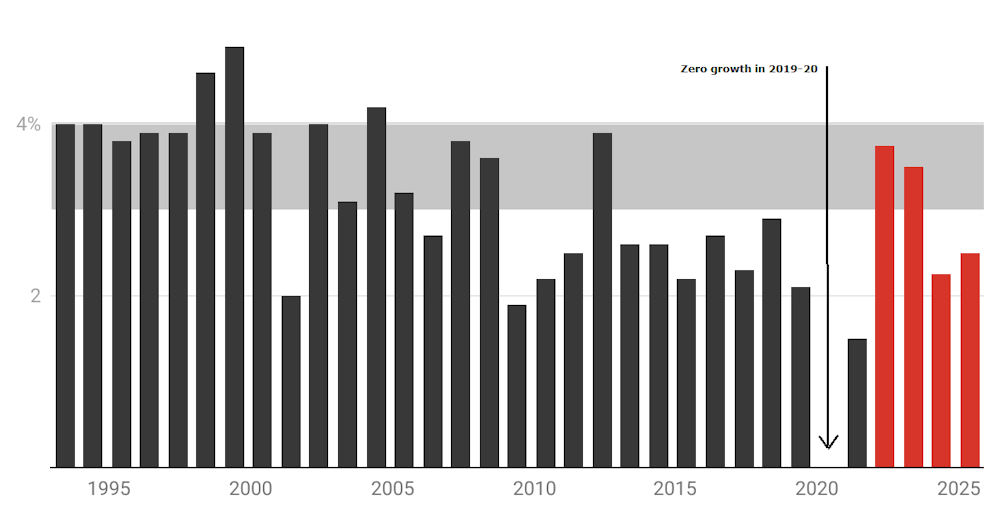

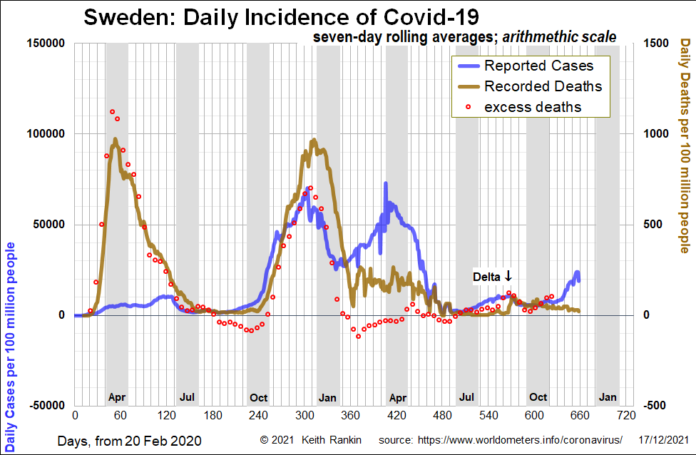
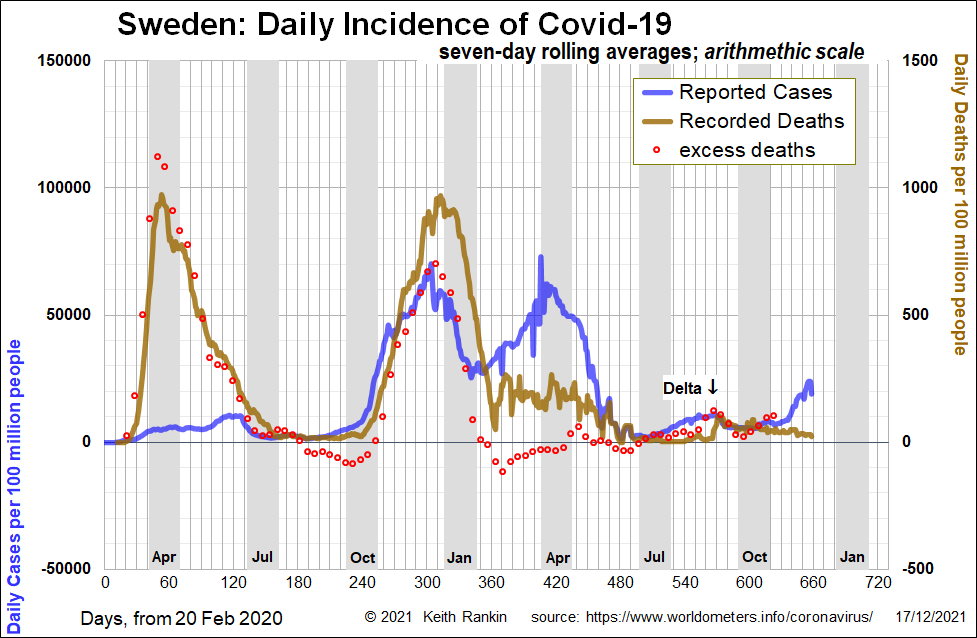
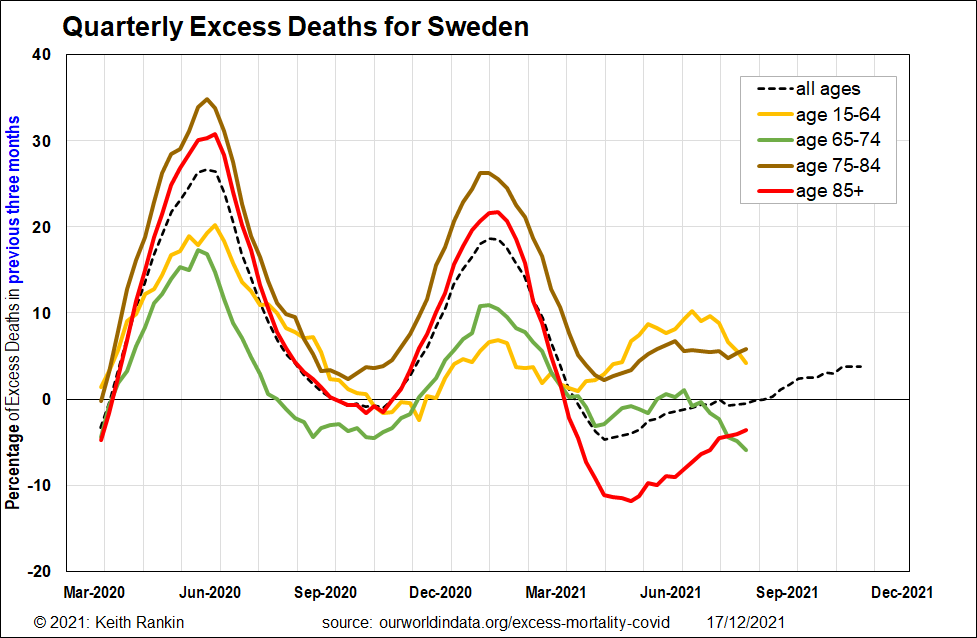
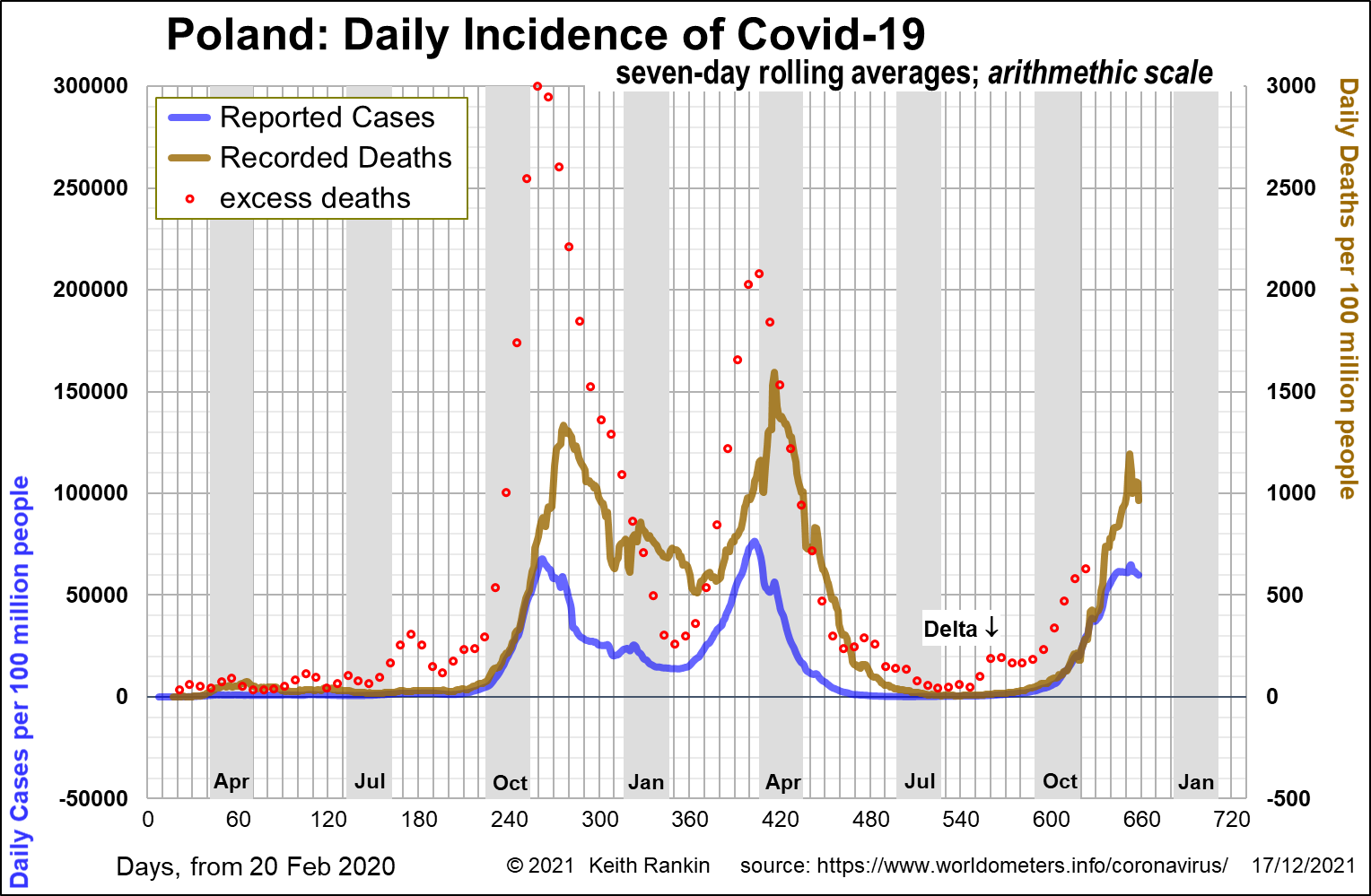
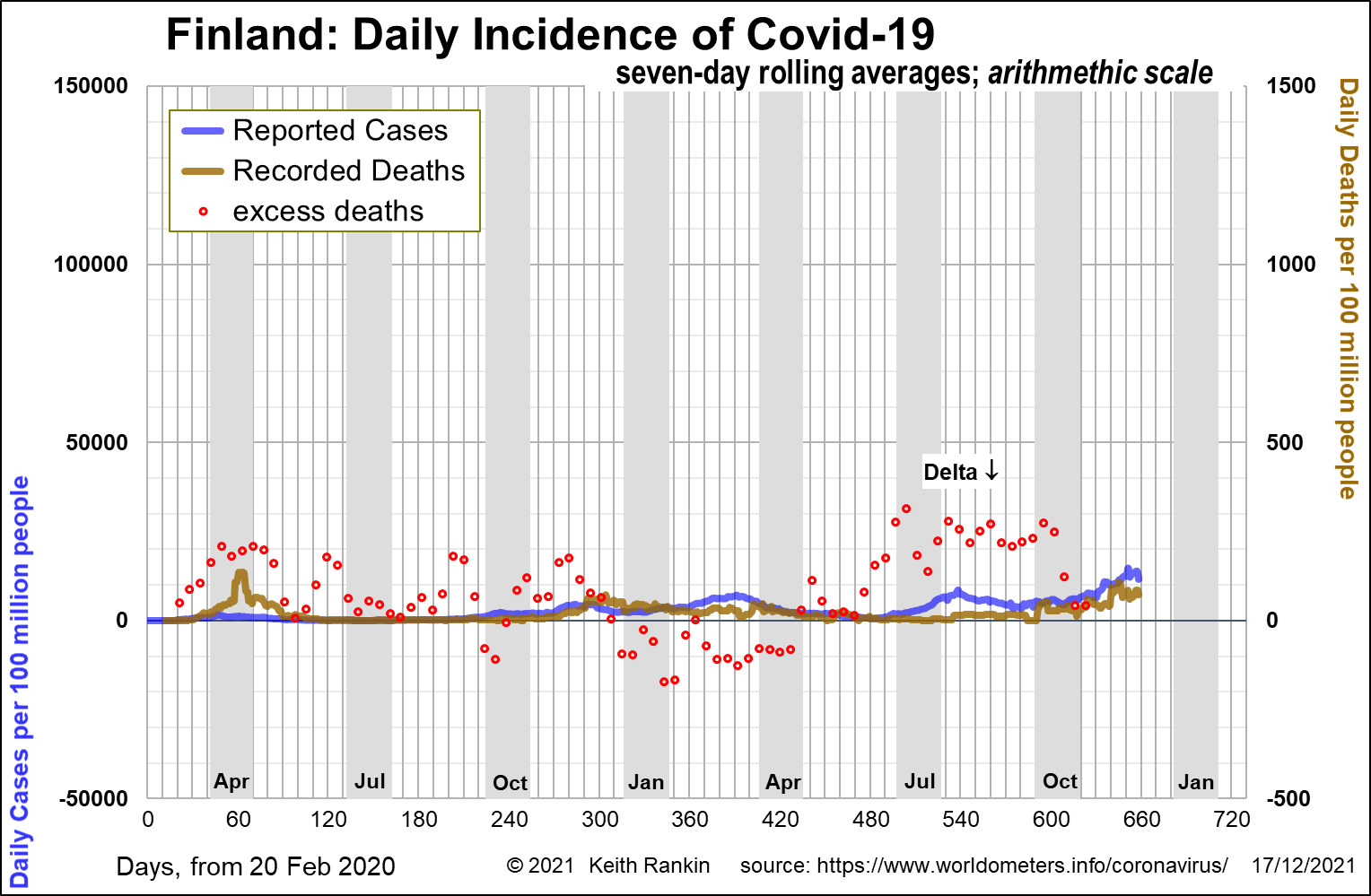
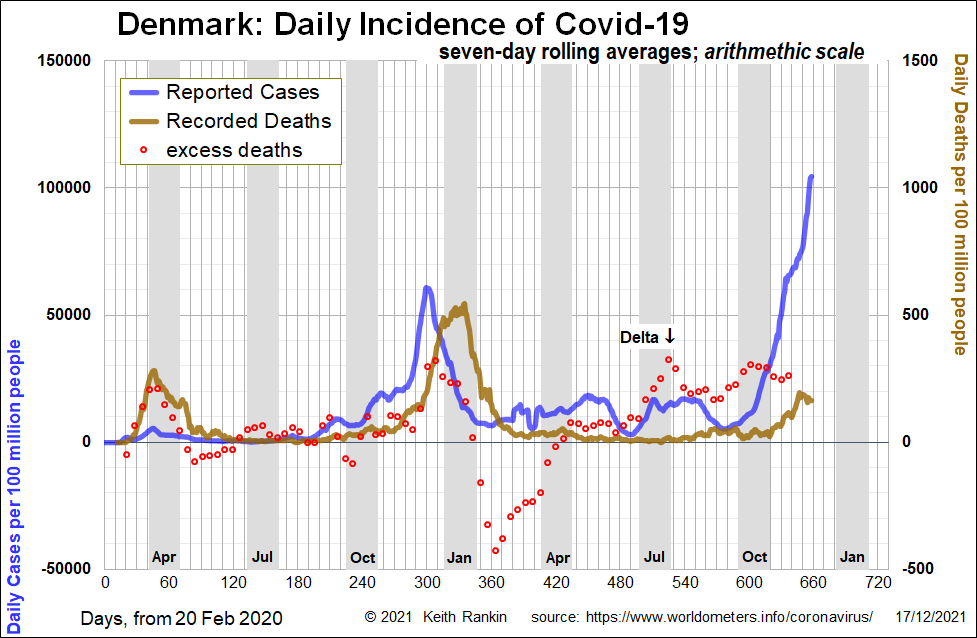
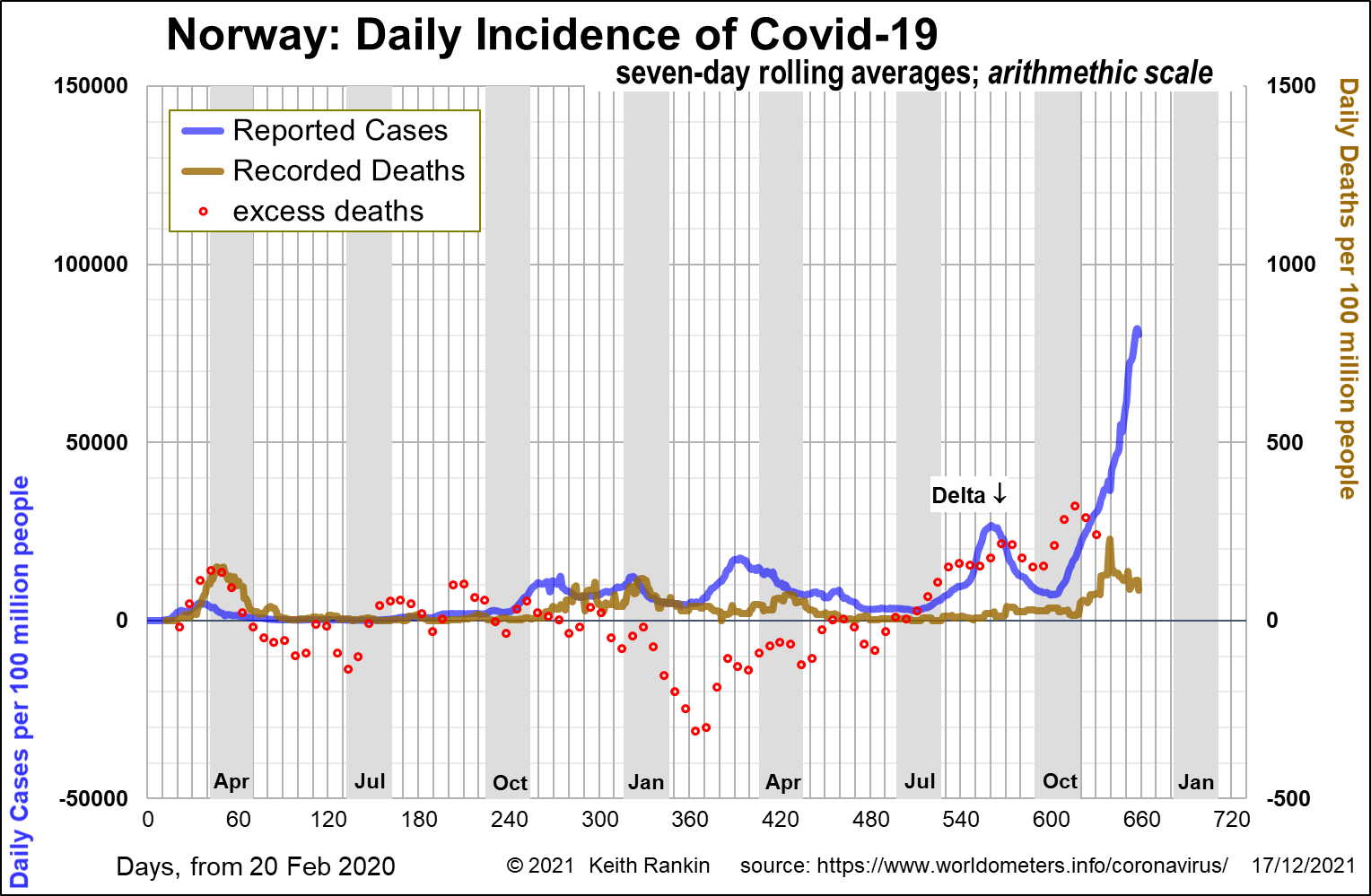
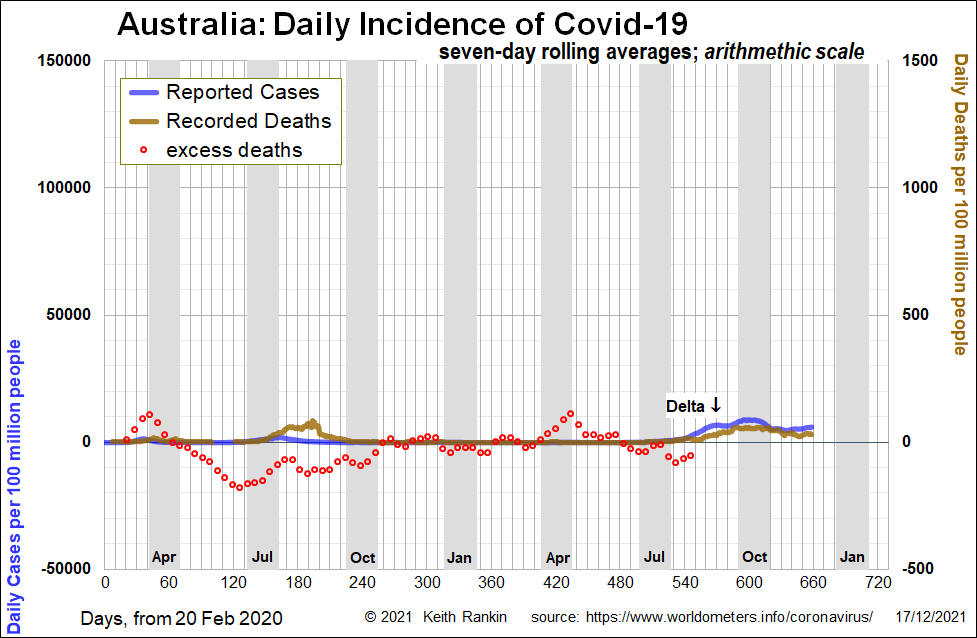
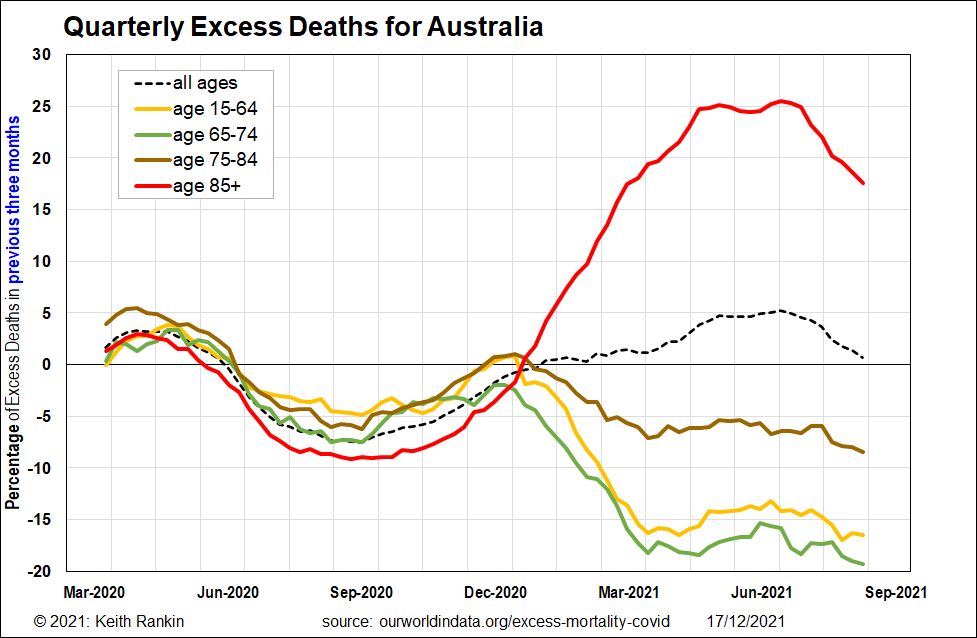







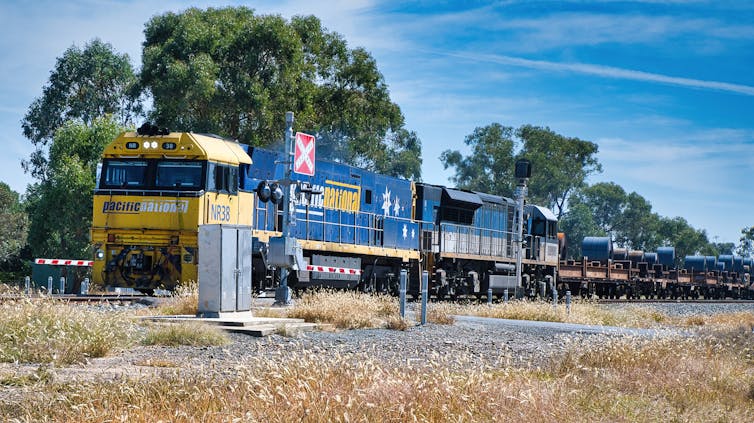


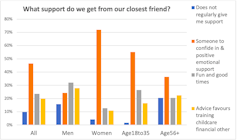








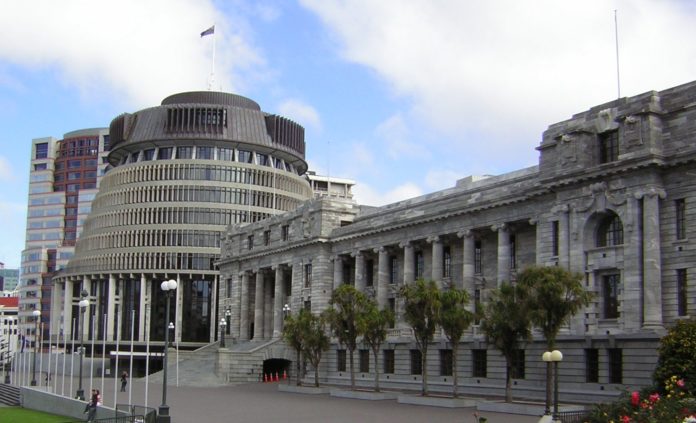
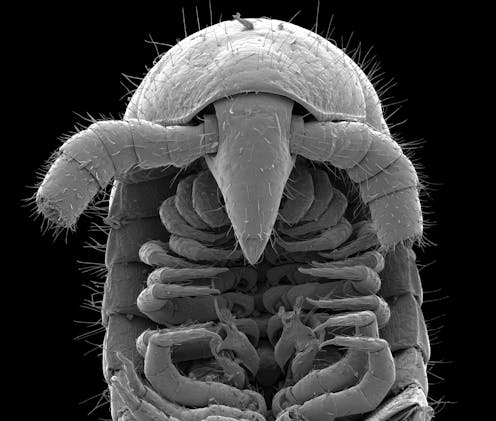


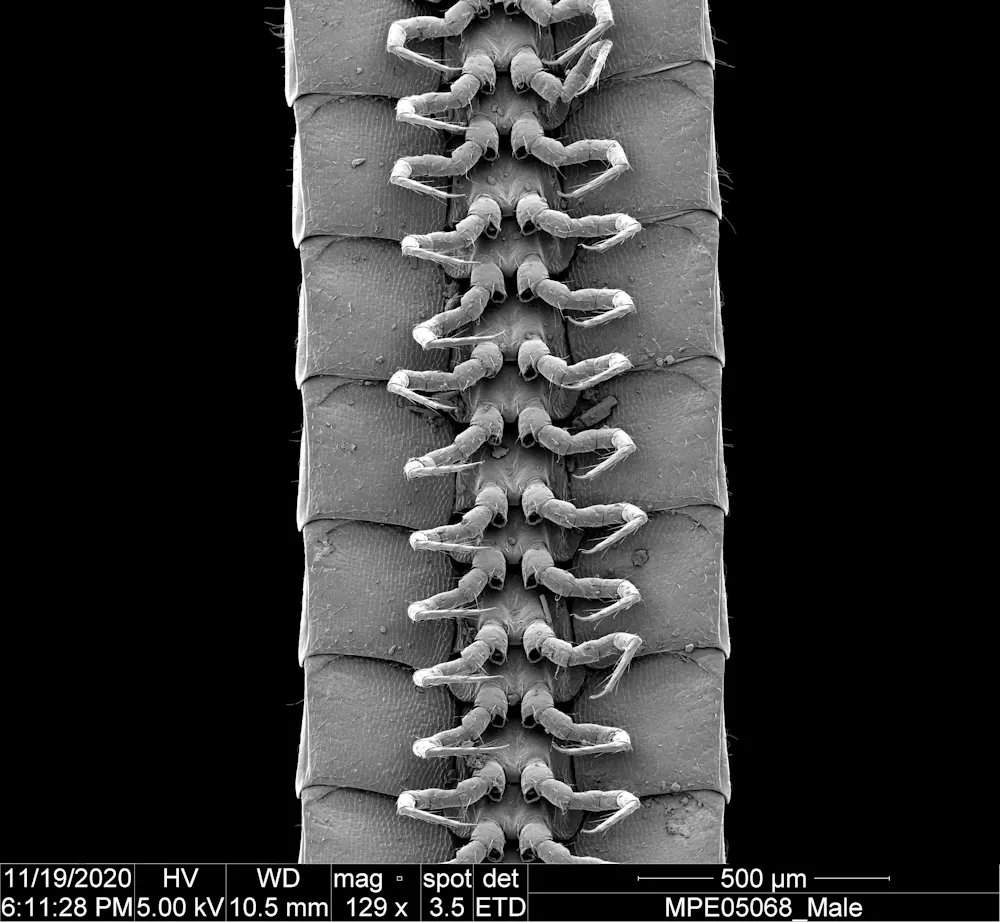


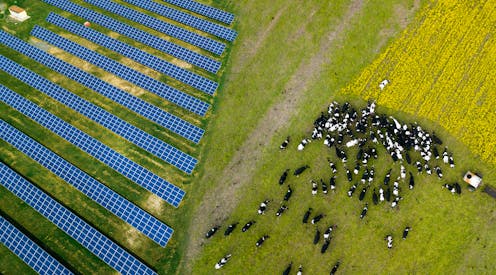




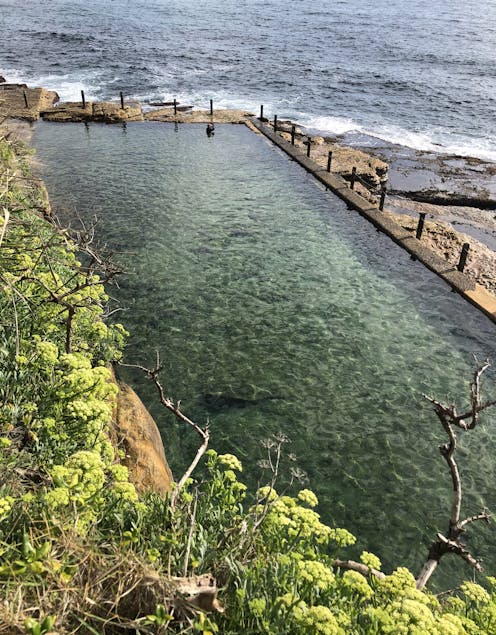
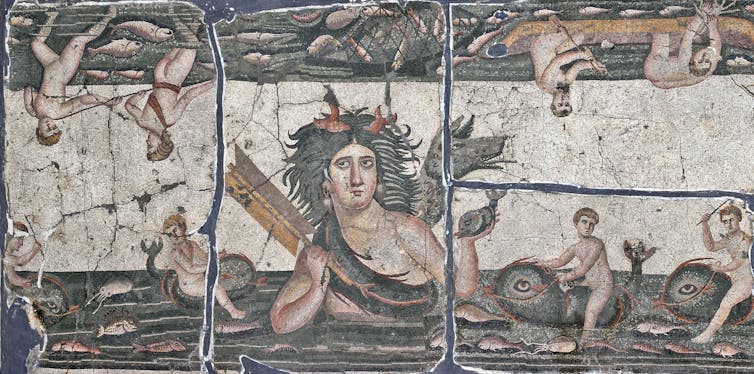
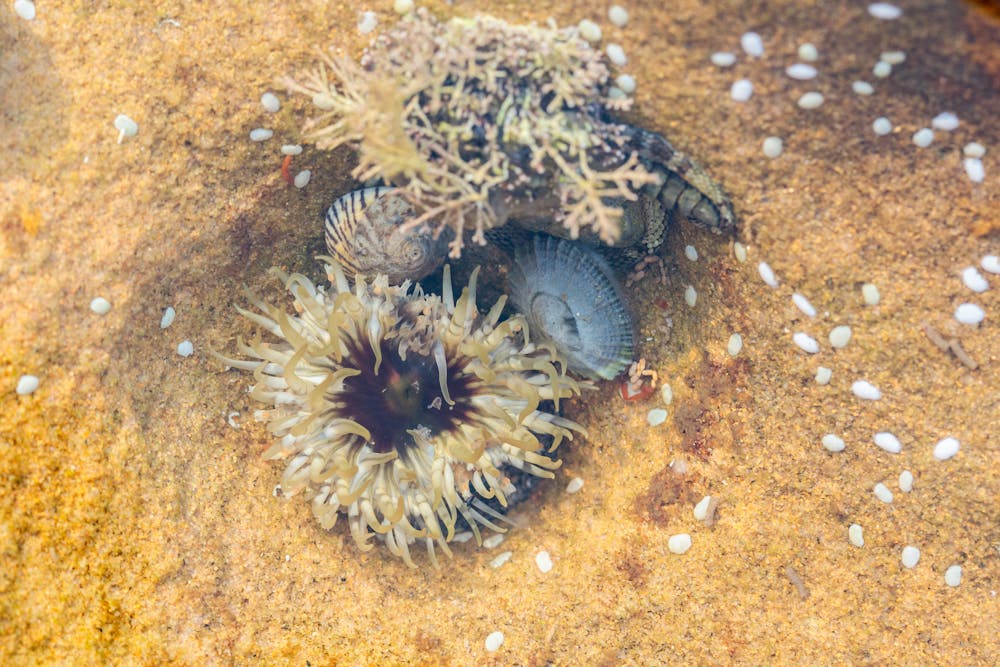









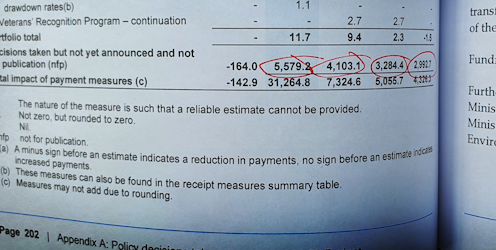











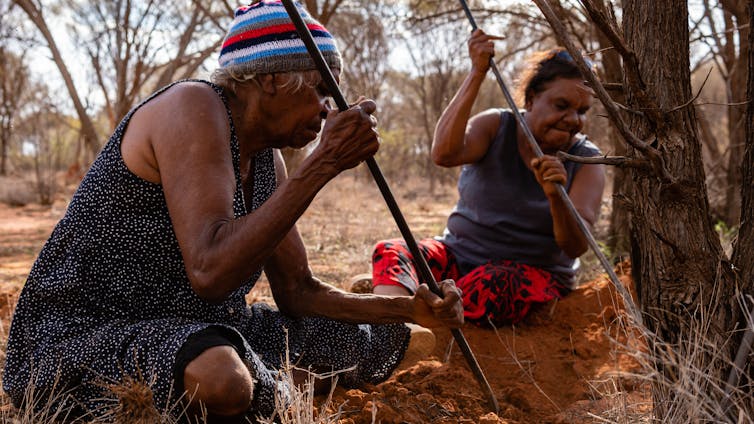






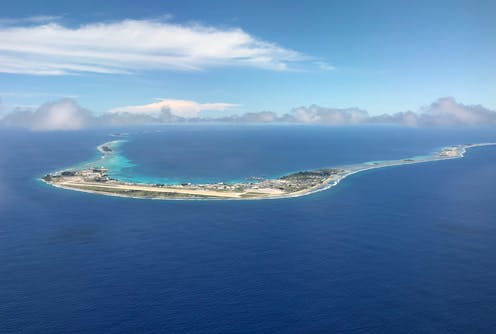





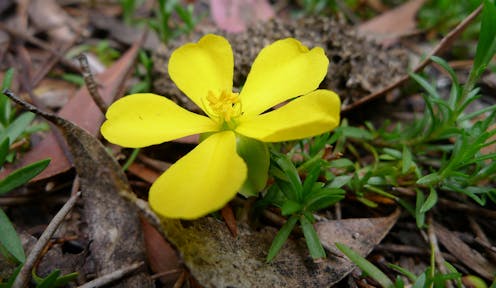





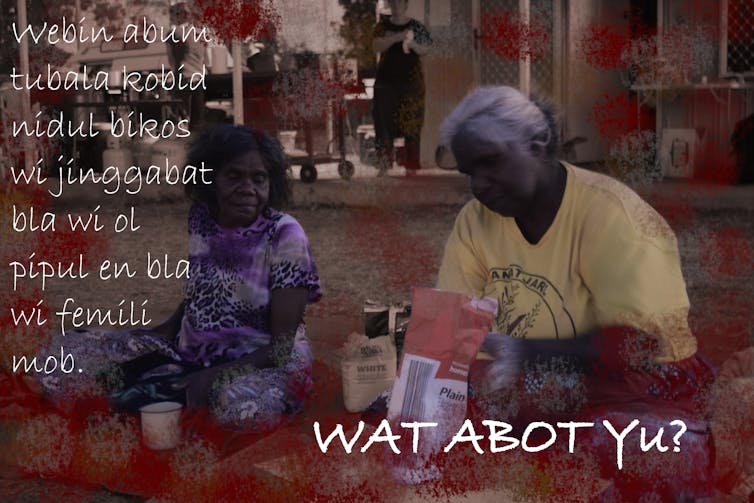
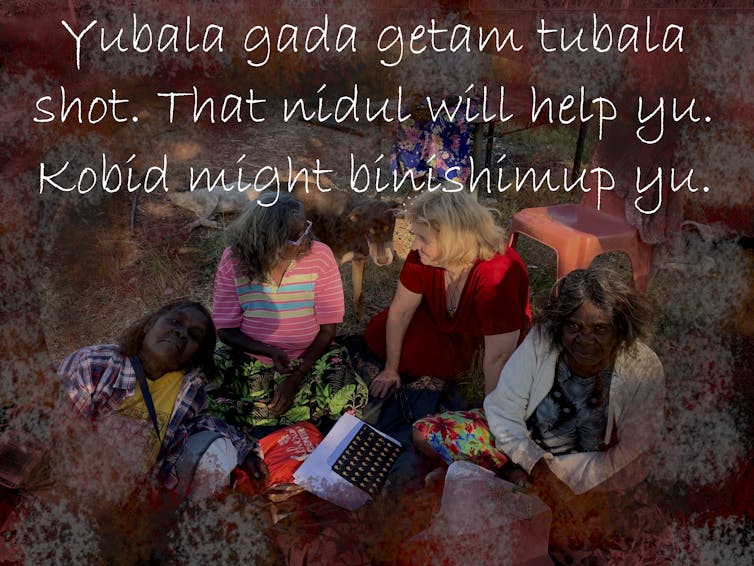
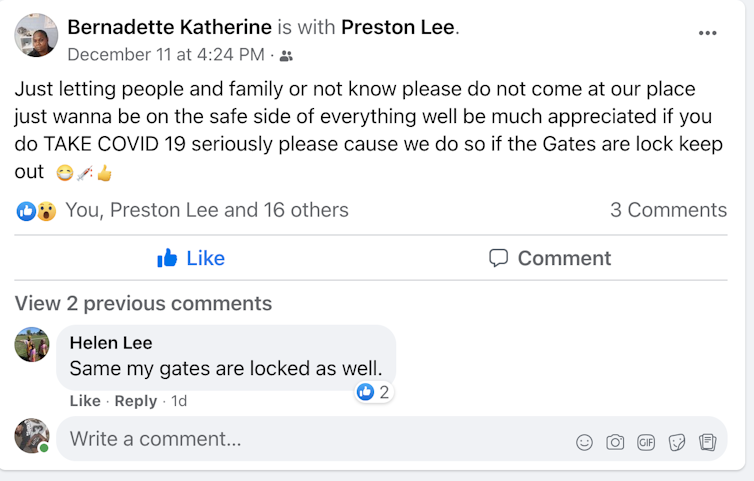
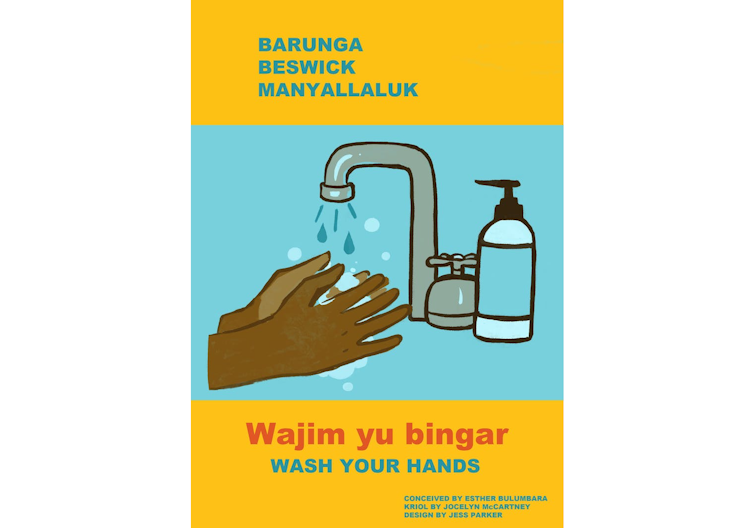



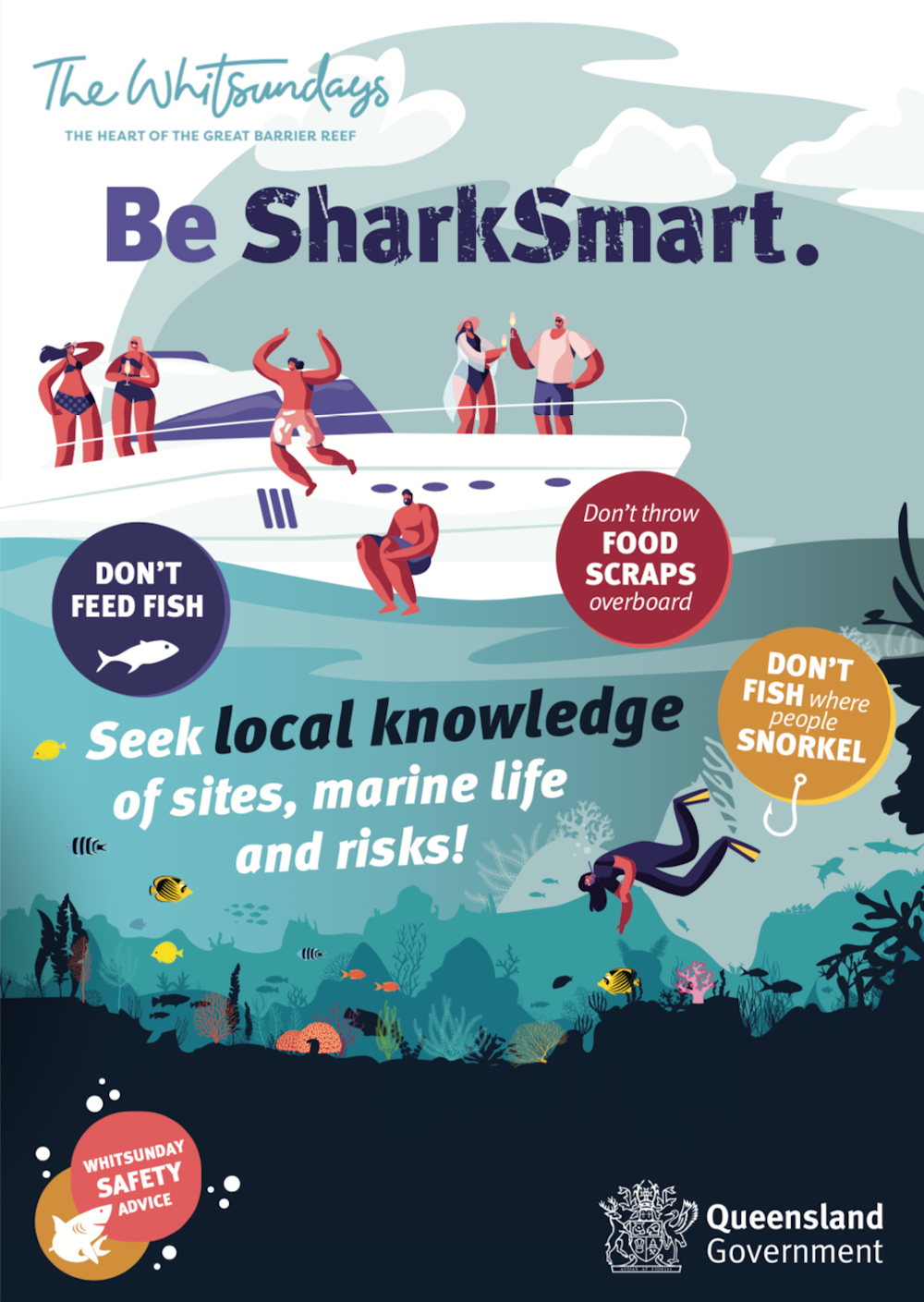








.jpg)

