Page 811

Accused PNGDF officers to appear before court on murder charge

By Theckla Gunga in Port Moresby

The two PNG Defence Force officers charged with the wilful murder of late Zone Three police commander Andrew Tovere are expected to appear before the Waigani District Court for a second mention next month on June 25.

Both accused, 48-year-old Lieutenant Richard Ule and 31-year-old Sargent Supa James, appeared for arraignment Wednesday last week after they were handed over to police.

After their charges were read out by the District Court Magistrate, each obtained a warrant of remand and both transferred to the Bomana Correctional Centre.

READ MORE: Former PNG Defence Force chief calls for inquiry after policeman killed

It is alleged that on May 9, Lieutenant Ule struck the late Tovere with a dried branch following a confrontation with a police officer known as John Martin at ATS Settlement.

Tovere was admitted to the Port Moresby General Hospital for treatment when he collapsed shortly after he was hit.

– Partner –

Tovere died on the evening of May 9 and his body is now at a funeral home.

Theckla Gunga of EMTV News is a graduate of the University of Papua New Guinea with majors in journalism and public relations. She reports on crime and court stories.

Print Friendly, PDF & Email

Article by AsiaPacificReport.nz

Australian quantum technology could become a $4 billion industry and create 16,000 jobs

Source: The Conversation (Au and NZ) – By Cathy Foley, Chief Scientist, CSIRO

Quantum technology is not a phrase discussed over kitchen tables in Australia, but perhaps it should be.

Australia’s quantum technology research has been breaking new ground for almost 30 years. Governments, universities and more recently multinationals have all invested in this research.

Quantum technology is set to transform electronics, communications, computation, sensing and other fields. In the process it can create new markets, new applications and new jobs in Australia.


Read more: Why are scientists so excited about a recently claimed quantum computing milestone?


So, what is quantum technology?

Quantum physics explains the behaviour of the world at the smallest scale. Scientists can now isolate individual quantum particles (such as electrons and photons) and detect and control their behaviour.

This opens the door to creating new types of quantum electronic devices. The possibilities range from precision sensors and secure communication networks to incredibly powerful computers to tackle problems that can’t be solved today.

Commercial applications of these technologies are emerging, and Australia is one of the leaders.

In the 1990s CSIRO led research into one of the first commercial applications of quantum research: using superconducting quantum interference devices to detect mineral deposits deep underground.

More recently the University of Adelaide developed a way to produce one billion electrons per second and use quantum mechanics to control them one-by-one. Advances like these are paving the way for quantum information processing in defence, cybersecurity and big data analysis.

Australia is also home to some of the top quantum technology companies in the world. They are working on advanced quantum control solutions (Q-CTRL), unique quantum computing hardware (Silicon Quantum Computing), and quantum-enhanced cybersecurity tools (Quintessence Labs).

Multinationals like Microsoft and Rigetti Computing have also set up shop in Australia to work with our quantum experts.

Quantum technology has applications in health, defence, mining, space and beyond. CSIRO, Author provided

A multi-billion-dollar opportunity

Australia has a strong research base in quantum technology. With the right approach, we at CSIRO believe this could become a A$4 billion dollar industry for Australia by 2040 and create around 16,000 new, high-value jobs.

This is a competitive area, and the world is racing. Since 2019, the UK, US, European Union, India, Germany and Russia have established multibillion-dollar quantum technology initiatives. Reports also suggest China has committed around US$10 billion to quantum research and development.

To maintain our leadership and capture this opportunity, Australia needs a coordinated, collaborative approach to growing our domestic quantum economy.


Read more: Quantum internet: the next global network is already being laid


A roadmap to 2040

CSIRO has collaborated with industry, research and government to produce a roadmap to help position Australia for success. We have together defined the opportunities and what we need to do to turn this significant investment into a high technology industry for Australia.

The big opportunities are around advanced sensors, secure communication networks and quantum computing. Quantum computing presents the largest long-term opportunity, with potential to create 10,000 jobs and A$2.5 billion in annual revenue by 2040, while spurring breakthroughs in drug development, industrial processes and machine learning.

While quantum computing is the big one, it may take a while to deliver benefits. We’re likely to see applications of quantum sensors and communication networks much sooner in defence, mineral exploration, water resource management and secure communication. These applications in turn could enhance productivity in Australian industries and help ensure our national security.

The roadmap identifies areas where Australia needs to act to make the most of the quantum opportunity, including continued investment in research and development and changes to support translating research into commercial products.

Crossing the “valley of death”

It’s a long way from a technically proven technology to a successful commercial application. The gap between the two is often referred to as the “valley of death”.

Australia often has trouble crossing this valley, where many of our innovations seem to wither. We need a concentrated effort to help our research make it through.

We need new ways to help universities and researchers navigate the valley, and support the prototypes, testing and marketing needed to get ideas off the bench. Investment in purpose-built facilities to help this process will help create the new markets and new jobs we need.

This system needs to be designed and developed jointly by federal and state governments, as well as industry and researchers. Success will only come from collective efforts and the collaboration of a strong network.

ref. Australian quantum technology could become a $4 billion industry and create 16,000 jobs – https://theconversation.com/australian-quantum-technology-could-become-a-4-billion-industry-and-create-16-000-jobs-138817

Behind China’s newly aggressive diplomacy: ‘wolf warriors’ ready to fight back

Source: The Conversation (Au and NZ) – By Rowan Callick, Industry Fellow, Griffith University

When former President Hu Jintao visited Australia in 2003, he began his address to parliament by describing the exploits of a 15th century Chinese admiral, Zheng He:

Back in the 1420s, the expeditionary fleets of China’s Ming Dynasty reached Australian shores … They brought Chinese culture to this land and lived harmoniously with the local people, contributing their proud share to Australia’s economy, society and its thriving pluralistic culture.

This account of explorer Zheng’s voyages has largely been dismissed by western historians.

But it indicates the extent of the regional ambition wrapped up in the Communist Party’s control of history today, including how the Chinese empire once presided over myriad subservient tribute states.

And this is crucial for its promotion of nationalism – an increasingly vital part of the party’s own legitimacy as its economy falters.

Projecting power under Xi Jinping

Since becoming general secretary of the Communist Party in 2012, President Xi Jinping has emphasised this “rejuvenation” of China, recalling two earlier golden eras during the Tang and High Qing dynasties.

At first, the Ministry of Foreign Affairs largely persisted with the traditional, polite diplomacy that had seen China’s influence grow steadily and quietly, commensurate with its economic heft.

But things changed as Xi’s new team pushed aside officials viewed as corrupt or inadequately responsive to his demands to more forcefully assert China’s rejuvenation, both at home and to the rest of the world.


Read more: Xi Jinping’s grip on power is absolute, but there are new threats to his ‘Chinese dream’


The Foreign Ministry was losing its influence as Xi’s tight inner circle centralised decision-making. Foreign diplomats came to understand they needed to go to party insiders if they wanted to understand or seek to influence Chinese policies.

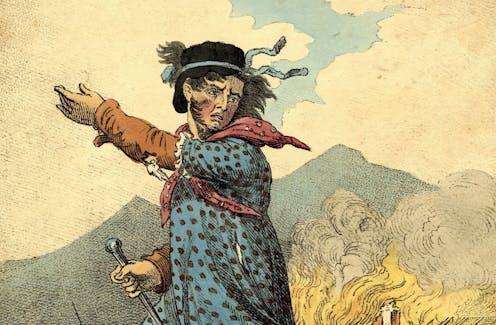
A watershed moment came with the blockbuster success of the patriotic, Rambo-style film Wolf Warrior 2 in mid-2017. Its slogan, taken from a Han dynasty saying, is:

Whoever offends China will be punished, no matter how far they are.

At the end of the film, the red cover of a Chinese passport is displayed, accompanied by the message:

Citizens of the PRC: When you encounter danger in a foreign land, do not give up! Please remember, at your back stands a strong motherland.

At the huge exhibition accompanying the 19th party congress a few months later, the foreign ministry proudly exhibited a new hotline system that Chinese people abroad could use to call for help, “no matter how far they are”.

The People’s Liberation Army command was restructured and equipped to project power, including through a blue-water navy and its first overseas base in Djibouti, east Africa.

And Xi ordered massive new resources for diplomacy, doubling the foreign ministry budget from 2013-18, and since then raising it by double digits annually.

Top diplomat Yang Jiechi was also promoted to the Politburo and a new Central Foreign Affairs Commission was established, underlining Xi’s determination to elevate a more assertive foreign policy as a national priority.

Hawkish diplomats reinforce the message

China’s international messaging also changed rapidly. At the party to celebrate the 70th anniversary of the Chinese Foreign Ministry last year, Minister Wang Yi urged the country’s envoys to adopt a “fighting spirit” in the face of international challenges.

Although Twitter and Facebook are banned in China, diplomats quickly acquired accounts and followers, and began to use them to hammer the countries where they were posted.


Read more: Murky origins: why China will never welcome a global inquiry into the source of COVID-19


When diplomat Zhao Lijian returned from a posting to Pakistan last year, Reuters reported that “a group of young admirers” at the Foreign Ministry cheered him.

He had catapulted into global attention by labelling the US as racist and in a Twitter spat, telling former National Security Advisor Susan Rice she was “a disgrace” and “shockingly ignorant.”

In January, Zhao was promoted to a Foreign Ministry spokesman, highlighting that his was the path to diplomatic success.

In this new role, Zhao has tweeted to his 623,000 followers that US soldiers brought COVID to Wuhan when competing in the 2019 Military World Games.

He rebuked New Zealand for seeking Taiwan’s readmission to the World Health Organisation’s annual global health assembly, calling on it to

immediately stop making wrong statements on Taiwan, to avoid damaging our bilateral relationship.

Qin Xiaoying, formerly director of the Communist Party’s international propaganda department, commented that now is

the first time since 1949 that ‘new hawks’ have the power to reshape China’s diplomatic policy.

They have won their spurs by assiduously enlisting the support of countries that have received Chinese development loans to win votes in global bodies.

For instance, when 22 nations, including Australia, urged the UN Human Rights Council to call on China to end its massive detention program of Uyghurs in Xinjiang, Beijing swiftly signed up 37 countries, including many with majority Muslim populations, to defend its rule there.

Zhao Lijian has become a more recognisable face since being promoted to Foreign Ministry spokesman. CARLOS GARCIA RAWLINS / Reuters

Changing the narrative on coronavirus

The COVID-19 pandemic soon provided those hawks with an even better opportunity to prove their loyalty and value to Xi.

Wu Ken, the ambassador to Germany, provided a handy template to follow in December by warning that if Huawei was excluded from building Germany’s 5G network, “there will be consequences”, and pointing to the importance of China’s market for German cars.

In late January and early February, Xi appeared to be on the back foot as the virus began to erode China’s health and economy, and with it his own previously unquestioned authority.


Read more: How vulnerable is Xi Jinping over coronavirus? In today’s China, there are few to hold him to account


But as China began to receive criticism globally for its response to the virus, these newly assertive diplomats swung into action, proving their worth as front-line fighters.

Cheng Jingye, the ambassador to Australia, attacked Canberra’s call for an investigation into the cause of COVID, asking,

Maybe also the ordinary [Chinese] people will say why should we drink Australian wine or to eat Australian beef?

China’s ambassador to Australia, Cheng Jingye. The Chinese embassy mocked Australia’s call for a coronavirus inquiry as ‘nothing but a joke’ this week. Lukas Coch/AAP

Lu Shaye, the ambassador to France, was summoned by the French Foreign Ministry over a post on the embassy website claiming the French were “leaving their residents to die of hunger and disease.”

Politics above all else

The Foreign Ministry told Reuters this year, citing a Mao Zedong slogan:

We will not attack unless we are attacked. But if we are attacked, we will certainly counter-attack.

This may even come at a cost to China economically. But politics – and especially the push for rejuvenation – is upstream of all else in Xi’s “New Era”.

ref. Behind China’s newly aggressive diplomacy: ‘wolf warriors’ ready to fight back – https://theconversation.com/behind-chinas-newly-aggressive-diplomacy-wolf-warriors-ready-to-fight-back-139028

Low staff levels must be part of any reviews into the coronavirus outbreaks in NZ rest homes

Source: The Conversation (Au and NZ) – By Katherine Ravenswood, Associate Professor in Employment Relations, Auckland University of Technology

New Zealand’s residential aged care is the focus of three inquiries to understand why COVID-19 tore rapidly through some rest homes but not others.

These reviews are significant and urgent, but my research suggests they need to pay more attention to caregivers and their concerns about lack of support for quality aged care.

Of the 21 people who have died of COVID-19 in New Zealand, 12 were from one rest home, Rosewood, in Christchurch, another three at St Margaret’s Hospital rest home in Auckland. Of 16 existing clusters of cases, five are in residential aged care facilities, including a second in Christchurch, two in Auckland and one in Waikato.


Read more: We may well be able to eliminate coronavirus, but we’ll probably never eradicate it. Here’s the difference


A review of aged care facilities, led by the Ministry of Health together with the New Zealand Aged Care Association, is expected to report back by the end of May.

An audit of residential aged care homes is also under way, with the ombudsman’s office inspecting dementia units to ensure residents receive adequate care, especially if they have to live in isolation.

Minimal staffing

Rest homes are clearly under huge pressure during the pandemic. Securing supplies and personal protection equipment, managing isolation of vulnerable and sometimes confused residents, increasing cleaning schedules and developing staff rosters to reduce the chance of infection would add stress even in a well-staffed rest home.

But as I outlined to the Australian Royal Commission into Aged Care in February, the legal requirements for staff-to-resident ratios are surprisingly minimal.

Safety standards and the service agreements between district health boards and aged care providers specify high quality of care, with a goal of maintaining independence and social lives for residents that resemble what they experienced when they lived independently.

But this is expected on a prescribed minimum of three care staff on duty at all times – in a rest home with more than 60 residents.

In a small rest home with ten or fewer residents, only one caregiver is required at all times.

Of course, it is possible for a rest home to roster more than the minimum number of staff, but that is not often the case. It is common to have high numbers of residents to one caregiver.

Late last year, before COVID-19 reached New Zealand, a caregiver described to me her experience working in a rest home. She cared for 16 residents on her 3-11pm shift. During that time she had to ensure all 16 were cleaned and put to bed, fed dinner and supper, taken to the toilet and more.

She said it was stressful and there was not enough time to really care for residents. She added:

Bells are continually ringing because those at risk of falling have stood up by themselves; residents may need to be changed because they have soiled themselves and some ring the bell continuously because they are bored and confused. We are expected to answer all but invariably some will have to wait because we are already dealing with others.

A 2016 study reflects this experience. It shows only 58.6% of the caregivers surveyed agreed they had enough time to spend with each resident. A 2019 report into safe staffing levels surveyed more than 1,000 nurses and caregivers and found 73% thought there were not enough staff to provide good care.

Future proofing aged care

If we take this pre-pandemic situation into account, we can see how a virus that disproportionately affects older people would spread fast through rest homes. If each staff member looks after 16 or even 20 residents, how are they going to manage to clean all surfaces three times daily and ensure staff who work with an infected resident keep away from non-infected people and practise good hygiene?

Although the Ministry of Health’s review into rest home clusters mentions staffing numbers, training, qualifications and rosters as part of its scope, the terms of reference make little mention of caregivers or other staff.

This sector has a long history of excluding their caregiver employees – those who do the work and see residents every day – from reviews and negotiations that determine quality of care, funding and staffing levels. This looks set to continue as we examine how residential aged care as a sector, and in individual rest homes, responded to COVID-19.

One beacon of light is the ombudsman’s review into dementia units and the rights of those residents. That review specifically includes employees in consultations as well as interviews about how well supported they feel in the workplace.

This perspective does not take away from the residents and their rights, but recognises under-supported caregivers in understaffed facilities cannot provide quality care.


Read more: Creating new social divides: how coronavirus is reshaping how we see ourselves and the world around us


Last month, the government announced a NZ$26 million funding boost for residential aged care but it was unclear how the money would be used.

A one-off cash injection might add capacity during the pandemic, but it will not solve the persistent issue of low staffing levels – especially if none of the money is earmarked for staffing.

It is time policymakers, funders and aged care providers address the elephant in the room, that quality care requires more staff and more time. Higher staffing ratios will also provide more room for flexibility when crises occur.

Those caregivers (or their representatives) should be given a place at the table. If they had been listened to before, we would have been much better prepared.

ref. Low staff levels must be part of any reviews into the coronavirus outbreaks in NZ rest homes – https://theconversation.com/low-staff-levels-must-be-part-of-any-reviews-into-the-coronavirus-outbreaks-in-nz-rest-homes-137764

Australia, it’s time to talk about our water emergency

Source: The Conversation (Au and NZ) – By Quentin Grafton, Director of the Centre for Water Economics, Environment and Policy, Crawford School of Public Policy, Australian National University

The last bushfire season showed Australians they can no longer pretend climate change will not affect them. But there’s another climate change influence we must also face up to: increasingly scarce water on our continent.

Under climate change, rainfall will become more unpredictable. Extreme weather events such as cyclones will be more intense. This will challenge water managers already struggling to respond to Australia’s natural boom and bust of droughts and floods.

Thirty years since Australia’s water reform project began, it’s clear our efforts have largely failed. Drought-stricken rural towns have literally run out of water. Despite the recent rains, the Murray Darling river system is being run dry and struggles to support the communities that depend on it.

We must find another way. So let’s start the conversation.

It’s time for a new national discussion about water policy. Joe Castro/AAP

How did we get here?

Sadly, inequitable water outcomes in Australia are not new.

The first water “reform” occurred when European settlers acquired water sources from First Peoples without consent or compensation. Overlaying this dispossession, British common law gave new settlers land access rights to freshwater. These later converted into state-owned rights, and are now allocated as privately held water entitlements.

Some 200 years later, the first steps towards long-term water reform arguably began in the 1990s. The process accelerated during the Millennium Drought and in 2004 led to the National Water Initiative, an intergovernmental water agreement. This was followed in 2007 by a federal Water Act, upending exclusive state jurisdiction over water.


Read more: While towns run dry, cotton extracts 5 Sydney Harbours’ worth of Murray Darling water a year. It’s time to reset the balance


Under the National Water Initiative, state and territory water plans were to be verified through water accounting to ensure “adequate measurement, monitoring and reporting systems” across the country.

This would have boosted public and investor confidence in the amount of water being traded, extracted and recovered – both for the environment and the public good.

This vision has not been realised. Instead, a narrow view now dominates in which water is valuable only when extracted, and water reform is about subsidising water infrastructure such as dams, to enable this extraction.

The National Water Initiative has failed. Dean Lewins/AAP

Why we should all care

In the current drought, rural towns have literally run out of fresh drinking water. These towns are not just dots on a map. They are communities whose very existence is now threatened.

In some small towns, drinking water can taste unpleasant or contain high levels of nitrate, threatening the health of babies. Drinking water in some remote Indigenous communities is not always treated, and the quality rarely checked.

In the Murray-Darling Basin, poor management and low rainfall have caused dry rivers, mass fish kills, and distress in Aboriginal communities. Key aspects of the basin plan have not been implemented. This, coupled with bushfire damage, has caused long-term ecological harm.

How do we fix the water emergency?

Rivers, lakes and wetlands must have enough water at the right time. Only then will the needs of humans and the environment be met equitably – including access to and use of water by First Peoples.

Water for the environment and water for irrigation is not a zero-sum trade-off. Without healthy rivers, irrigation farming and rural communities cannot survive.

A national conversation on water reform is needed. It should recognise and include First Peoples’ values and knowledge of land, water and fire.

Our water brief, Water Reform For All, proposes six principles to build a national water dialogue:

  1. establish shared visions and goals
  2. develop clarity of roles and responsibilities
  3. implement adaptation as a way to respond to an escalation of stresses, including climate change and governance failures
  4. invest in advanced technology to monitor, predict and understand changes in water availability
  5. integrate bottom-up and community-based adaptation, including from Indigenous communities, into improved water governance arrangements
  6. undertake policy experiments to test new ways of managing water for all
The Darling River is in poor health. Dean Lewins/AAP

Ask the right questions

As researchers, we don’t have all the answers on how to create a sustainable, equitable water future. No-one does. But in any national conversation, we believe these fundamental questions must be asked:

  1. who is responsible for water governance? How do decisions and actions of one group affect access and availability of water for others?

  2. what volumes of water are extracted from surface and groundwater systems? Where, when, by whom and for what?

  3. what can we predict about a future climate and other long-term drivers of change?

  4. how can we better understand and measure the multiple values that water holds for communities and society?

  5. where do our visions for the future of water align? Where do they differ?

  6. what principles, protocols and processes will help deliver the water reform needed?

  7. how do existing rules and institutions constrain, or enable, efforts to achieve a shared vision of a sustainable water future?

  8. how do we integrate new knowledge, such as water availability under climate change, into our goals?

  9. what restitution is needed in relation to water and Country for First Peoples?

  10. what economic sectors and processes would be better suited to a water-scarce future, and how might we foster them?

Water reform for all

These questions, if part of a national conversation, would reinvigorate the water debate and help put Australia on track to a sustainable water future.

Now is the time to start the discussion. Long-accepted policy approaches in support of sustainable water futures are in question. In the Murray-Darling Basin, some states even question the value of catchment-wide management. The formula for water-sharing between states is under attack.


Read more: It’s official: expert review rejects NSW plan to let seawater flow into the Murray River


Even science that previously underpinned water reform is being questioned

We must return to basics, reassess what’s sensible and feasible, and debate new ways forward.

We are not naive. All of us have been involved in water reform and some of us, like many others, suffer from reform fatigue.

But without a fresh debate, Australia’s water emergency will only get worse. Reform can – and must – happen, for the benefit of all Australians.


The following contributed to this piece and co-authored the report on which it was based: Daniel Connell, Katherine Daniell, Joseph Guillaume, Lorrae van Kerkoff, Aparna Lal, Ehsan Nabavi, Jamie Pittock, Katherine Taylor, Paul Tregoning, and John Williams

ref. Australia, it’s time to talk about our water emergency – https://theconversation.com/australia-its-time-to-talk-about-our-water-emergency-139024

Rich and poor don’t recover equally from epidemics. Rebuilding fairly will be a global challenge

Source: The Conversation (Au and NZ) – By Ilan Noy, Professor and Chair in the Economics of Disasters and Climate Change, Te Herenga Waka — Victoria University of Wellington

Since the Indian Ocean tsunami of 2004, disaster recovery plans are almost always framed with aspirational plans to “build back better”. It’s a fine sentiment – we all want to build better societies and economies. But, as the Cheshire Cat tells Alice when she is lost, where we ought to go depends very much on where we want to get to.

The ambition to build back better therefore needs to be made explicit and transparent as countries slowly re-emerge from their COVID-19 cocoons.

The Asian Development Bank attempted last year to define build-back-better aspirations more precisely and concretely. The bank described four criteria: build back safer, build back faster, build back potential and build back fairer.

The first three are obvious. We clearly want our economies to recover fast, be safer and be more sustainable into the future. It’s the last objective – fairness – that will inevitably be the most challenging long-term goal at both the national and international level.

Economic fallout from the pandemic is already being experienced disproportionately among poorer households, in poorer regions within countries, and in poorer countries in general.


Read more: Recession hits Māori and Pasifika harder. They must be part of planning New Zealand’s COVID-19 recovery


Some governments are aware of this and are trying to ameliorate this brewing inequality. At the same time, it is seen as politically unpalatable to engage in redistribution during a global crisis. Most governments are opting for broad-brush policies aimed at everyone, lest they appear to be encouraging class warfare and division or, in the case of New Zealand, electioneering.

Banda Aceh, Indonesia, after the 2004 tsunami: the impact of disaster is not felt equally by all. www.shutterstock.com

In fact, politicians’ typical focus on the next election aligns well with the public appetite for a fast recovery. We know that speedier recoveries are more complete, as delays dampen investment and people move away from economically depressed places.

Speed is also linked to safety. As we know from other disasters, this recovery cannot be completed as long as the COVID-19 public health challenge is not resolved.

The failure to invest in safety, in prevention and mitigation, is now most apparent in the United States, which has less than 5% of the global population but a third of COVID-19 confirmed cases. Despite the pressure to “open up” the economy, recovery won’t progress without a lasting solution to the widespread presence of the virus.


Read more: New Zealand’s pandemic budget is all about saving and creating jobs. Now the hard work begins


Economic potential also aligns with political aims and is therefore easier to imagine. A build-back-better recovery has to promise sustainable prosperity for all.

The emphasis on job generation in New Zealand’s recent budget was entirely the right primary focus. Employment is of paramount importance to voters, so it has been a logical focus in public stimulus packages everywhere.

Fairness, however, is more difficult to define and more challenging to achieve.

While a rising economic tide doesn’t always lift all boats – as the proponents of growth-at-any-cost sometimes argue – a low tide lifts none. Achieving fairness first depends on achieving the other three goals.

Under-prepared and under-resourced: the hospital ship Comfort arrives in New York during the COVID-19 crisis. www.shutterstock.com

Economic prosperity is a necessary precondition for sustainable poverty reduction, but this virus is apparently selective in its deadliness. Already vulnerable segments of our societies – the elderly, the immuno-compromised and, according to some recent evidence, ethnic minorities – are more at risk. They are also more likely to already be economically disadvantaged.

As a general rule, epidemics lead to more income inequality, as households with lower incomes endure the economic pain more acutely.

This pattern of increased vulnerability to shocks in poorer households is not unique to epidemics, but we expect it to be the case even more this time. In the COVID-19 pandemic, economic devastation has been caused by the lockdown measures imposed and adopted voluntarily, not by the disease itself.

These measures have been more harmful for those on lower wages, those with part-time or temporary jobs, and those who cannot easily work from home.

Many low-wage workers also work in industries that will be experiencing longer-term declines associated with the structural changes generated by the pandemic: the collapse of international tourism, for example, or automation and robotics being used to shorten long and complicated supply chains.


Read more: Defunding the WHO was a calculated decision, not an impromptu tweet


Poorer countries are in the worst position. The lockdowns hit their economies harder, but they do not have the resources for adequate public health measures, nor for assisting those most adversely affected.

In these places, even if the virus itself has not yet hit them much, the downturn will be experienced more deeply and for longer.

Worryingly, the international aid system that most poorer countries partially rely on to deal with disasters is not fit for dealing with pandemics. When all countries are adversely hit at the same time their focus inevitably becomes domestic.

Very few wealthy countries have announced any increases in international aid. If and when they have, the amounts were trivial – regrettably, this includes New Zealand. And the one international institution that should have led the charge, the World Health Organisation, is being defunded and attacked by its largest donor, the US.

Unlike after the 2004 tsunami, international rescue will be very slow to arrive. One would hope most wealthy countries will be able to help their most vulnerable members. But it looks increasingly unlikely this will happen on an international scale between countries.

Without global empathy and better global leadership, the poorest countries and poorest people will only be made poorer by this invisible enemy.

ref. Rich and poor don’t recover equally from epidemics. Rebuilding fairly will be a global challenge – https://theconversation.com/rich-and-poor-dont-recover-equally-from-epidemics-rebuilding-fairly-will-be-a-global-challenge-138935

Vital Signs: Australian barley growers are the victims of weaponised trade rules

Source: The Conversation (Au and NZ) – By Richard Holden, Professor of Economics, UNSW

Trade tensions between Australia and China have escalated to the point where China has placed an 80.5% tariff on Australian barley imports, beginning this week.

China has been a huge market for Australian barley. It accounted for more than 70% of Australia’s exports between 2015 and 2018 and in 2016–17 it bought almost 6 million tonnes.


CC BY

While China’s imports fell to 2.5 million tonnes last financial year, this was still more than half of Australia’s total barley exports, worth about A$600 million to Australian farmers.

The tariff on Australian barley won’t hurt China much. It can simply buy from other countries such as France, Russia, Argentina and Canada.

In terms of Australia’s total volume of exports (more than A$450 billion annually) the likely losses are not huge. But it is meaningful and painful to Australia’s barley industry.

It is important this matter be resolved.

But the broader issue is how to avoid ongoing conflict with our biggest trading partner. Doing that means understanding what the barley dispute is really about. Because it’s unlikely to really be about barley.

What is China upset about?

It would be reasonable to deduce China’s recent actions stem from Australia’s advocacy for an investigation into the source of the COVID-19 pandemic – something first raised by foreign minister Marise Payne and championed by Prime Minister Scott Morrison, along with the United States and other countries.

But there is a longer history of simmering tensions between the two nations.

There is, for example, Australia’s exclusion of Chinese company Huawei from building our 5G telecommunications network. This is a matter China’s ambassador to Australia, Cheng Jingye, called a “sore point and thorny issue” as recently as February.

Another view is that it is about trade issues – that China is accusing Australia of dumping in retaliation for Australia’s use of global anti-dumping provisions against China.

As pointed out by my colleague Weihuan Zhou:

Dumping is essentially price discrimination, in which a producer sells a product to an export market at a lower price than it sells it at home. As such, it is often condemned as ‘unfair trade practice’ which accords exporters a competitive advantage over producers of similar goods in the market of importation.

Australia has been a keen user of the World Trade Organisation’s rules against dumping. Many Chinese industries have been targeted under anti-dumping cases brought by Australia (and other countries), including steel, aluminium products, solar panels, and even copy paper.

So perhaps this is a case of “what goes around comes around”.


Read more: China used anti-dumping rules against us because what goes around comes around


In any event, it is shaping up to be a thorny issue for Australia.

Australia’s trade minister, Simon Birmingham, has rightly disagreed with China’s characterisation of Australia as dumping barley, saying: “We reject the basis of this decision and will be assessing the details of the findings while we consider the next steps”.

Australia will take this case to the WTO and argue it has not subsidised barley being exported. But these cases are tricky to prove, can take substantial time (likely more than a year and possibly much longer). In the meantime, China can impose duties, with dire consequences for imports of Australian barley.

Always in breach?

Precisely because it is difficult to determine the underlying economics of whether dumping is taking place, there is almost always an argument to be made that a country is dumping some product some of the time.

That leaves countries like China with a trigger to pull more or less any time they want.


Read more: Australia’s links with China must change, but decoupling is not an option


This is a similar trick to that used by authoritarian regimes to control their populations. If citizens have essentially always broken some obscure law on the books, they are free from prosecution only by the good grace of the regime in power.

One reading of events is that China is using a version of this tactic in international trade against Australia.

The importance of the WTO

All of this points to the importance of dispute resolution through international bodies.

Sure, anti-dumping cases may be tricky, but resolving such cases quicker would help prevent the threat of such cases being used as bargaining chips.

So, too, would a more precise set of economically based rules about what constitutes dumping in practice, and how to measure it robustly and transparently.

These are matters not only to be determined in free-trade deals between countries but also for international bodies like the WTO.


Read more: View from The Hill: Yes, we’re too dependent on China, but changing that is easier said than done


It is sometimes suggested there is little to do in this sphere, because trade barriers are now so low.

But making the rules more precise and the dispute resolution procedures more timely is certainly one area for improvement.

ref. Vital Signs: Australian barley growers are the victims of weaponised trade rules – https://theconversation.com/vital-signs-australian-barley-growers-are-the-victims-of-weaponised-trade-rules-139037

Friday essay: the Melbourne bookshop that ignited Australian modernism

Source: The Conversation (Au and NZ) – By Yves Rees, Lecturer in History, La Trobe University

The origin story of Australian modernism often centres around Heide – the Melbourne artistic community where, from 1934, bohemian art patrons John and Sunday Reed nurtured talents such as Sidney Nolan, Albert Tucker, Joy Hester and John Perceval.

But nestled in the heart of Melbourne’s city laneways was another birthplace of Australian modernism. At 166 Little Collins Street, near the “Paris End” of Collins Street, was the Leonardo Art Shop – a bookshop that during the 1930s and 40s inspired a generation of young artists to create a homegrown avant-garde.

The bookshop was the creation of Gino Nibbi, born in Fermo, Italy, in 1896. Nibbi trained as an accountant, but his passion was modern art. He migrated to Melbourne with his wife in 1928 and established Leonardo Art Shop several months later.

First in Post Office Place, then on Little Collins Street behind King’s Theatre, Nibbi stocked the shelves with imported foreign-language books and colour prints of contemporary European paintings, exposing his customers to images and ideas never before seen in Australia. For the next two decades, Leonardo Art Shop – also known as Nibbi’s – was a “direct link to Europe” for artists and intellectuals ravenous for avant-garde culture.

An intellectual salon

Melbourne then was a far cry from today’s sophisticated and cosmopolitan metropolis. The interwar decades were the heyday of the White Australia policy, and the non-Indigenous population was calculated as 98% “British”. With little diversity and few outside influences, Melbourne was a staid and conservative city, suspicious of new ideas that might challenge the status quo. “The dictatorship of the smug” was how cultural critic P. R. Stephensen summed up the local culture in 1936.

In the art world, this conservatism manifested as a fierce antagonism towards the modernist aesthetics revolutionising art in Europe. Picasso, Matisse, Cezanne, Gauguin – artists we now revere as visionaries – were dismissed by Australian critics as degenerates whose abstracted and expressionist forms threatened the principles of academic painting.

While celebrated internationally, artists like Paul Cézanne (1839-1906) were dismissed by the Australian artistic establishment. Wikimedia Commons

Under the directorship of arch-conservative J. S. MacDonald, the National Gallery of Victoria refused to acquire post-Impressionist art (this position was slowly reversed when MacDonald was replaced in 1941). Throughout the 1930s, art world gatekeepers like MacDonald and critic Lionel Lindsay spurned modernism as an “imported and perverted art” hailing from “the dead hand of European decadence”.

Although local painters Arnold Shore and William “Jock” Frater had begun to experiment with modernism, the nationalist pastoral landscapes of Arthur Streeton and Hans Heysen remained the gold standard of Australian art. When Mary Cecil Allen returned home to Melbourne from New York in 1936, she was excoriated by local critics for exhibiting “distorted” and “bizarre” abstracts that exemplified “the superficial nature of modern painting”.

Melburnians were cut off from the latest artistic and cultural trends. Although mass media circulated modern ideas and aesthetics via design, advertising, cinema and magazines like The Home, the “high culture” fine art world remained wedded to 19th century ideals.

This is where Nibbi’s played a crucial role. Prior to the explosive 1939 Herald exhibition of contemporary European painting, Nibbi’s was the only place in Melbourne where it was possible to view high quality colour reproductions of post-Impressionist art.

Local artists flocked to Little Collins Street to feast on the latest Cezanne, Gauguin or Van Gogh prints newly arrived from Europe, marvelling at the bold colours and abstracted forms. Although the original artists were long dead, their work was little known in Australia. In 1930s Melbourne, avant-garde art from the late 1800s was still breaking news.

Although van Gogh died in 1890, in the 1930s his use of colour and abstract shapes was still shocking and new to Melbourne. Wikimedia Commons

Future giants of Australian modernism – including Arthur Boyd, John Perceval, Russell Drysdale and Donald Friend – had their minds and eyes opened at Leonardo Art Shop. As the artist Len Crawford recalled, Nibbi’s had a “powerful effect” on local artists, introducing them to things “you’d never dreamed of”. Crawford regularly stopped by to pour over the displays. When funds allowed, he’d splash out on a six-penny postcard to take home.

The shop boasted an unparalleled range of books and magazines in German, French, Italian, Spanish, Russian, Norwegian and Dutch, as well as English works by risque writers such as Casanova and Norman Lindsay. A great supporter of the local literary scene, Nibbi stocked small poetry chapbooks, magazines and plays by Melbourne writers. For writer and broadcaster Alister Kershaw, Nibbi’s was simply “the most enchanting bookshop in the world”.

Sidney Nolan and John Reed, c1944-1945. Albert Tucker Photographic Collection, Heide Museum of Modern Art & State Library of Victoria

Meals and mentors

Nibbi’s was a gathering place and intellectual salon, where modernists-in-the-making could meet like-minded souls. Stimulated by the images on display, patrons would linger for hours, chewing over the latest trends in contemporary culture. Heide’s John Reed and poet and artist Adrian Lawlor were both regulars, haunting Nibbi’s to talk art, ideas and politics.

After working up an appetite, the Nibbi’s crowd would head to a Chinese cafe at 201 Lonsdale Street known as Dooey Din’s, the best place in town to catch up on art-world gossip. Also in the neighbourhood was Albert Tucker’s Little Collins Street studio and Cynthia Reed’s interior design shop. At 367 Little Collins, Cynthia Reed’s was notorious in the mid-1930s for exhibiting controversial modernists like Sam Atyeo. Just a few doors down was another independent bookshop, run by Margareta Webber, whose “delightful store” at 343 Little Collins sold imported literary fiction to a similar clientele as Nibbi’s.

For a time, Little Collins street was the centre of Melbourne’s art world conversations. Albert Tucker Photographic Collection, Heide Museum of Modern Art & State Library of Victoria

Nibbi himself was a beloved figure, a polymath who knew everyone and – as artist Len Crowford put it – “had his fingers in everything”.

Nibbi mentored emerging painters, writers and musicians, providing an informal education in modern culture and giving feedback on their work. One of his greatest discoveries was the painter Ian Fairweather, who went on to have his first exhibition at Cynthia Reed’s in 1934. In Crawford’s words, Nibbi was a “most valuable man”, who “did more for general education in Melbourne than anyone I knew of”.

Alongside his wife Elvira, who taught Italian at the Melbourne Conservatorium and the Berlitz School of Languages, Nibbi was a leader in Melbourne’s Italian community. The couple even developed an Italian course for ABC radio, which broadcast on Saturday evenings. Nibbi promoted the Italian language through his Italian-English Reader, self-published in 1936.

The culture wars

Nibbi was an active critic who regularly went into battle for modern art in the press. As he wrote in the Melbourne Herald in 1931, modernism was not a “capricious vogue” but rather an “expression of the spirit of the time”.

He faced considerable resistance in the trenches of Australia’s culture wars. In 1930, he was fined £20 for importing an unnamed “obscene book”, while his art criticism attracted a barrage of reactionary ire.

Most notoriously, in 1937 Nibbi was thrown into the national spotlight when Australian customs seized 50 prints of Modigliani’s Lying Nude (1917) imported for sale at Leonardo Art Shop. Although Modigliani nudes hung in the world’s leading galleries, customs officials deemed the image pornographic and earmarked the prints for destruction. Officials feared the nude would “appeal to other than art collectors”.

Lying Nude, Modigliani’s expressionist painting from 1917. Wikiart

This incident outraged artists and reignited a larger debate about censorship in Australian culture. The notoriously combative Adrian Lawlor leapt to Nibbi’s defence, condemning the “bumble-foots” with “ridiculous powers of censorship” working in the customs department. In his view, Modigliani’s nude was a great work of art, “entirely innocent of the least breath of pruriency”.

The Victorian Artists’ Society also protested the decision. In a letter to the customs minister, the society insisted Lying Nude contained “no hint of obscenity”, and was instead the work of a “consummate artist”.

Nibbi himself appealed the seizure of his prints, which he had obtained at great effort and expense during a visit to Italy. In November, the matter was referred to the Book Censorship Board, established in 1933 to advise the customs minister on the censorship of imported books. Under Section 52(a) of the Customs Act, anything judged blasphemous, indecent or obscene would be banned.

The archive is silent as to the board’s final decision regarding the Modigliani prints, but records in the National Archives of Australia suggest it was unmoved by artists’ protests. Although board member Sir Robert Garran admitted the original Modigliani painting was not obscene, he advised Customs that a “crude reproduction” sold at “picture-postcard price” would attract buyers more interested in titillation than “artistic merit”.

Nibbi was not cowed by the controversy. The following year, 1938, he helped establish the Contemporary Art Society alongside Lawlor and George Bell. It was a bold organisation that hosted exhibitions and public lectures about modern art. Over the next decade, the CAS battled against the Australian Academy of Art, a Canberra-based conservative stronghold established in 1937 that was much resented for – in Bell’s words – its “sanctification of banality” and “strict preservation of mediocrity”.

Yoselle Bergner’s The Pie Eaters photographed at the Contemporary Art Society c1940. Albert Tucker Photographic Collection, Heide Museum of Modern Art & State Library of Victoria

The end of an era

In 1947, the lease on Leonardo Art Shop was not renewed. Melburnians mourned the demise of a local institution that had “fostered a cosmopolitan atmosphere” and “didn’t bother with meretricious sidelines”. Unable to secure alternative premises, Nibbi returned to Italy, where he lived until his death in 1969.

He maintained links with Australia, a country he had come to love. In Rome, he opened a bookshop and art gallery called Ai Quattro Venti (To the Four Winds) that became popular with Australians visiting Europe. In 1952, Nibbi hosted a Sidney Nolan and Albert Tucker exhibition, introducing Australian modernism to Italian audiences.

Gino Nibbi’s Galleria ai Quattro Venti in Rome, c 1953. Albert Tucker Photographic Collection, Heide Museum of Modern Art & State Library of Victoria

In 2020, as our independent booksellers are threatened by coronavirus, it is timely to reflect on their importance to Australia’s cultural life.

In the internet age we’re no longer reliant on bookshops to bring news from overseas, but they remain vital incubators of fresh ideas and creative community.

Leonardo Art Shop seeded a homegrown modernism. Who knows what innovations our contemporary booksellers are bringing into life? We’ll only find out if we give them sufficient custom to survive the pandemic.

ref. Friday essay: the Melbourne bookshop that ignited Australian modernism – https://theconversation.com/friday-essay-the-melbourne-bookshop-that-ignited-australian-modernism-138300

Phil Wheaton: Remembering an Exemplary Fighter for the People

Source: Council on Hemispheric Affairs – Analysis-Reportage

The Reverend Phil Wheaton, an activist and community organizer in the Washington D.C. area, passed away this month. He had worked tirelessly for humanitarian causes, including for Salvadorans who came to the United States in large numbers in the 1980s fleeing their country’s civil war. Sonia Umanzor is one of many Salvadorans who experienced Phil’s solidarity and commitment first-hand. This is her tribute and homage to Phil.

 By Sonia Umanzor
Washington DC

Phil Wheaton in his neighborhood, Takoma Park

On the morning of May 9 and in the middle of this terrible pandemic, I awakened to the sad news of the physical passing of you, our great brother, friend, and compañero, Phil Wheaton. We knew you affectionately as Felipe. It seems that this world does not want to let you go because this world will never be the same without you, my brother.

Sometimes you seemed so tall and so brave to me, so enraged by the injustices and crimes committed by the most powerful people, while being so tender with us, the most vulnerable, the most long-suffering. You always had an answer, always looked for a path to oppose the mistaken policies of the Empire, and always sent a message of complete intolerance of barbaric acts and the suffering of the peoples of our AMERICA.

Losing you is causing me great pain, as if I had lost a close relative. It must be because we saw you take on our pain and undoubtedly become one of us.

Phil Wheaton and activist James Early.

Felipe, you were a true champion of solidarity—not from afar, not from a desk—but by putting your feet into the mud with the most humble people and sharing their risks. You supported Nicaragua throughout the Contra war and then went to live there. You strongly opposed your country’s policies towards our Americas, the Caribbean, and the world.

Honor and Glory to this comrade in struggle who fought shoulder to shoulder with us for a more just world for all people.

I recall how you worked to build the sanctuary movement. In your country you fought so that we refugees and persecuted embodiments of Christ who were fleeing war could have someplace safe to live. When I was granted sanctuary in 1984 at the Church of the Savior, it felt like I was being lifted by miraculous hands from the darkness into light, allowing me to rest in a safe place, no longer waking up screaming in the middle of the night with the recurring nightmare that my family and I would be beheaded by morning. That solidarity brought me back to life and gave me more strength to fight for those following in my footsteps and for my country, El Salvador, which was being bled to death by bombs Made in the USA.

Felipe, I know that you came to realize how important you were for the poor. You always fought to establish the Kingdom of God in this world. You knew that it was possible. You considered it an order from God, a just and generous God. That is why you were so committed to defend immigrants and the poor, without hesitation or doubt. You preached by example. I saw that until the last day of your life.

Historic picture. Three outstanding reverends: Rev. Phil Wheaton, Rev. Edgar Palacios (left) and Father Vidal Rivas (behind).

So many times we sang those songs with you! “When the poor people believe in the poor, we will be able to sing about FREEDOM! When the poor believe in the poor, we can build brotherhood!

And you celebrated the Eucharist with so much faith and together we sang, “Let us go now, to the banquet, to the feast of the universe. The table’s set and a place is waiting, come everyone with your gifts to share.

And I will remember you and your long, chatty visits with Reverend Whit Hutchison at our Fr. Rutilio Grande House in Takoma Park, when you would pass by walking your dog, or when you would come to meetings or to celebrations of the lives and example set by the Jesuits who were murdered in 1989, or in honor of Monsignor Romero, or Father Rutilio Grande.

We Salvadorans are grateful to you for your love and devotion. We will stay with you and will not say goodbye, only, “You are with us always, my dear brother Felipe.”

Rest in peace.

Sonia Umanzor is a Community organizer in the Washington, DC metropolitan area.

Press materials in Spanish: Phil Wheaton en español (Metro Latino USA)

Obituary in English: Phil Wheaton en Washington Post 

Video interview of Phil Wheaton 

[All pictures taken by Phil’s beloved friends and published on Facebook]

Keith Locke: Covid-19 coronavirus helps us reshape NZ foreign policy

COMMENT: By Keith Locke

The covid-19 coronavirus crisis is shaking up our thinking in a number of areas in New Zealand, not least on foreign policy.

In the 1980s we were excluded from the Anzus alliance for daring to declare New Zealand nuclear-free. Since then we have supposedly had an “independent foreign policy”.

In practice, our policy would be better described as semi-independent. Sometimes we have gone our own way, such as when we refused to join the American-led invasion of Iraq in 2003. On other occasions we have joined with America, as in the Afghan war.

READ MORE: Al Jazeera live updates – Coronavirus cases in Africa near 100,000

For many years after the Anzus split, New Zealand governments avoided describing us as allies of the United States. The US administration reciprocated.

Though not allies, we were, in the words of US Secretary of State Colin Powell, “very, very, very close friends”.

– Partner –

Now, it seems, we are “allies” again, working in a Five Eyes alliance with the US, Britain, Australia and Canada. Five Eyes was originally an intelligence network but now the term has been broadened to cover military relations between these five powers.

New Zealand, for its part, gears its armed forces to be inter-operable with its Five Eyes partners and joins them in frequent military exercises.

US the dominant force
America is clearly the dominant force within the Five Eyes, which in the era of President Trump makes life difficult for New Zealand.

Few New Zealanders want to be associated with a president whose watchwords are “America First” and has little time for a co-operative approach to major world problems, such as climate change, covid-19 and global poverty.

America’s designation of China as its main strategic enemy also creates a major problem for New Zealand, given our reliance on trade with China.

The American contest with China predates the Trump administration but the current president has really ramped it up, partly to distract from his mishandling of the covid-19
crisis.

Wouldn’t it be better if New Zealand left the Five Eyes and was truly non-aligned, working with America, China and all other countries on their merits?

We are moving into a difficult post-covid-19 world where working together globally will be even more needed. Neither of the two superpowers have the answers.

America is acting like a global bully and China’s delayed response to covid-19 has illustrated the problems with its top-down political system.

Encouraging China to become more democratic is an essential task, given the economic and political weight it has in world affairs.

Avoiding Trump’s China-bashing
But New Zealand can do that more effectively if we are not seen to be part of an American-dominated alliance and an accomplice in Donald Trump’s China-bashing.

Chinese people are proud of the economic advances their country has made and don’t look kindly upon Trump’s trade bans and his restrictions on the sale of advanced technology to their country.

Such measures produce a nationalist response among ordinary Chinese, which the rulers of the country use to their advantage.

China does have the potential for moving in a more democratic direction. Its leaders are not immune to pressure from below.

We glimpsed that in the huge wave of sympathy on social media following the state persecution of Li Wenliang, who died earlier this year after blowing the whistle on covid-19.

It is understandable we have taken so long to move to a non-aligned stance in world affairs. It is hard to break from the past, including decades of loyalty to American leadership from World War II to the Cold War and beyond.

We have also been subject to pressure from Australia, which has hitched its wagon to America, in foreign policy terms. Australia’s relations with China, a major trading partner, are going through very difficult times.

It is time for us to go it alone, to have confidence in ourselves.

New Zealand is getting lots of plaudits for how we have handled the coronavirus. We have drawn on our strengths as a relatively cohesive, democratic society. We are well-placed to also play a constructive role in an emerging post-covid world.

Keith Locke is a former Green MP. This article was published first by The New Zealand Herald and is republished by Asia Pacific Report with permission.

Covid19.govt.nz: The NZ government’s official covid-19 advisory website

Print Friendly, PDF & Email

Article by AsiaPacificReport.nz

Grattan on Friday: Border wars split political leaders and embroil health experts

Source: The Conversation (Au and NZ) – By Michelle Grattan, Professorial Fellow, University of Canberra

Who’d be Queensland premier Annastacia Palaszczuk right now?

Facing a tough election in October, Palaszczuk is coming under huge pressure to open the state’s borders, so visitors in search of winter sun can start to get the tourist industry back on its feet.

She’s in the sights not just of the federal government, with Peter Dutton (“a proud Queenslander”) leading the charge, but of NSW premier Gladys Berejiklian as well.

Palaszczuk so far is holding firm, saying she’ll follow the advice of her chief health officer, Jeannette Young. The border closure will be reviewed monthly; it could stay shut until September, and Young says possibly even longer. It depends on the number of active cases in NSW and Victoria, which have far more than Queensland.

It might be Queensland first opens up to South Australia and the Northern Territory before re-opening the border with NSW.

In political terms, Palaszczuk is on risky ground whatever she does.

Depriving the state’s economy of much-needed dollars will give ammunition to her opponents. On the other hand, if an open border led to a serious outbreak in a tourist centre, forcing fresh shut downs, she’d carry the blame.

It’s a dilemma to which there is no “correct” answer.

So far, Palaszczuk has voters’ support in how she’s handled the pandemic (although her government’s rating is lower than those of other state governments.)

In the Essential poll published this week, 66% of Queenslanders answered good or very good when asked “how would you rate your state government’s response to the Covid-19 outbreak?” In WA 86% rated the McGowan government’s performance positively. (The federal government received a tick from 73%.)

But voters are fickle, and opinions can change quickly.

We saw this over kids being in school. At first many parents insisted their children must stay home; after a few weeks they were pressing for schools to take them back.

The schools debate produced fault lines in the national cabinet, and now the row over borders is doing the same. That useful body remains intact, but this creates tensions, even though border policies are the decisions of individual states, not the collective.

The conflict might also be something of a reality check on the idea the national cabinet would enable a harmonious road to future economic reform.

A notable feature of the COVID federalism model is that under the national cabinet umbrella, line ups vary according to the issue.

Victoria (Labor) and NSW (Coalition) were the loudest in urging early heavy restrictions, including in relation to schools.

The Morrison government, with its eye on economics, instinctively preferred a lighter hand; it needed a shove to go further. Where it couldn’t be moved and the states had the power, they went their own ways.

On schools, Canberra was adamant – Scott Morrison always wanted them open. Similarly, Canberra wants borders opened.

The border issue sees another cross-party grouping. The Labor jurisdictions of Queensland, Western Australia and the Northern Territory, and the Liberal states of South Australia and Tasmania all have their borders closed.

NSW and Victoria have never gone down this path.

Berejiklian is pushing hard for a re-opening to promote recovery. She’s suggested WA premier Mark McGowan and Palaszczuk are courting popularity.

In the crossfire, McGowan has accused Berejiklian of bullying tactics, and hit where it hurts. “New South Wales had the Ruby Princess … And they are trying to give us advice on our borders, seriously?” he said this week. Palaszczuk said:“We are not going to be lectured to by a state that has the highest number of cases in Australia”.

As notable as the fracture among governments, is the very public division between the health experts.

We saw this on schools, where Victorian chief health officer Brett Sutton took a much more conservative position than others.

While Young and WA chief health officer Andrew Robertson were adamant this week on keeping their respective borders shut for the time being, federal deputy chief medical officer Paul Kelly said “from a medical point of view, I can’t see why the borders are still closed”. (McGowan had earlier said:“I don’t know who Paul Kelly is – clearly not the singer”.)

Kelly said neither the national cabinet nor the Australian Health Protection Principal Committee (that advises it) had made decisions or given advice on state borders. Decisions on what to do were entirely up to the states.

Both Young and Robertson are on the AHPPC, which is described as a “consensus body”. “We talked through these matters and we decided not to have a position on borders,” Kelly explained.

While it has been welcome in this crisis to see the politicians turning to the experts, we are now being sharply reminded experts can differ. How often have we heard from politicians in recent weeks, “We are relying on the medical advice.” But that doesn’t always lead in one direction, and “consensus” can be a useful concealer.

As the border argument intensifies the question of whether the closures are constitutional, canvassed early on in the crisis, has come back.

One Nation’s Pauline Hanson has accused Palaszczuk of “running roughshod over the constitution”, appealed for anyone affected who might want to mount a challenge to come forward, and said “I have a pro-bono, constitutional lawyer who will represent you in a High Court challenge under Section 92”.

Section 92of t iprovides for “trade, commerce, and intercourse among the states” to be “absolutely free”.

No one could be sure how, it there were a case, the High Court would rule. The Court in the past has recognised public health circumstances can justify measures that otherwise would breach section 92. But would special circumstances still apply when the virus threat had apparently receded?

Attorney-General Christian Porter has dodged on whether the border closure could be unconstitutional.

Porter, a Western Australian, has been measured on the issue itself. “These aren’t easy decisions for state premiers to make but there’s a health imperative, there’s an economic imperative and there are strict constitutional rules around what is permissible and impermissible”, he told a news conference on Thursday.

Porter no doubt has in mind the thread of isolationism traditionally running through his state’s thinking, and of the polling showing enormous support for the McGowan government’s COVID management.

The day before, Porter noted “that the federal government’s position, on a whole range of issues, is to be forward leaning and develop workarounds to get our economy moving again”.

Indeed. We can expect the Morrison government’s “forward leaning” will only increase in coming weeks, with its desperation to boost economic activity. Meanwhile, premiers might need their chill pills before they meet, virtually, at national cabinet next week.

ref. Grattan on Friday: Border wars split political leaders and embroil health experts – https://theconversation.com/grattan-on-friday-border-wars-split-political-leaders-and-embroil-health-experts-139124

Tonight we riot? What Nintendo’s ‘revolutionary’ video game misses about worker liberation

Source: The Conversation (Au and NZ) – By Dan Musil, PhD Candidate, Institute for Culture and Society, Western Sydney University

“In a world where the wealthy elite control the media, elections and lives of working people, we’re faced with two choices – accept it or fight for something better.”

That’s the premise of Tonight We Riot, a new video game for touted as a leftist response to the “neocon fantasies” like Call of Duty.

Too many games “enforce this idea that the very best way to make the world a better place is by massive military force, that you don’t need organisation and societal change”, developer Stephen Meyer has explained. “In our tiny little way, we were trying to be an answer to that.”

But it’s a seductively simplistic answer for anyone serious about worker liberation in 2020.

Tonight We Riot is “an explosive crowd brawler with retro vibes”. It’s a revolutionary fantasy in which worker liberation is achieved through violent street battles.

Sure, it’s fun. But some might think this fantasy epitomises the modern movement for worker liberation.

It doesn’t.

Rather than dreaming of some wild uprising, many are implementing a quiet grassroots revolution. They are getting on with addressing the key problem told by Tonight We Riot: “Those who do not own the means of production will never know real freedom.”

A solution to not owning the means of production is to own it, through democratic and worker-owned enterprises.

Cooperation in practice

Worker-owned enterprises, like other kinds of cooperative and mutual enterprises, are neither new nor untested. They draw on internationally recognised principles and practices developed over several centuries.

However these ideas, especially in the 20th century, were often overshadowed by proposals to seize the means of production by force.


Read more: Coronavirus: democracy is the missing link in EU recovery plans


Cooperative principles, on the other hand, are opposed to coercion. Their agenda isn’t to simply smash capitalism but build something better.

The Mondragon example

One of the better known examples of a worker ownership is in Mondragón, in the Basque region. This area was ravaged by the Spanish Civil War and then neglected by the victorious regime of Francisco Franco.

In 1956 a handful of workers established a cooperative that has grown into the Mondragón Corporation, a network of more than 100 cooperatives employing and empowering about 82,000 workers.

These cooperatives include Caja Laboral, a co-operative bank; Orbea, Spain’s largest bicycle maker; and Eroski, one of Spain’s biggest supermarket chains.

The Eroski supermarket chain, with nearly 1,000 outlets across Spain. is a worker-consumer hybrid co-operative within the Mondragón Corporation group. Shutterstock

Mondragón’s successes demonstrate the virtues of economic democracy. Yet worker co-operatives remain relatively unknown. In part, this is because both news and entertainment media prefer the drama of conflict and competition over cooperation.

Our research, however, suggests worker ownership should be a central plank to rebuild more sustainable, equal and resilient post-COVID-19 economies.

Labour hires capital

A capitalist business is owned by whoever puts up the money. Capital employs labour. The point is to make a profit for the owner/s.

In a worker-owned enterprise, labour hires capital. The workers are the shareholders. The point is to provide dignified work that supports workers and society at large.

In most other respects the business models are similar. Both need a viable turnover and have boards of directors. But in the worker-owned business the workers elect the board, and maximising profit comes second to providing livelihoods and serving the community.

Jobs come first

As a result, worker-owned co-operatives are more responsive than purely for-profit business to the communities and environments in which they operate. They create social trust more quickly and foster worker innovation. They don’t send their own jobs offshore.

Cooperatives are also generally more resilient during tough economic times.

During past economic difficulties, co-operatives within the Mondragon network have prioritised saving jobs by worker-owners voting to forsake dividends or accept lower pay instead of seeing co-workers sacked.

The support the cooperative give each other is also crucial. In the wake of the 2008 global financial crisis, for example, one of the network’s largest and oldest co-ops (Fagor, a white-goods manufacturer) failed (one of a few to ever do so). The Mondragon network responded by retraining and finding jobs with other co-operatives for the 2,000 affected workers.


Read more: The Mondragon model: how a Basque cooperative defied Spain’s economic crisis


Responding to crisis

Crises can also spur the establishment of worker cooperatives.

During Argentina’s economic crisis in the early 2000s, workers took over bankrupt and abandoned businesses and ran them as “worker-recuperated enterprises”.

One of the best-known is Hotel Bauen in Buenos Aires, which went bust in late 2001. In 2003 former hotel staff occupied the shuttered building and began running it themselves. It is still going.

Hotel Bauen, a recuperated business in Buenos Aires. Diego Torres Silvestre/Flickr

As of 2018, Argentina had about 400 recuperated enterprises. These provided livelihoods to 16,000 workers in industries from metallurgy to textiles and education.

Our research in Argentina shows democratic enterprises pay workers equally, open premises up to community initiatives, and direct their surpluses into local development.

Their response to the COVID-19 pandemic is notable too, with a number converting their operations to produce medical supplies.


Read more: Canada’s co-operatives: Helping communities during and after the coronavirus


Worker cooperatives in Australia

Australia has a long tradition of consumer cooperatives, particularly in financial services and agriculture. But worker cooperatives remain few in number. Three examples are:

Though the ethos of cooperation is self-help, government policies play a critical role in their establishment and growth.

Many people would like to start a cooperative. But they need help with business skills and access to capital.

Countries with more developed cooperative sector give such support. Italy, for example, has laws to encourage “negotiated conversions” of businesses to cooperatives. This includes funding to assist worker buyouts and training in business management skills, as well the skills required for democratic decision-making.

Both federal and state governments need to ensure laws and business support programs don’t exclude the needs of cooperatives. Specific support for start-up funds, education and training is key.


Read more: Giving workers a voice in the boardroom is a compelling corporate governance reform


More generally, the cooperative movement is also impeded by a lack of public awareness. In a 2017 survey, for example, just 47% of Australians said they had heard of co-operatives or mutual enterprises, yet 85% were actually members of one.

Ironically, the developers of Tonight We Riot, Pixel Pushers Union 512, are also organised as a worker co-operative.

Perhaps the principles of co-operative and mutual enterprise would not have made for a headline-grabbing video game. But unlike dreams of street-fought revolution, the work of creating more democratic workplaces and economies is already underway. It is as important as ever.

ref. Tonight we riot? What Nintendo’s ‘revolutionary’ video game misses about worker liberation – https://theconversation.com/tonight-we-riot-what-nintendos-revolutionary-video-game-misses-about-worker-liberation-136254

Donald Trump is taking hydroxychloroquine to ward off COVID-19. Is that wise?

Source: The Conversation (Au and NZ) – By Teresa G. Carvalho, Senior Lecturer in Microbiology, La Trobe University

The White House’s confirmation that US President Donald Trump has been taking hydroxychloroquine every day for the past two weeks, with his doctor’s blessing, has reignited the controversy over the drug. It has long been used against malaria but has not been approved for COVID-19.

Trump said he has “heard a lot of good stories” about hydroxychloroquine, and incorrectly claimed there is no evidence of harmful side-effects from taking it. His previous claims in March that the drug could be a “game changer” in the pandemic prompted many people, including Australian businessman and politician Clive Palmer, to suggest stockpiling and distribution of the drug to the public.

But the dangers of acting on false or incomplete health information were underlined by the death of an Arizona man in March after inappropriate consumption of the related drug chloroquine. It’s important to know the real science behind the touted health benefits.

How do these medicines work?

Hydroxychloroquine is an analogue of chloroquine, meaning both compounds have similar chemical structures and a similar mode of action against malaria. Both medications are administered orally and have common side-effects such as nausea, diarrhoea and muscle weakness. However, hydroxychloroquine is less toxic, probably because it is easier for the body to metabolise.

Chloroquine and hydroxychloroquine are listed by the World Health Organisation as an essential medicine. Both drugs have been used to treat malaria for more than 70 years, and hydroxychloroquine has also proved effective against auto-immune diseases such as systemic lupus erythematosus and rheumatoid arthritis. The US Food and Drug Administration has approved both chloroquine and hydroxychloroquine for treating malaria, but not for COVID-19.


Read more: In the rush to innovate for COVID-19 drugs, sound science is still essential


We don’t know exactly how these drugs work to combat the malaria parasite. But we know chloroquine disrupts the parasite’s digestive enzymes by altering the pH inside the parasite cell, presumably effectively starving it to death.

Malaria parasites and coronaviruses are very different organisms. So how can the same drugs work against both? In lab studies, chloroquine hinders replication of the SARS coronavirus, apparently by changing the pH inside particular parts of human cells where the virus replicates.

This offers a glimmer of hope that these pH changes inside cells could hold the key to thwarting such different types of pathogens.

Is it OK to repurpose drugs like this?

Existing drugs can be extremely valuable in an emergency like a pandemic, because we already know the maximum dose and any potential toxic side-effects. This gives us a useful basis on which to consider using them for a new purpose. Chloroquine is also cheap to manufacture, and has already been widely used in humans.

But we shouldn’t be complacent. There are significant gaps in our understanding of the biology of SARS-CoV-2, which causes COVID-19, because it is a brand new virus. There is a 20% genetic difference between SARS-CoV-2 and the previous SARS coronavirus, meaning we should not assume a drug shown to act against SARS will automatically work for SARS-CoV-2.

Widely used, but with common side effects. Gary L. Hider/Shutterstock

Even in its primary use against malaria, long-term chloroquine exposure can lead to increased risks such as vision impairment and cardiac arrest. Hydroxychloroquine offers a safer treatment plan with reduced tablet dosages and lessened side-effects. But considering their potentially lethal cardiovascular side-effects, these drugs are especially detrimental to those who are overweight or have pre-existing heart conditions. Despite the urgent need to confront COVID-19, we need to tread carefully when using existing medicines in new ways.

Any medication that has not been thoroughly tested for the disease in question can have seriously toxic side-effects. What’s more, different diseases may require different doses of the same drug. So we would need to ensure any dose that can protect against SARS-CoV-2 would actually be safe to take.

The evidence so far

Although many clinical trials are under way, there is still not enough evidence chloroquine and hydroxychloroquine will be useful against COVID-19. The few trials completed and published so far, despite claiming positive outcomes, have been either small and poorly controlled or lacking in detail.

A recent hydroxychloroquine trial in China showed no significant benefits for COVID-19 patients’ recovery rate. A French hydroxychloroquine trial was similarly discouraging, with eight patients prematurely discontinuing the treatment after heart complications.

The fascination with chloroquine and hydroxychloroquine has also adversely affected other drug trials. Clinical trials of other possible COVID-19 treatments, including HIV drugs and antidepressants, have seen reduced enrolments. Needless to say, in a pandemic we should not be putting all our eggs in one basket.

Then there is the issue of chloroquine hoarding, which not only encourages dangerous self-medication, but also puts malaria patients at greater risk. With malaria transmission season looming in some countries, the anticipated shortage of chloroquine and hydroxychloroquine will severely impact current malaria control efforts.


Read more: Coronavirus: scientists promoting chloroquine and remdesivir are acting like sports rivals


Overall, despite their tantalising promise as antiviral drugs, there isn’t enough evidence chloroquine and hydroxychloroquine are safe and suitable to use against COVID-19. The current preliminary data need to be backed up by multiple properly designed clinical trials that monitor patients for prolonged periods.

During a pandemic there is immense pressure to find drugs that will work. But despite Trump’s desperation for a miracle cure, the risks of undue haste are severe.


This article was coauthored by Liana Theodoridis, an Honours student in Microbiology at La Trobe University.

ref. Donald Trump is taking hydroxychloroquine to ward off COVID-19. Is that wise? – https://theconversation.com/donald-trump-is-taking-hydroxychloroquine-to-ward-off-covid-19-is-that-wise-139031

Childcare is critical for COVID-19 recovery. We can’t just snap back to ‘normal’ funding arrangements

Source: The Conversation (Au and NZ) – By Kate Noble, Education Policy Fellow, Mitchell Institute, Victoria University

This week, the federal government released a review of a relief package it put in place in April to ensure the early childhood education and care sector remained financially viable and children of essential workers, as well as vulnerable children, could continue to attend.

The review said in the week the relief package was announced

30% of providers faced closure due to a massive, shock withdrawal of families and another 25% of providers were not sure they could ever recover, even once the virus crisis has passed.

Under the emergency arrangements, the government is paying 50% of a childcare provider’s fee revenue up to the existing hourly rate cap, based on the enrolment numbers before parents started withdrawing their children because of the COVID-19 pandemic.

Childcare centres are prohibited from charging families an out-of-pocket fee, with the rest of their costs expected to be recouped through JobKeeper. Or they can limit costs by restricting the number of children in care, while prioritising children of essential workers.

On the release of the review of the scheme – due to end on June 28 – education minister Dan Tehan said the plan had “done its job” with 99% of services remaining open, and most providers saying the emergency response has helped with financial viability.


Read more: Morrison has rescued childcare from COVID-19 collapse – but the details are still murky


The package is far from perfect, and has helped most early childhood services but not all. The review reports a survey of around 54% of providers found the new payment had “at least to some extent” helped 86% of them stay open and retain staff and 76% to “remain financially viable”.

In early May, one provider of aged, disability and early childhood services, Uniting NSW and ACT, reported it was losing A$1 million a month under the scheme.

Other centres reporting heavy losses include those with high numbers of children attending already, and those where a high number of staff aren’t eligible for JobKeeper, such as if they are casuals or on temporary visas.


The Conversation/AAP, CC BY-ND

Some who are unhappy with the current arrangements want to revert to the previous system now. Others say a preemptive snap-back would be a big mistake, risking a second existential threat to the sector.

Dan Tehan has said the government is working on a transition back to the old system which “was working effectively”.

As we navigate uncharted territories over the coming months, the needs and vulnerabilities of children, families and the early childhood education and care workforce must also be at the forefront of our thinking.

Why we can’t just ‘snap back’

One of the main arguments for snapping back to the old system is based on increasing demand for services over the past month. But what if this demand is driven by childcare being free, and withers away once fees are reintroduced, when families are forced to cut costs?

COVID-19 restrictions have resulted in skyrocketing unemployment and underemployment. For many families, the transition back to work may be irregular and unpredictable. A sharp ending of the emergency measures may leave many families unable to access care when they need to get back to work.

On top of this, children’s routines have been disrupted, increasing levels of isolation and anxiety. Many children not previously considered vulnerable will now fall into this category, or become potentially vulnerable.

High quality early childhood education can help reduce the risk of vulnerability.


Read more: 1 in 5 kids start school with health or emotional difficulties that challenge their learning


Meanwhile, early childhood providers are navigating rapid changes to attendance, staffing, funding and revenue. Under current arrangements, they are managing a steady growth in demand and a known stream of income. Reverting to the previous system will introduce a high degree of uncertainty.

It will also take time and careful planning to define a way forward for the complex diversity of early childhood services. The report on the rescue package highlights how different types of services have experienced COVID-19 in different ways: while 80% of centre-based child care services reported steep declines in attendance, only around half of home-based family day care services did so.

Early childhood educators are also in a tenuous position. They are among the lowest-paid Australians, with high levels of casual employment. Staff turnover is high, which undermines delivery of quality education, given the critical importance of secure relationships to children’s early learning and development.

Funding certainty in the coming months will support job security, which benefits children as well as workers.

A slow transition is the best

Governments’ short-term focus must be on balancing the needs of children and families with economic recovery. This may begin with a gradual return to something like the previous system, adjusted to meet our changed needs.

The current arrangements could be continued until September, followed by a gradual reduction, rather than a rapid rollback. After that we need some simple changes at a minimum:

  1. suspend the activity test, to remove the link between parents’ work or study situation and children’s access, so all families and children can access early childhood services

  2. allow increased absences, so families have the flexibility to keep their children home when they are unwell

  3. improve affordability, with increases to childcare subsidy rates at all income levels to a cap

  4. prioritise the needs of children most at risk, to ensure access for the most vulnerable children.

We must also plan for longer-term reform to build a more stable and sustainable early childhood sector for all Australian children, which is less likely to need rescuing in the event of future shocks. With the rescue package generating calls to permanently remove fees for early childhood services, governments need to remain open to more ambitious reforms in future.


Read more: Quality childcare has become a necessity for Australian families, and for society. It’s time the government paid up


ref. Childcare is critical for COVID-19 recovery. We can’t just snap back to ‘normal’ funding arrangements – https://theconversation.com/childcare-is-critical-for-covid-19-recovery-we-cant-just-snap-back-to-normal-funding-arrangements-139027

NSW has approved Snowy 2.0. Here are six reasons why that’s a bad move

Source: The Conversation (Au and NZ) – By Bruce Mountain, Director, Victoria Energy Policy Centre, Victoria University

The controversial Snowy 2.0 project has mounted a major hurdle after the New South Wales government today announced approval for its main works.

The pumped hydro venture in southern NSW will pump water uphill into dams and release it when electricity demand is high. The federal government says it will act as a giant battery, backing up intermittent energy from by wind and solar.

We and others have criticised the project on several grounds. Here are six reasons we think Snowy 2.0 should be shelved.

1. It’s really expensive

The federal government announced the Snowy 2.0 project without a market assessment, cost-benefit analysis or indeed even a feasibility study.

When former Prime Minister Malcolm Turnbull unveiled the Snowy expansion in March 2017, he said it would cost A$2 billion and be commissioned by 2021. This was revised upwards several times and in April last year, Snowy Hydro awarded a A$5.1 billion contract for partial construction.

Snowy Hydro has not costed the transmission upgrades on which the project depends. TransGrid, owner of the grid in NSW, has identified options including extensions to Sydney with indicative costs up to A$1.9 billion. Massive extensions south, to Melbourne, will also be required but this has not been costed.

The Tumut 3 scheme, with which Snowy 2.0 will share a dam. Snowy Hydro Ltd

2. It will increase greenhouse gas emissions

Both Snowy Hydro Ltd and its owner, the federal government, say the project will help expand renewable electricity generation. But it won’t work that way. For at least the next couple of decades, analysis suggests Snowy 2.0 will store coal-fired electricity, not renewable electricity.

Snowy Hydro says it will pump the water when a lot of wind and solar energy is being produced (and therefore when wholesale electricity prices are low).


Read more: Snowy 2.0 is a wolf in sheep’s clothing – it will push carbon emissions up, not down


But wind and solar farms produce electricity whenever the resource is available. This will happen irrespective of whether Snowy 2.0 is producing or consuming energy.

When Snowy 2.0 pumps water uphill to its upper reservoir, it adds to demand on the electricity system. For the next couple of decades at least, coal-fired electricity generators – the next cheapest form of electricity after renewables – will provide Snowy 2.0’s power. Snowy Hydro has denied these claims.

Khancoban Dam, part of the soon-to-be expanded Snowy Hydro scheme. Snowy Hydro Ltd

3. It will deliver a fraction of the energy benefits promised

Snowy 2.0 is supposed to store renewable energy for when it is needed. Snowy Hydro says the project could generate at its full 2,000 megawatt capacity for 175 hours – or about a week.

But the maximum additional pumped hydro capacity Snowy 2.0 can create, in theory, is less than half this. The reasons are technical, and you can read more here.

It comes down to a) the amount of time and electricity required to replenish the dam at the top of the system, and b) the fact that for Snowy 2.0 to operate at full capacity, dams used by the existing hydro project will have to be emptied. This will result in “lost” water and by extension, lost electricity production.


The Conversation, CC BY-ND

4. Native fish may be pushed to extinction

Snowy 2.0 involves building a giant tunnel to connect two water storages – the Tantangara and Talbingo reservoirs. By extension, the project will also connect the rivers and creeks connected to these reservoirs.

A small, critically endangered native fish, the stocky galaxias, lives in a creek upstream of Tantangara. This is the last known population of the species.

The stocky galaxias. Hugh Allan

An invasive native fish, the climbing galaxias, lives in the Talbingo reservoir. Water pumped from Talbingo will likely transfer this fish to Tantangara.

From here, the climbing galaxias’ capacity to climb wet vertical surfaces would enable it to reach upstream creeks and compete for food with, and prey on, stocky galaxias – probably pushing it into extinction.

Snowy 2.0 is also likely to spread two other problematic species – redfin perch and eastern gambusia – through the headwaters of the Murrumbidgee, Snowy and Murray rivers.


Read more: Snowy 2.0 threatens to pollute our rivers and wipe out native fish


5. It’s a pollution risk

Snowy Hydro says its environmental impact statement addresses fish transfer impacts, and potentially serious water quality issues.

Four million tonnes of rock excavated to build Snowy 2.0 would be dumped into the two reservoirs. The rock will contain potential acid-forming minerals and other harmful substances, which threaten to pollute water storages and rivers downstream.

When the first stage of the Snowy Hydro project was built, comparable rocks were dumped in the Tooma River catchment. Research in 2006 suggested the dump was associated with eradication of almost all fish from the Tooma River downstream after rainfall.

Snowy 2.0 threatens to pollute pristine Snowy Mountains rivers. Schopier/Wikimedia

6. Other options were not explored

Many competing alternatives can provide storage far more flexibly for a fraction of Snowy 2.0’s price tag. These alternatives would also have far fewer environmental impacts or development risks, in most cases none of the transmission costs and all could be built much more quickly.

Expert analysis in 2017 identified 22,000 potential pumped hydro energy storage sites across Australia.

Other alternatives include chemical batteries, encouraging demand to follow supply, gas or diesel generators, and re-orienting more solar capacity to capture the sun from the east or west, not just mainly the north.

Where to now?

The federal government, which owns Snowy Hydro, is yet to approve the main works.

Given the many objections to the project and how much has changed since it was proposed, we strongly believe it should be put on hold, and scrutinised by independent experts. There’s too much at stake to get this wrong.


Read more: Five gifs that explain how pumped hydro actually works


ref. NSW has approved Snowy 2.0. Here are six reasons why that’s a bad move – https://theconversation.com/nsw-has-approved-snowy-2-0-here-are-six-reasons-why-thats-a-bad-move-139112

Immunity passports could help end lockdown, but risk class divides and intentional infections

Source: The Conversation (Au and NZ) – By Nigel McMillan, Program Director, Infectious Diseases and Immunology, Menzies Health Institute, Griffith University

If you’ve already recovered from the coronavirus, can you go back to the workplace carefree?

This is the question governments including in the UK, Chile, Germany and Italy are trying to answer by considering immunity passports. These would be physical or digital documents given to people who’ve recovered from COVID-19 and are immune from the disease for a period of time. This would enable them to return to the workplace or even travel.

But there are serious concerns that immunity passports could create two classes of citizen and provide a perverse incentive to contract the virus deliberately.


You’re probably safe from reinfection – for a bit

When we are exposed to a virus, our bodies rapidly respond by giving us fevers, runny noses, and coughing. This initial immune response works by raising our body temperature and activating many cellular changes that make it harder for the virus to replicate. These are signs our immune system is activating to fight off infection. These defences are not specific to the virus but merely serve to hold it at bay until a more powerful and specific immune response can be mounted, which usually takes 7-10 days.

We then start to build a targeted immune response by making antibodies (among other things) that are specific for the virus infecting us. This immunity peaks at about day 10 and will continue to work for the rest of our lives with some viruses, but sadly not coronaviruses.


Read more: Can you get the COVID-19 coronavirus twice?


Immunity to most normal coronaviruses, including those that cause some common colds, only lasts around 12 months. This is because the immune system’s response to coronaviruses wanes over time, and because these viruses slowly mutate, which is a normal part of the viral “life-cycle”. We don’t know yet how long immunity will last for COVID-19, but we might reasonably expect it to be similar, given what we know about our immune responses to coronaviruses.

Immunity passports will only work if people really are immune to reinfection. Earlier reports from South Korea and China suggested some people tested positive again after having recovered. This prompted the World Health Organisation (WHO) to declare in late April there was no evidence immunity passports would be reliable.

But more recent data suggests these tests were picking up dead lung cells which contained dead virus. Since then, experiments have also suggested animals that have recovered from SARS-CoV-2 infection could not be reinfected (although this study has not yet been peer-reviewed).


Read more: Researchers use ‘pre-prints’ to share coronavirus results quickly. But that can backfire


We also know SARS patients from 2002 had antibodies that lasted an average of two years. People who had been infected with the MERS coronavirus seemed to retain antibodies for at least 12 months.

The WHO has since updated its advice to recognise that recovering from COVID-19 will likely provide some level of protection from reinfection.

Therefore, people who have recovered from COVID-19 are likely to be immune for a period. This means they could potentially be carrying SARS-CoV-2 but won’t develop the disease of COVID-19, and are therefore less likely to pass it on. But we don’t know for sure how long this immunity might last.

Of course, to issue immunity passports we must be able to reliably detect immunity. There are many tests that claim to detect SARS-CoV-2 antibodies but are not yet reliable enough. To assess the presence of antibodies, we must use more reliable tests done in pathology laboratories, called ELISA tests, rather than on-the-spot tests.


Read more: Why can’t we use antibody tests for diagnosing COVID-19 yet?


The presence of antibodies likely protects against developing COVID-19 again, but only for a certain amount of time. INA Photo Agency/Sipa USA

Passports might be most useful for frontline workers

We know there are a number of professions which are highly exposed to the virus. These include frontline medical workers like nurses, doctors and dentists, as well as transport workers like bus drivers and pilots. We also know there are particular situations where the virus is easily spread – large crowds of people in close contact such as in aeroplanes, buses, bars and clubs, as well as in hospitals.

Immunity passports could be used to allow people with immunity to help out on the front lines (with their consent). I have personally been contacted by people who have recovered from COVID-19 and want to volunteer to help in highly exposed roles. For example, they could take up administrative roles in ICU wards in hospitals to take pressure off nurses and doctors.

Further, hospitals might choose to roster staff with immune passports to treat COVID-19 patients, because the risk of them contracting and spreading the virus is significantly lower compared to those who haven’t had the virus.

In these instances, immunity passports might be useful for individual hospitals to allocate staff based on immunity.

Similarly, bus and taxi drivers with immunity passports could cover for colleagues who might be older or have medical conditions that make them particularly vulnerable to COVID-19.

And of course your passport isn’t forever – it would need to be reviewed over time with another blood test to see if you are still immune.

Immunity passports might be most useful for frontline healthcare workers who’ve already recovered from COVID-19. Dan Peled/AAP

Two classes of people

But using immunity passports in broader society, and managed by the government, would risk discrimination by creating two classes of citizens. Holding one might become a privilege if it enabled people to go about their lives in a relatively normal way. For example, if it was compulsory for certain jobs or for being able to travel overseas.

But the second class, who don’t have immunity passports, would still be subject to health restrictions and lockdowns while waiting to gain immunity via a vaccine.

Similar to a “chicken pox party”, immunity passports would then create a perverse pull factor and encourage people to deliberately become infected. This incentive might be particularly strong for those who are desperate for work. This would obviously be extremely dangerous as we know the virus has a significant mortality rate and people of all ages have died from COVID-19.

Immunity passports could be effective when used in a targeted way such as in specific hospitals or businesses facing higher exposure to COVID-19. But using them across broader society carries a great risk of discrimination.


This article is supported by the Judith Neilson Institute for Journalism and Ideas.

ref. Immunity passports could help end lockdown, but risk class divides and intentional infections – https://theconversation.com/immunity-passports-could-help-end-lockdown-but-risk-class-divides-and-intentional-infections-138513

Architecture was built on copies – China wants it built on nationalism

Source: The Conversation (Au and NZ) – By Gerard Reinmuth, Professor of Practice, University of Technology Sydney

China has a new ban on “plagiarising, imitating, and copycatting” building designs for public facilities across the country.

In recent years, developers across China have used the allure of copies in projects such an Austrian village in Guangdong, a replica Paris in Hangzhou, a copy of the London Tower Bridge in Suzhou and a (now dismantled) Sydney Opera House in Liaoning province.

The Eiffel Tower replica in Tianducheng, China. Shutterstock.com

This new ban may seem like an encouragement of greater creativity or independence. But – if taken literally – it will force architects working in China to address a question central to their discipline: what is the status of the copy?

Around the world, architects copy openly and relentlessly, and rarely acknowledge their sources. The free circulation and application of architectural knowledge without credit is default.

Built on copies

Architecture may be the creative field with the least regulation of copying.

Architecture has held a similar legal status to other artistic fields since 1990, yet hasn’t seen challenges like those in music, where a number of well-known artists have been successfully sued for the inclusion of someone else’s guitar riff, bassline, or melody.

Intellectual property protections for architecture are underdeveloped and rarely enforced compared to the copyright laws that dictate use of cinema or literature.

Contemporary architectural education was built on copying. Beaux-Arts, a teaching model named after the school in Paris where it originated in the 1860s, conflates copying, studying and producing architecture.

In the 20th century, mechanical reproduction and the ability to mass-reproduce images increased the accuracy of copies and the speed of circulation. Spread from Europe to America, these copycat references would eventually be labelled International Style.

From the 1970s, postmodernism saw tens of thousands of office towers, car parks and housing schemes feature columns, balusters and other remixed components of multiple architectures past.

Venturi Scott Brown’s Sainsbury Wing at the National Gallery, London, was opened in 1991. The postmodern design incorporates modern elements with Italian Mannerism. Rory Hyde/Flickr, CC BY-SA

Today, the architecture books and journals that disseminated architectural knowledge have given way to an avalanche of online material. Designers can find plans, sketches, and technical documents accompanied by an incalculable number of renders and photographs.

The reproduction tradition

The importance of the copy to architecture means even literal copies of buildings also form part of a significant architectural tradition.

Around the world, national museum villages mix relocated and copied buildings: Den Gamle By in Denmark; Poble Español in Barcelona; the completely rebuilt Gyeongbokgung Palace in Seoul.

Den Gamle By recreates 75 traditional houses from across Denmark. RAYANDBEE/flickr, CC BY

Every 20 years in Japan, the Ise Shrine is completely rebuilt alongside a neighbouring copy, which is demolished in turn in accordance with Shinto rituals.

The arrival of the Austrian architect Harry Seidler in Australia in 1948 bought us a series of exceptional buildings, and we can now study the lessons of Marcel Breuer or Walter Gropius without leaving Sydney.

Rose Seidler House, designed by Harry Seidler in 1950, brought modernist architecture to Australia. Rory Hyde/flickr, CC BY-SA

A national project

Given these traditions of copying the decision in China seems radical: an effort to curtail one of architecture’s defining characteristics.

But the new ruling must also be read in parallel with a 2016 directive banning “bizarre architecture” and criticising “oversized, xenocentric, weird” buildings.

The 2020 prohibition also recommends any new architecture should “display the Chinese characteristics”.

It turns out copies are only a problem when the original is not domestic.

Architecture has played a major role in the construction of national identity. French classicism began with Claude Perrault’s deceitful scheming to snatch the Louvre Colonnade commission from the Italian architect Gianlorenzo Bernini. Hitler was obsessed with rebuilding Berlin based on Albert Speer’s version of neoclassicism – a vision recently revived in Donald Trump’s call to “make federal buildings beautiful again”.


Read more: Why so many architects are angered by ‘Making Federal Buildings Beautiful Again’


In singling out “alien” architectures, the Chinese Government acknowledges architecture as a critical form of national self-realisation.

Xenophobic and nationalistic impulses aside, it also shows architecture’s capacity for cultural production still matters – at least to select governments.

ref. Architecture was built on copies – China wants it built on nationalism – https://theconversation.com/architecture-was-built-on-copies-china-wants-it-built-on-nationalism-138422

Does vitamin D protect against coronavirus?

Source: The Conversation (Au and NZ) – By Elina Hypponen, Professor of Nutritional and Genetic Epidemiology, University of South Australia

Recent headlines have suggested vitamin D deficiency could increase the risk of dying from COVID-19, and in turn, that we should consider taking vitamin D supplements to protect ourselves.

Is this all just hype, or could vitamin D really help in the fight against COVID-19?


Read more: 5 ways nutrition could help your immune system fight off the coronavirus


Vitamin D and the immune system

At least in theory, there may be something to these claims.

Nearly all immune cells have vitamin D receptors, showing vitamin D interacts with the immune system.

The active vitamin D hormone, calcitriol, helps regulate both the innate and adaptive immune systems, our first and second lines of defence against pathogens.

And vitamin D deficiency is associated with immune dysregulation, a breakdown or change in the control of immune system processes.


Read more: Six things you need to know about your vitamin D levels


Many of the ways calcitriol affects the immune system are directly relevant to our ability to defend against viruses.

For example, calcitriol triggers the production of cathelicidin and other defensins – natural antivirals capable of preventing the virus from replicating and entering a cell.

Calcitriol can also increase the number of a particular type of immune cell (CD8+ T cells), which play a critical role in clearing acute viral infections (such as influenza) in the lungs.

Calcitriol also suppresses pro-inflammatory cytokines, molecules secreted from immune cells which, as their name suggests, promote inflammation. Some scientists have suggested vitamin D might help to alleviate the “cytokine storm” described in the most severe COVID-19 cases.

Is there a link between vitamin D and coronavirus? We’re not sure yet. Shutterstock

Evidence from randomised controlled trials suggests regular vitamin D supplementation may help protect against acute respiratory infections.

A recent meta-analysis brought together results from 25 trials with more than 10,000 participants who were randomised to receive vitamin D or a placebo.

It found vitamin D supplementation reduced the risk of acute respiratory infections, but only when it was given daily or weekly, rather than in a large single dose.

The benefits of regular supplementation were greatest among participants who were severely vitamin D deficient to begin with, for whom the risk of respiratory infection went down by 70%. In others the risk decreased by 25%.


Read more: My vitamin D levels are low, should I take a supplement?


Large one-off (or “bolus”) doses are often used as a quick way to achieve vitamin D repletion. But in the context of respiratory infections, there were no benefits if participants received high single doses.

In fact, monthly or annual vitamin D supplementation has sometimes had unexpected side effects, such as increased risk of falls and fractures, where vitamin D was administered to protect against these outcomes.

It’s possible intermittent administration of large doses may interfere with the synthesis and breakdown of the enzymes regulating vitamin D activity within the body.

Vitamin D and COVID-19

We still have relatively little direct evidence about the role of vitamin D in COVID-19. And while early research is interesting, much of it may be circumstantial.

For example, one small study from the United States and another study from Asia found a strong correlation between low vitamin D status and severe infection with COVID-19.

But neither study considered any confounders.

In addition to the elderly, COVID-19 generally has the greatest consequences for people with pre-existing conditions.

Importantly, people with existing medical conditions are also often vitamin D deficient. Studies assessing ICU patients have reported high rates of deficiency even before COVID-19.

So we would expect to see relatively high rates of vitamin D deficiency in seriously ill COVID-19 patients – whether vitamin D has a role or not.

Vitamin D affects our immune function. Shutterstock

Some researchers have noted high rates of COVID-19 infections in ethnic minority groups in the UK and US to suggest a role for vitamin D, as ethnic minority groups tend to have lower levels of vitamin D.

However, analyses from the UK Biobank did not support a link between vitamin D concentrations and risk of COVID-19 infection, nor that vitamin D concentration might explain ethnic differences in getting a COVID-19 infection.

Although this research adjusted for confounders, vitamin D levels were measured ten years earlier, which is a drawback.

Researchers have also suggested vitamin D plays a role by looking at the average vitamin D levels of different countries alongside their COVID-19 infections. But in the hierarchy of scientific evidence these types of studies are weak.

Should we be trying to get more vitamin D?

There are several registered trials on vitamin D and COVID-19 in their early stages. So hopefully in time we’ll get some more clarity about the potential effects of vitamin D on COVID-19 infection, particularly from studies using stronger designs.

In the meantime, even if we don’t know whether vitamin D can help mitigate the risk of or outcomes from COVID-19, we do know being vitamin D deficient won’t help.


Read more: Can you get the COVID-19 coronavirus twice?


It’s difficult to get enough vitamin D from food alone. A generous portion of oily fish can cover much of our need, but it’s neither healthy nor palatable to eat this every day.

In Australia we get most of our vitamin D from the sun, but about 70% of us have insufficient levels during winter. The amount of exposure we need to get enough vitamin D is generally low, only a few minutes during summer, while during the winter it might take a couple of hours of exposure in the middle of the day.

If you don’t think you’re getting enough vitamin D, speak to your GP. They may recommend incorporating daily supplements into your routine this winter.

ref. Does vitamin D protect against coronavirus? – https://theconversation.com/does-vitamin-d-protect-against-coronavirus-138001

Don’t let them out: 15 ways to keep your indoor cat happy

Source: The Conversation (Au and NZ) – By Andrea Harvey, Veterinary Specialist, PhD scholar (wild horse ecology & welfare), University of Technology Sydney

Cats have recently been on the tail-end of bad press, with recent research finding roaming pet cats kill 390 million animals per year in Australia. Most of them are native species.

To protect our native wildlife, who never evolved with such an efficient predator, it’s imperative we keep our cats contained – all day, every day.


Read more: One cat, one year, 110 native animals: lock up your pet, it’s a killing machine


In Australia, Canberra leads the way in introducing initiatives such as “cat curfews”, and rangers can seize free-roaming cats in declared areas with infringement notices of up to A$1,500. It’s likely this will be followed in other places as local government authorities become more proactive.

Wes Mountain/The Conversation, CC BY-ND

Some people will think measures like these are draconian. But keeping cats inside can actually be in the best interests of the cat, as well as the environment.

Outdoor cats die sooner

Cats live substantially longer, safer lives if environmental dangers of free-roaming are eliminated. An exclusively inside (or contained outside) life precludes the chance of many common and important causes of life-threatening trauma.

The most significant risk is being injured or killed by a vehicle, especially for young cats who haven’t learned the dangers of traffic.


Read more: Ticked off: let’s stop our dogs and cats dying of tick paralysis this year


Other animals can prey on cats. Dogs are the most common risk, and your local vet can testify to the horrendous injuries cats suffer when they’re bailed up by dogs. Venomous snakes, monitor lizards, urban foxes and dingoes also put cats in danger. Tick paralysis is also a risk in some areas.

Cats like looking out windows, but make sure windows have fly screens to keep them inside. Shutterstock

Cats, especially sexually intact males, are territorially aggressive and fight among themselves. And cats that fight are commonly infected by the feline immunodeficiency virus which can spread, along with other viral and bacterial pathogens, through the transfer of blood during fighting.

What’s more, free-roaming cats who catch mice and rats that have eaten poison baits can become poisoned secondarily. Other things are also toxic to cats, such as lilies and anti-freeze, and some cats are maliciously poisoned.

But is denying cats ‘the outside’ also cruel?

The bottom line is most cats can be totally happy living indoors – but owners need to put in the effort to provide for their environmental and behavioural needs.

Cat trees provide opportunities for scratching, climbing and jumping up and down. Shutterstock

But a 2019 survey with more than 12,000 respondents found many Australian cat owners are not adequately providing for their indoor cats, especially when it comes to toileting and feeding.

This may lead to a range of health and welfare issues, such as obesity and related diseases, behavioural problems and urinary tract disorders.

For example, cats are very fastidious when it comes to toileting, so you need to give them nice clean litter trays (they don’t want to use a place they think another cat has soiled). Cats don’t like to eat near their toilet, so separate their litter trays and feeding area in different rooms. They also need choice, so more than one litter tray is required.

Raw chicken drumsticks promote good oral hygiene for cats. Author provided

Welfare problems can also arise if indoor cats cannot satiate specific natural desires and behaviours.

For example, cats love to climb and jump, and they like to sharpen their nails. You need to provide the opportunity to perform these activities indoors with a range of cat furniture.


Read more: Pets and owners – you can learn a lot about one by studying the other


Here’s a list of simple ways (taken from a larger study) you can make inside a happy place for your cat, even if you live in a small apartment.

Cleanliness and eating habits

  • have one litter tray per cat, plus one (for instance, three litter trays for two cats), in different locations, in quiet areas of the house. Clay litter is best. Scoop out faeces and urine soiled litter on at least a twice-daily basis and change the whole tray once a week. Have one litter tray covered (for privacy) and the other open – cats like variety

  • regular grooming with your cat’s favourite grooming brush is fun and feels like a massage. It’s good for the coat and prevents hairballs and matted fur

Regular grooming prevents mats in the coat and leads to fewer hairballs. Author provided
  • consider providing some natural food such as raw chicken drum sticks. Raw meat requires chewing, massaging the gums and provides cats with a sense of possession. Some cats will even “kill” the drumstick by banging it on the ground a few times before eating. Nothing settles a cat more than knocking off a drumstick.

Setting up the space

  • cats need vertical space more than horizontal space. So consider a ladder or other objects to let them climb to the top of a wardrobe or the fridge. Use cat furniture which expands vertical space
Cats like to curl up somewhere warm, such as near a heater or in a sunny spot. Shutterstock
  • cats like windows so they can check out what’s happening outside. Have stands located so they can look out

  • cats love multiple points of safety and seclusion. Set up several cat baskets lined with a soft blanket or igloos, and ideally at different heights (for example, a few at ground level and one nice and high – maybe on top of a wardrobe)

  • cats have a higher thermoneutral temperature than dogs and people, so they seek out warm places. Place some baskets in the sun, or a basket in front of the heater

  • have good border security. Windows need fly screens to keep cats inside. If not, the “high rise syndrome” – where cats drop from a height of two or more stories – can lead to severe injuries. Front doors need automatic closing mechanisms to stop cats getting outside

  • provide cat with scratching towers for exercise, and to satiate its desire to sharpen its claws. Vertical and horizontal scratching surfaces should be provided. Better here than on the good furniture

Vertical space is more important than horizontal space for a cat. Author provided (No reuse)
  • consider installing a modular pet park (outdoor cat enclosures) or similar contained outdoor setup, which gives the cat an outdoor experience but without risks.

Keep them entertained

  • the ideal number of cats is usually one or two. Having two littermates is often ideal, as they are more likely get on and keep each other company when you’re not at home. A single cat will usually just sleep while you’re away and look forward to you coming home. Three or more cats are not recommended as they do not invariably get along which can cause more health and welfare issues

  • cat toys can provide fun and exercise, and they don’t need to be expensive. A ping pong ball is cheap. Scrunched up paper is very popular. Cat exercise wheels are costly, but can be a lot of fun and provide good exercise

  • puzzle feeders that hide food are also a fun toy for curious cats and can recreate the hunting behaviour of searching for food

  • give generously of your time a couple of times a day to pet and play with your cat

  • some cats like to watch TV. There are special videos on YouTube for a cat audience showing movements, such as of birds and fish, which cats can find mesmerising and entertaining.

Eight hours of cat entertainment.

More details can be found here, here and here, using resources developed by the RSPCA to help any cat owner optimise their indoor environment to maximise their pet’s health and welfare.

ref. Don’t let them out: 15 ways to keep your indoor cat happy – https://theconversation.com/dont-let-them-out-15-ways-to-keep-your-indoor-cat-happy-138716

The Senate inquiry into family violence has closed, missing an important opportunity

Source: The Conversation (Au and NZ) – By Kate Fitz-Gibbon, Director, Monash Gender and Family Violence Prevention Centre; Senior Lecturer in Criminology, Faculty of Arts, Monash University

One week after the horrific killing in February of Hannah Clarke and her three children, Aaliyah, Laianah and Trey, the Australian Senate established an inquiry into domestic violence. The inquiry was to have a particular focus on violence against women and children. This reflected the national outrage and horror at the four deaths and family violence in general.

The committee was required to report by mid-August 2020.

This week that inquiry closed. It did so without conducting any consultations or taking any submissions from the specialist domestic and family violence sector. It did not hear from those with personal experience of family violence.

The inquiry’s final report, tabled this week, states:

The committee formed the view that conducting another lengthy, broad-ranging public inquiry into domestic and family violence in Australia at this time would be of limited value.

Why does the inquiry’s closure matter?

The inquiry’s inaction and closure sends a dangerous message to the Australian community that domestic violence is not a priority area for government. This is particularly concerning given the irrefutable evidence women and children are facing heightened risks of family violence during the current coronavirus pandemic.


Read more: Coronavirus and ‘domestic terrorism’: how to stop family violence under lockdown


The timing of the inquiry’s closure and the release of its final report is ill-conceived.

During the first three weeks of May, six women have allegedly been killed by men’s violence in Australia, equating to two women a week.

While these deaths are just the tip of the iceberg that is Australia’s domestic violence crisis, they are a firm reminder of the significant risk of family violence in Australia.

The need for this inquiry

The inquiry comes after several years of policy attention on family violence in Australia. Since 2015, there have been numerous national and state reviews in the areas of primary prevention and service responses. Key frameworks have been introduced or redeveloped to support informed responses to violence against women across Australian states and territories.

The Victorian Royal Commission into Family Violence, for example, undertook 13 months of activity. It received over 1,000 written submissions, held 44 group sessions attended by about 850 individuals, and held 25 days of public hearings. The evidence generated presents one of the most comprehensive examinations of family violence internationally. The 227 recommendations paved the way for the transformation of responses to, and prevention of, family violence.

The Queensland Special Taskforce on Domestic and Family Violence undertook six months of consultation in 2014-15. It delivered 140 recommendations to the Queensland government in its Not Now, Not Ever report. The special taskforce compiled information from 185 submissions, 367 group consultations with victim survivors, service providers and community leaders, and close to 1,000 survey submissions.

The Queensland government accepted the 140 recommendations made by the special taskforce. These are being implemented as part of a ten-year plan.

On the back of these reform activities, as well as numerous others, an argument can be made that the Senate inquiry was not needed. But once it was established, it was in the best interests of the Australian community that it took its role seriously and undertook the task set.

It is certainly questionable now whether that was achieved.

What does the inquiry’s final report say?

As it closed, the inquiry released a 50-page final report, including a three-page dissenting report from South Australian Senator Rex Patrick. The report looks minor against the 370 pages of the Queensland special taskforce’s report and even more so the Victorian royal commission’s seven-volume report.

The Senate inquiry’s final report provides a summary of the findings and recommendations of other government-led recent reviews, including the work of 1800 Respect, the national helpline for violence against women. It poses questions but makes no recommendations.

The president of the Law Council of Australia has criticised the report as a “scanty literature review”. It falls short on all accounts.

What the inquiry should have done

The inquiry has missed an important opportunity to improve Australian responses to coercive and controlling behaviours. More questions than answers remain following the killing of Hannah Clarke and her children. What has become abundantly clear, though, is the coercive control she suffered throughout her marriage to her eventual killer.

The Clarke murders could have provided the pivotal moment at which all Australian governments ensured all agencies charged with monitoring perpetrator risk and keeping women and children safe understand the risk posed by coercive control, which does not necessarily manifest in physical abuse.


Read more: How do we keep family violence perpetrators ‘in view’ during the COVID-19 lockdown?


Australia has yet to grapple in a co-ordinated and meaningful way with the pervasiveness and severity of coercive control in the lives of abused Australian women. The evidence base on coercive control is well established in Australia and internationally. But it is yet to be translated into comprehensive training of frontline practitioners outside the specialist family violence sector.

While the risk posed by non-physical abuse is beginning to feature in risk screening and assessment frameworks, we have little understanding of how this has been applied in practice. We also need to examine if coercive control is being adequately identified, assessed and managed.

An investment in this would save lives.

The inquiry closure also dismisses an opportunity to re-engage with outstanding recommendations from the special taskforce’s report and the Queensland Domestic and Family Violence Death Review and Advisory Board. A renewed commitment to realise these recommendations and understand the impact of reforms to date would have been a welcome contribution.

The Australian government must take action

The government’s focus is firmly on ensuring the health and economic recovery of Australia during the coronavirus pandemic. This is understandable. However, we must not lose sight of what Australia has identified as a national emergency and what the United Nations more recently termed the “shadow pandemic”: violence against women. Family violence remains a significant threat to the lives of Australian women and children.

We may already have the evidence and the answers. But the Senate inquiry’s closure brings the government’s commitment into question. It must commit the resources and take the actions required to secure the lives of Australian women and children.

ref. The Senate inquiry into family violence has closed, missing an important opportunity – https://theconversation.com/the-senate-inquiry-into-family-violence-has-closed-missing-an-important-opportunity-139106

Why it is “reasonable and necessary” for the NDIS to support people’s sex lives

Source: The Conversation (Au and NZ) – By Helen Dickinson, Professor, Public Service Research, UNSW

One major theme of COVID-19 media reporting has been stories of individuals craving physical contact and struggling with loneliness.

But for some people with disability, this isn’t just the byproduct of a pandemic, it’s their everyday existence.

A recent Federal Court ruling has given hope to National Disability Insurance Scheme (NDIS) participants that they might be able to use the scheme to access sexual support services.


Read more: Miss hugs? Touch forms bonds and boosts immune systems. Here’s how to cope without it during coronavirus


But the federal government – which has been fighting this push – suggests it may keep trying to stop public funds being used in this way.

This is a worrying development for Australians with serious disabilities, who also have the right to a sex life.

How did we get here?

Last week, the Federal Court ruled the use of a specially trained sex therapist was a “reasonable and necessary” support to be funded under the NDIS.

The applicant in the case was a woman in her 40s who lives with multiple sclerosis and other health conditions, which means she cannot have sexual release without help.

This decision follows the woman’s lengthy battle for sexual support since she was accepted as an NDIS participant in mid-2016.

Last year, her case went to the Administrative Appeals Tribunal (AAT), which also found in her favour, but the outcome was challenged by the National Disability Insurance Agency (NDIA).


Read more: Finally, the NDIS will fund sex therapy. But it should cover sex workers too


Noting there is a difference between a sex worker and a sex therapist (who does not touch the client), the federal government has argued that funding for sexual services are not in line with community expectations.

Directly after the Federal Court decision, a spokesperson for NDIS Minister Stuart Robert told Guardian Australia the government was considering its response, “including possible changes to legislation”.

While the government respects the court’s decision, the government does not believe that use of NDIS funds to pay for the services of a sex worker is in line with community expectations.

On Wednesday, an NDIA spokesperson confirmed the agency was “considering its response to the decision”.

What about human rights?

Australia is a signatory to the Convention on the Rights of Persons with Disabilities (CRPD). The CRPD stresses that people with disability have the right to enjoy the highest standard of health without discrimination, including sexual health. It also calls on countries to eliminate discrimination when it comes to relationships.

Disability advocates also stress that people with disability have the right to enjoy “rich and fulfilling lives equal to others in society”.


Read more: The NDIS is changing. Here’s what you need to know – and what problems remain


The reality is people with disabilities face a wide array of different inequities across health, employment, education and other domains. And they also face significant inequities when it comes to accessing the right to a sexual life.

The woman at the heart of the Federal Court case reported that her disability makes it impossible to find a partner. This situation – also highlighted by the 2012 film The Sessions – is all too often experienced by single people with disability.

This case also highlights the physical limitations experienced by some people with disabilities. As the woman said in a written statement:

without the assistance of a professional sex worker I am not able to achieve sexual release and am effectively denied the right to sexual health, pleasure and well-being.

Other people with disabilities might seek similar services, not because they are single, but because they and their partner are unable to achieve intimacy due to their impairments and require support for this.

What is the NDIS here for?

The threshold for accessing NDIS funding is high, as participants must have a permanent and significant disability.

It is estimated that about 10% of Australians with disability will receive individual funding from the NDIS at full roll-out. Then, having established a person’s eligibility, the NDIS will only fund services and supports that are “reasonable and necessary”.

Over the relatively short life of the NDIS we have seen a number of debates concerning the precise meaning of these terms.

But the legislation that underpins the NDIS would seem to support access to sexual support services.

People with disability have the same right as other members of Australian society to realise their potential for physical, social, emotional and intellectual development.

The NDIS was intended to be a way of providing people with disability better choice and control in terms of how they live their lives.

If individuals indicate that experience of sexual intimacy is an important priority for them, then this should be considered to be as significant a need for companionship and well-being as someone else’s choice to go along to the football or a concert.

The community is more supportive than you may think

While the federal government has repeatedly said funding sexual services via the NDIS is not consistent with “community expectations,” a recent survey suggests this is not the case.

The 2018 Victorian government study of community attitudes found 76% of respondents agreed with the statement “people with disability have the right to sexual relationships,” with only 6.5% disagreeing.

Disability advocates also point to a history of state-based schemes (pre-NDIS) and accident compensation schemes supporting people with disability to have a sex life.

So what’s the government’s problem?

The government has also suggested that funding sexual therapy services could lead to a financial blow out of the NDIS, prompting tabloid headlines about an “NDIS sex bomb”.

NDIS Minister Stuart Robert has argued the NDIS should not be used to fund sex therapy services. Mick Tsikas/AAP

But both the AAT and the Federal Court dismissed the NDIA’s actuarial evidence here, saying it was based on a “worst case scenario”.

There is also a strong argument that funding sexual support services could improve participants’ well-being, reducing demand for other types of services and supports.

Countries such as Denmark and the Netherlands, fund access to sex workers for people with disabilities on the basis that it is a human right and leads to better overall well-being.

It is hard to find a solid policy argument against expanding NDIS support to help people have a sex life. And it would appear the federal government’s opposition to sexual supports under the NDIS is more political than policy-based.

But if the government succeeds in blocking sexual supports as part of the NDIS, this could see some Australian citizens denied the right to live a fulfilling sex life.

ref. Why it is “reasonable and necessary” for the NDIS to support people’s sex lives – https://theconversation.com/why-it-is-reasonable-and-necessary-for-the-ndis-to-support-peoples-sex-lives-138727

Coronavirus has turned retail therapy into retail anxiety – keeping customers calm will be key to carrying on

Source: The Conversation (Au and NZ) – By Jessica Vredenburg, Senior Lecturer (Assistant Professor) in Marketing, Auckland University of Technology

So you finally hit the shops and cafes after weeks of lockdown.

After disinfecting your hands, following the arrows around the shop or to your table, taking care to avoid others where possible and, in some cases, providing your contact tracing details – how enjoyable was the experience, really?

The return to shopping and eating out has certainly come as welcome relief in those countries lucky enough to be opening up. The malls are open! You can book your favourite restaurant! Goodbye home cooking, hello table service!

And for the retail and hospitality industries, among the hardest hit during the COVID-19 pandemic, the return to trading couldn’t come fast enough.

The return to normal trading, however, could still be a way off.

The new economic reality will have a profound impact on retail. Some of the routines developed during lockdown, such as cooking and baking at home or foregoing daily takeaway coffees, may continue post-pandemic if money is tight.

Shopping as a sensory experience will change

As well as the public spacing, tracing and hygiene rules, customers may also notice an absence of certain favourite experiential elements. Is a trip to Mecca Cosmetics as enjoyable when you can’t sample the products? Will Peter Alexander still smell like a cosy bedroom or the disinfectant used to clean the store?

The food and atmosphere may be great, but scenes such as this food hall in Italy are over for now. www.shutterstock.com

As consumers, our senses play a major role in how much we enjoy retail experiences. Retailers have long employed the art of store atmospherics to encourage us to stay and spend.


Read more: New Zealand’s COVID-19 Tracer app won’t help open a ‘travel bubble’ with Australia anytime soon


Atmospherics – such as scent, music, touch, temperature and crowding – all help create an engaging sensory experience for shoppers and patrons. Research suggests customers will stay longer, spend more, feel better, and be more satisfied in a retail environment they find pleasing to their senses.

The new COVID-19 environment has changed all that.

Will shoppers now prefer a reassuring freshly cleaned smell? The Hyatt hotel chain’s “seamless” scent (evocative of home and comfort) was an integral part of its brand experience. But the rival Hilton chain has just announced its CleanStay initiative in partnership with the manufacturer of Lysol disinfectant.

Keep the noise down and don’t touch

In New Zealand, tips on how to stay safe under its COVID-19 alert level 2 include restaurants and bars turning down the music volume. Raised voices, it seems, generate a wider “moist breath zone” that may increase viral spread.


Read more: Denied intimacy in ‘iso’, Aussies go online for adult content – so what’s hot in each major city?


Reduced sound levels might help anxious consumers relax, but what will the atmosphere be like in a painfully quiet pub or restaurant? It could influence customer perceptions of the establishment, which in turn affect financial returns. Studies have found people bought more drinks in a bar when the music was louder than usual.

Retail guidelines in New Zealand recommend consumers only touch and try on merchandise they intend to buy. In the US, no touch retailing seems increasingly likely.

Such measures confound conventional retail theory, which suggests the more consumers touch, sort through, sample and try on, the more they buy. The removal of testers for products such as cosmetics, for example, significantly changes the shopping experience.

Sampling makeup and trying on clothes have long been part of the department store experience. How will consumers take to no-contact shopping? www.shutterstock.com

Don’t stand so close to me

Retailers in countries entering winter will also need to think quite literally about the atmosphere in their stores. Warmer temperatures tend to create a relaxing environment that encourages shoppers to linger. And physical warmth can even enhance the perceived value of products. But poorly ventilated or air-conditioned indoor spaces have been identified as potential hot spots for the spread of COVID-19.

Will warmer stores subconsciously affect the way shoppers react? Restaurateurs and retailers will be hoping not.

Paradoxically, the advice to keep our distance in public can lead to perceived crowding – a psychological state based on the number of individuals in a store, the extent of social interactions and the configuration of merchandise and fixtures. Higher levels of perceived crowding can lead to less positive emotions and decreased satisfaction.


Read more: Here’s how to stay safe while buying groceries amid the coronavirus pandemic


Shoppers may simply choose not to enter. If they do, they might feel on edge or even overwhelmed if they are trying to keep a safe distance from others. When personal space is invaded or when personal space zones are relatively large, it can lead to intolerance or even leaving.

The customer is always right

Ultimately, if retailers and hospitality service providers want customers to return in greater numbers the goal will be to minimise the perceived risks of infection. Emotionally taxing environments can negatively affect consumer behaviour, so managing the emotional component of the retail or dining experience becomes an even more crucial part of the overall value offered.

Adapting so-called “retail theatre” to include sanitation, hygiene, and keeping consumers calm will create a new kind of psychological comfort for the COVID-19 age. But how far will some go to give themselves an edge over competitors?

From pool noodles, mannequins and glass boxes to inner tubes, will these innovative adaptations draw in the crowds or make people run in the opposite direction?

How readily customers become comfortable with the etiquette of post-pandemic shopping will dictate how effectively retail and hospitality can provide that vital sense of well-being. In time, the words “retail” and “therapy” may again sit comfortably in the same sentence.

ref. Coronavirus has turned retail therapy into retail anxiety – keeping customers calm will be key to carrying on – https://theconversation.com/coronavirus-has-turned-retail-therapy-into-retail-anxiety-keeping-customers-calm-will-be-key-to-carrying-on-138777

Indonesia detains seven more people for treason, says TAPOL

Pacific Media Centre

Seven more people have been detained in Indonesia for alleged treason since a complaint filed with the United Nations last month, says the human rights watchdog TAPOL.

The complaint was submitted to the UN Working Group on Arbitrary Detention and UN Special Rapporteurs by Jennifer Robinson and Veronica Koman with the support of TAPOL on 15 April 2020.

Ten days later, April 25, more than 100 people participated in a peaceful rally commemorating the declaration of the South Moluccan Republic 70 years ago.

At least 23 people were arrested on that day. Most of them were released except the seven people detailed below.

Three people marched into the Maluku regional police headquarters in Ambon around 3.45 pm while carrying a large Benang Raja independence flag and shouting “Mena Muria”.

They are currently detained at Maluku regional police detention centre and have been charged with Articles 106, 110 and 160 of the Criminal Code:

– Partner –


Simon Viktor Taihitu, born 29 October 1963;

Abner Litamahuputy, born 25 January 1976, who had been imprisoned previously for his political activities

Janes Pattiasina, born 9 December 1968.

The four others are detained at Ambon police resort detention centre and have been charged with Article 106 of the Criminal Code. Their heads were shaved.

Derek Taihuttu, born on 28 October 1961. Taihuttu, a farmer, was arrested at 2 am and has been charged with Article 106 of the Criminal Code. Police arrested him based on the information provided by MS who had been arrested earlier that day for posting a photo with a Benang Raja flag on Facebook. MS told police that the instruction came from Derek Taihuttu.

Constantinus Siahaja, born on 25 May 1987. The farmer was arrested at around 4 am when he was asleep in Sidang Allah church in Hulaliu and has since been charged with Article 106 of the Criminal Code. Police arrested him based on the information provided by Derek Taihuttu that he kept a Benang Raja flag which was given by Derek Taihuttu.

Dominggus Saiya, born on 13 September 1968. He has been charged with Articles 106 and 110 of the Criminal Code for flying the Benang Raja flag on a flag pole outside his house.

Agusthinus Matalula, born on 5 August 1963. Police arrested him based on the information provided by Dominggus Saiya that Dominggus Saiya received the Benang Raja flag that he flew outside his house from Agusthinus Matalula. Agusthinus Matatula was given the flag by the late former notorious political prisoner Johan Teterissa. He has been charged with Articles 106 and 110 of the Criminal Code.

Print Friendly, PDF & Email

Article by AsiaPacificReport.nz

Where’s the Pacific voice in the viral ‘real Lord of the Flies’ story?

By Mong Palatino of Global Voices

A book excerpt published by The Guardian narrates the survival of six shipwrecked Tongan boys on an island for 15 months in 1965. The story received more than seven million hits in just four days, but some Tongans have pointed out that the story, which foregrounds the point of view of the Australian sailor who rescued the teenagers, lacks a Pacific voice.

The Guardian story, ‘The real Lord of the Flies: what happened when six boys were shipwrecked for 15 months,’ was published on May 9 and immediately went viral, attracting the attention of filmmakers and global leaders.

The book from which it is excerpted is Humankind: A Hopeful History, by Dutch historian Rutger Bregman.

READ MORE: The real Tongan boys of ‘Ata were not the real boys of Lord of the Flies

An island in Vava’u, Tonga. Image: Flickr user Brownell Chalstrom. (CC BY-NC-ND 2.0)

Bregman recounted how Tongan teenagers Sione, Stephen, Kolo, David, Luke and Mano survived on the depopulated ‘Ata island for 15 months by relying on each other after their boat was destroyed by a storm. They were rescued by Australian sailor Peter Warner.

Bregman contrasted the story of the six Tongans with the tragic fate of the characters in the popular 1954 novel Lord of the Flies by British author William Golding. In the novel, the children survive a plane crash and end up on a remote Pacific island.

– Partner –

Some of them become violent, with fatal consequences.

For Bregman, the story of the six Tongans offers a more positive view of humanity:

It’s time we told a different kind of story. The real Lord of the Flies is a tale of friendship and loyalty; one that illustrates how much stronger we are if we can lean on each other.

The Guardian story was picked up by the local press in Tonga. Through the Matangi Tonga Online, we learned that the full names of the six teenagers are Kolo Fekitoa, Sione Fataua, “David” Tevita Siola’a, “Stephen” Fatai Latu, Mano Totau, and Luke Veikoso.

Janet. U names the real-life shipwrecked Tongan youth.

Not all are happy with the story published by The Guardian. In an ABC Australia audio interview Meleika Gesa-Fatafehi, a Tongan author and storyteller, took issue with the story’s “colonial lens”.

She felt there was too much focus on the Australian rescuer while omitting reference to the island’s history of colonialism (which is why it was depopulated), and the local belief systems that could explain why the boys behaved the way they did.

She expressed frustration that a foreigner owns the rights to the story about what happened to the six teenagers, which is well-known in the Tongan community.

Gesa-Fatafehi added that understanding Tongan history and the values promoted in the community would have made readers see that the Western novel Lord of the Flies provided an inaccurate counterpoint to the story of the six teenagers.

In a widely-shared Twitter thread, Gesa-Fatafehi elaborated her other concerns:

Gesa-Fatafehi’s Twitter feed.

Samoan journalist Tahlea Aualiitia also commented:

Tali Aualiitia’s Twitter feed.

On Twitter, Janet. U revealed that her grandfather is one of the six castaways and posted the following appeal to the public:

Jaay_net revelation.

Bregman responded to the Twitter thread of Meleika Gesa-Fatafehi by pointing out that The Guardian excerpt did not include his interview with Mano and Sione.

The Bregman reply.

He said he also tackled the history of slavery on the island.

On May 13, The Guardian published an interview with Mano. The article quoted Mano and Bregman, who clarified that Warner did not benefit financially from the story of the rescue.

Gesa-Fatafehi posted a rejoinder to Bregman’s point that the story is not about racism or colonialism but resilience and interracial friendship:

She wrote a longer piece summarizing the points she raised on her Twitter thread:

The original article could’ve done more for the six men. The story should have been told by a Tongan. The story should have been told by the men themselves and their families. This is their story, will always be their story. The article doesn’t mention how the boys felt or why they made the choices they made. It lacked their perspective. It lacked the very Tongans the story was about, with the exception of Mano. But even then, Mano was sidelined. He deserves to share his story how he would want to.

Gesa-Fatafehi said in the ABC Australia interview that if ever a film were to be made about the six teenagers, her advice is to hire a local crew and incorporate local perspectives in sharing the story to the world.

Mong Palatino is regional editor for Southeast Asia of Global Voices, an activist and two-term member of the Philippine House of Representatives. He has been blogging since 2004 at mongster’s nest.

Print Friendly, PDF & Email

Article by AsiaPacificReport.nz

After the bushfires, we helped choose the animals and plants in most need. Here’s how we did it

Source: The Conversation (Au and NZ) – By John Woinarski, Professor (conservation biology), Charles Darwin University

No other event in our lifetimes has brought such sudden, drastic loss to Australia’s biodiversity as the last bushfire season. Governments, researchers and conservationists have committed to the long road to recovery. But in those vast burnt landscapes, where do we start?

We are among the wildlife experts advising the federal government on bushfire recovery. Our role is to help determine the actions needed to stave off extinctions and help nature recover in the months and years ahead.

Our first step was to systematically determine which plant and animal species and ecosystems needed help most urgently. So let’s take a closer look at how we went about it.

Plants and animals are recovering from the fires, but some need a helping hand. David Crosling/AAP

Sorting through the smoke

One way to work out how badly a species is affected by fire is to look at how much of its distribution – or the area in which it lives – was burnt.

This is done by overlapping fire maps with maps or records showing the species’ range. The greater the overlap, the higher the potential fire impact. But there are several complicating factors to consider:

1. Susceptibility: Species vary in how susceptible they are to fire. For instance, animals that move quickly – such as red-necked wallabies and the white-throated needletail – can escape an approaching fire. So too can animals that burrow deeply into the ground, such as wombats.

Less mobile animals, or those that live in vegetation, are more likely to die. We also considered post-fire recovery factors such as a species’ vulnerability to predators and reproductive rate.

The white-throated needle tail can escape the flames. Tom Tarrant/Flickr

2. What we know: The quality of data on where species occur is patchy. For example, there are thousands of records for most of Australia’s 830 or so bird species. But there are very few reliable records for many of Australia’s 25,000-odd plant species and 320,000-odd invertebrate species.

So while we can estimate with some confidence how much of a crimson rosella’s distribution burned, the fire overlaps for less well-known species are much less certain.

3. The history of threats: The impact of fires on a region depends on the extent of other threats, such as drought and the region’s fire history. The time that elapses between fires can influence whether populations have recovered since the last fire.

For instance, some plants reproduce only from seed rather than resprouting. Fires in quick succession can kill regrowing plants before they’ve matured enough to produce seed. If that happens, species can become locally extinct.

Authors supplied

4. Fire severity: Some areas burn more intensely than others. High severity fires tend to kill more animals. They also incinerate vegetation and can scorch seeds lying in the soil.

Many Australian plant species are exquisitely adapted to regenerate and resprout after fire. But if a fire is intense enough, even these plants may not bounce back.

5. Already threatened?: Many species affected by these bushfires were already in trouble. For some, other threats had already diminished their numbers. Others were highly vulnerable because they were found only in very limited areas.

The bushfires brought many already threatened species closer to extinction. And other species previously considered secure are now threatened.


Read more: Sure, save furry animals after the bushfires – but our river creatures are suffering too


Which species made the list?

With these issues in mind, and with contributions from many other experts, we compiled lists of plant, invertebrate and vertebrate species worst-affected by the 2019-20 fires. A similar assessment was undertaken for threatened ecosystems.

Some 471 plant, 213 invertebrate and 92 vertebrate species have been identified as a priority for interventions. Most had more than half their distribution burnt. Many have had more than 80% affected; some had 100% burnt.

The purple copper butterfly is listed as a priority for recovery efforts. NSW Department of Planning, Industry and Environment

Priority invertebrates include land snails, freshwater crayfish, spiders, millipedes, beetles, dragonflies, grasshoppers, butterflies and bees. Many species had very small ranges.

For example, the inelegantly named Banksia montana mealybug – a tiny insect – existed only in the foliage of a few individuals of a single plant species in Western Australia’s Stirling Range, all of which were consumed by the recent fires.

Some priority plants, such as the Monga waratah, have persisted in Australia since their evolution prior to the break-up of the Gondwanan supercontinent about 140 million years ago. More than 50% of its current range burned, much at high severity. During recovery it is vulnerable to diseases such as phytophthora root rot.


Read more: Yes, the Australian bush is recovering from bushfires – but it may never be the same


Some priority vertebrates have tiny distributions, such as the Mt Kaputar rock skink that lives only on rocky outcrops of Mt Kaputar near Narrabri, New South Wales. Others had large distributions that were extensively burnt, such as the yellow-bellied glider.

The priority lists include iconic species such as the koala, and species largely unknown to the public, such as the stocky galaxias, a fish that lives only in an alpine stream near Cooma in NSW.

Half the Monga waratah’s range burned in the fires. Wikimedia

What’s being done

A federal government scheme is now allocating grants to projects that aim to help these species and ecosystems recover.

Affected species need immediate and longer-term actions to help them avoid extinction and recover. Critical actions common to all fire-affected species are:

  1. careful management of burnt areas so their recovery isn’t compromised by compounding pressures

  2. protecting unburnt areas from further fire and other threats, so they can support population recovery

  3. rapid surveys to identify where populations have survived. This is also the first step in ongoing monitoring to track recovery and the response to interventions.

Targeted control of feral predators, herbivores and weeds is also essential to the recovery of many priority species.

In some rare cases, plants or animals may need to be moved to areas where populations were reduced or wiped out. Captive breeding or seed collection can support this. Such restocking doesn’t just help recovery, it also spreads the risk of population loss in case of future fires.

Feral animals such as cats threaten native species in their recovery. Hugh McGregor, Threatened Species Recovery Hub

Long road back

The COVID-19 pandemic has led to some challenges in implementing recovery actions. Like all of us, state agency staff, NGOs, academics and volunteer groups must abide by public health orders, which have in some cases limited what can be done and where.

But the restrictions may also have an upside. For instance, fewer vehicles on the roads might reduce roadkill of recovering wildlife.

As states ease restrictions, more groups will be able to continue the recovery process.


Read more: Scientists find burnt, starving koalas weeks after the bushfires


As well as action on the ground, much planning and policy response is still required. Many fire-affected species must be added to threatened species lists to ensure they’re legally protected, and so remain the focus of conservation effort.

Fire management methods must be reviewed to reduce the chance of future catastrophic fires, and to make sure the protection of biodiversity assets is considered in fire management planning and suppression.

Last bushfire season inflicted deep wounds on our biodiversity. We need to deal with that injury. We must also learn from it, so we can respond swiftly and effectively to future ecological disasters.


Many species experts and state/territory agency representatives contributed to the analyses of priority species. Staff from the Department of Agriculture, Water and the Environment (especially the Environmental Resources Information Network (Geospatial and Information Analytics Branch), the Protected Species and Communities Branch and the Threatened Species Commissioner’s Office) and Expert Panel members also contributed significantly to this work.

ref. After the bushfires, we helped choose the animals and plants in most need. Here’s how we did it – https://theconversation.com/after-the-bushfires-we-helped-choose-the-animals-and-plants-in-most-need-heres-how-we-did-it-138736

How Mumbai’s poorest neighbourhood is battling to keep coronavirus at bay

Source: The Conversation (Au and NZ) – By Ishita Chatterjee, PhD Candidate, Informal Urbanism (InfUr-) Hub, University of Melbourne

Informal settlements are experiencing a greater surge in COVID-19 cases than other urban neighbourhoods in Mumbai, India. Their high density, narrow streets, tight internal spaces, poor access to water and sanitation leave residents highly vulnerable to the spread of coronavirus.

One of Mumbai’s poorest and most underdeveloped neighbourhoods, Shivaji Nagar, is one of three informal settlements I have been studying. More than a month before the Indian government imposed a national lockdown, Shivaji Nagar residents, supported by the NGO Apnalaya, adopted their own measures to counter the pandemic.

Satellite image of Shivaji Nagar and neighbouring areas. Google Earth

Here, 600,000 people, 11.5% of Mumbai’s informal settlement population, are crowded into an area of 1.37 square kilometres next to Asia’s largest dumping ground. There is one toilet for every 145 people and 60% of residents have to buy water. There is a severe lack of health facilities.

Unsurprisingly, residents’ health suffers. The settlement is a tuberculosis hotspot. Respiratory illness makes COVID-19 even more threatening for residents.

Left: COVID-19 hotspots in Mumbai as of April 14 2020. Right: COVID-19 health facilities in Mumbai as of May 18 2020. Municipal Corporation of Greater Mumbai, Author provided

By April 13, Shivaji Nagar had 86 COVID-19 cases – an increase of 30 in two days – making it one of Mumbai’s hotspots. As the virus started spreading rapidly, COVID-19 data for individual areas became hard to get. The release of cumulative data for the entire city was much less useful for understanding the growth in cases.

Ward-level data was available until April 25 2020. Brihanmumbai Municipal Corporation

The lockdown begins

On March 24, the Indian government announced a national lockdown. Barricades were installed on Shivaji Nagar’s main streets to curb people’s movement. TV and radio broadcasts urged residents to stay at home, practise good hygiene and regularly sanitise shared toilets and main streets.

Once the first few COVID-19 cases were detected in Shivaji Nagar, the government shifted patients and their families to isolation facilities outside the settlement. Fever camps were set up in parts of the settlement to screen people with symptoms. While the lockdown allowed essential services to continue, vegetable markets were shut down as cases increased.

After facing a backlash for not considering the impacts on the poor, the government eventually announced a nationwide relief package. Residents could receive free food by producing their ration cards.

Some measures worked while others created new problems. Quarantining people outside the settlement was effective (since home quarantine was not possible), as was setting up fever camps. However, the stigma and fear of being COVID-19-positive stopped many people from coming forward.

The sudden lockdown and market closures left most residents without food, water and medicines. Some 35% of Shivaji Nagar residents didn’t have the ration cards needed to get free food. Enforcing social distancing and stopping people from venturing out of their homes, by beating them, didn’t work either.

NGO fills the gap

The lack of official figures on case numbers and testing rates made it hard to track the spread of the virus in Shivaji Nagar. Volunteers working for Apnalaya kept track on the ground.

As early as the second week of February, before India’s borders closed, Apnalaya had decided to drastically reduce contact between the residents and outsiders. The aim was to minimise residents’ risk of contracting the virus.

Apnalaya enrolled 40-50 volunteers from the neighbourhood to distribute relief supplies instead of bringing in staff. It arranged a year’s health insurance for all volunteers. Elderly and pregnant women were encouraged to stay home and contact the volunteers for help with their daily needs.

Even before the government announced its relief package, Apnalaya was providing food and essentials to residents. Distribution began within the containment zones, but later extended to the entire settlement.

Funds for these activities were raised in several ways: a crowdfunding campaign, an alliance between multiple organisations and collaboration with the government.

A dashboard was used to document, plan and monitor the distribution of relief supplies. As the government’s relief scheme excluded one in three residents, Apnalaya’s door-to-door relief delivery ensured no family was left behind.

Volunteers from the settlement distribute relief. Apnalaya

Apnalaya’s permanent staff members were now managing everything from outside. The telephone became a medium to reach families who didn’t have a TV or a radio and to monitor the situation. Staff regularly phoned residents to give advice on hygiene and how to get essentials and contact doctors for other ailments.

Not everyone was in their database, but this didn’t matter. The residents played their part too.

Community comes together

As residents, the volunteers were committed to their community even when facing extreme hardships. Relief distribution was particularly tricky in areas where drains had overflowed on streets and foundations built on garbage had slipped. Yet these volunteers reached all residents, knowing they relied on their efforts.

Narrow internal lanes in the settlement.

The community even found a temporary way to deal with the water shortage. Parts of the settlement with piped water shared it with neighbours who previously had to buy water from private suppliers. One supplier, a resident of the settlement, now provided water free of charge.

Lessons from Shivaji Nagar

Shivaji Nagar’s story offers some important lessons. While the government acted pre-emptively, it failed to consider local conditions and needs. Apnalaya filled the gaps.

But the NGO’s reach was limited, too, and the resident volunteers became the missing link. Acting as community leaders, they took stock of the situation on the ground and reported back to the NGO’s office.

Some of the strategies that have worked have been tailored to local conditions and adapted to the evolving crisis. But the shortage of health facilities and lack of data transparency pose a great challenge.

Mumbai’s M East Ward, which includes Shivaji Nagar, now has the highest COVID-19 death rate in Mumbai. At 9.7%, it’s more than double the city’s overall rate. Can Shivaji Nagar withstand the storm?

ref. How Mumbai’s poorest neighbourhood is battling to keep coronavirus at bay – https://theconversation.com/how-mumbais-poorest-neighbourhood-is-battling-to-keep-coronavirus-at-bay-137504

When the Coronavirus Supplement stops, JobSeeker needs to increase by $185 a week

Source: The Conversation (Au and NZ) – By Peter Whiteford, Professor, Crawford School of Public Policy, Australian National University

The Morrison government’s changes to welfare payments were among its most significant responses to the coronavirus crisis.

In April, the new Coronavirus Supplement roughly doubled the level of benefits for unemployed people on the JobSeeker Payment (called Newstart until March) and a range of other working-age payments.

But this huge increase will not last, with the $550 fortnightly supplement due to expire in late September.

If we want to keep unemployed Australians out of poverty in future, significant changes will be required to the base rate of JobSeeker.

According to my analysis, an increase of $185 a week is needed.

Debate brewing over the future of JobSeeker

A political debate is now brewing about what happens next to the JobSeeker Payment.

Before coronavirus, there had been consistent calls across parliament, business and community groups to raise the rate of Newstart/JobSeeker, which has scarcely increased in real terms since 1994.


Read more: Coronavirus supplement: your guide to the Australian payments that will go to the extra million on welfare


Prime Minister Scott Morrison appears to be holding firm to the idea that the increased payments will stop later this year.

As he recently said,

we’ve put a COVID supplement in place for the period of the pandemic and that’s what we’ve budgeted for and that’s what our policy is.

But Labor and the Greens say there should be a permanent increase to the JobSeeker Payment (although they do not agree on an amount). Some Coalition MPs are also pushing for a boost.

Millions of Australians will need JobSeeker support

There are currently about 1.6 million Australians receiving the JobSeeker Payment, while the Coronavirus Supplement also goes to recipients of other payments, including Youth Allowance, Parenting Payment, Farm Household Allowance and Special Benefit.

In December 2019, there were more than 400,000 people receiving these payments – and possibly more now.

It is also possible that many of the estimated 6.1 million people currently on JobKeeper will need to claim JobSeeker as the former is phased out. So, would the government really halve income support for more than two million people at the end of September?

As the Grattan Institute has pointed out, cutting income support in this way this would be “a recipe for a second downturn”.

The Coronavirus Supplement and the “benefit cliff”

While the Coronavirus Supplement is a crucial element of support for newly unemployed Australians, it is not well designed. This reflects the speed with which it was developed and the fact it was intended to be temporary.

The chart below shows how the supplement combines with the basic JobSeeker Payment for a single person, and how the package of assistance changes by hours of work per week, paid at the minimum wage of $19.49 per hour.


The Conversation, CC BY-ND

What is most striking here is the “benefit cliff”: a person working 27 hours per week takes home around $720, but a person working 28 hours takes home $508. This is the result of the loss of the entire Coronavirus Supplement when the last dollar of JobSeeker is lost under the current income test.

This also creates significant anomalies: a person working up to three hours per week would have a higher disposable income than someone working 28 to 31 hours per week. And someone working 38 hours would have a lower disposable income than someone working between 19 and 27 hours.


Read more: What’ll happen when the money’s snatched back? Our looming coronavirus support cliff


The same benefit cliff applies to couples, but because of the relaxation of the couple income test, the effect is not felt until higher levels of income.

At the moment, these anomalies and the benefit cliff are not very pressing because many people on payments will have reduced hours of work, if any.

But as workplaces open up and people return to employment, these design issues will become more problematic. Put simply, the Coronavirus Supplement in its current form should not be continued.

We need to increase the basic JobSeeker rate

This means that to continue to adequately support unemployed Australians and avoid a double dip economic downturn, the basic rates of payments need to be increased.

Last month, a Senate inquiry released its report into the adequacy of Newstart/JobSeeker.

The report by non-government members made 27 recommendations, including:

once the Coronavirus Supplement is phased out, the Australian Government increase[s] the JobSeeker Payment, Youth Allowance and Parenting Payment rates to ensure that all eligible recipients do not live in poverty.

They also recommended that

the Australian Government set a national definition of poverty. The Government should immediately commence work in collaboration with academic experts and the community sector to determine this definition.

Keeping people out of poverty

Clearly, we need to look at how to make the payment more adequate immediately, without waiting for an inquiry to determine how much is enough – a process that could take months.

There is a simple benchmark already available that can be used. This is the rate of pension paid to the aged, people with disability and carers. Including supplements, a single pensioner currently receives up to $944.30 per fortnight.

When the Coronavirus Supplement ends, a single person on the JobSeeker Payment will receive $574.50 (including the Energy Supplement) – a gap of $370 per fortnight or $185 per week.

Setting working-age payments at the same rate as pensions will significantly simplify our overly complex system and provide a consistent treatment of all adults.

It will reduce incentives for people to seek to qualify for higher payments.

It would also mean that if the federal government sets up an inquiry into poverty standards – as the Senate recommended – we would not have to worry about anomalies in current payment rates. We could focus on clear principles of adequacy for all Australians instead.

JobSeeker must increase by about $185 a week

In January, the Australian Council of Social Service called for a minimum $95 a week increase to Newstart.


Read more: How to tweak JobKeeper, if we must


This would have applied at the time to around 850,000 people, at a cost of about $3.8 billion a year.

I estimate that an increase of $185 per week could cost around $7.4 billion, but this does not factor in the projected increase in the number of people needing support.

If we have more than two million people on working age payments in September this year, this would imply a rough budget cost of around $17 billion in a full year.

Raising JobSeeker payments is a substantial budgetary cost. But the current cost of the Coronavirus Supplement over a full year is likely to exceed $30 billion.

The alternative of cutting rates is also extremely costly: a deep increase in poverty among millions of Australian households and the likelihood of a double dip recession.

ref. When the Coronavirus Supplement stops, JobSeeker needs to increase by $185 a week – https://theconversation.com/when-the-coronavirus-supplement-stops-jobseeker-needs-to-increase-by-185-a-week-138417

Recessions scar young people their entire lives, even into retirement

Source: The Conversation (Au and NZ) – By Jenny Chesters, Senior Lecturer/ Research Fellow, University of Melbourne

It is well-established that recessions hit young people the hardest.

We saw it in our early 1980s recession, our early 1990s recession, and in the one we are now entering.

The latest payroll data shows that for most age groups, employment fell 5% to 6% between mid-March and May. For workers in their 20s, it fell 10.7%

The most dramatic divergence in the fortunes of young and older Australians came in the mid 1970s recession when the unemployment rate for those aged 15-19 shot up from 4% to 10% in the space of one year. A year later it was 12%, and 15% a year after that.


Unemployment rates 1971-1977

ABS 6203.0

At the time, 15 to 19 years of age was when young people got jobs. Only one third completed Year 12.

What is less well known is how long the effects lasted. They seem to be present more than 40 years later.

The Australians who were 15 to 19 years old at the time of the mid-1970s recession were born in the early 1960s.

In almost every recent subjective well-being survey they have performed worse that those born before or after that period.


Read more: There’s a reason you’re feeling no better off than 10 years ago. Here’s what HILDA says about well-being


Subjective well-being is determined by asking respondents how satisified they are with their lives on a scale of 0 to 10, where 0 is totally dissatisfied and 10 is totally satisfied.

Australia’s Household, Income and Labour Dynamics survey (HILDA) has been asking the question since 2001.

In order to fairly compare the life satisfaction of different generations it is necessary to adjust the findings to compensate for other things known to affect satisfaction including income, gender, marital status, education and employment status.

Doing that and selecting the 2001, 2006, 2011 and 2016 surveys to examine how children born at the start of the 1960s have fared relative to those born earlier and later, shows that regardless of their age at the time of the survey, they are less satisfied than those born at other times.


Subjective wellbeing by birth cohort over four HILDA surveys

Subjective well-being on a scale of 0 to 10 where 0 is totally dissatisfied and 10 is totally satisfied. Regressions available upon request

The consistency of lower levels of subjective well-being reported by the 1961-1965 birth cohort suggests something has had a lasting effect.

An obvious candidate is the dramatic increase in the rate of youth unemployment in at the time many of this age group were trying to get a job.

Over time, labour markets can recover but the scars of entering the labour market during a time of sudden high unemployment can be permanent.


Read more: The next employment challenge from coronavirus: how to help the young


The impacts of the early 1980s and early 1990s recessions on young people were alleviated somewhat by the doubling of the Year 12 retention rate and later by the doubling of university enrolments.

But the education sector is maxed out and might not be able to perform the same trick for the third recession in a row.

Reinvigorating apprenticeships and providing cadetships for non-trade occupations might help. Otherwise the effects of the 2020 recession on an unlucky group of Australians might stay with us for a very long time.

ref. Recessions scar young people their entire lives, even into retirement – https://theconversation.com/recessions-scar-young-people-their-entire-lives-even-into-retirement-137236

Home of the Arts – inside an arts centre keeping body and soul together

Source: The Conversation (Au and NZ) – By Julian Meyrick, Professor of Creative Arts, Griffith University

While discontent at the federal government’s lack of support for the cultural sector during the coronavirus epidemic continues to grow, the few people still in jobs are readying for the optimistically termed “recovery period”.

Physical access to arts events is becoming a possibility. Now cultural leaders must discern, through a mazy gloom of stalled budgets and frayed nerves, what challenges the future holds.

A significant proportion of Australia’s cultural sector is made up of 150-plus performing arts centres in our cities and regions. Though a national figure is hard to obtain, an estimate can be derived through the Victorian Association of Performing Arts Centres, Circuit West, Stage Queensland and Create NSW websites.

It is performing arts centres – more than the museums and galleries, where social distancing measures can be readily enforced – that will be hardest hit by COVID-19: the first to close, the last to reopen.

Examining the fortunes and pressures facing Gold Coast’s Home of the Arts (HOTA) helps us understand the challenges for this part of the sector.

Home of the Arts on the Gold Coast. HOTA

Read more: As we turn to creativity in isolation, the coronavirus is a calamity on top of an arts crisis


Safety first

There is no such things as a typical performing arts centre. But a median band might include HOTA, established in 1986.

Operating two theatres, two cinemas, an outdoor stage and several function rooms, construction is underway on a A$60.5 million gallery. Total visitor numbers in 2019 were 652,251. The forecast turnover for 2020-21 was $21 million. It is anyone’s guess where those figures will land now.

The good old pre-COVID days at Home of the Arts. HOTA

“The last time we programmed anything was March 12th,” says Criena Gehrke, HOTA’s CEO.

Artists were starting to get uncomfortable performing. A couple of events had the HOTA choir in them so ‘at risk’ community members were involved. And audiences started to react in an uncertain way. We wanted everyone to be safe, so we closed a week before the government asked us to.

Within days, HOTA was delivering $1000 rapid artists’ response grants. Gehrke describes the roller-coaster of the shutdown:

Along with the most heartbreaking decision of my professional life – standing-down the HOTA team, and the companies and artists due to perform here – the proudest I’ve been is how quickly we turned the situation around. We stuck to what we said we were going to do: give artists notification within a week of applying, put the money in the bank in a few days and ask for no more than three or four-days’ work. It shows it is possible to be tapped into the world in which our community lives, and what artists desire and require.

As a subsidiary of the Gold Coast City Council, none of HOTA’s 112 full and part-time staff or its 152 casuals were eligible for JobKeeper. As a result, 85% were stood down. Now, the centre comprises Gehrke, her assistant, a skeleton programming and operations team, two finance officers, and a lone ghost light on the theatre stage. Gehrke comments:

When it turned out we weren’t eligible for JobKeeper it threw into sharp relief what I call the Emperor’s New Clothes Syndrome. As a sector we’ve been pretending we are wearing elaborate clothes. But when you strip it back, the issues are a huge casual work force and artists getting lost in the hell we currently find ourselves in.

Is the modelling around subsidised art sustainable? How do you value arts and culture but not escalate ticket prices and block admission to them? Instinct says, ‘we need to get commercial’. But I think we need to get subsidised in a smarter way.

Resuming normal programming

HOTA hopes to do some light programming by October, with a return to a full schedule in April 2021. This optimistic scenario is underpinned by advantages both natural and human.

A big plus is the 7.5 hectares of parkland around it, where its outdoor stage is situated. Another is the Gold Coast’s sunny weather. The immediate future, Gehrke says, “looks like limited numbers of people having exquisite picnics and listening to gorgeous music”.

HOTA’s outdoor stage might help facilitate a return to performing. HOTA

HOTA’s new gallery is due to open in early 2021. The centre has announced it will commission up to 20 Australian artists to create new work for the opening. Strong support from the Gold Coast Council is a major reason it remains on schedule – though it helps to have research biologist Ned Pankhurst as Chair of the board in what Gehrke calls “a Renaissance model” of management.

For HOTA and performing arts centres like it, the pandemic raises deep questions about their role in the community and the value they contribute.


Read more: Artists shouldn’t have to endlessly demonstrate their value. Coalition leaders used to know it


Against the federal government’s business-as-usual talk, Gehrke sees the future as more fragile, in large part because the audiences HOTA serves are more fragile. It is not a simple government-is-bad/culture-is-good binary. Rather, there is need for more honesty on both sides. Gehrke is interested in how we can have a different conversation.

The JobKeeper exclusion reflects a lack of government understanding about how our sector works. But empathy and kindness are everything. I am more forgiving of our politicians now because what I deal with is nothing compared to trying to save hundreds of thousands of people from dying.

We need to say to the government, ‘this was a sliding doors moment: Australia could have looked so much better coming out of COVID-19 if the cultural sector hadn’t been completely annihilated’. But we also need to take a hard look at ourselves too. We can’t claim to be the mirror held up to society and not gaze in the mirror ourselves.

For the moment, the conversation between the federal government and the cultural sector continues to be a numbing one. As generous assistance is extended to many parts of the economy, it seems not to apply to the arts.

When the bill finally arrives, in the form of higher taxes, government cuts or both, will it also carry a “but not the arts” rider? For the sake of those at HOTA and 150 other performing arts centres, it bloody well should.


Artists on the Gold Coast haven’t stopped creating despite COVID. The Interconnectivity Gold Coast project explores connections between the people, places and nature of the city.

ref. Home of the Arts – inside an arts centre keeping body and soul together – https://theconversation.com/home-of-the-arts-inside-an-arts-centre-keeping-body-and-soul-together-138801

Plane cabins are havens for germs. Here’s how they can clean up their act

Source: The Conversation (Au and NZ) – By Ipek Kurtböke, Senior Lecturer, Environmental Microbiology, University of the Sunshine Coast

Qantas has unveiled a range of precautions to guard passengers against COVID-19. The safety measures expected to be rolled out on June 12 include contactless check-in, hand sanitiser at departure gates, and optional masks and sanitising wipes on board.

Controversially, however, there will be no physical distancing on board, because Qantas claims it is too expensive to run half-empty flights.

The COVID-19 pandemic is forcing airlines to look closely at their hygiene practices. But aircraft cabins were havens for germs long before the coronavirus came along. The good news is there are some simple ways on-board hygiene can be improved.


Read more: Sanitising the city: does spraying the streets work against coronavirus?


Common sense precautions

As an environmental microbiologist I have observed, in general, a gradual loss of quality in hygiene globally.

Airports and aircrafts have crammed ever larger numbers of passengers into ever smaller economy-class seats.

Although social distancing can’t do much in a confined cabin space – as the virus is reported to be able to travel eight meters — wearing face masks (viral ones in particular) and practising hand hygiene remain crucial.

Since microorganisms are invisible, it is hard to combat such a powerful enemy. During flights, I have observed a vast array of unwitting mistakes made by flight crew and passengers.

Some crew staff would go to the bathroom to push overflowing paper towels down into the bins, exit without washing their hands and continue to serve food and drinks.

We have the technology for manufacturers to install waste bins where paper towels can be shredded, disinfected and disposed of via suction, as is used in the toilets. Moreover, all aircraft waste bins should operate with pedals to prevent hand contamination.

Also, pilots should not share bathrooms with passengers, as is often the case. Imagine the consequences if pilots became infected and severely ill during a long flight, to the point of not being able to fly. Who would land the plane?

For instance, the highly transmissible norovirus, which causes vomiting and diarrhoea, can manifest within 12 hours of exposure. So for everyone’s safety, pilots should have their own bathroom.

Food and the kitchen

Aircraft kitchen areas should be as far as possible from toilets.

Male and female toilets should be separated because, due to the way men and women use the bathroom, male bathrooms are more likely to have droplets of urine splash outside the toilet bowl. Child toilets and change rooms should be separate as well.

Food trolleys should be covered with a sterile plastic sheet during service as they come close to seated passengers who could be infected.

And to allow traffic flow in the corridor, trolleys should not be placed near toilets. At times I have seen bread rolls in a basket with a nice white napkin, with the napkin touching the toilet door.

Also, blankets should not be used if the bags have been opened, and pillows should have their own sterile bags.

Mind your luggage

In March, luggage handlers were infected with COVID-19 at Adelaide Airport.

As a passenger, you should avoid placing your hand luggage on the seats while reaching into overhead lockers. There’s a chance your luggage was placed on a contaminated surface before you entered the plane, such as on a public bathroom floor.

Be wary of using the seat pocket in front of you. Previous passengers may have placed dirty (or infected) tissues there. So keep this in mind when using one to hold items such as your passport, or glasses, which come close to your eyes (through which SARS-CoV-2 can enter the body).

Also, safety cards in seat pockets should be disposable and should be replaced after each flight.


Read more: Air travel spreads infections globally, but health advice from inflight magazines can limit that


In facing the COVID-19 crisis, it’s important to remember that unless an antiviral drug or a vaccine is found, this virus could come back every year.

On many occasions, microbiologists have warned of the need for more microbiology literacy among the public. Yet, too often their calls are dismissed as paranoia, or being overly cautious.

But now’s the time to listen, and to start taking precaution. For all we know, there may be even more dangerous superbugs breeding around us – ones we’ve simply yet to encounter.

ref. Plane cabins are havens for germs. Here’s how they can clean up their act – https://theconversation.com/plane-cabins-are-havens-for-germs-heres-how-they-can-clean-up-their-act-134552

People still slipping across Indonesian border, says PNG governor

By RNZ Pacific

The governor of Papua New Guinea’s West Sepik province says people are still defying the official border closure and crossing into Indonesia.

Vanimo, the capital of PNG’s West Sepik province, a gateway into Indonesia’s Papua Province and its capital Jayapura

Papua New Guinea closed its border with the neighbouring country three months ago in an effort to stop the spread of the covid-19 coronavirus, of which there has been a surge of cases in Indonesia’s Papua province.

READ MORE: West Papua’s highway of blood – destruction not development

Governor Tony Wouwou said West Sepik acted early, with awareness campaigns and the deployment of a rapid response team, to implement public restrictions.

But he said there were still not enough security forces to stop people, particularly PNG vanilla traders, crossing the border through the jungle.

– Partner –

“In the sea as well too. Normally they go through at night time to do their vanilla trading,” he said.

“Though we have personnel staying in Vanimo – Defence Force and police – we still don’t have enough man forces to ensure we secure our borders.”

Dozens stranded in Jayapura
Meanwhile, dozens of Papua New Guinean citizens stranded in neighbouring Indonesia were waiting approval from the Emergency Controller to be repatriated.

Up to 120 citizens, mainly people recently released from prison, had been stuck for weeks in Jayapura, the capital of the Indonesian-administered Papua province, pending permission to be transferred by authorities across the nearby border to PNG’s West Sepik province

Papua New Guinea showing border with Indonesia's Papua region
A map of Papua New Guinea showing the border with Indonesia’s West Papua region. Image: RNZ

Governor Wouwou said the stranded PNG citizens were still waiting for the PNG Controller, Police Commissioner David Manning, to give the green light for them to cross the border.

“So that is what we are looking for now, waiting for him to give his approval. Once we have approval in order, then we might as well ask the Indonesian government to bring them across to the border and we’ll pick them up from there,” Wouwou said.

“By next week, we should be done,” he said, adding that it was expected that Indonesian health officials would only allow the PNG citizens to cross the border after clearing tests for covid-19.

On the PNG side, they were expected to go into mandatory 14-day quarantine in Vanimo.

Wouwou said that they would be quarantined in two houses, with the group coming across in smaller groups over staggered phases to prevent overcrowding.

While provincial resources were stretched to cope with the exercise, Wouwou said West Sepik was waiting on funding from PNG’s national government.

  • This article is republished by the Pacific Media Centre under a partnership agreement with RNZ.
  • If you have symptoms of the coronavirus, call the NZ Covid-19 Healthline on 0800 358 5453 (+64 9 358 5453 for international SIMs) or call your GP – don’t show up at a medical centre.
  • Follow RNZ’s coronavirus newsfeed
Print Friendly, PDF & Email

Article by AsiaPacificReport.nz

New Zealand’s COVID-19 Tracer app won’t help open a ‘travel bubble’ with Australia anytime soon

Source: The Conversation (Au and NZ) – By Mahmoud Elkhodr, Lecturer in Information and Communication Technologies, CQUniversity Australia

New Zealanders finally have access to the government’s new tracing app to help people monitor their movements as lockdown continues to ease.

As businesses can now open, the NZ COVID Tracer app allows people to keep a register of the places they visit. This “digital diary” can be used to contact people if it finds they have been in the same place as someone infected with COVID-19.

But the app has some significant shortcomings. These won’t be addressed until at least June, which raises questions about whether it has been released too soon.

How do you set up and use the app?

Registering for the app is a four-step process. When you sign up for an account you are presented with a privacy statement. This tells you your personal information is securely stored by the Ministry of Health.

Begin the set-up process. Screengrabs, Author provided

The app then asks you to enter your email address and pick a password.

Some may find the password requirements too difficult to meet, especially if you struggle to remember a password of at least ten characters of mixed lower and uppercase letters and numbers.


Read more: Explainer: what is contact tracing and how does it help limit the coronavirus spread?


After entering your email, you will receive a verification code via email to complete the registration.

Screengrabs, Author provided

In step 4, the app asks you to enter your name and a phone number. The phone number is not mandatory as I was able to create an account using just my first and last names.

An “Account created” message will then appear before you get to a home page with three navigational items:

  • dashboard (this is the current home page)

  • scan (where you can scan the QR code, I’ll explain why in a moment)

  • my profile (where you can log off, update your contact details and address, provide feedback and access a range of other general services such as privacy and security statements).

By scrolling down the dashboard page, you are presented with features to register your details, update your address and “do a daily self-isolation checking” – this last feature is labelled as coming soon.

Your dashboard. Screengrab, Author provided

Two types of registrations?

The register option asks you to enter your first name, any middle name, last name, phone number, date of birth, gender and ethnicity.

Register your details. Screengrab, Author provided

This seems confusing as you must go through two forms of registration. First when registering for an account, as we saw earlier, and second when registering your details here.

These two processes should have been streamlined into one. The app also asks for gender and ethnicity details, but the justification provided is too generic, saying this “helps us confirm we are serving all New Zealanders”.

So how does the app works?

The app helps you keep track of the places you visit, like checking in to a restaurant on Facebook. But this process is not done automatically.

To add a place you visit to your digital diary, you must scan a QR code available at that location. It should be in the form of a poster advertised at the entrance of a business.

But this means businesses must register for a QR code, via Business Connect, and have it clearly advertised at their premises.

By scanning the QR code, the app will then log the location, date and time you visit this business. You can’t manually enter the details of places you visit.

How will authorities contact you?

The information provided during registration will be sent to a National Close Contact Service (NCCS) so it can contact you if you are identified as having been in close contact with someone who tests positive for COVID-19.

An update is expected in June, to allow you to transmit your digital diary of the locations you have visited to the NCCS.

Until this function is implemented, if the NCCS contacts you, you will have to read out the locations you have signed into with the app.

How will they know if you have been in contact with someone infected? Not via the app but through contact tracing procedures already in place. Until the auto upload is implemented, I don’t believe they should have released the app.

This approach is a workaround for not using GPS to log your locations, as in the Facebook restaurant check-in scenario. This could be to avoid issues pertaining to location privacy.

But this approach has shortcomings.

It is not reliable to use in commonly used or open spaces, such as food courts, school entrances, airports, train stations or any other places where you could come in contact with other people. This will require the use of lots of QR codes and lots of scanning.

The app is not useful when visiting friends and family. You don’t expect them to have QR codes at their houses, and they can’t actually get one.

Comparing the NZ and Australian apps

So how does the New Zealand app compare to Australia’s COVIDSafe app?

The New Zealand app is not scalable to use in Australia as it would require Australian businesses to register for a Business Connect QR code, which they can’t. Likewise, Australia’s app is not for New Zealand.

Visitors to either country would need to use the app specific to that country.

Countries such as Iceland, Italy and Norway have not shied away from using GPS to track their citizens’ whereabouts. Australia and Singapore opted to use Bluetooth technology for contact tracing without accessing people’s location information.


Read more: Why a trans-Tasman travel bubble makes a lot of sense for Australia and New Zealand


New Zealand has opted for a softer approach to COVID-19 contact tracing by using only a digital diary. But the director-general of health, Ashley Bloomfield, told Radio NZ Bluetooth technology should be added as an optional extra feature in June.

So, at this stage, the NZ COVID Tracer app seems to be a work in progress. It tries to balance or makes some trade-offs between privacy and usability. But this adds to the burden on businesses (the need to set up QR codes) and limits scope when visiting friends or relatives in New Zealand.

On May 5 this year, the New Zealand and Australian prime ministers released a joint statement to say they had:

[…] agreed to commence work on a trans-Tasman COVID-safe travel zone – easing travel restrictions between Australia and New Zealand. Such an arrangement would be put in place once it is safe to do so and necessary health, transport and other protocols had been developed and met.

If the Australian COVIDSafe and NZ COVID Tracer apps are to be part of the solution in opening up travel between the nations, much more work will be needed to make the two apps far more compatible with each other.

ref. New Zealand’s COVID-19 Tracer app won’t help open a ‘travel bubble’ with Australia anytime soon – https://theconversation.com/new-zealands-covid-19-tracer-app-wont-help-open-a-travel-bubble-with-australia-anytime-soon-139026

Politics with Michelle Grattan: Jim Chalmers on JobKeeper’s flaws and the Eden-Monaro byelection

Source: The Conversation (Au and NZ) – By Michelle Grattan, Professorial Fellow, University of Canberra

Labor will campaign on the flaws in the JobKeeper program in the Eden-Monaro byelection, shadow treasurer Jim Chalmers says.

“There will be so many people from Eden-Monaro who would have heard the Prime Minister say that there would be wage subsidies only to find out that they’ve either been deliberately or accidentally excluded from those wage subsidies, who can’t understand why someone who might have been on $100 a week before is now getting $750 while they’re excluded from it.”

Chalmers says he intends to campaign in the byelection – for which a date has yet to be set – and has spoken with Labor leader Anthony Albanese about doing so.

As the political debate turns to the strategy for the economic exit from the pandemic, Labor is seeking to define its differences with the government.

“We don’t want to see all of this support withdrawn from the economy in one hit, on one day, based on a faulty assumption about ‘snap back’, when the reality is that the recovery is going to be patchy, Chalmers says.

“It’s going to be longer than ideal, and different types of workers in different types of industries will feel the impacts differently. I think the Government’s policy needs to recognise that.”

The aftermath of the crisis will be the defining debate at the next election,“ Chalmers says.

“I think the next election will be about unemployment in particular. It will be about what the future economy looks like and whether we can create that inclusive, sustainable growth that creates well-paid jobs for more people and more opportunities. I think that’s where the next election will be won or lost for the government and for the opposition.”

“This is not the sort of crisis where we get to September, people forget about it, and the world moves on”

Chalmers, who worked in then-treasurer Wayne Swan’s office during the global financial crisis, contrasts the support Labor has given the Morrison government with the stand of the Coalition opposition then.

“We actually haven’t held anything up in the parliament because the priority is to get this support out the door and into the pockets of workers and businesses as soon as possible.”

“We are deliberately being more constructive than our opponents were a decade ago because we saw firsthand the costs of that kind of oppositionist approach.”

Transcripted (edited for clarity)

Michelle Grattan: Labor has given broad bipartisan support to the Morrison Government’s response to the COVID-19 crisis. But now, while it is not politics back to normal, some greater contestability is returning to the federal scene. The Opposition is challenging aspects of what’s being done at the moment, and it’s setting up lines of argument for how the exit from the crisis needs to be handled. To discuss these issues we talk today with the Shadow Treasurer, Jim Chalmers.

Jim Chalmers what does Labor think should be changed right now in the COVID measures the Government has in place?

Jim Chalmers: Michelle, I think largely the Government’s taking some pretty welcome steps, and where we think that they’re heading in the right direction we’ve said so. There are, unfortunately, some gaps in the JobKeeper program in particular. We think JobKeeper is a good idea being badly implemented and badly communicated. That’s because the Government’s taken a really worthy objective, which is to try and maintain the link between workers and their employer, and they’ve excluded too many people from it. Our job, I think, as the Opposition is to find out where they can deliver this otherwise welcome support more effectively and get more bang for buck.

MG: So, what should they do?

JC: They should include more casual workers. There are more than a million casual workers who have been deliberately excluded from the JobKeeper payments. There should be an opportunity to include more of them. The Treasurer actually has the powers in the existing legislation to change the rules with a stroke of a pen. He’s been unwilling to do that. I think they should do that. Even in the stats which have been released as recently as this week, we see that a lot of the job losses are concentrated in areas where the JobKeeper payment doesn’t apply. If we want to prevent those unemployment queues from getting even longer than they will be, then we need to consider making these payments available to more impacted workers.

MG: Do you think that the people who are now getting more money, in some cases quite a lot more money than they actually earned before the crisis, should have that benefit cut?

JC: We are certainly up for a conversation about that, Michelle. I think that’s one of the genuine concerns that people have in the community. We know all of people who might have been earning $100 or $150 a week, all of a sudden making $750. That’s a good way of illustrating that the improvements that we’ve been suggesting to JobKeeper are not necessarily just about spending more money; they’re about spending the money that the Government has allocated more effectively. It’s bizarre, frankly, to think that there are casual workers, breadwinners in families, aviation workers, university staff, and council workers all excluded from the JobKeeper payment, at the same time as there are workers who are making much more now than they were before. So, our point is, if the Government wants to propose a way to better target this welcome support, then we’re up for that conversation because we can be getting more bang for buck for the substantial money that the Government’s put on the table here.

MG: So, do you believe that any changes to JobKeeper should be kept within the same funding envelope, or will more money have to be made available?

JC: In a crisis as substantial as this one, I don’t think we should be too rigid about it. We should think about what the overriding objectives are. The overriding objective is to keep as many people as possible attached to their employer, because the more we can limit this carnage in the labour market, the easier it will be to recover from it. The longer the unemployment queues get, the harder will be to recover from this crisis. That’s our overriding objective, and so we need to work out where we can get maximum bang for buck from all these dollars. It is an eye watering amount of money, as you know, that’s been committed here. All we’re saying is, let’s spend it as effectively as possible, and let’s try and satisfy that main objective which is to keep as many people in work as possible.

MG: The JobKeeper program is due to run out in September. Do you think it should be extended regardless, or do you think a decision on whether to extend it should be made closer to that cut-off date?

JC: I’d be interested to see what the Treasury is advising, Michelle. Certainly, on the face of it, there’s a case to be made to, at the very least, taper it or maybe target it to those specific industries where unemployment will be an issue for longer, where unemployment will be higher for longer. If you listen to the Reserve Bank, Deloitte Access Economics, or the International Monetary Fund, none of those organisations share the Prime Minister’s assumption that all of a sudden on the last Monday of September, we’re going to wake up and all of these challenges will have disappeared. There’ll be parts of the economy that will recover and that’s a great thing. Some might even recover more quickly than others; again, that would be a good outcome, but we need to be realistic about it. We don’t want to see all of this support withdrawn from the economy in one hit, on one day, based on a faulty assumption about “snap back” when the reality is that the recovery is going to be patchy, it’s going to be longer than ideal, and different types of workers in different types of industries will feel the impacts differently. I think the Government’s policy needs to recognise that. I hope that they are rethinking the fact that all this support gets withdrawn from the economy in that last weekend of September because I think the challenges are more complex than that, and the Government needs to be smarter about it in response.

MG: So, in the broad, do you think we’re going to come out of this downturn in the “V” shape, or will it look more like a “U” shape, or even an “L” shape?

JC: : I think it would be good but unrealistic to expect the whole economy to come out of this in a “V” shape; again, maybe specific industries will be in that category. I think more likely it’s going to be a combination of those, depending on which industry we’re talking about. I think the recovery is not going to be immediate for everyone. Where that worries us most is in the labour market. If you look at those numbers put out by the Reserve Bank and the other institutions, they’re expecting unemployment to be higher for longer. Certainly in the labour market, in aggregate, we don’t expect the “V” at this point, probably something a bit more like a “U”. But if the Government gets its policy response wrong, then we’re in the territory of a “W”. Craig Emerson and others have spoken about this, where just as the recovery is looking likely, it gets cruelled by some bad policy decisions and we end up bouncing back and forth. I think ideally, what the Government would be doing is hoping for the best but planning for the worst. That means having policy which adapts to the fact that the recovery will not be immediate. It will be patchy, and it will be long.

MG: Scott Morrison is floating the idea of some sort of employer-union-government compact to promote growth and reform as we try to get back to some sort of normality, but a better normality. Do you think this is desirable or achievable?

JC: Obviously business, government and unions should have the capacity to work together. It’s shouldn’t be a remarkable thing that a government is at least speaking along those lines. Certainly, when Labor’s in government that’s the intention, to work with business and unions to try and get good outcomes in the economy. The only reason it sounds remarkable or interesting is because the Government spent seven years running down the unions, attacking the unions, and diminishing their contribution to the Australian social fabric. Then all of a sudden we get this rhetoric from the Prime Minister. Let’s see how he goes about it. Let’s see whether he’s serious about it, whether he actually wants to find common ground, or if he’s just reading from a set of talking points given to him by a focus group. It’s clear in the community that people have higher expectations of us in times like this to try and work together. I think his language reflects that but we don’t know yet whether his actions will reflect that in the recovery as well.

MG: There has been of course, in recent weeks, a lot of talk about trying to use this crisis to achieve some economic reforms. What would you see as the top three priorities for change?

JC: Look at the challenges we’ve got, right? We’re going to have a challenge in the labour market; we’re going to have higher unemployment for longer. We had a whole series of issues in the economy even before the crisis hit; flat productivity, business investment going backwards, all of those sorts of things. When you consider all of those sorts of challenges, clearly, we need to get some investment certainty as it relates to energy policy, the absence of a civil energy policies been a handbrake on investment and growth for too long, so energy has to be a high priority. When you think about the makeup of our industries, we need to do a better job commercialising our ideas, and that comes back to research and development, and science which has been undermined and hollowed out for too long. Thirdly, we’ve got to get the human capital side of things right. That means making sure that people can train and retrain throughout their working lives; that we ditch this assumption that the old education and training system will be appropriate for a future dominated by technology. If we do all those three things, those three priorities, energy, ideas and human capital, then we give ourselves a chance to grow out of this crisis the right way, which is more inclusive, more sustainable and more focused on the future, and less reliant on all of the sorts of proposals which got us into this mess in the first place.

MG: But isn’t it true that governments of both complexions have been talking about commercialising ideas, and improving the labour force’s skills for many years, and yet it never seems to really adequately bear fruit?

JC: Clearly there’s unfinished business in each of those areas that I’ve identified. The key here is to work out what we learn from this crisis. Principally, just how precarious and insecure people’s work lives are, just how serious that problem is with business investment and productivity. These are the sorts of solutions that we needed before the crisis, but the crisis has accelerated the challenges in our economy so that they become more acute. We’re up for a conversation about that. We’re up for a big conversation about the future of the economy. We don’t want to see it just narrowed down to the old ideological obsessions that the Government’s been peddling for some time.

MG: People talk about the fact that there are too many jobs that are casual jobs rather than permanent jobs, but isn’t that just the nature of the modern economy? Isn’t that very hard to change in practice?

JC: Clearly, it’s going to be a difficult trend to turn around but that doesn’t mean we should give up on it. One of the key learnings from this whole diabolical economic crisis is that some of the protections that are absent from casual or insecure work, people really need to be able to rely on them. At the start of this crisis, there’s was a lot of conversations about sick leave. There’s been a lot of conversations about portable entitlements and the like. For some people, casual work makes sense and it’s what they want. But a lot of people are working in these insecure jobs out of necessity rather than out of choice. If we care about job security financial security, de-risking life for more and more of our people, then clearly this is one of the issues that we need to address.

MG: But when businesses are in a lot of trouble there’s surely going to be maximum pushback against moves to give people more security and more entitlements, however desirable that might be in itself. How do you overcome that obstacle?

JC: I think on one level that’s true, Michelle. As you’d appreciate, there wouldn’t be a working day where I don’t talk to at least a couple of businesses in the economy, and one of the things that I’ve drawn confidence from is the fact that business recognises the challenges which have been turbocharged by this crisis. They are as susceptible as anyone to the fact that there hasn’t been enough demand in the economy because wages have been stagnant for so long. I think there is a mood amongst the business community to see what can be done, to see where we can create win-win situations. Sometimes, of course, it will get bogged down in the zero-sum conversation but at other times I think people just want to be able to employ more Australians, to pay them well, and for everybody to succeed together. We need to capture that spirit. We shouldn’t assume that all businesses will take a selfish approach to this. I’ve been heartened by the way businesses have been talking in the last little while and I hope it lasts.

MG: What projects do you think will be best to get businesses and employment going again fairly rapidly? The big infrastructure projects, and I think Anthony Albanese the other day was talking about things like the very fast train, don’t necessarily fit where there are the most business collapses and job losses. They’re often in the hospitality industry for example, tourism and so on. So, what’s going to be fit for purpose?

JC: I think you’re absolutely right. There’s the long-term large-scale infrastructure which is crucial to productivity and investment. Some of those projects have begun. Where I’m from, Cross River Rail will make a big difference to the future economy of south east Queensland, for example. You’re right that there’s a gap in the near-term. That’s why Anthony Albanese and Jason Clare have been talking a lot about social housing, because they recognise the construction sector fears in two- or three-months’ time that their work will fall off a cliff, and that there will need to be something done to fill that gap. That’s a good example of it. There’s a role for local governments who have been talking about the smaller-scale infrastructure and maintenance projects which are labour intensive and have a lasting benefit to local communities. The advantage of that is that you can target them to some of the areas impacted along the lines of what you just described, whether it’s tourism communities or other kinds of communities affected. I think there is a need to fill the gap in the near-term. There are smaller-scale projects which the Government is no doubt considering. We think amongst that should be some sort of commitment to social and affordable housing as well.

MG: Now just talking about your home state of Queensland, your Premier has been coming under a lot of flak for not reopening the Queensland border and indeed talking about it still being some quite long time away. Is she being too cautious, or is this justified? Surely this will harm the Labor Government up there, which is a up for election in I think October?

JC: There is an election in October, but I think these sorts of decisions shouldn’t be driven by the politics of the day. They should rely really heavily on the expert advice of the medical community. That’s what Annastacia has been doing. In fairness to her, Queensland has performed extraordinarily well when it comes to new infections and transmission of this virus. It’s appropriate that her Government be as careful and cautious as they can be when it comes to reopening the borders. There is no bigger champion than Annastacia of the tourism industry in Queensland. We all recognise that something like every 10th job here is reliant in one way or another on tourism. We know how heavily a lot of our regional communities rely on tourism dollars in particular. I think she’s taking a careful and cautious approach. She has mentioned September, but also in the same interview said that these things will always be under review month-by-month, probably week-by-week, and that nothing’s set in stone. I think that makes a lot of sense. When you consider that different states have got different levels of infection, transmission and all the rest of it, I think it’s appropriate that Premiers – not just Labor Premiers, not just Premiers of this state where I’m from – take the best advice and proceed cautiously in a way that sees our businesses reopen as soon as it’s safe to do so but not before then.

JC: Now, we find ourselves in the middle of a trade dispute with China, just at a time when we really need to maximise exports because some areas of export -the tourism industry, the education industry – have obviously collapsed. Do you think that the Government is handling this whole affair competently, properly? Or should it be doing different things?

JC: First of all, we desperately need the Government’s efforts to succeed and so we are doing our best to be as supportive as we can be. We do genuinely want these really serious issues which have flared up to be dealt with to the satisfaction of our people and our industries, but also so that the big mutual benefit of this trading relationship can be properly realised. We’ve expressed our concerns in the last couple of weeks, principally through Penny Wong and Anthony Albanese and others, that perhaps it would be more effective from the Government’s point of view if the Foreign Minister took a more prominent role in this discussion, so that we see more of her or more of the Prime Minister and less of the Liberal and National party backbench, which seem to be trying to outbid each other with some of the language that they are adopting. Let’s have an approach which is driven from the Prime Minister and the Foreign Minister rather than from the Liberal Party backbench. Let’s make sure that we conduct ourselves in a way that is geared towards resolving these issues and not making them worse.

MG: But do you believe that Australia’s international stands, for example on the inquiry into the virus’ origin and handling, should be robust even if that brings some costs in terms of trade?

JC: Anthony Albanese, Penny Wong, and others have all said that we support the Government’s intention to get to the bottom of how this virus broke out. We’ve been very clear about that. Clearly, as you manage this you need to be cognisant of all the implications of that. Clearly you need to put the work in with international friends and partners. Clearly you need to proceed cautiously. We have said from the beginning that we think it’s appropriate that that inquiry take place, and that the Government needs to do the work to make sure that that happens in a way that is useful and constructive.

MG: Rather inconveniently for both sides, I guess, there’s this by-election in Eden-Monaro coming up. How important is this by-election for Labor? Will you be doing some campaigning there on the ground? And what do you think will be the mix of national and local issues in determining the outcome?

JC: I do intend to do some campaigning in Eden-Monaro. I had a long conversation with Anthony Albanese on Saturday about what that might look like. Obviously, it’s a bit harder to get around at the moment, to get to and from, particularly when you’re not within easy driving distance, but that’s my intention. I’m desperate to get behind the campaign. Kristy McBain is really a terrific candidate. I had a good conversation with her the other day as well. I’m keen to get into it. I think the unusual thing about Eden-Monaro this time around is that there’s not an easy demarcation between national and local issues. This was an area which was devastated by bushfires and devastated by the Prime Minister’s neglect of some of these communities. The two things come together. Clearly, that will be a big part of the campaign. Kristy McBain being a local mayor from that area, deeply enmeshed in the community and in the bushfire response, means that the local and the national will be merged in ways that we’re not really used to. The Government’s response and the people they’re leaving out of the JobKeeper payment will be issues too. I look forward to prosecuting them however that’s possible in the next few weeks.

MG: So you think JobKeeper will be a big issue in that campaign?

JC: Absolutely. There will be so many people from Eden-Monaro who would have heard the Prime Minister say that there would be wage subsidies only to find out that they’ve either been deliberately or accidentally excluded from those wage subsidies, who can’t understand why someone who might have been on $100 a week before is now getting $750 while they’re excluded from it. I think that will be an issue in Eden Monaro, along with all of the other issues that we’ve talked about.

MG: And looking to the next general election, do you think that the COVID exit will be a defining debate at that time, or do you think we’ll have moved on by then?

JC: I don’t just think it will be a defining debate. I think it will be the defining debate. I think the next election will be about unemployment in particular. It will be about what the future economy looks like and whether we can create that inclusive, sustainable growth that creates well paid jobs for more people and more opportunities. I think that’s where the next election will be won or lost for the Government and for the Opposition. This is not the sort of crisis where we get to September, people forget about it, and the world moves on. The recovery will be patchy. The Government has gotten some things right, but some things wrong. We should expect that all to feature whenever the election is, whether it’s next August or later than that.

MG: How constraining will this crisis be on what Labor can offer at the election? Clearly, it’s going to have a less heavy policy bag than it took to the last election which proved to be counterproductive. But it’s going to be very constrained isn’t it, in a budgetary sense, in what positive policies it can put forward?

JC: There will certainly be very substantial budget constraints that this Government will have racked up. It’s an extraordinary amount of debt. What’s not recognised is that they had more than doubled debt even before the crisis had hit. Obviously that’s a constraint. But the constraint is to make sure that we get maximum bang for buck. I think we’re already headed down a path where perhaps we could have been more focused in our policy offerings in the election. Now the real onus is on us, and not just us but the other side as well, to make sure that the commitments that we make can make a real difference, whether it’s low unemployment or to meeting some of those other economic objectives. I think that’s broadly recognised in both the major parties that the next election will be very different in that regard.

MG: Just in terms of how this crisis is affecting you closer to home, your own work, what difficulties have you found? What pressures? You must have been able to get around the boardrooms, for example, for a while?

JC: You’d be surprised, Michelle. I mean, we’ve adapted pretty quickly, I think, as have a lot of workplaces. I’ve done a heap of boardroom consultations. I’ve done some of those with Anthony Albanese as well. We found a way to make it work with the appropriate technology. Just this coming week alone, I’ve got chambers of commerce, I’ve got a major think tank, I’ve got other organisations. We found a way to make it work. It’s harder in terms of constituent contact. We’re doing a lot of that by phone and by email, whereas I’m used to being a bit more engaged directly with people out and about in my community. Even then, people are understanding and people adapt. I think the interesting thing will be, not just in our line of work but across the economy, what things look like after the crisis has subsided a bit. I suspect that most people will want a bit of the best of both worlds; a little bit of working from home, a little bit of working from the office. A lot of companies will see what they can do to accommodate that.

MG: I’m surprised that companies wouldn’t just say to politicians, especially frankly Opposition politicians, we’ve got so much on our plate at the moment, so many problems, just come back in six months and talk to us.

JC: Precisely the opposite has been true.

MG: That’s interesting.

JC: I spend most of the day in Zoom conversations or teleconferences. The engagement with business has gone up rather than down. I am so grateful, Michelle, that even very big CEOs, chairs of companies, boards, and peak organisations have been really willing to compare notes, to make sure that the debate is well informed, but also to make sure that we’re working together to try and work out what the place looks like afterwards. It’s been really quite extraordinary, the level of engagement, including with the banks, the peaks, the big retailers, all of that. I really couldn’t fault them for the way that they’ve engaged with the Opposition, and I assume with the Government too.

MG: Just finally, you were in treasurer Wayne Swan’s office during the Global Financial Crisis. How would you compare the two crises?

JC: We’ve avoided recession then, as you know, and most people think that’s unlikely this time around. That’s an obvious difference. I think there’s a different kind of complexity this time around in that the Government’s trying to keep the economy alive at the same time as they are trying to shut big sections of it down. That’s a “one foot on the accelerator, one foot on the brake” kind of a problem. We had a different set of complexities around the financial system a decade or so ago. I think the other big difference is the then-Opposition during the Global Financial Crisis settled into a position of voting against some of the measures that we were proposing to stimulate the economy.

MG: That was the second round?

JC: The second round, the bigger stimulus was opposed in the Parliament by the Liberals and Nationals. This time around under Anthony’s leadership what we’re trying to do is be constructive. We actually haven’t held anything up in the Parliament because the priority is to get this support out the door and into the pockets of workers and businesses as soon as possible. That’s a big difference, too. We are deliberately being more constructive than our opponents were a decade ago because we saw firsthand the costs of that kind of oppositionist approach.

MG: Jim Chalmers, thank you very much for talking with us today.

New to podcasts?

Podcasts are often best enjoyed using a podcast app. All iPhones come with the Apple Podcasts app already installed, or you may want to listen and subscribe on another app such as Pocket Casts (click here to listen to Politics with Michelle Grattan on Pocket Casts).

You can also hear it on Stitcher, Spotify or any of the apps below. Just pick a service from one of those listed below and click on the icon to find Politics with Michelle Grattan.

Listen on Apple Podcasts

Stitcher Listen on TuneIn

Listen on RadioPublic

Additional audio

A List of Ways to Die, Lee Rosevere, from Free Music Archive.

Image:

Joel Carrett/AAP

ref. Politics with Michelle Grattan: Jim Chalmers on JobKeeper’s flaws and the Eden-Monaro byelection – https://theconversation.com/politics-with-michelle-grattan-jim-chalmers-on-jobkeepers-flaws-and-the-eden-monaro-byelection-139035

7 ways to manage your #coronaphobia

Source: The Conversation (Au and NZ) – By Jill Newby, Associate Professor and MRFF Career Development Fellow, UNSW

As we’re slowly moving out of lockdown, many Australians will be feeling anxious about going outside, away from the safety of home, and returning to normal life.

For most people, these coronavirus fears will be temporary.

But for some, being overly afraid of the coronavirus can have serious implications. People might avoid seeking medical care, isolate themselves from others unnecessarily, or be debilitated with fear.

Others have taken to social media under the hashtags #coronaphobia and #coronaparanoia to share their anxieties, some with humour.

If you’re anxious, you’re not alone. Our survey of more than 5,000 Australian adults during the peak of the COVID-19 pandemic found one in four were very or extremely worried about contracting COVID-19; about half were worried about their loved ones contracting it.

But how do you know if your fears of coronavirus are out of control? And what can you do about it?


Read more: Health Check: how do you know if you’re obsessed with your health?


Here are some signs

Your anxiety may be out of control if you notice:

  • your fears are out of proportion to the actual danger (for instance, you’re young with no underlying health issues but wear a mask and gloves to the park for your daily exercise where it’s easy to social distance)

  • the fear and anxiety is intense and persistent (lasting weeks to months)

  • it’s hard to stop worrying about coronavirus

  • you’re actively avoiding situations (for instance, places, people, activities) even when they’re safe

  • you’re spending a lot of your time monitoring your body for signs and symptoms, or searching the internet about the virus

  • you’ve become overly obsessive about cleaning, washing, and decontaminating.

None of these experiences alone are a problem. But when they occur together, are persistent, and negatively impact your life, it’s time to do something about it.

Are you cleaning the same place over and over? Shutterstock

Read more: If Dr Google’s making you sick with worry, there’s help


These seven tips can help:

1. reassure yourself, it’ll get better: for most people, the anxiety will get better as the threat of COVID-19 passes. If anxiety doesn’t go away, it can be treated

2. change your ‘information diet’: spending time reading alarming tales of the horrors of COVID-19 will probably increase anxiety, not reduce it. Instead, try spending time focusing on positive information, stories or activities that take your mind off your fears

3. think logically about the risk: coronavirus has led to tragedy for many families, and we acknowledge the risk and consequences of contracting coronavirus differs from person to person. However, keep in mind over 90% of people infected with coronavirus in Australia have already recovered. The number of cases is also still extremely low, with 7,072 confirmed cases to date out of about 25 million people

4. reduce the focus on your body: when we pay too much attention to our bodies, it can make us notice things we wouldn’t normally notice, which then makes us more anxious. Take your mind off your body by focusing on other things, such as positive, enjoyable activities

5. take things slowly, at your own pace: it’s OK to slowly ease back into doing things you used to do. Take a step-by-step approach, doing one activity at a time, so you feel safe, while slowly building up your confidence

6. channel your anxiety into action: it can help to focus on what’s under your control. Taking active steps to look after your mental health, by sleeping well, exercising, doing fun or relaxing activities, and staying socially connected can make an enormous difference to your mental health

7. get help from professionals, not Dr Google: try an evidence-based online program for health anxiety, seek advice from your GP, or a psychologist who specialises in anxiety.

Here’s what you can do to ease your anxiety about the coronavirus (Australian Academy of Science)

How about children?

Most children will be pleased to get back into their familiar routine and to re-engage with their peers and friends.

Australian research conducted with adolescents at the height of the pandemic found young people were most worried the impact of the restrictions on their education and friendships (more so than the health risk).

However, for some children, the transition back to preschool or school will be more stressful.

For younger kids, some initial separation anxiety from the family members they have been spending a lot of time with is to be expected and will typically resolve quickly.


Read more: 8 tips on what to tell your kids about coronavirus


A small proportion of children may be excessively worried about leaving the safety of home and in these cases, these tips may help:

1. have an honest and open discussion with your child: ask your child to share exactly what they are worried about. Address their concerns rationally and devise a plan with them about how they can start to face their fears in a manageable way

2. model brave behaviour: children pick up on our anxiety and fears, but also on our behaviour. Model brave behaviours to demonstrate that it is now OK to go outside, and it is safe. You can start with a walk in the park on the weekend together and then transition to attending school. Importantly, if you are feeling overly anxious about the relaxation in restrictions, it is important to address your own anxiety first, before attempting to address your child’s

3. get professional help: if your child remains overly anxious about going outside and this doesn’t resolve over a few weeks, seek professional support. The best place to start is with a GP or psychologist who specialises in anxiety.


Coronavirus mental health resources are available online. Help for adults is also available from THIS WAY UP, myCompass and MindSpot. Help for kids and adolescents is available from BRAVE-Online, ReachOut, Kids Helpline and headspace.

ref. 7 ways to manage your #coronaphobia – https://theconversation.com/7-ways-to-manage-your-coronaphobia-138120

Morrison government dangles new carrots for industry but fails to fix bigger climate policy problem

Source: The Conversation (Au and NZ) – By Frank Jotzo, Director, Centre for Climate and Energy Policy, Australian National University

The intricacies of climate change policy have not been front of mind for the Australian government this last half year, but the issue is now back on the agenda. Yesterday a review chaired by energy industry executive Grant King into new low-cost sources of emissions reduction was released. The government has accepted many of its recommendations.

Federal energy minister Angus Taylor says the changes create new ways to reduce emissions across the industrial, manufacturing, transport and agriculture sectors.

The package spells a broadening of existing mechanisms and may open the door to some better outcomes. But the existing climate policy patchwork remains deeply inadequate, and in practice the changes may do little more than channel government funding to industry.

Climate policy changes will funnel public money to private industry. Mick Tsikas/AAP

The role of carbon capture and storage and storage

In line with the review’s recommendation, the government’s emissions reduction fund will be extended to projects using carbon capture and storage (CCS) technology.

CCS involves capturing carbon dioxide from sources such as power stations, gas plants or cement plants and pumping it underground. It tends to be technically difficult and costly per unit of tonne of emissions saved, and usually does not capture all of the emissions.

The Emissions Reduction Fund (ERF) has been the government’s primary climate policy mechanism. It gives subsidies to projects that are deemed to reduce carbon emissions – to date, mainly in agriculture and forestry. The policy is vastly less effective and efficient than the carbon pricing mechanism it replaced in 2014.

The obvious criticism is that extending government support to CCS locks in some fossil fuel use, when Australia has great opportunities to put our energy system on a zero-emissions footing using cheap renewable energy.


Read more: Yes, carbon emissions fell during COVID-19. But it’s the shift away from coal that really matters


However, in the path to decarbonising Australia’s economy, the technology may well have a role in some industrial applications such as cement production and natural gas processing. In principle it makes sense to include any technology in a policy mechanism, as long as it is cost-competitive.

The emissions reduction fund currently pays companies about A$16 for every tonne of carbon dioxide presumed to be reduced.

In practice, carbon capture and storage projects in Australia would require far more to be economically feasible. This is because the additional cost per tonne of carbon dioxide removed is usually far higher than in typical agriculture and forestry projects. Replacing fossil fuels with renewable energy, or saving energy through better efficiency, is typically also far cheaper than cutting emissions through CCS.

So on present settings, where all project types receive the same rate of subsidy, including CCS might be mostly just a nod to the relevant interest groups. Methodologies for establishing and monitoring projects would be established by the bureaucracy but it seems unlikely that many projects would happen.

CCS traps carbon from sources such as coal stations. Wikimedia

Energy technology support

The King review also calls for expanding the remit of the Australian Renewable Energy Agency (ARENA) and the Clean Energy Finance Corporation (CEFC) to make them “technology neutral”, so the agencies could support technologies across all sectors of the economy.

This implies expanding ARENA’s research and development activities, and the CEFC’s project finance, to the transport and industry sectors. These are the next big areas for decarbonisation after electricity, and it makes sense to channel resources into them.

A “technology neutral” approach could include carbon capture and storage. ARENA and CEFC make their own decisions about their investments within a broad mandate by government. It is important this remains so, allowing the most promising technologies to be supported, irrespective of the apparent preferences by government for fossil fuel-based technologies.

Broadening the ERF

The review recommends other changes to broaden the ERF, including to make it easier for smaller projects in agriculture and forestry to participate. This may have been prompted by the fact that the last two ERF auctions resulted in only a small number of projects and small volume of contracted emissions reductions.

This change may get extra projects over the line. But it does not fix the fundamental problem with the ERF, or its successor the Climate Solutions Fund.

The scheme pays businesses, in the form of credits, when they take steps to reduce emissions relative to a hypothetical baseline. Since it is generally impossible to know whether a company’s action to reduce emissions would have happened anyway, we can’t know to what extent claimed reductions are real. Despite elaborate estimation methodologies, the fundamental problem remains.

Under an effective and efficient climate policy framework, the ERF would either not exist or have a relatively minor role. But Australia is a long way from effective and efficient climate policy.

Australia is a long way from an effective climate policy. Sergio Perez/Reuters

Softly, softly towards carbon trading?

Under the government’s Safeguard Mechanism, a company emitting carbon emissions beyond its baseline is required to buy emissions reductions credits to cover the excess.

But in practice, the baselines are set so high that projects rarely reach them, and those that do receive exemptions.

The new recommendation, accepted by the government, is to give emissions credits to companies that stay below their baselines, if it was the result of investment in “transformative” emissions-saving measures. This would create an incentive to do better, rather than just the existing, muted incentive not to do worse than a very unambitious standard.

The question is, who would buy these credits? The review suggests the government, or companies that exceed their baselines, might buy them. The former would expand the subsidy approach to emissions cuts even further. This is quite unnecessary: private money in industry is available for relevant investments if the right incentives or regulations are in place.

But what holds promise is if companies emitting over their baselines have to buy credits from companies that operate below the baseline.


Read more: Want an economic tonic, Mr Morrison? Use that stimulus money to turbocharge renewables


That would create a form of carbon trading. There would be a market price for emissions in industry, and companies would move towards establishing cost-effective measures to curb emissions. There would be no money flowing to or from government, as trades would be only between companies.

The safeguard mechanism was originally designed with this possibility in mind, and perhaps now the door is opening a fraction.

But to create real demand for emissions credits, and a meaningful price on emissions in industry, emissions baselines would have to be drastically lowered and no more exemptions granted. Companies running old, inefficient equipment, of which there are many in Australia, would be put on the spot.

Given the government’s deep aversion to carbon pricing, and the likely opposition by some industry players, this is perhaps more pious hope than imminent prospect.

Some industry players oppose carbon pricing. Dave Hunt/AAP

Spend, spend?

At least for now, we will probably only see a government-funded carrot given to some, and no stick. Government handouts to individual companies will continue to be the measure of Australia’s climate policy.

In these times of dramatic fiscal spending, sending a few more billion dollars of public money to businesses to subsidise new equipment may not seem a big deal. But one day, all that money needs to be recouped through taxation. It will then be obvious that industry should have been required to spend its own funds to cut emissions, and that a comprehensive market mechanism would have led to more efficient and productive investment choices.

Abolishing Australia’s carbon pricing mechanism in 2014 was a consequential failure of politics. The fine-tuning of the patchwork of policies that followed does not make up for it.


Read more: Coronavirus is a ‘sliding doors’ moment. What we do now could change Earth’s trajectory


ref. Morrison government dangles new carrots for industry but fails to fix bigger climate policy problem – https://theconversation.com/morrison-government-dangles-new-carrots-for-industry-but-fails-to-fix-bigger-climate-policy-problem-138940

The world agreed to a coronavirus inquiry. Just when and how, though, are still in dispute

Source: The Conversation (Au and NZ) – By Adam Kamradt-Scott, Associate professor, University of Sydney

Only once before has the World Health Organisation held its annual World Health Assembly during a pandemic. The last time it happened, in 2009, the influenza pandemic was only in its first weeks – with far fewer deaths than the world has seen this year.

And never before has the meeting of world leaders, health diplomats and public health experts been held entirely virtually over a condensed two days instead of the normal eight-to-nine-day affair.

As expected, the assembly proved to be a high stakes game of bare-knuckled diplomacy – with a victory (of sorts) for the western countries that had been advocating for an independent inquiry into the origins of the coronavirus pandemic.

China had pushed back hard against such an inquiry, first proposed by Australia last month, but eventually agreed after other countries signed on.

Even though the resolution was adopted, there are still many unanswered questions about what happens next, specifically, when and how an investigation will actually occur.

Harsh critiques from the US

While country after country praised the WHO for its efforts to contain the COVID-19 virus, US Health Secretary Alex Azar predictably accused the global health body of mishandling the crisis.

In a Trumpian-esque attempt at re-writing history, Azar even went so far as to suggest the WHO failed to alert countries early enough to the COVID-19 threat, despite the fact the organisation issued its first warnings on January 4.

China, meanwhile, quickly sensed it had lost the diplomatic battle to prevent an inquiry into the origins of the virus after more than 100 countries supported a draft resolution put forth by Australia and its European and African allies.

President Xi Jinping agreed China would support a WHO-led investigation, but there were two major stipulations – that it happen after the pandemic was over and would focus on more than just looking at China’s actions.

Concerns were also voiced during the gathering about the need for ensuring any COVID-19 vaccine would be made available freely and widely, as opposed to suggested scenarios in which Western countries might gain priority access.

World leaders from UN Secretary General António Guterres to French President Emmanuel Macron stressed the need for any vaccine to be made widely available as a global public good, and health ministers outlined various efforts to support vital research and development into a vaccine.

Nurses take part in a ceremony in Wuhan, China, the epicentre of the virus. YFC / COSTFOTO / EPA

So what happens now?

China made it clear it will only support an investigation into the origins of the virus after the pandemic has ended. That could be years away, and the longer it takes, the less likely it will be the source will be accurately identified.

China has also insisted the investigation must be led by the WHO, which is unlikely to sit well with other governments such as Australia and the US. Both have argued for an independent inquiry.


Read more: US-China relations were already heated. Then coronavirus threw fuel on the flames


Investigations into what went wrong during health crises have occurred before.

In 2009, three independent probes were conducted after the WHO was accused of being unduly influenced by an advisory committee into declaring H1N1 “swine flu” a pandemic. And a series of investigations was also launched after the 2014 West African Ebola outbreak, during which the WHO was criticised for being too slow to declare an emergency.

In each instance, the members of the investigation teams were appointed by WHO after being recommended by governments, and were made up of prominent, independent public health experts and former WHO staff. Notably, these inquiries were also launched before the crises had abated.

These previous investigations focused exclusively on the WHO’s role in responding to the crises and the functioning of the International Health Regulations – a framework that was significantly revised in 2005 to guide government and WHO behaviour during disease outbreaks.


Read more: Explainer: what Donald Trump’s funding cuts to WHO mean for the world


China has insisted, however, the COVID-19 investigation be “comprehensive”, which has been interpreted to mean it must look not only at China’s actions, but also how other governments responded to the WHO’s warnings.

This is unlikely to be well received by a number of governments, such as the US, which traditionally view such matters as internal and sovereign.

Ultimately though, any investigation will require China’s cooperation, so it’s likely to hold some sway over how, when and who conducts the probe.

WHO Director-General Tedros Adhanom Ghebreyesus thus faces a difficult task ahead in trying to reconcile the geopolitical tensions between the world’s two superpowers, China and the United States.

Immediate next steps

While the details of an investigation are being finalised, focus must return to containing COVID-19.

To date, countries have understandably prioritised halting the spread of the coronavirus within their borders to save the lives of their citizens. But as Guterres said at the WHA, the virus will continue to pose a threat to every country unless the international community stands together.


Read more: Masking power in the age of contagion: the two faces of China in the wake of coronavirus


For that to occur, more attention has to be given to supporting low-income countries to contain the virus.

And resources need to be mobilised and deployed. Now.

Research on a vaccine, diagnostics and treatments must also continue. Realising the call to ensure the vaccine is freely available to everyone will be critical to ending the pandemic.

While the scientific research is underway, governments must also increase their manufacturing capacity and address the legal issues around indemnity and liability, which unhelpfully delayed deployment of the H1N1 influenza pandemic vaccine throughout 2009 and 2010.

For this to occur, we have to heal, or at least put aside, the harmful politics that have prevented effective multilateral cooperation to date. It will be a challenge, but one we must overcome.

ref. The world agreed to a coronavirus inquiry. Just when and how, though, are still in dispute – https://theconversation.com/the-world-agreed-to-a-coronavirus-inquiry-just-when-and-how-though-are-still-in-dispute-138868

- ADVERT -

MIL PODCASTS
Bookmark
| Follow | Subscribe Listen on Apple Podcasts

Foreign policy + Intel + Security

Subscribe | Follow | Bookmark
and join Buchanan & Manning LIVE Thursdays @ midday

MIL Public Webcast Service


- Advertisement -
- Advertisement -
- Advertisement -
- Advertisement -
- Advertisement -