Page 564

‘Quit lip service’ and reshuffle PNG cabinet for national benefit, says Nomane

PNG Post-Courier

Vice-Minister of Planning James Nomane has called on Prime Minister James Marape to put Papua New Guinea first and reshuffle cabinet to bring together the best of both government and opposition MPs.

In his 48th Independence message at the weekend, Nomane said that this Independence Day must trigger change in the way Marape’s administration had been running the government.

“In the last 12 months, the country’s socio-economic indicators have regressed,” he said.

“We just need to look at the lack of jobs, no medicine in hospitals, and the unprecedented crime wave.”

This was a reality check and an indictment on the government’s ability to manage the nation’s affairs as its elected leaders.

“All Members of Parliament must be honest and stop the lip service, stop promulgating cliché, and stop the ill-conceived half-measures that have worsened the situation for our people,” Nomane said.

“On this Independence Day, I call on the Prime Minister to put the country first and do a complete cabinet reshuffle that brings the best of both government and opposition MPs together.

Plea for ‘suffering masses’
“The task is simple: in 3 months turn the situation around.

“This is an unprecedented plea on behalf of the suffering masses, the silent majority, and our progeny.

“The country is bigger than me and every other Member of Parliament. I am sick of the paradox that PNG is so rich, yet so poor.

“I am sick of the paralysis caused by the inimical political culture that promotes conformity and punishes those that disagree on policy.

“MPs vehemently debating on policy in public and sharing a meal afterwards has become a distant memory.

“This is synonymous with autocratic leadership, not a thriving democracy as envisioned by our forefathers and captured in our Constitution.

“The Prime Minister must change cabinet and get MPs who know how things work and can lead without fear or favour to drive the country’s development aspirations 48 years and beyond.

“The time has come for this 11th Parliament to live out the words of our national anthem: “O arise all ye sons of this land…”

Republished from the PNG Post-Courier with permission.

Print Friendly, PDF & Email

Article by AsiaPacificReport.nz

RWC2023: Simi Kuruvoli’s boot helps ‘best ever’ Flying Fijians beat Wallabies

By Iliesa Tora, RNZ Pacific sports reporter in Saint Etienne, France

The Flying Fijians won its Rugby World Cup Pool C match against Australia 22-15 in Saint Etienne with the team’s fourth choice kicker, Simione Kuruvoli, leading them.

And the win came after 69 long years since Fiji last defeated the Wallabies in 1954.

Kuruvoli, who is ranked behind the injured Caleb Muntz, Teti Tela and Frank Lomani as a kicker, started the game at halfback and was given the goal-kicking duties.

RUGBY WORLD CUP FRANCE 2023

He did not disappoint and his personal tally of 14 points ensured the Fijians managed to outpoint the Wallabies in the end, in a match that kept the 41,294 fans at the Stade Geoffroy-Guichard on their toes.

Head coach Simon Raiwalui called Kuruvoli into the starting line-up ahead of Lomani and the 24-year-old stamped his mark.

“I am grateful for the opportunity to start and the trust that was given to me by the coach and team management,” he said.

“It was a tense game and I just focused on my kicks to make sure that we were able to get the points needed.”

Fiji dominated
Fiji dominated the game — and in all facets of the game.

It was something similar to what they did against Wales in Bordeaux two Sundays ago.

The only difference is this time they were able to convert the statistical advantage into winning points in the end.

Fiji flyhalf Simione Kuruvoli
Fiji flyhalf Simione Kuruvoli . . . kickable options saw him stepping up to the mark, claiming crucial points. Image: WRC2023/RNZ Pacific

Kickable options saw Kuruvoli stepping up to the mark, claiming crucial points.

Coach Raiwalui said it was a great win and thanked the boys for sticking to the job at hand.

“We focused on Australia this week and the boys executed the game plan very well,” he said.

“Great to have the win but we are still building and will need to focus on the next one after this.

“Mostly proud of the boys. It’s not just for today, it’s a combination of work over time.

Two hard games next
“Two very hard games coming up. Let’s enjoy this win, will review tonight. I think a lot of the boys will be sore but super proud.”

Captain Waisea Nayacalevu thanked the players and fans for their support.

“Great team effort and the fans were fantastic,” he said. “Proud of the boys for the effort.”

The win means Fiji and Australia are tied in pool C with six points each.

Fiji will need to win both their remaining matches against Georgia and Portugal and hope that the Wallabies fall against Wales in their crunch match.

But that aside, the win over the Australians was celebrated by those who turned up, including Fijians who had flown in from Fiji, New Zealand, Australia and across Europe.

French fans who turned up to watch the game backed Fiji as they could be heard cheering for Fiji on the grandstand and they booed the Australians every time they were penalised in the match.

Australian Fijians say it was tough
The Australians had five Fijians in their line-up, with two of them, wingers Mark Waqanitawase and Suliasi Vunivalu, scoring their tries.

Samu Kerevi, Rob Valetini and Marika Koroibete were strong in defence and made some good runs but they were nullified by their fellow Fijians, who hit them with some bone-crunching tackles.

Vunivalu congratulated Fiji and said they were consistent.

“They started well and kept that throughout,” he said.

“We tried to come back, but they were very strong.”

Koroibete said it was a physical battle.

“They were on from the start to the end, we tried to keep up with them from the start but they were good,” he said.

“As a team we did not work upfront enough to counter that physicality.”

He said they will now have to focus on Wales.

Fiji head coach Simon Raiwalui
Fiji head coach Simon Raiwalui (left) . . . “Great to have the win but we are still building and will need to focus on the next one after this.” WRC23 screenshot APR

Best Fiji team ever – Serevi
Sevens King Waisale Serevi, who was in the crowd supporting Fiji, said the Flying Fijians team in France was the best ever.

“I think it is the best team ever to play at the World Cup because we are going up and we have beaten Australia now,” he said.

“I believe that maybe we have won a game in the World Cup and going to the quarter-final, we still have two more games and the way we played today showed they can compete on this level.

“The Australia team are a good team, but I think the [Fiji] boys were better today.

“They played to the plan, they played to the strengths of the game they wanted to play. They did everything right and they did compete at the breakdown which is not really the Fijian way of playing rugby.

“I believe with the team that we have we can go through to the quarter-final and we have every opportunity to get to the semi-final.”

First half lead set the pace
Fiji led at halftime 12-8 with halfback Kuruvoli kicking all of Fiji’s points through the boots.

Australia managed a try to Waqanitawase, after the Wallabies had taken a quick lineout throw, with Samu Kerevi running through and passing on to Waqanitawase who dived over.

Fullback Ben Donaldson missed the conversion, but he had opened the scoring in the game with an earlier penalty close to the posts.

Australia was able to defend well against the Fijians in the first 40 minutes, keeping their opponents at bay inside their own half.

Fiji put together several phases and attacks in the first spell, with Kuruvoli masterminding their moves.

Josua Tuisova, Semi Radradra and captain Nayacalevu were all busy on attack while the forwards dominated in the ruck and scrum situations.

A telling factor Fiji displayed was their strong forward plays, holding their own in the scrums and lineouts as well.

But Australia challenged their throw-ins towards the end of the first spell and won two successive Fijian throw-ins near their own line.

Good start in second spell
The Fijians got straight back into the game in the second spell and Man of the Match, winger Tuisova scored out wide after he collected a bouncing ball from a Kuruvoli place kick off the base of a ruck.

They then missed a penalty attempt from Lomani and Tuisova swung the ball wide and out the sideline as they had an opportunity to run the ball with four players sitting outside him.

It was tit-for-tat after that as both teams tried to put phases together.

A penalty midway inside the Wallabies side of the field gave Lomani another opportunity to extend their lead and he made it 22-8 from that kick.

Australian fullback Ben Donaldson converted Vunivalu’s try and closed the gap to 22-15.

Fiji hung on with some great steals in ruck-ball situations to end the game with the famous win, even though Lomani’s last kick sailed wide.

Scorecard:
Fiji 22 – Tries: Josua Tuisova (43′); Conv: Simione Kuruvoli (44′); Pens: Simione Kuruvoli (12′, 21′, 27′, 33′); Frank Lomani (66′).

Australia 15 – Tries: Mark Nawaqanitawase (23′), Suli Vunivalu (68′); Conv: Ben Donaldson (70′); Pens: Ben Donaldson (3′).

Other Pacific results:
Results in other Pacific matches at the World Cup were mixed with Manu Samoa defeating newcomers Chile 43-10 at Bordeaux in pool D while Tongan coach Toutai Kefu admitted his Ikale Tahi side had been outclassed 59-16 by top-ranked Ireland at Nantes in pool B.

This article is republished under a community partnership agreement with RNZ.

Print Friendly, PDF & Email

Article by AsiaPacificReport.nz

Worried about heat and fire this summer? Here’s how to to prepare

Source: The Conversation (Au and NZ) – By Celeste Young, Collaborative Research Fellow, Sustainable Industries and Liveable Cities (ISILC), Victoria University

Shutterstock

The Northern Hemisphere summer brought catastrophic fires and floods to many countries. Down south, the winter was the hottest ever recorded in Australia, fuelled by record ocean temperatures.

Small wonder many Australians are worried about what summer will bring, as a likely El Niño threatens hot and dry fire weather. In the early southern spring, the fire season has already kicked off in New South Wales, Queensland and the Northern Territory, just as anticipated in seasonal predictions. The recent spring heatwave saw dozens of marathon runners in Sydney hospitalised and even threatened lives.

What does this mean for you? It means if you live in the bush, country towns or the outskirts of major cities, it’s time to prepare for the possibility of fire. And if you live anywhere in Australia, you need to plan for heat.

Fire gets attention – but extreme heat can do more damage

Bushfire dominates how we think about summer risks in Australia. But in reality, extreme heat hits harder. That’s because extreme heat can be extremely widespread – and a hidden killer. In particularly hot summers, almost all of us will face some kind of heat stress. Days where you just can’t cool down, or where underlying health conditions flare up.

As the climate becomes less stable, we’re seeing more heat domes – slow-moving high-pressure systems which sit atop an area and blast it. During extremely hot days, we often long for night when the temperature drops. But heat domes can keep heat high overnight.

High heat is more dangerous early in the season before people have acclimatised – and often at relatively low temperatures compared to later in the year.

bushfire smoke NSW
Where there’s smoke, there’s fire – bushfire threats range from fire itself to smoke.
Shutterstock

Will bushfires be back this summer?

For three years, Australia has been preoccupied with floods. Now we’re heading back into fire risk. But it may be different to what you expect. La Niña’s cooler, wetter conditions have led to strong vegetation growth. Grasses dry out more quickly than other vegetation types, meaning grasslands switch rapidly from moist to tinderbox.

The most likely fires we’ll see this season will be grass, scrub and city fringe fires. Very large forest fires like those of the Black Summer are less likely, as these need extended dry conditions.

These fires will be of direct concern to those outside major cities. But city residents will see the effects too, in smoke, transport disruptions and potential crop and livestock losses which can reduce food availability.

What should you do to get ready?

1. Fire

It’s essential to think ahead as much as possible. Let’s say you live near a forest or grassland which could be a fire risk. Which roads would you take? Where would you go? How could you make sure all your loved ones are contactable – and if they’re away from you, how could you make sure they can get to safety? Record the plan and keep a printed copy.

If you’re in a bushfire prone area, explore and make use of planning resources offered by every state, territory and local emergency agency. Download your state’s hazard or bushfire app with real-time alerts.

With your family, friends or housemates, run through different scenarios so you’re on the same page. When should you stay? When would you leave? Practice your evacuation.

If you’ve got lots of leaf litter, dry grass or fallen branches around your home or property, it’s a good time to reduce fuel loads and ensure your emergency exits are clear.

If you’re planning a holiday in bushfire prone areas, you also need to make safe travel plans.

man planning for fire
Anxious about this summer? Plan ahead.
Shutterstock

2. Heat

Getting ready for intense heat means preparing your home. Is your house well insulated? If you have an air conditioner, is it running well and has it been serviced? Could you reduce how much heat comes through your windows by using shade cloth, awnings or window coverings? A bushfire landscaped garden or heat reflective paint can also help reduce fire risk or cool the house. If you’re renting, bring any issues relating to gaps in doors or windows or faulty electricity to the attention of the real estate agent.

Freezer blocks wrapped in towels and refrigerated spray bottles are also cheap cooling options if you have limited cooling options in your house.


Read more:
Extreme heat is particularly hard on older adults – an aging population and climate change put ever more people at risk


If you are working from home, make sure you have backup cooling methods such as battery-operated fans in case of blackouts.

If your home is not well prepared for heat, plan ahead by looking for safer spaces such as a friend’s well insulated or air-conditioned home, a shopping centre, or library where you can seek refuge. Read the Red Cross heatwave preparation guide.

Write a list of key contacts and friends or neighbours who might be particularly at risk and put them in your phone and on your fridge.

As the heat builds, check for heatwave warnings on the Bureau of Meteorology’s site. Know what the symptoms of heat stroke and exhaustion look like.

Businesses must understand their responsibilities to their employees during extreme heat and have plans to manage these.

Do prepare but don’t panic

This year is showing us what climate change looks like. As these risks build and become more severe, we can no longer just think “she’ll be right”.

As climate risks expand and become increasingly severe, understanding and actively planning for these risks is now an imperative.


Read more:
Top 10 tips to keep cool this summer while protecting your health and your budget


The Conversation

Celeste Young has previously received funding from the Bushfire and Natural Hazards Cooperative Research Centre, The National Centre for Climate Change Adaptation Research Facility, The Victorian Centre for Climate Change Adaptation Research, The Victorian Department Environment,Water Land and Planning and The Victorian Department of Health.and Human Services.

Nima Izadyar is a Lecturer with the School of Built Environment, College of Sport, Health and Engineering (CoSHE), Victoria University.

Roger Jones has provided technical advice on fire climate regimes to the Victorian Department of Energy, Environment and Climate Action (Formerly the Department of Environment, Land, Water and Planning).

ref. Worried about heat and fire this summer? Here’s how to to prepare – https://theconversation.com/worried-about-heat-and-fire-this-summer-heres-how-to-to-prepare-212443

Neighbours vs Friends: we found out which beloved show fans mourned more when it ended

Source: The Conversation (Au and NZ) – By Adam Gerace, Senior Lecturer and Head of Course – Positive Psychology, CQUniversity Australia

Have you either felt a sense of loss after binging the final episodes of a television series?

Perhaps you’ve experienced this sadness on reaching the last page of a book that you’d been reading for months? Or maybe you held off watching the final instalment of a movie franchise for as long as possible because you anticipated the emptiness that would come once your time with the characters was over?

If you have dreaded or felt downhearted at a fictitious ending, you’re not alone.

Across all media, audiences develop relationships with their favourite characters. Like their real-world counterparts, these fictional relationships involve feelings of affection, perceptions of similarity and even attempts to imagine what it is like to be this other “person”.


Read more:
Amazon’s resuscitation of Neighbours: can Aussie TV become good friends with streaming?


Some researchers consider these interactions similar to other types of relationships we have in our lives. We might see these characters as casual acquaintances or dear friends, feel a mild or more acute sense of upset when they face adversity, and compare or contrast our own feelings about particular social or political issues with theirs.

Importantly, parasocial relationships, which are connections we form with media characters or personalities, are valued, and we often take them seriously.

Let’s consider the television series Friends, whose finale in 2004 was watched by over 52 million US viewers.

Following the final episode, researchers Keren Eyal and Jonathan Cohen asked American undergraduate students how they felt about the conclusion of the series. In this study, the more committed a fan was to the series and the stronger the bond they had formed with their favourite character, the more they felt they had experienced a “breakup” at the end of the series.

When good Neighbours become lost friends

In 2022, the Australian television serial Neighbours aired its final episode. Fans, particularly those in the UK where the series is very popular, were upset. In fact, they seemed to be experiencing a loss akin to the grief we feel when a real-life relationship crumbles or our time with someone important in our lives comes to an end.

I decided to examine the grief and loss reactions of Neighbours fans and what factors were associated with them feeling this loss more acutely.

A total of 1,289 fans, mostly from the UK and Australia, completed an online survey shortly after the airing of the final episode. They reported their reasons for watching the series, feelings towards a favourite character, and how connected they felt with fellow fans. They also described the level of their grief and loss, similar to the survey Friends fans had completed almost 20 years earlier.

Importantly, at the time of completing the survey, fans had no indication that the series would be revived in late 2023. For them, the show and their parasocial bonds were finished.

You’re breaking up with me?

So, what happens when parasocial relationships end?

We can find plenty of small-screen examples of how audiences react. When Molly Jones passed away from cancer on the Australian series A Country Practice in 1985, the nation almost entered a state of collective mourning. Similarly, exits like Maggie Doyle in Blue Heelers and Dr Patrick Reid in Offspring had Australian viewers reaching for their tissue boxes.

Similar effects have been observed with international shows. The deaths of many key characters, including Robb Stark, at the wedding of in Game of Thrones shocked viewers. So, too, did the passing of Jack Pearson of This Is Us and then Mr. Big in And Just Like That. In these cases, their demises were associated with a crockpot and a high-end exercise bike, respectively, making them surreal but nonetheless tragic.

Another way we experience these parasocial breakups is when a series ends. Surprisingly, with the exception of the Friends study, there has been limited research conducted into our loss reactions.

Grief, gratitude and viewer motives

In my research, Neighbours fans reported experiencing strong feelings of grief, including sadness, anger and disbelief. They also reported missing their favourite character a great deal. Not surprisingly, given the series had only just concluded, they did not report feeling a sense of closure to their grief. However, they were very grateful for the role Neighbours had played in their lives and what it had given them.

Fans who experienced greater grief and loss reactions had formed strong relationships with their favourite character, involving empathy and understanding. That is, they reported often feeling sad when their favourite character felt sad or concerned for them, with these reactions often coming about when they imagined how things looked from their perspective.

Greater grief reactions were found in those fans who watched the show for exciting storylines, because it allowed them to experience different lifestyles and situations, and to feel a part of the fan community. Viewers who watched merely to pass the time or just because it “was on” did not experience this degree of loss.

When comparing fandoms, Neighbours fans reported greater loss in my study than the fans of Friends in the US study following their parasocial breakup.

It is important to note that those in the Neighbours sample were very committed fans, perhaps explaining this difference. However, this might also reflect the fact that viewers had not only bonded with, but had developed decades-long relationships with the Neighbours characters.

Finding the perfect blend

Viewers who invest in a series do care about the fortunes of their favourite characters. The sadness we feel when a character or series leaves the parasocial world makes sense from a relationships perspective. Indeed, other studies have found that we react to the deaths of celebrities in some ways as if we knew them.

It should be remembered that parasocial relationships differ from our real-world ones in a key aspect. Parasocial relationships do not allow us to experience the satisfaction that reciprocation in feelings, connection or bonds from a relationship partner affords us.

Indeed, if a person is particularly grieved by a parasocial breakup, it would be a good idea to delve into those feelings. Does the series meet needs for connection to others, companionship, stability or something that is perceived to be lacking in one’s life? Exploring how those needs might be satisfied through real-life relationships would be particularly useful.

The Conversation

Adam Gerace does not work for, consult, own shares in or receive funding from any company or organisation that would benefit from this article, and has disclosed no relevant affiliations beyond their academic appointment.

ref. Neighbours vs Friends: we found out which beloved show fans mourned more when it ended – https://theconversation.com/neighbours-vs-friends-we-found-out-which-beloved-show-fans-mourned-more-when-it-ended-212843

What does having a ‘good relationship with food’ mean? 4 ways to know if you’ve got one

Source: The Conversation (Au and NZ) – By Clare Collins, Laureate Professor in Nutrition and Dietetics, University of Newcastle

Shutterstock

Travelling on a train recently you couldn’t help but overhear two women deep in conversation about a mutual obsession with food, including emotional triggers that pushed them towards chocolate and pizza.

They shared feeling guilty about a perceived lack of willpower around food and regularly rummaging through the fridge looking for tasty treats to help soothe emotions. Both lamented not being able to stop and think before eating.

Their discussion was a long way from talking about physiological requirements for food to fuel your body and meet essential nutrient needs. Instead, it was highly emotive.

It got me thinking about the meaning of a healthy relationship with food, how a person’s eating behaviours develop, and how a “good” relationship can be nurtured. Here’s what a “healthy” food relationship can look like.

What does a ‘good relationship with food’ mean?

You can check whether your relationship with food is “healthy” by seeing how many items on this list you tick “yes” to. Are you:

  1. in tune with your body cues, meaning you’re aware when you are hungry, when you’re not, and when you’re feeling full?

  2. eating appropriate amounts and variety of foods across all food groups, at regular intervals so your nutrient, health and wellbeing needs are met?

  3. comfortable eating with others and also eating alone?

  4. able to enjoy food, without feelings of guilt or it dominating your life?

If you didn’t get many ticks, you might need to work on improving your relationship with food.


Read more:
Thinking you’re ‘on a diet’ is half the problem – here’s how to be a mindful eater


Why does a good relationship with food matter?

A lot of “no” responses indicate you may be using food as a coping mechanism in response to negative emotions. The problem is this triggers the brain’s reward centre, meaning although you feel better, this behaviour becomes reinforced, so you are more likely to keep eating in response to negative emotions.

Emotional eating and bouts of uncontrolled eating are more likely to be associated with eating disorder symptoms and with having a worse quality diet, including lower intakes of vegetable and higher intakes of nutrient-poor foods.

A review of studies on food addiction and mental health found healthy dietary patterns were associated with a lower risk of both disordered eating and food addiction. Higher intakes of vegetables and fruit were found to be associated with lower perceived stress, tension, worry and lack of joy in a cohort of more than 8,000 Australian adults.

Man eating burger
Constantly thinking about food throughout the day can spell an unhealthy relationship with food.
marcel heil/Unsplash

How to develop a healthy food relationship

There are ways to improve your relationship with food. Here are some tips:

1. keep a ‘food mood’ diary. Writing down when and where you eat and drink, whom you’re with, what you’re doing, and how all this makes you feel, will give you personal insights into when, what and why you consume the things you do. This helps increase awareness of emotions including stress, anxiety, depression, and factors that influence eating and drinking.

2. reflect on what you wrote in your food mood diary, especially “why” you’re eating when you eat. If reasons include stress, low mood or other emotions, create a distraction list featuring activities such as going for a walk or listening to music, and put it on the fridge, noticeboard or in your phone, so it’s easy to access.

3. practise mindful eating. This means slowing down so you become very aware of what is happening in your body and mind, moment by moment, when eating and drinking, without making any judgement about your thoughts and feelings. Mindless eating occurs when you eat without thinking at all. Being mindful means taking the time to check whether you really are hungry, or whether it’s “eye” hunger triggered by seeing food, “nose” hunger triggered by smells wafting from shops or cafes, “emotional hunger” triggered by feelings, or true, tummy-rumbling hunger.

4. learn about your nutrient needs. Learning why your body needs specific vitamins and minerals and the foods they’re in, rather than just mentally coding food as “good” or “bad”, can help you drop the guilt. Banning “bad” foods makes you want them more, and like them more. Mindfulness can help you gain an appreciation of foods that are both pleasing and nourishing.

5. focus on getting enjoyment from food. Mindless eating can be reduced by focusing on enjoying food and the pleasure that comes from preparing and sharing food with others. One intervention for women who had concerns about dieting and weight control used workshops to raise their awareness of food cues that prompt eating, including emotions, or being in places they normally associate with eating, and also sensory aspects of food including taste, touch, smell, sound and texture. It also aimed to instruct them in how to embrace pleasure from social, emotional and cultural aspects of food. The intervention led to a reduction in overeating in response to emotional cues such as sadness and stress. Another review of 11 intervention studies that promoted eating pleasure and enjoyment found promising results on healthy eating, including better diet quality, healthier portion sizes, healthier food choices and greater liking of healthy foods. Participants also reported healthy food tasted better and got easier to cook more often at home.

Pizza slices with hands reaching for them
Sharing and enjoying food with others improves our relationship to food.
klara kulikova/Unsplash

Where to get help to improve your relationship with food

A healthy relationship with food also means the absence of disordered eating, including binge eating, bulimia and anorexia.

If you, or someone you know, shows signs suggesting disordered eating, such as regularly using restrictive practices to limit food intake, skipping meals, food rituals dictating which foods or combinations to eat at specific times, binge eating, feeling out of control around food, secret eating, inducing vomiting, or use of diet pills, follow up with a GP or health professional.

You can get more information from InsideOut, an Australian institute for eating disorders. Try their online food relationship “check-up” tool.

The Butterfly Foundation also has specific resources for parents and teachers and a helpline operating from 8am to midnight, seven days a week on 1800 334673.


Read more:
What is a balanced diet anyway?


The Conversation

Clare Collins AO is a Laureate Professor in Nutrition and Dietetics at the University of Newcastle, NSW and a Hunter Medical Research Institute (HMRI) affiliated researcher. She is a National Health and Medical Research Council (NHMRC) Leadership Fellow and has received research grants from NHMRC, ARC, MRFF, HMRI, Diabetes Australia, Heart Foundation, Bill and Melinda Gates Foundation, nib foundation, Rijk Zwaan Australia, WA Dept. Health, Meat and Livestock Australia, and Greater Charitable Foundation. She has consulted to SHINE Australia, Novo Nordisk, Quality Bakers, the Sax Institute, Dietitians Australia and the ABC. She was a team member conducting systematic reviews to inform the 2013 Australian Dietary Guidelines update and the Heart Foundation evidence reviews on meat and dietary patterns.

Tracy Burrows is a Professor in Nutrition and Dietetics at the University of Newcastle, NSW and a Hunter Medical Research Institute (HMRI) affiliated researcher. She is a National Health and Medical Research Council (NHMRC) Emerging Leader Fellow and has received research grants from NHMRC, ARC, HMRI, Heart Foundation, Bill and Melinda Gates Foundation, nib foundation, WA Dept. Health, Meat and Livestock Australia. She has consulted to the Sax Institute, Dietitians Australia, Diabetes Victoria.

ref. What does having a ‘good relationship with food’ mean? 4 ways to know if you’ve got one – https://theconversation.com/what-does-having-a-good-relationship-with-food-mean-4-ways-to-know-if-youve-got-one-202622

National wants to change how NZ schools teach reading – but ‘structured literacy’ must be more than just a classroom checklist

Source: The Conversation (Au and NZ) – By Christine Braid, Professional Learning and Development Facilitator in Literacy Education, Massey University

If it wins the election, the National Party has vowed to shake up how children are taught to read and write. Part of this education overhaul includes a pledge to require the teaching of “structured literacy” in all year 0-6 classrooms.

For many in education, the announcement is welcome. It signals a move to an explicit and systematic form of teaching reading that educators, researchers and parents have long been calling for.

New Zealand certainly needs to lift its literacy rates. Only 60% of 15-year-olds are achieving above the most basic level of reading, meaning 40% are struggling to read and write. Focusing on what research shows works in literacy is vital for improvement.

Some schools have already implemented a variety of structured literacy programmes, often at their own cost. The Ministry of Education has also begun to provide resources for more explicit reading instruction, and has incorporated elements of structured literacy into its education strategy.

But here is where we need to tread carefully and work collaboratively.

There is a growing body of research supporting the introduction of explicit reading instruction – what informs the label of structured literacy. But we don’t yet know exactly what it would look like and how it would be taught.

And, if we don’t remain adaptable, we could end up with a reading curriculum that fails the promise to lift literacy rates.

How has reading been taught?

For decades, New Zealand schools have followed the “balanced literacy approach”. This places value on being immersed in literature, and on the development of oral language. Students are not explicitly taught to sound out words.

By contrast, a structured approach focuses on teaching children to read words by following a progression from simple to more complex phonics – the practice of matching the sounds with individual letters or groups of letters.

A balanced literacy approach requires children to use a wide range of information to read, including illustrations and the context of the story. So children might look at the first letter of a word and then think what might fit in the sentence.

Structured approaches to reading use decodable books that are designed to help children practise a particular letter-sound pattern.

Defining and trademarking reading instruction

When we consider mandating a single approach to reading instruction, we need to develop a clear understanding of the terminology.

Structured literacy is one interpretation of the “science of reading” – a large body of research that pulls from disciplines such as education, special education, literacy, psychology, neurology and others.

The International Dyslexia Association (IDA) trademarked the term structured literacy in 2014. Their definition requires the explicit teaching of foundation skills, including phonics for word reading, in a way that is systematic and cumulative.

But as one part of the broader and evolving body of science of reading research, educators need to be careful not to ascribe too much to one definition of structured literacy. The research base is strong, but it is not entirely clear how to translate this research in the classroom.

Key questions about the structured literacy approach continue to be debated – including how best to teach based on the science of reading, and specific issues such as how many spelling patterns need to be taught explicitly, and how long we need to use decodable texts.


À lire aussi :
Young New Zealanders are turning off reading in record numbers – we need a new approach to teaching literacy


Policy makers also need to be wary of creating a structured literacy checklist for teachers to follow. Some programmes could end up meeting the formal criteria but have no evidence that they work in practice. Others might not meet the criteria but provide positive results for learners.

Teachers and researchers need to work together

Successful implementation of any new literacy approach is going to require teacher education to keep pace with the research.

The National Party has promised to introduce structured literacy as part of teacher training and ongoing professional development – but research to support the teachers will be key.

Teachers have the best knowledge about their classrooms, while researchers can examine and evaluate whether implementation of a new programme has worked or not.

Local research is taking place. Both Massey University and the University of Canterbury have research projects focused on understanding and improving New Zealand’s literacy education.

Connecting research to educational practice is notoriously difficult to achieve but it is vital for ensuring classroom approaches are based on evidence. Research can provide the evidence of what works, which is vital in determining which literacy practices are successful, for whom, and how to implement them.

New Zealanders may want a simple solution to the country’s declining literacy, but teaching and learning are complex.

National’s proposal to introduce structured literacy is a step in the right direction. But it is essential that curriculum guidelines provide a clear framework for teachers, while allowing educators to adapt their teaching practices to ongoing research.

The Conversation

Christine Braid consults as a literacy facilitator for Tātai Angitu, Massey University. She received funding from the Ministry of Education for a research project (2015-2017). James Chapman is quoted in this article and he was Christine’s PhD supervisor and colleague in the research project.

ref. National wants to change how NZ schools teach reading – but ‘structured literacy’ must be more than just a classroom checklist – https://theconversation.com/national-wants-to-change-how-nz-schools-teach-reading-but-structured-literacy-must-be-more-than-just-a-classroom-checklist-213251

Pigs with human brain cells and biological chips: how lab-grown hybrid lifeforms bamboozle scientific ethics

Source: The Conversation (Au and NZ) – By Julian Koplin, Lecturer in Bioethics, Monash University & Honorary fellow, Melbourne Law School, Monash University

Shutterstock

Earlier this month, scientists at the Guangzhou Institutes of Biomedicine and Health announced they had successfully grown “humanised” kidneys inside pig embryos.

The scientists genetically altered the embryos to remove their ability to grow a kidney, then injected them with human stem cells. The embryos were then implanted into a sow and allowed to develop for up to 28 days.

The resulting embryos were made up mostly of pig cells (although some human cells were found throughout their bodies, including in the brain). However, the embryonic kidneys were largely human.

This breakthrough suggests it may soon be possible to generate human organs inside part-human “chimeric” animals. Such animals could be used for medical research or to grow organs for transplant, which could save many human lives.

But the research is ethically fraught. We might want to do things to these creatures we would never do to a human, like kill them for body parts. The problem is, these chimeric pigs aren’t just pigs – they are also partly human.

If a human–pig chimera were brought to term, should we treat it like a pig, like a human, or like something else altogether?

Maybe this question seems too easy. But what about the idea of creating monkeys with humanised brains?

Chimeras are only one challenge among many

Other areas of stem cell science raise similarly difficult questions.

In June, scientists created “synthetic embryos” – lab-grown embryo models that closely resemble normal human embryos. Despite the similarities, they fell outside the scope of legal definitions of a human embryo in the United Kingdom (where the study took place).

Like human–pig chimeras, synthetic embryos straddle two distinct categories: in this case, stem cell model and human embryo. It is not obvious how they should be treated.

In the past decade, we have also seen the development of increasingly sophisticated human cerebral organoids (or “lab-grown mini-brains”).

Unlike synthetic embryos, cerebral organoids don’t mimic the development of a whole person. But they do mimic the development of the part that stores our memories, thinks our thoughts, and makes conscious experience possible.

A microscope image shows a grid of squares covered with an irregular growth of strand-like neurons.
A network of neural cells grown on an array of electrodes to produce a ‘biological computer chip’.
Cortical Labs

Most scientists think current “mini-brains” are not conscious, but the field is developing rapidly. It is not far-fetched to think a cerebral organoid will one day “wake up”.

Complicating the picture even further are entities that combine human neurons with technology – like DishBrain, a biological computer chip made by Cortical Labs in Melbourne.

How should we treat these in vitro brains? Like any other human tissue culture, or like a human person? Or perhaps something in between, like a research animal?

A new moral framework

It might be tempting to think we should settle these questions by slotting these entities into one category or another: human or animal, embryo or model, human person or mere human tissue.

This approach would be a mistake. The confusion sparked by chimeras, embryo models, and in vitro brains shows these underlying categories no longer make sense.


Read more:
As scientists move closer to making part human, part animal organisms, what are the concerns?


We are creating entities that are neither one thing nor the other. We cannot solve the problem by pretending otherwise.

We would also need good reasons to classify an entity one way or another.

Should we count the proportion of human cells to determine whether a chimera counts as an animal or a human? Or should it matter where the cells are located? What matters more, brain or buttocks? And how can we work this out?

Moral status

Philosophers would say these are questions about “moral status”, and they have spent decades deliberating on what kinds of creatures we have moral duties to, and how strong these duties are. Their work can help us here.

For example, utilitarian philosophers see moral status as a matter of whether a creature has any interests (in which case it has moral status), and how strong those interests are (stronger interests matter more than weaker ones).

On this view, so long as an embryo model or brain organoid lacks consciousness, it will lack moral status. But if it develops interests, we need to take these into account.


Read more:
Networks of silver nanowires seem to learn and remember, much like our brains


Similarly, if a chimeric animal develops new cognitive abilities, we need to reconsider our treatment of it. If a neurological chimera comes to care about its life as much as a typical human does, then we should hesitate to kill it just as much as we would hesitate to kill a human.

This is just the beginning of a bigger discussion. There are other accounts of moral status, and other ways of applying them to the entities stem cell scientists are creating.

But thinking about moral status sets us down the right path. It fixes our minds on what is ethically significant, and can begin a conversation we badly need to have.

The Conversation

Julian Koplin receives research funding from Ferring Pharmaceuticals.

ref. Pigs with human brain cells and biological chips: how lab-grown hybrid lifeforms bamboozle scientific ethics – https://theconversation.com/pigs-with-human-brain-cells-and-biological-chips-how-lab-grown-hybrid-lifeforms-bamboozle-scientific-ethics-213357

No, the Voice to Parliament would not force people to give up their private land

Source: The Conversation (Au and NZ) – By Kate Galloway, Associate Professor of Law, Griffith University

Shutterstock

In the polarised debate about the Voice to Parliament referendum, some proponents of the “no” vote have claimed the creation of the new advisory body would lead to the conversion of private land titles in Australia to native title.

The implication is that people will be forced to give up their land. This has sown fear among some Australians.

Last week, a false letter purporting to be from a member of the First Peoples’ Assembly of Victoria was distributed to homes in regional Victoria, saying the body was moving into the “next phase of reacquiring land”. The minister for Indigenous Australians, Linda Burney, called it a “another example of the dirty tricks campaign” being waged to sow doubt over the Voice referendum.

Similar concerns were raised following the High Court decision in the Mabo case in 1992 and passage of the Native Title Act a year later.

Like the fear-mongering over the Mabo decision, the current alarm over the potential loss of private lands with a Voice to Parliament is unwarranted because this claim is manifestly incorrect.

There are two foundational legal reasons why:

  • because of the words of the proposed constitutional amendment itself

  • and because of the way that native title works.

Would the proposed Voice have powers related to land?

The proposed constitutional amendment that would create the Voice is very simple. It seeks to insert one new section into the Constitution, which reads:

In recognition of Aboriginal and Torres Strait Islander peoples as the First Peoples of Australia:

  1. there shall be a body, to be called the Aboriginal and Torres Strait Islander Voice;

  2. the Aboriginal and Torres Strait Islander Voice may make representations to the Parliament and the Executive Government of the Commonwealth on matters relating to Aboriginal and Torres Strait Islander peoples;

  3. the Parliament shall, subject to this Constitution, have power to make laws with respect to matters relating to the Aboriginal and Torres Strait Islander Voice, including its composition, functions, powers and procedures.


Read more:
10 questions about the Voice to Parliament – answered by the experts


The words clearly provide for only one activity to be undertaken by the Voice. The new body “may make representations” on matters relating to Aboriginal and Torres Strait Islander people.

There is no express or hidden power to either take people’s land or give land to First Nations people. The Voice is a committee that may provide advice to parliament and government on issues relating to First Nations people. That is all.

And this advice is not binding. The parliament of the day is free to ignore it, if it wishes to.

The new provision also gives one sole power to the parliament – it would have the capacity to set up the Voice. It is not possible to understand this provision as creating a special power to take people’s land, or to “convert” land to native title.

Importantly, the power to establish the Voice would not be given to the government – it would belong to parliament. In exercising this power, normal parliamentary processes will apply and the parliament will be accountable to the public.

There are no other changes to the Constitution proposed in this referendum.

How native title works

In the famous Mabo case, the High Court found that the land title of Aboriginal and Torres Strait Islander people, held under their traditional law and custom, survived the introduction of British sovereignty over Australia.

Mabo confirmed native title can only be claimed over land where there is no interest in conflict with the exercise of this right. Native title will always give way to grants of exclusive land use.

Following this decision, the law now states that every grant of freehold land (“private” land) extinguishes native title. Further, in the later case of Fejo v Northern Territory, the High Court confirmed that once native title has been extinguished, it cannot be revived.

Consequently, even if the constitutional change creating the Voice did (somehow) recognise native title, it is not possible to “convert” freehold land to native title. On private land, native title no longer exists under Australian law.


Read more:
Australian politics explainer: the Mabo decision and native title


To put these claims of “land conversion” in context, it is helpful to recall the public response to the Mabo decision.

Following the High Court judgement in Mabo, the mining industry ran a national campaign asserting that native title would threaten people’s back yards. The managing director of Western Mining, Hugh Morgan, said the High Court’s decision

put at risk the whole legal framework of property rights throughout the whole community.

This campaign led to significant public fear about the effects of native title.

These claims about native title after Mabo were incorrect. Private landholdings have not been threatened. Indeed, on the ten-year anniversary of the Mabo decision, former Victorian Premier Jeff Kennett even admitted that his initial fears had been unfounded.

In reading or listening to claims about the effect of the Voice, it is prudent to question the source of information. If you have questions, seek a reliable source to read the words of the proposed amendment and understand the objective of the constitutional change. If you hear of a claim that seems extreme, it may well be aimed at diverting the public’s attention from the real issues.


Read more:
The Voice to Parliament explained


The Conversation

Kate Galloway does not work for, consult, own shares in or receive funding from any company or organization that would benefit from this article, and has disclosed no relevant affiliations beyond their academic appointment.

ref. No, the Voice to Parliament would not force people to give up their private land – https://theconversation.com/no-the-voice-to-parliament-would-not-force-people-to-give-up-their-private-land-212784

Who really benefits from private health insurance rebates? Not people who need cover the most

Source: The Conversation (Au and NZ) – By Yuting Zhang, Professor of Health Economics, The University of Melbourne

Shutterstock

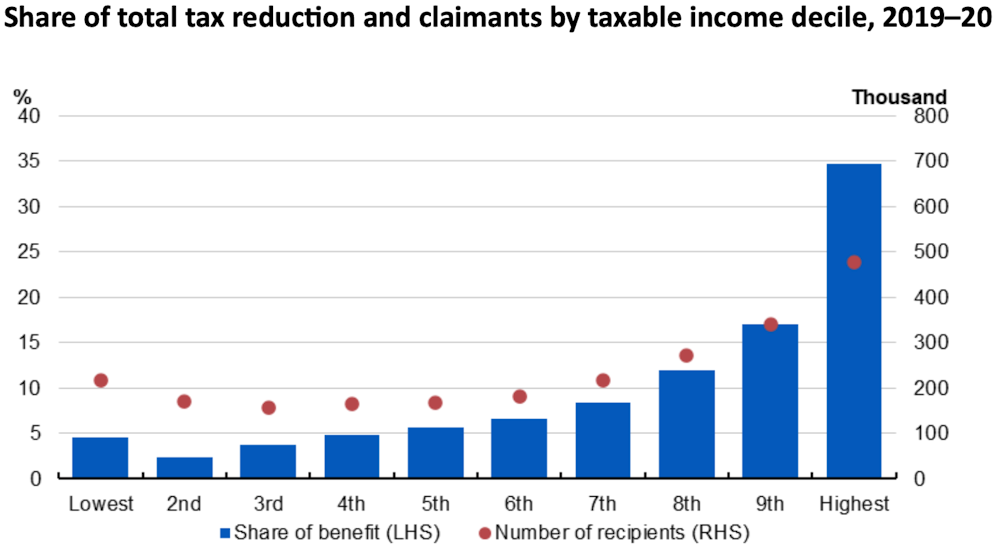
The Australian government spends A$6.7 billion a year on private health insurance rebates. These rebates are the government’s contribution towards the costs of individuals’ premiums.

But our analysis shows higher rebates for people aged 65 and older are not doing much to encourage them to sign up for private hospital cover, the very group who may benefit the most from it.

This and other research point to these rebates largely going to people on higher incomes, ones who’d be more likely to buy private health insurance anyway.


Read more:
The private health insurance rebate has cost taxpayers $100 billion and only benefits some. Should we scrap it?


Remind me, what are these rebates?

In 1999, the Australian government introduced the private health insurance rebate. Initially, the rebate meant the government paid 30% of the cost of private health insurance for everyone, regardless of income or age. Then in 2005, the Howard government increased the rebate rate to 35% for those aged 65-69 and to 40% for those aged 70 and older, regardless of how much they earned.

Over time, the rebate rates have decreased slightly and now depend on both income and age. However, the higher discount for older people has always remained.

We wanted to understand whether the higher rebates for older people actually encourage them to buy private health insurance.

So we looked at data from more than 300,000 people who filed tax returns over more than a decade (2001-2012). We then compared the trends in insurance coverage of people younger than 65 and older than 65, before and after the 2005 rebate policy change.


Read more:
Private health insurance is set for a shake-up. But asking people to pay more for policies they don’t want isn’t the answer


What we found

We found higher rebates led to a modest and short-term increase in private health insurance take-up. We estimated that lowering premium prices by 10% through higher rebates would only result in 1-2% more people aged 65 and older buying private health insurance in the next two years.

This means higher rebates for older people are a very expensive way to get them to insure.

People aged 65-74 with income in the bottom 25% of earners were the most likely to buy insurance in response to higher rebates that reduced premium prices. That’s an income under $21,848 in today’s money (income increased to 2023 dollar amount, in line with the consumer price index).

What do we propose?

Our findings suggest a more targeted subsidy program would be a more effective way to increase private health insurance. To achieve this, we recommend lowering income thresholds for rebates to target people of all ages on genuinely low incomes.

Currently, people earning as much as $144,000 (singles) or $288,000 (families) can receive rebates.

Other evidence to back our proposal comes from research released earlier this year. This suggests higher income earners are likely to buy private insurance regardless of rebates.

A recent consultation report commissioned by the federal health department reviewed a range of health insurance incentives.

The report recommends removing rebates for those with income higher than $108,000 for singles and $216,000 for families (we recommend removing them at $93,000 for singles and $186,000 for families). The report also recommends increasing rebates for those older than 65 (we believe income, rather than age, is a better marker of someone’s means).

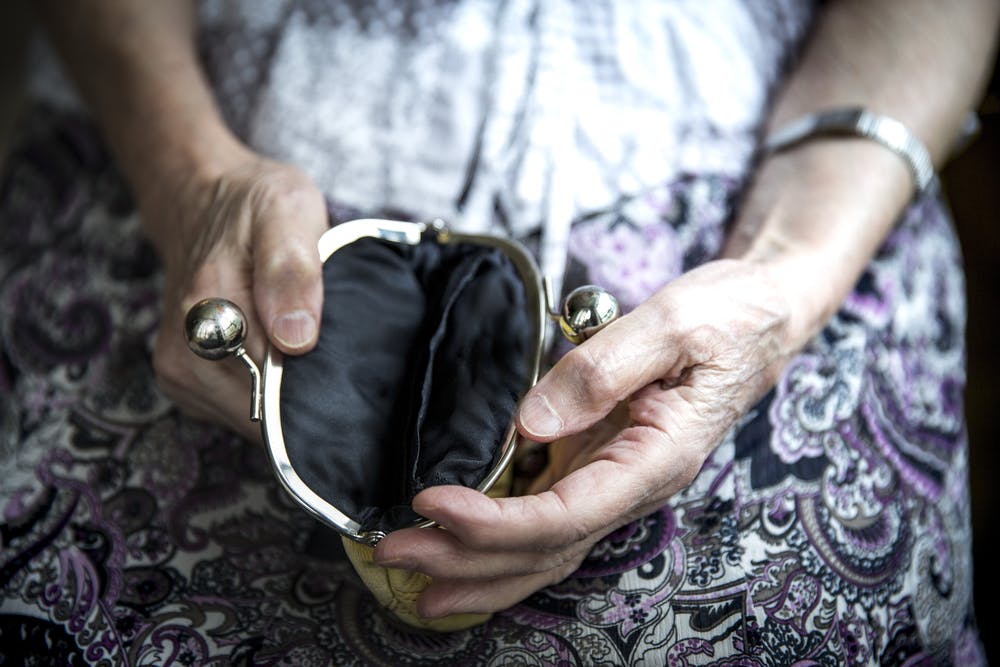
Elderly woman with empty purse in lap
People on low incomes should be targeted instead.
Shutterstock

Are rebates good value for money?

We also need to look at whether rebates provide value for money more broadly, and across all ages.

Existing evidence shows a 10% decrease in premiums due to rebates only leads to a 3.5-5% increase in private health insurance take-up among all Australians. We show this is only 1-2% for people over 65.

So rebates are likely to cost taxpayers more than they generate in savings, and are largely windfalls to those who would privately insure anyway, often those who are financially better off.


Read more:
Do you really need private health insurance? Here’s what you need to know before deciding


What happens if we scrapped the rebates?

It is uncertain how many people would drop private cover if the rebate was removed.

But based on research from when the rebate was introduced, the rebate might account for a maximum 10-15 percentage points of the overall take-up rate. Other research suggests it might be much less than this, closer to 2 percentage points.

In other words, the rebate only appears to influence a small percentage of people to buy private health insurance. So scrapping it would likely have a similarly small effect.

Then there’s the impact of scrapping the rebate, people dropping their cover and putting more pressure on the public system. Earlier this year, we found private health insurance had minimal impact on reducing waiting times for surgery in Victorian public hospitals. So scrapping the rebate might have minimal impact on waiting lists.

Taken together, the billions of dollars a year the government spends to subsidise private health insurance via rebates might be better directed to public hospitals and other high-value care, including primary care and preventive care.

The Conversation

Yuting Zhang has received funding from the Australian Research Council (future fellowship project ID FT200100630), Department of Veterans’ Affairs, the Victorian Department of Health, and National Health and Medical Research Council. In the past, Professor Zhang has received funding from several US institutes including the US National Institutes of Health, Commonwealth fund, Agency for Healthcare Research and Quality, and Robert Wood Johnson Foundation. She has not received funding from for-profit industry including the private health insurance industry.

Judith Liu received funding from Richard Ivan Downing Fellowship Fund (University of Melbourne) during the conduct of the study.

Nathan Kettlewell does not work for, consult, own shares in or receive funding from any company or organization that would benefit from this article, and has disclosed no relevant affiliations beyond their academic appointment.

ref. Who really benefits from private health insurance rebates? Not people who need cover the most – https://theconversation.com/who-really-benefits-from-private-health-insurance-rebates-not-people-who-need-cover-the-most-212611

70% of Australian students with a disability are excluded at school – the next round of education reforms can fix this

Source: The Conversation (Au and NZ) – By Catherine Smith, Senior lecturer, The University of Melbourne

Redd F/Unsplash

The National School Reform Agreement is made about once every five years in Australia. This is the main way the federal government can steer changes in how Australian schools are run.

The current reform agreement ends in December 2024, and the new one is starting to be developed. One of the early priorities is to improve outcomes for all students, “particularly those most at risk of falling behind”. An expert panel will deliver a report to all education ministers by the end of October to inform negotiations.

Meanwhile, a wide-ranging NDIS Review, looking at the sustainability of the scheme, is also due to report around the same time .

Earlier this month, Bruce Bonyhady, the chair of the independent review, said state governments need to build “foundational supports” in schools to reduce the strain on the NDIS. This follows our recent research that showed huge issues with the way students with disability are included in school life. For example, 70% of surveyed students with a disability report being excluded from events or activities at school.

Negotiations around the next school reform agreement alongside the NDIS Review provide a real opportunity to better educate and support students with disability.

What is the National School Reform Agreement?

The National School Reform Agreement is a joint agreement between the federal and state governments that aims to improve student outcomes across schools. It also deals with funding arrangements. Each state or territory makes its own agreement with the federal government.

The Albanese government extended the current agreement by a year, with the new one due to begin in January 2025.

Within the bilateral agreements are activities that support particular student cohorts. But the current setup is not working adequately for students with disability.

In January this year, a Productivity Commission review noted many of the bilateral agreements either did not include specific reform actions for students with disabilities, or did not include details of how this would happen. It also noted there is no NAPLAN data collected on students with disabilities – so it is very difficult to measure academic progress.

The commission suggested linking NDIS data to school reporting. While this would be welcome, it won’t capture students with disabilities who are not part of the NDIS. And it won’t capture the issues people face at the boundaries of the NDIS and education where there is debate over who should provide funding and support.

Containers holding pencils, scissors, paint brushes and rulers.
The Productivity Commission said current school reform arrangements did not have enough detail around students with disability.
Pixabay/Pexels


Read more:
What is the National School Reform Agreement and what does it have to do with school funding?


Unprecedented demand on the NDIS

Meanwhile, the NDIS is not necessarily able to provide the support school students need.

The NDIS was originally designed to provide funding to individuals with significant and permanent disabilities, estimated to be 10% of the 4.4 million disabled Australians. Today, more than 610,000 individuals receive support from the scheme – around 14% of Australians with disability.

There has been a particular growth in terms of the number of children in the scheme. More than half of those in the NDIS are under 18 and 11% of five- to seven-year-old boys are participants.

Some commentators have argued this is not sustainable, with the NDIS budget estimated to reach A$35 billion this year.

Bonyhady says he believes the increase in numbers may be due to a systemic issue. With limited supports outside the NDIS, parents are left with little choice but to try and secure a place on the scheme.


Read more:
20% of children have developmental delay. What does this mean for them, their families and the NDIS?


The NDIS was never intended to replace existing mainstream services such as education and health. But ambiguities about responsibilities for funding often lead to service gaps. Our research has consistently shown students with similar characteristics can receive inconsistent support, depending on:

  • parents’ and/or carers’ understanding of nuances in the system

  • the community support in the school the student attends

  • the training of teachers and supports within that school, and

  • school leadership decisions on allocation of disability support funding.

A young boy leans on a tree.
More than half of NDIS participants are under 18.
Trinity Kubassek/Pexels

The importance of inclusive education

We know students with disability are not being properly included at school. As our research also found, 54% of those surveyed said they felt welcome, and only 27% felt supported to learn. On top of this, 65% of students reported experiencing bullying and 13% preferred not to answer.

Backpacks hang on the back of chairs, behind an empty desk.
Our research also found 70% of students are excluded from school events such as excursions.
Katerina Holmes/Pexles, CC BY-NC-ND

Issues such as inadequate teacher preparedness, heightened risk of bullying, and experiences of exclusion can have lifelong repercussions.

On the other hand, if mainstream schools are inclusive, this can give students with disabilities friendships, higher aspirations and a richer learning experience.

Inclusive education also benefits those without disability. A 2021 meta-analysis showed inclusion at all levels of education reduces discrimination, prejudice and hostility. Academically, results for all students in inclusive primary settings are better than, or equivalent to, non-inclusive settings.

So if we have well-funded, inclusive educational environments, we can not only enrich the academic and personal growth of students with and without a disability, but also alleviate the pressure on the NDIS.

What needs to happen now?

The next reform agreement needs to commit specific funding for the support of students with disability in their school, and the development and training of their educators.

We also need a commitment to report properly on students’ progress. This means progress is measured also at the individual level (involving individual learning plans), rather than simply against a developmental continuum.

Well-funded inclusive education is a human right and is crucial in setting up all young Australians for their future.

The Conversation

Catherine Smith receives funding from Children and Young People with Disability Australia and Down Syndrome Victoria.

Helen Dickinson receives funding from the Australian Research Council, National Health and Medical Research Council and Children and Young People Australia

ref. 70% of Australian students with a disability are excluded at school – the next round of education reforms can fix this – https://theconversation.com/70-of-australian-students-with-a-disability-are-excluded-at-school-the-next-round-of-education-reforms-can-fix-this-213369

Like plumbing did for water, Australia’s ‘consumer data right’ could make your personal data safer and easier to share

Source: The Conversation (Au and NZ) – By Ross Buckley, ARC Laureate Fellow, Scientia Professor of Law, UNSW Sydney

Shutterstock

Back in 2017, The Economist published a headline that became a meme. It said data had become the new oil.

By that it meant that the world’s biggest and most profitable companies no longer worked with oil, as they had throughout the 20th century, but with data.

By 2022, three of the world’s five most profitable companies specialised in data – Apple, Microsoft and Alphabet. Only two of the five specialised in oil.

Oil did indeed shape our cities in the 20th century. It facilitated our post-war urban sprawl and connected our cities by air and sea.

But before that, our cities were shaped by plumbing, making it more accurate to say that data is the new water. Like water, controls over its flow will build the next economy.

In a paper accepted for publication in the Australian Business Law Review, we argue the new “consumer data right” will do for our data-driven economy of the future what plumbing has done for our cities.

Like water, data flows through pipes

We have a photo on our office wall of Manhattan in the late 1800s, showing multistorey buildings surrounded by horses and carts, and presumably manure. The smell in summer must have been quite something!


‘Street-cleaning and the disposal of a city’s wastes’, Internet Archive, 1898

Yet over time, a much bigger more developed Manhattan became habitable, largely because of sanitation. Clean water was piped in and sewerage was piped out, safely and efficiently.

We see Australia’s little-known new Consumer Data Right in the same way, as a foundation on which the future will be built.

In the process of being rolled out across a number of industries, beginning with banking and energy, it gives consumers the unquestioned right to direct data businesses hold about them to other providers of their choice so these providers can offer a better value for money service. That means we can share our own data with accredited recipients, who can help us manage our affairs better or access better deals on products and services.


Read more:
Beyond banking, consumer data rights are set to transform our lives


Just as water supply and sewerage disposal systems need to be regulated to be reliable and to protect our health, the flow of data needs to be regulated so its potential can be realised, and breaches and misuse contained.

Until recent decades there was little flow to regulate. Data was generally contained within organisations and kept offline. Few organisations analysed it at scale.

A landmark Productivity Commission report in 2017 made Australia a global leader in planning to regulate data. The resulting 2019 Consumer Data Right mimics plumbing in the way it facilitates flows and removes effluent.

What does the Consumer Data Right do?

As with plumbing, the regime establishes technical standards that specify the format of the data exchanged between organisations, and determine the design and configuration of the data transmission channels which act as pipes through which the data flows.

The movie tag contains https://www.cdr.gov.au/how-it-works, which is an unsupported URL, in the src attribute. Please try again with youtube or vimeo.

Concern for the quality and integrity of the transported data is built into the system’s architecture: data holders and accredited data recipients have to ensure the data they transfer is “accurate, up to date and complete”.

Nothing is allowed to flow without the consent of the consumer whose data it is, which at multiple stages serves as a “valve” that can start or stop the flow.

Data holders have to ask consumers to authorise disclosures of their data and keep records and explanations of such authorisations.

Businesses accredited to receive consumer data can only receive it with the consumer’s consent. And consent cannot be “implied” or “open-ended”. Consumers have to understand what they are consenting to, explicitly say yes, and be able to revoke their consent to data disclosure, collection or use at any time.

Making data breaches less likely

Importantly, when an accredited data recipient no longer needs consumer data (and is not required to retain it for another reason) the recipient has to either destroy or de-identify it.

As well, consumers have the right to require deletion of their data. Until now, they have had no such right.

Accredited businesses are also required to destroy unsolicited data.

Had Optus been accredited under the consumer data right before exposing the data of as many as 10 million current and former customers last year, in what has been labelled “the worst data breach in Australia’s history”, it would most likely have been found to be in breach of its obligations by holding on to data it no longer needed.

Even better, the breach would have been less likely because of the requirements and the stringency of the accreditation process.

Running parallel to the consumer data right for firms that haven’t applied for accreditation are the old practices.

Old pipes are unsafe

All sorts of firms regularly share information about consumers with credit reporting agencies such as Equifax and Illion, regulated by laws including the Privacy Act.

Other data aggregators, such as Envestnet|Yodlee and Mint (which offers a popular personal finance management app), have long accessed consumer data through ‘screen-scraping’ – a technology that relies on consumers handing over their bank login details in return for a service.

The Treasury regards screen scraping as inconsistent with cyber security advice and is seeking advice about banning it as the consumer data right becomes available as an alternative.


Read more:
Why the class action against Optus could be Australia’s biggest


The sooner these old practices are replaced with practices governed by the consumer data right, the stronger Australia’s data economy will become.

What we find strange about the changes taking part in Australia is that overseas they are regarded as pioneering. Here, they get little media attention.

It is time for Australian businesses to embrace what’s coming and start developing uses for the consumer data right that will appeal to customers.

Those that do will help determine how the pipelines of the future are used.

The Conversation

Ross Buckley receives funding from the Australian Research Council for a wide-ranging research project that includes the subject matter of this article.

Natalia Jevglevskaja does not work for, consult, own shares in or receive funding from any company or organization that would benefit from this article, and has disclosed no relevant affiliations beyond their academic appointment.

ref. Like plumbing did for water, Australia’s ‘consumer data right’ could make your personal data safer and easier to share – https://theconversation.com/like-plumbing-did-for-water-australias-consumer-data-right-could-make-your-personal-data-safer-and-easier-to-share-210969

PNG Post-Courier: Our democracy, our Melanesian way

EDITORIAL: By the PNG Post-Courier

“Is there a democratic Papua New Guinean nation — or is it merely an arbitrary nation built on a shaky, crumbling foundation of disparate traditional customs and the Melanesian Way?

“Has the system of government become a hybrid of concepts that fail to work on any level — a bastardisation of both democracy and custom?” Susan Merrell asked in her article, published in the PNG Echo on 13 July 2015.

Paul Oates, in another article published by PNG Attitude in July 2021, remarked that: “It has taken me a long time to reach an understanding of what the problem was leading up to Papua New Guinea’s independence.

PNG POST-COURIER
PNG POST-COURIER

In that article, titled “System we gave PNG just doesn’t work”, Oates argued that “At the time, in the 1970s, the thought process was that the Westminster system works for us in Australia, this we can impose this obviously working system as a unifying force for a people and their many hundreds of cultures.”

Oates, Merrell and many other critics have [concluded] that democracy has failed in PNG and, as Oates puts it, “the Westminster system of parliamentary democracy would never work when the majority of the people involved didn’t understand it and never would”.

It is true a lot of our people were illiterate at Independence on 16 September 1975, the idea of independence was a beast travelling up the Highlands Highway, gobbling everything and everyone in its way and the Westminster system of government and elections were foreign concepts that were far removed from their traditional governance systems.

Educating the populace on what democracy was about was out of the question. The high illiteracy level and the logistical nightmare would have made a massive public campaign hard.

Our founding fathers chose the democratic system of government over the other forms of government, because this system was best for a country like PNG with a population divided by varying and distinct cultural practices and ideologies. It was a concept of
a government that would unify the people.

When the national constitution was adopted in 1975, it gave birth to the Westminster system of government, a concept that, if understood clearly, should have allowed our people to choose their government through regular, free and fair election.

But that was not to be. Without knowing what democracy was and what the Westminster system of government was, our people went to the first national general election in 1978.

Since that election, and at every other later election, our people have incorporated the Melanesian Way of leadership into the new democracy we adopted and a home-grown system had flourished.

The results we have today is the price we are paying.

Compounding this is other underlying challenge like the integrity of the Electoral Roll that must be addressed.

Another issue is the weak political party system we have. A small country, PNG has 46 registered political parties to date, each with their own policy platforms. It is a nightmare for the voters, no one bothered to get to know all the political parties well.

The country’s weak political party system [has also been] the cause of the instability in the governments since 1975. In PNG, governments do not only change at the elections but on the floor of Parliament, through motions of no confidence in the prime minister.

The instability in PNG politics has forced prime ministers to spend more time and resources managing the politics rather than the government and country.

Furthermore, the “systemic and systematic” corruption, the escalating lawlessness and the decline in the economy are matters that are impacting on lives and businesses.

The challenges are huge, it will require massive legislative and structural reforms across all sectors of government to ensure PNG really meets its development goals moving into the next 50 years.

It will also take a massive change in mindset, attitudes and behaviours by our people to achieve true peace and harmony.

“That these dead shall not have died in vain — that this nation, under God, shall have a new birth of freedom and that government of the people, by the people, for the people, shall not perish from the earth.”

— Abraham Lincoln, 16th US President, The Gettysburg Address, 19 November 1863

This PNG Post-Courier editorial was published on 15 September 2023, the day before Papua New Guinea celebrated its 48th year of independence. Republished with permission.

Print Friendly, PDF & Email

Article by AsiaPacificReport.nz

Climate minister Chris Bowen says replacing coal-fired power stations with nuclear would cost $387 billion

Source: The Conversation (Au and NZ) – By Michelle Grattan, Professorial Fellow, University of Canberra

The government says replacing Australia’s retiring fleet of coal-fired power stations with nuclear energy would cost some $387 billion.

The costing, put out by the Climate Change and Energy Minister Chris Bowen, is a pre-emptive strike against the opposition, which is moving to include nuclear power in the energy policy it takes to the next election.

Bowen said the nuclear option would represent a $25,000 cost impost on each of more than 15 million Australian taxpayers. The costings were done by the Department of Climate Change, Energy, Environment and Water.

To replace Australia’s retiring coal fleet of 21.3GW, a minimum of 71 300MW small modular reactors would be needed, Bowen says. This could cost $387 billion, with the estimated capital cost of $18,167/kW for SMRs in 2030, compared to large scale solar at just $1,058/kW, and onshore wind at $1,989/kW.

Those in the opposition promoting the nuclear option argue that including it is the only way Australia will get to net zero emissions by 2050. But there are no details of the speed or extent of the use of nuclear energy that would be in the policy, which has yet to be drafted and approved by the Coalition. The role of nuclear would also be constrained by the pace at which the technology for small reactors is being developed.


Read more:
Grattan on Friday: The Coalition’s likely embrace of nuclear energy is high-risk politics


Opposition leader Peter Dutton said in a speech in July: “If the government wants to stop coal-fired power and phase out gas-fired power, the only feasible and proven technology which can firm-up renewables and help us achieve the goals of clean, cost-effective and consistent power is next generation nuclear technologies which are safe and emit zero emissions.”

Dutton said nuclear technologies and renewables should be seen as companions not competitors.

“New nuclear technologies are factory-built, portable, scalable and can even be relocated,” he said. “New nuclear technologies can be plugged into existing grids and work immediately.”

“We could convert or repurpose coal-fired plants and use the transmission connections which already exist on those sites,” Dutton said in the July speech.

Bowen said the $387 billion was 20 times the cost of the Albanese government’s Rewiring the Nation fund. The government says this fund will support unlocking over 26GW of new renewable generation capacity, and over 30GW of transmission capacity.
Bowen describes the opposition’s pursuit of nuclear energy as a pipe dream, saying nuclear is around three times more expensive than firmed renewables.

He said the opposition wanted “to trump the benefits of non-commercial SMR technology, without owning up to the cost and how they intend to pay for it.

“Peter Dutton and the opposition need to explain why Australians will be slugged with a $387 billion cost burden for a nuclear energy plan that flies in the face of economics and reason.”

Bowen’s attack comes as the government is facing a backlash from farmers against the new power lines needed to transmit renewable energy.

Writing on The Conversation website recently, the Grattan Institute’s energy expert Tony Wood said solar and wind farm investment had markedly slowed because there was not as yet the right grid.

The Conversation

Michelle Grattan does not work for, consult, own shares in or receive funding from any company or organisation that would benefit from this article, and has disclosed no relevant affiliations beyond their academic appointment.

ref. Climate minister Chris Bowen says replacing coal-fired power stations with nuclear would cost $387 billion – https://theconversation.com/climate-minister-chris-bowen-says-replacing-coal-fired-power-stations-with-nuclear-would-cost-387-billion-213735

Australian advocacy group condemns killing of 5 West Papuans – challenges Canberra

Asia Pacific Report

An Australian human rights advocacy group for West Papuans has condemned the killing of 5 youths found dead in Dekai, capital of Yahukimo Regency, and have challenged Canberra to reconsider government ties with Indonesian security forces.

Criticising the latest deaths, Australia West Papua Association (AWPA) spokesperson Joe Collins said: “While West Papuans are being killed by the Indonesian security forces, we have Australia and Indonesia sitting down at the ninth bilateral consultation to discuss
bolstering anti-terror cooperation”.

Antara News reports that Indonesia and Australia have committed to continue “anti-terrorism” cooperation through dialogue at bilateral, regional, and multilateral forums, as well as technical cooperation.

Collins said it was time that the Australian Defence Department and DFAT (Department of Foreign Affairs and Trade) “seriously looked at their ties with the Indonesian security forces” and the affect their aid and training had on West Papuans.

The five civilians who were found dead at the mouth of the Brasa River were aged between 15-18 and were members of the Kingmi Papua Church.

According to church officials, the five youths usually delivered food to the village after buying it at Dekai.

Sebby Sambom, a spokesperson for the West Papua National Liberation Army (TPNPB) fighting for independence from Indonesia, was reported to have said that the five victims found dead on Friday were not members of the TPNPB.

‘Not ours’ says TPNPB
“They’re not our members. They were purely civilians who wanted to return to their villages and were shot and bombed by the Indonesian military,” he was quoted as saying by the Papuan news outlet Jubi.

The chair of the Yahukimo Church Fellowship (PGGY), Pastor Atias Matuan, named the five dead civilians as Darnius Heluka, Musa Heluka, Man Senik, Yoman Senik and Kaраі Payage.

On Friday, PGGY accompanied the family to collect the bodies at the Yahukimo Regional General Hospital (RSUD).

“Their bodies had gunshot wounds to the stomach, chest and legs,” Pastor Matuan said.

The pastor also reported that TNI officers had a guard post at the Dekai urban boundary, and residents wanting to travel from Dekai were required to report there.

“Residents must report to the security post. If they don’t, they’re considered part of the TPNPB, even though they don’t carry military equipment,” he said.

Victims buried
The five victims were buried at the Kilo Enam Public Cemetery, Dekai, on Friday.

Joe Collins of AWPA said there appeared to be a “total lack of trust” between the security forces and local people in the region.

Pastor Matuan said that his party “had difficulty mediating in the armed conflict because he felt that the Indonesian security forces did not trust the Servant of God”.

Print Friendly, PDF & Email

Article by AsiaPacificReport.nz

‘It was set up to fail us’ – Palestinians reflect on 30 years of the Oslo Accords

Though the Oslo Accords and its signatories made many promises to the Palestinians, in reality, it carved Palestine up into bantustans and ghettos with limited self-autonomy for Palestinians on a minuscule portion of their homeland.

By Yumna Patel

On September 13, 1993, Israeli Prime Minister Yitzhak Rabin and leader of the Palestine Liberation Organisation (PLO) Yasser Arafat shook hands in front of an elated US President Bill Clinton on the White House lawn.

The image capturing that handshake came to be one of the most famous images of all time, representing one of the most defining moments in recent Palestinian history.

It was the day that the Declaration of Principles (DOP), or the first Oslo Agreement (Oslo I) was signed, kicking off the so-called peace process that was meant to culminate with “peace” in the region and resolve the so-called “conflict”.

But the Oslo Accords never actually promised an independent Palestinian state, or even something that remotely resembled it. In reality, it carved the occupied Palestinian territory up into bantustans with limited self-autonomy for Palestinians on a minuscule portion of their homeland.

It paved the way for Israel to swallow up more land, resources, and tighten its grip on the borders and the people living within it.

Even the promises that were made — halts on settlement construction, withdrawal from certain areas of the occupied territory, and the eventual transfer of control of the West Bank to the Palestinian Authority (PA) — never happened.

Wednesday marked 30 years since the first Oslo Accords were signed. And though final status negotiations have failed repeatedly over the decades, the Oslo Accords have remained in effect, creating a unique situation on the ground for Palestinians.

The PA, which was set up as an interim government, has become permanent, and its leaders have remained unchanged for 17 years. Both the Fatah-dominated PA in the West Bank and Hamas in Gaza have evolved into authoritarian regimes, causing many young Palestinians to declare their governments as “subcontractors of the Israeli occupation”.

In the meantime, Israel has a tighter grip than ever before on Palestinian life and land, with Gaza under tight blockade and the West Bank carved up into small cantons, or apartheid-style “bantustans,” as analysts put it.

With each passing year, the Israeli government has become increasingly right-wing, breaking its own records on violence against Palestinian communities and the construction of illegal settlements deep in the occupied West Bank and Jerusalem.

To say that the reality on the ground is desperate would be an understatement. And many Palestinian youth, who grew up in the shadow of the accords and all its false promises, blame the accords, or “Oslo” as it is locally called, in large part for the situation they find themselves in today.

Setting the stage
Before that fateful day on the White House lawn in 1993, there was a lot happening for Palestinians both at home and abroad.

From 1987-1993, the Palestinian streets were in upheaval. It had been two decades since Israel occupied the West Bank, East Jerusalem, and Gaza, and Palestinians were fed up.

The First Intifada, or the first Palestinian uprising, took Israel and the world by surprise. A mass civil disobedience campaign swept the country, and turned into years of protests and subsequent repression by the Israelis.

Despite the violence that plagued the Palestinian streets, many Palestinians found themselves hopeful — that by standing up to the occupation, they could change their reality.

Then, in the fall of 1991, the world convened in Madrid for a “peace conference”. Sponsored by the US and the Soviet Union, it was the first time Israel and the Palestinians were to engage in direct negotiations.

The PLO, which is internationally recognised as the representative of the Palestinian people, was operating in exile in Tunisia, and was barred from attending the conference. In its place, a joint Jordanian-Palestinian delegation was tasked with representing the Palestinian people instead.

Dr Hanan Ashrawi was one of the advisors to the delegation.

“We went with a sense of mission that we are representing a people who have dignity, who have rights, who have courage, who have defied this military occupation. And we are going to present ourselves to the world, and we are going to extract our rights,” Ashrawi told Mondoweiss, reflecting on the moment in history that propelled her onto the global stage.

“So we were confident, and there was a spirit of optimism, maybe naivete, if you will,” she said.

The Madrid conference set the stage for years of peace negotiations facilitated by Washington and Moscow. Despite its flaws, those involved in the Madrid conference, like Ashrawi, seemed hopeful that political negotiations could really lead somewhere.

“That was a period, albeit a short-lived period, of hope, of optimism, of confidence,” Ashrawi said.

“And when we came back, people believed that they could achieve liberation through a political process, but that these were dashed afterwards completely.”

Backchannel negotiations
While public negotiations were being held on the global stage in the months after the Madrid conference, a different set of negotiations were being held behind closed doors between two unlikely partners.

In 1993, in Oslo, Norway, Israel and the PLO engaged in backchannel discussions that resulted in an unprecedented conciliation.

The PLO, a militant liberation organisation, recognised the state of Israel and its “right to exist in peace and security”. In exchange, Israel recognised the PLO as a “representative of the Palestinian people,” falling short of actually recognising the Palestinians’ right to sovereignty.

After months of secret negotiations, and in a shock to many Palestinians, Rabin and Arafat shook hands in September 1993, as the Declaration of Principles (DOP), or first Oslo Accords (Oslo I), were signed.

The move came as a shock to many Palestinians, including those who had been engaging in public peace negotiations for years, and were seemingly unaware of the secret deal that was materialising behind the scenes.

“The signing of the DOP was a real disappointment,” Dr Ashrawi told Mondoweiss. “I wasn’t upset or disturbed because there were backchannel discussions that we weren’t part of, or that it was signed behind our back.

“I said then very openly, that I don’t care who signs it or who negotiate it. I care about what’s in it, what’s in the agreement.”

When Dr Ashrawi saw the agreement, she said she was “extremely disappointed” and concerned over what she described as “built-in flaws,” which she said she felt at the time would end up backfiring on the Palestinians.

“Because [the accords] did not challenge the reality of the occupation, and they did not deal with the real issues, with the core issues, with the causes of the conflict itself. The totality of the Palestinian experience was excluded. The fragmentation was maintained, the phased approach was maintained, the Israeli actual control on the ground was maintained, and all the postponed issues had no guarantees, no oversight.”

Dr Yara Hawari, a political analyst for Palestinian think tank Al-Shabaka, said the Oslo Accords “were always set up to fail”.

“[They were set up] to make Palestinians lose out on what was supposedly peace negotiations, and so many decades on we’ve seen that actually, it has been complete capitulation for the Palestinian people.”

What did the accords say?
The Oslo Accords were a number of agreements, signed between 1993 and 1995, that laid the foundation for the Oslo process — a so-called peace process that, over the course of five years, was to culminate in a peace treaty that would end the Israeli-Palestinian “conflict”.

So, what exactly did the accords say? And why were they so controversial?

“The Palestinians were told that the Oslo Accords would be a peace process, and that over an interim period, Palestinians would be led to eventual statehood. And it was designed to be a phased process.

“So at each stage, Palestinians would be granted more and more sovereignty,” Dr Hawari said.

“But in reality, what we saw was that the West Bank was completely divided up into bantustans. The Gaza Strip and the West Bank were completely separated from each other, and the Palestinian leadership was turned into this service-functioning body, and Palestinians were deprived of complete autonomy.”

While they outlined economic and security agreements, the creation of the interim Palestinian National Authority (PNA), and limited Palestinian autonomy in the West Bank and Gaza, the accords never actually agreed upon any of the major issues plaguing the Palestinian struggle: the borders of a future state, illegal Israeli settlements in the West Bank, the return of the Palestinian refugees to their homes, and the status of Jerusalem as a future capital.

“The totality of the Palestinian experience was excluded. The fragmentation was maintained, the phased approach was maintained, the Israeli actual control of the ground was maintained, and all the postponed issues had no guarantees, no oversight, no arbitration, and no accountability,” Dr Ashrawi said.

There was never any intention to accept any kind of sovereignty or self-determination for the Palestinians.

The fallout
In the years after the first Declaration of Principles was signed, the new Palestinian Authority went into full swing, forming their new interim government and welcoming back home hundreds of Palestinians who had been living in exile.

But by 1999, when the 5-year-interim period laid out by the accords had ended, little had been accomplished in terms of final status negotiations.

Israel had not followed through on its promise to fully withdraw from certain areas of the West Bank and Gaza, and despite promises to halt settlement construction, Israel was still building Jewish-only settlements on Palestinian land.

And in 2000, spurred on by Ariel Sharon’s inflammatory visit to the Al-Aqsa mosque, the Second Intifada erupted. Israel’s military forces reoccupied the West Bank, and the next few years were marred by mass killings, arrests, and the construction of an illegal wall that separated families and annexed more Palestinian land.

Whatever fragments had remained of a peace process vanished.

The settlements and shrinking spaces
In the midst of the Second Intifada, America’s attempts to revive a peace process with the Camp David summit in 2000 proved to be futile. And yet, though the peace process was dead in the water, the framework laid out by the Oslo Accords remained in place.

That meant Palestinians were left with a government that was intended to be temporary but with no independent state for that body to govern. And Israel, through military force, still had control over the borders, resources, and effectively, the lives of millions of Palestinians

“The key promise of Oslo was Palestinian statehood, and we know that has obviously not been achieved,” Dr Hawari told Mondoweiss.

“Instead, what we see is these little pockets of false Palestinian autonomy in the West Bank. There were many other promises that were made as well: economic promises, promises to do with control over resources, and actually, none of those have been fulfilled.

“The only people that have won from the accords, or who have actually gained, are the Israeli regime, which now controls the West Bank in its entirety, has Gaza under siege, and basically has looted all of the Palestinian resources.

“And this was laid out in the Oslo Accords.”

In the years following the signing of the Oslo Accords, Palestinians witnessed their spaces shrinking rapidly, as Israel promoted vast settlement construction deep within the occupied West Bank and Jerusalem.

Between the signing of the Oslo Accords and the outbreak of the First Intifada, the number of Israeli settlers in the West Bank increased by almost 100 percent.

In the year 2000, the settler population in the West Bank stood at just over 190,000. Today, that number has surpassed 500,000 settlers, all of whom are living on Palestinian land, in violation of international law.

Including settlers living illegally in East Jerusalem, the settler population in the occupied Palestinian territory has surpassed 700,000.

An increase in settler population, coupled with an extreme right-wing Israeli government, has meant a significant increase in settler violence, with Palestinian civilians on the frontlines.

In the first eight months of 2023, the UN documented more than 700 settler attacks against Palestinians. The attacks have resulted in damage to homes, property, farmland, physical injuries, and even death.

Because of the maps drawn by the Oslo Accords, the PA only has security jurisdiction over 18 percent of the West Bank, meaning that in the event of a settler attack, most Palestinian civilians are left to fend for themselves.

A disillusioned youth
In the wake of the Oslo Accords, a new generation of Palestinians was born that would come to be known as the “Oslo Generation” — whose youth would be defined by false promises and loss of life, land, and the power to choose their own future.

“We witness our own family and friends being killed and arrested on a daily basis. We get humiliated at military checkpoints whenever we’re trying to leave or enter our cities or villages.

“And we witness our people being expelled from their land while more and more settlements are being built in their place,” Zaid Amali, a Palestinian activist in Ramallah, told Mondoweiss.

When asked what he thought of Palestinian and international leaders still promoting a two-state solution and “peace negotiations” on the global stage, Amali responded:

“It may be more convenient for them to stick to that framework, but it’s very unrealistic and naive to still hang on to it because Israel has systematically destroyed the two-state solution.

“And to us as well, it feels insulting and disrespectful to keep talking about this in theory, when in reality, on the ground, it’s the complete opposite of what’s happening.”

In the 30 years since the first accords were signed, the Palestinian Authority, which was intended to be an interim government, has become permanent. And yet, elections have only ever been held twice in 3 decades. Any attempts over the last 16 years at holding elections or reviving reconciliation talks between rival factions have been squandered.

PA leaders in the West Bank and Hamas authorities in Gaza have consolidated power in the hands of a few elites while growing increasingly authoritarian, cracking down on dissent, censoring the media, and jailing and even killing dissidents.

“The way the system became, in a sense, right now is quite disappointing,” Dr Ashrawi told Mondoweiss. Without naming names, Ashrawi continued, “People became more concerned with power, with control, other than with service.

“[They became] more concerned with self-interest, influence, and the trimmings of power rather than the whole idea of contributing and serving the people.”

When asked how things deteriorated into the present-day situation, Dr Ashrawi attributed it to an overall “abuse of power.”

“There were gradually constricting spaces for freedoms and rights that ultimately, now you don’t even have a legislative power. Even the judiciary was subjugated to the executive.

“The executive became concentrated in the hands of the few, and so we have distorted any semblance of democracy that we may have had and that we have tried to establish even under occupation,” she said.

“I don’t blame the occupation for everything. There are things under our control that were abused and distorted.”

The concentration of power in the hands of authoritarian figures like President Mahmoud Abbas has meant that an entire generation, like Zaid Amali, is now nearing or surpassing the age of 30 without ever having participated in a national election.

Amali, 25 years old, said it’s an extremely frustrating reality for young Palestinians like him.

“It’s frustrating because we should be able to elect our own government in a democratic way,” he said.

“This government should reflect our interests and manage the needs of the Palestinian people and represent us in a true way.”

“But on the contrary, it’s actually serving the interest of the few at the expense of the majority in Palestine. And when we talk about Palestinian youth, they do form the majority of the Palestinian population.

“So, for us young Palestinians, it is, again, very frustrating to see that this government is not really working in our interest. But oftentimes, unfortunately, [it is] against us.”

Turning to armed resistance
In 2023, the Palestinians who were born the year the Oslo Accords were signed turned 30. Until today, none have had the opportunity to participate in political life on a national level. Economically, their opportunities are few and far between.

Unemployment in occupied Palestine is close to 25 percent — while in Gaza alone, that number is closer to 50 percent.

All the while, Israel’s grip on Palestinian life grows ever tighter. 2022 and 2023 marked record-breaking years for Israeli violence against Palestinians, as well as settlement expansion. The situation on the ground has grown desperate, causing many young Palestinians to take matters into their own hands.

Since 2022, the West Bank has seen a resurgence in armed resistance, with militias led by Palestinians as young as 18 years old. Many of the armed resistance groups, some of which operate under a banner of unity and defiance of factional rivalries, have seen massive popular support.

But both the Israeli and Palestinian governments have deemed these armed militias as a threat to the status quo cemented after the Oslo Accords. As part of its policy of security coordination with the Israelis, which was outlined in the accords, the PA has in recent months jailed dozens of Palestinian fighters, along with political dissidents, activists, journalists, and university students.

While some fighters have accepted clemency and handed over their weapons willingly, those who haven’t are being hunted down and arrested.

“We don’t know who’s against us, the [Palestinian] Authority or the Israeli army,” one young man in the Jenin refugee camp told Mondoweiss, just days after a visit by Palestinian President Mahmoud Abbas to the camp — his first visit in 11 years.

“For four years before my arrest [by the Israelis], I was also wanted by the PA. We don’t feel safe at all with the presence of [the PA].”

“Right now, they are actually working against us,” the young man said, referring to the PA’s arrest campaign targeting fighters in areas like Jenin, as part of an ongoing joint security cooperation effort between the PA and the Israeli government.

“It’s all one operation, one operation with the Israeli military and intelligence. When the army comes to attack us, the PA goes and hides away in their stations.

“They [the PA] are trying to get us to turn ourselves in and hand over our weapons, and give up this cause that we are fighting for. But we won’t give it up, no matter what.”

But the PA’s attempts to curb resistance only seem to be backfiring. Public opinion polls from this year show that 68 percent of Palestinians support armed resistance groups, and close to 90 percent believe the PA has no right to arrest them.

Additionally, more than half of Palestinians believe that the continued existence of the PA serves Israel’s interests, not the interest of the Palestinian people.

“This is a leadership that has led us to a situation where we live in bantustans and essentially in ghettos in the West Bank, Gaza, and colonised Palestine,” Dr Hawari said.

“So we have to reckon with that, and that is internal work that Palestinians have to focus on.

“For us to have a brighter future, we have to take a very good look at our leadership and reassess what we want that leadership to look like.

“Do we want it to be a leadership that capitulates and collaborates with our oppressors? Or do we want a leadership that is revolutionary and centers our freedom in their narrative?”

Republished under a Creative Commons licence.

Print Friendly, PDF & Email

Article by AsiaPacificReport.nz

OPM calls for decolonisation of West Papua, condemns UN ‘collusion’

Asia Pacific Report

The Free Papua Organisation (Organisasi Papua Merdeka-OPM) has sent an open letter to the United Nations leadership demanding that “decolonisation” of the former Dutch colony of West New Guinea, the Indonesian-administered region known across the Pacific as West Papua, be initiated under the direction of the UN Trusteeship Council.

The letter accuses the UN of being a “criminal accessory to the plundering of the ancestral lands” of the Papuans, a Melanesian people with affinity and close ties to many Pacific nations.

According to the OPM leader, chairman-commander Jeffrey Bomanak, West Papuans had been living with the expectation for six decades that the UN would “fulfill the obligations regarding the legal decolonisation of West Papua”.

OPM leader Jeffrey Bomanak
OPM leader Jeffrey Bomanak . . . an open letter to the UN calling for the UN annexation of West Papua in 1962 to be reversed. Image: OPM

Alternatively, wrote Bomanak, there had been an expectation that there would be an explanation “to the International Commission of Jurists if there are any legal reasons why these obligations to West Papua cannot be fulfilled”.

The open letter was addressed to UN Secretary-General António Guterres, General Assembly President Csaba Kőrösi and Trusteeship Council President Nathalie Estival-Broadhurst.

Bomanak also accused the UN of “gifting” West Papua and Indonesia and the US mining conglomerate Freepost-McMoRan at Grasberg in 1967.

‘Guilty’ over annexation
“The United Nations is guilty of annexing West New Guinea on Sept 21, 1962, as a trust territory which had been concealed by the UN Secretariat from the Trusteeship Council.”

Indonesia has consistently rejected West Papuan demands for self-determination and independence, claiming that its right to sovereignty over the region stems from the so-called Act of Free Choice in 1969.

But many West Papuans groups and critics across the Pacific and internationally reject the legitimacy of this controversial vote when 1025 elders selected by the Indonesian military were coerced into voting “unanimously” in favour of Indonesian rule.

A sporadic armed struggle by the armed wing of OPM and peaceful lobbying for self-determination and independence by other groups, such as the United Liberation Movement for West Papua (ULMWP), have continued since then with persistent allegations of human rights violations with the conflict escalating in recent months.

In 2017, the UN’s Decolonisation Committee refused to accept a petition signed by 1.8 million West Papuans calling for independence, saying West Papua’s cause was outside the committee’s mandate.

“The UN is a criminal accessory to the plundering of our ancestral lands and to the armament exports from member nations to our murderers and assassins — the Indonesian government,” claimed Bomanak in his letter.

“West Papua is not a simple humanitarian dilemma. The real dilemma is the perpetual denial of West Papua’s right to freedom and sovereignty.”

Bomanak alleges that the six-decade struggle for independence has cost more than 500,000 lives.

West Papua case ‘unique’
In a supporting media release by Australian author and human rights advocate Jim Aubrey, he said that the open letter should be read “by anyone who supports international laws and governance and justice that are applied fairly to all people”.

“West Papua’s case for the UN to honour the process of decolonisation is a unique one,” he said.

“Former Secretary General U Thant concealed West Papua’s rights as a UN trust territory for political reasons that benefited the Republic of Indonesia and the American mining company Freeport-McMoRan.

“West Papua was invaded and recolonised by Indonesia. The mining giant Freeport-McMoRan signed their contract to build the Mt Grasberg mine with the mass murderer Suharto in 1967.

“The vote of self-determination in 1969 was, for Suharto and his commercial allies, already a foregone conclusion in 1967.”

Aubrey said that West Papuans were still being “jailed, tortured, raped, assassinated [and] bombed in one of the longest ongoing acts of genocide since the end of the Second World War”.

Western countries accused
He accused Australia, European Union, UK, USA as well as the UN of being “accessories to Indonesia’s illegal invasion and landgrab”.

About Australia’s alleged role, Aubrey said he had called for a Royal Commission to investigate but had not received a reply from Governor-General David Hurley or from Attorney-General Mark Dreyfus.

Print Friendly, PDF & Email

Article by AsiaPacificReport.nz

Baby product business to teach Māori children pride in culture

TE WIKI O TE RĒO MĀORI: By Aroha Awarau

Last year Joelle Holland invested all of the money she had saved for a home deposit and put it into a baby product business called Hawaiiki Pēpi.

The sole focus of Hawaiiki Pēpi is to teach Māori children to be proud of their culture and language.

Hawaiiki Pēpi has already reached more than $100,000 in sales, but most importantly for its owner, it has delivered on its promise to encourage and normalise all things Māori.

TE WIKI O TE RĒ0 MĀORI | MĀORI LANGUAGE WEEK 11-18 September 2023

“I don’t have any experience in business at all. But what I do have is a passion for my culture and the revitalisation of our language,” she says.

“This venture was a way for me to express that and show people how beautiful Māori can be.”

Holland (Tainui, Tūhoe, Ngāti Whātua) came up with the idea after giving birth to her children Ivy-āio, three, and Ryda Hawaiiki, one.

The online business that Holland manages and runs from her home, creates Māori-designed products such as blankets for babies.

Proud to be Māori
“When my eldest child was in my puku, I was trying to find baby products that showed that we were proud to be Māori. There weren’t any at the time. That’s how the idea of Hawaiiki Pēpi came about,” she says.

With the support of her partner Tayllis, Holland decided to take a risk and enter the competitive baby industry.

To prepare for her very first start up, Holland took business courses, conducted her own research and did 18 months of development before launching Hawaiiki Pēpi at the end of last year.

“The aim is to enhance identity, te reo Māori and whakapapa. We are hoping to wrap our pēpi in their culture from birth so they can gain a sense of who they are, creating strong, confident and unapologetically proud Māori.”

Holland grew up in Auckland and went to kohanga reo and kura kaupapa before spending her high school years boarding at St Joseph’s Māori Girls College in Napier.

She says that language is the key connection to one’s culture. It was through learning te reo Māori from birth that instilled in her a strong sense of cultural identity. It has motivated her in all of the important life decisions that she has made.

‘Struggled through teenage years’
“I struggled throughout my teenage years. I was trying to find my purpose. I was searching for who I was, where I came from and where I belonged.

“I realised that the strong connection I had to my tupuna and my people was through the language. Everything has reverted back to te reo Māori and it has always been an anchor in my life.”

Holland went to Masey University to qualify to teach Māori in schools, juggling study, with taking care of two children under three, and starting a new business.

This year, she completed her degree in the Bachelor of Teaching and Learning Kura Kaupapa Māori programme. The qualification has allowed Holland to add another powerful tool in her life that nurtures Māoritanga in the younger generation and contributes to the revitalisation of te reo Māori.

“I loved my studies. Every aspect of the degree was immersed in te reo Māori, from our essays, presentations to our speeches. Although I grew up speaking Māori, I realised there is still so much more to learn,” she says.

For now, Holland will be focusing on growing her business and raising her children before embarking on a career as a teacher.

“My end goal is to encourage all tamariki to be proud of their Māoritanga, encourage them to speak their language and stand tall.”

This article is republished under a community partnership agreement with RNZ.

Print Friendly, PDF & Email

Article by AsiaPacificReport.nz

We are poised to pass 1.5℃ of global warming – world leaders offer 4 ways to manage this dangerous time

Source: The Conversation (Au and NZ) – By Jonathan Symons, Senior Lecturer, Macquarie School of Social Sciences, Macquarie University

Marcus E Jones, Shutterstock

For three decades, the goal of international climate negotiations has been to avoid “dangerous” warming above 1.5℃. With warming to date standing at around 1.2℃, we haven’t quite reached the zone we labelled dangerous and pledged to avoid.

But recent scientific assessments suggest we’re on the brink of passing that milestone. Within this decade, global annual temperatures will likely exceed 1.5°C above the pre-industrial average for at least one year. This threshold was already briefly passed for the month of July 2023 during the Northern summer.

The question is, how do we manage this period of “overshoot” and bring temperatures back down? The goal will be to restore a more habitable climate, as fast as possible.

Today an independent group of global leaders released a major report. The Climate Overshoot Commission offers guidance at this crucial time. So far the report’s call for an immediate moratorium on “solar radiation management” (deflecting the sun’s rays to reduce warming) has attracted the most attention. But the details of other recommendations deserve closer inspection.

Introducing the Climate Overshoot Commission (2022)


Read more:
We just blew past 1.5 degrees. Game over on climate? Not yet


How can we respond to climate overshoot?

Historically, climate policies have focused on mitigation (reducing greenhouse gas emissions). More recently, adaptation has gained prominence.

But the climate overshoot report identifies at least four different kinds of responses to warming above 1.5℃:

  1. cut emissions to mitigate warming

  2. adapt to the changing climate

  3. remove carbon that is already in the atmosphere or ocean

  4. explore intervening to limit warming by intentionally reflecting a fraction of sunlight into space.

The commission’s task was to examine how all possible responses might best be combined. Their report was written by 12 global leaders – including former presidents of Niger, Kiribati and Mexico – who worked alongside a youth panel and a team of scientific advisers.


Read more:
The 1.5℃ global warming limit is not impossible – but without political action it soon will be


The four-step plan to reining in warming

Not surprisingly, the commission argues our central task is mitigation. Transitioning away from fossil fuels remains the first priority.

But reaching net zero emissions is just the first step. The commission argues developed countries like Australia should go further and aim for net-negative emissions.

Why net-negative? In the short term, drawing down carbon can create space for the least industrialised countries to fight poverty while transitioning to clean energy. In the longer term, the whole global economy must achieve net-negative emissions if the planet is to return to our current “safe” climatic zone.

The second step is adaptation. Only a few decades ago former United States Vice President Al Gore branded adapting to climate change a “lazy cop-out”. Today we have no choice but to adapt to changing conditions.

However, adaptation is expensive – whether it is developing new crop varieties or rebuilding coastal infrastructure. Since the poorest communities who are most vulnerable to climate harms have the least capacity to adapt, the commission recommends international assistance for locally controlled, context-specific strategies.

As a third step, the commission agrees with scientific assessments that carbon dioxide “will need to be removed from the air on a significant scale and stored securely” if we are to avoid permanent overshoot beyond 1.5℃ warming. But how to achieve large-scale permanent, carbon removal?

Some environmental activists support natural solutions such as planting trees but oppose industrial methods that seek to store carbon in inorganic form such as carbon capture and storage underground. The commission agrees the organic/inorganic distinction is important. However, it points out while forests bring many benefits, carbon stored in ecosystems is often re-released – for example, in forest fires.

The commission worries many carbon removal approaches are phoney, impermanent or have adverse social and environmental impacts. However, instead of ruling out technologies on ideological grounds, it recommends research and regulation to ensure only socially beneficial and high-integrity forms of carbon removal are scaled up.

The fourth step – “solar radiation management” – refers to techniques that aim to reduce climate harms caused by reflecting some of the Sun’s energy into space. No-one likes the idea of solar radiation management. But no-one likes getting vaccinated either – our gut reactions don’t provide a fool-proof guide to whether an intervention is a worth considering.

Should we trust our guts on this one? While climate models suggest solar radiation management could reduce climate harms, we don’t yet properly understand associated risks.

The commission approaches this topic with caution. On the one hand, it recommends an immediate “moratorium on the deployment of solar radiation modification and large-scale outdoor experiments” and rejects the idea that deployment is now inevitable. On the other hand, it recommends increased support for research, international dialogue on governance, and periodic global scientific reviews.

Time to examine intervention in the climate system?

The idea we can avoid dangerous warming completely seems increasingly quaint. Like baggy jeans, the boy band NSYNC and the iPod shuffle, it reminds us of a more innocent era. Yet, Australia’s climate debate often seems stuck in this era.

The widespread hope we “still have time” means we are not yet discussing the merits of more interventionist responses to the climate crisis. However, there’s increasing reason to be sceptical incremental measures will be sufficient. We may soon be forced to move beyond the non-interventionist, conservation paradigm.

Whether or not its recommendations are taken up, the Climate Overshoot Commission’s work shows how the international community has failed to avert dangerous climate change. Reckoning with the consequences of this failure will dominate public policy for decades to come. This new report takes us a step forward.

The Conversation

Jonathan Symons sits on the advisory board for RePlanet NGO and is a member of The Australian Institute of International Affairs (NSW) Council.

ref. We are poised to pass 1.5℃ of global warming – world leaders offer 4 ways to manage this dangerous time – https://theconversation.com/we-are-poised-to-pass-1-5-of-global-warming-world-leaders-offer-4-ways-to-manage-this-dangerous-time-213649

iPhone switching to USB-C is a win for consumers and the environment – but to what extent?

Source: The Conversation (Au and NZ) – By Tyrone Berger, Lecturer in Law, Deakin Law School, Deakin University

Shutterstock

This week, technology news has been abuzz as Apple introduced its latest iPhones into the market. Among the usual new feature announcements, one stunning change has stood out in particular. The long-standing rumours are true – the new iPhone 15 series has USB-C standard charging ports.

The ditching of Apple’s proprietary Lightning port, which was first introduced in 2012, means iPhone users will finally be able to recharge their phones with the same chargers they use for other devices.

But what does this major change really mean for Apple, consumers and the environment?

Apple marched to its own beat until now

Since the inception of Apple, the company has been well known to develop various proprietary connectors in lieu of adopting tech standards used elsewhere in the industry.

As one of the major players in the mobile market, the iconic brand has relied on the loyalty of its customers, dictating they have no choice but to use Apple’s proprietary cabling and charging technologies to run their products. As a result, they could retain control of their product ecosystem.

Meanwhile, there is also the USB (Universal Serial Bus), an industry standard designed to standardise the many connections we need on personal computers – to plug in a keyboard or a mouse, for example. The group that develops and maintains the standard includes more than 700 tech companies, including Apple, Microsoft and Samsung. USB-C is the latest iteration of this widely accepted standard.


Read more:
What is USB-C? A computer engineer explains the one device connector to rule them all


Even while maintaining proprietary standards, in recent years Apple has also rolled out USB-C ports on several of its products, most notably all Macs and several iPads.

However, when the European Union proposed in 2020 that all consumer devices should use a universal standard charger, Apple hit back with claims a single connector standard would stifle innovation and create further electronic waste or e-waste.

The EU demands USB-C

It is now apparent Apple lost that battle. The iPhone 15 switch to USB-C comes less than a year after the EU passed legislation to require all smartphones, tablets, digital cameras and other small devices to support USB-C by the end of 2024.

The rules also impose a requirement for “fast charging”, to ensure devices can be charged at the same speed no matter which charger is used.

The purpose behind the move is to mandate a single standardised port so consumers don’t need to carry different cables for different devices. It also means fewer cables need to be manufactured and supplied with new products, thus reducing the e-waste created by discarded electronic goods.

Given the size of the EU market, the new rules may lead to other countries introducing similar legislation. Some exceptions will exist for devices that are too small to have a USB-C port, such as smart watches or health monitors.

Apple also has a history of removing popular ports, such as when it removed the headphone jack from the iPhone 7. However, it’s too early to know whether the USB-C port on the iPhone could suffer the same fate in favour of wireless charging in the future.

A pile of broken mobile phones
E-waste is a growing problem, and limited repair options for consumer electronics are a contributing factor.
Shutterstock


Read more:
Apple’s iPhone 12 comes without a charger: a smart waste-reduction move, or clever cash grab?


How much of an e-waste savings is it, really?

E-waste is one of the fastest growing waste streams globally. This is due to the shortened lifespan of our electronic devices, limited repair options and growing consumer demand for the newest high-tech products.

The EU’s decision to demand USB-C is part of a greater effort to tackle e-waste. Ironically, it could generate more e-waste in the short term as individuals phase out their Lightning cables and old iPhones. However, the EU claims the new regulation could save almost 1,000 tonnes of e-waste annually.

On the grand scale, that’s actually not much, considering Europe generated 12 million tonnes of e-waste in 2019.

The inclusion of a USB-C port probably will not be enough of an incentive for people to upgrade to the iPhone 15, but the move by Apple could in fact be more attractive for those consumers who have been resistant to the iPhone in the past over its charging limitations.

Since there are more than one billion iPhones and iPads with Lightning ports in the world right now, you’re likely to find Lightning cables and accessories for a few years to come.

Depending on how long you’re planning on keeping your current iPhone, chances are Lightning chargers will be more difficult to find in the not-too-distant future.

What can you do about e-waste?

If you’ve switched to a new device with a different charging port, it renders your old collection of proprietary charging cables virtually useless. So, what should you do when it’s time to clean out the drawer full of old devices and cables?

In Australia, there is a National Television and Computer Recycling Scheme (NTCRS) to give “Australian households and small businesses free access to industry-funded collection and recycling services”, but the drop-off points may not be nearby.

In addition to the NTCRS, many state and local governments have their own recycling schemes or collection services. For example, the City of Sydney Council provides a free collection of all e-waste at recycling stations for residents.

Officeworks have also been recycling e-waste with their “Bring It Back” policy, which provides consumers with the opportunity to drop off devices and cables at their stores. Other organisations like MobileMuster offer a similar service where they will recycle mobile phones, chargers and accessories at no cost.


Read more:
If you buy it, why can’t you fix it? Here’s why we still don’t have the ‘right to repair’


The Conversation

Tyrone Berger does not work for, consult, own shares in or receive funding from any company or organization that would benefit from this article, and has disclosed no relevant affiliations beyond their academic appointment.

ref. iPhone switching to USB-C is a win for consumers and the environment – but to what extent? – https://theconversation.com/iphone-switching-to-usb-c-is-a-win-for-consumers-and-the-environment-but-to-what-extent-213549

Electric vehicle fires are very rare. The risk for petrol and diesel vehicles is at least 20 times higher

Source: The Conversation (Au and NZ) – By Hussein Dia, Professor of Future Urban Mobility, Swinburne University of Technology

Two electric vehicle fires have been reported in Australia this week. Five cars were destroyed after a lithium battery ignited in a car parked at Sydney Airport on Monday. Firefighters believed the battery had been detached from the car because it was damaged.

On the same day, another vehicle caught fire after it hit debris on a road near Penrose in the New South Wales southern highlands. It’s believed the debris pierced the battery pack, starting a fire.

Despite these incidents, electric vehicle battery fires are rare. Indeed, the available data indicate the fire risk is between 20 and 80 times greater for petrol and diesel vehicles. Fire risks are also greater for electric scooters and electric bikes.

However, battery fires do pose particular problems, which I’ll discuss later.

How common are these fires?

Australian firm EV FireSafe tracks passenger electric vehicle battery fires worldwide. From 2010 to June 2023, its database records only 393 verified fires globally, out of some 30 million electric vehicles on the road.

Australia recorded only four electric vehicle battery fires over the same period. One was linked to arson. The other three vehicles were parked in structures that burned down and destroyed the vehicles. So it appears these fires didn’t start in the batteries.

But electric vehicle numbers in Australia were low during this 13-year period.


Read more:
Australia’s adoption of electric vehicles has been maddeningly slow, but we’re well placed to catch up fast


Are the risks higher than for petrol or diesel cars?

As electric vehicle numbers grow, this week’s reports might lead some people to fear fire risks will increase. However, data for the past 13 years suggest quite the opposite is true as electric vehicles replace petrol and diesel vehicles.

A May 2023 report by the Swedish Civil Contingencies Agency found vehicles powered by internal combustion engines were 20 times more likely to catch fire than electric vehicles in Sweden.

Sweden recorded 106 fires in various electrified modes of transport in 2022. More than half were in e-scooters (38) and e-bikes (20). Out of Sweden’s 611,000 electric vehicles, 23 fires (0.004%) were reported. The fleet of 4.4 million petrol and diesel vehicles recorded 3,400 fires (0.08%).

Globally, EV FireSafe found about 0.0012% of electric passenger vehicles caught fire from 2010 to 2023. While it was difficult to find similar global statistics for petrol and diesel vehicles, EV Firesafe used a range of country reports and found a much higher 0.1% risk of catching fire. That’s more than 80 times the rate EV Firesafe found for electric vehicles.

As well as 393 verified fires worldwide, the EV Firesafe database includes 74 incidents that are being investigated and 21 that have not been verified.

A 2020 Tesla internal report (not verified independently) suggested there was one Tesla fire for every 205 million miles (330 million kilometres) travelled. The Tesla report notes National Fire Protection Association data for the United States showed a much higher rate of one fire for every 19 million miles (30.6 million kilometres).

We still have limited data on fire risk in electric vehicles, most of which are relatively new. More statistically reliable comparisons require more data over much longer time frames.

What causes electric vehicle fires?

Electric vehicle battery packs store a lot of energy in a very small space. When damaged, an internal short circuit triggers a chain reaction called thermal runaway. The battery pack then generates more heat than it can dissipate and catches fire.

About 95% of battery fires are classed as ignition fires, which produce jet-like directional flames. The other 5% involve a vapour cloud explosion.

Under test conditions, thermal runaway in cylindrical lithium ion battery cells causes an ignition fire.

A battery can catch fire for various reasons. It may be caused by physical damage from a collision, manufacturing defects, battery faults, workshop repairs, arson, external fires or overheating.

The EV FireSafe database shows about 18% of fires occurred when vehicles were charging, and 2% within an hour of disconnecting from the charger.

About 25% of incidents occurred in underground spaces, 31% while parked outside and 29% while driving (remaining 15% unknown). Of the vapour cloud explosion fires, 70% occurred in underground spaces and 30% in open-air conditions.

Thermal runaway leads to a vapour cloud explosion in a parked bus.


Read more:
How far to the next electric vehicle charging station – and will I be able to use it? Here’s how to create a reliable network


A battery fire is challenging

Electric vehicle fires do present new problems. Fires must be carefully managed to ensure the safety of firefighters and the public.

Once batteries are on fire, they can be hard to manage. Lithium battery fires burn at extremely high temperatures, can last for days and cause extensive damage. They often reignite just when the fire seems to have subsided.

If not managed properly, battery fires can emit highly toxic gases and chemicals for many hours. Properly trained firefighting crews are needed to handle these fires.

Methods to control a fire include cooling the battery with water, or using a crane to lift the vehicle and submerge it in a large water container.

An electric vehicle fire is suppressed using a ‘dunk tank’.


Read more:
Batteries are the environmental Achilles heel of electric vehicles – unless we repair, reuse and recycle them


Why are the risks higher in e-scooters and e-bikes?

Fire and road safety incident rates are higher for e-scooters and e-bikes. In the first half of 2023, EV Firesafe data show they accounted for more than 500 battery fires, 138 injuries and 36 deaths worldwide. Over the same six months, 35 electric vehicle battery fires resulted in eight injuries and four deaths.

The higher risk for e-scooters and e-bikes is mainly linked to poor-quality battery design and construction, and the use of unapproved chargers.

Electric cars and trucks use the same battery technology but have more sophisticated designs. Advanced cooling systems keep their batteries at optimal temperatures during everyday driving and recharging. This makes them much safer than batteries in e-scooters and e-bikes.

A national approach to electric vehicle fire safety

The recent National EV Strategy considered the risk of fires.

As part of the strategy, the federal government committed to funding the development of world-leading guidance on electric vehicles, road rescue demonstrations and fire safety training.

The surge in electric vehicle numbers means this funding is needed now to ensure firefighters can deal effectively with any fires that do happen.


Read more:
Australia finally has an electric vehicle strategy. How does it stack up?


The Conversation

Hussein Dia receives funding from the Australian Research Council, the iMOVE Cooperative Research Centre, Transport for New South Wales, Queensland Department of Transport and Main Roads, Victorian Department of Transport and Planning, Department of Infrastructure, Transport, Regional Development, Communications and the Arts, and Beam Mobility Holdings.

ref. Electric vehicle fires are very rare. The risk for petrol and diesel vehicles is at least 20 times higher – https://theconversation.com/electric-vehicle-fires-are-very-rare-the-risk-for-petrol-and-diesel-vehicles-is-at-least-20-times-higher-213468

Another day, another roadblock: how should NZ law deal with disruptive climate protests?

Source: The Conversation (Au and NZ) – By Alexander Gillespie, Professor of Law, University of Waikato

The most recent protest by the Restore Passenger Rail climate protest group, in which a Wellington car dealership was defaced with red paint, is not just the latest in a local movement – it’s part of a global trend.

Airline bosses have been hit with cream pies, Just Stop Oil protesters have glued themselves to iconic pieces of art in famous galleries, school students are skipping school to march for climate justice, and airport runways have been invaded. Everywhere, including in New Zealand, roads and highways have been blocked.

It’s entirely likely such protests will continue and escalate in their impact as the climate emergency worsens, and frustration grows with a perceived lack of meaningful government action.

Groups such Extinction Rebellion view “non-violent direct action and civil disobedience” as not only justifiable but crucial in the face of what they see as an urgent existential threat.

But for every climate action there has been a political and legal reaction. From Europe to Australia there have been crackdowns. New laws have been drafted in Britain to create specific offences such as obstructing major transport works, interfering with key national infrastructure, and causing serious disruption by tunnelling.

Earlier this year, a New Zealander living in Britain was given a “draconian” three-year prison sentence for his role in a protest that shut down a busy road in London.

With the stakes rising, it’s important that governments and legal systems find ways to adapt, without risking a climate protest arms race that may only encourage increasingly unreasonable impacts on the general public.

Rights and freedoms

In New Zealand, a trend towards authorities reaching for harsher penalties is also evident.

The traditional sentence for obstructing a public road without consent is a fine of up to NZ$1,000. Such penalties are now being augmented with potential charges of criminal nuisance, and police have warned that protesters could face up to 14 years in jail for endangering transport.

That is longer than many serious crimes, including the maximum ten years under proposed law changes for ram-raiding.


Read more:
Don’t look there: how politicians divert our attention from climate protesters’ claims


At the same time, protest is a critical part of free and democratic societies, and has been used (often in novel ways) to achieve change we now take for granted.

Although there is no specific right to protest in law, protesting is a manifestation of the rights to freedom of movement, association and peaceful assembly in most liberal societies.

Globally, such rights are protected by the United Nations Universal Declaration of Human Rights, and the related framework of human rights treaties. In Aotearoa New Zealand, the Bill of Rights Act 1990 guarantees those rights.

No absolute right to protest

And yet, the right to protest is not absolute. As with most rights, it can be subject to such reasonable legal limits as can be justified in a free and democratic society.

In practice, this means not all forms of protest may be permissible, such as disorderly acts or ones that risk violence or public safety. Tolerance of protest and some levels of inconvenience should be expected in liberal democracies. But intentional and serious disruption to ordinary life may be illegal if it is done unreasonably.


Read more:
Just Stop Oil: do radical protests turn the public away from a cause? Here’s the evidence


Determining what is reasonable is the hard part. It involves assessing the scale and impact of the inconvenience, and the rights and freedoms of others affected.

So, peaceful protests that cause temporary inconvenience and limited obstruction might be permissible. But repeatedly blocking people from going about their business for prolonged periods may not be.

Climate protests exist at a moral and legal intersection. Reducing carbon emissions means targeting roads, highways and fossil fuel-powered vehicles by creating blockades and choke-points. But for centuries, authorities have been charged with keeping those vital routes open for citizens.

Worlds collide

The challenge is to find the balance between two world views that are colliding. It’s wrong to try to silence legitimate dissent, but how do governments and other authorities make room for, and even facilitate, a protest movement aimed at altering fundamental behaviours?

One response might be to designate new areas where such protests can be held (including on roads) as a way to help those messages be heard and seen. These must be authorised and conducted in ways that don’t unreasonably hinder the rights of other citizens.


Read more:
Just Stop Oil: how mediation between climate activists and police could help with escalating protests


But it is unlikely to be enough for more radical ends of the protest movement, which clearly view direct and increasingly disruptive actions as the only effective method.

There may be no simple answer. But New Zealand’s next government should review the current legal frameworks to ensure they are fit for purpose. People are equal before the law, and breaking the rules means being held to account. But the penalties must not be disproportionate.

Law and policy already acknowledge the climate crisis will demand enormous effort and change. They cannot also become blunt tools for repressing social movements dedicated to holding those same powers to account.

The Conversation

Alexander Gillespie does not work for, consult, own shares in or receive funding from any company or organisation that would benefit from this article, and has disclosed no relevant affiliations beyond their academic appointment.

ref. Another day, another roadblock: how should NZ law deal with disruptive climate protests? – https://theconversation.com/another-day-another-roadblock-how-should-nz-law-deal-with-disruptive-climate-protests-213644

What does Kim Jong Un stand to gain from his meeting with Vladimir Putin?

Source: The Conversation (Au and NZ) – By Justin Hastings, Lecturer in International Relations and Comparative Politics, University of Sydney

North Korean leader Kim Jong-un has reportedly offered his “full and unconditional support” to Russian President Vladimir Putin during his visit to eastern Russia this week.

Analysts speculate this could mean ammunition for Russia’s war in Ukraine, given North Korea is believed to have large quantities of ammunition compatible with Russian artillery. It may be of limited help to Russia, though, given North Korean ammunition has low reliability and accuracy and the fact Russia still needs to transfer it thousands of miles to the front.

But what does Kim want? As always, North Korea is in need of food, fertiliser and potentially other humanitarian aid. However, it seems unlikely Kim would travel all the way to Russia solely for food aid.

How Russia can help the North militarily

North Korea’s nuclear weapons and missile program is at an inflection point.

Even though outside verification is impossible, North Korea’s nuclear weapons seemingly work. The regime has conducted six nuclear tests between 2006 and 2017. North Korea has also tested increasingly sophisticated ballistic missiles.

But it is unclear how survivable these missiles would be against anti-ballistic missile systems, to what extent the nuclear weapons on top of the missiles have been miniaturised, how accurately the missiles can be aimed and how consistently they can be launched.

North Korea’s two failed spy satellite launches in the past several months suggest that it has problems with reliability.

Russia could, in theory, offer North Korea missile technology know-how from decades of experience in weapons development, as well as advanced satellite technology. This could give North Korea’s spy satellite program a boost after years of trying.

Russia might also be able to offer North Korea submarine technology, giving the regime an alternative means of launching nuclear weapons. North Korea is reportedly already developing submarine-launched ballistic missiles.

Advances in submarine and missile technology could potentially push Japan and South Korea to further strengthen their own deterrents. However, the two are already building up their military capabilities and increasing cooperation with each other and the United States in the face of perceived threats from China and North Korea. So, this trend is likely to remain unchanged.

What Russia certainly cannot provide North Korea is military aid on an industrial scale. This is, in fact, Russia’s greatest weakness: the war with Ukraine is consuming its weapons and ammunition far faster than it can manufacture them.

And its capacity to manufacture newer, high-tech weapons has been inhibited even further by sanctions (though some imports of Western, high-tech equipment and materials are still trickling in via nearby countries).


Read more:
As Russia woos nations to support its war in Ukraine, will fault lines deepen around the globe?


An offer of a new economic partner

Russia also offers North Korea a way out of its strategic quandary. After the UN Security Council imposed sanctions on North Korea over its nuclear program in 2009, many countries cut their trade ties with the regime. This left the North uncomfortably dependent on China.

As a result, North Korea has opportunistically sought to redevelop ties with other countries to reduce its susceptibility to Chinese pressure. The spate of summits with South Korea, the US and Russia in 2018 and 2019 was part of this strategy, but it yielded little in concrete benefits for North Korea.

Kim’s latest summit with Putin in eastern Russia is a continuation of this policy, but conditions have changed. Now, Kim may have a way to effectively render the UN sanctions regime dead.

The main barrier to China, and more importantly, Chinese firms, giving technology and other sanctioned items to North Korea is fear of US secondary sanctions and being cut off from US dollar transactions. This has limited Chinese aid to North Korea, even if it has not stopped it entirely.

Because Russia is now under Western sanctions itself, it no longer cares about either of these consequences for giving aid to North Korea.

Russia is limited only by the extent to which it does not want to engage in nuclear weapons and missile proliferation, and its wariness of creating a sophisticated nuclear-armed country on its own borders.

At his meeting this week with Kim, Putin said all options for cooperation were on the table, including perhaps helping North Korea with its satellite program. Needless to say, this would be in direct violation of UN sanctions, as well as Russia’s own commitments to the Missile Technology Control Regime.

Perhaps just as important, if Russia no longer cares about UN sanctions, this gives North Korea another, perhaps more consistent means of bypassing sanctions on all goods, not just military technology.

In recent years, North Korea’s imports and exports have been limited to ship-to-ship transfers at sea and land routes that go through China. And Beijing has cracked down on trade with the North when it has wanted to in the past.

Pursuing Russia as a new economic partner opens up the rail route between Vladivostok and North Korea, as well as shipping routes between North Korea and eastern Russia, which have already played a role in the past in North Korea’s coal smuggling operations.


Read more:
Camp David summit turns attention to North Korea, as well as China


The Conversation

Justin Hastings received funding from the Australian Research Council.

ref. What does Kim Jong Un stand to gain from his meeting with Vladimir Putin? – https://theconversation.com/what-does-kim-jong-un-stand-to-gain-from-his-meeting-with-vladimir-putin-213555

A Haunting of Venice: a Gothic horror, supernatural, Agatha Christie murder mystery which all becomes quite camp

Source: The Conversation (Au and NZ) – By Stuart Richards, Lecturer in Screen Studies, University of South Australia

©Disney

Agatha Christie regularly drew upon the supernatural to generate a feeling of uncertainty. We – the audience, and the ensemble of characters – are given limited information regarding a murder.

This uncertainty, ultimately, concerns the fear of death. Is something more sinister, dangerous and supernatural at play? Witches, seances and hauntings often appeared as devices in Christie’s writing to generate these macabre tones.

A séance is faked in The Sittaford Mystery. A ghost supposedly haunts a house in Sleeping Murder. Witchcraft is a red herring in Murder is Easy, Endless Night and The Pale Horse.

While these supernatural inclusions develop the mood of the story, the logic of the “whodunit” dictated these potentially supernatural elements were explained away as the workings of an individual trying to cover their crimes.

Embracing the Gothic

There is a long history to Christie adaptations engaging with horror and Gothic aesthetics.

Sarah Phelps’ adaptations for the BBC are all darker than their source texts. Ghostly visions appear in And Then There Were None; the witches in The Pale Horse really do have supernatural powers; Ordeal by Innocence embraces many Gothic tropes, such as the dark, terror-filled, isolated mansion.

In Ils Etaient Dix, the French series adaptation of And Then There Were None, the murder mystery is more of a slasher than a traditional whodunit. As Mark Aldridge notes in Agatha Christie on Screen, many early Christie adaptations even had aural and visual motifs associated with the macabre, such as the 1947 television drama Three Blind Mice.

René Clair’s 1945 adaptation of And Then There Were None, which was released for Halloween, was reviewed by The New York Times as having “humour with a light macabre touch” and that the film is “perfect for black cats and Hallowe’en goblins”.

Being haunted in Venice

In A Haunting in Venice, Kenneth Branagh continues this tradition of adapting Christie through the lens of horror. This is his third adaptation of Christie’s work, following A Murder on the Orient Express and A Death on the Nile, both of which received mixed reviews from critics and Christie fans.

In this outing as Hercule Poirot, Branagh has loosely adapted Christie’s 1969 A Hallowe’en Party.

In the original novel, Poirot’s friend, Ariadne Oliver – a fictional crime writer that was a satirical stand-in for Christie – phones Poirot, asking him to come to a small village where a child has been murdered at a Halloween party. This child had proclaimed that she had once witnessed a murder, only for no one to believe her. Once the party is over, she is found dead, having been drowned while bobbing for apples.

By choosing a lesser-known Christie novel, Branagh isn’t as burdened by the expectations that come with the adaptation of a much-loved classic. Branagh relocates this mystery to Venice, where Oliver (Tina Fey) asks the retired Poirot to attend a séance at a grand old Palazzo. Rather than being asked to investigate a murder, Oliver asks Poirot to investigate whether the celebrated medium, Joyce Reynolds (a brilliant Michelle Yeoh), is legitimate.

The action surrounding the mystery is contained in a common whodunit trope known as the closed circle, where an ensemble of suspects is isolated from the outside world, and it is ostensibly impossible for anyone to come and go from the location. On the evening of the séance, there is a terrible storm and Poirot traps everyone in the Palazzo until he solves the crime.

The Palazzo is steeped in a miserable history, which is a nice Gothic touch to the central mystery. Owned by a former opera singer, Rowena Drake (Kelly Reilly), the Palazzo was once home to children who died during the plague. A party is held for orphaned children and concludes with a séance so Rowena can contact her recently deceased daughter, Alicia.

So, too, are all the guests haunted by their pasts, with the film being relocated from 1960s England to 1947 Venice, many characters are still shaken by the horrors of the second world war.

Like many closed circle mysteries, the Palazzo’s various rooms function as highly stylised interrogation rooms, where secrets are revealed and accusations are hurled. Branagh infuses the film with Gothic horror aesthetics to the extent where the production design becomes quite camp. Shadows loom by candlelight and ghostly figures appear when lightning briefly brightens a room.

Hildur Guðnoadóttir’s score is effective in further evoking these macabre themes. Haris Zambarloukos’ cinematography is stunning in key moments, where characters are dwarfed by the spectacular Venetian architecture. In other parts, tight framing, Dutch angles, severe high and low angles disorient the viewer and become occasionally distracting.


Read more:
A Haunting in Venice is Kenneth Branagh’s 20th film – what do we make of his prodigious output?


Leaping into the fantastic

The film is at its strongest when the story leans into the fantastic mode, a term defined by Tzvetan Todorov to describe the liminality between nature and the supernatural, where bizarre occurrences are unable to be neatly classified.

The fantastic is an interesting space for a whodunit, which is fundamentally about rational explanations. For Poirot, and the audience, there is this hesitation. Is the Palazzo actually haunted? Can a rational mind make room for the supernatural?

This hesitation is effective when the film takes on Poirot’s perspective. This unsettling feeling is not necessarily about cheap jump scares (and there are a few in this film) but more about this pervasive atmosphere of uncertainty.

And yet, as with all whodunits, no amount of fantastic atmosphere can save a film when the reveal just isn’t that ingenious or exciting. The central puzzle to the film, largely changed from the source text, is fairly obvious to anyone paying attention.

While the film is good fun, the denouement arrives as a bit of a letdown, like a theme park ride ending too soon.

A Haunting in Venice is in cinemas now.


Read more:
Kenneth Branagh’s Death on the Nile seems to forget Agatha Christie was a master of the murder mystery


The Conversation

Stuart Richards does not work for, consult, own shares in or receive funding from any company or organisation that would benefit from this article, and has disclosed no relevant affiliations beyond their academic appointment.

ref. A Haunting of Venice: a Gothic horror, supernatural, Agatha Christie murder mystery which all becomes quite camp – https://theconversation.com/a-haunting-of-venice-a-gothic-horror-supernatural-agatha-christie-murder-mystery-which-all-becomes-quite-camp-211188

IFJ condemns Indonesia over bribery, harassment attempt on RNZ journalist

Pacific Media Watch

A Radio New Zealand Pacific journalist has alleged that an Indonesian official attempted to both bribe and intimidate him following an interview at the Melanesian Spearhead Group (MSG) leaders’ summit in the Vanuatu capital of Port Vila last month.

The International Federation of Journalists (IFJ) and its affiliates, the Media Association Vanuatu (MAV) and the Alliance of Independent Journalists (AJI) Indonesia, have condemned the attempted bribery and harassment of the journalist and urged the relevant authorities to thoroughly investigate the incident.

On August 23, RNZ Pacific journalist Kelvin Anthony reported that a representative of the Indonesian government, Ardi Nuswantoro, attempted to bribe him outside Port Vila’s Holiday Inn Resort after Anthony conducted an exclusive interview with Indonesia’s Australian ambassador, Dr Siswo Pramono.

According to Anthony, Nuswantoro had previously expressed the Indonesian government’s displeasure at RNZ’s coverage of ongoing independence efforts in West Papua, reported the IFJ in a statement.

The journalist had advised him of the outlet’s mandate to produce “balanced and fair” coverage and was invited to the hotel for the interview, where he questioned Dr Pramono on a broad range of pertinent topics, including West Papua.

Following the interview, Anthony was escorted from the hotel by at least three Indonesian officials. After repeatedly inquiring as to how the journalist was going to return to his accommodation, Nuswantoro then offered him a “gift” of an unknown amount of money, which Anthony refused.

Anthony reported that he felt harassed and intimidated in the days following, with Nuswantoro continuing to message, call, and follow him at the conference’s closing reception.

Interview not aired
RNZ chose not to air the interview with Dr Pramno due to the incident.

In response to the claims of bribery and intimidation sent to the Indonesian government by RNZ, Jakarta’s Ministry of Foreign Affairs, Asia Pacific and African Affairs director-general Abdul Kadir Jailani said, “bribery has never been our policy nor approach to journalists . . . we will surely look into it.”

RNZ Pacific journalist Kelvin Anthony
RNZ Pacific journalist Kelvin Anthony . . . “harassed” while covering the Melanesian Spearhead Group leaders’ summit in Port Vila last month. Image: Kelvin Anthony/X

In a September 6 interview, New Zealand Prime Minister Chris Hipkins reiterated his government’s commitment to press freedom, stating the importance of free and independent media.

Journalists and civil society in West Papua have faced increasing threats, restrictions and violence in recent years. Indonesian media has disproportionately reflected state narratives, with state intervention resulting in the censorship of independent outlets and effective barring of local or international journalists from Indonesian-administered Papua.

In February, renowned Jubi journalist Victor Mambor was subject to a bombing attack outside his Jayapura home.

MAV said: “The Media Association of Vanuatu (MAV) is concerned about an alleged bribery attempt by foreign officials at a Melanesian Spearhead Group regional meeting.

MAV president Lillyrose Welwel denounces such actions and urges MAV members to adhere to the Code of Ethics, as journalism is a public service. She encourages international journalists to contact the association when in the country, as any actions that do not reflect MAV’s values are not acceptable.”

AJI calls for ‘safety guarantee’
AJI said:“AJI Indonesia urges the Indonesian government to investigate the incident with transparency. This action must be followed by providing guarantees to any journalist to work safely in Papua and outside.

“The Indonesian government must also guarantee the protection of human rights in Papua, including for civilians, human rights defenders, and journalists.”

The IFJ said: “Government intervention in independent and critical reporting is highly concerning, and this incident is one in an alarming trend of intimidation against reporting on West Papua.

“The IFJ urges the Indonesian government to thoroughly investigate this incident of alleged bribery and harassment and act to ensure its commitment to press freedom is upheld.”

Pacific Media Watch condemnation
Pacific Media Watch also condemned the incident, saying that it was part of a growing pattern of disturbing pressure on Pacific journalists covering West Papuan affairs.

“West Papua self-determination and human rights violations are highly sensitive issues in both Indonesia and the Pacific. Journalists are bearing the brunt of a concerted diplomatic push by Jakarta in the region to undermine Pacific-wide support for West Papuan rights. It is essential that the Vanuatu authorities investigate this incident robustly and transparently.”

According to a CNN Indonesia report on September 6, Indonesian authorities denied the attempted bribery and harassment allegation.

Jakarta's "denial" reported by CNN Indonesia
Jakarta’s “denial” reported by CNN Indonesia. Image: CNN Indonesia screenshot APR
Print Friendly, PDF & Email

Article by AsiaPacificReport.nz

How can I lower my cholesterol? Do supplements work? How about psyllium or probiotics?

Source: The Conversation (Au and NZ) – By Lauren Ball, Professor of Community Health and Wellbeing, The University of Queensland

Nataliya Vaitkevich/Pexels

Your GP says you have high cholesterol. You’ve six months to work on your diet to see if that’ll bring down your levels, then you’ll review your options.

Could taking supplements over this time help?

You can’t rely on supplements alone to control your cholesterol. But there’s some good evidence that taking particular supplements, while also eating a healthy diet, can make a difference.


Read more:
Got high cholesterol? Here are five foods to eat and avoid


Why are we so worried about cholesterol?

There are two main types of cholesterol, both affecting your risk of heart disease and stroke. Both types are carried in the bloodstream inside molecules called lipoproteins.

Low-density lipoprotein or LDL cholesterol

This is often called “bad” cholesterol. This lipoprotein carries cholesterol from the liver to cells throughout the body. High levels of LDL cholesterol in the blood can lead to the build-up of plaque in arteries, which leads to an increased risk of heart disease and stroke.

High-density lipoprotein or HDL cholesterol

This is often called “good” cholesterol. This lipoprotein helps remove excess cholesterol from the bloodstream and transports it back to the liver for processing and excretion. Higher levels of HDL cholesterol are linked to a reduced risk of heart disease and stroke.

Diet can play a key role in reducing blood cholesterol levels, especially LDL (“bad”) cholesterol. Healthy dietary choices are well recognised. These include a focus on eating more unsaturated (“healthy”) fat (such as from olive oil or avocado), and eating less saturated (“unhealthy”) fat (such as animal fats) and trans fats (found in some shop-bought biscuits, pies and pizza bases).

Cut avocado, glass of olive oil, green herbs and cut lemon on timber background
You can find unsaturated fat in foods such as olive oil and avocado.
Shutterstock


Read more:
Health Check: what’s healthier, butter or margarine?


Fibre is your friend

An additional way to significantly reduce your total cholesterol and LDL cholesterol levels through diet is by eating more soluble fibre.

This is a type of fibre that dissolves in water to form a gel-like substance in your gut. The gel can bind to cholesterol molecules preventing them from being absorbed into the bloodstream and allows them to be eliminated from the body through your faeces.

You can find soluble fibre in whole foods such as fruits, vegetables, oats, barley, beans and lentils.


Read more:
Fiber is your body’s natural guide to weight management – rather than cutting carbs out of your diet, eat them in their original fiber packaging instead


Fibre supplements, such as psyllium

There are also many fibre supplements and food-based products on the market that may help lower cholesterol. These include:

  • natural soluble fibres, such as inulin (for example, Benefiber) or psyllium (for example, Metamucil) or beta-glucan (for example, in ground oats)

  • synthetic soluble fibres, such as polydextrose (for example, STA-LITE), wheat dextrin (also found in Benefiber) or methylcellulose (such as Citrucel)

  • natural insoluble fibres, which bulk out your faeces, such as flax seeds.

Most of these supplements come as fibres you add to food or dissolve in water or drinks.

Psyllium is the fibre supplement with the strongest evidence to support its use in improving cholesterol levels. It’s been studied in at least 24 high-quality randomised controlled trials.

These trials show consuming about 10g of psyllium a day (1 tablespoon), as part of a healthy diet, can significantly lower total cholesterol levels by 4% and LDL cholesterol levels by 7%.

Person stirring in psyllium into glass of water, bowl of psyllium next to glass
You can mix psyllium fibre into a drink or add it to your food.
Shutterstock


Read more:
Health Check: are you eating the right sorts of fibre?


Probiotics

Other cholesterol-lowering supplements, such as probiotics, are not based on fibre. Probiotics are thought to help lower cholesterol levels via a number of mechanisms. These include helping to incorporate cholesterol into cells, and adjusting the microbiome of the gut to favour elimination of cholesterol via the faeces.

Using probiotics to reduce cholesterol is an upcoming area of interest and the research is promising.

In a 2018 study, researchers pooled results from 32 studies and analysed them altogether in a type of study known as a meta-analysis. The people who took probiotics reduced their total cholesterol level by 13%.

Other systematic reviews support these findings.

Most of these studies use probiotics containing Lactobacillus acidophilus and Bifidobacterium lactis, which come in capsules or powders and are consumed daily.

Ultimately, probiotics could be worth a try. However, the effects will likely vary according to the probiotic strains used, whether you take the probiotic each day as indicated, as well as your health status and your diet.


Read more:
Health Check: should healthy people take probiotic supplements?


Red yeast rice

Red yeast rice is another non-fibre supplement that has gained attention for lowering cholesterol. It is often used in Asia and some European countries as a complementary therapy. It comes in capsule form and is thought to mimic the role of the cholesterol-lowering medications known as statins.

A 2022 systematic review analysed data from 15 randomised controlled trials. It found taking red yeast rice supplements (200-4,800mg a day) was more effective for lowering blood fats known as triglycerides but less effective at lowering total cholesterol compared with statins.

However, these trials don’t tell us if red yeast rice works and is safe in the long term. The authors also said only one study in the review was registered in a major database of clinical trials. So we don’t know if the evidence base was complete or biased to only publish studies with positive results.

Red yeast rice capsules
Red yeast rice is often used in Asia and some European countries to lower cholesterol.
Shutterstock

Diet and supplements may not be enough

Always speak to your GP and dietitian about your plan to take supplements to lower your cholesterol.

But remember, dietary changes alone – with or without supplements – might not be enough to lower your cholesterol levels sufficiently. You still need to quit smoking, reduce stress, exercise regularly and get enough sleep. Genetics can also play a role.

Even then, depending on your cholesterol levels and other risk factors, you may still be recommended cholesterol-lowering medications, such as statins. Your GP will discuss your options at your six-month review.

The Conversation

Lauren Ball works for The University of Queensland and receives funding from the National Health and Medical Research Council, Queensland Health, Mater Misericordia and the Royal Australian College of General Practitioners. She is a Director of Dietitians Australia, a Director of the Darling Downs and West Moreton Primary Health Network and an Associate Member of the Australian Academy of Health and Medical Sciences.

Emily Burch works for Southern Cross University.

ref. How can I lower my cholesterol? Do supplements work? How about psyllium or probiotics? – https://theconversation.com/how-can-i-lower-my-cholesterol-do-supplements-work-how-about-psyllium-or-probiotics-211748

Fijian lawmakers vote for truth telling body to ‘heal coup pains, scars’

RNZ Pacific

Fiji’s Parliament has passed a motion for the coalition government to establish a Truth and Reconciliation Commission “to facilitate open and free engagement in truth telling” to resolve racial differences and concerns in the country.

Prime Minister Sitiveni Rabuka had announced in December 2022 after forming a coalition that the setting up of such a body “to heal the pains and scars left by the events of the 1987, 2000 and 2006 coups” was one of its top priorities.

On Wednesday, 28 MPs voted for the motion, 23 voted against while four did not vote.

While tabling the motion in the Parliament, Fiji’s Assistant Minister for Women Sashi Kiran said people were still hurting from “political upheavals” and “many unresolved issues” from the past.

Kiran said the commission would offer “closure and healing” to individuals who were still affected by Fiji’s turbulent history.

Sashi Kiran
Assistant Women’s Minister Sashi Kiran . . . Fiji has been plagued by political turmoil for more than three decades with four coups. Image: Parliament of the Republic of Fiji FB/RNZ Pacific

In May, the Methodist Church of Fiji initiated a national prayer and reconciliation programme during the Girmit Day celebrations. Kiran said the participation of leaders and various faith groups at the event signalled that Fijians were ready for the healing process.

“Some may ask whether this is the time for it. Some may say we should focus on cost of living and on better public services and I understand [that],” she said.

‘Many unresolved issues’
“I know from many long years of personal engagement with our people a lot of people are hurting. There are many unresolved issues that need closure.

“Can we be a prosperous society if we live in fear and insecurity, if we do not trust our neighbours and carry wounded hearts.”

She said Fiji had been plagued by political turmoil for more than three decades with four coups.

“We are not looking deep inside ourselves to learn the lessons of the past. It is easier to look away from the painful events and perhaps pretend that they did not happen.

“But constant echoes of divide, narratives of the past remind us that there are deep rooted wounds in may hearts unable to heal.”

An emotional Rabuka said the commission would “remove the division between the two main communities that have co-existed since well before independence” in 1970.

He said the opposition did not have any reason to oppose the motion.

‘I am opening it up’
“I have, but I am opening it up. I would probably want to hide a long of things I know [but] none of you [MPs] has anything to hide so we should cooperate and work for this,” Rabuka said.

However, opposition MPs did not back the motion, saying a Truth and Reconciliation Commission would do more harm than good.

Sitiveni Rabuka
An emotional Prime Minister Sitiveni Rabuka . . . opposition should back the government over the commission. Image: Parliament of the Republic of Fiji FB/RNZ Pacific

Tackle ‘deep-rooted problems’ – Naupoto
FijiFirst MP and former military commander Viliame Naupoto, in a teary intervention, said “the problem we have is the divide in our society”.

“The divide along racial lines, now there’s even a bigger divide along political lines. I think the big task we have is try and narrow the divide as much as we can and keep working on it,” Naupoto said.

“When we have the Truth and Reconciliation Commission you are opening wounds of the past. If it needs to be opened, it needs to be treated so that it can heal.”

Naupoto cautioned that political leaders needed to ensure they were not creating new wounds by opening wounds of the past.

“Equality that we strive for can be dealt with policies that unite us,” he said.

“When we see that most of the things that were put in place by the government of the past it means also that the 200,000 voters that voted for us are feeling bad . . . and so our divide widens now.

“I plead that if you want and work on that utopian dream of this country that is prosperous and peaceful and stable, we have to be tough and face the deep-rooted problems that we have.”

This article is republished under a community partnership agreement with RNZ.

Viliame Naupoto
Opposition FijiFirst MP Viliame Naupoto . . . equality can be achieved through policies. Image: Parliament of the Republic of Fiji FB/RNZ Pacific
Print Friendly, PDF & Email

Article by AsiaPacificReport.nz

Our planet is burning in unexpected ways – here’s how we can protect people and nature

Source: The Conversation (Au and NZ) – By Luke Kelly, Associate Professor in Quantitative Ecology, The University of Melbourne

People have been using fire for millennia. It is a vital part of many ecosystems and cultures. Yet human activities in the current era, sometimes called the “Anthropocene”, are reshaping patterns of fire across the planet.

In our new research, published in the Annual Review of Environment and Resources, we used satellite data to create global maps of where and how fires are burning. We calculated about 3.98 million square kilometres of Earth’s land surface burns each year. We also examined research spanning archaeology, climatology, ecology, Indigenous knowledge and paleoecology, to better understand the causes and consequences of fires.

Our international team found strong evidence fires are burning in unexpected places, at unusual times and in rarely observed ways. These changes in fire patterns are threatening human lives and modifying ecosystems.

But the future does not have to be bleak. There are many opportunities to apply knowledge and practice of fire to benefit people and nature.

Here’s how fire patterns are changing

Exploring multiple approaches and scales enables a deeper understanding of where, when and how fires burn.

Satellite data provide evidence of changes in fire patterns at a global scale. Annual fire season length increased by 14 days from 1979 to 2020 and night fires, which indicate fires that cannot be quickly controlled, increased in intensity by 7.2% from 2003 to 2020.

An image showing a portion of the globe, as seen from space, showing bushfire smoke mixing into the atmosphere.
The coupling of landscape fires with the atmosphere can create storms that inject smoke into the stratosphere.
Cooperative Institute for Research in the Atmosphere. Used with permission from David A. Peterson.

Other changes are apparent only when we look at data from particular regions. An increase in fire size and the frequency of large fires has recently been observed in forests and woodlands of the western United States. Meanwhile fire-dependent grasslands and savannahs across Africa and Brazil have experienced reductions in fire frequency.

It’s also important to consider the timescale and type of fire when interpreting changes. In Australia, satellite records show the frequency of very large forest fires has increased over the past four decades. At longer time scales, charcoal and pollen records indicate the frequency of low-intensity fires decreased in parts of southeastern Australia following British colonisation in 1788.


Read more:
Before the colonists came, we burned small and burned often to avoid big fires. It’s time to relearn cultural burning


Changes in fire affect air, land and water

Many animals and plants have evolved strategies that enable them to thrive under particular fire patterns. This means changes to fire characteristics can harm populations and ecosystems.

A closeup photo of epicormic growth in an Australian eucalypt. Small colourful leaves are sprouting from the trunk.
Some eucalypts in southern Australia resprout after fire via epicormic buds along the trunk and branches. Resprouting influences how rapidly the tree layer, important habitat for animals, regenerates.
Thomas A. Fairman

Large and intense fires are reducing the available forest habitat preferred by the greater glider. But a lack of fire can be problematic too. Threatened species of native rodents can benefit from food resources and habitats that flourish shortly after fire.

There is evidence that emissions from recent fires are already modifying the atmosphere. The historically exceptional 2019–20 Australian wildfires produced record-breaking levels of aerosols over the Southern Hemisphere, as well as substantial carbon emissions.

The wildfire smoke-related health costs of the 2019–20 wildfires in Australia included an estimated 429 smoke-related premature deaths as well as 3,230 hospital admissions for cardiovascular and respiratory disorders.

Changes in fire patterns are modifying water cycles, too. In the western United States, fires are reaching higher elevations and having strong impacts on snow and water availability.

New studies are revealing how the air, land and water that support life on Earth are connected by fires. Smoke plumes from the 2019–20 Australian wildfires transported nutrients to the Southern Ocean, resulting in widespread phytoplankton blooms.


Read more:
How to protect yourself against bushfire smoke this summer


Humans are responsible for the changes

Human drivers such as climate change, land use, fire use and suppression, and transportation and extinction of species are causing shifts in fire patterns.

Increasing global temperatures and more frequent heatwaves and droughts increase the likelihood of fire by promoting hot, dry and windy conditions. A pattern of extreme fire weather outside of natural climate variation is already emerging in North America, southern Europe and the Amazon basin.

Humans modify fire regimes by changing land use for agricultural, forestry and urban purposes. Until recent decades, large fires in tropical forests were uncommon. But deforestation fires used to clear primary forest for agriculture often promotes more frequent and intense uncontrolled fires.

Humans have transported plants and animals across the globe, resulting in novel mixes of species that modify fuels and fire regimes. In many parts of the world, invasive grasses have increased flammability and fire activity.

Social and economic changes propel these drivers. Colonisation by Europeans and the displacement of Indigenous peoples and their skilful use of fire has been linked with fire changes in Australia, North America and South America.


Read more:
Indigenous rangers are burning the desert the right way – to stop the wrong kind of intense fires from raging


A photograph of an experimental fire in temperate savannah in Minnesota, US, at the Cedar Creek Ecosystem Science Reserve. A low flame is visible on the right hand side of the smoky image.
Experimental fires help us learn about ecosystems and sustainability. This is an experimental fire in temperate savannah in Minnesota, US, at the Cedar Creek Ecosystem Science Reserve.
Frank Meuschke

Using knowledge and practice of fire to achieve sustainability goals

The pace and scale of these changes represent challenges to humanity, but knowledge and practice of fire can help to achieve sustainability goals.

This includes:

  • good health and wellbeing, by supporting community-owned solutions and fire practices that increase social cohesion and health
  • sustainable cities and communities, by designing green firebreaks and mixed-use areas with low fuels, strategically located in the landscape
  • life on land,
    by tailoring use of fire to promote and restore species and ecosystems
  • climate action,
    by applying low-intensity fire to promote the stability of soil organic matter and increase carbon storage
  • reduced inequalities, by allocating resources before, during, and after wildfires to at-risk communities and residents.

As the world changes, society as a whole needs to keep learning about the interplay between people and fire.

A deep understanding of fire is essential for achieving a sustainable future – in other words, a better Anthropocene.

The Conversation

Luke Kelly receives funding from the Australian Research Council, Victorian Department of Energy, Environment and Climate Action, Natural Hazards Research Australia, and NSW Department of Planning and Environment.

David Bowman receives funding from the Australian Research Council, Natural Hazards Research Australia, and NSW Department of Planning and Environment.

Ella Plumanns Pouton receives funding from the Australian Research Training Program, the Victorian Department of Energy, Environment and Climate Action, and Natural Hazards Research Australia.

Grant Williamson receives funding from the Australian Research Council, Natural Hazards Research Australia, and NSW Department of Planning and Environment.

Michael-Shawn Fletcher receives funding from the Australian Research Council.

ref. Our planet is burning in unexpected ways – here’s how we can protect people and nature – https://theconversation.com/our-planet-is-burning-in-unexpected-ways-heres-how-we-can-protect-people-and-nature-213215

Are we about to see a rare green comet light up the sky? An expert on what to expect from Nishimura

Source: The Conversation (Au and NZ) – By Jonti Horner, Professor (Astrophysics), University of Southern Queensland

Of all the objects in the Solar System, perhaps the most spectacular are the great comets that occasionally grace our skies. If you’ve been on social media in the past few days, you’ve probably seen articles proclaiming we have such a comet in our skies right now: C/2023 P1 (Nishimura).

As I write this, comet Nishimura is swinging past on its first visit in more than 400 years. Japanese astronomer Hideo Nishimura discovered the comet on August 12. Soon after, pre-discovery images of the comet dating back to January were found, allowing astronomers to determine its path.

They quickly realised Nishimura would swing closer to the Sun than the orbit of Mercury this month. Given the comet’s brightness at the time of discovery, it could become bright enough to see with the naked eye. So, will it be a spectacular sight in our skies? Probably not.

Unfortunately, Nishimura’s path will keep it close to the Sun in the sky as observed from Earth. While it’s definitely bright enough to be visible to the naked eye in dark skies, at best it will hug the horizon just after sunset – almost lost in the Sun’s glow.

Still, astronomers across the globe are excited. Even a hard-to-spot naked-eye comet is worth observing. And as science writer and astronomer David H. Levy once said:

Comets are like cats: they have tails, and they do precisely what they want.

There’s a chance Nishimura might brighten unexpectedly. If it does, we might see something special in the couple of weeks. If not, there’s always next year – but more on that later.

Recipe for a bright comet

When they are far from the Sun, in the icy depths of space, comets are essentially dirty snowballs: lumps of ice, dust and rock left over from the Solar System’s formation.

As a comet approaches the Sun, its surface begins to heat up. The ices near the surface get hot and “sublime”, turning to gas and erupting outward from the comet’s surface. This gas carries dust and debris, shrouding the nucleus in a diaphanous cloud of gas and dust called a “coma”.

The solar wind then blows the gas and dust away from the Sun, which gives the comet its tail (or tails). The tails always point away from the Sun.

The comet we see is sunlight being reflected from the gas and dust in the coma and tails – the nucleus itself is hidden from sight. A comet’s brightness, therefore, is typically determined by three things:

  1. the size of the nucleus: a bigger nucleus typically means a larger active area (though some comets are more active than others) and more gas and dust production
  2. distance to the Sun: the closer the comet is to the Sun, the more active (and brighter) it will become
  3. distance to Earth: the closer the comet is to us, the brighter it will appear.

What about Nishimura?

That brings us to comet Nishimura. It seems likely Nishimura isn’t that large – otherwise we’d have spotted it sooner – nor is it particularly close to Earth. It is, however, passing relatively close to the Sun and is expected to be very active around perihelion (its closest point to the Sun).

Were it possible to view in a dark night sky, the comet would be quite impressive. Sadly, even at its best Nishimura will be close to the Sun in the sky.

On top of that, it just so happens the comet and Earth are located at about the worst orientation for viewing: Nishimura will stay close to the Sun as it recedes from us, remaining buried in the star’s glare.

A short window to see Nishimura from Australia

Nishimura will soon peek above the western horizon after sunset, but only just. The best chance to see it from Australia comes in the week of September 20 to 27, when the comet’s head will set around one hour after the Sun. It will be farthest from the Sun in the evening sky on September 23.

As twilight ends, Nishimura will be very close to the western horizon, about to set. That means it will probably be lost in the Sun’s glare.

But remember, comets are like cats. Some comets fall apart when at their closest to the Sun, in which case they often brighten significantly. If that were to happen to Nishimura, it could become much easier to spot.

Unfortunately, the comets most likely to fragment are those visiting the inner Solar System for the first time, moving on very long-period orbits of tens or hundreds of thousands of years. Nishimura is a seasoned visitor, with an orbital period of around 430 years. It has likely swung past the Sun many times and survived, which lowers the odds of it breaking apart.

Nonetheless, while the head of the comet might be lost in the twilight, the tail might still be visible as the sky darkens. Before the comet was lost in the glare to northern hemisphere viewers, observers put its tail at around six degrees in length – and it will likely grow as the comet swings closer to the Sun.

If you’re lucky, you might spot the tail standing proud above the horizon as the sky darkens.

The next great comet

If Nishimura doesn’t turn out to be the show you hoped for, there’s a chance another comet could put on a truly spectacular show next year. Comet C/2023 A3 (Tsuchinshan-ATLAS) was discovered at the start of this year. It’s currently almost as far from the Sun as Jupiter.

Over the next 12 months it will continue to fall sunward, coming closest to the Sun in late September 2024. Tsuchinshan-ATLAS is looking promising. If it behaves as expected it could be a spectacular sight – but just remember: comets are like cats!


Read more:
Astronomers just discovered a comet that could be brighter than most stars when we see it next year. Or will it?


The Conversation

Jonti Horner does not work for, consult, own shares in or receive funding from any company or organisation that would benefit from this article, and has disclosed no relevant affiliations beyond their academic appointment.

ref. Are we about to see a rare green comet light up the sky? An expert on what to expect from Nishimura – https://theconversation.com/are-we-about-to-see-a-rare-green-comet-light-up-the-sky-an-expert-on-what-to-expect-from-nishimura-213464

Drop the talk about ‘mum and dad’ landlords. It lets property investors off the hook

Source: The Conversation (Au and NZ) – By Peter Mares, Adjunct Senior Research Fellow, School of Media, Film and Journalism, Monash University

Hardly a day passes without talk of “mum and dad” property investors. It’s media shorthand for a rental market dominated by small operators rather than big institutions.

But language shapes the way we think, and folksy terminology creates a false impression of Australia’s landlord class.

First, “mums and dads” conveys a 1950s, white-picket-fence version of Australia. Are no same-sex couples, singles or people without children investing in property? Plenty of parents with children rent, but we never hear them called “mum and dad tenants”.

Second, it gives the impression most landlords are average wage earners, struggling to build a modest nest egg and squeezed by high interest rates.

Yet, as I’ll explain, a majority of rental properties are owned by investors with multiple properties. And well-off investors enjoy the lion’s share of the tax benefits of policies like negative gearing.

Landlords are typically better off

The “mums and dads” rhetoric masks the reality of property ownership in Australia. Cue federal Opposition Leader Peter Dutton, defending negative gearing to support “mums and dads who save and, as part of their retirement income, put some money aside and buy a rental property”.

Or Victorian Property Council boss Cath Evans, rejecting rent control because “mum and dad investors” are struggling to get by on the income they get from tenants.

Treasury data show tax deductions for rental properties disproportionately benefit the well-off. More than a third of benefits go to about 500,000 landlords in the top 10% of income earners. About another third goes to the 20% immediately below them.

vertical bar chart showing percentage of tax deductions by each decile of income earners and numbers in each decile
More than a third of tax deductions on rental income goes to the top 10% of income earners.
Treasury 2022-23 Tax Expenditures and Income Statement, CC BY

True, there are also about 200,000 landlords in the bottom 10% of income earners, but that doesn’t necessarily mean they’re poor. Treasury says this group “tend to have higher incomes”, but make “relatively large average deductions” that “substantially reduce their taxable income”.

Or as the Grattan Institute’s Danielle Wood puts it, “people who negatively gear have lower taxable incomes because they are negatively gearing”. (They may also be income-poor but asset-rich.)

High wage earners can borrow more to invest in property and have the most to gain from reducing tax through negative gearing. It’s no surprise cardiologists and politicians are more likely than school teachers and police officers to be landlords. The average federal MP owns at least two properties.

Who owns most rental properties?

Quality media outlets are not immune from the “mum and dad” language. This year it has cropped up in a Guardian explainer, an Age backgrounder and in at least two Conversation articles.

The ABC recently released What broke the rental market? by data journalist Casey Briggs. It’s a thorough and engaging examination of complex issues, but it recycles the “mum and dad” language and states that “the majority of rental properties in Australia are owned by landlords with just one investment property”.

This is wrong. A calculation based on the ATO’s individuals tax statistics shows why.

In 2021-22, about 1.6 million individuals, or about 70% of all landlords, declared a rental interest in a single property. So it’s true most investors own just one property.

But the other 30% — about 650,000 landlords — declared an interest in two or more properties. Almost 20,000 declared an interest in at least six.

If you multiply the number of landlords declaring multiple interests by the number of properties they declare, this suggests investors with multiple properties own just over half of all rental dwellings.

2 pie charts showing proportions of rental properties owned by investors with one property and multiple properties, and proportion of rentals owned by single-property and multiple-property investors
While 71% of landlords own only a single property, landlords with multiple properties own a majority of rental homes.
Chart: The Conversation. Data: Author calculations based on ATO, Individuals Statistics 2020-21 Table 8, Interest in a rental property, CC BY

This is not new information. In its 2017 Financial Stability Review, the Reserve Bank noted “around half of investment properties are owned by investors with multiple properties”.

It is hard to be exact about numbers because many investors co-own properties, but these rough calculations are more likely to understate than overstate the extent of multiple property ownership. As research for the Australian Housing and Urban Research Institute AHURI has noted, individual tax statistics exclude rental properties owned by businesses or held in other legal structures such as family trusts, residential property trusts or self-managed superannuation funds.

It’s common to conflate “most investors own only one rental property” with “most rental properties are owned by landlords with just one investment” and pointing out the error might seem pedantic. But it’s important to know that tenants are at least as likely to be renting from an investor with multiple properties as from a landlord with only one.

Landlords must be held to account

These facts challenge the “mum and dad” mythology that positions landlords as beneficent family members who do people a favour by allowing them to rent their homes.

Not every property investor is rich, and some landlords are on moderate incomes. And plenty of decent landlords do right by their tenants. But there are plenty of crap landlords too, letting out properties that are mouldy, or damp, or impossible to heat or cool, with windows you can’t open or doors you can’t lock.

Letting a house is not a cottage industry. The private rental market is a multibillion-dollar business. Investors get generous taxpayer subsidies and draw on professional real estate services to manage tenancies.

Yes, the numbers of small-scale operators cause problems in the rental market. There are solid arguments for encouraging institutional investment in build-to-rent projects.

But we should avoid language that portrays landlords as folk of modest means when most are well-off. It diverts attention from debates about reforming negative gearing and the capital gains tax discount.

Landlords engage in a business activity with profound impacts on the lives of others. They should be diligent in meeting their responsibilities.

Calling them “mums and dads” lets them off the hook.

The Conversation

Peter Mares is a a fellow at the Centre for Policy Development, an independent policy institute. https://cpd.org.au/ He has just accepted an invitation to join an unpaid advisory committee to the Centre for Equitable Housing https://centreforequitablehousing.org.au/

ref. Drop the talk about ‘mum and dad’ landlords. It lets property investors off the hook – https://theconversation.com/drop-the-talk-about-mum-and-dad-landlords-it-lets-property-investors-off-the-hook-212958

Many migrants wait hours after a heart attack to seek help. Here’s what needs to change

Source: The Conversation (Au and NZ) – By Hannah Wechkunanukul, Associate Professor in Public Health, Torrens University Australia

Shutterstock

Your chest tightens, like an elephant is sitting on it. Pain streaks down your arm and you break out in a cold sweat. You feel light-headed and you’re pretty sure you’re having a heart attack. So when do you call an ambulance?

You might think the answer is easy: straight away, right? It’s well known getting the right medical help early when you’re having a heart attack can be a life or death decision.

For many people from CALD (culturally and linguistically diverse) communities, however, the answer might be: hours and hours after the first symptoms strike. Our research has shown many migrants don’t seek help straight away.

Why do so many migrants wait so long to seek help or go to hospital after chest pains? And what can we do about it?

What we know so far

Our previous research, based on a study involving more than 600 patients who presented at a hospital with chest pain, looked at how long they delayed seeking medical help and how long they delayed going to hospital.

We found a median pre-hospital delay time of six hours for Sub-Saharan African migrants. This compared with an overall median pre-hospital delay time of 3.7 hours across the whole group.

Importantly, decision time to seek help takes up to 83% of pre-hospital delay in migrant patients, compared to only 48% for Australian-born patients.

In other words, the delay was caused by the patient’s decision to wait before seeking help (as opposed to, say, traffic problems or an ambulance taking too long to arrive).

The median “decision time” was:

  • 4.5 hours for migrants from Sub-Saharan Africa
  • 4.1 hours for migrants from the Middle East
  • 3.9 hours for migrants from Southeast Asia
  • 3.5 hours for migrants from Southern and Central Asia.

By contrast, the median decision time for Australians was 1.5 hours.

Why might some migrants delay seeking help for chest pains?

Our subsequent research has shown certain factors may influence how long a migrant waits to seek help after chest pains first appear. These include things such as:

  • their ability to speak English
  • the type of visa they were on
  • whether or not they have Australian permanent residency.

Non-English speaking migrants are more likely to wait hours before seeking help, while migrants from English-speaking backgrounds sought medical care more quickly.

People on skilled visas are much more likely to take more than an hour before deciding to go to hospital, as are people on family visas reuniting them with relatives already in Australia.

And once migrants do decide to seek medical help for chest pain, they often did not call an ambulance straight away. Rather, they often first opted to visit their family doctor or attempted to drive themselves to hospital. We found this was more common among migrants with limited English.

Those on humanitarian visas (refugees) tended to seek help sooner. This group is much more likely to have access to social supports and welfare services though special programs such as the Status Resolution Support Services or state-based refugee health services.

Migrants working in Australia on skilled visas, by contrast, may delay seeking help because they have no health insurance, are worried about their jobs or fear hefty ambulance fees or medical costs.

The video below features some of our interviewees explaining their thoughts on how they would respond if experiencing chest pains. Their faces are not shown to protect their identities; instead we used the image of a teddy bear because our research came to be known as the “Time, Ethnicity and Delay” study, or TED for short.

One migrant chef we spoke to experienced chest pain and dizziness but kept working because he was afraid he might lose his job. He worried calling an ambulance would land him with a bill he couldn’t afford to pay.

Many people on family visas, particularly older migrants with limited English, worried about how to explain chest pain in an unfamiliar language and if they would be able to understand the doctor.

They often relied financially on younger family members and wanted to avoid being a “burden” to them by seeking help for their chest pain.

What can be done?

Our long-running research, which involved consultation and collaboration with stakeholders and migrant communities in Australia, has revealed some startling inequities.

Some key interventions, however, would make a big difference.

These include:

  • incorporating cultural and social factors into public campaigns and health promotions. This could include health promotion programs for specific cultural groups, and ensuring we have materials and outreach efforts in languages other than English

  • creating health-care apps in different languages to target people who feel more comfortable browsing an app for information than, say, making a phone call

  • improved cultural competence in health-care systems and incorporating these findings into health-care training

  • better education for CALD communities about how the health system works, especially soon after they arrive in Australia

  • greater awareness among health-care professionals of this pattern of delayed help-seeking by many migrants

  • targeted funding for research addressing the health inequities faced by disadvantaged populations

  • evaluating how access to key social security services is putting migrant lives at risk.

This final point is crucial. Newly arrived migrants may face a wait of between two and four years (depending on when they arrived) before they can fully access services such as the Commonwealth Seniors Health Card, the Low Income Health Care Card and unemployment benefits.

These long waiting periods widen the gap and worsen the health inequities in our society.

The Conversation

Hannah Wechkunanukul is on a committee of the Public Health Association of Australia (SA Brach), Australian Health Promotion Association (SA Brach).

Philip Dalinjong does not work for, consult, own shares in or receive funding from any company or organisation that would benefit from this article, and has disclosed no relevant affiliations beyond their academic appointment.

ref. Many migrants wait hours after a heart attack to seek help. Here’s what needs to change – https://theconversation.com/many-migrants-wait-hours-after-a-heart-attack-to-seek-help-heres-what-needs-to-change-212191

Tim Flannery’s message to all: rise up and become a climate leader – be the change we need so desperately

Source: The Conversation (Au and NZ) – By Tim Flannery, Honorary fellow, The University of Melbourne

Totem Films

As humanity hurtles towards a climate catastrophe, the debate has shifted – from the science to solutions. We know we need to reduce our greenhouse gas emissions. But progress has been painfully slow.

It’s clear the world is lacking climate leadership. So what makes a great climate leader and why are we not seeing more of them?

For two years now I’ve been on a journey, a quest if you like, to find good climate leaders. This is the subject of my new documentary, Climate Changers with director Johan Gabrielsson.

Missed opportunities and wasted time

Saul Griffith is an engineer who wants to “electrify everything”. The co-founder of non-profit group Rewiring Australia decried the “dearth of political leadership” when he told us:

We haven’t had any head of state, of any major nation, positively and proactively engage on climate as an emergency, as an opportunity […] we haven’t had a Churchill or Roosevelt or John F Kennedy ‘let’s go to the moon’ that says: ‘here’s a threat, here’s an opportunity, here’s a vision for how we collectively get there’.

If we’d been on the right emissions reduction trajectory a decade ago, we’d have more time to deal with the problem. But we’ve wasted ten years.

Over that period, probably 20% of all of the carbon pollution we’ve ever put into the atmosphere has been emitted.

A lot of money was made creating those emissions, and that has only benefited a few. But of course the consequences of the emissions will stay with humanity for many, many, many generations.

Introducing Climate Changers.


Read more:
Group therapy helps scientists cope with challenging ‘climate emotions’


A different style of leadership

Unfortunately, modern Western politics doesn’t select for great leaders. But there are a few scattered about.

One such example is Matt Kean in New South Wales. In 2020, as state energy minister and treasurer during the Liberal Berejiklian government, he managed to get the Nationals, the Liberals, Labor and the Greens all supporting the same bill, on addressing climate change through clean energy. In my opinion, that is true leadership.

As Kean told us:

What you’ve got to do if you’re going to try and solve the challenge is find those areas of common ground. […] it was about finding the big things that everyone could agree on and designing policy that brought everyone together. And I think that was the key to our success.

Climate leadership requires humility. It requires listening to your political antagonists as well as your allies.

That sort of leadership is rare in our political system. And yet you see it in Indigenous communities and in the Pacific nations where I’ve done a lot of work over the years, that sort of leadership is much more common. Because people understand they need to be consultative. And transparent.

West Papuan activist and human rights lawyer, Frederika Korain, and Solomon Island Kwaio community leader and conservationist, Chief Esau Kekeubata, are shining examples. They show individual bravery and diligence, but they’re also humble and listening.

On the subject of leadership, they share similar sentiments with Australia’s Dharawal and Yuin custodian and community leader Paul Knight.

It’s about bringing other people along with you. It’s not some strong-arm thing, like you often see at our federal level, in our politics. It’s about listening, developing a consensus. It takes time, a lot of effort, and you’ll probably never get full consensus, but we’ll get most of the way there, convincing people.

I’ve seen Chief Esau work. He says very little in the most important meetings, but when someone says something he thinks is on the right track, he’ll say, “Oh, that’s really interesting. Can you can you tell us a bit more”. He directs the conversation.

So in a species like ours, that’s what true leadership consists of. Intelligence, persistence, bravery bordering on heroism sometimes, because climate change is the enemy of everyone.


Read more:
Study finds 2 billion people will struggle to survive in a warming world – and these parts of Australia are most vulnerable


What’s holding us back?

There’s a very strong relationship in Australia between political power and fossil fuels. The links are interwoven, with people moving from the fossil fuel industry to politics and back.

And we still allow people to become extremely rich at the expense of all of us. I think that’s what’s holding us back.

I expect those who are very wealthy, who have made their money in fossil fuels, imagine they’ll be able to retire to some gated community and live their life in luxury.

But we all depend on a strong global economy and trade, which is under threat as the climate breaks down.

The idea that you can somehow isolate yourself from the environment and the rest of society is one of the great failings of human imagination that has brought us so close to catastrophe.

Rise up

I do see individual people rising to the occasion. And the story is usually somewhat similar: people realise they could lose something very precious. We heard it time and time again in the making of this documentary.

For community campaigner Jo Dodds the trigger was the Black Summer bushfires, the near-loss of her house and the loss of her neighbours’ houses. For former US Vice President Al Gore it was having his son in critical care for 30 days, having to put aside his politics and think about what his life was really about. Those sort of moments do bring out great climate leaders. Even Kean talked about bringing his newborn son home from hospital, shrouded in bushfire smoke.

The level of public awareness is far greater now than when I came to this issue in the early 2000s.

The most important thing I can do now is inspire and enable others to be climate leaders. Because we need a diversity of voices out there. We need women. We need younger people. We need people from the Pacific Islands, and First Nations people.

This documentary is about trying to inspire and encourage emerging leaders to give us the diversity of voices we need to make a difference. It’s never too late – we can always prevent something worse from happening.

Climate Changes launches on September 17 and will screen in cinemas and at community events.


Read more:
We urgently need $100bn for renewable energy. But call it statecraft, not ‘industry policy’


The Conversation

Tim Flannery is Ambassador for RegenAqua, which uses seaweed and river grass to clean up wastewater before it flows out to sea and on to the Great Barrier Reef. He consults for the not-for-profit environmental charity, Odonata.
He is Chief Councillor and Founding Member of the Climate Council, Governor at WWF-Australia and Member of the Wentworth Group of Concerned Scientists.

ref. Tim Flannery’s message to all: rise up and become a climate leader – be the change we need so desperately – https://theconversation.com/tim-flannerys-message-to-all-rise-up-and-become-a-climate-leader-be-the-change-we-need-so-desperately-213066

Seaweed is taking over coral reefs. But there’s a gardening solution – sea-weeding

Source: The Conversation (Au and NZ) – By Hillary Smith, Senior Research Officer, James Cook University

Roxana Caha, CC BY-NC-ND

In the early 1990s, marine researchers in the Caribbean found something alarming. On reef after reef, corals were dying off – and seaweed was growing in their place.

Since then, this pattern has been observed on reefs around the world: as corals die, seaweed takes over.

Once seaweed gets a foothold, it’s hard for coral to compete. These large, fleshy algae can quickly come to dominate. As the oceans heat up and reefs degrade, the trend is expected to accelerate. Former coral reefs will become dominated by seaweed instead, with cascading damage to reef ecosystems.

This shift hasn’t happened widely on the Great Barrier Reef – yet. But there are worrying signs of seaweed takeover on some reefs, including those fringing Yunbenun (Magnetic Island).

We wondered – what if you could help corals by weeding out intruding seaweed? In our new research, we found sea-weeding actually worked, giving coral time to recover.

Of course, this is a stopgap measure. It’s designed to buy time while we tackle the main threats to the world’s largest reef system – notably, climate change.

Bagging seaweed
A citizen scientist bags the weeded macroalgae for weighing.
Miranda Fittock, CC BY-NC-ND

How can seaweed take over?

Corals don’t like hot water, sediment or an overload of nutrients. So when there’s a mass bleaching or coral death event after a marine heatwave or cyclone, there’s empty space on the reef.

Seaweeds are similar to weeds in a garden. They can colonise quickly, grow fast and tall, soaking up sunlight and competing directly with surviving corals for light and space.

Once these tough algae establish, corals struggle to come back. Then there are feedback loops which can further prevent coral return – coral larvae are put off by chemicals emitted by seaweed. Seaweed growth takes the space where coral larvae could have settled. And the health of adult corals can be hit by algae just living nearby. It’s safe to say coral and algae are not best friends.


Read more:
Is the Great Barrier Reef reviving – or dying? Here’s what’s happening beyond the headlines


You might wonder why nature doesn’t even the balance. At Yunbenun, the main genus of seaweed is Sargassum, most famous for their massive blooms in the Sargasso Sea. The problem is, not many fish like the taste. When Sargassum is fully grown, it’s especially unpalatable to herbivorous fish.

Many fish will actively avoid areas with long, dense growth of seaweed for fear of predators hiding among the foliage.

scuba diver measuring seaweed
The reefs at Yunbenun (Magnetic Island) are dominated by macroalgae.
Victor Huertas-Martin, CC BY-NC-ND

Weeding the sea

So if grazing fish won’t eat the problem, and urchins aren’t very abundant, it’s up to us. We set about testing sea-weeding, where you dive down and cut back stands of macroalgae. Would the corals bounce back?

The process is just like weeding a garden, but underwater. You dive down, yank fronds of seaweed off the seafloor and dispose them back on shore. It’s labour intensive, but simple. We were aided in weeding by citizen scientists through Earthwatch Institute.

It took three years, and the removal of three tonnes of seaweed, but it worked. In the areas we’d weeded (300m², or about 1% of the seafloor at our study site) twice or three times a year, the coral had made a spectacular recovery. Corals now covered between 1.5 to six times the area they had before.

After the coral returned, seaweed has been growing back less and less. Seaweed originally covered 80% of the seafloor, but now covers less than 40%. That suggests it might need only a few years of effort to suppress the seaweed and push the coral ecosystem toward recovery.

Importantly, the diversity of coral species increased too – and that means weeding isn’t favouring any single coral species.

before and after sea weed removal
Left: a section of weeded reef in October 2020. Right: the same section of reef in October 2021, showing significant coral growth.
Author provided, CC BY-NC-ND

We disposed of the seaweed in a local school’s organic compost heap. While not part of this project, there is promising new research showing macroalgae like Sargassum could be a carbon sink. Seaweed has many uses, ranging from bio-plastics, fertiliser or biofuels. If the economics stack up, removing mature macroalgae could provide a win-win for reef and climate health – even if it’s only small scale.

Where would this approach be most useful?

On the Great Barrier Reef, the reefs most prone to seaweed takeover are those near to shore. These are, as you’d expect, also the most accessible and the ones most often visited by tourists.

If you were going to use this technique more widely, it would make sense, therefore, to focus on nearshore reefs. They’re economically important for industries like tourism and fishing.

At present, there’s a lot of research being done on high-tech interventions such as breeding corals to tolerate hotter water, or brightening clouds. What we hope to show is the equal value of testing low-tech, low-cost methods which can achieve scale by harnessing citizen science volunteers and community programs. This has the added advantage of building public support and giving concerned citizens a clear way to help. It could be useful not only in Australia, but on island nations in the Pacific with limited resources.

By our estimates, the cost – around A$104,000 per hectare – is a fraction of other reef restoration techniques, which have a median cost of about $616,000 per hectare, ranging all the way up to $6.2 million per hectare.

This isn’t a silver bullet. We have no reef restoration or management approaches able to keep our reefs alive if we don’t tackle the big issues – hotter, more acidic seas brought about by climate change, as well as nutrient runoff and other threats.

So what role could sea-weeding have? Even if we manage to significantly cut emissions globally in the coming decades, there’s so much CO₂ already in the atmosphere that reefs will keep deteriorating.

That means there could well be a role for this approach. This low-tech but rapidly effective technique could help keep corals alive while we work for decisive action on climate change.


Read more:
Accelerated evolution and automated aquaculture could help coral weather the heat


The Conversation

Hillary Smith receives funding from a partnership between Earthwatch Institute and Mitsubishi Corporation, as well as the National Geographic Society, the British Ecological Society, the Reef HQ Volunteer Association, and the Women Diver Hall of Fame. She is a 2019 National Geographic Explorer, and is affiliated with James Cook University and the University of New South Wales.

David Bourne receives funding from a partnership between Earthwatch Institute and Mitsubishi Corporation. He is affiliated with James Cook University and the Australian Institute of Marine Science.

ref. Seaweed is taking over coral reefs. But there’s a gardening solution – sea-weeding – https://theconversation.com/seaweed-is-taking-over-coral-reefs-but-theres-a-gardening-solution-sea-weeding-212460

‘It is impossible for me to be unpaid’: 3 ways to fix student work placements

Source: The Conversation (Au and NZ) – By Christine Morley, Professor of Social Work, Queensland University of Technology

Thirdman/Pexels

A major plank of the federal goverment’s bid to overhaul Australian universities is ensuring more students from diverse backgrounds finish university.

So far, the Universities Accord’s interim report has identified compulsory, unpaid work placements as a significant barrier.

Students often must take time out of paid work for these placements which can take place over multi-week blocks away from home.

We previously found compulsory unpaid placements lead to financial stress for students and are unsustainable. Our new survey research provides three ways to address “placement poverty”.


Read more:
These 5 equity ideas should be at the heart of the Universities Accord


What are work placements?

Many professional courses, such as nursing, teaching, social work, psychology and the allied health professions, have significant work placement requirements.

For example, social work students need to complete 1,000 hours (nearly half a year) of full-time, unpaid work experience to graduate.

These placements are hugely important for student learning, but the time commitment means students often have to give up paid work. There can also be extra travel and clothing costs.

Our 2022 research has shown how the resulting financial hardship and stress can stop students completing their degrees. It can also prevent people even considering university study, especially those from socially disadvantaged backgrounds.

The Australian Council of Heads of Social Work Education recently commissioned research to identify solutions. This 2023 study involved a nationwide survey of almost 1,200 participants: 701 social work students, 196 educators and 294 practitioners.

It highlighted several potential ways to fix this situation.


Read more:
‘We can no longer justify unpaid labour’: why uni students need to be paid for work placements


1. Change the Fair Work Act

Students in our survey reported they are regularly used as free labour to fill staff shortages in organisations that are not adequately resourced.

While placements should provide opportunities for learning (to develop new skills under supervision and within a supported environment), more than half the educators surveyed reported service providers won’t take students if they don’t already have the skills to perform the required work.

A further 43% of educators said organisations refused to host a student if they didn’t perform well during a pre-placement interview. This means organisations are routinely screening students to ensure they can perform unpaid work while on placement.

As one student told us:

While I understand we are students, we are still being expected to work, manage clients and assist in support roles (many of which are emotionally taxing and complex) so I believe being unpaid for this is unethical.

To fix this, we recommend the federal parliament changes the Fair Work Act, so vocational placements must be paid. At the moment it is legal for them to be unpaid.

A young women listens.
The demands of work placements often mean students have to give up paid employment.
Ron Lach/Pexels

2. Pay students a minimum wage

Students in our research also talked about the importance of being paid from a cost-of-living perspective.

As a mature age student with two young children, it is impossible for me to be unpaid and undertake placement.

The Universities Accord interim report has suggested changes to the Higher Education Loans Program (HELP) (such as reduced fees), but this won’t help students with the upfront costs of daily living while doing placements.

The United Kingdom offers a bursary through the National Health Service to cover students’ expenses while on placement.

Despite the importance of paying students at least a minimum wage, it is clear the organisations they work for cannot pay. These mostly non-profit organisations are already underfunded. Existing placement shortages will only worsen if organisations are expected to pay.

Universities cannot pay either. There is no country in the world where universities pay students to do placements. And while there’s a perception some universities are flush with cash, the spoils are not spread evenly. Smaller, regional institutions would be most disadvantaged.

Higher education funding has also been shrinking for decades, so universities are forced to operate like businesses. Within this context, any costs they incur for placements would likely be passed onto students. Some universities may simply ditch professional courses if they become too expensive to run.

This means the Australian government will have to pay, as an investment into vital professions, especially if we are to address workforce shortages.

Calculated at the minimum wage rate (before the recent minimum wage increase), Unions NSW estimated students should earn around A$21,000 for a placement.

This would mean the price tag for government would be in the millions (not billions) of dollars. It would also meet multiple goals of the Universities Accord. Along with improving equity, it also seeks to meet future skills needs.


Read more:
Fair Work Commission gives a 5.2% – $40 a week – increase in the minimum wage


3. Change how learning is measured

An additional solution is for professional regulatory bodies to emphasise demonstrated learning outcomes, instead of an arbitrary “placement hours” approach.

During COVID, innovative strategies were trialled when many students could not complete regular face-to-face placements. As one educator told us:

[These] showed that students could achieve success in their placement and learning with less time and more flexibility.

The most popular strategies to help reduce student poverty, as ranked by our respondents, were reducing placement hours by up to 20%, increasing recognition of prior learning, and allowing students to do a placement in an existing workplace.

Currently, social work students cannot do a placement in their pre-existing role, even if the work is directly relevant.

Developing a “capability framework” (that measures acquired learning, instead of hours served) also had overwhelming support. One practitioner said:

More focus on demonstrating learning as opposed to just ‘ticking off hours’ could lead to shorter placements with a higher focus on the quality of learning.

What about learning?

Learning and working go hand in hand on placement. While current standards are often presumed to produce competent and ethical practitioners, our research shows students are being financially stretched and stressed.

We all need our professionals to be well prepared for the workplace. We also know poverty and stress do not help students concentrate or learn. Reflecting on their student experience, one practitioner told us:

For me it became just getting the hours done, rather than learning.

Students should be reasonably compensated for the work they are doing. In addition to payment, research shows that reducing hours, and introducing more flexible work-based placements and ways to measure learning, would help.

The final Universities Accord report is due in December. There is a genuine opportunity here to end placement poverty.

The Conversation

Christine Morley received partial funding from the Australian Council of Heads of Social Work Education (ACHSWE) to undertake this study.

Vanessa Ryan (QUT) assisted with quantitative data analysis. Professor Linda Briskman (WSU), Dr Maree Higgins, and Associate Professor Lisa Hodge (CDU) were also part of the original research team and are ongoing members of the Workforce and Placement Poverty Advocacy working group of the ACHSWE.

ref. ‘It is impossible for me to be unpaid’: 3 ways to fix student work placements – https://theconversation.com/it-is-impossible-for-me-to-be-unpaid-3-ways-to-fix-student-work-placements-213151

With the popularity of One Piece, has Netflix hit the winning formula for live-action anime adaptations?

Source: The Conversation (Au and NZ) – By Peter C. Pugsley, Associate professor, Department of English, Creative Writing and Film, University of Adelaide

What began as a friendly pirate-based manga, Netflix’s One Piece features the eternally optimistic Monkey D. Luffy (pronounced Loofy), a young man with magical stretchy powers that gathers a crew of eccentric loners to crew his Straw Hat Pirate brigade and set out in search of the legendary One Piece pirate treasure.

The production quality of this series is excellent, from sets, costumes and make-up, it seems that every cent of its estimated US $138 million budget has been well used.

With a 95% viewer rating on Rotten Tomatoes and One Piece sitting at the top of Netflix’s global viewing stats in its second week in the top 10, it’s clear that Netflix has struck a winning adaptation formula, with a Mashable review declaring that “Netflix does the impossible”.

At first glance, One Piece could be seen as a blend of Harry Potter and the Pirates of the Caribbean, a mixture of fantasy and pirate aesthetics. One Piece’s postmodern take on the pirate genre has characters dressed in neat business suits, and contemporary t-shirts. But it is the general mix of the manga’s fun, action and drama that the series captures so well.

From Manga to Anime to Live-action

One Piece first appeared as a manga in 1997 and holds the distinction of being the world’s most published manga with over 100 compiled book volumes, with sales of over 500 million.

The manga’s initial success saw its first animated TV series produced by Toei Animation in Japan in 1999, with over 1,000 episodes now in circulation. There have been 11 feature-length animated movies, including 2022’s One Piece Film: Red, and 4 short films, all produced and initially released in Japan.

The first attempt to bring the One Piece anime to the west, stalled immediately. In 2004, an American company purchased the rights to the series, but dubbed and reedited the show to be more child friendly, resulting in a quick backlash from audiences. In 2007, the show was picked up by another company (now Crunchyroll) and packaged for DVD and broadcast in its original, uncut format.

In 2020, anime streaming service, Crunchyroll, released the anime across its platforms in Europe and the Middle-East.

While manga and anime such as Dragon Ball Z and Pokémon have long attracted a global audience, One Piece is aimed at a slightly older audience. Until now, it has not received the same kind of international attention (and marketing).

One Piece’s journey from manga, through anime to live-action has precedence across all genres in Japan, not just in children’s cartoons. From the sweet family drama of Hirokazu Kore-eda’s Palme d’Or entry, Our Little Sister (2015) to Takashi Miike’s ultra-violent Ichi the Killer (2001), Kengo Hanazawa’s zombie hit, I Am A Hero (2015) and any number of high school based films such as Akira Nagai’s After the Rain (2018), the journey from manga to live-action is often keenly awaited by Japanese audiences.

Keeping it ‘real’

The adaptation of “sacred” Japanese manga and anime series have copped more than a little criticism from audiences, well beyond the dedicated otaku (enthusiasts). If you’re not sure how passionate fans can be, here’s one spirited review of the series, that he’s thoughtfully limited to just under one hour. At one point he breathlessly exhorts “Make no mistake, I am going to spend the vast majority of this video just absolutely slobbering over this!”

When Scarlet Johansson was chosen to play the lead role in the live-action version of Ghost in the Shell (2017), the opposition mobilised accusing the producers of whitewashing the film.

But it’s not just Western casting that gets the ire of fans and critics. The live-action remake of Kiki’s Delivery Service (2014), best known for the 1989 Studio Ghibli anime, was poorly received in both Japan and the West. The remake copped a Variety review claiming that it was marred by its “charmless heroine, leaden storytelling and dime-store production values”.

Casting the crew

Perhaps one of the keys to this series immediate success is its international casting.

Luffy is played with ineffable joy by Mexico’s Inaki Godoy, who captures the wild-eyed optimism of the original manga character. Australia’s Morgan Davies plays the cabin boy Koby, bringing a delightfully androgynous innocence to the role.

Spanish-English actor, Taz Skylar is the be-suited Sanji, who joins the Straw Hats as their cook.

American actor Jeff Ward excels as Buggy the Clown, perhaps the character most responsible for the story’s appeal to older audiences. Like Pennywise in Stephen King’s It, or Heath Ledger’s Joker, Buggy’s grotesqueness will fire up the coulrophobia (fear of clowns) in even the best of us.

The surprising inclusion of just one Japanese actor in the regular cast features Mackenyu as the sword-wielding Zoro (so much of One Piece borrows from other movies, folk-tales and popular culture). Mackenyu is a Japanese teen film star, and the son of the great Sonny Chiba, martial arts and action star (in Quentin Tarantino’s Kill Bill films).

The excellent casting in One Piece tops off the series’ ability to remain breathtakingly fun. Like Ryan Gosling’s over-the-top performance in Barbie, the entire cast of One Piece look like they’re having a blast, and the enthusiasm shows in their performances.

Secret to success?

So how did Netflix do it? How did they create an adaptation that captured the excitement of both the manga and anime and doesn’t, well, suck?

This series of One Piece stays true to its characters, supported by a strong cast and a healthy budget that allows high production standards and special effects.

Many of the props, including some of the boats, were actually built, so the actors aren’t just green-screening their performances. The result is a rollicking, swashbucklingly fun pirate adventure. The Netflix executives must be feeling as chipper as Luffy.

The Conversation

Peter C. Pugsley does not work for, consult, own shares in or receive funding from any company or organisation that would benefit from this article, and has disclosed no relevant affiliations beyond their academic appointment.

ref. With the popularity of One Piece, has Netflix hit the winning formula for live-action anime adaptations? – https://theconversation.com/with-the-popularity-of-one-piece-has-netflix-hit-the-winning-formula-for-live-action-anime-adaptations-213237

Grattan on Friday: Langton and Price fight with passion and gloves off for beliefs

Source: The Conversation (Au and NZ) – By Michelle Grattan, Professorial Fellow, University of Canberra

Anthony Albanese cemented victory in the 2022 election by being mostly highly cautious and having Labor run, by and large, a tight campaign. If he loses the Voice referendum, which is looking very likely, his own overreach and the “yes” campaign’s ill-discipline will carry a good deal of blame.

Albanese will be responsible for the former, but a victim of the latter.

He could have put a more modest referendum proposition, albeit one that Indigenous leaders would have condemned as not going far enough. But he could not impose order on the “yes” campaign, because he’s only in charge of the government’s part of it.

This has arguably been the worst, and most depressing, week for the “yes” march towards the October 14 vote.

By now, the accumulation of polls has put the prospect of carrying this referendum into near-miracle territory. More than a month of campaigning remains, so it’s not over, but it would take a great deal to turn the trend to “no” around.

Beyond the blame game and the political fallout, defeat would confront Albanese with an existential personal question. Did he do the Indigenous cause serious harm by embarking – with the best of intentions – on a mission possibly doomed from the start? Did ambition overcome judgment and a sense of history?

In the event of a defeat, it will be a legitimate question, however much condemnation rains on Peter Dutton and other “no” advocates. One of the strongest (negative) arguments for voting “yes” is what we will be left with in the event of a “no” win.

Trying to pick up the pieces after a failed referendum will be extremely difficult. So far, there is no evidence the government has a fallback plan. But it needs to craft one, because a void filled with little but anger or apathy or both would leave the country in the worst of places. While polling has found people want to see improvement in Indigenous lives, on the other hand we are already seeing some resistance to Welcome to Country and the like.

Yet what would be the nature of a post-defeat plan? Legislating a form of Voice after a referendum loss would be seen as flying in the face of the result – although a non-constitutional Voice might be acceptable to many “no” voters. Anyway, Albanese has indicated he won’t go down that path.

Given he was so measured in the rest of his election pledges, it was uncharacteristic of Albanese not to be more careful on this one. Perhaps he did think, as he often says, it was a modest ask. Perhaps he overestimated his own persuasive power, or underestimated the impact of the inevitable scare campaign. Perhaps he simply ignored the compelling story of past referendums.

To maximise the referendum’s prospects, maybe it would have been better to have held it with the next election, when there would have been a less intense spotlight on it.

In the referendum campaign, Albanese is seeking to make a virtue of the fact non-government campaigners are to the fore. In theory, that should be a strong point. But this week we have seen how damage can be caused by things outside the government’s control.

Marcia Langton is one of the biggest names of her generation of Indigenous leaders. In her early 70s and with an impressive academic career, she has been a formidable, passionate advocate over decades, a take-no-prisoners fighter for Aboriginal causes, a woman who says what she thinks, and then some.

Langton was co-author, with Tom Calma, of a seminal report on a Voice under the former government, and a member of the Albanese government’s working group on the referendum.

At a weekend meeting in Western Australia, Langton let fly about the “no” campaign. “Every time the ‘no’ case raises one of their arguments, if you start pulling it apart you get down to base racism, I’m sorry to say it but that’s where it lands. Or just sheer stupidity.”

That’s what she actually said. It was wrongly reported as Langton saying “no” voters were racist, which meant she had to get out the fire hose later. Even in its accurate form, however, the comment was sure to be regarded as provocative.

It was always going to be impossible to expect the broadly based “yes” campaign speakers would carefully watch their words (although the canny Noel Pearson has indicated he’s curbed his well-known caustic tongue and sometimes inflammatory language). But loose lips (or spontaneous frankness) will likely be costly for the “yes” side.

Worse was to come when various Langton comments from the past were dug up, including a derogatory one about opposition Senator Jacinta Nampijinpa Price, the leading Indigenous woman of the “no” campaign, and her mother Bess, who was formerly in the Northern Territory parliament.

This Voice battle has become, in part, a black-on-black argument. That damages the “yes” side, by showing divisions among Indigenous leaders and undermining the proposition the Voice has overwhelming Indigenous support.

The campaign has seen the emergence of Price, aged in her early 40s and so a generation younger than Langton, as a tough, articulate and fearless political warrior. In federal parliament only since 2022, she has become the most prominent face of the “no” campaign.

Her consistent pitch has been that the Voice wouldn’t advance closing the gap and that the issue divides the country on racial lines.

Like Langton, Price gives no quarter. Appearing at the National Press Club on Thursday, she had a sledge at Langton (dating from their joint appearance there some years back), and when asked whether she believed “the history of colonisation continues to have an impact on some Indigenous Australians”, she was blunt. “No. I’ll be honest with you. No, I don’t think so,” and went on to point to positive impacts.

As spokeswoman for Indigenous Australians, Price (who is in the Nationals) made it clear she will project her own loud voice when the Coalition puts together its post-referendum policies. Asked whether she agreed with Dutton’s policy for legislated regional and local voices, she said: “There are certainly conversations taking place and […] need to be had, within our party rooms, within shadow cabinet, to determine what it might look like to amplify and support regional and remote communities. […] And I am absolutely going to be front and centre with those discussions and those determinations.”

Federal parliament rose on Thursday, to the government’s relief, and won’t sit against until after the October 14 vote. The partisan battle over the Voice in question times this week was an unedifying, uninformative free-for-all.

Early Thursday, Albanese met former AFL star Michael Long for the final leg of his marathon walk from Melbourne in support of the Voice. It was a positive and optimistic moment for the PM in what, for him, must be an increasingly disheartening campaign that is now perhaps accompanied by some soul-searching.

The Conversation

Michelle Grattan does not work for, consult, own shares in or receive funding from any company or organization that would benefit from this article, and has disclosed no relevant affiliations beyond their academic appointment.

ref. Grattan on Friday: Langton and Price fight with passion and gloves off for beliefs – https://theconversation.com/grattan-on-friday-langton-and-price-fight-with-passion-and-gloves-off-for-beliefs-213541

Koalas need their booster shots too. Here’s a way to beat chlamydia with just 1 capture and less trauma

Source: The Conversation (Au and NZ) – By Kenneth W Beagley, Professor of Immunology, Queensland University of Technology

Chlamydia is a major threat to koala populations across Australia. This bacterial disease infects between 20% and 90% of individuals in koala populations. It’s a major cause of the rapid decline of many wild populations, particularly in South-East Queensland and northern New South Wales.

Our group at Queensland University of Technology (QUT) has developed two vaccines to target chlamydial infections. One of these vaccines, now being trialled in collaboration with Dr Michael Pyne and his staff at Currumbin Wildlife Hospital, has recently had some outstanding results in a wild koala population on the Gold Coast. This population had been declining rapidly due to high rates of the disease.

Two years into the five-year trial, we have seen more than 25 joeys born to vaccinated females. The program involved vaccinating, collaring and releasing 10-20% of young animals each year. All joeys and mums were chlamydia-free. In addition, 11 out of 13 young males vaccinated remain negative at 12–24 months after vaccination.

Like most vaccines, however, this vaccine requires two shots, 30 days apart. This means wild animals must be held in captivity for a month, which many don’t like, or released and recaptured for the booster dose. This is both expensive and traumatic for the animals.

It was during a chat over coffee a few years ago that we first pondered the question, “Could we develop a delayed-release vaccine implant that is given at the same time as the first vaccine and releases the booster vaccine dose 30 days later?”


Read more:
Testing the stress levels of rescued koalas allows us to tweak their care so more survive in the wild


Why vaccination is the best approach

Chlamydia is spread by direct physical contact between koalas. Symptoms include blindness, urinary tract infections (wet bottom), infertility in females and sperm damage in males.

While antibiotics can be used to treat the eye disease, they cannot be used to treat infertility. This is because antibiotics can destroy the gut bacteria essential for koalas to digest their food, eucalypt leaves.

The vaccine is the best option and is also very safe. We detected no adverse side-effects across multiple studies. The only complication is the need for a booster shot.

So are implants a solution? Our recent research suggests the answer is yes, at least in a sheep model. We have now received a grant from the federal Saving Koalas Fund to develop this implant technology for a koala vaccine against the Chlamydia bacterium.

In our sheep trial of a first-generation implant, animals that received the primary vaccination by injection plus a booster implant developed immune T cell numbers equivalent to animals receiving two vaccinations by injection, together with slightly reduced antibody levels.

The implant (shown next to a 10-cent coin for a size comparison) is inserted into a koala when it receives its first vaccination, meaning the animal has to be captured only once.
Kenneth Beagley


Read more:
A cull could help save koalas from chlamydia, if we allowed it


How does the implant work?

The implant is a polymer tube developed by the QUT team. It borrows from technology already used by the group for making polymer scaffolds to support tissue growth. The team screened a range of biodegradable polymers for ones that would degrade over just a few weeks. They also had to be flexible enough to not break prematurely when implanted beneath the skin.

Manufacturing the polymer pellets into tubes allows the booster vaccine to be filled into the tube. It’s similar in size to the human Implanon contraceptive implant.

When the koala is injected with the first dose, the implant is also inserted under the skin. This starts a process of slow degradation of the implant until the walls of the tube fail and the vaccine is released as a burst. What is left of the implant dissolves as chemicals naturally found in the body.


Read more:
A new 3D koala genome will aid efforts to defend the threatened species


What’s the next step?

To scale up the implants we are working with a company in the United States to develop methods to manufacture thousands of implants at once. Our federal funding will allow us to fine-tune a second-generation implant to deliver the chlamydia vaccine to koalas. We will test it for safety in sheep and then evaluate the implant in captive-bred koalas at Currumbin Wildlife Sanctuary.

Our ultimate aim is to be able to capture a wild koala once only and test it for chlamydia. This would be done using a rapid test we have developed. The test can be done in the back of a 4WD vehicle and takes 20–30 minutes.

If the koala is chlamydia-free, we would then vaccinate with the implant and release the animal back into the wild.

The Conversation

Ken Beagley receives funding from the Saving Koalas fund, the ARC and owns shares in PolVax Pty Ltd

Tim Dargaville receives funding from the Saving Koalas Fund, the Australian Research Council and owns shares in PolVax Pty Ltd.

ref. Koalas need their booster shots too. Here’s a way to beat chlamydia with just 1 capture and less trauma – https://theconversation.com/koalas-need-their-booster-shots-too-heres-a-way-to-beat-chlamydia-with-just-1-capture-and-less-trauma-211610