Page 530

Will a Labor majority stunt climate action? If the government wants a second term, more climate ambition is essential

Source: The Conversation (Au and NZ) – By John Quiggin, Professor, School of Economics, The University of Queensland

Labor will form a majority government with a climate policy carefully calibrated to provide a clear point of distinction with the Coalition, while doing as little as possible to alienate any significant group of voters.

While Labor’s emissions reduction target is stronger than the Coalition’s, Labor refused to commit to any policies phasing out domestic use of coal, oil and gas, or any restrictions on exports.

For the record number of Australians who voted for Greens and independent candidates, the prospect of a Labor majority may be a worrying sign climate action in Australia will be stunted.

Winning majority government means Labor doesn’t have to negotiate with crossbenchers to control the House of Representatives, though it will need Green and independent support to get legislation through the Senate.

Indeed, the strong pro-climate vote this election means a more ambitious policy will be needed if Labor is to have any hope of retaining majority government for a second term.

Here are a few ways the government can bolster its emission reduction policies.

Setting a meaningful target

The different 2030 emissions reduction targets of each party is the issue attracting most attention so far.

Existing policies, largely implemented by state governments, will likely reduce Australia’s emissions by around 35%, relative to 2005 levels. Labor has promised a reduction of 43%, which will require only marginal enhancements to existing national policies.

Initially, at least, Labor will probably resist any push from the Greens to raise their stated target. But this won’t last.

Labor will surely set a higher target by the next election. If the aim is to secure the support of teal independents, the target could jump to a 60% cut by 2030. This would still present Labor as the moderate alternative to the Greens target of 75%.

And if Labor is serious about pushing for Australia to co-host the United Nations’ Conference of Parties (COP) with Pacific island neighbours, the government will need to commit to a more ambitious target even before the next election.

For the moment, however, what matters is not the symbolism of a target, but the policies needed to get us there.

Labor has tied its hands with a clear rejection of any economy-wide carbon price, and with a commitment to maintain coal exports as long as there’s a market for them.

As a result, it will need to adopt a sector-by-sector approach, strengthening Labor’s policies in all areas.

Labor’s electricity policy is weak

Labor’s electricity policy centres on Rewiring the Nation, a public corporation similar in concept to the Clean Energy Finance Corporation.

The idea is to use the borrowing power of the public sector to finance private investment in upgrading the national electricity grid, enabling the connection of more solar and wind generators. This is a useful initiative, but more is needed.


Read more:
Expect more power price hikes – a 1970s-style energy shock is on the cards


Developments since the election have raised the possibility of a more rapid decarbonisation of the electricity system.

First, it has become clear failures in coal-fired power stations and high prices paid by generators for coal and gas will lead to higher electricity prices for consumers?.

We’ve seen this both in the default offers set by the Australian Energy Regulator, and in the prices offered by competing retailers, some of whom may drop out of the market altogether.

Second, the failure of the proposal to demerge AGL Energy – Australia’s biggest corporate polluter – raises the prospect these plants will close well ahead of schedule.

Labor can respond to these developments substantively by increasing the capacity of Clean Energy Finance Corporation to support the success of solar and wind investments. One immediate move in this direction would be to cancel the Hunter Power Project, a gas-fired power station at Kurri Kurri proposed for construction over the next couple of years.

It can also break with the previous government rhetoric by emphasising the benefits of rapidly transitioning to low-cost renewable technology, rather than seeking to maximise the life of existing coal and gas plants, let alone building new ones.

As part of this shift, Labor should break with the Morrison government’s misconceived idea of a gas-led recovery.

Improving the safeguard mechanism

To reduce emissions from industry, Labor is relying on a beefed-up version of the so-called “safeguard mechanism” it will inherit from the previous government. This mechanism creates a carbon price, though in its weakest possible form.

Businesses covered by the mechanism are encouraged to reduce emissions over time, and are required to buy carbon offsets if they don’t achieve sufficiently rapid reductions.

The policy could be improved by expanding the number of businesses covered, accelerating the planned rate of reduction and tightening up the requirements for offsets.


Read more:
No, Mr Morrison – the safeguard mechanism is not a ‘sneaky carbon tax’


A total overhaul of transport policy

Labor’s biggest difficulties relate to transport, particularly to electric vehicles. Australia is at the back of the pack in the global shift to electric vehicles, but Labor’s election policy consists of little more than some tweaks to sales taxes.

What’s needed is for Australia to follow the rest of the developed world in imposing a fuel efficiency requirement on new vehicles. This should lead to a phase-out date for the sale of internal combustion engine cars, as has already been announced by Britain.

Unfortunately, Labor ruled out a fuel efficiency requirement before the election. It seems that despite former Prime Minister Scott Morrison already disowning his 2019 jibe about electric vehicles abolishing the weekend, Labor strategists were still too scared to touch the idea.

Australia is reliant on overseas suppliers of petrol, and our reserve stocks are not held here, but are based on stocks held in the United States.

Thus, we are vulnerable to a cut-off in supplies. Added to this is the large increase in global oil prices associated with Russia’s invasion of Ukraine.

Perhaps the best response here would be a major public inquiry leading to a complete reset of policy. The goal of electrification should be central to the terms of reference of such a policy.

The need for urgent action on climate has become increasingly evident in recent years, but has had little impact on Australian government policy. Action is now an electoral imperative for Labor, if it is to retain majority government after the next election.


Read more:
Australians could have saved over $1 billion in fuel if car emissions standards were introduced 3 years ago


The Conversation

John Quiggin is a former Member of the Climate Change Authority

ref. Will a Labor majority stunt climate action? If the government wants a second term, more climate ambition is essential – https://theconversation.com/will-a-labor-majority-stunt-climate-action-if-the-government-wants-a-second-term-more-climate-ambition-is-essential-184136

Australia’s biggest economic threat isn’t home-grown. It’s a recession, originating in the United States

Source: The Conversation (Au and NZ) – By Peter Martin, Visiting Fellow, Crawford School of Public Policy, Australian National University

two come

A recession in the US usually brings on a recession in the rest of the world, although not always in Australia.

Australia has escaped a global recession twice in the past 50 years.

We avoided the early-2000s so-called tech-wreck recession, and we avoided the so-called “great recession” during the global financial crisis.

Amid ominous talk about yet another US-led global recession, there’s a chance we could escape for a third time.

But it will require being prepared to change our budget and interest settings in a heartbeat. That’s something our new treasurer Jim Chalmers – who many don’t realise was an advisor to the treasurer during the global financial crisis – knows a good deal about.

The hunt for savings, now and then

Right now, Chalmers and finance minister Katy Gallagher say they are going line by line through the budget to look for waste and rorts. They’ll find a lot.

That’s how it was 15 years ago for another new treasurer, Wayne Swan, and his finance minister Lindsay Tanner.

Swept into office with Prime Minister Kevin Rudd in 2007, in an election marked by plummeting unemployment, a mid-campaign interest rate hike, and growing inflation, they identified A$3 billion they could cut without blinking.

It was, said Tanner, “just for starters”.

Cuts are easy – at first

Incoming governments can always find savings because their priorities are different, and because the outgoing government has grown used to spending big.

Desperate to stay in office, the Howard government shovelled $500 cheques to senior citizens on its way out. The Morrison government handed them $250 cheques, dressed up as cost of living payments.

Chalmers and Gallagher say they’ll save $350 million instantly by removing funds from the Coalition’s marginal-seat-focused community development program, and millions more by axing the $500 million regionalisation fund announced in the March budget before it gets started.

But circumstances can change

But even before Swan and Tanner had handed down their first budget in 2008, they were confronted by realities that made them wince.

As Swan tells it, he took a call at 6.30am, while sheltering in his car from bucketing rain near a beach on Queensland’s Sunshine Coast, from US Treasury Secretary Hank Paulson.

It was January 10 2008, one year into the US sub-prime mortgage crisis. Fifty US mortgage companies had declared bankruptcy. Paulson had asked for the call.

As Swan remembers it, Paulson told him:

Look, if we can avoid a meltdown in house prices, then we might be able to see a way through this.

That was a very big “if”, Swan thought, later writing he suspected the aside might be the real reason for the call.

“It seemed a dicey prospect that the health of the entire US economic system was underpinned by the housing market stabilising,” Swan wrote. What if the US housing market didn’t recover?


Jim Chalmer’s account of how Australia avoided recession.

Swan sought advice from Australia’s treasury, which warned him the risks to the global economy from the US housing market were “substantial”.

From that day on, Swan performed a balancing act – as Chalmers, then the treasurer’s advisor, later wrote.

On one hand, Australia was facing accelerating inflation, which would necessitate higher interest rates and “savage across-the-board” spending cuts.

On the other hand, by the end of the 18 months it would take for those spending cuts to really hurt, the world might be in crisis.

Swan withdrew the harshest cuts, warned in his budget speech about “economic turbulence” and looked on in dread as the Wall Street giant Lehman Brothers collapsed and the globe slid into recession.

A US recession is entirely possible

Fast forward to 2022, and the US economy was once again in trouble, even before Russia invaded Ukraine on February 24.

Inflation had climbed above 7% for the first time since the 1979 oil crisis. It is now above 8% and the US Federal Reserve is ramping up interest rates in an increasingly desperate attempt to contain it.

The world’s leading economic journalist, Martin Wolf, believes it won’t be able to do it without bringing on a recession.


Read more:
Fed hopes for ‘soft landing’ for the US economy, but history suggests it won’t be able to prevent a recession


If the entire United States can be made to spend less, it will indeed restrain global prices. (This isn’t true for Australia, which has too few people to affect the global price of commodities such as oil.)

But it is enormously hard to get right; all the more so if Americans decide to spend the savings they’ve built up during COVID.

Wolf says the Federal Reserve has to run the risk of recession in order to tame inflation. It has to “screw up its courage and do what it takes”.

Treasury is on to it

Chalmers and his officials are attuned to what’s happening overseas.

There’s speculation China’s zero-COVID lockdowns are sending its economy backwards – though there’s also speculation that, even if that’s happening, it’s unlikely to be reflected in China’s official figures.

After briefings with treasury officials, Chalmers warned last week that while commodity prices have been stronger than expected, there was no guarantee that would remain the case by the October budget.

The Conversation

Peter Martin does not work for, consult, own shares in or receive funding from any company or organisation that would benefit from this article, and has disclosed no relevant affiliations beyond their academic appointment.

ref. Australia’s biggest economic threat isn’t home-grown. It’s a recession, originating in the United States – https://theconversation.com/australias-biggest-economic-threat-isnt-home-grown-its-a-recession-originating-in-the-united-states-184058

Electricity from the cold ocean depths could one day power island states

Source: The Conversation (Au and NZ) – By Rosalind Archer, Professor, Griffith University

Shutterstock

In the tropics, the deep sea is cold and the sea surface is very warm. That temperature difference can be harnessed and turned into electricity. If we can improve the technology, this method of producing power could be a godsend for island nations reliant on expensive and polluting diesel for their power.

For more than a century, researchers have explored the idea of ocean thermal energy conversion. There’s nothing fundamentally new to the idea of extracting power from temperature differences. In fact, the underlying technology is similar to the way coal, gas and geothermal power plants create electricity, by using vapour to spin a turbine.

The challenge is finding the right spot, where the temperature differences make it worthwhile. That means relatively close to the equator – think north of Papua New Guinea, the Philippines and off the coast of southern Japan.

At present, pilot plants are only able to generate a fraction of what a large wind turbine can. But on the positive side, ocean thermal plants can generate power 24 hours a day.

Deep sea looking to surface
The deep sea is much colder than the surface.
Shutterstock

How does it work?

These power plants operate by running liquids with low boiling points, such as ammonia, through a closed loop. The heat from warm sea water (between 20 and 30℃) heats the liquid until it turns into vapour and can be used to spin a turbine. Then, the vapour is exposed to cold sea water (around 5℃), which turns it back into a liquid so the cycle can continue. To get this cold water, these plants have pipes stretching down 600 metres into the deep sea.

The benefits of the system are clear: it’s a closed loop, heated and cooled by heat exchangers with no discharge of the fluid to the ocean. And it’s available at all times, in contrast to the well known intermittency challenges of better developed renewable technologies like solar and wind.


Read more:
Small tropical islands could become the world’s first 100% renewable nations


The downside is at present, the technology isn’t ready for prime time. A pilot plant in Hawaii installed by Makai Ocean Engineering in 2015 has a capacity of 100 kilowatts. That’s 20–30 times less than a typical wind turbine when operating, or the equivalent of around 12 solar arrays on homes or small businesses in Australia.

The main technical challenge to overcome is getting access to the large volumes of cold seawater required. Makai’s pilot uses a pipe one metre in diameter which plunges 670 metres into the ocean depths.

To scale up to a more useful 100 megawatt plant, Makai estimates the pipe would have to be ten metres in diameter and go as deep as one kilometre. This kind of infrastructure is expensive, and must be built to withstand corrosion and cyclones.

If the plants are built offshore, the cost of transmission lines adds to overall expense. Makai estimates 12 commercial scale offshore plants could cover Hawaii’s total electricity needs.

If OTEC plants can be built large enough, the cost will come down. But there’s another challenge too. To get close to wind and solar’s cost – now as low as 1–2 cents per kilowatt hour – ocean thermal plants would need around four Niagara Falls worth of water flowing through the system at any one time.

Why is such a huge volume of water required? In short, a thermodynamic bottleneck. The physics of any energy conversion mean it’s impossible to convert all the heat energy into mechanical work like spinning the turbine. This efficiency issue is a real challenge for ocean thermal plants, where the energy conversion process has a relatively small temperature difference between warm and cool seawater. In turn, that means only a very small percentage of the heat energy in the seawater is converted to electricity.

ocean thermal energy plant
Makai’s Ocean Thermal Energy Conversion pilot plant in Hawaii can produce 100kw of power.
Wikimedia Commons, CC BY

Could OTEC find a use despite the cost and technical challenges?

While these plants couldn’t compete with wind and solar in large mainland markets, they could have a role for the small island states dotting the Pacific and Caribbean, as well as islands far from the main grid, such as Norfolk Island or many of the smaller Indonesian islands.

Island nations, in particular, tend to have high retail electricity prices, low electricity demand and a reliance on imported diesel for electricity generation. Researchers from Korea and New Zealand have made the case that OTEC could be a viable source of baseload power for island states – but only after more pilot plants are built to help perfect the design of larger plants.


Read more:
Many small island nations can adapt to climate change with global support


If I was tasked with helping an island state produce its own clean energy, I would first look at geothermal, a more mature technology with better economics. That’s because the areas most favourable for OTEC plants typically have significant potential for geothermal electricity, produced by drilling wells on land and using high temperature fluids from those wells.

Still, OTEC could play a useful role tackling several challenges at once. Take cooling. You can take the cool seawater and use as a form of air conditioning, as two resorts in French Polynesia are doing. You can also use this cool water in aquaculture to raise cold-water fish such as salmon, or as a way of keeping surface water cool during marine heatwaves threatening fish farming in New Zealand. It may even be possible to use OTEC plants to produce hydrogen as an export commodity in small island states.

To meet our urgent emission reduction goals, it is worth exploring all renewable energy options.

We shouldn’t write off OTEC just yet. At this stage, however, it’s hard to see how ocean thermal plants can become competitive with better established renewables, such as wind, solar and even geothermal, given the vast volumes of cold seawater required. File this under “has potential, but needs more work”.

The Conversation

Rosalind Archer does not work for, consult, own shares in or receive funding from any company or organisation that would benefit from this article, and has disclosed no relevant affiliations beyond their academic appointment.

ref. Electricity from the cold ocean depths could one day power island states – https://theconversation.com/electricity-from-the-cold-ocean-depths-could-one-day-power-island-states-180413

Is my dog too cold? How cold is too cold for a walk? Here’s how to tell

Source: The Conversation (Au and NZ) – By Melissa Starling, Postdoctoral researcher, University of Sydney

Shutterstock

As winter sets in, you might be wondering: how do you know if your dog is warm enough? And how cold is too cold to take them for a walk?

It’s a tricky one; much depends on their natural coat. We go through this question on a daily basis in my household in winter because one of my dogs is small and hasn’t got much coat – she is currently wearing a jumper and on my lap, under a blanket.

But the majority of breeds are probably OK in most Australian temperatures. In many ways, it’s easier to keep a cold dog with a thin coat warm than to keep a hot, thick-coated dog cool when the mercury climbs.

That said, there are some good general rules to follow to ensure your canine friends don’t suffer when an Antarctic blast hits.

Skedaddle keeps warm under a blanket.
Jane Howard


Read more:
How hot is too hot? Here’s how to tell if your dog is suffering during the summer heat


Some guidelines to follow

My rule of thumb is to feel their extremities. If I can feel their ears or feet are a bit chilly to touch, that suggests their core temperature might be a bit low.
Then I would provide a coat or put the heater on (if we’re staying in).

Much depends on whether your dog has a double coat or not – many dogs do. You can see if your dog has an undercoat by parting their hair and seeing if there is a downy layer of pale hair between the glossy top coat and the skin.

Breeds that have a double coat include most kelpies, cattle dogs, German shepherds, and huskies. Some breeds, like Samoyeds, have really dense undercoats and can tolerate cold really well. A dog with a thick undercoat doesn’t need anything more to stay warm on a cold day.

If your dog has a single coat, you might need to think a bit more carefully about the cold. Breeds in this category include maltese, cavaliers, greyhounds, whippets, and staffies.

In addition to coat, also consider the golden rule of surface area to volume ratio.

Smaller animals have more surface area for their weight than larger animals, which means they have more surface area to lose heat from compared to a dog that is bigger and heavier.

Small, lean dogs will generally struggle with the cold a bit more than other dogs for this reason. For example, Italian greyhounds are much more vulnerable than regular greyhounds.

If we feel cold then they probably do too. A thicker coat helps slow down heat loss, which is good if you live in a cold environment, but not so great if you live in a warm environment.

Wheaten terrier puppy Cookie has thick fur.
Lucy Beaumont

What behaviours can we look for?

If your dog is shivering, hunched with tail tucked, trying to tuck their paws in close to their body or lift them off the cold ground, they’re uncomfortably cold.

If the dog is being still, they are at more risk of getting cold. For example, we wrap our smallest dog in a blanket when she’s in the car – but once she’s running around, she seems to generate enough heat to stay comfortable.

At home, pay attention to where the dogs are sleeping. If they are curled up in a tight ball on the thickest bed they can find, or nuzzling under blankets, they are trying to keep themselves warm.

My small dog has learned to show me if she wants a jumper on by wagging her tail and sticking her head in it if I hold it out to her. So we might be able to teach our dogs to answer the question “Do you want another layer on?”

If dogs are not sleeping well at night or getting up a lot in the wee hours, it’s a good idea to check how cold they feel and try offering them some warmer sleeping options.

If you’ve got a dog in the yard, make sure they have access to shelter and a bed to get them off the cold ground, especially when there is a cold wind.

Greyhounds, which have short fur and little body fat, really feel the cold. Here is Walnut wearing her warm pyjamas.
Anthea Batsakis

Letting your dog choose

In Australia, a cold day is generally easier to manage for dogs than a hot day.

So yes, you could have an Italian greyhound as a pet in southern Tasmania, as long as you add layers when needed and maybe accept they are going to sleep in bed with you under the covers.

I like to let dogs choose, as much as possible, what they need to manage their core temperature.

For example, you might provide a bed with a cover, or extra bedding and blankets on a cold day, so they can use what they need and move away from it when they have warmed up enough.

Once I put a jacket on my dog, she is unable to take it off herself, so I am relying on being able to tell somehow that she doesn’t want it on anymore.

Still, this is an improvement on her simply climbing into my jacket with me all the time, which she still does sometimes even when she’s got her own extra layers on.

Sometimes you just want to cuddle up to a warm friend, though. It’s hard to argue with that!

Walnut, a two-year-old greyhound, wearing a warm, waterproof coat on a walk near Kinglake, Victoria.
Anthea Batsakis

The Conversation

Melissa Starling owns an animal behaviour consulting business called Creature Teacher.

ref. Is my dog too cold? How cold is too cold for a walk? Here’s how to tell – https://theconversation.com/is-my-dog-too-cold-how-cold-is-too-cold-for-a-walk-heres-how-to-tell-184141

Like the gig economy, crypto gaming is sold with promise of convenience and riches. In practice it’s deeply exploitative

Source: The Conversation (Au and NZ) – By Ben Egliston, Postdoctoral research fellow, Digital Media Research Centre, Queensland University of Technology

Shutterstock

Video games are increasingly incorporating blockchains, the decentralised databases that underpin cryptocurrencies, as well as NFTs and other “digital assets”. New games are emerging expressly to support blockchain technology, while traditional games are being updated to incorporate blockchains.

As of October 2021, “crypto gaming” accounted for more than half of the blockchain activity over that quarter. At the same time, a treasury inquiry has led to consumer groups calling for regulation in the crypto market.

Crypto evangelists say blockchains are the future of gaming, and crypto gaming is ushering in “Web3” – the so-called next iteration of the internet built on blockchain technology. How true are these promises?

How video games use blockchains

The advent of crypto gaming roughly coincides with the rise of the Ethereum blockchain, launched in 2015.

Ethereum emerged as a platform for building and hosting of decentralised apps (applications designed to run on a blockchain, rather than a singularly owned computer network), as well as ownership over digital assets within those apps.

Video games have a history of sophisticated virtual economies. Games such as World of Warcraft and EVE Online – where items are bought and sold for virtual currencies – became a popular test case for these Ethereum features.

A gamer plays World of Warcraft on a PC, with just their arm and the screen visible.
World of Warcraft players can use in-game currency to trade items such as mounts, weapons, pets and armor, and can convert this back to fiat.
Shutterstock

The promise of ‘retaining value’

A common model in crypto games is to include two types of crypto tokens. One is a governance token, which generally allows players a say in the governance of a game, and in some instances a share in its revenue. The other is a utility token, which is used to perform certain actions within the game.

Game assets (such as a sword or an e-sports trading card) can also take the form of non-fungible tokens (NFTs), with each unique token represented on the blockchain.

It’s common for NFTs and governance tokens to double as speculative assets that can be bought and sold across crypto or NFT exchanges. But it’s questionable whether they have any fundamental value. Many gaming tokens are at best volatile and at worst worthless.

Yet proponents of crypto gaming try to sell it as the future. Take crypto venture capitalist and Reddit cofounder Alexis Ohanian, who says crypto gaming will allow players to “actually earn value” through accruing assets that have some value in traditional or “fiat” money.

In essence, he says people would no longer need to “waste time” gaming for leisure. Crypto gaming advocates often don’t understand why one might play games for no reason other than to have fun or unwind (or myriad other motivations).

In the crypto gaming vision, play becomes the act of seeking “valuable” tokens, and extending the game into a 24/7 market that pressures players to constantly seek profit. This marketisation of all activity is the very thing that has turned so many off of crypto gaming, and crypto more broadly.

The notion of retaining value is also framed in terms of developers and audiences being better remunerated for making and playing games. On game-distribution platforms such as Phantasma, developers deposit a given amount of the platform’s cryptocurrency in exchange for having their game hosted.

But it’s difficult to see how this differs from the current model, in which distributors charge a flat fee. In fact, hosting in exchange for cryptocurrency is arguably more problematic when you consider that token prices are subject to volatility.


Read more:
Apple, Google and Fortnite’s stoush is a classic case of how far big tech will go to retain power


Some people, including Web3 advocate Greg Isenberg, believe blockchain-enabled games might redistribute some of the revenue generated by game companies to players.

Players create value for these companies through practices such as “modding” (which refers to modifications, and other in-game activities), and even by contributing to a game’s culture.

Isenberg and others claim blockchains would provide a reliable record of players’ contributions, and therefore help set up a base for remuneration.

Playing to earn

An increasingly common pitch from blockchain game projects is “if tokens are valuable, then play itself can become a form of work”. Players can “play to earn” (commonly referred to as “P2E”).

The best known example is Axie Infinity, a Pokémon-style game where playing yields tokens that (at least at some point) had a high monetary value.


Read more:
Microsoft buys Activision Blizzard: with the video game industry under new management, what’s going to change?


In one podcast on P2E games (hosted by the venture capital fund Andreesen Horowitz, which has invested heavily in them), Gabby Dizon, the co-founder of a P2E gaming guild, claimed P2E was a “way to escape … economic hardship”.

Like the gig economy, P2E promises convenience, flexibility and prosperity at a time of widespread immiseration. Also like the gig economy, it’s deeply exploitative in practice.

As recently reported, Axie and other companies like it have a setup in which players must buy an expensive NFT before they can even start playing and participating in the P2E model.

A popular business tactic among some wealthy investors is to lease out their Axies (which are linked to NFTs) and take a cut of any money made by players, many of whom are from developing countries such as the Philippines. The result? All but the best players end up earning below minimum wage.

Responses from industry

Some traditional game developers have embraced blockchains. Last year, French gaming giant Ubisoft launched its own crypto gaming platform called Quartz.

Others have been reluctant. Big distributors including Valve have rejected blockchains, whereas Epic Games has embraced them under strict conditions.

Many indie game developers have pushed back, saying blockchains (and particularly NFTs) are scams that have a disastrous environmental impact, and which exacerbate the negative effects of capitalism.

A crash in the crypto market earlier this month has seen most crypto gaming tokens lose value. Yet this hasn’t deterred fervent investment.

More importantly, ups and downs in the crypto market don’t affect the fundamental problems in the value proposition of crypto gaming.

While blockchains and Web3 are viewed as an investment opportunity by large tech companies and investment funds, ordinary people continue to get scammed out of their money.

The Conversation

Ben Egliston does not work for, consult, own shares in or receive funding from any company or organization that would benefit from this article, and has disclosed no relevant affiliations beyond their academic appointment.

ref. Like the gig economy, crypto gaming is sold with promise of convenience and riches. In practice it’s deeply exploitative – https://theconversation.com/like-the-gig-economy-crypto-gaming-is-sold-with-promise-of-convenience-and-riches-in-practice-its-deeply-exploitative-181714

The Greens’ election wins are not so surprising when you look at Queensland’s political history

Source: The Conversation (Au and NZ) – By Jon Piccini, Lecturer in History, Australian Catholic University

Aboriginal and Torres Strait Islander readers are advised this article contains names and an image of deceased people.


Victories of three Greens candidates in the federal election have thrown political certainties into doubt.

While the “teal wave” in Sydney and Melbourne blue-blood electorates resulted from the Liberal Party’s rightward drift, Green wins in inner-city, youthful seats of Griffith, Brisbane and Ryan defy simple explanation. After all, isn’t Queensland the “deep north”, a bulwark that secures conservative hegemony?


Read more:
Good timing and hard work: behind the election’s ‘Greenslide’


While there is of course some truth here, Queensland historian Humphrey McQueen long ago diagnosed this perspective as a “state of mind”. Queensland’s “hillbilly dictatorship” excuses Southern critics, in McQueen’s interpretation, “from doing much about what is wrong in their own states”.

It also conveniently ignores the long history of Queensland left-wing radicalism, obscuring the continuities that underlay last Saturday’s result.

The Red North

Queensland was, of course, the birthplace of the Australian Labor Party. The Australian Workers Union (AWU) that emerged from a wave of shearers’ strikes in the 1890s was the party’s backbone in Queensland, ensuring it stayed in office for 40 almost uninterrupted years (1915-57).

Racism was the AWU’s modus operandi. It worked diligently to expel South Sea Island labourers in the 1900s and then treated the southern European – and primarily Italian – migrants who replaced them with contempt. As historian Diane Menghetti explained, this racism was fertile ground for the Communist Party, which established one of its strongest branches in the nation among the multicultural sugar cane workers of the far north, many of whom were refugees from fascism.

The Toiler, Publication of the Brisbane District Group of the Communist Party of Australia, 1924.
National Library of Australia

Their struggle, particularly for decent conditions in that dangerous industry, was depicted in Jean Devanny’s 1936 novel Sugar Heaven. It also saw Australia’s only Communist member of parliament – Fred Paterson – elected to the Queensland Legislative Assembly. Elected twice (in 1944 and 1947), Queensland Labor employed the gerrymander that premier Joh Bjelke-Peterson would later exercise with such aplomb to redistribute Paterson’s electorate.

‘A community of the left’

Seen as a millstone by the left today, Queensland’s resources sector has long been host to radicalism.

In 1964, an unprecedented 32-week strike and lockout at the Mt Isa Mines was led by anarchist Pat Mackie. Soon expelled from the AWU and fired from his job at the mines, Mackie’s militant challenge saw a state of emergency declared in the regional town. Mackay’s leadership garnered national infamy, and an attempted deportation to his native New Zealand.

Eddie Koiki Mabo outside the Communist Party’s North Queensland Conference, 1965.
National Archives of Australia

At the same time, Indigenous activists were forging links with white unionists that would fundamentally shape Australian history. The Cairns Aboriginal and Torres Strait Islander Advancement League, an Indigenous-led rights organisation, was founded in 1960 – a time when such organisations were led by well-meaning whites. The league flourished amid what historian Sue Taffe calls a “community of the left” in that small Queensland town.

The Communist Party’s local branch, although much depleted since the 1930s, was still a substantial player in the local trade unions – particularly on the wharves. It also favoured self-determination for Indigenous peoples in line with decolonisation struggles in Asia and Africa.

Led by Joe McGuiness and Gladys O’Shane, the Cairns league forged a close working relationship with the Communists on the basis that, as O’Shane put it:

Stirring up prejudices between the coloured people and the whites…cause[s] divisions among the workers thereby […] break[ing] down hard-won conditions.

Many activists, including Eddie Koiki Mabo – a member of the Communist-controlled Waterside Workers Federation – first became politically active in the Cairns League. It is also worth noting that in the 2022 election, O’Shane’s daughter Pat outpolled the United Australia Party in the far north seat of Leichhardt, as candidate for the tiny Socialist Alliance.

Radical Brisbane?

To understand the Greens’ successes in southeast Queensland, then, it is insufficient to say Brisbane is a city that has outgrown its state. If anything, Brisbane has long mirrored the broader state’s rebellious streak.

This is evident in the right to march campaigns of the 1960s and 1970s, anti-uranium and nuclear weapons actions in the 1980s, as well as climate marches and Indigenous rights protests today.

Poster debunking Queensland’s so-called ‘Conservatism’
Copyright Sam Wallman 2021, Commissioned by Overland Journal. Used with permission

It is instead fruitful to pull out some continuities between then and now. The campaign waged by the Queensland Greens reflects two vital traditions. One was pointed out by Greens councillor Jonathon Sri:

Queensland is not a conservative state. It is an anti-establishment state where voters have a healthy scepticism of authority and of whoever they perceive as being ‘in charge’.

Furthermore, the campaigns in inner Brisbane were based not on speaking over people, but to them about the material issues that affect their lives. Rental prices, the unaffordability of dental care, and of course climate change, were these campaigns’ key talking points.

By seeking to mobilise as many people as possible around unifying, radical demands, these campaigns show the “Red North’s” continued legacy today.

The Conversation

Jon Piccini has campaigned for the Queensland Greens at previous elections

ref. The Greens’ election wins are not so surprising when you look at Queensland’s political history – https://theconversation.com/the-greens-election-wins-are-not-so-surprising-when-you-look-at-queenslands-political-history-184049

80% of all cancers are on the skin. What happens if I have one?

Source: The Conversation (Au and NZ) – By Katie Lee, PhD Candidate, The University of Queensland

Shutterstock

Two in three Australians will have a skin cancer in their lifetime, nearly all of them basal cell carcinomas (BCC), squamous cell carcinomas (SCC) or melanomas.

If the spot removed was more like a sore or lump than a mole, it’s likely your doctor is talking about basal or squamous cell carcinoma, also called keratinocyte cancer or non-melanoma skin cancer. (See our piece on melanomas, which look more like moles, here).


Read more:
The doctor says my mole is a melanoma. What happens next?


About 80% of all cancers treated in Australia are skin cancers – most of which are BCCs or SCCs. But because BCCs and SCCs are not notifiable diseases, there is no official tracking system for them.

It’s difficult to know how many are diagnosed each year, but based on Medicare data, there are more than 900,000 treatments for BCC and SCC each year – some of these will be separate treatments of the same cancer.

Although they are less likely to be fatal than melanoma (around 560 deaths per year in Australia) the sheer number of them costs more than A$700 million a year to diagnose and treat.

When diagnosed early, BCCs and SCCs are usually straightforward to treat. But don’t be complacent. Left untreated, they will grow wider and deeper, as much as 20cm across. They will invade and destroy surrounding tissue, even bone.

Vector showing different cancer examples

Shutterstock

What’s the treatment?

The treatment path for SCCs and BCCs is much less clear-cut than for melanomas. There are few firm guidelines and many treatment options, but here are the most common tactics.

Excision is the first-line treatment because it is the most likely to be curative and prevent recurrence, and the tumour can be sent to a pathologist for microscopic examination.

The pathology report will indicate if there are any signs of an unusually aggressive variant of the tumour, and if the whole tumour and a safety margin of surrounding healthy skin has been removed. If not, your doctor will remove a bit more to ensure the whole tumour is gone. The safety margin size depends on the size, type and location of the tumour, and can range from 2mm to 1cm.

A cancerous sore
A basal cell carcinoma.
Shutterstock

Many BCCs and SCCs require only a simple excision to cure. However, those on delicate parts of the face with many nerves and small muscles, or close to bones and cartilage, are difficult to safely cut out. If they have grown down into underlying fat, muscle or bone, surgery might not be appropriate.

The right treatment in this case depends on the size and location of the tumour, whether it has well-defined or blurry edges, is scar-like or gelatinous. Informed patient preference is also important. Your doctor may freeze the tumour off, cut it out with a sharp scoop and cauterise the wound, or prescribe a cream that encourages a strong immune reaction or reacts with light to damage the cancer cells.

Your doctor may also refer you to a specialist for radiotherapy, which involves a very targeted dose of radiation, generally x-rays, to kill the tumour by damaging its DNA, and is performed by a specialist radiation oncologist.


Read more:
Health Check: do I need a skin cancer check?


Can it spread?

If the pathology report shows the cancer has invaded a nearby nerve, or if you have painful, tingling or crawling symptoms indicating a nerve is compromised, more aggressive excision or radiotherapy might be suggested. In the case of SCC, you may also be offered an MRI scan to see how far it has spread.

In this case you will be referred to a radiation oncologist to discuss whether radiotherapy would be helpful. Radiotherapy may also be considered if a BCC has invaded underlying bone, or if there is evidence of BCC cells in the nearby lymph nodes.

It’s extremely rare for BCC to spread away from the original site: only about 0.1% spread into the rest of the body. However, if it is very thick, has returned multiple times, or has other aggressive features, your doctor may also refer you to a specialist to examine your lymph nodes.

Red, scaly spot on the skin
A squamous cell carcinoma on the skin.
Shutterstock

SCCs are somewhat more likely to spread, but due to the lack of compulsory reporting it’s difficult to tell the actual rate. Some studies report about 4% of SCCs spread to the lymph nodes, but these are often drawn from higher-risk cases, so the true rate is likely to be lower.

Your doctor may refer you for lymph node examination if your SCC was more than 2cm wide, or has spread into the fatty tissue just below the skin. SCCs on the head and neck, those with poorly defined edges, tender, inflamed lesions and lesions sitting at the edge of the lips may also require more attention.


Read more:
Why does Australia have so much skin cancer? (Hint: it’s not because of an ozone hole)


What follow-up is needed?

Your GP or dermatologist will want to see you for regular full-body skin checks after your initial treatment. This is because 44% of people with a basal cell carcinoma and 18% with a squamous cell carcinoma will have another one.

How often the checks are recommended depends on the original location, pathology report and treatment choice, but is usually once a year. You will also be taught what to look out for so you can bring any suspicious skin spots to your doctor early.

People with strongly suppressed immune systems, such as organ transplant recipients, need to take special care to have regular checks for skin cancers as their immune systems will not be doing their regular job of finding and destroying all sorts of cancers at an early stage. Regular checks can reduce skin cancer-related ill-health and deaths by as much as a third in organ transplant recipients.


Read more:
Common lumps and bumps on and under the skin: what are they?


In areas of skin that have significant UV damage and signs of early superficial skin cancers, your doctor may suggest a “field treatment” to remove the damaged skin cells. The most common is a cream used for four weeks, but other options include laser treatment.

It’s never too late to reduce your risk of further keratinocyte cancers. Recent research has shown taking up sun-smart behaviour – slip, slop, slap, seek and slide – even late in life, significantly slows down the rate of new skin cancers and in some cases even seems to allow the body to heal some precursor lesions.

The Conversation

Katie Lee receives funding from the National Health and Medical Research Council.

H. Peter Soyer is a shareholder of MoleMap NZ Limited and e-derm consult GmbH, and undertakes regular teledermatological reporting for both companies. He is a Medical Consultant for Canfield Scientific Inc, MoleMap Australia Pty Ltd, Blaze Bioscience Inc, and a Medical Advisor for First Derm. He holds an NHMRC MRFF Next Generation Clinical Researchers Program Practitioner Fellowship (APP1137127) and several other NHMRC and MRFF grants. He is a Board Member of Melanoma and Skin Cancer Trials Limited and the Queensland Skin and Cancer Foundation. He is employed by The University of Queensland and works as Visiting Medical Officer at Metro South HHS.

Erin McMeniman does not work for, consult, own shares in or receive funding from any company or organisation that would benefit from this article, and has disclosed no relevant affiliations beyond their academic appointment.

ref. 80% of all cancers are on the skin. What happens if I have one? – https://theconversation.com/80-of-all-cancers-are-on-the-skin-what-happens-if-i-have-one-182414

The courage to feel uncomfortable: what Australians need to learn to achieve real reconciliation

Source: The Conversation (Au and NZ) – By Bindi Bennett, Associate Professor First Nations Health, Bond University

“Be Brave, Make Change” is the mantra for this year’s National Reconciliation Week. This is a call urging all non-Indigenous Australians to be allies and take up unfinished reconciliation actions for a fairer nation for all. But often reconciliation actions are observed as insincere and tokenistic. Instead, non-Indigenous people’s actions need to be real, effective and aimed at long-lasting change.

Historical acceptance is one of the five dimensions of reconciliation. Acceptance would mean all Australians acknowledge this nation’s history of injustice, colonisation, dispossession, displacement, exploitation and violence against First Nations people. However, this endeavour to learn is often hindered by hesitant white educators who don’t feel confident or capable to include Indigenous perspectives in their classrooms.

The topic of Australia’s difficult history is also often rebutted as First Nations people’s failure to move on and simply “get over it”.

If non-Indigenous people are to be honest about our nation’s efforts to achieve reconciliation, it’s time to stop trying to being “seen” to be engaged in First Nation issues, and instead take the time to educate themselves about what is often uncomfortable to learn.


Read more:
‘More than a word’: practising reconciliation through Indigenous knowledge-sharing in tourism


Reconciliation Week is an opportunity to listen and reflect

Reconciliation Week asks all Australians to create meaningful, long-lasting change and strengthen race relations with First Nations people in Australia. However, taking the time to learn about Aboriginal and Torres Strait Islander people and their histories can make many people feel very uncomfortable.

For many years, the fear of causing offence or making cultural mistakes can leave some people feeling tentative, preferring to hold onto the security blanket of ignorance or indifference. However, many people have expressed feelings of guilt, shame, anger, and embarrassment at being white, privileged, and ignorant of the true history of First Nations people in Australia.

My research has found that trauma underlies the lives of many Aboriginal people in Australia, which many Australians do not realise. Research has found non-Indigenous people can feel Australia’s tainted history is at odds with their own faith-based values or cultural world views (for example, not to be rude or to speak out). This can lead to a kind of culture shock, bringing another barrier to learning about the cultural politics of this country.

Culture shock can lead to people feeling their identity is under attack when being educated. This can lead to defensiveness, feelings of guilt and culpability, animosity and fragility.


Read more:
Oral testimony of an Aboriginal massacre now supported by scientific evidence


Recognising your biases is the first step

Many people claim to start their educational immersion as a “clean slate” with little to no knowledge about the plight of First Nations people. However, each person brings with them their own unique values, beliefs, and worldviews. Unfortunately this can include already established prejudices or assumptions about First Nations people.

In 2020, Australian National University researchers tested more than 11,000 Australian participants for implicit, unconscious bias. This research found 75% of participants held a negative or unconscious bias against Indigenous people. This correlation between negative bias could mean the development of racist attitudes, which is in stark contrast to the utopian initiatives of Reconciliation Week.

The nature and impact of racism on the lives of Aboriginal and Torres Strait Islander people across health and education has been the focus of emerging research literature over the last decade. Non-Indigenous people choosing not to learn or engage with Aboriginal issues because it makes them uncomfortable is a microaggression of racism. Essentially, Aboriginal matters are devalued for someone else’s comfort.

Researcher Sarah Pierce has found microaggressions can be potentially more powerful than other forms of insidious types of racism, described as being “death by a thousand cuts” given their ubiquity and deniability.


Read more:
Why words matter: The negative impacts of racial microaggressions on Indigenous and other racialized people


Self-education is pivotal work for truth and reconciliation. However, the process of being uncomfortable in learning follows this process: identifying the feeling, holding and embracing the feeling, naming the feeling, and processing the feeling, before letting it go.

To become a better learner, people need to embrace critical self-awareness to identify biases and gaps in knowledge. American author Robin DiAngelo recommends people map what they don’t know about race, so they can identify resources to start to learn about the gaps they have identified.

Feeling awkward? That might be a good sign

Being awkward, inept and making mistakes is a fundamental part of building cultural responsiveness. Our research speaks about cultural courage, which includes being willing to feel and name strong and uncomfortable emotions, gaining confidence each time you engage.

Much of being uncomfortable is in the process of unlearning and decolonising our hearts and minds. Decolonisation means unlearning the racist rhetoric and malicious stereotypes peddled as “facts” by society and the media.

If more people address their ignorance and biases, and sit with their fear and discomfort, there could be more genuine allies and less racism.

Addressing racism within Australia is not just a cognitive exercise. True change requires constant education, critical reflection and self awareness. When we ignore engaging with emotive content and fundamental learning, we are ignoring the very real human suffering occurring within this country.

Reconciliation becomes nothing more than preformative allyship, enacted one week of every year. This National Reconciliation Week, I urge every Australian to be brave enough to engage in tough, deep conversations to make real change for First Nations people.

The Conversation

Bindi Bennett does not work for, consult, own shares in or receive funding from any company or organisation that would benefit from this article, and has disclosed no relevant affiliations beyond their academic appointment.

ref. The courage to feel uncomfortable: what Australians need to learn to achieve real reconciliation – https://theconversation.com/the-courage-to-feel-uncomfortable-what-australians-need-to-learn-to-achieve-real-reconciliation-183914

The doctor says I have skin cancer. What happens next?

Source: The Conversation (Au and NZ) – By Katie Lee, PhD Candidate, The University of Queensland

Shutterstock

Two in three Australians will have a skin cancer in their lifetime, nearly all of them basal cell carcinomas (BCC), squamous cell carcinomas (SCC) or melanomas.

If the spot removed was more like a sore or lump than a mole, it’s likely your doctor is talking about basal or squamous cell carcinoma, also called keratinocyte cancer or non-melanoma skin cancer. (See our piece on melanomas, which look more like moles, here).


Read more:
The doctor says my mole is a melanoma. What happens next?


About 80% of all cancers treated in Australia are skin cancers – most of which are BCCs or SCCs. But because BCCs and SCCs are not notifiable diseases, there is no official tracking system for them.

It’s difficult to know how many are diagnosed each year, but based on Medicare data, there are more than 900,000 treatments for BCC and SCC each year – some of these will be separate treatments of the same cancer.

Although they are less likely to be fatal than melanoma (around 560 deaths per year in Australia) the sheer number of them costs more than A$700 million a year to diagnose and treat.

When diagnosed early, BCCs and SCCs are usually straightforward to treat. But don’t be complacent. Left untreated, they will grow wider and deeper, as much as 20cm across. They will invade and destroy surrounding tissue, even bone.

Vector showing different cancer examples

Shutterstock

What’s the treatment?

The treatment path for SCCs and BCCs is much less clear-cut than for melanomas. There are few firm guidelines and many treatment options, but here are the most common tactics.

Excision is the first-line treatment because it is the most likely to be curative and prevent recurrence, and the tumour can be sent to a pathologist for microscopic examination.

The pathology report will indicate if there are any signs of an unusually aggressive variant of the tumour, and if the whole tumour and a safety margin of surrounding healthy skin has been removed. If not, your doctor will remove a bit more to ensure the whole tumour is gone. The safety margin size depends on the size, type and location of the tumour, and can range from 2mm to 1cm.

A cancerous sore
A basal cell carcinoma.
Shutterstock

Many BCCs and SCCs require only a simple excision to cure. However, those on delicate parts of the face with many nerves and small muscles, or close to bones and cartilage, are difficult to safely cut out. If they have grown down into underlying fat, muscle or bone, surgery might not be appropriate.

The right treatment in this case depends on the size and location of the tumour, whether it has well-defined or blurry edges, is scar-like or gelatinous. Informed patient preference is also important. Your doctor may freeze the tumour off, cut it out with a sharp scoop and cauterise the wound, or prescribe a cream that encourages a strong immune reaction or reacts with light to damage the cancer cells.

Your doctor may also refer you to a specialist for radiotherapy, which involves a very targeted dose of radiation, generally x-rays, to kill the tumour by damaging its DNA, and is performed by a specialist radiation oncologist.


Read more:
Health Check: do I need a skin cancer check?


Can it spread?

If the pathology report shows the cancer has invaded a nearby nerve, or if you have painful, tingling or crawling symptoms indicating a nerve is compromised, more aggressive excision or radiotherapy might be suggested. In the case of SCC, you may also be offered an MRI scan to see how far it has spread.

In this case you will be referred to a radiation oncologist to discuss whether radiotherapy would be helpful. Radiotherapy may also be considered if a BCC has invaded underlying bone, or if there is evidence of BCC cells in the nearby lymph nodes.

It’s extremely rare for BCC to spread away from the original site: only about 0.1% spread into the rest of the body. However, if it is very thick, has returned multiple times, or has other aggressive features, your doctor may also refer you to a specialist to examine your lymph nodes.

Red, scaly spot on the skin
A squamous cell carcinoma on the skin.
Shutterstock

SCCs are somewhat more likely to spread, but due to the lack of compulsory reporting it’s difficult to tell the actual rate. Some studies report about 4% of SCCs spread to the lymph nodes, but these are often drawn from higher-risk cases, so the true rate is likely to be lower.

Your doctor may refer you for lymph node examination if your SCC was more than 2cm wide, or has spread into the fatty tissue just below the skin. SCCs on the head and neck, those with poorly defined edges, tender, inflamed lesions and lesions sitting at the edge of the lips may also require more attention.


Read more:
Why does Australia have so much skin cancer? (Hint: it’s not because of an ozone hole)


What follow-up is needed?

Your GP or dermatologist will want to see you for regular full-body skin checks after your initial treatment. This is because 44% of people with a basal cell carcinoma and 18% with a squamous cell carcinoma will have another one.

How often the checks are recommended depends on the original location, pathology report and treatment choice, but is usually once a year. You will also be taught what to look out for so you can bring any suspicious skin spots to your doctor early.

People with strongly suppressed immune systems, such as organ transplant recipients, need to take special care to have regular checks for skin cancers as their immune systems will not be doing their regular job of finding and destroying all sorts of cancers at an early stage. Regular checks can reduce skin cancer-related ill-health and deaths by as much as a third in organ transplant recipients.


Read more:
Common lumps and bumps on and under the skin: what are they?


In areas of skin that have significant UV damage and signs of early superficial skin cancers, your doctor may suggest a “field treatment” to remove the damaged skin cells. The most common is a cream used for four weeks, but other options include laser treatment.

It’s never too late to reduce your risk of further keratinocyte cancers. Recent research has shown taking up sun-smart behaviour – slip, slop, slap, seek and slide – even late in life, significantly slows down the rate of new skin cancers and in some cases even seems to allow the body to heal some precursor lesions.

The Conversation

Katie Lee receives funding from the National Health and Medical Research Council.

H. Peter Soyer is a shareholder of MoleMap NZ Limited and e-derm consult GmbH, and undertakes regular teledermatological reporting for both companies. He is a Medical Consultant for Canfield Scientific Inc, MoleMap Australia Pty Ltd, Blaze Bioscience Inc, and a Medical Advisor for First Derm. He holds an NHMRC MRFF Next Generation Clinical Researchers Program Practitioner Fellowship (APP1137127) and several other NHMRC and MRFF grants. He is a Board Member of Melanoma and Skin Cancer Trials Limited and the Queensland Skin and Cancer Foundation. He is employed by The University of Queensland and works as Visiting Medical Officer at Metro South HHS.

Erin McMeniman does not work for, consult, own shares in or receive funding from any company or organisation that would benefit from this article, and has disclosed no relevant affiliations beyond their academic appointment.

ref. The doctor says I have skin cancer. What happens next? – https://theconversation.com/the-doctor-says-i-have-skin-cancer-what-happens-next-182414

The doctor says my mole is a melanoma. What happens next?

Source: The Conversation (Au and NZ) – By Katie Lee, PhD Candidate, The University of Queensland

Shutterstock

So your doctor removed a mole from your skin and now says it’s cancerous. What happens next?

Firstly, you’re not alone! Two in three Australians will have a skin cancer in their lifetime, nearly all of them basal cell carcinomas, squamous cell carcinomas, or melanomas.

If you have a “mole” – brown, round spots than can be flat or raised – removed and diagnosed as cancer, though, you’re probably talking about a melanoma. The other types are more likely to be pink, scaly lumps or sores that sometimes bleed. (See our piece about these more common types – basal cell carcinomas and squamous cell carcinomas – here).

Melanoma is the rarest of the main skin cancers, and also the most likely to spread around the body, which is called metastasis. How likely this is mostly depends on how deeply into the skin the melanoma has spread by the time it’s diagnosed. This is why earlier, and hopefully thinner, detection is so important to your outcome.


Read more:
Why does Australia have so much skin cancer? (Hint: it’s not because of an ozone hole)


In 2021, nearly 40,000 melanomas were excised in Australia. About 23,000 are very thin “in situ” melanomas, where the cancer is confined to the very top layer of the skin and can spread locally but not around the body yet. The others are invasive melanomas, meaning they have grown into the deeper parts of the skin. “Invasive” sounds scary, but most actually only have very shallow invasion and an excellent prognosis.

So it’s a melanoma, what’s next?

After the initial excision of the melanoma, it’s sent to a pathologist to be examined under a microscope. They will generate a report describing the melanoma in detail to help your doctor know what to do next.

The most important detail is the thickness of the melanoma from the skin surface to its deepest edge. In situ melanomas are so thin they have no official measurement, and invasive melanomas are measured in millimetres. Over 1mm thick is where your doctor will start to be much more concerned about the risk of spread.

The report will also tell your doctor whether the melanoma was ulcerated, invaded by immune cells, or near a blood vessel or nerve.

A hematoxylin and eosin stained section of a melanoma for microscopic inspection.
The pathologist, a doctor specialising in microscopic diagnoses, will examine sections of your melanoma for details that will shape your treatment plan.
Author supplied

If your melanoma is less than 1mm thick, the first step is a wide local excision. This is removing more skin around the original melanoma site. How much is removed depends on how thick the melanoma was and what type it was.

In-situ melanomas generally need an extra 5mm of skin removed on each side of the original wound. For invasive melanomas under 1mm thick, it’s 1cm extra clearance.

The pathologist will check the re-excision under a microscope to check the edges of the melanoma are far enough away from the edge of the cut. If it’s not, more skin will need to be removed and checked again.

For most people with in-situ melanoma, that’s the end of their cancer treatment, although your doctor may want to set you up with ongoing regular skin checks. Melanomas less than 1mm thick (also called stage 1 melanomas) are also very unlikely to have spread and have a five year survival rate of 99%.


Read more:
Health Check: do I need a skin cancer check?


What are the chances it’s spread?

The most important risk factor for spreading is again the tumour thickness. Melanomas more than 4mm thick are of the most concern. If the melanoma was ulcerated, or was touching a blood vessel or nerve, the risk of spread is also higher.

If your melanoma is more than 1mm thick, your doctor will discuss with you the possibility of a sentinel lymph node biopsy and refer you to a specialist surgeon.


Read more:
Spot the difference: harmless mole or potential skin cancer?


Your lymph nodes are part of your immune system, and are clustered in basins at your armpits, groin and neck. Melanoma cells that spread are carried there first, and the one that receives it is called the draining lymph node.

To find the draining lymph node, you will have an injection containing a tiny dose of radioactive tracer dye into the melanoma site, so it will travel to the lymph node and be detectable with a nuclear medicine camera. This allows a surgeon to plan where to operate.

Then, while you’re under a general anaesthetic, a blue dye is injected into the site of your melanoma to stain the draining lymph node, so the surgeon can remove the correct node and leave all the others. They will also perform the wide local excision of the original melanoma site at this point – 1-2cm extra clearance, depending on the original tumour thickness.

A dermatologist examining the moles on a woman's back with a dermoscope
You will need to have regular skin examinations to catch any new melanomas early.
Author supplied

If the node has no melanoma cells, you won’t need any further treatment besides a six-monthly or yearly follow-up physical exam. This checks for unexpected recurrences by checking for swelling at your lymph nodes and any concerning symptoms such as unexplained weight loss, pain or fatigue. This check will also look for new primary melanomas on the skin.


Read more:
Sun damage and cancer: how UV radiation affects our skin


If there is a positive lymph node, you might be invited to participate in clinical trials with immunotherapy drugs. There will also be further investigations to check whether the melanoma has spread further, and if so, where.

These scale up from ultrasound checks of the rest of the lymph nodes, to PET/CT scans of the rest of the body, or even MRI scans if there are signs of spread to the brain. If there are metastases, you’ll work with an oncologist to discuss surgical removal and what drug treatment you might need.

Having one melanoma means you are at risk of having more in the future, so the final part of your treatment program will be regular skin checks with your doctor. Your GP might do these themselves, or refer you to a dermatologist or another GP who has specialised in skin cancer.

You should also learn to check your own skin between visits, so you can bring a new or changing lesion to your doctor’s attention early.

The Conversation

Katie Lee receives funding from the NHMRC and The University of Queensland.

H. Peter Soyer is a shareholder of MoleMap NZ Limited and e-derm consult GmbH, and undertakes regular teledermatological reporting for both companies. He is a Medical Consultant for Canfield Scientific Inc, MoleMap Australia Pty Ltd, Blaze Bioscience Inc, and a Medical Advisor for First Derm. He holds an NHMRC MRFF Next Generation Clinical Researchers Program Practitioner Fellowship (APP1137127) and several other NHMRC and MRFF grants. He is a Board Member of Melanoma and Skin Cancer Trials Limited and the Queensland Skin and Cancer Foundation. He is employed by The University of Queensland and works as Visiting Medical Officer at Metro South HHS.

Erin McMeniman does not work for, consult, own shares in or receive funding from any company or organisation that would benefit from this article, and has disclosed no relevant affiliations beyond their academic appointment.

ref. The doctor says my mole is a melanoma. What happens next? – https://theconversation.com/the-doctor-says-my-mole-is-a-melanoma-what-happens-next-180019

Stinky seaweed is clogging Caribbean beaches – but a New Zealand solution could turn it into green power and fertiliser

Source: The Conversation (Au and NZ) – By Saeid Baroutian, Associate Professor, University of Auckland

Getty Images

Rotting seaweed has plagued the Caribbean for more than 10 years – but our research shows how we could clean up beaches and emissions at the same time, by turning what’s now rubbish into renewable electricity and fertiliser.

Pelagic sargassum is a brown seaweed that floats at the surface of oceans, particularly in the Atlantic.

Over the last decade, unprecedented amounts of this seaweed have washed up on coastlines of the Caribbean region, Gulf of Mexico, United States and West Africa, triggering human health concerns and negatively impacting the environment and economy.

Recent satellite images have spotted more sargassum at sea than in previous years. Experts fear this year’s influx could be the worst since the catastrophic 2018 season.

Given the noxious hydrogen sulphide gas emitted by the seaweed as it decomposes and the frequency with which these influxes have recurred since 2011, sargassum has devastated Caribbean economies that depend on tourism and fisheries for survival.

But there is something we can do.

Our team of researchers has developed a new approach to turn sargassum into bioenergy and fertiliser – a solution that could help restore beaches, create jobs and produce renewable electricity.

The problems with sargassum

Tourism is a major sector in the Caribbean region, accounting for 30-40% of the gross domestic product of some of the small nations.

Rotting seaweed has resulted in reduced visitor arrivals.

Sargassum has also triggered a state of emergency in the fisheries sector of several islands. The seaweed has resulted in reduced visibility, higher occurrences of fishing net entanglement, widespread boat damage and lower fish capture.


Read more:
Can we turn sewage ‘sludge’ into something valuable?


The marine ecosystem is further affected because sargassum accumulation on beaches and along shallow coastlines impairs the nesting of sea turtles and causes fish die-offs due to deoxygenation and toxins in water.

Sargassum also promotes coral bleaching and reef mortality.

Human health and the integrity of infrastructure have also been compromised by the hydrogen sulphide, a corrosive and toxic gas with a rotten-egg smell, emitted as the seaweed decomposes.

Though some small-scale attempts have been made to make sargassum useful, landfilling remains the primary way to manage the influxes. This approach is an expensive practice, with high labour and energy demands.

A trailer half-filled with brown seaweed on the beach.
The current approach to managing sargassum is to manually collect it from the beach and take it to landfills.
Getty Images

Our new solution for stinky seaweed

Sargassum is promising as component in anaerobic digestion systems – a process through which bacteria break down organic matter without the presence of oxygen, resulting in biogas.

The seaweed is rich in polysaccharides, a good source of energy, and low in lignin and cellulose, which are difficult to digest.

However, sargassum doesn’t readily biodegrade.

To overcome this challenge, our research takes a new approach: for the first time, combining the technologies of super hot water pre-treatment with anaerobic digestion system.

Hydrothermal pre-treatment is a green technology that uses high pressure to make water super hot (140°C), while keeping it in a liquid state. Treating sargassum in this super-hot water for 30 minutes helps break it down.


Read more:
What’s driving the huge blooms of brown seaweed piling up on Florida and Caribbean beaches?


This means hydrothermally pre-treated sargassum yields more energy than unprocessed sargassum.

Hydrothermal pre-treatment also reduces the hydrogen sulphide content in the generated biogas from 3% to 1%.

In the second step, hydrothermally pre-treated sargassum is processed with food waste or other organic wastes in the anaerobic digestion system.

Putting different organic wastes together helps balance out the feedstock, meaning more biogas can be produced.

What’s more, the substance that remains after biogas production is nutrient-dense and pathogen-free, making it safe and useful as an organic bio-fertiliser or soil conditioner.

Underwater view of brown seaweed.
Researchers believe climate change is one of the reasons sargassum blooms have been increasing in the Atlantic.
Massimiliano Finzi/Getty Images

The potential for a Barbados biorefinery

Building a sargassum-based biorefinery equipped with hydrothermal pre-treatment and anaerobic digestion technologies would offer a number of socio-economic and environmental advantages to Caribbean countries.

Most obviously, a biorefinery would supply electricity to the national grid and produce a bio-fertiliser for local and international use.

A proposed biorefinery in Barbados could handle an annual feed input of 15,750 tonnes of hydrothermally pre-treated sargassum mixed with raw food waste. This would handle a significant portion of sargassum influx, keeping it out of landfills.


Read more:
Why we need to stop thinking of the Caribbean as a tourist ‘paradise’


This feed input could yield 0.69 gigawatt hours (GWh) of electricity, 1.04 GWh of heat and 15,000 tonnes of solid-liquid biofertiliser for Barbados.

While sargassum is available only seasonally, a biorefinery could run solely on food or other organic waste when there is no seaweed, making the refinery a sustainable, year-round source of green energy.

Implementing this technology would also help increase the economic sustainability of the tourism and fisheries sectors, assist with waste management and help develop industry and infrastructure in the Caribbean.

However, the cost of development and management of a biorefinery in Barbados has to be carefully managed and will require substantial support from the local community.

According to our analysis, the biorefinery will not break even on power generation alone. Maximum profits could be achieved through selling all of the fertiliser to international markets – but this approach provides zero support to local food security. Our recommended option would be to split the waste 50/50 between local farmers and international markets.

While this solution can’t directly prevent sargassum influxes, the biogas produced would help reduce carbon emissions.

Since climate change appears to be a factor in the increased sargassum blooms of the past decade, contributing to global efforts to mitigate climate change may eventually improve the situation.

In the meantime, we could have an effective way to deal with the stinking mess ruining Caribbean beaches.

The Conversation

This research was part of a PhD project (Student: Dr Terrell Thompson, Supervisor: A/Prof Saeid Baroutian). Terrell Thompson received a PhD Scholarship from the Government of New Zealand.

Dr. Terrell Thompson works for Export Barbados (formerly the Barbados Investment & Development Corporation), an agency of the Government of Barbados. His PhD research on Sargassum seaweed was conducted at The University of Auckland, New Zealand and funded by the Government of New Zealand through a Manaaki New Zealand Scholarship.

ref. Stinky seaweed is clogging Caribbean beaches – but a New Zealand solution could turn it into green power and fertiliser – https://theconversation.com/stinky-seaweed-is-clogging-caribbean-beaches-but-a-new-zealand-solution-could-turn-it-into-green-power-and-fertiliser-183807

The way we talk about First Nations issues is striking, as our analysis of 82 million words of Australian news and opinion shows

Source: The Conversation (Au and NZ) – By Simon D Angus, Associate Professor, Department of Economics, Monash University

“We say sorry”.

With just three words, then-prime minister Kevin Rudd said in 2008 what his predecessor wouldn’t say in parliament.

And so swelled the tears, emotion and silent pain of generations of Indigenous Australians who looked on from the gallery above, together with those glued to the broadcast all over the country.

Sometimes words really do matter.

But this significant step towards Indigenous reconciliation in Australia didn’t occur in a vacuum. Sometimes our discourse – our narratives of disadvantage, freedom, hope and fear – take on a momentum all their own.


Read more:
Forgiveness requires more than just an apology. It requires action


Can discourse be quantified?

But demonstrating this momentum is hard.

The federal election is a case in point. Indigenous people tell us time and again that First Nations concerns are often excluded from the public conversation. Major surveys suggest many voters don’t seem to care.

But what if we could quantify our discourse? What if we could apply statistical tools to chart trends, shifts and deflections in our national narrative around First Nations issues? What would we learn?

To answer these questions, we analysed more than 82 million words of Australian public discourse. We obtained nearly 500,000 Australian news and opinion articles from 1986 to 2021 and filtered these down to 143,923 pieces speaking to broad issues of disadvantage in Australia. You can explore the data for yourself in our interactive dashboard.

So what did we find?

Discourse momentum and the Apology

Our analysis revealed the relative attention our news and opinion pieces gave to First Nations peoples began to grow steadily from around 2005, with a huge peak (58%) in May 2007 coinciding with the tenth anniversary of the Australian Human Rights Commission’s Bringing them Home report, which was about the Stolen Generations.

This peak was followed in February 2008 around the Apology itself. Remarkably, in that month, over two thirds (68%) of the news and opinion pieces that spoke to issues of disadvantage referred to First Nations peoples.

Line plot of the relative intensity of discourse related to First Nations since 2006 in Australia.
First Nations relative discourse intensity in Australian news and opinion peaked around the ‘Sorry’ event, and has been on the up and up around Australia Day in the last few years.
Data: Factiva, Dow Jones, Visualisation: SoDa Laboratories, Monash Business School

You can see from the chart above the Apology was almost like a pressure valve being released: the relative share of First Nations discourse dropped steadily thereafter, bottoming out in 2012. Just in time protests of 2012 around Australia Day, or what many First Nations people call Survival Day or Invasion Day.

But we can also see that in the last few years, First Nations discourse is once again on the move. Like arms being lifted to the air, First Nations discourse share in our public media is rising up.

Some peaks speak to external triggers: Rio Tinto’s destruction of the sacred, 46,000 year old Jukkan Caves (May 2020), followed in quick succession by Australia’s own Black Lives Matter marches (June 2020) both stand out.

But then there’s also a metronomic drum beat visible in our recent First Nations discourse.

The beat’s name? January.

When we talk about First Nations – and when we really don’t

To explore these trends further, and put some stronger statistical basis to our initial findings, we undertook a second form of analysis.

This time, instead of simply eye-balling line-plots, we used models that can uncover significant shifts in relative narrative intensity around certain key events in our national conversation.

Specifically, we fed in the exact date of federal budget night, and the federal election, dating back to 1986, and added to these dates the annual Australia Day/Invasion Day date across all years (January 26).

The models we used effectively ask, “did the relative share of First Nations discourse in Australian news and opinion change significantly during this week?”

To give some context, we also checked whether our discourse relating to a range of other groups shifted, and widened the search to the five weeks before and after these key events.

If anything, our work stands right behind Indigenous voices who’ve been saying the same thing for years.

Bar chart panel plots of significant changes in relative discourse intensity by week, around the Federal Budget week, Federal Election and Australia Day.
First Nations relative discourse intensity significantly drops around federal budget week (a) and federal elections (b), but peaks strongly around Australia Day (c).
Data: Factiva, Dow Jones, Visualisation: SoDa Laboratories, Monash Business School

Over the last four decades, in the weeks leading up to the federal budget and the election, Australian news and opinion talks relatively, and statistically significantly, less about First Nations peoples than at other times of the year.

The magnitudes may seem small (-6 to -8%), but these should be read against the background of average First Nations discourse intensity of around 20%.

So the deflection to our normal discourse is, in fact, very large, comprising a 25-50% decline against the baseline.

In collaboration with Paul Ramsay Foundation, Monash University researchers have created an interactive visualisation system to showcase the data and analysis resulting from this research. The visualisation allows visitors to read data-driven stories about narratives of disadvantage discussed in the Australian media and parliament over recent decades.


Author provided

So what of the January bump?

Without question, the biggest single deflection we uncovered in our national discourse was towards First Nations during the week of Australia Day/Invasion Day each year: a huge 14% point climb during the week, and 4% in the week after.

But our results broadened the conversation. Not only do we discuss First Nations more at Australia Day/Invasion Day, we also significantly expand our share of discourse for migrants, refugees, and racial minorities.

January 26, it seems, is the closest Australia has to a national discourse of identity day. In effect, we collectively ask, “Who are we, and where have we come from?”

A new day

With a new government comes new opportunities.

With the Albanese Labor government committing to significant progress on the Uluru Statement from the Heart, coinciding with a new grassroots campaign to build support for an Indigenous Voice to Parliament, the indications are there that 2022 may see a significant shift in our national discourse.

We were surprised then, when we checked our most recent data.

First Nations discourse share in our national news and opinion flatlined during the weeks leading into the election campaign.

Granted, this was an improvement on the significant negative shift in First Nations discourse share the models had uncovered over the last decades.

However, for the week starting Monday May 23, two days after the election, something remarkable happened in our discourse. First Nations share doubled from 14% over the week of the election to over 31%.

What a difference a new week can bring.


Read more:
Thirteen years after ‘Sorry’, too many Aboriginal and Torres Strait Islander children are still being removed from their homes


The Conversation

Simon D Angus receives funding from the Paul Ramsay Foundation, the Judith Neilson Institute, and the Defence, Science & Technology Group (Department of Defence). He is a co-founder of SoDa Laboratories, Monash Business School, and co-founder and the Director of the Monash IP Observatory, Monash University, and co-founder and director of KASPR Datahaus Pty Ltd. He serves on the board of City on a Hill Movement Pty Ltd. This story is part of The Conversation’s Breaking the Cycle series, which is about escaping cycles of disadvantage. It is supported by a philanthropic grant from the Paul Ramsay Foundation.

Tim Dwyer currently receives funding from Paul Ramsay Foundation, the Defence Science and Technology Group and Victorian Institute for Forensic Medicine. He is a Professor at Monash University and directs the Monash Data Visualisation and Immersive Analytics Lab within the Faculty of Information Technologies. A philanthropic grant from the Paul Ramsay Foundation supported the development of the visualisation system mentioned in the article.

Jacinta Elston does not work for, consult, own shares in or receive funding from any company or organisation that would benefit from this article, and has disclosed no relevant affiliations beyond their academic appointment.

ref. The way we talk about First Nations issues is striking, as our analysis of 82 million words of Australian news and opinion shows – https://theconversation.com/the-way-we-talk-about-first-nations-issues-is-striking-as-our-analysis-of-82-million-words-of-australian-news-and-opinion-shows-179480

This newly discovered neutron star might light the way for a whole new class of stellar object

Source: The Conversation (Au and NZ) – By Manisha Caleb, Lecturer, University of Sydney

Shutterstock

The discovery of a neutron star emitting unusual radio signals is rewriting our understanding of these unique star systems.

My colleagues and I (the MeerTRAP team) made the discovery when observing the Vela-X 1 region of the Milky Way about 1,300 light years away from Earth, using the MeerKAT radio telescope in South Africa. We spotted a strange-looking flash or “pulse” that lasted about 300 milliseconds.

The flash had some characteristics of a radio-emitting neutron star. But this wasn’t like anything we’d seen before.

Intrigued, we scoured through older data from the region in hopes of finding similar pulses. Interestingly, we did identify more such pulses which had previously been missed by our real-time pulse detection system (since we typically only search for pulses lasting some 20-30 milliseconds).

A quick analysis of the times of arrival of the pulses showed them to be repeating about every 76 seconds – whereas most neutron star pulses cycle through within a few seconds, or even milliseconds.

Diagram of a neutron star
Neutron stars are the collapsed cores of massive stars. Those that emit beams of electromagnetic radiation are classified as pulsars.
Shutterstock

Our observation showed PSR J0941-4046 had some of the characteristics of a “pulsar” or even a “magnetar”. Pulsars are the extremely dense remnants of collapsed giant stars which usually emit radio waves from their poles. As they rotate, the radio pulses can be measured from Earth, a bit like how you’d see a lighthouse periodically flash in the distance.

However, the longest known rotation period for a pulsar before this was 23.5 seconds – which means we might have found a completely new class of radio-emitting object. Our findings are published today in Nature Astronomy.


Read more:
A brief history: what we know so far about fast radio bursts across the universe


An anomaly among neutron stars?

Using all the data available to us from the MeerTRAP and ThunderKAT projects at MeerKAT, we managed to pinpoint the object’s position with excellent accuracy. After this we carried our more sensitive follow-up observations to study the source of the pulses.

The newly discovered object, named PSR J0941-4046, is a peculiar radio-emitting galactic neutron star which rotates extremely slowly compared to other pulsars. Pulsar pulse rates are incredibly consistent, and our follow-up observations allowed us to predict the arrival time of each pulse to a 100-millionth of a second.

Apart from the unexpected pulse rate, PSR J0941-4046 is also unique as it resides in the neutron star “graveyard”. This is a region of space where we don’t expect to detect any radio emissions at all, since it’s theorised the neutron stars here are at the end of their life cycle and therefore not active (or less active). PSR J0941-4046 challenges our understanding of how neutron stars are born and evolve.

It’s also fascinating as it appears to produce at least seven distinctly different pulse shapes, whereas most neutron stars don’t exhibit such variety. This diversity in pulse shape, and also pulse intensity, is likely related to the unknown physical emission mechanism of the object.

One particular type of pulse shows a strongly “quasi-periodic” structure, which suggests some kind of oscillation is driving the radio emission. These pulses may provide us with valuable information about the inner workings of PSR J0941-4046.

These quasi-periodic pulses bear some resemblance to enigmatic fast radio bursts, which are short radio bursts of unknown origin. However, it’s not yet clear whether PSR J0941-4046 emits the kind of energies observed in fast radio bursts. If we find it does, then it could be that PSR J0941-4046 is an “ultra-long period magnetar”.

Magnetars are neutron stars with very powerful magnetic fields, of which only a handful are known to emit in the radio part of the spectrum. While we’ve yet to actually identify an ultra-long period magnetar, they are theorised to be a possible source of fast radio bursts.

Brief encounters

It’s unclear how long PSR J0941-4046 has been active and emitting in the radio spectrum, since radio surveys typically don’t usually search for periods this long.

We don’t know how many of these sources might exist in the galaxy. Also, we can only detect radio emissions from PSR J0941-4046 for 0.5% of its rotation period – so it’s only visible to us for a fraction of a second. It’s pretty lucky we were able to spot it in the first place.

Detecting similar sources is challenging, which implies there may be a larger undetected population waiting to be discovered. Our finding also adds to the possibility of a new class of radio transient: the ultra-long period neutron star. Future searches for similar objects will be vital to our understanding of the neutron star population.


Read more:
This object in space flashed brilliantly for 3 months, then disappeared. Astronomers are intrigued


The Conversation

Manisha Caleb acknowledges funding from the European Research Council (ERC) under the European Union’s Horizon 2020 research and innovation programme (grant agreement No 694745), an Australian Research Council Discovery Early Career Research Award (project number DE220100819) funded by the Australian Government and the Australian Research Council Centre of Excellence for All Sky Astrophysics in 3 Dimensions (ASTRO 3D), through project number CE170100013.

ref. This newly discovered neutron star might light the way for a whole new class of stellar object – https://theconversation.com/this-newly-discovered-neutron-star-might-light-the-way-for-a-whole-new-class-of-stellar-object-184050

Our new parliament will have record numbers of women – will this finally make it a safe place to work?

Source: The Conversation (Au and NZ) – By Sonia Palmieri, Gender Policy Fellow, Australian National University

Diego Fedele/ AAP

The 2022 federal election was a win for women candidates, and a historic moment in Australia’s journey towards a parliament that truly endorses and promotes gender equality in all its work.

At this stage of counting, it looks as though the House of Representatives will have at least 57 women, making 38% of the chamber female. This is our highest proportion of women ever in the lower house.

The Senate reached and exceeded 50% in the last parliament, and will maintain this in the new parliament. These new levels will see Australia reverse a 20-year decline in the international ranking of women in national parliaments, from 57th up to around 37th, ahead of Portugal, Tanzania and Italy.


Read more:
Women stormed the 2022 election in numbers too big to ignore: what has Labor pledged on gender?


How did this happen? And what will this mean for the culture at Parliament House?

First, look at the numbers

The simplest explanation is numerical: more women won because more women than ever contested seats in 2022, rendering true the maxim “you gotta be in it to win it”. Women represented just under 40% of all candidates in Saturday’s poll – an increase, says analyst Ben Raue, from about 32% in 2016 and 2019, and under 28% in 2013.

Independent candidate Allegra Spender arrives to vote on election day.
Independent Allegra Spender is the new member for Wentworth, having defeated Liberal incumbent Dave Sharma.
Bianca De Marchi/AAP

The 2022 numbers also indicate women candidates actually outperformed men candidates.

And consider the swing

The depletion of the Liberal Party vote was accompanied by a wave of unexpected wins for women.

Women won as challengers in safe or fairly safe seats previously held by incumbent MPs and ministers. This includes the well-publicised wins of independent and minor party women in Curtin, Fowler, Goldstein, Kooyong, Mackellar, North Sydney, Ryan and Wentworth.

But it also includes the wins of Labor party women who took the seats of Boothby, Chisholm, Hasluck, Higgins, Pearce, Reid, Robertson and Swan.

New Labor MP Zeneta Mascarenhas on election night.
Zeneta Mascarenhas was elected to the Perth seat of Swan, with a swing of more than 12%.
Richard Wainwright/AAP

In this, there’s a historical comparison with the 1996 election in which John Howard’s landslide election saw an unprecedented 23 women swept into the House of Representatives. The Liberal Party had also placed these women in unwinnable seats, but the magnitude of the swing away from Labor changed the meaning of a safe, as opposed to a marginal, seat.

In fact, those women consolidated their positions in the 1998 election, and the number of women increased further. The swing towards the Coalition in 1996 was so great it was hard for the Labor Party to come back. However, women in the “class of 1996” also kept their marginal seats through concerted work in their electorates. The class of 2022 would do well to heed this lesson.

Community campaigning was vital

In 2022, Australian voters took advantage of the alternatives presented by independent and Green women candidates. Raue, again, was the first to notice the seismic change in the proportion of women running as independents in 2022: a whopping 65%, up from about 22% in 2019.

Women made the deliberate choice not to run as candidates for the major political parties. And for good reason: Australian major parties have proven, time and time again, that their pre-selection processes are top-down, out of touch and impervious to increasingly loud calls for equality and diversity.


Read more:
Preselection and parachuting candidates: 3 reasons parties override their local branch members, despite the costs


These campaigns were also driven by record numbers of volunteers, knocking on record numbers of doors, having record numbers of conversations with local communities. These community-based campaigns followed the model established by Cathy McGowan in Indi in 2013, and serve as a key lesson not just in Australia, but around the world.

It’s also true that the swing and community based campaigns resulted in the loss of female talent. Moderate Liberal Katie Allen could not stem her electorate’s dissatisfaction with the government in Melbourne’s Higgins. Likewise, Labor’s Terri Butler could not prevent the “Greenslide” in Brisbane’s Griffith. Parachuted Labor candidate Kristina Keneally could not convince the people of Fowler that she would be their best representative.

New member for Kooyong Monique Ryan with supporters on election night.
New independents like Monique Ryan were elected on the back of strong community campaigns.
Luis Ascui/AAP

Voters wanted something different

In what was arguably one of the country’s most blokey electoral campaigns, it appears Australian voters wanted something different.

Gender equality was not top of the list of issues considered important in this election, in fact it was well below climate change and the cost-of-living.

But voters across the country chose candidates who explicitly articulated a desire to shift our political culture. Climate 200 candidates, for example, had Women’s safety and equality one of their headline policies.

The last parliament brought the toxic work culture of Parliament House into the headlines.

Sex Discrimination Commissioner Kate Jenkins’s Set the Standard report late last year found the “win-at-all costs” mentality of major party politics was one of the key drivers of unsafe parliamentary workplaces. Deep-seated partisan differences have also prevented cross-party collaboration in the name of gender equality.

Sex Discrimination Commissioner Kate Jenkins listens to a speech.
Sex Discrimination Commissioner Kate Jenkins made 28 recommendations to fix parliament’s work culture in November 2021.
Lukas Coch/AAP

The election of so many women and so many women from beyond the major parties is a huge opportunity to change this.

The incoming Labor government will need to engage with a new brand of women in parliaments: women, importantly, who are new to the parliamentary area but who have worked in professional workplaces. They will carry those standards and expectations into the chamber.

The new cross-bench will not be encumbered by the need to protect a party. In fact, their electorates have given them a mandate to keep the parliament accountable, not only on the full set of recommendations of the Set the Standard report, but on the 55 recommendations of Jenkins’ Respect@Work report on sexual harrassment.


Read more:
The Jenkins review has 28 recommendations to fix parliament’s toxic culture – will our leaders listen?


The women on the cross-bench will not always agree with each other, let alone with the new government, but there is a sense that they will approach the job differently. As new independent Goldstein MP Zoe Daniel told the ABC’s Insiders after the election, “independents already communicate and collaborate [with each other]”.

If this approach continues, it will make a big difference to the way parliament works.

The Conversation

In 2021, Sonia Palmieri received funding from the Australian Human Rights Commission as a contributor to its Set the Standard report. She is a Research Affiliate of the Global Institute for Women’s Leadership at the Australian National University.

ref. Our new parliament will have record numbers of women – will this finally make it a safe place to work? – https://theconversation.com/our-new-parliament-will-have-record-numbers-of-women-will-this-finally-make-it-a-safe-place-to-work-181598

What happens if you want access to voluntary assisted dying but your nursing home won’t let you?

Source: The Conversation (Au and NZ) – By Neera Bhatia, Associate Professor in Law, Deakin University

Shutterstock

Voluntary assisted dying is now lawful in all Australian states. There is also widespread community support for it.

Yet some residential institutions, such as hospices and aged-care facilities, are obstructing access despite the law not specifying whether they have the legal right to do so.

As voluntary assisted dying is implemented across the country, institutions blocking access to it will likely become more of an issue.

So addressing this will help everyone – institutions, staff, families and, most importantly, people dying in institutions who wish to have control of their end.


Read more:
Voluntary assisted dying will soon be legal in all states. Here’s what’s just happened in NSW and what it means for you


The many ways to block access

While voluntary assisted dying legislation recognises the right of doctors to conscientiously object to it, the law is generally silent on the rights of institutions to do so.

While the institution where someone lives has no legislated role in voluntary assisted dying, it can refuse access in various ways, including:

  • restricting staff responding to a discussion a resident initiates about voluntary assisted dying

  • refusing access to health professionals to facilitate it, and

  • requiring people who wish to pursue the option to leave the facility.


Read more:
Planning for death must happen long before the last few days of life


Here’s what happened to ‘Mary’

Here is a hypothetical example based on cases one of us (Charles Corke) has learned of via his role at Victoria’s Voluntary Assisted Dying Review Board.

We have chosen to combine several different cases into one, to respect the confidentiality of the individuals and organisations involved.

“Mary” was a 72-year-old widow who moved into a private aged-care facility when she could no longer manage independently in her own home due to advanced lung disease.

While her intellect remained intact, she accepted she had reached a stage at which she needed significant assistance. She appreciated the help she received. She liked the staff and they liked her.

After a year in the facility, during which time her lung disease got much worse, Mary decided she wanted access to voluntary assisted dying. Her children were supportive, particularly as this desire was consistent with Mary’s longstanding views.

Mary was open about her wish with the nursing home staff she felt were her friends.

Sick elderly patient in hospital bed, nurse wearing gloves holding fingertips
Mary’s condition worsened so she requested voluntary assisted dying.
Shutterstock

The executive management of the nursing home heard of her intentions. This resulted in a visit at which Mary was told, in no uncertain terms, her wish to access voluntary assisted dying would not be allowed. She would be required to move out, unless she agreed to change her mind.

Mary was upset. Her family was furious. She really didn’t want to move, but really wanted to continue with voluntary assisted dying “in her current home” (as she saw it).

Mary decided to continue with her wish. Her family took her to see two doctors registered to provide assessments for voluntary assisted dying, who didn’t work at the facility. Mary was deemed eligible and the permit was granted. Two pharmacists visited Mary at the nursing home, gave her the medication and instructed her how to mix it and take it.

These actions required no active participation from the nursing home or its staff.

Family and friends arranged to visit at the time Mary indicated she planned to take the medication. She died peacefully, on her own terms, as she wished. The family informed the nursing home staff their mother had died. Neither family nor staff mentioned voluntary assisted dying.


Read more:
We all hope for a ‘good death’. But many aged-care residents are denied proper end-of-life care


Staff are in a difficult position too

There is widespread community support for voluntary assisted dying. In a 2021 survey by National Seniors Australia, more than 85% of seniors agreed it should be available.

So it’s likely there will be staff who are supportive in most institutions. For instance, in a survey of attitudes to voluntary assisted dying in a large public tertiary hospital, 88% of staff supported it becoming lawful.

So a blanket policy to refuse dying patients access to voluntary assisted dying is likely to place staff in a difficult position. An institution risks creating a toxic workplace culture, in which clandestine communication and fear become entrenched.


Read more:
Where can you choose to end your life?


What could we do better?

1. Institutions need to be up-front about their policies

Institutions need to be completely open about their policies on voluntary assisted dying and whether they would obstruct any such request in the future. This is so patients and families can factor this into deciding on an institution in the first place.

2. Institutions need to consult their stakeholders

Institutions should consult their stakeholders about their policy with a view to creating a “safe” environment for residents and staff – for those who want access to voluntary assisted dying or who wish to support it, and for those who don’t want it and find it confronting.

3. Laws need to change

Future legislation should define the extent of an institution’s right to obstruct a resident’s right to access voluntary assisted dying.

There should be safeguards in all states (as is already legislated in Queensland), including the ability for individuals to be referred in sufficient time to another institution, should they wish to access voluntary assisted dying.

Other states should consider whether it is reasonable to permit a resident, who does not wish to move, to be able to stay and proceed with their wish, without direct involvement of the institution.


The opinions expressed in this article are those of the authors and do not necessarily reflect the views of Victoria’s Voluntary Assisted Dying Review Board.

The Conversation

A/Prof Charlie Corke is Deputy Chair of the Victorian Voluntary Assisted Dying Review Board

Neera Bhatia does not work for, consult, own shares in or receive funding from any company or organisation that would benefit from this article, and has disclosed no relevant affiliations beyond their academic appointment.

ref. What happens if you want access to voluntary assisted dying but your nursing home won’t let you? – https://theconversation.com/what-happens-if-you-want-access-to-voluntary-assisted-dying-but-your-nursing-home-wont-let-you-183364

Tapping mineral wealth in mining waste could offset damage from new green economy mines

Source: The Conversation (Au and NZ) – By Anita Parbhakar-Fox, Principal Research Fellow/ Group Leader- MIWATCH, The University of Queensland

Mining waste can hold stores of valuable minerals. Shutterstock

To go green, the world will need vast quantities of critical minerals such as manganese, lithium, cobalt and rare earth elements. But to some environmentalists, mining to save the planet is a hard pill to swallow if it leads to damage to pristine areas.

The good news is that in many cases, the mining for these minerals has already been done. After Australia’s major miners dig up iron ore, billions of tonnes of earth and rock are left over. Hidden in these rock piles and tailing dams are minerals vital to high tech industries of today and tomorrow.

In recent years, we have seen a welcome focus on remining – the extraction of valuable minerals and metals from mining waste. While Australia has been slow to adopt this approach, it holds real promise. We don’t necessarily have to mine more. We can mine smarter.

Rock pile left over from mining
Many waste rock piles hold hidden stores of valuable minerals.
Shutterstock

Why do critical minerals matter?

For our new government to deliver net-zero by 2050, we will have to mine more critical minerals. In Australia, these minerals include lithium, cobalt, rare earth elements, tin, tungsten and indium. These metals are essential for manufacturing the wind turbines and electric vehicles required to transition to a low-carbon economy.

In May, Four Corners explored the potential for critical minerals mining in Australia, such as Western Australia’s major lithium deposits, cobalt resources in New South Wales and Tasmania’s opportunities in tungsten and tin. For nearby communities, new mining can mean socioeconomic rejuvenation.

But some environmentalists are sceptical, with the Bob Brown Foundation calling it a form of “greenwashing”. They point out that increasing mining would mean more damage to the environment, and produce much more waste. Globally, mining produces over 100 billion tonnes of solid waste annually. This waste is usually deposited in tailings dams or waste rock dumps, which both have risks if not done properly. Tailing dams breaking due to geotechnical issues have caused lethal disasters. Another issue is acid mine drainage, when highly acidic water laden with heavy metals escapes containment.

If Australia does want to make the most of its critical minerals, it is important to improve mining methods. If we don’t, we are likely to see extremely high waste to product ratios, as we already do for traditional commodities like gold, copper and iron.


Read more:
Australia has rich deposits of critical minerals for green technology. But we are not making the most of them … yet


Balancing these concerns is difficult. For instance, the multi-metal Rosebery mine in Tasmania requires a new way to store tailings to continue operations. If it doesn’t, the mine’s operators say they may have to close. But the Bob Brown Foundation is strongly protesting its construction, due to the threat to a rare owl.

One solution? Mine the waste

How can we resolve these issues? One approach is to look to circular economy principles. By treating this waste as a source of value, we could reduce the environmental footprint of mining while producing critical minerals and other vital products such as sand.

For instance, at the Luossavaara-Kiirunavaara Aktiebolag mine in Sweden, the tailings from iron ore mining now comprise one of the largest deposits of rare earth elements in Europe. Recognising this, the mine’s owners are planning a circular industrial park to recover these valuable elements.

Similarly, the world’s annual phosphate production is estimated to contain around 100,000 tonnes of rare earth elements, a large proportion of which ends up in waste streams.

Copper deposits are a well-known source of many critical metals such as antimony and bismuth, as well as cobalt and indium.

Even in coal ash – the deposits left after burning coal – we can find valuable minerals such as gallium, scandium, vanadium and rare earth elements.

phosphate mining
Phosphate mining can be a source of rare earth elements.
Shutterstock

A growing area of interest

There is growing interest in extracting minerals from mining waste, with conferences held in the new area of remining in Europe and new prospecting ventures under way in Australia exploring mine waste.

The first to invest in this secondary prospecting was the Queensland government, which has funded sampling across 16 sites. Early results have found cobalt deposits rich enough to draw overseas investment.

New South Wales has recently launched a similar program, while work is under way by Geoscience Australia, the University of Queensland and RMIT to produce the first-ever atlas of mine waste in Australia.

Once complete, this atlas will be a valuable resource for companies keen to position themselves as tailings extraction experts such as New Century Resources.

Major miners are also paying attention. Rio Tinto has invested A$2 million into a new startup, Regeneration, which uses income from mine waste mineral recovery to pay for mining site rehabilitation.

Do we have the right technologies for the task?

Existing technologies are being put to work to extract manganese from waste from South 32 mines using aqueous solutions.


Read more:
Critical minerals are vital for renewable energy. We must learn to mine them responsibly


Another proven technique, gravity separation, is being used to recover tungsten from mine waste at Mt Carbine.

For some deposits, however, we will need more advanced techniques. These might include emerging methods such as fine particle flotation, and even using remarkable plants to mine metal in a process called phytomining.

Given the federal government has committed A$240 million to develop critical mineral processing facilities, we should explore the use of mine waste as feedstock.

new holland rattlepod plant
The New Holland rattlepod plant is a hyperaccumulator, meaning it takes up metals and can be used in phytomining.
Mark Marathon, Wikimedia Commons, CC BY

Early days for re-mining

Australia’s mineral wealth could see us become a renewable and critical mineral superpower. But to ensure this shift gains widespread support, we must do the best we can to tackle environmental concerns. To spur on this change, we can vote with our wallets. Companies like Volkswagen and Apple are looking for new providers of critical minerals, given ethical and geopolitical concerns around existing supplies.

If we as consumers call for a percentage to be sourced from mine waste, we could drive clean economic growth and reduce the need for new mines, while funding the rehabilitation of Australia’s 50,000 abandoned mine sites.

Dr Kamini Bhowany, Dr Kristy Guerin, Dr Laura Jackson and Dr Partha Narayan Mishra were interviewed for this article.

The Conversation

Anita Parbhakar-Fox receives funding from the Geological Survey of Queensland and Geoscience Australia. She has consulted to MMG Ltd, Rio Tinto and EQ Resources.

ref. Tapping mineral wealth in mining waste could offset damage from new green economy mines – https://theconversation.com/tapping-mineral-wealth-in-mining-waste-could-offset-damage-from-new-green-economy-mines-183232

High childcare fees, low pay for staff and a lack of places pose a huge policy challenge

Source: The Conversation (Au and NZ) – By Hannah Matthews, Policy Fellow, Mitchell Institute, Victoria University

Cheaper childcare was Labor’s largest single election promise, at an estimated cost of A$5.4 billion a year. Anthony Albanese went so far as to outline universal childcare as one of his new government’s three main policies for economic reform.

While the cost of childcare for families is a major concern, many other issues confront the sector. Foremost among these is a lack of childcare places in many parts of Australia and low pay for childcare workers, who are increasingly in short supply.


Read more:
More than 1 million Australians have no access to childcare in their area


With the election now behind us, how do the new government’s promised polices compare to the challenges the early learning sector is facing?

What was promised?

Labor has committed to increasing the subsidy to up to 90% for the first child in childcare from July 2023. There will also be higher subsidies for families with more than one child in childcare, including school-age children in care outside school hours.

Labor predicts 96% of families who use childcare will be better off under the new policy.

Labor has also promised to task the Productivity Commission and the Australian Competition and Consumer Commission (ACCC) with ensuring further reform.

The ACCC will be directed to develop a mechanism to regulate the cost of childcare, with the aim of making it more affordable.

The Productivity Commission will be tasked with a review of the early childhood system, with a view to supporting a universal 90% childcare subsidy for all families. But it is not clear exactly what the review will examine. The terms of reference are not yet known.


Read more:
COVID chaos has shed light on many issues in the Australian childcare sector. Here are 4 of them


What are the other problems?

There are many other issues in the sector. One of the biggest is access. Many families struggle to find the care they need.

Our research shows around 35% of Australians live in regions classified as a “childcare desert”. This is where more than three children aged four and under are vying for every available childcare spot.

Rural and regional areas have the worst problems with finding childcare places.
Of the 1.1 million Australians with no access to centre-based day care within a 20-minute drive, almost all are outside major cities.

Areas with the highest fees generally have the highest childcare availability. This better access suggests providers establish services not only where there is demand, but where they are likely to make greater profits.

When it comes to work, mothers with a child aged under five years who live in a childcare desert have lower levels of workforce participation.


Read more:
If governments were really concerned about tax and the cost of living they would cut the cost of childcare


As for workers within the early learning system, there are widespread problems with low pay and retention. Attracting staff is becoming increasingly difficult. The latest employment data show vacancies in childcare occupations are at a record high.

A 2021 survey of almost 4,000 early childhood educators showed 37% do not intend to stay in the sector long-term. Of this group, 74% intend to leave within the next three years and 26% within the year.

Pay and conditions as well as professional recognition and professional learning opportunities all influence the attraction and retention of early educators. Regional, remote and Aboriginal and Torres Strait Islander workforces are the worst affected by these issues.


Read more:
Early childhood educators are leaving in droves. Here are 3 ways to keep them, and attract more


How do the promises stack up against all these problems?

While Labor has committed to making childcare more affordable, the other systemic issues that riddle the sector have been neglected.

Early learning has an important role to play in overcoming disadvantage. But it is the most disadvantaged communities that have the least access – focusing on cost alone will not improve access for those in childcare deserts. There is not yet enough information about the scope of Productivity Commission review to determine whether these issues will be identified and rectified.

If Labor is serious about moving towards universal childcare, access will be an important barrier to overcome.

Also unclear at this stage is whether the review will look at alternative methods of funding childcare. Australia’s childcare system is funded using a parent-subsidy-based model. Governments pay part of the cost of childcare through a means-tested subsidy.

There is some evidence that direct funding of services can improve early childhood services. This is where governments fund providers directly for each child, as happens for preschools and schools. According to the OECD, direct public funding models can bring “more effective governmental steering of early childhood services, advantages of scale, better national quality, more effective training for educators and a higher degree of equity in access compared with parent subsidy models”.

The issues of attracting and retaining staff in the early learning workforce are complex. Increased pay and better conditions must be front of mind for any real progress, accompanied by career pathways and support for professional learning, regardless of location.

The new government has an opportunity to take a strong stance on early learning and deliver a system that works for children, families, educators and the economy. It won’t be easy, but meaningful action for long-term change will deliver benefits for everyone.

The Conversation

Hannah Matthews works for the Mitchell Institute who receive funding from Minderoo and the Thrive by Five campaign to undertake research on Australia’s early learning sector.

Peter Hurley works for the Mitchell Institute who receive funding from Minderoo and the Thrive by Five campaign to undertake research on Australia’s early learning sector.

ref. High childcare fees, low pay for staff and a lack of places pose a huge policy challenge – https://theconversation.com/high-childcare-fees-low-pay-for-staff-and-a-lack-of-places-pose-a-huge-policy-challenge-183617

Drawing data: I make art from the bodily experience of long-distance running

Source: The Conversation (Au and NZ) – By Cherine Fahd, Associate Professor, School of Design, University of Technology Sydney

Cherine Fahd, Author provided

In 1979, the American artist Allan Kaprow wrote Performing Life, an important essay in the history of Western art arguing for the blurring of art and life.

Kaprow suggested we perform art in our everyday living by paying attention to invisible sensations and the details of existence we take for granted.

He wanted us to notice the way air and spit are exchanged when talking with friends; the effects of bodies touching; the rhythm of breathing. Kaprow’s essay has served as an instructive piece for living. As an artist, I see and make art from anything and everything.

Take long-distance running, for example.

When a friend began coaching me to run long distances, I consequently began drawing as well.

‘When a friend began coaching me to run long distances, I began drawing.’
Cherine Fahd, Author provided

Running in the 21st century involves drawing lines. More important than sneakers are GPS devices (like smartphones and watches that sync with exercise apps) to track and analyse every meaningful and meaningless detail of your performance.

Drawing lines

I use the app Strava. It visualises my routes, average pace, heart rate, elevation and calories burned.

Driven by competition, self-improvement and the well-being revolution, it is easy to become fixated on this data. But I am fixated for other reasons as well.

When I run, Strava maps my route with a meandering GPS line. I have become absorbed in this line – literally sensing it when I’m running.

As each foot touches the ground I feel myself drawing the GPS line slowly and incrementally. This embodied connection to my data changes my runs. I spontaneously vary my routes to achieve a particular line.

Run around a pole ten times, burst into a zig-zag, make a circle in the park. I manoeuvre to affect the graphic form to one of my imagining.

Cyclists and runners worldwide have recently discovered the creative possibilities of GPS data. This is called GPS Art or “Strava Art”. Cycling or running routes to visualise a predetermined shape or thing proved popular during the pandemic. Rabbits, Elvis and the middle finger have been plotted, cycled and run. The data version of skywriting.

‘I manoeuvre to affect the graphic form to one of my imagining.
Cherine Fahd, Author provided

As novel as Strava Art is, I am not creating it. Running and drawing are both “body techniques” connected to gesture, touch, feeling, listening, looking and imagining.

While GPS data can visualise every quantifiable detail about my run, it can’t tell me how it felt to run.

Anyone who runs long distances knows that performance is impacted by how you feel on the day, what the run is soothing. Life problems, levels of stress, hormones, depression, happiness, whether you slept well, how much you ate and the weather all impact a run.


Read more:
Yearning for touch — a photo essay


Revealing what is hidden

While self-tracking data appears infallible – that is, numerical, scientific and objective – we know it is biased. Data scientists Catherine D’Ignazio and Lauren Klein argue in their book Data Feminism that data science is skewed towards to those who “wield power”, which is “disproportionately elite, straight, white, able-bodied, cisgender men from the Global North.”

Data feminism reveals how systems of counting and classification hide inequalities. The role of data feminism is to use this understanding of what is hidden to visualise alternatives, and they suggest converting qualitative experience into data.

This is where the outmoded art of drawing and the antiquated technologies of charcoal and pencil can extend exercise data and bring new meaning to the personal experience of running.

I have been re-drawing my data to make visible what Strava cannot. The unheroic stuff: emotions, persistent thoughts, body sensations like the pressing of my bladder, the location of public toilets, social interactions with strangers, lyrics from the songs I listen to, and the weather.

‘The drawings are deliberately messy scribbles, diaristic and fragmented, smudged and imprecise.’
Cherine Fahd, Author provided

The drawings are deliberately messy scribbles, diaristic and fragmented, smudged and imprecise. They re-label information to reflect what is missing – that I’m a middle-aged woman artist mother who is happy to remain mediocre at running.

Picture a nagging bladder instead of speed; scribble the arrival and departure of joy and anxiety instead of pace; zig-zag through neurotic repetitive thoughts instead of calories burned; trace desires, dreads and dreams instead of personal bests.

That’s not to say I don’t enjoy Strava or that I don’t have running goals. But the drawings offer different data that short circuits the dominance of quantifying every aspect of human experience.

‘These drawings offer alternative data not tied to endurance or personal glory.’
Cherine Fahd, Author provided

The effects of bringing art and life (or running and drawing) together are confrontational. As Kaprow noted, “anyone who has jogged seriously […] knows that in the beginning, as you confront your body, you face your psyche as well.”

The longer more testing runs produce more data; they also produce more complex encounters with the self and more convoluted drawings.

These drawings offer alternative data not tied to endurance or personal glory. They undo the slick corporate aesthetic of exercise apps and their socially networked metrics, leader boards, badges and medals.

This is a feminist practice that builds on the work of Catriona Menzies-Pike and Sandra Faulkner who give alternative accounts of running from the perspective of women.

‘These drawings offer alternative data not tied to endurance or personal glory.’
Cherine Fahd, Author provided

Running and drawing can be autotelic activities: activities where the purpose of doing it is doing it. In this highly surveilled, techno-obsessed, capital driven, multi-tasking time, the value of sporting or creative activities delivering no measurable (or financial) results may appear old-fashioned.

But then again, so can running without a self-tracking device. This is something I am willing to try.


Read more:
The ‘runner’s high’ may result from molecules called cannabinoids – the body’s own version of THC and CBD


The Conversation

Cherine Fahd does not work for, consult, own shares in or receive funding from any company or organisation that would benefit from this article, and has disclosed no relevant affiliations beyond their academic appointment.

ref. Drawing data: I make art from the bodily experience of long-distance running – https://theconversation.com/drawing-data-i-make-art-from-the-bodily-experience-of-long-distance-running-182762

Albanese appoints former University of Melbourne vice-chancellor Glyn Davis to head PM&C

Source: The Conversation (Au and NZ) – By Michelle Grattan, Professorial Fellow, University of Canberra

Anthony Albanese is bringing in an outsider, former University of Melbourne vice-chancellor Glyn Davis to head his Department of the Prime Minister and Cabinet.

Davis, who is close to former prime minister Kevin Rudd, was speculated on as a possible head of the department in Rudd’s time. In 2008 Davis co-chaired the Rudd’s government’s Australia 2020 Summit.

Currently Davis is CEO of the Paul Ramsay Foundation, Australia’s largest philanthropic trust.

He replaces Phil Gaetjens, who as secretary of the department under Scott Morrison came under criticism for being too political and, in the eyes of some bureaucrats, for not standing up strongly enough for the public service.

Davis was director-general of the Queensland department of premier of cabinet from 1998 to 2002.

He then became vice-chancellor of Griffith University, and in 2005 moved to be vice-chancellor of Melbourne University, a position he held until 2018, and from which he drove a major academic restructure. He retains a range of academic connections. His research interest has centred on public policy.

Announcing Davis’ appointment Albanese said he would bring to the role of secretary, “a deep understanding of public policy and will work with my government in bringing about positive change for the Australian people”.

Davis was a member of the Thodey review into the public service.

The Morrison government rejected a number of the more ambitious of that inquiry’s recommendations which would have constrained the hand of government in dealing with the public service.

There will be intense interest within the public service about whether Davis will urge the new government to revisit some of these Thodey recommendations.

Davis delivered the 2010 Boyer Lectures , which were published under the title The Republic of Learning. His appointment has been enthusiastically welcomed by the higher education sector.

Chief executive of Universities Australia Catriona Jackson said: “This is a pivotal appointment at a pivotal moment for Australia and Australians.

“Professor Davis’ extensive and distinguished experience in public policy and deep understanding of the importance of a strong university sector to Australia’s future, is well proven.

“As we emerge from challenging times, we look forward to working with Professor Davis to deliver the productivity gains that highly-skilled people and technological and social advances provide to the economy.”

The Conversation

Michelle Grattan does not work for, consult, own shares in or receive funding from any company or organisation that would benefit from this article, and has disclosed no relevant affiliations beyond their academic appointment.

ref. Albanese appoints former University of Melbourne vice-chancellor Glyn Davis to head PM&C – https://theconversation.com/albanese-appoints-former-university-of-melbourne-vice-chancellor-glyn-davis-to-head-pmandc-184059

Australia’s biggest carbon emitter buckles before Mike Cannon-Brookes – so what now for AGL’s other shareholders?

Source: The Conversation (Au and NZ) – By Mark Humphery-Jenner, Associate Professor of Finance, UNSW Sydney

Billionaire Mike Cannon-Brookes has won a major battle against Australia’s biggest energy company, AGL Energy, thwarting its plan to split up the company’s coal-heavy generation and power distribution assets.

AGL’s board announced it was dumping its demerger proposal this morning. Heads have rolled too. Chief executive Graeme Hunt, chairman Peter Botten and non-executive director Jacqueline Hey have resigned. Another director, Diane Smith-Gander, will go in August.

But it remains to be seen if Cannon-Brookes and his allies can achieve their ultimate goal – to force AGL, Australia’s biggest carbon emitter, to accelerate the closure of its coal and gas-fired power stations.

Cannon-Brookes’ hard campaign

The plan to split AGL was due to go to a shareholders vote in mid-June, at which it required 75% support.

Earlier this year, Cannon Brookes – Australia’s third-richest person – led two unsuccessful takeover bids for AGL, with the goal of taking the company private and retiring its fossil fuel generators. He has campaigned hard against the demerger on the basis it would hinder his plan for AGL to lead Australia’s energy transition to renewables.


Read more:
The battle for AGL heralds a new dawn for Australian electricity


He strengthened his hand by spending, through his investment company Grok Ventures, about A$650 million to acquire a 11.3% stake in AGL – almost half the shares needed to thwart the demerger vote. This has made him AGL’s single biggest shareholder.

Securing super allies

Only 10 days ago, then chief executive Graeme Hunt called Cannon-Brookes’ opposition to the demerger “out-of-touch, undeliverable and irresponsible nonsense”.

But late last week, Cannon Brookes gained a symbolically significant ally in HESTA, the superannuation fund for health and community service workers. It announced it would vote against the demerger “because it will not adequately support economy-wide decarbonisation”. It said a “proactive and orderly transition to net zero emissions” was “in the best financial interests of our members”.

HESTA holds just 0.36% of AGL shares, but its siding with Cannon-Brookes was a sign AGL’s board was losing the war of words over what was best for shareholders.

AGL’s board confirmed that this morning when it withdrew the demerger proposal.

Why did AGL’s board want to demerge?

The board’s proposal to split (or demerge) AGL into two entities was to increase returns to shareholders.

“AGL Australia” would focus on energy distribution and trading. “Accel Energy” would own AGL’s existing half-dozen fossil-fuel generators – such as the Bayswater black coal-fired plant in NSW, the Loy Yang brown coal-fired station in Victoria and the Torrens Island gas-powered station in South Australia – as well as its wind, solar and hydroelectric assets.

The board argued this was good for shareholders in three key ways.

First, it would create two “pure-play” companies – focusing on only one line of business – which would be more attractive to investors wanting specific assets (such as energy distribution) but not others (such as coal generators). This could lead to a takeover bid offering more money than what Cannon-Brookes and his partners offered.

Second, each company would have focused managements, empowered to pursue strategies and opportunities “based on their unique assets and capabilities”.

Third, shareholders would have the choice to divest from fossil fuels while still keeping their investment in distribution.

The AGL board also argued the demerger could accelerate “decarbonisation beyond what could be achieved” under the existing structure.

This appeared to be based on the new AGL Australia being partly freed from the old AGL’s legacy fossil-fuel generation, and Accel Energy having more focus and better access to capital as a pure-play company.

Why oppose the demerger?

Cannon-Brookes (through Grok Ventures) argued three notable objections.

First, splitting and duplicating management structures would cost at least A$260 million, and $35 million a year thereafter.

Second, the two new companies would have more volatile cash flows and be less able to withstand financial shocks. Accel especially would be at “high insolvency risk” due to having so many assets in coal-fired generation.

Third, and most importantly, the demerger would eliminate the benefits of AGL being a vertically integrated electricity generator and distributor. “We believe that retaining vertical integration strategically positions AGL to lead Australia’s energy transition,” Grok Ventures argued.


Read more:
3 ways the Albanese government can turn Australia into a renewable energy superpower – without leaving anyone behind


What now for AGL?

AGL is now in for a tumultuous period. It’s unclear who will replace Hunt as chief executive or Botten as chair.

Cannon-Brookes has reportedly demanded two board seats. But shareholders cannot merely demand and receive board seats, even if they are the largest or loudest. The board must act for all shareholders – the majority of which may well have supported the demerger.

By law, the board’s primary obligation is to the corporation’s best interests – which means maximising returns to shareholders.

On that basis it had solid ground on which to propose the demerger. Research shows that, on average, demergers, spin-offs and divestitures do benefit shareholders, while mergers and acquisitions tend to destroy shareholder value.

The board cannot adhere to what a minority of shareholders want – no matter how worthy their cause. It should generally not pursue social or policy goals unless they also maximise shareholder wealth.

On the other side of the ledger, the market has turned against fossil fuels. There is declining long-term shareholder value in coal-fired power stations. Banks are reportedly reluctant to lend to AGL given its ownership of coal and gas generators. However, it would seem logical for them to be willing to finance renewable energy investments.

AGL could potentially become a takeover target, though the question is at what price. On Monday, its share price dipped as low as $8.52 – but that’s still more than the $8.25 the Cannon-Brookes-led consortium offered in March. It’s possible, though, that they might revive that bid.


Read more:
AGL said no to a $5 billion bid, but it isn’t over – here’s how takeover bids work


Aside from Cannon-Brookes being positioned to play a larger role, the future is uncertain. AGL has announced another strategic review. But it is not clear what, if anything, this will achieve – given its previous strategic review led to the now scrapped demerger.

The Conversation

Mark Humphery-Jenner owns AGL shares as part of his superannuation fund.

ref. Australia’s biggest carbon emitter buckles before Mike Cannon-Brookes – so what now for AGL’s other shareholders? – https://theconversation.com/australias-biggest-carbon-emitter-buckles-before-mike-cannon-brookes-so-what-now-for-agls-other-shareholders-183534

New Nationals leader Littleproud says ‘sensible centre’ is where elections are won

Source: The Conversation (Au and NZ) – By Michelle Grattan, Professorial Fellow, University of Canberra

Former agriculture minister David Littleproud has ousted Barnaby Joyce to become Nationals leader.

Perin Davey, a senator since 2019, has been elected his deputy.

Littleproud, 45, who was deputy leader, is from Queensland; Davey, 50, is from New South Wales. Bridget McKenzie, from Victoria, remains the party’s senate leader.

The Liberals, as expected, elected Queenslander Peter Dutton, 51, and Sussan Ley, 60, from NSW, as leader and deputy, respectively, after the pair stood unopposed.

Dutton immediately pitched to the suburbs and small business. He told a news conference: “I want our country to support aspiration and reward hard work,” as well as to “take proper care of those Australians who short-term or long-term can’t take care of themselves”.

“Our policies will be squarely aimed at the forgotten Australians in the suburbs across Australia. Under my leadership, the Liberal party will be true to our values, that have seen us win successive elections over the course of the last quarter of a century.” The Liberals would not be “Labor-lite,” Dutton said.

Joyce won back the Nationals leadership last year, and the Nationals held all their seats at the election and gained a senate seat. But Joyce cost the Liberals votes in the “teal” seats, with teal candidates saying moderate Liberal MPs in those seats, whatever their attitudes on climate change, had voted with Joyce.


Read more:
Littleproud ousts Joyce in Nationals leadership spill, as Liberals give Dutton clear run


Littleproud was prominent in the last term, arguing for the Nationals to embrace the net zero 2050 greenhouse emissions target, which they eventually did.

He entered parliament in 2016, having previously been an agribusiness banker.

Littleproud said after the vote that “a sensible centre is where you win elections”. He said “chasing extremities” would not win.

He hailed having “two bright, articulate” women in the Nationals leadership team.

Dutton stressed he wanted to send “a clear message to those in the suburbs”, and said policies would be targeted to small and micro businesses. But, asked about the “teal” seats, he said, “I am not giving up on any seats”.

While the Liberals would work with big business, Dutton said these days a lot of chief executives were closer to other parties than to the Liberals. He lamented that these business leaders, unlike years ago, were not advocating for tax reform and industrial relations reform.

“I think we are a poorer country for that. I think many of them are probably scared to step up because they are worried of an onslaught by Twitter.

“I hope that we can continue to work with them but I need them to work, to speak up on many policies, not just social policies but economic, not just climate change.”

On China, on which Dutton has taken a strong and uncompromising position in government, he said: “The issue of China under President Xi is the biggest issue our country will face in our lifetimes.”


Read more:
View from The Hill: Peter Dutton faces his own ‘long march’


Dutton again acknowledged he had made a mistake in boycotting the Rudd government’s apology to Indigenous people and particularly the stolen generations.

“I worked in Townsville. I remember going to many domestic violence instances, particularly involving Indigenous communities, and for me at the time I believed that the apology should be given when the problems were resolved and the problems are not resolved.”

Asked about the proposed Indigenous Voice to Parliament, he said the Liberals would look at what Labor proposed but said he wanted the symbolic policies on Indigenous affairs to be accompanied by practical responses, on issues such as child abuse.

He also said he favoured an anti-corruption commission: “I believe in transparency.”

Dutton once again said there was more to him than the public image. “I’m not going to change but I want people to see the entire person I am.”

Ley said her message to the women of Australia was: “We hear you. We’re listening. We’re talking. And we are determined to earn back your trust.”

The Conversation

Michelle Grattan does not work for, consult, own shares in or receive funding from any company or organization that would benefit from this article, and has disclosed no relevant affiliations beyond their academic appointment.

ref. New Nationals leader Littleproud says ‘sensible centre’ is where elections are won – https://theconversation.com/new-nationals-leader-littleproud-says-sensible-centre-is-where-elections-are-won-184041

Playing games with your pelvic floor could be a useful exercise for urinary incontinence

Source: The Conversation (Au and NZ) – By Mischa Bongers, Sessional Lecturer, CQUniversity Australia

Shutterstock

Many of us have heard of “Kegels” or pelvic floor exercises, and probably have a vague sense we should be doing more of them. For many women, our social media news feeds are full of ads for the latest gizmos and gadgets for exercising our pelvic floors. There are brands with game-like apps including Perifit and Elvie, and there are Kegel balls for sale too.

As technology advances and the need for pelvic floor rehabilitation after pregnancy, childbirth and menopause continues, the demand for innovation in these devices has increased. Then there is the global pandemic that has restricted access to face-to-face medical treatment – prompting many of us to take our health into our own hands.

But what exactly are these devices used for, and do they actually work? The short answer: pelvic floor strengthening; and, it depends.

4 things the pelvic floor does and why it often fails

The pelvic floor is a group of muscles that run from our pubic bone to tailbone, and between our sit-bones, lining the base of our pelvis. Contrary to popular belief, you don’t have to lie on the floor to exercise your pelvic floor.

The role of the pelvic floor muscles is to:

  1. keep all our organs (bladder, uterus, bowel) inside the pelvis
  2. keep the sphincters to our bladder and bowel closed (until we’re ready to relax them on the toilet)
  3. provide sexual sensation
  4. work together with other deep core muscles to help with trunk stability.

The pelvic floor doesn’t always work the way it’s meant to. Bladder leakage (also known as urinary incontinence) and pelvic organ prolapse are common pelvic floor complaints for women of all ages.

About one in three women will experience urinary incontinence at some point in our lives, especially if we’ve had a baby. Other risk factors include repetitive heavy lifting, straining due to constipation, carrying extra weight, pelvic surgery, and hormonal changes.

doctor points to muscles sitting within the human pelvic bones
The pelvic floor helps hold organs inside the pelvis.
Shutterstock


Read more:
‘Are Kegel exercises actually good for you?’


Getting the pelvic floor into shape

Pelvic floor muscle training is recommended as the first line of treatment for incontinence and prolapse, along with lifestyle changes such as healthy bladder and bowel habits, good general fitness, and weight management.

Pelvic floor physiotherapists are health professionals specially trained to give you individualised advice for your pelvic floor symptoms based on an assessment and your circumstances. They will likely recommend daily exercises that may include rapid contractions of the pelvic floor muscles, coordination tasks and longer holds.

Those who have trouble sticking to the prescribed exercises, or who don’t have access to a suitable physio for geographical or financial reasons, may be interested in trying biofeedback devices. These devices and their associated apps are designed to give you more information on how and when to do your exercises, remind you to do them, and help you to stick with the program.

Maintaining motivation can be tough. Research shows it usually takes at least 6–12 weeks of regular pelvic floor training to see results (just like visiting the gym, we can’t build muscle overnight).

bright pink shapes with long handles
There are many types of pelvic floor trainers on the market.
Shutterstock


Read more:
Urinary incontinence can be a problem for women of all ages, but there is a cure


Do pelvic floor biofeedback devices work?

There’s some evidence to suggest pelvic floor reminder apps and biofeedback devices can be helpful for improving pelvic floor function and bladder control. This might be superior to pelvic floor exercises alone. Then again, it might not make a difference.

Some women do not find the use of technology helpful for pelvic floor training. Barriers can include connectivity or set-up issues, need for privacy, tech being distracting, and price. Insertable devices also require caution for use, as most are not appropriate during pregnancy, within the first six weeks after having a baby or pelvic surgery, or when there is unexplained bleeding, pain or active infection. If in doubt, it’s always best to consult your medical provider.

The benefits of pelvic floor trainers with game-like apps that sync with an inserted device include:

  • giving real-time feedback on the screen for pelvic floor performance and correct technique
  • allowing women to work with their physio remotely
  • measuring and tracking strength, endurance and coordination improvements over time
  • providing reminder prompts via phone notifications to complete workouts
  • adjusting the workout difficulty of each session based on how the body is responding (this accounts for time-of-day fluctuations and fatigue)
  • entertaining the user with a variety of games and tasks, making them more likely to stick with their pelvic floor program!
woman lying on exercise mats
You do not have to do pelvic floor exercises lying down – or with special equipment.
Shutterstock


Read more:
Why you shouldn’t make a habit of doing a ‘just in case’ wee — and don’t tell your kids to either


The bottom line

The evidence definitively supports pelvic floor exercises for incontinence and prolapse, and this is best done with the support of a suitably trained professional such as a pelvic floor physiotherapist.

While early research looks promising, the evidence for commercially marketed pelvic floor feedback devices has not yet caught up to their hype. But if you are keen to try a pelvic floor biofeedback device or app to improve pelvic floor tone for better bladder control, prolapse symptoms, or sexual function – then go for it (especially if your specialist physio agrees).

After all, the best kind of pelvic floor exercise regime is the one you’ll stick with.

The Conversation

m.bongers@cqu.edu.au is the Founder and Principal Physiotherapist at Pelvic Fix Physiotherapy. She is affiliated with CQUniversity as a Sessional Lecturer, Curtin University as a Physiotherapy Clinical Supervisor, and Queensland Health as a Senior Women’s Health Physiotherapist.

ref. Playing games with your pelvic floor could be a useful exercise for urinary incontinence – https://theconversation.com/playing-games-with-your-pelvic-floor-could-be-a-useful-exercise-for-urinary-incontinence-182431
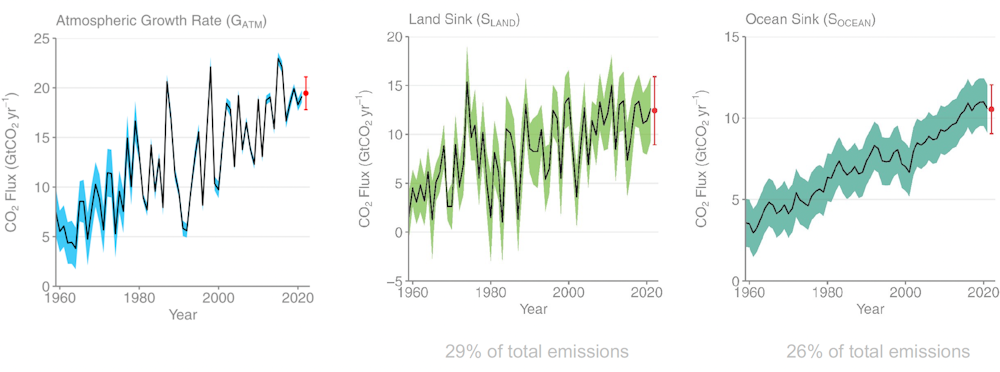
Artificial ‘inventors’ are pushing patent law to its limits

Source: The Conversation (Au and NZ) – By Toby Walsh, Professor of AI at UNSW, Research Group Leader, UNSW Sydney

Alan Warburton / Better Images of AI, CC BY-SA

It was the veritable search for a needle in a haystack. With drug-resistant bacteria on the rise, researchers at MIT were sifting through a database of more than 100 million molecules to identify a few that might have antibacterial properties.

Fortunately, the search proved successful. But it wasn’t a human who found the promising molecules. It was a machine learning program.

One compound has been patented under the name Halicin in homage to HAL, the artificial intelligence (AI) in Arthur C Clarke’s classic 2001: A Space Odyssey. Halicin works differently from existing antibiotics, disrupting the bacteria’s ability to access energy, and researchers hope bacteria may struggle to develop resistance to it.

Halicin might be the first antibiotic discovered using AI, but AI programs have played an important role in other patented inventions from electrical circuits, through meta-materials and drugs, to consumer products such as toothbrushes. As we argue in a recent article in Nature, society urgently needs to consider the impact of AI on the innovation system, particularly on laws regarding intellectual property and patents.

AI patents in court

Can software be an “inventor”? This question has been the focus of some recent high profile court cases about an AI system called DABUS (Device for the Autonomous Bootstrapping of Unified Sentience), created by Stephen Thaler, president and chief executive of US-based AI firm Imagination Engines.

Thaler claims DABUS is the inventor of a new type of food container with a specially patterned surface, as well as a light that flashing with a special pattern of pulses for attracting attention in emergencies. The inventions are perhaps not very noteworthy, but the attempts to patent them certainly are.

Thaler’s international legal team, led by Ryan Abbott from the University of Surrey, has filed applications to patent offices around the world in which DABUS is named as the sole inventor. These cases are likely the first to test whether an AI system can be recognised as an inventor under existing intellectual property laws.

For now, inventors must be human

Patent registration offices have rejected the DABUS patent applications in multiple jurisdictions, including the United Kingdom, United States, the European Patent Office, Germany, South Korea, Taiwan, New Zealand and Australia. The one outlier is South Africa, where a patent has been granted but without substantive examination of the patent application having yet occurred.


Read more:
In a world first, South Africa grants patent to an artificial intelligence system


In Australia, a challenge against the rejection was initially accepted but overturned on appeal. Thaler has sought “special leave to appeal” the case to the High Court of Australia, though it remains to be seen whether this will be granted.

In Germany, the Federal Patent Court set aside the initial patent refusal, instead accepting a compromise position in which “Stephen L. Thaler, PhD who prompted the artificial intelligence DABUS to create the invention” was listed as the inventor. Meanwhile, DABUS cases continue to be fought in other jurisdictions around the world.

For now at least, it seems courts have largely concluded that, for the purposes of patentability, inventors must be human. Nevertheless, the cases have thrown up a range of important questions we need to answer as AI takes on ever more roles in our lives.

Can an AI invent?

Given the ever-increasing power of AI, it’s not a wild leap to suppose that AI will take on a greater role in coming up with inventions.

We don’t claim that computer-aided design (CAD) software “invents”. But such software lacks the increasing autonomy that AI is starting to have.

Can an AI be named as an inventor?

Patent systems are currently premised on a (human) inventor who owns or assigns the rewards coming from the patent.

Who might own the rewards from an AI patent? The programmer? The owner of the computer on which it runs? And what about the owner(s) of the data on which the AI might be trained?

Will AI change invention?

AI might speed up the rate at which inventions are made, potentially overwhelming the patent system. This might widen inequality between the haves who possess AI systems that can invent, and the have-nots who don’t.

It might also change the character of invention. Under well established patent principles, an “inventive step” occurs when an invention is considered “non-obvious” to a “person skilled in the art”. But an AI system might be more knowledgeable and skilled than any one person on the planet.

A path forward

In response to these sort of questions, we argue that the patent system must be re-examined to ensure it remains fit for purpose, and that it continues to reward and encourage innovation appropriately.

We suggest society might benefit from a new type of intellectual property designed specifically to deal with AI inventions (which we call “AI-IP”).


Read more:
If machines can be inventors, could AI soon monopolise technology?


The principles underpinning patent legislation are more than 500 years old and have evolved to deal with fresh technological changes from genetic sequencing to human-made living organisms. However, the fresh tests presented by AI inventiveness might be so significant that they push those patent principles to breaking point.

AI presents a watershed challenge that requires us to think once again carefully about how to reward and encourage innovation.

The Conversation

Toby Walsh receives funding from the Australian Research Council in the form a Laureate Fellowship.

Alexandra George does not work for, consult, own shares in or receive funding from any company or organisation that would benefit from this article, and has disclosed no relevant affiliations beyond their academic appointment.

ref. Artificial ‘inventors’ are pushing patent law to its limits – https://theconversation.com/artificial-inventors-are-pushing-patent-law-to-its-limits-184047

Albanese should adopt a collaborative, European approach to governing – not the take-it-or-leave-it Anglo style we’re used to

Source: The Conversation (Au and NZ) – By Adam Simpson, Senior Lecturer, International Studies, University of South Australia

The Australian Labor Party is edging towards 76 seats and possible majority government after the electorate abandoned the Coalition at the federal election.

But regardless of whether it can reach a majority or not, Labor needs to learn the right lessons from the Morrison government – as well as from its last two terms in power between 2007 and 2013.

These experiences could point to adopting either a more take-it-or-leave-it antagonistic approach to politics, prevalent in the Anglosphere countries of the US, UK and Australia, or a more European, collaborative style.

Politics is the art of compromise – nobody gets exactly what they want. But adopting a European approach to parliamentary negotiations could usher in an enduring golden era of stable and progressive government, with more generous and compassionate national politics.


Read more:
Labor likely to get a friendly Senate and still hoping for House of Representatives majority


The take-it-or-leave-it Anglo approach

The first term of Labor’s previous government between 2007 and 2010 was dominated by Kevin Rudd’s prime ministership and his attempts to pass his climate change legislation.

The Greens considered the package too generous to polluters and ineffective in addressing climate change, so they blocked it in the Senate where they held the balance of power.

Despite Labor’s rhetoric that the Greens are therefore largely to blame for Australia’s subsequent history of climate inaction, the reality is far more complicated.

Bob Brown, then leader of the Greens, wrote to Rudd after the first vote on the legislation in late 2009 seeking talks but received no reply. The Greens then put a compromise plan to Labor after the second vote, but it was again rebuffed.

Despite these overtures, in April 2010 Rudd announced his government had abandoned the legislation, which was the beginning of the end for his tenure as prime minister.

In retrospect, perhaps the Greens should have just passed the bill. But the government’s take-it-or-leave-it approach was extremely unhelpful in progressing the legislation. This approach is somewhat typical of the aggressive style of parliamentary politics in Anglosphere countries.

Most Anglosphere parliaments, including Australia’s House of Representatives, have single-member electorates, which generally results in having two combative parties that take turns in governing.

This is very different to the more cooperative European models of government.

The collaborative European approach

After the 2010 election, Julia Gillard’s Labor entered minority government in a power-sharing agreement with Adam Bandt of the Greens and two independents in the lower house.

This approach was more reminiscent of European politics, where most parliaments have multi-member electorates. In these electoral systems (also employed in Australia’s Senate) small parties have a greater chance of entering parliament and the large parties rarely achieve a majority.

It’s therefore common for European parties to enter post-election negotiations to form ad hoc coalitions or power-sharing arrangements.

This happened in Germany in 1998, when the left-leaning Social Democrat Party formed a national governing coalition with the German Greens, with the latter supplying the foreign minister.

A similar arrangement resulted from German national elections last year, with the addition of the liberal Free Democrats to create a three-party coalition. The Greens again supplied the foreign minister, as well as the economy minister.

In South Australia, Labor has adopted aspects of this approach by strategically offering independents in regional and traditionally conservative seats – and even a Nationals MP – ministries in its governments, even if Labor doesn’t require their votes. This collegiality has been continued by the recently elected Malinauskas government, even though it has a governing majority. This canny strategy will have contributed to Labor being in power for 20 out of the previous 24 years by the end of this term.

The Gillard government’s minority position forced it to adopt this more European-style consultative posture and it resulted in the most productive parliament in Australia’s history, measured by acts passed per day.

It legislated a price on carbon, which, if it hadn’t been repealed by the Abbott government, would have resulted in 72 million tonnes less carbon emissions according to research in 2020 by the Australia Institute.

Which style will Albanese take?

Labor must learn the right lessons from its last stint in office.

It will face a parliament unlike any previous government, with a significantly enhanced third force comprising the Greens, the “teals” and other independents.

Labor could entrench a progressive majority in parliament for the foreseeable future by rejecting the antagonistic, duopolistic Anglo approach to parliamentary politics that characterised Labor’s first term of government last time around. Instead, it should shift towards the more negotiated, collaborative Euro approach of its second term from 2010 on.

Negotiating in good faith with the crossbench will show teal electorates their MPs are making real progress in the halls of power on the issues they were elected to pursue – primarily climate change, an integrity commission and gender inequality. These electorates would therefore be more likely to vote teal again in future.

Single member electorates make it difficult for independents or small parties to win elections, but once they’re in they can be hard to dislodge, as the experience of Adam Bandt, Andrew Wilkie, Rebekha Sharkie, Bob Katter, Cathy McGowan and Helen Haines demonstrates.

If the teal seats continue to elect independents, the Coalition will struggle to regain majority government again.

Whether Labor manages to achieve a governing majority in the lower house or not, it will still need support from the Greens and progressive independent David Pocock in the Senate to pass legislation.

Fortunately, Albanese seems to have the temperament that would favour a Euro approach. On election night, he promised to promote “unity and optimism, not fear and division”.

Nevertheless, both Albanese and other senior Labor members have already been out in force since the election stating they have a mandate from the electorate to deliver their election policies, including a 43% cut in carbon emissions from 2005 levels by 2030 – but no more. This is despite the ALP receiving less than 33% of the primary vote.

Most of the teal independents have policies of a 60% reduction in carbon emissions by 2030. And the Greens, who received almost 12% of the primary vote, want a 75% cut. A significant chunk of the electorate therefore voted for much stronger action on climate change.

Labor would do well to compromise with the crossbench in those areas where common ground can be found to build and consolidate an enduring progressive future for Australia.

The Conversation

Adam Simpson does not work for, consult, own shares in or receive funding from any company or organisation that would benefit from this article, and has disclosed no relevant affiliations beyond their academic appointment.

ref. Albanese should adopt a collaborative, European approach to governing – not the take-it-or-leave-it Anglo style we’re used to – https://theconversation.com/albanese-should-adopt-a-collaborative-european-approach-to-governing-not-the-take-it-or-leave-it-anglo-style-were-used-to-183721

8 things film and TV get wrong about drug and alcohol treatment

Source: The Conversation (Au and NZ) – By Nicole Lee, Professor at the National Drug Research Institute (Melbourne), Curtin University

Drug use and addiction are popular themes in movies and television, but they often get things very wrong. Here are eight common myths about drugs you’ll see on the silver screen.

1. Rehab goes for 28 days

In the movie 28 Days, Sandra Bullock is given a choice between prison and 28 days in a rehab centre.

The 28-day program, popular in the United States, actually has nothing to do with the optimum treatment period.

Health insurance companies in the US are only prepared to fund 28 days in rehab. So the 28-day rehab model was developed around funding, not effectiveness.

We now think about three months of treatment is optimal. Treatment completion may be as important as treatment length. So completing a shorter treatment is better than dropping out of a longer one.

2. Rehab is a luxury retreat

In the Netflix series Cobra Kai, Shannon is in residential drug rehabilitation. It’s a luxurious vacation retreat with art and yoga classes, wide open spaces and Michelin-starred food.

Some luxury private rehabs are pretty fancy, but these can cost A$35,000 a week or more, which is out of reach for most people.

The public residential rehabilitation system is is far less glamorous because it is severely underfunded, resulting in long waiting lists and little money to spend on pleasant surrounds.

There is no evidence the more you pay the better your success in treatment. And yoga and a private chef won’t solve your drug problem. What’s important is developing specific skills that can help prevent going back to problematic drug use. For that, you need trained professionals and good supports.

Take care, because currently the private rehab sector is unregulated so anyone can set up a rehab without the knowledge, skills or experience to do so.

3. ‘Once an addict, always an addict’

In the original Sherlock Holmes books, Holmes used morphine and cocaine (legal at the time) whenever he was bored between cases, without any problems. In the TV series, Sherlock, he is shown as an “addict”, always on the edge of relapse. Watson starts out as his “sobriety coach”.

The idea that alcohol and other drug use is an incurable disease comes from 12-Step programs. It has been a widely held view, especially in the US, for many decades, despite evidence against the idea.

Many people return to “controlled drinking” or move from problematic to low or moderate illicit drug use, especially if they access help early. It’s just as realistic as abstinence-based recovery.

There’s also no such thing as an “addictive personality”.

But for many people, a period of abstinence (sometimes a year or more) may help them gain the skills they need to go back to moderate use and to understand the reasons behind their use. For some it is easier to be abstinent for life, but that’s not universal.

Sherlock Holmes book
While Sherlock Holmes was a functional user in the original texts, the show portrayed him as a problematic addict.
Shutterstock

4. Recovery only comes after ‘rock bottom’

Movies, like Requiem For A Dream and Trainspotting, often show people at their lowest point as a turning point for recovery. But the idea that someone has to hit “rock bottom” before they will seek help is not true.

First, it’s impossible to know what “rock bottom” is for any one individual. Potentially, aside from death, there is always something worse. Second, many people successfully change their alcohol or other drug use early, even after the very first signs of a problem.

If someone isn’t ready to go into rehab it’s not because they’ve not yet reached their lowest point. People tend to seek help when something else outweighs the importance of using alcohol or other drugs, such as family, friends or career.

The “rock bottom” idea can be dangerous because people may delay treatment until things are really bad. But the earlier someone seeks support, the better the outcome.

5. ‘Tough love’ works

Tough love is acting harshly with the aim of helping a person in the longer term. This might include locking them out of the house if they refuse to go to rehab, refusing money for food if they are still using, or refusing to pick them up if they are intoxicated.

In Four Good Days, Glenn Close’s character shuts the door on her distressed daughter, played by Mila Kunis, telling her she can come back when she is “clean”.

There might be good intention behind tough love, but not only does it not work, it often makes things worse. Leaving someone homeless or starving or in a dangerous situation when they are intoxicated or dependent on alcohol and other drugs may be harmful.

There are better ways to set clear and consistent boundaries and still maintain relationships that can provide support for recovery.

6. Addiction happens after one use

The main character tries a drug for the first time and then spirals into unbridled drug use. This dramatic shorthand saves time in the plot, but gives the impression that anyone trying a drug will become dependent on it instantly.

In the 1991 movie Rush, Jennifer Jason Leigh is an undercover cop who has to use heroin to show a dealer she is for real, then spirals into a well of addiction.

But dependence (the more technical term for “addiction”) is a gradual process in which your brain and body get used to having a drug regularly.

It’s impossible to become dependent after a single use of any drug. This is evidenced by the fact nearly half of Australians have tried an illicit drug, but only a minority of those are dependent.

What might happen is the first time someone tries a drug they might like it. A lot. Then they might use it frequently over time until they become dependent.

7. All drug use is to ‘self-medicate’

Some people use alcohol or other drugs to help manage the difficult emotions they experience as a result of trauma or other mental health issues – like Rue in the television series Euphoria, who descends into drug problems after the death of her father.

There is a much higher rate of alcohol or other drug use among people with mental health problems. But even among people with mental health problems, around two-thirds don’t have an alcohol or other drug problem.

Most people use alcohol or other drugs because it makes them feel good and is fun. Most typically use occasionally for a short period in their lives, never experiencing significant problems.

8. ‘Interventions’ help

Picture this scene: a character returns home only to be greeted by family and friends sitting in the living room to confront them about their drug use. This popular trope was brought to life by the show “Intervention”.

When family and friends raise their concerns, it can influence a person’s decision to get help. But taking a confrontational approach will probably backfire. Confronting a person is likely to make them feel embarrassment and shame, both key barriers to entering treatment.

Taking a supportive approach or seeking family therapy usually results in better outcomes.


If you are worried about your own or someone else’s alcohol or other drug use, you can contact the National Alcohol and other Drug Hotline on 1800 250 015 for free, confidential advice.

The Conversation

Nicole Lee works as a consultant in the alcohol and other drug sector and a psychologist in private practice. She has previously been awarded funding by Australian and state governments, NHMRC and other bodies for evaluation and research into alcohol and other drug prevention and treatment.

Jarryd Bartle is a consultant for a drug and alcohol consultancy.

Paula Ross is a guest lecturer at Australian Catholic University and a psychologist consultant for a drug and alcohol consultancy.

ref. 8 things film and TV get wrong about drug and alcohol treatment – https://theconversation.com/8-things-film-and-tv-get-wrong-about-drug-and-alcohol-treatment-180946

Labor likely to get a friendly Senate and still hoping for House of Representatives majority

Source: The Conversation (Au and NZ) – By Adrian Beaumont, Honorary Associate, School of Mathematics and Statistics, The University of Melbourne

AAP/Lukas Coch

At this election, 40 of the 76 senators were up for election – six from each state and two from each territory. 72% of enrolled voters nationally for the Senate have now been counted, up from 38.5% on election night.


Read more:
Election results update: Labor to form government as both major parties’ primary votes slump


Going into the election, the Coalition held 35 of the 76 Senate seats, Labor 26, the Greens nine, One Nation two, Centre Alliance one and Jacqui Lambie one. The remaining two seats were filled by party defectors: Rex Patrick from Centre Alliance and Sam McMahon, who quit the Northern Territory Country Liberal Party and became a Liberal Democrat.


Read more:
Race for the Senate: could Labor and the Greens gain control?


The seats up for election were Coalition 18, Labor 15, the Greens three, One Nation one, Centre Alliance one and both defectors. Labor, the Greens and other left parties needed to make four combined gains from the Coalition, One Nation, Centre Alliance and defectors to gain control.

As explained in the earlier article, the Senate uses proportional representation with preferences. Voters are instructed to number at least six boxes above the line, though only one is required for a formal vote.

With six senators to be elected in each state, a quota is one-seventh of the vote or 14.3%. With two up in each territory, a quota is one-third or 33.3%.

The state senators elected at this election will have six-year terms starting July 1, unless there is a double dissolution. The territory senators have only three-year terms that are tied to the term of the House of Representatives.

While it is often clear who will win the six seats for a state or two for a territory from analysing primary votes, in some cases we will need to wait until all votes are counted and electronically entered into a computer system that distributes preferences (the button press).

The final day for reception of postal votes is this Friday. Button presses will not occur until at least next week. The count is well advanced in Tasmania and the ACT, and these may be finalised next week. For the other states, it’s likely to take another week.

Both above the line party votes and below the line votes for candidates are initially counted as “unapportioned” for a party. As the count progresses, they are assigned either to “above-the-line” or candidate votes. When the number of unapportioned votes reaches zero, we are near the button press.

National summary

The table below shows the likely senators elected for each state and territory. UND means the seat is currently undecided.

Senate results.

In summary, Labor and the Greens combined needed to gain four seats to control the 39 of 76 senators needed to pass legislation. They are likely to gain seats in Queensland, WA and SA, while in the ACT a climate-friendly independent (David Pocock) is likely to win.

If these are the results, with Labor still a chance of winning three in Victoria and SA, then Labor and the Greens would have 38 of 76 senators combined. Labor would need the Greens and one of Pocock or Jacqui Lambie (now at two senators) to pass legislation opposed by the Coalition.

I believe it is an advantage that the two main parties of the left (Labor and the Greens) are both capable of winning quotas or near quotas in all states. On the right, only the Coalition consistently achieves this.

It would be easier for small right-wing parties to win seats at a double dissolution, when all 12 senators for each state are up, and the quota is nearly halved to 7.7%.

State results

With 74% counted in NSW, the Coalition has 2.59 quotas, Labor 2.14, the Greens 0.79 and One Nation 0.28. The Coalition’s third candidate is too far ahead, and the result will be three Coalition, two Labor, one Green. This will be a Green gain from Labor.

With 72% counted in Victoria, the Coalition has 2.29 quotas, Labor 2.23, the Greens 0.92, UAP 0.27, Legalise Cannabis 0.20 and One Nation 0.20. Two Coalition, two Labor and one Green will win with the last seat a mess that is unlikely to be clear until the button is pressed. The UAP and Coalition are the most likely winners.

With 71% counted in Queensland, the Coalition has 2.48 quotas, Labor 1.75, the Greens 0.85, One Nation 0.51 and Legalise Cannabis 0.36. Two Coalition, two Labor and one Green will win, with the final seat a contest between the third Coalition candidate, Amanda Stoker, and Pauline Hanson. This will be a gain for the Greens from either the Coalition or One Nation.

With 66% counted in WA, Labor has 2.47 quotas the Coalition 2.20, the Greens 0.97, One Nation 0.24 and Legalise Cannabis 0.23. Labor will win two, the Coalition two and the Greens one, with Labor likely to win the final seat, for an outcome of three Labor, two Coalition, one Green. This would be a Labor gain from the Coalition.

With 74% counted in SA, the Coalition has 2.36 quotas, Labor 2.31, the Greens 0.83, One Nation 0.27 and the UAP 0.21. Nick Xenophon was not a factor, winning just 0.19 quotas. The Coalition will win two, Labor two, the Greens one, and the last seat is undecided, with the Coalition ahead.

Xenophon’s former Centre Alliance was defending two seats, so the Greens gain one from CA with the other CA loss a gain for either the Coalition or Labor.

With 81% counted in Tasmania, the Coalition has 2.22 quotas, Labor 1.92, the Greens 1.08, the Jacqui Lambie Network 0.59 and One Nation 0.26. The Coalition will win two, Labor two, the Greens one and JLN one. This will be a gain for JLN from the Coalition. Lambie was not up for re-election, but will be joined in the Senate by Tammy Tyrrell.

With 84% counted in the ACT, Labor has 1.00 quotas, the Coalition 0.75, Pocock 0.63, the Greens 0.29 and independent Kim Rubenstein 0.13. Greens and Rubenstein preferences are expected to strongly favour Pocock, who will gain from the Coalition.

With 46% counted in the NT, Labor has 1.02 quotas, the Coalition 0.92, the Greens 0.38 and the Liberal Democrats 0.26. Labor and the Coalition will each win one seat, with the Coalition gaining from a defector.

Labor needs just one more seat for a House of Representatives majority

With 79% of enrolled voters counted in the House of Representatives, the ABC is calling 75 of the 151 seats for Labor, 57 for the Coalition, four Greens, 12 for all Others and three still undecided.


Read more:
Why Labor is likely to win a House of Representatives majority despite a 33% primary vote


In the last few days, Lyons was retained by Labor after a counting error was resolved in Labor’s favour, while Brisbane was gained by the Greens from the Coalition after they led Labor by 1.0% on the electoral commission’s “three candidate preferred” at the point where one of Labor or the Greens were excluded, handing the seat to the other on preferences.

The three remaining undecided seats are Gilmore, Deakin and Macnamara. Gilmore and Deakin are standard two-party contests with the Coalition narrowly ahead after counting of nearly all Coalition-favouring postals. Labor has a good chance to regain the lead in Gilmore on absent votes that favour Labor; these are election day votes cast outside a voter’s home electorate.

Macnamara is another Labor vs Greens contest that the Coalition won’t win. If it’s Labor vs Greens, Labor wins on Coalition preferences. If it’s Labor vs Coalition, Labor wins on Greens preferences. If Labor finishes third, the Greens beat the Coalition on Labor preferences.

The “three candidate preferred” in Macnamara has the three parties nearly tied with Labor just behind the Coalition and just ahead of the Greens. However, remaining votes are likely to help the Greens.

Labor struggles in these three party contests because right wing minor parties’ preferences go to the Coalition, while preferences of Animal Justice Party voters go to the Greens.


Made with Flourish

The Conversation

Adrian Beaumont does not work for, consult, own shares in or receive funding from any company or organisation that would benefit from this article, and has disclosed no relevant affiliations beyond their academic appointment.

ref. Labor likely to get a friendly Senate and still hoping for House of Representatives majority – https://theconversation.com/labor-likely-to-get-a-friendly-senate-and-still-hoping-for-house-of-representatives-majority-183931

Albanese wants to ‘change the way’ we do politics in Australia. Here are 4 ways to do it

Source: The Conversation (Au and NZ) – By Ariadne Vromen, Professor, Crawford School of Public Policy, Australian National University

Lukas Coch/AAP

Prime Minister Anthony Albanese has pledged to “change the way” we do politics in Australia by avoiding soundbites and “actually answering questions”. This is part of his plan for “rebuilding respect” for politics itself.

Even before the uninspiring, adversarialelection campaign, we knew Australians had little affection for politicians and politics. Levels of distrust in government “soared” in 2021, according to pollster Roy Morgan.

But this does not mean Australians are disengaged. The record number of new independent MPs, coupled with the large numbers of volunteers who helped those campaigns, are serious indicators people will get involved if they feel like they can make a difference.

Now with a new government there is a rare opportunity to re-engage citizens in policy-making and politics. I research how people participate in politics. Below are four innovative democratic processes Albanese’s government could adopt to actually change the way we do politics – not just talk about it.

But first, why do we need to change?

Albanese is right when he says we need a change. This is because the more citizens distrust politicians and switch-off, the harder it is to hold a government to account.

At the same time, as the OECD points out in its public governance program, when citizens are more engaged in politics and involved in decision-making, the more likely it is that good policies will result that can address critical, difficult issues. Citizens will be more invested in the outcome when they see their views are heard and acted upon.

New independent MP for North Sydney Kylea Tink with supporters.
New MP for North Sydney Kylea Tink is one of the many new independents elected to parliament, with the support of local campaigners.
Bianca De Marchi/AAP

This is not a call for governments to do better so citizens will just trust them to act in their best interests. It is a call for governments to trust citizens more – and use their expertise more. Other governments around the world, such as Germany, Denmark and Canada, trust their citizens to be actively involved in policy-making – it is about time Australia learnt to do this too.

There is also a long list of critical issues that are not being solved by “politics as usual”. These issues affect all Australians and were largely ignored during the election campaign.

Albanese committed to new policy direction for the first two issues in his election night speech, while the second set were raised as key issues by voters:

What are the solutions?

Here are four innovative, citizen-centric ways the new government can start working on today to change politics in Australia.

1. Online petitions

My research has found that for most of us, political participation starts online. Signing an online petition or making a donation to an online crowd-sourced campaign are the most popular acts of participation in Australia.


Read more:
Changing the world one online petition at a time: how social activism went mainstream


Yet, my research has also found the issues that matter to digitally active citizens rarely match the policy agenda of governments.

Petitions are one way to gather public opinion and make governments more responsive to citizen concerns. For example, the Scottish parliament’s petition process is easy to use, covers many issues, and ensures a government response. This is regarded by scholars as the international gold standard.

At the moment, Australia’s use of online petitions is tokenistic. It is hard to create, sign and share petitions via the House of Representatives website. There are also no substantive government feedback mechanisms built into the process.

2. Town hall meetings

Governments are regularly criticised for not consulting, or consulting minimally on decisions that they have already made. There are much better ways to bring together decision-makers and citizens.

One way to do this is via “town hall” meetings, where a topic or policy question is set, and politicians and citizens engage in an open dialogue. It starts with a commitment from politicans to hear the diverse views and experiences of citizens, learn from them and be clear about how their views will be used.

The “voices for” campaigns, begun by Cathy McGowan in Indi in the lead-up to the 2010 federal election (since taken up by the teals) is a good example of this. Many of these campaigns began with local “kitchen table” discussions. This mobilised local voters to campaign for a local independent and become involved in the change they wanted for their electorate. In part, this was because they could see how that change could happen.

Former independent for Indi Cathy McGowan speaks to locals at a community breakfast in 2016.
Tracey Nearmy/AAP

Beyond election campaigns, it is possible to set up new ways to connect the government with citizens. A large-scale project called Connecting to Congress has been run by Ohio State University academics since 2006. It has facilitated 25 live-streamed online town halls between US Congress members and a representative cross-section of their constituents. Borrowing on this experience, the University of Canberra ran two “Connecting to Parliament” experiments in Australia in 2020 and 2021. This saw two online town halls with federal MPs on issues of mitochondrial donation and youth participation.

3. Citizens’ assemblies

Over the past decade, Ireland has used citizen assemblies on issues ranging from marriage equality to abortion, the ageing population, climate change, biodiversity loss, gender equality, referendums and fixed term parliaments.

Students march as part of the school strike for climate.
High levels of distrust for government does not mean Australians have been disengaged about politics.
Dan Peled/AAP

They generally see 100 randomly selected people spend time together learning about and discussing issues, and then voting on options for policy change or constitutional reforms. As a result of these deliberations, there have been successful referendums in Ireland on marriage equality in 2015, and legalising abortion access in 2017.

However, one of the main proponents of Irish citizen assemblies, political scientist David Farrell, suggests there is now a need for new innovations, learning from Belgium and France. In those countries, the agenda is less tightly controlled by governments and more driven by what citizens want to focus on.

In Australia, a similar process called a “Citizens’ Jury”, has been used by local and state governments to develop policy. For example, the City of Sydney used a Citizens’ Jury of 40 randomly selected citizens to help develop Sydney’s plan for 2050. The jury discussed thousands of submissions from residents to recommend eight core concepts for change on issues such as First Nations leadership, accessible housing, and a 24-hour city economy.

4. Advocacy and transparency

This fourth democratic “innovation” is about making better use of the advocacy sector in Australia.

Over the past 20 years, we have seen increasing constraints on how registered charities or organisations that provide services can also engage in advocacy. This includes diverse groups ranging from Australian Council of Social Service, the Australian Conservation Foundation, Vinnies and Amnesty International.


Read more:
The government is clamping down on charities — and it could have a chilling effect on peaceful protest


Ensuring broad representation of diverse social groups is a fundamental part of good governance and integrity. We need to reform the Australian Charities and Not-for-profits Commission to ensure advocacy is no longer politicised, but encouraged and seen as a useful public good.

At the same time, we need a more transparent lobbying system. This includes limits on political donations and public diaries of meetings politicians have with lobbyists, as happens in Canada. The more information we have about who is lobbying whom, the less influence those with the most money are likely to have.

Then governments needs to listen and respond

All these approaches need to include diverse voices and perspectives – not just the people we already hear from in new ways.

Part of the problem with most existing forms of citizen participation is they entrench existing political inequalities. They are skewed towards the most vocal, most educated, and those with the most spare time. It is essential that new participatory initiatives for citizens systematically recruit diverse involvement.

Penny Wong, Jim Chalmers, Anthony Albanese, Katy Gallagher and Richard Marles arrive for their first post-election parliamentary press conference.
Changing the way we ‘do’ politics requires listening to different voices and having a clear way to adopt these views.
Lukas Coch/AAP

They must also have what researchers call a “a theory of change”. This is a clear description of why this method will work and what will happen in the short, medium and longer terms. As political scientist David Farrell warns, we need to make sure these experiments do not just result in lengthy reports that nobody reads.

If Albanese is serious about changing the way politics happens here, he needs to lead a government committed to responding to what Australians say.

The Conversation

Ariadne Vromen receives funding from the Australian Research Council for research on gender equity and the future of work.

ref. Albanese wants to ‘change the way’ we do politics in Australia. Here are 4 ways to do it – https://theconversation.com/albanese-wants-to-change-the-way-we-do-politics-in-australia-here-are-4-ways-to-do-it-183227

Will News Corp change its approach after Labor’s election win? Not if the US example is anything to go by

Source: The Conversation (Au and NZ) – By Rodney Tiffen, Emeritus Professor, Department of Government and International Relations, University of Sydney

Key moments on Sky News in the week following the election result. Sky News

In 1953, the Communist East German regime quashed a widespread uprising and afterwards admonished the protesters, saying the government had lost confidence in the people. In a famous satirical poem, left-wing author Bertolt Brecht said that, if so, perhaps the government could dissolve the people and elect a new lot.

One guesses that after the recent Australian election, News Corp would also like to elect a new public, as the result highlighted its own irrelevance and how out of touch it is with the Australian mainstream. Rather than directly attacking the public, though, it aimed its vitriol at the Greens and the teal independents, both of whom had wildly successful elections, and against Labor, which regained government from opposition.

So far, the media company’s epic fail seems not to have occasioned any soul- searching. Indeed some in its stable – in a triumph of ideological fantasy over numeracy – have asserted the result was due to the Liberals moving too far “left”.

Questions remain about the future though: will the election lead News Corp to change, either out of professional shame or in the interests of expanding its market share beyond the right-wing, populist ghetto it inhabits? And how will it treat the incoming government?


Read more:
How the ‘reality-distorting machinery’ of the federal election campaign delivered sub-par journalism


Some insight might be gained from how the jewel in Murdoch’s crown, his greatest commercial and political success of the past three decades, Fox News, covered the administrations of US presidents Barack Obama and Joe Biden, both of whose elections it had vehemently opposed.

The opposition to Obama from Fox’s commentators was immediate and unrelenting. Even before he took office, after an economic setback during the global recession which had been going on for months, Fox News star Sean Hannity said Obama was to blame, because the prospect of his taking over had made wealthy people get out of the market.

On the day of the president’s inauguration, Rush Limbaugh declared: “I hope he fails”. On day three, Laura Ingraham declared “our country is less safe today”. The next day, their new star Glenn Beck said Obama had ended the war on terror, and a week later asserted the country was on a march towards socialism.

Over the next few years, Fox gave oxygen to the “birther” issue. This was the claim that Obama was not born in America and so was not eligible to be president – that his birth certificate showing he was born in Hawaii was fake. In two months in early 2011, Fox devoted 52 items to “birther” stories, 44 of which featured the claim without any other view being put.

Fox News’ Sean Hannity has been a loud critic of Barack Obama and equally loud supporter of Donald Trump.
Julie Jacobson/AP/AAP

Fox also took decisive steps transgressing what others would consider professional boundaries in becoming directly involved in the formation of the Tea Party, a right-wing movement that proclaimed it wanted to take their country back, who demanded ever more right-wing candidates in the Republican Party. Not only did Fox give abundant publicity to their rallies, its then most prominent star, Glenn Beck spoke at numerous rallies.

This points to an interesting paradox: Fox News probably persuades few Democrats to change sides. Rather, the biggest losers from Fox’s impact have been moderate Republicans, as Fox has helped move the party ever more to the right.

Could it be that News Corp is having, or will have, a similar impact on the conservative side of Australian politics, making it harder for the Liberals to develop sane policies on issues such as global warming?

After Biden’s election, several Fox presenters supported Trump’s claims that the election was stolen, that Trump had really won. This strikes at one of the fundamental pillars of democracy: that the vote count can be trusted.

More recently, Fox has promoted an equally dangerous idea, especially promoted by its highest-paid performer, Tucker Carlson. This is known as the Great Replacement Theory. A long-term demographic trend in the US is that the proportion of whites is gradually declining as those of Blacks, Latinos and other ethnic groups grow more quickly.

Carlson and others turn this into a conspiracy theory: that Democratic elites are seeking to force demographic change through immigration, to replace the current electorate with new more “obedient” people from the Third World.

Carlson has made more than 400 references to this absurd conspiracy. In the past year these dangerous views have moved from the fringes, with substantial proportions of Republicans agreeing with some aspects of the theory.


Read more:
As News Corp goes ‘rogue’ on election coverage, what price will Australian democracy pay?


It is impossible to imagine a more moderate or centrist Fox News. Its business model is built on delivering a predictable product to its niche audience of alienated, older whites, mobilising their resentments over status anxiety, cutting through the complexities of the modern world with simple affirmations of their prejudices.

Its most successful shows rarely attract more than 2-3% of the viewing public, itself a shrinking percentage of the total population. But its mix of strong opinions and minimal expenditure on reporting has been wildly profitable.

There was a time when Rupert Murdoch had a shrewd populist touch and, for reasons of both patronage and reputation, aimed to be on the winning side in elections. Those days are gone. The past few decades have seen the “Foxification” of News Corp.

This does not mean we will see claims of electoral fraud or replacement theories in Australia. But it does mean that the company’s formula for commercial viability is giving a predictable product to a niche audience.

In turn, this means that Murdoch’s outlets are now rusted-on supporters of right-wing parties and views, indifferent to any electoral counter-currents. Many of his most prominent commentators have the consistency of a stopped clock.

Decades of conformity in a strongly hierarchical empire have produced a hardening of the editorial arteries, a mediocre culture that seems incapable of delivering anything other than more of the same.

The Conversation

Rodney Tiffen does not work for, consult, own shares in or receive funding from any company or organisation that would benefit from this article, and has disclosed no relevant affiliations beyond their academic appointment.

ref. Will News Corp change its approach after Labor’s election win? Not if the US example is anything to go by – https://theconversation.com/will-news-corp-change-its-approach-after-labors-election-win-not-if-the-us-example-is-anything-to-go-by-183650

Could I still be infectious after COVID isolation? And should I bother wearing a mask once I’m all better?

Source: The Conversation (Au and NZ) – By Vasso Apostolopoulos, Professor of Immunology and Pro Vice-Chancellor, Research Partnerships, Victoria University

If you are at home with COVID, you might be wondering how long you’re really infectious for. You don’t want to isolate longer than necessary but you also don’t want to risk your friends’ and workmates’ health – or vulnerable strangers for that matter.

In Australia, people with COVID are required to isolate for seven days, unless they have significant ongoing or new symptoms (then the fine print in state and territory rules says they should stay away for longer).

So, what’s the risk of leaving home after a week and still being infectious?


Read more:
Cases are high and winter is coming. We need to stop ignoring COVID


What does the research say about Omicron’s infectious period?

The incubation period of Omicron – the period from being infected to getting symptoms – is around three days, with the person often becoming infectious a day or two before symptoms emerge.

The average duration of Omicron symptoms is also quite short – often 5–6 days compared with 7–10 days with Delta and earlier variants. Omicron is more infectious because the increased number of mutations on its spike protein make it better at evading the body’s immune system.

It appears the Omicron variant causes milder disease and more asymptomatic infections, and it is better at dodging our immune system – hence the high rate of breakthrough cases with the Omicron variant is to be expected.

What if I still test positive on RAT on day 6 or 7?

Data on the Omicron outbreak suggests rapid antigen tests (RATs) may not detect COVID until at least two days after exposure to the virus.

And the Therapeutic Goods Administration (TGA) says RATs are not as accurate if you do not have symptoms. So it’s likely you won’t test positive on a RAT until a few days after exposure. And, if you don’t have symptoms, you might get a false negative result in the days that follow.

PCR tests are likely to detect the virus earlier than RATs because of their high sensitivity, and PCR will also continue to detect virus particles for longer. Relying on this test could extend the period of isolation even if the person is not infectious. That said, a PCR test is still considered the “gold standard” for detection of SARS-CoV-2 infection.

Most states don’t require a clear RAT or PCR test for release from isolation but say those who still have certain symptoms (such as sore throat, cough, shortness of breath or runny nose) should extend their isolation. If you do have symptoms and take a RAT test, a positive result may indicate you’re still infectious to others.

The goal of COVID testing is to identify people who are currently transmitting the virus. So RATs are able to detect the vast majority of contagious cases and they work well in congregate settings, such as long-term care facilities, workplaces or schools.

positive RAT
A positive RAT can be a sign of infectiousness.
Shutterstock

Meanwhile, emerging science (including data from the [National Basketball Association’s extensive COVID testing program] suggests that, with the Omicron variant, as many as half of the people infected could still be infectious on day five (the end of the recommended isolation period in the United States) – and possibly beyond.

In Australian states and territories, isolation is for seven days, provided the person has no symptoms.

It has been suggested it might be safer to isolate for eight days and wear a mask to protect others for a total of ten days. In the Northern Territory, those who exit isolation are told to wear a mask for an additional seven days. South Australians are told to mask for three days after isolation.

What about masks after that?

So, there is potential for people to be infectious beyond their seven-day isolation if they are still symptomatic. After ten days, most people are not infectious. Multiple studies have shown there is very little, if any, transmission after day ten, regardless of the variant.

However, for those who are immunocompromised, waiting 20 days to exit isolation is recommended as it has been shown that such patients tend to shed virus longer.

woman with red umbrella walking
Once recovered, you probably don’t need to wear a mask out and about for a while.
AAP Image/Bianca De Marchi


Read more:
Got COVID again? Your symptoms may be milder, but this won’t always be the case


Once people are fully recovered from the disease and have no symptoms, they are considered non-infective, as the virus load they carry is very low.

A person recently fully recovered from COVID does not need to wear a mask, as there is no risk for them to be reinfected with the same variant. Accordingly, they pose no COVID threat to others.

However, they will need to reconsider this advice after 12 weeks, when reinfection is possible.

The level of protection you have from vaccination or previous COVID infection can also depend on factors like your age and immune status. It’s also worth noting that recovery from Omicron won’t protect someone against seasonal colds and flu or subsequent COVID variants – but a mask might.


Read more:
COVID vaccination recommendations evolve over time. Who is due for which dose now?


Take-home advice on when to leave home

Protecting ourselves and community from the transmissible diseases including COVID relies on early detection of infection and implementation of the public infection prevention measures.

Until RAT tests are uniformly sensitive enough to detect with certainty the absence of the virus, we need to supplement this testing with preventative measures such as, isolating until symptoms subside, and wearing masks in indoor areas and at public events.

The Conversation

The authors do not work for, consult, own shares in or receive funding from any company or organisation that would benefit from this article, and have disclosed no relevant affiliations beyond their academic appointment.

ref. Could I still be infectious after COVID isolation? And should I bother wearing a mask once I’m all better? – https://theconversation.com/could-i-still-be-infectious-after-covid-isolation-and-should-i-bother-wearing-a-mask-once-im-all-better-182753

11,000 litres of water to make one litre of milk? New questions about the freshwater impact of NZ dairy farming

Source: The Conversation (Au and NZ) – By Mike Joy, Senior Researcher; Institute for Governance and Policy Studies, Te Herenga Waka — Victoria University of Wellington

Shutterstock

Water scarcity and water pollution are increasingly critical global issues. Water scarcity is driven not only by shortages of water, but also by rendering water unusable through pollution. New Zealand is no exception to these trends.

Demand for water has rapidly increased, and New Zealand now has the highest per capita take of water for agriculture among OECD countries. Regulatory failures have also led to over-allocation of many ground and surface water resources.

Some water sources are also well on the way to being unusable. Over the past few decades, nutrient and sediment emissions into waterways have increased, driven by agricultural and horticultural intensification.

Much is made of the environmental benefits of New Zealand’s “grass-fed” dairy systems. But a major downside of high-intensity outdoor farming systems is the nitrate leaching from animal waste and synthetic fertilisers that contaminates fresh water.

Milk’s grey water footprint

Our new paper focuses on nitrate pollution in Canterbury. We comprehensively quantify, for the first time, the nitrate “grey water” footprint of milk production in the region.

A water footprint (WF) is a measure of the volume of fresh water used to produce a given mass or volume of product (in this case, milk).

It’s made up of both “consumptive” and “degradative” components. The consumption component is rainwater (green WF) and groundwater or surface water (blue WF) used in irrigation.


Read more:
Air of compromise: NZ’s Emissions Reduction Plan reveals a climate budget that’s long on planning, short on strategy


Grey water is the degradative part – the volume of water needed to dilute the pollutants produced to the extent the receiving water remains above water quality standards.

Most water footprint studies of food systems highlight the consumptive water component and often neglect the degradative component. However, we found Canterbury’s pasture-based systems mean grey water is the biggest component.

Too many cows? Recalculating the impact of milk production.
Getty Images

Standards and thresholds

Our analysis found the nitrate grey water footprint for Canterbury ranged from 433 to 11,110 litres of water per litre of milk, depending on the water standards applied and their nitrate thresholds.

The 11,110 litre figure is to meet the Australasian guideline level to protect aquatic ecosystems, and the 433 litre figure is to meet current drinking water limits.

(Drinking water having lower limits may seem counter-intuitive, but the limit is based on 70-year-old research that has been superseded without legislation catching up.)

The larger footprint is higher than many estimates for global milk production. It reveals that footprints are very dependent on the inputs (such as feed and fertiliser) included in analyses and water quality standards.


Read more:
If we want to improve NZ’s freshwater quality, first we need to improve the quality of our democracy


A previous dairy water footprint study in Canterbury gave a grey water footprint of about 400 litres of water to make a litre of milk. However, it used the New Zealand drinking water standard for nitrate-nitrogen (nitrogen present in the form of nitrate ion) of 11.3 milligrams per litre (mg/l).

This vastly underestimates the problem. The Water Footprint Assessment Manual, which sets a global standard, stipulates the concentration of pollutants should meet “prevailing” freshwater quality standards.

In New Zealand, the National Policy Statement for Freshwater Management sets a bottom line for nitrate-nitrogen of 2.4mg/l, much lower than the level for drinking water.

Our analysis – based on prevailing freshwater quality standards – shows the production of one litre of milk in Canterbury requires about 11,000 litres of water to meet the ecosystem health standards.

12-fold reduction needed

The large footprint for milk in Canterbury indicates just how far the capacity of the environment has been overshot. To maintain that level of production and have healthy water would require either 12 times more rainfall in the region or a 12-fold reduction in cows.

Dairy farming at current levels of intensity is clearly unsustainable. We know 85% of waterways in pasture catchments, which make up half the country’s waterways (measured by length), exceed nitrate-nitrogen guideline values for healthy ecosystems.

Evidence is also emerging of the direct human health effects (colon cancer and birth defects) of nitrate in drinking water. Extensive dairy farming in Canterbury is already leading to significant pollution of the region’s groundwater, much of which is used for drinking water.

Current practices also threaten the market perception of the sustainability of New Zealand’s dairy industry and its products. The “grass-fed” marketing line overlooks the huge amounts of fossil-fuel-derived fertiliser used to make the extra grass that supports New Zealand’s very high animal stock rates.

Also overlooked is the palm kernel expeller (PKE) fed directly to cows. New Zealand is the biggest importer globally of this byproduct of palm oil production.


Read more:
Without a better plan, New Zealand risks sleepwalking into a biodiversity extinction crisis


The synthetic fertiliser problem

Growing use of synthetic nitrogen fertiliser has helped dramatically increase nitrate levels and the water pollution problems New Zealand faces.

Until the 1990s, reactive nitrogen (a term used for a variety of nitrogen compounds that support growth) in pastures was predominantly obtained through nitrogen-fixing clover plants. But synthetic nitrogen fertiliser from fossil fuels displaced natural systems and drove intensification.

Globally, synthetic nitrogen production has now eclipsed all that produced by natural systems. This disruption of the nitrogen cycle seriously threatens global human sustainability, not only through its impacts on the climate, but also through localised impacts on fresh water.

The European Science Foundation described the industrial-scale production of synthetic nitrogen as “perhaps the greatest single experiment in global geo-engineering that humans have ever made”.

It is clear that water is becoming a defining political and economic issue. Changing attitudes to its quality and accessibility depends on accurate information – including how water is used to dilute agricultural waste.

The Conversation

Mike Joy is affiliated with The Environmental Law Initiative (ELI).

ref. 11,000 litres of water to make one litre of milk? New questions about the freshwater impact of NZ dairy farming – https://theconversation.com/11-000-litres-of-water-to-make-one-litre-of-milk-new-questions-about-the-freshwater-impact-of-nz-dairy-farming-183806

What do kids like and dislike about school? This is why it matters – and we can do something about it

Source: The Conversation (Au and NZ) – By Linda J. Graham, Professor and Director of the Centre for Inclusive Education, Queensland University of Technology

Shutterstock

“School SUX!”

We’ve all heard it and some of us have felt it. It’s such a common sentiment that parents and teachers might be tempted to dismiss it. After all, school is good for you! Like vegetables. It is something you have to have, whether you like it or not.

But does the intrinsic “good” and compulsory nature of school education mean we should ignore students who say they don’t like it? Or that we shouldn’t try to make it more palatable?

Feeling positive about school is associated with higher attendance, better classroom adjustment and engagement, and higher academic achievement.

Students don’t have to love school to experience these benefits. Even those who like school will dislike aspects of it: subjects they aren’t good at, having to get up early, lack of tuckshop options, and so on.

But, for some students, dislike for school can become pervasive – they dislike almost everything about it.

Some of these students may drop out of school, which has serious implications for their future job prospects, financial security and quality of life. So, yes, it matters a great deal if students don’t like school and it’s important to know why, so we can do something about it.

How did we research dislike for school?

Our recent study investigated associations between school liking and factors that previous research suggests make students more likely to stay in school or leave: teacher support, connectedness to school, and the use of detentions, suspensions and expulsions.

Our aim was to learn how we might be able to improve schooling from the perspective of students who like it the least. We surveyed 1,002 students in grades 7-10 from three complex secondary schools. These are the grades and types of schools with the highest suspension and lowest retention rates.

We wanted to find out how these students feel about school and teachers, as well as their experiences of exclusionary discipline, and whether there were important differences between those who said they did and did not like school.

What did we find?

The good news is that two-thirds of our study sample said they like school. Almost half of these students said they had always liked it. One of them said:

“Love it. I’d prefer to live at school. Like, if Hogwarts was an actual place, I’d go there.”

Worryingly, one-third of students said they do not like school. Although school liking was highest in grade 7, most students indicated their dislike began in the transition to high school.

“Yeah, it was probably as soon as I hit high school. Year 7 things got a lot harder.”

This dislike appears to increase over time, with grade 9 having the highest proportion of dislikers. These patterns correspond with suspension rates, which double in grade 7 and peak in grade 9.

Table showing grade levels and percentages of students who said dislike of school started in those years

Source: L. Graham et al, Frontiers in Psychology, 2022, Author provided

What do students like and dislike most?

Our suspicion that students in these two groups like and dislike different things about school proved correct. While “friends” was the most-liked aspect of school for both groups, a much higher proportion of school likers than dislikers chose “learning”.

“I feel like every day I go to school, I just flex my knowledge. I like to learn. Learning’s alright.”

By contrast, a much higher proportion of dislikers chose “breaktime” as their most-liked aspect. The attraction became clearer through interviews:

“What do you like most about school?” […] “Break. So I get to see my friends.”

A similar pattern emerged for the least-liked aspects of school. A much higher proportion of dislikers than likers selected schoolwork, teachers and discipline policy as the aspects they disliked most.

“Pretty much work, because they give you all the assessments and expect it to be done so quick […]”

These findings are fairly intuitive and resonate with previous research with students with a history of disruptive behaviour who also nominated schoolwork and teachers.

The previous study found an interesting connection between the two. Students who find learning difficult will often clash with teachers whose job it is to make them do their work. Some teachers are kinder and more supportive in how they do that than others.

High school is especially difficult for these students because they have to navigate more teachers and are not good at “code-switching” to meet diverse rules and expectations.

“It was hard because you go from having a teacher the whole term who would let you do stuff and then if you tried to do that in another class, it would just be like no, you can’t do that. Yeah, and they just yell at you.”

Students who clash with teachers also tend also to experience exclusionary discipline. In our sample, not liking school was significantly associated with having received a detention, suspension or expulsion in the past 12 months. Forty-one percent of dislikers reported having been suspended (versus 14% of likers).

Our analyses also found large differences in students’ ratings of teacher support. Dislikers provided lower ratings on every item.

The highest-rated item for both groups was: “My teacher always wants me to do my best.” The lowest was: “My teacher has time for me.” The largest difference between groups was for “My teacher listens to me.”

What can schools do?

Relationships between teachers and students can be improved and educators do not have to wait for governments to act. A simple start would be for school leaders to implement student-driven school change to address issues from the perspective of all students, but especially those who say they least want to be there.

As for government policy, the findings from our study highlight one possibility for consideration. When Queensland shifted grade 7 from the primary phase to the secondary phase in 2015, steps were takens to better support children in their first year of high school. Support included a core teacher model, when one teacher takes the same students for English and humanities or maths and science, reducing the number of teachers that students have to navigate, and dedicated play areas for grade 7 students to help reduce anxiety.

The findings from our study of three Queensland secondary schools suggest that initiative may have had some success for up two-thirds of grade 7 students at least. Yet, if school liking declines in grades 8 and beyond, mirroring the rise in suspensions, is it not time to consider whether grade 8s and 9s may benefit from more intensive pastoral care?

We could always ask them!

The Conversation

Linda J. Graham receives funding from the Australian Research Council (ARC), the Queensland Government and the Spencer Foundation.

Jenna Gillett-Swan receives funding from the Australian Research Council (ARC) and the Queensland Government.

Callula Killingly and Penny Van Bergen do not work for, consult, own shares in or receive funding from any company or organisation that would benefit from this article, and have disclosed no relevant affiliations beyond their academic appointment.

ref. What do kids like and dislike about school? This is why it matters – and we can do something about it – https://theconversation.com/what-do-kids-like-and-dislike-about-school-this-is-why-it-matters-and-we-can-do-something-about-it-179944

China’s population is about to shrink for the first time since the great famine struck 60 years ago. Here’s what it means for the world

Source: The Conversation (Au and NZ) – By Xiujian Peng, Senior Research Fellow, Victoria University

Shutterstock

The world’s biggest nation is about to shrink.

China accounts for more than one sixth of the world’s population.

Yet after four extraordinary decades in which China’s population swelled from 660 million to 1.4 billion, its population is on track to turn down this year, for the first time since the great famine of 1959-1961.

According to the latest figures from China’s National Bureau of Statistics, China’s population grew from 1.41212 billion to just 1.41260 billion in 2021 – a record low increase of just 480,000, a mere fraction of the annual growth of eight million or so common a decade ago.

While a reluctance to have children in the face of strict anti-COVID measures might have contributed to the slowdown in births, it has been coming for years.

China’s total fertility rate (births per woman) was 2.6 in the late 1980s – well above the 2.1 needed to replace deaths. It has been between 1.6 and 1.7 since 1994, and slipped to 1.3 in 2020 and just 1.15 in 2021.

By way of comparison, in Australia and the United States the total fertility rate is 1.6 births per woman. In ageing Japan it is 1.3.

This has happened despite China abandoning its one-child policy in 2016 and introducing a three-child policy, backed by tax and other incentives, last year.


Read more:
The fear making Chinese women reluctant to have more children


Theories differ about why Chinese women remain reluctant to have children in the face of state incentives. One involves having become used to small families, another involves the rising cost of living, another involves increasing marriage age, which delay births and the dampens the desire to have children.

In addition, China has fewer women of child-bearing age than might be expected. Limited to having only one child since 1980, many couples opted for a boy, lifting the sex at birth ratio from 106 boys for every 100 girls (the ratio in most of the rest of the world) to 120, and in some provinces to 130.

Shrinking, on reasonable assumptions

China’s total population grew by a post-famine low of just 0.34 in 1,000 last year.

Projections prepared by a team at the Shanghai Academy of Social Sciences have it falling this year – for the first time post-famine – by 0.49 in a thousand.

The turning point has come a decade sooner than expected.

As recently as 2019 the China Academy of Social Sciences expected the population to peak in 2029, at 1.44 billion.


Read more:
Can China’s urbanisation save the world?


The 2019 United Nations Population Prospects report expected the peak later still, in 2031-32, at 1.46 billion.

The Shanghai Academy of Social Sciences team predicts an annual average decline of 1.1% after 2021, pushing China’s population down to 587 million in 2100, less than half of what it is today.

The reasonable assumptions behind that prediction are that China’s total fertility rate slips from 1.15 to 1.1 between now and 2030, and remains there until 2100.


The rapid decline will have a profound impact on China’s economy.

China’s working-age population peaked in 2014 and is projected to shrink to less than one third of that peak by 2100.

China’s elderly population (aged 65 and above) is expected to continue to climb for most of that time, passing China’s working-age population near 2080.

Older, and much less young

This means that while there are currently 100 working-age people available to support every 20 elderly people, by 2010, 100 working-age Chinese will have to support as many as 120 elderly Chinese.


Made with Flourish

The annual average decline of 1.73% in China’s working-age population sets the scene for much lower economic growth, unless productivity advances rapidly.

Higher labour costs, driven by the rapidly shrinking labour force, are set to push low-margin, labour-intensive manufacturing out of China to labour-abundant countries such as Vietnam, Bangladesh and India.

Already manufacturing labour costs in China are twice as high as in Vietnam.

More caring, less manufacturing

At the same time, China will be required to direct more of its productive resources to provision of health, medical and aged-care services to meet the demands of an increasingly elderly population.

Modelling by the Centre of Policy Studies at Victoria University suggests that without changes to China’s pension system, its pension payments will grow five-fold from 4% of GDP in 2020 to 20% of GDP in 2100.

For resource exporting nations such as Australia, these changes are likely to require a reorientation of exports towards manufacturers outside China.


Read more:
China’s demand for coal is set to drop fast. Australia should take note


For importers of goods including the United States, the source of goods is set to gradually shift towards new and emerging centres of manufacturing.

Despite forecasts that this will be “the Chinese century”, these population projections suggest influence might move elsewhere – including to neighbouring India, whose population is expected to overtake China within this coming decade.

The Conversation

Xiujian Peng works for Centre of Policy Studies, Victoria University. She has received funding from several organisations in the past five years including the Shanghai Academy of Social Sciences, Henan Agricultural University and CHN Energy Economic and Technological Research Institute.

ref. China’s population is about to shrink for the first time since the great famine struck 60 years ago. Here’s what it means for the world – https://theconversation.com/chinas-population-is-about-to-shrink-for-the-first-time-since-the-great-famine-struck-60-years-ago-heres-what-it-means-for-the-world-176377

Open letter: the RBA review needs to be completely independent of government

Source: The Conversation (Au and NZ) – By Steven Hamilton, Visiting Fellow, Tax and Transfer Policy Institute, Crawford School of Public Policy, Australian National University

This is the text of an open letter from 12 leading economists, sent on Sunday:

To the Treasurer, the Hon. Dr Jim Chalmers, MP

Ahead of the 2022 election, both major parties committed to conducting an independent review of the Reserve Bank of Australia (RBA).

This bipartisanship was welcome and befitted the independent nature of the conduct of monetary policy, which conditional on the RBA’s mandate ought to be beyond the scope of day-to-day politics.

Now that the election outcome is known, it falls to the new government – and, principally, to you as Treasurer – to establish the terms of reference and logistics for the review process.

It is critical that a review be conducted but the devil is in the detail – poorly crafted terms of reference have the potential to undermine the efficacy of the review and therefore the future conduct of monetary policy.

The review presents a once-in-a-generation opportunity.

The conduct of monetary policy is critical to the functioning of the Australian economy and through it the welfare of every Australian.

Recent decades have seen the Australian economy buffeted by unprecedented external shocks, which have necessitated rapid adaptation of both monetary and fiscal policy. Meanwhile economies across the world have experienced a long-run secular decline in economic growth and real interest rates.

Now is the time for a wide-ranging, independent review of our monetary policy framework and our monetary authority.

With that in mind, it is our assessment that the review should:

  • be independent, both of the RBA and government

  • be headed by an internationally recognised foreign expert

  • be wide-ranging, encompassing the Reserve Bank Act, the Statement on the Conduct of Monetary Policy, and the RBA as an institution including its responsibilities, its structure and culture, the composition and appointment of its board, and the ways in which it communicates with the public

  • be concerned both with past performance and how well the RBA is placed to handle future challenges

  • explicitly consider the interaction between fiscal and monetary policy.

Full independence is crucial if the review is to make the most of this unique opportunity. No institution can be expected to independently or credibly review itself. A foreign perspective would bring valuable external scrutiny to the process and enable a benchmarking of the RBA against its overseas counterparts.

The review should not be seen as a performance appraisal of a particular regime or individual—rather, it speaks to the performance of the fundamental institutions governing the decision-making process.

It is common for reviews of central banks to be led by foreign experts.

Examples include:

  • the RBNZ review by Lars Svensson in 2001

  • reviews of the Bank of England by Donald Kohn in 2000, David Stockton in 2012, and David Warsh in 2014

  • reviews of the Riksbank by Francesco Giavazzi and Frederic Mishkin in 2006, by Charles Goodhart and Jean-Charles Rochet in 2011, by Marvin Goodfriend and Mervyn King in 2016, and by Karnit Flug and Patrick Honohan in 2022

  • the review of the Bank for International Settlements by Franklin Allen, Charles Bean, and Jose De Gregorio in 2016.

We are energised by the prospect of a review and optimistic for what it may achieve. Australia is counting on it.

Yours Sincerely,

Begoña Dominguez, Professor of Economics, The University of Queensland

Chris Edmond, Professor of Economics, The University of Melbourne

Saul Eslake, Corinna Advisory and Vice-Chancellor’s Fellow, The University of Tasmania

Renée Fry-McKibbin, Professor and Interim Director, Crawford School of Public Policy

Steven Hamilton, Assistant Professor of Economics, The George Washington University

Richard Holden, Professor of Economics, UNSW Business School

Warwick McKibbin, Distinguished Professor, Crawford School of Public Policy

John Quiggin, Professor of Economics, The University of Queensland

Kristle Romero Cortés, Associate Professor of Banking and Finance, UNSW

Chris Richardson, Partner, Deloitte Access Economics

Peter Tulip, Chief Economist, Centre for Independent Studies

Danielle Wood, CEO, Grattan Institute


Warwick McKibbin is a former member of the Reserve Bank board. Peter Tulip is a former head of research at the Reserve Bank.

The Conversation

Warwick McKibbin is a former member of the Reserve Bank board.

Begoña Dominguez, Chris Edmond, Danielle Wood, John Quiggin, Renee Fry-McKibbin, Richard Holden, Saul Eslake, and Steven Hamilton do not work for, consult, own shares in or receive funding from any company or organisation that would benefit from this article, and have disclosed no relevant affiliations beyond their academic appointment.

ref. Open letter: the RBA review needs to be completely independent of government – https://theconversation.com/open-letter-the-rba-review-needs-to-be-completely-independent-of-government-184040

If you cry while watching movies, it is probably a sign of your emotional strength

Source: The Conversation (Au and NZ) – By Debra Rickwood, Professor of Psychology, University of Canberra

Shutterstock

You have probably found yourself weeping quietly, or even suddenly sobbing uncontrollably, while watching a movie. Common culprits include Marley and Me, The Color Purple, Schindler’s List and The Lion King.

You may have tried to blubber discretely so your dry-eyed companions didn’t think you were a sook (and no doubt you had a sneaky look sideways to see if they were glassy-eyed too), or you may have boldly sobbed away.

Why do we cry in movies? Is this a sign of emotional weakness (hence hiding it from your friends) or an indicator of strength – evidence of emotional intelligence?

Good movies are carefully crafted to engage us and be deeply absorbing. They transport us into the world of their characters: to see as they see, feel as they feel, and even totally identify with a character in some cases. We know movies are not real, but we are so engrossed that we emotionally react as though they are.

Some are based on true stories, and knowing this makes them even more potent. The emotional power of some movies is especially captivating: they’re not called tearjerkers for nothing.

The love hormone

Neuroscientist Paul Zak has studied the effects of compelling stories, showing watching them can cause the release of oxytocin.

Oxytocin is best known for its role in childbirth and breast feeding, increasing contractions during labour and stimulating the milk ducts. It is also released in response to positive physical contact – hugging, kissing, sexual intimacy and even petting animals – as well as through positive social interactions.

Consequently, it has been called the “love hormone”.

As social animals, our survival depends on social bonding, and oxytocin is critical. It helps us to identify and attach with our essential caregivers and protective social groups.


Read more:
Four health benefits of hugs – and why they feel so good


According to another neuroscientist, Robert Froemke, recent research shows oxytocin has an even broader impact and acts as a “volume dial”, amplifying brain activity related to whatever a person is currently experiencing.

So, although oxytocin may be targeted biologically at ensuring strong social bonds, it also serves to enhance emotional responses.

Crying in the movies is a sign that oxytocin has been triggered by the connections you feel due to vicarious social experience. Your attention is captured and emotions elicited by the movie’s story.

Oxytocin is then associated with heightened feelings of empathy and compassion, further intensifying feelings of social connectedness and you pay even further attention to the social cues of the characters in the movie. Hence the sudden emotional outpour!

Empathy is a sign of strength

Empathy is a key component of emotional intelligence.

Emotional intelligence is the ability to identify and regulate your own emotions and to understand and manage the emotions of others.

According to psychologist Daniel Goleman, empathy is one of five key emotional intelligence characteristics, along with self-awareness, self-regulation, motivation and social skills.

Asian woman crying
Crying in response to a movie reveals high empathy, social awareness and connection.
Shutterstock

High emotional intelligence has been shown to be associated with effective leadership, professional success and academic achievement, as well as better social and intimate relationships. It is linked to with psychological and physical health and well-being, and greater emotional intelligence helps to deal with stress and conflict.

Crying in response to a movie reveals high empathy, social awareness and connection – all aspects of emotional intelligence. As such, it is an indicator of personal strength rather than weakness.

Sobbing openly may be a particular sign of strength, as it shows that a person is unafraid to display their emotional reaction to others.


Read more:
You can’t be happy all the time: how Encanto and Turning Red can help families wrestle with anger and sadness


Crying is not a sign of weakness

A reason why crying in movies has been viewed as a sign of emotional weakness is that crying, especially crying in response to the pain of others, is seen as a stereotypically female behaviour.

Add in that oxytocin, and its relationship with empathy and social bonding, is strongly associated with child-bearing, and the crying = female = weak connection is established.

But there is nothing weak about demonstrating your emotional intelligence. Emotional crying is a uniquely human behaviour. Good movies embed us in another world, eliciting powerful emotions and triggering biological processes in our brain.

Suddenly being awash in tears shows a strong empathy response. Blubber away and be proud of your emotional intelligence – and maybe search out tearjerker movies to check out the emotional response of your friends.

The Conversation

Debra Rickwood does not work for, consult, own shares in or receive funding from any company or organisation that would benefit from this article, and has disclosed no relevant affiliations beyond their academic appointment.

ref. If you cry while watching movies, it is probably a sign of your emotional strength – https://theconversation.com/if-you-cry-while-watching-movies-it-is-probably-a-sign-of-your-emotional-strength-182664

Nationals Joyce faces challenge, as Liberals set to give Dutton clear run

Source: The Conversation (Au and NZ) – By Michelle Grattan, Professorial Fellow, University of Canberra

Lukas Coch/AAP

Nationals leader Barnaby Joyce will be challenged when his party meets on Monday.

But Peter Dutton, former defence minister and leader of the conservatives in his party, will be elected Liberal leader unopposed. Former environment minister Sussan Ley is set to be deputy.

Joyce’s deputy, former agriculture minister David Littleproud, from Queensland, and backbencher Darren Chester, from Victoria have both announced they will run for the leadership of the Nationals.

The challenge comes despite the Nationals holding all their seats and gaining an extra senator at the election.

Joyce, who returned to the leadership last year, deposing Michael McCormack, is blamed by the Liberals for costing them some votes in the cities.

Teal candidates attacked their Liberal opponents on the ground that whatever their own views on climate change, they voted with Joyce.

Chester, an outspoken moderate in the Nationals, was dropped from the frontbench when Joyce regained the leadership.

In a weekend statement, Littleproud said: “I feel this is the appropriate time to put myself forward for my party room’s consideration as their leader.

“Ultimately, this is a decision on who will lead the Nationals to the 2025 election,”


Read more:
Nationals vote holds steady. Will the Coalition become a party of the regions and outer suburbs?


It has been expected that Joyce may not contest the next election and might step down from the leadership during the term.

Ley, expected to be unopposed, is selling herself as being able to help rebuild support for the Liberals among women, many of whom deserted the party at the election.

“I understand the pressures women face across the nation,” she wrote on Facebook.

“I know the hurdles they overcome every day, managing home, family and career, all the while contributing to community.

“My own life experience as an outback pilot, shearer’s cook and farmer, earning three finance degrees while raising my children has seen me walk a mile in their shoes!”

Ley holds the regional NSW seat of Farrer.

The Conversation

Michelle Grattan does not work for, consult, own shares in or receive funding from any company or organisation that would benefit from this article, and has disclosed no relevant affiliations beyond their academic appointment.

ref. Nationals Joyce faces challenge, as Liberals set to give Dutton clear run – https://theconversation.com/nationals-joyce-faces-challenge-as-liberals-set-to-give-dutton-clear-run-181420

View from The Hill: Peter Dutton faces his own ‘long march’

Source: The Conversation (Au and NZ) – By Michelle Grattan, Professorial Fellow, University of Canberra

Jono Searle/AAP

A few weeks ago Peter Dutton would have been contemplating, in the event of the Morrison government’s likely defeat, contesting the Liberal leadership against Josh Frydenberg and probably losing.

Instead, he’s set to walk unopposed into the job at Monday’s Liberal meeting. A shattered parliamentary party has nowhere else to go.

The leadership is a prize Dutton has long coveted. But now it appears a poisoned chalice. The only qualification to that is the inherent uncertainty of politics.

Dutton’s dual task is herculean: reshaping his own image and uniting and rebuilding the party.

Dutton, 51, was the Morrison government’s hard man: pugnacious, uncompromising and unpopular with the public. A Roy Morgan poll in March found him running a very poor third as preferred Coalition leader, on 14%, compared with Josh Frydenberg on 46% and Scott Morrison on 28.5%.

His wife Kirilly the other day argued Dutton is a compassionate person but when faced with making high profile ministerial decisions about individuals in immigration cases, he frequently appeared unswayed by compassion. His provocative statements range widely. On broad issues of national security, he has been in the vanguard of the hawks, convinced an aggressive China is on a quick march.

Malcolm Turnbull, writing in his autobiography, A Bigger Picture, on why, when he lost the leadership numbers, he preferred Scott Morrison over Dutton, said: “Dutton, were he to become prime minister, would run off to the right with a divisive, dog-whistling, anti-immigration agenda, written and directed by Sky News and 2GB”.

But Dutton is complicated. Almost all who know him testify there are two Peter Duttons: the public sword carrier with the mask-like face and the non-public person, who is routinely described as charming, with a sense of humour, and politically more granular than you might think.

Prime Minister Anthony Albanese gave him an interesting character reference last week, when he said “I have a much better relationship with Peter Dutton than I had with Scott Morrison. Peter Dutton has never broken a confidence that I’ve had with him.”


Read more:
View from The Hill: Morrison was routed by combination of quiet Australians and noisy ones


Liberal moderate, senator Andrew Bragg says: “At least you know where you stand with him. He has a lot more organic support because he’s been honourable and transparent in his dealings over time.”

Warren Entsch, describing himself as a “long serving moderate” says Dutton is “not the person I see projected in the media. I’ve worked with him on difficult immigration issues – I found him to be compassionate – he supported what I required.

“All the actions he’s done with me suggest he’ll take the party to the centre”.

Entsch adds pointedly, “One of the things you can guarantee with Dutton [is that] he’s not going to bring religion into it”.

Ahead of Monday, Dutton made a fresh effort to convince people there’s more to him than they see.

He declared he’d had “tough jobs” – as a policeman, and in portfolios like home affairs – and “most people have only seen that side of me”.

“I hope now, in moving from such tough portfolios, the Australian public can see the rest of my character. The side my family, friends and colleagues see,” he said. The script was familiar. He’d made a similar pitch when trying to wrest the prime ministership from Malcolm Turnbull in 2018.

Dutton entered parliament in 2001 and had a couple of ministries in the Howard government, including assistant treasurer.

At the start of the Rudd government he boycotted the apology to the stolen generations, claiming it delivered no tangible benefits. Later he said he regretted his action. “I didn’t appreciate the symbolism of it, and the importance to Indigenous people,” he told a journalist in 2017.

He became health minister in the Abbott government, and after the 2014 budget had carriage of the planned Medicare co-payment, which hadn’t been his idea and eventually was abandoned when there was no hope of getting it through the Senate.

A former official recalls of him, “He wasn’t terrible. He didn’t have an unnuanced view. He wasn’t completely monochrome. He wasn’t all black.” A political colleague of the period says he was a “competent” health minister but “much more suited to border protection than health”.


Read more:
Dutton, set to become Liberal leader, wants people to see ‘the rest of my character’


Late in 2014 he was moved to immigration, where he was known for harsh decisions and uncompromising statements. And a 2015 joke, caught on an open mic, about climate change and the Pacific. “Time doesn’t mean anything when you’re about to have water lapping at your door,” he quipped to then PM Tony Abbott and fellow minister Morrison. It dogs him still.

The ambitious Dutton lobbied for the creation of a super national security portfolio and PM Turnbull eventually accommodated him. In his new home affairs job Dutton continued to give no quarter.

But he wanted more, and quickly. He trailed his coat for a challenge to Turnbull, which came to a head in August 2018. But he was outdone in the manoeuvring and lost to Morrison.

In 2021, issues surrounding two ministers, Christian Porter and Linda Reynolds led to a reshuffle that put Dutton into defence. He was like a pig in the proverbial – a highly activist minister in a portfolio he relished.

He countermanded the chief of the Australian Defence Force Angus Campbell in relation to some recommendations from the Brereton inquiry into alleged Australian war crimes in Afghanistan. The AUKUS agreement put him at the centre of the early plans for the nuclear-powered submarines, and he had ambitions for a wide overhaul of defence capability.

The portfolio also gave Dutton a platform to talk up the threat from China.

Dutton reached out to experts, including to Peter Jennings, then head of the government-supported defence think tank, the Australian Strategic Policy Institute.

“He was different from how people talk about him,” Jennings says. “He was happy to listen, very engaged, self-deprecating, clearly in control of his ego.”

Neil James, of the Australia Defence Association, says as defence minister Dutton was “generally respected by the military and by the defence community more generally, particularly compared to some of his predecessors over the last decade”.

A source who has worked with him in the national security area describes him as pragmatic, “a mainstream right winger, but not a Trumpian version. He thought the radicalism of the Republican party was lunacy.”

His pragmatism came out on marriage equality. Although he opposed same-sex marriage, he saw its legalisation as inevitable and pushed (with then finance minister Mathias Cormann) for a postal vote. When that passed he voted for the 2017 legislation.

In last week’s statement announcing he would stand for leader, Dutton sent up a centrist flag within the party. “We aren’t the Moderate Party. We aren’t the Conservative Party. […] We are the Liberal Party,” he said.

“We believe in families – whatever their composition. Small and micro businesses. For aspirational hard working ‘forgotten people’ across the cities, suburbs, regions and in the bush.”


Read more:
Grattan on Friday: Stellar first week for Anthony Albanese but tough months ahead


This, of course, is motherhood. In the months ahead there will be many questions. One of the big ones will be: to what extent should the Liberals give up on the “teal” urban seats, the seats of the Menzian party, lost at this election? Those within the party dismissive of these seats see its future in the outer suburbs and the regions.

The post election Liberal Party might be likened to a ship with gaping holes forward (the progressive wing which has leaked to the teals) and aft (the conservative base, which has eroded to small parties on the right and non-teal independents).

Some Liberals argue Dutton will be well placed to repair the latter. “We can’t chase the teal [seats] till we do something about the base,” says one.

Bragg hopes the Dutton era might be like “Nixon and China” but, more realistically, says “the concern is how it is going to work in Melbourne and Sydney”.

Whatever efforts he makes to broaden his own image, or project a different one, it is difficult to see Dutton as the person to win back teal areas (and that’s apart from independents being inherently hard to dislodge).

Dutton will begin his new job sounding upbeat. But history tells us, and him, the first leader of the opposition after a party loses office is unlikely to be the one who takes it back into power.

The Conversation

Michelle Grattan does not work for, consult, own shares in or receive funding from any company or organisation that would benefit from this article, and has disclosed no relevant affiliations beyond their academic appointment.

ref. View from The Hill: Peter Dutton faces his own ‘long march’ – https://theconversation.com/view-from-the-hill-peter-dutton-faces-his-own-long-march-184042

Amplifying narratives about the ‘China threat’ in the Pacific may help Beijing achieve its broader aims

ANALYSIS: By Joanne Wallis, University of Adelaide and Maima Koro, University of Adelaide

Yet more proposed Chinese “security agreements” in the Pacific Islands have been leaked.

The drafts have been described by critics as revealing “the ambitious scope of Beijing’s strategic intent in the Pacific” and its “coherent desire […] to seek to shape the regional order”. There are concerns they will “dramatically expand [China’s] security influence in the Pacific”.

But does this overstate their importance?

A pause for breath
Australia and New Zealand should be concerned about China’s increasingly visible presence in the Pacific Islands. A coercive Chinese presence could substantially constrain Australia’s freedom of movement, with both economic and defence implications.

And Pacific states and people have reason to be concerned. The restrictions on journalists during Chinese Foreign Minister Wang Yi’s visit to Solomon Islands demonstrate the potential consequences for transparency of dealing closely with China.

And there are questions about the implications of the Solomon Islands-China security agreement for democracy and accountability.

But before we work ourselves into a frenzy, it is worth pausing for breath.

The leaked drafts are just that: drafts.

They have not yet been signed by any Pacific state.

At least one Pacific leader, Federated States of Micronesia President David Panuelo, has publicly rejected them. Panuelo’s concerns are likely shared by several other Pacific leaders, suggesting they’re also unlikely to sign.

China wields powerful tools of statecraft — particularly economic — but Pacific states are sovereign. They will ultimately decide the extent of China’s role in the region.

And these drafts do not mention Chinese military bases — nor did the China-Solomon Islands agreement.

Rumours in 2018 China was in talks to build a military base in Vanuatu never eventuated.

What if some Pacific states sign these documents?
First, these documents contain proposals rather than binding obligations.

If they are signed, it’s not clear they will differ in impact from the many others agreed over the last decade. For example, China announced a “strategic partnership” with eight Pacific states in 2014, which had no substantive consequences for Australia.

So common — and often so ineffectual — are “strategic partnerships” and “memoranda of understanding” that there is a satirical podcast series devoted to them.

Second, the drafts contain proposals that may benefit Pacific states.

For example, a China-Pacific Islands free trade area could open valuable opportunities, especially as China is a significant export destination.

Third, the drafts cover several activities in which China is already engaged. For example, China signed a security agreement with Fiji in 2011, and the two states have had a police cooperation relationship since.

It’s worth remembering Australia and New Zealand provide the bulk of policing assistance. The executive director of the Pacific Island Chiefs of Police is even a Kiwi.

The drafts do contain concerning provisions. Cooperation on data networks and “smart” customs systems may raise cybersecurity issues. This is why Australia funded the Coral Sea Cable connecting Solomon Islands and Papua New Guinea to Australia.

Provisions relating to satellite maritime surveillance may cause friction with existing activities supported by Australia and its partners.

Greater Chinese maritime domain awareness of the region – meaning understanding of anything associated with its oceans and waterways – would also raise strategic challenges for Australia, New Zealand, and the US.

But there is a risk of over-egging the implications based on our own anxieties.

China’s interests
Much of China’s diplomacy has been opportunistic and not dissimilar to what Australia and other partners are doing.

Although the region is strategically important to Australia, the southern Pacific islands are marginal to China. And apart from Kiribati and Nauru, the northern Pacific islands are closely linked to the US.

China’s interest may primarily be about demonstrating strategic reach, rather than for specific military purposes.

So, amplifying narratives about China’s threatening presence may unintentionally help China achieve its broader aim of influencing Australia.

And framing China’s presence almost exclusively as threatening may limit Australia’s manoeuvrability.

Given the accelerating frequency of natural disasters in the region due to climate change, it is only a matter of time before the Australian and Chinese militaries find themselves delivering humanitarian relief side-by-side. Being on sufficiently cordial terms to engage in even minimal coordination will be important.

Indeed, Australia should try to draw China into cooperative arrangements in the Pacific.

Reviving, updating, and seeking China’s signature of, the Pacific Islands Forum’s Cairns Compact on Development Coordination, would be a good start.

If China really has benign intentions, it should welcome this opportunity. The compact, a mechanism created by Pacific states, could help ensure China’s activities are well-coordinated and targeted alongside those of other partners.

Amplifying threat narratives also feeds into Australia’s perceived need to “compete” by playing whack-a-mole with China, rather than by formulating a coherent, overarching regional policy that responds to the priorities of Pacific states.

For example, Australia has funded Telstra’s purchase of Digicel, following interest from Chinese telco Huawei, despite questions over the benefits.

What will Australia offer next?
There is a risk some Pacific states may overestimate their ability to manage China. But for the time being it is understandable why at least some would entertain Chinese overtures.

New Australian Foreign Minister Penny Wong has rushed to Fiji days into the job with sought-after offers of action on climate change and expanded migration opportunities. Pacific leaders might be wondering what Australia will offer next.The Conversation

Dr Joanne Wallis is professor of international security, University of Adelaide and Dr Maima Koro is a Pacific research fellow, University of Adelaide. This article is republished from The Conversation under a Creative Commons licence. Read the original article.

Print Friendly, PDF & Email

Article by AsiaPacificReport.nz

3 ways the Albanese government can turn Australia into a renewable energy superpower – without leaving anyone behind

Source: The Conversation (Au and NZ) – By Madeline Taylor, Senior Lecturer, Macquarie University

Shutterstock

Australians will bear yet another blow to our cost of living in July when electricity prices will surge up to 18.3%, which amounts to over A$250 per year in some cases.

This is partly due to geopolitical tensions driving up the cost of generating electricity from coal and gas – costs that are increasingly volatile – leading the Australian Energy Regulator to increase its so-called “default market offers” for electricity retailers in New South Wales, South Australia and Queensland.

If the Albanese government ever needed another reason to turbocharge its efforts on renewable energy and storage, this is it.

Investing in renewables, energy storage, electric vehicles and other clean industries will not only lower power prices, but will also lower emissions, increase our self-sufficiency, create new jobs, and protect us from international price shocks like we’re seeing now.


Read more:
Expect more power price hikes – a 1970s-style energy shock is on the cards


Fortunately, the Albanese government has a strong mandate for game-changing climate action this decade. The government aims for renewable energy to make up over 80% of Australia’s electricity mix by 2030, but its pledge of $20 billion for new transmission infrastructure means we can aim higher and go faster.

Holding us back, however, is continued investment in the coal industry. Indeed, doubling down on fossil fuels right now would be extraordinarily reckless from a security perspective – as the United Nations climate envoy pointed out this month, “no one owns the wind or the sun”.

So how can Australia transform into a renewable energy powerhouse? Here are three important ways the Albanese government can meet its ambition swiftly and justly.

1. Energy justice with community energy

Communities must be placed at the heart of the energy transition if we’re to see energy justice in Australia.
Energy justice is when all members of society are granted access to clean energy, particularly disadvantaged communities such as those without housing security.

One way to make this happen is with community-owned renewable energy and storage, such as wind energy co-operatives. For example, the Hepburn Wind Co-operative is a 4.1 megawatt wind farm owned by more than 2,000 community shareholders. Another example is community-owned social enterprise electricity retailers such as Enova, which has more than 1,600 community shareholders.

Labor has made a great start. Its Powering Australia plan pledges to install 400 community batteries and develop shared solar banks to give renters, people in apartments, and people who can’t afford upfront installation costs access to solar energy.


Read more:
Farmers shouldn’t have to compete with solar companies for land. We need better policies so everyone can benefit


The next step should be a rapid roll out of a federal community solar scheme, similar to a program in the United States. The US Community Solar scheme is backed by legislation to create a third-party market for communities. It allows communities to own solar panels or a portion of a solar project, or to buy renewable energy with a subscription.

This means lower socio-economic households can benefit from clean, reliable and cheaper electricity from solar when they’re not able to put panels on their rooftop.

Australia needs a dedicated national policy or government body that builds on the work of other bodies, such as the Coalition for Community Energy, to govern community-based energy and enshrine the principles of energy justice.

2. Rapid uptake of offshore wind

Offshore wind farms represent a key opportunity for Australia’s decarbonisation – the combined capacity of all proposed offshore wind projects would be greater than all Australia’s coal-fired power plants.

But Australia’s offshore wind industry is only in its infancy. And while Labor’s Powering Australia plan targets manufacturing wind turbine components, it lacks policy ambition for offshore wind.


Read more:
Wind turbines off the coast could help Australia become an energy superpower, research finds


Renewable Energy Zones (a bit like the renewables equivalent of a power station) are currently being rolled out Australia wide. These should encompass offshore wind zones to encourage the rapid uptake of this vast energy source.

For example, in February, the Renewable Energy Zone in the Hunter-Central Coast region had seven offshore wind proposals and attracted over $100 billion in investment. Potential renewable energy projects in this region represent over 100,000 gigawatt hours of energy – the same as the annual output of ten coal-fired power stations.

The federal government should also set an offshore wind target to accelerate uptake. Victoria, for instance, recently announced a target of 2 gigawatts installed by 2032, 4 gigawatts by 2035, and 9 gigawatts by 2040.

The federal government should also set an offshore wind target.
Shutterstock

Similarly, the United Kingdom recently increased its offshore wind target to 50 gigawatts by 2030 – the equivalent to powering every household in the nation, according to the UK government.

Despite its potential, Australia only introduced federal legislative framework for offshore wind last year – and it needs work. For example, the legislation doesn’t incorporate marine spatial planning, which is a process of coordinating sectors that rely on the ocean, such as marine conservation, the fishing industry, and the government.

3. Just transitions for coal communities

The Australian Energy Market Operator says the National Electricity Market could be 100% powered by renewables by 2025. Further closures of aging and unreliable coal-fired power stations are inevitable.

The government must not leave carbon-intensive regions behind in the transition to new clean industries. If we do this right, generations of Australians could be working in renewable energy, clean manufacturing, renewable hydrogen, and the extraction of critical minerals.

Creating a national coal commission could help produce a roadmap away from fossil fuels, and seize on the opportunity to create clean jobs. This is being done in Germany, where a government-appointed coal commission consulted unions, coal regions, local communities and more to develop a pathway to transition the coal industry by 2038.

We can also see this in Canada, which is developing legislation with principles of a just transition by establishing a body to provide advice on strategies supporting workers and communities.


Read more:
How can Aboriginal communities be part of the NSW renewable energy transition?


Strong climate and energy policy will take hard work – let’s hope this truly marks the end of the climate wars and the start of Australia’s turbocharged energy transition.

The Conversation

Madeline Taylor had received funding from ACOLA and the AIEN. She is a Climate Councillor for the Climate Council.

ref. 3 ways the Albanese government can turn Australia into a renewable energy superpower – without leaving anyone behind – https://theconversation.com/3-ways-the-albanese-government-can-turn-australia-into-a-renewable-energy-superpower-without-leaving-anyone-behind-183640

The ‘Biloela family’ are going home – but what will Labor do with thousands of other asylum seekers in limbo in Australia?

Source: The Conversation (Au and NZ) – By Mary Anne Kenny, Associate Professor, School of Law, Murdoch University

The long-running case of the “Biloela family” has ended after the new Labor government confirmed they would be allowed to return home to Queensland.

Interim home affairs minister Jim Chalmers said on Friday the Murugappan family (also known as the Nadesalingam family) can finally go home to Biloela on bridging visas. Their final immigration status is still outstanding.

But what are the other main policies we can expect from the newly elected government affecting thousands more asylum seekers and refugees in Australia?

Biloela family’s long struggle to go home

Tamil asylum seekers Priya and Nadesalingam Murugappan (Nades) arrived in Australia seeking asylum by boat. Nades arrived in 2012 and Priya in 2013.

The couple met in the Australian community, married and had two children. The family lived in the town of Biloela, Queensland, where Nades worked in the local abattoir and Priya volunteered in the community.

In March 2018 the family were taken to Melbourne and put into into detention in after the parents’ refugee claims were refused by the government. The youngest daughter, Tharnicaa, never had the opportunity to have her refugee claims assessed.


Read more:
How the Biloela Tamil family deportation case highlights the failures of our refugee system


In August 2019 a last minute injunction saw the family’s attempted removal back to Sri Lanka stopped mid-flight, and they were taken to detention on Christmas Island where they stayed for almost two years.

In June 2021 three-year-old Tharnicaa was medically evacuated to Perth after contracting pneumonia and sepsis.

The family of four have since been living in Perth in community detention. This means they’re able to live in the community but have limited rights. For example, parents Priya and Nades can’t work, and the family haven’t been able to return back to Queensland due to conditions placed on their community release by the former immigration minister.

A high-profile community campaign led to an election commitment from both Kristina Kenneally, then shadow minister for home affairs, and then opposition leader Anthony Albanese to grant visas and allow the family to return to Biloela.

What now for asylum policy more broadly?

Temporary protection visas and fast track assessment

People like the Murugappan family are part of a larger group of around 30,000 people seeking asylum who arrived in Australia by boat between August 2012 and December 2013, known as the “legacy caseload”. People who were found to be refugees (approximately 19,000) were only granted temporary visas, which doesn’t allow them to settle permanently in Australia or sponsor close family members who are overseas.

Labor’s policy is to abolish temporary protection visas and to grant permanent visas to those who’ve been found to be refugees.

Labor has also agreed to getting rid of the fast track system that was used to process cases from the legacy caseload, due to concerns around the fairness of this system, particularly for those who have been refused, like the Murugappan family.

However, Labor has no stated policy on what will happen for other people in the same situation as the Murugappans who have remained in Australia for the last 10 years.

Interception, turnbacks and offshore processing

The ALP’s policy is to maintain the previous policy of Operation Sovereign Borders, which includes the interception and turn back of people seeking asylum who come to Australia by boat.

A boat intercepted by Australian Border Force on the day of the election has already been turned back to Sri Lanka on the direction of Acting Prime Minister Richard Marles, after “thorough screening” of each persons’ protection status.

The ALP will also continue the previous government’s policy of offshore processing.

There are still around 1,400 people who were sent to Nauru and Papua New Guinea in 2013 awaiting resolution of their cases. Some are eligible to be resettled in the United States and New Zealand. The ALP’s policy is to continue to seek resettlement in other countries and not allow them to settle in Australia.

Immigration detention

Australian law provides for the mandatory detention of anyone who doesn’t have a visa. Once detained, it isn’t possible to seek review by an independent body or court. People are kept in detention until they are granted a visa or leave the country. Historically both Labor and the Coalition have kept the same policy.

Australia’s immigration detention policy is among the harshest in the world. People can be detained for several years without a resolution of their case. This is especially true for people who cannot be returned to their country for fear of persecution or who cannot be sent anywhere because they’re stateless.


Read more:
‘Futile and cruel’: plan to charge fees for immigration detention has no redeeming features


As of February 2022 the average time spent in detention was 689 days. Some people have been in immigration detention for over 10 years.

Labor’s policy platform states it will operate a “humane and risk based immigration detention policy”, and agrees that “detention that is indefinite or otherwise arbitrary is not acceptable and the length and conditions of detention […] will be subject to regular review”.

But without a commitment to legislative change to allow courts to review decisions to detain, the current practice seems unlikely to change.

Expansion of the refugee and humanitarian program

Labor’s policy is to increase Australia’s annual humanitarian intake from 13,750 to 27,000 per year.

It has also pledged to progressively increase the community sponsored refugee program from 1,500 to 5,000 per year. This program enables individuals, families, community networks and businesses to help sponsor refugees to resettle into Australia, allowing for even more refugee places.

While these policies are a welcome increase, refugee organisations in Australia are hopeful there can be more, particularly in view of the United Nations High Commissioner for Refugees’ (UNHCR) announcement this week that the global number of forcibly displaced people has reached the staggering milestone of 100 million people.

The Greens and the teal independents have voiced concerns over Labor’s policy regarding Operation Sovereign Borders, detention and the refugee and humanitarian program. It will be interesting to see whether they can influence any change.

And there’s no doubt any changes Labor makes to refugee policy will be an area the opposition will be keen to exploit.

The Conversation

Mary Anne Kenny has previously received funding from the Australian Research Council and sitting fees from the Department of Home Affairs.

ref. The ‘Biloela family’ are going home – but what will Labor do with thousands of other asylum seekers in limbo in Australia? – https://theconversation.com/the-biloela-family-are-going-home-but-what-will-labor-do-with-thousands-of-other-asylum-seekers-in-limbo-in-australia-183621

- ADVERT -

MIL PODCASTS
Bookmark
| Follow | Subscribe Listen on Apple Podcasts

Foreign policy + Intel + Security

Subscribe | Follow | Bookmark
and join Buchanan & Manning LIVE Thursdays @ midday

MIL Public Webcast Service


- Advertisement -
- Advertisement -
- Advertisement -
- Advertisement -
- Advertisement -