As well as Michelle Grattan’s usual interviews with experts and politicians about the news of the day, Politics with Michelle Grattan now includes “Word from The Hill”, where all things political will be discussed with members of The Conversation’s politics team.
This week they discuss the just-released Jenkins Report on workplace culture in Parliament House. This was commissioned after allegations of rape by former Liberal staffer Brittany Higgins.
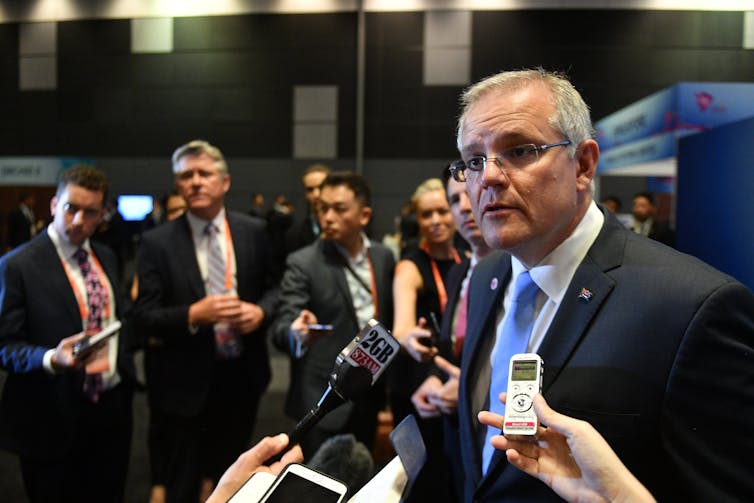
At a Tuesday news conference, Scott Morrison deplored what had been found and promised action, but it will take more than promises to change this culture.
Immediately afterwards in parliament, there was a lot of bad behaviour.
Omicron, the new Coronavirus variant, has arrived in Australia just as the country was about to open its borders to workers and students (now delayed). Although the government is reacting cautiously to Omicron, saying it needs more information, Morrison’s message is that we don’t want more lockdowns, we want to continue to open up and not go backwards.
The provisional 2022 parliamentary calendar, issued this week, includes a March budget. Scott Morrison believes an election framed by a budget is the best electoral course, although the March poll option has its supporters.
Michelle Grattan does not work for, consult, own shares in or receive funding from any company or organisation that would benefit from this article, and has disclosed no relevant affiliations beyond their academic appointment.
Former business executive Christopher Luxon has been voted the new leader of New Zealand’s opposition National Party after main rival Simon Bridges moved to support him.
It followed Judith Collins’ tumultuous exit as leader last week, after she summarily demoted Bridges last week.
“It is a tremendous privilege to lead our great party, and I thank my colleagues for the confidence they have placed in me,” Luxon said in a statement shortly after the vote.
Luxon, a former chief executive of Air New Zealand between 2012-2019, also said that he was pleased Nicola Willis had been chosen as his deputy.
“She will do an incredible job and we will be a formidable team.”
They face a National Party reset at a critical when New Zealand has been facing its toughest covid-19 lockdown after initially weathering the first waves of the virus last year.
Evangelical Christian Luxon, who describes himself as an Evangelical Christian and has expressed his opposition to policies such as abortion and cannabis legalisation, said he had entered politics because he was a problem solver who “gets things done”.
“I have built a career out of reversing the fortunes of under-performing companies and I’ll bring that real-world experience to this role.”
Video: RNZ News
Luxon said he and Willis would be working hard to earn back New Zealanders’ trust and confidence “and deliver for them”.
He also promised that the party would be unified under their leadership.
“We are the new National Party that New Zealand needs.”
Luxon’s main rival, former leader Simon Bridges, tweeted his support for Luxon with just over an hour remaining before this afternoon’s caucus meeting where the party voted on the new leader.
“This morning I met with Chris Luxon and had a great discussion. I am withdrawing from the leadership contest and will be backing Chris. He will make a brilliant National leader and Prime Minister,” he said.
This morning I met with Chris Luxon and had a great discussion. I am withdrawing from the leadership contest and will be backing Chris. He will make a brilliant National leader and Prime Minister.
Covid-19 Response spokesperson Chris Bishop, who had been raised as a possibility in initial speculation about the leadership, also backed Luxon.
“He’s gonna make a great leader of the National Party, he’s gonna make a great prime minister, I can’t wait to serve in his team. It’s an exciting day for New Zealand, big reset moment for the National Party.”
He said Bridges would remain in the party.
“Simon’s gonna be a critical part of the National team going forward, he’s got undoubted political skills, I’m really looking forward to serving with him, he’s gonna make a great whatever role he gets from Christopher Luxon and National just resets now.
Go forward together “We go forward together and we’re gonna change the government in two years’ time.”
Waimakariri MP Matt Doocey said it would mean a new direction for the party.
“I’m looking for a fresh start and a new vision for the party, and a new vision for the country. I’m looking forward to that, it’s exciting.”
List MP Melissa Lee said she thought Luxon was “very experienced in life”.
“He is very new but the thing is that he’s not daft. He’s a very intelligent man, I think he has led companies before and although it is actually a very different feel, that experience does speak to his life experience and I think he will make a great leader.”
This article is republished under a community partnership agreement with RNZ.
A contingent of 50 Republic of Fiji Military Forces troops flew to Honiara today to help restore security and stability in the Solomon Islands after three days of rioting last week.
Prime Minister Voreqe Bainimarama had pledged Fijian support for his Solomon Islands counterpart Manasseh Sogavare.
The request was accepted and Fiji’s troops were prepared, the RFMF said today in a statement.
The Fijian soldiers departed for Honiara on a Royal Australian Air Force C-130 transport plane about 12 noon. They are joining about 150 Australian and Papua New Guinea troops and police in Solomon Islands.
Commander Major-General Jone Kalouniwai said in his farewell speech to the troops at the Queen Elizabeth Barracks in Suva: “We are here, heeding the call of our nation through the Prime Minister after his discussion with the Solomon Islands Prime Minister to assist our fellow Melanesian family in the Solomons.”
“We are all placing our trust on you that you will go out there and perform to the best of your ability to help bring peace and stability in the Solomons,” said General Kalouniwai.
Contingent Commander Lieutenant-Colonel Asaeli Toanikeve thanked the RFMF leadership for their trust in his leadership.
‘We will bravely stand’ “I would also like to assure you that we will bravely stand and heed the call of the military and the nation for we believe this is God calling on our lives to assist the people of the Solomon Islands in their time of need,” Lieutenant-Colonel Toanikeve said.
Assigned to prepare the contingent, the commanding officer 3rd Battalion Fiji Infantry Regiment, Lieutenant-Colonel Penioni Naliva, said the troops had been briefed on what to expect.
“More importantly, they are there to assist law enforcement agencies in the Solomon Islands bring back peace and stability to their country,” Colonel Naliva said.
Naliva added that the deploying contingent, which has been made up of men from all units of the RFMF, would be specifically tasked with ensuring a stable environment for future operations in case more troops were needed.
Just four years into his military career and going on his first deployment, Legal Officer Captain Aisea Paka said he was excited when it was conveyed to him that he was going on this tour.
“I had a feeling that the time would come for it. However, mindful of the work we are to partake in, there are a lot of legal matters to deal with apart from operations. I want to thank the leadership for this opportunity,” said the Rotuman officer.
Akanisi Vakanawa, wife of a deploying soldier, said that while the news of the sudden deployment came as a surprise it was something she had always expected.
Almost 80 years after Fiji troops first landed in the Solomons during the Second World War and 15 years since their last deployment with the Australian-led Regional Assistance Mission to the Pacific nation, Fijian soldiers are returning.
As well as Michelle Grattan’s usual interviews with experts and politicians about the news of the day, Politics with Michelle Grattan now includes “Word from The Hill”, where all things political will be discussed with members of The Conversation’s politics team.
This week they discuss the just-released Jenkins Report on workplace culture in Parliament House. This was commissioned after allegations of rape by former Liberal staffer Brittany Higgins.
At a Tuesday news conference, Scott Morrison deplored what had been found and promised action, but it will take more than promises to change this culture.
Immediately afterwards in parliament, there was a lot of bad behaviour.
Omicron, the new Coronavirus variant, has arrived in Australia just as the country was about to open its borders to workers and students (now delayed). Although the government is reacting cautiously to Omicron, saying it needs more information, Morrison’s message is that we don’t want more lockdowns, we want to continue to open up and not go backwards.
The provisional 2022 parliamentary calendar, issued this week, includes a March budget. Scott Morrison believes an election framed by a budget is the best electoral course, although the March poll option has its supporters.
Michelle Grattan does not work for, consult, own shares in or receive funding from any company or organization that would benefit from this article, and has disclosed no relevant affiliations beyond their academic appointment.
In the wake of Brittany Higgins’ shocking allegations about being raped in a ministers’ office by a colleague, Prime Minister Scott Morrison initiated multiple inquiries.
The review has been underway since March, speaking to current and former MPs and employees at parliament house and its associated workplaces – such as electorate offices and the press gallery. On Tuesday, the 450-page report, Set the Standard, was released.
As Jenkins observed, parliament house should be something “Australians look to with pride”.
This report represents a wholesale change strategy, and calls for leadership and accountability across a diverse parliamentary “ecosystem”. This new roadmap is grounded in the testimony and experiences of more than 1,700 contributors, including 147 former and current parliamentarians.
What did the report find?
The report included a survey of current parliamentarians and people currently working at parliament house (such as staffers, journalists and public servants). More than 900 people responded.
It found more than 37% of people currently in parliamentary workplaces have personally experienced bullying in a parliamentary workplace. As one interviewee noted:
Frequently, like at least every week, the advice was go and cry in the toilet so that nobody can see you, because that’s what it’s like up here.
It also found 33% of people currently in parliamentary workplaces have personally experienced sexual harassment in a parliamentary workplace. As one interviewee reported:
Aspiring male politicians who thought nothing of, in one case, picking you up, kissing you on the lips, lifting you up, touching you, pats on the bottom, comments about appearance, you know, the usual. The point I make with that… was the culture allowed it, encouraged it.
The report notes a devastating impact on people as a result of these experiences. This included an impact on their mental and physical health, confidence and ability to do their job, as well as their future career, “these experiences also caused significant distress and shame”.
Sex Discrimination Commissioner Kate Jenkins has been working on the parliamentary review since March. Dan Himbrechts/AAP
The drivers behind this behaviour
A critical part of the report looks at the drivers which contribute to misconduct in parliamentary workplaces. Participants also described risk factors which interact with these drivers to endanger their workplaces.
The drivers include:
power imbalances, where participants described a focus on the pursuit and exercise of power as well as insecure employment and high levels of power and discretion in relation to employment
gender inequality, including a lack of women in senior roles
lack of accountability, including limited recourse for those who experience misconduct
entitlement and exclusion, or “a male, stale and pale monopoly on power in [the] building”
The risk factors include:
unclear standards of behaviour, leading to confusion about the standards that apply
a leadership deficit, such as a prioritisation of political gain over people management
workplace dynamics, a “win at all costs” and high-pressure and high-stakes environment
social conditions of work, including “significant” alcohol use and a “work hard, play hard” culture.
employment structures and systems, such as a lack of transparent and merit-based recruitment.
Recommendations
There are 28 recommendations in the report.
They include a statement of acknowledgement from parliamentary leaders, recognising people’s experiences of bullying, sexual harassment and sexual assault in parliamentary workplaces, targets to increase gender balance among parliamentarians and a new office of parliament staffing and culture.
Former Liberal staffer Brittany Higgins was briefed on the report before it was made public. Lukas Coch/AAP
The report also wants to see the professionalisation of management practices for parliamentary staff and a code of conduct for parliamentarians and their staff. An independent commission would enforce these standards.
The report also calls for a new parliamentary health and well-being service.
Where to from here
Two key press conferences – from Morrison and Jenkins – accompanied the release of the Set the Standard report. But the change expected by the report requires much more than words – it requires concerted action.
Parliament now needs to endorse and implement a number of key accountability mechanisms to ensure that, as an institution, it ensures all building occupants are safe and respected at work. These include the office on parliamentary staffing and culture and independent parliamentary standards commission.
In addition, the report calls on the parliament itself to continue reflecting and thinking through appropriate changes. For example, the parliamentary work schedule is shown to drive a workplace culture that values “presence and endurance” over remote working and flexibility. Sitting in the chamber at 9pm does not necessarily equal productivity, particularly when it is propped up – among political staffers – with alcohol.
There is no simple solution here. Some argue long hours in parliament house mean longer periods away from parliament, in the electorate, with families. Others argue the work day should end – as it does in other workplaces – before dinner. Jenkins recommends parliament does its own review of the sitting schedule. Hopefully this will create “buy in” from parliamentarians, but reviews like this have been undertaken before (and have not led to cultural change).
For this report to lead to meaningful change, everyone in all the many, varied parliamentary workplaces has to take responsibility for the systemic inequality that drives toxic workplace behaviour in the building.
Responsibility is not equally distributed though. Morrison may call for a bipartisan approach, but he currently leads the government responsible for instigating the inquiry and implementing its recommendations.
His challenge will be in convincing the electorate he means it when he says he wants to fix this “very, very serious problem”.
If you or someone you know is impacted by sexual assault, family or domestic violence, call 1800RESPECT on 1800 737 732 or visit www.1800RESPECT.org.au. In an emergency, call 000. International helplines can be found via www.befrienders.org.
Sonia Palmieri provided expert advice and contributed to the Review.
Whether it’s athletes on a sporting field or celebrities in the jungle, nothing holds our attention like the drama of vying for a single prize. And when it comes to the evolution of artificial intelligence (AI), some of the most captivating moments have also been delivered in nailbiting finishes.
In 1997, IBM’s Deep Blue chess computer was pitted against grandmaster and reigning world champion Garry Kasparov, having lost to him the previous year.
But this time, the AI won. The popular Chinese game Go was next, in 2016, and again there was a collective intake of breath when Google’s AI was victorious. These competitions elegantly illustrate what is unique about AI: we can program it to do things we can’t do ourselves, such as beat a world champion.
But what if this framing obscures something vital – that human and artificial intelligence are not the same? AI can quickly process vast amounts of data and be trained to execute specific tasks; human intelligence is significantly more creative and adaptive.
The most interesting question is not who will win, but what can people and AI achieve together? Combining both forms of intelligence can provide a better outcome than either can achieve alone.
This is called collaborative intelligence. And this is the premise of CSIRO’s new A$12 million Collaborative Intelligence (CINTEL) Future Science Platform, which we are leading.
While chess has been used to illustrate AI-human competition, it also provides an example of collaborative intelligence. IBM’s Deep Blue beat the world champion, but did not render humans obsolete. Human chess players collaborating with AI have proven superior to both the best AI systems and human players.
And while such “freestyle” chess requires both excellent human skill and AI technology, the best results don’t come from simply combining the best AI with the best grandmaster. The process through which they collaborate is crucial.
So for many problems – particularly those that involve complex, variable and hard-to-define contexts – we’re likely to get better results if we design AI systems explicitly to work with human partners, and give humans the skills to interpret AI systems.
Machines can do repetitive and dangerous work, but only in a set environment. They can’t transfer their skills as humans can. Shutterstock
A simple example of how machines and people are already working together is found in the safety features of modern cars. Lane keep assist technology uses cameras to monitor lane markings and will adjust the steering if the car appears to be drifting out of its lane.
However, if it senses the driver is actively steering away, it will desist so the human remains in charge (and the AI continues to assist in the new lane). This combines the strengths of a computer, such as limitless concentration, with those of the human, such as knowing how to respond to unpredictable events.
There is potential to apply similar approaches to a range of other challenging problems. In cybersecurity settings, humans and computers could work together to identify which of the many threats from cybercriminals are the most urgent.
Similarly, in biodiversity science, collaborative intelligence can be used to make sense of massive numbers of specimens housed in biological collections.
Laying the foundations
We know enough about collaborative intelligence to say it has massive potential, but it’s a new field of research – and there are more questions than answers.
Through CSIRO’s CINTEL program we will explore how people and machines work and learn together, and how this way of collaborating can improve human work.
Specifically, we will address four foundations of collaborative intelligence:
collaborative workflows and processes. Collaborative intelligence requires rethinking workflow and processes, to ensure humans and machines complement each other. We’ll also explore how it might help people develop new skills that might be useful across areas of the workforce
situation awareness and understanding intent. Working towards the same goals and ensuring humans understand the current progress of a task
trust. Collaborative intelligence systems will not work without people trusting the machines. We must understand what trust means in different contexts, and how to establish and maintain trust
communication. The better the communication between humans and the machine, the better the collaboration. How do we ensure both understand each other?
Robots reimagined
One of our projects will involve working with the CSIRO-based robotics and autonomous systems team to develop richer human-robot collaboration. Collaborative intelligence will enable humans and robots to respond to changes in real time and make decisions together.
For example, robots are often used to explore environments that might be dangerous for humans, such as in rescue missions. In June, robots were sent to help in search and rescue operations, after a 12-storey condo building collapsed in Surfside, Florida.
Often, these missions are ill-defined, and humans must use their own knowledge and skills (such as reasoning, intuition, adaptation and experience) to identify what the robots should be doing. While developing a true human-robot team may initially be difficult, it’s likely to be more effective in the long term for complex missions.
Cecile Paris receives funding from various departments of the Australian Government. She is an Honorary Professor at Macquarie University.
Andrew Reeson has received funding from various departments of the Australian Government and is involved in research collaborations with nbn co and TAFE Queensland.
Australia’s vaccination rollout got off to a slow start, but we’ve since become one of the most vaccinated countries in the world. More than 86% of Australians aged over 16 have received two doses, and 75% of adolescents have had their first dose. This is a fantastic achievement, but younger children are missing from this picture.
It’s therefore not surprising schools have become a major driver of community transmission, with unvaccinated children making up about one-third of recent cases in New South Wales.
Despite this, some state governments plan to further dismantle public health measures keeping the virus in check. In NSW, this will include scrapping mandatory mask rules.
It’s not the right time to do this while our children remain unprotected.
Additionally, the emergence of the Omicron variant, which might be more transmissible and reduce the effectiveness of our vaccines, shows Australia needs to take a much more cautious approach to easing restrictions.
COVID is not always a mild illness for kids
Adults are much more likely to experience serious illness than children, but kids are still at risk.
During the first year of the pandemic, it’s estimated that approximately one in every 400 children in the United Kingdom who got infected became sick enough to need to go to hospital, and between one in 20,000 and one in 50,000 infections were fatal.
A small proportion of kids with COVID need to be treated in hospital. Shutterstock.
These figures represent the infection hospitalisation rate and the infection fatality rate, and they capture the full toll of the virus, because they are based on all infections, including the asymptomatic ones that don’t get detected.
However, these estimates pre-date the emergence of the Delta variant, which causes more severe illness. Preliminary evidence from Canada suggests the Delta variant is 2.5 times more likely to lead to hospitalisation in children.
This year in Australia, 2% of detected cases in children aged 5-11 years resulted in hospitalisation, although some of these were for social reasons. These include cases in which parents were hospitalised with COVID and were temporarily unable to care for their children.
Kids can also be left with persistent symptoms (long COVID) after infection. It’s unclear how often this occurs, but in the UK, an estimated 3,000 children have been living with self-reported long COVID for at least one year.
How many children are at risk in Australia?
Because the virus that causes COVID is so contagious, almost everyone will get infected eventually if they aren’t vaccinated.
Even though only a small proportion of cases in children are severe, we can still expect a large number of children to get seriously unwell because there will be so many infections.
More infections means more kids will become severely unwell. Shutterstock
There are 3.8 million children in Australia. If we didn’t offer them a chance to get vaccinated, based on the estimated severity of the original strain, we could eventually expect around 9,000 children to be hospitalised and 76 to 191 deaths. If we do these same calculations for the Delta variant, there could be approximately 22,000 hospitalisations in children.
The period over which this occurred would depend on the number of public health measures kept in place. COVID spread rapidly through schools in England after restrictions were lifted. By mid-October, 8% of high school students and 4% of younger children were testing positive.
It’s unclear how many children could develop long COVID, but England’s National Health Service has had to open 15 long COVID clinics for children.
How does COVID compare to other diseases?
COVID is more risky for children than some other diseases that we already vaccinate against.
Today, children are routinely vaccinated against varicella (chickenpox) in Australia. Prior to the introduction of the vaccine, there were around five to eight deaths per year from this disease.
It’s statistics like these that were behind the United States’ Centers for Disease Control and Prevention’s decision to recommend COVID vaccination for children.
COVID is more dangerous for children than some diseases we already vaccinate against. CDC
How can we keep children safe?
Australia should follow the lead of countries that have already started to vaccinate children against COVID, such as the United States and Canada. However this is unlikely to happen until mid-to-late January next year.
This delay means public health measures will be vital to keep COVID under control in the community. As the experience of England has shown, high adult vaccination levels aren’t sufficient to protect children and prevent the virus from spreading in schools.
States that have planned to further ease restrictions should pause those plans until children have had the chance to be vaccinated.
We also need to do more to protect our schools. COVID is an airborne disease, meaning the virus drifts through the air like cigarette smoke. Masks and ventilation can help protect us, but ventilation involves much more than just opening a window.
Masks and ventilation can help protect children now. Shutterstock
As the OzSAGE independent scientific advisory group explains, we need a comprehensive package of measures, including the use of HEPA air cleaners, to keep our schools safe.
Even after all of Australia’s children have had the chance to be vaccinated, we’ll need to keep some basic public health measures, such as improved ventilation, in place.
COVID vaccines are very effective at preventing severe disease, but they’re not perfect and don’t completely prevent transmission. Their effectiveness may also diminish in the face of new variants of the virus.
As the sudden emergence of the Omicron variant has shown, the pandemic won’t end until global vaccination levels are much higher. Australia can do our bit by vaccinating as much of our population as possible, while also donating vaccines and manufacturing technology to developing countries in the region.
Dr Zoë Hyde is a member of the OzSAGE independent scientific advisory group.
If currently available vaccines continue to protect us from severe disease and death, which seems likely at this stage, vaccinated people in developed countries should be able to breathe a sigh of relief.
But with a yawning gap between vaccination rates in high- and low-income nations, Omicron could present a major problem for the world. It could cause a further wave of preventable disease and premature death in developing countries, and exacerbate poverty in parts of the world that are already struggling with the pandemic.
And unless governments take urgent action to correct these inequities, we risk the emergence of further variants, some of which may evade vaccines.
By the end of November, around 54.2% of the global population had received at least one COVID-19 vaccine dose. For low-income countries, however, the rate was just 5.8%.
COVID vaccination doses, per capita. Our World in Data
The gap in vaccination coverage between high-income and upper-middle-income countries on one hand, and low-income countries on the other, is particularly stark.
COVID-19 vaccine doses administered per 100 people, by income group. Our World in Data
Vaccination rates in Africa are particularly concerning. About 40 or so countries still have less than 10% of their populations fully vaccinated, the vast majority of which are in Africa.
Comparisons between highly vaccinated nations and those at the bottom, most of which are in Africa. Our World in Data
Experts have warned about the inequitable distribution of COVID-19 vaccines since the beginning of the pandemic, so why is there still a problem?
Nearly 100 low-income nations are relying on the program for vaccines. COVAX was initially aiming to deliver 2 billion doses by the end of 2021, enough to vaccinate only the most high-risk groups in developing countries. However, its delivery forecast was wound back in September to only 1.425 billion doses by the end of the year.
A shipment of COVAX vaccines arrives in Madagascar, which still remains one of the least-vaccinated countries in the world. Alexander Joe/AP
Chronic under-investment in COVAX (in terms of both doses and funds), and further hoarding of vaccine doses in wealthy nations for boosters, have continued to starve COVAX of supplies to distribute to those most in need.
Wealthy countries have been shamed into making pledges to donate large numbers of doses to low- and middle-income countries. But few of these pledges have yet translated into vaccines in arms.
COVID-19 vaccines donated to COVAX. Our World in Data
Meanwhile, many high-income countries have ignored pleas from the WHO to hold off on providing booster vaccinations until the rest of the world catches up. Even after boosters have been administered, Médecins Sans Frontières estimates that ten high-income countries will be sitting on more than 870 million excess doses by the end of the year.
Take Australia as one example. It has pledged 60 million doses for developing countries in the Indo-Pacific region, but so far, less than 9.3 million have been delivered. None of these doses are slated for equitable distribution through COVAX, however, and none are currently committed for Africa.
Failure to agree on temporary changes to trade rules
Some wealthy countries have also continued to oppose a proposal to temporarily suspend trade rules that protect the monopolies of pharmaceutical companies on COVID-19 health products and technologies.
Initially proposed by India and South Africa in October 2020, the so-called TRIPS waiver would enable companies around the world to freely produce COVID-19 products and technologies without fear of litigation over possible infringements of intellectual property rights.
It is now co-sponsored by 63 countries and supported by well over 100 of the World Trade Organization’s 164 member states. The US signalled its support for a waiver in May (limited to vaccines), but it hasn’t formally co-sponsored the proposal. The European Union, the UK and Switzerland continue to oppose it, with Germany a particularly staunch opponent.
A BioNTech vaccine production facility in Marburg, Germany. Michael Probst/AP
The TRIPS waiver, if adopted in the form sponsored by the 63 countries, would cover all health products and technologies needed for preventing, treating and containing COVID-19, including vaccines, treatments, diagnostic tests, medical devices and personal protective equipment.
It would waive rules in the WTO’s Agreement on Trade-Related Aspects of Intellectual Property Rights (TRIPS) that apply to patents, undisclosed information (such as information submitted to regulatory agencies or protected as trade secrets), copyright and industrial designs. And it would last for at least three years from the date the waiver is adopted, and then be reviewed annually.
However, more than a year after the waiver was proposed, discussions at the WTO remain deadlocked.
The EU insists it will be sufficient to tweak existing provisions in the TRIPS Agreement that allow for compulsory licensing – exploitation of the subject matter of a patent without the permission of the patent holder. This, however, doesn’t cover undisclosed information, which is needed for manufacturing vaccines.
Many countries, including the UK, EU, China and Australia, are now supporting a separate proposal at the WTO which addresses other trade-related issues, such as export restrictions and customs procedures. However, it fails to lift the intellectual property rights that maintain monopolies on COVID-19 products.
To delay matters even further, the emergence of the Omicron variant has resulted in postponement of the WTO ministerial council meeting this week, where these proposals were to be discussed. While debate will continue in the TRIPS Council in December, momentum to reach a decision in the near-term may have been lost.
Urgent action is needed
Wealthy countries have hoarded vaccines, starved COVAX of funds and doses, released promised donations at a slow dribble, and stalled agreement on a global agreement to lift barriers to wider manufacturing of vaccines in the developing world.
We must do better. The Omicron variant illustrates that clearly the world can’t afford to wait any longer.
Deborah Gleeson has received funding in the past from the Australian Research Council. She has received funding from various national and international non-government organisations to attend speaking engagements related to trade agreements and health. She has represented the Public Health Association of Australia on matters related to trade agreements and public health
How much cash would you need to be paid to agree to live without a smartphone for a year?
If you are like the typical American, the answer is US$10,000 – which is far, far more than what we are actually charged for having and using smartphones.
How much would you need to be paid to live without a computer?
According to the same research, just published by Stanford University’s Hoover Institution, a typical American would want US$25,000 to live computer-free for a year.
For the GPS system that lets us map where we are on all our devices, the answer is US$3,000; for streaming services such as Netflix the answer is another US$3,000.
For refrigeration the answer is US$10,000; for air conditioning, another US$10,000; and for running water US$50,000.
The point of this study, by economist Tim Kane, is that if we add up the worth to us of everything the economy produces each year, we get much, much more than the gross domestic product – even though GDP is meant to be a summation of the prices paid each year.
Not a day goes by when we don’t get astounding value for money: on Kane’s estimate, about 20 times what we pay.
GDP monitors changes, not our lives
It’s a useful perspective to bear in mind ahead of the latest Australian gross domestic product figures, being released on Wednesday.
Those figures will show Australia spent less, earned less and produced less in the lockdown-affected September quarter months of July, August and September than in the three months before – about 3% less on private estimates.
It won’t be a “recession” because in Australia that’s generally taken to mean two consecutive quarters of those things going backwards. And we already know spending, earning and production all started climbing as soon as the lockdowns ended at the beginning of the quarter we are in now.
The GDP has the same relationship to life as a heart rate monitor has to health.
There’s more to GDP than you might think
Behind the headline figure you hear about are actually three different measures.
GDP(P) is a measure of everything that’s produced in the quarter. The Bureau of Statistics has the unenviable job of adding up most things that are produced at market prices (and having a stab at trying to infer market prices where they are not apparent) in industries as diverse as mining, financial services and education.
It tries to count each thing only once, which is difficult because some things are used as inputs to others. Its work is made harder by relying partly on surveys and partly on complete sets of data from organisations such as the Tax Office.
Ask whether it uses guess work, you will be told it uses “informed judgement”.
GDP(E) is a totalling of government and household expenditure to buy those products. After adjusting for imports and exports it ought to equal GDP(P), but imperfections in measurement mean it usually doesn’t.
Then there’s GDP(I), which is a measure of the income households and businesses get from working and selling those products. Again, it ought to equal the other two, but it usually doesn’t.
After trying to get the three measures nearer each other (perhaps there was something somebody missed) the technicians in the bureau simply average the three, producing GDP(A). That’s what goes up on the ABS website at 11:30am AEDT Wednesday, followed by a Treasurer’s press conference and loads of analysis.
It needn’t indicate an underlying condition
Just as a heart rate monitor needn’t tell us much about health, because even in healthy people hearts beat slower while sleeping and faster while awake, GDP needn’t tell us that much about the condition of our lives.
A lot of the economy went to sleep during this year’s and last year’s lockdowns and is now waking up. The GDP will show that, but at least on Wednesday it won’t tell us more than that.
As it happens, economic growth has been weakening over time. Annual GDP growth is no longer the 3-4% it typically was between the early 1990s recession and the 2008 financial crisis. In the decade leading up to COVID it has been much lower, rarely touching 3%.
Annual financial year GDP growth
Financial year on financial year growth, 2002-03 to 2018-19. ABS
Put starkly, for little-understood reasons unrelated to quarterly fluctuations or COVID, we are getting better off more slowly than we were.
There are always people who say this doesn’t matter, we should be happy with what we had (and as I noted, much of what we’ve had isn’t counted in the GDP).
There is an underlying condition nonetheless
But it matters a good deal, because ever since economic growth took off in the 1870s we’ve grown used to things continually getting better, and have come to expect it.
US economic historian Brad Delong uses an 1980s science fiction book to illustrate how much we’ve come to regard improving living standards as a birthright.
In Looking Backward, Edward Bellamy purports to look back from the year 2000.
At one point a hostess asks if he would like to hear some music. Instead of playing the piano, she merely touched one or two screws and “immediately the room was filled with the music of a grand organ”, one of four she could dial up by landline.
It appeared to him that
if we could have devised an arrangement for providing everybody with music in their homes, perfect in quality, unlimited in quantity, suited to every mood, and beginning and ceasing at will, we should have considered the limit of human felicity already attained, and ceased to strive for further improvements.
He got it wrong.
Peter Martin does not work for, consult, own shares in or receive funding from any company or organisation that would benefit from this article, and has disclosed no relevant affiliations beyond their academic appointment.
Source: The Conversation (Au and NZ) – By Bronwyn Carlson, Professor, Indigenous Studies and Director of The Centre for Global Indigenous Futures, Macquarie University
AAP Image/Terry Trewin
Aboriginal and Torres Strait Islander readers are advised this article includes names and images of people who have died.
I opened #Blackfulla Twitter to find my feed awash with tributes to the life of David Dalaithngu and a deep shared sadness for his passing. As I scrolled, I witnessed a wave of grief and mourning – but also a commemoration of his life and the absolute joy his performances brought.
A member of the Mandjalpingu clan, Dalaithngu was raised on Country in Ramingining Arnhem Land. For many, he was the first Indigenous person we saw on the television or big screen.
To lose him, at only 68 years old, we are reminded how fragile our existence is and how short our lives can be as Indigenous people.
A rich and varied career
Growing up in the 1970s, seeing Indigenous people on the television was rare. I remember the first time I saw Dalaithngu in the film Walkabout (1971). The storyline was indicative of the era, and Dalaithngu’s name was misspelt in the credits.
Regardless, his performance was brilliant.
He next played Billy in Mad Dog Morgan (1976) and Fingerbone Bill in Storm Boy (1976). He was lauded by his Storm Boy co-stars for his ability to perform as if there were no cameras at all. It would be fair to say for many non-Indigenous people during this era, in Australia and internationally, their only exposure to Indigenous culture was through his performances.
In 1977, he starred in The Last Wave. A sci-fi drama drawing on mysticism and the dichotomy of urban vs “tribal” identities, it is not a film without problems. But it sparked for me a love of sci-fi I still have today.
In 1986, Dalaithngu starred in Crocodile Dundee showing his comedy chops playing alongside Paul Hogan.
His sense of humour was second to none. He often mocked the stereotypes about who we are or who we are imagined to be by white folk.
His performance in Crocodile Dundee secured him as a household name across Australia, and, in 1987, he was made a Member of the Order of Australia for his services to the arts.
A political actor
As Dalaithngu matured, so too did the Australian film industry. He increasingly took on weighty and political roles.
In 2002, he featured in Mimi, from the then little-known director Warwick Thornton, poking fun at white art collectors who purchase Indigenous art for its investment potential.
Also in 2002, he starrted in Phillip Noyce’s Rabbit Proof-Fence and, in his first collaboration with Rolf de Heer, The Tracker, for which Dalaithngu won multiple acting awards.
Later, he starred in notable films including The Proposition (2005), Ten Canoes (2006) and Charlie’s Country (2014).
Charlie’s Country, which Dalaithngu wrote with de Heer, captures the complexities of living in a settler society and the often violent and discriminatory policies and practices Indigenous people face here.
Set in Dalaithngu’s own Country in Ramingining, in one scene, Charlie and his bestie “Black Pete” (Peter Djigirr) kill a wild buffalo to eat.
They live without adequate finances to buy food from shops. This is a very real situation for many Indigenous communities in Australia.
The local policeman confiscates Charlie’s gun: it is not registered; he doesn’t have a license for hunting on his own Country. Charlie, who describes himself as a hunter, then makes himself a spear. The police also confiscate the spear, claiming it is a “dangerous weapon.”
For this performance, Dalaithngu won one of the world’s most prestigious acting awards, the Cannes Film Festival’s Un Certain Regard for Best Actor.
A true leader
Dalaithngu paved the way for Indigenous actors in the industry, and was unforgettable. He was an actor who could not be constrained. Your eye was drawn him in every role he took on.
Sadly he was too sick to attend so he recorded a message for us all. He said,
Never forget me. While I am here, I will never forget you.
Although incredibly sick, Dalaithngu wanted to make one more film, and he did. The documentary, My name is G (2020), is an intimate story of his own life.
He reflects on the end of his life and tells us, “my spirit will return back to my Country”. So it has.
From all of us mob, Vale Uncle.
Bronwyn Carlson does not work for, consult, own shares in or receive funding from any company or organisation that would benefit from this article, and has disclosed no relevant affiliations beyond their academic appointment.
In a break from the usual tradition, Macquarie asked the public to choose their word of the year in advance of the committee’s decision. The pundits were betting on a COVID-19 inspired word and the shortlist certainly contained possibilities related to the pandemic: “Delta”, “shadow pandemic”, and “strollout”. And they were right!
Macquarie’s other 16 possibilities included more obscure choices such as “humane washing” to describe “the misleading marketing of a product sourced from animals, deceptively giving the impression that the animals have been treated humanely” and “dry scooping” to describe the “practice of ingesting powdered pre-workout supplements or protein powder without mixing with water or milk as directed”.
Many of the wordsmiths I shared the list with had not heard of most of them. Neither had I. For example, “brain tickler” instead of nose swab.
Nor could we see ourselves using such terms as “hate-follow” (of sites whose content we disagreed with) or “front-stab” (as opposed to back-stab). We were offended by “menty-b” for mental breakdown and not that curious about “sober curious”.
And I’m too fond of proper baking to prepare a “dump cake” by combining the ingredients directly in the cake tin in which the cake is to be baked.
The term ‘menty-b’ gained popularity online as a shorthand for a pandemic induced ‘mental breakdown’. Shutterstock
Macquarie has just announced the result of the committee’s AND the people’s choice: both chose “strollout”, defined as a “blend of rollout and stroll”, the word refers to the “perceived lack of speed” in Australia’s vaccine rollout.
The Australian National Dictionary Centre had already chosen “strollout”, which originated here and later featured on American media.
Oxford Dictionaries had chosen “vax”, which would have been my choice, had it been on Macquarie’s list. Was “strollout” as ubiquitous as “vax”?
Avoiding the COVID-19 direct expressions such as “Delta”, Cambridge had also gone for a subtler but still pandemic-inspired word of the year with “perseverance”, which we can all relate to.
One of the shortlisted words for the Macquarie Dictionary Word of the Year was ‘dry scooping’, the practice of ingesting powdered pre-workout supplements or protein powder without mixing with water or milk as directed. Shutterstock
Other words of the year
Collins Dictionary chose the non-COVID “NFT” (non-fungible token), which WAS on Macquarie’s list. An NFT is an ownership certificate for a chunk of digital data such as an image, a domain name, a tweet, or a video. It’s a one-off, not fungible or replaceable by any other piece of data. Christies sold a digital artwork for £50 million earlier this year.
Merriam-Webster hasn’t announced its choice yet. Nor has the American Dialect Society, the first body to launch a Word of the Year competition in 1990. It announces its choice after the end of the year.
You may be surprised that Cambridge has chosen the abstract word “perseverance”. Doesn’t the Word of the Year have to be a neologism like “strollout”?
Well, no! Macquarie usually chooses newly coined words like the whimsical “milkshake duck”, and “mansplain”, which was chosen as Macquarie’s word of the decade.
What criteria do the authorities base their choice on?
As Rose Wild asks in The Times, does a word of the year mean:
a word we perceive to be most used, abused or overused? Or is it one that encapsulates something unique to this year’s mood or events — or can it be both? What’s the point of it?
How is the decision made? Who gets to choose?
Merriam-Webster bases its decision on the frequency of words that are “looked up” in their online dictionary. As does Cambridge. Collins tracks word usage in its corpus database that covers social media and print publications such as newspapers, and uses its team of editors, lexicographers, and marketing and publicity staff.
The American Dialect Society’s choice is determined by a vote of independent linguists. The Australian National Dictionary Centre’s editorial staff chooses words that have been prominent in the Australian social and cultural landscape during the year, though the word is not always one that has originated in Australia.
Macquarie lists on its website a committee of language experts to make the choice.
The American Dialect Society takes its mission seriously. It goes beyond Word of the Year to Word of the Decade; for the 2010s, it was the singular “they”. Its Word of the 20th Century was “Jazz” (Yay!), and its word of the past millennium was “she”.
The American Dialect Society also chooses words in several intriguing sub-categories. Some previous choices include most useful “they” (as a gender-neutral pronoun); most unnecessary “manbun”; most outrageous “gate rape” (airport patdown); most euphemistic “scooping technician” (a person whose job it is to pick up dog pooh); most productive “shaming” (as in “fat-shaming”); most likely to succeed “binge-watch” (many of us can confess to that), and most unlikely to succeed “sitbit” (a device that rewards a sedentary lifestyle), which is, of course, a pun on Fitbit. Some of us may be guilty of “sitbit”.
My favourite category is the most creative word. Apparently, the Milwaukee Mitchell International Airport provides a “recombobulation area” for passengers who have passed through security screening, so that they can get their clothes and belongings back in order.
Having been prevented from international travel by COVID-closed borders for nearly two years, oh, how I long to be recombobulated again, though not necessarily at the Milwaukee Mitchell International Airport.
Roslyn Petelin does not work for, consult, own shares in or receive funding from any company or organisation that would benefit from this article, and has disclosed no relevant affiliations beyond their academic appointment.
Complaints have been ringing out about how few days the federal parliament is proposed to sit in the first half of next year.
The parliamentary sitting calendar for 2022 has just been released. This includes ten days of sittings in the first three months of the year.
Who decides when parliament sits, how often must it sit and what are the consequences of reduced sitting periods?
What does the Constitution say?
The Constitution largely leaves parliament’s sitting timetable for parliament to decide. There are some limitations. First, section 5 requires parliament to meet within 30 days of the day appointed for the return of the election writs after an election.
Second, section 6 says the period between two sessions of parliament must not be 12 months or longer. This means parliament cannot be “prorogued” (formally suspended, with its session ended) for a year or more. But it is more often the case that when parliament isn’t sitting, it is simply adjourned during a session, rather than prorogued. There is no express constitutional limit upon how long or how often parliament may be adjourned.
There is, however, a practical limit. The government cannot spend money unless parliament passes budget bills to fund its annual operations. Parliament must therefore sit at least annually to pass a budget. In practice, it is also needed to sit to pass laws from time to time.
Who decides when parliament sits?
In the House of Representatives, the government effectively decides the sitting timetable. Since 2008, however, that timetable is formally approved by the House under standing order 29. The Senate determines its own sitting timetable, but for practical reasons, both houses usually sit at the same time, except, for example, when the Senate is holding estimates hearings.
The practice, since 1994, has been to have three different sitting periods within a year. There are the autumn sittings that run from February to April, the budget sittings from May to June, and the spring sittings from August to December. The general pattern is two sitting weeks in Canberra followed by two weeks without sittings. Ordinarily, parliament does not sit in January or July.
From 1901 to 2016, the House of Representatives sat, on average, for 67 days each year spread over 20 sitting weeks. The pandemic has recently disrupted the sitting patterns and reduced sitting times. The holding of an election also results in a reduced number of sitting days in a year, as the following table shows.
Why doesn’t parliament sit all the time?
As parliament sits in Canberra, which is a long way from the homes of the vast majority of MPs, it sits in staggered two-week blocks. This means politicians spend time in their electorates, so they can properly represent them and meet and aid their constituents. It gets them out of the hot-house of parliament and back into the real world. It also means that they can spend time at home with their families.
But if parliament rarely sits, doesn’t that mean that politicians hardly work at all?
People often think politicians aren’t working if they are not sitting in the chamber. But attending and speaking in the chamber is only a tiny part of the work of a politician.
Backbench MPs spend most of their time working in their electorates, attending public events and working on parliamentary committees, which still operate when parliament is not sitting.
Ministers spend the vast bulk of their time outside parliament administering their departments and other government agencies, developing policy and legislative proposals, fulfilling their statutory functions and participating in cabinet.
Whether a politician is lazy or hard-working has no relationship with how often parliament sits.
Is next year’s proposed sitting timetable unusual?
Yes, it does seem that there are fewer proposed sitting days in February and March than normal, but it is hard to judge against recent years due to COVID-19 disruptions and elections.
The proposed 2022 sitting calendar has seven sitting days for the House of Representatives in February and three in March. The four proposed sitting days in April, eight in May and eleven in June will likely be lost due to the next federal election. This is why people are suggesting that there will be only ten sitting days in the first half of 2022.
Next year, there are just ten sitting days proposed for February and March. Lukas Coch/AAP
That is comparable with the last election year of 2019, in which there were seven sitting days in February, none in March and only four in April leading up to a May election. It is fewer, however, than in the non-election year of 2020, in which there were eleven sitting days in February and five in March, before COVID-19 disruptions occurred, and in 2021 when there were eleven sitting days in February and eight in March.
Overall, it does appear the 2022 sitting calendar is loaded in such a way as to limit parliamentary sitting days in the lead-up to an election, but it is not completely disproportionate to other years, particularly when there was an election in the first half of the year.
What is the effect of fewer sitting days?
If parliament sits for fewer days in the first half of next year, it will reduce the number of opportunities to question the government in question time and raise issues of public importance. It will reduce the opportunities for the houses to disallow delegated legislation, such as any controversial regulations made by the government. It will also reduce the opportunities for parliamentary committees to table and debate their reports, although committees can continue to undertake hearings and scrutinise government action while parliament is adjourned.
From the point of view of a government with a slim majority and fractious members, the fewer the sitting days, the less the risk of its own members voting against it, and the possibility of being defeated on bills, as the Morrison government was in 2019 on the Medevac bill .
It also provides an excuse not to introduce promised bills or to let controversial matters languish without resolution prior to an election.
Finally, the absence of parliamentary sittings sucks out the oxygen of publicity for independents and parliamentary rebels who lose their parliamentary stage before the people. One can see why the idea of fewer sitting days would be attractive to the government and opposed by the opposition.
Anne Twomey has received funding from the Australian Research Council and occasionally does consultancy work for governments, Parliaments and inter-governmental bodies.
“Broad growth is only going to come when you put money in the hands of people, and that’s why we talk about a Universal Basic Income”. [Ritu Dewan, Indian Society of Labour Economics]. (From How long before India’s economy recovers, ‘Context India’, Al Jazeera, 31 Oct 2021.)
India may be to the ‘Revolution of the twenty-first century’ that Russia was to the ‘Revolution of the twentieth century’. India may prove to be ‘ground zero’ for the coming struggle for economic rights.
Universal Basic-Income (UBI) versus Basic Universal-Income (BUI)
I sense that the increased groundswell in the west, in favour of adoption of a Universal Basic Income (UBI) has gone cold. Perhaps less so in India, where there are a billion or so people with minimal (if any) economic rights.
In New Zealand, and perhaps other western countries, UBI seems to be much more ‘on the table of options’ when there is a centre-right government than when there is a centre-left government. UBI was widely discussed in the 1990s and the 2010s, even by the New Zealand Labour Party when in opposition.
One problem is that there are at least two distinct schools of thought. One might be called the European ‘basic income’ school; the other might be called the anglo-hispanic ‘universal income’ school. The former is focussed on people’s needs; the latter focusses on people’s rights. I firmly belong in the latter camp. While the name ‘Universal Basic Income’ is the one that has stuck for the wider (if stalled) groundswell, ‘Basic Universal Income’ is the name that better fits the radical centrist emphasis on universal income as a basic economic and democratic right.
In a recent allegory, Who’s the Thief?, I alluded to four different perspectives on economic rights:
primitive capitalism
primitive communism
property-owning democracy
democratic capitalism
Primitive capitalism represents the abstraction under which humankind lives at present, and has done so in broadly its present form for 500 years.
I have little to say about the Marxist socialist abstractions, through which economic rights – indeed near-universal economic rights – are granted through an all-powerful state. This, however, has, in the last 150 years, been presented as the one alternative abstraction to primitive capitalism.
Primitive communism represents the largely prehistoric world, before the neolithic agricultural revolution, of hunter-gatherer tribal societies. Today it serves as a useful reference point, especially for anthropology and human evolution, but not a viable option as a modern abstraction for economic rights.
Property-owning democracy is the ‘economic liberalism’ of ‘liberal democracy’, and represents in particular the imagined world economic order following the 1940s’ post-war ‘reboot’. Conditions around the 1950s and 1960s were favourable to a broadening acquisition of private property, following unfavourable periods in the eighteenth century and in the interwar years of the 1920s and 1930s.
However, under conditions of ‘private economic freedom’ where only private (or private-like) property confers economic rights, changes in fate and fortune, trade and debt, mean that private property eventually concentrates into fewer hands, and with the majority of property concentrating into very few hands; property-owning democracy morphs – indeed has morphed – into naked primitive capitalism.
Democratic Capitalism
My allegory Who’s the Thief? exposes primitive capitalism as a ‘false’ ruling abstraction, and also points to ‘democratic capitalism’ as an alternative and viable abstraction which can help humankind emerge from its present intransigent ‘existential’ problems. Democratic capitalism represents a sustainable organising abstraction, and is the natural (albeit radical) territory of the political ‘centre’ in the twenty-first century.
(We may also note that the writings in the 1930s of JM Keynes ‘saved capitalism’ in an era of economic and political crisis in which capitalism itself was subject to existential threat.)
The realisation of a Basic Universal Income is a direct and necessary consequence of the adoption of democratic capitalism as humankind’s ruling abstraction. Democratic capitalism – by definition – confers economic rights which belong alongside political rights.
Democratic capitalism can be understood as a nuanced form of commonism(definitely not ‘communism’!) whereby it is understood that market production depends on a mix of private and inherently public inputs, and that the rightful distribution of economic outputs should reflect this mix of inputs. Democratic capitalism accepts the global system of nation states as reality, so therefore rights-based access of people to economic outputs would need to be organised within nation states. Democratic capitalism also accepts the distinction between minors (essentially children) and adults, and that full democratic rights only apply to adults.
Primitive Capitalism
My allegory Who’s the Thief? points clearly to the unsustainability of primitive capitalism. People without economic rights have no choice but to depend on, in varying proportions, exploitative labour (including various forms of self-deprecating self-employment, and including forced labour), transfers of economic provisions (charity, including begging), direct theft (as in ‘smuggling’ and ‘trafficking’), and through unsustainable practices that destroy our ‘unowned’ commons (such as fossicking for firewood, and disposing smoke into the air and plastics into the water). Under primitive capitalism, economic growth is required to accommodate these unsustainable means to families’ survival. There is no way out, except to reject primitive capitalism in favour of a sustainable organising abstraction.
Liberal Mercantilism
The ideology that continues to underpin primitive capitalism may be called ‘liberal mercantilism’ (refer to my Liberal Mercantilism and Economic Capitalism, Scoop Independent News, 28 September 2018).
For those educated in the history of capitalism, this phrase will be self-explanatory, though also – in a sense – an oxymoron. After all, the only serious critique of early ‘merchant capitalism’ and its political and economic assumptions came from the direction of ‘economic liberalism’ that was forming in Europe in the latter part of the seventeenth century.
The subsequent conflation of mercantilism (essentially the rule of money, and ascribing magic qualities to money; a ruling ideology most associated with early-modern capitalism) with economic liberalism cemented itself very quickly. In the 1970s and 1980s, it became the capitalist world’s predominant ideology. In the 1990s’, its predominance as a ruling abstraction came to be seen as ‘the end of history’. Liberal mercantilism is an ideology that is well-seeded in both the centre-right and centre-left elites of the present ‘millennial’ era. What began as the ‘win-lose’ ideology of international trade in the sixteenth century – the age of sovereign piracy – has become the core ideology of late-modern public finance.
The liberal-mercantilist metaphor for economic activity is that of goldminers extracting wealth (ie of ‘making money’), whereas the democratic capitalist metaphor is that of a human beings seeking food (and ‘song’, another metaphor) as sustenance.
There are two main differences between liberal mercantilism and democratic capitalism: one puts money (treasure) first and the other puts people (demos) first. The second is that, with the liberal mercantilist approach to economics, the ‘supply-side’ comes first (people are first and foremost ‘wealth creators’ making money; miners of money); whereas under the democratic capitalist approach, people are first and foremost creatures with wants and needs, placing the ‘demand-side’ first. Under liberal mercantilism, ‘supply creates demand’; under democratic capitalism, ‘demand’ (reflecting all people’s needs and wants) ‘incentivises supply’. Under liberal mercantilism, the economy is a remorseless growth machine, creating consumerism as a means to dispose of the by-products of money-making. Under democratic capitalism, supply waxes and wanes in response to people’s changing needs and wants. Life under democratic capitalism can be sustainable; under liberal mercantilism, it cannot.
In our culture, ‘economics’ (a social science) is firmly in the camp of democratic capitalism, but most economists are firmly in the camp of liberal mercantilism. As in other fields of enquiry, there is a distinction between ‘what the science says’ and ‘what the scientists say’.
Basic Universal Income and the coming Democratic Capitalist Revolution
I am an optimist. Nevertheless, all revolutions are hard won, and many are misconceived. India, soon to be the world’s most populous nation, may well be foundation ground for this important development of both democracy and capitalism. ‘Broad growth’ can be understood as the growth of human potential, including tribes of humans’ potential to live in sympathy with other tribes, and to live in harmony with their planetary environment. For all practical purposes, as the placards say, there is no Planet B.
——-
Keith Rankin (keith at rankin dot nz), trained as an economic historian, is a retired lecturer in Economics and Statistics. He lives in Auckland, New Zealand.
Chris Luxon, new leader of the National Party. Image, wikimedia.
Hands up if you know anything about Christopher Luxon other than he was once CEO of Air New Zealand, he’s been hailed as the new John Key, and he’s the MP for Botany. Anyone?
Luxon takes on the role of leader of Her Majesty’s Opposition – the sixth since Jacinda Ardern took the reins across the political aisle (or seventh if you count Nikki Kaye’s day-long stint between Todd Muller and Judith Collins) – at a time when the toughest of all political gigs is as hard as it has ever been.
From his new office he will confront a global pandemic that has just taken an unwelcome turn (meaning media attention will quickly shift elsewhere), a battle-hardened prime minister with 13 years’ parliamentary experience (compared with Luxon’s 12 months), a fractured caucus and a floundering party organisation.
You suspect there will be moments in the weeks ahead when he will think back fondly on his days at Air New Zealand.
Church and state
There will be little time for nostalgia. Luxon has work to do and not long to do it. Top of the list will be introducing himself to the country’s voters, to whom he is not well known.
His maiden parliamentary speech provides a few helpful insights. In it he referred to his years with Unilever and Air New Zealand, which will play well to the party faithful. (Although one should be wary of assuming a successful private sector career necessarily translates into a decent political one. Sure, there’s John Key – but there’s also Donald Trump.)
Some of the other stakes Luxon put in the ground may prove more contentious, not least his religious beliefs. He may profess that his faith is “not itself a political agenda” but there is still the question of how some of Luxon’s views will play with the liberal wing of the party’s base, a number of whom defected to Labour in 2020.
National needs to bring those people back into the fold, but some will find Luxon’s conservatism – he opposes voluntary euthanasia and abortion law reform – off-putting. The appointment of Nicola Willis as deputy will help, but Luxon is the face of the party and he will need to ensure he doesn’t permanently alienate dove-ish National voters.
John Key after resigning as prime minister in 2016, setting in train the events leading to Luxon becoming leader. GettyImages
In the shadow of Key and Ardern
But Luxon’s leadership faces greater challenges on two other fronts. The first involves the long shadows cast by two very different politicians – Jacinda Ardern and John Key.
National has a Key problem, in that it is still searching for a replacement for the man who led the party through the golden years. Luxon has just secured the top job in no small measure because he is thought to be the closest thing National presently has to the original.
But going Key-lite seems risky when the successor has to go up against a Labour leader who – two years of lockdowns, MIQ and vaccine mandates notwithstanding – remains streets ahead in the preferred prime minister stakes. National has already tried that tactic with Muller and it didn’t end well.
Reaching back to a playbook from the past for an answer to present and future challenges seems a little unimaginative, especially when the past in question looks increasingly like another country.
We may have avoided the worst excesses of political polarisation and populism in Aotearoa New Zealand (so far, anyway), but we have not been entirely immune from them. In the COVID era those pressures are building. Key was prime minister in the before times, and there is nothing in Luxon’s political CV to suggest he is equipped to deal with contemporary challenges of a kind Key never had to face.
Simon Bridges, runner-up and now one of four former leaders surrounding Luxon. GettyImages
A schism in National’s broad church
The second big challenge concerns whether National can once again become a broad political church.
In recent years the parliamentary party has become dangerously polarised. The urban liberal wing has been increasingly squeezed out by Christian conservatives – “dubbed ‘the Taliban’ by the party’s remaining centrists”, according to one commentator.
There is a view that the simple act of anointing Luxon will restore the natural order of things. But what if it doesn’t? What if the same commentator is right and National continues to morph into “a Trump-like cult”?
The party bled significant numbers of votes in both directions in 2020. Some within National must lie awake at night wondering if that was less a blip than the start of the party’s own descent into the turmoil currently playing out in Canada, France, Germany, the UK and the US, where established centre-right political parties are being slowly eroded from within by increasingly strident populist elements.
That divide is already apparent in National’s caucus. Luxon’s success (or failure) in dealing with it may have existential consequences for the party stretching well beyond the next election.
If National is to survive, let alone prosper, the new leader will have to show that his predecessor Judith Collins’ taste for culture wars is not now endemic to the party.
Finally, Luxon has the dubious luxury of having four former party leaders to help and guide him. Muller may be reviewing his options now that Collins has gone, Shane Reti may be feeling a little jilted, Simon Bridges’ ambitions have just been thwarted (again) and Collins has made it clear she has no intention of leaving parliament altogether.
But all that lies in the future. National is looking for a saviour and for now has found its man. Christopher Luxon will just be praying he hasn’t agreed to a Hail Mary pass.
Richard Shaw does not work for, consult, own shares in or receive funding from any company or organisation that would benefit from this article, and has disclosed no relevant affiliations beyond their academic appointment.
To understand the agreement states reached at the COP26 climate summit in Glasgow earlier this month, it’s important to explore how climate activism has grown and changed since the Paris Agreement in 2015.
Climate activists have played a pivotal role. They have kept the pressure on governments to implement their Paris pledges and to increase their ambition in the coming years.
Two new and powerful climate groups — Fridays for Future and Extinction Rebellion — have been particularly important. Our research suggests they have championed new models and tactics of activism, and also grappled with racism in their own ranks.
The distinctiveness and evolution of these two groups tells us a lot about contemporary climate activism and the direction it is likely to take.
Fridays for Future have successfully mobilised millions of people across the world. Our research shows they have continued to mobilise people, albeit online rather than on the streets, during COVID lockdowns.
Climate activist Greta Thunberg at the COP26 Fridays for Future protest. Jeff J Mitchell/Getty Images
Extinction Rebellion have normalised direct action and the use of economic disruption through civil disobedience by occupying spaces in London, Dar es Salaam, Mexico City and Rome. Recently, they glued themselves to the steps of the New Zealand parliament to protest against New Zealand’s lacklustre climate policies.
These two groups exemplify the changes in climate activism over the last decade. Digital technologies enable distributed digital activism — organising which happens around a central goal but allows local activists to develop messages and tactics most relevant to their local context.
The climate change group 350.org pioneered this form of digital organising in 2009 with their global climate action days. This decentralised structure meant anyone could be involved, anywhere.
Distributed organising has also allowed climate activist groups to become more inclusive. Interviews we conducted with Fridays for Future activists suggest the group includes a spectrum of political views among young people who share a passion for protecting the environment and holding governments accountable to the Paris Agreement.
In introducing these new tactics, Fridays for Future and Extinction Rebellion have not only renewed the climate movement, but also accelerated climate action. Germany’s outgoing chancellor Angela Merkel has acknowledged Fridays for Future expedited the nation’s response to climate change.
Climate activists now have a powerful role to play in ensuring governments implement the Glasgow Climate Pact. They may not only force change from the outside. Governments and businesses are increasingly engaging and hiring young activists to help with their climate strategies.
The new Biden administration, for instance, has invited 19 year-old Black climate activist Jerome Foster II to serve on the White House environmental justice advisory council. Foster spent 58 weeks protesting outside the White House for climate action, and now he’s on the inside.
While this represents a win for activists in their efforts to gain mainstream legitimacy, it remains unclear whether working within firms and governments will drive radical climate policy.
With inclusivity comes greater responsibility
The Movement for Black Lives (M4BL) protests during the northern hemisphere summer of 2020 prompted soul searching within many climate activist groups, particularly as racism has dogged climate groups in the US, UK, Germany and beyond.
colonialism. Peter Summers/Getty Images
In the US, many established environmental non-governmental organisations were dominated by white staffers and had only 22% non-white senior staff, even though non-white ethnic groups make up around 40% of the total US population.
Our interviews suggest the Black Lives Matter protests prompted many environmental groups to look inwards and to diversify who they hired and promoted to leadership positions. Extinction Rebellion had to reconsider its use of direct action tactics in which activists deliberately aim to be arrested as these were more dangerous for activists of colour.
However, institutionalised racism has sometimes proved impossible to resolve. In one instance, a New Zealand chapter of Fridays for Future disbanded because it had, in its own words, become a “racist, white-dominated space” which “avoided, ignored and tokenised BIPOC [Black, Indigenous and Peoples of Colour] voices and demands”.
Not all climate activists have transformed their tactics, hiring practices or organisations. Yet, many increasingly supported the climate justice movement, and have acknowledged the limitations of middle-class “lifestyle environmentalism”. Some climate activists have also recognised the need to place more emphasis on the multiple, intersecting identities of those within the climate movement.
Indigenous communities have long demanded climate justice. Māori climate activist India Logan O’Reilly spoke powerfully at the opening plenary of Glasgow climate summit, urging leaders to “learn our histories, listen to our stories, honour our knowledge and get in line or get out of the way”. We can only hope that states will heed this call and internalise calls for intersectional climate action.
Nina Hall is a member of the Green Party of Aotearoa New Zealand and on the steering committee of New Zealand Alternative, an independent, progressive think tank.
Charles Lawrie is a member of the UK Labour Party and DiEM25, a pan-European political movement.
Sahar Priano does not work for, consult, own shares in or receive funding from any company or organization that would benefit from this article, and has disclosed no relevant affiliations beyond their academic appointment.
Source: Council on Hemispheric Affairs – Analysis-Reportage
By Patricio Zamorano Washington DC
Brian Nichols, Assistant Secretary of State for Western Hemisphere Affairs, visited Honduras the week before the presidential elections. His stated purpose was to “encourage the peaceful, transparent conduct of free and fair national elections.” He did not meet with the de facto President, Juan Orlando Hernández.
The gesture was clear and illuminating on two levels.
First, it showed that the U.S. government had already accepted the irrefutable truth that the center-left coalition led by Xiomara Castro would earn the votes of the Honduran people (as we go to publication, she was in the lead with 53.6%).[1] Honduras’ 5.1 million voters would also elect three vice-presidents, 298 mayors, 128 deputies to the national legislature, and 20 to the Central American Parliament.
Historic elections in Honduras on November 28, 2021 (photo credit: Alina Duarte/COHA)
Second, Nichols’ gesture of not meeting with the de facto president once again made clear that Honduras’ future continues to be overwhelmingly determined by the United States. The U.S. maintains its largest military base in Latin America[2] at Palmerola and supported the narco-government of Juan Orlando Hernández for eight long years, with a clear electoral fraud in the middle of it.
The sanctions on Honduras that never happened
Supporting a third electoral fraud in Honduras would have been a political indecency that even the Northern superpower couldn’t stomach this time, as it did in 2017.[3] In 2014 there were serious accusations of fraud to which the international community turned a deaf ear. And in 2017, even the Organization of American States (OAS) certified there was fraud when it publicly stated that it could not declare Hernández to be the winner and called for new elections.[4] But the pressure for “hemispheric democracy” stopped there; the OAS never suspended Honduras from its Permanent Council in Washington, kept its country office in Tegucigalpa open, and basically gave the de facto Hernández government completely normal treatment. There were never any U.S. sanctions against Hernandez’ narco state. If that is not a scandalous double standard, what is?
In the meantime, the U.S. courts did not follow the Trump and Biden script. An investigation by New York prosecutors into drug trafficking by the de facto president’s brother, Tony Hernández,[5] has placed Juan Orlando Hernández himself on the record as protecting drug traffickers, paying bribes, and engaging in organized crime.[6]
Military presence of the United States in a narco-state
The levels of violence, crime, and corruption in Honduras have reached historic levels, causing the massive migration of thousands of desperate families to the United States’ southern border (Honduras has the third highest homicide rate in the Americas per 100,000 population[7]). All of this is occurring under the watchful gaze of the U.S. military in Honduras, including troops and intelligence personnel who, for some reason, are almost comically ineffective against the organized crime that uses Honduras as a trans-shipment point for illegal drugs coming out of Colombia—another U.S. ally.
Historic elections in Honduras on November 28, 2021 (photo credit: Alina Duarte/COHA)
How is it that Juan Orlando Hernández’ family and dozens of drug cartels can operate so comfortably in the country while under the sophisticated technological surveillance of the U.S. government on Honduran soil? The United States, the biggest consumer of illegal drugs on the planet, is feeding the criminal network that has been rocking Honduras and all of Central America. This crisis also directly impacts Mexico, which has had to deal with major migration pressures at its own borders. Policies from the new Xiomara Castro administration will have influence in this area.
Political and economic feudalism kills thousands
Honduras’ history is one of political feudalism that continues to keep the country trapped among old political forces that have not been able to complete the urgent task of re-founding the country with a new social contract. Each day that the country remains in chaos, dozens of Hondurans lose their lives, are kidnapped, wounded, or forced to flee their country.
The United States and the OAS are directly responsible for the debacle of the past 12 years. The 2009 coup d’etat that overthrew President Manuel Zelaya exposed the fragility of Honduras’ political institutions. One of the justifications of the coup was that the Zelaya administration was discussing the possibility of reforming the Constitution to democratize it, including opening the possibility of re-electing the president. Just a few years later, the constitutional branch of the Supreme Court ruled in favor of Hernández to allow that exact thing to happen; it issued a de facto authorization, without amending the Constitution, so that Juan Orlando Hernández could be re-elected even though Article 239 of the Constitution forbids it.[8] This time there was no coup or complaint from the U.S.
In 2021 the U.S. and OAS seem to be washing their hands of this scandalous past, eliminating from the equation an undesirable de facto president who is no longer capable of serving the northern country’s geopolitical strategy when his party’s candidate, Nasry Asfura, from Partido Nacional (National Party) only garnered 34% of the vote.
A new stage of uncertainty
The isolation to which the U.S. subjected Juan Orlando Hernández these past few months simply reflected how unpopular the de facto president had become.
The big question is how the U.S. will behave toward the new president, Xiomara Castro. She is the wife of deposed president Manuel Zelaya, a large landholder who underwent a major ideological shift while in office, establishing close relations with the Bolivarian countries and becoming an ally of Hugo Chávez’s Venezuela during the deceased president’s halcyon years.
Historic elections in Honduras on November 28, 2021 (photo credit: Alina Duarte/COHA)
The alliance that got Xiomara Castro elected includes center-left forces that will face the arduous task of building a government and counteracting the penetration of drug traffickers and organized crime. The alliance includes the Partido Libertad y Refundación (LIBRE, whose coordinator is former President Zelaya), and the “Savior of Honduras” party, chaired by the presidential candidate from whom the election was stolen in 2017, Salvador (Savior) Nasralla. The coalition also includes the Partido Innovación y Unidad-Social Demócrata (PINU-SD), the Alianza Liberal Opositora, and others.
First urgent task: re-found the country politically and socially
But the most important task is to resume the process that was truncated by the 2009 military coup d’etat. The Honduran constitution is profoundly anti-democratic. It still contains articles that Hondurans say are “set in stone”—institutional areas that cannot be reformed (except through dubious acts such as when the Supreme Court allowed Hernández to stand for re-election).
The biggest challenge for Honduras is the new social contract between the State and the citizens, to “democratize access to democracy.” The retrograde, feudal elite that continues to run the country must give real space to allow the 50% of the population languishing in poverty to have representation.[9] Groups in social movements over issues of gender, peasant and indigenous rights, trade unions, and cultural associations must be able to win seats in Congress, in the political parties, and be part of the presidential cabinet.
The international community could play a vital role in encouraging the democratization that Honduran voters are clearly demanding by giving the new Xiomara Castro administration room, support, and financial aid to make the necessary changes without suffering the economic and political attacks from the U.S. that some leftist governments in Latin America face. It can also put pressure on the entrenched local elites. The Honduran people have suffered enough, as witnessed by the humanitarian tragedy on the U.S. southern border. It is ethically incumbent on all parties that purport to believe in democracy to respect the wishes of the majority of Hondurans to take their country back from the drug lords and organized crime, and build their own form of democracy free from outside interference.
Patricio Zamorano is an international analyst and Director of the Council on Hemispheric Affairs (COHA)
Jill Clark-Gollub contributed as co-editor.
Translation by Jill Clark-Gollub
[Main photo: President-elect of Honduras, Xiomara Castro, shows her ink-stained finger during the presidential election on November 28. Photo credit: Alina Duarte, COHA Senior Research Fellow, from Honduras]
Papua New Guinea’s deployment of 37 police and Correctional Services staff to Solomon Islands on Friday was done on the back of a regional police-to-police engagement arrangement to help stem the civil unrest in Honiara.
Police Commissioner David Manning, who returned to Port Moresby from Honiaria on Friday evening on a chartered Tropicair plane, said he met his Solomon Islands counterpart Mostyn Mangau.
The first thing the PNG contingent did was to protect some of the state assets such as Henderson International Airport and Parliament House.
Manning said a further commitment was known to Commissioner Mangau and Prime Minister Manasseh Sogavare to increase manpower if the situation worsened.
He said that the members of the PNG contingent would work side by side and under Commissioner Mangau’s orders.
He said on the meeting with Mangau that the situation was of great concern for them given the manpower shortage in Solomon Islands.
PNG’s intervention was not just timely but was critical to them to contain the situation.
Manning said according to the brief, most of the shops in Chinatown were looted and burnt down, including the PNG-owned BSP building in Honiara.
He said an aerial view of the capital indicated that the city streets were empty with no movement of people.
He said PNG’s intervention was part of PNG’s interest in helping provide regional security.
Fiji providing 50 troops The Fiji Times reports that Fiji will today deploy a 50 troops to Solomon Islands.
Prime Minister Voreqe Bainimarama confirmed this in Parliament yesterday in response to the upheaval in Honiara.
He said the team would be dispatched to Honiara as part of a reinforced platoon embedded with Australian Force elements on the ground.
“Another 120 troops here in Fiji will remain on standby for deployment if needed to help maintain security,” Bainimarama said.
Republished with permission on PNG Post-Courier and The Fiji Times.
New Zealand Parliament Buildings, Wellington, New Zealand.
Editor’s Note: Here below is a list of the main issues currently under discussion in New Zealand and links to media coverage. You can sign up to NZ Politics Daily as well as New Zealand Political Roundup columns for free here.
Source: The Conversation (Au and NZ) – By Luke Daly, Lecturer in Planetary Geoscience, School of Geographical and Earth Sciences, University of Glasgow
Curtin University
Water is vital for life on Earth, and some experts say we should all drink around two litres every day as part of a healthy lifestyle. But beyond the tap, where does our water come from?
It flows from local rivers, reservoirs and aquifers. But where has that water originated from? Over geological time, Earth cycles water through living organisms, the atmosphere, rivers, oceans, the rocks beneath our feet, and even through the planet’s deep interior.
But what about before that? Where did Earth get its water in the first place? Scientists have long searched for answers to this question.
We studied tiny pieces of an asteroid to find out – and we think a rain of protons from the Sun may be producing water all the time on rocks and dust throughout the Solar System. In fact, up to half of Earth’s water may have been produced this way and arrived here with falling space dust.
The water puzzle
We know Earth’s water likely came from outer space early in our Solar System’s history. So, what was the primordial delivery service that gave Earth its water?
Water-rich asteroids are currently the best candidates for the delivery of water, as well as carbon-hydrogen compounds, which together make possible our beautiful habitable blue planet teeming with life.
However, water from asteroids contains a specific ratio of ordinary hydrogen to a heavier kind, or isotope, called deuterium. If all of Earth’s water were from asteroids, we would expect it to have this same ratio – but Earth water has less deuterium, so there must also be some other source of water in space with less deuterium.
However, the only thing we know of in the Solar System with lots of hydrogen but a lower ratio of deuterium than Earth is the Sun itself. This puts us in a bit of a pickle, as it’s hard to see how the hydrogen in Earth’s water could have come from the Sun.
Excitingly, we might finally have an answer to this conundrum.
Tiny pieces of asteroid
Back in 2011, the Japanese Space Agency (JAXA) sent the Hayabusa mission to take samples of the asteroid Itokawa and bring them back to Earth. In 2017, we were lucky enough to be allocated three extremely rare mineral particles from the sample, each about the width of a human hair.
Our aim was to study the outer surfaces of these dust particles in a brand new way to see if they have been affected by “space weathering”. This is a combination of processes which are known to affect all surfaces exposed in space, such as harmful galactic cosmic rays, micrometeorite impacts, solar radiation and solar wind.
The asteroid Itokawa was the source of grains of dust which contained a surprising layer of water. JAXA
We worked in a huge team involving experts from three continents, using a relatively new technique called atom probe tomography which analyses tiny samples at an atomic level. This let us measure the abundance and positions of individual atoms and molecules in 3D.
Near the surface of the Itokawa particles, we found a layer rich in hydroxide molecules (OH, containing one oxygen atom and one hydrogen) and, more importantly, water (H₂O, containing two hydrogen atoms and one oxygen).
This discovery of water was very unexpected! By everything we knew, these minerals from the asteroid should have been as dry as a bone.
How solar wind makes water
The most likely source of the hydrogen atoms required to form this water later is the solar wind: hydrogen ions (atoms with a missing electron) streaming through space from the Sun, then lodging in the surfaces of the dust particles.
We tested this theory in the lab by firing heavy hydrogen ions (deuterium) to simulate those in the solar wind at minerals like those in asteroids, and found that these ions react with the mineral particles and steal oxygen atoms to produce hydroxide and water.
Water created by the solar wind represents a previously unconsidered reservoir in our Solar System. And what’s more, every airless world or lump of rock across the galaxy could be home to a slowly renewed water resource powered by their suns.
This is fantastic news for future human space exploration. This life-giving water resource could potentially also be split into hydrogen and oxygen to make rocket fuel.
Back down to Earth
So how does this revelation relate to the origin of Earth’s water?
When Earth and its oceans were forming, the Solar System was teeming with objects from kilometre-wide asteroids to micrometre-scale dust particles. These objects have been falling onto our planet (and others) ever since.
Scaling up from our small space-weathered grain, we estimated that a cubic meter of asteroid dust could contain as much as 20 litres of water. So with all the space dust that has fallen to Earth over the aeons, a lot of water from the Sun (with less deuterium) would have arrived alongside the heavier water from larger asteroids.
We calculated that around a 50:50 mix of water-rich dust and asteroids would be a perfect match for the isotopic composition of Earth’s water.
So, while sipping your next glass of water, ponder the curious thought that Earth derived up to half its water from the Sun.
Luke Daly receives funding from the UK Science Technology Facilities Council (STFC). He is affiliated with University of Glasgow, University of Oxford, and University of Sydney.
Professor Martin R. Lee receives funding from the UK Science and Technology Facilities Council (STFC)
Nick Timms and Phil Bland do not work for, consult, own shares in or receive funding from any company or organization that would benefit from this article, and have disclosed no relevant affiliations beyond their academic appointment.
These are very early days in terms of our understanding the Omicron variant. What is known is that it has a large number of mutations, particularly in the spike protein and it appears to be rapidly spreading in specific parts of the world.
Very early indications from Africa suggest it does not cause particularly severe disease (though the World Health Organization has urged caution given the limited data available).
At this point, it isn’t clear whether it has any greater capacity to evade vaccines than other SARS-CoV-2 strains such as Delta.
It is very common for viruses to become less virulent (that is, cause less severe disease) once they become established in a population. The classic example is myxomatosis, which killed 99% of rabbits when first introduced into Australia, but which now causes much lower mortality.
Some experts have predicted COVID will also become less severe as it transitions to an endemic level of disease – settling into a predictable pattern of infections in a given location. It’s possible the Omicron variant may be the first step in this process.
Evolutionary biology suggests variants are more likely to thrive if they increase more rapidly in the human population than current strains. This means two things: strains with a higher R number (the basic reproduction number, or the average number of people an infectious person will likely infect) will replace those with a lower R number.
Additionally, strains that lead to the host being infectious earlier will replace those that take longer to become infectious. So strains with a shorter incubation period replace those with a longer incubation period. This appears to be the case with Delta, which has a shorter incubation period than the strains before it.
Viral strain evolution needs to be considered in the particular population in which the variant appears. Disease evolution is expected to work differently in a population with low levels of vaccination compared to one with higher levels of vaccination.
In a largely unvaccinated population, like South Africa where roughly 25% of the population is vaccinated and the Omicron variant was first detected, strains with a high R number will stand a better chance of taking hold. But in a highly vaccinated population, strains that are better able to evade the vaccine will be more likely to dominate, even if they have a lower R number in unvaccinated people.
Less severe symptoms may fuel spread
So, would you expect a variant with less severe COVID symptoms to thrive? It really depends on the trade-offs between symptoms and transmissibility.
If symptoms are less severe, people are less likely to come forward to be tested and therefore are less likely to isolate. Some may not realise they have COVID at all. Therefore, a strain with low virulence (meaning it has a lower ability to cause severe symptoms in the body) may be better able to transmit to more people than highly virulent strains.
On the other hand, as appeared to be the case for Delta, some variants can cause higher viraemia than others – meaning higher levels of the virus within infected people’s bodies. The more virus present, the more likely the person is to be able to successfully transmit the disease. This is because of the dose-response relationship – the higher the infective dose, the more likely it is an infection will result.
Again, all things being equal (without yet knowing the details of exactly how specific mutations behave), higher levels of viraemia are likely to lead to more severe symptoms.
It is not clearly understood yet why Omicron is apparently highly transmissible at least in the African context, so at this stage we don’t know whether it produces higher levels of viraemia than other strains. Viral transmission is a complex multistage process, so many things may be responsible for Omicron’s high transmission rate.
What happens next is yet to be determined. Experts will look for more information on the transmissibility of Omicron, the level of viraemia it generates and the extent to which it is capable of evading either the existing vaccines or immune responses resulting from previous infection.
Omicron may well behave quite differently in a highly vaccinated population – such as we now have in Australia – compared with a population with very low levels of vaccination as is the case in most of sub-Saharan Africa. Nevertheless, the emergence of this new variant emphasises an effective vaccination effort worldwide is necessary to overcome the COVID pandemic.
Hamish McCallum receives funding from the Australian Research Council, the US National Science Foundation and DARPA
Source: The Conversation (Au and NZ) – By Dion O’Neale, Lecturer – Department of Physics, University of Auckland; Principal Investigator – Te Pūnaha Matatini, University of Auckland
Phil Walter/Getty Images
Despite the emergence of the new Omicron variant, New Zealand will move to a new COVID-19 Protection Framework this Friday, with a traffic light system to mark the level of freedoms for each region.
Auckland and other parts of the North Island that are battling active outbreaks or have low vaccination rates will start at red, which means hospitality and businesses will be largely open only for fully vaccinated people. The rest of the country will be in orange, which allows for larger gatherings but restricts access for those who remain unvaccinated.
Parts of the North Island will continue to have restrictions in place, particularly for people who remain unvaccinated, once New Zealand shifts to a new system on Friday. Provided, CC BY-NC
To travel outside the Auckland boundary, anyone aged 12 or over will need to be fully vaccinated or have had a negative COVID-19 test within three days of departure. This will reduce the number of infected people leaving Auckland, but cases will spread across the country as people travel to see whānau and go on holidays.
As part of our research to build a population-based contagion network, we used electronic transaction data from previous years to derive movement patterns across the country. We show that during weeks without public holidays, just over 100,000 travellers left Auckland to visit one or more other regions.
For the summer period of 2019-2020, close to 200,000 people left Auckland each week, with travel peaking over the Christmas and New Year period. The most common destinations for these trips were Thames-Coromandel (30,000 people), Tauranga (17,000 people) and Northland (15,000 people).
While full (two-dose) vaccination levels in Auckland are almost at 90% — remembering that 90% of eligible people means only about 75% of the total population, with lower rates for Māori — rates are much lower in many places Aucklanders like to visit over summer. This provides much less protection, against both illness and transmission, and any outbreak would be larger and more rapid.
Vaccination coverage in these areas is increasing but is unlikely to be at 90% before Christmas. Holiday destinations also have health infrastructure designed for the much lower local population and face additional pressures if visitors get sick.
New Zealand’s outdoor summer lifestyle might be an advantage; transmission is greatly reduced outdoors with good air movement. But people should remain mindful anytime they move into an environment with less ventilation, such as using the toilet at the beach or sharing a car. A good rule of thumb is if you can smell perfume in the air then there’s a transmission risk.
COVID-19 is passed on through the air we breathe, which is why masking remains important, as long as the mask fits properly.
People planning to travel should reduce their risk of exposure during the two weeks before a trip.
Skip the office party (especially if they are held indoors)
consider postponing meetings until after the holidays rather than having them during the days before people are likely to travel around the country
if you decide to go ahead, make sure gatherings and parties are outdoors
avoid alcohol as it can increase the likelihood of risky behaviour
limit yourself to one meeting per week (if someone is infected, you’ll have a better chance to find out and self-isolate before passing it on)
use your contact tracer app, always
shop online
wear a mask anywhere there is a crowd, even outdoors.
Protecting people in regions with lower vaccination rates
Vaccination is the best step to reduce spread and symptom severity. But it’s not perfect. The risk of “breakthrough” infections depends on the intensity of exposure – short exposure to an infected person is less likely to result in infection and meeting indoors poses a higher risk.
When people are vaccinated, we’d expect to see most transmission happening in dwellings where people are together for long periods of time. For anyone with a breakthrough infection, vaccination approximately halves the chance of transmitting the virus.
Vaccination also reduces the risk of developing symptoms, and greatly reduces the risk of needing hospitalisation. But having milder symptoms can make it harder to detect cases, which means it remains important to get tested.
The most popular places New Zealanders like to visit over summer are remote and people living there haven’t had the same easy access to vaccination as those living in bigger cities.
Nearly a third of Northland’s eligible population remains unvaccinated, the East Cape is only 65% fully vaccinated and parts of the Coromandel Peninsula are also sitting well under ideal vaccination rates.
These places also have fewer testing facilities, which could mean outbreaks become harder to detect and manage. Many rural communities aren’t connected to town supply, so wastewater testing won’t be as useful, and emergency medical attention is harder to access.
Planning to manage COVID infections
Many residents in these remote towns, including iwi leaders, are asking holiday makers to stay away, regardless of vaccination status. Māori are already disproportionately represented in our COVID-19 statistics and have more young people who can’t be vaccinated yet.
By travelling to areas with low vaccination rates among the Māori population we risk compounding tragedy in places where health services would not cope with the level of illness.
Anyone choosing to go on holiday after weighing these factors should have a plan for what they’ll do if they or someone on their group develops COVID-like symptoms while away from their usual health support systems.
Questions to ask include:
Where will you go to get a test?
What will you do while you wait for test results?
Will it be possible for you to self-isolate while you wait for a test result?
Where is the closest medical centre? Do they operate after hours?
Is there an ambulance service and how far is the nearest hospital?
Is there good phone reception? If not, what will you do in a health emergency?
How would you manage an outbreak in your holiday accommodation?
Campers should take extra precautions by wearing masks in shared kitchens and bathrooms and using their own cleaning and hygiene products. They should keep good social distance wherever possible and minimise contact with people they don’t know.
Family gatherings will also bring together different generations, with elders who may be more vulnerable and younger people who are more mobile and more likely to be infected. A group of New Zealanders who experienced COVID-19 put together a management kit with a list of things anyone travelling will find useful.
We would like to acknowledge the contribution of Kylie Stewart, a member of the team at Te Pūnaha Matatini and the HRC-funded project Te Matatini o te Horapa — a population-based contagion network for Aotearoa New Zealand.
Dion O’Neale receives funding from the Health Research Council and the Department of Prime Minister and Cabinet to provide research and advice on the spread of COVID-19 in Aotearoa, including the equity impacts of contagion. He is a Principal Investigator in Te Pūnaha Matatini.
Andrew Sporle runs a research consultancy which receives funding from the Health Research Council, MBIE (via research projects at the Universities of Otago, Victoria and Auckland), The University of Auckland and Ministry of Social Development, Oranga Tamariki. He is a executive member of Te Mana Raraunga and the Virtual Health Information Network.
Emily Harvey receives funding from the Health Research Council and the Department of Prime Minister and Cabinet to provide research and advice on the spread of COVID-19 in Aotearoa, including the equity impacts of contagion. She is a Principal Investigator in Te Pūnaha Matatini, and Senior Researcher at ME Research.
Steven Turnbull receives funding from the Health Research Council and the Department of Prime Minister and Cabinet to provide research and advice on the spread of COVID-19 in Aotearoa, including the equity impacts of contagion. He is a Research Fellow in Te Pūnaha Matatini.
Monjon, a small, native mammal in the tropical savanna under threat from fireDavid Bettini, Author provided
Environmental scientists see flora, fauna and phenomena the rest of us rarely do. In this series, we’ve invited them to share their unique photos from the field.
Native small mammals such as bandicoots, tree-rats and possums have been in dire decline across Northern Australia’s vast savannas for the last 30 years – and we’ve only just begun to understand why.
Our new research points to fire. In the most comprehensive study of small mammals and the threats they face in northern Australia, we found the length of time a habitat is left unburnt determines the number of different mammal species present, and their abundance.
This is important because Northern Australia’s tropical savanna is one of the most fire-prone regions on the planet. Our findings suggest we need to change the way we manage wildfires so we can help native wildlife come back from the brink.
Wunaamin Miliwundi Range – stunning tropical savanna where wildfires pose a huge threat to wildlife. David Bettini, Author provided
The last mammal stronghold
The remote and breathtakingly beautiful Northern Kimberley is the only place in mainland Australia where there have been no mammal extinctions. Instead, it’s a stronghold for species that are now extinct or in decline elsewhere in northern Australia, such as golden-backed tree-rats, brush-tailed rabbit-rats and northern quolls.
It’s also home to species found nowhere else in Australia, such as the monjon (the world’s smallest rock-wallaby), the hamster-like Kimberley rock rat, and the enigmatic scaly-tailed possum.
Monjon (right) and northern quoll (left), two savanna species under dire threat from wildfires. David Bettini, Author provided A golden-backed tree-rat. David Bettini, Author provided Golden bandicoot. David Bettini, Author provided
But wildfires are a significant threat to these small mammals, as well as many other plants and animals, with many officially listed as endangered or vulnerable.
This fire-proneness is driven by the monsoon climate. Wet season rainfall causes grass to grow rapidly, and a prolonged dry season causes these grasses to dry out, creating fuel. Lightning and other ignition sources from the mid to the end of the dry season from August to December result in frequent and massive high-intensity wildfires. Climate change may be exacerbating this threat.
An out-of-control fire, late in the Kimberley’s dry season. Ben Corey, Author provided The results of a fire striking late in the dry season, when grassy fuel is abundant. Ian Radford, Author provided
Fire managers, largely led by Indigenous rangers as well as state government agencies and conservation organistations, use low intensity prescribed burning in the early dry season, when vegetation is moist and conditions are cooler. This produces patchy fire scars that limit the spread of the inevitable wildfires later in the dry season.
We’ve been studying small mammals in the Northern Kimberley for the last ten years, amassing the one of the largest datasets for any study in northern Australia.
Our work confirms the critical role of feral cats and livestock (such as buffaloes, horses, cattle and donkeys) in mammal declines. Sites with more cats and livestock had fewer native mammals.
Researcher Ben Corey with a black-footed tree-rat. David Chemello, Author provided A feral cat caught prowling around the critical native ecosystem of Australia’s topical savanna. Ben Corey, Author provided
However, the most vital factor was vegetation that remained unburnt for four or more years – whether from wildfires or prescribed burns. Sites with longer unburnt vegetation, including with fruiting shrubs and trees, had far more mammals.
Pyrodiversity refers to the number of patches within a landscape, with different times since the last fire, and is something fire managers try to achieve.
Flying to remote monitoring sites, which can be near impossible to access by foot or car. Ben Corey, Author provided
However, we found pyrodiversity had a negative influence on mammals. Unburnt vegetation was the only attribute that explained the higher abundance and diversity of small mammal species.
What’s more, the benefits for small mammals increase with the size of the unburnt patch – bigger is better. These longer unburnt patches provide critical resources such as food from fruiting trees and shrubs, and shelter including tree hollows and hollow logs. They also help small mammals to evade feral cats.
Prince Regent National Park, in the remote north-west Kimberley. Ben Corey, Author provided Longer unburnt habitat in Prince Regent National Park. Ben Corey, Author provided
A conundrum for fire managers
Our findings present fire managers with a conundrum. While it’s vital to mammals, large unburnt patches are often targeted because they burn more easily and are often viewed as being risky.
We’re not suggesting there should be no prescribed burning or that current fire management has adverse effects on small mammals. In fact, we need around 25% of savannas to be burnt under milder fire-weather conditions each year to maintain longer unburnt vegetation and, therefore, achieve the best results for mammals.
However, our study does suggest fire management needs to be more nuanced than simply reducing wildfires. We mustn’t lose sight of the need to look at longer term fire patterns.
Aerial prescribed burning undertaken in Prince Regent National Park. Ben Corey, Author provided
Fire management in northern Australia is already highly sophisticated. Advances in fire scar and landscape mapping mean we have tools at our disposal to take a more strategic approach.
For example, we can identify refuge areas for mammals, as well as areas that are naturally less fire prone. We can decrease the randomness of prescribed burning by focusing on recently burnt areas and landscape features, such as rivers and cliffs, that maximise the stopping power of strategic fire scars.
A low intensity prescribed burn. Ben Corey, Author provided
But monitoring and reporting on this needs to become more widespread, and coordinated across different fire-managed areas. New fire reporting tools, such as the Savanna Monitoring and Evaluation Reporting Framework, will help make this happen.
We realise achieving this across northern Australia’s vast and remote landscapes is a formidable and expensive undertaking. But it’s essential adequate and targeted monitoring is embedded within fire management programs, so we can better track wildlife responses.
Ben Corey and Ian Radford are employed by the West Australian Government’s Department of Biodiversity, Conservation and Attractions.
Leigh-Ann Woolley previously received funding from NESP TSR Hub. She is currently employed by WWF-Australia.
Ian Radford does not work for, consult, own shares in or receive funding from any company or organisation that would benefit from this article, and has disclosed no relevant affiliations beyond their academic appointment.
To say Australian universities are in crisis is to state the obvious. A common narrative suggests the most immediate cause of the current crisis is “reduced international student revenue and income from investments, such as dividends” during the pandemic. Some correlation is undeniable. However, many commentators have noted that the problems besetting our universities transcend financial issues alone and predate the pandemic.
The root causes, we suggest, lie in radical changes in how Australian universities are governed. The shift toward a quasi-corporate model of governance included a significant change in the composition of universities’ governing bodies.
In the past, a majority of their members had a background in the tertiary education sector. Today barely a third do, our research for Academics for Public Universities has found.
Some commentators see a more corporate form of university governance as both inevitable and necessary. We believe it is neither. The increasing detachment of university governance from the university community itself has serious consequences.
A recent report by The Australia Institute calculated more than 40,000 university jobs were lost in the year to May 2021. That equates to 20% of the total pre-pandemic university workforce, a rate two to three times greater than overall pandemic job losses in Australia. The number also exceeds the jobs that would be lost in total if all thermal coal mining in Australia were to end.
Courses are being increasingly cut. At the same time the costs to students of certain degrees are increasing.
Even before COVID, students were increasingly being diverted to “self-directed” online modules. This trend reduces direct contact time with lecturers and tutors. It’s a source of the very clear student dissatisfaction and distress reported by the Tertiary Education Quality and Standards Agency.
Who has presided over this growing list of problems and predicaments?
Who governs our public universities?
At present, bodies commonly named councils (or senates in fewer cases, with one called a board of trustees) govern Australian public universities. Decision-making power ultimately rests with them.
As a result of a series of changes over the past few decades, these governing bodies are no longer comprised of a majority of academics and students. Instead, they have a majority of external members who are neither enrolled as students nor employed by the university. The governing bodies themselves elect many of these members.
Academics for Public Universities reviewed the composition and expertise (as advertised on university websites) of the governing bodies of all 37 Australian public universities. Of a total of 564 members, only 33% are elected from within the institutions they govern.
Moreover, only 31.5% have any expertise working in the tertiary sector, while 7.5% are student representatives. The other 61% have professional expertise in fields other than tertiary education. And 33% come from the broader corporate/private/finance/industry sector.
As a result, individual members of universities’ governing bodies inject a great level of belief, dedication and financial and commercial skills, but, by definition, limited professional expertise in tertiary education.
Ironically, this is a radical departure from corporate governance standards. Our review looked at large registered companies, such as Rio Tinto, Telstra and CSL, whose directors often sit on university councils. Their boards have 73%, 72% and 78% respectively of members with experience in the sectors they operate in.
Australian university governance also represents an anomaly internationally. A majority of academics and student representatives still govern most European universities, according to their charters.
For example, at Oxford, frequently ranked the best university in the world, 77% of governing members have experience in the university sector. And 73% have an explicit academic background.
Oxford University has a traditional and much more representative governance model, which continues to serve it well. Shutterstock
For over two decades now, Australian universities have increasingly been run like businesses by a majority of business-minded experts. The problems laid bare by the COVID-19 crisis seem to point to an abysmal failure of such an approach.
As a recent discussion paper released by Greens Senator Mehreen Faruqi argues: “Research and teaching should be governed by public interest and free intellectual inquiry, not the demands and pursuits of corporations” – or a commercial corporate mindset. Unless academic expertise and values return to the centre of a university’s governance structure, we fear not only will such an aspiration not be met, but also the sector-wide crisis unleashed by COVID-19 will be just one of many.
Alessandro Pelizzon is affiliated with Academics for Public Universities and is an elected academic member of Council at Southern Cross University.
Adam Lucas is affiliated with Better University Governance (UOW) and Academics for Public Universities.
I receive grants from the ARC, NHMRCt and the Flinders Foundation. I am the co-Chair of the Global Steering Council of the People’s Health Movement. I an a life member of the Public Health Association of Australia and a Fellow of the AAHMS, ASSA, AHPA.
Justin O’Connor receives funding from the Australia Research Council. He is a member of Academics for Public Universities (APU)
Peter Tregear is affiliated with Academics for Public Universities.
Renaud Joannes-Boyau is affiliated with the group Academics for Public Universities.
Richard Hil is a member of The Greens; coordinator of Critical Conversations (NFP discussion forum); volunteer with Mullumbimby Neighbourhood Centre; co-leader of research circle, Resilient Byron; member of Academies for the Public University.
Siobhan Irving is affiliated with Academics for Public Universities and the National Tertiary Education Union.
Stephen Lake is a member of Academics for Public Universities and of the National Tertiary Education Union.
David Noble, James Guthrie, and Oliver Vodeb do not work for, consult, own shares in or receive funding from any company or organization that would benefit from this article, and have disclosed no relevant affiliations beyond their academic appointment.
Australians’ concern about the pandemic ebbs and flows dramatically as waves come and go, according to research that also shows that COVID has not shaken the nation’s social cohesion.
The Scanlon Foundation Research Institute’s 2021 Mapping Social Cohesion Report found that in July last year, 63% of respondents believed the pandemic the “most important problem facing Australia today”, while only 15% nominated the economy.
Monash University’s Andrew Markus, who wrote the report, said the spike reflected “an unprecedented level of concern obtained in response to an open-ended question that typically obtains a broad range of responses”.
But by November 2020 only 32% rated the pandemic as the most important problem, with 24% saying the economy.
Then in the July 2021 survey, with adverse publicity about the vaccine rollout and the third wave starting, the rating had jumped to 59%, and the economy was down to 9%.
This rollercoaster of public concern is especially relevant given the emergence of the new Omicron strain, about which information remains sparse. It shows how quickly developments in the pandemic can change people’s priorities.
With an election looming in the first half of next year, the Scanlon numbers highlight that what will be to the forefront of the public’s mind is unpredictable months out – partly dependent on the course of the pandemic abroad, and hence in Australia.
The Scanlon survey, which has been running since 2007, covered 3572 people in 2021 and asked more than 110 questions. It also included qualitative research.
As has been reflected in other research, the survey found that trust in government, which had been low, jumped after the pandemic hit but has started to fall. Trust in the federal government to do the right thing for Australians all or most of the time was 44% in 2021. This was 10 points down on July 2020, but remained well above the long term average.
Approval of the federal government’s response was 52% this year, down from 85% last year.
Despite the Morrison government’s periodic condemnations of prolonged harsh interstate border closures, the public were supportive.
“The state governments that were able to halt virus transmission and avoid lengthy lockdowns continued to be rated very highly with approval of the Western Australian and South Australian government close to 90%, while New South Wales, which also had enjoyed a very high level of approval in 2020, saw approval fall to 59%,” the report says.
“While there were protests against government lockdowns which gained much media attention, the survey finds that approval of lockdowns won close to 90% endorsement.”
In July this year 87% across the nation viewed lockdown restrictions as definitely or probably required. In the states most affected, the numbers were 91% in NSW and 85% in Victoria.
Despite the difficult times, Australians were remarkably optimistic about the future: 71% were optimistic in 2021, actually up from the pre-COVID 2019 figure of 63%.
Reflecting the impact of the high level of government financial help during the crisis, “the surprising finding is that in 2020 and 2021 more positive responses were obtained for a number of financial questions when compared with the previous two years”.
For example, 71% were satisfied with their present financial situation in July this year.
One dramatic change in the survey was a major increase in people’s perception of how big a problem racism is.
Since November last year there has been a 20 point rise in the proportion saying racism was a very big or big problem, to 60%.
The report says such a rise in response to a general question was almost unprecedented in the Scanlon surveys, and its timing was difficult to explain. There was no indication of an increase in the proportion of respondents with xenophobic and racist views, it says.
But in the latest survey, as in past Scanlon surveys over the years, the highest level of discrimination was reported by Australians of non-English speaking backgrounds.
Asked whether they had experienced discrimination in the last year because of their colour, ethnic origin or religion, 11% of the Australian born said they had, as did 12% of those born overseas in an English speaking country.
This compared to 34% of those born overseas in a non-English speaking country, including 38% of those born in China, Hong Kong or Taiwan, and 40% of all respondents born in Asia.
The qualitative research, undertaken by Trish Prentice, senior researcher at the Scanlon Foundation Research Institute, involved 66 interviews across all mainland states, with a focus on areas with relatively high cultural and religious diversity.
“The interviews indicate social cohesion has not been broken by the pandemic. There was no evidence of widespread tensions in communities, of conflict or the ongoing targeting of members of certain cultural communities,” the report says.
But the interviews brought out differences in the experiences and ability to cope between different cohorts in the community.
Women felt particular impacts (for example in general they had greater responsibility for home schooling) and children were affected by reduced social contact, which had implications for their development.
Parents with poor English had barriers helping their children, and those with poor literacy felt helpless in dealing with home schooling. Refugees and asylum seekers experienced a greater psychological impact.
The report constructs a “cohesion index” which combines subjective and objective indicators to build a monitor of cohesion. The indicators used were income, employment, health, education and community participation. Indicators were tracked over the decade 2008-18. Using 2007-8 as a benchmark of 100, there had been a small decline of six points in the decade.
Despite the strong social cohesion, the report points to potential threats to it, including the substantial number of young people who do not make a successful transition from school to further education, training or employment.
The research for the report was funded by the Scanlon Foundation, supplemented by the federal government. The Scanlon Foundation was established in 2001, aiming to enhance and foster social cohesion in Australia.
Michelle Grattan does not work for, consult, own shares in or receive funding from any company or organisation that would benefit from this article, and has disclosed no relevant affiliations beyond their academic appointment.
Ardern confirmed that all of Northland would join the Auckland region in red, along with Taupō, Rotorua Lakes, Kawerau, Whakatāne, Ōpōtiki, Gisborne, Wairoa, Rangitīkei, Whanganui and Ruapehu districts.
All other regions would be in orange.
“At orange, the big change here for parts of the country which will enter into this setting is that for the vaccinated and where vaccine passes are used, there are no gathering limits,” Ardern said today.
“People can gather again safely. At red, it will feel a lot like level 2. Your vaccine pass lets you go everywhere but number limits of 100 will apply to most activities.”
For Aucklanders, the changes meant they would be able to see family and friends indoors again.
New Zealand’s new North Island traffic light zone system to be introduced on Friday. Image: RNZ
Five of the new cases were in Northland, 167 in Auckland and 10 in Waikato
123 of the new cases were yet to be epidemiologically linked
Five close contacts are self-isolating after a local border case reported yesterday in Canterbury
New omicron variant The world may not learn the true level of the threat posed by the new omicron variant of Covid-19 for several weeks, says a University of Otago scientist.
“I think it’s right to be concerned at this moment, but we need to know more,” he said.
Institute of Environmental Science and Research principal scientist of genomics professor Mike Bunce told RNZ Morning Report the country was well-placed to deal with the new threat but it was important to maintain border protections to “buy us time”.
At the weekend, the government moved nine countries into the very high risk category, restricting travel from those countries to New Zealand citizens only and requiring a full 14 days in MIQ.
The Morrison government has delayed its plan to open the international border on Wednesday to skilled workers and students, as it awaits more information about the Omicron variant of COVID.
Cabinet’s national security committee on Monday night paused the reopening – that also included humanitarian, worker holiday makers, and provisional family visa holders – until December 15.
The reopening to travellers from Japan and South Korea will also be deferred.
On Tuesday the national cabinet will meet to discuss the latest development in the pandemic.
The government said that in deferring the border opening it was acting on the advice provided by the Chief Medical Officer Paul Kelly. The pause would ensure time to gather the information needed “to better understand the Omicron variant”, including how effective the vaccines are against it.
Currently the border is closed to all but vaccinated Australian citizens and permanent residents and their families and vaccinated “green lane” travellers from Singapore and New Zealand.
The deferral is a blow for businesses facing serious shortages of workers. In a comment in anticipation of the deferral Innes Willox, chief executive of the Australian Industry Group said, “We need to avoid jumping at shadows as every new COVID variant appears.
“COVID is in the community whether it is Delta or Omicron or whatever the next variant will be. Rather than more stimulus, the best support for business will come from sticking to the living- with-COVID plan and keeping our state and international borders open.”
On Wednesday the September quarter national account figures will be released that will show the economy going backwards in that quarter due to lockdowns. But on all the evidence it has been recovering strongly since.
With a handul of cases of the Omicron variant now in Australia the government is cautiously optimistic that it may be a mild illness but is taking no chances.
Health Minister Greg Hunt said: “This may be a mild version of the disease. It’s still COVID, it’s still dangerous, but there may be some quiet positive hope in what’s emerging, but it’s too early to make a definitive call”.
He has asked the Technical Advisory Group on Immunisation to review the current period between second vaccine doses and the booster shot, which is six months. The government has plenty of boosters available and would bring them forward if that were the advice.
Budget on March 29
Meanwhile the government issued the parliamentary sitting calendar for next year, that puts the budget on March 29, which would mean a May election.
The government has been signalling recently it wants another budget before the election, although some believe it would be wiser to go to the polls in March, thus avoiding having parliament sit again after this week.
When an interviewer on Monday referred to a March election, Morrison said, “the election is due by the third week in May”.
Opposition leader Anthony Albanese told the ABC the calendar showed “it’s likely, even if there’s a budget, that we will sit a grand total of 10 days the House of Reps and five days the Senate in the first six months of next year”.
Michelle Grattan does not work for, consult, own shares in or receive funding from any company or organisation that would benefit from this article, and has disclosed no relevant affiliations beyond their academic appointment.
National Party interim leader Dr Shane Reti, flanked by colleagues, prepares to announce Judith Collins has been removed as party leader.GettyImages
Many will know the definition of insanity as “doing the same thing over and over again and expecting a different result”. It’s a caution the National Party caucus would do well to bear in mind when choosing their fifth party leader in just four years at Tuesday’s caucus meeting.
They might also consider what research has shown are the warning signs that someone is not well equipped to lead or is fatally flawed in some way. The last thing they need is another derailment after the party’s recent disasters.
While we ought not to expect perfection from leaders, National has clearly had a dismal run since May 2020 when Simon Bridges was dethroned off the back of poor polling, having misread the public’s mood about Labour’s early handling of the COVID-19 pandemic.
His successor Todd Muller resigned after just 53 days, leaving Judith Collins to take the helm, leading the party to a humiliating defeat at last year’s general election.
Throughout 2021, National continued to struggle under Collins’ leadership, with a recent poll reporting she had a net negative disapproval rating of 31%. Well known for her divisive style, Collins overplayed her hand last week by demoting rival Simon Bridges over a years-old misconduct allegation and was ousted by her caucus in an historic no confidence vote.
Candidate selection problems
The problem affects not only the top echelons of the National party, however. Chris Finlayson, a former senior minister from the John Key era, has also lamented the calibre of MPs and candidates, arguing recent scandals such as those involving Jamie Lee Ross, Andrew Falloon, Hamish Walker and Jake Bezzant point to problems in the party’s selection process.
Finlayson is also on record describing those entering parliament in National’s ranks in 2008, 2011 and 2014 as “amateurs and lightweights” driven by personal ambition but lacking the necessary character and skills to be effective.
Yet it is these – now in their third parliamentary terms at least – who number among the more experienced in National’s caucus.
With the stakes so high for the party as it selects its next leader, perhaps research can help inform its decision. Researchers do vary greatly in what they say great leadership requires. However, when it comes to poor leadership the consensus is much stronger.
Balancing confidence and competence
A fundamental mistake the National caucus must not make is to conflate confidence with competence. While confidence certainly is important in a leadership role, it does not automatically make someone competent.
Confidence is basically about self-belief – but such beliefs can be wildly out of touch with reality. Indeed, a common characteristic of failed leaders is a narcissistic and hubristic belief in their own brilliance.
This can frequently cause them to be rude, dismissive of the advice and concerns of others, and impulsive in their decision making – all tendencies that undermine their competence.
Confidence not grounded in actual proven competence, then, raises the risk of a leader performing poorly. Competence, on the other hand, involves mastery of the skills and knowledge required for a given leadership role.
Because of this, the caucus ought to seek objective, independent evidence of competence and be alert to any indicators of confidence that exceeds it.
Leadership traits to avoid
A 2011 review of earlier studies of promising leaders whose careers derailed also offers useful guidance. It found the inability to effectively manage relationships with others was the core cause of leaders failing.
Essentially, leaders who lack interpersonal sensitivity, who use their power to dominate others, or cannot win the trust of their followers, are at high risk of flaming out. Relationships matter because when leaders make mistakes – which they inevitably will – they cannot expect support when their relationships with others are scarred by conflict and mistrust.
The study also identified various other “habits of the unsuccessful”, including:
overestimating strengths and underestimating the competition
putting personal interests ahead of the collective
arrogance and recklessness in decision making
eliminating potential rivals and those who challenge them
excessively focusing on issues of image rather than actual work
underestimating difficulties in achieving goals and failing to plan for what could go wrong
using outdated strategies and tactics.
Had previous leaders been mindful of such concerns they might still have their jobs. What now matters for the National party caucus, however, is that it learns from its past mistakes and doesn’t vote for more of the same while hoping for a different outcome.
Suze Wilson does not work for, consult, own shares in or receive funding from any company or organisation that would benefit from this article, and has disclosed no relevant affiliations beyond their academic appointment.
An editorial in the Chinese English-language mouthpiece Global Times has accused Australia — and the United States — of “conniv[ing] with and even encourag[ing] the unrest” in the Solomon Islands after three days of rioting last week destroyed much of Chinatown in the capital Honiara.
“Even though [100] Australian troops and police were sent to keep order in the Solomon Islands,” said the tabloid newspaper at the weekend.
“What is right and what is not is obvious. Hence, aren’t [Prime Minister Scott] Morrison’s remarks of ‘not indicat[ing] any position’ actually a support for the evil doings?“
The Global Times is published under the umbrella of the Chinese Communist Party’s official flagship publication People’s Daily and is viewed by critics as often publishing disinformation.
“Defending against China’s influence into the South Pacific has been an outstanding geopolitical consideration of the US and Australia, which has been welcomed and longed [for] by the Taiwan authorities, because four of the remaining 15 countries that keep ‘diplomatic ties’ with Taiwan are in the South Pacific — and the future to consolidate such ties is uncertain.”
The editorial said:
Rioters ‘stormed Parliament’ “The capital city of the Solomon Islands has been under riots for days. The rioters have stormed the Parliament, set fire to a police station, and attacked Chinatown and other businesses there.
“Solomon Islands Prime Minister Manasseh Sogavare on Friday blamed foreign interference for instigating the anti-government protests over his government’s decision to cut ‘diplomatic ties’ with the island of Taiwan and establish diplomatic ties with the Chinese mainland. Though, he didn’t specify who is among the ‘other powers’ that fomented the violence.
“Sogavare emphasised that the choice to establish diplomatic ties with Beijing conforms to the trend of the times and international laws.
“The Solomon Islands is a country with nearly 690,000 people in the South Pacific region. After Sogavare assumed office in 2019, his administration made a choice to set up diplomatic ties with Beijing. However, the island of Malaita [in] the country, where most of the rioters are reportedly from, has maintained its relations with the island of Taiwan.
“The New York Timessaid the Solomon Islands has been in a ‘heightened political tug of war’, citing a former Australian diplomat stationed in the Solomon Islands saying that the US has been providing Malaita with direct foreign aid. Such analysis is representative of the US and Australia.
“Defending against China’s influence into the South Pacific has been an outstanding geopolitical consideration of the US and Australia, which has been welcomed and longed by the Taiwan authorities, because four of the remaining 15 countries that keep ‘diplomatic ties’ with Taiwan are in the South Pacific — and the future to consolidate such ties is uncertain.
“The South Pacific countries and the Chinese mainland have a strong capacity to cooperate under the framework of the Belt and Road Initiative. Over the years, many small nations have, on their own, chosen to have closer ties with Beijing.
‘Dollar diplomacy, coercion’ “The measures taken to prevent these small countries from establishing diplomatic ties with China have included ‘dollar diplomacy’, coercion, and inciting unrest within these countries to topple local governments.
“Australia has been offered a hand to maintain security in the Solomon Islands. Recently, Canberra has again deployed more than 100 police and defense force personnel to the country. Against this backdrop, it is not hard to imagine how easy it will be for an external force to wreak havoc there.
“Australia, the US, or the Taiwan authorities haven’t admitted to being behind the ‘foreign interference’ condemned by Sogavare. Australian Prime Minister Scott Morrison insisted that Australia’s ‘presence there does not indicate any position on the internal issues of the Solomon Islands’. Canberra even alleged the move was in response to a request from Sogavare.
“Nonetheless, the Associated Press cited observers as saying that ‘Australia intervened quickly to avoid Chinese security forces moving in to restore order’. More importantly, neither Canberra nor Washington has condemned the riots in the Solomon Islands so far, despite the fact that the unrest has violated the basic spirit of democracy and the rule of law.
“Media coverage of the riots in the US and Australia was ‘matter-of-fact’ and highlighted the rioters’ political opposition to diplomatic relations with China.
“It is clear that Australia’s overall attitude, and that of the US, is to connive with and even encourage the unrest, even though the Australian troops and police were sent to keep order in the Solomon Islands. What is right and what is not is obvious. Hence, aren’t Morrison’s remarks of ‘not indicate any position’ actually a support for the evil doings?
“The government of the Solomon Islands and their people know what is really going on there. It is also not hard for the outside world to know. Prime Minister Sogavare noted there were other powers fomenting the riots, shouldn’t the international community believe the words of this legitimate leader of the Solomon Islands?”
And the PNG ?? Honiara ?? community out on the streets today for a cleanup session ? Pictures by Rodney Arofasei pic.twitter.com/HnRS3Pji6o
According to the Global Times, “this handout image taken and received on 25 November 2021 from ZFM Radio shows parts of the Chinatown district on fire in Honiara on Solomon Islands, as rioters torched buildings in the capital in a second day of anti-government protests.” Image: Global Times/VCG
One of the key characteristics of Melanesian politics is its ability to remain formless and chaotic right up until the point where, after a strange and often obscure catalysing moment, it abruptly transforms itself.
More than a few people will attribute Solomon Islands’ recent tragic political confrontation to Manasseh Sogavare, his decision to end diplomatic relations with Taiwan, and his intolerance in the face of Malaitan grievance.
Sogavare has a reputation for intransigence. He can be downright pugnacious when confronted. More than a few people have laid at least part of the blame for the 2000 coup at his feet.
But that misunderstands who he is, and how he’s managed to remain one of the most enduring characters on the Solomon Islands political scene.
Sogavare began his career as a tea boy smartly saluting the White-socked British administrators. He is extremely proud to have become the one they salute.
The diplomatic switch Those who insist on seeing the current crisis in geopolitical terms misunderstand his role in the diplomatic switch, and his approach to politics.
Sogavare is two things:
He is headstrong. His rise to power is punctuated by confrontation and inflexibility. He entered politics because the PM of the day sacked him from his role as Permanent Secretary of Finance. His first term as Prime Minister was fraught with violence and hatred.
He is a technocrat. He will seek pragmatic solutions that are conspicuously absent of ideology, or even consistency, when circumstances dictate.
When Solomon Islands held the chair of the Melanesian Spearhead Group in 2015, he played a decisive role in brokering the awkward compromise that saw the MSG simultaneously elevate Indonesia’s status in the organisation and welcome the United Liberation Movement for West Papua, or ULMWP, into the fold.
If he had allowed it, the matter of membership would have gone to a vote, and the vote would have split the organisation irrevocably. Instead he found a consensus solution, albeit one that defies an intellectually consistent explanation.
This is precisely the pitfall that, if backchannel accounts are accurate, Australia led the Pacific Islands Forum into when they called for the selection of the next secretary-general to be put to a vote.
Always an outsider Born in Papua New Guinea to missionary parents from Choiseul province, he’s always been an outsider and an individualist. His lack of constituency has become his stock in trade. It’s precisely because he’s not burdened by party or policy that he continually bobs to the top of the Solomon Islands political elite.
If you had asked anyone about his stance toward China in the lead-up to the diplomatic split from Taiwan, you would likely have heard that he opposed recognition of China. But that didn’t stop him from unreservedly attacking Taiwan for its failure to address his country’s development needs.
The critique wasn’t unmerited. For decades, Taiwan elevated its ties to the political elite over its role as a development partner. The much-maligned Constituency Development Funds that have gained outsized influence over national politics were seeded by Taiwan.
CDFs are one of the key drivers of electoral corruption in the country. A close observer of Solomon Islands politics recently told me that to get elected in Solomon Islands now, you have to be either rich, or an MP.
Incumbency rates increased markedly since the CDFs were made a core component in the budget process.
It took Taiwan years to begin unhitching itself from this albatross. When they did, they left an opening for China to fill. And, in spite of their own reluctance to become stuck in the same corruption and mire that Taiwan had only just emerged from, the prize was too big to forego.
Claiming that Sogavare drove this process ignores the power of Parliament. He knew which way they were going, and he knew what he had to do if he was going to keep his hand on the wheel.
And that’s why he did what he did.
Distrust of Malaitan politicians His distrust of senior Malaitan politicians, and his apparent willingness to use dirty tricks to remove them, are well known. It’s hard to defend many of the decisions he’s made along the way.
But it is possible to understand and explain them.
Manasseh Sogavare is a party of one. He retains his hold on the highest office not in spite of this, but because of it. He presents no ideological or policy threat to any of the other MPs.
It’s precisely because of his mechanistic, arguably amoral approach to politics that he remains one of the most enduring faces on the Solomon Islands political scene.
That hardly raises him above criticism. But it should serve as a caution to anyone who naively thinks that removing him will solve the nation’s problems — or that the nation’s political problems can be solved by a policy, a party or a single man.
The question is not who can salve this wound afflicting Solomons society, but how these peoples can heal themselves.
The divisions that have fuelled this most recent rupture are deep. They span decades. To think that a bit of parliamentary musical chairs will be sufficient to fix it is folly. To think that some other smart, independent man of deep conviction is going to be able to put things to rights is to ignore the evidence right in front of our eyes.
How will history judge Sogavare? I’ll leave the last words to him. When I asked him back in 2015 about the prospect for continued violence and unrest, he said:
“We’ve been through this three times now. And if I haven’t learned anything from 2006, then… I have myself to blame.”
Dan McGarry was previously media director at Vanuatu Daily Post/Buzz FM96. The Village Explainer is his semi-regular newsletter containing analysis and insight focusing on under-reported aspects of Pacific societies, politics and economics. His articles are republished by Asia Pacific Report with permission.
The United Nations has glaring problems in Samoa where the government is calling for the UN’s role in the country to be reviewed.
The most pressing immediate problem concerns the UN Resident Co-ordinator in Samoa, Simona Marinescu, and the local government’s allegation that she has interfered in domestic politics.
Samoa’s ruling Fa’atuatua i le Atua Samoa ua Tasi (FAST) party has accused Marinescu of breaching UN principles of neutrality by actively working against the party during this year’s election.
The FAST claim partly relates to Marinescu’s involvement in the push to increase the number of women MPs in Samoa. The issue of a quota for women’s seats in Parliament became a central point of contention in the drawn out impasse between the former ruling Human Rights Protection Party and FAST over election the election in April, which was won by FAST.
Marinescu, a former politician in Romania who took up the Apia post in early 2018, is a vocal advocate of women’s rights.
However, by pushing the women MPs issue during the testy initial post-election stages, she was accused of having favoured HRPP and its leader, Samoa’s long-time prime minister Tuilaepa Sailele Malielagaoi, who aimed to prevent Fiame Naomi Mata’afa becoming the country’s first woman prime minister.
After months of court action over the election outcome, as well as rallies by HRPP supporters which FAST has accused Marinescu of helping to instigate, Fiame is now installed as prime minister — and her government has the knives out for the UN representative.
Push for law change FAST party chairman deputy prime minister La’auli Leuatea Schmidt has also questioned Marinescu’s role in a reported recommendation to legalise abortion in Samoa made as part of a submission by the UN country office for Samoa’s recent Universal Periodic Review at the UN Human Rights Council.
Samoan Prime Minister Fiame Naomi Mata’afa addresses the 76th UN General Assembly by video link. Image UNGA
La’auli said it was not Marinescu’s place to have pushed for changes to Samoa’s laws in the area of women’s rights, adding that she had crossed a line.
“She should not affiliate with our local domestic politics,” he said.
“That is our main concern, because we found out that she has been involved with our political affairs locally.”
The diplomat has been unavailable for RNZ Pacific’s requests to comment. Having attended COP26 in Glasgow, Marinescu remains out of the country, and it is uncertain if she is welcome to return to Samoa given the new government’s feelings.
Tuilaepa, now the opposition leader, came out in defence of Marinescu and called for an apology from La’auli whose attacks he described as “uncalled for”.
Samoan government building, Apia. Image: Johnny Blades/RNZ
Sources close to the UN in Samoa described it as unlikely that Marinescu had sought to help HRPP win government over FAST, but said her interventions were ill-judged, badly timed and came across as high-handed.
Climate project under UN corruption probe During Marinescu’s tenure in Samoa, a major climate change resilience project under the UN umbrella has gone awry with the emergence of corruption allegations.
The Vaisigano River Catchment Project, a US$65 million flood proofing project to fortify a main river in Samoa’s capital Apia from rising sea levels, was to be 90 percent funded by the UN’s Green Climate Fund.
But the UN Development Programme (UNDP) has been investigating allegations of corruption in the project since last year, and the project has stalled. In its preliminary form, the work proved insufficient to prevent significant damage from last December’s floods in Apia.
Furthermore, the Samoa Observer recently revealed that the UN’s Samoa office (a multi-country desk which also oversees the UN’s Cook Islands, Niue and Tokelau programmes) was stripped of its authority to manage the Vaisigano Catchment and other development projects due to the concerns about its financial mismanagement.
The UN’s Bangkok office is now controlling expenditure over up to a dozen projects under the Samoa office, also including a US$52 million project for increasing the country’s production of renewable energy, and several projects in Niue and the Cooks.
Regarding the Vaisigano project, the UNDP said formal investigations were launched by its Office of Audit and Investigation, “appropriate follow-up actions have been initiated”, and the case had been referred to national authorities.
Mismanagement of major climate resilience projects is a concern for regional countries like New Zealand, which last month committed US$900 million over four years to support mainly Pacific countries on climate change efforts.
Climate partnership funding NZ Climate Change Minister James Shaw said New Zealand’s work in climate funding was primarily geared toward working with partner countries directly, rather than through multi-lateral funds such as the Green Climate Fund.
“One of the reasons for that is when you’re working bilaterally, directly, you’ve got much better line of sight of the projects, and so that helps us to manage around any issues of corruption that might arise.”
The Vaisigano River Project in Apia … now the subject of a UN corruption probe. Image: Samoa Observer
Sources have told RNZ Pacific of their concern that there was a lack of checks and balances over the Vaisigano Catchment Project, as well as a lack of progress in the project generally since it was signed off in 2016.
Marinescu has not had direct oversight of UNDP projects since the role was de-linked from that of Resident Co-ordinator, and new UNDP Resident Representative Jorn Sorensen arrived in late 2019.
However, Samoa’s prime minister has said she was considering lodging a formal complaint about Marinescu’s behaviour in relation to alleged interference in local politics.
FAST party wins four byelections The emerging problems in the UN Samoa relationship came as the country headed back to the polls last week for six byelections — four of them being won by the FAST party to boost their numbers in the House to 31.
The byelections were the result of post-election legal challenges, which led to HRPP election-winners for these electorates giving up their seats.
Meanwhile, Fiame’s government has called for a review of the UN role in Samoa.
La’auli has acknowledged the good work that the UN has done over many years in Samoa.
But he said the new issues that had arisen highlighted a need to revisit the relationship with the UN in the interests of protecting Samoa’s culture and Christian values.
This article is republished under a community partnership agreement with RNZ.
Source: The Conversation (Au and NZ) – By Narelle Yeo, Senior Lecturer in Voice and Stagecraft, Sydney Conservatorium of Music, University of Sydney
Getty Images
The most eclectic of music theatre composers was not only a gifted wordsmith and lyricist, but also had a truly original compositional voice.
Stephen Sondheim, who died at home on the weekend at 91, had a singular ability to craft narrative in short, poignant moments, with constantly evolving, twisting and turning motifs in melodies and harmonies that signify, place, time, feeling, emotion and sensory experience.
He built a score by taking an idea – either lyrical or musical – turning it upside down and spinning it around to reveal a different view. It is clear Sondheim enjoyed the play of words, of motifs, of reinventing musical theatre to fit the changing perspectives of contemporary life. The audience in a Sondheim show revels in each character’s complexity.
Alongside his storied wordplay, exquisite melodies and complex harmonies, one of Sondheim’s greatest achievements was his ability to write women characters that actors want to play: complex women, women at the centre of a narrative, from Desiree recalibrating at the end of her career in A Little Night Music (1973) to the complicated Mary, her life revealed backwards in Merrily We Roll Along (1981).
The young writer
Sondheim’s first big break was as the lyricist on West Side Story (1957), after the book by Arthur Laurents, working with the great Leonard Bernstein and Jerome Robbins. The experience of writing West Side Story for a young lyricist was challenging. The show came to Sondheim at 25 after meeting Laurents at the theatre, and he was convinced by his great mentor and friend Oscar Hammerstein II to take on the task.
Sondheim wanted to show his abilities in rhyme on his edits on I Feel Pretty, whose original lyric had been written by Laurent. Some commentators have struggled with the innocent simplicity of the characterisation of Maria in this song.
When Sondheim first heard her version live on stage, he famously realised that the lyricist’s voice was too strong, too self conscious and the character’s voice was weak.
He asked to change it, but by then the tune had taken off and the dye was cast.
Sondheim’s lyrical and musical output following West Side Story presented complex characters of all types, and his works have singularly elevated the Broadway diva more than any other composer/lyricist in the past 70 years.
Leading ladies
Sweeney Todd (1979), largely considered Sondheim’s epic opus, was inspired by an apocryphal story of a 19th century serial killer.
A melodrama, comic in parts and with very little dialogue, Sweeney Todd is a critique of the class divide in 19th century, Industrial England – personified by a murderous couple who cook their victims into meat pies.
While Sweeney is the man with a plan for revenge, Mrs Lovett, his accomplice and business partner, is every inch the protagonist along with him. The powerful, complex female lead was a rarity in traditional music theatre, where operatic tropes were easily assimilated, such as the virginal naif, the coquette, the old shrew.
Sondheim delighted in presenting what we think to be a stereotype and then justifying its subversion. As coarse and pained as Mrs Lovett is, she is an outlaw hero in this story.
His works championed careers of seasoned performers, creating opportunities for many actors who might have otherwise been seen as “too old” to play the leading lady.
Subsequently, actors lined up to play Sondheim women characters. A wonderful lockdown moment was Christine Baranski, Audra MacDonald and Meryl Streep singing Ladies Who Lunch from Company (1970) – a smirk to their own stage diva personas, the effects of COVID and a winking celebration of Sondheim on his 90th birthday.
I’m Still Here, from Follies (1971), is Sondheim’s self-reflexive moment for women in theatre: the ultimate female survival mantra in a tough industry.
When it was performed by Elaine Stritch at 85, and delivered in tights and a white shirt, the song revealed so much about Sondheim’s role in placing women at the centre of the stage. Sondheim’s tight, episodic rhyming lyrics, and twisting, arpeggiated, complicated music reveals so many intricacies about the life of a woman, particularly a woman of the theatre:
Black sable one day, next day it goes into hock, but I’m here
Top billing Monday, Tuesday, you’re touring in stock, but I’m here
First you’re another sloe-eyed vamp
Then someone’s mother, then you’re camp
Then you career from career to career
I’m almost through my memoirs, and I’m here.
Complicated, wise older women
Sondheim had a difficult relationship with his mother. She reportedly once wrote to him “the only regret I have in life is giving you birth”.
Despite this, he wrote complicated, wise and relatable older women, mothers and carers. This is exemplified in Children Will Listen, sung by the Witch in Into the Woods (1986):
How do you say to your child in the night?
Nothing’s all black, but then nothing’s all white
How do you say it will all be all right
When you know that it mightn’t be true?
What do you do?
Children Will Listen reveals an important moral value contained in Into the Woods, yet it is delivered by the female antagonist. This is the complicated, unexpected humanity of a Sondheim character: you think you know the character type in act one, they are revealed to be someone else in act two.
Dichotomy is possible and vital in a complex characterisation.
It will be new
Sondheim inspired a generation of women to believe complex female characters have a place at the centre of the Broadway stage.
With Sondheim’s genius’ passing on, we look to the next generation of writers and composers to continue his legacy and create an innovative place, smack bang in the centre of the stage, for not only women but for the entire range and breadth of humanity.
Anything you do, let it come from you, then it will be new.
Narelle Yeo does not work for, consult, own shares in or receive funding from any company or organisation that would benefit from this article, and has disclosed no relevant affiliations beyond their academic appointment.
There is global concern and widespread alarm at the discovery of SARS-CoV-2 variant B.1.1.529, which the World Health Organisation (WHO) has called omicron.
The WHO classified omicron as a “variant of concern” because it has a wide range of mutations. This suggests vaccines and treatments could be less effective.
Although early days, omicron appears to be able to reinfect people more easily than other strains.
Australia has followed other countries and regions — including the United States, Canada, United Kingdom and the European Union — and banned travellers from nine southern African countries.
Those who have returned from the nine countries – South Africa, Namibia, Zimbabwe, Botswana, Lesotho, Eswatini, the Seychelles, Malawi and Mozambique – in the past 14 days will have to isolate.
But Omicron has already been detected in other regions, including the UK, Germany, Israel, Hong Kong and Belgium. So while a travel ban on southern African countries may slow the spread and buy limited time, it’s unlikely to stop it.
As the Australian government and others act to protect their own citizens, this should be accompanied by additional resources to support countries in southern Africa and elsewhere that take prompt action.
When was Omicron detected? The variant was identified on November 22 in South Africa, from a sample collected from a patient on November 9.
South African virologists took prompt action, conferred with colleagues through the Network of Genomic Surveillance in South Africa, liaised with government, and notified the World Health Organisation on November 24.
The behaviour of this new variant is still unclear. Some have claimed the rate of growth of omicron infections, which reflects its transmissibility, may be even higher than those of the delta variant.
This “growth advantage” is yet to be proven but is concerning.
South African officials said the country is being “punished” for detecting the new Omicron variant as more countries rush to enact travel restrictions.
“Excellent science should be applauded and not punished,” the country said in a statement. https://t.co/Yicmn852uv
‘Kneejerk’ response vs WHO recommendations African scientists and politicians have been disappointed in what they see as a “kneejerk” response from countries imposing travel bans. They argue the bans will have significant negative effects for the South African economy, which traditionally welcomes global tourists over the summer year-end period.
They note it is still unclear whether the new variant originated in South Africa, even if it was first identified there. As omicron has already been detected in several other countries, it may already be circulating in regions not included in the travel bans.
Travel bans on countries detecting new variants, and the subsequent economic costs, may also act as a disincentive for countries to reveal variants of concern in future.
The WHO does not generally recommend flight bans or other forms of travel embargoes. Instead, it argues interventions of proven value should be prioritised: vaccination, hand hygiene, physical distancing, well-fitted masks, and good ventilation.
In response to variants of concern, the WHO calls on all countries to enhance surveillance and sequencing, report initial cases or clusters, and undertake investigations to improve understanding of the variant’s behaviour.
WHO warns world leaders against knee-jerk reaction to coronavirus variant from South Africa as U.K. and EU impose travel bans WHO names new variant omicron, says it’s a variant of concern but there’s a lot we still don’t know. Wear that face mask, peoplehttps://t.co/XdfnmKdf34
Omicron must be taken seriously. Its features are worrying, but there are large gaps in our current knowledge.
While further analyses are undertaken, the variant should be controlled with testing, tracing, isolation, applying known public health measures, and ongoing surveillance.
What can wealthier countries do to help? Wealthy countries such as Australia should support African nations and others to share early alerts of potentially serious communicable disease threats, and help mitigate these threats.
[…] public health actors only see downsides from drawing attention to an outbreak that has the potential to spread.
The panel recommended creating incentives to reward early response action. This could include support to:
establish research and educational partnerships
strengthen health systems and communicable disease surveillance
greatly improve vaccine availability, distribution, and equity
consider financial compensation, through some form of solidarity fund against pandemic risk.
Boosting vaccine coverage is key Vaccines remain the mainstay of protection against the most severe effects of covid-19.
It is unclear how effective vaccines will be against omicron, but some degree of protection is presumed likely. Pfizer has also indicated it could develop an effective vaccine against a new variant such as Omicron within 100 days or so.
Covid’s persistence is partly attributable to patchy immunisation coverage across many parts of the world, notably those least developed. South Africa itself is better off than most countries on the continent, yet only 24 percent of the adult population are currently fully vaccinated. For the whole of Africa, this drops to only 7.2 percent.
Greater global support is urgently needed to boost these vaccination rates.
African institutions and leaders, supported by global health and vaccine experts, have argued for mRNA vaccine manufacturing facilities on the African continent. These would prioritise regional populations, overcome supply-chain problems, and respond in real time to emerging disease threats.
Yet developing nations face significant barriers to obtaining intellectual property around covid-19 vaccine development and production.
While there is still much to learn about the behaviour and impact of omicron, the global community must demonstrate and commit real support to countries that do the right thing by promptly and transparently sharing information.
Australians have been warned to do their Christmas shopping early, as international supply chain issues are impacting global shipping. One industry under particular pressure is that of books, with printers, publishers and booksellers in Australia, the United States and Britain feeling the impact at their most important time of year.
Chris Redfern, who owns three Avenue Bookstores in Melbourne, recently told the ABC booksellers are facing “a crisis”.
While book supply chains are being affected globally, in the United States, paper and cardboard scarcity, along with labour shortages, are pressuring the situation at the printing press.
In the UK, a shortage of lorry drivers is limiting stock movement. This part of the supply chain is also being impacted in Australia. Our three major book distributors all use one company to distribute their books, and the company is reportedly “overwhelmed with demand.”
Use of a single service provider for freight makes sense for purposes of cost control, but it’s a high-risk strategy, particularly during times when flow cycles are so disrupted.
A problem for smaller players
Supply chains operations are highly-coordinated. They aim to get the right product, in the right way, in the right quantity and quality, to the right person and place at the right time at the right cost.
Most booksellers embrace the low-cost, fast-paced principles of lean supply chains: inventories are minimised with few resources wasted on books sitting idly in warehouses.
Most of the time, being able to respond to the market with agility exposes publishers, input suppliers, printers, transporters, warehouses and retailers to minimal risk.
Independent bookshops tend to only hold a few copies of each book in stock, but they can normally quickly respond to demand. Hatice Yardım/Unsplash
But this careful balance of coordinating everything begins to show stress when even one part is impacted – let alone the multiple stressors of COVID.
In the US, publishers are encouraging early ordering and bulk buying and holding large quantities of inventories to satisfy consumer demands. Large Australian book retailers like QBD and Booktopia have organised themselves in similar ways.
But smaller players, such as independent bookshops, are less able to buy in bulk or maintain large inventories. They are more likely to order only what they reasonably believe they can sell, quickly ordering more books in relation to demand.
There are some 1,900 bookstores in Australia that contribute about A$1.4 billion to the national economy. Most of the market – 84% – is made up of small players.
Even pre-COVID, the industry has been under increasing pressure. Between 2016 and 2021, the industry contracted by 6.1%, and it was expected to continue to fall. Printing of books was on the decline, and many bookstores shut or reduced their capacity.
Paper, printing, binding, logistics and warehousing have all been exposed to COVID-19 disruptions. But at the same time, when COVID hit, demand for books suddenly increased as people looked for amusement to get them through lockdown. The sudden increase in demand forced an industry in decline to play catch-up.
Demand for books increased during COVID lockdowns. Matias North/Unsplash
Books are still easy to find
However supply chain issues shouldn’t be impacting our reading at all. There is a cheap, accessible and innovative form of books not reliant on many of the steps in the traditional book supply chain: ebooks.
Readers are now capable of using technology to circumvent the printing and delivery process by buying and instantly downloading books at very low cost. But printed books are still in demand.
In 2020, 15.9% of Australians purchased an ebook but 41.2% purchased a printed book. This is in sharp contrast to music sales: physical music sales in Australia in 2020 accounted for just 11% of sales revenue.
It has been suggested people prefer the physical texture of books and our brains are hardwired to inherently process analogue information. In spite of the promising adoption of new reading technologies we remain wedded to the printed word – but even this doesn’t mean we should remain wedded to supply chains.
For the avid reader, there are many ways to get your book fix. Shutterstock
For those dedicated to print, there are many more options: choosing a book you haven’t heard of from your local bookshop, buying from second-hand bookstores, borrowing from libraries, swapping books with friends and participating in local little libraries.
Supply chains may be impacting the shelves of your favourite independent book seller, but there is no reason they should impact your reading joy.
Elizabeth Jackson does not work for, consult, own shares in or receive funding from any company or organisation that would benefit from this article, and has disclosed no relevant affiliations beyond their academic appointment.
Source: The Conversation (Au and NZ) – By Nathan Bartlett, Associate Professor, School of Biomedical Sciences and Pharmacy, University of Newcastle
Last week, AstraZeneca’s chief executive officer said the company’s COVID vaccine may provide longer-lasting protection than mRNA vaccines like Pfizer’s, especially in older people.
CEO Pascal Soriot said this might explain the United Kingdom’s more stable hospitalisation rate compared to the escalating COVID situation in continental Europe.
The UK used the AstraZeneca vaccine a lot more widely than other European countries, many of which restricted its use to older age groups or abandoned using it altogether after reports of very rare blood clots.
The theory behind this is the AstraZeneca vaccine may provide more durable “T cell protection”. T cells are a crucial part of our immune system, and differ from antibodies.
There’s not enough evidence yet to support the CEO’s claim. But we do know a lot more about adenovirus vector vaccines, such as AstraZeneca’s, as they’ve been around for decades, while mRNA vaccines are relatively newer.
Theoretically, it is possible adenovirus vector vaccines do give more durable protection against COVID via T cells.
Let me explain.
What is AstraZeneca’s vaccine again?
AstraZeneca’s COVID vaccine is an adenovirus vector vaccine.
This means it uses an adenovirus – a common type of virus that affects humans and many other animals. The adenovirus is genetically modified so it doesn’t replicate.
It’s used as a way to deliver the vaccine’s information into our cells.
In this case, the information packaged in the adenovirus tells our body how to make the coronavirus spike protein. This teaches our immune system how to deal with the coronavirus if we’re exposed.
Adenovirus vectors have been used in medicine for a few decades in other vaccines and also cancer therapy. They’re very good at stimulating both antibody production and T cell responses.
What are T cells?
Antibodies bind tightly to a specific target, locking onto invading viruses and preventing them from entering our cells.
But the immune system is more than just antibodies.
T cells are also really important for our immune response, and have different roles. One type, known as “killer T cells”, attack and destroy virus-infected cells.
Another type, known as “helper T cells”, interpret the nature of the infection and help the immune system respond appropriately. This includes activating killer T cells to destroy virus-infected cells, and also helping B cells make antibodies.
When viruses are not stopped by antibodies, we rely on killer T cells to eradicate the virus. And T cells almost certainly help prevent severe outcomes if you get COVID.
It’s a lot harder for a virus to escape a T cell-based immune response. So a vaccine that generates strong T cell immunity should help retain effectiveness over time against variants including Delta and Omicron.
All COVID vaccines stimulate our bodies to produce both antibodies and T cells.
So the key questions are: does AstraZeneca’s vaccine produce a longer-lasting T cell response than the mRNA vaccines? And might this be one reason why the UK, which relied heavily on the AstraZeneca vaccine, has a more stable hospitalisation rate than other parts of Europe?
Unfortunately, there are not enough data yet to answer these conclusively.
There are many reasons why hospitalisation rates can vary between countries, so it’s difficult to know how much of a factor the use of AstraZeneca’s vaccine would be.
But we can lean on what we know about adenovirus vector vaccines to break down this theory.
It’s possible immune memory with the mRNA vaccines isn’t as strong, and the AstraZeneca vaccine may produce a longer-lasting T cell response that supports more durable immune memory.
This could slow the loss of antibodies and generate a better killer T cell response.
Why might AstraZeneca produce a longer-lasting response?
One reason might be because the RNA in Pfizer’s and Moderna’s vaccines doesn’t last very long in the body, only a week or so, because RNA is very fragile.
But the DNA delivered by adenovirus vector vaccines will likely hang around in the body for a bit longer.
DNA is more stable than RNA, and might allow for a more prolonged, low-level activation of our immune system that provides longer-lasting protection.
This might explain longer-lasting T cell responses with the AstraZeneca vaccine.
But this is only speculative for now as such direct tests haven’t been done yet.
This isn’t about which vaccine is “better”, or picking and choosing which vaccine to get.
Both are excellent vaccines that have saved many, many lives already. We shouldn’t play a tribal game where we say we’re only going to get one type of vaccine.
It’s important to learn from both types of vaccine, while we continue to learn about immunity to COVID, so we can incorporate the best characteristics of both into next-generation vaccines that help us better fight COVID and future pandemics.
I’m sure mRNA vaccine producers will learn from this and develop new formulas to give a longer-lasting response.
It’s worth remembering Pfizer and Moderna’s vaccines are the first mRNA vaccines ever approved for use in humans.
There was an immediate need to get antibodies against COVID in our bodies as soon as possible, and they’ve done a fantastic job doing that.
Nathan Bartlett does not work for, consult, own shares in or receive funding from any company or organisation that would benefit from this article, and has disclosed no relevant affiliations beyond their academic appointment.
Yesterday, Prime Minister Scott Morrison and Attorney-General Michaelia Cash announced proposed new legislation aimed at making online “trolls” accountable for their actions.
Over the past few weeks, we’ve heard Morrison decry trolls as “cowardly” and “un-Australian”, language that made it into the talking points at yesterday’s media conference. But is his new-found concern about trolling all it’s cracked up to be?
The proposed new legislation would give courts the power to force social media companies to pass on to people the details of their trolls, so they can pursue defamation action against them.
This decision is largely a reaction to the High Court’s upholding of the ruling in the Dylan Voller case, which now holds media companies responsible for defamatory comments posted on their social media pages. But there are some things that we need to be wary of in this legislation.
Defamation isn’t the same as trolling
Speaking to the media yesterday, Morrison argued this legislation is a necessary means to curb online trolling. But the policy proposal largely deals with issues of defamation, which isn’t necessarily the same thing.
As I have previously pointed out, trolling is a grossly overused term that encompasses a range of activities. Defamation, meanwhile, is far more specific and legally defined. To prove defamation, one has to prove the content posted has damaged the victim’s reputation.
Framing this announcement in the context of the very real harms of targeted online bullying and harassment is, I believe, disingenuous. I say this because those who suffer this kind of harassment aren’t likely to be bringing defamation suits. In short, this legislation won’t necessarily help them.
What’s more, a version of the newly announced powers already exists anyway. The recent Online Safety Act 2021 allows the e-Safety Commissioner to order social media companies to remove bullying or harassing content within 24 hours, or face a A$555,000 fine. Crucially, it also gives the commissioner powers to demand information about the owners of anonymous accounts who engage in online abuse.
Where social media companies fail to provide information about the offending poster, the newly announced laws would see them held accountable for the defamatory content. But that assumes they know this information in the first place.
Social media companies already collect users’ details on sign-up, including their name, email address, country of residence and, increasingly, telephone number. But for many social media platforms, there is nothing to stop users setting up an account with a fake name, using a throwaway email address or a “burner” phone, and then ditching all of that but maintaining the account once the information has been initially verified.
Even if the information provided is correct, it doesn’t mean the person will necessarily answer their phone or respond to an email. As one journalist asked yesterday, should social media companies be held accountable in that instance? The standard “reasonable person” assessment in law would likely find not, meaning any defamation action brought against the company itself would likely fail.
Social media ID laws by stealth
My main concern with this proposed legislation is that it will prompt social media companies to collect enough information on their users so they become readily identifiable upon request. This seems a very similar concept to the government’s suggestion earlier this year that Australians who set up social media accounts should have to provide 100 points of identification.
The other real issue, ironically enough, is one of user safety. Yes, online anonymity gives trolls a mask to hide behind, but it also allows people to access support for addiction or mental health issues, for example, or for a young LGBTQI+ person in fear of real-world violence or disapproval to find a community online. Online anonymity can be a crucial shield for victims of domestic violence who want to avoid being found by their abusers.
Forcing social media companies to provide users’ details to a court also opens up the possibility of “abuse of process”. This is where the legal process itself is used as a form of intimidation and bullying or, worse, for an abuser to gain access to their victim. The government has assured us the policy will contain safeguards against this, but has provided no detail so far on how this will be achieved.
Finally, it’s worth noting that several of the highest-profile current plaintiffs in Australian defamation cases involving social media defamation are to be found among the government itself. So while it might sound cynical, we’re entitled to wonder whom this policy is really designed to help.
Jennifer Beckett ne travaille pas, ne conseille pas, ne possède pas de parts, ne reçoit pas de fonds d’une organisation qui pourrait tirer profit de cet article, et n’a déclaré aucune autre affiliation que son organisme de recherche.
What’s the meaning of Christmas? For many, it’s about feasting, family, and napping while watching the cricket.
But for e-commerce giants like Amazon, Christmas is the most lucrative time of the year. During the 2020 holiday season, Amazon processed more than A$6.6 billion in sales.
And for the warehouse and shipping workers who actually get these purchases to their destinations, the run-up to Christmas means long hours and more demanding work, often under poor conditions and with little job security.
In our research project on “automated precarity”, we are trying to learn more about workers’ experiences to understand whether conditions in Australian e-commerce warehouses are comparable to those documented overseas.
The frenzy really kicks off with the manufactured “shopping holiday” of Black Friday, which follows the US Thanksgiving holiday but has become a global event. A single day wasn’t enough, so we now also have Cyber Monday, focused explicitly on consumer spending on e-commerce platforms.
E-commerce and Christmas have become so entwined that Dave Clark, a senior executive at Amazon, calls his company’s warehouses “Santa’s workshops”.
We want to understand how things like seasonal shopping events and the promise of warehouse automation are shaping conditions for the growing number of logistics workers employed in e-commerce.
This temporary workforce often experiences some of the most intense working conditions. Aside from no job security, many workers are reportedly required to work at an accelerated pace for incredibly long hours, with the added expectation they will be available on call for the duration of the shopping season.
Traditional thinking in worker management suggests there are benefits to retaining workers who improve their skills and build loyalty to employers.
But in the United States, Amazon churns through workers at an alarming pace. Its annual employee turnover rate of 150%, nearly twice the industry average, has reportedly even led some executives to worry about “running out of workers”.
The urgency of seasonal shopping means Amazon can push workers to the max, making them work long hours doing physically demanding tasks at breakneck speeds.
Managers do not necessarily need to fire people when the rush ends – instead research and reporting suggests workers leave of their own volition, because their bodies simply cannot handle the strain any longer.
In a recent article, Canadian researcher and workers’ rights advocate Mostafa Henaway describes his experiences working in an Amazon fulfilment centre:
Amazon does not openly push people out the door. It lets the work do that on its own.
Amazon makes it easy for warehouse staff to quit. In the US, the work-management app
A to Z includes a handy ‘Submit Voluntary Resignation’ button. Screenshot via Reddit / suspici0uspackage
These conclusions are supported by reporting on working conditions at Amazon in different countries where the company operates, such as the UK and Italy.
Regardless of intent, burning through workers at a rapid rate is a consequence of how the work and conditions are designed.
Amazon workers in the US report the app they use to manage their schedules even has a handy “submit voluntary resignation” button to make the process convenient and automated.
Internal documents reportedly show Amazon executives “closely track” and set goals for a metric called the “unregretted attrition rate”, which is the percentage of workers the company is happy to see leave every year. This applies to Amazon employees, rather than temporary labour, but could suggest churning through workers is an intentional management strategy.
As well as synchronising labour needs to seasonal demands, rapid turnover of workers makes organisation and unionisation less likely. In the context of an ongoing fight by Amazon workers to unionise, shorter-term workers are less likely to have the opportunity to become union members and push for better conditions.
We asked Amazon Australia whether “burnout by design” is a deliberate strategy. Director of Operations Craig Fuller said:
These claims are baseless. We’re proud to offer a safe, enjoyable and supportive work environment for our fulfilment centre team members all year round. As with all retailers, the holiday season is our busiest time of year, and we work hard to ensure that everyone working in our buildings is supported and has a positive experience at work.
This year we have onboarded around 1,000 additional seasonal workers around Australia to support our existing workforce over the festive season. While they are hired to work over the holidays, these seasonal opportunities can also present a path to employment and a longer-term career at Amazon and we have many examples of seasonal workers who have chosen to stay on and build their career with Amazon Australia.
We continue to place tremendous value and focus on the wellbeing and safety of our team.
Will automation fix it?
Online retailers are making big investments in automation.
Amazon is aiming to finish a new A$500 million warehouse in Western Sydney by Christmas. It will be the biggest in Australia, equipped with swarms of robots ferrying items around 200,000 square metres of floor space.
Increasing automation and reports of looming massive job losses can make workers feel threatened by the risk of being made obsolete by technology.
But this highly robotic workplace will still have plenty of human workers. There are plenty of things even the most advanced warehouse robots still aren’t good at, or that humans can do more cheaply.
Workplace automation is arguably less about replacing workers and more about pushing them to keep up with the pace of machines and algorithms. More speed takes its toll: Amazon warehouses in the US reportedly have an injury rate 80% higher than the industry standard.
The holidays are here to stay
We can expect corporations to further expand shopping holidays, following in the footsteps of Amazon’s mid-year revenue-boosting “Prime Day” in June. The exhausting and precarious conditions of seasonal work are likely to spread to the rest of the year.
We fear convenient online shopping comes at the expense of burnout, exhaustion, and precarious jobs. This situation may become permanent without improved labour rights and tighter corporate regulations.
Christopher O’Neill receives funding from the Australian Research Council (ARC) and the ARC Centre of Excellence for Automated Decision-Making and Society, which includes various industry partners such as Google, Volvo and Telstra.
Jake Goldenfein is an Associate Investigator at the ARC Centre of Excellence for Automated Decision-Making and Society which includes various industry partners such as Google, Volvo and Telstra.
Jathan Sadowski receives funding from the Australian Research Council (ARC) and the ARC Centre of Excellence for Automated Decision-Making and Society, which includes various industry partners such as Google, Volvo and Telstra.
Lauren Kate Kelly receives funding from the Australian Research Council (ARC) and the ARC Centre of Excellence for Automated Decision-Making and Society, which includes various industry partners such as Google, Volvo and Telstra. She works with United Workers Union.
Thao Phan is a full-time Research Fellow in the Australian Research Council (ARC) Centre of Excellence for Automated Decision-Making and Society, which includes various industry partners such as Google, Volvo and Telstra.
The emergence of a new SARS-CoV-2 variant of concern, Omicron, has reignited global discussions of vaccine distribution, virus mutation, and immunity against new virus strains.
Some experts have suggested the emergence of a new strain could be a result of low levels of vaccine coverage in developing nations.
So how do new virus variants emerge? And what role does vaccination play? The relationship is still unclear but here’s what we know so far.
A virus is life at its most simple, and essentially contains two main elements: (1) a blueprint for reproduction (made of DNA or RNA), and (2) proteins that let the virus enter cells, take over, and start replicating.
While only a few SARS-CoV-2 viruses are needed to cause an infection, replication of the virus in the lungs is explosive. Millions of virus particles are eventually produced, and some of these viruses are then exhaled to infect another host.
Importantly, the process of duplicating the virus’ RNA is imperfect. Eventually, errors will accumulate in the growing pool of viruses, causing what we refer to as virus variants.
What is a SARS-CoV-2 variant virus and why are some of them concerning?
When viruses are transmitted from one person to another, some of the new variants will be better at entering cells or duplicating themselves than others.
In these cases, the “fitter” variants are more likely to take over and become the main virus that replicates within a population.
Over the course of the pandemic, this has occurred several times. The original SARS-CoV-2 virus that emerged from Wuhan in 2019 was later replaced by a variant called D614G, followed by the Alpha variant and now, the Delta variant.
Every time someone gets infected with SARS-CoV-2, there is a chance the virus could generate a more fit variant, which could then spread to others.
How are vaccines holding up as the virus changes?
Our current vaccines are still highly effective against SARS-CoV-2 variants, including the Delta strain. This is because the vaccines target the whole “spike” protein of the virus, which is a large protein with a relatively small number of changes across variants.
Concerningly, some SARS-CoV-2 variants (Beta, Gamma, Lambda and Mu) have been reported to “evade” immunity from vaccination. This means the immune system is unable to recognise the variant virus as well as the original strain, which reduces the effectiveness of vaccination.
However to date, the global impact of such “immune escape” strains has been limited. For instance, the Beta variant, which showed the highest amount of immune escape, was unable to out-compete Delta in the real world.
Are low vaccination rates a risk for generating new virus variants?
For now, any relationship between vaccine coverage and new SARS-CoV-2 variants is unclear.
There are two main factors that could lead to the development of new variants.
First, low vaccine coverage might increase the risk of new variants by allowing transmission within a community.
In this case, high viral replication and person-to-person transmission provides plenty of opportunity for the virus to mutate.
The relationship between vaccination and new variants is still unclear. Shutterstock
Alternatively, as vaccination rates rise, the only viruses that will be able to successfully infect people will be variants that at least partially escape the protection of vaccines.
This scenario might require continual global surveillance efforts and new vaccines to maintain long-term control of the virus, similar to the flu.
Either way, with COVID-19 almost certain to stick around, we should expect new strains will continue to be a challenge. We will need careful and active management to address this risk.
So where did Omicron come from?
The recent reports of a new variant of concern, Omicron, has raised global alarm bells.
Discovered by the impressive virus sequencing efforts of South African scientists, Omicron contains an incredible 32 changes in the spike protein alone. This includes mutations that can increase transmission and evade immunity.
So there is a risk that Omicron may spread rapidly and reduce (but not eliminate) the effectiveness of current vaccines.
With low overall vaccination coverage in southern Africa (albeit with higher population level immunity from infection), some have suggested global inequities in the supply of COVID vaccines may be responsible for the emergence of Omicron.
However, the extensive mutations in Omicron are also consistent with the virus changing over an extended time, as it replicated in a person with a compromised immune system.
Such highly mutated variants have been documentedin the past but have generally not spread widely.
Global vaccine coverage benefits us all
High vaccine coverage lessens the chance a highly mutated virus can spread. Shutterstock
Expanding global vaccine coverage by increasing supplies, ensuring equitable distribution, and combating hesitancy and misinformation remains critical.
High global vaccine coverage will limit overall viral evolution, protect immunocompromised people and lessen chances highly mutated viruses can spread, all of which can directly or indirectly lower the risks of new variants emerging.
With the global community now highly interconnected, countries will struggle to keep their citizens safe in the face of pandemic threats without embracing a framework for greater international cooperation and coordination.
Jennifer Juno receives funding from the NHMRC and MRFF.
Adam Wheatley receives funding from the NHMRC, ARC and MRFF.
The Australian government’s new temporary visa for agricultural workers is meant to fix labour shortages in the agricultural sector. But it’s a risky approach that could lead to more exploitation of low-skilled farm workers and fewer permanent skilled workers.
The agriculture sector is heavily reliant on temporary visa holders for labour, with the two main sources being “backpackers” doing three months as a condition of further stay and workers from the Pacific Island nations and Timor-Leste sponsored by employers to work full-time.
The new Australian Agriculture Visa will enable employers in the farming, forestry, fisheries and meat-processing sectors to recruit full-time workers from other countries, with the first expected to be Indonesia, and arrangements with other Southeast Asian nations to follow.
This move comes after decades of lobbying by farmers. The immediate catalyst is the new Australia-United Kingdom Free Trade Agreement, which will exempt British backpackers from the requirements of the Working Holiday Visa to complete 88 days of farm work to extend their stay. This is expected to reduce the agricultural labour force by about 10,000 workers a year.
Details of the new visa are still being finalised. Like the existing arrangements for Pacific Island and Timorese workers, visas will be sponsored, so numbers will depend on the scheme’s popularity with employers.
Standard workplace laws will apply, including the payment of award wages.
But enforcing the rights of migrant workers on farms has proven notoriously difficult. Regardless of what visa people hold, the jobs are low-wage and often in isolated areas. There is also the problem of visas binding workers to sponsoring employers, making it harder to escape mistreatment.
Opportunities for exploitation
Stories of exploitation of migrant farm workers abound. As the Fair Work Ombudsman reported in 2016, backpackers working on farms have been at risk of being a “black market, exploited labour force”.
The Pacific work visas that have been available under two programs (the Seasonal Worker Programme and Pacific Labour Scheme) are more regulated, with employers obliged to provide a minimum number of work hours at the prevailing award rate, as well as accommodation and pastoral support.
But these rules have not prevented reports of exploitation and mistreatment of workers who often speak poor English, may be unfamiliar with their workplace rights, and have no ability to quit and find a new employer.
Low-wage jobs carry particular risks under employer sponsorship rules. Skilled workers are better able to bargain for themselves and typically have options to move. But workers in entry-level roles have fewer options. The choice is often putting up, leaving the country altogether or “absconding”.
The Seasonal Worker Program and Pacific Labour Schemes are being rolled into a single scheme – the Pacific Australia Labour Mobility (PALM) scheme – that the federal government is promising will cut red tape and improve worker protections. But critics are not confident the changes will address the loopholes that facilitate exploitation.
The same concerns also apply to workers recruited under the new agricultural visa. Why would the results be any different for a new visa with fewer protections?
Many farmers want to do the right thing. But their livelihoods will be threatened if weak visa rules allow dodgy operators to mistreat migrant workers.
Sponsoring employers (typically labour hire agencies) that underpay their workers will gain an advantage, driving down costs and pushing the good guys to the brink.
A widely used agricultural visa risks supercharging these forces, making exploitation of agricultural workers more common.
But with the total number of permanent visas available each year capped at 160,000, granting permanent residency to agricultural visa holders will likely mean displacing workers with more skills.
Australia could end up swapping migrant workers who can get higher-paid jobs for those who can only get low-paid jobs. Migrants who earn less will also pay less income tax.
The government may yet expand the number of permanent visas granted each year. But increasing the quota for permanent migrants is something the Morrison government is likely to want to avoid, given the politics of population pressures on major cities. The reasons it cut 30,000 places from the permanent migration program just three years ago – housing affordability being the most obvious – haven’t gone away.
If the permanent migration program were to be expanded, lower-skilled agricultural workers should be well down our priority list.
Australia’s experience with temporary migration shows that once a new visa is established the number of migrant workers can grow quickly. A new agricultural visa could see history repeat.
Instead of rushing ahead, the Morrison government should hit pause and rethink its approach to helping farmers find workers. As it stands this dedicated visa for agricultural workers risks opening a Pandora’s box that will prove impossible to close.
Grattan Institute began with contributions to its endowment of $15 million from each of the Federal and Victorian Governments, $4 million from BHP Billiton, and $1 million from NAB. to safeguard its independence, Grattan Institute’s board controls this endowment. The funds are invested and contribute to funding Grattan Institute’s activities. Grattan Institute also receives funding from corporates, foundations and individuals to support its general activities as disclosed on its website. Grattan Institute’s work on migration policy is currently supported by a generous contribution from the Scanlon Foundation.
Grattan Institute began with contributions to its endowment of $15 million from each of the Federal and Victorian Governments, $4 million from BHP Billiton, and $1 million from NAB. In order to safeguard its independence, Grattan Institute’s board controls this endowment. The funds are invested and contribute to funding Grattan Institute’s activities. Grattan Institute also receives funding from corporates, foundations, and individuals to support its general activities as disclosed on its website.
Grattan Institute’s work on migration policy is currently supported by a generous contribution from the Scanlon Foundation.
As climate change worsens, bushfires are likely to become more intense and frequent. We must find new ways of managing bushfires to prevent catastrophic events altogether.
Satellite data can help in this task. It helps us identify where and when vegetation such as grass and leaves forms a continuous swath of fuel dry enough for a catastrophic bushfire to ignite and take hold.
Right now, Australia relies on foreign satellites to gather this information. These satellites are not designed to assess our unique bush landscape and its highly flammable eucalyptus. We need to develop bespoke Australian satellites to better prevent bushfires.
Today, a roadmap released by the Australian Space Agency outlines its priorities for Earth observation. It lists national bushfire fuel load monitoring as a priority “mission purpose” – recognising the need for satellites built specifically to watch Australia’s fire conditions from space.
Current satellites are not designed to assess our unique bush landscape. Chris Hocking/AAP
A quick continent snapshot
We have been developing an Australian satellite mission to monitor fuel conditions. This work helped inform the Australian Space Agency’s roadmap.
Information about fuel conditions is crucial on two counts. In the lead-up to bushfire season, it helps fire authorities decide where and when to conduct prescribed burning to reduce the amount of flammable material in the landscape, and where to focus community messaging. And when bushfires break out, it helps authorities plan where to allocate personnel and equipment.
Fuel condition can be gathered using various methods, including ground sampling, observations by plane or drone, and the satellite imagery currently available.
But generally speaking, these methods can only be used on small areas, are slow and time-consuming, or can lack accuracy. Dedicated fuel-monitoring satellites, on the other hand, could cover the Australian landmass in a matter of hours or days with great precision.
Low soil and vegetation moisture content, due to dry conditions, were a key driver of the catastrophic 2019-20 Black Summer bushfires.
Two inquiries into those fires – the national royal commission into natural disasters and the New South Wales parliamentary inquiry – highlighted the need for a continent–wide map of vegetative fuel states.
Following the Black Summer fires, the Australian Space Agency identified the need for satellite monitoring of fuel conditions which provided more rapid and frequent data, broader coverage and improved resolution. It raised the prospect of new satellite missions specific to bushfire risk management.
Lead author Marta Yebra with an official, looking at fire fuel maps derived from airborne data. Geoff Cary
Satellite data is key
Satellite sensors systematically observe Earth’s surface, allowing for analysis of fuel conditions over time.
To date, Australia has relied heavily on Earth observation data provided by foreign satellites. For example, the CSIRO has purchased a 10% share of time on the NovaSAR-1 satellite developed in the United Kingdom.
This satellite can take images of Earth through clouds and smoke, in both day and night. But it cannot provide regular operational support to Australian fire authorities.
And other satellites currently in space are not ideal for distinguishing the individual compounds that make our native eucalyptus so flammable – such as water content, lignin, cellulose and oil content. That’s because they lack the narrow spectral bands on the portion of the electromagnetic spectrum where these compounds can best be detected.
This limits Australia’s ability to accurately predict fuel conditions. A space mission dedicated to monitoring fuel loads in Australia is needed to improve bushfire management and prevention. That’s where our research can help.
Current satellite imagery helps Australian fire authorities, but could be further improved. NASA
The OzFuel mission
Our team, based at the Australian National University, recently examined the feasibility of a satellite mission to monitor Australian forest fuel from space, dubbed the OzFuel mission. This research helped inform the Australian Space Agency roadmap released today.
The OzFuel mission would measure fuel properties, as opposed to detecting fires. It would target the specific wavelengths related to dry matter, water content and other compounds of eucalypts that make them flammable, so providing a comprehensive picture of fuel loads at a continental scale.
Skykraft rendering of OzFuel imager co-hosted on a Skykraft satellite bus. Skykraft
The OzFuel microsatellite would monitor Australian eucalyptus forests from space every six to eight days during the early hours of the afternoon, when vegetation is most stressed and more easily ignites. Images would be taken at a spatial resolution of about 50 metres, which is adequate for bushfire management operations.
We propose a program of work beginning with the OzFuel demonstrator mission comprising one pathfinder satellite launched into space. We envisage the long-term vision is a group of satellites providing near-real-time analysis of fuel conditions.
An ongoing launch program such as this requires significant investment, which would be enabled through industry and government partnerships.
But this should be considered an investment into protection against catastrophic bushfires, which research suggests will cost the Australian economy up to A$1.1 billion per year over the next 50 years.
Partner investment in the OzFuel mission would also help develop Australia’s capability in small satellite missions more generally.
The risk of larger and more frequent megafires will only increase in future. Clearly, Australia needs more effective prediction, prevention and mitigation strategies to prevent a repeat of Black Summer. A space mission designed to monitor Australia’s highly flammable landscape has a crucial role to play.
James Gilbert works for the Australian National University.
Rob Sharp is the scientific lead at ANU for the sensor program on which the OzFuel mission is based. This work is part of a wider program of technical development in infrared sensor technology funded through a combination of government and private industry research awards.
Marta Yebra and Nicolas Younes do not work for, consult, own shares in or receive funding from any company or organisation that would benefit from this article, and have disclosed no relevant affiliations beyond their academic appointment.
Source: The Conversation (Au and NZ) – By Caroline Fisher, Co-author of the Digital News Report: Australia, Deputy Director of the News and Media Research Centre, and Associate Professor of Journalism, University of Canberra
Shutterstock
The News Media and Digital Platforms Mandatory Bargaining Code was enacted early this year in response to a call by the Australian Competition and Consumer Commission (ACCC) for strong action by the government to reduce the power imbalance between Australian news media businesses and digital platforms.
It was a fraught negotiation process, described as a three-way tug-of-war between the government, the digital platforms and the news media. The code has been strongly criticised by organisations – including The Conversation and SBS – that have missed out on deals even though they fall within its definition of news.
Another concern is for smaller and regional players that do not meet the $150,000 threshold for a news business to qualify under the code.
In early 2022, the Department of the Treasury will start its review of the News Media and Digital Platforms Mandatory Bargaining Code legislation to see if it remains fit for purpose by ensuring digital platforms contribute to the sustainability of the Australian news industry.
How will they do that, given the code is yet to be put to the test?
To date, no digital platforms have been designated by the treasurer under the code. If the treasurer is satisfied Google and Facebook have adequately contributed to the Australian news industry, they may never be.
A range of commercial content agreements between Facebook and/or Google and news businesses have been concluded outside of the legislation. This allows their content to be provided on Google News Showcase and Facebook News Tab. No comprehensive list is available, but company announcements and media coverage reveal deals have been done with The Guardian Australia, Junkee, News Corp Australia, Schwartz Media, The New Daily, ABC, Australian Community Media, The Conversation, Country Press Australia, Ten, Seven West Media, Nine Entertainment Co., Times News Group, Crikey, and Solstice media, and others.
Several deals have been struck by news media outlets outside of the legislation. Mick Tsikas/AAP
These deals are commercial-in-confidence, so very little is known about how much they are worth, how the money will be spent and how effective they will be in supporting news businesses.
On the one hand, several news organisations that struck deals with Facebook and/or Google have made announcements about hiringmore journalists.
On the other hand, companies have announced reductions in print services and job cuts, despite striking deals with the platforms. Because of the lack of transparency, it is not clear how the commercial deals struck have influenced these business decisions. It is even harder to predict the longer-term impact of these content agreements on the sustainability of the news industry and whether they will contribute to a diverse Australian news ecology.
Reviewing the code will be a major task. To explore possible options, the News and Media Research Centre (N&MRC) at the University of Canberra held a Chatham House rules roundtable discussion with representatives of the news industry, platforms, government and the community.
The aim was to identify gaps in research to help inform media policy into the future. The bargaining code was one of the key topics discussed on the day. Based on our interpretation of those discussions and our research expertise, we have come up with a list of indicators to monitor the impact of the commercial content agreements on the sustainability of news businesses and the health of the wider news environment.
Different indicators are needed to reflect the distinct accountabilities of the three key actors involved: digital platforms, news businesses and government. Some of the suggested indicators below are observable and can be measured externally. Others will require collaboration with independent researchers.
Indicators to estimate the impact of the voluntary content agreements on the news industry could include:
changes in the number of journalists and other staff
closures, contractions or expansions of news outlets
the size of investment in cadets and staff training.
Other important measures would be to track the volume of public interest journalism content, as well as readership, subscription and membership figures. In the longer term, enrolments in journalism courses and their graduate employment outcomes will also provide useful indicators of the health of the industry.
The assessment of the government’s performance may include independent evaluation of current and former government support programs for the news media industry, and if other countries adopt the code. For Google and Facebook, they will need to satisfy the treasurer that the power imbalance has been corrected and enough has been done to help sustain the Australian news media.
It must be stressed that the news media bargaining code was never designed to be a silver bullet to fix the ailing news industry. It was part of a wider suite of supports for the news media that the ACCC recommended.
These suggested indicators are by no means exhaustive, but they paint a picture of the complexity of the task at hand. It will require co-operation and collaboration between government, industry and academia. After all, it is journalism in the public’s interest that is at stake here.
A copy of the N&MRC’s research priority report can be found here.
Caroline Fisher receives funding from the Australian Research Council, Social Science Research Council, and the Alannah and Madeline Foundation.
Kerry McCallum receives from the Australian Research Council and the Office of the e-Safety Commissioner
Sora Park receives funding from the Australian Research Council, Social Science Research Council, and the Alannah Madeline Foundation.




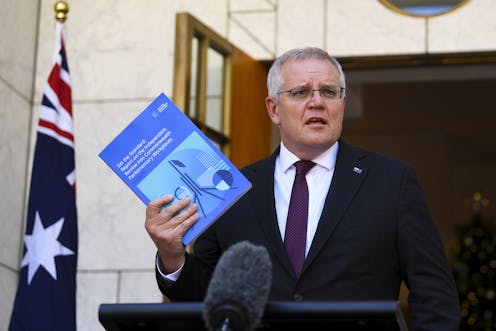
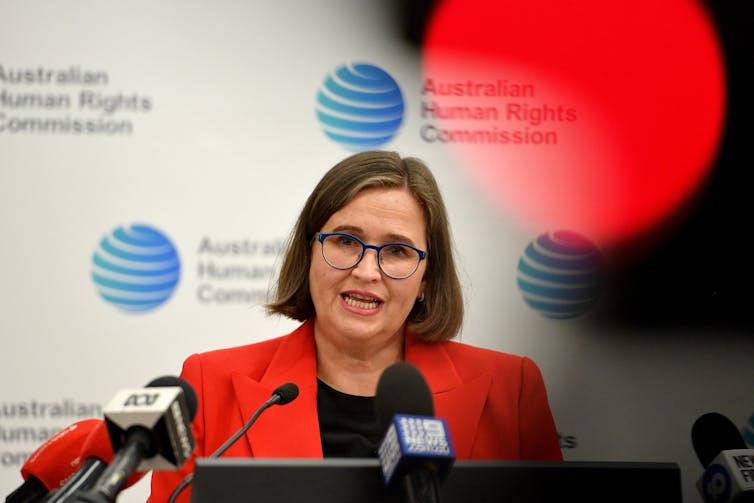
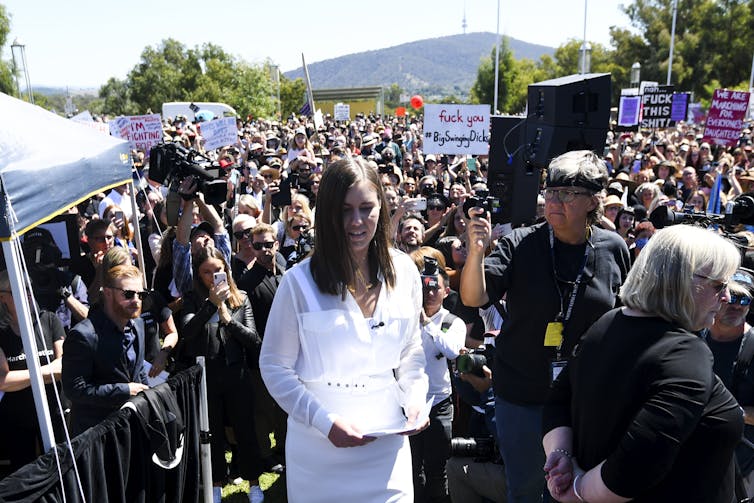







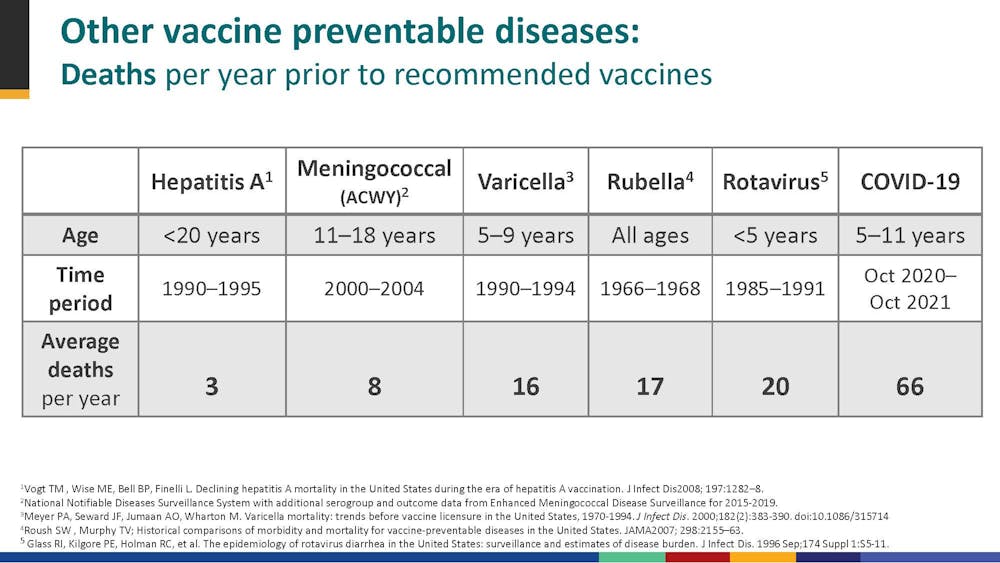


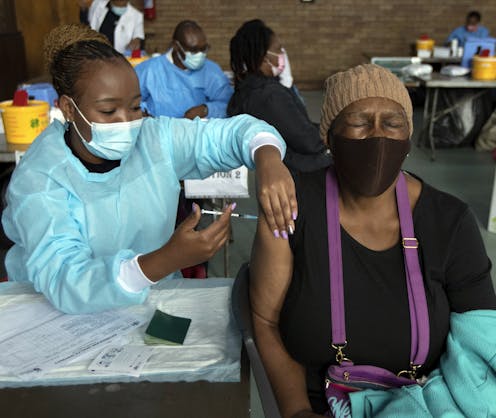
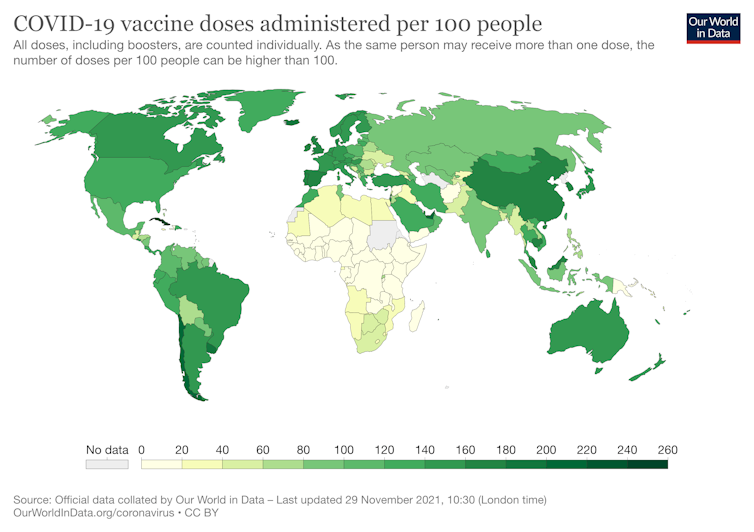
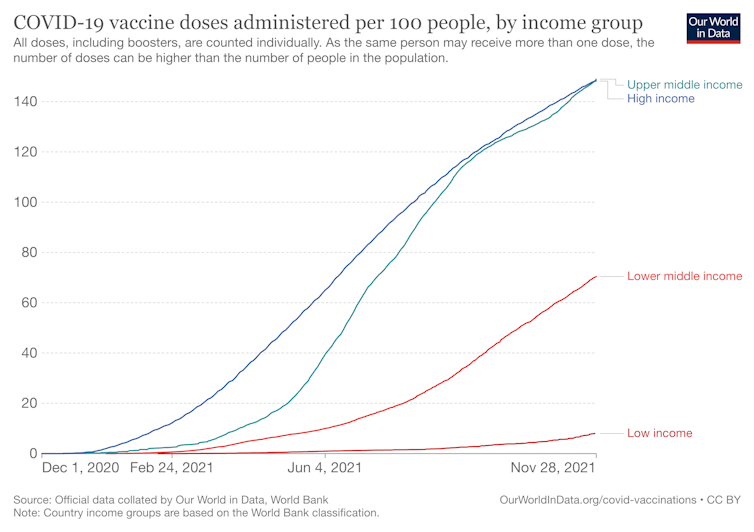
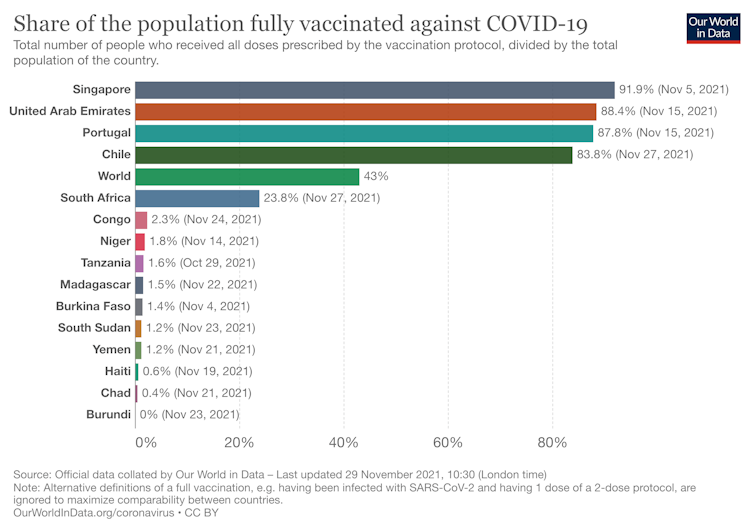
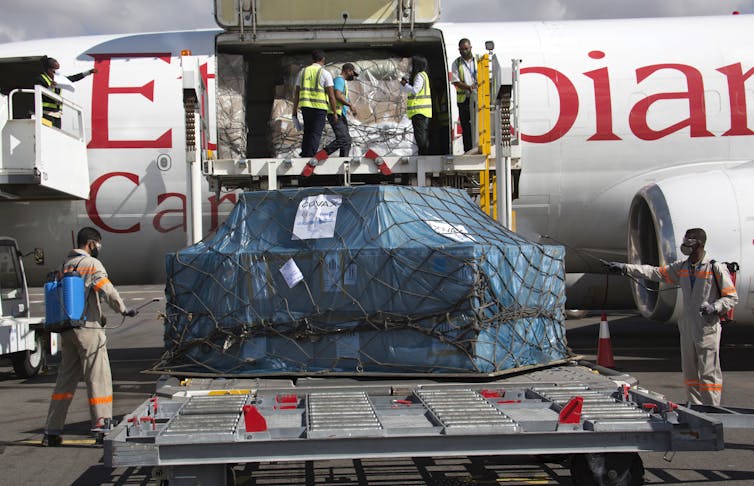






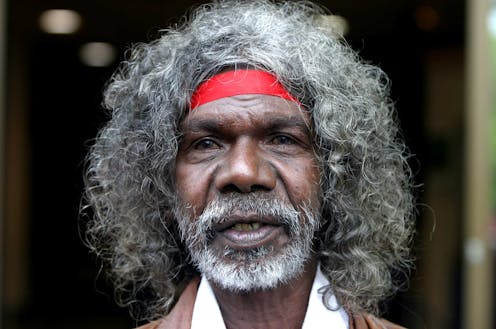





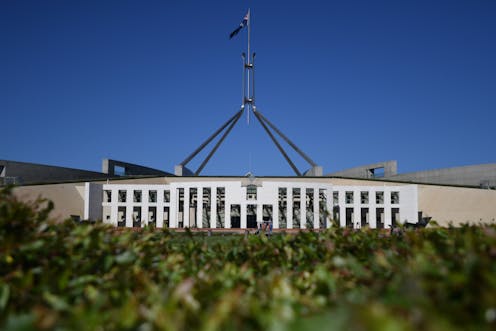
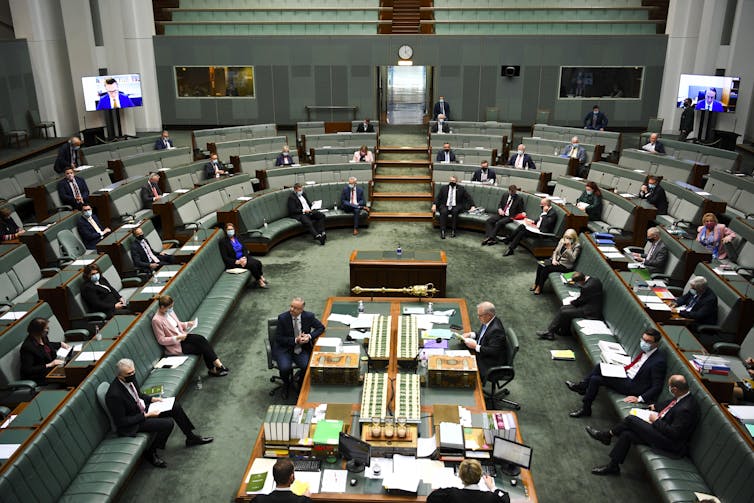




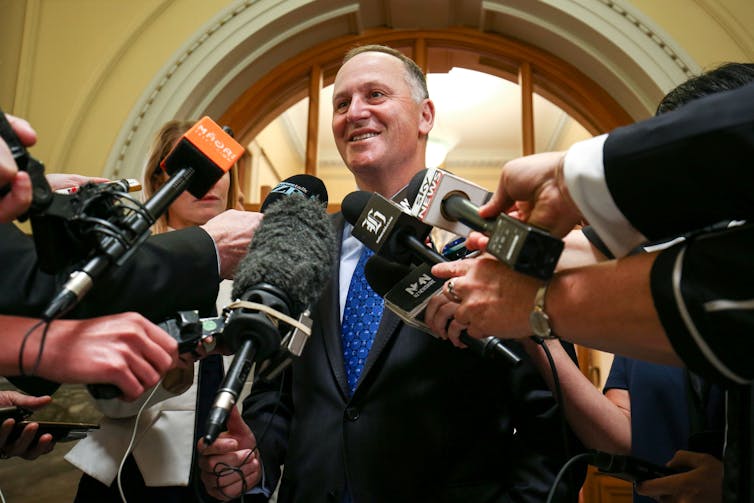




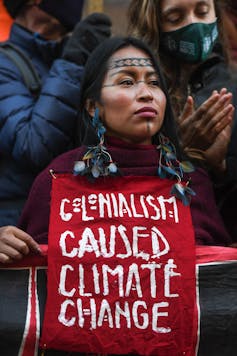








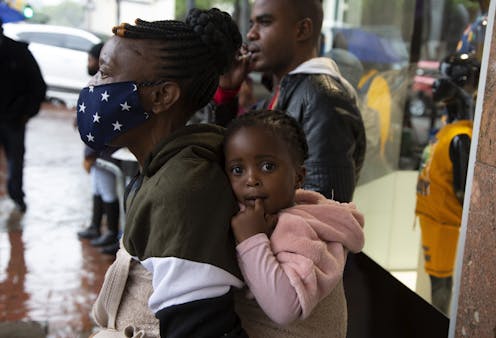


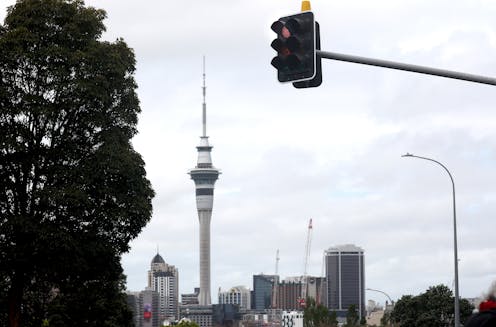
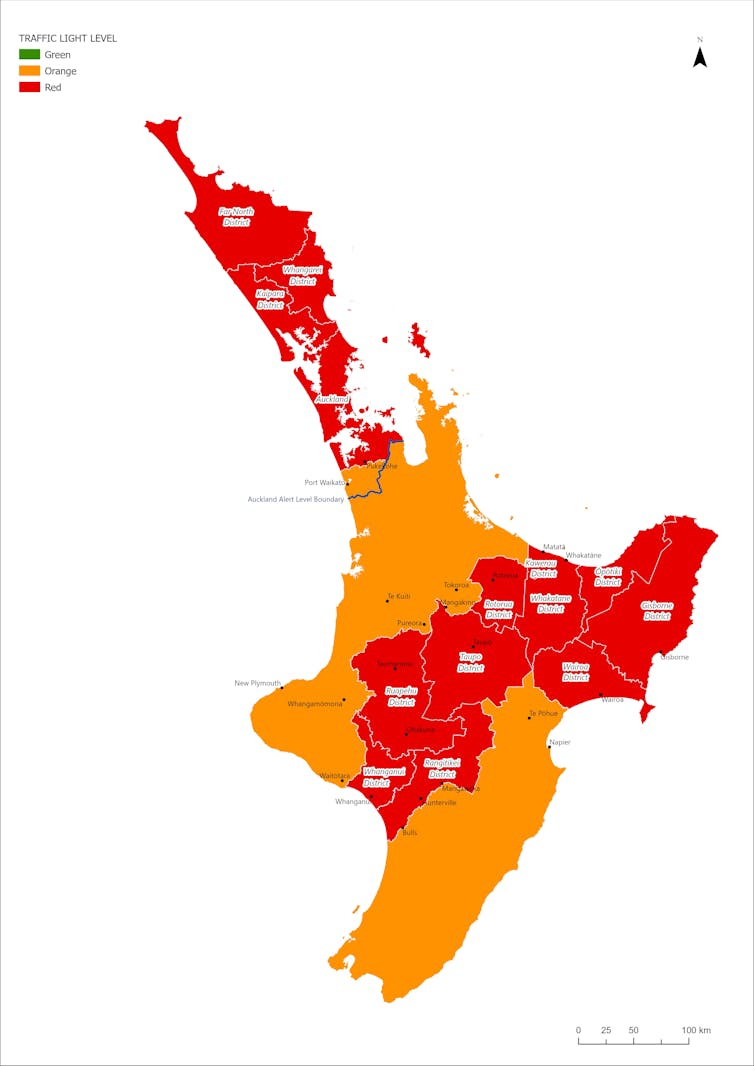






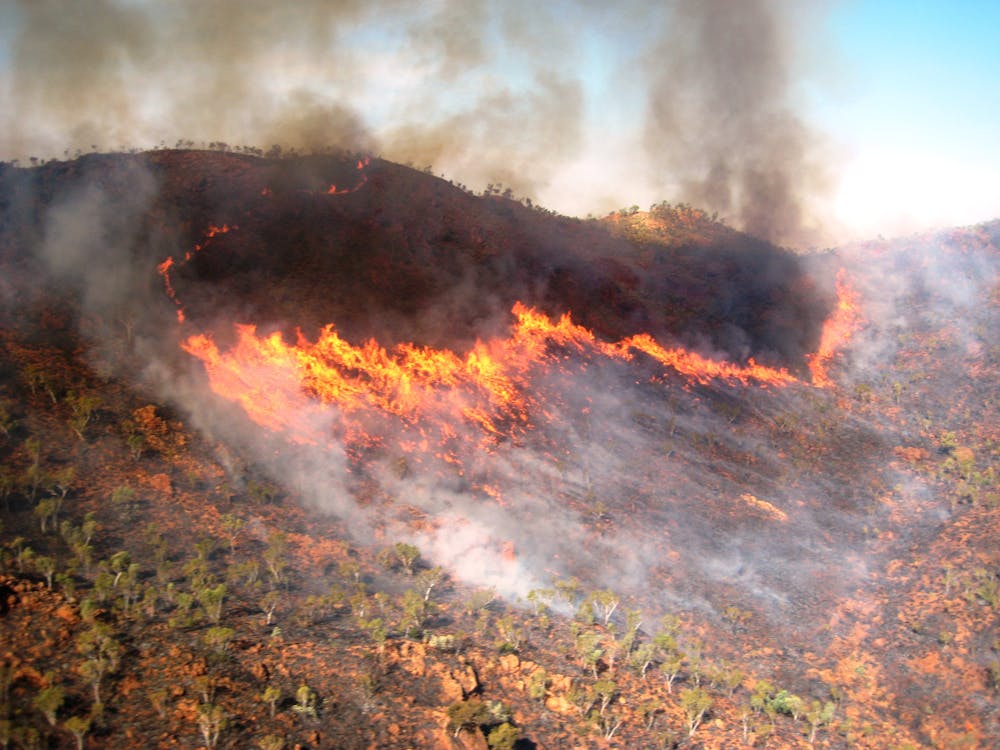


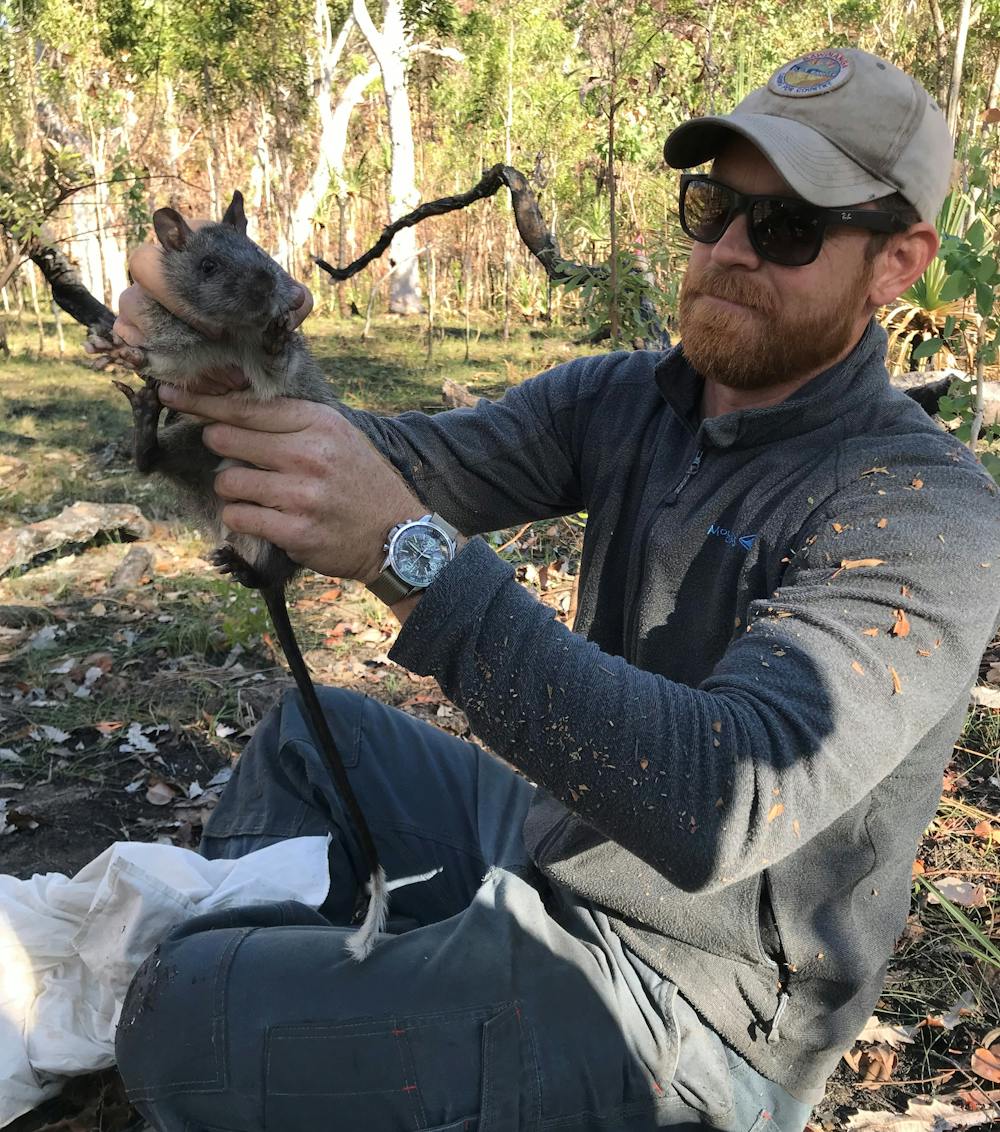


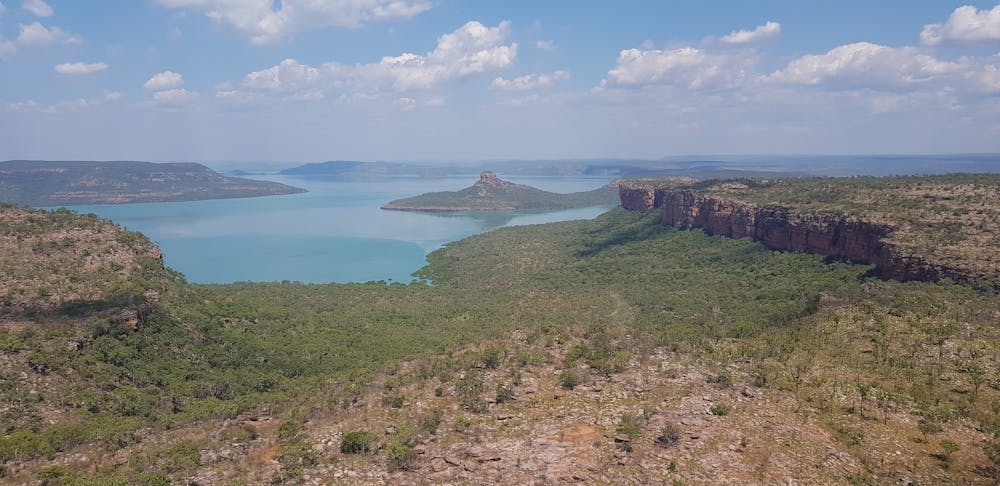







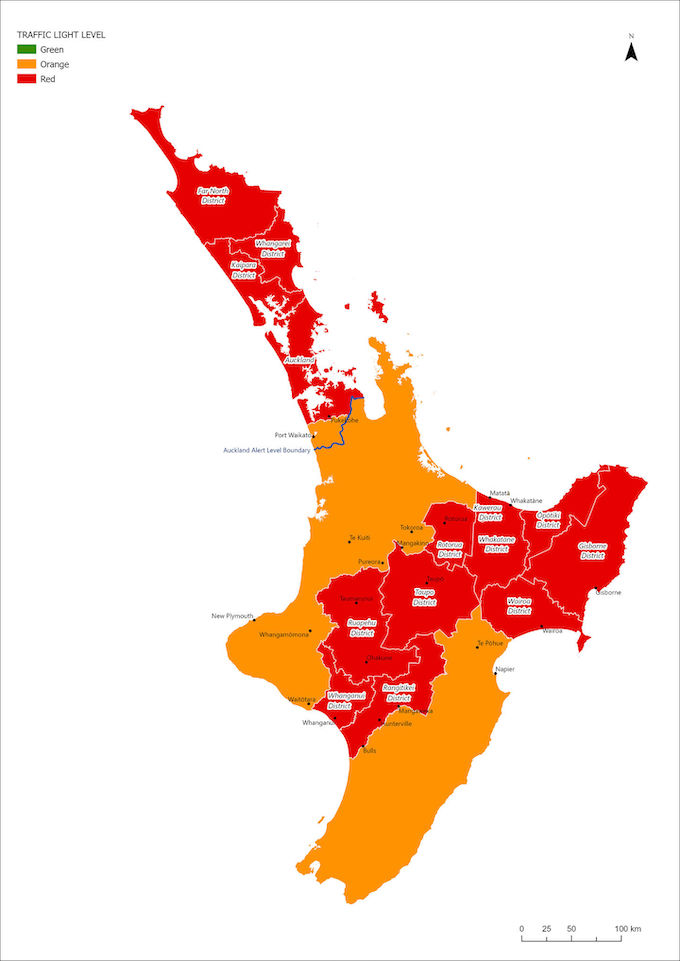
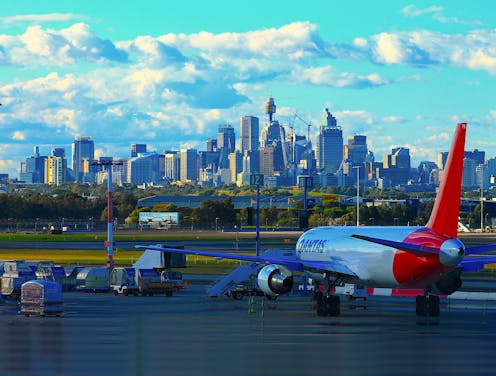

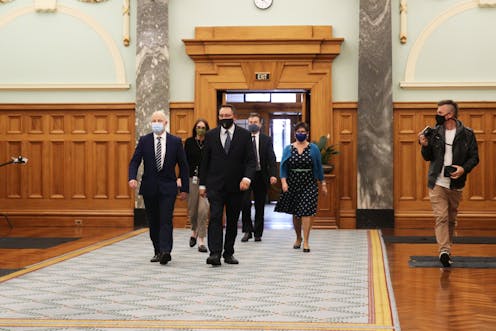

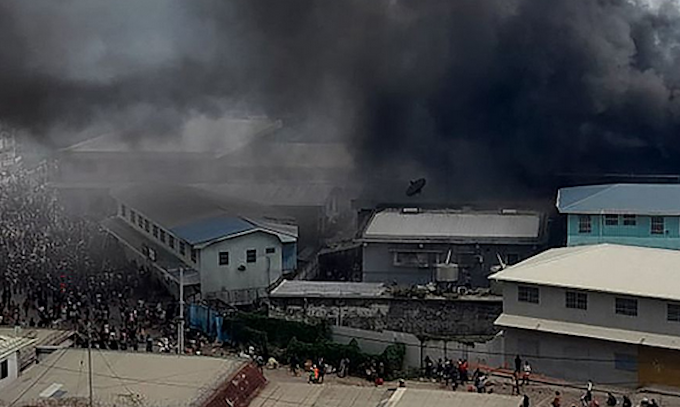
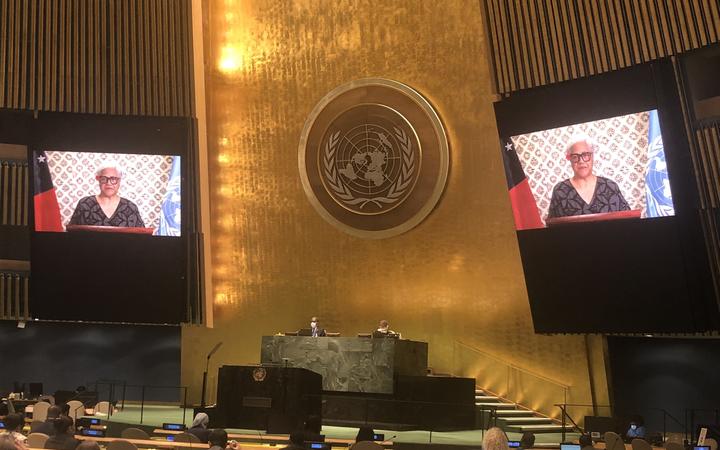
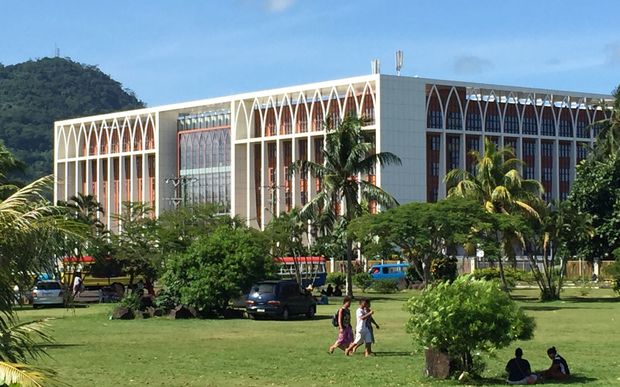
.png?1637701321)