The High Court in Suva has allowed an application by the public prosecutor to stop the super yacht Amadea belonging to Russian billionaire Suleiman Kerimov from leaving its waters.
Kerimov, who was not on board, is facing sanctions from the United States, Britain and the European Union over Russia’s invasion of Ukraine.
Fiji’s Director of Public Prosecutions Christopher Pryde filed the application on Tuesday — a week after the yacht moored at the Lautoka Wharf without customs clearance.
Russian oligarch Suleiman Kerimov … owner if the Amadea. Image: Wikipedia/RNZ
Pryde confirmed that the US was seeking to seize the vessel.
In his application, he requested that: “Amadea be restrained from leaving Fijian waters until the finalisation of an application to register a warrant to seize the property and that a US warrant to seize the Amadea be registered.”
The court is yet to hear the application.
FBC News reports says a second application for the US to seize the yacht will be heard today.
This article is republished under a community partnership agreement with RNZ.
Men killing their female partners has gone from something that occurred behind closed doors with little public discussion, to the focus of national headlines and high-level policy attention.
Even though shocking and high profile murders rightly prompt calls for law and policy reform, it is a different thing entirely to develop measures that actually work. The risk is that complex problems will be oversimplified.
How much of men killing women can we understand through a purely gendered lens? In other words, how much does looking at this problem through a lens of patriarchal control and toxic masculinity actually explain the problem?
When it comes to understanding why men kill their partners, there are two distinct schools of thought.
One is that offenders share many similarities with men who are violent in other settings (for example, towards people they do not know).
The other is that men who kill intimate partners are distinctly different from other killers, particularly in their attitudes and beliefs about the place of women in society and men’s rights over women.
The latter view has come to dominate policy-making.
Concepts like toxic masculinity, patriarchal power and control, and men’s entitlement, have found their way out of feminist theory and into mainstream dialogue.
However, when one viewpoint becomes all encompassing, the result tends to be loss of nuance, lack of perspective, and limited effect in the real world.
Comparing three groups of homicide offenders
We looked at this question using data from the Australian Homicide Project. This is a unique dataset that contains in-depth interviews with over 300 convicted homicide offenders in Australia.
men who commit intimate partner femicide (such as men who kill their female partners or female ex-partners)
men who kill female non-intimates (such as men who kill a woman with whom they’ve never had romantic relationship) and
men who kill other men.
We found very few differences between the three groups when it came to their backgrounds.
A considerable proportion in each group had not completed high school, and were under financial stress and/or unemployed in the year before the homicide.
Experiencing physical abuse and neglect during childhood was commonly reported. So was witnessing parental violence, and having insecure relationships with their parents (particularly their fathers).
There were some differences. Men who killed other men were much more likely to have had problems with alcohol and/or drugs in the year before the homicide. They also had far more extensive criminal histories.
All three groups had much higher levels of past criminal offending than the general population. Assault (not specifically against intimate partners) was especially common.
Interestingly, the intimate partner femicide group and the men who kill other men group did not differ significantly in their levels of reported past violence towards an intimate partner.
Attitudes toward women
When it came to attitudes, there were far fewer differences than we expected to find.
The intimate partner femicide group were more likely to endorse using violence within intimate relationships, and to believe that there were no alternatives to violence.
However, the groups did not differ on sexual jealousy (for example, how upset they would be if their partner talked about an old lover).
Nor did they differ greatly on attitudes toward marital roles (for example, the belief that a man should help in the house, but housework and childcare should mainly be a woman’s job).
In terms of male entitlement, the intimate partner femicide group were more likely to endorse “behavioural control” (for example, “If I can’t have my partner, no one can”).
But the groups did not differ in their endorsement of “social control” (for example, “I insist on knowing where my partner is at all times”) and “information control” (for example, “I look through my partner’s drawers, handbag, or pockets”).
Coercive control has become a key focus for intimate partner femicide prevention efforts.
However, our findings suggest that some of the “subtler” behaviours that characterise coercive control – such as checking up on a partner’s whereabouts, insisting that they disclose where they are going, or monitoring their phone calls – may not be as specifically associated with intimate partner femicide as is often thought.
Instead, it may be that overt behavioural control is what we need to consider when we try to assess risk in relationships. This can include things such as expecting a partner to do what she is told, or expecting sex on demand.
Overall, our results warn that policies intended to prevent intimate partner femicide should not become narrowly focussed around gendered factors such as men’s attitudes to women and toxic masculinity.
These results show things like adverse experiences in childhood and financial stress may be common threads across various different “types” of homicide.
Many theories about homicide, and homicide prevention strategies, focus strongly on the relationship between the victim and offender, or the sex of the victim.
Our work, although based on a relatively small sample size, sounds a caution that such an approach can easily fail to capture the nuance and diversity within victim-offender relationships, as well as crucial similarities across different groups.
Ultimately, legal and policy responses to homicide need to be informed by multiple different perspectives and understandings of offending.
While the gendered perspective has a part to play, it is clear this approach cannot offer all of the answers.
This work was also co-authored by Dr Li Eriksson (Griffith University), Professor Paul Mazerolle (University of New Brunswick) and Professor Richard Wortley (University College London). The Australian Homicide Project was supported under the Australian Research Council Discovery Projects funding scheme (DP0878364).
Australia’s regional news outlets are dying a not-so-slow death, and COVID-19 has accelerated their decline.
Over the past two years more than a hundred of the 435 regional and community newspapers that existed in 2019 ceased printing, continuing as digital-only publications or being merged with other mastheads.
The inquiry, chaired by National Party backbencher Anne Webster, was established in late 2020 to investigate the impact of dozens of local print editions being suspended in 2020, and if there has been any recovery since.
Its findings, published last month, aren’t optimistic. While some suspended print runs have resumed, global supply shortages have increased printing costs. Meanhwile the internet continues to strip away readers and advertising dollars.
The committee’s recommendations on what to do about it leave even less room for optimism. They show the federal government is ill-equipped to provide meaningful assistance despite committing tens of millions of dollars to support regional journalism.
News deserts
In 2018 the Australian Competition Consumer Commission counted 21 local government areas in Australia lacking a single local newspaper. Sixteen were regional areas.
Such “news deserts” – communities not covered by local journalists – have serious consequences for the quality of local democracy. Newspapers in particular have been cornerstones of local news ecosystems, setting the agenda for local television and radio.
More than 20 local government areas in Australia lack a local newspaper. Shutterstock
The committee’s report, “The Future of Regional Newspapers in a Digital World”, doesn’t update the competition watchdog’s numbers. It notes only the submission from the Media Entertainment and Arts Alliance that in the past two years 68% of 182 news “contractions” – covering masthead or newsroom closures and suspensions – were in regional Australia.
The committee made 12 recommendations. The first is to have another, more comprehensive inquiry, into the viability of regional newspapers.
Of the other 11, the two most significant are to amend 30-year-old legislation to enable better data collection on the state of the industry, and to effectively subsidise rural papers through government advertising.
Amending the Broadcasting Service Act
The first recommendation relates to the Broadcasting Services Act (1992), which imposed limits on how many TV stations, radio stations and newspapers a media company can control in a media market.
This leglisation was passed by the Keating government in response to Australia’s then richest man Kerry Packer, the owner of the Nine Network and magazine empire Australian Consolidated Press, making a bid for the Fairfax empire in 1991.
The act’s purpose was to avoid media monopolies by limiting the number of broadcast licences and newspapers a company could own in a media market.
The internet has rendered differences between print and broadcast news largely redundant. But the Broadcasting Services Act (1992) continues to be important to bureaucrats as the one piece of federal legislation defining regional media – albeit only for radio and TV.
This could explain why the report is fuzzy on the precise number of regional newspaper closures over the past two years; bureaucrats didn’t have a definition of “regional newspaper” to work with.
The recommendation to amend the act is to give the Australian Communications and Media Authority definitions that enable it to better assess the state of diversity and localism in news media, in line with recommendations the media regulator proposed in 2020.
So this a useful recommendation, though not one that can make any difference on its own.
Subsidising through advertising
The second big recommendation is that at least 20% of federal government print advertising be placed in regional newspapers.
This is a very blunt instrument to effectively subsidise regional newspapers.
Government advertising has long been an important revenue stream for newspapers. But there are good reasons to think government largesse can’t make up for the private advertising dollars lost to better targeted, cost-effective digital alternatives.
The Victorian government, for example, has plans to drop all notices in newspapers. It instead wants to use the internet to publicise things like legislation changes, planning permits and road closures. The economics are clearly on its side.
The problem facing regional media, and all newspapers generally, is that the old advertising model is broken. No amount of government advertising will fix it.
Deeper community connections needed
A better way to help regional media should start with acknowledging print is dead, So is the the old advertising-funded model of news services. The new model is digital only, and user pays – where readers fund the service.
Shifting from advertising to a reader revenue model requires developing diverse streams, collecting money not just from subscriptions but events, e-commerce, mobile messages, event sponsorships, and so on.
This requires developing community-based news gathering.
News organisations overseas are starting to use artificial intelligence to achieve this, augmenting the work of journalists.
This platform enables the building of neighbourhood-level websites that deliver “hyper-local content based on the reader’s geography, habits and interests”. The platform also enables local contributors to submit and publish.
To help local news organisations emulate these efforts requires funding for specific technological innovations and partnerships. It also requires deepening links between regional newspapers and the communities they serve.
These are the issues the next review of the viability of regional newspapers in Australia ought to look at in more depth.
Leon Gettler does not work for, consult, own shares in or receive funding from any company or organisation that would benefit from this article, and has disclosed no relevant affiliations beyond their academic appointment.
The transition from childhood to adolescence is a vulnerable time for the development of mental health difficulties and brings a marked increase in anxiety and depression.
The push away from family to peers at this age can leave parents feeling adrift. But parents can have a positive role in how young people navigate the challenges of adolescence.
Untreated, mental health conditions often have an impact into adulthood. Supporting a young person with a mental health difficulty also places enormous stress on parents and whānau (family).
So how can parents be there for their children?
Research into how young people develop emotional skills found that a parenting style which encourages understanding and acceptance of emotions is associated with better mental wellbeing compared to styles which are dismissive, punitive or avoid emotional experiences.
As well as general emotional response style, there is an array of other factors linked to anxiety and depression which parents can play an important role in mitigating.
Supporting parents in these areas can have a positive preventative effect on the development of anxiety and depression. By better involving parents in mental health care, we may also improve outcomes for teens with mental health challenges.
Addressing how we treat teen mental health is of increasing importance with rising rates of anxiety and depression in teens and the likely impact of the COVID-19 pandemic.
Research shows parents can have a positive impact on the mental health of their children as they transition into adolescence. Georgijevic/Getty Images
COVID-19 has taken a toll on teen mental health
In a survey of youth in Aotearoa, reported symptoms of mental distress were already increasing prior to the global pandemic – particularly for females and Māori.
While the full effects of the pandemic remain to be seen, key factors related to well being in adolescence have been severely affected, including school attendance, social engagement and the ability to develop independence.
Preliminary evidence from overseas suggests there has been an increase in mental health difficulties above general trends in this period for adolescents.
A report of data from paediatric hospital admissions in New Zealand identified greater admissions related to mental distress and parasuicidal behaviour during lockdown.
A survey of adult New Zealanders also confirmed a range of psychological impacts, with the younger adult group particularly affected.
These trends will continue to put strain on our mental health services.
Stretched services
Referrals to Child and Adolescent Mental Health Services (CAMHS) have been increasing over recent years, particularly for the early adolescent age group.
Chronic resourcing and staffing issues mean the situation is already at crisis point for many needing support.
While there has been a substantial government commitment to increased funding, there are still deficits and long term skill shortages for specialist child and adolescent clinicians.
Adequate resourcing is essential to providing better support. We also need to ensure we are providing high quality interventions to those seeking help.
Gaps in how we understand teens
There are gaps in the evidence base for working with this age group, including how we can best include parents in treatment.
Most current treatments for adolescent anxiety and depression have evolved from the adult evidence base and a generally Western, individually-oriented model. This approach can fail to take in the unique needs of teens and cultural norms that place value on a person’s role in a larger whānau or community.
Cognitive-behaviour therapy (CBT) and antidepressant medication have been the most researched and are generally the first treatment recommendations. While these treatments have a good body of evidence and are helpful for many young people, effect sizes are modest and may be significantly smaller for teens compared with similar therapies for adults, particularly for depression.
Parents can play an important role
To improve outcomes, mental health treatments need to consider the specific needs of this age group, including the role of parents.
This also fits with Māori and other important cultural perspectives in New Zealand. For example, Te Whare Tapa Wha, a model of Māori health developed by Sir Mason Durie, describes the foundations of health, with whānau (family) as a key pillar. Strengthening our focus on this aspect of health can help make care more resposive for all New Zealanders.
While there is a clear rationale for including parents in treatment, and many clinicians are aware of this in practice, research into parental involvement in care is limited.
Reviews to date have suggested a small but positive impact but these reviews have been limited by the number and quality of studies.
Rather than general parent involvement in existing treatment (e.g. parents included in CBT), one promising avenue is programmes focused on boosting emotional skills.
Our research is focused on a one programme developed particularly for teens, Tuning in to Teens, developed by a team at Melbourne University from a programme for parents of younger children (Tuning in to Kids).
The programme targets emotion regulation difficulties by teaching parents to be “emotion coaches” and respond to their young person’s emotions in the accepting and understanding style which has been found to promote positive mental health.
In a randomised control trial of early adolescents about to transition to high school, those with parents who completed this programme had lower levels of symptoms associated with anxiety and depression compared to those who did not.
This programme has been adopted by several mental health services in New Zealand with positive feedback. We are now investigating how we can further evaluate its impact in this setting.
These are challenging times to be growing up in and challenging times to parent in, too. While more research is needed to determine what works best for this age group, parents have an important role from prevention to treatment. The better we can support parents, the better equipped they will be to support their young people to navigate what is ahead.
“He moana pukepuke e ekengia e te waka” – A choppy sea can be navigated.
Zara Mansoor receives funding from the Health Research Council of New Zealand. She has previously worked for a Child Adolescent Mental Health Service (CAMHS) in New Zealand.
Close contacts of people with COVID in New South Wales and Victoria will soon no longer need to isolate for seven days. Other states and territories, including Queensland and the Australian Capital Territory, are considering or will likely announce similar moves.
In NSW from 6pm tomorrow and in Victoria from just before midnight tomorrow, close contacts of COVID cases no longer need to isolate at home, so long as they test negative for COVID, and follow other rules designed to limit the spread of the virus.
The move frees up close contacts to return to work outside the home, but carries a slightly increased risk of the virus spreading to the wider community. However, not everyone agrees whether even this small risk is worth taking.
So what is the risk of a household contact catching COVID? And what else could we be doing to minimise the risk to the wider community after isolation rules are relaxed?
The upcoming changes in NSW and Victoria relate to the isolation requirements of close contacts only. People with COVID still need to isolate for seven days.
Details of what this means for close contacts in NSW or Victoria differ slightly. However, governments are sensibly asking close contacts to take a number of measures to reduce the risk of them infecting other people. These include:
working from home where possible
telling their employer they’re a close contact
wearing a mask indoors when they are outside the home
taking multiple rapid antigen tests over seven days
avoiding contact with immunocompromised and elderly people
avoiding vulnerable settings such as residential aged care services or hospitals
These will reduce the already low risk of passing on the virus even further.
These changes come after much lobbying from business groups and some unions who say their members are struggling with so many workers off with COVID, or from being a close contact of someone infected.
We’ve also seen schools, airports and other sectors struggling to find workers.
The changes also follow the loosening of isolation requirements for close contacts made in January for several categories of essential workers, such as emergency and childcare staff.
All states and territories have now gone past the second Omicron peak, caused by the BA.2 subvariant. Western Australia never had the BA.1 wave because of its closed borders, and is now also coming off the peak of its BA.2 wave.
With about 50,000 diagnosed cases a day, Australia is still in the grip of a massive outbreak, and the true number of daily cases is likely several times this.
This is because the percentage of asymptomatic infections is estimated at 25-54%, so many individuals wouldn’t think to get tested. Not everyone who feels unwell will get tested. And even if people test positive with a rapid antigen test, not everyone will report it to the authorities.
So, the majority of people in the community either have natural immunity from infection, vaccine-induced immunity, or both (hybrid immunity). It is timely, therefore, to ask whether isolation is still essential for close contacts.
What is the actual risk at home?
If you live in a household with someone infected, what is your risk of catching the BA.2 subvariant of Omicron, which is dominant in Australia?
Despite being highly contagious, there appears to be only a 13% chance you will get infected. So the risk is actually quite small.
At the moment, about 20% of PCR tests in Australia are positive on any single day, reflecting a massive amount of infection in the community, much of it undiagnosed.
However, because of the high degree of immunity in the population, and the relatively low contribution of the close contact rule changes to transmission risk, I don’t believe the changes will have a major impact on case numbers. The changes will also bring a big relief to business.
What needs to happen next?
For these changes to avoid driving up case numbers, we need to assume close contacts do the right thing – mask up, avoid contact with vulnerable people outside the home and regularly test themselves. Let’s hope this happens.
Finally, daily rapid antigen tests (under some circumstances) for close contacts will be expensive. Imagine a family of five where one person is infected. That is up to 28 rapid antigen tests for the four close contacts, at about A$10 per test.
At the moment, only concession card holders get a free limited supply of rapid antigen tests. So governments will seriously have to consider some sort of subsidy for close contacts, or better still, supply them for free.
Adrian Esterman receives funding from the NHMRC, the MRFF and the ARC.
When United States Vice-President Kamala Harris was at the Vandenberg Space Force Base in California earlier this week she said the US would not conduct tests of destructive, direct ascent anti-satellite missiles.
This is the first time any country has made such an explicit commitment, and the US has called for other nations to do the same.
Australia would do well to take up the invitation, and put ourselves – and our new Space Command – on the map as responsible actors in space who demand the same of others.
The path of space debris is completely uncontrollable, and in the lower orbits where most satellites are, concentrated debris can travel at ten times the speed of a bullet.
Debris from all these tests is still in orbit. However, the Indian and Russian tests have led to the greatest concern for an emerging space arms race, because these nations openly declared they were testing weapons.
I was part of a team of experts who wrote an open letter last year, signed by space leaders around the world, petitioning the United Nations to ban such destructive, debris-creating tests. The risk posed by these tests is very real, and the potential for a conflict extending into space would be catastrophic for all of us.
Critical civilian and military tools
Satellites are integral to our day-to-day lives in ways many of us don’t realise: personal tools, such as Google Maps navigation; daily communications; critical services, such as civil aviation and weather forecasting; military tasks such as GPS weapons guidance and secure communications. All depend on satellites.
Many space-based services (and individual satellites) serve both civilian and military purposes. If these services or satellites were to be attacked, we would all feel the impact.
The risk of attack, or at least interference, is not hypothetical.
The military depends on space-based technologies for strategic and tactical decision-making, intelligence gathering, weapons deployment, and navigation. If one party wants to compromise their adversary’s ability to see, hear and move, targeting space systems is a very effective way to do it.
There is little international law to limit the weaponisation of space. The 1967 Outer Space Treaty bans nuclear weapons in orbit, and prohibits the future establishment of military bases on the Moon.
As discussed in a book I edited on the subject, the treaty also determines international law applies in space. This includes the laws of armed conflict, which impose some limits on the weaponisation of space. But further attempts at arms control in space have been stymied by consensus decision-making at the UN and by geopolitics.
The creation of a US Space Force in 2019 was in some ways destabilising, since Russia and China saw it as a threat and have since increased their own space military programs.
In an attempt to establish a consensus about space security, the UN General Assembly adopted a resolution in October 2020 to draw up a list of rules and principles about responsible behaviours to reduce threats in space.
Just last month, Australia established a Space Command in our armed forces, as have Canada, France, Germany, Japan and the United Kingdom.
This was accompanied by Australia’s first Defence Space Strategy and a public “Space Power eManual”, outlining the main lines of effort in advancing our defence capabilities in space.
Australia should join the US in stating we will never conduct destructive, direct ascent anti-satellite missile tests, and in encouraging other nations to make the same commitment. We have no capability to conduct such tests, nor any stake in developing them, so the statement carries no risk.
Such a statement would clarify some of the less nuanced messages that have recently appeared in the media. These include the suggestion we will one day need an armed Space Force, or we are developing kinetic capabilities to counter China in space. Neither suggestion is desirable, nor accurate.
And it is a statement that could win us international kudos, showing Space Command can be an effective diplomatic vehicle as well as a key strategic organisation within our defence forces.
Cassandra Steer is affiliated with the Space Industry Association of Australia. She has consulted to the Australian War College, the Department of Foreign Affairs and Trade, and the Canadian and US departments of defence on issues of space law and space security. She has previously received funding from the Canadian Department of National Defence.
During the global COVID-19 pandemic, women have carried much of the unpaid emotional and domestic burden of caring for their families and communities, often simultaneously holding down paid jobs, many on reduced hours or salaries.
Women have also been disproportionately affected by job losses, particularly women of color and ethnic minorities. Worldwide, women lost more than 64 million jobs in 2020 alone, resulting in an estimated US$800 billion loss of income.
During this time, rates of domestic violence against women and girls surged in New Zealand and around the world, prompting some to refer to a “double pandemic” or “shadow pandemic”. Women’s physical and mental health has been heavily affected for both frontline workers and in the home.
As ongoing research by a cross-cultural team of feminist scholars has been documenting, New Zealand women have found different ways to cope through the various stages of the pandemic. But with the pandemic exacerbating gender inequalities in most areas of life, the fear is that decades of (albeit uneven) momentum towards gender equity is being lost.
Recovery designed for women
While some governments have taken steps to address women’s well-being during the pandemic, such as introducing shorter or flexible work hours, they remain the minority.
Organisations such as the United Nations and the OECD have identified the need to develop better support for women within pandemic recovery programmes. And some countries have advocated more progressive strategies, including prioritising local feminist and Indigenous knowledge. But the uptake of such initiatives has been minimal at best.
In Aotearoa New Zealand, the 2021 Wellbeing Budget sought to “support into employment those most affected by COVID-19, including women”. But the focus on male-dominated industries (such as construction and roading), and lack of initiatives aimed at women as primary carers, meant this was largely a missed opportunity.
While this general lack of gender-responsive policy has been troubling, women have been far from passive in their own responses, both individually and collectively.
As the stories of women from diverse backgrounds in Aotearoa New Zealand have shown in our own and others’ research, many have turned to their own cultures, social networks and religions to help them through the pandemic. Others have used sport and exercise, nature and digital technology to build a sense of belonging and support during difficult times
Such strategies have helped them manage unprecedented levels of stress in their own lives, and the lives of those around them. Women have been active and creative in the ways they’ve found to care for themselves and others.
As the pandemic continues, women everywhere are suffering the “hidden costs of caregiving”. In Aotearoa New Zealand, as elsewhere, new COVID variants have seen them even busier caring for sick family members – often while unwell themselves.
The effect has been to rethink priorities, who and what is most important, and to question the expectations shaping their lives.
Some of the women in our studies have taken bold steps – starting a new business, moving town, reorganising work-life balance, putting their own health first. Others have simply acknowledged their own vulnerability and need for community. As two of the women we interviewed said:
I think for me it’s been more of a reaffirmation that what I am doing is good enough […] Like I don’t need to be all of these things. We put so much pressure on ourselves […] we spread ourselves too thin […] trying to be a whole bunch of other people’s ideas of being the best person.
You need to be real about how you are feeling and a little bit vulnerable, not hide things or bottle things up or try to be everything to everybody. I learned the power of being vulnerable, of people and community, and the importance of connection and the importance of kindness and being okay with whatever you’ve got in your mind.
Some are turning away from their busy working lives, opting instead to find a slower pace, to live more sustainably, and to give back to their communities in a range of ways.
What we can say, however, is that genuinely gender-responsive policies are urgently needed. The often used mantra of “building back better” must prioritise the knowledge of local women in all their diversity, and there is much we can learn by listening to women’s everyday experiences of the pandemic.
Not doing so risks decades of gender equity work slipping away.
Holly Thorpe receives funding from a James Cook Research Fellowship.
Simone Fullagar receives funding from the Australian Research Council.
Allison Jeffrey does not work for, consult, own shares in or receive funding from any company or organisation that would benefit from this article, and has disclosed no relevant affiliations beyond their academic appointment.
The new (though not unfamiliar to older New Zealanders) crisis of 2022 (and most likely beyond) has become, alternatively, a ‘cost of living’ or an ‘inflation’ crisis. The public discussion treats these two ‘enemies of the people’ as one and the same thing. But they are not. Indeed such conflation is quite dangerous; it leads us to assume – maybe even insist on – a policy response that comes with more costs than benefits. Anti-inflation policy costs may pile upon an already unwelcome reality of rising costs; costs which must be absorbed.
Cost of Living
Living has benefits and costs. No doubt about that. Costs are what constrain us from doing (or having) things that we want. Rising costs mean that we – or at least most of us – can have less of what we want. We have to bear rising costs. Doing magical things with the money supply cannot relieve us of real costs. For many of us, rising costs mean a likely sooner death than would otherwise have been expected. For a few, facing the direct costs of war or pandemic, rising costs may mean a very imminent death.
The appropriate policy response to rising costs is to properly identify their underlying problems, and then endeavour to remove or mitigate those problems. It is not appropriate to invoke a magical response to a real problem. Nor is it appropriate to fuel the ‘cost of living flames’ by deliberately or ignorantly adding new cost burdens to the already stricken. This category of response includes biased cost-benefit analyses, meaning that costly policy actions or inactions might take place. A biased analysis occurs when relevant information is systematically ignored, typically because it doesn’t fit a prevailing political or scientific narrative.
Typically (but not always), in a cost of living crisis, there is a rise in the general level of prices. Such a rise is commonly called ‘inflation’; indeed statisticians call such a rise ‘the rate of inflation’ regardless of the circumstances of the rising prices. (Policymakers sometimes favour replacing a cost of living crisis characterised by rising prices with a cost of living crisis in which the burdens are borne in other ways; the best known such ‘other way’ is through recession and unemployment.)
Inflation
‘Inflation’ actually means a process of rising prices – sometimes called a spiral – whereby the cause of the rising prices is not rising costs. It’s confusing because, for some of us, our rising costs are having to pay someone else’s rising prices. Nevertheless, at a societal level, prices may rise generally even when there is no costly event: no event such as a war, a pandemic, climate change, or increased administrative inefficiency.
Inflation may be caused by what economists call ‘game-playing’. It may be caused by autonomous changes of sentiment, such as increased consumer or business ‘confidence’. Or it may be caused by an economy shifting mode – eg from a war mode to a peace mode, or a pandemic mode to a ‘normal’ mode – meaning that there needs to be a significant adjustment of relative prices. For various reasons that don’t need to be mentioned here, individual commodity prices are more ‘sticky’ downwards than upwards, meaning that – on average – a period of adjusting relative prices is also a period of rising average prices.
(In other words, inflation in some circumstances – such as the last-mentioned – may be a solution rather than a problem; in these cases we should simply let inflation play out, without an attempt to suppress rising average prices. Further, rising prices are beneficial when they alert us to an underlying real problem that may otherwise go undiscovered. And most economists do believe that low inflation is better than no inflation – hence the ‘two percent’ annual inflation policy targets that are widespread, including in New Zealand. Modest and predictable inflation is said to ‘grease the wheels’ of the capitalist economy, creating a disincentive for people to hoard money.)
In particular countries, inflation may be caused by a multiplicity of moneys, whereby the exchange price between one type of money and another may change; sometimes those changes are dramatic and lead to hyperinflation. In this kind of situation, the very high inflation in a few countries should be balanced by deflation (falling prices) in the many more other countries, meaning that deflation becomes the more common experience. (In the early 1920s, hyperinflation in some countries was offset by substantial deflation in others.) However, in practice, because this situation is a special case of relative price adjustment, when some countries are hyperinflating there is probably an average overall experience of rising prices. (If New Zealand’s banks soon find it difficult to find profitable lending opportunities in New Zealand, then increased lending to foreign borrowers could lead to a sharp and ongoing depreciation of the New Zealand dollar, say next year.)
New Zealand’s – indeed the world’s – situation at present is a ‘cost of living’ crisis, not a crisis of inflation.
Game Playing: Helicopter Money, Demand-Pull, and Cost-Push
Game-playing usually exists where somebody (or some party) seeks an advantage at the expense of other (eg rival) parties. Though they might not know it. They may be unaware that their actions, if successful, necessarily impose disadvantages on others.
In a zero-sum game the benefits (advantages) to some parties exactly balance the costs (disadvantages) to others. In a negative-sum game – called a race to the bottom if taken to its logical conclusion – the advantages to the winners are less than the disadvantages to the losers. In a positive-sum game – which is what ‘economic growth’ is meant to be – the gains to the winners are more than the losses to the losers. (In this last case, the game is generally regarded as virtuous, because – at least in principle – the losers can be compensated by the winners.)
There are three main types of inflation games. The first is an odd one, highlighted by Milton Friedman and his ‘monetarist’ acolytes as the core inflation game; this is a game of gratuitous money creation. As is discussed in economics’ textbooks, in economies that are largely problem-free, this game occurs if central banks (such as the Reserve Bank of New Zealand) decide to increase the money supply over and above the normal increases justified by economic growth. (This extra money is sometimes called ‘helicopter money’.) This represents a kind of academic game, where the central bank does not really care who wins or who loses. As the game progresses, a process – an inflationary spiral – develops; a spiral of rising prices which under some conditions may accelerate (especially conditions characterised by rising ‘inflation expectations’). This means that the measured rate of inflation – worldwide, or in a large economy such as the United States or China – keeps rising from year to year, indefinitely. The Friedmanites then made the intellectual leap, to claim that all actual inflations are like this artificially contrived textbook example. (The real game-player here was Milton Friedman himself.)
The other two types of games – prominent in economic textbooks in the mid-twentieth-century – are called ‘demand-pull’ and ‘cost-push’.
‘Demand-pull’ inflation is when there is an explosion of confidence that creates an autonomous spending binge, meaning that we try to buy more than the economy – a normal economy such as the global economy in a 2019 world with functioning global supply chains – can produce, thereby bidding prices up. The story then continues with the world’s central banks (futilely) ‘accommodating’ this spending by increasing the money supply. (The game begins because the ‘confident’ parties are trying to increase their consumption of world output at the expense of everyone else.)
‘Cost-push’ inflation occurs when a ‘greedy’ group of people with market power – the usual example is a group of unionised workers, though other examples may be a cartel of oil-producers or a disingenuous cabal of ‘cost-plus’ corporates – use that power to extract a bigger ‘economic rent’ for themselves. Once again the central banks accommodate, trying to ease the blow on the losers of this game-play. Essentially this conflates into the same process as demand-pull, because the winners of the game consume more from the global economic pie, meaning that the losers of the game consume less than they otherwise would.
(The more common cost-push situation is that the greedy game-players save – ie lend – rather than spend most of their ‘ill-gotten’ gains, so the world gets into more of a debt crisis than an inflation crisis. Or, if there are too few acceptable borrowers, the world moves into a recession whereby portions of the global economic pie go to waste. A particularly egregious – though not uncommon – case is when, under these circumstances, solvent governments refuse to borrow enough to avert recession; most governments are solvent, because they have legal powers to raise revenue that members of the general public do not have. The best known historical example of this case is the Great Depression of the 1930s.)
Orthodox Monetary Policy
A variation of the Friedmanite anti-inflation policy is really an example of suppressed cost-push inflation. This is the assumed central bank response to a ‘cost of living crisis’; namely a raising of interest rates, raising the ‘cost of money’. Few can explain why it is necessary to aggravate an existing cost of living crisis with additional costs; but all of us running business or with mortgages accept, too often uncritically, that this policy action will happen.
Last time this happened was in 2004-08. Not only did inflation peak in early 2008 – four years after the anti-inflation policy began in New Zealand – the inflation spiral largely caused by the policy only ended with a global financial crisis. New Zealand actually caught that crisis early, with the demise of significant numbers of finance companies.
Today’s Problem: a Cost-of-Living crisis with external initial causes
Today we have a cost-of-living crisis with a labour-supply twist. Not an inflation crisis. A combination of disruption – through personal illness, the requirement for family members to isolate or to care for children experiencing a disrupted education, the ‘great rethink’ about work-life balance, and the disrupted flow of immigrant workers – has brought to a head an already existing (but hitherto unacknowledged) problem of ‘supply-inelasticity’. The economy is taut; it has no ‘slack’; slack is an important though unacknowledged benefit in our lives. Thus, unusually low levels of unemployment in countries that had become used to importing labour has been interpreted as a sign of ‘demand-pull’ inflation. Orthodox monetary policy has a role to play to address demand-pull inflation, though under textbook demand-pull circumstances interest rates should be rising without the help of the central bank.
The reality is that many countries’ central banks are now aggravating a cost-of-living crisis – raising costs – while trying to suppress the inflationary consequences that are part-and-parcel of getting out of a cost-of-living crisis and returning to some kind of normalcy.
The most important way to respond to a cost-of-living crisis – in cases where the sources of the costs are largely outside of the control of market participants and a country’s policymakers – is to mitigate the crisis by sharing the burden. The best way to do this – maybe the only way – is through a universal distribution of a significant share of the economic output available to a country’s population, through a universal income. Normal market forces can be applied to distribute the remainder of gross domestic product.
Government spending on goods and services needs to prioritise people’s needs, through the universal provision of social goods, and to deprioritise party political wishlists. Governments should always choose more borrowing over more taxes in all crises in which much of the constrained economic pie is either wasted or being spent by a few in ways (as in land speculation) that aggravate the crisis. In times of constrained supply, all land-holders should be accountable for the ways in which they use, misuse, or disuse this precious economic resource.
And bureaucrats – especially people involved in deciding who should be denied access to services, resources or opportunities – should be reflecting on whether they could raise the economic productivity of their country by moving into other occupations; in an important sense, these people do represent some slack in an otherwise taut economy. We have a labour misallocation problem. So many people in Aotearoa New Zealand get paid more than critical workers simply because they have a university degree, and not because having that degree makes their contributions more productive.
*******
Keith Rankin (keith at rankin dot nz), trained as an economic historian, is a retired lecturer in Economics and Statistics. He lives in Auckland, New Zealand.
In his 1989 book Wonderful Life, evolutionary biologist Stephen Jay Gould famously argued that, if we could “replay the tape”, life on Earth would evolve to be fundamentally different each time.
Wings and flight evolved differently, and independently, in (1) pterosaurs, (2) bats, and (3) birds. George Romanes
Was he right? Convergent evolution, in which similar features evolve to perform similar functions in distantly related organisms, offers an excellent model in which to run Gould’s thought experiment.
One classic example of convergent evolution is the independent evolution of wings and flight in insects, birds, pterosaurs, and bats. Another is live birth (or “viviparity”), which has evolved independently from egg-laying more than 150 times in vertebrates (animals with backbones).
To understand how this happened, we studied the genes involved in pregnancy and live birth in six different live-bearing species. We discovered that, despite broad similarities in the anatomy and physiology involved, each species used a completely different set of genetic tools to give birth to live young.
Is live birth controlled by a universal set of genes?
In nearly all live-bearing vertebrates examined so far, changes to the gestational tissues and biophysical processes during pregnancy appear remarkably similar.
The changes that occur during pregnancy and birthing must be mainly controlled by genetics, and we know that the expression of genes changes during pregnancy in different live-bearing animals.
However, the generality of these changes is less clear. For example, are the same genes used during pregnancy in mammals and fish? Or are similar outcomes driven by entirely different genes?
That’s what we set out to discover in our study, newly published in Molecular Biology and Evolution, in collaboration with researchers from the University of Queensland and James Cook University.
Measuring gene activity during pregnancy
An animal’s development is controlled by its genes, its environment, and an interaction between the two.
Not every gene within an animal is always active. Genes are switched on (or “expressed”) when needed, and then switched off again when no longer needed.
Gene expression levels naturally vary over time as an animal interacts with the environment and undergoes physiological changes, such as those associated with pregnancy. Using a technique called “transcriptomics”, we can take snapshots of these changes in gene expression as they occur.
To investigate the genetic changes occurring in the uterus during pregnancy in different species, we collected samples or used existing data from six live-bearing animals: the Australian sharpnose shark, three species of Australian lizards, the gray short-tailed opossum, and the brown lab rat.
The spotted skink Niveoscincus ocellatus, sampled in our study, gives birth to live young. Charles Foster, Author provided
Sampling this wide range of animals allowed us to determine whether the same gene expression changes occur during pregnancy across species in which live birth evolved independently.
Our work is the first quantitative study into the genetic basis of live birth at such a broad evolutionary scale.
There are many different ways to grow a baby
We expected to find many of the same genes used during pregnancy to support the growth and survival of embryos in each of the live-bearing species we sampled.
This hypothesis seemed logical, given the many similarities in anatomical changes during pregnancy across live-bearing vertebrates, along with qualitative findings from previous research.
Instead, we found there was no one set of “live-bearing genes” utilised during pregnancy across our sampled range of animals. In other words, evolution has converged on similar functions for successful pregnancy but those functions have been achieved by recruiting different groups of genes.
Despite not being what we expected, this finding also makes sense. Different animal lineages may have different “toolboxes” of genes to draw from, due to their unique evolutionary histories.
A genetic “toolbox” can be thought of as a broad class of genes that perform similar basic functions. Over the long timescales of evolution, different genes from this ancestral toolbox can be recruited to carry out the same physiological functions in different animals.
Like humans, the Australian sharpnose shark transports nutrients to developing embryos via a placenta. Camilla Whittington, Author provided
For example, developing babies require access to a supply of amino acids for successful development. In many species these amino acids are transported from the mother to the fetus across the placenta via “solute carrier” genes.
We identified more than 75 different solute carrier genes in the combined genetic toolbox of our study species. However, each species recruited different genes from the toolbox to transport amino acids during pregnancy.
Rethinking live birth
Our findings force us to rethink the idea that the cross-species similarities in live birth are controlled by the same genetic changes.
We can also consider our results in the context of Gould’s thought experiment about “replaying the tape of life”.
Was the evolution of live birth predictable? It depends on how you look at it.
Large-scale similarities, such as the anatomy and functions of the uterus, seem predictable. They appear to have evolved repeatedly to solve the biophysical challenges of successful pregnancy.
However, our results show this predictability does not extend to the underlying genes.
Charles Foster has previously received funding from the Australian Research Council, and is currently employed via funding from the Medical Research Future Fund (Australian Government Department of Health) and the University of New South Wales.
Camilla Whittington receives funding from the Australian Research Council and the University of Sydney.
James Van Dyke receives funding from the Australian Research Council and the Australian Government Department of Industry, Science, Energy and Resources.
As the war in Ukraine drags on and sanctions start to bite, key questions are being asked. How long can President Vladimir Putin remain in power? Will he be overthrown in a palace coup, as recent rumours have suggested? And can the system of centralised rule he built outlast him?
We can find neglected answers to these questions in the Russian Constitution. This document, and its forgotten importance to Putin’s authority, suggest that although Putin is likely to remain in office in the short term, Russia faces significant long term instability.
Russian crown-presidentialism
The conventional story of Putin’s grip on the presidency rightly points to his informal power over Russia’s elites, grounded on his training in spycraft. But these accounts forget the central role of formal constitutional rules in keeping Putin at the top.
The story starts almost 30 years ago, amid the ruins of the collapsing Soviet Union. After Russia nearly descended into a civil war in the autumn of 1993, then-President Boris Yeltsin made key changes to the working constitutional draft.
He did not change the provisions protecting individual rights, but he did insert rules that created the basis for a vastly powerful presidency, one that could dominate both formal and informal politics. This “crown-presidential” constitutional design has undermined Russian democratic state-building ever since.
In the 1990s, Yeltsin and his Western supporters saw these powers as a necessary expedient, a kind of “democratic battering ram” able to make the difficult (and often unpopular) choices seen as necessary for building free market economics. Yeltsin used these constitutional powers to pursue neo-liberal economic reforms and wage a brutal war in Chechnya.
The power of the Russian president can be traced back to constitutional changes made by Boris Yeltsin in 1993. AAP/AP
But, constrained by the West and some of his advisors, Yeltsin also decentralised power to the regional governors and tolerated a pluralistic media. Focusing on these checks on presidential power, as well as the long list of rights and democratic guarantees in the constitution, most observers and commentators declared Russia to be a young democracy.
This all changed in 2000, when Vladimir Putin became president. Declaring a “dictatorship of the law”, Putin empowered central legal institutions to enforce Russia’s constitutional system of presidential dominance.
This allowed Putin to assert personal control over the oligarchs and the regional governors. It also allowed him to monopolise television media, giving him control over the type of political information being given to the Russian people.
Since then, Putin has continued to rely heavily on the constitutional order to maintain his personal power. In the aftermath of the fraudulent 2011 election, Putin used his control over prosecutors and courts to crack down hard on a growing opposition movement.
After large demonstrations in the wake of the 2011 election, Vladimir Putin used his powers to crack down hard on the opposition. AAP/AP/Mikhail Metzel
In 2020, he changed key provisions in the constitution to further consolidate personal control over Russian politics. These presidential powers remain a critical aspect of his personal power today.
What does this mean for Russia’s future?
This central role of constitutional law in Russian governance tells us a great deal about Russia’s future. In the short-term, the vast powers granted to the office of the president will ensure Russian stability, allowing Putin to retain loyal associates and remove any dissenters.
However, in the long-term, these presidential powers will foster Russian instability. The personalisation of power in this kind of system has already weakened institutions (such as the Russian military) and triggered poor decision-making (such as the decision to invade Ukraine). These problems will worsen.
The question of who will replace Putin will also trigger a bitter and destabilising struggle to gain control over the Russian presidency. A post-Putin Russia must change these constitutional rules to not only build democracy, but also ensure long-term stability.
Moreover, the fact the West backed this constitutional system in 1993 shows how much we have to learn about the centrality of constitutional provisions ensuring checks and balances on presidential power in ensuring democracy and human rights.
William Partlett does not work for, consult, own shares in or receive funding from any company or organisation that would benefit from this article, and has disclosed no relevant affiliations beyond their academic appointment.
During the federal election, politicians of all persuasions will use a range of campaigning and spin tactics. But there is a difference between “gilding the lily” and lying with strategic intent, a trend that is growing in western democracies.
The February 2022 Edelman global trust survey finds citizens increasingly expect government leaders will “purposefully mislead them by saying things they know are false or gross exaggerations”. In Australia, that expectation has risen three percentage points to 61% since last year.
In a “post truth” world, we are seeing lies proliferate online. Recent election campaigns in the United States and United Kingdom suggest lying is now a successful strategic campaign tool.
Australian voters need to be on high alert.
The ‘strategic lie’
As we argue in our recent journal article, “strategic lying” has evolved from political spin tactics, intensified by the growing ranks of political communication professionals and the rise of social media.
It is a campaign device used to shape what issues are discussed in the media and how they are framed. It is designed to grab media attention with an initial, deliberate lie. This shifts the news agenda onto a politician’s preferred territory.
It doesn’t matter if the lie is easily corrected because the subject of the lie is then amplified and kept on the news agenda. The distribution of the lie is further increased by social media and amplified by the mainstream media.
The more outlandish the lie, the better.
The Trump approach
Former US president Donald Trump used strategic lies before, during, and after his time in office.
His first most obvious strategic lie came in 2011 when he claimed to have “proof” Barack Obama was not born in the United States, making him ineligible to occupy the White House (the so-called “birther controversy”).
Former US president Donald Trump has a track record of using strategic lies. Chris Seward/AP/AAP
Over the next three years, Trump continued to raise the issue, despite the lie being comprehensively rebutted. He did so not because he expected people to believe it but, as a strategic lie, it kept the issue of Obama’s origins and his “otherness” on the mainstream news agenda.
More recently, Trump’s baseless claims of the “election steal” have fuelled riots and generated support for a possible presidential re-election campaign, while distracting attention from the simple fact that he legitimately lost the election.
Brexit lies
In the UK, lies about the cost of staying in the European Union featured heavily in the Brexit campaign. The false claim “we send the EU £350 million a week. Let’s fund our NHS instead” was central to the “Leave” campaign and ensured the “cost” of EU membership dominated the referendum.
Its architect, political adviser Dominic Cummings, subsequently gloated the falsehood was designed “to provoke people into argument. This worked much better than I thought it would”. He also described it as “a brilliant communications ploy”.
Former political strategist and special adviser to Prime Minister Boris Johnson, Dominic Cummings. Alastair Grant/AP/AAP
The Australian federal election
The issue of truth and lies is at the core of the 2022 federal election.
The Labor party also has form when it comes to political dishonesty. It’s “Mediscare” campaign in 2016 paved the way for the Coalition’s “Death Tax” scare campaign in 2019. Both campaigns were gross misrepresentations of the truth, the latter arguably a local example of strategic lying.
A brief search of the Facebook Ad library shows signs both parties are running similar scare ads in the 2022 election about the Coalition making cuts to Medicare and Labor increasing taxes.
Labor is also arguing the Coalition wants to put all pensioners on a cashless debit card, while the Liberal Party has alleged Labor wants a “retiree tax”. Neither claim is true.
In the lead up to the election, the Morrison government alleged Labor leader Anthony Albanese was China’s preferred choice as prime minister and his deputy Richard Marles was a “Manchurian candidate”. This was roundly rejected by leaders of the intelligence community.
What can be done?
There is renewed debate about the need for federal laws about truth in political advertising.
The Hawke government introduced provisions in 1983 but they were deemed “unworkable” and scrapped the following year partly because
political advertising involves ‘intangibles, ideas, policies and images’ which cannot be subjected to a test of truth, truth itself being inherently difficult to define.
Despite this, South Australia has had laws prohibiting political ads that are “inaccurate and misleading to a material extent” since 1985. These are generally seen to set positive boundaries, even though adjudication of complaints is time consuming. New provisions came into force in the ACT in 2021 but are yet to be tested.
A federal government attempt to enforce truthfulness in political advertising was abandoned in the 1980s as ‘unworkable’. Richard Wainwright/AAP
The Australian Electoral Commission has launched a campaign to combat misinformation, but its aim is to “debunk mistruths about federal electoral processes”, not the veracity of political claims made by candidates.
Twitter banned political advertising in 2019, and Google and Facebook have increased transparency around spending on political ads. Facebook is also fact-checking misinformation from third parties such as unions and advocacy groups.
The real solution is in the hands of politicians and political parties. As the Edelman trust suvey finds, improving the quality of information would help lift trust across institutions. If politicians care about the quality of debate, the integrity of the election result, and public trust, then they can’t give in to the temptation of strategic lies.
In the meantime, media outlets need to be very careful about how they refer to these claims once they have been proven to be false.
Caroline Fisher was a ministerial media advisor in the Beattie Labor government 1998-2001.
Ivor Gaber does not work for, consult, own shares in or receive funding from any company or organisation that would benefit from this article, and has disclosed no relevant affiliations beyond their academic appointment.
Given what’s happening in some places in the world right now, we should take a moment to appreciate how lucky we are to live in a peaceful democracy. We all have a vote and a say in who should lead our country.
But just as we take our democracy for granted, we don’t often stop to appreciate the logistical challenges involved in conducting an election. Holding fair elections is one of the biggest and most complex logistical undertakings that occur in democracies around the world. And this already challenging responsibility has become a lot more difficult given we’re in the middle of a pandemic. At least 80 countries and territories around the world have postponed elections due to COVID since February 2020.
In compelling Australian adults to vote, we’re asking people to do things we have discouraged over the past two years. That is, leave their houses and come together in large numbers in a few selected locations. Looking at this through a narrow health lens, this appears to fly in the face of good sense.
However, the risks COVID poses to the community are lower now than at any time since 2020. So while this is not the time for complacency, casting your vote in 2022 doesn’t have to be a scary proposition.
The Australian Electoral Commission (AEC) is doing what it can to make voting as safe as possible. However, from a personal perspective, there are also things you can do to reduce your risks when you exercise your democratic duty to vote.
Vax the vote and mask up
First, while it’s important to highlight that no one is going to be excluded from attending voting centres on the basis of vaccination status, the best thing you can do to protect yourself and others as you cast your vote is to be fully vaccinated.
Should you be exposed to someone who is infected, this will reduce your chances of getting ill, getting severe disease, and spreading disease to others. If you haven’t already made sure you’re up-to-date with your COVID vaccinations, now is the perfect time to do this to ensure you have something close to optimal immunity come May 21.
Wearing a mask is also an effective way to reduce your risk of being infected and spreading COVID. Attending a polling booth on election day might mean coming into contact with a large number of people you don’t know in an uncontrolled situation where you may not always be able to socially distance. And you’re likely to be indoors at some stage. In this situation, wearing the best mask you can get your hands on is a sensible way to protect yourself and others.
While surfaces don’t pose a major risk, it’s still possible to contract SARS-CoV-2, the virus that causes COVID, from contaminated surfaces. So resist the urge to bite your democracy pencil, and maintain good hand hygiene when you vote.
The AEC is doing what it can to provide options for voters, both to ease the crowds on election day and to provide alternatives for those who aren’t able to attend polling booths on the day.
Pre-poll voting is becoming more popular at each election. This option will be available in the two weeks before election day and means you can avoid the crowds by voting ahead of time.
Less queuing time and less crowded polling booths reduce the likelihood of disease transmission. The only downside is if you’re a swinging voter. A lot can happen in the final two weeks of an election campaign, so voting early can have a different sort of risk!
Postal voting is available to people who know much further out from the election day they won’t be able to visit a polling booth.
The various eligibility criteria for postal voting include having “a reasonable fear for your safety”. One could reasonably consider this to apply if you’re at higher likelihood for severe COVID illness and don’t want to risk voting in person.
The big change at this federal election is the availability of telephone voting. In early 2022, legislation was passed to allow for COVID-affected voters to cast their vote by telephone. Telephone voting is available as an emergency measure that will only be available in the final three days before election day.
The AEC website is short on specifics on how telephone voting will work at the moment but it will probably involve one telephone call to register and obtain and personal identification number and then a second call to lodge a vote. This will protect voter anonymity.
Telephone voters will need to make a declaration about their need for the service, the electoral commissioner has said.
Like many things since 2020, telephone voting is going to be a real-time experiment and it is unclear what the demand for this may be. It’s hoped that if only those who really need this service use it, it will be able to cope with the demand. But this will no doubt be a significant source of anxiety for the AEC.
So while there is more to consider this election over and above who you will give your precious vote to, there is no reason to be anxious about voting. Even if you are in a high-risk group for COVID, you have plenty of options as to how you navigate the logistics of casting your vote to limit your exposure to risk.
And even if you wake up with respiratory symptoms or to news of a positive COVID test on May 21, you’ll have the new option of telephone voting to ensure you get a say. Of course, voting by telephone means you will have to cook your own democracy sausage.
Hassan Vally does not work for, consult, own shares in or receive funding from any company or organisation that would benefit from this article, and has disclosed no relevant affiliations beyond their academic appointment.
China’s plans to boost energy security and cut carbon emissions mean this year’s sudden boom for Australian coal exporters is just a blip.
Our new research explores the double pressures of China’s plans to bolster energy security in the wake of the Russian invasion of Ukraine while aiming to hit net zero within 40 years.
Our model suggests that if China sticks to its current climate pledges, thermal coal imports will drop by a quarter within three years from 210 megatonnes (Mt) in 2019 to 155Mt by 2025. That means Australian exports could fall by 20% by 2025, while Australian coking coal exports could fall even more. This is in stark contrast to predictions of stable demand or even continued growth by the Australian government.
How could this happen so quickly, when coal prices have roughly tripled compared to the last decade? In short, better infrastructure. China has invested in major rail projects, including a direct rail line to a major coking coal mine in Mongolia, as well as increasing use in scrap steel.
Coal’s wild ride in the volatile 2020s
The last few years have been a rollercoaster for coal producers. For Australia’s major coal exporters, it’s been a wild ride.
After falling for some years, coal prices fell sharply as the COVID pandemic and resulting lockdowns led to a sharp decline in energy consumption. Adding to the pressure, China banned the imports of coal from Australia.
Before the disruption of the 2020s, China bought roughly a quarter of Australia’s exports of thermal coal (burned in power stations) and a similar share of coking coal exports (used in steelmaking).
In 2021, coal consumption and emissions shot back up after an unexpectedly strong economic rebound. Coal supplies were also disrupted due to COVID-related restrictions and workforce shortages. Together, these factors tripled coal spot prices to US$300 a tonne for thermal coal and US$450 a tonne for coking coal.
In China, the sudden scarcity of coal led to Australian coal held at its ports rushed through customs clearance. While the import ban formally remains in place, government data shows Australia has managed to divert most of its coal exports to countries such as India, Japan, South Korea, and Taiwan.
Chinese energy security means a drop in Australian seaborne coal
We expect all of these issues to be fairly short-lived. The big picture is China’s goal of net-zero emissions by 2060, and its interim target to peak emissions before 2030.
How will it do that? By expanding renewable power generation, increasing coal power station efficiency while reducing dependence on coal power longer term, and increased use of steel scrap. Better steel recycling will reduce demand for new steel, which requires two of Australia’s key exports, iron ore and coking coal. Reduced demand will inevitably affect China’s need to import coal.
For the next few years, coal will remain vital to China’s industrial strength and ability to power its cities. That’s where energy security comes in. China has invested heavily in freight railway capacity, in order to bring its own coal to its power and steel plants more cheaply.
It has also built rail connections to Tavan Tolgoi in neighbouring Mongolia, one of the world’s largest and cheapest sources of high-quality coking coal. With the new railway capacity, coking coal can now travel 1,200 kilometres to China’s steelmaking heartland in Hebei province, near Beijing.
We took these factors into account in modelling different scenarios for Australian coal. We assume China will follow through on its existing climate policies.
In our scenarios, the largest losses would be borne by the biggest current suppliers of thermal coal to China. Number one exporter Indonesia could see its exports almost halved by 2025, falling from 125Mt in 2019 to as low as 65Mt.
Overall, China’s thermal coal imports should fall rapidly, dropping from 210Mt in 2019 to 155Mt by 2025. That means even if the embargo on Australian coal is lifted, our exports of thermal coal to China could still fall from 50Mt in 2019 to between 40 and 30 Mt in that timeframe, depending on China’s level of climate ambition. Coking coal exports could fall from 30Mt to as low as 20Mt.
Three of the scenarios we modelled for Australian coal exports to China, assuming the embargo lifts. Zero infrastructure investment refers to a counter-factual in which China had not built additional freight railways and ports. Supplied, Author provided
If the embargo remains in place, the drop in Chinese demand for seaborne coal will mean China’s current suppliers will shift back to competing in the global market, and push out Australian suppliers. The net effect on Australian exports will likely be comparable.
We also explored the scenario in which all of Australia’s currently planned coal mine expansions actually go ahead. We found even in this scenario, there would be little impact on the loss of market share in China. By contrast, if Mongolian mines expand, our model predicts they would readily fill Chinese market demand at the expense of Australian coking coal imports.
To get these predictions, we ran a cost optimisation model with greatly improved representations of transport networks. The model finds the lowest cost at which different mines could supply all of China’s power and steel plants. We did not factor in political choices based on energy security or concerns about “just transitions”, such as, for instance, a Chinese push to limit the pain for its substantial coal mining and trucking workforce.
Overall, our model makes clear China’s demand for coal – expected to plateau or fall over the next few years – coupled with its expansion of domestic mine and transport capacity will reduce the role for Australian coal. The world’s top buyer of coal will increasingly be able to supply its power and steel plants with domestically mined coal at competitive costs.
In turn, that means it will be less costly for China to depend on what it considers to be volatile markets. It will also be easier to impose politically motivated import restrictions on suppliers from what it considers unfriendly countries.
China’s ability to cut seaborne coal imports will grow further if its government increases its decarbonisation ambitions. These plans will be a key influence on the the remaining demand for seaborne coal.
Australia’s government and investors would be wise to consider these macro-level changes and plans as they look ahead, rather than focusing on short term gains from current market volatility.
Alex Turnbull, fund manager at Keshik Capital, contributed to this article and was a co-author of the published research. He personally holds no coal stocks.
Frank Jotzo has led research projects funded by a variety of funders; none present a conflict of interest on this topic.
Jorrit Gosens does not work for, consult, own shares in or receive funding from any company or organisation that would benefit from this article, and has disclosed no relevant affiliations beyond their academic appointment.
Proposed changes to the New South Wales English syllabus reinforce the misguided idea that the teaching of language and literacy skills should fall chiefly to English teachers, leaving other teachers to focus more on their subject content.
The plan follows a report by the NSW Education Authority (NESA) that found students’ writing standards had fallen sharply over recent years.
The Sydney Morning Herald reported the English Teachers Association said the changes “would hand them an unnecessary burden because literacy skills differ from subject to subject.”
Linking language and literacy outcomes to the English syllabus in an attempt to improve students’ writing across all subjects is a flawed approach.
It ignores important research on what all teachers need to know about language and gets in the way of students developing the different language skills they need in different subjects. It also risks disadvantaging students who are still learning English.
A recent report by the NSW Education Authority (NESA) found that students’ writing standards had fallen sharply over recent years.
How does language work differently in different subject areas?
Rather than learning lists of vocabulary or abstract grammar rules, students learn best when they get actively involved in their classroom learning.
This means using many different language skills, such as listening to teachers’ explanations, taking notes and developing written arguments.
But not all of these language skills can be transferred to different subjects in the same way.
Take science, for example.
We often think of it as a practical, hands-on subject rather than one focused on reading and writing. But students also need to read scientific explanations and write scientific reports. They also need to use complex language skills to explain, present and test scientific ideas.
Skilled science teachers understand and plan for those bits of scientific language that students find difficult.
Confusion can arise when a word that means one thing in everyday language means quite another thing in science – like “culture”, when we mean to grow bacteria or cells, or “medium”, when we mean the liquid that bacteria or cells grow in.
Students also need to know that in science, unlike in English, the subject of the sentence is not as important as the concept or process we are talking about.
So instead of saying, “we saw the water droplets”, we would often say “water droplets were observed”.
We also tend to use more economical language in science than in the English classroom.
So, it’s a “saltwater solution” rather than “a liquid solution with salt in it” and “condensation” rather than “that thing that happens when water condenses”.
We can’t expect English teachers to anticipate these science-specific language challenges.
But mathematical language is best taught in the context of doing maths. Some everyday words such as “product” and “domain” mean something quite different in maths, while different terms like “times” and “multiply” mean the same thing. This can be challenging when English is not your first language.
Science isn’t just about experiements; it is about reading and writing, too. Shutterstock
What about students who don’t speak English as a first language?
In NSW schools, 24% of students speak English as an additional language. They have to learn multiple facts, figures and skills in a language that they are still learning.
They need their teachers to be able to understand their language challenges and to give them subject-specific language support so they can succeed at school like everyone else.
Yet, many teachers say they don’t feel well prepared to teach English language learners. Teachers need to have professional development opportunities available to make sure they are supported to meet the challenges they face in the classroom.
Researchersargue that because all learning involves language, language and literacy should be taught explicitly across all school subjects. Language must be understood and learned in context, not outsourced to English teachers and taught as generic “skills”.
If we want to improve the writing of all students, we need to give them lots of practice in using different vocabulary, grammar and text structures in their different school subjects. Then they can learn language at the same time as they are learning about new concepts and contexts.
This is particularly important for students who are new to English. Simply dropping them in an all-English learning environment or giving them simplified English will not work.
In Australia, the language challenges faced by students from different backgrounds are all too often invisible to teachers. We need this to change.
If we are serious about making education fair and inclusive, then all subject teachers should share responsibility for teaching language.
Sue Ollerhead does not work for, consult, own shares in or receive funding from any company or organisation that would benefit from this article, and has disclosed no relevant affiliations beyond their academic appointment.
Understanding the true cost of natural disasters is critical for governments to develop policies to deal with them.
Historically, calculations have been based on toting up insurance claims and government aid. But these don’t account for intangible social costs such as lower mental health and higher substance abuse in the years that follow. Nor do they account for lower economic output in affected areas.
Our latest research calculates, for the first time, the effect of a natural disaster on income tax revenue.
For this we’ve used data from the 2010-2011 floods that ravaged Brisbane and other towns in south-east Queensland. Our analysis covers about a third of Queensland’s population.
Our results show income tax revenue from the population analysed declined by 5% in the 2010/11 financial year, due to both lower incomes and higher tax-deduction claims.
Even though we can’t extrapolate this result to all disasters – type, location and size matter – our findings clearly show natural disasters have widespread financial effects, and that more frequent and severe natural disasters have clear implications for government revenue.
Queensland’s floods in context
The Queensland floods occurred between December 2010 and January 2011. As with recent floods, they were driven by the La Niña weather pattern bringing heavy and persistent rain. This was topped off by severe storms when Cyclone Yasi made landfall in northern Queensland in February 2011.
The total cost calculated by Deloitte Access Economics was A$14.1 billion (in 2015 dollars). This comprised A$6.7 billion in tangible costs (such as damage to private properties and infrastructure) and A$7.4 billion in intangibles (such as impacts on health and well-being).
Brisbane River catchment area
For our research we focused on the effects on the Brisbane River catchment area in south-east Queensland. This includes Brisbane, the city of Ipswich to Brisbane’s west and smaller townships.
These were flooded in mid-January. Thousands had to evacuate and tens of thousands of homes and businesses were inundated to some degree.
2010-11 Queensland Floods Map. The Department of Natural Resources and Mines, Queensland Government
The population of this catchment area in 2010 was about 1.4 million. About 912,000 were taxpayers.
We examined data from the Australian Taxation Office’s Australian Longitudinal Individuals Files (ALife) data set, which contains an anonymous 10% random sample of all Australian tax returns filed over the past three decades. Our sample set comprised 91,208 taxpayers.
Our method, called difference-in-differences, compared the changes in economic conditions of taxpayers living in the Brisbane River catchment area with taxpayers in demographically and economically similar zones in Sydney, Melbourne, Adelaide and Perth.
Lower income, less tax
We estimate the income tax revenue from the Brisbane River catchment area was reduced by about 5% in the disaster year. This amounted to about A$400 million less tax revenue. Total income tax revenue from the area in 2009/10 was A$7.7 billion.
The decline was due both to lower incomes and higher tax deductions.
We estimate average incomes were 2.4% lower in the 2010/11 financial year.
Those on lower incomes tended to suffer the bigger percentage losses. For the bottom third of income earners – on an average A$16,200 in the 2009/10 year – average incomes were 4.2% lower in 2010/11. Those in higher-income groups lost about 1.5%.
This is consistent with previous research (using census data) showing low-income earners, part-time workers and small-business owners tend to lose the most income after disasters.
Along with income losses, the value of tax deduction claims in the Brisbane river catchment area increased by about 2% in 2010/11.
These covered such things as deductions on work-related travel, clothing and “other” expenses. They also included more tax-deductible gifts and donations, which is commonly observed after a disaster.
Higher income groups claimed more deductions, reducing tax payable.
Those in the top third of incomes – earning an average of AU$91,600 – paid 3% less tax. Those in the middle third – earning an average of AU$39,000 – paid 8.7% less. There was no discernable change in income tax paid for those in the lowest income group.
Brisbane’s Suncorp Stadium, flooded on Friday Jan 14 2011. AP
Financial impacts reach far beyond direct victims
Our findings add to the growing body of research showing natural disasters have significant socio-economic effects, with income losses compounding inequality.
Our research also underlines that everyone is to some extent affected financially, as every natural disaster reduces the tax revenue collected and increases demands on the the public purse.
Quantifying the full extent of disaster costs is crucial for governments to budget and build sustainable policies investing in disaster mitigation and recovery.
With scientists predicting more frequent and severe natural disasters, we need a full picture of their likely costs, who is going to pay, and how.
The authors do not work for, consult, own shares in or receive funding from any company or organization that would benefit from this article, and have disclosed no relevant affiliations beyond their academic appointment.
The vote among the 100 undecided voters at Wednesday’s Sky News/Courier Mail people’s forum was a modest 40% victory for Anthony Albanese. Morrison was rated the winner by 35% of the audience, while some 25% were undecided.
The debate won’t have any great impact on the election. These encounters usually don’t, regardless of the hype.
But the result was important to Albanese for negative reasons. If he had had a disaster, it would have been a fresh setback just when he seems to be getting back on his feet after last week’s problems. And it would have hit his confidence for six.
Morrison’s strong theme, unsurprisingly, was the economic one. The election is a choice – all about the economy, with the flow-on effects for families, the communities, and services.
Albanese had his well-tried lines of no one being left behind, and no one being held back.
He claimed the mantle for Labor as the party that did the “big reforms”, notably the National Disability Insurance Scheme. Morrison countered that it was always the Liberals and Nationals “who have to work out how to pay for these things”.
The PM attracted negative comments from critics on social media when, in answer to a question from a mother with an autistic child, he said he and Jenny were “blessed – we’ve got two children who haven’t had to go through that”.
The Opposition leader was stronger than Morrison in response to questions on integrity and people’s disillusionment with the political system.
But he made the one significant stumble of the night. He seemed flummoxed when Morrison challenged him on why, when he was deputy PM in 2013, he didn’t support boat turnbacks.
He replied, “you weren’t proposing that then,” which Morrison could knock down as untrue.
Albanese sought to dig himself out of the hole with the line, “Why is it, Scott, you’re always looking for a division, not looking for an agreement?”
It was a strange error given that Albanese knew he would be pressed on this area, perhaps underlining he is still uncomfortable with his history on turnbacks, on which he has had to do a complete u-turn.
But if he can convince voters he’s firm on border policy for the future, arguments about 2013 are not likely to resonate strongly.
Another notable moment came when the two debated the government’s performance in relation to the Solomon Islands’ security pact with China, which had received a workout on the campaign trail earlier on Wednesday.
The government has been anxious to have national security as a major plank in its campaign but until now, despite all the hardware announcements, it hadn’t featured much.
Then came the signing of the long-mooted security pact – in spite of Australian diplomatic efforts to head it off.
At first glance, this might have seemed likely to play into the government’s hands, by reinforcing the narrative of an expansionist China and turning the situation into a wedge against Labor.
But Labor jumped onto the offensive early Wednesday, with shadow foreign minister Penny Wong telling the ABC, “This is the worst failure of Australian foreign policy in the Pacific since the end of World War Two”.
Labor attacked the government’s sending “a junior woodchuck”, the minister for the Pacific, Zed Seselja, to the Solomons at the last minute.
Morrison insisted at a news conference the government had done all it could and that it had been more appropriate to have a junior minister go rather than the foreign minister. That made it clear Australia was “not looking to go and stamp around” but was dealing with the Solomons respectfully.
But his argument was somewhat undermined when former foreign minister Julie Bishop told Ten that Payne “should be on the next plane” to the Solomons.
Come the leaders’ face-off in the debate and Morrison, on the spot, went for the wedge. He asked, why did Labor take China’s side on this, suggesting “somehow it’s Australia’s fault”?
Albanese hit back at what he described as “an outrageous slur”. The opposition leader said this was “not so much a Pacific step up” but “a Pacific stuff up”.
The truth, however, is that whether or not she should have been sent, Payne probably would not have had any more success than the “junior woodchuck” and no Australian government could necessarily have prevented the pact.
The 25% of the audience who came out of the debate with no firm view was another pointer to the fact there are many undecided votes floating around, with more than four weeks to go in this campaign. These are up for grabs by not just the major parties but the minor parties and independents. It still looks to be a very fluid contest.
Michelle Grattan does not work for, consult, own shares in or receive funding from any company or organization that would benefit from this article, and has disclosed no relevant affiliations beyond their academic appointment.
Before each federal election, the heads of the Commonwealth departments of treasury and finance release a report on the state of the government’s budget, together with updated economic forecasts.
It is known as the pre-election fiscal and economic update, or PEFO.
This year’s was easy for Treasury and Finance to compile. PEFO came a bare three weeks after the budget on March 29, and not a lot had changed.
The economic forecasts are identical. Treasury would have heaved a large sigh of relief when last week’s unemployment numbers came out unchanged at about 4%.
Unemployment forecast like budget’s
If they had come out significantly lower, Treasury would have had to update not only the economic forecasts but also revenue and spending forward estimates.
The unemployment rate affects both income tax and welfare spending. In PEFO the forecast is the same as at budget time, so no recalculations are required.
Yes, the economic outlook is volatile – but it is the same volatility as at budget time. It does not provide a reason for changing the forecasts.
There are a few small adjustments to spending. They net out at almost nothing. The estimated deficit in 2022-23 is $77.9 billion, close to the budget’s $78.0 billion.
Secret spending that never was
New spending since the budget includes some infrastructure projects and community development grants (unsurprisingly, prior to an election) but no significant new programs.
A mystery in this PEFO is the removal of provisions for some secret decisions taken but not yet announced. Reversing those decisions amounts to a saving, which has been used to offset some new spending.
Decisions taken but not yet announced have become so common that this year PEFO refers to them by their own unlovely acronym: DTBNYAs.
They are recorded in Appendix B as “Across Portfolio. Various Agencies. Reversal of measures reported as a decision taken but not yet announced in prior rounds”.
They amount to $50.6 million in 2022-23, climbing to $110.2 million in 2025-26.
What were these decisions? We don’t know. They weren’t announced. We do know the government has had second thoughts and reversed them.
Second thoughts
It might have been because the needs the measures were designed to meet have changed, which would be a sensible and rational reason for their reversal.
Or it might have been because they were foolish and misguided decisions, meaning someone put a pencil through them to save the government embarrassment. We can’t tell.
Either way, it is not a great look for budget transparency.
This is not the same as the separate provision in the contingency reserve for items that cannot be disclosed for commercial or national security reasons.
Often, these relate to procurement negotiations still underway – including, as noted in PEFO, the Australian Electoral Commission’s information technology modernisation program.
There is a good argument that the amount of money the government is willing to pay to a private provider should not become public until negotiations are over.
That’s normal, and the 2022 PEFO continues the practice.
PEFO is an opportunity to speak the truth
PEFO is written by the secretaries of the departments of finance and treasury rather than their political masters, meaning they are about the only time the secretaries can speak freely.
Sometimes, the small details they include give an insight into what they are thinking. In 2016, for example, the media identified an inclination on the part of the departmental heads to push harder than the government in cutting spending.
It is a concern that seems quaint now. A return to surplus is a distant prospect.
So if PEFO is essentially the same as the budget, do we need it? The answer is yes.
It makes budgets and elections more honest
For a start, it makes the budget or budget update that precedes it more honest.
If ministers know that the top budgetary officials will soon release an independent report, they will be less inclined to interfere with budget forecasts or invent over-optimistic numbers, knowing they will be found out in PEFO.
Even more important, it means election promises are more likely to be kept.
Before PEFO was introduced in 1998, when a government changed hands it was routine for the newly-elected government to renege on its promises by saying something along the lines of:
…we are shocked, just shocked! We had no idea how bad the country’s finances were!
PEFO has done away with that excuse forever. It means both sides of politics know the state of the books going into the election.
Parties’ promises are made with that full knowledge. Incoming governments no longer have a budgetary policy excuse for dropping their promises.
For that reason alone, PEFO is worth keeping.
Stephen Bartos does not work for, consult, own shares in or receive funding from any company or organization that would benefit from this article, and has disclosed no relevant affiliations beyond their academic appointment.
Prime Minister Scott Morrison and Labor leader Anthony Albanese met at the Gabba in Brisbane on Wednesday evening with 100 undecided voters.
In the first leaders’ debate of the election campaign, the leaders took questions on a range of issues from how young people can get into the housing market, to support for Australian nurses and electric cars.
After the hour-long session, 35% of the audience members gave the debate to Morrison, 40% to Albanese and 25% were undecided. Here three political observers provide their take on the debate.
Andrea Carson, Associate Professor, Department of Politics, Media and Philosophy, La Trobe University
There were no knockout blows in the first leaders’ debate. Both party leaders looked sharp in navy blue suits, standing before the undecided voters. The audience covered diverse policy ground. But, conspicuously absent was any meaningful debate from the leaders on climate change.
At every opportunity, Morrison, predictably brought the topic back to the economy. He knows voters (rightly or wrongly) perceive economic issues as a Coalition strength. Labor “couldn’t manage money”, he told them.
This was Anthony Albanese’s first election debate as leader. Steve Pohlner/AAP
Albanese was keen to shift the conversation onto government trust and integrity. As a point of difference from the Coalition, he led early with the ALP’s support for a federal integrity commission. He ended the night on the same note: as prime minister he would “accept responsibility”, meaning that Morrison does not.
First name terms
Both men were polished, but there were no magic moments. The folksy use of addressing one another by their first names became awkward when Scott asked Anthony why he didn’t support boat turnbacks policy when he was deputy prime minister in 2013. For a moment, Albanese looked flustered, sensing perhaps the impending wedge on immigration policy that hurt Labor’s vote in 2013. Was this the moment when Morrison would deliver a winning blow? But, Albanese recovered, quickly agreeing he’d done his own turnback and now supported Morrison’s deterrence strategy on overseas boat arrivals.
Morrison had his own stumble when answering a question from a mother whose four-year-old son with autism requires NDIS support. He turned the conversation to how “blessed” he was to have two daughters who did not have disabilities. It was clumsy, lacking the empathy he may have intended. His recovery was to circle back to safer ground – the budget. The NDIS now cost more than Medicare, Labor was good at spending, while the Coalition worked out how to pay for it, he argued.
The voters’ verdict? An Albanese win – just. But the real winner from my perspective was the forum format, getting Australians to ask their own questions to the leaders.
Paul Williams, Associate Professor of Politics and Journalism, Griffith University
This was probably Albanese’s last chance to reset a Labor campaign derailed by some own goals in the campaign’s first week. But Albanese – relatively low-key, relaxed and speaking in softer tones – performed well against an ebullient Morrison, exuding his usual confidence.
If election debates are the intersection at which ambition and rhetoric meet, then the audience of 100 undecided voters had much to consider.
Each leader offered strong introductory statements: Morrison reminded us of Australia’s 4% unemployment rate and the A$100 billion lift to the budget bottom line, while Albanese highlighted the cost-of-living crisis and how a “better future” begins with a “better government”.
Before the debate, Morrison campaigned in Adelaide, and Albanese was in Logan City. Jason Edwards/AAP
But it was only in response to audience questions – on housing affordability, nurses and aged care, a federal anti-corruption commission, electric vehicles, the NDIS, the recent floods and young Australians’ disillusion with politics – that rhetoric was really let loose.
To borrow from the Ancient Greek philosopher Aristotle, each leader offered generous servings of pathos (emotion): Morrison spoke of being “blessed” with children with wife Jenny, Albanese recalled growing up poor in public housing. But, critically, Morrison out-gunned Albanese on logos (facts) in his machine-like recitation of statistics and took the upper hand in ethos (character), and especially phronesis (practical skill), in listing his personal achievements, most notably a strong economic performance during and since the pandemic.
Morrison – quite tellingly – more than once said “I” instead of “my government”.
Testy moments
The debate was also remarkably civil. Each leader used the other’s first name and acknowledged policy successes of the other side. Only a few testy moments occurred: during debate on the Solomon Islands when Morrison accused Labor of “being on China’s side” (enough to see at least audience member groan), another over refugee boat “turnbacks”, and a third when Albanese alleged Morrison would dump the “better off overall test” in industrial relations (the Coalition has said it won’t change it).
Indeed, asylum seekers and industrial relations – matters not significant in Australian federal elections for almost a decade – could become sleeper issues this election. Interestingly, the questions on a federal anti-corruption commission also suggest political integrity is a substantial issue not confined to inner city “elites”.
It would disappoint many the debate saw no knock-out blows and no major gaffes. Albanese did forget an audience member’s name and he looked uncomfortable when conceding Labor originally opposed refugee boat turn backs. Morrison looked similarly pained on NDIS funding and industrial relations.
But the debate also revealed just how much work each leader has to do over the next four weeks. Albanese must remind Australians Labor can deliver economic miracles just as Bob Hawke, Paul Keating and Kevin Rudd did. Conversely, Morrison must rely less on what he did in his last term and outline what goodies we can expect in the next.
My verdict? It is the narrowest win for Morrison, but the fact Albanese held his own when most expected him to fail means he is a winner, too.
Rob Manwaring, Associate Professor, Politics and Public Policy, Flinders University
Morrison described the debate as a ‘good opportunity’. Jason Edwards/AAP
The Australian Election Study tells us there is a clear decrease in the number of Australian who watch election leaders debates. In 1993, about 70% of respondents indicated they watched the leaders debates and by 2019 it was just 30%.
At the end of the first leaders debate, there were two questions on growing public and youth disengagement from democracy and whilst both leaders acknowledged the problem, their answers seemed partial at best. Whoever goes onto win this election, the disillusionment will be hard to arrest.
Will this debate matter? Given it was not on free-to-air TV, the ratings are not likely to be high. However, the subsequent media narrative about them can be important, given there is some increase in the number of Australians who only make their vote decision during the campaign (about 37% at the last election according to the Australian Election Study).
No major errors, some plans
After Albanese’s mishaps in week one, he will be relieved he made no major errors and managed to outline some of Labor’s key pledges, especially on health and ageing. For Morrison, it was a solid and experienced performance and he is much more comfortable with details and costings.
Whilst the election coverage has been dominated by gaffes and “pointless shoutfests” it was refreshing that on Wednesday night both leaders set out a number of mid-level plans and strategies, although both avoided major reforms. Albanese was strong in pointing out areas of waste, Morrison reverted back to the focus on economic growth. In terms of the issues covered, notable absences were questions on Indigenous affairs, education and climate change.
3 areas of difference
There were three main points of difference during the debate.
First, Morrison put Albanese on the backfoot on immigration policy, highlighting how Labor had changed its position on boat turn backs. Albanese recovered well when he returned to this at the end but given the focus on COVID at the moment (not immigration) it’s not likely to be a high-salience issue.
Second, the discussion on the NDIS exposed the different ideological positions of the parties. Albanese trumpeted Labor’s record on social and economic reform and Morrison claimed it’s “always the Liberals who have to work out how to pay for them”.
The third area was the testy exchange over China’s growing influence in the Pacific, and Labour’s accusation of the government’s policy failure here. Morrison went on the offensive suggesting the ALP would not stand up to China – with Albanese calling this an “outrageous slur”.
Whilst there might not be huge public engagement with the leaders debate, there were clear competing visions and policy agendas on display.
Andrea Carson receives funding from the Australian Research Council.
Paul Williams is an associate of the T.J. Ryan Foundation.
Rob Manwaring does not work for, consult, own shares in or receive funding from any company or organisation that would benefit from this article, and has disclosed no relevant affiliations beyond their academic appointment.
Scientifically and emotively, we think every volcano has its own “personality”. However, we’ve discovered that volcanoes share behaviour traits – and this could form the basis for an eruption warning system.
Whakaari White Island, a picturesque volcanic island in the Bay of Plenty, was a tourist magnet, with its alien landscape and spectacular hydrothermal features. This idyll was shattered on December 9 2019 when high-pressure steam and gas exploded, concentrating in a deadly surge of hot ash down its main access valley. Of the 47 guides and tourists present, 22 died while many others suffered horrific burns.
An explosion of steam and gas shot hot ash across the main access valley of Whakaari White Island. New Zealand Defence Force via Getty Images
Since that tragedy, we have been studying past eruptions at Whakaari, and volcanoes like it, to identify the warning signs of an imminent eruption.
Deciphering volcanic language
Every volcano behaves differently: some have crater lakes while others are “dry”, they have diverse magmas and rise to different elevations. Despite these differences, we think volcanoes such as Whakaari, Ruapehu and Tongariro in New Zealand could be driven to eruption by common processes in the shallow sub-surface below their craters.
In our new research, we used machine learning to sift through 40 years of seismic data from the New Zealand volcanoes and three others around the world, listening for particular frequencies that track the depth where gas, magma or water are moving or building up.
We saw one pattern repeatedly in the days before all the known Whakaari eruptions over the past decade, and most Ruapehu and Tongariro ones. This pattern is a slow strengthening of a quantity called Displacement Seismic Amplitude Ratio (DSAR), which peaks a few days before each event.
DSAR is a ratio that compares the “activity” of fluids (gas, hot water, steam) at the volcano’s surface to those several hundred metres deep. When DSAR increases, surface fluids are quiet, but deep ones are still actively moving and circulating vigorously below ground.
This indicates a blockage or seal has formed, preventing gas escape. Like a pressure-cooker, if the gas can’t escape a volcano, it explodes.
What happened at Whakaari
About a month before the December 2019 eruption, deep gas started to rise into Whakaari’s hydrothermal system. This put pressure onto the groundwater, keeping it in a liquid state, even as it became “superheated”.
As this fluid circulates below the vent, it is registered as noise or “tremor” on seismometers. GNS Science noted this increased tremor and, on November 18, raised Whakaari’s alert level to Volcanic Alert Level (VAL) 2, which is the highest level outside an eruption.
Key changes at Whakaari White Island leading up to the December 9 2019 eruption. Provided by author, CC BY-SA
About a week later, Whakaari began to pulse. Pressure and tremor would build over about 24 hours, before discharging explosively at the bottom of the crater lake. This resulted in geysers and fountains, throwing mud and debris up to the height of a ten-storey building.
Crucially, these gas bursts were safety valves, easing the pressure in the system.
At the beginning of December, the gas bursts stopped and the surface became quiet. Rather than being cause for relief, we think this indicated a new and much more dangerous phase. A seal had formed, trapping the gas. The high DSAR shows that below the seal, the system was as noisy as ever, with pressure continuing to rise.
Between 9pm and midnight on December 8 2019, there was a strong burst of seismic energy. This was likely fresh magmatic fluid arriving to ramp up the pressure on gas and water already trapped in the rock. It also began the process of explosive release, because it caused small cracks to form in the seal.
The growth of cracks began to accelerate, setting Whakaari on the path to a cascading system failure, as has been seen before in eruptions in 2012 and 2013. Once the weakness was widespread, the seal failed, disgorging the massive steam-explosion at 2:11pm on December 9.
Of the 47 people on Whakaari on the day of the eruption, 22 died and many others suffered horrific burns. John Borren/Getty Images
Understanding Ruapehu
Mount Ruapehu is a 2800m stratovolcano in New Zealand’s central North Island.
It is also capped by a hydrothermal system and a warm crater lake (Te Wai a Moe). The temperature and level of its lake is known to vary in cycles, responding to changes in gas released into its base, local weather or the occasional formation of a gas seal.
Unfortunately, the lake is so large it hides the surface activity that is useful for diagnosing volcanoes like Whakaari.
The same patterns of gas build-up observed at Whakaari have also been seen at Mount Ruapehu. Shutterstock/bondjb
This is where DSAR is so powerful. We have spotted the same pattern that reveals gas sealing at Whakaari numerous times at Ruapehu. We monitor DSAR at Ruapehu closely: over the past month it has increased dramatically.
We think this shows a new seal has formed, building pressure. This could end in an eruption similar to the 2006/07 cycle that generated destructive lahars (volcanic mud flows).
This type of analysis is so new we have not had many chances to test how reliable the DSAR and other automated measures are for forecasting. However, the current high DSAR and lake heating have put all scientist on alert. History shows this state does not always lead to an eruption, but we must remain vigilant.
David Dempsey receives funding from the New Zealand Ministry for Business, Innovation and Employment (Transitioning Taranaki to a Volcanic Future).
David Dempsey receives funding from the New Zealand Ministry for Business, Innovation and Employment (Transitioning Taranaki to a Volcanic Future).
Shane Cronin receives funding from the New Zealand Ministry for Business, Innovation and Employment (Transitioning Taranaki to a Volcanic Future UOAX1913). He works for the University of Auckland.
Andrew Wilkie, MP for the Tasmanian seat of Clark, has “lived” a hung parliament. In 2010, Wilkie did a formal “deal” to support Julia Gillard. When later she didn’t deliver on his key issue of gambling reform, he broke it off.
In this podcast Wilkie explains how he would approach the situation if the election produces no clear winner. No deals. But maybe a letter on giving confidence and supply.
He suggests independent candidates – who are being assailed with questions about which side they would support in a hung parliament – should contact him for a chat about how to approach that situation, and the role of crossbenchers generally.
“If they give me a call and ask what I think, I’ll tell them how I’ve navigated my way through the last 12 years and what my community has thought of it,” he says.
“I’ve explained how I’m going to approach things, and it’s always been well received by my community. In fact, my primary vote and two-party preferred has increased in every election. So whatever formulation I’m using seems to work.
“It might be something that some of these new independent candidates might want to just observe and think about. I think it is useful to give some indication of your thought processes,” Wilkie says.
“I see my role as being a constructive one. It’s to ensure we have an effective government for the next three years. My job isn’t to pull down any party or pull down any government. So if the Australian community elects a group of people and no party has an absolute majority, I will look for ways to be constructive.”
Wilkie strongly defends the role of crossbenchers, rejecting Scott Morrison’s argument that a hung parliament would make for instability. Their role can be useful even when there is majority government, Wilkie says.
He concedes that when crossbenchers are in a position of power – as under Gillard – their electorates get favoured treatment and that this isn’t “fair” (although he admits he was happy to seek and take the funds).
He recalls favourably Anthony Albanese’s performance as manager of government business in the Gillard government. “I credit him with being very skilled and effective at corralling the crossbench and ensuring stability of the parliament.”
“If Anthony Albanese finds himself negotiating with the crossbench, he’s got form. And I suppose I can probably say the same about Scott Morrison over the last few years, because he’s been almost in minority for most of it, and he’s managed to keep what I’ll call the independent crossbenchers pretty much in line.”
As for the election campaigning, “In my opinion, this is the worst campaign I’ve observed as far as the mudslinging and the dishonesty. I mean, there used to be some limits on the dishonesty of the political parties in the candidates, but there seem to be no limits at this election.”
Michelle Grattan does not work for, consult, own shares in or receive funding from any company or organisation that would benefit from this article, and has disclosed no relevant affiliations beyond their academic appointment.
Labor has announced its plan to fix the problems plaguing the National Disability Insurance Scheme (NDIS). If elected it will conduct a review into the NDIS, co-designed with people with disability.
The announcement is welcome news to voters with disability and their families. Currently they face many problems to become an NDIS participant and to keep the support they need.
A review is a good start, but it’s not enough. Another review would join a list of reviews already undertaken into the NDIS, with many recommendations ignored or only partially actioned.
The way the NDIS is currently administered makes it increasingly difficult for people with disability to access the support they need and to which they are entitled. A new co-designed review should consider how to give NDIS participants more autonomy, and how to get support right the first time, without needing to appeal NDIS decisions.
Labor has also said, if elected, it would:
implement expert reviews to ensure plans are not arbitrarily cut
lift staffing levels at the agency that runs the NDIS
crack down on “cowboy” unregistered providers taking advantage of NDIS funds.
To be eligible for the NDIS a person must have a permanent disability and have a need for “reasonable and necessary” supports to their daily living.
The government estimates about 10% of people with disability are eligible.
Once eligibility is confirmed, they will be assessed for an NDIS plan that outlines the supports they need and how much funding will be allocated for them. Once funding is allocated they can choose their service providers.
Complicated services
Each of these steps involves decisions by the government, the agencies contracted to make the decisions, the person with disability, and their caregivers. These steps can be complicated and inconsistent between people and places, leading to many complaints, reviews, appeals and inquiries.
There have also been many reports in the past 12 months of people having their funding packages slashed, which were confirmed with an overall drop of 4% in plan sizes between 2020 and 2021.
Processes for people with disability and government to resolve disputed decisions can be lengthy, distressing and expensive, and could be avoided if the processes were simplified and more transparent. Pastinquiries have suggested ways to do that, although neither party has yet committed to following the recommendations.
The NDIS was intended to simplify people’s access to the support they need. Yet one of the reasons the NDIS remains a work in progress is that it overlaps with all the other parts of government, especially other social services.
NDIS services overlap with all other parts of government, including state and federal bureaucracies. Shutterstock
The overlap means federal and state governments need to work together, which is always difficult. Added to the mix is that NDIS support providers can include registered and unregistered organisations across the private sector, non-government agencies and people who are self-employed, who are also adapting to and navigating a complex system.
It’s very difficult for each of these often-disconnected NDIS supports and other social services to collaborate to effectively support someone in ways that meet their needs.
Handing more control to NDIS participants
Australian and international lessons about how to fix the access and cost of the NDIS point towards less government control, not more.
Research shows if government starts with the assumption of trust that people with disability and their families act in their own interest, the process can be simpler. Before the NDIS, less bureaucratic forms of self-directed support with a lump-sum payment linked to goals demonstrated just that.
Already within the NDIS rules, NDIS self-managed plans are an example of less government involvement. When an NDIS participant is allocated funds they can choose from three ways to manage their funds:
1) a self-managed plan where they hold the funding themselves
2) “plan-managed” – where the funding is allocated to a registered financial manager
3) NDIS agency-managed – where the funding is allocated to a registered service provider or the NDIA.
With appropriately designed funding packages, self-managed plans offer the highest level of flexibility and choice to select providers and control the budget and administration. Nearly a third of NDIS participants self-manage at least part of their plan so they can control what support they need and minimise the bureaucracy.
This approach means more decisions are made by the person, and less time is wasted waiting for government organisations to make decisions that may not even suit the person. The NDIS Act itself acknowledges entrusting people with their own plans can minimise government time and involvement.
The NDIS has brought positive change to the lives of people with disability and their families. The major parties’ NDIS policies will be an important factor in how these people vote come election day. But more important, is what the next government does once elected. A review co-designed with people with disability is a start, but implementing the recommendations from that, as well as past reviews, is essential.
There are regional concerns the deal could open the door for Beijing to base its military in Honiara, but Prime Minister Manasseh Sovagare denies that that is the purpose of the security pact.
Solomon Islands parliamentarian and chair of the Foreign Relations Committee Peter Kenilorea Jr said Sogavare’s decision to seal the deal — despite significant opposition — could lead to domestic ramifications.
He said certain sections of the nation’s population have been strongly against China since the diplomatic switch from Taiwan in 2019.
Kenilorea said some people would not take this lightly and it was going to cause further tensions that were already at play locally.
“It will just further inflame emotions and tensions. And again underscores the mistrust that people have in the government,” he said.
‘A cause for concern’ “And it is cause for concern for many Solomon Islanders, but definitely a certain segment of the society will now feel even more concerned and might want to start to take certain action which is not in the best interest of Solomon Islands in our own unity as a country.”
Solomon Islands PM Manasseh Sogavare … defied Australian, NZ and Pacific pressure over the security pact. Image: SIG news/RNZ
Kenilorea said the government needed to make the security document signed with China available to the public.
“It is that important that it should be made public. We have a security treaty with Australia, and that can be accessed online.
“So why couldn’t this be and I will be calling for that signed copy to be made available so that all Solomon Islanders as well as a region can see what is in there,” he said.
Opposition Leader Matthew Wale made that a formal request in Parliament “to allay any regional fears” and received a non-commital response from Sogavare.
Australia’s disappointment with Honiara The Australian federal government has declared it is “deeply disappointed” that Solomon Islands has pressed ahead and signed the security pact with China.
The announcement came just days after Australia’s Minister for the Pacific Zed Seselja travelled to Honiara and met Sogavare in a last-ditch effort to dissuade him from going ahead with the deal.
Senator Seselja and Foreign Minister Marise Payne said the government was “disappointed” by the agreement and that it was not reached in a transparent way.
“Ultimately, this is a sovereign decision of the government of Solomon Islands and we absolutely recognise that, but … declarations and these engagements on security issues have been dealt with in a Pacific-wide manner,” Payne said.
“That is the traditional approach for these issues and it’s why some Pacific partners have also raised concerns.”
Senator Payne said the government’s position was still that Pacific neighbours were the best to delivery security in the region and said it was an “unfair characterisation” to say the region had become less secure while Prime Minister Scott Morrison has been in power.
The ministers said while Solomon Islands had the right to make sovereign decisions about national security, Australia still believed the “Pacific family” was best placed to provide security guarantees.
In Washington, the White House, which is sending a high-level US delegation to Honiara this week, said it was concerned about “the lack of transparency and unspecified nature” of the pact.
This article is republished under a community partnership agreement with RNZ.
In Papua New Guinea, some already disenfranchised women have to face an added burden of sorcery accusation-related violence (SARV). However, a global initiative by the United Nations with support from the European Union has recently conducted a consultation on a proposed Human Rights Defenders Protection bill aimed at supporting groups and community leaders in ending this violence.
SARV cases remain high in the highland provinces of PNG despite a national action plan intended to eradicate the crime. Most victims of SARV are women elders in poor communities who are blamed for practising sorcery as the cause of the mysterious illness or death of a family member.
SARV cases rose during the pandemic, which reflects the lack of information about the coronavirus.
SARV was tackled by PNG legislators during a Special Parliamentary Committee in August 2021. The committee report was explicit in condemning SARV:
“This type of violence is absolutely unacceptable: it is not excusable as part of PNG’s culture but rather, arises from the misunderstanding (and sometimes the deliberate manipulation) of traditions and religion to harm innocent people, in particular women and children.
“SARV against women is often particularly brutal and sexualised, with the violent acts specifically targeting the victim’s womanhood.”
‘388 people’ accused of sorcery each year The committee also tried to ascertain the number of SARV cases while noting that the incidents could be higher since many victims are reluctant to file a legal action against family members:
“An average of 388 people are accused of sorcery each year in the 4 provinces combined. A third of these led to physical violence or property damage. Amongst those accused, 65 were killed, 86 suffered permanent injury and 141 survived other serious assault and harm, such as burning, cutting, tying or being forced into water. Overall, 93 cases involved torture: 20 lasted several days and 10 lasted a week or even longer. The submission used that data to estimate the number of violent SARV incidents between the year 2000 and June 2020 to be over 6,000, resulting in an estimated 3,000 deaths nationally.”
Writing for the DevPolicy blog, Anton Lutz and Miranda Forsyth highlighted the long-term impact of SARV on survivors, especially women and children:
“In our 4-year study, we found that only 15% of victims die, leaving more than enough scarred, traumatised, unsupported, fearful people to seek redress in court. But they don’t. They move away. They go into hiding. They bounce around from safe house to safe house. They wait. They hope they don’t get attacked again.”
SARV cases were still being recorded even after a nationwide campaign was launched against the crime. In an editorial published in January, the Post-Courier pressed for urgent action:
“Is murder and terrorism crippling society that we blame sorcery as the easy way out and ignore it?
“This matter has been raised before.
“But no one is changing because lives are being lost or ruined and no one seems to care.
“Women especially are being targeted so there must be people who have deep hatred for women.
“They could be sick in the head.
“It would also appear that tribal enmity is creeping into the so-called sorcery killings and it is a payback in disguise.
“Payback killings are well known in PNG so why are we naive about it?”
Call for better government response Father Giorgio Licini of the Catholic Bishops Conference echoed the call for better government response to this complex social problem: “The traditional reaction to sorcery in old Europe and current PNG appears to be largely irrational, based on suspicion and fear, retaliation and pay-back, opportunism, lies and business. The legislation is poor, insufficient, practically inexistent for an issue that is complex. It involves murder but is more than common criminal behaviour.”
Dominic Kanea, a SARV survivor, asked for tougher penalties against those who commit SARV:
“We need the MPs from the upper Highlands region to work in unity to fight against sorcery accusation-related violence.
“Introduce tougher penalties for the cowards who prey on innocent people and go on the spree of destroying properties worth millions of kina [PNG currency] and killing of innocent people.”
Women’s rights advocate Dame Carol Kidu insists that SARV is a recent phenomenon and cautions against associating it with any PNG traditions or history:
“In no anthropological writings have I seen reference to anything barbaric as this. This is not part of the ancestry of PNG as we are far more a caring society. I do not know why it has emerged like this, because we know that sorcery is part of PNG’s society, but SARV is not part of the society. SARV killings are premeditated murder and encouraged by friends and relatives.”
Fiona Hukula of the PNG National Research Institute warns about how the ongoing pandemic is fueling fear and even increasing instances of SARV:
“…there is a risk that the health crisis posed by COVID-19 has the potential to precipitate economic and social crisis. This in turn may well involve violence, as people look to allocate blame and find protection in uncertain times by scapegoating others.
The government and society at large needs to act fast to prevent the spread of fear that is a catalyst for violence and social unrest.”
Watch this video on how the proposed Human Rights Defenders Protection bill can boost the work of women community leaders in fighting SARV in PNG:
Mong Palatino is Global Voices regional editor for Southeast Asia. Anactivist and former two-term member of the Philippine House of Representatives. He has blogged since 2004 at mongster’s nest. Republished with Permission.
The public’s cry for a safe, affordable and efficient public transport system in Papua New Guinea’s capital Port Moresby has been finally heard.
Following almost 10 years of planning and preparations, the National Capital District Commission’s Eda City Bus Service started operations today.
The service will pursue a modern city bus transport model operating in eight routes across the National Capital District, all of which are not currently serviced by the Public Motor Vehicle (PMV) minibus operators in the city.
Speaking at the inauguration event yesterday NCD Governor Powes Parkop said it had been a long time in planning and it was good to finally make it a reality.
“It is high time that we create a sustainable, reliable, safe and efficient public transportation system in our city and today we are creating a baseline that will set the pace for our city’s public transportation to be taken to new levels of efficiency, one that we can build on from and make it even better,” he said.
The bus service will be charging everybody K1 (NZ42c) from point A to point B and will be servicing routes following a set schedule.
Each schedule for each route is available at bus terminals where the public can easily access.
With the aim of achieving safe and efficient transportation, there will be safety, security and revenue officers on board each bus to ensure passengers are safe and adhere to set regulations.
According to Acting City Manager Ravu Frank there are two phases to this transport system.
The first phase which begins today will be a cash system where people pay money and get tickets for the first six months and the second phase will begin after where the system will transit into a cashless operation using cards.
Port Moresby’s Eda City Bus Service begins operations today … catering for a demand for safe, affordable and efficient public transport. Image: PNG Post-Courier
The Eda City Bus Service is not the first public transport system to be introduced in Port Moresby.
In the 1960s a similar initiative called Port Moresby Bus Company was operating under the then city authority and providing a service until it was liquidated in 1981.
City partnership offered PMV operators Meanwhile, the NCDC has invited PMV operators in Port Moresby to partner in upgrading the standard of public transport in the city.
Governor Parkop called for expressions of interest stating that there was room for everyone to work together and benefit while providing this essential service to city residents.
“I want to announce that we have a specific offer for the PMV operators to be part of this service going forward,” he said.
“The details of this will be announced later but the essence of this offer in partnership is this: NCDC will set up a business limited called Eda City Bus Limited.
“Eda City Bus Limited will be initially owned by NCDC but we will diverse the shares, including making offers to the operators and the owners who are current or even inviting investors from overseas, especially those who have experience who knows how to deliver this type of service providing both service and sustainability and if we can make profit too that is a bonus.”
However, the bus operators must meet the following requirements in order to qualify for this partnership.
Maintain and operate quality and neat buses;
Complete routes and adhere to timetables;
Make it safe for passengers on board;
Support Eda City Bus Service branding; and
Follow the terms of the ticketing system.
Claudia Tallyis a PNG Post-Courier reporter. Republished with permission.
Since time immemorial, Indigenous peoples worldwide have observed, tracked and memorised all the visible objects in the night sky.
This ancient star knowledge was meticulously ingrained with practical knowledge of the land, sky, waters, community and the Dreaming — and passed down through generations.
One of the most well-known and celebrated Aboriginal constellations is the Emu in the Sky, which appears in the southern sky early in the year. It is an example of a dark constellation, which means it’s characterised by particularly dark patches in the sky, rather than stars.
Conversely, space technology companies such as Starlink are increasingly competing to dominate the skies, and potentially change them forever.
The modern-day space race has led to thousands of satellites being scattered through Earth’s outer orbits. If left unchallenged, these companies risk overpopulating an already crowded space environment – potentially pushing dark skies to extinction.
Mega-constellations
Mega-constellations are groupings of satellites that communicate and work together as they orbit Earth.
Since 2018, the Starlink project, run by Elon Musk’s SpaceX, has launched about 1,700 satellites into low Earth orbit. The company plans to launch another 30,000 over the next decade.
British company OneWeb has launched nearly 150 satellites, with plans for another 6,000. And Amazon intends to launch an additional 3,000 satellites into multiple orbits.
A growing number of Starlink satellites can be found in low orbit around Earth. Shutterstock
Each of these companies is taking to the skies to increase internet access across the globe. But even if they deliver on this, sky gazers — and especially Indigenous peoples — are left to wonder: at what cost?
Streaks in the night
People across the globe began noticing streaks across our skies not long after the first Starlink launch in May 2019. They were unlike anything anyone had seen before.
Astronomers are very used to viewing the sky and dealing with interference, often originating from aircraft or the occasional satellite. However, the goal of mega-constellations is to engulf the entire planet, leaving no place untouched. Mega-constellations alter our collective view of the stars. And there is currently no known way to remove them.
One mega-constellation has been observed to produce up to 19 parallel streaks across the sky. These streaks disturb astronomical observations, and a significant amount of scientific data can be lost as a result.
Satellites can leave streaks in the night sky. Shutterstock
As they travel across the entire sky, scattering the Sun’s light, dark constellations become even fainter — further desecrating Indigenous knowledge and kinship with the environment.
Further research on the impacts of mega-constellations have found that as they orbit Earth, the Sun’s rays are reflected off them and scattered into the atmosphere.
The authors of that study conclude we are collectively experiencing a new type of “skyglow” as a result: a phenomenon in which the brightness of the sky increases due to human-made light pollution.
Initial calculations indicate this new source of light pollution has increased the brightness of night skies globally by about 10%, compared with the natural skyglow measured in the 1960s.
Currently, the upper limit of light pollution tolerable at observatories is 10% above the natural skyglow, which suggests we have already reached the limit.
In other words, scientific observations of the sky are already at risk of being rendered redundant. If this excess skyglow increases even more, observatories are at serious risk.
Indigenous sky sovereignty
Indigenous knowledge systems and oral traditions teach us about the intricate and complex relationships Indigenous peoples have with the environment, including the sky.
For example, many Aboriginal and Torres Strait Islander cultures have no concept of “outer space”. They only have a continuous and connected reality where coexistence with all things is paramount.
As captured by the Bawaka Country group, based in northeast Arnhem Land:
…to hurt Sky Country, to try and possess it, is an ongoing colonisation of the plural lifeworlds of all those who have ongoing connections with and beyond the sky.
Desecrating the sky impacts Indigenous sovereignty as it limits access to their knowledge system, in the same ways desecrating the land has removed First Peoples from their countries, cultures and ways of life.
For example, the Gamilaraay and Wiradjuri peoples of New South Wales observe the Emu in the Sky to gauge when it is time to hunt for emu eggs — and most importantly, when it is time to stop. How would the Gamilaraay know when to stop collecting eggs, or when to conduct annual ceremonies signalled by the Celestial Emu, if it was no longer visible?
Similarly, important parts of the Jukurrpa, or Dreaming of the Martu people of Western Australia is embedded in the Seven Sisters constellation. How would they keep this knowledge safe if they can’t locate any of the Sisters?
Indigenous histories teach us about the devastating consequences of colonialism, and how the impacts of the colonial agenda can be mitigated through prioritising the health of country and community.
…the manner and pace of ‘occupying’ near-Earth space raise the risk of repeating the mistakes of colonisation on a cosmic scale.
Active Indigenous sky sovereignty acknowledges the interconnected nature between land and sky, and that caring for country includes sky country. By doing so, it challenges the otherwise unimpeded authority of technology corporations.
Harming fauna, harming ourselves
By understanding that the world (and indeed the Universe) is interconnected, we see that no living creature is immune to the consequences of polluting the skies.
Currently, native fauna such as the tammar wallaby, magpie, bogong moth and marine turtles are experiencing a reduction in populations and quality of life due to the impacts of light-pollution.
The tammar wallaby is just one Australian species affected by light pollution. Shutterstock
Migratory species are particularly affected by light pollution, which can result in them losing access to their migratory route. This is a crisis Australia’s fauna has faced since before the introduction of mega-constellations.
With more skyglow and light pollution, positive outcomes for native fauna and migratory species diminish.
Several companies have made attempts to reduce the impact of mega-constellations on skyglow.
For example, OneWeb has opted to rollout fewer satellites than initially proposed, and has designed them to be positioned at a higher altitude. This means they will produce less skyglow, while also covering a larger area.
That said, they have attempted to reduce their satellites’ luminosity by painting them with a novel anti-reflective coating. Coating techniques have demonstrated a reduction in reflected sunlight by up to 50%. Unfortunately, not all wavelengths of light being scattered are reduced using this method. So multi-wave astronomy, and different species of animals, are still at risk.
We’ll need more solutions to navigate our increasingly polluted atmosphere, particularly if communication monopolies continue to rein over near-Earth space.
Just as some companies have started considering tactics to avoid increasing skyglow, all space tech companies must be held responsible for adding to an already polluted space.
Guidelines such as those set by the Inter-Agency Space Debris Coordination Committee offer solutions to this problem. They suggest lowering the height of a satellite’s orbit when it’s no longer needed, allowing it to disintegrate as it falls down to Earth.
However, these are international guidelines, so there’s no legal framework to enforce such practices.
And given that near-miss collisions have already taken place between some mega-constellations, and an estimated 20,000 pieces of space debris already floating above, reducing orbital pollution must also now be a priority.
Reducing air pollutants has also been shown to drastically decrease natural sky brightness, offering a potential solution for improving night sky visibility — not to mention cleaner breathing air for all.
In valuing Indigenous knowledge systems, that value must be extended to the natural environment in which that knowledge is embedded and founded upon. In Australia, preserving dark skies is not just vital for the continuation of Indigenous knowledge and astronomers — it benefits us all.
A major tenet of life for Indigenous peoples is valuing the sustainability of one’s actions. By adopting this at a larger scale, we could create a reality in which we’re not a threat to our own survival.
Karlie Noon does not work for, consult, own shares in or receive funding from any company or organisation that would benefit from this article, and has disclosed no relevant affiliations beyond their academic appointment.
Source: The Conversation (Au and NZ) – By Rodney Tiffen, Emeritus Professor, Department of Government and International Relations, University of Sydney
The single most important measure in Australian election polls is the two-party preferred vote (2PP). It captures the two central characteristics of Australian House of Representatives elections: that it is a preferential voting system, in which the flow of preferences can be crucial in determining who wins a seat; and that the crucial contest to form the next government is a two-sided battle between Labor and the Coalition.
It is usually a good, although not infallible, indicator of which party will win. In 24 of the 29 elections since the second world war, the party that has surpassed 50% of the 2PP has won. The five exceptions were 1954 (Coalition 49.3), 1961 (Coalition 49.5), 1969 (Coalition 49.8), 1990 (Labor 49.9) and 1998 (when John Howard’s 48.9 was the lowest ever winning percentage).
All five exceptions were won by the government of the day, testimony to their ability sometimes to hold onto marginal seats and defy the national trend. In the first three, another factor was a greater disproportion in electorate sizes, favouring the Coalition with smaller rural electorates.
Australian elections tend to be fairly close. In 19 of the 29 elections the winner’s 2PP was under 53%. The Coalition’s biggest victories were in 1966 (56.9%), 1975 (55.7%) and 1977 (54.6%). Labor has never secured such a large share of the vote. Its biggest victories have been 1946 (53.7%), 1983 (53.2%), 1972 and 2007 (both 52.7).
The 2PP figures of Labor against the Coalition from the major pollsters when Prime Minister Scott Morrison called the election were: Essential 52-48, Newspoll 54-46, Ipsos 55-45, Resolve 55-45, and Morgan 57-43. History suggests it is unlikely Labor will secure any more than 53%, so it is likely there will be some tightening of the polls.
Because of the abject failure of the polls at the 2019 election, people will rightly view them with more scepticism this time. In a penetrating review, the Association of Market and Social Research Organisations (AMSRO) called it a polling failure – the polls erred by a statistically significant margin, all erred in the same direction, and the source of error was the polls themselves rather than any last-minute shift among voters. Labor had won 55 Newspolls in a row leading up to its election defeat.
The polling ahead of the 2019 election proved to be an abject failure, predicting a Labor win when in fact the Coalition was returned to office. AAP/Andy Brownbill
In the election, the Coalition’s primary vote was 41.4%. Essential had it at 38.5, Ipsos at 39, Newspoll 38, Roy Morgan 38.5 and YouGov/Galaxy 39. Similarly, nearly all of them overestimated the Labor vote by similar margins.
The AMSRO review concluded the main reason for the failure was unrepresentative samples. Samples were skewed towards more politically engaged and better-educated voters, and this over-represented Labor voters. It observed that 17 of the 25 final poll results since 2010 overestimated 2PP support for Labor.
Social changes have made polling more difficult. The proportion of homes having fixed telephone lines has dropped sharply, and the ability and willingness to participate in online polls is still somewhat uneven. Resistance also seems to have grown: even between 2009 and 2019, survey response rates dropped from 35% to 11% in telephone surveys.
The pollsters have a lot at stake in being seen to do well at this election. But there is one important aspect where the national polls will be of no use.
The main type of contest where the 2PP is of no benefit and where the national polls fail to illuminate what is happening is in what the Australian Electoral Commission calls “non-classic” contests: that is, electorates where the main competition is between an independent and one of the major parties, or between one of the major parties and a minor party.
The major parties’ share of the vote has been in long-term decline. This is much more pronounced in the Senate. Whereas their combined vote in the upper house a few decades ago was typically over 90%; now it is usually in the 70s.
In 2022, the crossbench already has six members (if we exclude the temporary aberration of Liberal defector Craig Kelly currently being there), and there has been a very strong push for the “teal” independents in many electorates. It seems these candidates are reflecting a strong current of sentiment among the public.
While two-party preferred is the main indicator used by pollsters, it is less effective when an independent is a serious contender – as is the case in several seats at this election. AAP/Mick Tsikas
It is quite unpredictable whether this push will continue strongly through the campaign (when the focus tends to be increasingly on the major parties). However, there is a real chance the numbers on the crossbench will increase and perhaps even hold the balance of power.
The national polls are useless in guiding us about which of these electorates might see the sitting member defeated. Electorate polling can help, but remember, a sample of 1,000 has a margin of error of plus or minus three, whether extrapolating to the whole nation or just to a single electorate.
Two points about the 2019 election are both true. It was a disaster for Labor, most obviously that against the expectations of most, it lost. But in addition, it ended up further from government. There was a swing of 1.1% to the Coalition (only the seventh time of 29 in which there has been a swing to a sitting government).
Moreover, there were strong swings against Labor in several marginal seats, especially in Queensland. Capricornia, for example, was on knife-edge before 2019 requiring swing of 0.6% for Labor to win, but now has a 12.4% buffer. Now a uniform swing to Labor would yield just three seats.
The 2019 results had lots of drama: 92 electorates swung to the Coalition and 59 to Labor. Queensland had a swing of 4.3% to the Coalition; Victoria 1.3% to Labor. We can expect a lot of diversity in the 2022 results also.
However, the end result in 2019 was almost a status quo House of Representatives, which is very finely balanced. The current state of the House’s 151 seats is: Coalition 76, Labor 68 and crossbench seven (including Kelly). My guess is the other six crossbench members – Bob Katter, Andrew Wilkie, Adam Bandt (Greens), Zali Steggall, Rebekah Sharkie and Helen Haines – will all be re-elected, with at least one or two additions to their number.
In most Australian postwar elections there has been a swing against the government (22/29), but only seven resulted in that government’s defeat. Around half (15/29) have generated swings of 3% or more.
Whether or not the campaign is interesting, the vote count is likely to generate a lot of drama.
Rodney Tiffen does not work for, consult, own shares in or receive funding from any company or organisation that would benefit from this article, and has disclosed no relevant affiliations beyond their academic appointment.
As the election is looming, the Labor Party has placed integrity issues prominently on its party platform. Labor leader Anthony Albanese claims the Morrison government cannot be trusted, and that the only way to restore integrity is to elect a new government.
On the other hand, the Coalition government has downplayed integrity issues. When questioned about his broken promise to establish an integrity commission, Morrison said, “I’ll talk about what my priorities are: jobs, jobs, jobs, jobs and jobs”, giving rise to speculation the Coalition is walking back from its 2019 election promise to establish an independent anti-corruption commission.
Deputy Prime Minister Barnaby Joyce has said most voters would not care that a national integrity commission has not been established by the government. Research suggests otherwise.
So, how has the Morrison government fared in corruption issues?
Still no integrity commission
The centrepiece of the Morrison government’s failure to address corruption is its failure to establish a Commonwealth Integrity Commission.
There is strong public support for a federal anti-corruption commission, with two-thirds (67%) of Australians in favour of such a body.
After pressure from the opposition, independent MPs and advocacy groups, in 2018, the government reluctantly agreed to set up a federal integrity commission.
However, the weak, watered-down model the government proposed was roundly criticised by legal experts and commentators. It would not have the power to hold public hearings, make findings of corruption, or act on public tip-offs.
Morrison’s proposed model also has a high threshold of investigation, requiring a suspicion of criminal corruption. This means it is hard for the proposed commission to even start an investigation.
Labor is promising a stronger National Anti-Corruption Commission within six months if it wins the election, with the power to hold public hearings and the ability to make findings of corrupt conduct in public reports.
In short, for three years, the Morrison government dragged its feet, and finally shelved the proposal to establish an integrity commission in its term. It all ended in a whimper.
Rorting aplenty
Meanwhile, there have been plenty of examples of why an anti-corruption body is needed. The Morrison government has been beset by rorting scandals, such as
If politicians abuse their powers in allocating public funds, it can give rise to political favouritism and corruption.
The continual and repeated misuse of public money erodes public trust in government. It creates the perception of politicians having their snouts in the trough, and rewarding their friends and cronies.
Bridget McKenzie resigned from federal cabinet over the ‘sports rorts’ affair. AAP/Marc Tewksbury
Drop in corruption rankings
Australia has fallen steadily in Transparency International’s global corruption index, from 8th place in 2012 to 13th in 2021. Even so, Australia is the 13th-least corrupt country in the world, which is still a respectable ranking.
Public perception on government corruption is grim. A Vote Compass survey found 85% of Australians believe corruption is a problem in this country, while only 1% say it is not a problem at all.
More alarming is the fact one in 20 Australian public servants said in a survey they had seen a colleague acting in a corrupt manner. This figure has doubled in the past three years.
Undue influence in government
There are also other activities that do not amount to corruption, but nevertheless shows an undue influence on government.
The influence of money in politics is strong, with lax donations rules at the federal level. Big donors may have more access and influence in government.
The game of mates also proliferates, where those who can afford well-connected lobbyists have better access to politicians. This skews democratic participation towards the well-heeled, rather than the person on the street.
There should be stronger rules on lobbying and political donations, as well as a code of conduct for MPs, policed by an independent commissioner.
The Morrison term has not inspired much confidence in terms of integrity issues. Their failure to address corruption and undue influence, and their continual rorting of the public purse, show a blatant disregard of the electorate’s wishes and needs.
Our faith in government has been eroded by a lack of transparency and the perception that those in power are enjoying unfair benefits. Creating robust institutions, rules and processes that can act as checks and balances on governmental power is key to a vibrant democracy – and will be the first step towards rebuilding public trust.
Yee-Fui Ng does not work for, consult, own shares in or receive funding from any company or organization that would benefit from this article, and has disclosed no relevant affiliations beyond their academic appointment.
In the lead-up to the federal election, neither of the major parties has given higher education much thought or attention.
While the Coalition focuses on the military and Labor on aged care, universities continue to sweat it out after a decade of at best being ignored, and at worst being wilfully undermined by the current government.
Higher education might not be on many voters’ radars now, but as the number of 18-year-olds is projected to increase, if university funding and places do not increase, this could quickly become an issue if parents find their children can’t fulfil their dream of going to university.
A decade of cuts and worse
Universities have been shunned by the Coalition government since it was elected almost a decade ago in 2013. While the Coalition’s first budget in May 2014 established the Medical Research Future Fund of A$20 billion and increased some other research grants, it cut operating grants and grants to the Australian Research Council and CSIRO.
The budget also unsuccessfully proposed to remove caps on student fees, and introduce fees for research higher degrees.
During the pandemic the government changed JobKeeper’s rules three times to exclude public universities from support, but left private higher education providers eligible.
The government made some modest concessions, by allowing universities to retain their student funding for 2020 even if they under-enrolled, offering increased funding for micro credentials, increasing research program funding in 2021 by $1 billion, and funding new places mainly for 2021. But overall the government’s actions appeared at best unsupportive.
The Coalition legislated its signature higher education policy Job-Ready Graduates in late 2020.
Job-Ready Graduates cut higher education funding again, but also made substantial other changes. This included lowering the fees for courses the government deemed more likely to lead to work such as teaching and nursing, and increasing them for law, commerce and the humanities.
And as an eloquent closing statement of the Coalition’s political and policy priorities, its big-spending pre-election budget offered nothing new for education.
What has the Coalition done and what should it do?
The Coalition has rightly been concerned about the long-term substantial under-representation in higher education of people from regional and remote areas. It has increased places at regional campuses, introduced regional university centres, and compensated regional universities for the cut in funding in 2017.
Yet depending on the method used to identify regional and remote students, remote students still have less than half the participation rate of other students, and regional students have 76-80% of the participation rate of other students.
The Coalition government removed the cap on places for Indigenous students from regional and remote areas. It should extend that policy for all Indigenous students, all remote students, and even all regional students.
There were only 10,000 remote students in 2020, which is half the number of Indigenous students, so there is little risk of a budget blowout from removing enrolment caps for them. There were around 200,000 regional students in 2020, so removing the enrolment cap for them would be more expensive. But they are only 20% of all domestic students, so even if regional students increased their enrolment substantially, their impact on the budget would still be relatively modest.
What has Labor promised and what should it do?
Labor has promised 465,000 free TAFE places (including 45,000 new places), and up to 20,000 extra university places for universities offering more places in areas it identifies as national priority and skills shortages (clean energy, advanced manufacturing, health and education) and more places for under-represented student groups. However, 20,000 places may not be enough, and more could be added.
Job-Ready Graduates has several design flaws, even accepting the Coalition’s premise that it should favour the jobs it predicts for the future, which is at least questionable on evidentiary and normative grounds.
The more than doubling of humanities fees by Job-Ready Graduates signals a devaluing of fields which are intrinsically valuable, and are instrumentally valuable in understanding society and culture’s handling of health measures and of developments abroad, whose importance has become more obvious in the last three years.
Secondly, humanities students now pay 93% of the funding for their programs, far more than the 29% medical students contribute to their programs’ funding. Third, humanities graduates earn far less than medical graduates and thus have far less capacity to repay their loans.
The simplest way for Labor to fix this would be to put society and culture in the same funding category as English, which the Coalition bizarrely split from the rest of society and culture. That would cut humanities fees to the lowest rate and it would increase total funding for society and culture by 10% to the same rate for English, education, mathematics and statistics.
While tertiary education might not seem like a vote winner now, if universities are left to flounder, higher education may become out of reach for more young people. Voters will surely start to pay attention then.
Gavin Moodie has received various research grants from bodies funded by the Australian and state governments, and was employed by Australian universities for 35 years. He is currently employed by the University of Toronto and is a co investigator on a grant funded by the Social Sciences and Humanities Research Council of Canada.
Launcher with rocket missile on display at the Togliatti Technical museum, Russia.Shutterstock
There has been widespread discussion of Russia’s threat to use tactical nuclear weapons in its war on Ukraine.
Russia is estimated to have thousands of tactical nuclear weapons – possibly the world’s largest stockpile – which could be deployed at any time. The use of nuclear weapons is also embedded in Russian military doctrine. Ukrainian President Volodymyr Zelenskyy has appealed to the rest of the world to take the threat seriously.
In this article we examine what would happen during a tactical nuclear bomb explosion, including the three stages of ignition, blast and radioactive fallout – and how one might be able to survive this.
Ignition
You see a sudden flash in the sky, as bright as (or even brighter than) the sun. You quickly turn your face away and run for cover.
The brightness suddenly vanishes, but returns again a short while later and continues – the distinctive double flash caused by competition between the fireball and shock wave. It gets incredibly hot and bright, and you shield your eyes to avoid retina burns.
The intense thermal radiation also causes skin burns, possibly through your clothing. Wearing pale-coloured clothing or being indoors will help.
You’ve also received substantial doses of invisible nuclear radiation: gamma rays, X-rays and neutrons. You find cover to shield the worst of the heat and radiation.
You’ve now survived the first seconds of a nuclear detonation, hopefully a “tactical” bomb smaller than that at Hiroshima (which was the equivalent of 15 kilotons of TNT).
The fact you’ve lived this long means you’re on the periphery, not at ground zero. But to survive the next few seconds, there’s a few things you’ll need to do.
The blast wave
Next will come the blast wave. This consists of an overpressure shock wave followed by an outward blast wind, often with reverse winds returning to ground zero.
This will destroy or damage all built structures within a certain radius from the epicentre, depending on the yield and height of the burst.
For example, a 15 kiloton bomb would have a fireball radius of about 100 metres and cause complete destruction up to 1.6 kilometres around the epicentre.
A one kiloton bomb – similar to the 2020 ammonium nitrate explosion in the Lebanese capital Beirut – would have a fireball radius of about 50 metres, with severe damage to about 400 metres.
The shock wave travels faster than the speed of sound (about 343 metres per second). So if you’re one kilometre away from the epicentre, you have less than three seconds to find cover. If you’re five kilometres away, you have less than 15 seconds.
You’ll need to shield yourself from the thermal and nuclear radiation, as you could die if exposed. However, you must find somewhere safe – you don’t want to be crushed in a building destroyed by the blast wave.
Get indoors, and preferably into a reinforced bunker or basement. If you’re in a brick or concrete house with no basement, find a strong part of the building. In Australia, this would be a small bathroom at ground level, or a laundry with brick walls.
The incoming shock wave will reflect off the internal walls, superimposing with the original to double the pressure. Avoid the explosion side of the building and make sure to lie down rather than stand.
If there is no reinforced room, you can lie under a sturdy table or next to (not under) a bed or sofa. You may be crushed under a bed or sofa if a concrete slab crashes down.
Keep away from doors, tall furniture and windows, as they will probably shatter. If the walls come down, you’ll have a chance of surviving in a pocket in the rubble.
If you’re in an apartment building, run to the fire staircase in the structural core of the building.
Avoid timber, fibre cement or prefabricated structures (which includes most modern housing in Australia) as these probably won’t survive. And open your jaw as the blast comes through, so your eardrums get the pressure wave on both sides.
Radioactive fallout
The third stage is the fallout: a cloud of toxic radioactive particles from the bomb will be uplifted during the blast and deposited by the wind, contaminating everything in its path. This will continue for hours after the explosion, or possibly days.
In comparable British-Australian bomb tests at Maralinga, the fallout was clearly preserved in the desert along one kilometre-wide tracks, extending 5–25 kilometres out from ground zero.
You must protect yourself from the fallout or you’ll have a short life.
If you’re in a stable structure such as a basement or fire staircase, you can shelter in place for a few days, if necessary. If your building is destroyed, you’ll need to move to a nearby intact structure.
Block all the doors, windows and air gaps. You can drink water from intact pipes and eat from sealed cans.
For outdoor movement, any PPE available should be used – especially a P2 mask, or even a dust mask. While tactical nukes are designed to destroy personnel or infrastructure, they still allow troop movement under cover of the blast. The radiological hazard is significant, but should be survivable.
A radiological weapon, on the other hand, will deliberately increase the radiation dose to the point of it being lethal.
Once you’ve found shelter, you’ll need to decontaminate. This will require a thorough scrub of the skin, nails and hair, and a change into clean clothing. But any severe burns should be tended to first.
Hopefully by now the national authorities will have stepped in for rescue and medical treatment.
Robert K. Niven receives funding from The Australian Research Council.
Chi-King Lee, Damith Mohotti, and Paul Hazell do not work for, consult, own shares in or receive funding from any company or organization that would benefit from this article, and have disclosed no relevant affiliations beyond their academic appointment.
Despite the seismic changes that have convulsed media communications and journalism since the turn of the millennium, the mainstream media remains a formidably relevant force, including at election time.
Data on where people get their news make this clear. In 2021, about 61% of Australians accessed television news in an average week, and 47% used online news platforms.
These are dominated by the established media organisations. The top ten digital news titles over the 12 months to December 2021 were all mainstream media.
At the top was news.com.au, followed by the ABC, nine.com.au, The Sydney Morning Herald and 7News. All except the Daily Mail (which lost ground heavily) showed year-on-year growth.
While just 20% of people used print-based media, reflecting the decline of newspapers since the digital revolution really got going in 2006, the data from Roy Morgan Research indicate the slide might be slowing, at least in some markets.
The data are preliminary, but they show a quite remarkable 10.4% growth in The Australian’s print audience, growth of 8.2% in the Daily Telegraph’s and 3.1% in The Sydney Morning Herald’s.
There was growth too in the print audiences of the Courier-Mail in Brisbane (2.3%), the West Australian (5.5%) and the Adelaide Advertiser (0.4%).
Notably, however, the print audiences of the two main Melbourne papers, The Age and the Herald Sun, continued to decline, The Age’s by 1.3% and the Herald Sun’s by 1.9%.
A striking feature of these figures is the growth in audiences of the News Corporation newspapers across the country, except in Melbourne.
This raises interesting questions about the kind of news Australians seem to want.
News Corporation makes no bones about using its news reporting to push its own agendas. Its internal code of conduct states:
Comment, conjecture and opinion are acceptable in reports to provide perspective on an issue, or explain the significance of an issue, or to allow readers to recognise what the publication’s standpoint is on the matter being reported.
So much for impartiality in news reporting and for separating news from opinion – principles that are explicitly required by the codes of The Sydney Morning Herald, The Age and The Australian Financial Review, by the editorial policies of the ABC, and by The Guardian, whose magisterial former owner-editor C. P. Scott’s enduring dictum was, “Comment is free but facts are sacred”.
Australians have long cited accuracy and impartiality as the attributes they value most in the media. AAP/Dean Lewins
For decades, surveys have shown Australian media consumers prize impartiality in news reporting very highly, rating it second only to accuracy as the attribute they value most in news content.
A report for the Australian Communications and Media Authority in 2020 cited a Morgan survey from 2018 showing the attributes people considered most important when deciding which news media to trust. The top two were accuracy in reporting (93%) and impartiality (90%).
So is this changing?
Is it possible people’s extensive exposure to social media and their use of it as a source of news is altering their taste in news and their assessment of which attributes matter?
After all, at 52%, social media is now the second most accessed source of news for Australians, not far behind the 61% for television.
Or could it be that in an age of intense political polarisation, people prefer news that promotes the perspectives of their tribe at the expense of impartiality?
Social media news content, much of which comes nowhere near meeting journalistic standards of impartiality, unquestionably provides this, creating the well-established phenomena of filter bubbles and echo chambers.
At the same time, the feedstock for social media news content is to a significant extent drawn from the mainstream media. This is especially so in an election campaign, where the media “pack” travelling with each of the main parties’ leaders is comprised of mainstream media – it is they who are given the accreditation and direct access to the leaders.
Social media takes this raw material and gives it various treatments – memes, altered contexts and distortions of multiple kinds – to entertain, enrage or mobilise.
In this way, mainstream news influences what goes on in social media, adding to mainstream media’s reach and relevance yet along the way commonly losing the attributes of accuracy and impartiality that people say they value.
Contradictions abound.
People say they base their trust in media on whether the reporting is accurate and impartial. Trust in mainstream media remains higher than trust in social media as a source of news, yet social media has grown in importance as a source of news while mainstream media, especially newspapers, has been declining.
It would be a heavy irony indeed if a recovery in the audience reach of mainstream media was driven by their aping social media, abandoning the impartiality that people say is a cornerstone of their trust.
Not just an irony, but a disaster for democracy.
For one thing, democracy depends on voters having a bedrock of reliable, accurate and impartial information on which to base political, social and economic choices. A focus on gaffes and political theatre, of the kind we have seen in this campaign so far, does not deliver that.
For another, highly partisan news media help drive the polarisation that is undermining the democratic consensus, the consequences of which were shown by the assault on the Capitol in Washington on January 6 2021.
Highly partisan media damage democracy, the apotheosis of which was seen in the US Capitol riots of January 6 2021. AAP/AP/John Minchillo
Yet the audience growth of the News Corp newspapers, as indicated in the Morgan data, shows that abandoning impartiality in news reporting might be a successful corporate business strategy.
It might also be a successful corporate political strategy as its mastheads barrack hard for a return of the Morrison government.
Mainstream media is certainly not dead as a force in elections and the form its journalism is taking, with its impact on Australia’s democratic processes, are large and important questions for the country’s future.
Denis Muller does not work for, consult, own shares in or receive funding from any company or organisation that would benefit from this article, and has disclosed no relevant affiliations beyond their academic appointment.
The private health insurance rebate costs Australian taxpayers nearly A$7 billion per year, and has cost over $100 billion since its introduction.
Yet the rebate’s return on investment has never been estimated.
In the middle of an election campaign and with a record budget deficit, it’s worth reflecting on why the rebate was introduced and whether it represents value for money.
What is the private health insurance rebate, who gets it, and why was it brought in?
The private health insurance rebate is money paid by the Australian government to people who buy private patient hospital cover.
Eligibility depends on policy type (single or family) and annual income. Singles or families within incomes classified as Tier 3 do not receive any rebate.
The rebate rate is based on age and income. It is calculated as a percentage of the premium paid, so the more spent, the more money the government will provide, either through lower premiums or through your tax return.
The Australian government introduced a means-tested rebate to singles and families in 1997 to encourage people to buy private health insurance.
It thought an increase in private hospital cover would take pressure off public hospitals.
Cover had significantly declined due to premium increases of 75% between 1989 and 1996.
Around the same time, the government introduced the Medicare Levy Surcharge. This penalises higher income people for not owning private hospital cover.
It also introduced lifetime health cover loading, which makes people aged over 30 pay higher premiums if they decide to purchase private hospital cover for the first time, or drop their cover for three years or more (with exemptions for people going overseas).
The Australian government thought increasing private hospital cover would ease the strain on public hospitals. Daniel Cole/AAP
Means testing on the rebate was removed in 1999, and a flat 30% rebate was applied to all policies. This formed part of the government’s support for cost of living pressures given the goods and services tax was being introduced.
At the time, there were several supporters of the rebate, such as the peak bodies for the private health insurance sector and private hospitals.
There were also strong opponents.
The Industry Commission (now the Productivity Commission) concluded the rebate would not help the public hospital system. A Senate Standing Committee concluded the rebate runs “counter to the Medicare principles of universality, equity and access”.
Changes to rebate policy settings over time
The then Coalition government increased the rebate in 2005 from 30% to 35% for people aged 65-69 years and 40% for people aged 70 years and over. This was to “reward older Australians for contributing to private health insurance costs for most of their adult lives”. It had little effect on membership and has been interpreted by some researchers and academics as a wealth transfer to older Australians.
The then Labor government reduced the rebate and increased the Medicare levy surcharge for high income earners in 2012, to limit government expenditure growth, after concerns the rebate provided “windfall gains” to high income earners. This policy increased private hospital cover.
The peak bodies for the private health insurance sector and private hospitals supported the rebate. Kate Geraghty/AAP, CC BY
The government has gradually reduced the rebate since 2014.
Does the rebate achieve its intended purpose?
The federal government now spends the same on the rebate each year as the South Australian government spends on its whole health system.
The purpose of the rebate was to increase private health insurance membership to reduce public hospital pressure. On these measures, it seems to have failed.
While private hospital cover increased dramatically from 31% to 45% just after the 30% rebate was introduced, most studies attribute the increase to the lifetime health cover policy.
There is also no strong evidence increasing private hospital cover takes pressure off the public hospital system, with data suggesting little, if any, impact. Public hospital elective surgery waiting times for three popular surgeries increased despite the dramatic increase in private hospital cover at the start of the millennium.
Source: Australian Prudential Regulatory Authority
Some studies suggest increased private hospital cover could increase public hospital waiting lists. Shifting patients into private hospitals decreases demand for public hospital elective surgery, but the supply of surgeons also shifts to private hospitals, which means fewer resources for public hospitals.
Many people have also downgraded their cover because of systemic premium increases. This means members may still use the public system to avoid large out-of-pocket costs.
So what should the major parties do this election?
Both major parties should commit to reviewing the rebate’s return on investment and ditch the rebate if taxpayers are not getting value for money.
Removing the rebate would be politically challenging.
Some members would experience a premium increase of between 8 and 33%, adding to their cost of living. Older Australians with low incomes would experience the greatest premium increases.
That doesn’t mean there would be a collapse in membership but there would be some decline, potentially below 40% of the population.
Removing the rebate should be popular among Australians without private health insurance, which is more than half. They don’t receive any benefit from the rebate yet their tax is used to cover its cost.
A drop in membership means some people would get their elective surgery in public hospitals instead. But the money saved from the rebate would be more than enough to cover those extra costs in the public system, with funds left over.
Savings could be reinvested into the public system, where every Australian can benefit.
The authors do not work for, consult, own shares in or receive funding from any company or organization that would benefit from this article, and have disclosed no relevant affiliations beyond their academic appointment.
Australian aged care policy and programs are increasingly focused on what’s known as “successful ageing” – helping people feel satisfied, happier and healthier as they age. The goal is not just living longer, but also living better.
Recent research I led focused on the role domestic energy consumption plays in supporting successful ageing. Over several months, we met with and interviewed 39 householders aged over 60 living in the New South Wales Illawarra region, from varying economic, social and cultural backgrounds, and housing arrangements.
We found clear associations between energy consumption and health and well-being outcomes. Many people told us they avoid using energy – risking even their health and well-being – to reduce costs.
Successful ageing focuses on supporting people to feel more satisfied with their lives, and feel happier and healthier. Shutterstock
When you can’t use the clothesline anymore
Carl is a 97-year-old widower who survived the sinking of two battleships during WWII. He now lives alone after his wife died following a long illness.
He recently had a couple of bad falls, which means he can no longer manage to use his clothesline outside to dry his laundry. Carl explains:
I’ve stopped using the outside line because I felt awkward. I’d have to put my stick down and lift things up, then I’d go wobbly. I fell a couple of times […] I have a dryer for emergencies, but I try not to use it because of the electricity costs […] It dries in the kitchen anyway.
To save on energy costs, Carl uses a kitchen pulley system to dry his clothing.
While he is just about able to manage, is he ageing successfully?
Carl’s worries about the cost of energy have led him to risk his health instead of choosing the safer and easier option of the dryer.
We found other participants were rarely putting the heating on. Danielle, a 72-year-old woman who lives with her husband, told us:
My daughter was here last night. She complained about being cold. I gave her a blanket. I offered to put the heater on; I gave her a blanket instead.
Zack, an 89-year-old widower, only offers to put the reverse cycle air conditioner on when he has visitors.
I put it on yesterday afternoon because I knew the daughter was coming. But at times I just got a couple of throw rugs and just sit here and watch the television with that on.
This inability to live at a comfortable temperature was also an issue for Georgie, a 72-year-old woman who lives alone in a small unit. Despite the cold mornings in winter, Georgie has so far avoided buying a reverse cycle air conditioner due to the cost:
It’s really quite cold in here in the winter. In the morning […] I get up really early. I’m up by 5:00 in the morning, and it’s cold. But it [reverse cycle air conditioning] would be expensive to run.
Energy supports health and socialising
Participants also had to consider energy costs associated with essential medical devices such as CPAP machines, chairlifts, and blood pressure and blood sugar monitors.
As Daisy, a 72-year-old married woman explains, her husband Joe relies on energy for his CPAP machine:
Really, I mean, that has to come first, the fact that he needs to breathe.
Many older Australians face a difficult choice between using energy to manage their health or face high energy bills they can ill afford.
We also found energy supports well-being; hosting friends for a cup of tea or initiating social connections is tough without energy.
Genevieve, aged 89, explains how her computer helps her keep in touch with family:
There is a little bit of communication between them regularly every time we have a meeting and, you know, little things, so it’s continual. So, I’m doing emails and little reports and little things like that on it.
Energy consumption is essential for human health and well-being. Shutterstock
Energy policy must consider the needs of older people
Existing Australian energy policy focuses on marketisation, productivity, efficiency, security and the clean energy transition, offering little focus on health and well-being.
On the other hand, health policies pay scant attention to the role domestic energy consumption plays.
With energy prices set to increase later this year, billing anxietylingering and fuel insecurity looming, there’s a risk the health and well-being needs of older Australians are neglected.
What would help?
Our findings underscore the need for health, energy, and housing policy to be integrated to better support older people to age successfully, in homes fit for purpose – without constant worries about high energy bills.
Policies and programs geared towards energy cost savings such as solar installations, insulation and efficient appliances would help. So too would promoting access to higher value energy rebates for those with chronic health conditions.
Health professionals can help by guiding eligible Australians towards their entitlements.
By recognising that energy is a basic human need, essential for health and well-being, we can better support successful ageing.
Ross Gordon receives funding from Energy Consumers Australia, the Australian Research Council, and the Australian Department of Industry, Science, Energy and Resources.
Ross is a member of the World Health Organisation Technical Advisory Group on Behavioural Insights and Sciences for Health.
As New Zealand considers the removal of the goods and services tax (GST) from food to reduce costs for low income households, advocates need to consider the impact cheap food has on the environment and whether there are better options to help struggling families.
Globally, we have become used to an abundant, season defying food supply. For decades, the price of our food was on a sustained downward trajectory before prices began to rise again in the mid-2000s.
In many developed countries the proportion of income that we spend on food has declined to around 10%. However, the price we have been paying for our food does not represent its true cost to the planet and to our health.
Nowhere is this more obvious than in New Zealand.
We have the third highest adult obesity rate in the OECD, at an estimated cost of NZ$2 billion in healthcare services each year. Our agricultural sector accounts for nearly half of our greenhouse gas emissions, and has been associated with declining water quality and biodiversity loss.
The issue is that many of these costs don’t just come from the food we eat, but also from the food that is lost or wasted.
Demand for cheap food has lead to an increase in large-scale farming, with negative consequences for the the environment. Martin Hunter/Getty Images
The cost of waste
Globally, it’s estimated between 20% and 40% of food is lost or wasted each year and New Zealand is just as guilty as other countries.
Food loss occurs throughout the supply chain due to factors such as harvest losses and poor storage. It mainly occurs in developing economies. Food waste occurs at the point of sale (retailing or food service, for example) and in the home, and is more of an issue in developed economies.
All this lost and wasted food is a serious environmental issue. If food loss and waste was a country it would be the third largest global emitter of greenhouse gases after the US and China.
Many reasons have been put forward for the high levels of waste in our food system, from supermarket marketing (buy one get one free offers, for example) to a general lack of understanding of “use by” dates.
Globally, between 20% and 40% of food is lost in the supply chain or wasted at the point of sale or by consumers. Andreas Coerper Mainz/Getty
However, a key reason for food waste is that with low prices food is not properly valued. We only have to look back to the second world war or to those living now with real food shortages to see that when food is scarce it is not wasted.
Things are starting to change. The downward trend in food prices has been reversed over the past decade and this reversal has become particularly noticeable over the past three years. The interruptions in our food supply chains due to COVID-19 and the Russian invasion of Ukraine have pushed up the price of food, with further price rises expected as increases in resource costs are fed through to the consumer.
These rises are exacerbated in New Zealand because GST is applied on all foods.
According to Engel’s Law, as we become richer, the proportion of our income that we spend on food declines. Therefore, any tax on food falls disproportionately on low income households.
Inevitably, when food prices rise the call to remove GST resurfaces.
Those against removing the tax argue it will do little to tackle inequality, that it will be complicated and costly, and the lack of competition in the supermarket sector may mean that prices will not actually fall.
The problem with GST in New Zealand is that it does not discriminate between “good” and “bad” foods in terms of their impacts on our health or the environment.
Rather than cutting GST on some products, the government could address food poverty through targeted support schemes. Fiona Goodall/Getty Images
Targeted cuts in GST have been called for (for example on fruits and vegetables), but again concerns have been raised over the complexity of selective GST and possible costs associated with exempting some products and not others. You only have to look at the difficulties faced by Ireland when trying to create tax distinctions between foods to understand some of these challenges.
Maybe GST isn’t the issue
However, we could look at the issue of rising food prices and associated GST costs in a more positive light.
Higher prices encourage us to value food more appropriately and to waste less. This could provide major benefits by reducing the overall resource costs associated with our food system.
As GST is a percentage of the cost of food, price rises increase the government’s tax take. So instead of cutting GST it might be better to use the extra tax funds to alleviate the financial pressure on low income households through other means such as tax credits and support.
In addition, concerted efforts to change our relationship with food could be supported with the additional tax revenue. These could include campaigns to educate our children on good eating, advice on how to cook and store food to prevent waste, and pressure on supermarkets to stop promoting excessive purchases.
These measures could help improve our health, reduce expenditure on food (as we are not wasting so much) and reduce the pressure on our environment.
If we can offset the negative financial impacts on low income households, then high prices signalling the true value of food, coupled with targeted interventions using the revenue from the tax, could work to tackle our dysfunctional food system. If we do it right then the gains in terms of our health and environment could be secured for future generations, regardless of economic shifts.
Alan Renwick does not work for, consult, own shares in or receive funding from any company or organization that would benefit from this article, and has disclosed no relevant affiliations beyond their academic appointment.
Prime Minister Jacinda Ardern and her Singaporean counterpart Lee Hsien Loong have added a focus on climate and sustainability to the enhanced relationship between the two countries.
Speaking after bilateral talks in Singapore, the pair jointly announced a fifth pillar would be added to the agreement on the New Zealand-Singapore Enhanced Partnership.
They announced the initial enhanced partnership in 2019 during Ardern’s last official visit, with the four pillars of trade and economics; security and defence; science, technology and innovation; and people-to-people links.
The fifth pillar added today will be “climate change and the green economy”.
Ardern said given the existential threat posed by climate change, it was fitting.
“When it comes to climate change this is not an area where countries are seeking to be competitive, or we shouldn’t be seeking to be competitive unless the competition is who can reduce emissions the fastest.
“Globally we have entered what must be an age of action, and that includes the private sector as well. No government can do this alone.”
Call for stronger global cooperation Lee echoed that sentiment, calling for stronger global cooperation on climate change.
“Climate change is the existential challenge of our times … we need stronger cooperation among most countries.”
NZ Prime Minister Jacinda Ardern with Singapore Prime Minister Lee Hsien Loong. Image: Karan Gurnani/RNZ
He said areas that could be worked on included workshops for building joint capacity in responding to climate change, improved pricing for emissions trading, and work on sustainable aviation initiatives.
“Aviation is one of the major sources of carbon emissions … and New Zealand is at the end of the world and Singapore is not so close to Europe either.
“If we are going to call for a low-carbon world this is something we should be focused on.”
Ardern said Singapore was a trade hub which 20 percent of New Zealand’s exports funnelled through, and there were opportunities in reducing emissions for both shipping — including hydrogen fuel — and food, including research into urban farming.
Ardern’s trade delegation to Asia — including Trade Minister Damien O’Connor, officials, a dozen business people and media — landed in Singapore last night.
They expressed concern that the war in Ukraine could lead to increased protectionism in the region however, and reiterated their shared commitment to an “open, inclusive, rules-based and resilient Indo-Pacific region”, including free trade, open markets, and respect for countries’ sovereignty.
Lee also said they welcomed interest from other countries including China and Korea in joining the Digital Economy Partnership Agreement, an agreement signed in 2020 between New Zealand, Singapore and Chile.
The agreement aims to support digital economies and trade, and guarantees cooperation on digital identity, policies, emerging technologies, data protection and digital products.
They said they also welcomed the efforts of the United States in pursuing an Indo-Pacific Economic Framework.
This article is republished under a community partnership agreement with RNZ.
As well as her interviews with politicians and experts, Politics with Michelle Grattan includes “Word from The Hill”, where she discusses the news with members of The Conversation politics team.
In this podcast Michelle and politics + society editor Amanda Dunn canvass
the controversy surrounding Katherine Deves, the Prime Minister’s hand-picked candidate for Warringah, who posted transphobic comments on social media. Scott Morrison is standing by her in the strongest terms, refusing persistent calls from within the Liberal party for her dumping.
Morrison and Anthony Albanese have both said they won’t do deals with independents to form government if there is a hung parliament. Michelle and Amanda discuss what really would happen if the election produced no clear winner.
As the campaign continues, COVID is hardly getting a mention – yet case numbers are large and death numbers substantial. Why is there this apparent lack of concern?
Cliamte is a major issue with many voters, on all the polling. But so far it hasn’t been as dominant in the campaigning as we might have expected – indicating, in part, how the attention issues get varies in different parts of the country.
Michelle Grattan does not work for, consult, own shares in or receive funding from any company or organisation that would benefit from this article, and has disclosed no relevant affiliations beyond their academic appointment.
Remember those classic lines that have come out of election debates? Recall 2013 when Tony Abbott asked the audience, “Does this guy [Kevin Rudd] ever shut up?” Or Bill Shorten in 2019 describing Scott Morrison as a “classic space invader?” Or back in 1993 when Paul Keating told John Hewson his costing of the proposed GST was like “a magic pudding?”
In our fourth episode of the Below the Line podcast, host Jon Faine asks if election debates still matter. Audience numbers have dropped significantly since 1993, when 71% of Australians surveyed said they tuned in. By 2016, viewership was down to 21%.
This sharp decline in the proportion of Australians who watch an election debate is confirmed by Australian Election Study data.
The first debate for the 2022 federal election campaign is scheduled for April 19 on Sky News, hosted in partnership with the Courier Mail. 100 undecided voters will pose questions to both major party leaders.
Simon Jackman and Anika Gauja remind us that while not many people tune in, debates can be dangerous for leaders if they stumble or fail to recall policy details. These “fails” then trend on social media. For example, there might be some tricky questions on climate change given Brisbane, where the debate is being held, was recently hit by devasting floods.
While audience numbers might be small, they capture some voting demographics which both major parties are targetting. Andrea Carson points out that Sky News is broadcast on the free-to-air WIN TV Network and Southern Cross Austereo across
regional New South Wales, Victoria, South Australia and Queensland. Television ratings data tells us that these audiences are older, and polling data tells us they are more likely to be supporting the Coalition than Labor.
Our expert panel also discuss Anthony Albanese’s polarising appearance at the BluesFest musical festival in Byron Bay, and the surfacing of controversial comments about transgender people made by the Liberal candidate for the Sydney-based seat of Warringah.
Below the Line is an election podcast brought to you by The Conversation and La Trobe University up until the vote is counted.
This election will be won by the Coalition and Prime Minister Scott Morrison if the economic models perform as expected – and they usually do.
A model refined in 2000 by then Melbourne University economists Lisa Cameron and Mark Crosby found that most federal election results in records going back to 1901 can be predicted pretty well by just two economic indicators.
And they are not the indicators that might be expected.
The growth in real wages in the year leading up to the election appears to have no effect on the governing party’s chance of being returned to power. (Which is just as well for the Coalition, because the buying power of wages has been shrinking.)
Similarly, GDP (which is shorthand for gross domestic product, the measure meant to encompass almost everything known about the state of the economy) turns out to be “not robustly correlated” with support for the incumbent government in Australia, although it is in the United States.
The only two economic variables that do matter, and they seem to matter a lot, are the rate of inflation and the rate of unemployment, each in a different way.
For inflation, the higher it is, the more the incumbent suffers, as you might expect.
For unemployment, what turns out to matter is not the rate itself. High rates and low rates appear not to be sheeted home to the party in power. What is sheeted home, big time, is the change in the rate.
Voters reward lower unemployment
A government seen to have cut the unemployment rate gets rewarded, while a government seen to have pushed up the rate gets punished.
Cameron and Crosby find a one percentage point increase in the unemployment rate cuts a government’s vote share by 0.58 percentage points.
And they find a wrinkle. In swinging seats, Coalition governments are likely to be punished if unemployment rises, whereas Labor governments are likely to be rewarded. They say their findings are “consistent with voters having the perception that the Labor party is more committed to lowering unemployment”.
In 2005 economists Andrew Leigh (the one who later became a Labor politician) and Justin Wolfers applied a slightly different model to the 2004 election. They found it got the result right, but under-predicted the size of the Coalition victory.
The model usually gets it right
In the latest edition of the Australian Economic Review, University of Queensland economist Hamish Greenop-Roberts applied the Cameron and Crosby model to the past four elections, the one Labor won in 2010 and the ones the Coalition won in 2013, 2016 and 2019. He found it picked the result three times out of four, putting it on a par with the polls and betting odds, which also got the result right three times out of four.
The crucial difference is the economic model got the results right in each of the past two elections – something the others conspicuously failed to do.
Asked this week what the economic model would predict for the current election, Greenop-Roberts notes that on one hand, unemployment is much lower than it was at start of this government’s term (and far lower than was expected), which the model says should help it get re-elected.
On the other hand, inflation is unusually high, which the model says would hurt.
What matters for predicting the outcome is the size of each move and how much the size of each move has turned out to matter in the past.
And it’s no contest. The effect of the dramatic cut in the unemployment rate (from 5.2% to 4%) is so big it more than outweighs the effect of the 3.5% rate of inflation, “setting the stage for the Coalition to be returned”.
Unemployment trumps inflation
So big is what has happened to unemployment that Greenop-Roberts says an inflation rate of at least 8% to 9% would be required to flip the prediction.
Whatever Australia’s official inflation rate is in the lead-up to polling day (there will be an update next Wednesday) it will very possibly above its present 3.5% but still be way short of 8-9%.
Or perhaps the model will be wrong when it comes to inflation. Greenop-Roberts points out that since the early 1990s, an entire generation of voters has entered adult life without experiencing serious inflation, and might either be alarmed by it or not understand the concept. This election might provide a test.
And it is possible this will be one of the rare elections in which the state of the economy fails to predict the outcome. Opinion polls did badly in the last election, but they might recover and they are suggesting a Labor victory. Betting markets did badly too, and are only just suggesting a Labor victory.
Polls, experts and even the model can be wrong
Experts often get it wrong. Greenop-Roberts points to a poll of 13 experts published two days before the 2019 election.
Twelve predicted a Labor victory. The only expert who didn’t predicted the Coalition would be forced to govern jointly with independents, a prediction some way short of the result, which was a comprehensive Coalition victory.
The reality is that this election will be fought seat by seat, and Greenop-Roberts has identified a new metric that might help predict those outcomes.
His Australian Economic Review paper compares the electorate by electorate results of the 2017 same-sex marriage poll with the electorate by electorate swing to the Coalition in 2019.
He finds the electorates that swung most to the Coalition in 2019 (shown below) were those most opposed to same-sex marriage.
‘No’ vote in the 2016 same sex marraige poll versus 2019 swing to Coalition
The statistically significant link better predicted voting intention than income, education or unemployment.
It might again, or we might not yet have perfected the science of predicting what will happen, which might be just as well. What’ll happen in this election is up to all of us.
Peter Martin does not work for, consult, own shares in or receive funding from any company or organization that would benefit from this article, and has disclosed no relevant affiliations beyond their academic appointment.
Russia may have used chemical weapons in its invasion of Ukraine, according to unconfirmed reports from the besieged city of Mariupol last week.
The reports have been taken seriously, with official investigations announced and the Organisation for the Prohibition of Chemical Weapons monitoring the situation. To date, however, there is no solid evidence to support these claims.
But what are the chemical weapons that could be used in Ukraine, and how will their reported use be investigated?
As a chemical engineer who studies dangerous chemicals in the environment, I can help answer these questions.
What are chemical weapons?
Any harmful chemical substance can be used as a weapon. This includes deadly compounds designed specifically for use in battle, but also extends to many compounds used in industry that are harmful when handled improperly.
Because of their indiscriminate nature, the use of any chemical agent in warfare has been internationally outlawed.
However, controlling the production and distribution of dual-use chemicals (such as chlorine) and riot control agents like tear gas is much harder than regulating dedicated chemical weapons such as sarin and other nerve agents.
It can also be difficult to demonstrate a dual-use chemical was intended for use as a weapon.
An unconfirmed report
On April 11, the first report of Russia using chemical weapons in the invasion of Ukraine emerged from the besieged city of Mariupol.
Members of the Azov Battalion, a far-right unit of the Ukrainian National Guard, claimed a number of its fighters had been injured by white smoke emitted from a device dropped by a Russian drone.
Injuries from the incident, which occurred at the Azovstal steelworks, reportedly included skin and lung damage and were not life-threatening.
Possible explanations
This “white smoke” could be a chemical weapon, many of which attack the body’s skin and mucosa (organ linings) at openings such as the eyes, nose, and mouth. Conventionally, chemical weapons have also been delivered in munitions that disperse smoke-like aerosols or vapour.
Yet there are other plausible explanations.
The steelworks would house many industrial chemicals, which could be inadvertently released in an active battle. The reported symptoms are consistent with exposure to the fumes of a great many chemical irritants.
The eyewitness reports are not specific enough to discount these possibilities, or to assign the incident to any one class of chemical warfare agent.
The early days of the Russian invasion of Ukraine saw rhetoric from all sides around the use of chemical weapons, as nations started to frame their potential response to these weapons being used.
Russia has destroyed its declared chemical weapons stockpiles. However, the use of distinctive Russian-developed Novichok nerve agents in the poisonings of Sergei Skripal in 2018 and Alexei Navalny in 2020 suggests Russia may still possess an active chemical weapons program.
These incidents, as well as the use of a fentanyl-like anesthetic gas in the Moscow Theatre hostage crisis of 2002, also demonstrate Russia’s disregard for the international fall-out from using chemical warfare agents.
Chemical weapons investigations
Investigating claims of chemical weapons use is often challenging. Inspectors will look to gather victim and witness reports to help establish the facts of any incident.
Medical records and biological samples can assist in identifying the nature of the chemical agent. Ideally, samples of these usually short-lived chemicals from the battlefield would be obtained, but with no international inspectors on the ground in Ukraine this possibility seems remote.
Chemical threats
Even in the absence of a chemical attack, the Russian invasion may create numerous unpredictable chemical and radiological hazards in Ukraine. As a prime example, Russian activity within the Chernobyl power plant’s exclusion zone has disturbed radioactive waste and set back remediation efforts at the site of the world’s worst nuclear accident.
Many of Ukraine’s most sensitive industrial sites are situated in regions of intense fighting, where shelling has the potential to pollute the land and water for years to come, and could create toxic air pollution.
Uncontrolled fires in urban areas may have similar effects. This is akin to what was seen following the Iraq war, where fumes from burn pits are now believed to have permanently disabled thousands of US veterans.
Does verification matter?
Ultimately, a verified chemical attack in Ukraine may not be the red line it once was.
Evidence is emerging of the manifold atrocities that the Russian army have committed in Ukraine: war crimes, sexual violence, and slaughter of civilians on a scale that is being equated to genocide.
Chemical warfare agents are primarily a weapon of terror, with limited strategic use. It has been argued that their use in Ukraine is unlikely to substantially ratchet up the international pressure on Russia.
In spite of this it remains essential that accusations of chemical attacks be thoroughly investigated. If an attack does happen, a robust investigation will be necessary to bring those responsible to justice, and to maintain strong deterrents against the manufacture and use of chemical weapons.
Gabriel da Silva does not work for, consult, own shares in or receive funding from any company or organization that would benefit from this article, and has disclosed no relevant affiliations beyond their academic appointment.
This month, mask mandates were lifted in South Australia, and vaccine requirements for dining and nightlife were removed in Queensland.
Public health experts at the World Health Organization have begun discussing what conditions would eventually signal the public health emergency declared on January 30, 2020 can be ended. However, they stress we are not there yet.
What’s happening in other countries?
By spring 2022, the UK government will see all social and public health measures removed in England, including the need to isolate and the availability of free testing. The rationale is based on the costs of maintaining these policies, including testing, often at the expense of other essential services such as mental health support.
Some countries across Europe have rolled back the use of vaccine passports, whereas others have moved forward with mandates. Greece approved mandatory vaccination for over-60s in late December, with a monthly €100 fine added to tax bills for those who refuse (exempting those with a recent COVID infection).
In New Zealand, mandatory vaccinations will end next month for teachers, police officers and members of New Zealand’s military.
New Zealand Prime Minister Jacinda Ardern said expert advice and an expectation that the current wave of omicron cases will soon pass — and not the protests — had prompted the change in policy. They will, however, continue to use them for health, aged care, and corrections staff, and border and MIQ (managed isolation and quarantine) workers.
In settings such as South Korea – which has already pivoted to “living with COVID” and has relaxed several COVID mitigation strategies – cases have risen, but hospital admissions and deaths have remained manageable due to high vaccine coverage.
In comparison, data from Hong Kong has suggested higher mortality rates during the fifth wave have been driven by low vaccination coverage among older adults. Leading into the outbreak, overall two-dose vaccination coverage was 64%, however rates varied between age groups.
While other countries may follow suit with the relaxation of public health measures, as of early February 2022 the use of face coverings in all public spaces was required in 152 of 196 countries, contact tracing in 136 and mass testing in 114.
The pandemic is not over
While Omicron has ended up being less severe than previous variants, there is still the potential for a new variant that is more transmissible and which has the ability to evade the immune system, resulting in a prolonged pandemic.
As outlined by David Heymann, a former WHO and US Centers for Disease Control and Prevention epidemiologist, a key metric for countries considering declaring an end to the emergency is population immunity. This is the proportion of people who have some antibodies to the virus either from immunisation, infection, or both.
We have not reached the point yet of declaring the pandemic over. Potentially, if we continue to have high levels of vaccination coverage, we may see more endemic (when a disease exists at a predictable level not requiring society-defining interventions), less severe disease outcomes in the community. However, we need to ensure there is no longer a large influx of hospital patients.
A disease becoming endemic does not mean it no longer poses a risk, nor does it mean all public health strategies will be removed.
Some settings may still require vaccine requirements, and we would need to ensure vulnerable populations, including those who are at heightened susceptibility due to their occupation, and those who are at risk of severe outcomes (such as the immunocompromised) are protected.
Is the ending of restrictions a health risk to me?
In March the WHO saw an 8% increase in the detection of COVID-19 cases, with more than 11 million positive test results. Based on the experiences overseas, there is a chance Australia will see an increase in COVID cases (especially going into winter).
At a local level, it is now understood most people become infected with the virus that causes COVID-19 by inhaling it from shared air. The risk is predominantly indoors and so the lifting of vaccine and mask mandates will result in a shift in the level of risk to individuals (especially the unvaccinated) who are sharing the same airspace.
It is important we continue to highlight the rationale for voluntary mask use and for catching up outdoors to the community, as well as stress the effectiveness of booster shots at preventing severe infection.
Based on data from 2020, the US CDC recently released findings linking mask requirements with a more than 1 percentage point decrease in the daily growth rate of COVID-19 cases and deaths 20 days after the implementation of the mask mandate. The authors of the study cautioned against the premature lifting of prevention measures.
There remains complexity and uncertainty ahead, and governments will need to continue to review their decisions as we enter a period where we may need to rapidly adjust public health measures in the event of a new, more virulent variant emerging. Omicron is not the last variant we will be dealing with.
Holly Seale is an investigator on research studies funded by NHMRC and has previously received funding for investigator driven research from NSW Ministry of Health, as well as from Sanofi Pasteur and Seqirus. She is the Deputy Chair of the Collaboration on Social Science and Immunisation.












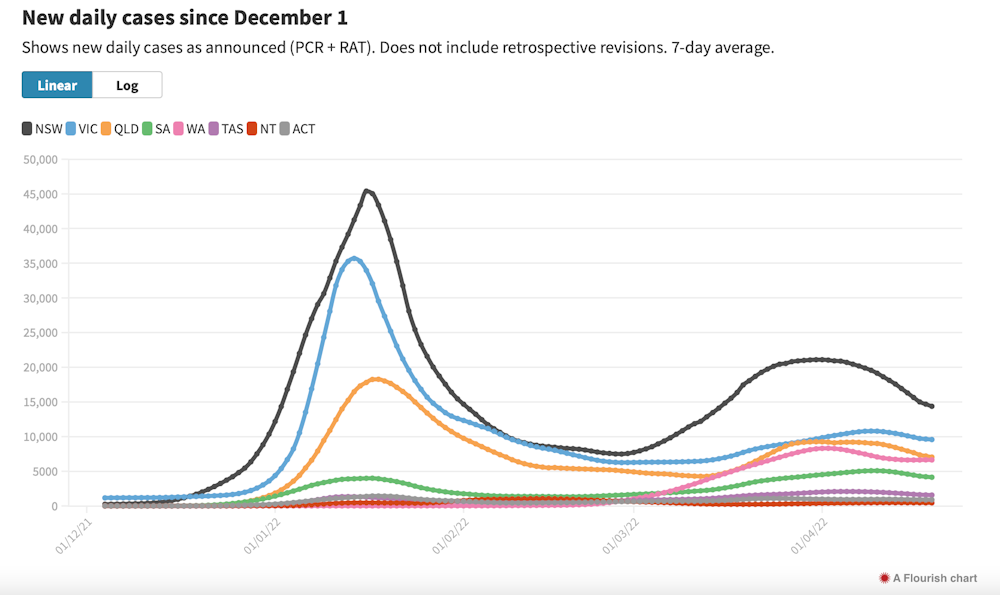


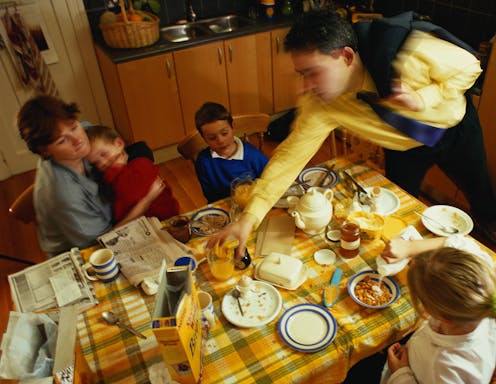









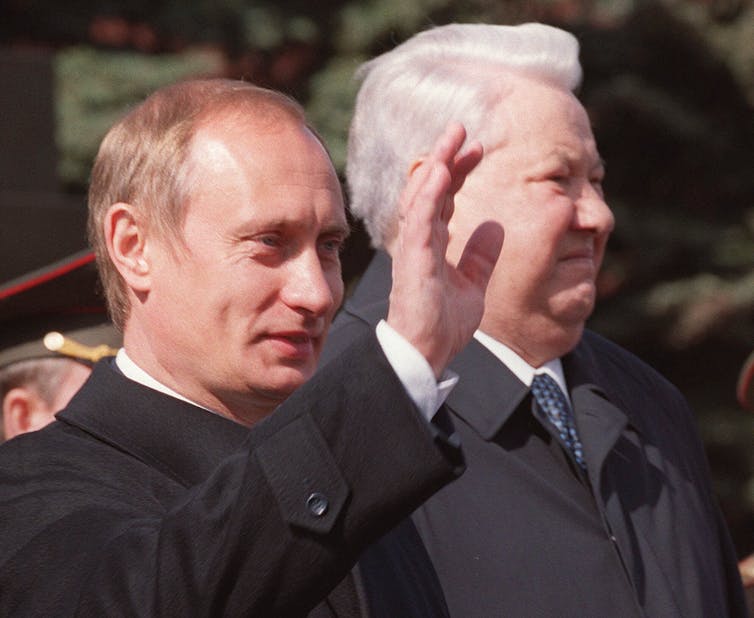
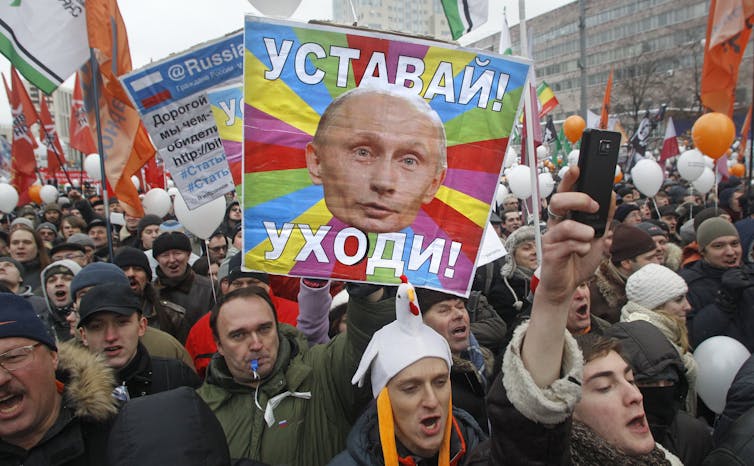

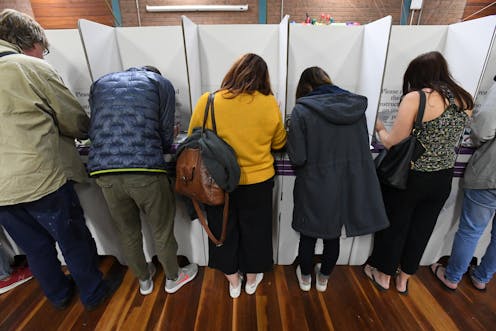

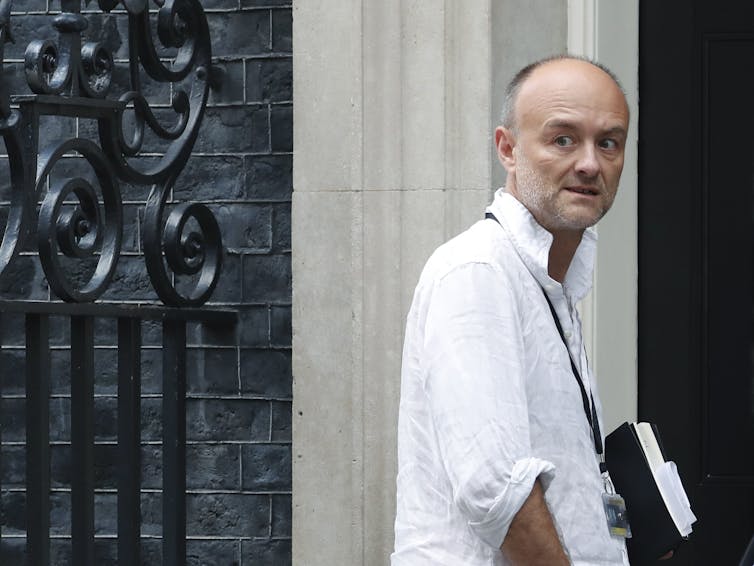
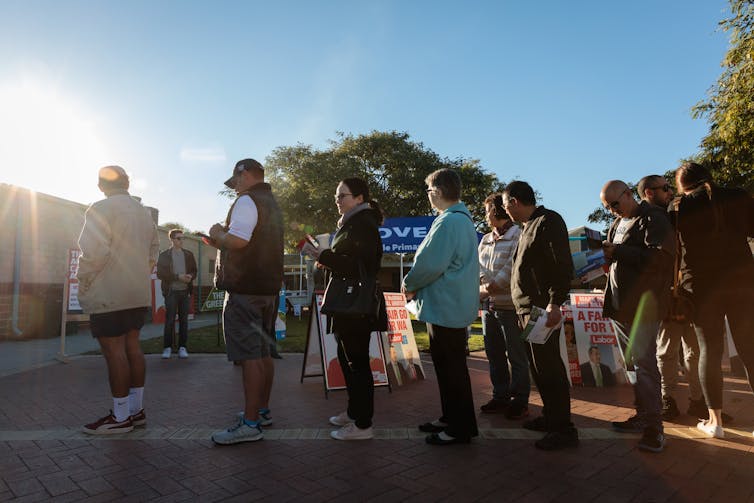


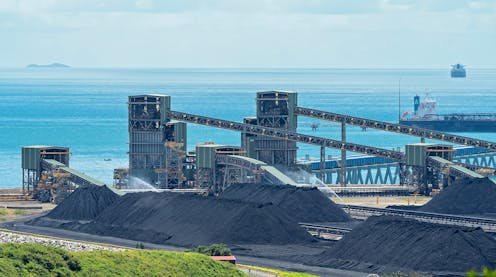

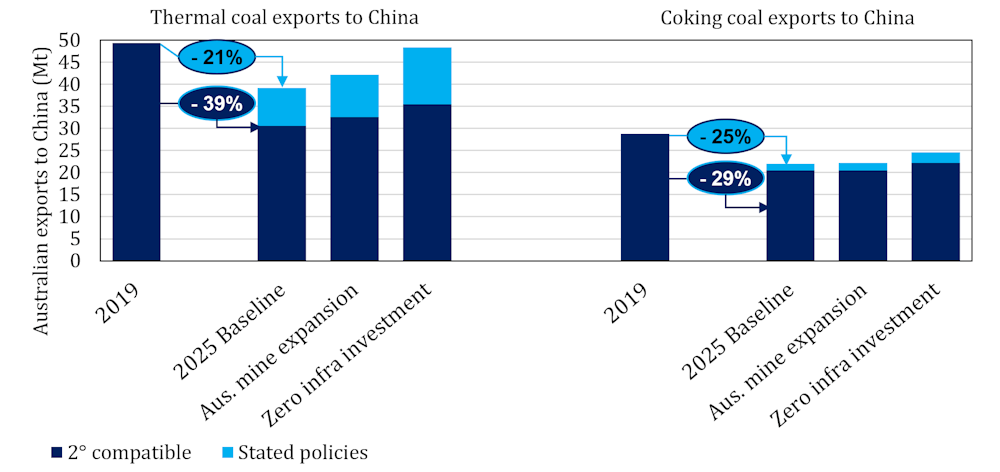

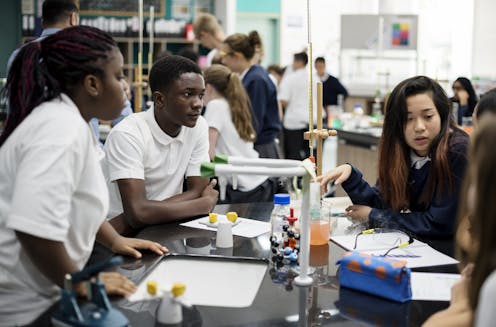



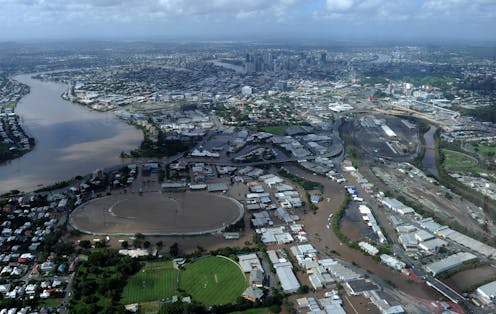
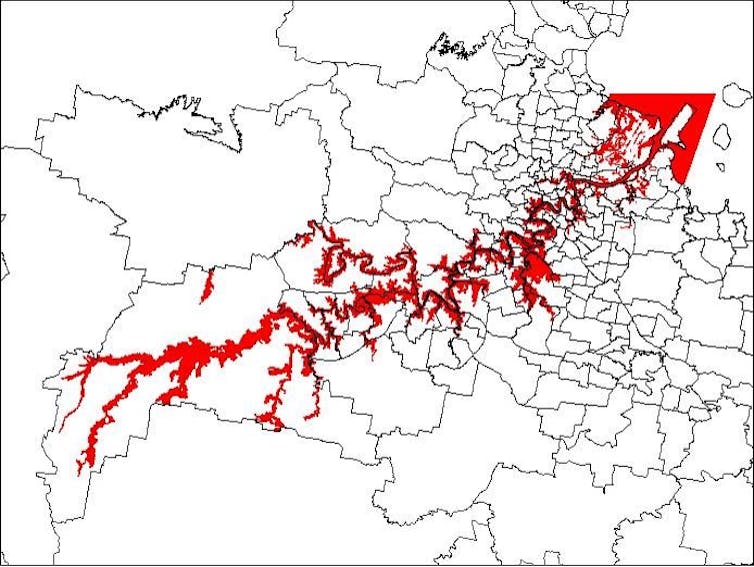
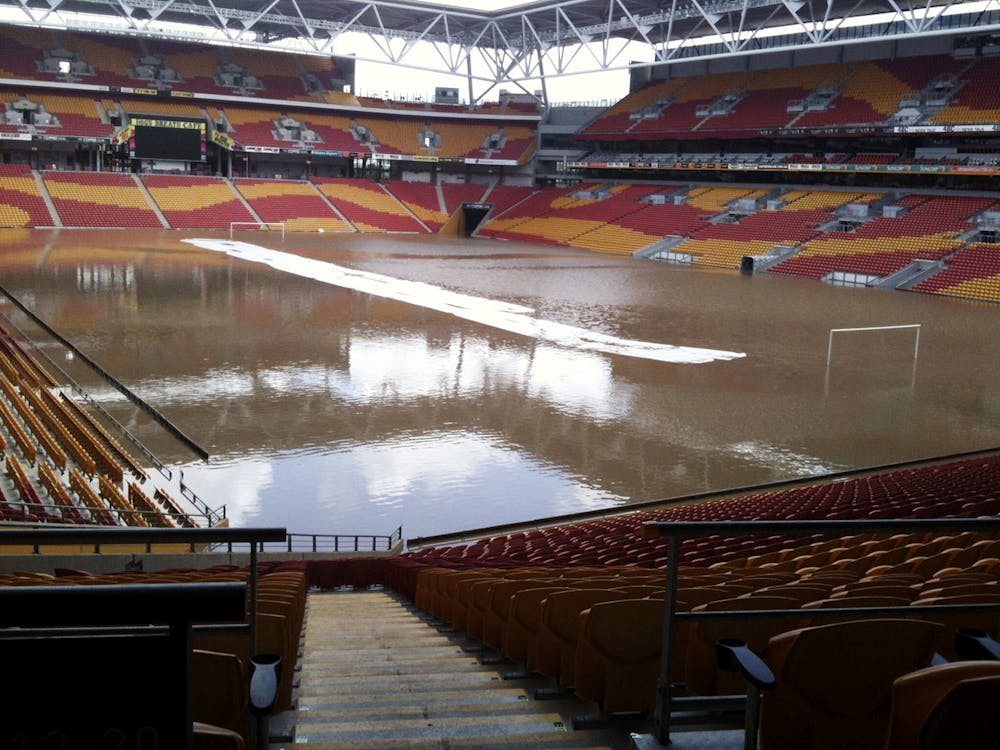


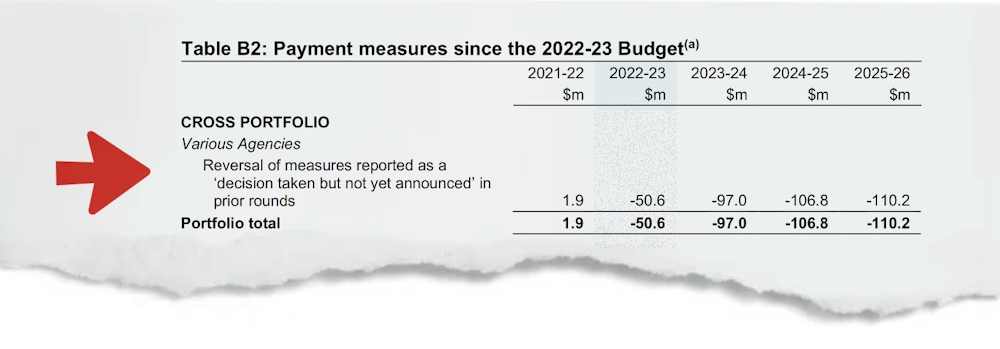

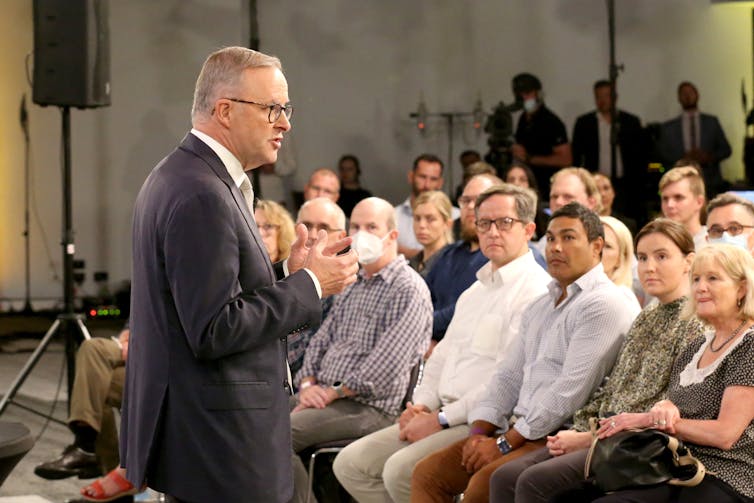
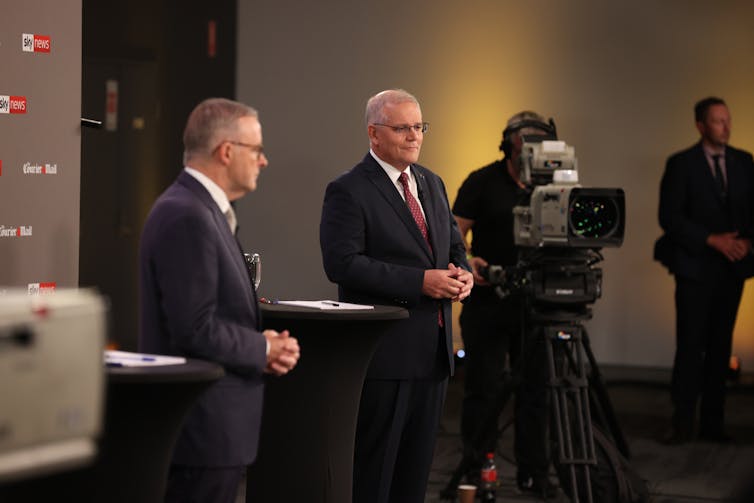


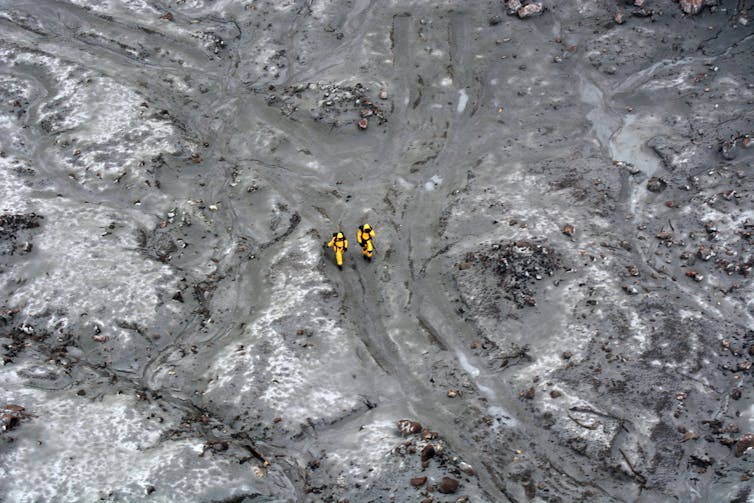
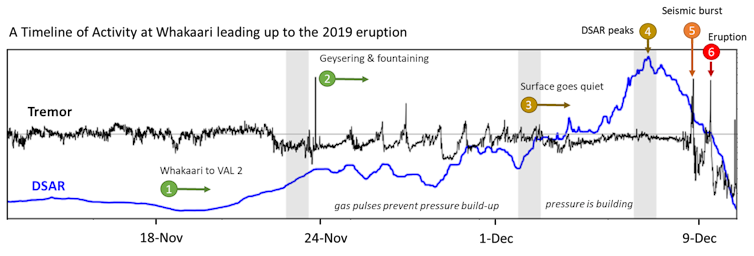
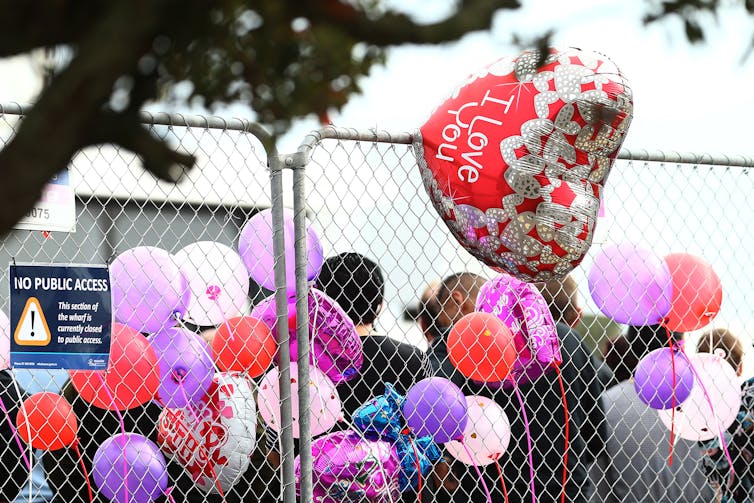
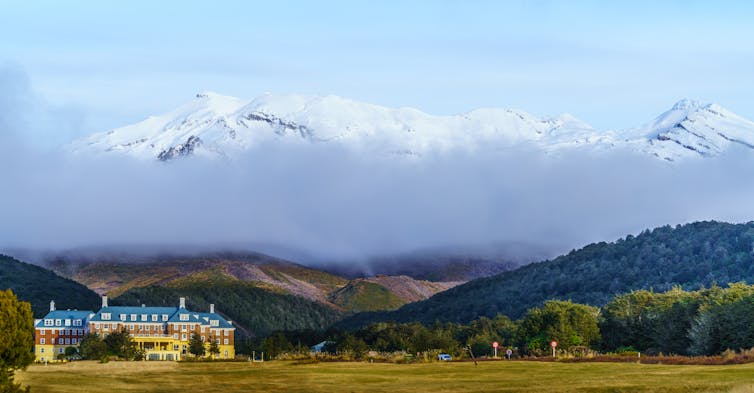











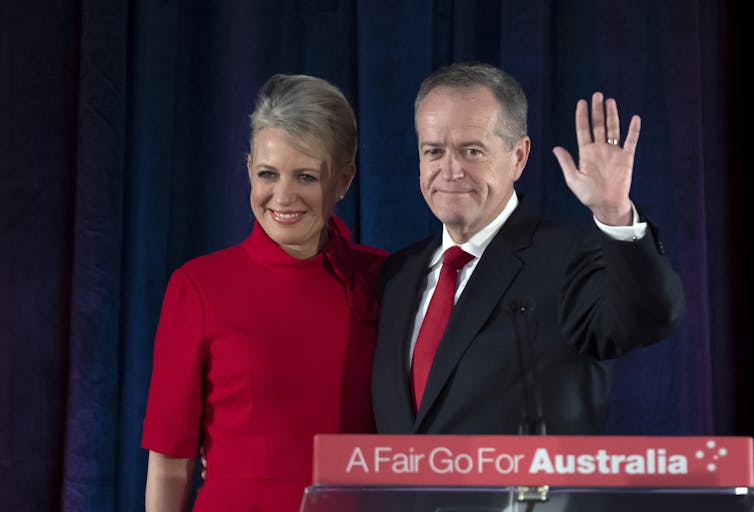
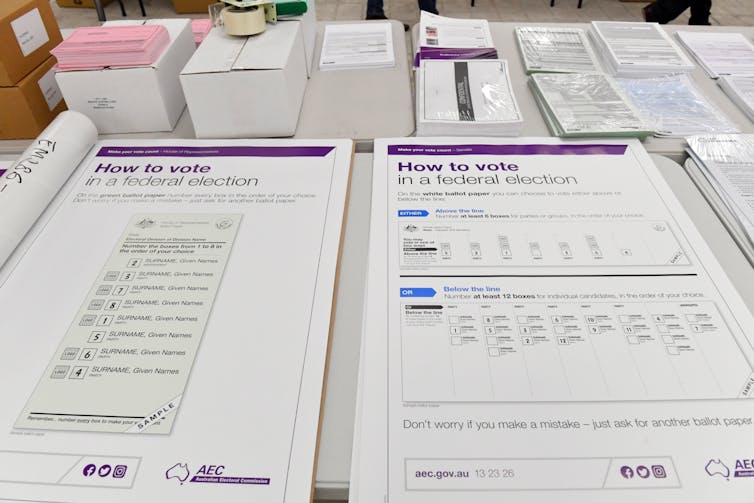


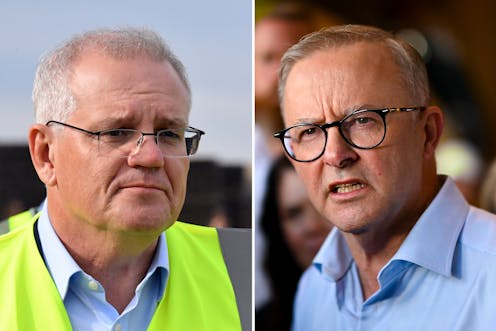




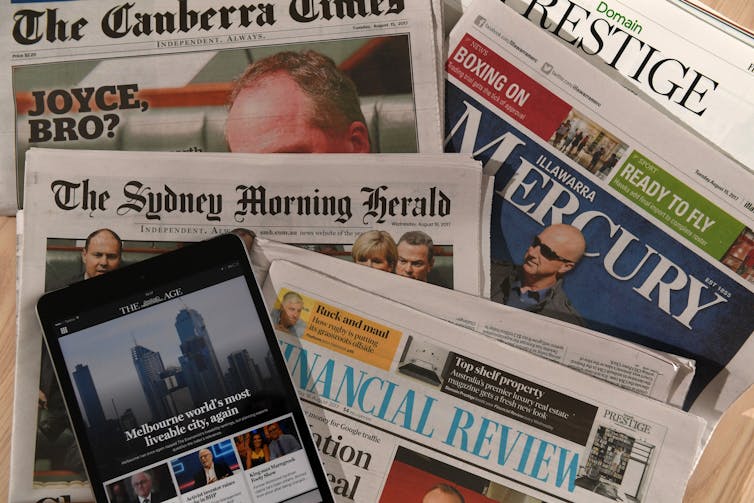
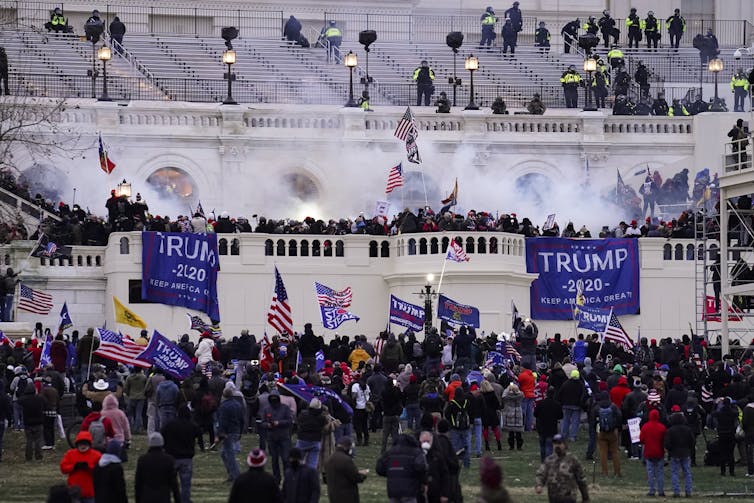


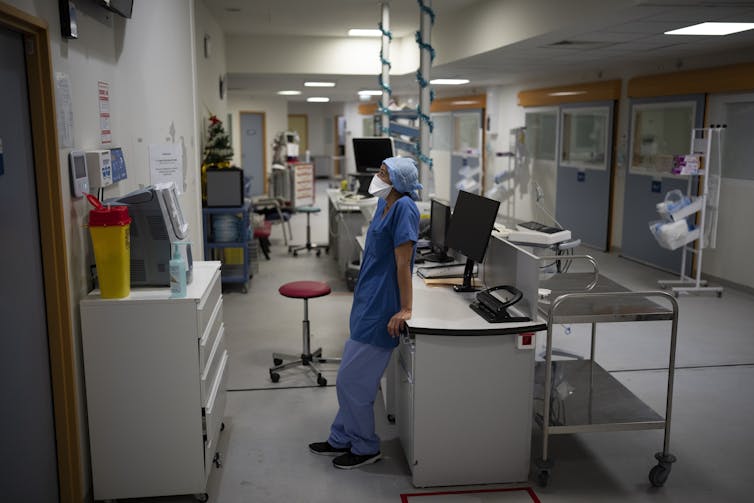
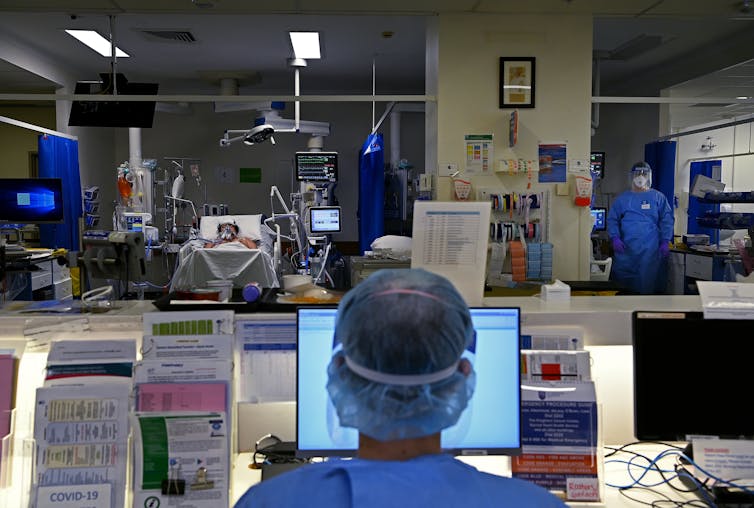
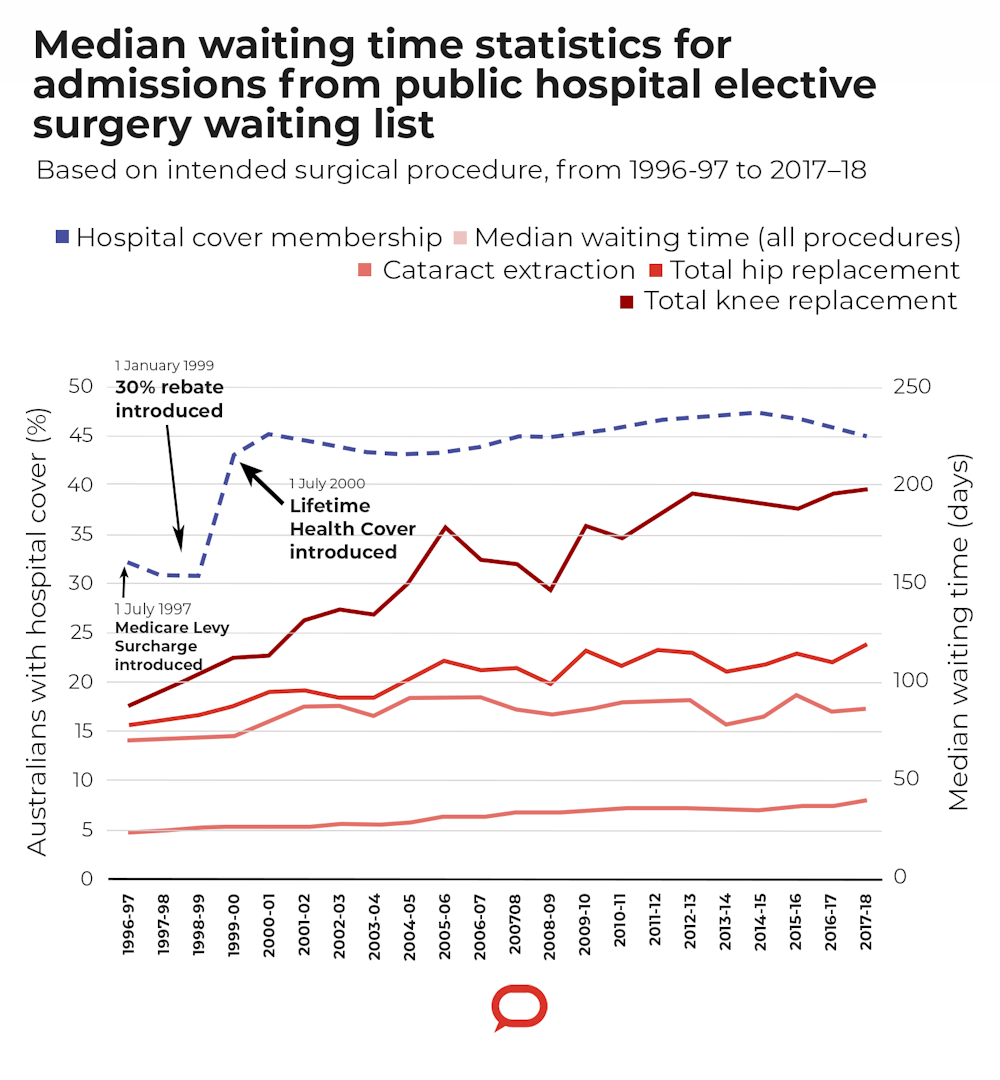









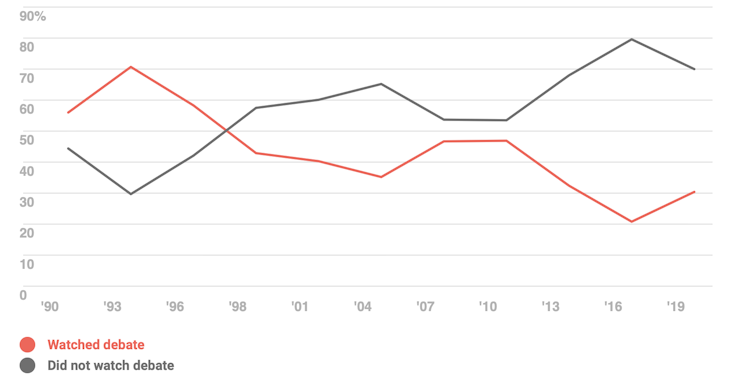

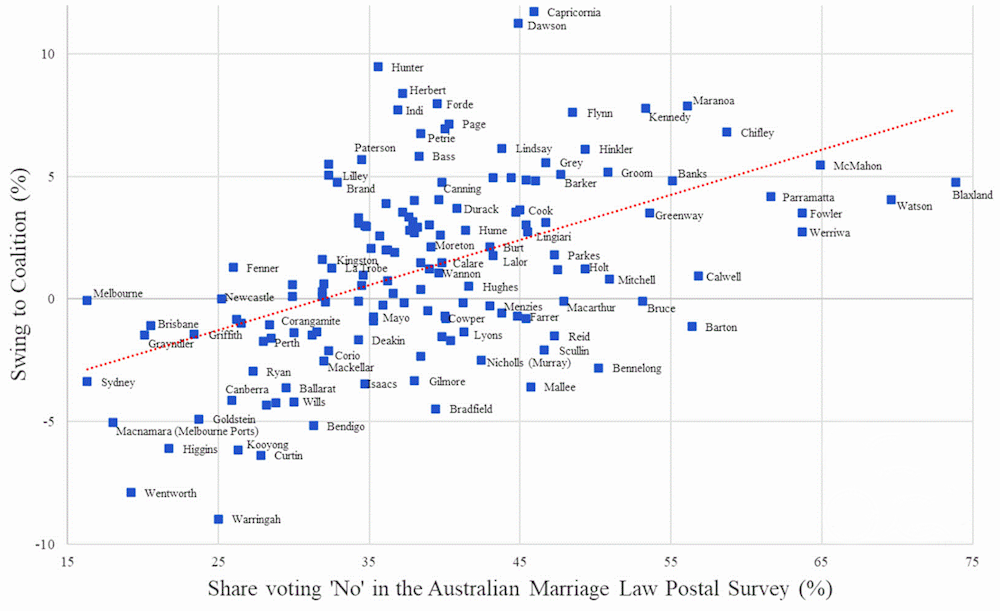



.jpg)
