“We are proud Fijians and Melanesians today” — Fiji Council of Social Services executive director Vani Catanasiga said this in the wake of news that Fiji Prime Minister Sitiveni Rabuka has confirmed his support for West Papua’s bid for full membership of the Melanesian Spearhead Group.
“We are overjoyed and are in celebration right now as the news is being conveyed through various social media channels to our members across the country,” she said.
“This is the principled and compassionate leadership we have all been waiting for and were denied in the past 16 years.
“Vinaka vakalevu Mr Rabuka — we are proud Fijians and Melanesians today.
“Thank you to the chiefs who welcomed and committed support to the case, Ratu Epenisa Cakobau and Ro Teimumu Kepa.
“Thank you to the Reverend Kolivuso of Faith Harvest Church and his congregation for hosting the West Papua Delegation last Sunday.
‘Historical day’ “It is a historical day for Fiji and I’m sure this will be celebrated by our kinfolk in West Papua.
“This decision and announcement takes West Papua closer to their goal for self determination and freedom from oppression and abuse.”
Catanasiga issued the statement following a meeting between United Liberation Movement for West Papua (ULMWP) president Benny Wenda and Prime Minister Rabuka in Nadi on Thursday.
After the historic meeting, Rabuka tweeted, “Yes, we will support them (United Liberation Movement for West Papua) because they are Melanesians. I am more hopeful (ULMWP) gaining full MSG membership. I am not taking it for granted.
“The dynamics may have changed slightly but the principles are the same”.
Yes, we will support them [United Liberation Movement for West Papua] because they are Melanesians. I am more hopeful [ULMWP gaining full MSG membership]. I am not taking it for granted. The dynamics may have changed slightly but the principles are the same. pic.twitter.com/9J8qpAVhak
Speaking to The Fiji Times prior to meeting with Rabuka, Wenda said that by gaining full membership of the MSG he hoped to engage in discussions with Indonesia on the human rights abuses and issues facing his people and seek a way forward that would benefit both parties.
Felix Chaudharyis a Fiji Times reporter. Republished with permission.
One year to the day since Russian tanks ran over the Ukraine border — and over the UN Charter and international law in the process — the world is less certain and more dangerous than ever.
For New Zealand, the war has also presented a unique foreign policy challenge.
The current generation of political leaders initially responded to the invasion in much the same way previous generations responded to the First and Second World Wars: if a sustainable peace was to be achieved, international treaties and law were the mechanism of choice.
But when it was apparent these higher levels of maintaining international order had gridlocked because of the Russian veto at the UN Security Council, New Zealand moved back towards its traditional security relationships.
Like other Western alliance countries, New Zealand didn’t put boots on the ground, which would have meant becoming active participants in the conflict. But nor did New Zealand plead neutrality.
It has not remained indifferent to the aggression and atrocities, or their implications for a rule-based world.
The issue one year on is whether this original position is still viable. And if not, what are the military, humanitarian, diplomatic and legal challenges now?
President Biden makes a surprise visit to Kyiv in dramatic show of U.S. support for Ukraine days before anniversary of invasion https://t.co/iqUrTrRqvq
Military spending While New Zealand has no troops or personnel in Ukraine, it has given direct support.
Defence force personnel assist with training, intelligence, logistics, liaison, and command and administration support. There has also been funding and supplied equipment worth more than NZ$22 million.
This has been welcomed, although it is considerably less on a proportional basis than the assistance offered by other like-minded countries. However, the deeper questions involve how the war has affected defence policies and spending overall internationally.
While New Zealand’s current Defence Policy Review is important at the policy level, the implications affect all citizens and political parties. Specifically, most countries — allies or not — are increasing military spending and collaborating to develop new generations of weapons.
For New Zealand, this calls into question the longer-term feasibility of its relatively low spending of 1.5 percent of GDP on defence. And Wellington is increasingly being left out of collaborative arrangements (AUKUS being just one example), which in turn reinforce alliances and provide pathways to technology.
This is tied to the largest question of all: whether New Zealand wishes to relegate itself to becoming a regional “police officer” or wants to carry its fair share of being part of an interlinked modern military deterrent.
Amid U.S. claims that Beijing may be poised to send weapons to help Russia’s war in Ukraine, China accused the Biden administration of spreading lies and defended Beijing’s close partnership with Russia. https://t.co/52tRnRRAFh
Diplomacy and domestic law New Zealand also needs to reconsider its commitment to humanitarian assistance. So far, almost $13 million has been spent and a special visa created allowing New Zealand-Ukrainians to bring family members in for two years. With the war showing no sign of ending, this will likely need to extend.
But New Zealand’s non-neutral status also means it has other responsibilities, and should consider greater assistance with the Ukrainian refugee emergency. This would require going beyond the current visa scheme, and opening and expanding the refugee quota programme’s current cap of 1500.
Diplomatically, New Zealand also has to start considering what peace would look like. This raises hard questions about territorial integrity, accountability for war crimes, reparations and what might happen to populations that do not want to be part of Ukraine.
New Zealand has enacted a stand-alone law to apply sanctions on Russia. But because this now sits outside the broken multilateral UN system, a degree of caution is called for, given the door is now open to sanction other countries, UN mandate or not.
Russian President Vladimir Putin used his state-of-the-nation speech to announce Moscow was suspending participation in the New START nuclear arms reduction treaty. Image: Getty Images/The Conversation
Preparing for the worst Finally, New Zealand needs to prepare for the worst. The war is showing no sign of calming down. Weapons and combatant numbers are escalating unsustainably.
Nuclear arms control is in freefall, with Russian President Vladimir Putin suspending participation in the New START Treaty, the last remaining agreement between Russia and the United States.
At the same time, the US has ramped up the rhetoric, suggesting China might supply arms to Russia, and declaring unequivocally that Russia has committed crimes against humanity in Ukraine.
Were China to go against Western demands and provide weapons, countries like New Zealand will be in a very difficult position: its leading security ally, the US, may expect penalties to be imposed against its leading trade partner, China.
While Putin may be able to live with the rising death toll of his own soldiers (already over 100,000), at some point the Russian population won’t be. As the US discovered in Vietnam, it was not the external enemy that ultimately prevailed, it was domestic unrest, as more people turned against an unpopular war.
How Putin will respond to a war he cannot win conventionally, while risking losing popularity and position at home, is impossible to predict.
Everyone might hope his nuclear threats are a bluff, but New Zealand’s leaders would be wise to plan for the worst.
Whether a small, distant, non-neutral South Pacific nation might be a direct target or not is conjecture. What is not speculation, however, is that if the Ukraine war spins out of control, New Zealand would be in an emergency unlike anything it’s witnessed before.
Prime Minister James Marape has urged armed captors to free the remaining four hostages which includes an Australian-based New Zealand professor, following the release of a local woman and three local guides.
“These are citizens of our country and a friend of our country. Let’s settle this the Melanesian way,” Marape said.
“We know who you are.”
Marape, who is in Fiji for the Pacific Islands Forum “unity” summit this week, said the full names and pictures of the 13 people involved in the kidnapping were with police.
“[You have] been identified. So release the [remaining] four hostages,” he said.
The armed men, reported to be from Hela, kidnapped the seven researchers and guides on Sunday for a cash ransom at Fogomaiyu village near Mt Bosavi on the border of Southern Highlands and Hela.
The PNG woman was released with the four local guides.
One guide stays with professor But one guide chose to remain with the professor, who is a permanent resident of Australia and teaches at the University of Southern Queensland.
The seven included a female staff of the National Museum, a Woman Leader Network member, an anthropology graduate of the University of Papua New Guinea, who is doing field work with the professor, and four local guides.
Marape called on the kidnappers, who were known to authorities, to release the four remaining hostages.
Marape said that the hostages were well.
“We are working with locals in the area as intermediaries to negotiate the safe release of the four,” he said.
Second such incident Meanwhile, Deputy Prime Minister John Rosso said this was the second such incident to happen in the area.
“It is not an organised crime, but a group of opportunists, who are heavily involved in the guns and drugs trade in the region who are doing this. It was a chance encounter,” he said.
“The safety of the remaining four people still held as hostages remain paramount.
“We are negotiating for their safe release.”
Deputy Police Commissioner Dr Philip Mitna said police were talking to the armed men through intermediaries.
“We are treating the matter as serious,” he said.
Rebecca Kukuis a reporter for The National. Republished with permission.
New Zealand civil defence staff have sent out text alerts to residents in North and West Auckland today to avoid unecessary travel as thunderstorms brought localised downpours.
Those in Rodney, Helensville, Upper Harbour, Te Atatu and Henderson Valley received an emergency alert on their mobiles this evening as the rain has increased the risk of landsliding and flooding.
Bethells Beach, Piha, Karekare and Muriwai, which have been cut off since Cyclone Gabrielle, have also received the the mobile alert.
Areas north of Auckland were hit by the sudden torrential downpour this afternoon causing slips, road closures and surface flooding in towns including Mangawhai, Wellsford and Te Arai.
The intersection of State Highway 1 and Mangawhai Road is closed, say police.
Motorists are able to continue north on State Highway 1, but cannot access Mangawhai Road.
Police said there were slips in north-west Auckland, especially in Mangawhai.
Meanwhile, heavy rain warnings remained in place for Hawke’s Bay, Gisborne and the Coromandel — all regions devastated by last week’s cyclone — as they braced for more downpours this weekend.
Metservice said the heaviest rain for Hawke’s Bay would be during Saturday morning with the risk of thunderstorms.
An evacuation order has been issued for people in the Esk Valley ahead of the heavy rain. It took effect from 1.30pm today.
This article is republished under a community partnership agreement with RNZ.
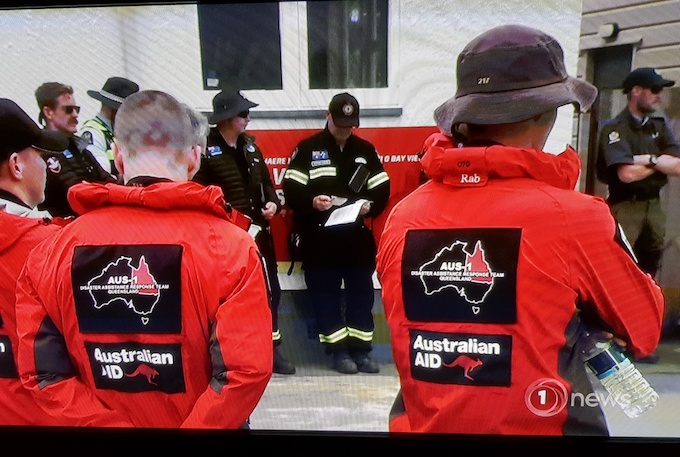
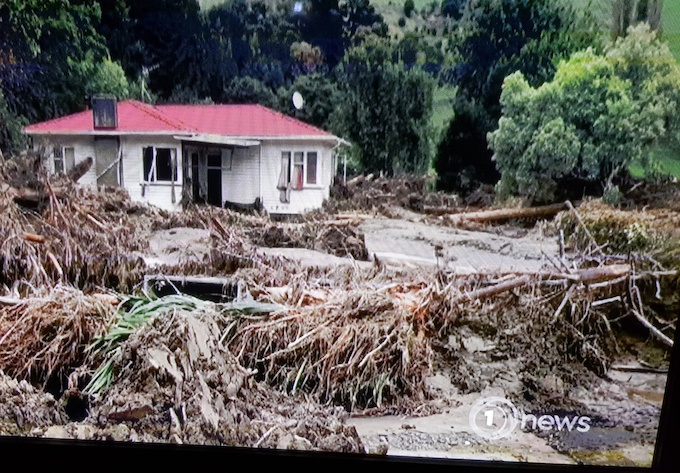
Australian emergency workers on alert for more flooding in the Esk Valley area, Hawke’s Bay. Image: 1News screenshot APRAn Esk Valley house damaged by the floods after a week’s clean-up operations. Image: 1News screenshot APR
The recent stoush between mining magnate Andrew “Twiggy” Forrest and media mogul Kerry Stokes is just the latest flashing neon sign above the parlous state of media diversity in Australia.
Laws protecting media diversity in Australia have been gradually dismantled in recent decades. Because of this, their objective of preventing a select few media owners or voices from having too much influence over public opinion and the political agenda has been placed at risk.
But traditional approaches to protecting media diversity may be less effective as the role of online news – now curated for us using algorithms – becomes ever more prominent in our news diets. This could require a new approach.
Misuse of media power?
Stokes’ Seven West Media owns the West Australian Newspaper, the only major daily paper in Perth. Stokes also has a controlling interest in the mining equipment company WesTrac, which supplies Caterpillar mining machinery.
Forrest’s Fortescue Metals previously had a supply arrangement with WesTrac. But he then placed on order to purchase 120 emission-free, hauling trucks from the German Liebherr company, putting him in direct competition with WesTrac.
In a complaint to Communications Minister Michelle Rowland, Mark Hutchinson, the chief executive of Fortescue Future Industries, described what he calls “the misuse of the West Australian newspaper to pursue commercial interests”. He added, according to the ABC:
The West’s coverage has gone far beyond fair scrutiny and is clearly driven by fossil fuel interests with the aim of damaging Fortescue’s green energy mission.
‘System not fit-for-purpose’
Hutchinson says the issues points to a wider problem: the lack of media diversity in Perth, which has only one major daily newspaper for a city of two million.
That Seven West Media is one of only three major commercial corporations owning the bulk of Australian media – alongside News Corp and Nine Entertainment – is a sad indictment of the state of our media ownership laws.
With such a highly concentrated media ownership, the partisanship of big news brands has become the norm. The Senate inquiry into media diversity has investigated a litany of problems associated with this, deeming Australian media regulation a “system not fit-for-purpose”.
For example, Australia’s relationship with China, its largest trading partner, is typically cast in hyperbolic “war drums” language by the Murdoch media. And during the pandemic, News Corp’s online tabloids were especially keen to link COVID with China. China scholar David Brophy documented in his book, China Panic, how Sky News seized on a “dodgy-dossier” linking COVID to a laboratory in the city of Wuhan.
More recently, News Corp is it again, this time airing an hour-long special advocating for a doubling of Australia’s military spending so the country can be protected against the imminent and “inevitable” Chinese invasion.
In its final report, the media diversity inquiry commented,
It is noteworthy that the overwhelming majority of the evidence to this inquiry relates to one dominant media organisation, News Corp.
To counter unaccountable media power and a lack of transparency in media ownership, the European Commission has recently proposed a new regulatory framework: the European Media Freedom Act (EMFA).
Introducing the new framework, EU commissioner Thierry Breton said it contains
[…]common safeguards at EU level to guarantee a plurality of voices and that our media are able to operate without any interference, be it private or public.
He said a new European watchdog would be set up to ensure transparency in media ownership. Another key feature will require EU member states to test the impact of media market concentrations on media pluralism and editorial independence.
At a recent EU parliament hearing, a media freedom expert, Elda Brogi, explained how the new measures benefit the public as well as regulators:
[…] it helps media users to understand how ownership may influence the [news] content.
A better method for measuring media diversity
The Australian government and its principal media regulator, the Australian Communications and Media Authority (ACMA), have recently released a discussion paper seeking comment on developing a sophisticated new way to monitor media diversity in Australia.
This is the second phase of a process begun in 2020. The goal is to assess how Australians actually consume online news, including personalised news delivered to them through social media, search engines and news aggregators.
The current media diversity rules are based on an assessment of the ownership and control of media outlets. However, as ACMA says, this misses the volume of news being published and consumed online. This omission is “notable”, the group says, given 81% of Australians access news content online.
This news measurement model will be able to track the level of connection of stories (news connected to localities), the extent of originality (unique news stories), and the level of civic journalism (news of public significance).
This kind of internationally informed and evidenced-based approach is urgently needed to truly gauge the level of media concentration in Australia and determine its impact on public interest journalism and the news people read. Only then can we put in place new regulations that will have a real impact.
Source: The Conversation (Au and NZ) – By Renee Bittoun, Conjoint Professor of Nicotine Addiction, Avondale University and, University of Notre Dame Australia
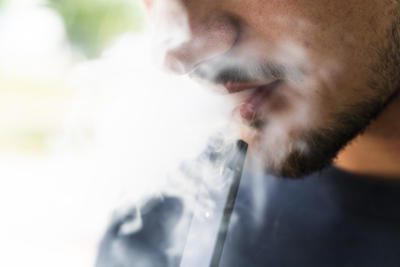
A medical student of mine recently said he loved the smell of vanilla in the house he shared with friends who vaped. “That’s OK, right?” he asked. “Well no,” I said, “If you can smell the vanilla you are probably getting nicotine as well.”
Nicotine is colourless and odourless, and is extremely well absorbed through your respiratory tract, including your nose, mouth, airways and even your ears.
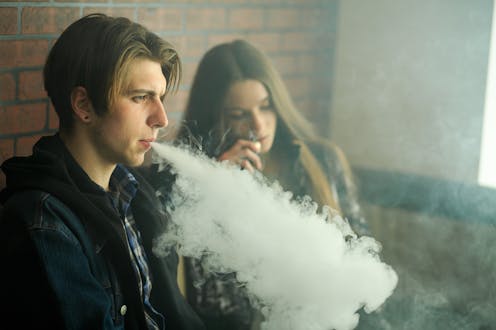
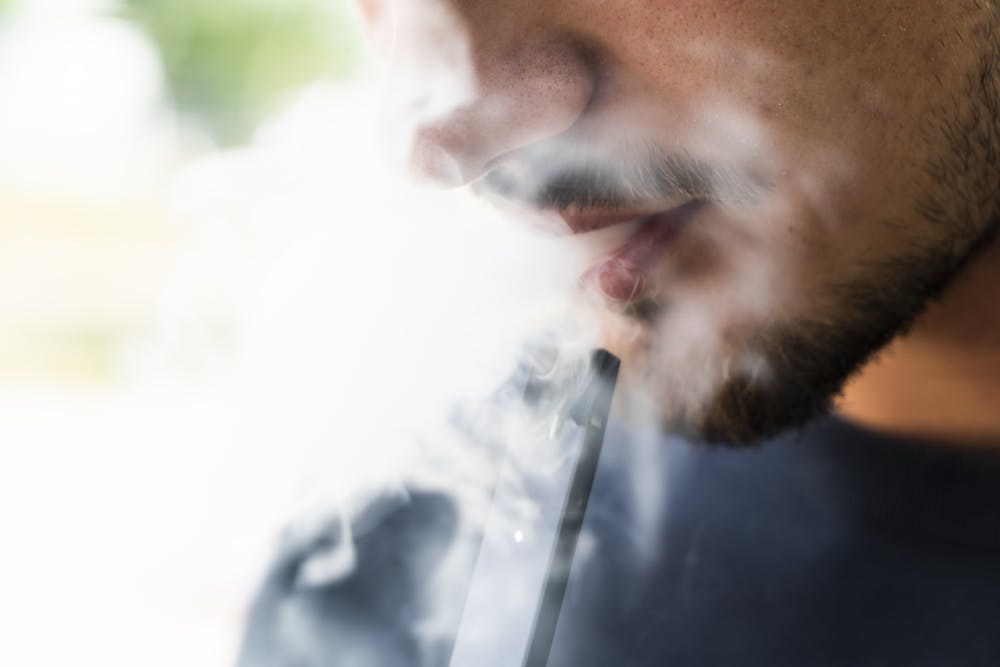
Vapers exhale nicotine and chemicals, including the sweet-smelling flavourings. Bystanders can then breathe them in. The lung defences of smokers, vapers and bystanders are overwhelmed by repeated exposure.
There is a lot of vaping going on in young people aged between 18 and 24. Despite a good amount of debate about the health effects of vaping, there is scant discussion around the risk of passive vaping and the consequences for the health and wellbeing of non-vapers and their right to inhale clean air.
Researchers have examined the content of exhaled vapour from users in confined spaces, like cars, and larger venues. Although levels were lower than for tobacco cigarettes, they described levels of the exhaled toxic substances as “ambient air pollution” that should be avoided to protect the health of non-smokers and non-vapers.
In the late 1980s, passive smoking became the impetus to change legislation around tobacco use.
Health professionals had learnt decades earlier from a study of British doctors who smoked that tobacco smoking caused immense harm and early death in smokers. But later they began to understand that living with a smoker, working with smokers or having close repeated exposure to someone else’s smoke could cause lung cancer, chronic bronchitis, worsen asthma and heart diseases in a non-smoker. The effects of passive smoking on children too were very concerning.
Advocacy groups began defacing or “refacing” billboard tobacco advertising and ridiculing their advertising. In 1982, I wrote a paper published in the Medical Journal of Australia called A Tracheostomy for the Marlboro Man about these efforts, the legal repercussions and the challenges from the tobacco industry.
By the 1990s, people had started suing hospitality venues and workplaces for putting them in harms’ way by exposing them to “secondhand smoke”. Successes led to changes in legislation.
Attitudes changed and non-smokers’ rights came to the fore. We were all able to live in a smoke-free environment in Australia for decades.
For example, New South Wales legislation says people cannot use e-cigarettes in smoke-free areas under the Smoke-free Environment Act 2000. These include:
all enclosed public places
within ten metres of children’s play equipment
public swimming pools
spectator areas at sports grounds or other recreational areas used for organised sporting events
public transport stops and platforms, including ferry wharves and taxi ranks
within four metres of a pedestrian access point to a public building
commercial outdoor dining areas
in a car with a child under 16.
Vaping on public transport vehicles such as trains, buses, light rail, ferries is also banned.
Though debate continues about vaping, its safety and efficacy as a quitting aid, we cannot wait for years, to see the full effects of passive vaping.
Based on the public health precautionary principle, today’s challenge is to engage and inform non-vapers, particularly young non-vapers, about their rights to be “vape free”, breathe in clean air and take a stand.
Renee Bittoun does not work for, consult, own shares in or receive funding from any company or organisation that would benefit from this article, and has disclosed no relevant affiliations beyond their academic appointment.
You might have seen the news fans of singer Lewis Capaldi helped him finish a song at a concert this week, after symptoms of his Tourette syndrome suddenly flared up and temporarily prevented him from performing.
So, what is Tourette syndrome and how is it managed?
It’s characterised by tics, which are involuntary movements or vocalisations.
Many people have simple tics, especially children. But the official definition of Tourette syndrome is motor and vocal tics nearly every day over more than 12 months.
There are two types of tics: motor tics and vocal tics.
Common motor tics often involve the head and neck. They can include things like:
eye blinking
facial grimacing
jerking the head and neck
mouth movements
shoulder jerks or jerking other parts of the body.
Vocal tics can include:
throat clearing sounds
humming sounds
huffing or grunting
sniffing
high pitched squeals
part of a word or syllable
sometimes whole words or phrases.
Sometimes in more severe cases of Tourette syndrome, people might have more complex tics and more orchestrated sequences of movements. This can include, for example, turning in a certain direction or tapping something a certain number of times. Often it’s a sequence that feels right for that person, which they have to complete to relieve tension.
Initially there is what we call a “premonitory urge”. It’s like an itch or the feeling you get before you sneeze. There’s a build-up up of tension and it’s relieved by the expression of the tic.
People are often able to recognise this feeling prior to the tic and that’s an important part of tic management.
Tics usually have onset in childhood, typically in the early primary school years, but occasionally later in life.
Tourette syndrome often runs a frustratingly waxing and waning course. There may be periods where it’s not noticed for weeks or even months and then it comes back.
Sometimes tics get worse in response to stress, like the start of a new school term or moving house. Sometimes they get worse for no reason at all.
There can be an element of suggestibility; talking about a tic can bring on that tic.
There’s also a degree of suppressibility. People with tics can either subconsciously or consciously suppress them. Kids often don’t have many tics at school because they know they might get teased, but after school the parent often sees a lot of tics come flowing out.
People can often camouflage tics. For example, if they have an urge to jerk their arm, they may scratch their chin and transform it into something else. That’s often a part of treatment or a method their team may work with them on.
How is it treated?
Often we don’t need to do anything about Tourette syndrome because it’s not causing problems in terms of a person’s self-esteem or their broader life. They can still hold a pen or a spoon and it’s not affecting their day-to-day function.
Most cases are not severe and the tics don’t need any intervention.
But many kids with Tourette syndrome also have other conditions such as ADHD, OCD and anxiety. So if the Tourette syndrome isn’t causing harm the paediatrician may be more concerned about treating those issues first.
The marker for Tourette syndrome needing treatment is whether it’s bothering the child.
If it is, we consider what we can do about the tics themselves. They are quite hard to treat.
A psychologist will usually work on general anxiety management strategies, as anxiety can be a significant driver of tics.
There is also a treatment strategy known as comprehensive behavioural intervention for tics, which is a dedicated program to help people manage their tics. But it can be difficult to access due to availability.
There are medications for severe cases but they’re not very effective at reducing tics and can cause side effects.
It’s nothing to do with anything the parents have done or the child has done, and it’s not caused by anything that happened during pregnancy.
It’s not one gene that causes it but rather a combination.
Reducing stigma is key
Tourette syndrome is, by nature, a highly stigmatising condition because at the severe end people can do very unusual things and draw attention to themselves, through no fault of their own, which can cause embarrassment.
One thing we can do for kids, if they are able to, is suggest they go to their school with the support of a carer or parent and talk to classmates about their Tourette. They explain what it is and why they can’t help it. Often that can lead to more acceptance from other kids.
Most people with Tourette syndrome can live normal lives.
Daryl Efron does not work for, consult, own shares in or receive funding from any company or organisation that would benefit from this article, and has disclosed no relevant affiliations beyond their academic appointment.
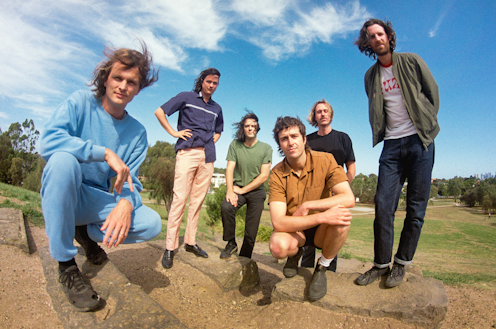
On Monday, psychedelic rock band King Gizzard and the Lizard Wizard announced they were withdrawing from their scheduled headlining appearance at the Byron Bay Bluesfest in April.
On their social media they attributed this decision to Bluesfest “presenting content” that did not align with their values of being opposed to “misogyny, racism, transphobia and violence”.
Sampa the Great has since also withdrawn from the festival.
While not stated directly by either artist, the widely held assumption is that these decisions were prompted by the announcement the band Sticky Fingers had been added to the line-up.
Bluesfest director Peter Noble defended his decision to include Sticky Fingers. He cited the length of time since the alleged offences and the singer’s mental health issues as reasons why they should be allowed to appear at the festival.
This response has echoes of Noble’s reaction to Bluesfest being called out in 2018 for a lineup that included only 15% women.
In both cases, his replies are marked by defensiveness and a refusal to admit there may be any issue to answer for.
What’s going on?
Understanding why many are frustrated by Noble’s responses requires a look at the context. The past few years have been something of a reckoning for the Australian music industry.
Women, LGBTIQ+ communities, First Nations people and people of colour have long been underrepresented, excluded and subject to harassment and violence in the Australian music industry. These groups are routinely underrepresented in festival line-ups, radio airplay and as the recipients of prestigious industry awards.
The male-dominated nature of the industry has serious impacts. The “boys club” culture contributes towards the normalisation and occurrence of gender-based violence.
Women who have experienced sexism and violence reduce their participation or leave the industry. This limits whose voices and creative work we hear.
We all lose when people from marginalised groups are actively excluded.
Women and others within the industry are increasingly unwilling to remain silent about the sexual harassment, violence and discrimination to which they are subject.
Artists such as Camp Cope and Jaguar Jonze have been instrumental in drawing attention to these issues.
The activist Instagram account Beneath the Glass Ceiling routinely exposes incidents of sexual violence and harassment in the industry. Infamously, former Sony Australia boss Dennis Handlin was fired after a culture of endemic bullying was brought to light.
In 2022 several key industry bodies commissioned a study looking at working conditions within music in Australia. Raising Their Voices showed widespread discrimination, bullying and exclusion within music spaces. It noted “harmful behaviours can be normalised across the music industry”.
To create a more healthy and inclusive environment, one of the report’s recommendations was to create a centralised body where industry workers could report incidents, and where accountability might be possible.
The recent cultural policy Revive has provided for a body along these lines. The Centre for Arts and Entertainment Workplaces will provide support to people in the arts who have experienced discrimination, harassment or bullying.
But there are considerable challenges to reporting and addressing harassment within an industry where getting work is often dependent on “who you know”.
Those who speak up risk being ostracised.
Sampa The Great has also withdrawn from Bluesfest. Travys Owen
This is where the actions of King Gizzard and Sampa the Great are pivotal. Artists’ willingness to stand by their values is key to counteracting the normalisation of harmful behaviours noted by the Raising Their Voices report.
Taking a stance is important in keeping the discussion going around these issues. The withdrawal of these bands from performing consequently raises questions around the social licence of bands, festivals or organisations who repeatedly act as though harm minimisation and inclusiveness are not their problem.
It has been suggested – as it often is when artists take a stance – King Gizzard should not be political, but just be performers. This simplistic argument ignores the way art is often drawn from politics. It also ignores the significant social and cultural capital some artists possess, placing them in a position of power and influence to generate change.
This is not to say there should never be forgiveness, or that people who have caused harm should be “cancelled” in perpetuity (though in some cases this might be appropriate).
However, as we have seen with other high-profile men accused of sexual and other violence, they are often welcomed back into public life without having been held to account and without meaningful steps to make reparations or to change their attitudes and behaviour.
The experiences of their victims are often sidelined in this process. This perpetuates a culture in which harmful actions are condoned and excused at the expense of the safety and wellbeing of others.
Generating meaningful change
Building on the work of the Music Industry Review, there is a need for a sustained dialogue about how we can ensure those who cause harm are appropriately held to account. How can people make amends for their actions? How do we know if it is safe for them to be welcomed back into the industry?
In the absence of meaningful processes of accountability, artists using their position of influence to take a stand against harmful behaviour is a key lever for generating change.
Catherine Strong receives funding from the National Careers Institute, APRA and the VMDO.
Bianca Fileborn receives funding from the Australian Research Council, the City of Sydney, and the Victorian Department of Justice and Community Safety.
Where does wind come from? – Zoya, age 14, Bhopal, India
The short answer is wind happens because the Sun heats some parts of the planet more than others, and this uneven heating starts a wind going. That means wind energy is really a kind of solar energy!
All winds are made the same way
Wind systems on Earth vary from the global-scale trade winds and jet streams to local sea breezes, but they all ultimately depend on Earth being unevenly heated by the Sun.
When the ground is heated during the day and gets very hot, it heats the air above it by a process called heat conduction. This makes the air expand to occupy a larger volume. According to something called the “ideal gas law”, the volume increases in direct proportion to the temperature.
In other words, the heated air is less dense. If this happens to all air, no wind will be created; the whole air layer will just be a bit thicker.
However, if it happens to air in one location but not its surroundings, the heated air will rise. This is the principle that allows hot air balloons to remain buoyant in the air: the total weight of the air in the balloon, plus the basket and people inside, must be about the same as the weight of the same volume of colder air outside the balloon.
If there is no load or tether, the balloon will just keep accelerating upward until it cools off.
Hot air balloons use the principle of the air changing density as it heats up and cools down. Timur Garifov/Unsplash
A rising hot air balloon doesn’t create any wind because it’s too small. But imagine if the same thing happens to all the air over a whole city or larger region!
When such a large amount of heated air rises away from the surface, other air near the ground has to flow in sideways to take its place. The larger the area over which this happens, the stronger the horizontal wind needs to be to get all that air into position.
This phenomenon gives us daytime sea breezes near coasts that can be fairly strong, where cooler ocean air flows in to replace the warmed continental air as it rises up.
Over many days, a similar process gives us monsoons, because the heating is stronger in summer and weaker in winter, leading to strong temperature contrasts and winds in summer (and often, opposite ones in winter).
In turn, this leads to seasonal shifts in the prevailing wind, which often bring rains during the warm season in tropical areas including India and the top end of Australia.
These large wind systems happen because the tropics get more Sun than the poles and (obviously) become a lot warmer. That warm air naturally starts to rise and wants to flow toward the poles, while polar air wants to come down to the tropics.
The poleward-flowing wind gradually turns toward the east and becomes the middle-latitude westerlies (westerly means “from the west”).
The low-level wind heading toward the tropics turns toward the west and becomes the easterlies, also known as trade winds because ship captains have used these to cross the oceans for centuries. The middle-latitude westerlies are very strong at high altitude, approaching 300km per hour in some places!
In your trips to the supermarket, you’ve probably come across the Health Star Rating on the front of some foods. You might even be one of the 70% of Australians who say they read the detailed nutrition information on the back of product packaging.
Nutrition labelling is designed to help people make informed food purchases, and encourage shoppers to select and eat healthier options.
But Australia’s food labelling system is under-performing. Here’s how we can make it more effective.
Nutrition labelling has been shown to lead to small but important improvements in the healthiness of what people eat.
A recent review concluded that food labels tend to encourage people to consume higher amounts of healthier foods. But most food label formats aren’t very effective in stopping people from selecting unhealthy foods.
While the effects of food labels may be small, such changes on a large scale can lead to healthier eating habits across the population.
Which labelling format works best?
Studies show people favour having front-of-pack nutrition labels in addition to the more detailed back-of-pack information.
People tend to understand simpler, colour-coded labels more easily than more complex, monochrome labels. And they consistently prefer “interpretive” labelling, like Australia’s Health Star Rating, that provides clear guidance on how healthy a particular product is.
Recent evidence indicates warning labels, such as those indicating high amounts of particular nutrients, are likely to be helpful in steering people away from unhealthy foods.
Chilean warning labels indicate high levels of energy (calories), sugar, saturated fats and sodium. Shutterstock
Several countries have recently introduced warning labels on unhealthy foods. In Chile, for example, it is mandatory for products to display black, octagon-shaped “stop” signs on foods that exceed limits for sugar, sodium (salt), saturated fat and energy.
The introduction of Chile’s warning labels, as part of a comprehensive nutrition policy suite, has led to improvements in the healthiness of Chilean diets at the population level.
How do Australia’s labelling rules stack up?
Australia’s Health Star Rating system performs relatively well in helping people to understand the healthiness of different products.
And it has likely led to some improvements in product healthiness, as manufacturers have reformulated products to achieve a higher Health Star Rating.
But, as a voluntary scheme, Health Star Ratings have been implemented on less than half of eligible products. This limits people’s ability to compare product healthiness across the board.
Perhaps as a result of the limited rollout, there’s no compelling evidence to show that the Health Star Rating system has changed what people buy.
How can we make our food labelling more effective?
Research points to several suggestions to optimise the design of food labels in Australia.
First, if the Health Star Rating scheme were made mandatory, it would help people compare the healthiness of each product – not just the select few products that are labelled now.
This would work best if coupled with improvements to the algorithm used to calculate health stars to better align the scheme with the Australian Dietary Guidelines.
Second, the addition of colour (through the use of a spectrum linked to the product’s healthiness) to the existing Health Star Rating design would increase its visibility and is likely to enhance the performance of the scheme.
One option for colour-coding would be for the healthiest rating to be green, with red for the least healthy.
Third, the addition of warning labels could be used to clearly show products high in risky nutrients such as sodium and sugar.
There is emerging evidence that the use of warning labels and Health Star Ratings in combination is more effective, and can discourage consumption of unhealthy products.
Flipping to the back of food packaging, public health groups consistently recommend including added sugar levels in the existing nutrition information panel. This is currently under consideration by the food standards regulatory body.
What else could we do?
In considering ways to enhance the impact of food labels, it’s worth looking to other elements of package design.
The packaging on many unhealthy Australian products, such as sugary breakfast cereals and snack bars, currently features cartoon characters and other promotional techniques designed to appeal to children.
Chile banned the use of cartoon characters on food packaging alongside the implementation of warning labels. This likely contributed to the benefits observed there.
More radical options include exploration of plain packaging for unhealthy food – similar to the packaging rules for tobacco. Evidence from New Zealand has shown plain packaging can lower young people’s desire to buy unhealthy products such as sugary drinks.
Experts have argued plain packaging would help challenge the marketing power of large food manufacturers. It would also put unhealthy foods on a level playing field with unbranded fruits and vegetables.
The inclusion of environmental sustainability labelling, alongside Health Star Ratings, is likely to provide additional important information for shoppers.
Visual cues such as colour can make it easier to judge a product’s healthiness. Shutterstock
We need a comprehensive approach
While food labelling is an important tool to inform people about product healthiness, it is only likely to play a supporting role in efforts to address unhealthy diets.
Broader changes to the way foods are produced and marketed are likely to be more potent. These changes, such as legislation to reduce children’s exposure to unhealthy food marketing and taxes on sugary drinks, can work in conjunction with food labelling regulations as part of a cohesive strategy to improve population health.
Gary Sacks receives funding from the National Health and Medical Research Council (NHMRC), the Australian Research Council (ARC), National Heart Foundation of Australia and VicHealth.
Jasmine Chan does not work for, consult, own shares in or receive funding from any company or organisation that would benefit from this article, and has disclosed no relevant affiliations beyond their academic appointment.
Fiji’s Prime Minister Sitiveni Rabuka is the first Fijian leader in 16 years to hold a one-on-one meeting with the president of the United Liberation Movement for West Papua (ULMWP), while also confirming his government will support the independence campaigners bid to become full members of the Melanesian Spearhead Group (MSG).
However, “sovereignty issues” will need to be considered, Rabuka told RNZ Pacific.
ULMWP’s exiled president Benny Wenda said that “Melanesia is changing” following his meeting with the Fiji prime minister yesterday.
Wenda said Rabuka welcomed him with an “open heart” and listened about the human rights atrocities faced by indigenous Papuans.
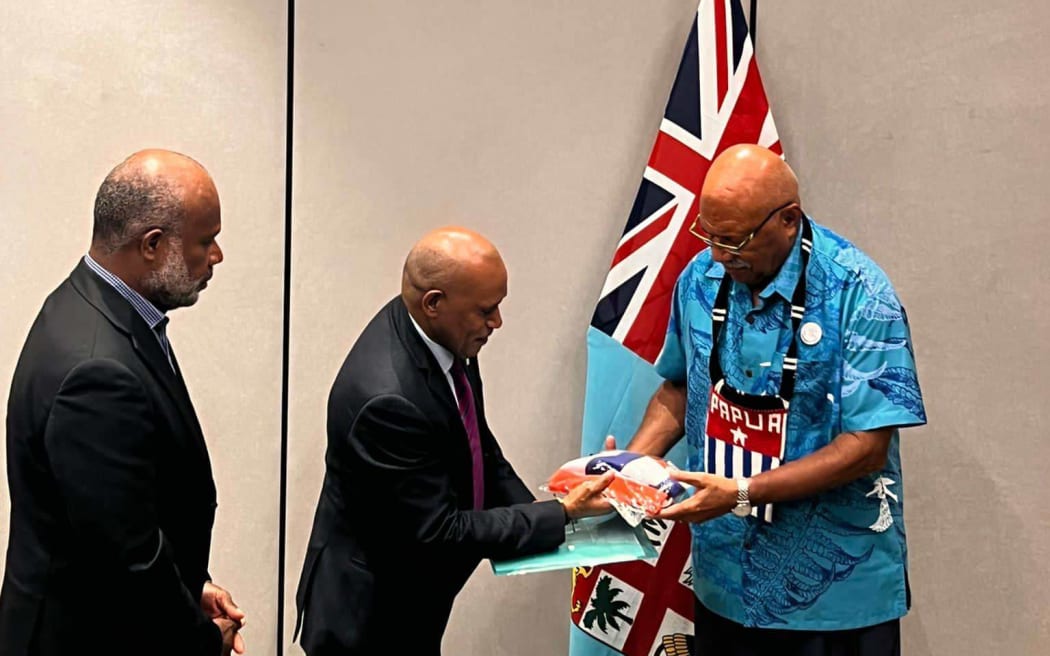
He described Rabuka holding the Morning Star independence flag — which is banned by Indonesia — as “overwhelming”.
“The people of West Papua are celebrating because after 16 years somebody [from the Fiji government] has stood up for West Papua and held the Morning Star flag with the president of the United Liberation Movement.
“I think that gives us confidence that the issue now is in Melanesia’s hands,” Wenda said.
International ramifications Rabuka said the ULMWP understood the international ramifications and objective of having discussions with governments.
The ULMWP have been campaigning to gain full membership with the MSG and currently has observer status.
The bloc includes Fiji, New Caledonia’s FLNKS, Papua New Guinea, Solomon Islands and Vanuatu, which is the current chair of the group. Indonesia has associate membership.
The West Papua independence campaigners have submitted its application for membership twice, in 2015 and 2019.
Rabuka said the MSG had precedent for granting full membership to an organisation.
“We had the FLNKS as full members of the MSG before New Caledonia as such became part of the MSG,” he said
“Yes, we will support them [ULMWP] because they are Melanesians.”
“I am more hopeful [of ULMWP gaining full membership],” he said, adding “I am not taking it for granted. The dynamics may have changed slightly but the principles are the same.”
Wenda said the MSG leaders were expected to meet in July and he felt assured after his meeting with Rabuka that Melanesian leaders would respond to their calls.
“I am going back with a good spirit and my people are all celebrating,” he said.
Marape: Indonesian control must be respected But earlier this week at a joint press conference, Rabuka and Papua New Guinea’s PM, James Marape, stressed that Indonesia’s sovereignty over Papua must be respected.
Marape said while PNG sympathised with the Melanesians of West Papua it “remains part of Indonesia.”
“We do not want to offset the balance and tempo,” Marape said.
Rabuka added there were also similar cases existing in the Pacific territories.
“We have Micronesian, Melanesian communities in Fiji and their original home countries now respect the sovereignty of Fiji,” he said.
“I am sure they [other Pacific nations] have people-to-people direct contact with [communities in Fiji] to enhance their livelihood here and also continue to promote their culture because of their heritage.”
He said it was the same for for the indigenous Papuans of Indonesia.
“We must respect the sovereignty issue there because it could also impact on us if we try to deal with them [West Papua and Indonesia] as separate nations within a sovereign nation.”
This article is republished under a community partnership agreement with RNZ.
West Papuan leader Benny Wenda hands a Morning Star flag to Fiji Prime Minister Sitiveni Rabuka. Image: Fiji govt/RNZ Pacific
Indonesian security forces were about to launch a rescue operation for a pilot held hostage in Papua before New Zealand intervened, reports ABC News.
The ABC quoted Indonesia’s Coordinating Minister for Politics, Law and Security, Mahfud Mahmodin, as saying his forces knew the exact location of New Zealand pilot Philip Mehrtens, who was captured two weeks ago by pro-independence West Papuan rebels after he landed a plane in Papua’s remote highlands.
The minister said soldiers almost moved in to attack the West Papua National Liberation Army (TPNPB) until New Zealand authorities requested there be no acts of violence to free its citizens.
The ABC said the New Zealand government wanted to prioritise the Susi Air pilot’s safety, and a military attack could become an international matter.
Instead, Mahmodin said Indonesia would negotiate with the rebels to release Mehrtens.
The rebels said they were refusing to release the pilot until Indonesia granted independence to the Papua region.
Mahmodin said he understood New Zealand’s decision.
‘No acts of violence’ “We already knew the place [where the pilot was being detained], at what coordinate points, but as soon as we were about to move, the New Zealand government came here asking for no acts of violence,” he said.
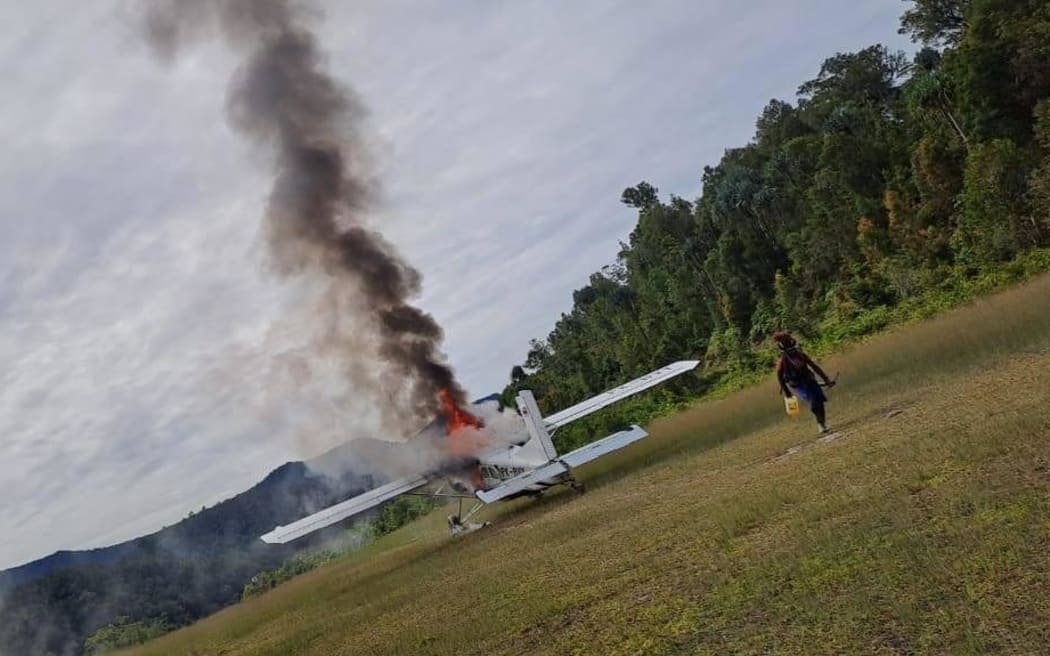
Philip Mehrtens, the New Zealand pilot taken hostage at remote Paro airstrip, and his aircraft being torched. Image: Jubi News
“Therefore, we are still waiting, hopefully there will be a resolution soon.”
Papua police chief Mathius Faakhiri told Indonesian news media Mehrtens was in “good health”.
“Currently, pilot Philip [Mehrtens] is still in the hands of the KKB [the name Indonesia gives to the Papuan armed group] led by Egianus Kogoya and is in good health,” he said.
Akoubou Amatus Douw, a spokesperson for the TPNPB, told the ABC they wanted the UN to mediate talks between New Zealand, Indonesia and TPNPB.
“That’s our position at the moment,” he said.
“He [Mehrtens] is part of our … people in the Pacific. We like to, you know, save his life. We respect human values, human rights for every individuals, according to the United Nations charter.”
This article is republished under a community partnership agreement with RNZ.
The Susi Air plane that Phillip Mehrtens was piloting being torched by the rebels two weeks ago. Image: TPNPB
New Zealand Parliament Buildings, Wellington, New Zealand.
Analysis by Dr Bryce Edwards.
Political Roundup: Our politicians are competent firefighters, but terrible builders
Political scientist, Dr Bryce Edwards.
The Labour Government has once again proven itself to be very competent in a crisis. Cyclone Gabrielle has allowed Prime Minister Chris Hipkins to demonstrate his impressive disaster management communication.
Labour is very good with the political firefighting required to deal with such disasters – as they have shown in the past with their response to the Christchurch mosque attack, the Whakaari White Island eruption, and the initial stages of Covid.
And, in fact, the last National Government wasn’t too bad at crisis management either. John Key and Bill English received plaudits for the way they dealt with the global financial crisis, the Pike River disaster, and the Canterbury earthquakes.
And yet, both Labour and National have proven to be atrocious at longer-term planning and investment in the things that really matter. The big problems of society never get the attention they deserve and, slowly but surely, those problems mount up, unaddressed, and actually start producing more and more crises – such as the disasters of the last month – which politicians are then forced to react to.
The Polycrisis exposed
We now have a “polycrisis” of problems blighting New Zealand, which our politicians seem unwilling or unable to properly address. The term “polycrisis” is being used around the world to denote simultaneous challenges that are often linked and reinforcing: climate change, infrastructure deficits, inflation, economic inequality, Covid, and war.
The Herald’s Thomas Coughlan highlighted last week that polycrisis had been the word most used at the recent Davos meeting of world elites, but he suggested “permacrisis” – the Collins dictionary “word of the year” – was more apt, which he defined as “the sense of living through an unfolding sequence of crises.”
New Zealand’s political polycrisis has been made worse by the weather events of the last weeks. The Spinoff’s Duncan Greive explains this, saying: “Because Auckland’s floods and Cyclone Gabrielle did not land on a country which was running smoothly. They dropped into one which was suffering through that debilitating modern phenomenon known as the polycrisis: interlinked crises covering inflation, housing, infrastructure, health and more, all operating against and influenced by the climate crisis.”
Labour and National’s infrastructure deficit
At the centre of New Zealand’s polycrisis is an infrastructure deficit in which roads, communications systems, stormwater infrastructure, electricity transmission, hospitals, schools, and so forth, haven’t been adequately funded and built for the requirements of the 21st century.
On top of the infrastructure deficit are other crises created by a lack of attention given to inequality, climate change, and housing. These are massive issues that the current Labour Government continues to pay lip service to but, in nearly six years in power, has done little about. Similarly, previous governments have allowed these crises to worsen.
The problem for the Government and the Opposition is that all of these huge but long-term problems are being starkly exposed – especially by last week’s Cyclone Gabrielle. The risk for the politicians is that the polycrisis and infrastructure deficit will be blamed on them. These things threaten to upend current politics, producing something of a reckoning for our short-term focused political class.
Criticism of politicians is noticeably increasing. Across the political spectrum over the last two weeks there have been some thoughtful critiques made of the failures of successive governments. Newstalk’s Heather du Plessis-Allan has typified this in pointing the finger at Labour and National for constantly avoiding fixing our problems properly.
For instance, Du Plessis-Allan said last week Labour and National are too inclined to “do things on the cheap” with infrastructure, but this cutting of corners just produces more problems for our roading networks, electricity transmission, and so forth. She points out that even before the weather disasters of this month, the infrastructure deficit had reached $210 billion, which means politicians now have some hard questions to face.
Duncan Grieve of the Spinoff has also made a severe critique of the way that the current Minister of Finance Grant Robertson – along with his predecessors – have deliberately ignored investing in critical infrastructure merely so they can parade their low debt figures, and relatively low taxes, to business audiences and the like.
Grieve says it’s “embarrassing” that Robertson and other finance ministers are so proud of the fact that they have underfunded infrastructure in order to be able to boast of their financial nous. And he laments that whenever anyone advocates much higher infrastructure spending they are denounced by Labour or National as being “Muldoonist”.
And yet much of our infrastructure is stuck back in the 1960s, well before Rob Muldoon’s time. As Josie Pagani wrote this week, “This web of pipes and cables is much the same as it was 50 years ago. Like the old ships we send across the Cook Strait, still breaking down like it’s 1968. As I write this, the traffic into Wellington is at a standstill. Trains aren’t running. It’s only raining. We’re not just falling behind in infrastructure. We are falling behind in the politics of sorting it out.”
So much of the tragedy that has been inflicted on the North Island in the cyclone and flooding is a result of political decisions – or failure to make decisions. For example, Herald political editor Claire Trevett gave one good example last week: “The cyclone is already highlighting issues that should have been dealt with by the government – and by governments before it: Tairawhiti residents have been calling for something to be done about slash from forestry for years now. Yet nothing has been done. Lo, the slash came down again and farms were hammered again.”
An Opportunity to focus on the polycrisis rather than political gain
Pressure now needs to be applied to New Zealand’s political class to break out of the infrastructure deficit in which low debt and low taxation rank as the most important metrics in evaluating their worth as political leaders.
There has been some progress in this regard. In the last week or so, politicians have suddenly woken up to the need to invest in the bigger problems.
For instance, Christopher Luxon said last week: “we need to invest now very strongly in climate adaptation and infrastructure… we can’t go rebuilding roads that keep getting wiped out and then get wiped out at the next event.” Similarly, Grant Robertson has spoken of the need to invest in infrastructure. But without any pressure applied on such politicians, these words are unlikely to go far beyond lip service.
Part of this means dealing with climate change – both in terms of mitigation and adaptation, with the latter being where the new infrastructure debate is heading. There are now many billion-dollar questions about how we plan and shape the physical environment to adjust to the reality of the changing climate.
Building houses will continue to be a major focus – or at least it should be. The current government, in particular, came to power on a campaign about the housing crisis but has turned out to be particularly bad at building houses. Despite the PR hype about a small amount of construction, it is negligible against the size of the housing crisis. Kiwibuild continues to be a farce, and state housing is tiny, contributing to the levels of homelessness and accommodation need.
The problem is we have plenty of brilliant disaster management politicians, but seemingly no politicians who are good at forward-thinking and with the courage to do the right thing. Do-nothing conservatism won’t cut it anymore after recent weather disasters have exposed the extent of the crisis. And the politicians can’t say that the media or public aren’t on board for grappling with the big issues. We have seen in recent weeks just how much appetite there now is for a focus on fixing things.
The Herald recently published an editorial about the cyclone recovery titled “Sticking plasters aren’t enough for these wounds” in which the newspaper explained that “the country faces problems that are decades in the making” but that there is an appetite to grapple with the costs involved, which might be huge. The editorial said, “Some solutions could be more expensive in the short-term but are better for the long term than constantly going through temporary fixes.”
Unfortunately, much of the political debate about the cyclone recovery is still more about how the current crisis might help or disadvantage the electoral position of particular parties and politicians. The expectation is that politicians will once again revert to type, making their calculations about what rebuild policies will help them win or lose the election. Or indeed about what hi-viz jacket and TV coverage will help in the next opinion poll.
That’s to be expected. And in a “bread and butter election” there will naturally be a need for politicians to give the public some immediate succour from their various cost of living crises. But there’s also a need to finally “think big”, even at the risk of being labelled a “Muldoonist”.
The Paris-based media freedom watchdog said in a statement that “in what may be an example of the road to hell being paved with good intentions, the government has produced a ‘Draft National Media Development Policy’ with the declared aim of turning the media into “a tool for development” including “the promotion of democracy, good governance, human rights, and social and economic development.”
Daniel Bastard, head of RSF’s Asia-Pacific desk, said: “It is entirely commendable for a democracy to want to encourage the development of a healthy and dynamic news and information environment.
“But, as it stands, the policy proposed by Port Moresby clearly endangers the independence of the media by establishing government control over their work.
“We call on Information and Communication Technology Minister Timothy Masiu to abandon this proposal and start again from scratch by organising a real consultation and by providing proper safeguards for journalistic independence.”
The policy’s most alarming measures concern the Media Council of PNG, which is currently a non-governmental entity representing media professionals, said RSF.
It would be turned into a judicial commission with the power to determine who should or should not be regarded as a journalist, to issue a code of ethics and to impose sanctions on journalists who stray from it.
‘Regulatory government body’ “These are disproportionate powers, especially as there is no provision for ensuring the independence of those appointed as the new Media Council’s members,” the RSF statement said.
“There is also no provision for journalists and media outlets to challenge or appeal against its decisions.”
RSF also quoted from a recent DevPolicy article by Scott Waide, a blogger, media producer and analyst who was formerly a deputy regional head of news at EMTV News based at Lae:
“The policy envisages the media council as a regulatory and licensing body for journalists, which means, hypothetically, that it could penalise journalists if they present a narrative that is not in favour of the government.”
“The re-invented media council would be nothing more than a regulatory government body.”
The government’s new policy seemed all the more ill-considered, said RSF, given that, in the event of disputes with the media, there were already avenues for redress through the courts under the 1962 Defamation Act and 2016 Cybercrime Code Act.
Several journalists have been subjected to covert pressure from the government in recent years.
They include Waide himself, who was suspended from his EMTV News job in November 2018 over a story suggesting that the government had misused public funds by purchasing luxury cars.
EMTV’s then news chief Sincha Dimarasuffered the same fate in February 2022 after three news stories annoyed a government minister.
I’ve walked past two TABs pretty much weekly, because one’s near our ice cream shop and one’s next to the shopping centre. So, we go there a lot.
This quote from a 12-year-old girl in our latest research shines new light on young people’s exposure to gambling in their everyday lives. The 11- to 17-year-olds who took part in our study told us they regularly come into contact with gambling not just during sports, but in a range of everyday environments.
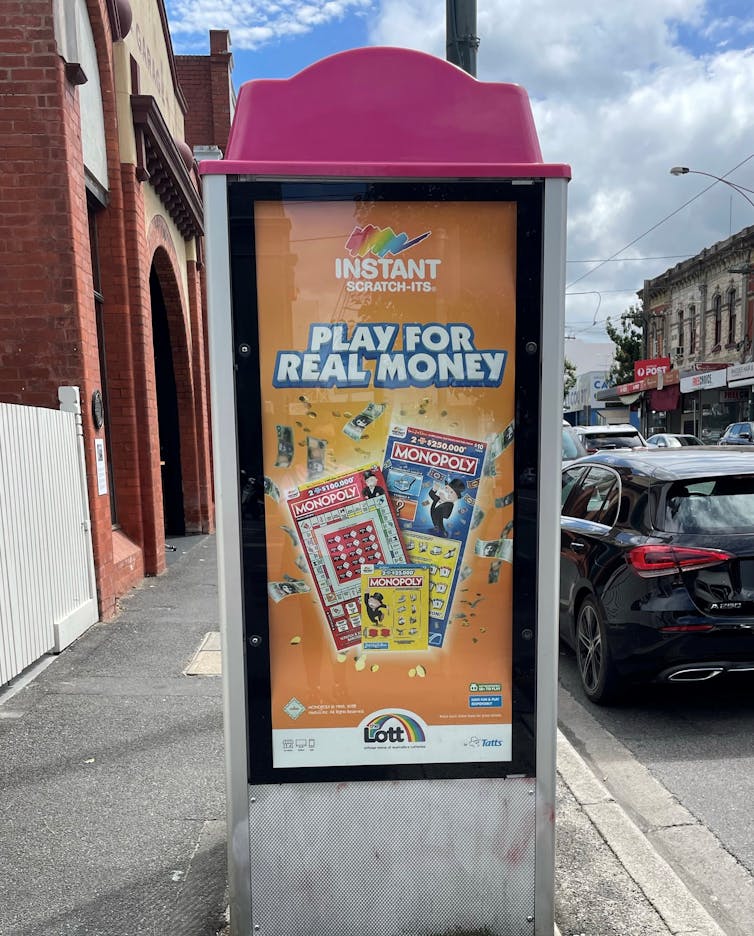
They saw promotions for gambling in local shopping centres, at post offices, during sporting matches, movies and television shows. They were also aware of a range of novel products and marketing strategies the gambling industry is using to reach the next generation of customers.
‘It must be something normal’
This constant exposure created a perception gambling was “always there in your face” and “a natural thing to do”. This was particularly the case when it was placed alongside non-gambling activities in everyday settings. As one 16-year-old boy told us:
I think just the number of ads and there’s posters up for it around shops. […] It makes it seem, because it’s everywhere, it must be something normal.
Advertisement on a phone booth for The Lott’s Instant Scratch-Its. Author provided
While the excessive promotion of gambling in sports has been a catalyst for public concern, governments have largely failed to act. Rather, it appears they have decided the harms and costs associated with young people being exposed to gambling marketing are outweighed by any benefits to the gambling industry, sports (through sponsorships), and broadcasters (through advertising revenue).
There is also little publicly available evidence that school programs or public education campaigns run by organisations such as the Victorian Responsible Gambling Foundation are having a significant impact, or that they are able to compete with the might of commercial marketing strategies. The gambling industry’s own “educational activities” are at best useless, and may well be counterproductive.
NBA star Shaquille O’Neal on an advertisement for PointsBet on Instagram. @pointsbet/instagram
How young people engage with gambling ads
Our research shows the clear impact of gambling marketing on young people. They are able to name gambling brands and can quote taglines and slogans. They report seeing different types of gambling promotions in sports, and on a range of popular television shows, including “Gogglebox” and “MasterChef”.
Young people also said they see gambling promotions “pop up in my feed” on social media sites such as Instagram and YouTube. As a 15-year-old boy told us:
[I see them] on YouTube before I watch a video. A funny Sportsbet skit comes on. It’s not about gambling though […] I see them when I watch highlights, too.
Our research also shows that inducements such as free bets and celebrity promotions have a particular influence on young people believing that gambling is a “risk-free” activity and the promotions they see can be trusted.
However, there is a clear opportunity for change. The current Parliamentary Inquiry into Online Gambling is investigating the effectiveness of gambling advertising restrictions on limiting children’s exposure to gambling products and services.
Our own submission to the inquiry has argued for strong government restrictions and bans on marketing, with a key goal of protecting young people.
While such restrictions are opposed by a range of stakeholders, including sporting organisations, broadcasters, advertisers and sectors of the gambling industry, there is clearly growing public and political support for gambling marketing bans, including from young people themselves.
In developing robust policy responses to gambling, another issue needs to be addressed.
Recent revelations about donations from online bookmaker Sportsbet to the now- minister for communications, Michelle Rowland, before the 2022 federal election have also raised legitimate concerns about mechanisms to protect gambling policy from commercial and other vested interests.
This includes the extent to which we can trust the policy decisions that are made about gambling. This is especially important when considering policies that are concerned with the health and wellbeing of young people.
What do young people think is the way forward?
The young people in our research share similar views to public health experts when it comes to strategies to protect them from the predatory tactics of the gambling industry.
They are critical of “responsible” gambling messages, which they say are designed to absolve the gambling industry and governments of their responsibility for harm prevention. They tell us governments should be responsible for action, including
reducing the accessibility and availability of gambling products
making gambling products safer
removing gambling from sport, through regulation and sporting teams ending partnerships with gambling companies
implementing strong restrictions (including bans) on marketing, and
using public education to counter commercial messages about gambling, and provide honest information about the tactics of the gambling industry.
There is an “exceptionalism” surrounding government policies on gambling, in which gambling is not seen as needing the same robust public health policy response as other issues. A docile approach by governments that sees gambling as being somehow different from other unhealthy products must change if we are to see effective, evidence-based approaches to gambling harm prevention.
Effective measures to protect young people from gambling marketing will inevitably be opposed by the gambling industry and its allies. But young people, parents and the community understand the cause for concern and the need for action that will genuinely curb the promotional activities of this powerful but predatory industry.
Dr Simone McCarthy has been employed on research projects that are funded by the Australian Research Council and the Victorian Responsible Gambling Foundation.
Dr Hannah Pitt has received funding from the Australian Research Council, the Victorian Responsible Gambling Foundation, the NSW Office for Responsible Gambling, VicHealth, and Deakin University.
Prof Samantha Thomas has received funding for gambling research from the Australian Research Council, the Victorian Responsible Gambling Foundation, and the NSW Office for Responsible Gambling, and Healthway. She is a board member of the International Confederation of Alcohol, Tobacco and other Drug (ATOD) Research Associations. She is currently Editor in Chief for Health Promotion International an Oxford University Press journal.
Financial decisions can make an enormous difference to the rest of your life.
As an example, the difference between having superannuation in one of the top-performing quarter of funds compared to bottom-performing quarter can mean retiring
with about A$1.1 million instead of $610,000, according to calculations by the Productivity Commission.
Getting good advice can pay for itself many times over. But how do you find it?
It isn’t cheap. According to research commissioned by the Financial Planning Association of Australia (which represents financial advisers), the average cost is about $3,300 upfront, then about $4,300 a year if you sign up for ongoing advice.
It used to appear to be free. Financial advisers were paid by commissions sent their way by the makers of the products they steered their clients into and taken from the client’s funds. These commissions were not only upfront but also ongoing each year, meaning they ended up costing clients a lot.
Commissions have been banned since 2013. In 2018, the Hayne royal commission into misconduct in the financial services industry recommended the government go further and ban the payment of commissions to mortgage brokers, a recommendation the government rejected, which is why mortgage brokers still don’t charge upfront.
Here are some tips about how to find the right adviser.
1. Work out what matters to you
What matters to you most? Do you care about maximising your returns no matter what, or do you value social and environmental responsibility? Are you interested in keeping risk to the absolute minimum, or are you happy to accept greater risk in pursuit of higher returns?
Your specific needs are also important. Some advisers offer guidance on a broad range of financial matters such as retirement planning, estate planning and the operation of a business. Others are more narrowly focused on managing money.
Another important consideration is the adviser’s approach to working with clients. Some adopt a more hands-on approach, providing regular updates and actively managing clients’ investments. Others may check in periodically.
Work out what you want first. This will help you narrow down options to one.
2. Get a recommendation
It is always good to talk to previous clients to get a sense of a adviser’s track record and approach.
The most practical way to do it is to get a referral from a friend or colleague or someone else you trust.
Otherwise, it is possible to search for registered advisers by postcode on the government’s MoneySmart financial advisers register
3. Check qualifications and experience
Only advisers with an Australian financial services (AFS) licence are able to give advice, and they are all listed on the financial advisers register.
Putting the name of the adviser into the search bar will produce a page showing
whether the licence is current
any disciplinary actions against the adviser
the adviser’s employment history
the adviser’s qualifications and training
what the adviser is licensed to provide advice about.
Financial advisers are required to provide potential clients with a financial services guide that includes a description of the services they provide, including limits to the services provided, information about fees and charges, details of any conflicts of interest and information about the complaint resolution process.
There should be a copy on the adviser’s website, or you can ask for a copy.
The next step is to ask enough questions over the phone to be sure it’s worth meeting in person. Start with the questions about priorities listed in point one.
If the answers are not satisfactory there’s no point proceeding to a meeting.
If the answers are good, it’s time for an open and honest conversation, probably in person. Don’t be afraid to ask more about their experience, values and approach.
Useful questions include:
how do you assess my specific financial needs?
how will you manage my wealth?
how do you approach financial planning?
Red flags include
any answer that seems generic, one-size-fits all, not taking into account your specific needs and goals
any explanation that is vague and unclear
any hint of pressure to invest in a certain product or service
any claims or promises that seem too good to be true (such as a very high return without risk).
5. Review the plan
If your meeting goes well, the adviser will put together a financial plan which will be set out in a Statement of Advice (SOA).
The statement must detail the proposed strategy, any financial products being recommended and how they meet the client’s financial objectives and the risks associated with these products, what their advice covers (and does not cover), and the associated fees.
The statement is designed to help you make an informed decision. It can also serve as a point of reference in the event of misunderstandings.
6. Don’t set and forget
Coming up with a plan usually isn’t the end. Regular monitoring and review is the best way to achieve the best outcomes.
This is because circumstances, priorities and objectives change, as well as markets.
Generally, your adviser will recommend annual or two-yearly reviews to ensure that the plan remains aligned with changed circumstances.
If you have a more complex situation, more regular check-ins might be needed.
Ama Samarasinghe does not work for, consult, own shares in or receive funding from any company or organisation that would benefit from this article, and has disclosed no relevant affiliations beyond their academic appointment.
Generative AI is having a moment. ChatGPT and art generators such as DALL-E 2, Stable Diffusion and Midjourney have proven their potential, and now millions are wracking their brains over how to get their outputs to look something like the vision in their head.
This is the goal of prompt engineering: the skill of crafting an input to deliver a desired result from generative AI.
Image created using Midjourney. Prompt: oil painting of a child with their grandparent enjoying a moment together and looking at each other. The child’s face is full of wonder and the grandparent’s face is lined with years of living, nostalgia, happy and sad memories and the wisdom of their years. Detailed faces. – – ar 3:2 – – no glasses
Despite being trained on more data and computational resources than ever before, generative AI models have limitations. For instance, they’re not trained to produce content aligned with goals such as truth, insight, reliability and originality.
They also lack common sense and a fundamental understanding of the world, which means they can generate flawed (and even nonsensical) content.
As such, prompt engineering is essential for unlocking generative AI’s capabilities. And luckily it isn’t a technical skill. It’s mostly about trial and error, and keeping a few things in mind.
Since it’s a chatbot, you may be inclined to engage with it conversationally. But this isn’t the best approach if you want tailored results. Instead, adopt the mindset that you’re programming the machine to perform a writing task for you.
Create a content brief similar to what you might give a hired professional writer. The key is to provide as much context as possible and use specific and detailed language. You can include information about:
your desired focus, format, style, intended audience and text length
a list of points you want addressed
what perspective you want the text written from, if applicable
and specific requirements, such as no jargon.
If you want a longer piece, you can generate it in steps. Start with the first few paragraphs and ask ChatGPT to continue in the next prompt. If you’re unsatisfied with a specific portion, you can ask for it to be rewritten according to new instructions.
But remember: no matter how much you tinker with your prompts, ChatGPT is subject to inaccuracies and making things up. So don’t take anything at face value. In the example below, the output mentions a “report” that doesn’t exist. It probably included this because my prompt asked it to use only reliable sources.
I used prompt engineering to get ChatGPT to write this news article, which provides inaccurate information.
Art generators
Midjourney is one of the most popular tools for art generation, and one of the easiest for beginners. So let’s use it for our next example.
Unlike for text generation, elaborate prompts aren’t necessarily better for image generation. The following example shows how a basic prompt combined with a style keyword is enough to create a variety of interesting images. Your style keyword may refer to a genre, art movement, technique, artist or specific work.
The following images were based on the prompt leopard on tree followed by different style keywords. These were (from the top left clockwise) synthwave, hyperrealist, expressionist and in the style of Zena Holloway. Holloway is a British photographer known for capturing her subjects in ethereal and somewhat surreal scenes, most often underwater.
Images generated by Midjourney.
You can also add keywords relating to:
image qualities, such as “beautiful” or “high definition”
objects you want pictured
and lighting and colours.
With Midjourney, you can even use certain specific commands for different features, including ––ar or ––aspect to set the aspect ratio, ––no to omit certain objects, and ––c to produce more “unusual” results. This command accepts values between 0-100 after it, where the default is 0 and 100 leads to the most unusual result.
You can also use ––s or ––stylize to generate more artistic images (at the expense of following the prompt less closely).
The following example applies some of these ideas to create a fantasy image with a dreamlike and futuristic look. The prompt used here was dreamy futuristic cityscape, beautiful, clouds, interesting colors, cinematic lighting, 8k, 4k ––ar 7:4 ––c 25 ––no windows.
Image generated by Midjourney.
Midjourney accepts multiple prompts for one image if you use a double colon. This can lead to results such as the image below, where I provided separate prompts for the owl and plants. The full prompt was oil painting of an ethereal owl :: flowers, colors :: abstract :: wisdom ––ar 7:4.
Image generated by Midjourney.
A more advanced type of prompting is to include an image as part of the prompt. Midjourney will then take the style of that image into account when generating a new one.
Despite stunning results, generative AI is subject to inconsistencies such as the floating branch in this image. Prompt: woman watching the sunset, magical realism, very beautiful, nature, colourful, very detailed – – ar 7:4
A career of the future?
As generative AI models enter everyday life, prompting skills are likely to become more in-demand, especially from employers looking to get results using AI generators.
Some commentators are asking if becoming a “prompt engineer” may be a way for professionals such as designers, software engineers and content writers to save their jobs from automation, by integrating generative AI into their work. Others have suggested prompt engineering will itself be a career.
It’s hard to predict what role prompt engineering will play as AI models advance.
But it’s almost a given that more sophisticated generators will be able to handle more complex requests, inviting users to stretch their creativity. They will likely also have a better grasp of our preferences, reducing the need for tinkering.
Marcel Scharth does not work for, consult, own shares in or receive funding from any company or organization that would benefit from this article, and has disclosed no relevant affiliations beyond their academic appointment.
One year to the day since Russian tanks ran over the Ukraine border – and over the UN Charter and international law in the process – the world is less certain and more dangerous than ever. For New Zealand, the war has also presented a unique foreign policy challenge.
The current generation of political leaders initially responded to the invasion in much the same way previous generations responded to the first and second world wars: if a sustainable peace was to be achieved, international treaties and law were the mechanism of choice.
But when it was apparent these higher levels of maintaining international order had gridlocked because of the Russian veto at the UN Security Council, New Zealand moved back towards its traditional security relationships.
Like other Western alliance countries, New Zealand didn’t put boots on the ground, which would have meant becoming active participants in the conflict. But nor did New Zealand plead neutrality. It has not remained indifferent to the aggression and atrocities, or their implications for a rule-based world.
The issue one year on is whether this original position is still viable. And if not, what are the military, humanitarian, diplomatic and legal challenges now?
Military spending
While New Zealand has no troops or personnel in Ukraine, it has given direct support. Defence force personnel assist with training, intelligence, logistics, liaison, and command and administration support. There has also been funding and supplied equipment worth more than $NZ22 million.
This has been welcomed, although it’s considerably less on a proportional basis than the assistance offered by other like-minded countries. However, the deeper questions involve how the war has affected defence policies and spending overall internationally.
While New Zealand’s current Defence Policy Review is important at the policy level, the implications affect all citizens and political parties. Specifically, most countries – allies or not – are increasing military spending and collaborating to develop new generations of weapons.
For New Zealand, this calls into question the longer-term feasibility of its relatively low spending of 1.5% of GDP on defence. And Wellington is increasingly being left out of collaborative arrangements (AUKUS being just one example), which in turn reinforce alliances and provide pathways to technology.
This is tied to the largest question of all: whether New Zealand wishes to relegate itself to becoming a regional “police officer” or wants to carry its fair share of being part of an interlinked modern military deterrent.
Diplomacy and domestic law
New Zealand also needs to reconsider its commitment to humanitarian assistance. So far, almost $13 million has been spent and a special visa created allowing New Zealand-Ukrainians to bring family members in for two years. With the war showing no sign of ending, this will likely need to extend.
But New Zealand’s non-neutral status also means it has other responsibilities, and should consider greater assistance with the Ukrainian refugee emergency. This would require going beyond the current visa scheme, and opening and expanding the refugee quota program’s current cap of 1,500.
Diplomatically, New Zealand also has to start considering what peace would look like. This raises hard questions about territorial integrity, accountability for war crimes, reparations and what might happen to populations that don’t want to be part of Ukraine.
New Zealand has enacted a stand-alone law to apply sanctions on Russia. But because this now sits outside the broken multilateral UN system, a degree of caution is called for, given the door is now open to sanction other countries, UN mandate or not.
Russian President Vladimir Putin used his state-of-the-nation speech to announce Moscow was suspending participation in the New START nuclear arms reduction treaty. Getty Images
Preparing for the worst
Finally, New Zealand needs to prepare for the worst. The war is showing no sign of calming down. Weapons and combatant numbers are escalating unsustainably. Nuclear arms control is in freefall, with Russian President Vladimir Putin suspending participation in the New START Treaty, the last remaining agreement between Russia and the United States.
At the same time, the US has ramped up the rhetoric, suggesting China might supply arms to Russia, and declaring unequivocally that Russia has committed crimes against humanity in Ukraine.
Were China to go against Western demands and provide weapons, countries like New Zealand will be in a very difficult position: its leading security ally, the US, may expect penalties to be imposed against its leading trade partner, China.
While Putin may be able to live with the rising death toll of his own soldiers (already over 100,000), at some point the Russian population won’t be. As the US discovered in Vietnam, it wasn’t the external enemy that ultimately prevailed, it was domestic unrest, as more people turned against an unpopular war.
How Putin will respond to a war he cannot win conventionally, while risking losing popularity and position at home, is impossible to predict. Everyone might hope his nuclear threats are a bluff, but New Zealand’s leaders would be wise to plan for the worst.
Whether a small, distant, non-neutral South Pacific nation might be a direct target or not is conjecture. What is not speculation, however, is that if the Ukraine war spins out of control, New Zealand would be in an emergency unlike anything it’s witnessed before.
Alexander Gillespie does not work for, consult, own shares in or receive funding from any company or organisation that would benefit from this article, and has disclosed no relevant affiliations beyond their academic appointment.
Chronic pain affects around one in five people and is considered “chronic” when it persists beyond the expected healing time, typically three months or longer.
Doing things you love and having goals are fundamental for wellbeing because they give meaning and purpose. But pain can make doing the activities you enjoy psychologically, physically and/or emotionally very challenging.
Our new research shows the way a person with chronic pain responds to not being able to participate in the activities or goals they value can can impact their mental wellbeing – even more so than their pain levels.
We surveyed more than 300 people living chronic pain (that wasn’t related to cancer) about their mental wellbeing, “pain intensity” and how much pain interfered with the everyday pursuits and activities that mattered to them.
(We differentiated chronic pain from cancer pain due to the differing prognoses and treatments available, and the unique psychological and social factors associated with cancer pain, such as concern about death.)
We found pain that disrupted daily life activities, rather than the intensity of the pain, posed the biggest threat to a person’s mental wellbeing.
When pain interferes with a person’s engagement in meaningful daily activities, it causes distress and decreases wellbeing.
Pain stops some people doing the things they find meaningful, like going to work. Unsplash/Towfiqu Barbhuiya
The research suggests it’s possible for people to find ways to maintain their mental wellbeing, even when their pain intensity is high, so long as they’re able to maintain aspects of life that are important to them, such as relationships and work.
People with pain find other ways of doing things
We found personal motivational traits – specifically, goal flexibility (adjusting goals in response to changing circumstances and setbacks) and tenacity (persistently striving to achieve a desired goal under difficult circumstances) – were associated with increases in mental wellbeing for people living with chronic pain.
Although flexibility and persistence were both associated with increased mental wellbeing, the capacity to flexibly adjust to setbacks or obstacles had the most significant positive effect in maintaining one’s mental wellbeing.
Flexibility appears to act as a protective factor against the impacts of pain interference on mental wellbeing, to a greater extent than personal tenacity or persistence.
There is often more than one way to modify or adapt an activity when difficulties arise. A walk on the beach with friends, for instance, may be adjusted to meeting at the beach for coffee to fulfil the same goal or value: social connectedness.
Focusing on people’s strengths rather than deficits
Psychological processes that can help people to live well in the face of long-term pain have long been overlooked. Research has traditionally focused on unhelpful thought processes that perpetuate or exacerbate mental distress. For example, pain catastrophising and repeated negativeself-criticism.
Pain management and mental health are multi-faceted. Previous research has shown pain management should take into account physical factors (age, sleep, injury, disease) and social factors (employment, social support, economic factors).
Research has tended to focus on the negative thought processes of people with chronic pain, rather than the positive. Shutterstock
Our findings add to this body of knowledge. For those living with pain, reappraising and adjusting meaningful life activities and goals, when needed, in response to setbacks or life challenges can help maintain mental wellbeing.
These findings can inform the development of psychological supports for people with chronic pain. In turn, these supports could identify internal strengths, resources, positive coping strategies, self-efficacy, hope and wellbeing – and promote psychological strengths rather than deficits.
Joanne Dickson does not work for, consult, own shares in or receive funding from any company or organisation that would benefit from this article, and has disclosed no relevant affiliations beyond their academic appointment.
It might surprise you to know that not-for-profit conservation organisations own, manage or influence growing chunks of Australia.
Not-for-profit NGOs such as The Nature Conservancy, Australian Wildlife Conservancy, Bush Heritage Australia and Trust for Nature contribute to management of over three million square kilometres, including owning about 50,000 square kilometres.
The land managed or owned by NGOs has grown at a staggering rate in Australia, which now has the second-largest percentage of land managed privately for conservation in the world, after the United States.
This growth has come as federal and state funding for protected areas has stagnated. Many of our national parks, for instance, are overrun with invasive mammals and weeds, while NGO-owned land tends to be better resourced and managed.
To have any chance of hitting our international commitment of 30% of land conserved by 2030, we will have to rely on fast-growing non-government conservation land alongside Indigenous Protected Areas.
How did we get here?
In 1954, a group of US landowners were given an ultimatum: buy the 60 acre forest next to them, or see it developed. They bought it. From that event emerged The Nature Conservancy (TNC), a land trust which has protected over 50 million hectares of land worldwide, and spawned dozens of other land trusts across the globe.
In the 1970s, Australian conservationists launched their own efforts to acquire vital land. Now, The Nature Conservancy owns and manages around 1% of the continent. The Australian Wildlife Conservancy manages, owns or influences around 1.7% of Australia; Bush Heritage Australia accounts for another 0.5%; and the Tasmanian Land Conservancy is heavily active in that state. Futhermore, there are a host of smaller land trusts, like Nature Glenelg Trust and Queensland Trust for Nature.
During the 1970s and ‘80s, there was strong growth in government conservation. Our public protected areas grew markedly. But then, interest and funding faltered. Queensland didn’t come close to its goal of protecting 17% of the state by 2020, for example.
That’s why conservation NGOs have stepped up, often in close partnership with First Nations groups. The US is further along this path, partly because of strong scepticism of government intervention. In Australia, we’ve tended to regard the preservation of nature as the government’s job. Unfortunately, our governments have never allocated sufficient funds to adequately stem the loss of species and habitat.
The downside of protecting large areas? Ongoing costs
One reason governments are wary of expanding their protected networks are the ongoing costs. Funding for management hasn’t kept pace with the growth of the reserve system. In part, that’s because Australia is really big and sparsely populated.
Science-based conservation means protecting samples of all habitat types, not just tracts of cheap infertile land. To protect 30% of Queensland would mean a park system the size of Spain. Then you have to look after it.
Why does management matter? Don’t you just need to find pristine bush, fence it and install a sign, a road, walking trails and an information kiosk?
No. Declaring a national park is the easy bit. In many parks, feral animals and invasive plants are all but uncontrolled. Plant diseases, cane toads, foxes, cats, blackberry, lantana – without management, the park will degrade rapidly. And then there’s the complexity of ensuring the right fire and flooding regime.
A smart organisation or government will put aside two to three times the cost of buying the land for management. The problem is, management costs do not excite us in the same way as acquisition.
And because we expect our national parks to be open to the public, budget constraints often means money goes to keeping facilities running, tracks open and little else. The money coming in from camping and ecotourism is a fraction of what’s needed to properly care for the government parks.
Why are conservation NGOs better placed?
NGOs are increasingly attracting donations and legacies from people interested in conservation action on the ground. These donors wouldn’t think to donate to the parks service – but they will to an NGO. The organisations can work strategically with landowners to, say, improve feral animal management on grazing land or fence off waterways, without actually taking ownership of the land.
Conservation NGOs also don’t have to open their areas to the public. Many do, but only at specific times of year. Others remain shut. By and large, they’re better managed than national parks – and some are much better, with intensive management such as feral-proof fences.
The Newhaven Wildlife Sanctuary in the Northern Territory, run by NGO Australian Wildlife Conservancy, has the largest mainland cat- and fox-free area at 9,450ha. Wayne Lawler/Australian Wildlife Conservancy
National park staff are often hamstrung by bureaucracy and budget, with limited resources to monitor and report successful outcomes. NGOs, by contrast, are very big on scientific reporting. A threatened species had a successful breeding season on their land? They’ll tell you because reporting conservation outcomes to donors is like reporting company returns to shareholders.
So when you see big-ticket plans to protect 30% of Australian land, you should know it’s not protection as you may have thought of it. It will draw very heavily on these NGOs and land protected by private individuals.
This shift towards a broader definition of conservation land is controversial.
In these newly expanded areas, there may be some environmental thinning of trees, targeted grazing and ecotourism, as well as areas closed to these activities. This is unavoidable. There are now very few areas free from our industries, cities and farms. What matters is finding ways to conserve the world’s wealth of species alongside us.
A mala wallaby in the feral predator-free fenced area of Newhaven Wildlife Sanctuary. Non-government conservation efforts have been crucial to recent recovery successes for this critically endangered species. Wayne Lawler/Australian Wildlife Conservancy
What does this mean for me?
What we should take from this shift is we can no longer file environmental issues in that handy mental box we all have named “that’s why I pay tax”.
More and more, Australians are realising they don’t have to rely on the government to secure our natural heritage.
It’s not just the government’s problem. It’s a collective problem, which means it’s also your problem. More and more of us now realise the cavalry isn’t coming to the rescue. We are the cavalry.
Hugh Possingham works for The University of Queensland (40%) and consults for Accounting for Nature (10-20%) and the Intervention Risk Review Group (IRRG) for the Reef Restoration and Adaptation Program (RRAP) managed by the Australian Institute of Marine Sciences. He is paid (sitting fees) to Chair the board of The Environment Institute of The University of Adelaide, and the Biodiversity Offsets Committee of the Queensland Government. He is affiliated with, or an advisor to: Conservation International (science advisory council), the Biodiversity Council (co-chair), BirdLife Australia (Board of Directors), Nature Conservation Society of SA, AgForce, Birds Queensland, Birds SA, Invasive Species Council, Australian Network for Plant Conservation, Society for growing Australian Plants, Friends of Sherwood Arboretum, Friends of Oxley Creek Common, etc. and the list goes on. Relevant to this article, he was a past Chief Scientist of The Nature Conservancy (globally), he was on the board of Bush Heritage Australia, and on the Scientific Advisory Committee of Australian Wildlife Conservancy. He is an active and substantial donor to Nature Glenelg Trust. He has received numerous (>25) Australian Research Council grants, directed an ARC Centre of Excellence, directed three separate NESP (National Environmental Science Program) centres and received over 80 grants from diverse other sources – only those ARC grants that have been fellowships (QEII, Professorial, Federation and Laureate) have directly altered his salary. He has provided pro bono advice to a wide diversity of organisations. He indirectly owns shares via UniSuper.
Source: The Conversation (Au and NZ) – By Alexander Richard Braczkowski, Research Fellow at the Centre for Planetary Health and Resilient Conservation Group, Griffith University
But for the people living closest to them, their presence is less welcome. A gray wolf or spotted hyena may not kill a human, but they can destroy the livelihoods of farmers by destroying livestock or even crops.
If we want to conserve these iconic species, we need to offset financial losses for vulnerable communities – particularly in developing countries, where people are most at risk from carnivores.
Our new research explores what happens to people after wolves, lions or tigers arrive at the door of their livestock pen. The answer? In poorer parts of the world, the loss of a single calf can destroy a family’s finances, while wealthier farmers have a better chance of bouncing back.
Earth’s poorest are most at risk
The majority of Earth’s most loved and endangered carnivores, including jaguars, snow leopards, and cheetahs, live in the developing economies of the global south where conservation is chronically under-funded. In these places, most of their geographic range falls outside of protected areas.
We know a great deal about the impacts of these iconic animals at a societal scale. But one community is not necessarily as vulnerable as another.
To tackle the question of human vulnerability in human-wildlife conflict, we used large carnivores as a model group. This is because they can damage a family’s livelihood through livestock predation, while also being at risk of being killed by livestock keepers.
We took per capita incomes for 133 countries and overlaid this data with the distribution of 18 large carnivores known to eat cattle. Then we used the cattle price database run by the Food and Agricultural Organization to assess what would happen to a family’s income if one calf was killed by a carnivore.
Our results are stark. Communities in developing countries were up to eight times more vulnerable than developed countries on average. We also found transition economies like China and Georgia (a country shifting from a centrally planned economy to a market-based economy) are twice as economically vulnerable.
Families living alongside predators in Uganda, Tanzania, and India often have no buffer against this kind of loss. For example, a farmer losing a calf in Utah to a pack of wolves will likely not feel the economic effect of an attack as badly as a Basongora farmer on the edge of Queen Elizabeth National Park in Uganda.
We found a single predation event in countries like Mozambique, Uganda and Tanzania would potentially wipe out a farmer’s entire income for a year. Our results also show farmers in developing economies on average produce roughly 30% less meat than those in developed ones. That means predator attacks on livestock will have even greater effects than in developed countries.
Carnivores are living on the edge
Our results also show more than half of large carnivores have at least a third of their range overlapping areas where the people live under severe economic burden. We described a severe economic burden area as where one calf loss would erase over 25% of a family’s annual income. Eight of these carnivores, including lions and cheetahs, are considered globally threatened.
Snow leopards, African lions, and Asiatic black bears had between 70-89% of their ranges overlapping these severe vulnerability areas. Dingoes, black bears and the red wolf, however, had just 1-2% of their range overlapping the areas of severe economic vulnerability. This is because these species mainly range in areas where per capita income is highest, such as developed economies.
Towards coexisting with carnivores
Earth’s most economically vulnerable people are key to conservation success for carnivores due to the extremely high overlap with threatened carnivore species. Unfortunately, they are also the most at risk when human needs come in conflict with wildlife. Many of us who want carnivores conserved the most live furthest away from them and their impacts.
We need to create new ways for highly vulnerable communities to receive more benefits from the wildlife that are their neighbours. Many innovative programs have worked to reduce conflict, including the creation of livestock protection enclosures, guardian dogs, and the creation of novel economic benefit streams for local communities, but these programs must be built on and scaled massively if we are to succeed.
This is particularly the case for those communities that don’t benefit from ecotourism, conservancies, or national park revenues. Localised compensation is at present too small scale and underfunded to make a meaningful dent, and is often subject to abuse and moral hazard.
The conservation community and policymakers need to think bigger and create new sources of conservation finance.
Alexander Richard Braczkowski received funding from Griffith University and the Southern University of Science and Technology when carrying out this study.
Christopher J. O’Bryan is a Postdoctoral Research Fellow in the School of Earth and Environmental Sciences at The University of Queensland.
Duan Biggs is the Olajos Goslow Chair at Northern Arizona University. Dr Biggs previously received funding from the Australian Research Council and WWF the Luc Hoffmann Institute.
Sophie Gilbert worked at the University of Idaho for part of the time during this study, then at the Natural Capital Exchange (NCX) for the later phases of publication, after submission.
The federal government has announced a new round of strategic water buybacks in the Murray-Darling Basin. The government intends to purchase water entitlements from voluntary sellers in parts of New South Wales and Queensland.
A total of 49.2 gigalitres (GL) will be purchased across seven catchment areas through open, competitive and transparent tenders. This water will then be returned to the environment.
The government decided to restart buybacks because other methods, such as water-saving and offset measures both on and off farms, have been less effective and won’t be achieved in time. There is a 49.2GL “gap” between the current revised 2,075GL target set for June 30 2024, and the amount of water recovered so far.
The Morrison government effectively stopped using buybacks as a tool when Barnaby Joyce became federal water minister. Over time, the Murray-Darling Basin Plan – and buybacks in particular – became a focal point of blame for all kinds of problems in rural communities.
This blame played out in legislation to cap water recovery via buybacks in 2015. Although the Howard government introduced the water recovery schemes from 2007-08 onwards, it was the Rudd/Gillard governments that achieved the largest amount of water recovery. The Albanese government is now trying to get water policy and recovery back on track.
Why are we recovering water for the environment?
Over the past 50 years, water has been over-allocated to agriculture in the Murray-Darling Basin. Coupled with the catastrophic Millennium Drought in the 2000s, this meant many ecosystems, and rural communities, were at crisis point. The Water Act 2007 and the Murray-Darling Basin Plan aimed to return water from irrigation to environmental use.
Protesters burned copies of the guide to the Murray-Darling Basin Plan in the carpark outside the Basin Authority meeting in Griffith, NSW, on Thursday, October 14, 2010. GABRIELLE DUNLEVY/AAP
There were considerable arguments regarding how much water was needed for a sustainable river basin, and the final amount of 2,750GL legislated in 2012 was far less than the original proposal. Actual physical water recovery was then whittled downwards again in the 2018 Basin Plan amendment to 2,075GL, which reduced water recovery in the northern basin and implemented a sustainable diversion limit adjustment mechanism offset, made up of supply and efficiency projects.
To appease South Australia – which, as the downstream state, suffers the most negative consequences of a declining river system – an extra 450GL was included as an additional target in 2012. This was to be achieved solely through efficiency measures such as upgrading irrigation infrastructure from gravity-fed to drip irrigation, or reducing evaporation from irrigation delivery channels. So far, only a few gigalitres have been achieved of this additional 450GL.
Environmental water recovery methods
Water recovery has so far occurred via two main mechanisms that have cost a total of $7.2 billion. The main method is buybacks, with $2.67 billion spent to recover 1,228GL of water. Buybacks allow farmers to spend the money wherever they want, whether it be on reducing debt, reinvestment, improving productivity or adapting to dry conditions.
The second has mainly involved subsidising irrigation infrastructure on and off farms to improve water efficiency or to achieve water offsets. So far, $4.52 billion has been spent on things such as lining channels, or changing irrigation systems, which has garnered the 693GL now held in water licences by the government.
Some farmers rode their tractors to Parliament House in Canberra for the ‘Can the Murray-Darling Basin Plan’ rally on Monday, December 2, 2019. LUKAS COCH/AAP
Data provided by the Department of Climate Change, Energy, the Environment and Water in late 2022 suggests that on average, just over $2,100 per gigalitre has been spent to recover water through buybacks, and more than $6,550 per gigalitre to recover water through irrigation infrastructure subsidies. This is one of the reasons buybacks have been the most successful policy instrument in delivering water recovery. Most of this was already achieved by 2015, and since then, only some small strategic purchases have been made.
This cost differential in water recovery methods is expected to widen substantially. Water recovery projects put forward by states are now quoting huge amounts of money, regularly figures over $20,000 per megalitre.
On and off-farm efficiency projects have also been heavily criticised for their lack of effectiveness. The net “additional” increase to environmental water holdings is questionable, due to the fact they lead to reduced return flows into groundwater and surface water. There are also question marks over whether some supply “environmental equivalence” projects will actually work.
Water Policy Reversals
Following the introduction of the Basin Plan legislation in 2012, water policy has gone backwards. Capping buyback purchases to a total of 1,500GL in 2015 is one such example. This halted the most effective instrument we have in recovering water.
Some farmers feared the plan would destroy farms and regional communities, prompting this rally at Parliament House in Canberra on Monday, December 2, 2019. LUKAS COCH/AAP
Lobbyists and irrigator groups have been successful in spreading misinformation and fostering widely held beliefs that buybacks are responsible for large-scale rural economic decline. Indeed, there is a “Beyond Buyback” campaign underway right now.
Rural and farm prosperity reflects a more complex mix of factors, including falling commodity prices, increasing input costs, and climate change.
Environmental water has many benefits for rural communities, right across the Basin. Unfortunately these facts are often ignored, both in media commentary and in some very dodgy economic modelling that relies on highly simplistic and unrealistic assumptions about the impacts of water recovery.
What do we need to do next?
The very first Nobel Prize in Economics – Jan Tinbergen (1969) – was given for work demonstrating that one policy is needed to address one objective. If we have one policy for multiple objectives, unexpected responses occur.
When we subsidise irrigation infrastructure in order to meet farm productivity, economic development and environmental water recovery objectives, sometimes we end up not achieving our original aim – namely net water recovery for the environment.
Hence, the federal government’s announcement of the latest round of buybacks is very welcome, for it allows us to use the most effective instrument we can for environmental water recovery. Let’s hope we can use these lessons for the additional 450GL of water recovery, and for starting a conversation about cultural water rights.
This does not mean we don’t have to worry about rural regional consequences of water reform – of course we do. But let’s use the best policy options we have to address those issues.
For example, research shows that money spent on regional development (such as in essential social services) creates three to four times more jobs than efficiency upgrades. The Productivity Commission suggested there was little evidence that existing economic structural adjustment policies in the Murray-Darling Basin have helped local communities transition through water reforms.
In an era of climate change, we must grapple with the best ways to share water, and look after all interests as best as we can.
Sarah Ann Wheeler has received funding from a wide range of organisations, including the Australian Research Council, CSIRO, MDBA, CRC for Food Waste, SA Department of Environment and Water, ACCC, Wine Australia, GRDC, MLA, ACIAR, RIRDC, UNESCO, UNECE, ANU, Catholic Earthcare and Uniting Church, National Water Commission.
Source: The Conversation (Au and NZ) – By Sally Patfield, Senior Research Fellow, Teachers and Teaching Research Centre, University of Newcastle
Lukas Rychvalsky/Pexels
This week, the federal government released a discussion paper for a Universities Accord, which it hopes will make a 30-year plan for the sector.
One of the key priorities of the upcoming accord is equal access to university. The discussion paper specifically asks:
what is needed to increase the number of people from under-represented groups applying to higher education?
Our new book, based on ten years of research, aims to look beyond narrow definitions around equity and access to university.
We argue these ignore more subtle inequalities that shape access to higher education, particularly those that play out at a local level.
Equity targets in higher education
Thirty years ago, the Hawke government set national targets to increase university participation for First Nations Australians, people from low socio-economic backgrounds, people from regional and remote areas, people with disabilities and people from non-English-speaking backgrounds.
The goal was to make sure university students reflected Australian society and ensure Australians from all backgrounds could participate successfully in higher education.
As of 2021, there was a lower proportion of students from these groups enrolled in higher education compared with the proportion in the general population (with the exception of students with a disability). The discussion paper notes 17% of university students were from a low socioeconomic background, 2.4% were First Nations Australians, 21% were from regional or remote areas, and 9% were students with a disability.
As Education Minister Jason Clare told ABC Radio on Wednesday, when it comes to students from disadvantaged backgrounds, “we failed”.
Since 2012, we have conducted one of the largest studies to date of how young Australians form their ideas about their education and what they want to do after school. We gathered 10,000 survey responses and did 700 interviews with students in Years 3 to 12, as well as surveys and interviews with parents/carers, teachers and community members.
Our research asked young people what they wanted to do after school. Andrea Piacquadio/Pexels
We published our findings in a new book, Community Matters, released this week.
The book examines seven communities and their relationships with higher education (the names of interviewees and their communities have been changed). These include a metropolitan suburb with a large culturally and linguistically diverse community, a small coastal town, a remote community and a regional centre.
Our aim is to shift the focus away from impersonal “equity target groups” to diverse suburbs, towns and areas across Australia. This shows how equitable access to higher education is shaped by the communities where young people grow up, live and develop a sense of their place in the world.
Aspirations are high
Significantly, in all of the communities we looked at, young people want to go to university.
When we asked them about their aspirations for education, going to university was always the most popular choice among students as young as eight and as old as 18. This proportion ranged from 30% to 78% of students in the various communities.
These findings challenge the view that young people from socially disadvantaged backgrounds have “low” aspirations for their futures. What is important, however, is the broader context in which these aspirations play out.
In historically working-class communities and those in rural areas, we found local employment options matter. For some young people, the realities of their local area impacts on their ideas about their futures.
Kathleen is a teacher in Ironbark, a regional agricultural community currently experiencing relative prosperity associated with the wine industry:
My brother was offered a school-based traineeship as an electrician […] Now he’s earning more money than me […] Why would you go to uni when you can study here at TAFE, earn big money, especially during vintage season?
Community norms have an impact
Many young people do not have any exposure to university study in their families or even more broadly in communities. Mel, a Year 6 student in Excelsa, a working-class urban community, told us:
Nobody I know in my family has gone to university or TAFE. My Aunty might have because she does computer work and she gets paid lots of money. Yeah, so she must have, like, studied it at university or something.
Zoey, a Year 7 student at a local high school in Excelsa, also told us how the aspirations of her peers at school are shaped by gendered norms within the community:
Probably most girls would probably be stay-at-home mums or might just work at KFC or McDonalds. And the boys might be working in surf shops.
The broader context matters
We also found factors like drought, technology and globalisation had an impact of young people’s choices in some rural areas. Interviewees spoke about farms being sold and the local school dwindling in size.
These devastating effects translated into an awareness among young people of barriers they would face in even attempting to get to university. Year 12 student Lora is a young Indigenous woman living in the remote township of Olearia:
I used to say I’d want to go to uni, when I was younger. But, as I got older […] everything changed, and it just got too hard.
As Catherine, a parent, further explained:
Not many go through to Year 12, see? […] To do any of the bigger, better stuff you’ve got to have a lot of willpower because you don’t really get a teacher with it […] If you wanted to go on to university you sit there and do your own work, because you’re not with the other kids that are just doing Year 11 and 12.
Infrastructure often lags behind
In communities where pursuing higher education is not the norm, we also found significant problems with infrastructure.
In one case, a satellite university campus had been established in a community but there was no viable way to get there on public transport. As Adam, a local community member, told us:
It’s as simple as in the absence of having a decent transport system that is more than a bus every two hours […] it’s really hard if you don’t have a car. […] Talent is everywhere, but opportunity isn’t.
Where to next with equity policy?
Jason Clare has stated numerous times that he wants to improve access to university in Australia:
where you live, how much your parents earn, whether you are Indigenous or not, is still a major factor in whether you are a student or a graduate of an Australian university.
There is now a specific opportunity to focus on this in the upcoming Universities Accord, which talks about “widening opportunities” and “removing barriers”.
What our research shows, however, is that “removing barriers” is not about imploring more young people to choose university, nor is it about rectifying a lack of aspiration or ambition.
Our findings highlight the urgent need for policymakers to consider how universities can better meet the needs of diverse and changing communities. This includes much broader consideration of the role of university in society and how access can be better supported through alignment with local industries, improved infrastructure, and working directly with community members to understand their challenges and concerns.
The Australian higher education sector is now at a crucial juncture. If institutions are not going to better align themselves with their communities, the question might indeed become: why would you go to uni?
You can find out more about our research on young people’s education aspirations here.
Sally Patfield currently receives funding from the NSW Department of Education and previously received funding via an Australian Government Research Training Program (RTP) Scholarship to support her research. The Aspirations Longitudinal Study and related studies (2010-2021) were funded by the Australian Research Council, the NSW Department of Education, and the National Centre for Student Equity in Higher Education.
Jenny Gore receives funding from the Australian Research Council, Paul Ramsay Foundation and NSW Department of Education.
Jess Harris receives funding from the Australian Research Council, Paul Ramsay Foundation and NSW Department of Education.
Leanne Fray receives funding from the NSW Department of Education
South Korea’s latest Netflix sensation, the reality series Physical: 100, appears to be heavily influenced by the pop-culture phenomenon Squid Game.
The series is another variant of the survival game, a common reality TV format and, as in the fictitious Squid Game, a large prize will eventually go to the person who wins the final game. However, this prize is not an unimaginable amount (ultimately around US$35 million in Squid Game) but a more modest US$250,000 – and importantly does not depend on and increase with the gory elimination of players.
The premise of the series is that 100 people who share a common interest in sports or physical fitness have been invited to take part in a sequence of quests. They come from all walks of life, are male and female, have a wide range of body sizes and shapes, and are aged anywhere between 20 and 50.
The object of the competition is to find the person with the best physicality, an undefined notion that does not necessarily mean the strongest, fastest or best-looking, as some competitors assume.
The broadness of this premise contributes to the success of the series, which within two weeks of release rose to the number-one global ranking on Netflix, the first Korean reality series to achieve this position.
A more wholesome show than Squid Game
Deliberate allusions to Squid Game do invite a comparison between the shows beyond simply both being on Netflix and from South Korea. The physical layout of the setting, the masked anonymity of the show’s attendants, and the 50% elimination rate in the first three quests are all apt comparisons.
But in Physical: 100 the prevailing theme is the human capacity for endurance, and any physical violence in one-on-one matches is part of the sport, rather than for brutality.
A key contrast with Squid Game is the greater and more active role assigned to women, who are depicted through a range of physical careers such as boxers, body-builders or fitness models, and through diverse body types. Wrestlers like Jang Eun-sil have larger frames and developed muscularity, in contrast to fitness YouTuber Shim Eu-ddeum, who is quite petite. These women are far from the opportunistic or sacrificial roles assigned to women in Squid Game.
A second strategy is the use of an internal audience. Unlike Squid Game’s audience of cold-blooded capitalists, Physical: 100’s internal audience consists of the other contestants, who cheer on and express admiration for the skills and ingenuity of their fellows.
The camaraderie among the contestants extends to the one-on-one “death match” contests: players regularly express humility in defeat and declare they will now support their victorious opponent, or they express generosity in victory. Even during a match, they will acknowledge a good move, as when rugby player Jang Seong-min, repeatedly thrown by a female wrestler, picks himself up and flashes her an appreciative smile.
Particular respect is also shown towards older contestants, such as Choo Sung-hoon (47), a Mixed Martial Arts boxer. He is treated with great honour, and younger Shin Don-guk (41) challenges him to show this honour – when defeated, Shin kneels before Choo and touches his forehead to the ground.
One of the physically gruelling tasks from Physical: 100. Netflix
Greek gods and twisted fairytales
Where Squid Game took familiar children’s games and gave them a dark twist to form the challenges, Physical: 100 uses a Classical Greek frame instead. This evokes the reverence the Greeks held for the ideal body and athletic endeavour. The result is that attention is focused not on any past hardship suffered by the participants, but on the capabilities and aesthetics of the human body.
Although the contest is ostensibly to find the best body with the strongest physicality, the series persistently shows that no two bodies are alike and all are beautiful in their own ways.
The drama opens in an auditorium where plaster torsos are set out in concentric circles. These are casts of the bodies of the 100 participants who begin the contest. To ensure viewers are correctly cued, one of the newly entered participants remarks, “It’s like entering a Greek temple.” The point is reinforced by a sculpture of the Greek goddess of hunting, Artemis, recognisable by her iconic bow.
A contestant with the plaster cast of her torso. If she loses, she has to smash it with a hammer. Netflix
High stakes and large egos
Where the participants in Squid Game are usually depicted as being without hope, those in Physical: 100 have more agency over their lives, by a capacity either to shape their own bodies or to cultivate particular skills, or both.
Physical attributes also function in different ways, so that simple strength is often not sufficient. For example, diverse abilities are key to the outcomes of matches between teams in Quest 2, Sand Moving (Episodes 4–5). In its representation of underdog victories, this sequence invites comparison with the Tug of War sequence in Squid Game.
One of the ancient Greek references in Physical: 100. Netflix
In the first match, the presumed weaker team, with the only female leader (wrestler Jang Eun-sil) and predominantly female members, triumphs through more effective teamwork. In this contest, teams compete by bagging sand and carrying it across a suspension bridge they need to first complete. In another underdog victory, stuntwoman Kim Da-yeong gives her team a winning edge by carefully building a safe and secure bridge, because she knows the importance of safe equipment. In contrast, the opposing team loses time because their bridge is built too hastily and begins to disintegrate as they clatter across it.
Strength or speed or other physical skills are celebrated, but in the end, strategy and teamwork is often equally or more important.
As one competitor puts it, “If you did your best, you accept the result.” Herein is arguably a major contrast with Squid Game: the contestants compete for high stakes, and often have large egos, but attract viewer empathy as they come to terms with their limitations and evidence a shared humanity.
To be human is to accept failure along with success, and this is arguably the series’ strongest critique of the pessimism of Squid Game.
Sung-Ae Lee does not work for, consult, own shares in or receive funding from any company or organisation that would benefit from this article, and has disclosed no relevant affiliations beyond their academic appointment.
The Albanese government is prodding the superannuation bear, which can be a dangerous beast when stirred.
It is throwing out multiple questions. What should we allow super to be used for? Should the highly generous tax breaks for superannuation be curbed? How can more of the enormous $3.3 trillion super pool be channelled into areas of national priority?
In policy terms, these are important debates. Politically, though, anything to do with superannuation is fraught, especially for a government already grappling with difficult economic issues.
And when there is a byelection looming. The fact Labor is happy to have this aired before the April 1 vote in Aston suggests it anticipates the seat will stay Liberal and isn’t too worried about it. Certainly the opposition is grabbing the opportunity offered to raise familiar scares.
The government’s plan to legislate next year the “objective” of superannuation has implications for the Coalition.
At the end of the last Labor government, there was talk of trying to “Abbott-proof” policy. Defining superannuation’s purpose could be seen as an attempt to “Dutton-proof” the system.
In the 2022 election, Scott Morrison promised to allow first home buyers to access a large slice of their superannuation for a deposit. Dutton has recommitted the Coalition to the policy.
The discussion paper Treasurer Jim Chalmers released this week proposes a definition that says: “The objective of superannuation is to preserve savings to deliver income for a dignified retirement, alongside government support, in an equitable and sustainable way.”
Explaining the various terms in the objective, the paper notes that to “preserve savings restricts access to superannuation savings for a person’s retirement only”.
The paper seeks feedback on the wording, and the government will make its decision. But, on the face of it, if this wording were legislated, a future Coalition government that wanted super to be used for housing would have to alter the definition.
When Anthony Albanese was asked on Wednesday whether a definition of superannuation’s purpose would rule out the policy the Liberals had offered, he declined to pre-empt the process.
During the pandemic, the Morrison government allowed people to access $20,000 of their superannuation. This was a bad judgement. A massive $36 billion was taken out. Many, especially younger people, have been left worse off for the future as a result.
As a general principle, super should be preserved for retirement (apart from the limited hardship provisions now available). But the case of housing is arguable.
Home ownership can be seen, as much as super, as a pillar for a “dignified retirement”. Older people with their own homes are better placed than others. Many older women, in particular, with smaller nest eggs and paying rent, increasingly find themselves in dire straits.
So there is a case for the proposed objective to be flexible enough to encompass a policy allowing a limited dip into super for a first home. This would be consistent with Labor saying that, for its part, it does not believe super should be used for this purpose.
Meanwhile the government is examining the tax breaks available for superannuation.
It is constrained by what was said before the election. “Australians shouldn’t expect major changes to superannuation,” Chalmers declared. That at least left some room to manoeuvre (while opening an argument about what is “major”). Albanese was less nuanced, insisting Labor had “no intention of making any super changes”.
While the government says no decisions have been made, it indicates “tweaks” are in prospect, aimed at those with big balances.
Chalmers told Melbourne radio: “The average is 150 grand in super. Less than one per cent of people have got more than three million bucks. The average for them is about 5.8 million bucks.
“I think the country should have a conversation about whether concessional tax treatment on balances that big is the best use of the taxpayer money.”
The Retirement Income Review, reporting in 2020, noted that while tax concessions were given to support savings for retirement, “most retirees leave the bulk of the wealth they had at retirement as a bequest”.
The Grattan Institute’s superannuation expert, Brendan Coates, puts it bluntly: “Superannuation has become a taxpayer-funded inheritance scheme”. By 2060, Treasury estimates one-third of all withdrawals from superannuation will be paid out as bequests.
The concessions, with their ballooning cost to revenue, clearly should be trimmed, on the grounds of budget cost and equity.
Consider this. The Minister for the National Disability Insurance Scheme, Bill Shorten, is at present seeking to find savings in the NDIS to make it more sustainable in the long term. If that’s reasonable for the NDIS, it is more than reasonable for super tax breaks.
The other area Chalmers wants to pursue is having the government collaborate with super funds to facilitate investment in priority areas such as affordable housing.
This raises knotty issues, including the imperative that super fund members’ money should be invested in their best interests. The best investments for their financial interests and the best investments for the national interest may not align.
The desirability and viability of such collaboration – Chalmers emphasises participation would be entirely up to funds – would depend on particular circumstances. The initiative would require maximum caution by funds and government. The risks are obvious.
The renewed debate around superannuation is manna for the opposition. For his part, Chalmers is frustrated observers are overlooking the Turnbull government’s changes to super concessions. Condemning opposition “hypocritical hyperventilating”, he said on Thursday, “I call on them to explain the difference between what they did in office and what they are railing against now”.
Fair point. But there is another point too. The Liberals would remember the huge electoral blowback they ran into with their superannuation changes.
One difference between then and now, however, is that the Turnbull government’s changes hit the Liberals’ own support base.
Labor reform directed at curbing tax breaks would not target its own base. Coates says the government would “lose some political paint” in going after concessions, but less than would be lost by other measures to fix the budget.
Like the climate wars and the culture wars, the “super wars” seem one of those certainties of federal politics.
Michelle Grattan does not work for, consult, own shares in or receive funding from any company or organisation that would benefit from this article, and has disclosed no relevant affiliations beyond their academic appointment.
Dr Essam Youssef visits the ambulance in Gaza sponsored by Freedom Flotilla Campaigns. The ambulance is used by the Benevolent Society for People with Disabilities. Video: Miles of Smiles
SPECIAL REPORT:By Roger Fowler
A delegation of the Miles of Smiles 41st solidarity aid convoy recently entered Gaza to deliver more than US$200,000 of much-needed medical supplies, including 250 new wheelchairs and walking frames, a range of crucial medical equipment such as monitors and defibrillators, and special equipment for people with disabilities.
This humanitarian convoy, hailed as an “important breakthrough”, is the first international civil society delegation to breach Israel’s illegal siege of the war-ravaged Gaza Strip via Egypt for many years.
Israel’s tight 15-year siege and naval blockade has resulted in a dire scarcity of vital medical equipment and other goods.
Gaza’s Ministry of Health will distribute the convoy’s supplies to health agencies throughout the impoverished enclave.
Some of the 250 wheelchairs for Gaza as part of the medical equipment aid brought in by the Gaza Freedom Flotilla. Image: Miles of Smiles
The Miles of Smiles 41st convoy has been organised in partnership with Turkiye-based Medics Worldwide, and supported by donor organisations in many countries including Algeria, Malaysia, Turkey, UK and Aotearoa New Zealand.
Convoy delegates, led by Dr Essam Youssef, visited many services in the Strip last weekend, including the Benevolent Society for People with Disabilities in Gaza City.
As shown in the video above, Dr Youssef viewed the society’s ambulance for disabled patients, which is one of 37 new ambulances delivered by the Miles of Smiles medical aid convoy to besieged Gaza in November 2021.
This specialised ambulance for Gaza was sponsored by several Freedom Flotilla Coalition campaigns, included those in Canada, USA, Norway, South Africa and Aotearoa New Zealand (Kia Ora Gaza). Image: Screenshot of Miles of Smiles video APR
Kia Ora Gaza, which also raised NZ$10,000 towards the current MoS convoy, said that “the practical humanitarian responses of the international solidarity convoys and freedom flotillas are important components of the growing global movement to support the Palestinian struggle for human rights and to end Israel’s attacks and occupation of Palestine, and their illegal blockade of Gaza”.
Dr Essam Youssef said in a press conference after crossing into Gaza last week, that the campaign sought to express solidarity with the besieged people of Gaza.
“Our message is: Gaza is not alone,” he said.
Roger Fowler is the coordinator of Kia Ora Gaza (Aotearoa New Zealand), a member of the Freedom Flotilla Coalition. He contributed this article to The Palestine Chronicle.
As day five dawned in Papua New Guinea’s kidnapping drama, the family of one of the four hostages captives — one of three women held in the Bosavi mountains, Southern Highlands province — was relieved she was set free yesterday afternoon.
The Post-Courier was reliably informed of the release by the gunmen, with Police Commissioner David Manning confirming the news.
“The release of one female Papua New Guinean captive is a positive outcome, and negotiations continue for the safe release of the remaining two female Papua New Guineans and the male New Zealand citizen,” Commissioner Manning said.
“From the information that we have received, the remaining three captives are in reasonable health, though [they] are being held in difficult terrain.
“We are continuing to work to strengthen lines of communication, which remains a challenging aspect of this operation.
“I will not go into deeper details at this point as this is an ongoing operation. The priority for police is to resolve this situation and return the remaining captives safely to their families.
“Negotiations are being undertaken with care so as to seek a peaceful resolution and minimise an escalation of tensions.”
Ten accused identified Ten men from five clans in Komo LLG, Hela province, have been identified as the alleged kidnappers of the Australian-based New Zealand researcher and the three PNG women.
The Post-Courier understands that the men are from the clans of Pina, Hetaruku, Pi, Alo, Taburuma, and Hambuali.
Replying to questions raised by the Post-Courier, Commissioner Manning said: “We are working to negotiate an outcome.
“We are satisfied with the amount of information that we are receiving, pointing us to the area where they are kept and the identity of their captors,” he said.
“It is our intent to ensure the safe release of all and their safe return to their families. However, we also have contingencies if negotiations fail.
“At the end of the day, we are dealing with a criminal gang with no other established motive but greed.
“It is in everyone’s interest to ensure [that] we progress this effort as responsibly and safely as possible.
We have taken into consideration all factors and possible outcomes, we remain committed to ensuring a successful outcome.
“That being said, the group behind this abduction are aware that any harm coming to the people they are holding captive will be met with a swift security response.
“As one of the captives is a New Zealand citizen with Australian residency, the High Commissions of both countries continue to be briefed on the situation.”
Republished from the PNG Post-Courier with permission.
However, failing to allow West Papuans a seat at regional discussion tables like the Pacific Islands Forum (PIF) and Melanesian Spearhead Group to address human rights atrocities, torture and killing at the hands of Indonesian security forces is not the Pacific way.
United Liberation Movement for West Papua (ULMWP) president Benny Wenda gave this view when he spoke to The Fiji Times yesterday.
He also said he wanted to take their 60-year issue to the forefront of the PIF because they were “tired of the rhetoric about recognising the political sensitivities of the issue of West Papua” and PIF’s expression of “deep concern about past and recent violence and loss of life” at previous Forum meetings.
He said that with PIF leaders arriving in Fiji for their special retreat over the next two days, he hoped to get the plight of the West Papuan people into mainstream Forum discussions.
“Indonesia cannot continue to use the sovereign state excuse to torture, abuse and kill the West Papuan people,” Wenda said.
“It is a moral obligation for the PIF and Melanesian leaders especially to relook at their foreign policy.
“The PIF and Pacific leaders are quick to look at and speak about Ukraine and other issues but we are right here at their doorstep, we are your brothers and sisters.
“Our focus was lobbying Melanesian leaders so we could engage in talanoa with Indonesia about what has happened and is happening to our people.
“If we are left outside as observers, how can we address this issue?”
At a media conference in Suva on Tuesday, Papua New Guinea Prime Minister James Marape and Fijian PM Sitiveni Rabuka said any human rights issues in West Papua must not be overshadowed by the fact that the country remained under the sovereignty of Indonesia.
They said the West Papua issue had resurfaced many times on the margins of PIF meetings and engagements but it must be viewed in the context of Indonesia’s sovereignty.
Felix Chaudharyis a Fiji Times reporter. Republished with permission.
This week, Harry Styles finally kicked off the Australian leg of his much anticipated tour. Fans have been preparing for months, creating handmade outfits and learning the “boot scoot” – a dance associated on tour with Styles’ song Treat People With Kindness.
You’d be hard pressed to find an article about Styles that doesn’t mention his fans.
They’ve sold out shows in minutes, taken over TikTok trends and camped outside venues. They’re also a highly creative bunch of young people, using their fandom to learn new skills that will carry them forward in many aspects of their lives.
Fandoms can be spaces where young people develop important transferable creative skills. Fans are mastering video-editing skills to remix existing footage into fan edits, learning coding and web design to customise fan sites, and creating organised marketing campaigns to promote their idols’ music and help them win awards.
My research shows these skills have positive flow-on effects into other areas of fans’ lives, including their careers.
A fandom is essentially a group of like-minded people coming together over a shared interest. Being part of a music fandom means there is a captive audience with whom to share your work. Fellow fans provide encouragement, feedback and recognition.
Learning a new skill takes practice. Dedicated fans are spending a significant amount of their spare time interacting in these communities, developing creative skills as they participate.
This community aspect of fandom creates a supportive, peer-to-peer learning environment where expertise is distributed among fans. The shared sense of belonging creates a safe space where fans feel comfortable to experiment with their work.
In my research, I surveyed 63 fans of Styles to get a better idea of just what skills they are learning through their fandom. Their answers included:
graphic design. As fans create posters, art and graphics, they’re learning how to use Photoshop and developing their own design style.
sewing. Inspired by Styles’ own love of fashion, it’s become customary to dress up for Love On Tour. His New York show actually caused a shortage of feather boas across the city after Styles wore one on stage. Fans have been designing their own merchandise, and learning how to sew by observing other fans.
writing. Engaging in fan fiction communities can help fans develop important literary skills through writing, reading, collaborating and critiquing texts. On the popular fan fiction site Wattpad, there are more than 270,000 stories under the tag “Harry Styles”, some which have attracted millions of readers.
close reading. By analysing lyrics and music videos, fans are developing close reading strategies, seeking out small details and extracting meanings.
digital literacy. Fans have been recognised as early adopters of the internet. Their ability to jump onto new platforms has been referred to as “fan literacy”. By observing trends and seeing what’s popular, fans are learning how to create engaging content across social media platforms.
Participation potential
Realising their capabilities and potential, and gaining confidence in their own abilities flowed into other aspects of the fans’ lives. The accumulation of these skills was helpful in preparing them for the workplace.
As one Styles fan explained:
It taught me how to create engaging content, how to interact with people on the internet, what looks unprofessional, and also how to do design elements and marketing strategies.
In my PhD research, I’ve found fan participation can become a stepping stone for aspiring creative professionals.
One Styles fan, who is now working in media design, said:
By trying out so much in Photoshop for fandom edits, I learnt a lot and was able to express myself and experiment freely. Getting so much encouragement and positive feedback, that kept me so productive.
Fan-made creations can provide a body of creative work fans can include in their portfolio when applying for jobs in the creative industries.
It’s hard to forget the time GQ Magazine described a typical One Direction fan as a:
rabid, knicker-wetting banshee who will tear off her own ears in hysterical fervour when presented with the objects of her fascinations.
Yikes.
These assumptions are limiting the opportunities for fans to leverage their skills.
From fandom to creative futures
Pop music fandom is often considered trivial and childish, positioned as a phase fans must grow out of. Because of this, we don’t often consider how being a fan could actually be useful in adult environments, such as the workplace.
While perceptions of female fans are shifting, these overarching stereotypes mean fangirls are often dismissed as obsessive or juvenile. But this is a limited view of their experiences and capabilities. Pop music fans are acquiring valuable skills which can set them up for future success in other areas of their lives.
How can you say young girls don’t get it? They’re our future.
It’s time we start taking fans seriously.
Kate Pattison does not work for, consult, own shares in or receive funding from any company or organisation that would benefit from this article, and has disclosed no relevant affiliations beyond their academic appointment.
Do you remember the time you and your friends started a secret club and didn’t let anyone else join? Well, it’s kind of like that in some small rural communities. Even though these communities really need to attract and keep newcomers, some longstanding residents belong to a special “locals” club. Many newcomers who moved from the cities in recent years would know this all too well.
My research to understand the experience of newcomers in small towns found a few common themes in what happened to them. It found social identity was a factor that can often inhibit progress, resilience and acceptance of change in rural social groups.
Locals are regarded as the legitimate residents and often have greater local power and privileged status. They can be used to calling the shots for the community. They may hold back change by undermining or failing to accept or support new people, their ideas or businesses.
Newcomers can be intrinsically disruptive to the old and comfortable social norms of small towns. While newcomers want to show their value as residents by offering their new ideas or experience, these are not welcomed by locals because they disrupt the status quo and make them uncomfortable.
I interviewed 89 residents and recent residents in two rural Queensland communities with populations under 2,000. The locals often say newcomers or outsiders don’t have a right to have a say about the town and certainly not to make changes. They question their social legitimacy and tell stories of their inferiority as residents.
Even when newcomers manage to make a difference, the locals can ignore, criticise or undermine their achievements.
People who move to a small town hoping for a quiet life as part of a close-knit community might be in for a shock. Image: Saleena Ham, Author provided
In one town, a newcomer became the leader of a business group. He had experience, was energetic, accessed grants and consulted to develop a plan. But then problem after problem was found with it. It was suggested the whole process begin again. He could not move the business community forward to adopt the plan.
They wore him down. He was burned out by their active and passive resistance. After a couple of years, he ended his community involvement, exactly as the locals expected, because he “was not local”.
In another community, a new catering business opened. The locals thought it was too much like the city, certainly too flash for this little place. They made bookings without turning up, complained to the local council that bylaws were broken, suggested one partner was having an affair, and shared rumours of poor hygiene practice.
The business made social connections with other new businesses and created local events, attracting outsiders. The owners experimented, marketed, found clientele beyond the town and survived, but it was very tough when it did not need to be.
The locals undermine, censure and attack, in overt or subtle ways, newcomers who are seeking to belong and contribute until they become disillusioned or just withdraw. Businesses fail and people leave. The small community stays the same, familiar and declining, and the locals are happy because they were proved right about the newcomers.
Newcomers can revitalise a small town, but that doesn’t ensure they’ll be made to feel welcome. Shutterstock
One reason this happens is because people who live in small communities feel so attached to their community. It is as if it’s an extension of themselves.
So, when someone new comes in and wants to change things, it feels personal. The people who have lived there for a long time read it as a personal attack that threatens their values, stories, history, status and privileges. They feel like they have to defend their story of their special community from the outsiders and anything they might want to introduce. They resist and repel in order to unconsciously protect and defend their place in the secret insiders’ club.
Change can make people feel socially uncertain. Uncertainty about identity can make people feel like they have to act to protect what they know and love: it’s who they are.
It can seem like they’re being senselessly mean and self-sabotaging, but they see it as necessary and justified to protect the familiar qualities and social order of their community or social group.
Many small towns need to attract new residents to prosper, but some existing residents resent changes to their social order. Image: Saleena Ham, Author provided
Newcomers also want to belong. They want friendship, to be themselves, acknowledged and accepted. They want to build community, contribute ideas, initiatives and effort. These things are vital for small communities to survive and stay vibrant.
Fear of social censure for breaking the local social norms flows into many other small town subjects: rejection of new agricultural practices, exclusion of the socially different, opposition to new business, rejection of developing precincts or modernising services.
Rural locals describe themselves as traditionalists, old school, practical. They expect to embrace hardship, inconvenience and loss as their unique identity. They see their group as morally superior to others.
This also makes it hard for people inside the secret club to get help when they struggle with mental health, financial failure, domestic abuse or grief. If they break the identity norms, will they be shamed or mocked?
Stoicism and resilience is integral to the secret club’s membership. Who are you if you can’t hack hardship? Can you still belong?
So, next time you hear about an unfriendly small rural community that undermines change, remember that it might be a social identity issue. They may be acting to protect their special insiders’ status and familiar way of life.
And small community members could remember that welcoming and reaching out to a newcomer or outsider may make all the difference to both that individual’s social success and the future of the community.
Saleena Ham does not work for, consult, own shares in or receive funding from any company or organisation that would benefit from this article, and has disclosed no relevant affiliations beyond their academic appointment.
Source: The Conversation (Au and NZ) – By Rob Raven, Professor and Deputy Director (Research), Monash Sustainable Development Institute, Monash University
Australian households produce about 12 million tonnes of waste every year. That puts the sector almost on par with manufacturing or construction.
But it doesn’t have to be this way. With support, households can change patterns of consumption and develop a low waste lifestyle. Our new research explores how Australians engage with low waste living.
We interviewed residents about their existing waste management practices. We then invited them to design and implement their own six week household experiments. Their ideas ranged from home gardening and repairs to zero-plastic cooking and bulk store shopping. And then we brought them all together with policy-makers to share their experiences.
The results show that householders were keen to experiment with change but that low waste living is not easy.
Taking responsibility for recycling
For years, Australia sent waste materials offshore for recycling. When China banned these imports in 2018, Australian governments had to fast-track better waste management policies.
In a true circular economy, nothing is wasted. Resources are valued and continuously reused as they cycle through the system.
But in the transition phase, the focus has been on recycling as a way to reduce the amount of waste sent to landfill.
Kerbside recycling bins are often contaminated with general waste that cannot be recycled. The material piles up at waste management facilities before it can be sorted. JONO SEARLE/AAP
Soft plastics have been particularly problematic. In recent years, households have been encouraged to take soft plastics, mostly packaging, back to the supermarket. But the REDcycle soft plastics collection scheme was overloaded. Coles and Woolworths paused collection on November 9 2022 after it was revealed that the scheme had been unable to deliver on its recycling promises for months.
That followed the collapse of recycling company SKM in Victoria in 2019. Stockpiles of unprocessed rubbish filled warehouses, while other recycling was sent directly to landfill.
Households produced the bulk of Australia’s plastic waste (47%) and food/organic waste (42%) in 2018-19. Improving these statistics requires changes in social norms around lifestyles and consumption practices in conjunction with changes in retail practices, supported by regulation and new collection infrastructure.
Previous research has shown that households operate on the level in between the micro-level of individuals and the macro-level of communities. But there is a lack of appreciation of the role households can play in the transition to sustainability.
Experimenting with change
Transitioning to low waste living requires changes in household consumption and waste management practices.
The Covid lockdowns in Victoria provided both an opportunity and an incentive for many people to change their consumption practices. However, as life returns to the ‘new normal’, many find it far from easy to maintain a low waste life.
We conducted a series of innovative household experiments with 19 Melbourne-based participants.
Workshop participants offered many suggestions in response to the question: How could government policy make low waste living more convenient? Supplied, Author provided
A mother of two students wanted to be 100% waste free for six weeks, while another mother focused on zero-plastic cooking. Others committed to trying out bulk stores, while a woman living by herself started a garden. Another single woman wanted to learn how to repair her clothes and her bike, while a part-time salesworker living with his husband wanted to create a 3-week low-waste action challenge for his friends.
What we learned
Participants said they found household change very challenging.
We were told the experiments required extra mental capacity, time, money and motivation. Householders also needed more information and support to achieve, then maintain, the desired change in practices.
For some, the experience provided an incentive to try something different, such as walking the extra distance to the bulk food store rather than taking the easy option of the supermarket.
Bulk food stores encourage customers to bring their own reusable containers from home, or use more environmentally-friendly packaging such as paper bags, eliminating soft plastic packaging. By Jack Frog at shutterstock.com
Changes didn’t always stick. A transition to shampoo and conditioner bars required extensive research and was too hard for one: “Just that one switch was so intense … it was expensive as well.”
Supermarkets were a major source of frustration around unwanted plastics: “The packaging is such a big problem. It’s just ridiculous. It should be stopped … There are very few items that you can buy that doesn’t have some sort of packaging.”
Social relationships were important in low waste living. One woman said her family told her they were not prepared to go any further on the zero waste journey, while another had her husband and kids supporting her all the way.
The challenge of reducing food waste with children in the house came up too: “It’s challenging to reduce how much food gets wasted with children. I have reduced how much I cook … I’ve tried to do stocktakes of my freezer, my pantry, the fridge … to really focus on meal planning … But it’s really, really challenging … I think if it was just me, I would have a lot more success.”
Facebook groups were a useful resource “because it does make you realise that there are other people who are trying to save every piece of plastic from going in the bin”.
Householders articulated many policy and system changes required to make low waste living easier including legislation on high waste producers, banning polluting products, improving recycling infrastructure, creating markets for recycled products, encouraging innovation, providing better information and improving product labelling.
The householders were aware of low waste alternatives in different parts of the world and frustrated by system failure in Australia.
“We need support and systemic change from the government (policy) and businesses (innovation) to drive down the amount of plastics associated with our everyday products,” one participant said.
The waste crisis became more acute in 2019 after China refused to continue accepting Australia’s contaminated waste for recycling, prompting protests. JAMES ROSS/AAP
Low waste living should be made easy
Ultimately, our research shows substantial changes are needed to make low waste living easy.
We found experimentation within the home could be useful in designing and testing new policy. The experience can connect policy makers to real people and the things that matter to them, such as parenting, friendships, sharing a meal, ‘making ends meet’, and caring for others.
If the transition to a circular economy is to be successful, it needs to be planned from the perspective of everyday life within households.
Acknowledgements: We are deeply grateful for all participants in the study for generously sharing their time, insights and efforts with us.
Rob Raven receives funding from the Australian Research Council.
Jo Lindsay receives funding from the Australian Research Council.
Ruth Lane receives funding from the Australian Research Council and the National Environmental Science Program.
David O. Reynolds does not work for, consult, own shares in or receive funding from any company or organisation that would benefit from this article, and has disclosed no relevant affiliations beyond their academic appointment.
Source: The Conversation (Au and NZ) – By Nicole Gillespie, Professor of Management; KPMG Chair in Organizational Trust, The University of Queensland
aslysun/Shutterstock
Artificial intelligence (AI) tools are increasingly used at work to enhance productivity, improve decision making and reduce costs, including automating administrative tasks and monitoring security.
But sharing your workplace with AI poses unique challenges, including the question – can we trust the technology?
Our new, 17-country study involving over 17,000 people reveals how much and in what ways we trust AI in the workplace, how we view the risks and benefits, and what is expected for AI to be trusted.
We find that only one in two employees are willing to trust AI at work. Their attitude depends on their role, what country they live in, and what the AI is used for. However, people across the globe are nearly unanimous in their expectations of what needs to be in place for AI to be trusted.
To understand people’s trust and attitudes towards workplace AI, we surveyed over 17,000 people from 17 countries: Australia, Brazil, Canada, China, Estonia, Finland, France, Germany, India, Israel, Japan, the Netherlands, Singapore, South Africa, South Korea, the United Kingdom, and the United States. These data, which used nationally representative samples, were collected just prior to the release of ChatGPT.
The countries we surveyed are leaders in AI activity within their regions, as evidenced by their investment in AI and AI-specific employment.
We found nearly half of all employees (48%) are wary about trusting AI at work – for example by relying on AI decisions and recommendations, or sharing information with AI tools so they can function.
People have more faith in the ability of AI systems to produce reliable output and provide helpful services, than the safety, security and fairness of these systems, and the extent to which they uphold privacy rights.
However, trust is contextual and depends on the AI’s purpose. As shown in the figure below, most people are comfortable with the use of AI at work to augment and automate tasks and help employees, but they are less comfortable when AI is used for human resources, performance management, or monitoring purposes.
AI as a decision-making tool
Most employees view AI use in managerial decision-making as acceptable, and actually prefer AI involvement to sole human decision-making. However, the preferred option is to have humans retain more control than the AI system, or at least the same amount.
What might this look like? People showed the most support for a 75% human to 25% AI decision-making collaboration, or a 50%-50% split. This indicates a clear preference for managers to use AI as a decision aid, and a lack of support for fully automated AI decision-making at work. These decisions could include whom to hire and whom to promote, or the way resources are allocated.
While nearly half of the people surveyed believe AI will enhance their competence and autonomy at work, less than one in three (29%) believe AI will create more jobs than it will eliminate.
This reflects a prominent fear: 77% of people report feeling concerned about job loss, and 73% say they are concerned about losing important skills due to AI.
However, managers are more likely to believe that AI will create jobs and are less concerned about its risks than other occupations. This reflects a broader trend of managers being more comfortable, trusting and supportive of AI use at work than other employee groups.
Given managers are typically the drivers of AI adoption at work, these differing views may cause tensions in organisations implementing AI tools.
Younger generations and those with a university education are also more trusting and comfortable with AI, and more likely to use it in their work. Over time this may escalate divisions in employment.
We found important differences among countries in our findings. For example, people in western countries are among the least trusting of AI use at work, whereas those in emerging economies (China, India, Brazil and South Africa) are more trusting and comfortable.
This difference partially reflects the fact a minority of people in western countries believe the benefits of AI outweigh the risks, in contrast to the large majority of people in emerging economies.
How do we make AI trustworthy?
The good news is our findings show people are united on the principles and practices they expect to be in place in order to trust AI. On average, 97% of people report that each of these are important for their trust in AI.
People say they would trust AI more when oversight tools are in place, such as monitoring the AI for accuracy and reliability, AI “codes of conduct”, independent AI ethical review boards, and adherence to international AI standards.
This strong endorsement for the trustworthy AI principles and practices across all countries provides a blueprint for how organisations can design, use and govern AI in a way that secures trust.
Nicole Gillespie received funding for this research from an Australian Government grant provided to The University of Queensland AI Collaboratory, and the KPMG Chair in Trust grant to The University of Queensland. She is a member of the National AI Centre Think Tank on Responsible AI.
Caitlin Curtis receives funding from the National Health and Medical Research Council (NHMRC)
Javad Pool and Steven Lockey do not work for, consult, own shares in or receive funding from any company or organization that would benefit from this article, and have disclosed no relevant affiliations beyond their academic appointment.
Source: The Conversation (Au and NZ) – By Sarah Annesley, Senior Postdoctoral Research Fellow in Cell and Molecular Biology, La Trobe University
Shutterstock
Long COVID reportedly affects about 10% of post-COVID patients, and describes a range of ongoing or new symptoms three months post-infection.
Given the COVID pandemic has infected more than 750 million people worldwide, it’s clear long COVID will create a significant burden on society for years to come. Australia’s parliament is currently undertaking an inquiry into long COVID, with hearings this week.
While some long COVID symptoms are unique (microclots, lung scar tissue, or organ damage due to acute infection), most resemble the clinically very similar disorder myalgic encephalomyelitis, more commonly known as chronic fatigue syndrome.
While the term myalgic encephalomyelitis is preferred by many patients who have fought to have the illness recognised as an illness that affects the brain rather than just tiredness, we’ll use the term chronic fatigue syndrome here for simplicity.
As similar post-viral illnesses, there is much we can learn about long COVID from our years of diagnosing and managing chronic fatigue syndrome.
Diagnosing post-viral illnesses
Chronic fatigue syndrome, like long COVID, is often triggered by a viral infection, and an increase in chronic fatigue syndrome cases has followed most viral epidemics and pandemics.
The main difference is the length of time in exhibiting symptoms: more than six months for chronic fatigue syndrome and more than two months for long COVID. Many long COVID patients will therefore also fit the criteria for chronic fatigue syndrome, with recent estimates suggesting this may be as high as 50%.
Diagnosing long COVID is a challenge. Clinicians are confronted with a wide array of possible (often subjective) symptoms (more than 200), which can be overwhelming within standard consultation periods.
Previous studies on chronic fatigue syndrome patients have established a simple clinical method based on the patient’s capacity to stand upright, which may also prove useful in diagnosing long COVID.
Diagnosing long COVID in childhood and adolescence is exacerbated by the difficulty patients may have in articulating and understanding their symptoms, particularly at a time already characterised by significant change.
Diagnosing long COVID is challenging due to the wide array of symptoms. Shutterstock
Some symptoms such as shortness of breath are less common in children, and as with chronic fatigue syndrome, patients may look well, so their symptoms may be disregarded or misinterpreted. This could increase the time to get a diagnosis and access care, with symptoms persisting for years following a diagnosis.
Most of the proposed disease mechanisms in long COVID overlap with what has already been proposed in chronic fatigue syndrome. These include a defect in the way long COVID patient’s cells make energy, inflammation in the brain, and persistent activation of the immune system. Understanding the mechanisms that underlie long COVID will ultimately lead to the development of a diagnostic test and treatments for the debilitating symptoms.
As an illustrative example, research here in Australia identified a specific defect in the final enzyme in energy production in cells from chronic fatigue syndrome patients. This was accompanied by an increase in the activity of an enzyme that is important for sensing and responding to stress.
The cells had an increased reliance on alternative energy building-blocks, making the process of energy production less efficient. When used in combination, these altered measures could identify chronic fatigue syndrome with high accuracy, meaning they could be used to diagnose chronic fatigue syndrome, and potentially similar post-viral fatigue conditions like long COVID.
Looking at how chronic fatigue syndrome is managed has proved useful in managing long COVID, with the current management guidelines closely mimicking each other.
This includes educating and supporting patients to manage and monitor their symptoms, rehabilitation from a multidisciplinary team (which may include physicians, physiotherapists, occupational therapists, psychologists and others), and modifying lifestyle and work routines.
Techniques often used in chronic fatigue syndrome are also likely to be useful in long COVID patients. These may include activity-pacing, sleep hygiene, pain medication, and increasing fluid and salt intake, which can help manage rapid increases in heart rate experienced by some patients when they get up from sitting or lying down.
It may also be beneficial to refer long COVID patients to clinicians with expertise in chronic fatigue syndrome, particularly for health professionals who are less familiar with treating post-viral fatigue syndromes.
Post-viral illnesses are not new, and long COVID may represent the latest addition to this family. Each post-viral illness has some characteristics that make it unique, but they share similar clinical symptoms, and potentially, similar underlying disease mechanisms.
Partnership and collaboration between chronic fatigue syndrome and long COVID researchers should be encouraged to accelerate the development of treatments, management strategies, and hopefully, prevention of this debilitating illness.
Sarah Annesley receives funding from ME Research UK, The Judith Jane Mason & Harold Stannet Williams Memorial Foundation (‘The Mason Foundation’) and La Trobe University Understanding and Preventing Disease Research Theme.
Dr Elisha Josev receives funding from The Judith Jane Mason & Harold Stannet Williams Memorial Foundation (‘The Mason Foundation’) and ME Research UK.
Michelle Tavoletti is affiliated with Emerge Australia.
Reuben Lewis, Morning Meditations, Mona Foma 2023 Photo Credit: Mona/Jesse HunnifordImage courtesy of the artist and Mona Foma
Mona Foma has returned to Launceston. As always, the festival offers a diverse program of contemporary art, design, music and performance, and works that sit somewhere between. There will be bands, there will be lasers, and there will be queer woodchopping.
But this year’s program kicks off somewhat quietly (though no less powerfully) with contemplative works that inspire a sense of connection, and an examination of the embodied practices we share in.
Meditations and immersions
Like many, my own “Mofo” experience begins with the first of the program’s Morning Meditations – a daily series of immersive sound and music performances, held in the quaintly named Fairy Dell at the Cataract Gorge.
Travelling to the site by chairlift sets the transcendental tone of what is to come. After floating across the expansive grandeur of the Gorge basin, to then sit in the soft, mossy dirt of the dell brings a sensory shift into a space of intimate relation. With other audience members, and with the site itself. We are surrounded on three sides by man ferns and Eucalypts, from which a number of birds (including the Gorge’s resident peacocks) are calling.
Reuben Lewis, Morning Meditations, Mona Foma 2023. Photo Credit: Mona/Jesse Hunniford. Image courtesy of the artist and Mona Foma.
Musician and producer Reuben Lewis begins his set with a deep, tonal synth that seems to resonate off the natural stone architectures beyond the trees.
The performance is an hour-long sonic journey through layers of ethereal synth and field recordings, mixed with live trumpet and sampled spoken word. The voice is that of Tony Yap – dancer, philosopher, and Lewis’ long-term collaborator – directing us to listen, and to feel.
The birds are a constant accompaniment, as is the distant sound of shifting waters in the Gorge below. Looking around the audience, I see two women practising slow yoga, while others sit in meditative, cross-legged poses. Morning Meditations lives up to its name.
A returning chairlift ride away is underwater sound installation Floors of Heaven, by UK producer Leon Vynehall.
Presented in the outdoor public swimming pool within the basin of the Gorge, the audience is invited to literally immerse themselves in sound – sky above, sound below.
When I first enter this work, I join others in hooking my feet under the bar that runs the edge of pool, allowing me to float without risk of drifting into the path of lapping swimmers and cannonballing kids.
It takes a moment to adjust my ears to the surprisingly quiet sound piece – a 45-minute, ambient track of high synths, percussive sounds, sonar beeps and a voice reciting numbers in a non-linear fashion, as if counting you in and out of a hypnotic state.
Floors of Heaven, Leon Vynehall, Cataract Gorge, First Basin Pool, Mona Foma 2023. Mona/Jacob Collings
Its low volume asks you to attune your body to the work. In doing so, you attune to your own body as well. With ears submerged, the internal sound of your breath becomes amplified and merges with Vynehall’s sound piece. An occasional vibration is felt, as a particular tone within the work finds resonance in your chest. Eventually I let go of the bar and allow my body to be moved by the motion of other bodies, drifting in the sound waves and wakes of fellow listeners.
Floors of Heaven was originally commissioned for the 2022 Sydney Festival, where it was accompanied by dramatic lighting and accessed via a healthily priced ticket. In contrast, Mona Foma presents this work as a subtle intervention: without the spectacle of coloured lights, or exclusionary ticketing, and with minimal signage announcing its presence. For this, the experience is all the more intimate, encouraging us to find moments of quiet attunement in our everyday lives.
Across town, Chloe Kim has been drumming since 7am, having begun her multi-sited durational performance 100 Hours, which sees her solo drumming for ten hours each day of the festival.
When I later catch a glimpse of Kim’s performance at the Old Tafe Building, she sits at her drumkit with eyes closed. The rhythmic motion of her limbs is graceful and light, showing no sign of tiring from the eight and a half hours of drumming she has already performed. I see in her face a mirror image of those audience members’ faces I’d seen at Morning Meditations – it is the same transcendental state, just arrived at by other means.
In his 2008 book Outliers, Malcolm Gladwell wrote “ten thousand hours is the magic number of greatness”, arguing that it takes this great amount of practice to master an instrument or craft. While this has since been debunked, Gladwell’s argument highlights the rituality of sustained and committed deep practice.
A musician’s practice shares an affinity with religious and spiritual practices – each a dedication of time, extended repetition and a giving over to something else. With time, the body knows and moves without conscious direction.
In 100 Hours, Chloe Kim transforms this practice into performance so we might also share in the ritual. My only advice: consider wearing earplugs.
Prayer, James Webb, Mona Foma 2023. Photo Credit: Mona/Jacob Collings Image courtesy of the artist and Mona Foma
A corridor away from Kim’s performance, the invitation into ritual is all the more present in James Webb’s sound installation, Prayer. Even before opening the door to the work, I can hear the sounds of worship – singing, speaking, chanting – which become a loud cacophony as I enter the room.
Twelve speakers are positioned in a symmetrical pattern on the floor, atop a large red carpet. Each speaker plays a different recording of prayer, gathered from individuals of various faiths from around the state. The combined sound swells and recedes, with moments of resonance, clarity, and dissonance between the many voices and melodies.
At first, there seems to be a disjunction between the sacred sounds and the utilitarian space the work is presented in – an old classroom with fluorescent lights, beige walls and off-pink trims of many leftover-paint, bottom-of-the-can shades. Upon instruction, I remove my shoes and step onto the carpet, slowly weaving my way between the speakers and occasionally kneeling for a closer listen. This is the power of the work: in shaping your body into gestures of worship, a bow or a kneel, its call into ritual is embodied. Prayer asks that you humble yourself before you can appreciate its depth.
As I kneel, I reconsider the architecture around me. Reverence doesn’t require beauty. It is the work of daily life. A man sitting beside a speaker not far from me raises his fingers to his lips, kisses them and bows his head. Here, in a former classroom, Webb facilitates a process of learning and understanding through shared embodied experience, asking us to consider the connections (within difference) between us all.
The Director, APHIDS, Mona Foma 2023. Photo Credit: Mona/Jesse Hunniford. Image courtesy of the artist and Mona Foma.
Elsewhere in the program I encounter The Director, a performance from artist Lara Thoms and ex-funeral director Scott Turnball. It takes its audience on a hilarious and heart wrenching journey through the unspoken rituals of death, cremation, and ceremony preparation. I find Jenni Large’s Body Body Commodity to be a brilliant and confronting dance and sound performance that comments on the commodification of the female body.
Mona Foma has a reputation for hosting strange and exciting works that push the boundaries of viewers’ understanding of contemporary arts. But there is always a critical conversation occurring beneath the colourful surface.
This year, the conversation has begun with introspective questions around connection, communal experience and embodied practices. With the festival continuing in Hobart this week, I recommend you feel your way through.
Hannah Foley does not work for, consult, own shares in or receive funding from any company or organisation that would benefit from this article, and has disclosed no relevant affiliations beyond their academic appointment.
The Post-Courier has exclusively been advised of the release of one of the women held captive by armed men in the Bosavi mountains, Southern Highlands.
Police Commissioner David Manning confirmed with the newspaper that the woman was released yesterday afternoon with authorities working to bring her home.
“The release of one of the Papua New Guinean women is a positive outcome, and negotiations continue for the safe release of the remaining two women and the New Zealand professor,” he said.
Our earlier research found two-thirds of workers were asking for more flexibility in where and when they work.
We have found employers are, indeed, reacting to employee needs with creative solutions. However, sometimes these are too spontaneous and possibly short-sighted in nature. Additionally, despite the demands from employees being widespread, employer responses have remained ad-hoc and informal.
Owners and managers want to do right by their staff, but are unsure if their actions are good for their business, both now and in the long term. They need (and are seeking) support in making good decisions and assessing the impact of their new initiatives.
Key themes are apparent across small businesses. Businesses have been focusing on “people power” (recruiting and retaining staff), understanding and testing out different business models (organising and managing people and their work schedules differently) and responding to individual values (adapting company strategy and tailoring recruitment to priorities of the next generation of employees).
However, small businesses dominate the NZ landscape. This means there’s a large number of employers each trying to respond to demands coming from within their own organisation. A lot of different decisions are being made to respond to employee demands, but the decisions ultimately impact only a few people at a time.
In each of our ten cases, the decisions and actions were different and diverse. They were creative and embraced “Kiwi ingenuity”, but they were very specific to individual companies and their employees.
For example, one company that relies entirely on solar power allowed some of its line workers to start their shifts before sunrise, much earlier than other staff. This was in response to their personal schedules, even though the company had to pay for additional electricity.
Another company now only works Monday to Thursday to give employees a weekday to themselves for enhanced family, personal or other employment activities. This is a policy for all staff and the company refuses to make exceptions for Friday or weekend work, no matter the potential customer.
We found an employer who worked one-on-one with employees to understand their personal situations. One example here was the owner helping an employee into their first home by providing financial help.
Finally, a company implemented both policy changes for all shift workers and self-management for administrative staff. The shift workers moved to four 10-hour days, while the administrative staff organised a roster for working from home while maintaining an on-site presence.
Implementing an holistic approach
In all cases, the importance of caring for employees in an holistic manner was evident, but the needs of each employee and the practices in each company differed.
The desired benefit for each situation might be different. In some instances work-related outcomes were sought after. These included reducing turnover and absenteeism, increasing productivity, and enhancing job satisfaction.
Other times, non-work-related outcomes were the focus, such as enhanced personal wellbeing, personal growth and increased family and life satisfaction.
We observed that, while employers were focused on different possible solutions for their employees, their responses were often put into action quickly and focused on achieving short-term results. These were often at the expense of exploring longer-term benefits to both employees and the company.
The future of running a business
So what does this mean for small businesses in New Zealand going forward? Kiwi ingenuity is flourishing. Businesses are looking for a number of different, creative ways to respond to their employers. However, it is taking time away from core business operations, and it is not always organised for clear outcomes.
Because each company is responding to its own unique challenges and own employees’ needs, the awareness of possible solutions can remain quite narrow. With each business doing its own thing, understanding and assessing the impacts or harnessing benefits from the initiatives become increasingly difficult.
Acknowledging the challenges for small businesses, which are often limited by resources, perspectives, experience and expertise, we suggest a more collaborative approach or sharing of practice is needed.
As employers navigate their own strategic decision-making about how and when to implement new initiatives, they could leverage the experiences and perspectives of other organisations.
We do not want to diminish the ingenuity in business responses, but take what others have learned and share across the NZ small business environment. This can help raise awareness of changes that have been tried by other businesses and how they worked.
When small businesses can learn from each other (what works, what doesn’t, and what changes could improve similar initiatives in different firms) they can leverage a broader understanding that will benefit their company and employees in economic and non-economic ways.
Les auteurs ne travaillent pas, ne conseillent pas, ne possèdent pas de parts, ne reçoivent pas de fonds d’une organisation qui pourrait tirer profit de cet article, et n’ont déclaré aucune autre affiliation que leur organisme de recherche.
Images of six candidate massive galaxies, seen 500–800 million years after the Big Bang.NASA / ESA / CSA / I. Labbe, Author provided
“Look at this,” says Erica’s message. She is poring over the very first images from the brand new James Webb Space Telescope (JWST).
It is July 2022, barely a week after those first images from the revolutionary super telescope were released. Twenty-five years in the making, a hundred to a thousand times more powerful than any previous telescope, one of the biggest and most ambitious scientific experiments in human history: it is hard to not speak in superlatives, and it is all true.
The telescope took decades to build, because it had to be made foldable to fit on top of a rocket and be sent into the coldness of space, 1.5 million kms from Earth. Here, far from the heat glow of the Earth, JWST can detect the faintest infrared light from the distant universe.
Little did I know that among the pictures is a small red dot that will shake up our understanding of how the first galaxies formed after the Big Bang. After months of analysis, my colleagues and I just published our results in Nature.
Hunting new kinds of galaxies
Erica and I are on the hunt to discover new types of galaxies. Galaxies that the venerable Hubble Space Telescope had missed, even after decades of surveying the sky.
She and I go back 15 years. We met when she was a first-year student at a Californian liberal arts college and I was a freshly minted PhD straight out of university, just starting my first gig as a researcher in Los Angeles. JWST was only a distant rumor.
Somehow, many years later, our paths crossed again, and now Assistant Professor Erica Nelson of the University of Colorado and I are finding ourselves at the tip of the spear attacking the first data of a very real JWST.
“UFOs”, she calls the new galaxies, and I can read a giant grin between the lines: “Ultra-red Flattened Objects”, because they all look like flying saucers. In the colour images they appear very red because all the light is coming out in the infrared, while the galaxies are invisible at wavelengths humans can see.
Infrared is JWST’s superpower, allowing it to spy the most distant galaxies. Ultraviolet and visible light from the first stars and galaxies that formed after the Big Bang is stretched out by the expansion of the universe as it travels towards us, so by the time the light reaches us we see it as infrared light.
Impossibly early, impossibly massive galaxies
All of Erica’s galaxies look like saucers, except one. I stare at the little red dot on the screen. That is no UFO. And then it hits me: this is something very different. Much more important.
I run the analysis software on the little pinprick and it spits out two numbers: distance 13.1 billion light years, mass 100 billion stars, and I nearly spit out my coffee. We just discovered the impossible. Impossibly early, impossibly massive galaxies.
At this distance, the light took 13 billion years to reach us, so we are seeing the galaxies at a time when the universe was only 700 million years old, barely 5% of its current age of 13.8 billion years. If this is true, this galaxy has formed as many stars as our present-day Milky Way. In record time.
And where there is one, there are more. One day later I had found six.
Images of six candidate massive galaxies, seen 500–800 million years after the Big Bang. NASA / ESA / CSA / I. Labbe, Author provided
Astronomy’s missing link?
Could we have discovered astronomy’s missing link? There has been a long-standing puzzle in galaxy formation. As we look out in space and back in time, we see the “corpses” of fully formed, mature galaxies appear seemingly out of nowhere around 1.5 billion years after the Big Bang.
These galaxies have stopped forming stars. Dead galaxies, we call them, and some astronomers are obsessed with them. The stellar ages of these dead galaxies suggest they must have formed much earlier in the Universe, but Hubble has never been able to spot their earlier, living stages.
Early dead galaxies are truly bizarre creatures, packing as many stars as the Milky Way, but in a size 30 times smaller. Imagine an adult, weighing 100 kilos, but standing 6cm tall. Our little red dots are equally bizarre. They look like baby versions of the same galaxies, also weighing in at 100 kilos, with a height of 6cm.
Too many stars, too early
There is a problem, however. These little red dots have too many stars, too early. Stars form out of hydrogen gas, and fundamental cosmological (“Big Bang”) theory makes hard predictions on how much gas is available to form stars.
To produce these galaxies so quickly, you almost need all the gas in the universe to turn into stars at near 100% efficiency. And that is very hard, which is the scientific term for impossible. This discovery could transform our understanding of how the earliest galaxies in the universe formed.
The six galaxies and their surroundings in the sky. NASA / ESA / CSA / I. Labbe, Author provided
The implication is that there is different channel, a fast track, that produces monster galaxies very quickly, very efficiently. A fast track for the top 1%.
In a way, each of these candidates can be considered a “black swan”. The confirmation of even one would rule out our current “all swans are white” model of galaxy formation, in which all early galaxies grow slowly and gradually.
Checking the fingerprints
The first step to solve this mystery is to confirm the distances with spectroscopy, where we put the light of each of these galaxies through a prism, and split it into its rainbow-like fingerprint. This will tell us the distance to 0.1% accuracy.
It will also tell us what is producing the light, whether it is stars or something else more exotic.
By chance, about a month ago, JWST already targeted one of the six candidate massive galaxies and it turned out to be a distant baby quasar. A quasar is a phenomenon that occurs when gas falls into a supermassive black hole at the centre of a galaxy and starts to shine brightly.
This is really exciting on the one hand, because the origin of supermassive black holes in galaxies is not understood either, and finding baby quasars might just hold the key. On the other hand, quasars can outshine their entire host galaxy, so it is impossible to tell how many stars are there and whether the galaxy is really that massive.
Could that be the answer for all of them? Baby quasars everywhere? Probably not, but it will take another year to investigate the remaining galaxies and find out.
One black swan down, five to go.
Ivo Labbe receives funding from ARC in the form of a Future Fellowship, to conduct research with the James Webb Space Telescope.
A referendum to vote on a constitutionally enshrined Indigenous Voice to Parliament will be happening later this year.
This week, Prime Minister Anthony Albanese kicked off a national week of action for the referendum. He and other public figures are holding information sessions across the country in the hope of garnering support for the Voice.
However, Invasion Day rallies this year have shown some Indigenous communities oppose the referendum, and a constitutionally enshrined Voice.
Indigenous opposition to the Voice has rarely been heard, because when we voice our opposition, we are frequently dismissed or attacked.
By comparison, the right-wing “no” campaign has been confusing and divisive. These arguments are vastly different to the concerns coming from Indigenous communities. For us, it is not as simple as a “yes or no” vote.
In 2017 the Referendum Council organised the First Nations National Constitutional Convention. Over 250 Indigenous peoples gathered at Uluru to consider what constitutional recognition might look like. This is where the Uluru Statement from the Heart was born. The Statement calls for an enshrined Voice in the Constitution, and a process of agreement-making that must include Voice, Treaty, Truth.
Although the Uluru Statement is beautifully crafted, it’s only one Statement. It is impossible for it to represent the more than 250 First Nation groups in Australia.
Another limitation with the Statement is it originated from the Referendum Council. The purpose of the Council was to progress “towards a successful referendum to recognise Aboriginal and Torres Strait Islander peoples in the Constitution”. There was always a referendum in mind, and that’s not necessarily what all Indigenous communities want.
Without proper discussions, done “Right Way”, led by Indigenous communities, none of this can be addressed. There are “Yarning circles” running until February 24, where people can get answers to what the Voice to Parliament might look like. However, we don’t just need answers, we need more discussions to negotiate what this Voice could be, and whether it’s an effective avenue to take.
It’s not a simple debate
Presenting feelings towards the Voice to Parliament as an oversimplified, binary debate of “yes vs no” means Indigenous voices coming from somewhere in between continue to be silenced. Indigenous people’s concerns about maintaining self-determination are valid, and perspectives which need to be considered. This requires the non-Indigenous voices currently dominating the “no” debate to be silent and listen.
Some people are demanding more detail of the Voice proposal, suggesting voters shouldn’t consent to reforms that lack detail. But even with this, these finer details aren’t what will be represented in the Constitution. The Constitution is just the foundation stone upon which institutions, legislation, policy and process lay. So no matter what the design ends up being, it will be at the discretion of the government as to what is implemented, and how much power this Voice will have.
The Morrison government commissioned a Voice co-design report from a First Nations advisory group. This document is frequently referred to by politicians such as Prime Minister Albanese when asked what the design of the proposed Voice might look like. However expecting everyone to read a 250 page document hasn’t proven a practical approach.
We’ve been burned by past attempts to facilitate ‘Voice’
Many people have been led to believe implementing a Voice to Parliament is a once in a lifetime opportunity. But there have been past attempts and campaigns to have Indigenous people included in the Constitution.
One example is the Aboriginal and Torres Strait Islander Commission (ATSIC). ATSIC was significant because it was a Indigenous national advisory body in Australian government. However it had limited executive powers, and was abolished in 2004 by the Howard government.
At the time, the Aboriginal and Torres Strait Islander Social Justice Commissioner William Jonas condemned the abolition, stating the government:
seeks to ensure that the government will only have to deal with Indigenous peoples on its own terms and without any reference to the aspirations and goals of Indigenous peoples.
In 2012 the Gillard-led Labor government presented “You Me Unity”, a campaign designed to encourage conversation about updating the Constitution to recognise Indigenous peoples. This was quickly replaced by the “Recognise” campaign later that year. However, the Recognise campaign ultimately appeared to be more symbolic rather than expressing any real commitment to structural reform or legislation for constitutional change.
What we need to get Indigenous Peoples’ support of the Voice
We need better clarity on how a Voice can be representative of all Indigenous voices, and how it will affect the country’s journey towards a Treaty.
What we have seen happen to Djab Wurrung Gunnai Gunditjmara Senator Lidia Thorpe in speaking out about the Voice has made it difficult for mob to write and speak publicly on it if they oppose it. We risk being dismissed or attacked by both non-Indigenous and Indigenous peoples.
Indigenous people need safe spaces to lead discussions to address the diversity of First Nations perspectives in the Voice debate. These discussions could enable the creation of more accessible materials regarding the Voice design.
If the Australian media and governments cannot get a sense of the diversity of voices in Indigenous communities about what we want a Voice to be (or not be), how can they get a sense of our voices for the national Voice to parliament?
Kelly Menzel does not work for, consult, own shares in or receive funding from any company or organization that would benefit from this article, and has disclosed no relevant affiliations beyond their academic appointment.
Some people have criticised the draft proposal for a First Nations Voice as a radical change to Australia’s Constitution.
This view is reflected in recent calls by some Liberal members of parliament for a different model that will be palatable to constitutional conservatives, and in concerns expressed by some commentators.
But this is incorrect – the current model for the Voice is constitutionally conservative.
Here’s why.
Conservative or radical?
A quick reminder. The government is made up of three branches:
the legislature (the parliament, which makes laws)
the executive (the cabinet — the prime minister and senior ministers — and government departments, which create policy and put laws into action)
and the judiciary (the High Court and other courts, which interpret laws).
The current draft of the constitutional amendment would allow the Voice to advise both the legislature and the executive. Proponents of this say it’s important the Voice is able to lobby both the parliament as well as cabinet ministers and government departments.
But some critics have suggested the Voice should advise parliament alone, and not the executive. That would help ensure the Voice doesn’t lead to High Court challenges, especially challenges to cabinet decisions that don’t properly consider the Voice’s advice.
The concern here is that the Voice could significantly change the country’s constitutional structure by shifting power over Aboriginal and Torres Strait Islander affairs from the executive and parliament to the judiciary.
Liberal Senator Andrew Bragg said: “No one wants a transfer of power from parliament to the High Court; we want to avoid becoming like the US.”
However, allowing the Voice to advise both the executive and parliament is the constitutionally conservative option. To put it another way, it’s the model most consistent with Australia’s current and historical constitutional practice.
A consistent change
A key feature of Australia’s constitutional system is that lawmaking is an integrated process shared by the executive and parliament. Parliament publicly debates and formally enacts legislation. The executive does most of the policy formation before laws are enacted, and most of the implementation after they’re enacted.
The executive is also responsible for making large swathes of legislation through its delegated lawmaking powers.
A model where the Voice can only advise parliament, and not also the executive, presumes a clear distinction between the two arms of government that doesn’t exist in Australia.
To minimise disruption to the existing constitutional system, the Voice needs to be structured in a way that allows it to work with the lawmaking process as it currently operates.
The current draft of the proposed text on the Voice affirms, and in fact expands, parliament’s power. It reads:
There shall be a body, to be called the Aboriginal and Torres Strait Islander Voice.
The Aboriginal and Torres Strait Islander Voice may make representations to parliament and the executive government on matters relating to Aboriginal and Torres Strait Islander Peoples.
The parliament shall, subject to this Constitution, have power to make laws with respect to the composition, functions, powers and procedures of the Aboriginal and Torres Strait Islander Voice.
Parliament is the institution given the power to make laws about the Voice’s constitution. This provides parliament with the ability to adapt and develop the Voice in the future, as circumstances require. This is consistent with the role parliament performs in relation to other institutions mentioned in the Constitution.
The draft text confers no new role or powers on the High Court, which is another way in which the Voice is constitutionally conservative. It reinforces the existing centres of decision-making on Aboriginal and Torres Strait Islander affairs – the executive and parliament – by establishing a body that gives advice to these arms of government.
What’s more, attempting to immunise the Voice completely from legal challenge would be far from constitutionally conservative. No part of the Australian Constitution has ever been entirely immune from litigation.
It’s a fundamental aspect of the rule of law in Australia that the judiciary ensures the Constitution is respected. That has been the case since federation. The current draft of the constitutional amendment reflects that fact. It leaves the judiciary to interpret the Voice’s provisions in the same way it has interpreted the Constitution’s other provisions for the past 120 years.
Possible modifications to the text designed to reduce the chance of High Court litigation could, in fact, increase the chance of litigation and possibly take power away from parliament.
Say, for example, the text is changed to state that the Voice may give advice only to parliament. What if parliament later decides it wants the Voice to give advice directly to the minister for Indigenous Australians? That choice would now give rise to the prospect of litigation and invalidation. The High Court could be asked: has parliament exceeded its constitutional powers because the text of the Constitution refers only to advice to parliament?
Even if the text is modified in other ways, separating advice given to the executive from that given to parliament would introduce a narrow distinction into the Constitution. Those types of distinctions are a common cause of High Court litigation.
For those seeking a constitutionally conservative option for the Voice, the model that aligns most closely with the existing system of government is one that allows the Voice to advise both arms of government, grants parliament broad powers to regulate the Voice, and leaves the High Court’s longstanding supervisory jurisdiction intact.
Scott Stephenson does not work for, consult, own shares in or receive funding from any company or organization that would benefit from this article, and has disclosed no relevant affiliations beyond their academic appointment.
Source: The Conversation (Au and NZ) – By Steven James Jackson, Professor and Co-Director, New Zealand Centre for Sport Policy & Politics, University of Otago
Getty Images
Are we in the midst of a wellbeing pandemic? The question may seem curious, even contradictory. But look around, the concept is everywhere and spreading: in the media, in government institutions and transnational organisations, in schools, in workplaces and in the marketplace.
To be clear, it’s not just wellbeing’s infectiousness in public discourse that makes it pandemic-like. It’s also the genuine malaise that can be caused by the term’s misuse and exploitation.
Do you sense, for example, that your wellbeing is increasingly being scrutinised by peers, managers and insurance companies? Are you noticing an increasing number of advertisements offering products and services that promise enhanced wellbeing through consumption? If so, you’re not alone.
But we also need to ask whether this obsession with wellbeing is having the opposite to the desired effect. To understand why, it’s important to look at the origins, politics and complexities of wellbeing, including its strategic deployment in the process of what we call “wellbeing washing”.
The halo effect
While concerns about wellbeing can be traced to antiquity, the term has emerged as a central feature of contemporary social life. One explanation is that it is often conflated with concepts as diverse as happiness, quality of life, life satisfaction, human flourishing, mindfulness and “wellness”.
Wellbeing is flexible, in the sense that it can be easily inserted into a diverse range of contexts. But it’s also surrounded by a kind of halo, automatically bestowed with a positive meaning, similar to concepts such as motherhood, democracy, freedom and liberty.
To contest the value and importance of such things is to risk being labelled a troublemaker, a non-believer, unpatriotic or worse.
These days, there are two main concepts of wellbeing. The first – subjective wellbeing – emphasises a holistic measure of an individual’s mental, physical and spiritual health. This perspective is perhaps best reflected in the World Health Organization’s WHO-5 Index, designed in 1998 to measure people’s subjective wellbeing according to five states: cheerfulness, calmness, vigour, restfulness and fulfilment.
Translated into more than 30 languages, the overall influence of the WHO-5 Index should not be underestimated; both governments and corporations have embraced it and implemented policy based on it.
But the validity of the index, and others like it, has been questioned. They’re prone to oversimplification and a tendency to marginalise alternative perspectives, including Indigenous approaches to physical and mental health.
Individual responsibility
The second perspective – objective wellbeing – was a response to rising social inequality. It focuses on offering an alternative to GDP as a measure of overall national prosperity.
One example of this is New Zealand’s Living Standards Framework, which is guided by four operating principles: distribution, resilience, productivity and sustainability. These new and purportedly more progressive measures of national economic and social outcomes signal societal change, optimism and hope.
The trouble with such initiatives, however, is that they remain rooted within a particular neoliberal paradigm in which individual behaviour is the linchpin for change, rather than the wider political and economic structures around us.
Arguably, this translates into more monitoring and “disciplining” of personal actions and activities. Intentionally or not, many organisations interpret and use
wellbeing principles and policies to reinforce existing structures and hierarchies.
Consider how the wellbeing agenda is playing out in your organisation or workplace, for example. Chances are you have seen the growth of new departments, work units or committees, policies and programs, wellness workshops – all supposedly linked to health and wellbeing.
You may even have noticed the creation of new roles: wellbeing coaches, teams or “champions”. If not, then “lurk with intent” and be on the lookout for the emergence of yoga and meditation offerings, nature walks and a range of other “funtivities” to support your wellbeing.
Wellbeing washing
The danger is that such initiatives now constitute another semi-obligatory work task, to the extent that non-participation could lead to stigmatisation. This only adds to stress and, indeed, unwellness.
Deployed poorly or cynically, such schemes represent aspects of “wellbeing washing”. It’s a strategic attempt to use language, imagery, policies and practices as part of an organisation’s “culture” to connote something positive and virtuous.
In reality, it could also be designed to enhance productivity and reduce costs, minimise and manage reputational risk, and promote conformity, control and surveillance.
Ultimately, we argue that wellbeing now constitutes a “field of power”; not a neutral territory, but a place where parties advance their own interests, often at the expense of others. As such, it’s essential that scholars, policymakers and citizens explore, as one author put it, “what and whose values are represented, which accounts dominate, what is their impact and on whom”.
Because if wellbeing is becoming a pandemic, we may well need the “vaccine” of critical reflection.
The authors do not work for, consult, own shares in or receive funding from any company or organization that would benefit from this article, and have disclosed no relevant affiliations beyond their academic appointment.