Page 514

‘Dear media friends’ – China interferes in Honiara media over Taiwan, reveals In-depth Solomons

By Ronald Toito’ona and Charley Piringi in Honiara

China’s interference and moves to control the media in the Solomon Islands have been exposed in leaked emails In-depth Solomons has obtained.

On Monday last week [15 January 2024], Huangbi Lin, a diplomat working at the Chinese Embassy in Honiara, called the owner of Island Sun newspaper, Lloyd Loji, and expressed the embassy’s “concern” in a viewpoint article that the paper published on page 6 of the day’s issue.

The article, which appeared earlier in an ABC publication, was about Taiwan’s newly-elected president William Lai Ching-te, and what his victory means to China and the West.

Lin’s phone call and his embassy’s concern was revealed in an email Loji wrote to the editorial staff of Island Sun, which In-depth Solomons has cited. Loji wrote:

“I had received a call this morning from Lin (Chinese Embassy) raising their concern on the ABC publication on today’s issue, page 6.

“Yesterday, he had sent us a few articles regarding China’s stance on the elections taking place in Taiwan which he wanted us to publish.

“Ministry of Foreign Affairs (Solomon Islands) made a press release (as attached) reaffirming Solomon Island’s position with regards to the Taiwan elections (recognition of one China principle).

“Let us align ourselves according to the position in which our country stands.

“Be mindful of our publication since China is also a supporter of Island Sun.

“Please collaborate on this matter and (be) cautious of the news that we publish especially with regards to Taiwan’s election.”

Loji has not responded to questions In-depth Solomons sent to him for comments.

The day before on Sunday, Lin sent an email to owners and editors of Solomons Islands’ major news outlets, asking for their cooperation in their reporting of the Taiwanese election outcome. His email said:

“Dear media friends.

“As the result of the election in the Taiwan region of the People’s Republic of China being revealed, a few media reports are trying to cover it from incorrect perspectives.

“The Embassy of the People’s Republic of China would like to remind that both inappropriate titles on newly-elected Taiwan leaders and incorrect name on the Taiwan region are against the one-China policy and the spirit of UN resolution 2758.”

In the same email, he also sent two articles from the State Council Taiwan Affairs Office and the Ministry of Foreign Affairs of China on the results of the Taiwan elections.

He requested that the articles be published in the next day’s papers.

None of the two articles appeared in the Island Sun the next day, but the paper eventually published them on Tuesday.

The Solomon Star featured both articles, along with a government statement issued at the behest of the Chinese Embassy, on its front page.

Lin failed to respond to questions In-depth Solomons sent to him for comments.

Taiwan has been Solomons Islands’ diplomatic ally until 2019 when Prime Minister Manasseh Sogavare ditched Taiwan for China.

In the last two years, China has provided both financial support and thousands of dollars’ worth of office and media equipment to the Island Sun and Solomon Star.

China’s reported manipulation of news outlets around the Pacific has been a topic of discussion in recent years. The communist nation is one of the worst countries in the world for media freedom. It ranks 177 on the Reporters Without Borders World Press Freedom Index.

Responding to the incident, the Media Association of Solomon Islands (MASI) has urged China to respect the independence of the media.

“This incident is regrettable,” MASI President Georgina Kekea told In-depth Solomons.

“Any attempts to control or manipulate the media compromise the public’s right to information,” Kekea added.

“Despite the one-China Policy, China must respect the rights of Solomon Islanders in their own country.

“The situation shows the big difference between the values of the Solomon Islands and China. Respect goes both ways.

“Chinese representatives working in Solomon Islands must remember that Solomon Islands is a democratic country with values different to that of their own country and no foreign policy should ever dictate what people can and cannot do in their own country.”

Kekea further added that it was disheartening to hear interference by diplomatic partners in the day-to-day operations of an independent newsroom.

She said in a democratic country like Solomon Islands, it was crucial that the autonomy of newsrooms remained intact, and free from any external government influence on editorial decisions.

Kekea also urged Solomon Islands newsroom leaders to be vigilant and not allow outsiders to dictate their news content.

“There are significant long-term consequences if we allow outsiders to dictate our decisions.

“Solomon Islands is a democratic country, with the media serving as the fourth pillar of democracy.

“It is crucial not to permit external influences in directing our course of action.”

Kekea also highlighted the financial struggles news organisations in Solomon Islands face and the financial assistance they’ve received from external donors.

She pointed out that this sort of challenge arose when news organisations lacked the financial capacity to look after themselves.

“The concern is not exclusive to China but extends to all external support.

“It is essential to acknowledge and appreciate the funding support received but there should be limits.

“We must enable the media to fulfil its role independently. Gratitude for funding support should not translate into allowing external entities to exploit us for their own agenda or geopolitical struggles.

“Media is susceptible to the influence of major powers. Thus, we must try as much as possible to not get ourselves into a position that we cannot get out of.

“It is important to keep our independence. We must try as much as possible to be self-reliant. To work hard and not rely solely on external partners for funding support.

“If we are not careful, we might lose our freedom.”

Republished by arrangement with In-Depth Solomons.

Print Friendly, PDF & Email

Article by AsiaPacificReport.nz

How both health and safety are compromised for people living with long COVID and intimate partner violence

Source: The Conversation (Au and NZ) – By Kate Fitz-Gibbon, Professor of Social Sciences, Faculty of Arts, Monash University, Monash University

Shutterstock

What happens when a person is experiencing long COVID and intimate partner violence at the same time? There has been no attention paid to this question anywhere in the world since the onset of the pandemic in 2020.

This is staggering, given previous research shows women who are victim-survivors of intimate partner violence are twice as likely to develop long-term illnesses, including chronic fatigue syndrome and fibromyalgia.

The World Health Organisation defines long COVID as the continuation, or development of new symptoms three months after the initial COVID infection. Global studies estimate one in ten infected people go on to develop long COVID symptoms.

Our research reveals the previously unseen impacts of long COVID on individuals experiencing domestic violence. We found that each of these conditions worsened an individual’s experience of the other.

Our study

We conducted an anonymous online survey between April and October 2023 with 28 Australian adults affected by intimate partner violence and diagnosed with long COVID. The survey asked participants about the impact of long COVID on their experiences of intimate partner violence as well as about their safety and support needs.

The majority of survey participants (18 of the 28) identified as female and as heterosexual (21 of 28). Most participants were between 31 and 50 years old and identified English as the main language spoken at home.

The majority of respondents contracted long COVID in 2022 and had experienced symptoms for more than a year. Three-quarters of them said long COVID “significantly” affected their day-to-day functioning.

Experiences of partner abuse since contracting long COVID

Thirteen participants had experienced abuse in the relationship prior to their diagnosis with long COVID. Another seven experienced abuse for the first time following their long COVID diagnosis. These victim-survivors talked about the abuse beginning as their health deteriorated.

One participant described:

I think the illness on top of my other conditions made him perceive me as more of a burden, leading to poor behaviour. There were a few signs of this prior to my having COVID, but I think my being vulnerable when I had previously been the ‘strong’ and ‘independent’ partner really threw him off and he rejected that.

Another victim-survivor put the rapid increase in abuse down to the difficult social conditions of living through lockdowns and in isolation:

[The pandemic] gave us too much time to know so much about each other. That worsened the abusive tendencies.

Eighteen survey participants believed contracting long COVID had put them at higher risk of abuse due to a range of factors, including reduced brain functioning, low self-worth, social isolation associated with COVID restrictions, and the burden of care placed on their partners.

As two victim-survivors described:

My self-worth has decreased and my need for help and support has increased. He makes me feel like I need him.

I seemed to be a burden at all times.

Several participants said they were too unwell as a result of long COVID to even consider leaving their abusive partner. As two participants commented:

I felt that I had no choice but to stay. I can’t handle another huge change or unknown.

It [long COVID] makes me feel helpless. My health is my ticket to a better life. I’m not actioning my thoughts to leave as it all seems too big, too messy. I won’t cope physically or mentally. I cannot take care of five children on my own.

Victim-survivors who had not separated from their abusive partner acknowledged that it would be impossible to recover physically from long COVID while continuing to experience intimate partner violence.


Read more:
I have COVID. How likely am I to get long COVID?


The weaponisation of long COVID symptoms

Victim-survivors described how their partners weaponised or manipulated their long COVID symptoms to perpetrate abusive behaviours. Perpetrators exploited the mental and physical impacts of long COVID to further entrap victim-survivors in coercively controlling relationships.

One victim-survivor described their partner in the following way:

yelling and pushing due to me not knowing what I want to say quickly and words getting muddled up.

Another victim-survivor lost their sex drive, a well-documented symptom of long COVID, which led to their abuser shifting towards sexually abusive behaviours.

Missed opportunities

Many victim-survivors in this study talked about missed opportunities for intervention by health professionals. One in five victim-survivors surveyed said that they were never asked about violence by a medical professional.

Several participants also said family violence support services were partially or completely inaccessible due to their long COVID symptoms. One victim-survivor commented:

Nothing was able to be provided in a practical sense, the best that could be done is acknowledging that there’s a gap in services.

Several victim-survivors who accessed support did so via phone or webchat. This is unsurprising given the health vulnerabilities of victim-survivors experiencing long COVID. But it highlights the importance of continued funding for the delivery of remote domestic violence supports and health care services across Australia.


Read more:
How technology can help victims of intimate partner violence


Supporting the safety and recovery needs of all victim-survivors

Our study provides critical information relevant to the continued implementation of the Australian government’s National Plan to End Violence against Women and Children as well as ongoing public health policy and practice in all Australian states and territories.

The unique experiences of victim-survivors with long COVID and other chronic health conditions must be recognised and addressed across the spectrum of prevention, early intervention, response and recovery efforts.

In this study, victim-survivors commonly described losing control of their health and then losing control of their safety within their relationship. Addressing this issue requires workers responding to domestic violence to be alive to the complex intersection of chronic illness, ableism, and gender-based violence.

The Conversation

Kate has received funding for family violence related research from the Australian Research Council, Australian Institute of Criminology, Australia’s National Research Organisation for Women’s Safety, the Victorian Government and the Department of Social Services. This piece is written by Kate Fitz-Gibbon in her role at Monash University and is wholly independent of Kate Fitz-Gibbon’s role as Chair of Respect Victoria.

Jasmine McGowan receives funding for family violence related research from the Victorian Government and the Queensland Government.

Naomi Pfitzner receives funding for family violence related research from the Victorian Government and the Department of Education.

Benjamin Scott does not work for, consult, own shares in or receive funding from any company or organisation that would benefit from this article, and has disclosed no relevant affiliations beyond their academic appointment.

ref. How both health and safety are compromised for people living with long COVID and intimate partner violence – https://theconversation.com/how-both-health-and-safety-are-compromised-for-people-living-with-long-covid-and-intimate-partner-violence-221413

From the Middle East to the South China Sea: NZ’s new government inherits a defence dilemma

Source: The Conversation (Au and NZ) – By Alexander Gillespie, Professor of Law, University of Waikato

When the previous government released the first ever national security strategy last year, it forecast stormy geopolitical weather ahead. In the brief few months since then, the sky has darkened further still.

Beyond a slight rapprochement between China and the United States at the end of 2023, arms control remains poor, measures to prevent accidental war limited, and a genuinely rule-based international order patchy at best.

British foreign secretary David Cameron may have been speaking to his own government’s agenda when he said the “lights are absolutely flashing red on the global dashboard”. But the analogy still holds.

Three big issues are now rising to the boil: the war in Ukraine, tension in the South China Sea, and the widening disaster in Israel and Gaza. Each instance of global disorder touches Aotearoa New Zealand and its largely untested coalition government.

Ukraine in the balance

While New Zealand has not joined the fighting, it is not neutral on Ukraine. It has provided weapons, training and other forms of assistance – including joining actions against Russia at the International Court of Justice.

But the prognosis is not good. Russia’s military counterpunch is coming while external support for Ukraine is at risk of fading.

Defence officials in Sweden have warned their country should prepare for the possibility of conflict. A leaked plan from the German government shows it is also preparing for potential widening Russian aggression.

As a partner to NATO, New Zealand needs to consider its response should the tide of war turn against Ukraine – or worse still, spreads to other countries.


Read more:
Ukraine war: talk of Russian spring offensive raises fears that Kyiv is ill-prepared to face it


US-China standoff

New Zealand has said it is “deeply concerned” about China’s tactics over the Spratly Islands in the South China Sea. Of particular concern have been Chinese efforts to stop Philippine vessels resupplying citizens in the islands (to which the Philippines has sovereign rights).

The Permanent Court of Arbitration has affirmed Philippine claims to its territories. Although China opposes the court decision, a clear majority – including New Zealand – either positively acknowledge or support the ruling.

New Zealand also asserts “there is no legal basis for states to claim ‘historic rights’ with respect to maritime areas in the South China Sea”.

Meanwhile, US President Joe Biden last year promised to defend the Philippines should China attack. The region – where the Chinese navy confronted a New Zealand frigate during a freedom of navigation exercise last year – remains a raw nerve.

Widening Middle East threats

The situation in Israel and Gaza is a legal, political and ethical mess that risks spilling over. New Zealand Prime Minister Christopher Luxon has already joined Australia and Canada to reiterate the need for a negotiated two-state solution and the importance of respecting international law.

However, there has so far been no mention of accountability for war crimes through the International Court of Justice or the International Criminal Court.


Read more:
New Zealand can learn from South Africa, The Gambia and others when it comes to international accountability


New Zealand’s focus has shifted to the protection of global waterways, specifically the Red Sea. With nine other countries, it has pledged to defend lives and protect the free flow of commerce in one of the world’s most critical waterways.

New Zealand has not been involved in the first military actions against Houthi rebels trying to control the sea lanes. But if things escalate, the coalition government has effectively signed up to fight a proxy group directly connected to an angry and dangerous Iran.

Increasing military spending

To meet these challenges at a practical and logistical level, New Zealand will need to invest more in its military. While the new government wants to control spending, it would be prudent to increase defence spending to at least 2% of GDP to match various allies.

It makes sense for New Zealand to focus on inter-operability and shared spending on common military platforms with its one official ally, Australia.

New Zealand can still maintain its nuclear-free policy and work for arms control while improving its own self-defence. It does not need the offensive capacity of the next generation of armaments (from AI and cyber capabilities to bioweapons), but it must have access to defences against them.

At the same time, self-defence need not be linked to new alliances such as the AUKUS security pact. The security issues outlined here are separate, not part of one large fire. China, North Korea, Russia and Iran are close. But they are not connected by mutual military obligations.


Read more:
The ‘number 8 wire’ days for NZ’s defence force are over – new priorities will demand bigger budgets


Independence and self-defence

It might make more sense for New Zealand to join agreements like AUKUS if other like-minded countries (such as Canada, South Korea and Japan) joined at the same time.

But this might also create problems. First, it could accelerate a divide of the world into two large blocs. And second, without the kind of trade agreements with the US that other partners enjoy, New Zealand would be more exposed than most.

An independent foreign policy where each issue is treated on its own merits should still be the preferred approach. There is much to be said for working with countries which have shared values and common histories.

At the moment, some challenges warrant New Zealand’s involvement, but others do not. Defending the values and agreements that underpin the United Nations and a rule-based international order is the best guide.

Simply to follow the US, come-what-may, is a dangerous bet, especially given the uncertainties around the presidential election in November. At the same time, not to be better militarily prepared is a utopian position New Zealand can no longer afford.

The Conversation

Alexander Gillespie does not work for, consult, own shares in or receive funding from any company or organization that would benefit from this article, and has disclosed no relevant affiliations beyond their academic appointment.

ref. From the Middle East to the South China Sea: NZ’s new government inherits a defence dilemma – https://theconversation.com/from-the-middle-east-to-the-south-china-sea-nzs-new-government-inherits-a-defence-dilemma-221585

Symptoms of menopause can make it harder to work. Here’s what employers should be doing

Source: The Conversation (Au and NZ) – By Michelle O’Shea, Senior Lecturer, School of Business, Western Sydney University

metamorworks/Shutterstock

How menopause affects women’s working lives has been shrouded by stigma for decades.

But this is starting to change. Australian journalist Imogen Crump’s recent on-air hot flush and her remark “I don’t think hormones respect national television” drew applause for its candour.

The federal parliament has menopause firmly on its radar with an inquiry set to explore the economic, physical, mental and emotional effects of this typically natural transition.

The inquiry will also investigate why awareness, availability and usage of workplace supports remains low. It’s not enough for employers to offer supports – employees need to be confident enough to access them.

Our global review of organisational supports for menstruation and menopause found workplaces play a pivotal role in breaking menopausal taboos. With the right interventions, workplaces can enable employees to manage their symptoms and remain in the workforce.

3 in 4 women experience troubling symptoms

Menopause is when a woman or person who menstruates stops having their period for at least 12 months.

Most people who menstruate transition to menopause and experience perimenopausal symptoms between 45 and 60 years of age.

Symptoms commonly include hot flushes, night sweats, cognitive disruptions known as “brain fog”, anxiety, depressive symptoms and disturbed sleep.


Read more:
Perimenopause usually begins in your 40s. How do you know if it has started?


For some people, menopausal symptoms can be brief and cause little discomfort. But around 25% of women experience symptoms that profoundly affect their daily working lives.

Why menopause is a workplace issue

The government’s focus on prolonging workforce participation, together with its workplace equality agenda, has placed menopause on the agenda for unions and individual organisations.

Recent Australian research found 17% of women aged 45 to 64 reported taking an extended break from work in the last five years.

Menopause can also be a key factor in some women’s decision to retire early. Women retire 7.4 years earlier, on average, than men. This means a loss of earnings upwards of A$577,512 per woman.

The economic impact is significant. Menopause is estimated to cost Australian women $15.2 billion in lost income and superannuation for every year of early retirement.

Female scientist looks at computer
One in six midlife women in Australia took an extended break from work.
Andrey_Popov/Shutterstock

Changing workplace culture is key

Our review investigated the supports organisations around the globe are offering for women going through menopause. Organisations have trialled a wide range of interventions, with varying success.

The better ones took a holistic approach. They prioritised a safe and open workplace culture, where menopausal symptoms could be talked about. Awareness raising, education and buy-in from senior leaders contributed to a positive workplace culture.

Without this, employees can fear repercussions will impact their job security or career progression and are likely to be suffering in silence.

Collaboration and adaptability is key

It’s important for employees and employers to work together to develop evidence-based workplace guidelines. These should include actionable advice about how to modify working conditions.

Guidelines supporting staff can be better received than policies as they can be less bureaucratic and more practical. Menopause guidelines might recommend access to:

  • flexible working conditions
  • fans
  • cold drinking water
  • natural light
  • free period products
  • uniforms made from breathable, natural fabrics.

Guidelines must be adapted to different industries, professions and work roles. Ways of cooling down employees will be more necessary for hot workplaces such as commercial kitchens or labour intensive roles in agriculture and construction.

Guidelines within the teaching profession, in contrast, might include more access to toilet breaks and on-site showering facilities.


Read more:
How to design menopause leave policies that really support women in the workplace


Flexible working conditions, including flexible start and finish times, more frequent breaks and working from home can also be useful during symptom flare ups. Australian legislation already enables these supports, but their take-up is often tied to senior management support.

Woman works at desk at home
It can be useful to work from home when symptoms flare up.
pixelheadphoto digitalskillet/Shutterstock

Additional leave entitlements, combined with education and the other interventions mentioned can be effective, but remain widely debated.

Some argue additional entitlements can lead to menopausal women being seen as weak or unreliable.

But in the right circumstances, leave provisions can enable employees to take time away from work they need to better manage their symptoms and return to work fresh.

Best-practice approaches also recognise how other health issues like pelvic pain (such as endometriosis) and menstruation can affect employees throughout their life-course.

Lagging workplaces need to catch up

Victorian Women’s Trust, Future Super and ModiBodi were among the first Australian organisations to offer support to employees affected by menopause and menstruation. These organisations offer a variety of workplace supports that trust employees to be honest about their circumstances and empower them to access help when they need it.

With a tight employment market and a workforce motivated by progressive corporate cultures, more organisations may be encouraged to consider a menstrual and menopause policy. Sustainability Victoria recently topped the 2023 AFR Boss Best Places to Work List (in the government, education and not-for-profit sector) in part due to its progressive menstruation and menopause policy.

Organisations looking to implement menopause-sensitive workplace policies need not reinvent the wheel. Research-informed, free workplace resources can encourage productive conversations. They can be modified to meet unique industry and workplace contexts, with leading workplaces often sharing their guidelines and policies to help break the stigma and taboo shrouding menstruation and menopause in the workplace.

If we are serious about workplace gender equity, workplace menopause supports should be part of business as usual.


Read more:
How long does menopause last? 5 tips for navigating uncertain times


The Conversation

Michelle O’Shea receives funding from Endometriosis Australia & Changing Places HR Services Pty Ltd

Danielle Howe receives funding from Western Sydney University.

Sarah Duffy received funding from Endometriosis Australia & Changing Places HR Services Pty Ltd.

Mike Armour does not work for, consult, own shares in or receive funding from any company or organisation that would benefit from this article, and has disclosed no relevant affiliations beyond their academic appointment.

ref. Symptoms of menopause can make it harder to work. Here’s what employers should be doing – https://theconversation.com/symptoms-of-menopause-can-make-it-harder-to-work-heres-what-employers-should-be-doing-219314

‘It’s not game over – it’s game on’: why 2024 is an inflection point for the climate crisis

Source: The Conversation (Au and NZ) – By Wesley Morgan, Research Fellow, Griffith Asia Institute, Griffith University

In 2024, global climate trends are cause for both deep alarm and cautious optimism. Last year was the hottest on record by a huge margin and this year will likely be hotter still. The annual global average temperature may, for the first time, exceed 1.5°C above pre-industrial levels – a threshold crucial for stabilising the Earth’s climate.

Without immediate action, we are at grave risk of crossing irreversible tipping points in the Earth’s climate system. Yet there are reasons for hope.

Global greenhouse gas emissions may peak this year and start falling. This would be an historic turning point, heralding the end of the fossil fuel era as coal, oil and gas are increasingly displaced by clean energy technologies.

But we must do more than take our foot off the warming accelerator – we must slam on the brakes. To avoid the worst of the climate crisis, global emissions must roughly halve by 2030. The task is monumental but possible, and could not be more urgent. It’s not game over – it’s game on.

Our planet in peril

Last year, Earth was the hottest it’s been since records began. The onset of El Niño conditions in the Pacific Ocean helped drive global temperatures to new heights. The European Union’s Copernicus Climate Change Service found 2023 was 1.48°C warmer than the pre-industrial average.

Warmer global temperatures in 2023 brought extreme events and disasters worldwide. They included deadly heatwaves in the northern hemisphere summer, devastating wildfires in Canada and Hawaii, and record-breaking rains in many places including Korea, South Africa and China.

Last year was also the warmest on record for the world’s oceans. More than 90% of heat from global warming is stored in the world’s oceans. Ocean temperatures are a clear indicator of our warming planet, revealing a year-on-year increase and an acceleration in the rate of warming.

The warming oceans meant for parts of 2023, the extent of sea ice in the Earth’s polar regions was the lowest on record. During the southern hemisphere winter, sea ice in Antarctica was more than one million square kilometres below the previous record low – an area of ice more than 15 times the size of Tasmania.

This year may be hotter still. There is a reasonable chance 2024 will end with an average global temperature more than 1.5°C above pre-industrial levels. Governments have agreed, through the Paris Agreement, to work together to limit global warming to 1.5°C, because warming beyond this threshold poses enormous dangers for humanity.

The agreement refers to long-term trends in temperature, not a single year. So breaching 1.5°C in 2024 would not mean the world has failed to meet the Paris target. However, on long-term trends we are on track to cross the 1.5°C limit in the early 2030s.

As the planet warms, we are now at grave risk of crossing irreversible “tipping points” in Earth’s climate system – including the loss of polar ice sheets and associated sea-level rise, and the collapse of major ocean currents. These tipping points represent thresholds which, when crossed, will trigger abrupt and self-perpetuating changes to the world’s climate and oceans. They are threats of a magnitude never before faced by humanity – one-way doors we do not want to go through.


Read more:
It is time to draw down carbon dioxide but shut down moves to play God with the climate


The age of fossil fuels will end

In 2024 there are also many reasons for hope.

At the COP28 United Nations climate talks in December 2023, governments from nearly 200 countries agreed to accelerate the transition away from fossil fuels in this crucial decade. The burning of fossil fuels is the primary cause of the climate crisis.

We have the technology needed to replace fossil fuels across our economy: in electricity generation, transport, heating, cooking and industrial processes. In fact, surging market demand for clean energy technologies – wind, solar, batteries and electric cars – is now displacing polluting technologies, such as coal-fired power and combustion engine vehicles, on a global scale.

The world added 510 billion watts of renewable energy capacity in 2023, 50% more than in 2022 and equivalent to the entire power capacity of Germany, France and Spain combined. The next five years are expected to see even faster growth in renewables.

Sales of electric vehicles are also booming – growing by 31% in 2023 and representing around 18% of all new vehicles sold worldwide. In Australia, sales of electric vehicles doubled last year and are expected to continue to grow strongly.


Read more:
COP28 deal confirms what Australia already knows: coal is out of vogue and out of time


Toward a peak in global emissions

The accelerating shift toward clean energy technologies means global greenhouse gas emissions may fall in 2024. Recent analysis from the International Energy Agency (IEA), based on the stated policies of governments, suggests emissions may in fact have peaked last year. The finding is supported by analysis from Climate Analytics, which found a 70% chance of emissions falling from 2024 if current growth in clean technologies continues.

A growing number of major economies have passed their emissions peaks, including the United States, the European Union, the United Kingdom and Japan.

China is currently the world’s biggest emitter, contributing 31% of the global total last year. But explosive growth in clean energy investments mean China’s emissions are set not only to fall in 2024, but to go into structural decline.

What’s more, China is currently undergoing a boom in clean energy manufacturing and a historic expansion of renewables – especially solar. Similarly explosive growth is expected for batteries and electric vehicles.

A peak in global emissions is cause for optimism – but it won’t be nearly enough. Greenhouse gas emissions will still accumulate in the atmosphere and drive catastrophic warming, until we bring them as close to zero as possible.

The Intergovernmental Panel on Climate Change warns global emissions must roughly halve by 2030 to keep the 1.5°C goal within reach. The task is monumental, but possible.

Graph showing how climate policy shifts and clean energy use are bringing the world closer to an emissions peak
Climate policy shifts and clean energy use are bringing the world closer to an emissions peak – but governments need to do more.
Climate Council, adapted from Carbon Brief analysis and based on IEA data.

Next steps for Australia

Australia is making great strides in rolling out renewable energy. But state and federal governments are undermining this progress by approving new fossil fuel projects.

Every new coal, oil or gas development endangers us all. Australia must urgently reform its national environmental law – the Environmental Protection and Biodiversity Conservation Act – to end new fossil fuel developments.

Similarly, Australia’s gains in renewable energy have been offset by rising emissions in other sectors, notably transport. It’s time to implement long-promised fuel efficiency standards and get these emissions down.

Beyond these immediate next practical steps, Australia has much work ahead to shift from fossil fuel exports to clean alternatives.

The opportunity for Australia to play a major positive role in the world’s decarbonisation journey is undeniable, but that window of opportunity is narrowing fast.

The Conversation

Wesley Morgan is a Senior Researcher with the Climate Council

ref. ‘It’s not game over – it’s game on’: why 2024 is an inflection point for the climate crisis – https://theconversation.com/its-not-game-over-its-game-on-why-2024-is-an-inflection-point-for-the-climate-crisis-221497

When floodwater reaches the sea, it can leave a 50 metre thick layer of brown water – and cause real problems

Source: The Conversation (Au and NZ) – By Neil Malan, Research associate, Climate Change Research Centre, UNSW Sydney

Shutterstock

Over this wet summer, Melburnians and Sydneysiders have had to think twice about cooling off at their local beach. Heavy rainfall has swollen rivers and pumped pollutants, nutrients and murky fresh water far out to sea. Swimmers at Port Phillip Bay beaches are emerging coated in brown goo, while Sydney’s seas were contaminated last week.

During 2022, floods repeatedly hit Australia’s eastern seaboard, causing an estimated A$3.5 billion in damage and tragic loss of life. In Sydney, it was the wettest year on record, with 2.2 metres of rain falling in the year, twice as much as usual. The heavy rainfall event in March–April dropped more than 600 millimetres of rain alone.

We don’t normally think about what happens to floodwater once it pulses out to sea. But we should. Floodwater is fresh. When it hits the sea in large volumes, it lowers the coastal ocean’s salinity. In our new research, we found floodwaters in 2022 led to 116 extreme low salinity days off Sydney – ten times more than the annual average. Extreme low salinity days are those that fall into the bottom 5% of salinity values ever measured at this location.

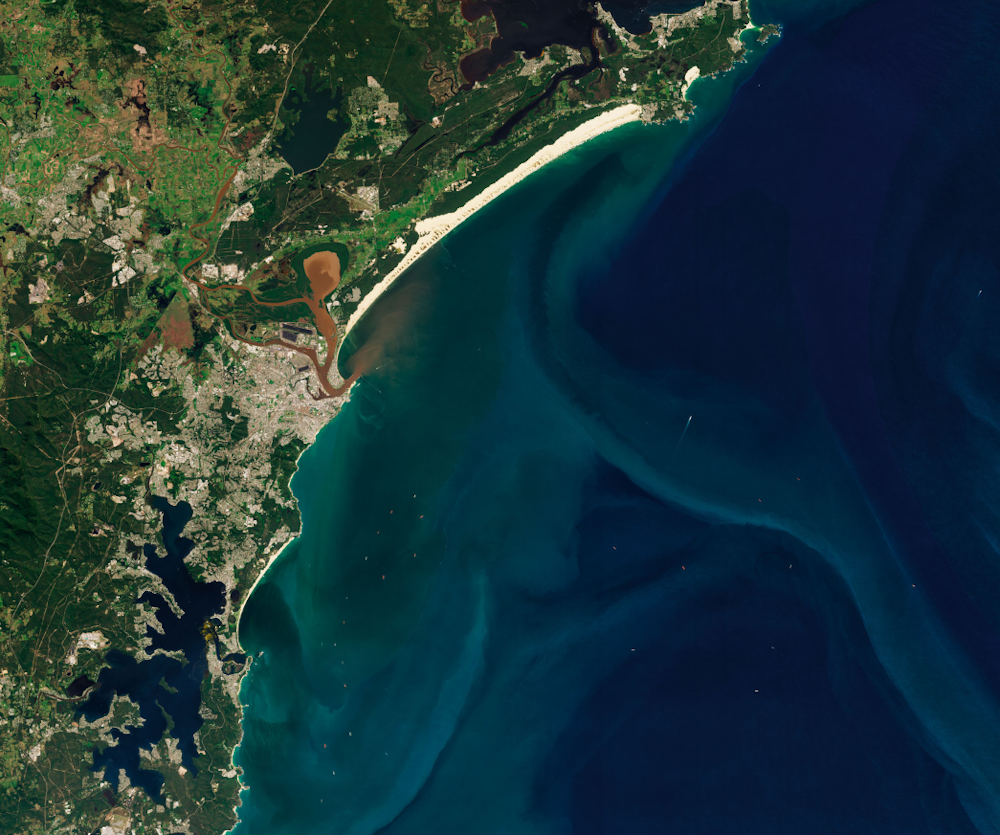
Normally, this effect clears within six days. But in 2022, extreme low salinity persisted for months in the coastal ocean. These plumes of freshwater extended as far as 70 kilometres offshore – five times further than original estimates. You could see them from space. For fish, this is confusing and dangerous. For kelp forests or sponge gardens, it can be lethal.

satellite image of New South Wales coast with floodwaters going into sea
Plumes of floodwater pushed far out to sea during the 2022 floods. This image shows the Hunter River on April 11 2022.
NASA Earth Observatory, CC BY-ND

Unprecedented floodwaters, unprecedented impact

Why do we care about very low salt levels in our coastal seas?

First, changing salinity levels let us track where floodwaters are headed. This is important, as floodwater often carries pollutants, sediment and other contaminants from the land into the ocean.

Second, when large volumes of freshwater arrive, it can actually change the density of the ocean. Saltwater is heavier (more dense) than freshwater, which is why some seabirds can find a layer of drinking water far out at sea when it rains heavily.

The ocean’s density depends on a combination of water temperature and salinity. Off Australia’s east coast, this density is usually influenced more by temperature. But during 2022, we saw something change. For the first time, we saw the density of seawater was becoming controlled by salinity.

Rather than the hottest temperatures always being seen at the surface, the heat could be anywhere in the water column, as the weight (or density) of the water was mostly being controlled by how much salt it contains, not how warm it was.

You might look at the sea and imagine it’s the same all the way down. But in fact, there are very real changes as you go down the water column, and there are distinct layers of water.

What this pulse of floodwater did was change the structure and layering of the water column in unusual ways. In this coastal ocean, there’s usually a light layer of warm water at the top and colder water below it. During 2022, the normal ocean water was replaced by two additional layers of fresher water from successive floods.

The 50-metre deep layer of fresh water didn’t simply mix with salt. Instead, the floodwaters remained off our coastline for months, trapped between the land and the warm, swiftly flowing waters of the East Australian Current.


Read more:
What’s causing Sydney’s monster flood crisis – and 3 ways to stop it from happening again


What does freshwater do to ocean ecosystems?

Some coastal species such as bream tolerate freshwater well. But others don’t like it at all. We expect the sudden appearance of a very large freshwater layer would have forced fish to move. The sediment and pollutants in the floodwaters can disrupt normal food supplies for the ocean’s inhabitants.

We already know floodwater can destroy kelp forests or cover verdant seagrass meadows with sediment, affecting turtles and dugong. This, in turn, can temporarily slash the catch from some fisheries.

How did we track these changes?

Off the eastern coast lies an advanced network of ocean sensors, deployed as part of Australia’s Integrated Marine Observing System. For our work, we used data from oceanographic moorings – sensors anchored to the floor and extending through the water column – as well as underwater gliders, an underwater drone packed with instruments.

Moorings give us detailed, consistent information but only at a few locations. Gliders travel hundreds of kilometres up and down the length of the coastline in a zigzag pattern, from the coast offshore and back, and diving from the surface to the bottom around every 200 metres.

We used data from moorings, gliders, satellite data and estuary monitoring sensors run by the New South Wales Department of Planning and Environment to build up a picture of where floodwaters had moved.

Even though we have a good system of sensors, our observing systems are geared towards monitoring temperature rather than salinity, meaning that this type of analysis can only be performed in certain parts of the coast that have the right instruments.

Climate change is worsening floods. Could it weaken coastal ocean salinity?

Globally, there’s little data on how salty our coastal seas are – and what floodwaters are doing, especially in areas where large rainfall is intermittent, such as eastern Australia. In 2022, severe floods also hit Pakistan and South Africa.

These regions don’t yet have ocean observing systems capable of detecting and tracking the impact of floodwaters on the ocean. We don’t know what these unprecedented floods are doing to ocean ecosystems – but it’s important we find out.

Extreme rainfall events are expected to increase globally due to climate change. We will need to determine what’s happening down there to plan our response and adapt as best we can.


Read more:
As New South Wales reels, many are asking why it’s flooding in places where it’s never flooded before


The Conversation

Neil Malan receives funding from the Australian Research Council.

Moninya Roughan receives funding from the Australian Research Council (ARC) and Australia’s National Collaborative Research Infrastructure (NCRIS) through support of the Integrated Marine Observing System (IMOS)

ref. When floodwater reaches the sea, it can leave a 50 metre thick layer of brown water – and cause real problems – https://theconversation.com/when-floodwater-reaches-the-sea-it-can-leave-a-50-metre-thick-layer-of-brown-water-and-cause-real-problems-213548

Good lunchboxes are based on 4 things: here’s how parents can prepare healthy food and keep costs down

Source: The Conversation (Au and NZ) – By Clare Dix, Research Fellow in Nutrition & Dietetics, The University of Queensland

Katerina Holmes/Pexles , CC BY

Heading back to school is a time of great anticipation for many families, but it is not without challenges. One of the big challenges is preparing healthy, easy, affordable and appealing lunchboxes.

Lunchboxes are vital for supporting children’s energy levels throughout the school day, which in turn helps maintain their concentration.

What does a healthy lunchbox contain? How can you keep it fresh, while also keeping costs down?

Making a healthy lunchbox

A healthy well-balanced lunchbox should have four things:

1. food for energy: these foods have carbohydrates for energy to learn and play. This could be sandwiches, wraps, pasta or rice dishes

2. food for growth: these foods have protein to support growing bodies and minds. This could be lean meats, eggs, beans or dairy

3. food for health: these foods have vitamins and minerals to support healthy immune systems and include fruits and vegetables in a variety of colours

4. something to drink: water, milk or milk alternatives are the best choices. Do not give your children sugary drinks, including juice, cordial or energy drinks as they can lead to dental issues. If your child has trouble drinking plain water, try different bottles or cups. Some kids are more likely to drink from a strawed or spouted bottle. You can also try adding in a few drops of colourful fresh vegetable juice such as beetroot to make the water pink.

A lunch box with a peeled mandarin, grapes, dried apricots and a sandwich.
Lunchboxes should contain a mix of foods for energy, growth and health.
Antoni Shkraba/ Pixels, CC BY

Choose snacks wisely

Most kids will eat a treat food over the core foods listed above (just like most adults!). These foods are fun and yummy but not the best choice for sustained energy and focus at school everyday.

So try and avoid snacks like fruit bars and straps, which are low in fibre, fluids, vitamins and minerals, and high in sugar. Also avoid dairy desserts such as custard pouches, biscuits, chocolate bars and muesli bars that are often high in fat and sugar and don’t need to be included in the lunchbox.

While homemade snacks like pikelets, scrolls or homemade dip are ideal and more cost effective, pre-packaged options can be a lifesaver for time-pressed parents.

When choosing packaged snacks, look for items under 600 kilojules per serving, low in saturated fat (less than 2 grams per serving) and containing fibre (more than 1 gram per serving).

Also look for nutrient-dense ingredients like low-fat dairy, wholegrains, fruits, vegetables, or beans to provide a more balanced snack selection. Good options include popcorn, dried fruit boxes, wholegrain crackers and cheese, mini rice cakes, tinned fruit cups and yoghurts without added sugars.


Read more:
Sick of packing school lunches already? Here’s how to make it easier


Keep lunch boxes easy

Try to make school food easy to handle and eat.

For younger children, cut up large pieces of fruit and vegetables, quarter sandwiches and choose things with easy-to-open packaging.

Involve your children in preparing and packing the lunchbox or show them the final product so they know its contents. This means the child is not surprised by the contents. They are also more likely to eat a meal they helped make.

A young child chops tomato on a plate with chopped cucumbers.
Encourage your your kids to help prepare and pack their lunchboxes.
Gustavo Fring/ Pexels, CC BY


Read more:
Trying to spend less on food? Following the dietary guidelines might save you $160 a fortnight


Keep things fresh

Food can sit in lunchboxes for hours, so it’s important to keep it fresh. To help keep it as cool you can:

  • use an insulated lunchbox and ice pack. Pack the ice pack next to items prone to spoilage

  • if you are preparing the lunchbox the day before, store it in the fridge overnight

  • ask your kids to keep lunchboxes in their school bags, away from direct sunlight and heat

  • also consider freezing water bottles overnight to provide a cool and refreshing drink for hot days

  • if you know it’s going to be a particularly hot day or your child is going to be out and about with their lunch box, choose foods that don’t have to be kept cool. For example, baked beans, tetra pack milk, wholegrain crackers and diced fruit cups. Also consider uncut and whole raw fruit and vegetables such as an apple or orange, baby carrots, baby cucumbers or cherry tomatoes.


Read more:
Australian schools are starting to provide food, but we need to think carefully before we ‘ditch the lunchbox’


Keep costs down

There are several ways you can try to keep costs down when buying school lunch supplies:

  • follow the Australian Dietary Guidelines. A 2023 study suggests maintaining a healthy diet – along the lines of the guidelines – could save A$160 off a family of four’s fortnightly shopping bill

  • choose seasonal fruits and vegetables for the freshest items at lowest cost

  • take advantage of special deals or bulk purchases, especially for your child’s favourite snacks or things with a long shelf-life like canned or frozen foods

  • bake items such as scrolls or muesli bars and freeze in bulk when time allows. The One Handed Cooks have healthy recipes for all ages that are wallet and freezer friendly

  • use dinner leftovers as next-day lunches

A pot full of noodles and vegetables.
Try to plan dinners that can double as lunches.
Engin Akyurt/ Pexels, CC BY
  • keep an eye on your child’s lunchbox to see what they eat. They may eat less during lunchtime but need a snack later. Adjust the lunchbox contents based on their hunger level and have a post-school snack prepared to avoid unnecessary food waste.

For more ideas on managing lunchboxes, check out the Grow&Go Toolbox. Nutrition Australia also has some great suggestions for balancing your child’s lunchbox.

The Conversation

Clare Dix receives funding from the Australian Government Department of Health.

Stella Boyd-Ford receives funding from the Australian Government Department of Health.

ref. Good lunchboxes are based on 4 things: here’s how parents can prepare healthy food and keep costs down – https://theconversation.com/good-lunchboxes-are-based-on-4-things-heres-how-parents-can-prepare-healthy-food-and-keep-costs-down-219119

More forced marriages and worker exploitation – why Australia needs an anti-slavery commissioner

Source: The Conversation (Au and NZ) – By Martijn Boersma, Associate Professor, University of Notre Dame Australia

Hafiz Johari/Shutterstock

Last week, a 47-year-old Queensland man was charged with 46 offences, including torturing and enslaving deckhands on his fishing boats.

The accused allegedly intimidated and attacked his employees, and withheld food and water. He will appear in court next month.

Australia is estimated to have 41,000 people trapped in modern slavery. People can be subjected to modern slavery through coercion, deception and violence. This includes acts such as grooming, wage theft and restriction of movement.

In Australian and international law slavery is defined as:

the condition of a person over whom any or all of the powers attaching to the right of ownership are exercised.

Modern slavery is distinct from historical slavery in that people are no longer legally owned but are instead subjected to illegal control.

What is Australia doing to stop modern slavery?

Forced marriage, forced labour, debt bondage, domestic servitude and deceptive recruitment are on the rise in Australia.

Sadly, global conviction rates are low at (38%). In Australia, only 24 offenders were convicted between 2004 and 30 June 2019.

Despite this, Australia is hailed as having one of the strongest responses to modern slavery.. This is largely due to the Modern Slavery Act.

In 2018, following the introduction of a Modern Slavery Act in the United Kingdom (2015), Australia adopted its own act. It requires large businesses to report on slavery risks in operations and supply chains.

People waving placards at a protest
Modern slavery is on the rise around the world but convictions have fallen.
Alan Fraser Images/Shutterstock

The effectiveness of the act in curbing slavery has come under scrutiny and a bill to amend it and to appoint an anti-slavery commissioner is currently before parliament.

What would an anti-slavery commissioner do?

The appointment of a commissioner will be crucial to implement the recommendations made in the 2023 Modern Slavery Act review.

The review made 30 recommendations to fix the act’s weaknesses, which mainly revolve around reporting variability and lack of enforcement.

One key recommendation relates to the introduction of financial penalties for businesses failing to comply with the act, as levels of noncompliance are high.


Read more:
Australia’s modern slavery law is woefully inadequate – this is how we can hold companies accountable


Another recommendation imposes due diligence duties onto businesses. This would involve taking proactive action in identifying and responding to slavery risks, rather than just reporting on them.

Overall, a commissioner could play an educational and an enforcement role.

Specific powers are needed

The Modern Slavery Amendment Bill 2023 outlines several functions for the proposed commissioner.

But many of these functions lack detail prompting a collective of civil society organisations and academics to make a joint submission to parliament, urging the government go further.

According to this group, the commissioner should have the authority to:

Receive complaints and refer cases: For example, in the 2015–16 financial year, police in the UK recorded 884 modern slavery offences. After the appointment of an anti-slavery commissioner, the number rose to 9,158 offences in the 2021–22 financial year.

An Australian commissioner should support victim/survivors of modern slavery and affected parties by establishing a complaints mechanism.

This would help identify slavery cases and referrals to relevant authorities. It would assist law enforcement and organisations involved in resource allocation and could improve the low rates of detection and conviction.

Investigate, research, and provide advice: If the commissioner is required to publish annually a list of countries, industries, and products with a high risk of modern slavery, as is recommended in the 2023 Modern Slavery Act Review, then the power to investigate will be important.

Examples from overseas include the List of Goods Produced by Child Labor or Forced Labor, maintained by the US Department of Labor, and the Dirty List produced by the Brazilian government, which lists employers found by inspectors to subject workers to “conditions analogous to slavery”.

Businesses required to comply with the Australian Modern Slavery Act should have a duty to cooperate with the commissioner.

Support the shift from reporting to mandatory due diligence: Germany, France and Norway have all adopted laws requiring businesses to proactively manage potential adverse human rights impacts as a result of their activities. Similar laws are planned in The Netherlands and the European Union.

The looming duty for businesses operating in Australia to proactively act on modern slavery risks, rather than just reporting on them, will significantly shape the commissioner’s function.


Read more:
‘I’m really stuck’: how visa conditions prevent survivors of modern slavery from getting help


The commissioner will have to support the introduction of due diligence processes, which will require substantial attention and resource allocation.

Act independently from government: The review of the Modern Slavery Act in the UK provides direction for the Australian commissioner in maintaining independence.

Independence means the commissioner is free to scrutinise the efforts of government departments and agencies, the police, and others working in prevention, prosecution and protection.

Failure to provide an Australian anti-slavery commissioner with this independence, adequate resourcing and relevant powers, could undermine the effective functioning of Australia’s Modern Slavery Act.

The government is expected to report on the amendment bill on 21 February.

The Conversation

Martijn Boersma receives funding from the Australian Research Council.

Fiona McGaughey received funding from Walk Free in 2023 to research forced marriage.

Shelley Marshall receives funding from the Australian Research Council.

Justine Nolan does not work for, consult, own shares in or receive funding from any company or organisation that would benefit from this article, and has disclosed no relevant affiliations beyond their academic appointment.

ref. More forced marriages and worker exploitation – why Australia needs an anti-slavery commissioner – https://theconversation.com/more-forced-marriages-and-worker-exploitation-why-australia-needs-an-anti-slavery-commissioner-221318

‘That filter you use looks just like me’: what the new Mean Girls film gets right about social media

Source: The Conversation (Au and NZ) – By Jennifer Stokes, Senior Lecturer in Digital and Information Literacy (Education Futures), University of South Australia

The opening shot of the new Mean Girls provides a literal reframing of the 2004 cult classic.

Recording vertical video through a phone, Janis (Auli’i Cravalho) and Damian (Jaquel Spivey) introduce the “cautionary tale” of Cady (Angourie Rice) and her move from being home-schooled in Africa to a North American high school, negotiating “Girlworld” politics and “the plastics” clique to find her true self.

This introduction signifies key changes. Firstly, this is a musical, narrated through the lens of these “art freaks” and puckish best friends. Secondly, much has changed over the past 20 years. In this remake, the style, values and fashion are those of Gen Z – and social media is omnipresent in the teens’ lives.

Mean girls today have a whole new way to be mean.

Shifting landscapes

In 2004, Facebook was limited to Ivy League students. Smartphones were years away. The millennial Mean Girls blocked caller ID to make prank calls “from Planned Parenthood” and used “three-way calling attacks” to create conversational ambushes on landlines.

Most significant was their Burn Book, where they wrote nasty comments about every girl in their year. Regina (Rachel McAdams) used this book to achieve retribution when Cady (Lindsay Lohan) became clique leader. Regina glued her own picture in the book alongside a nasty comment, framed the other plastics, and distributed photocopies to cause a school-wide riot.

Then, bullying was verbal, physical or social. Connectivity was limited and expensive, meaning bullying usually took place in the schoolyard, mall and other physical spaces teens occupied.

The Gen Z Mean Girls exist in an accelerated surveillance culture. School trends go viral, mistakes are meme-ified, and every moment is recorded. Regina (Renee Rapp) is at the centre of this attention economy, crooning that she is a “massive deal” and “the filter you use looks just like me”.

When Cady is invited to join the plastics, her classmates dissect her rise in popularity – and Regina’s downfall – on social media. Research shows using image-based social media, such as TikTok and Instagram, leads to worse mental health outcomes.

The Burn Book still exists in the 2024 film. However, this physical device now seems quaint. Today, the internet gives everyone connected voice and power to be a mean girl. Peers hide behind the screen committing what Ms Norbury (Tina Fey, reprising her role from the original film) calls “girl-on-girl crime”.

Classmates conduct social polling on who is “hotter” between Regina and Cady. They discuss Regina’s weight gain publicly online. When the Burn Book is found, its contents are shared via social media, leading to chaos.

Social media has become a major platform for bullying, which can now occur online 24/7. Adolescents have matured in online spaces, leading to worsening mental health. Parents are struggling too. Due to technological changes, 66% of parents in the United States say parenting is harder now than it was 20 years ago.

Social media bullying disproportionately affects girls. The 2024 film shows how this system fails even those at the top – Regina is just as bullied as the girls she picks on. “Influencers” must maintain a carefully curated image and one mistake can go viral online. Judgement is quick, savage and public.


Read more:
How to help teen girls’ mental health struggles – 6 research-based strategies for parents, teachers and friends


How to confront bullying in 2024

When Cady is struggling, she turns to her mum (Jenna Fischer), who honestly acknowledges the challenges, saying “you’re learning things now that I don’t know how to teach”.

Rapid technological change means families are often learning new tools together. It is crucial adolescents are not left to navigate this alone.

Whichever generation we identify with, there are strategies we can use to protect our mental health around social media:

  • turn off notifications so you choose when to use the device. Set a time limit for usage each day and stick to it

  • focus on wellbeing. Keep devices out of bedrooms. Ensure breaks are taken from screens. Time spent offline in nature is particularly restorative

  • discuss what is seen online. Be aware of the constructed nature of social content, including filters and image editing. Highlights reels should not be compared to our daily lives

  • reflect on privacy and what you want to share with the world. Even images or text shared in a private channel can be screenshotted or downloaded. Legislation is slow to catch up with technology. For example, teens sharing nude photos with peers can be charged with child pornography distribution in many jurisdictions

  • take feelings seriously. Disconnect as a first strategy, and uninstall platforms that have a negative impact. Gain support from real world friends and family.

Mean Girls shows the dangers of popularity and models ways to maintain agency and self-worth. Recognising her own problematic behaviour, Cady reconstructs her identity with support from friends, gaining recognition for her intellectual ability as a mathlete.

Janis provides a more radical response, rejecting socialisation that rewards artificial niceties and breeds duplicity in girls, a system wherein “boys get to fight, we have to share”.

Janis offers another way to deal with online and offline bullies and retain self-worth, encouraging peers to “solemnly swear ‘whatever they say about me I don’t care!’”.


Read more:
How parents and teens can reduce the impact of social media on youth well-being


The Conversation

Jennifer Stokes does not work for, consult, own shares in or receive funding from any company or organisation that would benefit from this article, and has disclosed no relevant affiliations beyond their academic appointment.

ref. ‘That filter you use looks just like me’: what the new Mean Girls film gets right about social media – https://theconversation.com/that-filter-you-use-looks-just-like-me-what-the-new-mean-girls-film-gets-right-about-social-media-221206

Freak waves cause damage at US army base at Roi-Namur, shut airports

By Giff Johnson, editor of the Marshall Islands Journal and RNZ Pacific correspondent

Powerful waves, driven by offshore storm surges, hit an important United States military installation in the Marshall Islands on Saturday night, causing damage and resulting in the evacuation of all “non-mission personnel” from the island.

Flooding caused by the waves also hit two airports at Ailinglaplap Atoll, leaving rocks, coral and debris in their wake, keeping those airports closed for weeks.

Other islands reported flooding and moderate damage.

The US Army in a statement yesterdy afternoon that at approximately 9pm on January 20, “a series of weather-induced waves hit Roi-Namur which caused significant flooding in the northern portions of the island”.

A video circulating from Roi-Namur, an island at the northern end of Kwajalein Atoll, shows an approximately one-metre wave hitting the Army’s dining hall, breaking down doors, knocking people down and washing them from outside into the facility.

Roi-Namur houses the US Army’s most sophisticated space-tracking equipment as part of the Ronald Reagan Ballistic Missile Test Site.

Screenshots of wave hitting the Roi-Namur dining room
The wave hitting the Roi-Namur dining room. The waves smashed down the dining hall’s doors, knocking people down and flooding the facility. Image: Screenshot RNZ Pacific

A second follow-up wave, caught on video, was higher, possibly as high as one-and-a-half metres, washing through the dining hall.

No deaths reported
No deaths were reported at Roi-Namur, but one person was being treated for injuries at the clinic on Kwajalein Island, the base headquarters.

“One individual sustained injuries to lower extremities and is currently being seen at the Kwaj Clinic,” said Army public affairs officer Mike Brantley. “He is in stable condition.”

The Army said in a statement on Sunday that US Army Garrison-Kwajalein Atoll and mission partners had established an Emergency Operations Cell to oversee and coordinate all recovery efforts.

“We have accountability of all employees (US and Marshall Islands) and evacuated all non-mission essential personnel to Kwajalein.”

Kwajalein Island is the missile testing range headquarters and is located about 64 km to the south at the other end of the atoll.

“All Roi residents will remain on Kwajalein until basic services can be restored on Roi,” the Army said. “Recovery efforts will be our top priority.”

Roi-Namur
Roi-Namur, which was hit by storm-driven waves Saturday night. Image: Giff Johnson

On Sunday, the Marshall Islands National Weather Service issued a mass text message alert saying: “Northern swells may cause inundation in northern atolls and north-facing shores. Hazardous conditions for swimming and sailing in small crafts due to crashing waves and stronger than usual currents due to swells.”

Damage assessment
An aerial damage assessment conducted by the Army on Sunday morning showed “how water inundation washed over the northwest side of the island (Roi-Namur), flooding at least one-third of it”, the Army said in a brief update Sunday morning.

“There is standing water on both sides of the north end of the runway and the first floors of all but two bachelors’ quarters.”

There was flooding in multiple buildings, including the Tradewinds Theater, the Army store, “and all of the automotive warehouse area”.

Remarkably, the small island of Santo, located 5 km away from Roi-Namur, which houses a Marshallese community of 1000, appeared to be unaffected by flooding, said Kwajalein Member of Parliament David Paul Sunday.

He said the Kwajalein Atoll local government had initiated a survey of all inhabited islands in Kwajalein to determine damage.

Kwajalein is the world’s largest atoll and has Marshallese communities on more than 10 islands.

Wave swells also seriously flooded islands in Ailinglaplap Atoll, tossing debris onto airfields at Woja and Jeh islands.

It likely will take weeks to clear the runways for air service to return. Kili Island, home of the displaced Bikini Islanders, also experienced flooding Saturday-Sunday.

This article is republished under a community partnership agreement with RNZ.

Print Friendly, PDF & Email

Article by AsiaPacificReport.nz

Back SA over genocide case, ‘don’t yield to pressure’, Hania tells NZ

By David Robie, editor of Asia Pacific Report

A Palestinian advocate has appealed to the New Zealand government to call for a permanent ceasefire in Gaza and to back the South African genocide case against Israel at the International Court of Justice (ICJ).

“A sovereign state like New Zealand that has historically stood for what is morally correct must not bend to foreign pressure, and must reject policies aligned with the United Kingdom of Israel and the United States of Israel which blindly endorse and support the apartheid regime,” said Billy Hania of the Palestine Solidarity Network Aotearoa (PSNA).

He was speaking at the pro-Palestinian rally and march in Auckland Tāmaki Makaurau yesterday as the Gaza death toll rose above 25,000 dead, mostly women and children.

Palestinian advocate Billy Hania
Palestinian advocate Billy Hania speaking in Aotea Square yesterday . . . “The Zionist project is failing in Palestine.” Image: David Robie/APR

Belgium is among the latest of 61 countries — and the first European nation — to support the genocide case and a growing number of other lawsuits are also being brought against Israel.

Chile and Mexico have asked the International Criminal Court (ICC) to investigate crimes against civilians in the war and Indonesia has filed a new lawsuit in the ICJ against Israel for its illegal occupation of Palestinian territories.

Swiss prosecutors have also confirmed that a “crimes against humanity” case has been filed against Israeli President Isaac Herzog during his visit to the World Economic Forum in Davos last week. No further details were given.

“The Zionist project is failing in Palestine — the apartheid entity with 75 years of colonial terror has achieved nothing for the Jewish people, oppressing and killing Palestinians through a violent settler colonial approach,” Hania said.

“Mass killing of Palestinians will achieve nothing for the Jewish people. Without respect for Palestinian rights and respect for life in Palestine, there will be no peace period.”

‘One holocaust not enough?’
Constrasting the shrinking support for Israel with massive citizen protests “in their millions” taking place around the world, Hania criticised Germany’s intervention in the genocide case supporting Tel Aviv while also planning to provide 10,000 tank munitions to “the apartheid regime with which to massacre Palestinians — as if one holocaust was not enough”.

“We are calling on the New Zealand government to support the South African ICJ case in addition to supporting the recent Chile-Mexico ICC war crimes initiative. This initiative is technically important with Israel being a signatory to the ICC,” Hania said.

He also thanked Indonesia for its legal initiative.

"Stop the genocide now" placard
“Stop the genocide now” placard in yesterday’s Auckland rally calling for a ceasefire in the war in Gaza. Image: David Robie/APR

“More than 100 days of targeting Palestinian civilians and civilian infrastructure to exterminate Palestinian life is committing genocide, the crime of all crimes and with total impunity,” Hania said.

“More than 60,000 tons of explosives dropped over Gaza in 100 days equals three nuclear bombs, more than the infamous nuclear tragedy on Japan that led to its immediate surrender. It’s fundamentally different for Gaza as surrendering does not exist in Palestine vocabulary.”

He said the more than 100 Israel hostages would remain in Gaza until the “thousands of Palestinian hostages are freed”.

“The Gaza siege must end, West Bank Israeli settler extremist violence must end, there must be respect for worshippers and Muslim religious sites attacks by Israeli extremists is well documented and must end.”

Pro-Palestinian protesters march down Auckland's Queen Street
Pro-Palestinian protesters march down Auckland’s Queen Street yesterday calling for an immediate ceasefire and an end to the killing of children in the Israeli war on Gaza. Image: David Robie/APR

24 massacres cited
Hania stressed that the current war did not start on October 7 with the deadly Hamas resistance movement attack on southern Israel as claimed by the Israeli government.

He cited a list of 24 massacres of Palestinians by Zionist militia that began at Haifa in 1937 and Jerusalem the same year, including the Nakba – “the Catastrophe” — in 1948 when 750,000 Palestinians were forced out of their homes and lands with the destruction of towns and villages.

Hania also referred to a recent New York Times article that warned Israel was in a strategic bind over its failed military policies, saying Israel’s objectives were “mutually incompatible”.

The cited New York Times article saying Israel's two main goals in its war on Gaza were "mutually incompatible".
The cited New York Times article saying Israel’s two main goals in its war on Gaza are “mutually incompatible”. Image: NYT screenshot APR

“Israel’s limited progress in dismantling Hamas has raised doubts within the military’s high command about the near-term feasibility of achieving the country’s principal wartime objectives: eradicating Hamas and also liberating the Israeli hostages still in Gaza,” wrote the authors Ronen Bergman and Patrick Kingsley.

Israel had established control over a smaller part of Gaza at this stage of the war than originally envisaged in battle plans from the start of the invasion, which were reviewed by The Times.

Citing Dr Andreas Krieg, a war analyst at King’s College London, from the article, Hania quoted:

“It’s not an environment where you can free hostages.

“It is an unwinnable war.

“Most of the time when you are in an unwinnable war, you realise that at some point — and you withdraw.

“And they didn’t.”

"Adolf and his zombie" poster at the rally in Auckland yesterday
“Adolf and his zombie” poster at the rally in Auckland yesterday calling for an immediate ceasefire in Israel’s war on Gaza. Image: David Robie/APR
Print Friendly, PDF & Email

Article by AsiaPacificReport.nz

Rabuka stands firm on sacking decision – coalition at risk

By Temalesi Vono in Suva

Fiji’s fired Education Minister Aseri Radrodro rebuffed three letters from the Prime Minister and legal advice from the Solicitor-General that led to his sacking as a cabinet minister, Prime Minister Sitiveni Rabuka revealed yesterday.

Rabuka also said he wrote twice to the Social Democratic Liberal Party (SODELPA) leader Viliame Gavoka and met him once to discuss Radrodro’s non-compliance to his directives to reappoint members of the Fiji National University Council who he had sacked.

“I requested honourable Gavoka to urge the SODELPA Management Board to consider taking action to ensure the unlawful decisions outlined above, are rescinded, as it could invite serious legal consequences for the Coalition Government,” said Rabuka.

He added that Radrodro would cease to be minister from today.

“Honourable Radrodro may attend his former office to remove his personal items and honourable Gavoka may request him for a handover-briefing on his return from official travel.”

Rabuka had announced the sacking of Radrodro for “insubordination and disobedience” via social media platform Facebook.

RNZ Pacific reports that Fiji’s three-party coalition government is at risk of collapse after just over 12 months in power following the dismissal of Radrodo, with calls for Rabuka to step down as prime minister.

Radrodro — who is one of three MPs from the kingmaker party, Sodelpa — told local media the sacking came as a surprise, saying he only received a letter of his dismissal after it had been announced on social media.

He told local media he was not sure if he remained an MP.

However, the Cabinet and Parliament are two separate institutions independent of each other and Radrodro remains a parliamentarian.

Aseri Radrodro
Sodelpa’s Aseri Radrodro . . . dimissed for “insubordination and disobedience”. Image: Republic of Fiji Parliament/RNZ Pacific

According to the Standing Orders, only Parliament can remove an MP either for disciplinary reasons through a process in Parliament as provided for in the Constitution or in any law or if an MP Member is expelled by his/her party, or he/she resigns from the party, under which the party formally informs the Speaker of such a resignation or expulsion.

Temalesi Vono is a Fiji Times reporter. Republished with permission. This article is also republished under a community partnership agreement with RNZ.

Print Friendly, PDF & Email

Article by AsiaPacificReport.nz

OPINION – Keith Rankin on Communication Studies: Keeping the Public in the Loop

Keith Rankin, trained as an economic historian, is a retired lecturer in Economics and Statistics. He lives in Auckland, New Zealand.

Opinion by Keith Rankin.

Keith Rankin, trained as an economic historian, is a retired lecturer in Economics and Statistics. He lives in Auckland, New Zealand.

Last week, at the end of the long summer shutdown of Auckland’s train services, messages came through from AT about a limited restart on 15 January, though there would be no trains between Waitematā and Newmarket.

Waitematā? When I looked it up in Google maps the top entry was of course the Harbour; followed by the former DHB (now Te Whatu Ora, Waitematā) which covered North Auckland and West Auckland, but not Auckland Central. When I tried the AT app’s Journey Planner, there was a rugby club in Henderson; but no train station.

In yesterday’s service announcements that they referred to Waitematā Station (Britomart). Today there was an electronic signboard at the station with a red line through ‘Britomart’ and a notice that the station was now to be called Waitematā. However, the main, very large, signboard – showing train departures, still called the place ‘Britomart Train Station’. The announcements on board the train said ‘Britomart’. (And the train, which was running late, skipped Newmarket Station entirely, with no warning that I had detected, though I might not have been paying full attention; normally more people get out of the train at Newmarket than at the Downtown station, whatever the current name for Downtown Auckland is.)

Today I looked up Waitematā Station in the NZ Herald’s app. There’s a story from 9 August which mentions Waitematā/Britomart in passing. Then there was a 28 May story about Waitematā Police at a petrol station. Then I hit gold dust, a story from 16 March Britomart to be renamed as seven Auckland railway stations receive new names. It’s a story I have no memory of; I recall nothing at the time on the radio or television news networks. This is confirmed by checking RNZ’s news sites, though there was a cryptic story on 9 April New Zealand cities suffering crisis of identity – architect. This RNZ story includes this text: “Britomart Station which has thankfully been renamed Waitematā”. It mentions the names of the other stations although an “artist’s impression” of ‘Karanga-a-Hape’ still shows it as Karangahape. Mt Eden will be changed to Maungawhau, and the new Aotea Station has been renamed ‘Te Waihorotiu’ (which to me, having worked at Longburn while a student, has the resonance of a Hamilton freezing works with its outlet onto the ‘wai’ of the Waikato River).

I am a bit of a news junkie, though I pay particular attention to the mainstream media because I’m interested in the news that most people most readily get. As much as I like to know what is happening, I also like to know what people believe is happening; or not happening, as the case may be. I am pretty sure that most people in Auckland still have no idea about the renames of their stations.

While I believe the renaming of the Aotea Station will prove to be the most problematic – when people find out about it, that is – I have problems with the replacement of the name Britomart with Waitematā. Waitematā as a place name has historically always been associated with Auckland’s northwest. Tim Shadbolt’s first stint as a mayor was in Waitematā City, a composite place made up from Titirangi, Te Atatū, Lincoln and Waitākere. Before that, the name was most associated with Michael Bassett’s old electorate, an electoral district that from 1871 to 1978 referred to lands that would now mostly be in Upper Harbour and Te Atatū. Waitematā is at best a bland name for the Downtown station; a name that undermines the heritage of Waitematā as a name.

Further the name Britomart resonates with the early years of contact between British subjects and Aotearoans; the name Coromandel has a similar background. And will Britomart Place also be renamed; and Britomart Shopping Mall? Britomart is a name with a precise identity of place; Waitematā not so.

Name changes in New Zealand have been problematic, and also incomplete. The change of name from Mount Egmont to Mount Taranaki was widely supported, but the national park is still Egmont National Park. I was also strongly in favour of proposal to rename Victoria University of Wellington to The University of Wellington; I have a strong attachment to that august(ish) place of learning, yet others with similarly strong attachments couldn’t stomach the change, so it didn’t happen. I am not a fuddy-duddy conservative, unlike some people who resist name changes.

The biggest puzzle to me is why, back in March, the mainstream media organisations did not consider these name changes to be news. And they still don’t think the new names are news.

My sense is that a substantial number of Auckland’s transport users will resent these name changes, and will feel that they have been imposed on them without consultation, especially as it all seems to be part of the unpopular co-governance agenda which was rejected by the Aotearoan public in October. (The articles cited above certainly point to these name changes as being co-governance by stealth.) Yet the main blame – if that’s the right word – must go onto the mainstream media; not the former government, which has already faced the consequences of its arrogance. Surely the NZ Herald or RNZ or TVNZ or Newshub could have seen that this was a story?

I am reminded of the saga of the decimal coin designs in 1966 (see New Zealand adopts decimal currency), when the original secretly designed decimal coin motifs were leaked to the media by Robert Muldoon, and how the putting-right of that bureaucratic fiasco launched his subsequent political career. Once the public had input into the designs, the uncluttered James Berry set was chosen, and all agreed that his designs were a vast improvement on the originals.

Naming places and designing coin-faces might seems like small matters. But such small matters can prove to be our greatest tests of democracy.

When I returned home today, I caught a bus at a place named ‘Taha Whakararo o te Tiriti o Albert’. It looks to me with my imperfect knowledge of Te Reo that it was a reference to the thoughts of Prince Albert (Queen’s consort in 1840) about the Treaty of Waitangi (and Albert was a thinker). But, in translation, it turned out to be the ‘Lower Albert Street’ bus stop.

Some more whakaaro about place names

I find that the present promotion of Māori as New Zealand’s pre-eminent language of governance to be somewhat shallow. Take the ‘Aotearoa’ lobby. We hear the word ‘Aotearoa’ a lot in political theatre, but we almost never hear the demonym ‘Aotearoan’. (As a contrast, we hear the words ‘Australia’ and ‘Australian’ in near-equal measure.) I do my best to redress the imbalance, by using ‘Aotearoan’ more than I use ‘Aotearoa’; the promotion of ‘Aotearoan’ is a burden that I wish more others would share.

Next, my educative life took place in a major Aotearoan city, Papaioea. But the only time I ever hear the beautiful name of my home city is by weather forecasters during Māori Language Week. (Indeed, the suburb in which I lived, Hokowhitu, has most probably had more residents with PhD degrees than any other suburb in Aotearoa, at least between 1970 and 2020. I have cultural origins of science and learning of which I am proud, even if I didn’t quite manage to complete my own PhD!)

I also note that I presently live near to the former Crown Lynn site. A street there – Waikomiti Street – has the original name for my suburb. Indeed, I suspect that in my lifetime my suburb may revert to that name. I am settled in West Auckland, so I may indeed – many years from now – come to rest in peace in Waikomiti. My basic epitaph, of my places, may prove to be:

Ōtaki
Paekākāriki
Hokowhitu
Papaioea
Waikomiti

I belong here. I don’t need to have Māori ancestry to prove that. But, as Aotearoan as I am, I am first and foremost a citizen of the world. I do not believe in Aotearoan or any other kind of exceptionalism. I do not believe in looking inward, wishing that Aotearoa had remained undiscovered by non-Māori, as a response to the past and present arrogances of our unbalanced world. Names like Britomart and Coromandel remind us of Greece, India, and England.

*******

Keith Rankin (keith at rankin dot nz), trained as an economic historian, is a retired lecturer in Economics and Statistics. He lives in Auckland, New Zealand.

Wondering how to talk to your teen about drugs? Start the conversation early, be honest and avoid judgement

Source: The Conversation (Au and NZ) – By Nicole Lee, Professor at the National Drug Research Institute Curtin University (Melbourne based), Curtin University

Halfpoint/Shutterstock

With several drug overdoses already this festival season, and recent news of three new recreational drugs identified by the drug checking service in Canberra, many parents of teenagers will be wondering how they can keep their kids safe from harmful drugs.

It’s not the first time CANtest, Canberra’s fixed site drug checking service, has identified new drugs circulating. Worldwide, more than 1,000 new drugs have been released on to the illicit market in the past 15 years.

Because illicit drugs are unregulated, there’s no quality control or restrictions on sales, like there is, say, for alcohol or medicines. Manufacturers can add whatever substances they like and sell their drugs as anything. Data from CANtest shows illicit drugs often contain substances other than the expected drug.

The age group most likely to have used an illicit drug recently is young adults in their 20s (30.6%), but nearly 22% of teenagers have tried an illicit drug in their lifetime. The key is to start talking to teens well before they encounter these substances so they’re well prepared.

First, don’t panic

The good news is most teenagers don’t use illicit drugs and the majority of those who do only do so occasionally, and don’t come to serious harm. Drug use among teens in Australia has actually been in decline for more than two decades.

Still, some do, and using illicit drugs is risky, primarily because they’re illegal and you don’t know what you’re getting.

Children are heavily influenced by their parents’ attitudes when it comes to alcohol and other drug use. While some parents worry discussing drugs might encourage drug use, open communication generally, and specifically in discussing drugs, has been associated with lower rates of drug use.


Read more:
How hard is it to say ‘no’ to drugs?


Maintain an open dialogue

Conversations about drugs can start at an early age. Talking early means a young person already has well-formed attitudes before the influence of their peers kicks in. Even before they get to school you can be talking to them about using medicines safely.

As children become teenagers, they’re exposed to more news and information online. You can use current events, like the recent festival overdoses, as a catalyst for raising the issue.

Find a time to talk when you’re both clear-headed, you’re somewhere private and you have plenty of time. In the car can be a good place.

A teenage boy talking with a man outdoors.
Find the right time to talk.
LightField Studios/Shutterstock

Ask questions, listen to what your teen has to say, and resist the urge to lecture. We know honest information works best. Scare tactics and exaggeration are generally unhelpful and may make teens more curious about trying drugs.

For example, claims they will become addicted after using a drug once or that using drugs causes instant and irreversible brain damage are not credible to teens, and they’re likely to ignore them.

Ask what they know about the topic and what their thoughts are. Then give them the facts in a non-judgemental way. Talk about the reasons some people choose to use drugs, and about the risks.

Avoid glorifying drug use, such as talking about fun times you’ve had using drugs in the past. Some parents think this makes them more credible, but it also potentially communicates a permissive attitude to drugs.

Emphasise personal responsibility

If your teen is worried about peer pressure or standing out from their friends if they don’t want to use drugs, it can be helpful to run through a few scenarios with them. What would they say if someone asked them if they wanted to try MDMA?

Emphasise personal responsibility and the importance of making independent decisions, and help them make contingency plans if someone is applying unwanted pressure. This could include seeking out friends at a party who don’t use drugs, planning how to exit, or calling a parent.

It’s absolutely OK to set and be clear about your expectations around drug use, but try not to make threats. Saying things like “if you use drugs you’re on your own” is unhelpful because if they get into trouble they may not feel they can call for help.

One young person hands a bag of white pills to another.
Your teen could be worried about peer pressure.
Halfpoint/Shutterstock

Take a harm reduction approach

Sometimes though, no matter what you do, some young people will want to experiment. Risk-taking is a natural part of adolescence and young adulthood.

Make sure they know how to respond in an emergency. Consequences from illicit drugs such as toxicity can often be reversed if treated early enough, so make sure your teen knows if they or their friends use something and start feeling unwell that they should get medical help straight away. It’s better to get help and not need it.

At festivals there’s always a medical tent. Ensure they know to call 000 if there is no immediate medical help available and they should disclose what has been taken. Police are not usually called to drug emergencies.

Make sure they feel like they can call you for advice or to pick them up and that they won’t be interrogated or berated. It’s much better if you can talk to them later about what they learnt from the incident.


Read more:
Should I give my teen alcohol? Just a sip, the whole can, or none at all?


If you know your teen is occasionally using recreational drugs or is intending to, or their friends are, you can be more direct with harm reduction information.

Let them know it’s possible to get drugs checked in some places to see what’s in them.

If they can’t, make sure they know they should just take a small amount first to see how a drug affects them. It’s best to take a quarter or half initially to make sure there are no adverse reactions, and ideally wait at least 45 minutes before talking more. It can take up to an hour or more to feel the effects of MDMA.

Mixing drugs with alcohol or mixing multiple drugs, including prescription medicines, significantly increases the risk of something going wrong and should be avoided.

If you need advice you can call the National Alcohol and Other Drug Hotline on 1800 250 015. The Alcohol and Drug Foundation has a range of helpful information about drugs and their effects.

The Conversation

Nicole Lee works as a paid consultant in the alcohol and other drug sector. She has previously been awarded grants by state and federal governments, National Health and Medical Research Council and other public funding bodies for alcohol and other drug research. She is a Board member of drug checking organisation The Loop Australia.

ref. Wondering how to talk to your teen about drugs? Start the conversation early, be honest and avoid judgement – https://theconversation.com/wondering-how-to-talk-to-your-teen-about-drugs-start-the-conversation-early-be-honest-and-avoid-judgement-221211

Why US strikes will only embolden the Houthis, not stop their attacks on ships in the Red Sea

Source: The Conversation (Au and NZ) – By Sarah G. Phillips, Professor of Global Conflict and Development at The University of Sydney; Non-Resident Fellow at the Sana’a Center for Strategic Studies, University of Sydney

As the Houthi militant group in Yemen ramps up its attacks on vessels in the Red Sea – ostensibly in response to what it calls Israel’s “genocidal crimes” in Gaza – the US and UK have responded with multiple military strikes in the last week. The US has also re-listed the group as a global terrorist organisation.

The hope is these strikes will pressure the Iran-aligned Houthis to back down. It won’t, however. Short of a complete halt to Israel’s war in Gaza and a 180-degree shift in Western support for Israel’s approach, there is little that will dissuade the Houthis to change course in the foreseeable future.

There are three main reasons for this, none of which are principally about Iran’s regional strategy.

The group has already survived years of airstrikes

The first, and most obvious, reason is the Houthi movement, whose political wing is known as Ansar Allah, has already withstood years of airstrikes in its war with a Saudi-led and Western-backed coalition from 2015–2022.

Prior to this, the Houthis fought six wars against the central Yemeni government from 2004–2010. Guerrilla warfare is not new to them, and harassing ships off their coast does not require sophisticated weapons.

The blockade that accompanied much of the recent war (which is currently in a shaky truce) also helped the Houthis to finetune their weapon smuggling networks from Iran, as well as their own domestic weapon production.

As a result, airstrikes alone are unlikely to deliver a knockout blow to their military capacity and will almost certainly increase their appetite for a fight.

That is because they can – for the first time – more strongly frame their actions in the context of fighting against the US and Israel, per their slogan: “God is Great, death to America, death to Israel, a curse upon the Jews, victory to Islam.”


Read more:
Why Yemen’s Houthis are getting involved in the Israel-Hamas war and how it could disrupt global shipping


With dissent rising, the Houthis have found ‘quasi-legitimacy’

The second reason they are unlikely to be deterred is more important, but less understood, because it is about Yemen’s domestic politics.

The Houthis currently control much of Yemen, including the capital Sana’a, which accounts for around 70% of the population. The people in these regions have been subjected to years of acute and structural violence by the Houthis. This includes:

It is important to note the Saudi-led coalition and internationally recognised Yemeni government have also been accused of committing war crimes and grave human rights violations in Yemen, including the ruthless bombardment of civilians and civilian infrastructure.

At least 150,000 people are estimated to have died violently in the war that began in 2015, though the challenges with collecting such data are considerable. This also does not include the many more thousands that have died from preventable starvation and disease.

The behaviour of the Houthis in power has made them deeply unpopular. Dissent is dangerous due to the sophisticated system of repression and neighbourhood surveillance the Houthis have imposed in the areas they control. But Yemenis began taking to the street in protest last year anyway in Ibb and the besieged city of Ta’izz.

Then on September 26, just before Hamas’ assault on southern Israel and Israel’s bombardment of Gaza, Yemenis defied the authorities in large numbers.

In protests in the capital city of Sana’a, they celebrated the anniversary of the 1962 revolution that ousted the country’s leader, the Zaydi Imam, Mohammed al-Badr – and with him, the kinship-based autocracy that many Yemenis claim the Houthis seek to reinstate.

Seeing this (rightly) as a demonstration against them, the Houthis were shaken. Amnesty International reported they responded with an “alarming wave of arrests” and “a draconian show of force.”

Against a background of rising dissent at home, the Houthis’ actions and Western retaliation have given the group the gift of “quasi-legitimacy,” according to Yemeni analysts. The US-led strikes also give credence to the Houthis’ demands that critics “shut their mouths.”

And just as important, the US strikes can boost the Houthis’ military recruitment efforts. And this could help them attempt to seize the government-held oil wells in Marib again, which the group needs to become economically sustainable.

Anger is rising against the West across the region

The third reason the Houthis are unlikely to be deterred by airstrikes or a terrorist designation is that their actions articulate the wider region’s fury at Israel’s war in Gaza, which has so far claimed the lives of 25,000 Palestinians, and the decades of Western support for Israel’s policies in occupied Gaza and the West Bank.

They have also tapped into profound grievances about the West’s policies more generally and its record of reinforcing unpopular regimes in the face of popular action for change. This includes the selling of weapons and bestowing of political legitimacy to authoritarian regimes in exchange for what the West considers “stability” in the world order.


Read more:
The Houthis: four things you will want to know about the Yemeni militia targeted by UK and US military strikes


Yemenis are, however, keenly aware that the Houthis’ rise and expansion was enabled by this same external push for stability, which came at the expense of Yemenis’ ability to determine local solutions to local problems.

By centring the defence of Palestinians in their actions, the Houthis have found a way to discredit their domestic opponents – something that has largely eluded them for 20 years. This will make them even harder to dislodge from power and will likely consign ordinary Yemenis to further violence at their hands.

The Conversation

Sarah G. Phillips receives funding from the Australian Research Council. She is a Non-Resident Fellow with the Sana’a Center for Strategic Studies (Yemen).

ref. Why US strikes will only embolden the Houthis, not stop their attacks on ships in the Red Sea – https://theconversation.com/why-us-strikes-will-only-embolden-the-houthis-not-stop-their-attacks-on-ships-in-the-red-sea-221588

You can pay to have your ashes buried on the moon. Just because you can doesn’t mean you should

Source: The Conversation (Au and NZ) – By Carol Oliver, Professor in Science Communication and Astrobiology, UNSW Sydney

When NASA attempted to return to the Moon for the first time in 50 years on January 8, more was at risk than just US$108 million worth of development and equipment.

The agency earned the ire of the Native American Navajo people, who made a bid to stop the launch because of an unusual inclusion in the payload.

The Peregrine lander (which completed its controlled re-entry into the atmosphere late last week) was carrying human ashes, including those of famed science fiction author Arthur C. Clarke. A commercial partnership also allowed paying customers to send their mementos to the Moon.

As space exploration becomes increasingly privatised and commercial, you can now send your favourite stuff to the Moon. But what does that mean, both ethically and legally?


Read more:
Privatised Moon landings: the two US missions set to open a new era of commercial lunar exploration


The Moon open for business

US company Astrobotic owns the Peregrine, which is the size of a small car. It ran into fatal fuel issues shortly after being launched on Vulcan Centaur rocket from Cape Canaveral.

On board are “vanity canisters”. The idea arose in a partnership between the firm and global freight company DHL.

Under the deal, anyone can send two and a half centimetre by five centimetre package to the lunar surface for less than US$500. Apart from size, there were a few other limitations on what each package could contain.

Astrobotic, founded in 2007 and based in Pittsburgh, Pennsylvania, is one of several US companies providing commercial lunar payload services to NASA to deliver science and technology to the Moon. Peregrine was also carrying scientific instruments from six countries and many science teams.

Perhaps surprisingly, sending ashes into space is not new aboard suborbital and Earth orbital flights.

Two American companies make a business of the service starting at just a few thousand dollars – Celestis and Elysium Space. The practice is embraced by many, including astronauts who have been in space.

A Moon burial (yes, you can buy one) costs more – around US$13,000.

Commercial payloads launched from US soil require approval, but that approval process only covers safety, national security, and foreign policy.

Peregrine, if it had made it, would have marked the first commercial lunar burial. It’s uncharted territory as other worlds become within reach, although it is not the first time it has come up.


Read more:
Earth isn’t the only planet with seasons, but they can look wildly different on other worlds


NASA pledged to consult in the future after an outcry from the Navajo when, 20 years ago, it carried some of Eugene Shoemaker’s ashes to the Moon aboard the Lunar Prospector probe. Like many other indigenous cultures, the Navajo Nation considers the Moon sacred and opposes using it as a memorial site.

However, NASA said in a press briefing it had no control over what was on Peregrine, highlighting the gaps between commercial enterprise and international space law.

A legal minefield

Another question concerns the rules in individual nations on where and how human ashes can be located, handled, and transported and how those could extend to space. For example, in Germany, ashes must be buried in a cemetery.

With space privatisation accelerating, the ethical and legal maze deepens.

The Outer Space Treaty (OST) declares space the “province of all mankind” while banning national appropriation.

It fails, however, to address what private companies and individuals can do.

The recent Artemis Accords, signed by 32 nations, expand protection to lunar sites of historical significance. But these protections only apply to governments, not commercial missions.

And no one owns the Moon to grant burial rights, or any other world or celestial body.

The treaty requires states to authorise and supervise activities in space. It requires “due regard” for the interests of other states.

Many countries have space law that includes grounds for refusing payload items not in their national interest, for example Indonesia and New Zealand.

Nations apparently without such consideration, including Australia and the US, may need to consider expanding this template with the emergence of the commercial world in a traditionally governmental arena.

Where to draw a line?

Earth’s orbit is already clogged with defunct satellites and, further out, items like Elon Musk’s Tesla.

We have already spread space probes across other worlds, including the Moon, Mars, Titan, and Venus, but much may be treasure rather than junk, according to space archaeologist Alice Gorman.

For example, the Apollo astronauts left official mementos, such as a plaque marking the first human footsteps on the lunar surface. Some have left personal ones, too, like Apollo 16’s Charles Duke, who left a framed family photo.

However, sending a clipping of your hair or the ashes of your pet dog to the Moon may not qualify as culturally and historically important.


Read more:
From the Moon’s south pole to an ice-covered ocean world, several exciting space missions are slated for launch in 2024


The problem, therefore, is where we want to place a line in the sand as we step out into the cosmos onto the shorelines of other worlds.

We cannot turn back the clock on private space enterprise, nor should we.

But this failed mission with ashes and vanity payloads exemplifies the unexplored questions in the legal and ethical infrastructure to support commercial activities.

It is worth pausing for thought on future commercialisation such as mining asteroids and the eventual colonisation of space.

The Conversation

Carol Oliver does not work for, consult, own shares in or receive funding from any company or organization that would benefit from this article, and has disclosed no relevant affiliations beyond their academic appointment.

ref. You can pay to have your ashes buried on the moon. Just because you can doesn’t mean you should – https://theconversation.com/you-can-pay-to-have-your-ashes-buried-on-the-moon-just-because-you-can-doesnt-mean-you-should-220664

The Solar System used to have nine planets. Maybe it still does? Here’s your catch-up on space today

Source: The Conversation (Au and NZ) – By Sara Webb, Lecturer, Centre for Astrophysics and Supercomputing, Swinburne University of Technology

Shutterstock

Some of us remember August 24 2006 like it was yesterday. It was the day Pluto got booted from the exclusive “planets club”.

I (Sara) was 11 years old, and my entire class began lunch break by passionately chanting “Pluto is a planet” in protest of the information we’d just received. It was a touching display. At the time, 11-year-old me was outraged – even somewhat inconsolable. Now, a much older me wholeheartedly accepts: Pluto is not a planet.

Similar to Sara, I (Rebecca) vividly remember Pluto’s re-designation to dwarf status. For me, it wasn’t so much that the celestial body had been reclassified. That is science, after all, and things change with new knowledge. Rather, what got to me was how the astronomy community handled the PR.

Even popular astronomers known for their public persona stumbled through mostly unapologetic explanations. It was a missed opportunity. What was poorly communicated as a demotion was actually the discovery of new exciting members of our Solar System, of which Pluto was the first.

The good news is astronomers have better media support now, and there’s a lot of amazing science to catch up on. Let’s go over what you might have missed.

Pluto didn’t meet the criteria of a fully fledged planet. But there may still be a 9th planet in our Solar System waiting to be found.
Shutterstock

A throwback to a shocking demotion

Pluto’s fate was almost certainly sealed the day Eris was discovered in 2005. Like Pluto, Eris orbits in the outskirts of our Solar System. Although it has a smaller radius than Pluto, it has more mass.

Astronomers concluded that discovering objects such as Pluto and Eris would only become more common as our telescopes became more powerful. They were right. Today there are five known dwarf planets in the Solar System.

The conditions for what classifies a “planet” as opposed to a “dwarf planet” were set by the International Astronomical Union. To cut a long story short, Pluto wasn’t being targeted back in 2006. It just didn’t meet all three criteria for a fully fledged planet:

  1. it must orbit a star (in our Solar System this would be the Sun)
  2. it must be big enough that gravity has forced it into a spherical shape
  3. it must be big enough that its own gravity has cleared away any other objects of a similar size near its orbit.

The third criterion was Pluto’s downfall. It hasn’t cleared its neighbouring region of other objects.

So is our Solar System fated to have just eight planets? Not necessarily. There may be another one waiting to be found.


Read more:
I’ve always wondered: why are the stars, planets and moons round, when comets and asteroids aren’t?


Is there a Planet Nine out there?

With the discovery of new and distant dwarf planets, astronomers eventually realised the dwarf planets’ motions around the Sun didn’t quite add up.

We can use complicated simulations in supercomputers to model how gravitational interactions would play out in a complex environment such as our Solar System.

In 2016, California Institute of Technology astronomers Konstantin Batygin and Mike Brown concluded – after modelling the dwarf planets and their observed paths – that mathematically there ought be a ninth planet out there.

Their modelling determined this planet would have to be about ten times the mass of Earth, and located some 90 billion kilometres away from the Sun (about 15 times farther then Pluto). It’s a pretty bold claim, and some remain sceptical.

One might assume it’s easy to determine whether such a planet exists. Just point a telescope towards where you think it is and look, right? If we can see galaxies billions of light years away, shouldn’t we be able to spot a ninth planet in our own Solar System?

Well, the issue lies in how (not) bright this theoretical planet would be. Best estimates suggest it sits at the depth limit of Earth’s largest telescopes. In other words, it could be 600 times fainter than Pluto.

The other issue is we don’t know exactly where to look. Our Solar System is really big, and it would take a significant amount of time to cover the entire sky region in which Planet Nine might be hiding. To further complicate things, there’s only a small window each year during which conditions are just right for this search.

That isn’t stopping us from looking, though. In 2021, a team using the Atacama Cosmology Telescope (a millimetre-wave radio telescope) published the results from their search for a ninth planet’s movement in the outskirts of the Solar System.

While they weren’t able to confirm its existence, they provided ten candidates for further follow-up. We may only be a few years from knowing what lurks in the outskirts of our planetary neighbourhood.

The ACT sits at an altitude of 5,190 meters in Chile’s Atacama desert. Here, the lack of atmospheric water vapour helps to increase its accuracy.
NIST/ACT Collaboration

Finding exoplanets

Even though we have telescopes that can reveal galaxies from the universe’s earliest years, we still can’t easily directly image planets outside of our Solar System, also called exoplanets.

The reason can be found in fundamental physics. Planets emit very dim red wavelengths of light, so we can only see them clearly when they’re reflecting the light of their star. The farther away a planet is from its star, the harder it is to see.

Astronomers knew they’d have to find other ways to look for planets in foreign star systems. Before Pluto was reclassified they had already detected the first exoplanet, 51 Pegasi B, using a radial velocity method.

This gas giant world is large enough, and close enough to its star, that the gravitational tug of war between the two can be detected all the way from Earth. However, this method of discovery is tedious and challenging from Earth’s surface.

So astronomers came up with another way to find exoplanets: the transit method. When Mercury or Venus pass in front of the Sun, they block a small amount of the Sun’s light. With powerful telescopes, we can look for this phenomenon in distant star systems as well.

In August, the TESS telescope took this snapshot of the Large Magellanic Cloud (right) and the bright star R Doradus (left).
NASA/MIT/TESS

We do this via the Kepler space telescope and the Transiting Exoplanet Survey Satellite (TESS). Both have observed tens of thousands of stars and discovered thousands of new planets – dozens of which are about the same size as Earth.

But these observatories can only tell us a planet’s size and distance from its star. They can’t tell us if a planet might be hosting life. For that we’d need the James Webb Space Telescope.

Looking for life

The James Webb Space Telescope (JWST) has just wrapped up its first year and a half of science. Among its many achievements is the detection of molecules in the atmospheres of exoplanets, a feat made possible by the transit method.

One of these exoplanets, WASP-17, is also known as a “hot Jupiter”. It seems to have been plucked from a page in a sci-fi novel, with evidence for quartz nanocrystals in its clouds.


Read more:
10 times this year the Webb telescope blew us away with new images of our stunning universe


Meanwhile, the super-Earth K2-18b (a Kepler find) shows signs of methane and carbon dioxide. But while such discoveries are amazing, the magic ingredient necessary for life still eludes us: water vapour.

The field of planetary studies is evolving and 2024 looks promising. Maybe JWST will finally produce signs of water vapour in an exoplanet atmosphere. Who knows, we might even have a ninth planet surprise us all, filling the void left by Pluto.

Stay tuned for exciting science to come.

Small bodies on the very fringes of our Solar System are essentially invisible to us – but advanced new techniques and technologies are changing this.
NASA/Jasmin Moghbeli

The Conversation

The authors do not work for, consult, own shares in or receive funding from any company or organisation that would benefit from this article, and have disclosed no relevant affiliations beyond their academic appointment.

ref. The Solar System used to have nine planets. Maybe it still does? Here’s your catch-up on space today – https://theconversation.com/the-solar-system-used-to-have-nine-planets-maybe-it-still-does-heres-your-catch-up-on-space-today-219396

Marape ‘can’t pass the buck’ for PNG riots, says East Sepik governor

RNZ Pacific

East Sepik Governor Allan Bird says Papua New Guinea Prime Minister James Marape must take responsibility for the Port Moresby riots two weeks ago.

The National reports Governor Bird saying the police cannot be punished for the looting and burning, the government is totally responsible for what happened.

“You can’t just pass the buck, we’ve got to take responsibility for that,” said Bird, a government MP.

He said the rioting — dubbed Black Wednesday — was a stain on PNG’s history, a stain on all members of Parliament, and a stain on all of decisionmakers, who for many years had failed to deal with the underlying issues in the country.

Allan Bird.
East Sepik Governor Allan Bird . . . “a stain” on all members of Parliament. Image: PNG Parliament/RNZ Pacific

Governor Bird said the lack of employment and increases in living costs had contributed to the buildup of frustrations that led to the riots in which lives were lost, women raped, and businesses destroyed.

Last week, Morobe Governor Luther Wenge said a change in leadership would restore confidence in government, and called for Marape to put his leadership of the Pangu Party on the table.

Wenge said he was not going anywhere, that he was a Pangu Pati member, but a change in leadership was necessary.

This article is republished under a community partnership agreement with RNZ.

Print Friendly, PDF & Email

Article by AsiaPacificReport.nz

You can now order all kinds of medical tests online. Our research shows this is (mostly) a bad idea

Source: The Conversation (Au and NZ) – By Patti Shih, Senior Lecturer, Australian Centre for Health Engagement, Evidence and Values, University of Wollongong

Elena.Katkova/Shutterstock

Many of us have done countless rapid antigen tests (RATs) over the course of the pandemic. Testing ourselves at home has become second nature.

But there’s also a growing worldwide market in medical tests sold online directly to the public. These are “direct-to-consumer” tests, and you can access them without seeing a doctor.

While this might sound convenient, the benefits to most consumers are questionable, as we discovered in a recent study.


Read more:
Five warning signs of overdiagnosis


What are direct-to-consumer tests?

Let’s start with what they’re not. We’re not talking about patients who are diagnosed with a condition, and use tests to monitor themselves (for example, finger-prick testing to monitor blood sugar levels for people with diabetes).

We’re also not talking about home testing kits used for population screening, such as RATs for COVID, or the “poo tests” sent to people aged 50 and over for bowel cancer screening.

Direct-to-consumer tests are products marketed to anyone who is willing to pay, without going through their GP. They can include hormone profiling tests, tests for thyroid disease and food sensitivity tests, among many others.

Some direct-to-consumer tests allow you to complete the test at home, while self-collected lab tests give you the equipment to collect a sample, which you then send to a lab. You can now also buy pathology requests for a lab directly from a company without seeing a doctor.

Hands preparing a RAT.
We’ve all become accustomed to RATs during the pandemic.
Ground Picture/Shutterstock

What we did in our study

We searched (via Google) for direct-to-consumer products advertised for sale online in Australia between June and December 2021. We then assessed whether each test was likely to provide benefits to those who use them based on scientific literature published about the tests, and any recommendations either for or against their use from professional medical organisations.

We identified 103 types of tests and 484 individual products ranging in price from A$12.99 to A$1,947.

We concluded only 11% of these tests were likely to benefit most consumers. These included tests for STIs, where social stigma can sometimes discourage people from testing at a clinic.

A further 31% could possibly benefit a person, if they were at higher risk. For example, if a person had symptoms of thyroid disease, a test may benefit them. But the Royal Australian College of General Practitioners does not recommend testing for thyroid disease in people without symptoms because evidence showing benefits of identifying and treating people with early thyroid disease is lacking.


Read more:
Cervical, breast, heart, bowel: here’s what women should be getting screened regularly


Some 42% were commercial “health checks” such as hormone and nutritional status tests. Although these are legitimate tests – they may be ordered by a doctor in certain circumstances, or be used in research – they have limited usefulness for consumers.

A test of your hormone or vitamin levels at a particular time can’t do much to help you improve your health, especially because test results change depending on the time of day, month or season you test.

Most worryingly, 17% of the tests were outright “quackery” that wouldn’t be recommended by any mainstream health practitioner. For example, hair analysis for assessing food allergies is unproven and can lead to misdiagnosis and ineffective treatments.

More than half of the tests we looked at didn’t state they offered a pre- or post-test consultation.

A woman opening a box, which sits on her lap.
Ordering medical tests online probably isn’t a good idea.
fizkes/Shutterstock

Products available may change outside the time frame of our study, and direct-to-consumer tests not promoted or directly purchasable online, such as those offered in pharmacies or by commercial health clinics, were not included.

But in Australia, ours is the first and only study we know of mapping the scale and variety of direct-to-consumer tests sold online.

Research from other countries has similarly found a lack of evidence to support the majority of direct-to-consumer tests.

4 questions to ask before you buy a test online

Many direct-to-consumer tests offer limited benefits, and could even lead to harms. Here are four questions you should ask yourself if you’re considering buying a medical test online.

1. If I do this test, could I end up with extra medical appointments or treatments I don’t need?

Doing a test yourself might seem harmless (it’s just information, after all), but unnecessary tests often find issues that would never have caused you problems.

For example, someone taking a diabetes test may find moderately high blood sugar levels see them labelled as “pre-diabetic”. However, this diagnosis has been controversial, regarded by many as making patients out of healthy people, a large number of whom won’t go on to develop diabetes.

2. Would my GP recommend this test?

If you have worrying symptoms or risk factors, your GP can recommend the best tests for you. Tests your GP orders are more likely to be covered by Medicare, so will cost you a lot less than a direct-to-consumer test.

3. Is this a good quality test?

A good quality home self-testing kit should indicate high sensitivity (the proportion of true cases that will be accurately detected) and high specificity (the proportion of people who don’t have the disease who will be accurately ruled out). These figures should ideally be in the high 90s, and clearly printed on the product packaging.

For tests analysed in a lab, check if the lab is accredited by the National Association of Testing Authorities. Avoid tests sent to overseas labs, where Australian regulators can’t control the quality, or the protection of your sample or personal health information.

4. Do I really need this test?

There are lots of reasons to want information from a test, like peace of mind, or just curiosity. But unless you have clear symptoms and risk factors, you’re probably testing yourself unnecessarily and wasting your money.

Direct-to-consumer tests might seem like a good idea, but in most cases, you’d be better off letting sleeping dogs lie if you feel well, or going to your GP if you have concerns.

The Conversation

Patti Shih receives funding from NHMRC. She is affiliated with Wiser Healthcare, an NHMRC Centre for Research Excellence for reducing medical overuse and increasing the sustainability and equity of healthcare.

Fiona Stanaway receives funding from the MRFF.

Katy Bell receives funding from NHMRC and MRFF. She is affiliated with Wiser Healthcare, an NHMRC Centre for Research Excellence for reducing medical overuse and increasing the sustainability and equity of healthcare.

Stacy Carter receives funding from organisations including NHMRC, ARC, MRFF and NBCF. She is affiliated with Wiser Healthcare, an NHMRC Centre for Research Excellence for reducing medical overuse and increasing the sustainability and equity of healthcare.

ref. You can now order all kinds of medical tests online. Our research shows this is (mostly) a bad idea – https://theconversation.com/you-can-now-order-all-kinds-of-medical-tests-online-our-research-shows-this-is-mostly-a-bad-idea-219805

It is time to draw down carbon dioxide but shut down moves to play God with the climate

Source: The Conversation (Au and NZ) – By Tim Flannery, Honorary fellow, The University of Melbourne

The global effort to keep climate change to safe levels – ideally within 1.5°C above pre-industrial temperatures – is moving far too slowly. And even if we stopped emitting CO² today, the long-term impacts of the gas already in the air would continue for decades. For these reasons, we will soon have to focus not only on halting but on reversing global warming.

We can do that in two ways. The first is by “drawdown” – strengthening natural processes on Earth that withdraw CO² from the atmosphere. The second is through vast experiments with the climate known as geo-engineering, some of which sound like science fiction, and could be extremely dangerous if ever tried.

The dangers of some forms of geo-engineering

Geo-engineering proposals to arrest climate change range from the seemingly sensible – painting our roofs and roads white – to the highly speculative: solar radiation modification, or putting mirrors in space to reflect some of the Sun’s heat away from Earth. Probably the most commonly proposed form of geo-engineering involves putting sulfur into the stratosphere to dim the power of the sun.

The natural 1991 eruption of the Pinatubo volcano in the Philippines showed the effects of sulfur in action. The eruption measurably cooled the Earth’s surface for almost two years.

But we don’t have to wait for an erupting volcano: all we need do is add some sulphur to the emissions of the world’s airline fleet, and release it once planes are in the stratosphere. The sulphur layer, which would also reflect some of the Sun’s heat back to space, would be a relatively inexpensive global cooling mechanism, instantaneous in its effect and implementable right now.

Yet this approach does nothing to remove CO² from the atmosphere, or to reduce
the rising acidity of the oceans. It’s like a Band-Aid over a festering sore. And, beyond its cooling effect, its impact on the climate system as a whole is unknown: no one to my knowledge has modelled the effects of using the jet fleet in this way.

No international treaty exists to regulate such experiments. In April 2022, the US
start-up company, Make Sunsets, released weather balloons designed to reach the stratosphere, carrying a few grams of sulphur particles. There was no public scrutiny or scientific monitoring of the work. The company is already trying to sell “cooling credits” for future flights that could carry larger volumes of sulphur.

And what if climate change brings mass famine and civil disobedience to China? It is already seeding clouds to make rain on a massive scale. China might think it is doing the right thing by putting sulfur into the stratosphere. But that decision might lead to war with other countries. What if this form of geoengineering affected the monsoon in India and caused famine? We just don’t know what the climatic and political impacts would be.


Read more:
From laggard to leader? Why Australia must phase out fossil fuel exports, starting now


Drawdown’s potential to store carbon

Drawdown, by contrast, involves withdrawing CO² from the atmosphere and storing it in other planetary organs, such as rocks, oceans or plants. Drawdown is much longer term than geoengineering, and most initiatives are only in the research and development stage. The most advanced and practical, by far, is forest protection and reafforestation.

Today humans emit about 51 billion tonnes of CO² a year. Protecting and regenerating forests draws down 2 billion tonnes a year. Other approaches, such as direct air capture of CO², draw down much smaller volumes.

So forest protection and reafforestation is our best bet for getting us closer to limiting warming to 1.5°C. A recent paper in the Nature journal argues we could draw down as much as 226 gigatonnes by allowing existing forests in areas where few humans live to recover to maturity, and by regrowing forests in areas where they have been removed or fragmented.


Read more:
Australian homes can be made climate-ready, reducing bills and emissions – a new report shows how


We should not ignore other drawdown pathways, however. Seaweed is a promising option for drawing down a billion tonnes or so of CO² by 2050. But we need a lot more scientific research to understand how to do that, and what its wider impacts might
be. Today only one commercial kelp farm exists – Kelp Blue, off the coast of Namibia, where four hectares of kelp are not only storing carbon but are used to make biodegradable food packaging and crop stimulants.

Silicate rocks, which are common in many places, including Victoria’s Western
District
, also offer great hope. Once the rocks are crushed, a kilogram of a mineral they contain, olivine, will sequester 1.5 kilograms of CO² from the atmosphere within a few weeks of being spread on a farm field or put onto a beach.

The crushing speeds up a natural sequestering process of thousands of years. Field trials conducted in Brazil and other countries show using crushed rocks on crops can bring another benefit – significant increases in the yields of corn, cocoa and many other crops.

The problem is that the way we quarry and transport rocks today creates a lot of fossil fuel emissions. Once a farm is more than a few hundred kilometres from the quarry most of the benefit is gone. So until we can decarbonise transport and industrial energy, the benefit of silicate rocks will be minimal.

A process known as “direct air capture” sucks CO² out of the air and either puts it deep into rock strata or uses it for greenhouses or as the basis of concrete, plastic and other products that can sequester carbon long term. Nineteen plants using this technology are already operating around the world, including in Switzerland, the US and Iceland. But again, a lot of industrial capacity and a clean energy to run the plants are needed to get the value.


Read more:
Green growth or degrowth: what is the right way to tackle climate change?


What the Albanese government should do

For these reasons, the Albanese government should focus its drawdown efforts on forest protection and regrowth. This could be a theme of the UN climate conference Australia is bidding to co-host with Pacific nations in 2026. Our temperate forests contain more carbon per hectare than almost anywhere on Earth. Stopping old-growth logging would be a magnificent contribution to arresting climate change.

The government should also back research and development on seaweed and silicate rocks so that the country’s huge resources can be responsibly deployed in future. Finally, Australia must push urgently for a global treaty to restrain sulphur geoengineering.

Today governments are busy just trying to reduce emissions and haven’t looked closely at drawdown and geoengineering. But things are moving fast, and it’s time to start.


Read more:
Australia’s new dawn: becoming a green superpower with a big role in cutting global emissions


The Conversation

Tim Flannery is Ambassador for RegenAqua, which uses seaweed and river grass to clean up wastewater before it flows out to sea and on to the Great Barrier Reef. He consults for the not-for-profit environmental charity, Odonata. He is Chief Councillor and Founding Member of the Climate Council, Governor at WWF-Australia, and sits on the board of the Kelp Forest Foundation, a philanthropic entity associated with Kelp Blue.

ref. It is time to draw down carbon dioxide but shut down moves to play God with the climate – https://theconversation.com/it-is-time-to-draw-down-carbon-dioxide-but-shut-down-moves-to-play-god-with-the-climate-220422

There are 4 economic scenarios for the rest of the decade: I’ve reluctantly picked one

Source: The Conversation (Au and NZ) – By Percy Allan, Professor, Institute for Public Policy and Governance, University of Technology Sydney

In January a year ago, two-thirds of the leading economists surveyed by the World Economic Forum forecast a global recession for 2023.

We didn’t get one. This year at the forum they are talking about a soft landing in 2024, notwithstanding financial conditions the US Federal Reserve says have been the tightest since the 2008 global financial crisis.

There are reasons to think that this time, for this year, they are right.

Global inflation has been falling (especially for goods, but soon for services as labour markets weaken). This means interest rates are likely to have peaked. While short-term cash rates will remain high until inflation is clearly heading back to target bands, longer-term bond rates should turn down as economies slow.

4 scenarios for the rest of the 2020s

But what about the rest of the decade?

Few economists are prepared to venture forecasts beyond 2024. Having gotten 2023 very wrong a mere year ago, that’s understandable.

But it is still worth considering each of the likely scenarios for the rest of this decade, because our prosperity and equity will depend on how the exit from the COVID pandemic plays out.

As I see it, there are four competing storylines: reflation, stagnation, stagflation and rejuvenation. I’ll outline the case for each, and then the one I’ve reluctantly come to believe is the most likely.

Scenario 1: reflation

Portfolio managers Alex Stiles and Steve Becker of Goldman Sachs developed the concept of “secular reflation” back in 2017.

It is characterised by high investment and low savings, and as a result, high growth and inflation.

Strategist Gerard Minack sees a surge of investment in Australia and elsewhere driven by a new focus on resilience in place of efficiency.

This would mean onshoring (making goods at home), friendshoring (obtaining goods from politically aligned nations) and higher inventories to insure against shortages.

As well, governments would spend more on defence, climate mitigation and public infrastructure at the same time as the private sector spends more on capital equipment to cope with tight labour markets.

Minack says it should all work to reverse what’s been a long-term trend from the 1970s right through to the 2008 global financial crisis – declining investment as a share of gross domestic product in developed economies.


Scenario 2: stagnation

The contrary view is that we will get a return of the “secular stagnation” we had before COVID – it’s a mix of high savings, low investment, low growth and low inflation.

Olivier Blanchard, a former International Monetary Fund chief economist, and Lance Roberts, chief strategist for US investment adviser Real Investment Advice, are among those expecting this sluggish outcome, for several reasons.

One reason is a set of ageing populations, which are likely to become more risk-averse, and so more likely to save.

Another is that private investment is likely to be crowded out by bigger government investment and increased government regulation and higher taxes and industry protection as part of a de-risking of supply lines.

As well, governments themselves are likely to be less keen on GDP growth, being weighed down by debt and preferring to focus on national security at the expense of dynamism.

Central banks might try to help by resuming quantitative easing (“printing money” by buying government bonds) in order to suppress interest rates and make government borrowing affordable.

But the conservatism of ageing populations means low rates are more likely to encourage asset speculation than productive investment.

Technological progress is unlikely to turbo-charge growth any more than the internet and the smartphone did.

Inflation will be restrained because wages will continue to grow slowly.

Former US treasury secretary Larry Summers was the first to describe the period before COVID as one of “secular stagnation” marked by a glut of savings and a dearth of investment. But in late 2022 he told the American Economic Association he did not expect a return to secular stagnation.

Summers now sees inflation rather than deflation.

Scenario 3: stagflation

The Summers view is that after an economic slowdown in 2024, which will temporarily tame inflation, stagflation will emerge with low savings, low investment, low growth and high inflation.

The World Bank puts forward this thesis in its June 2023 Global Economic Prospects Report, as does Colin Twiggs, editor of the Patient Investor.

Economic growth would be subdued for the same reasons as in the stagnation scenario, but it would be coupled with high inflation as the world deglobalises and decouples from “cheap China” and finds it needs to spend increasing amounts shifting from polluting fossil fuels to renewable energy.

Inflation is also likely to be driven by increasing worker shortages as baby boomers retire, voters turn against high immigration and employment regulations are tightened to give workers a better work-life balance.

As in the stagnation scenario, central banks will turn to quantitative easing to help governments fund bigger deficits and debt, but it will be inflationary.

Scenario 4: rejuvenation

The best of all worlds – the Goldilocks outcome – is rejuvenation, in which high savings and high investment produce robust growth and low inflation.

Micro-economic reforms in the fields of taxation, labour markets and regulations would boost productivity and enable both real wages and profits to climb while also generating enough tax revenue to meet social goals.

The renewables transition would cut the cost of energy, and artificial intelligence would supercharge knowledge work in the same way as automation overhauled manual work. Higher interest rates would keep inflation in check.

Politically, Washington and Beijing would reach a détente whereby they focused on economic co-operation rather than military conflict.

The focus of leaders would return to striving for economic efficiency through the use of global markets rather than aiming for self-sufficiency.

Reluctantly, the one I am picking is….

Which scenario is most likely to emerge in advanced economies post-2024?

I am afraid I think it is the second scenario, stagnation. It seems likely to me that the supply disruptions and economic stimulus of the pandemic interrupted rather than ended the low-inflation stagnant growth we had before COVID.

Continued low investment and low productivity growth will retard economic growth while re-globalisation (resuming cheap imports from China as well as alternative locations) and high immigration will contain inflation.

Official interest rates might be in the 2% to 4% range rather than the 0% to 2% we became used to before COVID because central banks will be less inclined to fund government deficits by buying bonds.

This would be a gloomy outcome because it would favour speculation over productive investment and set the scene for stagnant wages, which would in turn help build inequality and polarised politics. I hope I’m proved wrong.

The Conversation

Percy Allan chairs The Reform Club which is a non-partisan public policy forum hosted by the ASX (Australian Securities Commission).

ref. There are 4 economic scenarios for the rest of the decade: I’ve reluctantly picked one – https://theconversation.com/there-are-4-economic-scenarios-for-the-rest-of-the-decade-ive-reluctantly-picked-one-217519

Is linking time in the office to career success the best way to get us back to work?

Source: The Conversation (Au and NZ) – By John L Hopkins, Associate professor, Swinburne University of Technology

LightField Studios/Shutterstock

Working from home introduced in response to the harsh pandemic lockdowns in 2020 was expected to be a short term arrangement with staff returning to the office as soon as restrictions were lifted.

Yet, almost four years later, most office workers are still following hybrid arrangements – splitting their week between home and office, with no plans to return full-time to the workplace anytime soon.

In what some employees consider an aggressive move by their bosses to get them back where they can be seen, some companies are now linking office attendance to pay, bonuses and even promotions.

It pays, for some, to return to the office

Linking office attendance with pay has taken off after Citibank workers in the UK were told last September their bonuses could be affected if they didn’t work a minimum of three days per week from the office.

In Australia Origin and Suncorp, have done the same thing, as has ANZ where staff are required to work at least half their hours – averaged over a calendar month – in the office.

If these conditions are not met, it may be taken into consideration in performance and remuneration reviews at the end of the next year.

“If you are one of our people who are yet to be spending more than half your time in the workplace, we need you to adjust your patterns unless you have a formal exception in place,” an internal email to ANZ staff said.


Read more:
What’s it worth to work from home? For some, it’s as much as one-third of their wage


In the US, Amazon has told corporate employees they may miss out on promotion if they ignore the company’s return-to-office mandate, which requires employees to be in the office at least three days a week.

A post on Amazon’s internal website viewed by CNBC said:

Managers own the promotion process, which means it is their responsibility to support your growth through regular conversations and stretch assignments, and to complete all the required inputs for a promotion

If your role is expected to work from the office 3+ days a week and you are not in compliance, your manager will be made aware and VP approval will be required.

Not everyone is happy

To say the reaction to these measures has been divisive is an understatement.
Up to now, some hybrid work arrangements may have been ill-defined, and employee expectations confusing.

Two workers sit several desks away from each other in an otherwise empty office
Some employees will miss out on promotions and bonuses if they refuse to spend at least part of their working week in the office.
PressMaster/Shutterstock

The messaging offered here is clear, employees know what is expected of them in terms of office attendance, and the repercussions they may face if they don’t meet those expectations.

And it’s important to remember that these initiatives are only aimed at incentivising workers to attend the office for part of the week, typically 2-3 days out of 5, which still represents a significant flexibility gain compared to what these firms offered before the pandemic.

Is showing up the best measure of performance?

However, critics have raised concerns that linking attendance to pay could hurt high achievers who don’t meet their in-office quotas – will they miss out on bonuses or a promotion simply because they don’t show up to the office enough, regardless of how well they are doing their job otherwise?

Is office attendance really that important, compared to other performance and outcome metrics, and will employees feel they are being treated like school children?

There are also fears about the impact strict attendance requirements will have on diversity, with women, parents, and people with neurodiverse needs more likely to favour a higher proportion of remote working.


Read more:
Switching off from work has never been harder, or more necessary. Here’s how to do it


Additionally, monitoring and managing attendance creates additional work for managers, and could lead to regular awkward conversations about attendance expectations.

Measuring office attendance may not be as simple as it first sounds either.

If an employee is required to maintain an average of 50% office attendance and they are invited to visit a client interstate for a day, or travel overseas to present at a conference, do these count as “in office days” or “WFH” days? This needs to be established and communicated to staff in writing.

One-size doesn’t fit all

With hybrid work arrangements there is no one right or wrong strategy. Different companies will take different approaches, based on the specific needs of their particular organisation and staff, and only time will tell how successful their respective strategies prove to be.

What we can be certain of is the fact hybrid work will not be disappearing anytime soon, so the focus for 2024 needs to be how to make this arrangement as efficient as possible, rather than trying to turn the clock back to 2019.


Read more:
Working from home since COVID-19? Cabin fever could be the next challenge


The Conversation

John L Hopkins does not work for, consult, own shares in or receive funding from any company or organization that would benefit from this article, and has disclosed no relevant affiliations beyond their academic appointment.

ref. Is linking time in the office to career success the best way to get us back to work? – https://theconversation.com/is-linking-time-in-the-office-to-career-success-the-best-way-to-get-us-back-to-work-220845

I felt nothing at Madame Tussauds – until I found my brother’s statue, and felt love

Source: The Conversation (Au and NZ) – By Cherine Fahd, Associate Professor Visual Communication, University of Technology Sydney

Encountering my brother and his wax double. Cherine Fahd

Spitting image, dead ringer, chip off the old block. Doubles, twins and doppelgangers have a funny way of tricking us.

When I encountered Anne Zahalka’s photo portrait of Nicole Kidman at the Art Gallery of New South Wales, I assumed what I was looking at was a straightforward representation of the Hollywood actress.

Then I discovered that the portrait was, in fact, Kidman’s wax double at Madame Tussauds. By photographing a wax double, Zahalka reproduced a copy, intensifying the duplication of an already replicated image.

Beyond Zahalka’s portrait of Kidman, my encounter with Madame Tussauds had been nil. Truthfully, the global tourist attraction had never been on my bucket list, until now.

In October 2021, Madame Tussauds Dubai revealed a life-size wax figure of my brother Kristan Fahd, known for the past 16 years in the United Arab Emirates as radio entertainer Kris Fade.

My parents meet their son’s wax figure at Madame Tussauds.
Cherine Fahd

My other brother

My brother hosts the UAE’s number-one morning radio program, The Kris Fade Show, on Virgin Radio. His breakfast show can be heard across Australia on Sunday mornings on KIIS FM. Last year, he also joined the cast of Netflix’s Dubai Bling. And if that’s not enough to keep him busy, he founded a Dubai-based healthy snack company, Fade Fit, in 2018. All this made him endearingly popular enough to attract his own wax figure.

With his family in Sydney, Kris shared photographs of his wax effigy online. We were excited by this public recognition of his contribution to culture in the UAE. In our family group chat we collectively celebrated this illustrious milestone.

But it wasn’t until I visited Madame Tussauds Dubai with him and my family in March 2022 that the strangeness of such an encounter set in.

The wax figure and his beard.
I was examining the details up close.
Cherine Fahd

Encountering Lady Gaga, Posh and Becks, Taylor Swift and Tom Cruise registered the typical expression of “Wow, aren’t they so lifelike!”

But encountering a sibling – a person I love, the brother whose face feels and looks like my face – is an altogether different experience.

At first, I watched as fans came and went, posing with his statue in a replica radio studio and feeling lucky because they happened to come on the day the real Kris Fade was there.

I watched my parents turn the corner and enter the room to encounter their son. It appeared like a slow-motion scene from a romantic movie, deaccelerated for my benefit, the artist daughter with the watchful eye.

Dad greets his son.
Cherine Fahd

My father spontaneously wept. It was as if my brother had been resurrected. My mother, also in tears, could not keep her hands off him. She stroked and touched and blessed him. When she tried to kiss his face with her Chanel red lips, my brother had to stop her: “Mum, you’re not allowed to touch me.”

“I love you,” she whispered to the statue.

Then, our London-based relatives approached and took photos with the two of him. I listened intently as they chatted and laughed, amazed by the realism of the statue and the fame that a Madame Tussauds wax figure gestures toward.

Then, it was my turn to approach. I didn’t touch. I got right up close and looked straight into his shining black eyes. It was these tiny details that moved me most. I took a photo with both my brothers and left.

Cherine with her brother and his doppelgänger.
An uncanny and emotional experience, the author posing with the two Kris’ at Madame Tussauds Dubai.
Cherine Fahd


Read more:
I’m a photographer who wanted to be more present in my life – so I put down the camera


Feeling love

I returned a year and a half after my first encounter for a private visit. I wanted to study the statue without my brother and family in tow.

It was quiet, and the statue was in a new setting. From an Arabian desert scene, he appeared to be welcoming visitors to Dubai.

I got to work studying the statue the way an artist does. I saw that every hair on his face and head appeared in the right place. His stubble appeared just like the one that scratches my face when we hug and kiss.

The big gothic punk rings on his fingers, so idiosyncratic, were exact. The open chest stance, the tattoos peering out from under the clothes, the muscle shirt – all his signature style. His long hair and man bun, the curl of his lip, the size of his nose, his diamond piercings and his affectionate posture perfectly resembled my brother.

Then I turned my attention to myself. What was I, his big sister, an artist, bringing to this encounter? I felt nothing in front of the other statues. In front of him, I felt love. I placed my hand on his hand and thanked him for the ease of our affection.

Seeing resemblances is easy. But it was at the level of feeling that I understood the most. This wax figure was displaced by sibling attachment. It was not a Madame Tussauds wax figure of a celebrity. It was my brother. Not a replica, but him. At the level of feeling, they were one and the same.

Kris takes a photo of his wax figure.
Kris seeing Kris.
Cherine Fahd

Kris and I discussed his wax double. I shared my personal experience, and he expressed a fascination with the unavoidable reversal of the Picture of Dorian Gray. In contrast to Dorian’s perpetual youth, my brother contemplates the mortal experience of growing older while witnessing the everlasting shine of his immortal self.


Read more:
Drawing data: I make art from the bodily experience of long-distance running


The Conversation

Kris Fade is the author’s brother.

ref. I felt nothing at Madame Tussauds – until I found my brother’s statue, and felt love – https://theconversation.com/i-felt-nothing-at-madame-tussauds-until-i-found-my-brothers-statue-and-felt-love-218523

Fiji’s Radrodro dismissed after ‘due process’, says Rabuka

By Timoci Vula

Fiji’s Prime Minister Sitiveni Rabuka says the decision to dismiss Education Minister Aseri Radrodro from cabinet was taken after due process had been followed.

Rabuka had issued a public statement to announce Radrodro’s dismissal on January 19 with effect from tomorrow (January 22), citing “insubordination and disobedience” to his directive.

He said he had written three letters to Radrodro since September last year, and had also held discussions with SODELPA leader and Deputy PM Viliame Gavoka last October, which was followed up by another letter in early November.

The Prime Minister said he was also advised that during his absence, then then-acting PM, Deputy PM and Minister for Trade Manoa Kamikamica, had also advised Radrodro to comply with the legal advice from the Solicitor-General regarding the reinstatement of members of the Fiji National University (FNU) Council whom he had terminated.

“I wish to clarify that my public statement on the dismissal was published only after confirmation of the dispatch of letters to Hon. Radrodro and His Excellency the President and Honourable Speaker on Friday 19/1/24.”

Background:

  • Radrodro had terminated the appointment of the chairperson and three members of the Fiji National University (FNU) Council in May 2023;
  • Thereafter, he was advised by the Solicitor-General’s Office that the decision was unlawful and must be withdrawn;
  • Members of the FNU Council can only be terminated in limited circumstances and with a two-thirds majority vote of the Council during their meeting and only after the members have been provided an opportunity to be heard;
  • The Solicitor-General also met with Radrodro to urge him to comply with the legal advice given;
  • Despite the PM’s “very clear” written directive and discussions with Deputy Prime Minister Manoa Kamikamica, Radrodro failed to comply with the PM’s directive.

Timoci Vula is a Fiji Times reporter. Republished with permission.

Print Friendly, PDF & Email

Article by AsiaPacificReport.nz

The Fiji Times: Call for action – let’s see this death as a wake-up call

EDITORIAL: By The Fiji Times editor-in-chief Fred Wesley

What is happening to us in Fiji?

How did we get to this stage?

The brutal attack and senseless death of [35-year-old carpenter] Apakuki Tavodi in [a roadside stabbing] in Saweni, Lautoka, is a shocking reminder about how fragile life can be.

The Fiji Times
THE FIJI TIMES

It is a reminder as well about the importance of life, and questions how much value we place on that.

Let’s face it.

There is grief, and there is bound to be fear in the community.

We must stand united in shock and sorrow as we mourn the loss of a young life.

As we grapple with the nature of this act, and the death of someone in this fashion, we must all demand for justice and action.

The brutality displayed cannot be ignored. Is this what is lurking beneath the face that we have of society?

We must not allow ourselves to become numb to such acts.

This young man’s life mattered to those who knew him, and those who loved him, and there has to be a thorough and swift investigation that brings those responsible to justice.

In saying that, we must also ask ourselves the difficult questions: how did we get here?

What factors have contributed to the erosion of safety and respect for human life in our community?

The answers may be complex, but they cannot be avoided.

Should we see this tragedy as an isolated incident?

Or do we consider it a symptom of a deeper malaise that needs to be addressed.

Let’s not wait for the police to act and try to solve this case. Let’s not sit back and hope that nothing like it happens again.

Let’s unite and talk about this.

Let’s talk about peace and reconciliation and work together for a society where violence is unacceptable.

It may not be easy, but it must be done, for everyone’s sake.

It must be done for the peace and security, and for our country.

That will need us to stand up for what is right.

There must be trust and confidence in the law, and those tasked to uphold them.

There must be hope in our systems, and processes, and we need confidence in the long arm of the law being there for everyone irrespective of who they are in society.

Let’s see this death as a wake-up call.

Let’s see it as a reminder for us that we cannot take our safety or our sense of community for granted.

We must work together to build a future that places peace and security on a very high plane.

As a community, we can choose to heal, to unite, and to build a society where violence is not an option.

This editorial was published in The Sunday Times under the title “Call for action” today, 21 January 2024.

Print Friendly, PDF & Email

Article by AsiaPacificReport.nz

NZ opposition parties urge PM Luxon to shut down ‘erase treaty’ bill

RNZ News

New Zealand’s opposition parties have seized on a leaked ministerial memo about the coalition government’s proposed Treaty Principles bill, saying the prime minister should put a stop to it.

ACT is defending the bill, while National has repeated its position of supporting it no further than select committee.

Te Pāti Māori co-leader Rawiri Waititi posted a screenshot of part of a page of the leaked document on social media on Friday, saying it showed the government’s “intentions to erase Te Tiriti o Waitangi”.

How 1News TV reported the Treaty "leak"
How 1News TV reported the Treaty “leak” on its website. Image: 1News screenshot APR

1News also reported that it had a full copy of the leaked report, which it said warned the proposal’s key points were “at odds with what the Treaty of Waitangi actually says”.

Ministry of Justice chief executive Andrew Kibblewhite confirmed the leak “of a draft paper seeking to include the Treaty of Waitangi Bill in the Legislation Programme for 2024” would be investigated.

“We are incredibly disappointed that this has happened. Ministers need to be able to trust that briefing papers are treated with utmost confidentiality, and we will be investigating the leak as a priority.

“All proposed Government Bills are assigned a priority in the Legislation Programme. The draft paper was prepared as part of that standard process, and had a limited distribution within the Ministry of Justice and a small number of other government agencies.

“We will be keeping Minister [of Justice Paul] Goldsmith informed on our investigation and will not be making any further comment at this stage.”

ACT: ‘That is what I believe our country needs’
The bill was an ACT Party policy during the election, which National in coalition negotiations agreed to progress only as far as the select committee stage. Prime Minister Christopher Luxon in Parliament last year said “that’s as far as it will go”.

Party leader David Seymour defended the bill.

“Over the last 40 years, the principles of the Treaty have evolved behind closed doors with no consultation of the average New Zealander, no role for them to play in it whatsoever,” he said.

ACT Party leader David Seymour
ACT leader David Seymour . . . people in the bureaucracy had become set in that way of thinking about the Treaty. Image: RNZ/Angus Dreaver

That referred to the courts’ attempts over the last few decades to reconcile the differences between the English and reo Māori texts of the Treaty, based in part on the findings of the Waitangi Tribunal — an independent body set up by a previous National government to examine the Treaty’s role in New Zealand.

Seymour said people in the bureaucracy had become set in that way of thinking about the Treaty, but that it had made the country feel more divided by race.

“And when ACT comes along and says, ‘hey, we need to have an open discussion about this and work towards a unified New Zealand’, you expect that they’re going to be resistant. Nonetheless, there’s the band aid this government has, and that is what I believe our country needs.

“I believe that once people see an open and respectful debate about our founding document and the future of our constitutional settings, that’s actually something that New Zealanders have been wanting for a long time that we’re delivering, and I suspect it might be a bit more popular than the doomsayers anticipate.”

In a statement, he said the party was speaking for Māori and non-Māori alike who believed division was one of the greatest threats to New Zealand.

“We’re proposing a proper public debate on what the principles of the Treaty actually mean in the context of a modern multi-ethnic society with a place in it for all.

“ACT’s goal is to restore the mana of the Treaty by clarifying its principles. That means the New Zealand government has the right to govern New Zealand, the New Zealand government will protect all New Zealanders’ authority over their land and other property, and all New Zealanders are equal under the law, with the same rights and duties.”

He said they would be consulting all New Zealanders on it, and once it got to select committee they would have a chance to recommend changes to the bill, which would then be put to the public as a referendum.

Te Pāti Māori: ‘The worst way of rewriting the Tiriti’
Te Pāti Māori co-leader Debbie Ngarewa-Packer told RNZ News she was not surprised to see ministry officials warning against the bill.

“The extent and the depth of the erasing of Tangata Whenua, the arrogance to assume to rewrite a Treaty based on one partner’s view — and that was a partner who only had 50 rangatira sign — is really alarming.”

She said she did not trust Prime Minister Christopher Luxon would not support the bill any further than the select committee stage.

“It’s the worst way of rewriting the Tiriti we could ever have expected, it’s made assumptions that don’t exist and again has highlighted that they rate the English version of te Tiriti.

“I’m not quite sure when the last time you could believe everything a prime minister said was factual,” she said.

“The prime minister has been caught out in his own lies . . . the reality is that a clever politician and intentional coalition partner will roll anyone out of the way to make sure that something as negatively ambitious as what this rewrite is looking like can happen.”

She said one of Māoridom’s biggest aspirations was to be a thriving people “and ensure that through our whakapapa te Tiriti is respected”, she said, criticising Luxon’s refusal to attend this weekend’s national hui.

“He didn’t have to be the centre of all the discussions, a good leader listens,” she said.

Labour: ‘A total disgrace and a slap in the face for the judiciary’
Labour’s Māori Development spokesperson Willie Jackson however said the bill was a “total breach” of the Treaty, its obligations, and the partnership between Māori and the Crown.

“It’s a total attack on the Treaty and the partnership that we have, that Māori have with the Crown, and it continues the negative themes from this government from day one.

“The reality is that the Treaty principles — in terms of what’s been drawn up in terms of the ‘partnership’ — was already a compromise from Māori. That’s why the judiciary wrote up the partnership model — so if they want to go down this track they’ll open up a can of worms that they’ll live to regret.”

He said the government should not be pushing ahead with the bill.

“Absolutely, absolutely not, and Luxon should show some leadership and rule it out now. This is a disgrace, what ACT are doing, a total disgrace and a slap in the face for the judiciary and all the leaders who in past years have entrenched the partnership.

“You’re talking about National Party leaders like Jenny Shipley, Jim Bolger, Doug Graham, John Key. This is just laughable and idiotic stuff that is coming from Seymour, and Luxon should shut this down now because it goes in the face of legal opinion, legal history, judiciary decisions since 1987, prime ministerial decisions from National and Labour.

“All of a sudden we’ve got this so-called expert Seymour who thinks he knows more than every prime minister of the last 40 years and every High Court judge, Supreme Court judge — you name it … absolute rubbish and it should be thrown out.”

He said Seymour was “trying to placate his money men . . .  trying to placate some of his extreme rightwing mates”.

He did not trust the government to do as Luxon had said it would, and end support for the bill once it reached select committee.

“I mean surely this government would be the last group of people you’d trust right now wouldn’t you think? These are people that are going to disband our magnificent smokefree laws to look after their tax cuts.

“They also must be told in no uncertain terms that there can be no compromise on the Treaty relationship.”

Greens: ‘All of the kupu are a breach’
Green Party Māori Development spokesperson Hūhana Lyndon also said the government should not proceed with the bill, arguing all the words proposed by ACT for replacing the principles were a breach of the Treaty itself.

“All of the kupu are a breach to Te Tiriti o Waitangi, and this is the choice of the National government to allow this to go ahead into select committee. There’s been no consultation with te iwi Māori or the general public.

“The government shouldn’t proceed with it. Te Tiriti o Waitangi is Te Tiriti o Waitangi — and those words need to be given effect to by the government, any changes to Te Tiriti o Waitangi is between hapū, iwi and the Crown.”

She said the new words proposed to assert a specific interpretation of te Tiriti and its historical context “does not give effect to te Tiriti and does not honour the sacred covenant that our tūpuna signed up for”.

“Ultimately, as we can see, even the government advice is cautioning strongly that the proposed words in the Treaty principles bill will be contentious, and could splinter — and, in fact, undermine — the strong relationship of te iwi Maori with the Crown to date as we have our ongoing conversation around how we honour te Tiriti o Waitangi.

“As we’ve seen with this government thus far, they are rushing through bad legislation under urgency, and this is no different to what we saw before Christmas.”

The Hui-ā-Iwi at Tūrangawaewae marae
The Hui-ā-Iwi at Tūrangawaewae marae near Hamilton today . . . a touch point for Aotearoa New Zealand’s future. Image: RNZ

National: ‘It’s just a simple coalition agreement’
National’s Justice Minister Paul Goldsmith repeated to RNZ the party’s stance was to only progress it as far as the select committee, and no further.

“That’s what the prime minister has indicated,” he said. Asked why the government was even supporting it that far, he said it was part of the coalition agreement.

“Look, it’s just a simple coalition agreement that we have with the ACT Party, we agreed to support it to the select committee so that these matters can be given a public hearing, people can debate it. And so that was the agreement that we had.

“The process that we’ve got will introduce a bill that will have the select committee hearing, lots of different views on it and its merits.”

Asked about National’s position on whether the Treaty principles needed to be defined in law, he said their position was very clear, “that we support this piece of legislation going to the Select Committee and that’s as far as our support goes”.

He rejected Waititi’s suggestion it was an attempt to erase the Treaty.

“Look, I think there’ll be a lot of inflamed rhetoric over the coming weeks, and I’m not going to contribute to that . . . there’s no intention whatsoever to erase the Treaty and that’s not what this bill would do.”

When asked about the memo’s author saying the bill would be in opposition to the Treaty itself, he said the memo was a draft and the matter would be debated at select committee.

This article is republished under a community partnership agreement with RNZ.

Article by AsiaPacificReport.nz

Cancelling the journalist: Furore over ABC’s coverage of Israel war on Gaza

By Binoy Kampmark

The Age has revealed the dismissal of ABC broadcaster Antoinette Lattouf last December 20 was the nasty fruit of a campaign waged against chair Ita Buttrose and managing director David Anderson.

The official reason for Lattouf’s dismissal was ordinary: she shared a post by Human Rights Watch about Israel “using starvation of civilians as a weapon of war in Gaza”, calling it “a war crime”.

It also noted the express intention of Israeli officials to pursue this strategy. Actions were also documented: the deliberate blocking of food, water and fuel “while wilfully obstructing the entry of aid”.

Sacked ABC presenter Antoinette Lattouf
Sacked ABC presenter Antoinette Lattouf . . . bringing wrongful dismissal case. Image: GL

Lattouf shared it after management directed staff not to post on “matters of controversy”.

Prior to The Age revelations, much had been made of Lattouf’s fill-in role as a radio presenter — which was intended for five shows.

The Australian, owned by News Corp, had issues with Lattouf’s statements on various online platforms. It found it strange in December that she was appointed “despite her very public anti-Israel stance”.

She was accused of denying that some protesters had called for Jews to be gassed outside the Sydney Opera House on October 7. She also dared to accuse the Israeli Defence Forces of committing rape.

‘Lot of people really upset’
It was considered odd that she discussed food and water shortages in Gaza and “an advertising campaign showing corpses reminiscent of being wrapped in Muslim burial cloths”. That “left a lot of people really upset’,” The Australian said.

ABC managing director David Anderson
ABC managing director David Anderson . . . denied “any external pressure, whether it be an advocacy group or lobby group, a political party, or commercial entity’. Image: Green Left

If war is hell, Lattouf was evidently not allowed to go into quite so much detail about it — at least concerning the fate of Palestinians at the hands of the Israeli war machine.

What has also come to light is that the ABC’s managers were not targeting Lattouf on their own. Pressure had been exercised from outside the media organisation.

According to The Age, WhatsApp messages by a group called “Lawyers for Israel” had been sent to the ABC as part of a coordinated campaign.

Sydney property lawyer Nicky Stein told members of that group to contact the federal Minister for Communications asking “how Antoinette is hosting the morning ABC Sydney show” the day Lattouf was sacked.

They said employing Lattouff breached Clause 4 of the ABC code of practice on “impartiality”.

Stein went on to insist that: “It’s important ABC hears from not just individuals in the community but specifically from lawyers so they feel there is an actual legal threat.”

No ‘generic’ response
She goes on to say that a “proper” rather than “generic” response was expected “by COB [close of business] today or I would look to engage senior counsel”.

Did such threats have any basis? Even Stein admits: “There is probably no actionable offence against the ABC but I didn’t say I would be taking one — just investigating one. I have said that they should be terminating her employment immediately.”

It was designed to attract attention from ABC chairperson Ita Buttrose, and it did.

ABC political reporter Nour Haydar
ABC political reporter Nour Haydar . . . resigned last week citing concern about the ABC coverage of Israel’s war on Gaza. Image: Green Left

Robert Goot, deputy president of the Executive Council of Australian Jewry and part of the same group, boasted of information he had received that Lattouf would be “gone from morning radio from Friday” because of her “anti-Israeli” stance.

There has been something of a journalistic exodus from the ABC of late.

Nour Haydar, a political reporter in the ABC’s Parliament House bureau and another journalist of Lebanese descent, resigned on January 12 citing concern about the ABC’s coverage of Israel’s war on Gaza.

There had been, for instance, the creation of a “Gaza advisory panel” at the behest of ABC news director Justin Stevens, ostensibly to improve coverage.

Journalists need to ‘take a stand’ over the Gaza carnage after latest killings

Must not ‘take sides’
“Accuracy and impartiality are core to the service we offer audiences,” Stevens told staff. “We must stay independent and not ‘take sides’.”

This pointless assertion can only ever be a threat because it acts as an injunction on staff and a judgment against sources that do not favour the line, however credible they might be.

What proves acceptable, a condition that seems to have paralysed the ABC, is to never say that Israel massacres, commits war crimes and brings about conditions approximating genocide.

Little wonder then that coverage of South Africa’s genocide case against Israel in the International Court of Justice does not get top billing on the ABC.

Palestinians and Palestinian militias, however, can always be described as savages, rapists and baby slayers. Throw in fanaticism and Islam and you have the complete package ready for transmission.

Coverage of the Israeli-Palestinian conflict in the mainstream media of most Western countries, as the late Robert Fisk pointed out, repeatedly asserts these divisions.

After her resignation, Haydar told the Sydney Morning Herald: “Commitment to diversity in the media cannot be skin deep.  Culturally diverse staff should be respected and supported even when they challenge the status quo.”

Sharing divisive topics
Haydar’s argument about cultural diversity should not obscure the broader problem facing the ABC: policing the way opinions and material on war, and any other divisive topic, is shared with the public.

The issue goes less to cultural diversity than permitted intellectual breadth.

Lattouf, for her part, is pursuing remedies through the Fair Work Commission and seeking funding through a GoFundMe page, steered by Lauren Dubois.

“We stand with Antoinette and support the rights of workers to be able to share news that expresses an opinion or reinforces a fact, without fear of retribution.”

Kenneth Roth, former head of Human Rights Watch, expressed his displeasure at Lattouf’s treatment, suggesting the ABC had erred.

ABC’s senior management, via a statement from Anderson, preferred the route of craven denial. He rejected “any claim that it has been influenced by any external pressure, whether it be an advocacy group or lobby group, a political party, or commercial entity”.

Dr Binoy Kampmark is a senior lecturer in global studies at RMIT University, Melbourne. This article was first published by Green Left Magazine and is republished here with permission.

Print Friendly, PDF & Email

Article by AsiaPacificReport.nz

More than 10,000 turn out for NZ’s national Hui-ā-Iwi at Tūrangawaewae

RNZ Pacific

Waikato Tainui estimate at least 10,000 people have been welcomed onto Tūrangawaewae marae to participate in an Aotearoa New Zealand national hui called by Kiingi Tuuheitia.

Kiingi Tuuheitia extended the invite last month after iwi leaders highlighted the need for a unified response to coalition government policy impacting Māori and the 1840 Te Tiriti o Waitangi.

The iwi say it is the largest contingent of people they have welcomed since the tangi of Te Arikinui Dame Te Atairangikaahu in 2006.

A flood of people during the pōwhiri saw groups dispersed to the riverside and a series of overflow marquees all fitted with large screens, water, seating and shade.

Iwi representatives from across the country have spoken on the pae with some composing waiata and haka specifically related to the coalition government and the hui.

Taiha Molyneux, RNZ’s Māori news editor writes that this is the first of a series of national Hui A Iwi touch point and a reference for Māori for many many years to come.

Kiingitanga chief-of-staff Ngira Simmonds said Ngāruawāhia was buzzing with activity.

“It’s quite logistical magic to pull this off, and there are several marae involved in not only the hui itself, but the night before.

“Seven of our marae will be hosting some of the iwi that will be coming from a long distance, so it’s a big undertaking.”

Simmonds said: “This hui will probably be a touch point and a reference for Māori for many many years to come, we will all be able to say that at this time in this place we all agreed to this, and what we all know is there is power in kotahitanga.”

This article is republished under a community partnership agreement with RNZ.

Print Friendly, PDF & Email

Article by AsiaPacificReport.nz
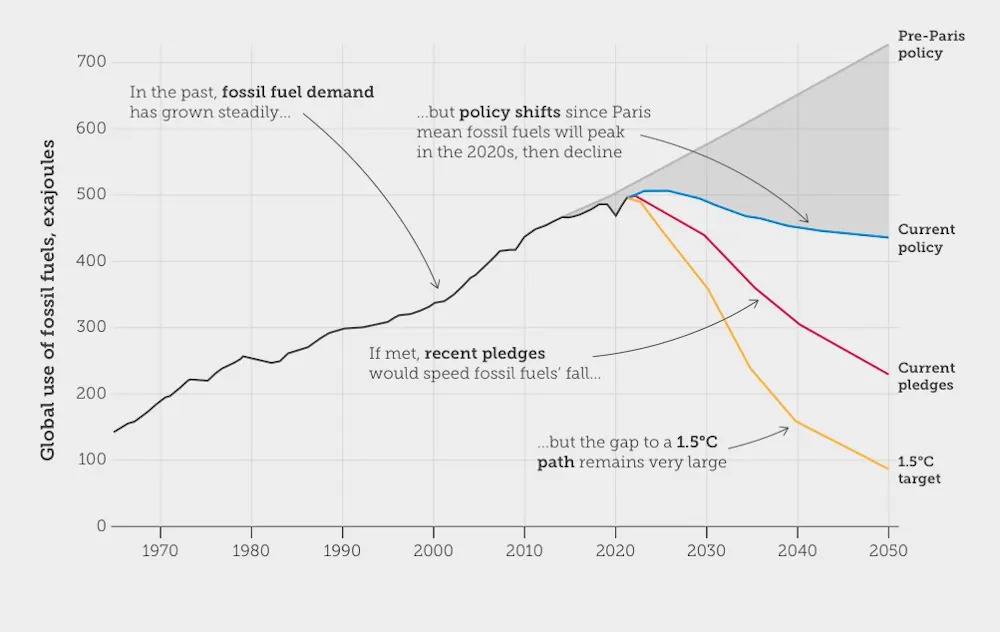
1 billion people left dangerously exposed to heat stress by gaps in climate monitoring

Source: The Conversation (Au and NZ) – By Emma Ramsay, Postdoctoral Research Fellow, Nanyang Technological University, and Research Affiliate, School of Biological Sciences, Monash University

2023 was the hottest year on record. Humidity is rising too. Heat and humidity are a dangerous combination, threatening all aspects of our lives and livelihoods.

Climate change is pushing humid heat dangerously close to the upper limits of what people can survive. Parts of the world are on track for conditions beyond the limits of human tolerance.

Yet our new research shows poor weather station coverage across the tropics leads to underestimates of heat stress in cities. This means global climate change assessments probably overlook the local impacts on people.

Concentrated across tropical Asia and Africa, informal settlements, commonly known as “slums”, are on the front line of climate exposure. The shortfalls in climate monitoring leave these communities dangerously vulnerable to rising humid heat. With few options to adapt, millions could be forced to seek refuge away from the hottest parts of the tropics.

World map showing percentage of population living in informal settlements by country, with dots indicating weather station sites
A map showing percentage of population living in informal settlements by country. Dots indicate weather station sites.
Emma Ramsay


Read more:
Global warming now pushing heat into territory humans cannot tolerate


Why is heat such a threat in these places?

Rapid urbanisation that outpaces planned, formal development is driving the growth of informal settlements. Their residents usually lack infrastructure and services, such as electricity and water supply, that many city dwellers take for granted.

More than 1 billion people live in informal settlements. The United Nations expects this number to grow to 3 billion over the next 30 years. In countries such as Kenya or Bangladesh, nearly half the urban populations lives in informal settlements.

Most informal settlements are located in the tropics. Here it is hot and humid year-round, but their residents have few options to adapt to heat stress.

Most households in these settlements are on low incomes. Many residents must work outdoors for their livelihoods, which exposes them to heat and humidity.

On top of this, because informal settlements fall outside official systems and regulations, we often lack data about the threats they face.

A farmer works in a rice field next to an informal settlement
People who must work outdoors to make a living, such as many residents of this settlement in Makassar, Indonesia, are highly exposed to heat.
Revitalising Informal Settlements and their Environments, Monash University


Read more:
Urban growth, heat islands, humidity, climate change: the costs multiply in tropical cities


What’s missing from climate data?

Most of the world’s population lives more than 25km from a weather station. This means weather stations rarely capture the full range of temperature and humidity in cities, which are usually hotter than non-urban surrounds – the urban heat island effect. These gaps in monitoring are largest across the tropics where most informal settlements are located.

As individuals we experience heat on a local scale, which isn’t captured by sparse weather station networks or meteorological models. If your home is too hot, a weather report telling you otherwise offers little respite.

Our research compiled local climate monitoring data from informal settlements in seven tropical countries. We compared these data to temperature and humidity measurements at the nearest weather station.

We found weather stations severely underestimate the heat stress that people experience in their homes and local communities. This means global climate assessments and projections also likely underestimate local-scale impacts.

Although these data come from a relatively small number of studies, they highlight a major hurdle for climate adaptation. Without accurate heat stress data, how can we ensure the most vulnerable communities are not left behind?

Looking along a water channel towards an informal settlement in Makassar, Indonesia
Lack of accurate local data means climate adaptation efforts could overlook communities exposed to extreme heat and humidity.
Grant Duffy, Revitalising Informal Settlements and their Environments, Monash University


Read more:
Why 40°C is bearable in a desert but lethal in the tropics


Even if they get a heat warning, options are limited

During a heatwave in Australia we are usually told to stay inside and drink lots of water. For residents of an informal settlement, this advice might actually increase their risk of health impacts.

Heat can be even worse indoors in informal housing with poor ventilation and insulation. Very few households have air conditioning (or could afford to run it if they did). Residents might not have access to safe drinking water, adding to the health risks of heat stress.

What’s more, advice and alerts are unlikely even to reach informal settlements. A 2023 World Meteorological Organisation report found only half of the world’s countries have early-warning systems.

These systems are activated if forecast heat is above certain trigger levels. Health advice and alerts to the public can be backed by extra public health measures. Regional climate centres currently issue broad-scale alerts, but forecasts and responses need to operate at smaller scales to be effective.

And, as we have shown, forecasts are based on weather station data that underestimate heat in informal settlements. This means early-warning systems could fail to activate even though residents of these settlements will experience dangerous heat stress.


Read more:
Climate explained: will the tropics eventually become uninhabitable?


What can be done to protect people?

Current climate monitoring efforts have left millions of vulnerable people at risk of heat stress. This has direct impacts on individual health and wellbeing, with broader knock-on effects for societies and national economies.

Meteorological institutes in developing countries need urgent support to strengthen climate monitoring and improve early-warning systems. The new head of the World Meteorological Organisation has promised to do just that. We need to ensure governments and agencies, such as development banks and NGOs, capitalise on this opportunity and include informal settlements in new monitoring networks.

Inequalities in resources and adaptive capacities must also be overcome. Community-based initiatives such as urban greening and improved housing show promise to reduce urban heat. Investing in these solutions must be a priority of adaptation efforts.

The alternative to adapting is to move. Climate-related migration is already happening due to sea-level rise and heat, including here in Australia.

People don’t leave their homes and uproot their lives without good reason. Finding solutions that help them adapt to climate change should be the priority.


Read more:
‘Climigration’: when communities must move because of climate change


The Conversation

Emma Ramsay received funding from the Australian Government Research Training Program and Monash University. This research was conducted as part of the Revitalising Informal Settlements and their Environments (RISE) program, funded by the Wellcome Trust, the New Zealand Ministry of Foreign Affairs and Trade, the Australian Department of Foreign Affairs and Trade, the Asian Development Bank, the Government of Fiji, the City of Makassar and Monash University, and involves partnerships and in-kind contributions from the Cooperative Research Centre for Water Sensitive Cities, Fiji National University, Hasanuddin University, Southeast Water, Melbourne Water, Live and Learn Environmental Education, UN-Habitat, UNU-IIGH, WaterAid International and Oxfam

ref. 1 billion people left dangerously exposed to heat stress by gaps in climate monitoring – https://theconversation.com/1-billion-people-left-dangerously-exposed-to-heat-stress-by-gaps-in-climate-monitoring-221313

Golriz Ghahraman’s exit from politics shows the toll of online bullying on female MPs

ANALYSIS: By Cassandra Mudgway, University of Canterbury

The high-stress nature of working in politics is increasingly taking a toll on staff and politicians. But an additional threat to the personal wellbeing and safety of politicians resides outside Parliament, and the threat is ubiquitous: online violence against women MPs.

Since her election in 2017, Green Party MP Golriz Ghahraman has been subject to persistent online violence.

Ghahraman’s resignation following allegations of shoplifting exposes the toll sustained online violence can have on a person’s mental health.

In an interview with Vice in 2018, Ghahraman expressed how the online abuse was overwhelming and questioned how long she would continue in Parliament.

Resigning in 2024, Ghahraman said in a statement:

it is clear to me that my mental health is being badly affected by the stresses relating to my work

and

the best thing for my mental health is to resign as a Member of Parliament.

Ghahraman is not alone in receiving torrents of online abuse. Many other New Zealand women MPs have also been targeted, including former Prime Minister Jacinda Ardern, Green Party co-leader Marama Davidson, National MP Nicola Willis and Te Pāti Māori co-leader Debbie Ngarewa-Packer.

Words can not only hurt, but they can seriously endanger a person’s wellbeing.

Online violence against women MPs, particularly against women of colour, is a concerning global trend. In an Australian study, women MPs were found to be disproportionately targeted by public threats, particularly facing higher rates of online threats involving sexual violence and racist remarks.

Similar online threats face women MPs in the United Kingdom. Studies show that women of colour receive more intense abuse.

Male politicians are also subject to online violence. But when directed at women the violence frequently exhibits a misogynistic character, encompassing derogatory gender-specific language and menacing sexualised threats, constituting gender-based violence.


Our legal framework is not enough
New Zealand’s current legal framework is not well equipped to respond to the kind of online violence experienced by women MPs like Ghahraman.

The Harmful Digital Communications Act 2015 is designed to address online harassment by a single known perpetrator. But the most distressing kind of abuse comes from the sheer number of violent commentators, most of whom are unknown to the victim or intentionally anonymous.

This includes “mob style” attacks, where large numbers of perpetrators coordinate efforts to harass, threaten, or intimidate their target.

Without legal recourse, women MPs have two options — tolerate the torrent of abuse, or resign. Both of these options endanger representative democracy.

Putting up with abuse may mean serious impacts on mental health and personal safety. It may also have a chilling effect on what topics women MPs choose to speak about publicly. Resigning means losing important representation of diverse perspectives, especially from minorities.

Having to tolerate the abuse is a breach of the right to be free from gender-based violence. Being forced to resign because of it also breaches women’s rights to participate in politics. Therefore, the government has duties under international human rights law to prevent, respond and redress online violence against women.

Steps the government can take
United Nations human rights bodies provide some guidance for measures the government could implement to fulfil their obligations and safeguard women’s human rights online.

As one of the drivers of online violence against women MPs is prevailing patriarchal attitudes, the government’s first step should be to correctly label the behaviour: gender-based violence.

Calling online harassment “trolling” or “cyberbullying” downplays the harm and risks normalising the behaviour. “Gender-based violence” reflects the systemic nature of the abuse.

Secondly, the government should urgently review the Harmful Digital Communication Act. The legislation is now nine years old and should be updated to reflect the harmful online behaviour of the 2020s, such as targeted mob-style attacks.

New Zealand is also now out of step with other countries. Australia, the UK and the European Union have all recently strengthened their laws to tackle harmful online content.

These new laws focus on holding big tech companies accountable and encourage cooperation between the government, online platforms and civil society. Greater collaboration, alongside enforcement mechanisms, is essential to address systemic issues like gender-based violence.

Thirdly, given the increasing scale of online violence, the government should ensure adequate resourcing for police to investigate serious incidents. Resources should also be made available for social media moderation among all MPs and training in online safety.

More than ever, words have the power to break people and democracies. It is now the urgent task of the government to fulfil its legal obligations toward women MPs.The Conversation

Dr Cassandra Mudgway is senior lecturer in law, University of Canterbury. This article is republished from The Conversation under a Creative Commons licence. Read the original article.

Print Friendly, PDF & Email

Article by AsiaPacificReport.nz

Japan is about to land its first lunar probe. As more nations race to the Moon, how will we keep the peace?

Source: The Conversation (Au and NZ) – By Richard de Grijs, Professor of Astrophysics, Macquarie University

Illustration of the Japanese moon
lander separating in orbit.
JAXA

Early on Saturday, January 20 2024, Japan hopes to become the fifth country to successfully land a probe on the Moon. To date, the United States, the Soviet Union, China and India have preceded the East Asian nation.

Launched in September 2023 by the Japanese Aerospace Exploration Agency (JAXA), the Japanese Smart Lander for Investigating Moon (SLIM) is set to touch down around 02:20am AEDT. Trialling a novel landing technique with pinpoint accuracy, it is poised to settle on a gently sloped crater rim – a first in lunar exploration.

JAXA celebrates the mission as a technology demonstrator. The agency’s main aim is to practice near-real-time visual precision landing. The newly developed landing technology would allow them to touch down anywhere they want, rather than only where the terrain is favourable.

Plans for a follow-up expedition, the Lunar Polar Exploration probe (LUPEX), are well advanced. That mission will be developed jointly with the Indian Space Research Organisation (ISRO).

The Moon is a busy target

In recent years, the Moon has become a key target for exploration missions. For instance, just last year we witnessed Russia’s attempted landing of its Luna 25 probe and the first successful ISRO Moon shot, Chandrayaan-3.

Meanwhile, the US aims to return humans to the Moon through their Artemis programme while also supporting commercial companies in their quest to reestablish a viable presence there.


Read more:
Scientists and space agencies are shooting for the Moon — 5 essential reads on modern lunar missions


NASA and its international partners aim to eventually place a crewed space station in lunar orbit, the Gateway Lunar Space Station.

Simultaneously, China continues its successful, carefully planned Chang’e project. The Asian powerhouse is working towards establishing its own International Lunar Research Station. That Chinese–Russian project is promoted as “open to all interested countries and international partners”.

‘Peaceful intentions’

To date, the leading spacefaring nations have gone to great lengths to publicly assure us that their intentions in space are peaceful. Yet, last year Yury Borisov of Russia’s space agency Roscosmos bluntly stated:

This is not just about the prestige of the country and the achievement of some geopolitical goals. This is about ensuring defensive capabilities and achieving technological sovereignty.

Borisov’s comments should not be read in isolation, however. US officials have made similar assertions. In July last year, the US assistant secretary of defense for space policy, John F. Plumb, was equally blunt:

Space is in our DNA for the military. It’s absolutely essential to our way of war.

Such official commentary is clearly anathema to the purported peaceful intentions expressed by officials elsewhere in their respective national hierarchies. Similarly, to safeguard its national interests and encouraged by President Xi Jinping himself, China has been fine-tuning its own military space strategy.

The Moon is a large target, which to date is only accessible to a small number of actors. Yet, ever since evidence of water was found near the Moon’s south pole, much effort has focused on finding ways to land safely in the Moon’s southern hemisphere.

With commercial actors and national interests thrown into the mix, we ought to consider the geopolitical implications of this new space race.

Foreground of a grey surface with a half lit Earth in the distance hanging in a black sky
An earthrise seen from the surface of the Moon in July 1969 during the Apollo 11 mission.
NASA

Who keeps the peace in space?

The 1967 Outer Space Treaty remains the defining legal document governing strategic conduct in space.
To date, its has been ratified by 114 countries and 22 other signatories, including all major spacefaring nations.

However, new technological developments and the increasing presence of private space companies have prompted some to suggest that the treaty has become outdated.

Therefore, the US has independently developed a new international agreement, which it says is focused on common principles, guidelines and best practices applicable to the safe exploration of the Moon and beyond: the Artemis Accords.

Thus far, 33 countries have signed the agreement, but neither Russia nor China have acceded. Given the prevailing political differences, there is currently no clear way forward to bring all parties to the same table.


Read more:
Outer space: Rwanda and Nigeria sign an accord for more responsible exploration – why this matters


Although the Moon remains uncrowded, sustained exploration, human occupation and commercial exploitation will increase the likelihood of encounters on the lunar surface (or in orbit) between competing parties, or even between nations engaged in major conflict on Earth.

While the Outer Space Treaty envisions peaceful use of the space environment, the proliferation of military hardware in low Earth orbit implies that any such adverse encounter might result in devastating consequences.

At present, there are few safeguards to prevent wholesale conflict escalating beyond our home planet. Diplomatic efforts have been largely lacklustre.

Despite urgent recommendations from across the political spectrum to practice caution and avoid escalation, the world continues on a path towards an increasingly volatile space environment.

Fortunately, in this highly complex environment cool heads have thus far prevailed in resolving potential conflicts in space. As a case in point, we should probably be encouraged by the sustained multilateral collaboration on the International Space Station, despite the parties’ radically opposite stances on Earth.


The author gratefully acknowledges constructive criticism on an earlier draft of this article by Dr. Fabio Favata.

The Conversation

Richard de Grijs does not work for, consult, own shares in or receive funding from any company or organisation that would benefit from this article, and has disclosed no relevant affiliations beyond their academic appointment.

ref. Japan is about to land its first lunar probe. As more nations race to the Moon, how will we keep the peace? – https://theconversation.com/japan-is-about-to-land-its-first-lunar-probe-as-more-nations-race-to-the-moon-how-will-we-keep-the-peace-221223

Golriz Ghahraman’s exit from politics shows the toll of online bullying on female MPs

Golriz Ghahraman.

Source: The Conversation (Au and NZ) – By Cassandra Mudgway, Senior Lecturer in Law, University of Canterbury

The high-stress nature of working in politics is increasingly taking a toll on staff and politicians. But an additional threat to the personal wellbeing and safety of politicians resides outside Parliament, and the threat is ubiquitous: online violence against women MPs.

Golriz Ghahraman.

Since her election in 2017, Green Party MP Golriz Ghahraman has been subject to persistent online violence.

Ghahraman’s resignation following allegations of shoplifting exposes the toll sustained online violence can have on a person’s mental health. In an interview with Vice in 2018, Ghahraman expressed how the online abuse was overwhelming and questioned how long she would continue in Parliament.

Resigning in 2024, Ghahraman said in a statement

it is clear to me that my mental health is being badly affected by the stresses relating to my work

and

the best thing for my mental health is to resign as a Member of Parliament.

Ghahraman is not alone in receiving torrents of online abuse. Many other women MPs have also been targeted, including former Prime Minister Jacinda Ardern, Green Party co-leader Marama Davidson, National MP Nicola Willis and Te Pāti Māori co-leader Debbie Ngarewa-Packer.

Words can not only hurt, but they can seriously endanger a person’s wellbeing.

Online violence against women MPs, particularly against women of colour, is a concerning global trend. In an Australian study, women MPs were found to be disproportionately targeted by public threats, particularly facing higher rates of online threats involving sexual violence and racist remarks.


Read more:
New Zealand newsrooms saw the rise of ‘mob censorship’ in 2023, as journalists faced a barrage of abuse


Similar online threats face women MPs in the United Kingdom. Studies show that women of colour receive more intense abuse.

Male politicians are also subject to online violence. But when directed at women the violence frequently exhibits a misogynistic character, encompassing derogatory gender-specific language and menacing sexualised threats, constituting gender-based violence.

Our legal framework is not enough

New Zealand’s current legal framework is not well equipped to respond to the kind of online violence experienced by women MPs like Ghahraman.

The Harmful Digital Communications Act 2015 is designed to address online harassment by a single known perpetrator. But the most distressing kind of abuse comes from the sheer number of violent commentators, most of whom are unknown to the victim or intentionally anonymous. This includes “mob style” attacks, where large numbers of perpetrators coordinate efforts to harass, threaten, or intimidate their target.


Read more:
Analysis shows horrifying extent of abuse sent to women MPs via Twitter


Without legal recourse, women MPs have two options – tolerate the torrent of abuse, or resign. Both of these options endanger representative democracy.

Putting up with abuse may mean serious impacts on mental health and personal safety. It may also have a chilling effect on what topics women MPs choose to speak about publicly. Resigning means losing important representation of diverse perspectives, especially from minorities.

Having to tolerate the abuse is a breach of the right to be free from gender-based violence. Being forced to resign because of it also breaches women’s rights to participate in politics. Therefore, the government has duties under international human rights law to prevent, respond and redress online violence against women.

Steps the government can take

United Nations human rights bodies provide some guidance for measures the government could implement to fulfil their obligations and safeguard women’s human rights online.

As one of the drivers of online violence against women MPs is prevailing patriarchal attitudes, the government’s first step should be to correctly label the behaviour: gender-based violence.

Calling online harassment “trolling” or “cyberbullying” downplays the harm and risks normalising the behaviour. “Gender-based violence” reflects the systemic nature of the abuse.

Secondly, the government should urgently review the Harmful Digital Communication Act. The legislation is now nine years old and should be updated to reflect the harmful online behaviour of the 2020s, such as targeted mob-style attacks.


Read more:
How misogyny, narcissism and a desperate need for power make men abuse women online


New Zealand is also now out of step with other countries. Australia, the UK and the European Union have all recently strengthened their laws to tackle harmful online content.

These new laws focus on holding big tech companies accountable and encourage cooperation between the government, online platforms and civil society. Greater collaboration, alongside enforcement mechanisms, is essential to address systemic issues like gender-based violence.

Thirdly, given the increasing scale of online violence, the government should ensure adequate resourcing for police to investigate serious incidents. Resources should also be made available for social media moderation among all MPs and training in online safety.

More than ever, words have the power to break people and democracies. It is now the urgent task of the government to fulfil its legal obligations toward women MPs.

The Conversation

Cassandra Mudgway does not work for, consult, own shares in or receive funding from any company or organisation that would benefit from this article, and has disclosed no relevant affiliations beyond their academic appointment.

ref. Golriz Ghahraman’s exit from politics shows the toll of online bullying on female MPs – https://theconversation.com/golriz-ghahramans-exit-from-politics-shows-the-toll-of-online-bullying-on-female-mps-221400

Israel now ranks among the world’s leading jailers of journalists. We don’t know why they’re behind bars

Source: The Conversation (Au and NZ) – By Peter Greste, Professor of Journalism and Communications, Macquarie University

Israel has emerged as one of the world’s leading jailers of journalists, according to a newly released census compiled by the New York-based Committee to Protect Journalists.

Each year, the committee releases a snapshot of the number of journalists behind bars as of December 1. 2023 was the second highest on record with 320 in detention around the world.

In a small way, that is encouraging news. The figure is down from a high of 363 the previous year.

But a troublingly large number remain locked up, undermining press freedom and often, human rights.


Read more:
More than one journalist per day is dying in the Israel-Gaza conflict. This has to stop


China takes out unenviable top spot

At the top of the list sits China with 44 in detention, followed by Myanmar (43), Belarus (28), Russia (22), and Vietnam (19). Israel and Iran share sixth place with 17 each.

While the dip in numbers is positive, the statistics expose a few troubling trends.

As well as a straight count, the Committee to Protect Journalists examines the charges the journalists are facing. The advocacy group found that globally, almost two-thirds are behind bars on what they broadly describe as “anti-state charges” – things such as espionage, terrorism, false news and so on.

In other words, governments have come to regard journalism as some sort of existential threat that has to be dealt with using national security legislation.

In some cases, that may be justified. It is impossible to independently assess the legitimacy of each case, but it does point to the way governments increasingly regard information and the media as a part of the battlefield. That places journalists in the dangerous position of sometimes being unwitting combatants in often brutally violent struggles.

China’s top spot is hardly surprising. It has been there – or close to it – for some years. Censorship makes it extremely difficult to make an accurate assessment of the numbers behind bars, but since the crackdown on pro-democracy activists in 2021, journalists from Hong Kong have, for the first time, found themselves locked up. And almost half of China’s total are Uyghurs from Xinjiang, where Beijing has been accused of human rights abuses in its ongoing repression of the region’s mostly Muslim ethnic minorities.

The rest of the top four are also familiar, but the two biggest movements are unexpected.

Iran had been the 2022 gold medallist with 62 journalists imprisoned. In the latest census, it dropped to sixth place with just 17. And Israel, which previously had only one behind bars, has climbed to share that place.

That is positive news for Iranian journalists, but awkward for Israel, which repeatedly argues it is the only democracy in the Middle East and the only one that respects media freedom. It also routinely points to Iran for its long-running assault on critics of the regime.

The journalists Israel had detained were all from the occupied West Bank, all Palestinian, and all arrested after Hamas’s horrific attacks from Gaza on October 7. But we know very little about why they were detained. The journalists’ relatives told the committee that most are under what Israel describes as “administrative detention”.


Read more:
Gaza war: Israeli government has Haaretz newspaper in its sights as it tightens screws on media freedom


17 arrests in Israel in less than 2 months

The benign term “administrative detention” in fact means the journalists have been incarcerated indefinitely, without trial or charge.

It is possible that they were somehow planning attacks or involved with extremism (Israel uses administrative detention to stop people they accuse of planning to commit a future offence) but the evidence used to justify the detention is not disclosed. We don’t even know why they were arrested.

Israel’s place near the top of the Committee to Protect Journalists’ list exposes a difficult paradox. Media freedom is an intrinsic part of a free democracy. A vibrant, awkward and sometimes snarly media is a proven way to keep public debate alive and the political system healthy.

It is often uncomfortable, but you can’t have a strong democratic system without journalists freely and vigorously fulfilling their watchdog role. In fact, a good way to tell if a democracy is sliding is the extent of a government’s crackdown on the media.

This is not to suggest equivalence between Israel and Iran. Israel remains a democracy, and Israeli media is often savagely critical of its government in ways that would be unthinkable in Tehran.

But if Israel wants to restore confidence in its commitment to democratic norms, at the very least it will need to be transparent about the reasons for arresting 17 journalists in less than two months, and the evidence against them. And if there is no evidence they pose a genuine threat to Israeli security, they must be released immediately.


Read more:
At a time when journalism needs to be at its strongest, an open letter on the Israel/Hamas war has left the profession diminished


The Conversation

Peter Greste is Professor of Journalism at Macquarie University, and the Executive Director of the Alliance for Journalists’ Freedom. He was also a signatory of an open letter calling for balanced coverage in the Gaza/Israel conflict and in 2006, covered Gaza for the BBC.

ref. Israel now ranks among the world’s leading jailers of journalists. We don’t know why they’re behind bars – https://theconversation.com/israel-now-ranks-among-the-worlds-leading-jailers-of-journalists-we-dont-know-why-theyre-behind-bars-221411

Marshall Islands reaffirms ties with Taiwan in wake of Nauru shift

By Giff Johnson, editor of the Marshall Islands Journal and RNZ Pacific correspondent

Marshall Islands officials quickly moved this week to reaffirm this nation’s ties with Taipei in the wake of Nauru shifting diplomatic allegiance from Taiwan to China.

“The Republic of the Marshall Islands (RMI) values the strong relationship with Republic of China (Taiwan) as an indispensable partner in promotion of democratic principles,” said Foreign Minister Kalani Kaneko.

“The RMI pledges its diplomatic allegiance with Taiwan and will continue to stand in solidarity with the government and people of Taiwan.”

President Hilda Heine quickly congratulated President-elect Lai Ching-te after his win in Taiwan’s presidential election last Saturday, adding that the Marshall Islands “looks forward to working closely with the Republic of China (Taiwan) to further strengthen the close and friendly ties between the two nations”.

Just two days after Lai’s election victory, Nauru announced its change to China — the latest development in the tit-for-tat between Taipei and Beijing, which views Taiwan as a renegade province that needs to be reunited with the mainland.

The mayors of the two largest local governments, in the capital Majuro and at Kwajalein, which hosts the US Army’s Reagan Test Site, took out full-page advertisements in the weekly Marshall Islands Journal supporting Taiwan.

Both local governments have benefited significantly from partnerships with Taiwan that have funded the building of numerous community sports facilities, installation of solar lighting, and purchase of equipment for maintenance of facilities.

Friendship ‘remains strong’
The “Marshall Islands-Republic of China (Taiwan) friendship remains strong and will continue to withstand the test of time,” Kaneko said.

“In parallel, we wholeheartedly respect the sovereignty of all countries and will continue to foster open and friendly dialogue with other nations for the sake of peace and stability for all.”

Kaneko said he wanted to reassure the dozens of Marshall Islands students currently attending universities in Taiwan “that the Nauru-ROC relationship change will not affect their current immigration status while in Taiwan.”

While Taiwan voters sent Beijing a message last Saturday by giving the ruling Democratic Progressive Party an unprecedented third four-year term by electing Lai, whose party and candidacy China had opposed, on Monday, China struck back, with the announcement by Nauru that it was dropping diplomatic ties with Taiwan and recognising China instead.

This development leaves only the Marshall Islands, Palau and Tuvalu as Taiwan allies in the Pacific, and reduces the total globally to 12 that recognise Taiwan.

Recently elected Nauru President David Adeang’s government issued a statement on Monday saying that Nauru was “moving to the One-China Principle…which recognises the People’s Republic of China as the sole legal government representing the whole of China.”

“This is a big win for China,” wrote Cleo Paskal, a senior fellow at the Foundation for Defence of Democracies who regularly writes on US-China issues in the Pacific, on X (formerly Twitter) on Tuesday.

She commented that one of the implications of Nauru’s switch is that now the incoming secretary-general of the Pacific Islands Forum will be from a China-aligned nation, not Taiwan.

‘A real problem for Beijing’
“Apart from the myriad other implications, the announced next Secretary-General of the Pacific Islands Forum was to be former Nauru President Baron Waqa, who has stood up to China in the past and, at the time of his selection, was from a country that recognised Taiwan — two things that were a real problem for Beijing,” Paskal said on X.

“This change means that, at least, the next Pacific Islands Forum Secretary-General will be from a country that recognises China rather than Taiwan. Now let’s see if it stays Baron Waqa.”

American Samoa Congresswoman Amata Radewagen congratulated the new Taiwan president and said in a statement issued by her office Wednesday.

“I’m confident that by far most leadership throughout the Pacific Islands fully supports a strong US commitment in the region and appreciates Taiwan’s role in our many economic and security partnerships that provide enduring regional stability, peace and prosperity.”

She also pointed out that people in the islands “value and support the right to self-determination and democratic elections, for themselves and their neighbours” — an unsubtle dig at China, a dictatorship run by the Chinese Communist Party without national elections.

“The Pacific Islands have a widespread desire to stand with the US and our key allies, which includes our friendship to the people of Taiwan.

I am certain that the decision by Nauru did not take our professional diplomats by surprise and will be an exception in the Pacific Islands,” she added.

This article is republished under a community partnership agreement with RNZ.

Print Friendly, PDF & Email

Article by AsiaPacificReport.nz

Check your ‘fun parts’: what a new sexual health campaign for young Aussies gets right and wrong

Source: The Conversation (Au and NZ) – By Andrea Waling, ARC DECRA Senior Research Fellow in Sex & Sexuality, La Trobe University

insta_photos/Shutterstock

The Australian government recently launched a new campaign, Beforeplay, to promote better sexual health among young people.

Beforeplay is focused on encouraging people aged 20 to 34 to seek frequent STI tests, and to use barrier methods (such as condoms and dental dams) to protect against the transmission of STIs.

A video from the Beforeplay campaign.

The national campaign began on January 14 and will run for nine weeks, with content to appear on social media and online, on dating apps such as Tinder and Grindr, and around universities, bars and clubs.

The campaign material includes links to information and resources as well as three videos and several posters, carrying messages including “it’s the test part, before the best part” and “it’s checking your fun parts, before the fun starts”.

The campaign message is simple and direct. Getting tested, as well as using condoms and dental dams to prevent the spread of STIs, will create a more fun and safe sexual encounter. But does the campaign get everything right?


Read more:
Sex ed needs to talk about pleasure and fun. Safe sex depends on it and condom use rises


Beforeplay aims to combat increasing rates of STIs

A recent annual surveillance report on STIs in Australia found in 2022, young people made up the majority of chlamydia and syphilis diagnoses.

For chlamydia, 69% of diagnoses occurred among people between 15 and 29, with an almost even split between men and women.

For infectious syphilis, notification rates were highest among people aged 25 to 29 (58.1 cases per 100,000 people), 30 to 39 (55.7 per 100,000), and 20 to 24 (38.2 per 100,000). More than 80% of all syphilis infections were among men.

Although the report highlighted increasing rates of STIs (syphilis notifications, for example, have tripled over the past decade) testing rates were lower than usual. The authors suggested this may be an effect of the COVID pandemic, but highlights a need for more STI testing, particularly among young people.

A poster from Beforeplay with an image of a couple and the message 'It's checking your fun parts, before the fun starts'.
One of the posters from the campaign.
Australian Government, Department of Health and Aged Care

Young people already know to get tested

The Beforeplay campaign appears to be premised on the idea that young people lack knowledge about adequate STI testing and don’t feel barrier methods are important.

Research, however, suggests this isn’t the case. A recent national survey of Australian high school students found 94% of those surveyed felt condom use was important. Some 75% of respondents said condoms were available during their most recent sexual experience, but less than 49% used them.

Similar results were seen with STI testing – more than 72% of participants believed young people should be tested for STIs. But less than 13% thought it was a common practice among their age group. And only 26% believed STI testing was easily accessible.

A 2023 study of young adults in Australia aged 15 to 29 also showed STI testing and condom use remains low among this group.


Read more:
Around half of 17-year-olds have had sex and they’re more responsible than you think


There could be a variety of reasons young people may not use condoms. For example, research has shown gendered norms in heterosexual couples mean women continue to carry the burden of contraceptive responsibility, including having to ask men to wear condoms. Men may refuse these requests or engage in stealthing, the removal of a condom during sex without consent.

Meanwhile, long-standing social taboos and shame surround young people engaging in sexual activity, which can make it difficult for them to access sexual health services for STI testing. This can be particularly significant for LGBTQA+ young people, those living in rural and remote areas, and young people from religious, cultural and ethnic backgrounds where sex outside marriage may be discouraged.

As access to sexual health clinics can be difficult, including links and resources for at-home screening kits where available could be effective in encouraging more people to test.

More clarity in the posters and videos as to how often the campaign is recommending testing – whether before every sexual encounter with a new partner, or just general frequent testing as good sexual health practice – would also be helpful.

A diverse campaign?

Beforeplay’s content depicts couples of different genders, orientations and ethnicities to promote inclusivity.

I would argue there is an undercurrent of queerphobia and discomfort with queer sex in the campaign videos, despite the attempts for inclusion.

The two videos featuring a heterosexual couple show more physical intimacy and engagement, such as kissing and bodies touching. The video featuring the queer couple, however, only shows them holding hands, with their bodies appearing further apart.

A video from the Beforeplay campaign.

In contrast, queer sexual health campaigns designed by and for queer people, such as The Drama Downunder and Down an’ Dirty (note, this one is not suitable for work) promote sexual intimacy between queer partners through sexualised imagery and intimate representation.

Content will also be adapted and translated for multicultural and First Nations audiences. However, there are already sexual health campaigns designed by and for Aboriginal and Torres Strait Islander communities. YoungDeadlyFree and Take Blaktion are just two of these. They meet the needs of their audience through community consultation, and use of local language, humour, cultural references, and representation.


Read more:
Teaching young people about sex is too important to get wrong. Here are 5 videos that actually hit the mark


The focus on pleasure is a plus

Despite these criticisms, the focus on pleasure and having a good time is a strong positive for this campaign when young people still sometimes experience shame and stigma around sex.

We know historic campaigns around HIV/AIDs that were sex and pleasure-positive (as opposed to negative and fear-mongering) were much more effective in reducing the transmission of HIV among gay and bisexual men.

Advocating for STI testing and the use of appropriate protection while emphasising fun and enjoyment is a progressive step towards recognising and affirming young people’s sexual rights and agency.

The Conversation

Andrea Waling receives funding from the Australian Research Council and the Commonwealth Department of Health.

ref. Check your ‘fun parts’: what a new sexual health campaign for young Aussies gets right and wrong – https://theconversation.com/check-your-fun-parts-what-a-new-sexual-health-campaign-for-young-aussies-gets-right-and-wrong-221219

Trash TV: streaming giants are failing to educate the young about waste recycling. Here’s why it matters

Source: The Conversation (Au and NZ) – By Salman Shooshtarian, Senior Lecturer, School of Property, Construction and Project Management, RMIT University

Trash Truck/Glen Keane Productions

As a new parent, I’ve had the joy of watching animated cartoons with my two-year-old son. His favourite show is Trash Truck, on Netflix, featuring a tight-knit ensemble of five characters: a trash truck, a young boy, a raccoon, a bear and a mouse. The show offers valuable life lessons, emphasising the importance of friendship, sharing, love for animals and respect for parents.

But there’s a problem. The way it portrays the collection of waste grabbed my attention. It’s simply a matter of gathering mixed waste from bins and depositing it in a landfill. There’s no sign of any process for sorting or recycling waste.

This left me pondering why a charming cartoon series with a global audience, capable of educating the future generation about waste recovery, lacks such relevant educational content.

I’m a researcher who has studied waste management for the past six years. I decided to analyse similar series such as The Stinky and Dirty Show (Amazon Prime), BabyBus (YouTube) and Frank the Garbage Truck (YouTube). A clear pattern emerged – all show waste simply being dumped.


Read more:
Building activity produces 18% of emissions and a shocking 40% of our landfill waste. We must move to a circular economy – here’s how


To make it clear, in one episode of BabyBus, a song goes:

[Garbage truck sings] Garbage truck yeah yeah, looking for garbage here and there […] I have a long arm yeah yeah, look what I can do. […] [Two paper coke cups sing] Big tummy, no no no, it is going to eat me, the trash can is shaking shaking, I don’t want to go […] [Garbage truck sings] Now off to the dump […] [Discarded apple sings] No I don’t want to go to the dump […] [Garbage truck sings] Dirty trash bye bye, smelly trash bye bye.

This episode dropped four years ago on YouTube. It has hit a whopping 109 million views. That shows how powerful these platforms are for reaching people.

In BabyBus it’s all about “dumping trash” with no mention of sorting or recycling.


Read more:
Households find low-waste living challenging. Here’s what needs to change


Why does waste education matter?

Many nations have hastily adopted various strategies and developed policies to tackle the ever-growing issue of waste. In particular, scientific literature informing these strategies and policies highlights education as an effective and sustainable solution.

The findings from our multiple research projects reinforce this fact. For instance, we found “poor culture and education” is one of the top three barriers to sustainably managing construction and demolition waste and treating it as a resource. In a later study, we identified education as a priority to enable development of markets for recycled construction waste materials. Most recently, we found “education, investigation and demonstration activities” are the main strategy for optimising use of recycled materials in the building and construction sector.


Read more:
Buildings used iron from sunken ships centuries ago. The use of recycled materials should be business as usual by now


Screen time can be learning time

The United Nations Sustainable Development Goals emphasise the crucial role of children in achieving these global objectives. Its 2030 Agenda for Sustainable Development describes children as:

critical agents of change […] [who] will find in the new goals a platform to channel their infinite capacities for activism into the creation of a better world.

We have seen a big increase in waste education for children such as recycling programs at schools in recent years. But according to Bronfenbrenner’s ecological systems theory of human development, the primary environmental influence on children occurs within their homes. A large part of a child’s time is spent at home where they often have uninterrupted access to multimedia content.

Recent research indicates screen time for children has surged particularly during and after COVID-19. While this trend may not be ideal, we can harness it for shaping the mindset of the next generation. In particular, it’s an opportunity to promote environmental sustainability.

The United States’ National Association for the Education of Young Children suggests multimedia learning, when used appropriately, helps children understand complicated topics while also providing positive engagement and enjoyment.

Streaming content is an important influence on children’s understanding of issues and their attitudes to them.
Salman Shooshtarian


Read more:
Forget old screen ‘time’ rules during coronavirus. Here’s what you should focus on instead


The power and responsibilities of streaming media

Online video streaming has transformed the media landscape and viewing habits worldwide. The swift expansion of internet usage, the ubiquity of mobile devices and the surging demand for online video content have driven this change.

The global video streaming market has grown remarkably over the past ten years. By 2022, estimated annual revenue from streaming TV and video hit US$154 billion.

Waste is everyone’s responsibility, as outlined in many waste management initiatives and activities around the world.


Read more:
We can’t keep putting apartment residents’ waste in the too hard basket


With a global total of 1.2 billion viewers, giant streaming media companies such as Netflix (247.2 million paid subscribers, Amazon Prime Video (200 million paid subscribers) and Disney+ (150 million paid subscribers have a key role to play in educating the next generation. In particular, their animated cartoon series can influence the next generation’s attitude and behaviour.

Given its impact on the young, the global entertainment industry needs to be held accountable to ensure it portrays current knowledge about how we manage pressing issues such as waste.

The Conversation

Salman Shooshtarian receives funding from the Australia Sustainable Built Environment National Research Centre.

ref. Trash TV: streaming giants are failing to educate the young about waste recycling. Here’s why it matters – https://theconversation.com/trash-tv-streaming-giants-are-failing-to-educate-the-young-about-waste-recycling-heres-why-it-matters-219900

Why a controversial Hindu temple in India could prove pivotal to Narendra Modi’s party in upcoming elections

Source: The Conversation (Au and NZ) – By Aviroop Gupta, PhD Candidate, Curtin University

Jawaharlal Nehru, India’s first prime minister, famously opposed government interference in the rebuilding of the Somnath temple, a popular religious site for the Hindus in Gujarat, because he saw the project as a form of “Hindu revivalism”.

In line with his idea of a secular India, Nehru wanted complete separation of state and religion.

There are no such qualms for the current prime minister, Narendra Modi, head of the ruling Bharatiya Janata Party (BJP). Images of him were beamed live across the country in 2020 performing Hindu rituals during the foundation stone-laying ceremony of a grand temple dedicated to Lord Ram, a revered Hindu deity.

The half-completed temple, which will be the largest in India and will be inaugurated on Monday, has been built on the site of the 16th century Babri mosque, that was reduced to rubble by a Hindu mob in 1992. Violent riots followed, killing more than 2,000 people, most of them minority Muslims.

After a prolonged legal battle, the Indian Supreme Court in 2019 awarded the land where the mosque once stood to Hindus for the building of a temple.

The inauguration of the temple comes at a pivotal time for the country, with elections due in a few months. It is likely to play a significant role in the upcoming polls, for three main reasons.

Drawing Hindus together across castes

First, the Ram Temple movement has allowed the BJP to unite large sections of the Hindu population behind a singular political and religious goal, irrespective of caste considerations. Prior to this, mainly upper castes identified with its ideology.

To expand its voter base, the party resorted to a strategy of “social engineering”. It went on a drive to recruit large numbers of leaders from lower castes (or as they are known in India, “scheduled castes” and “other backward classes”) in order to project an image as a party representing all Hindus that wants to better living conditions for all.

The strategy was successful. Having won just two seats out of 543 in India’s parliament in 1984, the BJP became the single largest party in parliament in 1996, the first national election after the mosque demolition.


Read more:
Why Hindu nationalists are cheering moves to build a temple, challenging a secular tradition


Last October, an opposition-ruled state (Bihar) released a caste census, despite much push-back from the BJP. The census revealed that 63% of the state’s population belong to the “other backward classes”.

This could be seen as damaging to the BJP as it shows the party hasn’t done enough to lift people out of poverty. There was always a demand for such surveys so that jobs could be reserved for the lower castes according to their actual share in population. The BJP has resisted them, however, fearing this would anger their upper caste supporters.

The opposition has promised similar nationwide surveys if it manages to defeat the BJP in the 2024 election. And it has committed to distributing resources in a more equitable way, if elected.

These developments have put the BJP’s mantra of Hindu unity on rather shaky ground. To ensure this doesn’t become a major election issue, BJP leaders will have to amplify the noise around the temple, demonstrating the unity of all Hindus irrespective of caste.

Sectarian tensions bring out voters

Second, sectarian tension has always helped the BJP electorally. Studies show that whenever there’s a riot in the year before an election, the party gains an increase of 0.8% in the share of the vote.

This is a substantial gain because in India’s first-past-the-post voting system, winning just 37% of the total votes in the 2019 parliamentary elections ensured an overwhelming majority of seats for Modi’s party.


Read more:
Why some Indians want to change the country’s name to ‘Bharat’


Of course, not all Hindus support the Ram Temple. But the BJP is well aware that the number of Hindu temple supporters is large enough to help the party win elections comfortably.

In a survey held after the 2022 election in the state of Uttar Pradesh, over two-thirds of the Hindu respondents who thought the temple was a “very important” election issue voted for the BJP.

This is arguably the single-most polarising issue in the country and some Hindu nationalists want to keep the pot boiling. They have already petitioned the courts with claims to two other historical mosques in Varanasi and Mathura. The Supreme Court also seems to be taking a favourable view of these claims.

Distraction from other big issues

And last but not least, a grand inauguration ceremony – and its continuous month-long coverage on pro-government mainstream TV channels – will distract voters from real issues and help the BJP control the electoral narrative.

There are plenty of other issues to be concerned with. India’s economic growth hasn’t necessarily led to more jobs, with about 42% of graduates under 25 unemployed.

Despite the fact that Modi promised to double the incomes of farmers by 2022, they are still struggling to keep up with ever-rising debts. More than 100,000 farmers committed suicide from 2014–22, a rate of more than 30 per day.

Human rights activists, journalists and student protesters are regularly charged with stringent anti-terrorism laws and thrown in prison. Amnesty International was forced to shut down after the government froze its accounts following the publication of critical reports of its human rights record.

Ethnic violence has wracked the northeastern state of Manipur since last May. An influential member of parliament who asked tough questions about industrialist Gautam Adani’s relationship with Modi was expelled from parliament in December. The government claimed she had accepted bribes to ask the questions; she denies this.

And institutions meant to safeguard India’s democracy are being systematically dismantled.

The government has also been accused by UN special rapporteurs of “collective punishment” of Muslims suspected of taking part in inter-communal violence or protests through the bulldozing of their properties, often disregarding standard procedures. One demolition was even telecast live with news anchors cheering from the sidelines.

In two states that have seen the worst of such bulldozer actions (Uttar Pradesh and Madhya Pradesh), the BJP was returned to power in state elections.

Modi’s government doesn’t want to lose any support from its Hindu base, so the temple inauguration will presumably bring much BJP chest-thumping, especially as the election draws closer.

The Conversation

Aviroop Gupta does not work for, consult, own shares in or receive funding from any company or organisation that would benefit from this article, and has disclosed no relevant affiliations beyond their academic appointment.

ref. Why a controversial Hindu temple in India could prove pivotal to Narendra Modi’s party in upcoming elections – https://theconversation.com/why-a-controversial-hindu-temple-in-india-could-prove-pivotal-to-narendra-modis-party-in-upcoming-elections-219811

A Queensland woman allegedly stole 70 wedding dresses. Here’s why the white gown is worth much more than its price tag

Source: The Conversation (Au and NZ) – By Lisa J. Hackett, Lecturer, University of New England

Shutterstock

For many the wedding gown is the most expensive item of clothing they will ever own, and it has significant emotional and social value.

The recent case of a Queensland woman allegedly scamming brides out of their wedding dresses on the pretext of dry-cleaning no doubt bought distress to their owners and, given the average price of a wedding dress today (A$2,385), 70 cases of wedding dress theft could be lucrative.

The average cost of an Australian wedding is A$36,000. Despite many Australians forgoing a religious ceremony, declaring your love in front of friends and family remains an important social ritual – and the dress is often the most important consideration.

A brief history

The modern history of the wedding dress in Australia is closely linked to Queen Victoria. Her 1840 dress became the “quintessential wedding dress”.

Victoria’s white dress featured an eight-piece bodice with a wide, open neckline with short and puffed off-the-shoulder sleeves and a pointed waistline. The neckline and sleeves were trimmed with lace and the floor-length skirt was full, with forward-facing pleats.

Oil painting of the wedding.
Queen Victoria’s gown became the ‘quintessential wedding dress’.
Wikimedia Commons


Read more:
The wedding dress: from Queen Victoria to the heights of fashion


Prior to Victoria, the wearing of white signalled the bride was poor and without a dowry. In the 16th and 17th centuries brides would often wear pale green, symbolising fertility.

From the 19th century, white wedding dresses had been worn by wealthy and royal brides, but for royal brides the dresses were often completely covered in silver and gold threads. Victoria rejected the embellishment and did not wear the red ermine robe of state, wanting to be seen as a wife rather than queen.

Most 19th century brides wore a dress they could wear again and popular colours were russet, brown, grey or lilac.

A bride
Brides used to simply wear their Sunday best to their wedding, perhaps like this bride from c1925–30.
State Library Victoria

As white gowns became increasingly popular they began to be seen as symbols of purity and innocence because of the religious association of these colours.

The association of white with innocence in the popular imagination affected the wedding gown decisions of women who were not marrying for the first time. Widows remarrying in the Victorian era didn’t wear white and didn’t wear a veil. They might wear pearl or lavender dresses trimmed with ostrich feathers.

White dresses became increasingly popular in the 20th century, like on this bride from 1955.
State Library of South Australia

Over the 20th century, white wedding dresses became increasingly popular. Brides were no longer wearing their “Sunday best”, and the tradition of buying a unique bridal gown became established. By the turn of the 21st century, historian Christyana Bambacas found wedding planning had become the reserve of the bride and the white gown had become the central artefact, positioning “the bride as star of this public ritual”.

Australian brides often have highly emotional connections to their wedding gowns. Research into discussions on online wedding forums found brides-to-be used phrases such as “my love for my dress grew” and being “in love with” their gowns. The gown represents the bride’s idealised self – even if the event is temporary.

The tradition of keeping the dress a well-kept secret stems from 18th century arranged marriages, when it was believed to be “unlucky” for the groom to see the brides, lest he pull out of the wedding. The anticipation of the reveal of Kate Middleton’s wedding dress, where even the name of the designers was kept secret, reflects this ritual.

Something old

Unlike couture or historical garments, wedding gowns are familiar. They are common to the human experience, and yet unique to each bride.

Wearing your mother’s or grandmother’s wedding gown is becoming increasingly popular. Princess Beatrice was married in a gown designed by Norman Hartnell for her grandmother, Queen Elizabeth II, in the 1960s.

With just a few adjustments, brides are able to update vintage gowns to give them a modern twist.

Two-thirds of Australian brides keep their dress, many in the hope daughters or granddaughters will wear it. This suggests that, despite the increasing number of people choosing to not get married, weddings remain an important cultural ritual.

Some women keep their dress to be buried in. Others donate their wedding dresses to be made into Angel gowns to bury stillborn babies, the dress taking on new meaning for grieving families.

The end of the big wedding

The average age of first marriage in Australia has risen from 23-years-old for men and 20-years-old for women in 1970 to around 30 today.

The current cost-of-living and housing crises has seen couples cut back on their wedding expenditure, with impacts particularly felt by wedding gown businesses at the luxury end of the market.

Regardless of rising divorce rates, and generational shift in attitudes to marriage (43% of 18-39 year olds believe it is an outdated institution), marriage is considered a one-off life event.

A bride from the 1930s.
A wedding is increasingly seen as an outdated institution.
State Library of South Australia

The wedding dress is an indulgence driven by social norms and emotions where the bride is often balancing tradition with individuality.

While films, fashion, bridal magazines and celebrity weddings continue to perpetuate the fantasy and emotion embedded in the wedding dress, the dress continues to be a poignant part of our social lives.

Of all the clothes we own, the wedding dress is the one most treasured, as a reminder of what it symbolised, its aspirations or as a family heirloom – making its loss even more distressing.


Read more:
What was the mantua? How a 17th-century gown transformed dressmaking and ushered in financial freedom for women


The Conversation

The authors do not work for, consult, own shares in or receive funding from any company or organisation that would benefit from this article, and have disclosed no relevant affiliations beyond their academic appointment.

ref. A Queensland woman allegedly stole 70 wedding dresses. Here’s why the white gown is worth much more than its price tag – https://theconversation.com/a-queensland-woman-allegedly-stole-70-wedding-dresses-heres-why-the-white-gown-is-worth-much-more-than-its-price-tag-220657

Marape tells PNG youth ‘I’m your father’ in bid to mobilise them

In the wake of last week’s riots and looting across Papua New Guinea’s cities, the government has announced plans to get the country’s youth working.

Prime Minister James Marape said efforts would be made to mobilise people aged 16 to 30, who were not in work or education.

Some of the blame for the rioting and looting has been put on out-of-work youth.

Under fire Prime Minister James Marape
Prime Minister James Marape . . . “listen to this” message to the youth. Image: PNGPC

The PNG Post-Courier quotes him saying the responsibility for doing this will be passed to provincial and district administrations, which will be expected to make use of the money from the intervention funds they receive.

“I want to appeal to every young Papua New Guinean child out there, I’m your father. As Prime Minister, I’m your father, listen to this.

‘Talk to your church’
“Go to your church somewhere, in your community, neighbourhood and you and tell them, I’m not in a class this year, or I have graduated in a college or university and have no employment,” Marape said.

“The entire 97 districts throughout the country will be asked to mobilise the youth.”

The prime minister urged the youth to make contact with their respective district education advisors and community development advisers, including district development authority chief executive officers.

He said the churches would link the youth to these district governments.

This article is republished under a community partnership agreement with RNZ.

Article by AsiaPacificReport.nz