Page 483

Tasmanians have voted in a hung parliament, but neither major party is backing down from taking the reins

Source: The Conversation (Au and NZ) – By Robert Hortle, Research Fellow, Tasmanian Policy Exchange, University of Tasmania

The votes have been cast, but the helter skelter race to form the next Tasmanian government is just beginning.

While the results aren’t likely to be formalised for a couple of weeks, the island state’s voters haven’t given Labor or the Liberals the 18 lower house seats needed to form a majority government. Overall, there has been a significant swing against the Liberal government, with the Greens and the Jacqui Lambie Network (JLN) likely to be the main beneficiaries.

The Liberals are likely to secure the most seats in the next Tasmanian parliament. Premier Jeremy Rockliff declared it “the fourth consecutive win” for the Liberal party.

However, it remains to be seen whether they can secure the support of the three or four crossbenchers they will need to form government. What is clear is that negotiations to form the next Tasmanian government will take days, or even weeks.


Read more:
Liberals will win most seats in Tasmanian election, but be short of a majority


What do the numbers show so far?

The next parliament looks like it will have 14 Liberals, ten from Labor, four Greens, two from the JLN, and two independents – with the remaining three seats too close to call. The final numbers will be confirmed once preferences have been distributed.

As expected, many Tasmanians turned away from the two major parties. The primary vote swing against the Liberal government looks to be around 12%, but Labor appears to have gained less than 1% statewide. Almost 34% of voters opted for minor parties and independents. It was a particularly strong result for the Greens, who are in with a chance of picking up the final undecided seats in at least three electorates.

The JLN did not perhaps do as well as expected. Their lack of a “lead” candidate in each seat meant their candidates pulled votes away from each other.

Both of the MPs that defected from the Liberal Party last year – leading Rockliff to call the election – failed to win back their seats as independents.

All this means that the process of forming the next Tasmanian government is likely to be full of twists, turns and controversy.


Read more:
The Jacqui Lambie Network is the latest victim of ‘cybersquatting’. It’s the tip of the iceberg of negative political ads online


What now?

During the campaign, Labor and the Liberals both ruled out offering ministries or policy concessions to independents, the JLN or the Greens in exchange for their support. Now, they may find themselves backtracking on this and coming to the negotiating table instead.

The two leaders struck markedly different tones in their speeches late on Saturday night.

Rockliff claimed victory, stating bullishly that “Tasmanians have not voted for a change of government” and that he will seek to lead a Liberal minority government. This would represent the continuation of unstable situation he called the election to escape, depending on how the crossbench views his assumption of the Liberals’ right to continued rule. Some of the Liberal party’s tactics during the campaign will not have endeared them to crossbenchers – particularly those from the JLN.

Rebecca White did not concede defeat, but was more conciliatory. She acknowledged that minority government is likely to be the norm in Tasmania, and said that “Labor will be ready to work with the parliament to implement our agenda […] if that is the will of the people”.

All this is a bit ambiguous – will she go to the crossbench and attempt to cobble together a coalition? There were rumours throughout the night from journalists’ sources that this was a possibility, but nothing has been confirmed yet. Given Labor may only end up with ten seats, they’d need the support of eight crossbenchers, which would be no mean feat.


Read more:
From power prices to chocolate fountains, the Tasmanian election campaign has been a promise avalanche


Adding a bit of spice to the mix is the potential for both leaders to face challenges from within their own ranks.

Labor’s very small improvement on its disappointing 2021 result will be a concern for party strategists, although there is no obvious successor to White. Rockliff claimed to be “just getting started”, but may well be privately concerned about former federal senator Eric Abetz’s barnstorming entry into Tasmanian parliament.

On the ABC’s coverage, Abetz was quick to point out the swing against the Liberals, and highlight the need for the party to review some of its policies and decision making.

And for the nation?

The 2024 Tasmanian election leaves us with a couple of things to think about ahead of the next federal election.

Tasmania’s new parliament is just the latest piece of evidence that two-party dominance is waning across Australia.

It’s true that Tasmania’s Hare-Clark voting system makes it easier for independents and minor party candidates to get elected. However, the poor Liberal and Labor primary votes will worry federal party strategists who hoped that the 2022 Teal-bath was a one off.

Certainly Bridget Archer and Andrew Wilkie will take comfort from the result where authentic, independent-minded candidates did well. It’s also clear that federal Labor have a lot of work to do in regional Tasmania if they are to retain Lyons and win back Braddon.

State election results haven’t always been the best predictor of federal election outcomes. However, that doesn’t mean that national party strategists will ignore what has happened in each of Tasmania’s five seats.

Another simmering issue is fixed parliamentary terms. Independents and minor parties often argue that “snap” elections disadvantage them, because they lack the ongoing resources and campaign apparatus’ of the major parties. Rockliff’s early election call caused grumbling to this effect from independents and minor parties in Tasmania, who felt cheated out of time to prepare.

All other states and territories have fixed term parliaments. If the fallout from the Tasmanian election sparks further debate on this topic, it might reignite the issue at the federal level.

But for now, let’s hope that the major parties can swallow their pride, accept that they didn’t convince Tasmanians of the need for majority government and negotiate an agreement with the crossbench. Doing so would show respect for the democratic will of the Tasmanian people and demonstrate willingness to put aside the politics and get on with addressing the state’s many challenges.

The Conversation

Richard Eccleston is an appointed a member of two public advisory boards providing advice to the Tasmanian government.

Robert Hortle does not work for, consult, own shares in or receive funding from any company or organisation that would benefit from this article, and has disclosed no relevant affiliations beyond their academic appointment.

ref. Tasmanians have voted in a hung parliament, but neither major party is backing down from taking the reins – https://theconversation.com/tasmanians-have-voted-in-a-hung-parliament-but-neither-major-party-is-backing-down-from-taking-the-reins-225776

Liberals will win most seats in Tasmanian election, but be short of a majority

Source: The Conversation (Au and NZ) – By Adrian Beaumont, Election Analyst (Psephologist) at The Conversation; and Honorary Associate, School of Mathematics and Statistics, The University of Melbourne

Tasmania has five electorates that each return seven members using the proportional Hare-Clark system, for a total of 35 seats. A quota is one-eighth of the vote, or 12.5%. In previous elections, the quota was 16.7%, with five members per electorate.

With over 60% of enrolled voters counted in all seats, the Poll Bludger’s current projections are that the Liberals will win 3.1 quotas in Bass, 3.7 in Braddon, 2.2 in Clark, 2.7 in Franklin and 3.0 in Lyons. Adding the likely wins in Braddon and Franklin gives them 15 of the 35 seats, three short of the 18 needed for a majority.

Labor is projected to win 2.3 quotas in Bass, 2.0 in Braddon, 2.4 in Clark, 2.2 in Franklin and 2.6 in Lyons, for a total of ten with a possible eleventh in Lyons.

The Greens are projected to win 1.0 quotas in Bass, 0.6 in Braddon, 1.6 in Clark, 1.6 in Franklin and 0.8 in Lyons, and would probably achieve a total of five with two more possible.

The Jacqui Lambie Network appears to have a strong chance to win the final seats in Bass and Braddon, and independent Kristie Johnston is likely to win the final seat in Clark. Former Labor MP David O’Byrne, running as an independent in Franklin, is in a contest with the Greens.

Overall vote share projections are currently 36.9% Liberals (down 11.8% since the 2021 election), 28.7% Labor (up 0.5%), 13.8% Greens (up 1.4%), 6.7% JLN (new) and 9.5% for independents.

Labor and the Greens appear to have performed a bit better than expected from pre-election polls and independents worse. This is likely to make it harder for the Liberals to form a government.

How does Hare-Clark work?

Tasmania uses Robson rotation, where candidate names within a group are randomised for each ballot paper, to prevent one candidate from benefiting from being the top candidate from their group. This means parties can’t order their candidates.

For a formal vote, electors need to number at least seven preferences, but can keep numbering beyond seven if they wish. The process of formally electing candidates won’t start until all votes have been counted.

This is likely to occur on April 2, the deadline for receipt of postal votes.

Any candidate with more votes than the quota is declared elected, and their surplus votes will be passed on to remaining candidates at a fractional value.

After surpluses are distributed, remaining candidates will be excluded starting with the one with the lowest vote, and their votes transferred as preferences to remaining candidates.

This process continues until all seven vacancies in each electorate are filled. Owing to “exhausted” votes that have no preference between the final candidates, it is common for the last winners to have less than a quota.

Labor gains Dunstan in SA state byelection

With 48% of enrolled voters counted in the Liberal-held South Australian Dunstan state byelection, Labor has defeated the Liberals by a 52.9–47.1 margin, a 3.4% swing to Labor since the March 2022 state election. This seat was previously held by former Liberal premier Steven Marshall. This is a government gain from an opposition at a byelection.

Primary votes were 40.0% Liberals (down 6.7%), 32.3% Labor (down 2.9%), 22.4% Greens (up 8.8%) and 3.3% Animal Justice (new).

The Conversation

Adrian Beaumont does not work for, consult, own shares in or receive funding from any company or organisation that would benefit from this article, and has disclosed no relevant affiliations beyond their academic appointment.

ref. Liberals will win most seats in Tasmanian election, but be short of a majority – https://theconversation.com/liberals-will-win-most-seats-in-tasmanian-election-but-be-short-of-a-majority-226398

PNG ‘isn’t broke’, says PM Marape who wants byelections to go ahead

PNG Post-Courier

Papua New Guinea’s Prime Minister James Marape says funding for impending byelections is not an issue.

“We are assisting the Electoral Commission with funding, I have strongly advised Electoral Commissioner to get the byelection up and running.

“Put the programme together, get to Treasury and request funding and the byelections must be done. As far as the government is concerned, we want the byelections done at the earliest.”

PNG's Electoral Commissioner Simon Sinai
PNG’s Electoral Commissioner Simon Sinai . . . “We are prepared and ready to conduct byelections in the three open electorates first.” Image: PNG Post-Courier

The election needed to be “done now”, he added.

However, Electoral Commissioner Simon Sinai confirmed the deferral of the byelections was due to lack of funding.

“We are prepared and ready to conduct byelections in the three open electorates first, Sohe in Northern, Maprik in East Sepik and Porgera-Paiela in Enga,” Sinai said.

“However, due to the cash flow situation in the country, we have to wait for the lead agencies to secure the necessary funding for us to deliver the elections.”

Three byelections delayed
Sinai said byelections in Madang, Aitape-Lumi and Dei would not proceed as initially planned until the review matters before the courts were dealt with and concluded.

The issue of writs for the byelections for three electorates in PNG were scheduled for Wednesday and this was said to be now deferred until April due to financial constraints.

PNG Electoral Commission needs K20 million to run the three planned byelections and so far no funding has been allocated.

The Electoral Commission is still waiting for the Finance and Treasury Departments to release the funds that were requested through a budget submission for six open electorates where byelections were expected to be conducted this year.

Republished from the PNG Post-Courier by permission.

Print Friendly, PDF & Email

Article by AsiaPacificReport.nz

Wenda condemns ‘sadistic brutality’ of Indonesian torture of Papuan – calls for UN action

Asia Pacific Report

A West Papuan pro-independence leader has condemned the “sadistic brutality” of Indonesian soldiers in a torture video and called for an urgent United Nations human rights visit to the colonised Melanesian territory.

“There is an urgent need for states to take more serious action on human rights in West Papua,” said president Benny Wenda of the United Liberation Movement for West Papua (ULMWP).

Describing the “horror” of the torture video in a statement on the ULMWP website, he called for the immediate suspension of the Melanesian Spearhead Group (MSG) membership of Indonesia.

Citing the 1998 Rome Statute, Wenda said torture was a crime against humanity.

“Indonesia has not signed this treaty — against torture, genocide, and war crimes — because it is guilty of all three in West Papua and East Timor,” Wenda said. His statement said:

‘Horror of my childhood’
“I am truly horrified by the video that has emerged from of Indonesian soldiers torturing a West Papuan man. More than anything, the sadistic brutality on display shows how urgently West Papua needs a UN Human Rights visit.

“In the video, a group of soldiers kick, punch, and slash the young Papuan man, who has been tied and forced to stand upright in a drum full of freezing water.

“As the soldiers repeatedly pummel the man, they can be heard saying, ‘my turn! My turn!’ and comparing his meat to animal flesh.

“Watching the video, I was reminded of the horror of my childhood, when I was forced to watch my uncle being tortured by Suharto’s thugs.

“The Indonesian government [has] committed these crimes for 60 years now. Indonesia must have their MSG Membership suspended immediately — they cannot be allowed to treat Melanesians in this way.

“This incident comes during an intensified period of militarisation in the Highlands.

“After an alleged TPNPB fighter was killed last month in Yahukimo, two Papuan children were tortured by Indonesian soldiers, who then took humiliating ‘trophy’ photos with their limp bodies.

“Such brutality, already common in West Papua, will only becoming more widespread under the genocidal war criminal [newly elected President Prabowo Subianto].

‘Torture and war crimes’
“According to the Rome Statute, torture is a crime against humanity. Indonesia has not signed this treaty, against torture, genocide, and war crimes, because it is guilty of all three in West Papua and East Timor.

“Though it is extreme and shocking, this video merely exposes how Indonesia behaves every day in my country. Torture is such a widespread military practice that it has been described as a ‘mode of governance’ in West Papua.

“I ask everyone who watches the video to remember that West Papua is a closed society, cut off from the world by a 60-year media ban imposed by Indonesia’s military occupation.

“How many victims go unnoticed by the world? How many incidents are not captured on film?

“Every week we hear word of another murder, massacre, or tortured civilian. Over 500,000 West Papuans have been killed under Indonesian colonial rule.

“There is an urgent need for states to take more serious action on human rights in West Papua. We are grateful that more than 100 countries have called for a visit by the UN High Commissioner for Human Rights.

“But Indonesia clearly has no intention of honouring their promise, so more must be done.

“International agreements such as the [European Union] EU-Indonesia trade deal should be made conditional on a UN visit. States should call out Indonesia at the highest levels of the UN. Parliamentarians should sign the Brussels Declaration.

“Until there [are] serious sanctions against Indonesia their occupying forces will continue to behave with impunity in West Papua.”

Print Friendly, PDF & Email

Article by AsiaPacificReport.nz

‘Performing monkeys for colonial institutions’ – Pacific adviser quits NZ Rugby

By Eleisha Foon, RNZ Pacific senior journalist

Prominent Pasifika community leader Pakilau Manase Lua has resigned from New Zealand Rugby’s (NZR) Pasifika Advisory Group, saying it is “unacceptable” for there still to be no Pacific representation on the board.

Pakilau officially resigned from NZR’s PAG on Thursday night.

“They (NZR) made us a toothless advisory group with no power, no voice and no representation on the board. I said to them I am not happy and I don’t want to be just warming a seat,” he told RNZ Pacific.

He posted the reasons for his resignation today on Facebook. He said NZR called him, asking for the post to be removed, but he declined.

RNZ Pacific has contacted NZR and its various board members for comment. We are yet to receive a response.

However, in a statement to Pacific Media Network, the union said: “NZR acknowledges the huge contribution of Pasifika on the field and recognises that this is not reflected in equitable representation across non-playing roles, including governance.”

“NZR is currently supporting its voting members through a process of reform which will see a modern governance model for rugby that reflects greater diversity across gender, background and ethnicity.

“The NZR Board is committed to seeing culturally diverse voices at all levels of this governance model.

“NZR has recognised Pasifika as a priority area for the organisation and launched a Pasifika Strategy in November 2023 to enable, embrace and empower positive outcomes for Pasifika in rugby. The implementation of a year one action plan is already underway and reflects a long-term commitment.”

NZ Rugby
New Zealand Rugby . . . “NZR has recognised Pasifika as a priority area for the organisation and launched a Pasifika Strategy in November 2023.” Image: NZR/RNZ

‘The straw that broke the camel’s back’
Pakilau told RNZ Pacific his resignation “was not an overreaction” but a response that “was three years in the making”.

He said the PAG committee sent a letter to the NZR Board about their concerns.

“They never got back to us” and “that was the straw that broke the camel’s back”.

He said that NZR “continues to disrespect the contribution of Pacific Islanders to rugby in New Zealand by not having them in management or in the board, despite Pacific Islanders contributing almost 40 percent of players to the New Zealand All Blacks, Black Ferns and sevens teams”.

“We are only used when needed, seen as performing monkeys for colonial institutions. They take us for granted. Good PR but actually there is nothing there.”

Last year, the NZR launched its Pasifika Rugby Strategy, which aims to develop Pacific Islanders in the local rugby circle to take up leadership roles in coaching, refereeing, management and boards.

NZR chair Dame Patsy Reddy said then that the organisation was focused on enhancing environments that were prepared to embrace Pasifika and their values.

‘Pasifika people bleed on the rugby field’
But Lua said despite the strategy he believed Pasifika were still “not being heard”.

“We deserve a seat at the table. Those days of being seat warmers are over.

“They seem to be ignoring [the Pasifika Rugby Strategy]. They want to set up an independent board with no representation from the grassroots, no representation from Pasifika, despite our massive contributions and disrespecting the manna of our Tausoa Fa’atasi strategy.

“They don’t bother to respect the fact that our Pasifika people bleed on the rugby field but then don’t have representation on the Board.”

He said he has been on the PAG for three years.

“We have been saying from day one that we need to make sure the Pacific Island voices are heard.”

He said it was an insult to the Pacific Island community that NZR still did not recognise those who had the experience, skills and the knowledge to sit on boards here in New Zealand.

Pakilau said there were enough experienced Pasifika Islanders in New Zealand to take up a position on the board and perform as expected.

“It’s all about money. They are there already controlling hundreds of millions of dollars,” he said.

The NZR Pacific Advisory Group includes Eric Nima Nabalagi, Fonoti Seti Talamaivao, Savae La’auli Sir Michael Jones, Seiuli Fiao’o Fa’amausili and Saveatama Eroni Clarke.

This article is republished under a community partnership agreement with RNZ.

Print Friendly, PDF & Email

Article by AsiaPacificReport.nz

Australia must lead the world on nature restoration through ambitious interpretation of international law

Source: The Conversation (Au and NZ) – By Justine Bell-James, Associate Professor, TC Beirne School of Law, The University of Queensland

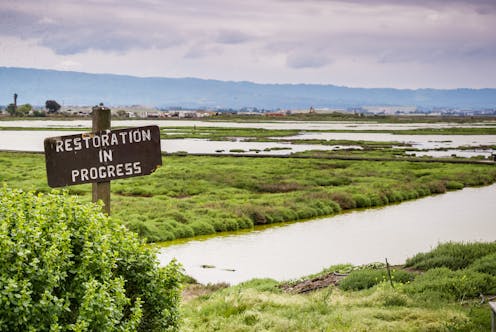
Sundry Photography, Shutterstock

Australia has a once-in-a-generation opportunity to halt and reverse biodiversity loss through ambitious law and policy reform.

The federal government is currently rewriting our national environmental laws and updating the overarching Strategy for Nature. The updated strategy will include, among other things, goals for the restoration of degraded areas.

Part of the impetus for this reform is the Kunming-Montreal Global Biodiversity Framework. This 2022 United Nations treaty was signed by almost 200 countries committing to address the biodiversity crisis. It includes a pledge to achieve 30% of degraded land, water, coastal and marine ecosystems “under effective restoration” by 2030.

But as we argue in our new correspondence in Nature Ecology and Evolution, this restoration target is wide open to interpretation at the domestic level. Some responses could be very ambitious, while others would barely shift us from the status quo. Australia has an opportunity to lead here. We can show the world how to restore land and water for the benefit of all.

The United Nations Biodiversity Conference (COP15) ended in Montreal, Canada, on December 19, 2022 with a landmark agreement to guide global action on nature through to 2030.


Read more:
5 things we need to see in Australia’s new nature laws


Interpreting the 30% restoration target

The global framework contains 23 targets, to be “initiated immediately and completed by 2030”.

The restoration target obliges countries to:

Ensure that by 2030 at least 30% of areas of degraded terrestrial, inland water, and marine and coastal ecosystems are under effective restoration, in order to enhance biodiversity and ecosystem functions and services, ecological integrity and connectivity.

At first glance, this 30% restoration target sounds like a huge and important step towards reversing biodiversity loss. But the devil is in the detail, and almost every word of this target is open to interpretation.

For example, the term “degraded” can be interpreted in various ways. A country may interpret it to include only areas that have seen a drastic decline in biodiversity, such as those that have been totally cleared.

But if a country interprets it more broadly as areas that have experienced any decline in biodiversity, this translates to a much larger area for restoration.

The wording also refers to 30% of areas of “degraded terrestrial, inland water, and marine and coastal ecosystems”. Crucially, it does not say effort must be spread evenly across these different ecosystems. This may lead countries to focus on areas where restoration is easier or cheaper. Given the complexities involved in marine and coastal restoration, there is a risk countries may focus their efforts on land while continuing to neglect freshwater, marine or coastal ecosystems.

The phrase “under effective restoration” also has a range of possible meanings. Does “effective” simply mean in a better state than it was before restoration began? Or does it mean bringing the ecosystem back to an approximation of its natural state – prior to interference from development or other harm?

How the term “effective” restoration is defined at a national scale will drastically influence reports of “success” and make it difficult to compare results between countries.

The United Nations is honouring the planet’s most ambitious, successful, and inspiring examples of large-scale ecosystem restoration.

Scaling up

Australia has signed the framework and is currently considering how to implement it domestically. If Australia does decide to interpret the restoration target broadly and commit to restoring larger areas of land and water through more ambitious standards, there will be other issues to contend with.

For example, one study identified a lack of funding and complex legal requirements as barriers to upscaling restoration in marine and coastal areas. In particular, having to apply for numerous government permits for restoration can slow progress and lead people to scale back their plans.

To meet the 30% target, the government will need to reconsider how to fund restoration and streamline legal processes. Remember, much of the heavy lifting is currently done by non-government organisations such as The Nature Conservancy, Australian Wildlife Conservancy, Bush Heritage Australia and Trust for Nature.


Read more:
The new major players in conservation? NGOs thrive while national parks struggle


Leading by example

Ultimately, we argue countries should have discretion over how and where to implement restoration based on their individual circumstances. But we also think the global framework could be supplemented by standardised terminology and metrics to allow genuine comparison of countries’ progress towards the global targets.

Closer to home, our analysis has some important lessons for Australia as the federal government contemplates the fate of our national environmental laws and biodiversity strategy. Australia’s most recent State of the Environment Report painted a bleak picture of biodiversity decline, highlighting an urgent need to upscale restoration of our land and water.

Australia has an opportunity to take a leading role in this area and reverse our legacy of biodiversity loss. Interpreting the 30% restoration target broadly and ambitiously would set us on a path towards achieving meaningful outcomes for biodiversity and make Australia a world leader in restoration.


Read more:
We’ve committed to protect 30% of Australia’s land by 2030. Here’s how we could actually do it


The Conversation

Justine Bell-James receives funding from the Australian Research Council and the National Environmental Science Program. She is a Director of the National Environmental Law Association.

ref. Australia must lead the world on nature restoration through ambitious interpretation of international law – https://theconversation.com/australia-must-lead-the-world-on-nature-restoration-through-ambitious-interpretation-of-international-law-225903

ABC editorial staff call for content chief to resign over Gaza comments sacking

Pacific Media Watch

Editorial staff at Australia’s public broadcaster ABC have again registered a vote of no confidence in managing director David Anderson and senior managers over the handling of complaints by Israeli lobbyists.

At a national meeting of members of the Media, Entertainment & Arts Alliance this week, staff passed a resolution of no confidence in Anderson and all ABC managers involved in the decision to unfairly dismiss freelance broadcaster Antoinette Lattouf, MEAA said in a statement.

The meeting was held in response to the Fair Work Commission hearings to determine Lattouf’s unfair dismissal claim after she had been sacked from her temporary job as host of ABC Sydney radio’s morning show in December.

Staff have also called for ABC’s head of content, Chris Oliver-Taylor, to step down immediately for his role as the ultimate decisionmaker in the dismissal of Lattouf.

“The mishandling of Antoinette Lattouf’s employment has done enormous damage to the integrity and reputation of the ABC,” said MEAA media director Cassie Derrick.

“Evidence provided in the Fair Work Commission hearing about the involvement of David Anderson and Chris Oliver-Taylor in her dismissal has further undermined the confidence of staff in the managing director and his senior managers to be able to protect the independence of the ABC.

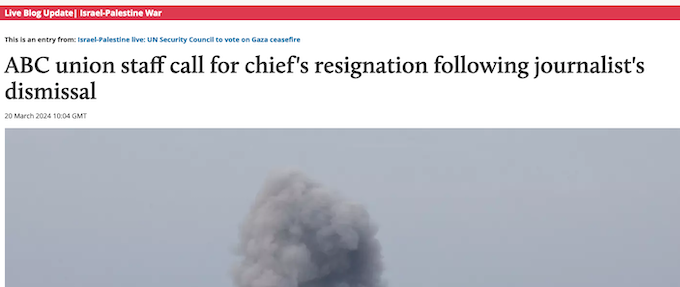
ABC union staff call for the resignation of content chief
ABC union staff call for the resignation of content chief Chris Oliver-Taylor over the dismissal of journalist Antoinette Lattouf. Image: Middle East Eye screenshot APR

“The Lattouf case continues a pattern of ABC journalists, particularly those from culturally diverse backgrounds, lacking support from management when they face criticism from lobby groups, business organisations and politicians.

“For these reasons, Chris Oliver-Taylor should be stood down immediately, while Mr Anderson must demonstrate he is taking the concerns of staff seriously to begin to restore confidence in his leadership.”

Lattouf co-founded Media Diversity Australia (MDA) in 2017, a nonprofit agency which seeks to increase cultural and linguistic diversity in Australia’s news media.

Her parents arrived in Australia as refugees from Lebanon in the 1970s.

Lattouf was born in 1983 in Auburn, New South Wales. She attended various public schools in Western Sydney and studied communications (social inquiry) at the University of Technology Sydney.

The full motion passed by ABC MEAA members on Wednesday:

“We, MEAA members at the ABC, are outraged by the revelations of how ABC executives have disregarded the independence of the ABC, damaged the public’s trust in our capacity to report without fear or favour, and mistreated our colleague Antoinette Lattouf.

“Staff reaffirm our lack of confidence in managing director David Anderson, and in all ABC managers involved in the decision to unfairly dismiss Antoinette Lattouf.

“Chris Oliver-Taylor has undermined the integrity of the entire ABC through his mismanagement, and should step down from his role as Head of the Content Division immediately.

“We call on ABC management to stop wasting public funds on defending the unfair dismissal case against Antoinette Lattouf, provide her and the public a full apology and reinstate her to ABC airwaves.

“We demand that ABC management implement staff calls for a fair and clear social media policy, robust and transparent complaints process and an audit to address the gender and race pay gap.”

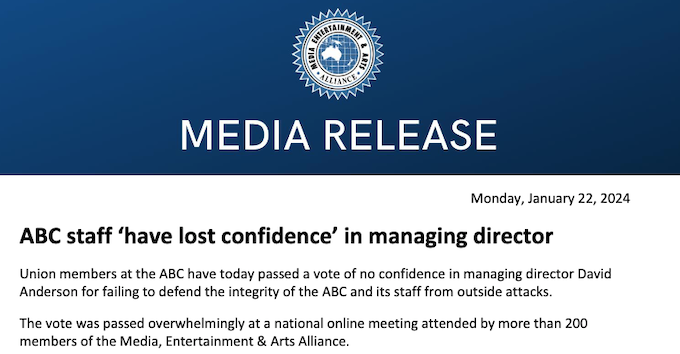
An earlier statement expressing loss of confidence in the ABC managing director David Anderson
An earlier statement expressing loss of confidence in the ABC managing director David Anderson for “failing to defend the integrity” of the broadcaster and its staff over attacks related to the War on Gaza on 22 January 2024. Image: MEAA screenshot APR
Print Friendly, PDF & Email

Article by AsiaPacificReport.nz

What happens to F1 drivers’ bodies, and what sort of training do they do?

Source: The Conversation (Au and NZ) – By Dan van den Hoek, Senior Lecturer, Clinical Exercise Physiology, University of the Sunshine Coast

Various forms of motorsport are passionately followed around the world, and the pinnacle of the sport is Formula 1 – a fast-paced battle between drivers and teams with some of the most finely engineered vehicles in the world.

Despite the impressive speeds and engineering of their machines, race car drivers have sometimes battled the stereotype that they are not truly elite athletes. However, the recent advent of television series such as Drive to Survive has given the public an insight into the demands of driving in Formula 1.


Read more:
How a Netflix show has become a key driver behind F1’s rising popularity


Formula 1 drivers: elite athletes?

Drivers use split-second judgements to perform precision steering while travelling at speeds of up to 300 kilometres per hour. All the while, drivers need to concentrate on the track, their opponents, and feedback provided through their radio or steering wheel.

As the vehicles have developed over time, so too have the drivers. Nowadays, drivers are considered athletes who must undergo immense preparation and training to ensure their physical and mental abilities can manage the ever-increasing limits of their machines and environmental demands.

What forces are Formula 1 drivers exposed to?

During a typical race, Formula 1 drivers are subjected to a barrage of physical and psychological demands that test their strength, endurance and mental fortitude at high speeds.

Not only is a driver required to have sufficient strength to perform, they must also stabilise themselves to withstand gravitational forces (G-force) in multiple different directions.

During cornering and braking, drivers experience forces upwards of 5Gs. In addition, each application of a brake pedal requires between 600–700 newtons of force which, during a 90-minute race, would equate to a total load of 57,940kg (based on the 14 turns and 58 laps of Melbourne’s Albert Park track).

However, when things go wrong, the forces experienced by drivers are even more extreme. In a crash, drivers can experience deceleration forces of up to 100G]

As you can imagine, such forces place incredible strain on a driver’s head and neck.

The forces experienced by Formula 1 drivers are like those of military pilots. Unsurprisingly, this can result in neck and back pain or a loss of peripheral vision (often called grey-out) when forces are endured for an extended period.

Fortunately, F1 drivers aren’t typically subject to extended G-force loading. Rather, they are challenged repeatedly through acceleration, deceleration and cornering.

To combat the effects of these forces, drivers train their trunk and neck strength against high loads to be able to counteract the forces pulling their head and neck around their cockpit. Drivers also train their aerobic capacity to assist with handling these demands, resulting in high heart rates and physiological stress.

Formula 1 drivers push themselves to the limit during races, and training.

Trying to beat the heat

Beyond the incredible forces experienced by driver-athletes, cabin temperatures can exceed 50°C, and extensive heat generated from the vehicle (through the close proximity of the transmission and engine to the driver) via convective heat transfer can result in more than 3% bodyweight loss during a race.

Drivers therefore need to stay hydrated to maintain their health, safety and performance. This process is made harder by the mandated safety equipment – under the Federation Internationale de l’Automobile guidelines, drivers must wear fire-retardant boots, under- and over-garments, balaclavas, gloves and helmets that limit their capacity to cool down via evaporation and convection.

Every kilogram counts

In preparation for these ever-increasing demands, F1 drivers maintain very low body-fat percentages (around 8%) compared with IndyCar drivers (around 17%) and maintain greater levels of fitness than their counterparts from IndyCar and NASCAR, allowing them to meet the design demands of the vehicle.

Similarly, F1 drivers are typically stronger and more powerful than their counterparts from other racing series.

Because of the demands of the F1 racing calendar, drivers need to get the most bang for their buck through efficient training methods that improve strength, power and fitness.

Nutritionally, they should consume a balanced diet that maintains weight and optimal body composition so they don’t become too heavy or large for their limited cockpit space.


Read more:
Women in Formula One: how the sport is trying to redress its longstanding lack of support for female drivers and staff


What else do drivers do to prepare?

Of course, racing at speeds of more than 300km per hour with millimetres between rivals requires more than strength, fitness and fearlessness. There is substantial skill required to control a machine that is being pushed to its limits.

Beyond their athleticism, F1 drivers develop skills from a very young age and typically progress from go-karting through to the elite level.

So, it’s not just about a fast car and being fit and strong enough to control it – if you want to make it as an elite driver in the top tier, years of practice and devotion to the art of driving are required too.

The Conversation

Paul Haines has previously worked for Toro Rosso F1 Team, and am now currently consulting with various V8 Supercars Teams & Drivers.

Dan van den Hoek and Justin Holland do not work for, consult, own shares in or receive funding from any company or organisation that would benefit from this article, and have disclosed no relevant affiliations beyond their academic appointment.

ref. What happens to F1 drivers’ bodies, and what sort of training do they do? – https://theconversation.com/what-happens-to-f1-drivers-bodies-and-what-sort-of-training-do-they-do-226331

Grey-headed flying-fox population is stable – 10 years of monitoring reveals this threatened species is doing well

Source: The Conversation (Au and NZ) – By Eric Vanderduys, Research Projects Officer, CSIRO

Adam McKeown, CSIRO

Flying foxes, or fruit bats, are familiar to many Australians. So it may come as a surprise to learn two of the four mainland species, both grey-headed and spectacled flying foxes, are threatened with extinction.

But our decade-long survey of one of these species – the grey-headed flying fox – brings some encouraging news. Our data show the population has been relatively stable since 2012, when surveys first began under the National Flying-fox Monitoring Program.

Incredibly, the species emerged from the Black Summer of 2019–20 relatively unscathed. Flying foxes also suffer in heatwaves and many die, but overall numbers have remained stable.

While this study is good news for the species, we must not become complacent. Heatwaves are expected to become more frequent and intense as the climate changes. Only further monitoring can determine its effects.


Read more:
Flying foxes pollinate forests and spread seeds. Here’s how we can make peace with our noisy neighbours


Hanging out with flying foxes

The grey-headed flying fox (Pteropus poliocephalus) is common in most cities and towns across south-eastern Australia. More recently, colonies have become established in South Australia.

The species can be found anywhere from Maryborough, on Queensland’s Fraser Coast, to Adelaide, with some outlying populations as far north as Ingham in north Queensland. There’s also a breakaway group in Port Augusta, 300km north of Adelaide.

The “vulnerable” listing means the species is at risk of extinction. But it’s not as dire as if it were “endangered”.

The original vulnerable assessment, endorsed in 2001, was based on a population decline of about 30% over ten years and the potential for ongoing land clearing in the grey-headed flying fox’s core range.

But this is the flying fox you’re most likely to see and hear in south-east Australia, from Sydney to Adelaide.

During the day, flying foxes like to hang out together. They rest and socialise in large roosts, sometimes numbering more than 100,000 animals.

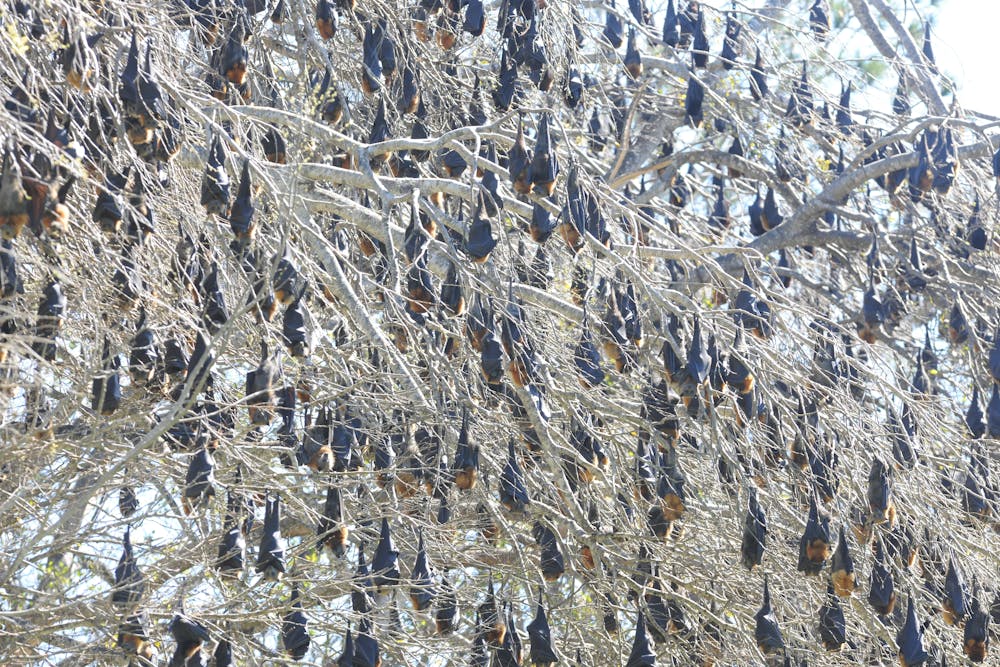
A large group of grey-headed flying foxes roosting in a tree
More than 150,000 grey-headed flying foxes roosted in Gympie, Queensland, after much of their habitat burned during the Black Summer of 2019-20.
Eric Vanderduys, CSIRO

As the sun sets, they take to the sky, departing in large streams to forage during the night in the surrounding landscape. They can travel long distances to find food, sometimes venturing more than 40km from home, and flying more than 300km in a single night.

Their food of choice is nectar from a wide variety of eucalypt, bloodwood and melaleuca species. In return, they play an important pollination role, as if they were nocturnal bees with a one-metre wingspan.

They also feed extensively on native figs. In urban areas, they feast on the nectar and fruit of introduced species found in gardens and street trees.

Individuals regularly change roosts. They move throughout the species’ range, following food resources.

That means the number of bats in roosts is constantly changing, depending on the availability of the surrounding resources, which makes accurate counting particularly challenging.

A grey-headed flying-fox hanging from a tree, wrapped in its wings, with its eyes wide open
Grey-headed flying foxes sleep and socialise during the day but are often well aware of approaching humans.
Adam McKeown, CSIRO

Monitoring a threatened species

Australia’s national science agency, CSIRO, co-ordinated the National Flying-fox Monitoring Program in partnership with federal and state environmental agencies from 2012 to 2022.

The intention was to monitor the populations of the two nationally listed flying fox species on the mainland. It was specifically designed to understand their population trends. Here we focus on the grey-headed flying foxes.

The program involved quarterly visits by federal, state and local government staff and volunteers to as many flying fox roosts as possible. Over the entire program almost 12,000 counts were conducted at 912 potential roosts. Grey-headed flying foxes were found at 469 of those roosts.

This program would not have been possible without hundreds of hours of work around the clock by staff and volunteers, often in challenging conditions. Their work highlights the importance of long-term monitoring programs.

From 2012 to 2022 we counted an average of 580,000 grey-headed flying foxes in each survey. But total numbers ranged between 330,000 and 990,000, with strong seasonal variation. This variation relates to their reproductive cycle and the availability of food within their range.

Flying foxes pup late in the year. When those pups become independent, they can be counted. This results in a sudden increase in the numbers, typically around February. So while our data show peaks and troughs throughout each year, overall the population remained stable.

We developed a model to allow for this seasonality and examine overall population trends. The model strongly suggests the population hovered around 600,000 adults for the ten years of the survey. We found a 70% chance of a slightly increasing population, versus a 30% chance the population has declined slightly.

The population appeared to be stable despite exceptional events such as the 2019–20 megafires and severe heatwaves known to have killed thousands of flying foxes.

The flying foxes seem resilient to these threats for two main reasons.

First, they are nomadic and well adapted to travelling long distances. This allows them to evade threats such as fires and droughts.

Second, grey-headed flying-foxes are likely to benefit from a “human-modified landscape”. In other words, they may well be urban “winners”, as the urban areas we’ve created provide diverse foraging opportunities.

Grey-headed flying foxes continually occupied all major cities within their range throughout our monitoring program.

These urban environments offer a smorgasbord of flowering and fruiting species, especially palms and figs. Many of these species are exotics, with flowering and fruiting patterns that flying foxes can readily exploit.

We found continuous occupation of individual roosts was unusual. The few that were continuously occupied were all in urban areas, supporting the view that urban areas are increasingly important for this species.

Closeup of a young grey-headed flying fox looking at the camera, with a dark green leafy background
This young grey-headed flying fox is big enough to count.
Eric Vanderduys, CSIRO

Good news, but we need to be cautious

After ten years of monitoring we can safely say the grey-headed flying fox is doing ok, for the time being.

But threats to its survival remain. Climate change is expected to cause more heatwaves, bushfires and droughts within their range. This could turn their fate around.

It’s also worth noting that while our monitoring continued for two years after the 2019–20 bushfires, the longer-term impacts are still unknown.

Given this uncertainty, continuing monitoring using similar methods and incorporating updated technology would increase certainty about the population trajectory. Unfortunately, monitoring has paused since 2022, pending further funding discussions.


Read more:
To stop new viruses jumping across to humans, we must protect and restore bat habitat. Here’s why


The Conversation

Eric Vanderduys works for CSIRO. He receives funding from a range of federal and state government agencies.

Adam McKeown receives funding from a variety of federal and state government agencies.

Chris R. Pavey works for CSIRO. He receives funding from a variety of federal and state government agencies.

John Martin works for Ecosure ecological consultancy. He receives funding from a variety of federal and state government agencies.

Peter Caley works for the CSIRO. He receives funding from a range of federal and state government agencies.

ref. Grey-headed flying-fox population is stable – 10 years of monitoring reveals this threatened species is doing well – https://theconversation.com/grey-headed-flying-fox-population-is-stable-10-years-of-monitoring-reveals-this-threatened-species-is-doing-well-226319

Positive outlook, with a dash of humour: Wang Yi’s visit sets the tone for a real diplomatic reboot

Source: The Conversation (Au and NZ) – By James Laurenceson, Director and Professor, Australia-China Relations Institute (ACRI), University of Technology Sydney

There is a prominent view in Australia that bilateral relations with China remain inherently “fragile”.

Canberra and Beijing might have started talking to each other again after Labor returned to power in May 2022. But some deep-seated differences remain, such as around the role the United States should play in the emerging regional order.

And at any moment these differences might see the Albanese government put in Beijing’s doghouse, just as the Morrison government was in 2020.

After the visit to Australia this week by Chinese Foreign Minister Wang Yi, however, we can be a little more confident the current positive trajectory in Australia-China relations has some resilience.

Wang’s main purpose for making the trip was to join Australian Foreign Minister Penny Wong for the reinstated annual Australia-China Foreign and Strategic Dialogue, a regular, high-level meeting that was put on pause during the lowest point of China-Australia relations.

Following his meeting with Wong, Wang also had a roundtable discussion with a group of Australian business leaders, academics and think tank experts, hosted by the Australia-China Business Council. I was a part of this session.

Perhaps unsurprisingly, Wang talked up China’s domestic and international achievements during this session, such as the fact that China’s economy consistently contributes to one-third of global economic growth.

He also defended Beijing’s positions on a range of issues, such as the introduction of a controversial national security law this week in Hong Kong. And there was more than one critical reference to the United States.

But when Wang explained how Beijing hoped to manage ties with Canberra moving forward – and what China wanted to get out of the relationship with Australia more broadly – it was striking that in both tone and substance his remarks were almost identical to those of Wong.

Wang’s tone was not exuberant. But it was unmistakably positive and assiduously forward-looking. The assertive, “wolf warrior”-style diplomacy that characterised China’s foreign policy in recent years was nowhere to be seen. And the “14 grievances” the Chinese embassy issued in 2020 to express the country’s frustrations with Australia remained in the drawer.

And like his Australian counterpart, Wang hoped that Beijing and Canberra would maintain “mature, stable and productive” relations. His aim was for the “diverse engagement” between the two countries to continue and the “untapped potential” of the relationship to be realised.

After all, Wang said, Australia and China had “more common interests than differences”. On the latter, the task was not to pretend they didn’t exist, but rather to “manage and rise above” them.

This sounded an awful lot like Wong’s exhortation in a press conference following her meeting with Wang that Australia and China need to “manage their differences wisely”.

Wang even managed a note of humour, joking to business leaders in the room that despite Australia running a massive bilateral trade surplus with China (more than $A100 billion in 2023), Beijing did not consider this a problem. He quipped he did not intend launching any “301 investigations” against Australia, name-checking the tactics that Washington has deployed to reduce its trade deficit with China.


Read more:
Don’t be fooled by Biden and Xi talks − China and the US are enduring rivals rather than engaged partners


Avoiding diplomatic pitfalls

Given Beijing’s previous behaviour toward Canberra, such as using trade restrictions to disrupt A$20 billion worth of Australian exports in 2020, Wang’s rhetoric this week could arouse some scepticism.

But recent events suggest more is at play – and the relationship is actually on firmer ground than might be expected.

Last November, a Chinese warship directed a powerful, hull-mounted sonar at an Australian naval vessel in the East China Sea, causing minor injuries to divers who had been removing fishing nets entangled in the ship’s propellers.

Neither side shied away from making clear their positions on the incident – and these were at odds.

Australian Prime Minister Anthony Albanese described the Chinese actions as “dangerous, unsafe and unprofessional”.

China’s Ministry of National Defence, meanwhile, said Australia ought to “respect the facts” and “stop making reckless and irresponsible accusations”.

Despite this strong language, however, neither side prolonged or escalated the impact of the incident.

The same dynamic was apparent when Beijing announced last month that an Australian citizen, Yang Hengjun, had received a suspended death sentence in China for “espionage”.

Wong described the verdict as “appalling”. Albanese said his government had conveyed to Beijing “our dismay, our despair, our frustration, but to put it really simply, our outrage at this verdict”. She continued to advocate loudly on Yang’s behalf to Wang this week, as well.

Beijing took a very different position, saying the Chinese court respected Yang’s procedural rights.

But when asked whether Australia might take more extreme steps in response to the verdict, such as recall Australia’s ambassador to Beijing or rescind an invitation for a high-ranking Chinese official to visit, Wong quickly hosed down such suggestions. Chinese Premier Li Qiang is still expected to visit Australia this year, reciprocating Albanese’s trip to China last November.

And at the same time, Trade Minister Don Farrell continued to talk up areas of mutual benefit between the countries. He said just days after the verdict that while Australia already has a roaring A$300 billion trade relationship with China, this “doesn’t mean that figure can’t be A$400 billion”.

Evidently, neither side wishes to return to the dysfunction of 2020–21, when the response to political differences was megaphone diplomacy, cutting off dialogue and crimping areas of mutually beneficial cooperation.

None of the episodes of the last few months are proof positive that Australia-China relations could not be thrown off course again by a more extreme development. If Canberra walked away from adhering to the “One-China Policy”, for instance, or if Beijing ramped up its aggression towards Australian naval vessels in international waters, the future of the bilateral relationship would quickly darken.

But for the time being, the outlook is more stable and optimistic than it has been for a good while.


Read more:
Does Yang Hengjun have any legal hopes left after receiving a suspended death sentence in China?


The Conversation

James Laurenceson does not work for, consult, own shares in or receive funding from any company or organisation that would benefit from this article, and has disclosed no relevant affiliations beyond their academic appointment.

ref. Positive outlook, with a dash of humour: Wang Yi’s visit sets the tone for a real diplomatic reboot – https://theconversation.com/positive-outlook-with-a-dash-of-humour-wang-yis-visit-sets-the-tone-for-a-real-diplomatic-reboot-226232

Conspiracy theorist tactics show it’s too easy to get around Facebook’s content policies

Source: The Conversation (Au and NZ) – By Amelia Johns, Associate Professor, Digital and Social Media, School of Communication, University of Technology Sydney

During the COVID pandemic, social media platforms were swarmed by far-right and anti-vaccination communities that spread dangerous conspiracy theories.

These included the false claims that vaccines are a form of population control, and that the virus was a “deep state” plot. Governments and the World Health Organization redirected precious resources from vaccination campaigns to debunk these falsehoods.

As the tide of misinformation grew, platforms were accused of not doing enough to stop the spread. To address these concerns, Meta, the parent company of Facebook, made several policy announcements in 2020–21. However, it hesitated to remove “borderline” content, or content that didn’t cause direct physical harm, save for one policy change in February 2021 that expanded the content removal lists.

To stem the tide, Meta continued to rely more heavily on algorithmic moderation techniques to reduce the visibility of misinformation in users’ feeds, search and recommendations – known as shadowbanning. They also used fact-checkers to label misinformation.

While shadowbanning is widely seen as a concerningly opaque technique, our new research, published in the journal Media International Australia, instead asks: was it effective?

What did we investigate?

We used two measures to answer this question. First, after identifying 18 Australian far-right and anti-vaccination accounts that consistently shared misinformation between January 2019 and July 2021, we analysed the performance of these accounts using key metrics.

Second, we mapped this performance against five content moderation policy announcements for Meta’s flagship platform, Facebook.

The findings revealed two divergent trends. After March 2020 the overall performance of the accounts – that is, their median performance – suffered a decline. And yet their mean performance shows increasing levels after October 2020.

This is because, while the majority of the monitored accounts underperformed, a few accounts overperformed instead, and strongly so. In fact, they continued to overperform and attract new followers even after the alleged policy change in February 2021.


Shadowbanning as a badge of pride

To examine why, we scraped and thematically analysed comments and user reactions from posts on these accounts. We found users had a high motivation to stay engaged with problematic content. Labelling and shadowbanning were viewed as motivating challenges.

Specifically, users frequently used “social steganography” – using deliberate typos or code words for key terms – to evade algorithmic detection. We also saw conspiracy “seeding” where users add links to archiving sites or less moderated sites in comments to re-distribute content Facebook labelled as misinformation, and to avoid detection.

In one example, a user added a link to a BitChute video with keywords that dog-whistled support for QAnon style conspiracies. As terms such as “vaccine” were believed to trigger algorithmic detection, emoji or other code names were used in their place:

A friend sent me this link, it’s [sic.] refers to over 4000 deaths of individuals after getting 💉 The true number will not come out, it’s not in the public’s interest to disclose the amount of people that have died within day’s [sic.] of jab.

While many conspiracy theories were targeted at government and public health authorities, platform suppression of content fuelled further conspiracies regarding big tech and their complicity with “Big Pharma” and governments.

This was evident in the use of keywords such as MSM (“mainstream media”) to reference QAnon style agendas:

MSM are in on this whole thing, only report on what the elites tell them to. Clearly you are not doing any research but listening to msm […] This is a completely experimental ‘vaccine’.

Another comment thread showed reactions to Meta’s dangerous organisations policy update, where accounts that regularly shared QAnon-content were labelled “extremist”. In the reactions, MSM and “the agenda” appeared frequently.


Read more:
QAnon is spreading outside the US – a conspiracy theory expert explains what that could mean


Some users recommended that sensitive content be moved to alternative platforms. We observed one anti-vaccination influencer complain that their page was being shadowbanned by Facebook, and calling on their followers to recommend a “good, censorship free, livestreaming platform”.

The replies suggested moderation-lite sites such as Rumble. Similar recommendations were made for Twitch, a livestreaming site popular with gamers which has since attracted far-right political influencers.

As one user said:

I know so many people who get censored on so many apps especially Facebook and Twitch seems to work for them.

How can content moderation fix the problem?

These tactics of coordination to detect shadowbans, resist labelling and fight the algorithm provide some insight into why engagement didn’t dim on some of these “overperforming” accounts despite all the policies Meta put in place.

This shows that Meta’s suppression techniques, while partially effective in containing the spread, do nothing to prevent those invested in sharing (and finding) misinformation from doing so.

Firmer policies on content removal and user banning would help address the problem. However, Meta’s announcement last year suggests the company has little appetite for this. Any loosening of policy changes will all but ensure this misinformation playground will continue to thrive.


Read more:
A researcher asked COVID anti-vaxxers how they avoid Facebook moderation. Here’s what they found


The Conversation

Amelia Johns has received funding from Meta content policy award for some of the research presented in this article. She has also received funding from the Australian Research Council.

Emily Booth is supported by funding from the Australian Department of Home Affairs and the Defence Innovation Network.

Francesco Bailo has received funding from Meta content policy award for some of the research presented in this article. He receives funding from the Defence Innovation Network.

Marian-Andrei Rizoiu receives funding from the Australian Department of Home Affairs, the Defence Science and Technology Group, the Defence Innovation Network and the Australian Academy of Science.

ref. Conspiracy theorist tactics show it’s too easy to get around Facebook’s content policies – https://theconversation.com/conspiracy-theorist-tactics-show-its-too-easy-to-get-around-facebooks-content-policies-226118

Liberals likely to easily win most seats in Tasmania; huge swings to LNP at Queensland byelections

Source: The Conversation (Au and NZ) – By Adrian Beaumont, Election Analyst (Psephologist) at The Conversation; and Honorary Associate, School of Mathematics and Statistics, The University of Melbourne

The Tasmanian state election is this Saturday. The 35 total lower house seats will be elected in five seven-member electorates using the proportional Hare Clark system, up from 25 total seats at previous elections. A quota for election is one-eighth of the vote, or 12.5%, down from 16.7% at previous elections.

The Poll Bludger on Friday reported The Mercury had a Freshwater poll taken a “fortnight ago” for an undisclosed client. This poll had samples of 800 in each of the five electorates. It suggested the Liberals would win 15 of the 35 seats, Labor nine, the Greens four, the Jacqui Lambie Network three and independents four.

In Braddon, this poll gave the Liberals 49%, Labor just 15%, JLN 13% and independents 10%, suggesting Labor would win just one of Braddon’s seven seats, with the Liberals taking four, JLN one and an independent one. Labor would win two seats in each of the other four electorates, with the Greens and independents strong in Clark.

While the Liberals would be short of the 18 seats needed for a majority, the 15 seats they would win if this poll is accurate would give them a far better chance to form government than Labor. Freshwater’s federal polls have usually been better for the Coalition than other polls.

I covered a Tasmanian uComms poll on March 15 that gave Labor just 23% of the vote. Both the uComms poll and Freshwater poll were taken about a fortnight ago, and there haven’t been recent polls conducted.

Labor is struggling in the polls in both Tasmania and Queensland, though from different positions. In Tasmania, the Liberals have held government since the 2014 election, while in Queensland, Labor has held power since the 2015 election.

The federal Labor government is likely now a drag for state Labor parties. Another factor is that Tasmania and Queensland are the most regional-dominated Australian states. At the 2022 federal election, Queensland was easily the best state for the Coalition, while Tasmania was the only state or territory that recorded a swing to the Coalition from the 2019 election.

I covered the urban shift to the left in an April 2022 article that suggested federal Labor could do well due to Australia’s big cities.


Read more:
Will a continuing education divide eventually favour Labor electorally due to our big cities?


Queensland Labor likely doomed after huge byelection swings

Queensland state byelections were held on March 16 in the Labor-held seats of Inala and Ipswich West. The ABC’s projections are for the Liberal National Party to gain Ipswich West by a 53.5–46.5 margin, a 17.9% swing to the LNP since the October 2020 state election.

Primary votes were 39.6% LNP (up 18.5%), 35.0% Labor (down 15.1%), 14.5% Legalise Cannabis (up 10.0%) and 10.9% One Nation (down 3.9%). The Greens, who had 6.5% in 2020, did not contest.

Labor held Inala by a 56.8–43.2 margin, but this was a 21.3% swing to the LNP. Primary votes were 37.3% Labor (down 30.1%), 29.3% LNP (up 12.8%), 10.1% Greens (up 2.3%) and a combined 19.5% for four independents. Inala was held by former premier Annastacia Palasczuk, and was one of only seven Labor-held seats after the 2012 election wipeout.

The Queensland state election will be held in October. On March 15 I covered a Queensland Newspoll that gave the LNP a 54–46 lead, representing a seven-point swing to the LNP since the 2020 election.


Read more:
Dire polls for Labor in Tasmania and Queensland with elections upcoming


Byelection swings in government-held seats are usually worse for governments than the swings at general elections. But the huge swings in Inala and Ipswich West validate Newspoll. Labor has governed in Queensland since early 2015, but faces defeat in October.

Local government elections in Queensland were also held on March 16. In the high-profile Brisbane City Council, incumbent LNP mayor Adrian Schrinner defeated Labor by 56.3–43.7, a 0.1% swing to Labor since the 2020 election.

The LNP also retained its majority on the council, winning 17 of the 26 wards, to five for Labor, two Greens and one independent, with one still undecided. In both the mayoral and council elections, there was a primary vote swing to the Greens but it came at Labor’s expense.

SA state byelection this Saturday

A byelection in the South Australian Liberal-held state seat of Dunstan will also occur this Saturday after the retirement of former Liberal premier Steven Marshall. At the March 2022 SA election, Marshall defeated Labor in Dunstan by just a 50.5–49.5 margin. There have been no SA state polls since Labor ousted the Liberals at that election.

Federal Morgan poll steady at 51.5–48.5 to Labor

In this week’s national Morgan poll, conducted March 11–17 from a sample of 1,710, Labor led by 51.5–48.5, unchanged since the previous week. Primary votes were 37% Coalition (down one), 31.5% Labor (down 0.5), 12.5% Greens (down 0.5), 5.5% One Nation (up 1.5), 9% independents (steady) and 4.5% others (up 0.5).

The Conversation

Adrian Beaumont does not work for, consult, own shares in or receive funding from any company or organisation that would benefit from this article, and has disclosed no relevant affiliations beyond their academic appointment.

ref. Liberals likely to easily win most seats in Tasmania; huge swings to LNP at Queensland byelections – https://theconversation.com/liberals-likely-to-easily-win-most-seats-in-tasmania-huge-swings-to-lnp-at-queensland-byelections-225987

Theatrical, camp and truly original: glam-rock pioneer Steve Harley’s influence lives on

Source: The Conversation (Au and NZ) – By Alison Blair, Teaching Fellow in Music, University of Otago

Musician Steve Harley’s death last week came as a shock to me. After four months analysing his music and visual performances for my doctoral thesis on British glam rock, I’d come to feel like I somehow knew him.

The feeling was compounded by the fact Harley had answered some questions for me some years earlier and wished me well in my studies. To me, then, he was a nice, approachable person, generous with his time. He was also a unique and innovative musician, beginning with albums The Human Menagerie (1973) and The Psychomodo (1974), whose influence has extended well beyond the 1970s.

But Harley has received much less scholarly attention than his glam-rock-era peers. David Bowie, in particular, has (rightfully) been the subject of books, symposiums and university courses. And scholars around the world have analysed glam rock itself in its various forms and incarnations.

Harley, however, is notably absent from these discussions. One reason is that glam-rock scholarship is still growing, with much still to do. Another reason may be that Harley is not as easily categorised as other glam-rock musicians.

While many were androgynous, for instance, Harley was relatively understated. Musically, too, Steve Harley & Cockney Rebel broke the rock ‘n’ roll mould, opting for an electric violin instead of electric guitars.

Without the electric guitar, there was room for Harley to perform with a certain theatricality, both vocally and as reflected in the band’s often lush instrumentation. In 1974’s Tumbling Down, Harley laments what’s been done to the blues, accompanied by a full choir, orchestra and sentimental flourishes.

Musical melodrama

While glam-era Bowie was theatrical in a stagey, physical sense – the Ziggy Stardust live concerts being the prime example – Harley’s theatricality was different. He drew from Berlin cabaret, among other such influences, but went beyond that, offering shimmering, shivering musical melodrama that departed from the usual glam-rock formulas.

While glam band The Sweet were campy in a comedic way, Steve Harley’s camp lay in his fin de siècle, dramatic excess. Imagine the orchestral flourish of Bowie’s Life On Mars? (1971), but filtered through a candlelit, absinthe-driven night in Paris.


Read more:
David Bowie: pop star who fell to earth to teach outsiders they can be heroes


Even his more upbeat tracks – Sweet Dreams (1974) or Psychomodo (1974), for example – embody a quirky angularity that recalls the visual style of a German Expressionist film.

At the same time, such songs anticipated the vocal styles of later art-rock, punk and new-wave singers. Harley’s sense of camp can also be found in his key influences: Busby Berkeley musicals and Marlene Dietrich.

Filmmaker Todd Haynes insightfully layered Harley’s musical melodrama into the more decadently theatrical moments of his 1998 glam-rock film Velvet Goldmine. Actor Jonathan Rhys Meyers performs Tumbling Down in blue-green body paint and pastel feather boa on an elaborate staircase and, finally, on top of an ornate chandelier.

Make Me Smile

Harley is most remembered, of course, for the 1975 hit Make Me Smile (Come Up And See Me), his most upbeat, conventionally “pop” single. Its welcoming acoustic guitar strum and catchy melody – replete with “ooh la la la la” backing vocals – has been covered more than 100 times, notably as the B-side to Duran Duran’s The Reflex in 1984.

Cheerful, charming and representative of Harley’s poppier sensibilities, Make Me Smile is also an exception. It departs from the often dark elegance of The Human Menagerie or The Psychomodo albums, and from the off-kilter circus-cabaret of his other glam-era pop single Mr. Soft (1974).


Read more:
Kiss’s debut album at 50: how the rock legends went from ‘clowns’ to becoming immortalised


Like the other “serious” glam rockers of the era – such as Roxy Music’s Brian Eno – Harley didn’t really think of himself as a glam-rock artist. Nevertheless, he’s considered a key figure in “high glam” – the artier type, embodied by David Bowie and early Roxy Music.

High glam required a sort of intellectualism, and an intellectual distance from the broader glam-rock genre. It was a world away from Slade’s Cum On Feel The Noize or The Sweet’s party-rock stompers. Its cerebral artiness – including its denial of being glam rock at all – was what defined it.

Once and future glam

British glam rock met the end of its cycle in the mid-1970s. Bowie moved on, Eno left Roxy Music, and The Sweet broke up with their songwriters to become the hard-rock band they always wanted to be.

Like Bowie, Harley endured – releasing new music and touring regularly. Glam rock has both morphed and echoed throughout the decades, emerging in new wave, glam metal and Britpop’s more glamorous, Bowie-influenced artists (Suede, Pulp). Most recently, glam has resurfaced in decadent Italian rockers Måneskin.

Until late last year, Harley had planned to tour. He cancelled on receiving a cancer diagnosis, and his death was swift. Along with Bowie, Marc Bolan and most of the original members of The Sweet, Steve Harley has joined that growing pantheon of glam-era musicians who are no longer with us.

With Make Me Smile (Come Up And See Me) now played in his honour, we should also remember him as a key and innovative figure in a pivotal rock era.

The Conversation

Alison Blair does not work for, consult, own shares in or receive funding from any company or organisation that would benefit from this article, and has disclosed no relevant affiliations beyond their academic appointment.

ref. Theatrical, camp and truly original: glam-rock pioneer Steve Harley’s influence lives on – https://theconversation.com/theatrical-camp-and-truly-original-glam-rock-pioneer-steve-harleys-influence-lives-on-226116

‘Help us help ourselves’ PNG plea over free and open Indo-Pacific

By Jeffrey Elapa in Port Moresby

Papua New Guinea’s Defence Minister Dr Billy Joseph attended the second Japan Pacific Islands Defence Dialogue (JPIDD) in Tokyo, Japan, this week on his first overseas engagement.

The JPIDD is one of the pillars of the regional security architecture initiated by Japan and contributes to regional peace and security by fostering trust and sustained practical cooperation among its members and dialogue partners.

During the meeting, Dr Joseph and his counterparts and dialogue partners exchanged views on the regional security environment, issues and challenges in the Indo-Pacific region.

He stressed the importance of the Pacific Island countries and their security partners in the region to cooperate and collaborate to uphold and enforce the “rules-based international order” to maintain peace and stability in the region.

“As a Pacific family, we must stand united in response to the current and emerging security challenges posed by the intensification of geo-strategic competition, climate change, maritime security, non-traditional security challenges such as illegal, unreported and unregulated (IUU) fishing, transnational crime as well as space and cyber security threats,” Dr Joseph said.

“It is our common resolve to realise our shared vision for a Blue Pacific Continent, a resilient Pacific region of peace, harmony, security, social inclusion and prosperity, that ensures everybody live a free, healthy and productive life.”

He acknowledged the important roles played by Japan and “our traditional friends and dialogue partners Australia, New Zealand and the United States” in the JPIDD process and urged them to elevate their support for Pacific Island countries to collaborate and promote a “free and open Indo-Pacific for peace and economic prosperity for all”.

Regional training focus
“We call for our partners to genuinely assist the individual Pacific Island countries with a regional focus on capacity building in the areas of training, equipment support and infrastructure development with the principle of ‘helping us to help ourselves’,” Dr Joseph said.

“In doing so, we envisage our region to be a region that is capable of looking after itself, a region that is led by Pacific Islands, and a region that promotes collective regional response in addressing its regional security challenges.”

Fiji and Papua New Guinea have sent their defence ministers to the talks, with the crown prince of Tonga representing his country.

From the other 11 participating nations that have no military forces, senior officials have joined the meeting, either in person or online.

Defence ministers and the representatives of Australia, Canada, Cook Islands, France, Federated States of Micronesia, Fiji, Kiribati, Japan, Marshall Islands, Nauru, New Zealand, Niue, Palau, Papua New Guinea, Solomon Islands, Tonga, Tuvalu, United Kingdom, United States, and Vanuatu have been attending.

Jeffrey Elapa is a PNG Post-Courier reporter. Republished with permission.

Print Friendly, PDF & Email

Article by AsiaPacificReport.nz

What’s the difference between autism and Asperger’s disorder?

Source: The Conversation (Au and NZ) – By Andrew Cashin, Professor of Nursing, School of Health and Human Sciences, Southern Cross University

Stokkete/Shutterstock

Swedish climate activist Greta Thunberg describes herself as having Asperger’s while others on the autism spectrum, such as Australian comedian Hannah Gatsby, describe themselves as “autistic”. But what’s the difference?

Today, the previous diagnoses of “Asperger’s disorder” and “autistic disorder” both fall within the diagnosis of autism spectrum disorder, or ASD.

Autism describes a “neurotype” – a person’s thinking and information-processing style. Autism is one of the forms of diversity in human thinking, which comes with strengths and challenges.

When these challenges become overwhelming and impact how a person learns, plays, works or socialises, a diagnosis of autism spectrum disorder is made.

Where do the definitions come from?

The Diagnostic and Statistical Manual of Mental Disorders (DSM) outlines the criteria clinicians use to diagnose mental illnesses and behavioural disorders.

Between 1994 and 2013, autistic disorder and Asperger’s disorder were the two primary diagnoses related to autism in the fourth edition of the manual, the DSM-4.

In 2013, the DSM-5 collapsed both diagnoses into one autism spectrum disorder.


Read more:
It’s 25 years since we redefined autism – here’s what we’ve learnt


How did we used to think about autism?

The two thinkers behind the DSM-4 diagnostic categories were Baltimore psychiatrist Leo Kanner and Viennese paediatrician Hans Asperger. They described the challenges faced by people who were later diagnosed with autistic disorder and Asperger’s disorder.

Kanner and Asperger observed patterns of behaviour that differed to typical thinkers in the domains of communication, social interaction and flexibility of behaviour and thinking. The variance was associated with challenges in adaptation and distress.

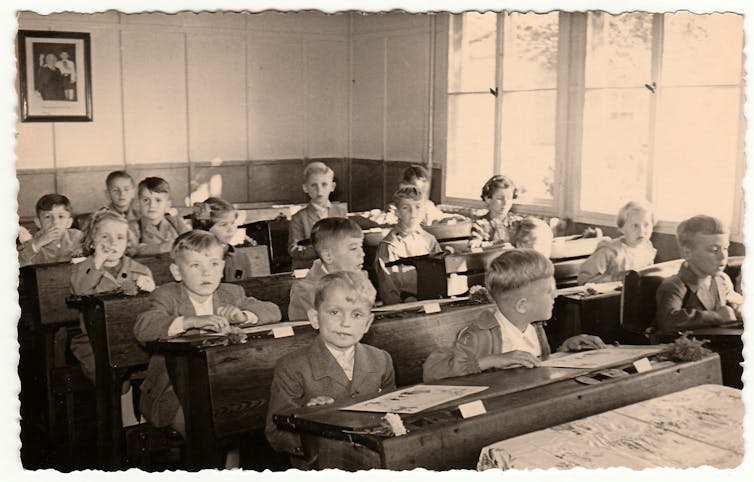
Children in a 1950s classroom
Kanner and Asperger described different thinking patterns in children with autism.
Roman Nerud/Shutterstock

Between the 1940s and 1994, the majority of those diagnosed with autism also had an intellectual disability. Clinicians became focused on the accompanying intellectual disability as a necessary part of autism.

The introduction of Asperger’s disorder shifted this focus and acknowledged the diversity in autism. In the DSM-4 it superficially looked like autistic disorder and Asperger’s disorder were different things, with the Asperger’s criteria stating there could be no intellectual disability or delay in the development of speech.

Today, as a legacy of the recognition of the autism itself, the majority of people diagnosed with autism spectrum disorder – the new term from the DSM-5 – don’t a have an accompanying intellectual disability.

What changed with ‘autism spectrum disorder’?

The move to autism spectrum disorder brought the previously diagnosed autistic disorder and Asperger’s disorder under the one new diagnostic umbrella term.

It made clear that other diagnostic groups – such as intellectual disability – can co-exist with autism, but are separate things.

The other major change was acknowledging communication and social skills are intimately linked and not separable. Rather than separating “impaired communication” and “impaired social skills”, the diagnostic criteria changed to “impaired social communication”.

The introduction of the spectrum in the diagnostic term further clarified that people have varied capabilities in the flexibility of their thinking, behaviour and social communication – and this can change in response to the context the person is in.


Read more:
TikTok is teaching the world about autism – but is it empowering autistic people or pigeonholing them?


Why do some people prefer the old terminology?

Some people feel the clinical label of Asperger’s allowed a much more refined understanding of autism. This included recognising the achievements and great societal contributions of people with known or presumed autism.

The contraction “Aspie” played an enormous part in the shift to positive identity formation. In the time up to the release of the DSM-5, Tony Attwood and Carol Gray, two well known thinkers in the area of autism, highlighted the strengths associated with “being Aspie” as something to be proud of. But they also raised awareness of the challenges.

What about identity-based language?

A more recent shift in language has been the reclamation of what was once viewed as a slur – “autistic”. This was a shift from person-first language to identity-based language, from “person with autism spectrum disorder” to “autistic”.

The neurodiversity rights movement describes its aim to push back against a breach of human rights resulting from the wish to cure, or fundamentally change, people with autism.

Boy responds to play therapist
Autism is one of the forms of diversity in human thinking, which comes with strengths and challenges.
Alex and Maria photo/Shutterstock

The movement uses a “social model of disability”. This views disability as arising from societies’ response to individuals and the failure to adjust to enable full participation. The inherent challenges in autism are seen as only a problem if not accommodated through reasonable adjustments.

However the social model contrasts itself against a very outdated medical or clinical model.

Current clinical thinking and practice focuses on targeted supports to reduce distress, promote thriving and enable optimum individual participation in school, work, community and social activities. It doesn’t aim to cure or fundamentally change people with autism.

A diagnosis of autism spectrum disorder signals there are challenges beyond what will be solved by adjustments alone; individual supports are also needed. So it’s important to combine the best of the social model and contemporary clinical model.


Read more:
From deficits to a spectrum, thinking around autism has changed. Now there are calls for a ‘profound autism’ diagnosis


The Conversation

Andrew Cashin receives funding from the Australian Government National Disability Insurance Agency Information Linkages and Capacity Building Grant Scheme Grant number 4-DW65XKD. This is a mainstream capacity building grant to build the capacity to care for people with ASD and/or intellectual disability in mainstream healthcare.

ref. What’s the difference between autism and Asperger’s disorder? – https://theconversation.com/whats-the-difference-between-autism-and-aspergers-disorder-223643

NZ is in recession – so far there are few signs the government has a plan to stimulate and grow the economy

National-led New Zealand Coalition Government with (from left) New Zealand First leader and Deputy Prime Minsiter Winston Peters, National Party leader and Prime Minister Chris Luxon, and ACT Part leader David Seymour.

Source: The Conversation (Au and NZ) – By Grant Duncan, Visiting Scholar in Politics, City, University of London

If you live in New Zealand and you’re feeling poorer, you’re not imagining it.
Stats NZ has revealed the economy was in recession over the second half of last year. GDP fell in the September and December quarters by –0.3% and –0.1% respectively.

Taking into account the record high levels of immigration, Westpac’s most recent economic bulletin estimated this may equate to GDP per person having fallen almost 4% from its peak in mid-2022.

What does this mean politically, then, and what can the coalition do about it?
Because the statistics are retrospective, the new government can blame the old one – but that won’t satisfy many people for much longer.

The National-led government hasn’t enjoyed a post-election honeymoon. According to an IPSOS poll in late February, New Zealanders rated the coalition’s performance at 4.6 out of ten – on par with the Labour government (4.7) just before the general election in October 2023.

Internal contradictions

The recession also means reduced tax revenues. Logically, something will have to give when Finance Minister Nicola Willis puts the final touches on her first budget, to be delivered on May 30.

Tax cuts – which National has promised – could exacerbate inflation or delay its decline. Although inflation has been coming down, it’s still some way from the target 1–3% range. The December figure was 4.7%.


Read more:
The first 100 days of tax policy bode well for National’s supporters – others might be worried


If income is weaker than expected, tax cuts would be paid for by deeper spending cuts, revenues raised elsewhere, or borrowing. The last option lacks credibility, given the way proposed unfunded tax cuts hastened the political demise of the then UK prime minister, Liz Truss, in 2022.

Luxon and Willis have some difficult fiscal decisions to make. And there’s pressure, especially from NZ First leader Winston Peters, to honour the coalition agreements. Peters has already made life difficult for Willis by repeating one published estimate of a potential NZ$5.6 billion “gap” between National’s election promises and “current forecasts”.

Missing innovation and skills policies

In the meantime, people are struggling to make ends meet and appear to lack confidence in the new government.

According to the IPSOS poll, the National Party has often been seen as more competent than other parties to deal with the economic problems. But National is in coalition with two other partners, both of which expect to see their own policies implemented.

There are incentives for all three parties, however, to convince at least most people they can achieve three closely related aims:

  • deliver a prudent budget
  • improve economic efficiency and productivity
  • stimulate innovation and skills.

Judgment on the first point should be reserved until we see the budget.

On the second point, the government is passing a law that will allow fast-track consenting for approved projects. The government will also argue that reintroducing 90-day employment trials, for businesses with more than 20 staff, and repealing pay-equity law will help improve investment and hiring.


Read more:
The government wants to fast-track approvals of large infrastructure projects – that’s bad news for NZ’s biodiversity


But the fast-track law is attracting criticism from environmental groups and legal experts for giving extraordinary powers to ministers. Trade unions strongly oppose the employment law changes.

On the final point, the government seems to have few ideas – least of all how to prepare for the coming wave of AI-driven change. Tertiary education and research and development would be priorities here, but there are no new policy initiatives around trades training and advanced research.

A lot riding on Budget 2024

In the meantime, the reinstatement of tax deductibility of interest payments on rental properties does nothing at all to contribute to fiscal prudence, productivity or innovation.

It simply benefits the owners of things that have already been built and sold. And it’s very unlikely to lead to lower rents, contrary to Christopher Luxon’s suggestion it would apply “downward pressure” for which renters would be grateful.


Read more:
‘Applying for a home felt harder than applying for a job’: NZ private rentals won’t solve need for emergency housing


No government can literally “grow the economy” – regardless of the National Party’s pre-election hype. Economies grow as people produce more efficiently more of the things others are keen to pay for. A government’s actions and policies may either help or hinder the productivity of individuals, firms and the economy as a whole.

The present government’s economic credibility, and hence its political viability, are more seriously in question than would normally be the case so early in its first term.

There are things Luxon and his team can do to turn that around. But people want and need policies that will noticeably boost their material standard of living – sooner rather than later. A lot will depend on Budget 2024.

The Conversation

Grant Duncan does not work for, consult, own shares in or receive funding from any company or organisation that would benefit from this article, and has disclosed no relevant affiliations beyond their academic appointment.

ref. NZ is in recession – so far there are few signs the government has a plan to stimulate and grow the economy – https://theconversation.com/nz-is-in-recession-so-far-there-are-few-signs-the-government-has-a-plan-to-stimulate-and-grow-the-economy-226383

Te Kuaka calls for urgent law change on spy agency, warns over Pacific

Asia Pacific Report

Te Kuaka, an independent foreign policy advocacy group with a strong focus on the Pacific, has called for urgent changes to the law governing New Zealand’s security agency.

“Pacific countries will be asking legitimate questions about whether . . . spying in the Pacific was happening out of NZ,” it said today.

This follows revelations that a secret foreign spy operation run out of NZ’s Government Communications Security Bureau (GCSB) for seven years without the knowledge or approval of the government or Parliament.

RNZ News reports today that the former minister responsible for the GCSB, Andrew Little, has admitted that it may never be known whether the foreign spy operation was supporting military action against another country.

New Zealand’s intelligence watchdog the Inspector-General of Intelligence and Security revealed its existence on Thursday, noting that the system operated from 2013-2020 and had the potential to be used to support military action against targets.

The operation was used to intercept military communications and identify targets in the GCSB’s area of operation, which centres on the Pacific.

In 2012, the GCSB signed up to the agreement without telling the then director-general and let the system operate without safeguards including adequate training, record-keeping or auditing.

When Little found out about it he supported it being referred to the Inspector-General for investigation.

How the New Zealand Herald, NZ's largest newspaper, reported the news of the secret spy agency
How the New Zealand Herald, NZ’s largest newspaper, reported the news of the secret spy agency today . . . “buried” on page A7. Image: NZH screenshot APR

Refused to name country
But he refused to say if he believed the covert operation was run by the United States although it was likely to be one of New Zealand’s Five Eyes partners, reports RNZ.

Te Kuaka said in a statement today the inquiry should prompt immediate law reform and widespread concern.

“This should be of major concern to all New Zealanders because we are not in control here”, said Te Kuaka member and constitutional lawyer Fuimaono Dylan Asafo.

“The inquiry reveals that our policies and laws are not fit for purpose, and that they do not cover the operation of foreign agencies within New Zealand.”

It appeared from the inquiry that even GCSB itself had lost track of the system and did not know its full purpose, Te Kuaka said.

It was “rediscovered” following concerns about another partner system hosted by GCSB.

While there have been suggestions the system was established under previously lax legislation, its operation continued through several agency and legislative reviews.

Ultimately, the inquiry found “that the Bureau could not be sure [its operation] was always in accordance with government intelligence requirements, New Zealand law and the provisions of the [Memorandum of Understanding establishing it]”.

‘Unknowingly complicit’
“We do not know what military activities were undertaken using New Zealand’s equipment and base, and this could make us unknowingly complicit in serious breaches of international law”, Fuimaono said.

“The law needs changing to explicitly prohibit what has occurred here.”

The foreign policy group has also raised the alarm that New Zealand’s involvement in the AUKUS security pact could compound problems raised by this inquiry.

AUKUS is a trilateral security pact between Australia, the UK and the US that aims to contain China.

Pillar Two’s objective is to win the next generation arms race being shaped by new autonomous weapons platforms, electronic warfare systems, and hypersonic missiles.

It also involves intelligence sharing with AI-driven targeting systems and nuclear-capable assets.

‘Pacific questions’
“Pacific countries will be asking legitimate questions about whether this revelation indicates that spying in the Pacific was happening out of NZ, without any knowledge of ministers”, said Te Kuaka co-director Marco de Jong.

“New Zealand’s involvement in AUKUS Pillar II could further threaten the trust that we have built with Pacific countries, and others may ask whether involvement in that pact — with closer ties to the US — will increase the risk that our intelligence agencies will become entangled in other countries’ operations, and other people’s wars, without proper oversight.”

Te Kuaka has previously spoken out about concerns over AUKUS Pillar II.

“We understand that there is some sensitivity in this matter, but the security and intelligence agencies should front up to ministers here in a public setting to explain how this was allowed to happen,” De Jong said.

He added that the agencies needed to assure the public that serious military or other operations were not conducted from NZ soil without democratic oversight.”

Print Friendly, PDF & Email

Article by AsiaPacificReport.nz

Almost a third of Australia’s plant species may have to migrate south if we hit 3 degrees of warming

Source: The Conversation (Au and NZ) – By Julian Schrader, Lecturer in Plant Ecology, Macquarie University

Cornelia Sattler, CC BY

For ecologists, one of the most pressing questions is to understand how ecosystems will change or adapt as the climate changes rapidly. We are already seeing many species of plant and animal moving uphill and towards the poles in response to higher temperatures. It’s very likely most species will move to track their preferred temperature niche.

But what’s strange is that many species can survive in much broader temperature ranges than their current distribution suggests. We don’t yet fully understand why temperature affects ecosystems so strongly.

To shed light on this puzzle, our new research used the current range of Australian plants and calculated each species’ minimum and maximum temperature preferences. These data told us how many and what percentage of species are lost or gained when transitioning from, say, a 15°C to a 16°C average annual temperature.

The results were astonishing. In Australia’s wetter east coast, you gain on average 19% more species and lose 14% of species when moving up the temperature gradient by 1°C. In the dry centre, you gain 18% of species and lose 21% of species for every extra degree.

That’s at in our current climate. What will happen if the world warms by 3°C, which we are still heading towards?

If we assume the whole flora is trying to track their current climate niche, we would likely see 30% of our plant species in Australia moving south. That would be an enormous shift. Almost one in every three species would change in the natural vegetation around us.

australian alps, snow and gum trees
Plant species are more selective about their temperature niche than you would expect. Many will have to chase colder temperatures south.
Julian Schrader, CC BY

What does this mean?

What our data show is that even slight natural changes in temperature have an effect on the species occurring in different regions.

Why do most plant species only occur in a narrow band within the wider range in which they can survive? A long-held theory, dating back to the work of Charles Darwin, is that species ranges are determined more by competition as you head towards warmer temperatures.


Read more:
As seas get warmer, tropical species are moving further from the equator


In this theory, some species are simply better at finding and using resources than others. These competitive traits are thought to be fine-tuned to work best at specific temperatures. These species outcompete those with lower growth rates or fitness at these temperatures.

Why wouldn’t superior competitors spread everywhere? Their traits are likely only functional under specific, often narrow, temperature bands. As soon as it gets too cold, they can’t grow as efficiently and other species can compete.

This means the southern limit of an Australian species is determined by its tolerance of cooler temperatures. If you were on a road trip from Cape York to Tasmania, you would see new species appearing and tropical species becoming less common and disappearing as you drove south towards the pole.

Some species can adapt rapidly to changes in their climate, while others cannot.

When the heat is on, do plants have to move?

Australia’s plant species – especially in the wetter east – tend to be very old. Species with long histories have likely found their ideal temperature niche.

But the climate is heating up rapidly. 2023 was the first full year Earth was 1.5°C hotter than the pre-industrial era.

As temperatures rise, staying put may no longer be possible. More and more species will find themselves out of their preferred temperature niche. They either adapt, move or go locally extinct.

colourful leaves of nothofagus gunnii
The cold-loving deciduous beech (Nothofagus gunnii) is part of the ancient Antarctic beech family of trees and one of Australia’s only deciduous trees.
Wirestock Creators/Shutterstock

But the evidence so far suggests species will move – if they can.

When species do move, the ecosystems they leave behind and the new ones they move into will change.

We don’t know if all species will be able to move freely down the east coast. Our industrious efforts to make farms, homes, roads and cities have heavily fragmented the natural vegetation. We have converted once-continuous spans of habitats into island-like remnants.

Some species can disperse better and over longer distances between habitat fragments than others. For instance, species with winged or windborne seeds are better dispersers than species with large seeds, which include many of our rainforest species.

The more dispersive species may win the race to secure new climate niches. To avoid some species becoming overly dominant, should we help plant species that don’t spread their seeds well by transplanting seedlings or sowing their seeds? This is an important question for the future to which we don’t yet have an answer.

Our plant species have found their climate niches over millions of years. What our research suggests is that climate change may force a surprising amount of our plants to move.


Read more:
Climate explained: will the tropics eventually become uninhabitable?


The Conversation

Julian Schrader does not work for, consult, own shares in or receive funding from any company or organisation that would benefit from this article, and has disclosed no relevant affiliations beyond their academic appointment.

ref. Almost a third of Australia’s plant species may have to migrate south if we hit 3 degrees of warming – https://theconversation.com/almost-a-third-of-australias-plant-species-may-have-to-migrate-south-if-we-hit-3-degrees-of-warming-226009

Aged care workers have won a huge pay rise. What about the cleaners, cooks and admin staff who support them?

Source: The Conversation (Au and NZ) – By Matthew Xerri, Senior Lecturer in Human Resources, Griffith University

This month, the Fair Work Commission handed Australia’s aged care workforce an historic pay rise, with some groups’ wages set to increase by more than 28%.

The news was a welcome relief for much of the female-dominated workforce, who have faced chronic staffing shortages and poor rates of pay in recent years.

But not everyone working in the aged care industry was counted equally.

A whole host of workers essential to running aged-care facilities – such as cooks, cleaning staff and administrative assistants – are included in what’s called the indirect care workforce. Many of them will get a raise of just 3%.

Australia now risks continuing to leave behind this hardworking and often overlooked group.

Who gets more

Most direct care workers on the Aged Care Award – such as nurses and care staff – will see a big pay increase from July this year, inclusive of an interim 15% raise awarded in 2023.

For example, workers on Level 3 of the award will see an overall wage increase of approximately 23% year over year, while workers on Level 5 (holding Certificate 4 in Aged Care and Disability) will see their pay go up by 28.5%.

Experienced nursing assistants on the new Aged Care Award will also receive a pay increase of 23%.

Who gets left behind

Running an aged care facility is a multifaceted operation. Approximately 100,000 residential aged care workers are in “indirect care” roles, working across administrative and clerical services, food services, and laundry.

In its decision, the commission ruled that a “fundamental difference” between the work of direct and indirect care workers meant they did not deserve an equal pay increase.

The expert panel said:

Without diminishing the importance of the work of indirect care for the proper functioning of residential aged care facilities, the above workers do not perform work equivalent in value to the direct care workers.

For many workers in the areas of infection prevention and control, as well as some indirect workers in dementia wards, it awarded a pay increase of just 3%.

Other segments of the indirect care workforce received greater recognition. Laundry hands, cleaners and food service assistants who interact directly with residents saw this extra contact acknowledged, and won a raise of about 7%.

A list of the aged care workforce, showing the direct care workforce is about 320,000 people and the indirect care workforce is about 100,000 people

The Conversation, CC BY-SA

A widening pay divide impacts quality of care

At 3%, the lowest pay increase for this group is below the current Australian inflation rate of 4.1%. For them, increases in take-home pay will fail to meet the rising cost of living. 7% is only slightly higher, and just a fraction of the raises awarded in direct care.

Pay disparity in the treatment of indirect care workers could further entrench a serious equity divide, the impacts of which we may already be seeing.

At large provider BaptistCare NSW and ACT, employee turnover among direct care workers fell by about 6% after last year’s interim pay rise, to 29.3%. But among their indirect care colleagues who did not receive the raise, turnover remained stubbornly high, above 38%.

High staff turnover poses a serious challenge to delivering quality aged care.

By influencing attitudes at work, the pay divide could also be exerting a profound influence on the quality of care delivered.

BaptistCare NSW & ACT has shared anecdotal reports that indirect care staff have become less willing to assist their higher paid colleagues.

Australia cannot afford further negative influences on its aged care sector.

It hasn’t been long since the Royal Commission into Aged Care found the “unkind and uncaring” system had failed to meet the needs of elderly people, and could even be neglecting them.

Pay rises for direct care workers are an important step in improving the quality of our aged care offering. But we could risk it all if we continue to leave part of its workforce behind.


Read more:
Who will look after us in our final years? A pay rise alone won’t solve aged-care workforce shortages


The Conversation

Matthew Xerri is affiliated with the Centre for Work, Organisation, and Wellbeing at the Griffith Business School, Griffith University.

ref. Aged care workers have won a huge pay rise. What about the cleaners, cooks and admin staff who support them? – https://theconversation.com/aged-care-workers-have-won-a-huge-pay-rise-what-about-the-cleaners-cooks-and-admin-staff-who-support-them-226236

From Taylor Sheesh to The Smyths: why tribute acts can no longer be considered just cheap copies

Source: The Conversation (Au and NZ) – By Colin Outhwaite, PhD Candidate, Western Australian Academy of Performing Arts, Edith Cowan University

Shutterstock

The tribute music scene has evolved time and again since it first emerged more than 60 years ago.

Beginning with Elvis impersonators, tribute acts garnered somewhat of a “grubby” reputation through the 1970s and ’80s. They became synonymous with glitter, wigs, jumpsuits and elaborate stage props – frowned upon by anyone with an ounce of self-perceived integrity.

However, while these acts mainly existed as tributes to music no longer accessible, in recent years we’ve seen an increase in artists being tributed while they’re still active.

For the many Australian “Swifties” left without tickets for the recent Eras tour, tribute shows offered a financially viable alternative. Interstate fans who couldn’t embark on a “swiftcation” could instead see Adelaide sister duo Reputation.

In Melbourne, drag star Taylor Sheesh performed “The Errors Tour” for a crowd of thousands, while Taylor Swift performed about a kilometre away at the MCG.

But while they say it’s the sincerest form of flattery, can tribute acts really come close to the “real thing”?

A ‘real’ experience?

It’s not only affordability and accessibility that make tribute shows appealing. Experiencing live music in a smaller, dedicated live music venue also provides audiences with a much more personal experience.

Perth-based Ed Sheeran tribute singer Joe Boshell said, as a fan, he would much rather experience his musical heroes in a more intimate setting. “Obviously these tributes are not the real guys but the sound can be better [at smaller venues],” he said.

“You feel like you’re at a gig rather than watching it from miles away on the [stage-side] TV screen.”

The experience at a stadium can sometimes feel detached and isolated. Not to mention, climate change and extreme weather events are making it increasingly difficult to hold large festivals and outdoor stadium concerts.

Smaller venues are usually indoors and offer easy access to the bar and toilets, liberating people of the conundrum of giving up a hard-earned vantage point to relieve a bursting bladder.

At tribute shows, you can even initiate a dialogue with the band onstage, or share a drink with them afterwards. They’re often happy to chat as fellow fans of the music – and don’t have to be whizzed off to a nearby hotel.

This experience surrounds you with friends, loved ones and like-minded individuals. Tribute events aren’t just a spectacle, but an immersive, participatory outlet.

Authenticity in imitation

You might be wondering: should the original artist hold precedence when it comes to performing their music?

While it seems like a straightforward question, the answer isn’t always simple. As ageing rockers become distant from their original ethos, some argue they may as well be performing a tribute to their former selves.

For example, Morrissey of fabled indie pop band The Smiths has little in common with his 1980s back catalogue that he still performs today. Many fans feel “betrayed” at his political transition from leftist torchbearer for disillusioned youths to an outspoken rightist provocateur.

Another consideration is that tribute acts aren’t just imitative; they have their own personality.

Graham Sampson, the lead singer of The Smiths tribute band, The Smyths, said their audiences desired a more individual performance. They want the band to “be themselves” rather than provide a “pantomime” version.

Impact on local music scenes

Accessibility is a major factor contributing to the popularity of tribute scenes throughout Australia. Perth had more than 70 ticketed tribute shows dedicated to ska, punk and Britpop in 2022 alone – and as many as five tributes to Oasis over the past few years.

Tributes now jostle for space in a competing musical landscape, striving to prove their legitimacy as cultural ambassadors of music history. This competition is driven further by the fact that our love for old music is far from shrinking. In fact, music of the past increasingly dominates the music charts today.

At the same time, tributes reflect our society’s desire for streamlined consumption: getting what we want, when we want it. They are therefore a corrosive agent in local original music scenes.

An abundance of tribute shows gives fans a choice of what music they can experience on any given night, rather than having to “take a punt on an original band”, as one Perth promoter grimly said.

This is where tribute acts differ from “cover bands”. Cover bands play a mix of hits that appeal to a broad demographic, rather than targeting individual taste groups.


Read more:
Holograms and AI can bring performers back from the dead – but will the fans keep buying it?


The future of tributes

Swedish rock band The Hives is now looking to franchise tribute bands across the globe (seemingly drawing on The Wiggles’ blueprint). We may be on the cusp of a new era where tribute shows can achieve commercial prominence.

In a similar vein, the Netherlands now has a tribute-based Battle of the Bands TV show. And this isn’t a big leap from the 2005 reality TV show Rock Star: INXS, in which contestants battled it out to replace deceased lead singer Michael Hutchence.

“Tributing” is undoubtedly dribbling into all areas of the music industry. We live in a world where The Rolling Stones continue to make commercially successful music that offers little more than a reminder of their younger years, and where AI is used to reincarnate deceased musicians and release songs written decades ago.

Clearly, tribute shows aren’t the sole contributors to a lack of forward propulsion in music. Perhaps, for the time being, we should focus on what they do offer: an affordable, accessible and intimate space to celebrate the music we love with others who love it, too.

The Conversation

Colin Outhwaite does not work for, consult, own shares in or receive funding from any company or organisation that would benefit from this article, and has disclosed no relevant affiliations beyond their academic appointment.

ref. From Taylor Sheesh to The Smyths: why tribute acts can no longer be considered just cheap copies – https://theconversation.com/from-taylor-sheesh-to-the-smyths-why-tribute-acts-can-no-longer-be-considered-just-cheap-copies-225788

Prestigious journals make it hard for scientists who don’t speak English to get published. And we all lose out

Source: The Conversation (Au and NZ) – By Henry Arenas-Castro, Postdoctoral Fellow, Yale University, The University of Queensland

D. Kucharski K. Kucharska/Shutterstock

For the first time in history, a single language dominates global scientific communication. But the actual production of knowledge continues to be a multilingual enterprise.

The use of English as the norm poses challenges for scholars from regions where English is not widely spoken. They must decide whether to publish in English for global visibility, or publish in their native language to make their work accessible to local communities. And when they work in English, they end up expending more time and effort writing and revising papers than their native English-speaking peers.

As gatekeepers of scientific knowledge, academic publishers play a key role in helping or hindering the participation of a multilingual scientific community. So how are they doing?

We reviewed the policies of 736 journals in the biological sciences and discovered the great majority are making only minimal efforts to overcome language barriers in academic publishing. Our research is published in Proceedings of the Royal Society B.

A wide range of inclusive policies

Linguistically inclusive policies come in many forms, and can be implemented at each stage of the editorial process. They might aim to make publishing more multilingual. Alternatively – if sticking with English – they may aim to reduce the burden on non-native English speakers.

Allowing papers to be published in more than one language at the same time would resolve the dilemma many non-native English speaking scholars face about communicating locally or globally. However, only 7% of the journals we surveyed allowed this possibility. (A further 11% will allow multilingual versions of an abstract alone.)


Read more:
Non-native English speaking scientists work much harder just to keep up, global research reveals


Another possibility would be to implement machine translation tools to make versions of an article available in multiple languages on a journal’s website. There has been recent progress in this area, but only 11% of journals we surveyed have put it into practice.

Journals can also indicate they value submissions from authors from diverse linguistic backgrounds by explicitly declaring they will not reject manuscripts solely on the basis of the perceived quality of the English. Surprisingly, we found only two journals stated this.

Similarly, providing author guidelines in multiple languages would further encourage submissions from diverse authors. While 11% of the journals we examined translate specific sections of their guidelines to other languages, only 8% offer their entire guidelines in more than one language.

To ensure published research learns from the scientific contributions of scholars from around the globe, journals should explicitly allow or encourage non-English literature to be cited. Only one tenth of journals mention this in author guidelines.

Journals may also adopt measures to ensure work submitted by non-native English speakers is assessed fairly. One such measure is the provision of English-language editing services.

More than half the journals we surveyed refer authors to some kind of editing services; only 1% offer the service free of charge to authors. The cost of editing may impose a considerable financial burden on scholars in lower-income countries.

Another measure is to educate reviewers and editors about language barriers and instruct them to assess the manuscripts based on their research attributes alone. This is something only 4–6% of journals implement.

Drivers of inclusivity

We also identify two key influences on a journal’s adoption of linguistically inclusive policy.

The first is impact factor, a measure commonly taken to represent the prestige of a journal. We found journals with higher impact factors tend to adopt less-inclusive policies, possibly because they mostly target English-proficient authors and readers.

The second influence is ownership by a scientific society. Journals owned by scientific societies tended to adopt more inclusive policies. They have also taken the lead in the movement to publish multilingual content.


Read more:
What is open access and why should we care?


Many scientific societies have a mandate to foster diverse communities. They are supported by their members and are well positioned to push for a cultural change in scientific publishing.

We also found that open access journals (which make research available to the public for free) were no more likely to adopt inclusive linguistic policies, nor were journals with more diverse editorial boards.

The apparent lack of influence of linguistically diverse board members is a puzzle. Perhaps editors who have experienced language barriers in their own professional life do not advocate for non-native English speaking authors. Or perhaps editorial boards have less power to define editorial policies than we might expect.

Language barriers

Language barriers deepen geographic divides, hampering knowledge sharing. Tackling them in academic publishing becomes critical to effectively address both regional and global issues, such as health and conservation.

In our study, we looked at a number of linguistically inclusive policies, but there are plenty of other things journals can do to help scientists from non-English speaking backgrounds. These range from using artificial intelligence tools to the re-negotiation of copyrights to authorise the publication of translations elsewhere.

The Conversation

Henry Arenas-Castro does not work for, consult, own shares in or receive funding from any company or organisation that would benefit from this article, and has disclosed no relevant affiliations beyond their academic appointment.

ref. Prestigious journals make it hard for scientists who don’t speak English to get published. And we all lose out – https://theconversation.com/prestigious-journals-make-it-hard-for-scientists-who-dont-speak-english-to-get-published-and-we-all-lose-out-226225

‘I have been ground down’: about 50% of Australian principals and other school leaders are thinking of quitting

Source: The Conversation (Au and NZ) – By Paul Kidson, Senior Lecturer in Educational Leadership, Australian Catholic University

Australia’s school principals have collective responsibility for nearly 3 million students and staff. But who takes responsibility for them?

Since 2011, we have been surveying Australian school leaders – principals and other leadership staff such as deputy principals and heads of junior or senior schools – about what is happening in their jobs.

Every year we have surveyed between 2,300 and 2,500 participants and it is now the longest running survey of its type in the world.

Previous surveys have shown school principals face unsustainably high workloads, high levels of stress and unacceptable rates of violence and abuse from parents and students.

Our 2023 survey unfortunately finds the work levels, stress and abuse continue. But on top of this, school leaders are experiencing significant levels of mental illness and around half are considering leaving the profession.


Read more:
School principals are reaching crisis point, pushed to the edge by mounting workloads, teacher shortages and abuse


Too much work and stress

In the 2023 survey we looked at responses by career stages to get better insights into Australia’s principals.

School leaders vary widely in leadership experience, ranging from early career (up to five years) to more than 20 years in the job. However, across all levels of experience, there are similar levels of high workload (an average of 56 hours per week).

No matter what stage of their career, all told us how the the sheer quantity of work and a lack of time to focus on teaching and learning were the top two sources of stress.

Other top concerns were the mental health of students and of staff.

Record levels of violence

Disturbingly, principals also reported the highest levels of violence, bullying and threats of violence since the survey began in 2011:

  • 53.9% reported experiencing threats of violence, up from 44.8% in 2022. When asked “from whom”, 65.6% of respondents said parents and 79.7% said students

  • 48.2% reported experiencing violence, up from 44% in 2022. When asked “from whom”, 19.7% said parents and 96.3% said students

  • 53.7% reported being subjected to gossip and slander. When asked “from whom”, 65.1% said parents and 18.2% said students.

As one school leader told us:

Whilst I am more than aware that you can’t please all of the people, all of the time, I have been ground down by the almost constant negativity, nastiness and violence within our community.

Levels of mental illness are high

We also examined the rates of mental illness among school leaders.

Almost 19% of those surveyed reported moderate-to-severe levels of anxiety. About 18% said they had moderate-to-severe depression. Early-career school leaders were most likely to report higher levels of anxiety and depression.

As one respondent told us:

I did not work in Term 2 as I reached burn out.

Many are thinking about quitting

Unsurprisingly, given the workload, abuse and mental health issues, the survey found significant numbers of school leaders are rethinking their career options.

More than half (56%) of school leaders surveyed agreed or strongly agreed that “I often seriously consider leaving my current job”. Those with six to ten years of experience were most likely to say they were thinking about quitting.

As one survey respondent with a decade of experience as a principal noted:

I don’t feel ready for retirement but can no longer sustain my work as a principal.

Another respondent told us:

Most nights when I am awake I will count how much longer I have to work before I retire or think about what else I could do instead of this job.


Read more:
‘They phone you up during lunch and yell at you’ – why teachers say dealing with parents is the worst part of their job


There is some good news

We also looked at principals’ resilience, or their ability to bounce back from adverse experiences. Despite all these challenges, principals recorded a moderate increase in their resilience scores. On a 1–5 scale, the average score was over 3.82.

There has been an increase every year since we started tracking resilience in 2017, when the average was 3.58. This is testimony to principals’ dedication to their jobs and passion for education.

As one principal said:

Being a principal is a tough, lonely job with not much appreciation but I continue to do it because the students need us and I love to see the kids challenged, engaged, cared for and learning […] hopefully to set them up for a great life.

However, we found those with lower resilience scores were more likely to say they intended to quit. This further highlights the importance of supporting school leaders’ health and wellbeing.

We also found principals’ job satisfaction levels were stable, having declined last year for the first time since the survey commenced. From a high of 74.84 in 2020, it had dropped to 70.01 by 2022. It is encouraging to note it has risen slightly to 70.23 for 2023.

What needs to happen now

The challenge from this year’s report is stark and immediate: an exodus is potentially on the horizon.

Federal and state governments are certainly aware of teacher shortages and keep announcing measures to try and address them, such as more administrative support and pay increases.

But greater urgency is needed in current policy responses.

We cannot assume resilience levels will continue to hold up. The signs are unambiguous. If these school leaders really do quit, they will take years of experience with them and cripple the ability of Australian schools to realise their aspirations.

This includes major national education policies – such as the upcoming National School Reform Agreement – aimed at boosting academic outcomes and student wellbeing.

This is why we need the next education ministers meeting to respond to our report. All federal and state education ministers are expected to meet around April and must make support for principals’ wellbeing and safety a top priority.

As our survey shows, the patience of Australian school leaders is running out.

The Conversation

Herb Marsh has received and receives funding from the Australian Research Council, non-profit Australian school principal peak bodies, Catholic Schools NSW and Australian state and territory governments.

Theresa Dicke has received and receives funding from the Australian Research Council, non-profit Australian school principal peak bodies, Catholic Schools NSW and Australian state and territory governments.

Paul Kidson does not work for, consult, own shares in or receive funding from any company or organisation that would benefit from this article, and has disclosed no relevant affiliations beyond their academic appointment.

ref. ‘I have been ground down’: about 50% of Australian principals and other school leaders are thinking of quitting – https://theconversation.com/i-have-been-ground-down-about-50-of-australian-principals-and-other-school-leaders-are-thinking-of-quitting-225671

Treatments tailored to you: how AI will change NZ healthcare, and what we have to get right first

Source: The Conversation (Au and NZ) – By Arindam Basu, Associate Professor, Epidemiology and Environmental Health, University of Canterbury

Imagine this: a novel virus is rapidly breaking out nationwide, resulting in an epidemic. The government introduces vaccination mandates and a choice of different vaccines is available.

But not everyone is getting the same vaccine. When you sign up for vaccination, you are sent a vial with instructions to send a sample of your saliva to the nearest laboratory. Just a few hours later you receive a message telling you which vaccine you should get. Your neighbour also signed up for vaccination. But their vaccine is different from yours.

Both of you are now vaccinated and protected, although each of you received your vaccines depending on “who you are”. Your genetics, age, gender, and myriad of other factors are captured in a “model” that predicts and determines the best option to protect you from the virus.

It all sounds a bit like science fiction. But since the decoding of the human genome in 2003, we have entered the age of precision prevention.

New Zealand has a long-standing newborn screening programme. This includes genome sequencing machines available nationwide and a genetic health service. Programmes such as these open up the possibilities of public health genomics and precision public health for everyone.

The further expansion of these programmes, as well as the expansion of the use of artificial intelligence and machine learning to enable a shift to more personalised preventive care, will change how public health care is delivered.

At the same time, these developments raise wider concerns over individual choice versus the greater good, personal privacy, and who is responsible for the protection of New Zealanders and their health information.

What is precision prevention?

Think of precision prevention (also known as personalised prevention) as public health action tailored to the individual rather than broader groups of society.

This targeted healthcare is achieved by balancing a range of variables (including your genes, life history and environment) with your risks (including everything that changes within you as you grow older).

While advances in genomics are making precision prevention possible, machine learning algorithms fuelled by our personal data have made it closer to a reality.


Read more:
It’s 2030, and precision medicine has changed health care – this is what it looks like


We generate data about ourselves every day – via social media, smartwatches and other wearable devices – helping to train algorithms to match medical prevention measures with individuals.

Combine all of these with AI-driven predictive modelling, and you have a system that can predict the current and future state of your health with an eerie level of accuracy, and help you take steps to prevent disease.

Safety and delay

The Prime Minister’s Chief Science Advisor recently published a report mapping out the landscape of artificial intelligence and machine learning in New Zealand over the next five years.

While the report authors didn’t specifically reference “precision prevention”, they did include examples of this approach, such as computer vision augmented mammography.

But as the report suggests, adoption tends to fall behind the pace of innovation in AI. Te Whatu Ora–Health New Zealand has also not approved emerging large language models and generative artificial intelligence tools as safe and effective for use in healthcare.

This means generative AI-driven precision prevention practices, such as conversational AI for public health messaging, may have to wait before they can be deemed safe to use.

Move forward with caution

There is much to be excited about the prospects of the use of artificial intelligence and machine learning in ushering in a new age of precision prevention and preventive health. But at the same time, we must temper this with caution.

Artificial intelligence and machine learning may increase access and utilisation of healthcare by lowering barriers to medical knowledge and reducing human bias. But government and medical agencies need to reduce barriers related to digital literacy and access to online platforms.

For those with limited access to online resources or who have limited digital literacy, the already existent inequity of access to care and health could worsen.

Artificial intelligence also has a significant environmental impact. One study found several common large AI models can emit over 270,000 tonnes of carbon dioxide during their life cycle.


Read more:
These scientists are using DNA to target new drugs for your genes – Medicine made for you part 1


Finally, technology is a shifting landscape. Proponents of precision healthcare must be careful with children and marginalised communities and their access to resources. Maintaining privacy and choice is essential – everyone should be in a position to control what they share with the AI agents.

In the end, each of us is different, and we all have our different needs for our health and for our lives. Moving more people to preventive care through precision healthcare will reduce the financial burden on the health system.

But as the report from the prime minister’s chief science officer emphasises, machine learning algorithms are a nascent field. We need more public education and awareness before the technology becomes part of our everyday lives.

The Conversation

Arindam Basu does not work for, consult, own shares in or receive funding from any company or organisation that would benefit from this article, and has disclosed no relevant affiliations beyond their academic appointment.

ref. Treatments tailored to you: how AI will change NZ healthcare, and what we have to get right first – https://theconversation.com/treatments-tailored-to-you-how-ai-will-change-nz-healthcare-and-what-we-have-to-get-right-first-219594

Under pressure, Australia reinstates some visas to Gazans fleeing genocide

By A Firenze in Gadigal/Sydney

Palestinians fleeing war-ravaged Gaza for safety in Australia were left stranded when the Labor government abruptly cancelled their visas.

The “subclass 600” temporary visas were approved between last November and February for Palestinians with close and immediate family connections.

Families of those fleeing Gaza, and organisations assisting Palestinians to leave Gaza, began to receive news of the visa cancellations on March 13.

The number of people affected by the sudden visa cancellations was unclear, however there were at least 12 individuals who had had visas cancelled while in transit.

The stories of those affected have been shared over social media. They included the 23-year-old nephew of a Palestinian-Australian, stranded in Istanbul airport for four nights after having his visa cancelled mid-transit, unable to return to Gaza and unable to legally stay in Istanbul.

A mother and her four young children were turned around in Egypt, when their visas were cancelled, meaning they were unable to board an onwards flight to Australia.

A family of six were separated, with three of the children allowed to board flights, while the mother and youngest child were left behind.

2200 temporary visas
The Department of Home Affairs said the government had issued around 2200 temporary subclass 600 visas for Palestinians fleeing Gaza since October 2023.

Subclass 600 visas are temporary and do not permit the person work or education rights, or access to Medicare-funded health services.

Israelis have been granted 2400 visitor visas during the same time period.

The visa cancellations for Palestinians have been condemned by the Palestinian community, Palestinian organisations and rights’ supporters.

The Palestine Australia Relief and Action (PARA) started an email campaign which generated more than 6000 letters to government ministers within 72 hours.

Nasser Mashni, president of the Australia Palestine Advocacy Network (APAN), called on Labor to “follow through on its moral obligation to offer safety and certainty” to those fleeing, pointing to Australia’s more humane treatment of Ukrainian refugees.

The Refugee Action Collective Victoria (RAC Vic) called a snap action on March 15, supported by Socialist Alliance and PARA.

‘Shame on Labor’
David Glanz, on behalf of RAC Vic, said the cancellations had effectively marooned Palestinians in transit countries to the “shame of the Labor government which has supported Israel in its genocide”.

Samah Sabawi, co-founder of PARA, is currently in Cairo assisting families trying to leave Gaza.

She told ABC Radio National on March 14 about the obstacles Palestinians face trying to leave via the Rafah crossing, including the lack of travel documents for those living under Israeli occupation, family separations and heavy-handed vetting by the Israeli and Egyptian authorities.

Sabawi said the extreme difficulties faced by Palestinians fleeing Rafah were compounded by Australia’s visa cancellations and its withdrawal of consular support.

She also said Opposition leader Peter Dutton had “demonised” Palestinians and pressured Labor into rescinding the visas on the basis of “security concerns”.

Labor said there were no security concerns with the individuals whose visas had been cancelled. It has since been suggested by those working closely with the affected Palestinians that their visas were cancelled due to the legitimacy of their crossing through Rafah.

PARA said the government had said it had extremely limited capacity to assist.

Some visas reinstated
It is believed that some 1.5 million Palestinians are increasingly desperate to escape the genocide and are waiting in Rafah. Many have no choice but to pay brokers to help them leave.

Some of those whose visas had been cancelled received news on March 18 that their visas had been reinstated.

A Palestinian journalist and his family were among those whose visas were reinstated and are currently on route to Australia.

Graham Thom, Amnesty International’s national refugee coordinator, told The Guardian that urgent circumstances needed to be taken into account.

“The issue is getting across the border . . .  The government needs to deal with people using their own initiative to get across any way they can.”

He said other Palestinians with Australian visas leaving Gaza needed more information about the process.

It is not known how many other Palestinians are waiting for their visas to be reinstated.

Republished from Green Left magazine with permission.

Print Friendly, PDF & Email

Article by AsiaPacificReport.nz

Grattan on Friday: Australian PMs did OK under Trump Mark 1. Could Albanese manage Trump Mark 2?

Source: The Conversation (Au and NZ) – By Michelle Grattan, Professorial Fellow, University of Canberra

Kevin Rudd will be sharply aware of the difference between being a politician and a diplomat as he contemplates Donald Trump’s sledge this week.

Rudd, the politician, would have let fly after Trump’s attack, which was laced with both insult and threat. Rudd, the ambassador, has to hold his tongue.

It doesn’t take much imagination to hear the former prime minister’s colorful language behind closed doors.

Trump’s gratuitous comments, in an interview with British right-wing ex-politician and now broadcaster Nigel Farage, were typical Trump.

Asked about Rudd, the former president said: “I heard he was a little bit nasty. I hear he’s not the brightest bulb. But I don’t know much about him. But if, if he’s at all hostile, he will not be there long.”

There’s been some suggestion Trump mightn’t have had much of a grip on who Rudd is. Or perhaps he did know and remembered that Rudd savaged him in the past. It hardly matters.

The federal opposition, predictably but inappropriately, tried to score a political point. The manager of opposition business, Paul Fletcher, asked Prime Minister Anthony Albanese whether he’d reassess Rudd’s position.

This was hypocritical and shortsighted. Hypocritical, because Opposition Leader Peter Dutton was on record praising the job Rudd is doing. Shortsighted, because it is important that Australia’s senior diplomats – especially in a post like Washington and a time when the US is divided and chaotic – should have bipartisan support.

George Brandis, the former Liberal attorney-general who also served as high commissioner in London, made the case on Thursday.

He warned that lack of such support diminished the person’s authority “and therefore diminishes their influence in the country in which they are accredited, and that’s plainly not in Australia’s national interest”.

Brandis told the ABC Rudd “has plainly done a very good job in the time since he’s been there. In particular, by landing the AUKUS deal through a very divided Congress last year on a bipartisan basis. This is in a Washington in which there’s very little bipartisanship at the moment.”

Both sides of politics frequently put former politicians into the US ambassadorship, and they can be particularly effective in the Washington jungle. They can get good access in political circles and they have the ear of their political masters back home.

In recent years Kim Beazley (former Labor leader), Joe Hockey (former Liberal treasurer) and Arthur Sinodinos (former Liberal minister) have all served Australia extremely well in Washington.

Hockey was able to get an “in” with the Trump camp before he was elected, and used some golf diplomacy to build a relationship with the president himself.

Rudd was a controversial appointment, even within Labor. But his background, both as a former PM and foreign minister and an expert in international relations and notably on China, well qualified him for the post.

He has so far met its key performance indicators, especially in the lobbying required to get support to implement AUKUS (an ongoing task, incidentally). Predictions he’d shoot his mouth off have, so far, been off the mark.

How well Rudd would go if there were a Trump administration is unknowable. Not as well as Hockey did probably. But likely well enough; he should have the skills and contacts to work around some of the obstacles he’d face.

The bigger and broader question is how the Albanese government would manage a Trump presidency.

In his book Trump’s Australia, published last year, Bruce Wolpe, who was a staffer for Julia Gillard and worked with the US Democrats, wrote: “Australia needs to start engaging with the existential issues posed by a Trump return to the presidency now.

“Australian democracy will survive Trump. But the alliance with America may not. As long as Trump is within reach of the presidency in 2024, this question is a clear and present danger to Australia and its future.”


Read more:
Donald Trump’s third presidential nomination has never been in doubt. He’s made an art of political survival


At government and bureaucratic levels, there is what is described as much anxiety about the possibility of a Trump presidency. Views among experts differ about Australian-American relations if that eventuated.

Australian National University strategic expert John Blaxland, who is currently based in Washington, says while the optics of the relationship would be rather different, the substance wouldn’t change much.

That substance, Blaxland says, is driven by realpolitik – the crucial, increasing importance of Australian naval facilities for submarine warfare, the intelligence footprint and the large amount of US investment. “America is hugely invested economically in Australia. Trump, if anything, is a businessman.”

In addition, he says, “across Congress and in the circle of Trump administration appointees there is a remarkable level of goodwill towards Australia”.

Blaxland discounts the Trump sledge against Rudd, saying Trump would only act “if something else happened and that won’t happen”. Rudd has been “scrupulous” as ambassador; “the idea he’s going to lunge at Trump is far-fetched”.

Blaxland sees Trump’s attack as “designed to give him a leg up in any future negotiations with Australia or Rudd”.

Sydney University’s Simon Jackman is less sanguine. He believes managing a Trump presidency would be a “challenge” for the Albanese government, as it was for the Coalition government.

Jackman argues that a second Trump administration would be different from his first, when many officials moved in at lower levels to protect American foreign policy and US alliances from the excesses of Trump.

“That won’t be in place in Trump Mark Two. Loyalty to Trump will be turned up by a factor of ten.”


Read more:
Chinese Foreign Minister Wang Yi declines to front media after talks with Penny Wong


Operating in Australia’s favour, Jackman says, would be two factors in particular. Trump “sees China in broad terms, he gets the totality of China”, and Australia is a “paying customer – hard money is changing hands in exchange for access to American military technology”.

At a personal level, Jackman believes the Albanese-Trump interactions would be likely confined to the sidelines of international gatherings, rather than the PM being feted in Washington. As for Rudd, Jackman says Australia “might have to rethink” his position, although no doubt a transition would be finessed.

When Albanese contemplates the possibility of a second Trump presidency, he might remember that his two predecessors, Malcolm Turnbull and Scott Morrison, were able to ensure Australia did quite well in protecting its interests (varying from preserving a refugee deal to avoiding punitive action against steel).

For Albanese, it would be a matter of finding his own way of dealing with an extraordinarily unpredictable and difficult leader of our main alliance partner.

Meanwhile the joke in American diplomatic circles is that Trump’s sledge pales besides some of what Rudd’s colleagues used to say about him.

The Conversation

Michelle Grattan does not work for, consult, own shares in or receive funding from any company or organisation that would benefit from this article, and has disclosed no relevant affiliations beyond their academic appointment.

ref. Grattan on Friday: Australian PMs did OK under Trump Mark 1. Could Albanese manage Trump Mark 2? – https://theconversation.com/grattan-on-friday-australian-pms-did-ok-under-trump-mark-1-could-albanese-manage-trump-mark-2-226316

NZ government urged to help evacuate Palestinians from war on Gaza

By Katie Scotcher, RNZ News political reporter

The New Zealand government is being urged to create a special humanitarian visa for Palestinians in Gaza with ties to this country.

More than 30 organisations — including World Vision, Save the Children and Greenpeace — have sent an open letter to ministers, calling on them to step up support.

They also want the government to help evacuate Palestinians with ties to New Zealand from Gaza, and provide them with resettlement assistance.

Their appeal is backed by Palestinian New Zealander Muhammad Dahlen, whose family is living in fear in Rafah after being forced to move there from northern Gaza.

His ex-wife and two children (who have had visitor visas since December) were now living in a garage with his mother, sisters and nieces who do not have visas.

“There is no food, there is no power . . .  it is a really hard situation to be living in,” he told RNZ Morning Report.

If his family could receive visas to come to New Zealand “it literally can be the difference between life and death”.

‘Everyone susceptible to death’
With Israel making it clear it still intended to send ground forces into Rafah “everyone is susceptible to death and at least we would be saving some lives”.

Dahlen said New Zealand had a tradition of accepting refugees from areas of conflict, including Sudan, Ukraine, Afghanistan and Syria.

“So why is this not the same?”

He appealed to Immigration Minister Erica Stanford and Foreign Affairs Minister Winston Peters to intervene and approach the Egyptian government.

“We need these people out,” he said.

“Please give them visas; this is a first step. This is something super super difficult and huge and requires ministerial intervention.”

Border permission needed
At the Gaza-Egypt border potential refugees needed to gain the permission of officials from both Israel and Egypt.

Egypt had concerns about taking in too many refugees from Gaza so the New Zealand government would need to provide assurances flights had been organised.

If the government offered a charter flight to bring refugees to this country, “that would be amazing”.

World Vision spokesperson Rebekah Armstrong said the government had responded with immigration support in other humanitarian emergencies.

“We provided humanitarian visas for Ukrainians when their lives were torn apart by war, and we assisted Afghans to leave and resettle in this country when the Taliban returned to power. The situation for vulnerable Palestinians is no different.

“Palestinians are living in a perilous environment, with hundreds of thousands of people displaced from their homes; children and families starving with literally nothing to eat; and healthcare and medical treatment nearly impossible to access,” Armstrong said.

Several hundred
The organisations did not know exactly how many people would qualify for such a visa, but estimated it could be several hundred.

“We know there’s around 288 Palestinian New Zealanders in New Zealand, and they have estimated that there would be around 300-400 people that are their family members that they’d like to bring here,” Armstrong said.

“That’s a very small number and as we’ve seen, in the case of Ukraine . . . the actual number of people that have probably come here would be significantly less than that, it’s not like they’re asking for the world. I think it’s quite a conservative number myself.”

She told Morning Report similar visas for Ukrainians and Afghans had been organised within days or weeks.

“It would be New Zealand’s response to this catastrophic situation that is unfolding. We want to be on the right side of history and this is one way we could help.”

She said embassies in the region would need to assist with the logistics of people leaving Gaza.

NZ government ‘monitoring’
Stanford said in a statement the government was monitoring the situation in Gaza.

“The issue in Gaza is primarily a humanitarian and border issue, not a visa issue, as people are unable to leave.

“People who have relatives in Gaza can already apply for temporary or visitors’ visas for them,” Stanford said.

But Armstrong said: “If there is the political will, the government can do this.

“Other countries are doing this . . .  Canada and Australia are getting people out. It’s tricky, but it’s not impossible.”

This article is republished under a community partnership agreement with RNZ.

Print Friendly, PDF & Email

Article by AsiaPacificReport.nz

A major report recommends more protections for LGBTQ+ students and teachers in religious schools. But this needs parliament’s support to become law

Source: The Conversation (Au and NZ) – By Sarah Moulds, Senior Lecturer of Law, University of South Australia

The federal government has just released a major report about anti-discrimination laws and religious schools in Australia.

It was done by the Australian Law Reform Commission, which finished its work late last year.

It has been keenly anticipated by the LGBTQ+ community who want to ensure students cannot be expelled from religious schools, and to ensure LGBTQ+ teachers do not lose their jobs.

Some religious schools have also been campaigning to maintain their right to hire staff who share their religious beliefs.

Why do we have this report?

This work forms part of a broader, highly contentious debate about religious discrimination and expression in Australia. This has been going since marriage equality laws were passed in 2017.

The Australian Law Reform Commission’s job is to provide the federal attorney-general with advice about how to bring the law into line with current social conditions and community needs. It is made up of independent legal experts.

The commission first started looking into the rights of religious schools in 2019 at the behest of the Morrison government.

But its focus changed in 2022, when the Albanese government asked it to look at what changes were needed to better protect students and staff from discrimination on the basis of sexual orientation, gender identity, relationship status or pregnancy.

This debate has been complicated by a mix of relevant state and territory laws and the lack of a special law protecting against discrimination on religious grounds at the federal level.

What does the report say?

The report notes many religious schools in Australia already have inclusive enrolment and employment policies and do not want to discriminate against students or teachers on any grounds. The commission also highlights the importance of religious faith in the Australian community and says families should be able to continue to choose schools for their children that align with their values and beliefs.

But the commission also notes the laws need changing to make sure religious schools are not given a blanket exemption from the rules designed to protect people against sex discrimination. It follows a raft of other inquiries documenting accounts of students being expelled from faith-based schools “because they were transgender” or teachers being fired because of their sexual orientation.

The commission found when students or staff are subject to discrimination on the basis of these attributes, it can

result in tangible harm (such as loss of employment, and economic or social disadvantage) as well as intangible harm (such as undermining a person’s sense of self‑worth, equality, belonging, inclusion, and respect).


Read more:
Why are religious discrimination laws back in the news? And where did they come from in the first place?


What does it recommend?

For these reasons, the commission recommends amending laws so religious schools are subject to the same rules as all other education service providers (including public schools).

This means religious schools can’t deny enrolment to trans students, and can’t expel a kid for having gay parents. It also wants laws clarified so religious schools can’t fire or refuse to hire teachers on the basis of their sex, sexual orientation, gender identity, marital status or pregnancy.

However, at the same time, the commission recommends religious schools should still be able to “build a community of faith”, for example by giving preference when hiring to teachers who share the school’s religion, provided they don’t breach other workplace laws.

What does this mean for students, teachers and schools?

If the recommendations become law, not much would change for most schools. For schools in some places, such as Victoria, this change would simply align state and federal laws.

Religious schools will still be able to maintain their religious character by selecting staff who share their faith. And while the recommended changes would remove religious schools’ ability to discriminate directly on certain grounds, such as when hiring staff, a “reasonableness test” would still apply to working out whether other directions or conditions relating to employment are unlawful.

For example, this means a school principal could still ask a teacher to comply with a specific requirement, such as a dress code, if it is reasonable in the circumstances.

This means if the recommendations do become law, religious school administrators would need to check their employment and enrolment policies to review any conditions on staff recruitment (including interns and volunteers. They would also need to check any rules or policies relating to students that could result in a disadvantage for people on the basis of their sexual orientation, orientation, gender identity, relationship status or pregnancy.

What happens now?

Although the Australian Law Reform Commission is made of up some of the sharpest legal minds in Australia, it cannot change the law itself. Only federal parliament can do that by passing legislation to implement its recommendations.

At the moment this does not look likely. Earlier this week, Prime Minister Anthony Albanese said any changes would need bipartisan support before he takes them to parliament.

Coalition members did not make supportive noises. On Tuesday, Shadow Attorney-General Michaelia Cash asked: “how will religious schools be able to maintain their values?”

This suggests the debate around religious discrimination and schools in Australia will continue.


Read more:
Future of Anthony Albanese’s religious discrimination legislation is in Peter Dutton’s hands


The Conversation

Sarah Moulds has previously received research funding from the Law Foundation of South Australia and the Winston Churchill Memorial Trust. She is the volunteer Director of the Rights Resource Network SA and a member of the Australian Discrimination Law Experts Group.

ref. A major report recommends more protections for LGBTQ+ students and teachers in religious schools. But this needs parliament’s support to become law – https://theconversation.com/a-major-report-recommends-more-protections-for-lgbtq-students-and-teachers-in-religious-schools-but-this-needs-parliaments-support-to-become-law-226309

Social media apps have billions of ‘active users’. But what does that really mean?

Source: The Conversation (Au and NZ) – By Milovan Savic, Research Fellow, ARC Centre of Excellence for Automated Decision-Making and Society, Swinburne University of Technology

Creative Christians/Unsplash

Our digital world is bigger and more connected than ever. Social media isn’t just a daily habit – with more than 5 billion users globally, it’s woven into the very fabric of our existence.

These platforms offer entertainment, connection, information and support, but they’re also battlegrounds for misinformation and online harassment.

Platforms like Facebook, YouTube, Instagram and TikTok vie for our attention, each boasting user counts in the billions. But what do these numbers actually tell us, and should we care?

What is an active user or a unique user?

Behind the impressive statistics lies a complex reality. While global social media usership has hit the 5 billion mark, representing about 62% of the world’s population, these figures mask the intricacies of online participation.

In Australia, the average person juggles nearly seven social media accounts across multiple platforms. This challenges the assumption that user counts equate to unique individuals.

It is also important to differentiate between accounts and active users. Not all accounts represent actual engagement in the platform’s community.

An “active user” is typically someone who has logged into a platform within a specific timeframe, such as the past month, indicating engagement with the platform’s content and features. They’re measured with analytics tools provided by the platform itself, or with third-party software.

The tools track the number of unique users – that is, individual accounts – who have interacted with or been exposed to specific content, whether a post, story or advertising campaign.

Social media companies use these metrics to showcase the potential reach of their platform to marketers. It’s key to their business model, as advertising revenue is typically their main source of income.

However, the reliability of these statistics is debatable. Factors such as bot accounts, inactive accounts and duplicates can inflate numbers, offering a distorted view of a platform’s user base.

Moreover, the criteria for an “active user” vary across platforms. This makes it difficult to make comparisons between user bases and to truly understand online audiences.

A person holding up a smartphone at a busy nightclub.
Sheer user numbers can make a social media platform influential, but there’s nuance in how we measure impact.
Michael Effendy/Unsplash

User count isn’t always relevance

TikTok boasts a staggering 1.5 billion users globally. This doesn’t even include users on its Chinese counterpart, Douyin. It is also often at the centre of controversies and geopolitical tensions.

For example, TikTok has repeatedly faced threats of bans in significant markets such as the United States, raising questions about future access. But with such a vast user base, TikTok’s impact on culture and trends – particularly among young people – is clear and far-reaching.


Read more:
If TikTok is banned in the US or Australia, how might the company – or China – respond?


However, the true impact of platforms is further muddied by algorithms – the complex formulas that dictate the content we see and engage with. Designed to keep us scrolling and interacting, they significantly shape our online experiences.

They also complicate how “active” a user might appear. Someone could seem more engaged simply because the algorithm promotes content they interact with more often.

So, while a high active-user count might indicate a platform’s popularity and reach, it doesn’t fully capture its influence or social relevance. True engagement goes beyond numbers, delving into the depth of user interaction, the quality of the content, and the cultural impact these platforms wield.

Different strokes for different ages

When we look at the users’ demographics, we see distinct preferences across age groups.

Among the younger crowd, specifically Gen Z, TikTok vastly outpaces Instagram with one in four users under the age of 20.

Meanwhile, Snapchat and Instagram are the preferred platforms for people aged 18–29.

Facebook, with its massive user base of more than 3 billion and a median user age of 32, is the platform of choice for millennials, Gen X and boomers.


Read more:
‘OK Boomer’: how a TikTok meme traces the rise of Gen Z political consciousness


People in their 30s and older tend to use LinkedIn and X (formerly Twitter) more than platforms like Snapchat.

But all these social media platforms tend to vary in their primary focus, from news and professional connections (like LinkedIn) to predominantly serving entertainment (like TikTok).

This means demographic trends also reveal how each platform impacts users differently, catering to varied content preferences – whether it’s for entertainment, staying updated on news and events, or connecting with friends and family.

A group of women at a nice restaurant taking a selfie together.
Ultimately, social media really is about community, not global relevance.
Rendy Novantino/Unsplash

User count isn’t what matters

For content creators and news media, delving into user statistics is crucial if they want to reach their target audiences.

However, despite headlines often focusing on vast user numbers, do these figures actually matter to the everyday social media user? Research I’ve done with colleagues suggests they don’t.

For individuals navigating these digital spaces, it’s not about which platform boasts the highest user count and is therefore deemed “important”.

Instead, the focus is on maintaining connections within their social circles. This preference is rooted in cultural practices, meaning it aligns with the habits, preferences and values of their own community or cultural group.

In other words, people are drawn to social media platforms that are popular or widely accepted among their family, friends, social allies and broader cultural community. This suggests the essence of social media lies in the quality of interactions rather than the platform’s global standing.

Whether for staying informed, being entertained, or nurturing relationships, people gravitate to spaces where their community or “tribe” gathers.


Read more:
It’s hard to imagine better social media alternatives, but Scuttlebutt shows change is possible


The Conversation

Milovan Savic receives funding from Australian Research Council

ref. Social media apps have billions of ‘active users’. But what does that really mean? – https://theconversation.com/social-media-apps-have-billions-of-active-users-but-what-does-that-really-mean-226021

Building remote Indigenous homes well is hard, but they won’t cost $1.5 million each

Source: The Conversation (Au and NZ) – By Liam Grealy, Senior Research Fellow, Menzies School of Health Research

Liam Grealy, CC BY-ND

At the remote Indigenous community of Binjari, south of Katherine in the Northern Territory last week, Prime Minister Anthony Albanese announced a landmark A$4 billion investment in remote housing across the Territory.

He said the ten-year commitment by the Commonwealth and Territory governments would deliver up to an extra 270 houses per year, a total of 2,700.

At the press conference, Albanese was told $4 billion for 2,700 houses worked out at about $1.5 million each. He was asked whether each house could possibly cost that much to build.

While it is reasonable to examine the cost of construction, the inference that remote housing is unreasonably expensive is misleading.

Significant, but less than what’s needed

The $4 billion will deliver much more housing than is currently available, albeit not as much as is needed.

It is not as much as is needed because the prime minister says it will halve overcrowding in remote Indigenous communities.

The 2021 Census found the proportion of Aboriginal and Torres Strait Islander people in the Northern Territory living in overcrowded dwellings was 43%, and Territory government data shows more than 52% of the remote community housing was overcrowded in 2022.

Halving these figures would still leave a significant proportion of the Territory’s remote Indigenous population living in overcrowded housing.

$4 billion won’t mean $1.5 million per house

It is true the houses will be expensive to build. Albanese points out that some houses will be in extremely isolated locations and each will have three bedrooms on average. As the ten-year program progresses, labour and materials costs will increase significantly. But the cost won’t average $1.5 million each.

That’s because a fair chunk of the $4 billion will be spent on things other than building houses for remote community residents.

In the most recent (five-year) national agreement, $200 million of the $1.1 billion was allocated to build employee accommodation, for teachers, clinicians, and other workers.

As populations grow, and before building starts, leases need to be secured and land serviced with water, electricity, sewerage, and sometimes roads.

Houses need maintenance

The previous agreement allocated $200 million to repairs and maintenance. But this wasn’t enough to maintain houses at a reasonable standard.

An evaluation found the average spend per remote house was about $6,000 per year. That amount fell far short of the $10,000 per house spent by South Australia in the Aṉangu Pitjantjatjara Yankunytjatjara Lands over the border.

The $4 billion also promises to do something else, in addition to building houses and properly maintaining them.

It promises to create local employment and support Aboriginal businesses, as part of the government’s Remote Jobs and Economic Development Program.

This will be an investment in people, with the potential to build sustainable Aboriginal community-controlled organisations in remote contexts.

What will matter will be the detail

Perhaps the most promising things about the new Commonwealth-Territory agreement are its ten-year length and context.

The last time a ten-year agreement was drawn up in the mid-2000s, the so-called Northern Territory Intervention was underway, dismantling community control over housing.

The Indigenous-run Aboriginal and Torres Strait Islander Commission had been abolished, a for-profit consultancy’s report had seriously criticised Indigenous-run Indigenous housing organisations, and the Coalition’s Indigenous affairs minister had described Aboriginal homelands as “cultural museums”.

This agreement promises to rebuild rather than demolish Aboriginal control of remote Aboriginal housing. It is an opportunity to significantly reform the sector to increase self-determination. Key to this transition will be the form taken by the partnership agreement still being drawn up.

It will include the Australian and Territory governments, the peak body for Aboriginal housing in the Territory, and four Aboriginal land councils.


Read more:
High Court, then what? NT remote housing reforms need to put Indigenous residents front and centre


Of chief importance will be ensuring remote houses are built to the latest energy efficiency standards. A properly-funded preventive and cyclical maintenance program will also be especially important.

There is a lot to clarify, but the ten-year agreement provides the foundation for a pipeline of works, the employment of local staff and the development of local skills, including through apprenticeships. It is a historic opportunity to get remote Indigenous housing right.

The Conversation

Liam Grealy receives funding from Aboriginal Housing NT for the project ‘Investigating Options to Establish Aboriginal Controlled Governance for the Remote Housing System in the Northern Territory’. He receives funding from the NT Government for the ‘Homelands Housing and Infrastructure Program Monitoring and Evaluation Project’.

ref. Building remote Indigenous homes well is hard, but they won’t cost $1.5 million each – https://theconversation.com/building-remote-indigenous-homes-well-is-hard-but-they-wont-cost-1-5-million-each-225651

Attempts to access Kate Middleton’s medical records are no surprise. Such breaches are all too common

Source: The Conversation (Au and NZ) – By Bruce Baer Arnold, Associate Professor, School of Law, University of Canberra

The alleged data breach involving Catherine, Princess of Wales tells us something about health privacy. If hospital staff can apparently access a future queen’s medical records without authorisation, it can happen to you.

Indeed it may have already happened to you, given many breaches of health data go under the radar.

Here’s why breaches of health data keep on happening.


Read more:
Yes, Kate Middleton’s photo was doctored. But so are a lot of images we see today


What did we learn this week?

Details of the alleged data breaches, by up to three staff at The London Clinic, emerged in the UK media this week. These breaches are alleged to have occurred after the princess had abdominal surgery at the private hospital earlier this year.

The UK Information Commissioner’s Office is investigating. Its report should provide some clarity about what medical data was improperly accessed, in what form and by whom. But it is unlikely to identify whether this data was given to a third party, such as a media organisation.


Read more:
After the Medicare breach, we should be cautious about moving our health records online


Health data isn’t always as secure as we’d hope

Medical records are inherently sensitive, providing insights about individuals and often about biological relatives.

In an ideal world, only the “right people” would have access to these records. These are people who “need to know” that information and are aware of the responsibility of accessing it.

Best practice digital health systems typically try to restrict overall access to databases through hack-resistant firewalls. They also try to limit access to specific types of data through grades of access.

This means a hospital accountant, nurse or cleaner does not get to see everything. Such systems also incorporate blocks or alarms where there is potential abuse, such as unauthorised copying.

But in practice each health records ecosystem – in GP and specialist suites, pathology labs, research labs, hospitals – is less robust, often with fewer safeguards and weaker supervision.


Read more:
Vaccination status – when your medical information is private and when it’s not


This has happened before

Large health-care providers and insurers, including major hospitals or chains of hospitals, have a worrying history of digital breaches.

Those breaches include hackers accessing the records of millions of people. The Medibank data breach involved more than ten million people. The Anthem data breach in the United States involved more than 78 million people.

Hospitals and clinics have also had breaches specific to a particular individual. Many of those breaches involved unauthorised sighting (and often copying) of hardcopy or digital files, for example by nurses, clinicians and administrative staff.

For instance, this has happened to public figures such as singer Britney Spears, actor George Clooney and former United Kingdom prime minister Gordon Brown.

Indeed, the Princess of Wales has had her medical privacy breached before, in 2012, while in hospital pregnant with her first child. This was no high-tech hacking of health data.

Hoax callers from an Australian radio station tricked hospital staff into divulging details over the phone of the then Duchess of Cambridge’s health care.


Read more:
Did 2Day FM break the law? And does it matter?


Tip of the iceberg

Some unauthorised access to medical information goes undetected or is indeed undetectable unless there is an employment dispute or media involvement. Some is identified by colleagues.

Records about your health might have been improperly sighted by someone in the health system. But you are rarely in a position to evaluate the data management of a clinic, hospital, health department or pathology lab.

So we have to trust people do the right thing.


Read more:
What is HIPAA? 5 questions answered about the medical privacy law that protects Trump’s test results and yours


How could we improve things?

Health professions have long emphasised the need to protect these records. For instance, medical ethics bodies condemn medical students who share intimate or otherwise inappropriate images of patients.

Different countries have various approaches to protecting who has access to medical records and under what circumstances.

In Australia, for instance, we have a mix of complex and inconsistent laws that vary across jurisdictions, some covering privacy in general, others specific to health data. There isn’t one comprehensive law and set of standards vigorously administered by one well-resourced watchdog.

In Australia, it’s mandatory to report data breaches, including breaches of health data. This reporting system is currently being updated. But this won’t necessarily prevent data breaches.


Read more:
Government’s privacy review has some strong recommendations – now we really need action


Instead, we need to incentivise Australian organisations to improve how they handle sensitive health data.

The best policy nudges involve increasing penalties for breaches. This is so organisations act as responsible custodians rather than negligent owners of health data.

We also need to step-up enforcement of data breaches and make it easier for victims to sue for breaches of privacy – princesses and tradies alike.


Read more:
Where’s Kate? Speculation about the ‘missing’ princess is proof the Palace’s media playbook needs a re-write


The Conversation

Dr Arnold spent several years as the Australian representative on OECD Health Informatics working parties. He is a former director of the Australian Privacy Foundation

ref. Attempts to access Kate Middleton’s medical records are no surprise. Such breaches are all too common – https://theconversation.com/attempts-to-access-kate-middletons-medical-records-are-no-surprise-such-breaches-are-all-too-common-226303

No, the West is not to blame for Russia’s war in Ukraine. Why this myth – and others – are so difficult to dispel

Source: The Conversation (Au and NZ) – By Peter Tesch, Visiting Fellow at the ANU Centre for European Studies, Australian National University

It is no surprise the second anniversary of Russian President Vladimir Putin’s war against Ukraine generated so much commentary. What is surprising, though, is that Kremlin propaganda remains so prevalent in what purports to be analysis.

This week, the ABC was forced to defend a documentary it aired on the conflict, which quoted Russian soldiers justifying the country’s invasion. Ukraine’s ambassador to Australia said it repeated “blatant lies” coming from the Kremlin.

But this is not the only example. Among the other Russian assertions frequently repeated by commentators are that the West is at fault for the war and the root cause lies in “NATO expansion”. Proponents of this line recycle the tired narrative that the West does not understand Russia’s world view and has failed to accommodate its “legitimate security interests”.

Another persistent line is that the West’s failure to understand Russia’s thinking is to blame for the tensions that have marked relations between the two sides for the past 20 years.

On the contrary, Putin has been clear he is intent on recovering Russia’s “historic lands” in his war with Ukraine, in the process wantonly breaching security guarantees Moscow had given Kyiv twice in the 1990s.

There is no misunderstanding Putin’s threat-infused nostalgia for “the legacy of the Yalta and Potsdam conferences” of 1945, either. This was when the US, UK and Soviet Union carved up the territories of the vanquished following the second world war and demarcated their respective spheres of influence, denying tens of millions of people any say in their own future.

Accusing the West of sowing democracy on Russia’s doorstep today ignores the reality that, freed from 50 years of Moscow’s repressive domination, the countries of eastern Europe unequivocally saw their future security and prosperity as part of the European Union and NATO.


Read more:
Putin is on a personal mission to rewrite Cold War history, making the risks in Ukraine far graver


While they have been understandably silent on the matter since February 2022, some of Russia’s leading foreign and defence policy thinkers – none of them Kremlin opponents – previously dismissed the idea that “NATO expansion” represented a threat to Russian security.

Defence analyst Alexander Khramchikhin argued in the authoritative Military Industrial Courier in October 2021 that claims NATO was preparing to attack Russia were “shameful”. If NATO was preparing for war with Russia, he added, it was doing so defensively.

Similarly, Andrei Kortunov, formerly the influential head of the Russian International Affairs Council, argued on the now-shuttered Carnegie Moscow office website in January 2021,

former Soviet republics have been desperately storming the gates of the Euro-Atlantic security structures, and the West, fully aware that accepting these new member states would weaken NATO, not strengthen it, had to respond to this pressure.

Putin’s own policies have also substantially worsened Russia’s strategic circumstances, not least by driving Finland and Sweden to pursue NATO membership. Moreover, NATO’s recent policies (including generally declining military expenditure from 1990–2014) in no way pointed to hostile intent towards Russia.

Putin’s war aims were not limited

In a similar vein, some believe Putin’s aims in Ukraine are limited to securing disarmament and neutrality, as well as a special status for Crimea and the eastern region of Donbas. Advocates of this line implicitly condone Putin’s use of military force to unilaterally recast post-second world war borders.

It is clear serious planning and intelligence failures misled Putin and his narrow cohort of advisers into thinking Ukraine would fold in days. A history autodidact, Putin presumably had no interest in occupying western Ukraine, knowing this traditionally had been Catholic Polish and Lithuanian territory and never part of the Orthodox Slavic lands of Great Russia.

We can reasonably surmise Putin’s goal was the swift capture of Kyiv, the political or physical elimination of President Volodymyr Zelensky, and the occupation of Ukraine east of the Dnipro River (and potentially the Black Sea coastline, including Odesa, founded by Putin’s heroine, Catherine the Great).

Thus, Putin would replicate the “gathering of the lands” of one of his distant predecessors, Tsar Ivan III, and consign what was left of western Ukraine to the eternal financial responsibility of Europe.

The revised map of Ukraine that former Russian President Dmitry Medvedev introduced on state television earlier this month makes clear this intent.

Confident assertions, whether by the Kremlin or outside analysts, that Russia’s economy has withstood Western sanctions are also premature.

Sanctions work over the long term, and Russia’s much-touted growth rates mainly reflect its increased investment in the military and defence sectors. Credible commentators believe Russia’s economy shows clear signs of overheating. Only time will tell.

What is true, though, is some countries are conniving with Russia to exploit loopholes and circumvent sanctions. Furthermore, many analysts are silent on the fact that Russia – a permanent member of the UN Security Council – is flouting the very sanctions it helped impose on North Korea by sourcing weapons and military material from Pyongyang.

Aiding Ukraine is not a distraction

Another myth being propagated in the West is the contention that aiding Ukraine diminishes US capacity to deter China in the Indo-Pacific.

It is not a zero-sum game. It is hard to see how unsettling allies and partners by dumping democracies – including one fighting for the very principles upon which the US was founded – would be a deterrent to China.


Read more:
Ukraine war: what China gains from acting as peacemaker


Neither Russia nor China has allies as we understand the term. Both see alliances as directed against someone or something, rather than being mutually reinforcing arrangements underpinned by common beliefs and values.

Both Putin and Chinese President Xi Jinping seek to undermine confidence in US leadership and commitment through falsehoods and propaganda. We must be vigilant and forthrightly contest these efforts, regardless of the competing demands on governments and the distractions of our often fractious democracies.

The Conversation

Peter Tesch was Australian ambassador to the Russian Federation from 2016 to 2019.

ref. No, the West is not to blame for Russia’s war in Ukraine. Why this myth – and others – are so difficult to dispel – https://theconversation.com/no-the-west-is-not-to-blame-for-russias-war-in-ukraine-why-this-myth-and-others-are-so-difficult-to-dispel-226306

Women have been excluded from men’s spaces for centuries. And that’s why the MONA Ladies Lounge matters

Source: The Conversation (Au and NZ) – By Catharine Lumby, Professor of Media, Department of Media, University of Sydney

Shutterstock

Gender, class, race, culture and religion are all categories used to exclude people in ways that privileged people will never experience. This exclusion can be as blatant as a gang of masked people performing the Nazi salute, or as subtle as an upper-middle-class golf club quietly binning membership applications from Jews or Muslims.

The question of how we redress these exclusions is once again in the news because of a legal case taken up against Hobart’s contemporary art gallery, MONA. The anti-discrimination case has been launched on the basis that it contains a women-only Ladies Lounge art installation created by Kirsha Kaechle, an artist who is also married to the museum’s founder, David Walsh.

Jason Lau brought the complaint because he had been denied access to the space, which features works by Pablo Picasso and Sidney Nolan, on account of his gender. Kaechle said she is “delighted” the anti-discrimination complaint has ended up in Tasmania’s Civil and Administrative Tribunal.

“The men are experiencing Ladies Lounge, their experience of rejection is the artwork,” she said.

“OK, they experience the artwork differently than women, but men are certainly experiencing the artwork as it’s intended.”

Whatever decision the tribunal hands down, these recent events remind us that women still struggle to claim a small slice of the pie men have claimed for centuries.

A history of keeping women out

As a kid in primary school, growing up in Newcastle – a working-class beachside town – I was occasionally asked by my Nanna to head down to the local pub in my PJs and give my Granddad a nudge to come home for dinner.

Until 1965, women were excluded from public bars. A few bars would let them drink in the “ladies lounge”, which would confine them to a small area and often charge them more for drinks than men.

Even so, working-class women had little time to lounge. Most worked menial jobs while also doing all the domestic labour.

Because I was a kid, I was warmly received at the Bennett Hotel and would sit up at the bar with a raspberry lemonade. The men – most of whom had knocked off at 4pm from working on the docks or at BHP – were seriously drunk by 6pm.

Today, there are still prestigious clubs across Australia that exclude women, the Melbourne Club being a notorious example. Even if they don’t explicitly ban women from being members, they are male-dominated by their very nature. Membership relies on being “the right sort of chap”: someone who went to the right school and university and rose up the ranks.

Men have controlled parliaments, the corporate sector and now claim dominion over big tech. It’s no skin off their collective noses if women have a room to gather and drink tea or a glass of wine.


Read more:
The AI industry is on the verge of becoming another boys’ club. We’re all going to lose out if it does


Why women’s spaces matter in art

There’s a good reason women might want to hang out in a space where they feel comfortable. At the sharp end, there are women who are survivors of sexual assault and domestic violence. On average one woman is killed every nine days by an intimate partner.

Beyond that, the Ladies Lounge is an apt subversion of a throughline that has dominated the art world for centures: art is made for the male gaze. Even though art galleries are public spaces, they have been overwhelmingly stocked with work by male artists, many of whom have built careers painting female nudes designed for the male gaze.

Art historian Kenneth Clarke (1903-83) described a female nude this way:

By art, Boucher has allowed us to enjoy her with as little shame as she is enjoying herself.

Really, Kenneth?

In 1989, American activist art group Guerrilla Girls found fewer than 5% of the artists in the modern art section of New York’s Metropolitan Museum of Art were women, yet 85% of the nudes were of women. By 2012, these numbers had barely shifted: fewer than 4% of the artists were women, while 76% of the nudes were of women.

Women walk through the world with an enormous cultural weight simply because they are women. The sexy young woman. The maternal saintly body. The invisible older woman. This is why women’s spaces matter, and why women should be able to choose whether, when and how they can be seen.

One of my favourite Australian contemporary artists is Julie Rrap who, with extraordinary talent and wit, uses her body to make art that returns the male gaze. Since the 1980s, she has been producing photographs, videos and sculptures that play with the female form in a way that subverts the tradition of the classical nude in Western art.

Rrap’s work is a classic example of a woman artist reclaiming space in a traditional male setting: the art museum.

Ways to go

My last word goes to Emma Jones, a young woman who is completing her honours thesis at Sydney University on these very questions. Asked whether women’s spaces were still relevant, she said:

The world is still dominated by men trying to speak on behalf of women. Social media has given a powerful platform to a fresh wave of men attempting to ‘educate’ other men about what women ‘really’ want. The need for women to meaningfully connect with other women, feel heard and develop their voice is just as relevant today as it’s always been.

I’m with you on that, babe. When you become the leader of a women-dominated federal government, I look forward to seeing you support a bill to set up a men’s space in Parliament House. I’ll be catching up with you in the members’ bar.


Read more:
Why weren’t there any great women artists? In gratitude to Linda Nochlin


The Conversation

Catharine Lumby does not work for, consult, own shares in or receive funding from any company or organisation that would benefit from this article, and has disclosed no relevant affiliations beyond their academic appointment.

ref. Women have been excluded from men’s spaces for centuries. And that’s why the MONA Ladies Lounge matters – https://theconversation.com/women-have-been-excluded-from-mens-spaces-for-centuries-and-thats-why-the-mona-ladies-lounge-matters-226308

Recovering after a false start? What’s the state of play for Brisbane’s 2032 Olympic and Paralympic planning?

Source: The Conversation (Au and NZ) – By Leonie Lockstone-Binney, Professor, Griffith University

When Queensland premier Steven Miles announced Brisbane’s Lang Park (sponsored name Suncorp Stadium) as the venue for the opening and closing ceremonies of the 2032 Olympic and Paralympic Games, he hoped, no doubt, it might finally lay to rest speculation about all the proposed Olympic venues and especially the Brisbane Cricket Ground (Gabba) rebuild.

But what does this mean more generally for the Games’ budget and for the legacy it will leave for Brisbane and south-east Queensland?


Read more:
How can you tell if hosting the Olympics or Commonwealth games offers value for money? Here are our expert tips


The Olympics’ ‘new norm’

The Olympic Games are famous for cost blowouts – every Olympics host since 1960 has spent significantly more than initial estimates, with an average spend of about 2.5 times the original budget.

These budget blowouts, and the cost of bidding simply to host the Games, have led to widespread criticism of the mega event.

In response to pressure to become more sustainable, the International Olympic Committee (IOC) introduced a series of reforms called the “new norm”. The IOC’s new norm was designed to reduce the costs of staging the Games by reducing the amount of new infrastructure required and encouraging the use of temporary and reusable venues.

These “new norm” principles are what made the Brisbane bid a more affordable and realistic proposal.

Since securing the Games in July 2021, there has been increasing public debate about whether the state government is keeping to these principles and can deliver a sustainable, legacy-driven event on budget.

Queensland’s stadium sagas

Brisbane’s IOC Future Host Commission Questionnaire Response, in effect the bid document, projected costs of A$4-5 billion, plus an additional $7.1 billion spend on infrastructure. This included using a refurbished Gabba as the main Olympic venue.

However, the former Queensland premier Annastacia Palaszczuk very quickly introduced a controversial plan to knock down and rebuild the Gabba from scratch.

Following strong criticism, Miles in December 2023 moved to commission an independent Sport Venue Review led by former Brisbane lord mayor Graham Quirk.

The report was released on March 18, and although the Queensland government accepted 27 of the 30 recommendations, one of its most significant was rejected. Controversially and seemingly in contradiction to the “new norm” principles, the review recommended building an entirely new stadium on a greenfield site at Victoria Park.

It also recommended the demolition of the Gabba once the new stadium was complete.

Miles was quick to rule out that recommendation, revealing he had been working for some weeks on an alternative proposal, instead announcing Suncorp Stadium would be the main stadium hosting the Games’ opening and closing ceremonies.

In another snub for the Quirk Review, it was also announced the Queensland Sport and Athletics Centre (QSAC) would be upgraded and serve as the venue for the athletics despite the review finding such as upgrade would not offer legacy benefits.

There’s no shortage of opinions on the plans for the 2032 Brisbane Olympic Games.

The choice of Suncorp Stadium appears to be a win for the “new norm”, as it saves around $3.4 billion that was earmarked for the Gabba rebuild, while using an existing venue that will remain as a legacy asset.

Revamping QSAC is also broadly in keeping with new norm principles if it provides a substantially upgraded asset for the community post-Games.

However, using Suncorp is not cost-neutral, with Miles suggesting that if upgrades cost upwards of $1 billion, this would be shared “roughly half-half” between Suncorp and the Gabba.

QSAC will also require a significant makeover to bring it up to standard and the venue is currently poorly served by public transport, and likely requiring further investment to enhance noted accessibility issues.

Additionally, costs will remain associated with the upkeep of the Gabba, described by the Quirk review as an “end-of-life” venue.

The Gabba is currently in desperate need of a refurbishment as it is not compliant with modern building codes, particularly in terms of accessibility for people with disabilities. The Queensland government has promised a “modest” refurbishment in consultation with stakeholders (AFL and Cricket Australia) in the range of $500 million.

The longer-term question still to be addressed is whether the redevelopment of these venues will provide Queensland with world class facilities that provide optimal long-term benefits for the community?


Read more:
In a year of sporting mega-events, the Brisbane Olympics can learn a lot from the ones that fail their host cities


Lessons and next steps

What lessons can we draw from this recent experience?

Planning and development of major sporting events is always intensely political.

While it is crucial to avoid majorly expensive venues that will be rarely used after the Games, the IOC’s new norm should not necessarily mean entirely new venues are out of scope for host cities.

New venues may well align with new norm principles if they strongly support the long-term development plans of the host city and provide lasting community use after the Games have come and gone.

In the case of Brisbane 2032, getting the independent coordination authority set up is an urgent priority to provide a solid governance model for planning, design and construction of the proposed venues.

After something of a false start, we can ill afford further delays.

The Conversation

Leonie Lockstone-Binney receives funding from the Australian Research Council and the International Olympic Committee.

Judith Mair receives funding from the International Olympic Committee

Kirsten Holmes receives funding from the Australian Research Council and the International Olympic Committee.

Paul Burton is a member of the Planning Institute of Australia and the Urban Development Institute of Australia. He receives funding from the City of Gold Coast and participated in the closing ceremony of the 2018 Gold Coast Commonwealth Games.

ref. Recovering after a false start? What’s the state of play for Brisbane’s 2032 Olympic and Paralympic planning? – https://theconversation.com/recovering-after-a-false-start-whats-the-state-of-play-for-brisbanes-2032-olympic-and-paralympic-planning-226121

10 million animals die on our roads each year. Here’s what works (and what doesn’t) to cut the toll

Source: The Conversation (Au and NZ) – By Graeme Coulson, Honorary Principal Fellow, School of BioSciences, The University of Melbourne

Shutterstock

There’s almost no warning. A dark shape appears on the side of the road, then you feel a jolt as something goes under the car. Or worse, the shape rears up, hits the front of your vehicle, then slams into the windscreen. You have just experienced a wildlife-vehicle collision.

This gruesome scene plays out every night across Australia.
When these collisions happen, many animals become instant roadkill. An estimated 10 million native mammals, reptiles, birds and other species are killed each year.

Others are injured and die away from the road. Some survive with terrible injuries and have to be euthanised. The lucky ones might be rescued by groups such as Wildlife Rescue, Wildlife Victoria and WIRES.

Wildlife-vehicle collisions also increase the risk to whole populations of some threatened species, such as Lumholtz’s tree-kangaroo on the Atherton Tablelands in Queensland.

People are affected, too. Human deaths and injuries from these collisions are rising, with motorcyclists at greatest risk. Vehicle repairs are inconvenient and costly. Added to this is the distress for people when dealing with a dead or dying animal on the roadside.

How can we reduce the wildlife toll on our roads? Many measures have been tried and proven largely ineffective. However, other evidence-based approaches can help avoid collisions.


Read more:
2 biggest threats to wombats revealed in new data gathered by citizen scientists


Evidence for what works is limited

Many communities are worried about the growing impacts of wildlife-vehicle collisions and are desperate for solutions. Recent reports from Europe and North America review the many methods to reduce such collisions.

Do these findings apply to Australia’s unique fauna? Unfortunately, we don’t have a detailed analysis of options for our wildlife, but here’s what we know now.

Well-designed fences keep wildlife off our highways but also fragment the landscape. Happily, animals will use crossing structures – overpasses and underpasses – to get to food and mates on the other side of the road. Fences and crossings do work, but are regarded as too costly over Australia’s vast road network.

As for standard wildlife warning signs, drivers ignore most of them after a while, making them ineffective. Signs with graphic images and variable messages get more attention, but we need road trials to assess their effect on drivers and collision rates.

A road sign warns of the danger of camels, kangaroos and wombats crossing the road for the next 92km
The vastness of Australia’s road network is one of the challenges for protecting native wildlife.
Taras Vyshnya/Shutterstock


Read more:
Good news: highway underpasses for wildlife actually work


Whistling in the dark

Some drivers install cheap, wind-driven, high-pitched wildlife whistles on their vehicles. Tests in the United States 20 years ago found humans and deer could not hear any whistling sound above the road noise of the test vehicle. Yet these devices are still sold in Australia as kangaroo deterrents.

The Shu-Roo, an Australian invention, is an active wildlife whistle. It is fitted to the bumper bar, producing a high-pitched electronic sound, which is claimed to scare wildlife away from the road. Sadly, our tests show the Shu-Roo signal can’t be heard above road noise 50 metres away and has no effect on captive kangaroo behaviour.

We also recruited fleets of trucks, buses, vans, utes and cars to field test the Shu-Roo. Nearly 100 vehicles covered more than 4 million kilometres across Australia over 15,500 days. The drivers reported just over one wildlife-vehicle collision per 100,000km travelled, but there was no difference in the rate for vehicles fitted with a Shu-Roo versus those without one.

The virtual fence is the latest attempt to reduce wildlife-vehicle collisions. It uses a line of posts spaced along the roadside, each with a unit producing loud sounds and flashing lights aimed away from the road. Vehicle headlights activate the units, which are claimed to alert animals and reduce the risk of collision.

Early results from Tasmania were encouraging. A 50% drop in possum and wallaby deaths was reported, but this trial had many design flaws. Recent trials in Tasmania, New South Wales and Queensland show no effect of virtual fencing on collisions with possums, wallabies or wombats.

Our concern is that this system is being rolled out in many parts of Australia. It gives the impression of action to reduce collisions with wildlife, but without an evidence base, solid study design or adequate monitoring.


Read more:
Roadkill: we can predict where animals cross roads – and use it to prevent collisions


A very messy problem

The problem has many dimensions. We need to consider all of them to achieve safe travel for people and animals on our roads.

At a landscape level, collision hotspots occur where wildlife frequently cross roads, which can help us predict the collision risk for species such as koalas. But the risk differs between species. For example, on Phillip Island most wallaby collisions happen on rural roads, while most involving possums and birds are in urban streets.

Traffic volume and speed are key factors for many species, including kangaroos.

Driver training and experience are also important. In the Royal National Park in New South Wales, half the drivers surveyed had struck animals, including wallabies and deer. Yet most still weren’t keen to slow down or avoid driving at dawn and dusk.


Read more:
10 million animals are hit on our roads each year. Here’s how you can help them (and steer clear of them) these holidays


Road design has a major influence on wildlife-vehicle collions too, but the planning process too often neglects wildlife studies.

Smarter cars are being developed. One day these will use AI to spot animal hazards, apply automatic emergency braking and alert other drivers of real-time risk.

To explore potential technological solutions, Transport for NSW is running a symposium at the University of Technology Sydney on May 21. The symposium will cover wildlife ecology and the evidence base for options to reduce wildlife-vehicle collisions in Australia.


If you see an injured animal on the road, call Wildlife Rescue Australia on 1300 596 457. for specific state and territory numbers, go to the RSPCA injured wildlife site.

The Conversation

Graeme Coulson currently receives funding from Nakatomi, Parks Victoria, Phillip Island Nature Parks and ACT Environment, Planning and Sustainable Development Directorate.

Helena Bender received past funding from the following organisations to undertake PhD research that is drawn up and reported in this work: Holsworth Wildlife Fund, The Royal Automative Club of Victoria, New South Wales Road Traffic Authority, National Roads and Motorists’ Association Limited, Transport South Australia, The University of Melbourne (Department of Zoology and the Faculty of Science). She has received funding more recently from Nakatomi.

ref. 10 million animals die on our roads each year. Here’s what works (and what doesn’t) to cut the toll – https://theconversation.com/10-million-animals-die-on-our-roads-each-year-heres-what-works-and-what-doesnt-to-cut-the-toll-222367

The demise of TVNZ’s Sunday spells the end of long-form current affairs – just when we need it most

Source: The Conversation (Au and NZ) – By Sarah Baker, Associate Professor, Communication Studies, Auckland University of Technology

The imminent demise of TVNZ’s Sunday program demonstrates the TV current affairs genre in New Zealand is on its last legs. The death knell was sounded back in 2015 when TV3 axed its nightly Campbell Live program, but this latest cut appears to spell the end.

Coupled with the earlier announcement that Warner Bros. Discovery will be shutting down its Newshub operation in June, the end of Sunday also represents a turning point for New Zealand’s broadcast media.

While it could be argued Sunday has not been as hard-hitting as past TV current affairs programs, these terminal signs still matter. All up, the proposals mean 20 hours of news and current affairs television per week will go from local screens.

In particular, long-form television current affairs has been a vital part of the overall broadcast news menu. It has allowed deeper analysis of events and issues, and often made news in the process. Its disappearance is a watershed moment in New Zealand media.

The birth of TV current affairs

The origins of long-form TV current affairs can be traced to Britain in 1953, when the BBC launched Panorama. Within a few years, the show was tackling the 1956 Suez crisis, setting the tone for stories of national and international importance.

Interviews would take time, and context was given in complex stories. It was all part of the BBC’s public service broadcasting remit, set out in its charter, to “inform, educate and entertain”.


Read more:
With the end of Newshub, the slippery slope just got steeper for NZ journalism and democracy


Panorama was joined by other programs – notably ITV’s World in Action and Channel 4’s Dispatches – which established the form and function of TV current affairs.

Such programs helped audiences understand current events, and often held politicians and the powerful to account. To take just one example, World In Action’s investigations in the 1980s helped expose what happened to the so-called Birmingham Six, one of the UK’s worst miscarriages of justice.

60 years of investigations

TV current affairs arrived in New Zealand with Compass in 1963, not long after the still-running Four Corners debuted on the Australian Broadcasting Corporation in 1961. Compass was followed by Gallery in 1968.

This was the beginning of rigorous political interviews. These programs provided the opportunity for New Zealand stories to be told and seen from a New Zealand perspective.

By the 1970s, the local TV current affairs roster was well established, often dealing with controversial issues such as police brutality, industrial disputes and antiwar protests. The roster was later fleshed out with shows such as Foreign Correspondent and Eyewitness.


Read more:
Funding public interest journalism requires creative solutions. A tax rebate for news media could work


From the late 1980s, however, New Zealand broadcasting was progressively deregulated and commercialised. TVNZ became a “state-owned enterprise”, directed to run like a business and turn a profit. Ultimately, a program’s success relied not only ratings, but also on whether it earned more than it cost to make.

The commercial era saw the rise of a new kind of personality-driven TV current affairs: the nightly Holmes show and the weekly 60 Minutes and 20/20 (local versions of international franchises).

Critics viewed the trend towards softer and often tabloid material as representing a wholesale loss in quality. But quality long-form current affairs still survived in the form of Frontline and its successor, Assignment.

That era lasted into the early 2000s. Sunday picked up the long-form mantle in 2002, replacing the local version of 60 Minutes.

New model needed

As broadcasting grew more commercial, research has shown coverage of more serious subjects declined. At the same time, “infotainment”, human interest, celebrity and entertainment news increased.

But free-to-air broadcasting has been operating under economic constraint for decades now. With its advertising model broken by the digital economy, and viewers migrating to streaming services, expensive long-form current affairs formats have been harder to justify financially.

Public funding for current affairs, mostly via NZ On Air, has supported Māori and Pacific-focused programs The Hui (TV3) and Tagata Pasifika (TVNZ), as well as weekend interview show Q+A (TVNZ).


Read more:
First Newshub, now TVNZ: the news funding model is broken – but this would fix it


The Hui, in particular, has investigated important issues such as abuse in state care. But with its fortunes tied to Newshub’s, the show’s future is also uncertain.

While the economics of TV current affairs are changing rapidly, the kinds of issues needing coverage are more urgent than ever – climate change and the impact of artificial intelligence, to name just two.

According to TVNZ, closing Sunday is still only a proposal. If there is any room for negotiation, then, the broadcaster should seriously consider any viable alternative.

One option might be to retain a core team of investigative journalists and to develop a new model to deliver their stories, perhaps online and through the TVNZ+ digital platform. Because to lose what remains of TV current affairs will be a serious loss to journalism and to New Zealand.

The Conversation

Sarah Baker does not work for, consult, own shares in or receive funding from any company or organisation that would benefit from this article, and has disclosed no relevant affiliations beyond their academic appointment.

ref. The demise of TVNZ’s Sunday spells the end of long-form current affairs – just when we need it most – https://theconversation.com/the-demise-of-tvnzs-sunday-spells-the-end-of-long-form-current-affairs-just-when-we-need-it-most-225461

New Caledonia’s provincial elections delay passes final voting hurdle

ANALYSIS: By Patrick Decloitre, RNZ Pacific correspondent French Pacific desk

An “organic law” to postpone New Caledonia’s provincial elections has passed the final hurdle and been endorsed by the French National Assembly.

During a session on Monday marked by poor attendance (only 104 MPs out of 577) and sometimes heated debates, 71 French MPs voted in favour and 31 against.

Late February, the same Bill was also endorsed by the French Upper House, the Senate, by a large majority of 307 for and 34 against.

The “organic law” effectively moves the date of New Caledonia’s provincial elections (initially scheduled for May 2024) to December 15 “at the latest”.

The date change was clearly designed to provide more time for local politicians to arrive at an inclusive and bipartisan agreement which would lay the foundations for a political agreement and a new institutional status after the Nouméa Accord (signed in 1998) has been in force in the French Pacific archipelago for the past 25 years.

The Accord had prescribed that three self-determination referendums should take place in New Caledonia, which was the case over the past five years.

All three consultations (held in 2018, 2020 and 2021) yielded a narrow “no” to independence, although the third one (held in late 2021) had been contested by the pro-independence movement after a boycott due to the impact of the covid pandemic on indogenous Kanaks.

The Nouméa Accord stipulated that after those three referendums had been held, and if they had resulted in three “no” notes, then politicians should meet and hold forward-looking talks to analyse “the situation thus created”.

Over the past two years, France has tried to create the conditions for those talks to be held, but some components of the pro-independence umbrella FLNKS (Kanak and Socialist National Liberation Front) are yet to join the local and inclusive format of the political talks.

In the pro-French camp, divisions have also surfaced with some parties attending talks but refusing to sit with other pro-French components.

3 MPs from French National Assembly on a mission to French Overseas territories
Three MPs from the French National Assembly on a mission to French Overseas Territories, including the French Pacific. Image: LNC

Constitutional changes
The postponement of provincial elections now paves the way for another French government project, promoted by Home Affairs and Overseas Minister Gérald Darmanin — who has visited New Caledonia half a dozen times since 2023 — for a constitutional amendment directly related to New Caledonia’s political future.

The amendment is also related to local elections in the sense that it purports to modify the conditions of eligibility once prescribed, on a transitional basis, by the Nouméa Accord.

What has been since referred to as the “frozen” electoral roll (enforced since 2007) allowed only French citizens who had resided in New Caledonia before 1998 to vote in those provincial elections (for the three parliaments of the Southern, Northern and Loyalty Islands provinces).

The Constitutional amendment, if adopted by the French Congress (a special joint gathering of both the Upper and Lower Houses — the Senate and the National Assembly) by a majority of three fifths, would now change this and allow citizens to vote in the local elections provided they have been residing in New Caledonia for at least 10 uninterrupted years.

Darmanin has on several occasions defended the draft amendment, saying the “frozen” roll was not compatible with France’s “democratic principles” — that it effectively denied about 25,000 citizens (both indigenous Kanaks and non-Kanaks) in New Caledonia the right to vote at the local elections.

The new text would re-introduce “minimal democratic conditions”.

The constitutional amendment has been strongly criticised by pro-independence parties, who fear the “unfrozen” version of the electoral roll would create a situation whereby they could become a minority.

Currently, through the old system, pro-independence parties hold the majority in two of the three provincial assemblies (North and Loyalty Islands) as well as in New Caledonia’s territorial government (presided by a pro-independence leader, Louis Mapou).

The provincial elections results are also crucial in the sense that they are followed by a “trickle-down” effect — the Congress (territorial parliament) makeup is based on their results, and, in turn, the Congress members choose New Caledonia’s President who then chooses a “collegial” government.

“The minimum 10-year period seems perfectly reasonable and those who are against this are in fact against democracy,” Darmanin told reporters during his latest visit to New Caledonia last month.

Constitutional amendment debates
The postponement of provincial elections is designed to give local politicians more time to arrive at a French-desired local, inclusive and consensual agreement on New Caledonia’s political and institutional future.

Darmanin has also repeatedly insisted that if such agreement was reached “before July 1”, the French-drafted constitutional amendment would be replaced by the contents agreed locally and then submitted to the French Congress.

“I’ve always said that if there was a local agreement, even if we were just a few metres away from concluding such an agreement, we would look at the possibility of postponing or even stopping the constitutional process to include the new text,” he stressed last month.

Process gaining momentum
“But for now, all I can see is people not turning up at meetings and not taking their responsibilities,” he added.

The pro-independence umbrella FLNKS is due to hold its Congress on 23 March 23 amid apparent divisions within its component parties.

The French-drafted constitutional amendment is to begin its legislative journey on March 20 before the Senate’s Law Committee, then on March 27 during a Senate debate and then on May 13 before the French National Assembly.

Over the past few days, several French MPs have visited New Caledonia during fact-finding field missions.

The first one was a delegation of four MPs from the French Senate’s Law Committee which met a wide spectrum of local politicians ahead of the March 20 session in Paris.

Over two days, they claim to have held 26 “auditions” with a wide range of political and administrative players in New Caledonia in order to “better understand everyone’s respective positions”.

“Discussions were frank and in a climate of trust”, delegation leader and the Senate’s Law Committee President, Senator François-Noël Buffet, told a press conference on Monday.

Four French Senators at a press conference in Nouméa, 17 March.
Four French Senators at a press conference in Nouméa this week. Image: NC la Première TV

Politicians urged to find their own agreement
“We would have liked an inclusive agreement between all of New Caledonia’s players. But for the time being, it’s not there yet . . .  But if an agreement comes, we’ll take it . . .  In fact, it would be best if things did not drag for too long,” Buffet said.

Before the senatorial visit, three MPs from the French National Assembly have also spent three days in New Caledonia, as part of a similar fact-finding mission.

But their trip came under a wider mission that also included French Polynesia and Wallis-and-Futuna to study possible statutory and institutional “evolutions” for France’s overseas territories.

They also commented on New Caledonia’s proposed constitutional amendment.

“This is a real tension-generating project . . .  It is therefore important that an agreement is found between [New] Caledonia’s politicians and to avoid that the French Parliament has to make a decision on New Caledonia’s future status.

“A decision concerning the future of nearly 300,000 people should not be left to French MPs, who know nothing about New Caledonia’s issues,” MP Davy Rimane told a press conference in Nouméa last Friday.

“So I’m urging my Caledonian colleagues to reach an agreement.”

This article is republished under a community partnership agreement with RNZ.

Print Friendly, PDF & Email

Article by AsiaPacificReport.nz

Elon Musk says ketamine can get you out of a ‘negative frame of mind’. What does the research say?

Source: The Conversation (Au and NZ) – By Julaine Allan, Associate Professor, Mental Health and Addiction, Rural Health Research Institute, Charles Sturt University

X owner Elon Musk recently described using small amounts of ketamine “once every other week” to manage the “chemical tides” that cause his depression. He says it’s helpful to get out of a “negative frame of mind”.

This has caused a range of reactions in the media, including on X (formerly Twitter), from strong support for Musk’s choice of treatment, to allegations he has a drug problem.

But what exactly is ketamine? And what is its role in the treatment of depression?

It was first used as an anaesthetic

Ketamine is a dissociative anaesthetic used in surgery and to relieve pain.

At certain doses, people are awake but are disconnected from their bodies. This makes it useful for paramedics, for example, who can continue to talk to injured patients while the drug blocks pain but without affecting the person’s breathing or blood flow.

Ketamine is also used to sedate animals in veterinary practice.

Ketamine is a mixture of two molecules, usually referred to a S-Ketamine and R-Ketamine.

S-Ketamine, or esketamine, is stronger than R-Ketamine and was approved in 2019 in the United States under the drug name Spravato for serious and long-term depression that has not responded to at least two other types of treatments.


Read more:
FDA approves promising new drug, called esketamine, for treatment-resistant depression


Ketamine is thought to change chemicals in the brain that affect mood.
While the exact way ketamine works on the brain is not known, scientists think it changes the amount of the neurotransmitter glutamate and therefore changes symptoms of depression.

How was it developed?

Ketamine was first synthesised by chemists at the Parke Davis pharmaceutical company in Michigan in the United States as an anaesthetic. It was tested on a group of prisoners at Jackson Prison in Michigan in 1964 and found to be fast acting with few side effects.

The US Food and Drug Administration approved ketamine as a general anaesthetic in 1970. It is now on the World Health Organization’s core list of essential medicines for health systems worldwide as an anaesthetic drug.

In 1994, following patient reports of improved depression symptoms after surgery where ketamine was used as the anaesthetic, researchers began studying the effects of low doses of ketamine on depression.

Depressed woman looks down
Researchers have been investigating ketamine for depression for 30 years.
SB Arts Media/Shutterstock

The first clinical trial results were published in 2000. In the trial, seven people were given either intravenous ketamine or a salt solution over two days. Like the earlier case studies, ketamine was found to reduce symptoms of depression quickly, often within hours and the effects lasted up to seven days.

Over the past 20 years, researchers have studied the effects of ketamine on treatment resistant depression, bipolar disorder, post-traumatic sress disorder obsessive-compulsive disorder, eating disorders and for reducing substance use, with generally positive results.

One study in a community clinic providing ketamine intravenous therapy for depression and anxiety found the majority of patients reported improved depression symptoms eight weeks after starting regular treatment.


Read more:
Ketamine injections for depression? A new study shows promise, but it’s one of many options


While this might sound like a lot of research, it’s not. A recent review of ketamine research conducted in the past 30 years found only 22 ketamine studies involving a total of 2,336 patients worldwide. In comparison, in 2021 alone, there were 1,489 studies being conducted on cancer drugs.

Is ketamine prescribed in Australia?

Even though the research results on ketamine’s effectiveness are encouraging, scientists still don’t really know how it works. That’s why it’s not readily available from GPs in Australia as a standard depression treatment. Instead, ketamine is mostly used in specialised clinics and research centres.

However, the clinical use of ketamine is increasing. Spravato nasal spray was approved by the Australian Therapuetic Goods Administration (TGA) in 2021. It must be administered under the direct supervision of a health-care professional, usually a psychiatrist.

Spravato dosage and frequency varies for each person. People usually start with three to six doses over several weeks to see how it works, moving to fortnightly treatment as a maintenance dose. The nasal spray costs between A$600 and $900 per dose, which will significantly limit many people’s access to the drug.

Ketamine can be prescribed “off-label” by GPs in Australia who can prescribe schedule 8 drugs. This means it is up to the GP to assess the person and their medication needs. But experts in the drug recommend caution because of the lack of research into negative side-effects and longer-term effects.

What about its illicit use?

Concern about use and misuse of ketamine is heightened by highly publicised deaths connected to the drug.

Ketamine has been used as a recreational drug since the 1970s. People report it makes them feel euphoric, trance-like, floating and dreamy. However, the amounts used recreationally are typically higher than those used to treat depression.

Information about deaths due to ketamine is limited. Those that are reported are due to accidents or ketamine combined with other drugs. No deaths have been reported in treatment settings.

Reducing stigma

Depression is the third leading cause of disability worldwide and effective treatments are needed.

Seeking medical advice about treatment for depression is wiser than taking Musk’s advice on which drugs to use.

However, Musk’s public discussion of his mental health challenges and experiences of treatment has the potential to reduce stigma around depression and help-seeking for mental health conditions.


Read more:
Ketamine can rapidly reduce symptoms of PTSD and depression, new study finds


The Conversation

Julaine Allan receives funding from the Australian Government to conduct research on mental health and substance use interventions, treatments and outcomes.

ref. Elon Musk says ketamine can get you out of a ‘negative frame of mind’. What does the research say? – https://theconversation.com/elon-musk-says-ketamine-can-get-you-out-of-a-negative-frame-of-mind-what-does-the-research-say-226223

Pivotal role of PNG’s village courts in curbing sorcery violence

In Papua New Guinea, sorcery accusation-related violence (SARV) remains a significant form of violence across many parts of the country.

Many of the hundreds of cases that are reported end up before the village court system, which has been the focus of a study by the PNG Institute of National Research in partnership with the Australian National University and Divine Word University.

These institutions looked at the role of the village courts, when dealing with SARV cases, and how it can be improved.

Miranda Forsyth from the ANU’s School of Regulation and Global Governance was one of the researchers involved and spoke with RNZ Pacific’s Don Wiseman about the issues.

Don Wiseman (DW): This matter of sorcery accusation related violence does appear to be getting worse and worse across PNG, and while many of the victims’ cases are being taken to the village courts, this isn’t always working for them?

Miranda Forsyth (MF): That’s right. So first of all, in terms of it getting worse and worse, we actually don’t know. What we do know is that it is a major problem that isn’t going away. There are hundreds of these cases every year. And we know that it is impacting upon different communities in different ways. And it’s traveling into provinces that had never used to be in before. So, for example, in Enga [Province], there weren’t these kinds of cases before about 2010.

We also know that in some places where, traditionally, it was men who were being accused then, now women are being accused there. We also know that children are a growing group of victims of sorcery accusations.

We can also say that it seems that some of the violence has changed as well. There’s a kind of a sexualised violence that’s often used when it’s women who are being accused, but doesn’t tend to have been around as prevalently in the past. So, just to contextualise a little bit, the claims that it’s growing — of course these crimes are very hidden, often the whole community is complicit.

And so people don’t go to the police, they don’t go to the court. And that’s been the case forever, really. We don’t have any good data where we can say, ‘oh, clearly, these are the trends’. But there’s a lot more attention being paid to the issue now, which is fantastic.

It certainly appears from the number of cases that are being reported in the newspapers and that are getting to the formal courts as well, that the numbers are growing. In terms of what happens when people go to see the village courts; what our research has found is that there are both challenges for the village court magistrates and there’s also a lot of really creative responses.

DW: It’s clearly a challenging matter right across the country for officials at every level. But for these village magistrates working largely in isolation, it must be horrendously challenging?

MF: Yes, particularly the village court magistrates who are not really clear themselves about what the law is, who might believe very strongly in sorcery, those are big challenges for them. Often, as well, it’s a village court magistrate against the entire community. So it puts their lives at risk.

We’ve certainly documented a number of cases where village court magistrates have had their house burned down or been chased out of the village when they’ve been trying to act on behalf of the accused and the accused family. It’s quite a precarious position.

What we find is that the village court magistrates are most successful when they can act in coalition with, for example, a sympathetic police officer or a strong religious leader or a strong village leader — a community leader of some sort, when there is support from a strong family member, as well.

All of these things give credibility and help the village court magistrate to manage the case.

DW: There are examples as well, though aren’t there in your research, of magistrates, who clearly believe the accusations of sorcery and end up siding with the perpetrators?

MF: Absolutely. We’ve documented quite a number of those cases where the village court magistrates will require the person who’s been accused to pay compensation to their accusers for having performed sorcery. This is obviously a really problematic outcome for the person who’s been accused, that not only have they been accused, they’ve gone through what can often be horrendous physical violence, but then the justice system actually condemns them further and requires them to pay compensation.

We’ve also documented some cases where the village court magistrates have also been involved in giving beatings to the people who have been accused. There are definitely those cases that are problematic. A number of those, however, were appealed to the higher courts and the higher courts then gave out sentences and issued very clear instructions to say that that was inappropriate. So there is some degree of oversight by those higher level courts.

However, there are certainly village court magistrates who are really trying to be creative in the way in which they’re helping victims of SARV. They are, for example, issuing preventative audits. When it’s the suspicion and talk and gossip going around, and they’re getting on the front foot and they’re saying, ‘we are warning everybody that you are not allowed to take any action against these particular people’. That works better when they’re able to rely upon a police officer to support them.

We also find that some village court magistrates are able to use their mediating functions to really understand what’s going on at the heart of these accusations. Is it really about a fear of sorcery or is it about somebody wanting to take another wife, for example? Or are there land disputes that are really at the heart of this? And they then proactively get involved in mediating those underlying tensions so that the accusations themselves don’t develop any further.

DW: It’s a question largely then of greater resourcing, more education for these people?

MF: A lot of them [the magistrates] don’t have their salary paid on a regular basis. They don’t have regular training. They don’t have supports in terms of oversight by the higher courts. They don’t have police officers that they can call upon to help to keep the peace when they’re holding their meetings. There is a great need for more support for village for magistrates, who are often doing an amazing job against all odds.

DW: What else could be done to improve their lot and improve the lives of sorcery accusation victims?

MF: One of the things that we’ve proposed is that there are creative training materials that are distributed, for example, through people’s smartphones, so that they can refresh their memory, ‘Oh, that’s right. That’s what the law says and these are the different strategies that we can use to address these cases’, short videos, for example, or else just little pads that they can keep in their pocket.

We also thought about the fact that it would be a good idea to facilitate the setting up of direct communication links between village court magistrates and the police and SARV victims so that they can quickly be activated when people are afraid that something is going to go down, then they can step in. Because what we find is that the earlier the intervention is made, the more chance it’s got of being effective.

Once things really get out of control. It’s very hard for anybody to stop it, unfortunately.

This article is republished under a community partnership agreement with RNZ.

Article by AsiaPacificReport.nz

From power prices to chocolate fountains, the Tasmanian election campaign has been a promise avalanche

Source: The Conversation (Au and NZ) – By Robert Hortle, Research Fellow, Tasmanian Policy Exchange, University of Tasmania

The billboards are fading in the harsh sun. Antony Green is doing his vocal warm-up exercises. The 2024 Tasmanian election campaign is almost done and it’s now over to the voters.

The five-week campaign has been largely uninspiring but not without notable moments, from wildcard independents to promises of the world’s largest chocolate fountain.

So what’s the state of play going into election day? Which announcements have cut through, and what’s been lost in the flood of promises? And of course, what might we prefer to forget?


Read more:
Dire polls for Labor in Tasmania and Queensland with elections upcoming


The key players

Tasmania has five electorates: Bass, Braddon, Clark, Franklin, and Lyons. Each of these will elect seven members to the lower house for the first time since 1998, when each electorate was reduced to five seats.

Tasmania’s lower house is being restored to 35 seats.

Jeremy Rockliff is leader of the Liberal Party (there’s no Coalition down south), and has been premier since April 2022.

He’s had a rough ride. There have been several cabinet reshuffles, and he’s been forced to govern in minority since May 2023, when two of his MPs quit the party to sit on the crossbench. He called the election in a bid to re-establish his parliamentary majority.

In the opposite camp, Rebecca White is leader of the Labor Party, and will be hoping to avoid her third straight electoral defeat. Like Rockliff, the past few years haven’t been smooth sailing for White and Labor.

She resigned as party leader after the 2021 election defeat and was replaced by David O’Byrne. However, O’Byrne was forced to quit three weeks later following a sexual harassment claim, and White was re-elected as leader. She and Labor have struggled to cut through during the election campaign.

Rosalie Woodruff is the leader of the Greens, which have long been the third party in Tasmania. Woodruff took over from Cassy O’Connor in July 2023, but is something of an unknown quantity, with a lower public profile than previous Greens leaders.

Here’s where things get interesting. This election will see the highest number of independents (29) contesting a Tasmanian election for decades.

While there are too many to list them all, ones to keep an eye on include:

  • John Tucker and Lara Alexander (the Liberal MPs who quit in 2023)

  • David O’Byrne (former Labor leader)

  • Kristie Johnson (a sitting independent MP)

  • Sue Hickey (former Hobart Lord Mayor, former Liberal then independent MP).

Finally, there’s the Jacqui Lambie Network (JLN), which is running candidates in all seats except Clark. The JLN made the controversial decision not to release any policies, instead pitching themselves as a group of down-to-earth people that wants to “keep the bastards honest”.


Read more:
Tasmania is going to an early election. Will the country’s last Liberal state be no more?


Which issues have dominated the campaign?

Polling during the campaign showed the top concerns for most Tasmanian voters were health care and cost of living. Labor and Liberal both put forward several measures aimed at these areas, among others.

Millions of dollars have been promised with the enthusiasm of a discount carpet warehouse closing-down sale – but this hasn’t necessarily helped win votes. In fact, this sort of policy bonanza can confuse and overwhelm voters.

In an ideal world, we would each decide our vote by comparing each candidate or party’s full set of policies, and figuring out which one best matches our own values. But who has time for that?

In reality, people typically vote based on a combination of other things, including specific, controversial issues, eye-catching headlines, and candidates’ personalities. This is how democracies tend to work all over the world.

So what were the things that might have shifted votes during this campaign?

The long-running divide in Tasmanian society between environmental conservation and economic development remains, meaning voters may decide whom to side with depending on each party’s stance on salmon farming or the proposed new AFL stadium, for example.

Some influential issues are hyper-local, such as a long-closed community pool.

There have been a few “headline grabbers” during the campaign, designed to stick in the minds of undecided voters. The best example of this is the Liberals’ promise to build the world’s largest chocolate fountain if elected. Labor’s refrain “Tasmanian prices for Tasmanian power” is also in the mix.

The final thing that may sway voters is what Dennis Denuto would call “the vibe” around candidates.

Rockliff has benefited from the perception that he’s a “nice guy” in tough circumstances, while White has struggled to separate her brand from the O’Byrne controversy and earlier Labor factional fighting.

The Greens have been doorknocking hard, particularly in the state’s northwest. That personal contact may help them get a new candidate across the line.

The JLN has leaned heavily on their namesake’s forceful “battler” personality. Each independent has tried to build their own brand, typically by focusing on a specific issue or spruiking their ability to stand up to the major parties. It’s tricky to tell how successful these efforts have been – the proof will be in the votes.

The lowlights

There have been a few lowlights during the campaign. First prize goes to the fake JLN site set up by the Liberal Party. This particular piece of skulduggery is not against electoral law, but it’s certainly against the spirit of democracy. It might not have the desired effect: this type of negative campaigning can turn voters away from the offending party.

Another disappointing aspect of the campaign was Rockliff and White repeatedly ruling out offering ministries or policy concessions to independents, the JLN, or the Greens in exchange for their support. This is due to the perceived failure of previous power-sharing deals in Tasmania.


Read more:
The Jacqui Lambie Network is the latest victim of ‘cybersquatting’. It’s the tip of the iceberg of negative political ads online


Rockliff even proposed that MPs who quit their party should be booted out of parliament and replaced with a candidate from the same party – a stunt that ignores that our political system is based on candidates being elected to represent a constituency, not a party.

Rockliff and White may come to regret their strident rhetoric when the votes are counted. It looks very unlikely either party will win the 16 seats needed to form a majority government.

The Conversation

Robert Hortle does not work for, consult, own shares in or receive funding from any company or organisation that would benefit from this article, and has disclosed no relevant affiliations beyond their academic appointment.

ref. From power prices to chocolate fountains, the Tasmanian election campaign has been a promise avalanche – https://theconversation.com/from-power-prices-to-chocolate-fountains-the-tasmanian-election-campaign-has-been-a-promise-avalanche-225783