Sadly, this highlights RNZ’s failure to report the genocide from the perspective of the very real victims — more journalists killed in Gaza than the whole of World War Two, aid workers murdered and buried, 17,000 children, including babies, who will never ever grow.
I respect so many RNZ journalists and have always supported this important national broadcaster but it is time for it to pull up its pants, ditch the propaganda and report from the field of truth.
I carry my Jewish ancestors in standing against genocide and calling for reports that show the truth of the travesty.
For reporting on protests I have been pepper sprayed by thugged-up police donning US-style gloves and glasses (illegally carrying pepper spray and tasers).
I was banned from my own town hall when I tried — with my E Tu press card — to attend the deputy leader Winston Peters’ media conference.
This government does not want the truth reported, it seems.
I have reported from the fields of invasion and conflict. I’ve taught journalism and communications. Good journalists remember journalism ethics. Reports from the point of view of the oppressor support the oppressor.
Humanitarianism means not reporting from the perspective of a mercenary army — an army that has been enforcing apartheid for decades, and which is invoking a policy of extermination for expansion.
Please read this media review and think of how you would feel if someone demanded that you leave your home. Palestinians have faced oppression and apartheid and “unhoming” for decades.
Think of the intolerable weight of grief you would carry if a sniper put a bullet between the eyes of a child you love and know.
Report on the victims. And stop subscribing to propaganda.
Saige England is a journalist and author, and a member of the Palestine Solidarity Network Aotearoa (PSNA). She is a frequent contributor to Asia Pacific Report. This was first published as a social media post.
The Media Council of Papua New Guinea (MCPNG) has called on Prime Minister James Marape to stop Telikom PNG silencing and suppressing media personnel.
Telikom PNG, which is 100 percent government-owned, has two key outlets: FM100 radio and EMTV.
Recently, it sacked FM100 talkback host Culligan Tanda after he featured opposition East Sepik Governor Allan Bird on his show, following the most recent vote of no confidence.
Local media report that Tanda was initially suspended for three weeks without pay on April 22, and subsequently terminated.
MCPNG president Neville Choi said this was just the latest example of media suppression by Telikom PNG going back to 2018.
He said that he himself was sacked in 2019 after EMTV had run a story quoting the former New Zealand Prime Minister Jacinda Ardern saying she would not be riding in one of the PNG government’s luxury Maseratis during an APEC (Asia-Pacific Economic Cooperation) meeting in Port Moresby.
Choi said the story, though correct, was perceived as painting the government of the day in a “negative light”.
‘Free, robust media essential’ He said a “free, robust, and independent media is an essential pillar of democracy”.
“It is the cornerstone of allowing freedom of speech, and freedom of expression.
“Being in a position of power and authority gives no one, especially brown-nosing public servants wanting to score brownie points with the sitting government administration, the right to suppress media workers who are only doing their jobs, and doing it well,” he said.
The council also reminded the management’s of state-owned media organisations, that the Organic Law on the Independent Commission Against Corruption (ICAC) defined corrupt conduct by public officials and the dishonest exercising and abuse of official functions.
According to a PNG Haus Bung report, Marape has directed his chief of staff to get to the bottom of the issue.
The full Federal Court has dismissed Ben Roberts-Smith’s appeal to have his defamation case loss overturned.
It is important in seeking to understand this judgement to know the history of the case.
In June 2023, Federal Court Justice Anthony Besanko handed down a 726-page judgement in the defamation case that Roberts-Smith, the most highly decorated serving member of the Australian Defence Force, had brought against Nine Entertainment news outlets.
Reporters for the Sydney Morning Herald, the Canberra Times and The Age had alleged, in 2018, that Roberts-Smith, a patrol commander with the Australian Special Air Service Regiment, was a war criminal. They maintained he had murdered unarmed Afghan prisoners and civilians, and bullied fellow soldiers.
These press reports were particularly galling to a man who had been awarded the Medal of Gallantry, the Victoria Cross, and a Commendation for Distinguished Service.
He sued Nine Entertainment (then referred to as Fairfax Publications) and their investigative journalists.
Submissions in the trial ended in July 2022 after 110 days of evidence. In the result, Justice Besanko determined that Nine Entertainment had not defamed Roberts-Smith. The judge found the reporting was capable of being deemed defamatory, but that most of the imputations were substantially true. That being the case, he upheld the defence of truth and contextual truth not only in relation to the allegations of murder, but also with respect to imputations regarding Roberts-Smith’s character.
Roberts-Smith appealed to the full Federal Court. The appeal hearing ran for ten days in February 2024. Today, 15 months later, the appeal court consisting of Justices Nye Perram, Anna Katzmann and Geoffrey Kennett has dismissed his appeal.
Because the case had national security implications, there is in place for a short period, a non-publication order over what is referred to as the “open court” reasons for judgement. The judges ordered that their reasons will not be available
“until either the Commonwealth notifies the court and the parties that it has no objection to publication […] or 4pm on May 20, 2025, whichever is earlier”.
In recent times it has become the practice of the Federal Court, in cases of public interest, to provide a summary to accompany the orders, available immediately. The summary provided to the public is not a complete statement of the conclusions reached. The only authoritative statement of the court’s reasons is that contained in the judgement that will be made available in due course.
There are, however, a couple of matters that bear noting now.
The first is that the appeal judges were unanimous in their support for the conclusions of the trial judge. In 2023, Justice Besanko made numerous adverse findings about the credibility of the evidence of Roberts-Smith, and the evidence of the witnesses whom he called on his behalf. Roberts-Smith sought to challenge all of those adverse findings and to point out errors in the trial judge’s findings. But it was to no avail.
Having carefully considered all these matters, we are unanimously of the opinion that the evidence was sufficiently cogent to support the findings that the appellant murdered four Afghan men and to the extent that we have discerned error in the reasons of the primary judge, the errors were inconsequential. Accordingly, the appeal must be dismissed with costs.
There is another, secondary matter arising from a side issue to the appeal, which bears mentioning here. When the draft judgement of the appeal court was close to completion, Roberts-Smith’s lawyers filed an application to lodge an amended notice of appeal. It referred to an audio recording that was sent anonymously to them in March this year. The recording purported to be a portion of a telephone conversation between investigative journalist Nick McKenzie and a witness whose identity is the subject of suppression orders.
In this call, McKenzie was alleged to have admitted to using Roberts-Smith’s ex-wife as a source regarding her former husband’s legal strategy. Roberts-Smith’s lawyers said had they known of McKenzie’s alleged journalistic misconduct, they would have structured their arguments differently during the defamation trial.
On the Federal Court website today, two judgements have been released in relation to the so-called McKenzie tape. The first gave the Roberts-Smith team a glimmer of hope. The appeal court judges determined that the application for them to hear the recording was, in fact, appropriate, and that the content was therefore admissible evidence in consideration of a new claim of miscarriage of justice.
However, the second judgement extinguished any hope of this occurring. The appeal court judges concluded there was, in fact, no miscarriage of justice in not allowing the recording to be considered by a court.
It’s been seven years since the allegations regarding Ben Roberts-Smith’s involvement in war crimes first surfaced. Roberts-Smith has indicated his intention to appeal to the High Court. This case may yet still have a way to run.
The authors do not work for, consult, own shares in or receive funding from any company or organisation that would benefit from this article, and have disclosed no relevant affiliations beyond their academic appointment.
This week, more reports emerged of horrific abuse of children at childcare centres.
An ABC investigation reported young children had suffered burns and been verbally abused. In another case, a baby was repeatedly slapped by an early childhood educator.
This follows claims of sexual abuse and neglect earlier this year.
On Tuesday, we also saw the appointment of Victorian senator Jess Walsh as the new minister for early childhood education. As a former head of the union responsible for the sector, Walsh comes to the role with a thorough understanding of early education issues. She will also sit in cabinet.
What does Walsh and the re-elected Albanese government need to do to better ensure children’s safety in early childhood education and care? Here are three ideas.
“Safety by design” is a concept used in other sectors (such as online safety) and has its origins in crime prevention. It means planning spaces and systems to prevent harm before it happens. This could include changing the environment, routines or rules.
For example, clear lines of sight in a room help educators watch children, and each other, more easily. Secure entrances ensure only authorised people can come into a centre.
But safety isn’t just about buildings; it also depends on people. Educators need the right training to spot risks and signs of harm, and to act early.
This means building their capability: not just knowing what to do, but feeling confident to speak up and raise concerns. This confidence needs to be encouraged by managers and leaders in centres – staff should be supported to speak openly.
2. Conduct a thorough investigation
Australia has a system to monitor quality standards in early childhood services via the Australian Children’s Education and Care Quality Authority or ACECQA. This body oversees a National Quality Framework.
On Friday, National Children’s Commissioner Anne Hollonds said Australia needs to “urgently strengthen” regulatory frameworks.
The recent reports of abuse and noncompliance certainly raise a series
of questions: how could this happen? How could “trained professionals” think this treatment of children is OK?
Multiple systemic failures could be the answer – meaning the mechanisms or processes in place to stop situations going from unacceptable to unfathomable, failed.
A federally convened taskforce could investigate these breaches of child safety to identify risks and failures and prevent further cases of harm. Rather than yet another long inquiry, a taskforce could help get to the root of the problems and recommend solutions that can be implemented quickly.
Governments can also invest in the ongoing professionalisation of early childhood educators. They can do this by insisting on higher qualifications, pay, professional development and a strong ethical framework.
In turn, this can enhance the ability of those in the sector to prevent and respond to abusive practices.
Admittedly, the federal government has taken steps to increase requirements around qualifications and pay. But early childhood professionals continue to endure low status in the community.
None of these perceptions help the sector or the service it provides. The whole community needs to understand the vital role it plays in our society – just like schools or hospitals.
It is understandable parents might find recent headlines about abuse and neglect in early childhood centres distressing. Keep in mind, 91% of early childhood services have been assessed as at least meeting national quality standards.
If you have any concerns about your service, you can contact the regulatory authority in your state or territory.
Victoria Minson is the Course Coordinator for the Bachelor of Early Childhood Education (Birth to Five Years) (Accelerated) at Australian Catholic University. The Victorian offering of the course has received funding from the Victorian government and Victorian Department of Education. Victoria also receives funding from the Australian Research Council.
Daryl Higgins receives funding from the Australian Research Council, the National Health and Medical Research Council, and Australian Government and state/territory government departments.
When a molecule absorbs light, it undergoes a whirlwind of quantum-mechanical transformations. Electrons jump between energy levels, atoms vibrate, and chemical bonds shift — all within millionths of a billionth of a second.
These processes underpin everything from photosynthesis in plants and DNA damage from sunlight, to the operation of solar cells and light-powered cancer therapies.
Yet despite their importance, chemical processes driven by light are difficult to simulate accurately. Traditional computers struggle, because it takes vast computational power to simulate this quantum behaviour.
Quantum computers, by contrast, are themselves quantum systems — so quantum behaviour comes naturally. This makes quantum computers natural candidates for simulating chemistry.
Until now, quantum devices have only been able to calculate unchanging things, such as the energies of molecules. Our study, published this week in the Journal of the American Chemical Society, demonstrates we can also model how those molecules change over time.
We experimentally simulated how specific real molecules behave after absorbing light.
Simulating reality with a single ion
We used what is called a trapped-ion quantum computer. This works by manipulating individual atoms in a vacuum chamber, held in place with electromagnetic fields.
Normally, quantum computers store information using quantum bits, or qubits. However, to simulate the behaviour of the molecules, we also used vibrations of the atoms in the computer called “bosonic modes”.
This technique is called mixed qudit-boson simulation. It dramatically reduces how big a quantum computer you need to simulate a molecule.
Using a new technique allows realistic simulations to be carried out with small quantum computers. Nicola Bailey
We simulated the behaviour of three molecules absorbing light: allene, butatriene, and pyrazine. Each molecule features complex electronic and vibrational interactions after absorbing light, making them ideal test cases.
Our simulation, which used a laser and a single atom in the quantum computer, slowed these processes down by a factor of 100 billion. In the real world, the interactions take femtoseconds, but our simulation of them played out in milliseconds – slow enough for us to see what happened.
A million times more efficient
What makes our experiment particularly significant is the size of the quantum computer we used.
Performing the same simulation with a traditional quantum computer (without using bosonic modes) would require 11 qubits, and to carry out roughly 300,000 “entangling” operations without errors. This is well beyond the reach of current technology.
By contrast, our approach accomplished the task by zapping a single trapped ion with a single laser pulse. We estimate our method is at least a million times more resource-efficient than standard quantum approaches.
We also simulated “open-system” dynamics, where the molecule interacts with its environment. This is typically a much harder problem for classical computers.
By injecting controlled noise into the ion’s environment, we replicated how real molecules lose energy. This showed environmental complexity can also be captured by quantum simulation.
What’s next?
This work is an important step forward for quantum chemistry. Even though current quantum computers are still limited in scale, our methods show that small, well-designed experiments can already tackle problems of real scientific interest.
Simulating the real-world behaviour of atoms and molecules is a key goal of quantum chemistry. It will make it easier to understand the properties of different materials, and may accelerate breakthroughs in medicine, materials and energy.
We believe that with a modest increase in scale — to perhaps 20 or 30 ions — quantum simulations could tackle chemical systems too complex for any classical supercomputer. That would open the door to rapid advances in drug development, clean energy, and our fundamental understanding of chemical processes that drive life itself.
The authors declare no competing interests. The research was supported by the Sydney Horizon Fellowship program, the Wellcome Leap Quantum for Bio program, the Australian Research Council, the US Office of Naval Research Global, the US Army Research Office Laboratory for Physical Sciences, Lockheed Martin and the Sydney Quantum Academy.
On election night, a triumphant Anthony Albanese took to the stage brandishing a Medicare card as a symbol of the nation’s commitment to public healthcare.
As the re-elected government gets to work on its promised national food security strategy “Feeding Australia”, it has a unique opportunity to build a strategic agenda as bold and transformative as Medicare.
That agenda is investment in food as a public good – a recognition that a healthy food system is as important to the nation’s health and wellbeing as access to hospitals, bulk-billing doctors and subsidised medicines.
Feeding Australia
The new Labor government, with its large majority, has a once-in-a-generation chance to deliver meaningful change in our food system.
It went into the election promising a new food security strategy, which Agriculture Minister Julie Collins says will improve supply chain resilience and and minimise price volatility at the checkout:
Australia has an impressive record in agriculture, feeding millions of people both here and abroad, but we can’t afford to be complacent. The Albanese Labor government will protect and strengthen Australia’s food security for the benefit of our farmers and all Australians, as well as the trading partners that rely on our produce. When our food and supply chains are secure, it reduces financial strain on households, helping all Australians.
Repeating past mistakes will again risk putting corporate hunger first. The Feeding Australia strategy must prioritise the health of people, planet, and care for Country.
Food for thought
The food security strategy must address multiple, converging crises:
growing food poverty
worsening diet-related health
biosecurity threats
accelerating climate change
declining farmer viability
supermarket duopoly.
Australia produces enough food to feed more than twice its population. Yet it struggles to feed its own people well.
Foodbank Australia estimates one third of Australians now experience some form of food insecurity. A combination of market failures and policy inaction leaves us vulnerable to supply chain disruption and even greater food inequity.
But it’s not only consumers who are suffering. One-third of vegetable growers are considering leaving agriculture in the next year, due to high costs and what growers’ group AUSVEG has called the “relentless squeeze” on margins.
A business-as-usual approach will only reinforce the current state of Australia’s supermarket sector, which is among the most concentrated and profitable in the world. Accusations of price gouging and misleading pricing raise concerns for consumers, particularly during a cost-of-living crisis.
As extreme climate events and biosecurity threats increase in frequency and intensity, the duopoly’s centralised supply chains have occasionally failed. After this year’s floods in Far North Queensland, supermarket shelves were empty once again.
Empty shelves were a weekly occurance in Far North Queensland after the floods stopped rail and road transport. Photo by Mick Haupt on Unsplash
Yet, independent grocers with shorter supply chains remained stocked – as they did during the Queensland floods in 2011.
The food strategy must do more than offer a band-aid solution to fix an ailing food system.
Community networks
Local food networks have an important role to play in this process.
They are collectives of people and organisations that are committed to creating food and farming systems that put health, equity, and sustainability first. They gather collective wisdom, mobilise public procurement to support local producers, and secure more democratic, health-oriented, and sustainable food system policies.
New research points to how community-led food cooperatives can also help improve food security and healthier diets.
These, and other examples, show the power of community in strengthening food system resilience and security. But they can’t do it alone. Communities need government support and investment.
Future food
The question of who feeds Australia – and how we are fed – matters to us all.
The National Food Security Strategy is an opportunity to forge a more healthy food future. It can lay the foundations for a food and farming system that feeds us well for generations to come.
Achieving this bold agenda will take an inclusive, participatory process that foregrounds First Nations’ voices and the lived experience of those at the sharp end of the cost-of-living crisis.
Rachael Walshe works for Sustain: The Australian Food Network
Kelly Donati is a co-founder and volunteer board director of Sustain: The Australian Food Network.
Molly Fairweather works for Sustain: The Australian Food Network. She is also a member of Healthy Food Systems Australia (HFSA).
Nick Rose is the co-founder and Executive Director of Sustain: the Australian Food Network. He is also a Senior Lecturer in the Bachelor of Food Studies at William Angliss Institute.
Nick Rose was a Partner Investigator on an ARC project, Strengthening Food Governance at the Local Level (2019-2022).
Sustain currently receives funding from a range of public sector organisations and philanthropic foundations with a shared mission for food system change, including VicHealth and Lord Mayor’s Charitable Organisation.
Source: The Conversation (Au and NZ) – By Amali Cooray, PhD Candidate in Genetic Engineering and Cancer, WEHI (Walter and Eliza Hall Institute of Medical Research)
In the 2000s, biotech company Theranos promised to revolutionise blood testing. Founder Elizabeth Holmes claimed Theranos technology could perform hundreds of tests using just a finger-prick drop of blood. If true, their diagnostics would be faster, cheaper and more accessible.
Theranos raised hundreds of millions of dollars from investors and was valued at more than US$9 billion in 2015.
However, the technology never worked, leading to one of the biggest scandals in biotech history. Theranos was secretly using traditional machines to run many tests, then claiming the results came from its own (non-functional) device. Holmes was eventually convicted of fraud and sentenced to 11 years in prison.
Today, a new startup, Haemanthus, claims to have developed a similar technology. Co-founded by Billy Evans (Holmes’ partner), this new company says it can detect and diagnose illnesses using tiny amounts of blood, urine, or even saliva.
While technology has advanced since Theranos’ time, it’s important to consider these claims carefully.
Clinicians and lab techs can currently detect many conditions with blood, and some with urine or saliva. These are an important tools in modern medicine. However, the volumes required are usually much greater than a few drops or a dab.
What can blood detect?
Blood circulates through all organs, transporting cells, nutrients, hormones and waste products. Blood tests collect several millilitres of blood from a vein and send this to a laboratory for analysis.
Blood tests can check if a person has signs of infection or disease, to monitor organ function, or to show how a person is responding to medical treatment. Blood tests are widely used to monitor heart disease, diabetes, kidney disease, or deficiencies in iron or vitamins.
A significant proportion of medical decisions are based on laboratory analysis of blood tests. Making them more affordable and accessible would have great benefits.
What about urine?
Urine is produced by the kidneys and contains waste filtered from the blood. The colour and composition of urine gives you a snapshot of any problems the body might be trying to fix.
Urine analysis can detect urinary tract infections, kidney disorders, diabetes and liver diseases by measuring sugars, proteins and cells.
As urine tests are non-invasive and easy to administer, they can be used to quickly screen for some conditions.
However, factors such as how much you’ve had to drink and what you’ve eaten can influence urine composition, potentially affecting test results.
Saliva can also be used for diagnoses
Saliva is the clear, watery liquid produced by salivary glands in the mouth. It’s mostly water (around 99%), but also contains various substances such as hormones, antibodies, enzymes, DNA, RNA and metabolites.
Saliva testing is already used in clinical settings to detect HIV antibodies, monitor levels of cortisol (a marker of stress) and to diagnose viral infections such as COVID.
The potential of saliva as another non-invasive diagnostic tool is growing, especially as researchers identify more markers of disease that it can contain.
However, saliva production varies between individuals. The composition of saliva can be impacted by what you eat and drink, the time of day, or even stress. These variations can limit how consistent and reliable saliva can be for making a diagnosis.
But how much of it do you need?
While diagnosing diseases using bodily fluids isn’t new, Haemanthus and other startups differentiate themselves by aiming (and claiming) to need only small amounts for multiple tests: a drop of blood, a swab of saliva, or a few milliliters of urine. This would mean faster, cheaper, more convenient tests that cause less discomfort.
But there are physical limitations of small samples. Many diagnostic markers (called biomarkers) are only present in very low amounts in our body fluids.
When the sample amount decreases, so do the amounts of the biomarkers, making it harder to detect them reliably. This is particularly true for biomarkers such as hormones, cancer markers, or early-stage disease indicators.
What can you detect with a few drops?
Of course, some conditions can be diagnosed using small samples, but generally only one condition is tested for with each small sample, unlike the claims of companies like Theranos.
Finger-prick blood samples, for example, can monitor blood glucose levels of people with diabetes.
The specific biomarkers for these conditions can be reliably detectable in small amounts of fluid.
To diagnose more complex conditions, or even unknown conditions, multiple tests may be required, each needing different sample preparations. This requires both volume and precision – two things tests with small sample volumes struggle to deliver.
What happens next?
While the idea of diagnosing illnesses with small fluid samples is promising, especially for remote or resource-limited settings, the science suggests we should be cautious.
Most human diseases are complicated, and we usually need comprehensive testing approaches to diagnose them. Relying only on small fluid samples could lead to misdiagnosis, delayed treatments, or unnecessary interventions.
John (Eddie) La Marca receives funding from Cancer Council Victoria. He is affiliated with the Olivia Newton-John Cancer Research Institute and the Walter and Eliza Hall Institute of Medical Research.
Sarah Diepstraten receives funding from Cure Cancer Australia and My Room Children’s Cancer Charity.
Amali Cooray does not work for, consult, own shares in or receive funding from any company or organisation that would benefit from this article, and has disclosed no relevant affiliations beyond their academic appointment.
Source: The Conversation (Au and NZ) – By Cristyn Davies, Senior Research Fellow in the Specialty of Child and Adolescent Health, Faculty of Medicine and Health, University of Sydney
Triggered by hormonal changes in the brain and body, puberty marks a physical transformation. Oestrogen and testosterone – often called “sex hormones” – drive many familiar changes, such as breast development and periods or a deeper voice and facial hair.
For most young people, the pubertal changes they experience align with their gender. However, for trans and gender diverse adolescents, these changes can be distressing and may lead to a sense of disconnection from their true sense of self.
(We’ll use the term “trans” in this article to refer to transgender and gender diverse people.)
Why do young trans people use sex hormones?
To support trans adolescents, oestrogen and testosterone may be used to induce physical changes that better align with their gender.
Oestrogen stimulates breast development, alters body fat distribution, results in softer skin, and reduces facial and body hair, creating a more feminine appearance.
Testosterone deepens the voice, increases facial and body hair, promotes muscle growth and stops periods, creating a more masculine appearance.
Many trans people start taking sex hormones as adults.
For those who start as adolescents, hormones are introduced when a young person is considered to have the intellectual and emotional maturity to make this decision.
The starting age also varies depending on the person’s preferences, family support and barriers to accessing care. These barriers include long wait times, regional disparities, costs, legal or policy restrictions, and challenges navigating the health system, all of which make it harder to get timely, reliable care.
Before starting hormone therapy, trans adolescents undergo comprehensive assessment and counselling with a team of mental health professionals and medical doctors who specialise in transgender health. This helps ensure young people understand the potential benefits, limitations, risks, and long-term implications of treatment.
This process involves their family and is designed to provide time, support and space for shared, informed decision-making.
Young trans people undergo comphrensive assessments and counselling before they start taking sex hormones. Sandra van der Steen/Shutterstock
Treatment with sex hormones usually begins with low doses, after which adjustments are made over time under regular clinical monitoring.
Subsequent physical changes occur gradually over several years, as is true for puberty, and some of these are irreversible. Breast growth or a deepened voice, for example, will persist if treatment is stopped.
What are the benefits?
The largest study to date followed 315 trans and gender diverse adolescents for two years after starting oestrogen or testosterone. It found a significant increase in how comfortable participants felt about their appearance. This was accompanied by significant improvements in life satisfaction and reductions in depression and anxiety.
More recently, Australian youth mental health research centre Orygen conducted a review of the overall evidence. It reported sex hormone treatment for young trans people is associated with body image satisfaction and reduced psychological symptoms, including depression, anxiety and suicide attempts, thoughts and/or planning.
An independent review of the evidence commissioned by NSW Health reported similar conclusions and found sex hormone therapy was associated with reduced gender dysphoria, which is the distress experienced when a person’s gender identity differs from their sex reported at birth.
Together, these published outcomes are consistent with decades of clinical and lived experience that young trans people report feeling more at ease in their bodies, more confident in social settings, and more optimistic about their future after starting hormones.
What about unwanted effects?
Like all medical treatments, sex hormone therapy involves the potential for unwanted effects.
Oestrogen, for example, can increase the risk of blood clots and breast cancer in the long-term, but the overall risk appears low.
Testosterone can increase acne as well as the number of red blood cells the body produces. Too many red cells can make a person’s blood too thick and increase the likelihood of a stroke or heart attack. Monitoring red cell counts and adjusting the dose of testosterone helps reduce these risks.
Given the possibility that trans adolescents might wish to stay on hormone treatment long-term, they are usually offered fertility counselling before starting treatment. The option to freeze sperm or eggs exists, although access and affordability can be a challenge.
One unwanted effect that has received a lot of attention relates to regret. There is fear adolescents who start hormone treatment will regret this decision later on.
At this stage, the risk of regret among adolescents starting hormone therapy appears low. Harvard researchers recently followed a cohort of 1,050 adolescents who had received hormone therapy, and only one was noted to have expressed regret.
However, the risk of regret is inherent to any medical treatment. Allowing adolescents the dignity of risk to make their own decisions respects their autonomy.
Sex hormones have been used in trans adolescents since at least the 1980s, and so far the evidence suggests these treatments are safe and work well for those who receive them. Nonetheless, long-term research into their safety (and effectiveness) is ongoing and essential.
What about consent?
Past decisions of the Family Court of Australia established a requirement for both parents to provide consent for their trans adolescent to access hormonal treatments, treating this care as legally exceptional.
However, a 2022 decision of the Queensland Supreme Court ruled an adolescent, who is under the age of 18 and has sufficient understanding and intelligence to consent for themselves, could consent to their own hormone treatment.
Despite this, some gender clinics still require consent from both parents. If there’s a dispute between parents, the matter should be taken to court, to reach a resolution based on the adolescent’s best interests.
Testosterone and oestrogen therapy are not new or experimental. They are grounded in decades of clinical practice and growing evidence. What is new is the public attention. We need to ensure policies and conversations are based on facts, not fear.
Cristyn Davies reports voluntarily being co-chair of the Human Rights Council of Australia; co-chair of the Child and Youth Special Interest Group for the Public Health Association of Australia; President of the Australian Association For Adolescent Health; an ambassador to Twenty10 Incorporating the Gay and Lesbian Counselling Service of New South Wales; and co-chair of the research committee for the Australian Professional Association for Trans Health.
Blake Cavve is a senior research officer at The Kids Research Institute Australia and an adjunct researcher at The University of Western Australia, with ongoing research collaborations with the Child and Adolescent Health Service. Blake has recieved funding from the Perth Children’s Hospital Foundation and the Raine Medical Research Foundation. He is a member of the Australian Professional Association for Trans Health, and the World Professional Association for Transgender Health.
Ken Pang is a Senior Principal Research Fellow at the Murdoch Children’s Research Insititute and a paediatrician at the Royal Children’s Hospital in Melbourne. He receives research funding from the Australian National Health and Medical Research Council and the Medical Research Future Fund. He is a member of the Australian Professional Association for Trans Health, the World Professional Association for Transgender Health, and the editorial board of the journal, Transgender Health.
Michele O’Connell is paediatric endocrinologist at the Royal Children’s Hospital in Melbourne. She is a co-investigator on research studies funded by the Medical Research Future Fund and a member of the Australian Professional Association for Trans Health.
Rachel Skinner receives funding from the National Health and Medical Research Council’s Medical Research Future Fund and the Australian Research Council for related research. She is an adolescent medicine paediatrician employed by the Sydney Children’s Hospitals Network and provides clinical care to trans young people. She has professional memberships with the Royal Australasian College of Physicians, the Australian Association of Adolescent Health, the Society of Adolescent Health and Medicine, the Australian Professional Association of Transgender Health and the World Professional Association of Transgender Health.
This week, on his tour of the Middle East, United States President Donald Trump unveiled a suite of new deals with Saudi Arabia.
Trump claimed the deals were worth more than US$1 trillion (A$1.5 trillion). This is likely an overestimate. What’s less murky is that many of these deals involve the development of artificial intelligence (AI) technology.
This news came shortly after Saudi Arabia’s Crown Prince and de facto ruler, Mohammed bin Salman, launched a new company known as Humain to develop and manage AI. The company is part of Saudi Arabia’s state-run investment firm, and is seeking to create powerful Arabic large language models. This would be significant for the more than 450 million people who speak Arabic around the world.
The country has been criticised by Human Rights Watch for human rights issues, including suppressing free speech and targeting government critics.
In one extreme example, in October 2018, one of the government’s most vocal critics, Washington Post columnist Jamal Khashoggi, was assassinated at the Saudi consulate in Istanbul, Turkey. A 2021 US intelligence report concluded Mohammed bin Salman approved the assassination.
Saudi Arabia is expanding its efforts to extend economic opportunities while positioning the country at the forefront of global AI innovation. According to the Global AI Index, the country’s public AI spending commitments significantly outrank those of the US and China, totalling more than $40 billion over the next decade.
The newly-launched AI company, Humain, is at the centre of Saudi Arabia’s efforts to become a global AI hub.
This week the company announced a partnership with NVIDIA, which develops special computer chips known as graphic processing units – or GPUs – for AI. NVIDIA will support the creation of AI data centres in Saudi Arabia by exporting “several hundred thousand” of its most advanced GPUs over the next five years.
Humain will also deploy an AI platform developed by NVIDIA to enable industries to create digital twins. These are virtual replicas of physical environments that aim to enhance efficiency and sustainability.
Alongside its partnership with NVIDIA, Humain also announced a new US$5 billion partnership with Amazon Web Services. This will help build a suite of AI infrastructure in Saudi Arabia.
More broadly, Saudi Arabia is embedding AI into urban development. The technology is at the heart of its megacity development known as The Line. AI is also being deployed to streamline traffic systems and enhance energy efficiency.
This is something the general public in Saudi Arabia support. For example, a 2022 survey by Ipsos found 76% of adults in Saudi Arabia believed that products and services using AI have more benefits than drawbacks. This compared to a global country average of 52%.
Nonprofit organisation Freedom House says the monarchy that governs Saudi Arabia restricts almost all political rights and civil liberties. Chaudhary Umair Ahmad/Shutterstock
For example, the country reportedly used spyware on devices belonging to Jamal Khashoggi’s relatives in the lead up to his murder.
The Line will also incorporate digital tracking systems of citizens. This has led some critics to describe it as a “surveillance city”.
With the country’s track record in mind, the huge expansion of Saudi Arabia’s AI capabilities creates further opportunities for the regime to use the technology in ways that could be of concern.
In a 2024 paper political scientist Nayera Mohamed Hamed Ibrahim described AI in Saudi Arabia as being a “digital authoritarian tool” which further entrenched the absolute power of the monarchy and its control over civilian life.
The technology risks becoming an even more powerful digital authoritarian tool in Saudi Arabia as the country continues its march to becoming one of the world’s biggest developers of AI.
Niusha Shafiabady does not work for, consult, own shares in or receive funding from any company or organisation that would benefit from this article, and has disclosed no relevant affiliations beyond their academic appointment.
When Prime Minister Anthony Albanese steps into St Peter’s Square for the inaugural Mass of Pope Leo XIV on Sunday, the optics will be far more than pious courtesy.
For a day, the Vatican will temporarily be the world’s premier diplomatic stage. And a canny Australian leader can use such an occasion to advance domestic and foreign policy agendas simultaneously.
Faith optics and domestic politics
Albanese has lately spoken of “reconnecting” with his Catholic heritage. He called the election of the US-born pontiff “momentous” for believers and non-believers alike.
In multicultural Australia, where roughly one in four citizens identifies as Catholic, Albanese’s trip to the Vatican allows him to reassure a core constituency that sometimes feels politically overlooked: Catholics.
This signalling costs Albanese nothing. Yet, it helps to boost Labor’s broader narrative of inclusion and respect for faith communities.
St Peter’s Square as a diplomatic crossroads
The inaugural mass will also attract a rare concentration of global powerbrokers in one square kilometre. The head-of-state guest list is still fluid, but several confirmations make the trip worth Albanese’s while.
The Australian has reported that Albanese hopes to bend the ear of European Commission President Ursula von der Leyen and European Council President António Costa.
Albanese will also get a chance to meet Prince Edward, who will represent King Charles III, as well as his newly elected counterpart in Canada, Prime Minister Mark Carney.
Ukrainian President Volodymyr Zelensky is also expected to attend after a week of overtures to the new pope concerning Kyiv’s quest for a just peace in its war with Russia.
Speculation was swirling around the possibility of US President Donald Trump returning to Rome, fresh from his high-visibility appearance at Pope Francis’s funeral on April 26.
For Albanese, a corridor encounter with Vance would allow him to set a personal tone before his expected visit to Washington later this year, without the media glare that accompanies an Oval Office photo-op.
Why leaders flock to the Vatican
Some commentators may frame the attendance of world leaders at the mass cynically: a chance to use a sacred event for their own political purposes.
Yet, politicians have long been a fixture at papal events. Such participation is hardly exceptional. It reflects a centuries-old dynamic in which those with temporal political power seek moral sanction, and the papacy demonstrates its enduring capacity to convene the political order.
First, it is a neutral micro-state whose moral authority can confer legitimacy on secular, political initiatives. Consider, for example, John Paul II’s role in Poland’s democratic revolution.
Second, the Holy See’s diplomatic corps is the world’s oldest continuous foreign service. It boasts diplomatic relations with 184 states, including Palestine and Taiwan (one of a dozen states in the world to do so).
Although every pontiff is first and foremost the universal pastor of the Catholic Church, the Lateran Treaty of 1929 also endowed him with full sovereignty over the territory of Vatican City.
The pope’s head-of-state status is most visible at multilateral forums. In 2024, for instance, Pope Francis became the first pontiff to address a G7 summit, speaking in a special session on artificial intelligence.
He also had a string of bilateral meetings on the sidelines with the leaders of the United States, Ukraine, France, Brazil, Turkey, Canada and India, among others.
When a pope travels, host governments roll out the symbols of a state visit, though the Vatican insists on calling such trips “apostolic journeys”. Conversely, when foreign leaders come to Rome, they are received in the pope’s own apartments, not in a government palace. These meetings therefore take on a spiritual, as well as political, cast.
In short, the pope moves with ease between being a shepherd and sovereign. His spiritual authority opens doors for dialogue, while his head-of-state status allows him to receive ambassadors, sign treaties and sit across the table from presidents and prime ministers.
The result is a singular blend of moral voice and diplomatic reach unmatched in global affairs.
Pragmatic statecraft under the colonnade
For a middle-power such as Australia, dialogue between a prime minister and a pope can have a multiplier top-down effect. These discussions often echo across chancelleries in the Global South, especially in Catholic Latin America and the Philippines. These are both priority markets for Australian education and green-hydrogen exports.
In Rome, Albanese can also affirm Australia’s commitment to multilateralism at a moment when Indo-Pacific tensions have nudged Canberra towards increased defence spending and an over-militarised image. The sacred stage permits a softer register: diplomacy as dialogue, not deterrence.
When the incense clears on Sunday, most viewers will remember the pageantry: the fisherman’s ring (a gold signet ring cast for each new pope), the pallium (the white woollen band draped over the pope’s shoulders during mass), and the roar of 100,000 pilgrims.
Yet, the quieter choreography in the diplomatic boxes may shape trade flows, security partnerships and refugee corridors for years.
Albanese appears to have recognised this rare alchemy. Showing up in Rome is pragmatic statecraft, executed under Bernini’s colonnade. This is where religious and political figures have long mingled — and will continue to do so as long as popes and prime minister seize the moment.
Darius von Guttner Sporzynski does not work for, consult, own shares in or receive funding from any company or organisation that would benefit from this article, and has disclosed no relevant affiliations beyond their academic appointment.
Source: The Conversation (Au and NZ) – By Peter Zámborský, Senior Lecturer, Management & International Business, University of Auckland, Waipapa Taumata Rau
The space economy is being reshaped — not just by innovation, but by geopolitics. What was once dominated by state space agencies, and more recently by private ventures, is evolving into a hybrid model in which government priorities and commercial capabilities are intertwined.
The rise of protectionist policies, tariff wars, export controls and national security concerns is forcing space firms to adapt their strategies – and in many cases, to rethink where and how they operate.
This offers countries such as New Zealand the opportunity to stand out in the new space race – becoming neutral ground with fewer trade and other regulatory barriers for the growth of the emerging hybrid space economy.
New Zealand’s flagship player in the space sector is Rocket Lab. Founded in 2006, the integrated space firm was listed on NASDAQ in 2021. By the end of 2024, the company was worth around US$8 billion.
While its headquarters are in the United States, Rocket Lab also operates in Canada and keeps around 700 of its 2,000 global staff and its key launch site in New Zealand. Recently, it also announced the acquisition of a German optical communications supplier, Mynaric.
Founded in New Zealand by Peter Beck, Rocket Lab is now headquartered in the United States with sites in Canada and elsewhere. Phil Walter/Getty Images
Opportunities in US trade war
Rocket Lab’s decision to engage in substantial foreign investment and diversify its operations across the US, New Zealand, Canada and Europe gives it flexibility in responding to the US-initiated trade war.
The current and possible future US tariffs have created uncertainty for investors. Along with retaliatory measures by China and other nations, these developments have significant consequences for space firms.
Companies in this field rely on globally sourced components (for example, semiconductors and electronic components) and materials such as steel and specialised fuel for their operations.
Firms based in just one location can suffer from tariffs or retaliatory restrictions. But those with operations in several countries — especially in more neutral countries such as New Zealand and some Southeast Asian nations — may benefit from geopolitical tensions. Geostrategic diversification gives them more options, including less risky locations for operations, trade and investments in the space sector.
A recent Deloitte report noted that companies in the space ecosystem may prefer to look for launch sites and satellite providers on neutral ground.
Initiatives are already emerging in Indonesia and Malaysia to construct commercial spaceports and attract investment in satellite manufacturing.
The benefits of being neutral
The rising geopolitical tensions mean new space firms from relatively neutral countries such as New Zealand are increasingly aligning with national defence priorities. The emerging hybrid space economy is, in some ways, a response to this global power realignment.
New Zealand has historically sought to balance strong trade ties with China, its largest trading partner, with security cooperation with the US as part of the Five Eyes intelligence alliance. But recent developments have prompted a reassessment.
Notably, the presence of Chinese warships in the Tasman Sea and upheavals in the global security climate after Russia’s invasion of Ukraine has led to a review of New Zealand’s defence posture.
Earlier this year, Rocket Lab also declared it was “ready to serve the Pentagon”. For example, it secured contracts worth about US$500 million to launch a satellite from New Zealand for BlackSky, a US-based space-based intelligence provider.
Rocket Lab also became one of five launch companies invited to compete for missions under the US National Security Space Launch program. This program puts the most valuable military and spy satellites into orbit, worth up to US$6 billion of Pentagon contracts in the next few years.
Ongoing economic strife and possible military conflicts have important implications for the strategies of new space firms and the policies of nations seeking space investment.
New space firms may redirect their investment to countries where their main customers are located (for example, the US or European Union) or to neutral countries less affected by geopolitical tensions (for example, New Zealand). This allows them to diversify and reduce exposure to tariffs and other restrictions.
In New Zealand, this may mean more government investment not only by Rocket Lab, but also involvement by other industry players from the US, Japan or Europe.
Commercial opportunities in the new space sector will remain. But the shape of the sector may move towards a more hybrid space, recognising both commercial and national security interests in times of economic war.
The authors do not work for, consult, own shares in or receive funding from any company or organisation that would benefit from this article, and have disclosed no relevant affiliations beyond their academic appointment.
ER Report: Here is a summary of significant articles published on EveningReport.nz on May 16, 2025.
Waste-to-energy in Australia: how it works, where new incinerators could go, and how they stack up Source: The Conversation (Au and NZ) – By Ali Abbas, Associate Dean (Research), University of Sydney Martin Mecnarowski, Shutterstock. Every year, Australia buries millions of tonnes of waste in landfills. But these sites are filling fast, recycling has its own limitations, and most waste export is banned. So councils and state governments are looking for
The sun will come out tomorrow: remembering the life and music of Charles Strouse Source: The Conversation (Au and NZ) – By Mara Davis Johnson, Lecturer in Creative and Performing Arts, University of Wollongong The Broadway community is today mourning the passing of Charles Strouse at the age of 96, the legendary composer behind hits like Bye Bye Birdie (1960), Applause (1970) and Annie (1976). Strouse was born on
No chance to say goodbye – defeated MPs will rue not giving valedictory speeches Source: The Conversation (Au and NZ) – By Amy Nethery, Associate professor of politics and policy, Deakin University Former Greens leader Adam Bandt’s 15-year career in federal parliament came to an end in a nondescript park in Melbourne, far from the seat of power in Canberra. He was there to concede defeat in the federal
How accurate are my medical records? You might be surprised how often errors creep in Source: The Conversation (Au and NZ) – By Sheree Lloyd, Senior Lecturer in Health Services Management, University of Tasmania DC Studio/Shutterstock Medical records of hundreds of patients at a Sydney hospital’s cancer genetics service have been reviewed following irregularities related to care by a single specialist. According to St Vincent’s Hospital, in about 520 records,
So your primary school child has a ‘boyfriend’ or ‘girlfriend’. Should you be worried? Source: The Conversation (Au and NZ) – By Cher McGillivray, Assistant Professor in Psychology, Bond University Karhut/Shutterstock If you have a child in primary school you may not be expecting to help them manage romantic relationships. Surely this is an issue for the high school years? While young children do not experience romantic love in
Viral ‘Hongdae boy’ videos expose the fringe group of South Korean men trying to sleep with foreign women Source: The Conversation (Au and NZ) – By Joanna Elfving-Hwang, Associate Professor (Korean Society and Culture), Dean International (Korea), Curtin University Shutterstock If you’re on TikTok, you may have come across “Hongdae boys” or “Hongdae guys” recently. In a social media context, the term refers to a group of young South Korean men who prey
A trial is testing ways to enforce Australia’s under-16s social media ban. But the tech is flawed Source: The Conversation (Au and NZ) – By Alexia Maddox, Senior Lecturer in Pedagogy and Education Futures, La Trobe University De Visu/Shutterstock Australia’s move to ban under-16s from social media is receiving widespread praise. Other countries, including the United Kingdom, Ireland, Singapore and Japan, are also now reportedly considering similar moves. The ban was legislated
Banning young people from social media sounds like a silver bullet. Global evidence suggests otherwise Source: The Conversation (Au and NZ) – By Jasleen Chhabra, Research Fellow, Centre for Youth Mental Health, The University of Melbourne Monkey Business / Shutterstock Around 98% of Australian 15-year-olds use social media. Platforms such as TikTok, Snapchat and Instagram are where young people connect with friends and online communities, explore and express their identities,
This election, young people held the most political power. Here’s how they voted Source: The Conversation (Au and NZ) – By Intifar Chowdhury, Lecturer in Government, Flinders University This election, a lot of focus was directed at young voters. With Millennials and Gen Z now making up a larger share of the electorate than Baby Boomers, this was deserved. But for all the attempts to reach these cohorts,
Grattan on Friday: Ley and Littleproud have had a prickly relationship – can they negotiate a smooth future? Source: The Conversation (Au and NZ) – By Michelle Grattan, Professorial Fellow, University of Canberra With the future of the Coalition relationship on the line, Nationals leader David Littleproud drove to his Liberal counterpart Sussan Ley’s hometown of Albury this week. They had much to talk about, and it wasn’t going to be easy. Littleproud
Likely final House seat outcome: 94 Labor, 44 Coalition, 12 Others Source: The Conversation (Au and NZ) – By Adrian Beaumont, Election Analyst (Psephologist) at The Conversation; and Honorary Associate, School of Mathematics and Statistics, The University of Melbourne The ABC has called Labor wins in 93 of the 150 House of Representatives seats. The Coalition has won 43 seats, the Greens one and all Others
Fresh start for the Greens, with new leader Larissa Waters Source: The Conversation (Au and NZ) – By Nathan Fioritti, Lecturer in Politics, School of Social Sciences, Monash University Queensland Senator Larissa Waters is the new leader of the Australian Greens, following a two-hour partyroom meeting held in the wake of the party’s lacklustre performance in the May 3 election. Waters was elected unopposed. New
The new leader of the Greens sits in the Senate. Why is that so unusual in Australian politics? Source: The Conversation (Au and NZ) – By Anne Twomey, Professor Emerita in Constitutional Law, University of Sydney The 2025 federal election resulted in some unexpected outcomes, including the loss by the Greens Leader, Adam Bandt, of his seat in the House of Representatives. The new Greens leader is Senator Larissa Waters. Does it matter
Trump signed plenty of contracts in the Middle East, but he’s no closer to the two ‘deals’ he really wants Source: The Conversation (Au and NZ) – By Shahram Akbarzadeh, Convenor, Middle East Studies Forum (MESF), and Deputy Director (International), Alfred Deakin Institute for Citizenship and Globalisation, Deakin University US President Donald Trump’s visit to Arab states in the Middle East this week generated plenty of multibillion-dollar deals. He said more than US$1 trillion (A$1.5
As the Latrobe Valley moves away from coal jobs, could a green worker’s cooperative offer a solution? Source: The Conversation (Au and NZ) – By Gregory Patmore, Emeritus Professor of Business and Labour History, University of Sydney Workers at Earthworker Energy Manufacturing Co-op Worker cooperatives may sound like something out of the 19th century, but they still exist in the age of global capitalism. In Spain, for instance, the Mondragon Corporation is
It’s wild mushroom season in Australia. Here’s how to stay safe and avoid poisoning Source: The Conversation (Au and NZ) – By Darren Roberts, Conjoint Associate Professor in Clinical Pharmacology and Toxicology, St Vincent’s Healthcare Clinical Campus, UNSW Sydney dannersjb/Shutterstock A number of Australian states including New South Wales, Victoria and South Australia have issued warnings in recent weeks about the risks of eating wild mushrooms. Mushrooms generally grow
Dishevelled, dehydrated delirium: new Aussie film The Surfer, starring Nicolas Cage, is an absolute blast Source: The Conversation (Au and NZ) – By Grace Russell, Lecturer, School of Media, Film and Journalism, Monash University Madman Entertainment Nicolas Cage has made a career from his highly entertaining scenery chewing. He follows a performance style he calls “Nouveau Shamanic” – an exaggerated form of method acting where he acts according to the
Disheveled, dehydrated delirium: new Aussie film The Surfer, staring Nicolas Cage, is an absolute blast Source: The Conversation (Au and NZ) – By Grace Russell, Lecturer, School of Media, Film and Journalism, Monash University Madman Entertainment Nicolas Cage has made a career from his highly entertaining scenery chewing. He follows a performance style he calls “Nouveau Shamanic” – an exaggerated form of method acting where he acts according to the
Every year, Australia buries millions of tonnes of waste in landfills. But these sites are filling fast, recycling has its own limitations, and most waste export is banned. So councils and state governments are looking for alternatives.
Several large-scale incinerators have been proposed, to turn municipal solid waste into electricity. One is already up and running in Perth’s outer suburbs.
As chemical engineers, we recognise the potential benefits of this technology. Modern facilities operating around the world show these processes can be efficient, safe and environmentally controlled. However, minimal risk does not mean zero risk. Understanding both the benefits and challenges is crucial to address community concerns.
What is waste-to-energy?
Waste-to-energy, also known as energy-from-waste, can transform waste otherwise destined for landfill into electricity, heat or fuel.
This does not replace recycling. Instead, it offers a solution for materials that are difficult or impossible to recycle. Care must be taken, however, to ensure waste-to-energy technologies complement rather than supplant recycling efforts.
How does it work?
There are three main types of waste-to-energy technologies:
Thermal: use heat to generate steam, which spins turbines to create electricity. The heat can come from burning waste, producing carbon dioxide, water and ash. Alternatively, solid waste can be turned into gas (hydrogen and carbon monoxide). This process is known as gasification.
Biological: use microorganisms to break down organic matter in the waste stream, producing biogas, mainly methane. This is then used for power or heat generation.
Chemical: use processes such as pyrolysis or hydrothermal liquefaction to convert hard-to-recycle materials into fuels or chemicals. These can feed into industrial and manufacturing processes.
What’s holding Australia back?
When most Australians hear about making energy from waste, they think of
old-fashioned incinerators. Those outdated facilities released smoke and toxins into the air.
But modern incinerators use advanced air pollution control systems that capture harmful emissions.
This can cut emissions of fine particles by up to 99%.
The volume of waste sent to landfill is also reduced by up to 90%. What remains includes incinerator bottom ash and fly ash. Often these can be reused in making concrete, pavement and other construction materials. But regulatory issues will need to be overcome before this can happen in Australia.
Introducing the Parkes project
The Parkes Energy Recovery project, announced in March, promises to process around 600,000 tonnes of waste a year. This should generate at least 60 megawatts of electricity – enough to power 80,000 homes.
To receive development approval, the project must comply with stringent environmental and health standards. This includes preparing an Environmental Impact Statement and Human Health Risk Assessment. The NSW Environment Protection Authority may then issue an Environment Protection Licence. Such a licence requires ongoing monitoring and frequent audits.
Extensive community consultation is underway.
Other projects around Australia
There are two waste-to-energy plants in Western Australia, one at Kwinana and another under construction at East Rockingham. A third plant has been given the go-ahead in Victoria, at Maryvale.
Kwinana received its first delivery of waste in July 2024.
Licences to build other major waste-to-energy facilities have been issued in Victoria. Various proposals are also being considered in New South Wales, Queensland and South Australia.
Australia’s first standalone, large-scale waste-to-energy plant in WA | ABC News.
Taking tips from overseas
A shortage of landfill sites in cities across Europe and Asia originally promoted investment in waste-to-energy technology. These power plants are now commonplace in Germany, the Netherlands and Japan, substantially reducing reliance on landfill.
In China, the proposed Shenzhen East Waste-to-Energy Plant could process 5,000 tonnes of waste a day. That works out to 1.8 million tonnes of waste a year, if run continuously.
One of the world’s largest waste-to-energy plants is in Shenzhen, China (Dezeen)
Waste-to-energy and the circular economy
Waste-to-energy technology is useful in the transition to a circular economy. This is an economy where resources are continually cycled through the system and never wasted.
Reusing, recycling and reducing waste must remain top priorities. Waste-to-energy technology should then be used as a last resort, extracting value from hard- or impossible-to-recycle materials.
It’s certainly better than sending waste to landfill. When buried underground, waste can leach toxins into soil, ground and surface water. The potent greenhouse gas methane is also released when food rots in landfill.
Over-reliance on waste-to-energy could supplant more sustainable circular recycling efforts. But incineration plants are being scaled back in Europe, as the focus shifts to reuse.
Copenhagen’s power plant is also a ski slope (The Impossible Build)
The case for waste-to-energy
Despite its potential, waste-to-energy technology remains controversial in Australia. Some local communities remain concerned about emissions and potential long-term health risks. Environmental groups also question the potential effects on recycling rates.
Nevertheless, growing awareness of the limitations of recycling, increasing landfill levies, bans on waste exports, and ambitious federal and state circular economy strategies are making waste-to-energy a more pragmatic option. Stringent regulation and community consultation will be necessary to get these projects off the ground.
Responsible use of modern waste-to-energy technology can generate electricity and heat for homes with minimal emissions, and can extend benefits that serve local communities. It can also complement Australia’s renewable energy targets while taking a better approach to managing waste.
Professor Ali Abbas is Associate Dean (Research) at the University of Sydney Faculty of Engineering. He is Australia’s Chief Circular Engineer (Circular Australia), and Founder and Executive Director Innovation at Scimita Group, a Deep Tech Innovation House working in sustainable technologies. He has previously advised government and industry on energy-from-waste and circular economy topics.
Dominic Bui Viet is a Research Fellow at The University of Sydney in the Faculty of Engineering. He has previously received funding from a Cooperative Research Centre projects grant to conduct research into pyrolysis technologies for waste management.
Eric Sanjaya is a Research Fellow at The University of Sydney, Faculty of Engineering. He has previously advised government and industry on energy-from-waste and circular economy topics
The Broadway community is today mourning the passing of Charles Strouse at the age of 96, the legendary composer behind hits like Bye Bye Birdie (1960), Applause (1970) and Annie (1976).
Strouse was born on June 7 1928, in New York. His parents were Jewish immigrants, and his mother, who was musical herself, encouraged him to pursue composition.
He graduated from the prestigious Townsend Harris Hall Prep School, whose alumni included fellow composers Richard Rodgers, Frank Loesser, Ira Gershwin, and E. Y. Harburg.
At just 15, he began studies in composition at the Eastman School of Music, at the University of Rochester. In subsequent years he studied with both Aaron Copland, and then with Nadia Boulanger in Europe. While he had intended to be a “serious” composer, he found work on Broadway as a rehearsal pianist.
Strouse goes to Broadway
Strouse met the lyricist Lee Adams at a party in 1949, and for a decade they wrote for various off-Broadway revues of little note. Their careers hit the big time with the 1960 smash Bye Bye Birdie, which established Strouse’s reputation as a Broadway composer. A film adaptation was produced the following year, starring Ann-Margret and Dick Van Dyke.
Strouse and Adams continued to produce musicals throughout the 1960s until arriving at their next big hit: Applause, an adaptation of the Joseph L. Mankiewicz film All About Eve (1950), with leading lady Lauren Bacall.
The production won the Tony Award for best musical in 1970, further cementing Strouse’s reputation.
In this period, Strouse also began to write for film and television. Notably, he composed the theme song for the CBS television sitcom All in the Family, which ran for nine seasons.
A major hit, and then the rest
His best-known work to contemporary audiences is the all-ages blockbuster hit Annie, written with the lyricist Martin Charnin.
Throughout the 1980s Strouse partnered with many different lyricists. Not all of these works were successes. His collaboration with Alan Jay Lerner, Dance A Little Closer (1983), closed after just a single performance. Rags (1986), with lyrics by Stephen Schwartz, has the honour of being the shortest-running show to be nominated for Best Musical. It played four shows before closing.
All up, his oeuvre spans 30 musicals. In 1998, he was inducted into the Songwriters Hall of Fame. In the course of his career, he received three Tony Awards, two Grammys and an Emmy.
Strouse’s music
Remarkably little has been written specifically about Strouse’s compositional style, which is peculiar given the popularity and reach of his work.
Bye Bye Birdie is regarded by many as the first Broadway show to integrate rock ‘n’ roll as part of its musical idiom: a coup for which he has not received sufficient recognition.
Musical director and scholar Nathan Hurwitz has observed that the quality and catchiness of Strouse’s melodies
belies the fact that there is a fierce intelligence underlying his writing. Although his songs may at first appear simple and straightforward, they are carefully and professionally crafted.
His melodies are satisfyingly singable. Annie’s Tomorrow, one of the songs he is best known for, was described by lyricist Martin Charnin as having “instantly [wrapped] itself around the vocal chords of every singer in the country”.
What sets the great Broadway composers apart is their profound commitment to the marriage of music and words. Strouse epitomised this, describing
the words and music as a total concept, a complete and inevitable part of the character’s expression of the moment.
We can see this in a song like You’ve Got Possibilities from the 1966 Harold Prince-directed It’s A Bird… It’s A Plane… It’s Superman. Composed by Strouse with lyrics by Lee Adams, it is an exemplar of the Broadway style in that it is both musically satisfying and dramatically effective.
Sydney, a secretary with a crush on Clark Kent, tries to seduce him through song. The keen listener will notice that the key changes mirror the changes in her thought patterns as she moves through the song.
Legacy
In his 2008 memoir, Strouse recounted how he was rarely recognised in public.
At a meeting with Columbia Pictures – a studio which had just paid the largest ever amount of money for motion picture rights to a property for Bye Bye Birdie – president Abe Schneider wondered out loud (after some time had passed) whether they should wait for the composer before commencing the meeting.
Embarrassed Strouse was forced to reveal he had been sitting right there the whole time.
Though his later works may not have achieved the same commercial success as his earlier hits, Strouse continued composing well into his later years.
Strouse was married to director and choreographer Barbara Siman until her death in 2023. He is survived by their four children, and eight grandchildren.
Mara Davis Johnson does not work for, consult, own shares in or receive funding from any company or organisation that would benefit from this article, and has disclosed no relevant affiliations beyond their academic appointment.
Former Greens leader Adam Bandt’s 15-year career in federal parliament came to an end in a nondescript park in Melbourne, far from the seat of power in Canberra.
He was there to concede defeat in the federal election. In one fell swoop, Bandt had lost his seat, his party’s leadership, his vocation and his living.
As a defeated MP, he was denied the opportunity to deliver a valedictory speech in parliament, which is available to politicians who go out on their own terms.
Instead, he stood in a garden, reflecting on his career highs and lows and thanking his family and supporters.
Adam Bandt draws his 15-year parliamentary career to a close after conceding defeat in his seat of Melbourne.
Bandt wasn’t the only high-profile politician whose career was cut short without the formal opportunity to say goodbye to parliament.
At least 14 other MPs, including Peter Dutton, Bridget Archer, David Coleman, Michael Sukkar and Zoe Daniel, were sent on their way by voters without a valedictory to help draw a line under their parliamentary service.
Rite of passage
Valedictory speeches are vital for democratic renewal, because they help MPs navigate the complex changeover from the all-consuming role of a parliamentarian to life after politics.
In this regard, they are similar to other rituals, such as graduations, weddings and even funerals, which help participants and observers make sense of major life transitions. This is why valedictory speeches are a cherished rite of passage for many departing members.
Bill Shorten planned his retirement from politics and gave a valedictory speech in November 2024. He knew he was one of the fortunate ones:
In 123 years of the storied history of the Parliament of the Commonwealth of Australia, 1,244 individuals have been elected to the House of Representatives, each introduced themselves in their first speech […] But only 216 ever got the chance to say goodbye, to give a valedictory. Political life can be tough. Election defeat, scandal, illness, Section 44. So today, I stand here neither defeated nor disposed, lucky to have served, fortunate to be able to say goodbye and thank you.
While first speeches have a long history in parliament, it was only in the 1980s that valedictory speeches became widely available to departing MPs and senators.
Since then, valedictories have become one of the signature personal moments in a parliamentary career. They are often celebratory, friendly and funny in tone. Unsurprisingly, these speeches tend to be the most autobiographical – and frank – an MP will give in their career.
On their way out, members speak with less constraint. Cross-party friendships are frequently noted. Some speak about the enormous sacrifices made by their spouses and children, and moments of personal loss.
Life after politics
We interviewed 39 former members of the Victorian parliament in 2020 about their experiences leaving parliament.
Many spoke of valedictory speeches being important touchstones in their transition to life post-parliament.
One former MP who gave a valedictory told us they “went out in the best way possible”:
My valedictory speech was probably one of the best speeches I’ve ever made, and I still go back and watch it occasionally […] My kids were there, and family were there. It was just a really nice way to finish up with a funny speech. Then everyone lines up on both sides to shake your hand.
No closure
For some who missed out, the absence of the ritual contributed to ongoing negative feelings about parliament and their political career generally.
Many former MPs experienced financial and emotional stress in their life on “civvy street”. Many found it difficult to establish an identity or career after politics.
For involuntary leavers, the difficulties of electoral loss can be compounded by the sense of exclusion from one of the key transitional practices, leading to a sense of alienation. One former MP we interviewed recalled:
One thing I did miss […] was I didn’t get to do a last speech. Very sad that I wasn’t able to round it off. There’s no closure and it’s almost like you’re just kicked out, here’s your basket of things from your desk and off you go.
New rituals
Given strangers are not permitted on the floor of the House or Senate, it is not possible for the vanquished to deliver conventional valedictories after an election.
Parliament should consider giving these former members and senators a comparable transitional process to draw a line under their political careers.
Some progress has been made. Since 2010, federal members who lost their seats can provide a written statement in lieu of a speech. A booklet of these statements is presented to the House early in the new parliament.
We recommended to the Parliament of Victoria that a valedictory event be held in the Queen’s Hall or another formal location.
Not all members want to go back to parliament – some may prefer to say goodbye in a local park.
But for those who do, this can be an important observance to mark the end of their contribution to public life and their identity as a parliamentarian.
Amy Nethery received funding from the Parliament of Victoria in 2020 to examine former MP’s experiences of the transition to life after parliament.
Peter Ferguson received funding from the Parliament of Victoria in 2020 to examine former MP’s experiences of the transition to life after parliament.
Zim Nwokora received funding from the Parliament of Victoria in 2020 to examine former MP’s experiences of the transition to life after parliament.
Medical records of hundreds of patients at a Sydney hospital’s cancer genetics service have been reviewed following irregularities related to care by a single specialist.
According to St Vincent’s Hospital, in about 520 records, there were matters such as poor documentation, incomplete correspondence and a lack of genetic counselling.
In about 20 records, there were errors that carried potential risk – even if, ultimately, there had been no harm to patients – such as providing incorrect information and advice.
Every now and again, cases like these make the headlines. Some examples of flawed medical records relate to individual human error. Some relate to issues in how electronic patient record systems are designed.
These and other reasons mean errors can arise when records are created, accessed and shared.
A huge potential for errors
Health-care records describe the symptoms, conditions or problems being treated. They contain details about a patient’s medication, diet, mobility, social history, family concerns, observations, test results and language spoken. Health-care workers also document the plan to restore health, and progress. So entries must be correct, complete and timely.
However, the scale of health-related communication and documentation is vast.
Each day on average in Australia there are more than 33,000 hospitalisations, more than 112,000 out-patient services provided and more than 24,000 visits to emergency departments.
Each month there are millions of specialist letters and discharge summaries shared to My Health Record
Every interaction with a health-care professional requires notes to be made in a medical record.
For example, a patient in a metropolitan public hospital is likely to be seen by at least three teams of nurses in a day, two or more junior doctors or registrars, as well as a specialist. Physiotherapists, speech therapists and other allied health workers may also be involved in someone’s care. Health-care teams record notes on paper, in electronic health records or a combination.
There are also the millions of medical records updated in general practice, or by allied health workers outside hospitals.
In hospital, multiple staff work in a team, each needing to consult and update a patient’s medical record. Rido/Shutterstock
What type of errors are common?
Accurate and timely medical records are supposed to allow staff to make safe clinical decisions, and to provide high-quality and continuous care. However, errors have been discovered in several audits and studies, including those related to medications.
One review looked at how adverse drug reactions were recorded in electronic health records at one large Australian hospital. It found half of the reactions recorded lacked the minimum information required to inform clinicians about future treatment. One-third of records misclassified the type of reaction.
A study of medication charts in Australia and New Zealand found at least one simple error on the medication charts of about 94% of the records reviewed. These included illegible drug names, missing information and inadequate documentation of allergies.
One study from the United States found written errors, such as unclear documentation or not using plain language, were among the most common communication errors in the records analysed.
What happens when there are errors?
Errors in health-care records can spread, affecting how health-care professionals communicate with each other about the patient, potentially affecting care.
Missing or inaccurate records can affect evidence collected as part of criminal, coronial or medical negligence investigations.
As some hospital funding relies on the number and types of patients and interventions recorded, inaccurate records can affect health budgets.
With inaccurate records, national and international collection of correct health-care information can be compromised.
What causes errors?
Errors in health-care records are caused by missing or incomplete information, including when health-care workers do not document changes.
Difficulty in quickly finding important information, or delays in reporting new information, can contribute to errors, misdiagnosis and inappropriate treatment. This could be due to the ease of use of the electronic health record, the bulky or disorganised paper record or that health workers are busy.
Health-care teams report using a mixed record systems (using both paper and electronic records) can cause problems.
Abbreviations used in health-care records, particularly in medication charts, can be misunderstood or misinterpreted.
An Australian study found one in three medication errors were technology-related and due to poor design or functionality.
A Swedish study involved patients reviewing notes in their own medical records. It found almost 36% of patients found an error and more than 26% found an omission. About 18% of patients were offended by the content of the notes.
Improving the accuracy of medical records is not just health workers’ responsibility, although clearly they have a major role to play. Their workplaces, the IT companies that design the electronic systems, even patients, can also play a role.
Health workerscan make sure medical records are complete, accessible, accurate, readable and long-lasting.
Workplaces, such as hospitals, can highlight in training and education the importance of documentation and how poor practices can lead to errors, and contribute to safety and quality problems.
Sheree Lloyd does not work for, consult, own shares in or receive funding from any company or organisation that would benefit from this article, and has disclosed no relevant affiliations beyond their academic appointment.
If you have a child in primary school you may not be expecting to help them manage romantic relationships. Surely this is an issue for the high school years?
While young children do not experience romantic love in an adult sense, they can still express interest in having a “boyfriend” or “girlfriend”. Some children may talk about a “crush” or even say they are “dating” another child.
Is this normal? Why do kids do this? And what are some healthy boundaries to talk about?
Why do kids do this?
It is quite normal for children in primary school to engage in playful relationships or express interest in having crushes or a “boyfriend” or “girlfriend”.
At this stage of their development, different types of social interactions help children work out emotions and social norms in a safe and imaginative way. It also helps them practice social bonding (how we form close attachments to others) and understanding interpersonal dynamics.
So, just as children might play games such as “mums and dads” or “sisters and brothers”, they might also play at having a boyfriend or girlfriend, or even stage a mock wedding ceremony.
Are there other reasons?
Children are of course also influenced by the movies, fairy tales, books and the TV they consume and by watching older siblings or students at school.
Seeing Ariel and Prince Eric fall in love in The Little Mermaid may prompt children to act this out. Similarly they might act “spinjistu” moves in the playground after watching Ninjago.
Psychologist Erik Erikson has also suggested children aged 5–12 are at a stage where they seek approval from adults and peers (approval from friends becomes even more important in high school). Having a “boyfriend” or “girlfriend” may be a way for children to feel socially competent and accepted.
There could also be peer pressure involved. For example, “all the other Year 4 kids have a boyfriend at the moment, so I will have one too”.
Children can be influenced by movies or stories they consume. And then act them out in play. Altrendo Images/ Shutterstock
So what are some healthy boundaries to encourage?
While playing at having boyfriends or girlfriends is quite normal during pre-puberty, it’s important to make sure children are staying within healthy boundaries.
If they are expressing physical affection – such as hugging or holding hands – it’s important this is appropriate and everyone is consenting. The old playground game of “catch and kiss” is no longer OK, given kisses are effectively being forced on the player who is caught.
Once children start puberty, childlike feelings of attachment can give way to romantic feelings and more intense relationships. This is when you might start to see children having “proper” relationships.
At any stage of development, keep talking about what consent looks like, feels like and sounds like. This will vary depending on their age, but the basic principles remain the same.
Throughout these conversations, emphasise no one ever has to do anything or be in a situation that makes them uncomfortable.
Keep talking to your child about the importance of only touching friends or other people if they indicate it is OK. Monkey Business Images/ Shutterstock
If they are exploring their feelings or being curious about relationships, it’s important they feel safe to do so without judgement. They should be able to talk about big or complex things without shame, embarrassment or fear of getting in trouble. Remember, a certain behaviour may not be appropriate, but the child themselves is not “weird” or “bad”.
If a child feels as though they can’t talk about these feelings or issues, they may feel as thought they are the problem or they are “wrong”. This can lead to poor self-esteem.
You could ask “what do you like about that friend?” to try and remove the label of boyfriend or girlfriend. It could help to talk about your own experiences, for example, “I had a few close friends in primary school and we did everything together rather than having a ‘boyfriend’ or ‘girlfriend’”.
If you are worried something inappropriate is happening, you can talk to the parent of the other child or the school to get them to help encourage new boundaries for all the children involved.
Cher McGillivray does not work for, consult, own shares in or receive funding from any company or organisation that would benefit from this article, and has disclosed no relevant affiliations beyond their academic appointment.
Source: The Conversation (Au and NZ) – By Joanna Elfving-Hwang, Associate Professor (Korean Society and Culture), Dean International (Korea), Curtin University
Shutterstock
If you’re on TikTok, you may have come across “Hongdae boys” or “Hongdae guys” recently. In a social media context, the term refers to a group of young South Korean men who prey on foreign women (particularly white women) visiting the Hongdae area in Seoul’s Mapo district.
Largely made viral by popular South Korean TikToker Sean Solo (@itsseansolo) creating parodies of these men, Hongdae boys are depicted as men who make brazen (and slightly awkward) attempts at picking up unsuspecting tourists or foreign students.
Some of these women, who are often viewed as sexually “available”, have sometimes been inspired by K-dramas or K-pop idols to visit Korea in search of the perfect South Korean boyfriend.
So what’s behind the rise of Hongdae boy videos? And is Seoul turning into a place to avoid if you’re a young female traveller? Well, no. But Sean Solo’s parodies of this recognisable type of South Korean man shouldn’t be dismissed as purely comedy.
A trend warranting further attention
Much of the funny viral Hongdae boy content is aimed squarely at foreign audiences. In fact, your average South Korean is more likely to associate the phrase “Hongdae man” (Hongdae namja) with the “Hongdae look” that showcases carefully curated streetwear inspired by hip-hop, rap and vintage elements.
Hongdae, a famous nightlife spot, is very popular with foreign visitors and South Korean students. In the 1990s it became the cradle of the underground and indie music scene, and remains a buzzing centre for arts and culture.
Come nighttime, however, it has a reputation for becoming hookup central. There are even “hunting bars” (hunting pocha) where single men and women can go to try and find a match.
While Hongdae guys are by no means representative of all Korean men (a point Sean Solo emphasises) the fact these men exist, and have become a recognisable part of Hongdae’s nightlife, speaks to serious broader issues of misogyny and gendered thinking.
Ongoing issues for South Korean women
South Korea has a reputation for being socially conservative, and K-dramas have emphasised this squeaky clean image. But in recent years, a growing number of South Korean women have spoken out about issues of sexual harassment and violence, including a crisis of digital sex crimes.
This has led to public demonstrations expanding on the global #MeToo movement.
We’ve also seen the rise of the so-called 4B movement (also called the “Four Nos”). Described as more of an individual lifestyle choice rather than an organised movement, the aim of 4B is to push back against societal standards imposed on South Korean women regarding marriage, childbirth and relationships.
As Asian studies expert Min Joo Lee notes, foreign women who are married to Korean men and living in Korea are often exoticised as dutiful housewives aspiring for “tradition”, while South Korean women are seen as troublesome and demanding.
Gender equality issues have also been used as a political football by some politicians. For instance, recently impeached President Suk Yeol Yoon’s 2022 presidential campaign relied on a narrative of male disempowerment to mobilise the vote of young, disaffected men.
Another setback came in late 2023, when the Supreme Court delivered a final verdict in a case deemed significant for the country’s #MeToo movement. It involved Seo Ji-hyun, a former prosecutor who, in 2018, filed a lawsuit seeking damages against a former male senior prosecutor who she accused of sexual harassment and abuse of power. The court dismissed her claims.
Foreign fantasies and reality
For foreign women unaware of South Korea’s gender inequality issues, and who expect the sugar-coated image of Korean men they’ve seen in K-pop or K-dramas, the reality of the hookup culture may come as a shock.
The disjuncture between reality and the foreign fantasy of South Korea has increasingly been of interest to social commentators and researchers like myself. My own research on the topic has identified a kind of “global Koreanness” that has taken on a life of its own in the imaginations of non-Korean fans overseas.
The Hongdae boy narrative is similar to the 4B movement in that it is fuelled by attention from outside South Korea. While the 4B movement was widely reported in Western media, it was driven by a relatively small group of courageous women who didn’t actually get mainstream attention in South Korea.
Nonetheless, having a spotlight on these women still amplified their struggle to fight back against gendered ideas of what’s expected of them. These are ideologies that might treat them as objects to be looked at and “consumed” (such as with K-pop idols), or expect them to prioritise marriage and childbearing, over their own careers, to address a declining population.
Hongdae boy videos, both comedic and otherwise, may have a similar effect. They’re drawing attention to the gendered expectations many South Korean women face, and the ways in which they are dismissed in their pursuit for equality.
Joanna Elfving-Hwang receives funding from the Core University Program for Korean Studies through the Ministry of Education of the Republic of Korea and Korean Studies Promotion Service of the Academy of Korean Studies (AKS-2022-OLU-2250005).
Australia’s move to ban under-16s from social media is receiving widespread praise. Other countries, including the United Kingdom, Ireland, Singapore and Japan, are also now reportedly considering similar moves.
The ban was legislated in November 2024 and is due to take effect in December 2025. The law says social media platforms can’t use official IDs such as passports to check Australian users’ ages, and shouldn’t track Australians. But it doesn’t specify the alternative.
To test alternative methods, the federal government commissioned a trial of currently available technologies designed to “assure” people’s age online. Run by the Age Check Certification Scheme, a UK-based company specialising in testing and certifying identity verification systems, the trial is in its final stages. Results are expected at the end of June.
So what are the technologies being trialled? Are they likely to work? And how might they – and the social media ban itself – alter the relationship all of us have with our dominant forms of digital communication?
Dead ends for age verification
Age verification confirms a person’s exact age using verified sources such as government-issued IDs. Age assurance is a broader term. It can include estimation techniques such as analysing faces or metadata to determine if users meet age requirements.
In 2023 the federal government rejected mandating verification technologies for age-gating pornography sites. It found them “immature” with significant limitations. For example, database checks were costly and credit card verification could be easily worked around by minors.
Nonprofit organisation Digital Rights Watch also pointed out that such systems were easily bypassed using virtual private networks – or VPNs. These are simple tools that hide a user’s location to make it seem like they are from a different country.
Age assurance technologies bring different problems.
For example, the latest US National Academies of Sciences report shows that facial recognition systems frequently misidentify children because their facial features are still developing.
There are internal tensions about the trial’s design choices. These tensions centre on a lack of focus on ways to circumvent the technology, privacy implications, and verification of vendors’ efficacy claims.
While testing innovation is good, the majority of companies and startups such as IDVerse, AgeCheck, and Yoti in the trial, will likely not hold clout over the major tech platforms in focus (Meta, Google and Snap).
This divide reveals a fundamental problem: the companies building the checking tools aren’t the ones who must use them in the platforms targeted by the law. When tech giants don’t actively participate in developing solutions, they’re more likely to resist implementing them later.
Google recently proposed storing ID documents in Google Wallet for age verification. nitpicker/Shutterstock
Unresponsive tech companies
Some major tech companies have shown little interest in engaging with the trial. For example, minutes from the trial’s March advisory board meeting reveal Apple “has been unresponsive, despite multiple outreach attempts”.
Apple has recently outlined a tool to transmit a declared age range to developers on request. Apple suggests iOS will default the age assurance on Apple devices to under 13 for kids’ accounts. This makes it the responsibility of parents to modify age, the responsibility of developers to recognise age, and the responsibility of governments to legislate when and what to do with an assured age per market.
The proposal would require people over 16 to upload government-issued IDs and link them to a Google account. It would also require people trust Google not track where they go across the internet, via a privacy-preserving technology that remains a promise.
Crucially, Meta’s social media platforms such as Facebook and Instagram also do not let you login with Google credentials. After all, they are competitors. This raises questions about the usefulness of Google’s proposal to assure age across social media platforms as part of the government’s under-16s ban.
Meanwhile, Google is also suggesting AI chatbots should be directly targeted and available to children under 13, creating something akin to a “social network of one”, which are out of scope of the ban.
Rather than engage with Australian age verification systems, companies such as Apple and Google are promoting their own solutions which seem to prioritise keeping or adding users to their services, or passing responsibility elsewhere.
For the targeted platforms that enable online social interactions, delay in engagement fits a broader pattern. For example, in January 2025, Mark Zuckerberg indicated Meta would push back more aggressively against international regulations that threaten its business model.
A shift in internet regulation
Australia’s approach to banning under-16s from using social media marks a significant shift in internet regulation. Rather than age-gating specific content such as porn or gambling, Australia is now targeting basic communication infrastructure – which is what social media have become.
The result is limiting childrens’ digital rights with experimental technologies while doing little to address the source of perceived harm for all of us. It prioritises protection without considering children’s rights to access information and express themselves. This risks leaving the most vulnerable children being cut off from digital spaces essential to their success.
Australia’s approach puts paternal politics ahead of technical and social reality. As we get closer to the ban taking effect, we’ll see how this approach to regulate social communication platforms offers young people respite from the platforms their parents fear – yet continue to use everyday for their own basic communication needs.
The authors do not work for, consult, own shares in or receive funding from any company or organisation that would benefit from this article, and have disclosed no relevant affiliations beyond their academic appointment.
Around 98% of Australian 15-year-olds use social media. Platforms such as TikTok, Snapchat and Instagram are where young people connect with friends and online communities, explore and express their identities, seek information, and find support for mental health struggles.
However, the federal government, seeking to address concerns about young people’s mental health, has committed to ban under-16s from these platforms from later this year.
There is no doubt social media presents risks to young people. These include cyberbullying, posts related to disordered eating or self-harm, hate speech, and the basic risk of spending long hours scrolling or “doomscrolling”.
But is banning young people really the answer? We reviewed 70 reports from experts in Australia, the United Kingdom, the United States and Canada to understand what they recommend – and found broad agreement that a ban may not address the real problems.
Humans preventing harm
The overall verdict is that we need a much more thoughtful response than just a ban: only a coordinated approach between governments, regulators, tech companies and young people themselves will address youth mental health and online safety.
We should be asking what we can do to make online spaces safer for young people, not jumping straight to removing them entirely.
Content moderation is one area in need of urgent attention. Young people regularly report being exposed to harmful and age-inappropriate content on social media, while platforms replace moderation staff with cheaper AI systems.
Automated processes have their place, but many recommendations in our review emphasised the importance of human moderators to keep up.
Data and endless advertising
A second issue exists around the collection and use of user data. Tech platforms have built their business model around user engagement and ad revenue.
To keep users scrolling (and watching ads), companies collect large amounts of user data to deliver highly personalised feeds.
Many experts advocate against the widespread collection and use of young people’s data, particularly for delivering advertising materials that promote dieting, unregulated supplements and cosmetic procedures. Posts like these often appear in an endless stream, interspersed between non-harmful and entertaining content.
Starting with safety
Alongside greater regulation of advertising material, many experts emphasised the need to consider “safety by design”.
In other words, social media should be designed from the outset to prevent harming users. It may mean the end of “addictive” features such as infinite scrolling, frequent push notifications, and auto-play videos.
Regulators also need the tools and power to hold platforms to account.
That includes financial penalties, more transparent reporting from big tech companies, and taking proactive steps to keep harmful material off these platforms – not just taking down content after the fact.
Age-checking tech troubles
Our review did find a small number of reports that recommend barring young people from social media. However, experts questioned the feasibility of age verification technology and raised privacy concerns.
The federal government has passed the buck to social media companies for actually implementing age verification of users.
Platforms must take “reasonable steps” to restrict access by under-16s. It is unclear what these steps will be, but the prospect of facial recognition or digital ID checks raises serious privacy concerns.
Others argue that banning under-16s from social media will drive them to less regulated online spaces, including online forums such as the notorious 4Chan, where some pages have an explicit “no rules” policy.
It is also important to acknowledge that many young people find important support and communities on social media. Taking away social media may present risks to mental health in these circumstances.
Listening to young people
An age ban sounds decisive but comes with its own set of questions.
In the absence of social media, where do young people questioning their sexual or gender identity go to find information and support? What would a ban mean for young people who engage with news on social media?
There is little evidence about what impact a ban will have on young people, particularly those from diverse backgrounds.
What’s more, young people have had minimal input into the policy. They have the insight to offer practical, real-world insights into what works and what does not.
A blanket ban does nothing to make social media platforms safer for users. It might just delay problems and expose young people to an avalanche of harm when they log on at the age of 16.
A ban brings its own risks
The push to ban social media for under-16s is driven by genuine concerns. But unless it is a part of a broader, more thoughtful approach to online safety, it risks doing more harm than good.
If we want a healthier digital environment, we can’t just lock out young people and hope for the best.
Vita Pilkington receives funding from the Melbourne Research Scholarship and the Margaret Cohan Research Scholarship, both awarded by the University of Melbourne.
Zac Seidler has been awarded an NHMRC Investigator Grant. He is also the Global Director of Research with the Movember Institute of Men’s Health. He advises government on men’s health, masculinities, violence prevention and social media policy.
Jasleen Chhabra does not work for, consult, own shares in or receive funding from any company or organisation that would benefit from this article, and has disclosed no relevant affiliations beyond their academic appointment.
This election, a lot of focus was directed at young voters. With Millennials and Gen Z now making up a larger share of the electorate than Baby Boomers, this was deserved.
But for all the attempts to reach these cohorts, whether through TikTok, influencers or podcasts, how did they actually vote?
Preliminary analysis of electorates with high shares of young people suggests the youth vote was complex and nuanced. The voting bloc continued its unpredictability, with support fragmented across parties, candidates and age groups.
Analysing voting patterns
On May 9, I analysed the Australian Electoral Commission’s (AEC) electoral division results alongside youth enrolment statistics, to explore how the youngest electorates voted.
Rather than treating voters aged 18–44 as a single, homogeneous bloc, I separated them into Gen Z (aged 18–29) and Millennial (aged 30–44) categories. Evidence suggests that generation is more useful for analysis than age alone.
Electorates with higher shares of young people tended to favour the left, particularly Labor. Even in Liberal-held seats that didn’t change hands, there were clear swings against the Coalition.
Of course, electoral outcomes are shaped by more than age or generational factors. Seat-level voting reflects a complex mix of influences.
But while we await individual-level public opinion data, the best available insights come from examining electoral division characteristics using Australian Bureau of Statistics 2021 Census data.
What happened?
Surprisingly, the Greens lost three of the country’s most youth-concentrated electorates: Melbourne, Brisbane and Griffith.
In Melbourne – still the electorate with the highest share of Gen Z voters – the Greens retained the largest primary vote, but lost the seat on preferences.
However, in Griffith, Labor had a higher primary vote, while in Brisbane, both major parties outpolled the Greens.
These electorates also have high percentages of renters, public servants, and residents earning above $90,000 a year – demographics that did not necessarily advantage the Greens. In fact, higher-income areas showed a slight lean towards the Liberals.
Other electorates with large youth shares also showed interesting dynamics. In La Trobe and Lindsay, both held by the Liberals but with growing shares of Millennials and renters, there were swings against the party.
Labor experienced swings against them in seats such as Solomon, Wills and Pearce.
Wills maintained a strong Greens primary vote, while Solomon recorded a significant independent vote. This is consistent with high shares of renters, public servants against the Coalition and tertiary-educated women, who are more likely to support minor parties and independents.
These patterns suggest a quiet divergence between Millennial and Gen Z voters. Millennials, while more likely than older generations to support progressive parties like Labor and, to a lesser extent, the Greens, do not show the same enthusiasm for independents. This indicates Millennials remain more aligned with traditional party politics.
In contrast, Gen Z voters appear more willing to abandon major parties altogether. This is a generational difference in values and political socialisation, but also a broader shift toward issue-based, campaign-sensitive, less predictable polling.
A fragmented young electorate
Even when we take into account the demographic makeup of seats, for a deeper analysis, disentangling the effects of overlapping factors is important. For example, as researcher Nicholas Biddle points out, age and renting are often correlated, so which variable is doing the explanatory work? Is it youth itself, housing tenure, or something else entirely? I dug deeper.
This further exploration revealed housing and employment factors played a role, even when we account for generational differences.
Electorates with high shares of renters were significantly more likely to support Labor and less likely to vote Liberal. Public-sector workers leaned clearly towards Labor and away from the Coalition.
Meanwhile, higher-income electorates (earning more than $90,000 a year) showed a slight, but not statistically significant, movement toward the Liberals and independents, and away from Labor and the Greens.
Electorates with a larger share of overseas-born residents also leaned modestly toward Labor, likely reflecting swings in areas with significant Chinese populations.
It’s difficult to know much about gender yet as we don’t have access to the right data. But we can find the intersecting effect of gender with other variables, such as higher education.
This revealed one of the most striking findings: the strongest positive predictor of a Greens or independent vote, removing all other variables, was the share of university-educated women. These voters consistently turned away from both major parties.
By contrast, electorates with more tertiary-educated people overall, but not specifically women, were more likely to stick with the major parties.
With younger generations containing more university-educated women than ever before, this is sobering news for both Labor and the Liberals.
Big takeaways
One mistake we keep making is treating the youth vote as a single bloc. This election reminds us there are two generations within the youth base.
Gen Z are still in their political formative years and they’re showing signs of drifting further from the major parties.
But Millennials, while still firmly left-leaning, seem to remain anchored to the two-party system.
Perhaps it’s a sign of political “adulting” – a recognition that minor parties and independents can struggle to wield power in the lower house.
Labor can still bank on Millennials, for now. But Gen Z, especially those who are highly educated, are the cohort to watch. They’re less loyal, and far less convinced that the traditional party structure speaks to them.
There’s no way to sugarcoat it for the Liberals: there’s no good news here in their current form.
But no party can get complacent.
The modern Australian electorate may lean left overall, but it’s also increasingly disillusioned with the majors. Preferential voting may mask this shift, but it doesn’t halt it.
The Greens, meanwhile, also have some soul-searching to do. Their campaign didn’t collapse, but their primary vote stalled.
To become a serious third party in the House of Representatives, the Greens must grow their primary vote and find a way to hold onto their volatile, youthful base as it ages.
Intifar Chowdhury does not work for, consult, own shares in or receive funding from any company or organisation that would benefit from this article, and has disclosed no relevant affiliations beyond their academic appointment.
With the future of the Coalition relationship on the line, Nationals leader David Littleproud drove to his Liberal counterpart Sussan Ley’s hometown of Albury this week. They had much to talk about, and it wasn’t going to be easy.
Littleproud and Ley have had a combustible relationship in the past.
After Ley, on the backbench at the time, in 2018 co-sponsored a private member’s bill to restrict live sheep exports, Littleproud, the agriculture minister, said dismissively, “I’m going to predicate my decisions on evidence, not emotion”.
More seriously, when she was environment minister in 2019–22, Ley and Littleproud clashed over the Murray-Darling Basin.
The Nationals leader is father of, and a true believer in, the opposition’s nuclear policy; Ley began as an agnostic on the issue, saying in 2019, “To be honest, I am not strongly for or against nuclear power”.
The two leaders differ in their economic philosophies. Littleproud is what detractors of the Nationals and their predecessor the Country Party used to call an “agrarian socialist”. It was the Nationals who, in the last term, drove the Coalition policy to break up supermarkets that misused their power. Ley is less inclined to industry intervention.
Ley and Littleproud have to find a way for their two parties to continue to share the same house and, assuming they do, how they divide up the rooms, and manage their joint spaces.
Kevin Hogan, the new Nationals deputy, said late Thursday there was a will to sign a Coalition agreement, but certainly there was “a scenario where it doesn’t get signed”.
The Nationals are feeling their power, after an election in which they held almost all their seats and the Liberals were devastated.
Their Senate leader, Bridget McKenzie, who is outspoken and frequently in the media, said this week, “We haven’t had this amount of political clout within the Coalition since the ‘70s”.
How many shadow ministries the Nationals receive is determined on a formula, but central is what posts they obtain.
“There needs to be a very serious conversation heading into any Coalition discussions about the role of the National Party,” she said.
“We don’t need to rush into an agreement, but we do need to make sure it reflects the realities of the election result, which does give greater kudos and say to the National Party within that.”
In a cheeky reference that wouldn’t go down well with some Liberals, McKenzie said, “In our 120-year history, for 16 of these years, we held the treasury portfolio in government”.
The Nationals are not going to hold the Treasury post in opposition. But they will try to have a louder economic voice. (There is speculation they might seek the finance shadow ministry.)
McKenzie referred to the power of party greats Doug Anthony, Ian Sinclair and Peter Nixon in Malcolm Fraser’s government. She could have gone back to the legendary John “Black Jack” McEwen in earlier years.
Back then, the party exercised power through the sheer strength of such individual personalities, and their ability to prevail in battles with colleagues. Looking at the Fraser years, it’s remarkable to think the prime minister used Nixon (who died just before the election, aged 97) in trying to manage a difficult and ambitious senior Liberal, Andrew Peacock, who aspired to the leadership.
The modern Nationals have no such personalities. In recent years the party has also been riven by division over leadership and policy. Littleproud saw off a leadership challenge from Matt Canavan this week.
Canavan lost the ballot but his call for the party to walk away from the target of reducing emissions to net zero by 2050 has yet to be resolved.
All opposition policies are on the table, with Ley and her deputy Ted O’Brien saying they won’t rush the reconsideration of them.
But this shapes as a complicated process, littered with obstacles.
What if the Liberal party and the Nationals came to different conclusions on whether to retain the 2050 commitment? It could be touch and go whether the Nationals ditch it. The Liberals would be courting disaster to do so: that would divide the party and further alienate voters in the Teal-type areas that they need to win back.
If the two parties found themselves at odds on net zero, could they viably stay together in coalition?
The review of the nuclear policy is interlinked with the net zero commitment – nuclear was advanced as a way of getting to the target – and is also fraught. There will be pressure from some Liberals to just junk it. But Littleproud and others within his party would fight hard for it.
The issue of timing is also critical. The opposition doesn’t have the luxury – that it appears to think it has – of going too slowly on the net zero issue.
Energy and climate policy will be central issues over coming months.
The government delayed until beyond the election considering what 2035 emissions reduction target it will submit under the Paris climate agreement. The Climate Change Authority, which must make a recommendation to the government on the target, helpfully said it had more work to do.
But the target must be submitted by September. The government is expected to receive the recommendation from the authority around July. The authority has been consulting on a 65% to 75% reduction. It could recommend a single figure, or (perhaps more likely) a range.
Anywhere between 65% and 75% would be ambitious in practical terms. The 2035 debate will take the argument away from primarily electricity into the areas of industry, transport and agriculture.
If the opposition is to be credible in whatever criticisms it wants to make, it will need to have at least a settled position on the net zero question.
Moreover, in trying to rebuild electoral support, the Liberals in particular require an early confirmed stance on net zero. Climate is a specially important issue with young voters, among whom the party’s support is woeful.
Meanwhile, as all the machinations play out, Jacinta Nampijinpa Price must be giving a thought to what might have been, had she not defected from the Nationals to the Liberals in a misjudged bid to become Liberal deputy.
She may regard the Liberals as her natural home, as she says, but if she’d stayed she might have become Nationals deputy leader this week (previous deputy Perin Davey lost her seat). That would have had her well placed to pursue her portfolio ambitions, backed by Littleproud. But who will be her champion now?
In jumping ship, Price has found herself adrift, for the moment at least.
Michelle Grattan does not work for, consult, own shares in or receive funding from any company or organisation that would benefit from this article, and has disclosed no relevant affiliations beyond their academic appointment.
Source: The Conversation (Au and NZ) – By Adrian Beaumont, Election Analyst (Psephologist) at The Conversation; and Honorary Associate, School of Mathematics and Statistics, The University of Melbourne
The ABC has called Labor wins in 93 of the 150 House of Representatives seats. The Coalition has won 43 seats, the Greens one and all Others 11, with two seats (Bradfield and Calwell) remaining undecided.
The Poll Bludger
has documented the changes in the close seats. In Goldstein, Teal incumbent Zoe Daniel has surged back from a peak deficit of 1,472 votes to now trail Liberal Tim Wilson by just 292 votes on strong absents and declaration pre-polls after she lost postals by 61–39. But only about 800 votes remain, so Wilson will still win.
On Tuesday, the Liberal lead in Liberal-held Bradfield over a Teal candidate closed to just 59 votes, and the ABC uncalled a race they had called for the Liberal the previous day. On Wednesday the Liberal lead increased to 80 votes, but it’s now fallen back to 43 votes. About 420 votes remain to be counted. The Liberals will probably lead when all votes are counted, but there will be a recount.
The Liberal National Party has held Longman after declaration pre-polls failed to follow the trend to the left in other close seats. They now have an unassailable 335-vote lead over Labor.
In Australia’s preferential voting system, the top two candidates on primary votes are not necessarily the final two. The bottom candidate is excluded, and their votes are distributed to remaining candidates, and this continues until only two are left. During this process, the third candidate can pass the second, therefore making the final two.
So far the only interesting seat where this has occurred is Flinders, where Teal candidate Ben Smith passed Labor despite trailing in third on primary votes by 22.3% to 21.3%, with the Liberals well ahead with 41.2%. The Liberals defeated Smith in the final count by 52.3–47.7 to hold Flinders.
Calwell has 13 candidates. Primary votes are 30.5% Labor (down 14.3% since the 2022 election), 15.7% Liberals (down 8.1%), 12.0% for independent Carly Moore, 10.9% for independent Joseph Youhana, 8.1% for the Greens (down 1.6%) and 6.9% for yet another independent.
The danger for Labor is that either Moore or Youhana overtake the Liberals on the distribution of preferences, then beat Labor at the final count on Liberal preferences. Friday is the last day for receipt of late postals. Once all votes are counted, the distribution of preferences can start. We should know the result in Calwell next week.
If Labor wins Calwell and the Liberals win Bradfield, the final seat totals will be 94 Labor out of 150 (up 17 from 77 out of 151 in 2022), 44 Coalition (down 14), one Green (down three), nine independents (down one) and two others (steady). By the UK’s method, this would be a Labor majority of 38 (25% in percentage terms).
Bad as this result is for the Coalition, they would be lucky to win three seats (Longman, Bradfield and Goldstein) by less than a 50.2–49.8 margin. The narrowest Labor win was in Bean (by 50.3–49.7 against an independent).
Turnout for the election is now 89.1%, and is likely to be over 90% once all votes are counted. National primary votes are 34.6% Labor (up 2.0%), 31.9% Coalition (down 3.8%), 12.1% Greens (down 0.2%), 6.4% One Nation (up 1.4%), 1.9% Trumpet of Patriots (down 2.1% from United Australia Party in 2022), 7.4% independents (up 2.1%) and 5.7% others (up 0.7%).
I explained previously that the electoral commission’s national two-party preferred count does not currently include “non-classic” seats where the major party candidates were not the final two. There will be a special count later in these seats between Labor and Coalition candidates.
The ABC’s two-party estimate is currently a Labor win by 54.9–45.1, while The Poll Bludger has Labor winning by 54.4–45.6. We’ll need to wait for two-party counts in the non-classic seats to resolve this difference.
In the Senate, nationally 86.8% of enrolled voters have been counted, only 2.3% behind the House count. There have only been minor changes to primary votes since last Friday’s article on the Senate, so my assessment is unchanged from that article.
Albanese’s ratings jump in Essential poll
Essential is the first pollster to return since the election, but it hasn’t done a voting intentions poll. In this national poll, conducted May 7–11 from a sample of 1,137, Anthony Albanese’s net approval jumped 14 points since the pre-election Essential poll to +11 (50% approve, 39% disapprove).
Former Liberal leader Peter Dutton, who lost his seat of Dickson at the election, slumped 18 points on net approval to -30. Voters still thought Australia was on the wrong track by 42–37 (52–31 before the election).
In this poll, the Greens and all Others did well with late deciders (those who decided who to vote for in the last few days of the election campaign). Cost of living was rated one of the top three issues by 87% on what decided their vote, including 53% who said it was the top issue.
Sussan Ley, who was elected Liberal leader on Tuesday, was preferred by 16% as Coalition leader, with Angus Taylor on 12% and Dan Tehan on 7%, with 45% unsure and 20% “none of the above”. Among those who voted for the Coalition, Taylor led Ley by 23–20.
By 58–42, voters thought Labor should stick to the policies it took to the election, rather than be more ambitious now that it has a strong majority.
Adrian Beaumont does not work for, consult, own shares in or receive funding from any company or organisation that would benefit from this article, and has disclosed no relevant affiliations beyond their academic appointment.
Queensland Senator Larissa Waters is the new leader of the Australian Greens, following a two-hour partyroom meeting held in the wake of the party’s lacklustre performance in the May 3 election.
Waters was elected unopposed.
New South Wales Senator Mehreen Faruqi will continue as Greens deputy, while South Australian Senator Sarah Hanson-Young will be the Greens Manager of Business.
Besides having an apt surname for an ecological party leader, what do we know about Waters?
And as Australia’s 48th parliament prepares to sit, what might we expect from her leadership of the country’s largest minor party?
Who is Larissa Waters?
Waters first entered parliament in 2011, following a career as an environmental lawyer.
She was the first Greens senator to be elected in Queensland and is now the second-longest serving Green in parliament after Hanson-Young.
Born in Canada, Waters’ tenure was briefly interrupted in 2017–2018 when she discovered she had breached section 44 of the Constitution by failing to renounce her dual citizenship.
Waters is the second woman after Christine Milne to lead the party. She has leadership experience, serving as Senate leader since 2020 and co-deputy leader prior to that.
Waters’ re-election on May 3 for another six-year term will ensure leadership stability following the unexpected departure of her predecessor, Adam Bandt.
Beyond her clear passion for environmental protection, Waters has dedicated her time in parliament to advancing gender equity, ending gender-based violence, and addressing corporate donations and influence in politics.
She made international news in 2017 when she became the first politician to breastfeed in federal parliament.
New direction?
So what does new leadership mean for the direction of the Greens and the role the party will play in the new parliament?
Will it opt for pragmatism or hold firm on principle?
Will it continue to campaign hard on a diverse set of policy issues, or choose to focus more on its core environmental offering?
Waters is viewed by many in the party as a compromise candidate between Faruqi and Hanson-Young, who according to speculation, were also considering a tilt at the leadership. Faruqi represents the more radical wing of the Greens, while Hanson-Young is a prominent moderate figure who would likely have pushed the party closer to the political centre and faced resistance from elements of the membership.
Given this, Waters is expected to play a unifying role, much like Bandt did during his tenure.
While the Greens held all their seats up for re-election in the Senate, they were close to a wipe-out in the lower house, where they lost three of their four members from the previous parliament.
The party will likely concentrate in future elections on expanding and then retaining their presence in the Senate.
In the lower house, Queensland will be a major focus for the Greens as they try to win back seats they lost at the election – Griffith and Brisbane. Waters’ leadership should help with this aim.
Senate power
Waters will conceivably command more power than Bandt, given the Greens will hold the sole balance of power in the new Senate.
She’s pledged to keep Labor accountable, while urging the government to “be brave” and “actually do what the country needs them to do”.
There’s now no excuse for the Labor Party not to take the climate crisis seriously, to take real action on the housing crisis, to genuinely tackle the cost of living. People deserve more than just tinkering. They deserve real reform that will help them in their daily lives, and nature cannot be put last like it has been for so long.
This, together with the presentation of Waters as a leader who represents continuity, suggests any changes to the party’s approach will likely focus on presentation rather than policy.
Waters is now tasked with reframing the 2025 election result as a moment of short-term pain and setting the party on a path of long-term gain.
Whether or not this will be achieved, and how important Waters’ leadership will be to achieving this, remains to be seen.
How was Waters selected?
The Greens’ leadership selection relies entirely on the federal party room. Unlike the Labor Party, where members have a say on who becomes leader, grassroots Greens are excluded from the process.
Like Waters, all previous leaders – Adam Bandt, Richard Di Natale, Christine Milne and party founder Bob Brown – were elected unopposed, reflecting the party’s consensus style of decision making.
In 2020, there was an unsuccessful push to include the membership base in the leadership process. A “one member, one vote” option received majority support in a party-wide plebiscite. But it failed to meet the two-thirds majority required to force a change.
Nathan Fioritti does not work for, consult, own shares in or receive funding from any company or organisation that would benefit from this article, and has disclosed no relevant affiliations beyond their academic appointment.
The 2025 federal election resulted in some unexpected outcomes, including the loss by the Greens Leader, Adam Bandt, of his seat in the House of Representatives. The new Greens leader is Senator Larissa Waters.
Does it matter that a party leader sits in the Senate, and why do the leaders of major parties almost always come from the lower House?
The answer is that by convention, rather than an express constitutional requirement, the prime minister sits in the lower house of parliament. Parties with aspirations to form government therefore choose leaders from among their members in the lower house.
Prime ministers in the House of Lords
Historically, in the United Kingdom, prime ministers could sit in either house. In the 19th century, most prime ministers sat in the House of Lords, and two started in the House of Commons and ended their prime ministership in the Lords.
But in the 20th century, the convention developed of the prime minister holding a seat in the House of Commons.
This was for three reasons. First, as a matter of practicality, the House of Commons is where the main work of government occurs, and the prime minister’s involvement is needed.
Second, according to convention, the monarch appoints as prime minister the person who commands the confidence of the lower house, which is hard to do from outside it.
Third, the House of Lords is not elected, and therefore does not have a democratic mandate. It ceased to be acceptable in the United Kingdom for an unelected person to govern as prime minister.
When the Conservative prime minister, Harold Macmillan, resigned suddenly for health reasons in 1963, Lord Home was appointed as Conservative Party leader and prime minister. He renounced his earldom and then ran successfully in a byelection for a seat in the House of Commons.
A prime minister in the Senate?
In Australia, the position is different because the Senate is elected by the people. A senator can therefore be regarded as having a democratic mandate, although he or she represents a state, rather than being elected by a particular electorate.
Section 64 of the Commonwealth Constitution requires ministers to be either a member of the House of Representatives or the Senate, with a three month leeway period to become elected. But it does not require that the prime minister sit in the House of Representatives. It is instead a matter of custom, practicality and convention.
When the prime minister, Harold Holt, went missing while swimming in the ocean in December 1967, the Liberal Party chose Senator John Gorton as its new leader.
Gorton was appointed prime minister on January 10 1968, despite being a Senator, but resigned from the Senate on February 1 1968 and was elected to fill the vacancy in Holt’s lower House seat on February 24.
Gorton was therefore prime minister while being a Senator for three weeks, and prime minister without a seat in parliament at all for just over three weeks. It was generally accepted that as prime minister, he should sit in the lower house.
Premiers in state upper houses
At the state level, premiers have sometimes sat in the upper house, at least for a short period.
One notable example is that of Hal Colebatch in Western Australia. In 1919, Colebatch, who was a member of the Western Australian Legislative Council, was acting premier, while the premier, Henry Lefroy, was at a conference in Melbourne. There was an outbreak of Spanish flu in the eastern states. In scenes reminiscent of the COVID pandemic, Colebatch gained immense popularity by slamming shut the state border. His own premier was even prevented from returning home.
Lefroy eventually resigned as premier, and Colebatch replaced him, despite sitting in the Legislative Council. But Colebatch did not last long in the job. He tried, but failed, to find a lower house seat to move to. In addition, his health was failing, as was his popularity after rioting during a wharf strike led to the death of a worker. So Colebatch resigned as premier, having spent his entire premiership as a member of the Legislative Council.
In New South Wales, when the Labor premier, Neville Wran, surprised his colleagues by resigning in May 1986, the party elected Barrie Unsworth as its leader.
Unsworth was a member of the Legislative Council. He was nonetheless appointed as premier. A Labor backbencher in the Legislative Assembly resigned to allow Unsworth to contest his safe Labor seat. Despite a large swing against him, Unsworth narrowly won the seat by 54 votes and continued as premier until 1988.
Leaders of major and minor parties
The main problem with a prime minister or premier sitting in the upper house is that the government is formed from the lower house, and the prime minister or Premier must be the person who holds its confidence. This is difficult when there is no direct accountability to the lower house, as it cannot question a prime minister or premier who sits in the other house.
For this reason, parties that could potentially win government will ordinarily choose a leader from among their members in the lower House, and politicians with leadership ambition will often seek to transfer from the upper to the lower house to enhance their chances to lead.
Due to the Senate’s proportional voting system, minor parties are more likely to have greater numbers in the Senate than the House of Representatives. It is therefore logical that their leadership should come from the Senate, especially when they are unlikely to have the numbers in the lower House to form a government. But for major parties, their leader is ordinarily chosen from among the members of the House of Representatives, in case government beckons.
Anne Twomey has received funding from the ARC and sometimes does consultancy work for Parliaments, governments and inter-governmental bodies.
Source: The Conversation (Au and NZ) – By Shahram Akbarzadeh, Convenor, Middle East Studies Forum (MESF), and Deputy Director (International), Alfred Deakin Institute for Citizenship and Globalisation, Deakin University
US President Donald Trump’s visit to Arab states in the Middle East this week generated plenty of multibillion-dollar deals. He said more than US$1 trillion (A$1.5 trillion) worth of deals had been signed with Saudi Arabia alone, though the real total is likely much lower than that.
Qatar also placed an order for 210 Boeing aircraft, a deal worth a reported US$96 billion (A$149 billion). Trump will no doubt present these transactions as a major success for US industry.
The trip also helped counter concerns about US disengagement from the Middle East. For more than a decade, local elites have viewed Washington’s attention as shifting away from the region.
This trip was a reaffirmation of the importance of the Middle East – in particular the Gulf region – to US foreign policy. This is an important signal to send to Middle Eastern leaders who are dealing with competing interests from China and, to a lesser extent, Russia.
And from a political standpoint, Trump’s lifting of sanctions on Syria and meeting with the former rebel, now president, Ahmed al-Sharaa was very significant – both symbolically and practically.
Until recently, al-Sharaa was listed by the United States as a terrorist with a US$10 million (A$15 million) bounty on his head. However, when his forces removed dictator Bashar al-Assad from power in December, he was cautiously welcomed by many in the international community.
The US had invested considerable resources in removing Assad from power, so his fall was cause for celebration, even if it came at the hands of forces the US had deemed terrorists.
This rapid turn-around is dizzying. In practice, the removal of sanctions on Syria opens the doors to foreign investment in the reconstruction of the country following a long civil war.
It also offers an opportunity for Saudi Arabia and Qatar, as well as Turkey, to expand their influence in Syria at the expense of Iran.
For a leader who styles himself a deal-maker, these can all be considered successful outcomes from a three-day trip.
However, Trump avoided wading into the far more delicate diplomatic and political negotiations needed to end Israel’s war against Hamas in Gaza and find common ground with Iran on its nuclear program.
No solution in sight for the Palestinians
Trump skirted the ongoing tragedy in Gaza and offered no plans for a diplomatic solution to the war, which drags on with no end in sight.
The president did note his desire to see a normalisation of relations between Arab states and Israel, without acknowledging the key stumbling block.
While Saudi Arabia and United Arab Emirates have no love for Hamas, the Gaza war and the misery inflicted on the Palestinians have made it impossible for them to overlook the issue. They cannot simply leapfrog Gaza to normalise relations with Israel.
In his first term, Trump hoped the Palestinian issue could be pushed aside to achieve normalisation of relations between Arab states and Israel. This was partially achieved with the Abraham Accords, which saw the UAE and three other Muslim-majority nations normalise relations with Israel.
Trump no doubt believed the Israel-Hamas ceasefire agreed to just before his inauguration would stick – he promised as much during the US election campaign.
But after Israel unilaterally broke the ceasefire in March, vowing to press on with its indiscriminate bombing of Gaza, he’s learned the hard way the Palestinian question cannot easily be solved or brushed under the carpet.
The Palestinian aspiration for statehood needs to be addressed as an indispensable step towards a lasting peace and regional stability.
It was telling that Trump did not stop in Israel this week. One former Israeli diplomat says it’s a sign Israeli Prime Minister Benjamin Netanyahu has lost his leverage with Trump.
There’s nothing that Netanyahu has that Trump wants, needs or [that he] can give him, as opposed to, say, the Saudis, the Qataris, [or] the Emiratis.
More harsh rhetoric for Iran
Trump also had no new details or initiatives to announce on the Iran nuclear talks, beyond his desire to “make a deal” and his repeat of past threats.
At least four rounds of talks have been held between Iran and the United States since early April. While both sides are positive about the prospects, the US administration seems divided on the intended outcome.
The US Middle East special envoy Steve Witkoff and Secretary of State Marco Rubio have called for the complete dismantling of Iran’s capacity to enrich uranium as a sure safeguard against the potential weaponisation of the nuclear program.
Trump himself, however, has been less categorical. Though he has called for the “total dismantlement” of Iran’s nuclear program, he has also said he’s undecided if Iran should be allowed to continue a civilian enrichment program.
Iran’s capacity to enrich uranium, albeit under international monitoring, is a red line for the authorities in Tehran – they won’t give this up.
The gap between Iran and the US appears to have widened this week following Trump’s attack on Iran as the “most destructive force” in the Middle East. The Iranian foreign minister, Abbas Araghchi called Trump’s remarks “pure deception”, and pointed to US support for Israel as the source of instability in the region.
None of this has advanced the prospects of a nuclear deal. And though his visit to Saudi Arabia, Qatar and the UAE was marked by pomp and ceremony, he’ll leave no closer to solving two protracted challenges than when he arrived.
Shahram Akbarzadeh receives funding from Australian Research Council. He is affiliated with the Middle East Council on Global Affairs, a non-profit research centre in Doha, Qatar.
Worker cooperatives may sound like something out of the 19th century, but they still exist in the age of global capitalism.
In Spain, for instance, the Mondragon Corporation is a huge worker-run cooperative based around 95 collectives – the largest cooperative in the world.
Worker cooperatives produce products or services. But they are run very differently. Workers can become members of the cooperative they work for by buying a share of the business. This gives them a vote in how the business is run and a share of net income, after costs have come out.
Co-ops do not have external shareholders – the profits stay with workers. Rather than bosses deciding and workers carrying out the tasks, worker cooperatives are based on democratic principles. Big decisions are discussed and then voted on, and each member gets one vote. They offer a direct way for workers to control their production and shape the economy.
In Australia, these models peaked in the 1980s. Most are gone, though a few older cooperatives are still running, such as Tasmanian recycling cooperative Resource Work Collective, founded in 1993.
In recent years, there’s been renewed interest in the model. The Earthworker cooperative network focused on Victoria’s Latrobe Valley. The goal: find new types of employment and products in a coal area undergoing transition.
Coal plants in the Latrobe Valley provided jobs for generations of workers. Their closure poses real challenges. Pictured: worker hardhats left on the fence at Hazelwood Power Station after it closed in 2017. Dorothy Chiron/Shutterstock
How well does the model work?
Mondragon is the most well-known example. Founded in 1956 in the Basque region of northern Spain, Mondragon grew and became self-sustaining. It has developed supporting institutions such as research and development companies and even a university. It also established a credit union, which attracted capital and provided loans to cooperatives.
While Mondragon is a successful example, these organisations face a number of barriers to their survival.
Critics have argued worker cooperatives tend to fail as workers do not understand the market for their products, but Mondragon undercuts this criticism.
Worker cooperatives can have difficulties raising capital. Some banks can be reluctant to invest as they may lack familiarity or sympathy with the model.
Instead, workers may put some or all of their savings into the organisation to get it started. Taking these kinds of risks means some workers may be focused on getting immediate rewards, rather than investing surplus funds or building up cash reserves.
Workers can sometimes choose to transform a successful cooperative into a capitalist enterprise to achieve greater capital gains.
Surprisingly, trade unions are generally hostile and suspicious of worker cooperatives. Union organisers may fear worker-owners could see little need for trade unions in representing their interests, or that cooperatives could undercut union wages and conditions to remain competitive.
To date, worker cooperatives have had a limited impact in Australia, despite the relatively strong historical position of workers.
Compared to member cooperatives and other types, worker’s cooperatives tend to be short lived in Australia. That’s because most were formed by workers after an industrial dispute or to maintain employment during economic downturns.
In 1987, for instance, workers retrenched by a major communications company decided to form a co-op which became the Electronic Service Centre in Fairfield, New South Wales. A later example is Abrasiflex, a NSW company bought by workers facing retrenchment in 1993. Both cooperatives failed by the early 2000s.
Their popularity peaked in the 1980s, when the model was promoted by state Labor governments. Policymakers saw them as a short term means to resolve unemployment, rather than a long term means to secure economic democracy.
The model lost traction in the early 1990s due to an economic downturn, capital shortfalls and changing political circumstances.
New energy
The idea for Earthworker came from discussions between unionists and environmentalists over job creation and the environment. Earthworker founders were influenced by the Green Bans.
As the project’s website states:
Conflict can occur between environmentalists who want to shut down certain industries, and unionists who want to protect jobs […] we should work together for a “just transition” and create jobs that aren’t just better for the earth, but for workers too.
In this respect, Earthworker has much in common with the Cleveland Model in the United States, which links green business, local economic development and fair labour practices.
Earthworker only formally became a cooperative in 2011, though discussions date back to the late 1990s. In 2016, the network bought a hot water tank manufacturer in Morwell and began making their own tanks and solar hot water systems as the Earthworker Energy Manufacturing Co-operative. The cooperative is aimed at helping the Latrobe Valley’s transition away from coal power jobs.
Morwell and other Latrobe Valley towns are losing coal jobs. But new industries and business models are emerging. AustralianCamera/Shutterstock
Earthworker promotes the payment of trade union wage rates and conditions. The goal is to build a network of cooperatives supporting each other to build economies of scale.
Their other cooperatives include Earthworker Construction (residential construction, landscaping and maintenance) and Earthworker Smart Energy (improving thermal efficiency and comfort in homes). These cooperatives are generally small, with 10 members or fewer.
Another cooperative, Redgum Cleaning, closed down in 2023. It was not viable due to staff shortages, increased costs and work cancellations during the pandemic. Paying union rates in a competitive industry also assisted its demise.
By contrast, the Earthworker Energy Manufacturing Co-operative has found a way to survive in a competitive market.
Niche or mainstream?
Australian worker cooperatives ensure manufacturing and services remain locally owned and controlled. Could they expand? It’s possible.
Capital remains a major issue for Australian worker cooperatives such as Earthworker. Without capital, it’s hard to scale. Government efforts to expand domestic manufacturing often overlook this model.
The Earthworker network points to one future for Australian worker cooperatives. Despite the failures of the past, Earthworker’s focus on building a network of sustainable businesses rather than a single cooperative is a promising path.
Gregory Patmore has received funding from the Australian Research Council and the Business Council of Co-operatives and Mutuals.
Source: The Conversation (Au and NZ) – By Darren Roberts, Conjoint Associate Professor in Clinical Pharmacology and Toxicology, St Vincent’s Healthcare Clinical Campus, UNSW Sydney
A number of Australian states including New South Wales, Victoria and South Australia have issued warnings in recent weeks about the risks of eating wild mushrooms.
Mushrooms generally grow in cooler and wetter times. Although these conditions are present in some parts of Australia for much of the year, in many parts of the country, mushroom growth is seen around this time (autumn and early winter).
Wild mushrooms can be easily accessible in public spaces, including parks, nature strips and forests. They’re also found in people’s gardens.
Wild mushrooms attract attention for many reasons, including a new or unexpected location, their interesting colours and shapes, or sometimes because they look similar to edible varieties.
So what do you need to know about the risks of eating wild mushrooms? And what’s the best way to stay safe?
The health risks of eating wild mushrooms
Eating toxic wild mushrooms can have varied effects on people. The reaction can depend on the person, but mostly depends on the type of mushroom.
The most common consequences are gastrointestinal, for example nausea, abdominal pain, vomiting and diarrhoea. Less commonly, people can experience sleepiness, confusion or vision changes including hallucinations.
Fortunately, most people experiencing these reactions will fully recover as their body eliminates the toxins.
But some people suffer severe poisoning requiring admission to hospital. And eating certain high-risk mushrooms can result in permanent damage to vital organs such as the liver or kidneys, or even death.
It’s possible death cap mushrooms are found elsewhere in Australia, but we just haven’t seen them yet.
Incidents are increasing
Recent alerts from NSW and SA show the annual number of calls to poisons information centres about mushroom poisoning is increasing.
In NSW for example, the Poisons Information Centre responded to 363 calls in 2024 regarding exposures to wild mushrooms in NSW and the ACT, an increase of 26% compared to 2023.
Roughly half of calls to poisons information centres relate to exposures among young children under the age of five. While most children didn’t have any symptoms, this volume of calls pertaining to young kids is still worrying. A number of these children required assessment and monitoring in hospital.
Many calls to poisons information centres also involve adolescents and adults who forage and eat wild mushrooms. Some consume mushrooms as a food, while others seek their hallucinogenic effects. This group is usually symptomatic when the poisons information centre is contacted, and many require treatment in hospital.
Adults tend to have more severe symptoms because they consume more than children. Most adults who contact poisons information centres with symptoms have eaten wild mushrooms that were foraged outside of a guided tour with an expert.
Not all cases of mushroom poisoning are notified to a poisons information centre, so it’s very likely these case counts represent a significant underestimation of the actual number of exposures and poisonings.
All this suggests we may need more public health messaging around the dangers of wild mushrooms.
Some tips for avoiding poisoning
There’s no easy way to know if a wild mushroom is edible or poisonous, so we advise people against foraging for, and eating, wild mushrooms.
Outside perhaps of an organised tour with an expert, the only mushrooms people should eat are those purchased from a reputable supermarket, grocer or market.
Wild mushrooms can pop up in your garden overnight and toddlers learn about their environment by touching and putting things in their mouths. So it’s worth pre-emptively removing any wild mushrooms from areas where young children play. Wear gloves and discard mushrooms in rubbish bins for landfill.
Some websites, such as iNaturalist, allow people to upload pictures of wild mushrooms so experts may be able to help identify them. However, the quality of the photos can affect an expert’s ability to identify the mushroom species correctly.
If you’re going to use a platform like this, consider taking pictures from multiple angles, showing the top of the cap, under the cap, the stem, the size of the mushroom and the trees that it was found close to.
Research has suggested certain apps may not be reliable on their own for identifying mushrooms.
If you decide to eat wild mushrooms, as well as taking lots of photos, keep samples. In the event you or someone else gets sick, it may be possible for a mycologist (mushroom expert) to identify the mushroom consumed. Knowing the mushroom species can help determine which treatments are required, if any.
Finally, note it’s not possible to detoxify mushrooms. Washing, peeling, cooking or drying a mushroom does not deactivate or remove the toxins.
Who to call if you’re worried
If you or someone you know develops any symptoms from eating a wild mushroom, immediately contact the Poisons Information Centre on 13 11 26 for advice. This is a national phone number that will direct you to the nearest poisons information centre, 24 hours a day.
Even if a child or someone else has no symptoms after eating a potentially poisonous mushroom, call before symptoms develop. Symptoms can take many hours to present with Amanita phalloides, so being asymptomatic is not necessarily reassuring.
In a medical emergency, for example seizures, collapse or unconsciousness, call 000.
Darren Roberts is the Medical Director of the NSW Poisons Information Centre and a clinical toxicologist at Royal Prince Alfred Hospital, Sydney, NSW.
Nicolas Cage has made a career from his highly entertaining scenery chewing. He follows a performance style he calls “Nouveau Shamanic” – an exaggerated form of method acting where he acts according to the character’s impulses. This allows for the wild, unpredictable outbursts his characters are known for.
Cage films are also usually about masculinity: its worst excesses, the parameters restricting it, and what ennobling versions of it might look like.
The Surfer, a new Australian feature film from Irish director Lorcan Finnegan, leans right into masculinity as a theme.
Our unnamed protagonist (Cage) is returning to his former Australian home from the United States. He is newly divorced, and trying to buy a beachside property to win back his family.
He takes his teenage son (Finn Little) for a surf near the property, but they are run off by an unfriendly pack of locals.
Returning alone to the beachside car park to make some calls, he is besieged there over the next several days by the same gang. They are led by a terrifying middle-aged Andrew Tate-esque influencer, Scally (Julian McMahon), who runs the beach like a combination of a frat bro party and wellness retreat.
The protagonist’s fast descent into dishevelled, dehydrated delirium as the group’s hazing escalates, fuels much of the first two acts.
Fish out of water
It is impossible to think of an actor other than Cage who could make a character like this so enjoyable to watch.
From the first moments, he seems pathetic: giving his uninterested teenage son metaphorical speeches about surfing, losing arguments on the phone with his broker and real estate agent, reeking of pomposity and desperation.
The sense of a man out of his depth is compounded by his Americanness contrasting with the particular brand of Australian masculinity the locals display. Both types are brash and entitled, but with entirely different ways of expressing it.
This is a man out of his depth. Madman Entertainment
Cage’s distinctively American confidence has no resistance to the terrifying switches of Australian masculinity from friendly to teasing to violent.
“Don’t live here, don’t surf here,” they hiss at him on first meeting, forcing him to retreat, cowed, to the car park, where he remains for most of the rest of the film.
The wide-open and the claustrophobic
What a stroke of genius it is to use this single location.
Filmed in Yallingup, Western Australia, The Surfer beautifully captures the natural surroundings, stunning views and shimmering heat of Australian coastal summer.
At the same time, a confined, interstitial semi-urban feature like a beachside car park feels so bleak and uninviting. The only amenities are an overpriced coffee cart, ancient payphone and a dingy toilet block.
The beachside car park feels so bleak and uninviting. Madman Entertainment
As a film setting, it is both a spectacular wide-open vista and stiflingly claustrophobic – a perfect mechanism for The Surfer’s psychological horror.
It must have been attractive in getting the script funded as well. With such an affordable location, more of the budget would have been freed up for a big name like Cage.
A modern Wake in Fright
With its oppressive setting, overexposed orange and yellow light and grade, and a sweaty spiral into madness, The Surfer invites comparisons to Wake in Fright, Ted Kotcheff’s 1971 brutal depiction of Australian men and their drinking culture.
Both take place at Christmas and feature an antagonist who enjoys confidently explaining their dubious moral worldview to everyone. However, Wake in Fright’s horror lingers because we know the culture remains even after the hero escapes it. The Surfer struggles a little more in landing the ending.
The film’s depiction of masculinity echoes Wake In Fright. Madman Entertainment
For the mean, violent, misogynistic villains to be defeated, it would be unsatisfying for Cage to stoop to their level. This means – without spoiling too much – Cage remains an oddly passive character throughout the film, while others perform the avenging actions.
The only way the protagonist’s masculinity can be resurrected as upright, ethical and empowering is for the character to literally turn his back on the vengeance we’ve been waiting for him to deliver.
It’s not that the film has an inarticulate grasp of its own politics, but more that the otherwise terrific script by Thomas Martin feels written into a difficult corner.
A blast along the way
I don’t want to imply that this ending means The Surfer isn’t an absolute blast along the way. A lot of the fun is in anticipating each dreadful humiliation – and it somehow turning out worse than you could have expected.
A spilled coffee leads to drinking recycled wastewater which leads to chewing on a dead rat, and we still haven’t reached the lowest rung on the ladder of indignities that Cage’s character suffers.
In less skilled hands this could feel nasty or gross, but the hallucinatory quality of Finnegan’s direction makes it feel almost sublime. And Cage’s pleading, groaning, sobbing and gibbering feel believable and relatable.
The pathos works – and it’s pretty funny too.
The Surfer is in cinemas from today and streaming on Stan from June 15.
Grace Russell does not work for, consult, own shares in or receive funding from any company or organisation that would benefit from this article, and has disclosed no relevant affiliations beyond their academic appointment.
Nicolas Cage has made a career from his highly entertaining scenery chewing. He follows a performance style he calls “Nouveau Shamanic” – an exaggerated form of method acting where he acts according to the character’s impulses. This allows for the wild, unpredictable outbursts his characters are known for.
Cage films are also usually about masculinity: its worst excesses, the parameters restricting it, and what ennobling versions of it might look like.
The Surfer, a new Australian feature film from Irish director Lorcan Finnegan, leans right into masculinity as a theme.
Our unnamed protagonist (Cage) is returning to his former Australian home from the United States. He is newly divorced, and trying to buy a beachside property to win back his family.
He takes his teenage son (Finn Little) for a surf near the property, but they are run off by an unfriendly pack of locals.
Returning alone to the beachside car park to make some calls, he is besieged there over the next several days by the same gang. They are led by a terrifying middle-aged Andrew Tate-esque influencer, Scally (Julian McMahon), who runs the beach like a combination of a frat bro party and wellness retreat.
The protagonist’s fast descent into disheveled, dehydrated delirium as the group’s hazing escalates, fuels much of the first two acts.
Fish out of water
It is impossible to think of an actor other than Cage who could make a character like this so enjoyable to watch.
From the first moments, he seems pathetic: giving his uninterested teenage son metaphorical speeches about surfing, losing arguments on the phone with his broker and real estate agent, reeking of pomposity and desperation.
The sense of a man out of his depth is compounded by his Americanness contrasting with the particular brand of Australian masculinity the locals display. Both types are brash and entitled, but with entirely different ways of expressing it.
This is a man out of his depth. Madman Entertainment
Cage’s distinctively American confidence has no resistance to the terrifying switches of Australian masculinity from friendly to teasing to violent.
“Don’t live here, don’t surf here,” they hiss at him on first meeting, forcing him to retreat, cowed, to the car park, where he remains for most of the rest of the film.
The wide-open and the claustrophobic
What a stroke of genius it is to use this single location.
Filmed in Yallingup, Western Australia, The Surfer beautifully captures the natural surroundings, stunning views and shimmering heat of Australian coastal summer.
At the same time, a confined, interstitial semi-urban feature like a beachside car park feels so bleak and uninviting. The only amenities are an overpriced coffee cart, ancient payphone and a dingy toilet block.
The beachside car park feels so bleak and uninviting. Madman Entertainment
As a film setting, it is both a spectacular wide-open vista and stiflingly claustrophobic – a perfect mechanism for The Surfer’s psychological horror.
It must have been attractive in getting the script funded as well. With such an affordable location, more of the budget would have been freed up for a big name like Cage.
A modern Wake in Fright
With its oppressive setting, overexposed orange and yellow light and grade, and a sweaty spiral into madness, The Surfer invites comparisons to Wake in Fright, Ted Kotcheff’s 1971 brutal depiction of Australian men and their drinking culture.
Both take place at Christmas and feature an antagonist who enjoys confidently explaining their dubious moral worldview to everyone. However, Wake in Fright’s horror lingers because we know the culture remains even after the hero escapes it. The Surfer struggles a little more in landing the ending.
The film’s depiction of masculinity echoes Wake In Fright. Madman Entertainment
For the mean, violent, misogynistic villains to be defeated, it would be unsatisfying for Cage to stoop to their level. This means – without spoiling too much – Cage remains an oddly passive character throughout the film, while others perform the avenging actions.
The only way the protagonist’s masculinity can be resurrected as upright, ethical and empowering is for the character to literally turn his back on the vengeance we’ve been waiting for him to deliver.
It’s not that the film has an inarticulate grasp of its own politics, but more that the otherwise terrific script by Thomas Martin feels written into a difficult corner.
A blast along the way
I don’t want to imply that this ending means The Surfer isn’t an absolute blast along the way. A lot of the fun is in anticipating each dreadful humiliation – and it somehow turning out worse than you could have expected.
A spilled coffee leads to drinking recycled wastewater which leads to chewing on a dead rat, and we still haven’t reached the lowest rung on the ladder of indignities that Cage’s character suffers.
In less skilled hands this could feel nasty or gross, but the hallucinatory quality of Finnegan’s direction makes it feel almost sublime. And Cage’s pleading, groaning, sobbing and gibbering feel believable and relatable.
The pathos works – and it’s pretty funny too.
The Surfer is in cinemas from today and streaming on Stan from June 15.
Grace Russell does not work for, consult, own shares in or receive funding from any company or organisation that would benefit from this article, and has disclosed no relevant affiliations beyond their academic appointment.
ER Report: Here is a summary of significant articles published on EveningReport.nz on May 15, 2025.
Ferocity, fitness and fast bowling: how Virat Kohli revolutionised Indian cricket Source: The Conversation (Au and NZ) – By Vaughan Cruickshank, Senior Lecturer in Health and Physical Education, University of Tasmania Virat Kohli announced his retirement from Test cricket on Monday. While his Instagram message just said this was the “right time”, his poor recent Test form, mental fatigue and desire to spend more time with
Curious Kids: if our eyes see upside down, how does the brain flip the picture? Source: The Conversation (Au and NZ) – By Daniel Joyce, Senior Lecturer in Psychology, University of Southern Queensland I heard that we see upside down, but our brain flips the image. How does it do that? –Jasmine, Mount Evelyn, Victoria Our eyes work thanks to light. Objects we can see are either sources of light
Return of the huia? Why Māori worldviews must be part of the ‘de-extinction’ debate Source: The Conversation (Au and NZ) – By Nic Rawlence, Associate Professor in Ancient DNA, University of Otago A museum specimen of the extinct huia. Wikimedia Commons/Auckland Museum collection, CC BY-SA The recent announcement of the resurrection of the dire wolf generated considerable global media attention and widespread scientific criticism. But beyond the research questions,
After an autocratic leader was toppled in Bangladesh, democratic renewal remains a work in progress Source: The Conversation (Au and NZ) – By Intifar Chowdhury, Lecturer in Government, Flinders University Last July, a powerful student-led uprising in Bangladesh toppled the authoritarian, corrupt government led for 15 years by Prime Minister Sheikh Hasina. Bangladesh now shows modest signs of democratic recovery. Months into its tenure, a transitional government has reopened political
Greenpeace flagship Rainbow Warrior to return for 40th anniversary of French bombing By Russel Norman The iconic Greenpeace flagship Rainbow Warrior will return to Aotearoa this year to mark the 40th anniversary of the bombing of the original campaign ship at Marsden Wharf in Auckland by French secret agents on 10 July 1985. The return to Aotearoa comes at a pivotal moment — when the fight to
Can we confront cancel culture by finding common ground between moderate leftists and ‘wokists’? Source: The Conversation (Au and NZ) – By Hugh Breakey, Deputy Director, Institute for Ethics, Governance & Law, Griffith University A.C. Grayling’s new book Discriminations: Making Peace in the Culture Wars sees the renowned philosopher wading into the ethical minefields of “woke” activism, cancellation, and conservative backlash. Filled with thoughtful analysis, deep reflection, and fascinating
Justice on demand? The true crime podcasts serving up Erin Patterson’s mushroom murder trial Source: The Conversation (Au and NZ) – By Kate Cantrell, Senior Lecturer – Writing, Editing, and Publishing, University of Southern Queensland The trial of the so-called “mushroom cook” Erin Patterson, currently underway in the Victorian town of Morwell, continues to generate global attention. The mother of two is charged with three counts of murder and
This 6-point plan can ease Australia’s gambling problems – if our government has the guts Source: The Conversation (Au and NZ) – By Charles Livingstone, Associate Professor, School of Public Health and Preventive Medicine, Monash University WHYFRAME/Shutterstock We have a refreshed and revitalised Australian government, enriched with great political capital. During the last term of parliament before the election, opportunities to address Australia’s raging gambling habit were neglected. Could this
Whatever happened to Barbie’s feet? Podiatrists studied 2,750 dolls to find out Source: The Conversation (Au and NZ) – By Cylie Williams, Professor, School of Primary and Allied Health Care, Monash University elinaxx1v/Shutterstock What do you get when a group of podiatrists (and shoe lovers) team up with a Barbie doll collector? A huge opportunity to explore how Barbie reflects changes in the types of shoes women
Economic pessimism is behind the drift of voters to minor parties and independents Source: The Conversation (Au and NZ) – By Viet Nguyen, Principal Research Fellow, Macroeconomics Research Program, Melbourne Institute of Applied Economic and Social Research, The University of Melbourne Growing economic pessimism appears to have pushed many voters away from Australia’s two major parties, Labor and the Coalition. Support for minor parties and independents has doubled
A law change will expand who we remember on Anzac Day – the New Zealand Wars should be included too Source: The Conversation (Au and NZ) – By Alexander Gillespie, Professor of Law, University of Waikato The New Zealand Wars memorial in new Plymouth. Wikimedia Commons, CC BY-SA Anzac Day has come and gone again. But – lest we forget – war and its consequences are not confined to single days in the calendar. Nor
Newly discovered frog species from 55 million years ago challenges evolutionary tree Source: The Conversation (Au and NZ) – By Roy M. Farman, Adjunct Associate Lecturer, School of Biological, Earth and Environmental Sciences, UNSW Sydney Australian Green Tree Frog (_Litoria caerulea_). indrabone/iNaturalist, CC BY-NC Australian tree frogs today make up over one third of all known frog species on the continent. Among this group, iconic species such
Two lizard-like creatures crossed tracks 355 million years ago. Today, their footprints yield a major discovery Source: The Conversation (Au and NZ) – By John Long, Strategic Professor in Palaeontology, Flinders University Marcin Ambrozik The emergence of four-legged animals known as tetrapods was a key step in the evolution of many species today – including humans. Our new discovery, published today in Nature, details ancient fossil footprints found in Australia that
Politics with Michelle Grattan: Andrew Leigh on more productive work in the age of AI Source: The Conversation (Au and NZ) – By Michelle Grattan, Professorial Fellow, University of Canberra Australia’s productivity performance has stagnated for years, and Treasurer Jim Chalmers has declared addressing this is a second term priority. “Productivity” is now an added part of the remit of Assistant Minister Andrew Leigh, along with his responsibility for competition,
Caitlin Johnstone: Israel admits it bombed a hospital to kill a journalist for doing journalism Report by Dr David Robie – Café Pacific. – COMMENTARY: By Caitlin Johnstone The IDF has admitted to bombing a hospital in order to assassinate a prominent Palestinian journalist in Gaza, Hassan Aslih, explicitly stating that they assassinated him for engaging in journalistic activities. The official Israel Defense Forces account made the following post on
Men are shaving off their eyelashes on TikTok. Here’s why that might be a bad idea Source: The Conversation (Au and NZ) – By Amanda Meyer, Senior Lecturer, Anatomy and Pathology, James Cook University Bhatakta Manav/Shutterstock Videos of men removing their eyelashes, by trimming or shaving, have been circulating on social media in recent weeks. This trend is based on the idea short eyelashes look more masculine. Hair can tell us
Soon, your boss will have to pay your wages and super at the same time. Here’s how everyone could benefit Source: The Conversation (Au and NZ) – By Helen Hodgson, Professor, Curtin Law School and Curtin Business School, Curtin University Dragon Images/Shutterstock If you have a job in Australia, you’ve probably noticed each of your payslips has a section telling you how much superannuation will be paid alongside your wages. But while your wages are
What is the ‘glass cliff’ phenomenon – and why do women often find themselves on the precipice? Source: The Conversation (Au and NZ) – By Kerrie-Anne Hammermeister, PhD Candidate in the School of Humanities and Communication, University of Southern Queensland GoodStudio/Shutterstock Speaking to the media after being named leader of the Liberal Party, Sussan Ley was asked if this appointment was an example of the “glass cliff effect”. Ley said “I don’t
Fiji Indians in NZ ‘not giving up’ on Pasifika classification struggle By Susana Suisuiki, RNZ Pacific Waves presenter/producer, and Christina Persico, RNZ Pacific bulletin editor The co-founder of Auckland’s Fiji Centre is concerned that Indo-Fijians are not classified as Pacific Islanders in Aotearoa. This week marks the 146th anniversary of the arrival of the first indentured labourers from British India to Fiji, who departed from Calcutta.
During his 14-year Test career “King Kohli” has been the backbone of the Indian batting line-up, and his absence is a huge blow as the Indians prepare to tour England next month.
The megastar scored 9,230 runs in 123 Tests at an average of 46.85, including 30 centuries.
These numbers put him in the top five Indian test batsmen of all time, but his legacy extends far beyond his batting achievements.
He made his Test debut in 2011 against the West Indies and played his final match against Australia in January.
He scored centuries against every country he played against, with more than half of these coming overseas.
His seven Test centuries in Australia is the second most by an overseas batsman.
He was at his peak between 2014 and 2019, when he averaged more than 60 in Test cricket and became one of the “fab four” (the world’s best Test batsmen) alongside Steve Smith, Kane Williamson and Joe Root.
His tenure from 2014 to 2022 was a golden age for Indian Test cricket.
India won 40 of 68 Tests (59%) in this period and did not lose a Test series at home. India was the number one ranked Test team in the world from 2016–20 and won its first Test series in Australia in 2018–19.
These statistics make Kohli one of the most successful Test captains of all time.
Beyond these numbers, he was a charismatic and aggressive captain who redefined India’s approach to Test cricket by bringing a more competitive edge to the team.
Mandatory fitness testing and improved dieting and recovery practices, which redefined the team’s standards, are attributed to Kohli’s leadership.
Similarly, Indian success was strongly contributed to by Kohli encouraging the development of a world-class pace bowling attack, which marked a significant shift from the spin-heavy approach of Indian cricket.
Controversies
While Kohli’s energy, passion and intensity contributed to his success as batsman and captain, they also led to numerous confrontations with opposition players, which some believed to be disrespectful and arrogant.
His intense celebrations and assertive body language also drew criticism from conservative cricketing audiences.
Kohli’s collision with Sam Konstas during the Boxing Day Test versus Australia.
Many of these controversies have occurred in Australia, where Kohli enjoyed a love-hate relationship with Australian players and crowds.
Examples include flipping the bird to the crowd, making sandpaper gestures (in reference to the 2018 Australian ball tampering scandal, also known as Sandpapergate) and shoulder-barging young Australian batsman Sam Konstas.
What will his Test legacy be?
For more than a decade, Kohli has been the heartbeat of the Indian Test team, and his retirement marks the end of an era.
He reshaped the mindset of Indian cricket and cultivated a faster, fitter, fiercer, more successful team.
Kohli was also one of the greatest ambassadors of Test cricket, and has played a significant role in ensuring the game remains relevant in an era increasingly dominated by T20 cricket.
He made Test cricket aspirational again because he wanted it to thrive. He knew India needed to dominate the hardest format to be respected.
His social media reach (272 million followers on Instagram and 67.8 million on X) is more than Tiger Woods, LeBron James and Tom Brady combined, and was even referred to by LA2028 Olympics organisers when they announced cricket’s entry into the games.
Love him or hate him, he elevated the spectacle of Test cricket. His electric energy brought the best out of India and its opponents and made him impossible to ignore when batting or fielding.
Nobody is irreplaceable, but nobody can replace Virat.
The authors do not work for, consult, own shares in or receive funding from any company or organisation that would benefit from this article, and have disclosed no relevant affiliations beyond their academic appointment.
I heard that we see upside down, but our brain flips the image. How does it do that?
–Jasmine, Mount Evelyn, Victoria
Our eyes work thanks to light. Objects we can see are either sources of light themselves – like a candle or a phone screen – or light bounces off them and makes its way to our eyes.
First, light passes through the optical components of the eyes such as the cornea, pupil and lens.
Together, they help focus the light onto the retina that senses light, while also controlling the intensity of light to help us see well while avoiding damage to the eye.
The function of the lens is to correctly focus light that comes from objects at different distances. This process is known as accommodation.
While performing this important task, light passing through the lens becomes inverted. This means that light from the top of the object falls lower on the retina than light from the bottom, which falls higher on the retina.
So, light exiting the lens to land on the retina is indeed flipped upside down. But that doesn’t mean the brain is actually flipping the picture “back”. Here’s why.
The orientation doesn’t actually matter
While the light being interpreted by the brain is “upside down” compared to the real world, the question is: is that actually a problem for us?
From your own experience you can tell the answer is probably no. We seem to navigate and interact with the world just fine.
So, where in the brain is the image flipped or rotated 180 degrees to be the “right way up” again?
You may be surprised to learn that vision scientists reject the idea a flipping or rotation needs to happen at all. This is because of how our brains process visual information.
The object you perceive is “encoded” by the firing of various neurons – brain cells that process information – in various locations in the brain. This pattern of firing is what encodes the information about the object you’re focusing on. That info takes into account the object’s relation to everything else in the scene, your body in the world, and your movements.
As long as the relative encodings of these are all consistent with one another, as well as stable, there’s no need for a flip to happen at all.
We can function with ‘upside down’ goggles!
Several studies have looked at how we adapt to large changes in visual input by asking people to wear goggles that flip the image coming in.
This means the image lands on the retina the “right way up”, so to speak, but upside down from what the brain has learned it should be.
In the 1930s, two scientists in Austria performed the Innsbruck Goggle Experiments. For weeks or even months at a time, participants in these studies wore goggles that altered the way the world around them looked. This included goggles that turn the incoming image upside down.
As you can imagine, people wearing these goggles at first found it really difficult to get by in their day-to-day activities. They would stumble and bump into things.
But this was temporary.
Participants reported seeing the world upside-down for the first few days, with difficulties navigating the environment, including trying to step over ceiling lights that appeared to them as on the floor.
Around the fifth day, however, performance seemed to improve. Things that were at first seen upside down now appeared the right way up, and this tended to improve with more time.
In other words, with continued exposure to the upside-down world, the brain adapted to the changed input.
More recent studies are beginning to identify which areas of the brain are involved in being able to adapt to changes in visual input, and what the limits of our ability to adapt might be.
Daniel Joyce does not work for, consult, own shares in or receive funding from any company or organisation that would benefit from this article, and has disclosed no relevant affiliations beyond their academic appointment.
But beyond the research questions, there are other issues we must consider – in particular, the lack of Indigenous voices in discussions about de-extinction.
It is undeniable that biotechnology company Colossal Biosciences achieved a major scientific breakthrough. It has successfully changed the genome of a vertebrate species, introduced desired traits, and created apparently healthy hybrid wolf pups.
The main scientific criticisms were that genetically engineering gray wolves with dire wolf traits doesn’t constitute de-extinction. And regardless of the achievement, we still have to ask whether we should bring back extinct species in the first place.
But given the company’s goals of resurrecting species significant to Indigenous groups, including the thylacine (Tasmanian tiger) and the moa, it is vital Indigenous views contribute to decisions.
Gene technologies in conservation
Colossal Biosciences’ achievement shows the potential of new gene-editing technologies to contribute to conservation efforts. This could include introducing desirable traits into threatened species or removing harmful ones.
It could even mean creating ecological equivalents of extinct species, as the company has suggested.
In Aotearoa New Zealand, hapori Māori (tribal groups) are the kaitiaki (guardians) of many threatened taonga (treasured) species. There is growing international interest in the resurrection of some of New Zealand’s extinct birds, including the moa, Haast’s eagle and huia, despite Māori concerns.
Their voices in this debate are crucial, as are those of other Indigenous groups when biotech proposals are relevant to them.
Colossal Biosciences has an Indigenous Council (made up of North American Indian Nations) and has established an advisory committee for the thylacine de-extinction project with Indigenous representation.
New Zealand has lost several bird species, including the moa, Haast’s eagle and huia. Paul Martinson, CC BY-SA
But in our engagements with Māori from around the country over the past decade, we’ve found virtually no Māori support for the de-extinction of taonga species.
Lost ecosystems and opportunity costs
One reason we have heard involves a lack of suitable habitats for de-extinct species. Most of Aotearoa New Zealand is highly modified, with only 25% of native forest remaining. This requires ongoing predator control.
That means there are very few suitable sites to release de-extinct species. For some lost ecosystems, there is no suitable analogue at all. The effort required to establish and manage sites would be substantial.
There would also need to be ongoing financial resourcing to support kaitiaki responsibilities, which would be expected of Māori communities within whose rohe (traditional boundaries) de-extinct species might be released.
In our view, kaitiaki prefer gene technology funding to be spent on applications that support their guardianship role, such as environmental DNA. Or they would like it expanded for the management of remaining and often threatened taonga species.
Without new funding, there is a real opportunity-cost risk of money being pulled from other areas, potentially resulting in further extinctions of endangered taonga species.
In all likelihood, maintaining a genetically diverse population of a de-extinct species (with at least 500 individuals) would be a challenging exercise, given how slowly New Zealand’s taonga species breed.
Treaty breaches and tikanga
Without meaningful Māori support and involvement, the release of a de-extinct species would effectively constitute a breach of Article Two of te Tiriti o Waitangi (the Treaty of Waitangi). The te reo Māori version states Māori have exclusive rights to taonga.
This is also the essence of the Waitangi Tribunal WAI262 claim that Māori have intellectual property rights over flora and fauna. Māori have whakapapa (genealogy) relationships with taonga species and a moral obligation to look after their welfare and the taiao (environment) they are in.
This has led to concerns that altering the whakapapa of an existing species to resemble another species is unnatural and disrespectful (compared to natural hybridisation). This could have negative consequences for hybrid species as well as other organisms and the taiao.
Hybrids may not be sufficiently adapted to existing threats (such as introduced mammalian predators) or the new environments they find themselves in. Conversely, they could be so well adapted they disrupt the ecosystem and become a pest.
There are long-held concerns that Māori have been excluded from conversations about applying gene technologies. This is despite the successful use of tikanga-based frameworks (customs) for evaluating specific uses of the technologies in individual cases.
These concerns include potential biopiracy, bioprospecting and trademarking of taonga species by overseas companies. They are echoed in submissions to the draft Gene Technology Bill, which all but eliminates Māori consultation on the release of genetically modified organisms into the environment.
Looking to the future
Without substantive Māori involvement, internationally led and resourced de-extinction of a taonga species could well become yet another negative colonisation experience.
Such conversations need to involve a wide range of Māori, and employ tikanga-based protocols, to ensure sufficiently thorough and holistic evaluation of potential de-extinction projects.
There is currently nothing to stop biotechnology companies utilising specimens of taonga species housed in museums worldwide.
We argue that addressing these issues and reaching a national consensus should be a prerequisite for any application of gene-editing technology in conservation, whether it is to suppress pest species or support struggling taonga species.
Many of the concerns raised by Māori will no doubt be shared by Indigenous people around the world. They need to be part of the conversation and critical commentary around de-extinction and potential reintroduction of organisms into the wild. Their knowledge of environmental management, which dates back hundreds to tens of thousands of years, is something we must learn from.
Phillip Wilcox receives research funding from various NZ government sources. He is co-chair of Te Ira Tātai Whakaeke Trust, a Māori-owned charitable trust aimed at promoting ethically appropriate use of genomic technologies for the benefit of Māori communities, particularly Māori health.
Nic Rawlence does not work for, consult, own shares in or receive funding from any company or organisation that would benefit from this article, and has disclosed no relevant affiliations beyond their academic appointment.
Last July, a powerful student-led uprising in Bangladesh toppled the authoritarian, corrupt government led for 15 years by Prime Minister Sheikh Hasina.
Bangladesh now shows modest signs of democratic recovery. Months into its tenure, a transitional government has reopened political and civic space, especially at universities, and begun reforming key state bodies.
Yet, violence and political retribution persist. This week, the interim government banned Hasina’s former party, the Awami League, under the country’s Anti-Terrorism Act while a tribunal investigates its role in the deaths of hundreds of protesters last year.
Amid this fragile transition, interim leader Muhammad Yunus, the 84-year-old Nobel-prize winning economist, has emerged as a rare figure of trust and calm. His popularity is so high, in fact, many are calling for him to remain at the helm for another five years.
Given the uncertainty, Bangladesh faces some uncomfortable questions: can it afford electoral democracy right now? Or must stability come first, with democracy postponed until institutions can catch up?
And what happens if emergency governance becomes the new normal?
Fraught road to democratic renewal
According to a global democracy report, Bangladesh is still classified as an “electoral autocracy” — one of the few in the category that actually got worse in 2024.
The opposition, chiefly the Bangladesh National Party (BNP), has mounted a fierce challenge to the interim government’s legitimacy, arguing it lacks a democratic mandate to implement meaningful reforms.
While the BNP and its former ally, the Islamist party Jamaat-e-Islami, may appeal to segments of Bangladesh’s Muslim majority, their support is undermined by reputational baggage and limited resonance with younger voters.
At the same time, radical, right-wing, Islamist forces are exploiting the vacuum to reassert themselves, exacerbating tensions between Muslims and the Hindu minority.
Economically, the country is also still reeling from the damage done under Hasina’s regime.
Corruption hollowed out the banking system, leaving key institutions almost bankrupt. Although Yunus has taken steps to stabilise the economy by bringing in competent officials, uncertainty continues to dampen investor confidence.
Inflation remains high. And unless job creation accelerates, especially for the youth, the seeds of further unrest are already planted.
In addition, law and order has deteriorated sharply. The country’s police force has been tainted by its association with the Alami League, and the former police chief is facing charges of crimes against humanity.
Street crime is rising and minorities are experiencing growing harassment. Women feel deeply unsafe — both online and on the streets. Some parties are also seen as a threat to countering violence against women.
Despite strong laws on paper, weak law enforcement and victim-blaming are allowing violence to flourish. It’s very difficult to hold perpetrators of crimes to account.
Bangladesh is also increasingly isolated on the global stage.
India, long allied to Hasina’s government, has turned its back on the interim government. The United States is disengaging, as well. USAID had committed nearly US$1 billion (A$1.6 billion) from 2021–26 to help improve the lives of Bangladeshis, but this funding has now been suspended.
Some gains on civil liberties
This year, Bangladesh improved slightly in Freedom House’s index on political freedoms and civil liberties, from a score of 40 points out of 100 last year to 45. This is a step in the right direction.
Among the improvements in the past year, the government has:
and committed to major judicial reforms to increase accountability.
The appointment of new election commissioners and the creation of advisory commissions for judicial and anti-corruption reform also signal an institutional reset in motion.
But gains remain fragile. While politically motivated cases against opposition figures have been dropped, new ones have emerged against former ruling elites. The military’s policing role has expanded and harassment of Awami League supporters by protesters persists.
In this fractured environment, urgent reforms are needed. But these need to be sustainable, as well. Whether the interim government has the time, authority or support to deliver them remains in doubt. The government also needs to deliver on its promise to hold free and fair elections.
A new party on the rise
The country’s politically engaged youth have not been dissuaded by these issues. Rather, they are trying to reshape the political landscape.
The new National Citizen Party (NCP) was formed in early 2025 by leaders of last year’s student uprising. It has positioned itself as the party to bring a “second republic” to Bangladesh. Drawing from historical models from France and the US, the party envisions a new elected, constituent assembly and constitution.
With organisational support and tacit backing from the interim government, the NCP has rapidly grown into a viable political force.
Still, the party faces a steep, uphill climb. Its broad, ideological umbrella risks diluting its message, blurring its distinctions with the BNP.
For the NCP to turn protests into policy, it must sharpen its identity, consolidate its base, and avoid being co-opted or outflanked.
Whether this moment of political flux leads to real transformation or yet another cycle of disillusionment will depend on how boldly — and how sustainably— the interim government and new actors like the NCP act. And they must not draw out the process of transition for too long.
Intifar Chowdhury does not work for, consult, own shares in or receive funding from any company or organisation that would benefit from this article, and has disclosed no relevant affiliations beyond their academic appointment.
The iconic Greenpeace flagship Rainbow Warrior will return to Aotearoa this year to mark the 40th anniversary of the bombing of the original campaign ship at Marsden Wharf in Auckland by French secret agents on 10 July 1985.
The return to Aotearoa comes at a pivotal moment — when the fight to protect our planet’s fragile life-support systems has never been as urgent, or more critical.
Here in Aotearoa, the Luxon government is waging an all-out war on nature, and on a planetary scale, climate change, ecosystem collapse, and accelerating species extinction pose an existential threat.
Greenpeace Aotearoa’s Dr Russel Norman . . . “Our ship was targeted because Greenpeace and the campaign to stop nuclear weapons testing in the Pacific were so effective.” Image: Greenpeace
As we remember the bombing and the murder of our crew member, Fernando Pereira, it’s important to remember why the French government was compelled to commit such a cowardly act of violence.
Our ship was targeted because Greenpeace and the campaign to stop nuclear weapons testing in the Pacific were so effective. We posed a very real threat to the French government’s military programme and colonial power.
It’s also critical to remember that they failed to stop us. They failed to intimidate us, and they failed to silence us. Greenpeace only grew stronger and continued the successful campaign against nuclear weapons testing in the Pacific.
Forty years later, it’s the oil industry that’s trying to stop us. This time, not with bombs but with a legal attack that threatens the existence of Greenpeace in the US and beyond.
We will not be intimidated But just like in 1985 when the French bombed our ship, now too in 2025, we will not be intimidated, we will not back down, and we will not be silenced.
We cannot be silenced because we are a movement of people committed to peace and to protecting Earth’s ability to sustain life, protecting the blue oceans, the forests and the life we share this planet with,” says Norman.
In the 40 years since, the Rainbow Warrior has sailed on the front lines of our campaigns around the world to protect nature and promote peace. In the fight to end oil exploration, turn the tide of plastic production, stop the destruction of ancient forests and protect the ocean, the Rainbow Warrior has been there to this day.
Right now the Rainbow Warrior is preparing to sail through the Tasman Sea to expose the damage being done to ocean life, continuing a decades-long tradition of defending ocean health.
This follows the Rainbow Warrior spending six weeks in the Marshall Islands where the original ship carried out Operation Exodus, in which the Greenpeace crew evacuated the people of Rongelap from their home island that had been made uninhabitable by nuclear weapons testing by the US government.
In Auckland this year, several events will be held on and around the ship to mark the anniversary, including open days with tours of the ship for the public.
Filled with thoughtful analysis, deep reflection, and fascinating historical detail, Discriminations argues the differences between leftist moderates and “woke activists” centrally concern means rather than ends.
Review: Discriminations: Making Peace in the Culture Wars (Oneworld Publications)
The book’s core contribution lies in Grayling’s searching examination of “othering”. This allows him to explain the core ethical concern about racism and sexism while simultaneously providing a principled basis to resist the more intolerant strategies that might be used in the struggle against such evils.
Defining ‘woke’
“Woke” and “wokist” now have pejorative implications and are terms used mainly by critics of progressive views. Grayling defines “wokism” in terms of the passionate advocacy of things like:
• Critical Race Theory in history classes
• Campaigning for same-sex marriage
• Educating about diversity in sexuality
• Supporting medical gender transition
• Advocating changes in language use, such as with non-gendered pronouns
• Encouraging Me Too avowals.
A significant number of identity politics activists, he adds, “promote no-platforming and cancellation as weapons in the struggle”.
This last point is critical in the way Grayling pictures the differences between moderate leftists like himself and “woke activists”. After all, the bulleted list above – apart perhaps from the reference to Critical Race Theory – includes many concerns broadly shared across the political left.
For Grayling, the differences between moderates and activists are mainly ones of strategies they employ to achieve their shared social justice goals.
Through their justifiable anger at systemic injustice, he argues, some “woke activists” have been drawn into employing weapons like no-platforming and cancellation. These tactics can sometimes be morally mistaken, especially when driven by online mobs.
Grayling worries that the use of these practices can “other” their targets, without any attempt at due process and constraints of proportionality.
A contrasting view?
Discriminations stands in stark contrast to another recent work on wokism: Yascha Mounk’s The Identity Trap. Like Grayling, Mounk is a moderate leftist. Like Grayling, he is critical of woke activism. But that is where their similarities end.
For Mounk, wokism is not a continuation of traditional leftist civil rights struggles but a sharp deviation from them. On this view, wokism (which Mounk calls “the identity synthesis”) differs from liberal progressivism not merely in means but fundamentally in ends.
Mounk sees wokism as committed to three foundational claims: the world must be understood through the prism of identities like sex, race and gender; supposedly universal rules merely serve to obscure how privileged groups dominate marginalised groups; and a just society requires norms and laws that explicitly treat (and require citizens to treat) different identity groups differently.
None of these are claims about means; they concern fundamental values and goals. For Mounk, woke intolerance – in the form of cancellation and no-platforming – is a feature, not a bug. In contrast, Grayling sees online cancellations (when they go wrong) as a betrayal of the traditional leftist values he shares with the woke activists.
Cancelling
Grayling understands cancelling as efforts to “deprive opponents not only of a platform to state their views, but to deprive the persons and groups themselves of a presence.” This can include social ostracism and getting people fired.
Discriminations contains no detailed discussions of contemporary cases of cancellation and their impacts. This is deliberate. Grayling worries that discussing current cases might invite an automatic identification with the cancelled target. Alternatively, it might counter-productively draw attention to victims who have already been excessively targeted.
Granting these points, the absence of any case studies carries costs. For one thing, it’s never shown in the book that these objectionable practices are widespread enough to warrant a movement against them.
Equally, there is no appeal to the reader’s sympathies by examining cases of cancellation through social media pile-ons and the human costs involved. Unless the reader already believes these practices to be widespread and harmful, they are unlikely to see what all the fuss is about.
Without examination of actual cases, it also can be hard to know exactly what Grayling is recommending. Grayling believes cancelling is often justified. However, he wants to make clear the serious problems it creates in the cases where it is not justified.
The problem is that different readers, interpreting some of his terms differently, might be led to see an act of cancellation as justified accountability where another reader would see objectionable mob justice.
‘Othering’
Grayling defines “othering” as
the practice of treating individuals and groups, typically on the basis of stereotyping and prejudice, as a ground for discriminating against them; and discrimination involves exclusion.
Othering occurs any time one group of people decides they are different to another group (which they see as the “other”), thus treating that group in a morally different and worse way.
Racism and sexism are examples of othering and “exclusion”. Grayling argues the goal of social justice is necessarily opposed to all such othering, especially if the exclusion is done without proportionality and safeguards, like due process. (Grayling allows that criminal punishment can be a type of justified othering.)
Crucially, Grayling argues that acts of cancellation and no-platforming are instances of othering. These practices explicitly involve attempted punishment, shaming and ostracism and often occur without due process.
Suppose you are a progressive activist concerned about the injustices of systemic racism and sexism. You might have strategic reasons that constrain the methods you use in fighting those injustices. However, your concerns with racism and sexism will generally not themselves restrain the methods you use.
But suppose now you accept Grayling’s argument that the root social justice concern is not with racism or sexism specifically, but rather with the more fundamental injustices of othering and exclusion. Because cancelling and no-platforming are themselves instances of such things, you now have a deeply held reason not to cancel others (except perhaps in the most compelling cases). You do not want to become the very thing you are fighting against.
Should we accept Grayling’s argument? There are some worries his notions of othering and exclusion are over-broad, given they capture commonplace practices like national borders and criminal justice punishments.
Overall though, Grayling shows through his historical discussions that political othering for ideological or doctrinal reasons has caused enormous injustices and even horrifying slaughters.
It turns out that political and ideological intolerance – Grayling recounts religious massacres and China’s Cultural Revolution – has a history every bit as awful as racially motivated massacres like the Holocaust. As he sombrely concludes: “tragedy attends entrenched positions that make mutual comprehension impossible”.
Grayling stresses it is right to feel anger at the world’s injustices. But a wariness of being drawn into othering should incline us towards what he terms “Aristotle’s Principle”: to be “angry with the right person, in the right degree, at the right time, for the right purpose”.
Rights versus interests
Grayling adopts a human-rights-based approach as his moral compass, seeing it as a system that can transcend different cultures and parochial outlooks. He endorses the provisions of the Universal Declaration of Human Rights – importantly including the right to free speech.
Cancelling can impinge on people’s free speech rights. As well as being wrong in itself, Grayling emphasises it’s also a strategic mistake. Activism itself requires free speech and it is unwise to “gift the high moral ground on free speech” to one’s political opponents. (That said, the political right in the United States is currently showing itself to be no friend of free speech either.)
Grayling distinguishes rights and interests. He argues, “no exercise of any right can deny the fundamental rights of others.” Too often, he insists, figures on both sides of politics interpret their opponents as violating their rights when the opponents are just impacting on their interests.
Grayling is surely correct that all sides of politics could benefit from seriously thinking through the differences between rights and interests. Setting back someone’s interests is not the same as violating their rights. Interests are inevitably in conflict and always require negotiation and compromise.
Still, there remains something of an elephant in the room. What if an opponent’s words or actions don’t violate anyone’s rights, but nevertheless plausibly contribute to a world where such violations are more likely?
Arguably, the problem of political intolerance isn’t driven by a conflation of rights with interests, but instead the ease with which any attack on a group’s interests can be represented as an indirect attack on their rights.
Does Grayling get ‘woke’ right?
It is a hard task to define an amorphous, contested and evolving concept like “wokism”. Grayling’s definition seems to map reasonably onto the original idea of being “woke to” (that is, newly aware of) structural racism and other inequities.
But as Grayling himself observes, “woke” is now more commonly used as a pejorative term. The linguist John McWhorter argues the term has evolved from describing those with a leftist political awareness to referring to “those who believe anyone who lacks that enlightenment should be punished, shunned or ridiculed.”
This is very different from Grayling’s understanding of the term. Most of the attributes Grayling ascribes to “the woke” are standard leftist positions. Worryingly, this sometimes seems to prevent him from engaging seriously with what many of the “woke” actually say and believe.
For example, Grayling reflects on those who say that wokist social justice has been strongly influenced by postmodernism. Postmodernism includes the denial of things like “objective truth” and “factual knowledge” on the basis that these are constructs of power and discourse.
But Grayling finds this confusing. After all, postmodernism seems to undercut the objective values of equality and social justice. He concludes:
What this suggests is that those who begin with the postmodern analysis of objectivity and knowledge are not actually saying that there are no such things, but that how they have been constituted in the past should be replaced by new and better conceptions of them.
This is simply not what the postmodernists are saying. The worry here is that Grayling takes it upon himself to stipulate what another school of thought is “actually” saying, rather than listening carefully to their ideas and arguments, and being open to the possibility that these may differ profoundly from his own.
Given the book aims to persuade the woke activists he thinks are going too far in cancelling others, the possibility Grayling is misreading their actual position is a concerning one.
Throughout, he appeals to the importance of democracy, free speech, human rights, the rule of law and due process, and the Enlightenment. He argues from what he sees as empirical evidence and “common knowledge”. But all these notions are wide open for criticism (from the woke perspective) that they are inventions of racist, patriarchal, and colonialist systems of oppression.
As such, Grayling’s arguments may fall flat for the very group he is trying to persuade because he does not take their beliefs seriously enough to engage directly and critically with them.
So who is right? Is Grayling correct that woke activists are just like him, except they have been led by their shared passions for social justice to indulge in often counter-productive and mistaken strategies of cancellation? Or is Yascha Mounk correct? Is wokism a profound departure from traditional leftist social justice goals?
Perhaps time will tell.
Hugh Breakey does not work for, consult, own shares in or receive funding from any company or organisation that would benefit from this article, and has disclosed no relevant affiliations beyond their academic appointment.
The trial of the so-called “mushroom cook” Erin Patterson, currently underway in the Victorian town of Morwell, continues to generate global attention.
The mother of two is charged with three counts of murder and one count of attempted murder, all of which she denies.
Due to the regional location of the hearing and Australia’s conservative attitude toward the use of cameras in the courtroom, many people are following the case via podcast. This is not surprising, given Australia has among the world’s highest percentage of podcast consumers.
Currently Apple Australia’s Top 10 True Crime podcast chart includes three network-backed podcasts dedicated to the mushroom case. They essentially present the same information, but through different formats and structures, and to varying degrees of success.
Unlike cold case investigations, which are retrospectives that focus on breakdowns in the legal system, real-time true crime podcasts unpack complex issues and provide information to listeners while a case is under judgement.
Death cap dinner claims recapped
Prosecutors allege in July 2023 Erin Patterson laced four beef wellingtons with death cap mushrooms and served the deadly lunch to her parents-in-law, Don and Gail Patterson; Gail’s sister, Heather Wilkinson; and her husband, Ian Wilkinson. But the defence has raised doubts about those claims.
The trial, now in its third week, has captured the nation. The jury has heard from Erin’s children, along with Facebook friends and the sole surviving guest Ian Wilkinson, a pastor who spent almost two months in hospital following the lunch.
Justice on demand
In Australia, the principle of open justice – that justice should not only be done, but be seen to be done – is a cornerstone of the legal system. This includes making fair and accurate reports of judicial proceedings, and ensuring court information is accessible to the media and public.
New media forms, such as podcasts, also depend on democracy and accessibility. Anyone can speak and anyone can listen, anywhere, at any time. So true crime podcasts have naturally (and sometimes problematically) converged with the process of open justice.
Take The Australian’s 2018 podcast The Teacher’s Pet, which followed the controversial investigation of the disappearance of Lynette Dawson from the northern beaches of Sydney in 1982. It marked the first time in Australian legal history that a serialised podcast was cited as the primary reason for an application for a permanent stay of proceedings.
While the permanent stay was denied, the court did grant a temporary stay for nine months. At the hearing, Justice Elizabeth Fullerton called the podcast “the most egregious example of media interference with a criminal trial process”. She described it as “overzealous”, “uncensored” and “imbued with hubris”.
But there are some key differences between The Teacher’s Pet and the new mushroom case podcasts.
The Teacher’s Pet resurrected a cold case, and uses investigative journalism to propel interest in the real-time solving of the case, with listeners’ help. This process, known as jurification, positions the podcast host as a journalist-turned-investigator, and the listeners as jurors weighing up the evidence.
In contrast, the podcasts on the Patterson case largely rely on objective reporting to build on listeners’ understanding of the context that led to the tragic deaths of three people. These podcasts include no explicit judgement of evidence. And this allows them to skirt the potential for “trial by media”.
The Mushroom Case Daily
One of the most popular podcasts tracking the Patterson case is the ABC’s Mushroom Case Daily.
As the top-ranked podcast in Australia’s Apple charts at the time of writing, the Daily provides digestible summaries of key moments in the trial, with court reporter Kristian Silva and producer Stephen Stockwell (Stocky) recording daily from a makeshift studio in Morwell.
As the first podcast of its kind in the market (starting in March 2024), the Daily is informative and engaging, but not sensationalist or self-serving. It reports on the facts, but does not shy away from empathetic identification with the victims – helping the audience feel involved in the story.
Interestingly, the Daily even builds empathy for Patterson herself. It humanises the accused by reporting on her emotional displays, and by seeking to understand her actions and reactions, rather than merely vilifying her.
The Daily also refuses to speculate about whether Patterson is guilty or not, as do its competitors. In doing so, it upholds the legal and ethical obligation of court reporters to maintain impartiality and not misinterpret or misrepresent information.
At the same time, it is one of the more intimate accounts of the trial, with a relaxed and conversational style. It’s also more interactive than its rivals, as listeners are encouraged to write in with questions.
Both are uploaded regularly, with a goal to summarise the events of the day’s trial and highlight the most significant revelations.
The Mushroom Cook is presented by Herald Sun journalists Brooke Grebert-Craig and Laura Placella. It began in April 2024 with a detailed explanation of the case, in anticipation of the criminal proceedings, and has continued to report on developments over the past year via short episodes of 15 minutes or less.
Say Grace, a 9Podcast presented by Penelope Liersch (Nine) and Erin Pearson (The Age), started on April 20 of this year, the day of jury selection. It provides more detailed episodes of about 30 minutes in length.
Unlike the Daily, both of these podcasts use reenactments with voice actors performing the witness testimony. This provides a sense of authenticity and immediacy; listeners feel like they themselves are in the courtroom, privy to the evidence. However, the ethics of reenactments in video and audio documentary are murky. While some people say they aid understanding, others may see them as introducing bias or distorting reality.
Like the Daily, both The Mushroom Cook and Say Grace are acutely aware of the potential ethical and legal risks of reporting on the case. They take care to avoid conjecture and misrepresentation, such as by using explicit disclaimers before reenactments.
Although both podcasts are presented in a casual and conversational style, Say Grace offers more in-depth commentary on the case, using descriptive language to paint a vivid picture of courtroom proceedings.
Ultimately, each of these three podcasts is serving more than listeners’ suspicions; they are providing an important public service by reporting the truth and preserving open justice.
The authors do not work for, consult, own shares in or receive funding from any company or organisation that would benefit from this article, and have disclosed no relevant affiliations beyond their academic appointment.
Many attribute this to some inherent Australian trait. But what it really comes down to is the proliferation of gambling operators and their products.
They’re everywhere, along with their marketing and promotion.
Half of the gambling problems in Australia are associated with poker machines, ubiquitous in all states and territories other than Western Australia (WA).
New South Wales boasts nearly 90,000 pokies, the highest pokie “density” in Australia, and its clubs and pubs make $8.1 billion a year.
Overall, pokie losses in Australia total $15.8 billion per year.
Wagering (betting on sport, racing and even elections), is now mainly online, and reaps another $8.4 billion in Australia. This is the fastest growing gambling sector, with growth, adjusted for inflation, of more than 45% between 2018-19 and 2022-23.
Pokies grew by a more modest 7.6% during the same period. Only casinos went backwards.
This has been fuelled by relentless promotion and marketing and the expansion of the gambling ecosystem: the network of commercial actors who reap a major dividend from gambling losses.
It includes the bookies, pub and club chains as well as sporting leagues, financial services providers, software and game developers, charitableorganisations, broadcasters, and state and territory governments.
Of course, gambling comes at a cost: it is strongly linked to broken relationships, loss of assets, employment and educational opportunities, and crime rates.
Intimate partner violence and neglect of children, along with poor mental and physical health, are also connected to gambling accessibility. As, unfortunately, is suicide.
However, there are ways to reduce gambling harm.
Six ways to tackle the problem
1. First up, we need a national gambling regulator. This was an important recommendation in the 2023 report of the all-party parliamentary committee chaired by the late Peta Murphy.
Currently, gambling is regulated by each state and territory. Some have reasonably robust systems in place. Others, somewhat less so. None are best practice.
A national system is long overdue, as many gambling businesses operate across multiple Australian jurisdictions.
Yet the vast majority of losses from punters come in other jurisdictions.
National regulation would also assist in standardising tax rates and maintaining reasonable uniform standards of regulation and enforcement.
2. Poker machines are Australia’s biggest gambling problem, but a national precommitment scheme would provide a tool for people to manage their gambling.
This proposal has been frequently mooted in Australia since the Productivity Commission recommended it in 2010.
Nothing good happens in a pokie room after midnight, yet they are often open until 4am, with reopening time only a little later.
Closing down venues after midnight and not opening until 10am would help a lot of people.
4. We can’t talk about political access without considering some key tools of the gambling ecosystem.
Pokie operators have enormous ability to influence politicians. Donations are a typical method to ensure access, backed up by the “revolving door” of post-politics jobs.
Politicians also enjoy a stream of freebies from the gambling ecosystem, which allow these businesses to bend the ear of a guest for hours at a time, at lunch, over drinks, or during an event.
To address this, we need better rules around acceptance of hospitality and gifts. Some states have moved towards such arrangements but there has been little action on the national front.
This raises massive conflicts and has lead to a poor evidence base for policy making.
The time is now
Anything that stops people getting into trouble with gambling will be opposed by the gambling ecosystem because their best customers are those with the biggest losses.
But nobody is saying we should do away with gambling.
The evidence-based ideas above would help people with existing problems, and stop many more from ending up in trouble.
Gambling is a problem we can solve.
It does need political effort – but the Albanese government has the political capital to solve this problem.
Charles Livingstone has received funding from the Victorian Responsible Gambling Foundation, the (former) Victorian Gambling Research Panel, and the South Australian Independent Gambling Authority (the funds for which were derived from hypothecation of gambling tax revenue to research purposes), from the Australian and New Zealand School of Government and the Foundation for Alcohol Research and Education, and from non-government organisations for research into multiple aspects of poker machine gambling, including regulatory reform, existing harm minimisation practices, and technical characteristics of gambling forms. He has received travel and co-operation grants from the Alberta Problem Gambling Research Institute, the Finnish Institute for Public Health, the Finnish Alcohol Research Foundation, the Ontario Problem Gambling Research Committee, the Turkish Red Crescent Society, and the Problem Gambling Foundation of New Zealand. He was a Chief Investigator on an Australian Research Council funded project researching mechanisms of influence on government by the tobacco, alcohol and gambling industries. He has undertaken consultancy research for local governments and non-government organisations in Australia and the UK seeking to restrict or reduce the concentration of poker machines and gambling impacts, and was a member of the Australian government’s Ministerial Expert Advisory Group on Gambling in 2010-11. He is a member of the Lancet Public Health Commission into gambling, and of the World Health Organisation expert group on gambling and gambling harm. He made a submission to and appeared before the HoR Standing Committee on Social Policy and Legal Affairs inquiry into online gambling and its impacts on those experiencing gambling harm.
Angela Rintoul holds a postdoctoral fellowship funded by Suicide Prevention Australia. In the past she has received funding from the Victoria Responsible Gambling Foundation, which was supported by allocations from the Community Support Fund, a government administered trust fund constituted from direct taxes on EGMs in hotels. She has also received funding from the Winston Churchill Memorial Trust and ANROWS. She is a member of the WHO meeting on gambling and received travel funding from the Turkish Green Crescent Society and consultancy funding from WHO. She has been paid to review grants by the British Academic Forum for the Study of Gambling, which administered via Gambling Research Exchange Ontario, funded by regulatory settlements from gambling companies who have breached the law.
What do you get when a group of podiatrists (and shoe lovers) team up with a Barbie doll collector? A huge opportunity to explore how Barbie reflects changes in the types of shoes women wear.
It all started with the blockbuster Barbie movie in 2023. In particular, we discussed a scene when Barbie was distressed to find she didn’t have to walk on tip-toes. She could walk on flat feet.
Soon, we had designed a research project to study the feet of Barbie dolls on the market from her launch in 1959 to June 2024. That’s 2,750 Barbies in all.
How this scene from the Barbie movie inspired our research project.
In our study published today, we found a general shift away from Barbie’s iconic feet – on tip-toes, ready to slip on high-heeled shoes – to flat feet for flat shoes.
We found, like many women today, Barbie “chooses” her footwear depending on what she has to do – flats for skateboarding or working as an astronaut but heels when dressing up for a night out.
We also question whether high heels that Barbie and some women choose to wear are really as bad for your health as we’ve been led to believe.
The movie that sparked the #barbiefootchallenge
Barbie’s feet – in particular her tip-toe posture – triggered TikTok’s #barbiefoottrend and #barbiefootchallenge. When the movie was released, fans made videos to re-create how Barbie stepped out of her high-heeled shoes, yet stayed on tip-toes. Margot Robbie, the Australian actor who played Barbie in the movie, was even interviewed about it.
Despite the obvious interest in Barbie’s iconic foot stance, there had been no specific research on her feet or choice of footwear.
So our research team decided to look at how Barbie’s feet had changed over the years to reflect the kinds of shoes she’s worn, and how that ties in with her different jobs and growing diversity.
What we did
One of our research team has an extensive Barbie doll collection. This guided our search through online catalogues to examine the foot positions of 2,750 Barbie dolls.
Our custom-made audit tool allowed us to classify Barbie’s foot posture as tip-toe (known as equinus) or flat.
We also looked at when the dolls were made, whether they were diverse or inclusive (for instance, represented people with disabilities), and whether Barbie was employed.
Our device allowed us to classify Barbie’s feet as (a) tip-toe (equinus) or (b) flat. Cylie Williams, CC BY-NC-ND
What we found
We were surprised that Barbie’s high-heel wearing foot posture was no longer the norm. Barbie does, however, still wear high heels when dressed for fun.
We found, just like Barbie in the movie, she’s made a transition from high heels (equinus foot posture) to flat shoes (flat foot posture), especially when employed.
We suggest this mirrors broader societal changes. This includes how women choose footwear according to how much they have to move in the day, and away from only wearing high heels in some workplaces.
Barbie ditched her high-heel wearing foot posture as she climbed the career ladder. In the 1960s, all Barbies tip-toed around, but by the 2020s, only 40% did.
Meanwhile, her resume expanded, going from not being represented as having a job to 33% representing real-world jobs.
She was an astronaut in 1965, before the Moon landing, and a surgeon when the vast majority of doctors in the United States were men.
US laws changed in the late 80s, supporting women to own businesses without a man’s permission. And Barbie mirrored this.
She started trading stilettos for flats and strutting into male-dominated fields. Barbie didn’t just break the mould, she kicked it off with low-heeled shoes.
Barbie also evolved to better reflect the population. We found a moderate link between her having flat feet and representing diversity or disability.
For example, she chooses a stable flat shoe when using a prosthetic limb. But it was also great to see her break footwear stereotypes by wearing high heels when using a wheelchair.
Are high heels so bad?
Some celebrities, the media and public health advice warn against wearing high heels. But we know women (and Barbie) choose to wear them from time to time. In fact it’s discussions about women’s shoe choices that also gave us the idea for this fun research.
But high heels have different features, such as heel height or shape. So different types of high heels probably present a different risk. That risk also probably differs from person to person, including how often they walk in heels.
Lessons for all shoe lovers
But back to Barbie and lessons we learned. We know Barbie is a social construct that reflects some aspects of the real world. She chooses heels when fashion is the goal and flat shoes when needing speed and stability.
Rather than demonise high heels, messages about footwear need to evolve to acknowledge choice, and trust women can balance their own priorities and needs.
As Barbie’s journey shows, women already make thoughtful shoe choices based on comfort, function and identity.
Cylie Williams receives funding from the Medical Research Future Foundation. In the past five years, she has previously received research funding from the National Health and Medical Research Council, Department of Health and Aged Care (Australia), Bobux International Limited, Department of Health (Victoria) and Sports and Exercise Podiatry Australia.
Helen Banwell is a practitioner member of the Podiatry Board of Australia.




















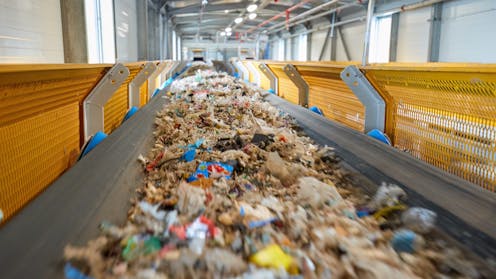

















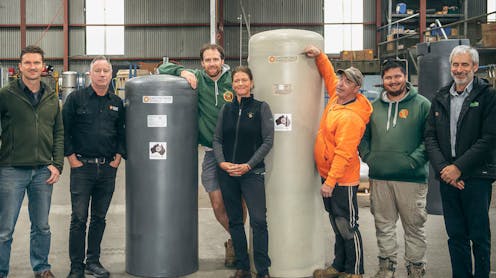






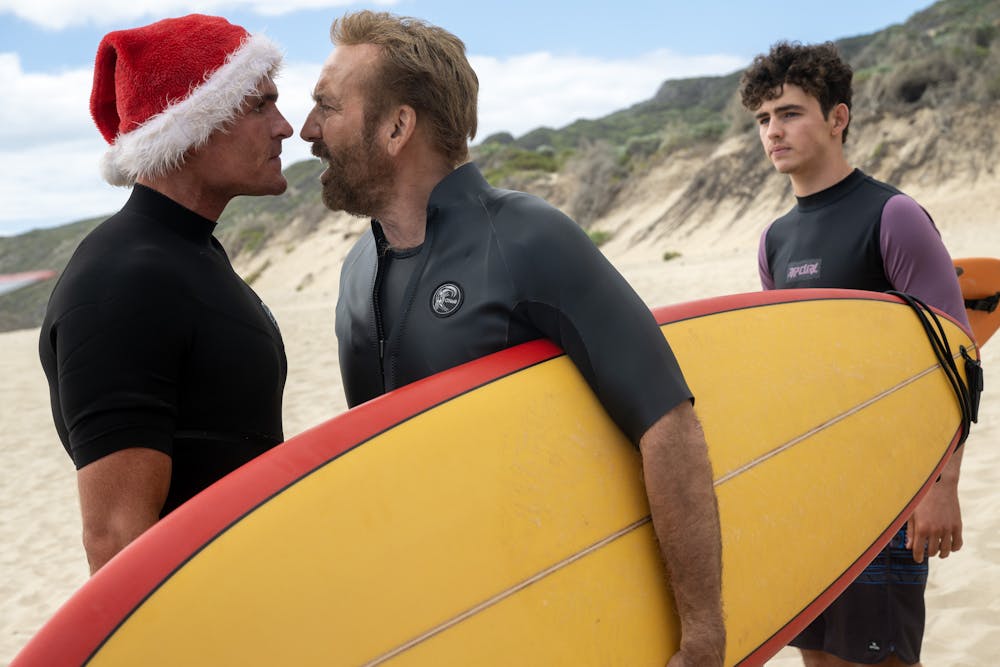













_(48719602456).jpg)