Source: The Conversation (Au and NZ) – By Tingrei Tan, Sydney Horizon Fellow and ARC Future Fellow, Quantum Control Laboratory, University of Sydney
dianaarturovna / Getty Images
For almost a century, Heisenberg’s uncertainty principle has stood as one of the defining ideas of quantum physics: a particle’s position and momentum cannot be known at the same time with absolute precision. The more you know about one, the less you know about the other.
In a new study published in Science Advances, our team demonstrates how to work around this restriction, not by breaking physics but by reshaping uncertainty itself.
The result is a breakthrough in the science of measurement that could power a new generation of ultra-precise quantum sensors operating at the scale of atoms.
Moving uncertainty around
The uncertainty principle makes clear there will always be a minimum amount of uncertainty in measurements. But you can think of it like air in a balloon: the air cannot escape, but you can freely move it around inside.
Similarly, when measuring position and momentum, the total amount of uncertainty is fixed. But we can redistribute it between the two.
Traditionally, this trade-off means making a choice. You can measure position precisely but lose information about momentum, or vice versa.
Like the air in a balloon, you can never get rid of the uncertainty in a quantum measurement – but you can squeeze it around to suit your purposes. Bhautik Patel / Unsplash
Our work takes a different approach. We push the uncertainty into a sensing range that is unimportant.
To understand this, let’s try another analogy: imagine a clock with only one hand. If it’s the hour hand, we know the hour exactly but only roughly know the minutes. If it’s the minute hand, we can read minutes precisely but do not know the hour.
We apply this same idea to quantum measurements. We redistribute the uncertainty so that we can simultaneously track small changes in position and momentum around a chosen point, even if we do not know the absolute location of the point itself.
With this, we can detect very tiny changes in both position and momentum at once, beyond the limit of any classical sensor.
Using error-correcting codes for quantum sensing
How did we do this? We repurposed techniques originally designed to protect quantum computers from noise to enhance the precision of measurement devices. This idea was first proposed in a theoretical study in 2017.
We performed our experiment using a trapped ion. This is a single electronically charged atom held in place and controlled with electric and magnetic fields.
We prepared the ion in “grid states”, a kind of quantum state originally developed for error-corrected quantum computing. We then used these states as a sensor to measure tiny signals, in a way similar to how one would detect errors in a quantum computer.
This crossover between quantum computing and quantum sensing is the key idea behind our work.
Our experiment showed we can measure an uncertainty in a signal corresponding to half a nanometre, roughly about the size of an atom.
We can also measure extremely small forces, measured in yoctonewtons – that’s a trillionth of a trillionth of a newton. That’s like measuring the weight of about 30 oxygen molecules.
Why does it matter?
Being able to measure extremely small signals has profound implications. Counterintuitively, measuring the minuscule can help us improve our understanding on the grandest scale.
Quantum sensors already help gravitational-wave observatories detect cosmic events such as colliding black holes. Our work opens the door to even greater sensing capabilities, potentially deepening our understanding of astrophysical objects.
This experiment is still within the confines of a physics laboratory. It’s not a gadget you’ll see in the shops tomorrow. But we are confident this new way to make precision measurements will lead to a whole generation of ultra-sensitive quantum sensors.
Tingrei Tan receives funding from Australian Research Council, US Office of Naval Research, US Air Force Office of Scientific Research, Wellcome Leap.
Christophe Valahu receives funding from Australian Research Council, US Office of Naval Research, US Air Force Office of Scientific Research, Wellcome Leap.
In the coming week, the Tasmanian parliament will consider twobills that will cement Tasmania as the Rainbow Isle.
The laws, which have bipartisan support, will provide compensation for those historically convicted of homosexuality and cross-dressing offences. They also expand hate crime provisions to LGBTQIA+ people.
This is nation-leading reform to enforce the rights of LGBTQIA+ people. Tasmania is the first jurisdiction in the country to offer compensation for those affected by these now-abolished crimes.
This is especially significant given the state’s fraught history of criminalising homosexuality and cross-dressing up until the end of the last century.
The redress scheme comes after Australia-first gender recognition laws in 2019, and the official recognition of asexual and agender people in all of the Tasmanian government’s activities with community since 2023.
The government is also pursuing sentencing reforms to give judges the power to impose tougher sentences for hate crimes against LGBTQIA+ people (and others). These changes go beyond those in other states by allowing courts to take “demonstrated hostility” into account.
A violent, traumatic history
Tasmania has not always been a leader in advocating for the rights of LGBTQIA+ people.
By 1990, most Australian states had decriminalised homosexuality, with South Australia leading the change in 1975.
But it was not until 1997, under significant national and international pressure, that Tasmania decriminalised male same-sex relationships. Same-sex relationships between women were never criminalised.
Before 1997, relationships between men in Tasmania were punishable by up to 21 years in prison, which was the harshest penalty in the western world. Tasmania was also the only Australian state to criminalise cross dressing.
It’s estimated approximately 100 men were convicted for “unnatural sexual intercourse” and “gross indecency” between 1945 and the mid-1980s.
In 1991, the Australian government had signed onto the International Covenant on Civil and Political Rights. This enabled people to submit complaints about rights violations in their home countries to the United Nations Human Rights Council.
Tasmanian man Rodney Croome, along with his partner at the time, Nick Toonen, submitted the first Australian complaint to the commission in 1994. Their local efforts to change Tasmania’s punitive laws on male same-sex relationships had been unsuccessful.
In Toonen vs Tasmania, the commission found the state of Tasmania had violated his right to privacy and distinguished between people on the basis of sexual activity, sexual orientation and identity. Both these things meant gay men were not equal under the law.
This paved the way for the landmark federal Human Rights (Sexual Conduct) Act, which overrode the Tasmanian law criminalising homosexuality.
A High Court ruling in Croome vs Tasmania followed. It found the Commonwealth government had the power under an international treaty to enact legislation decriminalising homosexual acts in Tasmania.
The United Nations case also mandated anti-LGBTQIA+ discrimination laws, which set an international precedent for the decriminalisation of same-sex relationships across the world.
A rainbow transformation
As the current legislation was tabled in parliament, advocacy group Equality Tasmania noted that many victims of the state’s former laws suffered loss of employment, housing, family and friends.
Many left the state forever. All lived with the trauma of public ignominy and criminal stigma. Some still do.
According to legal scholar Allen George, the homosexual and cross dressing expungement laws offer a form of “therapeutic justice”.
Therapeutic justice is justice that considers not just the law, but the social conditions as well, especially those that affect the wellbeing of victims.
While there is no compensation adequate for the harms caused by the now-abolished laws, advocates say the redress scheme will help make up for the pain and loss victims experienced, and:
send a message that the Tasmanian government is taking responsibility for the injustice its predecessors inflicted.
Victim-survivors can have their charges, convictions or both expunged under existing legislation, and will automatically receive a payment.
They will be eligible for $15,000 for a charge, $45,000 for a conviction, and $75,000 if they were sentenced to detention or psychiatric care.
These amounts were supported by expert advice to a 2024 inquiry by the Tasmanian parliament’s Gender and Equality Committee after it reviewed similar schemes in Europe and Canada.
Could other states follow?
This redress for past harms could lead to similar law reform across Australia.
Other states and territories are likely to consider following Tasmania’s lead and enact redress schemes for those arrested under their former anti-gay laws.
The Commonwealth may also consider redress for harms inflicted in the past.
The Tasmanian reform may also initiate an overdue debate in Australia about how we as a nation respond to past injustices and work towards the prevention of human rights violations.
This case highlights the patchwork of inconsistent LGBTQIA+ rights across the country. This inconsistency may only be resolved by a comprehensive, national Bill of Rights or Human Rights Act.
This broader agenda will extend Australian governments’ consideration of the human rights of all Australians.
The authors would like to thank Rodney Croome for his insights and knowledge of historical and contemporary LGBTQIA+ law reform
The authors do not work for, consult, own shares in or receive funding from any company or organisation that would benefit from this article, and have disclosed no relevant affiliations beyond their academic appointment.
Source: The Conversation (Au and NZ) – By Jeannie Marie Paterson, Professor of Law (consumer protections and credit law), The University of Melbourne
A Federal Court judge on Wednesday ordered Optus to pay a A$100 million fine for its “appalling” high-pressure sales tactics over several years up to 2023. More than 400 people were pressured or misled into buying phones or contracts they didn’t want, couldn’t afford – or in some cases couldn’t even use.
The court’s decision approves an agreement reached between Optus and the Australian Competition and Consumer Commission (ACCC) in June, under which Optus admitted it had engaged in “unconscionable conduct” and accepted the penalty, as well as various remediation measures.
Optus chief executive Stephen Rue (who only joined the company in November last year) was asked about the fine earlier in the day, while giving an update on last week’s Triple Zero outage.
Rue said the sales had been “totally and utterly unacceptable” and that the company had since overhauled its sales processes, incentives and bought back some of the franchises at stores where they had taken place.
But as Financial Counselling Australia’s director of First Nations policy Lynda Edwards told ABC News, a $100 million fine was “not a lot of money” to a large company like Optus:
What is it going to take for these companies to actually look after vulnerable people in our communities? You know, our telcos in Australia, they’re given free reign on how they self regulate their business.
So, will this fine really teach Optus a lesson? Given the parallels with a similar scandal at Telstra in the not-so-distant past, what is it going to take to actually stop this happening again?
What Optus did wrong
Between August 2019 and July 2023, staff across 16 Optus stores were found to have engaged in “inappropriate sales conduct” with more than 400 people.
As summarised by the court, Optus engaged in conduct that included:
undue pressure and influence, a failure to explain the terms and conditions of contracts, a failure to conduct coverage checks, a failure to conduct credit checks, mis-selling and overselling of accessories, identity verification failures, and inappropriate conduct in relation to debt collection.
Many of the customers were in a position of vulnerability, including people who were homeless, unemployed, who didn’t speak English as their first language or were living with a mental disability.
A number of those targeted for the high-pressure sales tactics were First Nations people from regional, remote and very remote parts of Australia.
The size of the penalty
$100 million seems like a sizeable figure. But what was the maximum penalty Optus could have been given?
While the amounts vary according to the year the conduct took place, for conduct occurring after 2022, the maximum possible penalty is in the order of $50 million per contravention.
In that light, Optus’ decision to accept the $100 million penalty looks cost effective, and also saves litigation costs. And it’s still less than its underlying net profit for the 12 months to March 31 this year, which was reportedly $136 million.
Bigger penalties just aren’t cutting it
Optus’ systemic conduct in this case was palpably and patently wrong. Yet it was not the first time one of Australia’s biggest telecommunications companies had engaged in predatory sales practices that targeted First Nations and regional communities.
In 2021, the Federal Court ordered Telstra to pay $50 million in penalties for unconscionable conduct.
The conduct in question involved the “mis-selling” (where a customer is misled in a sale) of mobile phone contracts to more than 100 Indigenous consumers across three states and territories, which they did not understand and could not afford.
You might think the risk of penalties resulting from poor sales practices could have easily been foreseen by any other telecommunications company, including Optus. Yet here we are again.
So, we need to be asking – is the current approach of deterrence via civil penalties working?
Holding directors to account
One possible response to this kind of egregious conduct by companies would be to impose financial penalties and stronger incentives for oversight on directors.
For example, in response to the recent record penalty imposed on ANZ for unconscionable conduct and other misconduct, corporate law expert Helen Bird suggested the bank’s senior executives should have their bonuses “cancelled or clawed back”.
Certainly, in this case, the court was scathing of the lack of a timely response by Optus senior management, saying they “abrogated any semblance of responsible corporate behaviour”.
But we may still want more by way of supervision.
Demanding proof of real change
As part of the consent agreement, Optus has undertaken to implement a review of its sales and complaint handling processes.
But at this point, promising “we will do better” may not be enough. Regulators – and the public – should be demanding proof that systems and processes for preventing predatory practices are working.
It may be time for a robust safety overhaul of the entire telco sector – and not just for Triple Zero calls.
There are many regimes that monitor safety, including food safety, aircraft safety and in the financial sector. At a minimum, a safety model applied to telcos would have to incorporate:
a risk assessment
agreed responses
designated safety officers
training for all staff.
But most importantly, repeat offenders should have to show that all of these measures are actually working. This means more than just “sincere apologies for failing customers” – we need hard data and real time supervision.
Jeannie Marie Paterson has previously received funding from the Australian Research Council to investigate misleading conduct, enforcement and regulatory design.
With Anthony Albanese now having his long-awaited meeting with United States President Donald Trump locked in and announced by the White House, the prime ministerial attention will turn to managing an unpredictable encounter.
Having the October 20 face-to-face in Washington presents both more opportunities and extra risks than if it had been on the sidelines of this week’s United Nations leaders’ week.
Trump has not gone out of his way for the convenience of the Australian prime minister. Albanese, already scheduled to attend a round of international summits, will have to make a special trip to the US to see the president (just short of a year after Trump’s election).
Being in Washington will presumably enable the PM to speak to a range of administration figures.
But being in the White House makes it more of an “occasion”, encouraging Trump to be performative, positively or negatively. And if it comes with a room full of journalists, it can turn into a circus.
Albanese will put Australia’s core interests – primarily AUKUS (currently being reviewed by the Americans), regional security, and tariffs – to the fore in the discussion. One issue will be whether the Americans renew efforts for Australia to lift its defence spending. The government has recently come out with a range of defence initiatives – will there be more heading towards October 20?
Albanese will hope his obvious differences with the president – notably on Palestine and climate change – can be sidelined. Those two issues have been highlighted by the prime minister at the UN this week.
Australia, with a clutch of other countries, announced formal recognition of Palestine.
Albanese is promoting Australia’s push for investment for green energy and Australia is lobbying other countries to pressure Turkey to withdraw so we and Pacific countries can host the UN climate conference (COP) next year. Albanese told a news conference there was no outcome on the COP yet.
Climate Change and Energy Minister Chris Bowen, who is also in New York, described the COP as “the biggest trade fair in the world”. Bowen is an enthusiast for obtaining the conference but some others around the government believe it could be more trouble than it is worth.
The COP, which would be held in Adelaide and attract tens of thousands of people, is a potential logistical nightmare, given there would be little more than a year to organise it and co-ordination with the Pacific countries would be testing.
Trump has attacked the decision on Palestine, seeing it as rewarding terrorism.
His attitude on climate was summed up in his line to the UN General Assembly: “If you don’t get away from this green energy scam, your country is going to fail”. He denounced renewables as a “joke”.
Asked whether his claims on climate and energy could affect investment and public perceptions in Australia, Albanese was dismissive. “President Trump gave a speech. He’s entitled to give that speech and to put his views. I don’t think that there are any views that he hasn’t said before.”
Centrally, Albanese in Washington will be wanting and needing to establish a good personal relationship with Trump.
In his rambling UN address, Trump said “I only do business with people I like”. It was a joke – sort of, but not really.
After the October meeting had been confirmed, Albanese (who later had a word with Trump at the president’s gala reception for world leaders) was inclined to lord it over journalists, who’d pursued him for months about when a meeting would happen. “As I’ve said, President Trump agreed to a meeting some time ago. We had another chat about it on the phone [recently],” he said. The prime minister wanted to make it all seem smooth and under control, but organising the October 20 get-together has been a nightmare for Australian officials, Albanese’s office and the Australian ambassador in Washington, Kevin Rudd.
In coming days Albanese, who goes to the United Kingdom for the second leg of his trip, will be able to get some tips on handling Trump from Keir Starmer. The British Labour prime minister has built a personal rapport with Trump, who quips amiably about their political differences.
For all the challenges of the Trump meeting, Albanese is likely to go into it confident. Since his triumphant election win, he seems very sure of himself about most things.
Michelle Grattan does not work for, consult, own shares in or receive funding from any company or organisation that would benefit from this article, and has disclosed no relevant affiliations beyond their academic appointment.
In the wake of last week’s Optus network outage that left multiple people dead after they were unable to call Triple Zero for help, there has been much discussion about the need for a Triple Zero custodian in Australia.
But what exactly would this custodian do? And how might it help prevent a similar tragedy from occurring in the future?
A ‘priority recommendation’
The idea for a Triple Zero custodian emerged following another Optus outage on November 8 2023, which interrupted critical services for 10 million people and half a million businesses in Australia. On November 9 2023, the Australian government announced it would undertake a post-incident review.
Led by Richard Bean, a former Deputy Chair of the Australian Communications and Media Authority (ACMA), the review made 18 recommendations. The second of these was to:
Establish a Triple Zero custodian, with oversight of and overarching responsibility for the efficient functioning of the Triple Zero ecosystem, including monitoring the end-to-end performance of the ecosystem.
In its April 2024 response to the review, the federal government called the Triple Zero custodian a “priority recommendation”.
The role has been established within the communications arm of the Department of Infrastructure, Transport, Regional Development, Communications, Sport and the Arts, but reportedly isn’t yet operational. In the wake of the most recent Optus outage, Communications Minister Anika Wells told Guardian Australia she is now seeking to “fast track” it.
Monitoring the system, managing a crisis
One way the custodian could operate is as a “near real time” auditor. That is, the custodian would act like a a high-level system architect who continuously monitors the system and manages any crisis that emerges within it.
The custodian could also act as a national watchdog. It would do this by continuously collecting and analysing performance data from carriers (such as Telstra, Optus, TPG/Vodafone) and the nominated carrier responsible for getting calls to emergency service organisations such as the police, ambulance, and fire service (and in some jurisdictions the State Emergency Service and rural fire service). Telstra is currently the nominated carrier.
The aim here would be to identify a gradual decline in performance in one part of the system before it causes a major failure.
All carriers run critical incident response exercises. The custodian could be an observer of these and make recommendations as to how the exercises are conducted in the context of the Triple Zero ecosystem.
If there is a major service disruption, the custodian could establish and lead a national crisis conference response. This could include demanding and receiving status updates from all relevant CEOs. This means the custodian could provide authoritative, centralised information to the government and the public.
There would also be performance scorecards provided to the public on the health of the Triple Zero system, highlighting areas of success and concern. The “name and shame” effect on reputation might well be more important than a fine.
The custodian could also provide a more private mediation and advice service for telecommunications companies. If technology changes at a carrier were affecting calls reaching emergency services, the custodian could bring the technical teams from both organisations together to facilitate a solution.
Some limits
The custodian could not issue penalties, as the power to do so in the Federal Court would remain with the ACMA.
The custodian could also not require carriers – or emergency service organisations, for that matter – to invest in a particular upgrade. It could only provide the data and analysis to make a case for the upgrade through the appropriate channels.
Similarly, the custodian could not prevent a carrier from making a commercial decision, such as decommissioning a particular piece of network infrastructure. However, it could require the carrier to provide a comprehensive risk assessment of that decision’s potential impact on the Triple Zero service.
The custodian could not create regulations. However, it could identify the need for rules based on its systemic analysis and formally recommend that either industry or the ACMA develop and implement it.
The custodian’s focus would be on the system, not individual incidents. It would not get involved in the operational details of how a specific emergency call is handled by an operator – unless that incident revealed a wider, systemic flaw.
No certainty it would stop an outage
There is, of course, no certainty that the custodian would have prevented all of the risks from the Optus outage last week.
But as an example of where it might have helped, all phones will use any available network for a Triple Zero call when the home network is not available. When this happens, phones display “SOS Only” (iPhones) and “Emergency calls only” (Android).
But this feature doesn’t work if the phone can connect to the home network. If the network seems to be operational, there is a chance Triple Zero calls would not complete.
In a critical incident exercise, the custodian would be able to point out this problem.
Also, Optus has mentioned that about 630 calls failed in a 13 hour period in Western Australia, South Australia and the Northern Territory.
This suggests the rate of Triple Zero calls from Optus in those regions is about 50 calls per hour.
One way of determining there is a problem would be to raise an alarm if the number of Triple Zero calls drops below 20 calls per hour. This alarm could trigger a response at the carrier’s network operations centres.
This is just one example of how a Triple Zero custodian might help make emergency service calls more reliable – but telecommunications companies such as Optus must also play their part.
Rob Nicholls receives funding from the Australian Research Council.
Source: The Conversation (Au and NZ) – By Philip C. Almond, Emeritus Professor in the History of Religious Thought, The University of Queensland
Michelangelo, The Last Judgment (Fresco, Sistine Chapel Altar Wall), between 1536 and 1541.WIkimedia Commons
If you believe that the end of the world is at hand, then you really need to know what the rapture is. Simply put, the rapture is the belief that, at any moment, Jesus Christ will descend from heaven to the sky and “rapture” all those who truly believe in Him into heaven. Those among the faithful who have already died will rise from the dead and also be translated into heaven.
Evangelical Christians on TikTok have been predicting the rapture will come this week. When the rapture happens, believers think the rest of us will be left behind, not knowing where many of those we know have gone. For this reason, it is often known as “Left Behind theology”.
For the followers of Left Behind theology within conservative Evangelical Protestantism, significant parts of the Bible – the books of Revelation and Daniel in particular – refer to events that are yet to happen at the end of the world. These are the return of Christ, the resurrection of the dead, and God’s final judgement of all humanity into the saved and the damned.
But for the rapture in particular, the First Book of Thessalonians (4.16–17) in the New Testament is the crucial text:
For the Lord himself, with a cry of command, with the archangel’s call and with the sound of God’s trumpet, will descend from heaven, and the dead in Christ will rise first. Then we who are alive, who are left, will be caught up [raptured] in the clouds together with them to meet the Lord in the air; and so we will be with the Lord forever.
Dieric Bouts, Paradise, part of Triptych of the Last Judgement,1450. Wikimedia Commons
Tribulation
The rapture is the first of two ideas that Left Behind theology has added to the traditional Christian story of the end of the world. The second is the Tribulation.
According to most Left Behind theologians, the rapture will be followed by a period of seven years of Tribulation on earth, based on some complicated calculations around the text of Daniel 9.24–27.
This is the age of the Antichrist, the son of Satan – a human figure soon to reveal himself.
He will be a global earthly ruler opposed to Christ and pretending to be him. He it is who is called in the Bible “the beast rising out of the sea with ten horns and seven heads” (Revelation 13.1), “the little horn” (Daniel 7.8), and “the lawless one” (2 Thessalonians 2.3) whose number is 666 (Revelation 13.18).
Hans Memling, The Last Judgment, between circa 1466 and circa 1473. Wikimedia Commons
Christians who have been raptured into heaven are immune from these seven years of natural disasters, wars, famine and the persecutions of the Antichrist.
The kingdom upon earth
After the seven years of the Tribulation, Christ will return with his saints to fight and defeat Satan, the Antichrist, and his forces at the battle of Armageddon.
Most followers of Left Behind theology believe that Christ will then set up his kingdom upon earth and reign from Jerusalem for a millennium or a thousand years. He will govern the earth with his Christian followers, along with those Jews who have recognised Christ as the Messiah during the time of the Tribulation.
The eventual conversion of the Jews during this time explains, in part at least, the commitment to and support of many Evangelical Protestant Christians to the continuation of the State of Israel until the time of Tribulation when the Jews convert to Christianity.
At the end of the thousand years, Satan will be released and there will be a final but short rebellion against God, after which Satan will be defeated. Then God will judge everyone for eternal happiness in heaven or eternal misery in hell.
A relatively recent innovation
In the history of Christian thought, the idea of the rapture before the Tribulation is a relatively recent innovation.
We can date it to the 1830s and the theology of the Anglican John Nelson Darby (1800–82), a member of the Protestant Plymouth Brethren, and the founder of the group still known as the Exclusive Brethren. But it was popularised in Protestant circles in the United States by its inclusion in the notes of the Scofield Reference Bible in 1909.
The Bible of C.I. Scofield (1843–1921) was the main source for the idea of the rapture until The Late Great Planet Earth by Hal Lindsey (1929–2024) in 1970, a work that has sold over 28 million copies and has been translated into 54 languages. “Someday,” declared Lindsey,
a day that only God knows is coming to take away all those who believe in Him. He is coming to meet all true believers in the air. Without benefit of science, space suits, or interplanetary rockets, there will be those who will be transported into a glorious place more beautiful, more awesome, than we can possibly comprehend.
But it was the series of Left Behind books (1995–2007) by Tim LaHaye and Jerry B. Jenkins, with over 65 million books sold, along with its movie franchise, that has most popularised the idea of the rapture and the Tribulation that follows it.
To many of us, the world appears a place of tribulation. “’Tis all in pieces, all coherence gone,” as John Donne (1572–1631) eloquently put it.
The idea of the rapture seems to reflect the utopian dream of many that they may be translated from this Earth to a better place until they can return to a world of justice, compassion and decency that seems so absent from the present one.
Philip C. Almond does not work for, consult, own shares in or receive funding from any company or organisation that would benefit from this article, and has disclosed no relevant affiliations beyond their academic appointment.
Source: The Conversation (Au and NZ) – By Andrea Carson, 2024 Oxford University visiting research fellow RIJS; Professor of Political Communication., La Trobe University
Twenty-one years after Facebook’s launch, Australia’s top 25 news outlets now have a combined 27.6 million followers on the platform. They rely on Facebook’s reach more than ever, posting far more stories there than in the past.
With access to Meta’s Content Library (Meta is the owner of Facebook), our big data study analysed more than three million posts from 25 Australian news publishers. We wanted to understand how content is distributed, how audiences engage with news topics, and the nature of misinformation spread.
The study enabled us to track de-identified Facebook comments and take a closer look at examples of how misinformation spreads. These included cases about election integrity, the environment (floods) and health misinformation such as hydroxychloroquine promotion during the COVID pandemic.
The data reveal misinformation’s real-world impact: it isn’t just a digital issue, it’s linked to poor health outcomes, falling public trust, and significant societal harm.
Misinformation and hydroxychloroquine … and floods
Take the example of the false claims that antimalarial drug hydroxychloroquine was a viable COVID treatment.
In Australia, as in the United States, political figures and media played leading roles in the spread of this idea. Mining billionaire and then leader of the United Australia Party, Clive Palmer, actively promoted hydroxychloroquine as a COVID treatment. In March 2020 he announced he would fund trials, manufacture, and stockpile the drug.
He placed a two-page advertisement in The Australian. Federal Coalition MPs Craig Kelly and George Christensen also championed hydroxychloroquine, coauthoring an open letter advocating its use.
We examined 7,000 public comments responding to 100 hydroxychloroquine posts from the selected media outlets during the pandemic. Contrary to concerns that public debate is siloed in echo chambers, we found robust online exchanges about the drug’s effectiveness in combating COVID.
Yet, despite fact-checking efforts, we find that facts alone fail to stop the spread of misinformation and conspiracy theories about hydroxychloroquine. This misinformation targeted not only the drug, but also the government, media and “big pharma”.
To put the real-world harm in perspective, public health studies estimate hydroxychloroquine use was linked to at least 17,000 deaths worldwide, though the true toll is likely higher.
The topic modelling also highlighted the personal toll caused by this misinformation spread. These include the secondary harm of the drug’s unavailability (due to stockpiling) for legitimate treatment of non-COVID conditions such as rheumatoid arthritis and lupus, leading to distress, frustration and worsening symptoms.
In other instances, we saw how misinformation can hurt public trust in institutions and non-government organisations. Following the 2022 floods in Queensland and New South Wales, we again saw that despite fact-checking efforts, misinformation about the Red Cross charity flourished online and was amplified by political commentary.
Without repeating the falsehoods here, the misinformation led to changes in some public donation behaviour such as buying gift cards for flood victims rather than trusting the Red Cross to distribute much-needed funds. This highlights the significant harm misinformation can inflict on public trust and disaster response efforts.
Misinformation ‘stickiness’
The data also reveal the cyclical nature of misinformation. We call this misinformation’s “stickiness”, because it reappears at regular intervals such as elections. In one example, electoral administrators were targeted with false accusations that polling officials rigged the election outcome by rubbing out votes marked with pencils.
While this is an old conspiracy theory about voter fraud that predates social media and it is also not unique to Australia, the data show misinformation’s persistence online during state and federal elections including the 2023 Voice referendum.
Here, multiple debunking efforts from electoral commissioners, fact-checkers, media and social media seem to have limited levels of public engagement compared to a noisy minority. When we examined 60,000 sentences on electoral topics from the past decade, we detected just 418 sentences from informed or official sources detected 418 sentences from informed sources.
Again, high-profile figures such as Palmer have played a central role in circulating this misinformation. The chart below demonstrates its stickiness.
Our study has lessons for public figures and institutions. They, especially politicians, must lead in curbing misinformation, as their misleading statements are quickly amplified by the public.
Social media and mainstream media also play an important role in limiting the circulation of misinformation. As Australians increasingly rely on social media for news, mainstream media can provide credible information and counter misinformation through their online story posts. Digital platforms can also curb algorithmic spread and remove dangerous content that leads to real-world harms.
The study offers evidence of a change over time in audiences’ news consumption patterns. Whether this is due to news avoidance or changes in algorithmic promotion is unclear. But it is clear that from 2016 to 2024, online audiences increasingly engaged with arts, lifestyle and celebrity news over politics, leading media outlets to prioritise posting stories that entertain rather than inform. This shift may pose a challenge to mitigating misinformation with hard news facts.
Finally, the study shows that fact-checking, while valuable, is not a silver bullet. Combating misinformation requires a multi-pronged approach, including counter-messaging by trusted civic leaders, media and digital literacy campaigns, and public restraint in sharing unverified content.
Andrea Carson has received funding from Meta to research misinformation and from the ARC to study political trust.
Justin Phillips received research funding from Meta to study misinformation.
Paul Thomas Anderson’s eagerly awaited new film, One Battle After Another, hits Australian screens tomorrow. The action-political thriller is Anderson’s first film in four years, and his first collaboration with actor Leonardo DiCaprio.
The film is also noteworthy because of Anderson’s decision to shoot on VistaVision, a high-resolution format from the 1950s that’s making a big Hollywood comeback.
Much like the resurgence of vinyl in music, and film in photography, the revival of VistaVision reflects a desire to return to analogue formats that feel uniquely “crafted” in an otherwise hyper-digitised world.
A new way of making films
In the 1950s, Hollywood faced an existential threat: television. Studio bosses realised one way to draw people back to cinemas was to offer spectacular images through bigger screens and immersive widescreen formats. New technologies such as 3D and colour offered something small, black-and-white TV sets couldn’t.
In 1953, 20th Century Fox patented CinemaScope. Films such as The Robe (1953) and 20,000 Leagues Under the Sea (1954) were shot using special lenses that squeezed a wider image onto regular 35mm film. When projected back onto the screen with another type of lens, the image could be stretched out. The widescreen format was born.
Then, in 1955, producer Mike Todd developed Todd-AO, an early form of curved widescreen that projected 70mm film onto enormous screens. Oklahoma (1955) and Around the World in Eighty Days (1956) were shot this way.
Paramount’s answer to the demand for widescreen was VistaVision. This process uses 35mm film, which is the most commonly used film gauge. But instead of the film running vertically through the camera gate, as is usually done, it runs horizontally so each frame is eight perforations (sprocket holes) wide, rather than the standard four perforations.
A larger frame means more light, which means greater scope for high resolution, colour and textural detail.
A new benchmark for immersive viewing
Because CinemaScope squeezed the image (during filming) and then unsqueezed it (during projection), it was prone to edge distortion, or “warping”. Close-up shots, especially of actors’ faces, would appear stretched or overly round.
VistaVision didn’t warp images in this way. As such, it became particularly attractive for directors and cinematographers who wanted enormous panoramic or wide shots. It also allowed for sharper images, especially when filming close-ups, architectural spaces and natural landscapes.
Audiences were eager to experience the new format. The Bing Crosby musical White Christmas (1954) was the first Paramount film to be shot in VistaVision. One critic applauded the film’s “fine pictorial quality […] the colours on the big screen are rich and luminous [and] the images are clear and sharp”.
Cecil B. DeMille’s biblical epic The Ten Commandments (1956) was another successful case – as was director John Ford’s classic western The Searchers (1956), in which VistaVision was ideal to frame the huge buttes and mesas of Monument Valley.
Alfred Hitchcock used VistaVision for some of his finest films, including Vertigo (1958) and To Catch A Thief (1955).
Disappearance and resurgence
Despite its initial success, VistaVision was rarely being used for full-length features by the early 1960s, and was slowly replaced by other formats. One-Eyed Jacks (1961) was the last major American film shot entirely in VistaVision in its original era.
A prime reason was the cost: the process of running film horizontally meant consuming double the amount of film stock. Also, over time film stock improved, which meant it could capture the finer grain and enhanced colour VistaVision initially offered.
American filmmakers started looking enviably across the Atlantic to their French counterparts, who were using lighter cameras and cheaper film stock to easily film on location, such as in streets, cafes and hotel rooms. VistaVision, meanwhile, worked best in the controlled confines of the studio.
That said, VistaVision never entirely disappeared. And now, we are witnessing its comeback. Brady Corbet’s The Brutalist (2024) was the first film in decades to be shot fully in VistaVision. Oscar-winning cinematographer Lol Crawley spoke enthusiastically about the minimalist and maximalist possibilities:
We used it not only for capturing aspects of the architecture and landscape, but you can also shoot the most beautiful portraits on the format. Essentially you’re encompassing two different things: you have the shallower depth of field of a longer lens, but also the field of view of a wider lens.
A return to old-school craftsmanship
Since The Brutalist, Paul Thomas Anderson and several other high-profile auteurs have opted for VistaVision, including Emerald Fennell for her version of Wuthering Heights (2026), Alejandro González Iñárritu for his as-yet-untitled Tom Cruise film, and Yorgos Lanthimos for Bugonia (2025).
The return of VistaVision speaks to showmanship and product differentiation, something Anderson has been eager to publicise ahead of the release of One Battle After Another. It is one of several old formats making a comeback in an era of digital fatigue and AI slop.
Dune (2021) and Dune: Part Two (2024) were shot in 70mm IMAX, and Christopher Nolan’s next film, The Odyssey, will do the same. Ryan Coogler’s Sinners (2025) was filmed in Ultra Panavision, another innovation that faded out in the 1960s.
The wider context here is the post-pandemic struggle to get people back to cinemas. At a time when most content is streamed online, the use of a unique, outmoded format makes a statement. The bold disclaimer “shot in VistaVision” becomes a distinctive mark of craftsmanship and prestige.
Reviews for One Battle After Another are full of praise for Anderson and cinematographer Michael Bauman. However, very few venues still have the original projectors designed to run the VistaVision format, so only audiences in Los Angeles, New York, Boston and London will have access to the full-blown experience.
But don’t despair, as everyone else can still watch the film in various 70mm, IMAX and digital 4K versions. Sit back and enjoy the ride!
Ben McCann does not work for, consult, own shares in or receive funding from any company or organisation that would benefit from this article, and has disclosed no relevant affiliations beyond their academic appointment.
Source: The Conversation (Au and NZ) – By Lisa M. Given, Professor of Information Sciences & Director, Social Change Enabling Impact Platform, RMIT University
Australia’s eSafety Commissioner, Julie Inman Grant, today outlined an updated list of platforms that may fall under the social media age restrictions that will take effect later this year.
While Australians expected platforms such as Facebook, TikTok, Instagram, Twitter and YouTube to be included, this new list demonstrates the legislation’s reach is even broader.
Which platforms will be required to restrict access for under 16s?
When the legislation was first introduced, the government explained it would use the definition of social media outlined in Australia’s Social Media Services Online Safety Code.
The law, which comes into effect on December 10, will restrict people under 16 from holding accounts on many social media platforms.
Recently, the eSafety Commissioner introduced self-assessment guidance for companies to determine whether their platforms would be considered age-restricted.
Under this guidance, companies will be required to restrict access to platform accounts for users under 16 where:
material is accessible to, or delivered to, Australian users
users can post material
users can link to, or interact with, other users
online social interaction is the sole, or significant, purpose of the platform.
The eSafety Commissioner has written to an “initial list” of 16 companies (including Facebook, TikTok and YouTube) advising they may fall under the social media definition that requires age restrictions.
However, the commissioner also reached out to several other platforms. These included messaging and gaming platforms WhatsApp, Discord and Twitch. Also on the list were software sharing platform GitHub, dating app company Match (which owns Tinder), message board Reddit and image-sharing platform Pinterest, among others.
What does this mean for platforms designed to engage children?
Lego Play and Roblox were also included. These platforms host games and creative tools used by many children under 16.
Earlier this month, Roblox (which has more than 380 million users globally) committed to new safety measures to address risks posed by online grooming.
The new measures include making children’s accounts private by default and ensuring adults are prevented from engaging with child users without parental consent.
However, Roblox has now been flagged as likely to meet the definition of an age-restricted platform. It may need to block children under 16 from having accounts.
Will some platforms be excluded from age restrictions?
The self-assessment guidance also outlines specific circumstances in which social media platforms can be excluded from the restrictions. Under the legislation, services are excluded where the sole or primary purpose is to enable:
communication by messaging, email, voice or video calling
playing online games
sharing information about products or services
professional networking or professional development
supporting education (including between educational institutions and students/parents)
supporting health (including between healthcare providers and people accessing services).
These exclusions require self-assessment by individual platforms. This is why the eSafety Commissioner has asked companies to make their case, in writing, and provide evidence as to why they believe they should be exempt.
WhatsApp, for example, may argue its primary purpose is communication by messaging. Lego Play may argue it is mainly an educational tool.
Companies will only have a few weeks to make their case for exclusion before the restrictions are in place.
What happens next?
In the coming weeks, we will learn more about which platforms will be included – and excluded – from age restrictions. But today’s list is only a start. There will likely be others identified through the self-assessment process.
What’s not yet clear is what happens when there is conflict over a platform’s self-assessment.
The eSafety Commissioner has flagged she is already “bracing for legal challenges” on this point. She explained the focus will first be on platforms with the greatest number of users and, therefore, the highest potential for harm.
So Australians may have some clarity about which platforms fall under – or outside – the legislation on December 10. However, some uncertainty is likely to continue well into 2026.
Lisa M. Given receives funding from the Australian Research Council. She is a Fellow of the Academy of the Social Sciences in Australia and the Association for Information Science and Technology.
ER Report: Here is a summary of significant articles published on EveningReport.nz on September 24, 2025.
Is TikTok right? Should I avoid matcha if I have low iron? Source: The Conversation (Au and NZ) – By Margaret Murray, Senior Lecturer, Nutrition, Swinburne University of Technology Tom Werner/Getty The popularity of matcha continues to boom. But recent videos on social media have suggested it could be bad for you if you have low iron. One Sydney woman recently told media she had “no idea”
Spectacle, weirdness and novelty: what early cinema tells us about the appeal of ‘AI slop’ Source: The Conversation (Au and NZ) – By Alfio Leotta, Associate Professor, School of Arts and Media, Te Herenga Waka — Victoria University of Wellington Georges Méliès, Story Of Animation/Youtube, The Conversation Talking monkeys vlogging from sacred sites, three-legged sharks wearing Nike sneakers, babies trapped in space… if you spend any time on social media
Keith Rankin Analysis – Pushing a String: Ineffective Monetary Policy Analysis by Keith Rankin. Back in the day, Economics 101 students learned that trying to recover from a depressed economy using monetary policy alone was like ‘pushing on a string’. Easy monetary policy is supposed to work by getting people – households, businesses, and governments – to incur more debt; in a phrase, to borrow
What a newly discovered gas bridge between galaxies tells us about the cosmic cycle of matter Source: The Conversation (Au and NZ) – By Lister Staveley-Smith, Professor at the International Centre for Radio Astronomy Research (ICRAR), The University of Western Australia A composite image shows a diffuse ‘bridge’ of gas linking two dwarf galaxies. ICRAR, N. Deg, Legacy Surveys (D.Lang / Perimeter Institute) Most of the ordinary matter in the universe
100 years before quantum mechanics, one scientist glimpsed a link between light and matter Source: The Conversation (Au and NZ) – By Robyn Arianrhod, Affiliate, School of Mathematics, Monash University MirageC / Getty Images The Irish mathematician and physicist William Rowan Hamilton, who was born 220 years ago last month, is famous for carving some mathematical graffiti into Dublin’s Broome Bridge in 1843. But in his lifetime, Hamilton’s reputation
Lawsuits, cancellations and bullying: Trump is systematically destroying press freedom Source: The Conversation (Au and NZ) – By Denis Muller, Senior Research Fellow, Centre for Advancing Journalism, The University of Melbourne Roberto Schmidt/Getty United States President Donald Trump is well advanced in his systematic campaign to undermine the American media and eviscerate its function of holding him and others in power to account. Since the
New measles cases in Queensland show ‘herd immunity’ is more important than ever Source: The Conversation (Au and NZ) – By Frank Beard, Associate Professor in Public Health, University of Sydney CHBD/Getty The World Health Organization (WHO) declared Australia free of measles in 2014. Historically, high childhood measles vaccination coverage and thorough follow-up of suspected cases have helped prevent outbreaks. But in the last six weeks, a growing
Countries are threatening to boycott Eurovision over Israel’s inclusion. How will Australia respond? Source: The Conversation (Au and NZ) – By Catherine Strong, Associate Professor, Music Industry, RMIT University Last week, Spain joined Ireland, Slovenia, Iceland and the Netherlands in announcing it will not take part in Eurovision 2026 if Israel is allowed to participate. Other countries such as Belgium and Finland have indicated they are considering withdrawing.
Another local election, another low turnout? Syncing local and general elections could be the answer Source: The Conversation (Au and NZ) – By Julia Talbot-Jones, Senior Lecturer | School of Government, Te Herenga Waka — Victoria University of Wellington Getty Images By now you should have received those familiar orange envelopes containing your local body election papers. Have you opened them? Will you vote? And will you remember to post
View from The Hill: Albanese left off Trump’s meeting list, as Ley oversteps the mark Source: The Conversation (Au and NZ) – By Michelle Grattan, Professorial Fellow, University of Canberra The foreign policy performances on both sides of politics currently have a dash of the amateur hour about them. Anthony Albanese has seemingly again received the brush off, after months of diplomatic effort to secure a bilateral meeting with Donald
What is leucovorin, the drug the Trump administration says can treat autism? Source: The Conversation (Au and NZ) – By Nial Wheate, Professor, School of Natural Sciences, Macquarie University The US government has announced controversial guidance on the prevention and treatment of autism in children. New health recommendations aim to discourage pregnant women from taking the painkiller paracetamol – also known as acetaminophen and by the brand
Managing mould, housemates, and landlords: new research reveals sharehousing horror stories Source: The Conversation (Au and NZ) – By Zoe Goodall, Research Associate, HHAUS research group, Swinburne University of Technology Sladic/Getty Sharehousing has traditionally been a rite of passage for many young people and students in Australia, but is also increasingly common among all age groups. Conflicts with landlords – over issues such as repairs, leaks
It’s OK to use paracetamol in pregnancy. Here’s what the science says about the link with autism Source: The Conversation (Au and NZ) – By Nicholas Wood, Professor, The Children’s Hospital at Westmead Clinical School, University of Sydney United States President Donald Trump has urged pregnant women to avoid paracetamol except in cases of extremely high fever, because of a possible link to autism. Paracetamol – known as acetaminophen or by the
The popularity of matcha continues to boom. But recent videos on social media have suggested it could be bad for you if you have low iron.
One Sydney woman recently told media she had “no idea” her daily matcha latte could affect her health until she started experiencing headaches, and noticed her hair and nails were brittle and she was bruising easily. Blood tests found she was severely low in iron.
Similar videos on TikTok show women in hospital getting iron transfusions – and blaming their matcha habit.
So, let’s unpack this. How healthy is matcha? And can it really cause low iron?
What is matcha?
Matcha is a fine powder made from dried and ground-up green tea (Camellia sinensis) leaves. It has recently gained popularity as a drink and a flavour variety in many different foods.
Including matcha, or green tea, as part of a balanced diet may provide health benefits such as supporting healthy brain function and blood pressure.
However despite its health benefits, research has shown that drinking a lot of green tea is linked to lower levels of iron in the blood.
We need iron – but can’t make it
Iron is an essential micronutrient that helps transport oxygen around the body, as well as supporting many other important biological processes.
Our bodies can’t make iron, so we need to get it from our diet to support these functions. But even if we eat a lot of iron-rich foods, other things in our diet – such as coffee, red wine, calcium-rich foods and yes, matcha – can interfere with absorbing the iron.
So people with low iron levels need to be careful.
In particular, women who menstruate have an increased risk of low iron because of iron lost through bleeding.
You may have an iron deficiency if your iron falls below certain levels – typically for adults, less than 30 micrograms of iron per litre of blood. There are different cut offs for children.
Iron deficiency anaemia is a condition where very low levels of iron affect the functioning of red blood cells. It is diagnosed based on levels of haemoglobin in the blood (these cutoffs vary by age, sex and pregnancy status).
What does matcha do to iron levels?
There are two main components in green tea that stop us absorbing iron. These are polyphenols and phytic acid (also known as phytate).
Both polyphenols and phytic acid have their own health benefits, for example, protecting against chronic diseases such as type 2 diabetes. But they also bind to iron and prevent it from being absorbed into the body.
So, if you have a lot of food or drink that contains these components – especially in combination with iron-rich foods – they can reduce iron absorption.
However, it’s not only matcha that can interfere. Phytic acids are also found in other teas and many plant foods, such as nuts, cereals and legumes. Tea, coffee, berries, and other fruits and vegetables are also high in polyphenols.
How much matcha will affect your iron levels?
This varies between people.
One study showed people who drink three or more cups of green tea a day had lower blood iron levels than those who drink less than one a day. But they didn’t experience iron deficiency any more often.
However other research has linked moderate green tea consumption (two cups a day) to iron deficiency anaemia.
Whether or not your matcha latte will contribute to an iron deficiency depends on many other factors, including your existing iron levels.
So, what about matcha-flavoured foods?
In these – for example, matcha ice cream – the actual amount of green tea powder is very low. This means it’s unlikely to significantly affect iron absorption.
But it’s not just about quantity – when you drink your matcha also matters.
To reduce the impact on iron absorption, it’s recommended you have green tea separately from meals – at least one hour between eating and drinking tea.
What else to keep an eye on
Multiple other factors in your diet can influence iron absorption. What you eat may either exacerbate or counteract the effects of your matcha latte on iron absorption.
Overall, balance is key to ensure you are getting the full spectrum of nutrients the body requires.
To support iron levels, you can incorporate iron-rich foods (such as beans, lentils, meat, fish and fortified cereals) into a healthy diet.
If you are concerned about your iron levels, you should speak to a health-care professional – especially if experiencing symptoms of iron deficiency (such as tiredness, weakness or dizziness).
A blood test can diagnose low iron levels. If you have an iron deficiency, your GP or dietitian will help you manage symptoms and work out what is right for you.
Margaret Murray does not work for, consult, own shares in or receive funding from any company or organisation that would benefit from this article, and has disclosed no relevant affiliations beyond their academic appointment.
Source: The Conversation (Au and NZ) – By Alfio Leotta, Associate Professor, School of Arts and Media, Te Herenga Waka — Victoria University of Wellington
Talking monkeys vlogging from sacred sites, three-legged sharks wearing Nike sneakers, babies trapped in space… if you spend any time on social media these days you’re likely to come across such examples of what’s been dubbed “AI slop”.
These short videos are simultaneously flashy, generic and bizarre, characterised by uncanny visuals, robotic voiceovers and nonsensical narratives.
The rapid emergence of the generative AI video tools capable of conjuring such cinematic images from simple text prompts has been met with a mixture of awe, derision and concern.
Their outputs, often dazzling at first glance but riddled with odd features, occupy a strange place in our cultural landscape: too flawed to take seriously, but also too spectacular and pervasive to ignore.
Algorithmically optimised, these clips can rack up millions of views and generate significant profits for their creators.
To understand this paradox, it’s useful to place generative AI video within a longer history of moving image culture – in particular, the “cinema of attractions”, a term coined by film scholar Tom Gunning to describe early film before the emergence of narrative-driven cinema.
Like AI slop, the cinema of attractions relied on spectacle, novelty and technological wonder to engage audiences. For example, AI creator FUNTASTIC YT’s videos of animated kittens embarking on weird misadventures evoke Thomas Edison’s 1894 Boxing Cats film.
Similarly, the “Italian brain rot” video memes characterised by casual violence and grotesque bodies echo the weird spectacle, cheap aesthetic thrills and questionable ethics associated with early films such as Edison’s disturbingly awful Electrocution of an Elephant (1903).
Awe and disappointment
In the first decade of its history, roughly between 1895 and 1908, cinema was less concerned with storytelling than with showing. The Lumière brothers’ Arrival of a Train at La Ciotat (1895) and Georges Méliès’ trick films were primarily designed to astonish their viewers.
Films flaunted their novelty, foregrounded special effects, and emphasised the act of looking itself. Gunning describes these films as “exhibitionist”, contrasting them with the “narrative integration” that would dominate cinema from the 1910s onward.
Generative AI video tools such as Veo 3, Kling AI and Runway’s Gen-2 exemplify a similar emphasis on spectacle and novelty. Much like early cinema, they function less as vehicles for coherent narrative than as attractions designed to show off what the technology can do.
The sense of awe they inspire stems from their ability to seamlessly blend fantasy and realism in ways unattainable by traditional cameras, and their capacity to generate customised viewing experiences.
Crucially, these tools also empower users to become creators, transforming audiences into active producers of visual content.
AI-generated videos and early films also share certain technological limitations. In AI slop, figures sprout extra limbs, mouths move unnaturally and objects flicker with instability. Viewers may marvel briefly at a “photorealistic” cat, but they soon notice the creature’s paws melt into the pavement or its body morphs unpredictably.
This tension between awe and disappointment echoes some of the reactions to early films, which were often poorly lit, jerky in motion and hampered by technical constraints.
The imperfections of early film and the glitches of AI videos both testify to the experimental nature of emerging media. These rough edges are part of their allure, inviting viewers to witness the boundaries of a new medium being tested in real time.
Georges Méliès’ films aimed to astonish.
Awe, anxiety and dismissal
At the turn of the 20th century, film was dismissed by many cultural elites as a passing fad, a cheap amusement for the masses rather than a serious art form.
Intellectuals worried about cinema’s potential to corrupt morals or overstimulate children. It took decades for film to earn the same cultural legitimacy enjoyed by other art forms such as literature and painting.
Similarly, generative AI video is currently regarded with scepticism. Detractors label it “content pollution”, dismissing its lack of intentional artistry. There are also real concerns about AI’s impact on creative labour, the ethical implications of AI “training”, and the environmental costs associated with large-scale computation.
For now, AI-generated video is more often the butt of jokes than the subject of serious aesthetic discourse. And yet, just as early cinema eventually evolved into a sophisticated narrative and artistic medium, AI video may likewise progress beyond its current limitations.
Some creators are already experimenting with longer, narrative-based, AI-generated films. Recently, for example, OpenAI announced a partnership with international production companies to create Critterz, a feature film made almost entirely with AI.
AI-generated videos and early cinema undeniably emerged from radically different cultural, technological and historical contexts. But their similarities also illustrate the cyclical way in which new image-making technologies emerge, gain traction and provoke debate about artistic value.
A century ago, many dismissed the flickering images of trains and magic tricks as trivial amusements, while today we revere them as foundational works in the film history canon. Will the AI videos we mock now one day be seen as the Lumière reels of their era – crude, imperfect but bursting with the energy of a new way of seeing?
Alfio Leotta does not work for, consult, own shares in or receive funding from any company or organisation that would benefit from this article, and has disclosed no relevant affiliations beyond their academic appointment.
Keith Rankin, trained as an economic historian, is a retired lecturer in Economics and Statistics. He lives in Auckland, New Zealand.
Analysis by Keith Rankin.
Keith Rankin, trained as an economic historian, is a retired lecturer in Economics and Statistics. He lives in Auckland, New Zealand.
Back in the day, Economics 101 students learned that trying to recover from a depressed economy using monetary policy alone was like ‘pushing on a string’.
Easy monetary policy is supposed to work by getting people – households, businesses, and governments – to incur more debt; in a phrase, to borrow and spend. Easy money alone sometimes works; for example, in an ordinary downturn of the trade cycle. It does not work in a depression or a structural recession (see my Chart Analysis – Structural Recession, Evening Report 21 September 2025); because – for most parties – the overwhelming priority is to get out of debt rather than to recover through debt. The carrot of cheap loans does not appeal to overextended and technically insolvent borrowers.
Recovery through easy monetary policy depends on there being enough potential borrowers willing and able to respond to the monetary carrot.
The central government is such a potential borrower. When the government responds to the incentive, the policy is called easy fiscal policy. It’s a game-changer. Easy monetary policy may mean there’s plenty of money sitting in banks’ balance sheets; sitting waiting to be borrowed and spent. For the economy to recover, that money has to move; money – to be money – must circulate. It requires a spending agent able to take on the risk of more debt in a recession to get money moving once again. The government is generally best-placed to be such an agent, though not necessarily the only one; larger domestic corporates should also be motivated to help with the recovery of the economy which represents their home base.
In a structurally recessed economy, the banks need to create the extra money and the spending agents with deepest pockets need to borrow and spend. It’s not rocket science. Banks will almost always create the money when good customers come to borrow; that’s a central feature of profitable banking.
Will governments which borrow more end up with more debt; with too much debt? The answer is, generally no. By spending, governments generate income and therefore income tax. There’s a multiplier that is particularly powerful during a structural recession. (In 1937, the New Zealand economy had double-digit annual growth, as state-housing funded by new money created the necessary stimulus to get New Zealand out of the Depression.) Customers of governments generate income and therefore income tax. And customers of those customers also generate income and therefore income tax. And so on.
It’s widely known that income tax grows faster than income in an expanding economy, especially a growing economy with two-to-three percent inflation. (And it’s known that income tax shrinks faster than incomes in a contracting and/or deflating economy.) That’s why the Australian government has a Budget surplus (0.6% of GDP) at present and New Zealand has a deficit (-3.1% of GDP); as well as why Australia has less government debt as a percent of GDP (data from Trading Economics; though data users should be critical, that source gives the latest United States quarterly economic growth data at four times what it really is – note the presence or absence of the word ‘annualized’). Australia has a Treasurer who’s not afraid to spend (and despite Australia having higher interest rates, tighter monetary policy); hence the healthy revenue of the Australian Treasury.
In a depressed economy, fiscal policy is the answer. Monetary policy helps of course. But relying on monetary policy alone is like pushing a string. The economy just goes slack. This is not a revelation. It’s basic Economic Principles, as it was once taught.
*******
Keith Rankin (keith at rankin dot nz), trained as an economic historian, is a retired lecturer in Economics and Statistics. He lives in Auckland, New Zealand.
Source: The Conversation (Au and NZ) – By Lister Staveley-Smith, Professor at the International Centre for Radio Astronomy Research (ICRAR), The University of Western Australia
A composite image shows a diffuse ‘bridge’ of gas linking two dwarf galaxies. ICRAR, N. Deg, Legacy Surveys (D.Lang / Perimeter Institute)
Most of the ordinary matter in the universe is hydrogen. But surprisingly, less than 20% of this hydrogen sits inside galaxies. The rest lies in the vast spaces between them – the so-called intergalactic medium.
This cosmic reservoir is thought to fuel the birth of new stars, as gas slowly falls into galaxies over billions of years. Yet much of that material doesn’t stay put: supernova explosions and powerful outflows from supermassive black holes can fling gas back out into intergalactic space.
The push-and-pull between inflows and outflows is central to understanding how galaxies grow and change over cosmic time. Probing this balance is one of the aims of the WALLABY survey, carried out using the Australian SKA Pathfinder (ASKAP) telescope at Inyarrimanha Ilgari Bundara, CSIRO’s Murchison Radio-astronomy Observatory in Western Australia.
A new discovery from WALLABY, published today in Monthly Notices of the Royal Astronomical Society, sheds new light on the cosmic cycle of matter into, through and out of galaxies.
What is WALLABY?
Despite its name, WALLABY isn’t about animals. It’s a somewhat contrived acronym – Widefield ASKAP L-band Legacy All-sky Blind surveY – for a large survey of neutral hydrogen (the atomic form of hydrogen) across nearly half the southern sky. The ASKAP telescope is sensitive enough to detect hydrogen in and around galaxies up to a billion light years away.
The ASKAP radio telescope can detect hydrogen up to a billion light years away. ICRAR
Because it’s a “blind” survey, WALLABY doesn’t target known galaxies. Instead, it scans huge patches of sky – each night covering an area about 150 times the size of the full Moon.
A galactic bridge
We then use automated algorithms to search for signs of hydrogen in the resulting data. One such search revealed an unusual gas bridge linking two otherwise unremarkable galaxies on the outskirts of the Virgo cluster, in the constellation Virgo. The bridge, at least 160,000 light years long, likely formed through tidal interactions between two dwarf galaxies known as NGC 4532 and DDO 137.
Left: Radio astronomy image of neutral hydrogen gas in and around the galaxies NGC 4532 / DDO 137. Right: An optical image of the galaxies. ICRAR and D.Lang (Perimeter Institute)
These tides are the cosmic equivalent of Earth’s ocean tides, but on a vastly larger scale and made of hydrogen rather than water. Gas pulled from the galaxies now stretches between them, filling the surrounding intergalactic space.
Such bridges are hard to detect because they contain few stars. But we have a local example: the Large and Small Magellanic Clouds, two dwarf galaxies orbiting the Milky Way, are joined by a 70,000-light-year-long gas bridge.
An extraordinary tail
The newly discovered bridge also helps explain a long-standing puzzle: an enormous gas tail streaming away from the dwarf galaxies NGC 4532 and DDO 137, first detected more than 30 years ago with the Arecibo telescope. This tail is ten times longer than the bridge and is the largest ever observed from a galaxy system.
New observations suggest that while tidal forces created the bridge and the envelope of gas around the galaxies, the spectacular tail was produced by another process.
As the pair of galaxies plunges into the Virgo cluster, they encounter extremely hot, thin gas that fills the cluster. The galaxies’ motion through this medium produces ram pressure – much like the resistance felt when cycling into a strong headwind – which strips gas from them and sweeps it out behind.
Remarkably, the gas density required for this effect is only around ten atoms per cubic metre, a value consistent with new measurements from the eROSITA X-ray telescope. Thanks to the galaxies’ high infall speed – more than 800 kilometres per second – this sparse medium is enough to create the vast tail.
The bigger picture
These two galaxies are just a fraction of the 200,000 WALLABY expects to detect by the end of its survey. Each discovery adds to our picture of how gas flows in and out of galaxies, enriching the intergalactic medium and shaping galactic evolution.
Together, they will help astronomers untangle the so-called baryonic cycle – the continuous recycling of matter between galaxies and the space around them.
Lister Staveley-Smith receives research funding from ICRAR, the Western Australian government, and the University of Western Australia.
The Irish mathematician and physicist William Rowan Hamilton, who was born 220 years ago last month, is famous for carving some mathematical graffiti into Dublin’s Broome Bridge in 1843.
But in his lifetime, Hamilton’s reputation rested on work done in the 1820s and early 1830s, when he was still in his twenties. He developed new mathematical tools for studying light rays (or “geometric optics”) and the motion of objects (“mechanics”).
Intriguingly, Hamilton developed his mechanics using an analogy between the path of a light ray and that of a material particle. This is not so surprising if light is a material particle, as Isaac Newton had believed, but what if it were a wave? What would it mean for the equations of waves and particles to be analogous in some way?
The answer would come a century later, when the pioneers of quantum mechanics realised Hamilton’s approach offered more than just an analogy: it was a glimpse of the true nature of the physical world.
The puzzle of light
To understand Hamilton’s place in this story, we need to go back a little further. For ordinary objects or particles, the basic laws (or equations) of motion had been published by Newton in 1687. Over the next 150 years, researchers such as Leonard Euler, Joseph-Louis Lagrange and then Hamilton made more flexible and sophisticated versions of Newton’s ideas.
“Hamiltonian mechanics” proved so useful that it wasn’t until 1925 – almost 100 years later – that anybody stopped to revisit how Hamilton had derived it.
His analogy with light paths worked regardless of light’s true nature, but at the time, there was good evidence that light was a wave. In 1801, British scientist Thomas Young had performed his famous double-slit experiment, in which two light beams produced an “interference” pattern like the overlapping ripples on a pond when two stones are dropped in. Six decades later, James Clerk Maxwell realised light behaved like a rippling wave in the electromagnetic field.
But then, in 1905, Albert Einstein showed some of light’s properties could only be explained if light could also behave as a stream of particle-like “photons” (as they were later dubbed). He linked this idea to a suggestion made by Max Planck in 1900, that atoms could only emit or absorb energy in discrete lumps.
Energy, frequency and mass
In his 1905 paper on the photoelectric effect, where light dislodges electrons from certain metals, Einstein used Planck’s formula for these energy lumps (or quanta): E = hν. E is the amount of energy, ν (the Greek letter nu) is the photon’s frequency, and h is a number called Planck’s constant.
But in another paper the same year, Einstein introduced a different formula for the energy of a particle: a version of the now-famous E = mc ². E is again the energy, m is the mass of the particle, and c is the speed of light.
So here were two ways of calculating energy: one, associated with light, depended on the light’s frequency (a quantity connected with oscillations or waves); the other, associated with material particles, depended on mass.
In 1905, Albert Einstein published two ways of calculating the energy of a particle: one linked to the frequency of wave, the other to the mass of the particle itself. Hulton Archive / Getty Images
Did this suggest a deeper connection between matter and light?
This thread was picked up in 1924 by Louis de Broglie, who proposed that matter, like light, could behave as both a wave and a particle. Subsequent experiments would prove him right, but it was already clear that quantum particles, such as electrons and protons, played by very different rules from everyday objects.
A new kind of mechanics was needed: a “quantum mechanics”.
The wave equation
The year 1925 ushered in not one but two new theories. First was “matrix mechanics”, initiated by Werner Heisenberg and developed by Max Born, Paul Dirac and others.
A few months later, Erwin Schrödinger began work on “wave mechanics”. Which brings us back to Hamilton.
Schrödinger was struck by Hamilton’s analogy between optics and mechanics. With a leap of imagination and much careful thought, he was able to combine de Broglie’s ideas and Hamilton’s equations for a material particle, to produce a “wave equation” for the particle.
An ordinary wave equation shows how a “wave function” varies through time and space. For sound waves, for example, the wave equation shows the displacement of air, due to changes in pressure, in different places over time.
But with Schrödinger’s wave function, it was not clear exactly what was waving. Indeed, whether it represents a physical wave or merely a mathematical convenience is still controversial.
Waves and particles
Nonetheless, the wave-particle duality is at the heart of quantum mechanics, which underpins so much of our modern technology – from computer chips to lasers and fibre-optic communication, from solar cells to MRI scanners, electron microscopes, the atomic clocks used in GPS, and much more.
Indeed, whatever it is that is waving, Schrödinger’s equation can be used to predict accurately the chance of observing a particle – such as an electron in an atom – at a given time and place.
That’s another strange thing about the quantum world: it is probabilistic, so you can’t pin these ever-oscillating electrons down to a definite location in advance, the way the equations of “classical” physics do for everyday particles such as cricket balls and communications satellites.
Schrödinger’s wave equation enabled the first correct analysis of the hydrogen atom, which only has a single electron. In particular, it explained why an atom’s electrons can only occupy specific (quantised) energy levels.
It was eventually shown that Schrödinger’s quantum waves and Heisenberg’s quantum matrices were equivalent in almost all situations. Heisenberg, too, had used Hamiltonian mechanics as a guide.
Today, quantum equations are still often written in terms of their total energy – a quantity called the “Hamiltonian”, based on Hamilton’s expression for the energy of a mechanical system.
Hamilton had hoped the mechanics he developed by analogy with light rays would prove widely applicable. But he surely never imagined how prescient his analogy would be in our understanding of the quantum world.
Robyn Arianrhod does not work for, consult, own shares in or receive funding from any company or organisation that would benefit from this article, and has disclosed no relevant affiliations beyond their academic appointment.
United States President Donald Trump is well advanced in his systematic campaign to undermine the American media and eviscerate its function of holding him and others in power to account.
Since the late 18th century this function has often been called the fourth estate. It’s the idea the media is a watchdog over the other three estates which, in modern democracies, are parliament, the executive government and the judiciary.
In the US, Trump has had considerable success in weakening the other three.
His Republican Party controls both Houses of Congress, and they have shown no sign of wishing to restrain him.
He has stacked the executive government with cronies and ideological fellow travellers, including Robert F. Kennedy Jr (and his anti-vaccination agenda) as secretary of health, a brief stint by Elon Musk as head of the Department of Government Efficiency, and former Fox News host Pete Hegseth as defence secretary.
He has secured the support of the Republican Party to stack the Supreme Court with politically aligned judges who have routinely struck down lower court decisions against Trump, most notably in the matter of deporting migrants to countries other than their homelands.
Pulling funding, applying pressure
The fourth estate’s turn started in March, when Trump stripped federal funding from Voice of America, a public broadcasting service with a global reach, because it was “anti-Trump” and “radical”.
These cuts also hit two other projections of American soft power, Radio Free Europe and Radio Free Asia.
In July, he cut funding to the Corporation for Public Broadcasting (CPB) in a move that ended all federal support for National Public Radio, the Public Broadcasting service and their member stations.
Now he has turned to the private sector media. He does not have the power to cut their funding, so he is taking a different approach: financial shake-downs and threats to the foundations of their business.
In October 2024, even before he was elected, Trump sued the Paramount company for US$10 billion (about A$15 billion). He alleged an interview with Kamala Harris during the 2024 election campaign had been “deceptively edited” by the CBS television network, a Paramount subsidiary.
In February 2025, after he had been sworn in as president, Trump upped the ante to US$20 billion (A$30 billion).
The case was considered by lawyers to have no legal merit, but at that time, Paramount was anxious to merge with Skydance Media, and this was subject to regulatory approval from the Trump administration.
So Paramount was vulnerable to, how shall we say? Blackmail? Extortion? Subornation?
A busy, dangerous July
On July 2, Paramount settled with Trump for US$16 million (A$24 million), which ostensibly is to go towards funding his presidential library.
On July 17 Paramount’s CBS network announced its longtime Late Show would be cancelled from May 2026 after its presenter Stephen Colbert, an outspoken critic of Trump, condemned the corporate cave-in. The Trump administration approved the merger shortly after.
Subsequently the House of Representatives Judiciary and Energy and Commerce committees announced an investigation into whether the $16 million settlement constituted a bribe.
Also in July, Trump sued Rupert Murdoch’s Wall Street Journal for defamation arising from an article linking Trump to the sex trafficker Jeffrey Epstein. He claimed the now-familiar amount of US$10 billion (A$15 billion) in damages.
Legal experts in the US say Trump has next to no chance of winning. In the US, public figures who sue for defamation have to prove that the publisher was motivated by malice, which means they published either knowing the material to be untrue, or not caring whether it was true or not.
This case is never likely to end up in court, nor is it likely that Trump will see a red cent of Murdoch’s money. The two men need each other too much. To borrow a phrase from the Cold War, they are in a MAD relationship: Mutually Assured Destruction.
Coming to heel, one by one
Rupert Murdoch was a guest at Windsor Castle at the recent banquet given for Trump by King Charles.
Considering Murdoch’s bitter history with the Royal Family, it is difficult to imagine Buckingham Palace inviting him without Trump’s urging. It may have been a sign of rapprochement between the two men.
Meanwhile Trump has set his sights on The New York Times, suing it for defamation and claiming US$15 billion (A$27 billion).
Referring to the Times’ endorsement of Kamala Harris in the 2024 presidential election, he said it had become a “mouthpiece for the Radical Left Democrat Party”.
This case faces the same difficulties as his suit against the Wall Street Journal. The question is whether the Times will stand its ground or whether, like Paramount, it caves.
Among the big three US newspapers, the Times is the only one so far not to have been intimidated by Trump. The other two, The Washington Post and the Los Angeles Times, refused to endorse a candidate at the election on instructions from their owners, Jeff Bezos and Patrick Soon-Shiong respectively, both of whose wider business interests are vulnerable to Trumpian retribution.
The Post’s decision was condemned as “spineless” by its celebrated former editor Marty Baron.
Now Disney is in the firing line. It owns another of the big four US television networks, ABC. On September 17, it pulled its late-night talk show Jimmy Kimmel Live.
Kimmel had responded to White House accusations that leftists were responsible for the assassination of Charlie Kirk, saying:
we hit some new lows over the weekend with the MAGA gang desperately trying to characterize this kid who murdered Charlie Kirk as anything other than one of them.
In what had all the hallmarks of a preemptive buckle, ABC and two of its affiliate networks took Kimmel off air indefinitely after Brendan Carr, the Trump-appointed chair of the Federal Communications Commission, said his agency might “take action” against the network because of Kimmel’s comments.
Over at cable network MSNBC, its senior political analyst Matthew Dowd was fired after he had uttered on air the blindingly obvious statement that Kirk’s own radical rhetoric may have contributed to the shooting that killed him.
This cable network is no longer part of the main NBC network, so it can’t be said that NBC itself has yet come to heel.
Within 24 hours of Brendan Carr’s veiled threat, Trump stripped the veil away and made the threat explicit. Trump said of the national networks:
All they do is hit Trump. They’re licensed, they’re not allowed to do that. They’re an arm of the Democrat party. I would think maybe their licence should be taken away.
Whether cancelling a licence would breach the First Amendment to the US Constitution, which protects freedom of speech, is a question that might ultimately come before the Supreme Court. Given the present ideological proclivities of that court, the outcome would be by no means certain.
So Trump now has two out of three national newspapers, and two out of the big four national television networks, on the run.
Only one national newspaper and two national networks to go, and one of those is Murdoch’s Fox News, Trump’s most reliable cheerleader.
Denis Muller does not work for, consult, own shares in or receive funding from any company or organisation that would benefit from this article, and has disclosed no relevant affiliations beyond their academic appointment.
The World Health Organization (WHO) declared Australia free of measles in 2014.
Historically, high childhood measles vaccination coverage and thorough follow-up of suspected cases have helped prevent outbreaks.
But in the last six weeks, a growing outbreak in Queensland – along with cases and clusters in Western Australia, Victoria and New South Wales – shows measles can still spread here.
In 2021, no cases were recorded in Australia. But case notifications have continued to climb since, with 57 reported in 2024 and 122 so far in 2025 – and it’s only September. Some of these cases are in children too young to be vaccinated, but most are in adults.
So, what’s going on? Is Australia at risk of losing its herd immunity with lower vaccination rates? Let’s unpack the evidence.
What is herd immunity?
Measles is one of the most contagious human diseases. Symptoms generally include red sore eyes, a runny nose, cough and fever. The distinctive rash usually doesn’t appear until a few days into the illness, meaning the infection may spread to others before measles is suspected.
An unvaccinated person with measles will on average transmit the virus to 12–18 people in a non-immune population. This reproductive rate is six times higher than the original strain of COVID-19.
For this reason, the WHO recommends at least 95% of the total population receive two doses of the measles vaccine in childhood.
This is to create “herd immunity”.
This means a large proportion of the population is immune, either through vaccination or previous infection, protecting the most vulnerable – including those who can’t get vaccinated.
The measles vaccine contains a very weakened form of measles virus. So it can’t be given to people whose immune systems will struggle to contain it, for example, those undergoing chemotherapy.
The measles “herd immunity threshold” is 93–95% in the total population. It is higher for measles than many other diseases because it is so contagious.
If immunity falls below this level, infection may start to spread more widely and large outbreaks can occur.
How do vaccines work in Australia?
Australia has had a nationally funded measles vaccination program since 1972.
The measles vaccine is recommended in two doses, either in combination with mumps and rubella (as MMR vaccine) or with varicella to also prevent chickenpox (the MMRV vaccine).
Under the National Immunisation Program, children get the first dose (MMR) at 12 months and the second (MMRV) at 18 months of age.
In Australia, immunisation rates in Australia had been increasing prior to the COVID-19 pandemic.
In 2002, the proportion of five year-olds who’d had two doses of the measles vaccine was just 82%. By the time the pandemic arrived, in 2020, this had risen to 96.8% – and was 94% among two year-olds.
However, since 2020 rates of “fully vaccinated” young children – meaning they have had most recommended vaccines – have fallen year on year.
The proportion of two year-olds who’d had two doses of the measles vaccine fell to 93% in 2023.
The timeliness of measles vaccination has also fallen. Around one in three children now get their first dose late. This means more children are at risk of catching measles at a younger age, when the disease tends to be more serious.
These trends are concerning.
In terms of overall herd immunity, the impacts at this stage may be relatively small. But measles immunity gaps are much greater in some parts of Australia, such as the north coast of New South Wales and the Gold Coast in Queensland.
Measles immunity is also lower in some adults, because vaccination rates were lower when they were children. A second dose of measles vaccine was not added to the National Immunisation Program until 1992.
Concerns about vaccination should be addressed in a respectful way, making use of accurate and up-to-date information, such as that available on the Sharing Knowledge About Immunisation (SKAI) website.
But we also need to minimise practical barriers to accessing vaccination, such as the cost, or difficulty making or getting an appointment.
To maintain herd immunity, we need to ensure all adults under 60 and children from one year are two dose measles vaccinated.
In Australia, free catch-up measles vaccination is available for anyone born after 1966 who doesn’t have proof of two doses of measles vaccine.
Amid a global resurgence of measles and more cases in travellers, supporting international efforts to boost immunisation rates in all countries is critical. This will further reduce the chance of outbreaks here.
We would like to thank Zoe Croker for assistance in drafting this article.
Kristine Macartney administers Australian and NSW Government funding to the NCIRS and NCIRS receives funding from the National Health and Medical Research Council (NHMRC), and Gavi the Vaccine Alliance.
Frank Beard does not work for, consult, own shares in or receive funding from any company or organisation that would benefit from this article, and has disclosed no relevant affiliations beyond their academic appointment.
Last week, Spain joined Ireland, Slovenia, Iceland and the Netherlands in announcing it will not take part in Eurovision 2026 if Israel is allowed to participate. Other countries such as Belgium and Finland have indicated they are considering withdrawing. Boycotting countries would not send an act, pay to participate or be able to vote.
Spain is one of Eurovision’s “big five” competitors. The broadcasters from Spain, the United Kingdom, Germany, France and Italy make the largest financial contributions to the contest, and their acts are guaranteed a spot in the grand final each year.
The addition of one of the big five to the boycott raises the stakes for the contest. The inclusion of Spain will likely increase the legitimacy of the protest and put pressure on countries to declare their position.
Spain’s announcement coincided with a United Nations inquiry calling the events unfolding in Gaza a genocide. In supporting the Spanish broadcaster’s decision, the country’s culture minister Ernest Urtasun equated allowing Israel to continue to compete with looking away from the atrocities being committed.
if Israel takes part, and if we don’t manage to get it thrown out, then we’ll have to take steps [such as withdrawing]. I don’t think we can normalise Israel’s participation in international forums as if nothing’s happened.
Previous controversies
Germany, another of the big five, has been critical of the boycott. On Saturday, their culture minister Wolfram Weimer referred to the foundations of Eurovision, designed to unify people through song after the second world war, to argue against excluding Israel.
It’s precisely because Eurovision was born on the ruins of war that it should not become a scene of exclusion.
Austria, the host for 2026, has similarly made an appeal to the peaceful and collaborative nature of the event in a plea for countries to not drop out.
However, the hosts may find themselves with an easier job if Israel does not compete. The previous two events have been marred by significant controversy. Pro-Palestinian protesters were on the streets in host cities Basel, Switzerland, in 2025, and Malmo, Sweden, in 2024, and were subject to at times violent crackdowns by police.
In the arena, there were reports of tensions between the Israeli delegation and those from other countries, and fans tried to stage protests during the Israeli performance.
Who decides on who participates?
Israel is a member of the body that organises Eurovision, the European Broadcasting Union, an alliance of public service media organisations. Australia’s SBS is an associate member.
Broadcasters decide on who the act will be for their country (sometimes using a public vote), and help fund the event. The EBU has the final call on which countries can take part, and what songs can be performed, including demanding changes to songs deemed too political.
The EBU have pushed the deadline for countries to commit to taking part in the May 2026 competition from early October to mid-December, as it continues a consultation process with broadcasters over Israel’s inclusion.
Governments recognise the contest’s utility as a form of diplomacy, and the countries that are participating in the Eurovision boycott have allstronglycriticised Israel’s actions in Gaza.
The actions of the broadcasters who have said they will boycott the event reflect their nations’ positions. National broadcasters are unlikely to ignore national policies and relationships when acting in an area like this that will attract international attention.
Russia’s removal from the 2022 contest is being used as a precedent for the EBU sanctioning a country. In announcing their decision to block Russia from participating, the EBU stated
in light of the unprecedented crisis in Ukraine, the inclusion of a Russian entry in this year’s Contest would bring the competition into disrepute.
In response, Russia has announced plans to revive the Intervision song contest, the USSR’s cold war era answer to Eurovision, further deepening a reemerging political divide.
However, using Eurovision as a sanction may be more effective with Israel. Israel’s participation in international cultural events such as Eurovision is an effort at cultural diplomacy. These platforms allow Israel to present itself as progressive and cool.
In particular, Israel’s use of queer performers at Eurovision has been criticsed as “pinkwashing” – displaying support for the LGBTQIA+ community to construct an image of tolerance and morality.
While the UN declaration that Israel is committing a genocide in Gaza already makes that image hard to maintain, condemnation from cultural institutions keeps the issue in the spotlight.
Where to for Australia?
Pressure has been building on Israel politically over the last 24 months. This week Australia recognised Palestine as a state. However, the destruction of Gaza continues, with renewed offensives on a desperate population.
Calls are beginning for Australia to join the boycott.
While this would be a decision made by SBS, which is officially independent from the government, there will be many factors influencing what they do. A boycott could create diplomatic tensions. There may also be backlash for SBS amid efforts to combat antisemitism which critics say risks conflating antisemitism with legitimate criticism of the Israeli government and constraining free speech on Gaza.
But some Australians are holding small hope that maybe SBS can show the way forward for our government and sanction Israel – even if just at a song contest.
Catherine Strong is affiliated with the Defend Dissent Coalition.
Source: The Conversation (Au and NZ) – By Julia Talbot-Jones, Senior Lecturer | School of Government, Te Herenga Waka — Victoria University of Wellington
By now you should have received those familiar orange envelopes containing your local body election papers. Have you opened them? Will you vote? And will you remember to post them back?
These are important questions now that voting has opened. The results of these elections, which happen every three years, will shape how New Zealanders live, work and travel around the country’s small towns and big cities.
But when voting closes on October 11, concerns about low voter turnout will inevitably resurface. Voting rates have been falling for at least 30 years and voter participation now rests around 40% – roughly half that of general elections.
The implications are significant. City and district councils manage local services, infrastructure and planning, including roads, water, waste, parks, libraries and local regulations. Regional councils oversee water quality, land use, flood control and often public transport and regional parks.
A weak local democracy compromises that system, and affects how elected representatives respond to local needs and plan for the future. The question is, how can we close the voter gap?
However, a potentially more effective strategy could be syncing local elections with general elections. This would come with certain risks, but evidence suggests it is the most effective strategy for boosting voter turnout.
The crisis of civic engagement
The challenge facing local democracy in Aotearoa New Zealand is not unique. Internationally, voter turnout in local elections is falling and is consistently below the levels observed at general elections.
In the US, local election turnout is often less than 20%, despite presidential elections seeing an average turnout of around 60%. In the UK, voter turnout for local elections is around half the general election rate.
Even in Australia, where voting in local elections is compulsory in most states and territories, only around 60% of enrolled voters voted in the recent Northern Territory local government elections. In some parts of the territory, voter turnout was as low as 10%.
This all has significant implications for representative decision making. Voters who do turn out for local elections are often demographically unrepresentative of the electorate as a whole.
They tend to be more affluent and have higher education levels than non-voters, and are more likely to be working full-time. Voters are also consistently older than non-voters, with over 65s being the most overrepresented group.
Although it’s difficult to measure, these sociodemographic factors likely correlate with differences in issue preferences. In some cases, this can lead to the election of local councillors who prioritise issues that may not be representative of the preferences and needs of the electorate overall.
In smaller elections, there is also a risk of “policy capture” – the undue influence of vested interests on public decision making – leading to outcomes not in the best interests of most constituents.
Closing the voter gap
There is growing evidence that syncing local elections with state or general elections through structural reform is one way to increase voter turnout and improve local democracy.
In California, for example, synced local elections have produced turnout rates dramatically higher than un-synced elections, and local elections held concurrently with national elections have more than double the rate of voter turnout.
Syncing elections could also reduce the risk of “voter fatigue”, which was an undeniable factor affecting voter engagement in recent state elections in Tasmania.
Given this, Aotearoa New Zealand could consider structural reform as a strategy to boost local democracy and voter engagement. Local and general election cycles could be synced by a one-off, one year extension of the local body electoral term to align it with the general election cycle.
Structural reform to increase democratic engagement would not be without risks. A four-year parliamentary term is already controversial, due to fears it could consolidate power in the executive without adequate adequate checks and balances.
Likewise, there is a risk that holding local and general elections concurrently could overwhelm and turn off some voters, or make them focus on one set of issues at the expense of others.
Information overload might mean some voters are less informed about candidates or issues. “Ballot fatigue” could see voters skipping options on their voting papers.
But the emerging evidence is pretty persuasive: shifting to concurrent elections has the greatest impact on local government voter turnout relative to any other reform measure (outside of making voting compulsory).
When the subject of plummeting voter turnout inevitably reemerges next month, debating the merits and limitations of deeper structural reform across electoral cycles might be timely.
Julia Talbot-Jones is a Research Affiliate at the Bennett Institute for Public Policy at the University of Cambridge and at Motu Economic and Public Policy Research.
The foreign policy performances on both sides of politics currently have a dash of the amateur hour about them.
Anthony Albanese has seemingly again received the brush off, after months of diplomatic effort to secure a bilateral meeting with Donald Trump on the sidelines of the United Nations leaders’ week in New York.
The prime minister was not on the list of leaders, announced by the White House, with whom the president has bilaterals during his brief time in New York, where he addresses the UN General Assembly.
The Australians say, variously, a meeting will occur soon, or, no matter if it doesn’t happen (sub-text: an encounter with Trump is always a potential hazard anyway).
Some in the Australian camp have not written off the possibility of a meeting time still emerging this week. For what it’s worth, Acting Prime Minister Richard Marles declares a meeting will be “at some point in the near future”.
Nobody can predict Trump or his chaotic White House. But as things stand, the first Albanese-Trump face-to-face encounter unfortunately remains a matter of outstanding business.
The Australian PM does need to establish a personal relationship with Trump (and a handshake at a very large reception, if that happens, is no substitute).
While the government insists that on the important fronts, including AUKUS and tariffs, things are okay between the US and Australia, Lowy Institute executive director, Michael Fullilove, has described the relationship as “presently quite thin”, given the lack of a meeting (and the fact that as yet no US ambassador has been appointed to Canberra).
Fullilove said ahead of the Albanese trip, “the main priority for Mr Albanese when he meets with President Trump will be to thicken up the relationship”.
After a planned meeting in Canada fell through, Australian government sources and the prime minister himself talked up the opportunity this UN week would present.
A likely meeting certainly seemed imminent when the president, in attacking ABC correspondent John Lyons last week, suggested he’d soon see Albanese. “Your leader is coming over to see me very soon. I’m going to tell him about you,” Trump said.
It’s anyone’s guess why Albanese is not on the announced New York schedule. It could be the president is too busy and the claims of other leaders are more pressing. Or that he is dismissing Albanese for the moment, for any one of a number of reasons.
Of course Trump is critical of Australia recognising Palestine, but then, so has the United Kingdom and that’s not affected Trump’s positive relationship with UK Prime Minister Keir Starmer. The Palestinian question is one of the major issues Albanese is pursuing this week. He told the Two State Solution Conference at the UN, “we must break this cycle of violence”.
Perhaps Trump doesn’t rate Australia highly enough to go out of his way to accord it any special respect, seeing it as just that useful country down under.
Whatever the diplomatic implication, another failed date night wouldn’t do Albanese any harm domestically. Australians are, for the most part, anti-Trump.
But that should not be the measure. What’s more relevant is that we are, strategically, in a highly uncertain region, elevating the importance of trying to understand where the US is at.
Reinforcing the point, Albanese has had two recent failures diplomatically. A proposed $500 million deal with Vanuatu fell over and, more significantly, the prime minister was unable to sign a much talked-up defence deal with Papua New Guinea. The government says it is confident the PNG agreement will be signed soon, but delay always opens the possibility of slippage and the Chinese are urging PNG not to sign it.
Three diplomatic misses in as many weeks? Not a good look.
Meanwhile at home, it wasn’t surprising Sussan Ley reiterated a Coalition government would withdraw recognition from Palestine.
What was surprising was that Ley reached out directly to the 25 members of the US Congress who had written to Albanese and other leaders objecting to their countries’ recognition.
Ley said in her letter the recognition “does not enjoy bipartisan support here in Australia. The Federal Opposition opposes this decision.”
“It is also important to note it does not reflect the view of a majority of Australians,” she wrote.
“According to the reputable Resolve Political Monitor, just 24 per cent of Australians support recognising Palestine at the United Nations General Assembly. 44 per cent of Australians do not support changing Australia’s previously longstanding and bipartisan position on the recognition of a Palestinian state. 32 per cent of Australians believe recognition should only occur once Hamas is removed from power and when Palestinians recognise Israel’s right to exist.”
Ley’s letter breaks the convention (which admittedly some reject as old-fashioned) of keeping the arguments about foreign policy on home ground – the so-called dictum that “politics stops at the water’s edge”. Ley looks to be venturing onto to foreign soil, figuratively speaking, to play domestic politics.
For its part, the Israeli government has been quick this week to wade into Australia’s internal partisan politics. The Israeli Foreign Minister Gideon Sa’ar contacted Ley to talk about the recognition, and bilateral relations between Australia and Israel.
The Middle East conflict continues to produce ever-widening fractures in Australian politics and the Australian community.
Michelle Grattan does not work for, consult, own shares in or receive funding from any company or organisation that would benefit from this article, and has disclosed no relevant affiliations beyond their academic appointment.
New health recommendations aim to discourage pregnant women from taking the painkiller paracetamol – also known as acetaminophen and by the brand name Tylenol – to prevent autism.
The recommendations also include using the drug leucovorin to treat speech-related difficulties that children with autism sometimes experience.
So what is leucovorin and what does the science say about its ability to treat autism?
What is leucovorin?
Leucovorin is a form of folic acid, a B vitamin our bodies usually get from foods such as legumes, citrus fruits and fortified grains.
The medication is most often used in cancer treatment. It’s typically used alongside the chemotherapy drug fluorouracil, a cancer treatment that stops cancer cells from making DNA and dividing. Leucovorin enhances the effects of fluorouracil.
Methotrexate works by blocking the body’s use of folate, which healthy cells need to make DNA. Leucovorin provides an active form of folate that healthy cells can use to make DNA, thereby “rescuing” them while methotrexate continues to target cancer cells.
Because methotrexate is also used to treat the skin condition psoriasis, leucovorin can also be used as a rescue agent during treatment for this autoimmune condition.
Why is folate important?
Because folate is essential for making DNA and other genetic material, which cells need to grow and repair properly, it’s especially important during pregnancy.
This is because insufficient folate is linked to the development of spina bifida, a condition where a baby’s spine does not develop correctly. For this reason, women are advised to take folic acid supplements before conception and during the early months of pregnancy.
Folate is also important for supporting the production of red blood cells and overall brain function.
Why is it being considered to treat autism?
The recommendation to use leucovorin to treat autism seems to stem from a theory that low levels of folate in the brain can lead to a condition called cerebral folate deficiency.
As the signs of autism are similar and it usually presents at around the same age, some people have proposed a link between cerebral folate deficiency and autism.
What does the evidence say?
So can giving children folate, in the form of leucovorin, help them to function better with autism? The evidence says maybe yes, and here’s what we know so far.
A review of the evidence in 2021 analysed the results of 21 studies that used leucovorin for autism or cerebral folate deficiency. Children who took the drug generally had improved autism symptoms. But the authors also said more studies were needed to confirm the findings.
Since then, a small 2024 study involved about 80 children aged two to ten years with autism. Half took a daily maximum dose of 50mg of folinic acid (similar to leucovorin), the other half took a placebo. Children given folinic acid showed more pronounced improvement when compared with those who took the placebo.
A similar 2025 study examined the same dose of folinic acid given to Chinese children with autism. Those given folinic acid had greater improvement in a type of social skill known as social reciprocity when compared with children given placebo.
While promising, none of these trials are at the level to change medical practice. We’d need further, larger studies before doctors can make a proper recommendation.
Like all drugs, leucovorin has side effects. The most serious or common are severe allergic reactions, seizures and fits, and nausea and vomiting.
In a nutshell
Overall, the latest health recommendations are not yet backed by sufficient evidence.
While the US Food and Drug Administration will now allow doctors to prescribe leucovorin to treat autism symptoms, the Australian government should not change its prescribing guidance.
Support for people with autism should continue to follow evidence-based best practice until the data from clinical trials of leucovorin is more robust.
Nial Wheate in the past has received funding from the ACT Cancer Council, Tenovus Scotland, Medical Research Scotland, Scottish Crucible, and the Scottish Universities Life Sciences Alliance. He is a fellow of the Royal Australian Chemical Institute. Nial is the chief scientific officer of Vaihea Skincare LLC, a director of SetDose Pty Ltd (a medical device company) and was previously a Standards Australia panel member for sunscreen agents. He is a member of the Haleon Australia Pty Ltd Pain Advisory Board. Nial regularly consults to industry on issues to do with medicine risk assessments, manufacturing, design and testing.
Jasmine Lee does not work for, consult, own shares in or receive funding from any company or organisation that would benefit from this article, and has disclosed no relevant affiliations beyond their academic appointment.
Sharehousing has traditionally been a rite of passage for many young people and students in Australia, but is also increasingly common among all age groups.
Conflicts with landlords – over issues such as repairs, leaks or mould – are too often part of the renting experience. Our new research explores how renting is complicated for sharehouses – where relationships between housemates can vary from a tight-knit group of friends who share everything and care for each other, to renting a room from a stranger.
Our paper, published today in the journal Housing, Theory and Society, is based on interviews with 25 sharehouse tenants in Melbourne.
We found that achieving “housing justice” is often no simple matter for people living in a sharehouse. Problems with housing conditions, between housemates, and the landlord or real estate agent, can overlap and compound each other.
When faced with these issues, sharehouse tenants can pursue legal action, attempt to negotiate, move out, or just put up with it. But these strategies can cause problems for tenants, especially when not not everyone in the sharehouse agrees on the way forward.
Mould and other housing problems
Many participants spoke about living – currently or previously – in poor-quality housing. One enduring theme that emerged was the problem of mould.
Penelope (all names changed to protect identities) said she’d lived in a sharehouse that was “decrepit” and
excessively damp and mouldy, to the point where all of our furniture and clothes and stuff started to get mould on it.
She considered taking the landlord to the Victorian Civil and Administrative Tribunal (VCAT) but “didn’t end up getting all the way to VCAT, because it’s extremely difficult.”
In the end, Penelope and her housemate had to leave the house
very urgently because our stuff was starting to get ruined.
They were temporarily homeless, while the landlord and real estate agent “got away with it” and continued to rent out the house.
Lucas, meanwhile, described the futility of trying to negotiate with property managers who would not respond to maintenance requests, meaning he had to put up with “untenable” housing:
There’s definitely been times where I’ve just felt like, all I have to do is grit my teeth and take it. Because otherwise, I’m just gonna lose.
Sharing as a source of both solidarity and conflict
Housemate relationships are at the heart of sharehousing.
One positive aspect of these relationships is that they may help build solidarity when experiencing problems with housing quality or other conflicts with the property manager.
One participant, Sarah, told of how her housemate successfully secured compensation from their property manager after the landlord started major renovations while she and her housemates were still living there. Seeing her housemate gain compensation enabled her to do the same.
On the other hand, relationships with housemates can complicate attempts to achieve justice.
Stacey, another interviewee, reported how efforts to negotiate with a property manager eventually led to “internal conflict within the house”, and how one housemate became hostile during the process.
Another interviewee, Tayler, also experienced problems with a landlord who was also his housemate, which intensified the conflict.
One participant, Jess, had also experienced domestic violence from a housemate.
I had to, I left before the lease was up. Like I moved back in with my parents because it was so bad. But I continued paying rent because […] I just didn’t want to deal with the further consequences of that.
While Jess was able to move out in this scenario, others described how this wasn’t possible due to a shortage of affordable housing. For example, Janet described how she’d prefer to move out rather than confront a housemate, but didn’t always have the option:
I’ve only left when I’ve had the capacity to do so. Often I’ve had to stay quite a lot longer than I would have liked to, because [I] don’t have the option to move, can’t afford it or nothing available.
Relationships and regulations
Regulations surrounding renters and landlords are framed in a way that assumes there are two parties in a dispute: the tenant and the property owner.
This renders the relationships within sharehousing invisible. Yet, there is clear evidence they impact the way tenancy disputes are managed and addressed.
For example, one interviewee named May was invited to move into a sharehouse by her friend. However, the friend’s property manager said May could not move in if she brought her cat (which is illegal in Victoria).
This shows how sharehousing depends on relationships between housemates and relationships with the property manager. May was aware of the need to put up with this to secure housing:
renters aren’t in a position of power. So, you kind of have to play the game just to have a roof over your head.
Relationships matter when we think about renting problems. While this research focused on sharehousing, there are implications for other renter households especially where conflict or even family or intimate partner violence occur.
Our future research will look at possible policy solutions to better capture the nuances of sharehousing in Australia.
Zoe Goodall has received funding from the Australian Housing and Urban Research Institute (AHURI), the Victorian government, the Brian M. Davis Charitable Foundation, Kids Under Cover, and YWCA Australia. She is a recipient of an Australian government Research Training Program Scholarship.
Deb Batterham has received funding from the Australian Housing and Urban Research Institute (AHURI) and the National Health and Medical Research Council, the Australian Research Council (ARC). She previously worked for Launch Housing which is a provider of Specialist Homelessness Services and is a registered Community Housing provider.
United States President Donald Trump has urged pregnant women to avoid paracetamol except in cases of extremely high fever, because of a possible link to autism.
Paracetamol – known as acetaminophen or by the brand name Tylenol in the US – is commonly used to relieve pain, such as back pain and headaches, and to reduce fever during pregnancy.
Australia’s Therapeutic Goods Administration today re-affirmed existing medical guidelines that it’s safe for pregnant women to take paracetamol at any stage of pregnancy.
Paracetamol is classified as a Category A drug. This means many pregnant women and women of childbearing age have long used it without increases in birth defects or harmful effects on the fetus.
It’s important to treat fevers in pregnancy. Untreated high fever in early pregnancy is linked to miscarriage, neural tube defects, cleft lip and palate, and heart defects. Infections in pregnancy have also been linked to greater risks of autism.
How has the research evolved in recent years?
In 2021 an international panel of experts looked at evidence from human and animal studies of paracetamol use in pregnancy. Their consensus statement warned that paracetamol use during pregnancy may alter fetal development, with negative effects on child health.
Last month a a group of researchers from Harvard University examined the association between paracetamol and neurodevelopmental disorders including autism and attention-deficit hyperactivity disorder (ADHD) in existing research.
They identified 46 studies and found 27 studies reported links between taking paracetamol in pregnancy and neurodevelopmental disorders in the offspring, nine showed no significant link, and four indicated it was associated with a lower risk.
The most notable study in their review, due to its sophisticated statistical analysis, covered almost 2.5 million children born in Sweden between 1995 and 2019, and was published in 2024.
The authors found there was a marginally increased risk of autism and ADHD associated with paracetamol use during pregnancy. However, when the researchers analysed matched-full sibling pairs, to account for genetic and environmental influences the siblings shared, the researchers found no evidence of an increased risk of autism, ADHD, or intellectual disability associated with paracetamol use.
Siblings of autistic children have a 20% chance of also being autistic. Environmental factors within a home can also affect the risk of autism. To account for these influences, the researchers compared the outcomes of siblings where one child was exposed to paracetamol in utero and the other wasn’t, or when the siblings had different levels of exposure.
The authors of the 2024 study concluded that associations found in other studies may be attributable to “confounding” factors: influences that can distort research findings.
A further review published in February examined the strengths and limitations of the published literature on the effect of paracetamol use in pregnancy on the child’s risk of developing ADHD and autism. The authors noted most studies were difficult to interpret because they had biases, including in selecting participants, and they didn’t for confounding factors.
When confounding factors among siblings were accounted for, they found any associations weakened substantially. This suggests shared genetic and environmental factors may have caused bias in the original observations.
Working out what causes or increases the risk of autism
A key piece to consider when assessing the risk of paracetamol and any link to neurodevelopmental disorders is how best to account for many other potentially relevant factors that may be important.
We still don’t know all the causes of autism, but several genetic and non-genetic factors have been implicated: the mother’s medication use, illnesses, body mass index, alcohol consumption, smoking status, pregnancy complications including pre-eclampsia and fetal growth restriction, the mother and father’s ages, whether the child is an older or younger sibling, the newborn’s Apgar scores to determine their state of health, breastfeeding, genetics, socioeconomic status, and societal characteristics.
It’s particularly hard to measure the last three characteristics, so they are often not appropriately taken into account in studies.
Other times, it may not be the use of paracetamol that is important but rather the mother’s underlying illness or reason paracetamol is being taken, such as the fever associated with an infection, that influences child development.
There is no clear evidence that paracetamol has any harmful effects on an unborn baby.
But as with any medicine taken during pregnancy, paracetamol should be used at the lowest effective dose for the shortest possible time.
If you’re pregnant and develop a fever, it’s important to treat this fever, including with paracetamol.
If the recommended dose of paracetamol doesn’t control your symptoms or you’re in pain, contact your doctor, midwife or maternity hospital for further medical advice.
Remember, the advice for taking ibuprofen and other NSAIDS when you’re pregnant is different. Ibuprofen (sold under the brand name Nurofen) should not be taken during pregnancy.
Nicholas Wood previously received funding from the NHMRC and has held a Churchill fellowship.
Debra Kennedy does not work for, consult, own shares in or receive funding from any company or organisation that would benefit from this article, and has disclosed no relevant affiliations beyond their academic appointment.
ER Report: Here is a summary of significant articles published on EveningReport.nz on September 23, 2025.
Fish ‘fingerprints’ in the ocean reveal which species are moving homes due to climate change Source: The Conversation (Au and NZ) – By Chloe Hayes, Postdoctoral Researcher in Marine Ecology, University of Adelaide Blackblotched porcupinefish (_Diodon liturosus_). Glen Whisson/iNaturalist, CC BY-ND Species across the planet are on the move. Climate change has already caused more than 12,000 species to shift their homes across land, freshwater and the sea. They move
Close relatives of emperor penguins lived in NZ some 3 million years ago. What caused their extinction? Source: The Conversation (Au and NZ) – By Daniel Thomas, Honorary Lecturer in Biological Sciences, University of Auckland, Waipapa Taumata Rau Getty Images Three million years ago, an extinct relative of todays’s great penguins – emperors and kings – lived in Aotearoa New Zealand. We know this because our new study describes a spectacular fossilised
Spring air is humming with insects. But we’re blind to what’s happening to them Source: The Conversation (Au and NZ) – By Eliza Middleton, Senior Ecologist, University of Sydney Tawny Coster (_Acraea terpsicore_) butterflies. Jeffry S.S/Pexels Spring in Australia has arrived like a celebration. Magpies are warbling in the morning, wildflowers are bursting open across bushland, and the air is humming with life as tiny creatures have stirred back
Banning something to reduce harm is a tricky business. Here’s what works Source: The Conversation (Au and NZ) – By Kate Harrison Brennan, Director, Sydney Policy Lab, University of Sydney Ruslan Alekso/Pexels, Ketut Subiyanto/Pexels, Darya Kameneva/Unsplash, The Conversation, CC BY-SA The upcoming social media ban for people aged under 16 continues to be hotly debated. Bans in public policy are a blunt instrument with a mixed track
Not just ‘growing pains’: 1 in 5 Australian kids live with chronic pain, but it’s often invisible Source: The Conversation (Au and NZ) – By Joshua Pate, Senior Lecturer in Physiotherapy, University of Technology Sydney Connect Images/Pancake Pictures Most children bounce back from pain after an injury or illness. But for one in five – approximately 877,000 children in Australia – the pain continues. Clinicians call this chronic or persistent pain, meaning
Dangerous climate change threatens Northern Australia’s big ‘food bowl’ dreams Source: The Conversation (Au and NZ) – By Steve Turton, Adjunct Professor of Environmental Geography, CQUniversity Australia Australia’s worrying future under climate change was laid bare last week when the first National Climate Risk Assessment was released. It revealed extreme heat, fires, floods, droughts and coastal inundation already threatens lives and livelihoods – and will
Women do the most cooking at home. So why do men get to hog the BBQ? Source: The Conversation (Au and NZ) – By Rob Richardson, Senior Lecturer in Culinary Arts & Gastronomy, Auckland University of Technology Oliver Rossi/Getty Images Come on, baby, light my fire. We can be pretty sure Jim Morrison wasn’t referring to BBQ when he wrote those famous lyrics – but he may as well have been.
In her new children’s book, Jacinda Ardern explores working ‘mum guilt’ through her daughter’s eyes Source: The Conversation (Au and NZ) – By Katie Pickles, Professor of History, University of Canterbury Jacinda Ardern with daughter Neve and partner Clarke Gayford in 2021. Fiona Goodall/Getty Images Jacinda Ardern’s second book released within four months, following her memoir, is a simple children’s story. Its title – Mum’s Busy Work – appears to
Major theories of consciousness may have been focusing on the wrong part of the brain Source: The Conversation (Au and NZ) – By Peter Coppola, Visiting Researcher, Cambridge Neuroscience, University of Cambridge Where does consciousness come from? sun ok/Shutterstock What gives rise to human consciousness? Are some parts of the brain more important than others? Scientists began tackling these questions in more depth about 35 years ago. Researchers have made
Going after ‘antifa’: Donald Trump’s plans to crush his political foes Source: The Conversation (Au and NZ) – By Dafydd Townley, Teaching Fellow in US politics and international security, University of Portsmouth Following the shooting of his political ally, the far-right activist and commentator Charlie Kirk, on September 10, Donald Trump has signalled his intention to pursue his political enemies – what he refers to as
Do TikTok ‘anti-inflammatory diets’ really work? Source: The Conversation (Au and NZ) – By Lauren Ball, Professor of Community Health and Wellbeing, The University of Queensland Abraham Gonzalez Fernandez/Getty Images “Cut out all dairy. Ditch gluten. Never touch sugar again.” More than 20 million people have watched TikTok videos listing these kinds of rules under the banner of “anti-inflammatory diets.” The
CT scanners secretly waste more energy than used by a typical household – but there’s a fix Source: The Conversation (Au and NZ) – By Katy Bell, Professor of Clinical Epidemiology, Sydney School of Public Health, University of Sydney AnnaStills/Getty Images Medical imaging is one of the biggest contributors of a hospital’s energy use. Magnetic resonance imaging (MRI) and computed tomography (CT) are particularly carbon intensive, partly due to their need to
Should the Optus chief quit? These 5 fixes would do far more to stop another 000 failure Source: The Conversation (Au and NZ) – By Helen Bird, Industry Fellow, Corporate Governance & Senior Lecturer, Swinburne Law School, Swinburne University of Technology Lisa Maree Williams/Getty Images Asked today whether Optus’s chief executive should be considering his future after the “completely unacceptable” Triple Zero outage, Prime Minister Anthony Albanese told the ABC “I would
The thousand-year story of how the fork crossed Europe, and onto your plate today Source: The Conversation (Au and NZ) – By Darius von Guttner Sporzynski, Historian, Australian Catholic University John of Gaunt dining with the King of Portugal, Chronique d’Angleterre, vol 3, late 14 century. Wikimedia Commons In today’s world, we barely think about picking up a fork. It is part of a standard cutlery set, as essential
Species across the planet are on the move. Climate change has already caused more than 12,000 species to shift their homes across land, freshwater and the sea. They move to escape unfavourable conditions or to explore ecosystems that were previously inaccessible.
In the ocean, some tropical fish are “packing their bags” and moving into temperate reefs to seek cooler waters. These migrations are already happening along the east coast of Australia, which is considered one of the fastest-warming marine regions on Earth. New coral and fish species are regularly arriving in Sydney’s oceans, and this is expected to increase with future climate change.
These newcomers are traditionally monitored through visual surveys by researchers or citizen scientists. But many of these early arrivals are small, rare, nocturnal or live in caves, which means they can be easily missed. As a result, we may be underestimating the true rate of species on the move.
That is where our new research, published in Diversity and Distributions, comes in. We took off our marine ecologist hats and became forensic scientists, searching the water for clues about species on the move. By analysing fragments of DNA drifting in the ocean, we set out to discover the hidden shifts in fish communities that traditional visual surveys can overlook.
Genetic fingerprints floating in the ocean
Every organism leaves behind traces of itself in the environment. Fish shed mucus, scales and waste – all of which contain DNA. By collecting and filtering samples of seawater, we can extract this environmental DNA – or eDNA, as it’s more commonly known – and identify the species that are there.
The technique works much like forensic science. Just as detectives solve crimes by analysing fingerprints or hair left at a scene, ecologists can build a picture of marine life from the genetic fingerprints floating invisibly in the ocean.
Samples of eDNA can hold invisible genetic fingerprints of hundreds of species. Chloe Hayes
The idea of eDNA began in the 1980s when scientists discovered they could collect DNA directly from soil or water samples. At first it was used to study microbes. But by the early 2000s researchers realised it could also reveal larger animals and plants.
Today, eDNA is being used everywhere – from soil to rivers and oceans – to discover hidden or threatened species, track biodiversity, and even study ancient ecosystems preserved in sediments.
Surveying 2,000km of coastline
To test how well eDNA can reveal species on the move, we surveyed fish communities along 2,000 kilometres of Australia’s east coast. Our sites ranged from the tropical reefs of the Great Barrier Reef, through to subtropical waters, and down to the temperate kelp forests of New South Wales.
At each site, we conducted traditional visual surveys, swimming along defined rectangular areas known as transect belts and recording every fish we saw. These surveys remain the standard for monitoring marine biodiversity and have built decades of valuable data.
Visual surveys remain the standard for monitoring marine biodiversity. Angus Mitchell
Alongside these surveys, we collected bottles of seawater for DNA analysis. A few litres of water might not look like much, but it holds invisible genetic fingerprints of hundreds of species.
Back in the lab, we filtered the samples to capture the DNA, then sequenced them to reveal a snapshot of which species were in the area.
Detecting tropical species in temperate ecosystems
When we compared traditional visual surveys with eDNA water samples, the results were interesting. Each method revealed a somewhat different fish community, but together they gave us a far more complete picture than either method could on its own.
The eDNA detected tropical species in temperate ecosystems that had never been recorded there before. These included herbivores such as the lined surgeonfish (Acanthurus lineatus), the striated surgeonfish (Ctenochaetus striatus), and the common parrotfish (Scarus psittacus), and cryptic species such as the black-blotched porcupinefish (Diodon liturosus), the silver sweeper (Pempheris schwenkii), and the speckled squirrelfish (Sargocentron punctatissimum) that hide in caves or only emerge at night.
These are exactly the kinds of fish divers are most likely to miss.
The speckled squirrelfish (Sargocentron punctatissimum) is a cryptic tropical species that had never been recorded in temperate ecosystems before. kueda/iNaturalist, CC BY-NC-SA
For temperate species, this pattern flipped. Divers were often better at detecting them than eDNA was. This showed us eDNA is not a replacement for traditional visual surveys, but a powerful complement. By combining the two, we can better track species on the move, giving us the clearest view yet of how climate change is reshaping our reefs.
These migrations are not unique to Australia. Around the world, species are shifting their ranges as climate change alters temperatures, ocean currents and habitats. While some species may thrive in their new homes, others may struggle to adapt, or be pushed out.
Tracking these shifts is crucial for understanding how climate change is transforming our oceans, and it means we need better ways to detect which species are on the move.
Ivan Nagelkerken receives funding from the Australian Research Council.
Angus Mitchell, Chloe Hayes, and David Booth do not work for, consult, own shares in or receive funding from any company or organisation that would benefit from this article, and have disclosed no relevant affiliations beyond their academic appointment.
Three million years ago, an extinct relative of todays’s great penguins – emperors and kings – lived in Aotearoa New Zealand.
We know this because our new study describes a spectacular fossilised skull of a great penguin found on the Taranaki coast.
The fossil skull (top) of the extinct great penguin in its estimated original shape, in comparison with skulls from a king penguin (middle) and an emperor penguin (bottom). CC BY-NC-ND
Overall, it is 31% longer than the skull of an emperor penguin (Aptenodytes forsteri), which can be more than a metre tall and weigh upwards of 35 kilograms.
Compared to emperor penguins, however, the Taranaki great penguin had a much stronger and longer beak. It probably looked more like a king penguin (Aptenodytes patagonicus), only much bigger.
At the time, the world was warmer than today. But when the climate cooled, this penguin vanished.
We argue the cold wasn’t to blame because crested and little penguins in New Zealand weathered the same change and remained. Great penguins shifted south and today live in the frozen wastes of Antarctica. So what drove their ancient relative to extinction?
Artist’s impression of the extinct great penguin that lived in New Zealand around three million years ago. Simone Giovanardi, CC BY-SA
The sediments that now form beach-side cliffs in South Taranaki were deposited at a time when global temperatures were about 3°C above those of the pre-industrial era. Fossils from this period are transforming our understanding of how biodiversity might respond to rising temperatures.
For example, Aotearoa was home to box fish and monk seals, both of which are still (sub)tropical species today. In a strange contradiction, they coexisted with great penguins – now only found in much colder climates – in ancient New Zealand.
The northernmost breeding colonies of king penguins today are around latitude 46.1°S in the subantarctic Crozet Islands, where seawater temperatures reach 3-10°C. From there, it only gets colder towards the higher latitudes where emperor penguins live.
Today, great penguins are limited to subantarctic islands and the coast of Antarctica (map on the left). But ancient New Zealand was home to an extinct species of great penguin around three million years ago, during a period in Earth’s history known as the mid-Piacenzian Warming Period. CC BY-SA
Three million years ago, Aotearoa’s great penguins extended as far north as 40.5°S, where South Taranaki was located then. They foraged in waters that were 20°C, much warmer than their relatives experience today.
This balmy existence ended with the Pleistocene ice ages around 2.58 million years ago. Ice extent and sea level shifted back and forward as temperatures fluctuated and ultimately ratcheted downwards. But why would such cooling eradicate giant penguins, which thrive under polar conditions today, from New Zealand?
Giant aerial predators
Fossil evidence for giant penguins in Aotearoa is limited and the exact reasons for their demise remain unclear. Even so, their sheer presence suggests they were less constrained by sea surface temperatures than previously thought. Another mechanism must be at play.
Up until about 500 years ago, Aotearoa was the hunting ground of the giant Haast’s eagle and the huge Forbes’ harrier. These were big raptors. They included large birds like moa in their diet. Their ancestors arrived from Australia inside the last three million years.
Based on what we see with living great penguins, the Taranaki great penguin almost certainly formed large exposed colonies along the coast. These could have been easy targets for a giant eagle or harrier hunting from the air.
By contrast, the smaller penguins still found in Aotearoa today have more cryptic breeding behaviour. They nest in burrows, natural crevices and dense vegetation, and tend to cross beaches at night, which may have helped them avoid aerial predators.
Predation on land is just one hypothesis, though, to help explain why these penguins became extinct in the region while others survived. Other possibilities include changes in the marine environment.
We know that reduced food availability can be devastating for penguins, but it is challenging to see why this would single out the great penguins.
Importantly, our study provides new insight into the habitat tolerances of great penguins. Both king and emperor penguins today can withstand temperatures up to 20°C higher than those they usually forage in.
Three million years ago, their relative experienced such warmth. As the world continues to warm, we need to remember that the geographic range of a species can change as circumstances change.
The marine ecosystem of Aotearoa will move into the habitable zone of many new species, making investigations of the last warm period more important than ever before.
We would like to acknowledge our research co-author Dan Ksepka from The Bruce Museum, Kerr Sharpe-Young for discovering the fossil, and Ngāti Ruanui and Ngāruahine for supporting the collection and research of fossils from their rohe.
Daniel Thomas has received funding from Massey University.
Alan Tennyson and Felix Georg Marx do not work for, consult, own shares in or receive funding from any company or organisation that would benefit from this article, and have disclosed no relevant affiliations beyond their academic appointment.
Spring in Australia has arrived like a celebration. Magpies are warbling in the morning, wildflowers are bursting open across bushland, and the air is humming with life as tiny creatures have stirred back into action after the winter: bees darting between flowers, dragonflies skimming across ponds, and swarms of flying ants mating.
But we are largely blind to Australia’s insects, and more specifically, what has happened to them over years and decades. That’s because Australia – despite having some of the richest insect biodiversity on the planet – doesn’t have long-term datasets about insects. And because of this, we don’t have a coordinated way to know whether our native bees, butterflies, or even pest species are stable, declining, or booming.
But we can all help address this knowledge gap, and now is the perfect time of the year to do so.
Huge changes in insect numbers
Depending on where we look, and which insects we look at, we are seeing huge changes in insect populations.
For example, Europe’s long-running insect monitoring programs, such as the Krefeld study in Germany, have revealed dramatic declines in flying insect biomass, with losses of up to 75% over three decades.
The lack of similar monitoring programs and long-term data about insect populations in Australia is already having consequences. Take the bogong moth.
Once so abundant its migrations darkened the skies of eastern Australia, its numbers have plummeted by more than 99% in some areas in recent years. The mountain pygmy possum, an endangered species that depends on these moths for spring feeding, is now struggling to survive without its main food source.
This cascading effect is a stark reminder that when insect populations collapse, everything that depends on them – plants, animals, even people – can feel the impact.
Yet, we only noticed the bogong moth crash after it happened. Without consistent monitoring, we simply don’t have a baseline to detect change early – let alone prevent it.
In recent years, bogong moth numbers in Australia have plummeted by more than 99% in some areas. davidcsimon/iNaturalist, CC BY-ND
Why spring matters for data collection
Spring is when insect life explodes into action. It’s when pollinators emerge to feed and breed, when decomposers such as beetles and flies begin their crucial work recycling nutrients, and when countless species begin to build the food webs that sustain ecosystems through the year.
Miss the spring data collection window, and you miss the moment when insect activity is at its peak. It’s like trying to understand traffic flow in a city by observing it at 3am instead of during peak hour.
Without good insect data, we can’t track shifts in emergence times that are changing due to warming temperatures (aphids are emerging up to a month earlier in the United Kingdom), or notice if key species are missing altogether.
That makes it harder to support agriculture, manage ecosystems, or respond to biodiversity loss in a meaningful way.
The need for a national monitoring network
For years Australian entomologists have been calling for a national insect monitoring network, one that collects regular, standardised data across ecosystems and seasons.
While not a fully fledged national network, initiatives such as Butterflies Australia demonstrate the potential of citizen science to contribute to long-term monitoring through standardised protocols and broad public participation.
Beyond conservation and risk detection, a national monitoring network would also play a critical role in discovering new species. Many of Australia’s invertebrates remain undocumented, and ongoing monitoring can lead to significant scientific discoveries.
One recent discovery came from a citizen science project where students helped identify a previously unknown wasp species in suburban Perth. This highlights the potential of a national-scale approach to not only track what we know, but also uncover what we don’t know.
While Australia still lacks a national insect monitoring network, you can help fill the data gaps right now. Whether you’re a budding naturalist, a student, or simply curious about the life around you, there are ways to get involved in building the baseline scientists urgently need.
The Christmas Beetle Count runs every summer and involves taking photos of Christmas beetles to help researchers understand if their populations have declined. From this initiative, we have been able to see Christmas beetles that have not been observed in decades.
The Great Southern Bioblitz is a big citizen science project, where users of iNaturalist are encouraged to upload photos of all kinds of nature to the website. Its goal is to increase our knowledge of southern hemisphere nature.
If you’ve got kids and want to observe nature, the app Seek provides a safer environment for children to take photos and contribute to citizen science.
On a more local scale, you can join a local initiative run by some councils and environmental groups, such as Moth Night and the Sutherland Shire Beetle Hunt.
Insects are the unsung heroes of our ecosystems, pollinating crops, recycling nutrients, feeding birds, and much more. By getting involved in citizen science, you’re not just collecting data, you’re laying the groundwork for a national monitoring system Australia urgently needs, and ensuring we notice what’s changing before it’s too late.
Eliza Middleton received funding from the Australian Research Council. She is affiliated with Accounting for Nature, and is a forum member of the Taskforce on Nature-related Financial Disclosures.
Caitlyn Forster is affiliated with Invertebrates Australia.
Bans in public policy are a blunt instrument with a mixed track record of success. Some issues are better suited to a ban than others.
So what determines the success or failure of banning and what can be done instead?
A brief history
Bans, differing in scope, method and duration, have featured in public policy over time and across a range of areas. These have mostly been aimed at preventing harm.
These can be blanket bans (such as recreational vaping), or efforts to strongly disincentivise certain things.
Gun control laws worked to disincentivise gun ownership. Following the national gun buyback scheme after the Port Arthur Massacre, there was not a single mass shooting in Australia for more than 20 years.
Australia was also the first country in the world to introduce plain packaging for tobacco products. The move aimed to discourage people from taking up smoking and reduce the appeal for those who already smoked.
A 2015 independent study found 25% of the decline in smoking prevalence was attributable to plain packaging.
Slow off the mark
In other areas, preventative action has been slow at state and federal levels.
For instance, when the Whitlam government first moved in 1973 to phase out tobacco advertising, the United Kingdom and United States had already banned it.
The connection between cigarette smoking and lung cancer had been evident since the 1920s. Twostudies had been published in the 1950s linking smoking to lung cancer, but the tobacco lobby had been searingly strong.
But Australian governments have lacked the political will to do much about it, including banning gambling ads.
How do we change behaviour?
Something all these policies have in common is the aim to change people’s behaviour to reduce harm.
But key to this is establishing whether you need policy to change a population’s behaviour, or policy to change the behaviour of individual people, or both.
In the field of public health, for instance, the most important thing to work out is whether you are dealing with sick individuals (treating the person at high personal risk of disease) or a sick population (which means focusing on modifying environmental or societal factors causing disease across the population).
By focusing on solutions at the level of the individual, we have often led public policy astray by neglecting to address the broader picture.
So how can make policy for all of society?
We can learn a lot about societal solutions from a somewhat unlikely case study: reducing salt intake.
Salt is an essential micronutrient and a much-needed preservative. But high salt consumption is linked to elevated blood pressure and hypertension, largely due to the sodium contained in salts.
Many studies have researched peoples’ blood pressure problems and left it up to them to change their daily habits
Salt intake has often been left to individual people to manage, but salt is everywhere and can be hard to avoid. Emmy Smith/Unsplash
We made this replacement in households, shops, bakeries. And with food street vendors, community kitchens and restaurants. It was a “mass replacement” for the entire population.
The result was not only reduced high blood pressure in all villages, including in young adults, but was also fewer new cases of hypertension. The reduced availability of salt led to better outcomes at the individual, population and system levels.
Social media, like salt, is also widely available and part of everyday life. Asking people not to use it for their own good is rarely effective in the face social pressure. This is why restricting access to those under 16 is a good example of policy to reduce harm at the population level.
Providing real alternatives
But as any parent or salty food fan will know, when you take something away, you need to offer something in its place.
The Peru study didn’t ban salt, it replaced it. When supermarkets phased out plastic bags, biodegradable or paper ones were provided instead. People trying to drink less can buy non-alcoholic alternatives.
For broad restrictions to be effective, there needs to be, among other things, an alternative: something that actually fulfils the deep, underlying human needs that were fuelling use in the first place.
This is a central challenge to the social media ban. If the desired replacement is real social connection, there needs to be a clear way to achieve it. Accessible and engaging after-school care has high potential in this regard.
Framing the debate
The way we talk about banning something also contributes to its effectiveness and public support.
Prohibition means stopping someone from doing something, potentially something they used to be able to do. That can create a sense of deprivation.
Alternatively, if people believe something is worth abolishing (not just prohibiting), they think it allows them to have greater freedom to live lives they value.
The ban on single-use plastics focuses on harm reduction for the environment. Although it took some 20 years for all states and territories to ban them, it’s been relatively uncontroversial. The benefits are significant and the substitutes feel good.
One of the challenges with the social media ban is the way it is seen (by adults and kids alike) as the adults taking something away from the kids, thereby prohibiting it.
Instead, the government could frame the ban differently. They could say by abolishing social media use for under 16 year olds, it gives kids the best possible childhood, free of online harm.
Overall, good public policy to reduce harm assesses whether the action should be individual or society-wide, offers an effective replacement and frames the change positively. As we head towards the December 10 implementation of the social media ban, these will be important factors for the government to consider.
Kate Harrison Brennan was an advisor to Prime Minister Julia Gillard. She has received funding from the Paul Ramsay Foundation for the Australia Cares project at the Sydney Policy Lab. The Sydney Policy Lab has: a project with funding from a Social Determinants of Health Innovation Grant from the Ramsay Hospital Research Foundation; a partnership with SEED Futures, engaged on primary prevention in the early years; and a project with the Brain and Mind Centre at the University of Sydney on Beyond the Bell – rethinking after school hours in Australia. Kate serves on the Advisory Council of SEED Futures.
Jaime Miranda acknowledges having received funding support from the Academy of Medical Sciences, Alliance for Health Policy and Systems Research, Bloomberg Philanthropies (via University of North Carolina at Chapel Hill School of Public Health), FONDECYT, British Council, British Embassy and the Newton-Paulet Fund, DFID/MRC/Wellcome Global Health Trials, Fogarty International Center, Grand Challenges Canada, International Development Research Center Canada, Inter-American Institute for Global Change Research, National Cancer Institute, National Council for Scientific and Technological Development, National Health and Medical Research Council, National Heart, Lung and Blood Institute, National Institute on Aging, National Institute for Health and Care Research, National Institute of Diabetes and Digestive and Kidney Diseases, National Institute of Mental Health, NSW Health, Medical Research Future Fund, Swiss National Science Foundation, UK Research and Innovation, Wellcome, World Diabetes Foundation and the World Health Organization.
He is affiliated with the following academic organisations: Professor at the Department of Medicine, School of Medicine, and founding Director of the CRONICAS Centre of Excellence in Chronic Diseases, both at Universidad Peruana Cayetano Heredia (Peru); Honorary Professor at the London School of Hygiene and Tropical Medicine (UK); Lown Scholar at the Harvard T.H. Chan School of Public Health (USA); and Distinguished Fellow at The George Institute for Global Health (Australia). He is also a member of the Advisory Board of the InterAmerican Heart Foundation (IAHF); and member of the Scientific and Technical Advisory Committee (STAC) of the Alliance for Health Policy and Systems Research at the World Health Organization.
Most children bounce back from pain after an injury or illness. But for one in five – approximately 877,000 children in Australia – the pain continues.
For a new report commissioned by Chronic Pain Australia, published on Sunday, we surveyed 229 children, young people and families about their experiences of living with chronic pain.
They told us chronic pain affects every aspect of their lives – from sport, school and friendships, to parents’ ability to work. But it often remains invisible.
What kids and families told us about chronic pain
The 2025 National Kids in Pain Report included 53 responses from children and young people who live with chronic pain and 176 responses from caregivers. The aim was to explore their experiences of chronic pain and how much it affected day-to-day life.
The report paints a stark picture: pain disrupts schooling, erodes friendships, reshapes family life, and places enormous strain on national productivity.
It revealed consistent issues, including:
diagnosis delays: 64% of families had waited more than three years for a diagnosis, and many had never received one
school disruption: 83% of children had missed classes because of pain, and more than half had fallen behind academically
sleep and mental health: 84% struggled with sleep, while more than 80% experienced anxiety, low mood or other psychological impacts
family and economic costs: almost half of carers had reduced work hours or left employment. One in five parents had resigned, and one in 20 were fired
gender disparities: girls were disproportionately affected, representing 57% of cases.
The annual economic toll is conservatively estimated at A$15 billion. But perhaps most troubling is how long children waited for their pain to be believed.
One parent told us:
She first complained of pain when was eight, but we didn’t get a formal diagnosis until she was nearly 12. By then she had already missed so much school and was falling behind socially.
Families reported they were repeatedly dismissed, told it was anxiety (71%), “growing pains” (54%) or attention-seeking (35%).
These stigmatising responses can break trust in health-care systems and schools. One young person told us:
I wish someone had believed me earlier. Waiting years made everything worse – school, friends, even just believing in myself.
Invisibility has consequences
Chronic pain in Australia remains largely invisible because it is not formally recognised as a condition or tracked in national health data. This means it is not considered in how health services are planned and funding is allocated.
Although the World Health Organization recognised chronic pain as a distinct condition in 2019, Australia has yet to align with this recommendation.
In paediatric care, this leaves significant gaps.
There are only nine paediatric pain clinics across Australia, and none at all in Tasmania and the Northern Territory.
There are promising signs in New South Wales. New guidance in 2025 sets out how specialised paediatric pain services should deliver coordinated, culturally safe care and connect with schools. The next step is consistent implementation and shorter wait times, especially outside cities.
But federally, the government has moved away from a national plan to specifically manage pain, to a broader approach that focuses on chronic conditions. This risks further erasing pain from national health policy and planning.
Parents and carers must often navigate referrals for specialists, waiting lists and school adjustments, while also juggling jobs and other children. Caregivers are frequently stressed and their work is disrupted.
But when care is coordinated – connecting health professionals with schools and giving families clear plans to manage pain – parents’ health and work outcomes improve.
International and Australian guidelines for managing chronic pain in children advocate a practical mix of approaches, including:
age-appropriate movement with pacing (very gradually increasing physical activity)
sleep support
skills for managing flare-ups
psychological therapies that reduce fear and build confidence, and in some instances can reduce pain and disability
using medicines carefully when needed.
For schools, making “reasonable adjustments” is already a federal requirement under the Disability Discrimination Act 1992 and the Disability Standards for Education – even if the child does not have a formal diagnosis.
We already have evidence-based solutions to deliver better care for young people living with pain. What’s missing is national recognition of this experience and its impact.
Australia should follow the World Health Organization by classifying chronic pain as a distinct condition. This is the first step to fully recognising – and then addressing – paediatric pain.
Children and their carers want what any of us would want: to go to school, play sport, and live a life not dominated by pain.
Joshua Pate has received speaker fees for presentations on pain and physiotherapy. He receives book royalties.
Mark Hutchinson oversees program of work funded by NHMRC, MRFF, ARC, DSTG, DMTC, USDA, MLA, SIF and NIH. He is employed by Adelaide University. He is affiliated with the Australian Pain Solutions Research Alliance as chair of the board, he chairs the Safeguarding Australia through Biotechnology Response and Engagement (SABRE) Alliance advisory board, he is a Member of the Prime Minister’s National Science and Technology Council and he is a board member of Australia’s Economic Accelerator. He serves as an advisor to Alyra Biotech and to the Australian Wool Sustainability Scheme.
Australia’s worrying future under climate change was laid bare last week when the first National Climate Risk Assessment was released. It revealed extreme heat, fires, floods, droughts and coastal inundation already threatens lives and livelihoods – and will wreak further havoc in coming decades.
Much media attention focused on the effects in the continent’s south, where most Australians live. But the assessment found Northern Australia will be hardest hit on many fronts, including extreme heat.
This has major implications. Big plans are afoot to turn Northern Australia into Asia’s “food bowl”, as part of broader development for the region. It would involve building large-scale irrigation, dam and water infrastructure to increase agricultural production, create jobs and boost local economies.
But any discussion about transforming Northern Australia must confront the climate hazards threatening the region’s prosperity.
Turning the region into a food bowl would involve irrigating savannas and other ecosystems across northern parts of Western Australia, the Northern Territory and Queensland. The concept dates back decades, but gained momentum in 2015 when the Abbott government released a national white paper on developing Northern Australia.
Efforts to bring the plan to fruition are continuing. In 2018 for example, CSIRO released analysis of Northern Australia’s water resources and agricultural potential. And last year, a business case was developed for a major irrigation area in Far North Queensland.
A decade ago, I challenged the Northern Australia development agenda from a climate change perspective. While proponents pointed to a bright future for the north – with new roads, rail, dams and food production – I argued climate change may eventually make large parts of the region unlivable.
Since then, changes in climate across the north have confirmed many concerns I described.
More frequent and intense extreme weather poses the biggest climate risk for the region. Northern Australia is largely tropical and subtropical, so global heating effects will be more pronounced. This will force natural, social and economic systems into uncharted climate territory.
Research already shows people, food production and nature will be vulnerable to higher-intensity cyclones, more intense heatwaves, floods, droughts, bushfires and other climate harms.
As the risk assessment made clear, the world is on track to heat by at least 2.7°C by the 2090s if we don’t change course. In light of this, the report says:
Northern Australia is likely to experience escalating challenges as its proneness to hazards increases as global temperature rise. This will put pressure on
health, critical infrastructure, natural species and ecosystems, and primary industries. It will also pose additional challenges to emergency responders.
Extreme weather events, including heatwaves, bushfires, flooding and tropical cyclones, will intensify safety and security risks, potentially resulting in loss of life, destabilisation of community structures, and increased migration away from high-risk areas.
The number of heatwave days is projected to increase across Australia – but particularly in the north.
Global heating is already affecting the production of some tropical tree crops, including mangoes and avocados. These crops need periods of cooler winter weather to flower and bear good fruit.
The risk assessment also raises concerns about other primary industries, many of which exist in the north. Changes in practices may buy more time. Much will depend on future carbon emissions.
Supply chains – such as storage, transport and distribution – are crucial for getting agricultural produce to consumers. Extreme weather, such as Cyclone Jasper in 2023, is already disrupting supply chains in the north. This will only worsen.
And an agriculture industry needs people. But the risk assessment says without action, some areas of the north may become unliveable and uninsurable. Floods, tropical cyclones and bushfires can leave communities isolated, and these and other hazards pose serious health risks.
Maps showing Northern Australia is highly prone to hazards, even under modest future global heating. Australian Climate Service, CC BY-SA
What must happen now
Northern Australia has much to lose if carbon emissions keep rising and global heating continues. Adaptation and innovation may allow human communities and industries to survive for a while. But at some stage, crucial tipping points will be breached.
This will degrade the natural assets underpinning the north’s food, fibre and tourism industries.
Unless global warming is dramatically curbed, Northern Australia is unlikely to prosper in the second half of this century – and grandiose plans to turn the region into a food bowl will turn to dust.
Steve Turton has received funding from the Australian Government.
We can be pretty sure Jim Morrison wasn’t referring to BBQ when he wrote those famous lyrics – but he may as well have been. As the weather starts to warm across the country, throngs of people will take to the great outdoors to bask in the sun, crack open a cold one and, inevitably, fire up the grill.
It’s a pattern we all know well. But it tends to overshadow another often overlooked pattern, concerning who is holding the tongs?
Traditional masculinity continues to have a stronghold on BBQ. Even as other forms of cooking are (unfairly) treated as “womens’ work”, cooking meat on an open flame is largely framed as an activity for men.
How might we explain these gendered dynamics?
Which came first, the human or the fire?
According to English anthropologist Richard Wrangham, the ability to control fire, and therefore cook food, was the key driver in human evolution. In Wrangham’s words, “we humans are the cooking apes, the creatures of fire”.
Today, it is women who do the majority of household cooking in Australia.
The original barbies
In terms of food preparation, butchering predates cooking, and can be traced back to about 2.6 million years ago.
Filleting meat into smaller pieces made it easier to chew and digest large mammals such as mammoths, which allowed meat to become part of our diets early on. There is indirect evidence that homo erectus’anatomy diverged from non-human primates some 1.9 million years ago because of this shift in diet.
While it’s unclearexactly when humans started to control and manipulate fire, evidence of cooking in the Levant region goes as far back as 780,000 years.
There was even an entire mammoth economy around the end of the last ice age (27,000 years ago), which involved procurement, carcass transport, butchery, food preparation and storage.
Meat was cold-smoked in smokehouses, allowing it to be consumed fresh, or stored long-term. But experts are divided as to who did the cooking. Did the hunters bring their catch back to the group to cook, or did they cook it at the kill site? The general consensus is it was probably both.
The genderisation of food remains strong in the retail industry, and extends to advertising and marketing. When did you last see an ad that showed a woman in charge of the BBQ?
Barbecue cookbooks consistently have covers featuring men. There’s not a single woman to be found on the covers of the top 50 best-selling BBQ and grilling books on Amazon.
And just as you’re more likely to see cake mixers on special for Mother’s Day, you’re more likely to see BBQ-related products on sale for Father’s Day.
Chef Lennox Hastie of Sydney’s Firedoor restaurant is someone who knows a thing or two about fire. Hastie told us:
There’s no denying that, historically, fire has been wrapped up in a kind of rugged mythology – primal, elemental, often masculine. But some of the oldest, most enduring fire traditions have always been in the hands of women – it’s the industry that’s been slow to catch up. […] Fire doesn’t care who you are. It doesn’t respect ego. It requires attentiveness, intuition, patience – qualities that aren’t gendered.
Although deliberate fire starting, or arson, is a male dominated crime, there’s no evidence men are biologically wired, or pathologically driven, toward fire-setting.
Their over-representation in arson may be better explained by social, behavioural and psychological risk factors, including peer influence, antisocial personality traits, and a lack of emotional regulation.
Peacocking at the grill
Backyard BBQ as we know it is a relatively recent thing, gradually infiltrating our lifestyles in the 1950s and becoming firmly embedded with the introduction of the gas BBQ in the 1960s.
In many ways it is the modern equivalent of the Sunday roast; it fulfils the role of social and cultural ritual and reflects aspects of prestige, generosity and patriarchy. All of this plays into hegemonic masculinity, which frames men as the dominant sex in society: the provider, the carver, the griller.
In contrast, everyday cookery tends to be seen as domestic work, more in service of family wellbeing than a show of social status. It is an unpaid and often undervalued part of the invisible labour that still falls largely on woman.
It’s difficult to give precedence to just one of the multitude of theories that try and explain mens’ dominance over the BBQ. But there is a high chance historical social stereotypes and gendered expectations have a role to play.
Either way, best to keep a fire extinguisher handy.
The authors do not work for, consult, own shares in or receive funding from any company or organisation that would benefit from this article, and have disclosed no relevant affiliations beyond their academic appointment.
Jacinda Ardern’s second book released within four months, following her memoir, is a simple children’s story. Its title – Mum’s Busy Work – appears to still hold true, then, despite her no longer being prime minister.
Dedicated to her daughter Neve (the narrator of this tale), the “busy work” in fact refers to the big briefcase Ardern brings home nightly.
But the metaphor isn’t laboured in these 32 pages. It’s a book about emotions rather than events, dancing through the days of the working week that dictate Neve’s lifeworld.
Review: Mum’s Busy Work – Jacinda Ardern (Penguin Random House)
“First bloke” Clarke Gayford is there, doing the washing and being present when Neve wakes up on Tuesday and mum is already at work. All three go out for a Saturday picnic. Mum arrives home early on Friday to play hide-and-seek.
In fact, positive mentions of work are thin on the page. On Monday, mum tells Neve she doesn’t always like going to work; Neve thinks, “She looked really tired when she got home.”
There is a welcome chocolate treasure hunt in the prime minister’s office when Neve visits. While mum works at home on Sunday, Neve asks what her job is. Mum replies, “Looking after everyone, like you.”
The book ends with Monday rolling round again and Neve going from stomping her feet at the thought of daycare to dancing with mum in her “clippy-cloppy” work shoes. For Neve, this is mum’s real job: spending time with her, dancing, reading, playing and loving.
Work on her own terms
The pages are cleverly illustrated by Ruby Jones, best known for her TIME magazine cover after the 2019 terror attack in Christchurch. Her signature spare, colourful style captures Neve’s perspective and mood, from separation anxiety to love and joy.
Of course, Neve didn’t write the book. But, as Ardern notes at its end:
This book is based on the words and lessons taught to me by my daughter […] while I was the prime minister of New Zealand. May every child know that no matter what, they are our life’s greatest work.
There is an echo of C S Lewis in this, who said, “Children are not a distraction from more important work. They are the most important work.”
There’s also a hint of conservatism in Ardern’s insistence on labelling herself a “mum” as well as a professional politician. According to the blurb of her recent memoir, A Different Kind of Power, she also “considers her greatest roles to be those she will hold for life – being a mum and proud New Zealander”.
But this isn’t really a retreat. Ardern is subverting the issue of women and work on her own terms. She’s working through her experience of being “a working mother who juggled mum guilt” to open up a conversation and find a better way.
In the memoir, Ardern writes of her fear that the guilt she felt about being absent after Neve was born would have been reinforced by “guilt-inducing words” from her daughter.
It hadn’t been. What I felt – that constant ache that I should be with her more – had been created by me, all on my own. But tonight, Neve finally asked me the question I’d known would come eventually: “Mummy, why do you have to work so much?”
Having a working mum is OK
We have to remember that Ardern had only just learned she was pregnant when she became prime minister – at 37, New Zealand’s youngest in 150 years.
She was entering new leadership territory on the national and international stage, and was only the second world leader to give birth while in office (after Pakistan’s Benazir Bhutto 30 years earlier).
As women in paid work often do, she largely left the backdrop of juggling new motherhood with her public role out of the picture. Neve was kept out of the spotlight and Ardern separated her job from her family’s private lives.
Clarke Gayford holding Neve at the UN, 2018. Getty Images
When she took Gayford and baby Neve to the UN in 2018, it was maybe a signal of things to come. Now, with a memoir, this book and a documentary about her time in power just released, she is challenging that separation.
Feminist scholars call it an “androcentric” view of work, where women entering traditional workplaces have to conform to restrictive and dominant masculine culture, rather than being able to craft new selves.
Mum’s Busy Work responds to that in two ways. On the one hand, it is clearly positioned as an “inspiring and heartwarming” story about the relationship between a working mum and her daughter.
On the other, it belongs to the genre of children’s books that tackle the challenges of unconventional households, such as those with same-sex or sole parents, or those made up of blended families.
This one is about “celebrating the relationship between working mums and their children”. Message: even if your mum works and you go to daycare Monday to Friday and feel separated from her, you are still the most important thing to her.
It’s a book that will be enjoyed and appreciated by working parents who’ve been asked “where is your child?” and “are you still working?”. And by children, who will hear that having a working mum is OK, being a working mum is OK – and missing mum is OK, too.
Katie Pickles does not work for, consult, own shares in or receive funding from any company or organisation that would benefit from this article, and has disclosed no relevant affiliations beyond their academic appointment.
What gives rise to human consciousness? Are some parts of the brain more important than others? Scientists began tackling these questions in more depth about 35 years ago. Researchers have made progress, but the mystery of consciousness remains very much alive.
In a recently published article, I reviewed over 100 years of neuroscience research to see if some brain regions are more important than others for consciousness. What I found suggests scientists who study consciousness may have been undervaluing the most ancient regions of human brains.
Consciousness is usually defined by neuroscientists as the ability to have subjective experience, such as the experience of tasting an apple or of seeing the redness of its skin.
The leading theories of consciousness suggest that the outer layer of the human brain, called the cortex (in blue in figure 1), is fundamental to consciousness. This is mostly composed of the neocortex, which is newer in our evolutionary history.
Figure 1, the human brain (made with the assistance of AI). Peter Coppola, CC BY-SA
The human subcortex (figure 1, brown/beige), underneath the neocortex, has not changed much in the last 500 million years. It is thought to be like electricity for a TV, necessary for consciousness, but not enough on its own.
There is another part of the brain that some neuroscientific theories of consciousness state is irrelevant for consciousness. This is the cerebellum, which is also older than the neocortex and looks like a little brain tucked in the back of the skull (figure 1, purple). Brain activity and brain networks are disrupted in unconsciousness (like in a coma). These changes can be seen in the cortex, subcortex and cerebellum.
What brain stimulation reveals
As part of my analysis I looked at studies showing what happens to consciousness when brain activity is changed, for example, by applying electrical currents or magnetic pulses to brain regions.
These experiments in humans and animals showed that altering activity in any of these three parts of the brain can alter consciousness. Changing the activity of the neocortex can change your sense of self, make you hallucinate, or affect your judgment.
Changing the subcortex may have extreme effects. We can induce depression, wake a monkey from anaesthesia or knock a mouse unconscious. Even stimulating the cerebellum, long considered irrelevant, can change your conscious sensory perception.
However, this research does not allow us to reach strong conclusions about where consciousness comes from, as stimulating one brain region may affect another region. Like unplugging the TV from the socket, we might be changing the conditions that support consciousness, but not the mechanisms of consciousness itself.
So I looked at some evidence from patients to see if it would help resolve this dilemma.
Damage from physical trauma or lack of oxygen to the brain can disrupt your experience. Injury to the neocortex may make you think your hand is not yours, fail to notice things on one side of your visual field, or become more impulsive.
People born without the cerebellum, or the front of their cortex, can still appear conscious and live quite normal lives. However, damaging the cerebellum later in life can trigger hallucinations or change your emotions completely.
Harm to the most ancient parts of our brain can directly cause unconsciousness (although some people recover) or death. However, like electricity for a TV, the subcortex may be just keeping the newer cortex “online”, which may be giving rise to consciousness. So I wanted to know whether, alternatively, there is evidence that the most ancient regions are sufficient for consciousness.
There are rare cases of children being born without most or all of their neocortex. According to medical textbooks, these people should be in a permanent vegetative state. However, there are reports that these people can feel upset, play, recognise people or show enjoyment of music. This suggests that they are having some sort of conscious experience.
These reports are striking evidence that suggests maybe the oldest parts of the brain are enough for basic consciousness. Or maybe, when you are born without a cortex, the older parts of the brain adapt to take on some of the roles of the newer parts of the brain.
There are some extreme experiments on animals that can help us reach a conclusion. Across mammals – from rats to cats to monkeys – surgically removing the neocortex leaves them still capable of an astonishing number of things. They can play, show emotions, groom themselves, parent their young and even learn. Surprisingly, even adult animals that underwent this surgery showed similar behaviour.
Altogether, the evidence challenges the view that the cortex is necessary for consciousness, as most major theories of consciousness suggest. It seems that the oldest parts of the brain are enough for some basic forms of consciousness.
The newer parts of the brain – as well as the cerebellum – seem to expand and refine your consciousness. This means we may have to review our theories of consciousness. In turn, this may influence patient care as well as how we think about animal rights. In fact, consciousness might be more common than we realised.
Peter Coppola does not work for, consult, own shares in or receive funding from any company or organisation that would benefit from this article, and has disclosed no relevant affiliations beyond their academic appointment.
Following the shooting of his political ally, the far-right activist and commentator Charlie Kirk, on September 10, Donald Trump has signalled his intention to pursue his political enemies – what he refers to as the “radical left”. In the days following Kirk’s assassination, the US president took to social media to announce he was planning on designating the antifa movement a terrorist organisation.
Trump announces his plan to designate ‘antifa’ as a terrorist organisation. TruthSocial
Calling antifa a “SICK, DANGEROUS, RADICAL LEFT DISASTER”, Trump also threatened to investigate any organisations funding antifa. And when Kirk’s widow, Erika, said she forgave the person who has been arrested for the murder, Trump said he did not. “I hate my opponent,” he told people at a memorial event for Kirk at the weekend.
But Trump’s decision to target his ideological opponents faces significant legal and constitutional issues.
It’s not the first time that Trump has threatened such action. In 2020, he threatened the same thing on social media in response to the widespread protests following the death of George Floyd. But just as is the case in the present day, there was no legal process to designate any domestic group as a terrorist organisation.
Trump also appears to have misunderstood what antifa is. He represents it as a defined organisation, when it is more like a broad ideology. Mark Bray, a historian at Rutgers University, New Jersey, described the movement as similar to feminism. “There are feminist groups, but feminism itself is not a group. There are antifa groups, but antifa itself is not a group,” he said.
Antifa is shorthand for “anti-fascist”. It has no centralised leadership or defined structure. Despite being able to mobilise to oppose far-right groups with protests and counter-demonstrations, the movement’s dispersed character hampers efforts to classify it as an organisation of any formal kind.
Plans to use Rico laws
One of the laws Trump has suggested that US attorney-general Pam Bondi could use against antifa is the Racketeer Influenced and Corrupt Organizations (Rico) Act of 1970. This was passed by Richard Nixon to tackle organised crime, but its application has since been extended to investigate various other organisations and individuals. This has included Donald Trump himself, over alleged irregularities in Georgia during the 2020 presidential election.
Although it would be challenging, the Trump administration might try to use Rico laws to break up antifa’s network if the movement is classified as a terrorist organisation. Authorities could argue that specific individuals are engaged in a series of racketeering activities, including any acts of violence or other criminal behaviour linked to the movement. But this method would undoubtedly face considerable legal challenges.
If the US government finds a way to define antifa as a group and identify people as members – it’s not clear at the moment whether this might be possible – it would then be possible to seek out and attempt to prosecute anyone who facilitates their activities or gives them funds. But as David Schanzer, director of the Triangle Center on Terrorism and Homeland Security at Duke University, North Carolina, told the BBC this week: “Under the First Amendment, no one can be punished for joining a group or giving money to a group.”
Nevertheless, antifa activists may be subject to increased surveillance if the movement is proscribed. Such actions would mirror the FBI’s extra-legal counterintelligence programme (Cointelpro) that targeted the new left in America during the 1960s. Civil rights groups and Democrats would inevitably raise serious questions concerning executive overreach and possible violations of civil liberties.
Power grab
Labelling antifa as a terrorist group would allow the federal government to circumvent state-controlled law enforcement. It may seek to do so especially in Democrat states and cities where authorities might be hesitant to act against liberal or left-wing demonstrators. Federal agencies such as the FBI and Department of Homeland Security might be drafted in to lead investigations and prosecutions, superseding state authorities.
This consolidation of power would create further legal and political difficulties. While the Posse Comitatus Act is supposed to bar the use of federal military personnel for domestic law enforcement, there are exceptions. If the president invokes the Insurrection Act of 1807 it would give him the power to deploy troops to restore order.
Antifa’s classification as a terrorist organisation could have profound effects on the first amendment rights of large numbers of law-abiding US citizens. It would be a serious danger to American democracy if US citizens were unable to voice their protest and exercise their right to free speech because of this classification.
A decision to vilify anti-establishment rhetoric would set a dangerous precedent for silencing dissent and infringing fundamental constitutional rights in the US during the 21st century.
The administration’s position on domestic extremism has changed significantly with Trump’s plan to label antifa as a terrorist organisation. The political consequences are far-reaching, potentially setting important precedents for the balance between civil liberties and US national security. This could shift the focus more toward security and potentially harm individual freedoms.
But it’s unlikely that the Trump administration will be deterred by any constitutional considerations. This is an executive branch that has acted first and sought justification through the courts. There will be a lengthy legal process if Trump follows through on this. But by the time courts make their final decision, the damage will already have been done to the US political system.
Dafydd Townley does not work for, consult, own shares in or receive funding from any company or organisation that would benefit from this article, and has disclosed no relevant affiliations beyond their academic appointment.
“Cut out all dairy. Ditch gluten. Never touch sugar again.” More than 20 million people have watched TikTok videos listing these kinds of rules under the banner of “anti-inflammatory diets.”
The promise is simple: avoid entire food groups and you’ll lose weight, banish bloating and transform your health.
But while the idea of eating to reduce inflammation has a scientific foundation, the social media version strips out nuance and risks becoming unnecessarily restrictive.
Let’s check what’s going on.
What is inflammation?
People often think of inflammation as something to avoid at all costs, but it’s actually a healthy and normal process that helps the body heal and defend itself against infections, injuries, or diseases. Without it, we wouldn’t recover from even small injuries.
Inflammation and the immune system work together: when the body notices injury or infection, the immune system starts to trigger inflammation, which brings immune cells, nutrients and oxygen to the affected area. This helps with healing.
Inflammation can be short-term (acute) or long-term (chronic). Acute inflammation is helpful and part of normal healing. For example, a scraped knee becomes red, swollen and warm as the skin repairs, or a sore throat swells while fighting infection.
Chronic inflammation, on the other hand, can be harmful. It occurs at a low level over time and is often unnoticed, but is linked with many chronic diseases including heart disease, type 2 diabetes and cancer.
What causes chronic inflammation?
Factors such as age, smoking, sedentary behaviour, obesity, hormonal changes, stress and irregular sleep patterns have all been linked with chronic inflammation.
Diet also plays a key role. A typical Western diet, which is high in ultra-processed foods such as packaged baked goods, soft drinks, fast food, processed meats and confectionery, and low in fresh fruits and vegetables, has been strongly linked with higher levels of inflammation.
Can anti-inflammatory diets help?
Yes. What we eat can influence inflammation in the body. Diets rich in fruits, vegetables, wholegrains, legumes and healthy fats – and low in highly processed foods and added sugars – are associated with lower levels of inflammation.
The Mediterranean-style diet is the most researched example. It’s packed with vegetables, fruits, wholegrains, nuts, seeds and olive oil, with moderate amounts of fish, chicken, eggs and dairy, and minimal red or processed meat and added sugars.
In 2022, researchers reviewed the best available evidence and found people following a Mediterranean-type diet had lower levels of inflammatory markers in their blood, suggesting it can help reduce chronic inflammation.
Growing research also suggests diets high in processed foods and low in fibre can change the balance of bacteria in the gut, which may contribute to low-level, chronic inflammation.
Where TikTok gets it right… and wrong
Right: probiotics may help
Many TikTok videos recommend probiotic supplements to lower inflammation, and there is emerging science to support this. A 2020 review of randomised controlled trials (the strongest form of evidence) found probiotics may reduce some inflammatory blood markers in both healthy people and those living with a health condition.
But while promising, researchers caution more studies are needed to determine which strains and doses are most effective.
Wrong: ‘avoid lists’ (gluten, dairy) without a medical reason
TikTok advice to avoid dairy or gluten to reduce inflammation isn’t backed by strong science for most people.
Inflammation from dairy or gluten typically only occurs in those with allergies or coeliac disease, in which case, medical dietary restriction is necessary. Cutting them out without cause risks unnecessary nutrient gaps.
For the general population, systematic reviews show dairy products often have neutral or even protective effects on inflammation.
Plus, foods such as yogurt, kefir and certain cheeses are rich in probiotics, which are helpful in reducing inflammation.
Many people believe cutting out gluten will lower chronic inflammation and avoid it to help with gut issues or fatigue.
But there’s little scientific evidence to back this up. In fact, wholegrain consumption has been shown to positively affect health status by improving inflammation.
A Mediterranean-style diet already avoids most processed, gluten-heavy foods such as cakes, pastries, white bread, fast food and packaged snacks. If you feel sensitive to gluten, this way of eating naturally keeps your intake low, without the need to cut out nutritious wholegrains that can benefit your health.
Who might benefit from an anti-inflammatory diet?
For people with certain medical conditions, an anti-inflammatory eating pattern can play a useful role alongside conventional care.
In these cases, dietary approaches should be guided by an accredited practising dietitian to ensure that changes are safe, balanced and tailored to individual needs.
The bottom line for healthy people
If you’re otherwise healthy, you don’t need to cut out entire food groups to reduce inflammation.
Instead, focus on balance, variety and minimally processed foods: essentially a Mediterranean-style eating pattern. Support your body’s natural defences with a colourful plate full of vegetables and fruit, enough fibre, healthy fats such as olive oil and nuts. No TikTok “avoid list” required.
Alongside a balanced diet, being physically active, getting good-quality sleep, drinking only minimal alcohol and not smoking all help the body keep inflammation in check. These healthy habits work together to strengthen the immune system and lower the risk of chronic disease.
Lauren Ball receives funding from the National Health and Medical Research Council, Health and Wellbeing Queensland, Heart Foundation, Gallipoli Medical Research and Mater Health, Springfield City Group. She is a Director of Dietitians Australia, a Director of the Darling Downs and West Moreton Primary Health Network and an Associate Member of the Australian Academy of Health and Medical Sciences.
Emily Burch does not work for, consult, own shares in or receive funding from any company or organisation that would benefit from this article, and has disclosed no relevant affiliations beyond their academic appointment.
Medical imaging is one of the biggest contributors of a hospital’s energy use. Magnetic resonance imaging (MRI) and computed tomography (CT) are particularly carbon intensive, partly due to their need to be constantly cooled. Hospital staff typically leave these machines running 24/7 because they’re often needed for emergency scans.
But do all machines really need to be kept on all of the time? Switching off medical imaging equipment when it isn’t needed would be an obvious way to save energy, costs and reduce carbon emissions.
Our study, published today in the Journal of Medical Radiation Sciences, shows it’s possible to safely do so, and the energy savings are significant.
What did we do?
To investigate the potential for carbon savings in medical imaging, we partnered with the New South Wales Health Net Zero clinical lead for imaging – a practising radiographer.
Together, we came up with a method to test whether changing which CT scanners are left running at certain times could lead to energy savings without compromising care.
We tested this at a large public hospital with three CT scanners. One of these was largely used only during regular daytime hours, but left on to run continuously for potential emergencies if the other two scanners were in use.
The goal was to see the impact of switching this “surplus” CT scanner off when it wasn’t needed – after hours and on weekends. We compared the scanner’s power use with a control period when it was left running continuously.
With the simple intervention of switching off this CT scanner when not in use, we reduced its energy consumption by 32%. This saved 140 kWh of energy in a single week – slightly more power than it takes to run an average Australian household.
There appeared to be no downsides, either. The radiographers reported no impacts on their workflow and there were also some financial savings for the hospital.
Encouragingly, the staff kept it up after the study. Radiographers at the hospital now regularly switch off the scanner when not in use. And radiographers at two other hospitals in the same local health district are now also switching off scanners overnight when they’re not in use.
In all of these projects we found opportunities to save money and carbon without negatively impacting patient care.
Frontline clinicians can see the unnecessary waste and environmental harm from current healthcare practices. They’re well placed to implement and sustain changes.
By partnering with researchers to generate the evidence base for others to use, we hope to achieve changes at scale. To date, our work has already proven we can move to net-zero health systems that still deliver high quality healthcare but take a smaller toll on the environment.
Katy Bell receives funding from NHMRC. She is an investigator with Wiser Healthcare and the Healthy Environments and Lives (HEAL) Network.
Source: The Conversation (Au and NZ) – By Helen Bird, Industry Fellow, Corporate Governance & Senior Lecturer, Swinburne Law School, Swinburne University of Technology
Lisa Maree Williams/Getty Images
Asked today whether Optus’s chief executive should be considering his future after the “completely unacceptable” Triple Zero outage, Prime Minister Anthony Albanese told the ABC “I would be surprised if that wasn’t occurring.” Communications Minister Anika Wells has also vowed “Optus will be held to account”.
What does holding Optus “to account” mean, when we still have no clear picture of who’s responsible within the company for stopping things going wrong? Given another chief executive was already appointed since Optus’s 2023 network outage, what difference would yet another replacement make?
Rather than focus on one person, the real question is what can be done to fix the systems beneath them – especially when it comes to delivering faster, more transparent disclosure when things go wrong.
History repeating at Optus
Optus’s 2023 and 2025 failures are strikingly similar. Both were technology-related. Both occurred during routine maintenance or updates. Both resulted in system-wide outages. And in both cases, Optus was far too slow to let the public and responsible authorities know about the outages.
Last Friday, Optus belatedly revealed 600 customers were unable to call 000 for emergency help for half a day – then it was more than a day before Optus publicly revealed it had even happened. It affected people in four states and territories, with at least three deaths during the outage now being investigated.
Emergency call failures create serious regulatory, legal, reputation and customer risks for Optus. However, when it comes to understanding how Optus manages those risks, we’re confronted with a black hole.
Immediately after the November 2023 outage, I wrote about the lack of transparency about how Optus is run. As a private company, it has no legal obligation to publicly disclose its risk management and governance arrangements.
When the then Optus chief executive Kelly Bayer Rosmarin resigned five days later, on November 20 2023, I wrote this was no guarantee of change – because the real decisions at Optus were made by its parent company, Singtel, based in Singapore.
Optus never published the results of its own investigations of its November 2023 Triple Zero outage.
The Australian Communications and Media Authority (ACMA) later fined Optus A$12 million for breaching national Emergency Call Rules.
Today, ACMA said it had started an investigation into last week’s outage. Its findings will be made public.
In May 2024, Optus announced the appointment of industry heavyweight Stephen Rue as its new chief executive, under what it called a “new governance model” (although how it differed from the previous model wasn’t made fully clear).
The Optus website shows it now has a board of seven directors, with a majority of non-executive directors. Previously, the board was made of executives with a non-executive chair. In theory, that change should have improved governance at Optus.
It’s not clear who is currently in charge of risk management at Optus. In June, Optus announced the appointment of a new chief security and risk officer, Pieter van der Merwe, starting later this year.
After the 2023 breach, the regulator ACMA updated the national Emergency Call Service Rules for all telecommunication companies, also including Telstra and TPG. These included four new risk requirements for:
better communication with customers and other stakeholders during an outage
greater oversight of the 000 ecosystem
regular systems testing
and ensuring emergency calls can be carried by other telecommunication companies when needed.
The early signs suggest Optus did not meet these requirements, though we should wait the outcome of ACMA’s newly announced investigation to be definitive.
Like Optus, Telstra was found to be breach of the emergency call rules, and was fined $3 million by ACMA.
However, there were three key differences:
Telstra had a strong record of compliance with the emergency call rules, unlike Optus.
Telstra made considerable efforts to keep the public informed during the outage, no doubt reinforced by its legal obligations to make disclosures as a public company listed on the Australian Securities Exchange.
Telstra also took immediate actions by notifying emergency services of caller details affected by the disruption.
5 steps that would do more than sacking the boss
What does Optus need to do to avoid a third Triple Zero outage?
Five governance improvements would help – especially to deliver improved, more transparent disclosure.
Unlike last time, Optus should publish the full report resulting from its own inquiries into this incident. This should include a list of recommendations and a timeline to action them.
Optus should explain how it follows ACMA’s emergency service rules, including how it will manage future outages.
Optus should carry out a root-and-branch review of its risk management generally and emergency call risks in particular.
Optus needs to explain more clearly on its website how risk management is monitored by its executives and board here in Australia – not by Singtel in Singapore.
If these issues are not addressed, it may be time for the communications minister to add governance conditions on Optus’s carrier licence – which she already has the power to do.
It may be tempting to call for the chief executive to be sacked. However, doing that would let Optus looks like it’s acting, while delaying real action.
It would be better to keep the current chief executive and do what the federal government has pledged: hold Optus to account.
I am a member of the Australian Securities and Investments Commission (ASIC) corporate governance consultative panel. I am a member of the Australian Law Council’s Corporations Law Committee. I am also a director of Market Forces Ltd, a not-for-profit company.
John of Gaunt dining with the King of Portugal, Chronique d’Angleterre, vol 3, late 14 century.Wikimedia Commons
In today’s world, we barely think about picking up a fork. It is part of a standard cutlery set, as essential as the plate itself. But not that long ago, this now-ordinary utensil was viewed with suspicion, derision and even moral outrage.
It took centuries, royal marriages and a bit of cultural rebellion to get the fork from the kitchens of Constantinople (today’s Istanbul) onto the dining tables of Europe.
A scandalous utensil
Early versions of forks have been found in Bronze Age China and Ancient Egypt, though they were likely used for cooking and serving.
Eating with a fork – especially a small, personal one – was rare.
By the 10th century, Byzantine elites used them freely, shocking guests from western Europe. And by around the 11th century, the table fork began to make regular appearances at mealtimes across the Byzantine empire.
Bronze forks made in Persia during the 8th or 9th century. Wikimedia Commons
In 1004, the Byzantine Maria Argyropoulina (985–1007), sister of Emperor Romanos III Argyros, married the son of the Doge of Venice and scandalised the city by refusing to eat with her fingers. She used a golden fork instead.
Later, the theologian Peter Damian (1007–72) declared Maria’s vanity in eating with “artificial metal forks” instead of using the fingers God had given her was what brought about divine punishment in the form of her premature death in her 20s.
Yet by the 14th century, forks had become common in Italy, thanks in part to the rise of pasta.
It was far easier to eat slippery strands with a pronged instrument than with a spoon or knife. Italian etiquette soon embraced the fork, especially among the wealthy merchant classes.
And it was through this wealthy class that the fork would be introduced to the rest of Europe in the 16th century by two women.
Enter Bona Sforza
Born in into the powerful families Sforza of Milan and Aragon of Naples, Bona Sforza (1494–1557) grew up in a world where forks were in use; more, they were in fashion.
Her family was used to the refinements of Renaissance Italy: court etiquette, art patronage, ostentatious dress for women and men, and elegant dining.
When she married Sigismund I, king of Poland and grand duke of Lithuania in 1518, becoming queen, she arrived in a region where dining customs were different. The use of forks was largely unknown.
At courts in Lithuania and Poland, cutlery use was practical and limited. Spoons and knives were common for eating soups and stews, and the cutting of meat, but most food was eaten with the hands, using bread or trenchers – thick slices of stale bread that soaked up the juices from the food – for assistance.
This method was not only economical but also deeply embedded in courtly and noble dining traditions, reflecting a social etiquette in which communal dishes and shared eating were the norm.
Bona’s court brought Italian manners to the region, introducing more vegetables, Italian wine and, most unusually, the table fork.
Though her use of it was likely restricted at first to formal or court settings, it made an impression. Over time, especially from the 17th century onwards, forks became more common among the nobility of Lithuania and Poland.
Catherine de’ Medici comes to France
Catherine de’ Medici (1519–89) was born into the powerful Florentine Medici family, niece of Pope Clement VII. In 1533, aged 14, she married the future King Henry II of France as part of a political alliance between France and the Papacy, bringing her from Italy to France.
Catherine de’ Medici, introduced silver forks and Italian dining customs to the French court.
Like in the case of Bona Sforza, these arrived in Catherine’s trousseau. Her retinue also included chefs, pastry cooks, and perfumers, along with artichokes, truffles and elegant tableware.
Her culinary flair helped turn court meals into theatre.
While legends exaggerate her influence, many dishes now claimed as French, trace their roots to her Italian table: onion soup, duck à l’orange and even sorbet.
Like many travellers, the curious Englishman Thomas Coryat (1577–1617) in the early 1600s brought tales of fork-using Italians back home, where the idea still seemed laughably affected.
But across Europe, change was underway. Forks began to be seen not just as tools of convenience, but symbols of cleanliness and refinement.
In France, they came to reflect courtly civility. In Germany, specialised forks multiplied in the 18th and 19th centuries: for bread, pickles, ice cream and fish.
An etching of an old man and a fork from 1888. Rijksmuseum
As mass production took off in the 19th century, stainless steel made cutlery affordable, and the fork became ubiquitous. By then, the battle had shifted from whether to use a fork to how to use it properly.
Table manners manuals now offered guidance on fork etiquette. No scooping, no stabbing, and always hold it tines down.
It took scandal, royal taste, and centuries of resistance for the fork to win its place at the table. Now it’s hard to imagine eating without it.
Darius von Guttner Sporzynski receives funding from the National Science Centre, Poland as a partner investigator in the grant “Polish queen consorts in the 15th and 16th centuries as wives and mothers” (2021/43/B/HS3/01490).
Should we scrap private health insurance rebates and direct the funding to public hospitals? Source: The Conversation (Au and NZ) – By Terence C. Cheng, Associate Professor, Centre for Health Economics, Monash University alvaro gonzalez/Getty Images If you’re one of the 45% of Australians with private health insurance, chances are the government pays, or has paid, a proportion of your premiums via rebates. Taxpayer spending on these private health
Parts of NZ could be heading into a wetter summer – a blessing in disguise for allergy sufferers Source: The Conversation (Au and NZ) – By Rewi Newnham, Professor in Physical Geography, Te Herenga Waka — Victoria University of Wellington Getty Images The latest projections suggest New Zealand could be heading into a neutral or La Niña summer, which would bring rainier conditions to the north and east of the country. While the
With 2035 emissions targets set, what Australia does next will help shape global efforts to keep 1.5°C alive Source: The Conversation (Au and NZ) – By Rebecca Burdon, CEO Climate Resource, and Senior Advisor to Melbourne Climate Futures , The University of Melbourne Gabriele Maltinti/Getty This week, Prime Minister Anthony Albanese will attend the annual United Nations General Assembly meeting in New York. He will bring something important: Australia’s new 2035 emission cut
To save in-person lectures, unis need to provide lessons worth showing up for Source: The Conversation (Au and NZ) – By Hugh Gundlach, Lecturer in Education, The University of Melbourne Hill Street Studios/Getty Images In-person lectures have been a staple of university learning for centuries. But for more than a decade, there has been increasing debate about the relevance of lectures in modern higher education. Some academics and
Expressing strong opinions can put your job at risk. Clearer laws would help Source: The Conversation (Au and NZ) – By Giuseppe Carabetta, Associate Professor of workplace and business law, UTS Business School, University of Technology Sydney Tracey Nearmy/Getty Images Within days of American conservative Charlie Kirk’s assassination, people posting on social media or commenting on his death – including TV host Jimmy Kimmel, teachers, pilots, a football
New research shows Black Summer’s megafires left lasting scars far beyond property damage Source: The Conversation (Au and NZ) – By Sonia Akter, Associate Professor, Crawford School of Public Policy, Australian National University Beginning in the second half of 2019, what we now know as the Black Summer fires began devastating eastern Australia. Thousands of homes were destroyed, hundreds of lives were lost (mainly from smoke-induced health impacts)
Criticisms against Spotify keep mounting. Luckily there are alternatives Source: The Conversation (Au and NZ) – By Michael James Walsh, Associate Dean and Associate Professor in Social Sciences, University of Canberra Spotify has been subject to various lingering critiques. These range from criticism of its payment model, to the presence of “fake artists”, the Joe Rogan boycott saga, and controversies around AI-made music. More
The Liberal Party is riven with disagreements and discontent. Can it survive? Source: The Conversation (Au and NZ) – By Marija Taflaga, Senior Lecturer, School of Political Science and International Relations, Australian National University In May, immediately after the 2025 election, debate swirled about whether the Coalition agreement would survive. The consensus was that it would be madness for the Liberals and the Nationals to part ways.
Is Benjamin Netanyahu on a mission to realise a Greater Israel? Source: The Conversation (Au and NZ) – By Amin Saikal, Adjunct Professor of Social Sciences, The University of Western Australia, Victoria University, Australian National University Much of the world is focused on a two-state solution in resolving the long-running Israeli-Palestinian conflict, but Israeli Prime Minister Benjamin Netanyahu appears devoted to realising his vision of a
Australia formally recognises Palestine, as Albanese begins US visit Source: The Conversation (Au and NZ) – By Michelle Grattan, Professorial Fellow, University of Canberra The Albanese government on Sunday formally recognised Palestine as an independent state. Prime Minister Anothony Albanese and Foreign Minister Penny Wong in a statement said that Sunday’s recognition, “alongside Canada and the United Kingdom, is part of a coordinated international
Multiple people have died after a botched Optus network upgrade on Thursday prevented around 600 emergency calls to Triple Zero across Australia.
The deaths currently linked to the outage – which Optus only revealed to the public, emergency services and state/territory leaders on Friday evening at a press conference – include two men, aged 49 and 74, in Western Australia, and a 68-year-old woman in Adelaide.
The outage – plus Optus’s delayed response to it – has sparked fury and condemnation. “I have not witnessed such incompetence from an Australian corporation in respect to communications worse than this,” South Australian premier Peter Malinauskas said.
This isn’t the first time a blunder by Optus has meant people in crisis have been unable to call emergency services. So what exactly went wrong? And what could be done to prevent a similar tragedy occurring again?
What happened?
Telecommunications companies routinely conduct network upgrades. Ideally, the upgrades should include a suite of tests performed beforehand as well as immediately afterwards. These tests can quickly identify any network or system problems. If a problem is identified, the upgrade can be reversed. Alternatively, what’s known as a failover system can be used if the upgrade will take some time to implement. A failover system is one that has not been upgraded.
On Thursday, Optus conducted a network upgrade. In the process of doing so it failed to identify a technical failure, which impacted Triple Zero calls.
Normal calls were still connecting during this Triple Zero outage. That’s because Triple Zero is a cooperative service that involves telecommunications companies, as well as the governments and emergency services in each state or territory. The Triple Zero core components are implemented separately, meaning any issue with them does not affect calls on the normal network.
The Telecommunications (Emergency Call Service) Determination 2019 sets out obligations on telecommunications companies to ensure they have arrangements in place for dealing with emergency calls. For example, they must provide access to the Triple Zero call service free of charge. They must also have what’s known as a “camp-on” mechanism in place. This allows your mobile phone to connect to another network to make Triple Zero calls if your network has failed.
On Friday afternoon, Optus CEO Stephen Rue apologised to the families of the people who died, as well as the broader community, for the outage.
“You have my assurance that we are conducting a thorough investigation and once concluded we will share the facts of the incident publicly”.
Not the first time
That might sound familiar. That’s because this isn’t the first time a telecommunications blunder of this kind has happened.
On March 1 2024, a Telstra network disruption resulted in 127 calls to Triple Zero failing – thankfully without fatal consequences. In that case, the Australian Communications and Media Authority (ACMA) fined Telstra A$3 million.
On November 8 2023, Optus was responsible for another network meltdown which prevented more than 2,100 people from accessing Triple Zero. Optus also failed to conduct 369 welfare checks on people who had attempted to make an emergency call during the outage.
Nobody died as a result of that failure either. Optus, however, was hit with a A$12 million fine by the ACMA for breaching emergency call regulations. It was also subject to a formal review, commissioned by the Australian government and completed in April, which made 18 recommendations to prevent similar incidents occurring again.
These recommendations included establishing a “Triple Zero custodian” who would have oversight and overarching responsibility for the efficient functioning of the Triple Zero ecosystem. They also included more clearly and explicitly articulating precisely what is expected of network operators in regard to ensuring calls are delivered to Triple Zero, and requiring telecommunications companies to share real time network information detailing outages with emergency services and other relevant parties.
Following the most recent outage, federal Communications Minister Anika Wells said the Australian government has “accepted all recommendations from the previous Optus Outage Review and has fully implemented 12 of the 18 recommendations, with the remaining six underway”.
But the fact three people are dead because they couldn’t reach Triple Zero due to yet another network outage highlights the urgent need for more action.
Encouraging all telcos to lift their game
The federal government should consider even stronger minimum performance standards for telecommunications companies that provide the foundation for enforcement. These standards could stipulate, for example, minimum download and upload speeds. They could also require telecommunications companies to make a public notification about an outage within a specified time period – ideally as soon as they themselves are aware of it.
There should also be a mandated requirement for telecommunications companies to establish reasonable engineering practices to help prevent updates taking out part or the whole network. These practices could include automated testing before and after updates are carried out.
And while the ACMA will soon launch an investigation into this recent outage, the Australian Competition and Consumer Commission could also investigate it. Specifically, the commission could look at whether the actions of Optus amounts to unconscionable conduct, and issue more severe fines.
This may serve to encourage Optus and other telecommunications companies to lift their game and better protect public safety.
This article has been amended to update the number of deaths linked to the outage after further investigation occurred over the weekend.
Mark A Gregory has received funding from the Australian Research Council, the Australian Communications Consumer Action Network grants program and the auDA Foundation. He is a life member of the Telecommunications Association.







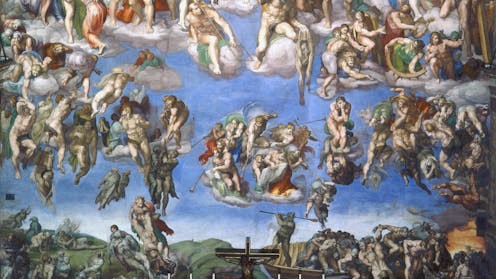



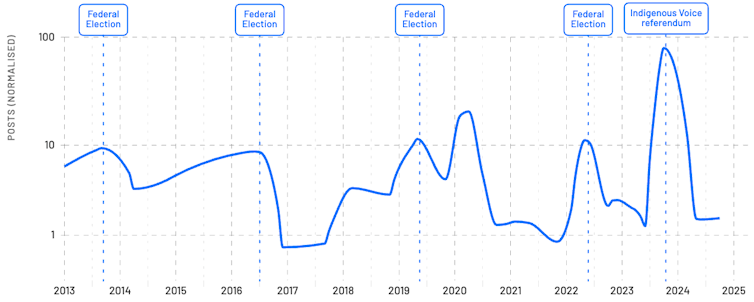











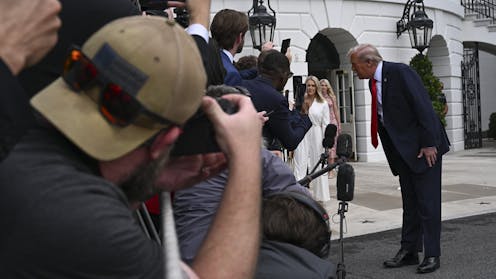








































.jpg)

.jpg)