

Source: The Conversation (Au and NZ)
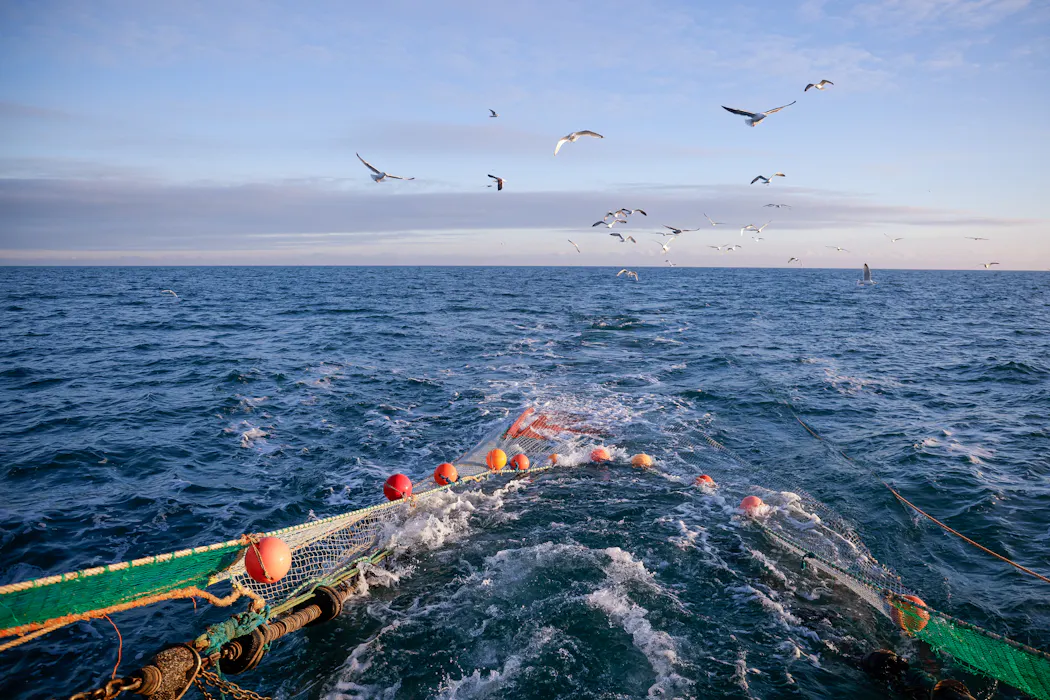
The government’s controversial Fisheries Amendment Bill has reignited debate over New Zealand’s most common – and most controversial – commercial fishing method.
Bottom trawling involves commercial fishing boats dragging large, heavy nets across the seafloor. It is the most widespread source of human disturbance to the global seabed. Around New Zealand, marine scientists have documented its ecological impacts for decades.
Although the bill covers a broad range of fisheries management changes, debate has centred on whether it would weaken environmental safeguards that influence how activities such as bottom trawling are managed.
After an earlier U-turn on one significant proposal, Fisheries Minister Shane Jones last month delayed the legislation until after the general election. But many of its more contentious reforms remain on the table and could return under the next parliament.
Prime Minister Christopher Luxon has argued the environmental impacts of bottom trawling need to be balanced against its economic benefits.
The commercial fishing industry employs thousands of people and generates around NZ$2 billion in export earnings each year. It is an important export industry, even if smaller than sectors such as international education and comparable in size to wine exports.
Still, our research in the marine environment suggests any balance should place greater weight on protecting marine biodiversity and the ecosystem processes that support ocean health.
Why bottom trawling is contentious
New Zealand is today one of just seven countries that bottom trawl in international waters – and the only one still using the method on South Pacific seamounts.
For New Zealand’s commercial fishing industry, the method remains a mainstay. In 2024–25, it accounted for about 224,000 tonnes of fish – around two thirds of the country’s commercial catch by volume.
While commercial fish stocks are managed under New Zealand’s Quota Management System, concerns remain about impacts on vulnerable seafloor habitats, depleted fish species and marine mammals killed as bycatch.
Seamounts are targeted because they attract commercially valuable species such as orange roughy, black cardinalfish and oreos. But they are also home to corals, sponges and bryozoans that can live for hundreds of years and grow more than 20 metres tall.
These slow-growing, oceanic forests support a rich diversity of marine life but can take many decades to recover from repeated trawling.
The impact on seamounts has received international attention because of the slow recovery potential. But trawling impacts occur across the seafloor.
As nets pass across the it, they stir up sediment and cloud the surrounding water. This can smother filter-feeders such as shellfish, sponges and corals while making it harder for other species to feed and survive.
Between 1992–93 and 2017–18, government observers recorded trawl nets catching more than 4,200 marine mammals. Most did not survive.
The environmental impacts also extend beyond the species caught in nets. Bottom trawling also disrupts some of the ocean’s most important natural processes.
The seafloor is the planet’s largest carbon store, with millions of tonnes locked away beneath New Zealand waters. When trawlers disturb the seabed, some stored carbon may be released into the water column.
Researchers are still working to determine how much ultimately contributes to ocean acidification and climate change, but the role of seabed carbon is receiving increasing scientific attention.
The seafloor also underpins the health of marine ecosystems. Organic matter settling on the seabed provides food for countless organisms living on and within the sediment.
Burrowing creatures recycle nutrients and regulate carbon and nitrogen, supporting the productivity of surrounding waters. When trawlers scrape across the seabed, they disturb these communities and the ecosystem processes they sustain.
Where should the balance lie?
The country’s fishing industry argues bottom trawling is already tightly regulated, largely confined to established fishing grounds and increasingly uses technology designed to reduce its environmental footprint.
Industry group Seafood New Zealand also notes that about one third of New Zealand’s exclusive economic zone is closed to bottom trawling, while fishers typically operate over only a small proportion of it each year.
Even so, the cumulative footprint is substantial. Between 1990 and 2025, bottom trawling was carried out across nearly half a million square kilometres of New Zealand waters – an area almost twice the combined size of the North and South islands.
That suggests there is room to better balance food production with environmental protection.
One proposal advanced by marine scientists would protect 50% of New Zealand’s territorial seas and exclusive economic zone from bottom trawling. At present, only about 15% of waters at fishable depths (shallower than 1,600 metres) are closed to bottom trawling.
Other changes could also help. Environmental assessments of previously unfished areas before trawling begins, establishing trawl corridors that avoid the most ecologically important habitats, and creating wider buffer zones around marine protected areas could all reduce impacts while allowing commercial fishing to continue.
With the Fisheries Amendment Bill now on hold, New Zealand has an opportunity to step back from the immediate political debate and consider what balance it wants to strike between seafood production and the long-term health of its oceans.
Rather than being simply an environmental objective, protecting marine ecosystems is also an investment in the long-term resilience of the fisheries that depend on them. A fresh approach could give both marine ecosystems and the fishing industry a better chance to thrive into the future.

Simon Francis Thrush receives research funding from the Ministry for Business, Innovation and Employment and philanthropic organisations.
Original source: https://analysis1.mil-osi.com/2026/07/26/with-contentious-fisheries-reforms-on-hold-should-nz-rethink-bottom-trawling/