

Source: The Conversation – UK
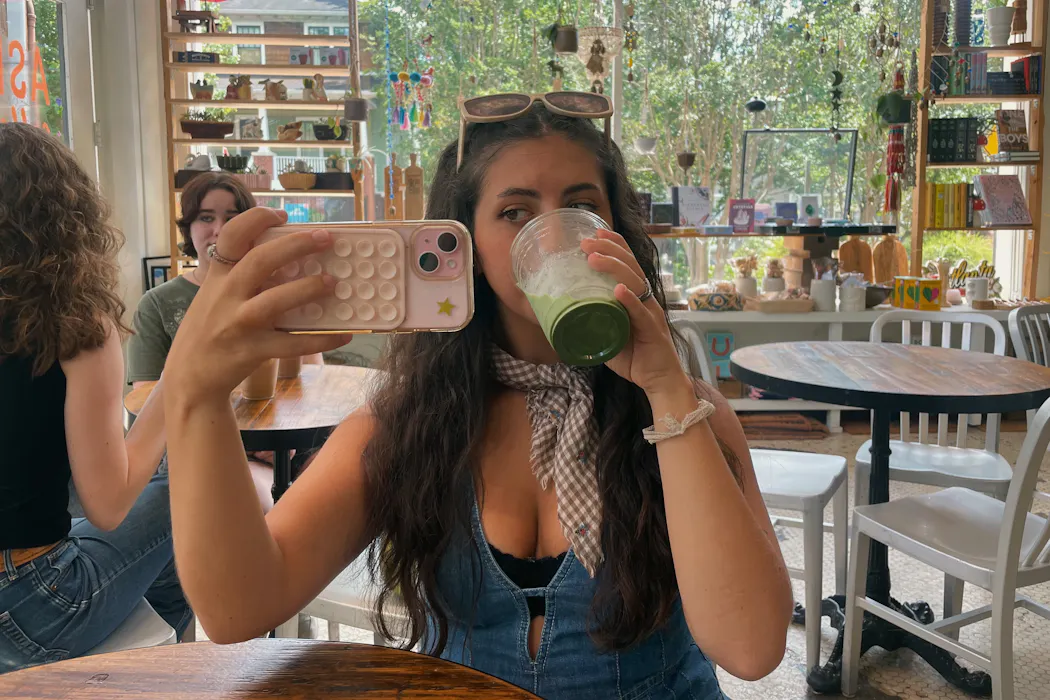
An influencer posts a photograph of two designer handbags and asks her followers which one she should buy. Another wants recommendations for restaurants in a new city she is visiting. Someone else asks which beauty dupes are actually worth trying.
These are ordinary questions we might ask our friends. Yet, coming from people who have built careers influencing what others buy, wear and desire, they raise an interesting question. If influencers are supposed to influence their followers, why are they increasingly asking them what they should do? The answer may be that asking for advice may not mean giving up influence at all, but another way for influencers to maintain it.
In my doctoral research, I analysed 390 Instagram posts from three established luxury fashion influencers. I examined how they communicated identity, aspiration and authenticity through images, captions and other visual messaging.
One observation was the use of questions within captions, inviting followers to respond to content that was otherwise carefully constructed. A polished fashion photograph might be accompanied by conversational language, encouraging audiences to engage with the person behind the image.
These interactions interested me because they demonstrated how influencers could communicate exclusivity and accessibility simultaneously. They might be attending prestigious fashion events or wearing expensive clothing, yet their captions created opportunities for seemingly ordinary conversation.
No one’s 20s and 30s look the same. You might be saving for a mortgage or just struggling to pay rent. You could be swiping dating apps, or trying to understand childcare. No matter your current challenges, our Quarter Life series has articles to share in the group chat, or just to remind you that you’re not alone.
Read more from Quarter Life:
-
What’s your apocalypse skill? Finding a future‑proof hobby can bring fulfilment today
-
Five ways to enjoy fashion as a hobby without indulging in overconsumption
-
The ick: the psychology of why a romantic partner can suddenly repulse you
Asking followers for recommendations takes this a little further. There is a difference between asking people what they think of an outfit and inviting them to help make a decision. Followers are no longer simply responding to someone else’s taste, but being invited to contribute their own.
This is particularly interesting in fashion, where influence has traditionally been associated with possessing knowledge, recognising desirable things and communicating taste to others. Yet here we have people who possess considerable fashion authority apparently seeking that judgment from their audiences.
The performance of being approachable
In his influential book The Presentation of Self in Everyday Life (1959), sociologist Erving Goffman argued that people manage how they present themselves to others, adjusting their behaviour according to the impressions they wish to communicate.
This offers a useful way of understanding influencer culture, where seemingly informal moments can contribute to a carefully maintained public identity.
A homeware influencer might genuinely need advice about blinds. But asking also communicates something about them. It presents them as approachable, interested in other people’s experiences and willing to admit that they do not already know everything.
Importantly, none of these qualities requires an influencer to surrender the authority that made people follow them in the first place.
Media scholar Crystal Abidin describes this relationship through the concept of perceived interconnectedness. This describes the interactions that create a sense of familiarity and mutual connection between influencers and their audiences.
Unlike traditional celebrities, whose audiences largely watch from a distance, influencers operate within platforms that allow followers to speak back. Being asked for advice can deepen this sense of connection. There is a particular satisfaction in feeling that somebody whose life you follow might be interested in your opinion.
Who is actually influencing whom?
Of course, followers may genuinely shape an influencer’s decisions. Someone might recommend an unfamiliar designer, an independent restaurant or a product that subsequently appears in their content. It would be misleading to suggest that every question is a calculated attempt to generate engagement. But participation does not necessarily mean equal influence.
The influencer decides what to ask, which recommendations to acknowledge and whether to act on them. The audience may contribute the knowledge, but the influencer retains considerable control over how that knowledge is selected and presented.
This is where the blinds example is particularly interesting. The influencer’s followers might possess knowledge about suppliers, materials or products that she does not. Yet she retains the authority to decide what fits the aesthetic identity she has established. There is, after all, a difference between knowing where to buy something and knowing how to make it desirable.
When an influencer publicly adopts a follower’s recommendation, that choice can become influential in its own right. What began as somebody else’s advice becomes part of the influencer’s communication of taste.
This challenges the idea that influence simply travels in one direction. Instead, audiences can participate in producing the knowledge and cultural references that influencers subsequently share.
For fashion brands and marketers, this matters because an influencer’s value may lie not only in their ability to recommend products, but also in their ability to make audiences feel involved in the process through which recommendations acquire meaning.
Perhaps we have become so accustomed to influencers telling us what to buy that we overlook what happens when they ask us instead. The apparent reversal can make the relationship feel less hierarchical, without necessarily changing who holds the greatest authority.

Catherine Greenwood does not work for, consult, own shares in or receive funding from any company or organisation that would benefit from this article, and has disclosed no relevant affiliations beyond their academic appointment.
Original source: https://analysis1.mil-osi.com/2026/11/10/influencers-are-supposed-to-influence-us-so-why-are-they-asking-us-what-they-should-do/