

Source: The Conversation – UK
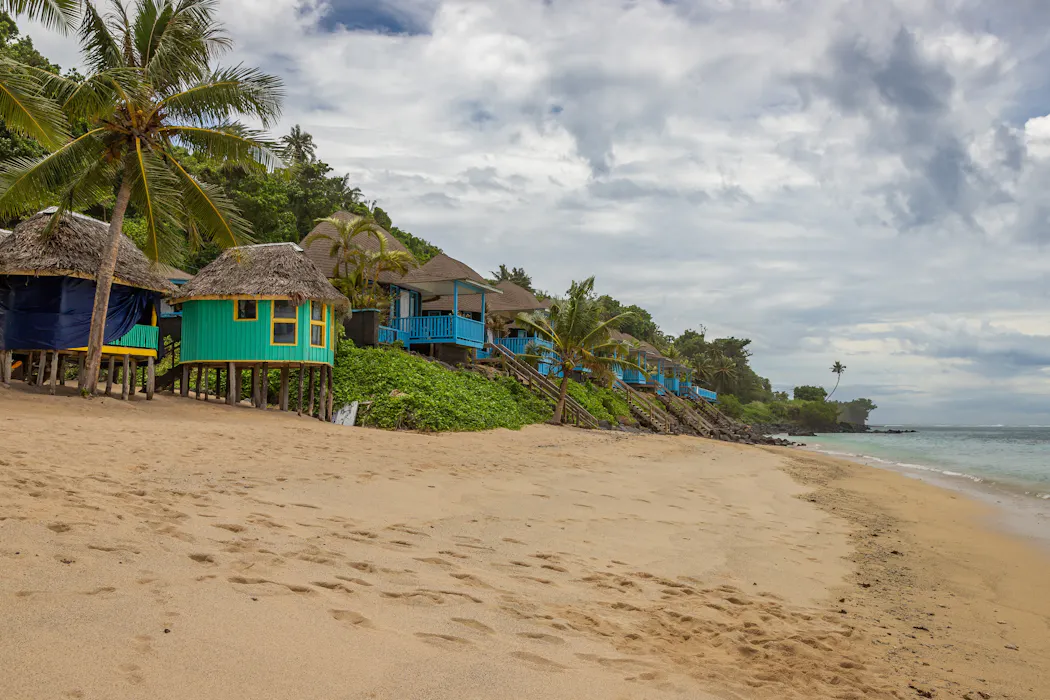
Every nation is grappling with climate change, but a super El Niño is about to collide with the 2026-27 South Pacific cyclone season. This presents one of the toughest challenges yet for the world’s small island nations.
Samoa is on high alert. These islands have had a turbulent recent history with drought, heat and cyclones. In the 1980s, the El Niño cycle (when certain parts of the Pacific are warmer than usual) caused severe drought and acute water shortages, plus a heightened risk of tropical cyclones. In Samoa, families still recall the unbearable heat that withered once-lush green forests into tinder-dry matchsticks, sparking fires across the villages of Asau and Aopo.
As Samoans contend with the complex effects of El Niño in the coming months, they’ll also be experiencing the everyday consequences of climate change: 70% of the population and infrastructure are located in low-lying coastal areas. Sea levels have risen by as much as 31cm over the last three decades. This puts islanders at greater risk from flooding, more frequent and severe cyclones and saltwater intrusion (whereby dense, saline seawater infiltrates freshwater) damaging their crops.
In talanoa (story‑based dialogue, common in the Pacific) with family in Vaisala, Utusamia Barbara Carter told one of us (George Carter) how “today, the challenge is different but no less alarming. The sea is slowly rising, and our homeland is gradually being swallowed by the ocean”.
Perversely, in the short term, El Niño can lead to both high and low sea levels. During the cycle extremely low sea levels (referred to in Samoa as taimasa) can expose shallow reefs, which cause coral to die off, while the long-term trend of sea-level rise is caused by climate change.
Read more:
How an El Niño becomes a super El Niño
Samoan traditions and identity are deeply tied to the land, ocean, sky and people (kinship). They and other Pacific Islanders want to stay put and maintain their way of life.
Samoa is one of 39 island nations known as small island developing states, a group that is recognised by the UN as being exceptionally vulnerable to climate change. What is new is the scale and intensity of the risk, given the compounding effects of climate change, which are occurring at a time when international cooperation on climate action is fraying.
Small island developing states continue to struggle to access adequate levels of funding to boost their climate resilience and adapt their infrastructure. The implementation of this climate finance involves long delays and red tape. Many of them feel that the world’s powers are increasingly treating them as a marginal concern, compared to more pressing issues of economic prosperity, peace and global security.
This is a big mistake. The resilience of small island developing states is increasingly bound up with all three of these issues.
These nations are spread out across the Caribbean, Pacific, Atlantic and Indian Ocean and South China Sea. They make up less than 0.5% of the world’s total land mass and less than 1% of the global population. Individually, they have little economic or military power.
These island nations may be small in landmass and population, but they govern vast ocean territories; and many sit at the centre of intensifying geopolitical competition.

Sam Lawrence/Shutterstock
Small island developing states represent 38 out of a total of 193 UN member states so they account for around 20% of votes at the UN. They have repeatedly exercised influence far beyond their economic weight. The 1.5°C temperature goal at the heart of the UN’s Paris climate agreement might never have been secured without sustained pressure from the Alliance of Small Island States, the negotiating bloc representing these island nations.
Similarly, the landmark judgment on climate change and state responsibility by the International Court for Justice in July 2025 was spearheaded by the Pacific island nation of Vanuatu. Small island developing states are, by and large, among the most successful post-colonial democracies, and their regions remain largely peaceful.
The vast ocean spaces that small island nations oversee are known as exclusive economic zones. Within these zones, countries govern everything from fishing to deep-sea mining. The exclusive economic zones that small island developing states govern span 30% of the world’s oceans. On average, that is 28 times their combined landmass. These waters encompass precious marine ecosystems like seagrasses and coral reefs that regulate the climate, support fisheries and absorb carbon.
Even with their vulnerability to extreme weather many small island developing states have built successful economies with high levels of per capita income since independence. Entrepreneurs in small island developing states are producing green technologies and digital services with applications beyond their domestic economies.
Read more:
Climate disasters will send many countries into a debt spiral – but there’s a way out
Island states at Cop31
Australia plans to use its presidency of the UN climate summit Cop31 to highlight the special circumstances of small island developing states, but it must also achieve some tangible results.
One big step forward would be to improve access to existing flows of already pledged climate cash that isn’t reaching the right places fast enough. Island states need low-interest loans and grants, known as concessional finance, so they can invest in their own resilience without getting deeper into debt.
The new Pacific Resilience Facility is a climate finance mechanism owned and led by Pacific people that launched earlier this year. It is a good example of how wealthier countries might help islands like Samoa prepare for the new reality.
Wealthy nations could also recognise specific small island vulnerabilities by ensuring there is a “climate exception”. Small island nations whose income levels mean they are no longer eligible for official development assistance, could be made eligible again but just for assistance that is for building climate resilience. This would mean that highly vulnerable small islands with higher incomes don’t get shut out of aid budgets that will be essential to their survival in years to come.

Emily Wilkinson receives funding from the UK Foreign, Commonwealth and Development Office and the Government of Ireland’s Department for Foreign Affairs and Trade.
George Carter receives funding from Australian Department of Foreign Affairs, and Secretariat of the Pacific Regional Environment Program.
Original source: https://analysis1.mil-osi.com/2026/11/10/states-like-samoa-face-brutal-2027-storm-season-every-dollar-of-climate-cash-counts-for-small-islands/