Papua New Guinea and neighbouring Indonesia have been discussing a potential reopening of their shared border.
The border was officially closed early last year due to the covid-19 pandemic, but the illegal movement of people back and forth has continued across the porous international boundary.
PNG Prime Minister James Marape met with Indonesia’s Ambassador in Port Moresby, Andriana Supandy, and agreed that the border must be properly policed to prevent the spread of covid-19.
Indonesia’s heath system is being stretched with high covid infection rates, and PNG has also struggled to contain the spread of the virus.
No date has been given for when the border may reopen officially.
In others areas discussed, Supandy proposed for the two countries to enter into a Free Trade Agreement to boost trade and commerce, citing the potential as demonstrated in the success of vanilla trade between PNG and Indonesia.
The ambassador also informed Prime Minister Marape that Indonesia has already ratified the Border and Defence Cooperation Agreement and Land Border Transport Agreement and was awaiting PNG to do the same.
He said these agreements would pave the way for a more robust bilateral tie between the two countries.
On West Papua, the diplomat said that Indonesia appreciated the consistent position that PNG government has taken in acknowledging that the western half of New Guinea was an integral part of Indonesia.
He said the West Papuan self-determination demands remained an internal issue for Indonesia to resolve.
A release from Marape’s office also said both countries had discussed the need for joint cooperation in power connectivity to areas in PNG’s Western and West Sepik provinces.
Military donation The Indonesian military has donated an aircraft engine to the PNG Defence Force Air Transport Squadron for one of its aircraft to be used for operations in the 2022 general election.
Marape also confirmed yesterday that US$14 million would be ballocated in 2021 and 2022 to ensure all aircraft were ready to be used next year.
The head of the Indonesian National Armed Forces Strategic Intelligence Agency, Lieutenant-General Joni Supriyanto, arrived on a Lockheed C-130H Hercules in Port Moresby yesterday with the engine.
He said transporting the overhauled Casa aircraft engine to PNG “would enhance relationship and cooperation between the armed forces contributing to security and stability in the region”.
This article is republished under a community partnership agreement with RNZ.
When is a cabinet not a cabinet? When it is really an intergovernmental body that is pretending to be a cabinet so it can avoid transparency? Simply calling itself a “cabinet” is not enough to trigger an exemption in freedom of information legislation.
Justice Richard White this week so held in a proceeding before the Administrative Appeals Tribunal brought by Senator Rex Patrick.
What was the case about?
Patrick was seeking, through freedom of information (FOI), certain records of the “national cabinet” as well as documents concerning the formation and functioning of the cabinet. This would include its rules, how it makes decisions, whether any jurisdiction has a right of veto over its decisions, whether those decisions are binding, what conventions apply to it and whether its deliberations are recorded and transcribed.
The Department of the Prime Minister and Cabinet (PM&C) refused access to the records on the ground they were records of a committee of the federal cabinet and therefore exempt from disclosure.
Patrick successfully challenged this refusal in review proceedings before the Administrative Appeals Tribunal.
The national cabinet was established in March 2020, at the beginning of the COVID pandemic, to replace the Council of Australian Governments (COAG). It is an intergovernmental body comprised of the political leaders of the Commonwealth, states and territories.
The national cabinet reaches agreed positions on matters of national and intergovernmental importance, so there can be some consistency and coordinated planning across the nation. But it leaves it to each jurisdiction to implement the agreed standards or principles in its own way.
Senator Rex Patrick successfully challenged the idea of the ‘national cabinet’ as having the protections of a standard cabinet. AAP/Lukas Coch
What is meant by the term ‘cabinet’?
The Constitution does not refer to the cabinet or the prime minister, but it was always intended they exist. Their existence, however, is based on convention and an understanding of how the system of responsible government works.
Ministers advise the governor-general through the Federal Executive Council. But it is the cabinet (which at the federal level is a smaller group of senior ministers) that makes the important policy decisions.
Those decisions are given effect through the enactment of legislation or by formal acts of the governor-general (such as proclamations or regulations), or by public servants developing and administering the policies and programs of the government.
A critical element of a “cabinet” is that it derives its existence from, and is accountable to, parliament. This is a fundamental aspect of the principle of “responsible government”. Ministers are responsible to parliament for their actions as ministers. The lower house can hold the government to account for cabinet’s decisions by voting no confidence in it, forcing its resignation or an election.
Another important feature of a cabinet is that it makes collective decisions for which all members are equally responsible. To maintain this collective responsibility, records of who argued for and against a decision are kept strictly confidential for decades. Otherwise, ministers could absolve themselves of responsibility for government decisions by saying they did not support the decision at the time. If a minister fundamentally objects to a decision and is not prepared to support it publicly and be responsible to parliament for it, then he or she is, by convention, obliged to resign.
The convention of cabinet confidentiality applies to support this principle of collective ministerial responsibility.
Does calling something a ‘cabinet’ turn it into one?
Justice White rightly commented that the
mere use of the name ‘National Cabinet’ does not, of itself, have the effect of making a group of persons using the name a “committee of the Cabinet”. Nor does the mere labelling of a committee as a “Cabinet committee” have that effect.
He considered that a “committee of the cabinet” means a subgroup of the cabinet, and that the cabinet must be comprised of ministers who, according to the Constitution, must be members of parliament within three months of their appointment.
PM&C argued that any committee was a cabinet committee as long as the prime minister decided to establish it as such. Justice White called this argument “unsound”. He did not think the prime minister could change the statutory meaning of a cabinet committee simply by giving a committee that name.
In any case, he also concluded that neither the prime minister nor the federal cabinet created the national cabinet. It was instead established by resolution of COAG on March 13 2020.
Why is the ‘national cabinet’ not a federal ‘cabinet committee’ under FOI?
First, a cabinet and its committees are comprised, at least substantially, of ministers responsible to the one parliament or government. National cabinet is comprised of ministers responsible to different parliaments, governments and political parties. Only the prime minister is a member of both the national cabinet and the federal cabinet.
Another feature of a federal cabinet committee is that the prime minister appoints its members. In contrast, Justice White found that the members of the national cabinet were not appointed by the prime minister. They are members of national cabinet because of the offices they hold.
Federal cabinet committees derive their powers from the federal cabinet, have their decisions endorsed or overridden by that cabinet, and are ultimately subject its powers and directions. The national cabinet does not meet this description. Its decisions do not have to be endorsed by the federal cabinet and the federal cabinet cannot overrule them. National cabinet also addresses matters over which the federal cabinet has no authority or control.
The Commonwealth has 28 days to initiate an appeal of the decision. No doubt it will – even though the decision seems to be plainly correct. If the decision stands, it means Rex Patrick will be able to gain access to the national cabinet’s documents (unless other exemptions apply), increasing transparency about how it operates and the decisions it makes.
It will also remove a convenient method for the Commonwealth government to assert secrecy over anything it wants.
Finally, it should (but probably won’t) put an end to the government’s claims of cabinet confidentiality when parliamentary committees seek access to the documents of the national cabinet or any other dubiously established cabinet committees. If this were to happen, it would greatly enhance government accountability.
Anne Twomey has received funding from the Australian Research Council and occasionally does consultancy work for governments and inter-governmental bodies.
We learned this week of the tragic death of a 27-year-old man from Sydney who had COVID-19. This follows a 38-year-old woman who died from the virus last month.
Throughout the current Delta outbreak in New South Wales, we’ve heard young people are making up a greater proportion of people in hospital compared with earlier in the pandemic. We’re seeing similar patterns overseas.
In NSW between June 13 and July 17, the 30-49 age group represented the highest number of COVID-19 hospitalisations, with 45 people in their 30s and 40s admitted (26% of total COVID hospitalisations). Some 13 people aged 49 and under were admitted to ICU, representing 36% of total ICU admissions, with the youngest just a teenager.
What’s behind this worrying trend? Is it the fact more older people are now vaccinated? Or perhaps the Delta variant is causing more severe disease in young people? It may well be a bit of both. Let’s take a look.
Older age is the biggest risk factor
As we learned about COVID-19 last year, it became clear the elderly were the most likely to get very sick. This is true of other infectious diseases too.
A review published late last year shows the steep rise of the infection fatality rate (the chance of dying from COVID-19 if you contract it) with increasing age:
People aged in their 20s have consistently made up a high proportion of COVID-19 cases in Australia and overseas. If we look at all cases of COVID recorded in Australia since the pandemic began, 20 to 29-year-olds account for the highest number (around 22% of total infections).
Reports indicate 67% of new cases recorded in NSW on Thursday were in people under 40.
Some people have proposed greater social contact among those under 40 explains the higher infection rates in this age group. But equally it’s been acknowledged this may reflect more widespread testing among younger people, greater shielding by older people (staying at home to reduce their risk of infection), and a failure to communicate important public health messages around social distancing to younger people probably contribute.
Whatever the reasons, while the risk of death from COVID-19 is low for younger people, it’s self-evident that if more younger people become infected then more will develop serious illness and die.
Younger adults have generally been more likely to contract COVID-19 compared to older adults. Shutterstock
There are other risk factors for young people
Age is not the only factor that influences outcomes with COVID-19.
Having a chronic illness is associated with higher likelihood of more severe disease and death.
Being male and being obese also increase the risk of dying from COVID-19. Obesity may in fact add more significantly to the risk of serious disease in younger people.
Of course, none of these risk factors have to be present for a person to develop severe COVID-19.
For younger people who are unwell enough to be hospitalised with COVID-19, the outcomes can be quite serious. A large study from the United Kingdom showed 27% of 19 to 29-year-olds admitted to hospital suffered some form of organ damage to the liver, lungs or kidneys — any of which can lead to permanent disability.
A separate study showed 14% of patients under 40 admitted to ICU died, compared with 31% across all ages.
There is evidence COVID-19 can be associated with sudden deterioration and death in people who seem to be OK, presumably from damage to the heart and sudden cardiac arrest. This phenomenon is very rare at any age.
And younger people are certainly not spared from “long COVID”. A recent Norwegian study looked at people aged 16-30 who had COVID-19 but hadn’t needed hospital treatment. It found after six months, 52% had persistent symptoms including loss of taste or smell, fatigue, breathlessness or impaired concentration.
The Delta variant
While more people are being vaccinated every day, at the same time, the virus is changing. Most recently we’ve seen the rapid global spread of the Delta variant, which is behind Australia’s current outbreaks.
Delta is estimated to be 60% more transmissible compared to the Alpha variant, and may be up to twice as likely to lead to hospitalisation.
The Delta variant also seems more likely to infect younger people. In the UK it’s thought to now be spreading through schools more than any other setting. Last year, school transmission was relatively rare.
There’s been concern in Europe infection with the Delta variant may be leading to a greater proportion of younger people being hospitalised and treated in intensive care compared to earlier in the pandemic. Data from Switzerland show people being admitted to ICU are on average five years younger, have a higher body-mass index, and are presenting with more severe lung failure.
How much of this is due to the change in the virus and how much is because older adults are increasingly vaccinated remains to be determined.
Despite the increased transmission and what appears to be increased severity of infection with the Delta variant, protection from vaccines is holding up. Certainly both the Pfizer and the AstraZeneca shots continue to be very effective at preventing severe illness and death.
The take home message, though, is that nobody is safe from COVID-19. Serious infection, and even death, can occur at any age; we can’t predict this.
Until we’ve vaccinated enough people in Australia we will need to take care and follow the public health advice, such as social distancing and wearing a mask. This is just as important if you’re 20 as it is if you’re 80.
Peter Wark does not work for, consult, own shares in or receive funding from any company or organisation that would benefit from this article, and has disclosed no relevant affiliations beyond their academic appointment.
Facebook chief executive Mark Zuckerberg recently announced the tech giant will shift from being a social media company to becoming “a metaverse company”, functioning in an “embodied internet” that blends real and virtual worlds more than ever before.
So what is “the metaverse”? It sounds like the kind of thing billionaires talk about to earn headlines, like Tesla chief Elon Musk spruiking “pizza joints” on Mars. Yet given almost three billion people use Facebook each month, Zuckerberg’s suggestion of a change of direction is worth some attention.
The idea of the metaverse is useful and it’s likely to be with us for some time. It’s a concept worth understanding even if, like me, you are critical of the future its proponents suggest.
The metaverse: a name whose time has come?
Humans have developed many technologies to trick our senses, from audio speakers and televisions to interactive video games and virtual reality, and in future we may develop tools to trick our other senses such as touch and smell. We have many words for these technologies, but as yet no popular word that refers to the totality of the mash-up of old-fashioned reality (the physical world) and our fabricated extensions to reality (the virtual world).
Words like “the internet” and “cyberspace” have come to be associated with places we access through screens. They don’t quite capture the steady interweaving of the internet with virtual realities (such as 3D game worlds or virtual cities) and augmented reality (such as navigation overlays or Pokémon GO).
Just as important, the old names don’t capture the new social relationships, sensory experiences and economic behaviours that are emerging along with these extensions to the virtual. For example, Upland mashes together a virtual reflection of our world with non-fungible tokens (NFTs) and property markets.
Upland is a kind of ‘metaverse’ property-trading game based on real-world addresses. Upland
Facebook’s announcement speaks to its attempts to envision what social media within the metaverse might look like.
It also helps that “metaverse” is a poetic term. Academics have been writing about a similar idea under the name of “extended reality” for years, but it’s a rather dull name.
“Metaverse”, coined by science fiction writer Neal Stephenson in his 1992 novel Snow Crash, has a lot more romantic appeal. Writers have a habit of recognising trends in need of naming: “cyberspace” comes from a 1982 book by William Gibson; “robot” is from a 1920 play by Karel Čapek.
Recent neologisms such as “the cloud” or the “Internet of Things” have stuck with us precisely because they are handy ways to refer to technologies that were becoming increasingly important. The metaverse sits in this same category.
Who benefits from the metaverse?
If you spend too long reading about big tech companies like Apple, Facebook, Google and Microsoft, you might end up feeling advances in technology (like the rise of the metaverse) are inevitable. It’s hard not to then start thinking about how these new technologies will shape our society, politics and culture, and how we might fit into that future.
This idea is called “technological determinism”: the sense that advances in technology shape our social relations, power relations, and culture, with us as mere passengers. It leaves out the fact that in a democratic society we have a say in how all of this plays out.
For Facebook and other large corporations, determined to embrace the “next big thing” before their competitors, the metaverse is exciting because it presents an opportunity for new markets, new kinds of social network, new consumer electronics and new patents.
What’s not so clear is why you or I would be excited by all this.
A familiar story
In the mundane world, most of us are grappling with things like a pandemic, a climate emergency, and mass human-induced species extinction. We are struggling to understand what a good life looks like with technology we’ve already adopted (mobile devices, social media and global connectivity are linked to many unwanted effects such as anxiety and stress).
So why would we get excited about tech companies investing untold billions in new ways to distract us from the everyday world that gives us air to breathe, food to eat and water to drink?
Metaverse-style ideas might help us organise our societies more productively. Shared standards and protocols that bring disparate virtual worlds and augmented realities into a single, open metaverse could help people work together and cut down on duplication of effort.
In South Korea, for example, a “metaverse alliance” is working to persuade companies and government to work together to develop an open national VR platform. A big part of this is finding ways to blend smartphones, 5G networks, augmented reality, virtual currencies and social networks to solve problems for society (and, more cynically, make profits).
Similar claims for sharing and collaboration were made in the early days of the internet. But over time the early promise was swept aside by the dominance of large platforms and surveillance capitalism.
The internet has been wildly successful in connecting people all around the world to one another and functioning as a kind of modern Library of Alexandria to house vast stores of knowledge. Yet it has also increased the privatisation of public spaces, invited advertising into every corner of our lives, tethered us to a handful of giant companies more powerful than many countries, and led to the virtual world consuming the physical world via environmental damage.
Beyond the one-world world
The deeper problems with the metaverse are about the kind of worldview it would represent.
In one worldview, we we can think of ourselves as passengers inside a singular reality that is like a container for our lives. This view is probably familiar to most readers, and it also describes what you see on something like Facebook: a “platform” that exists independently of any of its users.
In another worldview, which sociologists suggest is common in Indigenous cultures, each of us creates the reality that we live in through what we do. Practices such as work and rituals connect people, land, life and spirituality, and together create reality.
A key problem with the former view is that it leads to a “one-world world”: a reality that does not permit other realities. This is what we see already on existing platforms.
The current version of Facebook may increase your ability to connect to other people and communities. But at the same time it limits how you connect to them: features such as six preset “reactions” to posts and content chosen by invisible algorithms shape the entire experience. Similarly, a game like PlayerUnknown’s Battlegrounds (with more than 100 million active users) allows limitless possibilities for how a game might play out – but defines the rules by which the game can be played.
The idea of a metaverse, by shifting even more of our lives onto a universal platform, extends this problem to a deeper level. It offers us limitless possibility to overcome the constraints of the physical world; yet in doing so, only replaces them with constraints imposed by what the metaverse will allow.
Nick Kelly does not work for, consult, own shares in or receive funding from any company or organisation that would benefit from this article, and has disclosed no relevant affiliations beyond their academic appointment.
Source: The Conversation (Au and NZ) – By Quentin Grafton, Australian Laureate Professor, Crawford School of Public Policy, Australian National University
Mick Tsikas/AAP
On July 15, New South Wales Premier Gladys Berejiklian said Sydney’s COVID lockdown wouldn’t end until the number of new cases not in full isolation was zero or as close to zero as possible.
But by August 1 the premier’s message had shifted:
Once you get to 50% vaccination, 60%, 70% it obviously triggers more freedoms […] The challenge for us is to get as many people vaccinated in August as possible so that by the time August 28 comes around, we have a number of options before us as to how we can ease restrictions.
There are around five million Australians under 16 who aren’t eligible to be vaccinated (bar a few groups of 12-15-year-olds whom the Australian Technical Advisory Group on Immunisation (ATAGI) said this week should be prioritised for vaccination, including Aboriginal and Torres Strait Islanders and those with certain underlying health conditions).
So, vaccinating 50% of the eligible population represents only about 40% of the whole population. Vaccinating 70% of the eligible population means only 56% of the whole population are vaccinated.
There can be no relaxation options determined solely by vaccination rates of 50% or even 70% of the eligible population. We cannot give up on our safety by pretending these vaccination rates in over-16s during an insufficiently controlled COVID outbreak would be like “living with the flu”. It won’t be.
Relaxing lockdown prematurely based solely on an arbitrary (and much too low) vaccination rate will likely lead to escalating cases and impose huge costs on Sydney and the rest of Australia.
Having not gone early, hard and fast, we propose seven key actions to save Sydney.
Crucially, Sydney’s lockdown needs to continue until the number of new daily cases who weren’t in full isolation reaches zero.
What does 70% of the eligible population vaccinated mean for Australia?
The premier’s August 1 announcement was similar to the federal government’s National Transition Plan released on July 30. The plan states that when 70% of Australians over 16 are vaccinated, governments should “ease restrictions on vaccinated residents”, and that lockdowns will be “less likely but possible”.
As we’re seeing in Southeast Queensland now, Delta is acquired and transmitted by children. This means only vaccinating 70% of over-16s will leave our kids vulnerable to COVID outbreaks. In the absence of public health measures, these children will pass it on to their friends and families.
While the risk of death from COVID, even with Delta, is lower among children than adults, there’s still a risk of long-term health consequences called “long COVID” among the young (and old).
Researchers dispute how common long COVID is in kids. But a study of children in Italy who have had COVID reported more than half had at least one symptom lasting more than four months, and more than 40% had a health problem due to long COVID that impaired their daily activities.
A UK survey of 23,000 households, published online as a preprint in June, found 5% of children infected with COVID had suffered persistent post-COVID symptoms for longer than four weeks.
What could happen if Sydney’s lockdown is relaxed too soon?
As of August 6, and since the Delta outbreak began in Sydney on June 16, there have been 4,610 locally acquired cases and 22 deaths. On August 6 there were 304 people hospitalised, 50 in intensive care with 22 requiring ventilation.
Using these stats, we can estimate what might happen should there be a partial relaxation of the current Sydney lockdown after 70% of over-16s in Greater Sydney are fully vaccinated and the outbreak is still ongoing.
First, if the vast majority of new daily cases aren’t in full isolation while infectious when lockdown restrictions are relaxed, this could easily result in a rapid growth in infections. This is because Delta is highly transmissible — infected people develop a viral load on average 1,000 times higher than the original strain. Even with new daily case numbers much lower than the numbers in early August, contact tracing wouldn’t be an effective secondary prevention strategy.
Let’s say partial relaxation after August 28 resulted in rapid and uncontrolled growth of new cases. We estimate that over a few months, and in the absence of subsequent lockdowns, this could result in as many as 100,000 cumulative hospitalisations, a total of more than 10,000 COVID patients in intensive care and, tragically, thousands of deaths in Greater Sydney alone.
This assumes that in an uncontrolled spread, eventually all unvaccinated people become exposed to COVID. We based these figures on the current ratios of how many people in Sydney have been hospitalised and died from COVID from the total number of cases, multiplied these numbers by the unvaccinated population, and extrapolated these numbers forward in the scenario of an uncontrolled outbreak.
Based on our previous research, the minimum economic cost of those hospitalisations (ignoring lost wages and the costs of “long COVID” and ongoing care generally) in Greater Sydney could easily exceed half a billion dollars. The economic costs from the expected loss of life would be in the tens of billions.
Experience from Australia and around the world tells us what needs to be done to protect public health and the economy.
NSW must:
ensure Sydney’s lockdown continues beyond August 28 until the number of new daily cases who aren’t in full isolation reaches zero
focus on daily testing of essential and front-line workers so pre-symptomatic and asymptomatic workers are identified before they enter the workplace. NSW should use the very best rapid test technology. Essential workers can be quickly and easily screened at a fraction of the cost and time of the standard PCR test
ensure everyone in lockdown gets adequate financial support to stay home, including those on visas. This is much more cost-effective than having those struggling financially not get tested and go to work, get infected and possibly spread COVID
actively minimise leakage to rural NSW, including setting up a “ring of steel” around Greater Sydney. This should include checking essential services drivers are up to date with daily rapid testing and measures to prevent other travellers from leaving
make masks mandatory outdoors as well as indoors (outside the home) throughout Greater Sydney
maintain the focus on increasing the vaccination rate among Sydneysiders by taking vaccinations to essential workplaces
recognise that until Sydneysiders, including children, have had the opportunity to be fully vaccinated then stringent lockdowns will need to be implemented rapidly whenever there are uncontrolled outbreaks of COVID.
Quentin Grafton has received funding from the Australian Research Council for his research. However, he has received no funding from any source in relation to his COVID-19 modelling or research.
Mary-Louise McLaws is a member of the World Health Organization Health Emergencies Ad Hoc COVID-19 Infection Prevention and Control Guidance Discussion Group
Tom Kompas has received funding from the Australian Research Council for his research. However, he has received no funding from any source in relation to his COVID-19 modelling or research.
The issues to watch out for now are the extent to which countries with high vaccination rates are (1) getting positive cases, and (2) getting Covid19 deaths. And one particular point to watch out for is the extent to which early vaccinator countries show signs of relapse, as immunity levels wane over time.
As for 2020, the tropical holiday destinations are well represented (and a significant number of these are not shown here, because their populations are less than 300,000 people). Important holiday destinations that do show are these French dependencies: Martinique, Guadaloupe, and Réunion. We also see popular Mediterranean holiday destinations showing up: Spain, France, Greece, Portugal, Morocco. Generally these have low death rates, but it’s still too early into August holiday month to declare that deaths will remain low.
Generally the places with the highest per capita cases of Covid19 are now quite dispersed, reflecting a mix of countries which experience high traffic at their borders, and other countries which have struggled to control domestic outbreaks.
Israel, Iceland, United Kingdom, Spain, Portugal, Greece all have very high full vaccination rates, high case numbers, but low death rates. All should be watched to see if death rates stay low. Of these, Israel and Iceland have had the most recent outbreaks. (Also, little Gibraltar has the world’s highest vaccination rate, at over 100%, and would be in about 6th place on the above chart.) We should also note Cyprus, which is coming out of a particularly bad outbreak, after having largely missed out on earlier covid waves.
I have also included Australia, for context. Australia’s lockdowns have clearly had a major impact on slowing down the growth rate of Covid19 infections. But low levels of immunity in Australia – both low from past infections and low from vaccinations – mean that it’s slow exponential outbreak may continue for a fearfully long time.
Chart by Keith Rankin.
On deaths, we still see the impacts of the major outbreaks in Southern Africa, North Africa, South America, and South Asia. And Russia. And Iran. My hunch is that deaths will continue to fall in most of these countries, and will not appear in large numbers in the northern autumn as they did in 2020.
One country to watch is China. It has low levels of immunity; and reliance on draconian lockdowns and a vaccine that may have been the least effective so far. In other words – to use a forest fire analogy – it has by far the most ‘fuel’ to power an outbreak that may prove as hard as the Australian outbreak to contain.
In New Zealand, we now know that the speed of the vaccine rollout is the difference between life and death. The SARS-COV2 virus will reach an equilibrium in the Northern Hemisphere in a year or two – as did the virus that caused the ‘Russian flu’ pandemic around 1890. But it will kill many kiwis – sooner or later – unless we can achieve herd immunity through vaccination.
First Nations women are the fastest-growing prison population, constituting 37% of the female prison population, despite making up only 2% of Australia’s total population. The daily average number of women in full-time custody in the 2021 March quarter was 3,302, of whom 1,247 were First Nations women.
The incarceration of First Nations women is interwoven with the experience of domestic, family, sexual and other forms of violence against women. A high number of First Nations women spend time in custody unsentenced for domestic violence incidents that would never result in a custodial sentence.
the case of Jody Gore, who after experiencing decades of abuse, killed her former partner and was found guilty in 2016 and sentenced to life behind bars.
Ms Dhu, who was detained after calling for help during a domestic violence incident in 2014, only to be detained for unpaid fines. She subsequently died in police custody from septicaemia caused by a previous domestic violence injury.
Ava, who called police because she feared for her safety after a fight with her son in 2020. She was misidentified by police as the primary aggressor and spent five weeks in custody.
These cases draw attention to the connection between the multiple forms of violence First Nations women experience, and incarceration.
Links with domestic violence
Up to 90% of women in prison have experienced domestic and family violence. Most First Nations women in prison report experiencing multiple forms of violence at different times in their life.
Some had witnessed and experienced family violence as children and gone on to experience sexual assault, social isolation and physical intimate partner violence as young people and adults.
Trauma from these experiences contributes to other risk factors for incarceration, such as poor mental health, substance misuse, unemployment and low education. These factors disproportionately affect First Nations women and are linked to their own offending.
Twenty years ago, a report by the NSW Aboriginal Justice Council found that at least 80% of First Nations women linked previous abuse to their offending. This report revealed sexual abuse was “a central feature of pathways into offending”.
Domestic and family violence is also driving the incarceration of First Nations women through misidentification by police and other authorities.
Often, women who have experienced long-term abuse from an intimate partner are misidentified as the primary abuser and/or are named as the respondent in domestic violence orders. A domestic violence order sets out rules that must be obeyed by the respondent — the person who committed domestic violence — to protect the person listed as the aggrieved.
Women who have used retaliatory or pre-emptive violence in response to abuse or to protect themselves also come into contact with the criminal legal system. First Nations women are also more likely to encounter structural racism in their interactions with the criminal legal system.
First Nations women misidentified as perpetrators of violence
Misidentification can have disastrous and devastating consequences for women.
Research has found that almost half of the women murdered by an intimate partner in Queensland had formerly been misidentified by police as a domestic violence perpetrator.
Alarmingly, in nearly all of the domestic and family violence-related deaths of Aboriginal people, the deceased person had been recorded as both a respondent and an aggrieved party in domestic violence orders.
Not only is the misidentification of First Nations women as the primary domestic violence abuser driving incarceration rates, it is costing women their lives. Not only are they not protected, they are being killed, and when they try to protect themselves, they are jailed.
Behind the increasing incarceration rates lies a serious crisis with many Indigenous policy considerations, such as the experiences of trauma, sexual and emotional abuse, and family and intimate partner violence.
Community-led, trauma-informed preventative support programs for First Nations women are desperately needed. This would include significant investment in community-based services and housing for vulnerable First Nations women at risk of becoming involved in the criminal legal system.
Systemic change is needed to divert women from entering prison by addressing the way the police and criminal legal system identify primary domestic violence abusers and respond to domestic, family, and sexual violence.
Ultimately, addressing violence against women requires long-term commitment to create social and cultural change through the promotion of gender and racial equality.
Deirdre Howard-Wagner is the recipient of funding from the Australian Research Council and the Commonwealth and NSW government departments in relation to Indigenous policy research. That funding is not related to the topic of this piece.
Chay Brown receives funding from ANROWS and the Office for the eSafety Commissioner. She is affiliated with the Centre for Aboriginal Economic Policy Research at the Australian National University and the Equality Institute.
University of Canberra Professorial Fellow Michelle Grattan and University of Canberra Vice-Chancellor and President Professor Paddy Nixon discuss the week in politics.
This week Michelle and Paddy discuss the ongoing lockdowns across the nation, and the plans released by the government this week to increase the vaccine rollout, and put lock downs behind us. One incentive, proposed by the opposition, is a $300 payment to any individual who is fully vaccinated by 1 December.
They also discusses a judgment delivered by the Administrative Appeals Tribunal on Thursday which says the minutes of National Cabinet should be released under the Freedom of Information Act.
Michelle Grattan does not work for, consult, own shares in or receive funding from any company or organization that would benefit from this article, and has disclosed no relevant affiliations beyond their academic appointment.
If you ask most people what economists do, they might tell you it has something to do with money. Or perhaps forecasting what the economy will look like a year from now. Most of the other comparisons would be less charitable. I’ve heard plenty that can’t be printed.
The reality is very different.
For example, my UNSW colleague Pauline Grosjean and her economist co-authors published a paper in 2020 that asked “can heroes legitimise strongly proscribed and repugnant political behaviours?” and answered the question using recently declassified intelligence data on nearly 100,000 soldiers serving under French Field Marshall Philippe Petain at the battle of Verdun in 1916.
It turns out the home municipalities of these soldiers ended up producing 7% more Nazi collaborators during the Petain-led Vichy government from 1940-44.
While there are “market economists” whose job it is to try to produce credible forecasts, academic economists largely use an economic lens — and often very rich data sources — to understand and describe the world in which we live, and how to improve it.
Ironically, it is the “ivory-tower” types who do some of the most interesting work — on a range of social and economic issues that might surprise you in its breadth.
#whateconomistsdo
As is often the case, social media has amplified misunderstandings about the role of economists and laced it with a good dose of bile. In reaction to this misconception, prominent economists in Europe and the United States began tweeting about #whateconomistsdo.
If you check out that hashtag you will see an avalanche of academic papers on all sorts of interesting topics. What they have in common is the use of economic theory to inform analysis of incredibly rich data to answer big, social-scientific questions.
The big ideas in economics involve formal (i.e. mathematical) theory.
Think of things like supply and demand, when and why markets are an efficient way to allocate resources, how asymmetric information can lead markets to break down, and the role of innovation and capital accumulation in driving economic growth.
Economic theory of this kind is incredibly important and influential. But most of what most economists do most of the time, involves working with data.
As I wrote in June (in discussing teenage driving accidents), empirical economics is basically about the so-called “identification problem” — figuring out how to identify the true causal effect of a policy intervention.
Developing and applying a set of empirical techniques to do this is what MIT economist Joshua Angrist has called “the credibility revolution”.
I personally prefer the term “identification revolution”. It’s an important part of what many of us teach in undergraduate economics classes, but with applications to political science, law and other fields beyond economics.
It’s a “revolution” because scholars have developed ways to credibly identify the causal effect of all manner of policy interventions. That allows us researchers to provide sensible policy prescriptions based on empirical evidence.
This is the true spirit of the oft-abused term “evidence-based policy”; and because public policy covers a lot of territory — from social policy to economic policy —these techniques have been applied to lots of important policy questions.
Each of these are policy-relevant topics where economists have brought modern techniques and good data to bear. This, in turn, provides useful, factual input into important political debates.
It has been suggested that economics isn’t very useful because, for example, few economists predicted the financial crisis of 2008, and forecasts of things such as GDP, unemployment or house prices are usually pretty lousy.
It’s true that economic forecasting is a mug’s game. In the words of that great line typically attributed to American baseball legend Yogi Berra, it’s tough to make predictions, especially about the future.
So if you want to know what the dollar will be worth two years from now, the best answer is probably “whatever it is today”. If you want to ask anyone, ask an astrologer, not an economist.
But since the identification revolution, economists around the world have contributed to a vastly richer understanding of important public-policy questions by combining rich data with clever empirical methods.
It also makes for much more interesting dinner party conversation than macroeconomic forecasting.
That’s #whateconomistsdo.
Richard Holden is President-elect of the Academy of the Social Sciences in Australia.
Talk of healing, care, and well-being is woven throughout the refreshed Closing the Gap agreement. These things were also central to Prime Minister Scott Morrison’s announcement of the Closing the Gap implementation package this week.
The package also directs additional funding to Aboriginal community-controlled health organisations to “maintain the high level of care they offer”.
Recognition of the significant violence perpetrated by the settler state and measures to support healing are welcome and long overdue. However, history gives us good reason to be sceptical of the government’s lofty Closing the Gap rhetoric around pursuing improved well-being.
If improved well-being is supposed to underpin the refreshed Closing the Gap approach, then this must filter into all actions taken under the framework. However, measures to promote healing and care will only be treating the symptoms and not the cause while governments continue inflicting harm on Indigenous people.
We use the example of employment policy (targets 7 and 8 in the Closing the Gap agreement) in remote areas to show how government policies continue to create damage that must later be healed.
Stop punishing the unemployed in remote Australia
Since 2015, Indigenous peoples living remotely have been routinely punished under the Community Development Program (CDP). CDP requires individuals on income support payments to complete activities (like job searches and “work for the dole”) to receive their social security benefits. These activities were mandatory from 2015–20, though work for the dole was recently made voluntary.
CDP has roughly 40,000 participants, around 80% of whom are Indigenous. So harsh was this policy that the Commonwealth government has been taken to court by one remote council that claims the program is racist.
The introduction of the punitive scheme has hardly budged the number of Indigenous people in work, with employment numbers barely rising in remote Australia between 2008 and 2018–19.
However, mass unemployment is not a result of people choosing to remain on welfare. There are just not enough jobs for everyone. Consequently, attempts to close the “employment gap” in remote Australia by targeting the attitudes and behaviours of the unemployed have failed because they ignore the real cause: unemployment is structural, not behavioural.
CDP has meanwhile caused significant harm and torn at the social fabric of remote communities. It has disproportionately high levels of penalties and payment suspensions, which have lowered already impoverished household incomes.
CDP is a dire example of how, on the one hand, the government talks about wanting to enable healing, while on the other hand, its own policies are a significant cause of ongoing harm.
Still listed in the Closing the Gap plan
In a welcome announcement around the time of the 2021–22 budget, the Morrison government committed to abolish CDP and replace it with a new “co-designed” program from 2023.
Yet, CDP remains listed in the Commonwealth’s implementation plan as an “action” that will contribute to closing the gap on “Aboriginal and Torres Strait Islander young people engaged in employment or education” (target 7).
Indeed, the Commonwealth did not announce any new initiatives yesterday that will assist in meeting its employment targets.
The failure of CDP provides an opportunity to carefully reconsider its harmful effects and to move forward in a manner consistent with Closing the Gap commitments around healing, caring, and ensuring well-being.
Care work for people, Country and culture
There are unquestionable health and well-being benefits associated with work. However, if future policy looks to support people to engage in work, then suitable work must be available.
Pathways into waged jobs will only be open to a minority of unemployed Indigenous peoples in remote Australia. Yet, there is much productive work already being done that is unpaid. Policies that deploy narrow definitions of “work” ignore these diverse forms of labour, which are critically important in supporting the strained social fabric of remote communities.
Care work should be supported in all its forms.
An example is care work: a term we use here to refer to caring for people, as well as for Country and culture — all of which are interlinked and mutually interdependent.
While some caring for Country and culture work is recognised and remunerated under the successful Indigenous ranger and language maintenance programs, much “caring for people” work remains unsupported and unpaid. Such work is overwhelmingly provided by Indigenous women.
If the Australian government is serious about supporting well-being and healing as key elements of Closing the Gap targets, then it must ensure care work in all its forms is supported, irrespective of its position within or beyond the formal economy.
Governments of all persuasions are increasingly embracing the notion of caring for Country. In the past 15 years, they have recognised, and more appropriately supported, Indigenous efforts in environmental healing.
We argue it is time that far greater emphasis is also placed on caring for people; a CDP replacement should have this objective as an underpinning feature.
The CDP overwhelmingly failed to care for people; its unintended consequence was to further deepen poverty and anomie. There will never be a better time to shift our policy focus in a positive direction as the nation reflects on our collective failure to Close the Gap, and as a new employment and income support program is being co-designed.
Zoe Staines receives funding from the Australian Research Council (ARC).
Elise Klein has received funding from the British Academy. She is a board member for the Institute of Postcolonial Studies.
In the last three years, Francis Markham has received funding from the National Native Title Council, the Commonwealth Department of Social Services, Aboriginal Affairs New South Wales, the Australian Institute of Health and Welfare and the former Commonwealth Department of Communications and the Arts.
Jon Altman does not work for, consult, own shares in or receive funding from any company or organisation that would benefit from this article, and has disclosed no relevant affiliations beyond their academic appointment.
When significant voices on the political left start speaking out against Labour’s proposed hate speech laws it’s a sign that they’re in big trouble. With criticisms now coming from across the political spectrum, it’s much more likely that the Government will ditch the botched speech regulation reforms.
The latest leftwing activist to speak out against the proposals is unionist Matt McCarten. He is encouraging the public to make submissions against the proposals (submissions close tomorrow).
McCarten’s leftwing credentials are strong – not only has he been involved in progressive and socialist organising for decades, he was the Labour Party’s Chief of Staff at Parliament for two years from 2014. His opposition will carry a lot weight.
This week he made the following statement: “Free speech is not a left-right political issue. It’s about democratic civil society where everyone has a right to have their say. Sometimes your opinion can make other people uncomfortable and even create conflict. But sharing your views can start a real conversation of ideas that often leads to positive societal change. If we risk free speech then we risk progress. We must not allow that.”
McCarten also gave a lengthy interview with another leftwing activist, Dane Giraud, of the Free Speech Union, on the problems he sees with the proposals, as well as wider criticisms of the contemporary left – see: Interview with legend of the NZ Union movement Matt McCarten.
Cowan has also written about his own opposition to what he sees as a clampdown on political activity and expression – see: We need more democracy, not less. He argues the hate speech laws are just a continuation of the growth of a “liberal support for authoritarian identity or woke politics and for cancel culture”. In contrast, he points to historic socialist figures who have battled for free speech.
In this regard, it’s also worth reading Victoria University of Wellington academics Michael Johnston and James Kierstead who explain how free speech has been vital to not just democracy and progress, but for marginal groups liberating themselves – see: Hate speech law a threat to democracy. They say: “The historical record, from the suffragettes to the civil rights movement to gay liberation, makes it clear: free speech has been a vital – perhaps the vital – tool in the struggle of marginalised peoples to defend their rights.”
They have written this week about their opposition to the proposals – see: Why the new ‘hate speech’ legislation should be scrapped. They argue that leftwing governments should be concerned with advancing leftwing policies and dealing with problems faced by those at the bottom, but Ardern’s Government is instead pursuing an illiberal programme on political expression. They say the Government is siding with a more illiberal movement around the world that is concerned with suppressing open debate.
The political commentator who has led the fight against the hate speech laws is Chris Trotter. Last week he reported on the only authoritative public survey that has been carried out on the hate speech proposals, which shows the public is clearly more opposed than supportive – see: Free speech vs hate speech – by numbers.
The survey commissioned by the Free Speech Union shows that 43 per cent are either strongly or somewhat opposed, 31 per cent are somewhat or strongly in favour, and 15 per cent are neutral. The survey shows that Labour and Green voters are much more inclined to support the proposals, and National and Act supports much less so. There are some other interesting demographic skews as well – in terms of gender, ethnicity, income, and geography.
Trotter has written at length about the problems with the hate speech proposals. His latest column on this is a plea to the Prime Minister not to go ahead with the ill-thought-out changes to the law – see: I understand why you want to do it, Jacinda – but don’t.
Trotter explains that the horrors of the Mosque attacks have made this a personal quest for Ardern, but argues it’s a mistaken response that won’t achieve its objective and will have many undemocratic and harmful consequences.
The Government-friendly blogsite The Standard has also published a strong critique of the new law, pointing out that the existence of free speech has allowed radical political organisation to occur, and “we need our existing freedom of expression protected more, not less” – see: Oppose this new hate speech bill. They point out that the Labour Party was able to be founded because of free speech, and “I doubt the Labour Party would have been able to exist today if this proposed control of speech had occurred then.”
Others on the left have also been outspoken. Martyn Bradbury, the editor of the Daily Blog, has written frequently about how the left should be opposing the Government’s reform ideas. In a recent blog post he says: “we are the Left, we should be championing free speech, not repressing it! We can’t allow brittle millennial trigger culture to hand the State powers that history tells us will be used against us!” – see: Kris Faafoi has gone into hiding over Hate Speech law & would Debbie Ngarewa-Packer get prosecuted?.
Minto argues that, although the Government thinks the reforms would protect minorities, it’s possible minorities would be the victims of clamp downs. For example, “I think it will be the Muslim community and progressive voices who are more likely to feel the harsh edge of this law”, and other activist groups such as pro-Palestine movements would easily be labelled hateful and threatened with prosecution.
This last point has also been made by media law scholar Steven Price, who pointed out on TVNZ’s Q+A on Sunday “Hate-speech laws are often used to prosecute the very minorities that they are designed to protect” such as “gay people who are attacking religions who are attacking them”. You can watch this here: Q+A with Jack Tame – Lawyers ‘tearing their hair out’ over proposed hate speech laws.
For an excellent review of the Q+A debate, see Graham Adams’ latest column: The thorny hate-speech debate sorts sheep from goats. He discusses Price’s negative evaluations of the possible law changes – especially his view that it would be difficult to establish what is and isn’t a crime under the Government proposals.
Adams also highlights the appearance on the Q+A panel of former Labour MP Sue Moroney, who grapples with the lack of clarity in the proposals, essentially recommending that people self-censor to avoid prosecution. He quotes Moroney: “Well here’s a tip for middle New Zealand. If you think that what you’re about to do or say or tweet might actually be hate speech or might be captured by the law, don’t do it… and we’ll all be better off… If you’re making that judgement – ‘Could this be illegal?’ – don’t do it!”
Adams also points to a recently published video of police officer warning a street preacher: “There is a difference between preaching and hate speech and you are very close to crossing the line”. On this video, barrister and legal commentator Graeme Edgeler has tweeted to say: “The police officer is recorded saying there’s a fine line between preaching and hate speech. He then explicitly acknowledges they had not crossed that line, and still thinks he has a role in policing what they are saying. That is concerning.”
Edgeler has written frequently about the Government’s new proposals. His concluding blog post is a must-read, as he argues strongly against the hate speech laws in their current form, and he is highly critical of how the Government has gone about the reform process – see: The New New Prohibition.
Edgeler draws parallels with other draconian attempts to outlaw harmful activities such as alcohol and drugs, which have been counterproductive. He says: “We may be facing a similar issue with hate speech.”
Amongst his many problems with the proposals, Edgeler highlights the lack of certainty over what would actually qualify as illegal hate speech in the new rules, which he says would have a chilling impact on public debate: “An important component of the rule of law (perhaps the most important) is certainty. The law should be declared in advance so that people can comply with it. And the biggest problem for people who will try to moderate their behaviour in response to a new criminal law isn’t whether they can recognise a bunch of things that will be covered by it, it’s whether they can recognise what things won’t. Because if it is not clear, then important, protected speech will be chilled.”
Edgeler points to another lawyer’s strong arguments about the problems of enforcement – the idea that even if the legal system ends up absolving an individual of hate speech crimes, the mere fact of having to fight a prosecution will be extremely chilling – see Liam Hehir’s Hate speech and what legal elites sometimes miss about the law.
Ultimately it seems likely that Ardern will pragmatically decide to ditch the proposals, given that they have turned out to be such a mess. This will be hard to do, since Ardern has made much of her promise and it’s a Labour Party manifesto commitment. Nonetheless, according to Graham Adams there are signs the Prime Minister is trying to find a way out – see: Is Ardern preparing her escape route from hate speech laws?.
Finally, the Minister of Justice responsible for the hate speech proposals gave a train wreck of an interview about the reforms and then went to ground – or as one commentator recently said is probably “tied up in a basement somewhere by the Prime Minister’s staff and not allowed to do interviews”. But his failure to front on this and other important issues is explained today by Jo Moir – see: What’s eating Kris Faafoi?.
New Zealand Parliament Buildings, Wellington, New Zealand.
Editor’s Note: Here below is a list of the main issues currently under discussion in New Zealand and links to media coverage. Click here to subscribe to Bryce Edwards’ Political Roundup and New Zealand Politics Daily.
Source: The Conversation (Au and NZ) – By David Smith, Associate Professor in American Politics and Foreign Policy, US Studies Centre, University of Sydney
Conservative Christians are prominent in Australia’s Liberal-National Coalition parties. Scott Morrison and Tony Abbott are two of the most devout and theologically conservative prime ministers in Australian history.
Since 2018, Queensland, New South Wales and South Australia have all liberalised their abortion laws. This happened under Coalition governments in NSW and SA, to the dismay of some conservatives. Abbott and Barnaby Joyce appeared at protests against the NSW laws. Morrison declined to get involved, despite his “conservative” views on abortion.
In a new article in Religion, State and Society, I examine why Australian Christian conservatives are losing policy battles even when they win elections. Compared to the United States, Australia does not have a strong link between Christianity and nationalism. I show that, if anything, the concept of Australia as a “Christian nation” has declined over the past decade. This makes it harder for religious traditionalism to piggyback on the electoral success of exclusionary nationalism.
The rise and fall of the Christian right
Religious adherence is declining in Australia, but this doesn’t necessarily mean the end of religious influence in politics.
In her book Nations Under God, Anna Grzymala-Busse shows religious groups can continue to shape policy even in countries where people are averse to their involvement in politics. They can do this when they are seen as being “above politics”. Religious figures are powerful when they appear to be giving non-partisan guidance to political figures, legitimised by a strong relationship between church and nation.
In a 2014 article, Marion Maddox described the success of the Australian Christian Lobby (ACL) in Canberra. Howard brought the ACL to prominence by treating it as a “legitimate peak body” for Christianity.
Despite having a devoutly Christian prime minister, the role of the Christian right in Australia has waned in recent years. Mick Tsikas/AAP
The ACL’s political access continued under Labor prime ministers Kevin Rudd and Julia Gillard.
At a 2007 ACL conference, Rudd and Howard both spoke, with Rudd describing how his Christian beliefs gave him a unifying vision for the nation.
Gillard, raised Baptist but a self-described atheist, held private meetings on anti-discrimination laws with ACL leader Jim Wallace. In a 2011 interview, Gillard described herself as a “cultural traditionalist” who believed it was important for people to understand the Bible because “the Bible has formed such an important part of our culture”. As prime minister, Gillard opposed same-sex marriage.
Maddox warned that Australians had failed to recognise the “extremist” right-wing nature of the ACL. It successfully presented itself as “middle of the road” politically, theologically and culturally. In reality, it represented a small, ultraconservative slice of mostly neo-Pentecostal Christianity.
As Carol Johnson and Marion Maddox point out, Australia’s biggest churches used to oppose efforts to expand religious freedom. They did so from a position of majority dominance, worried that efforts to protect minorities could lead to stricter separation of church and state.
In 2008, the Human Rights Commission conducted the Freedom of Religion and Belief in Australia Inquiry. An analysis found 40% of public submissions included the “assertion that Australia is a Christian nation”. That assertion is much rarer today.
Even large churches are now conscious of being in a national minority on issues like marriage and sexuality. In 2017 the Turnbull government announced a Religious Freedom Review in response to conservative worries about the implications of changing marriage laws. In my analysis of the 15,500 public submissions to the review, I found just four assertions that Australia is a Christian nation or country.
Former prime minister Tony Abbott has referred to Australian society as ‘relentlessly secular’. Joel Carrett/AAP
The term “Christian nation” was used 101 unique times across print media (in reference to Australia) from the beginning of 2016 to the end of 2020. It appears to be in decline as a term. It appeared 35 times in 2016, 34 times in 2017 (the year of the same-sex marriage referendum), 16 times in 2018, 7 times in 2019 and 8 times in 2020. Furthermore, nearly half the times it was mentioned, it was by someone refuting the claim that Australia is a Christian nation.
When Australians do refer to their country as “Christian”, they are usually talking about heritage, rituals, holidays and census numbers. These may involve implied racial boundaries.
But Australians generally lack the classic ingredients of true religious nationalism: a sense of being “chosen” by God or of a sacred covenant between God and the nation.
Many of Australia’s devoutly Christian politicians don’t like calling Australia a Christian nation. Indeed, Abbott once described Australia as “relentlessly secular”. I can find no record of Morrison publicly calling Australia a Christian nation or country. The last prime minister to do so was Malcolm Turnbull, who described Australia as a “majority Christian nation” sharing a biblical heritage with Israel.
The debate around religious freedom reflects a new concept of religious traditionalists as minorities requiring protection. It also reframes religious alliances in terms of multiculturalism and diversity.
Conservative religious actors will fight to protect their existing privileges and will try to carve out new ones. But they are no longer in a position to bring Australian society into line with their beliefs.
David Smith does not work for, consult, own shares in or receive funding from any company or organisation that would benefit from this article, and has disclosed no relevant affiliations beyond their academic appointment.
As we write this article, the Delta strain of COVID-19 is reminding the world the pandemic is far from over, with millions of Australians in lockdown and infection rates outpacing a global vaccination effort.
In the northern hemisphere, record breaking temperatures in the form of heat domes recently caused uncontrollable “firebombs”, while unprecedented floods disrupted millions of people. Hundreds of lives have been lost due to heat stress, drownings and fire.
During the pandemic’s first wave in 2020, we collected nationwide data from 5,483 adults across Australia on how climate change affects their mental health. In our new paper, we found that while Australians are concerned about COVID-19, they were almost three times more concerned about climate change.
That Australians are very worried about climate change is not a new finding. But our study goes further, warning of an impending epidemic of mental health related disorders such as eco-anxiety, climate disaster-related post traumatic stress disorder (PTSD), and future-orientated despair.
Which Australians are most worried?
We asked Australians to compare their concerns about climate change, COVID, retirement, health, ageing and employment, using a four-point scale (responses ranging from “not a problem” to “very much a problem”).
A high level of concern about climate change was reported across the whole population regardless of gender, age, or residential location (city or rural, disadvantaged or affluent areas). Women, young adults, the well-off, and those in their middle years (aged 35 to 54) showed the highest levels of concern about climate change.
The latter group (aged 35 to 54) may be particularly worried because they are, or plan to become, parents and may be concerned about the future for their children.
The high level of concern among young Australians (aged 18 to 34) is not surprising, as they’re inheriting the greatest existential crisis faced by any generation. This age group have shown their concern through numerous campaigns such as the School Strike 4 Climate, and several successful litigations.
Of the people we surveyed in more affluent groups, 78% reported a high level of worry. But climate change was still very much a problem for those outside this group (42%) when compared to COVID-related worry (27%).
We also found many of those who directly experienced a climate-related disaster — bushfires, floods, extreme heat waves — reported symptoms consistent with PTSD. This includes recurrent memories of the trauma event, feeling on guard, easily startled and nightmares.
Others reported significant pre-trauma and eco-anxiety symptoms. These include recurrent nightmares about future trauma, poor concentration, insomnia, tearfulness, despair and relationship and work difficulties.
Overall, we found the inevitability of climate threats limit Australians’ ability to feel optimistic about their future, more so than their anxieties about COVID.
How are people managing their climate worry?
Our research also provides insights into what people are doing to manage their mental health in the face of the impending threat of climate change.
Rather than seeking professional mental health support such as counsellors or psychologists, many Australians said they were self-prescribing their own remedies, such as being in natural environments (67%) and taking positive climate action (83%), where possible.
Many said they strengthen their resilience through individual action (such as limiting their plastic use), joining community action (such as volunteering), or joining advocacy efforts to influence policy and raise awareness.
Indeed, our research from earlier this year showed environmental volunteering has mental health benefits, such as improving connection to place and learning more about the environment.
It’s both ironic and understandable Australians want to be in natural environments to lessen their climate-related anxiety. Events such as the mega fires of 2019 and 2020 may be renewing Australians’ understanding and appreciation of nature’s value in enhancing the quality of their lives. There is now ample research showing green spaces improve psychological well-being.
Walking in nature can improve your mental well-being. Sebastian Pichler/Unsplash
An impending epidemic
Our research illuminates the profound, growing mental health burden on Australians.
As the global temperature rises and climate-related disasters escalate in frequency and severity, this mental health burden will likely worsen. More people will suffer symptoms of PTSD, eco-anxiety, and more.
Of great concern is that people are not seeking professional mental health care to cope with climate change concern. Rather, they are finding their own solutions. The lack of effective climate change policy and action from the Australian government is also likely adding to the collective despair.
As Harriet Ingle and Michael Mikulewicz — a neuropsychologist and a human geographer from the UK — wrote in their 2020 paper:
For many, the ominous reality of climate change results in feelings of powerlessness to improve the situation, leaving them with an unresolved sense of loss, helplessness, and frustration.
It is imperative public health responses addressing climate change at the individual, community, and policy levels, are put into place. Governments need to respond to the health sector’s calls for effective climate related responses, to prevent a looming mental health crisis.
If this article has raised issues for you, or if you’re concerned about someone you know, call Lifeline on 13 11 14.
Rhonda Garad is an elected local Councillor and a member of the Greens party.
Rebecca Patrick received funding from the Institute for Health Transformation (Deakin University) to undertake the research reported in this article . She is affiliated with the Climate and Health Alliance.
Joanne Enticott does not work for, consult, own shares in or receive funding from any company or organisation that would benefit from this article, and has disclosed no relevant affiliations beyond their academic appointment.
Remote learning online has been a common tool in the battle against COVID-19. School and university campus closures have affected over 1.5 billion learners in 165 countries. The reduced need for students to be in their physical classrooms gives them greater autonomy, with more choice about what they do with their time. Some might skip classes, but what impact does this have on their learning?
There is extensive evidence that missing classes has a negative impact on the performance of low-achieving students. But in our recently published study with Silvia Griselda of Bocconi University, we found higher-achieving students benefit from autonomy in the form of relaxed school attendance. These students increased their performance in high-stakes exams, improving their university placement and potentially, their careers.
A 2020 OECD report highlighted the unequal impacts of greater autonomy on students:
“Effective learning out of school has clearly placed greater demands on students’ autonomy, capacity for independent learning, executive functioning, self-monitoring and capacity to learn online. These are all essential skills for the present and the future. It is likely that some students were more proficient in them than others and that, as a result, were able to learn more than their peers while not in school.”
Why do student responses to autonomy matter?
Understanding the different ways in which students respond to autonomy can inform recovery strategies from pandemic-related learning losses and help predict their success. This knowledge can help ensure resources are allocated where they are most needed.
In Australia, each week of remote learning equates to a loss of about 25 hours of face-to-face compulsory instruction time at school. That’s equivalent to missing 2.5% of a year’s instruction time.
The effects of reduced in-person class attendance on student performance are complicated in Australia by the fact that, in an OECD survey, only 88% of students reported having a quiet place to study at home. This is lower than the OECD average (91%). For students in the bottom quarter for socioeconomic status, the gap is even wider – 78% in Australia to 85% for the OECD overall.
Research shows high-performing students may tend to better self-regulate their study. This means they can acquire more knowledge on their own.
Another study found high-performing students may be allocating their time across subjects and material more efficiently. Classroom-based instruction may offer less challenging material to these high-performing students, which means they might learn faster from remote learning projects and tasks tailored to their knowledge and ability.
High-performing students appear to make better use of their time when they can choose to skip unproductive classes. Shutterstock
There are lessons to be learned from policies that have previously provided students with increased autonomy. Our insights come from an innovative policy in Greece. Our study used data on more than 12,000 secondary school students in Greece across all high school grades over four years.
The Greek Ministry of Education provided higher-performing students with more autonomy. In particular, high performers were permitted to miss 30% more classes than before without penalty.
The rationale was that this would allow higher-performing students to make decisions on attending class that best served their own interests. So instead of attending class, they could, for example, use this time for self-study or leisure.
To be classed as high-performing, students had to have an average grade above 75% in the previous year. The percentage of students characterised as high performers in maths and reading is almost the same in Australia and Greece, according to the results of the OECD’s Programme for International Student Assessment (PISA).
We found higher-performing students choose to miss more classes when allowed to distance themselves from school. This is in line with our previous research that showed high-achieving students take more absences during a pandemic.
Under the increased autonomy policy, these students improved their performance in national exams in high-stakes subjects. They also significantly increased their university admission scores. As a result, they were admitted to university degree programs of higher quality or selectiveness.
Higher-performing students were more likely to choose to miss some classes but improved their results in national exams and university admissions. Shutterstock
Academic diversity of classes is another factor
We also found high-achieving students who were assigned to more academically diverse classrooms chose to distance themselves more from school.
Specifically, we looked at the effects on two groups of high-achieving students with previously similar grades – one group was in more academically diverse classrooms than the other. Even if they had identical grades in the previous year, these two groups ended up performing differently in the subsequent national exams and enrolled in post-secondary institutions of different quality. In particular, the group in the more academically diverse classes was more likely to distance themselves from school and improve their exam performance than the group in the less diverse classrooms.
A more diverse classroom is likely to be associated with lower in-class learning productivity and higher classroom disruption, which reduces the efficiency of instruction. There is evidence that teacher effectiveness drops in more academically diverse classrooms. Therefore, a more diverse classroom may be less conducive to learning for higher-performing students.
The authors do not work for, consult, own shares in or receive funding from any company or organisation that would benefit from this article, and have disclosed no relevant affiliations beyond their academic appointment.
Source: The Conversation (Au and NZ) – By Dr Amanda-Jane George, Postgraduate Research Coordinator, Senior Lecturer in Innovation & Intellectual Property Law, School of Business and Law, CQUniversity Australia
Shutterstock
What does it mean to be an inventor?
In patent law, designed to protect the intellectual property of inventors, officials are used to thinking of inventors as humans, taking an “inventive step” – a new way of doing something — not obvious to a person skilled in the same art.
But last week — in a judicial world first — Australia’s Federal Court ruled an artificial intelligence (AI) system can be named as an inventor.
That judgement overturned a decision by the nation’s Commissioner of Patents that meant US scientist Stephen Thaler could not patent inventions by his AI system, DABUS (Device for Autonomous Bootstrapping of Unified Sentience).
Thaler says DABUS independently designed a fractal-shaped container for improved grip and heat transfer, and an emergency beacon that flashes more noticeably. So he can’t take credit as the actual inventor.
He has filed patent applications in 17 countries, as permitted by the international Patent Cooperation Treaty. In the US, UK, Germany, Europe and Australia, the patent offices have not approved them. Patent office decisions are pending in 11 other countries.
Just one patent office has granted the patent: South Africa’s Companies and Intellectual Property Commission, which published the Thaler patent on July 28, two days before the Australian Federal Court ruling.
An extract from Stephen Thaler’s patent application for a ‘Food container and devices and methods for attracting attention’ on behalf of the inventor, DABUS. CC BY
So Australia is not the world’s first nation to allow a machine to be named as inventor. But the South African patent office granted the patent because its practice prevented examination of inventorship and ownership.
Accordingly, the ruling of the Federal Court — to which Thaler appealed the Patent Commissioner’s decision — is a world first in terms of a court ruling in favour of AI as an inventor in its own right.
A machine can invent, but can’t own its invention
The specific reasons why most patent offices have rejected Thaler’s application differ according to the wording of legislation and how patents officials have interpreted the rules.
But there are some common themes. In the case of the UK and Australian patent offices, the main stumbling block was not that the examiners couldn’t accept a machine could invent something; it was that they did not see how a machine could own what it invented.
This issue of ownership is essential to the patent process. It requires, in cases where the applicant is different to the inventor, that the applicant show they have properly obtained ownership — or “title” — from the inventor.
The patent offices rejected Thaler’s application on the basis DABUS, as a machine, couldn’t “hold” title or pass it to Thaler, who didn’t want to name himself as the inventor because he didn’t do the inventing.
The English and Australian patent offices also argued the wording of their respective patent laws suggested an inventor needed to be human. The US and European offices also made this argument.
Why Australia’s Federal Court ruled for AI
But Australian Federal Court judge Jonathan Beach ruled, at least when it comes to Australia, this is not the case.
In overturning interpretation made by Australia’s Commissioner of Patents, Justice Beach said the patents legislation did not require the inventor to hold title, or pass it to the applicant. It simply required the applicant to receive title in a way the law recognises — like, for example, a dairy farmer receives “title” in their cows’ milk.
Thaler received title because he owned and controlled DABUS, its code, and he possessed DABUS’ output: the invention.
Justice Beach noted his interpretation served the rationale of the Patents Act, which is to incentivise innovation. Without taking this view, the “odd outcome” would be that DABUS’ invention was not owned, and was unpatentable. There would therefore be a patent black hole for AI-generated inventions.
Fears of AI monopolising technology
For now, Justice Beach’s decision means Australia and South Africa are the only two countries in the world accepting AI as inventors.
That won’t necessarily be the case for long, depending on the outcome of Thaler’s UK legal challenge against the decision of the High Court of Justice. The Court of Appeal is due to hand down a decision on the appeal in October. Thaler is also making legal challenges against the decisions of the US Patent and Trademark Office and the European Patent Office.
If these other courts decide differently to Justice Beach, it could mean Australia and South Africa become beacons for the lodging of AI-invented patents. This would not be the bonus it might seem. It could leave local companies having to pay even more to use patented foreign inventions.
But what if other jurisdictions do follow Australia’s lead?
There are concerns that accepting machines as inventors could, as Melbourne Law School senior fellow Mark Summerfield has warned, create an avalanche of “automated patent generators” monopolising technology.
This would further entrench the dominance of tech companies for whom AI is central, such as Google, Apple, Facebook, Amazon and Alibaba. As University College Cork economist Wim Naudé, has written, these platforms have a huge first-mover advantage in AI, “turning them into monopolists and gatekeepers”.
Summerfield has argued restricting the notion of invention to humans is the “primary legal barrier” to prevent this.
Phantom fears
But there are three reasons to agree with Justice Beach that such fears are a “phantom”.
First, to get a patent an invention must satisfy a stringent range of requirements. Applicants must prove, among other things, the invention has “worldwide novelty” and involves an inventive step.
Second, patents are expensive. It’s not like speculating on a domain name. The cost of a PCT patent in 10 jurisdictions is about A$150,000 plus maintenance fees. This is a big disincentive to abusing the patents system.
Finally, since 2019, patent owners are subject to anti-monopoly laws, so the competition watchdog, the Australian Competition and Consumer Commission, can take action against those seeking to abuse intellectual property rights to stifle competition.
As the Open Letter on Artificial Intelligence signed by Stephen Hawking, Elon Musk and many others involved in AI research says, more research on AI needed “to reap its benefits while avoiding potential pitfalls”.
Dr Amanda-Jane George does not work for, consult, own shares in or receive funding from any company or organisation that would benefit from this article, and has disclosed no relevant affiliations beyond their academic appointment.
Lieutenant John Bowen and party arriving at Risdon, by Thomas Gregson (c.1860). Courtesy of the WL Crowther Library
Aboriginal and Torres Strait Islander readers are advised this article contains images and names of deceased people.
Australians love their war heroes. Our founding myth centres on the heroism of the ANZACs. Our Victoria Cross recipients are considered emblematic of our highest virtues. We also revere our dissident heroes, such as Ned Kelly and the Eureka rebels. But where in this pantheon are our Black war heroes?
If it’s underdog heroism we’re after, we need look no further than the warriors who resisted the invasion of their homelands between 1788 and 1928. And none distinguished himself more than Tongerlongeter — the subject of a new book I have written with historian Henry Reynolds.
Tongerlongeter’s story
In Tasmania’s “Black War” of 1823–31, Tongerlongeter led a stunning resistance campaign against invading British soldiers and colonists. Leader of the Oyster Bay nation, he inspired dread throughout the island’s southeast. Convicts refused to work alone or unarmed, terrified settlers abandoned their farms, the economy faltered and the government seemed powerless to suppress the insurgency.
It was a legacy Tongerlongeter could never have imagined in 1802, when his people encountered the French explorers under Nicolas Baudin on Maria Island. Having never heard of foreign lands or peoples, they concluded the pale-faced visitors were ancestral spirits returned from the dead. If zombies are an apt comparison, they were soon to experience a zombie invasion.
The British established their first settlement at Risdon Cove, opposite today’s Hobart, in 1803. Only from the 1820s did settlement accelerate up the fertile valleys of the southeast. Tongerlongeter initially restricted his warriors to targeted retribution, but as the violence intensified, all stops were pulled.
By night, Tongerlongeter and his people were vulnerable to ambushes. Gangs of frontiersmen and sealers killed hundreds of men and abducted countless women and girls. Tongerlongeter’s first wife was taken in just such an ambush.
Being wary of evil spirits, Tongerlongeter’s people never attacked by night. But from sun-up to sun-down, exposed colonists lived in constant fear of attack. Using sophisticated tactics such as reconnaissance, decoys, flanking and pincer manoeuvres, sabotage, and arson, Tongerlongeter’s war parties attacked hut after hut, and often several at a time.
Trained from infancy in the arts of war, Aboriginal warriors carried out guerrilla operations with extraordinary discipline and strategy. Apart from soldiers, most colonists were woefully unprepared to face such assailants. Typically, warriors would surround a hut, then kill its occupants, plunder whatever they wanted, and set it alight. Then they “simply vanished”, outwitting even mounted pursuit parties.
In 1828, as the body count rose, Lieutenant Governor George Arthur declared martial law. Vigilantes had long “hunted the blacks” with impunity; now they did so legally.
While such measures took a devastating toll, Tongerlongeter and his allies only intensified their resistance, making 137 documented attacks in 1828, 152 in 1829, and 204 in 1830. Each year they refined their tactics. Some settlers insisted the colony should be abandoned.
In September 1830, under mounting pressure, Arthur initiated a massive military operation designed to crush the resistance of Tongerlongeter and his allies.
The Black Line, as it came to be known, was Australia’s largest ever domestic military offensive. It involved 2,200 soldiers, settlers and convicts — 10% of the white population — in a seven-week campaign designed to “capture the hostile tribes”. Outnumbered by about 200 to one, and using only traditional weapons, Aboriginal resistance had driven the colony to take the most desperate of measures.
Commanded by Arthur himself, the Black Line was a human cordon, sweeping down eastern Tasmania. It was also a stunning failure, resulting in just two Aboriginal people captured and two killed. During the same period, Oyster Bay-Big River warriors killed five colonists and wounded six.
Field plan of military operations against the Aboriginal inhabitants of Van Diemen’s Land, by George Frankland (1830). This retrospective map illustrates the general pattern of divisional movements during the ‘Black Line’ campaign in October and November 1830. Courtesy of the WL Crowther Library
Still, the white men had made an impressive show of force, so Tongerlongeter’s people headed for the relative safety of the Central Plateau.
They didn’t make it unscathed. According to Tongerlongeter, who recounted his wartime experiences years later in exile, he
[…] was with his tribe in the neighbourhood of the Den Hill and that there was men cutting wood. The men were frightened and run away. At night they came back with plenty of white men (it was moonlight), and they looked and saw our fires. Then they shot at us, shot my arm, killed two men and three women. The women they beat on the head and killed them; they then burnt them in the fire.
A musket ball almost severed Tongerlongeter’s arm just below the elbow. As his comrades sliced off what remained of his limb, the chief’s pain would have been stupefying. But worse was to come. We know from post-mortem records that someone, presumably using abrasive rock, ground smooth his splintered forearm bone. To stem the bleeding, Tongerlongeter simply said his kinfolk “burnt the end”, belying the true horror of cauterisation without anaesthetic.
The desperate final year
Miraculously, Tongerlongeter survived and made it to the plateau, but the momentum of the resistance waned. Oyster Bay and Big River bands made only 57 attacks in 1831. Desperate to avoid the white man’s guns, they wintered in the frigid high country.
Then, in the spring of 1831, Tongerlongeter’s people made one last foray to the east coast where they found themselves trapped on the Freycinet Peninsula by more than 100 armed white men. They were again forced to slip past the muskets at night.
Tongerlongeter made a beeline back west where his wife, Droomteemetyer, gave birth to a son. Parperermanener was the last Oyster Bay-Big River child — a delicate flame kindled from the dying embers of his people.
An engraving of Oyster Bay on Tasmania’s east coast (1873). Published in The Illustrated Australian by Ebenezer and David Syme. State Library of Victoria
The armistice
On New Year’s Eve 1831, Tongerlongeter’s war-weary remnant, now just 26 in number, were holed up in the remote lake country when they were approached by a small Aboriginal party. They were envoys of George Augustus Robinson’s “friendly mission”, whom Arthur had tasked with “conciliating the hostile tribes”.
Robinson’s terms were: if Tongerlongeter’s people laid down their arms they could, once order was restored, remain on their Country with a government emissary for protection. The chief was undoubtedly suspicious, but the alternative was the wholesale erasure of his people and culture.
When Tongerlongeter’s small band of survivors entered Hobart a week later, the whole town came to witness the spectacle. Spears in hand, they approached Government House, where the governor invited them in. His administration kept meticulous records — but as important as this meeting was, Arthur knew better than to document the promises he made.
Ten days later the whole party set sail for Flinders Island. They became dreadfully seasick. Severely dehydrated, Droomteemetyer would have struggled to breastfeed Parperermanener, and soon after disembarking, his tiny body went limp. For the Oyster Bay-Big River remnant, this was no ordinary tragedy. It wasn’t just that a child had died, or even that it was the child of a chief. There were no more children.
Despite the loss of his son, his arm, his country, his way of life and almost everyone he had ever known, Tongerlongeter did not give up hope. As a leader, he couldn’t, and from the outset he was proactive. By popular vote, he represented the exiles in negotiations, settled disputes, provided counsel, distributed justice, and was instrumental in a range of improvements.
Watercolour of Flinders Island by J. S. Prout (1840s). Courtesy of the Allport Library and Museum of Fine Arts
In 1834, a visiting missionary identified Tongerlongeter as “the principal chief at Flinders”, where 244 Aboriginal Tasmanians were eventually exiled. When Robinson took command of the settlement in 1835, he immediately recognised the chief’s seniority, renaming him King William after Britain’s reigning monarch.
But good leadership could only do so much. During the five years Tongerlongeter was at the settlement, there were four births but well over 100 deaths, mostly from influenza. On March 21 1837, Tongerlongeter demanded they be allowed “to leave this place of sickness”; and when Robinson hesitated, he asked: “What, do you mean to stay till all the black men are dead?”
It wasn’t just that an “evil spirit” was sickening his people — Tongerlongeter never stopped advocating for their promised return to Country. When that failed, he supported Robinson’s plan for their removal to Victoria, even if the fledgling settlement’s only appeal was that it was not Flinders Island. Some eventually made that journey, but Tongerlongeter was not among them.
The two men could scarcely have been more different. One led the largest empire on Earth; the other led a small band of hunter-gatherers. One dispossessed millions of indigenous peoples; the other determinedly resisted dispossession. One died in the comfort of a lavish castle, the other in a draughty hut on an accursed island far from home.
King William was just a character Tongerlongeter played so his people might have a voice.
If he had anything in common with the British monarch, it was that his death produced a comparable tide of shock and sorrow, albeit confined to a shrinking settlement on a tiny island at the edge of the known world.
The Black War, as everyone at the time understood, was just that — a war. Yes, it was a small guerrilla war, but so were most wars throughout history. It’s impossible to overstate its significance for Tasmania and its peoples. The impacts of subsequent wars pale by comparison, and yet these overseas conflicts and their heroes monopolise our commemorative spaces.
How can this be? Almost all those who fought alongside Tongerlongeter were killed in action — not as helpless victims, but as warriors. Theirs was the most effective frontier resistance campaign in Australian history, killing at least 182 invaders and wounding another 176. No less intimidating were their efforts to sabotage the invasion by spearing thousands of sheep and cattle, and burning dozens of homes and crops.
And the impact of their resistance was felt beyond Tasmania. Governor Arthur later wrote it had been “a great oversight that a treaty was not […] made with the natives”, and a chastened Colonial Office took steps not to repeat that mistake. New Zealand’s Treaty of Waitangi, for instance, was due in no small part to Tongerlongeter and his warriors, who taught the British Empire a lesson in the true cost of “free land”.
Tasmania’s Flinders Island was Tongerlongeter last residence, but not his Country. Shutterstock/Alex Cimbal
Tongerlongeter should be recognised as one of our nation’s greatest war heroes. He should be celebrated by politicians and school children alike, and yet almost no one has ever heard of him.
Tongerlongeter showed the “extreme devotion to duty” and “self-sacrifice” that would later make a soldier eligible for the Victoria Cross. He and his warriors fought year after year in the face of staggering odds.
It’s not that these heroes should receive posthumous medals, but they should receive the respect accorded to those who do. Their skin was black, and they wore no uniform, but if the men and women who scarified everything in defence of their country do not exemplify our highest virtues, then who does?
It is an Australian quirk that we don’t officially commemorate or memorialise our frontier wars or those who fought in them. When contrasted against memorials to overseas campaigns, this sends a stark message: our country values these foreign conflicts more than those fought on this country, for this country. And it implies our war heroes are all white.
Other countries are far ahead of us in this regard.
A statue of the Chilean Mapuche leader Caupolicán has commanded an imposing position in the centre of Santiago since 1910. Samuel Sharpe, the leader of the Jamaican slave rebellion, was declared a national hero in 1975. And outside the presidential palace in Buenos Aires, Argentina’s government recently erected a 15-metre bronze statue of indigenous guerrilla fighter Juana Azurduy.
Momentum for commemoration in Australia is building. Aboriginal community groups and elders, with the support of RSL Tasmania, Reconciliation Tasmania and the Hobart City Council, are planning to install a Black War memorial in Hobart’s Cenotaph precinct. When erected, it will be the first of its kind in Australia.
Tongerlongeter and many other heroes of The Black War are buried at the Wybalenna Cemetery on Flinders Island. But rather than being overlooked by an impressive memorial, only thistles adorn their unmarked graves. How Aboriginal people are commemorated or memorialised is the prerogative of their descendants, but admiration for warriors like Tongerlongeter has the potential to transcend race, culture and creed.
A memorial is planned to Tongerlongeter and his fellow fighters near Hobart’s Cenotaph. Shutterstock/D. Cunningham
Nicholas Clements does not work for, consult, own shares in or receive funding from any company or organization that would benefit from this article, and has disclosed no relevant affiliations beyond their academic appointment.
On the one hand we’re talking about how life will be when 70% or 80% per cent of eligible people are fully vaccinated.
On the other, what we can call our third wave of COVID is spreading, hitting young people, infecting children, resisting efforts at suppression. Sydney is in dreadful shape, NSW regions are under threat (there’s a lockdown in the Hunter), south east Queensland is shuttered, as is Victoria, and the rollout remains beset by difficulties.
We must, of course, have the conversation about exiting the pandemic. We need to consider issues including how a vaccination passport would work, when home quarantine can kick in, and much else around “opening up”.
“Transition” and “campaign” plans abound – from national cabinet last week and rollout tsar Lieutenant General JJ Frewen this week.
All good but there’s a pie-in-the-sky element about them when we’re moving forward so slowly.
Unfortunately but perhaps inevitably Frewen, the logistics expert, this week found himself caught on the political fly paper, after Anthony Albanese made his populist call for everyone who’s vaccinated by December 1 to receive $300.
Even in this age of the money tree, providing $6 billion not just to give the hesitant an incentive but also to reward those who need no encouragement would seem profligate.
The government, either worried the Labor proposal might catch on or because it wanted to pursue Albanese, launched a massive attack on on this “bubble without a thought”.
Frewen was dragged in because he’s canvassed various incentives. His position seems to be: possibly some cash, but not now. Both sides invoked his name in making their cases for and against the Labor proposal.
Morrison is using Frewen as a political shield, just as he once used former chief medical officer and now Health Department Secretary Brendan Murphy.
This has brought claims Frewen is being politicised, a perception the general needs to avoid, because it could make him less credible to the public, and is bad for the military.
It would have been better if Frewen had performed his role in civvies rather than in uniform, but Morrison no doubt likes the khaki. Certainly Frewen should guard against being drawn on political questions.
The Doherty Institute modelling presented publicly on Tuesday by professor Jodie McVernon showed how the rollout’s limitations have undermined our fight against the Delta variant and will continue to do so.
The modelling’s message was that the super spreaders are the younger adults, those between 20 and 40. As McVernon said, they infect both their children and their parents.
But they’ve been the worst catered for in the rollout. They were initially placed at the back of the queue, after the most vulnerable, key workers, and the middle aged. And Pfizer, the vaccine preferred for them – although they are now being urged to take AstraZeneca – has been in short supply.
Belatedly, vaccinations for them are being somewhat accelerated, but it is all ad hoc and unclear.
The politicians like to talk about the “learnings” (aka lessons) coming out of the experience of this pandemic. At some point, when we are much further down the exit road, there should be a comprehensive inquiry into how decisions were made and what went right and wrong, at both federal and state levels, particularly in the rollout but in other areas too.
In this context, Thursday’s decision by the Administrative Appeals Tribunal that the national cabinet is not, as the federal government tried to claim, a cabinet committee and therefore not subject to cabinet confidentiality, is a welcome development.
We can perhaps understand – while still strongly criticising – how the federal government, not expecting the problems with AstraZeneca, failed to order enough Pfizer or to have sufficient alternatives.
But how come on Thursday, when people were being shouted at to get the jab, an inefficient booking system in NSW was hampering many doing that?
And why, way back when, did the government put so much weight on the doctors in delivering the early months of the rollout? The pharmacists have only recently been brought in. If they’d been involved from near the start, we would likely be in a lot better position, at least with the AstraZeneca coverage.
The question has to be asked: how much did doctors’ lobbying influence the initial shape of the rollout? What clout did they have with senior health officials?
In February, the Australian Medical Association issued a statement headed “GPs, not pharmacists, best placed for vaccine rollout”.
It said AMA president Omar Khorshid had written to Health Minister Greg Hunt to express the AMA’s concerns.
The release went on: “Dr Khorshid told Sky News that the AMA would prefer that the rollout remained part of usual GP interactions.
“We do have significant reservations about the place of vaccination in pharmacy, [he said].
“In the very, very rare occurrence of a severe reaction like anaphylaxis to a vaccine, it’s something that we really can’t expect a pharmacist to be able to manage[…]
“But the main reason is that we think that vaccination is part of a primarily holistic care package where people have a healthcare home. They know to go and see their local GP for their healthcare needs.”
In the AMA’s defence, this was as the program was about to get underway and reaction to the vaccines had unknown elements. But the reference to the “main reason” is a giveaway. As is sometimes said, the AMA is the country’s most powerful trade union. It fights doggedly to protect its turf.
When the Coalition came to power it launched a royal commission into the pink bats scheme. This was seen, and was, a political exercise. Nevertheless, it did identify faults in planning and administration.
The pink bats program and its problems pale against the importance of, and the inadequacies in, the rollout.
An inquiry into the handling of the pandemic should not be driven by political motives, but rather by the need to understand the reasons for the mistakes and how to be better prepared in future.
This isn’t to diminish how well, comparatively, Australia did earlier in the pandemic. But the good side of the record shouldn’t be an excuse to avoid rigorous scrutiny of the negatives.
You won’t find provision for an inquiry in the government’s exit plan. But it should be there, in stage four.
Michelle Grattan does not work for, consult, own shares in or receive funding from any company or organisation that would benefit from this article, and has disclosed no relevant affiliations beyond their academic appointment.
The Morrison government has been dealt a blow with the Administrative Appeals Tribunal ruling national cabinet is not a committee of federal cabinet and therefore is not covered by cabinet confidentiality.
This means its documents are accessible under freedom of information legislation. The federal government had argued that, as a cabinet committee, it was exempt from FOI.
The challenge to national cabinet secrecy was brought by crossbench senator Rex Patrick.
In his judgment, federal court Justice Richard White said: “The mere use of the name ‘National Cabinet’ does not, of itself, have the effect of making a group of persons using the name a ‘committee of the Cabinet’.
“Nor does the mere labelling of a committee as a ‘Cabinet committee’ have that effect.”
White rejected the government’s argument the prime minister had the ability to determine what a cabinet committee was.
“This seemed tantamount to a submission that any committee may be a ‘committee of the Cabinet’ for the purposes of the FOI Act merely because the Prime Minister of the day has purported to establish it as such. This premise is unsound,” White said.
Patrick said the decision was “a decisive win for transparency and accountability”.
He said what Morrison labelled “national cabinet” was a faux cabinet – in effect, the former Council of Australian Governments by another name.
“For almost 40 years Australians have had a legal right under the Freedom of Information Act 1984 to access information relating to intergovernmental meetings, subject only to a test of public harm,” Patrick said.
Morrison had tried to take that right away, he said.
“He did not ask the Parliament to change the law, he just declared that National Cabinet to be part of the Federal Cabinet and as such exempt under the Cabinet secrecy exemption of the FOI Act.
“That arrogant declaration has now been overturned,” Patrick said.
He said this now “opens the vault” including to documents of the Australian Health Protection Principal Committee, which advises national cabinet.
Shadow attorney-general Mark Dreyfus said the ruling rejected what had been a “tricky marketing ploy” by Morrison. The government was “addicted to secrecy”, he said.
The government can appeal the decision. There is a stay of 28 days before it has to hand over to Patrick the documents he sought.
The judgment, unless overturned, will mean the Senate’s COVID committee will be able to seek access to information it has been refused on confidentiality grounds.
An Australia Institute poll done in May found 58% of people supported allowing national cabinet documents to be accessible via FOI requests.
Michelle Grattan does not work for, consult, own shares in or receive funding from any company or organization that would benefit from this article, and has disclosed no relevant affiliations beyond their academic appointment.
Hillsong church pastor Brian Houston has been charged over the alleged concealment of information relating to child sex offences.
Houston is a personal friend of Scott Morrison who wanted him invited to the White House state dinner President Donald Trump held in the prime minister’s honour in 2019.
But the White House rejected Houston.
A NSW Police statement issued late Thursday said: “In 2019, an investigation commenced by officers attached to The Hills Police Area Command into reports a 67-year-old man had knowingly concealed information relating to child sexual offences.
“Following extensive investigations, detectives requested the Office of the Director of Public Prosecutions (ODPP) review their brief of evidence.”
Earlier this week, the ODPP gave its advice to police. After further inquiries, “detectives served a Court Attendance Notice for conceal serious indictable offence on the man’s legal representative” on Thursday afternoon.
“Police will allege in court the man knew information relating to the sexual abuse of a young male in the 1970s and failed to bring that information to the attention of police.
“The man is expected to appear in Downing Centre Local Court on Tuesday 5 October 2021,” the police statement said.
In 2015 the royal commission into institutional responses to child sexual abuse, which examined allegations against Houston’s father Frank, found neither the executive of the Assemblies of God in Australia nor Brian Houston referred the allegations to police.
It found Brian Houston “had a conflict of interest” in assuming responsibility for dealing with the allegations “because he was both the National President of the Assemblies of God in Australia and the son of Mr Frank Houston, the alleged perpetrator”.
The Wall Street Journal broke the story, during Morrison’s US trip, of the PM’s nomination of Houston for the dinner and the rejection.
Morrison dodged questions at the time and later about whether he had put Houston’s name up. He said the story was “gossip”.
It wasn’t until March 2020 that he confirmed it, telling 2GB “we put forward a number of names, that included Brian, but not everybody whose names were put forward were invited”. He said he had known Houston a long time.
In the 2GB interview, Morrison was asked whether he was not aware that Houston was under police investigation at the time.
“These are not things I follow closely,” Morrison said. “All I know is that they’re a very large and very well attended and well-supported organisation here in Australia.
“They are very well known in the United States – are so well known that Brian was actually at the White House a few months after I was. So the President obviously didn’t have an issue with it. And that’s why I think that’s where the matter rests.”
Houston has been living in the US for some time.
Michelle Grattan does not work for, consult, own shares in or receive funding from any company or organisation that would benefit from this article, and has disclosed no relevant affiliations beyond their academic appointment.
In the past two weeks numerous opposition politicians — MPs, former prime ministers, party leaders and even party volunteers — have been taken in for police questioning in relation to their criticism of a government land bill.
Land ownership is a highly sensitive issue in Fiji. As new legislation relating to land and introduced in the middle of the country’s alarming covid-19 crisis, the iTaukei Land Trust Bill No. 17 was destined to trigger debate.
But criticism of the contentious legislation has prompted the repeated detention of opposition figures, with police saying they were being questioned under the Public Order Act.
The National Federation Party leader, professor Biman Prasad, was taken in four times.
“All this talk about Fiji being a genuine democracy as espoused sometimes by [Prime Minister Voreqe] Bainimarama and others in the government is all hogwash,” the MP said.
“We are not in a country where we have the freedom to talk about legislation which has been tabled in Parliament. I mean, that’s the role of the opposition.”
Public order While Dr Prasad said he was treated courteously by police, it is unclear who has been laying the complaints which spark the arrests, or who is ordering them.
Dr Prasad said the head of the police, or the government, should come clean about it.
However, Fiji police are contending with what the Acting Commissioner of Police, Rusiate Tudravu, describes as attempts to incite instability and rally support against the government.
He issued warnings to the public, particularly after a series of recent fires, including at a shopping arcade in Ba, and a mosque compound in Tavenui.
“We want to assure all Fijians that any attempts to destabilise and cause instability will be investigated and dealt with,” Tudravu said on a police Facebook post.
Fire at a commercial precinct in Ba, western Fiji. Image: Fiji Police
The head of the Fiji Women’s Crisis Centre, Shamima Ali, said while there was tension in the community over the worsening pandemic, job losses and economic hardship, it was unclear whether the fires could be linked to anti-government sentiment.
But according to her, community fear and uncertainty have deepened regarding what people are or aren’t allowed to say.
“The police, whenever people start talking, start questioning the government, in recent years, they come in and start talking about the Public Order Act.
“But the laws are such that people are scared to talk,” Ali said, adding that the media in Fiji remained largely muzzled.
Shamima Ali … Image: FWCC/RNZ
No room for criticism Fiji’s government has not taken up RNZ Pacific’s requests for comment on the issues raised here.
A government on the back foot, it continues to defend its no-lockdown policy as covid-19 spreads like wildfire on Fiji’s main island, Viti Levu.
For the past two weeks around 1000 new cases of the virus were reported each day, along with a steady rise in deaths.
There has been no shortage of epidemiologists quietly urging the Fiji First government to employ some form of lockdown in order to curb the spread of the virus, perhaps buy it some time to complete vaccination without too many people becoming gravely ill. But Bainimarama and his deputy remain unmoved.
After delivering a new budget aimed at helping Fijians recover from the pandemic’s economic fallout, the Attorney-General and Minister for Economy, Aiyaz Saiyed-Khaiyum bristled at opposition suggestions that throwing all of Fiji”s eggs in the vaccination basket was unwise.
“What is the alternative? There is none, and of course they [the opposition] won’t offer any,” he said.
“If we just rely on lockdowns, unfortunately we’ll forever be closed to the outside world. That is why the opposition wants a lockdown, because they don’t want this crisis to end, so they can blame the socio-economic woes on the government, and make this an election issue.”
The government has made steady progress with the vaccine rollout, with 85 percent of Fiji’s eligible population having received at least a first dose, and almost 30 percent having had two doses.
The rollout is being conducted using doses purchased for Fiji by Australia and New Zealand, whom Saiyed-Khaiyum claims are supporting his country with vaccines because it is “the only solution”.
Attorney-General Aiyaz Sayed-Khaiyum … vaccines “the only solution” for Fiji. Image: RNZ/Facebook/Fiji govt
Ali said people who criticised government handling of the covid-19 crisis were lambasted by the administration.
More worrying, she said, some critics of the goverment land legislation were held in police detention over for almost 48 hours without charge.
“Democratic and human rights spaces are really diminishing in this country over the years, and it’s at its worst right now, with the taking in of all these people — two former prime ministers, leaders of this country — with no reason or rhyme. No charges have been laid, just intimidation and so on.”
‘Docile’ regional response Most regional governments, including Australia, have been silent on the arrests. New Zealand’s government has registered concern, via a statement from the Ministry of Foreign Affairs.
“New Zealand is concerned by reports about the detention of a number of Fiji political figures,” a ministry spokesperson said.
“We are continuing to monitor the situation and the New Zealand High Commission in Suva is making inquiries with Fiji officials to ascertain further details.”
Ali said that she had worked with various diplomatic missions in Fiji over the years as upheavals, including coups, have happened in the country.
“I have never seen such a docile international community as I have seen this time around. The threat of China is also there, so people are taking it easy,” she said.
“Monitoring the situation is good, they need to do that. But I just think some firm diplomacy around accountability and those things also should be there.”
The situation in Fiji is a major concern for the Pacific Islands Forum, but the regional body’s limited ability to respond to the crisis is compounded by the expectation that the Bainimarama government is about to take up the Forum’s rotational chair.
While covid has the country’s health system is on its knees, job losses and food shortages are causing serious hardship in Fiji.
Shamima Ali said her centre was seeing increasing cases of domestic violence, a sign that the strain on Fiji’s social fabric is becoming untenable.
This article is republished under a community partnership agreement with RNZ.
Artificial systems such as homecare robots or driver-assistance technology are becoming more common, and it’s timely to investigate whether people or algorithms are better at reading emotions, particularly given the added challenge brought on by face coverings.
In our recent study, we compared how face masks or sunglasses affect our ability to determine different emotions compared with the accuracy of artificial systems.
The study used full and partial masks and sunglasses to obscure parts of the face. Author provided
We presented images of emotional facial expressions and added two different types of masks — the full mask used by frontline workers and a recently introduced mask with a transparent window to allow lip reading.
Our findings show algorithms and people both struggle when faces are partially obscured. But artificial systems are more likely to misinterpret emotions in unusual ways.
Artificial systems performed significantly better than people in recognising emotions when the face was not covered — 98.48% compared to 82.72% for seven different types of emotion.
But depending on the type of covering, the accuracy for both people and artificial systems varied. For instance, sunglasses obscured fear for people while partial masks helped both people and artificial systems to identify happiness correctly.
Importantly, people classified unknown expressions mainly as neutral, but artificial systems were less systematic. They often incorrectly selected anger for images obscured with a full mask, and either anger, happiness, neutral, or surprise for partially masked expressions.
Decoding facial expressions
Our ability to recognise emotion uses the visual system of the brain to interpret what we see. We even have an area of the brain specialised for face recognition, known as the fusiform face area, which helps interpret information revealed by people’s faces.
Together with the context of a particular situation (social interaction, speech and body movement) and our understanding of past behaviours and sympathy towards our own feelings, we can decode how people feel.
A system of facial action units has been proposed for decoding emotions based on facial cues. It includes units such as “the cheek raiser” and “the lip corner puller”, which are both considered part of an expression of happiness.
Can you read the researchers’ emotion from their covered faces? Both artificial systems and people are compromised in categorising emotions when faces are obscured. Author provided
In contrast, artificial systems analyse pixels from images of a face when categorising emotions. They pass pixel intensity values through a network of filters mimicking the human visual system.
The finding that artificial systems misclassify emotions from partially obscured faces is important. It could lead to unexpected behaviours of robots interacting with people wearing face masks.
Imagine if they misclassify a negative emotion, such as anger or sadness, as a positive emotional expression. The artificial systems would try to interact with a person taking actions on the misguided interpretation they are happy. This could have detrimental effects for the safety of these artificial systems and interacting humans.
Risks of using algorithms to read emotion
Our research reiterates that algorithms are susceptible to biases in their judgement. For instance, the performance of artificial systems is greatly affected when it comes to categorising emotion from natural images. Even just the sun’s angle or shade can influence outcomes.
Algorithms can also be racially biased. As previous studies have found, even a small change to the colour of the image, which has nothing to do with emotional expressions, can lead to a drop in performance of algorithms used in artificial systems.
As if that wasn’t enough of a problem, even small visual perturbations, imperceptible to the human eye, can cause these systems to misidentify an input as something else.
Some of these misclassification issues can be addressed. For instance, algorithms can be designed to consider emotion-related features such as the shape of the mouth, rather than gleaning information from the colour and intensity of pixels.
Another way to address this is by changing the training data characteristics — oversampling the training data so that algorithms mimic human behaviour better and make less extreme mistakes when they do misclassify an expression.
But overall, the performance of these systems drops when interpreting images in real-world situations when faces are partially covered.
Although robots may claim higher than human accuracy in emotion recognition for static images of completely visible faces, in real-world situations that we experience every day, their performance is still not human-like.
Will Browne receives funding from Science for Technological Innovation, Ministry of Business, Innovation and Employment.
Harisu Abdullahi Shehu and Hedwig Eisenbarth do not work for, consult, own shares in or receive funding from any company or organisation that would benefit from this article, and have disclosed no relevant affiliations beyond their academic appointment.
Six months after the prime minister received his first jab, Australia finally has a national plan to roll out COVID vaccines.
The plan’s goals, set out in the Operation COVID Shield document released this week, are to ensure public confidence in the vaccine rollout and to get as many Australians as possible vaccinated as early as possible.
The plan looks to reach the vaccination targets set out in modelling from the Doherty Institute and announced after national cabinet.
That would aim to have 80% of eligible Australians fully vaccinated by the end of the year. This figure has been criticised by some experts as too low. On this basis alone the plan is short-term and arguably short-sighted.
But, as the plan admits, there is no exhaustive detail for any of these initiatives, and in particular for how to reach the vaccination target. And any substance competes with jargon and sloganeering.
At best this is an optimistic vision for an improved vaccination rollout that fails to acknowledge and fully address the errors of the past.
The man in charge, Lieutenant General John Frewen, says: “Mathematically, we can get there.”
The plan proposes three key elements for achieving its vision — coordinate, motivate and deliver — each of which comes with inherent problems.
Coordinate
Ramping up the vaccination rollout will require an unprecedented level of collaboration between the Commonwealth and the states, and with other stakeholders. That’s a no-brainer.
But national cabinet has only agreed “in principal” to the prime minister’s plans, with more work to be done. If state and territory governments are not fully on board, then national coordination is impossible.
Motivate
Positive public sentiment and the willingness of Australians to get vaccinated are seen as the “centre of gravity”.
The plan defines this as “the primary entity that possesses the inherent capability to achieve the desired end state” for the plan. This language is a direct steal from the Australian Defence Glossary.
The key new element in this section is setting up an “industry liaison cell” to coordinate messaging and to work with business.
Deliver
Arguably the real centre of gravity of the plan must be the ability to deliver vaccinations at times and locations that ensure jabs in people’s arms. If these commitments are not met, the “positive public sentiments” seen as so crucial to the “motivate” part of the plan will quickly become negative.
Some pretty heroic assumptions underpin the 19 million vaccine doses expected to be available in November (that’s 10 million Pfizer, 5 million AstraZeneca, 4 million Moderna).
The most striking feature of the plan is the array of new structures it imposes, such as new committees or “cells”. These are on top of the complicated array that already exists and the many stakeholders.
Frewen is the coordinator general of the National COVID Vaccine Taskforce, known as Operation COVID Shield. But there are many other hands on the tiller. He reports to the prime minister, the health minister, cabinet and the national cabinet. He must also work in partnership with the states and territories.
The taskforce now has streams to coordinate, motivate and deliver. It also oversees an “assessments cell”, which will analyse data and track progress of the vaccine rollout against targets.
There will also be a new “program governance committee” to oversee and advise the taskforce on managing key (unspecified) risks and achieving outcomes.
Then there are business stakeholders who will be looked after by the already mentioned new “industry liaison cell”.
This interesting addition will coordinate the allocation of vaccines to approved business partners, drive how businesses communicate about vaccination, and facilitate policy discussions relating to issues business raises.
This could help efficiently drive vaccinations in the workplace. But it’s easy to see how disruptive this could be if industry voices and needs are privileged over those of communities that may not have the government’s ear.
Two issues highlight the potential problems ahead.
The first is the deliberate decision that a number of vulnerable population groups — including community carers, people in mental health facilities and immigration detention, the homeless and prisoners — are not included in this plan and responsibilities for their vaccinations will be left to current jurisdictions. This is unfair and untenable.
The second is the lack of insight into what has gone wrong with the vaccine rollout to date.
Ultimately, the only way to know if this military-style campaign plan will fight the pandemic war and defeat the coronavirus enemy is to marshal the troops, invoke a national call to arms, and begin the battle, adjusting the battle plan as needed.
Lesley Russell does not work for, consult, own shares in or receive funding from any company or organisation that would benefit from this article, and has disclosed no relevant affiliations beyond their academic appointment.
The Belarusian sprinter Krystsina Tsimanouskaya left Tokyo this week after her Olympics were over, bound not for her home country, but a new home in Poland.
Tsimanouskaya was granted a humanitarian visa by the Polish government after claiming the Belarusian Olympic Committee was trying to force her back to Minsk where she was in danger for her life. According to Tsimanouskaya, “her team had ‘made it clear’ she would face punishment if she returned home”. She wanted protection and asylum.
Tsimanouskaya was not the only athlete to attempt to flee in Japan. On July 16, the Ugandan weightlifter Julius Ssekitoleko left his training camp, with a note saying he hoped to find work in Japan. He is now back in Uganda, where he has been charged with conspiracy to defraud for allegedly travelling to Japan without having qualified for the games.
A history of asylum claims
As the historian Barbara Keys notes, international sporting competitions “provide a very attractive opportunity for people to escape difficult situations at home, most often political repression”.
While athletes claiming asylum often have overlapping political and economic motives, the most high-profile defections of athletes were strongly linked to geopolitics during the Cold War.
In the 1948 London Games, the gymnastics coach Marie Provazníková became the first known defector from the Olympics when she refused to return to Czechoslovakia after the communist coup that toppled the democratic Benes government. Provazníková said she sought asylum because of the “lack of freedom” in Prague.
During the Cold War, athletes seeking to abandon communist states for the US or western Europe expressed diverse motivations, but newspapers mobilised the politicised language of “defection” as a catch-all phrase for these moves.
One of the largest numbers of asylum seekers at an Olympics were the Hungarians who defected during the 1956 Games in Melbourne.
The Olympics came shortly after the bloody Soviet invasion of Hungary, which ended political reforms in that country. CIA planners helped convince Hungarian athletes to defect, even as the Hungarians battled Soviet athletes in the pool and on the track. However, as historian Johanna Mellis explains, some of those defectors soon discovered that life in America was not necessarily as good as in communist Hungary.
Laszlo Tabori, a Hungarian champion miler, for instance, shared a three-bedroom house with 12 other athletes in California. A quarter of the defectors eventually returned to Hungary.
In 1972, over a hundred athletes defected during the Munich Olympics, but some reporters privileged political motives over other reasons in telling their stories.
And during the 1976 Montreal Games, Soviet diver Sergei Nemtsanov sought asylum in Canada, but his defection seemed motivated by love rather than by politics. When his American girlfriend broke up with him, he returned broken-hearted to the Soviet Union.
The role of international law
Under the 1967 protocol of the UN Convention Relating to the Status of a Refugee, a refugee is defined to be
anyone who is outside their own country and is unable or unwilling to return due to a well-founded fear of being persecuted because of their race, religion, nationality, membership to a particular social group, or political opinion.
Signatories to that convention have the obligation to not return refugees to their country of origin. Other international treaties offer rules and guidelines on the treatment of refugees in host countries.
The crux of many of these agreements is that asylum seekers need to be physically in another country to claim asylum and their reason for not wanting to return home is linked to political, ethnic or other forms of persecution, not economics.
Because of their greater mobility, athletes are more able than most to be in a position to ask for asylum. Before finally defecting at the 1996 Atlanta Olympics, for instance, Iraqi weightlifter Raed Ahmed had sought international competitions “as the best way to get out of Iraq for good”, according to one report.
As a result, countries hosting international sporting competitions have long prepared for athletes to defect. Even so, officials can still be caught off-guard.
More than a dozen athletes sought asylum during the 2012 London Olympics, and over three years later, the government was still adjudicating their claims. Many athletes who seek asylum face difficult circumstances, including homelessness.
Ironically, many countries happily welcome successful migrant athletes into their fold if they can win gold medals. Qatar and Bahrain have recently fielded Olympic teams full of migrants. In fact, 23 of the 39 Qatari athletes at the 2016 Rio Games were foreign-born.
The International Olympic Committee’s uneven approach to refugees complicates how nations respond to athletic asylum claims.
Officially, the IOC keeps no official tally of asylum seekers at the games. In response to a German media outlet in 2012, the IOC said
There is no stipulation relating to this subject contained in the Olympic Charter. The IOC does not keep a record of cases where athletes, other members of team delegations, or sporting officials may have defected while attending the Olympic Games.
Nevertheless, for over 25 years, the IOC has worked closely with the UN Human Rights Commission to promote athletics in refugee camps and there is now even an Olympic refugee team that competes at the games.
Whenever they saw fit, they exploited me […] I am one of the millions of oppressed women in Iran who they have been playing with for years.
At the same time, however, the IOC did not heed international calls to punish Iran after a wrestler was executed for what human rights activists say were political reasons. (The IOC says its president made appeals to Iran’s leaders to show “mercy” to the wrestler.)
The IOC has opened an investigation into Tsimanouskaya’s case and has demanded Belarus respond to allegations it tried to force the sprinter onto a plane back to Minsk last week. The IOC could sanction Belarus over the incident, but this remains to be seen.
Keith Rathbone does not work for, consult, own shares in or receive funding from any company or organisation that would benefit from this article, and has disclosed no relevant affiliations beyond their academic appointment.
One reason is the official narratives universities present about themselves. The expectations of many stakeholders, not least national governments, shape these narratives. The cruel irony is that this makes our universities all appear the same.
So universities are castigated for their lack of originality and failure to differentiate. There are calls for greater diversity in their teaching and research.
It was claimed these reforms would promote greater diversity in higher education. Observers suggest the opposite occurred very rapidly. Subsequent government reports continued to advocate greater institutional diversity.
By 2008 the Bradley Review had led to so-called mission-based compacts. These were intended to formalise diverse university missions, through agreements negotiated with the Commonwealth. In practice, each university periodically completes a template outlining its planned activities and key performance indicators.
So what does this government program, designed to stimulate diverse and specialised missions, show us? The university compacts provide a veritable bingo card of descriptors for research activity such as:
focus and concentration on research strengths
collaboration and cross-disciplinary thematic approaches
application to complex national and global problems
investment in health and medical areas
growth and nurturing of external partnerships, engagement and impact.
The sameness of institutional research positioning is so pronounced that individual university claims of distinctiveness appear contradictory. It’s easy to see from the compacts how a view has taken hold that universities are all too much alike.
What do we see, though, when exploring beyond abstract institutional descriptions? In another part of our research we looked at Australia’s oldest university, the University of Sydney. This case shows how institutional pronouncements represent a veneer over what is really a hugely diverse internal ecosystem.
This university’s compacts and strategy identify around two dozen areas of research. Extracting from its website and annual reports, however, we find the number of faculties, schools, centres, networks and research groupings exceeds 240.
The picture presented by the University of Sydney’s mission-based compact doesn’t do justice to the full diversity of its research. Shutterstock
The finer detail of such an environment is impossible to articulate in a digestible form. Nobody, least of all government departments with templates and performance indicators in hand, is likely to want to read about such a labyrinth. They are even less likely to invest in something so difficult to describe and manage that it could be labelled organised anarchy.
Universities aim to produce institutional descriptions acceptable to both internal and external stakeholders. This means the extent of internal diversity within even a single university requires considerable finessing.
While the resulting products are then vague and unoriginal, they follow a recipe of heavily institutionalised norms and expectations through which universities signal their status and legitimacy. Australian universities universally believe this is the key to the resources they need to survive and thrive.
It may not appear so at first glance, but differences between universities become clear when examined closely through their research. The research enterprise itself is built on the value of originality and difference. These attributes are controlled mercilessly at a project level through peer review.
And, unlike other enterprises, cross-institutional collaborations are the norm for research.
While important in terms of status and branding, and to those who manage and co-ordinate resource allocation, institutional constructs can be arbitrary distinctions. They can be quite removed from the day-to-day activities of researchers, who are akin to franchisees managing their own research businesses.
Our research also supports the idea that, at the institutional level, Australian universities are highly passive in how they respond to environmental influences. In particular, universities respond diligently to signals from government, on which they feel dependent.
Couple this with a contradiction between policy logic that seeks diversity and associated programs that appear to stifle it, and the result is the homogeneity that we perceive. Compacts provide but one example of this dynamic.
The funding model for universities makes research a (mandatory) cost-bearing exercise. To subsidise research, universities have converged upon the international student market, which lacks the regulatory constraints placed upon domestic student fees and enrolments. A more comprehensive suite of offerings for international students naturally enables institutions to maximise the fees they can generate. This then helps cover the unfunded costs of research.
The funding and regulatory settings that limit university choices are rightly easy targets for blame. But these settings work hand in hand with the unoriginal goals of universities, which reflect a lack of diversity in thinking and approaches to dealing with systemic challenges.
Before jumping headlong into reconfiguring the sector, it may be prudent to examine more closely how and in what ways our universities are similar. When perceiving sameness, we should be careful to ensure we are not missing the finer details that are often – for good reasons – obscured.
The long-observed homogeneity of our universities may be a function of how and why we are asking certain questions, as well as where we choose to focus our attention.
The research on University of Sydney was undertaken before Kalervo Gulson commenced his current position.
Kristy Muir currently receives funding from Vincent Fairfax Foundation, The Myer Foundation, Sidney Myer Trust, Paul Ramsay Foundation and the National Australia Bank.
Julian Zipparo does not work for, consult, own shares in or receive funding from any company or organisation that would benefit from this article, and has disclosed no relevant affiliations beyond their academic appointment.
Recently released modelling from the Doherty Institute, which the federal government used to back its roadmap out of the pandemic, misses one critical point — the importance of vaccinating children.
The Doherty modelling instead focuses on vaccinating 70-80% of the adult population as thresholds for easing various restrictions, such as lockdowns. It says vaccinating younger adults, in particular, is important to reach these thresholds.
However, our modelling shows vaccinating children is vital if we are to reach herd immunity, which would allow us to ease restrictions and safely open up.
This would mean potentially vaccinating children as young as 5 years old.
However, we are still waiting to see if this is safe and effective, with trials under way in the United States. So we need a plan that assumes we may never achieve herd immunity.
Here’s what our modelling shows and how it differs from the modelling used to advise the federal government.
Our modelling, which we’ve uploaded as a pre-print and has yet to be peer-reviewed, considers different vaccine strategies for Australia to achieve herd immunity. That’s when we can expect no sustained transmission of the virus in the community.
We take into account the Delta variant, which is twice as infectious as the original Wuhan strain of the virus, and has a reproduction number estimated between 5 and 10. In other words, this is when one person infected with Delta is estimated to infect 5-10 others.
We also consider different contact patterns across various age groups. This is because some age groups are more mobile and have many contacts. If infected, these people are more likely to infect many others, particularly of similar age, which can lead to reservoirs of transmission.
We combine this information with possible vaccine effects. These include the possibility of having the vaccine then becoming infected, having symptoms, and if infected, how serious the illness is and how infectious people are.
This allows us to model what’s likely, given we’re focused on the Delta variant for now, and allows us to assess the impact of strategies across different age groups, types of vaccines and percentage vaccinated.
Our interactive tool also allows rapid response to changing information, such as new variants, or new evidence about vaccine impact.
Delta is more infectious
The Wuhan strain had a basic reproduction number of 2.5. This means, at the start of the pandemic, one person infected with it was expected to infect 2.5 others.
If the Delta variant is twice as infectious, this means its basic reproduction number may be over 5 (at the lower range of international estimates). So this changes the number (and type) of people we need to vaccinate to reach herd immunity considerably.
The simplest form of the herd immunity equation would suggest we needed to fully immunise 60% of the population to achieve herd immunity for the Wuhan strain but as much as 80% for the Delta variant.
If we take into account how different age groups mingle or are in contact with others, the situation is worse.
For the Wuhan strain, children were not as infectious or susceptible to infection and we predict that if we vaccinate 65% of the adults, transmission would not continue among children.
However, with the Delta variant, we predict children will continue to infect other children, even when most adults are vaccinated.
We also know both the AstraZeneca and Pfizer vaccines are less able to protect against the Delta variant, with a reduced efficacy after one dose and slightly reduced efficacy after two doses.
All this makes achieving herd immunity a great challenge.
We estimate if the reproduction number is 5, then vaccinating 85% of the population, including children down to age 5, will be necessary to achieve herd immunity.
If the reproduction number is as low as 3, then vaccinating children will not be necessary to achieve herd immunity and we will only need to vaccinate 60% of the population.
The Doherty modelling uses an effective reproduction number of 3.6. This explains why its modelling does not see vaccinating children as critical to reaching herd immunity. This is the major difference between our model and theirs.
What happens next?
Of course, new variants may arise pushing Delta aside, and the world post-COVID is unpredictable.
The lesson from Delta is if we don’t vaccinate children, we may need to continue some form of public health action to prevent large-scale circulation of the virus.
This would not require stringent lockdown, but may require ongoing mask use and physical distancing, including in children. The alternative is to reduce the focus on case numbers, expect transmission and focus on protecting the most vulnerable.
Herd immunity is not the only possible target. Even if we don’t reach full herd immunity, we may achieve “herd protection”. This provides some reduced risk to people who can’t or won’t be vaccinated, and it will make outbreaks smaller and easier to control.
And without full herd immunity, individuals still benefit from vaccination as they are dramatically less likely to die from COVID.
We predict Australia’s strategy of vaccinating the elderly and vulnerable first is the best strategy for reducing deaths under most circumstances, particularly when there is insufficient vaccine available.
But once the most vulnerable groups have been covered, we should turn our attention to the highest transmitters to achieve herd protection. In Australia, this group is the late teens and young adults.
Whether we next focus on vaccinating children is controversial and many people have voiced their concerns about going down this path. This is because COVID is generally a very mild illness for most children — although long COVID and life-threatening complications can arise.
So we need to balance the risks with benefits. But included in the benefits should be the potential benefit of herd protection and the freedoms that may bring.
The typical Australian will change careers five to seven times during their professional lifetime, by some estimates. And this is likely to increase as new technologies automate labour, production is moved abroad, and economic crises unfold.
Jobs disappearing is not a new phenomenon – have you seen an elevator operator recently? – but the pace of change is picking up, threatening to leave large numbers of workers unemployed and unemployable.
New technologies also create new jobs, but the skills they require do not always match the old jobs. Successfully moving between jobs requires making the most of your current skills and acquiring new ones, but these transitions can falter if the gap between old and new skills is too large.
We have built a system to recommend career transitions, using machine learning to analyse more than 8 million online job ads to see what moves are likely to be successful. The details are published in PLOS ONE.
Our system starts by measuring similarities between the skills required by each occupation. For example, an accountant could become a financial analyst because the required skills are similar, but a speech therapist might find it harder to become a financial analyst as the skill sets are quite different.
Next, we looked at a large set of real-world career transitions to see which way around these transitions usually go: accountants are more likely to become financial analysts than vice versa.
Finally, our system can recommend a career change that’s likely to succeed – and tell you what skills you may need to make it work.
Measure the similarity of occupations
Our system uses a measure economists call “revealed comparative advantage” (RCA) to identify how important an individual skill is to a job, using online job ads from 2018. The map below visualises the similarity of the top 500 skills. Each marker represents an individual skill, coloured according to one of 13 clusters of highly similar skills.
The similarity between the top 500 skills in Australian job ads in 2018. Highly similar skills cluster together.
Once we know how similar different skills are, we can estimate how similar different professions are based on the skills required. The figure below visualises the similarity between Australian occupations in 2018.
Each marker shows an individual occupation, and the colours depict the risk each occupation faces from automation over the next two decades (blue shows low risk and red shows high risk). Visibly similar occupations are grouped closely together, with medical and highly skilled occupations facing the lowest automation risk.
The similarity between occupations, coloured by technological automation risk.
Mapping transitions
We then took our measure of similarity between occupations and combined it with a range of other labour market variables, such as employment levels and education requirements, to build our job transition recommender system.
Our system uses machine learning techniques to “learn” from real job transitions in the past and predict job movements in the future. Not only does it achieve high levels of accuracy (76%), but it also accounts for asymmetries between job transitions. Performance is measured by how accurately the system predicts whether a transition occurred, when applied to historic job transitions.
The full transitions map is big and complicated, but you can see how it works below in a small version that only includes transitions between 20 occupations. In the map, the “source” occupation is shown on the horizontal axis and the “target” occupation on the vertical axis.
If you look at a given occupation at the bottom of the map, the column of squares shows the probability of moving from that occupation to the one listed at the right-hand side. The darker the square, the higher the probability of making the transition.
A small piece of the transitions map, with 20 occupations. Transitions occur from columns to rows, and darker blue shades depict high transition probabilities. Source, Author provided
Sometimes a new career requires developing new skills, but which skills? Our system can help identify those. Let’s take a look at how it works for “domestic cleaners”, an occupation where employment has shrunk severely during COVID-19 in Australia.
New occupations and skills recommendations made by the Job Transitions Recommender System for ‘Domestic Cleaners’ – a ‘non-essential’ occupation that has experienced significant declines during the COVID-19 outbreak in Australia.
First, we use the transitions map to see which occupations it is easiest for a domestic cleaner to transition to. The colours split occupations by their status during the COVID-19 crisis – blue occupations are “essential” jobs that can continue to operate during lockdown, and red are “non-essential”.
We identify top recommended occupations, as seen on the right side of the flow diagram (bottom half of the image), sorted in descending order by transition probability. The width of each band in the diagram shows the number of openings available for each occupation. The segment colours represent whether the demand has increased or decreased compared with the same period of 2019 (pre-COVID).
The first six transition recommendations for are all “non-essential” services, which have unsurprisingly experienced decreased demand. However, the seventh is “aged and disabled carers”, which is classified as “essential” and grew significantly in demand during the beginning of the COVID-19 period.
Since your prospects of finding work are better if you transition to an occupation
in high demand, we select “aged and disabled carers” as the target occupation for this example.
What skills to develop for new occupations
Our system can also recommend skills that workers need to develop to increase their chances of a successful transition. We argue that a worker should invest in developing the skills most important to their new profession and which are most different from the skills they currently have.
For a “domestic cleaner”, the top-recommended skills needed to transition to “aged and disabled carer” are specialised patient care skills, such as “patient hygiene assistance”.
On the other hand, there’s less need to develop unimportant skills or ones that are highly similar to skills from your current occupation. Skills such as “business analysis” and “finance” are of low importance for an “aged and disabled carer”, so they should not be prioritised. Similarly, skills such as “ironing” and “laundry” are required for the new job but it is likely that a “domestic cleaner” already possesses these skills (or can easily acquire them).
The benefit of smoother job transitions
While the future of work remains unclear, change is inevitable. New technologies, economic crises and other factors will continue to shift labour demands, causing workers to move between jobs.
If labour transitions occur efficiently, there are significant productivity and equity benefits for everyone. If transitions are slow, or fail, it will have significant costs for both individuals and the state and the individual. The methods and systems we put forward here could significantly improve the achievement of these goals.
We thank Bledi Taska and Davor Miskulin from Burning Glass Technologies for generously providing the job advertisements data for this research and for their valuable feedback. We also thank Stijn Broecke and other colleagues from the OECD for their ongoing input and guidance in the development of this work.
Nik Dawson works as a Senior Data Scientist for FutureFit AI. Nik received funding from the OECD as a Future of Work Fellow to support this research. Burning Glass Technologies generously provided the job advertisements data that enabled this research.
Marian-Andrei Rizoiu receives funding from Facebook Research under the Content Policy Research Initiative grants and by the Commonwealth of Australia (represented by the Defence Science and Technology Group).
Mary-Anne Williams receives funding from the Australian Research Council.
Violence can only hinder Fiji’s safe passage leading up to next year’s next general election, says former prime minister Sitiveni Rabuka.
After the enactment of Bill 17 to amend the iTaukei Lands Trust Act 1940, he said no disturbance could change what had been done in Parliament but it could hinder the election.
“There is no need to agitate because the Bill has now been enacted, it’s now part of the iTaukei Lands Trust Act of 1940,” Rabuka said.
“I don’t have a political standing. My comment as the former prime minister is that there is no amount of disturbance that will change what already has been enacted, there is no need for violence.”
In his position as a proposer of a new political party, he said he hoped to participate in the next election.
“It is very dangerous for Fiji to be going through a period of instability because this could delay elections,” he said.
“What has now happened has happened according to law through parliamentary process and can only be undone through parliamentary processes.
“Nothing else, it is in my interest to have a stable passage between now and to the next general elections.”
It might have been just a bronze medal to some people but for the Fijiana team — especially Sesenieli Donu — it was the fruit of sacrifice and a token of appreciation for her village of Vatukarasa in Nadroga.
After an intense competition for the bronze medal with Great Britain at the 2020 Tokyo Olympics in Japan, the country’s women sevens rugby team bagged their first ever medal after defeating their former coloniser 21-12 last Saturday.
The excitement spread like wildfire in Vatukarasa as one of their very own has her name down in the history book especially at a hard-hit time when Fiji is battling the deadly delta variant of covid-19.
“This is gold to us to see that one of our own women got to the top and played against teams from bigger countries,’’ Donu’s uncle Jone Domonakibau said.
“After losing both her parents at a very young age, Sesenieli became determined to be one of the best players in rugby and she has proved herself.
“She would lose herself to training and even if it meant for her to be surrounded by men as this was a male-dominated sport. She never gave up.”
Donu was picked for the sevens squad after she proved herself worthy to be with the team at the 2020 Women’s Skipper Cup games in Lautoka.
Deserving trip The 25-year-old’s Olympic journey out of Fiji is her first time in a foreign land and Domonakibau said it was a deserving trip after what she had been through.
“We are so blessed to have witnessed her rugby life at the Olympics and we look forward to more magical works of God in her life as we know she is a capable child.”
He knew that Donu would do wonders when they would see her returning from her training at the beach near their village early in the morning.
“She would wake up around 4 to 5am in the morning when the village is silent and run to the beach and train.
“It was not a surprise to many of us waking up to her return after an intense exercise. He added that the village was organising a celebration for the 25-year-old when she returns.
“We are aware of the restrictions in place and so we would do something really small yet meaningful to show how proud we are of her.
Captain thanks Fijians Like Donu, the rest of the history-making team could not contain their happiness as a video by the Fiji Rugby Union featuring the Fijian captain Rusila Nagasau saying “thank you” to people in the country.
“I want to thank the girls for standing up and winning the bronze today,” she said.
“To our family and friends back at home, I would like to say a big vinaka vakalevu (thank you)… thank you very much for your prayers and support.
“To the government, thank you so much for helping us throughout the five months of quarantine back in Fiji.”
PM congratulates Fijiana In his official Facebook page, the Prime Minister Voreqe Bainimarama congratulated the team of women for the legacy created in Tokyo.
“Ahead of the Rio Olympics, there were 200 registered women rugby players in Fiji. Now, there are more than 1000.
“With the eyes of the young women of Fiji upon these heroes — no doubt we’ll soon see many thousands more.
The prime minister said the best was yet to come from the team.
The women’s sevens team will return to Fiji next Tuesday and spend 14 days in quarantine before rejoicing the win with their loved ones afterward.
Josefa Babitu is a final-year student journalist at the University of the South Pacific (USP). He is also the current student editor for Wansolwara, USP Journalism’s student training newspaper and online publication. He is a contributor to Asia Pacific Report.
Local governments in Papua — such as the Yapen Islands and Puncak administrations — say they are continuing to promote the benefits of covid-19 vaccines to indigenous Papuans as hoaxes and distrust from local people towards the Indonesian government has increased low vaccination rates.
Head of Yapen Islands Health Agency, Karolus Taniwani, has appealed to the public to get vaccinated, showing himself and other Yapen Islands officials who have been vaccinated as evidence that the vaccine is safe.
“Those of us who have been vaccinated are in good health. I invite all people in the Yapen Islands Regency to take part in the covid-19 vaccination,” Taniwani told Jubi by phone.
Taniwani also recounted his own experience of getting vaccinated. He said he got sick following the vaccination but immediately saw the doctor in the hospital for examination.
It turned out the illness was caused by relapsing malaria. Amid the covid-19 pandemic, the Papuan people are still vulnerable to other diseases such as malaria, HIV, and hepatitis.
Coordinator of the Yapen Islands Covid-19 Task Force, Erny Renny Tania, said her party continued to educate the people about the covid-19 pandemic, as well as the importance of adhering to the health protocols.
They did this by traveling around markets and villages by car and spreading information through loudspeakers.
Vaccine ‘not poison’ Puncak Health Agency head Demus Wonda said that the covid-19 vaccine was not poison.
“Drugs [vaccine] imported from outside Papua are not meant to kill the people but to strengthen the people through the formation of antibodies,” he said.
Taniwani echoed Wonda, saying that if it was true the covid-19 was ‘poison’, he would have died. But the fact is, he did not die after being vaccinated.
Fear that the government’s covid-19 vaccination programme would kill the Papuan people is not surprising as years of oppression, discrimination, murder, and imprisonment inflicted by the state against the Papuans have created a prolonged trauma among the people.
Benny Giay, chairman of the Kemah Injili Church Sinode of Papua, said that for the past two years, covid-19 had been used by the Indonesian Military (TNI) and police as an excuse to disperse Papuan people’s protests against racism and the continuation of the Special Autonomy (Otsus) Law.
“Those people whom the Papuan people highly distrust should not be involved in overseeing the vaccination,” Giay said, as quoted by Project Multatuli.
The Papuans, Giay said, saw the involvement of the army and police as “bad intentions” and refused to be vaccinated.
Distrust towards state Audryne Karma, a dentist and daughter of Papuan political figure Filep Karma, also told Project Multatuli that the distrust from the Papuan people toward the government’s health programme was not only over covid-19 vaccinations.
Even before the pandemic, from Karma’s own experience at least, health programmes were, in the eyes of many Papuans, considered to carry a disguised mission to harm Papuans.
According to the head of Papua Health Agency, Roby Kayame, covid-19 vaccination in the province had only reached 190,723 people for first dosage, or 13.06 percent, and 12,911 people (5.58 percent) for the second dose. Most of them are non-Papuan people.
“The percentage of indigenous Papuans [who get vaccinated] is very small compared to non-Papuans in some places,” Kayame said.
Jayapura, Mimika, and Merauke are areas with high vaccination rates. On the other hand, vaccination rates are still low in the mountainous areas of Lapago and Meepago.
In the Saireri area, the vaccination rate in Biak Regency is much higher than Supiori, Yapen and Waropen. Vaccination rates in Boven, Mappi, and Asmat are considered high.
The Project Multatuli report also depicted the story of a mother of two in Wamena city, who was still in doubt about whether she would get the vaccine.
Fear over side effects “Actually, I don’t really mind. But with a lot of information circulating, some say vaccines is good and others say it’s bad, with the side effects and all kinds of things,” she said.
“I have other disease, so this has also become my question. I prefer not to be vaccinated for fear that the side effects can be fatal,” she said.
She said she only obtained information about covid-19 and the vaccination programme through social media. The internet service in Wamena was very slow, making it difficult to find accurate information.
As for direct information, she only heard about the vaccination programme from the police car that going around the villages.
“Mostly, people are terrified by the effects of the vaccine,” she said.
“Indeed, from what I have seen, there has been no major dissemination about the various vaccines that have reached this small community.
“Which groups need vaccines? I don’t know myself. We have the right to know first, don’t we? So we can decide what to do.”
Her testimony shows that the low interest in vaccines is also due to the lack of information from government authorities.
Hengky Yeimo is a Tabloid Jubi reporter. Some information in this article is excerpted from an article written by Asrida Elisabeth for Project Multatuli. The article is republished by Asia Pacific Report with permission.
It’s now well recognised gambling can cause significantharm. However, many countries have done much more to reduce gambling-related harm than we have in Australia.
Here’s four examples of how other countries have responded to the challenge of growing gambling-related harm, drawn from my research on the topic.
Setting loss limits for everyone
Norway replaced harmful high-intensity slot machines — similar to poker machines seen in many clubs, pubs and casinos in Australia — with machines that require users to register their gambling.
For example, every Norwegian using one of these machines has to create a registered account, with maximum limits set on how much you can lose per day and per month, and the capacity to set a lower limit than the universal maximum.
These kind of pre-commitment systems help prevent harm, and help people keep track of their losses.
Finland also has universal loss limits (meaning limits on how much can be bet per day or per month) to prevent “catastrophic” losses for online gambling.
There’s no reason Australia couldn’t follow suit, if it wanted to.
Victoria already offers a voluntary pre-commitment scheme, which allows people to opt-in if they want to set a loss limit. It’s been shown to be ineffective, partly because it is optional. A universal scheme that applied to all would work much better to reduce gambling-related harm.
Reducing the stakes
In 2019, the British government responded to reports of a surge in harms related to slot machines known as “fixed odds betting terminals” (FOBTs). This is a kind of electronic roulette game that sits in betting stores in the UK.
Despite the gambling industry, as one report put it, “disputing a causal link between FOBTs and problem gambling”, harm-reduction campaignerspublicisedstories of people bereaved by gambling-related suicide.
In response to subsequent public concern, the government reduced stakes on FOBTs from £100 to £2.
In other words, the maximum amount you could lose per spin shrank from £100 to £2.
By contrast, in Australia in 2010, the Productivity Commission recommended a reduction in the maximum stake on poker machines in clubs and hotels from $10 to $1.
A decade later, this has yet to be tried, although most Australian states (other than NSW and the ACT) have reduced the maximum loss per spin to $5.
Other countries have shown reforms that reduce gambling-related harm are possible. Shutterstock
Many Nordic countries also divert gambling revenue to good causes such as not-for-profit organisations providing child protection services or Olympic teams.
In Finland, over 69% of gambling revenue goes to good causes (though even this is coming under scrutiny).
In Australia, donations to good causes are around 2% of revenues. The community benefits from gambling are tiny.
Australian state and territory governments rely on gambling taxes for around 6% of their state tax revenue.
This is may pose a challenge to reform; any significant reduction in harm will reduce revenues.
Finland is achieving reform by introducing it incrementally, allowing the reduction in revenue to be managed over time.
A national regulator
Australia’s fragmented system, where gambling is regulated at state and territory levels, is another challenge.
National strategies to prioritise action and coordinate efforts can help align responses. A national regulator could assist in implementing and strengthening existing responses.
The standardised system of regulation in the countries I researched was a feature that could be adopted in Australia, which has a relatively small population.
An opportunity for reform
The recent Bergin inquiry into whether Crown was fit to hold a license in a new casino in Barangaroo and ongoing royal commissions in Victoria and Western Australia continue to expose flaws in the provision of gambling with Australia’s largest casino operator.
These overseas examples show there are many effective ways to reduce gambling harm in casinos, clubs, pubs and suburban communities.
We are fortunate at least in Australia that online gambling has been limited to wagering and lotteries; in many countries slot machines and casino table games are available online 24/7.
Australia has an opportunity now to reduce harm by considering approaches implemented elsewhere.
If this article has raised issues for you, or if you’re concerned about someone
you know, call Lifeline on 13 11 14 or the Gambling Helpline on 1800 858 858.
Angela does not accept funding from the gambling industry. She has been employed on grants funded by the Australian Research Council and the Victorian Responsible Gambling Foundation. She has contributed to studies funded by Australian Institute of Family Studies, Australia’s National Research Organisation for Women’s Safety, and the Australian Commonwealth Department of Social Services. Angela has received travel funding from the Turkish Green Crescent Society, Monash University and the Winston Churchill Memorial Trust.
The Morrison government will provide $378.6 million for a new redress scheme for Stolen Generation survivors as part of more than $1 billion for its Closing the Gap implementation plan.
The one-off payments will go to living survivors of the Stolen Generation who were removed as children from their families in the Northern Territory and ACT, which were administered by the Commonwealth at the time, and Jervis Bay Territory. The states are responsible for their own arrangements.
Under the Territories Stolen Generations Reparation Scheme eligible people will be entitled to a payment of $75,000 “in recognition of the harm caused by forced removal” from families, and a $7000 “healing assistance payment … in recognition that the action to facilitate healing will be specific to each individual”.
Survivors will also have the opportunity, if they wish, to confidentially tell the story of the effect of their experience to a senior official, and receive a face-to-face or written apology “for their removal and resulting trauma.”
Applications will open on March 1 and the program will run until June 2026.
Scott Morrison said he was delivering practical action on a long-standing issue that was nationally important. It would improve the health and wellbeing of Stolen Generation survivors and their families and communities, he said.
The Minister for Indigenous Australians, Ken Wyatt, said it “reflects the government’s commitment to recognise and acknowledge the wrongs of the past as part of the nation’s journey to reconciliation”.
Wyatt said supporting intergenerational healing was key to the government’s commitment to Closing the Gap.
The government, with Indigenous leaders, previously re-worked the Closing the Gap program, originally set up under Labor.
The implementation plan also includes an additional $254.4 million towards infrastructure for Aboriginal community-controlled health organisations.
There will be $160 million to help give Aboriginal and Torres Strait Islander children “the best start in life” through initiatives such as the Healthy Mums and Healthy Bubs program, the Community Child Care Fund, the Connected Beginnings Program and the Early Years Education Program.
Beginning next year the federal government will produce an annual report on progress to deliver on its plan.
In addition, funding will be provided to Aboriginal community-controlled organisations to assist families resolve post-separation parenting and property disputes. Support will be also provided to these organisations to increase involvement in Indigenous family support services.
Michelle Grattan does not work for, consult, own shares in or receive funding from any company or organisation that would benefit from this article, and has disclosed no relevant affiliations beyond their academic appointment.
A new vaccine may be needed if the delta variant of covid-19, which is currently in Fiji, continues to mutate, health experts say.
The government says more than 22,000 people with covid are in isolation and the death toll has passed 260, and climbing.
The victims included an 11-month-old baby, pregnant mothers, a 15-year-old teenager and a 102-year-old woman.
The government maintains there is no need to impose a complete shutdown of the country.
According to the Health Ministry, the average deaths per day is eight, while the daily average infection is 1039 cases or 1174 per million population.
The US Centers for Disease Control and Prevention has placed Fiji on level 4 of its covid-alert due to the growing number of cases in the Pacific nation.
Professor Fiona Russell from the University of Melbourne said reports that more people are dying from the virus in Fiji should be a concern.
She said the mutation of the delta strain could happen.
‘Characteristic of all viruses’ “That is a characteristic of all viruses, not just the coronavirus and there are other mutations that have already occurred. At the moment what we’ve found is that the variants have become more transmissible. We have to keep an eye on that and there’s ongoing studies to monitor it. And it may be that in the future, people in Fiji may need a booster.”
Professor Fiona Russell … “That is a characteristic of all viruses, not just the coronavirus and there are other mutations that have already occurred.” Image: Fiona Russell/RNZ
Professor Russell also said Fiji’s health facilities could easily get overwhelmed if people do not take heed of covid-safe protocols.
She warned the country was very early on in the outbreak and should take heed of what had happened in countries such as India.
“If covid-19 takes off in Fiji, then the hospitals may get full and that is if you get sick with anything at all, let alone covid, then the doctors and nurses may not be able to treat you properly because they’re just so busy treating all the other covid patients.
“We certainly in Australia were worried about that and so we made plans for that in case that was to occur.”
She praised Fiji’s efforts in trying to contain the disease.
Professor Russell said the seriousness of covid-19 was evident in how quickly it had spread during the second wave in the country.
University of Otago epidemiologist Professor Michael Baker … “The situation in Fiji is very worrying. They’ve really lost control of this epidemic.” Image: Luke Pilkinton-Ching/University of Otago
Government urged to change strategy New Zealand epidemiologist and University of Otago professor Michael Baker agrees.
He said Fiji was going backwards in its fight against the pandemic.
Despite the Fijian prime minister’s refusal to enforce a national lockdown, Baker said it was not too late for the government to change its strategy.
“The situation in Fiji is very worrying. They’ve really lost control of this epidemic at this point given the record number of infections that are of a very widespread nature.
“It depends what their overall strategy is. If they want to return to elimination position, I think they need to act very decisively now and that actually offers a much better route back to economic recovery than trying to suppress the virus and live with it which hasn’t really worked very well in the past.”
Fijian epidemiologist Dr Donald Wilson said the country was “overwhelmed” by the pandemic.
He warned the current trend of infections could force officials to make “unethical medical decisions”.
“The worry is that when the health system becomes overwhelmed, when it cannot any longer peak in lots of patients who have severe disease, then unfortunately like what has been happening in other countries where doctors have to do the unethical thing of needing to choose who to put on ventilators and who not to.”
Fiji PM Voreqe Bainimarama visited the covid-19 testing facility in Suva. Image: Fiji government/Facebook
Mass vaccination progress Dr Wilson said a mass vaccination campaign aims to immunise 600,000 Fijians by November this year.
Close to half a million Fijians or 84.4 percent of the target population have received their first dose of the AstraZeneca vaccine, while just over 158,000 or 27 percent have got both jabs.
The head of Fiji’s vaccination taskforce, Dr Rachel Devi, said the only good news is the Moderna vaccine, now in the country, is also effective against the delta variant, the UK variant and the Wuhan strain of the virus.
“We have important strategies in terms of how or when and where we roll this out across the country. This would definitely boost it up especially right now we weren’t vaccinating our pregnant women with the AstraZeneca unless these individuals consented. But I know there’s quite a lot of build-up in that area now. There’s a lot on safety reasons as well.”
Fijian epidemiologist Dr Donald Wilson … warning that the current trend of infections could force officials to make “unethical medical decisions”. Image: RNZ
Meanwhile, an Australia-based Fijian academic warns Fiji is suffering its worst medical, social and economic crisis since the measles epidemic of 1875 which led to the deaths of a third of the country’s population.
Professor Wadan Narsey said this could have been avoided had the government listened to the best medical advice – not just in Fiji, but also from its major partners New Zealand and Australia.
He said Fiji’s tragedy stems from its heath system being unable to cope with the crisis and has seen deaths soar to more than 260, and climbing.
This article is republished under a community partnership agreement with RNZ.
A 15-year-old Papua New Guinean girl, found in a Port Moresby guesthouse during a spot check by immigration and police officers yesterday, says she was sold without her knowledge by her cousin sister for K100 to two men for sex.
Officers of the Immigration and Citizenship Authority (ICA) and police arrived at the guesthouse for a spot check just when the two men were trying to find a room for them and the girl.
The guesthouse at 5-Mile was next on the officers’ list as they crack down on illegal activities by businessmen and foreigners who have become naturalised citizens.
They found the girl among about 20 men and women inside.
They realised that the business was providing other services than accommodation.
The girl, when questioned by the officials, broke down, saying she had been forced to follow the two men by her cousin sister.
“My cousin asked my mother for me to spend a night with her.
‘My mother allowed me‘ “My mother allowed me to spend a night,” she said.
“But [yesterday morning], my cousin said she wanted us to go to the second-hand shop.
“She took me out of the house at 4-Mile and took me to Gordon.
“We met a guy from Popondetta who my cousin said was a friend of hers, and a man from Southern Highlands.
“My cousin told me to keep her friends company while she went to look for betel nut.
“However, she didn’t return.
“And with no bus fare, I was forced to follow the two men.
The 20-year-old woman and the two men detained by immigration and police officers. Image: Kennedy Bani/The National
Paid money to cousin “They both told me they had paid some money to my cousin.”
The officers found out that the cousin had sold her to the two men for K100 (NZ$40) for an hour of sex.
The two men, released with others in the guesthouse, were tracked down at Vision City, where officers found them with the cousin sister.
They had used the girl to find out where the three were after they had left the guesthouse.
The three were surprised when they were surrounded by ICA and police officers.
They were taken to the ICA office in Waigani where they were interviewed.
The girl’s 20-year-old cousin admitted to the officers that the man from Popondetta was her brother-in-law.
Police detain trio Last night, the three were detained at 6-Mile police station for further interrogation today.
Police plan to charge the two men with “obtaining the services of child prostitution”.
The 20-year-old cousin will likely face a charge of “officering, facilitating and receiving benefits from child prostitution”.
It is understood that the girl was taken back to her relatives.
ICA officers and police began their spot checks last weekend arresting people — especially foreigners they believe have been involved in illegal activities.
Some are also being investigated for breaching their visa conditions.
Miriam Zarrigais a reporter for The National. Republished with permission.
Veteran Samoan parliamentarian and chairman of the Fa’atuatua i le Atua Samoa ua Tasi (FAST) has criticised what he characterises as the “extreme” and “defamatory” behaviour of the former Prime Minister of Samoa since losing government.
Speaking during his programme Ia Ao Samoa yesterday, La’auli Leuatea Schmidt said he was “appalled” by the actions of Tuila’epa Dr Sa’ilele Malielegaoi and his party, especially their “unfounded accusations” towards Samoa’s Chief Justice.
Tuila’epa and the Human Rights Protection Party (HRPP) have so far staged two separate “peaceful protests” to protest what they claim to be the “disintegration” of the Constitution.
Hundreds of people were seen marching in unison, singing together with posters held up in the air.
Some messages were directed explicitly at Satiu Simativa Perese, asking him to step down from the role of Chief Justice.
The Minister of Agriculture and Fisheries believes that Tuila’epa and his party have “gone too far” with their actions.
‘Whole new level’ “I have seen that the level of criticism from them (HRPP) has been upgraded. It has gone up to a whole new level and it’s disappointing [to see],” said La’auli.
“They used to sit here while we were on the other side.
“[And] back then they have been accusing us of so many things, yet we have never gone up to this level.
“This is extreme…what we are seeing right now, their actions and the things they have said is extreme.”
In saying that, La’auli said they are well-aware of all the accusations made by Tuila’epa and his party so far.
However, he flatly denied the claims from the Opposition Leader.
“The comments and remarks they have made are not only impolite, rude, unfounded but also have gone without barriers,” he said.
“I mean, we (FAST) have got used to the way he communicates and the blaming game from him [Tuilaepa].
‘Brainwashed our people’ “But what is sad to see is that they have manipulated and brainwashed our people and exploited our people to achieve their agenda. It’s disappointing to see.”
La’auli believes that the actions from the opposition side of government are causing “unnecessary hatred” among Samoans.
“The level of defamatory remarks has gone above and beyond, without barriers. They’ve made accusations so many times before to ruin the name of our leader, our party, and myself,” he said.
“But now, they are targeting the judiciary.
“I’m appalled at the things they have come up, with especially what they have said.
“It’s sad to see it coming from people who used to lead the country and from someone who was the Prime Minister.
“But I guess they don’t care anymore and have gone as far as trying to destroy the constitution and the judiciary. They have cursed our judiciary and have come up with all those baseless accusations towards the one pillar we are relying on to keep the peace within the country
‘Extraordinary defamation’ “The level of defamation is extraordinary.
“But the question is, who are they to question the work done by the panel of judges in Samoa?
“Were they appointed under the Constitution to question the work of our judges? Are they liable under the constitution to question the roles of judges? Is that their job? I don’t think so.
“Samoa’s highest courts have delivered their decision, so I do not understand why they are still questioning that.
“It seems like they are trying to imply that they are superior and that they are smarter than our judges.”
La’auli said the opposition side has been doing nothing but “wrong moves” since they stepped down.
Moreover, La’auli said, he had already tasked an “investigative team” to look into all the accusations made by the opposition leader and members towards the Chief Justice, judiciary and the FAST government.
‘Criticism has skyrocketed’ “Because the level of criticism has skyrocketed, we need to do something. Therefore, I had already called on our investigation team and asked them to go out and gather all the claims and accusations made by them and bring them all in.
“We will deal with all the unfounded accusations later on.
“At the moment we need to bring and gather them all in, and while we don’t want to waste our time to go and face them (HRPP) there will come a time where we will take all of them to court, that’s the best way to deal with this.
“We will leave it in the good hands of our police and judiciary.
“If they (HRPP) have the guts to break the law then they should also be bold and ready to stand before the court.
“They (HRPP) have exploited our people to achieve their goals.”
‘Tarnishing Samoa’s Constitution’ La’auli accused Tuila’epa of “tarnishing Samoa’s Constitution”.
“How can he accuse other people of destroying the Constitution when it has been greatly damaged under his leadership.,” he asked.
“You only need to look at all the amendments he made over the years, only to destroy and amend them again if it doesn’t work the way he expects it to work.
“So to say that we and the Chief Justice have destroyed our Constitutions is ironic. Because that’s exactly what he has been doing.
“The amendments made under his leadership and under his orders have not only tarnished our Constitution, but also the good work and sacrifice of our forefathers.”
Sialai Sarafina Saneriviis a Samoa Observer journalist. Republished with permission.
Covid-19 infections continue to rise in Fiji with 1220 new cases recorded in the last 24 hours to 8am yesterday.
The government also confirmed seven more deaths, bringing the toll to 261.
That compares with 1100 cases and 13 deaths in the previous 24-hour period.
Health Secretary Dr James Fong said the seven deaths were reported between 31 July 31 and 2 August.
He said all but two of the victims were not vaccinated.
Dr Fong said six of the victims were in the Central Division and one in the Western Division.
A 24-year-old man from Tailevu presented to a medical facility in severe respiratory distress. A medical team brought him to the Colonial War Memorial Hospital in Suva on 1 August. He died on his way to the hospital. His family reported that he was experiencing shortness of breath one week prior to his presentation to the health centre.
A 78-year-old man from Kalabu in Nasinu died at home on 1 August.
An 85-year-old woman from Nasinu died at home on 2 August.
A 67-year-old woman from Nabua had died at home on 1 August.
A 65-year-old man from Sigatoka was declared dead on arrival by the attending medical officer at the Sigatoka Sub-Divisional Hospital. Dr Fong said this means the man had died either at home or on his way to the hospital.
A 48-year-old woman from Nabena village died at home on 2 August. Her family reported that she had a cough, fever, shortness of breath and chest pain for a week before her death.
A 54-year-old man from Cunningham died at home on 31 July.
Fiji’s Chief Medical Adviser Jemesa Tudravu … “all our major health facilities remain fully functional in all divisions.” Image: RNZ/Fiji govt
Three other people who tested positive to covid-19 had also died but their deaths have been classified as not caused by the virus.
Dr Fong said that out of the 1220 latest cases, 756 were from the Central Division while the rest are from the west.
He said there had been 1113 recoveries since the last update that meant there were now 22,689 active cases; 18,506 active cases in the Central Division and 4183 in the West.
Covid-patients on oxygen support, ventilators Meanwhile, 64 covid patients are on oxygen support while three are on ventilators, Chief Medical adviser Dr Jemesa Tudravu said.
He said 332 infected people were admitted in hospital facilities, with 84 in a severe or critical condition.
A total of 384,200 individuals had been screened and 70,744 swabbed, Dr Tudravu said.
He also said all major health services were operational across the country.
Dr Tudravu said the ministry was concerned about the increase in the number of new cases and deaths in the country.
“In terms of health services, all our major health facilities remain fully functional in all divisions providing emergency services, admissions, and inpatient care for Covid and non-covid patients,” he said.
Dr Tudravu said a patient care-flow pathway has been established to ensure that all cases of Covid-19 are identified and followed up.
“This essentially means that if a patient is diagnosed with Covid-19, that patient will be directed to a care plan where the patient will be admitted at home and followed up through telehealth.
“They can also be admitted to an intermediate care facility such as the field hospital and cared for by our team or admitted at the main hospital for high-level care.”
Fiji now has 22,689 active cases in isolation and 261 deaths, 259 of them from the latest outbreak that began in April.
This article is republished under a community partnership agreement with RNZ.
When the Polynesian Panthers (PPP) activist group began calling for an apology for the Dawn Raids two years ago, we went into the process with eyes wide open. Government lobbyists seldom get everything they ask for, but our intent was honest and real and fuelled by our Panther legacy and love for the people.
We believe that the apology was, and is, a necessary step towards the healing and restoration of trust and relationships between the Pacific peoples and families who were adversely affected by government actions during the Dawn Raids and the Aotearoa New Zealand government.
The prime minister’s emotional ritual entry into Auckland’s Great Hall and her address to Pacific people and communities assembled there last Sunday drastically relived the shameful and unjust treatment of Pacific peoples by successive governments during the Dawn Raids era of the 1970s, when police, hunting for immigrant overstayers and armed with dogs and batons, would burst into the homes of Pasifika families in the early morning hours.
Polynesian Panthers … Why has the government remained silent about setting up a legacy fund to allow education about the Dawn Raids? Image: Screenshot
These experiences and the subsequent deportations have created layers of intergenerational shame and trauma for Pacific victims and families in New Zealand and in the homelands. Studies have since shown that Pacific people made up only 30 percent of the overstayers, and yet almost 90 percent of the deportations.
The bulk of the migrants who overstayed their visas were from the US and UK. Since the apology was announced there has been a flood of victims’ stories –- stories no longer silenced by the guilt, shame and trauma of the raids and random checks.
What was missing from Sunday’s apology was a list of concrete actions the government will take in addressing the injustices. Instead, what was delivered were four “gestures”: some national and Pacific scholarships, and two other educational “gestures” that were really already in place — a publication about experiences of the Dawn Raids and the provision of resources to those schools already teaching about them.
Why has the government remained silent about setting up a legacy fund to allow education about the Dawn Raids — as requested in the petition signed by more than 7000 people and presented to Parliament by Josiah Tualamali’i and Benji Timu — to prevent future generations of New Zealanders from carrying out the same or similar racist actions?
Educate to Liberate The only programme currently addressing this is an unfunded one run by the PPP for 50 years and more specifically for the past 10 years with their Educate to Liberate programmes in schools.
This was a far cry to what the Panthers were calling for.
In its submission for healing and restoration to the government in May, the Panthers were clear about what they wanted: an apology as well as 100 annual scholarships, and the overhaul of the current educational curriculum to include the compulsory teaching of racism, race relations, the Dawn Raids and Pacific Studies and the significance of the Treaty of Waitangi as the cornerstone of harmonious race relations in Aotearoa New Zealand, across all sectors, and assessed as “achieved standards” across appropriate non-history subjects.
If what we Panthers called for was granted and acted on, it would provide a clear message to all Pacific peoples and communities and to all New Zealanders that the government was ready for a truly liberating education and a world-leading pathway to the best race relations — Kiwi-style — in the world.
Alas, what the apology delivered was a watered-down version of what the Panthers called for. By perpetuating a myopic view of our long-term educational needs, the short term gestures outlined in the apology will not be enough to grow a truly liberated and informed youthful leadership for the future.
This oversight suggests a rocky future for the New Zealand government and the va (the social and sacred spaces of relationships) with Pacific peoples. The Polynesian Panther demands to annihilate racism in New Zealand might seem too revolutionary and drastic, and will probably fuel anti-Pacific sentiments, but is this really the absolute maximum that the government can do?
What we were given in this apology did little to dismantle systemic racism. Much more work needs to be done to decolonise and re-indigenise our education system. Why is the teaching of the Dawn Raids only optional and not compulsory? The Panthers platform of peaceful resistance against racism, the celebration of mana Pasifika and a liberating education is as relevant now as it was in the era of the Dawn Raids.
If the changes the Panthers have fought for over the last 50 years don’t materialise, then we have no alternative but to — as Māori scholar and activist Ranginui Walker puts it — “ka whawhai tonu matou [we will continue the fight]”.
Dr Melani Anae is a foundation member of the Polynesian Panthers and an associate professor and director of research at the Centre for Pacific Studies, Te Wananga o Waipapa, University of Auckland. Her books include The Platform: The Radical Legacy of the Polynesian Panthers (2020), Polynesian Panthers: Pacific Protest and Affirmative Action in Aotearoa NZ 1971–1981 (2015), and Polynesian Panthers (2006). This article first appeared inThe Guardianand has been republished here with the author’s permission.
New Zealand Parliament Buildings, Wellington, New Zealand.
Editor’s Note: Here below is a list of the main issues currently under discussion in New Zealand and links to media coverage. Click here to subscribe to Bryce Edwards’ Political Roundup and New Zealand Politics Daily.
This stone tablet records the restoration of certain lands by the Babylonian king Nabu-apla-iddina to a priest. Babylonian, circa 870 BCE. From Sippar (Tell Abu Habbah)Wikipedia
Our modern understanding of trigonometry harks back to ancient Greek astronomers studying the movement of celestial bodies through the night sky.
But in 2017, I showed the ancient Babylonians likely developed their own kind of “proto-trigonometry” more than 1,000 years before the Greeks. So why were the Babylonians interested in right-angled triangles? What did they use them for?
I have spent the past few years trying to find out. My research, published today in Foundations of Science, shows the answer was hiding in plain sight.
Many thousands of clay tablets have been retrieved from the lost cities of ancient Babylon, in present-day Iraq. These documents were preserved beneath the desert through millennia. Once uncovered they found their way into museums, libraries and private collections.
One example is the approximately 3,700-year-old cadastral survey Si.427, which depicts a surveyor’s plan of a field. It was excavated by Father Jean-Vincent Scheil during an 1894 French archaeological expedition at Sippar, southwest of Baghdad. But its significance was not understood at the time.
Si.427 shows a surveyor’s plan of a field. Author provided
It turns out that Si.427 — which has been in Turkey’s İstanbul Arkeoloji Müzeleri (Istanbul Archaeological Museums) for several decades and is currently on display — is in fact one of the oldest examples of applied geometry from the ancient world. Let’s look at what makes it so special.
A brief history of Babylonian surveying
The ancient Babylonians valued land, much as we do today. Early on, large swathes of agricultural land were owned by institutions such as temples or palaces.
Professional surveyors would measure these fields to estimate the size of the harvest. But they did not establish field boundaries. It seems those powerful institutions did not need a surveyor, or anyone else, to tell them what they owned.
The nature of land ownership changed during the Old Babylonian period, between 1900 and 1600 BCE. Rather than large institutional fields, smaller fields could now be owned by regular people.
This change had an impact on the way land was measured. Unlike institutions, private landowners needed surveyors to establish boundaries and resolve disputes.
The need for accurate surveying is apparent from an Old Babylonian poem about quarrelling students learning to become surveyors. The older student admonishes the younger student, saying:
Go to divide a plot, and you are not able to divide the plot; go to apportion a field, and you cannot even hold the tape and rod properly. The field pegs you are unable to place; you cannot figure out its shape, so that when wronged men have a quarrel you are not able to bring peace, but you allow brother to attack brother. Among the scribes, you (alone) are unfit for the clay.
This poem mentions the tape and rod, which are references to the standard Babylonian surveying tools: the measuring rope and unit rod. These were revered symbols of fairness and justice in ancient Babylon and were often seen in the hands of goddesses and kings.
In modern times, surveyors measure land with specialised GPS tools. Chris Arnison
Babylonian surveyors would use these tools to divide land into manageable shapes: rectangles, right-angled triangles and right trapezoids.
Earlier on, before surveyors needed to establish boundaries, they would simply make agricultural estimates. So 90° angles back then were good approximations, but they were never quite right.
Right angles done right
The Old Babylonian cadastral survey Si.427 shows the boundaries of a small parcel of land purchased from an individual known as Sîn-bêl-apli.
There are some marshy regions which must have been important since they are measured very carefully. Sounds like a normal day at work for a Babylonian surveyor, right? But there is something very distinct about Si.427.
In earlier surveys, the 90° angles are just approximations, but in Si.427 the corners are exactly 90°. How could someone with just a measuring rope and unit rod make such accurate right angles? Well, by making a Pythagorean triple.
A Pythagorean triple is a special kind of right-angled triangle (or rectangle) with simple measurements that satisfy Pythagoras’s theorem. They are easy to consturct and have theoretically perfect right angles.
Pythagorean triples were used in ancient India to make rectangular fire altars, potentially as far back as 800 BCE. Through Si.427, we now know ancient Babylonians used them to make accurate land measurements as far back as 1900 BCE.
Si.427 contains not one, but three Pythagorean triples.
Crib notes for surveyors
Si.427 has also helped us understand other tablets from the Old Babylonian era.
Not all Pythagorean triples were useful to Babylonian surveyors. What makes a Pythagorean triple useful are its sides. Specifically, the sides have to be “regular”, which means they can be scaled up or down to any length. Regular numbers have no prime factors apart from 2, 3 and 5.
Plimpton 322 is another ancient Babylonian tablet, with a list of Pythagorean triples that look similar to a modern trigonometric table. Modern trigonometric tables list the ratios of sides (sin, cos and tan anyone?).
But instead of these ratios, Plimpton 322 tells us which sides of a Pythagorean triple are regular and therefore useful in surveying. It is easy to imagine it was made by a pure mathematician who wanted to know why some Pythagorean triples were usable while others were not.
Plimpton 322 in the Rare Book and Manuscript Library at Columbia University in New York. UNSW/Andrew Kelly
Alternatively, Plimpton 322 could have been made to solve some specific practical problem. While we will never know the author’s true intentions, it is probably somewhere between these two possibilities. What we do know is the Babylonians developed their own unique understanding of Pythagorean triples.
This “proto-trigonometry” is equivalent to the trigonometry developed by ancient Greek astronomers. Yet it is different because it was developed in response to the problems faced by Babylonian surveyors looking not at the night sky — but at the land.
In this short video I summarise my findings, explaining how the ancient clay tablet Si.427 is the oldest known and most complete example of applied geometry.
Daniel Mansfield does not work for, consult, own shares in or receive funding from any company or organisation that would benefit from this article, and has disclosed no relevant affiliations beyond their academic appointment.
“The blood of Jesus is my vaccine” read one of the signs at a recent protest against lockdown regulations in Sydney. While our tendency might be to roll our eyes at such ridiculous anti-science views, these sentiments have a long and complicated history in the Christian tradition.
On social media platforms, a small number of Christians are offering a pastiche of biblical symbols to link the idea of Jesus’s blood and protection. In one video, a man claims we know the blood of Jesus will protect Christians in the 21st century from COVID because the blood of the Passover lamb protected the Israelites in Egypt (Exodus 12). As an analogy, it is a stretch.
Kolina Koltai, a vaccine misinformation researcher with the University of Washington’s Center for an Informed Public, points out that appealing to people’s beliefs and values in spreading vaccine misinformation is particularly potent. Such views can be extremely hard to combat, because doing so is perceived as an attack on someone’s core beliefs.
While for some, Jesus’s “blood” is spiritually invoked through prayer, other misinformation links the protective power of Jesus more explicitly to taking communion (or the Eucharist). Taking communion daily, such people claim, prevents you from getting sick from COVID.
Communion is a Christian ritual in which token amounts of bread and wine are consumed to recall Jesus’s last meal with his disciples before dying on a cross. While different Christian traditions hold a variety of theological views, at the heart of communion is the idea that bread and wine are ritually shared as a way to spiritually connect, to have “communion”, with Jesus and with one another. The bread symbolises Jesus’s body and the wine his blood. Drinking communion wine then is drinking the blood that saves, according to these fringe views.
Melbourne Anglican priest Peter French told me that, in the past year, he has had to refuse requests from people who want to buy communion bread and wine from his church in the belief that taking it daily will prevent them from contracting COVID. Anglicans, we should note, do not teach that communion will protect you from sickness and the Archbishop of Canterbury has urged people to be vaccinated.
The association of the Eucharist and healing were around long before COVID. In 2013, Pope Francis addressed exactly this issue in a sermon stating the Eucharist is not a “magic rite”, but a way to encounter Jesus.
Where does this association of communion and healing come from? Nowhere explicitly, yet the Christian tradition has a long association of communion and health metaphors.
In the second century, Bishop Ignatius wrote the Eucharist is the “medicine of immortality” and the “antidote” to death. Ignatius’s “medicine” is one that brings eternal life rather than freedom from physical suffering.
In the third century, Bishop Cyprian claimed the blood of Jesus has pharmacological benefits, being “health-giving” and superior to the benefits of ordinary wine. The medicinal effects of wine were widely known in antiquity, often being a safer drink than water. But here we have Christians claiming something more for the wine that represents Jesus’s blood, even if their claim is still primarily a spiritual one.
In the Christian churches, taking communion is a way to be closer to Jesus, not a magical cure for COVID. Shutterstock
The Eucharist is always an enacted sign of the love and regard for community shown by Jesus, not a talisman for personal gain or benefit.
In this sense, it is only like the vaccine in that it exists for the good of the whole community, not ourselves as individuals.
McGowan notes there are more early Christians stories indicating that wrongly taking the Eucharist could do you harm than there are ones suggesting communion will bring healing. In several post-biblical apocryphal sources, bread and wine are shared after a healing miracle as a means of thanksgiving and confirming faith, but it does not bring physical healing.
Similarly today, communion is regularly administered to the sick or dying. It serves as a reminder of Jesus’s salvific action to people of faith, not as a magic pill or healing potion.
Indeed, traditional Christian churches usually anoint the sick with oil for healing or have other prayers for healing that do not involve communion. However, one can see how superstitious ideas developed linking recovery from illness to the body and blood of Jesus. To do so is to conflate spiritual well-being and physical health. While spiritual health can correlate with other forms of health (mental, physical), it is not the same thing.
The vast majority of religious leaders are urging people to be vaccinated. No serious Christian teaches that taking communion will magically protect a person against illness.
Yet, the line between taking the Eucharist (the blood of Jesus) for spiritual wholeness and taking it as a magical potion that will protect one physically remains thin enough to be abused by irresponsible people touting conspiracy theories.
To do so is preying on the vulnerable, a most anti-Christian activity in the guise of religion.
Robyn J. Whitaker does not work for, consult, own shares in or receive funding from any company or organization that would benefit from this article, and has disclosed no relevant affiliations beyond their academic appointment.



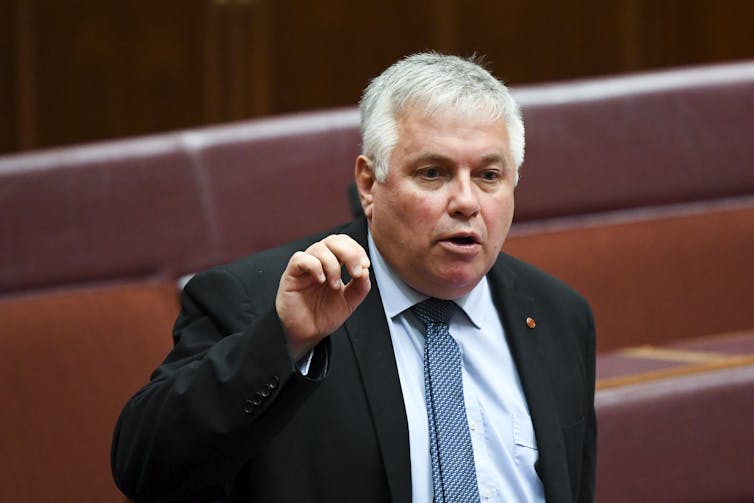






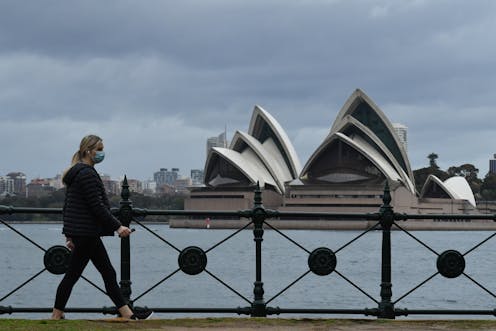


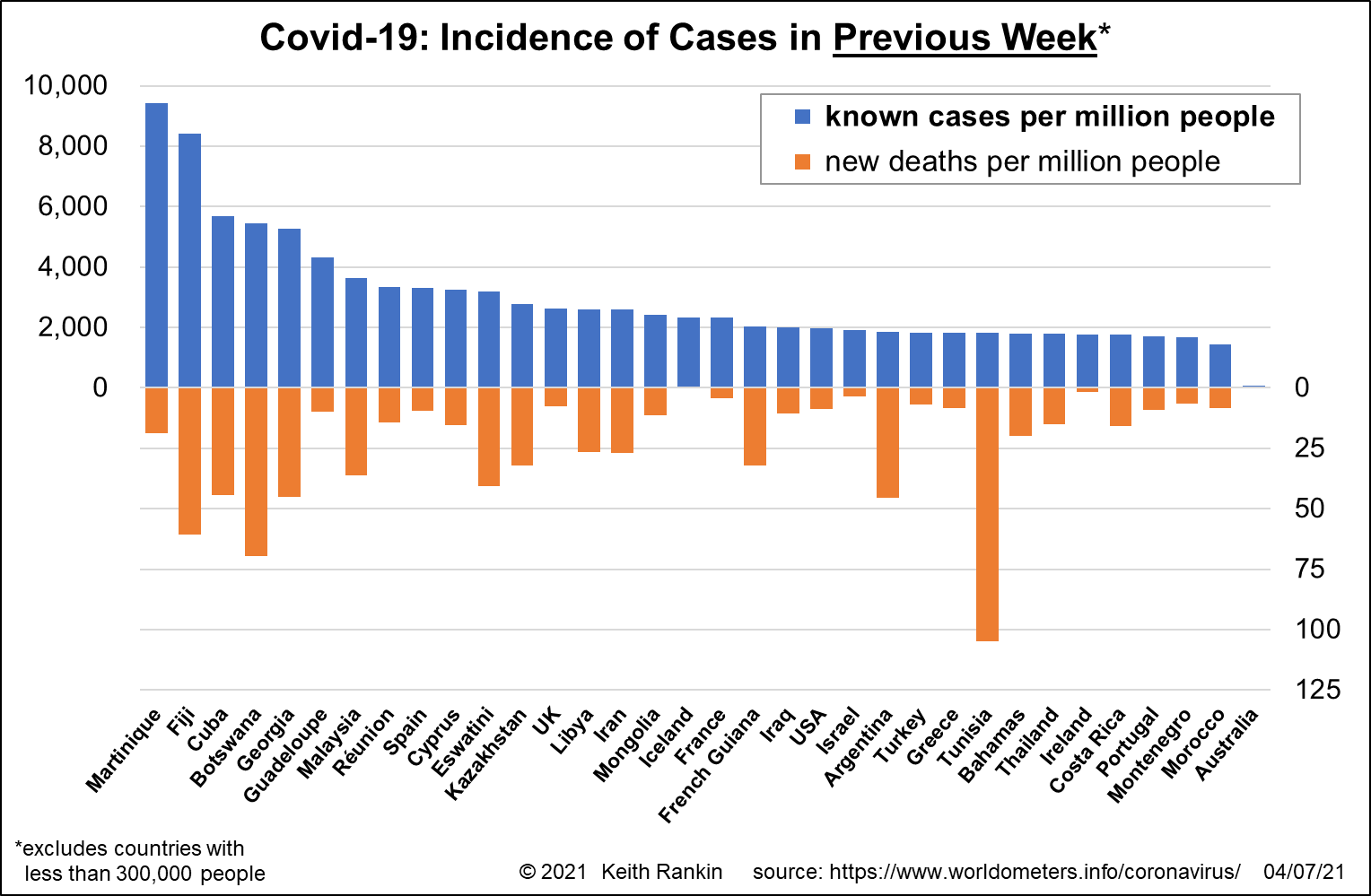
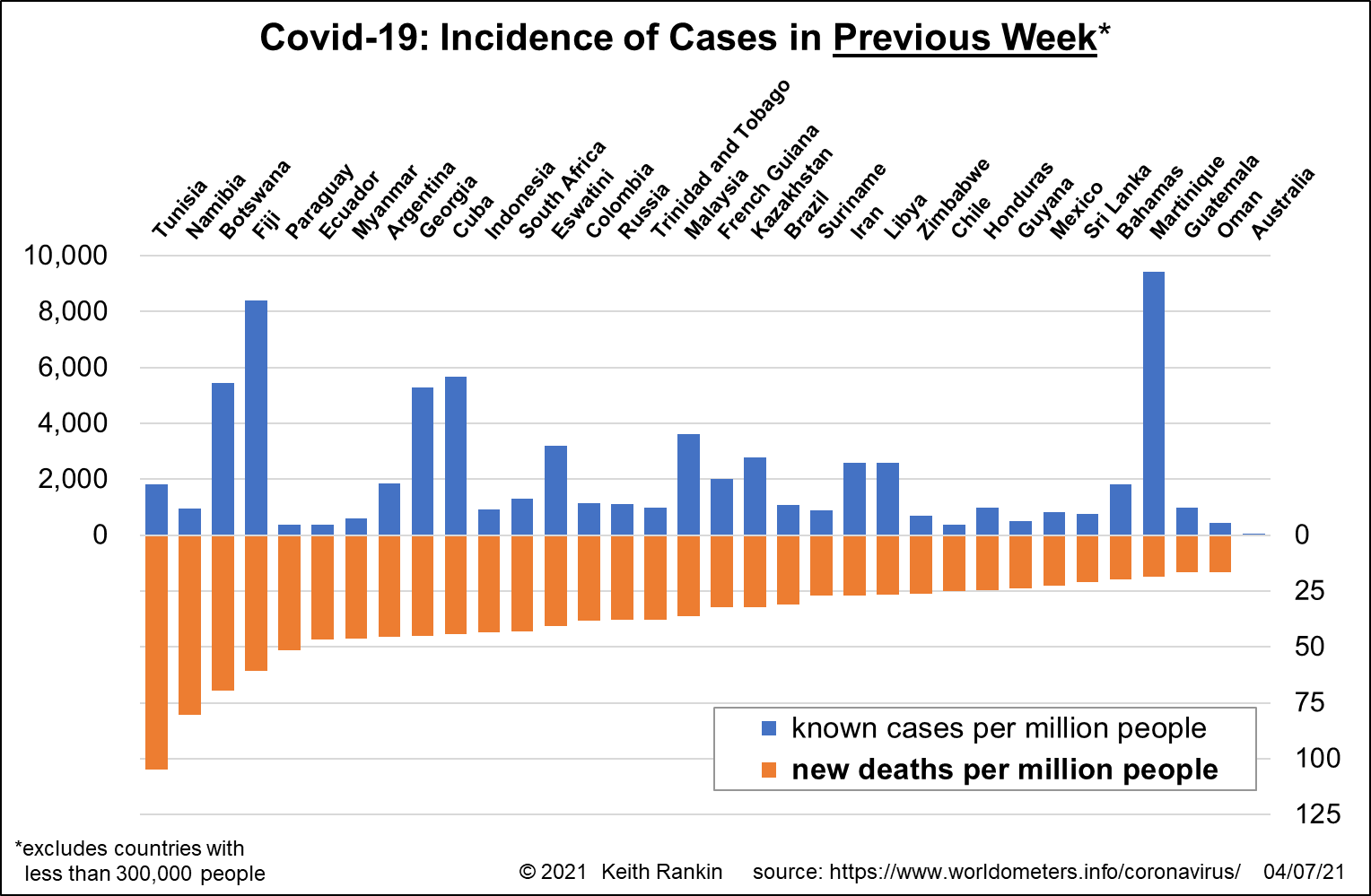



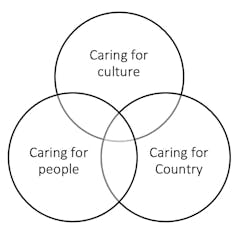




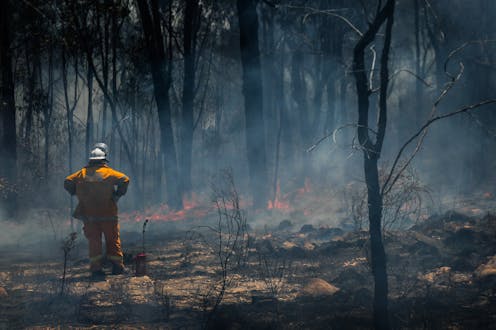









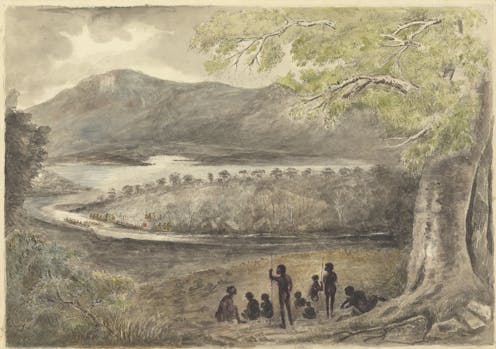
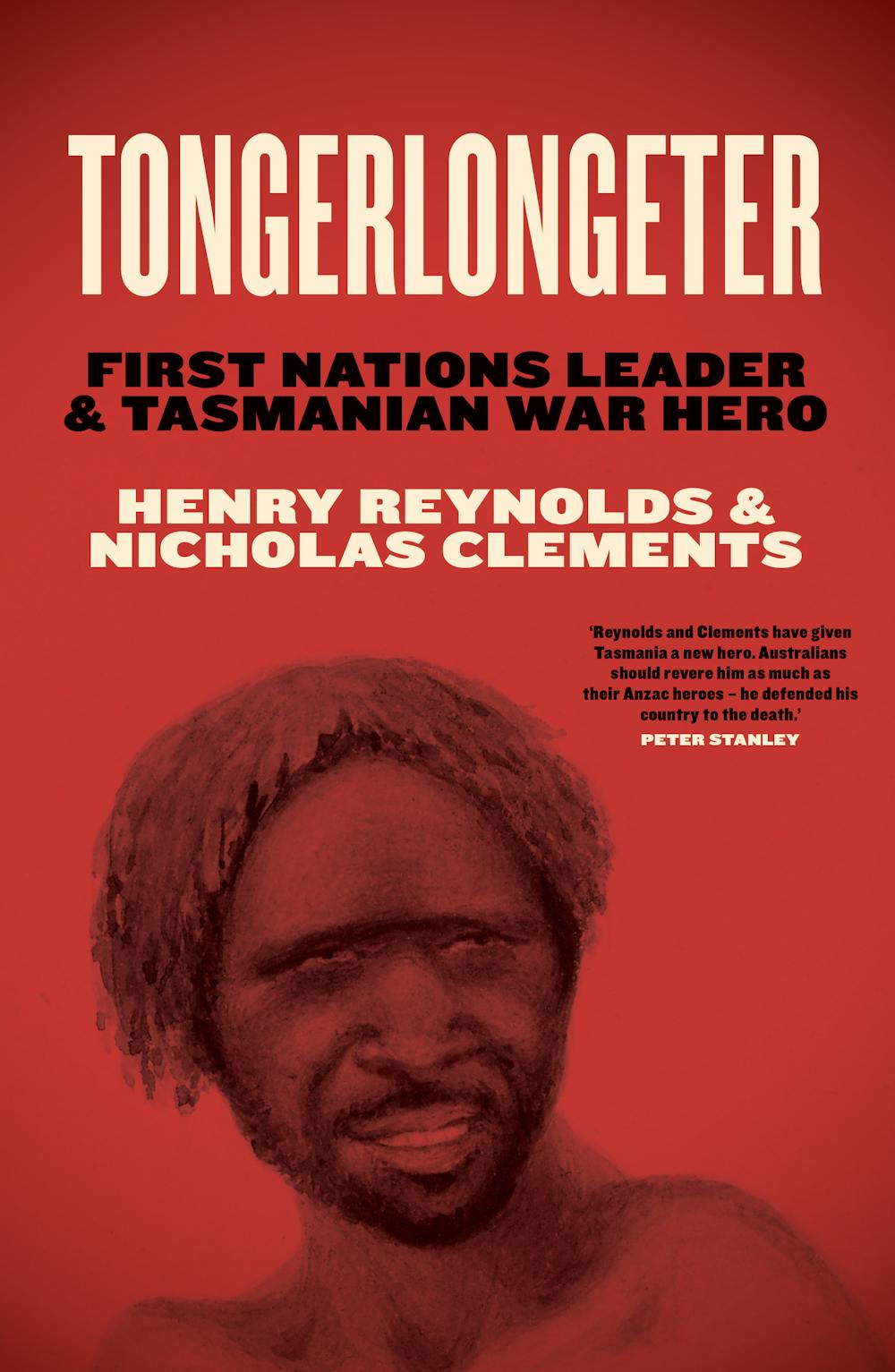
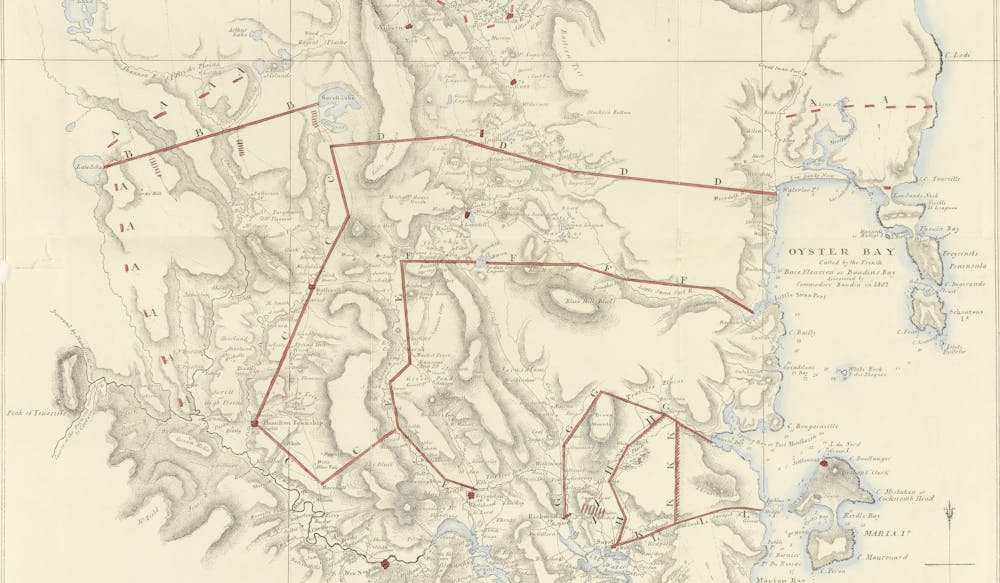
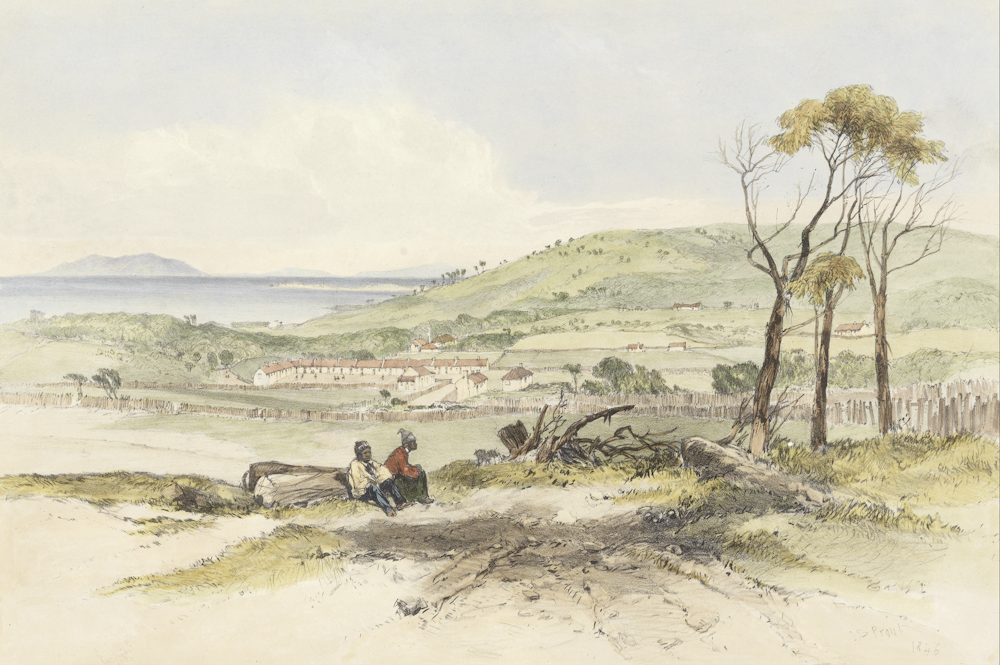
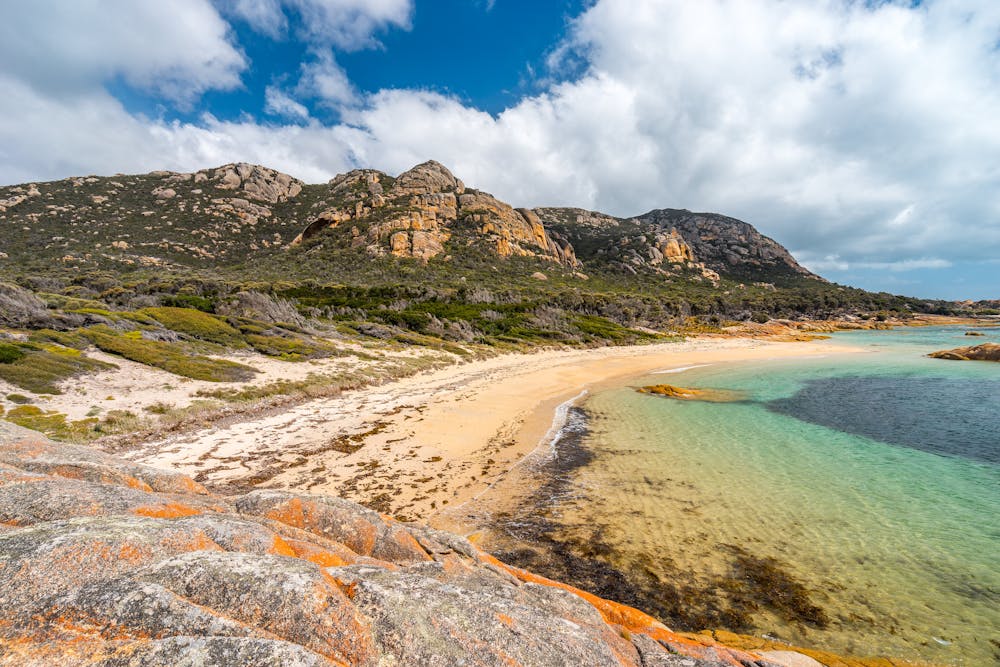
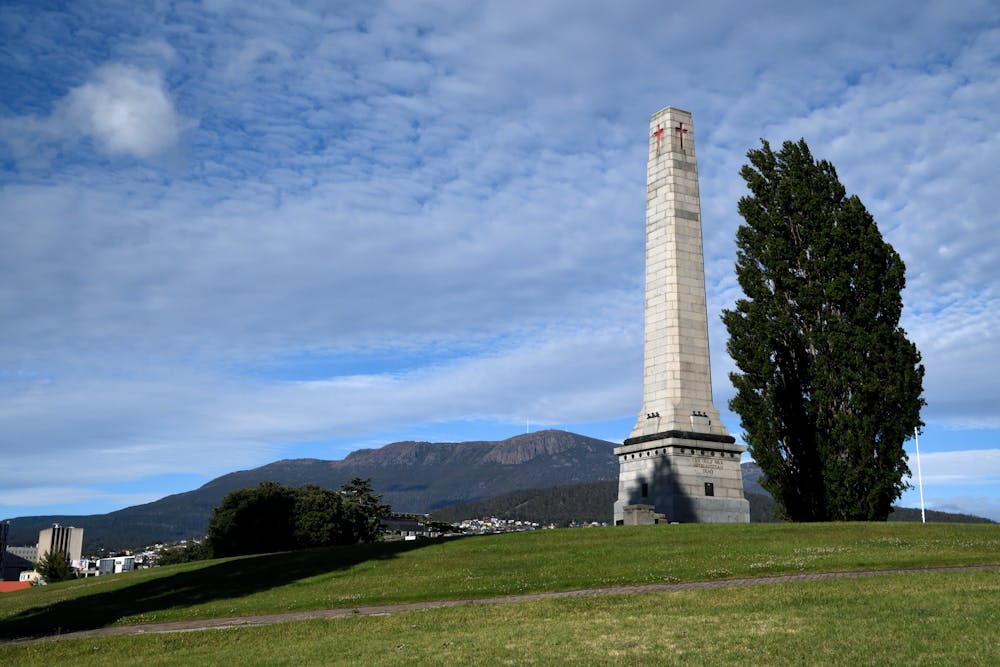


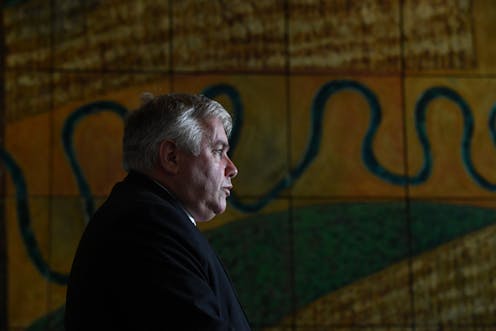


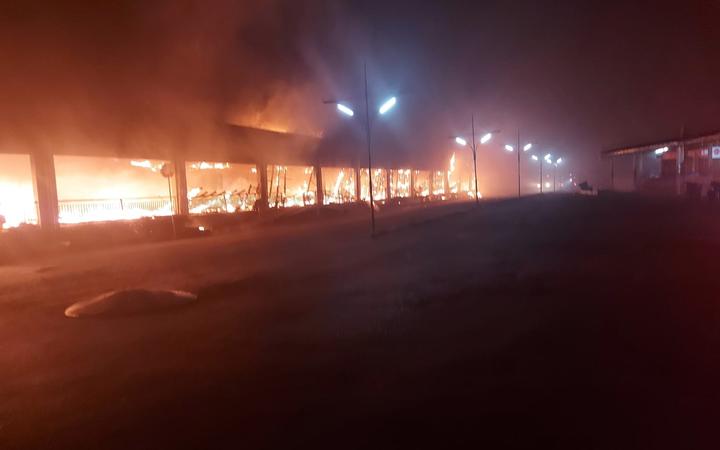









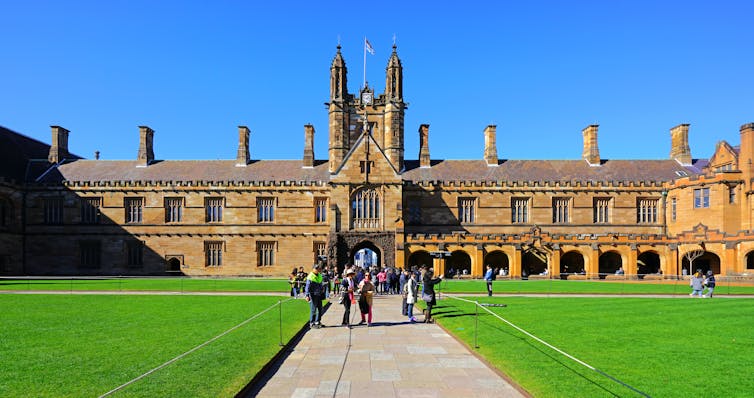




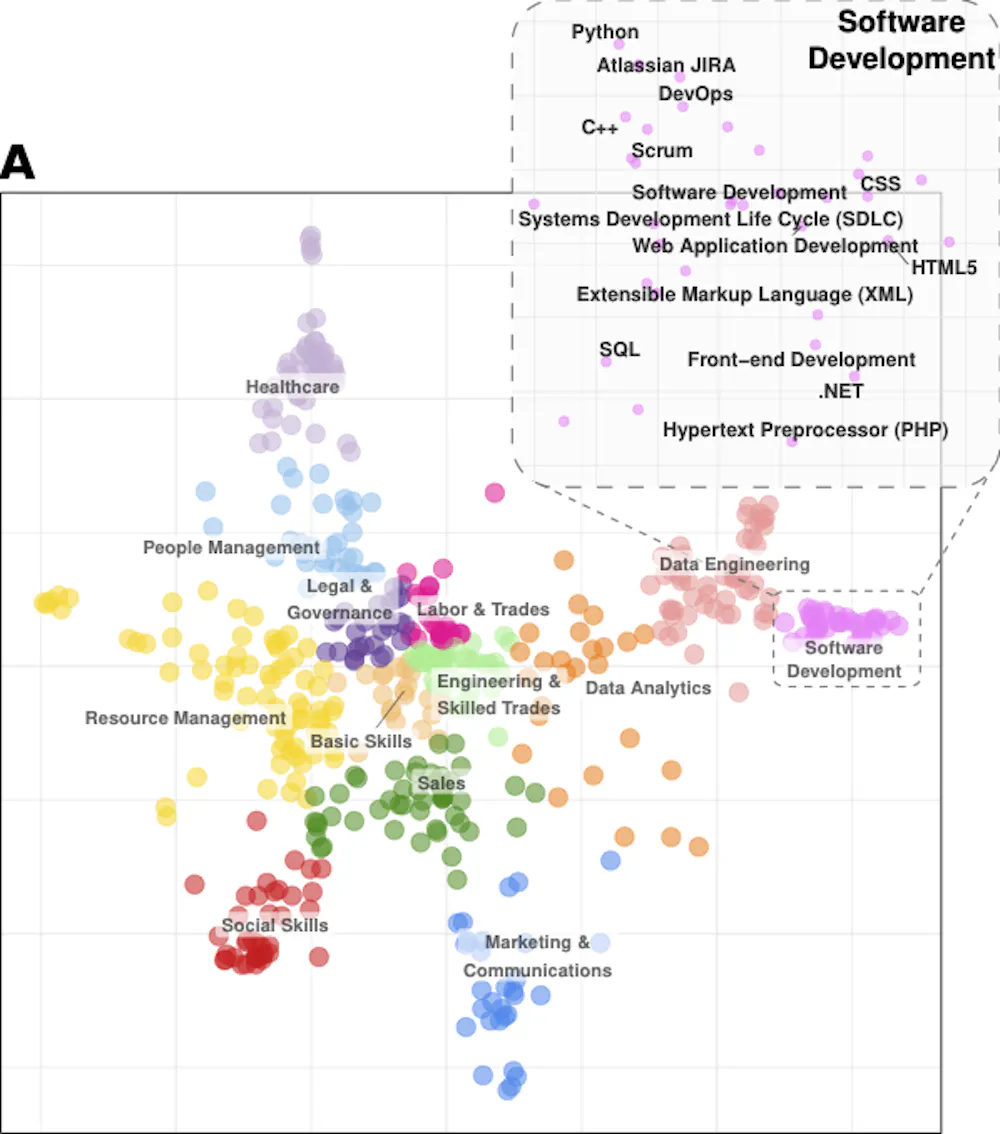
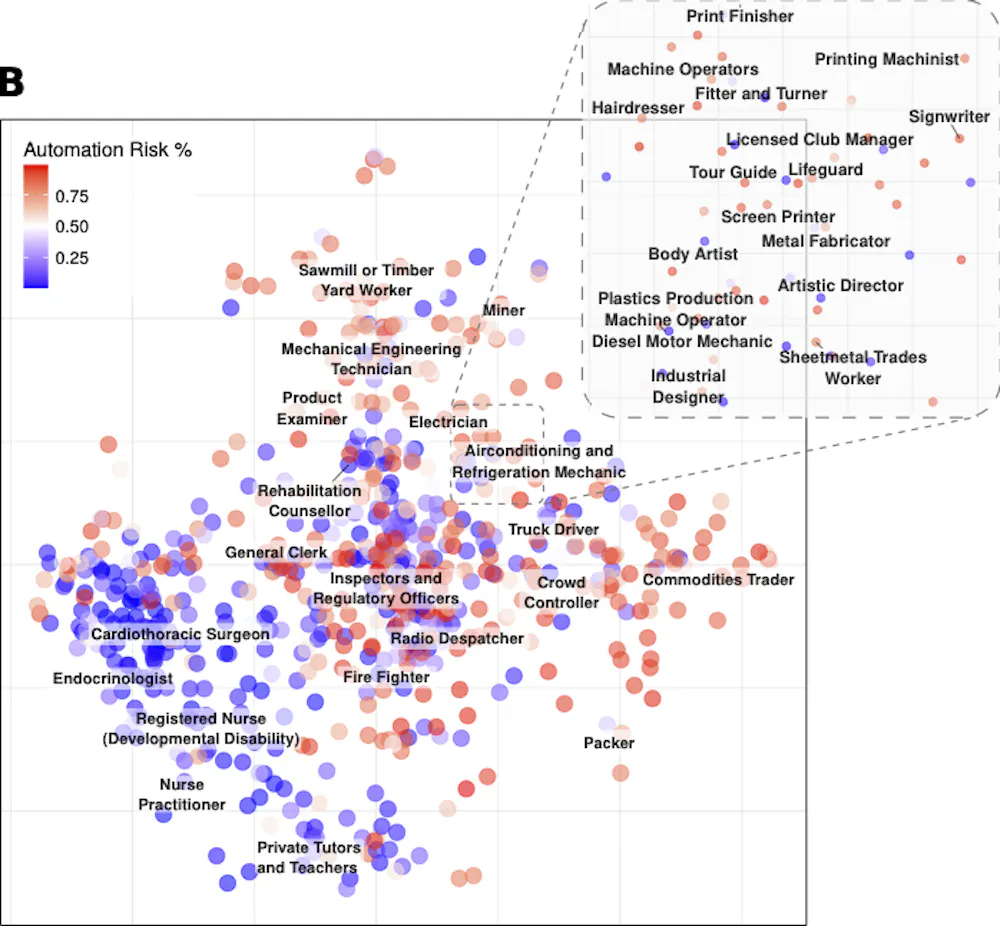
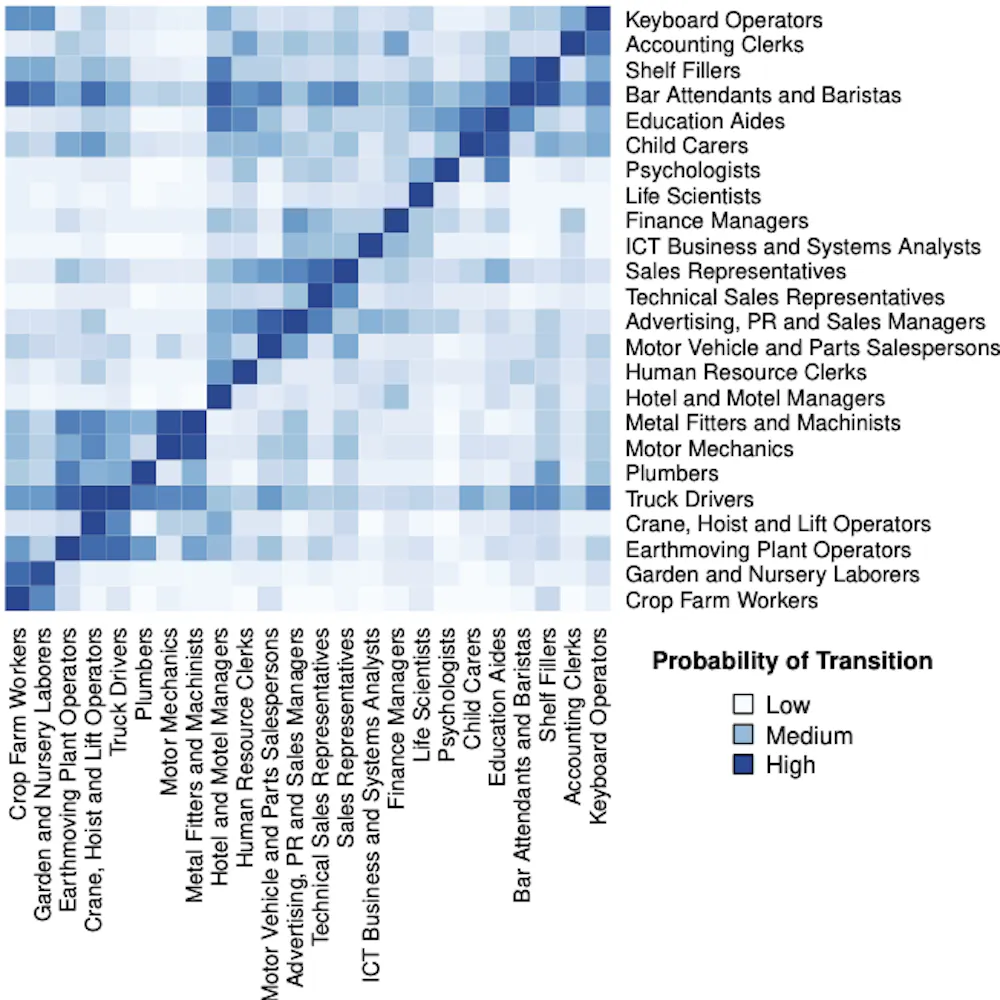
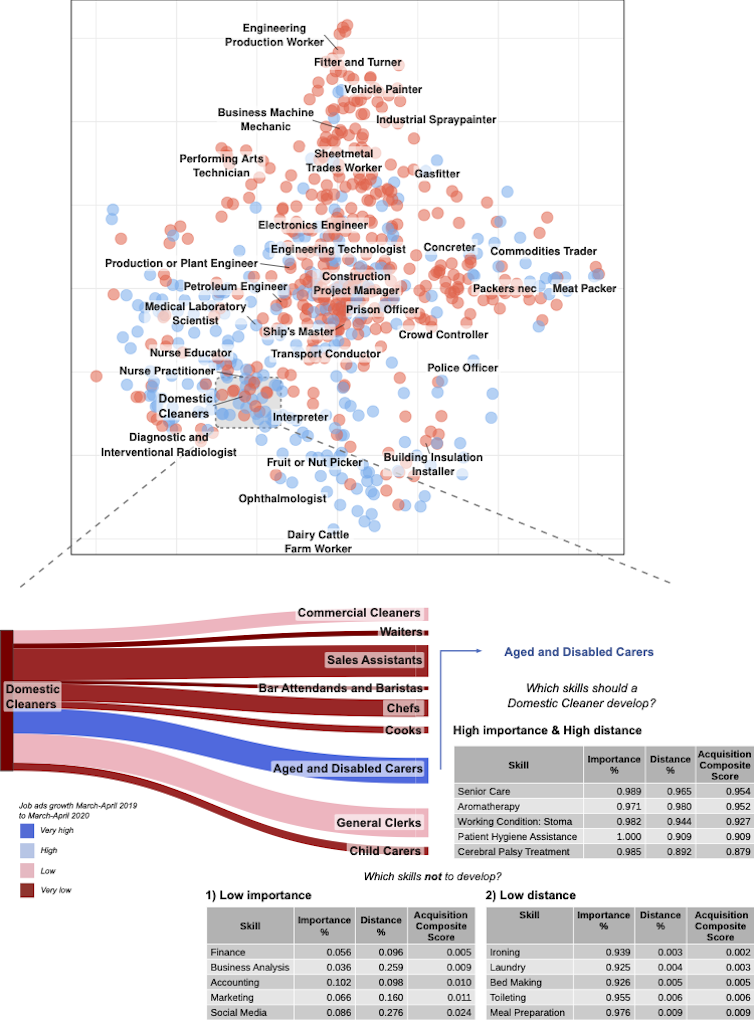





.jpg?1628059045)