This week’s landmark report on the state of the climate paints a sobering picture. The Intergovernmental Panel on Climate Change (IPCC) concluded that, without deep and immediate cuts to greenhouse gas emissions, the world is very likely headed for climate catastrophe.
In November, world leaders will gather in Glasgow for the latest round of United Nations climate talks. It’s the most crucial round of climate negotiations since those which led to the Paris Agreement in 2015.
The question is: will governments around the world now listen to the climate science? Or will misinformation campaigns backed by vested interests continue to delay action?
If we’re to avert a climate disaster, we must not underestimate the power of climate misinformation campaigns to undermine the IPCC findings and ensure governments continue to ignore the science.
Science must be at the heart of policy-making if climate change is to be addressed. Shutterstock
A history of heeding the science
Scrutiny of Australia’s climate policies will be particularly harsh at the Glasgow meeting, given the Morrison government’s failure to implement substantive policies to reduce emissions. We can expect renewed international pressure on Australia to commit to net-zero emissions by 2050 and set out a national plan to decarbonise the economy this decade.
For those who believe in the power of science, the failure of world leaders to act urgently is frustrating, to say the least.
We have acted on the concerns of scientists in the past. In fact, it was scientists such as NASA’s James Hansen who put climate change on the agenda back in 1988, triggering international negotiations.
Scientific concern over the growing hole in the ozone layer prompted the 1987 Montreal Protocol, an international agreement to curb the use of ozone-depleting substances.
And of course, scientific advice is guiding the government response to the COVID-19 pandemic.
There are many reasons why the calls of climate scientists are not being heeded at present. But one factor has been particularly successful in delaying climate action: scientific misinformation campaigns.
These campaigns damage public understanding of science, erode trust in research findings, and undermine evidence-based policy.
Governments heeded scientific warnings over the ozone hole – so why not climate change? Shutterstock
Muddying the waters
Research has shown climate misinformation campaigns are often backed by corporate interests which stand to lose if the world transitions to a cleaner energy future.
Such a future could bring incredible benefits to Australia – a country with some of the world’s best solar and wind resources.
The campaigns have wrought untold damage to the public debate on climate science. These corporations have funded industry associations, think tanks and front groups (even including paid actors) to mobilise a counter movement to climate action.
Examples of the phenomenon abound. In the United States, oil and gas giant ExxonMobil reportedlyknew of climate change 40 years ago, but funded climate deniers for decades.
Reports emerged last week that Facebook failed to prevent a climate misinformation campaign by the oil and gas industry during last year’s US presidential election.
The war against climate science has been waged in Australia, too. Researchers and journalists have described the lengths the oil, gas and coal industries have gone to challenge the scientific consensus on climate change, and to kill off policies put in place to limit emissions.
Australian media companies such as News Corp have also been criticised for downplaying the significance of the climate crisis. Little wonder, then, that Australian news consumers are far more likely to believe climate change is “not at all” serious compared to news users in other countries.
News Corp has been accused of underplaying the seriousness of climate change. Shutterstock
Calling out misinformation
The latest IPCC report was five years in the making. It involved 234 leading scientists from more than 60 countries, who rigorously assessed more than 14,000 research papers to produce their synthesis. The result is the most authoritative, reliable report on the state of Earth’s climate since the last IPCC report of its kind in 2013.
But as the history of climate action has shown, incontrovertible science is not enough to shift the needle – in large part due to climate misinformation which deceives the public and weakens pressure on governments to act.
We must call out attempts by those who seek to delay climate action in the name of profit – and then counter those attempts. As the IPCC has shown this week, further delay equals catastrophe.
Source: The Conversation (Au and NZ) – By Sharon Bessell, Professor of Public Policy, Crawford School of Public Policy, Australian National University
www.shutterstock.com
As the pandemic swept the globe in 2020, Australia stood out as a model for how to contain the virus and support its citizens.
A year later, Australia is struggling with vaccination and has abandoned the measures it put in place in 2020 to support the most vulnerable.
The A$750 per week COVID disaster payment to Australians in jobs is as big as the biggest of last year’s JobKeeper payments. It has been extended to the casual workers employed for less than a year and visa holders who missed out last time.
And it’s being delivered direct to the recipients rather than via employers, some of whom appeared to have pocketed the money last time. So far, so good.
For the newly unemployed and people on parenting payments there’s an extra $200 per week — but only if they’ve lost more than eight hours’ per week work.
What’s missing is last year’s effective doubling of JobSeeker and related benefits for people who were already out of work: the $550 per fortnight add-on that lifted the payment up towards the poverty line.
An estimated 540,000 of the 720,000 adults locked down on such payments don’t get the $200 per week because they didn’t have paid work ahead of the lockdown.
They are unable to find it during the lockdown and have to live on $44 a day — well below the poverty line.
The COVID supplement changed lives
Last year the so-called coronavirus supplement made all the difference, allowing those families to buy essential items including food and medical care that were previously out of reach.
An online survey conducted by Swinburne University and the Australian National University found the money was used for basic needs and strategic expenditures to “improve their household’s long-term financial security”.
The Australian National University found poverty rates dropped markedly for couples with children, and even more for single parent households.
Before COVID hit, the poverty rate in single parent households was 20.2%. In the absence of policy change and the advent of COVID-19 it would have climbed to 27.9%. The COVID stimulus payments cut it to just 7.6% in June.
A survey of single mothers found 88% suffered less anxiety. More than two-thirds (69%) reported being healthier as a result of being able to buy enough and healthier food.
So valued was the $550 per fortnight it sparked a website, 550 Reasons to Smile, showcasing stories of the changes it had wrought.
An old gas heater died and thankfully to the $550 supplement I was able to go and purchase a new one straight away to keep my new baby and 2 other children warm at night (one has severe croup)
We could afford a new phone. We are both in our early 60s and our best skill was hiding our poverty after our small business, our life, went bankrupt. We would skip meals before the grandchildren would visit to afford those treats.
When the $150 per fortnight that remained of the coronavirus supplement after it had been phased down ended on March 28 this year, it was replaced by a permanent increase in JobSeeker and similar benefits of only $50 per fortnight.
It plunged hundreds of thousands of children back into poverty.
Toys and food matter to children
Prior to COVID-19, I led a research project with children aged between seven and 12. Two-thirds lived in locations identified by standard indicators as disadvantaged.
We gave children the time to raise issues that mattered to them. There was discussion about favourite and longed-for toys, games, and devices; the most fun parks and playgrounds; and the ups and downs of friendships.
Children go without things they need for school. Yuganov Konstantin/Shutterstock
As the research unfolded and children felt more comfortable, they raised the challenges of not having enough money to meet the most basic needs.
Some had only one meal a day and not all were offered school breakfasts.
A nine-year-old boy described his neighbours as “good” and “always helpful”. He said they provided food when his family could not afford to buy it.
A common theme was the imperative to protect their parents by not asking for things they needed, including things for school.
This is the reality of poverty — a reality to which too many Australian children are currently being abandoned.
Sharon Bessell receives funding from the Australian Research Council, the Norwegian Research Council, and the Australian Government through the Department of Foreign Affairs and Trade.
This article was prepared with the assistance of Toni Wren.
In this series, we look at under-acknowledged women through the ages.
In February 1852, 46-year-old Mary Anne Allen set off from Melbourne for the Mt Alexander (Castlemaine) diggings with her husband Reverend John Allen and their eight children, the youngest aged five.
Histories of the Victorian gold rushes often overlook women’s presence on the goldfields in 1852. Women, children and home, however, were always part of goldfields life.
Mary Anne Allen’s diary appears to have been written for publication. In it she observes life on the diggings, not through the lens of masculinity and mateship, but through family and home.
A perilous journey
Englishwoman Mary Anne and her family had arrived in Port Phillip before the gold rushes. They migrated in 1849 to deliver the word of God for Scottish evangelist and colonial enthusiast John Dunmore Lang. Yet two years later the family abandoned their congregation in search of gold, “dreaming of little beyond wealth and competency”.
On route to Mt Alexander, the family almost lost their dray over a ravine. Their son Frederick tried to “scotch the wheels” (likely wedging a stone or bar to stop them rolling) but to no avail.
“My little girl came running towards me”, wrote Mary Anne in her diary. “She said we expected father would have been killed but Fred’s hand was smashed and two of his fingers broken.” Disaster was averted, but it would be just the beginning of the family’s trials.
Most stories of the goldfields were told through the lens of mateship and masculinity. An early illustration by S. T. Gill. State Library of Victoria
Next, four bushrangers bailed up a bullock driver ahead of them. The Allen family continued cautiously forward, one of her sons armed with a gun, the second with a hatchet, a third with a club. Mary Anne’s younger children inquired anxiously, “What will they do with you Mamma?” Fortunately, fate spared Mary Anne an answer.
Mary Anne found the new goldfields “remarkably picturesque and singularly beautiful”. The countryside was already home to miners’ mia-mias (based on Aboriginal dwellings) and hundreds of tents, scattered for miles through the still dense bush.
But clean drinking water was impossible to find. A German miner gave Mary Anne’s children a cup of water, milky with chalk. Another miner gave Mary Anne a loaded gun to help her protect any water they found. The family moved on to nearby Barker’s Creek, where there were fewer tents and more available water.
The Allen’s erected their tent and furnished it with handmade “bush bedsteads”: saplings driven into the ground and bed cases filled with dried leaves. Their table was topped with bark and the floor carpeted with the same. Mary Anne wrote that the bark decomposed rapidly in wet weather, producing an “exceedingly unpleasant” smell.
Henry Winkles, ‘Interior of a digger’s tent’, c.1853. National Library of Australia
Many miners’ tents, she wrote, were lined with blankets inside and bullock hides externally to keep out the weather. Her sons built a stone fireplace with bark sides, which they topped with an old sugar cask. They put up a tarpaulin awning so the family could bake damper and roast meat without standing in the rain. Even with these precautions, mould covered everything.
Living with uncertainty
Families lived in fear of the dangers presented by mine shafts. The lesson was brought home for the Allen family as they watched a man trapped down a shaft. Then another man went in after him. The father of one of the men rushed forward and he too fell headlong into the mine. The whole party, Mary Anne noted disapprovingly, was the worse for “the influence of spirits”.
Bushfires were a frightening, yet entertaining, reality:
One small tree burnt through fell at our horses feet. We hastened onwards and when out of danger we sat and admired the grandeur of the scene.
At night, diggings glowed with fires outside every tent and lamps lit by candlewicks made from honeysuckle flowers soaked in oil. One night, as the family sat reading around their table, a gun was fired through their tent. The bullet landed on her son’s book: “So uncertain was life at Barker’s Creek”.
On the diggings, Sunday was not for religion but for domestic duties and domestic quarrels. Sometimes Mary Anne expected that “instant death would ensue from stabbing members of their own families”.
Living next door to a sly grog tent, Mary Anne reported: “Drunkenness, fighting, profanity and robberies were every day occurrences”. Her diary ends abruptly, to cries of murder and an aborted gold robbery.
She did not record whether her family found gold. Historical documents reveal the family only stayed six months on the diggings. John did not return to the church until just before his death in 1861, by which time the couple had bought a number of properties in Melbourne.
My doctoral research is the first time Mary Anne’s diary has been written into goldfields history. Her manuscript is entitled Mrs Allen’s Trip to the Gold Fields, suggesting she intended it for publication. Now, almost 170 years later, we can read her observations as one of many women on the diggings in early 1852.
A five-man Supreme Court bench has quashed by a majority decision National Court temporary orders that have stayed the death sentence of 14 prisoners on death row in Papua New Guinea.
The court ruled that the lower court lacked jurisdiction at the time to commence the proceedings on its own initiative under Cection 57(1) of the Constitution, and directed that the orders be dismissed.
This ruling clears the way for the first executions in Papua New Guinea for 70 years.
These orders were appealed to the Supreme Court by the state, through Solicitor-General Tauvasa Tanuvasa, after he identified errors of law, made by the primary judge in 2017.
These were errors of commencing the proceedings as an inquiry, establishing that there were prisoners on death row who were awaiting execution with five having had no Supreme Court appeals or reviews pending and nine awaiting completion of their Supreme Court appeals.
The primary judge at time held that there were breaches in their rights under sections 36, 37 and 41 of the Constitution and also declared that the National Executive Council (NEC) had failed to facilitate appointments of members of the advisory committee on the power of mercy (ACPM) to determine their mode of execution.
The bench, that comprised deputy Chief Justice Ambeng Kandakasi and judges George Manuhu, Ere Kariko, Colin Makail and Nicholas Miviri, reached these orders after the majority held two of three grounds of appeal.
One minority view Justice Manuhu was the only minority view, resulting in a four out of five judgment.
The grounds appealed by the state that were anonymously upheld were that the National Court lacked jurisdiction in such proceedings, that the proceedings were contrary to section 57 of the Constitution; and that assuming the decision of the transferees case by erroneously holding that decision was Orbita Dicta.
Orbita Dicta is a judges expression of opinion uttered in court or in a written judgment, but not essential to the decision and therefore not legally binding as a precedent. Also the trial judge had erred in law when he found breaches of the prisoner’s rights without any evidence and facts that established any of the breaches.
The bench also ordered that the National Court direction to the state, which was the appellant, to facilitate the appointment of members of the advisory committee on the powers of mercy and to provide a report to the NEC on October 12, 2017, in the proceeding styled HROI No. 2 of 2015 be quashed.
Tanuvasa, when contacted, told the PNG Post-Courier: “There is no impediment now.
“Those on death row can now apply to the power of mercy.
“Or all executions could proceed soon after the NEC properly appoints the members to a committee that would identify the most possible mode of execution.”
Speaker Job Pomat walked into an empty chamber of Papua New Guinea’s Parliament after the bell was rung about 2pm yesterday, declared a lack of quorum, and left — reportedly disappointed that MPs were late again.
It is understood that government MPs were held up in a caucus meeting nearby, and the opposition MPs were also busy in a meeting.
Clerk to Parliament Kala Aufa told The National newspaper that Parliament had to be adjourned by Pomat because of the lack of quorum.
“Standing orders of Parliament state that sittings must be conducted on a timely basis,” he said.
“The Speaker wants members [MPs] to be on time [punctual].”
Government MPs walked into an empty chamber later after Speaker Pomat had declared it adjourned.
Prime Minister James Marape was advised of the adjournment and sought an audience with Pomat.
Accused of lack of respect Opposition Leader Belden Namah accused the government MPs of showing no respect to the “people’s house”.
Parliament was expected to resume today at 10am.
Aufa said 10 bills were expected to be tabled and debated.
They include the OLIPAC 2020, Constitutional Amendment (Decentralisation) Law 2020, Medical Registration (Amendment) Bill 2021, MVIL 2021 and KCH Authorisation (Amendment) Bill 2021.
Aufa confirmed that Parliament would sit for two weeks.
Papers are also expected to be tabled by Marape, Minister for Justice Bryan Kramer, and Minister for Civil Aviation Sekie Agisa.
Treasurer Ian Ling-Stuckey is expected to give a ministerial statement on the covid-19 economic response package on expenditure.
Parliament was forced to close in April after some staff members tested positive of the covid-19.
Pandemic Response Controller David Manning advised Pomat in a letter that the matter be treated as a threat to national security .
Manning wanted all staff of Parliament to be tested and the parliamentary premises decontaminated.
Miriam Zarriga is a reporter for The National. Articles are republished with permission.
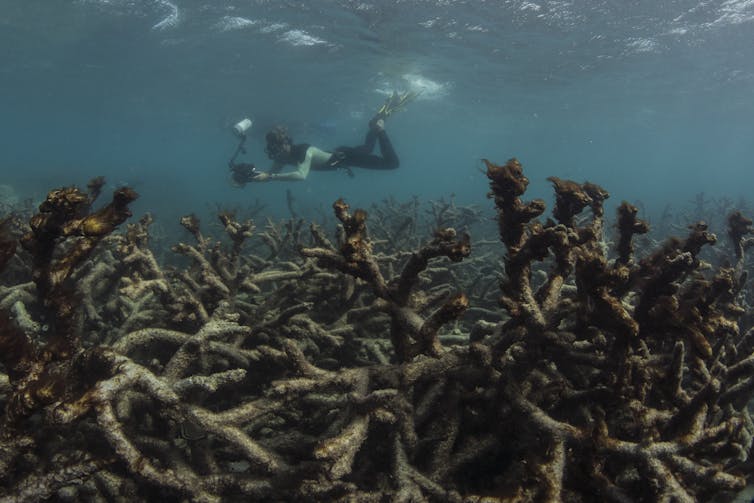
The Pacific’s coral reef systems and coastal fisheries are set for extinction if wealthy nations don’t drastically and immediately cut greenhouse gas emissions.
An Intergovernmetal Panel on Climate Change report released on Monday night pegs temperatures hitting as much as 3.9 degrees above industrial times, twice the 1.5 degree target.
Anything above 2 degrees is viewed as a death-knell in the Pacific.
A New Zealand climate scientist is one of the IPCC report’s lead authors and said it provides more certainty about our dire climate trajectory
Professor James Renwick of Victoria University … “The length of time we’ve got left to really take action to stop from the warming … is shorter than we were thinking.” Image: RNZ
“1.5 degrees is likely to be reached and possibly exceeded within the next 20 years, between 2030 and 2040 let’s say, so the length of time we’ve got left to really take action to stop from the warming at something like 1.5 degrees or certainly below 2 degrees, is shorter than we were thinking,” he said.
Dr Renwick said immediate and drastic action needed to be taken to ensure a pathway to zero emissions by 2050 and to be half way there by 2030.
He said only then will we get close to the 1.5 degree target.
A senior adviser at the regional science agency, the Pacific Community’s Coral Pasisi, said it was looking grim and the next 10 years were critical.
“All of the assessments done to date suggest that anything above 1.5 degree warming is going to be dire. And up until recently, even with the best commitments made by countries, within the next 10 years we’re likely to exceed the 2.5 degrees in warming.”
Pasisi said Pacific Community assessments on coastal fisheries and coral reef systems showed warming above 1.5 degrees cuts by 80 percent the ability of those systems to maintain good health.
She said a total collapse would be likely.
“We know that above 2 degrees, we are going to see 99 percent, up to 99 percent coral reef death rates which affect the whole ecosystem on which Pacific populations depend for their food security.”
Greenpeace Pacific’s Joseph Moeono-Kolio said the latest report indicated temperature rise is on a trajectory that could reach 3.9 degrees. He said despite ongoing warnings, emissions were getting worse and so were the prospects for the planet.
“If things don’t translate into actual implementable policies that are in line with the one-point-five target of the Paris Agreement, we’re actually headed towards warming of about 3.9 to 4 degrees which suffice to say would be absolutely catastrophic for the Pacific and the world at large,” Moeono-Kolio said.
He said the flooding in China and Europe, record temperatures across the northern hemisphere and wildfires raging out of control — was with a temperature rise at 1.1 degrees above pre-industrial times.
Moeono-Kolio said nations must commit to meaningful reductions at November’s global climate conference the COP26 in Glasgow.
“We need oil, gas and coal completely out of the electricity system by 2030 and then going net-zero by 2035 which places us at the best possible chance of reaching, of not superseding the 1.5 threshold.”
Reading the latest IPCC report due for release tomorrow and…I think I’m gonna be sick.#ClimateEmergency
— Auimatagi Joe Moeono-Kolio ? (@JoeMoeonoKolio) August 7, 2021
The Marshall Islands climate envoy Tina Stege agrees.
She said the droughts, worsening storms and rising seas should be a clarion call to the wealthiest 20 nations that produce 80 percent of greenhouse gas emissions.
Tina Stege, the climate envoy for the Marshall Islands … “targets alone aren’t enough.” Image: Twitter / Tina Stege
“And of course targets alone aren’t enough. We need to see changes in the real economy, and governments making decisions that encourage markets to shift with the times. Two very obvious things that come to mind: phasing out fossil fuel subsidies and ending coal – steps that could drastically reduce emissions and enable a transition to a green economy.”
If the rhetoric is not met with political action, the world will remain on track for a temperature and sea-level rise that has not even been modelled.
For low-lying Pacific countries, it would likely mean their complete disappearance.
Brianna Fruean of the Pacific Climate Warriors … “There’s no time left for empty promises.” Image: RNZ
“There’s no time left for empty promises and world leaders need to work harder to cut emissions,” according to a Pacifc climate change activists.
Brianna Fruean from the group Pacific Climate Warriors told Morning Report the findings were alarming but not unexpected and there’s no time left for inaction.
“We are past the time of our leaders saying “oh yep, this is existing, we aim to do this in in the far future, I think we don’t have time for that and we don’t have any space for those types of empty statements anymore.”
The IPCC report said deadly heatwaves, powerful hurricanes and other weather extremes happening now, are likely to become more severe.
This article is republished under a community partnership agreement with RNZ.
Pacific journalism educators are worried that the global covid pandemic has threatened media development programmes in a vast region of island microstates at a time when expertise in health and climate change reporting has never been greater.
The news media industry in some countries has recognised this need and is trying to boost resources and human skills.
New Zealand, for example, earlier this year unveiled a $50 million plan to help the local media after it suffered a huge hit after the start of the pandemic last year with a massive layoff of journalists and a closure of publications, especially magazines.
One of the innovative features of a new initiative announced by Broadcasting and Media Minister Kris Faafoi, himself a former journalist with Pacific heritage from Tokelau, is a Public Interest Journalism Fund with one of its targets being to assist indigenous Māori, Pasifika and “diverse voices” journalism.
Other programmes in the Pacific also assist journalism development, such as the United States and Philippines-based Internews/Earth Journalism Network, which trains journalists in climate change skills and strategies and publishes their work.
Ironically, while these developments have been unfolding, Pacific journalism education has gone into retreat since the covid crisis began.
‘A cruel irony’ While New Zealand has the largest metropolitan Pacific Islands population in Oceania with more than 381,642 comprising 8.1 percent of the total 5 million (according to the 2018 census)—matched only by Fiji (890,000) and Papua New Guinea (8.8 million)—none of its six journalism schools cater specifically for Pacific Islands media students.
A decade ago, the country’s largest media school, Communication Studies at Auckland University of Technology, boasted both a Graduate Diploma in Pacific Journalism catering especially for the country’s independent Pasifika news media industry and a Pacific Media Centre (PMC) research and publication unit.
But the diploma programme was phased out four years ago and the PMC, which ran an award-winning Bearing Witness climate change journalism and documentary making programme with partners in the Pacific under a “voice of the voiceless” banner, was left in limbo by the school management this year after the founding director retired at the end of last year.
“It’s a cruel irony that at a time when Pacific journalism is at the crossroads—if not on its knees—and needs to be better understood to be helped and strengthened to face new challenges, specialised Pacific journalism and research programmes in one of the centres of excellence in the region face an uncertain future,” said Fiji journalism educator and Associate Professor Shailendra Singh. “It just feels sad and surreal.”
Dr Singh’s own institution, the Suva-based 12-nation regional University of the South Pacific has just embarked on an innovative new programme, a BA degree in communication and media with options in business and marketing.
Media analyst Dr Gavin Ellis, a former editor-in-chief of The New Zealand Herald, argued in his weekly Knightly Views column that the PMC ought to be “re-established as a stand-alone trust”.
“It should continue its original remit … It may be time, however, to find a new university or industry partner,” he added.
Urged renewed commitment The Australia Asia Pacific Media Initiative (AAPMI) lobby and training group wrote to the AUT university’s vice-chancellor and unsuccessfully urged the institution to renew a commitment “at a time when Pacific journalism is under existential threat and Pacific programmes suffer from under funding”.
This retreat on campuses has contrasted with renewed energy by the New Zealand media industry to boost Māori and Pacific journalism to provide better cultural “balance” in the legacy media.
In July, the new $55 million Public Interest Journalism Fund over three years unveiled its first cycle of grants for stories examining a wide range of community issues—such as an in-depth revisiting of a documentary, Inside Child Poverty, made a decade earlier with considerable impact.
The fund also provided $2.4 million for the setting up of Te Rito, the first comprehensive kaihautū, or journalism cadetship scheme for Māori, Pacific and “other communities traditionally under-represented in media”.
A significant feature of this scheme is the unprecedented collaboration between Māori Television, a state-funded public broadcaster; Pacific Media Network (PMN); Newshub-Discovery Channel; and New Zealand Media and Entertainment (NZME), the country’s largest print and oneline publisher.
PMN chief executive Don Mann welcomed the collaboration, saying it aligned with his organisation’s mandate to help train a “pipeline of excellent Pacific broadcasters and multimedia journalists”.
He added: “Te Rito provides sustainability in provision of best-practice Pasifika multilingual journalism but, more importantly, it allows the network to play our part in rectifying the significant under-representation and imbalance within the journalism sector on behalf of the Pasifika community.”
Critical shortage Māori Television head of news and current affairs Wena Harawira echoed this view, saying the partnership would address the critical shortage of tereo Māori speaking journalists.
“It’s incredibly important that New Zealand’s journalism landscape is rich with Māori stories created by Māori, in te reo Māori, for everyone,” she said.
Te reo Māori is one of New Zealand’s three official languages – the others being English and sign language. But while Māori make up 16.5 percent of the population, only 4 percent of the country speaks te reo fluently, although its popularity is growing fast.
News media carried advertisements this month to recruit a Te Rito project manager who would be given “a unique opportunity to shape the future of journalism” in New Zealand.
Educators hope that universities take the cue and renew their earlier support for diversity journalism.
First published by In-Depth News (IDN), the flagship agency of the nonprofit International Press Syndicate. This is published as a collaboration between IDN and Asia Pacific Report.The writer, Dr David Robie, is editor of Asia Pacific Report, founding editor of Pacific Journalism Review and former director of the Pacific Media Centre.
Source: The Conversation (Au and NZ) – By Milton Speer, Visiting Fellow, School of Mathematical and Physical Sciences, University of Technology Sydney
Murrumbidgee River, near YassNick Pitsas, CSIRO/Wikimedia Commons, CC BY-SA
The Murray-Darling Basin is Australia’s biggest agricultural region, producing almost 40% of the national food supply during the growing season from April to September. It’s filled with criss-crossing rivers, wetlands and lakes farmers rely on for crops, and it’s home to a range of freshwater wildlife, many of which are under threat.
But our new research found climate change since the 1990s has drastically reduced the amount of water available in the southern part of the basin.
The height of the Murrumbidgee River — the third longest in Australia and highly valued for irrigation and hydro-electricity — has dropped by about 30% during the growing season. This is a loss of approximately 300 million litres per day that would normally flow past Wagga Wagga, New South Wales — the same as six days of water use in the City of Melbourne.
The findings follow a major report the Intergovernmental Panel on Climate Change released on Monday, which found much of Australia will become more arid as the world warms. This will bring reduced river flows, mass tree deaths, more droughts and drier soils.
The viability of the basin is at stake. Continued drying and warming in Australia will cause water availability to decline even further, deepening the hurt for communities, businesses, animals and the environment. Any decisions about the competing interests of agriculture and the environment must keep these global warming impacts front of mind.
What we found
The southern Murray-Darling Basin occupies the southern half of NSW and northern Victoria. It receives most of its water from rain in the cooler months that fills dams, with any overflow spilling into the floodplains.
But our research shows rainfall in April to May has significantly decreased which, in turn, has caused the net inflows to the Murrumbidgee River catchment in the southern basin to decrease. This includes in the main dams of Burrinjuck and Blowering in the upper part of the catchment, and downstream river heights.
Murrumbidgee River catchment makes up 8% of the Murray-Darling Basin. Conquimbo/Wikimedia Commons, CC BY-SA
The Murrumbidgee River catchment is approximately 84,000 square kilometres, or about 8% of the basin. It encompasses a complex series of wetlands and floodplains, and supplies water for homes in many communities, including Wagga Wagga, Griffith and Leeton.
Using statistical analysis and machine learning, we found the Murrumbidgee River dropped from 3.5 metres in 1990 to 2.5 metres in 2019 during the cooler months. When you multiply this by the the length and breadth of the river, which stretches more than 1,400km, this is an enormous volume of water lost.
Given this drop is associated with the wettest months from April to September, the outlook for the warmer months between October and March is dismal. The number of days when the river ceases to flow will certainly increase.
Long, difficult droughts
Dam building and excessive irrigation are often behind decreased river flows across the Murray-Darling Basin. But in this case, we can point to decreased rainfall from climate change as the reason the Murrumbidgee River catchment is losing water.
The Burrinjuck Dam was completed in 1928 and the Blowering Dam was completed in the 1960s. Until the early 1990s, the Murrumbidgee River used to regularly spill over the banks at Wagga Wagga and also further downstream at Hay, during the cool seasons.
Likewise, we didn’t identify irrigation as a major contributor, because more than 80% of irrigation occurs downstream of Wagga Wagga.
The Murrumbidgee River is over 1,400 kilometres long, and flows past Wagga Wagga. Shutterstock
Global warming has accelerated in the latter half of last century, and particularly since the 1990s in Australia.
To see its effect in Australia, we need only look to the extended drought conditions since the mid-1990s in the basin, comprising the Millennium Drought (1997-2009) and the 2017-2019 drought. They were extreme, even compared to the historical Federation Drought between 1895 and 1903.
In 2006, the Australian newspaper reported that inflows to the nearby River Murray system between June and November were 610 gigalitres, “just 56 percent of the previously recorded low in 1902” when the Federation Drought was at its worst.
Climate change exacerbates dry years
But climate change doesn’t tell the whole story, there are also other factors at play driving the low rainfall trend in the basin. Namely, natural climate phenomena form over the ocean and bring wetter or drier weather to various parts of Australia.
One of these climate phenomena is the Indian Ocean Dipole (IOD), which brings wetter weather than normal from June to October when in its “negative” phase (in fact, the Bureau of Meteorology recently declared another negative IOD for Australia this year, the first in five years).
But in the last two decades there have been only two strongly negative-phase Indian Ocean Dipole (IOD) events affecting Australia. The current IOD phase is only moderately negative.
Climate drivers like this are entirely natural and have been occurring for thousands of years, but human-caused climate change exacerbates their influence. Generally, it makes dry seasons drier, and wet seasons wetter.
After years of little rain or snowmelt, evaporation accentuates the lack off run-off. Shutterstock
In April this year, devastating floods engulfed western Sydney. This resulted in the dams reaching nearly 100% capacity last month. However, the river height at Wagga Wagga is currently around 5.3m and this is still 2m below the minor flood level of 7.3m — too low to overflow into the surrounding floodplain.
And after years of little rain or snowmelt, evaporation accentuates the lack off run-off into dams and streams, because water needs to soak into dry catchments before significant run-off can occur.
Profoundly disturbing implications
The implications of our research are profoundly disturbing, because it means the economic, social and ecological sustainability of the Murrumbidgee River catchment is at stake.
Under climate change, we can expect further drying of wetlands and major losses of wildlife habitat. For example, the mid-Murrumbidgee and the Lowbidgee wetlands are listed as nationally significant, providing critical habitat for threatened frogs, such as the vulnerable southern bell frog.
The southern bell frog is threatened by habitat loss and degradation, barriers to movement, predation, disease and exposure to biocides. Shutterstock
For farmers and communities, we can expect huge reductions in the amount of water allocated for irrigation. The ability for communities to survive these severe decreases in agricultural productivity will be tested.
The efficiency of farm practices is improving. But because of the continuing threat of drought conditions in a warming climate, there’s an urgent need to plan for further decreases in rainfall, and further unreliability of water supply.
Australia needs a new review of water availability and sustainability in the Murrumbidgee and other river systems in the southern Murray-Darling Basin.
The authors do not work for, consult, own shares in or receive funding from any company or organisation that would benefit from this article, and have disclosed no relevant affiliations beyond their academic appointment.
For the millions of Australians currently living under lockdowns — many without clarity on when things might return to “normal” — there’s no doubt the restrictions on our day-to-day lives present a variety of challenges and hardships.
But for people who have addictions, or who are at risk of developing an addiction, lockdowns can pose a unique set of difficulties.
Some worrying trends
Lockdowns have changed the way Australians drink alcohol, use drugs, smoke and gamble.
For a portion of people, these behaviours have actually decreased during lockdowns, largely as a result of less face-to-face socialising, and the closure of pubs, clubs and gaming venues.
But other Australians have been more likely to reach for a drink during lockdown, or place a bet.
During the nationwide COVID lockdown in 2020, researchers found one in five Australians increased their alcohol consumption. This is broadly consistent with reports from overseas.
The increase in drinking was particularly significant for women, especially those caring for children. For men, job loss (or having fewer hours in work) was associated with an increase in alcohol intake. Respondents reported that higher stress levels, spending more time at home, and boredom led them to drink more than usual.
We know stressful circumstances, increases in psychological distress and pre-existing mental health conditions make people more vulnerable to developing addictions.
In a survey on the impact of last year’s lockdown on gambling in Australia, researchers actually found most people either gambled less or about the same as before.
But of those who reported gambling more during lockdown (11%), more than half were at risk of developing a gambling problem (as assessed by a questionnaire), or already had a gambling problem.
Alcohol, drugs, cigarettes, gambling and other behaviours can quickly become unhealthy ways of coping with the mental distress associated with the pandemic.
Lockdowns have also changed the way people access alcohol, gambling or engage in other potentially addictive behaviours. For example, some people may have started buying alcohol online. And those who had previously visited the pokies may have turned to online gambling.
These people will likely continue to see targeted advertisements for similar online services. For people with an addiction or who are struggling with their consumption, ads like these can be especially triggering.
Some people have reported gambling less during lockdowns, while others are doing more of it. Shutterstock
Compounding these challenges, many people who had actively been seeking treatment for an addiction have faced disruptions to their care during the pandemic. Social distancing requirements have necessitated reductions in the capacity of rehabilitation centres and drug and alcohol services.
With many of these services already having long waiting lists, this has served as an additional barrier to treatment. Without adequate support through inpatient or outpatient services, people in recovery are at greater risk of relapse.
While having a mental health condition can increase the risk of developing an addiction, the reverse is also true. Addiction issues can worsen existing mental health concerns, or result in the development of mental health problems a person didn’t have before.
And addiction issues don’t only affect the individual; their families and loved ones suffer too. For example, we know for every problem gambler, six people close to them are affected. This can be because of resulting financial hardships or strain on relationships, among other things.
It’s important people access professional support if they’re feeling vulnerable or are noticing any changes within themselves.
Addiction affects the individual, but also people around them. Shutterstock
Signs to look out for in yourself (and those close to you)
There’s nothing wrong with having a glass of wine with dinner every so often, or betting on a sports match here or there. What we want to try to avoid is doing these things as a means of relieving stress, rather than for enjoyment and pleasure.
Look out for signs of increasing particular behaviours, or even thinking about something like drinking alcohol, smoking or gambling more than you usually would.
Be aware if these things start to have a negative impact on other areas of your life. For example, needing to borrow money as a result of too much gambling, not spending time with the family because of drinking, or frequent thoughts about the next time you’ll have a drink, place a bet or smoke a cigarette disrupting your work.
Also be aware of building up a tolerance, and needing more of the substance to get the same effect.
If you notice any of these signs in yourself or others, help is available.
During lockdowns, many health-care services are able to provide telehealth phone and video support, where face-to-face care is not available. Your GP will be able to provide you with referrals to relevant services.
Anastasia Hronis does not work for, consult, own shares in or receive funding from any company or organization that would benefit from this article, and has disclosed no relevant affiliations beyond their academic appointment.
This article is part of a series providing school students with evidence-based advice for choosing subjects in their senior years.
Maths prepares students for the ultimate test — life beyond school. As maths is everywhere, regardless of where life leads you, the more maths you learn, the better prepared you may be to understand the world.
The Australian Curriculum intends to provide some consistency in what is taught at school, regardless of where you live. Maths is one of 15 senior secondary subjects.
However, states and territories maintain responsibility for local education. So there is variation in the range, focus and difficulty of maths subjects offered.
How many senior students do maths?
It’s not compulsory to study senior maths across Australia, but most year 11 and 12 students still do so. Available data suggests just over 70% of year 12 students study maths, with slightly less females doing so than males.
However, enrolments are on the decline. For instance, between 2001 and 2013 the proportion of students studying the high school certificate in New South Wales, who did not take a maths subject, tripled from 3.2% to almost 10%. NSW has announced it intends to make maths mandatory in years 11 and 12 to arrest the decline in enrolments, but there has not yet been a timeline set for this move. Victoria is also widening its maths offering to senior secondary students.
What subjects are available for me to choose from?
The Australian Curriculum describes four senior secondary maths subjects, with each organised into four units, usually studied over the four semesters of year 11 and 12.
They are essential mathematics, general mathematics, mathematical methods and specialist mathematics. In Queensland, these are the subject names used. However, there are different names for different types of maths in each state and territory with some being more closely aligned with the Australian Curriculum than others. For example, in NSW the equivalent subjects have completely different names and also arrange content and concepts differently.
But all maths subjects have similarities when it comes to the knowledge and skills students will develop. They also teach students how to think, reason and communicate mathematically, describe and analyse data and evidence, and use digital technologies.
Maths subjects will teach you about important concepts, such as financial modelling. Shutterstock
Essential mathematics (most closely aligned with foundation mathematics in year 11 in Victoria) focuses on students developing and using maths knowledge and skills to investigate realistic problems. The subject or subjects include the study of data and statistics and financial modelling. Students selecting these courses typically have work or a vocational education and training course in mind once they leave school.
General mathematics (most closely aligned with general mathematics in year 11 and further mathematics in year 12 in Victoria) includes the study of financial modelling, geometric problems, and statistics. These are areas many of us encounter in our work and life. Students selecting this subject typically plan to go to university and study a course where maths may have practical and/or theoretical relevance. General mathematics is a pre-requisite for courses like aviation, ICT, and health science at Swinburne University.
Mathematical methods is where students are introduced to calculus. This is the study of relationships and change. For instance, is the spread of a particular virus increasing? Can we describe trends and patterns observed and make predictions about the future? Can we describe the total number of cases over a given time period and assess the impact of government intervention?
Students are also introduced to statistical analysis, which is describing and analysing phenomena involving uncertainty and variation. Students who choose mathematical methods are likely intending to study maths-related subjects at university such as science, engineering, medicine and IT related degrees.
Specialist mathematics should be taken together with mathematical methods, as it deepens and extends key ideas studied there. Students who do specialist mathematics and mathematical methods (or extension and advanced mathematics in NSW) intend to do maths related courses at university.
When we were teaching in school, many students studied two maths subjects in year 12 (mathematical methods and specialist mathematics, or mathematical methods and general mathematics). Everyone had different ideas on which maths they found the hardest.
Which one should I choose?
Parents and teachers frame subject selection around the question, “What are your plans for the future?”
Having an idea what you want to do once you finish year 12 will determine your interest in maths and motivation to learn it.
The future is uncertain with study and career pathways that are dynamically evolving. Research shows a 15-year-old today could have 17 different jobs over five careers in their lifetime. Maths is essential to a range of study and career choices — including vocational trades, nursing, teaching and mathematical sciences.
If you do choose maths, you should choose the maths subject that interests you and offers the best preparation for your destination beyond school, be it work, TAFE or university.
Unsurprisingly, studying senior maths at school increases your success when studying university maths units and courses. Some universities have pages where you can easily search by maths subjects rather than course.
School careers counsellors are an excellent resource for advising students on possible study and career paths and what maths subjects you may need.
It can also help to speak with maths teachers you know and trust, and family members and friends who have taken different subjects. Some people say some maths subjects are harder than others, but others argue it really depends on your interests and effort to take advantage of available opportunities to learn.
Be wary about the university and vocational education and training prerequisites and recommended subjects. Often students see a subject is recommended but not required, and opt not to take that subject.
However, when they enrol in the TAFE or university course in question, they might find a maths equivalent to a year 12 course is more or less squashed into a first semester unit. It is often easier to learn this content in year 12 with the support of a dedicated maths teacher than to try doing so in one semester in a new environment with unfamiliar teachers and peers.
What should I know about scaling?
In calculating the ATAR, all subjects are scaled to account for the competition in the subject — not the level of difficulty. Maths and languages have additional scaling.
Scaling is to even the playing field, and students who take more challenging subjects usually get scaled up. Specialist mathematics is taken to be more difficult than mathematical methods which is taken to be more difficult than general mathematics. For mathematics, the subjects are compared against each other as well as against all other studies.
For example, in 2020 in Victoria, an initial study score of 30 was scaled to 27 in further mathematics, 34 in mathematical methods and to 41 in specialist mathematics.
Maths has never been more important or visible to making sense of the world. We believe there is a maths for every student and a choice that keep your options open for the future.
Read the other articles in our series on choosing senior subjects, here.
The authors do not work for, consult, own shares in or receive funding from any company or organisation that would benefit from this article, and have disclosed no relevant affiliations beyond their academic appointment.
Australia’s official policy on vaccines is that they be voluntary and free. But the federal government hasn’t shut the door completely on employers pursuing mandatory policies of their own.
Last week the federal government reiterated it won’t use its powers to give employers a free hand to mandate vaccines. Yet Prime Minister Scott Morrison also said:
Decisions to require COVID-19 vaccinations for employees will be a matter for individual business, taking into account their particular circumstances and their obligations under safety, anti-discrimination and privacy laws.
So far just two Australian companies — regional air carrier Alliance Airlines and canning company SPC — have declared they will make a COVID-19 vaccination mandatory for their workers.
The reason so few have declared such intentions is because the law isn’t on the employer’s side. There are only limited circumstances where workplace vaccine mandates are likely to be found lawful.
Mandatory vaccines are an exception, not the rule
Safe Work Australia, the federal work health and safety regulator, and the Fair Work Ombudsman, the agency responsible for compliance with federal workplace laws, have both made it clear that most employers can’t make you get a vaccine.
Safe Work Australia’s guidance says “most employers will not need to make vaccination mandatory” to meet their workplace, health and safety obligations.
The exceptions are when public health directions require them to do so. Examples are the New South Wales health order requiring specified classes of quarantine facility, transport and airport workers to have had at least one vaccine shot, and the Queensland order that health service employees in residential aged care be fully vaccinated by October 31.
The Fair Work Ombudsman says an employer needs to have a compelling reason before requiring vaccination of workers. Two conditions stand out:
Employees must interact with people with an elevated risk of being infected with coronavirus. For example, if they work in hotel quarantine or border control.
Employees must have close contact with people who are most vulnerable to the health impacts catching COVID. For example, if they work in aged care.
This second condition aligns with rulings in unfair dismissal cases involving employees refusing influenza vaccinations. In three such cases this year, the Fair Work Commission (Australia’s federal industrial tribunal) said it was reasonable for employers in the aged care and child care sectors to insist on vaccination as a condition of employment.
In the current circumstances, the overwhelming majority of employers should assume that they can’t require their employees to be vaccinated against coronavirus.
Trampling on worker rights
This legal context could, of course, be changed by the federal parliament amending the Fair Work Act to expressly authorise employer mandates.
Given the composition of the senate, this might prove impossible to achieve. But even if it were possible, there are good reasons to oppose it — even while acknowledging the clear public health benefit of COVID-19 vaccinations.
At stake are fundamental principles of worker rights. In the words of the International Labour Organisation’s 1944 Declaration of Phildelphia, workers have the right to “pursue both their material well-being and their spiritual development in conditions of freedom and dignity”.
Any decision to limit fundamental rights is best done through accountable public institutions, rather than private entities motivated by commercial considerations.
Public health orders give the community confidence that such decisions have been informed by expert advice, and that different stakeholders have had a chance to be heard (as employer groups and unions have had with the federal vaccine roll-out).
Opening a can of worms
Unions and employer groups largely agree that, in the limited situations where there are workplace vaccine mandates, they should be backed by public health orders.
Business Council of Australia chief executive Jennifer Westacott says vaccination should be “driven as much as possible through public health orders, not left to individual employers”.
Australian Council of Trade Unions secretary Sally McManus says any mandate “has to be based on the advice of health professionals, not just made up by employers, and workers must be consulted, along with their union”.
Consultation does not appear to have been a feature of the announcements by Alliance Airlines or SPC, whose workers reportedly learnt of the company’s decision through the media.
Other companies may be waiting to see the upshot — whether those policies lead to challenges either through the Fair Work Commission, which arbitrates unfair dismissal claims, or through federal courts for breach of workplace laws.
But most — from big employers such as Wesfarmers and Commonwealth Bank to boutique outfits such as Atlassian — will not be waiting. Their emphasis is on carrots, not sticks, for driving up vaccination rates.
If you find yourself out of step with both the Australian Council of Trade Unions and the Business Council of Australia, it’s a sign you are out on a legal limb, and need to consult an industrial lawyer.
Joo-Cheong Tham has received funding from the Australian Research Council and the Australian Council of Trade Unions. He is the Deputy Director of the Migrant Workers Centre and a National Councillor-elect of the National Tertiary Education Union.
If you’re among the millions in lockdown, ask yourself: when was the last time you did some strength training?
Many of us are regularly going for walks or runs during lockdown but, with gyms closed in a lot of places it’s more difficult to lift weights, and we may neglect bodyweight exercises like push-ups.
Unfortunately, when it comes to muscle mass, it’s a case of use it or rapidly lose it.
Short- and long-term consequences
Research shows periods of muscle disuse can lead to staggeringly rapid and significant loss of muscle mass, even in young people.
Beyond the obvious decline in strength and function, loss of lean muscle mass can affect metabolism, increase type 2 diabetes and obesity risk and weaken your bones. In older people, it’s associated with cardiovascular disease, osteoarthritis, cognitive impairment, depression, falls and fractures.
That’s why it’s so crucial to keep up your strength training and maintain muscle mass, even in lockdown. The good news is there is plenty of strength training exercises you can do at home, even without special equipment.
Try as best you can to match your usual strength training routine during this time or, if you don’t have one, begin building it into your day.
Reductions in muscle mass have serious short- and long-term consequences, so keep up the strength training during lockdown. Shutterstock
Many think of muscle mass loss as a problem that mostly affects older people, but even people in their early 20s can experience rapid muscle loss under certain conditions.
One study of men in their early 20s found just one week of strict bed rest resulted in an average loss of around 1.4kg in whole-body lean mass.
Another study, involving young people who had one leg immobilised by knee brace, observed muscle size decreased in the immobilised legs by approximately 5% over two weeks. Strength decreased by 10-20%.
Clearly, lockdowns do not enforce the same degree of muscle disuse as bed rest or immobilisation.
Nonetheless, in studies where people decreased their usual physical activity levels, it took just two weeks or so for worrying changes in lean mass, insulin sensitivity and function to show up.
Anything you can do to find ways to maintain activity and reduce sedentary time during lockdowns is likely to limit or prevent significant muscle loss. Shutterstock
Decline can happen in fits and starts
People in my field of research talk a lot about “sarcopenia”: the age-related loss of muscle mass and function that begins in your 30s and can accelerate as you age.
Traditionally, we’ve thought of sarcopenia as occurring in a largely linear fashion.
However, a newer idea suggests this decline may not be so linear after all. Perhaps it happens in fits and starts, where acute episodes of sedentary behaviour (often due to illness or hospitalisation) result in repeated short but severe declines in muscle mass. Researchers call this a “catabolic crisis model”.
According to this idea, muscle mass recovers at the end of each acute episode, but never quite returns to its initial quantity. Over time, an accumulation of episodes results in substantial muscle loss and severely compromised physical function.
Of course, some people may be exercising more than usual during lockdown. That’s great! But sedentary behaviour can easily creep in. One study of people under lockdown found increases in walking and moderate physical activity were only around 10 minutes per day, whereas sedentary behaviour increased by around 75 minutes per day.
And of 64 studies exploring changes in activity related to COVID-19 lockdowns, most observed decreases in physical activity and increases in sedentary behaviour.
Anything you can do to find ways to maintain activity and reduce sedentary time during lockdowns is likely to limit or prevent significant muscle loss.
Anything you can do to find ways to maintain activity and reduce sedentary time during lockdowns is likely to limit or prevent significant muscle loss. Shutterstock
How to build and maintain muscle at home
Resistance training is unequivocally the best way to build and strengthen muscle. This is any type of exercise that causes your muscles to contract against an external resistance.
The classic example of resistance training is using a weights machine but there are plenty of resistance exercises you can do at home with little or no equipment, including:
“equipment-free” strengthening exercises such as push-ups, planks, triceps dips, lunges, squats, calf raises and sit-ups
exercises using dumbbells or resistance bands if you’ve got them. If you don’t, try lifting bricks, full milk bottles, or any heavy household item
functional “power” exercises like climbing a flight of stairs as quickly (and safely) as you can or seeing how many times you can get up and sit down in a chair in 30 seconds. Try deadlifts with a heavy item, or pushing a loaded wheelbarrow outside.
Strengthening exercises such as push-ups, planks, tricep dips, lunges, squats, calf raises and sit-ups can be done at home. Shutterstock
Aim for at least 30 minutes per day of moderate to vigorous activity. Brisk walking, jogging, cycling or swimming is great. However, at least two days a week you should be doing resistance exercises to build and maintain muscle mass.
If time is an issue, try splitting your exercise into short 5-10 minute “snacks” across the day. This “exercise snacking” is a great way to break up long periods of sedentary time during lockdown.
Try to integrate resistance exercises into your daily chores. If you need something from a lower drawer, for example, don’t bend down to get it — do a squat. Do some single-legged squats and calf raises while washing up.
Need a video for guidance? This one and this one are pretty good for younger and fitter people. If you’re older, or just getting into fitness, try this one or this one.
Start ‘banking’ muscle early in life
Through regular exercise, children, adolescents and young adults can accumulate and maintain higher amounts of muscle mass. In doing so, they can likely avoid significant loss of independence in older age.
Just like superannuation, we need to start making “muscle deposits” early and often throughout life.
David Scott has been a consultant for Pfizer Consumer Healthcare and Abbott Nutrition. He has received competitive research funding from the National Health and Medical Research Council (NHMRC), Medical Research Future Fund (MRFF) and Amgen Australia. He is a Council member of the Australian and New Zealand Society for Sarcopenia and Frailty Research (ANZSSFR), and Chair of the ANZSSFR Sarcopenia Diagnosis and Management Taskforce.
This article is part of a series providing school students with evidence-based advice for choosing subjects in their senior years.
Vocational education and training, or VET, is where you learn skills for employment. Think of plumbers, veterinary nurses, fashion designers, make-up artists, chefs, childcare workers, furniture makers, shipbuilders, carpenters, builders, electricians, laboratory and cybersecurity technicians, surveyors, legal assistants and many other vocations.
VET is done in secondary schools and post-school educational organisations such as TAFEs or private training institutions. It’s also provided in workplaces and in the community.
It can be done at your own pace, with a group through online learning, in the classroom, or a combination of these. If you’re thinking of doing a VET subject in the senior years at school, here’s what you need to know.
What kinds of VET qualifications are there?
Secondary school students can enrol in nationally recognised VET together with other school subjects. This includes doing school-based apprenticeships or traineeships.
Provided students meet necessary requirements, they can finish school with a VET qualification along with their secondary school certificate.
You can learn many, varied skills with a VET course – from vet nursing to shipbuilding. Shutterstock
VET studies at school involve a combination of classroom and work-based learning. School-based apprenticeships and traineeships are a combination of classroom learning and on-the-job training under a contract of training with an employer.
In 2020, 241,200 secondary school students across Australia were doing VET that contributed to their senior secondary school certificate. This was an increase of around 2% on the previous year. More males did a VET course than females.
If you want to do a school-based apprenticeship or traineeship you need to have an employer willing to employ you. In 2020 around 7% (17,800) of secondary students doing VET decided on this pathway. Queensland had the highest proportion of school-based apprentices and trainees of all states and territories.
The top five qualifications done by school-based apprentices and trainees in 2020 were in business, retail, hospitality, childcare, and sport and recreation. Nearly half of all students doing a school-based apprenticeship or traineeship in 2020 enrolled in one of these qualifications.
Most secondary students who do VET don’t do a school-based apprenticeship or traineeship. They do other types of VET studies instead. The top five enrolments in 2020 included qualifications in hospitality, business and construction.
The Certificate II in Skills for Work and Vocational Pathways, a general qualification that helps prepare people for entry into the workforce and/or further vocational training, had the second highest number of enrolments.
Depending on the VET course, students can learn at school, in purpose-built facilities like a trade training centre, or at the premises of an external training provider such as a TAFE or other VET institution.
Schools may also join with other schools in a cluster arrangement to increase what students have on offer. If your school does not have a course you are interested in you can check if you could do it through another school.
It’s a flexible pathway to work and further study
VET is a competency-based system, which means the focus is on the development of a skill. Students then get the opportunity to demonstrate they can perform that skill. It doesn’t matter how the person goes in comparison with others — it only matters how they perform against the standard required.
The VET system provides flexible pathways, enabling students to move in and out of education and training to get the skills and qualifications they need to enter the jobs market. This includes starting their own business, moving through jobs or transitioning to new or related jobs and courses.
Doing a VET course at school means you can leave school with a qualification under your belt. Shutterstock
In 2019, there were 4.2 million people — almost a quarter (23.4%) of the Australian resident population aged 15-64 — enrolled in nationally recognised VET courses.
Participation is highest among younger people: 43.2% of 15-19 year olds and 32.2% of 20-24 year olds did some VET in 2019. Some students enrolled in qualifications (such as the Certificate II in Automotive Vocational Preparation or a Certificate III in Electrotechnology Electrician). Others enrolled in short courses such as the Course in First Aid Management of Anaphylaxis or the Course in Asbestos Awareness. Others enrolled just in a single subject, such as learning how to provide cardiopulmonary resuscitation (CPR) or the responsible serving of alcohol.
The number of students enrolled in short courses and stand-alone subjects has increased steadily over the past several years.
Why do students do VET?
Secondary students do VET studies for a range of reasons including to get a qualification while still at school.
Around 45% of secondary students do VET for employment reasons, while 30% do it for further study. About a quarter of secondary students do VET for personal development.
Doing a VET course while at school can help in getting a job directly after you finish school. Research has found students who did VET studies at school, including school-based apprenticeships and traineeships, were more likely than those who didn’t to be in full-time and permanent employment five years after their studies.
In the states and territories that allow it, many students do VET studies that count toward their ATAR. Some 45.2% of students in secondary schools that do VET also get an ATAR.
A VET qualification when you leave school can help you get a job. Shutterstock
Research has also explored the intended occupation of students doing VET in secondary school and whether they actually get that job. The strongest links were in trade-related study areas — electrotechnology and telecommunications, construction trades, and automotive and engineering trades. There were also strong links across other occupational groups, like sales assistants, and carers and aides.
Will I earn less money than if I go to uni?
The most common post-school qualifications for secondary students who did VET studies were VET qualifications. But almost 20% of students had also gone on to complete a bachelor’s degree.
People with university qualifications generally earn more per week than people with VET qualifications. But this masks the variability in wages between industries and jobs that require VET qualifications.
For example, people who have a VET qualification and work in the agricultural, forestry and fishing, or mining industries have similar, if not higher, weekly earnings as those who have a university qualification.
Technicians and trades workers (such as plumbers, information communications technology support technicians, operating theatre technicians) who have VET qualifications earn as much per week, if not more, than those with university qualifications in a similar job.
You can’t go wrong doing VET studies at school. It sets you up for a job straight after school as well opening up opportunities to do further study, whether that be more VET or a uni degree.
Read the other articles in our series on choosing senior subjects, here.
The authors do not work for, consult, own shares in or receive funding from any company or organisation that would benefit from this article, and have disclosed no relevant affiliations beyond their academic appointment.
With COVID numbers surging in Sydney’s multicultural western suburbs, NSW Health Minister Brad Hazzard speculated that migrant and refugee communities in the region “haven’t built up trust in government”, which might make them reluctant to engage with health authorities.
And yesterday, Hazzard made another oblique reference to residents in western Sydney by saying,
There are other communities and people from other backgrounds who don’t seem to think that it is necessary to comply with the law and who don’t really give great consideration to what they do in terms of its impact on the rest of the community.
Concerns about a lack of trust among migrants and refugees in institutions in Sydney’s west — or their alleged disregard for rules — mirror similar commentary by authorities in Melbourne during COVID outbreaks last year.
Our recent research among refugees in NSW shows these concerns about trust in government are unfounded, particularly among recently arrived refugees.
Our 2019 and 2020 surveys reveal these people, in fact, have very high levels of trust in Australian institutions and a high level of commitment to fulfil their social and civic responsibilities.
The study, led by Settlement Services International (SSI) and researchers at Western Sydney University, explored refugees’ sense of participation and belonging in Australian society.
We surveyed 418 refugees in their preferred languages, reaching a diversity of backgrounds. All refugees had permanent residency, and those in our 2020 survey had lived in Australia for an average of 24 months.
In the 2020 survey, we found our respondents had very high levels of trust in the government (86% responding “a lot”) and the police (84% “a lot”), with no noticeable difference between women and men.
The lowest trust was expressed for people in the wider Australian community, with just 24% saying they trusted these people “a lot”, 45% saying “some” and 10% saying “not at all”. This was comparable to findings from a long-term study of refugees in Australia.
One typical resident in Sydney’s west
Muneera, who came to Australia from Iraq, lives in Sydney’s west with her family and is typical of the refugees we surveyed. Muneera was supported by SSI when she arrived in March 2019 through the Australian government’s humanitarian settlement program.
While she was not part of the research, she was happy to share her story of dealing with COVID-19 during the current lockdown.
With limited English, Muneera gets COVID-19 information from Arabic community social media groups and mainstream TV news. She also relies on her sister, who speaks English very well, for regular updates on public health restrictions.
Like many other families in lockdown, some of her children have lost work and her son struggles with high school from home without a laptop. Yet, Muneera and her family are committed to staying home and understand the need to stay informed and comply with restrictions.
In our survey, we found refugees in New South Wales were strongly motivated to fulfil their social and civic responsibilities, including obeying the law, being self-sufficient, treating others with respect and helping others. In fact, these sentiments were shared nearly universally among our respondents.
They also reported knowing how to get help and access essential services, including how to find out about government services (69% “know very well/fairly well”) and, importantly, what to do in an emergency (77% “know very well/fairly well”). They also knew how to get help from the police (78% “know very well/fairly well”).
When it came to helping others in the community, rates of volunteering among refugees in our survey dipped in 2020 (48%) compared to 2019 (60%), but were still on par with rates of volunteering (49%) in the wider Australian community during the pandemic.
All respondents in this survey had Australian permanent residency, a key factor in enabling their settlement and their access to services.
Refugees in our study also felt welcome in Australia, part of the Australian community and supported by range of networks, including their ethnic and religious communities and other groups. At this early stage of settlement, they found it relatively easy to make friends in Australia, talk to their neighbours and maintain mixed friendships networks.
In western Sydney and other parts of Australia with high cultural diversity, there are multiple challenges in containing COVID-19, including rapidly changing public health advice and the need for accurate information in community languages.
However, the premise that refugees have low levels of trust in institutions or are disinclined to follow rules is not supported by our research.
Rather than labelling diverse communities as lacking in trust, their existing social capital and breadth of their community relationships and networks can be a critical resource in the battle to contain COVID-19, as Muneera’s example shows.
Starting from a position of trust, the challenge becomes how to activate and effectively resource the span of organisations and networks that refugees and migrants engage with in their daily lives.
This should be coupled with clear and consistent messaging in community languages delivered through a variety of channels (including digital) and formats (including video). Peer-to-peer engagement from community members and trusted organisations can be incredibly effective to support behaviour change and maintain health and safety.
Targeted mental health promotion and financial assistance are also key to ensuring families like Muneera’s have the support they need during the pandemic.
The authors’ research on newly arrived refugees will be discussed in a moderated online panel discussion to be held on September 9 from 12:30-2pm (AEST). Registration is free, but essential.
Tadgh McMahon works for Settlement Services International which is funded to provide services to refugees and migrants.
Shanthi Robertson consults to Settlement Services International whch is funded to provide services to refugees and migrants. She receives funding from the Australian Research Council.
Venomous snakes inject a cocktail of toxins using venom fangs — specialised teeth with grooves or canals running through them to guide the venom into a bite wound. Uniquely among animals, grooved and tubular teeth have evolved many times in snakes.
Our new research, published today in Proceedings of the Royal Society B, reveals this happened via a modification of tooth structures that probably served to help anchor snakes’ teeth in their sockets. In certain species, these structures evolved into grooves running the length of the tooth, which served as a handy conduit to deliver venom.
Of the almost 4,000 species of snakes, about 600 are considered “medically significant”, meaning they can deliver a bite that would require hospital treatment, but many more have small fangs and are only mildly venomous. The appearance of mild venoms is thought to predate the appearance of venom fangs in snakes.
Venom fangs are positioned in one of three main ways: fixed at the back of the mouth, as in crab-eating water snakes, cat-eyed snakes, twig snakes and boomslangs; fixed at the front of the mouth, as in cobras, coral snakes, kraits, taipans and sea snakes; or at the front of the mouth and able to fold backwards or sideways, as in adders, vipers, rattlesnakes and stiletto snakes.
Types of snake fangs and their position in the mouth. Left, a rear-fanged crab-eating water snake; middle, a taipan with fixed front-fangs; right, a Gaboon viper, a snake with hinged front-fangs that can be folded backwards. Alessandro Palci, Author provided
The repeating history of fangs
By looking at snakes’ evolutionary tree, we can assume the most recent common ancestor of all fanged snakes was probably fangless. This seems much more likely than the alternative: that fangs were acquired once and then lost independently in dozens of different snake lineages.
So how did snakes repeatedly evolve syringe-like teeth from the simpler cone-shaped teeth of their ancestors?
To address this question, we took a closer look at snake teeth and how they develop. We examined 19 species of snakes, including both venomous and non-venomous species and one early fossil form. We used both traditional methods, such as studying slides under a microscope, and cutting-edge microCT scans and biomechanical modelling.
The secret to snake teeth: dental origami
We found that nearly all snakes — whether venomous or not — have teeth that are tightly infolded at their base, and look wrinkly in cross-section (the wrinkles in the red part of the diagram below).
The skull of a taipan, a venomous snake, showing a close-up of its left fang sectioned longitudinally and transversely to show the relationship between plicidentine infoldings at its base and the venom groove. Alessandro Palci, Author provided
These folds or wrinkles occur in a tooth layer called dentine, and are known as “plicidentine”, from the Latin word “plica”, meaning “fold”. Plicidentine has been found in many extinct animals and a handful of living fish and lizard species. The function of these folds is not clear, but one theory is they make teeth less likely to break or bend during biting.
However, when we tested this idea using computer simulations on digital tooth models with and without these folds we found that this is not the case.
Snakes replace their teeth throughout their life, rather like sharks, and their teeth do not have deep sockets. So we think the folds could improve the initial attachment of new teeth to shallow sockets by providing a larger area for attachment.
Regardless of the original function of folded snake teeth, what is really interesting is that in venomous snakes, one of those folds is much larger than the others and extends up the tooth to produce a groove: the venom groove.
These long, single grooves have occasionally been found in the teeth of other species, such as the venomous Gila monster, which has plicidentine folds and associated grooves in all of its teeth. Importantly, the grooved teeth of the Gila monster can occur in the mouth away from the venom glands, implying a disconnection between the two. We also found that some venomous snakes occasionally have grooves on teeth other than the venom fangs; such teeth are not connected to the venom glands.
So, grooved teeth can occur all over the mouth, even away from the venom glands and their ducts, and we found a clear connection between the presence of plicidentine and venom grooves. This led us to hypothesise that the original condition for venomous snakes could have been that of randomly expressing grooves on their teeth simply as a result of enlarged plicidentine folds, independently of venom glands.
Next, we looked at how the grooved fangs and venom glands of venomous snakes could have evolved together to become an efficient structure for delivering venom.
Venom fang of a Gaboon viper, with the venom groove running along the top. Alessandro Palci, Author provided
Among the ancestors of today’s venomous species, the presence of venom glands (or their precursors, the modified salivary glands called Duvernoy’s glands) was an important prerequisite for the refinement of grooved teeth into enlarged venom fangs.
We think that when a grooved tooth appeared near the discharge orifice of the venom gland, natural selection likely favoured its increase in size and efficiency, as that tooth was more effective at injecting venom.
This refining evolutionary process would eventually produce the large, syringe-like fangs we see today in snakes such as cobras and vipers, where the edges of the groove meet to form a needle-like tubular structure.
This discovery shows how a simple ancestral feature, such as plicidentine (wrinkles on the tooth base likely related to tooth attachment), can be modified and re-purposed for a completely new function (a groove for venom injection). And this could help explain why snakes, uniquely among all animals, have evolved venomous fangs so many times.
Alessandro Palci is affiliated with Flinders University and the South Australian Museum, and receives funding from the Australian Research Council.
Aaron LeBlanc currently receives funding from the European Commission for a Marie Curie Postdoctoral Fellowship and previously received funding from the Natural Sciences and Engineering Research Council of Canada for a Postdoctoral Fellowship.
Dr Olga Panagiotopoulou is affiliated with Monash University, Australia and previously received funding from EU Marie Curie and Biotechnology and Biological Sciences Research Council (BBSRC).
New Zealand Parliament Buildings, Wellington, New Zealand.
Editor’s Note: Here below is a list of the main issues currently under discussion in New Zealand and links to media coverage. Click here to subscribe to Bryce Edwards’ Political Roundup and New Zealand Politics Daily.
Source: The Conversation (Au and NZ) – By Trevor Kilpatrick, Professor, Neurologist and Clinical Director, Florey Institute of Neuroscience and Mental Health
Shutterstock
Scientists are becoming more and more concerned with the emergence of a syndrome termed “long COVID”, where a significant percentage of sufferers of COVID-19 experience long-lasting symptoms.
Studies suggest symptoms remain for approximately 5–24% of confirmed COVID cases, at least three to four months after infection.
The risk of long COVID is no longer thought to be directly linked with either age or the initial severity of the COVID illness. So younger people, and people with initially mild COVID, can still develop long-COVID symptoms.
Some long-COVID symptoms begin quickly and persist, whereas others appear well after the initial infection has passed.
Symptoms include extreme fatigue and ongoing breathing complications.
What particularly concerns us as neuroscientists is that many long COVID sufferers report difficulties with attention and planning — known as “brain fog”.
So how does COVID affect the brain? Here’s what we know so far.
How does the virus get to our brains?
There’s evidence connecting respiratory viruses, including influenza, with brain dysfunction. In records of the 1918 Spanish flu pandemic, reports abound of dementia, cognitive decline, and difficulties with movement and sleep.
Evidence from the SARS outbreak in 2002 and the MERS outbreak in 2012 suggest these infections caused roughly 15-20% of recovered people to experience depression, anxiety, memory difficulties and fatigue.
There’s no conclusive evidence the SARS-CoV-2 virus, which causes COVID, can penetrate the blood brain barrier, which usually protects the brain from large and dangerous blood-borne molecules entering from the bloodstream.
But there’s data suggesting it may “hitchhike” into the brain by way of nerves that connect our noses to our brains.
Researchers suspect this because in many infected adults, the genetic material of the virus was found in the part of the nose that initiates the process of smell — coinciding with the loss of smell experienced by people with COVID.
How does COVID damage the brain?
These nasal sensory cells connect to an area of the brain known as the “limbic system”, which is involved in emotion, learning and memory.
In a UK-based study released as a pre-print online in June, researchers compared brain images taken of people before and after exposure to COVID. They showed parts of the limbic system had decreased in size compared to people not infected. This could signal a future vulnerability to brain diseases and may play a role in the emergence of long-COVID symptoms.
COVID could also indirectly affect the brain. The virus can damage blood vessels and cause either bleeding or blockages resulting in the disruption of blood, oxygen, or nutrient supply to the brain, particularly to areas responsible for problem solving.
The virus also activates the immune system, and in some people, this triggers the production of toxic molecules which can reduce brain function.
Although research on this is still emerging, the effects of COVID on nerves that control gut function should also be considered. This may impact digestion and the health and composition of gut bacteria, which are known to influence the function of the brain.
The virus could also compromise the function of the pituitary gland. The pituitary gland, often known as the “master gland”, regulates hormone production. This includes cortisol, which governs our response to stress. When cortisol is deficient, this may contribute to long-term fatigue.
This was a recognised phenomenon in patients who were diagnosed with SARS, and in a disturbing parallel with COVID, people’s symptoms continued for up to one year after infection.
Given the already significant contribution of brain disorders to the global burden of disability, the potential impact of long COVID on public health is enormous.
There are major unanswered questions about long COVID which require investigating, including how the disease takes hold, what the risk factors might be and the range of outcomes, as well as the best way to treat it.
It’s crucial we begin to understand what causes the wide variation in symptoms. This could be many factors, including the viral strain, severity of the infection, the effect of pre-existing disease, age and vaccination status, or even the physical and psychological supports provided from the start of the disease.
While there are many questions about long COVID, there’s certainty about one thing: we need to continue doing everything we can to prevent escalating COVID cases, including getting vaccinated as soon as you’re eligible.
The Florey Institute’s Sarah Handcock was also a co-author of this article.
Steven Petrou is an equity holder and paid consultant of Praxis Precision Medicine, though the company is not currently doing any work that relates to COVID-19. He receives funding from the Australian Government’s Medical Research Future Fund and Praxis Precision Medicines.
Trevor Kilpatrick does not work for, consult, own shares in or receive funding from any company or organization that would benefit from this article, and has disclosed no relevant affiliations beyond their academic appointment.
Source: The Conversation (Au and NZ) – By Mark Harvey, Curator of Arachnology at the Western Australian Museum, Adjunct Professor, The University of Western Australia
A female _Euoplos variabilis_ from Mount TamborineJeremy Wilson
After a century of scientific confusion, we can now officially add five new species to Australia’s long list of trapdoor spiders — secretive, burrowing relatives of tarantulas.
It all started in 1918, when a species known as Euoplos variabilis, was first described. Since then, this species has been considered widespread throughout south-eastern Queensland.
However, in new research, fellow arachnologists from the Queensland Museum studied the physical appearance and DNA of these trapdoor spiders. They revealed this “widespread” species is actually several.
Many trapdoor spider species are short-range endemics, meaning they only occur in one small area. This makes them especially vulnerable to threats such as habitat destruction and degradation, which is why the discovery and description of these new species from Queensland is so important — they can now be protected from future threats.
Meet Australia’s trapdoor spiders
To many people, Australia’s spider diversity is a source of fear. To arachnologists like myself, it’s a goldmine.
Weird and wonderful new species are everywhere. While new discoveries are relatively common, it’s likely most Australian spider species are still yet to be named by science.
The crenate burrow of Euoplos crenatus, a recently discovered ‘palisade trapdoor spider’. Michael Rix
Trapdoor spiders live in burrows that usually have a hinged door at the entrance that the spider constructs using silk, soil or other material from the surrounding area. Their burrows can be camouflaged, but to a trained eye they’re easily found on the soil embankments beside walking tracks in eastern Australian rainforests.
In the past few years, I’ve been part of a team studying the spiny trapdoor spiders — a group of relatively large (up to about seven centimetres long, including legs) but highly secretive spiders found throughout Australia. They belong to an ancient group called the Mygalomorphae that, alongside tarantulas, includes the infamous Australian funnel-web spiders.
Australian spiders of the group called the Mygalomorphae: left, a funnel-web spider; middle, a wishbone spider; right, a tree trapdoor spider. Jeremy Wilson
Like other trapdoor spiders, adult male and female spiny trapdoor spiders look shockingly different. When males reach adulthood, their physical appearance changes: their legs get longer and thinner, and their first appendages (called “pedipalps”) develop into structures used for mating. In contrast, adult females remain short-legged and robust.
Male trapdoor spiders undergo this dramatic change because as adults they must leave their burrow and search for females to breed.
Their long legs presumably help them run faster and further in search of females, and also allow them to keep the vulnerable parts of their body out of harm’s way once they meet the (usually larger) female, who isn’t always happy to see them.
The mystery of the trapdoor spider from Mount Tamborine
This striking differences in appearance between male and female spiny trapdoor spiders (“sexual dimorphism”) was at the heart of the mystery regarding the true identity of Euoplos variabilis.
A male and female of the same species of trapdoor spider, showing the sleek, long-legged male and the robust female. Jeremy Wilson
When the species was first described in 1918, it was based only on female spiders, which were red-brown, large and lived in the rainforest of Mount Tamborine, just south of Brisbane.
In 1985, a male spider, also from Mount Tamborine, was finally linked to the original females. Matching male and female trapdoor spiders of the same species can be difficult because they look so different.
This all changed when the Queensland Museum team began researching the spiny trapdoor spiders of eastern Australia in 2015. When they looked in the museum’s natural history collection, it seemed like males of the Mount Tamborine trapdoor spider were widespread, spanning Brisbane to the Sunshine Coast.
But strangely, they found females from different locations looked different.
While females from the Mount Tamborine rainforest were large and red-brown, those from the lowlands of north Brisbane were small and tan. And in the rainforest of the D’Aguilar Range, north of Brisbane, the females were even bigger, with a bright orange carapace and red legs.
Could these really all be the same species?
One of the males originally thought to be Euoplos variabilis. It was later realised these males belong to an entirely different species, now called Cryptoforis hughesae. Michael Rix
This mystery was solved in two steps
First, in 2018, the museum’s arachnologists discovered the seemingly widespread males were actually members of a completely different group of trapdoor spiders, which also occurs in eastern Australia. In other words, there had been a male/female mismatch!
Then, by collecting fresh trapdoor spiders around south-east Queensland and studying their DNA, they discovered the Mount Tamborine trapdoor spider actually doesn’t occur in Brisbane at all. In fact, it’s found only in the mountain ranges bordering New South Wales, with Mount Tamborine being its the most northerly location.
Surprisingly, the female spiders found in Brisbane, the D’Aguilar range, and in various other areas, turned out to be several completely different species, new to science.
These species can be distinguished by subtle differences in size and colour, and by differences in their DNA. The different species seem to be adapted to different habitats, at different elevations.
So, alongside Euoplos variabilis, the original Mount Tamborine trapdoor spider, the new confirmed species are:
Euoplos raveni and Euoplos schmidti, both from the lowland forests of the Brisbane Valley, south of the Brisbane River
Euoplos regalis from the upland rainforest of the D’Aguilar Range
Euoplos jayneae from the the lowland forests of the Sunshine Coast hinterlands
Euoplos booloumba from the upland rainforest of the Conondales Range
These five new species put the total number of known spiny trapdoor spider species to 258.
Don’t be alarmed, bites from a trapdoor spider aren’t dangerous to humans. Shutterstock
What happens now?
And so, the mystery was solved. Another small fraction of Australia’s beautiful biodiversity is known to science and can be preserved. But the story isn’t over just yet.
To properly conserve these species, we need to understand more about how they live. This is why the research team and I are undertaking a long-term study on one of these new species, Euoplos grandis from the Darling Downs. We hope to learn the intricacies of their lives and to track whether populations are declining from threats such as habitat destruction.
We’re also continuing our mission to discover and describe new species of trapdoor spider, not just from Queensland, but from all around Australia.
The story of the Mount Tamborine trapdoor spider exemplifies the type of detective work Australian scientists undertake on all types of animal groups. But when it comes to invertebrates, we’ve barely scratched the surface, with new species of bugs, spiders, worms and more waiting to be discovered.
Working on discovering these invertebrates comes with a sense of urgency. These species need a name and formal protection, before it’s too late.
Who would win in a fight between a scorpion and a tarantula? A venom scientists explains for The Conversation.
Jeremy Wilson and Michael Rix from Queensland Museum were co-authors on this article
Mark Harvey has received ARC and ABRS grants dealing with trapdoor spiders.
Fiction authors are pretty good at writing sentences with striking images, worded just the right way.
We might suppose the images are striking because the author has a striking imagination. But the words seem just right because the author also has a large repertoire of grammar.
But research shows it’s possible to teach grammar as a way to strengthen students’ writing.
My research with year 5 students examined one method of teaching grammar for writing. We can teach students how to imagine the scene they are creating, and then teach them which grammatical features help turn their imagination into text.
I found five effective ways to teach the link between imagination and grammar.
1. Set up the imaginative tripod
Most of the stories students brought to me lacked a clear sense of perspective. I taught students to imagine their scene like a film director – they had to decide exactly where their camera tripod should be set up to film their scene. Placing it above, close, far away from or besides the character creates different images and effects.
Just like a movie director decides the position of their camera to film a scene, students’ language choices create a perspective to tell their story. Shutterstock
Then I showed them how careful use of adverbs, verbs and prepositions create this perspective in writing.
This is done in Philip Pullman’s novel, Northern Lights, to place you right beside the character in the room.
Young writers often need help adding detail to their stories. A film director might zoom right in on a character’s hand pulling the trigger on a gun to intensify the action of shooting. A writer does the same. I taught students to imagine significant details up close, which helped them select specific nouns to place in the subject position of the sentence.
In Aquila, by Andrew Norriss, specific nouns of body parts are the actors in the sentence.
“As his feet searched for a foothold, his fingers gripped the grass.”
3. Track the movement
It is common for students to write about movement in rather static terms, such as “she ran home”. In a film, a director might choose to follow the movement by panning the camera, using a dolly, or filming multiple shots to allow us to experience the full path of movement.
I taught students to imagine watching the movement in their stories through a series of windows – first, second, third – and choose which parts they wanted to include. This helped them choose which verbs and prepositional phrases to use.
In The Fellowship of the Ring, by J.R.R. Tolkien, we watch Bill the pony galloping off through three windows, each with a prepositional phrase.
“Bill the pony gave a wild neigh of fear, and turned tail and dashed away along the lakeside into the darkness.”
Verbs and prepositions convey the movement that brings a sentence to life. Shutterstock
I also taught students to describe how much space an object takes up using the same movement grammar, such as stretched along and rose from.
In The Graveyard Book, by Neil Gaiman, we pan across the perimeter of the cemetery.
“Spike-topped iron railings ran around part of the cemetery, a high brick wall around the rest of it.”
4. Focus the attention
When we read a novel, there is always something standing out in our attention: a thing, a description, a feeling, an action. I taught students to think about which part of their scene stands out in their mind, and then use “attention-seeking” grammar to focus on it.
One way to make things stand out is to use grammar that deviates from conventional use, like placing adjectives after nouns. Another way is to use repeated grammatical structures.
In Tolkien’s The Return of the King we get both of these at the same time to contrast the physical states of the orc and Sam.
“But the orc was in its own haunts, nimble and well-fed. Sam was a stranger, hungry and weary.”
5. Convey the energy of action
Many of the students wanted to create action scenes in their stories, which they did using the previous strategies. However, they lacked the energy felt in an action-packed novel. I showed them a sentence like this one from The Blackthorn Key by Kevin Sands.
“A musket ball tore at my hair as it punched into the window frame behind me, sending out a shower of splinters.”
The students could see how energy transfers across the clauses, like dominoes, from noun to noun. In this case, the energy starts with the musket ball, and transfers to hair, window frame and finally the shower of splinters, carried by the action verbs.
I asked the students to imagine how a chain of action might appear in their stories and select the appropriate nouns and verbs to do the job.
Brett Healey does not work for, consult, own shares in or receive funding from any company or organization that would benefit from this article, and has disclosed no relevant affiliations beyond their academic appointment.
Casino operator Crown Resorts must be desperate or think we’re dumb.
Last week, before the royal commission into its right to hold a casino licence in Victoria, Crown resorted to one of the oldest, most discredited, tricks in the book. It used its workers as shields.
“More than 20,000 people work across Crown’s resorts. Over 11,600 of those work in Melbourne. The vast majority of them were of course not complicit in the misconduct,” its lawyer Michael Borsky told the commission.
Revoking Crown’s licence would sentence Crown’s employees to “enormous disruption and possibly financial hardship” at a time when many were already “living through great uncertainty and hardship”.
And not only Crown’s employees. Among Crown’s shareholders were “tens of thousands of small shareholders and, indeed, superannuation funds”.
Removing Crown’s licence would not only endanger Crown’s workers, it would have “a significant impact on the Victorian tourism industry”.
Businessman Alan Bond used the same defence as Crown back in the 1980s. Tony McDonough/AAP
Crown provided 10% of Melbourne’s hotel rooms. Before COVID-19 hit, it contributed A$1.2 billion per year to Victoria’s economy.
It’s a logically flawed defence of the kind I first heard from Alan Bond’s Bond Corporation in the late 1980s, several years before he was imprisoned for fraud.
Trying to fend off an attempt to have his breweries placed in receivership, the company said Bond had 20,000 employees. They might not “have a job to go to on Tuesday”.
The logical flaw was the suggestion that if Bond didn’t own the breweries, the breweries wouldn’t exist.
The beers made by those breweries — Tooheys, Swan and XXXX — are still being made today.
Similarly, if Crown loses its casino licence, its 10% of Melbourne hotel rooms will still be there, most likely run by someone else. Its casino (or one like it) will also still be there, also run by someone else.
Clive Palmer tried it as well
The shameless use of this illogical argument reached its peak early last decade during the battle over Labor’s proposed resource super profits tax.
Despite its name, the tax was designed as a profit-sharing arrangement. The government would be on the hook for 40% of the cost of each project and would take 40% of the profit.
If a project was profitable for a mining company, then 60% of the project would also be profitable, meaning the tax ought to make no difference to its willingness to invest.
Yet mining magnates such as Clive Palmer and Andrew Forrest threatened to abandon Australia and take their money elsewhere, to Africa or to China.
Their threats were no more a threat to Australian mining than Alan Bond’s was to Australian brewing.
If Forrest and Palmer had walked away (or even BHP and Rio Tinto, which talked along similar lines), someone else would have walked in.
Clive Palmer, who also threatened to take his business elsewhere. Mick Tsikas/AAP
The arrangement might not be to their liking, but it would be to the liking of someone else prepared to take the profit in their place.
Crown, as Royal Commissioner Ray Finkelstein pointed out on August 3, is profitable. Its casino operation is very profitable: “maybe on the decline a little bit, but very profitable”.
“The way industry works is somebody will always step in, so I don’t treat 12,000 employees [as] at risk. ” Finkelstein said.
“They might change their employer, but they are not at risk of losing their jobs.
Nor were suppliers or tourists at risk.
“When we have a profitable operating business, there will be an operator there out in the world, a suitable one.”
A line that used to work — on television
That Crown thought it could spin this line might have something to do with the experience of its largest shareholder, from whom Crown is now distancing itself.
James Packer used to own Channel Nine (as in an earlier era did Alan Bond).
For most of its life, Australia’s television owners have played chicken with the bodies meant to be policing them — the Australian Broadcasting Tribunal and then the Australian Communications and Media Authority.
Each body was given enormous power: the power to suspend or cancel a licence, but with a catch. It lacked lesser powers.
If it suspended or cancelled an operator’s licence, the station would go off the air (at least for a while). The authority would be deluged with complaints.
Packer, Bond and the other owners could use their viewers as human shields.
Time after time (11 times in five years) the authority found Nine had breached the industry code of practice. Time after time it failed to invoke the ultimate sanction.
In a 2005 report for the authority, Professor Ian Ramsay said this meant that in effect it had “less enforcement powers” than other authorities.
Crown’s workers don’t place it beyond the law
Blessedly, in 2006 (as Packer was selling out of Nine) the government acted on Ramsay’s report. The authority can now issue fines and seek enforceable undertakings, without fear of blow-back.
For Finkelstein to accept that if Crown’s licence was revoked its workers or the tourist industry would suffer would be to accept that, like the television industry was for many decades, Crown is beyond the practical reach of the law.
He is giving every indication he thinks no such thing.
Peter Martin does not work for, consult, own shares in or receive funding from any company or organization that would benefit from this article, and has disclosed no relevant affiliations beyond their academic appointment.
Images have acted as crucial diagnostic tools since the late 20th century. Sophisticated technologies, such as X-Rays and MRIs, offer doctors a precise “picture” of illness.
But autobiographical comics about illness, known as “graphic medicine”, provide a different picture.
These comics capture what it’s like to be sick, undergo treatment or take on caring responsibilities. They visualise physical, cognitive and emotional symptoms that are difficult to communicate. They inject a human element into medicalised spaces, pushing back against data-driven, objective notions of the human condition.
These comics are found in print, online and on social media. One of the most famous examples is Allie Brosh’s Hyperbole and a Half. Beginning as a daily blog in 2009, it has since become a phenomenon.
Brosh’s early posts — featuring hilarious anecdotes of early childhood misadventures — quickly attracted a dedicated readership. But in 2013, the two-part series revealing her ongoing struggle with severe depression went viral: Depression Part Two received over 1.5 million views in a single day.
An underground movement
The phrase “graphic medicine” was coined by comics artist and physician Ian Williams in 2007. Broadly referring to the intersection of comics and healthcare, the beginnings of the movement date back almost 50 years.
Across America between 1963 and 1975, artists and publishers of the Underground Comix movement produced small-press comics challenging contemporary taboos.
Binky Brown Meets the Holy Virgin Mary is recognised as both the first autobiographical comic, and a pioneer in graphic medicine. Wikimedia Commons
Following a young man living with undiagnosed obsessive-compulsive disorder, Binky Brown’s symptoms manifest as religious hallucinations and psycho-sexual fixations. Green revealed deep, shameful moments through a semi-autobiographical narrator.
His ability to visualise a private, interior illness had a profound effect on the future of comics as literature.
One artist inspired by Green was Art Spiegelman, who would go on to write the Pulitzer prize winning memoir Maus (1986).
Art and health
Today, graphic medicine continues the underground tradition by exposing the silence around certain illnesses and sparking a new wave of publications both in print and online.
Brian Fies’ Mom’s Cancer (2004) chronicled his mother’s metastatic lung cancer in serial instalments: a poignant glimpse into the course of cancer treatment and its effect on both patients and their families.
Mom’s Cancer resonated with readers who saw themselves reflected in its images, anticipating the growing interest in stories about illness, disability and suffering — and a growing number of artists who wanted to share these stories.
Sarah Leavitt’s Tangles: A Story of Alzheimer’s, My Mother, and Me (2010) contemplates the uneasy role-reversal of caring for a parent with Alzheimer’s through a collection of notes and sketches spanning six years.
The experiences of medical professionals are also part of this genre.
Williams’ own graphic novel, The Bad Doctor (2014), depicts obstacles experienced by a general practitioner working in a small, rural town. In Taking Turns: Stories from HIV/AIDS Care Unit 371 (2017), M.K. Czerwiec combines her memories of working in a HIV/AIDS unit at the height of the AIDS crisis with oral histories from patients, families, staff and volunteers.
In my research, I have found graphic medicine points to intense cultural demand for stories of illness that are embodied, visual and subjective. New trends suggest these stories appear increasingly within the fluid and interconnected spaces of the internet, mapping new engagements with illness by collapsing the boundaries between authors and readers.
Far from the underground, these personal narratives traverse digital platforms and broadcast to vast communities.
They bring us even closer to the realities of living with illness.
Laying emotions bare
The inclination to draw one’s self online has shifted from blogs like Hyperbole and Mom’s Cancer onto social media, where illness is embedded into how we represent our daily lives.
Alec MacDonald’s Instagram account, @alecwithpen emerged from a desire to regain control from chronic anxiety and depression. Like Brosh, MacDonald’s self-deprecating humour communicates an underlying struggle with mental health to over 270,000 followers.
In a cartoonish style, MacDonald uses metaphors to make his imaginings visible: childhood anxiety takes the shape of a giant, purple amorphous blob prone to swallowing him up; his black eye stands for parts of himself that shut down from mental illness and trauma.
The immediacy and accessibility of the internet – with its relatively low threshold to publication – means stories of illness circulate as never before.
Throughout 2020 and into 2021, we have been routinely confronted with images of the pandemic: infographics of infection hot spots, photographs of mask wearing, medical illustrations, government advertisements and vaccine selfies. Throughout it all, COVID-19 comics from doctors, caregivers, patients and artists online gave voice to the humans in the story.
These works lay bare the vulnerabilities associated with experiencing, treating and witnessing illness, proving the power of drawing in capturing events that might not otherwise be possible to describe or understand.
Shannon Sandford does not work for, consult, own shares in or receive funding from any company or organisation that would benefit from this article, and has disclosed no relevant affiliations beyond their academic appointment.
Lawyer and human rights activist Veronica Koman has spoken out about the worsening health of Papuan activist Victor Yeimo who has been detained at the Mobile Brigade command headquarters detention centre (Rutan Mako Brimob) for the last three months, reports Suara Papua.
“Victor Yeimo will not be safe if he remains behind [the bars] of a colonial prison. Colonialism will continue to demand political sacrifices,” wrote Koman on her Facebook on Monday.
Koman said that Yeimo’s imprisonment is part of the colonisation of the Papuan people’s dignity which had been going on for decades.
“The imprisonment of Victor is a problem of trampling on the West Papuan people’s dignity: The West Papuan people aren’t allowed to fight racism, the West Papuan people aren’t allowed to speak about self-determination — even in a peaceful manner,” she wrote.
Koman believes that moving Yeimo, who is in a weak condition, to Abepura prison is the same as moving him from one “tiger’s den” to another.
“The Abepura prison is over-capacity, so it’s a nest of covid-19. Because of this, [we must] unite in the demand: Release Victor Yeimo right now!” said Koman.
Yeimo, who is the West Papua National Committee (KNPB) international spokesperson and spokesperson for the Papua People’s Petition (PRP), was arrested by police in the Tanah Hitam area of Abepura in Jayapura city on May 9.
He was detained at the Papua regional police headquarters before being transferred to the Brimob detention centre.
Since his arrest there have been ongoing calls for his release from the charges against him. The charges and lack of access to lawyers and family are considered not to be in accordance with the law.
Because of this, the government of President Joko “Jokowi” Widodo is being urged to immediately release Yeimo along with all Papuan students and people from prisons in Indonesia.
“Victor Yeimo is not the perpetrator of racism. He is in fact a victim of racism. He was not involved in the [August-September 2019] riots in Jayapura city.
“Why after three months is he still being held at the Papua Brimob? His health is deteriorating. We are asking that he be released immediately from prison,” said Sam Gobay, who is on the management board of the Mee ethnic group traditional council in Mimika regency.
From information received by Gobay, Yeimo’s health had deteriorated drastically.
“There is no access to healthcare for Victor Yeimo. He’s ill, he’s not being allowed treatment. He also isn’t being given food. All access is restricted.
“What is the plan for Victor Yeimo? We’re asking for Victor’s immediate release”, he said.
The arrest of detention of Yeimo is seen as part of curbing democratic space and even an effort to criminalise Papuan activists.
“What kind of legal basis is there for the state to discriminate against Victor Yeimo. He is not a perpetrator of racism, let alone labeling him as committing makar [treason, rebellion, sedition].
“Everyone knows that Victor Yeimo was not involved in the demonstrations which ended in riots in Jayapura city,” said Gobay.
“The Papuan people are urging Bapak [Mr] Jokowi to immediately urge the Indonesian police chief and the Papuan regional police chief to release Victor Yeimo from the Brimob detention centre,” said Gobay.
A similar statement was made by KNPB general chairperson Agus Kossay in a press release on Monday.
The KNPB is urging the Papuan regional police and the Papua chief public prosecutor to immediately release Yeimo. According to Kossay, Yeimo had been detained without legal basis and his health continued to deteriorate.
“For the sake of humanity and the authority of the Indonesian state, immediately release Victor Yeimo and all Papuan independence activists who have been arrested without [legal] grounds, evidence or witnesses. The Papuan people are not the perpetrators of racism,” said Kossay.
KNPB spokesperson Ones Suhuniap, meanwhile, said that if Yeimo was not released then the KNPB would call on all Papuan people and all KNPB activists to get themselves arrested by police.
He also believes that the Papua regional police and the prosecutor’s office have violated Indonesian law.
“Victor Yeimo must be released for the sake of the law because based on the KUHP [Criminal Code] the 60 day period of detention has already passed, but the addition of 30 more days detention for Victor Yeimo violates the law itself,” said Suhuniap.
Earlier, Yeimo’s lawyer Emanuel Gobay, who is from the Papua Law Enforcement and Human Rights Coalition (KPHHP), urged the Papuan and Jayapura chief prosecutors to respond to their call to transfer Yeimo from the Brimob detention centre to Abepura prison.
This call, according to Gobay, is based on the fact that Yeimo had been incarcerated at the Brimob detention centre since May 10 and his rights as a suspect had not been met.
“When the prosecutor questioned Victor Yeimo in relation to matters that he wished to convey, Victor asked to be transferred from the Rutan Mako Brimob to the Abepura prison in consideration of meeting his rights as a suspect.
“Victor argued that since the start of his detention at the Papua regional police Mako Brimob he has been neglected because of the Mako Brimob’s standard operating procedures. Also because of his psychological condition as a result of being left alone in a stuffy cell which could endanger his health,” explained Gobay.
Unfortunately, said the director of the Papua Legal Aid Foundation (LBH), the prosecutor failed to respond professionally to Yeimo’s request.
“The Papua chief public prosecutor [must] immediately instruct the Papua chief public prosecutor supervising prosecutor acting as the Jayapura chief public prosecutor supervising prosecutor to examine the prosecutor who received the dossier of the suspect in the name of Victor F Yeimo which was not conducted in accordance with the instructions of Article 8 Paragraph (3) b of Law Number 8/1981,” he said.
Also, the head of the Papua representative office of the Ombudsman of the Republic of Indonesia has been asked to supervise the Jayapura district attorney’s office in its implementation of Yeimo’s rights as a suspect which is guaranteed under Law Number 8/1981.
This call was made after the Papua regional police investigators handed Yeimo’s dossier over to the Jayapura district attorney’s office on August 6.
As well as her interviews with politicians and experts, Politics with Michelle Grattan now includes “Word from The Hill”, where she discusses the news with members of The Conversation politics team.
In this episode, politics + society editor Amanda Dunn and Michelle discuss the House of Representatives’ slapdown of controversial Nationals MP George Christensen after his attack on COVID-19 lockdowns and mask-wearing.
Gaena, Blue Dot Sessions, from Free Music Archive.
Michelle Grattan does not work for, consult, own shares in or receive funding from any company or organisation that would benefit from this article, and has disclosed no relevant affiliations beyond their academic appointment.
Nationals leader Barnaby Joyce has dissociated himself from the views of his maverick backbencher George Christensen, who on Tuesday flatly rejected measures to contain COVID and played down the seriousness of the disease.
“I don’t agree with him,” Joyce said. “Just because someone has a view, it doesn’t mean it’s my view”. Joyce is personally close to Christensen.
Joyce drew on the experience of his father, who he said had been very involved in the eradication of brucellosis and bovine tuberculosis in northern NSW.
This had been done by large scale vaccination, quarantine, prosecution of people who did not comply with measures, and explanation, Joyce told The Conversation.
“I’m not going to step away from growing up having to deal with those things at an agricultural level. This is how you deal with diseases,” he said.
In a speech delivered just before question time, Christensen asked rhetorically, “how many more freedoms will we lose due to fear of a virus, which is a survivability rate of 997 out of a 1000?”
He said masks didn’t work and lockdowns didn’t work.
“Domestic vaccine passports are a form of discrimination,” he said.
“Nobody should be restricted from everyday life because of their medical choices, especially when vaccinated people can still catch and spread COVID-19.”
“Our posturing politicians, many over there [on the Labor benches], the sensationalist media elite and the dictatorial medical bureaucrats need to recognise these facts and stop spreading fear.
“COVID-19 is going to be with us forever, just like the flu and just like the flu,we will have to live with it, not in constant fear of it. Some people will catch it. Some people will tragically die from it.
“That’s inevitable and we have to accept it. What we should never accept is a systematic removal of our freedoms based on a zero risk health advice from a bunch of unelected medical bureaucrats. Open society back up. Restore our freedoms. End this madness.”
During question time Anthony Albanese, in a neat tactical strike, moved a motion calling on all MPs to “refrain from making ill-informed comments at a time when the pandemic represents a serious threat to the health of Australians”.
Albanese suggested Christensen was able to wag “the National party dog” because Joyce was “quite happy” to let him.
Morrison was in an awkward corner. The government’s usual instinct would be to move to shut Albanese down. But that would have it effectively backing Christensen.
By the same token Morrison did not want to risk giving Christensen the big whack he deserved.
Christensen is a man who enjoys making threats, even if he doesn’t carry them out, and he is not running at the election so has nothing to lose. If he “walked” the government would lose its one seat majority. It has already lost its majority on the floor of the House – when Craig Kelly, another recalcitrant on matters-COVID, defected from the Liberals to the crossbench. .
So the government let the Albanese motion proceed and in his reply to the opposition leader, the PM waved just the smallest of reproving feathers in Christensen’s direction.
After going through what had been done in the pandemic, Morrison said the government “will not support those statements, Mr Speaker, where there is misinformation that is out and about in the community, whether it’s posted, Mr Speaker, on Facebook, or it’s posted in social media, or it’s written in articles or made statements. Whether in this chamber, Mr Speaker, or anywhere else.”
But he wasn’t going to “engage in a partisan debate on this. I am not, Mr Speaker, because what I know is Australians aren’t interested in the politics of COVID.”
Queensland Liberal Warren Entsch wasn’t reluctant to go in hard against Christensen. He told the ABC: “That is the sort of nonsense that I see in protests outside my office from time to time for those with conspiracy theories”. In the parliament “it was resoundingly rejected right across the whole political spectrum – when the motion was put up it was supported, there was not a single dissenter”.
Federal Communications Minister Paul Fletcher repeatedly refused to be drawn when pressed on the ACT on Christensen’s views. But NSW Environment Minister Matt Kean didn’t hold back, saying on the ABC that Christensen “is as qualified to talk about health policy as he is to perform brain surgery”.
Michelle Grattan does not work for, consult, own shares in or receive funding from any company or organisation that would benefit from this article, and has disclosed no relevant affiliations beyond their academic appointment.
I remember the acute frustration of watching one of the US news feeds on September 11, 2001 — 20 years ago next month.
With the stricken twin towers smoking away in the background, the news anchors described the heroic rescue mission going on behind them, continuing for several excruciating moments after one tower had simply ceased to exist — a fact terrifyingly obvious to viewers.
“It’s gone” I yelled at the TV helplessly, “there is no rescue!”.
The other building would soon follow as the full horror went from unimaginable to undeniable in a single morning.
Many Australians feel a similar frustration – this time chronic – at the refusal of their government to “turn around” to face what’s clear to everyone else, a galloping climate emergency which portends death, suffering and species loss on a planetary scale.
Yet, as the evidence has accumulated, and the new IPCC report reinforces it, Australia has carved out a name for itself as a global laggard — grouped with denialist authoritarian states like Russia, China, and Saudi Arabia.
And it has done so by re-interpreting the global climate evidence as just another domestic political argument – an opportunity for creating winners and losers and profiting from the electoral dividends yielded.
The 2050 pantomime
Ever wonder why an Australian political class steeped in short-termism is so animated about 2050 — a date way beyond the horizons of those currently in power?
Partly it is because if an economy is to genuinely commit to emitting net-zero carbon by 2050, the hard work of adjustment needs to commence immediately. But mostly it is that 2050 has become a useful distraction from the here-and-now.
Barnaby Joyce’s return to the Nationals leadership has not helped Australia’s progress on climate change. Lukas Coch/AAP
And it is on this faux battleground that Prime Minister Scott Morrison has excelled in restricting not just his own rhetorical manoeuvrings, but increasingly, those of his opponents. Indeed, Morrison has achieved a remarkable double by simultaneously reducing 2050 to mere symbol, while also framing it as the only battleground on which the climate contest can be fought.
This way, he either wins, or he doesn’t lose, because the stakes are rendered so distant and so low as to not affect voting preferences appreciably.
From waving a lump of coal to Glasgow
Since appearing at the National Press Club in February 2021, the man who once brandished a lump of coal in parliament has moved to assure voters he now wants Australia to get to net-zero “as soon as possible, and preferably by 2050”.
Though intentionally vague, this putative hardening from merely “as soon as possible” was treated as progress by many in the press gallery, which is arguably too aware of Morrison’s partyroom arithmetic and thus overly inclined to see the climate challenge as his rather than the country’s.
(This is this same commentariat, by the way, that gave Morrison an unequalled level of authority inside the partyroom following his “miracle” election victory in 2019.)
Since that February address, most observers have assumed Morrison would find a way to get his government to the 2050 commitment ahead of the Glasgow COP26 summit in November. That would mean strong-arming climate-sceptic Liberals, as well as the much harder task of wrangling the Nationals.
The Joyce factor
But if anything, that task has steepened in recent months with the election of Barnaby Joyce as Nationals leader and deputy prime minister.
As Joyce (speaking in the third person) told the Australian Financial Review in July:
The likelihood of Joyce getting endorsement from his party room to agree to net zero is zero.
And if Joyce was to come back to the party room and said ‘I had a really interesting conversation, I’ve just agreed to net zero’, then his prospects of getting out of that room as a leader would be zero.
That such unvarnished self-interest flies as a legitimate policy argument says everything about the vapid quality of the climate change debate in Australia.
Labor’s retreat
In truth, Morrison is comfortable keeping the argument on 2050 anyway, knowing the date is as abstract and intangible to many voters as the dangerous build-up of atmospheric carbon dioxide is visible to the naked eye.
And why not? Labor has already retreated from its last election pledge of a 45% cut by 2030, hounded into meekness by Morrison’s 2019 scare campaign alleging runaway job losses and lower economic growth from Labor’s rapid adjustment.
Labor is set to reveal it’s new climate policy ahead of the next federal election. Lukas Coch/AAP
Labor’s new policy will be unveiled closer to the election, but it is not expected to be as ambitious, even though since 2019, the rest of the developed world has embraced targets at or beyond this scale.
In a sign a milder policy is in the offing, Labor insiders plead the previous 45%-by-2030 policy had been set in the middle of the last decade and that commencing that reduction from 2022 is unrealistic. Yet, the first IPCC report for seven years warns the 1.5℃ warming threshold will now be reached as early as 2040, which probably means Labor should, in fact, propose to go harder.
There’s no sign of the government going harder either. Asked on Tuesday if Australia would set out more ambition in light of the IPCC warning, Morrison said,
we need more performance, we need more technology, and no one will be matching our ambition for a technology-driven solution.
It was an answer perfectly consistent with his past mantra of “technology, not taxes”.
Thus, it was also an answer that was perfectly inconsistent with the facts set out by the world scientific community. Facts to which Australia is yet to turn its full face.
Mark Kenny does not work for, consult, own shares in or receive funding from any company or organisation that would benefit from this article, and has disclosed no relevant affiliations beyond their academic appointment.
Today’s New Zealand Herald cartoon shows a titanic-style National Party sinking beneath the waters while the captain orders “Full steam ahead!”. Cartoonist Daron Parton nicely sums up the general media perception about the state of the party after its annual conference at the weekend. While the party leadership are keen to convince the public they are confidently rebuilding, the general consensus is National is beset by division and problems. To see this cartoon and other recent ones about the party, see my collection: Cartoons of National in 2021.
Negative reports of National disunity
There was very little positive media coverage to come out of National’s annual conference in the weekend – quite the opposite in fact. Some of the most negative assessments have been published today, and they all emphasise National’s disunity problems.
He also reports that the National caucus themselves have mixed feelings on the success of the weekend, with some being “upbeat” and others “sombre”. Significant discontent with leader Judith Collins still exists apparently – especially over a lack of direction and coherence under her leadership.
The Herald’s Simon Wilson also attended the conference and thought Collins performed well, but didn’t always look entirely comfortable. For example, while chairing a conference session on technology: “She sat there hardly saying a word, looking as if she’d be quite happy if her seat suddenly pitched her through a trapdoor in the floor. A pool of waiting sharks would be preferable to this lot, was the look on her face” – see: Judith Collins wants to be a tech warrior but for what? (paywalled).
Wilson has some sympathy for Collins, saying she has a tough gig: “She models loyalty to others in the hope of getting some back, and she soldiers on. But she knows and so does everyone else that she will not be the next National prime minister. They don’t expect to win the next election and so her rivals are sitting it out.”
Chris Trotter laments the obvious descent the National Party is in, although he doesn’t believe that disunity is the problem so much as the lack of political dynamism and confidence on display at the conference: “What we saw over the weekend was a party which no longer knows how to play the game of electoral politics. Neither its leaders, nor its members, any longer have a clue what’s required of them. They no longer know who they are, what they believe in, or how to reacquire a competitive electoral edge” – see: Frail and confused: National succumbs to political alzheimer’s.
Writing on the Newsroom website, political editor Jo Moir says today “there is nothing ‘together’ about the National Party right now. Yet, somewhat ironically, ‘we’re better together’ is the message leader Judith Collins was selling at the National Party annual conference at the weekend” – see: Collins tests the faith of National’s broad church (paywalled).
Here’s her conclusion: “So, whether it be former, outgoing, or sitting MPs, the common denominator in National seems to be disunity. Even former Prime Minister Sir John Key couldn’t quite bring himself to play the unity card. He featured in a lengthy interview for the Herald on Sunday, as a reminder to National loyalists of the good old days, just hours before Collins’ big speech to 700 party delegates.”
For an overall analysis of the conference, it’s worth reading RNZ political editor Jane Patterson’s column from yesterday:National Party’s annual conference: Something old, something blue – but little new. She reports that the party leader didn’t exactly excite her own delegates in the weekend: “She works hard, is a canny politician and can crack a good joke – including at her own expense – but there was a decided lack of true warmth for her at the conference.”
National Party activist and conservative commentator Liam Hehir’s column for the Guardian concludes that Collins performed well at the conference but has a disunity problem – see: Resolutions but no revolution as National ends its annual conference as divided as ever. Hehir says: “She delivered the goods. If only she could also count on her colleagues giving a passable impression of collegiality.”
There was further evidence of party division when news broke at the start of the conference that Collins’ predecessor, Todd Muller, will no longer participate in caucus meetings or hold any portfolios for the party – something that normally happens when MPs are expelled but remain in Parliament – see RNZ’s Todd Muller ditches National’s caucus meetings.
Re-election of Peter Goodfellow as Party President
The main issue of contention at the conference was the decision to keep current party president, Peter Goodfellow on. Prior to the weekend, signs were shaping up for his replacement by former Cabinet minister David Carter – see my roundup: National’s internal discontent and mood for change.
However, Goodfellow survived with delegates electing new members to the National Party board who voted to keep him in place. This has amazed many commentators. In his column today Luke Malpass writes that the necessity of ditching him should have been obvious, given the poor performance of the party last year. He says: “The fact that he stood – and was elected again – points to a failure of succession planning and a lack of awareness about the need for generational change within the party. Any organisation – political or otherwise – that keeps the same leader in place for too long is at risk of stagnation and being overrun by those with newer ideas and innovative ways of doing things.”
Simon Wilson is also critical of the retention of Goodfellow, saying that he not only presided over terrible decisions, he isn’t even raising much money anymore: “despite his supposedly very special set of skills, as a fundraiser – party donations have declined. When he was asked about this, he said no biggie, donations always wax and wane. But it was election year last year. That’s when the waxing is supposed to happen.”
In her column, Jo Moir reports insider accounts that Collins herself changed her mind about ditching Goodfellow, allowing him to stay on. Moir says, “it’s understood a last-minute change of tune by Collins secured his win”, and although Collins was expected to direct her fellow board members to ditch him and elect Carter instead, “somewhere along the way that changed and by Sunday Goodfellow was re-elected.”
Chris Trotter says Collins’ failure to get rid of Goodfellow reflects terribly on her: “Either she wanted Goodfellow back, or she lacked the political chops to prevent his return. Whichever explanation is correct, National’s leader emerged from last weekend’s AGM looking stupid, weak, or an uninspiring combination of the two. Her references to the certainty of sunrises notwithstanding, Collins did not give the appearance of a women who either wants, or expects, to lead her party into the 2023 election.”
A different explanation for Goodfellow’s survival is given by Politik’s Richard Harman, who says the new members elected to the National Board, who ultimately decide the party president, were the result of a concerted campaign: “Goodfellow appears to owe his survival to a well-organised campaign headed by Epsom party member Sylvia Wood. She led a four-person ticket; herself, Stefan Sunde, Jannita Pilisi, and David Ryan to stand for four vacancies on the board. One electorate chair told Politik that they were the candidates ‘Sylvia wanted on the board’. All four were Goodfellow supporters; three were from his hometown, Auckland” – see: Behind Peter Goodfellow’s re-election (paywalled).
Harman also reports that “Most party insiders were convinced [Collins] would vote to replace Goodfellow. That supposition was further stoked when there were reports that her Papakura electorate was canvassing board candidates to find out whether they supported Goodfellow.”
Party pollster David Farrar has also commented on Goodfellow’s win, saying it was a product of Auckland factionalism – see: National board elections.
Farrar suggests that because Goodfellow is an Aucklander his Auckland support base mobilised to get key allies elected to the all-important board: “the key takeaway in terms of the board elections was that three of the four elected were from Auckland, which is where the conference was hosted. Hosting the conference is an advantage as your delegates can attend without travel or accommodation costs so local electorates will all have full delegations. And this was probably also an influence in the vote for President… If the conference had been in Dunedin, there may have been a different outcome.”
Rival David Carter didn’t take losing well, which led him to make some truly damaging statements about the party – see, for example, Thomas Coughlan’sDavid Carter has ‘no confidence’ in Peter Goodfellow to fix National’s fortunes. Amongst many scathing statements, Carter said: “The review we did after the election raised two significant points: the governance of the party from board was dysfunctional, and second, we did not have enough money in our coffers to campaign… I don’t think either of those things will change while Mr Goodfellow is president.”
However, National’s conference delegates weren’t entirely in favour of the status quo, and voted for some important changes to the governance of the party, which were said to have “sent a strong message” about the need for change – see Henry Cooke:National Party members vote to rein in board and seat-hopping MPs.
National’s new policymaking process
The lack of any policy announcements at the weekend was a disappointment to many observers. Instead, Collins announced in her speech that a new process of public engagement would be put into place in order to develop policy for the next election. This is essentially an extension of National’s new “Demand the Debate” campaign, with a focus on the following areas: Growing the technology sector, lifting incomes, building houses, getting Kiwis home from overseas safely, education, health, and crime.
This was best covered by Tim Murphy, who explains: “The conference initiative would see each of the seven areas taken out for debate with four groups – first experts, then key sectors, then National Party members and finally the public” – see: Collins and the seven deadly debates. And Murphy says the process has merit: “National can at least argue that it is doing the policy leg-work now, in advance of a possible return to government rather than mimicking Labour’s first-term approach of setting up numerous working groups and task forces while in power.”
However, Murphy also draws attention to what is “missing” from the list of important topics for National: “climate change, the border, the environment, rural issues, the Treaty of Waitangi and race relations do not appear to be among them.” Furthermore, “No explicit debates were foreshadowed on tax, or welfare, which usually feature high on a National manifesto. The promised debate on lifting incomes would usually address such issues, but Collins did not point to them as focal points.”
For another interesting take on this issue, see Toby Manhire’s Judith Collins doubles down on ‘demand the debate’ – but with a different emphasis. He raises the question of whether this process is merely a rebranding of Simon Bridges’ similar “Have Your Say” campaign in 2018 which resulted in ten discussion documents. And he warns that although such policy engagement and discussion might be useful, “people are soon going to want some detail on what the alternative looks like. To start demanding the policy.”
Manhire also reports on Collins’ keynote conference speech, saying it “was confident, assured” and, in terms of content, “there was a marked shift away from the dog whistles and culture war weirdness of recent months, a return to emphasis on modern National Party values.” He also praises the two panel discussions led by MPs on Covid and mental health (“brimming with warmth, passion and empathy”).
In terms of National’s intended policy development involving outside experts and public engagement, Chris Trotter is highly critical. He says these functions are the job of party members, and such policy debates should have been occurring in the weekend: “It is hard to know where to begin with this glutinous heap of political blancmange. Perhaps by re-emphasising that a political party seeks power to implement the policies advanced by its members, and the socio-economic forces those members represent. A viable political organisation contains within its ranks all the expertise it needs to knock the rough edges of the membership’s policy ideas. Moreover, why would any political party worthy of the name want to “engage” with the public? That is what it does every time an election is held!”
Debates over conversion therapy
The big policy issue dividing the party in the weekend was the caucus decision last week to vote against the first reading of the Government’s legislation to ban conversation therapy. National supports the principles of the bill, but has strong concerns about some of the details of how the law would work, especially in terms of the possible prosecution of parents.
Writing about this today in her column, Jo Moir is highly critical of the decision to vote against the bill: “there’s a long-standing practice in Parliament that if a party agrees with the basic principle of a bill, it’s best to support it at first reading and try and make changes during the select committee process. If those changes aren’t made, or consensus can’t be reached, then parties rightly pull their support for legislation at a second or third reading.”
Moir argues that the liberal wing of the party has been crushed by the decision to oppose the bill outright, and this has simply exacerbated caucus divisions: “National has always been seen as a broad church, but with the caucus having shrunk to just 33 MPs the liberal wing is very much in the minority, and was thoroughly whipped in all senses of the word by the conservatives. A fairer solution would have been to treat it as a conscience vote and give its liberal MPs including Chris Bishop, Nicola Willis and Erica Stanford the opportunity to support it.”
This all meant that the conference became a forum for discontented liberal party members to push back on this issue. Richard Harman writes about that division, and the decision to oppose the bill: “The Young Nats launched during a closed session on Saturday what one delegate told Politik was an all-out attack on the caucus for not allowing the bill to go to a Select Committee where it could have been amended. But privately, some of the conservative members of the caucus were dismissing this idea, saying what they did sent a very clear signal to a specific electorate. That electorate is conservative evangelical Christians.”
Like Pfizer, Moderna is an mRNA vaccine. So how does it work, and what are the similarities and differences with Pfizer?
Remind me, how do mRNA vaccines work?
mRNA is a temporary genetic instruction that tells our cells to make a particular protein. It consists of a central portion with the genetic code for the protein and shorter portions either side that are important for the “readability” of the code.
The mRNA is wrapped in an oily coat that helps it enter our cells. The mRNA gets broken down quite quickly after it is delivered and used.
The Pfizer and Moderna vaccines were designed with the same goals and principles: to make an mRNA (genetic instruction) for the spike protein found on the surface of the SARS-CoV-2 virus (which causes COVID-19).
The SARS-CoV-2 virus is covered in spike proteins, shown here in red. Shutterstock
Body cells near the vaccine injection site will make the spike protein, display it on their surface and trigger the immune system to learn how to fight the actual virus if it encounters it.
Do Pfizer and Moderna work any differently?
The vaccines are remarkably similar overall, with just a few technical differences. The two mRNAs are based on the same chemistry and produce the same spike protein variant.
But the mRNA sequences differ in two ways: the exact “wording” of the genetic code for the spike protein; and the shorter portions outside the actual genetic code that determine its “readability”.
The two companies also use different oily coatings in their formulations.
How many doses for Moderna? And how far apart?
Despite their similarities, the Moderna doses have more than three times the amount of mRNA material (100 micrograms), compared to Pfizer (30 micrograms).
The dose spacing is also diffent: three weeks apart for Pfizer and four weeks for Moderna.
These differences may be due to those small technical differences highlighted above.
Alternatively, given the great urgency of developing and trialling the vaccines, it’s also plausible both manufacturers ran out of time to fully test different formulations and timelines, and simply went with the amounts and spacing that produced the desired results.
How effective is Moderna at preventing COVID-19?
Large phase 3 clinical trials showed the Moderna vaccine was 94% effective at preventing severe disease, and Pfizer was 95% effective.
Newer studies based on real-world data of millions of vaccinated people in many countries have shown Moderna and Pfizer vaccines are:
80-90% effective at preventing asymptomatic infection
90% effective at preventing symptomatic infection
95% effective at preventing hospitalisation.
The Moderna vaccine has been approved for emergency use in many countries including the United States, many European Union countries, Canada, the United Kingdom, Israel and India, among others.
Several studies, only some of which have been peer-reviewed, indicate both Pfizer and Moderna vaccines are highly effective against the Delta variant, although there is a slight reduction compared to the original viral strain.
Are there any side effects?
Both vaccines have some side effects common to most vaccines, including some soreness at the injection site, fatigue and headaches.
There is an association, but not a causal link between a slight increase in incidence of myocarditis (inflammation of heart muslce) and pericarditis (inflammation of the lining of the heart) with both Pfizer and Moderna vaccines.
These conditions are more common in young men and are generally treatable and not fatal; most patients make a swift recovery.
For both Moderna and Pfizer vaccines the rates of anaphylaxis (extreme allergic reaction) are similar, and extremely low (two to four cases per million).
How long does the immunity last?
Moderna recently announced no change in efficacy six months after participants received their COVID-19 vaccines, with a 93% protection against severe disease after six months, compared to 94% reported in the clinical trial.
Pfizer has reported similar data, with protection sitting at 84% after six months.
No longer term effectiveness studies have been possible, as the wide-scale vaccine rollout only commenced at the end of 2020.
What about storage and transport?
Moderna requires a -50°C to -15°C range during transport and long-term storage (until the expiration date is reached) and this can be achieved with standard freezers.
In contrast, the Pfizer vaccine needs to be transported and stored at temperatures below -60°C, needing dry ice and ultra-cold freezers. Then, undiluted Pfizer vaccine can be stored in a regular freezer (between -25°C and -15°C) for up to two weeks, or in a fridge (between 2°C and 8°C) for up to four weeks.
How much Moderna is coming to Australia?
Moderna is approved for use in adults aged 18 and over. Australia’s medicines regulator, the Therapeutic Goods Administration (TGA) is currently reviewing an application from Moderna to approve the vaccine’s use in children aged 12 and over.
Prime Minister Scott Morrison says planning is underway for Moderna vaccines to be rolled out through approved pharmacies and other providers from September, after the government receives advice from its immunisation advisory group ATAGI.
Ten million Moderna doses will arrive during 2021: one million in the second half of September and nine million doses due by December.
That compares with plans to roll out four million Pfizer doses in September, ten million in November and six million in December.
Next year, 15 million Moderna doses are due to arrive; these will be reserved as booster shots. A further 60 million Pfizer doses will also be available in 2022.
It’s likely Australians in eligible groups will be offered either Moderna or Pfizer and given their similarities, it really doesn’t matter which one you have – they’re both very effective.
New Zealand Parliament Buildings, Wellington, New Zealand.
Editor’s Note: Here below is a list of the main issues currently under discussion in New Zealand and links to media coverage. Click here to subscribe to Bryce Edwards’ Political Roundup and New Zealand Politics Daily.
The COVID-19 Delta variant has changed the vaccination game in Australia.
With outbreaks resulting in a prolonged lockdown for Sydney as well as shorter periods for other states, the proportion of Australians vaccinated has steadily increased while vaccine hesitancy has fallen.
The latest survey data collected by the Melbourne Institute show vaccine hesitancy had fallen to 21.5% of the adult population at the end of July 2021, compared with 33% at the end of May 2021.
But how much further can it fall?
Our data suggests there are qualitatively different types of vaccine hesitancy. The decline in vaccine hesitancy we have seen thus far is more about those who had just been “taking their time” rather than being steadfastly uncommitted.
Worryingly, our analyses suggest there remains a significant proportion of the population whose resistance to vaccination will be hard to shift, regardless of the incentive.
Our latest data indicates 11.8% of adult Australians are not willing to be vaccinated and a further 9.7% are unsure.
This data is derived from the Taking the Pulse of the Nation survey, a nationally representative survey of 1,200 Australians over the age of 18 every fortnight. The Melbourne Institute has been running this survey since March 2020 to track Australians’ attitudes towards the COVID-19 pandemic.
Among those aged 50 and older, 18% are steadfastly uncommitted to getting vaccinated — 10% being unwilling, while 8% say they are unsure.
Among those aged 18 to 49, the uncommitted rise almost to 28.8% — 14.1% being unwilling and 14.7% unsure.
Medical experts generally agree a vaccination rate of at least 80% among those aged 12 and above is needed to attain the herd immunity sufficient to stop larger outbreaks. The national cabinet has set a 70% vaccination rate to leave lockdowns largely behind, and a 80% rate to relax border restrictions and other measures.
Our results on the proportion of the population unwilling and unsure about vaccination suggest a struggle to reach these targets.
There may be few easy “nudges” to sway the uncommitted.
Of those who are unwilling or are unsure about vaccination, our survey shows no more than 6% of those aged 50 and older and no more than 16% of those aged 18 to 49 say they can be budged by an incentive such as a cash payment.
The chart below shows the responses of our 18-49-year-old survey participants about hypothetical cash incentives of $25, $50 and $100 for getting vaccinated immediately.
Slightly more of the participants were willing to accept the $100 payment over the smaller cash amounts. This suggests a few more people might be swayed by a much larger incentive, such as the $300 payment proposed by the federal Opposition. But our analysis suggests there is unlikely to be substantially more people willing to vaccinate.
If cash payments work only for a small proportion, what about other incentives?
One option is a vaccine passport to normality — allowing those that have been vaccinated to enjoy everyday activities such as dining in a restaurant, attending a concert or travelling.
The Europeans have done this with the EU Digital COVID Certificate, which provides proof the holder has been vaccinated, tested negative to COVID-19 or had it and recovered.
The national cabinet’s four-stage plan hints at this once the 70% vaccination rate is achieved, with points including easing restrictions and reducing quarantine arrangements for vaccinated residents.
But this may not increase vaccination rates by more than a few percentage points. The chart below shows less than 28% of those who are unwilling/unsure would submit to getting vaccinated even if the unvaccinated were banned from certain activities.
Breaking out the sticks
This steadfast hesitancy implies that debates about marketing campaigns and possible “carrots” are likely to give way to discussing “sticks” that do more than merely increase or prolong the nuisance factor for the unvaccinated.
Stronger legally binding restrictions could include outright vaccination requirements for work, school, day care and movement within society. In principle, this is nothing new: children are required as a matter of course to be vaccinated to enrol in schools.
However, heavy-handed mandatory vaccination policies are likely to be contested by some, simply due to being forced, driving those “on the fence” into the steadfast “anti-vax” camp, and possibly exacerbating the problem despite the good intention.
But the unanimous national cabinet plan to open the country up substantially at 70%-80% vaccination rates and not deal with future outbreaks by locking down means the unvaccinated must still contend with one of the largest sticks — indeed a “spiked club”.
Once we open up, the unvaccinated will be at much higher risk of illness, long-term medical consequences and even death. They will bear these consequences as individuals, without the special consideration or support that has been offered by governments previously.
It is crucial everyone understand this: if you are not vaccinated, the stick you should fear most, will be wielded by the virus itself.
The authors do not work for, consult, own shares in or receive funding from any company or organisation that would benefit from this article, and have disclosed no relevant affiliations beyond their academic appointment.
The climate is changing, faster than we thought – and humans have caused it. Last night, the UN Intergovernmental Panel on Climate Change (IPCC) released the most comprehensive report on climate change ever – with hundreds of scientists taking part.
It says human activity is “unequivocally” driving the warming of atmosphere, ocean and land. The report projects that in the coming decades climate changes will increase in all regions.
Lead author on the paper, Associate Professor Amanda Maycock of Leeds University, told RNZ Morning Report the study gave governments a range of scenarios on what the world would look like with action and without it.
“The new scenarios that we present in the report today span a range of different possible futures, so they range all the way from making very rapid, immediate and large-scale cuts in greenhouse gas emissions all the way up to a very pessimistic scenario where we don’t make any efforts to mitigate emissions at all.
“So we provide the government with a range of possible outcomes. Now in those five scenarios that we assess in each one of them, it’s expected that the 1.5 degree temperature threshold will either be reached or exceeded in the next 20-year period,” she said.
“However, importantly, the very low emission scenario that we assess — the one where we would reach net zero emissions by the middle of this century — it reaches 1.5 degrees, it may overshoot by a very small amount, possibly about 0.1 of a degree Celsius, but later on in the century the temperature would come back down again and it would start to fall and it would stabilise below the 1.5 degree threshold.
“So based on the scenarios that we present, there is still a route for us to achieve the goals of the 2015 Paris Agreement, to limit temperature (rises) to 1.5 degrees Celsius (on average).
“The publication of today’s report is extremely timely ahead of the COP 26 [climate change conference in Glasgow] meeting because it really does set out in starker terms than ever before that climate change is not a problem of the future anymore. It is here today. The climate is already changing and its impacts are being experienced everywhere on on the planet already.
‘Climate change is not a problem of the future anymore. It is here today. The climate is already changing and its impacts are being experienced everywhere on on the planet already.’
— Dr Amanda Maycock
“So that serves, I think, as very good motivation for the negotiations that will happen at COP 26. We’ve seen in recent years several countries making commitments in law to reach net zero emissions by mid-century, including New Zealand, and so we will see in November when the meeting takes place, how the other countries react to what the is presented in the working group one report today.
“It’s a fact that climate change is happening and it is affecting every region of the world already today. So we’re seeing, you know, every year in different parts of the world we see record breaking heatwaves taking place.
“We see increasingly severe events that are connected to climate change. You know, high rainfall events and flooding, wildfire events, which are often associated and exacerbated by extreme heat and drought, and these are happening all around us all of the time now.
“So this was what was predicted by the IPCC over many decades, the IPCC’s been saying for a long time now that climate change is happening but the impacts will become more severe as the warming continues to increase and that is what we are now seeing today.
The New Zealand context Climate scientist and report co-author Professor James Renwick of Victoria University told Morning Report “the so-called real time attribution science — being able to use models to look at events pretty much as they happen and work out the fingerprint of climate change — has advanced so much in the last five to 10 years now, this information is incorporated into the report.
“So yes, we know that a lot of these extreme events that have been happening lately have been made worse by the changing climate.
“We’ve had just over a degree of warming so far, and you know, we see the consequences of that. Add another half a degree or another whole degree. It’s actually hard to imagine just how bad it could get it.
“I think the message is we need to work as hard as we can to get the emissions to zero as quickly as we can.
Recent flooding in Westport … “There’s no hedging around that climate change is definitely happening. Human activity is definitely the cause is driving all of the change.” Image: RNZ/NZ Defence Force
“This report is the most definite of any of the IPCC reports. There’s no hedging around that climate change is definitely happening. Human activity is definitely the cause is driving all of the change.
“The messages in a way the same as we’ve had from the IPCC for 20 years, 30 years even and yet the action hasn’t come through at the political level – we really are at the sort of last gasp stage if we’re going to stop the warming at some kind of manageable level, we need the action now.
The best technologies for avoiding the impact of climate change were still reducing emissions of greenhouse gases by switching to renewable energy and planting trees to absorb carbon dioxide, Dr Renwick said.
“So the faster we can reduce our use of oil and coal, the better everyone is going to be and hopefully some of these new [geo-engineering] technologies will prove useful. But there’s nothing on the table right now that looks particularly promising.”
The challenge … “The problem for New Zealand is that we are still using a climate target that was set two governments ago. It doesn’t meet the Paris Agreement.” Image: RNZ
How we should respond University of Canterbury’s Professor Bronwyn Hayward, a member of the IPCC core writing team, told Morning Report there would be “huge pressure on large and developed countries” ahead of the Glasgow climate change conference in November.
“I think the problem for New Zealand is that we are still using a climate target that was set two governments ago. It doesn’t meet the Paris Agreement,” she said.
“If the rest of the world did what we were doing, we’d be well over 3 degrees warmer. So we really just need to not wait to November to make a nice speech in Glasgow. There’s nothing stopping the government.
“They’ve had their Climate Commission report. We need the debate in Parliament. Now we need to commit to a realistic target and then we need some big action.
“The Climate Commission has said that we should be saying at least 36 percent cuts or much more, actually if we can, on the amount of emissions we were making back in 2005.
“But we also need a covid-like response. I think now we could really do with a popular public servant like Bloomfield to lead it, but we need a whole of government response where we are having regular reports where we’re bringing together what we’re doing on our emissions reduction and to protect people.
“So we need to see some big cuts [in emissions]. For example in transport and to be bold about this, like what would stop the government from actually supporting Auckland to provide all free public buses and congestion charging?
“I mean, make some big bold steps…
“At the moment we’re kind of keeping on treating climate as if it’s something about reducing climate through carbon changes, but it’s social actions as well, so investing in new jobs.
“So bring the thinking together, bring our Ministry of Social Development in with our Ministry for the Environment and really start thinking ‘what does a new lower carbon economy actually look like that works for people?’.
“There’s always a place for an Emissions Trading Scheme, but we have relied on that only for 30 years and we actually have to also, at the same time make real and concrete and rapid changes where we can … we need to be really planning, not just changing our market systems, but actually planning for concrete infrastructure and housing and city changes that are real on the ground and actually doing them now.
‘A catastrophe unfolding’ Minister for Climate Change and Green Party co-leader James Shaw said the key takeaway from the report was that the effects of climate change were happening now.
“It’s not something that’s going to be happening in the future somewhere else to somebody else. It is happening to us, and there’s a catastrophe that’s unfolding here in Aotearoa as well as to our nearest neighbours in Australia. And we can see that in that kind of wildfires and so on that they have every year and in the Pacific, where the rate of sea level rise is higher than just about anywhere else in the world,” he said.
“It just underscores the incredible urgency and the scale with which we need to act.
Even then, it will be at a 95 percent discount – but Shaw said that was the “backup plan”.
“So what we’re doing is we’re building a farm level measurement management and pricing scheme for agriculture, and we’re actually the first country in the world to put in place a way of pricing agricultural emissions… you know, just because the pricing isn’t kicking in until the 1st of January 2025, people need to be reducing their emissions now.”
As for transport – which contributes 20 percent of Aotearoa’s greenhouse gas emissions – a shift to electric cars was important but so was mode shift, Shaw said.
“We need people to be able to access opportunities for walking, cycling, public transport and so on as well. And we know that our existing fleet of internal combustion engine vehicles is going to still be used for quite a long time because we hold on to our cars for a long time.
“That’s why we’re bring in a biofuels mandate to make sure that every litre of petrol sold has a biofuels component to it that will increase over time.
“But transport is the one area in our economy that has just been growing relentlessly for decades and we have to turn it around.”
“Our country has deferred action on climate change for the better part of 30 years. And what that means is that there is a much steeper curve that we are facing in front of us and [it is] much harder to do, given that we’ve waited so long to get started.”
This article is republished under a community partnership agreement with RNZ.
Australia is experiencing widespread, rapid climate change not seen for thousands of years and may warm by 4℃ or more this century, according to the highly anticipated report by the Intergovernmental Panel on Climate Change (IPCC).
The assessment, released on Monday, also warns of unprecedented increases in climate extremes such as bushfires, floods and drought. But it says deep, rapid emissions cuts could spare Australia, and the world, from the most severe warming and associated harms.
The report is the sixth produced by the IPCC since it was founded in 1988 and provides more regional information than any previous version.
This gives us a clearer picture of how climate change will play out in Australia specifically.
It confirms the effects of human-caused climate change have well and truly arrived in Australia. This includes in the region of the East Australia Current, where the ocean is warming at a rate more than four times the global average.
We are climate scientists with expertise across historical climate change, climate projections, climate impacts and the carbon budget. We have been part of the international effort to produce the IPCC report over the past three years.
The report finds even under a moderate emissions scenario, the global effects of climate change will worsen significantly over the coming years and decades.
Every fraction of a degree of global warming increases the likelihood and severity of many extremes. That means every effort to reduce greenhouse gas emissions matters.
As the climate becomes more extreme, flood risk increases. Image: The Conversation/AAP
Australia is, without question, warming Australia has warmed by about 1.4℃ since 1910. The IPCC assessment concludes the extent of warming in both Australia and globally are impossible to explain without accounting for the extra greenhouse gases in the atmosphere from human activities.
The report introduces the concept of Climate Impact-Drivers (CIDs): 30 climate averages, extremes and events that create climate impacts. These include heat, cold, drought and flood.
The report confirms global warming is driving a significant increase in the intensity and frequency of extremely hot temperatures in Australia, as well as a decrease in almost all cold extremes. The IPCC noted with high confidence that recent extreme heat events in Australia were made more likely or more severe due to human influence.
These events include:
The IPCC report notes very high confidence in further warming and heat extremes through the 21st century –- the extent of which depends on global efforts to reduce greenhouse gas emissions.
If global average warming is limited to 1.5℃ this century, Australia would warm to between 1.4℃ to 1.8℃. If global average warming reaches 4℃ this century, Australia would warm to between 3.9℃ and 4.8℃ .
The IPCC says as the planet warms, future heatwaves in Australia – and globally – will be hotter and last longer. Conversely, cold extremes will be both less intense and frequent.
Hotter temperatures, combined with reduced rainfall, will make parts of Australia more arid. A drying climate can lead to reduced river flows, drier soils, mass tree deaths, crop damage, bushfires and drought.
The southwest of Western Australia remains a globally notable hotspot for drying attributable to human influence. The IPCC says this drying is projected to continue as emissions rise and the climate warms. In southern and eastern Australia, drying in winter and spring is also likely to continue. This phenomenon is depicted in the graphic below.
Climate extremes on the rise Heat and drying are not the only climate extremes set to hit Australia in the coming decades. The report also notes:
observed and projected increases in Australia’s dangerous fire weather
a projected increase in heavy and extreme rainfall in most places in Australia, particularly in the north
a projected increase in river flood risk almost everywhere in Australia.
Under a warmer climate, extreme rainfall in a single hour or day can become more intense or more frequent, even in areas where the average rainfall declines.
For the first time, the IPCC report provides regional projections of coastal hazards due to sea level rise, changing coastal storms and coastal erosion – changes highly relevant to beach-loving Australia.
This century, for example, sandy shorelines in places such as eastern Australia are projected to retreat by more than 100 metres, under moderate or high emissions pathways.
Some sandy shorelines may retreat by more than 100 metres. Image: James Gourley/AAP/The Conversation
Hotter, more acidic oceans The IPCC report says globally, climate change means oceans are becoming more acidic and losing oxygen. Ocean currents are becoming more variable and salinity patterns — the parts of the ocean that are saltiest and less salty — are changing.
It also means sea levels are rising and the oceans are becoming warmer. This is leading to an increase in marine heatwaves such as those which have contributed to mass coral bleaching on the Great Barrier Reef in recent decades.
Notably, the region of the East Australia Current which runs south along the continent’s east coast is warming at a rate more than four times the global average.
The phenomenon is playing out in all regions with so-called “western boundary currents” – fast, narrow ocean currents found in all major ocean gyres. This pronounced warming is affecting marine ecosystems and aquaculture and is projected to continue.
The region of the East Australia Current, which includes the Great Barrier Reef, is warming at a rate more than four times the global average. Image: XL Catlin Seaview Survey
Where to from here? Like all regions of the world, Australia is already feeling the effects of a changing climate.
The IPCC confirms there is no going back from some changes in the climate system. However, the consequences can be slowed, and some effects stopped, through strong, rapid and sustained reductions in global greenhouse gas emissions.
And now is the time to start adapting to climate change at a large scale, through serious planning and on-ground action.
To find out more about how climate change will affect Australia, the latest IPCC report includes an Interactive Atlas. Use it to explore past trends and future projections for different emissions scenarios, and for the world at different levels of global warming.
Click here to read more of The Conversation’s coverage of the IPCC report
The frequent detention and questioning of some of Fiji’s political leaders by the police late last month for merely engaging in public debate on the contentious iTaukei Land Trust Bill No. 17 has raised questions about Fiji’s claim to be a champion of human rights.
All this has happened when the country was losing its grip on the escalating covid-19 pandemic, and experiencing the worst economic crisis in its history. The only silver lining for Fiji was the glittering Olympic gold won by its Rugby 7s men’s team and bronze by its women.
But these temporary celebratory moments should not divert attention away from the long-term implications of the repressive responses to alternative ideas by the government.
The coercive measures were justified by the police and government as important for sustaining national security, an often arbitrarily defined term. The rationale is that comments against the bill by politicians have the potential to stir up racial tension and public discord.
At the centre of the controversy is the attempt by the government to liberalise the use of indigenous Fijian land and give more power to lessees to carry out such things as sub-leasing and mortgaging without the consent of the iTaukei Trust Board (ITB), which was established in 1940 to administer indigenous land.
Opposition to the bill spans a variety of political positions. Those on the nationalist end of the spectrum argue that it was part of a “Muslim conspiracy” to alienate indigenous land. Certain individual keyboard warriors even resorted to the use of online racial threats.
The more moderate ones argue that given the cultural and racial sensitivity around land issues, the bill was insensitive and itself a security threat. There was nevertheless consensus that the process used to push through the bill lacked proper and meaningful consultation with landowners and the public generally and thus lacked democratic legitimacy.
One of the fears raised is that removing the regulatory process of subleasing and mortgage by lessees can lead to the Vanuatu situation where 90 percent of land on the main island, Efate, has been alienated through extensive subleasing and selling by foreign investors with little income for the landowners.
To get their land back at the expiry of the lease period, landowners have to pay back millions of dollars worth of land improvement value, something no one is able to do.
Fiji police have made a spate of arrests of opposition politicians. Image: Facebook/Fiji Police
Cycle of vengeance The response by Fiji’s government and the police was to invoke the Public Order Act, a leftover from the British colonial days, which was made even more coercive through the 2012 Public Order Amendment Decree by the then military government. The Act gives the police unlimited powers to arrest anyone they deem to be a threat to public order and safety.
The arrests of leading opposition politicians, MPs and former prime ministers have raised a number of fundamental questions about human rights and freedom of expression in Fiji’s struggling constitutional democracy.
One of the critical issues is that the institutional norms, political psyche and behaviour associated with military coups have been embedded implicitly in Fiji’s constitutional and legislative systems.
Despite the elections and global projections of being a vibrant democracy, the arbitrary use of repressive means to suppress alternative views remains a lingering issue.
Well-meaning actions and words by citizens are securitised and considered a threat, while the entire security apparatus of the state is let loose on so-called perpetrators of instability.
The second point here is that this military psyche permeates through society in various subtle ways, creating a culture of fear and distrust and worsened by what people see as the government’s uncompromising tactics in micro-management of the civil service, as well as the use of the merit system as a tool of nepotism and patronage in civil service and board appointments.
Normalisation of the use of fear and psychological intimidation in the civil service, Parliament and society generally may result in short-term compliance but can spawn silent resistance which can explode into a major security issue in the future.
Driver of political antagonism A third and related factor here, resulting from the hardline stance of the government, is the way in which Fiji politics has taken a dangerously dichotomous cycle of vengeance and counter-vengeance as a driver of political antagonism.
Both sides of the political divide have dug into their trenches with hardly anyone in “No Man’s Land” to keep a sense of restraint. The repressive tactics will only fuel counter-vengeance sentiments at a time when the country needs to focus on covid-19 and associated problems.
A fourth issue here is the battle for the moral high ground. The government policy of “racial blindness” has given them the licence to cast almost anyone who raises issues relating to identity and culture as “racist” or trying to inflame racial strife. This is certainly the case with the bill in question.
Public criticism of acts of nepotism, patronage and racial favouritism by government have often been constructed with racial lenses and thus framed as security threats.
Sociological research in various countries has shown that the policy of so-called racial blindness is ironically a racist prism in itself because it does not allow one to appreciate the value of racial diversity and it can actually be used as a Trojan horse for cultural nepotism and ethnic patronage by states. Many have accused the Fiji government of doing exactly that.
Attorney-General Aiyaz Sayed-Khaiyum and Prime Minister Voreqe Bainimarama. Image: RNZ
Who benefits from development in Fiji The fifth and last point relates to what the bill represents in terms of the broader development strategy of Fiji. Because of the four points raised above, the efforts of the government to sell its rationale have not gone smoothly.
The critical question here is whether the bill was originally intended to benefit the landowners or was it to serve the interests of foreign investors and other local entrepreneurs who have been part of the government’s lobbying and patronage system.
I do not want to speculate on this but the point here is to do with what type of development is best for the landowners?
Covid-19 has shown us the fundamental fragility of the tourism-based economy and the need to strengthen the land-based social solidarity economy. This requires developing a comprehensive land innovation plan which includes training for landowners in modern agriculture, developing food processing plants and creating global markets in a holistic way throughout the value chain.
This will allow landowners to commercialise and acquire direct benefits from their land, empower them economically and address prevalent poverty.
A number of communities in Fiji have been able to do that at a very localised level, making millions of dollars even without any government support. A much larger model to look at is the multi-billion dollar Ngai Tahu indigenous corporation in New Zealand’s South Island.
Rather than remain passive lease money recipients and subservient players in the market economy as the current system promotes, landowners can be active players in the market.
The land bill in question will simply perpetuate the system of post-colonial servitude. Rather than making minor “administrative” adjustments which will only benefit some foreign and local individual entrepreneurs as the bill suggests, it is time to relook at alternative, equity-based and innovative development strategies with landowners as active participants and direct beneficiaries as empowered partners with other investors.
This will address the issues of poverty and inequality as well as create a much more favourable climate for national security for all.
The future of security in Fiji depends not on using repressive tactics to impose government’s will on the population, but on using an approach which incorporates equitable and people-centred development strategies, empathetic political governance and a reconciliatory way to unite different ethnic, cultural and political groups.
Arresting political leaders will only exacerbate tension and shamefully reveal the deeper structural and normative weaknesses of the ruling political class.
Dr Steven Ratuva is a global award-winning political sociologist and is director of the Macmillan Brown Centre for Pacific Studies at the University of Canterbury.This article was first published by RNZ News and is republished with the permission of the author.
One-on-one online tutoring for disadvantaged students has proved highly effective in helping them overcome their struggles with literacy and numeracy. The Smith Family, the national children’s education charity, recently completed a small pilot of the program, Catch-Up Learning, for students from financially disadvantaged backgrounds. Most made above-expected progress in assessments of their literacy and numeracy by the end of the program.
About 100 children who participated in the program had one-on-one tutoring, with a qualified teacher, up to three times a week for 20 weeks. Being online, the tutoring could be done in the child’s home at a time that suited the family.
The participants were students in years 4, 5, 7 or 8 who were struggling with literacy and numeracy skills. One in five were of Aboriginal and Torres Strait Islander backgrounds. Two in five had a health and disability issue.
The program was informed by strong evidence from analysis by the UK’s Education Endowment Foundation that one-on-one tutoring with a trained teacher is very effective in helping learners catch up. It’s particularly helpful for younger learners who are behind their peers in primary school, and for reading and maths skills.
What did the program achieve?
Program attendance was high, including over the summer holidays – an extraordinary achievement given how prized those holidays are! Students were highly engaged and many increased their love of learning over the course of the program. This contributed to the strong improvements in literacy and numeracy they achieved.
Students were assessed before and after the program. Skills growth was measured, taking into account the length of time the program ran.
The results were highly promising: 86% of students made above-expected progress in literacy or numeracy. Two in five achieved above-expected progress in both subjects. By the end of the program, six in ten students had achieved literacy levels equivalent to or stronger than their year-level peers.
Insights from the tutors confirm a range of positive changes for students. One tutor of a year 5 student said:
“[He] is excited to tell me how well he did in a particular lesson […] His attitude toward learning has improved so much as he learnt more during
the sessions and became confident in school as a result.”
“I was astonished at how quickly they made gains in literacy […] their reading galloped from struggling with basic texts to being able to read nine out of 10 words.”
Catch-Up Learning confirms what parents and teachers across Australia know – with the right support at the right time, all children can develop a love of learning and in turn develop key literacy and numeracy skills. The Smith Family will use the evaluation to refine the program and move to a second stage pilot with more students.
It is also hoped these findings resonate with education departments and schools during times when students are unable to attend school.
The program is not, however, a panacea for all the educational challenges faced by many students experiencing financial disadvantage. Participants were on average three years behind their peers in numeracy at the start of the program. Unsurprisingly, despite their significant progress over the 20 weeks, they didn’t make up this large gap. There is more to be done.
Giving students the skills they need to re-engage with learning is an essential step in catching up with their peers. Shutterstock
Why does this skills gap matter?
In our technology-rich 21st century, strong literacy and numeracy skills are prerequisites for Australians to find a job, access services, participate in e-commerce and keep connected.
Unfortunately, research shows a clear and persistent relationship in Australia between socioeconomic background and students’ educational outcomes.
Foundations for success in literacy and numeracy are laid early on.
Childhood maths skills are predictive of later learning and achievement. Children who enjoy reading, read more. This, in turn, helps them to become strong readers. The converse is also true – poor readers lose motivation, tend to read less, and this leads them to falling further behind.
Data from international assessments show significant numbers of Australian children are not meeting important literacy and numeracy benchmarks. In the latest Trends in International Maths and Science Study (TIMSS), less than half (48%) of Australia’s year 4 students from low socioeconomic backgrounds achieved or exceeded the national proficiency standard in numeracy, compared to 82% of those from high socioeconomic backgrounds.
Similarly, the Progress in International Reading Literacy Study (PIRLS) shows 57% of year 4 Aboriginal and Torres Strait Islander students met the national proficiency standard, compared to 83% of non-Aboriginal and Torres Strait Islander students.
These gaps have persisted despite the efforts of students, parents, teachers and schools over many years. They’re also pre-COVID gaps, with concerns that remote learning may have widened them. These children are in danger of not being able to participate economically and socially in our community.
Australia must invest in catching up
We can and must do better. These skills gaps aren’t inevitable.
The Catch-Up Learning program confirms international evidence of the value of tutoring for helping children who are behind in literacy and numeracy. But through its innovations – using online technology so tutoring takes place in the student’s home, with their carer’s engagement a key component – it has gone further. These innovations contributed to the outcomes achieved.
So Catch-Up Learning is helping to build the evidence base of how young Australians can be supported to achieve educationally. Australia should seize the opportunity to build on this work.
Sue Thomson does not work for, consult, own shares in or receive funding from any company or organisation that would benefit from this article, and has disclosed no relevant affiliations beyond their academic appointment.
As the appointed hour for tonight’s census approaches, the question on many lips is: will it go smoothly, or will it be a repeat of the infamous 2016 #Censusfail?
Australians may remember the chaotic 40-hour shutdown suffered by the census website from 7:30pm on census night back in 2016. Fingers of blame were pointed in all directions, and the Australian Bureau of Statistics (ABS) suffered a heavy blow to its reputation.
A forensic audit later revealed multiple causal factors, not least of which was a series of malicious “denial of service” (DDoS) attacks. This type of attack aims to paralyse a website by bombarding it with too many requests at once.
What happened in 2016?
In essence, the online platform used in 2016 had insufficient built-in safeguards against DDoS attacks. This led to a hardware failure and the ultimate collapse of the system.
It is also possible the large number of legitimate access requests from people simply trying to complete their census contributed to the failure. The ABS later claimed the technology infrastructure was inadequate for the job at hand, despite assurances from its provider, IBM.
After the DDoS attacks, system monitors reported what appeared to be an unusually large amount of outbound traffic, which suggested confidential data were being exfiltrated. The ABS shut everything down to prevent further data loss.
It was later found that the unusual outbound traffic reading had been false. There was no loss of confidential data.
The 2021 census is being coordinated by PricewaterhouseCoopers, one of the largest professional services networks in the world.
Moreover, the online platform will run on Amazon Web Services, by far the largest cloud computing services provider in the world. It has certified capability at handling “protected workloads”, which means the Australian Signals Directorate has signed off on its trustworthiness to host citizens’ data.
With these choices, the ABS has minimised the risk of a 2016 repeat.
Protecting citizens’ data is paramount. Christina/Wocintechchat/Unsplash, CC BY-SA
There have been informal reports that people have had difficulty logging on because it appeared from the letter that there were spaces in the sequence of nine characters that make up the password. The password was grouped into three lots of three characters on the letter.
But if the spaces are entered, the login fails. There should be no spaces in the password entered into the census website.
What makes a website resilient?
Resilient websites are those that are better able to withstand attacks in the first place, and — if a failure caused by excessive load or a cyber attack does happen — can recover with a minimum of downtime.
It is no great mystery how to do this. It is a matter of good engineering and ample resources. Around the world, there is a growing number of businesses whose livelihood depends on having a resilient website. Providers of web services like Amazon’s AWS and Microsoft’s Azure must guarantee these high levels of service, to win and keep these clients’ business.
This is the level of resilience the census platform is using.
How will we know if 2021 is a success?
2016 was Australia’s first digital census. It seems likely the lessons from that bumpy first outing have been learned.
Moreover, top-shelf service providers have been engaged, and sufficient funding secured. With the arrangements currently in place, we can expect tonight’s census to be a success.
But there can be no absolute guarantees. We live in a world in which cyber-attacks from unfriendly nation states, organised criminals, hackivists and garden-variety cyber-crooks are a daily occurrence.
The good news is that Australia’s ability to fend off this malicious disruption is improving every day.
David Tuffley does not work for, consult, own shares in or receive funding from any company or organization that would benefit from this article, and has disclosed no relevant affiliations beyond their academic appointment.
“Do you know how many LGBTIQ+ folks live in Australia? It turns out no one does, and we’re not about to find out in the upcoming census.”
Courtney Act, an Australian drag queen and television personality, made this point on Facebook last week as part of Equality Australia’s push to have LGBTIQ+ people counted in the census.
Once again, the census is failing to accurately collect data on sex, sexual orientation and gender diversity.
The census ticks around every five years to provide a snapshot of who we are and how we are changing. It is not just about collecting statistics about where we live, who we live with, our work, lives, income and health, but it also provides crucial insights to inform the vital services that Australians need.
Currently, we do not understand how many people identify as LGBTIQ+, where they are, or anything about their socioeconomic status, health, relationships and more.
It is a matter of serious concern, particularly given LGBTIQ+ folk often face higher suicide and mental health concerns and worrying rates of domestic violence. LGBTIQ+ people also have unique needs when it comes to the provision of services, from health to housing and beyond.
As Amnesty International notes, the census’s lack of appropriate questions capturing LGBTIQ+ communities and experiences “will result in a service gap that constitutes discrimination of the LGBTQIA+ community”.
So, what was supposed to be asked?
In a submission to the Senate in 2019, questions around sexuality and gender identity were proposed for inclusion in the 2021 census. These were developed in consultation with LGBTIQ+ communities, and can generally be seen as best practice.
Then the Australian Bureau of Statistics (ABS) walked away from them. Why?
The decision came after assistant treasurer Michael Sukkar expressed “a preference” about not including the questions in testing, David Kalisch, the former Australian statistician, said in 2019.
This is despite the fact that in qualitative testing of census questions, those on gender and sexuality “performed well” with both target and non-target populations. These draft questions were also recommended by multiple federal departments.
And, in 2019 Senate submission documents, the ABS itself noted there are “no other suitable alternative data sources” to collect such crucial information. It also identified data on LGBTIQ+ communities as “of current national importance”.
It’s also despite the fact that the majority of Australians voted for marriage equality, and Australia has generally taken more progressive steps towards gender and sexuality inclusion in the last few years.
Although some of the questions on cohabitation and families make it possible to garner some data on people in same-sex relationships, only those who are couples and who live together are counted.
The question about sex/gender limits choices to male/female/non-binary sex. It obscures data on transgender and intersex folk and does not recognise differences in gender identity (how a person sees themselves or the social/cultural aspects of identity) and sex (a person’s anatomy or biological sex characteristics).
Further, question 37 erases the experience of some trans people entirely. It asks, “for each female, how many babies has she ever given birth to?”. This blatantly ignores the fact that many transmen (often those who have transitioned from female to male) can and have given birth.
While the census has included questions around other identity categories, including race, ethnic ancestry, Aboriginal and Torres Strait Islander peoples and people living with a disability, LGBTIQ+ remains overlooked — and without good reason.
How does Australia compare globally?
There’s a major gap globally in the inclusion of these data on national census questionnaires.
Much was made of the hasty withdrawal of questions relating to gender and sexuality in the 2020 US census, a move that was highly scrutinised in the political pressure cooker of the Trump administration.
In a country where federal marriage equality was achieved in 2015, millions of LGBTIQ+ Americans will now have to wait until 2025 (at least) to contribute their experiences to the US census.
In the UK, voluntary questions on sexual orientation and gender identity will be asked this year in England and Wales, and in Scotland in 2022.
Yet, in general, a 2019 report noted only a few nationally representative surveys contained questions on LGBTIQ+ identity in the OECD, and none (at that stage) included them in the census.
Why the census has failed us
Determining whom and what is counted has always been part of census history — a history that has not always been neutral or fair. In fact, the census has often ignored or marginalised various communities for socio-political reasons.
Longstanding structural racism and discrimination help explain the census’s historic incomplete data collection on First Nations people. Does the same hold true for the modern census’s approach to LGBTIQ+ communities?
Perhaps. Given there was strong evidence, arguments and testing around new questions on gender and sexuality in the census, it seems the ABS’s willful ignorance towards LGBTIQ+ people can only be justified by political conservatism and discrimination.
Although LGBTIQ+ people have more reason than most to be wary of the quantitative collection of sensitive data, it still desperately needs to be collected.
Ultimately, not only is the lack of recognition distressing for many LGBTIQ+ people, it is also bad public policy. Australia needs reliable, informed data on sex, sexual orientation and gender identity. Without it, the census is too risk-averse to even be accurate.
The authors do not work for, consult, own shares in or receive funding from any company or organisation that would benefit from this article, and have disclosed no relevant affiliations beyond their academic appointment.
If you or a loved one is unlucky enough to be in hospital, you might think the best thing to do is rest in bed as much as possible. But while rest is important, lying or sitting in bed too much can actually make many conditions worse.
Researchers have developed mobility recommendations for some hospital settings but in practice, most patients still aren’t active enough.
To find out more, we asked 138 nurses from five Australian states about the challenges they face trying to to get patients moving more, and what changes would help. We also did some in-depth interviews with a sample of nurses involved in the study.
Our results, published in the Journal of Clinical Nursing, showed there is much we can do. Managers and team leaders have an important role in empowering nurses because our study found nurses do not always feel able to reduce sedentary behaviour in their patients.
Lying or sitting too much while in hospital can lead to deconditioning (such as loss of strength, joint function and mobility), pressure injuries, blood clots, infections, prolonged hospital stays and unplanned hospital re-admissions.
In rehabilitation settings, where a person is recovering from conditions such as stroke, amputation or arthritis, older adults spend as little as 5% of the day
upright.
In acute settings — where a patient in hospital may require surgery or treatments to repair a fracture, remove a tumour or relieve nerve pain — it can be much worse. Older adults spend a median of just 3% of their day standing or walking.
These are staggering figures but the good news is even small increases in activity and movement can help prevent the rapid loss of muscle mass and strength that comes from lying down or sitting too long in hospital.
Our study found nurses have a key role in supporting patients’ mobility and in reducing their sedentary behaviour.
Nurses in this study told us that workload and lack of time were significant barriers to encouraging reduced sedentary behaviour. Shutterstock
What are the barriers?
Perhaps unsurprisingly, nurses in this study told us workload and lack of time to encourage reduced sedentary behaviour were significant barriers.
However, they also told us there was a perception among family and sometimes patients themselves that they needed to rest and that older people had earned the right to sit back and relax.
This was especially the case when people were unwell or had complex needs. As one nurse said:
For example, ‘Dad’s in his 80s, does he need to do this?’ It is a common mindset of the family of an older person.
So how much exercise should you get while in hospital? There’s no “one size fits all” answer. For some patients, it might just mean getting out of bed and walking to the bathroom, getting dressed or moving around a room. For others, it might mean walking around hospital hallways or doing more specialised movement programs such as My Therapy.
What would help?
Nurses told us that help from family in getting patients up and moving would be a huge bonus.
Families can also help by providing really comfortable shoes and clothing. We know patients are less likely to participate if they are not comfortable.
Another said:
We involved family members at mealtimes [by walking to] the lounge and it has improved nutritional intake by bringing in [special] food and contributing to the social aspects. One brought Italian food and they loved it.
Some patients, however, have only family members or visitors who are, themselves, older and unable to assist the patient with walking. Or, a patient may have no visitors at all.
Working closely with other members of the care team yields results, with one saying:
Going to a team meeting is good […] they say to the patient, this is what we are aiming for, do you agree that you will sit up for lunch every day […] it’s a team effort.
Another told us:
I like to read the physio notes every day and then just have an idea what their actual functional goals and actual functional levels are like. Encouraging people to achieve those tiny little goals like ‘oh, we walked to the toilet’, ‘oh, we brushed our teeth at the sink’.
Nurses told us that help from family in getting patients up and moving would be a huge bonus. Shutterstock
One nurse spoke of the value of interventions aimed at getting patients more active, such as the UK’s End PJ Paralysis program.
[…] although not very well promoted, [it] was a great help. Many resources went
into it. With our model of care, there was a social aspect that was a great success, they started friendship groups, lots of activities, we had the Melbourne Cup down in the lounge, and they watched the tennis together. It’s been so positive. We used to really encourage them to go just once, now they want to go all the time. But some nurses still need to learn it’s not about wheeling people down there.
In other words, it’s about walking, not wheeling.
A nurse leader said:
It’s staggering how much time they [patients] spend alone. There’s a potential connection here. Isolation and boredom is one thing. If we tackle the boredom, we tackle the sedentary behaviour, there is a link, and we will solve the social isolation. Enabling nurses to be the coach for getting people up, and there’s definitely an educational aspect.
Creative and sustainable solutions
Our study shows that reducing sedentary behaviour in hospitals is often complex and there are important roles for nurse leaders and organisations in working together on creative and sustainable solutions.
As influential British doctor, Richard Asher, put it in his oft-quoted poem about the danger of sedentary behaviour in hospitals:
Breanne Kunstler is a practising physiotherapist and co-lead of the Physiotherapists for Physical Activity group, which advises the Australian Physiotherapy Association on physical activity matters.
Christina Ekegren is co-lead of the Physiotherapists for Physical Activity group, which advises the Australian Physiotherapy Association on physical activity matters. She has received funding from the National Health and Medical Research Council (NHMRC).
Nicole Freene is a physiotherapy academic-clinician and founding member and cardiorespiratory lead of the Physiotherapists for Physical Activity group. She has received funding from the Medical Research Future Fund.
Virginia Plummer was a past staff member at Peninsula Health where some of the data was collected.
Danny Hills and Tracy Robinson do not work for, consult, own shares in or receive funding from any company or organisation that would benefit from this article, and have disclosed no relevant affiliations beyond their academic appointment.
During the pandemic, infectious disease modelling has come to prominence as never before. A plethora of models have been used to guide policy.
The models use computer programs to predict, for example, how COVID outbreaks develop and which public health measures are most likely to contain them, under different future scenarios.
Among the big questions modellers are trying to answer currently is what should Sydney’s strategy be for addressing its current Delta outbreak, to allow release from lockdown while minimising COVID-related deaths.
Different groups of researchers give different predictions. And it’s easy to be bewildered, especially if you’re in lockdown and looking for answers.
Why do answers vary?
At their best, infectious disease models should provide a way of integrating all the available information relevant to the problem at hand. This includes the characteristics of the virus circulating, the scope of the epidemic, the history of the outbreak to date, and evidence from clinical trials and other research.
We can then use this to challenge our own ideas about what the best policy response should be and develop a high-level strategy for the future.
Many of the mathematical models that have informed COVID policy across the world have been “mechanistic”. They explicitly represent the population in which the virus is transmitting and so simulate the process of susceptible people becoming infected with the virus through exposure to others.
Although many other mathematical techniques have been used during the pandemic, this approach has the advantage of being able project the outcomes of a wide range of policy responses.
This approach also has several limitations. One of the most important is that tiny changes in what you feed into the model can have a huge effect on the output.
Another important consideration is that future projections inevitably represent the expected outcomes under a particular set of policy choices, which are impossible for modellers to predict.
In short, infectious disease epidemics are difficult to predict because their dynamics are volatile and dependent on the policies we choose to implement.
Let’s look at the Sydney predictions
Several groups have modelled Sydney’s lockdown recently and have shared their results with the public. These include groups at the Burnet Institute and at the universities of Sydney and Melbourne.
The Burnet model
The Burnet Institute simulates individuals and their characteristics and behaviours (an agent-based model). It can mimic the social networks through which individuals interact in specific settings, fundamental to how the epidemic spreads.
This approach is particularly well-suited to considering interventions that affect groups of people interacting. These include closing specific venues or activities, such as restaurants, gyms, schools or sporting events.
The Burnet Institute’s modelling shows that without the initial stay-at-home orders, the results would have been catastrophic (red line). Burnet Institute
This model, released July 12, predicted a more stringent lockdown (blue line in the chart above; something like Melbourne’s stage 4 lockdown in 2020) should be enough to drive case numbers in Sydney back down towards low levels (less than five new local cases per day) over several weeks. This would lead to elimination of the virus, allowing lockdown to lift.
Burnet Institute, July 12
University of Sydney model
The University of Sydney model is also an agent-based model, similar in several ways to the Burnet model. It builds on previous work on modelling influenza in which the researchers constructed a detailed representation of the Australian population using census data.
Along with their COVID status, the age, gender, residence and workplace of individuals is simulated, along with their commuting patterns. Various interventions are simulated, including isolating contacts of cases in quarantine, and social distancing.
The Sydney model found that unless interactions between people are reduced substantially for several weeks, the epidemic is unlikely to decline rapidly.
University of Melbourne model
The University of Melbourne model represents people or groups of people as agents who move in two-dimensional space, potentially becoming infected as susceptible agents interact with infected ones.
Because discrete individuals are represented, models like this can be used to define when the last case has recovered and elimination has been achieved.
This model generally had more optimistic findings for Sydney than the other two, with most model runs showing the epidemic dying away within two months if current restrictions or tighter are sustained. Unfortunately, case numbers already seem to be escalating beyond these predictions.
Despite some differences in findings, we can take the following messages from these models:
if there had been no lockdown or if lockdowns were released now, a devastating epidemic would result
the public health response (including lockdown) is having a major effect in driving down transmission
with the current response and level of restrictions, at best it will take months to bring the epidemic fully under control
if restrictions are tightened considerably for at least one to two months, case numbers may decline to the point that elimination could be targeted.
Take-home message
The epidemic in Sydney is at a crossroads, with the only two feasible choices being to go hard towards elimination (as supported by all modelling groups) or to maintain manageable case numbers until vaccination begins to take effect. Current policy choices in NSW appear to prefer the latter.
The next task for modellers should be to simulate this chosen pathway and the length of lockdown it would imply.
The Epidemiological Modelling Unit at the School of Public Health and Preventive Medicine (led by James Trauer) has received funding for COVID-19 research from the NHMRC, the MRFF, the World Health Organization and the Victorian Government Department of Health and Human Services (now the Victorian Department of Health), including to produce epidemic projections during Victoria’s second wave in 2020.
Torres Strait Islander peoples intend to live on their traditional country long-term. Living on the northernmost islands of Queensland allows these “saltwater people” to maintain their cultural responsibilities, identity and kinship connections.
Caring for country and keeping these connections can also bring health benefits. However, climate change increases the risks of negative health impacts.
There is escalating outrage about these and other climate impacts on health by Traditional Owners and by medical personnel. Both groups are calling for urgent climate action.
Our research team includes two Badu Island men who are public health researchers, an infectious diseases doctor, and two environmental health researchers. We reviewed the evidence about climate-sensitive infectious diseases in the region.
Our islands have been continuously inhabited by Indigenous people for tens of thousands of years, but the climate crisis is endangering all of this. Rising seas caused by man-made climate change are threatening homes, swamping burial grounds and washing away sacred cultural sites […] We, as a people, are connected to these islands through our cultural practices and traditions. If our connection to these lands disappears, our Indigenous culture disappears.
Research provides further evidence of human-induced climate change impacts in the Torres Strait Islands. Cyclones are projected to become more intense. Drought conditions in this region have affected the security of water supply, requiring the installation of mobile desalination plants. Changes to temperature and rainfall have affected the range and extent of mosquito species that are vectors for dengue virus.
“Ensure our population is as healthy as possible for climate change”
An emergency call for increased attention to climate change and health impacts on Torres Strait Islander peoples was made in 2019 by 22 medical professionals working in the Queensland government’s Torres and Cape Health and Hospital Service region. They stated:
[In the Torres Strait], climate change is a health emergency. We [medical officers] are concerned about the immediate effects of heat stress and extreme weather events as well as the long-term effects […] Vulnerable populations are disproportionately affected by climate change and unabated climate change will only steepen this social health gradient […] Proper investment […] is required to ensure our population is as healthy as possible for climate change
20% of Queensland’s diagnoses in only 0.5% of the state’s population
In our research, we sought to identify climate-sensitive infectious diseases that are currently or speculated to increase occurrence in the Torres Strait Islands. We compiled case data of infectious diseases with proven, potential and speculative climate sensitivity.
We found there are five climate-sensitive infectious diseases present in the region: tuberculosis, dengue, Ross River virus, melioidosis (a potentially life-threatening bacterial infection) and nontuberculous mycobacterial infection.
These are recorded at a greater proportion than anticipated for the population size. The Torres Strait Islands have 0.52% of Queensland’s population but over 20% of Queensland’s melioidosis cases, 2.4% of tuberculosis cases and 2.1% of dengue cases.
Tuberculosis occurrence can rise with humidity, rainfall and temperature – factors exacerbated by climate change. Mosquitoes carrying dengue and Ross River viruses thrive with increases in temperature, rainfall, humidity and solar radiation. Increased cyclones, intense rainfall and flooding change soil conditions and elevate risk of life-threatening melioidosis. These same conditions can increase disease with nontuberculous mycobacteria.
The Torres Strait Islander population already experiences a higher burden of chronic disease than the general Australian population. This raises the risk of negative health outcomes from these climate-sensitive infections even further.
Torres Strait Islander voices must be privileged in climate change responses
The Torres Strait region is a part of Australia where the environmental and health impacts of climate change are being felt keenly. Torres Strait Islander voices need to be heard loudly and centrally to self-determine responses to protect their health and homeland in the present and future.
Of course, localised efforts will not be sufficient in isolation. Actions to mitigate the causes of climate change and adapt to the impacts must occur in parallel nationally and globally. The Torres Strait Islands are the canary in the climate change coalmine.
Nina Lansbury Hall is a Lead Author on the Intergovernmental Panel on Climate Change’s Assessment Report 6 and receives travel funding to attend from the Department of Foreign Affairs and Trade. She previously received funding from Queensland Health to evalaute a safe water program in the Torres Strait.
Andrew Redmond, Condy Canuto, Francis Nona, and Samuel Barnes do not work for, consult, own shares in or receive funding from any company or organisation that would benefit from this article, and have disclosed no relevant affiliations beyond their academic appointment.
With Greater Sydney in extended lockdown and south-east Queensland and Victoria plunged back into lockdown, remote schooling is part of life for many students in Australia. Teachers make valiant efforts to maintain excellent schooling and, without doubt, technology can help – for those who have it. But students are missing out on “shoulder-to-shoulder” learning moments.
Picture a typical day in the classroom. The teacher gathers the class, explains a new idea and sets the students to work in small groups on the day’s task. She moves around the room, stopping at each group.
The teacher is making mental notes on each student’s progress. She leans in to engage with some students, asking questions and acknowledging their work. Other times she chooses not to speak with the students and moves on.
Small moments with big impacts
These “shoulder-to-shoulder” moments may appear insignificant or random. But research has shown otherwise. Teachers are making deliberate decisions in the moment, based on their observations of students’ progress, whether to speak with the students and what to say.
The Japanese have termed these moments kikan-shido, meaning between-desk instruction.
In kikan-shido, the teacher is keenly observing students’ learning as she moves between desks scanning their work. This helps her decide when to connect with students. Depending on the students’ needs, she may be guiding them through questions or instructions, or redirecting to prod or extend students’ learning, or simply offering encouragement. Snippets of the talk are social – building teacher-student relationships that foster learning.
If she observes that students are on track, the teacher may choose not to connect to give students space to think and work through the work themselves. These rapid exchanges take place within minutes or less – with one eye on the student and another on the rest of the class. In this way, the teacher is able to provide timely interventions that meet the needs and rate of progress of individual students.
Kikan-shido is a widely recognised teaching activity across different countries and cultures, although the characteristics differ. In Japan, teachers often use kikan-shido moments to select student work examples for subsequent whole-class discussion.
Kikan-shido moments also provide instantaneous feedback for the teacher about their instruction. In Hong Kong, teachers may stop to instruct the whole class when they observe certain errors during their walkabouts. In this way, teachers are fine-tuning their instruction to better meet students’ learning needs.
It’s very hard to replace these moments online
These powerful adaptive kikan-shido moments are difficult to reproduce or replace during remote schooling, which can take varying forms. For some children it may mean working on printed packs of materials sent home from school. Many others have some screen instruction with their teachers.
For some students, household members may be trying to recreate shoulder-to-shoulder moments at home but mostly without the specialised knowledge and experience that the teacher offers. For others, learning from home might mean learning alone.
Even when teachers are onscreen with students, it’s more challenging for teachers to observe individual students’ work, check their understanding and adapt their instructions on the fly to cater to individual students.
In the past year, research has focused on evaluating the impacts of remote learning on student outcomes including learning losses, social emotional impacts and accessibility, and on teacher well-being. It’s time to focus on the impacts of teaching between-desk instruction, which influences not only learning but also relationships between teachers and students.
Teachers lift learning through powerful kikan-shido moments – swiftly monitoring pupil progress, responding to individuals’ queries, and stretching their progress by tailoring challenging questions. And, more than this, shoulder-to-shoulder moments perform another essential function by sustaining the human connections that build belonging and well-being.
How can you help your child during remote schooling?
Here are some suggestions for parents:
take a positive approach to learning at home by encouraging their efforts
ask what they are working on and check if they understand the task
offer help – but not too much! – when you are confident you can
encourage your child to keep in touch with their teachers and classmates
recognise that teachers and their schools are giving their best, and work in partnership with them.
The authors do not work for, consult, own shares in or receive funding from any company or organization that would benefit from this article, and have disclosed no relevant affiliations beyond their academic appointment.
Source: The Conversation (Au and NZ) – By Fiona Hurd, Head of Department, International Business, Strategy & Entrepreneurship, Auckland University of Technology
www.shutterstock.com
The revelations last week of toxic workplace behaviour and a “boys’ club” culture at MediaWorks raise questions about organisational policies and processes that go well beyond a single company.
The Mediaworks review by Maria Dew QC identified instances of bullying, sexism, harassment, inappropriate relationships and use of illegal drugs. Her report’s 32 recommendations will now inform a culture change plan at the company.
The case provides a warning and an example for other organisations looking to improve their own cultures. But it also underlines how pervasive and resistant to change these problems can be — as our own research has shown.
We analysed three years of reflections by tertiary human resources (HR) students who had just completed a training session on sexual harassment processes and responses. While all felt they better understood definitions of sexual harassment and bullying after the course, they also felt there was a lack of consequences for the harassers, and that victims often lose everything.
More concerning, the students almost unanimously said they would be unlikely to raise the matter if they witnessed an act of harassment. Many also felt they would find it difficult to speak up about or improve inadequate HR policies or processes they might find at future employers.
They felt to do so would be a “black mark” on their own career development. While many “hoped” they would speak out, they were unsure how they would act in reality. Those who had experienced sexual harassment themselves reflected on how “difficult it is to make a complaint”.
HR is part of the culture
This last observation is important. Not unlike the findings in the recent Christchurch Girls High School survey, close to half of the HR students reported instances of either experiencing or witnessing an act of sexual harassment in the workplace.
Most reported they would likely “remain silent and just leave” if faced with instances of harassment in their future professional lives. Simply put, as other research has also shown, we found sexual harassment was experienced as a “normal” and complex part of working within a corporate environment.
This is not a criticism of HR students, who will no doubt move on to become ethical, high-performing professionals. In fact, their responses mirror those we see across employee groups.
But our study is unique — most research has focused on managerial or employee experiences of sexual harassment, whereas ours involves practitioners who play a critical role in harassment policy design and implementation, as well as in developing work cultures intolerant of harassment.
To see such responses in a group that is often blamed for organisational failure by high-profile inquiries suggests we first need to acknowledge that HR people themselves are working within a wider culture that can inhibit meaningful change.
Why workers don’t speak up
The responses in our research reflect the expectations of a corporate culture these future leaders are already well versed in — that to speak up means potentially sacrificing your own professional progression, or risking being seen as someone who “can’t take a joke”.
Many people will understand this dilemma, which is not limited to speaking up about harassment and bullying. Those who speak up against racism and discrimination based on sexual orientation or disability face similar issues.
If even those charged with developing processes to support positive work cultures are not confident in speaking up, how do organisations do better? This is surely an issue of critical importance to all New Zealand organisations, given recent reports suggesting the problem is widespread and certainly not limited to high-profile cases.
As the Mediaworks report showed, solutions have to go beyond fixing the support processes for employees who have experienced harassment, and involve confronting the largely invisible drivers of toxic organisational culture.
These are not easily captured in a traditional “organisational values” statement. The idea of “culture” extends to the language, behaviours and micro-interactions we have with one another every day.
Our research participants reported their own experiences of needing to “adapt to the crass behaviour” and the difficulty in stepping outside taken-for-granted norms: “You can’t put up a force field.”
Leaders need to be honest
Given this, perhaps recommendations around processes and training programs specific to sexual harassment are not enough. Instead, the key might lie in seeing this behaviour as part of wider cultural behaviours that, on their own, might not immediately raise alarm bells.
Studies have shown that any form of disrespectful behaviour – such as refusing to help, spreading rumours, subtle undermining, or even leadership behaviour such as “shoulder tapping” for preferential treatment – can lead to a culture that supports toxic power structures and where harassment and bullying become risks.
Many of these behaviours are seen as a “normal” part of office politics, easy to dismiss or difficult to see. More importantly, they can be hard for leaders to admit to — we all want to lead organisations with strong, positive organisational cultures.
But having clear, candid and honest discussions with colleagues around the leadership table about the invisible culture will open a dialogue and create the potential for change.
Importantly, it takes a willingness by leaders to be brave enough to take an honest look in the cultural “mirror” and be open to what is revealed.
The authors do not work for, consult, own shares in or receive funding from any company or organization that would benefit from this article, and have disclosed no relevant affiliations beyond their academic appointment.


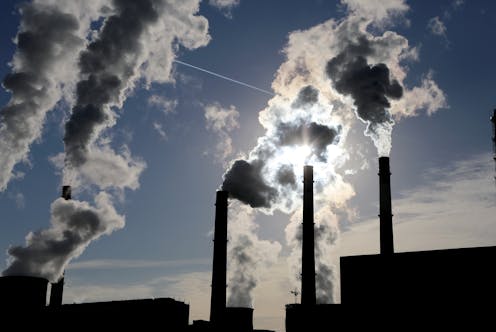
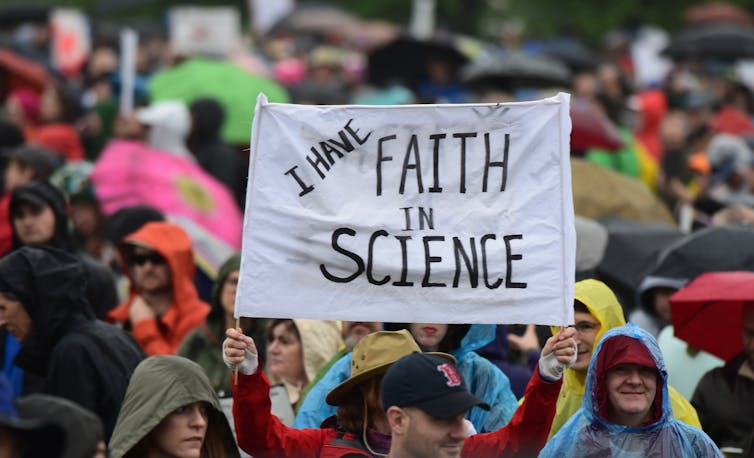

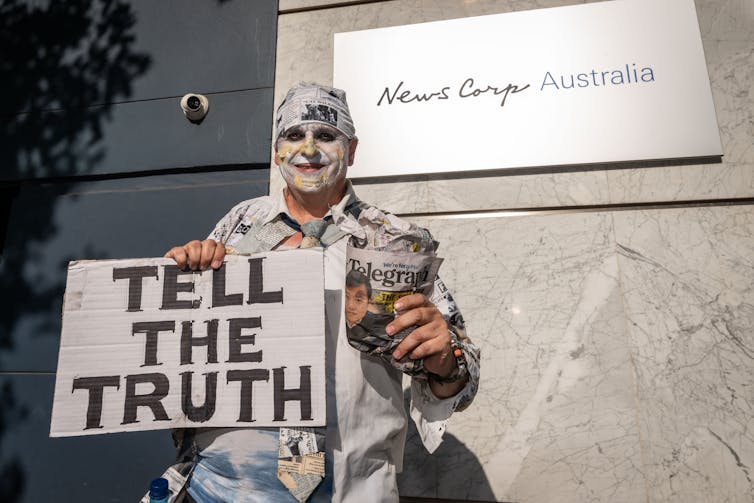




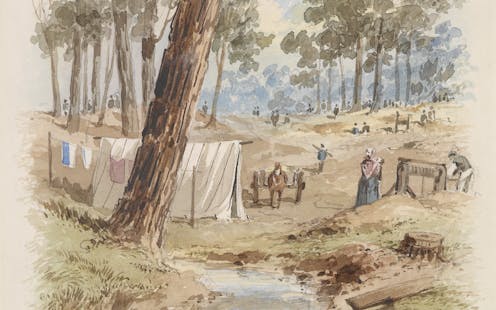
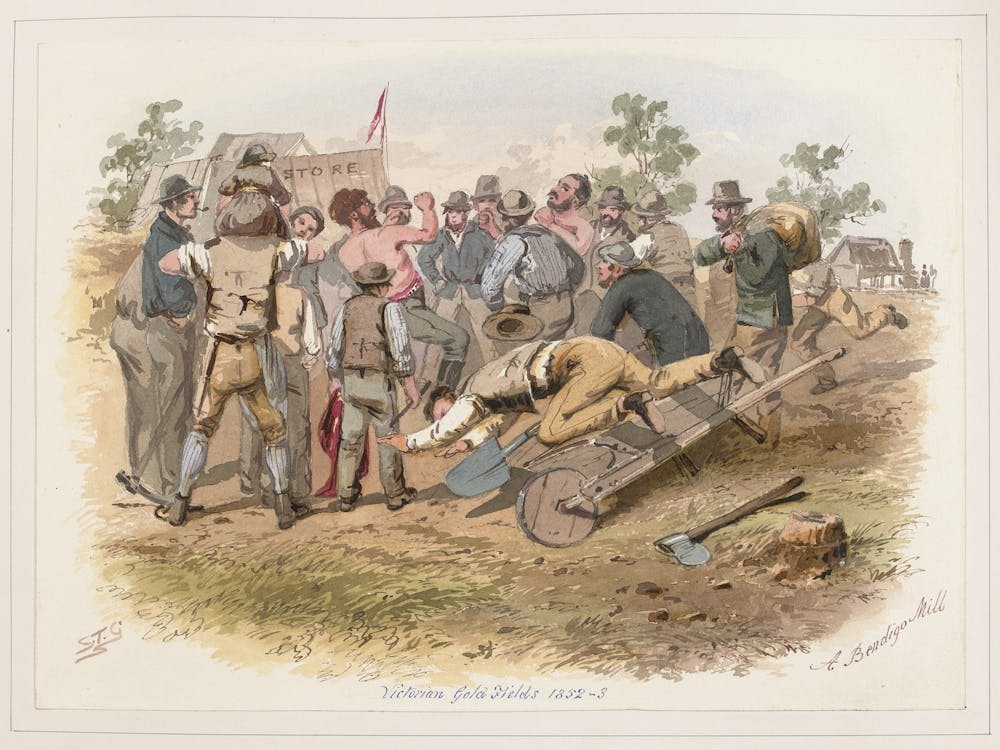
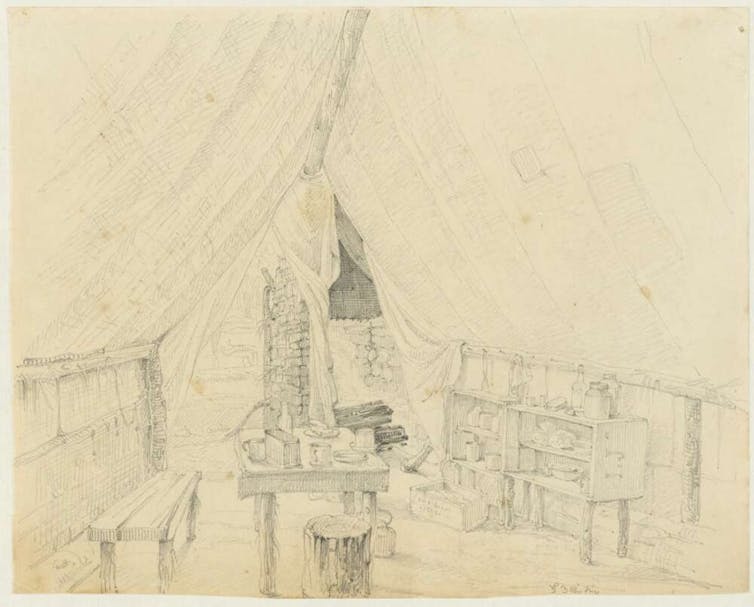
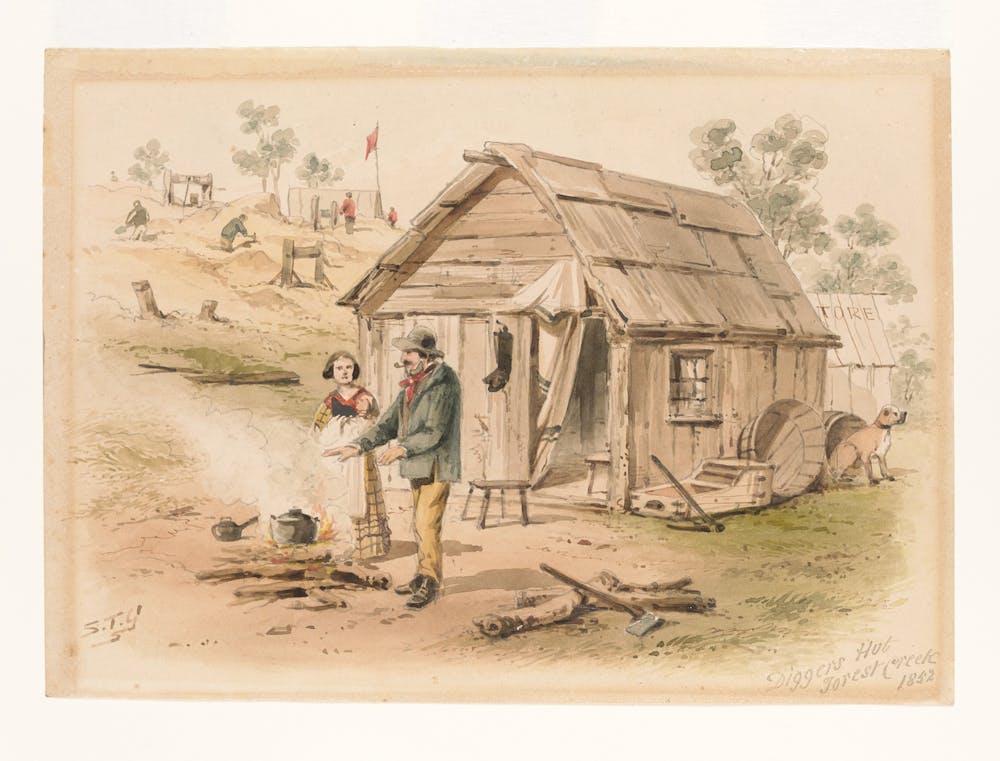




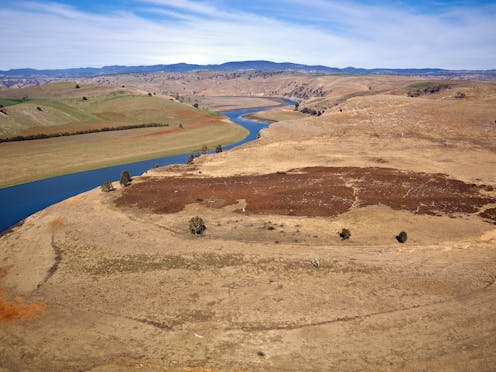
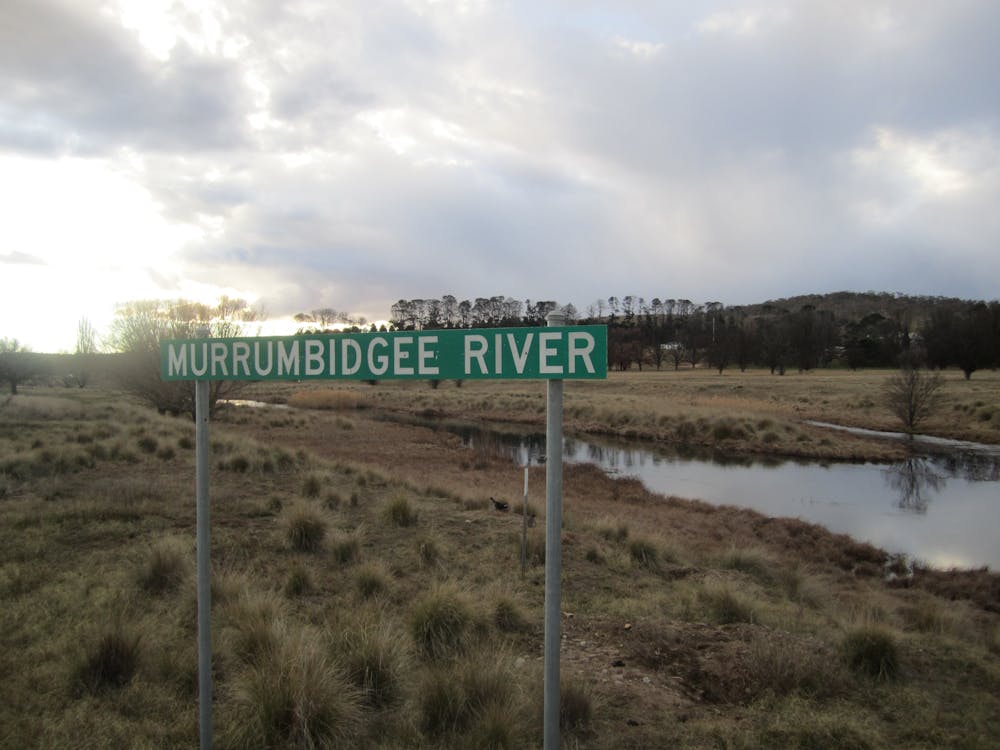
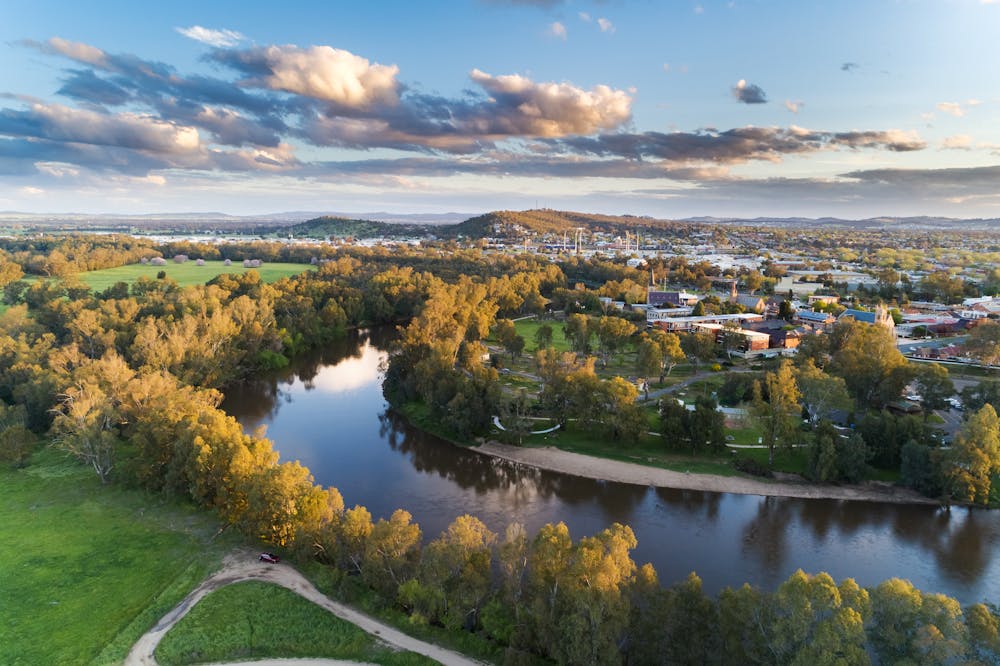

















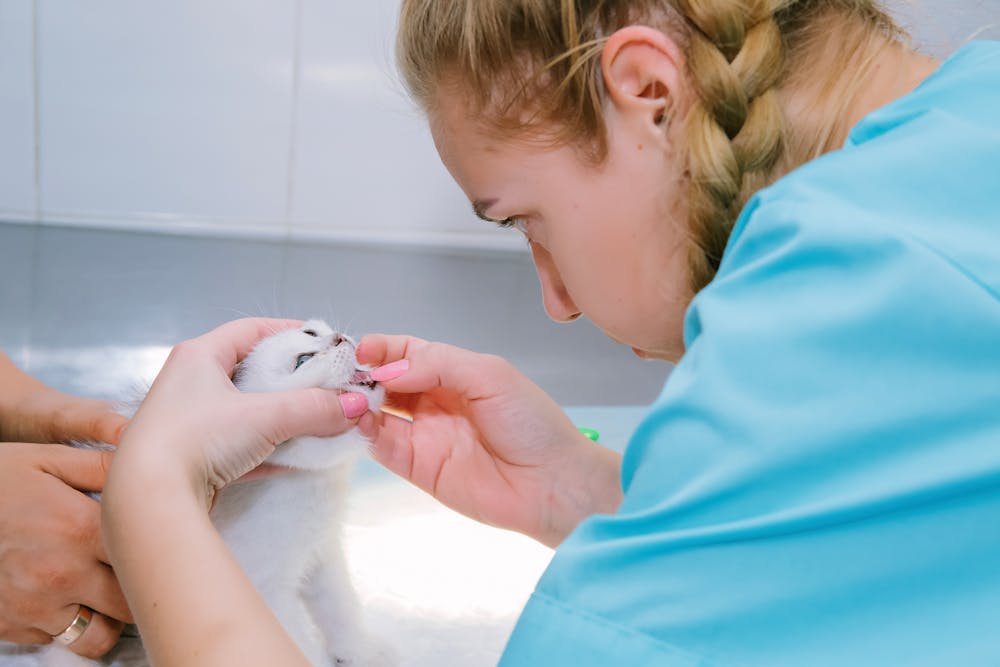





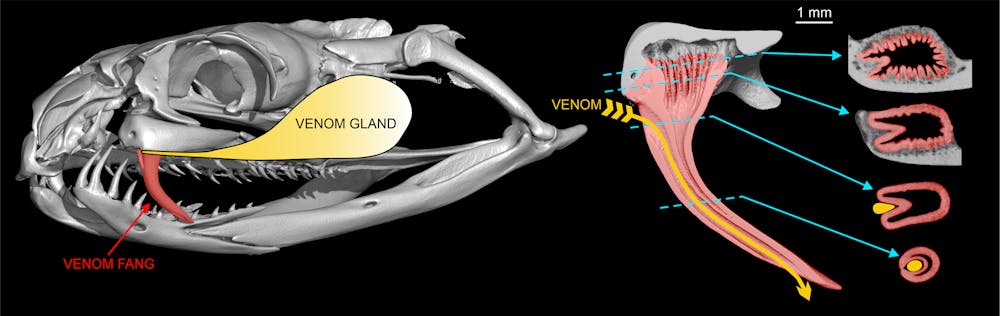



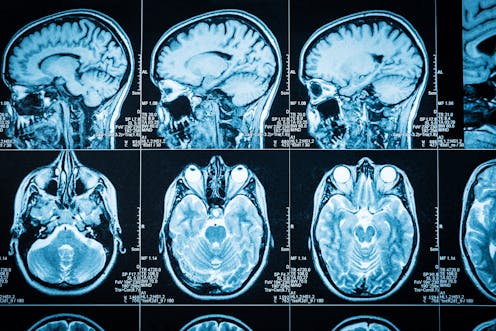














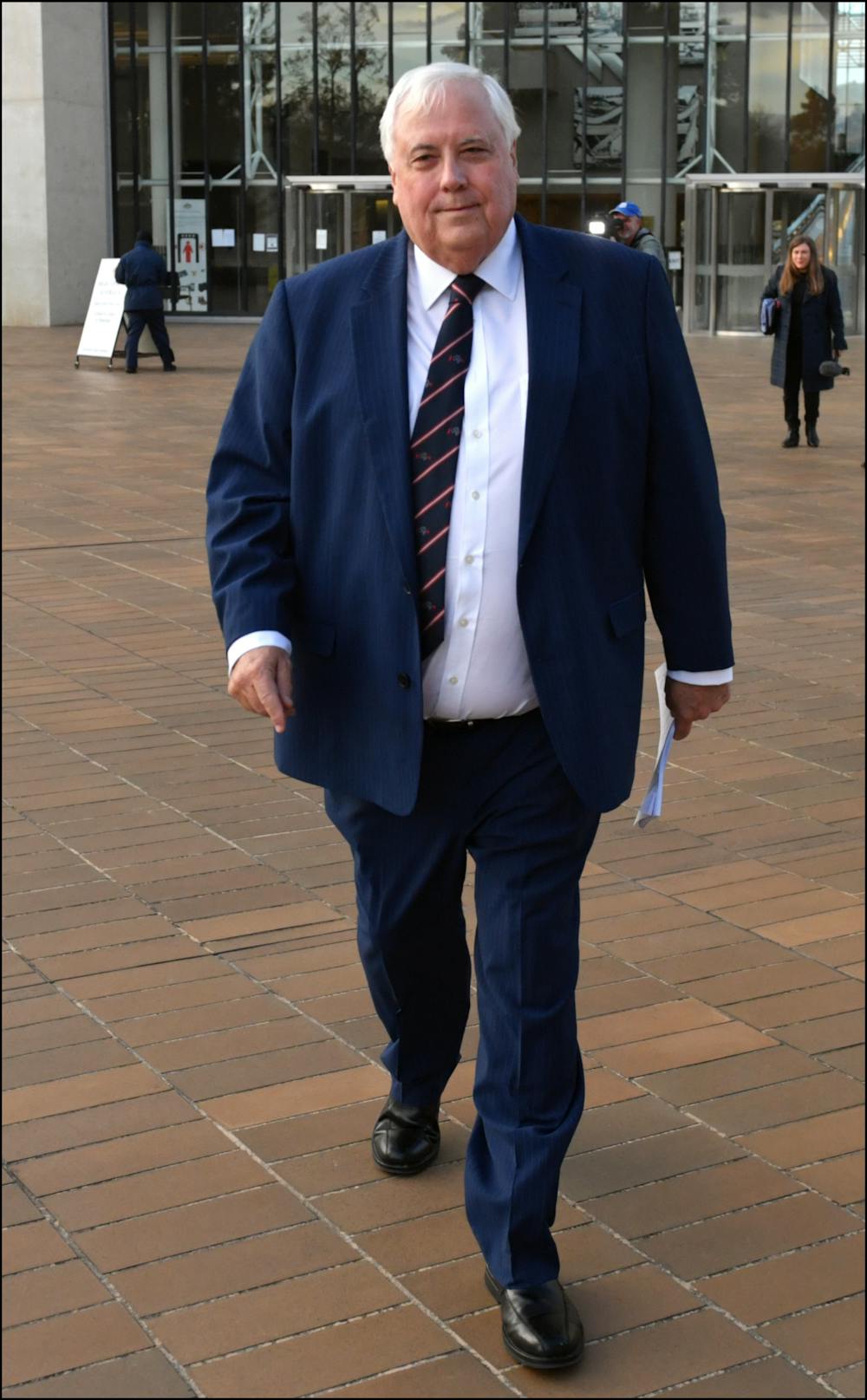

















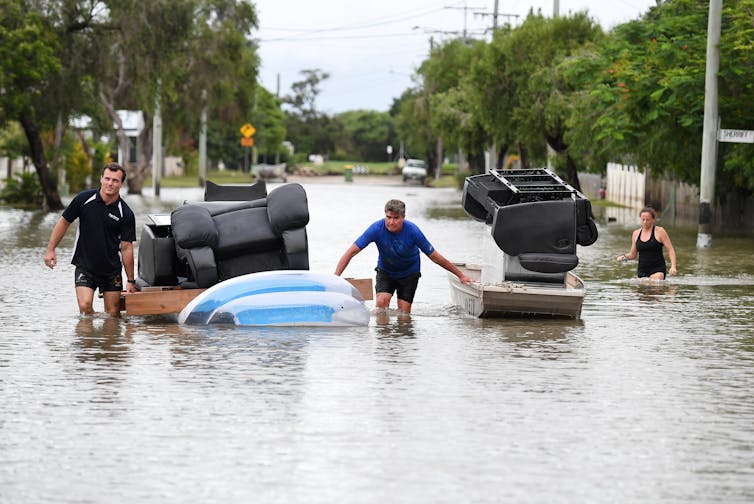
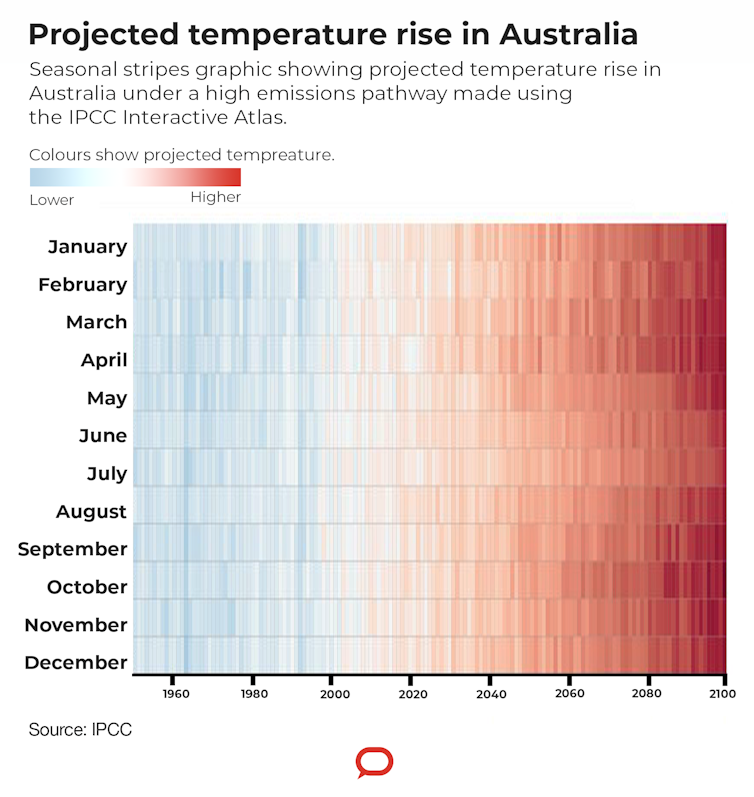 The IPCC says as the planet warms, future heatwaves in Australia – and globally – will be hotter and last longer. Conversely, cold extremes will be both less intense and frequent.