Page 800

Police access to COVID check-in data is an affront to our privacy. We need stronger and more consistent rules in place

Source: The Conversation (Au and NZ) – By Graham Greenleaf, Professor of Law and Information Systems, UNSW

The Australian Information Commissioner this week called for a ban on police accessing QR code check-in data, unless for COVID-19 contact tracing purposes.

State police have already accessed this data on at least six occasions for unrelated criminal investigations, including in Queensland and Western Australia — the latter of which has now banned this. Victorian police also attempted access at least three times, according to reports, but were unsuccessful.

The ACT is considering a law preventing police from engaging in such activity, but the position is different in every state and territory.

We need cooperation and clarity regarding how COVID surveillance data is handled, to protect people’s privacy and maintain public trust in surveillance measures. There is currently no consistent, overarching law that governs these various measures — which range from QR code check-ins to vaccine certificates.


Read more:
Australia has all but abandoned the COVIDSafe app in favour of QR codes (so make sure you check in)


Last week the Office of the Australian Information Commissioner released a set of five national COVID-19 privacy principles as a guide to “best practice” for governments and businesses handling personal COVID surveillance data.

But we believe these principles are vague and fail to address a range of issues, including whether or not police can access our data. We propose more detailed and consistent laws to be enacted throughout Australia, covering all COVID surveillance.

Multiple surveillance tools are being used

There are multiple COVID surveillance tools currently in use in Australia.

Proximity tracking through the COVIDSafe app has been available since last year, aiming to identify individuals who have come into contact with an infected person. But despite costing millions to develop, the app has reportedly disclosed only 17 unique unknown cases.

Over the past year we’ve also seen widespread attendance tracking via QR codes, now required by every state and territory government. This is probably the most extensive surveillance operation Australia has ever seen, with millions of check-ins each week. Fake apps have even emerged in an effort to bypass contact tracing.

In addition, COVID status certificates showing vaccination status are now available on MyGov (subject to problems of registration failure and forgery). They don’t yet display COVID test results or COVID recovery status (as they do in countries in the European Union).

It’s unclear exactly where Australian residents will need to show COVID status certificates, but this will likely include for travel between states or local government areas, attendance at events (such as sport events and funerals) and hospitality venues, and in some “no jab no job” workplaces.
As a possible substitute for hotel quarantine, South Australia is currently testing precise location tracking to enable home quarantine. This combines geolocation tracking of phones with facial recognition of the person answering the phone.
Shutterstock

The proposed principles don’t go far enough

The vague privacy principles proposed by Australia’s privacy watchdogs are completely inadequate in the face of this complexity. They are mostly “privacy 101” requirements of existing privacy laws.

Here they are summarised, with some weaknesses noted.

  1. Data minimisation. The personal information collected should be limited to the minimum necessary to achieve a legitimate purpose.

  2. Purpose limitation. Information collected to mitigate COVID-19 risks “should generally not be used for other purposes”. The term “generally” is undefined, and police are not specifically excluded.

  3. Security. “Reasonable steps” should be taken to protect this data. Data localisation (storing it in Australia) is mentioned in the principles, but data encryption is not.

  4. Data retention/deletion. The data should be deleted once no longer needed for the purpose for which it was collected. But there is no mention of a “sunset clause” requiring whole surveillance systems to also be dismantled when no longer needed.

  5. Regulation under privacy law. The data should be protected by “an enforceable privacy law to ensure individuals have redress if their information is mishandled”. The implied call for South Australia and Western Australia to enact privacy laws is welcome.

A proposal for detailed and consistent laws

Since COVID-19 surveillance requirements are justified as “emergency measures”, they also require emergency quality protections.

Last year, the federal COVIDSafe Act provided the strongest privacy protections for any category of personal information collected in Australia. Although the app was a dud, the Act was not.

The EU has enacted thorough legislation for EU COVID digital certificates, which are being used across EU country borders. We can learn from this and establish principles that apply to all types of COVID surveillance in Australia. Here’s what we recommend:

  1. Legislation, not regulations, of “emergency quality”. Regulations can be changed at will by the responsible minister, whereas changes in legislation require parliamentary approval. Regarding COVID surveillance data, a separate act in each jurisdiction should state the main rules and there should be no exceptions to these — not even for police or ASIO.

  2. Prevent unjustifiable discrimination. This would include preventing discrimination against those who are unable to get vaccinated such as for health reasons, or those without access to digital technology such as mobile phones. In the EU, it’s free to obtain a paper certificate and these must be accepted.

  3. Prohibit and penalise unauthorised use of data. Permitted uses of surveillance data should be limited, with no exceptions for police or intelligence. COVID status certificates may be abused by employers or venues that decide to grant certain rights privileges based on them, without authorisation by law.

  4. Give individuals the right to sue. If anyone breaches the acts we propose above for each state, individuals concerned should be able to sue in the courts for compensation for an interference with privacy.

  5. Prevent surveillance creep. The law should make it as difficult as possible for any extra uses of the data to be authorised, say for marketing or town planning.

  6. Minimise data collection. The minimum data necessary should be collected, and not collected with other data. If data is only needed for inspection, it should not be retained.

  7. Ongoing data deletion. Data must be deleted periodically once it is no longer needed for pandemic purposes. In the EU, COVID certificate data inspected for border crossings is not recorded or retained.

  8. A “sunset clause” for the whole system. Emergency measures should provide for their own termination. The law requires the COVIDSafe app to be terminated when it’s no longer required or effective, along with its data. A similar plan should be in place for QR-code data and COVID status certificates.

  9. Active supervision and reports. Privacy authorities should have clear obligations to report on COVID surveillance operations, and express views on termination of the system.

  10. Transparency. Overarching all of these principles should be requirements for transparency. This should include publicly releasing medical/epidemiological advice on necessary measures, open-source software in all cases of digital COVID surveillance, initial privacy impact assessments and sunset clause recommendations.

COVID-19 has necessitated the most pervasive surveillance most of us have ever experienced. But such surveillance is really only justifiable as an emergency measure. It must not become a permanent part of state surveillance.


Read more:
Coronavirus: digital contact tracing doesn’t have to sacrifice privacy


The Conversation

Graham Greenleaf is a Board member of the advocacy group, the Australian Privacy Foundation, does consultancy work on privacy in the EU, and is Asia-Pacific Editor of a UK-based privacy publication.

Katharine Kemp receives funding from The Allens Hub for Technology, Law and Innovation. She is a Member of the Advisory Board of the Future of Finance Initiative in India, the Centre for Law, Markets & Regulation and the Australian Privacy Foundation.

ref. Police access to COVID check-in data is an affront to our privacy. We need stronger and more consistent rules in place – https://theconversation.com/police-access-to-covid-check-in-data-is-an-affront-to-our-privacy-we-need-stronger-and-more-consistent-rules-in-place-167360

Indigenous technology is often misunderstood. Here’s how it can be part of everyday life

Source: The Conversation (Au and NZ) – By Andrew Peters, Lecturer in Indigenous Studies, Swinburne University of Technology

Igniting fire at Tjapukai Aboriginal Cultural Park. Shutterstock

The COVID pandemic has highlighted our need for connection and forced billions of people to adapt to a changed world. Much of this adaptation is heavily reliant on technology, and in particular information technology, which is being used to keep many people connected.

Although the pandemic is posing many problems for our modern, technological world, it also presents an opportunity to embrace ancient and valuable Indigenous knowledges and identify potential within them in different ways.

The notion of Indigenous technology is one such opportunity.

A history of Indigenous technology

Indigenous technology is a relatively misunderstood phenomenon.

This isn’t the use of technology by or for the benefit of Indigenous peoples. It refers to the multiple ways that Indigenous knowledges are used to improve the lives of humans – ancient practices that have existed in various parts of the world that are still relevant, and prevalent, today

Indigenous knowledges and technology have been linked from the beginning of time. Fundamental concepts of Indigenous knowledges can and should underpin the development and role of technology in multiple ways.

These concepts include:

  • relationality and connection
  • reciprocity
  • reflexivity
  • Country

Relationality/connection refers to the Indigenous understanding of all things being connected. One action can impact many others – similar to the fundamental Western scientific concept of “cause and effect”.

Embracing and understanding reciprocity ensures the benefits of the use of technology don’t come at the expense of others (including people, plants, animals and the broader environment).

Reflexivity involves the constant cycle of learning and listening that underpins knowledge creation and transfer for Indigenous peoples and cultures. It is also seen as an important element of research and development in the world of technology (particularly relevant now as we are developing ways to treat COVID.

And Country refers to the grounding of knowledges in our land and all it contains. Our knowledges and languages come from the land, and this is where they belong. This makes our knowledges contextual and specific to a certain group. Understanding the specifics of a certain group is crucial to gaining cultural knowledge.

In the world of business technology, this relates to knowing and understanding your market and their specific wants and needs – a fundamental principle of marketing.

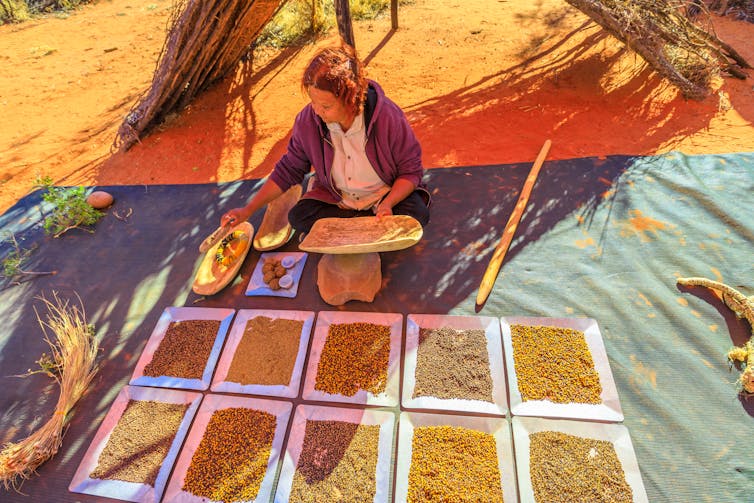
Traditional bush seeds used for food and agriculture.
Aboriginal woman showing the traditional bush seeds used for food and agriculture.
Shutterstock

Native foods and food technology

Native foods and food technology have sustained Indigenous communities all over the world for thousands of years. Today, native foods are used in a variety of ways, including connecting people with culture through culinary experiences such as the Tasmanian “Wave to Plate” project.

In southeast Australia, the Wurundjeri people’s name comes from the Witchetty grub found in the Manna gum that is rich in Vitamin C and good for skin wounds. Wurundjeri people still use plants such as the Manna gum (Eucalyptus), murrnong and tee tree (melaleuca) for both nutritional and medical purposes.

Native groups in North America have practised plant-based medicinal practices for thousands of years, and continue to this day. This includes the direct consumption of plant parts, using them as ointments, and boiling them as part of tea drinks. Some groups also use conifer needles to create tonics rich in vitamin C for treating diseases.


Read more:
‘Although we didn’t produce these problems, we suffer them’: 3 ways you can help in NAIDOC’s call to Heal Country


Agriculture and aquaculture

Thousands of years ago, the Gunditjmara people of Budj Bim in western Victoria modified natural features and created a series of artificial ponds, wetlands and networks of channels.

These practices allowed water flows between dams to accommodate the farming of eels. The Gunditjmara people also built substantial stone structures close to work sites to shelter from chilly southerly winds that can still be seen in various parts of western Victoria today.

Fire management

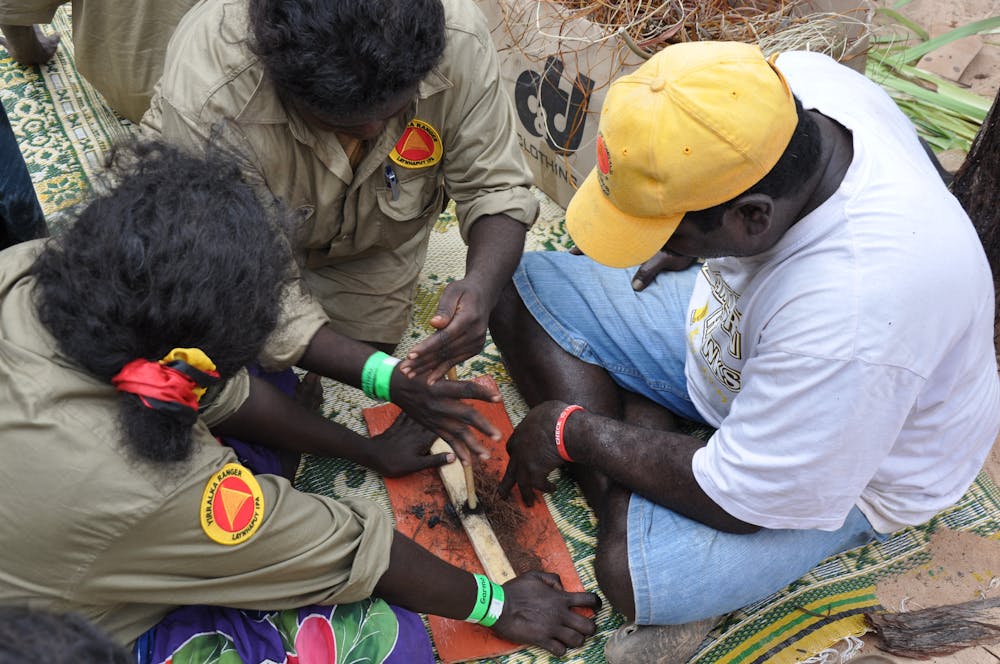
Indigenous cultural burning and fire management is another ancient practice that lives on today.

These practises are increasingly being used as tools for national park management, emergency services and other organisations to better understand our native environment and connect with Aboriginal cultures, peoples and histories.

Dhimarru Indigenous Rangers teaching traditional fire making at Garma Festival.
Shutterstock

Astronomy and geology

Traditional Indigenous storytelling has enabled modern-day scientists to discover meteorites they might not otherwise have found.

And in New Zealand, geologists are continuing to use Maori traditions to better understand earthquakes and tsunamis.


Read more:
Stars that vary in brightness shine in the oral traditions of Aboriginal Australians


Health and well-being

Concepts of Indigenous and Western health and medicine have long differed.

Western health has primarily focused on “problem correction” and the patient’s physiology. Whereas for Indigenous people, health and well-being have long included physical, mental, spiritual and environmental issues for both individuals and communities – what Western health now calls “holistic care”.

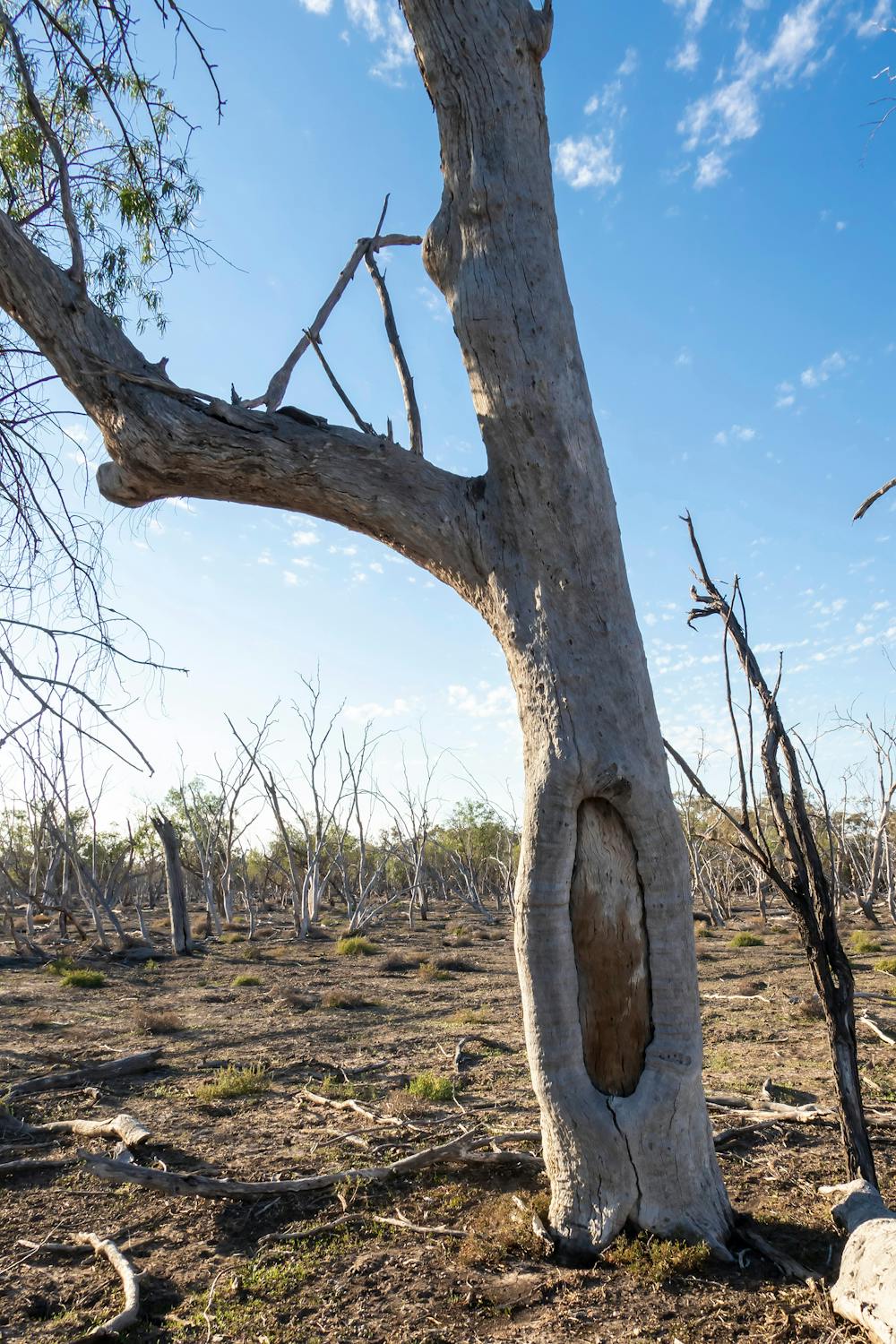
A scar tree - a tree with a piece removed for shield, shelter or raft.
Scar trees are formed when Aboriginal people remove sections of bark for shelters, shields, and rafts.
Shutterstock

Transport

Indigenous peoples have found innumerable ways to physically navigate their Country, including with the bark canoe, a symbol of transport technology.

Using the bark from an appropriate tree, the process today revisits ancient traditions and provides direct cultural connection for many young Aboriginal people. The prevalence of scar trees in many parts of the country shows just how widespread this practice still is.

These continued uses of Indigenous technology are an affirmation of culture and history for Aboriginal peoples. It’s also a clear way for all Australians to connect with a culture that not only has a deep, deep history on our land, but continues and is still growing today.


This piece was produced as part of Social Sciences Week, running 6-12 September. A full list of 70 events can be found here. Andrew Peters will appear on the panel discussion “Indigenous Peoples and Technology” on Wednesday, September 8 at 10.30am.

The Conversation

Andrew Peters does not work for, consult, own shares in or receive funding from any company or organisation that would benefit from this article, and has disclosed no relevant affiliations beyond their academic appointment.

ref. Indigenous technology is often misunderstood. Here’s how it can be part of everyday life – https://theconversation.com/indigenous-technology-is-often-misunderstood-heres-how-it-can-be-part-of-everyday-life-167191

Iggy & Ace: a zany Aussie comedy about two gay best friends — and alcohol abuse

Source: The Conversation (Au and NZ) – By Alex Henderson, PhD Candidate in Literary Studies and Creative Writing, University of Canberra

SBS

Review: Iggy & Ace, directed by Monica Zanetti and AB Morrison.

Iggy & Ace is the story of two gay best friends — and their drinking habits. Their favourite hobbies are happy hour pub crawls and getting wasted on wine while watching Bondi Rescue. As far as they’re concerned, life is sweet. But a panic attack while hungover at work makes Ace (Josh Virgona) wonder if this is healthy.

Delirious and trying to change, he signs up for a sobriety support program — much to the horror of Iggy (Sara West).

In many ways, Iggy & Ace is a zany drama-comedy blend about recovery and friendship. But this series is also committed to portraying the rough ups and downs of addiction, toxic friendships, grief, trauma and love.

It’s a wild ride, but one certainly worth taking, even if your brain might start screaming it wants to get off at the most emotional and visceral low points.

Real people; real heart

There’s something satisfying about how grimy, disastrous and flawed Ace and Iggy are allowed to be. It is validating to see the viscera of messy queer experience.

The series feels wonderfully like a queer story for a queer audience: authentically depicting the human problems of its gay protagonists without playing into familiar media stereotypes, and without being afraid to colour outside the lines.

All the queer characters in this series are heightened for comedy, yet also feel very real.

A man and a woman in brightly-coloured windcheaters, staring in silent awe into a party scene
The characters are all very heightened, but also all very real.
SBS

Iggy is a rude, self-destructive disaster of a woman in deep denial about her own traumas. Ace is insecure and impressionable, prone to impulse decisions and easily distracted by instant gratification.

There’s also Iggy and Ace’s mentor, self-described “dying queen” Otto (Dalip Sondhi), who is constantly snorting cocaine (with the help of an elegant and irritable non-binary carer, played by Aiden Hawke) and reminiscing about the old days.

There’s Justine (Joanna Tu), Iggy’s long-suffering girlfriend, who’s just trying to make it as an artist and stick to her vegan diet. There’s Gwen (Roz Hammond), the frazzled older lesbian doing her best to hold the sober support group together while everyone’s personal drama piles up at her door.

A man and a woman pose for a selfie in a bottle shop, both wearing pointy sunglasses
Platonic friendship is at the core of Iggy & Ace.
SBS

The centrality of platonic friendship to Iggy & Ace is also refreshing.

The friendship between the titular characters is nothing idyllic: in fact, its toxicity is portrayed in loving detail. They’re a terrible twosome; and they’re rarely apart. They’re housemates, workmates and drinking buddies joined at the hip flask.


Read more:
No more than 10 standard drinks a week, or 4 on any day: new guidelines urge Aussies to go easy on the booze


Their friendship begins to fracture when Ace attempts to get healthy. Iggy resents Ace for his transgressions, particularly because they reveal her own problems.

“You can’t be an alcoholic,” she assures Ace when she finds out he’s been secretly attending the sober program. “Because you don’t drink any more than I do.”

Comedy through tragedy

Through the conflict between its characters, the series paints a harrowing picture — though, again, peppered with comedy — of how alcohol dependency can take hold.

Social drinking is a huge part of Australian culture and alcohol consumption has become a crutch for Iggy as she avoids her pressing emotional issues.

Iggy and Ace have fun when they drink, yet it also makes them miserable. It’s a vicious cycle that the writing captures with almost flinch-worthy authenticity.

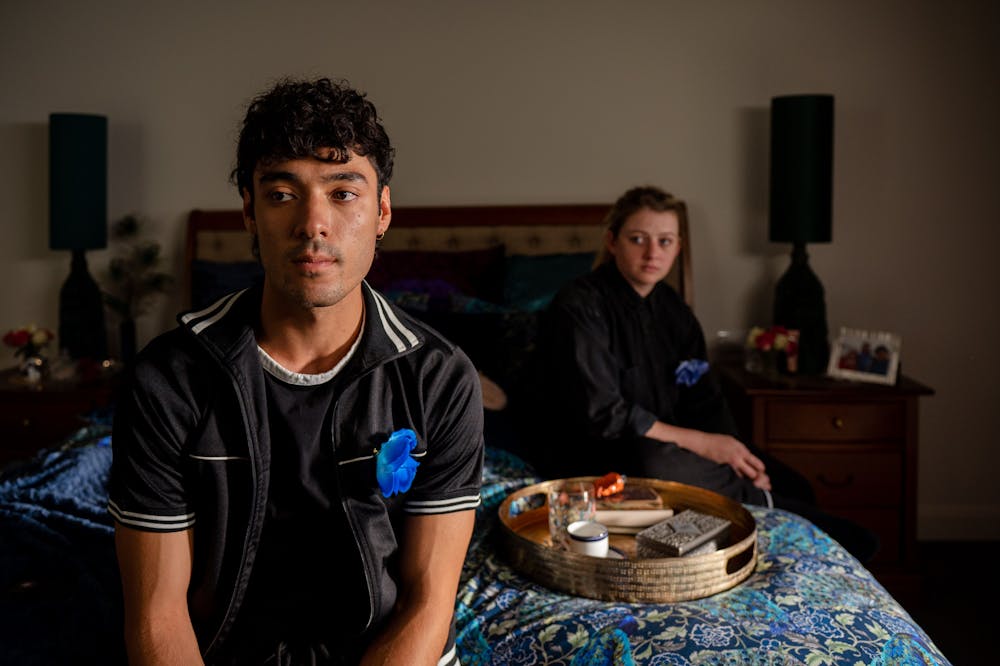
A man sits on the edge of a bed looking ahead with a serious expression. Behind him, a woman sits in the shadows
While it is a comedy, Iggy & Ace also looks at addiction with unflinching honesty.
SBS

Iggy, for all her early awfulness, is never portrayed as a wholly or inherently bad person. She and her coping mechanisms are treated with the weight they deserve, and she’s allowed to be — in Ace’s words — a “complete arsehole” without being reduced to the villain of the piece. She is hardly a role model, but she is a gloriously complicated fictional lesbian. We need more stories about women like her.


Read more:
Queer young adult fiction isn’t all gloomy realism. Here are 5 uplifting books to get you started


Iggy & Ace is equally funny and painful. Released as six ten-minute episodes, the hour takes you on a rollercoaster journey with the characters and their personal and interpersonal disasters, and the ending is an effective gut punch of tragicomedy.

It is absolutely worth diving into this show, though consume responsibly. Alternatively, binge the whole thing then lie on your living room floor letting it all soak in.

Iggy & Ace is streaming on SBS OnDemand from Thursday.

The Conversation

Alex Henderson does not work for, consult, own shares in or receive funding from any company or organisation that would benefit from this article, and has disclosed no relevant affiliations beyond their academic appointment.

ref. Iggy & Ace: a zany Aussie comedy about two gay best friends — and alcohol abuse – https://theconversation.com/iggy-and-ace-a-zany-aussie-comedy-about-two-gay-best-friends-and-alcohol-abuse-165953

From October, it will be all but impossible for most Australians to vape — largely because of Canberra’s little-known ‘homework police’

Source: The Conversation (Au and NZ) – By Peter Martin, Visiting Fellow, Crawford School of Public Policy, Australian National University

Steven Senne/AP

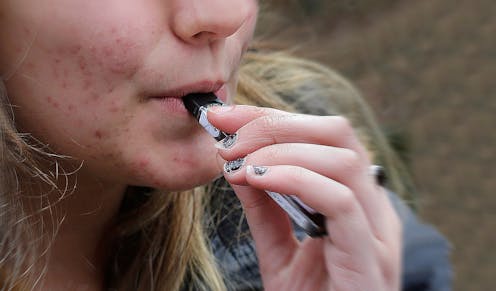
After a misstep, it’s about to become illegal to import e-cigarettes without a prescription, which means that, for most Australians, it’ll become all but impossible to vape from October 1.

The misstep tells us a lot about how the Australian government works behind the scenes — most of it good.

Mid last year, Health Minister Greg Hunt announced plans to ban the import of nicotine-containing e-cigarettes and refills without a doctor’s prescription. Border force would be checking parcels.

To Hunt, the decision made sense. It was already illegal to buy and sell such products without a prescription in every Australian state and territory, and it was illegal to possess them without a prescription in every state but South Australia.

All Hunt was doing was closing a (very wide) loophole.

Government backbenchers revolted, Hunt pointed to a doubling of nicotine poisonings over the past year and the death of a toddler, the prime minister offered less than complete support, saying he was keeping an “open mind”, and Hunt put the idea on the backburner.

That’s the way it played out in public.

But beneath the surface, something impressive was swinging into gear. It’s called the Office of Best Practice Regulation, OBPR, an apolitical body nestled within the prime minister’s department.

Canberra’s ‘homework police’

So what did this little-known part of the government do that will effectively stamp out vaping from next month? Its executive director, Jason Lange, revealed the back story at an Economic Society of Australia meeting in Canberra earlier this year.

Set up during the 1980s to ensure government decisions didn’t needlessly tie up business in red tape, the office gradually was given other things to consider, including the effect of government decisions on citizens, on the environment, and on the distribution of burdens throughout society.


Read more:
Vaping is glamourised on social media, putting youth in harm’s way


Then in 2013 Prime Minister Tony Abbott moved it out of the Department of Finance into his own department: Prime Minister and Cabinet.

Prime Minister and Cabinet is the traffic cop: it decides what gets put forward for cabinet to decide, and when. So suddenly the office was working at the centre of government decisions, getting to view every one of the 1,800 or so things put to senior ministers to decide each year.

Six questions shaping new decisions

For the few hundred proposals it thinks might have significant unintended impacts, the office demands an impact statement.

It doesn’t tell the department or authority putting forward the idea what to put in the statement. But as Lange explained, it “marks the homework”. The proposals behind any statements that aren’t good enough are harder to bring to cabinet.

Hunt’s decision on e-cigarettes wasn’t accompanied by an impact statement the first time around. Lange’s office made sure it was on the second.

Each OBPR analysis has to address seven questions.


Office of Best Practice Regulation

The first is what problem the agency is trying to solve. Maybe it’s not really a problem. Merely working that out puts what follows into focus.

The second is why government action is needed. Maybe the problem isn’t very big, or maybe it will solve itself.

The third is what options the agency is considering. The agency has to put forward at least three options, including one that isn’t a regulation. In the case of e-cigarettes, that option was a public awareness campaign.


Read more:
Vaping: As an imaging scientist I fear the deadly impact on people’s lungs


Then it has to estimate the likely benefits and costs of each option, including the costs to people the option wasn’t intended to hit, such as under-the-counter retailers and people using vaping to give up smoking.

The fifth question is the range of people and organisations to be consulted (which is a way of making sure it happens). The sixth is to identify the best option from the list, which includes making no regulation whatsoever.

The seventh is the means by which the measure would be implemented and (importantly) later evaluated.

Grading government ideas, from ‘insufficient’ to ‘exemplary’

Once in, and usually after being sent back for further work, the analysis is graded on a scale from “insufficient” to “adequate” to “good practice” to “exemplary”.

Very few are graded exemplary, and very few that we know about are graded inadequate, because if such a proposal does get adopted by cabinet, the impact statement gets published along with the grade and a statement that describes its failings — a “nuclear option” Lange says can be deeply embarrassing.

All impact statements attached to proposals the government adopts get published along with its OBPR rating. It is often the best opportunity the public has to read about the thinking behind the proposal.


The impact statement that won the day.

Tellingly, only about 80 of the hundreds of impact statements started each year get to decision makers, which means the process itself knocks out poorly thought out proposals.

But if an idea has merit, as did the ban on importing nicotine-containing without a prescription, the 180-page impact statement can make all the difference.

It sets out the problem clearly, sets out a number of possible solutions and identifies the winners and losers from each, and shows how they were consulted.

It demonstrates someone in the government has thought it through clearly, and provides material for the government to use when selling its decision.

On the Office of Best Practice Regulation website are hundreds of impact analyses on topics as diverse as food standards, protection for car dealers, and the redress scheme for child sexual abuse.

Vaping becomes harder on October 1

That’s why from October 1 it will become illegal to import without a prescription nicotine-containing e-cigarettes, and illegal to supply any liquid nicotine that isn’t in child-resistant packaging.

Behind the scenes, the government got it right.

The Conversation

Peter Martin does not work for, consult, own shares in or receive funding from any company or organisation that would benefit from this article, and has disclosed no relevant affiliations beyond their academic appointment.

ref. From October, it will be all but impossible for most Australians to vape — largely because of Canberra’s little-known ‘homework police’ – https://theconversation.com/from-october-it-will-be-all-but-impossible-for-most-australians-to-vape-largely-because-of-canberras-little-known-homework-police-167376

Despite deportation and detention attempts, could New Zealand have done more to prevent Friday’s terror attack?

Source: The Conversation (Au and NZ) – By Kris Gledhill, Professor of Law, Auckland University of Technology

Fiona Goodall/Getty Images

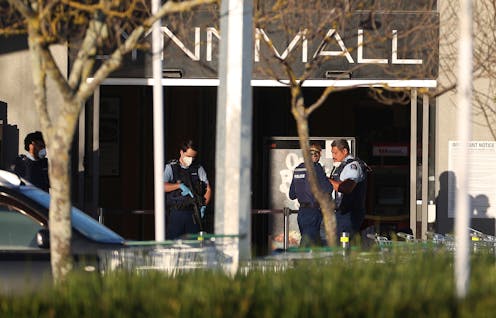
New Zealand is fast-tracking changes to counter-terrorism laws in response to Friday’s terror attack, but several other laws are relevant in this case and further investigations must ask why they weren’t used to detain the attacker.

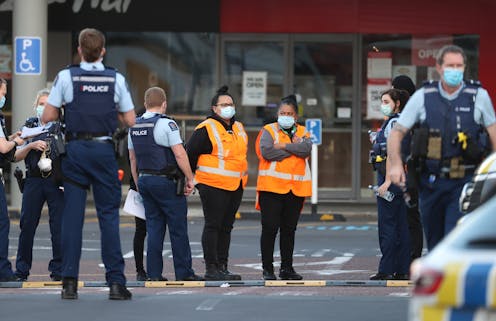
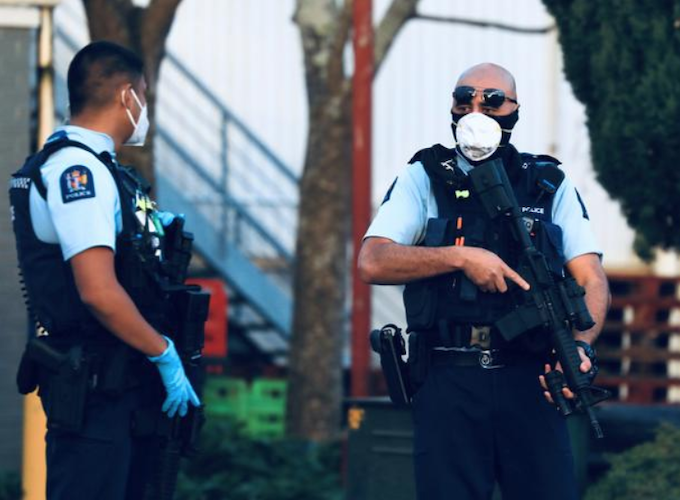
The terrorist was shot dead within moments of beginning a potentially lethal attack at an Auckland supermarket because he was considered dangerous enough to be under 24-hour police surveillance. A complex chain of prosecutions meant intensive monitoring was the only option police had to protect the public.

Efforts to ensure public safety included bringing criminal charges, which resulted in pre-trial detention. But preventive detention was not available, despite the terrorist setting, and this suggests a gap in the sentencing regime.

Under New Zealand criminal law, a person can be prosecuted for conspiring to commit an offence, but this requires at least two people to agree. For someone acting alone, planning an attack is not enough. This is a gap in the Terrorism Suppression Act 2002 and New Zealand will likely follow other countries, including Australia, where preparing or planning a terrorist act constitutes an offence.

Apart from criminal law, there are two other areas of law that can be used to detain people considered dangerous: mental health law and, given the terrorist’s refugee status, immigration law.

Sequence of prosecutions leads to supervision sentence

The terrorist was prosecuted for various offences and spent a significant amount of time in detention, pending trial.

In 2017, having been arrested trying to leave New Zealand, nine charges were laid, including one of sharing ISIS-related material via Facebook, in breach of the Films, Videos and Publications Classification Act 1993, and another of having an offensive weapon. He was denied bail because he was considered at risk of further offending through sharing problematic material and carrying out violence.

Part of this case turned on how bad the shared material was. The censor concluded it was not “objectionable”, which is the worst kind, but “restricted”. This meant the charges relating to his social media activities carried at most three months’ imprisonment each.

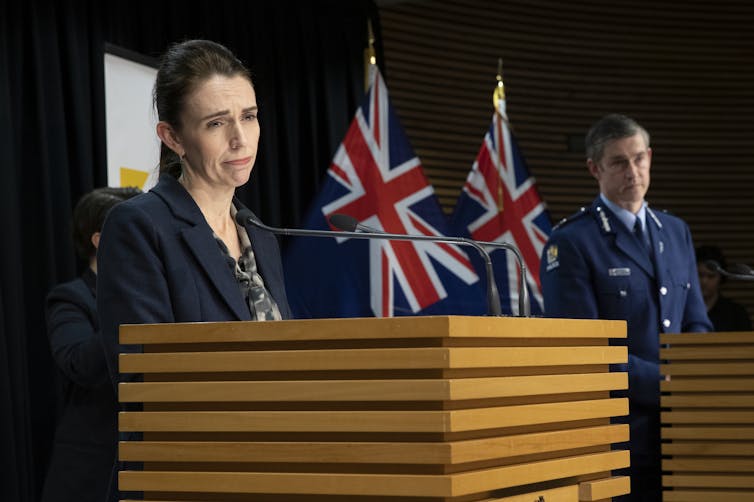
Prime Minister Jacinda Ardern and Police Commissioner Andrew Coster during a media conference.
Prime Minister Jacinda Ardern and Police Commissioner Andrew Coster during a media conference. The terrorist was under police surveillance and known to authorities as a supporter of the Islamic State.
Mark Mitchell – Pool/Getty Images

He was released on bail after pleading guilty to sharing ISIS propaganda because he had already spent 13 months in custody and the offences would not carry a sentence of that length for a first offender. But before being sentenced, he was arrested again in August 2018 and remanded in custody pre-trial.

The new charges covered further offences relating to problematic material. This time, it was possession of “objectionable” material, which carries a maximum sentence of ten years. There were also two new charges relating to offensive weapons, and an earlier charge was reinstated.


Read more:
New Zealand needs to go beyond fast-tracking counter-terrorism laws to reduce the risk of future attacks


The trigger for the second arrest was his purchase of another hunting knife. The prosecution argued this was a terrorist act because it showed he was planning to carry out an attack, but the courts rejected this. He was convicted of two offences relating to objectionable material, but sentenced to intensive supervision rather than a prison term.

This was because the Sentencing Act 2002 says the maximum sentence should be imposed only for examples of the worst offending, and the prosecution accepted he had already served more time in prison, awaiting trial, than would be imposed.

Gaps in other laws

There are two other sentencing matters to note. For several decades, New Zealand courts have been able to impose preventive detention, which is essentially a life sentence. But this power only arises in relation to a list of sexual or violent offences. It does not include the offending for which the terrorist was sentenced. This is a gap that requires further investigation.

New Zealand also allows for preventive detention under the Public Safety (Public Protection Orders) Act 2014, but this requires a past conviction for a serious sexual or violent offence. Again, this case was outside this legislation.

Many reports about the attacker refer to his paranoia. This raises the question of detention under the Mental Health (Compulsory Assessment and Treatment) Act 1992. This requires an “abnormal state of mind” and a “serious danger” to his own or others’ health and safety.

There was a psychiatric report for the 2018 sentencing decision, which records various symptoms of mental illness, but it does not appear there was an updated report in 2021. Further investigations should ask whether this was an avenue that should have been used.


Read more:
New Zealand’s latest terror attack shows why ISIS is harder to defeat online than on the battlefield


Finally, there is the immigration context. Several steps were taken to remove the terrorist’s refugee status, as a precursor to deportation from New Zealand. Refugee status can be lost on several grounds, including proof that it was obtained by fraud.

Deportation of refugees is also possible on national security grounds, but it cannot be to a country where the person would be placed at undue risk unless they have committed a very serious offence that reveals a danger to the community. For someone who has come from and can only be returned to a country where they face such a risk, deportation is very difficult.

These are all decisions that require very careful consideration. The Immigration Act 2009 has very significant limitations on detention, particularly for those who have refugee status.

Mental health legislation may have been more relevant in this case and the fact it wasn’t used calls for an investigation. As it was, the only power available was for the police to carry out a surveillance operation, complete with armed officers. This suggests they viewed the man as a clear and present danger.

The Conversation

Kris Gledhill does not work for, consult, own shares in or receive funding from any company or organisation that would benefit from this article, and has disclosed no relevant affiliations beyond their academic appointment.

ref. Despite deportation and detention attempts, could New Zealand have done more to prevent Friday’s terror attack? – https://theconversation.com/despite-deportation-and-detention-attempts-could-new-zealand-have-done-more-to-prevent-fridays-terror-attack-167337

Remote learning is even harder when English isn’t students’ first language. Schools told us their priorities for supporting them

Source: The Conversation (Au and NZ) – By Gary Bonar, Lecturer, School of Curriculum Teaching & Inclusive Education, Monash University

Shutterstock

The COVID-19 pandemic has left large numbers of students, teachers and families grappling with the challenges of remote learning. Remote learning can be particularly challenging for students who are learning English as an additional language or dialect (EAL/D students).

We wanted to find out about schools’ experiences of teaching and supporting these students during the 2020 and 2021 lockdowns in Victoria. We interviewed ten classroom teachers and EAL/D curriculum leaders across primary and secondary levels in urban, regional and rural schools. We identified three key areas of concern for these students:

  • well-being – issues such as language barriers compounded their feelings of isolation and disconnection

  • access to resources such as digital devices, the internet and learning materials

  • loss of in-school structural supports.


Read more:
Victoria and NSW are funding extra tutors to help struggling students. Here’s what parents need to know about the schemes


These issues affect large numbers of students. About one in four primary and secondary school students in Victoria are from language backgrounds other than English. The proportion is similar in NSW.

We know from a range of studies that, even in the most favourable conditions, the reality of remote learning has often had a negative impact on students’ learning and well-being. Although the information about what works for online teaching is expanding, EAL/D-specific information is lacking.

Early findings from our ongoing research show that for many EAL/D educators complex social, emotional, material and geographic factors compounded the challenges of engaging EAL/D learners during remote learning. The following three points illustrate these challenges and how educators adapted.

Making well-being the priority

Student well-being was the most important consideration for these educators. It’s a prerequisite for real engagement in remote learning.

Schools are often a space of identity validation and belonging for new arrivals. The remote learning experience left many students feeling isolated and disconnected. This was sometimes compounded when issues such as low digital literacy and language barriers affected students’ support at home.

To overcome these issues, the role of teachers often expanded into areas such as supporting families by connecting with social services, mothers’ groups and foodbanks. This trend was even clearer in rural and regional areas where the school often became the central point of support for EAL/D students and their families.


Read more:
Students’ well-being must always be the priority. Here are 5 tips to help them through lockdown


Well-being was also an issue for EAL/D educators and multicultural education aides (MEAs). Supporting students and families to navigate the new remote learning platforms and procedures was extremely difficult when resources and time were limited. EAL/D teachers often work part-time or across more than one school. As one participant said:

“We worked harder in remote learning than I’ve ever worked in my life in those early stages, and so I guess the learning curve was to sit back and say, ‘Hey, it’s okay. We can’t fix the world. We need to actually look after ourselves.’ ”

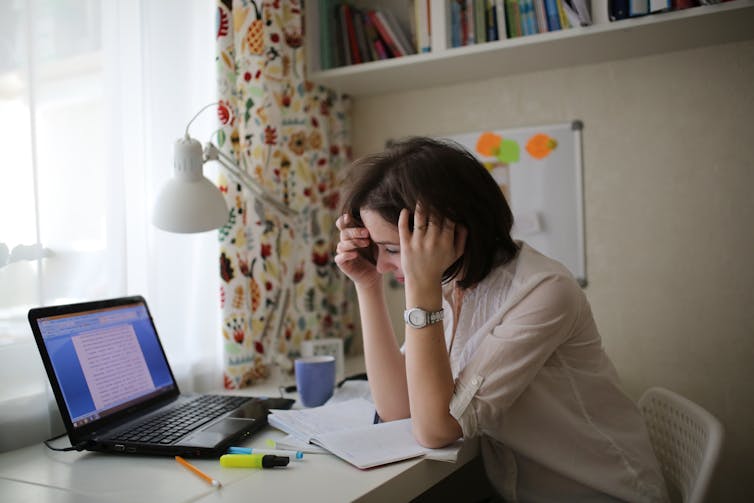
tired woman with laptop open in front of her rests head on hands at desk
The work that went into supporting students and families to navigate remote learning was exhausting for teachers and aides.
Shutterstock

Ensuring access to resources

Access to devices and the internet caused some issues in the initial remote learning phase. This gradually became less of a barrier as resources were distributed to families. All participants stressed the important role of education aides and interpreters in supporting teachers and students to use these devices effectively.

“They [students] struggle […] particularly at the secondary level. They struggle because the platforms that the secondary schools use are foreign to these students. So, in lockdown, it takes an enormous amount of time to upskill these students.”


Read more:
Schools are moving online, but not all children start out digitally equal


Teachers and aides invested large amounts of time in developing resources in students’ first languages that were suitable for remote learning. This task of creating resources was even more challenging in areas with fewer multicultural education aides and interpreters due to relatively lower numbers of EAL/D students.

young student holds a tablet to watch teacher during online maths lesson
Early on, access to devices and the internet was a problem, but creating suitable learning resources took even longer.
Shutterstock

Overcoming loss of in-school support

How EAL/D students are integrated in mainstream classes also presented many challenges. In regular face-to-face teaching, these students may get support from peers or education aides to help them in classes such as humanities, science and mathematics. Providing this support in the online learning space often proved difficult.

If teachers of other subjects were not aware of strategies to support EAL/D students in their classes, this left some students feeling excluded, isolated and overwhelmed. Strategies can range from differentiating learning sequences to meet the learner’s needs, to providing structured opportunities for them to use their knowledge in and of other languages.

Participants also commented on how teaching strategies that help EAL/D learners in mainstream classes often greatly benefit all learners, including monolingual English speakers. Empowering all teachers with the knowledge and strategies to support EAL/D learners in both face-to-face and remote classes was a way to create inclusive environments for all students. As one participant said:

“So, they’ve got to understand – the teachers have to – instead of watching content, content, content and I’ve got to get this much done in five weeks, let’s relook and let’s have another think about this and see what we can do. What can we do differently so that they can access something in this curriculum? That they [the students] can bring something to it.”


Read more:
Students in Melbourne will go back to remote schooling. Here’s what we learnt last time and how to make it better


Building on students’ strengths

A final key message is the importance of viewing EAL/D learners through an asset rather than a deficit lens. A deficit lens tends to frame students for what is “lacking” (English proficiency) and overlooks the rich linguistic and cultural repertoires of these students.

The notion of plurilingual competencies, where students are supported to use all their language knowledge to engage in learning, is a recent addition to the EAL curriculum in Victoria. This requires all teachers, not just EAL/D teachers, to develop an awareness of students’ plurilingual resources and encourage them to use this knowledge to enhance their learning.

School leadership can play a vital role here by supporting a whole-school approach to inclusive EAL/D practices.

The Conversation

This research was funded by Monash University as part of a Partnership Development Grant in collaboration with the Victorian Department of Education – EAL Unit.

ref. Remote learning is even harder when English isn’t students’ first language. Schools told us their priorities for supporting them – https://theconversation.com/remote-learning-is-even-harder-when-english-isnt-students-first-language-schools-told-us-their-priorities-for-supporting-them-166957

New Caledonia begins two-week lockdown in new covid-19 outbreak

RNZ Pacific

New Caledonia has detected three cases of Covid-19 in the community and ordered a two-week lockdown from midday today.

The three cases are not connected and involve people who have not travelled, suggesting the virus is circulating in the community.

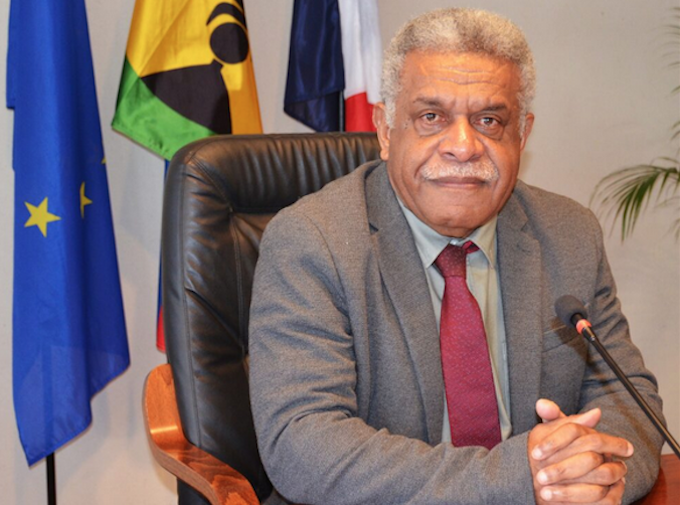
Territorial President Louis Mapou said investigations had been launched immediately to identify contacts and the chain of transmission.

One of the cases is an unvaccinated person who had already been in hospital in Noumea.

The second infection was picked up in a vaccinated and asymptomatic traveller at a pre-departure check at the international airport in Noumea ahead of a flight to Wallis and Futuna, which has subsequently been cancelled.

New Caledonian President Louis Mapou
New Caledonian President Louis Mapou … television address last night over strict new covid-19 controls. Image: PIF

The third case is an individual who fell ill on the island of Lifou and was flown to the main island’s hospital in Noumea and placed in intensive care.

Territorial President Louis Mapou addressed New Caledonians on the strict lockdown details last night in a joint television statement with French High Commissioner Patrice Faure.

Schools in the Southern province had already been closed yesterday for two weeks.

New Caledonia had its first outbreak in the community in March and managed to eliminate the virus with a month-long lockdown.

With the borders largely closed, anyone arriving must spend two weeks in a government-run quarantine facility.

Last week, the territory’s Congress voted to make covid-19 vaccinations compulsory for adults by the end of the year, triggering a rally on Saturday by thousands opposed to the measure.

Until today, New Caledonia had recorded 136 covid-19 cases but no fatalities.

This article is republished under a community partnership agreement with RNZ.

Print Friendly, PDF & Email

Article by AsiaPacificReport.nz

NZ Corrections found attacker ‘increasingly hostile and abusive’

By Charlotte Cook, RNZ News reporter

New Zealand’s Department of Corrections has revealed more details about the LynnMall terrorist’s violent behaviour while he was remanded in prison.

Thirty-two-year-old Ahamed Aathill Mohamed Samsudeen was shot dead by police after stabbing six people inside Countdown LynnMall in West Auckland.

He had spent almost three years on remand in prison and at the time of the attack had only been out for seven weeks.

He had been living at Masjid-e-Bilal in the Auckland suburb of Glen Eden.

The Department of Correction’s National Commissioner Rachel Leota said that while in prison Samsudeen was “non-compliant, with multiple incidents of threats and abuse toward staff”.

This included numerous times when he threw urine and faeces at staff as well as threatening violence and assaulting them.

In one instance at Mt Eden Prison, Corrections said he was unlocked for exercise but began arguing with staff and his behaviour escalated and he hit two officers.

Behaviour escalated again
“When being moved to the management unit his behaviour became escalated again, with threats made toward staff. He then assaulted staff again before force was used and he was secured in a cell in the management unit,” Leota said.

For his last year behind bars Samsudeen was moved to the maximum security Auckland Prison with oversight from the Persons of Extreme Risk Directorate.

This is the same unit set up to manage Christchurch mosque attacker Brenton Tarrant.

The directorate looks after offenders identified as presenting an extreme and ongoing risk of serious harm and/ or having the capability and intent to seriously threaten the safety of prisons and the community.

Because Corrections identified Samsudeen as having “potentially violent extremist views” it got advice from the Countering Violent Extremism forum as to how to best support and rehabilitate the prisoner.

“Attempts were made to provide him with mental health support while he was in prison, however, he refused to engage. He also refused to meet with a Corrections psychologist while in prison.”

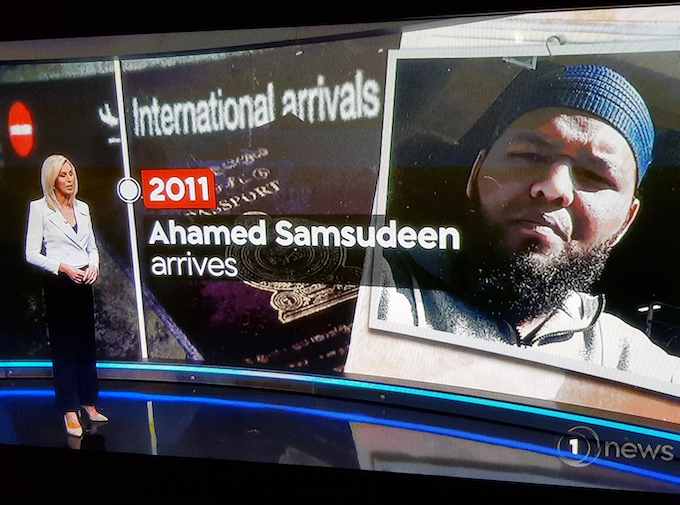
Ahamed Aathill Mohamed Samsudeen
Ahamed Aathill Mohamed Samsudeen… “Attempts were made to provide him with mental health support while he was in prison … he refused to engage. Image: TVNZ screenshot APR

The Countering Violent Extremism forum and Corrections then decided to contact the local Muslim community.

Did not engage
The department wanted him to meet with an imam and talk about his spiritual beliefs. This happened twice, but Corrections said he did not engage in a meaningful way.

Prior to Samsudeen’s release from prison the department, police and partner agencies created a plan to keep the community and staff safe from the extreme risk that his violent extremist ideology presented – this included where he might live on release.

The terrorist told Corrections he did not have family, friends or support people able to assist him and would require help, but that he had previously lived at a mosque, although was unwilling to consider it again.

Public housing was not available because of the current demand and Samsudeen eventually said he would consider a mosque.

Leota said Corrections met with police and the Masjid-e-Bilal manager who was told the context around his charges, his risk profile and the conditions he would have when released into the community.

The mosque’s manager told Corrections he would consider it, but wanted to meet Samsudeen first.

The pair met while he was in prison and the address was approved.

Police on guard at Masjid-E-Bilal mosque in Glen Eden, west Auckland - 4 September 2021
Police on guard at Masjid-E-Bilal mosque in Glen Eden, West Auckland on Saturday. Image: Jean Bell/RNZ

Regular communication
During the seven weeks Samsudeen was in the community, Corrections said it had regular communication with the manager at Masjid-e-Bilal and his lawyer.

The department had also started an application to the High Court for strengthened restrictions due to concerns about his escalating risk.

It also looked at charging him for the lack of engagement with both a private and Corrections psychologist, but was told it was not sufficient enough to be considered a breach of his conditions.

Leota said she was confident that Community Corrections staff were using every lawful avenue available to monitor, assess, mitigate, and manage his risk.

“He was a very, very difficult person to manage, and was increasingly openly hostile and abusive toward probation staff.

“Despite this, staff continued to work hard to engage him in his sentence, and attempt to have him participate in treatment and activities aimed at reducing his risk of violence, which he consistently refused.”

Leota said she believed Community Corrections’ contact with him exceeded the minimum level for someone subject to supervision and staff worked exceptionally hard to prevent the potential for serious harm to be caused by this person.

“They, and all of us, will always ask what more could have been done to prevent the horrific offending that occurred on Friday,” Leota said.

This article is republished under a community partnership agreement with RNZ.

Print Friendly, PDF & Email

Article by AsiaPacificReport.nz

Three delta cases of covid detected in New Caledonia – schools closed

Asia Pacific Report newsdesk

New Caledonia has declared all schools in the Southern province closed for two weeks from tomorrow after health authorities reported at least three cases of the covid-19 delta variant have been detected in the territory.

All flights to the Loyalty Islands have been cancelled, reports Les Nouvelles Calédoniennes.

Territorial President Louis Mapou addressed New Caledonians on the strict lockdown details tonight in a joint television statement with French High Commissioner Patrice Faure.

This is the third lockdown in New Caledonia in 18 months, but for most of that time the territory has been covid-free.

“Vigorous measures introduced in March 2020 and March 2021 will again be imposed,” said Faure.

On Friday, New Caledonia’s Congress unanimously voted to make vaccinations against covid-19 mandatory, reports RNZ Pacific.

The government’s spokesperson, Yannick Slamet, said this made New Caledonia the fourth country to impose compulsory vaccination — after Tajikistan, Turkmenistan and the Vatican.

New Caledonia is covid-19 free but only 32 percent of the population has been vaccinated.

The new law, which will come into effect when it is gazetted, is also meant to clear the way for France to order anyone entering New Caledonia to be fully vaccinated.

While New Caledonia’s autonomy gives it control over healthcare, border control is in the domain of the French state.

The secretary of the Congress commission finalising the text, Philippe Michel, said that being covid-19 free gave the authorities an extraordinary opportunity and an immense responsibility that this situation could be maintained.


The joint statement tonight by High Commissioner Patrice Faure and New Caledonia’s territorial President Louis Mapou. Video: Nouvelles Calédoniennes

However, he said, with the threat of the delta variant the current strategy would not hold up.

While the borders are largely closed until the end of December, all medical personnel as well as airport and port workers must get vaccinated by the end of the year or face a US$1750 fine.

There is no provision to punish any member of the public for rejecting a vaccine.

Michel said it was important not to believe that doing nothing is a solution, adding these measures are taken to try to avoid the type of catastrophe seen in French Polynesia.

The head of the commission Milakulo Tukumuli, who is one of the few unvaccinated members of the Congress, said that given the situation in French Polynesia and given scientific updates, he would get vaccinated.

He said there was a consensus which was a good thing.

New Caledonia closed its borders in March last year and has been operating a compulsory quarantine system for those allowed to enter.

Article by AsiaPacificReport.nz

New Zealand, except Auckland, to move to covid alert level ‘delta 2’

RNZ News

Prime Minister Jacinda Ardern has announced New Zealand, outside of Auckland, will move to alert level 2 from 11.59pm Tuesday, September 7.

Delta alert level 2 looks different and settings have been changed.

Auckland will stay in level 4 until 11.59pm next Tuesday, September 14.

Schools will be given 48 hours to reopen from Thursday morning.

“These changes mean that we will have one part of the country level 4, and one part at Level 2,” Ardern said, which creates challenges, especially for Northland, cut off from the rest of Level 2.

In a statement, the Ministry of Health said today there were 20 new cases in the community — the same as the past two days — three new cases in managed isolation and one historical case.

Of the 20 new cases announced, only five were infectious while in the community, the remaining 15 were all in isolation throughout the period they were infected, the statement said.

All the new cases are in Auckland.

There were 40 people with covid-19 being treated in hospital today, eight at North Shore, 18 at Middlemore and 14 at Auckland.

Six of these people are either in intensive care or in a high dependency unit.

Weekly tests for essential workers crossing border
Director-General of Health Dr Ashley Bloomfield said essential workers crossing alert level boundaries would be required to undergo weekly testing.

Those people will be expected to have had a test in the last seven days and must show proof of it, he said.

Three thousand people are crossing the border between Auckland and the rest of the country each day.

People who transit across Auckland will need to come through without stopping if they’re moving from south of Auckland to Northland.

During the level 2/4 transition, the message to travellers is “Don’t stop in Auckland,” Ardern said.

Watch the announcement

Video: RNZ News

Face coverings mandatory under ‘Delta 2’ level
Face coverings are now mandatory at level 2 in most public venues, Ardern said.

People could take their mask off in venues like restaurants and cafes, she said.

Staff at public facing businesses in level 2 must wear face coverings.

“To keep it really simple, if you’re out at about at indoor venues, please wear a mask,” Ardern said.

Masks would be “our new normal” at level 2, she said.

Ardern said that masks were not being mandated in schools, and Dr Bloomfield said it was “recommended, but not required”.

People must scan in everywhere they go, Ardern said.

It would now be mandatory at bars, restaurants, cinemas, churches, close contact venues like hairdressers. Customers must scan or have record keeping.

“Even in places you are not legally required to scan in, my advice is to do it anyway.”

The decisions around masks and scanning were made before the current delta outbreak, Ardern says, and implemented once it happened.

Middlemore patient testing positive
Ardern was asked about a patient at Middlemore Hospital who had tested positive for covid-19.

Dr Bloomfield said the link had not been found yet but interviews wdere underway.

“I’m confident there will be a link there.”

He said the Middlemore patient presented with symptoms that were not typical covid-19 symptoms, and were admitted to hospital for the symptoms they had.

The patient then had a covid-19 test the next morning and was isolated when it came back positive.

The patient should “ideally” have been isolated when hospital staff thought they could be infected with covid-19, Dr Bloomfield said.

He said the hospital would review its procedures.

The person had abdominal pains, Ardern added, and said that health teams would look at expanding symptoms they ask about in screening in the future.

This article is republished under a community partnership agreement with RNZ.

Print Friendly, PDF & Email

Article by AsiaPacificReport.nz

Indonesian military say two Papuan rebels arrested over Kisor post attack

Asia Pacific Report newsdesk

Indonesian police have arrested two suspects in connection with an attack on the Kisor military post which killed four soldiers late last week, reports Antara news agency from Sorong.

“The suspects have admitted their involvement,” claimed the commander of the XVIII/Kasuari Regional Military Command, Major General I Nyoman Castiasa, after paying his respects for the dead soldiers on Friday.

Castiasa led a military procession to honour the soldiers before their caskets were transported to their hometowns for their funeral.

The two alleged West Papuan independence fighters have been placed under police custody for further investigation, he said.

The commander added that he did not yet know the exact number of the attackers.

Castiasa appealed to members of the community in West Papua who were still independence to end the conflict and “work together to develop” the province.

“If they are stubborn and continue their campaign of insurgency, they will be crushed,” he said.

Military post ambush
In the early hours of Thursday, the pro-independence fighters ambushed several soldiers while they were sleeping at the Kisor military post.

2nd Sergeant Amrosius, Chief Private Dirham, First Private Zul Ansari, and First Lieutenant Dirman died in the attack, according to spokesperson for the XVIII/Kasuari Regional Military Command, Lt Col Hendra Pesireron.

The bodies of three soldiers were found at the post, while another was discovered in the bush not far from the post.

Pesireron added that another soldier, First Private Ikbal, could not be found.

Police chief Inspector General Tornagogo Sihombing in West Papua province said two suspects have been apprehended, but police investigators were continuing their probe into the Kisor military post attack.

“The suspects are under police custody at South Sorong police precinct,” he said.

The assault on the Kisor military post was the latest incident in the armed uprising by Papuan nationalists.

Covid-19 pandemic
In the midst of the government’s handling of the covid-19 pandemic in Papua and West Papua, the two Melanesian provinces have been gripped with the armed independence struggle over the past few months of 2021.

In April, two teachers in Julukoma village, Beoga sub-district, Puncak district, were allegedly killed by independence fighters.

On August 22, 2021, a rebel group operating in Yahukimo district attacked several construction workers of PT Indo Mulia Baru who were involved in building a bridge on Brazza River, killing two.

Independence fighters also attacked the Indonesian Police’s Mobile Brigade (Brimob) unit when they went to the shooting site to recover the bodies, Pesireron said.

Print Friendly, PDF & Email

Article by AsiaPacificReport.nz

‘I’m not afraid of terrorism. I’m afraid of being accused of being a terrorist’ – growing up Muslim after 9/11

ANALYSIS: By Randa Abdel Fattah, Macquarie University

Those born after 2001 have only known a world “at war on terror”.

This means a generation growing up under under fears and moral panics about Muslims and unparalleled security measures around their bodies and lives.

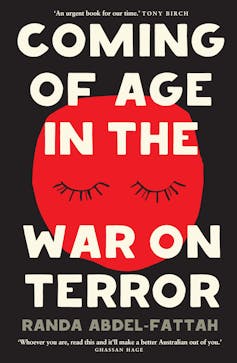
In my new book, Coming of Age in the War on Terror, I look at what this has meant for young Muslims in Australia as they navigate their political identities at school.

In 2018 and 2019, I interviewed and held writing workshops with more than 60 Muslim and non-Muslim high school students across Sydney who were born around the time of the September 11 terror attacks.

We explored their fears, their levels of trust with peers and teachers and political expression in a post 9/11 world.

No matter how many Muslim students spoke to me about their typically adolescent hobbies and interests, almost every student spoke about the impact of political and media discourse in their everyday lives.

Abdul-Rahman, a 17-year-old Muslim boy at an Islamic school in western Sydney, put it this way:

I’m not afraid of terrorism. I’m afraid of being accused of being a terrorist.

Another student, Laila, told me:

I’ve always had this almost preconceived guilt attached to me […] [It’s] the million messages in the media, politicians, popular culture, all these little things that add up and add up.

‘Countering violent extremism’
For teenagers to talk about themselves as potentially “accused” is devastating, but not particularly surprising.

Cover image of 'Coming of Age in the War on Terror' by Randa Abdel-Fattah
Graphic: New South Books

For two decades, millions of federal and state dollars have been poured into “countering violent extremism” programmes targeting Muslim youth. There has been no subtlety here.

Counter-terrorism policies have been announced by politicians on the steps of mosques, with a focus on geographic and demographic populations deemed “at risk” (in other words, suburbs with large Muslim populations).

Consultations and round tables with government over “national security” have been highly publicised. Meanwhile, Islamophobic attacks have been condemned by politicians and the police because of how they might “undermine” relationships of cooperation between intelligence and law enforcement and the Muslim community.

The public has been routinely reassured the government is tackling the “problem” of young Muslim Australians, “with strong, deradicalisation programmes, working with Muslim communities”.

The figure of the vulnerable but also dangerous Muslim youth pops up time and time again, from moral panics around young “homegrown” terrorists, to attempts to introduce “jihadi watch” schemes in schools.

The pressure to self-censor
This landscape trickles down into young people’s everyday lives, including their schools.

The pressure to self-censor and manage your political and religious expression at school was a common theme among many students, resonating with what academics in the United Kingdom describe in their research.

Students in classroom.
Young Muslims spoke about how they had to ‘manage’ what they said in class. Image: www.shutterstock.com

Anticipating how their tone, words and emotion would be interpreted by teachers and peers restricted students’ political expression.

This included a young Palestinian girl who had to push back against teachers, who reprimanded her for wearing a “Free Palestine” t-shirt at school, to students who refrained from writing about Iraq or Afghanistan as part of assignments because they had been cautioned not to “bring overseas conflicts into the classroom”.

Other students talked of staying quiet if controversial topics came up in class, such as news of a terrorist attack involving Muslims, or media headlines about Islam.

I also met students who tried to appear as “good” or “moderate” Muslims (which inevitably meant apolitical) and erased all traces of their Muslimness to “fit in”.

Feeling targeted, isolated
In 2015, there was a media frenzy about youth radicalisation in prayer rooms in Sydney’s state schools. I interviewed students at a school in north-west Sydney three years later and they spoke about how that controversy had been felt in their school life.

Most of the students from suburbs and schools who came under media and political scrutiny as “problematic” had felt targeted and isolated. One student withdrew from his Muslim peers, abandoned his prayers at school, took different routes to school to avoid being hassled by the media, and “shut down” in class.

I got dragged into an argument with other kids in class about me following the same religion as these terrorists […] but my tone […] I came off very aggressive […] then I was scared, because that’s what people think of as radical extremists […] I felt like I’d be taken straight to the principal and you would have to deal with that. So I shut up.

We need a new approach
After two decades of seeing young Muslims as “problems” to be contained and managed, it is time we approached them in a different way.

Adolescence is a time to encourage critical thinking and support young people navigating their political identities and agency. Young people need to be empowered to work through their political and religious ideas and identities in safe, supportive environments. They need to be seen as individuals in their own right, not members of a demonised, racialised collective.

The vast majority of the young Muslims I spoke to were matter-of-fact about the global rise of Islamophobia and racism. They knew about certain jokes and assumptions in the popular vernacular (for example, “Allahu Akbar and bomb jokes” or “terrorist” equals “Muslim”).

Many were concerned about what this meant as they grew up and left school. They worried about facing discrimination at work and being able to practise their faith openly. They also knew how this suspicion and dehumanisation had been triggered by wider discourses and policies over which they had no power.

It is not up to the 9/11 generation to change this. We need teachers, politicians and the media to create a culture where young Muslims feel accepted and secure in their right to express their religious and political identities.

  • This article was produced as part of Social Sciences Week, running 6-12 September. A full list of 70 events can be found here. Randa Abdel-Fattah will appear in a webinar on the “Implications of 9/11: 20 years” at 6pm on Thursday September 9.The Conversation

Dr Randa Abdel Fattah is a DECRA research fellow, Macquarie University. This article is republished from The Conversation under a Creative Commons licence. Read the original article.

Print Friendly, PDF & Email

Article by AsiaPacificReport.nz

204 covid patients in Fiji hospitals – 20 severe, 9 critical

By Rohit Deo in Suva

Fiji health authorities report that there are currently 204 covid-19 patients admitted at the country’s hospitals.

According to the Ministry of Health and Medical Services, 84 patients have been admitted at the Lautoka Hospital, 17 patients at the FEMAT field hospital, and 103 at CWM hospital, St Giles, and Makoi.

Twenty patients are considered to be in a severe condition, and nine are critical.

Health Secretary Dr James Fong has announced 156 new cases of covid-19 for the 24 hour period ending at 8am today.

He said there were 79 cases in the Western Division, 73 cases in the Central Division and 4 cases in the Eastern Division.

As at September 3, 566,210 adults in Fiji have received their first dose of the vaccine and 299,943 have received their second doses.

According to the ministry, this means that 96.5 percent of the target population have received at least one dose and 51.1 percent are now fully vaccinated nationwide.

Fijians can check the Ministry’s vaccine dashboard to find real-time data on first-dose and second-dose numbers at the national, divisional and sub-divisional levels.

Rohit Deo is a Fiji Times reporter. Republished with permission.

Article by AsiaPacificReport.nz

Missed opportunities to deradicalise attacker in NZ tragedy, says criminologist

By Katie Todd, RNZ News reporter

An Australian criminologist who deemed the New Zealand shopping mall attacker “low risk” in 2018 believes there were missed opportunities to steer him away from violent extremism.

Ahamed Samsudeen was described as a high risk to the community when he was sentenced in July for possessing Islamic State propaganda — with the means and motivation to commit violent acts.

However, three years earlier, Australian National University criminologist Dr Clarke Jones told the High Court Ahamed did not appear to be violent and did not fit the profile of a young Muslim person who had been radicalised.

At the time Dr Jones suggested “a carefully designed, culturally sensitive and closely supervised intervention programme in the Auckland Muslim community”.

Now, he said, it was unclear how much rehabilitation actually took place.

“People can change, sometimes quickly, sometimes over a longer period of time. But back in 2018, we didn’t think that he was violent,” he explained.

At the time Samsudeen appeared to feel marginalised and disconnected, Dr Clarke said, like he couldn’t “get his foot up” in society.

‘Rigid life views’
“Some of the material he was reading was of concern and he had fairly rigid views around religion and around life in general. But he’d also had some experience in difficult times and was, I would argue, deeply depressed.”

On Friday, Samsudeen walked into a Countdown supermarket in LynnMall, picked up a knife and stabbed at least shoppers, leaving some of them critically injured, before he was shot dead by tactical force police tailing him.

Ahamed Aathill Mohamed Samsudeen
Ahamed Aathill Mohamed Samsudeen as identified in New Zealand news media. Image: TVNZ screenshot APR

In the High Court in July, Samsudeen had admitted two charges of using a document for pecuniary advantage, two charges of knowingly distributing restricted material and one charge of failing to assist the police in their exercise of a search power.

Another expert was consulted — forensic psychiatrist Dr Jeremy Skipworth — who echoed Dr Clarke’ concerns.

“Dr Skipworth said that any form of home detention would tend to further exacerbate your mental health concerns, and that your successful community reintegration is likely to be assisted by cornerstones, such as stable housing, personal support, appropriate employment and medical care,” reads Justice Wylie’s sentencing notes.

Justice Wylie imposed a sentence of supervision, with special conditions, including a psychological assessment and a rehabilitation programme with a service called Just Community.

Dr Jones said he really would like to know more about what support Samsudeen was actually given in Corrections.

‘Was he responsive?’
“Was he responsive to that treatment, if he was receiving any treatment at all, or was the focus more on on the security side and the monitoring and the surveillance?”

Asked if the terrorist had enough support to “get better”, Deputy Prime Minister Grant Robertson said there had been attempts to change the man’s mind — and none of them were successful.

But in a family statement released after the attack, Samsudeen’s brother said he sometimes listened.

“He would hang up the phone on us when we told him to forget about all of the issues he was obsessed with. Then he would call us back again himself when he realised he was wrong.

“Aathil was wrong again [on Friday]. Of course we feel very sad that he could not be saved. The prisons and the situation was hard on him and he did not have any support. He told us he was assaulted there.”

Dr Clarke said, “I would say that we haven’t got the balance right. In this case there was too much focus on the counter-terrorism or counter violent extremism narrative, rather than actually getting to the core of what was wrong with Mr Samsudeen.”

“We can always improve the way we do things to have have greater preventative sort of mechanisms within government, police and communities.”

Dr Clarke said what happened in LynnMall was a tragedy and a terrible situation.

This article is republished under a community partnership agreement with RNZ.

Print Friendly, PDF & Email

Article by AsiaPacificReport.nz

Hot pack or cold pack: which one to reach for when you’re injured or in pain

Source: The Conversation (Au and NZ) – By Andrew Lavender, Senior Lecturer, School of Science, Psychology and Sport, Federation University Australia

Shutterstock

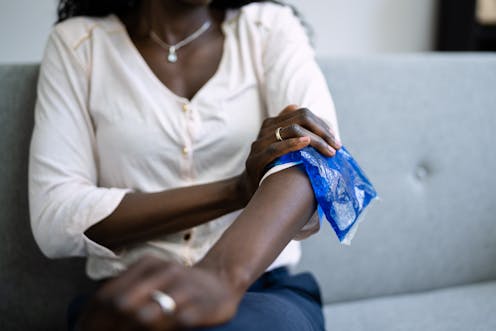
When you injure yourself, you may reach for a hot or a cold pack. Which option is better depends on the nature of your pain, what caused it and how long you’ve had it.

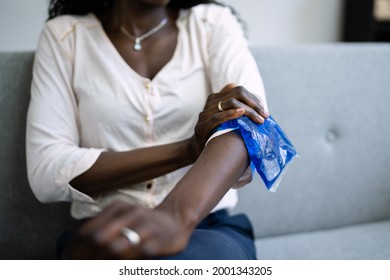
Heat therapy, sometimes called thermotherapy, involves applying heat to an injury or painful area on the body. Hot water bottles or pads that can be heated in a microwave oven are commonly used. Cold therapy, or cryotherapy, can come in the form of water bottles or pads cooled in a fridge or freezer.

Placing something cold at the injury site causes the blood vessels, arteries and veins, to narrow. This reduces blood flow through the area and helps reduce inflammation and swelling. Adding heat to the area has the opposite effect: opening the blood vessels up and increasing blood flow through injured tissue.

These opposite effects are useful in different situations.


Read more:
Feeling sore after exercise? Here’s what science suggests helps (and what doesn’t)


Cooling down to prevent inflammation

We can treat injury or tissue pain with a hot or cold pack, or sometimes alternate the two.

Cold therapy should be used for injuries that result in swelling and inflammation such as joint sprains, muscle strains or bruises. The objective is to slow blood flow to the area and prevent the effects of the injury. Gel packs that can be kept in the freezer, coolant sprays or even a bag of frozen veggies will do the job.

It is important to avoid holding ice in direct contact with the skin for long periods as this can cause skin damage. It is best to wrap ice in a cloth and then apply it.

Cold therapy is most effective in the immediate or acute phase of pain when swelling and inflammation first kicks off. Typically, the treatment should be applied for about 20 minutes and can be reapplied every two hours for a few days. After that, the injury should be well into the healing phase and the swelling and inflammation will subside.

Cold therapy, or applying ice, is often used in conjunction with rest, compression and elevation, known in first aid by the acronym RICE.

So, ice can be useful when we want to limit the initial swelling and pain, since too much or prolonged swelling can impede the healing process. But with less severe injuries like minor sprains and strains, inflammation is part of the body’s healing process and continuing cold therapy can be a barrier to recovery.


Read more:
Can’t face running? Have a hot bath or a sauna – research shows they offer some similar benefits


When to warm up

Heat therapy is generally thought of as being either dry or moist.

Dry heat therapy includes hot water bottles or heated pads. These are easy to apply and are effective for reducing pain. Moist heat therapy includes warm bath, hot wet towel and moist heat packs.

Heat therapy is not recommended for acute management of sprains, strains or contusions as this promotes blood flow and can increase swelling and pain.

Heat therapy can help chronic conditions such as recurring joint pain, neck or back pain.

If pain is due to a strain or sprain, cold therapy should be applied immediately, but heat therapy can help relieve pain from 72 hours post-injury.

Man holds ankle, sitting on kerb
Cooling down an injury immediately after it happens can reduce swelling but don’t do it for too long.
Shutterstock

Heat therapy does not mean applying something very hot, rather it should be warm, pleasant and easily tolerated for long periods.

Heat therapy can be very effective for muscle tension or joint stiffness — increasingly blood flow and heating muscles or joints for around 15 minutes before physical activity as a kind of warm up. This approach can also help people engage in activities that might aggravate a chronic injury by loosening and relaxing injured muscles.


Read more:
Health Check: do joint and muscle aches get worse in the cold?


Heat is used differently for bluebottle stings. These are best treated by a medical professional in a hospital emergency department. But, as a first aid intervention, pain can be reduced by applying hot water (42–45°C) to the area for 30–90 minutes.

Alternating hot and cold to an area of pain has been used for decades but there has not been a great deal of research assessing the practice. One study assessed hospital inpatients with heel pain and found greater improvement in foot function after hot/cold therapy compared with a group who underwent standard therapy.

Soaking in it

Athletes commonly use water immersion therapy for recovery.

However, this practice is also not without controversy. One review of the evidence found cold water immersion improved performance, measured by jumping and all-out sprint ability 24 hours after a sporting event. Fatigue was also reduced at 48–72 hours after sports events.

This type of temperature control therapy may also help with recovery after undertaking some sustained physical exertion such as a day of hiking.


Read more:
Health Check: why do my muscles ache the day after exercise?


So, cold first and maybe heat later

The take-home message is that cold packs work well for reducing pain and inflammation in the acute phase of a strain, sprain or bruise — especially when used in as part of the RICE method.

Heat packs are useful for reducing muscle tension and stiffness and pain in the joints, but never in the initial phase of an injury. There is not enough evidence to show alternating the two is particularly useful, while cold water immersion therapy may help recovery after sport or sustained physical exertion.

The Conversation

Andrew Lavender does not work for, consult, own shares in or receive funding from any company or organisation that would benefit from this article, and has disclosed no relevant affiliations beyond their academic appointment.

ref. Hot pack or cold pack: which one to reach for when you’re injured or in pain – https://theconversation.com/hot-pack-or-cold-pack-which-one-to-reach-for-when-youre-injured-or-in-pain-161086

With lockdowns easing for the rest of New Zealand, Auckland becomes the elimination frontline

Source: The Conversation (Au and NZ) – By Michael Plank, Professor in Applied Mathematics, University of Canterbury

Fiona Goodall/Getty Images

The number of new cases in New Zealand’s Delta outbreak is now on a downward trend and we have a good chance of eliminating it, even as lockdown restrictions ease for most of the country from tomorrow.

After a peak in case numbers during the weekend of August 28-29, the Ministry of Health reported only 20 new cases for three consecutive days, of which most were already in isolation during their infectious period.

This downward trend shows alert level 4 restrictions and contact tracing are working, bringing the effective reproductive number of the Delta variant down well below 1.

Our latest estimates suggest the R number is about 0.4, very close to the value observed in the March-April outbreak in 2020, the last time the entire country was under the strictest lockdown.

We know that Delta is as much as twice as infectious as the original wild-type variant, but the level 4 lockdown measures are proving just as effective so far.

This is perhaps surprising, given that two Australian states, New South Wales and Victoria, have failed to bring Delta outbreaks under control. The R number in New South Wales has been consistently above 1 for more than two months, leading to record numbers of infections and putting the health system under considerable pressure.

New Zealand can still eliminate the current outbreak, but with the Delta variant, nothing is guaranteed and we can’t be complacent.

Additional safeguards

From Wednesday, restrictions will ease for New Zealanders living outside Auckland. The new “Delta alert level 2” has some additional safeguards, including mandatory mask use and record keeping, two-metre distancing in most public venues, and gathering limits of 50 people inside and 100 people outside.

Some will be frustrated at the ongoing restrictions given there are no current cases in many parts of the country. But it’s important to remember we can’t seal Auckland off from the rest of New Zealand completely.


Read more:
NZ is introducing mandatory record keeping to help contact tracers. But is the data protected enough?


Police guard a COVID-19 testing checkpoint
Essential workers travelling through Auckland will be tested regularly.
Fiona Goodall/Getty Images

Essential workers still need to travel and goods have to be moved around the country to keep supermarkets stocked. Regular testing of essential workers who need to cross the boundary has been introduced to reduce the risk. But no boundary is watertight and just because most regions have remained COVID-free so far doesn’t guarantee a case won’t emerge.

The additional restrictions will reduce the risk of superspreading events like those that triggered the lockdown. This is key to avoiding another explosive outbreak in a different part of the country, which could send us all back to square one.

Even with the additional restrictions, alert level 2 is unlikely to prevent an outbreak from growing, so this is a calculated risk. We need higher community testing rates in all regions. Combined with more extensive wastewater testing, this will help us pick up any cases that do leak out of Auckland before they have a chance to spread too far.

How much longer Auckland has to wait

Should the virus find its way into essential workplaces, it could cause a resurgence and prolong the outbreak significantly. New South Wales and Victoria both seemed to have their Delta outbreaks under control, only to see case numbers rise again as the virus spread among essential workers.

The best way to prevent this is to drive case numbers down as quickly as possible. That means everyone doing their bit to deny the virus any chance to spread. In other words, Aucklanders will need to stick to their bubbles.

On the current trend, case numbers could be into single digits next week. If all new cases are close contacts who have been isolating throughout their infectious period, Auckland may be able to safely move to alert level 3 then.


Read more:
Why rapid genome sequencing is key to finding out how long Delta has been in NZ, and how large this outbreak might be


However, it’s also possible the outbreak will have a long tail. Each time Delta finds its way into a new household, it tends to rapidly infect everyone in that bubble. This could potentially lead to a significant number of new cases and cause the outbreak to drag on. Again, denying the virus any chance to find new bubbles to infect is the best way to stamp it out quickly.

The transition to lower alert levels is a dangerous time. It only takes one case to slip through to spark an uncontrolled chain of transmission. It’s better to wait a few extra days at the higher alert level than to risk a resurgence that could set us back weeks.

If we keep doing what we’re doing, we have an excellent chance of eliminating this outbreak. This is our best strategy as it will minimise health impacts and give us the chance to live in relative freedom while we complete the vaccine rollout.

As experience in Australia shows, we need to get it right the first time. With Delta we might not get a second chance.

The Conversation

Michael Plank is affiliated with the University of Canterbury and receives funding from the New Zealand Ministry of Business, Innovation and Employment (MBIE) and Te Pūnaha Matatini, New Zealand’s Centre of Research Excellence in complex systems.

Shaun Hendy is affiliated with the University of Auckland and has received funding from the Ministry of Business, Innovation and Employment (MBIE) and Te Pūnaha Matatini, New Zealand’s Centre of Research Excellence in complex systems.

ref. With lockdowns easing for the rest of New Zealand, Auckland becomes the elimination frontline – https://theconversation.com/with-lockdowns-easing-for-the-rest-of-new-zealand-auckland-becomes-the-elimination-frontline-167349

When will I need my COVID vaccine booster shot? And can I switch to a different brand?

Source: The Conversation (Au and NZ) – By Nicholas Wood, Associate Professor, Discipline of Childhood and Adolescent Health, University of Sydney

Australia’s vaccine rollout is really starting to gain pace, especially in New South Wales and Victoria.

We need to get two doses of vaccine into as many adults as possible — firstly because that helps reduce severity of illness and infection, but also because reaching vaccination targets is likely to bring some new freedoms.

The COVID-19 vaccines (Pfizer, Moderna and Astra Zeneca) continue to be highly effective in reducing risk of severe disease, hospitalisation and death, even against the Delta variant.

But as soon as we finish one vaccine rollout we may need to begin the next rollout of booster doses.


Read more:
Why is a third COVID-19 vaccine dose important for people who are immunocompromised?


When will I need my booster shot?

First, we need to differentiate between a booster dose and a third dose as part of the initial round of vaccinations. They are two very different things.

Some people who are immunosupressed might need a third dose as part of their primary COVID-19 vaccination schedule. In other words, their third dose comes not long after their second dose and is given to improve their initial protection.

A booster shot is given much later after the initial two dose round of shots. A good example is the way we give tetanus and whooping cough booster vaccines.

There’s a great explainer on who might need a third dose as part of their primary vaccination schedule over here.

For the rest of us, we don’t know for sure when you will need a booster shot. You’ll read lots of different figures on this — six months, eight months, more — and that’s because the research is ongoing. We don’t yet have a definite answer to the best timing for a booster dose.

Pfizer recently announced its research had shown a booster dose resulted an increase in antibodies against the initial virus as well as against the highly infectious Delta variant. These results are awaiting publication and the safety of the booster dose needs to be known. The European regulator (known as the European Medicines Agency) has also started to evaluate an application for the use of a booster dose of the Pfizer vaccine.

We know that there is a decline in antibodies after the primary course and some evidence of waning protection against infection.

In a recent letter to The New England Journal of Medicine, published online earlier this month, doctors and public health experts at University of California San Diego said their data suggested vaccine effectiveness against any symptomatic disease may wane over time since vaccination:

Vaccine effectiveness exceeded 90% from March through June but fell to 65.5% […] in July.


Read more:
How long does immunity last after COVID vaccination? Do we need booster shots? 2 immunology experts explain


Over time, data will emerge on immune responses and safety after a booster dose.

It may be that booster doses are particularly needed for certain groups in our community — for example, older people or frontline workers. There is also discussion of whether severely immunosuppressed people should get a booster dose from around six months after their third primary dose.

The US is planning to make COVID booster shots widely available to Americans from September onwards, starting eight months after people’s second dose of the Pfizer or Moderna vaccines.

The US booster plan is dependent on the Food and Drug Administration determining that a third dose of the two-dose vaccines is safe and effective, and following advice from the Centers for Disease Control.

Israel’s booster rollout has begun, with people there becoming eligible for a booster five months after their second dose.

The European Centre for Disease Prevention and Control recently said that there is

no urgent need for the administration of booster doses of vaccines to fully vaccinated individuals in the general population.

Can we mix and match, by getting a different brand of vaccine for the booster?

We don’t yet know for sure.

There may be benefits to getting a different vaccine to the one you first got as a booster. We also know that new vaccines designed specifically to target novel variants are in development and it may be better to receive a booster of a variant-specific vaccine.

It will be worth keeping a close eye on a key trial by the UK-based COV-BOOST group, which is aiming to find out which vaccines against COVID-19 are most effective as a booster vaccination, depending on which vaccine was used to provide the initial primary vaccine course.

This study will give us good information on whether it will be better to get a booster shot that is the same brand as your primary dose, or whether to switch to another.

For example, should a person who initially got Pfizer for their first two doses get an AstraZeneca shot for their booster? Or vice versa? Or should they get a booster of a new variant vaccine?

A trial is underway in the US looking at the safety and immune responses of using a different booster vaccine to the first two doses, but also includes a Beta (B.1.351) variant vaccine.

It’s possible mixing and matching different vaccines might broaden your protection — but the research is ongoing, and it’s too early to say.

Hopefully, supply chain issues for the Pfizer vaccine will improve in the coming months.

The prime minister recently announced Australia has secured an extra four million doses as part of a deal with the UK, on top of extra doses coming as part of deals with Singapore and Poland.

This will help with the rollout of initial doses.

For now, the priority is getting the two doses into arms

Monitoring of the effectiveness of the COVID vaccines will continue, particularly against the delta variant and any new variants that emerge.

Trials are also underway of the safety and immune responses to a variety of different booster vaccines, including the next generation variant vaccines.

The World Health Organization said in August:

In the context of ongoing global vaccine supply constraints, administration of booster doses will exacerbate inequities by driving up demand and consuming scarce supply while priority populations in some countries, or subnational settings, have not yet received a primary vaccination series.

The focus for the time being remains on increasing global vaccination coverage with the primary series.

For now, Australia must focus on getting our primary adult coverage as high as possible in order to protect against severe disease, hospitalisation, and death.


Read more:
Why we’ll get COVID booster vaccines quickly and how we know they’re safe


The Conversation

Nicholas Wood receives funding from the NHMRC for a Career Development Fellowship. He holds a Churchill Fellowship

ref. When will I need my COVID vaccine booster shot? And can I switch to a different brand? – https://theconversation.com/when-will-i-need-my-covid-vaccine-booster-shot-and-can-i-switch-to-a-different-brand-166961

Facebook or Twitter posts can now be quietly modified by the government under new surveillance laws

Source: The Conversation (Au and NZ) – By James Jin Kang, Lecturer, Computing and Security, Edith Cowan University

Shutterstock

A new law gives Australian police unprecedented powers for online surveillance, data interception and altering data. These powers, outlined in the Surveillance Legislation Amendment (Identify and Disrupt) Bill, raise concerns over potential misuse, privacy and security.

The bill updates the
Surveillance Devices Act 2004 and Telecommunications (Interception and Access) Act 1979. In essence, it allows law-enforcement agencies or authorities (such as the Australian Federal Police and the Australian Criminal Intelligence Commission) to modify, add, copy or delete data when investigating serious online crimes.

The Human Rights Law Centre says the bill has insufficient safeguards for free speech and press freedom. Digital Rights Watch calls it a “warrantless surveillance regime” and notes the government ignored the recommendations of a bipartisan parliamentary committee to limit the powers granted by the new law.

What’s more, legal hacking by law enforcement may make it easier for criminal hackers to illegally access computer systems via the same vulnerabilities used by the government.

What’s in the law?

The bill introduces three new powers for law-enforcement agencies:

  1. “data disruption warrants” allow authorities to “disrupt data” by copying, deleting or modifying data as they see fit

  2. “network activity warrants” permit the collection of intelligence from devices or networks that are used, or likely to be used, by subject of the warrant

  3. “account takeover warrants” let agencies take control of an online account (such as a social media account) to gather information for an investigation.

There is also an “emergency authorisation” procedure that allows these activities without a warrant under certain circumstances.

How is this different to previous laws?

Previous legislation, such as the Telecommunications (Interception and Access) Act 1979 and the Telecommunications Act 1997, contained greater privacy protections. Those laws, and others such as the Surveillances Devices Act 2004, do permit law-enforcement agencies to intercept or access communications and data under certain circumstances.


Read more:
Australia’s privacy laws gutted in court ruling on what is ‘personal information’


However, the new bill gives agencies unprecedented interception or “hacking” powers. It also allows “assistance orders”, which could require selected individuals to assist government hacking or face up to ten years in prison.

Why do police argue this bill is required?

According to the Department of Home Affairs, more and more criminal activity makes use of the “dark web” and “anonymising technologies”. Previous powers are not enough to keep up with these new technologies.

In our view, specific and targeted access to users’ information and activities may be needed to identify possible criminals or terrorists. In some cases, law enforcement agencies may need to modify, delete, copy or add content of users to prevent things like the distribution of child exploitation material. Lawful interception is key to protecting public and national security in the fight of global community against cybercrimes.

How does lawful data interception work?

“Lawful interception” is a network technology that allows electronic surveillance of communications, as authorised by judicial or administrative order. There are standards (which means regulations and rules) for telecommunication and internet service providers to achieve this, such as those recommended by the European Telecommunications Standards Institute.

How lawful interception works.

Law-enforcement agencies may require service providers to hand over copies of communications data, decrypted data, or intercepted data without notifying users. Service providers may also have to make available analytical tools such as graphs or charts of target behaviours.

What are the privacy concerns?

The Office of the Australian Information Commissioner and others have also raised privacy concerns. The bill may impact third parties who are not suspected in the investigation of criminal activities. In particular, the bill can authorise access to third party computers, communication and data.

The Human Rights Law Centre argues the proposed broad powers can potentially compel any individual with relevant knowledge of the targeted computer or network to conduct hacking activities. In some cases this may clash with an individual’s right to freedom from self-incrimination.


Read more:
How the world’s biggest dark web platform spreads millions of items of child sex abuse material — and why it’s hard to stop


Enabling law enforcement agencies to modify potential evidence in a criminal proceeding is also a major issue of concern. The detection and prevention of inappropriate data disruption will be a key issue.

The implementation of the new warrants needs to be in line with Privacy Act 1988 which was introduced to promote and protect the privacy of individuals and to regulate Australian government agencies and organisations. Where some agencies may have exemption against the Privacy Act, it is important to balance between public safety and privacy impacts.

What are the security issues and impacts?

The Identify and Disrupt Bill is a part of an extensive set of Australian digital surveillance laws, including the Telecommunications and Other Legislation Amendment (Assistance and Access) Act 2018 (TOLA), and the Telecommunications (Interception and Access) Amendment (Data Retention) Act 2015 (the Mandatory Metadata Retention Scheme).

Under the Identify and Disrupt Bill, access can be gained to encrypted data which could be copied, deleted, modified, and analysed even before its relevance can be determined. This significantly compromises users’ privacy and digital rights.

Modern encryption can be very hard to crack, so hackers often exploit other vulnerabilities in a system to gain access to unencrypted data. Governments too are reportedly using these vulnerabilities for their own lawful hacking.

Specifically, they depend on “zero-day exploits”, which use software vulnerabilities that are unknown to software vendors or developers, to hack into a system. These vulnerabilities could be exploited for months or even years before they are patched.


Read more:
From botnet to malware: a guide to decoding cybersecurity buzzwords


A conflict of interest may arise if law enforcement agencies are using zero-day exploits for lawful hacking. To protect citizens, we would expect these agencies to report or disclose any software vulnerabilities they discover to the software manufacturers so the weakness can be patched.

However, they may instead choose not to report them and use the vulnerabilities for their own hacking. This puts users at risk, as any third party, including criminal organisations, could exploit these so-called zero day vulnerabilities.

It’s not an abstract concern. In 2016, the CIA’s secret stash of hacking tools itself was stolen and published, highlighting the risk of these activities. The Chinese government has claimed the CIA was hacking targets in China for more than a decade using these and similar tools.

Government use of hacking tools may result in worse cyber security overall. The warrant powers given to Australian law enforcement agencies may protect public safety and national interests, but they may also provide powerful means for adversaries to access government data.

This includes the data and online accounts of targeted individuals like state officials, which may significantly impact national security. This possibility needs to be considered in light of the passing of the new bill.

Whilst the justification of the bill for public safety over personal privacy can be debatable, there is no doubt that the security aspects should not be undermined.

The Conversation

The authors do not work for, consult, own shares in or receive funding from any company or organisation that would benefit from this article, and have disclosed no relevant affiliations beyond their academic appointment.

ref. Facebook or Twitter posts can now be quietly modified by the government under new surveillance laws – https://theconversation.com/facebook-or-twitter-posts-can-now-be-quietly-modified-by-the-government-under-new-surveillance-laws-167263

Explainer: do the states have to obey the COVID national plan?

Source: The Conversation (Au and NZ) – By Anne Twomey, Professor of Constitutional Law, University of Sydney

AAP/Lukas Coch

In August 2021, the national cabinet agreed to a National Plan to transition Australia’s National COVID-19 Response. It was based upon epidemiological modelling of the Delta variant by the Doherty Institute. It sets out four phases, with phase B starting when about 70% of those aged 16 and over are fully vaccinated, and phase C starting when over 80% are fully vaccinated.


Read more:
Morrison battles to get hardline premiers to accept the inevitable spread of COVID


Is the plan ‘set in stone’?

The national plan is based on modelling that relies on a range of assumptions. In its advice, the Doherty Institute stated:

Ongoing situational assessment of measured transmission potential and circulating SARS-CoV-2 variants in the Australian population over coming months will allow benchmarking of these hypothetical scenarios to guide real time policy decision making about the transition to phase B of the national plan.

In other words, there will have to be ongoing assessment of the facts to help decide when to move to phase B. For example, the breadth of coverage of vaccinations would have to be considered, to ensure there are no under-vaccinated groups, such as Indigenous communities. The emergence of any new variants would have to be assessed to see how they respond to the vaccine.

Whether a State’s health system was coping with existing numbers of infections and its “test, trace, isolate, quarantine” capacity was running effectively or swamped would also need to be considered.

The national plan expressly says at the bottom:

The plan is based on the current situation and is subject to change if required.

So, the national plan is not set in stone. It was always intended to be adjusted to take into account changed facts.

What does the national plan say about border closures?

The national plan does not say anything about state border closures. It does refer to lockdowns being less likely to occur in phase B – but lockdowns are different from border closures. States that close their borders primarily do so to keep the disease out so they don’t need to impose lockdowns.

Phase B also refers to the easing of restrictions on vaccinated residents, but it does not make clear what they are.

As for borders, phase B only explicitly refers to international border caps, including increasing caps for inbound travellers, allowing capped entry of students and economic visa holders and introducing reduced quarantine arrangements for vaccinated residents. This is primarily a federal matter, as the Commonwealth has power over entry to Australia, even though the states have been managing hotel quarantine for incoming passengers.

Phase C does not refer to state border closures either. But it does refer to exempting vaccinated residents from all domestic restrictions. This could be interpreted as exempting vaccinated Australians from border restrictions, but does not seem to deal with the unvaccinated.


Read more:
Nowhere to hide: the significance of national cabinet not being a cabinet


If national cabinet makes a law, don’t all the states have to comply with it?

The national cabinet does not make laws. It has no legal powers at all. It is simply an intergovernmental body whose members discuss and agree on matters. As with any inter-governmental agreement, the national plan is not legally enforceable.

The members of the national cabinet – the prime minister, state premiers and chief ministers – are each responsible to their own parliament and, through it, their own people. The decisions of the national cabinet can only be implemented by each jurisdiction in accordance with its own laws. If a state government and parliament object to something agreed on by national cabinet, then it can choose not to implement it.

The national cabinet does not make laws and has no legal powers.
Mick Tsikas/AAP

This was recognised when the national cabinet was created. The minutes of the national cabinet meeting of March 15 2020, which record its terms of reference, state:

The National Cabinet does not derogate from the sovereign authority and powers of the Commonwealth or any State or Territory government. The Commonwealth and the States and Territories, as appropriate, remain responsible for the implementation of responses to the Coronavirus.

The prime minister also recognised this in a press conference on May 5 2020. He said:

We’re a federation and, at the end of the day, states have sovereignty over decisions that fall specifically within their domain […] At the end of the day, every Premier, every Chief Minister has to stand in front of their state and justify the decisions that they’re taking in terms of the extent of the restrictions that are in place […] I respect the fact that they’ve each got to make their own call, just like I do, and they’ve got to explain it to the people who live in their state and they’ve got to justify it. And I think that’s the appropriate transparency and accountability.

Isn’t the Commonwealth boss in the federation? Can’t it just override state laws?

The Australian Constitution gives certain specific powers to the Commonwealth and general powers to the states. Where their laws conflict, Commonwealth laws override state laws.

For example, the Commonwealth parliament could rely on its external affairs power to enact a law that guarantees freedom of movement, which could override a state law. But this could be difficult while the Commonwealth is restricting movement in and out of Australia.

Alternatively, the Commonwealth parliament could enact a comprehensive quarantine law that covers the whole field of quarantine and associated restriction on movement, to the exclusion of any state law. But the Commonwealth has chosen not to do so. It has left the states to deal with quarantine and public health measures, as they have greater competence and public health facilities to manage the situation.

What about the Constitution? Doesn’t reaching 80% vaccination mean a state can no longer block my right to cross state borders?

Section 92 of the Constitution protects freedom of movement among the states. But the High Court has long accepted there may be exceptions if a law is reasonably necessary and proportionate to achieving another legitimate purpose, such as the protection of public health.

In the Palmer case, it upheld the validity of the Western Australian law that empowered the closure of state borders. In doing so, the Justices noted the restrictions on movement were severe, but were amply justified by the importance of protecting public health.

If it became the case that border restrictions were no longer reasonably necessary and proportionate to protect public health, a challenge might well be successful.

But a court would be likely to take into account all the relevant facts at the time, rather than simply whether a particular percentage of the population has been vaccinated. By the time such a challenge was heard, there would be new evidence to inform the assumptions on which the Doherty Institute relied and a court would be able to take this new evidence into account in making a more informed assessment.


Read more:
Clive Palmer just lost his WA border challenge — but the legality of state closures is still uncertain


The Conversation

Anne Twomey has previously received funding from the Australian Research Council and sometimes does consultancy work for governments and inter-governmental bodies.

ref. Explainer: do the states have to obey the COVID national plan? – https://theconversation.com/explainer-do-the-states-have-to-obey-the-covid-national-plan-167357

National summits have their place — but what will it really take to achieve equality for Australian women?

Source: The Conversation (Au and NZ) – By Lyn Craig, Professor of Sociology and Social Policy, The University of Melbourne

Ben Rushton/AAP

As political leaders, experts and advocates meet for the national women’s safety summit, women in Australia are over it.

They are sick of the ongoing unacceptable levels of workplace discrimination, sexual harassment, and domestic violence. They are sick of calling for better public safety and an end to the gender pay gap. They are sick of “knocking on the door” of opportunities (do men have to knock?).

They are also completely exhausted — and their mental and emotional health is suffering. This is especially so for those in lockdown shouldering the bulk of the extra domestic labour, care work and home schooling.

As the national summit talks about how to make workplaces, communities and homes safer for women, we also need to look at the bigger picture.

Australian women start with many advantages, but these don’t continue along their life trajectory. Our society does not set women up to be equal. And this is a problem if we want them to be valued, successful and safe.

How did we get here?

It’s about 50 years since the 1969 and 1972 equal pay cases in Australia. These accepted the principle of equal pay for equal work, then expanded it to cover “equal pay for work of equal value”, with the same rate for a job, irrespective of gender.

Women sitting on a bench.
Australian women have officially had ‘equal pay’ for about 50 years.
Ben Rushton/AAP

At about the same time, in 1974, the Whitlam government abolished university fees and young women joined young men in becoming the most highly educated generation in the nation’s history.

These two things — formal equality in education and labour market opportunity — were expected to be the route to gender equality and economic and social empowerment for women.

Educated, but not equal at work

Of course, there have since been very significant gains. The educational achievements of Australian girls and women are outstanding, equal to the best in the world. They have been outstripping men in tertiary educational attainment since the turn of the century.

In 1982, only 4.2% of Australian women held a bachelor degree or higher, compared to 7.5% of men. By 2020, over 39% of Australian women held a bachelor degree or higher compared to 32% of men.


Read more:
50 years after Australia’s historic ‘equal pay’ decision, the legacy of ‘women’s work’ remains


At the same time, they have made progress in the labour market, although here the picture is less rosy. Australian women’s labour force participation has gone from 45.5% in the early 1980s to 57.8% in 2020, still more than 10% lower than the male rate.

They are also much less likely to be in senior positions, they earn less, even on a full-time hour-for-hour basis. And they have much lower lifetime earnings because they are much more likely to have worked part-time.

It’s the home economy, stupid

This gap between individual education and workplace participation points to a major disconnect. It can only be understood by looking at the time and labour involved in domestic work and care, which is of central concern to women and families, but stubbornly peripheral to economic policy making.

It wasn’t always this way. The labour of social reproduction — raising children and family care — necessary to service and maintain the workforce used to be recognised in wages policy.

Pregnant woman cradling her belly.
Today, the work involved in raising a family is seen as a private, personal matter.
Tracey Nearmy/AAP

In 1907, the Harvester judgement fixed wages at the amount sufficient to support “a man, his wife and three children”. Yes, that’s right: five people could live on one wage. The judgement has been criticised as a pact between men, and of course it was not fair if women needed to or wanted to work. But it did mean the labour of family care was underwritten by employers.

Since the 1970s, it’s become an individual woman’s problem or at best, a private family problem. But the need for it hasn’t gone away. It still has to be done, now alongside work commitments, and so the costs and penalties are rising.

Time overload

Researchers call this experience “time overload”. It is currently invisible to workplaces and governments, which continues to enact policies that assume having a “level playing field” means treating everyone as if they were a man without care responsibilities working full-time over their working lives.

This means supposed “equality” at the policy level, but exhaustion, overwork and mental stress at the individual level. The consequences are also felt at the societal level. Fertility rates are falling and mental health issues are rising.

And yet, notwithstanding all the extra work, quality of life for most is not better (just look at how hard it is to buy and pay for a house).

The huge cost of care

A lot of the response to this has been to think the solution lies in men doing more of the caring labour. And of course, this would help. But it would only go part of the way. This is because the time and money costs of care imposed upon families are too high. Think about how aged care and childcare are now privatised and so expensive. People must work — and work hard — so they can pay high fees to replace their own labour.


Read more:
We studied 100 years of Australian fatherhood. Here’s how today’s dads differ from their grandfathers


There is also policy confusion at a macro level — we have apparently separate policy areas that, in combination, create perverse outcomes. For example, Australian state and federal governments spend A$114 billion a year on education and training, yet there is mass under-utilisation of women’s education.

Meanwhile, Australian tax and childcare policies actively encourage women’s part-time work, because when daycare costs for more than three days a week are factored in, most mothers incur effective marginal tax rates near 100% of their income.

Largely due to their part-time work and lower lifetime pay, more older women now live in poverty despite aged pension and superannuation subsidies costing the government more than $A40 billion a year each.

What does all this have to do with safety?

We know women need economic security and independence to be fully in control of their lives.

Woman sitting in an ocean pool.
When woman are more equal, they are safer.
Bianca De Marchi/AAP

At a very basic level, can they afford to support themselves if they leave an abusive relationship? Can they afford somewhere adequate to live? Can they afford to pay for childcare while they work? Can they feed their children if they can’t work?

But there are other fundamental issues here. If the work women do — both at home and in the paid workplace — was more recognised and better shared, they would be more equal in society.

When they are more equal, they have more resources, they are more empowered, and they are safer.

So what do we do about it?

National summits and national plans have their place. But there are some policy measures government, businesses and workplaces need to adopt if we are truly serious about making Australia a safer, more equitable place for women.

These include:

  • reconsidering last week’s rejection of most of the recommendations in the Australian Human Rights Commission’s Respect@Work report. This is a landmark report to the federal government on workplace harassment and deserves much more urgent action.

  • making childcare free like schools are. Yes, this will be costly, but we need to think of it as a basic service, like school education, the health care system or even roads. It is essential infrastructure to support women working

  • a liveable universal old age pension, which would remove the penalty for lower or interrupted workforce participation for care. A superannuation system that requires continuous financial contributions when women often have no choice but to provide unpaid work and care is not adequate

  • truly flexible work practices — this is not just about allowing people to work part-time or plan their own schedules. It needs to go further and look at load reduction and shorter hours for the same income. Otherwise people will be doing the same amount of work, catching up at all hours and not getting paid for it

Seeing family care as a public good

We need to broaden the parameters of how this issue is regarded. The work involved with care and raising children is a collective public good that governments and employers benefit from and should help pay for.

Australia can’t go back to the Harvester judgement, but nor can it continue to ignore the unpaid labour of social reproduction and to free-ride on those who do it.

It’s not fair, it’s not sustainable, and it exacerbates women’s social and economic vulnerability. It jeopardises our safety. No wonder we are over it.

This piece was produced as part of Social Sciences Week, running 6-12 September. A full list of 70 events can be found here. Lyn Craig will appear in an online panel “A (policy) revolution: what will it take to achieve justice for women?” at 12pm on Tuesday September 7.

The Conversation

Lyn Craig receives funding from the Australian Research Council

ref. National summits have their place — but what will it really take to achieve equality for Australian women? – https://theconversation.com/national-summits-have-their-place-but-what-will-it-really-take-to-achieve-equality-for-australian-women-167184

What is life going to look like once we hit 70% vaccination?

Source: The Conversation (Au and NZ) – By Amalie Dyda, Senior Lecturer, The University of Queensland

Many Australians are looking forward to the time when 70% of over-16s are fully vaccinated, and the freedoms this will bring.

This number is being touted by the government based on modelling from the now famous Doherty Institute report.

But how “normal” is life really going to be once we hit this target?

There’s a lot the modelling doesn’t tell us specifically. But one thing is certain, while hitting 70% vaccination coverage may provide some additional freedoms, it will unfortunately not return life to “normal”.


Read more:
Vaccination rate needs to hit 70% to trigger easing of restrictions


A lot depends on testing and contact tracing

As with any modelling, there are limitations. The modelling is based on the premise of a single national epidemic, which doesn’t account for the many geographical and population differences across Australia.

This, and other assumptions, may not hold up in the current context of case numbers in Australia.

But let’s, for a moment, ignore these flaws. Let’s think about what life will look like if restrictions are lifted based on the recommendations set forth in the report.

We’re being told lockdowns won’t be needed often, and they won’t need to go for long. But it’s hard to say specifically what they will look like, as much of this is dependent on the public health workforce’s ability to test, trace, isolate and quarantine.

This is a measure of the public health response which involves testing to identify people with COVID-19, isolating those infected to limit the spread, and effective and timely contact tracing and quarantining of people in contact with those testing positive.

This test, trace, isolate and quarantine factor underpins a lot of the modelling, and outcomes vary depending on how effective this strategy is.

For example, assuming our system of test, trace, isolate and quarantine is “optimally effective”, then low level restrictions are likely to be effective the majority of the time.

However, if case numbers increase and test, trace, isolate and quarantine becomes only partially effective due to pressure on the public health workforce, medium to strict social restrictions will be required the majority of the time. This is despite more than 70% of over-16s being fully vaccinated.

What’s most likely is fluctuations, with lower levels of restrictions generally and tighter restrictions imposed as case numbers rise, in order to maintain the effectiveness of test, trace, isolate and quarantine. The level of lockdown required would also likely vary over time depending on localised outbreaks and the spread of infections in specific areas.

Our best chance of reducing the need for severe or moderate lockdowns is having an effective test, trace, isolate and quarantine system.


Read more:
Opening with 70% of adults vaccinated, the Doherty report predicts 1.5K deaths in 6 months. We need a revised plan


What kind of restrictions would we still need?

The specific public health measures required both in and out of lockdown are less clear. The report doesn’t tell us how many cases would necessitate a lockdown and how long it would need to go for.

It also doesn’t specify who will need to isolate and under what circumstances, or if masks will be required.

What the report does tell us is that while restrictions will ease, some measures will need to remain in place.

Low-level restrictions will likely include masks, although this isn’t explicitly stated. This level of restriction may allow socially distanced recreational activities with capacity limits in place and visitors allowed at home.

Medium restrictions may include things like stay-at-home orders with exceptions for work, study and essential purposes, or encouraging working from home, with capacity limits for workplaces. These measures may also include up to five visitors to a home.

High-level restrictions would involve lockdowns requiring individuals to stay at home except for essential purposes with no visitors allowed, as those in Victoria and New South Wales are now used to.

As freedoms increase, what level of cases will we accept?

No matter what the restrictions look like, with more freedoms we’ll need to accept a baseline level of infections circulating in the community.

How many cases we can expect will differ depending on a few key factors, according to the report. If we assume only partially effective test, trace, isolate and quarantine, the report suggests at the end of six months we can expect 385,983 symptomatic infections, 2,733 ICU admissions and 1,457 deaths.

In a simple breakdown, this may translate into 2,144 symptomatic infections per day and approximately eight deaths per day. Although, it’s more likely to start with smaller numbers with increases and fluctuations over time.

It’s hard to know whether numbers like these will overwhelm hospitals. We don’t know for sure because they have surge capacity to care for larger numbers of patients at short notice. But it would certainly place a lot of pressure on them.

The report also breaks down expected case numbers, hospitalisations and deaths by vaccination status. Unsurprisingly, all three will affect the unvaccinated population more.

The Doherty report projects this will also differ by age group. The highest case numbers are expected in unvaccinated children under 16 year olds, and the highest number of deaths in those aged over 60 years who aren’t vaccinated. The risk of easing restrictions isn’t equally distributed in the population, with some of those most vulnerable at the highest risk.

Again, these scenarios are all based on the effectiveness of test, trace, isolate and quarantine, which varies depending on case numbers and across jurisdictions. If this capacity is overwhelmed, then case numbers, hospitalisations and restrictions required would likely look very different.

However, as vaccination rates increase, the population at risk declines. This means the likelihood of this capacity being overwhelmed decreases. So, easing restrictions at 70% may be feasible, but it’s important we remain vigilant and listen to ongoing public health advice.


Read more:
Opening up when 80% of eligible adults are vaccinated won’t be ‘safe’ for all Australians


The Conversation

Amalie Dyda does not work for, consult, own shares in or receive funding from any company or organization that would benefit from this article, and has disclosed no relevant affiliations beyond their academic appointment.

ref. What is life going to look like once we hit 70% vaccination? – https://theconversation.com/what-is-life-going-to-look-like-once-we-hit-70-vaccination-167049

Photos from the field: why losing these tiny, loyal fish to climate change spells disaster for coral

Source: The Conversation (Au and NZ) – By Catheline Y.M. Froehlich, PhD Fellow, University of Wollongong

Catheline Froehlich, Author provided

Environmental scientists see flora, fauna and phenomena the rest of us rarely do. In this series, we’ve invited them to share their unique photos from the field.


If you’ve ever dived on a coral reef, you may have peeked into a staghorn coral and seen small fish whizzing through its branches. But few realise that these small fish, such as tiny goby fish, play a crucial role in helping corals weather the storm of climate change.

But alarmingly, our new research found gobies decline far more than corals do after multiple cyclones and heatwaves. This is concerning because such small fish — less than 5 centimetres in length — are critical to coral and reef health.

Unfortunately, the number of cyclones and heatwaves is on the rise. These disasters have begun to occur back-to-back, leaving no time for marine life to recover.

With the recent push by UNESCO to list the Great Barrier Reef as “in danger”, the world is currently on edge about the status of coral reefs. We’re at a critical stage to take all the necessary measures to save coral reefs worldwide, and we must broaden our focus to understand how the important relationships between corals and fish are affected.

This five-lined coral goby (Gobiodon quinquestrigatus) is taking a break on a coral branch.
Catheline Froehlich, Author provided

Goby fish: the snack-sized friends of coral

In all environments, organisms can form relationships where they work together to improve each other’s health. This is called a mutual symbiosis, like a you-scratch-my-back principle.

In coral reefs, other examples of mutual symbioses include invisible zooxanthellae algae living within coral tissue, small cleaner fish removing parasites from big fish, and eels and groupers hunting together.

While this shark is taking a nap, small yellow fish are hiding under its fin, and it is also getting cleaned by a cleaner wrasse (slender black fish with neon blue outline).
Catheline Froehlich, Author provided
Living on the edge: some fish live inside branched corals, while others live around the perimeter of coral bommies like this.
Catheline Froehlich, Author provided

Gobies that live in corals are small, snack-sized fish that rarely venture beyond the prickly borders of their protective coral homes. The Great Barrier Reef is home to more than 20 species of coral gobies, which live in more than 30 species of staghorn corals.

In return for the coral’s protection, the gobies pluck off harmful algae growing on coral branches, produce a toxin to deter potential coral-eating fish, and reduce heat stress by swimming around the coral and stopping stagnant water build up.

The blue-spotted coral goby (Gobiodon erythrospilus) is holding its position by pushing its front pectoral fins against coral branches.
Catheline Froehlich, Author provided
Paired romance: these lemon coral gobies (Gobiodon citrinus) live in monogamous pairs while also sharing their coral with a humbug damselfish (Dascyllus aruanus).
Catheline Froehlich, Author provided

Even if their corals become stressed and bleached, they remain steadfast within the coral, helping it to survive. Without their full-time cleaning staff, corals would be more susceptible when threatened with climate change.

Unfortunately, just like Nemos (clownfish) living inside anemones, climate change threatens the mutual symbioses between gobies and corals.

Coral gobies in decline

While SCUBA diving, we surveyed corals and their goby friends over a four-year period (2014-17) of near-continuous devastation at Lizard Island, on the Great Barrier Reef. Over this time, two category 4 cyclones and two prolonged heatwaves wreaked havoc on this world-renowned reef.

Coral gobies are often hard to spot, so we use underwater flashlights to identify them correctly.
Catheline Froehlich, Author provided

What we saw was alarming. After the two cyclones, the 13 goby species (genus Gobiodon) and 28 coral species (genus Acropora) we surveyed declined substantially.

But after the two heatwaves, gobies suddenly fared even worse than corals. While some coral species persisted better than others, 78% no longer housed gobies.

Importantly, every single goby species either declined, or worse, completely disappeared. The few gobies we found were living alone, which is especially concerning because gobies breed in monogamous pairs, much like most humans do.

After cyclones and heatwaves, we found a lot of dead corals surrounding pockets of living corals and reef life at Lizard Island.
Catheline Froehlich, Author provided
We surveyed coral and goby survival and often found a lot of coral debris after heatwaves.
Catheline Froehlich, Author provided

Without urgent action, the outlook is bleak

More and more studies are showing reef fish behave differently in warmer and more acidic water.

Warmer water is even changing reef fish on a genetic level. Fish are struggling to reproduce, to recognise what is essential habitat, and to detect predators. Research has shown clownfish, for example, could not tell predatory fish (rockcods and dottybacks) from non-predators (surgeonfishes and rabbitfishes) when exposed to more acidic seawater.

Finding Nemo swimming in anemone in Lizard Island. The bright pink surrounding it is the column of the anemone. Picture the column as your neck and the tentacles as your hair.
Abigail Shaughnessy, Author provided

The bigger picture looks bleak. Corals are likely to become increasingly vulnerable if their symbiotic gobies and other inhabitants continue to decline. This could lead to further disruptions in the reef ecosystem because mutual symbioses are important for ecosystem stability.

We need to broaden our focus to understand how animal interactions like these are being affected in these trying times. This is an emerging field of study that needs more research in the face of climate change.

Here, one of my assistants, Al Alder, is measuring the coral so that we can tell what happens to the size of corals after each climatic disaster.
Catheline Froehlich, Author provided
Several fish that are not coral gobies are still found swimming about even after four years of climatic disasters at Lizard Island.
Catheline Froehlich, Author provided

On a global scale, multiple disturbances from cyclones and heatwaves are becoming the norm. We need to tackle the problem from multiple angles. For example, we must meet net zero carbon emissions by 2050 and stop soil erosion and agricultural runoff from flowing into the sea.

If we do not act now, gobies and their coral hosts may become a distant memory in this warming climate.

The Conversation

Catheline Y.M. Froehlich received the Zoltan Florian Marine Biology Fellowship, which is funding from the Lizard Island Doctoral Fellowship program as part of the Australian Museum.

Marian Wong and O. Selma Klanten do not work for, consult, own shares in or receive funding from any company or organization that would benefit from this article, and have disclosed no relevant affiliations beyond their academic appointment.

ref. Photos from the field: why losing these tiny, loyal fish to climate change spells disaster for coral – https://theconversation.com/photos-from-the-field-why-losing-these-tiny-loyal-fish-to-climate-change-spells-disaster-for-coral-167119

The casual staff who do 80% of undergrad teaching need more support – here’s a way unis can help

Source: The Conversation (Au and NZ) – By Robyn Moore, Social Researcher, School of Social Sciences, University of Tasmania

Shutterstock

Casual staff do an estimated 80% of undergraduate teaching in Australian universities. Research shows these staff are highly committed, going above and beyond their paid role to assist students.

Yet, compared to full-time staff, casuals are often treated as second-class citizens. Casual staff have little institutional support. They lack job security.


Read more:
More than 70% of academics at some universities are casuals. They’re losing work and are cut out of JobKeeper


Casual staff are routinely denied professional development opportunities, which may hamper their careers. They report feeling isolated and invisible.

Team teaching can help

Our recently published research outlines a team-teaching model that can address some of these issues. Teaching teams share responsibility for planning, instruction and evaluation of students.

We are casual academics from diverse disciplines who jointly teach an online undergraduate unit. We have found team teaching to be collaborative, sustainable and rewarding.

In response to the COVID-19 pandemic, many universities increased their use of online delivery. When done well, online learning can be as effective as face-to-face teaching. Online studies can be engaging and interactive if teachers are adequately trained.

And team teaching can help ease staff into online delivery.


Read more:
Digital learning is real-world learning. That’s why blended on-campus and online study is best


How do casuals feel about this approach?

Participants in our research project reflected on teaching as part of our team in comparison to their other teaching experiences.

Some take on extra work, some demonstrate best practice in giving feedback, crafting lectures, finding relevant resources etc. Some research how the available technology can help improve our teaching, some advocate for the unit in their influence circles; some bring subject matter expertise. — Brett

All members of the teaching team contribute to decisions on included resources, lecture/webpage content, assessments, delivery of synchronised sessions, marking and sharing of ideas. — Astrid

I have noticed that sometimes team members act quite autonomously and responsively, and at other times there is a lot of consultation, and that both these approaches entail a lot of goodwill and trust. — Jason

As our participants noted, members take ownership of particular content, depending on expertise, interest and availability. Input and review come from the whole team. Decision-making is shared.

Collective decision-making requires regular team meetings. These meetings are genuine collaborations in which ideas are discussed and debated. Engaging in regular interactions helps to counter casual teachers’ typical experience of isolation and invisibility.

The weekly meetings help me to feel connected with other tutor members. Despite the unit and teaching being wholly online, the weekly catch-ups during semester help to facilitate rapport and camaraderie. — Poppy

Young man smiles and gestures as group of young professionals meet online
With everyone working online, team teaching helps build camaraderie and overcome feelings of isolation.
Shutterstock

Collaboration reduces the burden on individual teachers while ensuring continuity for the students and the course.

I felt very supported by the teaching team generally, and senior members in particular […] Weekly meetings were an opportunity to raise issues within an environment of shared understandings of the challenges of tertiary-level teaching, online delivery and confronting content. — Astrid

Overall, I feel very supported. I am generally able to take time off and team members will competently step up to cover my duties. I am confident team members know enough about my work so they can handle any emergency or issue in my absence. — Brett

Working together fosters peer learning. Participants described learning about all aspects of university teaching, including unit design, content development, assessment and online teaching skills.

Ruth said the unit was one of her best teaching experiences because she was learning the whole time. Experienced members of the teaching team described learning new approaches to student management and delivery.

“On-the-job” learning helps offset the exclusion of casual staff from professional development training and safeguards future academic teaching.


Read more:
As universities face losing 1 in 10 staff, COVID-driven cuts create 4 key risks


What’s needed to make team teaching work?

Successful collaboration requires team members to be skilled in providing constructive feedback. They must also be comfortable with their ideas being challenged. Solid interpersonal skills are necessary to resolve any dissent.

We contested each other quite a bit […] all of the colleagues are highly talented, but portray a real willingness to learn […] so there is a flexibility and lack of defensiveness that characterises all the colleagues. — Jason

Collaborative teaching teams also rely on institutional recognition and financial support.

The school … is also really supportive in terms of having a ‘champion’ and financial support for us to meet to collaborate. Financial support for the work we do is a literal way to show that we’re valued. — Phillipa

Collaborative teaching models provide a blueprint for a teaching environment that is supportive and enriching for staff. It’s also good for the long-term viability of the institution. These aspects of team teaching speak to its sustainability both for staff and the institution.

I earnestly believe that universities need to change radically to make good on their espoused values: this has to start with caring for people and placing value on collegiality […] and creating situations in which people can operate with genuine team spirit, with the appropriate skill sets for communicating openly and respectfully. — Jason

Despite the benefits of team teaching, it is not a panacea for the casualisation of university teaching. Further work needs to be done to address issues such as job security.


Read more:
COVID hit casual academics hard. Here are 5 ways to produce a better deal for unis and staff


The Conversation

Sebastien Robin works for the University of Tasmania.

Emily Rudling, Maria Kunda, and Robyn Moore do not work for, consult, own shares in or receive funding from any company or organization that would benefit from this article, and have disclosed no relevant affiliations beyond their academic appointment.

ref. The casual staff who do 80% of undergrad teaching need more support – here’s a way unis can help – https://theconversation.com/the-casual-staff-who-do-80-of-undergrad-teaching-need-more-support-heres-a-way-unis-can-help-166650

Of Australia’s 32 biggest infrastructure projects, just eight had a public business case

Source: The Conversation (Au and NZ) – By Marion Terrill, Transport and Cities Program Director, Grattan Institute

Politicians love the vote-pulling power of major transport projects. They also quite like to keep details of of how they’ve decided to fund a project under wraps, avoiding the pesky scrutiny the public deserves.

Of 32 projects larger than A$500 million Australian governments have committed to since 2016, the Grattan’s Institute’s analysis shows just eight had a business case either published, or assessed by a relevant infrastructure body at the time money was committed.

A business case documents the essential elements of an argument that a particular project is worth building, and is the best available option to solve a specific problem.

Business cases should be essential to any government considering a large spending commitment. They enable decision makers to establish whether a particular project (or other policy) is a worthwhile investment, and if it is more worthwhile than alternatives. It is reprehensible that federal and state governments so often decide to invest in major projects without publishing such assessments – and often without doing them.

Even the biggest lack business cases

Size is no barrier. There was no published business case at the time of commitment even for the biggest $5 billion-plus projects, such as the 24 km Sydney Metro West rail tunnel between Sydney’s CBD and Parramatta, the Melbourne Airport Rail and the 10 km Torrens-to-Darlington section of Adelaide’s North South Corridor.

This means politicians committed to these projects without being willing to share – or even without knowing – if those projects are in the community’s interest to build, let alone if they are the best choice for the money.


CC BY-SA

Most of these 32 projects received federal as well as state funding.

Of the 22 large projects to which the federal government has committed a contribution since 2016, just six had a business case published or assessed by Infrastructure Australia, the federal agency established in 2008 to provide independent advice to governments on infrastructure.

Of the 16 projects without business cases, 14 were listed as “initiatives” on Infrastructure Australia’s priority list, indicating they had “the potential to address a nationally significant problem or opportunity”. But their assessment had not yet been completed when committed.


Read more:
WestConnex audit offers another $17b lesson in how not to fund infrastructure


The remaining two projects are Stage 2 of the Monash Freeway Upgrade in south-east Melbourne, and the Albion Park Bypass on NSW’s Princes Highway, south of Wollongong. These two projects, worth more A$2 billion between them, had not appeared on any Infrastructure Australia priority list at the time the state governments committed to them.

As Infrastructure Australia put it in a 2018 report on decision-making principles: “Too often we see projects being committed to before a business case has been prepared, a full set of options have been considered, and rigorous analysis of a potential project’s benefits and costs has been undertaken.”

Cases after the facts

It’s true that 11 major transport projects ended up with a business case later on.

Just last month, for example, the Victorian government released the business and investment case for the first stage of its massive Suburban Rail Loop, expected to cost $30 to $34 billion — three years after it announced its commitment to the project.

We’ve also seen business cases after the decision to invest on Stage 1 of Sydney’s F6 motorway, several sections of Queensland’s M1 Pacific motorway, and on Tasmania’s biggest project, the $500 million Bridgewater Bridge across the Derwent River in Hobart.

Too much secrecy

It isn’t just business cases where there is a lack of transparency. Information about tender processes – who bid, who won, by what process, and the contract value – is not routinely published in Australia. Even when it is, it can be hard to find.

The Grattan Institute’s research shows NSW discloses more information than other states, publishing contract and tender information as a matter of routine in a central register. Queensland discloses the least information, and less of what it does publish is available in a central location.

Politicians may defend their secretive practices by pointing out they are elected to make decisions. But even those who you might imagine would be most likely to side with governments in preferring the shadows — those who build and advise the big projects – disagree with this.

In August the Grattan Institute hosted a webinar with two respected representatives of construction companies, Acciona Geotech’s Bede Noonan and McConnell Dowell’s Chris Lock, and an expert legal adviser, Infralegal’s Owen Hayford. All emphatically agreed governments should have and make public business cases – at the very least.


Read more:
Budget infrastructure spending serves mainly political goals


Not only was this a question of public accountability, they argued, but an opportunity to persuade the community of the merits of a proposal, and a chance to bring in more innovative ideas.

They are right. Transparency is not everything, but it is important. Governments should publish it all: business cases, tender documents, contract values, the basis on which claims for major projects are settled, evaluation criteria, post-completion reviews.

Politicians should welcome the scrutiny. In these fractured times, transparency builds trust.


A video of the Grattan Institute’s webinar “How to get better bang for our transport project bucks” is avaialable here.

The Conversation

Grattan Institute began with contributions to its endowment of $15 million from each of the Federal and Victorian Governments, $4 million from BHP Billiton, and $1 million from NAB. In order to safeguard its independence, Grattan Institute’s board controls this endowment. The funds are invested and Grattan uses the income to pursue its activities.

ref. Of Australia’s 32 biggest infrastructure projects, just eight had a public business case – https://theconversation.com/of-australias-32-biggest-infrastructure-projects-just-eight-had-a-public-business-case-166847

Politics, flashmobs, Yolngu dancers: the Australian story of Mikis Theodorakis’ legendary song Zorba

Source: The Conversation (Au and NZ) – By Andonis Piperoglou, Adjunct Research Fellow, Griffith Centre for Social and Cultural Research, Griffith University

For those with only a cursory familiarity with Greece and Greek music, the name of Mikis Theodorakis, who died last week aged 96, may conjure flashbacks to the 1964 film Zorba the Greek . That moment on a Cretan beach when Alexis (Anthony Quinn) teaches Basil (Alan Bates) how to dance the sirtaki, now universally known as the “Zorba dance”, is etched into our collective memory.

Born in 1925, Theodorakis began writing music when he was a child. During his lifetime, he was a political figure as much as a composer. Under the Greek junta (1967-1974) the dictatorship banned his music. Theodorakis was jailed, tortured, put under house arrest and, from 1970 until 1974, lived in exile. His Journals of Resistance (1973) was a statement of defiance to the military regime.

As a composer he fused poetry and popular musical idioms, achieving wide appeal at home and abroad. Reworking Greek folk rhythms, he incorporated past tradition with present inspiration and future hope. His Mauthausen Trilogy, a cycle of four arias composed in 1965, is credited as a standout composition on the Holocaust.

His composition of the Zorba is one of the most recognisable sounds of the 20th century. Its accompanying dance — with its slow, smooth actions that gradually transform into faster, more vivid movements in unison with the metallic sound of the bouzouki — is both loved and despised.

Ready for Theodorakis
An article about Theodorakis’ tour, as it appeared in the Tribune, 22 February 1972.
Trove

His 1972 Australian tour

In 1972, while still living in exile, Theodorakis toured Australia. The Tribune newspaper called it “one of the big events of the year” which would be enjoyed by both “Greek migrants and other Australians”.

Interviewed in Melbourne, also for the Tribune, one Greek migrant expressed her elation: “Do you see what Theodorakis means to our country? […] The best poetry in the country was being sung in the streets to his music.”

Coinciding with an emergent Australian multicultural ethos, Theodorakis’ concerts also prompted a critique of the country’s desire to assimilate migrants.

As one reviewer wrote:

If Greek culture is lost to us by assimilation […] rather than retained and developed by its integration into a multi-nation, multi-racial Australia, a crime will have been committed.

The Communist Party of Australia also praised his tour. In a statement, Greek members of the party said:

Never before in the history of Greeks in Australia has there been such an immense and spontaneous popular excitation for the Greece of struggle, justice and beauty as has happened during the Theodorakis concerts.

Theodorakis clearly ignited impassioned sentiments.

A few years after his tour, the White Australia Policy would be abolished, and multiculturalism would become official state doctrine, with Zorba becoming a mainstay at multicultural festivals.


Read more:
Australian politics explainer: the White Australia policy


An Australian multicultural dance

Promoting cultural retention, these performances have contributed to the formation of a Greek Australian identity.

Greek festivals bring Australians from differing regional backgrounds together, and the dance has contributed to how Greekness can be acquired and expressed. For third or fourth generation children of Greek background — who often lack Greek language skills — learning Zorba facilitates an awareness of distinctive ethnic roots.


Read more:
‘Where are you from?’ is a complicated question. This is how young Australians answer


The performance isn’t limited to the Greek community. It has spread to be taught in school sports classes and performed at events like the Sydney Olympics and at the NRL’s multicultural round.

In 2018, as part of the Melborune’s Lonsdale Street Greek Festival, attempts were made via a “Big Fat Greek Flashmob” to set a world record for the largest number of people dancing to the familiar tune. They were unable to beat the record of 5,614 people in Volos, Greece, in 2012.

But perhaps the most famous rendition of the dance came from an unexpected source.

Remastering Zorba, Yolngu Style

In 2007 a group of young Yolngu dancers from Elcho Island made global headlines. The Chooky Dancers (later renamed Djuki Mala) became famous when Frank Djirrimbilpilwuy uploaded an inconspicuous video recording on YouTube.

The viewer awaits a traditional dance routine. Instead, the young men move in sync to a pop techno remix of Zorba, performing movements usually reserved for Greek weddings and christenings.

As a way of saying thank you to a Greek friend named Liliane, the dance strengthened the relationship between Yolngu people and the Northern Territory’s Greek community.

The video went viral. Djuki Mala performed their hit on Australia’s Got Talent and toured Europe and the Middle East, including an invitation from Theodorakis’s family to dance in Athens.

The original video has now been viewed over three million times. It remains an uplifting cultural accomplishment: both poking fun at and remastering Zorba.

A way of sharing of Yonglu cultural expression, and a hallmark example of the way Greek Australian culture has become firmly part of the fabric of modern Australia.


Read more:
What’s so funny about Aboriginal and Torres Strait Islander humour?


The Conversation

Andonis Piperoglou receives funding from the Australian Research Coucil and The Herbert and Valmae Freilich Project for the Study of Bigotry.

ref. Politics, flashmobs, Yolngu dancers: the Australian story of Mikis Theodorakis’ legendary song Zorba – https://theconversation.com/politics-flashmobs-yolngu-dancers-the-australian-story-of-mikis-theodorakis-legendary-song-zorba-167282

What is hospital in the home and when is it used? An expert explains

Source: The Conversation (Au and NZ) – By Martin Hensher, Associate Professor of Health Systems Financing & Organisation, Deakin University

Shutterstock

The hospital in the home program has been used to care for COVID patients at home, according to a recent report by The Saturday Paper.

Expert opinion is divided on whether or not such COVID cases should be included in the hospitalisation rate figures released by governments; that question goes beyond my area of expertise, but what I can talk about is how hospital in the home works, and why we have it.

What is hospital in the home?

Many health services in most states in Australia operate hospital in the home services, allowing patients to receive nursing care, allied health care and medical care in their own home.

Being treated at home is better for the patient in many ways. If you don’t need to be in hospital, you shouldn’t be there.

Hospital in the home (sometimes abbreviated to HITH) also allows people to be kept out of hospital, which frees up beds for those who are more severely unwell.


Read more:
The ‘hospital in the home’ revolution has been stalled by COVID-19. But it’s still a good idea


What about COVID and hospital in the home?

New South Wales appears to be using hospital in the home for COVID patients as an admission prevention service.

In other words, hospital in the home is being used to give quite intensive monitoring for people who are COVID positive and feeling quite poorly — but who don’t require inpatient care at this time.

NSW premier Gladys Berejiklian said over the weekend that “if you need oxygen you’ll be taken to hospital”, reiterating a point made earlier by that state’s health minister, Brad Hazzard.

Hospital in the home involves very active monitoring.

The idea is that people who don’t need to be in hospital shouldn’t be in hospital — but if the situation worsens, they will be transferred quite quickly via ambulance. (It’s worth noting, however, that recent reporting has described an ambulance system under strain.)

Any nursing, medical or allied health staff visiting a COVID patient in the home would need to be wearing the same personal protective equipment (PPE) as they would be if dealing with COVID patients in hospital.

What other conditions might you be treated for in hospital in the home?

Traditionally, there were two main kinds of hospital in the home services.

One form of this service aims to prevent people from being admitted to hospital in the first place.

That might be, for example, someone with diabetes who has been having trouble controlling their condition and is becoming fairly ill. Hospital in the home allows that person to be managed at home with more intensive inputs to get the diabetes under control without having to go into hospital.

Other conditions that can sometimes be managed via hospital in the home care include pneumonia, deep vein thrombosis, chronic obstructive pulmonary disease (COPD) and
urinary tract infections.

The other main type of hospital in the home care is early discharge. Early discharge hospital in the home is for patients who have already been in hospital for something like a fall or major surgery.

Hospital in the home helps get you out of hospital earlier so you can get your recovery and rehabilitation started at home quicker; you might still be receiving quite an intense level of care, but you can receive it at home rather than stay extra days in hospital.

Hospital in the home is often used very successfully with older people after orthopaedic procedures.

What are the benefits for patients?

For patients who are not critically ill, there are many benefits to being treated at home.

As colleagues and I outlined in a previous article on The Conversation, research on the use of hospital in the home services (in the pre-COVID era) is associated with a lower likelihood of readmission within 28 days (2.3% vs 3.6%) and lower rates of patient deaths (0.3% vs 1.4%), compared with being an inpatient.

Home is a less stressful environment and is less disruptive at night (allowing for better quality of sleep).

And in cases where a person needs nursing care for a non-COVID related condition, there is another benefit to home-based care — you don’t have to share a room with a stranger.

Also, your carers and family can be with you in a way that’s much more convenient for them.

And crucially, you are less likely to pick up a hospital-acquired infection.

Hospital in the home involves very active monitoring.
Shutterstock

What sort of care do you get in hospital in the home?

Nursing staff might be with you for a couple hours of day, changing dressings, administering drugs, changing intravenous lines.

The backbone of hospital in the home service is nursing and hospital in the home teams use highly qualified nursing staff.

Many hospital in the home programs have their own doctors or are linked to the hospital medical teams, so a patient might have registrars or a medical specialist coming out to see them (although possibly not every day).

Depending on the patient’s condition, the hospital in the home team may also include physiotherapists or occupational therapists.

There are some hospital in the home services that are very specialised. For example, there are paediatric hospital in the home services and a few mental health hospital in the home services, with specialist nurses and psychiatrists as part of the team.

Who is eligible for hospital in the home services?

It depends on your condition.

Clinically, the key characteristic for hospital in the home is that you are someone who is quite ill, or recovering from a fairly major procedure, and you need quite close care and monitoring for a period of days — but you are not so ill that the healthcare professionals are really worried you might decline rapidly.

If your healthcare team thinks you might decline rapidly, you’ll go to hospital.

Hospital in the home is used much more by public hospitals, but a few private hospitals are starting to develop hospital in the home services too. Some private health insurers will now pay for it via private hospitals.

What are the downsides of hospital in the home?

There is always some risk that we may have selected the wrong patient for hospital in the home care, and that they should have been in hospital.

But what hospital in the home teams are trained to do well, and what they spend a lot of time doing, is monitoring that risk incredibly closely. If things start to go wrong, the patient is transferred straight to hospital.

People usually expect hospital in the home will be cheaper for the public health system as a whole than hospital care — but in reality it’s not a lot cheaper for the public health bill.

This reflects the fact that hospital in the home uses very similar resources to an inpatient ward to ensure that appropriate, high quality care is offered — but it provides many other benefits to patients, families, and the health system.


Read more:
My year as Victoria’s deputy chief health officer: on the pandemic, press conferences and our COVID future


The Conversation

Martin Hensher receives funding from NHMRC, Western Victoria Primary Health Network, the Victorian Transport Accident Commission, Medibank Better Health Foundation; no current funding is for hospital in the home-related research.

He is a member of the South Australian Health Performance Council.

ref. What is hospital in the home and when is it used? An expert explains – https://theconversation.com/what-is-hospital-in-the-home-and-when-is-it-used-an-expert-explains-167359

‘Living with COVID’ looks very different for front-line health workers, who are already exhausted

Source: The Conversation (Au and NZ) – By Karen Willis, Professor,Public Health, Victoria University, Victoria University

Shutterstock

With the Delta variant raging across New South Wales and Victoria, health services are stretched and strained. Behind the scenes is a fearful, anxious and overburdened workforce.

In the next few months, the health workforce will care for many more patients with COVID-19, with case numbers in NSW expected to peak over the next two weeks.

The nation is focused on plans to reopen borders and increase freedoms as soon as there are sufficiently high rates of vaccination. But what does “living with” COVID-19 look like for health professionals?

What have health workers had to deal with so far?

In 2020, we surveyed front-line health-care workers across Australia.

We found the pandemic had taken a considerable toll on the mental health of health-care workers, with significant numbers having symptoms of mental illness.

Alarmingly, 70.9% of our sample of 7,846 reported emotional exhaustion and 40% had moderate to severe symptoms of post-traumatic stress disorder.

Throughout the pandemic, health-care workers have been disproportionately infected – often through exposure to the virus at work.


Read more:
High rates of COVID-19 burnout could lead to shortage of health-care workers


We asked health-care workers about the key pressures of working during the pandemic. These were:

  • constant workforce and occupational disruption, including being redeployed or working longer, unpaid hours. Those most affected were more likely to experience poorer mental health

  • worries about being able to provide best care to patients, excluding families from visiting patients, and the emotional toll of caring for patients and their families when people died alone due to visitor restrictions

  • being blamed by, and placing more stress on, co-workers when they were exposed to or infected with COVID-19 and therefore could not be at work

  • worrying about people who were missing out on health care for various medical conditions during the pandemic because they were reluctant to seek health care or due to services being scaled back


Read more:
‘I thought I could wait this out’: Fearing coronavirus, patients delayed hospital visits, putting health and lives at risk


Not surprisingly, we also found many health professionals were contemplating leaving the health workforce.

That was then – what has changed?

None of those issues have been resolved. Now health-care workers are facing even further pressures.

The sheer number of exposure sites, including exposure sites in or around health centres, are a major cause for concern. Exposure to the virus for health-care workers is enormously disruptive and leads to a cycle of COVID-19 testing and being furloughed for 14 days.

The flow-on effects of quarantining are huge. How do you manage, at short or no notice, caring for your children, the impact on your partner, and the rest of the over-stretched workforce having to step up to do your job?

One exposure site can knock out hundreds of workers from the health-care system.

We don’t have an unlimited supply of health-care workers. We also need to staff additional health workplaces, such as COVID-19 testing clinics and vaccine hubs.

This means there’s no slack in the system when we need to suddenly replace workers. Consequently, some health services may need to be reduced.

How can our health system cope?

Health-care workers in our survey also talked about how COVID-19 has emphasised the need to address existing “cracks in the system”.

As one respondent, a psychologist in her 40s, explained:

Things that were not going well, and had been neglected, have been made worse. Rundown buildings, casualised workforces working across multiple hospitals, stretched services covering multiple wards, a culture of “toughing it out” […]

The Australian Medical Association, too, is calling for a system overhaul, rather than a “top-up” funding approach, stating:

Even pre-COVID, emergency departments were full, ambulances ramped, and waiting times for elective surgery too long.

If we are to live with COVID-19, we need a health-care system that can cope with the “normal” pressures of providing health care for 25 million people, intermittent crises, plus respond to both the short and long-term needs of people with COVID-19.

Health-care workers’ mental health is an issue not only for themselves and their families, but for patient care and workforce retention as well: it’s an occupational issue.

Preparing the health-care system to respond to crises such as pandemics, must include supporting health-care workers and protecting them from burnout, overwork, and exhaustion. We risk losing our most valuable asset in the health-care system if we fail to urgently respond to these issues.


Read more:
We’re seeing more COVID patients in ICU as case numbers rise. That affects the whole hospital


The Conversation

Karen Willis receives funding from grants awarded by the Australian Research Council. Funding for the Frontline Healthcare Worker Study was awarded by the Melbourne Hospital Foundation and the Lord Mayor’s Charitable Foundation.

Karen Willis and Natasha Smallwood also acknowledge the other Investigators on the Frontline Healthcare Worker Survey: Nicola Atkin, Elizabeth Barson, Marie Bismark, Shyamali Dharmage, Anne Holland, Leila Karimi, Clare Long, Anthony McGillian, Cara Moore,Jane Munro, Irene Ng, Irani Thevarajan, Mark Putland, Douglas Johnson, Debra Sandford.

Natasha Smallwood receives funding from research grants awarded by the National Health and Medical Research Council, Windermere Foundation, Lord Mayor’s Charitable Foundation and Royal Melbourne Hospital Foundation.

ref. ‘Living with COVID’ looks very different for front-line health workers, who are already exhausted – https://theconversation.com/living-with-covid-looks-very-different-for-front-line-health-workers-who-are-already-exhausted-167213

‘Preprints’ are how cutting-edge science circulates. Banning them from grant applications penalises researchers for being up-to-date

Source: The Conversation (Au and NZ) – By Nicole Bell, Professor, Physics, The University of Melbourne

Shutterstock

A sudden rule change by the Australian Research Council — to ban grant applications that cite preprint material — has deemed 32 early and mid-career researchers ineligible to receive critical funding.

A preprint is a scientific paper or report that has been made available before it is published in a peer-reviewed journal.

The researchers were caught unaware by the rule, which many consider unworkable and unethical. It is out of step with the way science operates.

What is a preprint?

Preprints are usually hosted on electronic preprint repositories, managed by the scientific community. Providing free and open access, preprints play a critical role in the rapid communication of scientific results.

They allow scientists to claim priority for their discoveries, making their work available ahead of the often slow peer review and publication process.

Preprint repositories also host documents never intended for publication, such as design reports for major experiments.

Preprints are not new. In decades past, it was common for physicists to mail paper copies of preprints to colleagues around the world. This practice was revolutionised in 1991, when the physics community pioneered the electronic preprint repository now known as arXiv.

This had a transformational impact on the way scientific information is shared and paved the way for the modern era of open-access publishing. Such was the success of arXiv that, by the turn of the century, the participation rate in the physics community approached 100%.

Drawing of Isaac Newton
Newton’s calculus was first.
Shutterstock

Other fields soon followed suit. The arXiv now hosts preprints in physics, astronomy, mathematics, computer science, biology and finance. Other disciplines, such as chemistry and medicine, developed their own dedicated preprint repositories.

Many ground-breaking discoveries were first communicated in non-peer-reviewed form. When Isaac Newton developed calculus, it was first recorded in his unpublished paper De Analysi per Aequationes Numero Terminorum Infinitas (On analysis by equations with an infinite number of terms), written during the plague years of 1665–1666.

Theoretical physicist Abdus Salam’s Nobel Prize-winning work on a unified description of electromagnetic and weak nuclear forces was first presented during lectures at Imperial College in 1967 and not published until the following year.

In 2002 and 2003 Russian mathematician Grigori Perelman finally presented proof of the famous Poincare conjecture, which had eluded mathematicians for almost 100 years. He did so in three electronic preprints that have to this day never been published.

Who has been impacted?

The Australian Research Council (ARC) is the main government agency that allocates funding to Australian researchers working in the natural and social sciences and humanities.

There is stiff competition for this funding. All applications are subject to rigorous scrutiny from the ARC College of Experts in addition to experienced external experts.

Two important funding schemes, designed to support the careers of our most talented young researchers, are the Discovery Early Career Researcher’s Awards (DECRAs) and the Future Fellowships.

Each year, the ARC awards some 200 DECRAs and 100 Future Fellowships. After the ARC stipulated preprints cannot not be cited anywhere in a funding application, some 32 early and mid-career researchers, who referenced preprints in accordance with standard conventions, were devastated to learn their DECRA or Future Fellowship applications were deemed ineligible.


Read more:
The words that make a successful research grant application


All these applications were in physics or astronomy. Ten of the disqualified applicants were from the University of Melbourne and Sydney alone — many at make-or-break career points.

In addition to the effect on the applicants themselves, this wasted significant time, effort and resources devoted by university grant administrators, academic mentors and expert reviewers.

Australia’s National Medical Health and Research Council (NHMRC) allows preprints to be used. So do all international funding agencies that we know of, such as the US National Science Foundation (NSF) and the European Research Council (ERC).

It flies in the face of core principles

Although physics and astronomy were hardest hit in the recent ARC funding round, the preprint issue transcends academic boundaries. Science moves fast. There is no better illustration of this fact than the rapid response to the current global pandemic. Often, by the time a paper is published, it is old news.

Woman holding COVID vaccine vial.
Science moves fast. The rapid development of several COVID vaccines is only one example.
Shutterstock

Those who work at the cutting edge will necessarily learn of new advances via preprints and incorporate that knowledge into their own research strategies.

To have no mechanism to cite the most up-to-date available knowledge presents an ethical dilemma: how to properly credit the work of others, which either hasn’t yet been peer-reviewed or was never intended for peer review.


Read more:
Preprints: how draft academic papers have become essential in the fight against COVID


This is an unworkable predicament for scientists, for whom transparency and academic integrity are concepts held dear. An administrative ban on preprints flies in the face of these core, long-established, principles and practices.

Outcry from the research community

The Australian research community has united to express concern about the ARC’s rule. The Australian Institute of Physics, the Royal Australian Chemical Institute, the Australian Mathematical Society, and Astronomical Society of Australia have coordinated an open letter, signed by many leading scientists, urging the ARC to rescind the preprint ban as a matter of urgency.

Researchers strongly desire to work with the ARC to develop clear guidelines that recognise the importance of preprints in cutting-edge science. For its part, the ARC has said it is reviewing its upcoming policy position. But the Council must also urgently reconsider the applications impacted in the current round, in the spirit of academic integrity and fairness.

Both authors of this article are former Future Fellowship holders.

The Conversation

Nicole Bell receives funding from the Australian Research Council. She is the Vice President of the Australian Institute of Physics and chairs the Research Committee of the School of Physics at The University of Melbourne.

Archil Kobakhidze receives funding from the Australian Research Council. He is the Associate Head (Research) of the School of Physics at The University of Sydney

ref. ‘Preprints’ are how cutting-edge science circulates. Banning them from grant applications penalises researchers for being up-to-date – https://theconversation.com/preprints-are-how-cutting-edge-science-circulates-banning-them-from-grant-applications-penalises-researchers-for-being-up-to-date-167041

Boy Swallows Universe: theatrical adaptation of hit novel blends pain with nostalgia to astonishing effect

Source: The Conversation (Au and NZ) – By Alastair Blanshard, Paul Eliadis Chair of Classics and Ancient History, The University of Queensland

David Kelly

Review: Boy Swallows Universe, author Trent Dalton, writer Tim McGarry, director/dramaturge Sam Strong at QPAC, Brisbane

There are many ways of dealing with trauma. Repression. Denial. Anger. Nostalgia? Boy Swallows Universe, the theatrical adaptation of Trent Dalton’s best-selling novel, which opened the Brisbane Festival last Friday makes a strong case for reworking and sentimentalising your pain.

The play recreates a now-lost 1980s Brisbane with such love, warmth, and enthusiasm that one often forgets just how disturbing much of the plotline really is. In this world of rotary telephones and velour tracksuits, the shorts may be way too short, but the laughs are long.

On the face of it, the subject matter of Boys Swallows Universe is grim. The content warning provided by the theatre as we entered the performance was so comprehensive and alarming (alerting us to everything from suicide, drug use and domestic violence to replica pistols and herbal cigarettes) that I began to wonder if Quentin Tarantino had been given the task of adapting the work for the stage rather than Tim McGarry.

The play came with a heavy content warning.
David Kelly

When the list of impending horrors eventually concluded with a warning about strobe lighting effects, it came as a relief.

And yet, the astonishing effect of this work is that you can sit through this tale featuring heroin addiction, bodily mutilation, and murder and still leave the theatre feeling positive about humanity.

Exuberant optimism

The secret lies in the genius of Dalton’s protagonist, the adolescent Eli Bell (Joe Klocek) whose exuberant optimism is more than a match for whatever life decides to throw at him. Eli is an odd mix of clueless naivety paired with extraordinary empathy. His 12-year-old legs may be hairless, but he bristles with emotional maturity. This depth allows him to be played so successfully by an older actor.

Eli’s partner is his largely mute and otherworldly brother Gus (Tom Yaxley). Together they reunite their separated parents and foil the plans of the villainous drug dealer Tytus Broz (Anthony Phelan) who for years has been bumping off his rivals using his artificial limbs business as a cover for disposing of their bodies.

Eli (Joe Klocek) and Gus (Tom Yaxley).
David Kelly

Disclosing this eventual triumph of Eli and Gus isn’t really a spoiler. In this play, as in the novel, the journey is far more important than the almost-too-silly destination. This play is best treated as a companion piece to the novel rather than as a stand-alone work.

A catalogue of the novel’s greatest hits

Like the 1980s soundtrack punctuating its first half, this production is largely a catalogue of the novel’s greatest hits. Audience members who have not read the book may well struggle to fully understand the nature of the characters or the locations of the scenes.

Men and masculinity are the centre of this work. The question of what makes a “good man” is repeatedly posed throughout the play.

All of the men in Eli’s life are deeply flawed. They include the master of the prison escape, the “Houdini of Boggo Road”, Slim Halliday (also Anthony Phelan), a violent stepfather Lyle Orlik (Anthony Gooley), an emotionally crippled biological father (Matthew Cooper), and a sociopathic, incarcerated pen-pal (Joss McWilliam). Eli’s best friend is a shallow, foul-mouthed wannabe druglord, Darren Dang (Hoa Xuande).


Read more:
Who is a real man? Most Australians believe outdated ideals of masculinity are holding men back


Somehow, Eli turns into a kind, thoughtful adult.
David Kelly

Somehow this dysfunctional crew manages to raise Eli into a kind, thoughtful adult. Their success is a reminder that we make a huge mistake in classifying people as either “good” or “bad”. The lesson of the play is that we need to train our eyes to see beauty in all the various shades of grey. Even the darkest soul is rarely a true black.

Given the focus on men, the female characters inevitably take a backseat. Whether it is muscular dystrophy or domestic violence, they largely exist to suffer and endure. The one exception is the karaoke-singing crime boss Bich Dang, played with gusto by Ngoc Phan. Beneath the spinning mirror balls on the stage of her Vietnamese restaurant, she is queen of all she surveys.

Darren (Hoa Xuande) and Bich Dang (Ngoc Phan). She is the queen of all she surveys.
David Kelly

Her screeching rendition of Calling Occupants of Interplanetary Craft may be less Carpenters and more circular saw, but she is so fabulous you don’t care. She is far more attractive than the curiously insipid crime reporter Caitlyn Spies (Ashlee Lollback) that Eli inexplicably falls in love with.

A love letter to Brisbane

Above all, this play is a love letter to the suburbs of Brisbane. Australia is the great suburban nation, and no city is more suburban than Brisbane. The alluvial deposits of its defining river have bequeathed the city a sprawling topography where suburb gently blends into suburb.

Each community is too lacking in distinction to be treated like a village, yet not anonymous enough to be assimilated into the general urban fabric. Suburbs don’t so much colour as tint us. From the ghastly McMansions of Bellbowrie to the light industry of Darra, it is the subtlety of this shaping the play captures so well.

The word nostalgia literally means “the pain of wanting to return home”. In so effectively expressing the poetics of place, Boy Swallows Universe shows us why home will always exercise an irresistible pull.

Boy Swallows Universe is at QPAC until October 3.

The Conversation

Alastair Blanshard does not work for, consult, own shares in or receive funding from any company or organisation that would benefit from this article, and has disclosed no relevant affiliations beyond their academic appointment.

ref. Boy Swallows Universe: theatrical adaptation of hit novel blends pain with nostalgia to astonishing effect – https://theconversation.com/boy-swallows-universe-theatrical-adaptation-of-hit-novel-blends-pain-with-nostalgia-to-astonishing-effect-166748

Young Australian women in financial hardship are twice to three times as likely to experience violence

Source: The Conversation (Au and NZ) – By Alice Campbell, Postdoctoral Research Fellow, Life Course Centre and Institute for Social Science Research, The University of Queensland

New research undertaken for this week’s National Summit on Women’s Safety finds violence and unwanted sexual activity are far more common among young women experiencing financial hardship than women who are not.

It comes as the federal government has denied Australians locked down and living only on benefits such as JobSeeker the sort of extra support it offered last year, when it effectively doubled JobSeeker during the early months of the pandemic.

Our findings of a higher risk of violence for women living in financial hardship is a real concern, especially when coupled with 2020 research from the Australian Institute of Criminology.

That research found that of the Australian women who reported physical or sexual violence from a partner during the early months of the COVID-19 pandemic, 65% experienced an increase in the severity or frequency of violence, or experienced it for the first time.

Abuse twice to three times as likely

Our research, using data from women aged 21-28 collected for the 2017 Australian Longitudinal Study on Women’s Health, found 14.4% had experienced some form of abuse at the hands of a current or former partner in the previous 12 months.

The definition of abuse includes physical, emotional and sexual abuse, coercive control, harassment and stalking.

Among young women not reporting financial hardship, the rate was 12.9%. Among young women in financial hardship, it was 25.3%.


Rates of past-year abuse by financial status.
Derived from Australian Longitudinal Study on Women’s Health, 2017 Wave

We characterised women as experiencing financial hardship if they reported they had been “very” or “extremely” stressed about money in the past 12 months and also said it was “difficult all the time” or “impossible” to manage on their income.

Overall, 4.6% of young women said they had been the victim of unwanted sexual activity in the previous 12 months.

Among young women not reporting financial hardship, the rate was 4%. Among young women in financial hardship, it was 9.4%.


Rates of past-year abuse by financial status.
Derived from Australian Longitudinal Study on Women’s Health, 2017 Wave

Overall, 3.7% had experienced at least one form of severe abuse at the hands of a current or former partner in the previous 12 months.

The definition includes being threatened or assaulted with a gun, knife or other weapon, being locked in a room, and being choked.

Among young women not reporting financial hardship, the rate was 2.9%. Among young women in financial hardship, it was 9.3%.


Rates of past-year abuse by financial status.
Derived from Australian Longitudinal Study on Women’s Health, 2017 Wave

Abuse also leads to financial hardship.

To examine this we compared rates of abuse among young women who had been free of hardship the year before.

Among young Australian women aged 21-28 who were not experiencing financial hardship in 2016, the risk of moving into financial hardship in 2017 was 5.6% for women who had experienced no abuse in the past year.


Read more:
Australia was a model for protecting people from COVID-19 — and then we dumped half a million people back into poverty


Among women who had experienced unwanted sexual activity, the rate was three times as big — 16.1%, compared to 5.6%.

Among women who had experienced severe partner abuse, the rate was almost four times as big — 20%, compared to 5.6%.


Rates of moving into financial hardship by nature of abuse over the past year.
Derived from Australian Longitudinal Study on Women’s Health, 2017 Wave

The research builds a strong case for governments to continue to invest in programs including helplines and counselling to address violence against women, a case made stronger by COVID-19.

COVID has created new opportunities for agencies to move quickly with innovative, fast-moving partnerships, such as those seen between police and health departments.

But to enact real change, it will be necessary to look beyond dealing with perpetrators and supporting victims.


Read more:
Grattan on Friday: Morrison finds strong women can be tough players


The causes of partner violence against women include broader power imbalances, among them the idea of “women’s work”, uneven family responsibilities, paying women differently, and ignoring unpaid care work.

In Australia, institutionalised gender divisions of labour in the home and at work entrench disadvantage. World Economic Forum data shows Australia’s overall score on gender disadvantage going backwards.

The Conversation

Alice Campbell receives funding from the Australian Research Council (ARC) Centre of Excellence for Children and Families over the Life Course.

Janeen Baxter receives funding from The Australian Research Council.

ref. Young Australian women in financial hardship are twice to three times as likely to experience violence – https://theconversation.com/young-australian-women-in-financial-hardship-are-twice-to-three-times-as-likely-to-experience-violence-167343

Who will replace Yoshihide Suga as Japan’s prime minister? Here’s a rundown of the candidates

Source: The Conversation (Au and NZ) – By Craig Mark, Professor, Faculty of International Studies, Kyoritsu Women’s University

The sudden decision by Prime Minister Yoshihide Suga to step aside as leader of Japan’s ruling conservative Liberal Democratic Party (LDP) has dramatically shaken up this month’s leadership race — and likely the national election, due soon after.

Suga’s poor handling of the COVID-19 pandemic since succeeding Shinzo Abe last year led to a steady decline in his approval ratings, and the subsequent loss of backing from leaders in his party.

Instead of a post-Olympic bump, Suga’s cabinet saw its lowest approval ratings since he took office at just 29% in mid-August. The Japan Times blamed this on Suga’s government, specifically:

the public’s relentless frustrations over the country’s protracted vaccine rollout and empty promises on containing the pandemic.

A slew of candidates are now jockeying to replace Suga as prime minister at the LDP leadership election on September 29 and then carry the party into the general election, due by the end of November.

With a weakened opposition, the LDP would still be favoured to retain power in the Diet (Japan’s parliament) after the general election, meaning whoever wins the party leadership contest will likely remain the country’s prime minister.

Powerful factions could be key

There are two openly declared candidates already running: Fumio Kishida, a former foreign minister who finished second to Suga in last year’s leadership ballot; and Sanae Takaichi, a former internal affairs and communications minister who would become the first female prime minister, if successful.

Taro Kono, the minister leading Japan’s COVID vaccination drive, is now emerging as another challenger. Kono is already topping opinion polls as the preferred leader among the public, with former Defence Minister Shigeru Ishiba second and Kishida running third.


Read more:
Japan: why PM Suga unexpectedly stepped down – and what happens next


Whoever wins will come down to the seven main factions within the LDP — the competing yet ideologically aligned caucuses in the party, which have traditionally been the patronage networks of senior powerbrokers.

The factions have a sizeable influence over who gains pre-selection as candidates, who serves on Diet committees and in senior positions in the party organisation and the cabinet, and ultimately, who leads the LDP.

Wrangling support from the LDP’s factions, as well as the 59 unaligned party members in the Diet, will now consume the aspiring candidates, with feverish politicking already under way.

Fumio Kishida

Kishida is a relative moderate, who leads his own LDP faction of 46 members.

For his main leadership policy pitch, he has proposed large increases in government support to businesses and irregular workers affected by the pandemic, and other measures such as digital vaccine passports.

Kishida was Japan’s longest-serving foreign minister during former Prime Minister Shinzo Abe’s return to government from 2012–17, and so is highly experienced on the international stage. He played a large role in negotiating the Trans-Pacific Partnership treaty.

However, as head of the LDP’s Hiroshima branch, he was tainted by its association with a recent vote-buying scandal, in which a husband-and-wife political team based in Hiroshima was convicted for bribing local politicians to ensure their pre-selection.

Sanae Takaichi

Takaichi is unaligned to any faction and was previously considered an outlier. However, she upset the race at the weekend by receiving the vital endorsement of Abe, who is still in the Diet and wields considerable influence as Japan’s longest-serving prime minister.

Like Abe, Takaichi is a staunch conservative. She is a member of the ultranationalist Nippon Kaigi organisation, which aims to restore the emperor to divine status, keep women at home, prioritise public order over civil liberties, and rebuild Japan’s armed forces. She is also an enthusiastic supporter of the controversial Yasukuni shrine, where war criminals are deified.

Takaichi also favours punishing media outlets that are critical of the government, and prison terms for damaging the Japanese flag. In 2014, she hosted office visits for far-right extremists, and in the 1990s even endorsed a book that praised Adolf Hitler’s political strategy.

If Abe convinces his Hosoda faction — the largest in the LDP with 96 members — to back Takaichi, this will give her a great advantage.

Taro Kono

Kono is backed by the departing Suga and the faction of Deputy Prime Minister Taro Aso, the second-largest in the LDP with 53 members.

The former foreign minister and defence minister is also popular with the public, due to his energetic social media presence and fluency in English.

The highly ambitious Kono has managed to maintain this popularity despite the challenges he has faced leading Japan’s sluggish vaccine rollout.

He has largely avoided public criticism by acknowledging and apologising for the initial delays, and recently overseeing an increase in the pace of vaccinations to more than a million a day.


Read more:
Japan is facing a fourth COVID wave and sluggish vaccine rollout. Will it be ready for the Olympics?


Shigeru Ishiba

Ishiba heads a faction of 20 members and is relatively popular among the LDP rank-and-file.

He placed third in last year’s leadership vote to succeed the departing Abe and said last week he is still willing to serve as prime minister.

The genial Ishiba is generally favoured among the public (although less so now than Kono), but he will struggle to gain much support among Diet members outside his own faction.

Weakened opposition won’t put up much fight

Opposition leader Yukio Edano quickly pounced on Suga’s decision to stand aside, calling it an “irresponsible” move as Japan continues to battle a fourth wave of COVID infections.

But Edano has been a lacklustre leader, and his party, the centrist Constitutional Democratic Party (CDP), currently holds just 113 seats in the lower house of the Diet. The CDP has announced it will only run the bare minimum of 233 candidates required to win a majority, which means it would need the support of smaller parties — including the Japanese Communist Party — to form a minority government.

Former PM Shinzo Abe
Will former PM Shinzo Abe play an outsized role in the coming leadership fight?
Kyodo News/AP

The LDP, by comparison, currently has 276 seats while its junior coalition partner, Komeito, holds another 29. By replacing the unpopular Suga, the LDP hopes it can limit the expected loss of seats to no more than 40, which would still allow it to govern with a clear majority.

Whoever wins the prime ministership, the next Japanese government will likely continue the LDP’s policies of debt-funded monetary and fiscal expansion, including record military spending and unwavering support for the US alliance and the “Quad” security grouping comprising the United States, Japan, India and Australia.


Read more:
Japan signals a ‘sense of crisis’ over Taiwan — this is why it is worried about China’s military aims


The next leader will also need to balance these commitments with Japan’s increasingly strained diplomatic relations with China.

Tokyo angered Beijing in recent months by referring to the importance of Taiwan to regional security in a defence white paper, meaning China will be closely watching how the next prime minister publicly discusses the Taiwan issue.

However, the greatest immediate challenge for Japan’s next leader will be completing the vaccine rollout and overseeing the economic recovery from the pandemic. The country’s beleaguered COVID response likely cost Suga his job, so whoever replaces him faces a tough task to regain the public’s trust and restore faith in the government’s ability to protect their health, security and prosperity.

The Conversation

Craig Mark does not work for, consult, own shares in or receive funding from any company or organisation that would benefit from this article, and has disclosed no relevant affiliations beyond their academic appointment.

ref. Who will replace Yoshihide Suga as Japan’s prime minister? Here’s a rundown of the candidates – https://theconversation.com/who-will-replace-yoshihide-suga-as-japans-prime-minister-heres-a-rundown-of-the-candidates-167355

‘Hope’ versus ‘threat’: how The Age got entangled in competing pandemic storylines

Source: The Conversation (Au and NZ) – By Denis Muller, Senior Research Fellow, Centre for Advancing Journalism, The University of Melbourne

Two distinct narratives have emerged in the public debate about COVID-19, a narrative of hope and a narrative of threat.

In the polarised atmosphere of our times, each has become politically branded.

This is partly because of deliberate exploitation by politicians and partly because of a genuine conflict in public attitudes about the management of the pandemic.

It is a conflict vividly demonstrated by the visceral reaction to an editorial published by The Age on September 1 headed “Victoria can’t go on like this”.

The fallout was such that the editor, Gay Alcorn, felt the need to write an open letter explaining how and why the editorial was written, and describing the response. She said in part:

The reaction to this editorial was extraordinary. Behind our live news blog, this was the most-read article on The Age online, almost unheard of for an editorial.

Some readers were furious, saying we had undermined public-health messages, had politicised the pandemic and that Peter Costello (chairman of The Age’s parent company, Nine Entertainment) must have written it. Then there were comments that it was a relief, the best editorial The Age had published for years and that it had articulated what many people were thinking and feeling at this moment.

Alcorn summarised the editorial’s argument in these terms:

It suggested that we had reached a point in Victoria where the harm strict lockdowns are causing should be factored in a little more when decisions about restrictions are made.

When the editorial is read as a whole, it is a lot stronger than that. The relevant paragraph says:

But there comes a point, and The Age believes that point has been reached, where the damage caused by the harshest and longest lockdowns in the country needs to be more seriously factored in. Wednesday’s announced “easing” was a harsh and cruel blow. Playgrounds can open on Friday (although, in true Victorian style, only one carer can attend and they cannot remove their mask even to eat or drink). Few experts ever endorsed the playground ban in the first place.

Among the furious responses was an article submitted to the paper by historian Emeritus Professor Jenny Hocking, author of The Palace Papers, the celebrated unearthing of correspondence between Sir John Kerr and Buckingham Palace concerning the dismissal of the Whitlam Government in 1975.

Hocking’s characterisation of the editorial was quite different from Alcorn’s. By way of illustration, she quoted this passage:

No more lectures about compliance. No more measures that have limited if any evidence to back them just in case they might assist around the edges.

This, Hocking wrote,

would have to be the most irresponsible and divisive editorialising imaginable in the midst of a pandemic. The work of the Victorian public health team over the past 18 months has been exceptional, it demeans The Age as much as it does that team to suggest that they might introduce measures without evidence, “just in case”.

It’s barely a month ago that the prime minister and Treasurer Josh Frydenberg (a Victorian, remember!) were applauding NSW Premier Gladys Berejiklian for refusing to lockdown early, even as numbers of infections were rising exponentially.

Hocking’s piece appeared in John Menadue’s blog, Pearls and Irritations, with a footnote saying The Age had declined to publish it.


Read more:
Right-wing shock jock stoush reveals the awful truth about COVID, politics and media ratings


There is enough in these brief extracts to illustrate the political undercurrents running through the narratives of hope and threat.

It is on the public record that Morrison and Frydenberg repeatedly berated Victoria’s Labor government over its imposition of lockdowns while praising the Liberal-National Coalition government of New South Wales for abjuring lockdowns in favour of reliance on swift contact-tracing: the so-called “gold standard”.

It is looking like fool’s gold now.

With a federal election due inside nine months, Morrison and his ministers have started cranking up the narrative of hope. “There is light at the end of the tunnel” has become a stock phrase.

Prime Minister Scott Morrison has gone hard on the ‘narrative of hope’ in recent weeks.
Mick Tsikas/AAP

Morrison has also wheeled out the popular if fatuous expression that “it is darkest before dawn”. For him, the narrative of hope is all about positioning himself for the election.

Berejiklian, while criticising his government for the shortage of vaccine, has joined him in the chorus of hope, doubtless hoping to save her own skin too.

Meanwhile the Labor governments of Queensland, Victoria and Western Australia – as well as the Liberal government of South Australia – have adhered to the narrative of threat: threat to people’s health and threat to the sustainability of their hospital systems.

The resounding election wins for Labor in Queensland (2020) and Western Australia (2021) were based on the narrative of threat. They showed it to be a potent political weapon, and one that Morrison cannot get his hands on.

This is the background against which The Age published its editorial.

In Australia’s polarised media landscape, News Corporation champions the right while The Age, The Sydney Morning Herald, the ABC and Guardian Australia are seen as providing a counterpoint on the centre-left.

In this atmosphere of polarisation, any concession to the narrative of hope by those of the centre-left is seen as a sell-out. Yet, as anyone living through the sixth Melbourne lockdown knows, there is a need for some hope. Nothing reckless, just something.

Victorian Premier Daniel Andrews has subtly shifted his messaging in that direction.

The Age’s editorial can be seen as a recognition of this shift in sentiment, but its tone – “enough” – was impatient.

It also called for clear evidence that what it calls harsh restrictions are effective. This is not reasonable.

The Victorian Chief Health Officer, Professor Brett Sutton, has said repeatedly it is difficult to know precisely what contribution each measure makes, but taken together, they keep the rate of infection down. That much is demonstrably true, as a comparison with New South Wales makes clear.


Read more:
Contrasting NSW and Victoria lockdown coverage reveals much about the politics of COVID – and the media


However, evidence about the efficacy of specific measures is likely to be obtainable only in retrospect when enough comparative data from enough jurisdictions can be analysed.

The editorial is on stronger ground when it demands more information on what is known about the patterns of spread and on the modelling that shows the effects of various estimated rates of spread on people’s health and the health system.

The sane elements of the media, of which The Age is one, serve the community better when their opinions are measured and do not feed into the political polarisation developing around the pandemic.

The Conversation

Denis Muller does not work for, consult, own shares in or receive funding from any company or organization that would benefit from this article, and has disclosed no relevant affiliations beyond their academic appointment.

ref. ‘Hope’ versus ‘threat’: how The Age got entangled in competing pandemic storylines – https://theconversation.com/hope-versus-threat-how-the-age-got-entangled-in-competing-pandemic-storylines-167266

‘I’m not afraid of terrorism. I’m afraid of being accused of being a terrorist’: growing up Muslim after 9/11

Source: The Conversation (Au and NZ) – By Randa Abdel Fattah, DECRA Research Fellow, Macquarie University

Lukas Coch/AAP

Those born after 2001 have only known a world “at war on terror”.

This means a generation growing up under under fears and moral panics about Muslims and unparalleled security measures around their bodies and lives.

In my new book, Coming of Age in the War on Terror, I look at what this has meant for young Muslims in Australia as they navigate their political identities at school.

An impact on everyday life

In 2018 and 2019, I interviewed and held writing workshops with over 60 Muslim and non-Muslim high school students across Sydney who were born around the time of the September 11 terror attacks. We explored their fears, their levels of trust with peers and teachers and political expression in a post 9/11 world.

No matter how many Muslim students spoke to me about their typically adolescent hobbies and interests, almost every student spoke about the impact of political and media discourse in their everyday lives. Abdul-Rahman, a 17-year-old Muslim boy at an Islamic school in western Sydney, put it this way:

I’m not afraid of terrorism. I’m afraid of being accused of being a terrorist.

Another student, Laila, told me:

I’ve always had this almost preconceived guilt attached to me […] [It’s] the million messages in the media, politicians, popular culture, all these little things that add up and add up.

‘Countering violent extremism’

For teenagers to talk about themselves as potentially “accused” is devastating, but not particularly surprising.

Cover image of 'Coming of Age in the War on Terror' by Randa Abdel-Fattah

New South Books

For two decades, millions of federal and state dollars have been poured into “countering violent extremism” programs targeting Muslim youth. There has been no subtlety here. Counter-terrorism policies have been announced by politicians on the steps of mosques, with a focus on geographic and demographic populations deemed “at risk” (in other words, suburbs with large Muslim populations).

Consultations and round tables with government over “national security” have been highly publicised. Meanwhile, Islamophobic attacks have been condemned by politicians and the police because of how they might “undermine” relationships of cooperation between intelligence and law enforcement and the Muslim community.

Meanwhile, the public has been routinely reassured the government is tackling the “problem” of young Muslim Australians, “with strong, deradicalisation programs, working with Muslim communities”.

The figure of the vulnerable but also dangerous Muslim youth pops up time and time again, from moral panics around young “homegrown” terrorists, to attempts to introduce “jihadi watch” schemes in schools.

The pressure to self-censor

This landscape trickles down into young people’s everyday lives, including their schools.

The pressure to self-censor and manage your political and religious expression at school was a common theme among many students, resonating with what academics in the United Kingdom describe in their research.

Students in classroom.
Young Muslims spoke about how they had to ‘manage’ what they said in class.
www.shutterstock.com

Anticipating how their tone, words and emotion would be interpreted by teachers and peers restricted students’ political expression.

This included a young Palestinian girl who had to push back against teachers, who reprimanded her for wearing a “Free Palestine” t-shirt at school, to students who refrained from writing about Iraq or Afghanistan as part of assignments because they had been cautioned not to “bring overseas conflicts into the classroom”.

Other students talked of staying quiet if controversial topics came up in class, such as news of a terrorist attack involving Muslims, or media headlines about Islam. I also met students who tried to appear as “good” or “moderate” Muslims (which inevitably meant apolitical) and erased all traces of their Muslimness to “fit in”.

Feeling targeted, isolated

In 2015, there was a media frenzy about youth radicalisation in prayer rooms in Sydney’s state schools. I interviewed students at a school in north-west Sydney three years later and they spoke about how that controversy had been felt in their school life.

Most of the students from suburbs and schools who came under media and political scrutiny as “problematic” had felt targeted and isolated. One student withdrew from his Muslim peers, abandoned his prayers at school, took different routes to school to avoid being hassled by the media, and “shut down” in class.

I got dragged into an argument with other kids in class about me following the same religion as these terrorists […] but my tone […] I came off very aggressive […] then I was scared, because that’s what people think of as radical extremists […] I felt like I’d be taken straight to the principal and you would have to deal with that. So I shut up.

We need a new approach

After two decades of seeing young Muslims as “problems” to be contained and managed, it is time we approached them in a different way.

Adolescence is a time to encourage critical thinking and support young people navigating their political identities and agency. Young people need to be empowered to work through their political and religious ideas and identities in safe, supportive environments. They need to be seen as individuals in their own right, not members of a demonised, racialised collective.


Read more:
These young Muslim Australians want to meet Islamophobes and change their minds. And it’s working


The vast majority of the young Muslims I spoke to were matter-of-fact about the global rise of Islamophobia and racism. They knew about certain jokes and assumptions in the popular vernacular (for example, “Allahu Akbar and bomb jokes” or “terrorist” equals “Muslim”).

Many were concerned about what this meant as they grew up and left school. They worried about facing discrimination at work and being able to practise their faith openly. They also knew how this suspicion and dehumanisation had been triggered by wider discourses and policies over which they had no power.

It is not up to the 9/11 generation to change this. We need teachers, politicians and the media to create a culture where young Muslims feel accepted and secure in their right to express their religious and political identities.

This piece was produced as part of Social Sciences Week, running 6-12 September. A full list of 70 events can be found here. Randa Abdel-Fattah will appear in a webinar on the “Implications of 9/11: 20 years” at 6pm on Thursday September 9.

The Conversation

Randa Abdel Fattah receives funding from the Australian Research Council under a Discovery Early Career Research Award.

ref. ‘I’m not afraid of terrorism. I’m afraid of being accused of being a terrorist’: growing up Muslim after 9/11 – https://theconversation.com/im-not-afraid-of-terrorism-im-afraid-of-being-accused-of-being-a-terrorist-growing-up-muslim-after-9-11-166104

My year as Victoria’s deputy chief health officer: on the pandemic, press conferences and our COVID future

Source: The Conversation (Au and NZ) – By Allen Cheng, Professor in Infectious Diseases Epidemiology, Monash University

When I stepped into the role of Victoria’s deputy chief health officer in July 2020, there was a lot to learn.

But the aspect most foreign to me was working with the media.

It felt very much like preparing for an exam. In the morning, I’d receive a briefing on the current facts and figures, the issues that journalists had raised and those that were anticipated to be raised, and I’d have an hour or so to remember as much as I could before answering questions at the press conference.

In reflecting on a year fronting press conferences, the role of journalism stood out as an important issue. I was aware the pandemic had become very much a political story, and that political journalists approached the story very differently to health or science journalists.

This is understandable. Public health is inherently political, and state premiers have never had so much exposure as during this pandemic. I was conscious that in standing up in front of media conferences, I was representing the work of thousands of people in government.

But for a hospital clinician unfamiliar with the public arena, having my every word scrutinised and dissected was a new and confronting experience.

I can think of several issues I might have taken a different approach to. It is particularly challenging to explain technical details in a press conference.

I recall once carefully coming up with an explanation of how we could tell when PCR tests might be falsely positive. Around halfway through explaining viral genomes and how a PCR test worked, it was evident all the journalists had tuned out and I was probably wasting everyone’s time.

Explaining and defending mathematical modelling to the public was also especially challenging, particularly because all models have limitations and assumptions.


Read more:
Scientific modelling is steering our response to coronavirus. But what is scientific modelling?


It’s necessary to hold governments accountable, but not productive to crucify

From my perspective, it seemed there were several main types of media stories. The most constructive were explainers that interpreted complex data or concepts or giving an insight into what went on “behind the scenes”.

I felt the best use of the press conferences was in making sense of the current situation, and telling the stories and trends behind the numbers. Studies suggested these stories were more common earlier in the pandemic, and provided an opportunity for journalists to challenge us to provide the rationale for public health measures.


Read more:
Australian media showed their best in covering the COVID pandemic — at least for the first few months


The “behind the scenes” stories were useful in conveying the complexity of the work of contact tracers or the hotel quarantine system, but could be difficult to organise. Much of the action occurs during online meetings and it was important to make sure the privacy of cases was protected.

The less constructive angles were those I termed “apportion blame and crucify”, and stories that were focused on finding conflicting opinions from experts or non-experts. Studies found reporting on blame peaked in August with the peak of Victoria’s second wave.

When events are moving at a rapid rate involving thousands of people, it is inevitable there will be mistakes or misunderstandings. It is human nature to try to find someone to blame.

This is not to diminish the impact that mistakes can have and the clear need to hold government accountable, particularly at a time when legal directions have a major impact on human rights.

On the other hand, a focus on finding fault can undermine confidence in the public health effort or erode compliance. The well-publicised breaches of UK restrictions by the advisor Dominic Cummings are cited as having eroded trust in government in the UK by “normalising” rule-bending.

More constructive questions would have been “what happened, what did we learn and how might we do better next time?”. This is what Victoria has tried to do in releasing reports on infections in health-care workers and in patients who acquired COVID while in hospital for other reasons.

We were also very conscious to try not to stigmatise communities in public. One of the first statements from the Australian Health Protection Principal Committee (AHPPC) was to call out racist behaviour against the Chinese community.

Since that time, many different communities have been affected, and there have been (and continue to be) extensive efforts to work together with community leaders and representatives to respond appropriately and effectively.

Although I had some experience in being a commentator earlier in the pandemic, being a representative of government has many new dimensions. Commentators are rarely accountable for their pronouncements. Prior to being deputy chief health officer, journalists rarely came back to me to follow up on what I had said before in the media. But as a public official, previous positions were often quoted back to me for comment. And it is much easier to point out problems than to find solutions to knotty issues.


Read more:
Alarmist reporting on COVID-19 will only heighten people’s anxieties and drive vaccine hesitancy


I’m still hopeful about the COVID future

Since I left the department in June, times have certainly been challenging with the large and escalating NSW outbreak, the rapidly escalating situation in Victoria, and the ongoing outbreak in the ACT. It’s evident the tools we used last year — lockdowns, testing, contact tracing — are no match for the increased infectiousness of the Delta variant.

We’re now back at “flattening the curve” — trying to slow the increase in cases to make sure COVID doesn’t run rampant. Even at current case numbers, there is significant strain on public health and hospitals.

The next months are going to remain difficult, as any significant relaxation of lockdowns is likely to result in a rapid rise in cases and hospitalisations. But to keep a lid on transmission, significant social restrictions are likely to be necessary. This reinforces the need to support those hardest hit by their impact.


Read more:
Grattan on Friday: The transition to living with ‘endemic’ COVID could be rough


However, I’m still hopeful about the future, as the “headwinds” posed by the increased infectiousness of the Delta variant will be reversed by the “tailwinds” of vaccination.

There will come a point, hopefully sooner rather than later, when there are enough people vaccinated that case numbers will start to decrease.

And like Victoria last year, NSW and Victoria will both start to plot their roadmaps out by slowly relaxing restrictions. The first steps are to permit the lowest risk activities, recognising some social contact is necessary to ease the mental burden on the community if lockdowns are going to continue for longer than a few weeks.

The modelling report led by the Doherty Institute and the experience of other countries provide us with a future where control will be easier, as public health measures will be complemented by high vaccination coverage.


The author would like to acknowledge Mia Lindgren, Professor of Journalism and Dean of Arts, Social Sciences and Humanities, Swinburne University, for her help with this article.

The Conversation

Allen Cheng receives funding from the Australian National Health and Medical Research Council. He was Victoria’s Deputy Chief Health Officer from July 2020 to June 2021.

ref. My year as Victoria’s deputy chief health officer: on the pandemic, press conferences and our COVID future – https://theconversation.com/my-year-as-victorias-deputy-chief-health-officer-on-the-pandemic-press-conferences-and-our-covid-future-166164

Climate change means Australia may have to abandon much of its farming

Source: The Conversation (Au and NZ) – By Andrew Wait, Professor, University of Sydney

The findings of the Intergovernmental Panel on Climate Change suggest Australia may have to jettison tracts of the bush unless there is a massive investment in climate-change adaptation and planning.

The potential impacts of climate change on employment and the livability of the regions have not been adequately considered. Even if emissions are curtailed, Australia likely faces billions of dollars of adaptation costs for rural communities.

As the IPCC’s Sixth Assessment Report (published last month) makes clear, the climate will change regardless of any mitigation actions taken now.

Even under its modest conservative projections, worldwide temperatures will rise by 1.5℃. That may not sound like much, but it will double the frequency of droughts — from once every 10 years to once every five.

Worse still, a 2℃ temperature rise — also a likely outcome without substantial emission reductions — will make droughts 2.5 times more frequent.


Read more:
IPCC says Earth will reach temperature rise of about 1.5℃ in around a decade. But limiting any global warming is what matters most


Farm profits are falling

Climate change is already hurting Australian farmers. Compared with historical averages, agricultural profits have fallen 23% over the 20 years to 2020. This trend will continue.

The Australian Bureau of Agricultural and Resource Economics and Sciences (ABARES) predicts a likely scenario is that overall farm profit will fall by 13% by 2050. There will be significant differences between regions. Cropping profits in Western Australia, for example, are predicted to drop 32%.


Effect of 2001-2020 seasonal conditions on farm profit


ABARES

With higher emissions, the reductions will be worse. Estimates of the fall in farm profits range from 11% to 50%.

These changes go beyond the cycles of weather with which Australian farmers have always had to cope. Inconsistent water supplies, increased natural disasters and greater production risks will render agricultural production in many areas uneconomic.

Due to these climatic changes agricultural assets, both land and infrastructure, could become virtually worthless – so-called stranded assets.

No future without water

Vibrant regional communities aren’t just about farms. They are interdependent networks of businesses, towns, public infrastructure and people.

The effect of falls in farm income will ripple throughout these communities. Lower output will mean fewer jobs. If farms close, so will other regional businesses, leading to more stranded assets. Those affected could face displacement along with an inability to sell their homes and businesses.

And of course these communities can’t survive without water.

So far development planning in Australia has not adequately considered the potential impacts of the climate on livability, especially in rural communities.
This failure to account for climate change exacerbates the potential for stranded assets.

For example, the NSW Auditor General reported in September 2020 that the state government had “not effectively supported or overseen town water infrastructure planning in regional NSW since at least 2014”. This contributed during the intense drought of 2019 to at least ten regional NSW cities or towns coming close to “zero” water.


Read more:
Helping farmers in drought distress doesn’t help them be the best


Population pressures

In some areas these water problems are being compounded by population growth.

Consider, for instance, the NSW townships surrounding Canberra. In January 2020 the town of Braidwood (about halfway between Canberra and Batemans Bay) had to start trucking in water when its own water source, the Shoalhaven river, stopped flowing. Yet nearby Bungedore (about 50 km away) is building a new high school due to population growth.

This “tree-change” trend, with people leaving cities in search of a better lifestyle and more affordable housing, is widespread. It appears to have been amplified by the COVID-19 pandemic, with figures showing net internal migration of people out of Sydney and Melbourne.

More investment in adaptation needed

There is an urgent need for a comprehensive assessment by all levels of government of risks to livelihoods in agriculture and regional communities, and of the default risk on stranded assets.

Budget projections need to account for climate-change adaptation and economic structural change.

In last year’s budget the federal government committed to investing A$20 billion “to ensure Australia is leading the way in the adoption of new low-emissions technologies while supporting jobs and strengthening our economy”.

As important as this is, we must start planning and spending on adaptation.


Read more:
Australian farmers are adapting well to climate change, but there’s work ahead


The A$1.2 billion over five years the federal budget allocated for natural disasters is just the beginning. In some regions changed farming practices, subsidised insurance and investment in water infrastructure may be enough. But proper infrastructure takes many years to plan, and to build.

Some areas are going to become unviable. We will need deal with the loss of entire communities, and internal climate refugees.

It is time to start budgeting for the costs of living with climate change, not just the costs of cutting emissions.

The Conversation

The authors do not work for, consult, own shares in or receive funding from any company or organisation that would benefit from this article, and have disclosed no relevant affiliations beyond their academic appointment.

ref. Climate change means Australia may have to abandon much of its farming – https://theconversation.com/climate-change-means-australia-may-have-to-abandon-much-of-its-farming-166098

‘No jab, no job’ covid policy of PNG employers stirs constitutional row

Asia Pacific Report newsdesk

Papua New Guinean chief executives believe the country’s entire workforce needs to be vaccinated against covid-19 to be fully productive, says Business Council of PNG executive director Douveri Henao.

Although there seems to be a large number of vaccine hesitant people, Henao said that sooner or later it would be mandatory for companies or businesses that have more human contact, reports the PNG Post-Courier.

However, Lae Mayor James Khay said business houses in the country’s second-largest city must not force their employees to be vaccinated as this was against their constitutional rights of freedom of choice.

Khay said company managers, supervisers, human resource or anybody in management had no right to force their employees to get vaccinated as this was optional, not compulsory.

He said companies imposing strict “no jab, no job” policies as a preventive measure against covid-19 must remember that they would be depriving the rights of their employees to decide. This was totally wrong.

The controversy arose after 500 employees of Mainland Holdings Limited (MHL) walked off their jobs in Lae in protest over the their management’s vaccine policy.

Mainland Holdings Limited (MHL) management, in an unsigned circular, has advised staff members who have been vaccinated to come back to work.

Workers’ petition
In the company’s response to a five-point petition presented by staff to the company directors, the company advised:

  • The company’s vaccination policy will not change; and
  • The company will follow “Niupela Pasin” protocols

MHL has agreed to pay wages and salaries, long service leave entitlements, rental fees and other entitlements.

All payments will be paid into bank accounts in compliance with company policies

The CEO refused to resign for keeping employees, families and the business safe.

Meanwhile, a major political party in the coalition government has weighed in on the “no jab, no job” controversy, saying it would support the people in a fight against companies demanding that their employees get vaccinated or lose their jobs.

The United Labour Party’s acting secretary Ruben Giusu, speaking from Lae, told the Post-Courier citizens had the constitutional right to choose whether or not get the covid-19 vaccine.

He said the party had met with unions in Madang and in discussion with the unions in Morobe Province about this and other issues affecting workers around the country.

“We have also received a petition from the Morobe Union and will be presenting that to the Prime Minister’s office,” he said.

Print Friendly, PDF & Email

Article by AsiaPacificReport.nz

New Zealand’s latest terror attack shows why ISIS is harder to defeat online than on the battlefield

Source: The Conversation (Au and NZ) – By Joe Burton, Senior Lecturer, New Zealand Institute for Security and Crime Science, University of Waikato

Fiona Goodall/Getty Images

As Friday’s attack by an ISIS sympathiser in a New Zealand supermarket has shown, ISIS’s extreme ideology still holds strong appeal for some disaffected Muslims living in the west. ISIS ideology did not die in Syria and Iraq with the defeat of ISIL and its plans to establish a caliphate.

ISIS continues to be a radicalising influence on those susceptible to anti-western narratives. Social networks, the dark web and encrypted platforms continue to facilitate the global spread of its beliefs.

The Sir Lankan-born national responsible for Friday’s terrorist attack had previously been found to possess ISIS content on his personal computing devices and been banned from accessing social media sites for this very reason.

That’s why we should be wary of describing him as a “lone wolf”. He may have acted alone, with no direct assistance from a terrorist group. But his ideology and process of radicalisation are connected to global groups deliberately seeking to promote their vicious world view and attract new adherents to their cause.

Why ISIS is so hard to beat

While the COVID-19 pandemic may have had a temporary chilling effect on radicalism, there are concerns that in the post-pandemic era, terrorism will become a bigger problem globally.

ISIS was never truly defeated. Their military defeat in Iraq and Syria has led to the diffusion of the threat to other countries, including Afghanistan. Following the Taliban’s declaration of an Islamic emirate in Afghanistan, there are concerns about a resurgence of Islamic violence internationally.


Read more:
Afghanistan: ISIS-K violence could force the west into an unlikely alliance with Taliban


The Taliban are no friends of ISIS and there has already been some cooperation with the new Taliban government to protect Kabul airport from ISIS attacks. But extremists will have been inspired by the defeat of the US-led coalition in Afghanistan, and buoyed to continue their global aspiration for conflict between Muslim and non-Muslim peoples.

NZ’s global efforts to fight online terrorists

New Zealand is already pursuing international collaborations, including the Christchurch Call, to help eliminate terrorism online.

Some progress has been made, including reforming the Global Internet Forum to Counter Terrorism, creating a crisis response protocol for effective cooperation in the event of terrorist incidents with an online component, and greater involvement in the online counter-terrorism effort from civil society.

Hoewever, the threat landscape continues to evolve. There is now increased attention on the role of social media algorithms in directing users to extremist content, and the continued global threat from far-right groups, including the attack on the US Capitol earlier this year, which was organised online.

Prime Minister Ardern’s recent call for “ethical algorithms” to stop the risk and spread of extremist online content highlights the importance of the issue to the New Zealand government.

New Zealand has also committed to joining the Budapest Convention on cyber crime, which guides countries developing comprehensive national legislation against online crime. It also provides a framework for international cooperation to counter aspects of violent extremism, including investigations into extremism on social media and the dark web.

Beyond international efforts, New Zealand’s government is establishing a national centre of excellence on violent extremism to boost research and more effective counter-terrorism policy.

Why preventing attacks is so challenging

The type of attack committed in New Zealand on Friday is very difficult to prevent. It follows a number of similar incidents, including the killing of UK soldier Lee Rigby in 2013 and the more recent 2017 London Bridge attack, in which eight people were killed by a vehicle and knife attack by an Islamic extremist.

It raises questions about the role of New Zealand’s security services. The Auckland supermarket attacker had been monitored since 2017 for his extremist beliefs — and was even being followed by police on Friday before he began stabbing people, which is how they were able to shoot him within a minute. But this also points to some inherent difficulties in New Zealand’s and global counter-terrorism efforts.


Read more:
New Zealand needs to go beyond fast-tracking counter-terrorism laws to reduce the risk of future attacks


The first problem is one of resources. Even though there are relatively few radicals living in New Zealand, security services still find it difficult to mount 24-hour surveillance of individuals who may plan to carry out acts of violence.

It remains difficult to stop offenders acting on their violent beliefs, especially in random attacks like the one in Auckland, and impossible to predict when or if their beliefs will translate into action.

More comprehensive and intrusive electronic surveillance of internet platforms is one option, but democratic societies like New Zealand are naturally reticent to use more heavy-handed practices, especially because whole communities can feel targeted.

Countering extremism can lead to further division and resentment, a lesson New Zealand policy makers have learned in the aftermath of the Christchurch mosque attacks.

New Zealand’s security services cannot arrest and hold people for their beliefs alone, and rightly so. This is the ultimate intractable problem with modern counter-terrorism.

Social cohesion is the key

Perhaps the best and only way forward in countering such attacks is community resilience and cohesion. The New Zealand Muslim community has already expressed its horror at this callous act of violence and will be concerned about any rise in anti-Muslim sentiment that may result from it.

New Zealand was able to take an international lead following the Christchurch attacks, and the national solidarity demonstrated in the aftermath of the attack was a lesson for other nations dealing with the scourge of terrorism.

Friday’s terrorist attack took place amid the global backdrop of the US and allied withdrawal from Afghanistan and the attack by ISIS-K, an Afghan affiliate of ISIS, which killed 13 US military personnel and over 150 civilians at Kabul airport.

It would be a stretch to draw any direct links between terrorism in central Asia and the attack in Auckland. But it shows that ISIS continues to recruit online and is harder to defeat there than on the battlefield.

The Conversation

Research for this work received funding from the European Union’s Horizon 2020 research and innovation programme under the Marie Skłodowska-Curie grant agreement No 844129.

ref. New Zealand’s latest terror attack shows why ISIS is harder to defeat online than on the battlefield – https://theconversation.com/new-zealands-latest-terror-attack-shows-why-isis-is-harder-to-defeat-online-than-on-the-battlefield-167336