The Post-Courier newspaper today compared Papua New Guinean Prime Minister James Marape to the infamous emperor Nero who fiddled while Rome burned over his controversial one-day Indonesian visit while facing an election in June.
“The frivolities of life abounded in his rule and perhaps, in his greatest haste, when his Rome roared into flames, the adage, ‘Nero fiddles while Rome burns’ has stuck to this day to depict his indifference to the suffering of his people.”
Often used in a critical way, the paper said, the phrase had been applied colloquially to a leader who was “simply irresponsible in the face of responsibility”.
The Post-Courier said there were many examples of this in Papua New Guinea, “none more morbid and clarified as the disappearing act of our Prime Minister James Marape yesterday”.
The newspaper was criticising Marape for taking an entourage of 71 musicians on a sightseeing tour of Jakarta across the border while his “restive electorate of Tari, significant to Papua New Guinea for its oil and gas fields, sparked and is still burning today”.
Pai police barracks torched, 1 dead One police reservist was reported dead and three houses were torched in an attack by gunmen on the Pai Police Barracks in Tari.
“How irresponsible is that? How can a Prime Minister ignore his own scorching electorate and simply fiddle his way on an overseas trip in the face of a tough upcoming national election?” the Post-Courier asked.
“His political opponents must be fiddling in glee at the very thought of political suicide.
“But the notion of our PM ignoring a serious matter such as Tuesday’s killings and injuring of policemen in his home town of Tari by angry armed locals, and the torching of a police barracks and a settlement, is tantamount to sacrilege of the code of leadership.
“Electing instead to go on a trip is akin to the ancient testament of Nero.
“Simply foolish pride and deserting one’s responsibilities in a time of grave danger is unforgivable.”
The problem with PNG leaders was that only a handful knew and practised their responsibilities with “faithful commitment”.
Marape criticises Post-Courier Marape retorted with a statement carried by the Sunday Bulletin Facebook page denying that he had “run away from electoral duties”. He criticised the paper for stooping “low” and comparing the “once respected” Post-Courier unflatteringly with past versions.
The prime minister said the Indonesian visit had been long planned and the violence in his Tari-Pori electorate the night before the state visit was coincidental.
“The Post-Courier of today is nowhere like in the past where it had respected editors like Luke Sela, Oseah Philemon and the likes, and equally distinguished reporters,” Marape said.
“The people of PNG yearn for the once-great newspaper of old.
“I do not dictate [to] the newspapers, nor give inducements to reporters and editors, like my predecessor [as prime minister] Peter O’Neill was known for.” I did not run away from responsibilities, far from it.
“Police, and other agencies of government, have been tasked to handle Tari-Pori and other national issues.
“Tari is not burning, as [the] Post-Courier claims.
“Three police houses were torched due to a tribal conflict that had police caught in the crossfire.
“I may be MP for Tari-Pori, but I am Prime Minister of Papua New Guinea, I have a country to run.”
The federal government’s announcement of a halved fuel excise is no doubt music to many people’s ears. Following Tuesday night’s budget release, the excise (a government tax included in the purchase price of fuel) was halved from 44.2 cents per litre to 22.1 cents.
It should provide some respite from high petrol and diesel prices driven by Russia’s war on Ukraine.
However, the cut is only expected to last six months. And Treasurer Josh Frydenberg has said it will take up to two weeks before fuel prices get cheaper (and potentially longer in regional areas).
The costs
Assuming it costs A$2 per litre for petrol and diesel fuel, and an average fuel consumption of about 11 litres per 100 kilometres driven – driving a typical fossil-fueled passenger vehicle right now would cost about 20 to 25 cents per kilometre.
You’re probably quite happy if you own an electric vehicle. With a real-world electricity consumption of 0.15 to 0.21 kWh per kilometre and electricity costs of about 20 to 30 cents per kWh, your cost of driving per kilometre is about 3 to 6 cents. And if you can charge your vehicle’s battery for free with home solar panels, your cost per kilometre is $0.
But for those of us who don’t own an electric vehicle, making the best use of our fuel tanks will be a priority. Here are some ways you can make your vehicle go the extra mile.
1. Use a smaller, lighter car
There are a number of things you can do to reduce your fuel use. The obvious one is to not use your car, but walk or grab your bicycle, if possible.
If you do have to drive, try to minimise your total travel distance. One way would be to combine a number of errands into your journey and optimise your route.
The specific vehicle you use also matters. As a general rule of thumb, the larger and heavier your car, the more energy and fuel it will require per kilometre. Choosing a smaller car, rather than a large SUV, will definitely reduce your fuel bill. A large SUV will use almost twice as much fuel per kilometre as a small car.
Research also suggests that for every 100kg increase in vehicle weight, fuel consumption increases by about 5% to 7% for a medium-sized car. So in addition to driving a smaller car, it’s best to reduce your load and avoid driving around with extra weight.
2. Use eco-driving techniques
The way you drive is important too. Eco-driving involves being conscious of your fuel consumption and taking actions to reduce it. There are various ways to do this.
Every time you brake and stop, you have to accelerate again to reach your desired speed. Acceleration uses a lot of energy and fuel, so driving smoothly, anticipating traffic and preventing stops will lead to savings on your fuel bill.
What you want to do is flow with the traffic and keep your distance from other vehicles. It also helps to keep an eye further up the road, so you can avoid obstacles and therefore unnecessary braking and acceleration.
If you’re in the minority of people who own a manual vehicle, drive in the highest gear possible to reduce engine load and fuel use. And if you’re in an automatic vehicle, use the “eco” setting if you have one.
3. Give your engine and climate a break
Another simple tip is stop unnecessary idling with the engine still engaged.
A small car typically uses one litre of fuel per hour while idling, whereas this is close to two litres per hour for a large SUV.
Of course, we idle regularly while waiting in traffic and generally can’t do much about that, other than trying to drive outside peak hours when roads are less congested. In other cases, we can change things. For instance, idling when a vehicle is parked will use up fuel unnecessarily.
4. Turn off the AC
Most people may not realise this, but using your air conditioner can use up quite a bit of extra fuel: somewhere between 4% and 8% of total fuel use. Using the fan instead will require less energy than air conditioning. Or even better, wind down the windows for a bit for fresh air when you are driving in the city.
5. Tend to your tires and consider aerodynamics
It also pays to keep your tires inflated, which can save you between 2% and 4% in fuel use.
Also, your car is designed to be aerodynamically efficient. Anything that changes that, including roof racks, bull bars and bike racks, will come with an additional fuel penalty – particularly at higher speeds, such as on the freeway.
Robin Smit is the founder of Transport Energy/Emission Research.
Nic Surawski has worked on projects funded by city councils, alternative engine design companies, the Australian Coal Association Research Program, the federal Department of Environment and the Department of Climate Change and Energy Efficiency. Nic is a member of the Clean Air Society of Australia and New Zealand.
Source: The Conversation (Au and NZ) – By Matthew Hobbs, Senior Lecturer in Public Health and Co-Director of the GeoHealth Laboratory, University of Canterbury
GettyImages
As councils and central government consider what cities of the future will look like, a new tool has been developed to map how various features of where we live influence public health.
The Healthy Location Index (HLI) breaks down healthy and unhealthy elements in cities across New Zealand. It offers important lessons for how we plan and modify our cities to increase physical activity levels and tackle important issues such as obesity and mental health.
The obesogenic environment
New Zealand has one of the highest numbers of adults living with obesity in the world and the rates are not improving. Data from 2021 showed a substantial increase in both childhood and adult obesity from the previous year.
Obesity is a major public health concern that is estimated to be responsible for approximately 5% of all global deaths annually. The global economic impact of obesity is estimated at roughly US$2 trillion or 2.8% of global GDP.
Health issues like this are often thought of in terms of personal responsibility. However, this approach diverts focus away from health systems, governments and physical environments.
The global rise in obesity since 1980 has occurred too rapidly for genetic or biological factors to be its root cause. Instead, it may actually just be a normal response to environments that provide easy access to energy-dense, nutrient-poor foods and a range of unhealthy options that require us expending very little energy.
Think about it: maintaining good health in our current environment requires a lot of effort. Why? Because healthy choices are often more difficult than convenient ones, be that trying to avoid fast-food outlets or conveniently placed liqour stores, the lack of access to fresh fruit and vegetables, or deciding to cycle rather than drive the car.
Access to unhealthy options in a city can increase individual health problems, including rates of type II diabetes. Phil Walter/Getty
The Healthy Location Index
This change begins with an understanding of how things currently stand, which is where the HLI comes in.
Data used in our index includes quantifying access to five “health-constraining” features: fast-food outlets, takeaway outlets, dairies and convenience stores, alcohol outlets and gaming venues.
We also quantify five “health-promoting” features: green spaces, blue spaces (accessible outdoor water environments), physical activity facilities, fruit and vegetable outlets, and supermarkets.
The index provides a rank for every neighbourhood in New Zealand based on access to these positive and negative features.
Out of New Zealand’s three major urban regions, Wellington shows highly accessible health-promoting and health-constraining environments, Auckland offers relatively balanced environments, and Christchurch shows a high proportion of people living in more health-constraining environments.
The Healthy Location Index in Auckland, Christchurch and Wellington. Lukas Marek and Matthew Hobbs
Environmental injustice
The bigger picture created by the HLI supports previous evidence highlighting a disproportionate number of features that constrain health, such as fast-food outlets and liqour stores in socioeconomically deprived areas.
Of particular concern in the most deprived areas, the distance to health-constraining features was half what it was in the the least deprived areas, highlighting the persistent over-provision of gambling outlets and liqour stores in some parts of the country.
This phenomenon is well known as a form of “environmental injustice” which ultimately stems from a lack of equity in the development, implementation and enforcement of environmental laws, regulations and policies.
The index also highlights how areas of New Zealand with quick and easy access to health-constraining features are worse off in terms of both mental and physical health outcomes such as depression and type II diabetes.
The Healthy Location Index maps out the prevalence liquor stores, fast-food restaurants and gambling outlets in a community. Fiona Goodall/Getty
While the index shows clear evidence that, on average, the most deprived areas of New Zealand often have access to health-constraining features, this finding is not universal. It also varies from place to place.
Wellington and Christchurch both have a decreasing number of health-promoting environments, with growing deprivation. However, there are remarkably more health-constraining places in Christchurch than in Wellington.
Knowledge offers a way to change
This is only our first iteration of the index and we intend to add more features in the future. But we hope the data provided in the index can encourage important conversations to help us better understand how our cities are shaped.
We need to ask whether we really need that additional fast-food outlet or liquor store in the same neighbourhood. We hope the index can help policy makers consider how to shape more health-friendly cities by regulating or adding the right features.
After all, the protection and promotion of public health is a core responsibility of government and it should not be left to individuals, families or communities to create such changes.
Matthew Hobbs receives funding from The New Zealand Health Research Council and A Better Start National Science Challenge/Cure Kids.
Dr Lukas Marek has previously received funding from the Ministry of Health, New Zealand Health Research Council, Cure Kids and National Science Challenges.
In 4,656 adults across metro, regional and rural Australia, new research from the Healthy Brain Project showed those living in more disadvantaged areas have poorer memory and a greater risk of developing dementia.
Health inequalities in dementia risk
Dementia is the second leading cause of death in Australia. Our rapidly ageing population means without a substantial medical breakthrough, the number of people living with dementia in Australia is expected to double from 487,600 in 2022 to 1.1 million by 2058.
There has been a concerted effort to understand and identify risk factors for dementia. These include risk factors we can’t change (such as age or genetics), and others that are more modifiable (such as diet or physical activity).
However, dementia and its risk factors don’t affect all communities equally. Educational, racial/ethnic, and geographical disparities can influence who develops dementia, including within Australia and the United States.
Socioecononmic status is a major determinant of health. Paul Hanaoka via Unsplash.
Our study assessed geographic inequality at a neighbourhood level. We measured neighbourhood-level socioeconomic status by matching participants’ postcodes with the Australian Bureau of Statistics’ Index of Relative Socio-economic Advantage and Disadvantage.
This index integrates information related to multiple factors, such as average household income, education, unemployment rates, occupational skills, disability, vehicle ownership, internet connection, family structures, and housing arrangements. Lower scores suggest greater socioeconomic disadvantage.
What did we find?
We found lower neighbourhood-level socioeconomic status was associated with worse memory performance and higher dementia risk.
This was especially the case for older adults (55 years old and above). Older adults living in neighbourhoods with low socioeconomic status had poorer memory and higher dementia risk.
This is in line with a US-based study that found adults living in the lowest 20% of disadvantaged neighbourhoods had smaller brains.
Lower socioeconomic neighbourhoods have a higher dementia risk. Shutterstock
What do these findings mean?
The first thing to note is this was an observational study, which involves following a group of people, and investigating how potential risk factors are associated with dementia risk. The results do not mean living in a more disadvantaged area causes memory loss or dementia. The results only indicate there is a relationship or association between neighbourhood disadvantage and dementia risk.
Second, neighbourhood-level socioeconomic status measures many complexities and nuances of where people live. This captures a range of information likely to influence health outcomes and disease risk. Some of these factors include the prevalence of crime and safety, local resources including access to health care and education, opportunity and space for physical activity and leisure, social disorder, access to greenery, as well as air and noise pollution.
These economic, psychosocial, and environmental factors can not only influence health outcomes, but also influence the way we behave. For example, the lack of green space or community sporting facilities may discourage physical activity, which is a known risk factor for both poor heart and brain health. Similarly, libraries and leisure centres provide important avenues for social engagement and mental development, the lack of which are also risk factors for dementia.
Additionally, due to affordability, people from lower socioeconomic backgrounds may also live in areas with fewer services that enable a healthy lifestyle. They are also more likely to experience poorer health outcomes as a result of entrenched disadvantage and lower health literacy. This cyclical nature of inequality may also explain why we observed higher dementia risk in individuals from low socioeconomic neighbourhoods.
It will be critical for future work to understand whether neighbourhood socioeconomic status influences memory decline over time, and actual dementia diagnosis.
What should be done?
Targeting neighbourhood socioeconomic status will take enormous investment and collective effort at a local, state, and national level. As a starting point, increasing the availability and accessibility of green spaces and community facilities, such as leisure and sporting clubs, in every postcode will enable greater opportunity for healthy, active lifestyles into older age.
On an individual level, positive health behaviours have been identified that can help to prevent or delay memory loss and dementia risk. These include eating a balanced diet, learning new skills or languages, regular physical activity, staying socially connected, and getting a good night’s sleep.
If you are interested in learning how to reduce your dementia risk by changing health behaviours, please consider signing up to the BetterBrains Trial. We are actively recruiting Australians aged 40-70 years old with a family history of dementia.
Yen Ying Lim receives funding from the National Health and Medical Research Council (NHMRC), the Australian Research Council (ARC), Dementia Australia, and the Alzheimer’s Association (USA).
Emily Rosenich does not work for, consult, own shares in or receive funding from any company or organisation that would benefit from this article, and has disclosed no relevant affiliations beyond their academic appointment.
Source: The Conversation (Au and NZ) – By Samantha Hepburn, Director of the Centre for Energy and Natural Resources Law, Deakin Law School, Deakin University
Tuesday night’s federal budget confirmed the Morrison government will spend A$50.3 million on gas projects in the Northern Territory, South Australia and the east coast.
This decision, it says, will support the completion of seven new “priority” gas projects. Energy Minister Angus Taylor says the government strongly backs natural gas and accused the opposition of being “willing to risk Australia’s energy security and investment in regional Australia to appease gas activists.”
However, the development of new fossil fuel projects is completely inconsistent with the broader goal of achieving net zero emissions by 2050 – and will not improve energy security.
Gas extraction drives climate change and extreme weather
Gas is a fossil fuel and a greenhouse gas. Emissions from the extraction, processing and export of gas contribute significantly to Australia’s carbon emissions.
Globally, there is growing recognition the energy sector must change. An International Energy Agency report last year made clear there can be no new oil, gas or coal development if the world is to have any chance of reaching net zero by 2050.
The methane found in natural gas is 25 times as potent as carbon dioxide at trapping heat in the atmosphere.
Funding new gas projects undermines Australia’s efforts to achieve an already unambitious climate target of 26-28% below 2005 levels by 2030.
Failing our climate target would breach the global goals of the Paris Agreement to limit the increase in global average temperatures to well below 2℃ above pre-industrial levels.
The consequences of global warming are catastrophic. Australia has had recent and profound experience of extreme climate events in the form of devastating bushfires and floods.
But what about energy security and Russian gas?
The European Commission is phasing down two-thirds of Russian gas exports by the end of the year, in response to Russia’s invasion of Ukraine. This will create a gas shortfall.
Russia supplies nearly 40% of the EU’s gas consumption via a fixed pipeline infrastructure.
To phase this supply out, the EU will this year require 500 terrawatt hours of additional imports of liquified natural gas (LNG).
This will be difficult. Global markets are tight and LNG tends to be sold on long-term contracts. Alleviating the EU shortfall will require record imports of LNG over the European spring and summer period and a rapid upgrade of gas infrastructure.
However it’s acquired, the price of LNG exports will continue to rise. Indeed, the delivered price for LNG in Northwest Europe rose 29% in a day after Russian President Vladimir Putin announced his special military operation. And spot prices for LNG in Asia are trading at near record levels.
Australia is one of the world’s largest exporters of LNG, with most going to China, Japan and South Korea.
Given the lock-in contracts, Australia has little existing capacity to assist the EU. Australian gas producers are, however, benefiting from the higher global prices for LNG exports caused by the EU shortfall.
Woodside, Santos and Oil Search have all registering significant gains in their share prices.
Complete nonsense
Taylor says spending $50.3 million of public money for new gas projects will:
accelerate priority projects and ensure Australia does not experience the devastating impacts of a gas supply shortfall as seen in Europe.
This is complete nonsense.
Australia will never face a shortfall like Europe because it’s not import-dependent. We have plenty of gas.
The issue for Australia is regulating the export of gas to ensure a sufficient domestic supply.
If the federal government wanted to improve Australia’s energy security, it would force gas producers in the east coast market to reserve a percentage for domestic consumption.
And it would actually use the Australian Domestic Gas Security mechanism. The measure was introduced to ensure gas supplies meet forecast energy needs, but has never been triggered.
An uncertain future
Funding seven gas priority projects is also inconsistent with the conclusions of the 2022 Gas Statement of Opportunities, recently released by the Australian Energy Market Operator (AEMO).
This statement argues the future path for the gas sector in Australia is uncertain because the pace and impact of a transforming energy sector upon the gas system remains unclear.
In the short term, this statement suggests funding new infrastructure will not alleviate domestic supply concerns because it won’t be running in time.
In the longer term, the statement forecasts a gradual decline in domestic gas demand as consumers inevitably shift from gas to electricity or zero-emission fuels.
Contrary to Australia’s climate targets
Funding seven new fossil fuel projects is fundamentally contrary to Australia’s climate targets.
These projects will not improve Australia’s energy security or assist the EU with its supply difficulties.
Nor do they cohere with AEMO’s longer term conclusions about the future of the gas sector.
Prime Minister Scott Morrison has argued gas projects are needed to generate new dispatchable electricity which can be ramped up quickly when needed, making new gas projects integral to a national pandemic recovery plan.
But Kerry Schott, the former head of the Energy Security Board, disagrees. She’s made it clear there is an abundance of cheaper, cleaner alternatives.
Schott is right. This is where public money should be directed – to projects that represent the future, not the polluting past.
Samantha Hepburn does not work for, consult, own shares in or receive funding from any company or organisation that would benefit from this article, and has disclosed no relevant affiliations beyond their academic appointment.
The first season of steamy romance series, Bridgerton achieved immense popularity – it is Netflix’s second-most watched television series of all time, beaten only by Squid Game.
Over the weekend, the second season had the most successful opening weekend of an English-language Netflix series to date, amassing 193 million hours watched.
The show is adapted from the very successful series of historical romance novels by Julia Quinn. The Duke and I, published in early 2000, inspired the first season, and The Viscount Who Loved Me, the book on which the second season is based, was published later the same year.
The Netflix Bridgerton series follow the lives and loves of the eight alphabetically-named Bridgerton siblings, set in Britain in a playfully anachronistic version of the Regency period (1811-1820, though sometimes considered as broadly as 1795 to 1837).
The first season focused on Daphne Bridgerton (Phoebe Dynevor) and her eventual marriage to Simon Basset, Duke of Hastings (Regé-Jean Page). In the second season, however, the focus turns to the eldest Bridgerton sibling, Anthony (Jonathan Bailey). He has set his sights on the very eligible Miss Edwina Sharma (Charithra Chandran)… which would be fine, if he wasn’t falling in love with her sister Kate (Simone Ashley).
The second season thus features different central characters to the first. While this structure is familiar to romance readers, it might inspire some confusion in viewers not familiar with the books – or romance novel series structure.
Where’s the Duke of Hastings?
Regé-Jean Page was the breakout star of the first season of Bridgerton in his role as Simon, however, he does not feature in the second season at all. Phoebe Dynevor’s character Daphne’s role is likewise substantially reduced.
This is because of the way the Bridgerton novels are serialised. Instead of the books following the same protagonists all the way through, each novel centres on a different couple – a Bridgerton and their partner.
Regé-Jean Page as Simon Basset and Phoeve Dynevor as Daphne Bridgerton are no longer the romantic protagonists of Bridgerton. Liam Daniel/ Netflix
This style of serialisation is not common in television, which is much more likely to engage in a will-they-won’t-they romance between the same protagonists over many seasons, in an effort to stretch out the tension and keep viewers tuning in in anticipation of a romantic pay-off.
However, barring some high profile exceptions, like the Fifty Shades series, most romance novel series function the way Bridgerton does. There is a shared universe and timeline, but each instalment features different lead characters falling in love.
Unlike other romance series adaptations, such as Netflix’s Virgin River, Bridgerton has opted to maintain the structural framework from the source material. This is why Simon and Daphne, the stars of the first season, are not the stars of the second: their story has concluded, and they have passed the torch to Anthony and Kate.
As the show moves into future seasons (it’s already renewed for seasons three and four), it is likely that Anthony and Kate will similarly step out of the spotlight, while other Bridgertons take the lead.
If the show continues to follow the books, Benedict Bridgerton (Luke Thompson) is due to be next; however, Colin Bridgerton (Luke Newton) and Penelope Featherington (Nicola Coughlan) are also contenders, as the protagonists of the fourth novel.
In romance novels, there is one key generic promise that must be delivered upon: regardless of what else happens within the course of the narrative, the ending must be emotionally uplifting. In genre terms, this is the “happy ever after” ending romance fans often reference.
Traditionally, romance novel pairings go through a key crisis point during their courtship (described by Pamela Regis as “the point of ritual death”) where everything seems lost.
This crisis is specific to the characters in the novel. It is not the worst thing that anyone can go through, but the worst thing this couple can go through.
Thereby, it provides an unshakeable guarantee to the happy ever after ending and meets the genre’s promise to its readers: this couple’s romantic relationship will survive because they have already overcome the worst crisis possible.
From a serialisation point-of-view, therefore, managing one couple over a long period of time within a romance novel framework creates major issues. The writer must continually come up with new worst crises, or betray the generic promise of the happy ever after.
The Bridgerton series will focus on new romantic couples with each new season. Netflix
Sequel bait
Most romance series side-step this issue by creating inbuilt sequel possibilities (termed sequel-bait) within new novels: this can be friendship groups, sports teams, workplaces. In many, including Bridgerton, it’s families.
In the context of the TV adaptation, it means that while the show has an overall narrative, each season has a distinct romantic arc with distinct protagonists, complete with a happy ending.
Page noted that this was one of the key appeals for him in taking on the first season role of Simon – that
it felt like a limited series. I get to come in, I get to contribute my bit and then the Bridgerton family rolls on.
Given there are eight books in the original Bridgerton series (plus a further seven in the Bridgerton extended universe and an ongoing series of Bridgerton prequels), there is plenty of Bridgerton family to be rolling on with.
The authors do not work for, consult, own shares in or receive funding from any company or organisation that would benefit from this article, and have disclosed no relevant affiliations beyond their academic appointment.
It’s a paradox. The Morrison government, in deep trouble, has produced a budget that’s shamelessly designed to try to buy votes. But Labor, censorious in its rhetoric, has found itself having to embrace the budget’s central measures.
Anthony Albanese neatly summed up the situation in his Thursday night budget reply.
“This government might as well have stapled cash to your ballot paper,” he said. And then immediately after: “We’ll deliver those payments as well, because we know the pressure Australians are under.”
It was never going to be otherwise. Scott Morrison earlier told parliament Labor had “put up the white flag on the budget”. Not exactly. Labor sensibly avoided the battle in the first place.
Albanese – whose speech was inevitably something of an anti-climax after the address to parliament by Ukrainian President Volodymyr Zelenksyy – chose to make his policy announcement on an issue that concerns very many Australian families – aged care.
His $2.5 billion four-year plan promises more nurses and carers for facilities and better food for residents. There would be tougher regulation and greater accountability by providers.
Albanese reiterated that a Labor government would urge the Fair Work Commission to give the workers in this sector a pay rise. But once again he did not offer any view on how substantial that should be. The cost to government of any such increase would be in addition to the $2.5 billion.
The Morrison government has fallen down on aged care, despite promises and extra funding. Many of the inadequacies go back to the core problem of the workforce, with low pay making it hard to attract and retain enough people, let alone qualified staff. The government has refused to intervene to support a wage rise.
Albanese will hit a community nerve with his policy. It is a crucial area, where much more must be done. It also fits into the opposition leader’s “small target” strategy (as well as into Labor’s traditional strength on issues such as health). This was a safe policy. No reasonable person could object to taking the actions being proposed.
It would be all good reform but, in line with the Albanese broad policy approach – “renewal not revolution” – it was notable he did not choose to use the occasion to strike out with a grand new idea.
But why would he take any such risk? Labor has seared into it from 2019 the danger of being too bold in policy. To the extent possible Albanese wants to let the government stew in its own juice.
Morrison needs this week’s budget to alter the mindset of surly voters, although that is a major ask.
Voters are routinely an ungrateful lot. Labor always complained it wasn’t rewarded for avoiding a recession during the global financial crisis. It was just criticised for the faults in some of its response.
People know they’ll get the budget relief on petrol and the government’s handouts, whatever way they vote, with some benefit felt before polling day.
There’s likely to be considerable cynicism from voters. They will recognise what’s there for them but they may just think “that’s the least the government can do for me”. What, if any, “bounce” the Coalition gets in the polls might be transitory (just like the cost of living measures).
Given the bipartisanship on the core measures, the billions of dollars in relief may have been politically neutralised.
There is the more elusive question of the voters’ mood, the electoral vibe.
Here again, the benign budget is not necessarily going to shift the sentiment of swinging voters.
We used to lament that we had a prime ministerial rotisserie, as parties kept rolling leaders. Partly, of course, that was driven by the public turning against leaders quite quickly, with this reflected in the opinion polls, to which the parties reacted.
Despite some earlier media speculation, Scott Morrison’s leadership has not been threatened from within. But there is a strong feeling, including within the government, that he’s reached as used-by date with many voters.
After the “miracle” victory of 2019, his credibility has been progressively hollowed out during the term. The leader so praised as a strong campaigner verges on a caricature, seen as not there when he should be, out of touch and arrogant. He seems particularly unwelcome in the “leafy” seats where Liberals are fighting teal candidates.
Albanese on Thursday night had some cut-through lines about the government. “They’re asking you to trust them that somehow they’ll be better in their fourth term. After all the waste and rorts and scandals, can you imagine how arrogant and dismissive they will be if they enter a second, long decade in office?”
The importance of NSW Liberal senator Concetta Fierravanti-Wells’ attack this week on Morrison’s character was that it reinforced what others, including from the Coalition, have said, publicly and privately, about how he has lied and treated people poorly.
In one sense Fierravanti-Wells, who has long had grudges against Morrison, was just another voice, and pollsters will tell you people have already made their assessments of Morrison. But her furious speech publicly re-opened the issue of what sort of man he is, with crossbenchers Jacqui Lambie and Pauline Hanson jumping in to have their say, and John Howard coming to Morrison’s defence, suggesting he is “forceful” rather than bullying.
Of all the marks against Morrison, the 2019-20 bushfires were perhaps the most damaging, because they reshaped his image. He was missing in action (the Hawaiian holiday) and then offered a sort of opt-out excuse (he wasn’t the one who held the hose).
Leaders start with a store of political capital, which they progressively spend. Invested in a way perceived to benefit their shareholders, the voters, it can grow (an example is Mark McGowan’s stunning re-election result). But mistakes and misdeeds can erode the capital, to the point of bankruptcy, which in political terms is the loss of an election or leadership.
We’ll know in May whether Morrison enters political bankruptcy, but there is little doubt he’s been running dangerously close.
Michelle Grattan does not work for, consult, own shares in or receive funding from any company or organisation that would benefit from this article, and has disclosed no relevant affiliations beyond their academic appointment.
In most years, the opposition leader’s budget reply passes virtually unnoticed.
By convention, it is delivered two days after the budget.
It’s different when an election is imminent. Then it becomes a statement of priorities about what the opposition would do differently if it wins government.
There is hardly ever a difference between government and opposition on the broad directions of spending and taxing – and for that matter, rarely much difference on tax and spending between one budget and the next.
The economic parameters are outside of government control – both government and opposition take the officials’ economic forecasts as given.
Opposition leader Anthony Albanese’s Thursday night speech in reply is no exception. Differences between the parties lie not in macroeconomic settings or in the amount of spending, but in what it is spent on.
Every aged care facility required to have a registered, qualified nurse on site, 24 hours a day, 7 days a week.
Every Australian living in aged care gets at least 215 minutes of care per day
Support for the aged care workers pay case in Fair Work Commission and a commitment to fund the outcome
Better food for aged care residents
Accountability: more powers for the Aged Care Safety Commissioner and a requirement for aged care providers to report publicly what they are spending money on.
The government said it supported most of the royal commission’s recommendations, but it has been slow to implement them.
Aged care is the one big difference
Notably, the government has so far declined to support aged care workers’ pursuit of a 25% pay rise in a case presently before the Fair Work Commission.
Away from aged care, many of the other initiatives mentioned in Albanese’s speech have previously been announced – the Powering Australia Plan for renewable energy, the Future Made in Australia plan for manufacturing, funding for infrastructure, funding for training, and cheaper child care.
Labor says it will deliver a second 2022 budget.
Not all are points of difference. The Coalition announced similar measures in the budget, including more funding for training apprentices, and a package to boost manufacturing and address supply chain vulnerabilities.
In other areas, Labor will have similar policies to the Coalition but implement them differently. It will invest in infrastructure, but base the spending on advice from Infrastructure Australia, a body whose recommendations were largely overlooked in a Coalition budget that announced 144 projects, only 21 of which were on the priority list prepared by Infrastructure Australia.
Five climate mentions instead of one
Treasurer Josh Frydenberg’s speech used the phrase “climate change” once. Albanese’s used it five times. It’s another point of differentiation, but not as big as it might be.
Neither side of politics has an explicit position on the links between climate change and natural disasters.
While it is too soon to draw those links with the latest floods, the broader evidence that the increased frequency and severity of disasters is due to climate change is overwhelming.
This is going to be an increasing challenge for Australian communities, and one budgets will have to address.
Where’s the money?
Albanese’s speech will be vulnerable to the traditional taunt of governments facing proposals from oppositions: “where’s the money coming from?”
For much of Albanese’s speech there are easy answers. Some content has been announced previously and provision made; other elements are similar to government measures, even if different in implementation, so are covered by budget funding.
The biggest gap is in the plan to fix aged care. The government has been avoiding engaging on wages, due mostly to their cost.
Labor has costed its aged care package at $2.5 billion, plus the wage increases arising from the Fair Work Commission case. The wage cost is hard to estimate, but is likely to be huge. The biggest cost in aged care is wages.
It is worth noting whatever party wins government it will need to meet the costs arising from the Commission’s decision.
The required spending could be met by an increased deficit – that is, going deeper into debt. In a deficit forecast to be $78 billion next year, a few extra billion makes little difference.
Less likely – because of the negative headlines it would generate – is that Australians would be charged a levy for the proper provisioning of aged care, as has happened before for both Medicare and disability.
Another option is that savings could be made in other areas of spending, reflecting the priority placed on aged care.
Or perhaps, after huge additional spending on COVID response proved not only affordable but good for the economy, the question about “where the money is coming from” is losing its potency.
A new budget, real soon
Whatever the case, if Labor wins the election, it will need a new budget.
Shadow Treasurer Jim Chalmers announced his intention to deliver a second post-election budget in a speech to the Australian Chamber of Commerce and Industry in March.
Albanese’s budget reply speech was economically cautious.
Many of the specific initiatives have been announced previously. The largest new component by far, the aged care plan, is likely to attract widespread support.
Investments in education and training, childcare, renewable energy and infrastructure are all likely to have a positive return for Australia.
There are big differences in rhetoric between Labor and the Coalition, but on the economic fundamentals there is little – other than aged care reform – to separate the two.
Stephen Bartos does not work for, consult, own shares in or receive funding from any company or organisation that would benefit from this article, and has disclosed no relevant affiliations beyond their academic appointment.
In his speech to the Australian parliament on Thursday evening, Ukrainian president Volodymyr Zelenskyy made an emotional appeal. He also appealed to Australia’s own interest in containing Russian aggression.
The appeals had a purpose: to persuade Australia to do more to support Ukraine against the Russian invasion.
An appeal to Australian emotions
One of Zelenskyy’s techniques was what the classical philosophers called “pathos”: awakening emotions in the hearts of his audience to prepare them to form the desired opinion.
He spoke about cities being shelled, children being killed, and the destruction of an aircraft evocatively called Mriya (“dream”). What matters, he said, is “the dream of bringing back a peaceful life”.
For first-generation Australians who have fled wars in other countries, the images might be viscerally familiar. But they are beyond the experience of most people in Canberra or elsewhere in Australia. Zelenskyy was asking his audience to see the Russian invasion of Ukraine through the eyes of Ukrainians and to feel (rather than intellectualise) the urgency of acting.
In speeches to other parliaments, Zelenskyy has gone further. He has tailored his appeal to their particular history. To the parliament of Japan, a country with its own experience of a nuclear accident, he spoke about Russia’s seizure of Chernobyl.
To the Israeli Knesset, he quoted former prime minister Golda Meir, who was born in Kyiv: “We intend to remain alive”.
With Australia, Zelenskyy did not need to reach far back into history. He reminded his audience about a recent episode. In 2014, Russian-backed rebels in eastern Ukraine shot down Malaysia Airlines flight MH17. They killed almost 300 people, including 38 Australians.
The reminder about MH17 was an appeal not only to the emotions of Australians, but also to their interests. It reinforced Zelenskyy’s message that if a great power like Russia starts to use violence to achieve goals – instead of peaceful means like law, diplomacy, and trade – then no one is safe. Russia, he said, is “a real threat to your country, to your people as well”.
He added that if the world had punished Russia for its actions in Ukraine in 2014, it would not have been emboldened to invade in 2022: “unpunished evil comes back with inspiration”. This may align with Australian priorities. Since the war began, Australia (with the Netherlands) has launched an international legal action against Russia about MH17.
Ukrainian President Volodymyr Zelenskyy used the downing of flight MH-17 to appeal to Australian emotions as his country fights the Russian invasion. AAP/AP/Evgeniy Maloletka
On the same theme, Zelenskyy highlighted recent statements by Russian officials about the use of nuclear weapons. “Nuclear blackmailing”, he argued, ought to be resisted.
In their introductory remarks, the Australian prime minister and opposition leader emphasised another interest that Australia shares with Ukraine: preserving freedom and democracy. Zelenskyy has described the war in those terms many times. But it was noticeable that, in this speech, he said comparatively little about freedom and democracy.
That may be because he was seeking the best way to cut through to Australians. He perhaps calculated that his audience would be more receptive on a basic human level than to political ideals that, to people who have grown up taking them for granted, might seem abstract.
A plea for action
Zelenskyy expressed thanks for Australia’s efforts to support Ukraine so far, which have included imposing sanctions on Russia and providing military equipment and other supplies.
But the purpose of his speech was not to say “thank you”.
Prime Minister Scott Morrison committed A$25 million in military assistance to Ukraine to help fight the Russian invasion. AAP/Alex Ellinghausen
His speeches to parliaments are designed to persuade other countries to provide more support. In some speeches, he has been specific about the help he wants. If he has carried his audience with him up to this point, this is where he might start to lose lawmakers who are thinking about their own countries.
For example, he has asked European nations, such as Denmark earlier this week, to stop buying Russian oil and gas. That would come at an economic cost that some are hesitant to pay.
He has also asked the United States and its NATO allies for a no-fly zone. Experts dismiss that option because of the risk of triggering a war between NATO and Russia (and because a war between nuclear-armed powers would be unthinkably worse than other scenarios).
Australia does not depend on Russian oil and gas and does not belong to NATO. That explains why Zelenskyy’s requests for help in this speech were somewhat generic. He asked for more sanctions and more military equipment, such as Bushmaster armoured vehicles. He also foreshadowed that Australia might, one day, be able to help rebuild Ukraine.
In response to Zelenskyy’s request, the Australian government announced an additional A$25 million of military assistance to Ukraine. Australia will also take fiercer economic measures, including imposing additional tariffs on imports from Russia and its ally Belarus.
Will that make a big difference? Australia cannot achieve as much as nations with closer links to Russia. But Zelenskyy might hope every extra bit of pressure on Russia will help.
Rowan Nicholson does not work for, consult, own shares in or receive funding from any company or organisation that would benefit from this article, and has disclosed no relevant affiliations beyond their academic appointment.
Different types of aphasia can result from different brain conditions, most commonly stroke but also brain tumour, traumatic brain injury, and types of dementia, such as primary progressive aphasia.
So there is a wide range of variability in the severity and types of communication affected.
Primary progressive aphasia can occur in younger people, but is most commonly diagnosed between age 50 and 75.
While it’s most likely to affect older adults, brain injuries, strokes and tumours causing aphasia can also affect children, adolescents and young adults.
So people who have good access to health care, who hold high social positions, are wealthy, and have the support of an engaged family may be less impacted by the condition. Willis can be grateful in this respect.
There is no cure for aphasia. But interventions such as speech pathology can make a massive difference. Though there is no “one size fits all” approach.
Speech pathologists are experts in communication disabilities. They work within multidisciplinary health-care teams across a variety of hospital and community-based sites. This includes working with medical, nursing and allied health professionals such as psychologists, occupational therapists, social workers and physiotherapists.
Interventions for people with progressive and post-stroke aphasia are tailored to the person, their family and community, with consideration of many factors including aphasia diagnosis and cause, severity and type of communication difficulties, level of participation in communication-related activities, the communication environment, their goals, mood and quality of life.
Sudden or gradual decline and changes in communication, personality, behaviour, memory and thinking skills should be investigated by a doctor. This could be a local GP, neurologist or geriatrician. A speech pathologist can also be a part of this process.
Be aware of the signs of stroke and aphasia associated with dementia. This may include difficulty finding the right word, mixing up words or sounds (for example, “cat” or “gog” for “dog”), using nonsense words, not being able to get any words out or not being able to understand others. If these changes are sudden or accompanied by a facial droop or difficulty moving your arms or legs, treat it as a medical emergency and seek urgent medical attention.
Willis and his family demonstrate love and strength in facing aphasia “head on”. Their sentiments of embracing social connectedness and to continue to live by Willis’ words of “Live it up” provide hope for others with aphasia around the world.
Abby Foster receives funding from La Trobe University and the Centre of Research Excellence in Ear & Hearing Health of Aboriginal and Torres Strait Islander Children. She is an affiliate of the Centre of Research Excellence in Aphasia Recovery & Rehabilitation
Caroline Baker receives funding from Stroke Foundation and Speech Pathology Australia. She is an affiliate of the Centre of Research Excellence in Aphasia Recovery & Rehabilitation
Opposition leader Anthony Albanese has made comprehensive reform of aged care the centrepiece of his budget reply delivered on Thursday night.
His “plan to fix the crisis in aged care” is costed at $2.5 billion over four years. But this doesn’t include the cost of a wage increase for workers, which a Labor government would urge and fund.
Labor’s five point plan promises registered nurses on site 24/7, more carers, a pay rise for the sector’s workers, standards to ensure better food for residents, and greater accountability imposed on providers.
“Labor will deliver new funding, more staff and better support to the aged care sector,” Albanese said.
Attacking Tuesday’s budget, the opposition leader said Australians knew the difference between reforms that improved people’s lives and “cynical one off payments designed for an election.
“This government might as well have stapled cash to your ballot paper,” he said.
Nevertheless Labor would “deliver those payments as well, because we know the pressure Australians are under.
“But if you vote Labor in May our work on cost of living won’t stop when the votes are counted.”
“The truth is if you want real, permanent, meaningful help with the cost of living, you need a plan to get wages growing again. And you need a Labor government to do it.”
Albanese said the budget was “as it always is with this prime minister, long on politics, short on plans. All announcement, no delivery. Far too little, way too late”.
This was a government that left Australians behind. “If you vote Labor in May, I can promise you this will change.
“If I’m prime minister, I won’t go missing when the going gets tough – or pose for photos and then disappear when there’s a job to be done.
“I’ll show up, I’ll step up – and I’ll work everyday to bring our country together.”
Albanese said the Coalition was asking voters “to trust them that somehow they’ll be better in their fourth term.
“After all the waste and rorts and scandals, can you imagine how arrogant and dismissive they will be if they enter a second, long decade in office?”
Much of the Labor aged care plan involves tougher regulation of the sector, including giving the Aged Care Safety Commissioner new powers.
Aged care has been a hot button issue in the community with the royal commission, which gave its final report in 2020, finding the sector in need of drastic overhaul.
In the wake of Tuesday’s budget, aged care peak bodies have criticised the government’s lack of action to get improved wages for workers. The government has declined to intervene in the wage case to back a pay increase for workers.
Albanese said Labor would require every aged care facility to have a registered, qualified nurse present around the clock each day. “This will save thousands of stressful, expensive and ultimately unnecessary trips to hospital emergency departments, for issues a nurse could solve on the spot,” he said.
Labor would mandate that everyone living in residential facilities received at least 215 minutes of care everyday, as the royal commission recommended.
“So, if you have a loved one in aged care, you can be certain they will get more time with a registered nurse and more time with enrolled nurses and personal care workers,” he said.
Albanese reiterated a Labor government would support a pay rise for workers before the Fair Work Commission, and fund the outcome of the case. But once again, he did not indicate any amounts Labor believes appropriate for higher wages.
“We know if we want to recruit and obtain more carers to look after a population that’s growing older we need to treat their vital and essential workforce with respect and reward it with better pay.”
A Labor government would implement mandatory nutrition standards in aged care homes. It would also improve integrity and accountability, making providers give detailed public reports about what they were spending money on.
“Older Australians fear that the final chapter of their life will be an aged care facility where they are not properly cared for, let alone afforded real dignity,” Albanese said.
“Their children wrestle with the dilemma of sending them to a place that might not be good enough, versus the risk of leaving them at home when it’s becoming unsafe to be on their own.”
Albanese said if the Liberals were reelected “nothing will change – and the bleak present they have created will be the bleak future awaiting so many Australians”.
“If we want to change aged care in this country for the better, then we need to start by changing the government.”
Michelle Grattan does not work for, consult, own shares in or receive funding from any company or organisation that would benefit from this article, and has disclosed no relevant affiliations beyond their academic appointment.
The tax offset for low and middle income earners (LMITO) will not be extended beyond this financial year, so does this amount to a tax increase for these people?
Treasurer Josh Frydenberg tells the podcast the offset was a “temporary measure” that was extended as fiscal stimulus, due to the pressures on the budget from COVID. It’s being removed “now that the economy is normalising”.
With unemployment set to fall below 4%, Frydenberg also says “what we think is going to happen is upward pressure on wages”.
Annual wage growth is at 2.3% but Frydenberg says there’s a “broader indicator of earnings across the economy [Average Earnings in the National Accounts (AENA)] which has been higher than where the wage price index is. It’s expected to get to 5% this year, which is above where inflation is at. That’s a broader earnings indicator, which takes into account bonuses, promotions, people moving jobs and the like.”
The treasurer, who holds the Victorian seat of Kooyong, is one of the Liberal members being targeted by “teal” independent candidates running on issues such as climate and the need for a federal integrity commission.
Frydenberg – who is more popular than Scott Morrison in the “leafy” seats – will be used to campaign where these candidates are strong. “I will give as much support as I can to my colleagues who face those opponents.”
Michelle Grattan does not work for, consult, own shares in or receive funding from any company or organisation that would benefit from this article, and has disclosed no relevant affiliations beyond their academic appointment.
This week, the Parliamentary Joint Committee on Intelligence and Security released its much anticipated report on national security threats affecting the higher education and research sector.
The 171-page report found the sector is a target for foreign powers using “the full set of tools” against Australia, which can undermine our sovereignty and threaten academic freedom. It made 27 recommendations to “harden the operating environment to deny adversaries the ability to engage in the national security risks in the sector”.
The committee’s recommendations, when correctly implemented, will go a long way towards combating the threat of espionage and foreign interference. But they are not enough to protect academic freedom. This is because the laws that make espionage and foreign interference a crime could capture legitimate research endeavours.
National security risks to higher education and research
The joint committee found there are several national security threats to the higher education and research sector. Most significant are foreign interference against students and staff, espionage and data theft. This includes theft via talent recruitment programs where Australian academics working on sensitive technologies are recruited to work at foreign institutions.
These threats have been occurring through cyber attacks and human means, including actors working in Australia covertly on behalf of a foreign government.
Foreign adversaries may target information on research that can be commercialised or used for national gain purposes. The kind of information targeted is not limited to military or defence, but includes valuable technologies or information in any domain such as as agriculture, medicine, energy and manufacturing.
What did the committee recommend?
The committee stated that “awareness, acknowledgement and genuine proactive measures” are the next steps academic institutions must take to degrade the corrosive effects of these national security risks.
Of its 27 recommendations, the committee made four “headline” recommendations. These include:
adherence to the taskforce guidelines by universities. These include having frameworks for managing national security risks and implementing a cybersecurity strategy
introducing training on national security issues for staff and students
guidance for universities on how to implement penalties for foreign interference activities on campus.
Other recommendations include creation of a mechanism to allow students to anonymously report instances of foreign interference on campus and diversification of the international student population.
What about academic freedom?
Espionage makes it a crime to deal with information on behalf of, or to communicate to, a foreign principal (such as a foreign government or a person acting on their behalf). The person may also need to intend to prejudice, or be reckless in prejudicing, Australia’s national security.
In the context of the espionage and foreign interference offences, “national security” means defence of Australia. It also means Australia’s international relations with other countries. “Prejudice” means something more than mere embarrassment.
So, an academic might intend to prejudice Australia’s national security where they engage in a research project that results in criticism of Australian military or intelligence policies or practices; or catalogues Australian government misconduct in its dealings with other countries. Because “foreign principals” are part of the larger global audience, publication of these research results could be an espionage offence.
The academic may even have committed an offence when teaching students about this research in class (because Australia has a large proportion of international students, some of whom may be acting on behalf of foreign actors), communicating with colleagues working overseas (because foreign public universities could be “foreign principals”), or simply engaging in preliminary research (because it is an offence to do things to prepare for espionage).
Even communicating about research with overseas colleagues could fall foul of espionage and foreign interference laws. Shutterstock
Foreign interference makes it a crime to engage in covert or deceptive conduct on behalf of a foreign principal where the person intends to (or is reckless as to whether they will) influence a political or governmental process, or prejudice Australia’s national security. The covert or deceptive nature of the conduct could be in relation to any part of the person’s conduct.
So, an academic working for a foreign public university (a “foreign principal”, even if the country is one of our allies) may inadvertently commit the crime of foreign interference where they run a research project that involves anonymous survey responses to collect information to advocate for Australian electoral law reform. The anonymous nature of the survey may be sufficient for the academic’s conduct to be “covert”.
Because it is a crime to prepare for foreign interference, the academic may also have committed an offence by simply taking any steps towards publication of the research results (including preliminary research or writing a first draft).
The kind of research criminalised by the espionage and foreign interference offences may be important public interest research. It may also produce knowledge and ideas that are necessary for the exchange of information which underpins our liberal democracy. Criminalising this conduct risks undermining academic freedom and eroding core democratic principles.
So, how can we protect academic freedom?
In addition to implementing the recommendations in the report, we must reform our national security crimes to protect academic freedom in Australia. While the committee acknowledged the adequacy of these crimes to mitigate the national security threats against the research sector, it did not consider the overreach of these laws.
Legitimate research endeavours could be better protected if a “national interest” defence to a charge of espionage or foreign interference were introduced. This would be similar to “public interest” defences and protect conduct done in the national interest. “National interest” should be flexible enough so various liberal democratic values – including academic freedom, press freedom, government accountability, and protection of human rights – can be considered alongside national security.
In the absence of a federal bill of rights, such a defence would go a long way towards ensuring legitimate research is protected and academic freedom in Australia is upheld.
Sarah Kendall does not work for, consult, own shares in or receive funding from any company or organization that would benefit from this article, and has disclosed no relevant affiliations beyond their academic appointment.
Papuan Governor Lukas Enembe had an hour-long meeting with Russian Ambassador Lyudmila Vorobyeva, accompanied by the director of the Russian Centre for Science and Culture in Jakarta this week. On the table, an invitation for President Vladimir Putin to visit Papua later this year.
The governor also had his small team with him — Samuel Tabuni (CEO of Papua Language Institute), Alex Kapisa (Head of the Papua Provincial Liaison Agency in Jakarta) and Muhammad Rifai Darus (Spokesman for the Governor of Papua).
As a result of this meeting, social media is likely to run hot with heated debate.
This isn’t surprising, considering Russia’s invasion of Ukraine, hotly condemned in the West.
Speculation is rife whether Indonesia — as chair of the G20 group of nations — will invite President Putin to attend the global forum in Bali later this year.
Governor Enembe is not just another governor of another province of Indonesia — he represents one of the biggest settler-colonial provinces actively seeking independence.
Considering Enembe’s previous rhetoric condemning harmful policies of the central government, such as the failed Special Autonomy Law No.21/2021, this meeting has only added confusion, leaving both Indonesians and Papuans wondering about the motives for the governor’s actions.
Also, the governor has invited President Putin to visit Papua after attending the G20 meeting in Bali.
Whether President Putin would actually visit Papua is another story, but this news is likely to cause great anxiety for Papuans and Indonesians alike.
So, what was Monday’s meeting all about?
Papuan Governor Lukas Enembe … “The old stories are dying, and we need new stories for our future.” Image: West Papua Today
Papuan students in Russia Spokesperson Muhammad Rifai said Governor Enembe had expressed deep gratitude to the government of the Russian Federation for providing a sense of security to indigenous Papuan students studying higher education in Russia.
The scholarships were offered to Papuan students through the Russian Centre for Science and Culture, which began in 2016 and is repeated annually.
Under this scheme, Governor Enembe sent 26 indigenous Papuans to the Russian Federation on September 27, 2019, for undergraduate and postgraduate studies.
As of last year, Russia offered 163 places for Papuan students, but this number cannot be verified due to the high number of Indonesian students seeking education in Russia.
The ambassador also discussed the possibility of increasing the number of scholarships available to Papuan students who want to study in Russia. Governor Enembe appreciates this development as education is a foundation for the land of Papua to grow and move forward.
The governor also said Russia was the only country in the world that would be willing to meet Papua halfway by offering students a free scholarship for their tuition fees.
Along with these education and scholarship discussions, Rifai said the governor wanted to talk about the construction of a space airport in Biak Island, in Cenderawasih Bay on the northern coast of Papua.
The governor was also interested in the world’s largest spaceport, Baikonur Cosmodrome in Kazakhstan, which is still operating today and he hoped to gain insight from the Russian government.
Building a Russian cultural museum in Papua As part of strengthening the Russia-Papua relationship, Governor Enembe asked the Russian government to not only accept indigenous Papuan students, but to also transfer knowledge from the best teachers in Russia to students in Papua.
As part of the initiative, the governor invited Victoria from the Russian Centre for Science and Culture to Papua in order to inaugurate a Russian Cultural Centre at one of the local universities.
However, Governor Enembe’s desire to establish this relationship is not only due to Russian benevolence toward his Papuan students studying in Russia.
The Monday meeting with the Russian ambassador in Jakarta and his invitation to President Putin to visit Papua were inspired by deeper inspiration stories.
The story originated more than 150 years ago.
Governor Enembe was touched by the story he had heard of a Russian anthropologist who lived on New Guinea soil, and who had tried to save New Guinean people during one of the cruellest and darkest periods of European savagery in the Pacific.
Indigenous hero
Nikolai Miklouho-Maclay pictured with a Papuan boy named Ahmad in this image taken c. 1873. Image: File
His name was Nikolai Nikolaevich Miklouho-Maclay (1846 –1888) — a long forgotten Russian messianic anthropologist, who fought to defend indigenous New Guineans against German, Dutch, British, and Australian forces on New Guinea island.
His travels and adventures around the world — including the Canary Islands, North Africa, Easter Island, China, Thailand, Malaysia, Australia, the Philippines, and New Guinea — not only expanded his knowledge of the world’s geography, but most importantly his consciousness. This made him realise that all men are equal.
For a European and a scientist during this time, it was risky to even consider, let alone speak or write about such claims. Yet he dared to stand in opposition to the dominant worldview of the time — a hegemony so destructive that it set the stage for future exploitation of islanders in all forms: information, culture, and natural resources.
West Papua still bleeds as a result.
His campaign against Australian slavery of black islanders — known as blackbirding — in the Pacific between the 1840s and 1930s, and for the rights of indigenous people in New Guinea was driven by a spirit of human equality.
On Sunday, September 15, 2013, ABC radio broadcast the following statement about Nikolai Miklouho-Maclay:
He was handsome, he was idealistic and a mass of disturbing contradictions. He died young. That should have been enough to ensure his story’s survival – and it was in Russia, where he became a Soviet culture hero, not in the Australian colonies where he fought for the rights of colonised peoples and ultimately lost.
ironic and tragic The term Melanesia emerged out of such colonial enterprise, fuelled by white supremacy attitudes. As ironic and tragic as it seems, Papuans in West Papua reclaimed the term and used it in their cultural war against what they consider as Asian-Indonesian colonisation.
It is likely that Miklouho-Maclay would have renamed and redescribed this region differently if he had been the first to name it, instead of French explorer Jules Dumont d’Urville (the man credited with coining the term). He arrived too late, and the region had already been named, divided, and colonised.
In September 1871, Nikolai Miklouho-Maclay landed at Garagassi Point and established himself in Gorendu village in Madang Province. Here he built a strong relationship with the locals and his anthropological work, including his diaries, became well known in Russia. The village where he lived has erected a monument in his name.
Miklouho-Maclay’s diaries of his accounts of Papuans in New Guinea during his time there have already been published in the millions and read by generations of Russians. The translation of his dairies from Russian to English, titled Miklouho-Maclay – New Guinea Diaries 1871-1883 can be read here.
C.L. Sentinella, the translator of the diaries, wrote the following in the introduction:
The diaries give us a day-to-day account of a prolonged period of collaborative contact with these people by an objective scientific observer with an innate respect for the natives as human beings, and with no desire to exploit them in any way or to impose his ideas upon them. Because of Maclay’s innate respect, this recognition on his part that they shared a common humanity, his reports and descriptions are not distorted to any extent by inbuilt prejudices and moral judgements derived from a different set of values.
In 2017, the PNG daily newspaper The National published a short story of Miklouho-Maclay under the title “A Russian who fought to save Indigenous New Guinea”.
The Guardian, in 2020, also shared a brief story of him under title “The dashing Russian adventurer who fought to save indigenous lives.” The titles of these articles reflect the spirit of the man.
After more than 150 years, media headlines emphasise his legacy. One of his descendants, Nickolay Miklouho-Maclay, who is currently director of Miklouho Maclay Foundation in Madang, PNG, has already begun to establish connections with local Papuans both at the village level and with the government to build connections based on the spirit of his ancestor.
Enembe seeks Russian reconnection Governor Enembe believes that Nikolai Miklouho-Maclay’s writings and work profoundly influence the Russian psyche and reflect how the Russian people view the world — especially Melanesians.
This was what motivated him to arrange his meeting with the Russian ambassador on Monday. The Russians’ hospitality toward Papuan students is connected to the spirit of this man, according to the governor.
It is a story about compassion, understanding, and brotherhood among humans.
The story of Nikolai Miklouho-Maclay is linked to the PNG side of New Guinea. However, Governor Enembe said Nikolai’s story was also the story of West Papuans too now — because he fought for all oppressed and enslaved New Guineans, Melanesians, and Pacific islanders.
Nikolai Miklouho-Maclay’s ideas, beliefs and values — calling for the treatment of fellow human beings with dignity, equality and respect — are what are needed today.
This is partly why Governor Enembe has invited President Putin to visit Papua; he plans to build a cultural museum and statue in honour of Nikolai Miklouho-Maclay.
“The old stories are dying, and we need new stories for our future,” Governor Enembe said. “I want to … share more of this great story of the Russian people and New Guinea people together.”
Yamin Kogoya is a West Papuan academic who has a Master of Applied Anthropology and Participatory Development from the Australian National University and who contributes to Asia Pacific Report. From the Lani tribe in the Papuan Highlands, he is currently living in Brisbane, Queensland, Australia.
Source: The Conversation (Au and NZ) – By Bronwyn Carlson, Professor, Indigenous Studies and Director of The Centre for Global Indigenous Futures, Macquarie University
As Treasurer Josh Frydenberg handed down the federal government’s pre-election budget on Tuesday night, I watched in anticipation to see what it would hold for Aboriginal and Torres Strait Islander peoples and communities.
It’s an important issue, particularly in light of the government’s 2020 commitment to new targets to address the ever-growing disparities between Indigenous peoples and the rest of the population that have yet to be adequately addressed.
It was no surprise to see a strong budget focus on the cost of living. Petrol prices have surged past A$2 a litre, and the cost of food is rising because of COVID-19, floods and climate change.
Opposition Leader Anthony Albanese was quick to criticise the budget, likening it to “fake tan” and claiming that the one-off cost-of-living payments are more about winning the upcoming election than planning for the future. The problem with fake tan, he said, is that “it fades pretty quickly”.
Unfortunately, Indigenous people are used to disappointing budgets that lack the strategic planning needed to address real issues that Indigenous communities themselves constantly raise.
True, the cost of living is soaring for many Australians. But like all things, this is never an even playing field. The cost of living in remote Aboriginal communities beggars belief. It is so outrageous that it triggered a federal parliamentary inquiry in 2020.
Perhaps not unexpectedly, the inquiry failed to deliver any meaningful results. Petrol prices have also been extremely high in rural and remote locations for a long time, significantly impacting Indigenous communities. For example, petrol prices have reached as high as $3 a litre in Arnhem Land.
So, what’s in the 2022 pre-election budget that will address the new targets set by the government? Federal Minister for Indigenous Australians Ken Wyatt said in his budget-night press release that the Morrison government has embarked on “the most ambitious Indigenous policy reform agendas”.
The federal budget should address the needs in the broader community, but also the targeted commitments that the government makes, such as those outlined in the Closing the Gap scheme.
The government has pledged $636.4 million in the 2022 budget over six years to expand Indigenous land and sea management on Country. This will provide more education and employment opportunities in remote and regional Australia. Given the lack of any real commitment to climate change, I guess the government is hoping Indigenous rangers will do the work so urgently required.
Housing in remote Aboriginal communities in the Northern Territory has been allocated $408 million. The funding will be used for addressing overcrowding, homelessness and much-needed improvements to homes. The government has also allocated $183 million over the next three years to improve economic, social and health outcomes for Indigenous people in the NT.
Although homelessness and affordable housing is a major concern for Indigenous people across Australia, no funding was committed to other locations. Yet most Indigenous people live in urban areas. In Victoria, for example, the number of Indigenous people seeking help from services for housing issues has increased by 33.6% over four years – the highest rate for Indigenous people anywhere in Australia.
Is the budget addressing the Indigenous health gap?
The federal government has also pledged $12 million towards combating rheumatic fever and rheumatic heart disease in Indigenous communities, which continue to have one of the highest rates in the developed world. The ABC 4 Corners report Heart Failure highlighted the ongoing impacts of racism in the health system and the appalling lack of healthcare provided.
The National Aboriginal Community Controlled Health Organisation (NACCHO) has expressed disappointment at what it describes as the budget’s failure to adequately fund Indigenous health, even though the disparities in health between Indigenous peoples and other populations in Australia are supposedly one of the key areas of the government’s commitment.
The organisation’s chief executive, Pat Turner, said:
As long as this $4.4 billion funding gap remains and as long as there are funding gaps elsewhere – in particular, in housing – we cannot expect the unconscionable health gap to close. This Budget is an opportunity lost. NACCHO calls upon the government to close the funding gap for Aboriginal and Torres Strait Islander people.
Last year, Prime Minister Scott Morrison said the “ultimate test” of closing the gap would be that Aboriginal and Torres Strait Islander children in particular would have the same opportunities as other children in Australia.
On this scale, the federal government has failed miserably. Indigenous children in Australia are ten times more likely to be removed from their families.
Catherine Liddle, chief executive of SNAICC, the national peak body for Aboriginal children and families, expressed the frustration Indigenous people have on this issue:
People have been saying this for a long time, yet the change in investment and transformation to the system that’s required to fix it hasn’t followed through.
Turner and Liddle both also highlighted the considerable shortfall in the commitment needed to meet the ambitious targets set out in the Closing the Gap agreement.
Overall, the budget falls short of adequate investment across key areas such as health, housing, education and employment. It also fails to provide funding to address the high number of Indigenous deaths in custody and to support families facing the financial burden of seeking legal justice.
Frydenberg acknowledged the women’s safety crisis in Australia, and the government has reiterated its support for a dedicated Aboriginal and Torres Strait Islander Action Plan led by the Aboriginal and Torres Strait Islander Advisory Council on family, domestic and sexual violence. But the budget fails to fund Aboriginal family violence and legal services where resources are urgently needed.
The co-chair of the First Nations-led coalition Change the Record, Cheryl Axleby, said that if a budget was a reflection of a government’s priorities, it’s clear that First Nations’ needs are a long way down the list.
Bronwyn Carlson does not work for, consult, own shares in or receive funding from any company or organization that would benefit from this article, and has disclosed no relevant affiliations beyond their academic appointment.
Source: The Conversation (Au and NZ) – By Monica Barratt, Vice Chancellor’s Senior Research Fellow, Social and Global Studies Centre and Digital Ethnography Research Centre, RMIT University
Shutterstock
You might have seen online or heard about “binaural beats”, which have been described as “digital drugs”.
Listening to binaural beats has been claimed to help with sleep, stress, anxiety and cognition, and there’s much discussion online about whether or not they can cause a “high” similar to drugs.
But what actually are they? And what’s the evidence for beneficial or mood-altering effects?
The perceptual auditory illusion created by binaural beats occurs when two pure tones of slightly different frequencies are presented to each ear. These two tones are then processed within our brains to sound like a third frequency. This third frequency is thought to produce a range of effects, including relaxation and attentiveness.
Academic research has focused on two main uses for binaural beats:
1) as a medical treatment or therapy
2) as a substitute for or complement to psychoactive drug use (drugs that affect the nervous system and alter perception, mood, cognition or behaviour).
Research investigating binaural beats has found positive effects for pain alleviation, anxiety reduction, and memory. However, there have been conflicting findings around its effects on concentration.
For example, a meta-analysis that included 22 studies on the effect of binaural beats on memory, attention, anxiety and pain relief found across all studies a statistically significant and consistent effect. A dose-response effect was found, meaning greater exposure to the sounds increased their effectiveness as a therapy.
Studies using high-quality designs have also consistently shown effects: using a double-blinded randomised control cross-over trial (the gold standard of clinical study), binaural beats reduced pain intensity, stress and use of analgesic drugs in chronic pain patients, compared with a placebo stimulation.
Studies have found binaural beats have an effect on stress, anxiety and memory. Shutterstock
Studies looking at improving attention haven’t found evidence of an effect.
Binaural beats can be positioned within a range of other commonly used digital sound-based therapies such as ASMR (Autonomous Sensory Meridian Response). Emerging research indicates ASMR may have therapeutic benefits for mental health, which highlights the broader potential of digital sounds.
Binaural beats as digital pleasures
Binaural beats have also been incorporated into music, soundscapes and other consumer-facing products, including meditation tracks.
Some of these soundscapes have been marketed via mobile phone apps as digital drugs. Binaural beat tracks available to download are sometimes named after specific drugs, for example “Molly Rave Riot” (reference to MDMA) or “Roofie Enhanced calm” (reference to Rohypnol).
There is limited literature concerning digital drugs as substitutes for, or used in combination with, psychoactive substances. For example, binaural beats were mentioned in a paper investigating drug combinations on a public internet forum. Participants “frequently described listening to binaural beats while using substances to enhance the experience”.
Our paper, released today, surveyed over 30,000 respondents via the Global Drug Survey, finding 5% reported binaural beat use in the last 12 months.
Supporting the idea these binaural beat tracks are used to enhance drug use experiences, we found respondents who had recently used cannabis, psychedelics or novel drugs were more likely to also report use of binaural beats.
People who had used psychedelic drugs were more likely to report using binaural beats. Shutterstock
The most common reported reasons for use of binaural beats in this sample included to relax or fall asleep, to change mood-state and to get a similar effect to that of other drugs. Qualitative responses also indicate use for pain relief for common ailments such as headaches and migraines.
In this survey sample, binaural beats were accessed primarily through video streaming sites on mobile phones.
Are binaural beats psychoactive?
Currently it’s unclear whether binaural beats are similar in effect to the psychoactive drugs they are promoted to simulate.
Given there are studies showing some effects of reducing anxiety and relieving perceptions of pain in medical contexts, it may also be possible binaural beats marketed as producing psychoactive drug effects could be perceived by consumers as providing similar sensations.
Controlled laboratory studies comparing ingestible psychoactive drug effects with those of binaural beat substitutes would be useful to answer this question.
Our research demonstrates some people who responded to our survey, and already consume drugs, are also using binaural beats to augment or substitute psychoactive substances.
Depending on their actual efficacy, a future where drug experiences can be downloaded (or streamed), rather than obtained from illegal markets, is intriguing, and poses questions that will traverse legal, clinical, and social domains.
We would like to acknowledge the other coauthors of our study, including Lachlan Goold, Adam Winstock and Jason Ferris.
Monica Barratt receives funding from the National Centre for Clinical Research on Emerging Drugs.
Alexia Maddox, Jenny L. Davis, and Naomi Smith do not work for, consult, own shares in or receive funding from any company or organisation that would benefit from this article, and have disclosed no relevant affiliations beyond their academic appointment.
Earlier access to free or cheaper medicines is on the cards, after a federal budget announcement made earlier this week.
Improved access to subsided prescription drugs through the Pharmaceutical Benefits Scheme or PBS will benefit Australians who need multiple medicines throughout the year. This is particularly so for people with chronic conditions or who have multiple members in the family who need scripts.
From July 1, access to free or cheaper medicines will kick in sooner, under the so-called PBS safety net, as the threshold for access has been lowered.
However, this isn’t the only way to reduce the costs of medicines.
If you only fill a script now and again, concession card holders pay A$6.80 and general patients pay up to $42.50 for a PBS-subsidised medicine.
However, if you need multiple scripts throughout the year, once you reach a certain threshold, the PBS safety net can kick in. Then, medicines are free for concession card holders and cost $6.80 for general patients.
As of July 1, the PBS safety net threshold will be reduced to $244.80 (down from $326.40) for concession card holders and $1,457.10 (down from $1,542.10) for general patients.
You can reach the PBS safety net sooner each year if you combine your family’s PBS accounts. In other words, if you or your partner or children require multiple medicines, your family may have quicker access to free or cheaper medicines for the rest of the year.
The PBS safety net is not to be confused with the Medicare safety net. This relates to doctors’ fees charged for out-of-hospital services.
An average patient pays about $121 out-of-pocket costs per year on medicines, way below the PBS safety net thresholds.
So the PBS safety net only affects those who continuously use many prescription drugs. Under changes announced in the budget, concession card holders who fill more than 36 prescriptions a year (three per month) or general patients who fill about 34 scripts a year will benefit from the reduced thresholds.
Elderly people on multiple medications are among those expected to benefit from the latest changes. Shutterstock
For elderly patients, some medications are essential to control their symptoms and prevent them from being admitted to hospital. These medications include those to treat heart or mental health conditions.
So the money spent on improving access to these essential medicines could be offset by lower hospital costs.
Australia uses a range of mechanisms to manage the costs of prescription drugs, in addition to the PBS safety net. In general, these relate to how the government assesses drugs and sets prices.
After a new drug enters the market, the Pharmaceutical Benefits Advisory Committee reviews its clinical effectiveness, safety and cost-effectiveness (or “value for money”) compared with other treatments before recommending it for listing on the PBS.
For clinically-equivalent drugs with different brands, the PBS only subsidises up to the price of the lowest priced brand. If a patient needs the more expensive medicine, they pay a brand premium.
Assessing drugs for “value for money” and only subsidising clinically equivalent drugs to the price of the lowest priced brand are among measures allowing Australians access to cheaper brand-name drugs than countries without price controls.
However, Australians pay a higher price for generic prescription drugs – drugs no longer under patent protection – than many other countries.
Generic drugs are often not subsidised because they are cheaper than the PBS general co-payment of $42.50. So patients pay the full cost.
In fact, about 30% of all PBS-listed medicines cost less than $42.50, many of them generic drugs.
The cost of these PBS-listed, cheaper, non-subsidised generics counts towards your PBS safety net threshold.
To control prices for generic drugs, the government requires manufacturers to disclose how much they charge pharmacies. The government then reduces the amount it pays to pharmacies for each generic drug.
This price disclosure policy has been effective to lower the prices of generic drugs. But this price disclosure policy does not guarantee Australians get the best prices for generic drugs some other countries enjoy.
Instead, the government could set a price for each generic drug, by using the best price obtained by other comparable countries. This international benchmarking pricing strategy is used by other countries such as Canada, New Zealand, Japan and many member states of the European Union.
If the Australia government can get cheaper generic drugs as these countries, it would mean substantial savings for many Australians.
Yuting Zhang receives funding from Australian Research Council, Department of Veterans’ Affairs, and National Health and Medical Research Council.
Readers please be advised this article contains references to sexual assault.
Aboriginal and/or Torres Strait Islander students are more likely to be sexually harassed in a university context than any other students. This is one finding from the 2021 National Student Safety Survey report, released this month.
The report found 7.8% of Aboriginal and/or Torres Strait Islander students, compared with 4.5% of other students, had been sexually assaulted in a “university context” such as at events, places or social occasions arranged or supported by a university, or where students or staff from a person’s university were present.
This includes both on and off campus, in person or online. Aboriginal and/or Torres Strait Islander students (6.3%) were found to be more likely than other students (3.9%) to be told or suspect another student had been sexually assaulted and more likely to experience or witness sexual harassment.
Sexual assault and sexual harassment are widely recognised as human rights issues, and marginalised populations such as Aboriginal and Torres Strait Islander women are at particular risk of having human rights abuses perpetrated against them.
Education is a human right, and the lack of educational outcomes for Aboriginal and Torres Strait Islander peoples in this country is alarming.
Addressing such violence is not only a safety issue, but ensures there is not another barrier standing in the way of educational self-determination.
The report, which surveyed 43,819 students from 38 universities across Australia, found troubling patterns of sexual assault and sexual harassment in greater numbers towards students who identify as Aboriginal and/or Torres Strait Islander, LGBTIQA+ or with a disability. Sexual harassment and assault often intersect with other forms of harassment including racism, homophobia and ableism, further compounding the experience and impact on victim/survivors.
Sexual harassment is an unwelcome sexual advance, request for sexual favours or other conduct of a sexual nature which offends, humiliates and/or intimidates a person. Whereas sexual assault refers to sexual contact or behaviour that occurs without explicit consent of the victim.
The study found one in five (21.4%) Aboriginal and/or Torres Strait Islander students had been sexually harassed in a university context, compared with 16% of students who did not identify as Aboriginal and/or Torres Strait Islander. In addition, one in eight (12.0%) Aboriginal and/or Torres Strait Islander students had been sexually harassed in a university context in the past 12 months compared with 8.0% of other students and are more likely to witness this happening to others.
Aboriginal and/or Torres Strait Islander students were less likely than other students to feel safe on campus (76.2%) and felt less respected by staff (83.9%) and by other students (81.2%). How can we ever “Close the Gap” on educational outcomes for Aboriginal and/or Torres Strait Islander peoples with statistics like this?
Impacts on education and safety
The report states that majority of Aboriginal and Torres Strait Islander students in higher education in Australia identify as a female.
As the (Wiyi Yani U Thangani Report reflects, “Aboriginal and Torres Strait Islander women and girls have remarkable skills, knowledge and boundless potential”. These are strong future matriarchs on their educational journey to fulfil their dreams and assist their communities. However, university spaces have historically been and continue to be places of under-representation for Aboriginal and/or Torres Strait Islander students.
According to federal government figures, only 1.8% of the higher education student population is Aboriginal and Torres Strait Islander, with an attrition rate of 35% in 2019.
A majority of Aboriginal and Torres Strait Islander students in higher education in Australia identify as female. GettyImages
Even with the positive impacts of Indigenous centres, the findings of the survey demonstrate Aboriginal and Torres Strait Islander students face potentially unsafe classrooms and unsafe environments within the broader university. The Australian higher education sector needs to ensure that university spaces are culturally safe, inclusive and welcoming.
A whole of university approach to sexual violence on campus has proven unsuccessful, despite enacting plans to ensure our campuses are safer. What is being done to influence better behaviour in the broader society?
Surely federal and state governments must bear some of the responsibility. However, if Brittany Higgins is any indication, the government is failing women on several levels.
The federal government in particular, must respond to the sexual violence faced by Aboriginal and/or Torres Strait Islander higher education students and implement the Respect@Work Sexual Harassment National Enquiry Report 2020 recommendations prioritising the safety of students on university campuses.
The National Student Safety Survey report calls for the acknowledgement of the role of gender, as well as intersecting discrimination and marginalisation in driving sexual harassment and sexual assault.
The sector must take proactive measures to promote safety and respect in: residential colleges, between staff and students and in learning environments for Aboriginal and/or Torres Strait Islander students, gender and sexuality diverse students and those with a disability.
All students should be aware of how to report instances they have experienced or witnessed and feel safe, supported and respected to do so. Students should never feel that they are facing blame or have their experience minimised.
Sharlene Leroy-Dyer is the Acting President of the National Aboriginal and Torres Strait Islander Postgraduates Association (NATSIPA). She is affiliated with the National Aboriignal and Torres Strait Islander Higher Educaiton Consortium (NATSIHEC), is the Chair of the National Tertiary Education Union (NTEU’s) Aboriginal and Torres Strait Islander Policy Committee and sits on the Board of the Council of Australian Postgraduates Association (CAPA).
Sadie Heckenberg receives funding from Australian Research Council (ARC). She is the President-Elect of the National Aboriginal and Torres Strait Islander Higher Education Consortium and sits on the ARC’s College of Experts. She is affiliated with the National Tertiary Education Union, as the Victorian representative on the Aboriginal and Torres Strait Islander Policy Committee.
While one more A$20 million round of the Restart Investment to Sustain and Expand (RISE) Fund was announced as part of the 2022-23 budget to support reactivating the arts and entertainment sector post-Covid-19 lockdowns, this scheme is coming to an end.
With funding cuts forecast out to as far as 2025-26, the arts and culture appear to be big losers in this budget.
In addition to the $20.0 million in 2022-23 to phase down the RISE Fund, the budget includes:
$9.3 million over two years for the National Museum of Australia to support its services impacted by COVID 19
$9 million in 2021-22 for a second round of the Supporting Cinemas’ Retention Endurance and Enhancement of Neighbourhoods (SCREEN) Fund to support independent cinemas affected by COVID 19
an extension of the Temporary Interruption Fund, which provides insurance to screen projects shut down due to COVID-related issues, for a further six months to 30 June 2022, and
$316.5 million over five years to build an Aboriginal and Torres Strait Islander cultural precinct, Ngurra, on the shores of Lake Burley Griffin in the Parliamentary Triangle, on Ngunnawal country (Canberra).
With the loss of COVID stimulus measures, the big losers under arts and culture in the budget are:
the end of the RISE fund, represented in the cut to “arts and cultural development”, receiving $2.4 million in 2023-24, down from $159 million in 2021-22
the loss of $6.4 million in contemporary music related COVID measures, and
Screen Australia: its funding will be reduced from a high of $39.5 million in 2021-22 to $11.6 million in 2023-24, reducing funding to the pre-COVID baseline.
The decline in arts funding fits Treasurer Josh Frydenberg’s big picture narrative that the time for “crisis level” spending is now over, and the budget forecasts such as those for arts and culture only “appear” to be bleak due to the tapering down from the crisis level funding.
Portfolio Budget Statements 2022–23 Budget Related Paper No. 1.10
The government’s biggest arts and culture investment during the pandemic was the RISE fund, which saw $200 million go towards 541 projects.
The RISE fund represented a move away from the “arms-length” independent funding decisions made by the Australia Council peer assessors. Instead, the arts minister had the ultimate authority regarding RISE.
This aspect of RISE was reminiscent of George Brandis’ 2015 shock annexation of Australia Council funding to the then National Programme for Excellence in the Arts (which then became Catalyst). But the baseline Australia Council funding has remained steady in this year’s budget, rising only in line with inflation.
While RISE was a short-term crisis level funding initiative using the arts as an instrument to stimulate the economy, support for the Australia Council in the budget is for the support of “excellent art” for “audiences in Australia and abroad”.
The difference in these programs meant RISE funding went not only to not-for-profit arts organisations and individual artists, as the Australia Council primarily supports, but also to commercial creative activity.
According to the government, the expected decrease in overall cultural funding from 2021-22 to 2022-23 is predominantly driven by the loss of temporary arts funding for economic stimulus.
Expenses under the arts and cultural heritage are estimated to decrease by 10.6% in real terms from 2021-22 to 2022-23, and decrease by 13.1% in real terms from 2022-23 to 2025-26.
It is not clear why this scaling down of crisis level funding appears to be uneven.
In particular, many of Australia’s cultural institutions – who are already under pressure when it comes to preserving cultural heritage – are facing significant cuts.
The National Museum of Australia is projected to receive $51 million in 2023-24, losing its $9.3 million in COVID support. The National Gallery of Australia’s funding will drop from $49.6 million in 2021-22 to $45.7 million in 2022-23. Funding for the National Library Australia will fall from $61 million in 2022-23 to $47.1 million in the following year.
Over the last two years, the arts were valued by the federal government to the extent that they were able to be used to stimulate the economy.
The assumption appears to be that, now that the creative and cultural industries have received a $200 million shot in the arm, they will now be able to stand back up and walk on their own two feet – and help those businesses around them do likewise.
It doesn’t appear the RISE Fund, and its ultimate decision making power by the minister, is a template for the future of arts funding in any literal sense because it is due to disappear.
But it may have changed the culture of arts funding in this country, explicitly focusing funding on cultural activities and initiatives informed by an overtly commercial mindset.
With many artists and organisations still struggling in this “COVID normal” landscape, this budgetary pendulum swing away from funding artistic projects and events paints a bleak picture.
Guy Morrow consults to Science Gallery International and the Association of Artist Managers in Australia. He receives funding from organisations for contract research projects.
This years’s budget has offered up “unprecedented” funding for regional Australia, according to the Morrison government’s budget sell.
The headline figure is A$21 billion and is widely assumed to be part of the deal Nationals leader Barnaby Joyce made with Prime Minister Scott Morrison in exchange for backing the Liberals’ net zero emissions plan late last year.
More than $20 billion of additional investment in Australia’s regions sounds like a lot of money. But at the same time, regional Australia is a big place.
What will this money do? How might it be received by voters?
What’s the $21 billion for?
The funding includes $3.7 billion for fast rail, $1 billion to protect the Great Barrier Reef, $678 million to seal roads on the Outback Way, and $1.3 billion on mobile and broadband coverage.
But instead of spreading the money thinly across the country, there is a heavy investment in a small number of big projects.
The lion’s share of the funding is swallowed up by four major projects. About $7 billion is set aside “turbocharging” four regions the government says already create wealth for Australia. These are: the Pilbara in Western Australia, North and Central Queensland, the Northern Territory, and the Hunter region in New South Wales (perhaps surprisingly, these areas include very few key marginal seats).
In fact, just one project accounts for a quarter of all new expenditure.
This is the $5.4 billion for construction of the Hells Gates Dam near Townsville, and a further $1.7 billion for water and supply chain infrastructure to support agriculture in the surrounding region.
Once complete, Hells Gates is expected to deliver enough water to support 60,000 hectares of irrigation and $1.5 billion per year in increased agricultural output. A 2018 feasibility study estimated it would create 12,647 construction jobs and 4,673 ongoing jobs, although concerns have been raised about the environmental impact on the Great Barrier Reef.
The Hells Gates fine print
The Hells Gates project is ambitious, but there’s a long way to go before construction is confirmed and money starts to flow.
With an election around the corner, the Coalition will be hoping regional voters see this commitment as a great example of government planning, rather than a distraction from more immediate needs. Whatever the business case, stumping up $7 billion plus for dam building and irrigation in the Burdekin is going to make the investments in other regions look positively anaemic.
Many regional voters may be left wondering how the government’s claim to be strengthening the regions with $21 billion to ensure they have the critical transport, water and communications infrastructure they need to grow adds up when so much of that investment is going into one region.
What’s left out?
We confront much the same issue in relation to the $1 billion to safeguard the Great Barrier Reef. Considering this investment is spread over ten years and addresses both marine and land-based management, as well as research, it’s arguably quite modest.
It also begs the question why similar investment isn’t flagged to safeguard the Wet Tropics of Queensland (located in the marginal seat of Leichhardt) and all the other Australian ecosystems threatened by global environmental change.
Part of the answer is there is already money allocated in the budget for a suite of environmental and natural resource management programs. There is $27 million flagged for agricultural biodiversity stewardship and an extra $27 million for Commonwealth National Parks. But is the right amount of funding going to the right places?
Beyond the headline figures
In principle, regional Australians benefit just like anyone else from budget measures designed to ease cost-of-living pressures and provide essential services. They will likely benefit more than most city-based Australians from the temporary reduction in fuel excise.
Prime Minister Scott Morrison visiting a farm, outside of Townsville in 2019. Cameron Laird/AAP
The more time you spend in the budget documents, the more programs you find that are relevant to regional Australia but haven’t been labelled as such.
There is more than $600 million to expand the Indigenous Ranger Program over the next six years. This will support the employment of an additional 1,089 Indigenous Rangers and formation of 88 new ranger groups. These will overwhelmingly be located – and contribute to improved natural and cultural resource management – in regional areas.
The Home Guarantee Scheme will be expanded and modified to include a Regional Home Guarantee intended to help 10,000 eligible applicants into new homes in regional locations.
If it is successful, the Critical Minerals Strategy ($200 million over five years) will help diversify the Australian mining sector. Whether this helps regional workers will depend on the extent of automation, where jobs are located, and how much reliance is placed on fly-in, fly-out workers. We can’t take it for granted that the mere fact of economic activity leads to good employment or regional development outcomes.
Look beyond the fanfare about large infrastructure projects like Hells Gates, and what we are left with is a largely business-as-usual budget for regional Australia. The overarching narratives of transformational investment and water security fail to capture this continuity while, at the same time, offering a vision that excludes most regions.
What might this mean for voters?
What might this mean come election time?
The Coalition may fancy its chances of picking up a marginal seat like Hunter (held by Labor on a margin of 3%), but most seats in the regions targeted for “turbocharged” growth are considered safe.
The big regional spend does not appear to be about targeting key marginal seats. Bianca De Marchi/AAP
The main exceptions are Kennedy in North Queensland, held by the Katter Australia Party on 13.3%, and Herbert, centred on Townsville, which is held by the Liberal National Party on 8.4%. But travel north to Leichhardt, held by the LNP on a margin of 4.2%, and people are asking “what’s in the budget for us?”
Whatever the electoral strategy here, it’s not sandbagging marginal seats. In fact, it risks leaving voters in more marginal seats feeling ignored.
Big infrastructure spending is more likely to be about selling the Coalition’s credentials on economic recovery and nation-building. Whether this message cuts through may depend on whether voters believe the strategy will work, and whether they trust the Coalition to deliver it.
Stewart Lockie receives funding from the Australian Research Council, the Australian Government’s Future Drought Fund, and the Reef Trust Partnership/Great Barrier Reef Foundation.
A View from Afar, March 31, 2022 with Paul G Buchanan and Selwyn Manning.
A View from Afar
PODCAST - Buchanan + Manning: Signals+Tech Intel Ops and the Defence of Ukraine
/
RSS Feed
Share
Link
Embed
A View from Afar – In this podcast, political scientist Paul Buchanan and Selwyn Manning analyse how New Zealand and other nations are providing intelligence expertise in the defence of Ukraine.
But are the SIGINT and TECHINT operations a part of the NATO partnership, or, a part of the Five Eyes intelligence network’s operations – where the US, UK, Canada, Australia and New Zealand share resources to acquire and coordinate global and targeted intelligence.
Does confirmation from New Zealand Prime Minister Jacinda Ardern that New Zealand has deployed seven Defence intelligence officers to the United Kingdom and Belgium underscore a direct involvement against Russia and in defence of Ukraine by other independent nations like New Zealand?
Jacinda Ardern said the deployment would see New Zealand Defence personnel connect with their United Kingdom counterparts and assist with intelligence analysis and specifically geo-spacial analysis: “… to assist with the heightened demand for intelligence assessments. Some of our people will directly support intelligence work on the Ukraine war…” (ref. ForeignAffairs.co.nz)
Ardern said: “One will work with the existing Defence Attaché and NZ military representative to NATO, and one will work within the UK’s Permanent Joint Headquarters.”
New Zealand has also secured extra communications equipment that will be sent to Ukraine.
QUESTIONS CONSIDERED:
What will the intelligence, including geo-spacial analysis, most likely be used for and how would it be derived and delivered?
How has western intelligence assisted Ukraine in this war and also in the targeting of Russian generals who were identified and killed during hostilities in Ukraine (ref. Washington Post)?
How significant has Open Source Intelligence been in the Russia Ukraine war (to date) including the use of citizen acquired video and data and its dissemination to offensive and defensive operations in the conflict?
And why is SIGINT and TECHINT proving to be more important than ever in this specific conflict?
You can comment on this debate by clicking on one of these social media channels and interacting in the social media’s comment area. Here are the links:
Threat.Technology placed A View from Afar at 9th in its 20 Best Defence Security Podcasts of 2021 category. You can follow A View from Afar via our affiliate syndicators.
A man whose personal bank account was used to receive donations for New Zealand’s Parliament protest is bankrupt and has been declared insolvent three times.
The protest lasted for 23 days before ending in a riot on March 2 when police cracked down on the protesters.
Jamie Patrick Mansfield has built a social media following by posting antivax and conspiratorial content as Jae Ratana.
He often livestreamed events from the protest in Wellington, but also posted similarly conspiratorial content for months before the occupation.
However, the 35-year-old, who is also known as Jamie Murray, has a history of unpaid debt.
Mansfield was first declared bankrupt after applying for the process himself in the Rotorua District Court in December 2008, at which time he listed his occupation as unemployed.
Mansfield was automatically discharged as bankrupt in December 2011 but again applied for bankruptcy in July 2012, this time listing his occupation as a student.
He was again automatically discharged three years later and remained solvent for five years until again applying to be declared bankrupt in June 2020.
Mansfield’s latest bankruptcy remains current.
He also had a tenancy terminated in early 2020 after failing to pay rent.
The Tenancy Tribunal awarded the landlord $2770 — $1650 of which was recovered via a bond, but the balance remains outstanding.
The Parliament protest lasted for 23 days before ending in a riot on March 2. Image: RNZ
Despite Mansfield’s background, his bank account was used to receive donations for Convoy NZ 2022, the group which instigated what became the protest and later occupation at Parliament grounds through February and early March.
RNZ understands Mansfield never disclosed his financial history to the group, and used the name Jae Ratana.
It was by no means the biggest group seeking donations in New Zealand’s antivax and anti-mandate circles, however, RNZ has seen evidence that thousands of dollars of donations to the group came flooding into Mansfield’s bank account by early February.
At least $14,000 had been deposited in just a few days.
How much was ultimately deposited into Mansfield’s bank account, where that money ended up and how it was spent remains unclear.
Mansfield and the organisers of the convoy group fell out, and just a few days into the occupation were not communicating.
Donations ‘signed off, triple checked’ RNZ attempted to contact Mansfield to get his side of the story.
When we first approached him via social media he responded there was “absolutely nothing to discuss”.
Jamie Patrick Mansfield’s bank account was used to receive donations for Convoy NZ 2022. Image: RNZ
When pushed about the money raised and how it was spent, he responded: “There were so many people/groups collecting the pūtea [funds] and there also is a difference between koha and donation and as far as the groups I’m part of have [sic] concerned [sic] they have been signed off and accounted for and it’s been tripled check so as far as I’m concerned there is nothing further to talk about nor will the team be happy me speaking to a reported [sic] but I unfortunately do not trust any reporters either as story’s [sic] love to be twisted.”
When asked what he meant by the groups he was part of having things signed off, accounted for and triple checked, he responded: “No further questions thank u”.
He followed up with: “When u are ready I would love to see the so called information u have got”, “Then we will correct what is needed because I can guarantee you you do not have truthful information” and “I can probably stomp on what Information-hearsay you have”, before subsequently blocking this reporter from contacting him on Facebook.
Rumours have swirled on social media about the whereabouts of the money raised since the early days of the occupation.
Mansfield took to Facebook on March 8 to address the rumours: “Just to clarify and get that story straight, obviously the Convoy and occupation of Parliament I did help fund out of my personal money. For anyone who knows me personally, can back me up there.
“So I did help sponsor and donate to convoy. I did not steal any money. I did not help myself to any money,” he claimed in the livestream.
RNZ spoke to people who had known Mansfield personally and they say he has a long history of leaving people out of pocket.
‘An exceptionally bad tenant’ – landlord One such person was the landlord who took Mansfield to the Tenancy Tribunal and ultimately had him evicted for unpaid rent and bills, and damage to the property.
He told RNZ he had still not seen the balance of the money he was owed by Mansfield.
“Jamie … was an exceptionally bad tenant who continually made promises he didn’t keep … I hope to never see him again,” the landlord, who RNZ agreed not to name, said.
Problems with the tenancy became clear almost as soon as Mansfield moved in as he was late with his rent for five of the first six weeks he lived in the rental and arrears grew from there, the landlord said.
“I knew he was a bad egg from the start and I was like ‘What the hell have I done letting this guy move into my house’ and then it was just a matter of following due process to get him out.
“He left the place in an absolute state. There was broken furniture and broken beds. I’ve got photos of a mountain full of rubbish that I had to drag out of the house, then get a company . . . come to pick it up to the tune of $300.
“He made no attempt to clean up after himself and just doesn’t give much regard to other people.”
RNZ again tried contacting Mansfield through his back-up accounts on social media to clarify how he came to be the one receiving donations, what aspects of his history he disclosed to the Convoy group and to find out how much money was received and how it was used.
He did not respond to those messages.
Group raises more than $60,000 by early March The financing of the Parliament protest and occupation remains murky.
Weeks ago RNZ asked Voices For Freedom and The Freedoms and Rights Coalition for information on their finances — they did not respond.
One group that did give a glimpse into the huge sums of money involved was Profest.
Profest NZ Limited was incorporated on February 21 with Paul Currie as its sole director and shareholder.
Profest’s website publicly showed it raised more than $20,000 in online donations in just a few days and had raised more than $66,000 by March 4.
Currie, a Whangārei resident with business and property interests around New Zealand, said Profest was created to try to tie together the disparate and sometimes differing voices and movements at the protest.
He said he set it up because it was necessary to give the occupation “a little bit more of a format”.
Profest did not start collecting donations until over a week after the occupation began.
“Profest was late in the piece, involved more for directing some of the donations that were contributed but was by no means the most significant — financially — donation collector,” Currie told RNZ.
Profest says it did not start collecting donations until more than a week after the occupation began. Image: RNZ
Unlike Voices For Freedom, The Freedoms and Rights Coalition or Jamie Mansfield, Currie spoke to RNZ freely and over a 38-minute conversation offered details about how donations to Profest were spent.
He could not offer a definitive sum on how much money was raised between on-the-ground cash donations, online donations and BitCoin, however, he said the group was committed to providing a financial summary to all who donated and that would occur in “due course”.
Only a “nominal” sum of what was donated remained and accounts were still being settled, Currie said.
Some of the larger infrastructure costs and ongoing food costs of the protest had fallen on Profest to pay, Currie said.
A sausage sizzle and coffee and tea facilities set up during the protest. Profest says its fundraising was paying for some of the food costs of the occupation. Image: RNZ
He had not taken any director’s fees or remuneration related to Profest NZ Ltd.
“I’m not in it for any personal financial gain,” Currie said.
When the protest ended Profest stopped calling for donations and closed the donation function on its website, unlike Voices For Freedom and The Freedoms and Rights Coalition which were still collecting donations.
Currie also said he was unaware of who Jae Ratana or Jamie Mansfield was. He did not believe he met him at the protest and he did not believe Mansfield had contributed financially to Profest.
RNZ understands a complaint was made to police regarding the whereabouts of money given to Mansfield.
“While investigations are ongoing we are not in a position to provide any comment relating to particular individuals/ groups,” police said in a statement to RNZ.
This article is republished under a community partnership agreement with RNZ.
Swinburne University recently announced it will remove grades from core aspects of its design degree. Instead it will focus on learning design processes and feedback throughout the semester.
The “ungrading” movement, led by author Jesse Stommel, is gaining momentum internationally. A growing number of teachers are abolishing grading scales and negotiating more meaningful ways of judging individual pieces of work with students.
Earlier in the COVID-19 pandemic, some saw ditching grades as helpful in a crisis situation. Adam Rosenblatt, a professor at Duke University in the US, wrote
Just as COVID-19 has cast a stark and urgent light on the failures of our healthcare system, our economy and other basic structures of American life, the wave of emergency ungrading allows faculty members to think about whether we ever want to go back to reading papers with half of our thoughts already occupied in justifying the grade we’re going to give.
So, what does the research say about grades? Do they improve or hinder motivation? And are there more constructive ways to “judge” a student’s work?
Grades serve a number of functions for course admission and progression, scholarship selection, graduation, and employers’ ranking and selection of employees. For most of these instrumental purposes, it is far quicker to use an easily sorted list than ponder what the categories mean.
Grades can also act as a crude form of feedback to students but are a blunt way of describing performance. Think about all the different aspects of performance condensed into a single letter. For instance, should a civil engineer being able to produce good drawings make up for a lack of understanding of bridge construction? Or should medical students graduate if they have an excellent understanding of biochemistry but poor communication skills?
Distilling all the different aspects of a student’s performance into one letter means accuracy itself suffers.
But not all students are alike – they have individual motivations and goals. Some students are motivated to achieve the highest grades, particularly because it is a system of reward they are used to. Others are satisfied with having learned from the process of completing the assessment or having achieved a “pass” grade.
Grades have been shown to increase anxiety and lead some students to avoid challenging courses. Importantly, they do not communicate sufficient information to enable students to meet the requirements of a course.
Simply removing grades isn’t enough to promote learning
To support student learning, students need a broader range of feedback to understand how they are progressing, and to motivate them to improve what they do.
We conducted a review of studies showing the impacts of feedback on written tasks in higher education. We found it is important for assessment tasks to be designed in ways that support students to feel like they have a relationship with their teachers, to have choice in the task, and for the task to support a sense of competence and achievement.
The emotional impact of grades and feedback also needs to be considered – they can be demotivating for many as much as they are motivating for a few.
So, while removing grades may be one step, we also need to look carefully at the overall assessment design. Feedback needs to come before students submit their final task for assessment so they have an opportunity to improve. This is something which Swinburne has also committed to.
Not all students are motivated by competitive grading. Shutterstock
We must also keep in mind that assessment tasks shouldn’t only focus on the here and now. Discussing qualities of work and how to produce it with students helps students develop a better understanding of what quality work looks like.
Once students graduate from university, they won’t have lecturers to formally assess them every few weeks. A move away from grades to get students more engaged in understanding and judging the quality of their work may better develop graduates who can take up meaningful roles and responsibilities in work and society.
All disciplines can ditch the grades
While it’s easy to imagine how student learning in a design course such as Swinburne’s might benefit from removing grades, it can also work in other disciplines. Researchers in computer science and maths have successfully done this through also adopting a portfolio approach. They demonstrated students achieve their learning goals and are more satisfied when they shifted to a clear outcomes-based system rather than one focusing on marks.
Ditching grades entirely will require some rethinking of ingrained systems and beliefs about how we measure and track student performance. But it is worthwhile when we consider the benefits to student learning and therefore our future graduates.
Joanna Tai received funding from the National Centre for Student Equity in Higher Education for research on re-imagining exams. She is a member of the Australian Association for Research in Education, the Australian and New Zealand Association for Health Professional Educators, and the European Association for Research on Learning and Instruction.
David Boud has received funding from the Australian Research Council and the Office for Learning and Teaching
Margaret Bearman received funding from the National Centre for Student Equity in Higher Education for research on re-imagining exams. She is currently also receiving funding from the Royal Australasian College of Surgeons and the College of Intensive Care Medicine to investigate feedback cultures. She has received funding: to research feedback in clinical environments from the Royal Australian College of General Practitioners and the Australian College of Rural and Remote Medicine: and to research assessment design from the Office for Learning and Teaching. She is currently serving on the educational advisory board of Health Education Australia Limited, a health education non-profit.
New Zealand Parliament Buildings, Wellington, New Zealand.
Editor’s Note: Here below is Dr Bryce Edwards’ New Zealand Political Roundup – which analyses one prominent topic being debated in New Zealand and links to media coverage. You can sign up to NZ Political Roundup for free here.
Political Roundup: Why Louisa Wall was a problem for Labour (and democracy)
Since announcing her retirement on Tuesday, MP Louisa Wall has been heralded as a great maverick who progressed important social legislation by operating outside of the usual Labour Party structures. Her failure to be elevated to the rank of Cabinet Minister, is being blamed on her outspokenness and refusal to toe the party line, as if Wall was punished for following her principles and being more interested in getting things done.
Wall’s partisan opponents have been particularly full of praise. Chris Bishop tweeted how sad he was to see her go, saying “Louisa achieved more as a MP than almost all Ministers from the party she is a member of”. And David Seymour described Wall as “the kind of person that every Parliament needs”.
There is, however, a different view of Wall’s parliamentary career, and it’s one that is more likely to be found amongst Wall’s own political side. As various commentators have noted, her announcement has been met with very little warmth by Labour MPs. In marked contrast to the praise from opponents and commentators, there have only been a handful of statements from her own side, and those have mostly been the kind of perfunctory or obligatory farewells that are expected from the party leader.
Even deputy leader Kelvin Davis’ choice of proverb to farewell her was interpreted by Herald political editor Claire Trevett as something that “could be taken as a poetic way of saying good riddance, bring on the replacement.”
Wall’s attempts to be an Independent MP within a party
The standard explanation for why Walls was shunned by her Labour colleagues is that she was difficult to work with, abrasive, and wasn’t trusted by other MPs, including leader Jacinda Ardern.
All of this might be true, and there is certainly a lot of evidence for it. But a more objective way of understanding her relationship to her party is that Wall operated according to a very different principle of democratic parliamentary representation. It was an elite approach that argued politicians should not be so encumbered by allegiances to political parties, but instead operate as expert individuals to make progress or change in ways that they think best serves the public.
This goes back to the thinking of 18th century British philosopher and politician Edmund Burke, who argued MPs should be free to vote in Parliaments how they see fit, rather than how their constituents or parties want them to. He argued politicians are the experts and should be trusted as individuals to come to the right decisions on a case-by-case basis. This went against the prevailing idea that politicians should campaign on the basis of manifestos and receive a mandate to carry out their promises.
Burke essentially wanted Parliaments to be full of Independents. And in reality, Louisa Wall often acted as an Independent rather than a member of the Labour Party. This meant that at times she was not seen as a team player. She once explained her way of operating as an individual like this: “If you give me the ball, don’t tell me how to run the ball. It’s my ball, I will choose.” Clearly Wall struggled with the discipline that is normally imposed by parties on their MPs to work collectively. And perhaps more importantly, she failed to realise that she only ever “had the ball to run with” because of the work of her party in getting her elected, which it continued to do even after she had undermined the party in various ways.
The cult of the private members’ bill
Following this Independent approach to its logical conclusion, Wall became a vigorous user of private members’ bills to make progress in Parliament – essentially rejecting the use of the Labour Party as the primary way to create change. This meant eschewing the traditional route of championing a cause, winning over the party, and then campaigning amongst the public for support to make the reform.
In the case of Wall, as we’ve seen with many others who have used private members’ bills to advance a cause, the political party and the public are cut out of the deal, in favour of more direct attempts to get a cross-party alliance of MPs to simply vote the reform in.
This approach has plenty of advantages, but it also has shortcomings, especially if it becomes an elite way of making change without democratically taking along society or even your own party. Arguably, there is now something of a fetishisation of private members’ bills in New Zealand – with the luck of having your bill pulled out of the old biscuit tin being favoured as a way of making social progress.
In praise of maverick MPs
Wall’s maverick nature has been praised by many commentators. For example, Stuff’s chief political reporter Henry Cooke has lamented that “MMP and our political culture discourage this kind of independence. In the United Kingdom this level of rebellion would barely raise an eyebrow, but in New Zealand it is a serious breach of decorum.”
Likewise, Newsroom’s Sam Sachdeva has saluted Wall for going against Labour Party discipline: “While the advent of MMP has had many benefits, it has concentrated parties’ power at a central level while leaving us with no end of sycophantic politicians – of all stripes – willing to ask patsies and defend their boss’s screw-ups to the dying end. As one of the MPs willing to speak out when warranted prepares to leave Parliament, we are all the poorer for it.”
What is often forgotten, however, is that maverick MPs can only flout their party’s collective solidarity for so long. If they have a truly principled difficulty with the direction of their party it is normal practice to resolve this by departing and becoming an Independent and then starting a new party. After all, there are many honourable examples of this, including the likes of Jim Anderton, Winston Peters, Tariana Turia and Hone Harawira. But in the case of Wall, she chose to both stay and try to operate more as an Independent.
We should also be careful before we wish for too many Independent MPs operating from within the existing parties. As Ben Thomas writes today: “A major parliamentary party full of Louisa Walls would be unmanageable, and possibly incoherent to the voting public. Moreover, individual MPs can be particularly bad judges of whether they are themselves motivated by a personal mission, a sense of service, or simply ego.”
Wall’s de-selection and compromise deal
It is not insignificant that Wall lost the confidence of practically her whole party, seemingly at every level – from the leader down to her own electorate membership. Normally those in an extremely safe seat such as Wall’s Manurewa electorate, which she held from 2011 to 2020, are able to embed themselves and build a strong coalition of supporters. But in her case she faced de-selection at the last election, with both locals and the party head office wanting to replace her with the relatively unknown Arena Williams.
Wall threatened to take legal action against her own party in order to retain her incumbency. Wiser heads prevailed, and reports came out of a negotiated compromise. As the Herald’s Audrey Young wrote at the time: “inherent in the deal is an understanding that Wall will be given a winnable position on Labour’s list and she may be helped to find a good appointment in the coming term to help her exit from Parliament.”
That seems to have come to pass. We will now have to wait and see if an appointment to a new job has been made by the Government as part of a deal. The fact that Wall announced her retirement so abruptly, in the middle of the parliamentary term and, along with her colleagues has refused to answer any questions about it certainly seems to point to some sort of “non disclosure agreement” between Wall and the Government.
Wall has indicated that she won’t answer any questions about her departure and new job until her valedictory speech on April 14. Several commentators are expecting fireworks – suggesting Wall will give her side of the story about life inside the Labour Party and how badly she has been treated. More likely, however, she will want to go out on a high note, using the speech to mend fences, especially if it’s also a launching pad to a new Government appointment.
Wall can now be saluted as someone who progressed important social change, and this will be her legacy. But her rise and fall also raises important questions. Do we need coherent and united political parties to put forward manifestos to pursue change and get a public mandate for these, or do we want more Independents pursuing alliances in the parliamentary chamber via the biscuit tin of private members’ bills?
Earth’s interior 80 million years ago with hot structures in yellow to red (darker is shallower) and cold structures in blue (darker is deeper).Ömer Bodur/Nature
Deep in the Earth beneath us lie two blobs the size of continents. One is under Africa, the other under the Pacific Ocean.
The blobs have their roots 2,900km below the surface, almost halfway to the centre of the Earth. They are thought to be the birthplace of rising columns of hot rock called “deep mantle plumes” that reach Earth’s surface.
When these plumes first reach the surface, giant volcanic eruptions occur – the kind that contributed to the extinction of the dinosaurs 65.5 million years ago. The blobs may also control the eruption of a kind of rock called kimberlite, which brings diamonds from depths 120-150km (and in some cases up to around 800km) to Earth’s surface.
Scientists have known the blobs existed for a long time, but how they have behaved over Earth’s history has been an open question. In new research, we modelled a billion years of geological history and discovered the blobs gather together and break apart much like continents and supercontinents.
Earth’s blobs as imaged from seismic data. The African blob is at the top and the Pacific blob at the bottom. Ömer Bodur
A model for Earth blob evolution
The blobs are in the mantle, the thick layer of hot rock between Earth’s crust and its core. The mantle is solid but slowly flows over long timescales. We know the blobs are there because they slow down waves caused by earthquakes, which suggests the blobs are hotter than their surroundings.
Scientists generally agree the blobs are linked to the movement of tectonic plates at Earth’s surface. However, how the blobs have changed over the course of Earth’s history has puzzled them.
One school of thought has been that the present blobs have acted as anchors, locked in place for hundreds of millions of years while other rock moves around them. However, we know tectonic plates and mantle plumes move over time, and research suggests the shape of the blobs is changing.
Our new research shows Earth’s blobs have changed shape and location far more than previously thought. In fact, over history they have assembled and broken up in the same way that continents and supercontinents have at Earth’s surface.
We used Australia’s National Computational Infrastructure to run advanced computer simulations of how Earth’s mantle has flowed over a billion years.
These models are based on reconstructing the movements of tectonic plates. When plates push into one another, the ocean floor is pushed down between them in a process known as subduction. The cold rock from the ocean floor sinks deeper and deeper into the mantle, and once it reaches a depth of about 2,000km it pushes the hot blobs aside.
The past 200 million years of Earth’s interior. Hot structures are in yellow to red (darker is shallower) and cold structures in blue (darker is deeper).
We found that just like continents, the blobs can assemble – forming “superblobs” as in the current configuration – and break up over time.
A key aspect of our models is that although the blobs change position and shape over time, they still fit the pattern of volcanic and kimberlite eruptions recorded at Earth’s surface. This pattern was previously a key argument for the blobs as unmoving “anchors”.
Strikingly, our models reveal the African blob assembled as recently as 60 million years ago – in stark contrast to previous suggestions the blob could have existed in roughly its present form for nearly ten times as long.
Remaining questions about the blobs
How did the blobs originate? What exactly are they made of? We still don’t know.
The blobs may be denser than the surrounding mantle, and as such they could consist of material separated out from the rest of the mantle early in Earth’s history. This could explain why the mineral composition of the Earth is different from that expected from models based on the composition of meteorites.
Alternatively, the density of the blobs could be explained by the accumulation of dense oceanic material from slabs of rock pushed down by tectonic plate movement.
Regardless of this debate, our work shows sinking slabs are more likely to transport fragments of continents to the African blob than to the Pacific blob. Interestingly, this result is consistent with recent work suggesting the source of mantle plumes rising from the African blob contains continental material, whereas plumes rising from the Pacific blob do not.
Tracking the blobs to find minerals and diamonds
While our work addresses fundamental questions about the evolution of our planet, it also has practical applications.
Our models provide a framework to more accurately target the location of minerals associated with mantle upwelling. This includes diamonds brought up to the surface by kimberlites that seem to be associated with the blobs.
Magmatic sulfide deposits, which are the world’s primary reserve of nickel, are also associated with mantle plumes. By helping target minerals such as nickel (an essential ingredient of lithium-ion batteries and other renewable energy technologies) our models can contribute to the transition to a low-emission economy.
Nicolas Flament receives funding from the Australian Research Council and from De Beers.
Andrew Merdith was supported by the Deep Carbon Observatory and the Richard Lounsbery Foundation.
Ömer F. Bodur receives funding from the Australian Research Council and from De Beers.
Simon Williams receives funding from the Australian Research Council and the National Natural Science Foundation of China.
Source: The Conversation (Au and NZ) – By Elizabeth Hill, Associate Professor Political Economy and Deputy Director, The Gender Equality in Working Life Research Initiative, University of Sydney
Shutterstock
Among the many budget papers is the Women’s Budget Statement, a booklet outlining what the federal government is doing for Australian women. This includes A$2.1 billion for measures on domestic violence, women’s health, training and leadership.
As Prime Minister Scott Morrison and Women’s Minister Marise Payne write, the 2022 budget
demonstrates the Government’s continued commitment and action to achieving greater gender equality in Australia, and puts women at the centre of the economic and social recovery.
Does this stack up? One of the headline budget measures was an “enhanced” parental leave scheme. But the overhaul will not support gender equality in work and care. Meanwhile, the lack of reform to childcare is the biggest missed opportunity of the budget.
Paid parental leave
The budget combines two existing parental leave schemes into one. It merges two weeks of dad and partner pay with 18 weeks of parental leave pay (for the primary carer). Now, either parent can take the leave of up to 20 weeks in a bid to increase “choice and flexibility for families”.
The women’s budget statement was released on Tuesday night. Mick Tsikas/AAP
This will especially benefit single parents, most of whom are women. But by removing the specific provision for dads and partners, it undoes good policy architecture designed to “nudge” men to take leave when a baby arrives.
Global research shows parental leave policies available to both parents on a “use it or lose it” basis deliver the best health and economic outcomes for children, women and men. These schemes mean dedicated leave for one parent cannot be taken by the other, pushing both parents to take leave to care.
Policy that supports the shared care of young children has been found to promote women’s participation in paid work and a more equitable division of unpaid care work over the long term.
Dad pay should not have been dumped
Global and Australian research also shows men are most likely to take parental leave when it is at income replacement level.
With the paid parental leave scheme paid at the national minimum wage rather than at wage replacement levels, there is a real risk men will not take up their new leave entitlement. Current cost-of-living pressures mean households are under increased economic strain and unable to afford any drop in income.
So, the dad and partner pay should not have been dumped. Instead, it should have been developed to increase the incentives for men to take up more of the care load that will support women in the workforce, children’s health and men’s well-being.
This is on top of other necessary reforms – parental leave needs to be more generous in time and income. Superannuation also needs to be paid on the national scheme.
This will not change traditional caring roles
Even as the government removes the old categories of “primary” and “secondary” carer in the revised payment, the new scheme still risks entrenching Australian women as primary carers.
Australian women already do the majority of care and domestic work, and this is unlikely to shift without some strong incentives. The pandemic reminded us of just how “sticky” the unequal division of care work is as women shouldered the lion’s share of the pandemic care load.
The bottom line is this is not the kind of policy change that will drive an inclusive economic recovery and a gender equal economy.
Another blokes’ budget
As in previous years, this budget is focused on hard infrastructure such as cyber security, defence and traditional male trades.
These are important, but a better-balanced budget would deliver new investment in the essential care infrastructure our economy relies on. Countries such as Canada and the United States are developing new national care systems to drive productivity and an inclusive pandemic recovery.
A huge missed opportunity with childcare
This has been billed as a “cost-of-living” budget, but early childhood education and care have been overlooked. Even with a record spend of $10.3 billion this financial year, Australia has one of the most expensive early learning systems (for consumers) in the world. Childcare payments are one of the biggest costs to households, alongside housing costs and food.
A 2021 Mitchell Institute report found childcare is unaffordable for almost 40% of families. It is also difficult to access, especially in remote and regional areas.
Childcare costs put huge pressure on families and can see mums in particular cut down their paid working hours. www.shutterstock.com
This makes the $19.4 million allocation for 20 new childcare centres in known childcare “deserts” a welcome budget initiative. But much more is required.
There is widespread consensus amongst economists, business, civil society and community groups about the urgent need for free or more affordable early learning and care services for all children, regardless of what the parents do or do not do for work.
In The Conversation’s annual pre-budget survey of economists, one-third of respondents agreed increasing public subsidies for early learning and care was an appropriate way to spend money, even if it added to the deficit.
Investment in early learning is a key productivity measure – it will drive the pandemic recovery and support women to work at a level that suits their skills and aspirations. It is also a critical investment in our future, supporting all kids to have the best start in life no matter what their background.
Our system is not working for families and children, and this budget just tinkers at the sidelines.
Elizabeth Hill receives funding from The Australian Research Council.
Circus fuses extreme athletic performance, diverse artists and stunning spectacles with a truly global appeal.
Circus is exciting, although sometimes unpredictable. At any moment during rehearsal, performance or travel, injuries can occur.
The task of looking after the health of circus performers is unique. And we’ve been privileged to do that, as physiotherapists treating and helping coordinate artists’ medical care.
We’ve done this in well over 100 cities through 30 countries across North and South America, Europe, Australasia, Asia and the Middle East. While we’ve mainly toured with professional circuses, we’ve also advised junior artists and circus training facilities.
This is what it’s like to work behind the scenes of some of the greatest shows on Earth.
Circuses and their performers are diverse. Disciplines include ground acrobatics (for instance, tumbling, hand balancing, contortion); aerial acrobatics (trapeze, silks, straps); manipulation (juggling); character (clowning); and music. Rehearsals and performances may feature fire, ice, water, heights or a range of props and equipment.
You could compare the cast of a large show to an Olympic squad, with a variety of ages, body shapes, sizes and injury risk.
At the elite level, performers may come from a range of different countries, languages and cultural backgrounds. This can add potential challenges such as differing belief systems and attitudes about injury cause and management, training and performance.
Circuses and their performers are diverse, as are their injuries. Shutterstock
A diverse set of injuries
While headline-grabbing falls and catastrophic injuries do occur, they are fortunately rare. Most injuries are chronic (long-term) injuries and less-serious acute ones.
The most commonly reported circus injuries are to the spine and ankle. We also see sprains, strains, and sore lower backs and shoulders.
You might be familiar with many of these injuries. However, circus performers have unique skills, and sometimes require extreme ranges of movement, coordination and strength. They need their bodies to function in ways you or I don’t. This influences how we work with performers to get them back on their feet (or hands).
Circus injury rates are 7.37-9.27 per 1,000 artist exposures (the number of training/performance hours, or number of training sessions/shows). Acrobatic injuries are the mostcommon.
However, the limited research we have on circus injuries suggests
circus is safer then many other sports. That includes having lower injury rates than contact football (rugby, American football and Australian rules), and gymnastics.
In professional circus, injuries tend to be minor, requiring seven or fewer treatment sessions and resulting in one or no missed shows.
Injuries, such as sore backs, are common, and not always reported. Shutterstock
However, injuries are likely under-reported. Common definitions of injury rely on artists missing training or shows, or seeking formal medical care. Some injuries don’t meet these criteria.
Our research looked at performers’ self-reported lower-limb problems, regardless of whether they missed work or saw a health-care practitioner. We asked them about injuries and/or symptoms such as pain, ache, stiffness, clicking/catching, swelling and instability.
In any given week, we found more than 50% of performers reported problems. In an 18-week period, 86% of performers reported having had at least one week with work-related lower limb problems.
Some performers also face barriers to recovering from their injuries. One study found financial constraints and a lack of health-care support were issues.
For instance, full-time artists may have access to travelling medical staff with experience working with circus performers. These artists may also have paid injury leave and comprehensive health insurance.
However, artists performing on short-term contracts or doing gig-based work may need to source their own medical care and are more likely to suffer financial loss if they miss performances.
Other researchers have also reported how aspects of circus culture influence how we manage circus injuries. In one study, performers said they didn’t always trust health-care practitioners’ knowledge of work demands. This includes circus skill requirements, and training or show schedules.
To tape or not? Some performers may prefer colleagues’ and coaches’ advice. Shutterstock
Some performers may prioritise advice from colleagues and coaches over medical recommendations. This may be partly because circus is a historic art form where, in many disciplines, training methods have been passed down through generations of performers.
For health-care practitioners, this knowledge can be valuable. So clinicians need to work with artists to come to a shared understanding of how to manage injuries.
Acknowledging the unique nature of circus training and performance, as well as the lack of evidence base to guide medical decision-making in the field, can also help build rapport and ensure a collaborative approach to managing injuries.
Circus performers are generally adept at managing their bodies, using strength, flexibility and conditioning training to try to prevent injuries and improve their acts.
We have worked with performers to promote self-management, using techniques from more established fields such as sports and dance medicine.
For instance, we looked at adding self-directed endurance exercises to a performing, touring show. This was welcomed by many performers.
For the shows to go on, much behind-the-scenes work is needed from the artists and dedicated support staff.
For those involved in the care of circus artists, this provides not only a uniquely challenging and fascinating workspace, but an amazing view of some of the greatest shows on Earth.
Charlotte Ganderton is a research consultant for the National Institute of Circus Arts. Charlotte was previously employed for Cirque du Soleil in its performance medicine team.
Michael Henry receives funding from the Australian Government in the form of RTPd fee offset and stipend scholarships. He was previously employed by Cirque du Soleil in its performance medicine team.
Right now, Lismore residents are going through their second major flood in a month.
On February 28th, the devastating first flood peaked at 14.4 metres, fully two metres higher than the previous record of 12.27 metres in 1954, and well above the town’s 10-metre-high levee wall, constructed in 2005. Four people died, with 2000 homes destroyed or unlivable of the city’s 19,000.
Even as Lismore and Northern Rivers residents struggle to recover from the first flood, the floods are coming again. On March 29th, more heavy rain began falling onto the soaked catchment feeding into Wilsons River. Once again, Lismore’s traumatised community had to evacuate, with predictions of floods of 10.6 metres. The flood only reached 9.7 metres. But then a further 279mm of rain fell between 9am Tuesday and 6am Wednesday 30 March, with an 11 metre flood predicted. Once again, residents had to evacuate.
Is this unprecedented? While the height of the first flood is a new record, back to back floods have happened before. Brisbane suffered three of the largest floods then recorded in rapid succession, back in 1893. Floods can come in clusters.
As the world warms, the atmosphere can hold more water. That means we are more likely to see larger floods. It is time to consider relocating flood-prone towns.
We’ve seen clusters of floods before
Lismore is no stranger to floods. The town was built on the meeting place of Wilsons River and Leycester Creek. Lismore’s deep bowl shape has seen the town nicknamed “The Wok”. As many as 30,000 people live on low-lying land at risk of flood.
The last major flood in Lismore took place in 2017, reaching 11.59 metres. Only five years later came these devastating floods. That’s an unusually small gap, and many locals were shocked at the small intermission between major floods. Then the second one hit, with almost no break between inundations.
While it is unusual, clusters of floods have happened before. In a scenario eerily familiar to the people of Lismore, Brisbane experienced three floods in a month. What’s more, two of these were the largest on record.
On February 5th 1893, Brisbane experienced a flood of 8.35 metres. It was the second highest recorded flood since 1841. Bridges, railway lines, businesses and whole streets of houses were destroyed. Roads became canals as the city lay submerged under water. Houses and shops were left coated in foul-smelling mud. There was very little time to recover as the city flooded again on February 11th, though only to 2.4 metres.
Just four days later, as the recovery was beginning again, a major new flood swept through the city. Newspapers reported the damage in this 8.09 metre flood was much less than the first, as much of the possible damage had already been done. This was not quite true as many buildings had been significantly weakened from the first inundation. The sodden land and roads were more prone to landslides and collapse.
These floods killed 35 people, and left hundreds of people homeless and unemployed. The back to back floods took a psychological toll, with newspapers reporting people were feeling despair and wretchedness. Many in Brisbane in 1893 would have been able to identify with the feeling Lismore Mayor Steve Krieg recently described as “flood fatigue”.
Australia has highly variable rainfall. That’s because of the well-known El Niño–Southern Oscillation, a natural climate phenomenon able to make Australia drier or wetter. In El Niño years, rainfall is significantly reduced, leaving us more vulnerable to drought. But in La Niña years, wet weather sets in, making floods more likely.
Both 1893 and 2022 are La Niña years. We’re seeing the result of wet summers saturating our river catchments and soils, leaving them less able to absorb heavy rains and more prone to flooding.
In La Niña years, large floods are more likely to come in clusters with dry periods in between. We can see this clearly in Lismore’s history.
Between 1887 and 1893, the town experienced three major floods, ranging between 10.43 and 12.46 metres.
Between 1962 and 1965, the town endured three more floods over 10 metres.
And in 1967, Lismore flooded five times between March and June, with floods ranging from 5.09 to 10.27 metres.
While La Niña years often come in pairs, the Bureau of Meteorology has warned it is possible to have three consecutive La Niña years, as we’ve seen in 1954-57, 1973-1976 and 1998-2001. All of these caused flooding in Lismore. Thankfully, at this stage it’s considered unlikely that our two years of La Niña will stretch to three.
So what can we learn?
As the world warms, floods are becoming increasing hard to predict. While dams and levee banks can reduce flood damage, they work best in minor and moderate floods. In catastrophic events such as the February flood, there is little they can do.
While La Niña years and soaked catchments make floods more likely, they do not guarantee a flood occurring.
Scientists have repeatedly warned us climate change can both dry out soils and intensify rainfall depending on the area. That means smaller floods may become less common, but floods that do occur are likely to be more frequent and more intense.
As I write, flood records in some parts of northern NSW are tumbling again. The floodwaters at Ballina, Bellingen and Lennox Head are metres above previous heights.
While it may not result in another catastrophic flood in Lismore, this will not be the town’s last flood. In fact, the record may be surpassed. It is time to discuss relocating the town away from the floodplain.
Margaret Cook does not work for, consult, own shares in or receive funding from any company or organisation that would benefit from this article, and has disclosed no relevant affiliations beyond their academic appointment.
Tomorrow’s minimum wage increase to NZ$21.20 an hour should help a significant number of New Zealand’s lowest paid workers and their families – 300,000 people, according to the government.
Just how much it will help, however, is less certain.
At 6%, the increase is in line with with the 5.9% annual rise in the consumer price index (CPI) in the December 2021 quarter. But inflation is still rising, with domestic and global pressures meaning it’s likely to keep rising for some time.
Those minimum wage gains, along with simultaneous increases to other benefits and superannuation payments, are already eroding.
The food price index rose 6.8% in February from the previous year. International commodity and oil prices have soared since the Russian invasion of Ukraine. Some estimates suggest an annual CPI rise of between 7% and 8% in this year’s March quarter.
It’s clear low-income households will continue to struggle to keep pace with the rising cost of living. For that reason, the minimum wage increase must be accompanied by other support measures, and not viewed as a solution in its own right.
Minimum wages and employment
In fact, there are those who don’t see a minimum wage as being productive at all. One school of economic thought proposes that minimum wages actually undermine job creation by making employers avoid paying for more expensive labour at the same time as encouraging more workers into the job market.
One evidence of professional integrity of the economist is the fact that it is not possible to enlist good economists to defend protectionist programs or minimum wage laws.
But other economists have argued against this – for example, David Card and Alan Krueger, who published several controversial empirical works in the 1990s finding increasing the minimum wage doesn’t necessarily lead to fewer jobs.
Not everyone agrees with Card and Krueger, however. David Neumark and William Wascher evaluated the evidence and argued minimum wages do reduce employment opportunities for less skilled workers, “especially those who are most directly affected by minimum wage”.
Given all this, perhaps the better question is whether minimum-wage policies reduce poverty overall. But again, the research has been contradictory.
In one New Zealand study in 2012, researchers found minimum wages do not guarantee people will escape poverty. Another study using Irish data also concluded that minimum wages may be “a blunt instrument” for tackling poverty.
On the other hand, a 2021 US study found significant positive employment effects for single mothers with aged children five and under, suggesting minimum wages at least have potential as a policy instrument for reducing child poverty.
This is particularly relevant in New Zealand for two reasons: one in five Māori children and one in four Pasifika children meet the criteria for material hardship, and Pacific people and Māori represent 10% and 20% of minimum wage earners, respectively.
Minimum wage just one tool
What does seem clear is that minimum wage policies are most effective as part of a complementary income support bundle, as some overseas research has shown and which was supported by a comprehensive review of minimum wage policies in New Zealand.
Examining the effects on various economic outcomes since 2000, the authors argued that minimum wage policies should be “designed and evaluated in the context of other income support policies”.
Those other supports include the Families Package introduced in 2018, which included an increase to the accommodation supplement, designed to help low income earners with rent, board or mortgages (but is not available to those in public housing).
The same authors recently investigated the impact of increases in the maximum accommodation supplement rates to see if these had simply been swallowed by rising accommodation costs.
Their findings were encouraging: more than 90% of the increase in assistance was captured by the recipients as an increase in after-rent income. A minimum wage policy has a greater chance of success when coupled with successful support policies such as this.
But it’s important such complementary policies are synchronised, especially given only some other social policies, such as Working for Families, are inflation-adjusted.
Elsewhere, these policy combinations have been effective. In the United States, for example, the Earned Income Tax Credit (EITC) – as its title suggests, a refundable tax credit similar to New Zealand’s Working for Families policy – has been shown to benefit low-wage workers and families in combination with a modest increase in the minimum wage.
Again, the combination of policies works better than either in isolation, and some recent studies suggest EITC expansions and minimum wage hikes should be thought of in tendem as complementary policies.
However, one of the big challenges of integrating minimum wage settings with other policies is that each tool affects many economic outcomes. What should be the optimal level of minimum wages? How do minimum wage hikes interact with other supporting policies?
While there have been some official efforts to measure the relationship between the minimum wage and other state interventions, this needs to go further in order to find the right policy mix – especially during a year that will see continued high inflation, low growth and economic uncertainty.
Murat Ungor does not work for, consult, own shares in or receive funding from any company or organisation that would benefit from this article, and has disclosed no relevant affiliations beyond their academic appointment.
In the middle of budget week, Scott Morrison and Anthony Albanese boarded a VIP aircraft bound for Melbourne to attend Shane Warne’s Wednesday evening memorial service.
Their hostilities, moving towards fever pitch for the imminent election, were put aside for the purpose of celebrating the life of a national hero.
Morrison took Tim Wilson, who was Warne’s local member. Albanese was accompanied on the plane by his deputy Richard Marles and Senator Don Farrell, shadow minister for sport.
Both leaders knew that, whatever the exigencies of this budget week, the trip was essential. Warne was far more popular than either of them.
Budgets these days are prone to disappear quickly but having this one register – and positively – with voters is vitally important for Morrison. But there are problems cutting through.
One is public cynicism – the “you’re just trying to buy us” reaction. Another is that other stories are grabbing attention including, but not only, the Warne service.
The run up to that service saw the morning TV shows give less attention than usual to budget follow up, with high profile TV presenters abandoning visits to Canberra in favour of doing their interviews remotely.
For Morrison, budget night itself had been soured by an extraordinarily strong, personal attack on him by one of his backbenchers, Senator Concetta Fierravanti-Wells.
Fierravanti-Wells denounced the prime minister “an autocrat and a bully”. “It is his way or the highway,” she told the Senate.
“He is adept at running with the foxes and hunting with the hounds, lacking a moral compass and having no conscience.”
“In my public life I have met ruthless people,” she said, “Morrison tops the list […] Morrison is not fit to be prime minister.”
Some context is needed. Fierravanti-Wells has been a trenchant critic of Morrison right back to the days of his preselection, which was mired in a bout of nasty party infighting (that she reprised in her speech).
At the weekend, Fierravanti-Wells was bumped, in favour of Senator Jim Molan, in a battle for a winnable place on the NSW Senate ticket.
“I have known for a number of years of the machinations involving the PMO [prime minister’s office] and others to move me on,” she said.
While her loss happened in a mass vote of Liberal Party members, the dysfunctional NSW division’s preselection process more generally has seen an appalling factional imbroglio, in which Morrison and his factional henchman Alex Hawke have been central players.
A certain discount will be applied to Fierravanti-Wells’ attack, for a range of reasons. But her criticism feeds into the narrative about the toxic Parliament House culture, which has been recently re-fuelled on the Labor side by friends of the late senator Kimberley Kitching, who allege she was bullied by colleagues on her own side.
In an earlier speech this week, Fierravanti-Wells identified with Kitching, making it clear they’d discussed how they both felt ill-treated within their respective parties.
The Liberals, especially Morrison, have been using the claims about the alleged behaviour towards Kitching to take shots at Albanese. Fierravanti-Wells has effectively muzzled them.
For Morrison, the Fierravanti-Wells diatribe is dangerous because it goes to the criticism of his character that has potency with some voters. Some of the scathing assessments have come from his own side, for instance revealed in leaked text messages sent by Gladys Berejiklian and Barnaby Joyce.
The other distraction of the week is yet to come, and of itself entirely welcome. However, from Anthony Albanese’s standpoint, it is unfortunately timed.
Ukraine’s president Volodymyr Zelenskyy is due to address the federal parliament late Thursday. He’s scheduled to speak just two hours before Albanese delivers his budget reply, which will contain a major policy announcement.
Zelenskyy has captured the attention of people everywhere as he leads his nation in its David and Goliath battle. Delivering a budget reply that competes with the appearance of an international super-hero will be hard going.
Michelle Grattan does not work for, consult, own shares in or receive funding from any company or organisation that would benefit from this article, and has disclosed no relevant affiliations beyond their academic appointment.
As well as her interviews with politicians and experts, Politics with Michelle Grattan includes “Word from The Hill”, where she discusses the news with members of The Conversation politics team.
In this podcast, Michelle and politics + society editor Amanda Dunn talk about treasurer Josh Frydenberg’s ‘big spend’ budget, Anthony Albanese’s coming budget reply speech, a Liberal senator’s scathing review of Scott Morrison, and what the parties’ key issues will be at the election that’s about to be called.
Michelle Grattan does not work for, consult, own shares in or receive funding from any company or organization that would benefit from this article, and has disclosed no relevant affiliations beyond their academic appointment.
In the 2022 federal budget, Treasurer Josh Frydenberg launched a range of vote-winning initiatives – one of which included a breathtaking A$9.9 billion for cyber security over ten years.
Bundled under the acronym REDSPICE (which stands for resilience, effects, defence, space, intelligence, cyber and enablers), the program is expected to help build Australia’s intelligence and defensive (and offensive) capabilities.
But what does this mean, where is the money coming from and just how offensive are we planning to be?
What’s REDSPICE?
REDSPICE is a program to grow and enhance the intelligence and cyber capabilities of the Australian Signals Directorate (ASD) — the chief agency responsible for foreign signals intelligence, cyber warfare and information security.
Headline figures include 1,900 new recruits and delivering three times more offensive capability within the ASD.
The REDSPICE program aims to bolster cyber capabilities across a range of areas. ASD website
A key justification given for the program is, according to Defence Minister Peter Dutton, the “deteriorating strategic circumstances in our region” and “rapid military expansion, growing coercive behaviour and increased cyber attacks” from Australia’s adversaries.
This was also reinforced in a pre-budget comment from Dutton, who warned of China’s cyber warfare capability to launch “an unprecedented digital onslaught” against Australia.
Potential outcomes
The plans for the program will have effects beyond Canberra. They could see more Australian technologies being made available to our intelligence and defence partners overseas, as well as opportunities for increased data sharing (which is key to fighting against cyber threats).
Further investment in advanced artificial intelligence and machine learning will likely be used to detect attacks earlier than currently possible – potentially allowing automated responses to cyber incidents.
Identifying previously “unseen” attacks is another significant challenge, and using advanced technologies to detect such incidents is essential for a strong defence.
Similarly, a doubling of “cyber-hunt activities” will see an increase in the analysts and automated systems actively looking for vulnerabilities in critical infrastructure. This is essential in protecting the services we depend on day-to-day.
A major attack against our water, electricity, communications, health care or finance services could have devastating consequences – first for the most vulnerable among us, and subsequently for everyone.
All of these technologies will be of value in reducing the large number of threats and incidents seen on a daily basis, and prioritising certain threats so they may be better handled by limited human resources in agencies.
The program will reportedly ensure a distribution of key functions both nationally and internationally, with a focus on building resilience in the “critical capabilities” of the ASD’s operations.
Some new money, but mostly old money
A$10 billion sounds like a significant windfall for our defence and intelligence agencies. However, a closer look indicates the “new” money is perhaps only worth around A$589 million in the first four years.
Also, since the funding is spread over a ten-year period, it will only realise a proportion of the intended outcomes in the next government’s term. In fact, only A$4.2 billion falls within the next four years.
Future governments can always revisit these funding commitments and decide to make changes.
Is Australia ready to be an offensive cyber player?
Not only have we seen global cyber crime increasing, but there is growing evidence of nations being willing to engage in cyber warfare. Recently this has been illustrated through Russia’s cyber attacks against Ukraine.
Australia has had a publicly acknowledged cyber offensive capability for some time. This was even outlined in the government’s April 2016 cyber security strategy (and this was just the first official acknowledgement). It’s likely Australia has had this capability for even longer.
Offensive cyber represents a significantly different approach to a purely defensive or reactive approach. Initiating an attack (or retaliating) is a dangerous endeavour which can have unpredictable consequences.
Launching a highly targeted attack from Australia is certainly possible, but with such attacks we often see consequential damage that affects individuals and systems beyond the target. For example, the NotPetya malware, first identified in 2017, rapidly moved outside of the target country (Ukraine) and had significant financial impact around the world.
In the 2016 strategy there was specific reference to the importance of legislative compliance:
Any measure used by Australia in deterring and responding to malicious cyber activities would be consistent with our support for the international rules-based order and our obligations under international law.
But this is largely absent in the (brief) REDSPICE blueprint. Also, due to the covert nature of operations conducted by the ASD, we are effectively being asked to accept Australia operates ethically in the absence of any recorded or published data on operations to date.
Although there have been limited reports of legitimate cyber engagements, a 2016 Address to Parliament by then Prime Minister Malcolm Turnbull referred to offensive attacks conducted by Australia in relation to operations against Islamic State (in partnership with UK and US allies):
While I won’t go into the details of these operations […] they are being used … they are making a real difference in the military conflict […] all offensive cyber activities in support of the ADF and our allies are subject to the same Rules of Engagement which govern the use of our other military capabilities in Iraq and Syria […]
Will it make a difference?
We all want Australia to be a safe place, so any investment in intelligence and cyber security will be welcomed by most people. That said, it’s worth remembering this battle can never really be won.
Cyber defence is a constant game of cat-and-mouse. One side builds a better weapon, the other builds a better defence, and so it goes. As long as our adversaries are prepared to invest in technologies to infiltrate and damage our critical infrastructure, we will have a continued need to invest in our defences.
The increased focus on offensive initiatives may give us (and our allies) the upper hand for a while, but the cyber world doesn’t stand still. And the pockets of some of our cyber adversaries are also very deep.
Paul Haskell-Dowland does not work for, consult, own shares in or receive funding from any company or organization that would benefit from this article, and has disclosed no relevant affiliations beyond their academic appointment.
This year’s federal budget is characterised by an avalanche of immediate handouts in response to cost-of-living pressures, some sound initiatives and deferral of more fundamental decisions. This is precisely reflected in how the budget treats energy and climate change.
The A$1 billion to expand Australia’s low emission technology capabilities, such as green hydrogen, is welcome. But cuts to the fuel excise represent poor policy on fiscal and environmental grounds.
From the devastating bushfires of 2019-2020 to this year’s shocking floods, unprecedented climate-related disasters have wrought havoc across Australia.
It is deeply regretful that the budget and forward estimates do not specifically recognise the ongoing, and escalating, scale and the fiscal impact of these disasters.
Fuel excise is poor policy
For six months, the government will halve fuel excise to 22.1 cents per litre to offset soaring petrol prices. This short-term reduction will undoubtedly be welcomed by anyone with a petrol or diesel vehicle, and may provide the sort of political boost the government seeks ahead of the election.
Yet, it is poor fiscal policy. First, the outlook for global oil prices is as unpredictable as the outcome of the Ukraine war. That means the cut in fuel excise will quickly be either too strong a response or insufficient.
Second, restoring the level will not be politically simple. As a relief for households under financial stress, the measure is poorly targeted.
It is also a stark illustration of how motorists today would already be financially better off if Treasurer Josh Frydenberg was able to implement his proposed fuel efficiency standards in 2017, when he was the minister for energy and the environment.
At that time, the benefit to motorists was calculated to be more than $500 per year by 2025 – and that was based on prices below $1.50 per litre, well short of current levels above $2. And of course, we would have been making tangible progress on reducing emissions in the transport sector.
Funding low-emissions technologies
Development and deployment of low-emission technologies – such as clean hydrogen, green steel and carbon capture and storage – will be critical to meeting Australia’s commitment to net-zero carbon emissions by 2050.
The government’s commitment of more than $1 billion to projects to support these technologies is welcome, as is the allocation of $84 million to support the development of microgrids.
These investments are generally aligned with the government’s technology investment roadmap, released in 2020. However, it would be better for these projects to be selected via an independent agency with criteria set by the government.
The government emphasises a “technology, not taxes” approach to bringing Australia’s emissions to net zero. But funding the net-zero transition from government coffers is not sustainable.
We need policies such as a price on carbon that encourage the market to deploy these technologies at scale. The recent history of such policies in Australia means this will be a big challenge for whoever is energy minister after the looming federal election.
Australia’s extensive renewable energy and critical minerals resources mean we could be a global leader in manufacturing, for instance, downstream processing or iron ore, copper, lithium and similar metals critical in a low emissions world.
So the $1 billion in the budget to boost our manufacturing capability is another step in the right direction.
But again, good governance should include a clear framework that determines which projects get selected. This process should be based primarily on Australia’s potential competitive advantage.
The primary source of such advantage lies in our renewable energy and minerals resources, while specific regions may also have advantages based on existing infrastructure such as ports and skilled workforces.
Investments in low-emission technologies and manufacturing is closely aligned with this budget’s focus on Australia’s regions.
Investment in new opportunities will be welcomed in the regions. It should be accompanied by an equally strong commitment to working with regional communities that may suffer job losses and other economic harms in the transition away from fossil fuel industries.
Short-term climate thinking
Frydenberg’s budget acknowledged the devastation wrought in Australia by floods, drought and bushfires. Yet it failed to acknowledge the future cost of such disasters on the budget under climate change.
The budget includes measures to make regional Australia more resilient, to mitigate the impact of these disasters and support insurance coverage. But these are short-term commitments.
Even if we manage to stop global warming beyond 1.5℃ this century, the frequency and severity of natural disasters will only worsen. Australia is already feeling the damage.
The economic and fiscal consequences of these disasters will only increase. And there will be other risks from a changing climate such as rising health spending and reduced government revenues from key exports, including liquefied natural gas.
First, it should include some of the immediate risks of climate change in the budget’s “Statement of Risks”, which outlines the general fiscal risks that may affect the budget.
Second, it should adjust medium-term fiscal projection models to factor in declining revenue from fossil fuels, higher cost of debt, and higher expenditure on health and natural disaster supports.
Third, the longer-term impacts of climate change on the budget must be modelled. This should inform the next Intergenerational Report in 2025, which provides an economic outlook for Australia over coming decades.
Climate change ultimately challenges governments to reconsider their fiscal strategy. The many climate-related uncertainties make a strong case for preserving fiscal flexibility and firepower to cushion the direct impacts of climate change, including natural disasters.
Through his superannuation fund, Tony Wood owns shares in several companies related to the energy and resources sectors.
A View from Afar – In this podcast, political scientist Paul Buchanan and Selwyn Manning analyse how New Zealand and other nations are providing intelligence expertise in the defence of Ukraine.
But are the SIGINT and TECHINT operations a part of the NATO partnership, or, a part of the Five Eyes intelligence network’s operations – where the US, UK, Canada, Australia and New Zealand share resources to acquire and coordinate global and targeted intelligence.
Does confirmation from New Zealand Prime Minister Jacinda Ardern that New Zealand has deployed seven Defence intelligence officers to the United Kingdom and Belgium underscore a direct involvement against Russia and in defence of Ukraine by other independent nations like New Zealand?
Jacinda Ardern said the deployment would see New Zealand Defence personnel connect with their United Kingdom counterparts and assist with intelligence analysis and specifically geo-spacial analysis: “… to assist with the heightened demand for intelligence assessments. Some of our people will directly support intelligence work on the Ukraine war…” (ref. ForeignAffairs.co.nz)
Ardern said: “One will work with the existing Defence Attaché and NZ military representative to NATO, and one will work within the UK’s Permanent Joint Headquarters.”
New Zealand has also secured extra communications equipment that will be sent to Ukraine.
QUESTIONS TO CONSIDER:
What will the intelligence, including geo-spacial analysis, most likely be used for and how would it be derived and delivered?
How has western intelligence assisted Ukraine in this war and also in the targeting of Russian generals who were identified and killed during hostilities in Ukraine (ref. Washington Post)?
How significant has Open Source Intelligence been in the Russia Ukraine war (to date) including the use of citizen acquired video and data and its dissemination to offensive and defensive operations in the conflict?
And why is SIGINT and TECHINT proving to be more important than ever in this specific conflict?
Join Paul and Selwyn for this LIVE recording of this podcast while they consider these big issues, and remember any comments you make while live can be included in this programme.
You can comment on this debate by clicking on one of these social media channels and interacting in the social media’s comment area. Here are the links:
Threat.Technology placed A View from Afar at 9th in its 20 Best Defence Security Podcasts of 2021 category. You can follow A View from Afar via our affiliate syndicators.
Treasurer Josh Frydenberg’s cash-splash budget has a firm eye on the upcoming federal election. In the environment portfolio, two spending measures are worth scrutinising closely.
First is a A$100 million round of the Environment Restoration Fund – one of several grants programs awarded through ministerial discretion which has been found to favour marginal and at-risk electorates.
Second is $62 million for up to ten so-called “bioregional plans” in regions prioritised for development. Environment Minister Sussan Ley has presented the measure as environmental law reform, but I argue it’s a political play dressed as reform.
It’s been more than a year since Graeme Samuel’s independent review of Australia’s environment law confirmed nature on this continent is in deep trouble. It called for a comprehensive overhaul – not the politically motivated tinkering delivered on Tuesday night.
The Samuel review called for more than politically motivated tinkering. Mick Tsikas/AAP
A big barrel of pork?
The Environment Restoration Fund gives money to community groups for activities such as protecting threatened and migratory species, addressing erosion and water quality, and cleaning up waste.
The first $100 million round was established before the 2019 election. In March 2020 it emerged in Senate Estimates that the vast majority had been pre-committed in election announcements. In other words, it was essentially a pork-barelling exercise.
The grants reportedly had no eligibility guidelines and were given largely to projects chosen and announced as campaign promises – and mostly in seats held or targeted by the Coalition.
Given this appalling precedent, the allocation of grants under the second round of the fund must be watched closely in the coming election campaign.
Environmental grants announced before Morrison’s 2019 election win were exposed as pork-barrelling. Mick Tsikas/AAP
A tricky Senate bypass
Australia’s primary federal environment law is known as the Environmental Protection and Biodiversity Conservation (EPBC) Act.
Under provisions not used before, the need for EPBC Act approval of developments such as dams or mines can be switched off if the development complies with a so-called “bioregional plan”.
Bioregions are geographic areas that share landscape attributes, such as the semi-arid shrublands of the Pilbara.
In theory, bioregional plans deliver twin benefits. They remove the need for federal sign-off — a state approval will do the job – and so eliminate duplication. And national environmental interests are maintained, because state approvals must comply with the plans, which are backed by federal law.
But the government’s record strongly suggests it’s interested only in the first of these benefits.
Since the Samuel review was handed down, the government has largely sought only to remove so-called “green tape” – by streamlining environmental laws and reducing delays in project approvals.
Bills to advance these efforts have been stuck in the Senate. Now, the government has opted to fund bioregional plans which, as an existing mechanism, avoid Senate involvement.
Meanwhile, the government has barely acted on the myriad other problems Samuel identified in his review of the law, releasing only a detail-light “reform pathway”.
Bioregional plans remove the need for federal sign-off on developments such as mines. Dan Himbrechts/AAP
A rod for the government’s back?
Ironically, bioregional plans may create more problems for the government than they solves.
First, the surveys needed to prepare the plans are likely to spotlight the regional manifestations of broad environmental problems, such as biodiversity loss.
And the EPBC Act invites the environment minister to respond to such problems in the resulting plans. This implies spelling out new investments or protections – challenging for the government given its low policy ambition.
The federal government would also need to find state or territory governments willing to align themselves with its environmental politics, as well as its policy.
Of the two Coalition state governments, New South Wales’ is significantly more green than the Morrison government, while Tasmania is not home to a major development push.
Western Australia’s Labor government has been keen to work with Morrison on streamlining approvals, but fudging environmental protections is another thing altogether. And Labor governments, with a traditionally more eco-conscious voter base, are particularly vulnerable to criticism from environment groups.
The government may fudge the bioregional plans so they look good on paper, but don’t pose too many hurdles for development. Such a fudge may be necessary to fulfil Morrison’s obligations to the Liberals’ coalition partner, the Nationals.
Tuesday’s budget contained more than $21 billion for regional development such as dams, roads and mines – presumably their reward for the Nationals’ support of the government’s net-zero target.
Bioregional plans containing strict environmental protections could constrain or even strangle some of these developments.
The budget contained $21 million for the regions – a move that will please the Nationals. Mick Tsikas/AAP
But on the other hand, the government may be vulnerable to court challenges if it seeks to push through bioregional plans containing only vague environmental protection.
For a government of limited environmental ambition bioregional plans represent more a political gamble than a reform.
Morrison has clearly rejected the safer option of asking Ley to bring forward a comprehensive response to the Samuel review, casting streamlining as part of a wider agenda.
Such a reform would have better Senate prospects and created room to negotiate.
Morrison could also have promised to reintroduce the streamlining bills after the election. But he must have concluded that the measure has no better chance of getting through the next Senate than this one.
What price fundamental reform?
If the government successfully fudges bioregional plans, the result would be watered-down national environmental protections.
This would run completely counter to the key message of the Samuel review, that to shy away from fundamental law reforms:
“is to accept the continued decline of our iconic places and the extinction of our most threatened plants, animals and ecosystems”.
Clearly, good reform is too expensive — politically as well as fiscally — for this budget.
Peter Burnett does not work for, consult, own shares in or receive funding from any company or organisation that would benefit from this article, and has disclosed no relevant affiliations beyond their academic appointment.
The opposition is criticising the government’s “giveaway” budget but, predictably, with the election close, is not opposing its cost of living package, which includes a temporary cut in full excise and billions of dollars for low and middle income taxpayers, pensioners and welfare recipients.
Jim Chalmers is shadow treasurer, and he tells this podcast, “It’s a vote seeker budget in the sense that it’s got a shelf life of six or seven weeks.
“The government is temperamentally incapable of seeing beyond the election, and that’s the difference [with Labor]. I think there was a real appetite in the community for something that said, ‘we’ve been through a lot together. And what does the future look like?’”
Chalmers argues voters will “see through it in the same way they see through the prime minister”.
Like the Treasurer Josh Frydenberg, Chalmers rules out extending the petrol excise cut beyond its September expiry date.
“I’ve said, to be upfront to the Australian people, it’s difficult to see a government of either political persuasion being able to afford to extend that excise relief forever. We’re just being upfront about it because we believe in being responsible with the people’s money.”
He dodges when asked about a Labor government’s response, after the budget didn’t renew the tax offset for low and middle income earners. But the signal is that Labor would not seek to restore it.
“We don’t want to pre-empt decisions that a future government may take,” he says.
“The reality is this government is going to the election with the worst set of books that any government has ever taken to an election in Australia. There’s not room in our alternative budget, even for all of the good ideas. And so we’ve got to prioritise and sequence and make sure that whatever we do is delivering maximum bang for buck.
“This is the inheritance if government changed hands and so my responsibility if I was the treasurer […] is to weigh up all of those pressures to implement our election commitments.”
Michelle Grattan does not work for, consult, own shares in or receive funding from any company or organisation that would benefit from this article, and has disclosed no relevant affiliations beyond their academic appointment.
Source: The Conversation (Au and NZ) – By Peter J. Dean, Chair of Defence Studies and Director, UWA Defence and Security Institute, The University of Western Australia
The Morrison government has been signalling for some time that it wants the 2022 federal election to be a so-called “khaki election”: one big on defence and national security.
So what was in the budget to support this aim?
The big funding announcement on budget night was an additional A$9.9 billion over ten years for the Australian Signals Directorate (ASD) for offensive and defensive cyber capabilities. That will mean a doubling of ASD’s budget over the next few years.
Interestingly, 85% of ASD’s funding will come from defence funding – specifically, out of Defence’s Integrated Investment Program (IIP) or its capability acquisitions. This is an interesting offset, and points to a freeing up of funding in the IIP that may well be due to the cancellation of the French-designed attack class submarine program.
At the moment, defence has no contract for a new submarine. Under the “AUKUS” agreement with the United States and United Kingdom, the 18-month consultation phase is still ongoing. The budget papers note that “the costs of [this] consultation will be met from within the existing Defence budget”.
The focus on cyber is a sage investment from the government. It comes off the back of the launch of ASD’s new cyber and foreign intelligence facility on March 22, and Prime Minister Scott Morrison’s announcement of a cyber and critical technology centre inside our peak intelligence assessment agency, the Office of National Intelligence.
In his speech on Monday night at a Parliament House dinner to mark the 70th anniversary of the ANZUS security pact, Morrison announced:
This multi-agency centre will ensure Australia, working with our allies, can better anticipate and capitalise on emerging technologies.
These two initiatives seem intricately woven into the fabric of the AUKUS deal announced last year. They represent a focus on “critical investment[s] in our digital sovereignty”.
The Australian Signals Directorate has received a huge boost to its funding in the federal budget. AAP/Mick Tsikas
A less rosy outlook for veterans’ affairs
It is worth noting it was not all smooth sailing in the preparation of the budget in terms of defence. While Morrison and Defence Minister Peter Dutton were happy to splash money on defence capabilities, over in veterans’ affairs things were not so rosy.
Veterans’ Affairs Minister Andrew Gee launched a very public attack on his own government, revealing he had been on the verge of resigning because he was being refused funding for his department.
This has long been an area of great concern for the defence community. In his spray, Gee revealed he had 60,000 unprocessed claims within his department, labelling the situation a “national disgrace”.
Off the back of a Royal Commission into Defence and Veterans Suicide, and the underperformance of veterans’ affairs, this pre-election internal battle was both colossally bad policy and ham-fisted politics.
Veterans’ Affairs Minister Andrew Gee revealed he had been on the verge of resigning over a funding shortfall for his department. AAP/Mick Tsikas
Meanwhile, diplomacy is neglected
One of the key aims of the 2020 Defence Strategic Update was a focus on “shaping” Australia’s strategic environment. A key part of defence’s international engagement is defence cooperation. But as journalist Andrew Green noted, Australia is spending $2.5 million less on this than last year.
Given the concerns about a potential Chinese base in the Pacific, however, Greene also notes the government has budgeted $24,000 more this year for the Solomon Islands.
One of the key tools for Australia to shape the regional environment is through diplomacy. It’s hard to believe Morrison when he argues that:
…in these uncertain times it is vital that Australia is well-positioned to tackle the challenges our country and our region face,
while his government continues its woeful neglect of DFAT, with spending on diplomacy cut from $1.33 billion this year to $1.25 billion in 2025-26.
This continues the long-term underfunding of diplomacy and foreign aid at the very time the government is shrieking about competition in China and a deteriorating international environment.
What this part of the budget reveals is the ongoing problem of the lack of an integrated, whole of government approach to national security. We do not have a national security strategy to guide and direct government efforts. Instead, we are seeing large injections of funds into hard power through defence while soft power, aid, diplomacy, education, climate policy and a host of other key areas are bled of funds or stagnate.
This means that despite the strong rhetoric from the government on the risk and threats we face in international security, there is only piecemeal national security policy-making.
As noted in a previous column , the government has been running hard on defence and national security in the shadow election.
It wants voters to focus on its record spending on defence and Labor’s supposed failures in this area in their last term in office. In fact, Treasurer Josh Frydenberg led his budget speech with the government’s main line of attack on the opposition during his budget speech:
…those opposite let defence spending to fall to its lowest levels since 1938.
Frydenberg was specifically referencing Labor’s defence spending in 2013 as percentage of gross domestic product (GDP): 1.56%. This contrasts with the government’s commitment of 2% of GDP and its realisation of 2.11% in the 2022-23 budget. This is the government’s “magical number”, and it will continue to hammer this home to the electorate at any chance.
However, GDP is rather an odd measure for defence spending. It compares it to the total cost of goods and services in the economy. There is no automatic link between the security of a nation and the percentage of its GDP spent on defence, it doesn’t make for good strategic planning and its highly misleading as a form of historical and regional comparison.
What’s more, few portfolios in government are measured this way – does anyone know the percentage of spending on housing, education, health care or social services related to GDP?
Labor will mostly likely zero in on 6.1% as its “magical number”. That is the percentage of actual government spending on defence in the budget. Since Morrison became treasurer and then prime minster, this has been on a downward trend.
Spending on defence has fallen as a percentage of government outlays in the budget, from 7.53% in 2015-16 to 5.1% in 2020-21. It is now estimated at 6.1% in 2022-23.
Labor, in its last year in office in 2012-13, spent 6.65%. Its average spend on defence in its six years in office (2007-13) was 7.15%. During Morrison’s past six years as treasurer and prime minister it was only 6.42%.
In the end, the government is right to say it is spending records amounts on defence. However, Labor is also right to say that as a percentage of the actual budget, it spent considerably more than this government has.
As we move from the shadow to the real election campaign in the coming days, expect to hear a lot more about the ins and outs of defence spending.
Peter J. Dean receives funding from Department of Defence, DFAT, ARC and the US State Department.
The budget for Australia’s national human rights institution, the Australian Human Rights Commission, will fall significantly over the next four years.
These cuts are outlined in the budget statements from the attorney-general’s portfolio:
The Australian Human Rights Commission is already struggling
First, the commission is already struggling.
Earlier this month its president, Rosalind Croucher, reported the Australian Human Rights Commission was already severely underfunded to perform its statutory functions.
The commission is an independent statutory agency, established by Commonwealth legislation. It has many responsibilities related to its core purpose of protecting and promoting human rights in Australia and internationally. These include:
the investigation and conciliation of discrimination complaints
monitoring of Australia’s human rights performance in the context of its international legal obligations.
Even before the budget, Croucher expected the Australian Human Rights Commission would need to reduce its staffing by 33% to operate within budget.
Over the course of the pandemic, there has been a dramatic increase in the number of complaints made to the Australian Human Rights Commission.
The Australian Human Rights Commission’s 2020-21 annual report noted growing capacity constraints in dealing with this increase in complaints within its allocated budget.
Australia is already distinguished from like countries by its lack of comprehensive domestic human rights protection. This heightens the significance of the commission’s work.
Most Australians have very little recourse to complaints for human rights violations beyond the Australian Human Rights Commission.
Australia has committed to strengthening human rights institutions
Secondly, cutting the Commission’s resources affects more than its capacity to address complaints.
In 1993, the UN General Assembly resolved principles relating to the status of national human rights institutions, known as the Paris Principles.
These are minimum standards for the independent operation of national institutions. Australia has been committed to upholding them through the Australian Human Rights Commission since the principles were first agreed.
The principles say, in part:
The national institution shall have an infrastructure which is suited to the smooth conduct of its activities, in particular adequate funding. The purpose of this funding should be to enable it to have its own staff and premises, in order to be independent of the government and not be subject to financial control which might affect its independence.
This provision indicates that independence from government is essential to the status of a national human rights institution.
The Attorney-General’s department website notes the Australian Human Rights Commission is accredited as an “A status” institution, meaning that it is fully compliant with the Paris Principles.
An organisation known as the Global Alliance of National Human Rights Institutions is responsible for that process of accreditation. It will review the Australian Human Rights Commission’s status this year, and may be compelled to downgrade it to “B status” as only partially compliant with the principles.
That’s because the commission faces a range of threats to its standing and independence, on top of the budget cuts.
In recent years, the Australian government has more than once handpicked a new commissioner for the Australian Human Rights Commission, rather than complying with the obligation to run a transparent, merit-based appointment process.
Former Australian Human Rights Commission president Gillian Triggs was subjected to extraordinary attacks from government ministers – including former prime minister Tony Abbott – particularly in response to a report it released criticising the treatment of children in immigration detention.
Former attorney-general George Brandis was later censured by the Senate over his failure to defend Triggs or the independence of the commission, and for trying to induce her to resign as president.
As she left office, Triggs called the government “ideologically opposed to human rights”.
All of these developments undermine a central pillar of Australia’s voluntary commitments to the UN Human Rights Council, when it commenced its first ever term as a member state on that body in 2018.
The Australian Human Rights Commission now faces twin crises of insufficient funding and threats to its global standing. The potential consequences are not only reputational.
If the Australian Human Rights Commission is downgraded to a “B status” institution, it will lose its right to vote or hold office in the Global Alliance of National Human Rights Institutions.
It will be restricted to observer status before the UN Human Rights Council, and stripped of its current independent participation rights across UN human rights institutions.
Having made an historic commitment to human rights leadership through its 2018-20 Human Rights Council term, Australia is increasingly sending an opposite message at home regarding its interest in the protection and promotion of human rights.
Amy Maguire does not work for, consult, own shares in or receive funding from any company or organisation that would benefit from this article, and has disclosed no relevant affiliations beyond their academic appointment.
Coughing is a socially awkward symptom, particularly since the COVID pandemic hit.
The problem is, coughing may persist for weeks or months after the infection has gone. Around 2.5% of people are still coughing a year after being infected with COVID.
A recurrent cough can undermine your capacity to work, leave you with medical bills, and prompt a withdrawal from social situations because you don’t want others to fear you’re spreading COVID.
As a GP, I have patients ask whether there’s anything that can fix their post-COVID cough. Here’s how I answer.
Coughing is one of the body’s ways of getting rid of unwanted irritants such as viruses, dust and mucus. When something “foreign” is detected in the respiratory tract, a reflex is triggered to cause a cough, which should clear the irritant away.
While this is an effective protective mechanism, it’s also the way the COVID virus spreads. This is one reason the virus has so effectively and quickly travelled around the world.
Why do coughs drag after the infectious period?
Inflammation is a defensive process our immune system uses to fight off COVID. Inflamed tissues both swell up and produce fluid. This can last a long time, even after the virus has gone.
Coughing may persist for any of four key reasons, all of which involve inflammation:
if the upper airways (nasal passages and sinuses) stay inflamed, the fluid produced drips down the back of your throat causing a “post-nasal drip”. This makes you feel the need to “clear your throat”, swallow and/or cough
if the lungs and lower airways are affected, coughing is the body’s way of trying to clear the fluid and swelling it senses there. Sometimes there isn’t a lot of fluid (so the cough is “dry”), but the swelling of the lung tissue still triggers a cough
the neural pathways may be where inflammation is lurking. This means the nervous system is involved, either centrally (the brain) and/or peripherally (nerves), and the cough isn’t primarily from the respiratory tissues themselves
a less common but more serious cause may be the lung tissue being scarred from the inflammation, a condition called “interstitial lung disease”. This needs to be diagnosed and managed by respiratory specialists.
Interestingly, people may experience a range of post-COVID symptoms, including coughing, regardless of whether they were sick enough to be hospitalised. Some patients tell me they weren’t particularly unwell during their COVID infection, but the post-infective cough is driving them crazy.
People with mild COVID symptoms can have lingering coughs. Shutterstock
When should you get it checked out?
We need to be wary not to label a cough as a post-COVID cough and miss other serious causes of chronic coughs.
One thing to watch out for is a secondary bacterial infection, on top of COVID. Signs you may have a secondary infection include:
a change in the type of cough (sounds different, more frequent)
change in the sputum/phlegm (increased volume, blood present)
developing new symptoms such as fevers, chest pain, racing heart or worsening breathlessness.
Other potentially serious illnesses can cause a chronic cough, including heart failure and lung cancer, so if you’re in any doubt about the cause of your cough, have a check-up.
If the cough is mainly from post-nasal drip, it will respond to measures to reduce this, such as sucking lozenges, saline rinses, nasal sprays, and sleeping in an upright posture.
Some people may develop cough hypersensitivity, where the threshold of the cough reflex has been lowered, so it takes a lot less to set off a cough. It’s a common response to colds and it can take a while for our bodies to “reset” to a less sensitive state.
If a dry or tickly throat sets off your cough reflex, solutions include sipping water slowly, eating or drinking honey, and breathing slowly through your nose.
By slow-breathing through your nose, the air hitting the back of your throat is warmed up and moisturised by first passing through the nasal cavities. Your cough reflex is therefore less likely to be triggered, and over time the hypersensitivity should settle.
If the cause originates from inflammation in the lungs, controlled breathing exercises and inhaled steam (in a hot shower or via a vaporiser) may help.
Thick mucus can also be made more watery by inhaling saline through a device called a nebuliser, which turns liquid into vapour and delivers it directly to the mucus built up in your lungs. This makes it easier to clear out with a cough.
Budesonide (a steroid inhaler), when given early after a COVID diagnosis, has been shown to reduce the likelihood of needing urgent medical care, as well as improving recovery time.
Unfortunately, there are no good trials on using budesonide inhalers for a post-COVID cough.
However, anecdotally, it has been of help to some patients who have a post-COVID cough, when nothing else is helping them.
Trials on steroid tablets to treat a post-COVID cough are still underway, and won’t be recommended unless they’re shown to result in significant improvement.
There’s still a lot we’re yet to uncover about COVID treatments. Anton/Unsplash
Antibiotics won’t help
Concerningly, some countries have guidelines that suggest using antibiotics to treat COVID, showing just how prevalent this misunderstanding is.
Unless there is a secondary bacterial infection, antibiotics are not appropriate and may contribute to the development of antibiotic resistance.
Post-COVID coughing can last for weeks, be debilitating, and have a variety of causes. Most of the ways to manage it are simple, cheap and can be done without needing medical intervention.
However, if you have any doubts about the cause or the progression of your cough, it is worth a visit to your GP to have it checked out.
Source: The Conversation (Au and NZ) – By Kate Fitz-Gibbon, Director, Monash Gender and Family Violence Prevention Centre; Associate Professor of Criminology, Faculty of Arts, Monash University
Protesters rally against against gendered violence and domestic violence in Newcastle on Tuesday. Darren Pateman/AAP
Halfway through his budget speech on Tuesday night, Treasurer Josh Frydenberg acknowledged the women’s safety crisis in Australia.
one in four women are subject to domestic violence and tragically, every 11 days, an Australian woman loses her life at the hands of her current or former partner.
He announced A$1.3 billion for women’s safety, a slight increase from the $1.1 billion committed last year.
$222 million in prevention initiatives, including the previously announced $104.4 million over 5 years to support the work of Our Watch, Australia’s leading prevention organisation and a funds for consent education
$52.4 million over 4 years to protect victim-survivors against cross-examination by family violence perpetrators
$3.4 million to support the implementation of recommendations from the Respect@Work report
$6 million over 4 years to update the federal government’s respectful relationships education online platform
While these are positive moves, we must compare priorities.
Take for example, $3.7 billion for fast rail in the budget, or $9.9 billion for cyber capabilities. The rhetorical commitment to the importance of women’s safety is not borne out by financial investment.
Where does the budget focus attention?
We also have ongoing concerns about the way violence against women is framed by the budget.
Treasurer Josh Frydenberg handed down his fourth budget on Tuesday night. Mick Tsikas/AAP
The Women’s Statement (a separate budget booklet) focuses on prevention as a women’s issue, with targeted efforts for key populations. It never mentions men as central to this work.
Prevention work is absolutely critical to reducing violence against women, but we need men to be a core part of this, and we need to name the problem of men’s violence.
Funding for First Nations services
The budget repeats the announcement for a dedicated Aboriginal and Torres Strait Islander Action Plan led by the Aboriginal and Torres Strait Islander Advisory Council on family, domestic and sexual violence.
This is an important step, but the commitment is overshadowed by stark omissions elsewhere in the budget. Efforts to better support First Nations women experiencing family violence will not be helped by the budget’s failure to adequately fund Aboriginal family violence and legal services.
Aboriginal and Torres Strait Islander Legal Services are suffering from a demand we cannot meet due to severe under-resourcing [and] understaffing […] Adequate funding for [Aboriginal and Torres Strait Islander Legal Services] means that Aboriginal and Torres Strait Islander people can access culturally safe legal support when and where they need it.
The budget also announced the continuation of financial and legal support for temporary visa holders if they experiencing family violence. But there is no extension of this measure. Again, it remains a piecemeal response that does not fix the limited access to support for temporary visa holders, or the need for reform to the visa and migration pathways for non-citizens who experience family violence.
Who is accountable?
The budget includes a previously announced $22.4 million over five years to establish the National Domestic, Family and Sexual Violence Commission. This would monitor and oversee the implementation of the next national plan.
The commission could be an important accountability mechanism, but we need to get this right. If we’ve learned anything from developing the new national plan, it is that politics and bureaucracy can often get in the way of urgent work.
The current national plan expires in July and as yet, there is no set date for the release of the next one.
Our verdict
Our key message is the detail matters. We need to pay careful attention to implementation, to sustained commitments and to evaluation of what works in practice.
We need to ensure conversations about violence against women always include men. We must recognise it is men’s violence that we are primarily seeking to address and eliminate. Men have been largely absent from the commitments made to address violence against women. The budget repeats this mistake.
We need a federal commitment that is not focused on announcements and addressing the key headline “issues”. Instead, we need a commitment to recognising the systemic ways women’s inequality is linked to violence, and how violence and abuse is sustained via inequality.
Women’s safety does not exist in a vacuum. Glaring concerns continue, around un- and underemployment, slow wage growth, the cost of living, gender inequality and superannuation and the long-term impact on women working in the least valued jobs.
As Frydenberg rightly acknowledged in his speech, the human cost of not getting this right is ever present. In the last week, five women have been killed in Australia, allegedly by male violence.
This is urgent and the budget is not offering the transformational level of funding required to match the Morrison government’s stated objective to “eliminate” violence against women and children.
Kate currently receives funding for family violence related research from the Australian Research Council, Australian Institute of Criminology, Australia’s National Research Organisation for Women’s Safety and the Department of Social Services. This piece is written by Kate Fitz-Gibbon in her capacity as Director of the Monash Gender and Family Violence Prevention Centre and are wholly independent of Kate Fitz-Gibbon’s role as Chair of Respect Victoria.
Marie Segrave receives funding from ANROWS and the Australian Research Council.





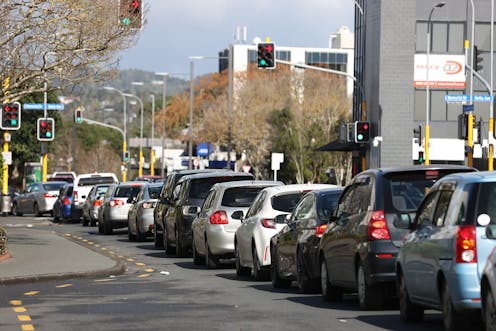

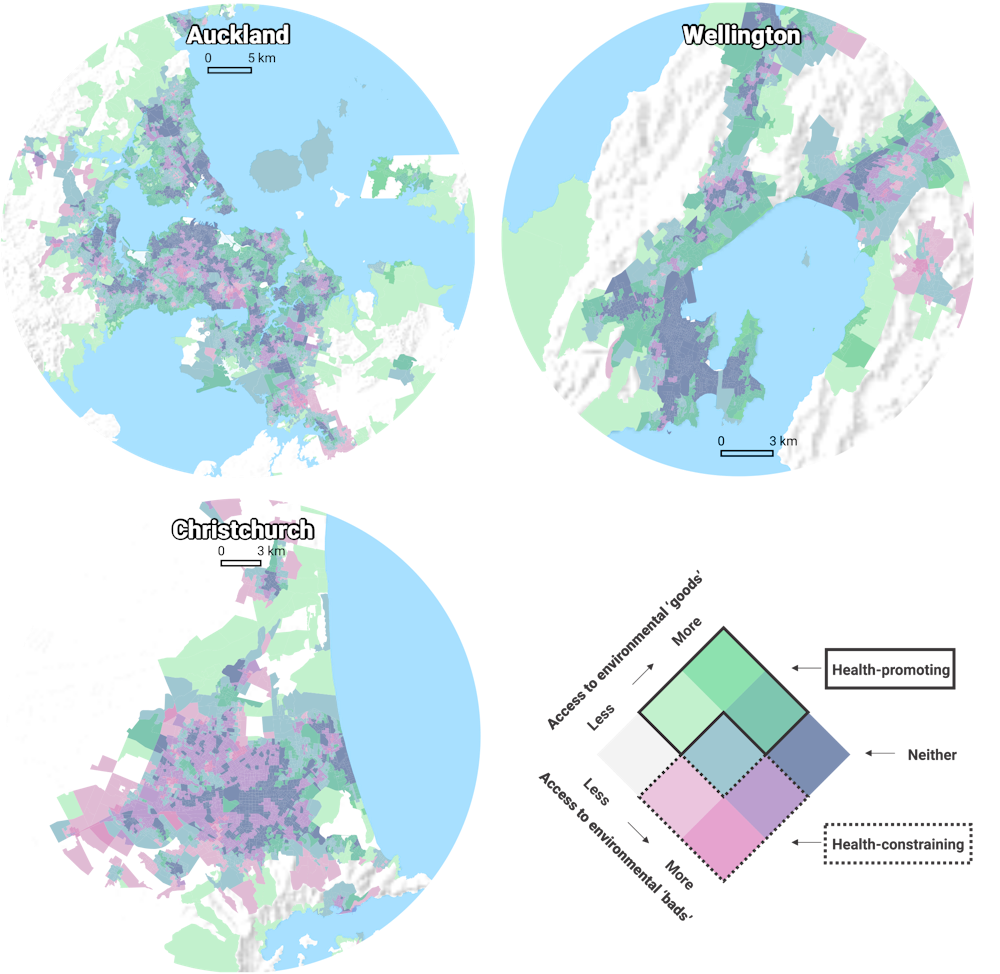








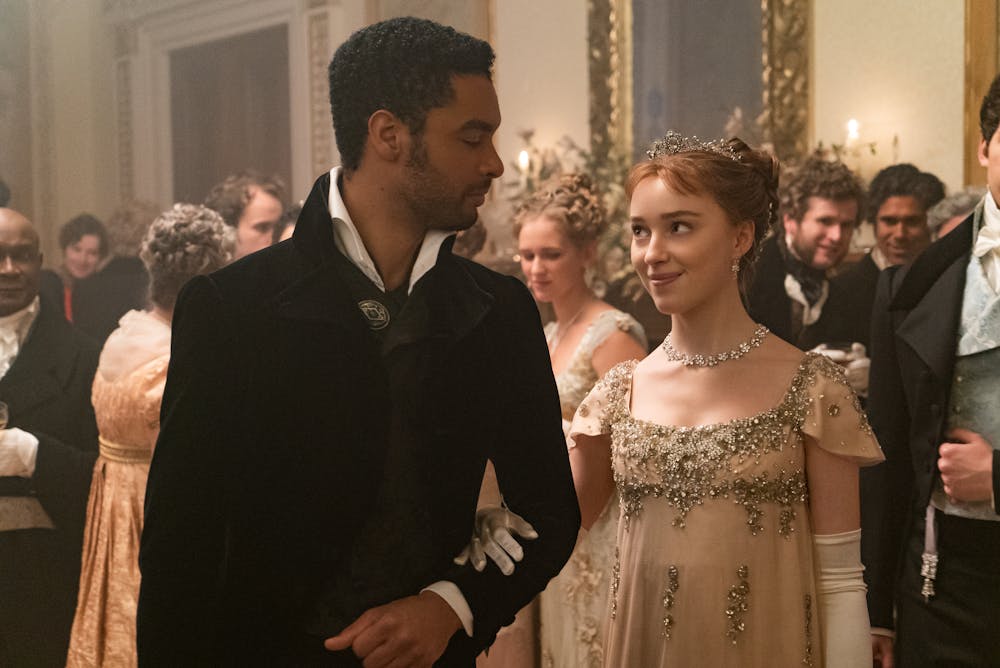




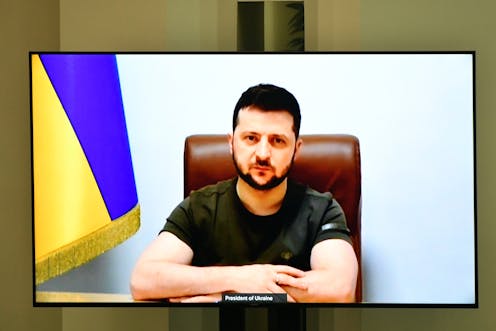

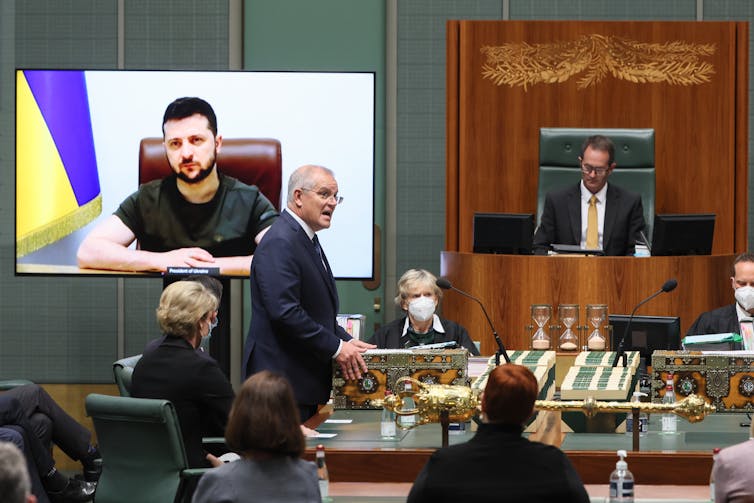





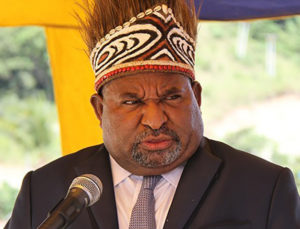
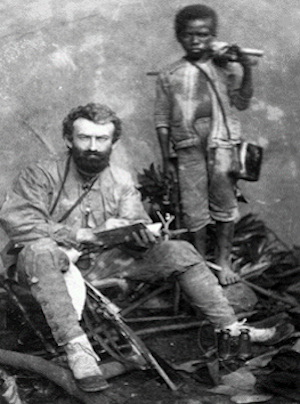







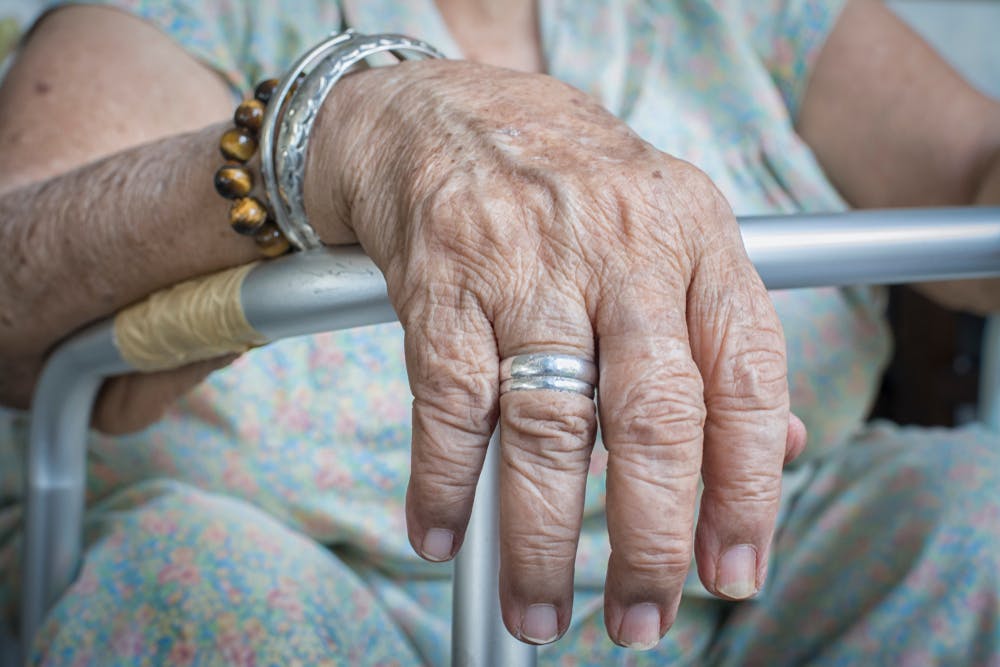



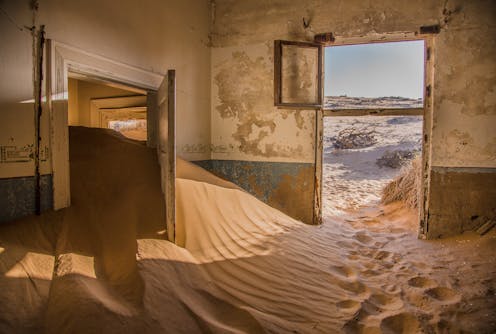



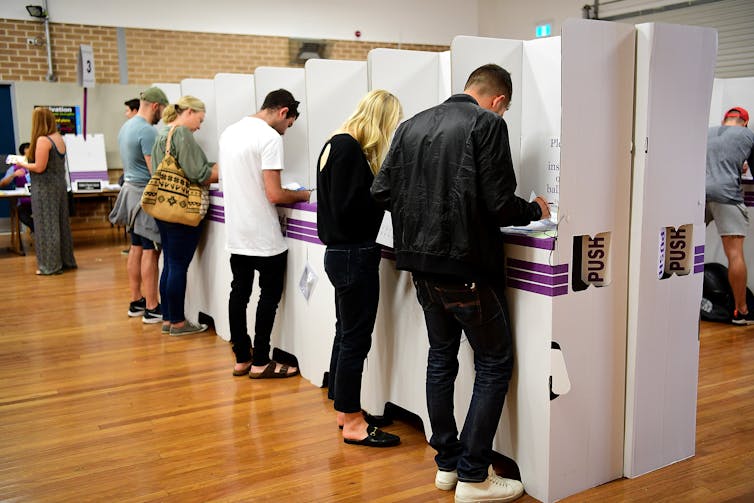






.png?1646189618)
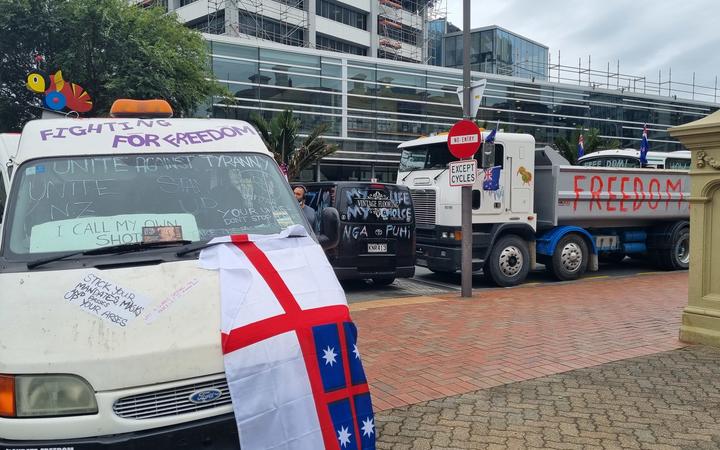
.png?1648627720)