Page 646

I’ve always wondered: why are the stars, planets and moons round, when comets and asteroids aren’t?

Source: The Conversation (Au and NZ) – By Jonti Horner, Professor (Astrophysics), University of Southern Queensland

Shutterstock

I’m puzzled as to why the planets, stars and moons are all round (when) other large and small objects such as asteroids and meteorites are irregular shapes?

— Lionel Young, age 74, Launceston, Tasmania

This is a fantastic question Lionel, and a really good observation!

When we look out at the Solar System, we see objects of all sizes — from tiny grains of dust, to giant planets and the Sun. A common theme among those objects is the big ones are (more or less) round, while the small ones are irregular. But why?

Small Solar System bodies
A variety of the Solar System’s small bodies, to scale. Bigger objects are round, but the small ones are anything but!
Wikipedia/Antonio Ciccolella

Gravity: the key to making big things round …

The answer to why the bigger objects are round boils down to the influence of gravity. An object’s gravitational pull will always point towards the centre of its mass. The bigger something is, the more massive it is, and the larger its gravitational pull.

For solid objects, that force is opposed by the strength of the object itself. For instance, the downward force you experience due to Earth’s gravity doesn’t pull you into the centre of the Earth. That’s because the ground pushes back up at you; it has too much strength to let you sink through it.

However, Earth’s strength has limits. Think of a great mountain, such as Mount Everest, getting larger and larger as the planet’s plates push together. As Everest gets taller, its weight increases to the point at which it begins to sink. The extra weight will push the mountain down into Earth’s mantle, limiting how tall it can become.

How tall can a mountain on Earth get?

If Earth were made entirely from ocean, Mount Everest would just sink down all the way to Earth’s centre (displacing any water it passed through). Any areas where the water was unusually high would sink, pulled down by Earth’s gravity. Areas where the water was unusually low would be filled up by water displaced from elsewhere, with the result that this imaginary ocean Earth would become perfectly spherical.

But the thing is, gravity is actually surprisingly weak. An object must be really big before it can exert a strong enough gravitational pull to overcome the strength of the material from which it’s made. Smaller solid objects (metres or kilometres in diameter) therefore have gravitational pulls that are too weak to pull them into a spherical shape.

This, incidentally, is why you don’t have to worry about collapsing into a spherical shape under your own gravitational pull — your body is far too strong for the tiny gravitational pull it exerts to do that.


Read more:
Curious Kids: how and when did Mount Everest become the tallest mountain? And will it remain so?


Reaching hydrostatic equilibrium

When an object is big enough that gravity wins — overcoming the strength of the material from which the object is made — it will tend to pull all the object’s material into a spherical shape. Bits of the object that are too high will be pulled down, displacing material beneath them, which will cause areas that are too low to push outward.

When that spherical shape is reached, we say the object is in “hydrostatic equilibrium”. But how massive must an object be to achieve hydrostatic equilibrium? That depends on what it’s made of. An object made of just liquid water would manage it really easily, as it would essentially have no strength — as water’s molecules move around quite easily.

Meanwhile, an object made of of pure iron would need to be much more massive for its gravity to overcome the inherent strength of the iron. In the Solar System, the threshold diameter required for an icy object to become spherical is at least 400 kilometres — and for objects made primarily of stronger material, the threshold is even larger.

Saturn’s moon Mimas, which looks like the Death Star, is spherical and has a diameter of 396km. It’s currently the smallest object we know of that may meet the criterion.

Saturn's moon Mimas, seen from the Cassini spacecraft.
Saturn’s moon Mimas, as imaged by the Cassini spacecraft, is barely large enough for gravity to pull it into a spherical shape. The vast crater Herschel, which makes Mimas look like the Death Star, is the scar of an impact so large it almost destroyed Mimas!
NASA / JPL-Caltech / Space Science Institute

Constantly in motion

But things get more complicated when you think about the fact that all objects tend to spin or tumble through space. If an object is spinning, locations at its equator (the point halfway between the two poles) effectively feel a slightly reduced gravitational pull compared to locations near the pole.


Read more:
Even planets have their (size) limits


The result of this is the perfectly spherical shape you’d expect in hydrostatic equilibrium is shifted to what we call an “oblate spheroid” — where the object is wider at its equator than its poles. This is true for our spinning Earth, which has an equatorial diameter of 12,756km and a pole-to-pole diameter of 12,712km.

The faster an object in space spins, the more dramatic this effect is. Saturn, which is less dense than water, spins on its axis every ten and a half hours (compared with Earth’s slower 24-hour cycle). As a result, it is much less spherical than Earth.

Saturn’s equatorial diameter is just above 120,500km — while its polar diameter is just over 108,600km. That’s a difference of almost 12,000km!

Saturn and several of its moons, backlit, as seen from the Cassini spacecraft in September 2017.
The Cassini spacecraft’s final widefield mosaic of Saturn and its moons, taken in September 2017, really gives a feel for how oblate the giant planet is!
NASA/JPL-Caltech/Space Science Institute

Some stars are even more extreme. The bright star Altair, visible in the northern sky from Australia in winter months, is one such oddity. It spins once every nine hours or so. That’s so fast that its equatorial diameter is 25% larger than the distance between its poles!

The short answer

The closer you look into a question like this, the more you learn. But to answer it simply, the reason big astronomical objects are spherical (or nearly spherical) is because they’re massive enough that their gravitational pull can overcome the strength of the material they’re made from.


This is an article from I’ve Always Wondered, a series where readers send in questions they’d like an expert to answer. Send your question to alwayswondered@theconversation.edu.au

The Conversation

Jonti Horner does not work for, consult, own shares in or receive funding from any company or organisation that would benefit from this article, and has disclosed no relevant affiliations beyond their academic appointment.

ref. I’ve always wondered: why are the stars, planets and moons round, when comets and asteroids aren’t? – https://theconversation.com/ive-always-wondered-why-are-the-stars-planets-and-moons-round-when-comets-and-asteroids-arent-160541

In search of walking equality: 70% of Indigenous people in Sydney live in neighbourhoods with low walkability

Source: The Conversation (Au and NZ) – By Meead Saberi, Senior lecturer, UNSW

Indigenous inequality in Australia has long been known to the public and policy makers. Yet, successive local, state, and federal governments have failed to effectively make a noticeable change in Indigenous health and wellbeing.

These inequalities include shorter life expectancy, poorer general health and lower levels of education and employment. Less known is transport inequality and its health implications for Indigenous people.

Walking is a healthy form of physical activity and is proven to reduce rates of chronic disease.

Neighbourhood walkability is associated with the number of trips people can make on foot. People living in areas with lower walkability tend to walk less.

Our research shows that 70% of the Indigenous population in the City of Sydney live in neighbourhoods with lower-than-average walkability. This has the potential to aggravate Indigenous people’s health issues, potentially widening the health gap with non-Indigenous Australians, instead of closing it.


Read more:
Yes, we need to Close the Gap on health. But many patients won’t tell hospitals they’re Indigenous for fear of poorer care


Closing the walkability gap

Closing the Gap” refers to the formal government commitment to close the significant health and life expectancy gap between Indigenous and non-Indigenous Australians by 2030.

Whether closing the gap targets will be successful or not remains a question. For example, the rate of disability resulting from chronic diseases among Aboriginal and Torres Strait Islander people has only slightly improved over the past ten years.

The NSW Closing The Gap implementation plan includes 17 socioeconomic targets that aim to address inequalities in health, education and employment.

There is no action item in it focusing specifically on the role of active transport. The closest one is related to initiatives to reduce the prevalence of obesity for Aboriginal and Torres Strait Islander adults and children.

The role transport can play in enhancing walkability in neighbourhoods and improving people’s health outcomes has been entirely overlooked.


Read more:
‘Although we didn’t produce these problems, we suffer them’: 3 ways you can help in NAIDOC’s call to Heal Country


Walking inequality in the City of Sydney

Our analysis of population and land use data from the Australian Bureau of Statistics for the City of Sydney shows there is a significant walkability inequality across the local government area.

We measured walkability using the Australian Urban Research Infrastructure Network (AURIN) statistical tool. It considers three elements: street network connectivity, land use mix and population density.

Areas with the highest walkability scores:
Potts Point, Darlinghurst, Surry Hills, Haymarket, Pyrmont, and Darlington

Areas with the lowest walkability scores:
Rosebery, Beaconsfield, Redfern, Waterloo, Eveleigh and Alexandria

Our research shows that 70% of Indigenous people in the City of Sydney — nearly 2,500 people — live in neighbourhoods with a walkability score lower than the local government area average.

The absence of mixed residential and commercial land use, a disconnected street network and low population density make a neighbourhood less walkable.

The walking disadvantage of Indigenous population of City of Sydney.
Author provided

How to make our neighbourhoods more walkable

The way to increase physical activity is through urban policies and planning practices that facilitate activity-friendly communities and encourage more walking.

A US study in 2017 has found that 43% of people who live in walkable neighbourhoods achieve physical activity targets. Conversely, only 27% of people who live in less walkable neighbourhoods achieve those targets.

Policies that state and local governments can consider to address walking inequality include investing in pedestrian infrastructure and enhanced road safety and providing easy walking access to public transport.

Improving the first mile/last mile connections, encouraging mixed residential and commercial land use, and providing shops, parks and other public spaces within walking distance from people’s homes are other solutions.

Improving walking safety after dark for children and women, and reducing the distance to schools and workplaces are also shown to be effective.

This year, Sydney celebrated NAIDOC week in lockdown. Yvonne Weldon, the elected chairperson of the Metropolitan Local Aboriginal Land Council and the first Aboriginal candidate for the lord mayor of Sydney, said,

We must commit to making our world, our society inclusive – breaking through barriers and not creating them.

There are great health and social benefits in having a more walkable place to live. They are even more significant for communities that have been traditionally disadvantaged. Reducing transport inequality and improving walkability in Indigenous communities are necessary to help close the health and social gap.

The Conversation

Meead Saberi receives funding from Transport for NSW, City of Sydney, Cisco, iMOVE CRC and Mitsubishi Heavy Industries. He is the co-founder of a UNSW spinout company Footpath AI. He is also affiliated with Unite for Sydney, an independent party running for City of Sydney’s local government election in September 2021.

Yvonne Weldon is affiliated with Unite for Sydney, an independent party running for City of Sydney’s local government election in September 2021.

ref. In search of walking equality: 70% of Indigenous people in Sydney live in neighbourhoods with low walkability – https://theconversation.com/in-search-of-walking-equality-70-of-indigenous-people-in-sydney-live-in-neighbourhoods-with-low-walkability-163806

From Parihaka to He Puapua: it’s time Pākehā New Zealanders faced their personal connections to the past

Armed constabulary awaiting orders to advance on Parihaka pā, 1881. Alexander Turnbull Library, CC BY-NC

Source: The Conversation (Au and NZ) – By Richard Shaw, Professor of Politics, Massey University

An 1880s illustration of the village at Parihaka, sitting beneath Mt Taranaki. GettyImages

Whenever I visit my mother in New Plymouth we drive out around the Taranaki coast to visit the old family farms, chugging along the South Road that was built to carry the armed constabulary (AC) and sundry volunteer forces that invaded Parihaka on November 5 1881.

My great-grandfather, who joined the AC in 1877 and served in it for nine years, worked on that road. He was standing alongside 1,588 other men as the sun rose on the morning of te Pāhua (the sacking).

By the time he left the pā three years later he had participated in the assault on Parihaka, the weeks and months of despoliation that followed, and the years of occupation as the colonial government and its forces knelt on the throats of the people led by Te Whiti-o-Rongomai and Tohu Kākahi.

Having contributed to the military campaign, several years later he returned as part of the agricultural campaign to complete the alienation of Taranaki iwi from their land.

In time, he and his wife would own two farms on the coast. One of these had previously been returned to Māori via a Crown grant said to be “absolutely inalienable”, which turned out to be anything but.

They also leased a third property under the baleful West Coast lease system which, among other things, excluded Māori landowners from the process of negotiating rent, gave them peppercorn rentals and locked them out of their land in perpetuity. All three farms were part of the 1,199,622 acres of land confiscated from Māori – “rebel” and loyalist alike – by executive decree in 1865.

Armed constabulary awaiting orders to advance on Parihaka Pa
Armed constabulary awaiting orders to advance on Parihaka pā, 1881.
Alexander Turnbull Library, CC BY-NC

An unsettled history

I can already feel the defensively minded scrabbling together the usual case for avoiding this uncomfortable history — eulogising hard-working settlers as the backbone of the nation, bemoaning the creeping “separatism” of He Puapua, “woke” Pākehā, and being made to feel guilty for being a European New Zealander.

There’s a lot of this about at the moment, but it needs to stop. It only enables the evasion of hard truths about the history and contemporary impacts of colonisation in this country — one of which is that for many Pākehā, me included, our time here began on land that had been stolen (sorry, “confiscated”) from the people to whom it belonged.

1880 map of the Taranaki coast showing the area of 'confiscated' territory
An 1880 map of the Taranaki coast showing the area of ‘confiscated’ territory.
Puke Ariki, Author provided

My great-grandfather and his wife eventually controlled 412 acres of Taranaki land, on which a small economic and social revolution took place. For a start, the three farms allowed my great-grandparents to transform themselves from poor Irish migrants into settler landowners.

The scale of the economic transformation was breathtaking. My great-grandfather was one of ten children, the son of tenant farmers who paid £26 and ten shillings a year to the local (English) squire for the lease on a 29-acre tenement in Kilteely parish in the east of County Limerick.

When he died, the combined property he and his wife held sway over on the Taranaki coast was 16 times the size of the farm he was born on, and nearly 17% larger than the total amount of land the absentee English landlord owned in Kilteely.


Read more:
How NZ’s colonial government misused laws to crush non-violent dissent at Parihaka


From tenants to landed gentry

The land also enabled my great-grandparents to reinvent themselves as respected members of the local farming community. My great-grandfather played the violin at the annual district bachelors’ ball in 1895, where the “refreshments were all that one could wish for” and the dancing “commenced punctually at 8pm and did not break up until nearly 4am”.

He won first place in the rhubarb section of the farm and garden produce division of the Cape Egmont Horticultural Society’s third annual show in 1901 (and took out top place in the ham section a year later). And he became a stalwart of the Rahotu Athletics Club and the Pungarehu School Board.

He was born the son of an Irish tenant farmer and died a landowning British settler. It is an extraordinary economic and social transformation in a single generation.

And it is built upon land that the colonial state had taken from other people.


Read more:
My ancestors met Cook in Aotearoa 250 years ago. For us, it’s time to reinterpret a painful history


Not only did the original inhabitants lose their land, they and their descendants have also been denied the material wealth that has subsequently been generated from that land. I can’t yet accurately quantify the full value of the economic returns that accrued to my great-grandparents and their six children, but I do have a couple of snapshots that illustrate the general point I’m trying to make.

First, at the time they were purchased by my great-grandparents, the combined value of the two farms owned outright was roughly NZ$400,000 in today’s terms. Not one dollar went directly to the original owners of the land.

Second, in his will, one of my great-grandfather’s sons, who was a Roman Catholic priest and who died young, left nearly $30,000 to the church and just under $200,000 to his two sisters. We’re up to $630,000 in transactions already (and haven’t even looked at the revenues earned through the farms) — but none of this activity benefited those from whom the land was taken.

Burial place of Parihaka founder Te Whiti with moon rising above
The burial place of Parihaka founder Te Whiti-o-Rongomai at the marae near Opunake, West Taranaki.
GettyImages

Wealth and dispossession

That wealth has echoed down through time, supporting the endeavours of later generations. It lies behind the purchase of other properties and houses, bequests to daughters and sons, support with the costs of education — all the things Professor Christine Sleeter, an education activist, calls the “financial footholds and cushions” families try to provide to subsequent generations.

And each of these has its own multiplier effect, which is why the inter-generational transfer of wealth is such a critical factor in people’s socioeconomic well-being (or lack thereof). Merit and hard work play a part in this, but there is no avoiding – in my case – that it all began with the dispossession of Māori.

That land gifted us something else, too. My people have long since moved away from the coast but our origin story will forever be there. That is where it began for us in Aotearoa. Where my great-uncle, who completed a doctorate of divinity in Rome at the age of 21, was born. Where my grandfather established himself as a powerful figure in Taranaki rugby. Where my mother grew up and escaped from, meeting my father in the process.


Read more:
Why it’s time for New Zealanders to learn more about their own country’s history


That land gave my ancestors a place of their own on which to stand. It is where we began the process of becoming Pākehā.

This is what privilege looks like. Not historical at all, as it happens, but something that is very much alive and well. Not to do with events that I have no association with, but concerning processes that continue to spool out and from which I benefit. Not disconnected from the colonisation of this country, but utterly rooted in it. Bluntly, my historical privilege is grounded in the historical trauma experienced by Māori.

Curiously, however, not one of the stories of the coast I grew up with spoke of my great-grandfather’s presence at Parihaka or carried the history of the family farms.

Ending the forgetting

I doubt I am alone in having these partial family stories. I’m not the only Pākehā who has much preferred the standard settler account of thrusting progress and economic productivity, one which dances lightly over the confiscation, theft and violence that lie beneath the surface.

For the better part of my life I have happily lived in what historian and author Rachel Buchanan calls the “dementia wing” of our country’s history, choosing to forget (or never to learn, which amounts to much the same thing) what happened at Parihaka, comfortable in the knowledge my history here began with the purchase of the family farms.


Read more:
Friday essay: the ‘great Australian silence’ 50 years on


And although forgetting is usually associated with loss, in my experience there was much to be gained from forgetting (or avoiding) my connection with the AC, the sacking of Parihaka and the purchase of land taken from others: ease of mind, and that tacit sense of relief that comes from steering clear of something you know is going to be difficult to confront.

There’s a reason we need a new national histories curriculum, a reason the government must get to grips with its obligations to tangata whenua. The reason is people like me. I still recognise myself in the bleating of those who ignore the colonial violation of Māori, and in the words of people who are all too happy to extol the benefits of colonisation but whose eyes glaze over when the talk turns to the theft of land.

But it is long since time we Pākehā confronted the unsettled history of the place in which the “team of five million” lives. Time we were honest with ourselves. Time we ended the forgetting.

The Conversation

Richard Shaw does not work for, consult, own shares in or receive funding from any company or organisation that would benefit from this article, and has disclosed no relevant affiliations beyond their academic appointment.

ref. From Parihaka to He Puapua: it’s time Pākehā New Zealanders faced their personal connections to the past – https://theconversation.com/from-parihaka-to-he-puapua-its-time-pakeha-new-zealanders-faced-their-personal-connections-to-the-past-164553

The ‘martyrdom effect’: why your pain boosts a charity’s gain

Source: The Conversation (Au and NZ) – By Gary Mortimer, Professor of Marketing and Consumer Behaviour, Queensland University of Technology

This weekend, participants in the Kokoda Challenge will complete a gruelling 96-kilometre overnight trek to raise money for youth programs.

And every year, thousands of Australians undertake long-distance runs or challenging bike rides, go a month without booze, shave their heads, sleep outdoors or grow an unflattering moustache – all in the name of charity.

Why are people willing to go to such extremes of pain, effort and embarrassment to raise money for a charity? Wouldn’t it be easier simply to donate, and ask their friends to do likewise?

Humans are primarily driven to seek positive and pleasurable experiences, and to avoid negative ones such as pain and effort. But research shows that the prospect of enduring pain and suffering for a charity can raise up to three times as much money.

How many times have you been approached in the street by a charity worker seeking donations for a worthy cause? If you decide you want to donate, the process is almost effortless: just tap ‘n’ go. But there are many different worthy causes vying for donations.

By the end of 2021, Australia will have around 65,000 registered charities. The figure is growing at 4% each year — much faster than the overall population, which means the competition will only get fiercer.

Registered charities, Australia: 2013-2022.

How can charities make themselves stand out from the crowd and ensure your donation goes to them, rather than someone else equally deserving?


Read more:
Celebrity charities just compete with all other charities – so why start one?


No pain, no gain

Home shopping networks routinely promote “revolutionary” exercise equipment that promises to flatten your stomach or improve your circulation with ease.

But research shows we’re highly sceptical of these claims. We know there’s no real gain without pain, and we’re inclined to disbelieve anyone who tells us the opposite.

Kokoda Challenge participants
The Kokoda Challenge: achieving meaningful goals takes real suffering and sacrifice.
Author provided

People also believe this to be true of education, career advancement, sporting performance and even shopping.

And when it comes to charity, this explains why we feel we need to do more than just donate $20 to make a significant and positive change to a worthy cause.

This is the suggested logic behind the “martyrdom effect”: the idea that the mere prospect of being in pain can promote charitable giving.

This effect was demonstrated in a series of five experiments by Christopher Olivola at the University of Warwick and Eldar Shafir at Princeton University.

The Martyrdom Effect | Christopher Olivola | TEDxCMU.

In the first experiment, respondents were asked how much they would pay to take part in one of two hypothetical charity events: a picnic fundraiser, or a five-mile run. Participants who chose the charity run intended to donate US$23.87 — almost twice as much as those who chose the picnic, who were willing to stump up US$13.88.

In a second experiment, the researchers replaced the hypothetical events with real money and real pain. Each participant was given $5 to divide between themselves and a donation to a public pool. But some participants were told their public donation would be doubled if they chose to place their hands in very cold water for one minute.

Participants who opted to endure the pain were willing to donate nearly 25% more of their $5 than those who chose to avoid the discomfort.

More miles, more money?

If a friend is running a marathon, we might typically sponsor them a dollar a mile. So do longer feats of endurance earn more money? Well, yes, but it’s not quite as straightforward as that.

In their third experiment, the researchers investigated this idea by asking participants to choose a distance between 1 and 20 miles, and asking how much they would pay to participate in a charity run of that length.

Strangely, there was no significant correlation between distance and the amount donated. But participants did rate longer runs as involving more pain and effort. And this was the crucial factor that determined the size of their donations.

Put simply, you have to run far enough to genuinely suffer before it starts being worth more money.

The meaningfulness of martyrdom

As noted above, people consider “meaningful” goals (a better physique, career progression, higher education) more worthy of pursuit and reward than easier (and presumably less meaningful) goals.

In the next experiment, which was similar to experiment 1, British participants were asked how much they would be willing to pay to take part in a charity fundraiser that was either gruelling (a five-mile run) or enjoyable (a picnic). What’s more, they also reported how meaningful the experience of participating and the act of giving would be to them.

Participants considered the charity run significantly more meaningful, and offered to donate almost three times more than picnic participants: £17.95 versus £5.74.


Read more:
Take heart, charity stunts can make CEOs better people


The cause makes a difference

Not all charities raise funds for human suffering, disease or natural disasters. Many support art galleries, childrens’ sporting equipment or parks.

In a final experiment, participants were presented with two new causes (helping starving children versus funding a public park) and two ways to support (fasting versus hosting a picnic). Here are the results.

Nature of the cause.
Olivola & Shafir, 2013

When the cause involved human enjoyment (a new park), participants were more likely to choose the “easy” option (the picnic) and to donate more to that than to a fast in support of the new park. In contrast, if the cause aims to alleviate human suffering (by feeding starving children), participants were more inclined to donate money to the “hard” option (fasting) than to a charity picnic.

This underscores the importance of a good “fit” between the event and the cause — something corporate advertisers already understand. It shows why cigarette companies, for example, were always an uncomfortable fit for sponsoring sporting events.

So for charities whose values align with gruelling fundraising challenges, it looks like those aching feet, alcohol-free months and bad moustaches are here to stay. More pain really does mean more gain.

The Conversation

The authors do not work for, consult, own shares in or receive funding from any company or organisation that would benefit from this article, and have disclosed no relevant affiliations beyond their academic appointment.

ref. The ‘martyrdom effect’: why your pain boosts a charity’s gain – https://theconversation.com/the-martyrdom-effect-why-your-pain-boosts-a-charitys-gain-164486

The Tokyo Olympics are supposed to be a ‘landmark in gender equality’ — are the Games really a win for women?

Source: The Conversation (Au and NZ) – By Michelle O’Shea, Senior Lecturer, School of Business, Western Sydney University

Daisuke Tomita/AP

If you believe the hype from the International Olympic Committee, the Tokyo 2020 Olympics will be a “landmark in gender equality” and the “first gender-balanced games in history”.

The Olympics do not have a good track record when it comes to gender equality. At the end of the 19th century, when it was founded, the modern Olympic movement deliberately excluded women. Games patriarch Baron Pierre de Coubertin argued an Olympiad with women would be:

impractical, uninteresting, unaesthetic and improper.

With the postponed 2020 Tokyo Games due to start next Friday, what advances can we celebrate? And what still needs to change?

We have come a long way

The Tokyo Games will feature the most female athletes at an Olympics, with 48.8% of competitors set to be women.

Noting this is actually shy of 50%, this is nonetheless up from 45% at the 2016 Rio Games and 44.2% at London 2012. At the Tokyo Paralympic Games, 40.5% of athletes will be women, compared to 38.6% at Rio.

Australian women's softball team train in Japan.
Almost 49% of competitors in Tokyo will be women.
Kyodo News/AP/AAP

To put this into a historical context, at the first modern games in Athens in 1896, women were banned from competing (although there are reports at leaset one woman ran the marathon).

At the 1900 Paris Olympics, women were allowed to compete, but they were only 22 out of 997 competitors. Women were also restricted to a select number of five “ladies” events: tennis, sailing, croquet, equestrian and golf.

From croquet to skateboarding

Much has changed over the past 121 years. The IOC has billed Tokyo as a “step forward” for gender equality in terms of the range of events on offer.

Women will compete in more than 300 events, and there are new mixed-gender offerings in athletics, swimming, table tennis and triathlon. This includes mixed medley relays on the track and in the pool.


Read more:
Hidden women of history: Kyniska, the first female Olympian


Women will also compete in events that were previously only open to men. This includes the 1,500m freestyle (previously 800m was the longest swimming event for women). There are also extra women’s events in boxing, canoe, rowing and shooting. Meanwhile, women will compete alongside men in new sports at the games, including skateboarding, surfing, sportclimbing and karate.

All countries are expected to have at least one female and one male athlete in their teams, and all Olympic teams are encouraged to have one female and one male athlete carry their country’s flag at the opening ceremony.

Australian co-flag bearer, Cate Campbell.
Four-time Olympian Cate Campbell will be an Australian flag bearer in Toyko, alongside basketballer Patty Mills.
Delly Carr/ Australian Olympic Committee/ AAP

Importantly, women’s events will also be given more visibility — and taken more seriously — in terms of what is shown when it is shown and promoted on Olympic broadcasts. In the past, many sports finished their Olympic timetables with men’s events. This practice is set to change at Tokyo.

According to the IOC:

there will be more women’s team gold medal events on the last weekend than men’s, while the order of play has been changed so that women’s competitions have the same prominence.

Overcoming de Coubertin’s gender legacy

In 1996, the IOC amended the Olympic Charter, making one of the IOC’s roles to:

encourage and support the promotion of women in sport at all levels and in all structures, with a view to implementing the principle of equality of men and women.

Since then, there have been numerous initiatives to achieve this goal, such as last year’s Gender Equality Review Project, which made 25 recommendations including:

  • ensure full gender equality in athlete quotas and medal events from the 2024 Summer Games and the 2026 Winter Games onwards

  • ensure competition uniforms reflect the technical requirements of the sport and do not have any unjustifiable differences

  • ensure the competition formats related to distances, duration of competition segments, number of rounds, etc., between women and men are as equal as possible.


Read more:
Sex testing at the Olympics should be abolished once and for all


Who is in charge?

Women also make up significant proportions of the IOC organisation, but the numbers remain low at the leadership level. For example:

  • IOC membership (recruited by the IOC itself) is 37.5% female

  • the IOC executive board is 33.3% female

  • women account for 47.8% of the members of the IOC’s commissions, which advise the organisation on specific issues, such as ethics, science and athletes

  • more than half (53%) of the IOC’s administrative employees are female.

Some Olympic leaders also have a long way to go in terms of the way they view women and women in sport administration. In February this year, the head of the Tokyo Olympic Organising Committee, Yoshiro Mori, resigned after complaining to a Japanese Olympic Committee meeting that women talk too much.

If we increase the number of female board members, we have to make sure their speaking time is restricted somewhat, they have difficulty finishing, which is annoying.

Tokyo’s creative director, Hiroshi Sasaki, (who had charge of the opening and closing ceremonies) also resigned in March for suggesting a female performer could be an “Olympig”.

Aesthetics over athleticism

Apart from sexist attitudes, we also know that women in sport face sexist reporting. And this will be an issue to keep a close eye on in Toyko.

A Cambridge University media analysis of the 2016 Rio Games found men dominated reporting, women’s aesthetics rather than athleticism were too often the focus of the discussion and women’s sport and achievements were infantilised or trivilaised.

The Japanese women's football team at training.
Female athletes are more likely to have their age or marital status included in reports about their sporting performances.
Kyodo News/AP/AAP

For example, a women’s judo bout was described as a “catfight”, while American shooting bronze medallist, Corey Codgell, was initially referred to as the wife of US NFL player, Mitch Unrein.

Further, gender terms were more often used as qualifiers for women, such as, “female golfers”, as opposed to men, who were simply golfers. Age and marital status are also more likely to be included for women.

‘Unceasing scandals’

We also know women face abuse and harassment in sport. Last month, The New York Times reported on “unceasing scandals in global sports”.

Since Rio, there have been horrifying investigations into the treatment of gymnasts in both the United States and Australia.

Investigations have also uncovered abuse of women and children in basketball in Mali, soccer in Afghanistan and water polo in California. And two-time Australian Olympic medallist Madeline Groves withdrew from the Olympic swimming trials in June citing “misogynistic perverts in the sport”.

In all, there is a lot to be hopeful about in Toyko. But as important as statistics around representation and events are, clearly much more needs to change before the Games can truly be described as equitable.

The Conversation

The authors do not work for, consult, own shares in or receive funding from any company or organisation that would benefit from this article, and have disclosed no relevant affiliations beyond their academic appointment.

ref. The Tokyo Olympics are supposed to be a ‘landmark in gender equality’ — are the Games really a win for women? – https://theconversation.com/the-tokyo-olympics-are-supposed-to-be-a-landmark-in-gender-equality-are-the-games-really-a-win-for-women-164234

Can ‘viral shedding’ after the COVID vaccine infect others? That’s a big ‘no’

Source: The Conversation (Au and NZ) – By Peter Wark, Conjoint Professor, School of Medicine and Public Health, University of Newcastle

from www.shutterstock.com

Fears of “viral shedding” and other concerns after the COVID vaccine has led some businesses to ban vaccinated customers from the premises, believing vaccination poses a health risk to others.

We’ve seen this in Australia, in the northern New South Wales town of Mullumbimby and on the Gold Coast in Queensland. We’ve also seen this internationally.

In the United States, a teacher warned her students not to hug their vaccinated parents for the same reason.

But COVID vaccines don’t contain any live virus to shed. Here’s the science to put the myth of viral shedding after the COVID vaccine to bed.

What is viral shedding anyway?

People can shed (or release) virus after a viral infection, such as SARS-CoV-2, the virus that causes COVID-19.

If people are infected, they can shed virus via their respiratory secretions when they cough and sneeze. During the pandemic, that’s why we socially distance, wear masks and stay at home if we’re sick. We can only infect someone if the virus is live.


Read more:
We don’t know for sure if coronavirus can spread through poo, but it’s possible


Some vaccines for other diseases contain live viruses that have been weakened (or attenuated). Examples are vaccines against measles, rubella, mumps and herpes zoster (shingles).

These train your body to mount an immune response with a version of the virus that isn’t so dangerous.

For example, with the very effective vaccine against herpes zoster (shingles), there is a very small risk the weakened virus can cause infection. However, this happened in less than 1% out of more than 20,000 people vaccinated over a ten-year period. The majority of people infected this way had a weakened immune system.


Read more:
Explainer: how do you get shingles and who should be vaccinated against it?


COVID vaccines don’t contain live virus to shed

However, none of the COVID vaccines approved for use anywhere around the world so far use live virus.

Instead, they use other technologies to train our bodies to recognise SARS-CoV-2 and to mount a protective immune response should we ever be exposed to it.

For instance, the AstraZeneca vaccine is a viral vector vaccine. This uses a modified chimpanzee virus to carry into the body the genetic instructions to produce the SARS-CoV-2 spike protein. Your body then uses these instructions to make the spike protein, and to raise a protective immune response.

The Pfizer vaccine is an mRNA vaccine, which contains the genetic material to code for the spike protein. Once inside your cells, your body uses those instructions to make spike protein, again raising a protective immune response.


Read more:
What’s the difference between viral shedding and reinfection with COVID-19?


COVID vaccines don’t give you the disease or give you a positive COVID test. Again, they don’t contain live virus. They contain fragments of spike protein or the instructions on how to make it.

Even if you could shed spike protein after vaccination, that wouldn’t be enough to cause an infection. For that you need the entire virus, which the vaccines don’t contain.

And the mRNA in the Pfizer and Moderna vaccines is very short-lived, and is quickly degraded in our cells. Again, the mRNA wouldn’t be enough to cause an infection. It would need to be packaged inside a live virus, which our vaccines don’t contain.

Vaccinated people are likely ‘safer’

Rather than banning vaccinated people from businesses for fear of viral shedding, owners should be welcoming them with open (socially distanced) arms.

That’s because evidence is mounting vaccinated people are less likely to transmit SARS-CoV-2 to others.

In England, people who became infected despite being vaccinated with either the Pfizer or AstraZeneca vaccines (known as a breakthrough infection), were only half as likely to pass their infection on to household contacts compared to infected people who were not vaccinated.

In Israel, people who had a breakthrough infection after the Pfizer vaccine had less virus cultured from their nose than people who had not been vaccinated.


Read more:
Mounting evidence suggests COVID vaccines do reduce transmission. How does this work?


So there’s no chance, then?

Zero, zip, nada. There’s no chance of viral shedding as a result of your COVID vaccine. If you do need to go to the shops in an outbreak area, follow the health advice to wear a mask and socially distance.

If you’re vaccinated, you’re likely to pose less risk to others than if you’re unvaccinated. So businesses should be wooing you rather than turning you away.

The Conversation

Peter Wark receives funding from National Health and Medical Research Council of Australia.
He is a non-paid member of the board of Cystic Fibrosis Australia and the National Asthma Council.

ref. Can ‘viral shedding’ after the COVID vaccine infect others? That’s a big ‘no’ – https://theconversation.com/can-viral-shedding-after-the-covid-vaccine-infect-others-thats-a-big-no-162940

When coral dies, tiny invertebrates boom. This could dramatically change the food web on the Great Barrier Reef

Source: The Conversation (Au and NZ) – By Kate Fraser, Marine Ecologist, University of Tasmania

Shutterstock

This week, international ambassadors will take a snorkelling trip to the Great Barrier Reef as part of the Australian government’s efforts to stop the reef getting on the world heritage “in danger” list.

The World Heritage Centre of UNESCO is set to make its final decision on whether to officially brand the reef as “in danger” later this month.

To many coral reef researchers like myself, who have witnessed firsthand the increasing coral bleaching and cyclone-driven destruction of this global icon, an in-danger listing comes as no surprise.

But the implications of mass coral death are complex — just because coral is dying doesn’t mean marine life there will end. Instead, it will change.

In recent research, my colleagues and I discovered dead coral hosted 100 times more microscopic invertebrates than healthy coral. This means up to 100 times more fish food is available on reefs dominated by dead coral compared with live, healthy coral.

This is a near-invisible consequence of coral death, with dramatic implications for reef food webs.

When coral dies

Tiny, mobile invertebrates — between 0.125 and 4 millimetres in size — are ubiquitous inhabitants of the surfaces of all reef structures and are the main food source for approximately 70% of fish species on the Great Barrier Reef.

These invertebrates, most visible only under a microscope, are commonly known as “epifauna” and include species of crustaceans, molluscs, and polychaete worms.


Read more:
Australian government was ‘blindsided’ by UN recommendation to list Great Barrier Reef as in-danger. But it’s no great surprise


When corals die, their skeletons are quickly overgrown by fine, thread-like “turfing algae”. Turf-covered coral skeletons then break down into beds of rubble.

We wanted to find out how the tiny epifaunal invertebrates — upon which many fish depend – might respond to the widespread replacement of live healthy coral with dead, turf-covered coral.

A sample of epifauna under the microscope.
Kate Fraser

I took my SCUBA gear and a box of lab equipment, and dived into a series of reefs across eastern Australia, from the Solitary Islands in New South Wales to Lizard Island on the northern Great Barrier Reef.

Underwater, I carefully gathered into sandwich bags the tiny invertebrates living on various species of live coral and those living on dead, turf-covered coral.

But things really got interesting back in the laboratory under the microscope. I sorted each sandwich bag sample of epifauna into sizes, identified them as best I could (many, if not most, species remain unknown to science), and counted them.

I quickly noticed samples taken from live coral took just minutes to count, whereas samples from dead coral could take hours. There were exponentially more animals in the dead coral samples.

The Great Barrier Reef may soon be listed as ‘in danger’
Rick Stuart-Smith

Why do they prefer dead coral?

Counting individual invertebrates is only so useful when considering their contribution to the food web. So we instead used the much more useful metric of “productivity”, which looks at how much weight (biomass) of organisms is produced daily for a given area of reef.

We found epifaunal productivity was far greater on dead, turf-covered coral. The main contributors were the tiniest epifauna — thousands of harpacticoid copepods (a type of crustacean) an eighth of a millimetre in size.

In contrast, coral crabs and glass shrimp contributed the most productivity to epifaunal communities on live coral. At one millimetre and larger, these animals are relative giants in the epifaunal world, with fewer than ten individuals in most live coral samples.

Dead coral rubble overgrown with turfing algae.
Rick Stuart-Smith

These striking differences may be explained by two things.

First: shelter. Live coral may look complex to the naked eye, but if you zoom in you’ll find turfing algae has more structural complexity that tiny epifauna can hide in, protecting them from predators.

A coral head is actually a community of individual coral polyps, each with a tiny mouth and fine tentacles to trap prey. To smaller epifauna, such as harpacticoid copepods, the surface of live coral is a wall of mouths and a very undesirable habitat.


Read more:
Almost 60 coral species around Lizard Island are ‘missing’ – and a Great Barrier Reef extinction crisis could be next


Second: food. Many epifauna, regardless of size, are herbivores (plant-eaters) or detritivores (organic waste-eaters). Turfing algae is a brilliant trap for fine detritus and an excellent substrate for growing films of even smaller microscopic algae.

This means dead coral overgrown by turfing algae represents a smorgasbord of food options for the tiniest epifauna through to the largest.

Meanwhile, many larger epifauna like coral crabs have evolved to live exclusively on live coral, eating the mucus that covers the polyps or particles trapped by the polyps themselves.

Harpacticoid copepod are just an eighth of a millimetre in size.
Naukhan/Wikimedia, CC BY

What this means for life on the reef?

As corals reefs continue to decline, we can expect increased productivity at the base level of reef food webs, with a shift from larger crabs and shrimp to small harpacticoid copepods.

This will affect the flow of food and energy throughout reef food webs, markedly changing the structure of fish and other animal communities. The abundance of animals that eat invertebrates will likely boom with increased coral death.

We might expect higher numbers of fish such as wrasses, cardinalfish, triggerfish, and dragonets, with species preferring the smallest epifauna most likely to flourish.

The dragonet species, mandarinfish, feeds on the smallest harpacticoid copepod prey.
Rick Stuart-Smith

Invertebrate-eating animals are food for a diversity of carnivores on a coral reef, and most fish Australians want to eat are carnivores, such as coral trout, snapper, and Spanish mackerel.

While we didn’t investigate exactly which species are likely to increase following widespread coral death, it’s safe to say populations of fish targeted by recreational and commercial fisheries on Australia’s coral reefs are likely to change as live coral is lost, some for better and some for worse.


Read more:
The outlook for coral reefs remains grim unless we cut emissions fast — new research


The Great Barrier Reef is undoubtedly in danger, and it’s important that we make every effort to protect and conserve the remaining live, healthy coral. However, if corals continue to die, there will remain an abundance of life in their absence, albeit very different life from that to which we are accustomed.

As long as there is hard structure for algae to grow on, there will be epifauna. And where there is epifauna, there is food for fish, although perhaps not for all the fish we want to eat.

The Conversation

Kate Fraser did not receive funding for the research but worked under grants received by her colleagues from the Australian Research Council

ref. When coral dies, tiny invertebrates boom. This could dramatically change the food web on the Great Barrier Reef – https://theconversation.com/when-coral-dies-tiny-invertebrates-boom-this-could-dramatically-change-the-food-web-on-the-great-barrier-reef-164318

Why we need engineers who study ethics as much as maths

Source: The Conversation (Au and NZ) – By S. Travis Waller, Professor and Head of the School of Civil and Environmental Engineering, UNSW

The recent apartment building collapse in Miami, Florida, is a tragic reminder of the huge impacts engineering can have on our lives. Disasters such as this force engineers to reflect on their practice and perhaps fundamentally change their approach. Specifically, we should give much greater weight to ethics when training engineers.

Engineers work in a vast range of fields that pose ethical concerns. These include artificial intelligence, data privacy, building construction, public health, and activity on shared environments (including Indigenous communities). The decisions engineers make, if not fully thought through, can have unintended consequences – including building failures and climate change.


Read more:
Why did the Miami apartment building collapse? And are others in danger?


Engineers have ethical obligations (such as Engineers Australia’s code of ethics) that they must follow. However, as identified at UNSW, the complexity of emerging social concerns creates a need for engineers’ education to equip them with much deeper ethical skill sets.

Engineering is seen as a trusted and ethical profession. In a 2019 Gallup poll, 66% rated the honesty and ethical standards of engineers as high/very high, on a par with medical doctors (65%).

However, ethics as a body of knowledge is massive. There are nearly as many academic papers on ethics as mathematics, and clearly more than on artificial intelligence.

Comparison of numbers of research papers by keyword (mathematics, ethics and AI).

With such a rich backdrop of knowledge, engineers must embrace ethics in a way that previous generations embraced mathematics. Complex societal problems make much greater demands on engineering thinking than in the past. We need to consider whole and complex systems, not just issues as individual challenges.


Read more:
Most buildings were designed for an earlier climate – here’s what will happen as global warming accelerates


Ethics and the construction industry

The construction industry provides a topical example of such complexity. Opal Tower in Sydney, Lacrosse building in Melbourne, Grenfell Tower in London and Torch Tower in Dubai became household names for all the wrong reasons.

Importantly, these issues of poor quality and performance don’t arise from new technology or know-how. They involve well-established technical domains of engineering: combustible cladding, fire safety, structural adequacy and so on. A fragmented design and delivery process with unclear responsibility and/or accountability has led to poor outcomes.

These issues prompted the Australian Building Ministers’ Forum to commission the Shergold Weir Report, followed by a task force to implement its recommendations across Australia.

There are real shortcomings in the legal and contractual processes for allocating and “commoditising” risk in the industry. However, ethics should do the heavy lifting when legal frameworks are lacking. One key question is whether erosion of professional ethics has played a part in this state of affairs. The answer is a likely “yes”.

Engineers face ethical dilemmas such as:

  • “Should I accept a narrow or inadequately framed design commission within a design and build delivery model when there is no certainty my design will be appropriately integrated with other parts of the project?”

  • “How can I accept a commission when my client provides no budget for my oversight of the construction to ensure the technical integrity of my design is maintained when built?”

  • “How do I play in a commercially competitive landscape with pressures to produce “leaner” designs to save cost without compromising safety and long-term performance of my design?“

  • “Do I hide behind the contractual clauses (or minimum requirements of codes of practice) when I know the overall process is flawed and does not deliver quality and/or value for money for the end user?”

Or worse: “Do I resort to phoenixing to avoid any accountability?”


Read more:
Lacrosse fire ruling sends shudders through building industry consultants and governments


Cranes over a city centre construction project
The ethics of engineering involve much more than ensuring buildings don’t collapse.
Chad Davis/Flickr, CC BY-SA

Engineering on Country

The enduring connection of Aboriginal Australians to Country requires engineers to navigate ethical considerations in Indigenous communities. Engineers must reconcile the legal, technical and regulatory requirements of their projects with Indigenous cultural values and needs. They might not be properly equipped to navigate ethical scenarios when they encounter unfamiliar cultural connections, or regulations are insufficient.

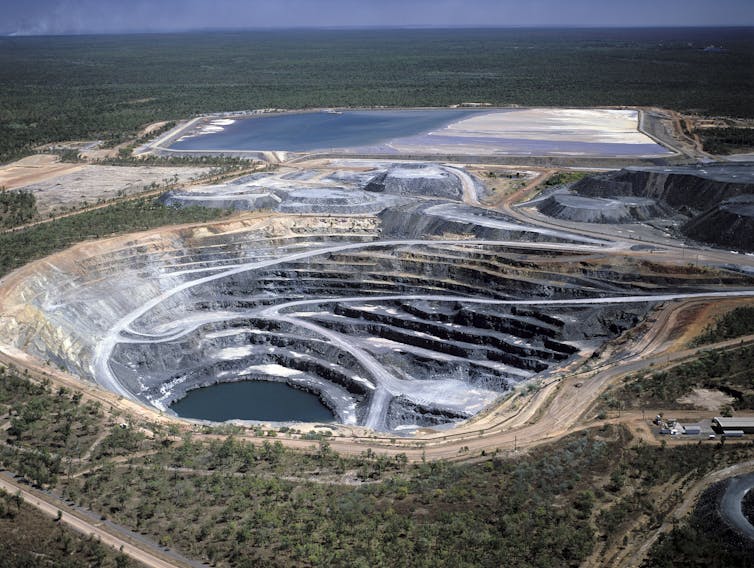
Consider, for example, the sacred sites of the McArthur River Mine. Traditional owners have raised concerns that current mining activities do not adequately protect sacred and cultural heritage sites. Evidence given by community leaders provides insight into the intimate and diverse relationship that traditional owners have with the land.

In considering such evidence, engineers must be able to evaluate both physical site risks (such as acidification of mine tailings and contamination of water bodies) and cultural risks (such as failing to identify all locations of cultural value).

How might we tackle such complicated projects? By properly engaging with traditional communities and by having diverse teams with multiple worldviews and experiences, along with strong technical skills. The broad field of ethical knowledge provides the skill sets to attempt to reconcile the diverse considerations.


Read more:
Juukan Gorge inquiry puts Rio Tinto on notice, but without drastic reforms, it could happen again


Cornell Dam on the Croton River near Croton-on-Hudson, New York, was the tallest dam in the world when completed in 1906. The dam was built with beauty and the environment in mind, but protests and disputes still impacted its construction.
Malinda Rathnayake/Flickr, CC BY

What should the curriculum look like?

Engineering students’ ethical development requires a holistic approach. One assessment suggested:

“[…] that institutions integrate ethics instruction throughout the formal curriculum, support use of varied approaches that foster high‐quality experiences, and leverage both influences of co‐curricular experiences and students’ desires to engage in positive ethical behaviours.”

The curriculum should include:

  • skills/expertise – the underlying intellectual basis for discerning what is ethical and what is not, which is much more than codes of conduct or a prescriptive, formulaic approach

  • practice – practical know-how in terms of ethical solutions that engineers can apply

  • mindset – having an individual and group culture of acting ethically. The engineers’ problem-solving mindset must be supplemented by constant reflection on the decisions made and their ethical consequences.

Ethics is not an “add-on” subject. It must permeate all aspects of tertiary education – teaching, research and professional behaviour.

While the arguments for acting now are strong, market realities will also drive the process. The upcoming generation will likely displace those who are slow or reluctant to adapt.

For instance, engineering firms are under pressure from their own staff on the issue of climate change. More than 1,900 Australian engineers and nearly 180 engineering organisations have signed a declaration committing them to evaluate all new projects against the need to mitigate climate change.

Future engineers must transcend any remaining single-solution mindsets from the past. They’ll need to embrace a much more complex and socially minded ethics. And that begins with their university education.

The Conversation

S. Travis Waller is a Director at Mobility Thinking Pty Ltd. He receives funding from the Australian Research Council, Transport for NSW, Mitsubishi Heavy Industries, Ltd and CISCO Systems.

Kourosh Kayvani is a Principal of HKA. He is Board Director at Engineers Australia and Australian Steel Institute. He is a Good Design Ambassador with Good Design Australia. He has served on the Australian/NZ Standards code committees for Concrete Structures and Wind Loads for over 15 years.

Lucy Marshall receives funding from the Australian Research Council.

Robert F. Care AM is Chair of Red R Australia and RedR International, Director of Care-Collaborative Pty Ltd, and Director of Common Purpose Asia Pacific Limited. He regularly consults to Arup Group and he is affiliated with Engineers Australia.

ref. Why we need engineers who study ethics as much as maths – https://theconversation.com/why-we-need-engineers-who-study-ethics-as-much-as-maths-161356

Vital Signs: amid the lockdown gloom, Australia’s jobless rate hits decade low of 4.9%

Source: The Conversation (Au and NZ) – By Richard Holden, Professor of Economics, UNSW

In other circumstances Treasurer Josh Frydenberg might be dancing a jig.

But the pall of the Greater Sydney lockdown, which has now spilled over to Melbourne declaring its fifth lockdown, meant there was no room for smiling yesterday about the latest jobs figures, showing Australia’s unemployment rate in June fell below 5% for the first time in a decade.

The labour force survey data from Australian Bureau of Statistics shows 22,000 fewer Australians were unemployed last month compared to May. This pushed the unemployment rate down to an eye-catching (if not yet eye-popping) 4.9%.

Next month’s figures, of course, are unlikely to be so rosy. But these numbers still enable us to understand the progress the Australian economy is making with a number of important issues predating the COVID crisis.


CC BY-SA

Importantly, the lower unemployment rate wasn’t due to a reduction in labour-force participation — sometimes known as the “giving up effect”, when folks just stop looking for work because they don’t expect to find a job. The participation rate was steady at 66.2%. In fact, the number of employed persons increased by 29,100 to 13,154,200.

There was even good news for younger Australians, with the youth unemployment rate down by 0.5 percentage points to 10.2%. This reflected a strong recovery from the pandemic, being 6.1 percentage points lower than a year ago in June 2020.

Total hours worked

The one statistic I always focus on is the total hours worked number. This is because the headline unemployment rate, as critics always point out, doesn’t tell us to what extent people are getting enough work.

On this measure there was slightly less good news. Total hours worked in June were down 1.8%, by 33.4 million hours to 1,781 million hours; and that’s seasonally adjusted, so its not just some “winter” thing.


Monthly hours worked in all jobs, seasonally adjusted


ABS Labour Force Survey, June 2021., CC BY-SA

Slow wages growth

In 2019 one could best characterise the Australian economy as barely growing in per-capita terms. Wages growth was stubbornly low, while unemployment and underemployment were unacceptably high.

Having recognised this — too late, mind you, but at least eventually — the Reserve Bank cut interest rates from 1.50% to 0.75% in an effort to get wages up, unemployment down, and inflation back into the central bank’s 2-3% target zone. Inflation has been outside its target band for the entirety of Philip Lowe’s governorship, which began in September 2016.


Read more:
Vital Signs: Why has growth slowed globally? It has something to do with technology


The pandemic pushed the RBA to drive the cash rate close to zero, and also buy government bonds to push down longer-term interest rates.

By looking at where unemployment, underemployment and wages growth stand relative to 2019 levels, we learn something about Australia’s pandemic recovery.

In doing so, we should not lose sight of fact the economy in general — and the labour market in particular — were not in good shape pre-COVID, and policies to address those issues have long been needed.

Edging closer to where we need to be

So, how’s that going? In some sense, pretty well.

June’s 4.9% unemployment rate is the lowest since June 2011. Getting down to something with a “4” in front of it edges Australia closer to reducing the slack in the labour market sufficiently to push wages up.

But the task is certainly not complete.

The aggressive monetary policy being used by the RBA and the “Frydenberg pivot” to aggressive fiscal policy at this year’s federal budget are both aimed at reducing unemployment and hence increasing wages.

However, no one really knows how low unemployment needs to get in Australia to getting wages moving again in earnest. The RBA’s official position is maybe 4.5%. Lowe has said it may well be a fair bit lower.

The smart path, arguably, is “let’s find out” — the central bank should keep using monetary policy and the treasury keep using fiscal policy until we see real wages growth at a sustained level. My own guess is that means getting the unemployment rate down to just below 4%.


Read more:
Vital Signs: we’ll never cut unemployment to 0%, but less than 4% should be our goal


Reigniting an immigration debate

The backdrop for these improvements in the labour market is a closed international border. This is likely to become a hot debate — especially since Lowe fired the starter pistol last week by suggesting Australia’s historically high levels of immigration had been helping keep wages low.

Those were rather careless, or at least ill-advised, remarks from the central bank governor, contrary to solid academic evidence pointing the other way.

He may say more on this at a future date — perhaps after some discussion and reflection. But, as he is so fond of saying, “only time will tell”.

The Conversation

Richard Holden is President-elect of the Academy of the Social Sciences in Australia.

ref. Vital Signs: amid the lockdown gloom, Australia’s jobless rate hits decade low of 4.9% – https://theconversation.com/vital-signs-amid-the-lockdown-gloom-australias-jobless-rate-hits-decade-low-of-4-9-164487

Friday essay: Satan is back (again) — the Devil in 5 dark details

Source: The Conversation (Au and NZ) – By Philip C. Almond, Emeritus Professor in the History of Religious Thought, The University of Queensland

Tom Ellis in Lucifer. IMDB

His title is the Devil, but he goes by a number of names — Satan, Lucifer, Beliar, Beelzebul or Beelzebub.

He was big in 1970s pop culture (The Exorcist, The Devils) and continues to feature on screen today. A sixth season of the TV show Lucifer is in production and new film The Conjuring 3: The Devil Made Me Do It is showing in cinemas.

Conservative Christianity has a long commitment to the idea of a personal devil. Our Pentecostal Prime Minister Scott Morrison believes the misuse of social media is the work of the Devil. Pope Francis, meanwhile, maintains Satan still exists.

The Devil’s modern resurgence might explain a reported increase in apparent demonic possessions in both conservative Catholic and Protestant churches. The rise has fuelled the growth of church ministries that claim to drive out demons. And the conspiracy theorists of QAnon have notoriously created baseless moral panic about the imagined sexual abuse of children in Satanic cults.

Given the amount of publicity the Devil is currently attracting, it’s worth reviewing his history. Here are five things worth knowing.

1. His story is paradoxical

After the Divine Trinity itself (the Father, Son and Holy Spirit — three identities in one God), the Devil plays the most important role in the Christian story.

He is there before the beginning of the world and he survives its end. He is first and chief among the angels. He is the first to disobey God and, along with his fellow fallen angels, to be expelled from Heaven.

From this moment on, religious history records the conflict between God and his angelic forces and the Devil and his demonic army.

Within the Christian tradition, it was the Devil — in the form of a serpent after his own fall from heaven — who brought about the Fall of humanity in the Garden of Eden. Christ’s death and resurrection signalled the victory over Satan and death.

religious painting
Christ refused a banquet offered by Satan. William Blake (circa 1816–1820).
Wikiart

Yet this story is deeply paradoxical. For in spite of Christ’s apparent win, the Devil remains for Christians a real and present source of cosmic evil and human suffering. “We should not think of the devil as a myth, a representation, a symbol, a figure of speech or an idea,” declared Pope Francis in 2018, lest we “let our guard down”.

On the one hand, the Devil is God’s most implacable enemy, granted the freedom to rebel against him. Thus, Saint Paul advised the Ephesians “to put on the whole armour of God so that you may be able to stand against the wiles of the Devil” (Ephesians 6.11).

But on the other hand, the Devil is also God’s faithful servant who acts only at God’s command, or at least with his endorsement. So God sends Satan to kill Job’s animals, servants and children and to afflict Job with “loathsome sores” in order to test his faith in God (Job 1-2).

‘The court accepts the existence of God every time a witness swears to tell the truth […] It’s about time they accept the existence of the Devil.’


Read more:
Thoughts and prayers: miracles, Christianity and praying for rain


2. He is a master magician

Within the Christian tradition, Satan was a master of illusion. Unlike God, he could not perform miracles because he was bound by natural laws.

Satan was seen as a master of magic. In early Christianity, magic was reprehensible because demons were at the heart of it. For Saint Augustine (354-430), the demonic was present within all magic and superstitious practices in other religions.

For Isidore, bishop of Seville (c.569–636), “the foolery of the magic arts held sway over the entire world for many centuries through the instructions of evil angels […] all of these things are to be avoided by a Christian and entirely repudiated and condemned”.

Thus, witches, magicians, and sorcerers (whether acting benevolently or malevolently) were seen as in league with the Devil.

Thus “demonology”, which developed from the middle of the 13th century, was the “science” of determining the powers of the Devil within nature. From the middle of the 15th century, their research was written up in text books for demon hunters — Demonologies.

Modern conservative Christianity still views magical practices along with a range of popular occult practices — tea leaf reading, horoscopes, seances, tarot cards, and ouija boards — as dangerous dabbling with the Devil.

‘Conjecture is useless. We need a professional witch hunter.’


Read more:
Is God good? In the shadow of mass disaster, great minds have argued the toss


3. He can be sexy

The Devil has been imagined (and pictured) in many forms. In the television series Lucifer he is a handsome, well-built man.

This tradition goes back to John Milton’s depiction of him as a handsome man in the poem Paradise Lost: “From his lips/Not words alone pleased her”. Poet and painter William Blake depicted the devil as a chiselled Greek god.

In the medieval period, however, because he dwelt on the boundaries between the human and the bestial, he was often depicted in animal form. In Dante’s Inferno (1265-1321) he was imagined like a dragon with “two mighty wings, such as befitting were so great a bird, sails of the sea I never saw so large. No feathers had they, but as of a bat”.

He was often imagined as goat-like and depicted with animal features: cloven hooves, talons, horns, tail, webbed hands.

Religious painting
Satan with creature features. Detail from Jacob de Backer’s The Last Judgement (circa 1580s).
Wikiart

In demonological literature he was portrayed as a spiritual being without any bodily form. A master of illusion, he was a shape shifter. It was believed he could change gender and assume a male (incubus) or a female body (succubus).

As a spiritual being, the Devil was unable to create children. But he could assume a female form, steal semen from a man and then, in a male form, deposit it in a woman.

According to that most famous of all the Demonologies, Malleus Maleficarum (1486), the pleasure to be gained by a woman from sex with the Devil was equivalent or better to that with a man.

But the Devil and his angels gained no such pleasure. For them, it was just part of the job of inciting people to evil. Demons transformed themselves, Malleus authors declared, “not for the sake of pleasure, since a spirit does not have flesh or bones,” but “that humans will become more inclined to all faults”.

‘Lucifer’s come a long way. He does his best when you put a little faith in him.’

4. He gets around

As a spiritual being, it was believed the Devil could enter into human beings and possess them. Demonologist Henri Boguet (circa 1550–1619) told of a nun who, in eating a lettuce, swallowed the Devil hidden within it.

Indeed, the Devil most often entered through the mouth. But he could apparently also gain access through other bodily openings or wounds.

Religious painting
Satan smiting Job with boils. William Blake (1826).
Wikiart

Demonologist Francesco Guazzo listed 47 signs of possession in his Compendium Maleficarum (1608). There were natural signs, like crying, gnashing the teeth, foaming at the mouth, extraordinary strength, and violence to the self and others.

There were also supernatural signs — clairvoyance, knowledge of strange languages, levitation, vomiting of strange objects, speaking without moving the mouth in different tones from the normal and the inability to feel pain when pricked.

In the “golden age” of demonic possession, from 1500–1700, experts arose within Catholicism and Protestantism who could cast out demons.

By the year 1600, do-it-yourself exorcism manuals were available. The most successful collection of these, the Thesaurus Exorcismorum (1608) promises “evil spirits, demons and all evil spells are driven from obsessed human bodies as if expelled by whips and clubs”.

5. He can be defeated (sort of)

According to the Christian understanding of history, the Devil, his son the Antichrist and his army of demons will be finally defeated on Judgement Day and sent to hell.

But within the confines of hell, the Demonic paradox continues.

The Devil and his evil angels will be tormented eternally for their rebellion against God. But they still remain God’s enforcers. There is no Biblical source for the idea of Satan and his demons torturing the damned in hell. But from the fourth century, Satan was believed to be the ruler of the underworld, as told in stories of Christ’s descent into Hell before his resurrection.

Religious painting
Detail from Luca Signorelli’s The Damned (circa 1500).
Wikimedia Commons


Read more:
Five things to know about the Antichrist


The role of Satan and his demons punishing the damned in hell was to become a common image in medieval art.

English philosopher Henry More (1614-87) wrote of gratuitous torture, with demons looking to “satiate their lascivient cruelty with all manner of abuses and torments they can imagine”.

Actor Jack Nicholson
Jack Nicholson plays a charming devil in The Witches of Eastwick.
IMDB

But by the end of the 19th century, this demonic story had lost its central role in Western intellectual life. The Devil had largely become a figure of myth.

Ironically, the marginalisation of the Christian story of the Devil in the modern West and in liberal Christianity allowed for a proliferation of devils and demons in popular culture — from The Devil’s Advocate to Rosemary’s Baby to The Witches of Eastwick.

The Devil is metaphorically, if not literally, the “evil” within all of us. As a result, the Devil has new domains, new territories, and new borders in which he “walks about, as a roaring lion, seeking whom he may devour” (1 Peter 5.8).

The Conversation

Philip C. Almond does not work for, consult, own shares in or receive funding from any company or organisation that would benefit from this article, and has disclosed no relevant affiliations beyond their academic appointment.

ref. Friday essay: Satan is back (again) — the Devil in 5 dark details – https://theconversation.com/friday-essay-satan-is-back-again-the-devil-in-5-dark-details-162859

Grattan on Friday: COVID boxes Morrison in while Albanese hits the road

Source: The Conversation (Au and NZ) – By Michelle Grattan, Professorial Fellow, University of Canberra

As the Delta strain escalated our COVID experience to a new stage of national disruption, Scott Morrison has been under a form of political house arrest, driven by circumstances and choice.

The prime minister arrived back from his G7 excursion – which seems an age ago – on June 17. He spent a fortnight in quarantine at The Lodge (including joining the House of Representatives remotely) before going home to Sydney – already in lockdown – on July 2.

Since then, after several days absent from view, it’s been COVID-dominated Kirribilli news conferences, media interviews, and no doubt an encouraging word to Jen about the coming test of home schooling. Next week Morrison moves to Canberra – to quarantine for the parliamentary sitting that starts August 3.

Anthony Albanese took a different course. He hasn’t returned to Sydney since parliament rose. He hung around Canberra initially, then headed north for a swing through Queensland. He might be missing his son and his dog but he has covered a lot of kilometres.

On Monday of last week he was in Toowoomba, in the electorate of Groom.

The following days saw him at Redcliffe (Petrie), Cairns (Leichhardt), Mackay (Dawson), and Gladstone (Flynn). He visited the seat of Griffith in Brisbane before going to Moranbah (Capricornia), where he went to a coal mine.

Returning to Brisbane, he took in Lilley on the way to the airport and a flight to Canberra this week – to avoid Sydney and so retain flexibility (although the country is now so closed, he’s running out of places to go).

Being confined during this winter parliamentary recess obviously doesn’t make any decisive difference for Morrison’s electoral fortunes. Nevertheless, it is an interference to his campaigning.

The government makes the counterpoints that the opposition leader has nothing else to do but campaign, and anyway it’s a bad look to be away from your home city in its hour of need.

Normally, Morrison would have used some of the winter break to be on the road, seen in several parts of the country, getting to out-of-the-way seats.

Instead, that work will have to be crunched into later. It all takes time, and Morrison will be even more time-poor if he makes any of several possible trips overseas between now and Christmas – to the US, the East Asia summit, the G20, Glasgow. Also eating into time are the parliamentary weeks between now and year’s end.

Maximum seat-by-seat campaigning is especially important when the chaotic vaccine program and the Sydney lockdown – and now a short one in Victoria – are throwing curveballs into the political outlook.

Until relatively recently it appeared most likely Morrison, like state and territory leaders, would have the strong advantage of “COVID incumbency” when facing the voters, probably in March or May.

Even with a slow rollout, there seemed enough time to get the job done and for things to settle. Although the Coalition has been trailing or level in the polls, the government could feel reasonably confident.

But at the moment lockdown upheavals, rollout confusion, and community anger make any assumptions courageous.

An analysis published this week of Newspolls taken between April 21 and June 26 found two-party swings against the Coalition in every state except Victoria, with the biggest swings in Queensland and Western Australia.

The analysis concluded that if this were replicated at an election, the ALP could win majority government with 78 seats (in a 151 seat House).

This should be treated cautiously, even apart from any scepticism about polls. The election isn’t imminent. And translating general swings to particular seats is hazardous. For instance, on these figures Peter Dutton would lose his Queensland seat of Dickson. Yet all we know from the past suggests Dutton is well dug in there.

On the other hand, the Coalition’s seat numbers are at a high point in Queensland and Western Australia, making it difficult for it to look for any significant gains.

It’s no wonder Morrison, dubbed by his critics the “prime minister for NSW”, is pinning hope on gaining seats in his home state. Throughout the pandemic he has heaped praise on the Berejiklian government. In the Sydney lockdown, now extended for at least an extra fortnight, the federal government’s package for the state drew accusations from Victoria of “double standards”.

Anyway, NSW can no longer be celebrated for its model handling of COVID, and the state government is under criticism for the timing (too late) and nature (too soft) of the lockdown.

People might not be enthusiastic about Albanese’s Labor, but if the opposition picked off a few seats (in net terms), it would not take much to change the map. Think a hung parliament.

The chances of that might be statistically unlikely. But it wouldn’t be a total surprise – given the government is on a razor’s edge (current House numbers are Coalition 76 and Labor plus crossbench 75), and an unfavourable redistribution has scrapped a Liberal seat in Western Australia and created a Labor one in Victoria.

The election is unlikely to see any significant influx of independents (that’s not to preclude one turning up) but on present indications we could expect most of the current House crossbenchers to be returned (excepting Liberal defector Craig Kelly).

Politically, these crossbenchers are a mixed bunch and it would be fascinating to see how Morrison and Albanese matched off as negotiators, if they were in a 2010 situation.

A small event this week triggered a comparison between how Morrison’s political persona came across in the run up to the “miracle” election and now.

It was announced the charges against a woman alleged to have put needles into strawberries in 2018 had been dropped. Morrison turned the Great Strawberry Crisis into a dramatic national event, rushing legislation through at breakneck speed. This was more stunt than substance but it was all about portraying him as a man of action.

The action-man image was punctured before the vaccine debacle but the failures in this stage of a real crisis (after the earlier successes) are dealing him a serious blow.

In 2019 many voters actively disliked Bill Shorten; they found Morrison a more neutral figure, the man next door, not a world-beater but okay. Since then opinions have sharpened. Women look at Morrison differently from back then. The coating of teflon has many scratches. Albanese is now the inoffensive man next door.

With the rollout a battle, this week reinforced that Morrison is hostage to events beyond his control, struggling to respond to them, a leader forced to repeatedly change tack and lines, find excuses, slap on sticking plaster, spend more money. The package for NSW, announced on Tuesday, was followed on Thursday by a proposed “more simple and streamlined” set of arrangements.

The health challenge in trying to get in front of COVID’s Delta strain is formidable. Morrison finds the politics as hard.

The Conversation

Michelle Grattan does not work for, consult, own shares in or receive funding from any company or organization that would benefit from this article, and has disclosed no relevant affiliations beyond their academic appointment.

ref. Grattan on Friday: COVID boxes Morrison in while Albanese hits the road – https://theconversation.com/grattan-on-friday-covid-boxes-morrison-in-while-albanese-hits-the-road-164583

AJF’s Peter Greste presses for media freedom act to protect journalists

The Press Freedom Tracker launch video featuring Peter Greste and the tracker team. Video: AJF

Pacific Media Watch newsdesk

The Peter Greste-fronted Alliance for Journalists’ Freedom is launching a press freedom tracker for use in engaging with politicians and government officials to push for better protections for journalists in the Asia-Pacific region, reports Miranda Ward of the Australian Finanancial Review.

Greste, who spent more than 400 days behind bars after he and two colleagues were charged with terrorism offences while on assignment for Al Jazeera in Egypt, said the press freedom tracker would record incidents, both attacks on press freedom and positive steps forward, and help the AJF and other stakeholders assess the state of press freedom in the region.

Peter Greste wants to help the Australian public understand the challenges facing press freedom in Australia.

Peter Greste AJF
Journalism professor Peter Greste … biggest challenge facing press freedom in Australia is making the public understand the threats facing media. Image: Screenshot/Pacific Media Watch

“It’s designed to be something that looks at the state of press freedom, the direction of travel and whether it’s up or down across the Asia-Pacific region,” he said.

“We’re also being very careful not to rate countries because we don’t think that’s necessarily helpful. What we’re looking at, though, is a way of comparing and contrasting the way that various countries handle press freedom across the region and the broad direction of trends.”

Greste said the AJF would use it as a tool “for opening political and diplomatic conversations and as a tool for advocacy”.

The AJF was formed in 2017 by Greste, lawyer Chris Flynn and former journalist and strategic communications consultant Peter Wilkinson. Flynn and Wilkinson worked with the Greste family to free Greste from an Egyptian prison.

Complement advocacy work
The press freedom tracker, which was launched in Brisbane yesterday, will complement the AJF’s advocacy work and how the organisation engages with governments to discuss press freedom issues.

Greste said the AJF was also working on its “regional dialogue” project, which is a series of semi-formal meetings between news companies, governments and security agencies designed to help each understand the other better and find better ways of working together.

“One of the chief arguments is that there’s often talk about the trade-off between press freedom and national security, the balance between press freedom and national security, which implies that if you have more of one, by definition, you have less of the other,” he said.

“We disagree with that characterisation. We think that press freedom is actually part of the national security framework. It indirectly helps government function better, it helps the system work more effectively, it helps expose corruption within governments and organise crime.”

The biggest challenge facing press freedom in Australia, said Professor Greste who is also UNESCO chair in journalism and communication at the University of Queensland, was making the general population understand the threats facing media.

“Opening up a daily newspaper, it doesn’t feel as though Australia press is limited in any way. We don’t have explicit censorship and not seeing journalists thrown in prison. Up until the [Australian Federal Police] raids [on the ABC and a News Corp journalist], we weren’t seeing police kicking down the doors of journalists in a rage reaction. So it doesn’t look as though journalism is in a crisis,” he said.

Greste said that if the public had a better understanding of how “dangerous it is for sources within government to speak to journalists anonymously, confidentially”, and the effect that has on stories that are not being told, he believed it would be more widely recognised that journalism in this country was “not as healthy as we’d like to believe”.

No constitutional protection
“The challenge is getting the public to understand the role that journalism plays, and appreciate that role, and recognise the loss of press freedom that we’ve seen since 9/11. The impact that the national security legislation has had on press freedom.”

In Australia specifically, the AJF is pursuing the creation of a media freedom act that would help provide protections to journalists and compel the courts to consider press freedom in any case that would affect the state of press freedom in the country.

“Australia is about the worst Western liberal democracy in the world when it comes to legal and constitutional protections for things like freedom of speech and press freedom,” Greste said.

“We have no constitutional protection at all.”

The AJF hopes a media freedom act would help protect news organisations from police raids such as the AFP’s 2019 raid on the ABC’s Sydney headquarters by insisting judges be obligated to consider press freedom and the public interest before signing warrants to allow such raids to take place.

Greste said that while a parliamentary inquiry in August last year recommended sweeping reforms, politicians need to find the will to implement the recommendations.

“The opportunity for the AJF is to help the public understand this and to find and develop political support for media freedom,” he said.

“We’re getting some support, we’ve had a number of politicians approach us. We’re in the process of drafting an act. We’ve been speaking to a number of independent MPs about working on the idea and certainly politicians in the Coalition and in the Labor Party privately have been expressing support for the idea.”

“It’s just that it’s hard to put on the political agenda and get the kind of moment that we need to see a piece of legislation go through.”

Republished with permission from the Alliance for Journalists’ Freedom.

Print Friendly, PDF & Email

Article by AsiaPacificReport.nz

Tasmanian author Amanda Lohrey wins prestigious Miles Franklin Literary Award for The Labyrinth

Source: The Conversation (Au and NZ) – By Jen Webb, Dean, Graduate Research, University of Canberra

Detail from The Labyrinth book cover Text Publishing

And the winner of 2021’s Miles Franklin Literary Award is The Labyrinth, by Amanda Lohrey!

Two of Lohrey’s previous novels (Camille’s Bread in 1996 and The Philosopher’s Doll in 2005) have been shortlisted for the prestigious $60,000 prize. Her latest has been recognised as the literary volume that best presents Australian life now. She is the second Tasmanian author to ever win the prize.

As a long-time fan of Lohrey’s voice and eye, and someone with a lifetime of longing for more recognition of women’s achievements, I am thrilled to see her novel and her protagonist Erica achieve this standing.


Read more:
The saddest of stories, beautifully told: your guide to the Miles Franklin 2021 shortlist


Prickly but appealing

Erica is an often prickly but generous and appealing character. Though she grows up “in an asylum, a manicured madhouse”, her childhood is much happier than is the norm for characters in literary fiction. Her father, the chief medical officer of the hospital, trains his children in diversity. All of us are “lunatics”, he teaches them, in that “we are all affected by the moon”. “Evil,” he tells them, is no more than “a chemical malfunction in the brain”.

book cover

Text Publishing

This is an excellent foundation for someone who, in later life, finds herself with a son whose “chemical malfunction” leads him to commit an inadvertent but terrible crime. The beach shack she purchases to be near him, and far from everyone else she knows, is as disorganised and disreputable as her child. But it gives her somewhere to review her life and re-imagine a future.

That future circles around the concept of the labyrinth. Much of the novel is a masterclass in types of these mazes and the meanings and feelings the various designs afford.

A way through

All this operates as a healing process following the agony of her son’s act, trial and imprisonment. She — or rather, her planned labyrinth — gradually draws the attention of other isolates who live in the same coastal community. Various people become closely connected to her and one, Jurko, happens to know about labyrinths and their construction.

The young man, “an illegal immigrant who has overstayed his visa”, is a stonemason (a master of that ancient art) and he gradually inserts himself into her home and her life to become her “surrogate son”.

Sand, he explains, is the best foundation for a labyrinth, and this captures Erica’s attention:

I am struck by the paradox here: sand so volatile in its essence and yet so firm a basis for the rigidity of concrete.

For the reader, this becomes the novel’s coda: though everything seems so unstable, it still affords a firm foundation for our difficult, drifting lives.

As the novel unfolds, Erica’s deepening relationships with her new neighbours, and shared responsibilities and understandings, form a sort of labyrinth that leads her to the point where she can declare: “The fugue is over.”

woman sitting outside
‘It’s a tremendous honour to be associated with the remarkable Stella Miles Franklin, one of the great Australian mavericks,’ said winning author Amanda Lohrey.
Miles Franklin Award


Read more:
The Flanagan effect: Tasmanian literature in the limelight


The Conversation

Jen Webb receives funding from the Australian Research Council.

ref. Tasmanian author Amanda Lohrey wins prestigious Miles Franklin Literary Award for The Labyrinth – https://theconversation.com/tasmanian-author-amanda-lohrey-wins-prestigious-miles-franklin-literary-award-for-the-labyrinth-164549

Fiji reports 10 more covid deaths – Flying Fijians to wear vax slogan

RNZ Pacific

Fiji health authorities have reported an additional 10 deaths from covid-19 over the past week.

In his daily statement on covid-19 cases, Health Secretary Dr James Fong said there were 634 new cases for the 24 hour period ending at 8am yesterday.

All of the dead were aged from 42 to 90 and nine had not been vaccinated, with the 10th having had one dose of vaccine.

Another two deaths of covid positive people are being investigated as they also had pre-existing medical conditions.

There have now been 69 deaths in Fiji from covid 19, 67 of those since the latest outbreak began in April.

Fiji now has 10,033 active cases.

As of Tuesday the government reports that 370,219 people had received their first dose of vaccine and 70,917 had had both doses, meaning just over 12 percent of the population is fully innoculated.

Dr Fong said people are still dying at home or coming into medical facilities in the late stage of severe illness, so reducing the chances of recovery.

Fiji to wear vaccinate jersey
The Fiji rugby team have agreed to wear jerseys supporting covid-19 vaccinations in this weekend’s second test against the All Blacks in Hamilton.

In a statement, Fiji Rugby chief executive John O’Connor said that after “comprehensive and productive discussions” with the Flying Fijian players, the team has agreed to wear the playing jersey featuring the “Vaccinate Fiji” message.

The team were supposed to wear jerseys with the words “Vaccinate Fiji” on the chest in last Saturday’s 57-23 loss to New Zealand in Dunedin, but the idea was ditched because of opposition from some team members.

"Vaccinate Fiji" rugby jerseys
Fiji was supposed to wear jerseys with the words “Vaccinate Fiji” on the chest in Dunedin. Image: Fiji Rugby

Flying Fijians coach Vern Cotter said the jersey idea was “sprung” on the players at late notice without the necessary consultation.

“As you can imagine, it’s a delicate subject for some and so it was probably better to just have a clean jersey and then spend some time on how best we want to communicate on this matter and how comfortable the players and everybody are around that communication.”

That discussion has now taken place.

“We have listened to the concerns raised by some members of the squad regarding the message, and the perspective that individuals have different choices when it comes to vaccination,” O’Connor said.

“In turn, we explained FRU’s position and support for the vaccination programme in Fiji, which will help save lives and assist our health authorities in the fight against the Covid-19 outbreak.”

With not all the players fully on board, a compromise was struck.

“The squad has settled on the “Vaccinate Fiji’ jersey, with an additional “It’s Your Choice” message alongside it,” O’Connor explained.

“We thank them for their understanding and participation in this process.”

There will also be “Vaccinate Fiji” signage at the Hamilton game.

This article is republished under a community partnership agreement with RNZ.

Print Friendly, PDF & Email

Article by AsiaPacificReport.nz

Samoa Observer: For Tuila’epa, what follows defeat?

EDITORIAL: By the Samoa Observer editorial board

When Australia’s second-longest ever serving Prime Minister faced a complete wipeout at the national elections after 10 years in power — even being voted out of his own seat — he realised that he had lost but only as part of a process much bigger than he was.

It was not the sheer scale of his loss that was extraordinary.

All political careers end in tragedy, as the saying goes. But it was the belief he displayed in ideals more important than his own self-interest.

Samoa Observer
SAMOA OBSERVER OPINION

“This is a wonderful exercise in democracy,” John Howard said at a small ceremony at a local primary school held to acknowledge that he had been voted out by the constituents whom he had represented for more than three decades.

“You can count on the fingers of one hand the countries which have remained democracies for over 100 years.

“It is a privilege to be part of that process.”

Howard’s end, and the steely manner in which he went out to meet it, is a lesson in principled graciousness and other attributes Samoa’s Human Rights Protection Party (HRPP) has failed to display since losing the election.

Most noticeably lacking is a sense of pride in democracy being part of our nation’s character and respect for its rules being a form of patriotism.

Instead, we have seen in Samoa a caretaker Prime Minister, Tuila’epa Dr Sa’ilele Malielegaoi who lost the election, and continues to lose seats by the day, refuse to even contemplate defeat.

He has openly defied (it comes right after “decline” in the dictionary, Tuila’epa, should you need help to check the grammatical correctness) the voters, the judiciary and now ultimately the nation because he is unwilling to look past beyond his own seat in power and towards the better interests and future of this nation.

In doing so he has actively contrived to plunge this nation into a constitutional crisis and disparaged all the democratic institutions which our country must respect for it to function.

Remarkably, he has shown very little care for being seen plainly and for what he is in this whole national crisis: a stubborn and self-regarding roadblock to process.

In the past three months a stream of excuses have emanated from the caretaker Prime Minister’s mouth about who is to blame for our current constitutional predicament.

On Tuesday he was attempting to blame the courts for the nation’s prolonged political uncertainty; a favourite target of his; and another critical democratic institution.

“This whole process has been prolonged because they [Supreme Court] had added back ends to the decisions they have delivered after the elections,” he said.

“For instance, the decision they delivered on the ten per cent for women representation in Parliament.”

Well, that is simply not the case. The Prime Minister has tried to hide behind the claim that only until the question of female representation in the Parliament has been settled can it convene.

The courts have ruled twice now that there is no grounding in fact whatsoever for his statements.

But as his pronouncements have become increasingly divorced from reality and even ridiculous he has shown next to care.

All the while as his numbers on the floor of Parliament are dwindling. He is perhaps hoping that most voters don’t pay attention or care enough about politics to let him get away with this political double-dealing.

Ultimately Tuila’epa has shown that he does not conceive of Samoa as a democracy; he sees it as an island on which he and the HRPP are meant to rule.

That explains the extreme casualness with which he walked into his election defeat at the hands of the Fa’atuatua i le Atua Samoa ua Tasi (FAST) party – and his seeming inability to face up to the truth after.

But as a story on Tuesday’s front page made clear, the ability to accept defeat was a precondition of any functioning democracy (Samoa risks decline into dictatorship: Harvard professor).

This is certainly a serious democratic crisis, and the behavior of both the Prime Minister and the Head of State can certainly be deemed anti-democratic,” said Dr Steven Levitsky.

“It is essential in a democracy that losers accept defeat and not seek to remain in power via other means. What the HRPP has done is similar to Donald Trump’s reaction to defeat in the US, which has weakened US democracy.”

Luckily for America its democratic institutions were strong enough to withstand a coordinated attack on accepting its election, as the institutions and gatekeepers of that republic proved they could not be corrupted by political rants from a man who had just lost an election and, like that, had his power next to nearly instantly evaporate.

“Any time the incumbent party loses and refuses to accept defeat and seeks to remain in power by other means, democracy is in crisis,” the professor continued.

“That is Samoa today.”

But as he makes clear, Samoa is on the downward slide toward — but has not yet reached — the depths of political dictatorship.

“It may be too soon to call the PM a dictator and the regime a dictatorship. Samoa is still mid-crisis,” Dr Levitsky said.

“But if the PM and Head of State persist and are successful in thwarting this election, democracy will have been (at least temporarily) derailed.”

“It would be at that moment that Samoa will have slid into dictatorship, he said: “If the PM remains in power indefinitely despite losing an election, then I think you can say Samoa has slid into dictatorship.”

Indeed. The worrying thing for Samoa is that neither Tuilaepa, nor the various officials he has used as shields in his ongoing battle to frustrate court rulings, have shown the slightest inclination to avoid such a slide.

These are indeed dark days for Samoa. At nearly 60 years of age, we stand on the precipice of backsliding from our extraordinary achievement to have thrown off colonial shackles and become a successful democracy.

All that stands on the edge of being destroyed if the caretaker Prime Minister continues to act as if he cannot hear court rulings. Or if, as seems like an increasingly course of action, the Head of State convenes Parliament on August 2 and despite a FAST majority, rules that no government can be formed before sending the nation back to the polls.

That too, though it will involve a fresh election, will be a killer blow to our reputation as one of the world’s democracies: finding ways to throw out the people’s verdicts and starting again fresh with the hope of securing another is utterly undemocratic.

And voters could never trust that those in charge of the country will honour their wishes again.

The caretaker Prime Minister, a man fond of bombastic rhetoric, has shown little evidence that he has contemplated the shattering fact that the people of Samoa have voted and decided that no longer want him to run the country.

Until he comes to peace with that fact and realises that by acting as he has he imperils the future of this nation — not only for now but for generations — but also shows contempt for its history.

This Samoa Observer editorial, 14 July 2021, is republished with permission.

Print Friendly, PDF & Email

Article by AsiaPacificReport.nz

Victoria considers electronic surveillance for alleged stalkers

Source: The Conversation (Au and NZ) – By Bernadette McSherry, Emeritus Professor, The University of Melbourne

Shutterstock

In 1993, Andrea Patrick was murdered by her ex-partner after a period of severe harassment and despite a restraining order being made against him. The public outcry that followed Patrick’s death impelled the New South Wales government to follow Queensland’s lead and enact an offence of stalking.

During the 1990s, all Australian states and territories made stalking a distinct crime. Evidence of stalking can also form the basis of civil law orders known as restraining, apprehended violence or intervention orders.

However, there are concerns that little has changed since Andrea Patrick’s death. There is a view that stalking is not being treated seriously enough and intervention orders may be breached without serious ramifications for alleged offenders.

The Victorian attorney-general has asked the Victorian Law Reform Commission to consider new measures for responding to stalking, including whether electronic monitoring could be a condition of intervention orders.

Before considering the advantages and disadvantages of such a measure, it is worth considering how stalking is defined.

What is stalking?

While definitions differ, in general, stalking refers to a pattern of behaviour intended to cause harm or arouse fear. Stalking can include:

  • surveillance: obsessive monitoring through physically following or tracking the other person via technology or by loitering at the person’s home or workplace

  • repetition: there may be unwanted contact that occurs multiple times – it can happen over the course of one day, a few weeks, or many years

  • degradation: this may involve verbal abuse, posting denigrating comments or images online, or humiliating the other person in public

  • intrusion: this may include repeatedly approaching the other person, interfering with the person’s property, or entering the person’s home or workplace.

Stalking can involve actions that would, in another context, be legal or even welcome. For example, gift-giving is usually legal. But if someone repeatedly gives another person unwanted gifts and will not stop when asked, this may amount to stalking.


Read more:
Friendlyjordies producer arrest: what is the NSW Police Fixated Persons Investigations Unit and when is it used?


Intervention orders

Individuals can apply to a court for an intervention order that prohibits another person (the defendant) from behaving in a particular manner towards them. In addition to acting as a restraint on the defendant’s behaviour, an intervention order can direct the defendant to comply with certain conditions.

In Victoria, for example, there are two types of intervention orders: family violence intervention orders and personal safety intervention orders. The first type covers situations between family members, including current or former intimate partners and some carers. The second type covers all other relationships.

Lower courts may grant intervention orders if there is sufficient evidence of stalking.

Electronic monitoring

Electronic monitoring generally refers to “forms of surveillance with which to monitor the location, movement and specific behaviour of persons”. It includes the use of devices such as ankle bracelets, which use radio frequency or Global Positioning System (GPS) technology to monitor the location of the person.

While the use of such devices is usually associated with monitoring offenders after conviction, pretrial electronic monitoring is used in some places as a condition of bail. Electronic monitoring is also permitted in South Australia and Queensland for some individuals using forensic mental health services.

Electronic monitoring devices such as ankle bracelets have been used pre-trial in some cases.
Shutterstock

It appears electronic monitoring has not been used in Australia as a condition of intervention orders. However, Matt Black and Russell G. Smith pointed out in 2003 that “modern restriction and surveillance capabilities may raise the possibility for consideration”.

Pros and cons of electronic monitoring

Electronic monitoring may help to ensure intervention orders work to prevent alleged stalkers physically approaching particular people. It can ensure they don’t enter proscribed areas and be used to track their movements.

However, it can be expensive. The panel that reviewed post-sentence supervision of sex offenders in Victoria observed:

[…] the costs associated with electronic monitoring were considerable, particularly in proportion to other important functions undertaken by Corrections Victoria.

Due to resource allocation, it is not feasible for every alleged stalker to be monitored 24 hours a day. Analysis of the electronic monitoring data is also not necessarily immediate. If electronic monitoring were an option in relation to intervention orders, it may also lead to more contested cases, thereby taking up more court time.

There are human rights issues in relation to curtailing the liberty of those who have not been convicted of a crime. Wearing an electronic device may also be sitgmatising. The balance here is whether public safety considerations outweigh individual rights.


Read more:
Hunting the hunter: how to effectively combat stalking


A shift in focus

Being forced to modify behaviour to avoid being stalked appears to be common for victim survivors of stalking. They may experience significant lifestyle changes such as:

  • avoiding places where their stalker might be
  • changing routines
  • quitting school or their job
  • moving house.

A key question for the Victorian Law Reform Commission inquiry into stalking will be whether electronic monitoring can help shift the focus away from victims having to alter their own behaviour to forcing alleged offenders to alter theirs.

Electronic monitoring may have a role to play, but it may be that the disadvantages outweigh the benefits.


Submissions to the inquiry close on August 5 2021. A consultation paper to guide submissions can be found on the VLRC website, and an anonymous online form for people who have experienced stalking can be completed via the following link. The Commission is due to provide an interim report to the Victorian government by December 31 2021 and a final report by June 30 2022.

The Conversation

Emeritus Professor Bernadette McSherry is a Commissioner with the Victorian Law Reform Commission.

Dr Madeleine Ulbrick is a Senior Research and Policy Officer at the Victorian Law Reform Commission

ref. Victoria considers electronic surveillance for alleged stalkers – https://theconversation.com/victoria-considers-electronic-surveillance-for-alleged-stalkers-164320

From slushie machines to megalitres of alcohol spray, the Tokyo Olympics are a logistical nightmare

Source: The Conversation (Au and NZ) – By Flavio Romero Macau, Associate dean, Edith Cowan University

Kyodo/AP

The postponed Tokyo Olympics are about to start, albeit with no hugging or high-fives. More than 11,000 athletes will compete in 339 sporting events across 40+ venues. They will be bonded by the Olympic spirit of friendship, solidarity, fair play — and global logistics.

There are not just athletes from 205 different nations making their way to Japan, so too are thousands of tonnes of equipment and supplies.

Hundreds of containers packed weeks, or even months ago, are arriving at the ports of Tokyo and Yokohama. More is coming by air. All of it must be unloaded and transported, unscathed, to the right place at the right time.

What is in the container?

The containers headed to Japan are full of everyday items such as mattress toppers, sheets, blankets, pillows, pillowcases and towels, for use by athletes and officials staying at the Olympic Village, a set of 21 high-rise residential buildings in the centre of Tokyo.

The Olympic Village in Chuo Ward, Tokyo.
Kanji Tada/Yomiuri Shimbun/AP

With temperatures expected to exceed 30°C, the New Zealand team is bringing ice vests, slushie machines and misting fans – with transformers to ensure all equipment will work on the local power supply (100 V, not 110V/220V).

Most teams are bringing recovery drinks and snack packs, but each country has its own way. Britain’s team, for example, has 45,000 teabags and 8,000 porridge pots on its list.

Then comes the high-performance sports equipment. Boats, canoes, oars, surfboards and bikes take up a lot of room. Combat sports teams bring tatamis, mats and punching bags — all pretty heavy. Balls, guns, darts, poles, rackets, gloves, skateboards, swords, guns, golf clubs — name a sport and you will find specialised equipment related to it.

Australia's Cedric Dubler during the Men's Decathlon Javelin Throw at the Rio 2016 Olympic Games.
Australia’s Cedric Dubler during the Men’s Decathlon Javelin Throw at the Rio 2016 Olympic Games.
Dave Hunt/AAP

There are uniforms — shoes, shirts, shorts, jumpers, pants, jackets, socks, caps and helmets by the hundreds of thousands. The Canadian delegation packed more than 31,000 pieces of clothing for Tokyo in 2020 that had to be unpacked and hung up in a Montreal warehouse before being packed again.

Packing for a pandemic

To all this a new category has been introduced for the Tokyo Olympics: COVID-related items.

More than a million disposable masks, aprons and shoe covers are being sent, along with megalitres of alcohol sprays and hand sanitisers. The Australian Olympic team’s five containers include 75,000 masks, 544 bottles of hand sanitiser and 40,000 disinfectant wipes.

Most delegations stacked pallets in containers months ago, as if playing a Tetris game. The Brazilian team shipped more than 20 containers early in April. The British team sent its gear even earlier, in February.

Last mile delivery

Supply-chain managers will tell you about 30% of costs and more than 70% of problems in transportation take place in the “last mile”, those few kilometres moving products from the delivery company’s warehouse to the final destination.

The most significant challenge in Tokyo is traffic congestion. More than 37 million people live in the greater metropolitan area. Even with the pandemic, and no spectators, the number of people on the move everyday will still be huge.


Read more:
Holding the Tokyo Olympics without spectators during COVID-19 emergency puts the IOC’s ‘supreme authority’ on full display


The city’s fourth state of emergency since the pandemic began was declared this week. But it has resulted in pedestrian flows at five major city sites falling less than 1% on the week before.

Morning pedestrian traffic in Tokyo on July 13 2021.
Morning pedestrian traffic in Tokyo on July 13.
Jae C. Hong/AP

Clever planning means the Olympic Village is well situated, about 18 km from the airport, 7 km from the Port of Tokyo, and 35 km from the Port of Yokohama, where most of the equipment will land.

There are 28 Olympic venues within 10 km of the village, including the Japan National Stadium. There are 14 other venues further away. The golf competition at the Kasumigaseki Country Club, for example, is 70 km away, a trip that would normally take up to three hours by road.

Getting through customs

To get through customs, each national team must declare product names, quantities and prices. They navigate a 90-page document on the formalities for importing and exporting equipment for the games.

Once cleared, transporting competitive sports gear is a sensitive task. A splinter or twist in the equipment may prevent an athlete from competing. If an item is damaged or lost, there is little opportunity to wait for a replacement.

Now, consider the effect of COVID-19 on bulk distribution and packing.

At the 2016 Rio Olympics, uniforms were collected in bases where hundreds of athletes waited in line. In Tokyo, each athlete must advise of their size in advance and their uniforms will be delivered directly to their rooms. The result will be more than 11,000 room deliveries in three weeks, plus returns.

Fewer volunteers

Volunteers are central to support venues and event management. Before the pandemic, about 110,000 volunteers had been recruited. Now there will be less, with 10,000 having quit and about 8,000 overseas volunteers being excluded. The state of emergency may reduce numbers even further.

With strict barriers in place to prevent contamination, and a process that is running for the first time in an event of such complexity, being short-handed will test the Japanese reputation for organisational efficiency.

Games volunteers must work fast. Items must be tracked with utmost accuracy. Throwing events at the main stadium, for example, will see discuses, hammers, javelins and shot-put balls tagged to hundreds of athletes moving to different areas at very specific times.

Once qualifying rounds are over, equipment from the athletes not making to the finals must be removed and stored, for later return to their home countries.

Brazilian pole vaulter Fabiana Murer competing in 2007.
Dario Lopez-Mills/AP

Mistakes may hold up events and distract athletes from putting in their best performance. This happened with Brazilian pole vaulter Fabiana Murer at the 2008 Beijing Games, when she couldn’t find the right-sized pole during the final.

Not so social

Socialising has always been a byproduct of the Olympics. After four years of intense training and a blaze of glory, athletes from around the world mix, mingle and party to the big parade at the closing ceremony.

But not in Tokyo. Athletes are banned from visiting bars, restaurants and shops. After-parties will not be tolerated in the Olympic Village. There is a chance only the flag bearer for each nation will come to the stadium for the closing ceremony.


Read more:
Condoms, vaccines and sport: how the Tokyo Olympics is sending mixed messages about COVID-19 safety


Athletes must leave the village within 48 hours of the end of their event. Consider that they do not know if they will make it beyond the first heat. With limited flights to and from Tokyo, moving delegations is as much a complicated logistics effort as is the “last mile” delivery.

This will certainly be an Olympics to remember. Fingers crossed it will not be only for the wrong reasons.

The Conversation

Flavio Macau is affiliated with the Australasian Supply Chain Institute

Ruth Sibson is affiliated with the Australian and New Zealand Association for Leisure Studies (ANZALS).

Ashlee Morgan does not work for, consult, own shares in or receive funding from any company or organisation that would benefit from this article, and has disclosed no relevant affiliations beyond their academic appointment.

ref. From slushie machines to megalitres of alcohol spray, the Tokyo Olympics are a logistical nightmare – https://theconversation.com/from-slushie-machines-to-megalitres-of-alcohol-spray-the-tokyo-olympics-are-a-logistical-nightmare-163966

In NZ and around the world, women are still more likely to present and report the news than appear in it

Source: The Conversation (Au and NZ) – By Susan Fountaine, Associate Professor of Communication, Massey University

www.shutterstock.com

Women are more visible in the world’s news than ever before — but they’re still far from achieving parity with men.

According to the just released Global Media Monitoring Project (GMMP), women made up 40% of reporters and 25% of news sources across print, TV, radio, internet news and Twitter.

This was a record result for women as both news workers and sources, but still well short of equality. The report estimates it will take another 67 years to close the gender gap in news.

The sluggish progress measured in the sixth GMMP study since 1995 is hard to justify when the UN has recognised persistent gender inequality in media representation contributes to the social, economic and political marginalisation of women and girls.

The GMMP is the world’s largest study of gender portrayal in the news. The latest results are based on news coverage from 116 countries on September 29 2020.

Designed to be a snapshot of an ordinary news day, taken once every five years, the latest study captured more than 30,000 stories, a quarter of which were related to COVID-19.

More women reporters

Promisingly, Aotearoa New Zealand performs better than the global average on gender balance. Record proportions of reporters and presenters were women (68%) and appeared in stories as sources (33%).

The 2020 results are an improvement on 2010 and 2015, when New Zealand stagnated while women’s media visibility increased in many other countries.

However, in New Zealand and around the world, women are still more likely to present and report the news than to appear in it.

Media monitoring over the past 25 years shows New Zealand performs well when there are female political leaders and political news dominates the daily news agenda. In 2000, when Helen Clark was prime minister, New Zealand even led the world in the proportion of women political news sources, boosting the overall results.


Read more:
‘I still get tweets to go back in the kitchen’ – the enduring power of sexism in sports media


From 2005 to 2015, though, the country lagged behind global averages. The 2020 results clearly reflect the monitoring day falling during an election campaign featuring women as leaders of the two main political parties.

In other positive findings, women made up roughly half of the academic expert and activist sources in 2020. Much of New Zealand’s economic news was reported by women, focused on employment, and included women’s personal experiences.

During a worldwide pandemic with poor health outcomes and uneven economic fallout, this is encouraging — although not a result achieved across all regions in the survey.

Helen Clark and Jacinda Ardern
Female media representation improves when women are in power: former prime minister Helen Clark with Jacinda Ardern, then leader of the opposition Labour Party in 2017.
GettyImages

Sports reporting lags behind

But it’s women’s invisibility in sports news that continues to erode media equality in New Zealand, a pattern unchanged from earlier studies despite less sport being played during the pandemic.

On monitoring day, just 17% of sports sources were female. The sports segment on Newshub’s 6pm bulletin did not include a single female presenter, reporter or source. The channel’s announcement of the cricket summer schedule neglected the women’s game altogether.


Read more:
BBC: yet another male boss – public broadcaster needs to pay more than lip service to promoting women


In contrast, the male reporter who covered the same story for TVNZ’s 1 News included details on women’s fixtures and interviewed White Ferns captain Sophie Devine.

This is not an anomaly. Similar patterns were documented in Isentia and Sport NZ’s recent study of women’s media coverage.

TVNZ and Sky had nearly half their bylines attributed to women, but less than 15% of their coverage was about women. When presenters were removed from the sample, Sky’s proportion of female bylines dropped to 3.4%.

More presenters than bylines

Journalists concerned about the reporting of women’s sport have also noted the prevalence of male bylines and the dominance of male sports in the reporting hierarchy.

While many media observers have argued that more women working in journalism will improve coverage of women and gender issues, the New Zealand findings offer mixed support for this optimism.


Read more:
Gender diversity in science media still has a long way to go. Here’s a 5-step plan to move it along


On monitoring day in 2020, our radio news had the lowest proportion of women as sources, despite every radio presenter and reporter being female. Across the board, local male and female reporters used female sources at roughly the same rate.

In fact, women reporters were slightly more likely to refer to female subjects’ family status, a behaviour that tends to reinforce more traditional representations of women.

The diversity challenge

But it’s hardly surprising if women reporters are not transforming journalism, despite their numbers. Men often hold the key decision-making roles, and the culture of newsrooms can be masculine and sometimes toxic.

It’s unrealistic to put the onus for change on individual women when these entrenched patterns in coverage speak to the systemic and structural nature of the challenge.


Read more:
The coronavirus pandemic increased the visibility of women in the media, but it’s not all good news


Public and audience pressure has prompted the creative media industries to make “remarkable” improvements to the gender and racial diversity of film-makers and casts.

There is a need for news media leaders to make similar efforts to retain cultural relevance and trust, capitalise on audience growth delivered by the pandemic, and better their performance for GMMP 2025.

Looking forward to that? Me too.

The Conversation

Susan Fountaine does not work for, consult, own shares in or receive funding from any company or organisation that would benefit from this article, and has disclosed no relevant affiliations beyond their academic appointment.

ref. In NZ and around the world, women are still more likely to present and report the news than appear in it – https://theconversation.com/in-nz-and-around-the-world-women-are-still-more-likely-to-present-and-report-the-news-than-appear-in-it-164391

Indonesia records highest increase in covid cases – numbers likely to rise again

ANALYSIS: By Dicky Budiman, Griffith University

Indonesia is currently experiencing a massive spike in covid-19 infection and deaths, as experts (including myself) have unfortunately been predicting.

The country recorded its largest single-day increase in new cases on July 13, with more than 47,000 infections.

And this is likely to be a huge undercount because too few people are getting tested.

The positivity rate — the percentage of people taking covid tests who return a positive result — currently sits at 26 percent, according to Our World In Data, which indicates Indonesia is almost certainly missing many more cases.

Local research found 44 percent of Jakarta residents had antibodies against the virus. Only 8 percent had actually been confirmed cases.

One reason for the low testing rates is a lack of access to covid tests. Free tests are only available in health-care facilities for people with symptoms or who have been in contact with confirmed cases.

The price private laboratories charge for covid tests can be prohibitive.


Made with Flourish

What’s gone wrong?
The central government had resisted lockdowns, despite the hospital system hitting crisis point, and has instead prioritised keeping the economy open.

Over the past 16 months, health authorities have struggled to implement contact tracing systems, where people who may have come in contact with the virus are asked to isolate to stop them spreading the virus.

The government has downplayed the pandemic since the beginning, both underestimating the risk in its pandemic planning, and understating the harms in its public communication.

There has been little transparency and poor public communication about the disease.

These shortcomings have put Indonesia in an extremely vulnerable position. The islands of Java and Bali in particular are seeing record-breaking numbers of new cases and deaths.

The faster-spreading delta variant is playing a significant role. Genomic analysis shows delta has displaced other SARS-CoV-2 variants which first circulated in Indonesia.

What has the government done so far?
On July 1, the government announced a semi-lockdown for Java and Bali. Under the restrictions, all employees in non-essential industries must work from home, while 50 percent of employees in essential industries, including finance, can work in an office.

Critical sectors, such as health facilities and food outlets, may operate with total capacity on-site.

Shopping malls must close, and grocery stores and supermarkets can operate until 8pm daily at 50 percent capacity. Food outlets can only offer takeaway or delivery services.

Public transport may operate at 70 percent capacity. Air and long-distance bus and train travellers must produce a vaccine card indicating at least one dose of a covid vaccine.

Face masks are mandatory in public areas.

Authorities have instructed security forces to enforce the protocols.

On July 7, these restrictions were expanded to all other parts of the country.

A large part of the current strategy focuses on covid vaccination. By the end of June the country was administering one million vaccine doses a day, and has maintained a similar rate since then.

But Indonesia currently lacks a robust system of testing, contact tracing and isolating, which should be the main strategy in dealing with a pandemic; the goal of restrictions should be to supplement and strengthen this strategy.

When it will reach the peak?
Based on my calculations, if the restrictions and mask mandates are adhered to, I estimate covid cases in Indonesia could peak in late July or early August, with new case numbers rising to 200,000 a day.

But if restrictions are ineffective, we could see up to 400,000 new daily cases at the peak.

I base these projections on a few factors. I start with the assumption that reported cases are a massive undercount. Then I use an estimate of the spreading rate of covid under certain assumptions, including whether or not restrictions are adhered to.

I also use the number of reported deaths and work backwards to estimate how many cases are likely to have caused that many deaths.

For example, over the last few days Indonesia has recorded around 1000 deaths per day. Deaths lag cases, so let’s look at new daily cases from three weeks ago — they were around 15,000 a day.

But if we assume a case fatality rate of around 2 percent, that means 1000 deaths could translate to 50,000 cases.

Because reported deaths are likely to be an undercount too, that figure could be more like 100,000 cases. So the real number of cases could be three to six times higher than reported cases.

And that was three weeks ago.

I also estimate the number of deaths each day will peak at the end of July or early August, with 1000 to 2300 deaths per day. The number of people in hospital and ICUs could reach 93,000 and 20,000 per day, respectively.

What challenges must be overcome?
The Indonesian government faces a number of challenges in controlling the covid crisis.

Some parts of Indonesia are densely populated, including the covid epicentres Java, Bali and Madura, which makes it easier for the virus to spread. Therefore, the success of Indonesia’s pandemic control will depend on how the government handles the situation on these islands.

Hospitals are increasingly becoming overwhelmed with some running out of oxygen.

Other challenges include regional disparities in covid vaccination rates, the spread of false covid information, vaccine hesitancy, a lack of universal access to clean water, low immunisation coverage among children, and the poor socioeconomic status of most of the population.

This makes it difficult for the government to apply stricter public health measures to contain the virus, as we’ve seen in more socioeconomically advantaged countries.

Australia’s role
As a high GDP country which has been successful in suppressing covid, Australia has an obligation to help protect Indonesia and the region by providing international aid.

Last week, Australia announced a support package, with 2.5 million AstraZeneca vaccines, along with oxygen supplies, rapid testing kits, and ventilators.

Bilateral and regional cooperation is essential during the covid crisis; no country can be safe until all countries are safe.
The Conversation

Dicky Budiman, MD, epidemiologist and PhD candidate on Global Health Security, Griffith University. This article is republished from The Conversation under a Creative Commons licence. Read the original article.

Print Friendly, PDF & Email

Article by AsiaPacificReport.nz

Travelling through deep time to find copper for a clean energy future

Source: The Conversation (Au and NZ) – By Dietmar Müller, Professor of Geophysics, University of Sydney

Stunning mosaic of oxidised copper in the form of azurite (blue) and malachite (green) in a rock. Dimitri Houtteman, Author provided

More than 100 countries, including the United States and members of the European Union, have committed to net-zero carbon emissions by 2050. The world is going to need a lot of metal, particularly copper.

Recently, the International Energy Agency sounded the warning bell on the global supply of copper as the most widely used metal in renewable energy technologies. With Goldman Sachs predicting copper demand to grow up to 600% by 2030 and global supply becoming increasingly strained, it is clear we need to find new and large deposits of copper fast.

Getting this much copper will be impossible unless we discover significant new copper deposits. But there has been little exploration for copper over the past decade, as prices have been relatively low.

We have been developing software to model Earth in four dimensions to look deep inside the planet and back into the past to discover where copper deposits formed along ancient mountain ranges. This software, called GPlates, is a powerful four-dimensional information system for geologists.

How copper deposits form

Many of the world’s richest copper deposits formed along volcanic mountain chains such as the Andes and the Rocky Mountains. In these regions, an oceanic tectonic plate and a continent collide, with the oceanic plate sinking under the edge of the continent in a process called subduction.

Mountain ranges like the Andes are formed through subduction and can be rich in copper deposits.
Adèle Beausoleil / Unsplash

This process creates a variety of igneous rocks and copper deposits to form along the edge of the continent, at depths of between one and five kilometres in the crust, where hot magmatic fluids containing copper (and other elements) circulate within networks of faults. After millions of years of further plate movement and erosion, these treasures move close to the surface – ready to be discovered.

A sample of copper hosted in a quartz vein in the form of a mineral called chalcopyrite. When exposed to air, the surface oxidises to create this metallic ‘peacock’ lustre.
Marek Novotňák / Wikimedia Commons

Searching for copper

Geologists typically use a set of well-established tools to look for copper. These include geological mapping, geochemical sampling, geophysical surveys and remote sensing. However, this approach does not consider the origin of the magmatic fluids in space and time as the driver of copper formation.

We know these magmatic fluids come from the “mantle wedge”, a wedge-shaped piece of the mantle between the two plates that is fed by oceanic fluids escaping from the downgoing plate. The oceanic plate heats up on its way down, releasing fluids that rise into the overlying continental crust, which in turn drives volcanic activity at the surface and the accumulation of metals such as copper.

Cross section of the Earth showing one tectonic plate going under the other, creative volcanism and copper deposits directly above
Copper deposits tend to form above subduction zones along volcanic chains. This schematic is not to scale.
Modified from Shutterstock

Differences in how subduction occurs and the characteristics of the oceanic plate may hold the secret to better understanding where and when copper deposits form. However, this information is traditionally not used in copper exploration.

Building a virtual Earth

At the EarthByte research group, we are building a virtual Earth powered by our GPlates plate tectonic software, which lets us look deep below the surface and travel back in time. One of its many applications is to understand where copper deposits have formed along mountain belts.

In a recent paper, we outline how it works. We focus on the past 80 million years because most of the known economic copper deposits along mountain belts formed during this period. This period is also most accurate for our models.

We used machine learning to find links between known copper deposits along mountain belts and the evolution of the associated subduction zone. Our model looks at several different subduction zone parameters and determines how important each one is in terms of association with known ore deposits.

So what turns out to be important? How fast the plates are moving towards each other, how much calcium carbonate is contained in the subducting crust and in deep-sea sediments, how old and thick the subducting plate is, and how far it is to the nearest edge of a subduction zone.

Plate motions and age of the ocean crust, with age-coded porphyry copper-gold deposits overlaid. Animation by Michael Chin.

Using our machine learning approach, we can look at different parts of the world and see whether they would have experienced conditions conducive to forming copper deposits at different times. We identified several candidate regions in the US, including in central Alaska, southern Nevada, southern California and Arizona, and numerous regions in Mexico, Chile, Peru and Ecuador.

Knowing when copper ore deposits may have formed is important, as it helps explorers to focus their efforts on rocks of particular ages. In addition, it reveals how much time given deposits might have had to move closer to the surface.

Australia has similar deposits, including the Cadia copper-gold district in New South Wales. However, these rocks are significantly older (roughly 460 million to 430 million years old) and require virtual Earth models to look much further back in time than those applied to the Americas.


Read more:
5 rocks any great Australian rock collection should have, and where to find them


The future of mineral exploration

Finding 10 million tonnes of copper by 2030 – the equivalent of eight of the largest copper deposits that we mine today – presents an enormous challenge.

With support over a decade from AuScope and the National Collaborative Research Infrastructure Strategy (NCRIS), we are in a position to imagine tackling this challenge. By supercharging GPlates in Australia’s Downward Looking Telescope, together with AI and supercomputing, we can meet it head on.

These emerging technologies are increasingly being used by Australian startups like Lithodat and DeeperX and mining companies in collaboration with universities to develop AI’s enormous potential for critical minerals discovery.


Read more:
Clean energy? The world’s demand for copper could be catastrophic for communities and environments


The Conversation

Dietmar Müller receives funding from the Australian Research Council, the National Collaborative Research Infrastructure Strategy (NCRIS) via AuScope, and BHP.

Jo Condon works for AuScope, a non-profit organisation funded by NCRIS that enables the GPlates software used in this research.

Rohitash Chandra receives funding from Australian Research Council – Industrial Transformation Training Centre in Data Analytics for Resources and Environments.

Julian Diaz does not work for, consult, own shares in or receive funding from any company or organisation that would benefit from this article, and has disclosed no relevant affiliations beyond their academic appointment.

ref. Travelling through deep time to find copper for a clean energy future – https://theconversation.com/travelling-through-deep-time-to-find-copper-for-a-clean-energy-future-163822

Safe at home? We need a new strategy to protect older adults from violent crime

Source: The Conversation (Au and NZ) – By Briohny Kennedy, PhD Candidate, Monash University

Shutterstock

Compared to younger homicide victims, older homicide victims are more likely to be women who die in their own home at the hands of a stranger.

These are among the findings of our review study, published this week, examining the prevalence and nature of homicide of older people (aged 65 and over) in the community.

What we did and what we found

We pooled results from 17 studies on homicide in older people to gather information on the profile of the victim, perpetrator, motive, means and location.

Across the research we looked at, the homicide rate for adults 65 and older was 2.02 per 100,000 people. This was half the rate for younger adults (3.98 per 100,000).

Compared with younger adult homicide victims, we found older homicide victims were significantly more likely to be female. Some 46% of victims over 65 were women, compared with 26% of victims under 65.

The perpetrator was a stranger in almost one-quarter (24%) of older adult homicides, which is 1.8 times the rate seen for younger adult victims.

In another quarter (25%) of older adult homicides the perpetrator was a member of the victim’s family, which is similar to what we see in younger adult homicides. But in older adult homicides, intra-familial victim-offender relationships (for example, a child killing a parent) are more common, and the perpetrator is less likely to be an intimate partner.

The majority of the other relationship types were either acquaintances, or unknown.


Read more:
Violent crime against older people is at record levels — here’s why


The motives most frequently reported for older adult homicides were related to an argument between the perpetrator and the victim, and/or crime-related, for example during a robbery.

Compared with younger adult homicide, older adults were almost three times more likely to have died during a crime against them, while an argument was 67% less likely.

In terms of the means, the odds of firearms being used was 62% lower for older victims. Firearms were involved in less than one-quarter of older adult homicides, compared to almost half of younger adult homicides.

While we didn’t analyse other means used, we know physical assault without a weapon is common in this context. Older people may be more susceptible to assault than younger people because of physical fragility and poorer biological capacity to recover.

As for the location, older adults were most often killed in their home (71%). This is almost a four-fold greater level than for younger adults. This disparity could potentially be explained by the fact older adults likely spend more time at home compared with younger victims.

An elderly woman at home.
Almost half of older homicide victims are women, compared to only one-quarter of younger homicide victims.
Shutterstock

COVID could make things worse

While global homicide rates are declining, the rates for older adults either remain stable or have slightly increased, depending on the data you look at.

An ageing population could lead to an increase in the homicide rate because of factors like caregiver stress, increasing prevalence of mental illness in the community, and inter-generational familial stressors, such as financial issues.

Contemporary pressures on older adults that may increase vulnerability to violent incidents include lack of appropriate housing, and inadequate mental health, disability and aged-care support.

Our study didn’t address whether the victims lived alone and/or were isolated from others, which would increase their vulnerability at home.


Read more:
Homicide is declining around the world – but why?


Importantly, COVID lockdowns have compounded these issues, and reduced service availability — especially for already marginalised groups including older adults and women.

Indeed, the pandemic has seen an increase in elder abuse and other forms of domestic violence.

All of this adds to the complexity of keeping our most vulnerable safe. We need a different and targeted response to prevent homicides in older people.

Older adult homicide is different from elder abuse

Elder abuse can incorporate a range of physical, psychological, sexual and financial abuse and neglect of older people.

Some people may assume older adult homicide is simply an extension of physical or other types of elder abuse. But this is not the case; the characteristics we see in homicide cases in older people differ from elder abuse.

For example, an opportunistic robbery that becomes a fatal assault is very different to a familial caregiver restricting an older adult’s access to their finances.

Elder abuse as defined by the World Health Organization rarely leads to homicide, and homicides are not necessarily the result of ongoing or recent elder abuse.

Yellow police tape in the forefront of a crime scene.
We need evidence-based strategies to protect older people against violent crime.
Shutterstock

Promising elder abuse interventions include caregiver programs, coordinated responses from multidisciplinary teams, emergency shelters and screening tools.

But the existing strategies we use to reduce elder abuse may not be adequate to prevent older adult homicides.

To ascertain what sort of interventions would be most suitable, and to inform changes in policy and practice, we need better research describing victims, offenders, incident characteristics and risk factors of older adult homicides.


Read more:
Explainer: what is elder abuse and why do we need a national inquiry into it?


Health-care professionals should be aware of the contexts in which an older adult may be more vulnerable to assault or violent death.

Older adults, their friends and family could look to ensure the safety of the home, reach out to improve social networks and ask for help when needed.

Our research shows older and younger adult homicides are not identical phenomena. As such, we need a different and tailored approach to preventing these violent deaths in older people, who are among the most vulnerable in our society.

The Conversation

Briohny Kennedy receives a PhD stipend from Research Training Program funding administered by the Australian Government Department of Education, Skills and Employment.

Joseph Ibrahim has received funding from Commonwealth and State Health Departments for research, education and consultancies into residential aged care services and health care services. He also is an independent advocate for age care reform details available at https://www.profjoe.com.au/

ref. Safe at home? We need a new strategy to protect older adults from violent crime – https://theconversation.com/safe-at-home-we-need-a-new-strategy-to-protect-older-adults-from-violent-crime-163260

India’s wicked problem: how to loosen its grip on coal while not abandoning the millions who depend on it

Source: The Conversation (Au and NZ) – By Vigya Sharma, Senior Research Fellow, Sustainable Minerals Institute, The University of Queensland

Anupam Nath/AP

India is the world’s third largest emitter of greenhouse gases, and its transition to a low-carbon economy is crucial to meeting the goals of the Paris Agreement. But unfortunately, the nation is still clinging firmly to coal.

Our new research considered this problem, drawing on a case study in the Angul district, India’s largest coal reserve in the eastern state of Odisha.

We found three main factors slowing the energy transition: strong political and community support for coal, a lack of alternative economic activities, and deep ties between coal and other industries such as rail.

India must step away from coal, while maintaining economic growth and not leaving millions of people in coal-mining regions worse off. Our research probes this wicked problem in detail and suggests ways forward.

people carry baskets filled with coal
India’s energy transition must ensure those living in poverty are not left behind.
Shutterstock

Why India matters

India’s population will soon reach 1.4 billion and this decade it is expected to overtake China as the world’s most populous nation. This, combined with a young population, growing economy and rapid urbanisation, means energy consumption in India has doubled since 2000.

The International Energy Agency (IEA) estimates India will have the largest increase in energy demand of any country between now and 2040.

An affordable, reliable supply of energy is central to raising the nation’s living standards. A recent World Bank analysis found up to 150 million people in India are poor.

Alongside its massive reliance on coal, India has one of the world’s most ambitious renewable energy plans, including an aim to quadruple renewable electricity capacity by 2030.

The IEA says coal accounts for about 70% of India’s electricity generation. And as the nation rebounds from the coronavirus pandemic this year, the rise in coal-fired electricity production is expected to be three times that from cleaner sources.

Coal-powered generation is anticipated to grow annually by 4.6% to 2024, and coal is expected to remain a major emitter of greenhouse gases to 2040.

While India’s energy trajectory remains aligned with its commitments under the Paris Agreement, the speed and readiness of its transition remains a complex, divisive issue. The World Economic Forum’s 2021 Energy Transition Index ranks India 87th out of 115 countries analysed.


Read more:
Even without new fossil fuel projects, global warming will still exceed 1.5℃. But renewables might make it possible


students hold lights
India’s young, growing population is fuelling the nation’s energy demand.
EPA

Bottlenecks in the transition

Our research involved visits to the Angul district in Odisha in 2018 and 2019, where we conducted focus groups and interviews. Angul is home to 11 coal mines.

We found three crucial bottlenecks to the energy transition, which arguably exist in India’s other coal belts and could derail the nation’s decarbonisation efforts.

First, the Odisha government has historically been very pro-business. Politicians across the spectrum support coal mining and seek to position it as the region’s primary economic lifeline.

The official pro-coal position receives little pushback from Angul residents, who are largely unaware of Odisha’s contribution to national greenhouse gas emissions. Any local opposition to coal usually stems from concern about environmental degradation such as air, water and land pollution.

Most of Angul’s residents felt a deep connection to coal because their livelihood depends on it. One participant told us:

even if all the water is polluted and five inches of dust settles on our well, we would prefer mining to continue as my family’s survival depends on (the contract with the mining company).

Most participants considered their farming land as an asset to be sold to the mining companies for a significant sum. The money would, in turn, allow them to start a business, buy a car or arrange a marriage in the family.

people sit in dark room
Coal is important to the livelihoods of millions of Indian people.
AP

Second, the heavy reliance on coal means efforts to diversify the region’s economy have been grossly neglected.

In Angul, mining zones and coal-dedicated railway lines passing through paddy fields mean agricultural productivity has declined over time. Rural development agendas have been short-lived, often set within six months of an election deadline then changed or abandoned.

Skill-development programs in non-coal vocations have also been limited. This lack of viable alternatives implicitly generates local support for coal.

And third, a suite of industries in Odisha – such as steel, cement, fertiliser and bauxite – depend on cheap coal for power. This is reflected across India, where coal has deep ties with other industries in ways not seen elsewhere.

For example, in 2016 Indian Railways earned 44% of its freight revenue from transporting coal. Indian Railways is India’s largest employer and coal revenue helps keep passenger fares low. So in this way, a potential coal phaseout in India would have far-reaching effects.

people look out train window
Coal revenue helps subsidise train fares in India.
EPA

The way forward

We offer these pathways to ensure a steady, just energy transition in India:

  • India must help its coal regions diversify their economic activities

  • bipartisan support for a coal-free India is needed. Transition champions such as Germany can show India’s leaders the way

  • a national taskforce for energy transition should be established. It should include representatives from across industry and academia, as well as climate policymakers and grassroots organisations

  • India’s coal regions are endowed with metals needed in the energy transition, including iron ore, bauxite and manganese. With improved regulatory standards, these offer economic alternatives to coal

  • concerns about the coal phase-out from communities in coal regions should be addressed fairly and in a timely way.

The world’s emerging economies are responsible for two-thirds of global greenhouse gas emissions. The energy transition in India, if done well, could show the way for other developing nations.

But as new industrial sectors emerge and clean energy jobs grow, India must ensure those in coal-dependent regions are not left behind.


Read more:
South Korea’s Green New Deal shows the world what a smart economic recovery looks like


The Conversation

The authors do not work for, consult, own shares in or receive funding from any company or organization that would benefit from this article, and have disclosed no relevant affiliations beyond their academic appointment.

ref. India’s wicked problem: how to loosen its grip on coal while not abandoning the millions who depend on it – https://theconversation.com/indias-wicked-problem-how-to-loosen-its-grip-on-coal-while-not-abandoning-the-millions-who-depend-on-it-163075

From slushie machines to megalitres of alchohol spray, the Tokyo Olympics are a logistical nightmare

Source: The Conversation (Au and NZ) – By Flavio Romero Macau, Associate dean, Edith Cowan University

Kyodo/AP

The postponed Tokyo Olympics are about to start, albeit with no hugging or high-fives. More than 11,000 athletes will compete in 339 sporting events across 40+ venues. They will be bonded by the Olympic spirit of friendship, solidarity, fair play — and global logistics.

There are not just athletes from 205 different nations making their way to Japan, so too are thousands of tonnes of equipment and supplies.

Hundreds of containers packed weeks, or even months ago, are arriving at the ports of Tokyo and Yokohama. More is coming by air. All of it must be unloaded and transported, unscathed, to the right place at the right time.

What is in the container?

The containers headed to Japan are full of everyday items such as mattress toppers, sheets, blankets, pillows, pillowcases and towels, for use by athletes and officials staying at the Olympic Village, a set of 21 high-rise residential buildings in the centre of Tokyo.

The Olympic Village in Chuo Ward, Tokyo.
Kanji Tada/Yomiuri Shimbun/AP

With temperatures expected to exceed 30°C, the New Zealand team is bringing ice vests, slushie machines and misting fans – with transformers to ensure all equipment will work on the local power supply (100 V, not 110V/220V).

Most teams are bringing recovery drinks and snack packs, but each country has its own way. Britain’s team, for example, has 45,000 teabags and 8,000 porridge pots on its list.

Then comes the high-performance sports equipment. Boats, canoes, oars, surfboards and bikes take up a lot of room. Combat sports teams bring tatamis, mats and punching bags — all pretty heavy. Balls, guns, darts, poles, rackets, gloves, skateboards, swords, guns, golf clubs — name a sport and you will find specialised equipment related to it.

Australia's Cedric Dubler during the Men's Decathlon Javelin Throw at the Rio 2016 Olympic Games.
Australia’s Cedric Dubler during the Men’s Decathlon Javelin Throw at the Rio 2016 Olympic Games.
Dave Hunt/AAP

There are uniforms — shoes, shirts, shorts, jumpers, pants, jackets, socks, caps and helmets by the hundreds of thousands. The Canadian delegation packed more than 31,000 pieces of clothing for Tokyo in 2020 that had to be unpacked and hung up in a Montreal warehouse before being packed again.

Packing for a pandemic

To all this a new category has been introduced for the Tokyo Olympics: COVID-related items.

More than a million disposable masks, aprons and shoe covers are being sent, along with megalitres of alcohol sprays and hand sanitisers. The Australian Olympic team’s five containers include 75,000 masks, 544 bottles of hand sanitiser and 40,000 disinfectant wipes.

Most delegations stacked pallets in containers months ago, as if playing a Tetris game. The Brazilian team shipped more than 20 containers early in April. The British team sent its gear even earlier, in February.

Last mile delivery

Supply-chain managers will tell you about 30% of costs and more than 70% of problems in transportation take place in the “last mile”, those few kilometres moving products from the delivery company’s warehouse to the final destination.

The most significant challenge in Tokyo is traffic congestion. More than 37 million people live in the greater metropolitan area. Even with the pandemic, and no spectators, the number of people on the move everyday will still be huge.


Read more:
Holding the Tokyo Olympics without spectators during COVID-19 emergency puts the IOC’s ‘supreme authority’ on full display


The city’s fourth state of emergency since the pandemic began was declared this week. But it has resulted in pedestrian flows at five major city sites falling less than 1% on the week before.

Morning pedestrian traffic in Tokyo on July 13 2021.
Morning pedestrian traffic in Tokyo on July 13.
Jae C. Hong/AP

Clever planning means the Olympic Village is well situated, about 18 km from the airport, 7 km from the Port of Tokyo, and 35 km from the Port of Yokohama, where most of the equipment will land.

There are 28 Olympic venues within 10 km of the village, including the Japan National Stadium. There are 14 other venues further away. The golf competition at the Kasumigaseki Country Club, for example, is 70 km away, a trip that would normally take up to three hours by road.

Getting through customs

To get through customs, each national team must declare product names, quantities and prices. They navigate a 90-page document on the formalities for importing and exporting equipment for the games.

Once cleared, transporting competitive sports gear is a sensitive task. A splinter or twist in the equipment may prevent an athlete from competing. If an item is damaged or lost, there is little opportunity to wait for a replacement.

Now, consider the effect of COVID-19 on bulk distribution and packing.

At the 2016 Rio Olympics, uniforms were collected in bases where hundreds of athletes waited in line. In Tokyo, each athlete must advise of their size in advance and their uniforms will be delivered directly to their rooms. The result will be more than 11,000 room deliveries in three weeks, plus returns.

Fewer volunteers

Volunteers are central to support venues and event management. Before the pandemic, about 110,000 volunteers had been recruited. Now there will be less, with 10,000 having quit and about 8,000 overseas volunteers being excluded. The state of emergency may reduce numbers even further.

With strict barriers in place to prevent contamination, and a process that is running for the first time in an event of such complexity, being short-handed will test the Japanese reputation for organisational efficiency.

Games volunteers must work fast. Items must be tracked with utmost accuracy. Throwing events at the main stadium, for example, will see discuses, hammers, javelins and shot-put balls tagged to hundreds of athletes moving to different areas at very specific times.

Once qualifying rounds are over, equipment from the athletes not making to the finals must be removed and stored, for later return to their home countries.

Brazilian pole vaulter Fabiana Murer competing in 2007.
Dario Lopez-Mills/AP

Mistakes may hold up events and distract athletes from putting in their best performance. This happened with Brazilian pole vaulter Fabiana Murer at the 2008 Beijing Games, when she couldn’t find the right-sized pole during the final.

Not so social

Socialising has always been a byproduct of the Olympics. After four years of intense training and a blaze of glory, athletes from around the world mix, mingle and party to the big parade at the closing ceremony.

But not in Tokyo. Athletes are banned from visiting bars, restaurants and shops. After-parties will not be tolerated in the Olympic Village. There is a chance only the flag bearer for each nation will come to the stadium for the closing ceremony.


Read more:
Condoms, vaccines and sport: how the Tokyo Olympics is sending mixed messages about COVID-19 safety


Athletes must leave the village within 48 hours of the end of their event. Consider that they do not know if they will make it beyond the first heat. With limited flights to and from Tokyo, moving delegations is as much a complicated logistics effort as is the “last mile” delivery.

This will certainly be an Olympics to remember. Fingers crossed it will not be only for the wrong reasons.

The Conversation

Flavio Macau is affiliated with the Australasian Supply Chain Institute

Ruth Sibson is affiliated with the Australian and New Zealand Association for Leisure Studies (ANZALS).

Ashlee Morgan does not work for, consult, own shares in or receive funding from any company or organization that would benefit from this article, and has disclosed no relevant affiliations beyond their academic appointment.

ref. From slushie machines to megalitres of alchohol spray, the Tokyo Olympics are a logistical nightmare – https://theconversation.com/from-slushie-machines-to-megalitres-of-alchohol-spray-the-tokyo-olympics-are-a-logistical-nightmare-163966

The saddest of stories, beautifully told: your guide to the Miles Franklin 2021 shortlist

Source: The Conversation (Au and NZ) – By Jen Webb, Dean, Graduate Research, University of Canberra

Miles Franklin Literary Award/The Conversation, CC BY-SA

Since Aristotle, humans have pondered the role and function of fictional narratives. Now, there is general agreement the reading of fiction builds empathy, supports our capacity for uncertainty and ambiguity, and offers new perspectives on the world.

Perhaps it is writers reaching for this combination of emotion and reflection which leads to complaints literary fiction is unremittingly bleak. But even the saddest of stories, well told, can be leavened by captivating use of language, rich portraiture and, very often, veins of humour.

This is evident in each of the novels shortlisted for the 2021 Miles Franklin award. Here the destruction of the environment, there the abuse of refugees, and over there the despair occasioned by the everyday suffering of being human. Yet they each shimmer with energy, tenderness and threads of optimism — and even occasionally joy.

Amnesty by Aravind Adiga

Amnesty, the fourth novel from Booker Prize winner Aravind Adiga, possesses all the ingredients for unrelenting tragedy.

Danny, a young Tamil man, comes to Australia as one of the myriad international students who, pre-COVID, used to keep our economy afloat, but then drops out of what he terms this “racket” to live as an “illegal alien” with all the attendant uncertainties and anxieties.

Amnesty book cover

Working as a cleaner for the rich and mostly white people of Sydney, he finds himself in possession of information about a murder, and is probably the only person who knows whodunnit. The novel tracks him through a long day where, with Hamlet-esque indecisiveness, he agonises about whether to tell the police (and expose himself to the likelihood of arrest and deportation) or to lie low (and allow a second murder to be committed).

Despite this, the novel is infused with a lightness of being and a sense of hope. Danny’s Sydney houses rats and predators, but also libraries providing sanctuary for “illegals”, his tolerant vegan Vietnamese girlfriend, his Japanese-Brazilian abseiling friend, and accommodating householders who pay him to clean their attractive apartments.

Often very funny, often deeply touching, Adiga manages to combine serious literary fiction with satire and critique. He also offers a clear-eyed portrait — or perhaps a sociology — of contemporary Australia, and of the holy grail of amnesty always floating just out of reach.

At the Edge of the Solid World by Daniel Davis Wood

In his second novel, Daniel Davis Wood weaves the complex stories of individuals and families with history and culture, space and time.

Book cover

After a family tragedy, the first person narrator of At The Edge of the Solid World gradually fractures into shards of himself.

As the novel unfolds, he unfolds, as does time. His grief is overlaid with the grief of those caught up in a current Sydney massacre, as well as the ruined cultures museumed in the songs folklorist Francis J Child attempted to save from history.

The narrator obsessively reports on every conceivable small and global disaster, spreading out across history and culture, drenching him in a lineage of loss.

The ripple effects of all the events in this account of his present are tragic, but the tragedy is enfolded in love and acts of tenderness and memory. It’s not a comfortable read. But it is an extraordinary read.

Lucky’s by Andrew Pippos

We have probably all had lunch at a place like Lucky’s, a Greek-Australian franchise offering “home cooked” food with an acceptably mainstream menu, and where, behind the counter, a febrile life simmers away.

Lucky's cover

Andrew Pippos’ first book, Lucky’s, paints a dense and convoluted landscape spanning from the second world war through to the present.

The eponymous Lucky is a Greek-American with adequate skills on the clarinet, who impersonated Benny Goodman at a wartime concert in one chapter of a lifetime of bare competence.

Matching him is Emily, a young UK journalist who, in flight from a failed marriage, is trying to write a piece about Lucky and his doomed chain of restaurants.

Between the two people and the two periods of time there is a large cast of well-written characters and a smorgasbord of joys and catastrophes.

The title of the book is sauteed in irony, but what could have fallen into bathos is rescued by the character of Lucky, whose loyalty and hapless charm kept me reading through to the almost-optimistic end.

The Inland Sea by Madeleine Watts

Madeleine Watts’ debut novel is set during the record-breaking Sydney summer of 2013, and a stage in the narrator’s life where “The open wilderness of adulthood stretched ahead like so much wasteland”.

The Inland Sea cover

In formal terms, it is a Bildungsroman — a coming of age novel — and, as expected of its genre, the narrator spends a fair bit of time in naïve narcissism, pursuing an emotionally unsatisfying affair she knows will end in heartbreak and engaging in self-destructive behaviours that alienate her friends. But there is considerably more to it than this.

The setting for much of the novel is her job at an emergency call centre, where shift after shift she surfs the tide of desperate callers from places no one knows about and for whom the emergency services will never arrive.

Read as a standard Bildungsroman, the book doesn’t deviate far from the conventions. But read as an allegory for a nation struggling to find a way into its future, Watts shifts the grounds of this genre and offers sustained narrative traction.

The Labyrinth by Amanda Lohrey

Amanda Lohrey has been recognised as a fine novelist since the late 1980s. In The Labyrinth, her eighth novel, her expertise, observant eye and ear, and sense of story are fully present.

The Labyrinth book cover

Erica has undertaken a sea-change, moving from central Sydney to a coastal hamlet close to the prison where her son is incarcerated. She purchases a rather disreputable beachside shack with a garden large enough to contain a labyrinth. She is determined to build not just a labyrinth, but the right labyrinth: one that will deliver the promise of “reversible destiny”.

A labyrinth is a powerful trope, and here it drives not only the narrative and Erica herself, but also a range of possibilities of meaning for the various characters with whom her life becomes intertwined. Though she had intended to isolate herself, the forces of kindness capture her and, gradually, she connects with those around her.

With their help, she constructs a labyrinth that is, she says, “a challenge […] to the heart”, the place where “you let go”. In her own letting go she finds no magic solution to sadness, but rather the consolations — however temporary — of connectedness.

The Rain Heron by Robbie Arnott

Speculative fiction doesn’t often appear on literary award shortlists, which means when they are selected they are worth our attention.

The Rain Heron Book cover

Robbie Arnott’s The Rain Heron (another second novel) is set in an ecodystopia — probably not far into the future, given the current state of the planet — under military rule, where the people are simply hoping to survive.

The novel is threaded through with a strong sense of myth: the assault by capitalist imperatives on communities living in harmony with nature; the magical uncontainable rain heron; the diminished land; the woman surviving in the mountains, waiting for some sort of salvation. So far, so standard dystopia.

But this book astounds me not just for the quite brilliant conception and rendition of the eponymous rain heron, but also because of the portraits it offers: of generosity, of tenderness, of a turning toward rather than away from others. And of a plot where the deaths are caused by clumsiness or carelessness, rather than malevolence.

In a desolate social and ecological landscape, the human networks of compassion make this novel a thing of rare beauty.


The winner of the 2021 Miles Franklin literary award will be announced at 4pm AEST today.

The Conversation

Jen Webb receives funding from the Australian Research Council.

ref. The saddest of stories, beautifully told: your guide to the Miles Franklin 2021 shortlist – https://theconversation.com/the-saddest-of-stories-beautifully-told-your-guide-to-the-miles-franklin-2021-shortlist-164086

Right-wing shock jock stoush reveals the awful truth about COVID, politics and media ratings

Source: The Conversation (Au and NZ) – By Denis Muller, Senior Research Fellow, Centre for Advancing Journalism, The University of Melbourne

A COVID-induced rancour that has broken out between Sydney’s commercial radio shock jocks and the Sky News night-time ravers over Sydney’s lockdown would be funny if it were not so serious.

It is mildly entertaining to see 2GB’s Ray Hadley excoriating his former colleague Alan Jones, now at Sky, for his “ridiculous stance” against the lockdown, with Jones calling New South Wales Premier Gladys Berejiklian “gutless” for extending it.

Hadley went on to brand Sky’s Andrew Bolt a “lapdog” for agreeing with Jones, and Bolt retaliated by calling Hadley a “weak and ignorant man who panders to an ugly pack”.

It takes one to know one, of course, but behind all this spittle-flecked slanging there is a serious issue: the disproportionate political power of a small group of radio and television broadcasters in Sydney.

It is one factor that helps explain the procrastination and prevarication that have marked the premier’s response.

Long before COVID-19 afflicted the world, the shock jocks of Sydney commercial radio stations, particularly 2GB and 2UE, had created a successful business model built on outrage.

It is based on a political ideology that appeals to an older audience living in what Jones is pleased to call “Struggle Street”. It is not conservatism, as they like to claim, but rank reactionaryism.

In marginal electorates, largely in western Sydney, there are enough people who find this ideology attractive to make politicians nervous.

That is what has given these jocks political power incommensurate with their position in Australia’s democratic institutional arrangements.

They have become a kind of shadow government in New South Wales.

For example, in 2001, when Bob Carr, a Labor Premier, was about to appoint Michael Costa police minister, he sent Costa to Jones’s home to discuss law-and-order policy.


Read more:
The times suited him, then passed him by: the Alan Jones radio era comes to an end


In 2017, a former Director of Public Prosecutions in New South Wales, Nicholas Cowdery, QC, singled out Jones and Hadley, as well as the recently resurrected John Laws, as wielding disproportionate power over politicians and other policy-makers.

They hate, to differing degrees, independent statutory officers such as Directors of Public Prosecutions who speak out objectively on issues in criminal justice.

In more recent times, Prime Minister Scott Morrison has relied on Hadley to provide him with a friendly platform on which to propagandise.

The relationship between the two has been described as a “bromance”, although it had a temporary rupture in 2015 when Hadley tried to have Morrison swear on the Bible concerning any role he might have had in the demise of Tony Abbott as prime minister.

Scott Morrison often relies on sympathetic interviews on Hadley’s show to get his message across.
AAP/Mick Tsikas

Berejiklian, as a Liberal premier, has also prospered in her commercial radio relationships, most notably from the benignity of Jones’s successor in the 2GB breakfast slot, Ben Fordham.

He was supportive of her even during the embarrassing disclosures about her relationship with the Wagga Wagga MP Daryl Maguire, who is the subject of an ICAC investigation.

So she had a stake in not rattling the shock jocks’ cages. That meant trying to hold the line against lockdowns.

However, that calculation changed abruptly last week after the latest Sydney radio ratings showed that for the first time in 18 years, 2GB lost the breakfast time-slot.


Read more:
Contrasting NSW and Victoria lockdown coverage reveals much about the politics of COVID – and the media


The winners were the KIIS FM pair of Kyle Sandilands and Jackie O, whose shtick involves penis pageants and a determination not to be “woke”.

Horrified fellow-travellers in the right-wing commentariat pounced on Fordham. Jones was especially vitriolic. His successors, he said, didn’t have the “balls” to stand up to “cancel culture warriors”. Government, media and big pharma seemed to be all in bed together, and the media were too ready to accommodate the left.

Management at 2GB were also aghast. The Australian reported they told Fordham to take a harder line with Berejiklian, and Fordham duly delivered. Three days after the ratings results had come out, he unleashed this on-air tirade against the Premier’s lockdown decision:

The virus hasn’t killed anyone this year, but the lockdowns, the extensions, the excuses, the mistakes, the missed opportunities, they are killing this city fast. And stop telling us it’s about the health advice!

By now Berejikilian was in a bind.

There was her own hubris, proclaiming her state doesn’t do lockdowns.

There was Scott Morrison’s hostility to lockdowns, exemplified by his repeated attacks on the Victorian Labor Government. Was she to be a source of further embarrassment to him over how the pandemic is playing out?

There was Morrison’s cosy relationship with the likes of Hadley, in which their reciprocal position on lockdowns was self-reinforcing.

And there was the demonstrated willingness by 2GB station management to go after Berejiklian in pursuit of better ratings for Fordham’s breakfast show.

In the circumstances, it is hardly a surprise that she has procrastinated and prevaricated.

If, as many epidemiologists are saying, the so-called “light” approach is condemning Sydney to a long lockdown and exposing the rest of the country to avoidable risk, the role of the jocks in creating the political climate in which Berejiklian is operating since the Delta strain took hold should not be underestimated.

The Conversation

Denis Muller does not work for, consult, own shares in or receive funding from any company or organisation that would benefit from this article, and has disclosed no relevant affiliations beyond their academic appointment.

ref. Right-wing shock jock stoush reveals the awful truth about COVID, politics and media ratings – https://theconversation.com/right-wing-shock-jock-stoush-reveals-the-awful-truth-about-covid-politics-and-media-ratings-164489

AstraZeneca advice has just changed (again). Here’s what you need to know if you’re in lockdown

Source: The Conversation (Au and NZ) – By Nicholas Wood, Associate Professor, Discipline of Childhood and Adolescent Health, University of Sydney

Sydney’s COVID outbreak has just prompted official advice on the AstraZeneca vaccine to change to encourage more people to get fully vaccinated sooner.

Now, the Australian Technical Advisory Group on Immunisation (ATAGI) recommends people in outbreak areas have their booster shot at 4-8 weeks after their initial dose rather than wait for 12 weeks. ATAGI now also advises people in outbreak areas under 60 to “re-assess the benefits to them and their contacts” from getting an AstraZeneca vaccine now if the Pfizer vaccine is not available.

Advice for people outside outbreak areas remains unchanged.

Here’s how to make sense of the latest advice if you’re in an outbreak area.

The situation has changed

Getting vaccinated, like taking any medication, is a case of balancing the risks against the benefits. And clearly, when there’s a COVID outbreak such as Sydney’s, the potential benefit of vaccination just increased.

We know two doses of AstraZeneca vaccine (or the Pfizer vaccine) are really good at preventing you from serious disease and hospitalisation. There’s growing evidence COVID vaccines also reduce your chance of infecting others. And we know two doses are needed to improve your protection from the Delta variant, which is currently circulating in NSW.


Read more:
Should I get my second AstraZeneca dose? Yes, it almost doubles your protection against Delta


Now let’s turn to the AstraZeneca vaccine. In parts of Australia with low rates of (or no) community transmission, the advice remains to wait 12 weeks after your initial dose for your booster shot. This is the time needed for your body to mount the best immune response.

However, as case numbers in Sydney have climbed, we’ve had calls from Prime Minister Scott Morrison, NSW Chief Health Officer Kerry Chant and Australia’s Chief Medical Officer Paul Kelly for people in outbreak areas to bring forward their AstraZeneca booster shots. Now ATAGI joins them.

Will I be protected if I go early?

Leaving less than 12 weeks between your first and second doses of AstraZeneca is a trade-off. There is slightly lower vaccine effectiveness against serious disease compared to if you’d waited for the full 12 weeks, but you will have some protection. In an outbreak, some reasonable protection now may be better than remaining unprotected while hanging out for greater immunity later.

The difficulty is pinning down exactly how much the vaccine’s efficacy drops by going early. The only figures we have that chart the different lengths of time between AstraZeneca shots and the corresponding levels of vaccine efficacy come from earlier variants of the virus (before Delta). We don’t actually have the figures as they relate to the Delta variant, circulating in NSW right now.

With that caveat in mind, here’s the best data we have about how different gaps between first and second dose of AstraZeneca affect its efficacy. It’s the same data ATAGI has cited to explain its latest advice.


The Lancet, CC BY-ND

If you’ve decided to go early with your booster shot, don’t worry if you can’t book an earlier appointment than 12 weeks. Your first shot has already started you on the protective road.


Read more:
Should I have my AstraZeneca booster shot at 8 weeks rather than 12? Here’s the evidence so you can decide


What if I’m under 60?

Earlier advice was for Pfizer to be the preferred vaccine for people under 60. This was due to an increased risk of the rare blood clot syndrome known as TTS (thrombosis with thrombocytopenia syndrome) associated with the AstraZenenca vaccine in this age group. This advice is still current for most parts of Australia.

But in outbreak areas, ATAGI now advises people under 60 to consider having the AstraZeneca shot now, if the Pfizer vaccine is not available. Again, in an outbreak, starting on your road to becoming fully vaccinated may be better than hanging on for a Pfizer shot, which may not arrive for a few months.

Yes, people under 60 are at increased risk of those rare clots compared to older age groups. But the risks are still small, and you should balance that with the potential benefits of vaccination during an outbreak.

Risk estimates of TTS are updated regularly as new cases are reported. The latest figures show if you’re under 60, your risk of TTS is 2.6 per 100,000 doses. If you’re aged 60 or over, the risk is 1.6 per 100,000 doses.


Read more:
Concerned about the latest AstraZeneca news? These 3 graphics help you make sense of the risk


Your GP or vaccine provider will also discuss what to look out for should you experience these rare blood clots. If you have symptoms including: a new severe and persistent headache (appearing a few days after the vaccine or one that does not improve after simple painkillers, and which may be accompanied by nausea and vomiting), abdominal pain, pin-prick bruising or bleeding, chest pain, leg swelling or trouble breathing in the few days to few weeks after the AstraZeneca vaccine, you will need to seek medical advice.

This could be due to the rare clotting syndrome and the earlier it is recognised the earlier it can be treated.

Common side-effects from the AstraZeneca vaccine include headache, muscle aches, fatigue, fever and pain or redness at the injection site. These usually start in the first 24-48 hours after vaccination and may last a few days. You can manage these with over-the-counter medicines for fever and pain, such as paracetamol.


Read more:
A history of blood clots is not usually any reason to avoid the AstraZeneca vaccine


One last thing to think about

If you are having trouble booking in at your local GP clinic, you can attend one of the NSW mass vaccination hubs, which may be out of your local government area.

Although you are permitted to leave the home for medical care (including vaccination), please only do so if you have no COVID symptoms, however mild.


The Conversation, CC BY-ND

The last thing we want to see is people spreading COVID while trying to get vaccinated, with the potentially devastating impact on health-care workers, clinics and the wider community.


Read more:
The symptoms of the Delta variant appear to differ from traditional COVID symptoms. Here’s what to look out for


The Conversation

Nicholas Wood receives funding for a Career Development Fellowship from the NHMRC. He is a Churchill Fellow

ref. AstraZeneca advice has just changed (again). Here’s what you need to know if you’re in lockdown – https://theconversation.com/astrazeneca-advice-has-just-changed-again-heres-what-you-need-to-know-if-youre-in-lockdown-163422

A better way to regulate online hate speech: require social media companies to bear a duty of care to users

Source: The Conversation (Au and NZ) – By Katharine Gelber, Professor of Politics and Public Policy, The University of Queensland

Shutterstock

Hate speech is proliferating online and governments, regulators and social media companies are struggling to keep pace with their efforts to combat it.

Just this week, the racist abuse of Black English football players on Facebook and Twitter has brought the issue to the forefront and shown how slow and ineffective the tech companies have been in trying to control it and the urgent need for stronger laws.

Australia’s piecemeal approach

In Australia, the regulation of these kinds of harmful online practices is still in its infancy.

In February, a digital industry body drafted an Australian code of conduct on disinformation and misinformation, which most of the large tech companies have adopted.

However, this self-regulatory approach has been criticised by community organisations for being voluntary and opt-in. Some have argued the code sets its threshold too high by requiring an “imminent and serious” threat of one of the identified harms occurring. This could render it ineffectual.

The Australian Communications and Media Authority has been tasked with reporting on the efficacy of the code, which is due soon.


Read more:
6 actions Australia’s government can take right now to target online racism


Australia also has the “Safety by Design” framework, developed by the eSafety commissioner. This is another voluntary code of practice which encourages technology companies to mitigate risk in the way they design their products.

In late June, the federal parliament also enacted a new Online Safety Act. This legislation was developed in the aftermath of the live-streamed Christchurch massacre. It regulates some relevant types of harm, such as the cyber bullying of children and livestream broadcasts that could promote or incite extreme violence.

The Act creates a complaints-based system for removing harmful material, and in some cases the eSafety commissioner has the power to block sites. It also has a wide remit in terms of its coverage of a variety of online services. Yet, it only tackles a few specific types of harm, not the full spectrum of harmful speech.

There is also an inquiry into extremist movements and radicalisation currently under way by the Parliamentary Joint Committee on Intelligence and Security (PJCIS). It is tasked with considering steps the federal government could take to disrupt and deter hate speech, terrorism and extremism online, as well as the role of social media and the internet in allowing extremists to organise.

The inquiry was due to present its report to the home affairs minister in April, and it is now overdue.

A far deeper problem

These moves are a step in the right direction, but they still attempt to tackle each specific type of hate speech as a discrete problem.

ASIO has recently pointed to the problem of hateful echo chambers online. And Australian researchers have highlighted how right-wing extremists routinely dehumanise Muslims, Jews and immigrants as a way of coalescing support behind radical worldviews and socialise people towards violent responses.

On mainstream platforms, this is achieved through a relentless diet of distorted news that supports conspiracy theories and the “othering” of marginalised communities.


Read more:
Facebook’s failure to pay attention to non-English languages is allowing hate speech to flourish


We know existing laws to tackle these types of hate speech and misinformation are inadequate.

For example, we have civil laws against discrimination and hate speech, but they rely on victims to bring legal action themselves. Members of targeted communities can be deeply fearful of the repercussions of pursuing legal action and it can result in an enormous personal cost.

What other countries are doing

Governments around the world are struggling with this problem, too. In New Zealand, for instance, there has been considerable debate over hate speech law reform, particularly whether there must be a clear link to violence before hate speech regulation can be justified.

Germany has enacted one of the toughest laws against online hate speech, imposing fines of up to €50 million for social media companies that fail to delete “evidently unlawful” content. Civil rights advocates, however, argue that it encroaches on freedom of expression.

France, too, passed a law last year that would have required online platforms to take down hateful content flagged by users within 24 hours, but a court struck down this provision on the ground that it infringed on freedom of expression in a way that was not necessary, suitable, and proportionate.

A potential new model in the UK

There is another, more comprehensive approach in the United Kingdom that could provide a path forward.

The Carnegie Trust has developed a proposal to introduce a statutory duty of care in response to online harms. Similar to how we require the builders of roads, buildings or bridges to exercise a duty of care to the people using them, the idea is that social media companies should be required to address the harms their platforms can cause users.

The UK government incorporated this idea into its Online Safety Bill, which was just released in May for public discussion. Trumpeted as a “new framework to tackle harmful content online”, the mammoth legislation (which runs to 145 pages) is framed around duties of care.

There are still some concerns. The Carnegie Trust itself has critiqued a number of aspects of the bill. And the powers given to the culture secretary are of particular concern to free speech advocates.

Despite these concerns, there is much to be said for the overall approach being pursued. First, the legislation sits within the existing framework of negligence law, in which businesses owe a duty of care, or responsibility, to the general public who use the facilities they create and enable.

Second, it places the burden of responsibility on the social media companies to protect people from the harm that could be caused by their products. This is a better approach than the government penalising social media companies after the fact for hosting illegal or harmful content (such as happens under the German law), or requiring an eSafety commissioner to do the heavy lifting on regulation.


Read more:
Will the government’s online safety laws for social media come at the cost of free speech?


Most importantly, this approach allows for broad coverage of existing — and emerging — types of online harm in a rapidly changing environment. For example, online speech that constitutes a threat to the democratic process would fall under the new law.

While the detail of the UK bill will no doubt be debated in coming months, it presents an opportunity to effectively tackle a problem that many agree is growing in scale and volume, yet is simultaneously very difficult to address. A statutory duty of care may be just what is needed.


Rita Jabri Markwell, an advisor to the Australian Muslim Advocacy Network (AMAN), contributed to this article. The civil society organisation has been monitoring online hatred and engaging directly with Facebook, Twitter and the Global Internet Forum to Counter Terrorism.

The Conversation

Katharine Gelber has received funding from the Australian Research Council, and from Facebook for the research underpinning this report.

ref. A better way to regulate online hate speech: require social media companies to bear a duty of care to users – https://theconversation.com/a-better-way-to-regulate-online-hate-speech-require-social-media-companies-to-bear-a-duty-of-care-to-users-163808

View from The Hill: Speaker Tony Smith, proponent of ‘order in the House’ to retire at election

Source: The Conversation (Au and NZ) – By Michelle Grattan, Professorial Fellow, University of Canberra

Speaker Tony Smith – who has been battling to force better behaviour in the House of Representatives on MPs including Scott Morrison – has announced he will not contest the next election.

Smith has held the Victorian seat of Casey – which takes in outer eastern suburbs in Melbourne – since 2001. He’s been around Parliament House much longer, though, having worked previously for then-treasurer Peter Costello from 1990 to 2001.

He said in a Wednesday statement his decision not to re-contest had been taken “after a great deal of thought and consideration”.

“I love our parliament and serving the Australian people. I am honoured that the Liberal Party and the electors of Casey voted to give me this privilege for two decades.

“However, I believe now is a good time to give the Liberal Party and the people of Casey the opportunity for renewal.

“I also believe the time is now right for me to pursue other endeavours following the conclusion of this forty-sixth Parliament.”

Smith followed as speaker the highly partisan Bronwyn Bishop, after she was forced to quit the post in 2015 over misuse of entitlements.

From his start in the role, Smith has been highly regarded by both sides of politics for his even-handedness and fair rulings. He said at the beginning he would not attend party room meetings and noted he had friends in opposition ranks.

One of those lobbying for Smith in the ballot (among Liberal members of the House) for the nomination was Scott Morrison, who was social services minister.

Immediately on assuming the chair Smith said parliament should be a robust place, however “it needn’t be rude and it needn’t be loud.”

Recently, against the background of the apparently intractable loud and rude behaviour, he has made a toughly determined effort to impose greater discipline on an unruly house. This surprised colleagues and shocked (and probably angered) ministers who have felt the lash of his tongue.


Read more:
Grattan on Friday: Bringing Scott Morrison to heel


In particular he has cracked down heavily to stop the government frontbenchers, including Morrison, flouting the standing orders, notably by giving answers that are irrelevant to the questions they are asked.

A few weeks ago Smith brought Morrison into line in a way that was highly embarrassing for the PM. After Smith insisted Morrison be relevant in answering, the PM replied. “I’m happy to do that, Mr Speaker.” To which Smith retorted, “I don’t care whether you’re happy or not. You need to return to the question.”

On the same day, Smith also dealt sharply with the Treasurer, Josh Frydenberg, and brutally with Health Minister Greg Hunt who was repeatedly refusing to sit down when told. “The minister for health can resume his seat, full stop. I’m not going to be ignored,” Smith said.

Subsequently he told parliament: “Obviously in the course of the last week I’ve enforced the standing orders vigorously. I intend to keep doing that.” He said the reason was “to get an improvement in parliamentary standards”.

At the last election Smith held Casey on a two-party vote of 54.6%-45.4%.

Smith said in his statement he had been first elected 20 years ago this November “and have had the honor of being re-elected on six occasions making me the longest serving Member for Casey”

He said his announcement now gave the Liberal party time to choose the best candidate for the election.

If the Coalition is re-elected it will be looking for two new presiding officers. Senate president Scott Ryan, also from Victoria, announced some time ago he would not be standing for another parliamentary term.

In the meantime, in the remaining parliamentary weeks between now and the election which is expected in March or May, Smith will continue his battle for better behaviour.


Read more:
New Speaker Tony Smith promises a less partisan approach


The Conversation

Michelle Grattan does not work for, consult, own shares in or receive funding from any company or organisation that would benefit from this article, and has disclosed no relevant affiliations beyond their academic appointment.

ref. View from The Hill: Speaker Tony Smith, proponent of ‘order in the House’ to retire at election – https://theconversation.com/view-from-the-hill-speaker-tony-smith-proponent-of-order-in-the-house-to-retire-at-election-164494

Indonesia records its highest increase in COVID cases –– and numbers are likely to rise again before they fall

Source: The Conversation (Au and NZ) – By Dicky Budiman, MD, Epidemiologist and PhD Candidate on Global Health Security, Griffith University

Indonesia is currently experiencing a massive spike in COVID-19 infection and deaths, as experts (including myself) have unfortunately been predicting.

The country recorded its largest single-day increase in new cases on July 13, with more than 47,000 infections.


Made with Flourish

And this is likely to be a huge undercount because too few people are getting tested.

The positivity rate — the percentage of people taking COVID tests who return a positive result — currently sits at 26%, according to Our World In Data, which indicates Indonesia is almost certainly missing many more cases. Local research found 44% of Jakarta residents had antibodies against the virus. Only 8% had actually been confirmed cases.

One reason for the low testing rates is a lack of access to COVID tests. Free tests are only available in health-care facilities for people with symptoms or who have been in contact with confirmed cases. The price private laboratories charge for COVID tests can be prohibitive.

What’s gone wrong?

The central government had resisted lockdowns, despite the hospital system hitting crisis point, and has instead prioritised keeping the economy open.

Over the past 16 months, health authorities have struggled to implement contact tracing systems, where people who may have come in contact with the virus are asked to isolate to stop them spreading the virus.

The government has downplayed the pandemic since the beginning, both underestimating the risk in its pandemic planning, and understating the harms in its public communication. There has been little transparency and poor public communication about the disease.

These shortcomings have put Indonesia in an extremely vulnerable position. The islands of Java and Bali in particular are seeing record-breaking numbers of new cases and deaths.

The faster-spreading Delta variant is playing a significant role. Genomic analysis shows Delta has displaced other SARS-CoV-2 variants which first circulated in Indonesia.


Read more:
Why is Delta such a worry? It’s more infectious, probably causes more severe disease, and challenges our vaccines


What has the government done so far?

On July 1, the government announced a semi-lockdown for Java and Bali. Under the restrictions, all employees in non-essential industries must work from home, while 50% of employees in essential industries, including finance, can work in an office.

Critical sectors, such as health facilities and food outlets, may operate with total capacity on-site. Shopping malls must close, and grocery stores and supermarkets can operate until 8pm daily at 50% capacity. Food outlets can only offer takeaway or delivery services.

Public transport may operate at 70% capacity. Air and long-distance bus and train travellers must produce a vaccine card indicating at least one dose of a COVID vaccine.

Face masks are mandatory in public areas.

Authorities have instructed security forces to enforce the protocols.

On July 7, these restrictions were expanded to all other parts of the country.

A large part of the current strategy focuses on COVID vaccination. By the end of June the country was administering one million vaccine doses a day, and has maintained a similar rate since then.

But Indonesia currently lacks a robust system of testing, contact tracing and isolating, which should be the main strategy in dealing with a pandemic; the goal of restrictions should be to supplement and strengthen this strategy.

When it will reach the peak?

Based on my calculations, if the restrictions and mask mandates are adhered to, I estimate COVID cases in Indonesia could peak in late July or early August, with new case numbers rising to 200,000 a day.

But if restrictions are ineffective, we could see up to 400,000 new daily cases at the peak.

I base these projections on a few factors. I start with the assumption that reported cases are a massive undercount. Then I use an estimate of the spreading rate of COVID under certain assumptions, including whether or not restrictions are adhered to.

I also use the number of reported deaths and work backwards to estimate how many cases are likely to have caused that many deaths. For example, over the last few days Indonesia has recorded around 1,000 deaths per day. Deaths lag cases, so let’s look at new daily cases from three weeks ago — they were around 15,000 a day. But if we assume a case fatality rate of around 2%, that means 1,000 deaths could translate to 50,000 cases. Because reported deaths are likely to be an undercount too, that figure could be more like 100,000 cases. So the real number of cases could be three to six times higher than reported cases. And that was three weeks ago.

I also estimate the number of deaths each day will peak at the end of July or early August, with 1,000 to 2,300 deaths per day. The number of people in hospital and ICUs could reach 93,000 and 20,000 per day, respectively.

What challenges must be overcome?

The Indonesian government faces a number of challenges in controlling the COVID crisis.

Some parts of Indonesia are densely populated, including the COVID epicentres Java, Bali and Madura, which makes it easier for the virus to spread. Therefore, the success of Indonesia’s pandemic control will depend on how the government handles the situation on these islands.

Hospitals are increasingly becoming overwhelmed with some running out of oxygen.

Other challenges include regional disparities in COVID vaccination rates, the spread of false COVID information, vaccine hesitancy, a lack of universal access to clean water, low immunisation coverage among children, and the poor socioeconomic status of most of the population.

This makes it difficult for the government to apply stricter public health measures to contain the virus, as we’ve seen in more socioeconomically advantaged countries.

Australia’s role

As a high GDP country which has been successful in suppressing COVID, Australia has an obligation to help protect Indonesia and the region by providing international aid.

Last week Australia announced a support package, with 2.5 million AstraZeneca vaccines, along with oxygen supplies, rapid testing kits, and ventilators.

Bilateral and regional cooperation is essential during the COVID crisis; no country can be safe until all countries are safe.


Read more:
3 ways to vaccinate the world and make sure everyone benefits, rich and poor


The Conversation

Dicky Budiman does not work for, consult, own shares in or receive funding from any company or organization that would benefit from this article, and has disclosed no relevant affiliations beyond their academic appointment.

ref. Indonesia records its highest increase in COVID cases –– and numbers are likely to rise again before they fall – https://theconversation.com/indonesia-records-its-highest-increase-in-covid-cases-and-numbers-are-likely-to-rise-again-before-they-fall-164063

A tougher 4-week lockdown could save Sydney months of stay-at-home orders, our modelling shows

Source: The Conversation (Au and NZ) – By Allan Saul, Senior Principal Research Fellow (Honorary), Burnet Institute

Residents in Sydney, the NSW Central Coast, Blue Mountains and Wollongong today received confirmation their lockdown would be extended to at least 30 July.

But our modelling suggests it may take until the end of the year to get case numbers close to zero, unless more stringent measures are introduced.

NSW health authorities increased restrictions on Friday. These limit outdoor gatherings to two people, exercise to within 10km from your home, and shopping to one person from a household each day, with no browsing.

These restrictions are similar to Victoria’s Stage 3 and came on top of existing rules, which began on June 23, to only leave your home for four reasons: work/education, care/compassion, shopping for essential supplies, and exercise.

But additional measures – at least as strong as in Melbourne’s Stage 4 – are needed to get the greater Sydney outbreak under control.

For Melbourne’s second wave, this included closing non-essential retail, restricting movements to 5km from home and within the hours of 8pm to 5am, and mask-wearing outdoors.

COVID case numbers will fall if Victorian Stage 4 measures are applied in greater Sydney, for at least a month.

Our predictions

Our modelling shows that without the initial stay-at-home orders, the results would have been catastrophic (red line).

NSW’s updated level of restrictions (orange line, similar to Victoria’s Stage 3 + masks) would prevent daily case numbers from increasing further. But it’s not enough to eliminate community transmission before the end of the year.

But if Stage 4 restrictions were applied now (blue line), the epidemic curve would decline sharply.

It’s difficult to estimate the time to return case numbers from current levels to a seven-day average of less than five per day, but it’s likely to take at least a month.

So how did we reach these conclusions? We use two complementary modelling approaches to generate information about the measures needed to get case numbers under control.

Simulating people’s decisions

The first model, COVASIM, simulates individual people who reflect the diversity of the population. Individuals are allocated different numbers of daily contacts and can participate in various activities (for example going to school, work, bars/cafes, shopping, playing sport), which affect their risk of transmission.

People respond differently to COVID-19: whether they get tested, how long they wait before being tested, and how compliant they are with quarantine. For infected people, their infectiousness and disease prognoses also depend on their age and vaccine status.

COVASIM includes interventions such as testing, contact tracing and quarantine, and public health restrictions that can reduce transmission risk, such as masks and density limits, or the number of contacts.

We calibrated this model using extensive data from Melbourne’s second wave, then simulated a theoretical Delta variant outbreak. We wanted to know whether previous restrictions would be likely to contain the Delta variant, given improved contact tracing and limited vaccine coverage.

To produce a “Sydney-sized” outbreak, we ran the model with light restrictions until it reached a seven-day average of 30 diagnoses a day. We then applied three policy packages: no additional restrictions, restrictions similar to Melbourne’s Stage 3 + masks, and Stage 4 restrictions.

Looking at the whole city

Our second model, MACROMOD, takes the opposite view to COVASIM: it models what happens at the city level, instead of building up from the outcomes of many individual behaviours.

It assumes the epidemic proceeds as a series of periods of exponential growth or decline and is being updated daily as new daily case data becomes available.

MACROMOD was successful in describing Melbourne’s second wave (June to November 2020) and accurately predicted the time to reach zero cases in Melbourne under Stage 4 restrictions.

What does it predict for Sydney?

We modelled Sydney’s current outbreak with MACROMOD for 21 days from June 23, when stay-at-home orders began, to July 13.

The impact of the stay-at-home orders was expected to start by July 1. But we couldn’t detect any decrease in the exponential growth in COVID case numbers.

This tells us that despite the fine work done by contact tracers and the NSW public, the high transmissibility of the Delta variant requires a much more vigorous response.

We then projected the model forward to predict the impact of the extended controls on July 9, and a further hypothetical increase similar to Melbourne’s Stage 4 restrictions.

The model suggests that the extended controls may be enough to “flatten the curve”, but are unlikely to contain the outbreak.

Thankfully NSW still has public health levers it could use to get the outbreak under control. We found if Stage 4 restrictions were applied now, the epidemic curve would decline sharply.


Read more:
80% vaccination won’t get us herd immunity, but it could mean safely opening international borders


The Conversation

Margaret Hellard provides guidance to the Victorian Government’s COVID-19 response and received funding from the Victorian Government for the Optimise Study and COVID-19 modelling work.

Mike Toole receives funding from the Australian National Health and Medical Research Council.

Nick Scott provides guidance to the Victorian Government’s COVID-19 response and received funding from the Victorian Government for the Optimise Study and COVID-19 modelling work.

Romesh Abeysuriya provides guidance to the Victorian Government’s COVID-19 response and received funding from the Victorian Government for COVID-19 modelling work.

Allan Saul does not work for, consult, own shares in or receive funding from any company or organisation that would benefit from this article, and has disclosed no relevant affiliations beyond their academic appointment.

ref. A tougher 4-week lockdown could save Sydney months of stay-at-home orders, our modelling shows – https://theconversation.com/a-tougher-4-week-lockdown-could-save-sydney-months-of-stay-at-home-orders-our-modelling-shows-164483

Facial recognition for gamers, app store bans for Didi: what’s behind China’s recent crackdown on big tech?

Source: The Conversation (Au and NZ) – By Barney Tan, Associate Professor, Business Information Systems, University of Sydney

Mark Schiefelbein/AP

Over the past few weeks, the Chinese government’s crackdown on big tech companies has intensified. The giants have all felt the brunt of heightened regulatory scrutiny.

At the end of last year, Ant Group (which owns the payment platform AliPay) failed to go public on the stock market. Chinese regulators cited a lack of compliance with new fintech regulations, which were abruptly introduced a week after founder Jack Ma publicly criticised the existing regulatory regime.


Read more:
China’s record fine against Alibaba spells the end of big tech’s romance with the state


Since then, the calculated reining-in of China’s largest tech firms by the government continues unabated, culminating in several high-profile cases over the past month. Two of China’s largest e-commerce platforms, Taobao and Pinduoduo, were taken to task last week over online vendors publishing fake product inspection reports.

Meanwhile, China’s largest food delivery platform, Meituan, has been the subject of an antitrust probe since April.

Social media platforms aren’t spared either. The popular platform Xiaohongshu (which translates to “Little Red Book”) has come under regulatory scrutiny for enabling “wealth-flaunting” behaviour.

But these practices have been going on for some time. So what’s behind the government’s sudden choke-hold? And given the economic benefits these companies bring to China, is the government shooting itself in the foot, or are other forces at play?

The curious case of Didi

It used to be a source of great national pride when a Chinese tech firm was listed on a foreign stock exchange. On June 30 this year, Didi — China’s version of Uber which operates around the world and in Australia — achieved just that. It debuted on the New York Stock Exchange at US$14 per share.

The initial public offering (IPO) raised US$4.4 billion and valued the company at US$68 billion, making it the second-largest US IPO by a Chinese company, after Alibaba. Just days after the phenomenal success, however, Didi was abruptly pulled from China’s app stores, along with 25 other apps linked to the company.

From a height of more than US$16 per share, Didi shares have lost a third of their value to date. The company is now subject to a class action lawsuit from investors who bought into its IPO, for not revealing its ongoing legal issues relating to compliance with China’s data security regulations.

The Cyberspace Administration of China claimed Didi was guilty of serious violations of laws and regulations in the collection and use of personal data, the Global Times reported. But Didi has been in the Chinese market for more than nine years, so surely these issues should have surfaced sooner.

Analysts have speculated the Chinese government is more concerned the data owned by Didi — a company that accounts for about 90% of China’s taxi and rideshare services — would end up in the hands of the US government following its listing on the US stock exchange.

This data could be used to construct detailed travel logs of Chinese residents, with obvious implications for national security. This concern may be legitimate, as US government agencies routinely request data from even homegrown tech firms.

Firms have the right to challenge such requests. But this is naturally at the firm’s discretion, and a lack of direct control is something the Chinese government traditionally eschews.

The fallout from Didi’s regulatory troubles has spread more widely as other US-listed tech firms have also come under increased scrutiny, signalling regulatory reforms may be on the horizon.

China’s big tech firms are under the pump, with the possibility on new regulations on the horizon.
Shutterstock

The primacy of social good

To understand the rationale behind the Chinese govenrment’s recent moves, we must first understand the parallel universe that is China’s technological landscape. In China, technology must never be harnessed solely for an individual or organisation’s gain. Social good is always emphasised, as defined and enforced by the Chinese government.


Read more:
Chinese propaganda goes tech-savvy to reach a new generation


Didi’s listing on the New York Stock Exchange would have undoubtedly fuelled the company’s global expansion. But in the eyes of the Chinese government, it could have also hurt the nation’s collective interests. It remains to be seen whether this apparent contradiction can be resolved.

China’s collectivist approach to technology consumption is also evident in its regulation of mobile games.

This week news emerged that Tencent — which owns WeChat and is one of the largest gaming companies in the world — will use a facial recognition feature called “Midnight Patrol” to restrict the activities of under-18 gamers. Tencent said the feature was already being used in 60 games, with more additions planed.

In 2019, the Chinese government imposed a video game curfew on minors, banning them from playing between 10pm and 8am — allegedly to curb gaming addiction. South Korea is the only other country with such a curfew.

It’s expected the Midnight Patrol rollout will prevent minors from using their parents’ devices or identities to circumvent the curfew. Facial recognition trials for this purpose started in 2018, but Midnight Patrol is unique in its scale of implementation.

In 2019 the Chinese Government introduced a video game curfew for people under 18.
Shutterstock

From a Western point of view, such measures may seem a draconian violation of privacy and freedom. In China, however, they are generally lauded and welcomed. The prevailing view is tech firms may profit commercially from the exploitation of technology, but not at the expense of social good.

For consumers of Chinese tech services in Australia and other countries, the good news is these firms have always tried to differentiate their services for domestic and international markets.

For example, the massively popular video-sharing platform TikTok is named Douyin in China, where it abides by vastly different rules to the TikTok used by the rest us. And if there are privacy concerns, international consumers can always choose to not use these services.

Chinese consumers, unfortunately, don’t have this choice.

The Conversation

Barney Tan does not work for, consult, own shares in or receive funding from any company or organisation that would benefit from this article, and has disclosed no relevant affiliations beyond their academic appointment.

ref. Facial recognition for gamers, app store bans for Didi: what’s behind China’s recent crackdown on big tech? – https://theconversation.com/facial-recognition-for-gamers-app-store-bans-for-didi-whats-behind-chinas-recent-crackdown-on-big-tech-164395

5 rocks any great Australian rock collection should have, and where to find them

Source: The Conversation (Au and NZ) – By Emily Finch, Beamline Scientist at ANSTO, and Research Affiliate, Monash University

Shutterstock

Road tripping with a geologist is a little different. While you’re probably reading road signs and dodging roadkill, we’re reading road cuttings and deciphering the history of the area over the previous millions — or even billions — of years.

Geology has shaped the Australian landscape. In Victoria where I live, for example, the western plains are pockmarked by Australia’s youngest volcanoes, while the east of the state has been pushed up to form the mountains of the Great Dividing Range.

Along the southern margin of the state are fossilised braided rivers, relics of when Australia drifted away from Antarctica. Evidence of this event extends into Tasmania, where dolerite, a rock that signifies this rift, looms in enormous columns over Hobart from Mount Wellington.

This probably won’t surprise anyone who knows me, but I have rocks peppered around my house that I’ve collected on my travels. Every time I look at them, I not only think about how the rocks were formed, I’m also reminded of the trip when I collected them.

With international and even state borders set to remain closed for a while longer, this is the perfect time to take a great Australian road trip, become a rock detective, and build up your rock collection while you’re at it.

To help you get started, I’ve listed five rocks any great Australian rock collection should have.

Green, volcanic crater
The crater of an erupted volcano near Mount Gambier in Victoria.
Shutterstock

1. Mantle xenoliths

Western Victoria

The youngest rocks in Australia are those that erupted out of Australia’s youngest volcano in Mount Gambier, South Australia, 4,000 to 8,000 years ago. That volcano is the culmination of an enormous field of volcanoes that span central and western Victoria.


Read more:
Photos from the field: the stunning crystals revealing deep secrets about Australian volcanoes


In western Victoria, the volcanoes were formed from magma that ascended from the Earth’s mantle — the layer between the Earth’s core and crust. While the magma was rising, it tore off chunks of the surrounding mantle rock and transported it to the surface. We can find these chunks of the mantle — or mantle xenoliths (xeno = foreign, lith = rock) — in cooled lava today in western Victoria.

At first, these rocks look like any other piece of black or brown basalt, but then you turn them over or crack them open and there’s a blob of bright green rock staring back at you. The mantle rock inside is comprised mainly of olivine, which is a green mineral, and some black/brown pyroxene.

Green rock blob encased in black rock
Green mantle xenolith (xeno = foreign, lith = rock) encased in cooled basaltic lava from Mount Shadwell, Victoria.
Dr Melanie Finch, Author provided

Mantle xenoliths are a great place to start your rock collection because not only will they be your very own piece of Earth’s mantle, but you can find them yourself through a bit of fossicking around some of the volcanoes in western Victoria.

2. Meteorites

The Nullarbor Desert, South Australia and Western Australia

The Nullarbor is a desert plain region which straddles the border of South Australia and Western Australia.

The dry environment is ideal for preserving meteorites that fall to Earth, and the light colour of the limestone country rock and lack of vegetation means the black and brown meteorites are easier to see.

A black meteorite standing out against the white limestone of the Nullarbor Plain.
Professor Andy Tomkins, Author provided

Even if you don’t have a great eye for spotting meteorites hiding in plain sight, you can do as the geologists do and use a magnet on a stick to help you. Most meteorites are iron-rich, so wandering around with a magnet hovering over the surface is a good way to pick them up.

Thousands of meteorites have been found in the Nullarbor, some up to 40,000 years old.

3. Metamorphic rocks

Broken Hill, New South Wales

You’ve probably heard of Broken Hill because of the large silver, lead and zinc mine there. But the geological conditions that created the ore deposit around 1.7 billion years ago also made some beautiful rocks.

A visit to Broken Hill’s Albert Kersten Mining and Minerals Museum will demonstrate the vast array of unusual minerals found in the region, some of them described for the first time at this locality.

If you’re seeking your own chunk of Broken Hill’s geological history, Round Hill is the place for you. Just a short way out of the town centre, you’ll find beautiful red garnets surrounded by patches of white minerals (quartz and feldspar).

A geologist holding a rock with various colours
A large garnet from the Broken Hill region.
Professor Andy Tomkins, Author provided

These rocks started out as sand and mud, and record the history of being buried and heated to over 700℃ deep below the Earth’s surface. This process caused the rock to start melting and created the striking stripey, garnet-rich rocks we find there today.

4. Banded iron formation

Western Australia

Banded iron formation is a layered sedimentary rock mainly comprised of alternating bands of chert (a sedimentary rock made of quartz) that’s often red in colour and silver to black iron oxide. It is the main host of iron ore, and can be found in several regions in Western Australia.

The Hamersley Province in the northwestern part of Western Australia has the thickest and most extensive banded iron formations in the world. They are about 2.45 to 2.78 billion years old.

Red and brown bands along a rock face
Banded iron formation at Forescue Falls, WA.
Graeme Churchard/Flickr, CC BY

Geologists believe they formed on a continental shelf, where thick continental crust extends out into the ocean and then drops away to oceanic crust.

Banded iron formation is exciting because it no longer forms on Earth today, meaning it records an ancient process that we no longer see happening.

It is thought to have formed in ancient oceans, which were starting to increase in oxygen content at the time. It records the chemical input of these oceans, as well as sediments from the continent and volcanoes on the ocean floor.

5. Dinosaur fossils

Central and western Queensland

Oh to have been in Queensland 100 million years ago! Judging by the fossils found in parts of the state, it would have been a cornucopia of dinosaur activity.

From an unlikely duo of dinosaurs in a 98-million-year-old billabong in Winton, to fossilised evidence of a dinosaur herd at Lark Quarry, Queensland is the place to go to peer back in time to the Mesozoic Era between 252 and 66 million years ago.

And if you’re really lucky, you might even have dinosaur bones on your property, like the huge, long-necked sauropod discovered just this year on a Queensland cattle farm.

An outback museum with a dinosaur statue in front
The Australian Age of Dinosaurs Museum in Winton, Queensland, is home to the largest collection of Australian dinosaur fossils. (Note: not a real dinosaur.)
Shutterstock

When building your Australian rock collection, remember to check first if fossicking is allowed in the area. When you find an interesting rock, your state or territory geological survey might be able to help with identifying it.

Happy hunting!


Read more:
How to hunt fossils responsibly: 5 tips from a professional palaeontologist


The Conversation

Emily Finch has previously received funding from an Australian Postgraduate Award and a Society of Economic Geologists Graduate Student Fellowship.

ref. 5 rocks any great Australian rock collection should have, and where to find them – https://theconversation.com/5-rocks-any-great-australian-rock-collection-should-have-and-where-to-find-them-163578

Banaba Island: The land that died so others could live

SPECIAL REPORT: By Hele Christopher-Ikimotu

I am Banaban. I come from an ancestry of survivors and a once rich land.

However, Banaba died to make other nations live. The Banabans though are proud survivors and we maintain that we are a race that still lives.

Google will tell you my ancestral home of Banaba is part of Kiribati.

Though the current generation has Kiribati blood, our island of Banaba was never birthed into this world as part of Kiribati.

Before the advent of colonialism, we have always held our own identity.

When it comes to the Kiribati Independence Day on July 12, what’s a celebratory moment for I-Kiribati is a painful one for the Banabans.

When Kiribati gained independence from the British Crown, it claimed Banaba as part of its territory, and Britain handed Banaba to Kiribati.

Painful relationship
The relationship between Banaba and Kiribati became the most painful one that many do not know about.

Colonial political history is painful, but we move forward and know that we as Banabans continue to live.

This is my story and I share bits of it in the light of Kiribati Language week or Kiribati Independence week.

The Banabans have always stood firmly in our roots as Banabans.

This is not to take away from Kiribati language week and the celebration of the culture, but this is an opportunity to educate people about the Banabans because it can be easy to dismiss who we are and slot us under the “Kiribati” category.

Unfortunately, some could say: What Banabans? Without a language? Yes, Banabans speak the Kiribati language; an educated person knows that language can be lost, especially when a group becomes dominated by another due to invasions, dominations and relationships.

Language is not the only marker of racial identity.

Environmental injustice
Banaba was once filled with phosphate and it became victim to one of the world’s largest environmental injustices.

In 1900, the discovery of phosphate on Banaba by New Zealander Albert Ellis caused the beginning of systemic mining by the British Phosphate Commission (BPC).

Not many Kiwis know that New Zealand was part of the BPC.

New Zealand’s poor lands became viable agricultural lands from phosphate mined from my ancestral island of Banaba. I guess you could say that the land of Banaba died so New Zealand could live.

The Māori say: Ka mate kāinga tahi, ka ora kāinga rua, or a first home dies, a second home lives.

During World War II, Japan invaded Banaba. It was an era of horror.

Hele Ikimotu’s grandaunt Nanoua Tebeia being interviewed for Hele’s documentary in 2018.
Hele Ikimotu’s grandaunt Nanoua Tebeia being interviewed for the Pacific Media Centre’s Bearing Witness documentary Banabans of Rabi – A Story of Survival in 2018. Image: Hele Ikimotu

Banabans were literally killed mercilessly for breaking curfew rules.

Shipped off as slaves
Banabans were shipped off to islands occupied by Japan to work as slaves.

When the war ended, my people held onto the hope that they could return to normal life in Banaba.

However, the colonial government gathered the Banabans in Tarawa and advised them that Banaba was uninhabitable due to the Japanese bombing.

The Banabans were promised a new land with beautiful homes, food in plenty and beautiful, tropical weather.

Bought out of their own phosphate royalties, Rabi island in Fiji became their new home.

Arriving on 15 December 1945, they saw no homes, no food, no tropical weather. They were given tents in a cow paddock during hurricane season.

In 2018, I had the opportunity to visit Rabi when I was in Fiji for the Pacific Media Centre’s Bearing Witness Climate Change Project. An assignment to create a documentary piece instantly made me think of Rabi, the island my mother comes from.

From NZ to Rabi
After a few phone calls to my mother in New Zealand, we started putting things into place to make it happen. By the grace of God, my mum and stepdad managed to fly over to Fiji to embark on this journey with me.

The journey from New Zealand to Rabi went like this: plane, car, bus, ferry, car, bus, ferry.

Upon arrival in Rabi, my uncle Aretana welcomed us home.

Rabi life is simply relaxing.

This trip was monumental for me. It affirmed who I was as a Banaban.

Despite the atrocities my people faced, they still hold onto their faith, they still sing and dance and they still smile.

However, I am still angry.

Rabi Island.
Rabi Island … “My people’s blood and bones are on the land I live on now.” Image: Image: Hele Ikimotu

Destroying Banaba
My people’s blood and bones are on the land I live on now.

New Zealand, Australia and the UK must be held to account for the part they played in destroying Banaba and rendering the Banaban race like it never existed.

The BPC governments today need to acknowledge what they did and be part of the solution in rebuilding Banaba and offering aid to the Banabans on Banaba and Rabi.

Ruled by Kiribati and Fiji we are a small community that cannot do it alone.

The Fiji-Banabans and the NZ-Banaban diaspora would love to return to Banaba, but we’re a long way from this reality. I hope it happens one day. Even a visit.

I am Banaban. I am the product of a resilient community. I come from an ancestry of survivors.

Banabans of Rabi – A Story of Survival, a short documentary by Hele Ikimotu and Blessen Tom while on assignment during their PMC 2018 Bearing Witness climate change project in Fiji.

Hele Christopher-Ikimotu is a youth worker for a Pasifika NGO. He has a Bachelor of Communication Studies (Journalism) and a Postgraduate Diploma in Communication Studies. He travelled to Rabi in 2018 with the support of the AUT Pacific Media Centre’s Bearing Witness Project. This article is republished under a community partnership agreement with RNZ.

Print Friendly, PDF & Email

Article by AsiaPacificReport.nz

PNG banking regulator acts against BSP over money-laundering rules

Asia Pacific Report newsdesk

Papua New Guinea’s biggest bank — Bank South Pacific with major branch networks across the Pacific region — is the subject of regulatory action by the country’s banking regulator BPNG over failure to comply with anti-money laundering regulations, reports the PNG Post-Courier.

The Financial Analysis and Supervision Unit (FASU) of the Central Bank yesterday took regulatory action against the BSP Financial Group Ltd for alleged non-compliance.

The action includes the issuance of a formal warning under section 100 of the Anti-Money Laundering and Counter Terrorist Financing Act 2015, an enforceable undertaking from BSP that it will remove and replace certain executive management staff and for the BSP to engage an external auditor to determine the full extent of the underlying good governance and best business practice issues that were identified during the onsite inspection by FASU.

The external auditor’s examination will cover enhanced customer due diligence practices employed by BSP on all high risk and politically exposed people who are customers of BSP.

The director of the Financial Analysis and Supervision Unit of the Central Bank, Benny Popoitai, said in a media release: “The nature of BSP’s non-compliance is serious enough for FASU to have issued an infringement notice, however, FASU has chosen to apply a formal warning instead, making this the first occasion of regulatory action undertaken by FASU against BSP.”

Among the alleged breaches detailed by FASU were BSP’s alleged failure to:

  • conduct ongoing due diligence in respect of all of its business relationships in contravention of section 17(1) of the Act;
  • ensure that transactions carried out on behalf of its customers are consistent with its knowledge of the customer, the customer’s commercial or personal activities and risk profile contrary to section 17(2)(b) of the Act;
  • ensure that ongoing enhanced due diligence is conducted with respect to politically exposed persons in accordance with section 29(b) of the Act;
  • conduct enhanced customer due diligence in accordance with the requirements of sections 27 and 28 of the Act where it had taken the view that the customer was a politically exposed person contrary to section 26(1) of the Act;
  • obtain information relating to the source of the assets or the wealth of the customer when conducting enhanced due diligence contrary to section 27(b) of the Act;
  • take reasonable steps to verify information relating to the source of the assets or the wealth of the customer contrary to section 28(b) of the Act; and
  • take all reasonable steps to identify whether a customer or beneficial owner is a politically exposed person contrary to section 29(1) of the Act.

According to Wikipedia, BSP has 35 branches throughout Papua New Guinea and in eight other countries.

Outside PNG, the bank’s operations span Cambodia, Cook Islands, Fiji, Laos, Samoa, Solomon Islands, Tonga and Vanuatu. It also has correspondent banking relationships with Bank of America and Wells Fargo.

Commonwealth Bank of Australia (CBA) and National Australia Bank (NAB) provide correspondent banking services to BSP in Australia, providing a gateway for BSP’s clients from across the Pacific to transfer money in and out of Australia.

BSP employs more than 3000 people and services more than 650,000 business banking customers throughout the Pacific.

On site inspections
The FASU media release said the unit had conducted on site inspections on BSP in 2019 and late last year it had issued the bank with a “show cause notice” requiring it to explain why FASU should not impose enforcement action.

BSP’s response to FASU was a blanket denial without any acknowledgement of the deficiencies highlighted.

This, said Popoitai, had left FASU with no choice but to apply regulatory measures.

He also said: “FASU expects BSP to co-operate with the regulatory measures imposed.”

Penalties for breaching this Act are a fine of up to K500,000 (NZ$205,000) or imprisonment for a term not exceeding 5 years or both, or a fine of K1 million (NZ$410,000) for a body corporate, for each offence.

When contacted, BSP’s chief executive officer Robin Fleming told the Post-Courier: “At this stage BSP is unable to comment.”

However, in a later statement to the Australian Securities Exchange today, the BSP group insisted it has complied with the regulations and was considering its “legal options”.

According to the Australian Financial Review, an enforceable undertaking is being sought with the bank to “remove and replace certain executive management staff”. This is understood to include Fleming.

BSP will also be required to hire an external auditor to ensure it complies with anti-money laundering laws in the future.

Print Friendly, PDF & Email

Article by AsiaPacificReport.nz

Solomon Islands covid vaccination plan kicks off – delta variant threat

By Robert Iroga in Honiara

The Solomon Islands government has kicked off its full rollout of its nationwide covid vaccination strategy.

Prime Minister Manasseh Sogavare said in his nationwide address that with the increasing threat from the highly transmissible delta variant of covid-19, the government had decided to implement a full rollout of vaccination in all provinces for all adults aged over 18.

“We have now reached the stage where we must roll-out our covid-19 vaccination throughout the nation for all adults that are 18 years of age and over,” he said.

Sogavare said the strategy was to vaccinate all eligible adults in the country to ensure that the risk of widespread community transmission was minimised if the delta variant entered the country.

The Prime Minister said the level of risk had also been raised and that every person travelling to Solomon Islands from high-risk countries or countries with community transmission of covid-19 must be fully vaccinated before they would be allowed into the country.

Prime Minister Sogavare said more than 100,000 doses of AstraZeneca and Sinopharm vaccines were available with development partners committed to supply more doses.

He said the Ministry of Health had recently conducted a “training of trainers” workshop’ for all provincial health directors, doctors, nurses, data, and registration officers in the past weeks as the national covid-19 vaccination rollout commences.

Further training
“The trained provincial teams will conduct further training for provincial health workers in their respective provinces throughout this month of July to support their provincial covid-19 vaccination roll out,” he said.

Prime Minister Sogavare said that as part of the nationwide strategy, 131 newly registered nurses had also been trained in covid-19 treatment, including vaccination.

He said many of them would be deployed to the provinces to support the provincial teams in rolling out the vaccination.

“I thank the Ministry of Health senior executive for their leadership in coordinating the national vaccination roll-out plan with all the provincial health directors and their teams,” he said.

Prime Minister Sogavare also acknowledged the lord mayor and his executive for taking the lead in the national covid-19 vaccination rollout in Honiara last week.

Meanwhile, the Prime Minister has reiterated his call for all adults 18 years and over living in and around Honiara to get their vaccinations at the Central Field Hospital and other outreach vaccination centers.

The national covid-19 vaccination rollout programme for Guadalcanal province also started last week at Malanago ward.

Several “outreach vaccination sites” had been set up in Malanago ward in Central Guadalcanal.

The mobile vaccination team would travel to other wards after the rollout programme in Malanago ward was completed.

Republished with permission.

Print Friendly, PDF & Email

Article by AsiaPacificReport.nz

Is Australia a sitting duck for ransomware attacks? Yes, and the danger has been growing for 30 years

Source: The Conversation (Au and NZ) – By Paul Haskell-Dowland, Associate Dean (Computing and Security), Edith Cowan University

Massimo Botturi/Unsplash, CC BY-SA

Australian organisations are a soft target for ransomware attacks, say experts who yesterday issued a fresh warning that the government needs to do more to stop agencies and businesses falling prey to cyber-crime. But in truth, the danger has been growing worldwide for more than three decades.

Despite being a relatively new concept to the public, ransomware has roots in the late 1980s and has evolved significantly over the past decade, reaping billions of dollars in ill-gotten gains.

With names like Bad Rabbit, Chimera and GoldenEye, ransomware has established a mythical quality with an allure of mystery and fascination. Unless, of course, you are the target.

Victims have few options available to them; refusing to pay the ransom depends on having good enough backup practices to recover the corrupted or stolen data.

According to a study by security company Coveware, 51% of businesses surveyed were hit with some type of ransomware in 2020. More concerningly still, typical ransom demands are climbing dramatically, from an average of US$6,000 in 2018, to US$84,000 in 2019, and a staggering US$178,000 in 2020.

A brief history of ransomware

The first known example of ransomware dates back to 1988-89. Joseph Popp, a biologist, distributed floppy disks containing a survey (the “AIDS Information Introductory Diskette”) to determine AIDS infection risks. Some 20,000 of them were reportedly distributed at a World Health Organization conference and via postal mailing lists. Unbeknown to those receiving the disks, it contained a virus of its own. The AIDS Trojan lay dormant on systems before locking users’ files and demanding a “licence fee” to restore access.

The 1989 AIDS Trojan (PC Cyborg) ransom demand.
Joseph L. Popp, AIDS Information Trojan author, Public domain, via Wikimedia Commons

Although the malware was inelegant and easily undone, it drew media attention at the time as a new type of cyber threat. The demand for payment (by cheque to a PO box in Panama) was primitive by comparison with modern approaches, which call for funds to be transferred electronically, often in cryptocurrencies.

It was well over a decade before ransomware truly began to proliferate. In the mid-2000s, stronger encryption allowed for more effective ransom campaigns with the use of asymmetric cryptography (in which two keys are used: one to encrypt, and a second, kept secret by the criminals, to decrypt), which meant even skilled systems administrators could no longer extract the keys from the malware.

In 2013, CryptoLocker malware rose to global dominance, partly supported by the GameOver Zeus botnet. Cryptolocker encrypted users’ files, sending the unlock key to a server controlled by the criminals with a three-day deadline before the key was destroyed. The network was shut down in 2014, thanks to a major global law enforcement effort called Operation Tovar. It is estimated to have impacted more than 250,000 victims and potentially garnered 42,000 Bitcoin, worth around US$2 billion at today’s valuation.

CryptoLocker ransom demand.
Nikolai Grigorik, CC BY-SA 4.0 https://creativecommons.org/licenses/by-sa/4.0, via Wikimedia Commons

In 2016 there were several high-profile incidents involving the Petya ransomware, which prevented users from accessing their hard drives. It was one of the first significant examples of Ransomware as a Service, whereby criminal gangs “sell” their ransomware tools as a managed service.

Petya ransom demand.
Unknown criminal. Notify the authorities, in case of discovery. Public domain, via Wikimedia Commons

The following year saw arguably the most notorious ransomware attack of all time: the WannaCry attack. It struck hundreds of thousands of computers, including an estimated 70,000 systems at the UK National Health Service. The global impact of WannaCry has been estimated at up to US$4 billion.

Wannacry ransom demand with integrated multi-language support.
Screenshot of a WannaCry ransomware attack on Windows 8. Public domain, via Wikimedia Commons

More recent still was the Ryuk ransomware, which targeted local councils and national government agencies. But cyber-criminals have also attacked specific private companies, including the United States’ largest refined oil distribution network, Colonial Pipeline, the multinational meat processor JBS Foods, and Australia’s Channel Nine network.

Is all ransomware the same?

There are hundreds of types of ransomware, but they fit into a few broad categories:

Crypto ransomware

In modern crypto ransomware attacks, the malware encrypts users’ files (“locking” the files to make them unreadable) and will typically involve a “key” to unlock the files being stored on a remote server controlled by the cyber-criminals. Early variants would require the victim to buy software to unlock the files.

Locker ransomware

Locker ransomware is usually a more complex type of malware that targets a user’s entire operating system (such as Windows, macOS or Android), hampering their ability to use their device. Examples can include preventing the computer from booting, or forcing a ransom demand window to appear in the foreground and preventing interaction with the other applications.

Although files are not encrypted, the system is typically unusable by most users (as you would likely need another system or software to extract the files). In some cases the ransom demands refer to government agencies with threats of investigations relating to tax fraud, possession of child abuse materials, or terrorist activities.

A fake FBI ‘seize’ notice designed to convince victims to pay the ‘fine’.
Motormille2, CC BY-SA 4.0 https://creativecommons.org/licenses/by-sa/4.0, via Wikimedia Commons

Leakware

In a leakware attack, the data are not encrypted but instead are stolen from the victim and held by cyber-criminals. It is the threat of public release alone that is used to secure a ransom payment. From 2020 to 2021, reported occurrences of non-encrypted ransoms have doubled.

Double extortion

Double extortion is an alarming development whereby not only is a payment required to secure release of encrypted organisation data, but there is the added threat of public release.

Screenshots from Cl0p leaks website providing access to stolen Transport NSW files (web version is not redacted).
Author provided

This approach typically involves data being stolen from the organisation during the malware infection process, then sent to servers run by the cyber-criminals. To encourage payment, extracts may be posted on public-facing websites to prove possession of the data – coupled with threats to publish the remaining data.

Ransomware as a Service (RaaS)

Early ransomware was developed by individuals but, as with all software, ransomware has come of age. It is now a multibillion-dollar industry (an estimated US$20 billion in 2020) and is every bit as well designed and implemented as any commercial software.

Ransomware as a Service is here – and cheaper than you may think!

Just as Microsoft’s Office 365 has developed into a service, where instead of buying the software, you pay a monthly or yearly subscription, so has ransomware. Ransomware as a Service (RaaS) allows criminals to obtain services, typically in return for a cut of the ransom.


Read more:
Holding the news to ransom? What we know so far about the Channel 9 cyber attack


To pay, or not to pay?

Most law enforcement agencies recommend against ransom payments (just as many governments will not negotiate with terrorists), because it is likely to encourage future attacks. But many organisations nevertheless do pay up. Interestingly, the public sector hands over up to ten times more money to release their files than victims in the private sector.

Paying a ransom is frequently seen as the lesser of two evils, particularly for smaller organisations that would otherwise be shut down entirely by the disruption to their systems. Or, if you are lucky, the malware will already have a publicly available antidote.

But paying the ransom doesn’t guarantee you’ll get all your data back. By one estimate, an average of 65% of data was typically recovered after paying the ransom, and only 8% of organisations managed to restore all of it.

With criminal groups now reaping multimillion-dollar profits, ransomware attacks are likely to target larger organisations where the rewards are richer, perhaps focusing on holders of valuable intellectual property such as the health-care and medical research sectors. The Internet of Things (IoT) will likely be a target for cyber-criminals, with global networks of connected devices held to ransom.

While big organisations are likely to have appropriate technical safeguards, user education is still key – a lapse of judgement from a single person can still bring an organisation to its knees. For smaller companies, seeking (and following) cyber advice is crucial.

Given the huge scale on which cyber-criminals are now operating, we have to hope law enforcement and software security engineers can stay one step ahead.


Read more:
Holding the world to ransom: the top 5 most dangerous criminal organisations online right now


The Conversation

The authors do not work for, consult, own shares in or receive funding from any company or organisation that would benefit from this article, and have disclosed no relevant affiliations beyond their academic appointment.

ref. Is Australia a sitting duck for ransomware attacks? Yes, and the danger has been growing for 30 years – https://theconversation.com/is-australia-a-sitting-duck-for-ransomware-attacks-yes-and-the-danger-has-been-growing-for-30-years-161818

As the Taliban surges across Afghanistan, al-Qaeda is poised for a swift return

Source: The Conversation (Au and NZ) – By Greg Barton, Chair in Global Islamic Politics, Alfred Deakin Institute for Citizenship and Globalisation, Deakin University

Afghan men bury a victim of deadly bombings near a girls’ school in May. Mariam Zuhaib/AP

The imminent fall of Afghanistan is more than a national disaster. It is not just that the gains made in the past two decades, at the cost of tens of thousands of lives and trillions of dollars, look certain to be reversed as the Taliban advances.

The Taliban’s victory is also al-Qaeda’s victory, and it has global implications.

Even before the US military completes the final steps of its troop withdrawal, the Taliban is surging. It is now reported to control 212 districts — more than half of Afghanistan’s 407 districts. This is triple the territory it controlled on May 1. The Taliban has seized 51 districts since the start of July alone.

The Taliban is currently contesting a further 119 districts, leaving the government with control over just 76, or little more than 20%.

And the government-held territory is surrounded. Almost the entire circular national highway is in the hands of the Taliban, meaning the cities under government control can only safely be reached by air.

Afghanistan has fallen

US President Joe Biden and political leaders in Kabul talk optimistically of a fightback to reverse the surge. But Afghan moral has collapsed along with the fabric of national security.

When the US military quietly snuck out of Bagram Airbase in the early hours of July 2, they did not just turn off the lights, they extinguished what hope that remained.


Read more:
For the Afghan peace talks to succeed, a ceasefire is the next — and perhaps toughest — step forward


The Afghan military is stuck in a Catch-22 situation. Without air support, it cannot maintain logistic supply lines and medivac support for its troops across Afghanistan’s mountainous expanses.

The Afghan air force has just 136 airplanes and helicopters ready for combat missions from a fleet of 167, a drop of 24 aircraft in the previous quarter. It relies on international contractors to keep its aircraft flying. And almost all of the 18,000 US-funded contractors left with the last of the troop flights out of Bagram, leaving most of the Afghan helicopters and C130 transports soon to be grounded.

At the same time, Afghanistan’s scarce reserves of US-trained pilots are at risk of assassination from Taliban death squads, with at least seven gunned down while off base in recent months.

Whether the Taliban swiftly moves to take Kabul now, or remains content with encircling the capital and other cities, it is clear: Afghanistan has fallen.

‘War against the US will be continuing on all fronts’

Biden was dealt a very weak hand by his predecessor. The “peace agreement” between the Taliban and the Trump administration (but not the government of Afghanistan) committed the US to draw down all remaining 13,000 troops by May 2021, along with NATO troops.

It also involved a prisoner swap, with more than 5,000 captured Taliban fighters guaranteed release.

In return, the Taliban “pledged” to prevent its longtime ally, al-Qaeda, from operating out of Afghanistan, and to refrain from attacking international forces before their withdrawal.

The Taliban did refrain from targeting foreign troops, but at the same time stepped up its attacks on Afghan forces and leading civil society figures, with a particular focus on assassinating women and girls, and members of the largely Shia Hazara community.

A man cries over the body of a victim of deadly bombing at the entrance to a girls’ school in the Afghan capital in May.
Mariam Zuhaib/AP

Critics of the “peace process” with the Taliban, including former US generals and security officials, have argued that, with no real checks and balances on the Taliban breaking off its lifelong relationship with al-Qaeda, the deal represented mere window dressing to dignify a US exit.

On February 21 2020, The New York Times published an eloquent opinion piece attributed to Sirajuddin Haqqani as the “deputy leader of the Taliban”. What the Times did not disclose is he is the son of Jalaluddin Haqqani, the founder of the infamous al-Qaeda-allied Haqqani Network. And that the US has designated Sirajuddin a terrorist and offered US$10 million for information on his whereabouts.

In the piece, Sirajuddin opined:

I am confident that, liberated from foreign domination and interference, we together will find a way to build an Islamic system in which all Afghans have equal rights, where the rights of women that are granted by Islam — from the right to education to the right to work — are protected, and where merit is the basis for equal opportunity.

We are also aware of concerns about the potential of Afghanistan being used by disruptive groups to threaten regional and world security. But these concerns are inflated […]

But as attacks have continued unabated in Afghanistan, few believe the sincerity of Sirajuddin’s words. In fact, the piece was harshly criticised by numerous US officials, one of whom called it “blatant propaganda”.

Then in April of this year, Saleem Mehsud, a CNN reporter in Pakistan, conducted an interview through intermediaries with two al-Qaeda figures. It underscores the close relationship between al-Qaeda and the Taliban — both the Afghan Taliban and Pakistani Taliban (TTP):

The Americans are now defeated […] Now the organisation of Pakistani Taliban and their leadership not only moving forward in the light of Sharia but also making better decisions based on past experiences and recent successes have been made possible by the same unity and adherence to Sharia and Wisdom […]

Thanks to Afghans for the protection of comrades-in-arms, many such jihadi fronts have been successfully operating in different parts of the Islamic world for a long time […]

Ominously, the al-Qaeda spokesmen warned:

war against the US will be continuing on all other fronts unless they are expelled from the rest of the Islamic world.

A safe haven for terrorists again

Biden has justified withdrawing from Afghanistan by asserting the US military had accomplished its goal of ousting al-Qaeda from its safe haven in Afghanistan.

But Robert Gates, who served as secretary of defence from 2006–11, confessed in a recent New York Times op-ed:

There is little doubt the United States made strategic mistakes in Afghanistan. We vastly underestimated the challenge of changing an ancient culture and of nation building in a historically highly decentralised country. We never figured out what to do about the Taliban safe haven in Pakistan.

Despite ongoing negotiations, I do not believe the Taliban will settle for a partial victory or for participation in a coalition government. They want total control, and they still maintain ties to al Qaeda […]


Read more:
As the US plans its Afghan troop withdrawal, what was it all for?


Gates’s comments echo a UN monitoring team report released in June that claimed al-Qaeda is already present across Afghanistan, especially along the border with Pakistan, and is led by Osama Mahmood under al-Qaeda’s Jabhat-al-Nasr wing:

19 members of the group have been relocated to more remote areas by the Taliban to avoid potential exposure and targeting

al-Qaeda maintains contact with the Taliban but has minimised overt communications with Taliban leadership in an effort to ‘lay low’ and not jeopardise the Taliban’s diplomatic position vis-a-vis the Doha agreement [with the US].

Both al-Qaeda, which is estimated to have 400-600 fighters in Afghanistan and Pakistan, and the Taliban are playing the long game. Their patience will have tragic implications for the Afghan people. But that is just the beginning of the problem.

Afghanistan was the birthplace of al-Qaeda in 1988. The group gave rise to terrorist networks around the world, including Southeast Asia’s Jemaah Islamiyah, formed in Afghanistan in 1993, and Al Qaeda in Iraq, which morphed into the Islamic State in Iraq in 2006.

A Taliban-controlled Afghanistan — a return of the Islamic Emirate of Afghanistan — will be much larger and prove much more durable than the IS caliphate in Syria and Iraq could ever have been. This will be a powerful inspiration for jihadi terrorists everywhere.

And there will be little to prevent it becoming a safe haven for training and equipping terrorists from around the world.

The Conversation

Greg Barton receives funding from the Australian Research Council. And he is engaged in a range of projects working to understand and counter violent extremism in Australia and in Southeast Asia that are funded by the Australian government.

ref. As the Taliban surges across Afghanistan, al-Qaeda is poised for a swift return – https://theconversation.com/as-the-taliban-surges-across-afghanistan-al-qaeda-is-poised-for-a-swift-return-164314

How do you teach a child to swallow a pill? Hint: use lollies

Source: The Conversation (Au and NZ) – By Nial Wheate, Associate Professor of the Sydney Pharmacy School, University of Sydney

from www.shutterstock.com

When was the last time you swallowed a pill, be it a tablet or capsule? This morning or sometime in the past week? Now, can you remember the very first time you had to take a pill? Probably not.

Unlike your first kiss, there is usually nothing remarkable about the first time you take a pill. But taking solid medicines orally does not come naturally and chances are you had to be taught how to do it. And because you don’t remember how you were taught it can be hard for parents to figure out how to teach their kids to do it too.

But here’s how to make the learning process fun and safe.


Read more:
Curious Kids: why do we burp?


Is this necessary?

Before trying to teach your child to swallow a pill, first see if your child really needs to learn.

Most medicines commonly used by children under 12 years of age are readily available as formulations other than pills. These include liquids, suspensions, chewable tablets and suppositories. The liquids and suspensions usually come in palatable flavours.

Doctors can also write prescriptions to allow pharmacists to compound (make up) some drugs usually available as a pill into a suspension instead.

If these options aren’t available, you will need to teach your child to swallow a pill. You’ll also need to go down this path as your child gets older, their weight increases, and some of the child-friendly formulations are no longer suitable. That’s because the higher doses often needed can be impractical to give using children’s products. So it would be much easier and cheaper to use a tablet or a capsule.

However, don’t be tempted to crush or break a pill for them, or ask them to chew it, unless your pharmacist has given the go-ahead for that medicine. This can affect the way the medicine is absorbed, which could lead to an overdose.


Read more:
Health Check: is it OK to chew or crush your medicine?


Turn it into a game

Teaching relaxation techniques, learning by imitation or modelling, and learning by repetition and exercise are all useful ways to teach pill swallowing. However, turning it into a game is popular.

First of all, this method is NOT suitable for children under five. The mechanics of swallowing are too difficult for them to understand and both you and the child are likely to end up frustrated. Also, the younger they are, the smaller their throat and the likelihood something will get stuck.

The basis of the game is to start your child trying to swallow very small, everyday foodstuffs and work your way up to things the size of a pill. Lollies (candy) are best because you don’t have to convince your child to play the game.

More importantly, lollies are water soluble so if there are any problems you can ask your child to have a big drink of water to break it apart. If you don’t know if the lolly is water soluble, test it first in a glass of water to see if it dissolves.


Read more:
Sickly sweet or just right? How genes control your taste for sugar


Ready, steady, go!

Start your child on the smallest sized lolly. Ask them to sit up straight, facing forward, without tilting their head up or down. Ask them to take a sip of water before each lolly, to get them prepared for the swallowing action. Then ask them to place the lolly on their tongue (towards the back is best) and take another sip to wash it down.

If they can swallow that, move up to the next size. But if they can’t, ask them to chew and swallow it, and try again.

Pile of snake lollies (candies)
Snake lollies can come in handy and your child is unlikely to complain.
from www.shutterstock.com

Our version of the game uses lollies available in Australia, increasing in size: sprinkles (such as hundreds and thousands), Nerds, Tic Tacs, M&Ms (normal, not peanut or crispy), and then snakes.

With snakes, you can cut off and swallow the head, about the size of a pill, before cutting up pieces of the body to the same size.

Some dos

  • do joke around and make the activity fun. Get family involved as children need to be comfortable when playing

  • do make sure it’s the only activity they are doing. You want your child’s full attention

  • do give praise. The game is all about building confidence

  • do put the lolly into a soft food stuff if you want. Some children find lollies, or even real pills, easier to swallow if they are in a small spoonful of pureed fruit or custard. Don’t use peanut butter as that is sticky and hard to swallow

  • do consolidate their skill when they are finally successful. Once they can swallow a tablet or capsule sized lollie, keep your child’s confidence up by asking them to swallow an age-appropriate vitamin pill every now and then.

Some don’ts

  • don’t stop on a stuck point. If your child has difficulty with a particular sized lolly that day drop back down to the size they can do so you finish on a win

  • don’t use a sultana or peanut-based lolly. These do not dissolve in water and if they get stuck, become be a choking hazard

  • don’t ask children to lay on their back. This can make it more difficult to swallow. Instead just have them sit up straight. If they like, they can tilt their head forward to place the lolly in their mouth, and then when they are ready to swallow, they can tilt their head slightly back to help it go down.

Final take-home advice

Teaching your child to swallow a pill is not easy and is likely to take weeks. Most kids will get stuck at one size of lolly at some stage. And they’ll likely not be able to swallow the largest lolly the first time they try.

This is normal, so persevere and keep the game fun. Your child will get there.

The Conversation

Associate Professor Wheate in the past has received funding from the ACT Cancer Council, Tenovus Scotland, Medical Research Scotland, Scottish Crucible, and the Scottish Universities Life Sciences Alliance. He is Fellow of the Royal Australian Chemical Institute and a member of the Australasian Pharmaceutical Science Association. Nial is science director of the medicinal cannabis company Canngea Pty Ltd, a board member of the Australian Medicinal Cannabis Association, and a Standards Australia committee member for sunscreen agents.

Elise Schubert is a registered pharmacist and also receives a scholarship from the University of Sydney and Canngea Pty Ltd.

ref. How do you teach a child to swallow a pill? Hint: use lollies – https://theconversation.com/how-do-you-teach-a-child-to-swallow-a-pill-hint-use-lollies-154552

Headphones, saw blades, coat hangers: how human trash in Australian bird nests changed over 195 years

Source: The Conversation (Au and NZ) – By Kathy Ann Townsend, Senior Lecturer in Animal Ecology, University of the Sunshine Coast

This, if you can believe it, is part of a magpie nest. Kathy Townsend, Author provided

Environmental scientists see flora, fauna and phenomena the rest of us rarely do. In this series, we’ve invited them to share their unique photos from the field.


When we opened a box supplied by museum curators, our research team audibly gasped. Inside was a huge Australian magpie nest from 2018.

It was more than a metre wide and made up of the strangest assortment of items, including wire coat hangers, headphones, saw blades and plastic 3D glasses — a mix of detritus reflecting our modern lifestyle.

This was one of almost 900 Australian nest specimens dating back over 195 years that we inspected for our recent, world-first study.

We estimate that today, around 30% of Australian bird nests incorporate human-made materials (primarily plastics). We also noted a steady increase in nest parasites over this period.

It’s clear the types of debris the birds use has reflected changes in society over time. They highlight the unexpected and far-reaching ways Australians impact their environment, and put birds in danger.

The full magpie nest from 2018 that was collected outside a construction site.
Kathy Townsend, Author provided

The first synthetic item

Birds and humans have been sharing spaces and habitats throughout history.

It’s well known birds incorporate material from their environment into their nests, making them ideal indicators of environmental changes and human activity. It’s also well known, particularly among scientists, that museum collections can provide unique insight into environmental changes through time and space.

Compare the magpie nest above to this natural butcherbird nest from 1894. Butcherbirds are in the same family as magpies.
Dominique Potvin, Author provided

With this in mind, our international team investigated Australian museum bird nest specimens collected between 1823 and 2018. Sourced from Museums Victoria and CSIRO’s Crace Site in Canberra, we inspected a total of 892 nests from 224 different bird species.

Australian birds generate an amazing array of nest types. Rufous fantails, for example, build delicately woven structures made of fine grass and spiderwebs, while welcome swallows and white-winged choughs create nests out of mud, which dry incredibly hard and can be used year after year.

A woven egg cup nest from 1870, made of grass and spiderwebs, by the rufous fantail.
Kathy Townsend, Author provided
Fabiola Opitz, a member of our research team, measuring mudnest collected circ. 1933 of a whitewinged chough. These mudnests can last for years.
Dominique Potvin, Author provided

Before the 1950s, human-made debris found in the nests consisted of degradable items such as cotton thread and paper.

This changed in 1956, when we found the first synthetic item in a bird nest from Melbourne: a piece of polyester string. This appearance correlates with the increased availability of plastic polymers across Australian society, seven years after the end of the second world war.

Australian magpies earn their name

We also determined, based on collection date and using historical maps, whether the nests came from natural, rural or urban landscapes. And it turns out the nest’s location, when it was built, and the species that made it largely determined whether human-made materials were present.

Brown nest with blue string
The nest of a noisy miner found on the Sunshine Coast, Queensland, in 2020 with plastic string.
Kathy Townsend, Author provided

Our study found nests built close to urban areas or farmland after the 1950s by birds from the families Craticidae (Australian magpies and butcherbirds), Passeridae (old world or “true” sparrows) and Pycnonotidae (bulbuls) had significantly more human-made debris.

Familiar to many an urban bird enthusiast, these species tend to adapt quickly to new environments. The incorporation of human materials in nests is likely one example of this behavioural flexibility.

The research team also had access to ten bowerbird bowers from the family Ptilonorhynchidae, spanning more than 100 years. Male bowerbirds are known for creating elaborate structures, decorated with a range of colourful items to attract a mate.

A silvereye or gerygong nest from 2019.
Kathy Townsend, Author provided

In the 1890s, the birds decorated their bowers with natural items such as flowers and berries. Newspaper scraps were the only human-produced items we identified.

This changed dramatically 100 years later, where the most sought-after items included brightly coloured plastics, such as straws, pen lids and bottle caps.

A satin bowerbird collecting blue junk. Video: BBC Wildlife.

But there are tragic consequences

When birds weave non-biodegradable materials — such as fishing line and polymer rope — into their nests, it increases the risk of entanglement, amputation and even accumulation of plastics in the gut of nestlings.

For example, we found evidence of one pallid cuckoo juvenile dying in 1981 after it was entangled in plastic twine used by its adoptive bell miner parents.

This is the bell miner nest with twine that caused the cuckoo chick to die, according to the museum notes.
Dominique Potvin, Author provided

Plastic was not the only issue. We found the prevalence of nest parasites that attack the young chicks also increased by about 25% over the last 195 years.

Nest parasites can kill huge numbers of nestlings. Recent research into the forty-spotted pardalote in Tasmania, a threatened species, has shown nest parasites kill up to 81% of its nestlings.

What has caused this increase isn’t clear. However, the team determined it wasn’t directly linked to urban or rural habitat type, or the presence of human-made materials in the nest. This goes against the findings of other studies, which show a decrease of parasites in nests that incorporated items such as cigarettes.

Interestingly, we did find eucalyptus leaves might deter parasites, as nests that incorporated them were less likely to show evidence of parasitism.

An eastern yellow robin nest from 2003, with eucalyptus leaves, lichen, spider webs and no parasites. Eastern yellow robins are specialist nest builders that don’t tend to stray from using specific natural items.
Kathy Townsend, Author provided
This nest from 1932 is from an Australian magpie, using eucalyptus leaves.
Kathy Townsend, Author provided

It may be, therefore, that sticking with certain natural materials is not only better for the safety of nest inhabitants, but also may have an added effect of pest control.

Stop littering, please

While most are aware of how plastics harm sea life, our study is one of the first to show the impact goes further to harm animals living in our own backyard. If the trend continues, the future for Australian birds looks bleak.

However, we can all do something about it.

A weebill or mistletoe bird’s woven nest from 1941, with tufts of spider webs and plant fluff.
Kathy Townsend, Author provided

It is as simple as being responsible for our rubbish and supporting proposed legislation and campaigns for moving away from single-use plastics.

The team had access to nests from 224 different species, which equates to only about a quarter of Australia’s total of 830 bird species.

There is still plenty more to discover.


Read more:
Birds on beaches are under attack from dogs, photographers and four-wheel drives. Here’s how you can help them


The Conversation

Kathy Ann Townsend and her co-authors received funding for this project from DAAD (Deutscher Akademischer Austauschdienst – Translation: German Academic Exchange Service) and the University of the Sunshine Coast.

Dominique Potvin does not work for, consult, own shares in or receive funding from any company or organization that would benefit from this article, and has disclosed no relevant affiliations beyond their academic appointment.

ref. Headphones, saw blades, coat hangers: how human trash in Australian bird nests changed over 195 years – https://theconversation.com/headphones-saw-blades-coat-hangers-how-human-trash-in-australian-bird-nests-changed-over-195-years-164316

Digital learning is real-world learning. That’s why blended on-campus and online study is best

Source: The Conversation (Au and NZ) – By Elizabeth Johnson, Deputy Vice-Chancellor Education, Deakin University

Shutterstock

Social distancing and lockdowns have disrupted university study for the past 18 months. Students are understandably stressed as shown by a dramatic drop in student satisfaction across Australia reported in the annual Student Experience Survey. Federal Education Minister Alan Tudge has drawn attention to this in calling for a “return” to on-campus study.

But the world is increasingly digital. Old notions of lecture halls will not help graduates to thrive in their careers. We need university study that supports students to succeed by preparing them for a digital future.


Read more:
COVID killed the on-campus lecture, but will unis raise it from the dead?


Many studies have reported that work will become more blended, with less time spent in the office as working from home increases. The COVID-19 pandemic dramatically accelerated this trend.

Diverse industries have found they can move online effectively, making it an authentic workplace. Telehealth has become the default option for consulting your GP, while the first place to find a service or product is an online search engine. Professionals need to translate their skills into any environment – physical or virtual – and have confidence to use new spaces and formats.

Doctor consults with patient in a telehealth appointment
Professionals in the real world, including doctors, must now be prepared to work in a blended environment of online and physical interactions.
Shutterstock

What about the impacts on learning?

Learning is created through interactions – with teachers, peers and information. Decades of research show learners learn best when learning is active, engaging, relevant
and intentionally designed. Those principles are true wherever the learning happens: on campus, online or in the workplace.

The real question is how to balance the best of online with the best of on-campus and workplace delivery.

Universities are already pursuing this path. University study has been blended for more than two decades as study resources, activities and assessments were moved to subject and course websites in virtual learning environments.

At first, the aim was to organise learning for access anywhere and anytime. Today, digital learning environments have become far more sophisticated. They now also offer tools for group learning, projects and creativity.


Read more:
As unis eye more ‘Instagram-worthy’ campus experiences, they shouldn’t treat online teaching as a cheap and easy option


‘Emergency remote teaching’ is not the ideal

Online learning during the pandemic was often a compromise. Good learning design takes time as teachers create curriculum, resources and assessment to suit their learners and the discipline. In March 2020, like most Australian universities, academics at my institution, Deakin University, had one week to rebuild our courses to allow our 41,000 on-campus students to keep studying. Of course, many of the activities we had planned became impossible and online substitutes were quickly developed over following weeks.

This global rapid shift was dubbed “emergency remote teaching” by US professor Charles Hodges and colleagues. They warned we should be careful not to judge online learning by this experience.

Good online learning creates a sense of community. It engages students with rich resources and activities. It helps learners to find study buddies and places for their independent work.

However, engagement looks different online. Instead of meeting in a café, students chat online to share ideas and solve problems as they do in their daily lives. Social learning can happen on campus or online.


Read more:
In a world of digital bystanders the challenge is for all of us to design engaging online education


Some activities work best online, others in person

Some activities should always be online. For a start, contemporary information is digital. Although we enjoy their physical spaces, university libraries are now essentially digital with the vast majority of books, journals and images provided and used online. Data sets, too, are largely digital and analysed with digital tools ranging from spreadsheets to sophisticated software.

Digital learning is great for exploration. The world is at your fingertips, and computers never get tired of practising foundation skills with you.

Other activities need to be in physical space. Using specialist equipment or experiencing a workplace often means being in a purpose-built space. Being in the field develops observation skills and provides more sensory inputs to consider. Collaborating with peers in the same room develops human interaction skills using different social cues from the ones we have online.

Online work can augment these activities with focused preparation and follow-up.

Build on the best of recent experiments

The emergency remote teaching response has pushed teaching teams to consider alternative ways to learn. They have trialled and refined new online activities. Many teachers report they will keep at least some of these.

Professor Eric Mazur at Harvard is famous for his use of peer instruction to make classes active and social. He reports his online model developed during 2020 has improved learning and support so convincingly that he intends to continue with that format. Breaking assumptions about what works best has opened the door to a better understanding of online teaching.

Students in all education sectors have struggled with emergency remote teaching and its backdrop of disrupted life. They have reported difficulties with online provision, lack of motivation, loneliness and decreased mental well-being.

young male university student stares at laptop screen
Universities must work to counter the negative impacts on students of emergency remote teaching by refining their online learning offerings.
Shutterstock


Read more:
Stressed out, dropping out: COVID has taken its toll on uni students


But universities are refining their courses. When students experience well-designed online learning over time, they build familiarity and confidence. We asked campus-enrolled students at Deakin about their experience of study during the pandemic with regular “pulse-check” surveys. Their feedback shows their confidence in online study and assessment has increased strongly over the past 18 months as they built skills and familiarity.

As we move to more sustainable models for today’s learners, universities are rethinking learning activities. Sitting and listening to the sage on the stage is being replaced by active learning using real-world information and scenarios.

We need to invest in intentional learning design that combines the best of online and on-campus delivery. This will show students they can learn, thrive and build the skills they need however they study.

The Conversation

Elizabeth Johnson does not work for, consult, own shares in or receive funding from any company or organisation that would benefit from this article, and has disclosed no relevant affiliations beyond their academic appointment.

ref. Digital learning is real-world learning. That’s why blended on-campus and online study is best – https://theconversation.com/digital-learning-is-real-world-learning-thats-why-blended-on-campus-and-online-study-is-best-163002

- ADVERT -

MIL PODCASTS
Bookmark
| Follow | Subscribe Listen on Apple Podcasts

Foreign policy + Intel + Security

Subscribe | Follow | Bookmark
and join Buchanan & Manning LIVE Thursdays @ midday

MIL Public Webcast Service


- Advertisement -
- Advertisement -
- Advertisement -
- Advertisement -
- Advertisement -