Page 625

Why universities may come to regret the costs of City Deals and private sector ‘solutions’

Source: The Conversation (Au and NZ) – By Geoff Hanmer, Honorary Professional Fellow, Faculty of Design, Architecture and Building, University of Technology Sydney

NSW Department of Planning, Industry and Environment

Universities have had few sources of capital funds since the Abbott government sidelined the Education Investment Fund in 2014. The loss of an estimated A$16 billion of income by 2023 due to the COVID-19 pandemic has simply added to this problem.

The City Deals process is one option, but for most universities it’s a poisoned chalice. A university will have to make a large financial contribution to the project and bears the risk of any cost overruns. These deals were conceived in the salad days prior to 2020 and now look decidedly wilted.


Read more:
Think big. Why the future of uni campuses lies beyond the CBD


How do these City Deals work?

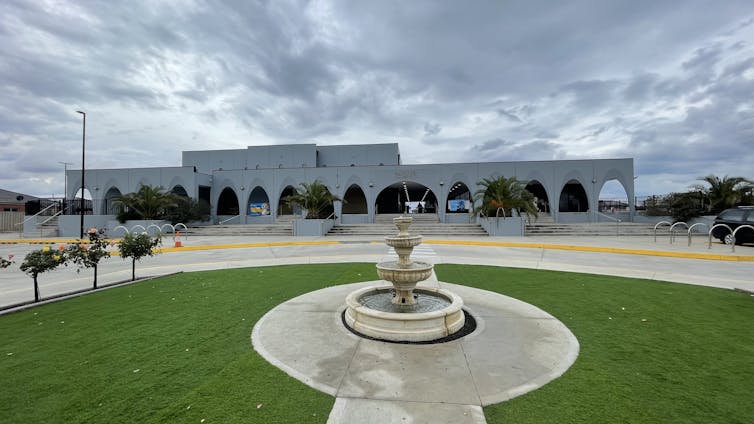
The Perth City Deal, for example, includes a $695 million project for Edith Cowan University. With the Commonwealth providing $245 million and the state government $150 million, ECU must stump up $300 million and hand over its perfectly serviceable Mount Lawley campus to the state government. The upshot is that the university will spend much more than would be needed to upgrade that campus for the dubious benefit of moving it 6km to the CBD.

The Australian Department of Infrastructure describes City Deals as “a genuine partnership between the three levels of government and the community to work towards a shared vision for productive and liveable cities”. The Perth deal is clearly a boost for the CBD and the Western Australian construction industry. The benefits to teaching or research at ECU are less easy to identify.

The announcement of the Edith Cowan University CBD campus move.

The Darwin City Deal commits Charles Darwin University (CDU) to a new campus in the Darwin CBD. CDU teaches 70% of its student load online, but it will end up with four campuses in Darwin with a combined capacity of well over 10,000 students to teach the 4,000 enrolled for on-campus study. The prospect of more students from China, which was a key component in planning for the project, has disappeared.

The deal required CDU to take out a $151.5 million loan from the Northern Australia Infrastructure Facility (NAIF). While the interest rate is low, the capital component must be paid back.

Again, this project is a boost for the Northern Territory construction industry, but it may well reduce CDU’s capacity to spend on teaching and research. As a result of longstanding financial pressures, CDU has already sacked 77 staff and scrapped courses.

Charles Darwin University has finalised the design of the campus being constructed in Darwin CBD.


Read more:
A fad, not a solution: ‘city deals’ are pushing universities into high-rise buildings


Another option is to spend nothing on infrastructure. The University of Adelaide has announced a complete halt to such spending for the foreseeable future. It still plans to attract “top talent” with its ageing facilities. Quite how this will work is unexplained.

Developers are in it for the profits

Other universities have struck deals with developers. These can range from selling university assets and leasing them back, or signing up to a long-term lease on new purpose-built space using a special purpose vehicle (SPV), doing developments using university land, or other financial wizardry.

Charter Hall, a real estate investment company, has signed up Western Sydney University to several deals with a combined value of around a billion dollars. A new $350 million campus is being built in the CBD of Bankstown.

Charter Hall has openly said its aim is to create a new asset class in university buildings and campuses. This approach effectively privatises campus assets, nearly all of which were paid for with public money and charitable donations.

Western Sydney University is selling a newly built neighbourhood shopping centre and an adjoining residential development site. This was developed with Charter Hall on land controlled by the university, which says: “The Caddens Corner project is part of the Western Growth strategy, reshaping the University’s campus network, and allowing the University to maximise its investment in the core university activities of teaching, engagement and research.”

This is an interesting proposition, as teaching, engagement and research are all essentially operational, not capital, costs. In other words, the university is selling public assets to fund recurrent costs while planning to have 13 campuses to educate not many more students than Macquarie University, which has one.

The Western Sydney University campus in Bankstown CBD is explicitly part of an urban growth strategy.


Read more:
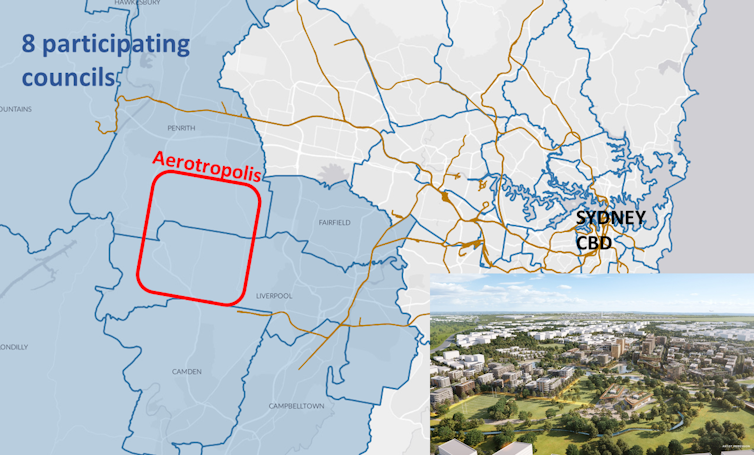
3 planning strategies for Western Sydney jobs, but do they add up?


In Melbourne, Swinburne University has put a seven-storey office building on Flinders Lane back on the market just one year after buying it for $44 million. In June, RMIT University in Melbourne brought forward plans to offload a 14-storey strata property on Bourke Street for more than $120 million and lease it back for five years.

A good time to borrow and build

Certainly, getting a developer to build a facility and lease it back to the university will reduce the need for capital. For similar reasons, a low-income household might choose a rental purchase arrangement to get a flat-screen TV. But like any rental purchase agreement, the short-term benefits pale in comparison to the long-term costs.

And universities are certainly about the long term. Four universities in Australia are more than 125 years old and they are youngsters compared to Harvard (385), Leiden (436), Oxford (925) or Bologna (933).


Read more:
A century that profoundly changed universities and their campuses


Another option for universities is to borrow money from a bank. If the universities can’t afford to do that, then they can’t afford to get developers to borrow money on their behalf and build them buildings while the developers also make a profit. There is no secret sauce and definitely no magic pudding.

Borrowing to fund the replacement or refurbishment of buildings at the end of their economic life is financially prudent providing benefits outweigh costs. University leaders might need to learn how to resist the temptation to make every building an “icon”, but capital investments to support teaching and research are rational and responsible. With interest rates as low as they will ever be and building costs a long way below the peak of the next cycle, now is an ideal time to build.

The Conversation

Geoff Hanmer is managing director of ARINA and a member of the Australian Institute of Architects, the Association of Consulting Architects, the Architectural Association and SAHANZ.

ref. Why universities may come to regret the costs of City Deals and private sector ‘solutions’ – https://theconversation.com/why-universities-may-come-to-regret-the-costs-of-city-deals-and-private-sector-solutions-166670

Technology is key for refugees starting new lives in Australia. But women and children don’t have equal access

Source: The Conversation (Au and NZ) – By Tadgh McMahon, Adjunct Lecturer, College of Medicine and Public Health, Flinders University

As evacuees and refugees from Afghanistan start their new lives in Australia, their ability to navigate the digital world will be crucial. Our research, published today, reveals how newly arrived refugees use digital technologies as they begin this new chapter.

Importantly, new arrivals will need some level of digital know-how to participate in QR code-based contact tracing, to access COVID testing, book vaccination appointments and prove their vaccination status.

Our report shows strong rates of technology use and access among newly-arrived refugees, and particularly for communication. But gaps remain in other aspects of digital inclusion, especially for women and children.

Refugee children living in Armidale, NSW.
Refugee households with children under age 15 own fewer digital devices, on average, than other Australian households.
Simon Scott Photos, Author provided

Digital inclusion, settlement and refugees

Digital access and skills are becoming increasingly important for refugees settling in Australia, particularly with our increased dependence on technology as a result of the COVID-19 pandemic.

Aside from COVID-related reasons, digital devices at home are now vital for children to participate in education — and for adults wanting to learn English, or seek further education or work opportunities.

Our latest research, Foundations for Belonging 2021, is led by Settlement Services International (SSI) and researchers at Western Sydney University. It is the second of a series exploring the social and civic participation of new refugees in Australia, and their sense of belonging.

In our previous work, conducted in late 2019, refugees reported engaging in high levels of digital communication to maintain ties with friends, family and community locally and overseas.

At the same time refugees — especially women — cited difficulty with online navigation as one of the most common barriers to accessing essential services such as MyGov and Medicare — alongside language difficulties.

For our latest work, we held focus groups with refugee women from different language backgrounds to get a clearer picture of their digital lives.

The majority of refugees surveyed had Iraqi citizenship, and most spoke Arabic.
Settlement Services International

The 418 people in our representative sample had lived in Australia for an average of 24 months, with about half (49%) having arrived in 2018.

The countries they arrived from reflected Australia’s humanitarian intake at that time, with a focus on Syria and Iraq. Afghanistan was the fourth most common country of origin.

Having a diverse group allowed us to compare responses based on factors such as gender, age and household composition.

Online access and smartphone use is high

Our study found 95% of newly arrived refugee households have access to the internet at home. And 88% also reported having sufficient data allowance, and using the internet at similar rates to the wider community.

Interestingly, there were no noticeable differences based on gender, household composition or country of birth.

Refugee households in Australia have higher rates of mobile phone ownership than other households — with refugees living in the regions owning more than those in the cities.
Settlement Services International

Refugee households also had a higher than average number of mobiles or smartphones. This is reinforced by other global research which has demonstrated the importance of mobile phones for refugees to seek and share information, and stay in touch with loved ones.

Gaps remain for women and children

However, refugee households were less likely than other households to have laptops, desktops and digital tablets. And households with children under age 15 had fewer laptops or desktops (1.1 devices on average) than households without (1.6 devices on average).

This is worrying, considering these devices are often necessary for school education. It’s also the opposite to the trend in other Australian households — wherein having children under 15 is linked to having more laptops and tablets on average.

Refugee families consistently report having to juggle a limited number of laptops, computers and tablets. This causes both children and parents to struggle with access to learning.

Our research also found a small but persistent gender gap in digital skills. Women reported less internet use than men across all online activities including banking, education, health services and social services.

They were significantly more likely to struggle with navigating digital modes of support, and online essential services (although younger women and those with children under 18 struggled less).

Yet women were more likely than men to maintain ties with friends and family in Australia and overseas through digital communication.

The main reason for refugees using the internet was for entertainment, followed by banking and to access social services.
Settlement Services International

Digital enablers

Finding assistance in accessing and using technology was a frequent topic in our focus groups. For example, women discussed borrowing laptops, or asking a friend to help them fill out an online form.

Younger refugee women also often acted as “digital enablers” by assisting older relatives with digital tasks. And older women were motivated to build their digital skills — pointing to the potential for formal and informal learning to facilitate womens’ digital independence.

Still, the onus of narrowing the digital divide should not be on refugees. Our research underscores the need for stronger digital inclusion in settlement policy and programs, with a particular focus on access to devices for learning and education.


Read more:
Seniors struggle with technology, and often their kids won’t help


The Conversation

Tadgh McMahon works for Settlement Services International which is funded to provide services to refugees and migrants.

Shanthi Robertson receives funding from the Australian Research Council and from Settlement Services International.

ref. Technology is key for refugees starting new lives in Australia. But women and children don’t have equal access – https://theconversation.com/technology-is-key-for-refugees-starting-new-lives-in-australia-but-women-and-children-dont-have-equal-access-167272

Who are my parents? Why New Zealand’s ‘creaky’ surrogacy laws are overdue for major reform

Source: The Conversation (Au and NZ) – By Debra Wilson, Associate Professor, School of Law, University of Canterbury

Shutterstock

Children born through surrogacy are much wanted and much loved. Under the current law, however, they can spend at least their first months of life in a kind of legal limbo.

This is because of the way several separate pieces of legislation cover the two types of surrogacy: gestational, where the child is not genetically related to the surrogate parent; and traditional, where the child is genetically related.

The resulting legal confusion is now the subject of a Law Commission review, which proposes significant reform based on the guiding principle that “the best interests of the child should be paramount”.

Right now, that cannot be said of the way surrogate children and their parents are treated under law that even judges have described as “creaky” and “inadequate”.

Who are the legal parents?

Surrogacy is regulated through the Human Assisted Reproductive Technology Act, which prohibits commercial surrogacy and requires gestational surrogacy to be approved by an ethics committee.

But that act is silent on the legal parentage of the child, leaving this to be determined by the Status of Children Act. Effectively, the woman who gives birth and her partner (if the partner consents to the assisted reproduction) are the child’s legal parents.

This means the intended parents have no legal rights to the child – even if they are the genetic parents – until they adopt the child under the Adoption Act.

But legal parentage is important. Legal parents transfer citizenship to their children and act on their behalf, such as giving consent to medical treatment or travel.

Newborn baby in mothers arms
Uncertainty about legal parentage affects everyone involved, including the child.
Shutterstock

Costly, burdensome and time-consuming

All children, independently of their method of birth, have the right to an identity, citizenship, health, education and to be cared for by their parents. However, the uncertainty regarding the legal parentage of surrogate-born children compromises those rights and the ability of intended parents to take care of their children.

The best interests of the child are not served by imposing on intended parents the duty to adopt their children from surrogate parents who never meant to be the legal parents or raise the children.

In particular, when one or both intended parents are the child’s biological parents, adoption distorts the child’s identity forever, engendering an unnecessary legal fiction.


Read more:
When women are surrogate mothers: Is that work?


This is confusing for intended parents, lawyers and members of the public, particularly where the child is genetically related to the intended parents.

Furthermore, the adoption process is seen as costly, burdensome and time-consuming because lawyers and judges are involved. It can take months to get a hearing.

It can also be invasive because Oranga Tamariki has to write reports on the suitability of the parents for parenthood.

For those engaging in international surrogacy, there are further problems. Oranga Tamariki needs to see the child in their new home to write the report for adoption, but the child cannot travel to New Zealand with adults who are not the legal parents without additional red tape (involving both countries granting discretionary visas).

Tamati Coffey in parliament
Labour MP Tamati Coffey’s members’ bill has not yet been drawn from the parliamentary ballot.
GettyImages

When is parentage transferred?

While the UK and Australia have considered updating their laws to meet the increasing demand for surrogacy, New Zealand has failed to revisit this important law until now.

Two members’ bills by Kevin Hague in 2018 and Tamati Coffey in 2019 were never drawn from the parliamentary ballot. Coffey’s bill was re-entered into the ballot in 2021 but has not yet been drawn.

So the Law Commission review is both welcome and overdue. In particular, the complex decisions around legal parenthood in a surrogacy relationship need careful attention.


Read more:
Commercial surrogacy: lifting legal restrictions is the moral thing to do to help people trying to have babies


Current law states that egg or sperm donors are not legal parents. This leaves four potential legal parents: the surrogate, her partner and the intended parent or parents.

While a simple approach might be to designate the intended parents as the legal parents, it is crucial the surrogate has the right to make all medical decisions during the pregnancy, including abortion if necessary.

Legal parentage must therefore be transferred to the intended parents after the birth to respect the rights of the surrogate.


Read more:
Making commercial surrogacy illegal only makes aspiring parents go elsewhere


Greater certainty for families

This crucial process raises complicated questions of when and how this transfer happens, including whether time is allowed for the surrogate to change her mind.

The Law Commission proposes a “dual pathway” reform. The first provides that transfer of parentage should occur through a simple administrative process, provided the ethics committee has approved the surrogacy and the surrogate confirms her consent after birth to the transfer of parentage.

For more complicated cases, the Family Court would be able to make a post-birth order (which differs from an adoption order).

By giving due consideration to all these ethical issues, the Law Commission’s proposals appear to reconcile the interests of all parties, giving greater legal certainty to families while making babies’ lives a little easier.


The Law Commission is seeking submissions on its proposals until September 23.

The Conversation

Debra Wilson received funding from the New Zealand Law Foundation to research legal issues relating to surrogacy.
She is a member of the Expert Advisory Group for the Law Commission Surrogacy Project

Annick Masselot received funding from the New Zealand Law Foundation to research legal issues relating to surrogacy.

Martha Ceballos receives funding from the New Zealand Law Foundation to research legal issues relating to surrogacy.

ref. Who are my parents? Why New Zealand’s ‘creaky’ surrogacy laws are overdue for major reform – https://theconversation.com/who-are-my-parents-why-new-zealands-creaky-surrogacy-laws-are-overdue-for-major-reform-166745

Qantas fights on against court ruling it unlawfully sacked 2,000 workers

Source: The Conversation (Au and NZ) – By Anthony Forsyth, Professor of Workplace Law, RMIT University

Shutterstock

Qantas has tugged at many Australians’ heart strings with its advertising campaign about reuniting family and friends. It dangles the prospect of travelling overseas, and of thousands of Australians still stranded overseas coming home.

But the airline is fighting hard to not bring back thousands of jobs it unlawfully outsourced during the pandemic. After losing a Federal Court case over sacking of 2,000 ground crew in 2020, it continues to vigorously oppose reinstating the workers, with an appeal in the works.

Its marketing may be heartwarming, but its approach to its workforce is hardheaded.

Granted, its business has been clobbered by border closures and travel restrictions. Last month it announced a loss for 2020-21 of A$1.73 billion. Just as it was getting its domestic operations back into gear, most interstate travel was halted by the Delta outbreak.

But many businesses have faced similar dilemmas since the pandemic began 18 months ago. Few have been as harsh as Qantas in dealing with employees.

A confrontational approach

Since standing down 20,000 of its 30,000 staff in March 2020, Qantas has taken a typically confrontational approach to wages and entitlements.

For example, it precluded stood-down workers from accessing their sick leave, even if they had contracted coronavirus while working, and then vigorously defended this decision in the courts.

It adopted a narrow interpretation of its payment obligations to employees under the JobKeeper scheme. It has also taken a top-down approach to mandating COVID-19 vaccinations for staff, in contrast to the more consultative approach of rival Virgin Australia.


Read more:
Qantas has grounds to mandate vaccination, but most blanket policies won’t fly


But its most grievous action has been to use the opportunity of the pandemic to permanently shed itself of about 2,000 mostly unionised workers.

This move came in the context of making 8,500 jobs redundant. In the case of the 2,000 jobs carried out by baggage handlers, tug drivers and cleaners, however, their work wasn’t disappearing; it was being outsourced to third-party providers at ten Australian airports.

The fact Qantas undertook these mass sackings while receiving JobKeeper, a program designed to ensure businesses retained their employees, ensured controversy would attend its decision.


Read more:
Qantas cutbacks signal hard years before airlines recover


Breach of the Fair Work Act

On behalf of the 2,000 employees who lost their jobs, the Transport Workers Union challenged the airline’s decision to outsource ground-handling staff in the Federal Court.

To make its case, the union hired Maurice Blackburn employment lawyer Josh Bornstein, who helped the Maritime Union of Australia win the waterfront dispute of 1998, when stevedoring company Patrick Corporation locked out and sacked union members en masse.

Private security guards and dogs keep watch at Patrick Corporation's dock at Sydney's Darling Harbour on April 8 1998, the day after the company fired all its 1,400 dock workers.
Private security guards and dogs keep watch at Patrick Corporation’s dock at Sydney’s Darling Harbour on April 8 1998, the day after the company fired all its 1,400 dock workers.
Rick Rycroft/AP

Relying on statutory provisions similar to those used to great effect in the waterfront dispute, the union argued Qantas had seized a “vanishing window of opportunity” provided by the pandemic to outsource all ground staff.

The Federal Court’s ruling, made on July 30, largely agreed with the union. It found a reason for the airline’s decision to outsource the workers was to prevent them from exercising important workplace rights; namely the right to engage in collective bargaining and to take protected industrial action.

This placed Qantas in breach of the Fair Work Act.

Opposing reinstatement

The legal battle is far from over. The Transport Workers’ Union has asking the Federal Court to order the reinstatement of the 2,000 ground crew employees and compensate them for losses suffered as a result of Qantas’s unlawful conduct.

Qantas has other ideas. At a case hearing on Wednesday, Qantas continued to vigorously oppose reinstatement. It also lodged an application for leave to appeal the Federal Court’s July decision, and wants the court to halt any further consideration of reinstatement until an appeal is determined.

This makes the prospect of the sacked workers getting their jobs back in the near future unlikely.

But even though this case has a long way to play out, the Federal Court’s ruling against Qantas represents an important and overdue check on decades of business outsourcing initiatives that have undermined workers’ job security and driven down wages. Such business strategies eliminate the need for management to negotiate wages with workers.


Read more:
The airline industry hasn’t collapsed, but that’s the only good news for overseas travel


Through outsourcing, a company can unilaterally set the price it is willing to pay for the work. It can advise a labour hire provider that, if the price isn’t acceptable, it will seek competitive tenders. The downward pressure is ultimately borne by the workers.

We’ll have to wait to see if the Qantas workers get their jobs back. But in the meantime the ruling should give any other employer tempted to take advantage of COVID reason to think again.

The Conversation

Anthony Forsyth receives funding from the Australian Research Council. He is a member of the Advisory Committees of the Centre for Future Work (Australia Institute) and the Carmichael Centre (Australia Institute).

ref. Qantas fights on against court ruling it unlawfully sacked 2,000 workers – https://theconversation.com/qantas-fights-on-against-court-ruling-it-unlawfully-sacked-2-000-workers-167434

9/11 conspiracy theories debunked: 20 years later, engineering experts explain how the twin towers collapsed

Source: The Conversation (Au and NZ) – By David Oswald, Senior Lecturer in Construction, RMIT University

Roberto Robanne/AP

The collapse of the World Trade Center has been subject to intense public scrutiny over the 20 years since the centre’s twin towers were struck by aircraft hijacked by terrorists. Both collapsed within two hours of impact, prompting several investigations and spawning a variety of conspiracy theories.

Construction on the World Trade Center 1 (the North Tower) and World Trade Center 2 (the South Tower) began in the 1960s. They were constructed from steel and concrete, using a design that was groundbreaking at the time. Most high-rise buildings since have used a similar structure.

The investigatory reports into the events of September 11, 2001 were undertaken by the US Federal Emergency Management Agency (FEMA) and the National Institute of Standards and Technology.

FEMA’s report was published in 2002. This was followed by the National Institute of Standards and Technology’s three-year investigation, funded by the US Federal Government and published in 2005.

Some conspiracy theorists seized on the fact the NIST investigation was funded by the federal government — believing the government itself had caused the twin towers’ collapse, or was aware it would happen and deliberately didn’t act.

While there have been critics of both reports (and the investigations behind them weren’t flawless) — their explanation for the buildings’ collapse is widely accepted. They conclude it was not caused by direct impact by the aircraft, or the use of explosives, but by fires that burned inside the buildings after impact.

Fire and rescue workers search through the rubble of the World Trade Centrr
Fire and rescue workers search through the rubble of the World Trade Center in New York on 13 September 2001. On 11 September 2001, two aircrafts were flown into the centre’s twin towers, causing both to collapse.
BETH A. KEISER/EPA

Why did the towers collapse as they did?

Some have questioned why the buildings did not “topple over” after being struck side-on by aircraft. But the answer becomes clear once you consider the details.

Aircraft are made from lightweight materials, such as aluminium. If you compare the mass of an aircraft with that of a skyscraper more than 400 metres tall and built from steel and concrete, it makes sense the building would not topple over.

The towers would have been more than 1,000 times the mass of the aircraft, and designed to resist steady wind loads more than 30 times the aircrafts’ weight.

That said, the aircraft did dislodge fireproofing material within the towers, which was coated on the steel columns and on the steel floor trusses (underneath the concrete slab). The lack of fireproofing left the steel unprotected.

As such, the impact also structurally damaged the supporting steel columns. When a few columns become damaged, the load they carry is transferred to other columns. This is why both towers withstood the initial impacts and didn’t collapse immediately.


Read more:
9/11: the controversial story of the remains of the World Trade Center


Progressive collapse

This fact also spawned one of the most common conspiracy theories surrounding 9/11: that a bomb or explosives must have been detonated somewhere within the buildings.

These theories have developed from video footage showing the towers rapidly collapsing downwards some time after impact, similar to a controlled demolition. But it is possible for them to have collapsed this way without explosives.

It was fire that caused this. And this fire is believed to have come from the burning of remaining aircraft fuel.

According to the FEMA report, fire within the buildings caused thermal expansion of the floors in a horizontal and outwards direction, pushing against the rigid steel columns, which then deflected to an extent but resisted further movement.

This figure shows the expansion of floor slabs and framing which likely happened as a result of the fires.
FEMA / https://www.fema.gov/pdf/library/fema403_ch2.pdf

With the columns resisting movement there was nowhere else for the concrete floors to expand. This led to an increased buildup of stress in the sagging floors, until the floor framing and connections gave in.

The floors’ failure pulled the columns back inwards, eventually leading to them buckling, and the floors collapsing. The collapsing floors then fell on more floors below, leading to a progressive collapse.

The buckling of columns initiated by floor failure.
FEMA / https://www.fema.gov/pdf/library/fema403_ch2.pdf

This explanation, documented in the official reports, is widely accepted by experts as the cause of the twin towers’ collapse. It is understood the South Tower collapsed sooner because it suffered more damage from the initial aircraft impact, which also dislodged more fireproofing material.

The debris from the collapse of the North Tower set at least ten floors alight in the nearby World Trade Center 7, or “Building 7”, which also collapsed about seven hours later.

While there are different theories regarding how the progressive collapse of Building 7 was initiated, there is consensus among investigators fire was the primary cause of failure.

Both official reports made a range of fire safety recommendations for other high-rise buildings, including to improve evacuation and emergency response. In 2007, the National Institute of Standards and Technology also published a best practice guide recommending risk-reducing solutions for progressive collapse.

What does this mean for high-rise buildings?

Before 9/11, progressive collapse was not well understood by engineers. The disaster highlighted the importance of having a “global view” of fire safety for a building, as opposed to focusing on individual elements.

There have since been changes to building codes and standards on improving the structural performance of buildings on fire, as well as opportunities to escape (such as added stairwell requirements).

At the same time, the collapse of the twin towers demonstrated the very real dangers of fire in high-rise buildings. In the decades since the World Trade Center was designed, buildings have become taller and more complex, as societies demand sustainable and cost-effective housing in large cities.

Some 86 of the current 100 tallest buildings in the world were built since 9/11. This has coincided with a significant increase in building façade fires globally, which have gone up sevenfold over the past three decades.

This increase can be partly attributed to the wide use of flammable cladding. It is marketed as an innovative, cost-effective and sustainable material, yet it has shown significant shortcomings in terms of fire safety, as witnessed in the 2017 Grenfell Disaster.

The Grenfell fire (and similar cladding fires) are proof fire safety in tall buildings is still a problem. And as structures get taller and more complex, with new and innovative designs and materials, questions around fire safety will only become more difficult to answer.

The events of 9/11 may have been challenging to foresee, but the fires that led to the towers’ collapse could have been better prepared for.


Read more:
Cladding fire risks have been known for years. Lives depend on acting now, with no more delays


The Conversation

David Oswald has received funding from various organisations including the Association of Researchers in Construction Management and the Australian Housing and Urban Research Institute. He is affiliated with The Institute of Civil Engineers acting as a journal Associate Editor.

Erica Kuligowski currently receives funding from the National Institute of Standards and Technology’s (NIST) Measurement Science and Engineering Grants Program (as a subcontractor). She is affiliated with the Society of Fire Protection Engineers (SFPE) as a Section Editor for their Handbook of Fire Protection Engineering (Human Behaviour Section) and as a member of the Board of Governors for the SFPE Foundation. Also, from 2002 to 2020, Erica worked as a research engineer and social scientist in the Engineering Laboratory of the National Institute of Standards and Technology. While at NIST, Erica worked on NIST’s Technical Investigation of the 2001 WTC Disaster as a team member of Project 7: Occupant Behavior, Egress, and Emergency Communications.

Kate Nguyen receives funding from the Australian Research Council and other government/industry-funded programs. She is a member of the Society of Fire Safety, Engineers Australia. The view and opinion that she has in this article is her personal view and does not represent her employer’s opinion.

ref. 9/11 conspiracy theories debunked: 20 years later, engineering experts explain how the twin towers collapsed – https://theconversation.com/9-11-conspiracy-theories-debunked-20-years-later-engineering-experts-explain-how-the-twin-towers-collapsed-167353

20 years on, 9/11 responders are still sick and dying

Source: The Conversation (Au and NZ) – By Erin Smith, Associate Professor in Disaster and Emergency Response, School of Medical and Health Sciences, Edith Cowan University

Shawn Baldwin/AP/AAP Image

Emergency workers and clean-up crew are among 9/11 responders still suffering significant health issues 20 years after the terrorist attacks.

More than 91,000 workers and volunteers were exposed to a range of hazards during the rescue, recovery and clean-up operations.

By March 2021, some 80,785 of these responders had enrolled in the World Trade Center Health Program, which was set up after the attacks to monitor their health and treat them.

Now our published research, which is based on examining these health records, shows the range of physical and mental health issues responders still face.

Breathing problems, cancer, mental illness

We found 45% of responders in the health program have aerodigestive illness (conditions that affect the airways and upper digestive tract). A total of 16% have cancer and another 16% have mental health illness. Just under 40% of responders with health issues are aged 45-64; 83% are male.

Our analysis shows 3,439 of responders in the health program are now dead — far more than the 412 first responders who died on the day of the attacks.

Respiratory and upper digestive tract disorders are the number one cause of death (34%), ahead of cancer (30%) and mental health issues (15%).

Deaths attributed to these three factors, as well as musculoskeletal and acute traumatic injuries, have increased six-fold since the start of 2016.


Read more:
How the pain of 9/11 still stays with a generation


An ongoing battle

The number of responders enrolling in the health program with emerging health issues rises each year. More than 16,000 responders have enrolled in the past five years.

Cancer is up 185% over the past five years, with leukaemia emerging as particularly common, overtaking colon and bladder cancer in the rankings.

This equates to an increase of 175% in leukaemia cases over a five-year period, which is not surprising. There is a proven link between benzene exposure and acute myeloid leukaemia. Benzene is found in jet fuel, one of the toxic exposures at the World Trade Center. And acute myeloid leukaemia is one of the main types of leukaemia reported not only by responders, but by residents of lower Manhattan, who also have higher-than-normal rates.

Prostate cancer is also common, increasing 181% since 2016. Although this fits with the age profile of many of the health program’s participants, some responders are developing an aggressive, fast-growing form of prostate cancer.

Inhaling the toxic dust at the World Trade Center site may trigger a cascading series of cellular events, increasing the number of inflammatory T-cells (a type of immune cell) in some of the responders. This increased inflammation may eventually lead to prostate cancer.

There may also be a significant link between greater exposure at the World Trade Center and a higher risk of long-term cardiovascular disease (disease affecting the heart and blood vessels). Firefighters who responded to the World Trade Center on the morning of the attacks were 44% more likely to develop cardiovascular disease than those who arrived the next day.


Read more:
Air pollution causes cancer, so let’s do something about it


The mental health effects

About 15-20% of responders are estimated to be living with post-traumatic stress disorder (PTSD) symptoms — roughly four times the rate of the general population.

Despite 20 years having passed, PTSD is a growing problem for responders. Almost half of all responders report they need ongoing mental health care for a range of mental health issues including PTSD, anxiety, depression and survivor guilt.


Read more:
9/11 anniversary: a watershed for psychological response to disasters


Researchers have also found brain scans of some responders indicate the onset of early-stage dementia. This is consistent with previous work noting cognitive impairment among responders occurs at about twice the rate of people 10-20 years older.

COVID-19 and other emerging threats

Responders’ underlying health conditions, such as cancer and respiratory ailments, have also left them vulnerable to COVID-19. By the end of August 2020, some 1,172 responders had confirmed COVID-19.

Even among responders who have not been infected, the pandemic has exacerbated one of the key conditions caused by search and rescue, and recovery after terrorist attacks — PTSD.

More than 100 responders have died due to complications from the virus, which has also exacerbated other responders’ PTSD symptoms.

The number of responders with cancers associated with asbestos exposure at the World Trade Center is expected to rise in coming years. This is because mesothelioma (a type of cancer caused by asbestos) usually takes 20-50 years to develop.

As of 2016, at least 352 responders had been diagnosed with the lung condition asbestosis, and at least 444 had been diagnosed with another lung condition, pulmonary fibrosis. Exposure to asbestos and other fibres in the toxic dust may have contributed.


Read more:
Health harms of asbestos won’t be known for decades


Lessons learned

Our research involved analysing data from existing databases. So we cannot make direct links between exposure at the World Trade Center site, length of time there, and the risk of illness.

Differences in age, sex, ethnicity, smoking status and other factors between responders and non-responders should also be considered.

Increased rates of some cancers in some responders may also be associated with heightened surveillance rather than an increase in disease.

Nevertheless, we are now beginning to understand the long-term effects of responding to the 9/11 terrorist attacks. Exposure is still having both a physical and mental health impact and it’s likely responders are still developing illnesses related to their exposures.

Ongoing monitoring of responders’ health remains a priority, especially considering the looming threat of new asbestos-related cancers.

The Conversation

The authors do not work for, consult, own shares in or receive funding from any company or organisation that would benefit from this article, and have disclosed no relevant affiliations beyond their academic appointment.

ref. 20 years on, 9/11 responders are still sick and dying – https://theconversation.com/20-years-on-9-11-responders-are-still-sick-and-dying-166033

Yes, it is entirely possible for Australia to phase out thermal coal within a decade

Source: The Conversation (Au and NZ) – By John Quiggin, Professor, School of Economics, The University of Queensland

Albert Hyseni/Unsplash

Australia has received seemingly contradictory messages about coal this week.

In a UK study published today in Nature, scientists found Australia must keep 95% of coal in the ground if we have any hope of stopping the planet warming beyond the crucial limit of 1.5℃.

These findings echo the message of senior United Nations official Selwin Hart, who earlier this week urged Australia to end the use of coal by 2030. He warned if the world doesn’t boost climate action urgently, Australia can expect more frequent and severe climate disasters such as droughts, heatwaves, fires and floods.

Meanwhile, markets for coal seem to be sending the opposite message.

The price of Newcastle thermal coal recently reached a record high of US$180 per tonne due to rising electricity demand in India, China and other Asian countries. That seems to suggest whatever the consequences, Australia and the world are not going to give up on coal or other carbon-based fuels.

But it’s a mistake to place too much weight on fluctuations in coal markets. Earlier this year, the price was about US$50 per tonne and seemed likely to fall further. The current price tells us nothing about the choices we face in reducing emissions by 2030.

It’s entirely feasible for Australia to phase out thermal coal by 2030 — we just need political will.

World economies must decarbonise

The authors of the new modelling study in Nature examined the world’s reserves of oil, gas and coal, and determined how much would have to be left untouched for at least a 50% chance of limiting global warming to 1.5℃.

Overall, it found nearly 60% of the world’s oil and fossil methane gas, and 90% of coal must remain unextracted by 2050. But the estimate for exporters like Australia is even higher.

This means production in most regions must peak now, or in the next decade, and that stronger policies are needed to restrict production and reduce demand.

The study reinforces how urgent it is to decarbonise economies. As Selwin Hart, the Special Advisor to the UN Secretary-General on Climate Action, noted in his speech to the Crawford Leadership Forum:

Decarbonisation of the global economy is quickly gathering pace. And there are huge opportunities to create more jobs, better health, and a stronger and fairer economy for those countries and companies that move first and fastest.

Is an end to coal feasible?

But would it really be possible for Australia to phase out coal by 2030, as Hart insists?

To consider this, it’s important to first distinguish between thermal coal and metallurgical coal. Thermal coal is used to generate electricity, while metallurgical coal is used in steelmaking.

Blast furnaces using metallurgical coal will ultimately be replaced by alternative technologies, such as using “green” hydrogen produced using clean electricity.


Read more:
‘Green steel’ is hailed as the next big thing in Australian industry. Here’s what the hype is all about


That process has begun, but it will take a long time, and can’t start until electricity generation is decarbonised. So, it makes sense to focus on phasing out thermal coal first.

But if decarbonisation of the global economy requires a rapid end to the use of thermal coal, why has its price suddenly surged?

A number of factors determine the thermal coal market, and fluctuations don’t tell us much about what the coal market will look like in 2030.

The recent increase in prices was caused by a combination of the rapid recovery from the pandemic recession, rising gas prices, weather-related disruptions to coal supply from Indonesia, and drought in China. It’s worth noting that despite high prices, the volume of seaborne thermal coal has actually declined.

95% of Australia’s coal must stay in the ground to cap the planet’s warming at 1.5℃
(AP Photo/Matthew Brown, File

Ending thermal coal in Australia would be easy

Given a modest amount of political will, or just the end of obstructionism from the federal government, Australia could easily replace coal-fired electricity generation with a combination of solar and wind, backed by storage.

Most of Australia’s coal-fired power plants were commissioned in the 20th century with obsolete sub-critical technology, and would be approaching the end of their operational lives even in the absence of climate change concerns.

Bringing those dates forward to 2030 or earlier could be almost costless. We could easily double our current rate of installation of utility-scale solar and wind generation, if the federal government got out of the way and let the states tackle the job.


Read more:
Australia’s states are forging ahead with ambitious emissions reductions. Imagine if they worked together


Only five coal plants have been commissioned this century. The Bluewater plant in Western Australia has already been written off as worthless because of competition from solar and wind power.

The remaining four, all in Queensland, have a total capacity of less than 3 gigawatts. Allowing for the fact solar photovoltaic (PV) only operates in daylight hours, this is about the same as one million 10-kilowatt rooftop solar installations (about average for new installations). Queensland already has more than 750,000 solar rooftops, and capacity for another million.

More notably, the cost of decarbonising electricity supply is a fraction of the amount we have collectively spent to respond to the problem of the COVID-19 pandemic. Not only is COVID a smaller threat in the long run than climate change but a comprehensive response to pandemics requires us to stabilise the climate and stop the destruction of natural environments.


Read more:
How to transition from coal: 4 lessons for Australia from around the world


Managing the transition for the coal workforce would be more challenging, but still entirely feasible, as countries such as Spain and Germany have shown.

In a report I prepared for the Australia Institute last year, I found Australia could successfully transition the workforce with a mixture of measures including early retirement, retraining, and investments in renewable energy targeted at coal-dependent regions.

The cost of this would be around A$50 million a year, over ten years. That’s less than the estimated cost of a week of COVID lockdown in Sydney.

But would this condemn developing countries to energy poverty?

The reality is it makes economic and environmental sense for all countries to shift away from coal.

The central government in China has committed to reach net zero carbon emissions by 2060. But many provincial governments still see investment in coal plants and other polluting industries as an engine of growth, not to mention a lucrative source of kickbacks and donations.


Read more:
China just stunned the world with its step-up on climate action – and the implications for Australia may be huge


The picture in India is similarly complex. Coal remains the main source of electricity, but most electricity generation businesses have abandoned new investments in coal-fired power and many have stopped bidding for access to domestic coal supplies.

We can’t do much to influence energy policy in China and India. But a commitment to reduce and ultimately eliminate exports of thermal coal would not, as some have suggested, condemn these and other developing countries to poverty.

Rather, it would strengthen the hand of advocates of clean energy against the established interest groups that defend coal.

The Conversation

John Quiggin is the author of Getting off coal: Economic and Social Policies to Manage the Phase-out of Thermal Coal in Australia, a report to the Australia Institute

ref. Yes, it is entirely possible for Australia to phase out thermal coal within a decade – https://theconversation.com/yes-it-is-entirely-possible-for-australia-to-phase-out-thermal-coal-within-a-decade-167366

Australia can rebound to be international students’ destination of choice when borders reopen

Source: The Conversation (Au and NZ) – By Steven Greenland, Professor in Marketing, Charles Darwin University

Shutterstock

The COVID-19 pandemic is changing the face of international higher education. The sector, previously dominated by the US, UK and Australia, is losing billions to falling international student enrolments. However, our research identifies a golden opportunity for Australia to rebound as a top international study destination – but that depends on an urgent and proactive response to the pandemic’s challenges.

Federal Treasurer Josh Frydenberg said this week achieving 70% and 80% vaccination targets for Australia would create a “real opportunity” by allowing borders to reopen to international students. “It means a lot to our economy, it means a lot to our universities,” he said. The sector was worth an estimated A$40 billion to the economy, including about $10 billion in university fee revenue, but has shrunk during the pandemic.


Read more:
As hopes of international students’ return fade, closed borders could cost $20bn a year in 2022 – half the sector’s value


Chart showing international student enrolments and commencements, 2018-2021

Commonwealth Department of Education, Skills and Employment

Students still want to study abroad. The countries that respond best to the pandemic can gain competitive advantage and capture major shares of this lucrative global market. The key to seizing this opportunity is understanding COVID-19’s impact on international students and their changing needs, and moving swiftly to meet these needs.

For our recently published research we investigated COVID-19’s impact on international students. This was conducted in the second half of 2020 with international students in the Asia Pacific College of Business and Law at Charles Darwin University. CDU is the only university to have brought international students into Australia since the pandemic began.


Read more:
Australia’s international education market share is shrinking fast. Recovery depends on unis offering students a better deal


What did the study reveal?

Our online survey revealed favourable ratings of the Australian government’s and the university’s pandemic responses. Both CDU and the government performed well in supporting student well-being, promoting hygiene and social distancing, and effective communication.

However, international students needed more financial assistance. Many lost their local jobs, as well as financial support from their home countries. This caused stress and mental health issues.

In-depth interviews with international students revealed the criteria they used for choosing their study destination were in a state of flux. New pandemic-related priorities include country infection and vaccination rates, border closures and diplomatic relations, as well as support interventions. These interventions are designed to help students continue their studies and deal with the impacts of COVID-19.

For example, like many Australian universities, CDU has intermittently switched to online teaching when required due to lockdowns, as well as promoting student hygiene. Among other things, it has also provided:

  • free counselling and financial aid including grants of up to $2,000 for those in financial hardship
  • groceries and meals to students who lost their jobs
  • assistance with fees
  • payment instalment options.


Read more:
‘No one would even know if I had died in my room’: coronavirus leaves international students in dire straits


The students thought Australia had managed COVID-19 well compared to other countries. They also recommended CDU and Australia to friends whose studies had been disrupted in the US and UK.

Hopes of return put on hold

In November 2020 a CDU charter flight brought international students to Australia for the first (and only) time since the pandemic began. They arrived safely without any COVID-19 incidents via the Howard Springs quarantine facility (also known locally as Corona Springs).

These students were “very satisfied” and relieved they could continue their studies in Australia despite COVID-19. As one student said:

“This historical success absolutely gives international students confidence.”

Behind the scenes of CDU’s November 2020 charter flight for returning international students.

Australia’s COVID-19 response and the international student arrivals last November gave hope to the whole Australian higher education sector. However, the promising initial response has stalled in 2021.

The government has stopped the arrival of further international students. Prioritising the return of Australians stranded abroad was the reason given. Meanwhile, Howard Springs has been underutilised, wasting an opportunity to quarantine international student arrivals.


Read more:
We have so many good reasons to give international students hope, so why the lack of government urgency?


Competitors will take advantage

In 2021 Australia’s higher education sector finds itself at a disadvantage compared to other countries, such as the UK, which remain open.

The stakes for Australian higher education could hardly be higher. The sector faces increasing losses in 2022 as the international students already in the system finish their degrees.

Other countries, including China and other Asian nations, are looking to capitalise on the situation. They are moving swiftly to try to capture the international students who would have come to Australia, but who are now seeking other study destinations.


Read more:
How China has been transforming international education to become a leading host of students


Australia can still be the number one choice for international study. But that outcome depends on a clear and proactive COVID-19 strategy. This includes the careful reopening of borders and optimising the use of proven quarantine facilities.

Without a clear strategy Australia risks relegation to the minor leagues of the international higher education market. This would lose the billions of dollars in annual foreign income enjoyed before the pandemic. It would also waste the decades of effort and investment that built Australia’s reputation for international education excellence.

The Conversation

The authors do not work for, consult, own shares in or receive funding from any company or organisation that would benefit from this article, and have disclosed no relevant affiliations beyond their academic appointment.

ref. Australia can rebound to be international students’ destination of choice when borders reopen – https://theconversation.com/australia-can-rebound-to-be-international-students-destination-of-choice-when-borders-reopen-167347

It’s time for Australia to develop its own guided missiles — otherwise, we’ll need to keep asking for the codes

Source: The Conversation (Au and NZ) – By Graeme Dunk, PhD Candidate, Australian National University

Prime Minister’s Office

Step by step, Australia is inching its way towards more autonomy in defence.

On Wednesday, Defence Minister Peter Dutton was reported to have signalled greater access to US missile technology will be a key test of the US-Australia alliance at a closed meeting of the American Chamber of Commerce in Australia.

In March Prime Minister Scott Morrison announced the defence department would select an industry partner to develop a A$1 billion guided weapons manufacturing capability.

But, more than in earlier times, it’s the details that will matter.

The Australian Strategic Policy Institute’s Peter Jennings says a key lesson from the collapse of the US operation in Afghanistan is that its allies can no longer assume it will be just “over the horizon ready to defend our strategic interests”.

It was, he said, “a tough message for Australia, which has become habituated to think that defence spending at a little over 2% of gross domestic product and a defence force about two-thirds the size of a Melbourne Cricket Ground crowd is enough to defend the country”.

Japan seems to be also rethinking its strategy.

Four options: the best is expensive

There are four options for improving self-reliance in guided weapons.

The first is simply to buy more of what we currently have. It isn’t bad as a short-term approach, but we can’t guarantee we will have what we need, when we need it. Weapons can date and we can slip down the queue for replenishment — just think of COVID-19 vaccine supply.

The second option is to assemble in Australia, rather than simply import.


Read more:
It’s one thing to build war fighting capability, it’s another to build industrial capability


This is better than the first option, and would create jobs. But jobs are hardly going to be the most pressing issue when the firing starts. And we are unlikely to get all of the intellectual property (the knowledge about how to build and repair) we might need to upgrade when circumstances change.

The third option is to use Australian industry to improve and replace some capabilities of current weapons with locally-developed alternatives.

Targeting software and counter-counter-measure software could be examples.


Read more:
Australia’s plan for manufacturing missiles to be accelerated


This option is better than the previous two options, but still relies on us having access to foreign (often US) intellectual property, which might be problematic.

The best option is to design and build our own guided weapons. This would be expensive, and it would require significant time, but it would actually make us self-reliant. We would own the intellectual property and own the codes.

We would be able to upgrade to take account of developments in technology and to account for changes in the adversary. We wouldn’t have to wait in line to be given an upgrade.

We will probably need all four options

This is not to suggest we need to develop every type of guided weapon type we would use. There are some where the integration issues would be profound if not close to impossible (the joint strike fighter is an example).

It isn’t that we need sovereignty in guided weapons, what is that we need smart sovereignty — smart in the sense that we focus our efforts and our money where we can get the most useful sovereignty.

The Holden was the first car Australia made, rather than assembled.
State Library Victoria

In some cases the sensible thing will be to buy and/or fabricate, just as Australia buys foreign cars and in the early days of manufacturing assembled foreign cars.

In others cases it will be to develop additional weapons locally. Each approach will be the best in different circumstances. We will probably need some of each, simultaneously.

But we need to take charge of our own destiny where we can, rather than just rely on a helping hand that may or may not come when we need it, or in the way we will need it.

We certainly can’t go toe-to-toe with our most likely regional adversary on our own. We don’t have anything like the capability.

But what we can do is target the development of local weapons to those that are likely to be of the most use against that adversary. Deployable, mobile, hypersonic anti-access/area denial guided weapons are among those that would help.

Waiting might leave us unable to choose

Irrespective of the option we choose, we will need to test the guided weapons we use domestically. This means developing in parallel a domestic capability for the modelling, simulation and analysis that will be critical to success.

Australian industry has the capability, but time is running short. The pandemic has shown us that the money can be found where the need is critical.

The future might not be kind to us but at the moment we still have time to choose the path to take. Later, that path might be dictated for us.

The Conversation

Graeme Dunk works for Shoal Group, a company that could be involved in the development of guided weapons in Australia.

ref. It’s time for Australia to develop its own guided missiles — otherwise, we’ll need to keep asking for the codes – https://theconversation.com/its-time-for-australia-to-develop-its-own-guided-missiles-otherwise-well-need-to-keep-asking-for-the-codes-166429

John Lennon’s Imagine at 50: a deceptively simple ballad, a lasting emblem of hope

Source: The Conversation (Au and NZ) – By Leigh Carriage, Senior Lecturer in Music, Southern Cross University

1971 was a tumultuous year. The counter-cultural movement of the 60s was still being felt. Demonstrations were held opposing the Vietnam War and in August, Australia and New Zealand withdrew their troops.

Apollo 15 landed on the moon. Feminist Gloria Steinem made her first address to women in America. Switzerland held a referendum on women’s suffrage. In New York, John Lennon sat down at a brown model Z upright piano and began to write what would become an inter-generational, transnational phenomenon — and perhaps the gentlest of protest songs — Imagine.

Imagine was recorded on May 27, at Lennon’s new home studio. The song was released to the world as part of the album of the same name (co-produced by Lennon, his wife Yoko Ono and Phil Spector), on September 9.

For three minutes and three seconds, the lyrics of this gentle ballad present a vision of unity and of hope. It is a space in which to dream of real change in the world.

As with all songs, the interpretations are as broad as the listeners. For many, it is a call for peace; for others it is a prayer.

The verse lyrics, partly based on poetry by Ono, remove all the central components that seem to separate us: violence, hate, borders, poverty, greed, governments, religion, consumerism and capitalism.

The final verse offers a vision of a unified world at peace.

You may say I’m a dreamer
But I’m not the only one
I hope someday you’ll join us
And the world will live as one

Imagine would become Lennon’s best-selling single of his solo career. In 2004, Rolling Stone labelled it third on its list of the greatest songs of all time, saying “we need it more than he ever dreamed”.


Read more:
Giving peace a chance? Music can drive us apart as much as it unites


Unpacking it musically

Imagine is often used to teach beginner music students, but it would be a mistake to think it is just a simple, soft rock, piano ballad.

This perception is due to Lennon’s highly effective crafting. As a peace anthem, the song appears simple, but dig a little deeper, and you find layers of complexity and nuance.

Imagine was written in the key of C major, which has no sharps or flats, so it is melodically and harmonically playable and broadly accessible.

The melody is comprised of small intervals (the difference in pitch between two notes), and repeating small motives (a fragment of melody repeated, manipulated or re-positioned throughout the melody), all within a singable range of one octave.

The introduction to the song sets up a gentle sway between harmonic resolution and tension, like waves on a beach.

The third, longer phrase (“Imagine all the people”) steps into a passage of unresolved tension. This culminates in a harmonic state of balance, like a broom standing on end. It can fall either way — forward into resolution (the next verse) or back into tension (the chorus). This balance is intensified as the rhythm section pauses and Lennon sings in falsetto.

Imagine there’s no heaven
It’s easy if you try
No hell below us
Above us, only sky
Imagine all the people
Livin’ for today

The opening piano chords also create a sense of pushing into tension before falling back to resolution, linking to the dreamlike feeling of the lyrics. The third phrase, “imagine all the people” starts on the four chord and holds that tension until “living for today” lands on G, creating more stability.

Perhaps the most distinctive part of Imagine is the short piano riff between the vocal lines. This riff uses just three notes — A, A# and B — called “chromatic passing notes”. Your ear thinks these notes will go up again, to the C chord. Instead, Lennon brings the listener’s ear down to the G melody note, creating a gentle sense of unpredictability.

Imagine transports the listener. The lyrics lift the spirit. The easy rises and falls of the melody comfort. Lennon’s familiar voice reassures.


Read more:
The Beatles White Album at 50: its avant garde eclecticism still inspires


A balm in times of crisis

Imagine has inspired an outstanding array of cover versions, sung by everyone from Elton John to Madonna. American singer Eva Cassidy’s interpretation remains a particular favourite. Her expression and subtle reinterpretation of the melody, her note choices and phrasing, are breathtaking.

At times of crisis, people have often turned to this song. Queen covered Imagine the day after Lennon’s death in 1980; Neil Young played it in the wake of 9/11.

After the 2015 terrorist attacks in Paris, people gathered on the streets as a man quietly played the song on a piano decorated with a peace symbol.

In March last year, at the beginning of the pandemic, Gal Gadot and other celebrities released a now ironically celebrated and much criticised version.

And last September, Melbourne students wrote their own version:

Imagine there’s no Corona
And we can see our friends

Our interconnectedness and reliance on one another are our biggest strengths. 50 years after Lennon wrote the song, Imagine will accompany us along the way: a lasting emblem of hope.

The Conversation

Leigh Carriage does not work for, consult, own shares in or receive funding from any company or organisation that would benefit from this article, and has disclosed no relevant affiliations beyond their academic appointment.

ref. John Lennon’s Imagine at 50: a deceptively simple ballad, a lasting emblem of hope – https://theconversation.com/john-lennons-imagine-at-50-a-deceptively-simple-ballad-a-lasting-emblem-of-hope-167444

Health Minister Hunt failed to take up Pfizer’s June 2020 invitation to meet

Source: The Conversation (Au and NZ) – By Michelle Grattan, Professorial Fellow, University of Canberra

Documents show Pfizer reached out in June 2020 for a meeting with federal Health Minister Greg Hunt, but he did not take up the invitation.

Labor obtained the documents under freedom of information and the opposition health spokesman Mark Butler said they showed the government “took a deliberate ‘wait and see’ approach to vaccine deals”, a claim Hunt rejected in a statement late Wednesday.

Inadequate supplies of Pfizer slowed the rollout, becoming an increasing problem after AstraZeneca was set back by health warnings for some age groups and resultant hesitancy among many people.

The government announced in November last year it had an agreement to obtain ten million Pfizer doses. More were subsequently purchased, but the supply timetable left persistent shortages.

The government scrambled to bring forward some of the Pfizer doses and recently Scott Morrison intervened with some vaccine diplomacy to get extra doses from Poland, Singapore and Britain. Efforts to get doses from the US failed.

The documents include a letter from the managing director of Pfizer Australia to Hunt dated June 30 2020 requesting “a meeting with you to open discussions regarding your planning for potential COVID-19 vaccination programs”.

“I would welcome an opportunity to discuss our candidate vaccine development in more detail, and open discussions on how we might work together to support planning for potential COVID-19 vaccinations in Australia and continue to build a strong partnership for the future.”

The letter said Pfizer would “be in touch to schedule a meeting. I look forward to meeting you and working with you into the future.”

It canvassed progress on developing a mRNA-based vaccine that, if approved, “could be deployed at unprecedented speed for the prevention of COVID-19 infection”.

The letter foreshadowed Pfizer had the potential to supply millions of vaccine doses by the end of 2020, subject to technical success and regulatory approvals and hundred of millions in 2021.

A covering email from a Pfizer representative noted a request for a formal engagement opportunity with members of the Vaccines Taskforce.

Senior members of Pfizer’s global leadership team would be available for this “particularly if the Minister and/or Departmental leadership can be involved,” it said.

“As the vaccine development landscape is moving swiftly, including through engagements with other nations, I am requesting this meeting occur at the earliest opportunity,” the email said.

On July 3 Lisa Schofield, first assistant secretary, health economics and research division, in the health department, wrote to say she was managing the whole of government work on COVID vaccine and would appreciate an opportunity to talk about Pfizer’s plans.

Pfizer wanted a confidentiality agreement for any detailed talks, which would include several senior global representatives. The alternative it put up was a more general exploratory session, with local Pfizer representatives, including the MD of Pfizer Australia.

Schofield said the confidentiality agreement was being considered, although it was not the government’s usual practice to sign such documents. She proposed the more general session adding “we can always line up subsequent ones as needed”.

On July 23 Pfizer drew Schofield’s attention to “recent news of Pfizer’s agreements with the UK and US on vaccine supply”.

Hunt said in a statement that “both Pfizer and the Health Department have consistently confirmed, including on the public record at Senate Estimates, that the Australian government entered into formal discussions on the purchase of vaccines, as soon as the company was in a position to do so, and were in discussions prior to this”.

“When formal discussions began, no country had a contract with Pfizer.”

Hunt said there had been regular discussions with the minister’s office and Pfizer, including a meeting on 26 June 2020, initiated by his office. This was referenced in an email in the documents, and was followed by the June 30 letter, he said.

“The Australian government moved immediately to formal negotiations with the first step being to agree and negotiate a Confidentiality Disclosure Agreement.”

Hunt said the reference to millions of doses was about global capacity. not to what was on offer to Australia.

The Conversation

Michelle Grattan does not work for, consult, own shares in or receive funding from any company or organisation that would benefit from this article, and has disclosed no relevant affiliations beyond their academic appointment.

ref. Health Minister Hunt failed to take up Pfizer’s June 2020 invitation to meet – https://theconversation.com/health-minister-hunt-failed-to-take-up-pfizers-june-2020-invitation-to-meet-167557

Politics with Michelle Grattan: Kate Jenkins on the women’s agenda

Source: The Conversation (Au and NZ) – By Michelle Grattan, Professorial Fellow, University of Canberra

In the week of the National Summit on Women’s Safety, Sex Discrimination Commissioner Kate Jenkins joins the podcast to discuss progress – and lack of progress – on issues of vital importance to Australian women.

Last week, the government passed aspects of Jenkins’ Respect@Work report into law. Of the 12 recommendations which called for specific legislative reform, only six were enacted. In particular, the recommendation for placing a “positive duty” on employers to protect employees against workplace harassment has not been adopted. This cherry-picking has attracted considerable backlash.

Jenkins intends to continue pressing the government on the six unimplemented measures.

“When they gave their full response to the 55 recommendations in April [the government] did indicate they would do some legislative reform now and they would take longer to consider the other six.”

“So they haven’t said no to me right now, and I am going to hold them to their commitment that they will continue to consider those reforms.”

The women’s safety summit came when the conversation about this issue is front of mind, following marches early this year, sparked by the Brittany Higgins’ allegation of rape in Parliament House, and the allegation of historical rape against Christian Porter, which he denies.

Jenkins says achieving gender equality is an issue in “many other Western countries” but Australia ranks 50th on the World Economic Forum Global Gender Gap Index.

“We started in 2006 at, I think it was, 15. So […] other countries have been really moving at a faster pace than we have.”

“We are world-leading in terms of […] educating women and girls. So the problem does tend to arise once those women leave university, get streamed into lower paid jobs, get expected to stay at home, don’t have access to good, flexible, affordable childcare. There’s a whole range of things that then build up in the Australian community. And I think it’s time we change that.”

Listen on Apple Podcasts

Stitcher Listen on TuneIn

Listen on RadioPublic

Additional audio

A List of Ways to Die, Lee Rosevere, from Free Music Archive.

The Conversation

Michelle Grattan does not work for, consult, own shares in or receive funding from any company or organisation that would benefit from this article, and has disclosed no relevant affiliations beyond their academic appointment.

ref. Politics with Michelle Grattan: Kate Jenkins on the women’s agenda – https://theconversation.com/politics-with-michelle-grattan-kate-jenkins-on-the-womens-agenda-167548

Why are we seeing more COVID cases in fully vaccinated people? An expert explains

Source: The Conversation (Au and NZ) – By Nathan Bartlett, Associate Professor, School of Biomedical Sciences and Pharmacy, University of Newcastle

Many people are worried about reports of “breakthrough” COVID-19 infections overseas, from places like Israel and the United States.

A breakthrough infection is when someone tests positive for COVID after being fully vaccinated, regardless of symptoms.

The good news is most breakthrough infections usually result in mild symptoms or none at all, which shows us that vaccines are doing exactly what they’re supposed to do — protecting us from severe disease and death. Vaccines aren’t designed to protect us from getting infected at all (known as “sterilising immunity”).

People with breakthrough infections can go on to infect others. Preliminary evidence indicates immunised people can have high levels of virus in the nose, potentially as high as unvaccinated people.

However, if you’re vaccinated you’ll clear the virus more quickly, reducing the length of time you’re infectious and can pass the virus on.

Here’s why breakthrough cases are happening, and why you shouldn’t worry too much.

Waning immunity

Two studies from the United Kingdom suggest the immunity we get from COVID vaccines wanes over time, after about four to six months.

While the more-infectious Delta variant continues to circulate, waning immunity will lead to more breakthrough infections.

But the reduction isn’t large currently. Vaccine effectiveness is very high to begin with, so incremental reductions due to waning won’t have a significant effect on protection for some time.

Israeli data shows some vaccinated people are becoming ill with COVID. But we need to keep in mind Israel’s vaccine rollout began in December 2020, and the majority of the population were vaccinated in early 2021. Most are now past six months since being fully vaccinated.

Given most people in Israel are vaccinated, many COVID cases in hospital are vaccinated. However, the majority (87%) of hospitalised cases are 60 or older. This highlights what’s known about adaptive immunity and vaccine protection — it declines with age.

Therefore we’d expect vulnerable groups like the elderly to be the first at risk of disease as immunity wanes, as will people whose immune systems are compromised. Managing this as we adjust to living with COVID will be an ongoing challenge for all countries.

What would be concerning is if we started seeing a big increase in fully vaccinated people getting really sick and dying — but that’s not happening.

Globally, the vast majority of people with severe COVID are unvaccinated.


Read more:
COVID cases are rising in highly vaccinated Israel. But it doesn’t mean Australia should give up and ‘live with’ the virus


We’ll probably need booster doses

Waning immunity means booster doses will likely be needed to top up protection, at least for the next couple of years while the virus continues to circulate at such high levels.

Our currently approved vaccines were modelled on the original strain of the virus isolated in Wuhan, not the Delta variant, which is currently dominant across most of the world. This imperfect match between vaccine and virus means the level of protection against Delta is just a little lower.


Read more:
What’s the Mu variant? And will we keep seeing more concerning variants?


Because the level of effectiveness is so high to begin with, this small reduction is negligible in the short term. But the effects of waning over time may lead to breakthrough infections appearing sooner.

mRNA vaccines in particular, like Pfizer’s and Moderna’s, can be efficiently updated to target prevalent variants, in this case Delta. So, a third immunisation based on Delta will “tweak”, as well as boost, existing immunity to an even higher starting point for longer-lasting protection.

We could see different variants become endemic in different countries. One example might be the Mu variant, currently dominant in Colombia. We might be able to match vaccines to whichever variant is circulating in specific areas.

The dose makes the poison

Your level of exposure to the virus is likely another reason for breakthrough infections.

If you’re fully vaccinated and have merely fleeting contact with a positive case, you likely won’t breathe in much virus and therefore are unlikely to develop symptomatic infection.

But if you’re in the same room as a positive case for a long period of time, you may breathe in a huge amount of virus. This makes it harder for your immune system to fight off.

This may be one reason we’re seeing some health-care workers get breakthrough infections, because they’re being exposed to high viral loads. They could be a priority for booster doses.

Might unvaccinated kids be playing a role?

It’s unclear if children are contributing to breakthrough infections.

Vaccines aren’t approved for young children yet (aged under 12), so we’re seeing increasing cases in kids relative to older people. Early studies, before the rise of Delta, indicated children didn’t significantly contribute to transmission.

More recent studies in populations with vaccinated adults, and where Delta is the dominant virus, have suggested children might contribute to transmission. This requires further investigation, but it’s possible that if you’re living with an unvaccinated child who contracts COVID, you’re likely to be exposed for many, many hours of the day, hence you’ll breathe in a large amount of virus.

The larger the viral dose, the more likely you’ll get a breakthrough infection.

Potentially slowing the number of breakthrough infections is one reason to vaccinate 12 to 15 year olds, and younger children in the future, if ongoing trials prove they’re safe and effective in this age group. Another is to protect kids themselves, and to get closer to herd immunity (if it’s achievable).


Read more:
High priority: why we must vaccinate children aged 12 and over now


A silver lining

Breakthrough infections likely confer extra protection for people who’ve been fully vaccinated — almost like a booster dose.

We don’t have solid real-world data on this yet, but it isn’t surprising as it’s how our immune system works. Infection will re-expose the immune system to the virus’ spike protein and boost antibodies against the spike.

However, it’s never advisable to get COVID, because you could get very sick or die. Extra protection is just a silver lining if you do get a breakthrough infection.

As COVID becomes an endemic disease, meaning it settles into the human population, we’ll need to keep a constant eye on the interaction between vaccines and the virus.

The virus may start to burn out, but it’s also possible it might continually evolve and evade vaccines, like the flu does.


Read more:
How will Delta evolve? Here’s what the theory tells us


The Conversation

Nathan Bartlett does not work for, consult, own shares in or receive funding from any company or organisation that would benefit from this article, and has disclosed no relevant affiliations beyond their academic appointment.

ref. Why are we seeing more COVID cases in fully vaccinated people? An expert explains – https://theconversation.com/why-are-we-seeing-more-covid-cases-in-fully-vaccinated-people-an-expert-explains-166741

LIVE Thurs @ Midday: Could the Sept 3 Terrifying Attacks Have Been Prevented – Buchanan + Manning

A View from Afar – LIVE @ MIDDAY Thursday: In this week’s podcast, Paul G. Buchanan and Selwyn Manning will discuss: three areas that have been relied on to protect New Zealanders from terror-styled attacks; legal measures designed to protect communities from danger and even protect individuals from themselves and why they failed.

The background to this episode is the tragic, terrifying, attacks that were committed against unarmed innocent people at West Auckland’s LynnMall Countdown supermarket, by Ahamed Aathill Mohamed Samsudeen.

The attacks occurred last Friday, September 3, 2021. It ended with the hospitalisation of seven people, and, the death of Mr Samsudeen who was fatally shot by special tactics Police officers during his attempt to kill and injure as many people as he could.

Immediately after, the Prime Minister Jacinda Ardern told the nation that the dead man was a terrorist and that she herself, the Police, and the courts were all aware of how dangerous he was and had been seeking to protect New Zealand from this man.

Within days of the attacks, we learned, that Mr Samsudeen was a troubled man with psychologists describing him as angry, capable of carrying out his threats, and displaying varying degrees of mental illness and disorder.

Mr Samsudeen was a refugee who sought asylum here in New Zealand after experiencing, through his formative years, civil war and ethnic cleansing in Sri Lanka, who, at around 20 years of age, arrived in New Zealand on a student visa and then sought asylum.

He was eventually granted refugee status, and since then spent years in prison on various charges and convictions – largely involving the possession of terrorist propaganda seeded on the internet by ISIS, and, threats showing intent to commit terrorist acts against New Zealanders.

In this week’s episode, Paul Buchanan and I will examine questions as to whether this tragedy could have been prevented and will consider New Zealand’s:

  • Security and terror laws
  • Deportation laws involving those with refugee status
  • Mental Health Act and whether this was available to the authorities.

We will also analyse whether it is necessary for the New Zealand Government to move to tighten New Zealand’s terrorism security laws. And, if it does, how the intended new laws compare to other Five Eyes member countries.

WE INVITE YOU TO PARTICIPATE WHILE WE ARE LIVE WITH COMMENTS AND QUESTIONS IN THE RECORDING OF THIS PODCAST:

You can comment on this debate by clicking on one of these social media channels and interacting in the social media’s comment area. Here are the links:

If you miss the LIVE Episode, you can see it as video-on-demand, and earlier episodes too, by checking out EveningReport.nz or, subscribe to the Evening Report podcast here.

The MIL Network’s podcast A View from Afar was Nominated as a Top  Defence Security Podcast by Threat.Technology – a London-based cyber security news publication.

Threat.Technology placed A View from Afar at 9th in its 20 Best Defence Security Podcasts of 2021 category. You can follow A View from Afar via our affiliate syndicators.

Podchaser - Evening Report
Listen on Apple Podcasts
***

10 things Australia can do to prevent violence against women and children

Source: The Conversation (Au and NZ) – By Ben Mathews, Professor, School of Law, Queensland University of Technology

This week’s National Summit on Women’s Safety combines with Child Protection Week to highlight twin challenges for national policy.

Community organisations and experts have identified domestic and family violence as a public health emergency that requires a co-ordinated prevention and response strategy. Further specialised responses have been urged for women and children in diverse Indigenous and other cultural settings.

Politicians, academics and Australian of the Year Grace Tame have called for comprehensive change, with greater focus on prevention.


Read more:
National summits have their place — but what will it really take to achieve equality for Australian women?


The United Nations Sustainable Development Goals urge national governments to end intimate partner violence against women and girls, and child abuse.

Australian policies have similar goals, contained in the National Plan to Reduce Violence against Women and their Children, the National Framework for Protecting Australia’s Children and the National Agreement on Closing the Gap.

But we are nowhere near achieving them.

Better prevention is economically essential. Violence against women cost A$21.7 billion in 2015. Child maltreatment cost $6.9 billion in 2020, in systems costs alone. Investing in early prevention saves massive costs.

Australian of the Year Grace Tame is among those calling for greater focus on prevention.
Rob Blakers/AAP

Far more importantly, prioritising prevention is an absolute moral imperative. Survivors of this violence endure daily terror and extraordinary suffering. If we do not protect women’s and children’s safety, we fail as a nation.

Multiple actions are required. Some are obvious: we urgently need large, sustained increases in crisis intervention, support services and workforce capacity.

Other parts of the solution are more complex, especially if we are serious about prevention and long-term gains – as we must be. What kind of society do we want to be in 2030, 2040 and 2050, and how do we get there?

Here are ten key steps to a public health prevention model.

1) Political will

With genuine political will, we can succeed. But without it, we are doomed to cycles of short-term, piecemeal efforts. We need a generational approach with bipartisan commitment, spanning government and community action. Ring-fenced investment is required; we do this elsewhere (our 2021 defence budget, for example, is $44 billion).

2) A comprehensive public health approach

We need strategically weighted approaches to all three dimensions of prevention: primary, secondary and tertiary. This includes early intervention and effective responses to the root causes of violence.

3) Primary prevention

Strategies to prevent violence at the population level must be the foundation of a public health approach, and take greatest priority. This includes steps to achieve structural gender equality, educate the public, enhance social norms, strengthen legal prohibitions and improve social determinants of health with sensitivity to culture. This includes access to housing, employment and healthcare, and attending to legacies of colonisation and intergenerational trauma.

4) Social norm regeneration

Violence against women and child abuse are both enabled when women’s and children’s rights are not sufficiently recognised. This happens when laws do not prohibit and prosecute serious offending, social norms against such violence are weak, gender inequality persists, constructions of masculinity emphasise dominance, and social determinants of health are unfavourable. Australia’s liberal democracy has many strengths, but a pervasive weakness has allowed violence in the private sphere to remain untouched. We must reshape this social norm.

5) Secondary prevention

Strategies to prevent violence in high-risk populations must be a high priority. Structural, community and individual factors intersect to increase the risk of violence. We need adequate services for those most in need, targeted for prevention and early intervention. This requires massive expansion of workforce capacity. Support is crucial for those with mental health needs, substance abuse and addiction, economic stress and intergenerational trauma.


Read more:
Explainer: what is a ‘positive duty’ to prevent workplace sexual harassment and why is it so important?


6) Tertiary prevention

Strategies to respond to violence and limit its adverse impacts are the apex of the public health pyramid. Appropriate protection of women and children is essential, supported by health services. We must prioritise trauma-informed, culturally sensitive and least-intrusive interventions wherever possible.

7) Use all four public health strategies

A comprehensive approach requires four strategies, implemented in a continual cycle.

First, we need to rigorously measure the prevalence of violence and abuse, and monitor prevalence over time to see if it is declining. Nationally, we lack reliable data on the prevalence of child abuse and intimate partner violence, but we will soon have this from a 2021 nationwide survey measuring all types of child abuse and intimate partner violence. Reliable, nuanced prevalence data are also essential to inform targeted prevention policy.

Second, we must identify factors influencing the likelihood of violence, to direct intensive supports to those with greatest need. Violence against women is related to underdeveloped knowledge and attitudes, intergenerational trauma, weakened community connection, and mental illness and addiction.

Third, we need large-scale investment in effective programs to respond to and reduce violence and abuse. These must include broad evidence-based measures and community-designed measures suited to local settings.

Fourth, we must implement programs through required agencies, infrastructure and mechanisms. Governments can use their economic power to support service sectors and health agencies and provide socio-economic supports to survivors.

All children need to be educated about sexual violence prevention.
Erik Anderson/AAP

8) Confront the gender problem

Overwhelmingly, violence is inflicted by males. We remain light-years from gender equality, with persistent shortcomings in men’s knowledge and attitudes that facilitate violence. To enhance equality and prevent violence long-term, we need educational programs, beginning in early childhood, to help develop cognitive knowledge (such as knowledge of women’s and children’s rights, and sexual literacy), affective attitudes (towards equality, away from entitlement) and behavioural and psycho-social skills (like self-regulation and empathy).

9) Knowledge is power

Education is a cornerstone. Alongside education focused on boys, we can educate all children about consent, relationships and sexual violence prevention. School-based sexual abuse prevention programs have been shown to improve children’s knowledge, their retention of that knowledge, self-protective behaviours, and disclosures.

Practitioners who work with women and children deserve trauma-informed education about the nature and effects of violence and abuse.

Institutional and societal leaders need to know about the nature and effects of sexual and family violence, and respond empathically.

10) Effective legal systems

Criminal, civil, family, child protection and anti-discrimination (sexual harassment) laws can contribute to prevention, detection and responses to violence. However, laws need to be well designed and implemented as intended by practitioners and courts.

Many challenges arise here. We have inconsistent laws across states and territories, and varying implementation capacity. In addition, our legal systems were not designed to respond to domestic violence, coercive control, and sexual abuse.

A robust national public health law approach requires us to make our laws consistent, coherent and conceptually robust (for example, based on sound definitions of concepts like consent and child sexual abuse).

Laws must be calibrated to social contexts and applied by a multi-sectoral collaborative approach. With expertise and commitment, we can make required reforms, embrace innovations like specialised courts and respond to new forms of violence like online surveillance and technology-facilitated abuse.

The Conversation

Ben Mathews leads the Australian Child Maltreatment Study, which receives funding from the National Health and Medical Research Council, with additional funding from the Australian Government National Office for Child Safety (Department of the Prime Minister and Cabinet), the Australian Government Department of Social Services, and the Australian Institute of Criminology.

ref. 10 things Australia can do to prevent violence against women and children – https://theconversation.com/10-things-australia-can-do-to-prevent-violence-against-women-and-children-167277

Neurodiversity can be a workplace strength, if we make room for it

Source: The Conversation (Au and NZ) – By Miriam Moeller, Senior Lecturer, International Business, The University of Queensland

igor kisselev/Shutterstock

Emma can recognise patterns within complex code. James can develop several different solutions when faced with complicated problems. But it is unlikely either will find a job where they can put their specialist skills to work — or any job, actually.

Emma has dyslexia. James has been diagnosed with attention deficit hyperactivity disorder. These conditions mean communicating can be a challenge, particularly in a stressful situation such as a job interview. They may also find it difficult to work in a typical office environment with noise and bright lights.

But often the significant challenges is other people assuming they will be less capable or difficult to work with.

About 15-20% of the global population are “neurodiverse”. This term, coined by Australian sociologist Judy Singer in 1998, conveys the idea that the neurological differences shaping how people think and interact are natural variations to the human genome. Neurodiversity therefore isn’t something to be “fixed” but understood and accommodated.

But despite this understanding, and the gains made more generally in promoting workplace diversity, prejudices keep the employment prospects for neurodiverse individuals shockingly low.

The cost is personal — denying individuals the chance to do meaningful work — as well as social, sending individuals to the dole queue. It also means workplaces are failing to benefit from highly valuable employees, and missing the opportunity to become better organisations in the process.

What neurodiversity covers

Neurodiversity is often referred to as an ‘invisible disability’ and covers a range of conditions. The most common are:

  • Attention Deficit Hyperactivity Disorder (or ADHD) manifests as inattention, distractability and impulsivity. It affects about 4% of children and 3% of adults.

  • Autism Spectrum Disorder (or ASD) typically involves degrees of difficulty in communicating with others and sensory overload. About 1% of the global population is estimated to be on the spectrum, with higher rates being diagnosed among children.

  • Dyslexia involves difficulties with reading and spelling. There is no agreed diagnosis. Estimates of its prevalence range from 3% to 20% (with 10-15% commonly cited).

  • Dyspraxia involves challenges with coordinating physical movements, including muscles for speaking. About 2% of the population are severely affected, with 6-10% estimated to be affected to some degree.

  • Dyscalculia involves challenges with numbers. It affects up to 10% of the population, with 3-6% commonly cited.

  • Tourette syndrome causes involuntary physical and vocal “tics”. It affects an estimated 0.6% of the population.

High unemployment

The capabilities of neurodivergent people can vary considerably from severely challenged to gifted. Some are nonverbal and fully reliant on care givers. Others have special abilities in things such as pattern recognition, memory or mathematics.

Yet even those with exceptional talents find it hard to get and hold a job. While unemployment estimates are imprecise, they suggest these conditions are the least accepted in the working world.

For autistic adults aged 16-64, for example, UK statistics suggest 78% are unemployed. This is the highest unemployment rate of any group, compared with 48% for all disabled people and 19% for all adults.

Australian statistics put the unemployment rate for people with autism at 34%. That’s still more than three times the unemployment rate of 10% for people with disabilities and almost eight times the 4.6% rate for people without disabilities.


Read more:
Expecting autistic people to ‘fit in’ is cruel and unproductive; value us for our strengths


Supporting neurodiversity at work

One problem, as Joanna Szulc and her fellow researchers at the University of Huddersfield have put it, is “management practices frequently overlook the relationship between the above-average human capital of neurodivergent employees, their subjective well-being in the workplace and performance outcomes”.

In other words, with understanding colleagues and a flexible work culture, neurodiverse individuals can reach their potential and be recognised as highly valuable employees.

One case study demonstrating this is professional services giant Ernst and Young, which globally employs close to 300,000 people.

In 2016 it established its first “Neurodiversity Center of Excellence” as part of a pilot program to offer jobs to neurodiverse candidates.

The company says it “considered business metrics only” in evaluating the program. It concluded the neurodiverse employees were comparable to neurotypical staff in work quality, efficiency and productivity. The bonus was “the neurodiverse employees excelled at innovation”.

Australia’s Department of Defence has employed high-performing autistic individuals in its cyber security work. Their strengths for this work include “a remarkable eye for detail; accuracy and consistency; a logical and analytical approach to detecting irregularities; pattern-matching skills; and a high tolerance for repetitive mental tasks”.


Read more:
Neurodiversity at work benefits everyone – why companies are hiring autistic people


These lessons are being taken on board by others. In July, Google’s cloud computing division announced its Autism Career Program, which includes training up to 500 managers “to work effectively and empathetically with autistic candidates”.

We all vary naturally. By understanding and encouraging neurodiverse individuals to be fully engaged in society, we will all reap the rewards.

The Conversation

Emily Russo is a Non-Executive Director with Autism Spectrum Australia (Aspect), Australia’s largest autism-specific service provider. A not-for-profit organisation, Aspect works in partnership with people of all ages on the autism spectrum, and their families to deliver evidence-informed solutions that includes, among other things, employment services. The views expressed in this article are her own and those of her co-authors, and do not necessarily represent the view of Aspect.

Dana L. Ott and Miriam Moeller do not work for, consult, own shares in or receive funding from any company or organization that would benefit from this article, and have disclosed no relevant affiliations beyond their academic appointment.

ref. Neurodiversity can be a workplace strength, if we make room for it – https://theconversation.com/neurodiversity-can-be-a-workplace-strength-if-we-make-room-for-it-164859

Indonesia accused of forcing mass flights of Papuans ‘for business’

Asia Pacific Report newsdesk

Indonesian authorities have been accused of adopting a strategy of deploying military force to drive thousands of Papuans from their homes to make way for powerful business interests.

The accusation comes from the United Liberation Movement of West Papua (ULMWP) in a statement responding to news that about 2400 internal refugees have been displaced from 19 villages after renewed Indonesian military operations in the Maybrat regency.

The humanitarian crisis there is being compared to Nduga and Intan Jaya, where more than 50,000 West Papuans have been displaced by military operations in recent years.

“Maybrat is a peaceful place. The violence we are seeing now is a result of Indonesian state attempts to clear the local people and grab the gold and minerals that lie under the earth,” said ULMWP interim president Benny Wenda.

“I have been stating for a long time that Indonesia’s military operations are not about ‘sovereignty’, but business.

“Now, Indonesia’s own NGOs have confirmed this. New reports from WALHI Papua, LBH Papua, KontraS, Greenpeace Indonesia and several other groups have noted the deep links Indonesia’s retired generals, Kopassus officers and intelligence chiefs have with resource extraction projects in West Papua.

“Powerful Indonesian leaders like Luhut Binsar Pandjaitan, Maritime Affairs Minister, hold direct interests in the Wabu Block gold concession in Intan Jaya, where huge military operations have forced thousands of people from their homes.”

‘Wiping out entire villages’
Wenda claimed the military operations were attempts to “wipe out entire villages and clear the way for illegal mines”.

“They are killing us because we are Black, because we are different. This is state-sponsored terrorism,” he said.

Wenda said that given these economic interests, the Papuan people could not “trust the reports of the Indonesian police and military whenever one of their own is killed”.

“The military men’s presence in the region is illegal. Their presence is part of Indonesia’s business interests, part of their illegal colonial occupation of my land.

“The 1969 Act of No Choice was illegal, it was not done by one man one vote as required by the 1962 New York Agreement. The UN did not endorse what happened, it only ‘took note’ following fierce opposition led by Ghana in the UN General Assembly.

“Indonesia cannot claim that its invasion of West Papua is a done deal – it is not. It is the root cause of all the issues we see today.

“Indonesia has no right to send any more military to West Papua, to build the Trans-Papua Highway, or to construct any more military posts.”

Negotiated solution
Wenda said the issue would never end until Indonesian President Joko Widodo negotiated a “solution for the good of West Papua and Indonesia to hold a referendum on independence”.

He said Indonesia must listen to the will of 84 countries and allow the UN High Commissioner for Human Rights to visit West Papua immediately.

“If the international community wants to help end the bloodshed in my homeland, it must act to ensure this visit happens,” Wenda said.

Print Friendly, PDF & Email

Article by AsiaPacificReport.nz

Burma’s National Unity Government ‘declares war’ on military regime

Asia Pacific Report newsdesk

In a seven-minute social media broadcast, President Duwa Lashi La has declared it is time to stop the military regime’s ongoing torture, detention, jailing and murder of civilians opposed to the military coup seven months ago.

And he added that it is vital to halt the regime’s dismantling of the country’s parliamentary system, reports the dissident Karen News website.

President Duwa Lashi La said the NUG had moved to declare war to protect the people against “military terrorists” and the regime leader, General Min Aung Hlaing.

The NUG had taken responsibility to protect the life and the property of the people and had “launched a people’s defensive war against the military junta”, President Duwa Lashi La said in the broadcast.

He described this as a “public revolution”.

NUG President Duwa Lashi La called on all “citizens of Myanmar [to] revolt against the rule of the military terrorists led by Min Aung Hlaing”.

He urged the “People’s Defence Force to target military assets…protect lives and property of the people”.

Help the PDF plea
He also urged ethnic armed organisations to “assist and protect PDF [People’s Defence Force] and their allies [and] immediately attack Min Aung Hlaing and the military council”.

The President also spoke for the need for ethnic groups to protect and control their lands.

He urged citizens to minimise travel and to build supplies and medicines in preparation for the coming conflict.

In an interview with Karen News, Padoh Saw Ta Doh Moo, general secretary of the Karen National Union said his organisation was opposed to the military regime and would support those who were against it.

“In our policy, those who oppose the dictatorship are our friends. This means that we will work together with any organisations that oppose the military dictatorship.”

Padoh Saw Ta Doh Moo called for national unity, saying: “Our goal is to break free from the military dictatorship so that we need all the people to participate under a political leadership, taking accountability and responsibility on each role that each individual play that are in line with our political aspirations.”

Promoting federalism
In a recent short statement issued on September 3, the KNU said it would continue “its strong commitment and adherence to promoting federalism and democracy, working with any organisation against the coup and fighting any forms of dictatorship.”

The KNU statement offered its support to anti-coup protesters and those targeted by the military regime that staged a coup against the elected civilian government on February 1.

Since then, fighter jets had flown into Karen National Union-controlled areas 27 times and dropped at least 47 bombs, killing 14 civilians and wounding 28.

The Assistance Association for Political Prisoners (AAPP) confirmed as at September 6, the military had killed 1049 people, including 75 children, arrested 7904 and issued warrants for 1984 protesters.

Print Friendly, PDF & Email

Article by AsiaPacificReport.nz

Fiji’s Constitution Day? Nothing but a ‘national joke’, says Prasad

Asia Pacific Report newsdesk

Fiji celebrated Constitution Day today virtually due to the ongoing civid-19 pandemic crisis, but many see the day as a hollow event not worth celebrating.

The national holiday marks the eighth year that the adoption of the controversial and contested 2013 Constitution by the Bainimarama government has been observed.

Among the critics this year is opposition National Federation Party (NFP) leader Professor Biman Prasad who says the document is “widely rejected” around the world while being “frequently ridiculed” at home in Fiji.

“Every year the FijiFirst Party desperately attempts to talk up the Constitution,” he declared in a statement today mocking the document.

“It even tries to suggest that it is one of the world’s best. Yet no serious constitutional lawyer believes so. Around the world it is widely rejected. In Fiji, it is frequently ridiculed.”

Prasad said the Constitution was nothing more than “a piece of paper if it is not honoured in spirit”.

“In Fiji, the Constitution does not belong to the people. The people live in fear of its institutions.”

Dr Prasad spelt out the reasons he believed caused this “national fear”:

  • “Most people live in fear of the government. Many fear police assaults, which are now routine.
  • “Other people fear being identified with the opposition, because they will be denied government benefits.
  • “People who do not want to be vaccinated are denied welfare. Those who dissent with the government line on vaccinations are arrested.
  • “Laws such as Bill 17 [introducing governance changes for indigenous land] are rammed through the Parliament without consultation. Even MPs who criticise these laws are detained and questioned by police.
  • “Under our Constitution people have a right to health. Yet this government’s shocking handling of the covid-19 second wave has led to hundreds of deaths, both from the disease and from denied care. We have had some of the highest covid infection rates in the world.
  • “Trade unions are refused the right to march to demand workers’ rights. And the government has not increased the already pitiful minimum wage for nearly five years. Even people with full-time work live in poverty.
  • “Our Human Rights Commission is supposed to enforce and protect our constitutional rights. Yet it is widely ridiculed as a pro-government mouthpiece and a national joke.”

Dr Prasad lamented that this was the Constitution as Fiji lived it today – “the so-called ‘reality of the matter’.”

He pledged a National Federation Party government would abolish “Constitution Day” if elected in Fiji’s general election next year.

“We will instead create a Founders’ Day – a day to commemorate the great leaders of Fiji’s past, a reminder to all of us about those who led us in the lead-up to independence and helped to create our country.

“A NFP government will also reinstate Ratu Sukuna Day as a public holiday.

“We have been blessed with sound, wise leadership in the past. One day, good leadership will return to our country.”

Print Friendly, PDF & Email

Article by AsiaPacificReport.nz

Musicians are urging us to vaccinate: the federal government should learn from these moving, hopeful ads

Source: The Conversation (Au and NZ) – By Andrea Fenton, PhD Student Swinburne University of Technology, Teaching Associate Melbourne University, Monash University , Swinburne University of Technology

EPA/ETIENNE LAURENT

A new ad has been released from the LIVE Alliance (Live Industry Venues + Entertainment) a music industry collective, under the guidance of advertising veteran Russel Howcroft.

The campaign, Vax the Nation, is set to Powderfinger’s My Happiness. Here, the lyrics take on new meaning as we watch scenes of live music and connection, which seem like a lifetime ago.

The ad shows massive crowds at music festivals and live shows such as one by Elton John. We are swept up with the joy of connection and music as the lyrics remind us “it seems an age since I’ve seen you”. These engaging scenes are then brought to an abrupt end as newspaper headlines scream “lockdown looming”. The music stops. The tagline reads:

STOP THE INTERRUPTIONS. VAX THE NATION.

The ad, with moving music and engaging visuals is a powerful reminder of better times, however — as with all vaccine messaging — it has not been without controversy.

Guy Sebastian appeared to withdraw his support for the campaign, attracting criticism from many artists, before subsequently clarifying he is “pro-vax”. Ben Lee suggested on Twitter Sebastian was trying to be “all things to all people”, but the strength of Vax the Nation makes clear most of our artists want to stand in front of audiences again, and they believe vaccinations are the way to get there.

Government-driven campaigns, like “Arm Yourself” and the first campaign in January featuring Australia’s deputy chief medical officer Dr Nick Coatsworth, have been criticised as being weak and ineffective. The root of the problem for these ads is a lack of emotion and a clear message.

It seems ads from the industries most hurt by lockdowns are better at capturing our emotions. These are the ads most likely to drive action, because they offer an answer to one crucial question: what might I gain by being vaccinated?


À lire aussi :
Australia’s new vaccination campaign is another wasted opportunity


The power of emotions

Vax the Nation clearly reminds us what we have lost, and what we have to gain. The call to action is clear: get vaccinated, and get back to the exhilaration of live music.

In a similar way, the recent Qantas ad presented emotive scenes of travel. A mother who wants to take her children to Disneyland; an isolated farmer wanting to see his daughter in London; a couple who want to marry with family and friends in Singapore. It tugs at our heartstrings as it shows us scenarios we identify with: by getting vaccinated, it suggests, we can get back to travel, and back together with those we love.

Another ad, from the Victorian arts industry, featuring the Melbourne Symphony Orchestra and performers such as Tim Minchin and Virginia Gay was also warmly received. It asks viewers to play their part and give “the performance of a lifetime”.

Soaring music and performances fill the screen as he states “we can’t wait to give you a standing ovation”. The ad is emotive, hopeful and successful in terms of people wanting to view the message again. So far, it has received over 182,000 views on YouTube.

A call to action

If the Arm Yourself and Dr Coastworth ads were criticised for their blandness, another government ad was criticised for using fear as a motivation. This recent campaign, directed at Sydney residents, featured a woman in hospital struggling to breathe.

It had a clear call to action — “Stay home. Get tested. Book your vaccination” — but the use of fear can have unintended consequences. Rather than promoting action, these ads are more likely to promote stigmatisation and distress.


À lire aussi :
Why the federal government’s COVID-19 fear appeal to Sydney residents won’t work


The Qantas and Vax the Nation commercials have this call to action but focus on sharing important moments with those who are close to us: family and friends. They wouldn’t be as powerful if they showed someone on their way to a business meeting, or playing music alone.

They each tell us what we can gain from getting vaccinated. This is missing from the Arm Yourself campaign. Everyone wants to know what’s in it for me, or — at least, what’s in it for someone that matters to me. Despite spending millions, the government still can’t get the message right.

The job of encouraging increased vaccination rates has fallen to industries struggling the most with lockdowns and border closures.

Perhaps it is not really surprising those from the creative industries know how to move us and craft an engaging story; perhaps these creatives should have been asked to drive the advertising campaigns in the first place. It is wonderful to see these messages coming to the fore. But what a pity the government’s messaging isn’t stepping up to the plate.

Now, the government should take inspiration from the Vax the Nation, Qantas and the Victorian Arts Industry ads. Creativity and positivity are needed to inspire people to get vaccinated.

The Conversation

Andrea Fenton ne travaille pas, ne conseille pas, ne possède pas de parts, ne reçoit pas de fonds d’une organisation qui pourrait tirer profit de cet article, et n’a déclaré aucune autre affiliation que son organisme de recherche.

ref. Musicians are urging us to vaccinate: the federal government should learn from these moving, hopeful ads – https://theconversation.com/musicians-are-urging-us-to-vaccinate-the-federal-government-should-learn-from-these-moving-hopeful-ads-167438

High Court rules media are liable for Facebook comments on their stories. Here’s what that means for your favourite Facebook pages

Source: The Conversation (Au and NZ) – By David Rolph, Professor of Law, University of Sydney

Shutterstock

A publisher can be held responsible for defamatory comments readers leave on its Facebook pages, the High Court ruled today, in a decision that could have far-reaching consequences for social media users throughout Australia.

This decision may mean anyone who runs a social media page can theoretically be sued over disparaging comments posted by readers or random group members — even if you aren’t aware of the comment.

In other words, if you post content on your social media page and encourage or invite comments — and people post defamatory comments there — you’re legally the “publisher” of those comments and can be sued, thanks to today’s ruling.

Today’s case focused on Facebook but the implications are not Facebook-specific. It can apply equally to Twitter, Instagram, and other social media too — or websites (such as The Conversation) that have comments sections.

Facebook and Instagram page administrators can turn off comments altogether, and Twitter allows you to restrict comments so only certain people can post to it.

Today’s ruling may inspire many social media account managers to make greater use of these features and tightly restrict comments — or, where possible, switch them off completely.


Read more:
Media companies can now be held responsible for your dodgy comments on social media


Former Don Dale inmate Dylan Voller and the comments

Today’s case centres on former Don Dale Youth Detention Centre inmate Dylan Voller, who you might remember as the young man wearing the spit hood in a Four Corners report on conditions in the Northern Territory juvenile justice system.

Three media companies published stories about Voller to their Facebook page, and readers left comments underneath those posts. The media stories themselves were not defamatory but Voller alleged some of those reader comments were, so he sued.

But he didn’t sue the commenters; he sued the media outlets who ran the Facebook pages, arguing they were “publishers” of the comments. Today’s case centred on whether or not the media companies could be defined as “publishers” of comments by readers and other “third party users”.

In 2019, the Supreme Court of New South Wales ruled in Voller’s favour. Justice Rothman held the media companies were indeed “publishers” of the comments from third-party users and were therefore responsible for them.

The media companies appealed, but last year the New South Wales Court of Appeal found again in Voller’s favour. In other words, the Court of Appeal agreed the media outlets were “publishers” of comments by random readers on their Facebook pages.

The decision sent shockwaves through the Australian media, which field countless comments on their social media pages every day. The media publishers appealed to the High Court, which brings us to today. The High Court decided:

The Court of Appeal was correct to hold that the acts of the appellants in
facilitating, encouraging and thereby assisting the posting of comments by the
third-party Facebook users rendered them publishers of those comments. The appeals should be dismissed with costs.

Five judges ruled in favour of Voller and two dissented (Justice Steward and Justice Edelman). Essentially, Voller won today, the media companies are indeed “publishers” and the media companies have to pay his legal costs.

Today’s ruling doesn’t mark the end of the line for this case.

Now it’s been established the media companies are publishers of the comments, Voller’s defamation case can start in earnest — in other words, it’s still yet to be decided whether or not the comments were in fact defamatory and what defences the media publishers might have under defamation law.

You might be wondering: can the person who posted the comment also be held responsible for their comment, under defamation law?

The answer is yes, they can. But from the perspective of someone suing, it might not be worth going after an individual social media user or a troll, especially if they are using a pseudonym. A plaintiff is more likely to want to go after the media company itself as the publisher, with their deeper pockets.

Facebook logo
The question at the centre of this case was: can a publisher be held responsible for comments left on their Facebook page?
Shutterstock

Broader implications for social media users

Today’s ruling may mean if you post something to a social media platform and encourage or invite third party comments, you could be liable for any comments that follow. So it could affect individuals, online community groups, neighbourhood Facebook pages, the local P&C Facebook page, and so on.

One of the interesting things about the Voller case is his legal team sued straight away — they didn’t issue a concerns notice first (which is basically a legal letter sent to the person or organisation alleged to have made the defamatory comments, giving them a chance to respond).

That wouldn’t be allowed now. Under new defamation laws that came into effect this July in NSW, Victoria, South Australia Queensland and the ACT, plaintiffs must now serve a concerns notice on each defendant and wait at least a fortnight before suing.

Those same reforms also introduced what’s called a “serious harm threshold”. Under this rule, the plaintiff has to prove they have, in fact, suffered (or are likely to suffer) serious harm to their reputation as a result of the published comments.

This clause aims to rule out trivial defamation cases because while it’s true anyone can cause serious harm to a person’s reputation on social media, there is also a lot of banter and to-ing and fro-ing which might be offensive but might not cause serious harm to a reputation. This may give some protection to admins of social media pages in future, particularly private individuals.


Read more:
The policing of Australian satire: why defamation is still no joke, despite recent law changes


The Conversation

David Rolph has previously received funding from the Australian Research Council.

ref. High Court rules media are liable for Facebook comments on their stories. Here’s what that means for your favourite Facebook pages – https://theconversation.com/high-court-rules-media-are-liable-for-facebook-comments-on-their-stories-heres-what-that-means-for-your-favourite-facebook-pages-167435

The world is desperate for new antibiotics, and New Zealand’s unique fungi are a source of promising compounds

Source: The Conversation (Au and NZ) – By Siouxsie Wiles, Associate Professor in Microbiology and Infectious Diseases, University of Auckland

Shara van der Pas, CC BY-SA

While we’re all rightly focused on the COVID-19 pandemic at the moment, the SARS-CoV-2 virus isn’t the only microbial threat we face.

Back in 2014, the World Health Organization (WHO) warned that within a decade, antibiotic-resistant bacteria could make routine surgery, organ transplantation and cancer treatment life-threateningly risky — and spell the end of modern medicine as we know it.

Petri dishes with fungi growing on them
Fungi produce compounds to fight bacteria.
Manaaki Whenua, CC BY-SA

Antibiotics are a cornerstone of modern medicine, used to treat infections and to protect vulnerable patients undergoing surgery or chemotherapy. The world desperately needs new antibiotics and COVID-19 has only exacerbated the problem.

In our search for new antibiotics, we have focused on fungi, especially those found only in Aotearoa New Zealand. Our latest research describes the discovery of fungal compounds able to kill Mycobacteria, a family of slow-growing bacteria that includes another important global airborne killer — Mycobacterium tuberculosis — which causes the lung disease tuberculosis and kills thousands of people around the world each day.

While most people in Aotearoa know me as the “pink-haired COVID lady”, for the past six years my lab has been hunting for compounds that could make good antibiotics. We’ve focused on fungi from the International Collection of Microorganisms from Plants (ICMP), cared for by the Crown Research Institute Manaaki Whenua and our collaborator Bevan Weir.

Our latest findings follow earlier research which revealed a fungal compound with some activity against the hospital superbug methicillin-resistant Staphylococcus aureus, better known as MRSA.

Why fungi?

One of the earliest antibiotics ever discovered, penicillin, originally came from a fungus called Penicillium rubens. With more than 10,000 fungi in the ICMP database, we think this may be a treasure trove of potential new antibiotics.

For our latest study, we tested 36 fungi collected between 1961 and 2016 from locations right across Aotearoa, including the Chatham Islands. Our first exciting finding is that nine of the fungi are not known species, suggesting they may well be unique to Aotearoa.

Scientist looking down a microscope
Bevan Weir explores microorganisms derived from plants.
Manaaki Whenua, CC BY-SA

Aotearoa is well known for its iconic animal and plant species that aren’t found anywhere else in the world. Our fungi will be no different. And if they are unique, they may have come up with unique compounds able to kill bacteria.

Our second major finding is that 35 of the 36 fungi we tested had some form of antibacterial activity against Mycobacteria. In fact, when we first started doing this work, we thought we must have made a mistake. We’d never had anything like that kind of success rate when screening fungi against other superbugs.


Read more:
How we discovered a hidden world of fungi inside the world’s biggest seed bank


Taking a deeper dive into the chemistry of those fungal compounds, we found the majority are fatty acids which won’t make good antibiotics. But we did find several fungi, including two of our unknown species, whose antibacterial activity wasn’t due to fatty acids.

We’re currently working to identify these compounds, with our collaborators Melissa Cadelis and Brent Copp.

Long road to discovery

Physicist Jim Al-Khalili once said that most scientific progress is a “messy, complex and slow process”. Take the COVID-19 vaccines as a good example. While we’ve watched numerous vaccines come through clinical trials successfully and quickly, they are based on decades of scientific study of mRNA and lipid nanoparticles.

My lab’s search for antibiotics has its roots in work we did over a decade ago, making tools to make Mycobacteria glow in the dark. Because these bacteria grow so slowly, it can take weeks to months for them to form colonies on a petri dish.

But they glow only when they are alive, and this technique allows us to measure the amount of light they produce instead of waiting for them to grow. This massively speeds up the antibiotic discovery process.


Read more:
New technology can create treatment against drug-resistant bacteria in under a week and adapt to antibiotic resistance


I started thinking about fungi as a potential source of new antibacterial compounds when Manaaki Whenua’s fungi expert Peter Buchanan told me about the collection. After a few years of rejected funding applications, we finally got a small grant-in-aid from Cure Kids to get the project started in 2015.

One of their ambassadors, Eva, has battled superbug infections her whole life. Meeting Eva changed my relationship with my work and inspired me to do all I can to find new antibiotics.

Eva is a Cure Kids ambassador who lives with MRSA and was born with a hole in her diaphragm.

We’ve still got a way to go before we have any compounds that might be suitable for further development as antibiotics. We also know that many compounds fail as they move through the pipeline that takes them from the lab to clinical trials in humans.

That’s why my lab will keep working its way through the fungal collection for as long as we can afford to. There are thousands more fungi to screen and hopefully many more unique compounds with antibiotic potential to discover.

The Conversation

Siouxsie Wiles receives funding from Cure Kids and NZ Carbon Farming. This work was previously supported by grants-in-aid from the Maurice Wilkins Centre for Molecular Biodiscovery and the University of Auckland.

ref. The world is desperate for new antibiotics, and New Zealand’s unique fungi are a source of promising compounds – https://theconversation.com/the-world-is-desperate-for-new-antibiotics-and-new-zealands-unique-fungi-are-a-source-of-promising-compounds-167354

Want to act on climate change but not sure how? Tweaking these 3 parts of your life will make the biggest difference

Source: The Conversation (Au and NZ) – By Andreas Chai, Associate Professor, Griffith University

Shutterstock

Last month’s dire report by the Intergovernmental Panel on Climate Change may have left you feeling overwhelmed, or unsure what to do next. We often hear about ways everyday people can tackle climate change, but which acts will make the biggest difference?

The academic literature tells us three spheres of our lives contribute most to climate change: home energy use, transport, and food consumption. Together, these activities comprise about 85% of a household’s carbon footprint.

As one study showed, by adopting readily available practices, households in developed countries can cut their carbon footprint by 25% with little or no reduction in well-being.

Clearly, national governments must set, and meet, ambitious emissions-reduction targets. But 72% of global greenhouse gas emissions are related to household consumption. So small changes at the household level really can make a world of difference. Here’s a guide to get you on the right path.

climate protest signs
Many people want to act on climate change at a household level, but where’s the best place to start?
Shutterstock

1. Home

Using energy in the home more efficiently is a good way to reduce your impact on the climate. Signing up to so-called “demand response” programs is a relatively new way to do this.

Demand response involves making changes to energy use to reduce stress on the electricity grid during times of high demand. In Australia, this often entails electricity companies offering financial incentives to households so they use less energy at peak times.

For example in Queensland, the state-owned company Energex offers up to A$400 to those who install a “PeakSmart” air conditioner. When the electricity system is under stress, the electricity network will remotely switch the air-conditioner into a lower performance mode.

Energy retailers have also been trialling demand response programs in other states. For example under AGL’s Peak Energy Rewards program, customers can choose to receive an SMS message prompting them to reduce their energy use at peak times. By turning up the temperature on the air conditioning or waiting to do the laundry, people can earn discounts on their energy bills.

Demand response leads to less electricity use and reduces the need for fossil-fuel electricity generation at times of high demand – and so, can cut greenhouse gas emissions in the electricity sector.

hand holds remote control at air conditioner
Demand response programs encourage people to reduce energy use during peak times.
Shutterstock

2. Transport

If you drive a traditional petrol or diesel vehicle, try to reduce the amount of time your engine idles. Research last year found Australian motorists are likely to idle more than 20% of the time they’re driving. If idling was eliminated from all journeys, the emissions saved would equal that of removing up to 1.6 million cars from the road.

While some idling is unavoidable such as when stopped at traffic lights, drivers can turn their engines off while parked and waiting in their vehicle.

And drive smoothly, not aggressively. Driving with limited acceleration and braking has been found to significantly reduce emissions.

You might be thinking of making your next car an electric vehicle. While the cost of electric vehicles has traditionally been prohibitive for many people, the technology is expected to reach price parity with conventional cars in Australia in the next few years. And these days, you can even get a good second-hand deal.

There’s a lot of misinformation out there about whether electric cars are a good choice for the planet. So where does the truth lie?

It’s true that electricity used to charge an electric vehicle’s battery is often sourced from fossil fuels. And energy is still required to make an electric vehicle – in particular, the battery.


Read more:
Want an electric car? Here’s how to buy second-hand


However, last year, research found in 95% of the world, electric vehicles were less emissions-intensive than traditional cars over their full life cycle – even accounting for the current emissions intensity of electricity generation.

If you buy an electric vehicle, it’s important to ensure potential emissions savings are realised. One way of doing this is by recharging during the middle of the day when renewable electricty is most abundant. And don’t forget, as renewable energy forms an ever-increasing share of the electricity mix, the climate benefits of electric vehicles become even greater.

And of course, don’t forget about the obvious low- or zero-emission ways to get around: walking, cycling, catching public transport and car pooling.

family unloads boot of electric car
Second-hand electric cars are a lower-cost option.
Good Car Co

3. Food

Research earlier this year showed food systems are responsible for a third of human-caused greenhouse gas emissions. And recent studies show even if the world stopped burning fossil fuels immediately, emissions from the global food system could still push global temperatures over the 1.5℃ warming threshold.

Reducing meat consumption is a well-known way to cut your carbon footprint. In fact, recent research from Sweden showed just how high emissions from meat and dairy products are, compared with substitute products. It found:

  • lamb is 25 times more polluting than tofu
  • milk is five times as polluting as oat drink
  • dairy-based cheese is four times as polluting as vegan cheese.


Read more:
Ordinary people, extraordinary change: addressing the climate emergency through ‘quiet activism’


In Australia, the range of meat alternatives is growing quickly. In just one example, Sydney-based All G Foods is developing plant-based mince, sausages, chicken and bacon, as well as “cow-free” dairy products. Helped along by $5 million in federal government funding, the company’s first product launches this month.

Another food that promises to help cut your carbon footprint is seaweed. Australia is only just catching on to the benefits of commercial seaweed production, which can be grown with few environmental costs.

Australia’s first factory manufacturing food-grade seaweed products opened in New South Wales last year. It has the capacity to put seaweed into pastas, and even muesli!

seaweed in ocean
Commercial production of seaweed, a sustainable food source, is ramping up.
Shutterstock

Reduce, reuse, inspire

Reducing your climate footprint is not just about buying “green” stuff: it’s also about avoiding consumption in the first place. So try to buy less – and if you can’t avoid it, try and buy second-hand.

You never know, you might start a revolution. Evidence suggests people who observe their peers undertaking environmentally friendly behaviour often adopt similar actions.


Read more:
‘Do-gooders’, conservatives and reluctant recyclers: how personal morals can be harnessed for climate action


The Conversation

Andreas Chai works for Griffith University. His research has been previously funded by NCCARF, UNIDO, Queensland Government, APEC and the French Ministry of Education. Andreas Chai is a member of the Economics Society of Australia.

ref. Want to act on climate change but not sure how? Tweaking these 3 parts of your life will make the biggest difference – https://theconversation.com/want-to-act-on-climate-change-but-not-sure-how-tweaking-these-3-parts-of-your-life-will-make-the-biggest-difference-165998

Explainer: what is a ‘positive duty’ to prevent workplace sexual harassment and why is it so important?

Source: The Conversation (Au and NZ) – By Sue Williamson, Senior Lecturer, Human Resource Management, UNSW Canberra, UNSW

This week’s national women’s safety summit has been roundly criticised by community and women’s groups as being little more than a talkfest.

It was intended to inform the development of a national plan to prevent violence against women and their children. But the government’s recent steps on this issue show how it is more committed to rhetoric and spin than taking real action.

Last week, the parliament passed six amendments to the Sex Discrimination Act out of the 12 recommended in Sex Discrimination Commissioner Kate Jenkins’s Respect@Work report. The report contained a total of 55 recommendations, not all of which require legislative amendments to be implemented.

The government was heavily criticised for not implementing all of the recommendations. One of the most important was Jenkins’s call to introduce a positive duty on employers to prevent sexual harassment.

Sam Mostyn, the president of Chief Executive Women, said on ABC Radio National today,

Once you make it a duty, employers pay attention and know that there is a consequence for failing to provide that environment. […] The amendment is simple, it’s well-supported and it’s one of the clearest ways to say, ‘when women feel safe at work, they want to keep working’.

So, what is a positive duty?

A positive duty requires organisations to be proactive in addressing the disadvantages and discrimination women experience at the workplace in order to promote equality.

The federal government has been hesitant to enact this, saying it believes existing workplace health and safety laws already provide a positive duty to prevent sexual harassment.

According to the Respect@Work report, a positive duty does exist in workplace health and safety laws to

eliminate or manage hazards and risks to a worker’s health, which includes psychological health and therefore sexual harassment.

However, this duty does not go far enough and is not explicit enough in referring to sexual harassment.

Affirmative action legislation also does not go far enough to ensure gender equality. The Workplace Gender Equality Act 2012 requires employers with more than 100 staff to implement measures to advance gender equality and report on progress.

But affirmative action only requires employers to undertake the minimum amount of effort on this front. Researchers have noted that fulfilling the reporting requirements is seen by many employers to be a bureaucratic and compliance exercise, which does not necessarily translate into action.

A positive duty, by contrast, imposes a higher obligation. It requires employers to actively promote gender equality, and can include going beyond the workplace to take action in the community.

This is why Jenkins recommended a new positive duty specifically focused on gender equality. It would build on our existing workplace health and safety laws by requiring agencies to do more than just meet benchmarks.

It would also complement the existing Sex Discrimination Act by taking a proactive and collective approach to ensure gender equality, rather than relying on individual remedies to prevent discrimination.


Read more:
The government’s ‘roadmap’ for dealing with sexual harassment falls short. What we need is radical change


What does this look like in practice?

One of the main ways a positive duty on gender equality can be implemented is through “gender mainstreaming”.

This means casting a gender lens over all organisational policies and practices to determine how they treat women. This might reveal, for example, that some human resource recruitment and selection processes are disadvantaging women. By being proactive, organisations can take steps to change these processes.

Arguably, a positive duty would extend to advancing gender equality in the workplace more broadly and creating the type of workplace environment that is incompatible with sexual harassment and discrimination.

This could include, for example, an assessment of workplace culture to identify barriers preventing the full participation of all genders in formal and informal workplace practices, and then taking actions to remove those barriers.

Jenkins’s report also recommends strengthening enforcement powers to assess employers’ compliance with this positive duty.

Are there good models to follow elsewhere?

This is not a new phenomenon in Australia; in fact, a positive duty to prevent sex discrimination already exists in Victoria.

In 2020, the state government passed the Gender Equality Act, which requires employers to take positive measures to progress gender equality.

The law has robust compliance mechanisms. Public sector agencies are required to develop, implement and report on their gender equality plans. Sanctions range from a light touch (being “named and shamed”) to a heavier hand (taking appropriate action against non-compliant organisations).

Victoria’s act is based on laws from overseas. Positive duties on gender equality were initially implemented in the UK public service in 2011. These duties have had an impact beyond the public sector, as well, with ideas and strategies on equality now being incorporated by many employers in the private sector.

However, some researchers argue the impact of the UK gender equality duty has been tempered due to weak enforcement measures and a focus on process rather than outcomes.

These researchers have recommended strengthening the UK positive duty by collecting better data on women’s workforce participation, improving workplace education and leadership on gender equality issues, and bringing in stronger enforcement mechanisms for non-compliant employers.

The positive duty put forward in the Respect@Work report would have incorporated these elements.


Read more:
Can the government get its workplace harassment laws right? Its bill is a missed opportunity


Jenkins sounded a warning back in April that not implementing a positive duty would be a “missed opportunity”. This warning, however, went unheeded by the government with its reforms.

Prime Minister Scott Morrison has said

the only way we end violence is to focus our efforts to prevent it from happening in the first place.

Not reforming the law to introduce a positive duty signals a failure and lack of political will to prevent violence against women and advance gender equality.

The Conversation

Sue Williamson does not work for, consult, own shares in or receive funding from any company or organisation that would benefit from this article, and has disclosed no relevant affiliations beyond their academic appointment.

ref. Explainer: what is a ‘positive duty’ to prevent workplace sexual harassment and why is it so important? – https://theconversation.com/explainer-what-is-a-positive-duty-to-prevent-workplace-sexual-harassment-and-why-is-it-so-important-167430

Social inclusion is important in Aotearoa New Zealand — but so is speaking honestly about terrorism

Source: The Conversation (Au and NZ) – By Hanlie Booysen, Adjunct Research Fellow, and founding member of the Middle East and Islamic Studies Aotearoa (MEISA) network, Te Herenga Waka — Victoria University of Wellington

GettyImages

Jacinda Ardern used very specific language in her description of the terrorist attack in Auckland last week:

It was carried out by an individual – not a faith, not a culture, not an ethnicity – but an individual person who was gripped by ideology that is not supported here, by anyone, by any community.

The New Zealand prime minister’s message was clear — our security will not benefit from vilifying a religion or a religious community.

At the same time, Ardern showed that the way Aotearoa New Zealand now talks about terrorism and counter-terrorism aligns with its objectives of enhancing social cohesion and inclusion.

However, there is a risk that such neutral or generalised language might obscure important truths — and even make the job of combating terrorism harder.

Police Commissioner Andrew Coster and Prime Minister Jacinda Ardern at lecterns
Police Commissioner Andrew Coster watches Prime Minister Jacinda Ardern speak at a press conference after the Auckland supermarket terror attack.
GettyImages

Counter-terrorism and social inclusion

Before the 2019 Christchurch attacks, counter-terrorism was not a major public concern. But the events of March 15 shifted the focus to national security and raised our collective consciousness about Muslims and Islam.

This was reflected in the 44 recommendations of the Royal Commission of Inquiry into the Christchurch attack, in various new government policies and institutions, and in a growing concern with social cohesion.


Read more:
New Zealand’s latest terror attack shows why ISIS is harder to defeat online than on the battlefield


Similarly, the Ministry for Social Development commissioned a rapid evidence review of social inclusion after the Christchurch terrorist attack. Currently available for public review, it proposes six ways to “help make New Zealand more socially cohesive”.

By describing the Auckland terrorist attack the way she did, Ardern sought to reinforce a vision of Aotearoa New Zealand as a place where all people can feel safe, have equal access to opportunities and do not experience discrimination.

In the wake of March 15, then, we can see how the official discourse on counter-terrorism has become more closely linked with concepts of social cohesion and inclusion.

What’s in a definition?

Appearing before parliament’s Intelligence and Security Committee recently, Security Intelligence Service (SIS) director-general Rebecca Kitteridge noted a “deliberate change” in her organisation’s counter-terrorism language.

A new terrorism framework has done away with the term “Islamist extremist terrorism” in favour of categorising terrorist acts as being violent extremism motivated by political beliefs, identity, faith or a single issue.

Adapted from a framework developed by the Canadian Security Intelligence Service, the new terminology focuses on ideology and should make specific communities feel less “securitised”, according to Kitteridge.


Read more:
New Zealand needs to go beyond fast-tracking counter-terrorism laws to reduce the risk of future attacks


But while these changes appear to support social inclusion in Aotearoa New Zealand, we should also ask how counter-terrorism is served by describing the Auckland attack as faith-motivated violent extremism rather than radical Islamist terrorism.

The 2020 SIS annual report included a fifth category in the framework — “white identity extremism” (WIE).

Given the ideological profile of the Christchurch terrorist, it’s not surprising the SIS received numerous leads about possible WIE threats after March 15. But WIE is not a separate category in the latest framework. It is now included in the identity-motivated category of violent extremism.

How do we begin to understand the racism and radicalisation of the Christchurch terrorist without acknowledging his identity as a white supremacist?

Categorising terrorism

Europe has also trialled different terms to describe terrorist threats. The European Union (EU) law enforcement agency Europol used “Islamist terrorism” between 2006 and 2010, then moved to “religiously inspired terrorism” between 2011 and 2014.

Since 2015 it has employed “jihadist terrorism”, “ethno-nationalist and separatist terrorism”, “left-wing and anarchist terrorism”, “right-wing terrorism” and “single-issue terrorism”.


Read more:
The Christchurch commission’s call to improve social cohesion is its hardest — and most important — recommendation


The 2020 EU report on terrorism carefully defines “jihadist terrorism” as a violent sub-current of Salafism (a revivalist movement within Sunni Islam) that legitimises violence against non-Muslims by drawing on classical Islamic doctrines of jihad, and against Muslims by using takfir (an act of declaring Muslims apostates or infidels).

The term was widely used in the wake of Islamic State’s territorial successes in Iraq and Syria in 2014, and in relation to Islamic State-inspired terrorism in Paris (November 2015), Nice (July 2016), Brussels (March 2016) and the Manchester Arena (May 2017).

Calling terrorism by its name

On the face of it, the Christchurch and Auckland terrorist attacks share similarities, such as the role of online radicalisation and that both terrorists were “lone actors”.

But does it serve our understanding of the terrorist threat to conflate the actions of a white supremacy extremist and a radical Islamist extremist?

It’s true that terminology needs to adapt to changes in the political environment. What was fit for purpose before the Christchurch attack is not necessarily relevant today.

New terminology, however, does not replace the need for public education and knowledge. Nor should we assume well-informed New Zealanders cannot distinguish between a religion and an ideological construct simply because some populist politicians conflate Islam and radical Islamism.


Read more:
Treating NZ’s far right groups as terrorist organisations could make monitoring extremists even harder


The prime minister’s description of the Auckland attacker as an aberrant individual influenced by a foreign and unacceptable ideology supports ideas of social inclusion.

This is particularly important at a time when populist political movements present Islam as a civilisational threat. Social inclusion and counter-terrorism both foster a more resilient and safe Aotearoa New Zealand.

But there are dangers in conflating the two concepts, and we should not shy away from specifically and accurately naming terrorists for who they are and what they stand for.

The Conversation

Hanlie Booysen does not work for, consult, own shares in or receive funding from any company or organisation that would benefit from this article, and has disclosed no relevant affiliations beyond their academic appointment.

ref. Social inclusion is important in Aotearoa New Zealand — but so is speaking honestly about terrorism – https://theconversation.com/social-inclusion-is-important-in-aotearoa-new-zealand-but-so-is-speaking-honestly-about-terrorism-167429

How gibbon skulls could help us understand the social lives of our ancient ancestors

Source: The Conversation (Au and NZ) – By Katharine Balolia, Lecturer in Biological Anthropology, Australian National University

Peng-Fei Fan, Author provided

We have discovered previously unappreciated differences between some male and female gibbons and siamang that could give us new clues about how social behaviour affected primate evolution.

Gibbons and siamang are small apes that live in parts of Southeast Asia, India and China. Most species are socially monogamous and live in pairs.

Like all animals, gibbons and siamang have evolved via natural and sexual selection in response to different environmental and social pressures. Looking at monkey and ape species that live today, including gibbons and siamang, can help us understand the forces that shaped them. This may allow us to discover more about the forces that also shaped their distant relatives, Homo sapiens, and their extinct ancestors.

In some animals, we see sex differences in physical traits associated with competition between males for mates or resources. In many monkey and ape species, large canine teeth in males are used as a visual signal of aggression. Similarly, the large bony ridge found at the top of some adult male gorilla skulls – known as the sagittal crest – and the fat hump that surrounds it is linked with a male’s ability to win fights and to attract females.

Until now, there was no sign that competition between males played a strong role in shaping male physical traits among gibbons and siamang. My new research, published in the International Journal of Primatology, shows three out of eight species show sex differences in their skulls and canine teeth.

Faces, teeth and competition

These results suggest facial dimensions and canine size in the males of these three species (but not the other five) are important targets for sexual selection. These traits are associated with aggression among males and social signalling. Gibbon and siamang males show weak social bonds with one another, but understanding why enhanced physical traits evolved in the males of some species but not others has not yet been possible by studying their behaviour.

Gorillas and orangutans are subject to selection associated with competition among males, and these results suggest some gibbon and siamang species may face something similar. The males of these species develop size and shape differences in their facial skeletons, and have larger canine teeth compared to females.


Read more:
Monkey minds: what we can learn from primate personality


Selective pressures on gibbon and siamang males are not thought to come from high-intensity combat among males for access to females, as is the case among some apes. It is more likely that their slightly larger body size and pronounced facial features enhance a male’s ability to ward off intruding males, or to prevent other males from killing their offspring.

Bony brows

My results suggest sex differences in the facial skeleton are linked with social communication in Eastern hoolock gibbons.

The bony structure above the eye sockets (known as the browridge) is 24% larger in Eastern hoolock gibbon males than it is in females. The overall size of the skull in males is only 5% larger than it is in females, so the browridge of males is disproportionately large.

Line drawings of a male Eastern hoolock gibbon cranium (left) and a female Eastern hoolock gibbon cranium (right). Males of this species (Hoolock leuconedys) show a more pronounced browridge and larger canine teeth compared to females.

White fur exclusively highlights the browridge region in Eastern hoolock gibbon males, which is not the case in females. This white fur colour may have evolved to highlight the underlying bony structure. A large browridge in Eastern hoolock gibbon males may act as a visual signal to other males, to communicate social dominance.

The human connection

Since three out of eight gibbon and siamang species show sex differences in their skulls and canine teeth, it may be that these differences are linked to subtle differences in social behaviour. To fully understand how and why this is the case, we will need more rigorous research to scrutinise how the sex differences in facial dimensions are associated with specific aspects of male and female social behaviour in a broader range of living primates.

If specific regions of the skull are strongly associated with aspects of social behaviour, for example as a visual signal of aggression or dominance, this could give us insight into the social lives of early human ancestors and relatives, who are known through fossilised skeletal remains.


Read more:
The origin of ‘us’: what we know so far about where we humans come from


Such future research will pave the way to better understand more about how extinct members of the human family tree socialised. This includes the australopithecines (our bipedal ape-like relatives who lived from around 4 million years ago onwards) and members of our own genus Homo, who are known from as early as 2.8 million years ago.

Such deeper insights into the social lives of our ancestors may allow a richer evolutionary understanding about the context in which our own species, Homo sapiens, arose.

The Conversation

Katharine Balolia does not work for, consult, own shares in or receive funding from any company or organisation that would benefit from this article, and has disclosed no relevant affiliations beyond their academic appointment.

ref. How gibbon skulls could help us understand the social lives of our ancient ancestors – https://theconversation.com/how-gibbon-skulls-could-help-us-understand-the-social-lives-of-our-ancient-ancestors-166553

‘Fortress USA’: How the September 11 terror attacks produced a military industrial juggernaut

Source: The Conversation (Au and NZ) – By Clare Corbould, Associate Professor, Contemporary Histories Research Group, Deakin University

SAMIR MEZBAN/AP

Since the September 11 terror attacks, there has been no hiding from the increased militarisation of the United States. Everyday life is suffused with policing and surveillance. This ranges from the inconvenient, such as removing shoes at the airport, to the dystopian, such as local police departments equipped with decommissioned tanks too big to use on regular roads.

This process of militarisation did not begin with 9/11. The American state has always relied on force combined with the de-personalisation of its victims.

The army, after all, dispossessed First Nations peoples of their land as settlers pushed westward. Expanding the American empire to places such as Cuba, the Philippines, and Haiti also relied on force, based on racist justifications.

The military also ensured American supremacy in the wake of the second world war. As historian Nikhil Pal Singh writes, about 8 million people were killed in US-led or -sponsored wars from 1945–2019 — and this is a conservative estimate.

When Dwight Eisenhower, a Republican and former military general, left the presidency in 1961, he famously warned against the growing “military-industrial complex” in the US. His warning went unheeded and the protracted conflict in Vietnam was the result.

General Dwight D. Eisenhower in second world war.
General Dwight D. Eisenhower addresses American paratroopers prior to D-Day in the second world war.
Wikimedia Commons

The 9/11 attacks then intensified US militarisation, both at home and abroad. George W. Bush was elected in late 2000 after campaigning to reduce US foreign interventions. The new president discovered, however, that by adopting the persona of a tough, pro-military leader, he could sweep away lingering doubts about the legitimacy of his election.

Waging war on Afghanistan within a month of the twin towers falling, Bush’s popularity soared to 90%. War in Iraq, based on the dubious assertion of Saddam Hussein’s “weapons of mass destruction”, soon followed.

The military industrial juggernaut

Investment in the military state is immense. 9/11 ushered in the federal, cabinet-level Department of Homeland Security, with an initial budget in 2001-02 of US$16 billion (A$21.5 billion). Annual budgets for the agency peaked at US$74 billion (A$99 billion) in 2009-10 and is now around US$50 billion (A$67 billion).

This super-department vacuumed up bureaucracies previously managed by a range of other agencies, including justice, transportation, energy, agriculture, and health and human services.


Read more:
Why is it so difficult to fight domestic terrorism? 6 experts share their thoughts


Centralising services under the banner of security has enabled gross miscarriages of justice. These include the separation of tens of thousands of children from parents at the nation’s southern border, done in the guise of protecting the country from so-called illegal immigrants. More than 300 of the some 1,000 children taken from parents during the Trump administration have still not been reunited with family.

Detainees in a holding cell at the US-Mexico border.
Detainees sleep in a holding cell where mostly Central American immigrant children are being processed at the US-Mexico border.
Ross D. Franklin/AP

The post-9/11 Patriot Act also gave spying agencies paramilitary powers. The act reduced barriers between the CIA, FBI, and the National Security Agency (NSA) to permit the acquiring and sharing of Americans’ private communications. These ranged from telephone records to web searches. All of this was justified in an atmosphere of near-hysterical and enduring anti-Muslim fervour.

Only in 2013 did most Americans realise the extent of this surveillance network. Edward Snowden, a contractor working at the NSA, leaked documents that revealed a secret US$52 billion budget for 16 spying agencies and over 100,000 employees.

Normalisation of the security state

Despite the long objections of civil liberties groups and disquiet among many private citizens, especially after Snowden’s leaks, it has proven difficult to wind back the industrialised security state.

This is for two reasons: the extent of the investment, and because its targets, both domestically and internationally, are usually not white and not powerful.


Read more:
Calculating the costs of the Afghanistan War in lives, dollars and years


Domestically, the 2015 Freedom Act renewed almost all of the Patriot Act’s provisions. Legislation in 2020 that might have stemmed some of these powers stalled in Congress.

And recent reports suggest President Joe Biden’s election has done little to alter the detention of children at the border.

Militarisation is now so commonplace that local police departments and sheriff’s offices have received some US$7 billion (A$9.4 billion) worth of military gear (including grenade launchers and armoured vehicles) since 1997, underwritten by federal government programs.

Atlanta police in riot gear.
Atlanta police line up in riot gear before a protest in 2014.
Curtis Compton/AP

Militarised police kill civilians at a high rate — and the targets for all aspects of policing and incarceration are disproportionately people of colour. And yet, while the sight of excessively armed police forces during last year’s Black Lives Matter protests shocked many Americans, it will take a phenomenal effort to reverse this trend.


Read more:
Police with lots of military gear kill civilians more often than less-militarized officers


The heavy cost of the war on terror

The juggernaut of the militarised state keeps the United States at war abroad, no matter if Republicans or Democrats are in power.

Since 9/11, the US “war on terror” has cost more than US$8 trillion (A$10.7 trillion) and led to the loss of up to 929,000 lives.

The effects on countries like Afghanistan, Iraq, Yemen, Syria, and Pakistan have been devastating, and with the US involvement in Somalia, Libya, the Philippines, Mali, and Kenya included, these conflicts have resulted in the displacement of some 38 million people.

These wars have become self-perpetuating, spawning new terror threats such as the Islamic State and now perhaps ISIS-K.

Those who serve in the US forces have suffered greatly. Roughly 2.9 million living veterans served in post-9/11 conflicts abroad. Of the some 2 million deployed to Iraq or Afghanistan, perhaps 36% are experiencing PTSD.

Training can be utterly brutal. The military may still offer opportunities, but the lives of those who serve remain expendable.

Fighter jet in the Persian Gulf
Sailor cleaning a fighter jet during aboard the USS Dwight D. Eisenhower aircraft carrier in the Persian Gulf in 2010.
Hasan Jamali/AP

Life must be precious

Towards the end of his life, Robert McNamara, the hard-nosed Ford Motor Company president and architect of the United States’ disastrous military efforts in Vietnam, came to regret deeply his part in the military-industrial juggernaut.

In his 1995 memoir, he judged his own conduct to be morally repugnant. He wrote,

We of the Kennedy and Johnson administrations who participated in the decisions on Vietnam acted according to what we thought were the principles and traditions of this nation. We made our decisions in light of those values. Yet we were wrong, terribly wrong.

In interviews with the filmmaker Errol Morris, McNamara admitted, obliquely, to losing sight of the simple fact the victims of the militarised American state were, in fact, human beings.

As McNamara realised far too late, the solution to reversing American militarisation is straightforward. We must recognise, in the words of activist and scholar Ruth Wilson Gilmore, that “life is precious”. That simple philosophy also underlies the call to acknowledge Black Lives Matter.

The best chance to reverse the militarisation of the US state is policy guided by the radical proposal that life — regardless of race, gender, status, sexuality, nationality, location or age — is indeed precious.

As we reflect on how the United States has changed since 9/11, it is clear the country has moved further away from this basic premise, not closer to it.

The Conversation

Clare Corbould has previously received funding from the Australian Research Council. She is a member of the Australian Greens.

ref. ‘Fortress USA’: How the September 11 terror attacks produced a military industrial juggernaut – https://theconversation.com/fortress-usa-how-the-september-11-terror-attacks-produced-a-military-industrial-juggernaut-166102

‘I tell everyone I love being on my own, but I hate it’: what older Australians want you to know about loneliness

Source: The Conversation (Au and NZ) – By Barbara Barbosa Neves, Senior Lecturer in Sociology, Monash University

www.shutterstock.com

Over the past 18 months of COVID lockdowns, many of us have experienced the heaviness of loneliness — missing family, friends, and meaningful social contact.

But even before the pandemic, loneliness was a daily experience for almost 20% of older Australians, particularly those over 75.

Being older does not mean being lonely. Loneliness can affect us all. But it disproportionally affects older people living alone or in aged care facilities, and whose health issues limit their social interaction.

Loneliness increases an older person’s risk of illness, from cardiovascular diseases to dementia.

The older people we spoke to for our research also talked openly about how devastating loneliness can be. As Scarlett* explains:

You get teary for the want of human company.

Yet, the success of initiatives to tackle loneliness has been limited by the complexity of loneliness, the stigma around it and the diversity of people’s situations in later life.

Listening to older people

We know loneliness is a serious social and health issue. So, what can those experiencing loneliness tell us and what are their suggestions for addressing it?

During two lockdowns in 2020, we explored these questions with 35 Victorians aged 65 and above who were living alone. We used a combination of interviews, surveys and diary-keeping.

A diary entry from June, during the study.
Author supplied.

What changed with COVID?

Before COVID many participants felt lonely in the morning or evening, but during lockdowns, they felt it throughout the entire day.

On top of the isolation of lockdown, the restrictions disrupted their regular coping strategies such as “keeping busy”, volunteering, engaging in community activities or clubs. As Scarlett noted:

With COVID, the strategies that one puts in place to try to deal with loneliness have ceased to be, not by choice but necessity.

Jacko similarly explained the only people he had contact with were shop assistants.

You must understand that, for me, lonely is the norm. Pre-COVID, I would get some respite by going out on activities, but the lockdown has killed all of them.

What helps?

Despite the disruption to their usual strategies, most participants sought other options during lockdowns.

Maintaining social contact, through calls with loved ones or via small daily interactions, was vital. While for most, communication via technology was not the same as meeting in-person, video calls and emails eased their loneliness. Online activities with grandchildren, including gaming or assisting with homework, made them feel included and needed.

A diary entry from Vincent.
Author supplied.

But technology only helped ease loneliness if it wasn’t used for superficial contact. Short video calls, for example, were not enough. Many hoped technology would not encourage loved ones to reduce visits after lockdowns. As Lisa explained:

Technology is not my favourite means of communication. You miss out on small nuances in body language and spontaneity on phoning or video conferencing.

Although small talk was insufficient to fully tackle loneliness, daily interactions with neighbours, passersby and supermarket staff took on greater importance during lockdowns. Some would go to specific shops because staff would chat to them.

Other helpful strategies were having a well-defined routine and going for walks. Planning enjoyable things they could do on their own, such as painting or gardening, and appreciating “small things” outside in nature, during a walk, gave participants a sense of purpose.

What older people want others to know about loneliness

The older people in our study had three key messages about their experience.

The first was, admitting to feeling lonely is not easy, especially for older people living alone. They want to remain independent and not be seen as a failure. As June wrote in her diary:

I tell everyone I love being on my own, but in fact, I hate it.

Second, many waited for their phone to ring to break the silence. A house can seem like a prison when you can’t leave it. As Fred told us:

Loneliness kicks in as silence descends on the home.

Third, the lonelier you feel, the more rejected you feel by family, the community and society at large. Our participants started believing no-one cared about them and even reported suicidal ideation. As Bob wrote:

who wants anything to do with an old-age pensioner regarded as unproductive, invalid, good-for-nothing-old-man, parasite on the community?

This sentiment was made worse by the way older people were portrayed during the pandemic as either disposable or too vulnerable.

Pick up the phone

Our research suggests if we don’t initiate conversations with our older friends and family members about loneliness, it is unlikely they will mention it.

It also shows older people already put a lot of effort into managing their loneliness. But they could do with more help from the rest of us.

We know that simple things, such as picking up the phone for a meaningful chat, or planning another routine interaction, are incredibly important. Not only do they improve the quality of older people’s lives, they could be life saving as well.

*Pseudonyms have been used.

If this article has raised issues for you or if you’re concerned about someone you know, call Lifeline on 13 11 14 or beyondblue on 1300 22 46 36.

This piece was produced as part of Social Sciences Week, running 6-12 September. A full list of events can be found here. Barbara Barbosa Neves will appear in a webinar “Emotion inequality in pandemic Australia” at 11am, Wednesday September 8.

The Conversation

Barbara Barbosa Neves works for Monash University and receives funding from the Australian government.

Alexandra Sanders works for Monash University.

David Colón Cabrera works for Monash University and Monash Health and receives funding from the Australian government.

Narelle Warren works for Monash University and receives funding from the Australian Research Council, the Medical Research Future Fund and the Australian government.

ref. ‘I tell everyone I love being on my own, but I hate it’: what older Australians want you to know about loneliness – https://theconversation.com/i-tell-everyone-i-love-being-on-my-own-but-i-hate-it-what-older-australians-want-you-to-know-about-loneliness-166109

New research reveals animals are changing their body shapes to cope with climate change

Source: The Conversation (Au and NZ) – By Sara Ryding, PhD Candidate, Deakin University

Shutterstock

Global warming is a big challenge for warm-blooded animals, which must maintain a constant internal body temperature. As anyone who’s experienced heatstroke can tell you, our bodies become severely stressed when we overheat.

Animals are dealing with global warming in various ways. Some move to cooler areas, such as closer to the poles or to higher ground. Some change the timing of key life events such as breeding and migration, so they take place at cooler times. And others evolve to change their body size to cool down more quickly.

Our new research examined another way animal species cope with climate change: by changing the size of their ears, tails, beaks and other appendages. We reviewed the published literature and found examples of animals increasing appendage size in parallel with climate change and associated temperature increases.

In doing so, we identified multiple examples of animals that are most likely “shape-shifters” – including species in Australia. The pattern is widespread, and suggests climate warming may result in fundamental changes to animal form.

bat upside down on rock wall
The great roundleaf bat is among the animals found to be ‘shape shifting’
Shutterstock

Adhering to Allen’s rule

It’s well known that animals use their appendages to regulate their internal temperature. African elephants, for example, pump warm blood to their large ears, which they then flap to disperse heat. The beaks of birds perform a similar function – blood flow can be diverted to the bill when the bird is hot. This heat-dispersing function is depicted in the thermal image of a king parrot below, which shows the beak is warmer than the rest of the body.

All this means there are advantages to bigger appendages in warmer environments. In fact, as far back as the 1870s, American zoologist Joel Allen noted in colder climates, warm-blooded animals – also known as endotherms – tended to have smaller appendages while those in warmer climates tend to have larger ones.

This pattern became known as Allen’s rule, which has since been supported by studies of birds and mammals.

Biological patterns such as Allen’s rule can also help make predictions about how animals will evolve as the climate warms. Our research set out to find examples of animal shape-shifting over the past century, consistent with climatic warming and Allen’s rule.


Read more:
Photos from the field: why losing these tiny, loyal fish to climate change spells disaster for coral


Thermal image of a king parrot, showing that the beak in yellow
Thermal image of a king parrot, showing that the beak is warmer than the rest of the body.
Alexandra McQueen

Which animals are changing?

We found most documented examples of shape-shifting involve birds – specifically, increases in beak size.

This includes several species of Australian parrots. Studies show the beak size of gang-gang cockatoos and red-rumped parrots has increased by between 4% and 10% since since 1871.

Mammal appendages are also increasing in size. For example, in the masked shrew, tail and leg length have increased significantly since 1950. And in the great roundleaf bat, wing size increased by 1.64% over the same period.

The variety of examples indicates shape-shifting is happening in different types of appendages and in a variety of animals, in many parts of the world. But more studies are needed to determine which kinds of animals are most affected.


Read more:
This shy little wallaby has a white moustache and shares its name with a pub meal. Yet it’s been overlooked for decades


parrot in grass
A red-rumped parrot, one of the species shown to increase beak size in response to climate change.
Ryan Barnaby

Other uses of appendages

Of course, animal appendages have uses far beyond regulating body temperature. This means scientists have sometimes focused on other reasons that might explain changes in animal body shape.

For example, studies have shown the average beak size of the Galapagos medium ground finch has changed over time in response to seed size, which is in turn influenced by rainfall. Our research examined previously collected data to determine if temperature also influenced changes in beak size of these finches.

These data do demonstrate rainfall (and, by extension, seed size) determines beak size. After drier summers, survival of small-beaked birds was reduced.

But we found clear evidence that birds with smaller beaks are also less likely to survive hotter summers. This effect on survival was stronger than that observed with rainfall. This tells us the role of temperature may be as important as other uses of appendages, such as feeding, in driving changes in appendage size.

Our research also suggests we can make some predictions about which species are most likely to change appendage size in response to increasing temperatures – namely, those that adhere to Allen’s rule.

These include (with some caveats) starlings, song sparrows, and a host of seabirds and small mammals, such as South American gracile opossums.

an opossum on a branch
The gracile opossum is among the animals most likely to change appendage size under climate change.
Shutterstock


Read more:
We name the 26 Australian frogs at greatest risk of extinction by 2040 — and how to save them


Why does shape-shifting matter?

Our research contributes to scientific understanding of how wildlife will respond to climate change. Apart from improving our capacity to predict the impacts of climate change, this will enable us to identify which species are most vulnerable and require conservation priority.

Last month’s report by the Intergovernmental Panel on Climate Change showed we have very little time to avert catastrophic global warming.

While our research shows some animals are adapting to climate change, many will not. For example, some birds may have to maintain a particular diet which means they cannot change their beak shape. Other animals may simply not be able to evolve in time.

So while predicting how wildlife will respond to climate change is important, the best way to protect species into the future is to dramatically reduce greenhouse gas emissions and prevent as much global warming as possible.

The Conversation

Matthew Symonds receives funding from the Australian Research Council.

Sara Ryding does not work for, consult, own shares in or receive funding from any company or organisation that would benefit from this article, and has disclosed no relevant affiliations beyond their academic appointment.

ref. New research reveals animals are changing their body shapes to cope with climate change – https://theconversation.com/new-research-reveals-animals-are-changing-their-body-shapes-to-cope-with-climate-change-166267

More children are self-harming since the start of the pandemic. Here’s what parents and teachers can do to help

Source: The Conversation (Au and NZ) – By Emily Berger, Lecturer, Monash University

Shutterstock

There has been a reported spike in young people attending emergency departments for self-harm and suicide during the pandemic. In New South Wales, presentations to emergency departments for self-harm and suicidal thoughts are reportedly up by 47% since before the pandemic.

In the year to July 29 2021, there were 8,489 presentations to NSW emergency departments for self-harm in people aged up to 17. This was up from 6,489 presentations in the year to July 20 2020.

A study published in December 2020 found children as young as in primary school are harming themselves intentionally.

Services like crisis help lines and emergency departments are not meeting the increased demand for mental health support.

If you are a parent or teacher, there are several things you can do when you learn your child or student has self-harmed.

What is self-harm?

Self-harm, also known as self-injury or non-suicidal self-injury, describes people’s intentional acts to inflict harm on their own body. Self-harm includes cutting skin, burning, self-hitting and scratching skin — or any other behaviours that cause body injury, pain and wounds.

People who intentionally harm themselves do so to relieve stress, anxiety and sadness, to bring their attention to the present moment or to punish themselves because of self-loathing and self-hatred.


Read more:
Why do people intentionally injure themselves?


Self-harm may be something a young person does once, twice or repeats over and over. Young people who repeatedly self-harm often have other mental health problems or have experienced significant stress in their life.

As self-harm is often a response to mounting stress and uncertainty, it’s not surprising rates have gone up during the pandemic. Self-harm can be a means to cope and establish control over emotions.

Self-harm and physical pain can provide a sense of relief from emotional pain.

What can you do?

If you know a child who is harming themselves, there are some things you can do.

First, it is essential parents and teachers do not respond with shock, horror, anger or judgement when they identify their child or student has self-harmed. Young people often report feeling shame after they have intentionally harmed themselves which leads them to hide their wounds under clothing and jewellery.

Many may not participate in activities which might reveal their wounds, such as swimming or other sports.

Father with his arm around his son.
It’s important not to react with judgement if you find out a child has been intentionally harming themselves.
Shutterstock

The second thing you can do as a parent or teacher is remove objects which may be used to self-harm. The purpose of this should not be to punish or shame the child but to remove a child’s easy access to things that could be used to inflict injuries. And you can remind the child you are not removing these objects to punish, but rather to help them.


Read more:
It’s not only teenage girls, and it’s rarely attention-seeking: debunking the myths around self-injury


When treating young people who self-harm we instruct them to create a delay between the urge to self-harm and the act of self-harm. Removing implements used to self-harm can help to do this too.

Activities to distract young people from self-harm, such as cooking and exercise, is another highly recommended strategy to prevent further injury.

Some recommend so-called “substitution activities” for self-harm such as holding ice or snapping a rubber band on your wrist. But these are controversial as they come from the same self-destructive mindset and are similar behaviours, just in a different wrapper.

How to treat a child’s wounds

It is important parents, a school nurse or school first aid trained staff have an opportunity to inspect and treat a child’s wounds. Parents and school staff should be pragmatic, sensitive and show unconditional positive regard for their child and students during this interaction.

This can include comments like: “Can you tell me a little bit about what happened?”; “Have you ever done this before?”; “Where on your body did you do this?” and “How many times did you do this?”

Finally, parents and school staff should ask, “How do you normally care for the wounds?”

Understanding how young people care for their wounds and teaching them about wound care, as well as the importance of seeking help after self-harm, should be the goal of these interactions.

Parents and school staff can then make decisions about the next stages of action. This can be discussed with their child to allay any fears they may have about seeking further help from medical or mental health services. It may include booking a session with the child’s GP or psychologist.

A mental health professional will be able to help address the underlying feelings that led the young person to self-harm and provide the young person with different ways of coping. They will also be able to determine whether the young person is also having suicidal thoughts.


Read more:
Why every teacher needs to know about childhood trauma


A recently published policy for schools has outlined other ways for teachers to respond after a student has self-harmed. All schools should have a self-harm policy to support teachers by telling them what steps to follow if they become aware a student has self-harmed.

A school policy on self-harm should include information about how to support students, how to talk to parents, how to minimise contagion of self-harm between students, and how to support teachers managing the issue of self-harm of students.

If you or anyone you know has self-harmed or thought about it, contact Lifeline on 13 11 14 or Kids Helpline on 1800 55 1800.

The Conversation

Emily Berger does not work for, consult, own shares in or receive funding from any company or organisation that would benefit from this article, and has disclosed no relevant affiliations beyond their academic appointment.

ref. More children are self-harming since the start of the pandemic. Here’s what parents and teachers can do to help – https://theconversation.com/more-children-are-self-harming-since-the-start-of-the-pandemic-heres-what-parents-and-teachers-can-do-to-help-167436

At least we’re not being exterminated by alien attack-robots: watching War of the Worlds in a pandemic

Source: The Conversation (Au and NZ) – By Kevin John Brophy, Emeritus Professor of Creative Writing, The University of Melbourne

Daisy Edgar-Jones and Bayo Gbadamosi in War of the Worlds. AGC Television, Canal+ De Wereldvrede (in association with) Urban Myth Films

Our writers nominate the TV series keeping them entertained during a time of COVID.

As a child my reading tastes were precocious but old fashioned. For instance, I was reading H. G. Wells’ 1898 speculative novel The War of the Worlds around 1960 as a ten-year-old, thrilling to its proposition that our civilisation could collapse at any moment, and the cold reaches of space might deliver to us an intelligent but ruthlessly murderous life form.

Although he was called the English Jules Verne (another childhood favourite), Wells claimed what he wrote was not science fiction, and thus not intended to carry “scientific” predictions about the world. He considered his works to be fantasies, aiming to achieve “the same amount of conviction as one gets in a good gripping dream”. The moment a reader closed one of his books, he hoped, they would wake up to its impossibility.


goodreads

In Wells’ book, the creatures that arrive in screw-top cylinders from space have somehow targeted the fields and forests surrounding London. Though slug-like, with no obvious limbs or fingers, they begin building the enormous, long-legged metal war machines we are familiar with from film versions of his tale.

The machines lay waste to the countryside using “death rays”. For sustenance, these shockingly ugly, intelligent slugs consume the blood of humans by injecting it directly into their own veins. They have evolved beyond needing a digestive tract.

Aliens indeed. If they had had digestive tracts, they would have already been hosts to many bacteria, perhaps able to resist our human and animal bacterial fauna. But in Wells’ book, viral and bacterial life on our planet quickly infects the aliens, saving us. It was a case of cosmic luck.

There hasn’t been much cosmic luck around for us for a couple of years now. We seem to have come to near-defeat by, as a recent ex-President of the United States called it, “an invisible enemy”.


Read more:
Think of it this way: at least you’re not locked down with drunken, misanthropic bookshop owner Bernard Black


In Melbourne, under wave after wave of viral attack, we have, most of us, had to adapt to long stretches of life in lockdown — working hard to remember what day it is, and when the bins go out, and how many cans of tomatoes we should have stacked in the pantry, and how many new cases of COVID were announced today, and who is and isn’t vaccinated among our friends, and whether my headache in the morning means I should go and get tested or I should stop bingeing on Netflix, SBS and ABC dramas.

When a new version of War of the Worlds arrived on SBS, I was keen to relive that remembered childhood thrill, and relieved to find another series that might distract me from the overwhelmingly little that happens in my life now.

I can report that this drama, created by Howard Overman and starring Gabriel Byrne, Léa Drucker and Daisy Edgar Jones, will chew up many hours satisfactorily. Its first season is strangely well constructed, for the human dramas that unfold through its eight episodes are as intricate and real as any you would want to watch.

There is drug-taking, child abuse, sibling rivalry, murder, quests to recover lost love, clumsy new romances, desperate jealousy, the unsparing, heart-wrenching devotion of a mother for her doomed child, and a touch of the mystical when a blind girl begins to see.

Byrne, as Bill Ward, finds himself playing a jealous, failing ex-husband, an inadequate father, and a scientist who holds a possible key to the viral strategy that just might turn the tables on the aliens. He looks less than comfortable performing some of the murderous acts he must see through.

Gabriel Byrne as Bill Ward.
AGC Television, Canal+ De Wereldvrede (in association with) Urban Myth Films

It is a bit like your favourite grandfather looking at you kindly while he plots your death at his hands. He is so convincingly good, he must be doing this for your good.

Edgar-Jones plays her ethereal role as a barely human presence, but a presence that’s nevertheless heavy with complex and contradictory emotions, more than most teenagers emerging into adulthood should have to face.

Daisy Edgar-Jones: a barely human presence.
AGC Television, Canal+ De Wereldvrede (in association with) Urban Myth Films

Fractured lives

This focus upon people’s stories is as it must be if a fantasy is to take us along with it, for fantasy must be grounded in character, in ethical dilemmas, and in ordinary human encounters.

Even Mary Shelley’s Frankenstein needed its creature to have its own humanly raw, needy, believable feelings if we were to allow it in to our reading-world of reverie, dreams and nightmares.


Read more:
Connecting with Frankenstein: Modern Monsters and Belonging


But the fantasy, too, must take us into the impossibilities of its dream logic. In this latest version of Wells’ book, the aliens’ war-machines are swarms of mechanical, dog-like, attack-robots. They are compelling figures of extreme threat. Only the metallic squeaking of their badly oiled limbs reminds us they are still mere machines.

The aliens: mechanical, dog-like attack robots.
AGC Television, Canal+ De Wereldvrede (in association with) Urban Myth Films

This extended version of the story is more layered, more intimate, and more satisfying than Wells managed. In his novella, a society of well ordered English lives is shattered for a brief time then rescued by luck.

In this three-season series, the contemporary touch allows for the fact that many of the characters in this world already live fractured lives, some desperately lost, betrayed or disillusioned; some hanging on to values that will prove too limited once common order collapses.

Léa Drucker, Emilie de Preissac, and Paul Gorostidi in War of the Worlds.
AGC Television, Canal+ De Wereldvrede (in association with) Urban Myth Films

These characters, already at war with themselves or with those they love, can’t claim a perfectly satisfactory world is being destroyed. In this, the new War of the Worlds shares the deeply troubling question at the heart of Liu Cixin’s enormously popular alien-invasion-epic, The Three-Body Problem: what is it we would be fighting for if our planet was threatened?

At home, meanwhile, we are setting out on the second season of War of the Worlds, and with Melbourne’s lockdown in place until at least the end of September, we have a trajectory to follow that might make it feel for a while that every day isn’t quite the same.

War of the Worlds is showing on SBS.

The Conversation

Kevin John Brophy does not work for, consult, own shares in or receive funding from any company or organisation that would benefit from this article, and has disclosed no relevant affiliations beyond their academic appointment.

ref. At least we’re not being exterminated by alien attack-robots: watching War of the Worlds in a pandemic – https://theconversation.com/at-least-were-not-being-exterminated-by-alien-attack-robots-watching-war-of-the-worlds-in-a-pandemic-167344

Languishing, burnout and stigma are all among the possible psychological impacts as Delta lingers in the community

Source: The Conversation (Au and NZ) – By Dougal Sutherland, Clinical Psychologist, Te Herenga Waka — Victoria University of Wellington

Fiona Goodall/Getty Images

As New Zealand remains under different levels of restriction, the psychological toll of the Delta outbreak may start to show, even as lockdown eases for everyone outside Auckland.

We know that stress and isolation associated with a lockdown can exacerbate underlying mental illnesses. But even for people with no existing concerns, the impact can show in more subtle ways, on a continuum between flourishing and languishing.

Imagine a t-shaped cross with symptoms of mental illness on the horizontal axis ranging from severe to none, and mental health on the vertical axis, ranging from high (flourishing) to low (languishing). Under this model, it’s quite possible to experience a mental illness but still be flourishing or to have no symptoms of a mental illness, yet be in a state where life feels dull and meaningless.

Increased levels of languishing were reported in the UK as extended lockdowns continued. New Zealanders, especially in Auckland, are at risk of experiencing a similar decline in their mental health as the groundhog days of an extended lockdown continue.

Essential workers at risk of burnout

For health workers, extended lockdowns come with a risk of professional burnout. Health Minister Andrew Little recently noted the high levels of stress experienced by nurses and doctors as they continue to provide care in trying circumstances.

The World Health Organization defines burnout as mental and physical exhaustion, feelings of cynicism and detachment from work, and a loss of productivity.

Prior to lockdown, nurses were on the verge of strike action, spurred on by high levels of reported burnout. The ongoing demand due to COVID-19 is unlikely to alleviate this.


Read more:
Six evidenced-based ways to look after your mental health during another lockdown


Recent media comments regarding the well-being of Prime Minister Jacinda Ardern and Director-General of Health Ashley Bloomfield remind us that public servants are not immune either. Nor are essential workers such as truck drivers and supermarket workers. The latter in particular are at increased risk because of abuse they suffer from irritated shoppers and the shock linked to the recent supermarket terror attack.

Vaccination may ease anxiety

As more people become fully vaccinated, people’s perception of threat linked to an outbreak is likely to diminish. So, too, are our levels of anxiety, if overseas experience is anything to go by.

This shift in the public mindset is logical and would signal a step towards us learning to live with COVID-19 in the same way perhaps as we have learnt to live with other diseases. But experience to date suggests this transition is likely to have some ups and downs, with the ongoing potential emergence of new COVID-19 variants.

As vaccination rates rise, there is also a risk that media and the public begin to stigmatise identifiable groups who haven’t been vaccinated, blaming them for the spread of the virus and a loss of liberty. New Zealand had a taste of this recently when one cluster of the Delta outbreak was linked to a Samoan church, triggering online racist comments blaming them for the lockdown.

These types of comments increase the suffering of those already affected by the virus. They also overlook the evidence for substantial inequities in access to healthcare.

But languishing, burnout and stigmatisation are not inevitable consequences of an ongoing lockdown. Noticing changes in your own mental health is the first step to preventing a slide into languishing.


Read more:
Lockdowns make people lonely. Here are 3 steps we can take now to help each other


Sir Mason Durie’s Te Whare Tapa Wha model is an excellent framework to guide this self-reflection. It provides a holistic model of well-being covering mental, physical, social and spiritual domains.

To help combat burnout, a simple step we can all take is to show appreciation to essential workers. In 2020, public displays of support for healthcare workers were widespread in other parts of the world, but less common in New Zealand.

Now is the time to thank our supermarket workers, truck drivers, public servants, doctors and nurses who continue to serve us. Demonstrating that these workers are valued can help buffer against professional burnout as they feel more engaged and satisfied with their work.

Understanding more about disparities in our health system — and reminding ourselves that COVID-19, not specific groups of people, is the problem — is another step towards reducing stigma. Taking these small steps can help all of us us flourish, regardless of what the virus throws at us.

The Conversation

Dougal Sutherland works for Victoria University of Wellington and Umbrella Wellbeing

ref. Languishing, burnout and stigma are all among the possible psychological impacts as Delta lingers in the community – https://theconversation.com/languishing-burnout-and-stigma-are-all-among-the-possible-psychological-impacts-as-delta-lingers-in-the-community-167103

Word from the Hill: A Father’s Day backlash hits Scott Morrison

Source: The Conversation (Au and NZ) – By Michelle Grattan, Professorial Fellow, University of Canberra

As well as her interviews with politicians and experts, Politics with Michelle Grattan now includes “Word from The Hill”, where she discusses the news with members of The Conversation politics team.

In this episode, politics + society editor Amanda Dunn and Michelle discuss the criticism Scott Morrison has already faced this week.

Firstly, his trip to Sydney to visit his family for Father’s Day, which required a special exemption to return to Canberra, brought a sharp backlash when so many families couldn’t reunite for the weekend. The PM didn’t breach the rules – but did fail the pub test.

Secondly, while his address to the National Summit on Women’s Safety acknowledged that “Australia has a problem” when it comes to ensuring women feel safe, critics including Australian of the Year Grace Tame are scathing of his and his government’s performance.

Listen on Apple Podcasts

Stitcher Listen on TuneIn

Listen on RadioPublic

Additional audio

Gaena, Blue Dot Sessions, from Free Music Archive.

The Conversation

Michelle Grattan does not work for, consult, own shares in or receive funding from any company or organisation that would benefit from this article, and has disclosed no relevant affiliations beyond their academic appointment.

ref. Word from the Hill: A Father’s Day backlash hits Scott Morrison – https://theconversation.com/word-from-the-hill-a-fathers-day-backlash-hits-scott-morrison-167452

Police access to COVID check-in data is an affront to our privacy. We need stronger and more consistent rules in place

Source: The Conversation (Au and NZ) – By Graham Greenleaf, Professor of Law and Information Systems, UNSW

The Australian Information Commissioner this week called for a ban on police accessing QR code check-in data, unless for COVID-19 contact tracing purposes.

State police have already accessed this data on at least six occasions for unrelated criminal investigations, including in Queensland and Western Australia — the latter of which has now banned this. Victorian police also attempted access at least three times, according to reports, but were unsuccessful.

The ACT is considering a law preventing police from engaging in such activity, but the position is different in every state and territory.

We need cooperation and clarity regarding how COVID surveillance data is handled, to protect people’s privacy and maintain public trust in surveillance measures. There is currently no consistent, overarching law that governs these various measures — which range from QR code check-ins to vaccine certificates.


Read more:
Australia has all but abandoned the COVIDSafe app in favour of QR codes (so make sure you check in)


Last week the Office of the Australian Information Commissioner released a set of five national COVID-19 privacy principles as a guide to “best practice” for governments and businesses handling personal COVID surveillance data.

But we believe these principles are vague and fail to address a range of issues, including whether or not police can access our data. We propose more detailed and consistent laws to be enacted throughout Australia, covering all COVID surveillance.

Multiple surveillance tools are being used

There are multiple COVID surveillance tools currently in use in Australia.

Proximity tracking through the COVIDSafe app has been available since last year, aiming to identify individuals who have come into contact with an infected person. But despite costing millions to develop, the app has reportedly disclosed only 17 unique unknown cases.

Over the past year we’ve also seen widespread attendance tracking via QR codes, now required by every state and territory government. This is probably the most extensive surveillance operation Australia has ever seen, with millions of check-ins each week. Fake apps have even emerged in an effort to bypass contact tracing.

In addition, COVID status certificates showing vaccination status are now available on MyGov (subject to problems of registration failure and forgery). They don’t yet display COVID test results or COVID recovery status (as they do in countries in the European Union).

It’s unclear exactly where Australian residents will need to show COVID status certificates, but this will likely include for travel between states or local government areas, attendance at events (such as sport events and funerals) and hospitality venues, and in some “no jab no job” workplaces.

As a possible substitute for hotel quarantine, South Australia is currently testing precise location tracking to enable home quarantine. This combines geolocation tracking of phones with facial recognition of the person answering the phone.
Shutterstock

The proposed principles don’t go far enough

The vague privacy principles proposed by Australia’s privacy watchdogs are completely inadequate in the face of this complexity. They are mostly “privacy 101” requirements of existing privacy laws.

Here they are summarised, with some weaknesses noted.

  1. Data minimisation. The personal information collected should be limited to the minimum necessary to achieve a legitimate purpose.

  2. Purpose limitation. Information collected to mitigate COVID-19 risks “should generally not be used for other purposes”. The term “generally” is undefined, and police are not specifically excluded.

  3. Security. “Reasonable steps” should be taken to protect this data. Data localisation (storing it in Australia) is mentioned in the principles, but data encryption is not.

  4. Data retention/deletion. The data should be deleted once no longer needed for the purpose for which it was collected. But there is no mention of a “sunset clause” requiring whole surveillance systems to also be dismantled when no longer needed.

  5. Regulation under privacy law. The data should be protected by “an enforceable privacy law to ensure individuals have redress if their information is mishandled”. The implied call for South Australia and Western Australia to enact privacy laws is welcome.

A proposal for detailed and consistent laws

Since COVID-19 surveillance requirements are justified as “emergency measures”, they also require emergency quality protections.

Last year, the federal COVIDSafe Act provided the strongest privacy protections for any category of personal information collected in Australia. Although the app was a dud, the Act was not.

The EU has enacted thorough legislation for EU COVID digital certificates, which are being used across EU country borders. We can learn from this and establish principles that apply to all types of COVID surveillance in Australia. Here’s what we recommend:

  1. Legislation, not regulations, of “emergency quality”. Regulations can be changed at will by the responsible minister, whereas changes in legislation require parliamentary approval. Regarding COVID surveillance data, a separate act in each jurisdiction should state the main rules and there should be no exceptions to these — not even for police or ASIO.

  2. Prevent unjustifiable discrimination. This would include preventing discrimination against those who are unable to get vaccinated such as for health reasons, or those without access to digital technology such as mobile phones. In the EU, it’s free to obtain a paper certificate and these must be accepted.

  3. Prohibit and penalise unauthorised use of data. Permitted uses of surveillance data should be limited, with no exceptions for police or intelligence. COVID status certificates may be abused by employers or venues that decide to grant certain rights privileges based on them, without authorisation by law.

  4. Give individuals the right to sue. If anyone breaches the acts we propose above for each state, individuals concerned should be able to sue in the courts for compensation for an interference with privacy.

  5. Prevent surveillance creep. The law should make it as difficult as possible for any extra uses of the data to be authorised, say for marketing or town planning.

  6. Minimise data collection. The minimum data necessary should be collected, and not collected with other data. If data is only needed for inspection, it should not be retained.

  7. Ongoing data deletion. Data must be deleted periodically once it is no longer needed for pandemic purposes. In the EU, COVID certificate data inspected for border crossings is not recorded or retained.

  8. A “sunset clause” for the whole system. Emergency measures should provide for their own termination. The law requires the COVIDSafe app to be terminated when it’s no longer required or effective, along with its data. A similar plan should be in place for QR-code data and COVID status certificates.

  9. Active supervision and reports. Privacy authorities should have clear obligations to report on COVID surveillance operations, and express views on termination of the system.

  10. Transparency. Overarching all of these principles should be requirements for transparency. This should include publicly releasing medical/epidemiological advice on necessary measures, open-source software in all cases of digital COVID surveillance, initial privacy impact assessments and sunset clause recommendations.

COVID-19 has necessitated the most pervasive surveillance most of us have ever experienced. But such surveillance is really only justifiable as an emergency measure. It must not become a permanent part of state surveillance.


Read more:
Coronavirus: digital contact tracing doesn’t have to sacrifice privacy


The Conversation

Graham Greenleaf is a Board member of the advocacy group, the Australian Privacy Foundation, does consultancy work on privacy in the EU, and is Asia-Pacific Editor of a UK-based privacy publication.

Katharine Kemp receives funding from The Allens Hub for Technology, Law and Innovation. She is a Member of the Advisory Board of the Future of Finance Initiative in India, the Centre for Law, Markets & Regulation and the Australian Privacy Foundation.

ref. Police access to COVID check-in data is an affront to our privacy. We need stronger and more consistent rules in place – https://theconversation.com/police-access-to-covid-check-in-data-is-an-affront-to-our-privacy-we-need-stronger-and-more-consistent-rules-in-place-167360

Indigenous technology is often misunderstood. Here’s how it can be part of everyday life

Source: The Conversation (Au and NZ) – By Andrew Peters, Lecturer in Indigenous Studies, Swinburne University of Technology

Igniting fire at Tjapukai Aboriginal Cultural Park. Shutterstock

The COVID pandemic has highlighted our need for connection and forced billions of people to adapt to a changed world. Much of this adaptation is heavily reliant on technology, and in particular information technology, which is being used to keep many people connected.

Although the pandemic is posing many problems for our modern, technological world, it also presents an opportunity to embrace ancient and valuable Indigenous knowledges and identify potential within them in different ways.

The notion of Indigenous technology is one such opportunity.

A history of Indigenous technology

Indigenous technology is a relatively misunderstood phenomenon.

This isn’t the use of technology by or for the benefit of Indigenous peoples. It refers to the multiple ways that Indigenous knowledges are used to improve the lives of humans – ancient practices that have existed in various parts of the world that are still relevant, and prevalent, today

Indigenous knowledges and technology have been linked from the beginning of time. Fundamental concepts of Indigenous knowledges can and should underpin the development and role of technology in multiple ways.

These concepts include:

  • relationality and connection
  • reciprocity
  • reflexivity
  • Country

Relationality/connection refers to the Indigenous understanding of all things being connected. One action can impact many others – similar to the fundamental Western scientific concept of “cause and effect”.

Embracing and understanding reciprocity ensures the benefits of the use of technology don’t come at the expense of others (including people, plants, animals and the broader environment).

Reflexivity involves the constant cycle of learning and listening that underpins knowledge creation and transfer for Indigenous peoples and cultures. It is also seen as an important element of research and development in the world of technology (particularly relevant now as we are developing ways to treat COVID.

And Country refers to the grounding of knowledges in our land and all it contains. Our knowledges and languages come from the land, and this is where they belong. This makes our knowledges contextual and specific to a certain group. Understanding the specifics of a certain group is crucial to gaining cultural knowledge.

In the world of business technology, this relates to knowing and understanding your market and their specific wants and needs – a fundamental principle of marketing.

Traditional bush seeds used for food and agriculture.
Aboriginal woman showing the traditional bush seeds used for food and agriculture.
Shutterstock

Native foods and food technology

Native foods and food technology have sustained Indigenous communities all over the world for thousands of years. Today, native foods are used in a variety of ways, including connecting people with culture through culinary experiences such as the Tasmanian “Wave to Plate” project.

In southeast Australia, the Wurundjeri people’s name comes from the Witchetty grub found in the Manna gum that is rich in Vitamin C and good for skin wounds. Wurundjeri people still use plants such as the Manna gum (Eucalyptus), murrnong and tee tree (melaleuca) for both nutritional and medical purposes.

Native groups in North America have practised plant-based medicinal practices for thousands of years, and continue to this day. This includes the direct consumption of plant parts, using them as ointments, and boiling them as part of tea drinks. Some groups also use conifer needles to create tonics rich in vitamin C for treating diseases.


Read more:
‘Although we didn’t produce these problems, we suffer them’: 3 ways you can help in NAIDOC’s call to Heal Country


Agriculture and aquaculture

Thousands of years ago, the Gunditjmara people of Budj Bim in western Victoria modified natural features and created a series of artificial ponds, wetlands and networks of channels.

These practices allowed water flows between dams to accommodate the farming of eels. The Gunditjmara people also built substantial stone structures close to work sites to shelter from chilly southerly winds that can still be seen in various parts of western Victoria today.

Fire management

Indigenous cultural burning and fire management is another ancient practice that lives on today.

These practises are increasingly being used as tools for national park management, emergency services and other organisations to better understand our native environment and connect with Aboriginal cultures, peoples and histories.

Dhimarru Indigenous Rangers teaching traditional fire making at Garma Festival.
Shutterstock

Astronomy and geology

Traditional Indigenous storytelling has enabled modern-day scientists to discover meteorites they might not otherwise have found.

And in New Zealand, geologists are continuing to use Maori traditions to better understand earthquakes and tsunamis.


Read more:
Stars that vary in brightness shine in the oral traditions of Aboriginal Australians


Health and well-being

Concepts of Indigenous and Western health and medicine have long differed.

Western health has primarily focused on “problem correction” and the patient’s physiology. Whereas for Indigenous people, health and well-being have long included physical, mental, spiritual and environmental issues for both individuals and communities – what Western health now calls “holistic care”.

A scar tree - a tree with a piece removed for shield, shelter or raft.
Scar trees are formed when Aboriginal people remove sections of bark for shelters, shields, and rafts.
Shutterstock

Transport

Indigenous peoples have found innumerable ways to physically navigate their Country, including with the bark canoe, a symbol of transport technology.

Using the bark from an appropriate tree, the process today revisits ancient traditions and provides direct cultural connection for many young Aboriginal people. The prevalence of scar trees in many parts of the country shows just how widespread this practice still is.

These continued uses of Indigenous technology are an affirmation of culture and history for Aboriginal peoples. It’s also a clear way for all Australians to connect with a culture that not only has a deep, deep history on our land, but continues and is still growing today.


This piece was produced as part of Social Sciences Week, running 6-12 September. A full list of 70 events can be found here. Andrew Peters will appear on the panel discussion “Indigenous Peoples and Technology” on Wednesday, September 8 at 10.30am.

The Conversation

Andrew Peters does not work for, consult, own shares in or receive funding from any company or organisation that would benefit from this article, and has disclosed no relevant affiliations beyond their academic appointment.

ref. Indigenous technology is often misunderstood. Here’s how it can be part of everyday life – https://theconversation.com/indigenous-technology-is-often-misunderstood-heres-how-it-can-be-part-of-everyday-life-167191

- ADVERT -

MIL PODCASTS
Bookmark
| Follow | Subscribe Listen on Apple Podcasts

Foreign policy + Intel + Security

Subscribe | Follow | Bookmark
and join Buchanan & Manning LIVE Thursdays @ midday

MIL Public Webcast Service


- Advertisement -
- Advertisement -
- Advertisement -
- Advertisement -
- Advertisement -