Source: The Conversation (Au and NZ) – By Kate Highfield, Senior Lecturer, Deputy Head of School (ACT and regional NSW), Australian Catholic University
At this time of year many parents and carers are asking a familiar set of questions.
Should I send my child to school next year? Are they ready? Would it be better to hold them back?
These are complex questions. Here are some factors for parents to consider.
You need to be at school by the age 6
In Australia, primary and secondary school are compulsory between the ages of 6 and 16, however there are varying cut-off dates between states and territories.
For example, children in NSW can start school the year they turn five if their birthday is before July 31, and must be enrolled before they turn six.
In the Australian Capital Territory and Victoria the cut-off date is April 30, in South Australia it is May 1, in Queensland and the Northern Territory it is June 30.
This means a class in the first year of school can have a big difference in ages. Some will start school while they are still four, others could be six.
So depending on when your child’s birthday is, you may have a choice to send them this year or next.
Although the school start decision is ultimately placed at the feet of parents, government policies and support are essential considerations for families.
Some parents cannot wait to send their children to school because it means they will no longer need to pay childcare fees.
As the cost of living continues to be a concern for many Australian families, parents will no doubt be comparing the ongoing cost of childcare with the lack of fees in the public school system.
However for some, the July 2023 boost to the childcare subsidy may mean school is no longer a radically cheaper option.
Children need to go to school by the time they are six. Shutterstock
Is it better to ‘hold them back?’
Research shows wealthier families are more likely to delay starting school, to give their children more time to develop physically, academically and emotionally.
Certainly there is no shortage of news reports featuring parents who decide to “hold them back” in the belief it is beneficial. There is some evidence this is more often the case for boys.
But research only shows a slight benefit in academic and socio-behavioural outcomes in the early years of school. Australian research suggests delayed school entry does not have a lasting influence on basic reading and maths skills in middle primary school and the early years of high school.
Nevertheless, the option to delay starting school is particularly important for children who may need more time to develop. This includes children from culturally and linguistically diverse backgrounds as well as children who have specific inclusion needs. Parents of these children also need more support as they prepare their children for school.
School learning today has a focus on teaching students to think for themselves and values play. Shutterstock.
The education system and the way childhood is viewed by schools has also changed in recent decades. Instead of seeing children as “blank slates” to be filled with knowledge, contemporary ideas see children as active learners, with rights to play and agency or choice.
Learning today is about ways of thinking, ways of working and ways of living.
This means specific subject knowledge – such as children knowing letters and sounds – is now considered just one of the skills children learn.
Think about these questions
Unsurprisingly, our ideas about “school readiness” have also changed. When educators think about whether a child is ready to start school they consider these sorts of issues:
executive function: can your child stay focused and retain bits of information?
self-regulation: can they manage their emotions?
asking for help: can they ask for help if they need it to understand an instruction or deal with a problem in the playground?
wellbeing: does your child have good self-esteem and how do they manage if things aren’t going well?
These aspects of children’s development have been found to be closely linked with success in educational contexts.
Transitions matter more than the age
It can seem like there is huge pressure on parents to “get it right” over school starting age. But it is worth remembering starting school is just one of the transitions children will make in their lives.
Also remember you are not alone. Many people are also grappling with these questions.
If you are unsure of your child’s development in these areas – talk to your “educational village”. These are your child’s early childhood educators, maternal and child health team and the school you are considering. They are here to help.
With colleagues, Kate Highfield receives funding from the Australian Research Council. She is a member of Early Childhood Australia, and the Head of Discipline (Early Childhood Education) at Australian Catholic University.
Victoria Minson is affiliated with Australian Journal of Early Childhood as an Assistant Editor
What does a drought in Central America have to do with Australia’s cost of living? Quite a lot, if the drought affects the Panama Canal.
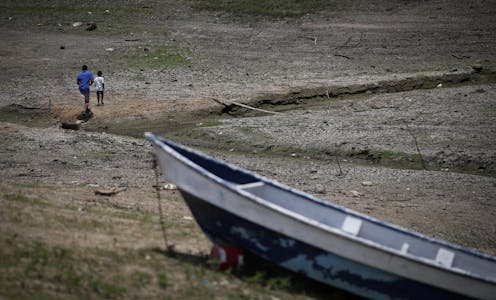
The 425 square kilometre Gatun Lake was built in the early 1900s to store water for the Panama Canal. Water is needed to float ships so they can navigate the canal. Now drought has severely affected the lake’s water levels.
Because of this the Panama Canal Authority has had to cut the number of ships using it. Hundreds of ships have queued up to wait their turn.
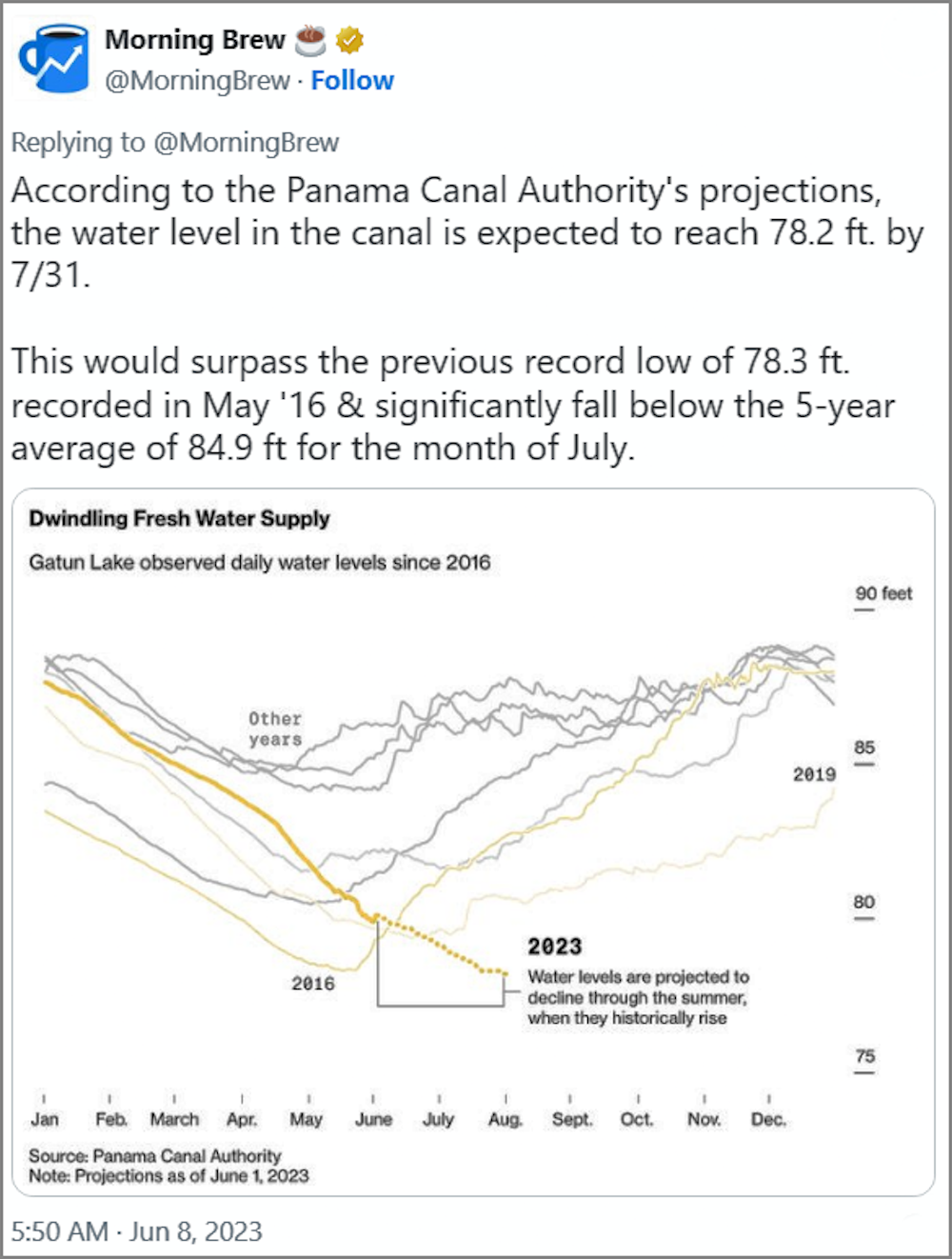
In June, Newsweek magazine drew attention to a Canal Authority graph showing the water levels in the lake dropping to unprecedented lows.
Water levels are now rising – but slowly. The Panama Control Authority says it will maintain restrictions on the passage of ships for a year.
The impact of delays
Delays mean higher costs. These in turn flow on to prices charged by wholesalers and retailers. We see it in the prices we now pay for the goods we buy.
Supply chain disruptions are only one of the many reasons why the cost of living is going up. The Panama Canal problem is not even the most severe disruption at present. That dubious honour goes to the Russian invasion of Ukraine.
It is worth noting droughts and similar events are becoming more frequent due to global heating. Severe disruptions are moving from unusual to commonplace.
The Panama Canal Authority says of the drought that its “current severity and its recurrence has no historical precedence”.
Unprecedented, but not unexpected. Climate scientists, the United Nations, the Intergovernmental Panel on Climate Change and others have been warning for years about extreme weather events due to global heating.
My own report last year on food supply chains warned about the impact of global warming and the likelihood that disruptions in supply chains would lead to increased food prices.
What has the Panama Canal got to do with Australia?
You may wonder how something as far away as the Panama Canal can affect Australian retail costs. A good question. The answer is that today’s supply chains are global and interconnected.
A 2021 study by the Productivity Commission on supply chains noted they are complex. It said
modern supply chains often rely on inputs from across the globe and can consist of thousands of firms. The Dell supply chain, for example, was estimated to consist of over 7,000 suppliers in 2019.
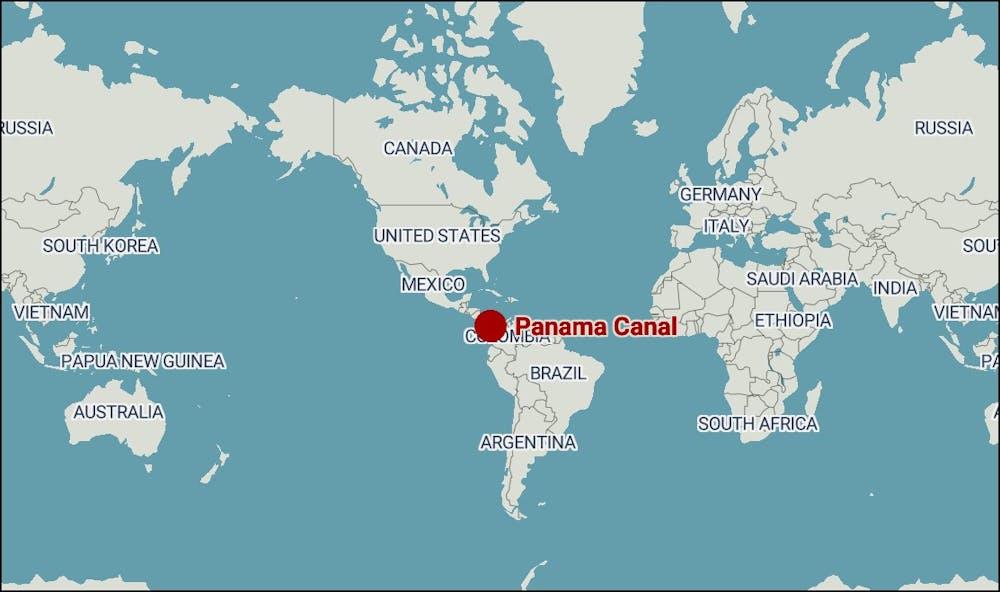
Yes Panama, at 1,000 kilometres north of the equator, is in the northern hemisphere. For trading, it is more important to America and northern Asia.
But Australia will still be affected by the disruption. Our supply chains are connected. Ripple spread through supply chains through prices. Even if products we buy or sell are not physically in the affected part of a supply chain, when their prices increase ours do too.
That is because buyers and sellers can shift goods depending on market conditions. Buyers move things to where the prices are cheaper, sellers to where the prices are higher. If a firm sells in one market, that affects a seller in the next market.
Shortages are reflected in prices
Each firm’s shortages or surpluses have an impact on prices. They in turn trade with other markets in different regions. Knock on effects spread across the globe.
Australia is an island, highly reliant on shipping for trade – both imports and exports. Imports include not only finished goods but also many of the inputs to our industries, including packaging and parts.
Let’s consider how delays at the Panama Canal affect these. If a spare part for a manufacturer in the US or Japan is delayed by the shipping queue, the buyer will go to another supplier to avoid holding up their production line. Generally, this means paying a higher price.
If those suppliers sell to Australia, we end up paying higher prices too.
Sometimes the costs of a disruption filter into markets slowly, especially for items that are not traded very often and have few substitutes.
Sometimes it is fast for the opposite reason. Eventually though the costs of delays catch up to everyone in both the direct and flow on supply chains.
Given extreme weather is becoming more common, and affecting our cost of living, what should be our response?
A proposed course of action
Most important of course is to reduce our contribution to global heating. If governments do not meet their targets for emissions reduction the problems and costs will multiply.
However, temperatures have already risen. Extreme weather is becoming more common. Strategies for dealing with the unavoidable impacts on supply chains include diversifying.
This would mean having more suppliers, all using different chains, so that if one fails, we have other options.
Shortening chains by using more local suppliers where possible, would also help, as would embracing the joy of substitution – if one product becomes more expensive or unavailable, often there is another just as good.
And finally, take note of lessons from events far away.
Stephen Bartos does not work for, consult, own shares in or receive funding from any company or organization that would benefit from this article, and has disclosed no relevant affiliations beyond their academic appointment.
Mother and Son has long been regarded as one of Australia’s greatest sitcoms. First airing in 1984, the tale of the ageing Maggie Beare and her hapless son, Arthur, was not only very funny, but revealed the pain, frustration and love that underpinned their relationship.
For anyone who has cared for an ageing parent – or faced the diminution of their autonomy as they have aged – Mother and Son still strikes a nerve.
As Australia’s population ages, and more of us grapple with the challenges of caring for ageing relatives, it is unsurprising that Mother and Son has been revived by the ABC. As our media and entertainment industries churn out remakes, franchises and revivals, refashioning a beloved program like Mother and Son makes some sense: a large portion of the ABC’s ageing audience will tune in, if only to complain that the remake can’t hold a candle to the original.
However, the revival has some fresh things to say about the fraught but loving bonds between adult children and their ageing parents in the 21st century.
The original Mother and Son
Mother and Son premiered on the ABC in 1984 and ran for six seasons until 1994. Both critically acclaimed and widely loved by viewers, the series made Ruth Cracknell a beloved national treasure and allowed Garry McDonald, who became famous as Norman Gunston in the 1970s, to show a different set of comic skills.
The show’s premise was simple: 35-year-old journalist Arthur moves in with his mum, Maggie, who is showing signs of cognitive decline – or is she? Maggie’s absent-mindedness frustrates Arthur and generates much of the comedy, but her ability to emotionally blackmail her son and get her own way balances the power in their dynamic.
At the time Mother and Son was first broadcast, Australian sitcoms were thin on the ground. Australian television had long succeeded in the realm of topical, satirical sketch comedy, from The Mavis Bramston Show to The Gillies Report and Fast Forward. Mother and Son represented a significant departure from the sketch comedies, soaps and serial dramas that featured on 1980s television.
In many ways it resembled the British sitcoms that were a staple part of the ABC’s viewing schedule, with live audiences, a single set and multiple cameras.
Ageing parents and adult children
Re-watching Mother and Son, (currently available on iView), I was struck by how well it captures the complex emotions of both ageing parents and their adult children.
The series never shied away from Arthur’s guilt and frustration, or Maggie’s loneliness and feelings of loss. It is a resonant depiction of the often-messy emotions that come with being a carer, while not losing sight of the feelings of the person being cared for.
In spite of everything, Maggie and Arthur still love each other. In an early episode, after a fight, Maggie is caught shoplifting a bottle of oysters – one of Arthur’s favourite foods. She’s arrested and when Arthur arrives at the police station to take her home, he asks her why she stole the oysters. Maggie replies simply: “because I thought it would make you like me again”.
Cracknell’s subtle, dignified performance gave moments like these a genuine pathos. The series showcased both a complex portrayal of an older woman (a rare thing on television) and also a male carer. In a society where care of children and the elderly was (and still is) typically regarded as “women’s work”, this was significant.
A new mother and son
Where the original series featured a baby boomer looking after his mother, in the new series, it’s a millennial looking after his boomer mum – a story being played out in homes across the nation.
In the 2023 Mother and Son, Maggie (Denise Scott) is a free-spirited eccentric who almost burned down the family home while cooking dinner for her grandchildren. Childless, unmarried Arthur (Daniel Okine), meanwhile, is attempting to start a web business.
In both series, Arthur’s return to the family home is seen as a product of his failure to establish his own family. In the revival, Arthur wants a wife and family but has neither, and spends much of his day playing computer games. This Arthur is caught in perpetual adolescence, unlike McDonald’s original character. His mercenary sister, Robbie (a gender flip from the original) wants to move their mother into aged care so they can sell her home: a very 2020s tale.
Scott’s Maggie has a more anarchic energy than Cracknell’s character. She is uninhibited (making her first appearance on the show naked) and rebellious: when Arthur takes her on a tour of an assisted living facility, a resident waves at her and she flips the bird in response.
Scott conveys the frustration experienced by older people who can no longer live independently – she is resentful about not seeing her grandchildren and angry about the ways her life is “shrinking”. Her spiky portrayal gives Maggie more agency and a likely point of connection with an older viewing audience.
The new Mother and Son is likeable, gentle comedy. It has a diverse, multicultural cast and the writing is largely well-observed. Yet in remaking a much-loved classic comedy, the creators have set themselves an impossibly high bar: Scott and Okine, while charming, are no match for Cracknell and McDonald.
While it can’t hope to match the brilliance of the original, this reimagined Mother and Son offers an sympathetic, honest portrayal of ageing parents and their harried adult children – something we don’t see enough of on our television screens.
Michelle Arrow receives funding from The Australian Research Council.
Source: The Conversation (Au and NZ) – By Noam Peleg, Senior Lecturer, Faculty of Law and Justice; Associate, the Australian Human Rights Institute, UNSW Sydney
Climate change is not just an environmental crisis, it’s a human rights crisis. And the humans to be most affected by climate catastrophe are the youngest ones: children.
We have seen children directly impacted in the Northern Hemisphere’s unprecedented heatwaves this year. In Greece, 1,200 children were evacuated when a wildfire threatened their holiday camps.
In the United States, children were swept away by floodwaters in Kentucky after torrential rain, while an extreme heatwave swamped the West Coast. In Australia, this summer is expected to be hot, dry and dangerous but that’s nothing compared to what is to come.
So what are the responsibilities of governments to reduce the harm climate change will wreak on the lives of children?
A statement from the United Nations (UN) released today seeks to clarify this. It clearly stipulates why and how the rights of children are compromised by climate change – including the very basic right to life. It also details the steps necessary to mitigate this catastrophe.
The statement comes from a UN body of 18 experts that monitors how national governments are implementing the UN Convention on the Rights of the Child. This is an international agreement on a broad range of human rights as they relate to children, including their health, education, development, best interests and living standards.
From time to time, UN human rights committees publish a new interpretation of the treaty they oversee. These are known as “general comments”.
General comments are significant because they provide authoritative guidance to the governments of the 196 countries that have ratified the convention, with Australia being one of them. They also provide a globally agreed standard against which governments and businesses can be assessed.
This new comment follows nearly two years of consultation with more than 7,000 children from 103 countries, as well as governments and relevant experts.
It’s not merely an aspirational statement. Rather, it’s a practical “how-to” guide to action. This document will help children, young people and their advocates hold governments and others accountable for their decisions.
So what does the document say?
The general comment says governments have obligations to respect, protect and fulfil children’s rights. It states the “adverse effects of climate change” on the enjoyment of children’s rights “give rise to obligations of states to take actions to protect against those effects”. It adds the committee overseeing the convention aims to:
i) Emphasise the urgent need to address the adverse effects of environmental harm and climate change on children;
ii) Promote a holistic understanding of children’s rights as they apply to environmental protection;
iii) Clarify the obligations of States parties to the Convention and provide authoritative guidance on legislative, administrative and other appropriate measures to be undertaken with respect to environmental issues, with a special focus on climate change.
The general comment also identifies children as agents in their own lives. By extension, this means children have a right to participate in the drafting of environmental policies or laws that will affect them.
Here are the committee’s points that are most relevant to Australia.
1. Best interests of the child
A key principle of the treaty is the best interests of the child should be a primary consideration when making decisions on their behalf. These decisions include laws, regulations, budgets and international agreements. The general comment expands on this, saying:
the best interests of the child shall be a primary consideration in the adoption and implementation of environmental decisions affecting children.
It says this process should take into account “the specific circumstances that make children uniquely vulnerable in the environmental context”.
This “best interests” approach stands in stark contrast to that taken by the full bench of the Federal Court in Australia. In 2022, the court accepted the federal government’s argument that it has no duty of care for children, and that the best interests principle is not something it ought to consider when making decisions about the environment.
Indigenous children and their communities are particularly vulnerable to climate change.
For example, a recent study found Indigenous communities in New South Wales were disproportionately exposed to a range of climate extremes such as heat, drought and flooding. They also experienced higher rates of climate-sensitive health conditions and socioeconomic disadvantages.
The comment says states are obliged to ensure the right to life, survival and development of Indigenous children. They are also expected to “engage with Indigenous children and their families in responding to climate change by integrating, as appropriate, Indigenous cultures and knowledge in mitigation and adaptation measures”.
In Australia, it means the state, territory and federal governments have the duty to listen to Indigenous communities – especially to their younger members – and to take their perspective into account when crafting any policy or law that might have an impact on their livelihood and culture.
3. Actions of the business sector
The general comment says governments should require businesses to conduct “due diligence” to assess how their current and future actions might affect the climate and the rights of children.
Where the impacts of a business cross national boundaries, governments are expected to ensure businesses operate at “environmental standards aimed at protecting children’s rights from climate-related harm”.
The comment also expects governments to encourage investment in and use of zero-carbon technologies, particularly when the assets are publicly owned or funded. Governments should also protect the rights of children when implementing tax regimes and procuring goods and services from the private sector.
Facing up to the challenge
The general comment makes it clear states should no longer ignore the impacts of the climate crisis on children and future generations because they have legal duties to rectify it.
The UN committee articulates the responsibilities of states and details how children’s rights should be protected by all levels of government. Despite the fact the Convention on the Rights of the Child was adopted decades before environmental rights became a topic of discussion, the new general comment is a good reference for everyone from on-the-ground, grassroots local advocacy groups to international non-government organisations and UN organisations like UNICEF.
In this bold new statement, the committee has pushed the interpretation of the convention almost to the maximum, and like other international treaties, the real test will be in its implementation.
Noam Peleg does not work for, consult, own shares in or receive funding from any company or organisation that would benefit from this article, and has disclosed no relevant affiliations beyond their academic appointment.
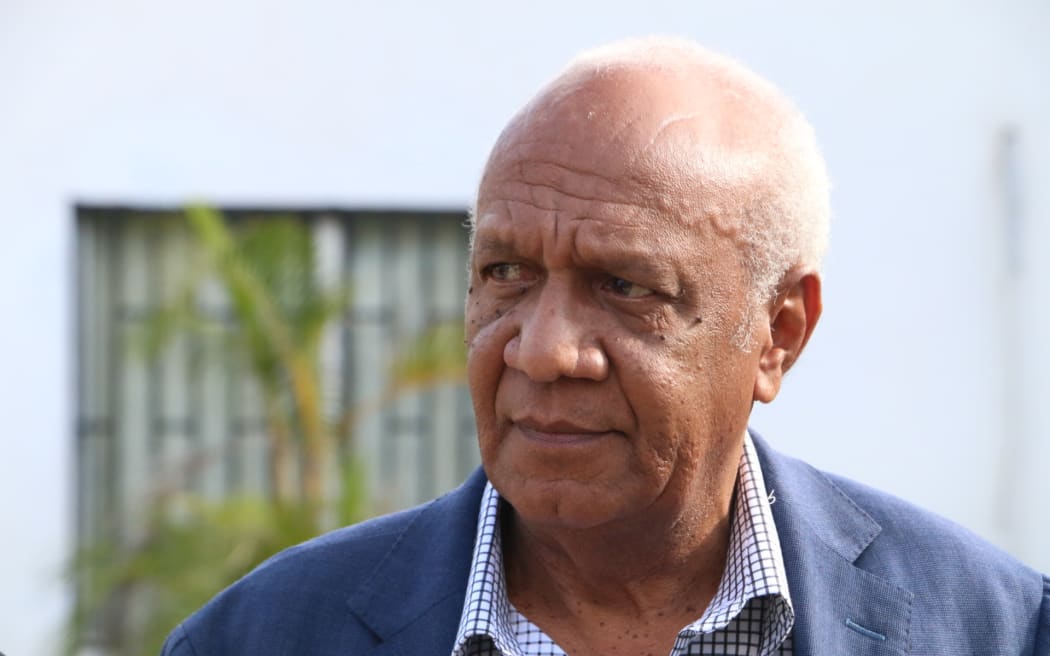
One of Fiji’s three deputy prime ministers, Viliame Gavoka, has appealed to the country’s prime minister to review his stance on Japan’s disposal of treated nuclear wastewater into the Pacific Ocean.
Prime Minister Sitiveni Rabuka supports Japan’s compliance with safety protocols outlined by the UN’s International Atomic Energy Agency.
However, Rabuka also spoke about the need for an independent scientific assessment.
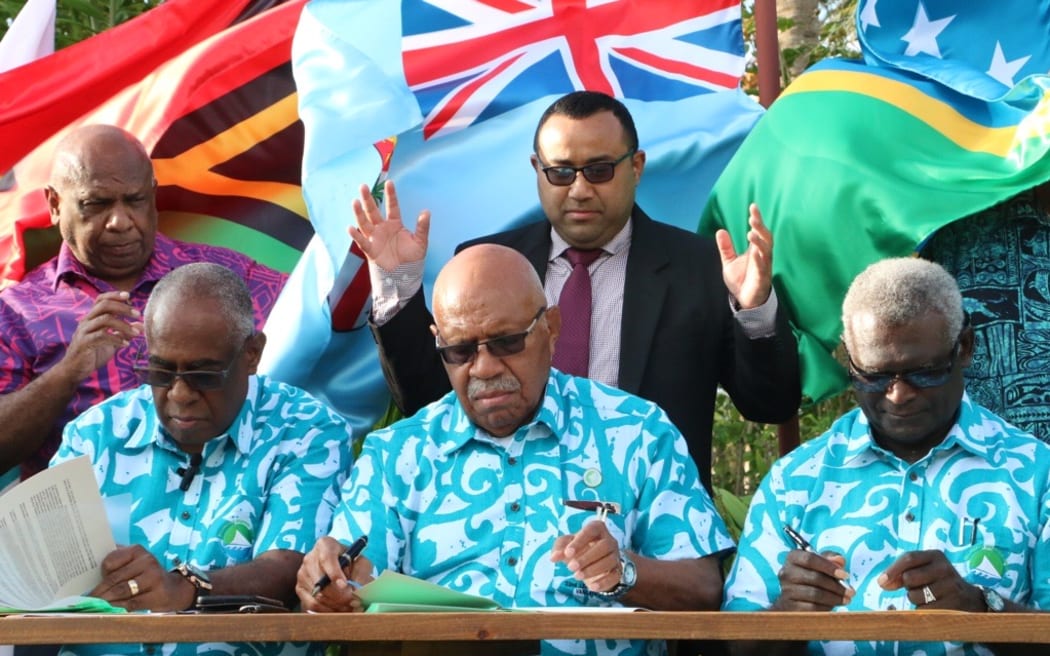
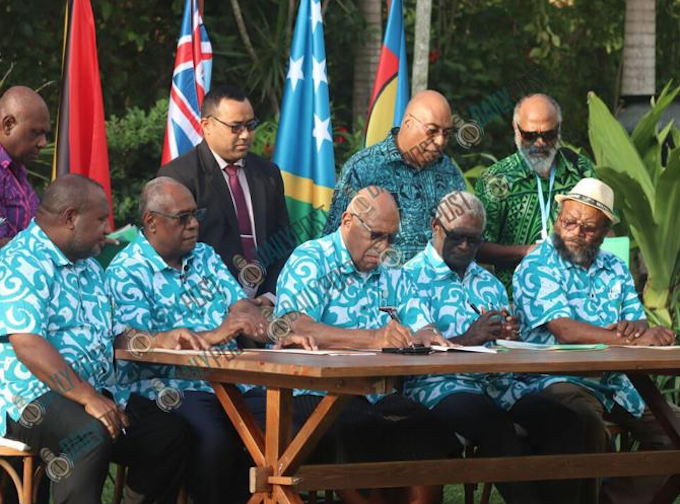
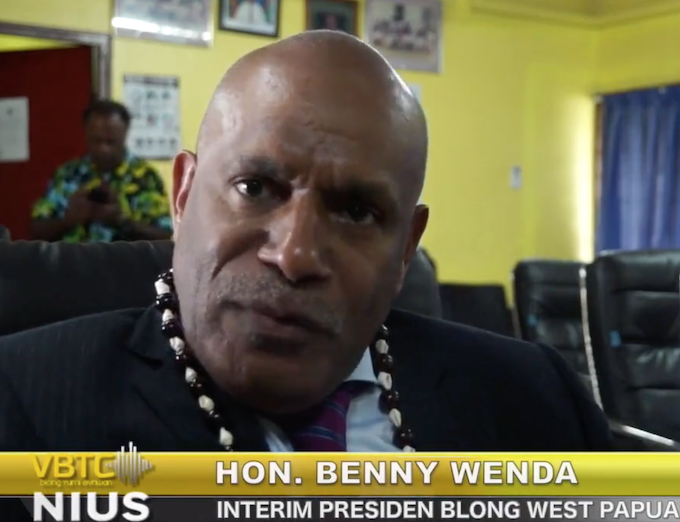
He has also signed off on the Melanesian Spearhead Group’s Udaune Declaration on Climate Change, in which his fellow prime ministers of Papua New Guinea, Solomon Oslands and Vanuatu, and spokersperson of FLNKS of New Caledonia, “strongly urged Japan “not to discharge the treated water into the Pacific Ocean until and unless the treated water is incontrovertibly proven scientifically to be safe to do so and seriously consider other options like use in concrete”.
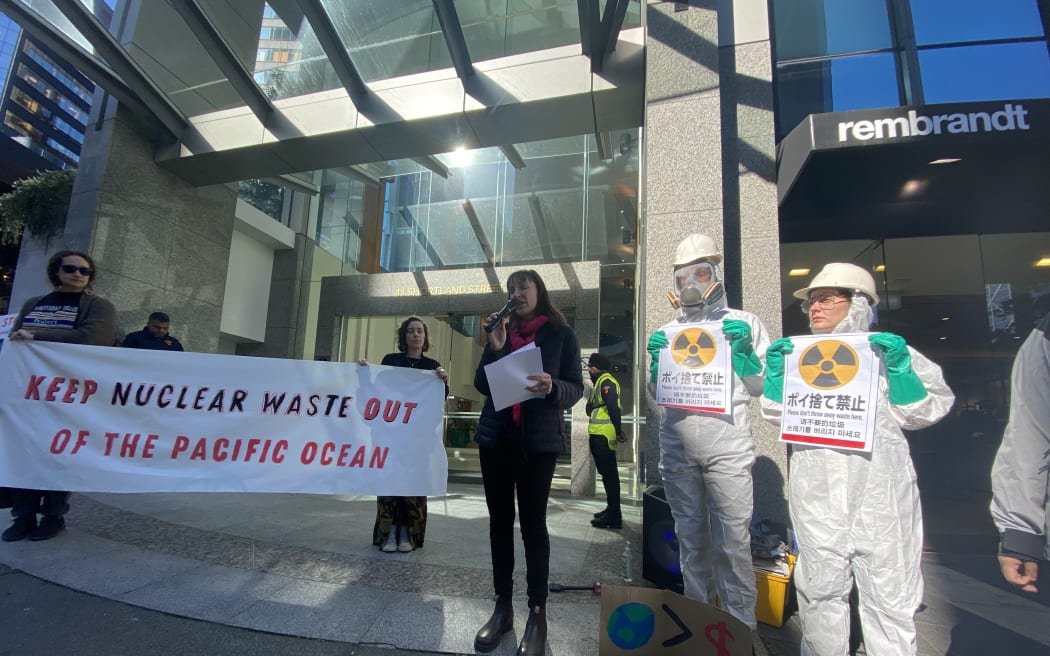
Japan has, however, already begun the release of the treated nuclear wastewater in spite of strong condemnation from the region and across the world.
Gavoka, who is also leader of the Social Democratic Liberal Party (SODELPA), further highlighted the concerns of his party’s Youth section which also implored Rabuka to reconsider his position.
Fiji Prime Minister Sitiveni Rabuka (sitting middle, flanked by host Vanuatu PM Ishmael Kalsakau, left, and Solomon Islands PM Manasseh Sogavare) signs up to the Udaune Declaration on Climate Change and the Efate Declaration on Security at the 22nd Melanesian Spearhead Group Leader’s Summit in Port Vila. last week. Image: RNZ Pacific/Kelvin Anthony
The SODELPA leader acknowledged the diversity of opinions within the coalition government and the allowance for conscience votes, underlining the dynamics of political relationships.
SODELPA general-secretary Viliame Takayawa is also concerned, particularly noting the view that Rabuka has taken on the role of a national leader.
He confirmed that the party intends to communicate directly with the prime minister on Tuesday to raise this pressing issue.
This article is republished under a community partnership agreement with RNZ.
At the weekend a V-22 Osprey aircraft crashed on Melville Island north of Darwin. Of the 23 US Marine Corps personnel onboard, three died, five were taken to Darwin hospital in a serious condition, and some others had more minor injuries.
The craft was part of the Marine Rotational Force – Darwin, a unit of up to 2,500 US marines that has been based in the Northern Territory from April to October each year since 2012. This is the most serious accident in that 11-year period.
The Osprey is a relatively new type of aircraft, with a patchy track record for safety. But the advantages it offers for the military – and perhaps for civilians – mean we will only be seeing more of it in the future.
What is the V-22 Osprey?
The Osprey has long been controversial, initially for its high cost and long development time, and in recent years for safety concerns.
These issues reflect the revolutionary design of the craft: it is a kind of plane–helicopter hybrid called a tiltrotor, which means the wing tilts upward for takeoff and landing and back down again for level flight. If this sounds complex, it is.
The Osprey is at the leading edge of aviation technology, with nothing else in operational service like it. The aircraft was built to replace helicopters and is used by the US Air Force, Navy and Marine Corps, and the Japanese Ground Self-Defense Force.
A US Marines V-22 Osprey at the Naval Air Station Miramar, California. Shutterstock
Why is the Osprey so useful?
The Marine Corps is by far the largest user, being attracted to the aircraft’s much longer range, much higher speed and good carrying capacity compared to conventional helicopters.
The Marine Corps is famous for landing soldiers across beaches during combat but in the modern era this is difficult. Potential adversaries now have excellent beach defences, and bringing ships close enough to shore to land soldiers via traditional naval landing craft or conventional helicopters is becoming unrealistic.
The Osprey solves this by allowing amphibious ships to remain hundreds of kilometres at sea and launch assaults onto the beach “from over the horizon”. A landing can now surprise an enemy, while the Osprey’s range allows many more possible landing sites to be accessed.
The Marines first brought the Osprey into service in 2007, and it has been central to the adoption of a whole new way of war. They have dispensed with heavy mechanised forces like tanks in favour of rapid manoeuvres, light vehicles, long-range missile technology and island hopping.
This approach of so-called Expeditionary Advanced Base Operations (EABO) is the Marine Corps answer to China’s growing assertiveness in East Asia and to keeping the Corps relevant in the modern era. The Marines in Darwin now practise EABO.
Why is the Osprey’s safety record so patchy?
That’s the upside. The downside of being leading-edge technology is having little historical experience of similar aircraft to fall back on.
Every Osprey flight is a learning event for the pilots, the maintenance personnel and the aircraft’s manufacturer.
For example, the US Air Force grounded their Ospreys for two weeks last year over worries about gearbox matters. This has been an ongoing problem that seems to get worse the more an aircraft is flown and the gearbox used; technical fixes are in the works.
The central concern today is flying safety and here the Osprey has a mixed record. The aircraft had four crashes and 30 deaths during its initial development.
Since entering operational service in 2007 there have been an additional ten crashes and 24 deaths.
Two of these ten were on combat operations where the cause was uncertain. The others were due to pilot error or technical problems.
The cockpit of a V-22 Osprey on display at Dubai Airshow in 2015. Shutterstock
Will the Osprey get safer?
As the Osprey has flown more, more knowledge has been gained and the accident rate has declined. However, its accidents have tended to come in bunches. In the eight months from December 2016 to September 2017 there were three crashes; in the 18 months from March 2022 to now, there have been another three.
This all compares very unfavourably with American civil aviation, which has a much better safety record. In 2020, a report by the National Commission on Military Aviation Safety said the main culprits for the US military’s air accidents were insufficient flying hours to keep aircrew proficient, inadequate personnel training, inconsistent funding for spare parts supply and risky maintenance practices.
The implication is that safety can be improved. It just needs to be properly addressed.
Historically, the safety record of revolutionary aircraft like the Osprey improves as more operating experience is gained and unknown technical problems are found and addressed. That was certainly the Australian experience with the F-111 strike aircraft, which had an early run of crashes followed by many years of safe operation.
Will we see more tiltrotors like the Osprey in future?
This is important as the Osprey looks set to be the first of its type, not the last. The US Army has chosen a new generation tiltrotor, the V-280 Valor, to replace its ageing Blackhawk helicopters.
Over time, the Valors will inevitably be deployed to Australia on training exercises. Meanwhile, Australia is acquiring Blackhawks to replace the Australian Army’s Taipan helicopters, which are apparently difficult to maintain.
When those new Blackhawks eventually are themselves replaced, it is likely Australia will go the way of the US and buy tiltrotors too. Civil aviation is getting interested in tiltrotors as well.
Tiltrotors like the Osprey and its successors are likely to fly in Australian skies well into the future.
Peter Layton does not work for, consult, own shares in or receive funding from any company or organization that would benefit from this article, and has disclosed no relevant affiliations beyond their academic appointment.
Source: The Conversation (Au and NZ) – By Noel Morada, Director (Regional Diplomacy and Capacity Building) Asia Pacific Centre for the Responsibility to Protect, The University of Queensland
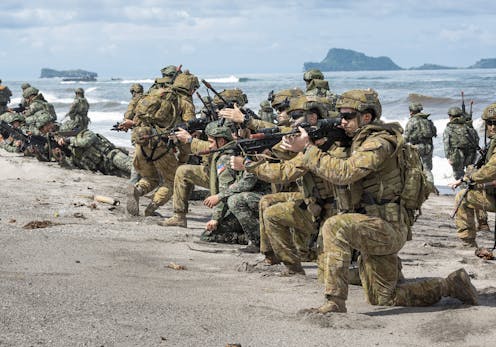
LCPL Riley Blennerhassett/Australian Department of Defence/AP
At the end of last week, 1,200 Australian troops took part in a joint military exercise in the Philippines with hundreds of Filipino and American forces. Their mission: simulating the retaking of an island by a hostile force, presumably in the South China Sea.
Australian Defence Minister Richard Marles joined Filipino President Ferdinand Marcos Jr. to observe the drills, reportedly the largest ever between the two nations. Marles then announced Australia would begin joint maritime patrols with the Philippines in the contested South China Sea very soon.
Next week, Prime Minister Anthony Albanese will also visit the Philippines, with maritime issues, defence and security on the agenda.
Although Marles was careful not to reference China directly during a press conference in the Philippines, Australia’s push to deepen its strategic ties with Manila comes at a time of heightened tensions with Beijing in the South China Sea. (It’s known as the West Philippine Sea in the Philippines).
In early August, a Chinese coast guard vessel used a water cannon against a Filipino coast guard boat that was attempting to deliver supplies to soldiers manning a grounded naval vessel on Second Thomas Shoal (or Ayungin in the Philippines).
Manila maintains the shoal is in its exclusive economic zone. China, meanwhile, claims it falls within its sovereign territory.
The incident is just the latest in a series of aggressive, harassing actions by the Chinese coast guard and maritime militia in the area since the beginning of the year.
So, with tensions running so high in the sea, why is Australia getting involved by deepening its military ties with the Philippines? What impact could this have on the region?
The Philippines is among five other competing claimants in the South China Sea, along with Brunei, Malaysia, Vietnam, Taiwan and China. Unlike China, which claims sovereignty over the entire South China Sea using the so-called “nine-dash line”, the others assert only limited sovereignty in the area.
In 2016, the Philippines won a landmark case against China in an international tribunal in The Hague that declared the “nine-dash line” invalid and a violation of the United Nations Convention on the Law of the Sea. China did not recognise the ruling and has been continuing its military build-up in the sea and harassment of Philippine vessels.
Although the Philippines gained widespread international support with the ruling, it remains militarily weak and limited in its ability to thwart Chinese incursions in its exclusive economic zone.
This has been a main focus of the Marcos administration since taking office in June 2022. During a visit to the White House in May, Marcos and US President Joe Biden agreed to new guidelines on the countries’ 1951 Mutual Defence Treaty.
This treaty commits both parties to respond in the event of an attack on either one “anywhere in the South China Sea”. Notably, the guidelines also acknowledge the threats posed by “grey zone tactics”, such as blockades, intimidation and harassment.
This year, the Philippines also agreed to add four more military bases the US can access under a separate defence agreement.
Due to China’s aggressive actions in the South China Sea and adamant refusal to recognise the tribunal ruling on the “nine-dash line”, public opinion in the Philippines now shows a high level of distrust towards China (67%). In contrast, there is a high level of trust towards the US (89%), Australia (79%) and Japan (78%).
This lack of trust towards China is shared by many in the Philippine government, defence establishment and legislature.
Why deeper ties with Australia matter
At the same time it has re-pivoted towards the US, the Philippines government has also been busy enhancing its defence and diplomatic ties with Australia.
In May, Foreign Minister Penny Wong visited Manila and announced Australia’s readiness to elevate their relationship to a “strategic partnership”. She also reiterated Australia’s commitment to continue its presence in the South China Sea to promote peace and stability, as well as freedom of navigation.
Marles pointed out last week that much of Australia’s trade goes through the South China Sea and Australia is committed to upholding the international rules-based order in the region.
Defence Minister Richard Marles, left, met with Philippine National Defence Secretary Gilberto Teodoro Jr. last week before the joint military drills. Philippine DND Defence Communications Service and AFP Public Affairs Office/AP
Albanese’s upcoming visit to Manila will build on these diplomatic overtures. The two countries are expected to sign agreements that will formalise their strategic partnership. These will cover defence and maritime security cooperation, as well as enhanced economic, trade and cultural ties.
These stronger ties don’t come out of nowhere. While Australia doesn’t have the same kind of mutual defence treaty with Manila, it has a deep defence relationship with the Philippines dating back to the second world war.
Australia and the US are also the only two countries with a “visiting forces” agreement with the Philippines, which provides a legal framework for Australian and American troops to be in the country.
Given Australia has recently sought to steady its rocky relationship with China, this cooperation with the Philippines could come at a cost. As expected, China voiced its displeasure over last week’s military drills.
Over the long term, both Australia and the Philippines should also be aware of the risks posed by their security alliances with the US, which could potentially involve them both in a conflict with China over Taiwan or the South China Sea.
As the military drills last week make clear, Australia seems prepared to take that risk and step up its cooperation with a key regional ally nonetheless. As Marles pointedly said in Manila, the global rules-based order is “deeply connected to our respective national interests” and “collective security”.
Noel Morada is a Senior Research Fellow at the Asia Pacific Centre for the Responsibility to Protect, which receives funding from the Department of Foreign Affairs and Trade (DFAT).
Source: The Conversation (Au and NZ) – By Cameron Shackell, Sessional Academic and Visitor, School of Information Systems, Queensland University of Technology
Having skills in using natural language (such as English) to “prompt” useful content out of AI models such as ChatGPT and Midjourney seems like something many employers would value. But is it as simple as doing a short course and riding the wave to a six-figure salary?
A Washington Post article published in February did a lot to seed the notion that prompt engineers are “AI whisperers” who “program in prose”. It dropped some big salary numbers and quoted a job ad by Silicon Valley company Anthropic calling for people who have “a creative hacker spirit and love solving puzzles”.
And to complete the transition from geek to chic, several influencers jumped on board to portray prompt engineering as a gold rush open for anyone willing to study and learn a few tricks.
Are there really that many jobs?
That Anthropic ad is still hanging around. Six months later, it seems more like a corporate publicity stunt than a search for talent.
As many commentators predicted, prompt engineering hasn’t exploded as a standalone career. At the time of writing this article, there wasn’t a single advertisement for a “prompt engineer” role on the main job sites in Australia. And only four listings mentioned prompt engineering in the job description.
The situation seems better in the United States. But even there, the new profession has largely been subsumed into other roles such as machine learning engineer or AI specialist.
There are few reliable statistics on the growth (or lack of growth) in prompt engineering. Most data are anecdotal. The reality is further clouded by consulting firms such as Deloitte promoting it as “the dawn of a new era” as part of their AI business drive.
What’s the reality?
A lot of the confusion about whether prompt engineering is useful comes from not recognising that there are two different types of value creators: domain experts and technical experts.
Domain experts
The germ of truth in the “anyone can do it” narrative is that experts in a particular subject are often the best prompters for a defined task. They simply know the right questions to ask and can recognise value in the responses.
For example, in branding and marketing, generative AI is taking off for what I have dubbed generic or “G-type” creative tasks (such as making the Pepsi logo in the style of Picasso). When advertising experts start hacking away at prompting, they quickly invent ways to do things even the most skilled AI gurus can’t. That’s because technical gurus often don’t know much about copyrighting or marketing.
Technical experts
On the other hand, tech gurus who grapple “under the hood” with the enormous complexity of AI models can also add value as prompt engineers. They know arcane things about how AI models work.
They can use that knowledge, for example, to improve results for everyone using AI to obtain data from a company’s internal documents. But they typically have little domain knowledge outside of AI.
Both domain expert and technical expert prompt engineers are valuable, but they have different skill sets and goals. If an organisation is using generative AI at scale, it probably needs both.
Why is prompting hard?
Generative AI ultimately produces outputs for people. Advertising copy, an image or a poem is not useful or useless until it succeeds or fails in the real world. And in many real-world scenarios, domain experts are the only ones who can judge the usefulness of AI outputs.
Nonetheless, these evaluations are ultimately subjective. We know 2 + 2 = 4. So it’s simple to test prompts that stop AI from hallucinating that the answer is 5. But how long does it take to work out if an AI-designed ad campaign is more or less effective than a human-designed one (even if you do have a domain expert on hand)?
In my past research, I have suggested the evaluation of generative AI should move closer to semiotics – a field that can connect natural language to the real world. This could help narrow the evaluation gap over time.
Is prompt engineering worth learning?
Beyond playing with some tips and tricks, formally learning how to write prompts seems a bit pointless for most people. For one thing, AI models are constantly being updated and replaced. Specific prompting techniques that work now may only work in the short term.
People looking to get rich from prompt engineering would be better advised to focus on pairing AI and problem formulation in their area of expertise. For example, if you’re a pharmacist you might try using generative AI to double check warning labels on prescriptions.
Along the way you’ll sharpen your expository writing, acquire the basic generative AI skills (which employers might appreciate), and maybe strike gold with a killer application for the right audience.
Eventually, boasting that you know how to prompt AI will become resumé furniture. It will be comparable to boasting you know how to use a search engine (which wasn’t always so intuitive) – and may paint you as a dinosaur if mentioned.
Cameron Shackell does not work for, consult, own shares in or receive funding from any company or organisation that would benefit from this article, and has disclosed no relevant affiliations beyond their academic appointment.
Many of us love seeing an echidna. Their shuffling walk, inquisitive gaze and protective spines are unmistakable, coupled with the coarse hair and stubby beak.
They look like a quirky blend of hedgehog and anteater. But they’re not related to these creatures at all. They’re even more mysterious and unusual than commonly assumed.
Australia has just one species, the short-beaked echidna (Tachyglossus aculeatus), which roams virtually the entire continent. But it has five subspecies, which are often markedly different. Tasmanian echidnas are much hairier and Kangaroo Island echidnas join long mating trains.
Here are four things that make echidnas remarkable.
1: They’re ancient egg-laying mammals
Short-beaked echidnas are one of just five species of monotreme surviving in the world, alongside the platypus and three worm-eating long-beaked echidna species found on the island of New Guinea.
Our familiar short-beaked echidnas can weigh up to six kilograms – but the Western long-beaked echidna can get much larger at up to 16kg.
These ancient mammals lay eggs through their cloacas (monotreme means one opening) and incubate them in a pouch-like skin fold, nurturing their tiny, jellybean-sized young after hatching.
Scientists believe echidnas began as platypuses who left the water and evolved spines. That’s because platypus fossils go back about 60 million years and echidnas only a quarter of that.
Remarkably, the echidna still has rudimentary electroreception. It makes sense the platypus relies on its ability to sense electric fields when it’s hunting at the bottom of dark rivers, given electric fields spread more easily through water. But on land? It’s likely echidnas use this ability to sense ants and termites moving through moist soil.
It probably got its English name in homage to the Greek mythological figure Echidna, who was half-woman, half-snake, and the mother of Cerberus and Sphinx. This was to denote the animal’s mix of half-reptilian, half-mammal traits. First Nations groups knew the echidna by many other names, such as bigibila (Gamilaraay) and yinarlingi (Warlpiri).
2: From deserts to snow, echidnas are remarkably adaptable
There are few other creatures able to tolerate climate ranges as broad. You can find echidnas on northern tropical savannah amid intense humidity, on coastal heaths and forests, in arid deserts and even on snowy mountains.
The five subspecies of short-beaked echidna have distinct geographic regions. The one most of us will be familiar with is Tachyglossus aculeatus aculeatus, widespread across Queensland, New South Wales, South Australia and Victoria. You can think of this as “echidna classic”.
Then there’s Kangaroo Island’s T. aculeatus multiaculeatus, Tasmania’s T. aculeatus setosus, the Northern Territory and Western Australia’s T. aculeatus acanthion and the tropical subspecies T. aculeatus lawesii found in Northern Queensland and Papua New Guinea.
You might think subspecies wouldn’t be too different – otherwise they’d be different species, right? In fact, subspecies can be markedly different, with variations to hairiness and the length and width of spines.
Kangaroo Island echidnas have longer, thinner, and paler spines – and more of them, compared to the mainland species. Tasmanian echidnas are well adapted to the cold, boasting a lushness of extra hair. Sometimes you can’t even see their spines amidst their hair.
3: Mating trains and hibernation games
Remarkably, the subspecies have very different approaches to mating. You might have seen videos of Kangaroo Island mating trains, a spectacle where up to 11 males fervently pursue a single female during the breeding season. Other subspecies do this, but it’s most common on Kangaroo Island. Scientists believe this is due to population density.
Pregnancy usually lasts about three weeks after mating for Kangaroo Island echidnas, followed by a long lactation period of 30 weeks for the baby puggle.
But Tasmanian echidnas behave very differently. During the winter mating season, males seek out hibernating females and wake them up to mate. Intriguingly, females can put their pregnancy on hold and go back into hibernation. They also have a shorter lactation period, of only 21 weeks.
What about the echidna subspecies we’re most familiar with? T. aculeatus aculeatus has a similarly short lactation period (23 weeks), but rarely engages in mating train situations. After watching the pregnancies of 20 of these echidnas, my colleagues and I discovered this subspecies takes just 16–17 days to go from mating to egg laying.
4: What do marsupials and monotremes have in common?
Marsupials bear live young when they’re very small and let them complete their development in a pouch. Despite this key difference with monotremes, there’s a fascinating similarity between Australia’s two most famous mammal families.
At 17 days after conception, the embryo of the tammar wallaby (Macropus eugenii) hits almost exactly the same developmental milestone as echidna embryos. Both are in the somite stage, where paired blocks of tissue form along the notochord, the temporary precursor to the spinal cord, and each have around 20 somites.
What’s remarkable about this? Monotremes branched off from other mammals early on, between 160 and 217 million years ago. Marsupials branched off later, at around 143–178 million years ago.
Yet despite millions of years of evolutionary pressure and change, these very different animals still hit a key embryo milestone at the same time. This striking parallel suggests the intricate process has been conserved for over 184 million years.
In echidnas, this milestone is tied to egg-laying – the embryo is packaged up in a leathery egg the size of a grape and laid into the mother’s pouch. The baby puggle hatches 10–11 days later. In tammar wallabies, the embryo continues to develop in-utero for another 9–10 days before being born.
So the next time you spot the humble echidna, take a moment to appreciate what a remarkable creature it is.
With the nation feeling the pressures of a housing crisis, some believe the Australian government needs to ease housing demand by limiting international migration.
To others, this sentiment comes across as xenophobic. They dismiss it outright, based on moral grounds. How can a nation of settlers, built on unceded Indigenous land, contemplate the notion of closing its borders to new migrants?
Leaving the moral arguments aside, it is worth looking at the data to find out if there is any merit to the idea of limiting housing demand by curbing migration – as opposed to increasing housing supply to make housing more affordable.
The evidence from pandemic-era data and longer-term migration and housing trends provides little support for the idea that curbing migration is a solution. And the future impacts on the economy and an ageing population would be costly for Australia, as the latest Intergenerational Report reminds us.
First off, it is crucial to understand that Australia’s international migration program is not driven by charity. For a start, the percentage of humanitarian migrants is minuscule, about 10% of Australia’s permanent migrant intake. And, compared to other OECD countries, it is very difficult for migrants to bring family members, such as parents or siblings, to Australia.
Among non-refugees, younger and highly skilled migrants dominate the lot. They provide much-needed labour skills and sustain the economy. Migrants help Australia as much as Australia helps them achieve their life goals.
Clearly, limiting international migration is not a realistic policy option.
The level of overseas migration is very high at present so, yes, migrants are contributing to housing demand in the short term.
However, this situation is only temporary. Much of it is so-called “recuperation migration” to make up for border closures that all but halted immigration during the pandemic. In 2020-21, Australia experienced a veritable exodus, with a net population loss of 85,000 people. Very few migrants were allowed in until late 2022.
The annual overseas migration intake is expected to peak at 400,000 people in 2022-23 before returning to 260,000 in 2024-25. This will be close to the long-term average before the pandemic. It will not fully make up for the lost population growth during the pandemic.
The housing crisis has been decades in the making. Housing prices were on an upward trend while the annual overseas migration intake remained constant in the decade leading to COVID-19.
Tellingly, even as Australia lost population during the pandemic, the real estate industry estimates that “from September 2020 to April 2022, the nation experienced the sharpest recorded upswing in home values (28.6%)”.
This shows that factors other than migration have been at play.
Let’s look beyond international migration numbers and compare the net population growth to the housing supply. According to former senior Reserve Bank economist Tony Richards, the national dwelling stock stopped expanding in line with overall population growth in 2001. That’s also when the number of property investors began to increase.
Since 2001, the demand for housing has far exceeded the supply. The shortfall has been especially marked in the most populous states – New South Wales, Victoria and Queensland. By 2021, the national dwelling shortfall was more than 1.3 million units.
Yes, but not by much. Until the COVID-19 pandemic, about 40% of population growth in Australia was through natural increase and 60% through international migration. Recuperation migration means migrants are contributing a bit more to the mix now.
Overall in Australia, the average number of children per woman reached a historical low of 1.58 in 2021. Birth rates among international migrants are similar to the national average. This is because migrants tend to be highly skilled, particularly in cities, and people in that group are more career-focused and have fewer children.
However, the nation is recording about 300,000 births a year. This figure has been constant for a decade. Our population is youthful relative to other OECD countries, with a median age of 42. This means housing demand is not about to stop.
What about internal migration?
In some regions, like South-East Queensland, the internal migration of Australian residents is compounding the impact of immigration. This is not new.
The graph below shows data from 2021-22. At the time, Brisbane and its surroundings were particularly attractive as other states struggled to contain the pandemic.
But historic data from the 1980s onward show Queensland has long been a net population receiver. The state owes its longstanding popularity to its warmer climate and lower housing prices.
The recent spike in interstate migration to South-East Queensland combined with international migration to create a perfect storm. While Sydney’s and Melbourne’s housing markets have been notoriously unaffordable for a while, Brisbane is the latest arrival on the front lines of the housing affordability battle.
International migration contributes to the housing demand but it’s hardly the only, or even the main, cause of the housing crisis. The problem cannot be solved by curbing migration.
To make Australian housing affordable again, we need to increase housing supply in line with demand. We also need to stop inflationary investments in existing housing by abolishing tax rules such as negative gearing and capital gains tax.
Dorina Pojani has received research grant funding from a variety of domestic and international organisations, including the Australian Research Council.
Aude Bernard currently receives funding from the Australian Research Council.
Source: The Conversation (Au and NZ) – By Andrew Whitehouse, Bennett Chair of Autism, Telethon Kids Institute, The University of Western Australia
Professor Bruce Bonyhady is often described as the architect of the National Disability Insurance Scheme (NDIS) and is co-chair of the panel reviewing it. He spoke last week about the sustainability challenges faced by the scheme.
Among the key issues identified was that 20% of Australian children experience learning difficulties, developmental concerns, developmental delay or are found to have disability. Bonyhady said this made it a “mainstream issue”. He added the NDIS was never designed to be the main support system for the majority of these children.
With the NDIS review due to report to state and federal ministers in October, the comments signal a re-calibration of the scheme.
This presents another challenge: which government systems outside the NDIS will embrace the large number of children who need developmental support?
What is a developmental delay?
Developmental delay is a general term that refers to young children who are slower to develop communication, physical, social, emotional and cognitive skills than typically expected. The pace of a child’s development can be measured in many ways, one of which is comparing their development to established milestones, such as when they learn their first word or when they learn to walk.
Many things can cause developmental delay. These include biological differences (such as genetic conditions), environmental challenges (including deprivation) or a combination of both. In many cases, the causes of a child’s developmental delay remain unknown.
Developmental delay is a term commonly used in clinical practice, but not included in official diagnostic manuals like the Diagnostic and Statistical Manual. This is because developmental delay is viewed as a temporary state in child development. It is most often used for children under five.
As children grow older, some developmentally catch up with their peers. Others continue to lag behind. At a certain point in development – typically around five – children in the latter group will start to be referred to having a developmental disability.
Developmental disabilities are included in official diagnostic manuals and include autism, attention deficit hyperactivity disorder (ADHD), intellectual disability, specific learning disorders, communication disorders and developmental coordination disorder.
Around 11% of all NDIS participants are classified as having a developmental delay. There are also a significant number of children with developmental delay who are not within the NDIS. Taken together, these groups make up about 20% of Australian children under five.
While there is a general community view that developmental delay is an increasing issue in Australia, there is a lack of data tracking over time to understand if this view is accurate.
The latest available data indicate there are now slightly fewer children who are “developmentally on track” (down from 55.4% in 2018 to 54.8% in 2021) and an increase in the number of children who are “developmentally vulnerable” in any one area of development (up from 21.7% in 2018 to 22% in 2021).
There has always been a large number of children experiencing developmental delay. But the fragmentation across state/territory and Commonwealth health and disability systems has meant the true scale of children struggling with development has not been clear. The unified system of the NDIS has made the percentage of children with delays clearer.
But, as Bonyhady notes, the NDIS was not designed to support all these children. The NDIS was meant to complement existing systems such as health and education, and to provide additional support to children with the most significant disability impacts. This figure is estimated to be a small proportion of the 20% of children who meet criteria for developmental delay.
The NDIS is rightly described as a policy miracle, and has benefited hundreds of thousands of Australians – with millions more to come. Its future thriving is highly dependent on how our community supports children with developmental delay.
The NDIS has accelerated a trend for the medicalisation of development supports. Children with developmental delays receive supports within clinics, rather than in the natural settings in which they live and function every day.
This has weakened major protective factors known to support child development, such as community connection and parental empowerment.
Building capacity to support children with developmental delay in their everyday contexts – at home, in childcare, kindergartens or preschools, in the local community – will be crucial to ensuring children with developmental delay and their families thrive into later childhood.
And it will help the NDIS remain the life-changing system it is.
Andrew Whitehouse is the Director of CliniKids, which is the community health arm of the Telethon Kids Institute. Children accessing CliniKids may be supported through the NDIS. Andrew receives research funding from NHMRC, ARC, the Autism CRC, and the Angela Wright Bennett Foundation
New Zealand Parliament Buildings, Wellington, New Zealand.
New Zealand Politics Daily is a collation of the most prominent issues being discussed in New Zealand. It is edited by Dr Bryce Edwards of The Democracy Project.
Even as an economics student at university, I remember heading into town on a Friday night knowing what I needed to pay the bills before I could spend on socialising. But despite having the financial literacy to know better, Monday could still sometimes begin with a trip to the bank to ask for an overdraft extension.
So it was encouraging to hear that financial education has become a political talking point ahead of this year’s election. Both Labour and National are promising to deliver compulsory financial literacy classes as part of the school curriculum.
Labour’s proposed financial literacy programme would include the basics of budgeting, financial concepts and how to be good with money. It would also include explanations of interest rates, retirement savings, insurance, debt and borrowing.
And when Prime Minister Chris Hipkins said “it shouldn’t matter what circumstances you were born into, you should still be able to learn concepts to help you”, he was right. Improved financial literacy can only be a good thing for New Zealand.
With the country in a recession, New Zealanders are facing both ballooning debt and a legacy of poor saving. The average household debt in New Zealand is now more than 170% of gross household income. This is higher than the United Kingdom (133%), Australia (113%) or Ireland (96%).
And yet, researchers remain divided over whether financial education can actually have a positive impact on financial behaviour in the long term. In New Zealand and elsewhere, it seems factors closer to home have a greater influence on a person’s financial literacy than anything learned at school.
Education, borrowing and debt
One 2014 meta-analysis of 188 research papers and articles concluded financial literacy interventions had a positive impact on increasing savings, but had no impact on reducing loan defaults.
A second analysis of 126 studies, published in 2017, found financial education positively affected financial behaviour – but this had limits for lower-income families. Much like the earlier study, the researchers found borrowing behaviour was more difficult to change with formal education than saving behaviour.
An important caveat is that these analyses measured the short-term response to hypothetical questions, not long-term behaviour.
But even when examining the impact of financial education on short-term behaviour, researchers found it was difficult to influence how people handled debt. Compulsory financial education did not improve the likelihood of getting into debt, or the likelihood of defaulting on loans.
Home and financial knowledge
In his famous work on social learning theory, psychologist Albert Bandurra proposed that observation and modelling play a primary role in how and why people learn. They are particularly relevant to the development of financial attitudes, confidence and behaviour.
Specifically, young people learn from the financial behaviour modelled by their parents, discussions about money in the home, and from receiving pocket money.
It has been suggested the differences in how money and finances are dealt with in the home are linked to why women generally score lower on financial literacy quizzes, as do people from lower socio-economic backgrounds.
Parents’ education and their financial sophistication – whether they have stocks, for example – have been shown to affect their offspring’s financial literacy. Women are also found to have lower financial confidence, even when they have the right knowledge.
In a New Zealand study of over 1,200 young people aged 14 and 15, the age of the first financial discussion between parent and child was found to be an important influence on future financial knowledge, attitudes and intentions.
The study found boys, on average, had their first financial discussion in the home at a younger age than girls. The age at which these initial discussions happen influence a person’s financial literacy levels at tertiary education age and beyond, even accounting for other demographic variables.
These findings suggest the way parents talk and manage finances in the home may be subject to a gender bias, contributing to different levels of financial literacy – and confidence – between girls and boys.
So, as we consider adding financial education to New Zealand’s curriculum, it’s important to consider all of the factors that will feed into a student’s money literacy – and not just focus on test results in a classroom setting.
Stephen Agnew does not work for, consult, own shares in or receive funding from any company or organisation that would benefit from this article, and has disclosed no relevant affiliations beyond their academic appointment.
The more people take up private health insurance, the less pressure on the public hospital system, including shorter waiting lists for surgery. That’s one of the key messages we’ve been hearing from government and the private health insurance industry in recent years.
Governments encourage us to buy private hospital cover. They tempt us with carrots – for instance, with subsidised premiums. With higher-income earners, the government uses sticks – buy private cover or pay the Medicare Levy Surcharge. These are just some of the billion-dollar strategies aimed to shift more of us who can afford it into the private system.
But what if private health insurance doesn’t have any meaningful impact on public hospital waiting lists after all?
That’s what we found in our recent research. Our analysis suggests if an extra 65,000 people buy private health insurance, public hospital waiting lists barely shift from the average 69 days. Waiting lists are an average just eight hours shorter.
In other words, we’ve used hospital admission and waiting-list data to show private health insurance doesn’t make much difference.
Our work looked at data from 2014-2018 on hospital admissions and waiting lists for elective surgery in Victoria.
The data covered all Victorians who were admitted as an inpatient in all hospitals in the state (both public and private) and those registered on the waiting list for elective surgeries in the state’s public hospitals.
That included waiting times for surgeries where people are admitted to public hospitals (as an inpatient). We didn’t include people waiting to see specialist doctors as an outpatient.
The data was linked at the patient level, meaning we could track what happened to individuals on the waiting list.
We then examined the impact of more people buying private health insurance on waiting times for surgeries in the state’s public hospitals.
We did this by looking at the uptake of private health insurance in different areas of Victoria, according to socioeconomic status. After adjusting for patient characteristics that may affect waiting times, these differences in insurance uptake allowed us to identify how this changed waiting times.
We looked at all people waiting for elective surgery. Shutterstock
What we found
In our sample, on average 44% of people in Victoria had private health insurance. This is close to the national average of 45%.
We found that increasing the average private health insurance take-up from 44% to 45% in Victoria would reduce waiting times in public hospitals by an average 0.34 days (or about eight hours).
This increase of one percentage point is equivalent to 65,000 more people in Victoria (based on 2018 population data) taking up (and using) private health insurance.
The effects vary slightly by surgical specialty. For instance, private health insurance made a bigger reduction to waiting times for knee replacements, than for cancer surgery, compared to the average. But again, the difference only came down to a few hours.
Someone’s age also made a slight difference, but again by only a few hours compared to the average wait.
Given the common situation facing public and private hospitals across all states and territories, and similar private health insurance take-up in many states, our findings are likely to apply outside Victoria.
While our research did not address this directly, there may be several reasons why private health insurance does not free up resources in the public system to reduce waiting lists:
people might buy health insurance and not use it, preferring to have free treatment in the public system rather than risk out-of-pocket costs in the private system
specialists may not be willing to spend more time in the public system, instead favouring working in private hospitals
there’s a growing need for public hospital services that may not be available in the private system, such as complex neurosurgery and some forms of cancer treatment.
Government policies designed to get more of us to buy private health insurance involve a significant sum of public spending.
Each year, the Australian government spends about $A6.7 billion in private health insurance rebates to reduce premiums.
In the 2020-21 financial year, Medicare combined with state and territory government expenditure provided almost $6.1 billion to fund services provided in private hospitals.
There might be an argument for this public spending if the end result was to substantially take pressure off public hospitals and thereby reduce waiting times for treatment in public hospitals.
But the considerable effort it takes to encourage more people to sign up for private health insurance, coupled with the small effect on waiting lists we’ve shown, means this strategy is neither practical nor effective.
Given the substantial costs of subsidising private health insurance and private hospitals, public money might be better directed to public hospitals and primary care.
In addition, people buying private health insurance can skip the waiting times for elective surgery to receive speedier care. These people are often financially well off, implying unequal access to health care.
What’s next?
The Australian government is currently reviewing private health insurance.
So now is a good time for reforms to optimise the overall efficiency of the health-care system (both public and private) and improve population health while saving taxpayer money. We also need policies to ensure equitable access to care as a priority.
When it comes to reducing hospital waiting lists, we’ve shown we cannot rely on increased rates of private health insurance coverage to do the heavy lifting.
Yuting Zhang receives funding from the Australian Research Council, Department of Veterans’ Affairs, the Victorian Department of Health, and National Health and Medical Research Council. In the past, Professor Zhang has received funding from several US institutes including the US National Institutes of Health, Commonwealth fund, Agency for Healthcare Research and Quality, and Robert Wood Johnson Foundation. She has not received funding from for-profit industry including the private health insurance industry.
Jongsay Yong and Ou Yang do not work for, consult, own shares in or receive funding from any company or organisation that would benefit from this article, and have disclosed no relevant affiliations beyond their academic appointment.
Even though it’s still winter, the fire season has already started in Australia’s arid centre. About half of the Tjoritja West MacDonnell National Park west of Alice Springs has burnt this year.
The spread of buffel grass (Cenchrus ciliaris) has been seen as a key factor. This invasive grass has been ranked the highest environmental threat to Indigenous cultures and communities because of the damage it can do to desert Country.
Widespread rains associated with the La Niña climate cycle trigger a boom in plant growth. When the dry times come again, plants and grasses dry out and become potential fuel for massive desert fires.
These fires often don’t get much notice because nearly all Australians live near the coast. But they can be huge. In 2011, over 400,000 square kilometres burnt – about half the size of New South Wales.
After three years of La Niña rains, we’re in a similar situation – or potentially worse. Fire authorities are warning up to 80% of the Northern Territory could burn this fire season.
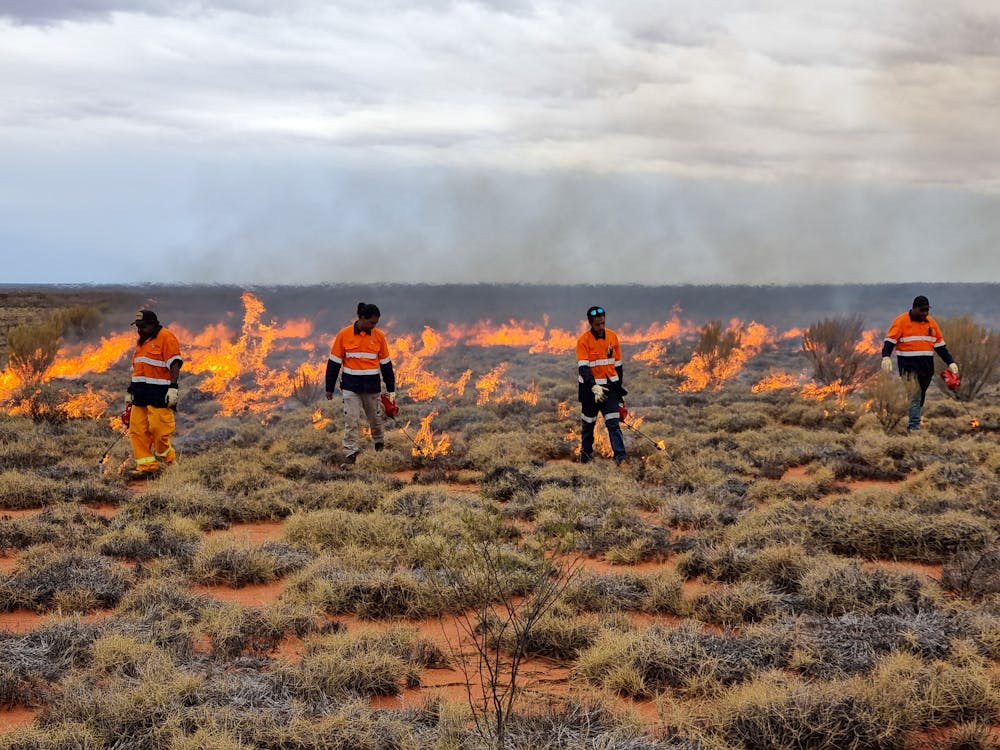
That’s why dozens of Indigenous ranger groups across 12 Indigenous Protected Areas have been hard at work in an unprecedented collaboration, burning to reduce the fuel load before the summer’s heat. So far, they’ve burned 23,000 square kilometres across the Great Sandy, Tanami, Gibson and Great Victoria Deserts.
Yilka Rangers burning using drip torches. Rohan Carboon/Indigenous Desert Alliance, CC BY-ND
Burning the arid lands
Australia now has 82 Indigenous Protected Areas, covering over 87 million hectares of land. That’s half of the entire reserve of protected lands, and they’re growing fast as part of efforts to protect 30% of Australia’s lands and waters by 2030. These areas are managed by Indigenous groups – and fire is a vital part of management.
This animation shows landscape burns conducted by Indigenous rangers in the Tanami Desert in 2023. North Australia Fire Information, firenorth.org.au.
The goal is to protect against devastating summer bushfires, which are more destructive. Without Indigenous rangers expertly managing the deserts through landscape-scale fire management, these protected lands would be at risk of decline.
As Braeden Taylor, Karajarri Ranger Coordinator, says:
A big wildfire just destroys everything, it destroys Country. The first aim is to do a bit of ground burning and then aerial burning, that way we know everything is protected. Using the helicopter and plane, we can access Country that’s hard to get to in a vehicle. It might not have been burnt in a long time and we can break it up
It’s good working with other groups. Fires that start on their side might come over to us and fires on ours might go to them. Working together we protect each other, looking after neighbours.
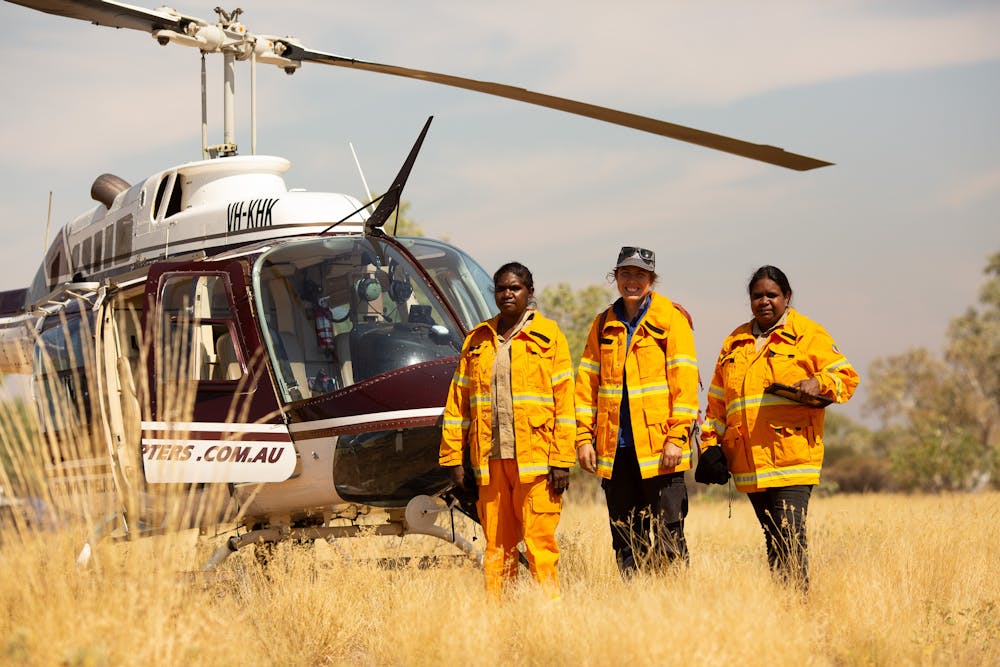
Ngurrara Ranger Regina Thirkall and Hannah Cliff from Indigenous Desert Alliance and Ngurrara Ranger Sumayah Surprise at Kuduarra preparing for aerial incendiary burning. Tom Montgomery/Indigenous Desert Alliance, CC BY-ND
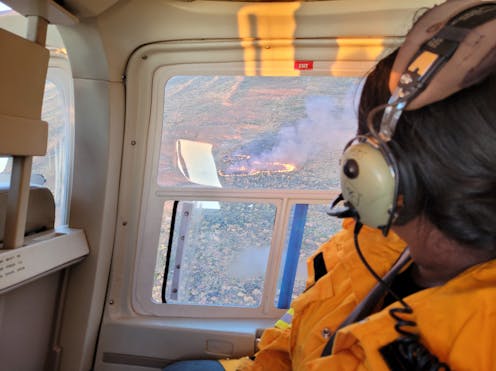
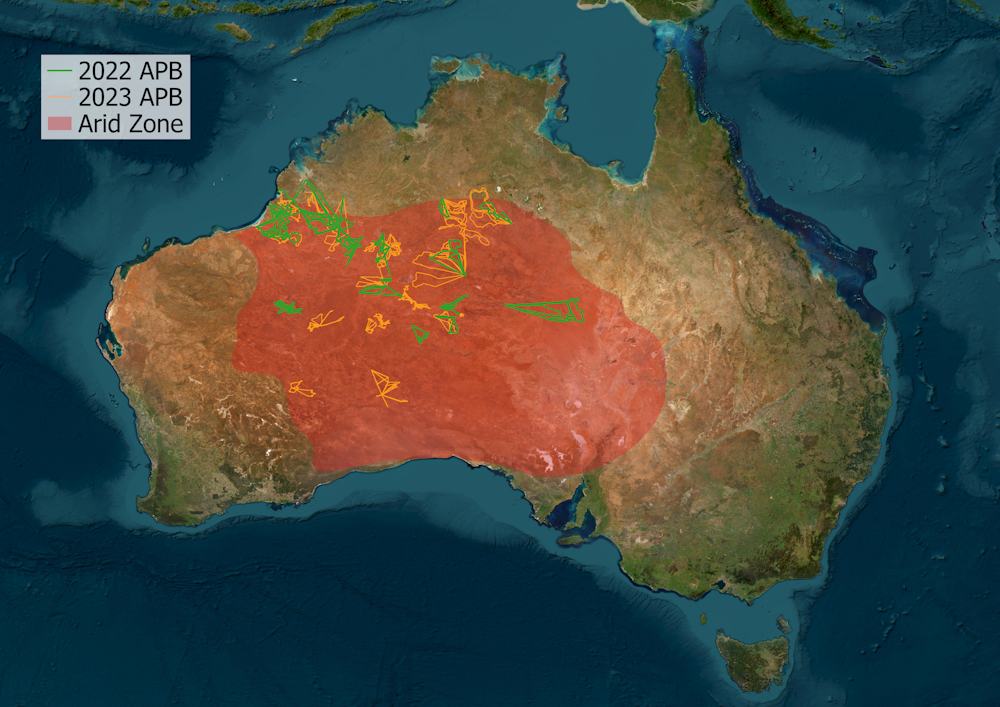
So how do the rangers cover such distances? These protected areas are extremely remote. There is often no or very limited road access. So rangers work from the sky – and, where possible, the ground. The ranger fire program relies on helicopters and incendiaries [fire starting devices]. This year, rangers have spent 448 hours in the air, covering 58,457 kilometres and dropping 299,059 incendiaries.
When the incendiaries hit the ground, they begin burning. Not every incendiary hits the right spot, so it takes time to guarantee a good burn is under way. These arid lands tend to have more grass than trees, so the fires move along the ground and don’t get too intense.
This image shows flight lines from aerial prescribed burns (APBs) in 2022 and 2023. Indigenous Desert Alliance, CC BY-ND
Rangers couple aerial burning with fine-scale ground burning using drip torches around sensitive areas. That’s to ensure protection of cultural sites and threatened species like the bilby, night parrot and great desert skink.
This is vitally important, given about 60% of desert mammal species have already gone extinct over the last 250 years, while many others have seen their range reduce. Changes to fire regimes are a major factor in these declines.
View from a helicopter during an aerial planned burn on Haasts Bluff Aboriginal Land Trust. Indigenous Desert Alliance, CC BY-ND
Fire can forge community
These desert-spanning fire projects give Traditional Owners the ability to see remote Country, practice culture and transfer knowledge down the generations.
As Ronald Hunt, Ngaanyatjarra Ranger, says:
When we burn it cleans up all the spinifex grass and when the rain comes it all grows up fresh. It’s good for the animals, the bushfood and all. Its good using the helicopter, going places that it’s hard to get to. It’s good to work together with other groups, sharing stories and looking after the Country. They have their stories, and we have ours, and then we come together to work.
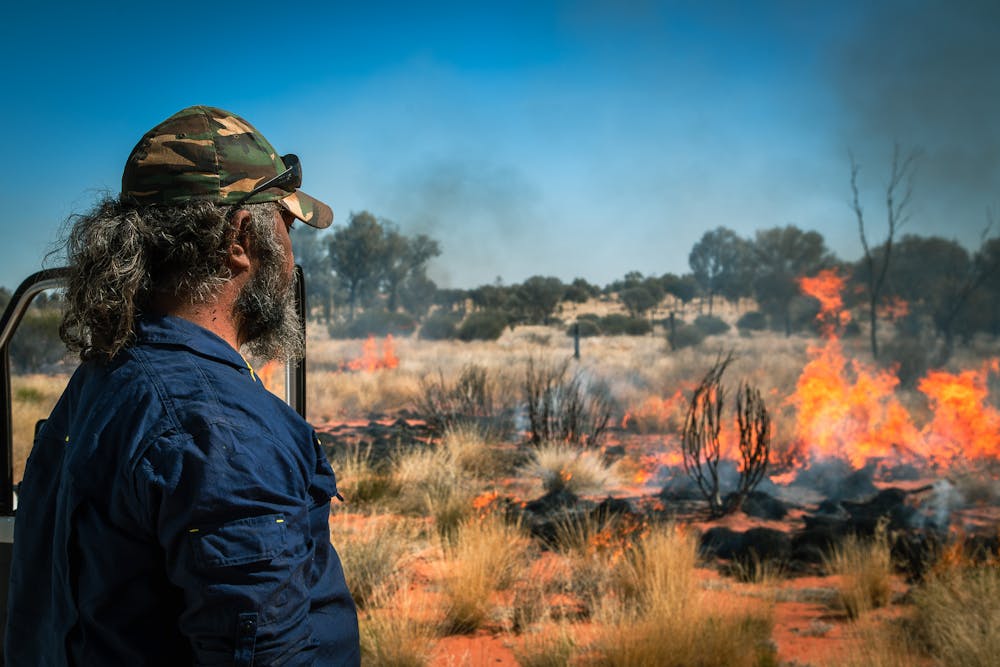
Watching the burn from the ground with Anangu Luritjiku Ranger Preston Kelly on Haasts Bluff Aboriginal Lands Trust. Andre Sawenko, CC BY-ND
In recent years, there has been a surge of interest in Indigenous fire management – especially after the devastation of the Black Summer fires of 2019–2020.
The goal is to shift from wrong-way fire – where fuel builds up until large, damaging bushfires ignite – to right-way fire, culturally informed fire regimes led by Traditional Owners.
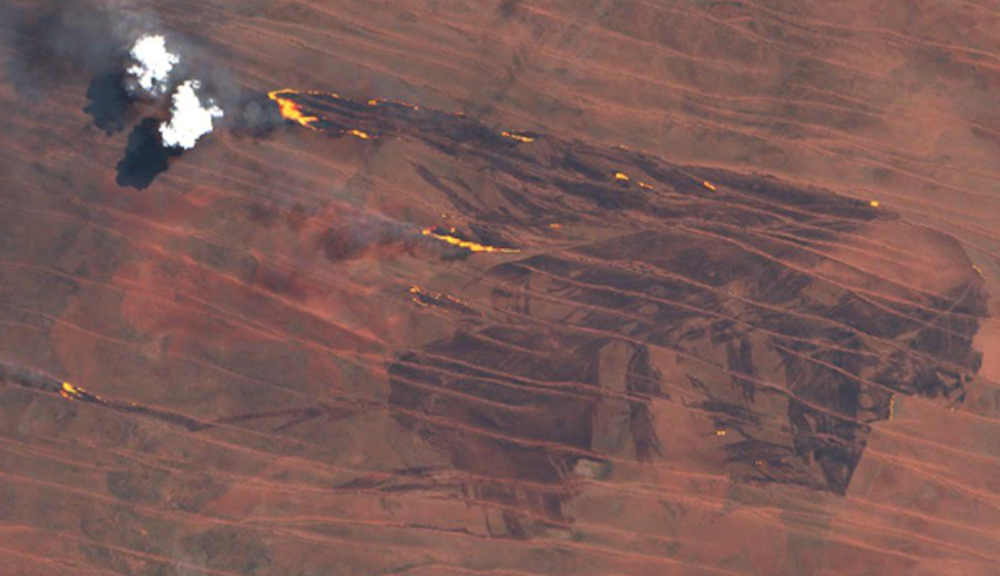
A Sentinel 2 satellite image of burns in the Great Sandy Desert on 21st March this year. Contains modified Copernicus Sentinel data (2023), processed by EO Browser, CC BY-ND
These fires are done regularly, with small fires of varying intensity producing a fine-scale mosaic of vegetation at different stages of recovery and maintaining long-unburned vegetation as safe harbours for wildlife and plants.
Recent research shows the return to these right-way fire regimes at a landscape scale is having a real effect. In areas where this is done, the desert landscape is returning to a complex, pre-colonisation pattern of mosaic burns.
These large-scale efforts should make Country healthier and bring reprieve from dangerous fire.
Source: The Conversation (Au and NZ) – By Lucas Walsh, Professor and Director of the Centre for Youth Policy and Education Practice, Monash University
Shutterstock
As we pass the half way mark in term 3, many students in Year 12 will be thinking more and more about their future.
Universities and TAFEs are having open days and no doubt, teachers, friends and family will be asking, “what are you going to do next year?”
As educators, parents and carers, we know these are difficult questions. But if anything, they are becoming more difficult for young people in an unpredictable and competitive job market
Our research shows young people are uncertain and worried about next steps after school. So we have also developed a questionnaire to help parents and teachers talk to school leavers and understand their thoughts and feelings about careers and life after school.
Our research
We recently analysed survey data collected in 2018 from nearly 2,800 Victorian school students in Years 10 to 12. This asked about their career aspirations, decision-making processes and intentions following school.
More than one third (33.8%) “agreed” or “strongly agreed” they “did not know what careers best suited them”. Another 40.5% often felt they “had no career direction”.
Just under half (41.5%) worried their studies would not lead to a “real” career, with 34.3% worried they would not be employable when they had completed their studies. Meanwhile 29% “agreed” or “strongly agreed” they often felt down or worried about selecting a career. This increased to 59.3% of respondents when “not sure” responses were included.
‘Overwhelming’
To further understand these findings, we asked four young people who had recently finished school to explain their decision making around this time.
Riana*, who studied at university before working with a non-government organisation, said thinking about the next step beyond Year 12 “felt overwhelming”. She spoke of indecision about her career choice.
Meanwhile, Candice said she was aware of needing to make a pragmatic decision but also stay true to her interests.
[…] there were so many things to consider. I would like to pick a major I like but at the same time I need to consider whether it is easy to find a job after I graduate or will it lead to a well-paid job.
Andrew said he made a clear goal of getting into two, specific different degrees (and a certain ATAR) to combat his feelings of overwhelm.
I knew I needed to have a goal before beginning Year 12. Otherwise it would be too difficult to maintain momentum and motivation.
Andrew also told us he sought advice from parents, teachers, university open days and student recruitment officers at universities. Riana also spoke of the importance of getting advice, of exploring options and being “curious different career pathways”.
But even when goals are in place, students grapple with uncertainty. This leads many students to reach for what is familiar.
After completing Year 12, Yasmin, lacked “a clear vision for my future career” and chose teaching “simply because it was a familiar job to me”.
Yasmin’s experience is echoed in OECD research, which shows teenagers tend to confine their choices to ten occupational fields (law, engineering, psychology, medicine, teaching, veterinary science, physiotherapy, nursing, business management, architecture). This is despite the emergence of new fields in the digital economy, as well as growth in areas such as health services.
Yasmin now said she would have benefited from “having a deeper understanding of what choosing a major and a career path truly means to me”.
Having supportive, thorough career conversations is important for young people. This helps them express their true feelings and make sense of all the information and choices.
When young people have these conversations with parents, teachers and career advisers, they have lower levels of career uncertainty and anxiety.
So we have developed the short questionnaire below to stimulate careers conversations and help teenagers become more aware of their feelings around next steps.
This can be the starting point of a conversation covering young people’s awareness of their own interests and strengths, career goals and preferences, knowledge of the requirements of different pathways, as well as their ideas about transitioning from education to work.
These conversations can be challenging. They might exacerbate personal issues, such as existing mental health conditions, that need to be considered.
If you work together with your child or student to create goals and plans, this will allow them to feel as if the conversations are both purposeful and productive.
The aim is for conversations to be safe and positive for young people, where their responses are respected, and they feel heard in the discussions.
*Names have been changed.
If you are a child, teenager or young adult who needs help and support, you can call Kids Helpline on 1800 55 1800.
Lucas Walsh currently receives funding from The Paul Ramsay Foundation and the Australian Research Council. He does not work for, consult, own shares in or receive funding from any company or organisation that would benefit from this article.
Joanne Gleeson does not work for, consult, own shares in or receive funding from any company or organisation that would benefit from this article, and has disclosed no relevant affiliations beyond their academic appointment.
These shoes are perfect, made for me! I have to get them! But really, I should be paying off my car loan instead. I can’t justify this purchase. Or can I …?
We all know this feeling, this tension between what you really want to do and what you really should, or shouldn’t, do. What you are experiencing is cognitive dissonance.
It’s a psychological discomfort we feel when our behaviours and our values or beliefs do not match. Not to worry, we can make that discomfort simply disappear with a good dose of #GirlMaths!
So what is #GirlMaths?
GirlMaths recently became a viral phenomenon on TikTok after New Zealand FVHZM radio hosts Fletch, Vaughan and Hayley used #GirlMaths to justify one host’s mother’s expensive dress purchase as basically free because the dress was going to be worn at least four times.
Since then, influencers have added to the #GirlMaths trend with gems such as “If I buy it for $100, wear it, and then resell it for $80 then I basically wore it for free”, “If I pay with cash, it means it’s free”, and “If I just returned something, then purchase something new for the same amount of money, then it’s free”.
The reason #GirlMaths resonates so well with everyone and allows it to go viral is that we are very familiar with this type of thinking. The mental gymnastics of #GirlMaths needed to justify cost-per-wear or cash-is-free is a perfect display of behavioural biases and heuristics, such as confirmation bias and denomination bias, being applied to everyday consumption decisions.
The psychology of decision-making
Behavioural biases and heuristics are shortcuts in our thinking that help us make decisions quicker and easier, and are great for reducing the cognitive dissonance we sometimes experience.
Our brain has a lot of decisions to make in a day and simply doesn’t have the power to scrutinise every little detail of every decision. These shortcuts in our thinking may facilitate the decision making process, but they don’t always mean we make the most optimal decisions.
Confirmation bias is a bias where you justify your decisions by considering only the evidence that supports what you want and ignore the evidence that would mean you’d have to make a different decision. Cost-per-wear does sound quite financially savvy. It is just like bulk-buying pantry essentials, right?
The issue is you are ignoring the facts such as: 1) your disposable income does not match this expense in light of your utility bills, 2) you could rewear a cheaper dress all the same, and 3) by spending money on a fancy dress, you lose the opportunity to spend the money on other better investments for wealth accumulation, or to pay off your car loan.
The financial and social costs
But it’s all a bit of innocent fun, right? Surely people won’t take #GirlMaths that seriously? We beg to differ.
First, the term is unnecessarily gendered. Gendered language operates to reinforce societal expectations with a particular gender and can promote stereotypes, biases and binary categories.
In this case, the term “girl maths” reinforces problematic stereotypes that equate women with consumption, frivolity and extravagant spending. When stereotypes are reinforced within our own social circles, we are more likely to internalise these as part of our identity.
The term ‘girl maths’ reinforces the idea that women are frivolous with money. Shutterstock
By representing women in a less favourable way, the term operates to both demean and discriminate on a gendered basis. This is heightened by the use of “girl” as opposed to “woman”, which implies someone is childlike or lacking in knowledge or experience. It also begs the question what “boy maths” – set up as something opposing and different – might connote.
Second, the #GirlMaths trend reminds us of the power of “finfluencers” – social media content creators amassing huge online followings by sharing advice on anything from budgeting to buying a house, to investing.
These online gurus appeal to Gen Z and millennials, simplifying complex financial concepts into digestible nuggets, much like #GirlMaths simplifies purchases based on cost-per-wear or cash-as-free.
Just as regulators such as ASIC repeatedly warn us of the dangers of buy-now-pay-later services, we must caution the #GirlMaths trend as a dangerous cocktail for young women who are susceptible to the “advice” of finfluencers.
The trend resembles BNPL by breaking down expenses into smaller, more palatable portions, making purchases seem justifiable and affordable at the moment.
Denomination bias describes this tendency to spend more money when it is denominated in small amounts rather than large amounts. We find it much easier to spend $50 four times than $200 all at once.
However, the convenience of these shortcuts in our thinking can obscure the hidden financial risks. You may overlook the bigger picture of your financial health, and spend more than what you can afford. That’s why a large number of BNPL users find themselves ending up in a modern debt trap.
The perils of #GirlMaths
The danger of #GirlMaths to young women lies in the cocktail of feeling oddly familiar and reinforced in this biased thinking, the problematic stereotypes that shape identities, and the the power of finfluencers, who wield increasing influence over the financial choices and decision-making of young women.
While the term may initially come across as innocent fun, it’s crucial not to underestimate its potential harms. Instead, let’s champion the use of inclusive language in finance that doesn’t perpetuate gender biases.
And if you’re a staunch supporter of #GirlMaths, we strongly urge you to take into account the possible adverse financial consequences of these quick-fix spending habits.
The authors do not work for, consult, own shares in or receive funding from any company or organisation that would benefit from this article, and have disclosed no relevant affiliations beyond their academic appointment.
After seven decades as a visual satirist provoking Australia as it is and might be, Bruce Petty passed away at 93 on April 6 this year.
His career as a political cartoonist started with a trip to London in the late 1950s, then a stint at young Rupert Murdoch’s afternoon paper in Sydney, the Mirror.
He had a lead role as The Australian’s political cartoonist during the newspaper’s radical first decade, until it turned right during the Whitlam dismissal and Larry Pickering was promoted to favoured cartoonist.
Petty then moved to The Age in its glory days, where he was the acknowledged godfather of the troupe of brilliant cartoonists there at the time. He stayed until 2016, with Malcolm Turnbull his last prime minister, by which time the collapse of the broadsheet model was well advanced.
Throughout the decades, he moonlighted as an animator and author of books we might now call graphic essays or even novels, always at the cutting edge of thought and technology.
Inevitably, profiles stress he won an Academy Award for animation with Leisure (1976), but his deepest cultural intervention in the story of post-Menzies Australia came during the Vietnam War years. Australia changed and he was one of the major prophets of change.
With a handful of others like Les Tanner and George Molnar, he woke editorial cartooning from a sleepy period telling fairly anodyne jokes and turned it into a mode of serious – if also often hilarious – satirical commentary on politics and society.
Flinders University Museum of Art has a remarkable collection of 73 cartoon originals and sketches from Petty’s most formative period. They were a characteristically generous gift by the artist, for a university then only three years old, and solicited by inaugural fine arts lecturer Robert Smith.
Among them are these five particularly vivid cartoons published in The Australian between May 1966 and September 1967.
These fragile objects, sometimes stuck together with glue when he changed a line of thought, take us straight into the maelstrom of the Vietnam War before the moratorium marches, when Prime Minister Harold Holt won the 1966 election in a landslide.
Petty was in the vanguard of a small but vocal opposition, drawing the war as a deep tragedy for the Vietnamese and a reckless farce perpetrated by the West.
One cartoon, Getting there is half the fun, about President Lyndon B. Johnson’s imperial triumph of a visit to Australia, marks the contrast.
The jagged black blob, which covers about half of the box, colours the movement from farce to tragedy arrestingly black.
Petty’s busy line attracted more than its fair share of the “my grandchild could draw better than that” sort of criticism, but it was entirely deliberate and brilliantly expressive. He doesn’t aim to please visually. He wants to stop readers with a shock of the unfamiliar and make them think. He is also a humane but stern critic of fools and villains.
Look at Hospitals – regrettable, but in the name of democracy, don’t hit a polling booth.
Are Johnson and his adipose generals conscious villains, or merely fools being driven by murderous ideas and scarcely sublimated self-interest?
I think Petty gives them the benefit of the doubt, just. But then he drives home the fact that being venal fools does not excuse them from the crime of bombing innocent people.
Something similar happens with the privileged women under the hairdryers in the cartoon, Who says we women aren’t interested in politics?
Is this the moral fecklessness of consumer society projected onto women, or is it the dawn of concern for the people ravaged by a needless imperial war? As so often for Petty, it is both.
A large part of the power of these cartoons comes from Petty’s deep engagement with people forced to live with the war. His first book, Australian Artist in South East Asia (1962), is a graphic account of his journey through seven countries. He went to Vietnam again during the war as a cartoonist-correspondent.
He is drawing the Other – how could it be otherwise for a still White Australian audience? – but he is doing it with an intimate sympathy born of real knowledge.
I must say, I’ve found the first day of democracy a little disappointing is a wry and ironic cartoon about the debauched South Vietnamese election then under way, but it takes you to the people actually affected.
Finally, Peace Feeler, published in 1967.
Johnson talked peace with South Vietnamese generals in Honolulu, even while continuing to bomb the Viet Cong with huge and brutal firepower.
Publish this cartoon unchanged today, and everyone would see it as about the war in Ukraine. Sadly, great satire like Petty’s keeps finding its moment.
Robert Phiddian receives funding from the Australian Research Council for “Cartoon Nation: Australian Editorial Cartooning – Past, Present, and Future” DP230101348.
The United Liberation Movement for West Papua has responded cautiously over the Melanesian Spearhead Group’s surprise denial of full membership at its leaders summit last week, welcoming the communique while calling for urgent action over Indonesia’s grave human rights violations.
In a statement released today by President Benny Wenda after the second ULMWP leaders’ summit in Port Vila, the movement said the MSG had “misinterpreted” its founding principles based on the “inalienable right” of colonised countries for independence.
Strong speeches in support of the West Papuan struggle were made at the ULMWP summit by Vanuatu’s Ralph Regenvanu, the current Climate Minister and a former foreign minister, and Barak Sope, a former prime minister.
Vanuatu’s Climate Change Minister Ralph Regenvanu . . . one of the speakers at the ULMWP leaders’ summit. Image: Joe Collins/AWPA
Wenda said the ULMWP agreed to the MSG chair asking the Pacific Islands Forum (PIF) to ensure that the requested visit of the UN Human Rights Commissioner to Indonesia takes place, and to asking Jakarta to allow the commissioner to visit West Papua and have the report considered at the next MSG summit in 2024.
But he added the hope that the MSG chair would “honour” these commitments urgently, “given the grave human rights violations on the ground in West Papua, including the recent warnings on human rights issues from the UN Special Advisor on Genocide”.
The ULMWP also expressed:
Scepticism about the impact of the renewed call for a UN visit, given that the visit had been continually denied in spite of the 2019 calls by the Pacific islands Forum (PIF) and the Organisation of African, Caribbean and Pacific States (OACPS);
Reservation on the possibility of future dialogue with the Indonesia government. Full MSG membership was a precondition;
Reservation on the discussion of “closer collaboration” with the Indonesian government when the people of West Papua had asked for full MSG membership; and
Reservation on the statement: “Membership must be limited only to sovereign and independent states, with special arrangements for FLNKS”.
On the FLNKS statement, Wenda said: “This appears to be a misinterpretation of the founding principles of the Melanesian Spearhead Group which state that, ‘having come together, the Melanesian Spearhead Group commit themselves to the principles of, respect for, and promotion of, independence as the inalienable right of colonial countries and people.’”
Port Moresby’s Governor Powes Parkop with the West Papuan Morning Star flag … “Our heritage is that we defend our land and our people.” Image: Filbert Simeon
Meanwhile, as condemnation of the MSG’s position on West Papua has grown since the “disappointing” summit last week, Governor Powes Parkop of Papua New Guinea’s capital Port Moresby, has made renewed criticism.
“I am totally disappointed but I will never give up until my last breath,” he told Asia Pacific Report.
“Our heritage is that we defend our land and our people. For thousands of years we defeated the Melayu people of Indonesia or the various Muslim and Hindu empires which tried to enter our ancestral land.
“They never succeeded. We only were overwhelmed by European superior weapons and abilities in 1800s and subsequently Indonesians took over after arming themselves with these superior weapons left by colonial powers and the Japanese invading army,” said Parkop, who has long been a critic of Papua New Guinea’s failure to take a stronger stance over Indonesia.
“I will honour our heritage and our ancestors by continuing to challenge Indonesian rule over West Papua our ancestral land. We have lost many battles, heroes and heroines, but Indonesia has and will never win the war.
“We are fighting for our rights, our dignity and our heritage and nothing Indonesia does will dent that drive and energy.”
ULMWP president Benny Wenda (red shirt) with supporters in Port Vila, including a former Vanuatu prime minister, Barak Sope. Image: SBS World News screenshot APR
A West Papuan leader has condemned the Melanesian Spearhead Group for abandoning the West Papuan cause in favour of a “corrupt alliance” with Indonesia.
Jeffrey P Bomanak, chairman of the Free Papua Organisation (OPM), declared last week’s MSG Leaders’ Summit ruling on West Papua a “betrayal” of the Papuan people and called for the regional group to be dissolved.
His response was among mounting criticism of the MSG’s denial of full membership for the United Liberation Movement for West Papua (ULMWP) alongside the Melanesian sovereign states of Fiji, Papua New Guinea, Solomon Islands and Vanuatu, and the Kanak and Socialist and National Liberation Front (FLNKS) that is seeking independence for Kanaky New Caledonia from France.
The upgrade from observer status to full members had been widely expected. Indonesia is an associate member of the MSG even though it is an Asian sovereign state.
“The act of deferring any decision on justice, sovereignty, and freedom for West Papua is because the MSG Secretariat and various MSG leaders have placed more importance on receiving Jakarta’s blood money than on the victims of Jakarta’s barbarity,” Bomanak declared in a statement today.
“For West Papuans, Melanesia is a symbol of genuine solidarity, where the value of brotherhood and sisterhood is not some abstract sentiment, but an ideal of kinship that is the pillar of our existence.
“Until last week, this ideal was still able to be expressed with hope.”
‘Chalice of betrayal’ The MSG had “quenched its thirst” for an unprincipled economic progress from the “chalice of betrayal”, Bomanak said.
“In doing so has fatally speared the heart of Melanesian kinship. Melanesia as our divine ideal in a unique ancestral affinity is dead.”
The OPM leader said that 25 August 2023 would be recorded by history as the day kinship was abandoned by the Melanesian Spearhead Group.
“It will be remembered as a day of infamy where our family nations joined the international abandonment of West Papua’s right to freedom, nation-state sovereignty, and to an end of the Holocaust Indonesia has brought into our island nation.”
The MSG was now a “fully-fledged member of the moral and ethical cancer” in international diplomacy where nations had no dilemma over the hundreds of thousands of West Papuan victims that was the cost of doing business with Indonesia.
“The military occupation of our ancestral lands by Indonesia, and the barbarity that we have been subjected to for six decades, leaves no room for ambiguity.
“Indonesia is our enemy, and our war of liberation will never stop until Indonesia has left our ancestral lands.
‘Freedom right intact’ “Our right to freedom remains intact even after every drop of our blood is spilled, after every village and family home is destroyed, after our Melanesian kin have acted in spiritual servitude to Indonesia’s batik diplomacy — selling their ancestral souls for generosity in blood money while we remain enslaved and refugees in our own land.”
Bomanak appealed to the remaining leaders of MSG nations which honoured “the true value of our kinship” to withdraw from the MSG.
Critics of the MSG stance claim that the Indonesian right to govern the West Papua region is contestable, even illegal.
West Papua and the Right to Self Determination under International Law – Melinda Janki The Act of Free Choice 1969 which handed control of West Papua to Indonesia was a violation of international law. West Papua has never exercised its legal right to self https://t.co/mY4cmvm2e9… pic.twitter.com/QSZSykxiYY
— Lewis Prai : West Papuan Diplomat (@PapuaWeb) March 13, 2023
A 2010 paper researched by one of the founders of International Lawyers for West Papua, Melinda Janki, called for a “proper act of self-determination” in accordance with international law.
Mass arrests and intimidation were widespread in the lead up to the “Act of Free Choice” vote in 1969. Image: APR file
In 1969, West Papua, then a former Dutch colony, was classified as an Indonesian province following a so-called “Act of Free Choice” carried out under Indonesian administration, but with only 1022 Papuan tribal representatives taking part in a referendum under duress.
Janki’s paper examined the process and concluded that it was a violation of the right of self-determination held by the West Papuan people under international law.
It studied Indonesia’s territorial claims and argued that these claims did not justify Indonesian sovereignty over West Papua.
The paper concluded that Indonesia’s presence in West Papua was illegal and that this illegality is the basis for continuing conflict in West Papua.
The battle to stop the destruction in Australia of critical koala habitats in state forests in Northern NSW has escalated in recent weeks. Wendy Bacon reports on the campaign from daring lock-ons and vigils in the depth of forests to rallies, parliament and courts in Sydney which has led to a halt to logging in Newry State Forest.
SPECIAL REPORT: By Wendy Bacon
Back in Feburary this year, campaigners celebrated as the then shadow Environmental Minister Penny Sharpe announced Labor’s support for a Great Koala National Park (GKNP), stretching along the Mid-North coast from Kempsey to Coffs Harbour.
The purpose of the park, which was first proposed more than a decade ago, is to protect critical habit for the koala and other threatened species.
Koala numbers in NSW plummeted by more than half between 2000 and 2020 due to logging, land clearing, drought and devastating bushfires. A NSW Parliamentary Inquiry in 2020 heard scientific evidence that koalas could be extinct by 2050 unless there are dramatic changes.
NSW is the only mainland state not to have a plan to stop logging of native forests, essential koala habitats.
Hopes raised by Labor’s narrow election win in March this year were quickly dashed. Hope has now turned to anger with 200 people marching in protest in the mid-north NSW city of Coffs Harbour earlier this month and nation-wide rallies.
NSW Forestry Corporation steps up logging When she received a petition calling for a moratorium on logging within the GKNP in June, Minister for Environment Penny Sharpe reiterated her commitment to the Park but confirmed that logging would not stop.
Instead the government-owned, NSW Forestry Corporation (NSWFC) has stepped up its logging inside the proposed GKNP, including in areas containing long-lasting koala hubs, carting off huge tree trunks and leaving devastated land in its wake. These operations are losing millions each year.
The campaign consists of a network of local community groups, such as the Friends of Orara East Forest, some of which conduct weekly vigils; the Belligen Activist Network and the Knitting Nannas, as well as larger environmental groups such as the National Parks Association.
It is supported by the NSW Greens, Animal Justice and some Independent MPs including MP for Sydney Alex Greenwich. Further north, the North East Forest Alliance has taken legal action to stop the NSWFC logging 77 percent of the Braemar forest, part of the proposed Sandy Creek National Park where koalas survive despite long standing koala communities being reduced by 70 percent in the 2019/2020 bush fires.
On June 28, a broad-based group of MPs and NGOS advocating for the park held a press conference calling on politicians across all parties to support a moratorium on the ongoing destruction of the GKNP and immediately start to work on transition plans for timber workers and development of the Park, including with local First Nations people.
But Minister Sharpe reiterated her intention to allow logging to continue.
A few days later, logging began in the Orara East and Boambee Forests, both of which are inside the Great Koala National Park. Vigils and petitions were clearly not working.
Civil disobedience begins On July 7, three HSC students on school holidays locked on to heavy machinery and a full barrel of cement in Orara East Forest. At the same time in Boambee Forest, two Knitting Nannas locked onto heavy machinery. Another protester occupied a tree. In all, logging was delayed by 10 hours.
Seventeen-year-old Mason said: “I’m here on behalf of myself and my 14-year-old brother. The rate at which our government is auctioning off natural forests is frightening, and I feel powerless to do anything about it.
“We’ve tried protesting, and we can’t vote, which is why we feel driven to take this action against these machines ripping our trees down. The government can stop this and we just need them to take notice.”
The three students were arrested but released from custody with cautions and no charges laid.
On the same day, two Knitting Nannas Christine Degan and Susan Doyle were arrested in the Boambee State Park. Both are veterans of vigils and protests aimed at stopping logging and for action on climate change.
“Shame … shame … shame” banners in Orara State Forest. Image: Chris Deagan/CityHub
In desperation, they took a further step. They slept overnight in a home near the perimeter of the State Park.
Before day break, Degan and Doyle and supporters walked up a steep hill, using torches to find their way through the bush to the logging camp. There they were met by an angry security guard who burst into an aggressive tirade, accusing them of being terrorists.
While two supporters calmed him down, the two women were locked onto equipment. There they sat in two small beach chairs in drizzling rain and cold for eight hours until the NSW police arrived and arrested them.
A bulldozer in Orara State Forest. Image: Chris Deagan/CityHub
The two friends were released on condition that they did not contact each other, except through a lawyer, or go near any forests were logging was underway.
Earlier this month, they were each fined a total of $500 for entering and refusing to leave a forest.
Battle moves to Newry Forest A vigil camp is now in its third week in the Upper reaches of the Kalang River where other sites have recently been made “active” for logging.
Nearer the coast, the the battle front has moved to the Newry Forest near Belligen. For nine months in 2021, the community had joined the local Gumbaynggir elders in a blockade that successfully delay logging operations.
Although Newry is a core part of the GKNP, the NSWFC approved 2500 hectares of the forest for logging in May this year. In July, the listing went from “approved” to “active,” leading the Bellingen action group to organise a workshop to upgrade their direct action tactics.
On July 31, local Gumbaynggirr Elders, Traditional Custodians and supporters established a peaceful protest camp on sacred land within the forest. They were met with armed police and steel gates preventing the public from entering the forest.
A Gumbarnggirr spokesperson told the National Indigenous Times that the NSW Forestry Corporation (NSWFC) was endangering koala and possum gliders that are their totem animals.
“The values of Newry to the Gumbaynggirr people are precious, priceless and absolutely irreplaceable. …There is a desperate need for these appalling industrial logging operations to be stopped or we simply won’t have koalas left and priceless and irreplaceable Gumbaynggirr values and cultural heritage will be destroyed.”
“Hands off country” . . . protesters locked on in Newry Forest. Image: CityHub
Gumbaynggirr elder arrested after locking on On the second day of logging, two younger protesters locked onto machinery. On the third day, Wilkarr Kurikuta, a Ngemba, Wangan and Jangalingou man, locked-on to a harvester.
“I’m here for my old people and my sister, a proud Gumbaynggirr woman, to exercise my sovereign right to protect country,” he said.
He told the NSW government that it should expect resistance until an end is put to the destruction of his people’s land and waters. He was violently removed, charged and held overnight in a cell.
The next day, two more young people locked onto industrial logging machinery in Newry Forest, again halting logging. They were arrested, charged and released. Logging had so far been disrupted on six days.
On August 2, Greens MP Sue Higginson moved a motion in the NSW Legislative Council to confirm the NSW government’s intention to protect critical koala habitat, noting that the Newry State Forest was “identified for protection in 2017 as having three koala hubs” and that a three-day survey had found five threatened plant species, evidence of koalas and high quality habitat for threatened koalas, the Glossy Black Cockatoo and Greater Glider.
She described the “industrial scale logging operation” as happening under “martial law”.
First Nations elders were integral to the protest at Newry Forest. Image: Bellingen Activist Network/Facebook/CityHub
“The community on the front line are not doing this because it is fun or because they want to, or because they dislike forestry workers or police,” she told Parliament.
“They are doing it as an act of hope in the democratic process in which they believe — the genuine hope that they will be seen and heard and that their actions will lead to political outcomes that protect this forest, which the government has promised to protect but is currently destroying.”
Labor opposed the motion with the Minister for the Environment Sharpe moving amendments which removed any reference to the factual core of the motion described above. Her amendments were passed with Liberal National Party support.
A reduced anodyne motion recording commitment to protect the koala was then passed.
In her response Penny Sharpe referred to “internal work” being done to proceed with the Park. She said she was working closely with the Minister for Forestry Tara Moriarty.
This will further concern forest campaigners because in Moriarty’s speech in support of Sharpe’s amendments, she supported the current logging operations as being done in line with sustainable ecologically sound forest management, with the NSW Environmental Protection Authority ensuring compliance with all policies.
This is the very issue that is being contested by the movement to save the forests. It suggests that Moriarty may not accept the findings of a recent NSW Auditor-General’s report which found that both the NSW Forest Corporation and the NSW Environmental Protection Authority were insufficiently resourced, trained and empowered to enforce compliance and that NSWFC’s voluntary efforts did not extend to satisfactorily ensuring contractors do not breach regulations and policies.
This issue is already before the courts. The North Eastern Alliance, which has previously taken successful court actions during the 34 year period it has been campaigning to protect forests, is arguing that the NSW Land and Environment Court should set aside approvals to log sections of the Braemar and Myrtle Forests further north at the Sandy Creek State Park which is also a proposed national park in the Richmond Valley.
The NSWFC has agreed to halt logging in these forests which are home to koalas and more than 23 threatened species, until the case is decided. The Alliance will be represented by the Environmental Defenders’ Office.
Alliance President Dailan Pugh, who has 44 years experience in protecting forests, said that “Myrtle and Braemar State forests are both identified as Nationally Important Koala Areas that were badly burnt in the 2019/20 wildfires, killing many of their resident koalas.
“Despite this, recent surveys have proved that most patches of preferred koala feed trees are still being utilised by Koalas. Logging of more than 75% of the larger feed trees … that koalas need to rebuild their numbers will be devastating for populations already severely impacted by the fires.”
Protesters hold a banner on cleared ground. Image: Bellingen Activist Network/Facebook/CityHub
The Environmental Defenders’ Office is arguing that the logging operations are unlawful for several reasons: because the operations are not ecologically sustainable, because Forestry Corp failed to consider whether they would be ecologically sustainable, and because the proposed use of “voluntary conditions” is in breach of the logging rules.
NEFA is asking the court to declare the logging approvals invalid and to restrain NSWFC from conducting the operations.
Pugh said: “We have been asking the NSW Government for independent pre-logging surveys on State forests to identify and protect core Koala habitat and climate change refugia, and protection of Preferred Koala Feed Trees (select species >30 cm diameter) in linking habitat. Our requests are falling on deaf ears, we hope this will make them listen.”
While Labor politicians insist that the logging is consistent with protecting biodiversity, the situation looks different to campaigners on the ground. Degan describes seeing crushed casuarinas which provide habitat for the Glossy Black Cockatoo when she visited the Newry Forest for the first time in four weeks.
“It’s just a vast area with trash that’s a metre deep, that no footed animal can get across. I couldn’t get across and I’d break an ankle or shoulder falling over. There’s no way that animals on foot could traverse that debris that’s left behind. It may be regrowth native forest but after 50 years it provides substantial decent habitat.”
Down in Hobart, another forest activist Collette Hamson is spending three months in prison because she broke conditions of a suspended sentence. Before she went to prison she said:
“The reason I commit these offences [is] because I am terrified of the worsening climate crisis. I am not a menace to society, yet here I am facing a jail term . . . I am not giving a finger to the entire judicial system, I am standing up for the forests, for takayna, a safer planet and if that makes me a dangerous criminal then I think we are going to need bigger prisons.”
Labor plans lengthy consultation While the Minister for Environment Penny Sharpe may be able to remove any mention of protests in a parliamentary motion, it is another thing to deal with the wave of civil disobedience that is likely to continue until native forest logging is halted. Sharpe says that A$80 million has been set aside for GKNP and planning is underway.
City Hub asked the Department of Environment to confirm that no consultation was yet underway and on what date one consultation would begin.
A National Parks and Wildlife Service spokesperson replied, stating that development of the park “will be informed by expert scientific advice, an independent economic assessment of impacts on jobs and the local community, and an inclusive consultation process with stakeholdes . . .
“Consultation with stakeholders will occur in the future, with specific timings still to be determined.”
This lengthy process could take most of NSW Labor’s term in government ending in 2027. Unless logging is halted while planning occurs, the proposed National Park along with threatened species it is supposed to protect could be decimated before it arrives.
Wendy Bacon was previously professor of journalism at the University of Technology Sydney (UTS) and supported the Greens in this year’s NSW election. This article was first published by CityHub on August 15 and is republished with permission. Wendy Bacon’s investigative journalism blog.
The Melanesian Spearhead Group has thrown away a golden chance for achieving a historical step towards justice and peace in West Papua by lacking the courage to accept the main Papuan self-determination advocacy movement as full members.
Membership had been widely expected across the Pacific region and the MSG’s cowardly silence and failure to explain West Papua’s fate at the end of the two-day leaders’ summit this week was a tragic anticlimax.
Many see this as a terrible betrayal of West Papuan aspirations and an undermining of Melanesian credibility and solidarity as well as an ongoing threat to the region’s security and human rights.
It is also seen as a success for Indonesia’s chequebook and cultural diplomacy in the region that has intensified in recent years and months with a perception that Jakarta has bribed its way to prevent the United Liberation Front for West Papua (ULMWP) from upgrading its status from observer to its rightful full membership.
Questions are often asked about why is Indonesia even in the MSG, albeit only as an associate member, when this an organisation was founded with a vision expressed in Goroka, Papua New Guinea, for Melanesian independence, solidarity and development.
Its own website declares that the MSG stands for “a strong and shared political desire, for the entire decolonisation and freedom of Melanesian countries and territories which [are] still under colonial rule in the South Pacific, thereby developing a stronger cultural, political, social and economic identity and link between the people and communities of Melanesia.”
Why have a Trojan horse in their midst? A former Vanuatu prime minister, Joe Natuman, questioned the direction of the MSG back in 2016 when he claimed the West Papuans had been “sold out” and likened the failure of the organisation to grant ULMWP membership to when Jesus Christ was betrayed and sold for 30 pieces of silver.
Driven by ‘own agendas’ He complained at the time that “some people” were trying to drive the MSG for their own agendas with implied criticism of Fiji, Papua New Guinea and Indonesia.
Deputy Prime Minister Joe Natuman … accused of stopping a police investigation team from carrying out a 2014 inquiry into a mutiny case involving senior police officers. Image: Dan McGarry/Vanuatu Daily Post
“We Melanesians have a moral obligation to support West Papua’s struggle in line with our forefathers’ call, including our founding prime minister, Father Walter Lini, Chief Bongmatur, and others,” he said.
“Vanuatu has cut its canoe over 40 years ago and successfully sailed into the Ocean of Independence and in the same spirit, we must help our brothers and sisters in the United Liberation Movement of West Papua (ULMWP), to cut their canoe, raise the sail and also help them sail into the same future for the Promised Land.”
This week’s failure of the Melanesian leadership to stand by the ULMWP is a travesty.
The justification as outlined in the final communique – there was a silence on West Papua when the summit ended and a promised media conference never eventuated – is barely credible.
The communique claimed that there was no consensus, the ULMWP “does not meet the existing” criteria for membership under the MSG agreement, and it also imposed a one-year membership moratorium, apparently closing the door on West Papuan future hopes.
The Melanesian Spearhead Group pact signing in Port Vila yesterday . . . prime ministers (from left) James Marape (PNG), Ishmael Kalsakau (Vanuatu), Sitiveni Rabuka (Fiji), Manasseh Sogavare (Solomon Islands), and pro-independence FLNKS spokesperson Victor Tutugoro (Kanaky New Caledonia). Image: Vanuatu Daily Post
Shocking surrender This is a shocking surrender given that one of the existing and founding members is not an independent state, but a political movement – the Kanak and Socialist National Liberation Front (FLNKS) of Kanaky New Caledonia. Already a positive precedent for ULMWP.
The FLNKS has long been a strong supporter of West Papuan self-determination and was represented at this week’s summit by former front president Victor Tutugoro.
The other members are the host country Vanuatu (represented by Prime Minister Ishmael Kalsakau, now leader of a minority government after the Supreme Court ruling on Friday), Fiji (Sitiveni Rabuka, who made a public statement earlier in the year backing West Papuan leader Benny Wenda and the ULMWP), Papua New Guinea (Prime Minister James Marape), and Solomon Islands (Manasseh Sogavare).
The tone was set at the MSG when the Indonesian delegation (the largest at the summit) walked out in protest when ULMWP president Benny Wenda addressed the plenary. An insult to the “Melanesian way”.
Indonesian delegation walks out of MSG leaders summit before West Papuan leader Benny Wenda’s speech. pic.twitter.com/qW0YMxnrVk
Only a day earlier, Wenda had expressed his confidence that the MSG would admit ULMWP as full members. This followed a week of massive demonstrations in West Papua in support of MSG membership.
Stressing West Papua’s vulnerability and constant history of human rights violations at the hands of Indonesian security forces, Wenda said: “This is the moment the entire world, all Melanesians, are watching. It’s a test for the leaders to see if they will stand up for West Papua in the eyes of the world.”
Had he been lied to by MSG officials? What went wrong?
United Liberation Movement for West Papua (ULMWP) president Benny Wenda being interviewed by Vanuatu Television during MACFEST2023 . . . “The entire world, all Melanesians, are watching.” VBTC screenshot APR
‘Frustrating day’ “It was a frustrating day since there was no press conference despite repeated promises and so far no official statement/communique,” leading Vanuatu-based photojournalist Ben Bohane said of the summit wrap. “Leaders took off and media feel like we were lied to.”
Across the Pacific, many have reacted with shock and disbelief.
“I am totally disappointed in the failure of the MSG leaders to seize the opportunity to redefine the future of West Papua and our region,” PNG’s National Capital District Governor Powes Parkop, long a staunch advocate for the West Papuans,” told Asia Pacific Report.
“Fear of Indonesia and proactive lobbying by Indonesia again has been allowed to dominate Melanesia to the detriment of our people of West Papua.”
Parkop said it was “obvious” that the MSG leaders were “not guided by any sound comprehensive policy” on West Papua.
“The MSG Secretariat has failed to do a proper historical and social political analysis that can guide the MSG leadership,” he said.
Parkop said this policy of appeasing Indonesia had not worked in the “last 50 to 60 years”.
Port Moresby’s Governor Powes Parkop with the West Papuan Morning Star flag … strong backing for West Papuan self-determination and independence. Image: Filbert Simeon
‘Affront to Melanesian leadership’ “So banking on it again will not only condemn our people of West Papua to more hardship and suffering under the brutal Indonesian rule but is an affront to the leadership of Melanesia.
“I will continue to advocate against Indonesian rule and the status quo unless we see real tangible changes in the rights and freedom of the West Papuan people.
“Melanesia, as late Father Walter Lini eloquently stated in his prime, is not free while West Papua is not free.”
Dan McGarry, investigations editor of the Organised Crime and Corruption Reporting Project, said: “Many people in Melanesia will see this as a betrayal. Public sentiment throughout the subregion runs strongly pro-independence for West Papua.
“That said, the odds of consensus on this were vanishingly small. Indonesian and French lobbying in the lead up further reduced those odds.”
Lewis Prai, a self-styled West Papuan diplomat and advocate, also condemned the MSG rejection blaming it on “throwing away moral values for the sake of Indonesia’s dirty money”.
“We know that we are victims of Indonesian oppression and [of] the unwillingness of Melanesians to do the right thing and stand up for freedom, justice and morality.
“And it is very unfortunate that this Melanesian organisation has been morally corrupted by one of the biggest human rights violators in Asia — and one of the worst in the world — Indonesia.
“Thank you to the West Papua supporters in Vanuatu and the surrounding region. We will continue to speak. No amount of money will be able to silence our voices.”
Dr David Robie, editor and publisher of Asia Pacific Report, has written on West Papuan affairs since the 1983 Nuclear Free and Independent Pacific (NFIP) conference in Port Vila and is author of Blood on their Banner: Nationalist Struggles of the South Pacific.
National is not only winning the race towards the general election finish line, but is also miles ahead in raising money to campaign with. So far, the National Party has picked up $8.2m in big donations since the start of 2021. As RNZ reported this week, that’s seven times more money than the Labour Party.
To alleviate any suspicions of quid pro quo deals, close scrutiny must be applied to these donors, along with any policy and law changes a National government might make that benefit them.
Scrutiny of political donations is always important, of course, regardless of who’s in government. But given the sheer quantum of the donations that are currently going to National, extra vigilance about the influence of this big money is required. Potential conflicts of interest need to be identified and highlighted in order to avoid some of these large donations resulting in private gains for the already-wealthy.
The huge donations going to National
National had a particularly profitable fundraising year in 2022 – taking in $5m in large donations. In 2023, National has already declared $2 million in large donations – four times that of Labour. In this month alone, National has already declared $217,000 in large donations.
National is trumpeting the huge amount of money coming its way. The party’s pollster David Farrar was quoted by RNZ on Wednesday, saying “The amount rolling in is unprecedented”, and “almost exponentially larger than you’ve had in the past”.
Farrar points out that it used to be rare for any party to get anything like donations of $100,000 from a single individual, but now National is regularly getting such amounts. In fact, in June this year building systems and materials supplier, Warren Lewis, gave National $500,000 – the largest donation the party has ever received.
Lewis, who owns FMI Building Innovations, says he’s given the donation with only one condition – a meeting with National leader Christopher Luxon. He says he’s not a National Party member, and has voted for a variety of parties before, including on the left.
Donations from the super-wealthy
New Zealand’s richest man, billionaire Graeme Hart – one of the 200 richest people in the world, worth about $17bn – gave National $250,000 last year. He’s also recently donated to Act ($100,000), and was the biggest financial donor to Wayne Brown’s Auckland mayoralty campaign.
Toy entrepreneur Nick Mowbray also chipped in $250,000 last year. He can afford it – the Mowbray family fortune is about $2.5b.
Former Brierleys chief executive Murray Bolton is worth an estimated $400m. He’s now the CEO of US-based company, Xplor Technologies. He also gave National $250,000 last year. This year he’s given Act $150,000. Bolton hit the news in 2021 because he took MBIE to court over its refusal to allow him to fly his private jet into the country – he claimed it breached the Bill of Rights, and he won.
National’s second-biggest donation in 2023, of $200,000, has come from Buen Holdings, which is owned by Guemsoon Shim and Lian Seng Buen. In previous years, the couple have donated a total of $100,000 through another of their companies, Alpha Laboratories.
This week the couple have been in the news regarding an investigation of allegations of migrant abuse. Newsroom’s Jonathan Milne has outlined how investigations are ongoing by Auckland Council and MBIE Tenancy Services into the couple’s use of their former Auckland home in Shamrock Park to house up to 30 migrant workers.
Jeffrey Douglas, son of the late Sir Graeme Douglas, has given National nearly $104,000 over the last two years. Although he is associated with the family’s Douglas Pharmaceuticals company, Douglas also owns New Zealand’s largest private healthcare and research company. His company has previously been the recipient of government research and development funding.
One transport company has given $100,000 to National. Velocity Freight is owned by Mainstream Group. Recently the company was warned by the Commerce Commission for engaging in “cartel behaviour”. Velocity is a major competitor to Mainfreight, whose owner Bruce Plested has previously given big donations to National, but in recent elections been a major donor to the Māori Party (totalling $360,000).
Maritime businessman James Francis Speedy gave National a $101,000 donation last year. The Aucklander has owned various transport and harbour businesses.
Aviation businessman Hugh Ross Jones has donated $150,000 to National over the last year and a half. Jones made his money in the helicopter business and, according to the NBR, now has “a sizeable residential, commercial and industrial property portfolio”.
Low-profile businessman Gary Lane gave National $100,000 last year. He’s made his money in health and food products – specifically through his company, Antipodean Pharmaceuticals, which is registered in the US.
Business executive Graeme Harrison gave $103,000 to the National Party last year. Harrison is most well-known for his leading role in establishing the ANZCO Foods empire, the country’s fifth-largest exporter. He’s now on the board of the National Party.
Housing industry donors
Former National Cabinet Minister Paula Bennett is the party’s chief fundraiser, and is widely acknowledged as playing a key role in building up the millions in her party’s war chest. Since leaving Parliament Bennett has worked for Bayley’s Real Estate, and that firm has become a major benefactor for the party – giving about $165,000 to National last year.
Rival real estate agency Barfoot and Thompson – the biggest privately owned agency in the country – is owned by the Barfoot family. Patriarch Garth Barfoot is a long-time donor to National. Most recently, he gave $35,000 in 2021
Property developers also feature prominently in National’s donor list. Last month Culum Manson gave $70,000 to the party. His family business, Manson TCLM, is one of the largest private developers in New Zealand.
John and Michael Chow (“The Chow Brothers”) have become big property players, too – including in partnership with John and Max Key in recent years. They have built up a property empire of a billion dollars in assets, and last year alone they built 1,145 properties, valued at $408m. In 2022 their family company Stonewood Group donated $44,000 to National.
National also has a history with property developer the Winton company, partly owned by its CEO Chris Meehan, who has been in the news recently. Through his holding company, Speargrass, Meehan donated $52,000 to National in May 2022. One of Winton’s directors is also former National Cabinet Minister, and now business consultant, Steven Joyce.
Eyebrows were raised when, a few months after Meehan’s donation, National put out a press release supporting Winton in a battle against state housing agency Kāinga Ora. The press release made no mention of National’s financial connection to the property developer it was lobbying in favour of.
The Winton company is now taking legal action against Kāinga Ora, claiming compensation of more than $138 million over alleged anti-competitive behaviour. The state housing agency had rejected a request by Winton to help fast-track one of their projects using special powers under the Urban Development Act.
Racing industry donations
Previously there have been some close connections between racing industry donors and political parties – with large donations made in the past to National and NZ First in particular.
The owners of the famous Cambridge Horse Stud, Brendan and Jocelyn Lindsay, have given National $230,000 over the last two years (and one donation to Act this year of $50,000). The Lindsay family formerly owned the plastic container company Sistema, which they sold in 2016 for $660m.
Another thoroughbred breeder and owner, Sir Peter Vela, has given generously to National – $62,500 last year. Vela owns Pencarrow Stud. He was appointed an Officer of the New Zealand Order of Merit for services to the horse bloodstock industry. The Vela family wealth was estimated at $245m in the 2019 NBR Rich List. The family business has previously given large donations to both Labour and NZ First, as well as holding fundraising functions for Winston Peters at the Pencarrow Stud farm.
Farmer interests
Property developer Trevor Farmer has given National $200,000 over the last year and a half. He also donated $100,000 to Act last year. His business partner Mark Wyborn has given National $100,000 over the last couple of years, as well as $50,000 to Act in 2021.
Together Farmer and Wyborn are part owners of a 26,000ha dairy farm near Taupō which has had problems getting enough water for their operations – unsuccessfully applying in 2019 for resource consent to take 71 million litres of water a day out of the Waikato River.
Another giant landowner has given $62,000 to National this month. The Oregon Group is owned by the Tiong Family, who normally reside in Malaysia, but are said to be the second largest private land owners in NZ.
The company is also notable for its agricultural and forestry subsidiary, Ernslaw One, which was fined $225,000 for causing forestry slash problems in Tairāwhiti. The group is currently creating a salmon farm in the Cook Strait, working with the ministries for the Environment and Primary Industries.
Another corporate farmer, Chris Reeves, gave National a $100,000 donation, via his Tawata Farms company in 2021. He has previously given more to Act, with known donations totalling $430,000.
Smaller but interesting donations
Some of the smaller donations to National are interesting too. Andrew Kelly donated $25,000 to the party in June. He was one of the three men who had previously donated to Labour politician Stuart Nash and then received confidential Cabinet information, which cost the MP his job. (Another one of Nash’s donor/confidants, Troy Bowker, has given $35,000 to Act).
Auckland commercial landlord Andrew Krukziener donated $22,000 to National in June. This follows on from him being the biggest backer of Auckland mayoral candidate Viv Beck – Krukziener’s company donated $107,000 to the centre-right politician’s failed campaign before falling in behind the successful campaign of Wayne Brown.
The owner of the Scenic Hotel chain, Lani Hagaman, gave National $50,000 last year. She has an estimated worth of about $210m and is the widow of multi-millionaire Earl Hagaman, who was also a large National donor.
One of the wealthiest men in New Zealand, Craig Heatley, gave $100,000 last year. He’s normally more of an Act Party donor (he also gave them $50,000 this year).
Other traditional Act donors shifting more money to National include the private equity firm Christopher & Banks Ltd, run by rich-lister Christopher Huljich. They have given National $200,000 over the last year and a half. But they’ve also given another $100,000 to Act this year.
One of National’s traditional big donors is merchant banker David Richwhite, who extravagantly donated about $350,000 to the party back in 1996. Since then, however, Richwhite has been relatively absent from the donations records. Last month he’s suddenly returned, donating $50,000 to National.
Why we should care about National’s huge donations
Why are wealthy individuals and businesses giving such large amounts of money to National? The most obvious answer is that the party looks like it’s on course to form the next government.
The history of donations shows the wealthy tend to give to parties that are doing well in the polls. Businesspeople back parties who are likely to be in government. In 2020, the big money went to Labour rather than National, with National only declaring $285,000 of big donations. Therefore, it makes more sense to think of the big money following National’s success, rather than causing it.
Business donors are also inclined to reward parties that have policies they like or feel are “good for the economy”. Like most voters, business donors support parties they feel will govern in their interests. Unlike most voters, however, they make this support known with very large sums of money.
It’s always hard to ascribe exact motivations for donors giving to political parties, but influence over politicians who will likely soon have a lot of power would have to be one of them. In the case of a potential incoming National government, thousands of decisions will soon need to be made, and these will have all sorts of impact on businesses. Donations of this magnitude will certainly ensure National sits up and takes notice of the individuals who have made them.
There is increasing public awareness about the impact of political donations and lobbying on the political process. The ball is therefore now in the court of the donors and the parties to assuage public suspicion that it’s not all about undue influence. It is naïve to assume that big money does not wield big influence in New Zealand. So, as National steams towards power, a lot of light will need to be shone on these relationships, so we can be assured that in 2023 the mega-wealthy haven’t been able to buy a big chunk of our democracy.
Japan yesterday began the decades-long release of more than one million tonnes of treated nuclear wastewater into the Pacific Ocean in defiance of protests across the region.
Protesters in Auckland decried New Zealand’s “convenient silence” on Japan’s nuclear waste release at a rally.
Among the crowd was a young Pacific advocate who called on the New Zealand government to oppose the release.
“We’re calling for New Zealand to release a statement opposing the dump and then come up with a regional consensus that the leaders’ meeting [Pacific Islands Forum Summit] in November can accept,” said codirector Marco de Jong of Te Kuaka New Zealand Alternative.
At the Auckland protest on Friday morning, de Jong said New Zealand was taking the easy way out.
He said the government’s silence was convenient and left Pacific nations to fight on their own.
“The ocean is suffering, climate change is accelerating. And the Pacific is being rendered as a sacrifice zone, a military buffer and climate disaster area,” de Jong said.
‘Nuclear legacies’ “Things like the nuclear waste dump compound harms. There are nuclear legacies that have not been addressed. And this is part of a broader story.”
Auckland University sociology lecturer Dr Karly Burch speaking at the Fukushima protest in Auckland yesterday . . . “The Pacific is being rendered as a sacrifice zone, a military buffer and climate disaster area.” Image: RNZ Pacific/Lydia Lewis
Aaron Lee, an Aucklander originally from South Korea, said the issue was causing tension back home.
“It should not be happening,” Lee said.
He said if it really was “clean water” and “clean treated wastewater”, why could not Japan use it in its agricultural lands?
Lee said protesters had been fiercely opposing the release in South Korea.
Auckland University sociology lecturer Dr Karly Burch told the protest: “it’s really important to put it in the context of nuclear imperialism and nuclear colonialism.”
“It involves targeting indigenous peoples and their lands and waters to sustain the nuclear production process,” she said.
Legal thresholds The International Atomic Energy Agency (IAEA) standards were basically legal thresholds or standards, Dr Burch said.
“So they’re saying up to this amount, it’s legally allowable to pollute, it’s legally allowable to have bodies exposed to a certain amount of ionising radiation.”
“And so it’s really important that when we hear these things, when we hear these approvals, we’re thinking of them in legal terms, because that’s really what this is all about.”
She said the IAEA’s legal standards were “extremely narrow” in their focus.
Aaron Lee, a New Zealand resident from South Korea attends protest at Consulate General of Japan building in Auckland. Image: RNZ Asia/Elliott Samuels
The IAEA backs it’s standards the UN nuclear watchdog boss told RNZ in July 2023.
Despite assurances, protesters in and around the Pacific Ocean have hit the streets.
In Suva, hundreds of protesters gathered and chanted: “If it’s safe, put it in Japan.”
“Pacific Islands Forum, United Nations, We are the Pacific, We are angry,” protesters chanted.
And at least 16 protesters in Seoul were arrested as they attempted to enter the Japanese embassy.
This article is republished under a community partnership agreement with RNZ.
The Vanuatu Supreme Court has ruled in favour of the opposition, which contested a ruling by the parliamentary Speaker regarding what constitutes an absolute majority in Parliament.
The court case followed a motion of no-confidence in the prime minister being defeated under a technicality of the rules as interpreted by the Speaker.
Former prime minister Sato Kilman, who is now in the opposition, said the judge had ruled an absolute majority in Parliament was 26, so the opposition won the case.
But he said the judge had stayed the case until 3pm on Monday to allow any appeal.
“We are glad, because we believed that we were right from the start, and that is why we lodged the application to the court,” Kilman said.
Sato Kilman, a former Vanuatu prime minister . . . “We believed that we were right from the start.” Image: Kelvin Anthony/RNZ Pacific
Earlier this month the opposition, in seeking to remove Prime Minister Ishmael Kalsakau, won 26 votes in the 52-member House, while the government got 23 votes.
There was one abstention — from the Speaker — one seat is vacant and one is empty due to that MP getting medical treatment overseas.
Vanuatu’s constitution states that an absolute majority is needed to oust a prime minister and this has been interpreted to mean 27 MPs in the 52-member Parliament.
Legal precedent Kalsakau said there was legal precedent to support this position.
In the judgment released today, the judge said the court “concludes that the actual number of members of Parliament when this vote was taken is the relevant number on which an absolute majority should be based”.
“It is the view of this court that the applicants have shown that their Constitutional rights, as set out in the application filed on 17th August 2023, have been infringed by the 1st respondent,” the judgment said.
“They are entitled to relief sought.”
It also said an order would be issued about that relief, but the order would include a stay to allow an appeal before any further steps are taken to enforce the order.
Supreme Court has just ruled that the vote of 26 MP’s to oust the PM last week was valid and that the PM was voted out by an absolute majority of 26 in a Parliament with 51 members. So we are still only in Government due to a stay order granted to allow us time to appeal.
Cathy Solomon, 64, who lives in Port Vila, said the majority of people in Vanuatu were suffering because of “unfair and sad” politicians who were only thinking of self preservation.
She said the country’s politicians had failed in their purpose as elected representatives of the people.
She said it was time for more women to get into Parliament so they could challenge and change Vanuatu’s precarious political situation.
Hendon Kalsakau, 65, a chief of the Coconut Tribe on Ifira island, said the situation was “affecting deeply” the ni-Vanuatu people.
This article is republished under a community partnership agreement with RNZ.
There’s nothing quite like having a rodent problem in your home. Most people will do anything to get rid of them.
Australians usually reach for rat poison, without a second thought. Most of these poisons – sold at supermarkets and hardware stores – are “second-generation anticoagulant rodenticides” (SGARs) also known as single-dose anticoagulants. These extremely powerful poisons stay in the body for many months. It takes only a single feed to kill a rodent, usually within a week.
With the rodent problem solved, our house is once again our castle, and all is well. Right?
Unfortunately, use of rat poison is leading to the wide-scale poisoning of Australia’s nocturnal predatory birds, including the crowd favourite tawny frogmouth and Australia’s largest owl, the majestic powerful owl. Our new research reveals the alarming extent of the problem.
Help save owls from rodenticide poisoning (BirdLife Australia)
Anticoagulant rat poisons are effective at killing rodents, but they also accumulate in the liver and muscle tissues of predators that eat the poisoned animals.
The SGARs do not kill immediately, it can take many days. During that time, the rodent – or any other animal that eats the poison – can keep eating more. The poison does not leave the body but continues to accumulate in tissues while attacking the body’s capacity to clot blood. Eventually the poisoned animal dies from internal bleeding.
While still alive, the poisoned animal makes easy prey because it becomes lethargic and doesn’t behave in a normal, cautious manner.
Eating a single poisoned rodent probably won’t kill a predator, but what happens when predators are exposed to poisoned prey all the time? This is probably what is happening in our cities, suburbs and farms, every day of the year.
Here’s what we found
Our new research reveals alarming levels of rat poisons in our nocturnal predatory birds. Across four species, we found a staggering 92% of the 60 dead birds we tested had been exposed to these poisons. The concentration of SGARs in the liver was such that toxic or lethal impacts were likely to have occurred in 33% of powerful owls we tested, 68% of tawny frogmouths, 42% of southern boobooks and 80% of barn owls.
Testing for rat poison is not a pretty job. The only accurate way is to test the animal’s liver. Over the last two years, our team had the gruesome job of collecting and dissecting the livers of 60 dead owls and tawny frogmouths (24 powerful owls, 19 tawny frogmouths, 12 southern boobooks, and five eastern barn owls). Most birds were from Victoria. We were aided by concerned citizens who found and reported these dead birds to us, often collecting the bodies themselves and keeping them in their fridges.
Of the 55 birds found to have rodenticides in them, every one contained brodifacoum. Brodifacoum is the most widely available SGAR in Australia. It is highly potent and can stay in the body for more than 100 days. That means animals can accumulate more in their bodies as they continue to eat poisoned prey.
Our research shows poisoning rodents is poisoning our predators, in large numbers. This is widespread across urban areas, agricultural areas and forests on the edge of suburbia.
Given the high rate of exposure to rat poisons, it is likely predator populations will decline. Losing our predators to poisoning will have widespread consequences, for natural systems and urban environments. Birds of prey help to keep rodents (and other species prone to reaching high numbers) in check.
A powerful owl eating a common brushtail possum. John White, CC BY-ND
We are probably inadvertently poisoning other native animals. Powerful owls do not eat many rats, they prefer to dine on native possums and gliders. The common brushtail possum, with its broad diet and penchant for living in roof cavities, is no doubt directly feasting on rat poison.
So the high level of rat poison we found in nocturnal predators is likely the tip of a poisoned iceberg.
Is this a new ‘Silent Spring’ moment?
In 1962, biologist Rachel Carson’s book Silent Spring introduced the world to the impacts of pesticides on humans and non-target species. This catalysed investigations into pesticides such as DDT, which were being passed up the foodchain and “bio-accumulating” in raptors, decimating populations. Now, the devastating impacts of SGARs are becoming more widely recognised.
Our research, along with a growing body of international evidence, highlights the need to introduce restrictions on the availability of SGARs in Australia.
As with DDT in the 1980s, many countries such as the United States, Canada and the United Kingdom are moving to ban public access to SGARs or substantially restrict how they can be used.
But Australia is lagging on the effective regulation on the use of SGARs. Currently, SGARs are approved for use “in and around domestic, commercial, industrial and agricultural buildings”. They are not approved for use in crops, in the open, or in other areas accessible to non-target animals or children. But these restrictions are not sufficient. It is also likely many people do not follow instructions when they use rat poisons.
One of Australia’s favourite birds, the tawny frogmouth. John White, CC BY-ND
Next time you reach for the rat poison, consider the consequences. There is a very strong likelihood you will poison more than rodents – you could be poisoning a tawny frogmouth or owl.
Try to approach the problem without using poisons. In particular, avoid any SGAR-based products (those containing brodifacoum, bromadiolone, difenacoum, difethialone and flucoumafen as the active ingredients).
There are ways to control rats and mice without harming native wildlife. Trapping technology has come a long way and the latest methods are far more effective, humane and efficient than the old-fashioned spring-loaded mouse trap.
We can also make our homes less attractive to vermin, by clearing vegetation close to the house, reducing the availability of food sources such as pet food and compost, and blocking access to the building. And of course, we can support our natural predators to do what they do best, without putting themselves in harm’s way.
The authors do not work for, consult, own shares in or receive funding from any company or organisation that would benefit from this article, and have disclosed no relevant affiliations beyond their academic appointment.
Dogs are important to a lot of humans, but what makes them so?
Apart from being warm, soft and capable of inspiring our unconditional love, there are a number of unique characteristics that set dogs apart from other animals.
As a dog researcher, animal behaviour consultant and canophile (which means I love dogs), let me share five traits that I think make dogs so special.
Dogs are hypersocial
We all know those golden retriever-type dogs that appear absurdly delighted to meet any new social being. It’s hard not to be taken in by their infectious friendliness. These furry, hypersocial creatures have some key genetic differences even to other domestic dogs.
Most fascinatingly, these genetic differences are in the area of the genome associated with hypersociability in people with a genetic condition called Williams-Beuren syndrome. Although people with this syndrome experience negative health effects, they also tend to be very open, engaging and sociable.
Not all dogs fall into this hypersocial category – but even those that don’t are unusually accepting of unfamiliar people and dogs.
Unlike other social wild canids such as wolves, domestic dogs can quite happily live in harmony with different species, as well as individuals of their own species that aren’t from their family. This is what makes it so easy to slot dogs into our lives.
Dogs are wired to understand us
Humans have selectively bred dogs for many generations. And in many cases, we’ve bred them to take direction to help us in a wide variety of jobs – including being companions to us. This has led to domestic dogs being born with an interest in humans.
From an early age, puppies are attracted to human faces. While dogs are as co-operative as wolves, they tend to be submissive towards humans and follow our directions – whereas wolves are bolder and more likely to lead when co-operating with humans.
Dogs also learn to follow our gaze, and show a left-gaze bias when looking at human faces. This means they spend more time looking at the left side of our faces (which would be the right side from our perspective). This bias emerges in several species when they are processing emotional information, which shows that dogs are reading our faces to figure out how we’re feeling.
For a while it was also thought dogs were particularly attentive to human gestures such as pointing – but recent research suggests many domestic species and some wild animal species can also follow pointing.
Dogs come in countless shapes and sizes
No other species comes in such a huge variety of shapes and sizes as domestic dogs. Not even cats or horses display the same diversity.
The largest dogs may be close to 25 times the size of the smallest! Beyond that, we have dogs with drop ears and prick ears and everything in between, tails and no tails, or bob tails, short legs and long legs, long noses and short noses – and a huge variety of coat colours, lengths and textures.
For dogs, this huge variation might mean they have more to learn than other animals when it comes to understanding their own kind. For example, owners of herding breed dogs may find their dog a bit confused, or even defensive, when meeting a very different short-faced breed such as a bulldog.
For us, it means we should appreciate how the size and shape of dogs can influence their behaviour and experiences. For instance, dogs with longer noses have sharper vision, while dogs with a lighter build tend to be more energetic and fearful.
Dogs form deep emotional bonds
Domestic dogs have been shown to form attachment bonds with human caregivers that are very similar to those formed between children and parents.
This may partly explain why they can read our emotional signals, why they become distressed (and try to help us) when we are distressed, and why MRI studies show dogs are happy when they smell their owners.
It may also be why they panic when separated from us. Dogs’ attachment to humans goes beyond being hypersocial. To them, we are a lot more than the food we provide and the balls we throw. We are an attachment figure akin to a parent.
Dogs’ attachment to humans helps explain why they may experience emotional distress when separated from us. Shutterstock
Most dog owners would agree their dog brings out the best in them. They can confide in their dog and love them unconditionally – sometimes more easily than they can another human.
Although assisting humans with their emotional problems can be a difficult task for such an emotionally sensitive species, research suggests the right dogs can rise to the task if their workload is managed carefully.
Horses are also used in animal-assisted therapy, as are some smaller furry animals. However, dogs are more portable and can remain at ease in stimulating environments such as courtrooms, schools and airports. They are uniquely placed to accompany us wherever we go.
Paws for thought
We might like to think dogs are special for some of the traits we value in humans, such as intelligence, selflessness or a loving nature. But really dogs are exceptional for simply being dogs.
They are social acrobats that can find social harmony wherever they go. They have rich emotional lives in which they co-exist with different species and can even forge bonds outside of their own species.
They are also generally tolerant of our primate ways – and good at receiving our love. And for me that’s enough.
Dogs are special for all the things that make them who they are. Shutterstock
Melissa Starling does not work for, consult, own shares in or receive funding from any company or organisation that would benefit from this article, and has disclosed no relevant affiliations beyond their academic appointment.
In 2019, India attempted to land a spacecraft on the Moon – and ended up painting a kilometres-long streak of debris on its barren surface. Now the Indian Space Research Organisation has returned in triumph, with the Chandrayaan-3 lander successfully touching down near the south pole of Earth’s rocky neighbour.
India’s success came just days after a spectacular Russian failure, when the Luna 25 mission tried to land nearby and “ceased to exist as a result of a collision with the lunar surface”.
These twin missions remind us that, close to 60 years after the first successful “soft landing” on the Moon, spaceflight is still difficult and dangerous. Moon missions in particular are still a coin flip, and we have seen several high-profile failures in recent years.
Why were these missions unsuccessful and why did they fail? Is there a secret to the success of countries and agencies who have achieved a space mission triumph?
An exclusive club
The Moon is the only celestial location humans have visited (so far). It makes sense to go there first: it’s the closest planetary body to us, at a distance of around 400,000 kilometres.
Yet only four countries have achieved successful “soft landings” – landings which the spacecraft survives – on the lunar surface.
The USSR was the first. The Luna 9 mission safely touched down on the Moon almost 60 years ago, in February 1966. The United States followed suit a few months later, in June 1996, with the Surveyor 1 mission.
China was the next country to join the club, with the Chang’e 3 mission in 2013. And now India too has arrived, with Chandrayaan-3.
Missions from Japan, the United Arab Emirates, Israel, Russia, the European Space Agency, Luxembourg, South Korea and Italy have also had some measure of lunar success with fly-bys, orbiters and impacts (whether intentional or not).
Crashes are not uncommon
On August 19 2023, the Russian space agency Roscosmos announced that “communication with the Luna 25 spacecraft was interrupted”, after an impulse command was sent to the spacecraft to lower its orbit around the Moon. Attempts to contact the spacecraft on August 20 were unsuccessful, leading Roscosmos to determine Luna 25 had crashed.
Despite more than 60 years of spaceflight experience extending from the USSR to modern Russia, this mission failed. We don’t know exactly what happened – but the current situation in Russia, where resources are stretched thin and tensions are high due to the ongoing war in Ukraine, may well have been a factor.
The Luna 25 failure recalled two high-profile lunar crashes in 2019.
In April that year, the Israeli Beresheet lander crash-landed after a gyroscope failed during the braking procedure, and the ground control crew was unable to reset the component due to a loss of communications. It was later reported a capsule containing microscopic creatures called tardigrades, in a dormant “cryptobiotic” state, may have survived the crash.
And in September, India sent its own Vikram lander down to the surface of the Moon – but it did not survive the landing. NASA later released an image taken by its Lunar Reconnaissance Orbiter showing the site of the Vikram lander’s impact. Debris was scattered over almost two dozen locations spanning several kilometres.
We could compare uncrewed with crewed missions: around 98% of the latter are successful, because people are more invested in people. Ground staff working to support a crewed mission will be more focused, management will invest more resources, and delays will be accepted to prioritise the safety of the crew.
We could talk about the details of why so many uncrewed missions fail. We could talk about technological difficulties, lack of experience, and even the political landscapes of individual countries.
But perhaps it’s better to step back from the details of individual missions and look at averages, to see the overall picture more clearly.
Plenty of things still go wrong with cars, and problems occur even in the better-regulated world of planes, from loose rivets to computers overriding pilot inputs. And we have more than a century of experience with these vehicles, in every country on the planet.
So perhaps it’s unrealistic to expect spaceflight – whether it’s the launch stage of rockets, or the even rarer stage of trying to land on an alien world – to have ironed out all its problems.
We are still very much in the early, pioneering days of space exploration.
To make long-duration, long-distance space travel possible, there are a huge number of problems to be solved. Some of them seem within the realm of the possible, such as better radiation shielding, self-sustaining ecosystems, autonomous robots, extracting air and water from raw resources, and zero-gravity manufacturing. Others are still speculative hopes, such as faster-than-light travel, instantaneous communication, and artificial gravity.
Progress will be little by little, small step by slightly larger step. Engineers and space enthusiasts will keep putting their brainpower, time and energy into space missions, and they will gradually become more reliable.
And maybe one day we’ll see a time when going for a ride in your spacecraft is as safe as getting in your car.
Gail Iles does not work for, consult, own shares in or receive funding from any company or organisation that would benefit from this article, and has disclosed no relevant affiliations beyond their academic appointment.
Source: The Conversation (Au and NZ) – By Lise Ludwig Mogensen, Associate professor, Medical Education, Research and Evaluation, School of Medicine, Western Sydney University
Leaving school and figuring out what’s next is challenging for young people. For those with disability, it is even harder. It is often a time when supports are withdrawn as they leave the heavily structured school environment.
We asked young people with intellectual disability about their experiences of transitioning from school and starting adult life. Our newly published research suggests pre-transition planning for school leavers with disability is inconsistent or lacking. Most participants felt excluded from making decisions for life after school and needed support to access and navigate the National Disability Insurance Scheme (NDIS).
After school, most participants longed to find a paid job, friends, and a life partner but felt they were missing out on these typical adult milestones. They told us it was difficult to find service providers to help them reach their goals. Many felt isolated and in a perpetual state of transition.
Transition-from-school policies and guidelines exist in all states of Australia.
Shared characteristics between these guidelines include early planning, being person-centred, and ensuring collaboration between the family, school and services.
A decade ago, Australia changed from a social welfare model of disability support to a consumer-focused, market-based system. The NDIS promised to be the cornerstone of this, offering participants increased “choice and control” over new skills, jobs, greater independence, quality of life and improved social participation.
We wanted to understand the lived experiences of today’s young Australians with intellectual disability in planning to leave school and transition into adult life.
Through individual and group interviews, 27 young people with intellectual disability (15 female and 12 male participants, aged 19 to 33) told us their views and experiences of leaving school in New South Wales, Queensland and Victoria.
Their stories highlight how much more work should be done to empower young people with intellectual disability.
What they told us
Firstly, many young people told us they felt left out of transition planning at school, with most decisions being made for them. There were limited, if any, opportunities for them to explore post-school options. As one participant said,
I don’t want people that are, like, like, you know, just making choices for me.
Secondly, all participants found accessing NDIS funding complicated. They relied on parents or other advocates to navigate the process, to ask the right questions, and help with difficult jargon – or, as stated by one young person, knowing how to “bark the right way”.
After leaving school, many felt lonely, lost and uncertain about their adult role and identity. Some felt “left behind” by friends and siblings without disability who had jobs and life partners, intimate relationships and were raising families of their own.
It’s hard to find a partner […] or to know someone and be with someone.
There was a shared sense among participants that most disability services did not prioritise activities to support reaching their goals. A young woman explained how finding a service with a good fit had been very difficult. She talked about how her first service provider had “tried to like take us for money” without providing a service.
Other participants felt “stuck” with a life in disability services locked into the role of “disability person”, while wanting to do and be more.
you know […] I want to do some more in life and […] I want to be out there. Know what I mean?
Participants felt they needed better support with finding and keeping employment, even from agencies that had been contracted to do so. Getting help with finding a paid job seemed especially frustrating and out of reach. One young man called it a “total nightmare” explaining,
So they’re basically, you know, not very well, um, structured […] you’re just waiting here for that lottery ticket to draw your name out.
This study shows transition planning processes remain inconsistent and there is insufficient collaboration between school systems, adult disability services and the workforce.
Participants in our study had the same goals as young people without disability for meaningful work, independence and social connection – but need better support to contributing meaningfully to their communities.
The sense of “feeling stuck” with life in disability services or in “perpetual transition” may be caused by conflicting beliefs and values between service providers and consumers.
Young people expect to take on adult roles after leaving school. But disability service providers often see these young people merely as service receivers. Standardised processes and procedures may create “institutionalised identities”.
The highly standardised nature of the NDIS leaves it inaccessible for people with intellectual disability, so the promise of choice and control in adult life is far from reality.
Young people with and without disability share the same goals when they finish school. Getty
Australia needs nationally consistent policies backed by systematic actions and oversight that truly supports the transition from school into meaningful adult lives for young people with intellectual disability.
People with disability must be actively involved in developing transition and service plans, with goals for growth and for moving between or beyond disability services once milestones are met.
Strategies must include steps for fostering social identities through friendships, casual to ongoing employment, intimate relationships, parenting or caring for others.
Further shifts in the NDIS model are also needed to foster individualised and supported planning for people with intellectual disability.
Enduring sexual harassment was described as a routine “part of the job” for young people, particularly in women in bar work.
Workers insisted the line between friendliness and harassment from patrons in bar work is “very clear”. Karen*, a bar worker from Melbourne, said
The line is very clear. I think it’s as soon as you feel unsafe in a situation, it’s like ‘don’t say to me, anything explicit about what you want to do with me’. That’s obviously, deeply inappropriate. I’m serving you a drink.
Ben, a barista in Newcastle, wanted management to clearly designate “the line” for what is “acceptable” or “unacceptable” behaviour, rather than placing responsibility on the individual to “speak out”.
Why is it not standardised across venues? I feel like that line [calling out bad behaviour] is dictated by your superiors.
Workers like Ben, whose managers didn’t have processes for protecting staff, meant risks had to be assessed and navigated by workers on their own. Learning how to manage harassing or abusive customers was considered a normal and essential part of the job, particularly impacting women, gender diverse and queer workers.
Women routinely expected to manage violence
In our study, women bar workers were regularly called upon to defuse violent or aggressive patrons. Women were expected to be “calmer” and “kinder”, creating significant risk of harm for them.
Felicity, a Melbourne bar worker, said:
If a guy is in for a bit of argie [looking to fight], the absolute worst thing you can do is send a male bar member to deal with it […] Women can deescalate that situation far better, nine times out of ten.
A pub worker from Newcastle, Stan, said:
Some guys just want to kick off and will start a fight over anything […] It doesn’t matter what you do in those situations, you’re pretty much fucked. Unless you’re a female [staff member], to be honest.
This expectation to manage violence is an unrecognised extra form of gendered labour which women are primarily expected to undertake.
Women, queer and gender diverse workers also described instances of being spat at, followed home, and threats of physical and sexual violence.
Given the scale and breadth of gendered violence against women, the normalised position that women are “better suited” to manage violence is risky and exploitative.
Five recommendations to change the industry
We suggest five recommendations targeting employers, policy and resourcing to create change in the industry.
new policies for addressing sexual harassment in front-of-house service labour are needed. This includes processes for registering and resolving complaints, investigations and outcomes, which should be developed by government and industry in consultation with workers
the hospitality industry should develop tailored approaches, in line with the new positive duty under the Sex Discrimination Act, to support businesses and venues to prevent and respond to sexual harassment. This should address key areas such as effective education and training. It should also focus on recording all instances of gender-based violence so the true scale of the problem can be better understood and monitored over time
hospitality management strategies should implement a “zero tolerance” approach to account for, and reduce the risk of, sexual and gender-based harassment. Behavioural expectations between workers, and workers and employers, should be discussed and agreed upon
hospitality venues must continue to improve gender equity across all staffing positions to support developing skills and the value of diverse experience in hospitality
increased state and federal funding is needed for local organisations to deliver training, resources and campaigning tailored for hospitality workers based on their experiences. This will lead to better outcomes in the industry.
These changes can create safer and more respectful workplaces for all.
*All names attributed to quotes from participants in this study are pseudonyms.
Julia Coffey receives funding from the Australian Research Council.
David Farrugia receives funding from the Australian Research Council.
Lena Molnar works for Women with Disabilities Victoria.
Steven Threadgold received funding from the Australian Research Council for this project.
Megan Sharp does not work for, consult, own shares in or receive funding from any company or organisation that would benefit from this article, and has disclosed no relevant affiliations beyond their academic appointment.
Melanesian prime ministers have have signed off two declarations addressing the pressing issues of climate crisis and national security.
The ceremonial signing took place at the Havannah Resort in North Efate yesterday, marking the culmination of the 22nd Melanesian Spearhead Group (MSG) Leaders’ Summit Retreat.
The signatories included host Prime Minister Ishmael Kalsakau of Vanuatu, Manasseh Sogavare of Solomon Islands, James Marape of Papua New Guinea, Sitiveni Rabuka of Fiji and Victor Tutugoro, spokesperson of the Kanak and Socialist National Liberation Front (FLNKS) of Kanaky New Caledonia.
The history of these agreements commenced with the inaugural accord inked in Lakatoro, Malekula, in 1994.
Subsequent gatherings saw the signing of a second pact in Port Vila in 1998, followed by the third document signed during a Leaders’ Summit held in the Solomon Islands.
Prime Minister Kalsakau expressed satisfaction with the summit’s proceedings, highlighting the successful collaboration that yielded two comprehensive documents. He noted that these papers were both “content-rich and orderly” in outlining MSG’s strategic course on matters of importance to the region’s people.
Kalsakau acknowledged the impact of strong and visionary leadership, which served to refine the direction and purpose of Melanesia, ensuring it remained steadfastly on the right course.
Melanesian Spearhead Group leaders have signed off on two declaration for the first time. The first on climate and and the second one of security in North Efate a while ago. A presser will be held in Port Vila. West Papua issue likely to be referred to Pacific Islands Forum. pic.twitter.com/IJuzBnbjmE
‘Safeguarding’ Melanesia He said he was content with the summit’s conclusion, characterising it as a “joyous occasion”.
“To ensure the safeguarding of Melanesia’s wellbeing and to achieve the highest levels of contentment among its people on the horizon, we have united as a collective whole,” Kalsakau remarked.
He expressed gratitude to his colleagues for their contributions in shaping the final outcomes.
Concluding his address, Kalsakau invoked blessings upon the people of Melanesia and expressed his profound gratitude for the presence of all attendees.
This unity and collaboration, he affirmed, was the cornerstone of progress for the entire region.
The leaders shared in a tradition deeply rooted in Vanuatu culture — sharing a shell of kava to conclude the regional diplomatic dialogue.
Pacific Media Watch reports that there was no mention of West Papua or the long awaited full membership issues and a promised media conference had not eventuated.
Doddy Morrisis a Vanuatu Daily Post reporter. Republished with permission.
New Zealand Parliament Buildings, Wellington, New Zealand.
New Zealand Politics Daily is a collation of the most prominent issues being discussed in New Zealand. It is edited by Dr Bryce Edwards of The Democracy Project.
Your nose is running, your head hurts and you feel like you’re coming down with a cold. You’re settling in on the couch for a sick day. Then you reach for the snacks.
When you’re sick, your appetite often decreases. So why, at other times, do you crave sugary treats and carbohydrate-loaded comfort foods?
A food craving goes beyond a mere desire to eat, it encompasses a complex mix of emotional, behavioural, cognitive and physiological processes. Whether it’s the need for a quick energy source or a temporary relief from discomfort, our bodies and minds work in tandem to drive our food preferences.
Here we’ll explore the science behind why our bodies crave sugar and carbs – especially when we’re sick.
But while a high sugar diet during times of illness may help meet increased metabolic demands, it could also exacerbate the immune and inflammatory response, potentially impeding recovery.
Being sick is stressful for the body. Acute mild or intense stress, like we’d see if we’re sick, boosts the “flight or fight” hormones adrenaline and cortisol. This mobilises stored energy to meet increased demands, but it can also curb appetite.
Prolonged stress can disrupt energy balance, and cause nutritional deficiencies and alterations in gut and brain functions. This can reduce a person’s threshold for craving sugar and salt, increasing their preferences towards energy-dense foods.
Comfort foods trigger your brain’s reward system, releasing feel-good neurotransmitters like dopamine and serotonin.
But “sugar rushes” are often short-lived and can lead to decreased alertness and heightened fatigue within an hour of consumption.
The link between carbohydrates (which the body converts to sugar) and serotonin can be traced back to 1971 when researchers found elevated tryptophan levels (serotonin’s precursor) in rats’ plasma and brains after a carbohydrate-rich diet.
Not everyone craves sugar and carbs when they are sick. Some people eat less for a few reasons:
they have less of an appetite. While ghrelin (the “hunger” hormone) levels might initially rise, prolonged illness can suppress appetite due to nausea, fatigue and discomfort. Critically ill patients have reduced food intake and are at risk of malnutrition
metabolic adaptation. The body might slow specific metabolic processes to conserve energy, reducing overall calorie requirements
altered taste perception. Taste is an important component that affects both appetite and energy intake. Alterations in taste and smell is a common symptom when we are sick and was common with COVID
consuming fluids like water, tea or broths might be more appealing and manageable than solid foods. These fluids provide hydration but contribute minimally to calorie intake.
Source: The Conversation (Au and NZ) – By Mark Patrick Taylor, Chief Environmental Scientist, EPA Victoria; Honorary Professor, School of Natural Sciences, Macquarie University
Shutterstock
Our cities are complex places of work, industry and residential activities. This often makes it hard to pin down the spread of different contaminants throughout them.
This can be a concern, especially given mounting evidence there is no “safe” limit of exposure for many of the chemicals we use in our daily lives. The connections between contamination, food, water and human health add to these concerns.
Measuring contamination in soil or dust is a good start. But this can only tell us the level of a contaminant at the place it was sampled. Our two new studies have used backyard bees to better monitor contamination in urban environments.
When it comes to understanding contamination, honey bees can do the hard work for us. While foraging for nectar, pollen and water, bees are constantly picking up contaminants from their environment. Because we know their lifespan and approximate foraging range, chemical analysis can provide a snapshot of the levels of contaminants in their foraging area at that time.
Foraging honey bees pick up contaminants in the environment. Mark Patrick Taylor
With the help of backyard beekeepers, our two studies traced toxic metals and antimicrobial resistance genes across two urban centres: Sydney, Australia, and Nouméa, New Caledonia.
European honey bees have long been used as sentinel species to monitor for pests and diseases, including Varroa mites and chemicals at airports. Bees can also be used as biomonitors to understand contaminants across our urban environments.
Honey bees can reveal patterns of contamination that might otherwise go unnoticed.
In Nouméa, we used honey bees to map impacts from the local nickel smelter. We found levels of metals associated with the smelter – nickel, chromium and cobalt – were elevated next to the smelter and decreased farther away.
This might not sound surprising given the smelter is a major source of pollution. However, comparing the data from bees to soil and dust samples revealed bees were the most sensitive and effective marker of smelter contamination.
By mapping trace metals in honey bees in Sydney we could look at the specific factors contributing to metal pollution within their foraging range. For the neurotoxic metal lead, we found residential and industrial activity were key influences, especially in heavily populated inner-city areas.
In contrast, less populated locations and larger areas of parks or farms had higher levels of manganese. This likely came from natural soil sources and pesticide use.
We also examined how bees can help us understand emerging concerns such as the spread of antimicrobial resistance (AMR) genes. It’s a key concern in urban areas, driven by the misuse and overuse of antibiotics.
We found these AMR genes were common across Sydney – 83% of bees examined had ingested one or more of the genes we looked for. The source was not strongly linked to industrial activity, but rather the area of water bodies available for the bees to drink from. This may be because these genes can enter the environment through human wastewater and runoff and then be absorbed by foraging bees.
Bees likely ingest antimicrobial resistance genes from water bodies exposed to runoff from people’s properties or wastewater. Shutterstock
We also wanted to know if bees that contained contaminants were actually ingesting them. Our analyses showed contaminants build up within the bee over time and were not present on their exterior. We compared metal concentrations in matched samples of washed and unwashed bees and they were no different, indicating contaminants were inside the bee. Further, metal concentrations were higher in older, dead bees at the end of their lives than in the younger bees.
Using high-resolution imaging, we found only organic non-metal particles on the outside of bees. This may be because bees have very good self-cleaning habits. These behaviours also keep hives free from parasites and fungi brought in by foraging bees.
Scanning electron microscope images of Nouméa bees. Where particles could be identified they were found to be not metallic. Authors
Research has shown exposure to contaminants including metals and neonicotinoid insecticides can impair honey bee development, foraging ability and survival.
Both honey producers and consumers want to know if their honey is safe to eat. While we previously identified some commercial honeys are adulterated with sugar syrups, this new work focused on potentially toxic trace metals in the honey.
The good news is we found trace metals in honey at very low levels that do not pose a concern. In Nouméa, the main smelter element, nickel, was more than 30 times lower in honey than in the bees.
We found similar outcomes in the mining town of Broken Hill, Australia where lead levels in honey were ten times lower than in the bees themselves.
Bees returning to the hive are collected by EPA Victoria for analysis of the contaminants they picked up while foraging. Ian Travers
The lessons from this work have led the Environment Protection Authority (EPA) Victoria, with which we are all affiliated, to explore the use of biomonitors (honey bees, house sparrows and birds of prey) in its ongoing environmental contaminant research. As a science-based regulator, the EPA uses these types of studies to better understand the presence, uptake and dispersal of contaminants and protect environmental and human health.
Earth is facing a multitude of interlacing environmental challenges including biodiversity loss, climate change, population growth and pervasive chemical pollution. More comprehensive monitoring, including surveillance using bees, will allow us to respond more quickly and effectively to environmental health challenges.
Mark Patrick Taylor received funding via an Australian Government Citizen Science Grant (2017-2020), CSG55984 ‘Citizen insights to the composition and risks of household dust’ (the DustSafe project). The VegeSafe and DustSafe programs are supported by publication donations to Macquarie University. He is a full-time employee of EPA Victoria, appointed to the statutory role of Chief Environmental Scientist.
Kara Fry is a Senior Health Risk Adviser at EPA Victoria. This research was completed for her Master of Research and supported by a Macquarie University Research Excellence stipend.
Max M Gillings is involved in research affiliated with and funded by EPA Victoria.
This article is part of The Conversation’s series examining Australia’s cost of living crisis. Read the other articles in the series here.
It’s no secret that the cost of living has increased substantially over the last year, with rises of between 7.1 and 9.6 per cent for all households. So what can households do to manage these increases?
It might sound simple, but starting with a budget is the best approach. Even if you already have a budget, price increases mean it will need to be updated. For those new to budgeting, it is just a list of your income and expenses.
Make sure you match the frequency of these so you are working out your budget over a week, or a fortnight, or a month. There are plenty of budgeting apps and websites that can help, such as the Moneysmart budget planner.
Once your budget is up to date, you can see your financial position. Do you have a surplus of cash – congratulations! You can save that money to help you in an emergency.
Having a budget helps you track what you are spending and what you owe. Shutterstock
But what about if you have less income than expenses? You need to work through a process of figuring out where you can cut back.
Some expenses are easy to cut back on:
If you have multiple streaming services, drop back to one at a time. Check for any other subscriptions you might be paying for – if you are not using them frequently, now is the time to cancel. You can always resubscribe when money isn’t tight.
If you are spending a lot of money on take out or paying for lunch, find cheaper alternatives such as eating at home and packing a lunch using cheaper ingredients. Switch to tap water for normal drinks, and take a travel cup of coffee with you.
Check and see if public transport is cheaper for you. If you are using a lot of fuel and paying for parking, public transport could be a better option.
Groceries can be a huge cost for families. It is always worth shopping around to not pay full price. Understand unit pricing and buy the products you use when they are on special. It might be necessary to switch to cheaper products.
Check if you are paying too much for your utilities like internet, electricity and gas. There are comparison websites you can use, including the Energy Made Easy website. You can also make simple changes such as turning off lights and using a saucepan lid when boiling water that will reduce your usage.
Check other products you might be paying for, such as car, home and health insurance to see if you can save money by switching. Be careful with any life or disability policies. It is best to speak to a financial adviser before changing those as there can be implications for cover.
Other expenses, like housing, can be a lot harder to manage.
Rising interest rates have pushed up mortgage repayments for homeowners. Mortgage interest charges have risen by 78.9% over the year to March 2023. For many homeowners, their repayments are unaffordable compared to when they first took out their mortgage.
If you are struggling to afford your mortgage, the first step is to talk to your lender as soon as possible. Moneysmart has useful information on what to do when you can’t meet your mortgage payments.
You may also be able to access some of your superannuation so you don’t lose your home, however bear in mind that this is a temporary solution and uses your retirement savings.
Increased demand for rentals has seen average rents across Australia increase by 27.4% since the COVID pandemic. Supply of rental properties is low, which means many people may not be able to find a suitable alternative if their rent increases and becomes unaffordable.
It might be necessary to take on a housemate, or move to a cheaper location (make sure to consider additional costs such as transport). If your circumstances have changed suddenly and you cannot pay your rent, contact your landlord or property manager.
If you are paying a lot in credit card or other personal debt repayments such as numerous Afterpay-style accounts, it could be a good idea to speak to a bank about consolidating.
This can help move some expensive debt, such as that from credit cards, into lower interest debt and simplify your budgeting as there is only one payment. If debt is making your budget unmanageable, then you can call the National Debt Helpline or for First Nations Australians there is Mob Strong Debt Help.
A final option could be to increase your income by taking on more work. This can be a good solution, but if you already work full time it might be unsustainable. Two common side hustles to boost income are gig work, such as Uber driving, and multi-level marketing, which is selling goods like Doterra and Herbalife to family and friends.
However, both are lowpaid and in most cases you would be better off earning minimum wage as a casual employee.
Laura de Zwaan has received funding from Ecstra Foundation and the Financial Basics Foundation. She is a member of the Financial Planning Academic Forum and has previously been a member of the Wealth Academy Advisory Board.
I’ve been talking to my film students lately about the way that viewing contexts affect how we receive a film – whether this means different hardware, locations, moods and modes of engaging.
While many of these conversations have been around the value that can be found in any kind of viewing, the perceived ideal still seems to be the darkened theatre, with a fellow audience. The Melbourne International Film Festival gives such a fantastic opportunity for coming together like this for two weeks of really concentrated cinema experiences, a welcome retreat from winter.
While the dozen or so films I managed to see can’t be fully representative, they offer a sample of some of the different kinds of cinema experience MIFF 2023 had on offer. Here’s a rough top five:
Walk Up (Hong Sang-Soo, South Korea, 2022)
Hong Sang-Soo has directed 28 features since 1996, and they are nearly always a festival highlight for me in that their effects last a lot longer than my immediate reception. I’m always thinking about these films days, weeks, months later.
Part of the difficulty in writing about Hong’s work is that conversations among fans can feel exclusionary, heading immediately into auteurist gushing about form and repeated character types. This repetition is one of the real pleasures of encountering his work.
If you’ve never seen a Hong film, you can expect slow, realist plots about relationships (romantic, familial). Austere cinematography (locked-off mid shots are a favourite). Protagonists who are barely veiled Mary-Sues, usually filmmakers themselves, sometimes novelists or film professors. Expect excessive drinking, the tables packed with empty soju bottles.
The “puzzle film” is usually used to refer to a director like Christopher Nolan, but Hong could not be further from that (a common, facile comparison is made between him and Woody Allen, a more robust one for me is Eric Rohmer).
Nevertheless, his movies are a delightful, abstruse puzzle box, where getting to know a character requires careful observation of not only what they say but how they behave.
In Walk Up, the filmmaker protagonist Byung-Soo (Hong regular Kwon Hae-Hyo), adult daughter in tow, visits an old girlfriend who owns a four-storey apartment building. Over a four-part structure, we make occasional jumps forward in time, from the evening with the friend and daughter, to a growing relationship with the proprietor of the second-floor restaurant, to our hero’s occupancy of the top floor with a new girlfriend possibly years later. The final part returns us to the beginning, with the filmmaker again encountering his daughter on the evening where the first chapter ended.
It’s so satisfying to slowly see commonalities unfold across the four parts. How, late in each chapter, a character leaves the building and the others spend the remainder of that chapter awaiting their return. How entitled, pompous Byung-Soo is looked after by the women around him, all of whom, in very different ways, are concerned about his health.
I note how poorly Barbie performed in South Korea, and how despite their strength and power, Hong’s women are often still beholden to his comically self-assured, quixotically dreamy – or just deluded? – men.
Showing Up (Kelly Reichardt, US, 2022)
It’s fascinating how the most interesting hot teen actresses of my adolescence now play frumps in films by female auteurs. Beautiful Michelle Williams’ dowdiness here rivals even Kirsten Dunst’s in The Beguiled or The Power of the Dog. You would never believe this croc-clad, slouching woman was playing Marilyn Monroe 12 years ago.
A ceramicist slogging away at administrative work for an art centre, Lizzy’s (Williams) life is the series of dismissals and microaggressions that plague anyone made invisible by a shy manner and complete dearth of pizzazz in appearance or personality. As she prepares for her own exhibition, Lizzy is overshadowed by the success of her charismatic but flaky colleague and landlord Jo (a brilliant turn by Hong Chau). Jo’s popularity is even more galling because she is weeks behind on fixing Lizzy’s water heater and keeps saddling her with caring for an injured pigeon.
This film manages to make a joke out of the po-faced ludicrousness of the art world, while never (for me at least) making fun of art or artists themselves. It’s a fine line to walk, but one that I found tethered by Lizzy’s ability to subtly, gracefully, if unwillingly shoulder the worry, responsibility and labour that is necessary for making creativity bear fruit.
This is the funniest of Williams and Reichardt’s collaborations, but still grounded in their usual quietness and honesty.
Femme (Sam H Freeman and Ng Choon Ping, UK, 2023)
The moment Femme ended, the stranger to my right turned to me and said, “Wow, that was intense hey? My friend edited that!”, and all I could reply was “Kudos to your friend!”
This film is complete white-knuckle suspense through its brief runtime, though the homophobic violence that prompts its revenge narrative is really hard to stomach.
I was reminded of how many rape-revenge films don’t seem to understand that revenge is only satisfying if the survivor gets away with it. In Femme, the satisfaction at the end is knowing that beautiful, tender hero Jules (Nathan Stewart-Jarrett), has the love of his community, and all the things that made a closeted, abusive bigot want to hurt him are also his strength and grace.
And that sometimes we don’t want to see bullies learn the error of their ways – we just want to see them left out in the cold.
Gush (Fox Maxy, US, 2023)
This was the only festival screening I went to that was sparsely attended, and I think this is partly because the program seemed confused on how to describe it – it’s an experimental film, which they appropriately describe as “maximalist”.
The editing is unrelenting, with layers of sound collage and grainy digital shots of nature overlaid with MySpace-aesthetic animations, auto-tune, scenes of live theatre and TV clips of Tyra Banks and Naomi Campbell. There’s also director Maxy dancing with friends or chatting to them in the car about men they know on Instagram, and I feel like the impulse – in a festival context – is to tell you what all this is ABOUT, some decisive statement that makes the whole film cohere.
This feels anathema to experimental film, which does sometimes intersect with the essay film (with an argument and something to say), but doesn’t have to. My reception of Gush was primarily aesthetic – I got a very tactile impression of the life Maxy was living at particular points while making this, and while the film is informed by relation to land, the digital era, indigeneity, trauma and gender it didn’t feel like it was making laboured statements about any of those things, as such. Rather, they give it its form.
Also – as I see someone clever on Letterboxd saying, it reads like “a series of bitchy Jonas Mekas TikToks”. A very funny comparison!
Phenomena (Dario Argento, Italy, 1985)
This was part of the festival’s Argento retrospective – new restoration prints of the horror and giallo master’s classics. And 1985’s lurid hallucination Phenomena is a total blast. It concerns a teenager (Jennifer Connelly) arriving at a foreign boarding school and encountering a serial killer targeting young women (well, the latter is a feature of nearly every Argento film).
There’s also a discovery that she can communicate with bugs telepathically, a sleepwalking affliction and a kindly wheelchair-bound etymologist (Donald Pleasance) and his support chimpanzee. The ludicrous plot is barely the point, though, as the film is primarily governed by a sense of dream logic, with one event linked to the next in the most tenuous fashion, and aided by an operatic 1980s rock soundtrack that completely knocks.
Phenomena culminates in a long set-piece where Connelly descends into a nightmarish underground complex, falls into a pit of maggots and decaying bodies (this scene actually made me retch), is chased by a deformed child, escapes via a boat which catches fire, summons a protective swarm of insects, and seems to have been saved only to have the antagonists fall and rise again in true slasher style.
The final minute involves a rescue so ridiculous the whole audience burst into celebratory laughter and applause. You can watch a film nearly anywhere, but you need to be in the cinema for that kind of delightful experience.
Grace Russell does not work for, consult, own shares in or receive funding from any company or organisation that would benefit from this article, and has disclosed no relevant affiliations beyond their academic appointment.
Source: The Conversation (Au and NZ) – By Rafal Chomik, Senior Research Fellow, ARC Centre of Excellence in Population Ageing Research (CEPAR), UNSW Sydney
The Australian government has just released the latest iteration of its Intergenerational Report, the sixth since the first was published in 2002.
Each provides a snapshot of the sort of Australia in which future generations will find themselves in 40 years’ time, should current government policies continue.
Previous reports have dealt mainly with the impact of an older age profile on government budgets and our way of life. This one also made space for the impact of climate change.
1. Increasing optimism about ageing
The good news for future budgets in this report is that, although Australia’s population will still age rapidly, it is expected to age more slowly than previously thought.
The chart below shows the projections in each of the six reports for the proportion of the population aged 65 and over.
In 2002, the first intergenerational report predicted that by 2023 the share of the population aged 65 and over would have climbed from 12.5% to nearly 19%, and then would rise to 24.5% by 2042.
Yet, in the intervening years, Australia saw an unanticipated migration boom, which slowed that rate of ageing so that today only 17.3% of the population is aged 65 and over, and the projection for 2063 is 23.4%, less than the 24.5% originally expected for 2042.
These updated projections suggest that by 2063 Australia’s population will be younger than that of Italy now, or Japan a decade ago.
And ageing will slow further if net migration climbs higher than the 235,000 per year assumed in the latest report. A more reasonable migration assumption might be that it will in fact increase alongside increases in the total population.
2. Increased optimism about willing workers
The projections for labour force participation (the proportion of the adult population who are either working or making themselves available for work) have become more optimistic with each intergenerational report.
While participation is still expected to drop, the latest projection is for more of a glide than a dive, leaving participation higher in 2063 than it was in 2002.
As the report puts it, participation is projected to decline from a record high of 66.6% in 2023 to 63.8% by 2063.
The gentle slope of the decline reflects offsetting forces. More of us will be older and less able to work, but within most age groups, more of us will be in work.
3. Increased optimism about the cost of the pension
More optimistic demographic projections and sensible policy choices have resulted in less extreme increases in age-related spending.
Spending on pensions is projected to fall rather than climb as a share of the economy, falling from 2.3% to 2% of GDP. This is by design.
While in other countries pensions are more generous and increase with earnings, in Australia the age pension is more modest and reduces with means.
By pairing the age pension with superannuation, which increases people’s means in retirement, pension spending falls.
By the 2060s, pension spending in Australia will be less than half the rate of the next lowest-spending OECD country (though admittedly that comparison ignores tax expenditures on super).
4. Increased optimism about spending on health
Government spending on health as a proportion of GDP is still projected to increase, from 4.6% now to 6.2% in 2063, but is expected to remain well short of the first intergenerational report’s projection of more than 8% by 2042.
Only 40% of this projected increase in health spending is due to ageing, which ought not to be the least bit surprising.
As people and societies grow richer and satisfy more of their basic needs, they naturally want to spend more of what they have on extending their lives and improving their health, demanding more and better healthcare from government.
5. Increased pessimism about the cost of aged care
Spending on aged care is set to grow more than many other types of spending, albeit from a low base.
The Intergenerational Report has it doubling from 1.1% of GDP in to 2.5% in 2063.
The projection may well be an underestimate. Governments are yet to fully respond to demands for greater quality of care set out in the report of the royal commission into aged care quality and safety.
6. Increased pessimism about living standards
When it comes to resources for meeting the needs we need to meet, the Nobel prizewinning economist Paul Krugman famously noted in 1994 that productivity wasn’t everything, but in the long run it was “almost everything”.
Productivity growth, and assumptions about future productivity growth, have continued to decline with almost every intergenerational report.
The assumption for long-term productivity growth in this report is 1.2%, down from 1.75% in the 2002 intergenerational report.
The difference this makes is enormous. The 2002 intergenerational report had living standards (GDP per person) climbing 90% in 40 years. This latest intergenerational report has them climbing only 57% in the next 40 years.
7. A deteriorating Commonwealth budget
While slower ageing means this report predicts the government’s future budget deficits will be lower than those projected in all previous reports bar one, the budget is expected to be in a deepening deficit for much of the next 40 years.
Naturally, this can be fixed with more tax, but the projected lower rate of productivity growth means there will be relatively less to tax than was expected in the first intergenerational report in 2002.
Launching the report at the National Press Club, Treasurer Jim Chalmers talked about the need for action now on multiple fronts, saying there would “never be a quiet time to think about the future”.
But on raising more tax he was silent, suggesting it was a question for the future.
Benny Wenda, the interim president of the United Liberation Movement for West Papua (ULMWP), has welcomed the Melanesian Spearhead Group’s confirmation that its application for full membership would be discussed at the 22nd MSG Leaders’ Summit in Port Vila — but warned it would be a test.
Wenda conveyed the anticipation of the West Papua people, including those in exile, who await their potential admission as an MSG member.
Reflecting on the unity of various West Papuan groups, including the West Papua Council of Churches, Wenda said that 25 representatives were currently in Port Vila to celebrate the MSG leaders’ decision if it granted West Papua full membership.
Despite previous attempts during past leaders’ summits, Wenda expressed confidence that this time their application would be accepted, reflecting their aspiration for a rightful place within the Melanesian family.
“Our dream, our desire — by blood and race — entitles us to be a member,” he said.
“Today in West Papua, seven regional executives support our cause. Our people support it. Intimidation and harassment from Indonesia is happening right now.
“We aren’t seeking independence, just full membership. In Indonesia, there is no hope, and now it is time for the leaders to make the right decision,” Wenda said.
Membership pursuit Acknowledging their long-standing lobbying efforts, Wenda noted that their pursuit for membership has been ongoing.
He referenced the 2013 MSG Leaders Summit in Noumea, New Caledonia, where leaders voiced support for their self-determination, recognising the unity among the West Papuan people.
In 2014, Vanuatu hosted a meeting to gather all West Papua factions at the Malvatumauri National Council of Chiefs nakamal.
Indonesian aid for Vanuatu . . . a controversial topic that was front page news in the Vanuatu Daily Post today. Image: Joe Collins/AWPA
“In 2014, we gathered all factions in West Papua for the ULMWP, Wenda said.
“In 2015, during the MSG Leaders’ Summit in Solomon Islands, Prime Minister Manasseh Sogavare advocated for full MSG membership for West Papua, but we were granted observer status instead,” Wenda said.
“We are now pushing for full membership because we’ve met the criteria, making it time for the leaders to agree.
“This is the moment the entire world, all Melanesians, are watching. It’s a test for the leaders to see if they will stand up for West Papua in the eyes of the world.”
Atrocities committed He commented on their vulnerable position due to the atrocities committed against them by Indonesia, which had resulted in their minority status.
ULMWP leader Benny Wenda . . . “Our dream, our desire — by blood and race — entitles us to be a member.” Image: RNZ screenshot APR
Presently, ULMWP holds observer status within the MSG, while Indonesia is an associate member.
The MSG consists of member countries Fiji, Papua New Guinea, Solomon Islands, Vanuatu and the pro-independence Front de Libération Nationale Kanak et Socialiste (FLNKS) of Kanaky New Caledonia.
The three visiting MSG Prime Ministers — Sitiveni Rabuka from Fiji, James Marape from Papua New Guinea and Manasseh Sogavare from Solomon Islands– are already in Port Vila.
The FLNKS is represented by its former president, Victor Tutugoro.
The 22nd MSG Leaders’ Summit, chaired by Prime Minister Ishmael Kalsakau of Vanuatu, opened with a ceremonial welcome by chiefs at Saralana yesterday.
The official remarks were followed by the unveiling of carvings at the MSG Secretariat, the Leaders’ Retreat at Warwick Le Lagon, and a plenary session.
Hilaire Bule is a Vanuatu Daily Post journalist. Republished with permission.
Melanesian Spearhead Group leaders have signed off on two declaration for the first time. The first on climate and and the second one of security in North Efate a while ago. A presser will be held in Port Vila. West Papua issue likely to be referred to Pacific Islands Forum. pic.twitter.com/IJuzBnbjmE
Source: The Conversation (Au and NZ) – By Matthew Sussex, Associate Professor (Adj), Griffith Asia Institute; and Fellow, Strategic and Defence Studies Centre, ANU, Australian National University
Perhaps the most unexpected thing about the plane crash that reportedly killed Yevgeny Prigozhin, the bombastic head of Russia’s infamous Wagner group, is that it happened a full two months after he brought Russia to what President Vladimir Putin warned at the time was the brink of civil war.
Prigozhin certainly seemed to be living on borrowed time. His bizarre revolt against Russia’s military leadership, which saw an armoured Wagner convoy proceed largely unchallenged through southern Russia until it stopped just short of Moscow, flew in the face of the twin rules for survival in Putin’s Russia. One, you don’t rock the boat. Two, you don’t challenge the tsar.
But the popular assumption that Prigozhin would swiftly be eliminated – which shifted to surprise when he wasn’t – tells us much about the current weakness and fragility that surrounds Russian politics. In fact, Prigozhin’s apparent elimination is likely to exacerbate that weakness rather than lead to a magical reassertion of Putin’s authority.
First, it shows Russian elites they can’t trust anything their president says. That’s a significant departure from the Kremlin’s previous modus operandi, whereby those in positions of power and influence were protected by Putin. They could count on him as long as they played by his rules.
Although Prigozhin eventually departed from that, he went out of his way for many years – even after his mutiny – to demonstrate his loyalty to Putin.
Following the Wagner revolt it seemed perplexing for Putin to give Prigozhin and his Wagner co-conspirators a public assurance they would be safe from retribution. Now, Prigozhin’s subsequent likely death – the crash was reported by Wagner’s Telegram channel as having been caused by a Russian air defence missile – means it matters very little whether it was an accident: nobody will believe this was anything other than revenge.
While that may initially give the more ambitious members of the Kremlin clans some pause, they now have real incentives to seek out an alternative. Put simply, Putin’s politics of terror has a self-destructive flaw: ruling through fear and deception inevitably prompts those who might be targets (which is essentially anyone) to eventually try to change the rules of the game.
Second, Prigozhin’s death won’t spell the end for private military companies (PMCs) in Russia. On the contrary, they’re likely to continue to proliferate. Already the energy giant Gazprom has several of them, with operators in Ukraine as well as Russia. There is also speculation the fast-expanding Redut group may now try to step in to fill the Wagner void.
But this has a bearing on Russian domestic politics too: PMCs are likely to be used by influential figures as private armies for their own protection from the Russian state, just as much as they might be employed as proxies in its service.
That, in turn, raises the spectre of a society of warlords – not just confined to strongmen on Russia’s periphery, such as the Kadyrovites who are loyal to Chechen President Ramzan Kadyrov – but in other parts of Russia closer to the centres of power in Moscow and St Petersburg. Under those circumstances, the prospects for stability in Russia are grim.
Ironically, perhaps the least significant impact of Prigozhin’s death will be on Russia’s war in Ukraine. Wagner forces had been withdrawn from combat a couple of months previously. They have not been redeployed to the front since Prigozhin’s revolt.
Wagner troops have been offered the choice of joining other Russian PMCs or signing contracts with the Russian armed forces: the former remains the preferred option given the regular Russian military is poorly paid in comparison. There will also be those who choose neither option, leaving the problem of significant numbers of Russian men trained for violence at large in its society.
As for the future of the organisation itself, Wagner is at a crossroads. In addition to Prigozhin, two other victims in the crash were Wagner’s alleged co-founder Dmitry Utkin, who was responsible for its combat operations, and its head of security Valery Chekalov. The crash has therefore not only killed a Putin rival, but also permanently erased Wagner’s senior command structure.
Yet Wagner remains important for the promotion of the Kremlin’s interests in damaging US and European influence in Africa. Beyond its active role in Syria, it has been instrumental in boosting Russian prestige by propping up regional dictators in Mali and the Central African Republic, which have rewarded Wagner with lucrative natural resource contracts. It may continue in an abridged form under new management, or be subsumed into another proxy Russian force.
A final important puzzle concerns why the Kremlin waited so long to rid itself of Prigozhin. We can only speculate here, but one theory is the intelligence services needed time to discover how deeply the pro-Wagner rot had extended into the armed forces and other power structures.
It is striking that Sergei Surovikin (the former commander of Russian forces in Ukraine who had disappeared under suspicion of being a Wagner sympathiser) was formally removed from his post as Russia’s Air Force chief at almost the exact same time as Prigozhin’s plane went down.
Prigozhin’s career trajectory saw him rise from a convicted felon to presidential caterer, then Russia’s main disinformation peddler, and eventually the wealthy and brutal head of a semi-private military company that sought to outcompete Russia’s own Defence Ministry for influence.
But despite his colourful CV, one suspects his real legacy will be that in abortively mounting a challenge to Moscow’s established power structures, Prigozhin ultimately established a precedent for one that succeeds.
Matthew Sussex has received funding from the Australian Research Council, the Fulbright Foundation, the Carnegie Foundation, the Lowy Institute and various Australian government departments and agencies.
Japan’s release of more than one million tonnes of treated Fukushima nuclear wastewater into the Pacific is officially underway.
Tokyo Electric Power Company Holdings has confirmed that the disposal started at 1pm local time today.
“This is a big step and punctuating moment in the process of decommissioning,” TEPCO spokesperson Junichi Matsumoto told news media.
“We will have 30 years or so [to release the water], we will ensure safety and quality.
“We will accomplish this discharge, we have to buckle down ourselves and we have to do it with an intense attitude,” he said.
TEPCO said it was an important step towards decommissioning the destroyed Fukushima power plant after it was hit by a tsunami 12 years ago.
“Per day 460 tonnes is the amount of discharge. So if there are no troubles in about 17 days, 7800 cubic metres of water will be successfully discharged,” Matsumoto said.
Assurances given Assurances were given in TEPCO’s latest media briefing that if unsafe levels of tritium were detected, the operation would stop until the water has been re-treated through its ALPS processing system and was safe.
Daily monitoring has begun and the International Atomic Energy Agency (IAEA) is also independently monitoring the process on site.
“So, after a sea water pump is operated regarding the vertical shaft, the monitoring will become in service,” Junichi Matsumoto said.
The treated water is being discharged “continuously”, he added.
Pacific Islands Forum Secretary-General Henry Puna . . . “We’ve done our best to get Japan not to commence the discharge.” Image: RNZ/Samuel Rillstone
Holding Japan ‘fully accountable’ Pacific leaders are committed to holding Japan accountable should anything go wrong, the Pacific Islands Forum Secretary-General Henry Puna said.
“We’ve done our best to get Japan not to commence the discharge, until there is full agreement that it’s verifiably safe to do so. But Japan has taken a sovereign decision.
“And you know that point is now past. What we need to focus on now is to hold Japan to account,” he said.
SHAME JAPAN!
NO FUKUSHIMA NUCLEAR WASTE WATER IN THE PACIFIC OCEAN!
YOU CREATED THE PROBLEM, SOLVE IT PROPERLY ON YOUR OWN TERRITORY.
— Pacific Feminist Community of Practice (@pacfemcop) August 15, 2023
Puna said Japan had made a guarantee that it would comply with international standards and the Pacific would be watching keenly to make sure it stayed that way.
“Since the announcement of the discharge in April 2021, our leaders have been busy engaging with Japan,” Puna said.
“The statements are very clear. Their collective statements expressing our concerns given our nuclear legacy issues and that position has never changed.”
Pacific leaders are to discuss the issue face-to-face in Rarotonga in November at the Pacific Islands Forum leaders’ meeting.
This article is republished under a community partnership agreement with RNZ.