Interdisciplinary, transdisciplinary and multidisciplinary are all nice buzzwords. But talk of “breaking down the barriers” is all too often a cover for breaking down academic disciplines to create administrative flexibility. This is a disaster in the making for both research and education.
Universities need to learn to recognise antidisciplinarity and avoid it. Running through the initial restructuring proposal was the idea that academic disciplines are “silos” that stand in the way of interdisciplinary research and teaching. This is a complete misunderstanding: strong disciplines are the essential foundation of interdisciplinarity.
What is interdisciplinarity?
Interdisciplinary research uses knowledge and skills from different disciplines to target a specific problem. Interdisciplinary teaching examines the same question from different disciplinary perspectives. If universities are to meet today’s challenges, whether that is climate change and extinction or reconciliation and closing the gap, they need to support interdisciplinary research and education.
I have the privilege of working in the University of Sydney’s Charles Perkins Centre. This interdisciplinary research centre was created because solving the problem of lifestyle diseases requires input not only from medicine and the biosciences, but also economics, political science, law, engineering and the humanities and creative arts.
Interdisciplinary teams, when assembled with insight and managed with skill, can achieve extraordinary results. But the foundations of those results are strong disciplines.
An interdisciplinary team is not a group of people trained in “interdisciplinarity”. It’s a group of people who have deep knowledge and sound judgment in their disciplines.
I once worked with an international collaboration that was standardising how some biomolecules are named. I was not invited as an interdisciplinary scholar who knows a bit about molecular biology, but as an expert in the history and philosophy of biological classification. A key skill in an interdisciplinary team is knowing when to defer to other people’s disciplinary expertise. That is what they are there for.
What are the warning signs of antidisciplinarity?
Truly interdisciplinary work is likely to reach right across the university and beyond.
If an “interdisciplinary” initiative encourages people from the same administrative unit or “cost centre” to work together and even discourages involving people from another cost centre, that should set off alarm bells. It’s likely not an interdisciplinary initiative at all, but an effort to force intellectual activity into an ill-fitting administrative box. That is antidisciplinarity in action.
A discipline is much more than a particular stream of courses in the undergraduate syllabus, despite efforts to redefine it as such. A discipline is an international community of expertise.
A discipline is the group within which one expert can legitimately judge another expert’s work. A historian, an epidemiologist or a quantum theorist is best placed to judge whether work in history, epidemiology or quantum theory is good work. They can tell if a course covers the right material. They can also tell who is the most promising candidate for employment or for promotion.
If these day-to-day management decisions are not made by disciplinary experts, bullshit can flourish. That is why universities were traditionally organised into departments based on a discipline or tightly related disciplines like the different branches of physics.
Interdisciplinary education is better described as multidisciplinary, since what it really does is expose students to multiple disciplinary perspectives.
In a truly interdisciplinary project each participant has a different perspective on the problem. They negotiate through these differences to a shared – and often highly innovative – approach. That is one reason interdisciplinary teams are so powerful.
But only the most advanced undergraduate students have started to develop a disciplinary mindset. They can learn to work in a group – an important skill – but they are not collaborating as discipline experts. We should not be training students to think that having “done your research”, as we now say, is a substitute for disciplinary expertise.
Disciplines are continually evolving. The changing structure of knowledge itself drives this evolution. The administrative structures of universities must accommodate these changes or become obstacles to progress.
For example, retired biologists will remember departments of botany, zoology and microbiology, with a department of biochemistry somewhere else in the university. The molecular revolution in biology dissolved those divisions as the ideas and techniques of the life sciences became more broadly integrated.
But a university cannot create meaningful disciplines or interdisciplinary fields by creating administrative units. Back in 1900 it was common for philosophy and psychology to sit together in departments of “moral sciences” or “mental and moral philosophy”. If we did that today it would not create an exciting new synergy. It would just make life difficult for everyone involved – staff and students.
Like running a research team, running a university means knowing when to defer to discplinary expertise. Those actively involved in creating knowledge understand best what will create synergy and what will merely create confusion.
Disciplines are not the real problem
Administrative structures do frequently do stand in the way of interdisciplinary research and teaching. But the problem is not that people are fenced off in different disciplines. It is that they are fenced off in different cost centres, unable to collaborate because income would be “lost” to another part of the university.
It would be convenient if every administrative unit was an interdisciplinary synergy, where everyone wants to collaborate and no-one wants to collaborate with a different cost centre. But wishing will not make it so.
It would be convenient if academics cared more about whether their research and teaching are profitable and a bit less about whether they are credible in their discipline. But unless research and teaching have credibility with disciplinary experts a university loses its social licence to operate.
Antidisciplinarity arises from an understandable frustration with these facts among those who must manage university budgets. But it’s a recipe for poor research and poor education.
Paul E. Griffiths receives funding from the Australian Research Council and the John Templeton Foundation
Are you one of the increasingly large number of people seeking to minimise the environmental damage wrought when producing the food you eat? If so, you might use the common “environmental footprint” method to decide what to buy.
Environmental footprints measure the environmental damage caused by a product throughout its life. For food, this includes the impacts of growing crops and livestock, and manufacturing the inputs required such as fertilisers. It can also include packaging and transport.
But unfortunately, environmental footprints often don’t tell the full story. When consumers switch to a food seen as more environmentally friendly, its production expands at the expense of other products. This has consequences that environmental footprints don’t take into account.
Environmental footprint calculators may promise to help consumers lead a greener life. But they may in fact encourage choices that don’t benefit – and may even harm – the environment.
Footprint calculators may encourage choices that don’t necessarily benefit the environment. Neil Hall/EPA
A problematic assumption
We are experts in assessing the effectiveness of climate change mitigation for agricultural systems. We regularly provide policy advice to governments, United Nations bodies and other organisations.
The design of environmental footprint calculators is guided by international standards organisations and policymakers, including the European Union. The tool is commonly found on the websites of environmental groups, government agencies, companies and other organisations.
The calculators aim to guide consumer choice, by assessing the impacts of current production on the environment. But this is a problem.
It assumes the footprint of a product calculated today remains constant as production is scaled up or down, but this often doesn’t hold true. When demand for a product changes, this has knock-on effects on nature. It might mean more agricultural land is required, or river water is used to irrigate different crops.
Below, we examine three ways environmental footprints can provide a misleading picture of a product’s true impacts.
1. Land use
Agriculture makes a large contribution to greenhouse gas emissions – primarily due to animal belches but also the production and use of synthetic fertilisers.
Organic farming can help reduce agriculture emissions, primarily because it doesn’t use synthetic fertiliser. But some research suggests converting to organic farming production could also exacerbate greenhouse gas emissions.
Some research suggests converting to organic farming production could also exacerbate greenhouse gas emissions. Shutterstock
One study in England and Wales examined what would happen if all food production was converted to organic. It found global greenhouse gas emissions from food production could increase by about 60%.
This was because organic systems produce lower yields, meaning more crop and livestock production would be needed overseas to make up the shortfall. Creating this agricultural land would mean clearing vegetation, which emits carbon dioxide when it decomposes.
And when grasslands are converted to cropland, soil organic carbon is also lost.
Enhanced soil carbon storage from organic farming offsets only a small part of the higher overseas emissions.
When considering the consequences of switching from one food to another, the type of agricultural land used is also important.
In Australia, about 325 million hectares of land is used to raise cattle to produce red meat. This land often can’t be used to grow crops because it’s too dry, steep, vegetated or rocky.
If consumers switch from red meat to plant-based diets, more land suitable for growing crops would be needed, either in Australia or overseas, to produce alternative proteins such as legumes or plant-based meats.
In Australia, existing arable land is already being used to supply crops to domestic and global markets. So new land would have to be made suitable for crops, either by cultivating grazing land or clearing forest. Alternatively, crop production could be increased by using more fertiliser or other inputs.
The emissions associated with these shifts are not included in carbon footprints of plant-based protein production.
Around 325 million hectares of land in Australia is used to raise cattle for meat. Rick Rycroft/AP
2. Water
It’s commonly assumed that choosing a product with a smaller water footprint will increase the water in rivers and lakes which replenishes the environment. However, in Australia, policy and markets determine how water is used.
Irrigation water can be traded between users. If a water-intensive crop such as rice is no longer grown, the farmer will almost always either use the water to grow a different crop or trade it with another farmer. In such a scenario, no water is returned to the environment.
Similarly, a fall in red meat production may not necessarily increase water for the environment.
Farmers whose land adjoins a river or other water body are allowed to take water for livestock to drink. Fewer livestock would leave more water available in rivers, but research in Australia suggests this water would be extracted for domestic uses, especially in dry years.
3. Goods produced together
Many agricultural products are produced in conjunction with others. For example, a cow slaughtered for red meat will also produce hide, meat meal and tallow. Likewise, a sheep can produce wool when alive, then other products when slaughtered.
So if consumers eschewed red meat due to its high carbon footprint, the associated products would also need to be replaced – and this would have environmental impacts.
If synthetic materials replace wool or hides, for example, demand for oil will likely increase. Or if wool is replaced with bio-based products such as cotton or hemp, demand for cropland will increase.
A switch from hide to synthetic materials would likely increase oil demand. Shutterstock
Increasing milk production per cow – and thus keeping fewer cows – has been considered as a way to reduce livestock emissions. But research suggests it may not have the intended result.
Fewer cows would produce fewer calves, which are used to produce veal. The research found less veal would require more red meat to be produced elsewhere, meaning no overall reduction in emissions.
It is realistic to assume that more red meat would be required. While per capita beef consumption is declining in some Western countries, global demand for beef is projected to increase to 2030 as wealth in developing countries increases and global population grows.
Towards a healthier planet
We and other experts are increasingly trying to raise awareness of the simplistic nature of environmental footprints.
It’s important to recognise the limitations of current methods and create tools that fully assess the consequences of consumers’ decisions.
Developing these tools will be challenging, due to the many uncertainties involved, and will require substantial research investment.
But it will lead to better environmental policy, fewer unintended consequences and a healthier planet.
Aaron Simmons is a Technical Specialist in Climate Change Mitigation with the NSW Department of Primary Industries, and a
an adjunct Senior Research Fellow with The University of New England. He receives funding from the Commonwealth government and rural research and development corporations.
Annette Cowie is a Senior Principal Research Scientist in the Climate Branch at the NSW Department of Primary Industries, and Adjunct Professor in the School of Environmental and Rural Science at the University of New England. She receives research funding from NSW and Commonwealth government programs and rural research and development corporations. She is a member of Soil Science Australia and an adviser to the Australia New Zealand Biochar Industry Group and the Land Degradation Neutrality Fund.
Source: The Conversation (Au and NZ) – By Adrian Beaumont, Honorary Associate, School of Mathematics and Statistics, The University of Melbourne
AAP/Mick Tsikas
This week’s Newspoll, conducted February 9-12 from a sample of 1,526, gave Labor a 55-45 lead, a one-point gain for the Coalition since the late January Newspoll. Primary votes were 41% Labor (steady), 34% Coalition (steady), 8% Greens (down three), 3% One Nation (steady) and 14% for all Others (up three).
40% were satisfied with Scott Morrison’s performance (up one), and 56% were dissatisfied (down two), for a net approval of -16. Anthony Albanese’s net approval was down six to -6. Morrison increased his better PM lead from 43-41 to 43-38. Figures are from The Poll Bludger.
For most of this term, Newspolls have been published every three weeks, but this Newspoll was released a fortnight after the previous one. That suggests Newspoll will be fortnightly in the lead-up to the federal election.
The big story is the three-point drop in the Greens’ primary vote. It’s possible some Greens supporters are not enamoured with the Greens’ anti-Labor rhetoric
and so switched to Labor, and that the Greens are also losing support to climate independents.
If the Greens lost support to Labor, why isn’t Labor up? It’s possible Labor lost support to the Coalition, but the Coalition lost ground to vaccine-sceptical others like Clive Palmer’s UAP.
The overall Labor lead of 55-45 is still strong for Labor, but Essential last week
gave Labor just a one-point lead after preferences. Essential and Resolve, which have been the worst polls for Labor since late 2021, are likely to both be published next week.
NSW byelection updates: Willoughby could be close
After originally selecting the Greens as the Liberals’ two candidate opponent in Willoughby, the Electoral Commission has nearly finished re-doing this count as Liberal vs independent Larissa Penn.
Based on preference flows from polling places that have reported a Liberal vs Penn count, the ABC is estimating 51.7-48.3 to Liberal from the current primary votes. But postals have not yet been counted, and there are almost as many postals received to date as votes counted so far.
I suggested in Sunday’s article that, if more left-leaning voters were anxious about COVID, the postals could skew left. Postals almost always skew right in Australian elections, but far fewer people vote by post than at these byelections.
In the other byelections, Labor’s two party share in Bega dropped from 57.1% on election night to 55.6%, still a 12.6% swing to Labor. In Strathfield, Labor rose from 54.4% to 55.7%, a 0.7% swing to them that was negative on election night. In Monaro, the Nationals were down from 55.0% to 54.9%, a 6.7% swing to Labor.
These changes from the election night figures mainly reflect the addition of pre-poll booths that were not counted on election night. Postal votes will not start being counted until Saturday.
Morgan poll: Frydenberg preferred as Liberal leader
A Morgan SMS poll had Josh Frydenberg as preferred Liberal leader. AAP/Lukas Coch
A Morgan federal SMS poll, conducted February 14-15 from a sample of 1,080, had 38.5% of voters preferring Treasurer Josh Frydenberg as Liberal leader, 31% incumbent PM Scott Morrison and 12.5% Defence Minister Peter Dutton.
Coalition voters still had Morrison first with 40%, Frydenberg at 32.5% and Dutton 12.5%. Dutton had his highest ratings (22%), with the independent/other category, which would include One Nation.
Australian jobs report: little change in January despite COVID crisis
The ABS released the January Australian jobs report Thursday. Despite the massive COVID surge in early to mid-January, there was little change from December. Unemployment was steady at 4.2% and underemployment and participation both up 0.1% to 6.7% and 66.2% respectively. This ABC report focuses on the drop in hours worked, which are likely to rebound in February.
The 4.2% unemployment is tied with December as Australia’s lowest since August 2008, just before the global financial crisis. The employment population ratio – the percentage of eligible Australians employed – increased 0.1% to 63.4%, and is higher than at any prior point on the ABS chart in the past ten years.
Bad COVID outbreaks are having a diminishing impact on the overall economy; this was the case in the US in January too. While the jobs situation is good for the government, inflation is not so good.
WA poll: McGowan’s approval slumps to 64%
From the front page of Wednesday’s West Australian, a People’s Voice poll has WA Premier Mark McGowan at 64% approval, 25% disapproval (net +39).
While a 64% approval is very good by most standards, McGowan had a 91% approval rating in late 2020, with just 5% disapproving. His approval dropped to 77% in November 2021.
US Democrats gain in redistricting, but Biden’s ratings still poor
I wrote for The Poll Bludger Tuesday that redistricting of the 435 US federal House seats occurs once a decade after a Census. So far this cycle, Democrats are up 11, Republicans down three and competitive down eight. But Joe Biden has almost overtaken Donald Trump in having the worst net approval of any president at this stage of their term since approval polling began.
Also covered in this article: Boris Johnson remains UK Prime Minister despite the “PartyGate” scandal, the centre-left Socialists won a majority at the Portuguese election, and Emmanuel Macron likely to be re-elected at French presidential elections in April.
Adrian Beaumont does not work for, consult, own shares in or receive funding from any company or organization that would benefit from this article, and has disclosed no relevant affiliations beyond their academic appointment.
Following years of discussions, support for a global treaty to stem the tide of plastic pollution is now widespread, with 75% of UN member states backing the idea.
Next week, countries will negotiate two competing resolutions in the lead-up to the UN Environment Assembly. Both resolutions call for the establishment of an intergovernmental negotiating committee to start work on a legally binding treaty.
The negotiations are a crucial moment for the New Zealand government. More than 750 groups — including civil society, Indigenous peoples, trade unions and youth groups — are calling for a binding treaty that captures the full life cycle of plastics.
New Zealand has so far only expressed general support for a plastics treaty, but has not co-sponsored either of the two resolutions. More than 300 scientists and research organisations are calling on all UN member states to accept nothing less than the key elements of the stronger Rwanda-Peru resolution.
Solutions to match the severity of the plastic crisis
The Peru-Rwanda resolution is commensurate with the gravity of the plastic pollution crisis. It has the backing of more than 70 countries, including 27 from the European Union. It was the result of a consultative process and has widespread support among civil-society organisations.
Japan’s resolution has only three co-sponsors to date: Cambodia, Palau and Sri Lanka. It has been described as the “skin” of the Rwanda-Peru resolution “without the muscle” — a significantly diluted version.
Islands of plastic in the Karnaphuli river in Bangladesh. Mohammad Shajahan/Anadolu Agency via Getty Images
The Rwanda-Peru resolution proposes a legally binding agreement which addresses the full life cycle of plastics. This covers the extraction of fossil fuels for the production of plastics, manufacture and consumption, end-of-life management and the safe retrieval of legacy plastics.
It sets out an open mandate for the intergovernmental negotiating committee. This means negotiators could work on a broad range of issues relevant to plastic pollution as discussions progress.
The Rwanda-Peru resolution also requires a scientific advisory committee to ensure all countries have free and open access to the latest science and best practice, financial support for developing countries and coordination with pre-existing international agreements.
Cleaning up ocean plastics is not enough
Japan’s resolution proposes a closed mandate which severely limits what diplomats can consider. This significantly undermines the ability of the intergovernmental negotiating committee to prepare an effective treaty.
This resolution refers to plastics’ “life cycle” but its text prioritises waste management interventions over preventative measures, while further limiting its scope to marine litter.
New Zealand’s government should support the key elements of the Rwanda-Peru resolution. It presents the absolute minimum needed to ensure the global community operates within the safe space of the planetary boundary for “novel entities”, including plastics.
Plastic pollution crosses borders and lasts for generations. This is an opportunity for New Zealand and other UN member states to meet their moral obligation to protect people from its wide range of impacts.
Marine plastic pollution is merely one aspect of a bigger crisis. Andrey Nekrasov/Barcroft Media via Getty Images
Plastics are threat multipliers. They can act together with other stressors, such as climate change and over-exploitation of marine resources, to cause far greater damage than if they occurred in isolation.
An effective treaty would dramatically reduce the volume of persistent toxic plastics released into the biosphere. Simultaneously, it would also reduce the impacts of escalating plastic pollution on the climate, human health, human rights and biodiversity.
The Ministry for the Environment says the New Zealand government supports a global treaty, but “the overall scope, level of ambition, and nature of commitments of a global agreement all remain subject to negotiations”.
If we are to realise a treaty with long-term and effective outcomes, New Zealand will need to negotiate hard for an agreement with a sufficiently wide scope and high ambition.
The international scientific community is clear. Efforts focusing only on waste management will not scale up to the crisis. The priority must be prevention and product redesign.
Turning off the tap at the point of production offers the largest reduction of plastic pollution. It often represents net savings to consumers and producers, while providing the best opportunity to reduce greenhouse gas emissions.
The last thing we want is to come out of negotiations with a treaty that can only respond to waste management and marine litter. This would fail to address the source and impacts of rapidly increasing volumes of global plastic pollution.
Trisia Farrelly receives funding from the United Nations Environment Programme, the Environmental Investigation Agency, and Massey University. She is affiliated with Massey University, The Aotearoa Plastic Pollution Alliance, and the New Zealand Product Stewardship Council.
PODCAST - Buchanan + Manning on What Putin wants from a negotiated diplo-solution
/
RSS Feed
Share
Link
Embed
A View from Afar – In this podcast, political scientist Paul Buchanan and Selwyn Manning deep-dive into the latest events emerging from the Russia/Ukraine crisis, and they consider:
What does Russia’s Vladimir Putin want from NATO and the US in a negotiated diplomatic solution to the Ukraine issue?
And what, from Ukraine’s perspective, is the most favourable outcome from the threat of the Russian military build-up on its border.
Also, in the US there are concerns that once the Beijing Winter Olympics concludes, the Peoples Republic of China may assert a renewed diplomatic crisis with Taiwan.
But, does this fit with a renewed Russia-PRC strategic partnership? And what does such a strategic partnership look like?
You can comment on this debate by clicking on one of these social media channels and interacting in the social media’s comment area. Here are the links:
Threat.Technology placed A View from Afar at 9th in its 20 Best Defence Security Podcasts of 2021 category. You can follow A View from Afar via our affiliate syndicators.
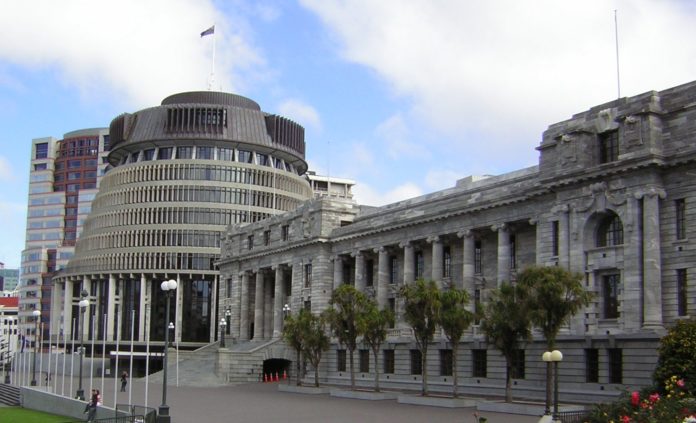
New Zealand Parliament Buildings, Wellington, New Zealand.
Editor’s Note: Here below is a list of the main issues currently under discussion in New Zealand and links to media coverage. You can sign up to NZ Politics Daily as well as New Zealand Political Roundup columns for free here.
Domestic and family violence perpetrators commonly use technology such as phones and other devices as a weapon to control and entrap victims and survivors, alongside other forms of abuse. This “digital coercive control” is not bound to a particular location and can follow targets anywhere, any time they access devices or digital media.
For women outside urban Australia, technology-enabled abuse can pose more risk than for those in cities. In research funded by the Australian Institute of Criminology, we spoke to 13 such women who have been subjected to digital coercive control to understand what it is like.
The disturbing side of technology
… you see a side of a phone that you probably wish you didn’t know about [Shelly]
The women reported that abusers used technology to harass and stalk. The majority experienced image-based sexual abuse (the creation and/or release of intimate images without consent) or recordings made of victims or survivors, overtly or covertly.
Some experienced doxxing (release of personal and identifiable information). Perpetrators in some cases impersonated real or fake people and initiated contact with women or their children. Authorised functions of phones and other devices and accounts were sometimes impaired, or unauthorised functions enabled.
I think you can feel a lot safer knowing they are not in proximity; they can’t hurt me. When it comes to technology it can – I guess you’re more hyper-vigilant because they can come any time and you can’t stop it. Even if you block someone, they find another way. They do; he always found other means to make contact with me. I never – I guess you never got to escape, which I hadn’t experienced before, because every other type of abuse I was able to – it ended at some point. [Kira]
It is different outside the cities
These behaviours have also been observed in urban settings in Australia. Also, like in cities, we found that violence persisted (and often increased) after separation.
However, women outside cities face higher barriers when seeking help and responding to family violence, and they can also be at greater risk.
Domestic violence agencies are further from women’s homes in non-urban areas, as we have observed in this study and in other work. Legal services can be limited and there are shortages in alternative and crisis accommodation.
Complicated financial arrangements and pressures may hinder women’s ability to exit violent relationships, such as where they work on farms or other small businesses and there may be few employment and educational opportunities in the region.
No anonymity
Numerous survivors spoke of the lack of anonymity in rural areas, so they and/or their abusers were more likely to be known when disclosing and reporting violence. This can be confronting, especially when perpetrators are well-known and well liked.
He is established – he knows people and he’s well liked … he’s in a boys’ club and knows lots of people … whereas I don’t. [Fiona]
This could be heightened for women with family and networks out of the region or overseas, culturally and linguistically diverse women, criminalised women, or those viewed as “different” outsiders.
As well as actively destroying women’s social networks, abusers would challenge women’s accounts of abuse and attempt to gather allies, as Claire explains:
He went around the streets telling people that I’m crazy … Because we’re in a small country town he was going in and out of shops … He affiliated himself with one of the local churches and got them on his side.
Isolation and fear
Abusers socially isolate women, and those in non-urban areas are often socially further from family, friends and support services than those urban areas. We found too, that some abusers sought to extend geographic isolation, by moving women to more remote locations.
Technology could provide channels to communicate with others and to seek assistance and support. Natalie had “a good amount of friends” and so would be “on the phone, or I’d be texting, and that was my outlet for a crazy situation”. However, some women felt this was not always possible when devices had been taken over or were monitored by abusers.
[I was] too scared to use it [technology]. I just couldn’t reach out to people … I didn’t want to use it just in case [Lola]
Fear loomed large in women’s accounts of digital coercive control. All those we spoke to had contact with police.
Some had positive encounters, most commonly with specialist (domestic and family violence liaison officers, who are less available in many rural areas) but more spoke of negative encounters. Women who were dissatisfied with police felt that officers were dismissive of digital coercive control.
‘Homicide flags’
We believe digital coercive control warrants attention. Coercive control, obsessive tendencies, stalking, and threats to kill or self-harm have all been noted as signals of fatal violence by death review teams.
The women we interviewed reported all these behaviours. Non-fatal strangulation is another “homicide flag” and was reported by 46% of our participants.
Firearm ownership and threats to use firearms also signal high risk. Firearm ownership is common on farms and in many rural areas.
An assault can become a homicide in rural areas, because of the sheer distance between the site of an attack and a hospital or medic.
It is imperative that we acknowledge and address how technology is used against survivors and the impact that technology-facilitated abuse has on women across landscapes. We must also recognise that women in rural locations face elevated risks, and that digital coercive control can provide evidence and signal risk of fatal violence.
Pseudonyms have been used for the women quoted in this article.
The National Sexual Assault, Family & Domestic Violence Counselling Line – 1800 RESPECT (1800 737 732) – is available 24 hours a day, seven days a week for any Australian who has experienced, or is at risk of, family and domestic violence and/or sexual assault.
Bridget Harris receives funding from the Australian Research Council and has previously received funding from The eSafety Commissioner. This work was funded by the Australian Institute of Criminology. She has completed and ongoing grants funded by this organisation.
Delanie Woodlock has previously received funding from The eSafety Commissioner. This work was funded by the Australian Institute of Criminology. She has completed and ongoing grants funded by this organisation
As the major parties shift into election mode, the Morrison government is clearly placing defence and security issues at the centre of its campaign.
By depicting Labor as “weak” on China, Defence Minister Peter Dutton is hoping fears of China’s global ambitions will provide an electoral advantage to the Coalition.
What does history tell us about the role of defence and security issues in federal elections? And if these areas do become a major election issue, who benefits?
However, in both these cases, the issues were related to homeland security and asylum seekers, rather than Australia’s defence or foreign policies.
We have to go back to the elections in the late 1960s and early 1970s, when Australia’s involvement in the Vietnam War was a divisive issue, to find an example of defence figuring prominently in an election.
In 1966, at the height of public support for the Vietnam War, Harold Holt won a decisive victory for the incumbent Liberal/Country coalition, arguing Labor’s position on withdrawing troops from Vietnam would put the country’s security at risk.
Since then, debate around Australia’s defence and foreign affairs policies has been relatively muted. Australia’s withdrawal from Vietnam in 1972 marked the beginning of a long period of bipartisanship on security, with both parties viewing the US as the linchpin for Australian defence and foreign policy.
There’s also been little disagreement on the importance of the US to Australia in public opinion, as we explain in our new book looking at these trends from 1945 to the present day.
Both the Australian Election Study (AES) surveys and polls by the Lowy Institute have rarely recorded fewer than eight out of 10 voters believing the alliance with the US was either “very” or “fairly” important for Australia’s security. And the differences between supporters of the two major parties are negligible.
This could be explained by the fact that since the end of the Cold War in the early 1990s, the public has seen relatively few external threats to Australia’s security.
The wars in Afghanistan and Iraq took place far away and were not regarded as a direct threat. To the extent the public has seen a threat, it has been through terrorism, with the 2002 Bali bombings being the most recent example.
Changing perceptions of China as a threat
The economic and military rise of China in recent years has changed the public’s threat calculation. This is at least partly due to a greater awareness of China’s belligerence towards Taiwan, its claims over the South China Sea and its embargoes on Australian goods, all of which have raised concerns about China’s potential to threaten Australian security.
Other factors, such as the tone of media coverage on China, may have also contributed to this changed threat perception.
As a result, we have seen a measurable shift in the public debate about Chinese influence in Australia. Since 2015, this perceived threat has moved from being a relatively niche issue in the mainstream media, to a major one.
Usually, any changes in the public’s views towards other countries tend to take place over many years. However, when it comes to China, the shift has been dramatic.
The AES surveys show that in 1987, just before the Tiananmen Square massacre, only 3% of the public regarded China as “very likely” to pose a security threat to Australia. In 2019, this was 31%. We expect it to be even higher in this year’s AES survey.
Lowy’s polls also show the same rise in public concern about China. In the 2006 poll, 40% of Australians had “little trust” in China; in 2021, that figure more than doubled.
The 2021 Lowy poll also found that, for the first time, more people saw China as a security threat than an economic partner.
In the relatively stable world of public opinion towards security and foreign affairs, these are major changes with important political implications, not least for the upcoming federal election.
More Australians now view China more as a threat than a partner. Andy Wong/AP
Which party stands to benefit?
The two major parties are generally regarded by the public as better able to handle some issues than others. According to our research, the Coalition is regarded as better on economic management, taxation and immigration; Labor is preferred on health, education and climate change.
The Coalition also had an advantage over Labor on national security the last time the AES asked about this issue in 2007. Voters preferred the Coalition’s defence and security policies over Labor’s by eight percentage points.
This advantage is likely to be much greater in 2022 compared to 2007. In times of threat, the public tends to view the government in power as more trustworthy on defence and security issues — the “rally around the flag” effect.
The Coalition government benefited from this at the beginning of the pandemic when it was seen as effectively handling a once-in-a-century health emergency. However, the slow vaccine roll-out and other problems have since eroded this advantage.
Faced with defence and security as an election issue, Labor’s only option is to emphasise bipartisanship.
As such, Labor has made relatively few statements about the new AUKUS security pact with the US and UK, other than to register its in-principle support. Nor has Labor disagreed in any fundamental way with the government’s policy response to China’s trade embargoes against Australia.
While the Coalition leans into its perceived advantage on security issues, Labor’s best strategy is to try to shift the policy debate towards the issues on which it has a long-term advantage among voters, such as health, education and the environment. But its success in doing that may well depend on global events beyond the control of either of the major parties.
Ian McAllister receives funding from the Australian Research Council.
Danielle Chubb does not work for, consult, own shares in or receive funding from any company or organisation that would benefit from this article, and has disclosed no relevant affiliations beyond their academic appointment.
If emissions continue to accelerate, Western Sydney can expect to endure up to 46 days per year over 35℃ by 2090, a new analysis from the Australia Institute finds. This is a fivefold increase from the historical average of just under nine days of extreme heat per year.
Western Sydney, home to around 2.5 million people, is highly vulnerable to extreme heat and is 8-10℃ hotter than east Sydney during heatwaves. The region is too far inland to benefit from coastal breezes, and lacks the altitude of the neighbouring Blue Mountains.
The furthest inland suburbs, such as Penrith, are hottest. Indeed, in early January, 2020, Penrith was the hottest place on Earth, reaching a scorching high of 48.9℃.
However, such a dramatic rise in extreme heat days is not inevitable. If global warming is limited to 1.5℃ this century, in line with the Paris Agreement, Western Sydney will have fewer than 17 days of 35℃ per year by 2090. Emissions reduction and smart urban design are urgent measures to protect Western Sydney-siders from heat stress.
The rise in extreme heat days can be limited to 17 days per year if we cut emissions. The Australia Institute, Author provided
Heatwaves are deadly
In Australia, heat accounts for more deaths than all other natural disasters combined. If the power goes out, it’s much harder to mitigate the stress.
In January 2009, during the devastating heatwave that preceded the Black Saturday fires, Melbourne experienced a power outage on a 44℃ day, leaving some 500,000 people in the heat without electricity. The heatwave alone killed 374 people, and cost Melbourne an estimated A$800 million.
Heat also acutely affects worker productivity. The New South Wales treasury estimates that by 2061, the state could lose up to 2.7 million working days every year from reduced worker productivity in agriculture, construction, manufacturing and mining, due to heat.
However, under a low-emissions pathway, NSW estimates the loss in worker productivity could be limited to about 700,000 days. While this is still significant, it’s a quarter of cases compared to a high-emissions future.
To find out how climate change would affect Western Sydney, we analysed climate projections from the Bureau of Meteorology and CSIRO. We calculated temperature projections using a low-emissions scenario (where global warming is stopped at 1.5℃) and a high-emissions scenario (where global emissions continue unabated).
Examining 12 federal electorates that make up Western Sydney, we found the electorate of Lindsay, which includes the city of Penrith, will be most impacted. It can expect up to 58 days of 35℃ by 2090 under a high emissions scenario.
Who is impacted?
Western Sydney is uniquely prone to the “urban heat island” effect. The dense concrete and lack of green spaces absorbs and amplifies heat, raising temperatures to dangerous levels.
Residents without access to affordable air conditioning, with preexisting medical conditions or who work outdoors are most at risk of heat stress.
To understand the human impact of extreme heat, we partnered with extreme heat advocacy nonprofit Sweltering Cities. They conducted a targeted survey of Western Sydney in 2020, collecting insights from 682 respondents.
Gemma is a single mum who lives in affordable housing in Ropes Crossing, near Penrith. Kim Vernon/Sweltering Cities
Gemma MacMillan is a single mum of a three-year-old boy, living in affordable housing in Ropes Cross. “In summer I have to keep my son Oliver inside as much as possible on hot days,” she says. “There’s no shade at all in my backyard.”
Gemma has lived in a house without air conditioning or ceiling fans. “In the past we’ve gone to stay with my ex-partner’s mum who has an air con, but now we’ve broken up and I worry about my son when it’s really hot.”
Even though retired chemist Rafael Perez has air conditioning, he says: “you’ve got to think of the cost. I’m not in a position to have it on all the time so I turn it off as soon as I can.”
Rafael is a retired chemist who has lived in Erskine Park in Sydney’s Western Suburbs for 22 years. Kim Vernon/Sweltering Cities
In fact, despite Western Sydney having, on average, lower income levels, residents in areas such as Penrith are paying on average up to $100 per month more in electricity bills than those living closer to the coast.
Reflecting on his 22 years in the neighbourhood, Rafael says, “there used to be a lot more trees when I moved here, now there is a lot more concrete.”
What needs to change?
Reducing emissions is the difference between 1.5 months and 17 days of extreme heat per year in Western Sydney.
Thankfully, there is appetite for change. Earlier this month, for example, prominent cricketer Pat Cummins launched Cricketers for Climate in Penrith, a movement for Australian cricket clubs to achieve net-zero emissions over the next decade. The initiative highlights how the climate crisis threatens our ability to play sports, and positions athletes as advocates for climate action.
Additionally, the upcoming federal election could provide the policy window to increase climate ambition, as Western Sydney has a number of highly contested swing seats. According to the Sweltering Cities survey, 92.5% of Western Sydney residents say they want politicians and political parties to have policies on heat.
What do these policies look like? At the local level, we need to design our cities and homes to protect vulnerable members of the community. The NSW government recently announced a move to ban dark roofs. Lighter coloured roofs reflect heat, and can reduce indoor temperatures by 10℃ during heatwaves.
Increasing green spaces, ensuring bus stops and parks are adequately shaded, and providing affordable access to air conditioning are also crucial steps to making Western Sydney safe.
Most importantly, preventing extreme heat requires a significant emissions reduction. Australia’s national target of a 26-28% emissions reduction from 2005 is consistent with warming of 4℃, if all other countries were to follow a similar level of ambition. At the state level, instead of planning new coal mines, NSW should accelerate its transition to renewable energy.
Hannah Melville-Rea is a researcher at the Australia Institute’s Climate & Energy Program.
Everyone has an opinion about what should go into history curriculum. Politicians are especially good at expressing theirs.
The acting federal education minister, Stuart Robert, has announced a delay in approving the revised Australian Curriculum until at least April. This means the ongoing debate about Australian history in the curriculum is likely to be dragged out to the eve of the next federal election. History curriculum is political but should not be used as a political plaything at election time.
The federal government and Western Australian government are concerned that the revised history curriculum is “very busy”. Robert said Western civilisation “is well and truly back in the curriculum, but it remains quite cluttered”.
This latest delay comes after the then education minister, Alan Tudge, last year rejected the first draft. Tudge called for “a positive, optimistic view of Australian history” and more content about Australia’s “Western heritage”.
The draft was the product of an independent review by the Australian Curriculum, Assessment and Reporting Authority (ACARA).
Delay gives Coalition an election issue
The delay gives the Coalition the opportunity to control the debate and use history curriculum as a wedge issue in the lead-up to the election.
We saw the way historical narratives get split along political lines last year. Tudge argued for describing Anzac Day as “sacred” rather than “contested”. This was criticised by Labor’s shadow education minister, Tanya Plibersek, who spoke about the importance of not censoring history.
Signing off on the revised curriculum close to an election might be a good political tactic. A national history curriculum that promotes a more “patriotic” narrative would appeal to Coalition voters. It would also reinforce an ideological point of difference from Labor.
Around the world governments promote their preferred historical narratives to push their political agendas. And, of course, public discussion about the complexities of Australian and world history is important. So is debate about how and what young people study in history.
However, if these issues are used to divide voters, they are in danger of being simplified and reduced to political rhetoric. We know from past rounds of the “history wars” that the black armband versus white blindfold history approach has a dividing effect.
“History can play a vital role in truth-telling and reconciliation […] Seeking justice, remembering and addressing this nation’s past is an ongoing and necessary condition of individual and collective healing.”
Expanding our collective historical understanding takes much more than a series of media moments.
‘Cluttered’ curriculum claim is overblown
Attempts to extend debate about “decluttering” history overlook the complexities of curriculum reform. Decisions do need to be made about what topics are included at each year level. However, we cannot apply a Marie Kondo approach to history and keep only the bits that “spark joy”.
The minister’s insistence that history content must be reduced further suggests a neater narrative is needed.
Historians help us to understand that the past is long, messy and requires special skills for interpreting it. For this reason, the approach taken in the Australian Curriculum places equal emphasis on the skills and knowledge students need to do historical inquiry.
One of the stated aims is to ensure students develop interest in and enjoyment of historical study. Another is to develop understanding of historical concepts: evidence, continuity and change, cause and effect, significance, perspectives, empathy and contestability.
History curriculums provide maps for teachers and students to navigate a range of topics. Some topics get selected and some do not.
Even after the introduction of the national curriculum, research shows it still gets adapted at the state and territory level. Teachers in schools then interpret the curriculum in different ways. Local context is seen to be an important factor in selecting content and perspectives.
Therefore, not every point in the curriculum will get covered. So perhaps it does not matter if the history curriculum is “busy”.
We also know from research that students will make their own meanings of curriculum, regardless of how other people might want them to make sense of certain messages.
The government’s attitude to delaying the review process and now inviting “mums and dads to be involved” fails to acknowledge the process of a curriculum review. There was an extended consultation period in 2021. Teachers, subject experts, educational organisations and curriculum professionals have worked hard during that process to improve the existing curriculum.
The government will use the overdue publication of version 9.0 of the Australian Curriculum as an opportunity to stamp its authority on it. But decisions about history curriculum should not be a matter of political opinion.
Rebecca Cairns does not work for, consult, own shares in or receive funding from any company or organisation that would benefit from this article, and has disclosed no relevant affiliations beyond their academic appointment.
Nursing home residents confined to their rooms during COVID are like hypothetical tenants locked in their bedrooms by landlords – unable to take showers, able only to make only sandwiches for meals and cut off from visitors and socialising with fellow residents.
If it happened to tenants they would be entitled to stop paying rent, go to an appeals tribunal, or move out. But aged care residents have to keep paying.
The Commonwealth has instigated an investigation focusing on death among residents during COVID, but this narrow focus ignores the broader impacts of the pandemic on residents’ quality of life.
What do residents pay, and for what?
Residents in aged care homes pay what’s called a Basic Daily Fee. This is set at 85% of the single age pension to cover meals, laundry and other daily living services. It is currently $53.56 per day.
The RAD is fully refundable 14 days after the resident leaves. The home lives off the interest. The average RAD is less than A$500,000. Some exceed $1 million.
Both the RAD and DAP are set by the provider, within Commonwealth guidelines.
Those entering residential care have increasingly opted to pay via the rent-style DAP rather than RAD.
This change appears to reflect increased awareness on the part of incoming residents and their families and advisers that the financial commitment of a RAD may not be the best option if the stay turns out to be shorter rather than longer.
The average length of stay is skewed by some very long stays. While the average stay is almost three years, the median (typical) stay is half as long. About 30% of residents leave within six months, mainly through death.
The Commonwealth pays an accommodation supplement to fully or partly cover the cost of providing accommodation to those who can’t afford either the full RAD or DAP.
Currently $59.49 per day, the supplement is a proxy for the average DAP.
All up $791.35 a week, but it’s hard to move
A resident paying the Basic Daily Fee and a Daily Accommodation Charge equal to the supplement pays $791.35 per week.
But for many residents confined to their rooms, the $374.92 per week Basic Daily Fee is for services no longer fully delivered.
For these residents a good deal of the Refundable Accommodation Deposit or Daily Accommodation Payments is for accommodation that cannot be fully used.
There’s an Aged Care Quality and Safety Commission they could complain to. But as each resident has an individual agreement with the provider, it would have to be done one-on-one, rather than collectively.
Aged care royal commissioner Lynelle Briggs. Kelly Barnes/AAP
The ability to move has been limited at the best of times. Aside from the emotional upheaval involved, finding a vacancy, making financial arrangements and getting a refund of a RAD takes time.
They lack bargaining power and individual complaints to the Aged Care Quality and Safety Commission are few and far between. No advocates have so far talked of a class action.
A start would be to phase out Refundable Accommodation Deposits as recommended by aged care royal commissioner Lynelle Briggs in March 2021.
This would mean residents hadn’t effectively pre-paid their rent as a lump sum.
In the short term, immediate action is needed to ensure no resident pays on-going fees for daily services they are not receiving or for accommodation they can only occupy and use in very restricted ways.
But requiring providers to repay and then forgo even part of these payments might hurt their liquidity, jeopardising their ability to continue to provide care.
Instead, the Commonwealth needs to urgently come up with compensation arrangements and ensure charges are applied only to services that are delivered.
Anna Howe is affiliated with Australian Labor Party
Have also received grants in the past, but not for about 15 years!,
Source: The Conversation (Au and NZ) – By Elisa deCourcy, Australian Research Council DECRA Fellow 2020-2023, Research School of Humanities and the Arts, Australian National University
In this new series, Remaking History, academics take a look at the ways they are recreating historical practices, and how this impacts their research today.
Cased daguerreotypes are among the oldest photographic images in Australian gallery, library and museum collections.
These tiny, pocket-sized photographs look quite foreign to us today. Their mirror-like surfaces make their subjects appear ethereal and other-worldly – but they are also sharp images often with incredible detail.
The daguerreotype was used internationally during the 1840s and for much of 1850s concurrently to the paper-based calotype and, later, the collodion-on-glass ambrotype.
The first photographs of First Nations people were taken with daguerreotype technology. And, the earliest colonial exhibitions of photography, in Adelaide, Kaurna Country in 1845 and Sydney, Gadigal Country, in 1848, were of daguerreotypes.
By the mid-1850s, there were daguerreotype studios in all colonial Australian capitals with many itinerant photographers travelling to offer daguerreotype portraits in regional centres.
My research is interested in the experience of early photography. What was it like to be photographed? How did the cumbersome technology and volatile chemistry influence the kinds of photographs made? What stories about the colonial past are represented in daguerreotypes we now have in public collections?
As humanities researchers, we traditionally look to diaries, letters, trade manuals, historic newspapers, solvency listings and, of course, photographs to answer these questions.
These sources provide us with an archival trace to the past – but they can only partially evoke the experience of early photography. It is hard to retrieve a comprehensive sense of the negotiations happening across the camera and photo chemistry.
To supplement and extend conventional research, I led a collaboration last year which made a series of seven daguerreotype portraits, following the 180-year-old process.
I wanted to understand the embodied nature of this early photographic experience.
My collaborators and I also used the project to think more carefully about conversations around colonisation, photography and collecting begun in the 1840s, and how these historic circumstances influence our understanding of the past and underpin historic collections today.
I invited people to participate in making the portraits on account of their professional and personal connection with early colonial Australian photography. I worked with historic processes photographer Craig Tuffin and, for one portrait, Kaurna First Nations artist James Tylor. Tylor’s practice spans historic and modern photographic technologies, and combines photography with carved, engraved and cast media.
Reactivating the daguerreotype process
To make a daguerreotype, the photographer takes a slim sheet of copper coated with a thin layer of silver. The silver surface is polished and then fumed in the dark with iodine and bromine, which makes the surface light sensitive.
After sensitisation, the photographer has about an hour before the chemistry on the plate begins to degrade. The plate is placed in a darkened carrier ready to be inserted into the back of a large box camera.
The sitters in historic photographs often appear sombre or stern. This affect comes less from a universal displeasure with being photographed and more from the concentration required not to move during the photograph and blur the image.
The exposure of a daguerreotype is a protracted moment. In the case of a portrait, the sitter must remain completely still for approximately 20 seconds, depending on light conditions.
We asked our contemporary sitters to hold their breath for the length of the exposure to lessen incidental movement in the upper body that unconsciously occurs when inhaling and exhaling.
The daguerreotype is developed (and its sensitivity to light stopped) with mercury vapour. The plate is heated and bathed in a gold-chloride solution to both enhance and protect the delicate image. Then, especially in cases of portraiture, the copper photographic plate is sandwiched behind a piece of glass and wedged into a leather case.
Lessons in the details
Following a historic process excavates knowledge known to early photographers, which has rarely survived in the archives.
Imperfections and mistakes are rarely preserved. In the mid 19th century, over-exposed plates were repolished to be used again. Plates where dust and debris upset chemical preparation were similarly repolished or discarded.
It is focused, sharp images, the ones that left the studio with patrons, which have made their way into our public collections.
In recreating this process, I learnt how the inevitable chemical failures and the cost of materials needed to be factored into the early photographer’s business model.
This investment and expenditure underpinned an itinerancy among early photographers in the Australian colonies, whose businesses’ survival was predicated on constant flow of new customers.
Historic daguerreotype sitters brought significant objects with them to the studio: books, letters from loved ones, cloaks, shields, heirlooms and even other daguerreotypes.
Sitters in this project brought with them objects to narrate their biographies as descendants of the subjects in historic daguerreotypes; as artists and curators who work with interpreting and responding to historic Australian photography; and as people whose families’ migration mirrored or deviated from migratory “highways” of the mid-19th century.
Buried stories
As a historian of photography, I learnt how the composure and investment of sitter, as much as the technical skill of the daguerreotype photographer, contributed to the success of the final image.
Daguerreotype photography was not a prescriptive exercise or passive undertaking on the part of the sitter. It was contingent on a two-way dialogue.
The colonial context in which historic daguerreotypes were made affected their custodianship, use and display – all of which resonated with the exploitative and damaging relationships of colonisation.
But the experience of photography in the studio was much more dynamic.
This contemporary series is a conversation with the past. It is an effort to portray and emphasise the nature of early photography where images were made in collaboration, and it is an effort to consider how those negotiations get muddied, buried and hidden in our archives.
The contemporary daguerreotypes were made at the School of Art and Design ANU and the National Portrait Gallery, Canberra, and plates were prepared and developed at the ANU Research School of Physics. The series will be exhibited in Canberra and at a number of regional galleries over 2022-2023.
The contemporary daguerreotype series was funded by the Australian Research Council project ‘Capturing Foundational Australian Photography in a Globalising World’ DE200101322, and supported by the Research School of Humanities and the Research School of Physics at the Australian National University.
The Migration Amendment (Strengthening the Character Test) Bill will pass the House of Representatives by the end of this week. The bill would enhance the immigration minister’s powers to cancel the visas of people convicted of certain crimes.
This bill was debated and rejected twice previously, in 2019 and again in October 2021. This week, the government introduced it for a third time. Prime Minister Scott Morrison anticipated Labor would reject it again and accused the opposition of being “on the side of criminals”.
This time around, though, Labor has confirmed it will not oppose the bill in the House of Representatives.
The bill will now progress to a Senate inquiry or debate and then a vote in the Senate. This means it is highly unlikely to be passed into law before the upcoming election. The Senate has only two sitting days left, in budget week in late March.
What is the proposed legislation?
Under the Migration Act, Australia’s immigration minister has discretion and powers so broad they have been termed “God-like”. The act, first passed in 1958, has been amended multiple times since the Tampa crisis of 2001 to progressively enhance the Commonwealth’s capacity to pursue its border protection and related policies.
In 2014, Morrison, who was then immigration minister, introduced amendments to section 501 of the Migration Act, which strengthened the minister’s capacity to refuse or cancel a visa on character grounds. The amendments also introduced mandatory visa cancellation in cases where non-citizens were sentenced to 12 months or more imprisonment, or convicted of sexual crimes involving a child.
The parliament passed those amendments, substantially boosting the minister’s already very broad discretion. This is clear in the dramatic increase in the number of visas cancelled under section 501 – from 76 cancellations in 2013-14 to 983 cancellations in 2015-16. This week, Morrison told Ben Fordham on 2GB radio the government has used these powers to expel 4,000 people from Australia since the last election.
The Migration Amendment (Strengthening the Character Test) Bill was drafted in 2018 to further tighten the character test. These latest proposed amendments confirm that a non-citizen would fail the character test if convicted of designated offences, including those
involving violence or use of weapons
punishable by imprisonment for two years
involving violence in foreign countries that would constitute crimes if committed in Australia.
In other words, these amendments would enable the minister to expel someone convicted of a designated crime, even if they did not receive a custodial sentence.
The latest introduction of these proposed amendments was foreshadowed in October 2021. Immigration Minister Alex Hawke said the government would continue to push for the bill’s passage so it could protect Australians “from foreign criminals”.
Hawke says the amendments address a gap by ensuring visa cancellation in cases where people are convicted of crimes but receive a reduced sentence, for example following a guilty plea.
On 2GB this week, Morrison went further, claiming judges are deliberately handing down reduced sentences to ensure non-citizen offenders do not fail the character test. Hawke, on ABC Radio, also criticised lawyers for representing non-citizens accused of crimes:
Lawyers are part of the problem in this system. They go and represent some pretty serious criminals. These are not Australians. These are not people who should have a right to be in Australia.
These are quite striking attacks, particularly on the independence of the judiciary – a fundamental principle of the separation of powers. The government is claiming the amendments are required to limit the significance of sentencing in the visa outcomes of offenders. However, the vast weight of expertise, as offered to inquiries into these amendments, does not support their necessity.
At no stage in this debate has the government provided evidence that the claimed loophole in the law is actually preventing the deportation of violent non-citizen offenders.
The government is aware this bill is most unlikely to pass the Senate during this parliamentary term. The timing of the public and parliamentary debate, then, seems aimed at wedging Labor on national security.
Indeed, Morrison has accused Opposition Leader Anthony Albanese and Shadow Immigration Minister Kristina Keneally of wanting to keep convicted domestic violence offenders in the country “because the judge gave them a soft sentence”.
Morrison also told John Laws on 2GB that Labor was “soft” on keeping Australia safe:
You know, I don’t flinch on these things. But Labor, they baulk. They baulked on turning boats back. They baulked on the Pacific Solution. They baulked on all of these things. They baulked on defence spending. They baulk on all of these issues. They, they want to appease when it comes to China, the Chinese Government […]
Keneally rejected this characterisation. She said the minister’s powers are already broad enough to cancel the visa of anyone who is a risk to Australian society.
Why is Labor allowing the bill through the House?
When the Senate Legal and Constitutional Affairs Legislation Committee examined the proposed character test amendments, the Labor senators on the committee issued a dissenting report. They opposed the passage of the bill in its drafted form. Until this week, Labor refused to support the bill, partly because it feared the further expansion of deportation powers would inflame tensions with New Zealand on that issue.
So, has Labor shifted course because it now supports the proposed bill? Labor Senator Murray Watt was asked on ABC’s Afternoon Briefing if he could see the bill passing into law:
We have said that we will support the legislation in the House so that it can get to the Senate and we can consider amendments the government is now making or talking about making… The reality is that the only reason this is coming out of the woodwork now is because government is desperate to find wedges; the government did this last week with the religious discrimination bill before it blew up in their face.
Keneally similarly referred to potential amendments at the Senate committee stage to explain the opposition’s about-face.
Labor’s approach echoes the strategy it recently took in relation to the Religious Discrimination Bill. Labor joined with Liberal defectors and crossbenchers to pass that bill in the House – with amendments. The government then chose to pull the bill from the Senate rather than seek to pass it with those changes.
In both cases, the opposition’s strategy seems clear – moving a bill through the house when it is unlikely to pass the Senate takes the sting out of public debates on religious freedom or national security.
But in legal terms, this approach fails to engage with the substance of the proposed legislation. The question remains as to why the immigration minister needs any greater power than he already holds.
Amy Maguire does not work for, consult, own shares in or receive funding from any company or organisation that would benefit from this article, and has disclosed no relevant affiliations beyond their academic appointment.
Private equity companies generally have a reputation for buying “distressed assets” at bargain prices, squeezing as much cash out of them while making them look as profitable as possible, then selling out for a huge profit.
But the takeover of Australia’s disgraced casino operator Crown Resorts by US private equity behemoth the Blackstone Group may be the best option available to Crown’s shareholders, the governments that benefit from gambling revenue, and the community that suffers the consequences of problem gambling.
The board of Crown Resorts has recommended Blackstone’s A$9 billion offer for total ownership, subject to approval from the federal Foreign Investment Review Board and state gaming regulators in New South Wales, Victoria and Western Australia.
The astonishing ethical and moral depths Crown plumbed in its pursuit of profit means that this may be one of those rare occasions where private equity’s financial and (particularly) non-financial engineering leads to a net positive outcome for the wider community.
An atypical private equity deal
Private equity companies raise money from private investors to buy undervalued and often distressed businesses to nurture back to commercial health before exiting at a profit.
Private ownership can be advantageous for a struggling company because it removes the regulatory and other distractions that come with being a listed public company. It means management can make decisions without worrying about short-term stock price fluctuations, for example.
Blackstone’s takeover of Crown Resorts is not a typical private equity transaction; Crown’s problems arose from moral, not financial, bankruptcy.
Notwithstanding the impact of the pandemic on casino profits – in particular the loss of foreign high-rollers – Crown has been consistently profitable. But its licences to continue to rake in those profits are under a cloud.
A NSW commission of inquiry (headed by former NSW Supreme Court judge Patricia Bergin) and a Victorian royal commission (headed by former Federal Court judge Ray Finkelstein) found Crown unfit to hold its Sydney and Melbourne casino licences. A Western Australian royal commission into the company’s fitness to hold its Perth casino licence is pending.
Illegal, dishonest, unethical, exploitative
The Victorian royal commission’s final report described Crown Melbourne’s management as disgraceful and its practices as variously illegal, dishonest, unethical and exploitative.
It lambasted senior executives for being “indifferent to their ethical, moral and sometimes legal obligations”, and the board for failing in its prime responsibility to ensure the company “satisfied its legal and regulatory obligations”.
This included facilitating the laundering of millions of dollars and ignoring its problem gambling obligations. Its claim to have a “world’s best approach to problem gambling”, Finkelstein said, could not “be further from the truth”.
Blackstone’s priority, therefore, will be to repair Crown’s many regulatory inadequacies, and deeply tarnished reputation, away from the gaze of shareholders, the media and investment bank analysts.
A rare opportunity
For Blackstone, Crown Resorts is a rare opportunity. Casino cash flows are irresistible to highly leveraged private equity investors. Casino company balance sheets dominated by valuable real estate assets are also a draw-card.
Blackstone has extensive experience in “flipping” hotels and casinos.
For example, it acquired the Hilton hotels empire in 2007 and exited 11 years later, making a $US14 billion profit. Last year it sold The Cosmopolitan of Las Vegas for US$5.65 billion, seven years after buying it for US$1.8 billion. It is in the process of exiting its investment in Spanish gambling company CIRSA, which runs casinos and betting shops across Spain and Latin America.

Crown Resorts’ shareholders, meanwhile, are over a regulatory barrel.
The company’s licence to operate its brand-new Barangaroo casino is suspended. Its Victorian licence is on probation, with a requirement that Packer reduce his 37% stake (through his company Consolidated Press Holdings) to 5%.
Existing casino operators would have been averse to tarnishing their reputations by buying into Crown, given its outstanding regulatory problems. Correcting its myriad problems can be expected to raise Crown’s costs (especially compliance costs) and cut its revenue (fewer high-roller junkets) – reducing its profitability and, hence, investor appeal.
If Blackstone can oversee Crown’s rehabilitation from regulatory pariah, it has the opportunity to profit from the ultimate corporate redemption story.
What happens next
Private equity outfits assist distressed companies by injecting the money required to turn things around and providing management expertise.
Crown doesn’t need money, so Blackstone’s main role will be rehabilitating its brand and corporate credentials with regulators and, hence, the investment community.
It can then be expected, after a polite interval, to sell Crown either to a global casino operator via a trade sale, or to public investors via a refloat on the Australian Stock Exchange.
One of the criticisms often made of private equity firms like Blackstone is that they aggressively (but legally) minimise their tax obligations. In the case of a casino, tax obligations should be harder to avoid since they are calculated on the basis of revenue received rather than reported profit. (That said, the Victorian Royal Commission did find Crown Resorts had avoided $200 million in tax, of which the company has since repaid $61.5 million).

But so long as Blackstone follows the rules, particularly those to do with policing problem gambling, there’s a chance it could serve shareholder interests while minimising the social harm casinos tend to visit on the communities in which they operate.
Mark Melatos is a member of the Reserve Bank of Australia’s Educators Advisory Panel and a member of the NSW Education Standards Authority’s HSC Standards Committee. He is also a volunteer for the Australian Conservation Foundation.
People choose certain foods or change their diets for a range of reasons: to improve their health, lose weight, save money or due to concerns about sustainability or the way food is produced.
Consider the trend towards low-fat products in the 1980s and low-carb diets in the 1990s, and now, the rise in plant-based protein products and ready-to-eat meals.
But before you abandon your traditional food choices, it’s important to consider the nutritional trade-offs. If you’re replacing one food with another, are you still getting the vitamins, minerals and other nutrition you need?
In a recent paper, I sought to raise awareness of nutritional differences between foods by producing a new index specific to Australia. It aims to help Australians make better informed dietary choices and get the nutrients recommended for good health.
Before you abandon your traditional food choices, it’s important to consider the nutritional tradeoffs. Shutterstock
Nutrients: are we getting enough?
The Australian Bureau of Statistics publishes tables showing the usual intake of selected nutrients across the population. The tables also show the proportion of Australians whose usual nutrient intake is below what’s known as the “estimated average requirement”.
While Australian adults eat in diverse ways, they generally get enough of some nutrients regardless of their diets.
For example, most people seem to obtain adequate niacin (Vitamin B3) and phosphorus. And the tables suggest 97% of Australians get enough vitamin C.
However, inadequate intake of calcium, magnesium, vitamin B6 and zinc is common.
Around two-thirds of Australian adults consume less calcium than what’s recommended (which ranges from 840 to 1100 mg/day depending upon age). Worryingly, 90% of women aged over 50 don’t get enough calcium.
Inadequate zinc intake is most prevalent among Australian men – more than half aged over 50 consume below recommended levels.
So what about free sugars? These include added sugars and the sugar component of honey and fruit juices, but exclude natural sugars in intact fruit, vegetables and milk.
It’s recommended Australians limit free sugars to less than 10% of dietary energy intake. However, almost 50% of Australian adults exceed this recommended limit.
Worryingly, 90% of women aged over 50 have calcium intake beklow what is recommended. Shutterstock
Paying attention to under-consumed nutrients
Every food has a different nutrient composition. And as the Australian Dietary Guidelines show, we should eat a variety of foods to stay healthy.
We should pay particular attention to foods that are important sources of nutrients for which large numbers of Australians are not getting enough. If possible, Australians should seek to include more of these foods in their diet.
At the same time, foods with free sugars should be eaten only in moderation.
The new food index I produced seeks to help Australians achieve this. It provides an overall nutrient composition score tailored to the Australian dietary context.
The index includes eight vitamins (B1, B2, B3, B6, B12, Folate, A and C), eight minerals (calcium, phosphorus, zinc, iron, magnesium, iodine, selenium and molybdenum), along with protein and free sugars.
These 18 elements are weighted in proportion to the extent of inadequate or excessive intake in Australia. A higher score is better than a lower score.
So, the index scores foods highly if they are low in free sugars, and rich in the elements many Australians need more of – calcium, magnesium, vitamin B6, zinc and vitamin A.
Foods containing few nutrients but added sugar score very low. For example, a chocolate chip cookie weighing 35 grams scored 0.004 and a sugar-sweetened cola-flavoured beverage scored below zero.
Foods containing few nutrients but added sugar score very low in the index. Matt Dunham/AP
Swapping foods may not achieve like-for-like
The index can be used to compare foods that might be considered substitutes in pursuit of a diet that’s healthier, more affordable or better for the environment.
In the case of dairy foods, 250ml of full cream milk scored 0.160, and reduced-fat milk almost as high at 0.157.
The index shows the potential nutritional trade-offs when choosing dairy alternatives. A 250ml serving of calcium-fortified oat beverage scored 0.093. Without calcium fortification, the score fell to 0.034.
Looking at meat, 100g of raw lean diced beef scored 0.142. An equivalent serving of plant-based burger made from pea protein, with many added vitamins and minerals, scored almost the same at 0.139. This shows plant-based alternatives are not necessarily less nutrient dense.
The index also shows the different nutritional needs of women and men. For example, the scores for two large eggs were higher for women (0.143) than men (0.094). This reflects, in part, the greater prevalence of inadequate iron intake among younger women.
Packaging on unprocessed foods doesn’t usually include nutrition information. Shutterstock
Understanding trade-offs
To date, comprehensive nutritional information about foods eaten in Australia has been found only in databases used by scientists and nutrition professionals.
For the average consumer, packaging on unprocessed foods – such as fruits and vegetables, fresh meats and some cheese – doesn’t usually include nutrition information.
Consumers can consult the nutrition information panel when buying processed foods, but only some nutrients are shown.
I hope my research may prompt manufacturers produce more nutrient-dense foods or those formulated to meet the nutrient needs of a particular subgroup.
In future, I hope the index will also be translated into a user-friendly format or app that everyday Australians can consult, to ensure their changing food preferences result in a healthier choice.
Brad Ridoutt is a Principal Research Scientist with CSIRO, Australia’s national science agency. He has previously undertaken food system and nutritional research for a variety of private sector organizations and Australian government agencies. The research underpinning this article was partly funded by CSIRO and partly funded by Dairy Australia. Dairy Australia had no role in undertaking the study and the decision to publish research findings was made prior to funding and before the results were known. Dairy Australia had no role in the preparation of this article.
Many might choke at the suggestion Big Oil could play a key role in saving the climate. But, culpability for past actions aside, it is worth considering how fossil fuel interests might be recruited to combat global warming.
International commitments to achieving net-zero greenhouse gas emissions by 2050 leave less than three decades to achieve monumental change. A healthy dose of pragmatism will be essential.
Allowing time for new technologies to emerge might not be enough. Consumers will be reluctant to switch from familiar fossil fuels to untried or inconvenient new technologies with limited infrastructure – even if they are cheaper.
By the same token, new fuel infrastructures will not become competitive unless they achieve scale, meaning existing infrastructures will enjoy scale-related cost advantages unless sufficient users migrate to the new technologies.
Breaking this cycle is as much an economic challenge as a technological one. Harnessing the massive infrastructure and resources of the fossil fuel industry could be one way to meet that challenge.
Would it be better to repurpose existing infrastructure than build from scratch? Shutterstock
Accelerating net-zero targets
History shows the mass market adoption of new technologies is driven by their convenience and cost-effectiveness compared to what they replace. And large vested interests can be key to rolling out the required infrastructures.
For example, canals and railways in industrial revolution Britain were not built for ordinary travellers. They were sponsored by industrialists wanting more cost-effective transport options.
A recent study I authored on transitioning to net-zero emissions in transport and other sectors highlighted another (perhaps unexpected) solution: repurposing existing fossil fuel supply chains and infrastructures to supply low- or zero-emission fuels.
This could represent an affordable way to transition more rapidly to net-zero than by building entirely new infrastructures.
Hydrogen fuel cell vehicles are already on the road in some countries. Shutterstock
The hydrogen alternative
Central to any viable solution is certainty. For instance, vehicle buyers face the risk of choosing a new technology that fails to take off, or opting for one that is displaced by another.
Electric vehicles (EVs) are a case in point. At the turn of the 20th century they challenged both steam and fossil fuel vehicles (FFVs) in the race to replace the horse, until they were eclipsed by FFVs.
Modern EVs have taken an early lead in replacing FFVs, despite a less-than-ideal environmental footprint. But major carmakers in Japan, Europe and China are actively exploring rival clean technologies, with hydrogen the most likely contender.
Hydrogen technology is perhaps as developed now as EVs were a decade ago, and is rapidly improving. It’s not inconceivable that EVs could be displaced, given the ability of hydrogen to fuel heavy transport, aviation and shipping.
In practice, hydrogen would be transported in modified gas networks and likely distributed through new or existing petrol stations. It could be made using renewable electricity to split water, or from natural gas with carbon dioxide emissions from manufacturing captured and stored in depleted gas fields.
A recent Californian study predicts hydrogen produced using renewable electricity will reach price parity with existing fuels this decade.
Toyota and Hyundai have already released consumer hydrogen cars, and New Zealand recently imported its first hydrogen-powered truck. Hydrogen refuelling infrastructure is also emerging both locally and globally.
Promisingly, hydrogen combustion vehicles are already under development, raising the possibility of retro-fitting existing FFVs to run on hydrogen (just as FFVs were converted to run on natural gas after oil price shocks in the 1970s).
This could substantially reduce the cost of replacing New Zealand’s 3.5 million private vehicles with low-emissions alternatives – an unavoidable challenge in decarbonising transport.
Why would fossil fuel companies make the necessary clean energy investments? Because they see it as sufficiently profitable compared to the alternatives.
Rather than abandoning much of their existing assets and switching to electricity generation and distribution to profit from a transition to EVs, they could repurpose their considerable assets and resources to produce and distribute hydrogen (or some other clean fuel).
Fossil fuel companies could be assured of playing a key role in the transition if governments picked a winner among competing clean technologies – but this would be politically hazardous.
Usefully, there is another approach that avoids those risks: franchise bidding – a much-used policy tool that replaces competition in markets with competition for markets.
Under this approach, governments would plan fossil fuel reductions over time, but auction a monopoly right to develop a clean energy alternative. That right would be time-limited and subject to performance standards and pricing oversight.
Creating a monopoly right allows economies of scale. Critically, vehicle manufacturers and buyers, fuel manufacturers and infrastructure investors can be confident they are not investing in the “wrong” technology – they all know the way forward.
Efficiency and equity
Furthermore, auctioning the monopoly right means governments avoid the political hazards of picking a winner. And proceeds from such an auction could be used to subsidise clean vehicle uptake or conversion of existing vehicles to clean fuels.
Finally, an auction can induce parties to participate when they might otherwise prefer no new technologies to emerge at all. Confronted with the prospect of owning a declining technology while a competitor enjoys the monopoly right to build the new one, winning the auction would look like the least-worst future.
Fossil fuel companies should have a substantial head start in winning such an auction, given their highly developed infrastructures, massive balance sheets and skilled workforces.
They could also ensure a more orderly transition away from fossil fuels to clean ones, since they would manage the supply of both.
And whether fossil fuel companies or other clean energy suppliers win, by holding a franchise-bidding auction the net-zero transition in transport is achieved more quickly, efficiently and equitably.
Richard Meade is Principal Economist at Cognitus Economic Insight. Research funding for the study cited in this article was provided by companies owning electricity and/or natural gas distribution networks. The views expressed in that study, and in this article, are the author’s alone.
Source: The Conversation (Au and NZ) – By Sara Webb, Postdoctoral Research Fellow, Centre for Astrophysics and Supercomputing, Swinburne University of Technology
It’s probably no surprise that keeping healthy in space is incredibly important. And without the typical resources found on Earth, creative solutions have to be explored.
Right now, some excited Year 10 and 11 students from around Victoria are waiting with anticipation as their space-made yoghurt – fresh off the International Space Station (ISS) – heads back to Australia from NASA facilities in the United States.
The students worked with researchers at the Swinburne University of Technology to design an experiment investigating the nutritional values of space-made yoghurt. The results could provide insight into how to best help astronauts with vital nutrition during long-haul spaceflight.
The human gut
A critical factor in human health is the overall health of our gut microbiome, which is estimated to host more than 100 trillion bacteria.
Maintaining the health and diversity of these bacteria might be even more important in space than on Earth. In 2019, NASA released groundbreaking results from a year-long study on astronaut twins Mark and Scott Kelly.
In 2016, Scott spent 365 days on the ISS, experiencing reduced gravity, while Mark remained on Earth. A fascinating result from the study was that Scott experienced significant changes to his gastrointestinal microbiome when in space – and which didn’t persist after he returned to Earth.
In 2016, Mark and Scott Kelly were part of a study on how living in space can affect the human body. NASA/Robert Markowitz
It’s theorised the changes in microbiome experienced by astronauts are due to the lack of exposure to the “everyday” microbes encountered on Earth. Additionally, astronauts in space are exposed to less gravity, and high levels of radiation, which increase as they travel further away.
Understanding how to supplement astronauts’ gut bacteria and sustain its health is one of NASA’s current research goals. NASA is exploring this through both the use of capsule probiotics and simulated gravity experiments.
Why yoghurt?
Yoghurt is made by the bacterial fermentation of milk. The lactic acid produced in this process acts on the milk’s proteins to create yoghurt’s signature tart taste and thick texture. We wanted to see how this process is affected in the space environment.
Our student-led experiment is investigating whether different probiotic strains of bacteria can be used to make yoghurt directly in space. The ideal outcome would be to show that healthy, living bacteria cultures can be generated from frozen bacteria and milk products sent to space. This has not yet been achieved, although yoghurt has been made using bacteria returned from space previously.
This would be hugely beneficial during long space flights, where fresh food is limited and typical probiotic capsules would lose potency. Yoghurt also offers the nutritional benefits of the milk the bacteria are feeding off.
Our brilliant students began this journey via two paths. Through the ongoing SHINE program, six exceptional STEM students from Victoria’s Haileybury school worked with Swinburne staff and student mentors to develop, prototype and produce an experiment for the ISS.
In the past, this program has sent human teeth, chia seeds and magnetorheological fluid to the ISS. For the 2021-22 experiment the students had 24 five-millilitre vials (things have to be tiny in space) in which to build their detailed experiment.
Teams from four Victorian schools undertook an 11-week crash course in space applications before pitching their dream experiment. The winning team from Viewbank College was assigned six dedicated experimental vials, with all other teams also awarded a vial – all working towards the goal of investigating probiotics, bacteria and yoghurt in space.
The 2021 SYSIC winning team from Viewbank College blew the judges away with their insightful idea of investigating magnetic fields on plant growth in space. Pictured (L-R): Tarnie Jones, Belle Shi, Madeline Luvaul and Paisley Noble.
Aboard the ISS
Once ready for flight, the final bacteria samples were prepared and put into deep freeze by our Rhodium Scientific partners at the Kennedy Space Centre in the US.
The experiment samples were prepared at the Kennedy Space Centre (left), which involved putting them through a rapid-spinning vortex procedure (right). Rhodium Scientific
All 33 vials boarded their rideshare to the ISS via the SpaceX Crew Dragon 24, and were launched on December 24. Once onboard, the samples were removed from deep freeze by Astronaut Mark Vande Hei and set aside in a room-temperature experiment chamber in the Japanese Experiment Module, named Kibo.
After the allotted 48- and 72-hour timestamps (the time it takes to typically make yoghurt on Earth) the samples were placed back in deep freeze to preserve the progress. It’s expected they would have become yoghurt during this time.
The samples returned to Earth in late January and will be investigated by staff and students in the coming months, once they return to Australia.
The Rhodium Probiotic Challenge samples were boarded on the SpaceX Crew Dragon 24 spacecraft.
What we might find
The students chose to explore six different bacteria strains mixed together in various combinations, as well as certain strains isolated. With both the space-based experiment and control experiments conducted on Earth, we’ll be able to determine whether the bacteria sent to the ISS were significantly affected by reduced gravity.
Working from the lab at Swinburne, we will use methods such as DNA sequencing to isolate any variations in the genetic makeup of the bacteria, and investigate how many generations (or cell divisions) have occurred in the samples.
The students also purposely designed the experiment to test both dairy and non-dairy milk options, to see the potential differences in nutritional output. But perhaps the most exciting part for all involved will be the final taste test – and finding out if space yoghurt really is out of this world.
The authors do not work for, consult, own shares in or receive funding from any company or organization that would benefit from this article, and have disclosed no relevant affiliations beyond their academic appointment.
This climate pattern typically causes warm, humid air to rise from the western Pacific Ocean, ultimately leading to greater cloud formation, increased rainfall, and higher humidity along Australia’s eastern seaboard and tropical north.
So what’s the best way to cope with what’s left of a hot and humid La Niña summer?
Sweating (and the heat loss that goes with it) is by far the most effective way our bodies use to cool us down. But it’s not sweating alone that does the trick. It’s the evaporation of sweat that is key.
For every gram of sweat you evaporate, a little over 2.4 kilojoules of heat energy is taken with it.
That’s a bit difficult to visualise. So let’s think of it in terms of boiling water.
Evaporating roughly 140 grams of sweat results in enough energy (heat) “loss” to bring a litre of 20℃ water to boiling point (at sea level).
We were treated to some interesting facts during this year’s notoriously sweaty Australian Open tennis tournament.
Sweat evaporation is dictated primarily by the wetness of the skin, and the absolute humidity of the air. Absolute humidity is a function of the amount of water vapour in the air.
This is not to be confused with relative humidity which is the term usually used in weather reports. This tells us how much water vapour the air is holding (as a percentage) relative to how much it could possibly hold, which goes up with temperature.
The bigger the difference between the wetness of the skin and the absolute humidity, the more readily sweat evaporates.
In arid climates, such as central Australia, where the absolute humidity is low, sweat evaporates so rapidly you can barely feel it on your skin.
Whereas in humid conditions, such as in northern Australia and more recently much of eastern Australia, sweat evaporation is hindered.
This is why on humid days we think we’re much sweatier, when in reality we may not be sweating that much more than any other warm day. It’s just more sweat is staying on our skin (rather than evaporating), forming patches on our clothes and making us feel sticky.
Hot and sticky with all this humidity? Shutterstock
What can we do about it?
These three simple strategies will actually keep you cool on a humid day (without aircon):
Misting fans also work well as water settles on the skin and subsequently evaporates, taking body heat with it. Alternatively, you can spray your skin with water and sit in front of a fan.
2. Use ‘ice towels’
Wrap crushed ice in a damp towel and wrap it around your neck. Professional tennis players regularly do this to keep cool. This circumvents the need for evaporation by taking heat straight from the body via conduction.
3. Wet your clothes
Soaking your t-shirt with water and putting it back on reduces the increase in core temperature the same way as the evaporation of sweat. But it has the added bonus of not dehydrating the body. Alternatively, directly wetting the skin with a spray or wet sponge provides the same benefit.
What won’t work
Here are three strategies commonly recommended for beating the heat that won’t always work.
1. Evaporative cooling
Evaporative coolers work by passing hot air across a wet membrane to cool it. These work really well on hot, dry days. But on humid days, the air can hold less extra water, so evaporation is reduced and therefore, air is cooled far less.
2. Drinking chilled drinks
Although cold drinks may feel like they cool you down, it is mainly in your mind. Your body warms up the cold fluids or ice. At the same time, this triggers a reduction in sweating, which reduces the amount of heat you lose via evaporation. One cancels out the other.
This results in the same body temperature irrespective of how cold (or hot) the drink is.
We’re not suggesting abandoning drinks altogether. In fact, you do need to replenish water that you sweat, to avoid dehydration. But don’t expect cold drinks to perform any better than warm ones. Just drink fluid at the temperature you find most palatable.
Similarly, eating cold food, such as ice cream or other frozen or chilled snacks, does not result in any net cooling effect. By all means, eat them if they make you feel better, but don’t expect them to actually cool you down.
3. Sunscreen
While it is very important to protect you skin from UV, there is no evidence wearing sunscreen makes any difference to how hot you get or how hot you feel.
Ollie Jay receives funding from National Health and Medical Research Council (NHMRC), Wellcome Trust (UK), MS Research Australia, NSW Dept of Industry and Environment, Tennis Australia, Cricket Australia, National Rugby League (NRL). He also serves as a consultant on research projects for the National Institutes of Health and US Dept of Defence. He served on Board of Trustees for the American College of Sports Medicine (ACSM) from 2018-21
Connor Graham does not work for, consult, own shares in or receive funding from any company or organisation that would benefit from this article, and has disclosed no relevant affiliations beyond their academic appointment.
A study published last month in the journal Frontiers in Nutrition made headlines around the world.
Among a number of findings concerning alcoholic drinks and COVID, it reported drinking red wine was associated with a reduction in the risk of contracting COVID.
Before you start inviting people over to celebrate, it’s important to be aware there are a number of reasons to be cautious about these findings.
This paper is a great example of why many studies addressing diet and health are unreliable and need to be interpreted carefully.
Limitations in the way many of these studies are conducted is the reason we’re often told a food is good for us one day, only for this to be contradicted in another study.
This whiplash in study findings is a source of continued frustration in the field of nutritional science.
Let’s explore some of the the reasons why these studies can be misleading.
What were some of the findings?
There were a number of findings reported in this study.
Probably the most captivating from a media perspective was that drinking between one to four glasses of red wine a week was associated with an approximate 10% reduction in the risk of getting COVID.
Drinking five or more glasses of red wine a week was associated with a reduction in risk of 17%.
Although drinking white wine and champagne also appeared protective, the effect was smaller than with red wine.
In contrast, drinking beer was associated with a 7–28% increased risk of getting COVID.
It was hard to identify clear patterns with some of the other findings. For example, while drinking spirits was associated with an increased risk of contracting COVID, drinking fortified wine, in small doses only, appeared protective.
Similarly, while drinking alcohol more frequently was associated with a lower risk of getting COVID, drinking more than the UK guidelines for alcohol consumption was associated with an increased risk of contracting COVID.
Let’s delve deeper into the findings concerning red wine to explore some of the reasons why one should be sceptical about the results of these sorts of studies.
You hear this phrase all the time, but that’s because it’s so important to make the distinction between two variables being simply linked with each other, and one causing the other.
This analysis was completed from data collected from a large longitudinal study, which is a study in which you recruit participants and track them over time to collect information about their behaviours and health. Although this study, the UK Biobank cohort, had an impressive number of participants, the analysis simply involved looking for associations between alcohol consumption patterns and the diagnosis of COVID.
As this was an observational study where data was collected and analysed from people living their lives normally, all one can say with confidence is drinking red wine was associated with a lower likelihood of having been diagnosed with COVID. One can’t say drinking red wine was actually the reason the risk of contracting disease in this group was lower.
It’s entirely possible this association reflected other differences between red wine drinkers and those who developed COVID. This phenomenon is called “confounding”, and it’s very hard to completely remove the effect of confounding in observational studies to tease out what’s really going on.
Although the researchers made attempts to statistically adjust the results to account for some obvious confounders in this study – such as age, sex and education level – this type of adjustment isn’t perfect.
There’s also no guarantee there weren’t other sources of confounding in the study that weren’t considered.
Data on alcohol drinking is unreliable
There are two major limitations in the data collected relating to alcohol drinking patterns in this study.
The first is collecting information on what people eat and drink is notoriously unreliable.
And even more of a problem is the extent of this misreporting tends to vary considerably between people, making it very difficult to correct for.
The second major limitation was the researchers collected data on alcohol drinking patterns at the beginning of this longitudinal study and extrapolated forward many years to complete the analysis. That is, researchers looked at drinking patterns at the start of the study and assumed people had the same drinking patterns for the whole study.
Clearly a person’s drinking patterns could change considerably over the years, so this also introduces a great deal of potential error.
The public health significance is questionable
Another reason to temper your response to these findings is even if we assume red wine reduces the risk of COVID infection, the key question we need to ask is whether a 10–17% reduction in this risk compared with non-drinkers is of any real-world significance.
That is, how does this finding impact on our response to COVID?
Considering the huge benefit one can gain from other measures such as wearing masks, social distancing, improved hand hygiene, and getting vaccinated, this reduction in risk (if real) is marginal, and doesn’t translate to any significant protection from COVID.
The reality is drinking red wine solely to reduce your risk of contracting COVID isn’t something that can be recommended on the basis of this study – especially considering the other potentially detrimental effects of drinking alcohol.
Putting it together
Observational studies addressing aspects of our diet and health come with numerous and significant challenges.
They’re highly susceptible to the presence of confounders and biases, which limit their reliability and make the interpretation of their findings fraught.
So it’s really important the results from these types of studies are interpreted with a great deal of caution.
Therefore, the message when it comes to drinking alcohol remains you shouldn’t drink because of any perceived health benefits relating to COVID or any other illness. You should drink moderately if it brings you pleasure, and be clear this is why you are drinking.
While this isn’t the news any of us wanted to hear, this shouldn’t be a surprise, because if something sounds too good to be true, it usually is.
Hassan Vally does not work for, consult, own shares in or receive funding from any company or organisation that would benefit from this article, and has disclosed no relevant affiliations beyond their academic appointment.
We’ve all been there (and perhaps even done it): a quick glance in the rear-view mirror shows the car behind is too close to our bumper, an aggression designed to make us drive faster or move over.
It is not only unpleasant, but highly dangerous. A Queensland study found being tailgated is one of the most stressful driving experiences. This is no surprise considering tailgating is among the top five complaints of road users.
So, what is being done to prevent this behaviour on our roads?
Based on the statistics, one could assume current countermeasures are not effective in preventing tailgating behaviours. For example, over 500,000 motor-vehicle collisions and injuries globally have been attributed to not maintaining a safe following distance.
In Queensland, Australia, over 7,000 injuries and fatalities were attributed to tailgating between 2019 and 2020. However, only 3,120 drivers received an infringement notice for the behaviour in this period.
Our research applied three deterrence-based theories used in road safety to examine whether current countermeasures are effective in preventing tailgating.
A total of 887 Queensland licensed drivers completed an online survey (55% male and an average age of 49 years). An alarming 98% of participants reported having tailgated at some point, highlighting how common the behaviour is on Queensland roads. Consistent with previous research, males and younger drivers reported the highest levels of tailgating.
Our research made the following findings (based on three deterrence-based theories):
drivers who believe the consequences for tailgating (that is, the fine and demerit points) are high, are less likely to engage in the behaviour
drivers who frequently tailgate (but are not caught) are more likely to continue the behaviour
those who know of family or friends who have been caught for tailgating are less likely to engage in the behaviour
those who think tailgating increases their risk of injury are less likely to engage in the behaviour
drivers who feel guilty for tailgating are less likely to engage in the behaviour
those who believe the chances of being caught for tailgating are low are more likely to continue engaging in the behaviour.
So, some current countermeasures for tailgating can be effective. Of particular interest is the finding that individuals who know of someone receiving a fine for tailgating are less likely to tailgate.
And information can spread widely, so someone being fined for tailgating may also deter friends and family from doing it.
However, some findings highlight that there is certainly room for improvement. These findings include:
drivers believe there is a low chance of being caught for tailgating
people frequently avoid detection.
Importantly, the findings suggest that legal sanctions can be improved by increasing drivers’ perceptions that they will be caught for tailgating.
Our findings also suggest that increasing the penalties (fines and demerit points) for tailgating may not necessarily improve the deterrent effect, as the current penalty is already considered effective.
There are two main actions that could increase drivers’ perceptions of the likelihood of being caught for tailgating. These include the use of cameras that can capture this behaviour, and additional police operations to detect the practice.
In the UK, there are police operations to detect phone use while driving that use larger vehicles to see what other drivers are doing more easily. UK police also encourage drivers to send in dash-cam footage of drivers violating road rules. Such measures may also be useful for capturing tailgating.
The findings also identify that the risk of injury and sense of guilt associated with tailgating are associated with less frequent engagement in this behaviour. So, those who tailgate frequently likely do not feel much guilt about doing so and do not think about the risk of injury associated with crashing. Therefore, campaigns that target these factors is another area to consider for preventing tailgating.
Taken together, the research findings highlight that tailgating remains a pervasive problem. Both legal and non-legal factors need to be part of efforts to counter this behaviour.
Tailgating may seem minor, but it is stressful for other drivers and dangerous. We must look at ways to curb this behaviour.
Michelle Nicolls receives funding from the Motor Accident Insurance Commission (MAIC).
This research was funded by the Motor Accident Insurance Commission.
This research was partially supported by the Motor Accident Commission (MAIC) Queensland. The views expressed herein are those of the authors and are not necessarily those of the MAIC.
Verity Truelove receives funding from the Motor Accident Insurance Commission (MAIC).
A View from Afar – In this podcast, political scientist Paul Buchanan and Selwyn Manning will deep-dive into the latest events emerging from the Russia/Ukraine crisis, and they will consider:
What does Russia’s Vladimir Putin want from NATO and the US in a negotiated diplomatic solution to the Ukraine issue?
And what, from Ukraine’s perspective, is the most favourable outcome from the threat of the Russian military build-up on its border.
Also, in the US there are concerns that once the Beijing Winter Olympics concludes, the Peoples Republic of China may assert a renewed diplomatic crisis with Taiwan.
But, does this fit with a renewed Russia-PRC strategic partnership? And what does such a strategic partnership look like?
Join Paul and Selwyn for this LIVE recording of this podcast while they consider these big issues, and remember any comments you make while live can be included in this programme.
You can comment on this debate by clicking on one of these social media channels and interacting in the social media’s comment area. Here are the links:
Threat.Technology placed A View from Afar at 9th in its 20 Best Defence Security Podcasts of 2021 category. You can follow A View from Afar via our affiliate syndicators.
New Zealand Parliament Buildings, Wellington, New Zealand.
Editor’s Note: Here below is a list of the main issues currently under discussion in New Zealand and links to media coverage. You can sign up to NZ Politics Daily as well as New Zealand Political Roundup columns for free here.
Why is Russia encircling Ukraine with what looks very much like an invasion force? The first principle in answering such a question is that one should never take the simple media-reported statements of any of the major protagonists at face value.
Keith Rankin.
Yesterday I argued that an important part of the context for conflicts of this type is rival views of nationality. Here I look at the reality of the world’s many ambiguous ‘nations’ (we may call each of these a ‘polity’, a more inclusive term than ‘nation-state’ and a more specific term than ‘country’). Also, in the context of their present relationship to a dominant partner, we may all these places ‘annexes’, though not necessarily ‘annexed’.
My interest in political ambiguity was heightened when I watched the five-part BBC documentary series Places that Don’t Exist, presented by the intrepid and familiar Simon Reeves. Four of the six places featured are located in the former Soviet Union; none of these far from Ukraine. Of the other two, one was Taiwan. (The sixth was Somaliland, a breakaway from Somalia.)
China and Taiwan.
My sense is that the status of Taiwan continues to remain the greatest threat to ‘world peace’ (where ‘world peace’ is here defined as anything that is not ‘world war’). China ‘has’ three ambiguous annexes: Hong Kong, Macau, and Taiwan. Each has its own quite different set of historical circumstances. Hong Kong, as a polity, was almost entirely independent of China for 157 years to 1997. Its principal relationship was with United Kingdom, and it became one of the world’s biggest financial centres. In the last 25 years it has been subject to a now-near-complete reclamation process, the last few years being ones of intense internal conflict.
The polity of Macau was linked to another nation (Portugal, in this case) for much longer than Hong Kong was. So far it seems to have avoided the conflict that has plagued Hong Kong, and may indeed be poised to become a new focal point for China’s one country, two systems presentation of diversity.
Taiwan was a full part of China in the immediate post- World War Two period, between the surrender of the Japanese occupiers (1945) and the completion of the Maoist [Communist] Chinese Revolution (1949). It became the final bastion of the pre-Mao regime. The new Communist regime had priorities in 1949 other than waging a final battle, in the island of Formosa, with the surviving forces led by Chiang Kai-Shek. To the Chinese Communist Party, the polity of Taiwan remains the most significant unreclaimed territory.
Very early on, from 1949, Taiwan became a significant icon of the Pacific ‘Cold War’. It became an important part of the United States’ informal Pacific empire. Taiwan is an ambiguous annex. As such, we have come to expect that any attempt by China to repossess Taiwan by military means would mean an immediate state of war between United States and China.
However, what is little known, is that the polity of Taiwan covers more than the big island of Formosa. Lieyu Township, on Taiwan’s island group of Kinmen, is just three kilometres of shallow water away from China’s Xiamen city. The Mashan Observation Post is similarly close to China. Another Taiwanese archipelago – the Matsu Islands, aka Lienchiang County – are just off the Fujian coast, near the Chinese city of Fuzhou. (For a few months in the 1990s, I hosted a boarder from Fuzhou; he was always intensely interested in news about the then military build-up across the Taiwan Strait.)
What would the United States or the United Kingdom do if China militarily occupied Kinmen or Lienchiang, and stopped there? Quite possibly even less than they did with respect to Hong Kong. Military responses, pragmatically, have to be proportionate. Few would want to risk a world war over a few islands that almost nobody ever knew existed.
China also incorporates other contested territories, and is particularly eager to keep them under tight control, given the importance of central power to the Chinese territorial state. One obvious one is Tibet. The other is ‘East Turkistan’, essentially Xinjiang, home of the Turkic (and Muslim) Uighur people. (See East Turkestan independence movement, and the Turkistan Islamic Party.) Another important point of contest is the borderlands between China and India; both countries are significant nuclear powers.
United States
The United States ‘has’ five external territories, plus two mainland enclaves. While none of these are politically ambiguous at present – in the sense that they are not currently contested – the five territories fall well short of being states (as Hawaii is). The territories are Puerto Rico, American Virgin Islands (whose people drive on the left), American Samoa, the Northern Mariana Islands (from where the 1945 atomic bombs ‘took off’) and Guam. The enclaves are Alaska, a full state, and Point Roberts, part of Washington State. Alaska remains the best place in the English-speaking world to see authentic Russian architecture; a clue to its ambiguous political history.
There are other places in the Pacific with significant American presence, including Okinawa (Japan). And, we shouldn’t forget the United States military enclave in Cuba, Guantanamo Bay.
New Zealand and its neighbours
New Zealand is a surprisingly interesting case. It has a realm with time zones covering a 24 hour span. (Niue is 24 hours behind New Zealand in summer; Tokelau, hundreds of kilometres to the north is a full day ahead of Niue).
New Zealand’s closest international neighbours – both on the Zealandia continental mass – are ambiguous foreign polities, with contested histories.
Norfolk Island would probably today be part of New Zealand’s realm, were it not for the convict history that tied it to Australia. (It is the only foreign territory that my parents ever took a holiday to, together. Today it is serviced by the regional airline, Air Chathams.)
Norfolk Island is an external – realm – territory of Australia, which has been recently subject to a (contested) loss of autonomy. According to Wikipedia, the results of a recent survey indicated that 25 percent of the local population want full independence; the remainder were equally split over whether their association should be with Australia or with New Zealand.
New Caledonia’s formal status today is as a French Overseas Territory (like French Polynesia and Wallis/Futuna; unlike Reunion, Guadeloupe, Martinique and French Guiana which are full ‘Departments’); ie New Caledonia is a French realm country.
New Caledonia’s sovereignty has been highly contested, though with the weight of the French identifying population prevailing. In 1988, an independence insurrection – Ouvéa cave hostage taking – was violently suppressed by the French Government, with at least 21 fatalities on both sides. Since then there have been a number of independence referendums, the results of which were determined – as noted – by the weight of population identities; the demographics favouring those with French identity. (In another group of islands, the Comoros Islands off Africa’s east coast, a similar demographic balance led to most of the islands becoming independent, but one island – Mayotte – becoming a French Department.)
United Kingdom
England probably ‘has’ the more ambiguous territories than any other nation. First there is Scotland, Wales, and Northern Ireland, each with different circumstances, and with different degrees of and processes of contestation as hegemons of England. Then there are the nearby tax haven polities: Isle of Man, Jersey and Guernsey. The last two – together known as the Channel Islands – are just off the French coast, a long way from England, and were occupied by Nazi Germany during World War 2.
Even the status of the Republic of Ireland is ambiguous. While a full member of the European Union, it continues to have a relationship with the English-centred United Kingdom that is different from the United Kingdom’s relationships with the rest of the European Union. It even shares an ‘All Ireland’ rugby team with the Northern Ireland ‘province’ of the United Kingdom. After all, Ireland is a part of the British Isles, and the flag of the United Kingdom continues to include the Irish cross of St Patrick.
The United Kingdom still maintains an extensive realm, which includes part of the European mainland (Gibraltar), enclaves of Cyprus (Britain’s equivalent of Guantanamo Bay), the Chagos Islands (recently in the news; and see this and this on youtube) including the American military base at Diego Garcia, and Pitcairn Island.
The most numerous group of British extensions is in the Atlantic Ocean and the Caribbean Sea. They include Bermuda, and the Cayman Islands tax haven. Of particular interest here is the contested Falkland Islands (aka Las Malvinas) in the South Atlantic Ocean. Forty years ago, Argentina claimed or reclaimed Las Malvinas by military force. However, most of the Falklands’ residents identified as British, and were resistant to the claims from the South American mainland, especially as 1982 represented a particularly problematic period in Argentine history.
The result was a substantial military (and ultimately successful) operation undertaken by United Kingdom, though not supported by United States. It was never going to become a World War. But what if the nearby mainland had been Russia or China?
Other Europe and Asia
Before looking at Russia, we might note that both Denmark and Netherlands have significant ‘overseas territories’. In the Netherland’s case, the territories of Aruba and Curacao used to attend the Olympic Games as ‘Netherlands Antilles’; now their residents must form part of the Netherlands’ team. As in the Norfolk Island case, the possessor has this century taken the territory into a closer embrace.
Two other places that should be noted here are the Spanish possession in Africa of Ceuta, and Republika Srpska within what is generally recognised as Bosnian territory.
At either ends of Asia there: is Houthi Yemen, a product of Shia/Sunni Islamic rivalry; and the purported Republic of West Papua (and other contested territories in eastern Indonesia).
And there is of course Palestine, now two highly contested territories bisected by the post-1948 ethno-political state of Israel.
India has the seemingly permanent flashpoint of Jammu and Kashmir, contested with Pakistan. Similarly, Myanmar has Rakhine State. Philippines has its Bangsamoro region in Western Mindanao and the neighbouring Sulu Archipelago. All these contested places, like previously mentioned East Turkistan, are associated with Islamic as well as ethnic-identity nationalism.
Former Soviet Union
It is with the context of the above ambiguous political states that the Ukraine crisis – the problems and the solutions – can be understood. Before going directly to the Ukraine region, it is pertinent to note that, in 1945, the Soviet Union annexed a group of Kuril Islands from Japan. Now considered fully a part of Russia, these islands lie just a few kilometres to the east (not west!) of Hokkaido, one of Japan’s main islands.
So, if World War 3 was to break-out from the Ukrainian impasse, there is more fuel than just Taiwan for there to be a Pacific War in parallel with a European war.
The breakup of the Soviet Union into its constituent republics was inevitably going to create a number of border issues, as former provincial boundaries become national territorial boundaries, with the possibility of becoming geopolitical boundaries. (Indeed, we see this problem in the boundary within Ireland. While there are two distinct national polities within Ireland, the preference of all, nevertheless, is to downplay the role of the border.)
Ukrainian nationalism was always going to be a significant force, despite both a shared ethnicity with Russia and shared variant of Christianity (Orthodox). In the last 100 years this particularly relates to the economic exploitation of Ukraine by Russia, especially in Stalinist times. This parallels the economic exploitation of Ireland by England at the time (1840s and 1850s) of the potato famine.
It has taken time for some of the various nationalisms to unfold, however, thanks to the original terms of the Soviet Union breakup, that left compliant autocrats in charge of flawed fledgling democracies.
The first of the significant splits was Transnistria, on the Ukrainian edge of Moldova. The Moldovian Soviet Republic was an unstable Romanian-Russian identity mix. Transnistria, formed in the early 1990s, remains a strongly pro-Russian separatist polity that is internationally recognised today as part of Moldova. Russia does have military hardware in Transnistria, poised as part of Russia’s near encirclement of Ukraine.
Next was Abkhazia, a Russian-leaning province of Georgia located on the Black Sea close to Sochi. Abkhazia fought for (and won) its freedom from Georgia in 1992 and 1993. Still recognised in the west as a part of Georgia, Abkhazia is in reality still part of the ‘Russian Riviera’.
Next, in 1994, was Nagorno-Karabakh, which saw the creation of an unrecognised Armenian enclave within recognised Azerbaijan territory. In late 2020, Azerbaijan successfully reclaimed – by military means – Nagorno-Karabakh.
Jump to 2008. While the Beijing Olympic Games were being held, Russia invaded Georgia, a post-Soviet nation making strong advances to both Europe and NATO. Russia annexed the Georgian territory of South Ossetia, not far from the problematic Chechnya, again like Abkhazia a place nominally in Georgia but whose people identified, for the most part, with Russia. Russia also gained a set of assurances that Georgia would not become a full member of NATO. It is this event, however, that the American National Security Adviser Jake Sullivan was almost certainly alluding to when he commented that he expected Russia to invade Ukraine before the end of the present Beijing Winter Olympics Games.
By the end of the Beijing Summer Olympic Games, this intervention had become a historical fait accompli. Today, most people, including most of the mainstream media, have forgotten. Looking back, it was certainly not regarded today as a lost opportunity by the west to engage in an expanded war with Russia.
Fast forward to late 2013. This is when the occupation of central Kyiv began, an event reminiscent of the Arab Spring occupation of Tahrir Square in Cairo. The issue was the political leadership reneging on a promise to align Ukraine with the European Union. After three months and quite a lot of bloodshed, the President fled, and paved the way for a more western-aligned political leadership.
These events triggered the Russian intervention into Crimea, a strategic and ethnically diverse region not historically aligned with Ukraine. Thus, Crimea become another (strictly, two other) new nation that doesn’t officially exist. The parallel is with South Ossetia. At the same time, the eastern region of Donbas extended its attempts to breakaway from Ukraine, much as Abkhazia had fought against the state of Georgia. The result has been the creation of two unofficial Russian-aligned states that are usually referred to as Donbas. While there exists a definite boundary between Donbas and the rest of Ukraine, many people who lived in Donbas have moved to Russia which is more economically and militarily secure.
So, in the region there are effectively five ambiguous though Russian-aligned polities, three of which border on Ukraine and two of which are internationally recognised as part of Ukraine. We may also note that Belarus itself, with its strongly Russian-aligned regime, is also somewhat ambiguous, and helps to maintain the balance of power in the region. Belarus may be described, for the present at least, as a Russian-aligned ‘autonomy’.
Current Events
My present interpretation of the current impasse is that Russia has received intelligence to the effect that Ukraine plans to push to reclaim one or both of its ‘lost territories’. If I am correct, then Russia has no actual plans to invade Ukraine; certainly not as per the American ‘Olympic’ narrative. However, Russia I believe will take military action against Ukraine if the Kyiv-based government acts in any military way to reclaim either Donbas or Crimea. Crimea seems to more likely; especially it seems the more likely that the western powers would wish to prompt Ukraine to reclaim.
For a Ukrainian nation to go ahead and forge substantial ties with the European Union, it does not have to be distracted by its hitherto peripheral territories which have always been less keen to embark on that nationalist journey. For Russia, it would seem, the critical issue is that the five ambiguous territories maintain their present ambiguity. The Russian leadership might be ‘bad’, but I don’t think that they are ‘mad’.
What looks like an aggressive posture may really be about defending – and eventually recognising – the ‘places that do not exist’ as Russian-aligned ‘autonomies’. (Just as the United States will defend Taiwan – or at least the main island of Taiwan – from any attempt to reincorporate it into China.)
Some Wider Thoughts
NATO should be understood as a Cold-War institution that is no longer fit for purpose. Indeed a number of European Union Eurozone countries are not members of NATO: Ireland, Austria, and Finland. Finland is most significant here; it has a long history of rivalry with Russia, but is no longer seen as either beholden to Russia or a threat to Russia. Ukraine can forge for itself a future much as Finland has done. And it needs neither Crimea nor Donbas to do this.
It is also useful to note that the Russian desire to build a Greater Russia based upon Slavic identity may be not quite that. In the Interwar period – 1920s and 1930s – there was an underlying European racial hierarchy (as noted by Robert Boyce in his introduction in his 2009 book The Great Interwar Crisis) with Teutonic peoples (including ‘Anglo-Saxons’ and Scandinavians) at the top, Latin peoples next, and Slavic peoples below them. These beliefs, common in the past, are of course racist nonsense. Nevertheless, they linger, and East European people have suffered much because of them. Is Vladimir Putin the champion of the historically unappreciated Slavs? I think maybe not. The Rus’ people were in fact Swedish Vikings. And the supreme Rus’ were the Kyivan Rus’; thus the Russian national identity broadly defined may reflect the once-accepted racial hierarchy rather than bely it.
So, it could be interpreted that President Putin would like to acquire the citadel of Kyiv as the pinnacle of a Russian hegemony that controls the world in the terms that some early political geographers understood such control. (See Halford Mackinder in Wikipedia, and this Battle for the Heartland commentary by Chris Trotter in 2017.)
Having noted that, my preferred view about the present crisis is that the Russian leadership principally wants to defend the former Soviet places which, officially, do not exist. And therein lies our problem; we find it hard to cast a narrative around places that few of us have heard of. And we default to the presumption of officially recognised territorial sanctity; except when it comes to Taiwan.
Conclusion
Intractable boundary issues can be practically resolved by allowing for ambiguity. So far, the process of ambiguity – and a willingness by interested parties to live with that – has held the post-war peace with respect to Taiwan. It can do the same with respect to the much more complex boundary issues associated with the post- Soviet Union unravelling. We can take the middle road, avoiding both territorial dogmatism and identity dogmatism. And, we should always be sensitive to the preferences of the people who live in these ambiguous territories; so long as those people are willing to live peaceably with their neighbours.
————-
Keith Rankin (keith at rankin dot nz), trained as an economic historian, is a retired lecturer in Economics and Statistics. He lives in Auckland, New Zealand.
Australian Jaclyn Narracott admits it took a significant change of mindset to help her claim silver at the Beijing Winter Olympics in the women’s skeleton – the bobsled event in which competitors hurl themselves down a curving track at speeds of 130 kilometres per hour, with mere centimetres between their chin and the ice.
I was part of the coaching team that introduced her to this event more than a decade ago, in March 2011 at Lake Placid, New York, the venue for the 1980 Winter Olympics. I was the sport scientist and program manager of the Olympic Winter Institute of Australia’s Skeleton Program, along with my colleagues from the Australian Bobsleigh Skeleton Association (now Bobsleigh Skeleton Australia).
These days, Jacklyn splits her training time between sunny Queensland, at the Queensland Academy of Sport, and training with her partner in the UK during the off-season. On-ice training happens either during the northern summer in an “ice push house” – an indoor facility that lets athletes practise the start component of the event – or during the northern winter at one of just 15 tracks worldwide.
So what does it take to produce a medal-winning performance? And, perhaps more intriguingly, how does someone even begin to learn this fearsome sport?
What is skeleton?
Skeleton racers ride along a banked, ice-covered track, lying face-down on a single-piece sled with no suspension, no steering and no brakes. It’s a bumpier ride than it looks – ice isn’t smooth when you’re travelling faster than a car on a freeway!
Unlike the related events of bobsleigh, in which athletes sit inside a sled with steering cables attached to the front runners, and luge, in which competitors lie on their backs and use their legs to activate steering paddles, a skeleton sled is steered mainly by applying pressure via the knee or shoulder, or by subtly shifting the head or body position.
Beginners’ guide to skeleton.
How do you win?
Olympic skeleton athletes make four runs down the track, which is typically 1.2km long and features about 20 corners, with the fastest cumulative time taking the gold.
The overall speed depends on three things: the momentum generated during the short running start; the kinetic energy supplied by gravity as athletes descend along the course and by centrifugal force as they round the corners; and how effectively competitors can conserve energy by taking the most efficient line through the corners.
In general, athletes prefer to steer using their knee, shoulder or both. Steering left, for example, would involve pressing the right shoulder or left knee down onto the sled, or both at once for a sharper turn. This flexes and twists the sled, affecting the direction of the runners.
When approaching a corner, both the entry point (either early or late into the corner) and the direction of the sled affect how the centrifugal force of the corner will act on the slider. The athletes seek to anticipate the centrifugal force in the corner, to stick to a natural flowing line so as to carry more speed through the corner exit. Dragging a toe along the ice, while very effective for changing direction, can cost a lot of speed, so generally racers avoid this move where possible.
In straight sections of track, where there is no centrifugal force, steering the sled in the usual way doesn’t work, but a subtle tilt of the head can create an “air dam” that slightly changes the sled’s direction. But you don’t want to break the sled into a power slide skid, as you will lose a lot of momentum.
Finding an aerodynamic position is relatively straightforward: arms and hands by the competitor’s sides or tucked slightly under the top of the thighs; legs together and toes slightly pointed to remain off the ice. The head and chin are not tucked down, but instead held in a neutral position to maintain a clear view down the track.
As athletes develop, they become comfortable in this sliding position despite the alarming proximity of face and ice.
There’s no time to enjoy the view. Pavel Golovkin/AP
Ok, but how do you learn?
An athlete’s approach to skeleton depends on what we sports scientists call their “fear/risk profile”. This is an analytical tool that can help any athlete who may need to deal with significant fear or risk in their chosen event. It can boost confidence by allowing athletes to describe and contextualise their previous experiences of a track, with reference to particular weather or ice conditions.
When first learning this discipline, all skeleton sliders will begin from a lower position in the track, and only navigate the final six or so corners. This reduces both the speed and complexity of the run. At Lake Placid a decade ago, Jaclyn began her first ever run from corner 10 and completed four runs that day, before moving up to corner 7 the next day.
This might sound like a very small amount of practice for such a complex sport, but the on-ice vibrations and the g-forces involved are very fatiguing. After training, some athletes can show symptoms similar to impact trauma without having suffered any actual impact.
Their coach will then ask them to describe their entrance and exit from each corner, when and where they steered, and what steering technique they used. Using visual and video feedback, the athlete and their coach reviews their performance, thus building their risk profile and improving their speed.
As the athlete improves, they move further up the track to include more corners and greater speeds, until eventually they have mastered the entire course. But an experienced slider like Jaclyn will tackle a new course from the top straight away, as they have the necessary skills and confidence.
To cement their performance and learning, athletes take detailed track notes which they use to perform “mind runs”, either purely by mentally picturing the descent, or while lying on their sled and rehearsing the moves in the correct sequence.
As mentioned above, a skeleton bobsled has no brakes. Bobsled courses generally have a long uphill ramp beyond the finish line, and competitors can also drag their spiked shoes along the ice or aim to rub off speed by steering into the walls of the track. After crossing the finish timing eye, the finishing straight or “outrun” of a track is usually about 100m long.
Stopping comes with its own risk of injury – athletes have fallen off their sleds, usually bruising nothing more than their ego, but occasionally something may be tweaked or broken. But compared with the challenge of successfully navigating a succession of corners at speeds faster than a car on a freeway, stopping is the relatively easy part.
Job done. Pavel Golovkin/AP
Dale Chapman does not work for, consult, own shares in or receive funding from any company or organization that would benefit from this article, and has disclosed no relevant affiliations beyond their academic appointment.
More than five months after Taliban forces overran Kabul, Immigration Minister Alex Hawke made a long-awaited announcement in January to resettle Afghan refugees. Over the next four years, Australia will offer 10,000 places to Afghans in humanitarian need and another 5,000 visas to Afghans reuniting with family in Australia.
The news came as a Senate committee released a “damning consensus report” that called Australia’s approach to the evacuation of Afghans last year “short-sighted”, “confused” and “dishonourable”.
The Senate committee urged the Australian government to “play a global leadership role” in resettling those displaced from Afghanistan. But just 15,000 visas fall far short of this task, particularly as these places will come out of Australia’s existing refugee and migration quotas, reducing space for others in need.
The Refugee Council of Australia called the announcement “hopelessly inadequate”. It pointed out that a large proportion of the pledged 10,000 humanitarian places could be taken up by Afghans who were evacuated to Australia last year, leaving just 4,500 spots for those overseas.
Meanwhile, 150,000 Afghans have submitted applications for refugee and humanitarian visas to Australia since Kabul fell.
Members of the Afghan community met with Hawke this week to urge him to recognise Australia’s “moral obligation” to the people of Afghanistan, calling for at least 20,000 more humanitarian resettlement places.
With borders closed, thousands are stuck in limbo
The COVID-19 pandemic has severely diminished Australia’s modest contribution to global refugee resettlement needs.
In 2019-20, Australia was planning to welcome up to 18,750 people in humanitarian need, but this number was slashed to some 13,750 annual places for 2020–25.
This is a tiny proportion of the more than 1.4 million displaced people identified by the UN refugee agency as being in need of resettlement each year.
Crucially, Australia’s program was suspended in March 2020 due to the pandemic. This left around 9,500 refugees waiting in limbo for borders to re-open almost two years later. There were only extremely limited exceptions for refugees to be resettled in the interim.
In contrast, after a short suspension early in the pandemic, the United States, Canada and some European countries resumed their resettlement programs in 2020, welcoming more than 30,000 refugees. These countries then welcomed the bulk of the more than 39,000 refugees resettled in 2021.
In December 2021, Australia reopened its borders to vaccinated skilled migrants and international students and began to welcome refugees who had been waiting for resettlement. Home Affairs did not respond to a request by The Conversation, however, for the numbers of refugees resettled since December 15, or when the program would ramp up.
Two months on, it is clear the government has been slow to develop COVID-safe processes that would allow for a larger-scale refugee intake.
Many refugees awaiting resettlement are stuck in countries that have low COVID vaccination rates. Some may also have received vaccines that have not been approved in Australia.
However, the government requires humanitarian entrants be fully vaccinated before arriving. The Refugee Council of Australia is calling for Canberra to create space in quarantine facilities to facilitate the entry of refugees who do not meet the vaccination requirements.
Even though Australia has announced 15,000 visas for Afghan nationals over the next four years, its contribution is still well behind that of Canada and the US.
The Canadian government made a pledge of 40,000 places for Afghan refugees after the fall of Kabul. Delays in processing have meant only about 6,500 have been granted entry so far. But these places are in addition to Canada’s existing annual resettlement program (unlike Australia).
Since mid-2021, the Biden administration has admitted more than 74,000 Afghan nationals, many of whom now need to apply to stay in the United States permanently.
And for 2022, President Joe Biden has pledged to provide permanent resettlement to up to 125,000 refugees from around the world, although progress has been delayed somewhat as authorities work to speed up the entry of Afghan refugees.
With the Taliban once again allowing chartered evacuation flights to Qatar, the US plans to expedite its system of interviews, security and health checks, and visa processing for those fleeing Afghanistan.
No clear path for Afghans already here, either
Not only has the Australian government been slow to process Afghans fleeing their homeland, it has also not made it easier for those already in Australia to stay permanently.
This includes around 5,000 Afghans living on temporary visas for the last decade. The visa conditions prevent individuals from bringing their family members to safety in Australia.
The Afghanistan-Australian Advocacy Network has also called for the government to review its eight-year ban on the resettlement of Afghan refugees from Indonesia. Several thousand people are stuck there without work, education or health care, waiting for a chance at resettlement elsewhere.
Meanwhile, around 25 Afghan refugees remain in limbo on Nauru or in Papua New Guinea, while others are detained in hotels in Australia.
The Senate committee’s call for Australia to be a global leader in refugee protection has been issued many times in recent years – by representatives of the US, the UN refugee agency and civil society groups.
Such leadership can have real impact. Ahmad Shuja Jamal, a special advisor at the Refugee Council of Australia, told the Senate committee Australia could use its influence to encourage neighbouring Pakistan to allow Afghan refugees to enter and wait for resettlement safely. This diplomacy can “literally save lives”, he said.
Instead, Australia’s response during the pandemic reveals a country quick to close its borders and drag its feet. This ignores the strong community support for the admission of Afghan refugees and Australia’s “international standing”
as a country with a well-established resettlement program.
Should Australia wish to stake a credible claim to leadership in helping refugees, a much greater contribution to the protection of those fleeing Afghanistan is a crucial place to start.
Claire Higgins receives funding from the Australian Research Council.
Regina Jefferies does not work for, consult, own shares in or receive funding from any company or organization that would benefit from this article, and has disclosed no relevant affiliations beyond their academic appointment.
Australia’s forests now carry far more flammable fuel than before British invasion, our research shows, revealing the catastrophic risk created by non-Indigenous bushfire management approaches.
Contemporary approaches to forest management in Australia are based on suppression – extinguishing bushfires once they’ve started, or seeking to prevent them through hazard-reduction burning.
This differs from the approach of Indigenous Australians who’ve developed sophisticated relationships with fire over tens of thousands of years. They minimise bushfire risk through frequent low-intensity burning – in contrast to the current scenario of random, high-intensity fires.
Our research, released today, provides what we believe is the first quantitative evidence that forests and woodlands across southeast Australia contained fewer shrubs and more grass before colonisation. This suggests Indigenous fire management holds the key to a safer, more sustainable future on our flammable continent.
Globally, climate change is causing catastrophic fire weather more often. In Australia, long-term drought and high temperatures were blamed for the Black Summer bushfires in the summer of 2019-20. This event burned 18 million hectares, an area almost twice the size of England.
The unusually high fire extent in forests prompted several important questions. Could these massive fires be explained by climate change alone? Or was the way we manage forests also affecting fire behaviour?
Recent catastrophic fires in Australia and North America prompted renewed scrutiny of how the disruption and exclusion of First Nations’ burning practices has affected forest fuel loads.
Fuel load refers to the amount of flammable organic matter in vegetation such as leaves, twigs, branches and trunks. Large fuel loads in the shrubby layers of vegetation enable flames to more easily reach tree canopies, causing intense and dangerous “crown” fires.
Colonial vegetation management involved clear-cutting and intense intentional burning to create land on the plains for agriculture. Forests in rugged and less desirable terrain were left unmanaged or exploited through logging.
A fire-fighting mentality came to dominate fire management in Australia, in which fires are seen as a threat to be prevented, or stopped once they start. This thinking underlies mainstream fire and land management to this day.
Current mainstream fire management focuses on suppression techniques. Sean Davey/AAP
Uncovering past landscapes
Our research set out to examine vegetation change at 52 sites across much of Australia’s southeast before and after colonisation in 1788. A large proportion of these are in forested areas of Victoria and New South Wales.
Scientists can develop a picture of past vegetation by extracting tiny fossilised grains of pollen from ancient sediment in wetlands and lake beds. Different plants produce pollen grains with different shapes, so by analysing them we can reconstruct past vegetation landscapes.
We also calibrated the amount of pollen to vegetation cover, to determine the past proportions of trees, shrubs, and grasses and herbs.
We did this using new modelling techniques that allow the conversion of pollen grain counts to plant cover across the landscape. These models have been widely applied in Europe, but our work represents a first in Australia.
We could then quantify vegetation changes before and after British invasion. We found forests in the southeast are now much denser, and more flammable, than before 1788.
Researchers preparing a platform for extracting lake sediment cores. Photo by Haidee Cadd.
We found grass and herb vegetation dominated the pre-colonial period, accounting for about half the vegetation across all sites. Trees and shrubs covered about 15% and 34% of the landscape, respectively.
After British invasion, shrubbiness in forests and woodlands in southeast Australia increased by up to 48% (with an average increase of 12%). Shrubs replaced grassy areas, while tree cover has remained stable overall.
Considering the vast area covered by our analysis, the shrub increase represents a massive accumulation of fuel loads.
The transition from pre- to post-colonial fuel structure in southeastern Australian forests, according to results presented in our recent publication in Frontiers in Ecology and the Environment (Mariani et al., 2022).
More than 200 years of neglect
In 1770, natural history artist Sydney Parkinson described the landscape along Australia’s east coast as “free from underwood […] like a gentleman’s park”.
In 2011, historian Bill Gammage published a controversial book titled The Biggest Estate on Earth. It contained several paintings of early colonial Australia in which the landscapes resembled a savanna, with large gaps between trees and a grassy understorey.
Nowadays, many such areas are dense forest. Our research is the first region-wide analysis that gives scientific credence to these historical accounts of a landscape very different to what we see today.
Painting by Eugen von Guerard, Crater of Mt Eccles (Budj Bim National Park), Victoria (1858). Sourced from Gammage, 2011, The Biggest Estate on Earth.
The disposession of Indigenous Australians by British invaders has had a deep social and ecological impact. This includes neglect of the bush, the direct result of denying Aboriginal Australians the right to exercise their duty of care over Country, using fire.
Australia’s forests need fire, deployed by capable Indigenous hands. Without it, increased fuel loads, coupled with climate change, will create conditions for bushfires bigger and more ferocious than we’ve ever seen before.
Michela Mariani receives funding from the Australian Research Council. She is affiliated with the Centre of Excellence for Australian Biodiversity and Heritage (CABAH) at the Australian National University.
Michael-Shawn Fletcher is a Wiradjuri scholar and receives funding from the Australian Research Council.
Simon Connor receives funding from the Australian Research Council.
According to UNICEF, Australia ranks in the bottom third of OECD countries in providing equitable access to quality education. This means our education system – from access to early childhood education to expectations for study after school – does not allow every student to enjoy the same benefits that come from schooling.
The students who often miss out are from disadvantaged families. This includes young people with disabilities, First Nations peoples, those from lower socioeconomic backgrounds, students in regional and remote communities, and young refugees and asylum seekers.
A Grattan Institute report shows the gap between students whose parents have low education and those with highly educated parents grows from ten months in year 3 to around two-and-a-half years by year 9. And because of COVID, and the disruption to education, vulnerable students are even worse off than before.
This is important because what happens to young people at school affects the opportunities they are exposed to for the rest of their lives.
Existing testing measures don’t capture young peoples’ whole learning experience which occurs both inside and outside formal education settings. Nor do they capture all key objectives of education including promoting active citizenship and social engagement.
In our report out today through the Centre for Social Impact, we reviewed 45 education interventions and culturally inclusive studies. We synthesised the findings and have come up with so-called “levers for change”. These represent actions that can be implemented not only in schools, but also outside educational settings including communities, to make education more equitable.
What programs did we evaluate?
The 45 programs we chose to review had been through a rigorous evaluation process. We specifically looked for those implemented in schools and communities that had shown promise in improving education and other social learning outcomes – such as problem solving and teamwork skills – for young people in vulnerable contexts.
These included programs that connect families in remote communities with local early childhood services and community playgroups, as well as offer small staff-to-student ratios and targeted care to families experiencing stress.
Other programs exposed students to a variety of workplace and study settings and provided Indigenous cultural activities to both Indigenous and non-Indigenous students.
Out of the 45 programs we looked at, 15 focused on First Nations students.
Our findings
From our review, four key findings emerged:
students in disadvantaged groups have a range of skills that aren’t captured in traditional education. These include the ability to care for family members with disability, or be an interpreter to other family members. School systems and other flexible learning models should find a way to use these young people’s existing strengths which will contribute to outcomes including building their resilience and confidence
while there are a number of culturally responsive Indigenous education programs, they are often lacking rigorous evaluation. This means successful ones cannot be replicated. Indigenous education experts are calling for strong evidence of best practice models for Indigenous young people
student agency is often missing from discussions about their future. For example, there could be a formal process in schools where students document and integrate various experiences they gain when doing work experience in their local community. These experiences would transfer to skills such as confidence, time management, teamwork, and students’ increased understanding of themselves and belonging in the world
when schools, families and communities work in non-tokenistic partnerships, this can lead to decreased drop-out rates for young people, improved attendance and strengthened pride in their culture. This was evident in programs where school authorities partnered with parents, Elders and the community to nurture cultural perspectives.
Our findings translate to what we have termed “levers for change” as well as recommendations for governments, education systems and communities.
The key recommendations include:
acknowledge the limitations of Western definitions of knowledge and look to other perspectives. This means rethinking what counts as “success” in learning by prioritising competencies gained outside traditional education settings. This includes investing in flexible education options with non-ATAR based pathways
engage young people more fully into school and community life through social learning programs. This includes supporting partnerships between schools, universities and communities to enable young people to pursue education and employment pathways in local and outer regions
Traditional education doesn’t recognise skills such as caring for family members. Shutterstock
develop a robust evidence ecosystem, so there is a continuous process of collecting best practice evidence of student learning from schools and outside schools
share and replicate successful or promising interventions across education settings and in the community. We must recognise programs and evidence are often highly contextual, bound by demographic groups, settings, duration and other parameters.
Feedback on our recommendations
In January we workshopped our recommendations with educators, philanthropic organisations, and those who implement programs. We spoke about which recommendations should be prioritised and the barriers that need to be removed.
People recognised the importance of non-ATAR driven approaches and recognising and documenting skills developed outside schools.
They also identified policy choices and institutional barriers, such as lack of sustained investment and approaches which focus on deficits rather than strengths. We should also be careful in assuming successes in one jurisdiction or context will replicate in others.
Above all, steps must be taken to actively include diverse young people in decisions that impact their future. This is our next step; we will take our recommendations to young people to gain further feedback.
Meera Varadharajan receives funding from Allan and Gill Gray Philanthropy Australasia.
Jack Noone does not work for, consult, own shares in or receive funding from any company or organization that would benefit from this article, and has disclosed no relevant affiliations beyond their academic appointment.
Last month the British Medical Journal published an editorial calling for racism to be listed as a leading cause of death among Black people in the United States.
The authors argue reporting excess deaths by race and ethnicity will “galvanise action and promote accountability”. They write:
There is no biological reason, independent of social context, that Black people should die younger than White people. The excess premature deaths are the cumulative difference in death between Black and White people across every specific cause of death.
This call echoes the global shift to declare racism a public health crisis, after the confluence of COVID and the Black Lives Matter movement showed how it affected the lives of Black and Indigenous peoples.
We commend these calls. But measuring the impact of racism by the number of excess deaths raises concerns about how we deal with the racialised health disparities Aboriginal and Torres Strait Islander people continue to experience.
If racism is only understood in terms of excess death, it risks perpetuating racialised imaginings of Indigenous peoples as “destined to die”.
The findings of the Royal Commission into Aboriginal Deaths in Custody and the failure to implement recommendations, shows Indigenous deaths don’t galvanise action or promote accountability in this country.
Measuring racism via excess deaths also fails to account for the ways race bears down heavily upon the lives of Indigenous peoples from birth to death. This is the problem with seeking to measure something that remains poorly defined and only measured by its worst possible outcome: death.
Race operates as a structure of power. Our understanding of it is not well served by only telling the statistical story of death. What is needed is not “more data”, but a better understanding of power. The refusal to pursue a deeper understanding of race sustains the existing power structure – even in efforts that claim to improve it.
For instance, despite the investment in Indigenous health research in recent decades, there has yet to be a focused investment in studies examining the operation of race and racism in this realm. This is disturbing given the efforts of Closing the Gap are intended to remedy a range of disparities marked by race.
Perhaps this explains why Closing the Gap is widely considered a policy failure. Each year the account of Indigenous ill health is reported on in the floors of parliament. Yet this tragic failure is often attributed to Indigenous peoples as though they haven’t taken “proper responsibility” for their health and used as justification to maintain power over Indigenous peoples’ lives.
The BMJ editorial authors claim biological understandings of race have been abandoned by medical science. We argue such understandings have been replaced with a behaviouralist explanation that is also racist.
Both approaches – the biological and the behavioural – focus on blaming the Black body. It is to be measured, monitored and ultimately controlled. The individual behavioural approach in public health has been widely criticised in global efforts as a form of victim-blaming because it doesn’t address the structural conditions that create health disparities.
Over the past few months, the Australian Human Rights Commission’s (AHRC) Race Discrimination Commissioner has invited public submissions surrounding the formation of a National Anti-Racism Framework, and put forward a “concepts paper” detailing eight national outcomes.
Included was a call for better data which describes the nature, prevalence and incidence of racism. But the AHRC provides no conceptual clarity around the very thing they wish to measure and eradicate. What is clear, is that more of the same is not enough to address racism in this country.
Chelsea Watego: ‘I think of myself as a Black speed bump of the capital B kind. A cautionary disruption to an otherwise smooth ride.’
Indigenous lived experience is the answer, not death
Recognising the public health crisis of racism, and the formation of a national anti-racism framework demands a richer understanding of how racism “originates in the operation of established and respected forces” of society and the ways it impacts lives.
Canada’s Anti-Racism Strategy prioritises an “increased awareness of the historical roots of racism and discrimination, and their impacts on communities and Indigenous peoples”. This centres the expertise of Indigenous peoples and communities.
While excess Black deaths may tell a certain truth about the ongoing violence of racism, it is in Black living that a richer understanding of how race works materialises. It is also in the expertise and actions of Aboriginal and Torres Strait Islander people that we can see more meaningful anti-racist efforts emerge that attend to the structural nature of racism.
Sadly, we’ve a long way to go in this country for there to be a foregrounding of the lived experiences and expertise of Aboriginal and Torres Strait Islander peoples in developing an understanding of the realness of race. This is what speaks so clearly to how big the racism crisis really is in this place.
Chelsea Watego is affiliated with Inala Wangarra. She receives funding from the Australian Research Council. She is a Director of the Institute for Collaborative Race Research.
Lisa J Whop receives funding from the Australian Research Council and the National Health and Medical Research Council.
Around the world, Earth’s natural environments are being destroyed at a truly shocking scale. It means places animals need to shelter and breed, such as tree hollows, rock crevices and reefs, are disappearing.
The only long-term way to protect these animals is to stop destroying their homes. But political resistance, financial interests and other factors often work to prevent this. So scientists must get creative to try and hold off extinction in the short term.
One way they do this is to create artificial habitat structures. Our new research, released today, examines how ingenious, high-tech innovation is making some structures more effective.
But artificial habitats are not a silver bullet. Some can harm animals, and they can be used by developers to distract from the damage their projects cause.
Technology is making some artificial habitat structures more effective. Matthew Newton, WWF Australia
What are artificial habitat structures?
Animals rely on specific environmental features to survive, grow, reproduce and sustain healthy populations. Artificial structures seek to replicate these habitats.
Some artificial homes provide habitat for just one species, while others benefit entire ecological communities.
They’ve been built for a huge variety of animals across the world, such as:
ceramic poles that provide a surface for spotted handfish to lay eggs
textured tiles attached to seawalls that provide habitat for up to 85 marine species.
Artificial habitat, such as these tiles added to a seawall, can help a species’ short-term prospects. Alex Goad, Reef Design Lab
How do new technologies help?
More recently, wildlife conservationists have partnered with engineers and designers to incorporate new and exciting technologies into artificial habitat design.
For example, researchers in Queensland recently installed microchip-automated doors on nest boxes for brushtail possums.
The doors opened only for microchipped possums as they came close, and most possums were trained to use them in about 11 days. Such technology may help to keep predators and other animals out of nest boxes provided for threatened species.
In New Zealand, small, native lizards hide from predatory house mice in the crevices of rock piles. Researchers used video game software to visualise these 3D spaces and create “Goldilocks” rock piles – those with crevices big enough to let lizards in, but small enough to exclude mice.
3D printing to create artificial habitats is also becoming increasingly common.
Scientists have used a combination of computer simulation, augmented reality and 3D-printing to create artificial owl nests that resemble termite mounds in trees.
And researchers and designers have created 3D-printed rock pools and reefs to provide habitat for sea life.
A 3D-printed, modular artificial reef structure designed by Alex Goad.
It’s not all good news
Collaboration between scientists and engineers has enabled amazing new homes for wildlife, but there’s still lots of room for improvement.
In some instances, artificial habitats may be detrimental to an animal’s health. For example, they may get too hot or be placed in areas with little food or lots of predators.
And artificial habitats can become ineffective if not monitored and maintained.
Artificial habitat structures can also be used to greenwash environmentally destructive projects, or to distract from taking serious action on climate change and habitat loss.
Further, artificial habitat structures are often only feasible at small scales, and can be expensive to build, deploy and maintain.
If the root causes of species decline – including habitat destruction and climate change – aren’t addressed, artificial habitat structures will do little to help wildlife in the long-term.
The root causes of species decline, such as habitat destruction, must be addressed. Darcy Watchorn
What next?
It’s great that conservationists can create high-tech homes for wildlife – but it would be better if they didn’t have to.
Despite the dwindling numbers of countless species, environmental damage continues apace.
Such actions are the root cause of species decline.
We strongly encourage further collaboration between scientists and engineers to improve artificial habitat structures and help animal conservation. But as we help with one hand, we must stop destroying with the other.
Darcy Watchorn receives funding from the Hermon Slade Foundation, Parks Victoria, the Conservation and Wildlife Research Trust, the Ecological Society of Australia, the Victorian Environmental Assessment Council, and the Geelong Naturalists Field Club. He is a member of the Ecological Society of Australia and the Society for Conservation Biology Oceania.
Mitchell Cowan receives funding from the Department of Biodiversity, Conservation and Attractions, and Consolidated Minerals. He is a member of the Ecological Society of Australia, the Australian Wildlife Society, and the Australian Mammal Society.
Tim Doherty receives funding from the Australian Research Council, Hermon Slade Foundation, NSW Environmental Trust, Australian Academy of Science and WWF Australia. He is policy committee chair for the Society for Conservation Biology Oceania and a member of the Ecological Society of Australia.
A Mitchell Institute report shines a light on how quality teaching and innovation in universities can dramatically improve learning. The report found the Victoria University Block Model of teaching cut the fail rate for first-year students by around 40%. The model involves rearranging the timetable so students take one subject at a time in a four-week “block” of intensive learning rather than multiple subjects together over a traditional 12-week teaching semester.
While universities generate innovation for other industries, innovations in their own core business – teaching – do not receive much attention. Innovative teaching often happens “in spite of, not because of” the system in which universities operate. Yet it can have a significant impact on student learning.
The latest research analysed the academic outcomes for commencing students in science, technology, engineering and mathematics (STEM) subjects following the adoption of Australia’s first block model learning structure in 2018. Comparing first-year cohorts in the two years before the change (2016-17) to first-year cohorts in the two years after the model was implemented (2018-19), the report found the overall fail rate for these students fell by around 40%. The improvement was greatest for students from equity groups, such as female students in non-traditional areas and students from non-English-speaking backgrounds.
This research reinforces the findings of earlier research on the block model’s impact.
VU has since rolled out the block model for all years of university, including postgraduate degrees. Other universities, including Southern Cross and Murdoch, have recently introduced a form of block model to their teaching.
What’s the recipe for success?
The report got “inside the black box of the block model” to find out how this improvement in learning happened and what other universities can learn.
In interviews, VU students said doing one subject at a time helped them focus and sustain learning, rather than cramming for end-of-semester exams. As one student told us:
“I feel like when you do one thing at a time, you learn better as well.”
Students also gained confidence from getting results from their first “block” early, instead of having to wait until mid-year.
“When I saw my marks come through and they were the unexpected high marks,
it was very motivating ’cause it gave me that confidence it’s possible.”
But the key ingredient was a focus on quality teaching and student success. When VU introduced the model, it created a dedicated multidisciplinary First Year College staffed by academics who were passionate about teaching.
The importance of quality teaching shone through in the interviews. Students recognised that the staff cared about their learning.
“It just wasn’t like a job that you guys had to do […] you’re really invested and you wanted us to do well, you really did, and it was very clear from the very
beginning.”
VU academics and leaders also described the positive energy and enthusiasm in the First Year College. Staff from all disciplines came together to create an environment where learning comes first.
Why aren’t such innovations more common?
The experience of the block model shows universities can innovate in ways that lift results for all students, especially those in equity groups. This raises the question of why such innovations have been relatively rare in Australia.
It’s no secret that quality teaching matters. A 2017 meta-analysis covering over 2 million students explored the factors that affect learning at university. It found the largest impact comes from interactive classes where students engage in discussion with academics and each other.
Block model classes exemplify this approach. As one VU academic said:
“I think that’s another difference in our block and small classes, with students who have been to other universities who say, “I never got to talk to anybody. You’d
have to sit there in silence.” And […] the teacher was just miles away. You’d never
actually get close to them.“
The problem is that quality teaching is generally not given the recognition it deserves. While Australian universities are monitored for quality teaching as well as research and broader impact, the way universities are compared internationally skews their focus towards research that helps them scale academic rankings.
There is a vast difference between the Australian universities that rank highest in teaching quality and those that rank highest on international measures. The Australian university ranked highest internationally is not among the top 10 universities for undergraduate teaching quality in Australia.
This is a self-reinforcing cycle, as prestigious universities attract many students who need little teaching support.
Chart: The Conversation. Data: The Good Universities Guide 2021-22, Times Higher Education World University Rankings 2022, CC BY
All Australian universities may need to give greater attention to teaching and student support as the COVID-affected generation of young people enters universities.
In 2020, student rankings of university teaching quality fell to an all-time low. Less than half of Australian undergraduates felt satisfied with the efforts that teaching staff made to engage them. This suggests universities will need to focus intensely on teaching quality to get students back on track.
The Mitchell Institute research was conducted as COVID-19 moved learning online. It found the close relationships between block model students and staff, and the passion for quality teaching, helped VU to get through the chaos.
Focusing on quality teaching is not just a strategy for student achievement. It is a smart move for all universities to build their resilience in uncertain times.
Jen Jackson is an Adjunct Associate Professor at Victoria University, and received funding from the National Centre for Student Equity in Higher Education for this research.
Kathy Tangalakis is an Associate Professor in the First Year College at Victoria University.
Source: The Conversation (Au and NZ) – By Julian Novitz, Senior Lecturer, Writing, School of Media and Communication, Swinburne University of Technology
Amazon Studios
Amazon Studios is due to launch its Lord of the Rings prequel TV series in September this year. Not much is known about it yet, other than the title – Lord of the Rings: the Rings of Power, some first looks, a teaser-trailer, and that it will be set in the Second Age of J.R.R. Tolkien’s Middle Earth timeline.
The Second Age will not be all that familiar to audiences of Peter Jackson’s film adaptations of Tolkien’s novels, which take place in the Third Age, many thousands of years after the events featured in The Rings Of Power. But the books, including Lord of the Rings, The Silmarillion, and the lore-heavy Unfinished Tales and The History of Middle-Earth provide us lots of background to the history of the Second Age.
What follows is a quick primer on this setting and what we can expect from the Amazon series.
What is the Second Age?
The Second Age begins after the downfall of Morgoth (a Lucifer figure in Tolkien’s mythology) and ends with the first defeat of Morgoth’s lieutenant Sauron, which film audiences will remember from the opening montage of the Fellowship of the Ring, where an alliance of men and elves defeat the dark lord by cutting the source of his power, the One Ring, from his finger.
None of Tolkien’s books focus specifically on the Second Age, though key events are briefly detailed in the last sections of the Silmarillion and some stories from Unfinished Tales. Tolkien’s lengthily appendices to the Lord of the Rings provide a full timeline of the Second Age. These fragments describe a time when the elves were more prominent and powerful, and human kingdoms were greater and more unified.
The Second Age serves as a lost classical period that falls between the heroic myth-cycle that depicts the events of the First Age in the Silmarillion, and the grittier medievalism of the Third Age that we see in the Lord of the Rings.
Galadriel played by Morfydd Clark. Amazon Studios
What happens in the Second Age?
Perhaps the most important event is the forging of the rings of power. A disguised Sauron tricks the elven smith Celebrimbor into forging nineteen rings to be distributed between elves, dwarves and humans.
However, the elves quickly realise that this is a ploy by Sauron to control them all through the power of the One Ring and begin a long battle against his influence.
Given its title, the series will probably focus on the consequences of falling prey to the power of the rings. It might well depict the origins of the Nazgûl, or ringwraiths, the undead servants of Sauron in the Lord of the Rings, who first emerge in the Second Age.
The Nazgul, as shown in Peter Jackson’s Lord of the Rings films. New Line Cinema
What else?
Promotional images include a map of the island of Númenor, a land given to humans who fought against Morgoth. In the Second Age it becomes a great naval power, creating colonies and settlements on the main continent.
Eventually Númenor joins the war against Sauron and takes the dark lord captive. However, Sauron corrupts their king, Ar-Pharazôn, and convinces him to invade the western land of Valinor, home to the angelic Valar, in pursuit of immortality. In retribution, the Valar sink the island of Númenor into the ocean.
Tolkien first conceived of Númenor in the Lost Road, an abandoned novel about time travellers witnessing the fall of Atlantis, but it really works as an analogue to Rome within the history of Middle Earth: a broken empire that is eventually succeeded by fragmented kingdoms.
The survivors of Númenor later join with the elves to defeat Sauron and found Gondor and Arnor.
A first look from Amazon Studios upcoming The Rings of Power. Amazon Studios
What’s Arnor? Tell me about Arnor!
Arnor is established towards the end of the Second Age as a sister-kingdom to the more familiar Gondor and is located far to the north.
It is later destroyed by the Witch-King of Angmar, the most powerful of Sauron’s Nazgûl, which is why we don’t hear much about it in the Lord of the Rings. This probably won’t make into the Amazon series, though, unless it runs for quite a few seasons.
Is anyone from the Lord of the Rings around in the Second Age?
The elven queen Galadriel will be a central character, and also Elrond, the lord of Rivendell. They are both important figures of the Second Age and recipients of rings of power, so they will certainly play an active role.
Sauron himself will also play some part. In the Second Age Sauron is not just the purely antagonistic force depicted in the novel and the films, but also a subtle trickster and manipulator. This offers the potential to portray him as a more compelling and multifaceted villain.
Gandalf is never young, exactly. As a wizard (Istari), he is a spirit sent by the Valar to Middle Earth in the form of an old man. The Istari don’t appear until the Third Age, but Amazon might try to work him in anyway, given the focus on the rings of power.
The appendices state Gandalf took possession of Narya, the elven ring of fire, and Tolkien fans have speculated his threat to the Balrog about being “the wielder of the flame of Anor” might refer to this ring. If the series is a success then we might eventually see how it makes its way into Gandalf’s hands.
How much of this story can we expect to see?
Amazon seems likely to condense some of the key incidents from the Second Age (the rings of power, the fall of Númenor, the emergence of the Nazgûl), which are separated by centuries in the appendices, to provide a compelling narrative.
But whatever happens, it is all leading to the events we know from the beginning of the Lord of the Rings: the forging of the One Ring, Sauron’s attempt to assert his dominion through it, and the war between the orcs and the elven and human alliance.
While audiences may well be exhausted with prequels to the Lord of the Rings after the Hobbit film trilogy, this exploration of Tolkien’s Second Age of Middle Earth has the potential to add texture and richness to the stories we already know and love.
Julian Novitz does not work for, consult, own shares in or receive funding from any company or organisation that would benefit from this article, and has disclosed no relevant affiliations beyond their academic appointment.
Reporters Without Borders (RSF) has condemned the “unacceptable political meddling” behind Sincha Dimara’s suspension as head of news and current affairs at EMTV News, Papua New Guinea’s main public television news channel, after three news stories annoyed a government minister.
After 33 years at EMTV News, Sincha Dimara was suspended for at least three weeks without pay on February 7.
From a leaked memo from Lesieli Vete, the CEO of Media Niugini Limited (MNL), EMTV’s owner – which was finally published on February 9 – her staff learned that she had been accused of “insubordination” and “damaging the reputation of the company”.
The “insubordination” consisted of three stories by Dimara’s news team about Australian hotel manager Jamie Pang’s legal problems in Papua New Guinea and suspicions that the police had violated criminal procedure in the case,
Their reporting seems to have displeased Public Enterprises Minister William Duma, who — according to several accounts — was behind the decision to suspend Dimara.
Duma is also in charge of Telikom, the state-owned telecommunications company that owns MNL, and therefore, by extension, EMTV News.
Dimara told RSF that she was very concerned that the suspension was “affecting the performance of my staff”.
Deliberate intimidation “As Sincha Dimara’s suspension is clearly a ploy to intimidate the entire editorial staff at EMTV News, we demand her immediate reinstatement as head of news and current affairs,” said Daniel Bastard, head of RSF’s Asia-Pacific desk.
Suspended EMTV head of news Sincha Dimara … “disturbing precedents … coming just four months ahead of the June general elections.” Image: EMTV News
“This political interference weakening diversity in news and information is all the more unacceptable for having disturbing precedents and coming just four months ahead of next June’s general elections.”
Political and commercial pressure aimed at limiting editorial freedom at EMTV News is not new.
Scott Waide, an EMTV News senior journalist of long standing, was suspended in November 2018 over a story suggesting that the government had misused public funds by purchasing luxury cars, as reported by Asia Pacific Report.
He was later reinstated after protests and has since become an independent media operator.
The political pressure on EMTV News is such that Neville Choi was fired as head of news in 2019 on the same grounds as his successor now — for “insubordination.” He was eventually reinstated.
The dormant Bougainville Copper Limited share value has more than doubled overnight on the Australian Stock Exchange following a resolution to reopen the rich but controversial Panguna copper mine.
Landowners from the mine area and the Autonomous Bougainville Government (ABG) signed a joint resolution last Friday to reopen the mine, causing the leap in its share price.
The ABG’s current 36.4 percent (146,175,449 shares) shareholding was worth K146.2 million (NZ$63 million) when the shares were worth 40 cents each on Thursday.
On Friday afternoon, however, the share value was worth K325.2 million (NZ$152 million) when they increased and closed at 89 cents, a jump of 122.5 per cent.
That is an increase of K179 million (NZ$89 million).
It shows what a little bit of good news and perhaps a demonstration of confidence in Bougainville can do.
ABG President Ishmael Toroama acknowledged and congratulated the five clans and their respective leadership for taking the bold stand to reopen the mine.
Facilitate reopening process Toroama said that following the signing of the joint resolutions, the ABG through the Department of Mineral and Energy Resources and other relevant departments, would now work together with the landowner groups to facilitate the process towards the reopening.
The ABG government is confident that the mine reopening would be a major boost for Bougainville’s economic future and at the same time guarantee Bougainville’s political independence.
“Today marks the ending and the beginning of a new chapter, a chapter to realize Bougainville’s independence,” Toroama said.
BCL general manager and secretary Mark Hitchcock said the significant increase in the volume of BOC’s securities traded from 10 February 2022 to 11 February 2022 and the article published on the Autonomous Bougainville Government website entitled “Panguna Landowners and ABG agree to reopen Panguna Mine” dated 11 February 2022 contributed to the latter.
“We understand the article published relates to resolutions passed during a Panguna landowner summit that was supported by the ABG,” he said.
“The landowners appear to have agreed to work co-operatively with the ABG to reopen the Panguna Mine.
“According to the article the resolutions were endorsed by the chiefs of the five major Panguna clans and the ABG will now work with landowners to facilitate a process towards reopening.
Fair representation of events “If the article is a fair representation of the events, then this would appear to demonstrate unity amongst the landowners and, would also boost confidence in the Autonomous Region of Bougainville as it pursues economic independence.
“Bougainville Copper Limited is engaged in investment activities.
The company’s assets include the Panguna mine and associated facilities on Bougainville, and equities listed on the Australian Securities Exchange.
“There is no change in the status of the shareholdings of the Autonomous Bougainville Government (ABG) and PNG shareholdings in BOC.
The PNG government’s commitment to transfer their shares to the ABG remains pending and both governments continue to hold 36.4 percent each of the shares in BOC.
“The judicial review of the ABG’s decision not to renew the exploration licence over Panguna remains in process and we anticipate proceedings to commence in the first quarter of 2022.”
The ABG has a 36.4 percent ownership stake in BCL, which is set to become a 72.8 percent majority share with the PNG national government committed to transferring over its 36.4 percent share.
Active presence on the ground Hitchcock said BCL had long had an active presence on the ground in Bougainville with a locally engaged team.
It had continued supporting community projects and other initiatives.
Bougainville Copper’s board has strong levels of local representation with four prominent Bougainvillean directors – Sir Mel Togolo, David Osikore, James Rutana and Kearnneth Nanei.
Other board members are Sir Rabbie Namaliu, Sir Moi Avei, Dame Carol Kidu and Peter Graham.
“Over time, BCL has transformed into a truly local company,” Hitchcock said.
It was once one of the world’s largest and most profitable copper and goldmines and still contains an estimated 5.3 mllion tonnes of copper and 19.3m ounces of gold, which would make the reserves worth about $60 billion at today’s prices.
In 1989, amid rising community anger at the environmental damage and the inequitable division of the mine’s profits, locals forced closure of the mine, blowing up Panguna’s power lines and sabotaging operations.
The PNG government sent in troops against its own citizens to restart the foreign-owned mine, sparking a bloody, decade-long civil war. A peace settlement was brokered by New Zealand in 2001.
Gorethy Kennethis a senior PNG Post-Courier journalist. This article is republished with permission.
Sir David, who is chair of the Strategic Covid-19 Public Health Advisory Group, said Aotearoa is much more ready than any other country he can think of to face an omicron outbreak on a large scale.
The experience of other countries has shown New Zealand that the country cannot beat omicron in the way it beat the original virus and to a large extent Delta, he said.
“I see this as a strategic withdrawal. It has been carefully planned. It shows that omicron is now getting the upper hand.”
He praised public health officials for their “Rolls-Royce” contact tracing but said there was now no choice except to move to phase two.
However, his greatest concern is the numbers who are still to get their booster shot, he told RNZ Morning Report.
Two doses ‘not adequate’ “I’m amazed that there’s more than a million New Zealanders who are eligible for the booster dose who have not yet taken up that opportunity. This is crazy.
“I think it’s time we stopped talking about people being fully vaccinated if they’ve only had two doses.”
The virus had mutated, Sir David said, and omicron was better at evading the vaccine immunity.
“So two doses of the vaccine doesn’t give adequate protection.”
He urged all those eligible to make an appointment or get it done today.
“No point having it in a few weeks after you’ve become sick.”
He referred to Denmark which has a similar population to New Zealand and is sometimes held up as a covid-19 success story.
He pointed out that it had seen 4000 deaths and was still having around 27 people die daily whereas Aotearoa’s total death toll in two years was 53.
Challenges face the country “The next few months are going to be very challenging for this country. We are going to experience something of what those other countries had, so I think we all need to fasten our seat belts.
“It’s not just health although many of us will become sick and a considerable number will die. It’s also going to affect business, it’s going to affect social life and it’s going to affect education. The best thing people we can do right now is get boosted.”
He said people were tired of the pandemic but now was not the time to be considering removing restrictions.
While there was some fragmentation on the best way to deal with covid-19, there was also a consensus that New Zealanders did not want to see large numbers of people get seriously ill or die.
He said as an older person he would be doing his best to avoid getting the virus. He would be restricting his contact with other people while trying to live as normal a life as possible.
While there is some fragmentation on the best way to deal with covid-19, there is also a consensus that New Zealanders do not want to see large numbers of people get seriously ill or die. Image: Nate McKinnon/RNZ
Pragmatic managing of omicron Te Pūnaha Matatini principal investigator Dr Dion O’Neale says phase two is a pragmatic way to manage the growing omicron outbreak.
He told Morning Report that the high numbers of the last couple of days were pulling the country back in line with what the modelling had been predicting for a while.
“So we’ve seen overseas and we’d expect to see in New Zealand doubling times every three days. So that’s your trend.
“On top of that there will be little ups and downs … from here they go up.”
Dr O’Neal said the country had been able to slow down the spread of omicron, due mainly to the work of contact tracers. Their efforts had “put the brakes on” a growth of cases.
However, once case numbers got high there was not enough capacity to contact trace for every case and the spread would speed up, leading to the inevitable decision to move to phase two.
New system more online focused “It’s an acknowledgement that with these high case numbers systems and processes they won’t have the capacity to deal with the large numbers and we need to try and change how we respond to covid.”
Until now, the contact tracing system has been very personal with contact names identified and these people are then rung and given advice.
The new system will be more online focused, with a text message with a positive result sent, and then the person will be asked to fill in an online form and the information is passed on.
O’Neal said it would be important for people to pass on information on possible exposures as quickly as possible, not waiting for official processes which might be slower as systems became stretched.
Despite being trespassed from Parliament grounds a week ago, protesters remain on the Parliament lawn and show no sign of leaving in spite of a new record 981 community covid-19 cases yesterday.
This article is republished under a community partnership agreement with RNZ.
Google images of a country or region can offer a wealth of information about the people and cultures that live there. Some images accurately portray reality while others present camouflage, attempting to deceive or twist our perception.
From a marketing standpoint, it’s all about selling the national identity, brands and products.
When you type “West Papua” or “West Papua genocide” into Google Image search, you are immediately confronted with some of the grossest human rights violations on Earth.
Images of other Melanesian island countries, conversely, display pristine, exotic beauty, presenting them as an ideal vocational playground for first-world self-exhausted tourists.
West Papua is a region where its public image is produced and controlled by those who want West Papua to mould to and represent their modern, capitalist ideals.
On the one hand, we have images of West Papua representing a hidden heaven on earth, with majestic glaciers, mountains, lush lowlands, mangrove swamps along the coastline, and coral reefs with a rich biodiversity.
On the other hand, we see images of Indonesian soldiers torturing, killing, bombing, and destroying ancestral homelands; we see images of West Papuan freedom fighters in their jungles with modern machine guns, performing their cultural rituals while declaring war on the Indonesian military.
Freeport’s gigantic hole – a graveyard for Papuans At the centre of this tragic display of contradiction is the image of a giant gaping hole right in the middle of West Papua’s magnificent ancient glacier — a sacred home of local indigenous people.
The Grasberg mine in West Papua is the largest goldmine in the world and Indonesia’s biggest taxpayer. Image: Free West Papua.org
Local elders say that this hole has become “a graveyard for Papuans”.
This hole was created by the discovery of a strange-looking, greenish-black rock on Gunung Jayawijaya (Mount Carstensz) by Dutch geologist Jean Jacques Dozy in 1936.
It took some 20 years before the discovery was brought to the attention of American geologist Forbes Wilson in 1959, who was the vice-president of Freeport Minerals Company at the time.
From 1960 to 1969, the Papuan people lived through a century of great historical significance. It began with a sense of hope and optimism as the Dutch prepared Papuans for independence in 1961.
This independence dream was taken to New York in 1962, only to be abandoned at the mercy of the United Nations, and then to Indonesia in 1963.
The controversial UN sponsored “Act of Free Choice” in 1969, which Papuans called “Act of No Choice”, ultimately sealed the fate of Papuans’ independence dream within Indonesia. It may seem that the world and UN have forgotten Papua’s dream, but Papuans have never lost sight of it and continue to die for or because of it.
The US-based Freeport-McMoRan was given the green light to begin digging this hole behind the scenes during that decade, during which Papua’s fate was controlled by world leaders in their cruel puppet show. For the newly created state of Indonesia, this was an economic blessing, but for Papuans it was a death sentence.
Over the past 60 years, this hole has taken the lives of many Papuan mothers, fathers, and children, creating an endless world of grief and mourning.
Papuans not happy, says Governor Enembe It was these decade-old wounds and grievances that caused Governor Lukas Enembe, the current governor of Papua’s province, to erupt on February 7, 2022.
“Papuans are not happy. Papuans are not happy in all of Papua. Papuans are the most unhappy people on earth. You take note of that,” he said in a recent video posted by senior journalist Andreas Harsono on his Twitter account.
Gubernur Lukas Enembe: Kehidupan orang Papua tidak bahagia. Orang Papua tidak happy di seluruh Papua. Intan Jaya menangis, Puncak menangis, Nduga menangis, Pegunungan Bintang menangis dan Maybrat menangis. Orang tidak hidup aman di negeri kita sendiri ?https://t.co/VOsuJNOkpepic.twitter.com/HvTVYo5yXx
Papuan Governor Lukas Enembe in the middle: Twitter image
The governor also said that some areas such as Intan Jaya, Nduga, and Star Mountains “cry” with the harsh conditions experienced by the Papuan people.
“Papuans do not live in happiness. Intan Jaya is crying, Puncak is crying, Nduga is crying, The Stars Mountains are crying, and Maybrat is crying. People are crying. People [Papuans] do not live safely in our own country. We were not born for that,” he said.
“We want to live happily. We want to live and enjoy happiness. Papuans have to live happily, that’s the main thing,” Governor Enembe said in a statement he made in a speech circulated on a video on Tuesday, February 8, 2022.
These areas, where the governor is referring to, are among the most militarised in West Papua.
Victor Yeimo, a prominent Papuan, said that over the past three years, Jakarta had sent 21,369 troops to West Papua, some of them referred to as “Satan Troops”, as reported by Arnold Belau on Asia-Pacific Report.
Sadly, this overwhelming military presence in West Papua is not a new phenomenon. Indonesia has been sending military troops equipped with western-made and supplied war machines since 1963.
The West Papua National Liberation Army of Free Papua Movement (OPM-TPNPB) is actively engaged in an ongoing war with Indonesian forces, which is being ignored by the international media.
The grace of Papuan mothers In spite of the tragedies, grievances and the haunting images that Google displays, one story is rarely shown — The story of Papuan mothers. They are known for their resilience, courage, and indomitable will to live and work, despite the odds being stacked against them.
They are hard-working, compassionate, and strong — the backbone of Papuan society. They sacrifice everything to send their children to school and welcome foreigners with open arms.
There was a recent Tiktok video clip circulating in West Papua and Indonesia which received thousands of views and comments. The video footage featured a young Indonesian migrant weeping while singing in Papuan, the language of the Lani people of the highlands. Her name is Julitha Mathelda Wacano. She works in Tolikara, one of the newly created regions in the highlands of West Papua.
The young Indonesian woman singing in the local Papuan language of the Lani people. Video: Tiktok
The following lines are translations of what she wrote on the video below:
I cannot hold this song anymore.
I am a migrant, my hair is straight,
my skin is white, but in Tolikara,
after I return home from office,
food is already prepared on the table.
Who cooks this?” she asks. Then she replied “Mama gunung dorang…” meaning the “mothers from the mountains”.
Julitha Mathelda Wacano The emotional video depicts the experience of a young Indonesian migrant girl being cared for by people deemed “enemies” by the state in some of the most demonised and militarised areas in Indonesia, due to constant negative representation in media coverage.
She opened a window to the world of Papuan mothers, for others to see the kindness of Papuans in the face of a society segregated by racism and caste.
The video of Julitha singing in the local Lani language has received more than 1500 comments, many of which share their own experiences of the goodness of the Papuan people. Many praise the love and kindness of Papuans, while others praised God and Allah for her story.
Papuan mothers still face so many challenges Despite their unwavering love for others, Papuan mothers struggle to compete with the might of migrant economic dominance and their modern entrepreneurial skills.
In the eyes of Indonesians, Papuans do not produce anything of value to be traded or sold on either the national, regional, or global market.
Most Papuans produce fresh food, which has its own value and merit for those seeking a healthy lifestyle.
Papuan mothers spend their days sitting in the rain, in the dirt, alongside busy dusty roads. Meanwhile, migrants sell their imported products and gadgets in high-rise buildings, malls, kiosks, and shops, with comfort and convenience.
At sunset and sometimes into the night, if the mothers don’t sell their produce, they have no place to store it — no cool room or freezer– so they either give it away or take it home to be eaten. They have to start it all over again the next morning.
Many of these mothers are torn between taking care of their children, attending constant funeral services for family members, and finding money to send their children to school to participate in the education system that fails them and demonises their identity at every turn.
All roads lead to Rome – West Papua economics A total of Rp 126.99 trillion (more than US$20 billion) has been distributed to the provinces of Papua and West Papua since Jakarta passed the so-called Special Autonomy Law in 2021. The details of how this figure was distributed throughout the period 2002-2020 are summarized here by Muhammad Idris and Muhammad Idris on compass.com.
Fiscal figure of this type, or any reports provided by those who seek to promote the state’s interests, can be difficult to verify independently, owing to the nature of the mechanism in place by Jakarta to carry out its settler colonial activities on Papuan Indigenous lands. Nevertheless, this type of report gives us some rough insight into what goes on in the region.
Despite such an amount, the poverty rate in these two provinces is nearly three times higher than the national average. Infant, child, and maternal mortality rates are among the highest, and health services and literacy rates are among the lowest in Indonesia.
There is an “all roads lead to Rome” economic system operating in West Papua, to which no matter how much money Jakarta gives to Papuans, it will all end up back in Jakarta, with migrants, security forces, foreign companies, misfits and opportunists.
Unfortunately, Papuan mothers’ hard-earned money ends up in the same hands that control and maintain this brutal settler colonial system.
A mama-mama Papua (market for Papuan mothers) in Jayapura. Image: bumipapua.com
As part of the efforts to empower Papuan mothers, President Jokowi in 2018 toured the five-story building which he ordered to be constructed two years earlier in Jayapura, the capital city.
As it was dedicated to Papuan mothers, it was named “Pasar mama-mama Papua” (Market for Papuan mothers).
The building can accommodate up to 300 traders. Each floor has been allocated for “mama mama Papua” to sell their produce and to display cultural artifacts. The building also houses a school for Papuan children to learn.
Papuan mothers have unimaginable willpower and determination to compete with Indonesian settlers, who have almost total control of the economic system in West Papua.
Their lives and work are shaped by the realities of constant violence and inequality in one of the most heavily militarised regions in the world.
No matter what the odds are, Papuan mothers overcome them with grace and compassion.
This sacred power broke the heart of that young Indonesian woman living in the highlands of the Lani people.
Papuan mothers and their international students Unfortunately, the majority of Papuan international students whose scholarship funds were threatened to be cut by President Jokowi’s administration are the sons or daughters of these mama-mama Papua.
The students who are now spread across different continents and countries, from North America, Russia, Asia, Europe and Oceania, have united under the name International Alliance of Papuan Student Associations Overseas (IAPSAO) and strongly condemn any slight alteration in the scholarship package that would have a crippling effect on their education.
Some of the West Papuan students in Aotearoa New Zealand pictured with Papua provincial Governor Lukas Enembe (front centre) during his visit in 2019. Image: APR
These students overcome so many obstacles, from connecting to the right people within the brutal system, to leaving home, learning new languages, and adjusting to a new cultural system.
The constant loss of their family members back home takes a heavy toll on their studies.
Ali Mirin is one such student who is pursuing a master’s degree in International Relations at Flinders University in Adelaide, Australia.
Mirin came from the Kimyal tribe of Yahukimo region of West Papua. He came to Australia on a student visa in 2019 to study at Monash University in Melbourne but struggled to meet the English requirements.
The university placed him in an English language course before enrolling him in a master’s programme. In the end, he was trapped between international student agencies such as International Development Programme (IDP), university and immigration departments since his two-year required study visa had almost run out, though he had yet to complete his master’s degree.
It was not clear to them why he was not in a master’s programme, but he was struggling to make sense of all the information he was receiving from these various parties.
The combination of covid-19 lockdown, passing of family members in West Papua, frustration with adjusting into a new culture, along with inconsistency in scholarship funds nearly cost everything that his mother worked for to help him achieve this level of education.
Additionally, he had to find a part-time job in Melbourne just to survive and pay rent, which nearly led to his study visa being revoked.
Ali Mirin at Flinders University, Adelide … “tip of the iceberg in terms of the challenges faced by Papuan students.” Image: YK
Mirin’s case is only the tip of the iceberg in terms of the challenges faced by Papuan students studying overseas. Almost all Papuan students have dramatic and traumatic stories to share about the obstacles they faced just to receive a scholarship, let alone the difficulties of studying abroad.
Studying in first world industrialised countries like USA, Canada, Australia, New Zealand, the UK, and Germany requires tremendous amounts of money, which the parents of these students will likely never be able to afford in their lifetime.
The governor knows and understands what it is like to be Papuan (especially from the highlands) and study in Indonesia, let alone overseas.
With all these tragic circumstances Papuans have endured for decades, when the Jakarta government withdraws scholarship funds or changes its policies, Papuan students are shattered.
Papuan mothers, who Jokowi calls “mama-mama”, are the ones most affected by the news of deported or failed Papuan students who are studying abroad.
A new policy needs new minds and hearts in Jakarta The central government in Jakarta should listen to what students have to say as they clearly stated in Asia Pacific Report on January 27.
Indigenous Papuan representatives should oversee Indonesian and foreign agents and agencies that deal with students’ affairs. Because as long as they are not Papuan, whether Indonesian, American, Australian, or British, it will be difficult for them to fully comprehend the mental trauma and cultural issues that each of the students suffer due to the conditions at home.
Papuan students fail their studies or struggle with them, not because they are unintelligent, but because they are deeply traumatised by the abuse and persecution that their families endure at home.
Most of these result from decades of violence, torture, and denigration of their human value under Indonesia’s settler colonial system in their own homeland.
Whatever the number of expert reports on success and failure stories of education in West Papua, if students’ deepest issues are not being listened to or understood, how can we help them or hope to change things for the better?
The politicisation of these students will continue to cloud Jakarta’s judgment about West Papua as it has for 60 years. Elites in Jakarta forget that these people have no agenda to colonise the island of Java, Hong Kong, Taiwan, Ukraine or build nuclear weapons.
They simply want to live peacefully in their own land and pursue their education.
Jakarta’s policies in West Papua are largely influenced by fear, and worst of all, wrong ideas and misguided judgments. They should be more concerned about a potential global nuclear war between the Western Empire and its allies, and the emerging Chinese-led eastern empire, which poses an existential threat to everyone and everything on this planet.
Indonesians target the wrong people and attack the wrong places — West Papua is not your enemy.
Images of ‘Wonderful Indonesia; and West Papua torture I wonder if Jakarta searched images of West Papua on Google if they would like what they see. Would they see the truth — the horror, torture, abuse, murder, and exploitation of Papuans at their own hands?
Or would they see their ideals reflected back to them, the current state of terrorism that they manufactured in stolen lands.
These images do not represent the true nature of West Papua and its people, it is Indonesia that is reflected in these images.
Indonesia’s famous national promotional image of “wonderful Indonesia” that has been marketed throughout the world can be best authenticated when it uses the situation in West Papua as a mirror in which to see what Indonesia really is.
Wonderful Indonesia … The programme promoting Indonesia as a country “blessed with countless wonders”. Image: Wonderful WI screenshot PMC.
This hallmark of Jakarta’s nation-building image of Indonesia, which has been marketed around the world, can be best comprehended when it uses West Papua’s reality as a mirror to show the reality of Indonesia. In any case,
It may represent Bali or Java, but for West Papua it is just an elaborate ploy to deceive people about the terror image they have been projecting in the region.
Yamin Kogoya is a West Papuan academic who has a Master of Applied Anthropology and Participatory Development from the Australian National University and who contributes to Asia Pacific Report. From the Lani tribe in the Papuan Highlands, he is currently living in Brisbane, Queensland, Australia.
On December 30, New Zealand’s Ministry of Foreign Affairs and Trade published a tweet condemning the forced closure of two Russian human rights groups, International Memorial and the Memorial Human Rights Centre.
The groups were shut down by the Russian Supreme Court which was enforcing strict laws relating to dealings with “foreign agents”.
In releasing the tweet, the government urged Russia to “live up to its civil and political rights commitments”.
Our government has also been speaking out against human rights abuses in China against the Uighur people, to the extent of facilitating a parliamentary motion condemning the cruel policies of the Chinese government.
Compare the criticism of Russia and China with MFAT’s reaction to Israel’s outrageous attacks on Palestinian human rights groups last October when it declared six of them to be “terrorist” organisations.
The targeted groups (Bisan, Al-Haq, Addameer, Defence for Children International-Palestine, the Union of Palestinian Women’s Committees, and the Union of Agricultural Work Committees) typically challenge human rights violations by the Palestinian Authority as well as Israel, both of which routinely detain Palestinian activists.
Israel’s “terrorist” claim against these groups was a blatant attempt to undermine some of the most effective Palestinian civil society organisations, stifle their collective voices, and cut their sources of funding.
Not a peep from MFAT But not a peep from MFAT. No tweets, no public statements, nothing.
When our Foreign Minister is asked about these things her officials say the government is “very concerned” about developments in the Middle East and “keeping a close watch” on the situation. They say they regularly raise human rights concerns with the Israeli ambassador in meetings with officials.
Heaven only knows what goes on in those meetings but if all human rights abuses by Israel against the Palestinian people were discussed, the Israeli ambassador would be in permanent residence at MFAT.
MFAT gives similar responses when massive human rights abuses are perpetrated against the people of West Papua by the Indonesian Army, which has occupied the territory since 1962. These are discussed behind closed doors, if they are raised at all, with Indonesian officials.
So what’s the difference that results in the Russian and Chinese governments being castigated for human rights abuses but for countries like Indonesia and Israel, there is minimal, if any, public comment?
The awful truth is that our current government has moved New Zealand closer to the US than at any time since the 1980s and MFAT calls out human rights abuses to a US agenda.
If the abuses are perpetrated by enemies of the US, such as in Russia or China, they get a full public blast but if US allies are killing unarmed people protesting the occupation of their country then it’s all hushed up.
Kept ‘in the family’ It’s kept “in the family”, behind closed doors. Martin Luther King’s comment about “the injustice of silence” applies.
Human rights abuses against Palestinians and the people of West Papua continue because countries like New Zealand have self-important ministry officials who think it’s clever to operate a public/private hierarchy of human rights abuses according to US criteria.
Aotearoa New Zealand is complicit in many ongoing human rights abuses through our silence.
Cowardice is another word that comes to mind. It’s not acceptable.
The hypocrisy of the US, and Aotearoa New Zealand’s, position on human rights was laid bare last week when Amnesty International released a 280-page report which concluded that Israel was an apartheid state. US Government officials attacked the report outright without reading it and without challenging any of the report’s substance.
MFAT hasn’t uttered a word At a Washington press conference, a State Department official was left to try to explain why US Human Rights Reports have quoted extensively from Amnesty International regarding Ethiopia, China, Iran, Burma, Syria and Cuba but reject outright Amnesty’s report on Israel.
Needless to say, MFAT hasn’t uttered a word on the Amnesty report but is busy helping support a webinar intending to “build strategic partnerships in agriculture” with Israel through AgriTech New Zealand. This is deeply embarrassing to this country and MFAT should cancel Aotearoa New Zealand’s involvement in this webinar.
It goes without saying this country should stand against all abuses of human rights in a principled and forthright manner. This won’t happen until the current leadership of MFAT is stood down.
“Go home and take your children” — that was New Zealand Prime Minister Jacinda Ardern’s plea to protesters remaining at Parliament today.
Despite being trespassed from Parliament grounds a week ago, protesters remain on the Parliament lawn and show no sign of leaving in spite of a new record 981 community covid-19 cases today.
There were about 3000 present over the weekend protesting over covid mandates and public health measures.
Ardern announced that New Zealand would move to Phase Two of the omicron plan at 11.59pm on February 15, when the period of home isolation reduces.
She said the increase in covid-19 cases was not unexpected and the country would stay in Phase Two as long as daily cases remained between 1000 and 5000 cases.
Earlier today, Ardern told RNZ Morning Report: “I think we all want [the protesters] to leave”.
“What’s become very clear is this is not any form of protest I’ve seen before and we’ve seen a lot, you know, and I think we’ve said time and time again, New Zealand is a place where protest is part of who we are.
“Some of our greatest movements have been born of people movements, many of which have entered the forecourt of Parliament.
“But what I’m seeing, it is some kind of imported form of protest.
‘Trump flags, Canadian flags’ “We’ve seen Trump flags, Canadian flags, people who are moving around the outskirts of the area with masks are being abused.
“Children and young people on their way to school are being abused. Businesses are seeing people occupy their spaces.
“This is beyond a protest.”
The Morning Report interview. Video: RNZ News
She did not believe the protest should continue and had specific concern for the children there, saying it was not an appropriate place for them.
“Do I believe that they should be there? No. Should they go home? Yes. Especially, especially the children.
Asked if it was time for an “olive branch” gesture or for politicians to meet and talk with protesters, Ardern said their actions did “not create a space where there’s any sense that they want dialogue”.
“What I have seen down on that forecourt does not suggest to me that this is a group that are interested in engaging in policy development.
Signs calling for ‘death of politicians’ “There are signs down there calling for the death of politicians.”
As for the management of the situation, that was for police, she said.
Police today were appealing to protesters to work with them to try to clear the streets of Wellington.
Police “ultimately need to be able to make all of those operational decisions,” Ardern said.
“It is absolutely for the police to determine how they manage any form of occupation or protests. And you can understand why that is a convention we will hold strongly to.
“I would hate to see in the future a situation where you have politicians seen to be instructing the police on how to manage any type of protest — and that extends to not passing judgment on operational decisions that are for them.”
Out-of-tune music tactics Asked about tactics used by Parliament’s Speaker Trevor Mallard over the weekend — out-of-tune music and Covid-19 vaccination ads being played to protesters — Ardern said: “I would also enforce the difference in our different roles here, the Speaker exists on behalf of all parliamentarians.
“His job is to, of course, maintain a safe place to work. Right now it is a very difficult place for people to enter and the one piece of context I’ll just give is that it has not been a silent protest.
“What I’ve heard are clear anti-vaccination messages that do not align with the vast majority of New Zealanders.
“Media, when they’ve stepped onto the forecourt, have been abused and chased and called liars.
“So some of the rhetoric and noise coming from the protest has been pretty poor.”
A discussion on Mallard’s tactics was “not a fray” Ardern wanted get into, she said.
Other covid control tools being used As for covid-19 restrictions, Ardern said “we’ve only used what’s been necessary. That’s why we’re not using lockdowns anymore — because we now have other tools that means we don’t need to use those harsher form of measures, and we will continue to move away from them.
“But when we’re in the middle of a growing pandemic, that is not the time to move away from those things that keep us safe…
“When it comes to everything from the use of vaccine passes to the use of mandates, you’ve seen with other countries that they have been in the position to start lessening the use of those as they progress through the pandemic and got to a place where you see more stabilisation and a steady management within the health system.
“That is what we would move to as well. It is fairly difficult to put timelines or criteria on that when of course we are dealing with different variants that can come anytime.
“[I am] always loath to set up a situation you then can’t follow through on because of a changing situation, so instead I give the principle: As soon as we can move away, we will move away.
“We’ve done that with lockdowns. We’re opening the borders, we are easing restrictions that have been quite impactful for everyday lives.
“But right now, the ones we still have are going to help us get through omicron.”
In a statement, the ministry said the new cases were in Northland (21), Auckland (768), Waikato (82), Bay of Plenty (23), Lakes (12), Hawke’s Bay (5), MidCentral (5), Taranaki (1), Tairāwhiti (6), Wellington (6), Hutt Valley (14), Wairarapa (12), Nelson Marlborough (2), Canterbury (4), South Canterbury (1) and Southern (19).
“Once again, the further increase in new cases today is another reminder that, as expected, the highly transmissible omicron variant is now spreading in our communities as we have seen in other countries,” the ministry said.
Thirty-nine people with covid-19 are in hospitals in Whangārei, Auckland, Waikato, Rotorua, Wellington and Christchurch — however, none in ICU or HDU.
The average age of hospitalisations is 55.
At the border, there are 25 new covid-19 cases — eight of which are historical. The cases at the border are from India, Malaysia and 14 of them are unknown.
This article is republished under a community partnership agreement with RNZ.
Alan Tudge faces the sack from the frontbench over seeking to promote his lover while they were in an undisclosed relationship, according to a Channel 10 report on Tuesday.
Channel 10 journalist Peter van Onselen said the investigation into allegations by ex-staffer Rachelle Miller that Tudge was emotionally, and on one occasion physically, abusive towards her had not supported her claim.
But according to van Onselen, the inquiry by Vivienne Thom had pointed to the promotion, and this could be used to dismiss him on the grounds of breaching the ministerial standards code.
Scott Morrison ordered the investigation late last year after Miller made her claims, which took further earlier allegations she made against Tudge in an ABC Four Corners program in 2020. Miller did not participate in the inquiry.
Tudge stood aside from his position as education minister pending the outcome of the investigation. Morrison has had the report since late January.
A spokesman for Morrison said “the matter is still in process”.
It was being undertaken “without prejudice to ensure it is being dealt with fairly,” the spokesman said.
He said Stephanie Foster, a deputy secretary in the Department of Prime Minister and Cabinet, had told a Senate estimates hearing on Monday she intended to release the report.
“The Prime Minister supports her view and approach,” the spokesman said.
Foster told the hearing the department had advised that if the government wanted to provide the report to Tudge and Miller, the department should consult those who provided the inquiry with confidential information.
Foster said the Commonwealth had told Miller “that, to the extent that it was within the Commonwealth’s power to release the report, it would but that we had to be conscious that there may be third-party concerns to take into account”.
Asked in an estimates hearing about the Channel 10 report, Senate leader Simon Birmingham said: “We’re not going to respond to a news report in a way that undermines the rights of those who engaged in a review process.
“We want to ensure that review is concluded and Mr Tudge and Ms Miller receive the findings of Dr Thom, which will be more substantive than that [media] report if it is accurate.”
Meanwhile at Tuesday’s government parties meeting, Morrison stressed his troops must be focused in the run up to the election. “You haven’t seen me as focused as I can be yet.”
“We have a job to do – I’m going to do mine, I need you to do yours. I need you to focus on your seats.”
As it continued its attacks on Anthony Albanese’s credentials on national security, the government homed in on its legislation to make it easier to cancel visas of people convicted of serious crimes.
Speaking on 2SM, Morrison said Labor’s home affairs spokeswoman Kristina Keneally “wants people who have been convicted of domestic violence to stay in the country because the judge gave them a soft sentence”.
He said the government had cancelled 10,000 visas since it first came to office, 4,000 just since the 2019 election.
But criminals were using a loophole to help them stay when the government tried to cancel their visa, Morrison said.
He said if a judge gave them a sentence of less than two years for crimes such as domestic violence, assaulting police officers, concealing child abuse offences or date rape, even though the crime carried a two-year sentence, they could appeal against the decision to cancel their visa.
“Anthony Albanese likes to talk about […] whose side is he on – well he is clearly on the side of criminals. And if that’s what side he wants to choose, well, he can explain that to the Australian people.”
Labor has said the legislation is not necessary, because the immigration minister has adequate powers already. However in parliament on Tuesday, minister Alex Hawke pointed to a limitation on his power.
This limitation would give Labor a way out, to prevent being wedged, if it wants to take it and support the legislation.
The legislation will be debated in the House of Representatives on Wednesday. The Senate is not sitting so it could not be considered there before the very brief budget sitting.
Michelle Grattan does not work for, consult, own shares in or receive funding from any company or organisation that would benefit from this article, and has disclosed no relevant affiliations beyond their academic appointment.
As well as her interviews with politicians and experts, Politics with Michelle Grattan now includes “Word from The Hill”, where she discusses the news with members of The Conversation politics team.
This week she and politics editor Amanda Dunn discuss the government’s torpedoed religious discrimination legislation. Scott Morrison thought he could press the issue and hopefully get the package through parliament. But he found he couldn’t control his backbench, with rebels backing an amendment to protect transgender children. As a result, Morrison then abandoned the package.
Amanda and Michelle also canvass the Morrison family’s appearance on Nine’s 60 Minutes, which brought more debate (and blowback) than ratings.
Meanwhile, as parliament winds down, the government is waging a shock-and-awe attack on Anthony Albanese, with Defence Minister Peter Dutton and Treasurer Josh Frydenberg working in tandem to try to undermine his credentials on national security and economic issues.
Michelle Grattan does not work for, consult, own shares in or receive funding from any company or organisation that would benefit from this article, and has disclosed no relevant affiliations beyond their academic appointment.
After significant delays in production and approval, Novavax – the first protein-based vaccine against COVID approved in Australia – is now available.
Unvaccinated Australians can receive Novavax for their first and second doses, at least three weeks apart, at pharmacies, GP clinics and vaccination hubs.
So what makes Novavax different from the other vaccines? And why are some people waiting for it to get vaccinated?
What is Novavax?
Novavax (or Nuvaxovid) is a protein-based vaccine, meaning it contains a protein fragment of the COVID spike protein.
These fragments are taken by specialised immune cells which direct an immune response against the SARS-CoV-2 virus which causes COVID.
While these proteins are from the SARS-CoV-2 virus, there is no live virus in the vaccine, and it cannot cause COVID.
Each of the two 0.5ml doses contain 5 micrograms of the spike protein and 50 micrograms of an adjuvant called Matrix-M. An adjuvant is a compound which stimulates the immune system. It ensures the immune system picks up the protein fragments.
Matrix-M is a compound derived from the soapbark plant (Quillaja saponaria). It forms part of the plant’s defence against insects and is used to improve the immune response with protein vaccines.
After injection, immune cells rapidly move to the injection site and clear both the adjuvant and viral proteins.
In Australia, Novavax is only approved for use in adults aged 18 and over, and only as a primary course of treatment – for doses one and two.
To date, there is no published data available on its efficacy and safety in children, or as a booster for adults.
This may change in coming months as paediatric and booster dose studies continue and additional data on this is provided to Australia’s regulator, the Therapeutic Goods Administraion (TGA).
How effective is it?
Novavax has been shown to be effective in clinical trials, particularly against the original, Alpha and Beta variants. In these studies, Novavax offered 90-92% protection against symptomatic disease, and higher protection against hospitalisation.
A study later showed a lower efficacy (60%) in South Africa against Beta, though it was small and complicated by a large HIV-positive population.
However, there is no specific evidence of Novavax’s efficacy against Omicron. The company reported in a press release its ongoing trial in 12 to 17 year olds has shown “robust immune responses”, though these reports are unverified by scientists.
Is it safe? What are the side effects?
Novavax has a similar safety profile to the other vaccines, with a number of common immediate side effects. These occurred in around 60% of those receiving a first dose and 80% with second dose.
The most common side effects were injection site pain and tenderness, headache, fatigue and muscle pain.
The most common side effect is pain and tenderness at the injection site. Shutterstock
To date, no rare serious conditions are associated with Novavax. This includes blood clots associated with AstraZeneca. While there were three cases of heart inflammation in the trials, one was in the placebo group and the other two are yet to be clearly linked to the vaccine, due to the rarity of the adverse event.
However, further side effects may emerge as the vaccine rolls out across a larger population, as was the case with the other vaccines.
Why are some waiting?
Some people have been waiting for Novavax to get vaccinated against COVID, because of fears about the mechanisms by which other vaccines work.
While Novavax directly places the COVID spike protein in reach of the immune system, the mRNA (Moderna and Pfizer) and vector (AstraZeneca and Johnson & Johnson) vaccines take advantage of our bodies’ own protein-making systems to produce it in the body.
This has been the centre of a mass misinformation campaign falsely claiming they cause permanent changes to our genetics, and therefore have long-term consequences. This is untrue but has still caused concern and vaccine hesitancy in some people.
Others who are unable to receive the mRNA or vector vaccines, such as those with polyethylene glycol (PEG) allergies, may be able to receive Novavax.
Further, some religious believers have concerns about how some COVID vaccines were developed using human embryonic cell lines, however these are cell lines grown in a lab from samples collected decades ago. No embryonic cells are included in the actual vaccines.
Novavax, in contrast, was developed using a moth cell line.
Whatever the reasons for choosing Novavax, its a welcome addition to Australia’s suite of vaccines and will likely boost our protection against COVID.
Vasso Apostolopoulos COVID-19 research has received internal funding from Victoria University place-based Planetary Health research grant and from philanthropic donations.
Jack Feehan does not work for, consult, own shares in or receive funding from any company or organisation that would benefit from this article, and has disclosed no relevant affiliations beyond their academic appointment.