Page 525

VIDEO: Albanese holds his first National Cabinet

Source: The Conversation (Au and NZ) – By Michelle Grattan, Professorial Fellow, University of Canberra

University of Canberra Professorial Fellow Michelle Grattan and Director of the Institute for Governance & Policy Analysis Dr Lain Dare discuss the week in politics.

This week the pair discuss Australia’s escalating energy crisis – and how a lack of clear energy policy got us here.

They also canvass the Fair Work Commission’s decision this week that increased the minimum wage by 5.2% and its potential impact on the spiralling cost-of-living, as well as the Albanese government’s first National Cabinet meeting.

The Conversation

Michelle Grattan does not work for, consult, own shares in or receive funding from any company or organisation that would benefit from this article, and has disclosed no relevant affiliations beyond their academic appointment.

ref. VIDEO: Albanese holds his first National Cabinet – https://theconversation.com/video-albanese-holds-his-first-national-cabinet-185290

Marles shifts tone on China at defence summit – but the early days of government are easiest

Source: The Conversation (Au and NZ) – By Nick Bisley, Dean of Humanities and Social Sciences and Professor of International Relations at La Trobe University, La Trobe University

In its first month in power, foreign policy and national security have played a major part of the new government’s activities.

Very soon after the election, Prime Minister Anthony Albanese attended the Quadrilateral Security Initiative (Quad) leaders’ meeting in Tokyo. Foreign Minister Penny Wong has made trips to the South Pacific and Indonesia. And this month, Defence Minister Richard Marles met ministers and other key figures in Singapore and Japan.

Marles’ historic trip sheds some light on the new government’s approach to national security matters.


Read more:
It’s great Albanese is in Indonesia, but Australia needs to do a lot more to reset relations. Here are 5 ways to start


Signalling a new approach

Marles was in Singapore to join the first in-person Shangri-La Dialogue to be held since 2019.

This meeting, also known as the Asia Security Summit, has been run annually since 2002 by the think tank International Institute for Strategic Studies. It brings together defence ministers, chiefs of defence forces and related security policy makers from across Asia and beyond.

Marles’ plenary speech at this meeting was one of the most interesting made by an Australian leader in some years.

It underscored the continuity in Australian policy: the importance of the UN and international law, the focus on the alliance and the commitment to defence expenditure increases made by the previous government.

But it also showed where key changes would be made, including a much greater focus on climate change, a change in attitude and approach to the South Pacific and a subtle but significant shift in tone toward China.

Marles’ predecessor had tended to paint China’s regional activity in semi-apocalyptic terms.

By contrast, the new defence minister emphasised recognising the reality of China’s rise but framed it in terms of responsibilities that come with it. He also stressed the need for China to accept and respect the restraints the great powers must exercise.

It was a thoughtful and measured approach that is a good sign of the direction of Australia’s regional policy.

Getting back on track with France, sideline meetings with allies

The deputy prime minister also had an extensive set of meetings on the sidelines of the dialogue.

This included 15 bilateral meetings with the defence ministers of Singapore, Solomon Islands, New Zealand, South Korea, Japan, Malaysia, Fiji, Indonesia, Canada, the US, Timor Leste, Philippines and Sri Lanka.

He also met with the French defence minister, himself newly appointed, making the point on social media that Franco-Australian defence cooperation was “back on track”.

While in Singapore, Marles took part in the latest meeting of the Trilateral Security Partnership, an initiative of Japan, the US and Australia to advance shared security goals.

This produced a wordy joint statement of intent to strengthen their collaborative initiatives in Asia.

An historic meeting with China’s defence minister

But the meeting garnering the most attention was with China’s defence minister, Wei Fenghe.

This was notable less for its content, which by all accounts followed relatively routine patterns, but for the fact it happened at all.

There have been no meetings between Australian and senior Chinese government figures for some years. The Australian ambassador in China has had virtually no access and the broader diplomatic relationship has been essentially non-functional.

It was a brief meeting and involved no major breakthroughs. But the fact it happened at all indicates Australia should be able to navigate back to a working relationship with Beijing without having to make concessions.

Shoring up the Japan-Australia relationship

Marles then travelled to Tokyo for meetings with counterparts in Japan.

Australia and Japan are one another’s most important security partners after the US, and each sees the other as a crucial component in their regional security strategy.

Despite considerable goodwill, this part of the trip did not yield any significant further developments in the two countries security cooperation – as was made clear by the somewhat sparse joint statement it produced.

This may well be a function of the fact the two are already doing a lot together. Their practical capacity to do a great deal more, particularly of any strategic significance, is relatively constrained by resource limitations.

Marles travelled to Tokyo for meetings with counterparts in Japan.
Kyodo via AP Images

The early days are the easiest

The new Labor government has had a good first month or so on the foreign policy front.

It has been are active, engaged and well received by regional powers. It has struck a prudent balance between the changes it seeks and the importance of continuity.

Marles has played his part successfully, particularly in communicating the need to have a productive relationship with China while not giving ground on core issues.

But the early days are the easiest ones and the true test of the new government’s foreign policy has yet to come.


Read more:
As Wong makes her mark in the Pacific, the Albanese government should look to history on mending ties with China


The Conversation

Nick Bisley is a member of the International Institute for Strategic Studies, the think tank that runs the Shangri-La Dialogue.

ref. Marles shifts tone on China at defence summit – but the early days of government are easiest – https://theconversation.com/marles-shifts-tone-on-china-at-defence-summit-but-the-early-days-of-government-are-easiest-185032

More funds for aged care won’t make it future-proof. 4 key strategies for sustainable growth

Source: The Conversation (Au and NZ) – By Michael Woods, Professor of Health Economics, University of Technology Sydney

Getty

The government costs of providing subsidised aged care for around 1.5 million seniors are set to blow out, while earnings for providers are dropping. Aged care delivers many essential services to senior Australians from meals, transport and help at home, to 24/7 nursing and personal care in aged care homes.

This week, the governor of the Reserve Bank, Phillip Lowe, warned Australia is on track to spend more on things like disability services, aged care and defence than what taxes can pay for:

There are increasing demands on the public purse. It’s harder to find out how we’re going to pay for that.

He told ABC viewers this was a discussion the nation needed to have.

In a paper released today, we argue the sustainability of the aged care system needs such a national discussion.

The paper raises serious questions about whether the system can survive the measures needed to address the:

  • current unacceptable quality and safety of some services
  • unmet demand for home-based services
  • low wages and poor conditions of the workforce and
  • high number of providers operating at a loss.

The sector already costs taxpayers A$27 billion per year and it accounts for 1.2% of the economy (GDP). This is expected to nearly double to 2.1% within 40 years.

While demand for subsidised services is high and rising, many parts of the system need improvement. The federal budget can’t solve these problems by placing the entire burden on taxpayers.

older woman with female caregiver
Improving career pathways could create a more engaged workforce.
Shutterstock


Read more:
‘Fixing the aged care crisis’ won’t be easy, with just 5% of nursing homes above next year’s mandatory staffing targets


A gloomy outlook

Looking forward, the aged care system will not be “self-correcting”.

Australia’s population is ageing. The number of people aged 85 and older is projected to triple to 1.9 million by 2060-61.

This will increase the demand for aged care services and staff and will coincide with an additional necessary lift in staffing to improve the quality of services.

At the same time, the proportion of the population of working age will decline.

Aged care will have to compete with the rest of the economy for skilled staff by offering more attractive wages and conditions. Providers will need more funding to meet these rising costs, especially given that around 60% of aged care homes are already operating at a loss.

Despite this, the government’s budget is not only stressed now, but projections from the 2021 Intergenerational Report show budget deficits and government debt will be stretching out for at least the next 40 years.

To add to the gloom, our analysis, and that of the Actuaries Institute, suggests the aged care budgetary impact could be even more severe than government projections.

Budgetary pressures are not the only concern. Other dimensions of the sustainability challenge include the:

  • future availability of a skilled workforce
  • viability of high-quality providers and services
  • need to maintain community satisfaction with service standards.


Read more:
Quality costs more. Very few aged care facilities deliver high quality care while also making a profit


More than money – 4 key strategies

Our paper offers four broad strategic approaches to addressing these issues.

1. Slow the level of demand

An often overlooked first strategy is to reduce the growth in demand for subsidised aged care services. Sound investment in primary care, such as more funding for nurse practitioners, physiotherapists and other allied health workers, can help older people improve their health and well-being and maintain their independence for longer.

2. Improve services and health

A second approach is to take a closer look at the effectiveness of the current range of subsidised services. For instance, the delivery of more restorative care would help more people regain and retain their independence. This could reduce the need for some ongoing services and produce better outcomes for those in need, at a lower overall cost.

3. Improve efficiency and workforce engagement

The efficiency of service delivery by providers also deserves closer examination. Evidence shows a highly trained and engaged workforce is much more productive and delivers improved standards of care.

At the same time, by improving career pathways for aged care workers, staff turnover costs can be reduced and the need for short-term agency replacements can be lessened.

4. Balance private and public costs

Finally, the balance between the private and public costs of the aged care subsidies should be reassessed.

There has to be a safety net for the many senior Australians who need care and yet are living on low incomes and have few assets. However, the overall level of consumer contributions to care services amounts to less than 10% of total care costs. The national debate needs to reach broad consensus on what is a fair and reasonable contribution from seniors who have higher incomes and wealth.


Read more:
How to complain about aged care and get the result you want


Planning for the future of aged care

While greater funding from taxpayers and better-off consumers is inevitable, a more sustainable future needs to be achieved through the adoption of multiple interconnected strategies like these. The nature, scale and timing of such strategies should be at the heart of a national conversation about the elders of our society today and tomorrow.

At stake is the sustainable delivery of safe, high-quality services from viable and responsive providers and highly skilled and engaged staff. But these need to be at a cost that can be afforded by current and future generations.


Read more:
Today’s aged care falls well short of how we’d like to be treated – but there is another way


The Conversation

Michael Woods is Professor of Health Economics at the UTS Centre for Health Economics Research and Evaluation. He is a policy adviser to the UTS Ageing Research Collaborative which received support to undertake this independent research.

The UTS Ageing Research Collaborative acknowledges that this independent report was commissioned by the Aged and Community Care Providers Association (ACCPA) in collaboration with Anglicare Australia, BaptistCare, Catholic Health Australia and UnitingCare Australia, with the support of COTA Australia and National Seniors Australia

Nicole Sutton is the current Treasurer of the Palliative Care Association of N.S.W.

ref. More funds for aged care won’t make it future-proof. 4 key strategies for sustainable growth – https://theconversation.com/more-funds-for-aged-care-wont-make-it-future-proof-4-key-strategies-for-sustainable-growth-185194

More diversity can help solve twin problems of early childhood staff shortages and families missing out

Source: The Conversation (Au and NZ) – By Marilyn Campbell, Professor, School of Early Childhood & Inclusive Education, Queensland University of Technology

Shutterstock

Early childhood education and care is facing serious staff shortages in Australia. Thursday’s announcements by the New South Wales and Victorian governments that they will provide an extra year of education for three-and-four-year-olds (by 2030 and 2025 respectively) will only add to these pressures.

These multibillion-dollar commitments are in addition to the new federal government’s plan to reduce childcare costs with a higher subsidy that will benefit more families. While these announcements are welcome, the increase in places and doubling of hours for early learning mean many more staff will need to be trained and employed. Even now, thousands of advertised positions need to be filled.

In particular, to meet the needs of all families in multicultural Australia, staff will have to be recruited from culturally and linguistically diverse populations.


Read more:
High childcare fees, low pay for staff and a lack of places pose a huge policy challenge


Lack of diversity is a barrier for families

Many families from these groups are not using early childhood services. The result is poorer academic outcomes compared to English-speaking families, as our commentary this month in Australasian Journal of Early Childhood explained.

Research has also shown that having culturally diverse carers and teachers benefits children as they can identify with those who have similar backgrounds to develop their own identity. Children from the dominant culture benefit too. Seeing adults from different cultures co-operating and working together develops tolerance and cultural awareness.

However, many young children from different backgrounds find going from home care to childcare difficult. They are often unfamiliar with spoken English. They also struggle with differences in expectations from adults and playing with other children, as well as differences in cultural practices of eating and sleeping.

Parents from different cultural and linguistic backgrounds sometimes encounter difficulties finding places for their children. The expense of preschool is of course a major barrier for many refugee families. But they have also reported a lack of interpreters if needed to enrol their children and that preschools do not accept bilingualism.

In addition, many migrants, refugees and asylum seekers value different experiences for their children than the childcare workers and teachers. Parents wanted their children to learn to conform. Teachers wanted the children to learn assertiveness and valued individuality.


Read more:
Preschool benefits all children, but not all children get it. Here’s what the government can do about that


What are the obstacles to a diverse workforce?

Thus, employing more diverse workers would seem logical. But there are difficulties to overcome.

At the moment, many culturally diverse childcare workers are unskilled. They are working in early childhood settings as their tertiary professional qualifications in other areas are not recognised in Australia.

However, the domestic enrolments of culturally and linguistically diverse student in higher education has increased as the percentage of the Australian population born overseas increases.

These students face many challenges. Educational practices are often very different from their country of origin so they can have difficulty navigating tertiary study. Some struggle with a lack of finances and friends.

These students unfortunately seem to fail their teaching practice more often than their Anglo-Australian peers when undertaking tertiary studies in early childhood teaching and care. It appears they have added struggles during the practicum or teaching experience required for their training. The students are often very worried about talking to parents of the children, what to say to them, parents speaking too fast for the student to understand and parents not understanding the student.


Read more:
Australia’s education system is one of the most unequal in the OECD. But we know how to help fix it


How can we increase the sector’s diversity?

There are many things, however, that we can do to help culturally and linguistically diverse students overcome such barriers and traumas. First, as in NSW, a program could be conducted for migrant and refugee children in years 9 to 11 to explain employment networks and help them make vocational choices.

Second, training programs for practicum supervisors can enhance the experience for the students as well as pre-practicum programs themselves. Students have appreciated support programs that improved their experience of placements.

However, paradoxically these programs try to have these students change to fit in, to be fixed to the Australian model. This approach implies they are the problem. Yet what we want to achieve by inclusive practices is diversity that better reflects Australian society today.

The most logical change would be for tertiary lecturers and trainers to teach in a culturally aware way to assist culturally and linguistically diverse students in both their tertiary education and in their practicum. Cultural awareness isn’t just language, food, dress and religious differences. There are deep cultural differences such as child-rearing practices, educational practices and concepts of beauty, modesty and justice.

To be culturally competent one needs to be aware of culture differences and have knowledge and skills that are demonstrated by one’s behaviour and attitude to teaching students from different cultural backgrounds.

Australia needs to promote and support an educated diverse workforce in early childhood education and care as acknowledged by the Productivity Commission. We should see diversity as a strength to attract and retain diverse workers by bridging courses and different career pathways.

The Conversation

The authors do not work for, consult, own shares in or receive funding from any company or organisation that would benefit from this article, and have disclosed no relevant affiliations beyond their academic appointment.

ref. More diversity can help solve twin problems of early childhood staff shortages and families missing out – https://theconversation.com/more-diversity-can-help-solve-twin-problems-of-early-childhood-staff-shortages-and-families-missing-out-185205

Politics with Michelle Grattan: Tony Wood on the unprecedented energy crisis

Source: The Conversation (Au and NZ) – By Michelle Grattan, Professorial Fellow, University of Canberra

As the energy crisis continues to grip Australia’s east coast with consumers told to limit their consumption and warnings of blackouts Tony Wood, director of the energy program at the Grattan Institute, speaks with Michelle Grattan about why this has happened and what can be done to fix the system.

The crisis is unprecedented, Wood says. “We’ve certainly seen situations where things have got very tight[…] But this sort of extended period when we’ve had major power outages and real stress on the entire system for such a long time has never been seen before.”

He says the crisis could have been minimised if past governments had worked to “address climate change” and “bring on more renewables” as well as all the technology to support a renewables industry.

That being said, Wood points out there are other factors also driving the crisis.

“We still would have had the weather patterns we had in the south, on the east coast of Australia, that caused all the rain and caused all the flooding of the coal mines that interrupted power supply. And of course, we wouldn’t have prevented the Ukraine war and we probably would have had real stress on the gas supply system.”

Wood argues that “things became very complicated very quickly”, as the crisis developed.

On whether the crisis is in part a result of power companies playing the system, he says: “I don’t honestly think the companies were trying to game the system, but I think the commercial arrangements were so complicated [that the Australian Energy Market Operator taking over the system] was the only solution.”

Some have suggested the crisis has been worsened because many assets have been privatised. Wood disagrees. “I don’t think this is a fundamental failure of privatisation […] I do think it’s a fundamental physical problem and government ownership wouldn’t have made much difference.”

“Transitions are always difficult things […] I think we can see where we’re going. It’s got to be a system which is overwhelmingly dominated by renewable energy.”

“In the short term, we are going to manage this transition carefully, which means as we adopt more and more renewables, we’re going to need some of these coal-fired power stations and gas-fired power stations to maintain the stability and the reliability of the system. They should only be there as necessary to support that transition.”

“I have no doubt we can move to net zero by 2050. But remember, it will be net zero. It won’t be absolute zero. And of course, the sooner we start really seriously creating momentum in that direction, the more likely we are to get there and the more likely it is we’ll get there without too much cost.”

The Conversation

Michelle Grattan does not work for, consult, own shares in or receive funding from any company or organization that would benefit from this article, and has disclosed no relevant affiliations beyond their academic appointment.

ref. Politics with Michelle Grattan: Tony Wood on the unprecedented energy crisis – https://theconversation.com/politics-with-michelle-grattan-tony-wood-on-the-unprecedented-energy-crisis-185225

In the new Disney Pixar movie Lightyear, time gets bendy. Is time travel real, or just science fiction?

Source: The Conversation (Au and NZ) – By Sam Baron, Associate professor, Australian Catholic University

Disney/Pixar

Spoiler alert: this article explains a key plot point, but we don’t give away anything you won’t see in trailers. Thanks to reader Florence, 7, for her questions.

At the beginning of the new Disney Pixar film, Lightyear, Buzz Lightyear gets stranded on a dangerous faraway planet with his commanding officer and crew.

Their only hope of getting off the planet is to test a special fuel. To do that, Buzz has to fly into space and repeatedly try to jump to hyper-speed. But each attempt he makes comes with a terrible cost.

Every time Buzz takes off for a four-minute test flight into space, he lands back on the planet to find many years have passed. The people Buzz cares most about fall in love, have kids and even grandkids. Time becomes his biggest enemy.

What’s going on? Is this just science fiction, or could what happened to Buzz actually happen?

In Lightyear, time can flow at different speeds for different people. This is a real effect called ‘time dilation’.

Time is relative: Einstein’s big idea

Buzz is experiencing a real phenomenon known as time dilation. Time dilation is a prediction of one of the most famous scientific theories ever developed: Albert Einstein’s theory of relativity.

Prior to relativity, the best theory of motion we had was Isaac Newton’s mechanics.

Newton’s theory was incredibly powerful, providing stunning predictions of the motion of the planets in our solar system.

In Newton’s theory, time is like a single giant clock that ticks away the seconds in the same way for everyone. No matter where you are in the universe, the master clock will display the same time.


Read more:
Curious Kids: is time travel possible for humans?


Einstein’s theory of relativity shattered the master clock into many clocks – one for each person and object in motion. In Einstein’s picture of the universe, everyone carries their own clock with them.

One consequence of this is there is no guarantee the clocks will tick at the same rate. In fact, many clocks will tick at different rates.

Even worse, the faster you travel relative to someone else, the slower your clock will tick compared to theirs.

This means if you travel very fast in a spaceship – as Buzz does – a few minutes might pass for you, but years might pass for someone on the planet you left behind.

Time travelling forwards – but not backwards

In a sense, time dilation can be thought of as a kind of time travel. It provides a way to jump into someone else’s future.

This is what Buzz does: he jumps into the future of his friends left on the planet below.

How time dilation works: minutes for one person can be years for another.
Disney/Pixar

Unfortunately, there is no way to use time dilation to travel backwards in time, into the past (as one important character talks about later in the film).

It’s also not possible to use time dilation to travel into your own future.

That means there’s no known way for you to travel into the future and meet your older self, simply by going really fast.

Time travellers above Earth right now

Time dilation might seem like science fiction, but in fact it is a measurable phenomenon. Indeed, scientists have conducted a number of experiments to confirm that clocks tick at different rates, depending on how they are moving.

For example, astronauts on the International Space Station are travelling at very high speeds compared with their friends and family on Earth. (You can watch the space station pass overhead if you know when to look up.)

This means those astronauts are ageing at a slightly slower rate. Indeed, US astronaut Buzz Aldrin, from whom Buzz in Lightyear gets his name, would have experienced a tiny bit of time dilation during his trip to the Moon in the 1960s.

Real-life astronaut Buzz Aldrin would have experienced a tiny bit of time dilation on his trip to the Moon in 1969.
NASA

Don’t worry, though, the astronauts on the International Space Station won’t feel or notice any time dilation. It’s nothing like the extreme time jumps seen in Lightyear.

Aldrin was able to return safely to his family, and the astronauts up in space now will too.

To infinity – and beyond

Clearly, time dilation could have a serious cost. But it’s not all bad news. Time dilation could one day help us travel to the stars.

The universe is a massive place. The nearest star is 40,208,000,000,000 km away. Getting there is like travelling around the world one billion times. Travelling at an ordinary speed, no one would ever survive long enough to make the trip.

Time dilation, however, is also accompanied by another phenomenon: length contraction. When one travels very fast toward an object, the distance between your spaceship and that object will appear to be contracted.


Read more:
Curious Kids: what would happen if someone moved at twice the speed of light?


Very roughly, at high speeds, everything is closer together. This means that for someone travelling at a high speed, they could make it to the nearest star in a matter of days.

But time dilation would still be in effect. Your clock would slow relative to the clock of someone on Earth. So, you could make a round trip to the nearest star in a few days, but by the time you arrived home everyone you know would be gone.

That is both the promise, and the tragedy, of interstellar travel.

The Conversation

Sam Baron receives funding from the Australian Research Council.

ref. In the new Disney Pixar movie Lightyear, time gets bendy. Is time travel real, or just science fiction? – https://theconversation.com/in-the-new-disney-pixar-movie-lightyear-time-gets-bendy-is-time-travel-real-or-just-science-fiction-185137

FatBlaster Max has just been banned. Why? Here’s everything you need to know about diet supplements

Source: The Conversation (Au and NZ) – By Nick Fuller, Charles Perkins Centre Research Program Leader, University of Sydney

Shutterstock

Australia’s regulator has banned FatBlaster Max, an over-the-counter pill that claimed (with no evidence) to be able to help you lose weight.

FatBlaster Max can no longer be purchased, after the Therapeutic Goods Administration (TGA) found the company behind the pills registered the medicine with no mention of weightloss properties and failed to produce any evidence substantiating its advertised claim it led to weight loss.

The ban has put over-the-counter weightloss pills back in the spotlight, shining light on an unregulated area that is immensely popular. Studies show one in seven people have tried an over-the-counter weightloss pill, undoubtedly enticed by their promises of helping people lose weight easily and rapidly.

But do over-the-counter weightloss pills really work? Here’s everything you need to know about the weightloss supplements currently claiming a big share of Australia’s billion-dollar weight-loss industry.

What exactly are over-the-counter weightloss pills?

Broadly speaking, over-the-counter pills are anything you buy from a pharmacist without a prescription, like cold and flu remedies and paracetamol. Some over-the-counter medications are also available at retailers like supermarkets, service stations and health food stores.

Over-the-counter weightloss pills are essentially dietary and herbal supplements marketed and sold with claims of assisting with weight loss.

The important distinction between over-the-counter weightloss pills and weightloss medications prescribed by a doctor is that prescription weightloss drugs – like all pharmaceutical drugs – must go through clinical trials and provide Australia’s drug regulator with evidence of their effectiveness and safety.


Read more:
‘Fat blaster’ drug can give you weight loss to die for


Worryingly, the distributors of over-the-counter diet pills and supplements are not required to produce any evidence of their products’ efficacy and safety before they hit the Australian market. The TGA only requires them to hold, but not necessarily make freely available, evidence substantiating their claims.

How do over-the-counter weightloss pills help you lose weight?

Over-the-counter weightloss pills usually claim to have several herbal or natural ingredients that help you lose weight in one of four ways:

  1. by suppressing your appetite or making you feel full using ingredients like a tropical fruit called Garcinia cambogia or glucomannan, a dietary fibre made from the root of the konjac plant

  2. by speeding up your metabolism and your body’s ability to burn fat using components like the herb Ephedra sinica or a fatty acid (conjugated linoleic acid) found in meat and dairy products

  3. by blocking your body’s ability to digest things like carbohydrates and fat using Phaseolus vulgaris (also known as the common bean) or a variety of green tea leaf called Camellia sinensis

  4. by absorbing fat in the foods you eat, relying on ingredients like chitosan, a product created using the shells of crustaceans and insects.

Do these weightloss pills work?

In a word: no.

Most advertising for over-the-counter weightloss pills and dietary supplements will proudly claim a product’s results are backed by “clinical trials” and “scientific evidence”, but the reality is a host of independent studies don’t support these claims.

Pills in woman's hand
Independent studies don’t support claims of weight loss from over-the-counter pills.
Shutterstock

Two recent studies by the University of Sydney examined data from more than 120 placebo-controlled trials of herbal and dietary supplements for weight loss, including products featuring the ingredients described above. None of the supplements provided clinically meaningful weight loss.

If they don’t work, why are they allowed to be sold?

Given there are few to no checks and even less accountability when compared to prescription weightloss drugs, the researchers’ findings should come as no surprise.

Recent studies suggest weightloss supplement companies have conducted very few high-quality studies. Many trials are too small, poorly designed and don’t accurately report the composition of the supplements being investigated. This is because there are no guidelines currently covering how these types of trials should be conducted.

The good news is the Australian regulator is taking some action on the claims made by distributors of these weightloss supplements, with the TGA recently banning the sale of FatBlaster Max.


Read more:
Science or Snake Oil? Do the enduring Hydroxycut weight-loss products work?


While the reality is the most likely thing to be damaged by over-the-counter weightloss pills is your hip pocket, the TGA’s action also serves as an important reminder that the safety of over-the-counter weightloss supplements can never be guaranteed.

Several products have been banned from sale around the world after causing serious health problems. This includes the TGA and America’s Food and Drug Administration banning dietary supplements containing ephedra in 2018, when supplements containing this stimulant herb were associated with cases of heart attack, seizure, stroke and sudden death.

Real harm is also caused by the over-the-counter weightloss industry feeding on people’s desire for a quick fix to achieve rapid weight loss.

The reality is there is no wonder pill.

Losing weight and achieving lasting results comes down to: following evidence-based care from health-care professionals and making meaningful changes to your diet, exercise and lifestyle that you can sustain for life.


A spokesperson for FatBlaster said the company is disappointed with the TGA’s decision and it is evaluating options for next steps.

It said the TGA’s requirements had changed during the years that FatBlaster Max Tablets have been on the market and the company has taken great care to update all packaging, advertising and claims to ensure compliance with these requirements.

The listing cancellation does not impact the wider FatBlaster range.

The Conversation

Dr Nick Fuller works for the University of Sydney and has received external funding for projects relating to the treatment of overweight and obesity. He is the author and founder of the Interval Weight Loss program.

ref. FatBlaster Max has just been banned. Why? Here’s everything you need to know about diet supplements – https://theconversation.com/fatblaster-max-has-just-been-banned-why-heres-everything-you-need-to-know-about-diet-supplements-183347

New Zealand should celebrate its remarkable prehistoric past with national fossil emblems – have your say!

Source: The Conversation (Au and NZ) – By Nic Rawlence, Senior Lecturer in Ancient DNA, University of Otago

Trilobites similar to those above have been found in 505 million-year-old rocks in New Zealand. Shutterstock

It’s not often New Zealanders admit Australia is onto a good thing. Our long-running trans-Tasman rivalry usually revolves around accusing Australians of stealing national cultural icons like Phar Lap, Pavlova or Crowded House.

But I have to admit that when it comes to championing palaeontology (the study of fossils and what they can teach us about our biological heritage), the Australians have a good thing going.

Taking an idea that originated in America, many Australian states in recent decades have started adopting fossil emblems (alongside animal, floral, marine and mineral ones) that epitomise the natural history of each region.

In turn, these emblems can help promote fossil tourism, educational outreach and awareness of the need for fossil protection strategies.

Western Australia chose the 380 million-year-old Devonian fish Mcnamaraspis kaprios, while New South Wales picked a similarly aged fish, Mandageria fairfaxi. South Australia adopted the 550 million-year-old Spriggina floundersi from the dawn of complex life – the first animal in the fossil record whose left and right sides mirrored each other, like ours do today.

The Australian Capital Territory picked the 545 million-year-old brachiopod Atrypa duntroonensis, while a public vote in Victoria chose the 125 million-year-old giant amphibian Koolasuchus cleelandi. Queensland is currently holding a public vote to pick an emblem from 12 candidates that include dinosaurs, giant marine reptiles, an amphibian, a crocodile, a monotreme, a plant and a sea lily.

Skull of a shark-toothed dolphin. This large predator lived about 25 million years ago in what is now modern-day southern New Zealand.
Mike Dickison/Wikipedia, CC BY-NC-ND

Aotearoa’s rich fossil record

Aotearoa New Zealand also has a rich fossil record that palaeontologists have used to unlock the evolution of our taonga (treasured) species and their unique whakapapa (lineage), in some cases stretching back tens to hundreds of millions of years.

In spite of this, there’s a distinct shortfall in palaeontological expertise and funding, which is affecting our ability to study and protect the local fossil record.


Read more:
How did ancient moa survive the ice age – and what can they teach us about modern climate change?


Nonetheless, New Zealand’s fossils have captured the public imagination, such as the recently discovered 16-19 million-year-old giant Catriona’s shelduck (Miotadorna catrionae) from St Bathans. Fossils can also inspire future generations through interactive museum displays, outreach and volunteering on fossil digs.

Educational resources can be developed around our unique fossils to teach young New Zealanders how plants and animals evolved in response to the country’s dynamic geological and climatic history.

Artist’s impression of Kaiwhekea katiki to scale. The near-complete skeleton of this 75 million-year-old plesiosaur can be seen at Otago Museum.
Wikipedia, CC BY-SA

Fossil tourism

Emblems can also help teach us about the plight and importance of fossils. Newly exposed sites are not being excavated by experts, while other sites are eroding before our eyes. The potential information those sites hold is lost.

While fossil collection by amateurs provides some information, data retention is often substandard, and amateur collection can destroy small sensitive sites. Numerous moa bones, often illegally collected, still come up for sale despite the best efforts to stop this practice.


Read more:
A new method of extracting ancient DNA from tiny bones reveals the hidden evolutionary history of New Zealand geckos


In a post-pandemic world, promoting sustainable tourism is more important than ever. Many regions are uniquely suited to fossil tourism, such as Waitomo and the West Coast. North Otago is already home to the Waitaki Whitestone Geopark, which promotes the geological and fossil history of the region.

Fossil tourism could also be developed at Foulden Maar, a 23 million-year-old lake deposit near Middlemarch in Central Otago, which the public fought to project from mining. It could house a museum and research facilities, and offer opportunities for people to collect fossils for themselves (as happens at Kronosaurus Korner in Queensland) or volunteer on digs (as they can at the Australian Age of Dinosaurs).

Skull of the mosasaur Prognathodon overtoni that Joan Wiffen discovered. This fearsome predator ruled the oceans of the Late Cretaceous.
Lloyd Homer/GNS Science, Author provided

Time to choose

So, what should New Zealanders choose for their fossil emblem? Should we pick something flashy like the pouakai/Haast’s eagle (Aquila haasti) whose ancestor, the smallest eagle in the world, arrived in Aotearoa only about 2.5 million years ago and rapidly evolved into the world’s largest?

Artist’s reconstruction of pouakai/Haast’s eagle (Aquila haasti), the largest eagle in the world, which went extinct only 500-600 years ago.
Paul Martinson/Te Papa, CC BY-NC

What about the 75 million-year-old plesiosaur Kaiwhekea katiki or the shark-toothed dolphin that capture my children’s attention?

We could agree that size does matter and choose the 55-60 million-year-old giant Bice penguin (Kumimanu biceae) or moa nunui/South Island giant moa (Dinornis robustus). At the other end of the scale, how about the smallest fossils like 505 million-year-old trilobites, some of our oldest fossils?

Should we consider historical value, like the first theropod dinosaur or one of the mosasaurs (such as Prognathodon overtoni) that pioneering fossil hunter Joan Wiffen discovered? Or should scientific value prevail, like the living pūpū whakarongotaua/flax snail (Placostylus ambagiosus), whose abundant fossil shells are teaching us a lot about the impacts of climate change and human settlement?


Read more:
Proposal to mine fossil-rich site in New Zealand sparks campaign to protect it


I’m forming a committee of palaeontologists from across New Zealand to decide on a shortlist to put to a public vote. We would welcome input about what fossils to consider, whether we should have a single emblem representing New Zealand, or regional emblems, and even a yearly competition like the sometimes controversial Bird of the Year.

So get your iwi, whanau, school and local museum involved, lobby your local politicians and let us know what you think at nzfossilemblem@otago.ac.nz

The Conversation

Nic Rawlence receives funding from the Royal Society of New Zealand Marsden Fund.

ref. New Zealand should celebrate its remarkable prehistoric past with national fossil emblems – have your say! – https://theconversation.com/new-zealand-should-celebrate-its-remarkable-prehistoric-past-with-national-fossil-emblems-have-your-say-184942

Watergate at 50: the burglary that launched a thousand scandals

Source: The Conversation (Au and NZ) – By Rodney Tiffen, Emeritus Professor, Department of Government and International Relations, University of Sydney

Under siege: Richard Nixon in his White House office in 1974 Nixon Library via Wikimedia

One of the more curious legacies of the Watergate scandal is so obvious that we barely notice it.

Watergate was the name of the Washington office complex where five men – later revealed to be working on behalf of US president Richard Nixon’s administration – were discovered burgling the Democratic Party’s national headquarters. Their arrest on June 17 1972 – 50 years ago today – not only led eventually to Nixon’s resignation but also fuelled an international tendency to add “-gate” to anything that looks scandalous.

The fashion was started by New York Times columnist William Safire, a former Nixon speechwriter, apparently to defend his former boss by showing just how prevalent scandals were. Early cases included Koreagate (following revelations of secret Korean donations to congressional candidates in the 1976 elections) and Billygate (named after president Jimmy Carter’s wayward younger brother, whose high-profile antics included promoting a new beer, Billybeer, and receiving money from the Libyan government) and Lancegate (sparked by the dubious business affairs of Carter cabinet member Bert Lance).

Fifty years later, the suffix is as popular as ever. When Will Smith dashed on stage and slapped MC Chris Rock for making a joke about his wife at this year’s Academy Awards, the incident was immediately labelled Slapgate.

More seriously, when British prime minister Boris Johnston and his colleagues defied government bans on social gatherings designed to curb the spread of COVID, the term Partygate was quickly, and damagingly, coined by the media.

Aerial photo of waterfront hotel and office complex
Where it all began: the Watergate complex in Washington.
Wikimedia

Sometimes “-gates” go head to head, most famously during the 2016 US presidential election campaign. Around a month before the election, a tape emerged of Trump boasting to a male colleague about the things you can do to women if you’re a star. Inevitably it attracted the distasteful label, Pussygate, and so dominated the news that many thought Trump would have to withdraw his candidacy.

The other side of the equation came a couple of weeks later, when Emailgate made a comeback. It had been revealed some years earlier that Hillary Clinton had used private email rather than the official government server when she was secretary of state. Now, FBI director James Comey announced he was re-opening investigations. By giving Trump licence to denounce Clinton’s “corruption”, the decision guaranteed that the last weeks of the campaign would be dominated by this issue. Days before voting day, Comey cleared Clinton.

The prominence of the issue, highlighting what many thought was the tendency of the Clintons to make their own rules, may have caused some potential supporters to stay home, and so affected the election result.


Read more:
From irreverence to irrelevance: the rise and fall of the bad-tempered tabloids


My favourite “-gate” emerged from the scandal engulfing America’s most famous TV evangelist, Jim Bakker, and his wife Tammy after their multi-million dollar empire collapsed. Jim was eventually imprisoned for fraud and various sexual liaisons. The scandal was dubbed Pearlygate.

Perhaps the ultimate in wordplay came during two scandals labelled Gategate. The first was a brief episode in the colourful career of Colonel Oliver North, a Reagan administration official closely associated with the Iran-Contra scandal (sometimes called Irangate). During the furore, North was given taxpayer assistance to increase security at his home; the extravagance involved was labelled Gategate.

The other Gategate stretched on for a couple of years. In 2012, conservative MP Andrew Mitchell attempted to leave Downing Street by the main gate, only to be told by a police officer to use another one. He allegedly lost his temper and, amid his stream of abuse, called the officer a “pleb”. The subsequent uproar forced Mitchell to resign. Both politician and police officer launched defamation suits against the other, but the judge ruled in the police officer’s favour. British media used both Plebgate and Gategate as shorthand for the affair.

The term also spread to Australia, though not always to describe allegations with a solid basis. Utegate involved a charge of corruption launched spectacularly in 2009 by opposition leader Malcolm Turnbull against prime minister Kevin Rudd and treasurer Wayne Swan. Turnbull’s claim that they had acted improperly on behalf a Queensland car dealer seemed dramatic and damaging, but it turned out the key evidence was a forgery by Treasury official Godwin Grech. The charge collapsed in ignominy.

The list of scandals goes on. When NSW premier Barry O’Farrell was shown to have misled the Independent Commission Against Corruption by denying having received a $3000 bottle of Grange Hermitage from a Liberal colleague, Grangegate was the obvious shorthand. O’Farrell resigned as premier. When the speaker of the House of Representatives, Bronwyn Bishop, used taxpayers’ money to fly to a Liberal Party fundraiser at a cost of around $5000, Choppergate was born. Bishop resigned as speaker and lost preselection at the next election.

When Australian cricketers were found to have tampered with the ball during a test match in South Africa in 2018, the affair was labelled Sandpapergate. Three players, including captain Steve Smith and vice-captain David Warner, received suspensions.

Coming full circle, Australia had its own Watergate in 2019. A water buyback payment of $80 million under the Murray–Darling Basin scheme went to a company registered in the Cayman Islands. Minister Barnaby Joyce approved the payment, but it emerged that the company had been founded by another minister, Angus Taylor.


Read more:
Australia’s ‘watergate’: here’s what taxpayers need to know about water buybacks


After 50 years, though, “-gate” has lost much of its force – and might even be an obstacle to rational debate.

On one notorious occasion, for example, the suffix was used widely to impute serious wrong-doing when none had occurred. In the lead-up to the Copenhagen summit on global warming in late 2009, emails from the Climate Research Unit at the University of East Anglia were hacked and snippets selectively publicised by a group of climate sceptics.

A series of inquiries eventually confirmed the integrity of the Centre’s research, but the hackers had succeeded in casting aspersions on climate science at a strategic moment, and part of their success was in the almost universal use in the media of the derogatory term, Climategate.

What these 50 years of examples show, above all, is that we’ve become increasingly desensitised to scandalous behaviour of many kinds. In a long-running scandal with several twists and turns – such as Boris Johnson’s Partygate, or Watergate itself – the label can be helpful shorthand. Most often, though, what was once attention-grabbing and sometimes an amusing gimmick has become a stale cliché.

The Conversation

Rodney Tiffen does not work for, consult, own shares in or receive funding from any company or organisation that would benefit from this article, and has disclosed no relevant affiliations beyond their academic appointment.

ref. Watergate at 50: the burglary that launched a thousand scandals – https://theconversation.com/watergate-at-50-the-burglary-that-launched-a-thousand-scandals-185030

How climate change is turning remote Indigenous houses into dangerous hot boxes

Source: The Conversation (Au and NZ) – By Simon Quilty, Senior Staff Specialist, Alice Springs Hospital. Purple House Medical Advisor. Honorary ANU., Australian National University

Author provided

In remote Indigenous communities that are already very hot and socioeconomically disadvantaged, climate change is driving inequities even further.

Our new research, published in the MJA, shows how higher temperatures in remote Indigenous communities in the Northern Territory will drive inequities in housing, energy and health.


Read more:
Caring for Country means tackling the climate crisis with Indigenous leadership: 3 things the new government must do


Housing standards are poor

Existing housing in remote areas is old and poorly constructed. In many remote Indigenous communities in the NT, you don’t need a building permit or even a qualified builder to build a house.

Houses have missing doors, boarded-up windows, no air conditioners, are often un-insulated, have failed plumbing and have been poorly maintained over decades.

Houses are dangerously hot and often don’t have airconditioning.
Author provided

These houses become dangerously hot as climate change bares down.

In Darwin, an example where there is high humidity, days over 35℃ are considered very hot. In 2004, there were an average 11 days a year over 35℃. By mid-century, modelling predicts 176 days, and by the end of the century 288 days.


Read more:
Torres Strait Islanders face more than their fair share of health impacts from climate change


Houses are not energy efficient

In remote South Australia, public housing is being built to an energy rating of more than 8 stars in recognition of climate vulnerability. But in the NT, houses must only reach 5 stars.

That’s lower than the national standard of at least 6 stars, under the Nationwide House Energy Rating Scheme.

The less-energy efficient your house, the more electricity you use to keep it thermally safe. In the extreme heat of the NT, and as temperatures rise, this places increasing stress on already disadvantaged communities.


Read more:
We need to design housing for Indigenous communities that can withstand the impacts of climate change


Energy insecurity worsens

Residents prepay their electricity using “power cards”. If cards are not topped up, the power is disconnected.

In fact, remote NT communities have among the world’s most energy insecure dwellings because of this pre-payment purchase (not because the power is unreliable). Most households are disconnected more than ten times a year; hot weather increases disconnection rates.

Not all NT public housing comes with air conditioning. So tenants often block up windows with plywood to retrofit window-mounted air conditioning units (see main image). This means residents cannot use the window for natural ventilation and light.

These cheaply constructed airconditioning units are energy inefficient, expensive to run, and amplify electricity use.


Read more:
Climate change hits low-income earners harder – and poor housing in hotter cities is a disastrous combination


All this impacts health

We know extreme heat causes significant health problems and makes existing ones worse. Aside from dehydration and heat stroke, extreme heat places extra demand on the heart, kidneys and other body organs.

People in remote NT communities, many of whom have complicated health conditions and who may be living in substandard housing, are affected by this extreme heat in many ways.

They cannot shelter from the heat. If they cannot afford to top up their power cards, the power cuts off so regularly a fridge may not be able to store temperature-sensitive medicines or perishable food. So some houses don’t have fridges. If they do, they are too expensive to run.

If the power goes off, people cannot use vital health equipment, such as machines to help them breathe, or home dialysis equipment.

Having to top up the power card in hot weather means some are choosing between power, food, or petrol to travel to town to see the doctor.


Read more:
Extreme heat hurts human health. Its effects must be mitigated — urgently


There are solutions

1. Indigenous communities need a say

Verandahs and breezeways, not brickwork and closed boxes.

Indigenous people in remote communities generally don’t have a say in how their houses look and function, whether that’s to meet cultural or environmental needs.

New houses need to be co-designed with their communities. These designs need to reflect the cultural practices of the people who will live in them, and who have thousands of generations of accumulated knowledge of how to live in hot climates.

2. Buildings need to be climate resilient

It has long been recognised that appropriate housing is key to improving health outcomes in remote communities.

So all buildings should be climate resilient. New buildings need to be highly energy efficient and existing ones need to be retrofitted to meet basic standards and tenants’ rights to live in safe and thermally efficient housing.

3. Energy needs to be safeguarded

Norman Frank Jupurrurla outside his house, with rooftop solar panels
Norman Frank Jupurrurla has no more power cuts now he has installed solar panels.
Author provided

Residents of remote NT communities need to have the same protections to their power supply that apply to Australians living in other jurisdictions. For instance, national guidelines protect people requiring critical health-care equipment from being disconnected. But in the NT, this protection is not uniformly applied.

All remote dwellings should have access to subsidies for rooftop solar panels.

One of us (Mr Jupurrurla) had his house connected to rooftop solar. His is the only Indigenous public housing in the NT to achieve this.

Now his family no longer pays electricity bills or disconnects from power. The payback time of this investment is under three years. He received no government subsidy.

4. Houses need to be maintained

All houses should have regular inspections by local people with existing cultural and linguistic skills, who are trained in maintenance and processes to initiate works. Pathways for reporting faults need to cater for people with English as a second, third or fourth language, and who often have limited written literacy, so can find completing forms a challenge.

There needs to be a review of maintenance standards that empowers tenants in these culturally and linguistically unique communities.

Legislated minimum standards for maintenance would ensure vital infrastructure – electricity, windows, doors and plumbing – is safe and functional. Maintenance performance would need to be reported to government.

The Conversation

This story is part of The Conversation’s Breaking the Cycle series, which is about escaping cycles of disadvantage. It is supported by a philanthropic grant from the Paul Ramsay Foundation.

Norman Frank Jupurrurla is a Warumungu Elder and Director of the Julalikari Council Aboriginal Corporation in Tennant Creek, NT. He is also a board member of Anyinginyi Health Aboriginal Corporation and is on a number of other boards in the Barkly and Central Australia regions.

ref. How climate change is turning remote Indigenous houses into dangerous hot boxes – https://theconversation.com/how-climate-change-is-turning-remote-indigenous-houses-into-dangerous-hot-boxes-184328

Climate-fuelled wave patterns pose an erosion risk for developing countries

Source: The Conversation (Au and NZ) – By Thomas Mortlock, Senior Analyst at Aon Reinsurance Solutions and Adjunct Fellow, Macquarie University

Durban, South Africa Getty

The world’s coastlines are at the forefront of climate change. That’s because they’re constantly changing, and respond quickly to changes in climate. They’re particularly important because around 70% of the world’s population live within 100km of the coast, and 90% of the world’s trade passes through ports on the coast. The global economy relies on our coastal systems functioning because of the volume of trade and commerce that takes place at or through the coastal zone.

Change and disruption do not fall evenly across the globe, however. Our new research is the first to find a group of coastal locations around the world highly vulnerable to one specific climate-driven change: stronger waves, or waves coming from a different direction, which may cause widespread coastal erosion.

These changes will affect major ports and coastal cities such as Lima, Cape Town, Durban and Mombasa, as well as broadly affecting the Pacific-facing east coasts of Peru and Chile, the Atlantic-facing west coasts of Namibia and South Africa, and the southeast coast of Kenya down to South Africa.

Many of these locations are in developing nations with low GDP, making it harder to adapt or reduce damage from these changes. While some areas will be able to respond better than others, the combined GDP of countries most affected is only about one percent of global GDP. This speaks to how climate change can act as an inequality amplifier, hitting the Global South the hardest.

mombasa and sea
Coastal cities like Mombasa in Kenya may face unexpected coastal erosion from new wave patterns if emissions continue unabated.
Getty

What’s the link between climate change and wave strength?

Our previous work found climate change is already making waves more powerful, particularly in the Southern Hemisphere.

How? Ocean waves are generated by winds blowing along the ocean surface. If the sea surface becomes warmer, wind patterns change as well. In turn, this can alter the wave conditions across the world’s oceans.

But due to reasons such as the fact that oceans are heating at different rates in different places, wave conditions are not changing at the same rate everywhere. Some areas will be worse affected than others.

Why does this matter for humans on dry land? Because waves have shaped Earth’s coastlines for millions of years. Even small, sustained changes in waves can have long term consequences for our coasts and the people who rely on them.

That’s because waves control how much sand is moved along the coast, and where it is deposited. Changes to local wave climates could dramatically increase erosion in some areas, for instance, threatening human and natural use of the coasts as well as infrastructure and houses.

Waves and beach from above
Waves move sand along beaches.
Shutterstock

To find out where they are changing the most, we applied wave tracking algorithms to models of future wave conditions. To model ocean waves in the future, we used numerical wave models driven by atmospheric conditions such as wind and air pressure, taken from global climate models used by the Intergovernmental Panel on Climate Change.

Our work builds on years of research developing a method to track different wave conditions (or “wave climates”) globally. For example, the Southern Ocean wave climate is characterised by big, powerful waves with long wave periods as they circumnavigate the globe west to east.

By comparison, the wave climate of equatorial regions is typically lower energy, shorter wave period, and travels west to east. The characteristics of each wave climate is what we call their “signature” and this is what we track.


Read more:
Climate change is making ocean waves more powerful, threatening to erode many coastlines


We use data from the last 19 years to identify the signature for each wave climate, and track how they will change under different emissions scenarios by the end of the century. By comparing the differences between present and future conditions across the world’s oceans, we can identify the areas likely to see the greatest changes in wave conditions.

What about sea level rise?

Until recently, most of the focus on coastal climate change impacts has been on sea level rise, which will affect low-lying areas and cities.

In the next few decades, however, changes in wave conditions are likely to be more important than sea level rise along millions of kilometres of the world’s sandy coastlines.

By itself, sea level rise does not cause erosion. Waves do. As the sea rises, waves can expand the reach and eat away at the beach and beyond. The net effect of wave power increasing and sea level rise will vary locally, however, because changes in wave conditions can either boost or dampen the effect of sea level rise on the coast, depending on how much sand is available and where it is moved to.

Eroded road near sea
Stronger waves coupled with sea level rise will trigger major erosion in some places.
Shutterstock

Cutting carbon emissions makes a difference

Our modelling explored two scenarios. The first was a high emissions future world with little to no carbon emissions reduction, leading to global temperatures rising by over 4℃ by the end of the century compared to pre-industrial levels.

The second was a low emissions scenario, where global warming is kept below 2℃ by 2100, which requires deep and immediate reduction in global carbon emissions.

We found reducing emissions can have a significant impact on how much wave conditions change in the future. By keeping warming under 2℃, we found there would be almost no change in wave conditions for many of the coastal locations which we identified as particularly at risk in a 4℃ world.

It is still not too late to avoid the worst impacts of climate change, but the window of opportunity is closing fast. We hope this research will help direct funding for coastal adaptation and resilience to the areas which will need it most.


Read more:
Climate change may change the way ocean waves impact 50% of the world’s coastlines


The Conversation

Thomas Mortlock is affiliated with Aon, Australia.

Adrean Webb receives funding from Japan Society for the Promotion of Science and Ministry of Education, Culture, Sports, Science and Technology, Japan.

Nobuhito Mori receives funding from JSPS KAKENHI (19K15099, 19H00782) and Integrated Research Program for Advancing Climate Models (TOUGOU Program: JPMXD0717935498) supported by MEXT of Japan.

Rodolfo Silva receives funding from CEMIE-Océano, CONACYT-SENER Sustentabilidad Energética project.

Tomoya Shimura receives funding from Japan Society for the Promotion of Science and Ministry of Education, Culture, Sports, Science and Technology, Japan.

Itxaso Odériz does not work for, consult, own shares in or receive funding from any company or organisation that would benefit from this article, and has disclosed no relevant affiliations beyond their academic appointment.

ref. Climate-fuelled wave patterns pose an erosion risk for developing countries – https://theconversation.com/climate-fuelled-wave-patterns-pose-an-erosion-risk-for-developing-countries-184064

This critically endangered marsupial survived a bushfire – then along came the feral cats

Source: The Conversation (Au and NZ) – By Louis Lignereux, TBA, University of Adelaide

WWF Australia

The Black Summer bushfires of 2019-20 pushed a host of threatened species closer to extinction, including the critically endangered Kangaroo Island dunnart. And as our research released today shows, feral cats posed a second lethal threat to the species in the weeks after the disaster.

The Kangaroo Island dunnart is a mouse-sized marsupial found only on the western end of the island. Bushfires in January 2020 burnt more than 98% of its habitat. The dunnart population was thought to be about 500 before the fire; its current numbers are being surveyed but are thought to have since declined even further.

Cat predation has caused the extinction or near-extinction of several native species around the globe. Our results confirm for the first time that feral cats prey on the dunnart and did so directly after the bushfires.

The findings underscore the importance of acting immediately to protect threatened species from predators in the wake of catastrophic natural events.

landscape turned to ash after fire
The Kangaroo Island fires burnt 98% of dunnart habitat.
David Mariuz/AAP

Analysing feral cat diets

Before the Black Summer fires, the Kangaroo Island dunnart’s habitat was fragmented due to land clearing and other pressures. Feral cats on the island were also suspected of contributing to the species decline, but this had not been proven.

A federally funded feral cat eradication program has been in place since 2015, and aims to make Kangaroo Island free of feral cats by 2030.

A 2020 study estimated there were between 1,000 and 2,300 feral cats on Kangaroo Island. We set out to determine whether cats threatened the dunnart.

We analysed the diet of feral cats humanely euthanised immediately after the 2019 bushfire. We accessed the stomach contents and digestive tracts of 86 cats captured between February and August 2020.

The cats were not killed for our study, but as part of the national feral cat control program and were euthanised in accordance with South Australia animal welfare laws. They were caught in unburnt areas where dunnarts and other species that survived the fire would likely have sought refuge.

We identified 263 distinct prey items in the cats’ stomachs and digestive tracts. They comprised:

  • 195 mammals
  • 46 birds
  • 10 reptiles
  • 12 arthropods (invertebrates such as beetles).

Among them, the introduced house mouse represented the most significant proportion, being part of the diet for 47 cats.

We found the remains of eight Kangaroo Island dunnarts in seven different cats. Three dunnarts were readily identifiable as they were nearly whole carcasses. Five more were identified based on hair features.

We observed dunnart tissue in both the stomach and large intestine of one cat, suggesting it had recently preyed on at least two individuals.


Read more:
From Kangaroo Island to Mallacoota, citizen scientists proved vital to Australia’s bushfire recovery


small furry animal in leaves
Researchers found the remains of eight dunnarts in seven different cats.
WWF

Our results confirm for the first time that feral cats prey on Kangaroo Island dunnarts and were efficient hunters of this species directly after the fires.

Our results provides only a small snapshot of what the feral cat had eaten. That’s because once the prey is fully digested (between 27 and 36 hours after being caught) we cannot analyse it. So the cats may well have recently consumed more prey than we could identify.

Safe to say, the cats present a substantial threat to the dunnart. We also found the remains of the endangered southern brown bandicoot in a male cat’s stomach. This endangered species is likely the last out of eight native bandicoot species still living in the wild in South Australia.


Read more:
Australian endangered species: Kangaroo Island Dunnart


cat carries animal in mouth
Cat predation has caused the extinction or near-extinction of several native species around the globe.
University of Tasmania

Saving the most vulnerable

The Kangaroo Island dunnart is emblematic of challenges faced by threatened species across the world – especially those confined to increasingly fragmented habitats, coping with the catastrophic consequences of climate change and preyed on by introduced species.

Species already compromised can easily slide into extinction after disasters such as the Black Summer fires – the likes of which are predicted to become more frequent as the world warms and dries.

After such events, we must act immediately to protect vulnerable species from invasive predators. These measures can mean the difference between survival and extinction.

But prevention is better than cure, and we should not wait until after a catastrophic event to protect our most threatened fauna.


Read more:
I’m searching firegrounds for surviving Kangaroo Island Micro-trapdoor spiders. 6 months on, I’m yet to find any


The Conversation

Louis Lignereux receives funding from Human Frontier Science Programme (Grant RGP0062/2018)

ref. This critically endangered marsupial survived a bushfire – then along came the feral cats – https://theconversation.com/this-critically-endangered-marsupial-survived-a-bushfire-then-along-came-the-feral-cats-185133

Keen to retrofit your home to lower its carbon footprint and save energy? Consider these 3 things

Source: The Conversation (Au and NZ) – By Nimish Biloria, Associate Professor of Architecture, University of Technology Sydney

Monica Silvestre/Pexels, Author provided

If you’re anything like me, you’re increasingly working from home, one that was built before energy efficiency measures were introduced in Australia.

With temperatures along the east coast plunging and power bills skyrocketing, heating (and cooling) our homes is an energy intensive, expensive affair.

Almost 8 million homes across Australia lack sufficient insulation, use sub-par heating and cooling equipment, or are badly designed.

Indeed, these 8 million pre-energy rated homes account for 18% of Australia’s greenhouse gas emissions. And research finds 26% of Australians across all housing types can’t stay warm at least half of the time during winter.

Retrofitting this housing stock to be more energy efficient is essential to successfully meet Australia’s target of cutting emissions 43% by 2030, while finding comfort in our future of intensifying climate extremes.

My research into net-zero emissions retrofitting identifies three broad categories that must be considered when retrofitting existing homes to be more climate friendly:

  1. visual comfort: the sufficient quality, quantity and distribution of light

  2. thermal comfort: determined by the temperature, humidity, air flow and a person’s physical condition

  3. energy consumption: the amount of energy we use, and the energy used in manufacturing, transporting, constructing, maintaining, and removal of materials to build our homes.

1. Visual comfort

It’s vital to understand how much sunlight the outside and interior of your home is exposed to. One can, accordingly, re-organise interior functions based on the demand for lighting, heating or cooling needs.

During summer, spaces used often during the day, such as your home office, could benefit from being in places that receive less direct sunlight, so are cooler. In winter, consider moving your home office set up to a room with higher levels of direct sunlight, where it’s warmer.

This will naturally reduce the amount of energy needed to cool or heat these rooms while allowing for comfortable working conditions.

Other ways we can find more visual comfort include modifying the size of windows and skylights to let in more sunlight. To diffuse harsh lighting, consider adding screens, sun baffles, overhangs, or pergolas over windows.

You can also replace your lights with LEDs equipped with linear controllers and motion sensors in places where lights tend to be left on. LEDs use around 75% less energy than halogen light bulbs.

Moving your home office to rooms with more sunshine can help you save energy in winter.
Unsplash, CC BY

2. Thermal comfort

Older Australian homes are incredibly draughty, and a lot of the energy we spend cooling or heating our homes escapes outside due to poor insulation. Retrofitting to improve your home’s natural ventilation can reduce the number of times you need to switch on the heater or air conditioner.

Sealing outside and internal surfaces until they’re airtight is crucial. Different surfaces – whether walls, floors or ceilings – require different methods, types and thicknesses of insulation.


Read more:
If you’re renting, chances are your home is cold. With power prices soaring, here’s what you can do to keep warm


Walls, for instance, require a “blow-in” method. This can involve installing cellulose foam or glasswool (made from fibreglass) into the wall, via a small hole through the wall cavities (for cellulose foam) or laying glasswool batts in wall cavities. Floors, on the other hand, can require insulation panels fitted between timber or steel supports or foam boards.

Also important is to choose materials and methods that maximise insulation while minimising thermal bridging. A thermal bridge is a weak point where heat is lost, such as wall intersections, connecting points of mounting brackets, and even penetration points of electric cables.

Insulating the walls is crucial to stabilise temperatures inside.
Shutterstock

Between ten and 35% of the energy we spend cooling or heating our homes escapes through single glazed windows and doors. Installing double or triple glazed windows and doors will go a long way to keep temperatures more stable inside.

It’s worth noting the energy performance rating systems on measurement labels, which are often attached to window and door units you can buy in stores.

Ultimately, a combination of improved natural ventilation and mechanical ventilation (such as air conditioners as fans) can result in considerable energy savings – up to 79% in some instances.

3. Energy consumption

While the above strategies will result in significant energy savings, it’s also vital to consider the energy required to produce and manufacture retrofitting materials. Consider using salvaged or recycled materials where possible, or choosing locally made products which avoid emissions associated with transport.

Effectively installing solar panels can offset this “hidden” carbon. Let’s say you’ve done all you can to lower your home’s carbon footprint – you’ve rolled out insulation, installed double glazed windows and made the most of sunshine.


Read more:
Stop removing your solar panels early, please. It’s creating a huge waste problem for Australia


You can then calculate the energy you still use to heat or cool your home. This number will determine how many rooftop solar panels you should install to break even, rather than simply installing as many panels that can fit.

This will not only save you money, but also minimise waste. Researchers estimate that by 2047, Australia will accumulate 1 million tonnes of solar panel waste.

It’s worth opting for solar panels with micro-inverters, which capture optimal energy performance per panel while allowing you to add more panels in future if needed.

Solar panels can offset some of the carbon associated with manufacturing the materials you’ve purchased.
Shutterstock

Another option is to use air-source heat pumps, which absorb heat from outside and bring it inside (like a reverse air conditioner). These can take the form of mini-split heat pumps for individual rooms, or multi-zone installations.

They can sense indoor temperature, and operate at variable speeds and heating or cooling intensity, which means their energy performance is very efficient. My research finds well-planned use of such systems can reduce the energy used for heating by 69% and cooling by 38%.

It’s well worth the effort

These retrofitting ideas might seem expensive, or take too much time. However, they’ll often save you money in the long run as energy prices become increasingly uncertain.

You can look to Every Building Counts, an initiative by the Green Building Council and the Property Council of Australia, which provides practical plans for emission reduction.

Australia can also learn from ongoing efforts by the Energiesprong network in the Netherlands. This network is industrialising energy efficiency with prefabricated retrofitting building elements.

Some initiatives include lightweight insulated panels that can simply be placed in front of existing walls of homes. These panels are precisely fitted after carefully laser scanning a facade and robotically cutting openings to match existing homes. Harnessing contemporary technology is vital for a speedy net-zero transition.


Read more:
Biden just declared heat pumps and solar panels essential to national defense – here’s why and the challenges ahead


The Conversation

Nimish Biloria has received funding in the past from organisations such as The Department of Infrastructure, Transport, Regional Development and Communications: Smart Cities and Suburbs Program, Transport for New South Wales, HMI Technologies, Leigh Place Aged Care, and the City of Sydney

ref. Keen to retrofit your home to lower its carbon footprint and save energy? Consider these 3 things – https://theconversation.com/keen-to-retrofit-your-home-to-lower-its-carbon-footprint-and-save-energy-consider-these-3-things-175921

After years of COVID, fires and floods, kids’ well-being now depends on better support

Source: The Conversation (Au and NZ) – By Jess Harris, Associate Professor in Education, University of Newcastle

Every student in every school in Australia has experienced unprecedented disruptions to their schooling over the past three years. On top of the disruptions and stress of COVID-19 lockdowns, isolation from their schools, their friends and (for many) their extended families, tens of thousands of Australian families have also seen their communities ravaged by fires and floods.

Kids have had to spend lunchtimes indoors to avoid the smoky haze and ash falling on their playgrounds. They have been rescued from their rooftops by boat and helicopters. Lives have been lost and communities devastated.

Our research on post-crisis schooling and the impacts of COVID-19 found the disruptions to schooling had significant impacts on the well-being of teachers and students, whereas academically the kids were OK.

And yet schools and teachers are still under pressure to make sure students don’t “fall behind” academically. This concern has often overshadowed trickier questions like “how are they coping?” In Australia, we have just one professionally trained school counsellor for every 750 students.

What did the research find?

Reading results of year 3 and 4 students in 2020 were not significantly different from students who did the same tests in 2019. The picture was more complex in mathematics – some students achieved more and some slightly less than their 2019 peers. Overall, though, students have continued to progress at the same rate.

However, teachers’ morale and feelings of self-efficacy dropped substantially in 2020.

And disruptions to schooling and home lives have had a massive impact on the well-being and mental health of students. Mental health support services, such as Kids Helpline, reported increases in calls of up to 28% in Victoria while they endured repeated lockdowns.

Teachers from all levels of schooling reported seeing decreased engagement and increases in poor behaviour and student anxiety. One teacher told us:

And even the engagement, their concentration levels really, really dropped off a lot. […] they can’t sit still for more than a minute and, like I said, normally before COVID they were fine. They were able to participate in class discussions. And all of a sudden now, engagement […] they can’t sit still anymore. They’ve always got to be up. Focus and concentration floats in and out […] routine is gone, it’s not there anymore.

How can we support communities under pressure?

Natural disasters like fires and floods can traumatise children, particularly when their communities have been hit repeatedly. While children often show resilience immediately following natural disasters like bushfires, studies show up to one in five students report moderate to severe symptoms of trauma six to 12 months after the event.

Kids across the country have lost their homes and their schools. Many students, particularly those in the flooded Northern Rivers region of New South Wales, are living in temporary accommodation and going to “pop-up classrooms”. Sometimes these are in a different town, adding up to two hours of travel time for students and families. That’s stressful and exhausting for kids and families suffering from trauma.

Following repeated national emergencies, children need opportunities to talk about their experiences. It helps them to respond, recover and build resilience.

As a key part of the community, schools are uniquely placed to support children and their families in times of crisis. Calls for mental health literacy programs in schools offer one part of the solution. However, this is a complex issue that requires both immediate and ongoing responses.

Invest more in support services

On average, there’s only one professionally trained school counsellor to deal with the needs of students for every two schools in Australia – and there are far fewer counsellors in regional areas. Students are waiting more than four weeks to see their school counsellor. Schools and communities are desperate for this urgent and critical support.

Most teachers and school staff have limited training in how to understand impacts of trauma on student learning and behaviour, and in effective teaching practices for students who have experienced trauma. Departments need to invest in ensuring all teachers have these skills to support our kids in the years to come. The immediate solution can’t rely on our already overworked teachers.

Access to professional support for the mental health and well-being of our children is paramount. The current funding of $62.4 million a year provided for school chaplains, who do not require specialist training in psychology, could be re-allocated to ensure adequate and appropriately trained support for all children, particularly those who have lived through the most recent crises. While school chaplains reported increases in student mental health issues, family conflicts and behavioural issues in 2021, they made less than 15% of referrals in schools to other supports.

Schools are pillars of their communities. In the current crisis in the Northern Rivers, principals and teachers have again responded with unparalleled community spirit. But they need more support.

Established crisis communication plans can help principals, teachers, students and their families stay connected and feel some sense of control over their own lives. A strategic approach to setting up public and mental health hubs within schools for the whole community is essential for building resilience and getting kids ready to learn.


This article is part of The Conversation’s Breaking the Cycle series, which is supported by a philanthropic grant from the Paul Ramsay Foundation.

The Conversation

Jess Harris received funding from the Paul Ramsay Foundation, the Department of Education and Training (Victoria) and the NSW Department of Education for the research. This article is part of The Conversation’s Breaking the Cycle series, which is about escaping cycles of disadvantage. The series is supported by a philanthropic grant from the Paul Ramsay Foundation.

ref. After years of COVID, fires and floods, kids’ well-being now depends on better support – https://theconversation.com/after-years-of-covid-fires-and-floods-kids-well-being-now-depends-on-better-support-184848

Australia isn’t experiencing the great resignation yet, but there has been an uptick

Source: The Conversation (Au and NZ) – By Martin Edwards, Associate Professor in Management and Business, The University of Queensland

Shutterstock

The past year has been awash with suggestions countries such as Australia are experiencing a “great resignation” as workers previously loyal to their employers quit their jobs and look for others elsewhere.

Last year, newspaper articles aside, there was little evidence for this in Australia, although substantial evidence in the United States where the term came from.

In the US, so-called “quit rates” hit a record high in 2021, while in Australia the proportion of workers switching jobs fell to its lowest point in half a century.

Writing in November, University of Melbourne economists Mark Wooden and Peter Gahan pointed out that in the US, COVID had made public-facing jobs unsafe, which may have contributed to people quitting these roles en masse.

Quit rates hadn’t climbed in US finance or information technology jobs.


Read more:
Australia’s ‘great resignation’ is a myth — we are changing jobs less often


In Australia, where border closures, mask mandates and vaccination mandates made public-facing jobs safer, job-switching continued its long-term decline.

Until now. The annual February mobility survey published by the Bureau of Statistics in May shows an uptick in the proportion of workers switching, from a record low of 7.5% to 9.5%.


One way to look at the uptick is to say Australia has the highest switching rate since 2012. If records only went back to 2012, we could say Australia had the highest switching rate on record.

But here’s the thing. The US records only go back to December 2000. If they went back further, US quit rates might be seen to be on the same sort of long-term slide as Australia’s. We just don’t know.


In Australia’s case, recent job mobility rates over the last decade or two have been extraordinarily low compared to historical job mobility levels. For all we know this is the case in the US as well.

At one point the late 1980s, almost one in five Australian workers changed jobs in a year. These days, even after the latest uptick, it is one in ten.

The uptick might be little more than a rebound from a specific historic low caused by lockdowns and border closures.


Read more:
Despite record vacancies, Australians shouldn’t expect big pay rises soon


We can be sure that the uptick in job switching is not due to an uptick in retrenchments. Australia’s retrenchment rate (the number of people who are retrenched in a year as a proportion of the number employed at the start of that year) fell to a 50-year low in February.


Another thing we know is that there are more job vacancies (and more job vacancies per unemployed persons) than ever before in Australia.

There were 423,500 unfilled jobs in February, and 563,300 unemployed, meaning there were only 1.3 unemployed people chasing each vacant job, the slowest ratio in records going back to 1980.


More job vacancies for each unemployed person than ever before

Seasonally adjusted.
ABS labour force, job vacancies

This is likely to mean that more people will be tempted to switch jobs soon.

They might even be doing it, meaning the uptick will continue when the figures are updated next February. Watch this space.


Read more:
An extra 60,600 Australians found work in May. Here’s why wages aren’t moving much


The Conversation

Martin Edwards does not work for, consult, own shares in or receive funding from any company or organisation that would benefit from this article, and has disclosed no relevant affiliations beyond their academic appointment.

ref. Australia isn’t experiencing the great resignation yet, but there has been an uptick – https://theconversation.com/australia-isnt-experiencing-the-great-resignation-yet-but-there-has-been-an-uptick-184384

Grattan on Friday: Everything, it seems, is conspiring to test the Albanese government

Source: The Conversation (Au and NZ) – By Michelle Grattan, Professorial Fellow, University of Canberra

On Thursday Anthony Albanese and Energy Minister Chris Bowen formally updated Australia’s international commitment for its proposed climate change action. It’s now a 43% reduction in emissions by 2030, in line with the policy Labor took to the election.

They were watched by representatives of the business sector, relieved at the prospect of greater policy certainty, which will in turn pave the way for more confidence for investment in energy.

At a news conference later, Bowen declared forcefully: “Today, Australia turns the climate corner.”

Well, yes and no. The Albanese government promises a more progressive climate and energy policy, in tune with the needs of the inevitable transition to a decarbonised economy.

But at this precise moment, it might seem less like we’re around the corner than that getting off the old road is looking even more complicated than imagined.

The Albanese government is blaming the energy crisis engulfing eastern Australia on the Coalition’s failure to put in place policy to ensure adequate and timely investment in renewables.

That’s correct, but it’s not the whole story. The energy system has been recently hit by some unforeseen challenges, including the Ukraine war.

Then, as regulators tried to deal with the situation with a price cap, the power producers acted to advance or maintain their commercial interests. All this led to the Australian Energy Market Operator taking over the system on Wednesday.

The Albanese government is doing what it can, by working with the states and by backing AEMO.

But regardless of having a more rational policy than existed before, the government is still sounding rather betwixt and between about the role of gas and coal in the next few years of the transition.

Any notion the “climate wars” are over is misplaced optimism – the opposition will exploit the immediate problems to ensure they are kept ablaze.


Read more:
This 5.2% decision on the minimum wage could shift the trajectory for all


Long-term policy thinking is vital. But, politically, the public very often think short-term, and their thinking can change on a dime.

Looking at its political position this week, the government would be delighted.

The Essential poll published this week had approval for the job Albanese is doing leaping 17 percentage points between May and June, to 59%. His disapproval declined 23 points to 18%.

When people were asked whether Australia was headed in the right direction or was on the wrong track, 48% thought it was going in the right direction (up 8 points) and only 27% said the wrong track (down 15 points).

These results partly reflect the sheer relief at the dispatch of the Morrison government and in particular Scott Morrison himself. But whatever the mix of drivers, the big question is how strong a political shield the Albanese government will have as it faces a huge buffeting in coming months.

Reserve Bank Governor Philip Lowe doesn’t often emerge into the TV lights. When he appeared on the ABC on Tuesday night, it was to predict Australia’s inflation rate would hit 7% by year’s end. Lowe also repeated he expected the official interest rate would rise to 2.5%.

A day later the government had some welcome news when the Fair Work Commission handed down its 5.2% increase in the minimum wage, marginally above the latest 5.1% inflation figure. The increase, however, was smaller for awards, and inflation is already running ahead. While the commission didn’t think the rise a risk for the economy, critics claimed it will hit small businesses as well as feed into inflation.

Meanwhile, there were signs of storm clouds abroad. In the United States the Federal Reserve raised its benchmark interest rates by 75 basis points, in a major hit against an inflation rate of 8.6%. Fears are mounting of a US recession, with severe consequences for other countries.

Internationally, the weekend meeting between Defence Minister Richard Marles and his Chinese counterpart was a welcome sign that, after the change of government, China is interested in a thaw in a relationship that’s been dysfunctional for years.

But the Chinese are adept at games and Albanese’s response – essentially saying, show us you’re serious by taking off trade restrictions on our exports – was exactly right.


Read more:
Want a solution for the energy crisis gripping Australia’s east? Look west


A less welcome sign was that the people smugglers are testing the new government, with several boats from Sri Lanka intercepted since the election.

There’s no doubt about the government’s determination to prevent boat arrivals. But it also has to be careful about signals.

It did absolutely the right thing in allowing the “Biloela” Sri Lanka family to return to their Queensland town. And in due course they should be given permanent residency.

But for Albanese to be photographed with them was more problematic. It seems a nice, harmless gesture, reinforcing the contrast with the Morrison government’s heartless treatment of the family. But the picture is fodder for the people smugglers’ advertising.

Former Labor operative Cameron Milner, writing in The Australian this week, pointed to optics on another front, with a warning to Albanese – whose trips so far have been fully justified – about the need to stay at home.

A few weeks ago it would have seemed an excessively long bow to suggest the situation the government faces has parallels with that confronting the Whitlam government in the wake of the international oil shock. But while the particulars are different, the magnitudes can be compared.

Mega crises require flexibility. But be too flexible and that can came back to bite.

For example, as the budget approaches there’ll be more calls for the government to scrap the Coalition’s highly expensive stage three tax cuts, now estimated to cost the budget more than $200 billion between 2024-25 and 2031-32. They were legislated years ago, when the budgetary situation was benign rather than in deep deficit.

But Albanese will turn a deaf ear, because he knows that to break his word would create more problems than delivering the tax cuts will. It would trash trust in his word, and that would undermine his government.

This can be cast as a choice between best-practice policy and “safe” politics. Usually, a leader should opt for good policy, even if it involves a U-turn. But in this instance Albanese would be wise to stick with his political lens, given a U-turn would drive a hole in his credibility.

The Conversation

Michelle Grattan does not work for, consult, own shares in or receive funding from any company or organisation that would benefit from this article, and has disclosed no relevant affiliations beyond their academic appointment.

ref. Grattan on Friday: Everything, it seems, is conspiring to test the Albanese government – https://theconversation.com/grattan-on-friday-everything-it-seems-is-conspiring-to-test-the-albanese-government-185218

An extra 60,600 Australians found work in May. Here’s why wages aren’t moving much

Source: The Conversation (Au and NZ) – By Jeff Borland, Professor of Economics, The University of Melbourne

Shutterstock

The rate of unemployment remained steady at 3.9% between April and May.

That Australia has now managed to keep a rate of unemployment below 4% for three consecutive months is extraordinarily good news.

It gets better. While the unemployment rate didn’t improve, the labour market did, substantially.

The number of Australians in jobs climbed by 60,620 between April and May – a very large 0.5%. The proportion of the working age population in employment climbed to a new record high of 64.1%.

Hours of work also grew strongly, by 0.9%. What makes that growth especially noteworthy is that it happened at the same time as a much larger number of workers than usual were off work with COVID and flu.

More sick leave, yet more hours worked

In May, an outsized 780,500 workers spent reduced time on the job due to illness, injury or sick leave, compared to an average of only 373,000 in the same month over the previous five years. About half of the extra workers taking time off in 2022 didn’t work at all in the survey week.

Which raises an interesting question. With such an unusually large number of jobs created, why didn’t the unemployment rate fall?


Read more:
How we invented ‘unemployment’ – and why we’re outgrowing it


The reason is that the number of people wanting to work also rose, pretty much exactly in line with the rise in employment. Strong employment drew more people into the labour force.

On average, an extra 45,000 people have found work per month over the past six months.

The proportion of the population in work is now not only ahead of where it was before COVID, but also ahead of where it would have been had the pre-COVID trends continued.

Most wages don’t get adjusted often

Another interesting question is why, if things are so good, wage growth has scarcely lifted. The wage price index grew just 2.4% in the year to March, up from 2.3% in the year to December.

One answer is that Australia’s wage-setting institutions create a built-in delay between labour market changes and wage changes.

Workers covered by awards, whose pay is adjusted via the Fair Work Commission’s minimum wage decision, make up 23% of all employees.

Workers whose pay depends on multi-year enterprise agreements make up 35.1%.


As happened this week, award wages are adjusted to reflect labour market conditions, but only once a year; and other wages less often.

Another answer is that after a decade of not needing to pay wage increases to hire and retain staff, employers may be finding it difficult to adjust to changed conditions.


Read more:
This 5.2% decision on the minimum wage could shift the trajectory for all


Contributing to this might be uncertainty about whether – in an environment where shortages in some occupations are due to low immigration – there’s much point in paying more, given that borders will reopen.

The low rates of wage growth over the past decade, and especially since COVID, have come with a substantial cost – to equity and to the living standards of workers.

Silver lining

There is, however, a silver lining. Australia’s low wage growth places us in a much better situation to avoid stagflation – the double-whammy of high inflation and high unemployment.

The onset of high inflation in Australia has caused policy-makers to seek to restrain economic activity – as evidenced by the Reserve Bank’s decision at its June meeting to lift its cash rate 0.5 points.

There is a risk these moves will push unemployment back up.


Read more:
There’s one big reason wages are stagnating: the enterprise bargaining system is broken, and in terminal decline


Our low wage growth though should make it easier to bring inflation under control. With the need to restrain economic activity therefore being lessened, we have a better chance to avoid higher unemployment.

This is a much better situation than in the US, where both price and wage inflation have taken off.


In the US, leading commentators now believe there is little chance inflation can be tamed without a substantial rise in unemployment.

Things are also very different to the last time Australia faced the challenge of stagflation, during the 1970s and early 1980s.

Back then, wage inflation was a major source of price inflation – initially through large wage increases granted to workers in the early 1970s, and then via a system of quarterly wage indexation which linked wages directly to increases in prices in near real-time. Things are different today.

The Conversation

Jeff Borland receives funding from the Australian Research Council.

ref. An extra 60,600 Australians found work in May. Here’s why wages aren’t moving much – https://theconversation.com/an-extra-60-600-australians-found-work-in-may-heres-why-wages-arent-moving-much-184929

Want a solution for the energy crisis gripping Australia’s east? Look west

Source: The Conversation (Au and NZ) – By Tina Soliman Hunter, Professor of Energy and Natural Resources Law, Macquarie University

Shutterstock

You can thank Margaret Thatcher for the gas supply crunch Australia’s east coast has been plunged into. As UK prime minister, Thatcher led the charge to kick the government out of the economy and allow the market to rule. In Australia, governments took up the idea with enthusiasm through deregulation and privatisation. But when the market fails, what happens? The state has to step in, again and again.

Putting the interests of citizens first requires state leadership over market rule. We saw this clearly yesterday when Australia’s national electricity market operator, AEMO, moved to suspend the wholesale electricity market. This radical move allowed the government entity to manage pricing and control of power plants and prevent rolling blackouts.

To see the truth of this, look west. While energy on Australia’s east coast has been in the hands of the market for decades, Western Australia has learned from previous crises. In the 1980s, the isolated state – which is not part of the national electricity market or the eastern gas region – decided to reserve 15% of all gas produced from the north west shelf for domestic use. Since then, WA has championed state intervention through its DomGas policy to ensure continuous supply of gas for its gas power stations and industry.

As the east coast energy crisis worsens, one thing is clear. Any solution has to involve government action. It’s time for governments to take back power – in more ways than one.

LNG carrier
Australia’s LNG exports are the highest in the world.
Shutterstock

Letting the market lead is risky

State intervention has shielded West Australians from the east’s energy crisis. “The gas belongs to Australian citizens through their governments,” as former Western Australian premier Colin Barnett has said.

West Australian-style intervention came, in part, from necessity. The state lacks the east coast’s large coal reserves. The issue became urgent after the 2008 Varanus Island pipeline explosion, where the state suddenly lost almost a third of its gas supply. To compensate, the state government was able to maintain availability through its legislated domestic gas requirements.


Read more:
Australia’s National Electricity Market was just suspended. Here’s why and what happens next


Paying homage to the market has got us into this mess. State and federal governments moved to privatise state assets throughout the 1980s and 1990s. Since then, governments have largely refused involvement in energy availability.

When Queensland’s coal seam gas was being developed in the 2000s, the state government let the market lead. That led to major waste, when the three successful consortia spent more than $A32 billion on separate pipelines, ports and processing facilities before a molecule of gas was produced. That meant all gas extracted was committed to overseas export contracts to be able to secure investment – leaving none for domestic use.

Imagine if the Queensland government had required coordination and multi-company participation, just as WA did when developing the gas resources of the Northwest Shelf. With government leadership, companies could have been able to use shared infrastructure – and gas could have been reserved for domestic use.

There’s no single silver bullet – but we do have three immediate solutions

Where is the market today? Suspended by AEMO to ensure consumers and manufacturers have power. Reliance on the market meant we have no gas available for the east coast because producers had to secure long-term contracts with foreign buyers to make their projects viable. Ahead of the transition towards hydrogen, the east coast still relies on gas for manufacturing and industrial uses.

As we wrote in 2018, there is no silver bullet to achieve energy security and overcome this crisis. But there are three linked solutions, which, as a package would provide short to medium term relief.

  1. Short-term, we need to transport Western Australia’s abundant gas to the east coast. It is deeply ironic a country handsomely endowed with gas and the world’s largest LNG exporter is suffering from critical shortages because of our geography. In the short term, that means shipping liquefied natural gas (LNG) from WA ports to to east coast ports. In these ports, LNG can be loaded onto special ships, where LNG can be stored, regasified as needed, and injected into the existing gas pipelines. This is what Finland has turned to since deciding to cut all supply of Russian gas in May.

  2. Medium-term, we need to connect the west’s gas pipeline network with the northern and eastern gas pipeline network. Five years ago, we recommended a pipeline be built as a solution to what we saw was an inevitable energy crisis on the east coast. In addition, this pipeline will let us transport hydrogen in the future. For years, it has been seen as too difficult – not technically, but commercially, since most pipelines are privately owned. Here, too, the government should step up and build it given the importance of energy security.

  3. Medium-term, we also need legally binding gas reservation policies. At present, there are no legally binding conditions for eastern state gas projects requiring producers to reserve a percentage of gas for the domestic market. While the planned Narrabri gas project in NSW has been suggested as a solution to the energy crisis, this won’t work. That’s because while Narrabri still requires secondary approvals, there are no legal requirements to reserve gas. Narrabri is also controversial, as it poses multiple threats to the environment and surrounding community.

Gas pipelines
Connecting the west’s gas pipelines to the east will help.
Shutterstock

Never waste a good crisis

Once the immediate crisis is over, we should look west again. Western Australia has given the east a blueprint on how to handle energy crises and the clean energy transition.

In 2022, as east coast states reel from fossil fuel price spikes, what’s WA doing? They’ve committed to quitting coal power before 2030 and ruled out any new gas-fired power stations on the south-west grid after 2030. The state government will keep intervening in the energy market by directing billions of dollars into renewable energy and storage to ensure an orderly energy transition. In a similar approach to Germany, Western Australia will implement a “just transition” program allowing workers to be retrained or re-employed.

To make sure this never happens again, governments involved in the national electricity market should step up and claw back control foolishly given to the market for far too long.

The Conversation

Tina Soliman Hunter has received funding from ACOLA and the AIEN. She is a member of the Education Board of AIPN, and a member of the Board of the Aberdeen Branch of the Society of Petroleum Engineers

Madeline Taylor has received funding from ACOLA and the AIEN. She is a Climate Councillor for the Climate Council.

ref. Want a solution for the energy crisis gripping Australia’s east? Look west – https://theconversation.com/want-a-solution-for-the-energy-crisis-gripping-australias-east-look-west-185124

Goodbye Internet Explorer. You won’t be missed (but your legacy will be remembered)

Source: The Conversation (Au and NZ) – By Mohiuddin Ahmed, Lecturer of Computing & Security, Edith Cowan University

Shutterstock

After 27 years, Microsoft has finally bid farewell to the web browser Internet Explorer, and will redirect Explorer users to the latest version of its Edge browser.

As of June 15, Microsoft ended support for Explorer on several versions of Windows 10 – meaning no more productivity, reliability or security updates. Explorer will remain a working browser, but won’t be protected as new threats emerge.

Twenty-seven years is a long time in computing. Many would say this move was long overdue. Explorer has been long outperformed by its competitors, and years of poor user experiences have made it the butt of many internet jokes.

How it began

Explorer was first introduced in 1995 by the Microsoft Corporation, and came bundled with the Windows operating system.

To its credit, Explorer introduced many Windows users to the joys of the internet for the first time. After all, it was only in 1993 that Tim Berners-Lee, the father of the web, released the first ever public web browser (aptly called WorldWideWeb).

Providing Explorer as its default browser meant a large proportion of Windows’s global user base would not experience an alternative. But this came at a cost, and Microsoft eventually faced multiple antitrust investigations exploring its monopoly on the browser market.

Still, even though a number of other browsers were around (including Netscape Navigator, which pre-dated Explorer), Explorer remained the default choice for millions of people up until around 2002, when Firefox was launched.

How it ended

Microsoft has released 11 versions of Explorer (with many minor revisions along the way). It added different functionality and components with each release. Despite these improvements, it lost consumer trust due to Explorer’s “legacy architecture”, which involved poor design and slowness.

It seems Microsoft got so comfortable with its monopoly that it let the quality of its product slide, just as other competitors were entering the battlefield.

Even just considering its cosmetic interface (what you see and interact with when you visit a website), Explorer could not give users the authentic experience of modern websites.

On the security front, Explorer exhibited its fair share of weaknesses, which cyber criminals readily and successfully exploited.

While Microsoft may have patched many of these weaknesses over different versions of the browser, the underlying architecture is still considered vulnerable by security experts. Microsoft itself has acknowledged this:

… [Explorer] is still based on technology that’s 25 years old. It’s a legacy browser that’s architecturally outdated and unable to meet the security challenges of the modern web.

These concerns have resulted in the United States Department for Homeland Security repeatedly advising internet users against using Explorer.

Explorer’s failure to win over modern audiences is further evident through Microsoft’s ongoing attempts to push users towards Edge. Edge was first introduced in 2015, and since then Explorer has only been used as a compatibility solution.

What Explorer was up against

In terms of current market share, more than 64% of browser users use Chrome. Explorer has dropped to less than 1%, and even Edge only accounts for about 4% of users.

What has given Chrome such a leg-up in the browser market?


Made with Flourish

Chrome was first introduced by Google in 2008, on the open source Chromium project, and has since been actively developed and supported.

Being open source means the software is publicly available, and anyone can inspect the source code that runs behind it. Individuals can even contribute to the source code, thereby enhancing the software’s productivity, reliability and security. This was never an option with Explorer.

Moreover, Chrome is multi-platform: it can be used in other operating systems such as Linux, MacOS and on mobile devices. It was supporting a range of systems long before Edge was even released. Meanwhile, Explorer has mainly been restricted to Windows, XBox and a few versions of MacOS.

Under the hood

Microsoft’s Edge browser is using the same Chromium open-source code that Chrome has used since its inception. This is encouraging, but it remains to be seen how Edge will compete against Chrome and other browsers to win users’ confidence.

We won’t be surprised if Microsoft fails to nudge customers towards using Edge as their favourite browser. The latest stats suggest Edge is still far behind Chrome in terms of market share.

Also, the fact Microsoft took seven years to retire Explorer after Edge’s initial release suggests the company hasn’t had great success in getting Edge’s uptake rolling.

A screenshot of a Microsoft web page showing Internet Explorer has been retired.
Only some Microsoft operating systems (mainly server platforms) will continue to receive security updates for Explorer under long-term support agreements.
Screenshot

What’s next?

Web browsers play a vital role in establishing privacy and security for users. Design and convenience are important factors for users when selecting a browser. So ultimately, the browser that can most effectively balance security and ease of use will win users.

And it’s hard to say whether Chrome’s current popularity will be sustained over time. Google will no doubt want it to continue, since web browsers are significant revenue sources.

But Google as a corporation is becoming increasingly unpopular due to massive data gathering and intrusive advertising practices. Chrome is a key component of Google’s data-gathering machine, so it’s possible users may slowly turn away.

As for what to do about Explorer (if you’re one of the few people that still has it sitting meekly on your desktop) – simply uninstall it to avoid security risks. Even if you’re not using Explorer, just having it installed could present a threat to your device. No one wants to be the victim of a cyber attack via a dead browser!

The Conversation

The authors do not work for, consult, own shares in or receive funding from any company or organisation that would benefit from this article, and have disclosed no relevant affiliations beyond their academic appointment.

ref. Goodbye Internet Explorer. You won’t be missed (but your legacy will be remembered) – https://theconversation.com/goodbye-internet-explorer-you-wont-be-missed-but-your-legacy-will-be-remembered-185130

5 policy decisions from recent history that led to today’s energy crisis

Source: The Conversation (Au and NZ) – By Roger Dargaville, Senior lecturer & Deputy Director Monash Energy Institute, Monash University

If you aren’t a long term energy policy news junkie, you’d be forgiven for thinking today’s crisis arrived fairly suddenly.

Indeed, Liberal leader Peter Dutton is framing it as a recent catastrophe, saying it was caused by Labor “transitioning into renewables too quickly […] they are spooking the market.”

But this crisis hasn’t come out of nowhere.

We arrived at this moment thanks to a series of policy decisions under previous governments – state and federal – that left Australia’s energy system ill-equipped to cope with the demands placed on it.

Here are five key policy moments that in part led to the power crisis engulfing Australia today.


Read more:
Australia has met its renewable energy target. But don’t pop the champagne


1. Privatisation of the electricity sector

The 1990s saw a trend towards privatisation of government owned assets, with the logic that industry would run the assets more efficiently.

The Kennett government in Victoria had a strong policy to privatise generators and transmission assets, with South Australia and New South Wales also privatising energy assets.

However, the actual focus of industry is not to be efficient but to maximise shareholder profit (which may involve being more streamlined, but not necessarily). And so the the primary role of the energy sector to provide general benefits to Australian residents and businesses has been lost.


Read more:
Want electricity reform? Start by giving power back to the states


2. The Gladstone gas terminal agreements

Liquefied natural gas (LNG) exports began from the Gladstone LNG gas terminal in Queensland in 2015, during the Abbott-Turnbull-Morrison era, connecting the eastern states’ domestic gas markets to the international price.

But the journey began long prior, with construction of this terminal beginning in 2010 (in the middle of the Rudd-Gillard-Rudd era). It involved years of strategy discussion, policy design and agreements.

These agreements, forged between industry and various state (especially the Beattie Queensland Labor government) and federal governments (going as far back as the Howard era), created an LNG export industry.

Unlike Western Australia, there was no domestic reserve for gas set up as part of the agreements. So on the east coast, we are now exposed to international gas prices.

Of course, in the lead up to creating the LNG export industry, federal governments perhaps could not have been expected to predict Russia’s invasion of Ukraine over a decade later, driving up gas prices.

But the decisions made around the Gladstone gas agreements allowed Australian gas to be shipped offshore and have led to extremely high gas prices domestically.

3. Axing the price on carbon, watering down the renewable energy target

Under former Prime Minister Tony Abbott, the then-Coalition government removed the price on carbon created by the Rudd-Gillard-Rudd government. This was arguably one of the most backward steps in the efforts to reign in Australia’s carbon emissions and did nothing to incentivise renewable energy production.

It also tried very hard to scrap the renewable energy target (RET) – eventually settling for just watering it down significantly.

The RET required energy retailers and large customers to ensure a share of their energy was derived from renewable sources.

An earlier form of the target was established in 2001 by the Howard Coalition government. The Rudd Labor government increased the target’s ambition in 2009.

In 2015 the Abbott Coalition government dramatically reduced the target, and it was was easily met in 2019. Since then, there has been no additional hard incentive to build more renewables.

The reason renewables are still being built now is because they are cheaper than coal.

Investment would continue at a more rapid pace, except that getting transmission connection agreements – which allow renewable energy producers to get their power into the grid – is quite difficult (more on that later).

4. An effective stop on investment in wind farms in Victoria

In 2011, the Victorian Baillieu state government effectively put a stop to wind farm investment by creating a 2km exclusion zone around existing homes. As researchers Lisa Caripis and Anne Kallies wrote in The Conversation in 2012, these laws

effectively give the owners of any dwelling within 2km of a proposed wind farm the power to decide whether or not the development should proceed.

This decision, combined with the reduced RET, really slowed down investment in renewables.

These laws were reformed in 2015 by the Andrews government in Victoria.


Read more:
Victorian wind farm laws: a blow to Australia’s clean energy future?


5. Lack of investment in transmission infrastructure

This is not so much a policy moment, but a lack of one.

Transmission infrastructure is the wires, poles and other bits of the system needed to get electricity from power producers to households and businesses.

Most major transmission projects in Australia connecting coal, gas and hydro projects to the grid have been built by governments and then later privatised. Under the current privatised system, getting new transmission lines built is a complex process.

Renewables generation projects are often built at smaller scales in remote locations and new transmission infrastructure is needed to connect them to the grid.

Many renewable energy projects currently cannot connect to the grid because transmission infrastructure can’t securely absorb the extra capacity.

Both federal and state governments have failed to enact policies encouraging investment in transmission projects that can serve renewables generation. This has set the system up for the failure we’re seeing today.


Read more:
What is the electricity transmission system, and why does it need fixing?


A tough job ahead

Of course, other policy decisions have also led to today’s crisis. For example, there’s been limited government policy encouraging the construction of batteries and pumped hydro in order to store renewable energy produced at times of lower demand.

The exception here is, of course, the tax payer funded Snowy 2.0 scheme, recently revealed to be running over time and over budget.

Without government intervention, it seems unlikely an orderly transition to renewables can be achieved.

The Conversation

Roger Dargaville receives funding from the RACE for 2030 CRC and the Woodside Monash Energy Partnership.

ref. 5 policy decisions from recent history that led to today’s energy crisis – https://theconversation.com/5-policy-decisions-from-recent-history-that-led-to-todays-energy-crisis-185207

Did a giant radio telescope in China just discover aliens? Not so FAST…

Source: The Conversation (Au and NZ) – By Danny C Price, Senior research fellow, Curtin University

“Extraordinary claims require extraordinary evidence.”
Carl Sagan (Cosmos, 1980)

This phrase is the standard that astronomers will be applying to a curious signal captured with China’s “Sky Eye” telescope that might be a transmission from alien technology.

An article reporting the signal was posted on the website of China’s state-backed Science and Technology Daily newspaper, but was later removed. So have astronomers finally found evidence of intelligent found life beyond Earth? And is it being hushed up?

We should be intrigued, but not too excited (yet). An interesting signal has to go through a lot of tests to check whether it truly carries the signature of extraterrestrial technology or is just the result of an unexpected source of terrestrial interference.

And as for the deletion: media releases are normally timed for simultaneous release with peer-reviewed results – which are not yet available – so it was likely just released a bit early by mistake.

An eye on the sky

Sky Eye, which is offically known as the Five-hundred-meter Aperture Spherical Telescope (FAST), is the the largest and most sensitive single-dish radio telescope in the world. A engineering marvel, its gargantuan structure is built inside a natural basin in the mountains of Guizhou, China.

The telescope is so huge it can’t be physically tilted, but it can be pointed in a direction by thousands of actuators that deform the telescope’s reflective surface. By deforming the surface, the location of the telescope’s focal point changes, and the telescope can look at a different part of the sky.


Read more:
China completes world’s largest radio telescope – raising hopes of finding new worlds and alien life


FAST detects radiation at radio wavelengths (up to 10 cm) and is used for astronomical research in a wide range of areas. One area is the search for extraterrestrial intelligence, or SETI.

SETI observations are mainly done in “piggy-back” mode, which means they are taken while the telescope is also running its primary science programs. In this way, large swaths of the sky can be scanned for signs of alien technology – or “technosignatures” – without getting in the way of other science operations. For special targets like nearby exoplanets, dedicated SETI observations are still carried out.

The hunt for alien technology

Technosignature searches have been ongoing since the 1960s, when the American astronomer Frank Drake pointed the 26-metre Tatel telescope toward two nearby Sun-like stars and scanned them for signs of technology.

Over the years, technosignature searches have become far more rigorous and sensitive. The systems in place at FAST are also able to process billions of times more of the radio spectrum than Drake’s experiment.

Despite these advances, we haven’t yet found any evidence of life beyond Earth.

FAST sifts through enormous amounts of data. The telescope feeds 38 billion samples a second into a cluster of high-performance computers, which then produces exquisitely detailed charts of incoming radio signals. These charts are then searched for signals that look like technosignatures.
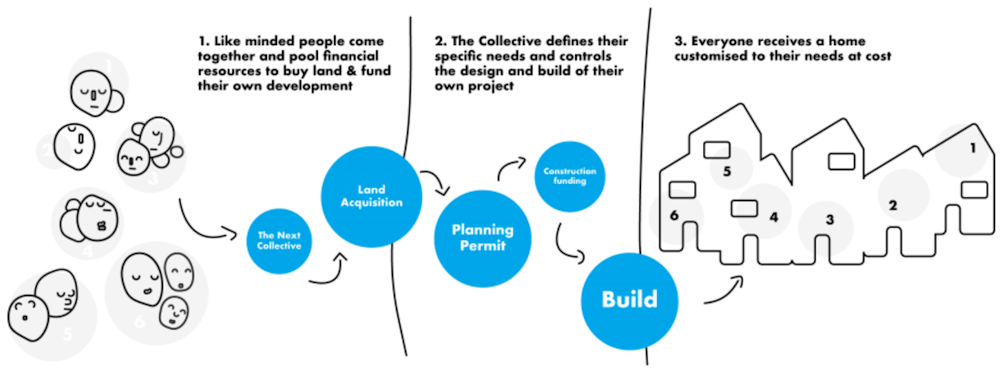
With such a large collecting area, FAST can pick up incredibly faint signals. It is about 20 times more sensitive than Australia’s Murriyang telescope at the Parkes Radio Observatory. FAST could easily detect a transmitter on a nearby exoplanet with a similar output power to radar systems we have here on Earth.

The trouble with sensitivity

The trouble with being so sensitive is that you can uncover radio interference that would otherwise be too faint to detect. We SETI researchers have had this problem before.

Last year, using Murriyang, we detected an extremely interesting signal we called BLC1.

However, it turned out to be very strange interference (not aliens). To uncover its true nature, we had to develop a new verification framework.

Technosignature verification flowchart
A flowchart for verifying candidate technosignatures, developed for BLC1.
Sofia Sheikh (SETI Institute)

With BLC1, it took about a year from when it was initially reported to when peer-reviewed analysis was published. Similarly, we may need to wait a while for the FAST signal to be analysed in depth.

Professor Zhang Tongjie, chief scientist for the China Extraterrestrial Civilization Research Group, acknowledged this in the Science & Technology Daily report:

The possibility that the suspicious signal is some kind of radio interference is also very high, and it needs to be further confirmed and ruled out. This may be a long process.

And we may need to get used to a gap between finding candidate signals and verifying them. FAST and other telescopes are likely to find many more signals of interest.

Most of these will turn out to be interference, but some may be new astrophysical phenomena, and some may be bona fide technosignatures.


Read more:
A mysterious signal looked like a sign of alien technology — but it turned out to be radio interference


Stay intrigued

Will FAST’s extraordinary signals meet the burden of extraordinary evidence? Until their work is reviewed and published, it’s still too early to say, but it’s encouraging that their SETI search algorithms are finding curious signals.

Between FAST, the Breakthrough Listen initiative, and the SETI Institute’s COSMIC program, the SETI field is seeing a lot of interest and activity. And it’s not just radio waves: searches are also underway using optical and infrared light.

As for right now: stay intrigued, but don’t get too excited.

The Conversation

Danny C Price is Australian Project Scientist for the Breakthrough Listen initiative.

ref. Did a giant radio telescope in China just discover aliens? Not so FAST… – https://theconversation.com/did-a-giant-radio-telescope-in-china-just-discover-aliens-not-so-fast-185165

Who really gets fired over social media posts? We studied hundreds of cases to find out

Source: The Conversation (Au and NZ) – By Brady Robards, Senior Lecturer in Sociology, Monash University

Shutterstock

What you say and do on social media can affect your employment; it can prevent you from getting hired, stall career progression and may even get you fired. Is this fair – or an invasion of privacy?

Our recent research involved a study of 312 news articles about people who had been fired because of a social media post.

These included stories about posts people had made themselves, such as a teacher who was fired after they came out as bisexual on Instagram, or a retail employee let go over a racist post on Facebook.

It also included stories about posts made by others, such as videos of police engaging in racial profiling (which led to their dismissal).

Racism was the most common reason people were fired in these news stories, with 28% of stories related specifically to racism. Other forms of discriminatory behaviour were sometimes involved, such as queerphobia and misogyny (7%); workplace conflict (17%); offensive content such as “bad jokes” and insensitive posts (16%); acts of violence and abuse (8%); and “political content” (5%).

We also found these news stories focused on cases of people being fired from public-facing jobs with high levels of responsibility and scrutiny. These included police/law enforcement (20%), teachers (8%), media workers (8%), medical professionals (7%), and government workers (3%), as well as workers in service roles such as hospitality and retail (13%).

Social media is a double-edged sword. It be used to hold people to account for discriminatory views, comments or actions. But our study also raised important questions about privacy, common HR practices and how employers use social media to make decisions about their staff.

Young people in particular are expected to navigate social media use (documenting their lives, hanging out with friends, and engaging in self-expression) with the threat of future reputational harm looming.


Read more:
Doxxing, swatting and the new trends in online harassment


Are all online posts fair game?

Many believe people just need to accept the reality that what you say and do on social media can be used against you.

And that one should only post content they wouldn’t mind their boss (or potential boss) seeing.

But to what extent should employers and recruiting managers respect the privacy of employees, and not use personal social media to make employment decisions?

Or is everything “fair game” in making hiring and firing decisions?

On the one hand, the capacity for using social media to hold certain people (like police and politicians) to account for what they say and do can be immensely valuable to democracy and society.

Powerful social movements such as #MeToo and #BlackLivesMatter used social media to call out structural social problems and individual bad actors.

On the other hand, when everyday people lose their jobs (or don’t get hired in the first place) because they’re LGBTQ+, post a photo of themselves in a bikini, or because they complain about customers in private spaces (all stories from our study), the boundary between professional and private lives is blurred.

Mobile phones, emails, working from home, highly competitive employment markets, and the intertwining of “work” with “identity” all serve to blur this line.

Some workers must develop their own strategies and tactics, such as not friending or following workmates on some social media (which itself can lead to tensions).

And even when one does derive joy and fulfilment from work, we should expect to have some boundaries respected.

Employers, HR workers, and managers should think carefully about the boundaries between professional and personal lives; using social media in employment decisions can be more complicated than it seems.

Many believe people just need to accept the reality that what you say and do on social media can be used against you.
Shutterstock

A ‘hidden curriculum of surveillance’

When people feel monitored by employers (current, or imagined future ones) when they use social media, this creates a “hidden curriculum of surveillance”. For young people especially, this can be damaging and inhibiting.

This hidden curriculum of surveillance works to produce compliant, self-governing citizen-employees. They are pushed to curate often highly sterile representations of their lives on social media, always under threat of employment doom.

At the same time, these very same social media have a clear and productive role in revealing violations of power. Bad behaviour, misconduct, racism, misogyny, homophobia, transphobia, and other forms of bigotry, harassment, and violence have all been exposed by social media.

So, then, this surveillance can be both bad and good – invasive in some cases and for some people (especially young people whose digitally-mediated lives are managed through this prism of future impact) but also liberating and enabling justice, accountability, and transparency in other scenarios and for other actors.

Social media can be an effective way for people to find work, for employers to find employees, to present professional profiles on sites like LinkedIn or portfolios of work on platforms like Instagram, but these can also be personal spaces even when they’re not set to private.

How we get the balance right between using social media to hold people to account versus the risk of invading people’s privacy depends on the context, of course, and is ultimately about power.


Read more:
As use of digital platforms surges, we’ll need stronger global efforts to protect human rights online


The Conversation

Brady Robards receives funding from the Australian Research Council.

Darren Graf does not work for, consult, own shares in or receive funding from any company or organisation that would benefit from this article, and has disclosed no relevant affiliations beyond their academic appointment.

ref. Who really gets fired over social media posts? We studied hundreds of cases to find out – https://theconversation.com/who-really-gets-fired-over-social-media-posts-we-studied-hundreds-of-cases-to-find-out-182424

A new Treaty Authority between First Peoples and the Victorian government is a vital step towards a treaty

Source: The Conversation (Au and NZ) – By Melissa Castan, Associate Professor, Law Faculty, Monash University

Last week the Victorian government demonstrated its commitment to build an equal relationship with First Peoples. A new bill has been tabled in the Victorian parliament to advance the Victorian treaty processes.

In 2018, legislation was enacted that required the First Peoples’ Assembly of Victoria and the Victorian government to work together to establish a Treaty Authority.

The new bill further affirms the Assembly and the Victorian government’s agreement and commitment to establish a Treaty Authority and support its operations.

The new Treaty Authority will be the first of its kind in Australia, placing First Peoples’ culture at the heart of its practices.


Read more:
Queensland’s ‘Path to Treaty’ has some lessons for the rest of Australia


What is the Treaty Authority and how will it work?

The significant power difference between the government and First Nations people means there needs to be a way to establish equal footing for treaty negotiations.

The Treaty Authority serves that role as an institution independent of parliament and government.

Negotiations may well be long and complex. The authority will oversee treaty negotiations and if the parties cannot agree on particular matters or the appropriate process, it will act as an independent umpire to help resolve the issue.

The new authority will respect First Peoples’ culture with a focus on dialogue. Talking through problems to achieve agreement, rather using than a combative approach, is at the core of the treaty process.

Assembly co-chair and Nira illim bulluk man Marcus Stewart said the Treaty Authority

will be guided by Aboriginal lore, law and cultural authority that has been practised on these lands for countless generations.

This is a significant development in Australian legal institutions and processes. It addresses well known problems with the adversarial nature of native title determinations, where traditional owners must sue the government to prove their title.

This new public law process appropriately recognises the standing of Indigenous cultural approaches.

In another important development, the Treaty Authority will have guaranteed government funding, which it controls and manages. This will ensure the authority can perform its functions long-term.

In the past when governments set up bodies to assist First Nations, there were problems with sustainability, because the body did not have the resources to function. It is encouraging to see the commitment at this early stage, to continuous funding and First Nations’ control.

The Treaty Authority will be comprised of independent members who are all First Peoples, who will be selected after a public call for nominations.


Read more:
Voice to Parliament design report still doesn’t meet international human rights standards


The Treaty Authority recognises the right to self-determination

Indigenous rights expert Professor Megan Davis explained

before Indigenous Australia can participate in the Australian democratic project on just and equal terms, the unresolved issues of the colonial project and the psychological terra nullius of Australia’s public institutions must be finally dealt with.

The Treaty Authority will be a public institution that grapples with this problem of “psychological terra nullius” – the exclusion of First Nations peoples in politics and law.

It forms part of the broader work to provide just and equal participation by First Peoples in our democratic institutions. It complements the First Peoples’ Assembly of Victoria, and the Yoorrook Justice Commission, which address voice and truth respectively.

All of these institutions are part of the overarching treaty process in Victoria.

Treaty is one important way of realising Indigenous peoples’ right to self-determination.

Self-determination means the right of a people to make decisions about their own governance and way of life.

Self-determination for Indigenous peoples is also a requirement of the United Nations Declaration on the Rights of Indigenous Peoples, and other international human rights law.

By drawing on First Nations’ “law, lore, and cultural authority” in order to support the treaty process, the Victorian Treaty Authority is demonstrating an innovative approach to realising First Peoples’ right to self-determination.

Navigating a way to treaty

Victoria is only one Australian jurisdiction currently navigating treaty processes. Queensland, the Northern Territory, South Australia, and Tasmania are all embarking on pathways to treaty.

And the new Albanese government is working to deliver on its commitment to the Uluru Statement from the Heart’s call for Voice, Treaty, and Truth at the federal level.

Each of these processes should properly be informed by respective First Peoples in each area.

For all jurisdictions, the Victorian approach demonstrates the potential for transformative institutional reform, in and beyond government.

Self-determination must be led by sovereign First Nations people and grounded in Indigenous culture and law. International human rights law requires it. And justice alone demands the state, in all its guises, enters into proper relations with the First Nations of this land.

The Conversation

Melissa Castan receives funding from the Australian Research Council

Kate Galloway and Scott Walker do not work for, consult, own shares in or receive funding from any company or organisation that would benefit from this article, and have disclosed no relevant affiliations beyond their academic appointment.

ref. A new Treaty Authority between First Peoples and the Victorian government is a vital step towards a treaty – https://theconversation.com/a-new-treaty-authority-between-first-peoples-and-the-victorian-government-is-a-vital-step-towards-a-treaty-184739

The teal independents want to hold government to account. That starts with high-quality information

Source: The Conversation (Au and NZ) – By Stephen Bartos, Professor of Economics, University of Canberra

The election of a record number of independents to the House of Representatives will undoubtedly increase pressure on parliament to change how it operates. Already the newly elected independent member for Goldstein, Zoe Daniel, has called for more resources for two key institutions, the Parliamentary Budget Office (PBO) and the Parliamentary Library.

The younger of the two, the PBO, was created in 2012 to provide “independent and non-partisan analysis of the budget cycle, fiscal policy and the financial implications of proposals”. In practice, it focuses heavily on the last of those tasks – assessing the financial implications of new plans. And it won’t have escaped the independents’ attention that its findings are rarely out of step with the views of Treasury.

What this means, says Daniel, is that “backbenchers of all shades struggle to get the quality of information and objective advice they need to make decisions based on their merits and on the evidence”. She wants to see a broader, US-style body producing forecasts and other economic research independent of Treasury and the government.

This isn’t just a federal problem. Australia’s two other PBOs – in Victoria and New South Wales – also have a much narrower focus than their overseas counterparts.

Federally, two of three items on the PBO’s “about” page concern costings (the first explicitly; the second via a post-election compilation of election commitments) and the third relates to public education. In Victoria, according to a parliamentary committee, “policy costings are a key legislative function of the office” despite being “not widespread” in other OECD countries.


Read more:
We’re about to have Australia’s most diverse parliament yet – but there’s still a long way to go


The NSW PBO is even more tightly focused: parliament’s website describes its work as providing “costings of election policies in the lead-up to NSW general elections”. Reflecting successive NSW governments’ belief that costings only matter before elections, it operates only one year in four. (The NSW system’s pluses and minuses are discussed in the PBO’s 2015 post-election report.)

Best practice?

Many of the PBOs’ counterparts overseas have much broader mandates and more influence on public policy. The most important by far, as Daniel implies, is the US Congressional Budget Office, whose reports and advice to Congress have had a major impact on budgetary policy in the United States. The CBO produces economic forecasts, research papers and fiscal analysis across all areas of government.

The Netherlands has an even older institution, the Bureau for Economic Policy Analysis. Dating back to 1945, its role takes in budget projections and forecasting. Across the North Sea in Britain, the independent Office for Budget Responsibility prepares the economic forecasts that accompany the government’s budget, evaluates the government’s performance against fiscal targets, analyses fiscal sustainability and risks, and – yes – provides costings of tax and welfare measures.

The most striking contrast is with the Canadian PBO, which had a habit of criticising government, especially when led by the independently minded economist Kevin Page. That came at some peril – the government slashed its budget and changed its reporting lines – but the body was always supported by parliament.

Australia’s federal PBO has a narrow focus primarily because the public service convinced parliament to keep it that way. Treasury resisted any notion that another body should have a role in economic forecasting, and so the legislation expressly prohibits the PBO from preparing economic projections or budget estimates.

The Business Council of Australia was an early advocate for a more powerful PBO. In its 2011–12 budget submission, based on a research report I wrote that included a survey of international practice, it argued unsuccessfully for a broader remit.

Since then, the PBO has largely been captured by the bureaucracy. Headed by a career public servant, it is part of the “official family”. Its research and statements don’t come even close to challenging official orthodoxies.

If parliament wants a more independent federal PBO it has power to act. The PBO reports to the Joint Committee of Public Accounts and Audit, which also approves its work plan. The JCPAA has traditionally been a staunch defender of the legislature’s right to question ministers and public servants. But it has retreated from that position as parliament has become more polarised. The arrival of a record number of independents could reverse the trend and strengthen parliament’s role.

And the Parliamentary Library?

Judged by its independence from government, the Parliamentary Library is a much better performer. Established in 1901, it has been part of the Commonwealth’s institutional furniture from the first parliament. Its long history of rigour and independence gives it a solid basis on which to keep offering MPs information that doesn’t necessarily follow the government line.

The library’s record is a good illustration of what is known as path dependence: the way an institution is established and works in its early days has a huge influence on how it continues to operate. Having set out on a path of impartiality and rigour, the library has maintained it. But that doesn’t mean it would knock back that extra funding Daniel has called for.

The Conversation

Stephen Bartos does not work for, consult, own shares in or receive funding from any company or organization that would benefit from this article, and has disclosed no relevant affiliations beyond their academic appointment.

ref. The teal independents want to hold government to account. That starts with high-quality information – https://theconversation.com/the-teal-independents-want-to-hold-government-to-account-that-starts-with-high-quality-information-184559

‘Make history’ and vote in a woman instead of ‘failed’ men, says PNG’s Siwinu

By Kolopu Waima in Mendi, Papua New Guinea

She is brave — no other word can describe this Papua New Guinean woman.

Ruth Undi Siwinu isn’t only challenging the norms and a huge field of male candidates in Southern Highlands, but knows the task ahead and she is prepared to take them head on.

In a province where leadership is regarded as “men’s business”, Siwinu takes on everyone –– including the sitting MP and Pangu strongman William Powi.

“Let’s make history and vote a woman candidate into Parliament,” Siwini told hundreds of supporters at her rally in Mendi, Southern Highlands Province.

An independent candidate, Siwinu told the huge group that poverty was real in this province  and a country that were blessed with vast resources that were bringing in billions of kina every year.

“I have travelled to the length and breadth of this province. I have been to all the five districts in the province and I saw that my people are still struggling to live,” she said.

“Why are my people struggling when Southern Highlands is blessed with all resources and the country is sitting on the resources Southern Highlands produce.

‘A mistake somewhere’
“There is a mistake somewhere and we have to find out. We want a women leader to lead the province, we have given enough time to the men to lead the province but they have failed us big time,” she said.

Siwinu said male leaders in the province were not providing services that the people deserved.

“They are playing too much politics and did not serve the people for many years. We have to stop this,” she added.

She said that the national election has provided the opportunity for the people to change the leadership and vote in a women leader to drive Southern Highlands forward into the future.

She urged all mothers, girls, aunties and youths to vote in a women candidate in this election to effect change in the province. She called on all women to rally behind her for a better Southern Highlands.

‘Representing the marginalised’
“I am standing here representing you women, the marginalised. Women are the people who suffer most in this province and I want you all women to make a strong stand and make your vote count in Ruth Undi,” she said.

She said she had spent K1 million (NZ$446,000) investing in Southern Highlands, helping women through her Mama Helpim Mama Charity organisation.

“I have Mama Helpim Mama charity organisation, though this organisation I spent K1 million helping Southern Highlands mothers.

“I have seen the real struggle in the villages, I serve the people already, I am only need the political power to continue what I am doing,” she said.

Eighty six of the 2351 candidates registered for next month’s general election are women.

Kolopu Waima is a PNG Post-Courier reporter. Republished with permission.

Print Friendly, PDF & Email

Article by AsiaPacificReport.nz

Switzerland bans most Vanuatu visa free entry over ‘golden threat’

RNZ Pacific

Switzerland will not allow visa-free entry for Vanuatu citizens whose passports were issued on or after May 25, 2015.

The ban will stay in place until February 3, 2023.

This follows a decision in March by the European Union’s Council to partially call off the visa waiver agreement with Vanuatu.

The EU had concerns that Vanuatu’s investor citizenship programmes, known as “Golden passports”, is a threat to the EU countries.

Switzerland’s Federal Department of Justice and Police, which works alongside the Swiss State Secretariat for Migration, stated that those with passports issued before May 25, 2015, are not affected by the decision.

Both the EU and Swiss authorities said Vanuatu has been granting passports to foreigners without proper security clearance, and this may represent a risk to public order and internal security.

In March, when the EU Council published its decision to suspend the visa-free travel agreement with Vanuatu, it highlighted that in many cases, authorities in Vanuatu had granted citizenship to applicants who were listed in Interpol databases.

The council also claimed applications were quickly processed without security checks, and those who obtained Vanuatu golden passports were not obliged to be physically present in Vanuatu.

The EU has also urged its member states operating golden passports to stop the practice, calling the schemes “objectionable ethically, legally and economically”.

This article is republished under a community partnership agreement with RNZ.

Print Friendly, PDF & Email

Article by AsiaPacificReport.nz

Samoa and China have no plans for military ties, says Fiamē

RNZ Pacific

Samoa and China do not have any plans for military ties, Samoa Prime Minister Fiamē Naomi Mataʻafa says.

Fiamē — who is on a three-day trip to Aotearoa — is making her first official bilateral trip abroad since becoming leader last year.

Her visit marks 60 years of diplomatic relations between New Zealand and Samoa and the 60th anniversary of Samoa’s independence.

At a media briefing after talks with New Zealand Prime Minister Jacinda Ardern yesterday, Fiamē said: “There are no discussions between Samoa and China on militarisation at all.”

She said the Pacific nations would discuss China’s security proposals at the Pacific Islands Forum due to take place from July 12.

“The issue needs to be considered in the broader context,” she said.

Ardern said there was capability in the region to deal with security issues and they could be addressed together, while stressing that Pacific nations still had the sovereign right to decide their own future.

“We have convergence on our regional priorities,” Fiamē said, adding that Samoa believed in the region taking a collective approach to issues.

She said the anniversary of the Treaty of Friendship signed by the two countries would coincide with Samoa opening its borders fully on August 1.

Watch the media briefing

Ardern and Fiamē hold a joint media briefing. Video: RNZ News

The talks with Ardern had covered a lot of ground, she said, and the two countries would work together on tourism, education and in other economic areas.

“Targeted assistance from New Zealand has enabled us to open our borders.”

From August 1 flights to Samoa would increase from the current weekly flight for passengers to daily flights by the end of the year.

Her message to Samoans living in New Zealand was that the anniversary celebrations will take place over 12 months so they had plenty of time to come home.

Asked what Samoa required of New Zealand, Fiamē said “she was not in a rush to come up with a shopping list”.

Instead it might be time just to reflect on reprioritising issues while saying climate change and education remained important as well as “building back stronger” after covid-19.

Time for a rethink on RSE scheme
On the subject of seasonal workers, which Samoa has “slowed down”, she said the New Zealand scheme was well run. But there were some concerns and Samoa was noticing the impact of the loss of workers in its own development sectors.

Originally it was intended to send unemployed workers to Australia and Aotearoa for the RSE programme, but now the civil service and the manufacturing sector in Samoa were being hit by experienced employees leaving.

“We need to have a bit more balance,” Fiamē said, adding that the new government wanted to hold new talks with both the Australia and New Zealand governments on the issue.

Referring to the Dawn Raids, Fiamē welcomed Ardern’s formal ceremonial apology last year.

“When we all live together it’s important to settle grievances and differences,” she said.

Ardern said the visit has come at a special time for the two countries, referring to the Treaty of Friendship and Samoa’s 60th anniversary.

She announced the launch of a special fellowship in Fiamē’s name and the New Zealand prime minister’s award plus the start of new sports leaders’ awards with an emphasis on women and girls.

Discussions had covered their shared experiences on Covid-19 with Ardern praising the high vaccination rates among young Samoans.

Climate change had also been discussed and New Zealand will increase funding for Samoa’s plans to tackle it.

Invitation to Ardern
On her arrival at Parliament yesterday morning, Fiamē invited Ardern to Samoa to take part in the independence celebrations next month and she repeated the invitation at the media briefing.

Fiamē’s visit comes ahead of the Pacific Island Forum meeting.

After welcoming Fiamē, Ardern acknowledged the importance of that meeting which will discuss issues like climate change and the current “strategic” situation across the Pacific.

China’s growing presence in the Pacific is among topics sure to be covered by the two leaders during their talks.

This article is republished under a community partnership agreement with RNZ.

Print Friendly, PDF & Email

Article by AsiaPacificReport.nz

Fijians ‘no longer want FijiFirst in power’, says former party MP

By Arieta Vakasukawaqa in Suva

Former FijiFirst party member and parliamentarian Alifereti Nabulivou claims many Fijians across the country have only one thing in mind: “They no longer want the FijiFirst party in power.”

A staunch supporter of the Unity Fiji party since 2018, Nabulivou highlighted this during a recent campaign meeting in Mokani, Bau, Tailevu.

He said the people expressed their views about the current administration and “they are tired”.

“Even those that voted for the FijiFirst party in the last elections don’t want them in government anymore,” Nabulivou claimed.

“In Naitasiri, the majority of villages want a change in government and this is the feedback we get from people during our visits.

“People base their views on what they are experiencing every day and the changes brought about by this government.”

He told people that any change in government would depend on how they would vote in the 2022 General Election.

He said he was part of the government and knew how they did things in Parliament, including the changes made to the Parliamentary Standing Orders.

“We were even dictated as to what to say in Parliament.”

Fiji is due to hold a general election by November.

Arieta Vakasukawaqa is a Fiji Times reporter. Republished with permission.

Print Friendly, PDF & Email

Article by AsiaPacificReport.nz

First Nations mothers are more likely to die during childbirth. More First Nations midwives could close this gap

Source: The Conversation (Au and NZ) – By Pamela McCalman, PhD Candidate and Midwife, La Trobe University

shutterstock

While Australia is one of the safest places in the world to give birth, First Nations women are three times more likely to die in childbirth than other Australian women (17.5 vs 5.5 per 100,000 women from 2012-2019).

And First Nations infants are almost twice as likely to die in the first month of life (16% vs 9% per 1,000), with preterm birth the biggest cause of mortality.

The causes of these gaps in life expectancy are complex and stem from colonisation, including:

  • racism and lack of cultural safety in hospitals and from healthcare providers

  • pregnant First Nations women avoiding antenatal care for fear of child protection services taking their children. This is a legacy of the “stolen generations” with continuing high rates of child removals

  • closures of regional and remote birthing services requiring more First Nations women to leave home and travel long distances to give birth, often alone. Some women opt to give birth without a midwife, which can have significant issues for mother and baby.

Ensuring First Nations children are born healthy and strong is the second Closing the Gap target – a critical foundation for “everyone enjoying long and healthy lives”. A much needed step to guarantee this is to increase First Nations health workers, particularly midwives and nurses.


Read more:
Does the pre-election budget address ways to realistically ‘close the gap’ for Indigenous people?


Addressing the health impacts of colonisation

Before colonisation, in some First Nations, new parents were supported using principles of “Grandmothers” law. This is traditional childbearing knowledge held by senior community women. Children’s development was nurtured through extended kinship and community care.

These holistic care systems have been disrupted and western maternity services are informed by research conducted “on” First Nations people instead of in collaboration with or by First Nations people. This has led to a focus in the medical literature on the “five Ds” – disparity, deprivation, disadvantage, dysfunction and difference, rather than evidence reflecting the strengths of First Nations people and culture.

This is reflected in Australia’s policies, health and education systems which reinforce the legitimacy of “western” knowledge over First Nations knowledges. This leads to ongoing failures to improve First Nations people’s health and maternity services.

Western maternity services are often too busy and task-orientated with rigid structures not suited to providing holistic women-centred maternity care that enables flexibility for cultural birthing practices.

The “Birthing in Our Community” study showed culturally-safe models which enable care from a known midwife throughout pregnancy, birth and up until six weeks after birth, can significantly improve health outcomes for First Nations women and babies.

This research found women were approximately 50% more likely to attend the recommended number of antenatal visits, 38% less likely to give birth prematurely, and 34% more likely to be “exclusively” breastfeeding when they leave hospital.

The key to this success was leadership and care provision that included First Nations midwives. Similar improvements in access for women have been reported from similar models including the Baggarrook Yurrongi program, Waminda South Coast Birthing on Country program, and Waijungbah Jarjums program.


Read more:
The Uluru Statement must be core to promises made by all parties in the lead-up to the federal election


The vital role of First Nations nurses and midwives

First Nations midwives and nurses foster a sense of cultural safety and trust in maternity services for First Nations women. In addition to western midwifery training, First Nations midwives draw on cultural and community knowledge systems, including understanding the importance of including key family members and cultural practices specific to that community.

First Nations nurses and midwives currently represent 1.1% of the workforce. If we want to close the gap in outcomes and ensure a culturally safe birthing experience for First Nations women, we need a much bigger proportion of First Nations midwives.


Read more:
First Nations children are still being removed at disproportionate rates. Cultural assumptions about parenting need to change


How can we increase the number of First Nations midwives and nurses?

Universities need to increase their proportion of First Nations students by:

  • providing better support for First Nations students from application through to graduation

  • implementing all 32 recommendations from the Gettin em and keepin em report into First Nations nursing education, which includes integration of First Nations health issues into core midwifery curricula and having streamlined application and enrolment
    procedures

  • promoting scholarships to attract students.

Maternity services need to increase the number of First Nations midwives employed, through:

  • implementing the government’s woman-centred care strategy to ensure Australian maternity services are equitable, safe, woman-centred, informed and evidence-based; that women are the decision-makers in their care; and maternity care reflects women’s individual needs

  • directing cadetship and graduate midwife programs at First Nations nurses

  • supporting midwifery career development, leadership roles, and representation at all levels of governance.

Both universities and maternity services need to:

  • improve cultural safety, as per the National Aboriginal and Torres Strait Islander health workforce strategic plan

  • ensure midwifery academics undertake cultural safety training as part of professional development

  • regularly assess health providers’ behaviours and parent experiences to ensure cultural safety training results in a culturally safe workplace.

Now is a great time for First Nations people to think about a midwifery career. Let’s work towards a future where every pregnant First Nations woman has access to a First Nations midwife, so they and their baby can have the best possible start in life.

The Conversation

Pamela McCalman receives funding from the Lowitja Institute.

Catherine Chamberlain receives funding from the National Health and Medical Research Council (Fellowship and project funds), the Ian Potter Foundation and the Medical Research Future Fund. She is a member of the Nursing and Midwifery Board of Australia.

Machellee Kosiak is affiliated with Rhodanthe Lipsett Indigenous Midwifery Charitable Fund
http://indigenousmidwives.org.au
First Nations woman, Wiradjuri and Ngunnawal
Midwifery lecturer -The Away from Base Bachelor of Midwifery Programme Australian Catholic University.

Member of Research Project -Birthing in our Community

ref. First Nations mothers are more likely to die during childbirth. More First Nations midwives could close this gap – https://theconversation.com/first-nations-mothers-are-more-likely-to-die-during-childbirth-more-first-nations-midwives-could-close-this-gap-182935

Governments usually win a second term. But could the new Labor government be an exception?

Source: The Conversation (Au and NZ) – By Murray Goot, Emeritus Professor of Politics and International Relations, Macquarie University

Addressing the first meeting of Labor’s new caucus, Anthony Albanese held out the prospect of “back-to-back premierships”. But a second-term in government isn’t a given, he implied – it is something Labor will have to earn. Does he really believe Labor might not be re-elected?

Not since 1931 has any government failed to win a second term. So predictable has the victory become that political commentators routinely refer to the “reluctance” of voters to despatch a government after just one term. Given the historical record, one journalist has even argued Albanese’s focus should be on a third term.

Predictably, Peter Dutton was having none of it. His plan, he told his troops, was to limit Labor to just one term. To anyone looking at the Coalition’s numbers, this may have sounded fanciful. Yet, some observed, this may not have been a bad election for the Coalition to lose. Labor has often won office only to be buffeted by economic forces beyond its control – after 1929, obviously; but also after its 1972 and 2007 wins. With declining economic growth in the United States and China, perhaps 2022 will prove to be no different.

Governments seeking a second term lose votes

What happens to electoral support for governments seeking a second term is rather different from what we might imagine if all we knew was that they almost always win.

Since the war, seven governments have sought a second term. Three were led by Labor prime ministers (Gough Whitlam, 1974; Bob Hawke, 1984; Julia Gillard, 2010), and four by Liberal prime ministers (Robert Menzies, 1951; Malcolm Fraser, 1977; John Howard, 1998; Malcolm Turnbull, 2016).

On every occasion, the government’s two-party vote went backwards. In the 1950s and in the 1970s and 1980s this loss of votes wasn’t particularly large: 0.3 percentage points (1951), 1.0 (1974), 0.9 (1977) and 1.4 (1984) – an average of 0.9. But since the late 1990s, the loss of votes has been greater: 4.6 percentage points (1998), 2.6 (2010) and 3.1 (2016) – an average of 3.4.

The contrast between the two periods is even sharper if we think of prime ministers rather than parties seeking second terms. In 2013, when Gillard sought a second term, Labor’s two-party vote declined by 3.6 points. In 2022, when Morrison sought a second term, the Coalition’s two-party vote declined by 3.3 points. In all the other elections, the prime minister seeking a second term was the same prime minister who had secured a first term.

It’s governments seeking third or fourth terms that have sometimes gained votes

Why might postwar governments have always been returned on their first attempt? Is it because the swings against them have been more muted at the end of their first term than at the end of their second or third terms?

For Labor, yes. Labor governments have shed 1.7 percentage points, on average, after their first term; after their second, the average figure is 4.0 points.


Read more:
Confused polling distorts the debate on an Indigenous Voice to Parliament


However, for the Coalition, the contrary is true. At the end of their first terms, Coalition governments have shed an average of 2.2 percentage points. But at the end of their second terms, having increased their vote on two occasions, their average loss has been just 0.7 points. And at the end of their third terms – again, having twice increased their vote – they have actually gained a point.

On this evidence, the idea that voters are reluctant to throw out first term governments is mistaken.

So why do governments win second terms?

Governments fail to fall at the end of their first term because of the margins by which they are elected in the first place.

Elected in 1996 with a 40-seat majority, the Howard government hung on in 1998 despite a swing of 4.6 points that should have seen it lose. In 2010, Gillard survived because of the size of Rudd’s 2007 win, though she now headed a minority government. In 2016, Turnbull survived by the narrowest of majorities, saved by the size of Abbott’s win.

The idea that close results reflect voters’ “ambivalence” is a category mistake: electorates aren’t “ambivalent” even if some voters are. The view that close elections show that voters think neither side “deserves” to govern is another category mistake. Very likely, most voters think one side or the other deserves to govern. It’s just that those who think the Coalition deserves to govern are matched, more or less, by those who think Labor deserves to do so.

Labor get a second term?

If the swings endured by first term governments in 2010 or 2016 – or the swing endured by a first term Morrison government – are any guide, the chances of an Albanese government being returned as a majority government are low.

Although Labor won 51.9% of the two-party vote, it would take only small swings – 0.2 percentage points in Gilmore (New South Wales) and 0.8 in Lyons (Tasmania) – for it to lose its majority.

How many other seats could it afford to lose and still govern in minority? A two-party swing of 3.1 percentage points – the smallest swing suffered by any of the last three first-term governments – could see the government lose eight seats to the Coalition, leaving Labor with 69 seats and the Coalition with 66. A swing of 4.6 points – the biggest swing suffered by any of these three governments – could see it lose another four: Labor 65, the Coalition 70. Because the electoral pendulum is not a perfect predictor, these are estimates.


Read more:
It’s been called the worst job in politics. Can Peter Dutton buck the trend?


Were the Coalition to win back a few of the seats won narrowly by the “teal” independents, then Labor’s position would become even more precarious. It might be able to count on the four Greens plus Andrew Wilkie to claim the support of 70 MPs. But if the Coalition won 72 or 73 seats and a bigger vote share (primary and two-party) than Labor, it might be better placed than Labor to strike an agreement with the remaining independents. Where Labor would need almost all eight or nine independents to form a minority government, the Coalition might need only three or four.

Other possibilities could weaken Labor’s position even further: a loss of a seat or two to the teals or to the Greens; or the Coalition’s winning back a seat or two from the Greens. If either of these things happened, Labor’s hold on government might be beyond saving.

The last one-term Labor government was a casualty of the Great Depression. Having secured 48.8% of the first preference vote and 46 of the 75 seats in the House in 1929, Labor managed only 37.7% of the vote and 18 seats in 1931 – even if we include the breakaway party, Lang Labor.

Will economic circumstances come to the aid of the non-Labor parties again?

The Conversation

Murray Goot does not work for, consult, own shares in or receive funding from any company or organisation that would benefit from this article, and has disclosed no relevant affiliations beyond their academic appointment.

ref. Governments usually win a second term. But could the new Labor government be an exception? – https://theconversation.com/governments-usually-win-a-second-term-but-could-the-new-labor-government-be-an-exception-184845

Which flu shot should I choose? And what are cell-based and ‘adjuvanted’ vaccines?

Source: The Conversation (Au and NZ) – By Tin Fei Sim, Senior Lecturer, Curtin Medical School, Curtin University

CDC/Unsplash

With Australians learning to live with COVID and resuming international travel, cases of influenza are steadily rising.

Getting a flu shot reduces your chance of catching the flu caused by four flu virus strains covered by the vaccine, and reduces the risk of severe complications and hospitalisations.

An annual flu vaccine is recommended for adults and children six months and older – unless you have a history of anaphylactic reactions to the vaccine or your doctor advises against it.

There are different brands and types of flu vaccines. So when booking in for your shot, your health provider will discuss the best option for you.

What are the options?

If you’re over 65, you’re likely to be offered an “adjuvanted” (Fluad Quad) vaccine. Those aged over 60 can also access the high-dose vaccine (Fluzone High-Dose Quad).

If you want to avoid vaccines made with eggs, you can ask for a cell-based vaccine (Flucelvax Quad).

But for most other Australians, there isn’t much of a difference between brands – Vaxigrip Tetra, Fluarix Tetra, Afluria Quad, FluQuadri, Influvac Tetra – aside from their suitability for different age groups.

GPs and pharmacists will generally stock one or two of these brands or whichever their state or territory governments supplies.


Read more:
Should I get the 2022 flu vaccine? And how effective is it?


Unlike in previous years, all eight flu vaccines available this year are “quadrivalent”, meaning each vaccine protects against four strains of flu viruses.

The strains are predicted to be the most commonly circulating strains, based on trends observed in the Northern Hemisphere winter.

Flu vaccines are “inactivated”, which means they don’t contain live viruses and can never give anyone the flu.

Over 65s

For people 65 years and older, “adjuvanted” or immune-boosting (Fluad Quad®) or high-dose vaccines (Fluzone High-Dose Quad®) are recommended, as older people tend to have weaker immune systems.

Vaccines work by activating a person’s own immune system. The “adjuvanted” vaccine activates a stronger immune response and is therefore more effective at preventing the flu in older age groups than the standard vaccines.

High-dose vaccines deliver a higher dose than standard flu vaccines and are also more effective than the standard vaccines at reducing transmission and preventing severe disease in older age groups.

Adjuvanted vaccines are free for over-65s under the National Immunisation Program.

If you’re 60 or over, you can choose a high-dose vaccine, although you may have to pay for it, depending on local government programs.

Nurse vaccinated older man in a facemask
Adjuvanted vaccines boost older people’s immune systems to better protect against the flu.
Shutterstock

Cell-based vaccines don’t use eggs

The flu vaccines are either egg-based or cell-based. Traditionally, flu vaccines were egg-based, meaning the flu viruses were grown in fertilised hens’ eggs.

But people with egg allergies can safely get the egg-based flu vaccine. The amount of egg protein left in each vaccine at the end of the production process is less than 1 microgram, much less than the estimated amount of 130 micrograms required to cause an allergic reaction.

In recent years, newer medical technology has led to the production of cell-based flu vaccines. Here, the virus is grown in host cells. So people who wish to avoid egg products may choose a cell-based vaccine instead.

Currently, Flucelvax Quad is the only cell-based flu vaccine approved for use in Australia and is also suitable for children from two years of age.


Read more:
Flu vaccine won’t definitely stop you from getting the flu, but it’s more important than you think


Some studies have shown cell-based vaccines are better at triggering the body’s immune response.

This is because the viruses used to make cell-based vaccines are more similar to circulating wild flu viruses – and the closer it resembles the real thing, the more effective it is.

However, Flucelvax Quad isn’t currently funded under the National Immunisation Program, so you’ll need to pay yourself, even if you’re eligible for a free vaccine under the national program.

When is the best time to get vaccinated?

It takes seven to 14 days for our body to respond to a vaccine. Once you receive the vaccine, your body starts to recognise the four strains of flu viruses and starts to develop an immune response over the course of about two weeks.

Once this occurs, when you come into contact with one or more of these four strains of viruses, your body’s own immune response will be able to protect and prevent you from getting sick.

The flu season typically peaks in Australia between July to September. The vaccine will provide the highest level of protection for three to four months. So late May to early June is generally the best time to get it.

For people travelling overseas, your doctor or pharmacist can advise you on what’s best for you based on where and when you’re travelling.

Older couple wheel suitcases through an airport.
Consider getting the flu shot before heading overseas.
Shutterstock

The flu vaccine can also be given at the same time as most other vaccines, including COVID vaccines. It’s also safe – and recommended – in pregnancy.


Read more:
Should I get the flu shot if I’m pregnant?


What are the side effects?

People may experience cold and flu-like symptoms for up to 24–48 hours after getting the vaccine. This shows the body’s immune response is kicking in and the vaccine is working.
You can take over-the-counter pain medications such as paracetamol or ibuprofen to relieve these symptoms.

Other common side effects may include local injection site reactions such as redness, mild swelling and tenderness. This should subside within 48 hours without any treatment. Applying ice or a cold pack can help.

Some people may develop more severe reactions, including anaphylaxis (a severe, life-threatening allergic reaction) in extremely rare circumstances. This is also why your doctor or pharmacist recommends waiting on-site for 15 minutes after vaccination for monitoring.

If you’ve had a severe reaction to any vaccine in the past, it’s important to tell your doctor or pharmacist.


Read more:
As flu cases surge, vaccination may offer some bonus protection from COVID as well


The Conversation

Tin Fei Sim is affiliated with Curtin University and the Pharmaceutical Society of Australia.

ref. Which flu shot should I choose? And what are cell-based and ‘adjuvanted’ vaccines? – https://theconversation.com/which-flu-shot-should-i-choose-and-what-are-cell-based-and-adjuvanted-vaccines-184325

Greyhound racing: despite waning public support, governments are spending big to keep the industry running

Source: The Conversation (Au and NZ) – By Alexandra McEwan, Lecturer: Law, CQUniversity Australia

Tonia Kraakman/Unsplash, CC BY

An e-petition against greyhound racing to the Tasmanian parliament reached a record number of signatures last week, with 13,519 people demanding the state government end public funding of the industry. The previous record in Tasmania was 11,699 signatures, for an e-petition supporting end-of-life choices.

It is clear that public opposition to greyhound racing isn’t going away. In May 2021, a petition opposing greyhound racing in the Western Australian parliament attracted similar support. A second petition to ban greyhound racing in WA opened in March 2022.

Yet, recent history doesn’t bode well for the success of these petitions. Despite over a decade of public outcry and animal cruelty revelations, greyhound racing is still legal in all Australian states and territories, except the ACT.

It seems governments are doggedly committed to providing financial support to an industry that is arguably out of step with community values, and has struggled to make ends meet on its own. Let’s take a closer look at government support of greyhound racing.

A black greyhound snoozing on a couch
Greyhounds make great pets, and spend most of the day snoozing.
Annie Spratt/Unsplash, CC BY

Government support for greyhound racing

The greyhound racing industry was put under the spotlight in 2015 after ABC Four Corners revealed instances of using live baits, such as possums and piglets, to train greyhounds.

This led to public protests and a New South Wales Special Commission of Inquiry in 2016, which found the industry had lost its social licence. Among its disturbing findings was that of the 97,783 greyhounds bred in NSW over 12 years, up to 68,448 dogs were killed.

Yet, these developments were not enough to effectively ban the greyhound racing industry in NSW.

Following a hugely contentious legislative turnaround in which greyhound racing was reinstituted after being banned, the NSW government contributed A$500,000 in prize money to the inaugural Million Dollar Chase in 2018. This is considered the richest greyhound race event in the world.


Read more:
New South Wales overturns greyhound ban: a win for the industry, but a massive loss for the dogs


Queensland’s government followed suit. In 2019 it pledged an extra $4.1 million to the state’s greyhound racing industry in prize money for 2019-2020, and to build a $39 million racing venue in southeast Queensland.

Apart from generous financial support to the greyhound racing industry and public opposition to the industry, other issues continue to attract debate.

These include calls for mandatory collection and publication of birth, death, and injury data, and a ban on exporting greyhounds. In 2021, the integrity unit of Greyhound Racing Victoria investigated alleged illegal export of greyhounds, involving greyhounds being flown to the United Kingdom and then rerouted to China.

Is it really benefiting the economy?

Any claimed economic benefits of the greyhound racing industry, and justifications for government support, require scrutiny. Let’s take Tasmania as an example. This month, Tasracing chief executive Paul Eriksson told the Mercury:

while there were other costs associated with the industry, including track maintenance, administration and welfare, it ultimately generated economic benefits to the state of $53.2m and supported 433 full-time equivalent workers.

The figures Eriksson quotes are consistent with those presented in a 2021 economic impact evaluation on the size and scope of the Tasmanian racing industry by consulting business IER.

But how reliable are these estimates? The IER report used Input-Output (I-O) methodology, which focuses on industry spending. It is used to estimate the direct and indirect impacts of an industry according to the value added, income and employment created.


Read more:
Be suspicious of claims the mining industry creates non-mining jobs


Although widely used, the I-O methodology has significant limitations, such as restrictive assumptions about supply and demand to the industry.

For the greyhound racing industry, on the demand side, medium-term projections point to a decline due to falling greyhound racing day attendances and animal welfare concerns. In terms of the labour force contribution, greyhound racing represents only 0.19% of the Tasmanian labour force (433 full-time equivalent jobs).

A light brown greyhound races on a track
Greyhound racing is legal everywhere in Australia except the ACT.
Shutterstock

Transitioning the industry

Only the ACT has successfully banned greyhound racing, as of April 30 2018. Compared to other states, the ACT greyhound racing industry was a soft target for reform, due to is size.

In 2017, only 70 Canberra residents were actively participating in greyhound racing (owners, breeders and trainers). And only around [52 racing greyhounds] were based in the ACT.

Australia’s situation sits in stark contrast to the United States, where only two dog tracks remain across the country after a track in Iowa closed last month.

Greyhound racing’s popularity is highest in regional areas where it, for example, provides an important opportunity for social connection. Government financial support seems to lie in the industry’s role as a social hub and as a key form of recreation.

Rather than contributing prize money, governments could instead consider supporting other forms of recreation that fulfil similar community functions – ones that avoid overbreeding dogs, gambling, and that encourage positive well-being outcomes.

Decisions about what this might look like ought to be the result of community consultation at a local level.

The future of Australia’s greyhound racing lies in the balance of government willingness to provide ongoing support using taxpayer money. But this cannot be taken as a given in our changing and unpredictable political landscape.


Read more:
Greyhound pups must be tracked from birth to death, so we know how many are killed


The Conversation

I own a rescue greyhound.

Jayanath Ananda does not work for, consult, own shares in or receive funding from any company or organization that would benefit from this article, and has disclosed no relevant affiliations beyond their academic appointment.

ref. Greyhound racing: despite waning public support, governments are spending big to keep the industry running – https://theconversation.com/greyhound-racing-despite-waning-public-support-governments-are-spending-big-to-keep-the-industry-running-184849

Time in hospital sets back tens of thousands of children’s learning each year, but targeted support can help them catch up

Source: The Conversation (Au and NZ) – By Rebecca Mitchell, Associate Professor Health and Societal Outcomes, Macquarie University

Shutterstock

NAPLAN scores can tell us about a child’s learning, but can they also help us to support learners who have had a serious injury or a long-term chronic illness like asthma or epilepsy?

Children who spend time in hospital for these reasons miss out on time in class and are at risk of performing below the national minimum standard (NMS) in numeracy and literacy as measured by NAPLAN. A serious injury or chronic illness can have a cumulative effect, resulting in lower educational performance, non-completion of high school, and potentially limiting their social, educational and later employment opportunities.

Knowing these risks in advance means parents and educators can plan to support children before the shock of poor school or NAPLAN results.


Read more:
Every teacher needs to be a literacy teacher – but that’s not happening in most Australian schools


Serious injury, asthma, mental health, epilepsy and diabetes impact more than a million children each year. More than 100,000 end up in hospital.

We compared their NAPLAN results with kids of the same age and gender who lived in the same area but who had not been hospitalised for those conditions. We found spending time in hospital for these conditions did set back learning, with the exception of type 1 diabetes.

What did the study find?

Injury

About 70,000 people under the age of 16 are hospitalised with an injury each year in Australia. This can disrupt their ability to attend school or concentrate and learn.

Recovery from injury can be unpredictable. Some young people may fully recover. Others experience ongoing difficulties at school.

Compared to matched peers, students who had been hospitalised with an injury had a 12% higher risk of not achieving the NMS in numeracy on NAPLAN and a 9% higher risk of not achieving the NMS in reading.

Asthma

Around 460,000 young people have asthma in Australia. If asthma is not adequately controlled, it can have a wide-ranging impact on their lives, including on their performance at school.

Our analysis of 28,114 young people hospitalised with asthma showed a difference between the sexes. Young males’ risk of not achieving the NMS was 13% higher for numeracy and 15% higher for reading compared to matched peers. In contrast, females hospitalised with asthma showed no difference.

Mental illness

Around 14% of young people experience a mental illness in Australia that can affect their health, relationships and school life. In our study of 7,069 young people hospitalised with a mental illness, young males had almost twice the risk of not achieving the NMS on NAPLAN for both numeracy and reading compared to their peers. Young females had a 1.5 times higher risk of not achieving the NMS for numeracy and those with diagnosed conduct disorder had twice the risk of not achieving the NMS for reading.


Read more:
The transition into adolescence can be brutal for kids’ mental health – but parents can help reduce the risk


Epilepsy

Across the country, about one in 200 children are living with epilepsy. Epilepsy can affect attention, concentration and memory, all which can be a barrier to performing well at school.

Our study of 2,383 young people hospitalised with epilepsy found young males and females had a three times higher risk of not achieving the NMS on NAPLAN for both numeracy and reading compared to peers.

Type 1 diabetes

Type 1 diabetes was the exception and showed no adverse impact on school performance. In Australia, an estimated 6,500 young people have type 1 diabetes. Our analysis of 833 young people hospitalised with type 1 diabetes did not find any difference in achieving the NMS in numeracy or reading on NAPLAN compared to matched peers.

This finding is likely explained by improved glucose control and type 1 diabetes management. It is also possible that school assessments, such as NAPLAN, do not capture everyday difficulties that students with diabetes experience.


Read more:
What parents can do to make a child’s chronic illness easier


How can we support these students’ learning?

It is essential that we identify students who are likely to need learning support because of an injury or chronic illness. Supports can include online learning options, flexible programming or mobilising peer support to enable sharing of class notes and homework activities.

Monitoring students’ progress when they return to school will help to identify ongoing learning support needs.

There are also ways to manage symptoms and enhance performance at school. With asthma, for example, a comprehensive asthma management plan, using medication to manage symptoms, and healthcare co-ordination between GPs, hospitals and community services can all reduce the chance of ending up in hospital. For epilepsy, learning to identify seizure triggers, lifestyle and medication management are key.

Improving teachers’ understanding of symptom management for chronically ill or injured students is important too. For example, a New South Wales program, Aiming for Asthma Improvement in Children, encourages self-paced training for school staff on asthma management and first aid, along with resources for managing asthma in schools. For epilepsy, Strong Foundations provides advice on the skills children with epilepsy need to manage in the classroom and playground.

Early identification and recognition that an injured or chronically ill student may need learning support at school and at home are critical to ensure they are not left behind academically.

The Conversation

Rebecca Mitchell has received funding from the NHMRC, the MRFF, the ARC, and various state and federal government departments for past projects. This research was funded by a philanthropic donor to Macquarie University.

Anne McMaugh has received funding from the Australian Research Council for past projects. This research was funded by a philanthropic donor to Macquarie University

ref. Time in hospital sets back tens of thousands of children’s learning each year, but targeted support can help them catch up – https://theconversation.com/time-in-hospital-sets-back-tens-of-thousands-of-childrens-learning-each-year-but-targeted-support-can-help-them-catch-up-184313

5 charts on Australian well-being, and the surprising effects of the pandemic

Source: The Conversation (Au and NZ) – By Kate Lycett, NHMRC Early Career Fellow, Centre for Social and Early Emotional Development, Deakin University

Since 2001 our research group has asked 2,000 Australians every year how they’re doing. Are they satisfied with their standard of living, their relationships, purpose in life, community connectedness, safety, health and future security?

We’ve asked them through good times and bad, through wars and global financial downturns, fires and floods. And now through years of pandemic – the worst economic crisis in a generation, and the worst health crisis in a century

Using an internationally regarded methodology, we combine their subjective ratings across seven life areas into a single score out of 100. These results form the basis of the Australian Unity Wellbeing Index, a collaborative partnership between Deakin University and mutual company Australian Unity.

Our latest results may surprise you. Over the pandemic Australians’ average subjective well-being has barely deviated from remarkably stable levels maintained over 20 years.


Made with Flourish

That doesn’t make for an exciting graph. But it is significant.

It shows that while well-being is, on average, quite high, it won’t get any better by just continuing along the same path.

This is where our survey gets more interesting. Beneath the headline result is a more pronounced story – of notable differences in people’s subjective well-being based on their circumstances and life experience.

In these differences lie important lessons about the need to look beyond averages as a measure of a nation.

Why is average well-being so stable?

First, though, it’s worth understanding why the national average score is relatively high, and so stable. This pattern is consistent with life satisfaction scores across most OECD countries.

It reflects both biological and situational factors.

At the biological level it is thought that humans have evolved to maintain a relatively optimistic and happy mood. This is controlled by homeostatic mechanisms like those that maintain an optimal body temperature.

But like body temperature, well-being can be undermined by situational factors. In particular, it declines without sufficient levels of three key resources: enough money, connection with others, and a sense of purpose.

Because not everyone has equal access to these resources, inequities drive very different patterns of well-being in disadvantaged groups.

Well-being by living arrangements

Our second graph shows subjective well-being levels by living arrangements. These are perhaps our most predictable results. Those living alone, in share houses and single parents have the lowest scores overall. But there are also less intuitive results, with the well-being of those living alone and single parents increasing significantly in 2020.


Made with Flourish

Perhaps because these groups are more likely to be socially isolated, the effects of lockdowns had less impact. But the more obvious reason is likely to do with income, as our next graphs show.

Well-being by occupation

Year in, year out, certain groups show lower levels of subjective well-being. Most evident are those who are unemployed. But in 2020 this group reported considerably better well-being – nine percentage points higher than 2019.


Made with Flourish

There are three possible explanations. First, the composition of the unemployed cohort changed due to pandemic-related job losses. Second, the stigma of being unemployed was reduced.

The third reason, however, seems most obvious. In 2020 the JobSeeker payment was doubled from $550 to $1,100 a fortnight. For those struggling to even pay for necessities such as rent and food, this would have been a huge relief.


Read more:
The economy can’t guarantee a job. It can guarantee a liveable income for other work


However, in 2021, the JobSeeker payment was cut back to about $620 a fortnight. At the same time well-being for those who were unemployed fell. To a level lower than in 2019 in fact.

This is consistent with economic theory of loss aversion – that people feel losses more deeply than gains in income.

Losing really hurts

Our next graph demonstrates this loss-aversion effect. Those who lost income during the pandemic reported lower well-being than the national average. But those whose household income increased during the pandemic reported well-being levels identical to those whose income remained the same.


Made with Flourish

Marginal diminishing gains

Our final graph shows well-being levels by income. The largest well-being increases were in the lowest-income households in 2020. Well-being for those on the highest incomes didn’t change.

Made with Flourish

Thus, governments allocating more money to people who already have their financial needs met is unlikely to improve subjective well-being. On the other hand, lifting people out of poverty is likely to make a big difference to their well-being.


Read more:
Our top 1% of income earners is an increasingly entrenched elite


The importance of measuring well-being

These results show why it is important to look past headline figures, such as GDP or national averages, to judge whether policies and programs are actually contributing to well-being and societal progress.

This is why countries such as New Zealand, Scotland, Wales, Iceland and Finland are now incorporating well-being measures into their budgets and policy frameworks. Like the OECD, these countries have recognised that improving the well-being of society, particularly of disadvantaged groups, is a core marker of societal progress.

We’d like to see Australia do the same.

The Conversation

Kate Lycett receives research funding from the NHMRC, government partners and industry partners Dyson and Australian Unity. She has previously worked on the Australian National Development Index.

Craig Olsson is currently supported by funding from the NHMRC, ARC and industry partners Australian Unity and the Victorian Department of Education and Training.

Delyse Hutchinson receives research funding from the NHMRC, ARC and other research council grants, in addition to industry partner Australian Unity.

Matthew Fuller-Tyszkiewicz receives research funding from the NHMRC and ARC, in addition to industry partner Australian Unity.

robert.cummins@deakin.edu.au has received research funding from Australian Unity and numerous other sources including research council grants.

Sarah Khor was previously funded on a Research Training Stipend by the Australian Government.
She is a member of the Australian Psychological Society.

Mallery Crowe and Tanja Capic do not work for, consult, own shares in or receive funding from any company or organization that would benefit from this article, and have disclosed no relevant affiliations beyond their academic appointment.

ref. 5 charts on Australian well-being, and the surprising effects of the pandemic – https://theconversation.com/5-charts-on-australian-well-being-and-the-surprising-effects-of-the-pandemic-183537

How we invented ‘unemployment’ – and why we’re outgrowing it

Source: The Conversation (Au and NZ) – By Anthony O’Donnell, Adjunct Senior Lecturer, School of Law, La Trobe University

Shutterstock

When Labor leader Anthony Albanese couldn’t quote Australia’s unemployment rate in the first week of the election campaign, many said it didn’t matter: the Australian Bureau of Statistics figure was “meaningless”; “fudged”; “manipulated”; and didn’t count all those who had registered for JobSeeker.

The truth is the official measure of unemployment does what it says on the box. It counts those without any work who are available to work and looking for work.

The result of an astonishingly large survey of 26,000 households covering 50,000 people each month, there’s little reason to question its accuracy.

But there are good reasons to question why the bureau does it in the way it does.

“Unemployment” as we have come to understand it is a fairly new concept.

Until the 1900s much work was intermittent.
Rachel Claire/Pexels

As I outline in my book, Inventing Unemployment, before the second world war censuses tended to divide the population differently – into breadwinners and dependants.

A breadwinner who wasn’t employed would be recorded as a breadwinner rather than unemployed (with their usual occupation noted).

That’s probably because until the 20th century, irregular work was the norm.

Late-19th-century Sydney had no extensive manufacturing. Work such as wool washing, tanning, meat preserving and loading sea cargo was seasonal and tied to rural rhythms.

Even in more stable occupations, many workers were little more than or sub-contractors or day labourers, their work intermittent.

Unemployment as we know it

The 1947 census introduced three distinct categories: employed, “unemployed” and “not in the labour force”. To be “unemployed” you had to describe yourself as willing and able to work, but without work.

Carried into the quarterly labour force surveys which started in the 1960s and continue monthly to this day, the change enabled the creation of an unemployment rate, which is the number of unemployed divided by the total of the number of employed and unemployed, which is called the “labour force”.

The categorisation made more sense by then as work was becoming full-time and ongoing. Being “unemployed” (workless but in the workforce) had come to be seen as unusual and worthy of government support. The Curtin Labor government introduced unemployment benefits in 1945.


Read more:
Memories. In 1961 Labor promised to boost the deficit to fight unemployment. The promise won


The changes were in line with International Labour Organisation recommendations which themselves followed changes in the United States which in 1937 had asked all non-workers who’d expressed a desire to work whether they were able to work and were actively seeking work.

The context was United States President Franklin D Roosevelt’s determination to fight unemployment through job creation schemes. The advantage of the new measures was that they gave a measure of immediate unmet demand for work.

Excluding both those who were unwilling to work at present and those who had any work at all yielded a measure of the minimum number of jobs needed. Policy drove the definition rather than the other way around.

Messy by design

But the definitions were messy. Labour markets confound easy distinctions between working and not working, and there’s no particular degree of desire for work that clearly distinguishes the “unemployed” from “not in the labour force”.

Looking back, what was exceptional about the post-war decades is that most of the time the new definitions were easy to apply. If you were in work, the chances were you were in full-time work; if you weren’t in full-time work the chances were you weren’t working at all, and that you were either wanting work or none.

And the idea of the “labour force” summed up fairly stable social categories: men who entered at 15 years and were expected to work or look for work for 50 years, and women who also entered in their mid-teens only to permanently withdraw upon marriage or childbirth.

Not now. As social researcher Monica Threlfall points out, whereas once the labour force was an identifiable category,

today it is more like an unbounded space that a variety of people of different ages enter, leave and re-enter at a variety of rates.

When the headline monthly unemployment rate changes, what has moved is often not the numerator – the number of unemployed – but the shape-shifting denominator, which depends on whether people define themselves as looking and available for paid work at the particular time they are asked.

And the main questions don’t pick up underemployment. Australia has one of the largest part-time work forces in the OECD, which is why the Bureau of Statistics also asks workers whether they would like more hours, and reports the answers alongside the unemployment rate.

It also measures “discouraged workers”, people who are available for and wanting work but have given up the search and so aren’t counted as “unemployed”.

The only way to really understand whether we are succeeding or failing in providing paid work is to take all three measures together – unemployment, underemployment and the count of discouraged workers.

Messier by the month

What this total tells us will be quite different to the count of the number of Australians on unemployment benefits.

After tracking each other closely, the number of “unemployed” and the number on unemployment benefits has diverged over the past 25 years and that divergence became even more pronounced during COVID.

Australian experts Peter Whiteford and Bruce Bradbury point out most unemployed people aren’t on benefits, and increasingly unemployment benefits are available to people who are not unemployed.


Read more:
How can more people be on unemployment benefits than before COVID, with fewer unemployed Australians? Here’s how


These days unemployment benefits are available to people not seeking paid work but engaged in voluntary work, study, or providing home schooling.

And people who once would not have been considered unemployed – such as single parents and people with disabilities – are now put on unemployment benefits and required to search for work in order to get them.

After holding together for decades, the post-war administrative and legal construction of unemployment is failing us. We’re outgrowing it.

The Conversation

Anthony O’Donnell does not work for, consult, own shares in or receive funding from any company or organisation that would benefit from this article, and has disclosed no relevant affiliations beyond their academic appointment.

ref. How we invented ‘unemployment’ – and why we’re outgrowing it – https://theconversation.com/how-we-invented-unemployment-and-why-were-outgrowing-it-183545

This 5.2% decision on the minimum wage could shift the trajectory for all workers

Source: The Conversation (Au and NZ) – By John Buchanan, Professor, Discipline of Business Information Systems, University of Sydney Business School, University of Sydney

Shutterstock

Barely a month ago Anthony Albanese was derided as a “loose unit” for endorsing a 5.1% increase in the minimum wage.

His rationale was, with 5.1% inflation, the incomes of the lowest-paid Australians at least shouldn’t be going backwards.

Now the Fair Work Commission’s expert panel, which reviews the minimum wage each year, has announced a 5.2% increase.

A “loose” decision? No. The reasons for lifting the pay of workers on the minimum wage by $40 a week are laid out in a long document. The essence is this: even with rising inflation, the economy is strong. If we can’t lift wages to stop the lowest paid going backwards in these conditions, when will they ever rise?


Reasons for the rise

The economic factors considered by the expert panel include:

  • real wages have fallen by about 2.5% over the past two years
  • economic growth is strong and appears set to continue
  • employment and vacancies are growing
  • unemployment and underemployment are falling
  • productivity has returned to steady growth of 1–2% a year
  • profits increased by 25% in the past year.

While precise estimates are difficult, the minimum wage increase will affect about 2% of Australian workers. The sectors most impacted will be retail and hospitality.

However, the Annual Wage Review also decides pay rates for those on awards. This is about 23% of Australian employees (19% of males, 27% of females). To these workers the panel has granted a 4.6% pay rise.

This will help workers in aged care, disability care and other forms of non-government provided (but predominantly government-funded) care work.

Indirect impacts

For the majority of workers – about 35% of whom are covered by an enterprise bargaining agreement and 38% on over-award payments or individual contracts – the decision’s impact will be indirect, though potentially significant.


Read more:
There’s one big reason wages are stagnating: the enterprise bargaining system is broken, and in terminal decline


Wage setting involves a combination of both market and institutional forces.

The lower bound of wages is set by the social security system – unemployment benefits, aged pensions and the like. The upper bound is set by profitability in the most prosperous enterprises.

Institutional forces such as employers’ policies, unions, labour laws and customary notions of “the going rate” – as well as the level of supply and demand for workers with particular skills – shape the ultimate outcome within these upper and lower bounds.


Read more:
How market forces and weakened institutions are keeping our wages low


This is where the expert panel’s decision is significant. It has implicitly challenged the strictures placed on wage increases by both federal and state governments over the past decade.


Annual wage review 2021-22 decision.

Protecting a principle

The panel’s decision follows a long-standing principle of Australian wages policy – pursued at least since the 1990s, when enterprise bargaining became the primary basis for wage increases.

This principle holds that some workers don’t and never will have the capacity to bargain effectively with their employers. They need to be protected. As the decision states:

We agree with the RBA’s assessment and remain of the view that moderate and regular increases in minimum wages do not result in significant disemployment effects.

This point doesn’t apply just to the lowest paid.

Reading the nation

Most Australians are concerned about the cost of living.

After more than a decade of stagnant wages, people are looking for new directions. Albanese’s election campaign recognised this, and pushed the issue constantly.


Read more:
Wages and women top Albanese’s IR agenda: the big question is how Labor keeps its promises


When Scott Morrison derided Albanese as a loose unit for endorsing a $40-a-week pay rise for the lowest paid, he fundamentally misread the national mood.

The Fair Work Commission’s expert panel has not.

This decision is a welcome continuation of its role to protect the lowest paid. It could well contribute to moving Australia to a trajectory of higher, but sustainable, wages growth.

The Conversation

John Buchanan does not work for, consult, own shares in or receive funding from any company or organization that would benefit from this article, and has disclosed no relevant affiliations beyond their academic appointment.

ref. This 5.2% decision on the minimum wage could shift the trajectory for all workers – https://theconversation.com/this-5-2-decision-on-the-minimum-wage-could-shift-the-trajectory-for-all-workers-185117

Australia’s National Electricity Market was just suspended. Here’s why and what happens next

Source: The Conversation (Au and NZ) – By Joel Gilmore, Associate Professor, Griffith University

Australia’s energy market operator has just suspended the National Electricity market. That means instead of the price for wholesale electricity being set competitively, the market operator (AEMO) sets fixed prices and will take a greater role in directing which power stations generate energy and when.

This is the first time the market has been suspended across all states, and reflects the depth of the price and supply crisis plaguing Australia’s biggest electricity grid.

How did we get here?

All electricity on Australia’s east coast is traded through the National Electricity Market (NEM), a wholesale market where generators are paid for the electricity they produce. Prices are set by an auction between generators held every five minutes.

Prices typically average around $A80/MWh (per megawatt hour), but can vary between -$1000/MWh (where generators actually pay to stay online) and $15,100/MWh. Retailers buy the energy from this auction and manage the price risk on behalf of households and energy-using businesses.

Over the past week, wholesale prices surged due to two main factors: high coal and gas prices (driven by the Russian invasion of Ukraine) and roughly 25% of coal power stations being out of action. The coal power stations are unavailable because of maintenance as well as the sudden exit of 3,000 MW of power due to breakdowns (unplanned outages).

This led AEMO to trigger a pricing “safety net” and capping prices at $300/MWh (much less than the normal cap of $15,100/MWh).

Unfortunately, $300/MWh is currently less than the cost of generating power from gas power stations and possibly even some coal power stations. Some generators subsequently withdrew their availability from the market, leading to further shortfalls.

The low price cap also meant there were weaker price signals as to when power stations with limited “fuel” should use it. This includes some diesel generators as well as batteries and hydro.


Read more:
If the opposition wants a mature discussion about nuclear energy, start with a carbon price. Without that, nuclear is wildly uncompetitive


Power lines
The electricity wholesale market has been suspended.
Shutterstock

All this makes it much harder for AEMO to operate the market. On Tuesday, AEMO was forced to direct power stations when to run and when not to run. This intervention applied to roughly 20% of demand yesterday, or 5,000 megawatts.

AEMO has now decided suspending the market will make it simpler to operate the grid during this crisis. Generators will now provide their availability and AEMO will tell generators when to run to ensure secure supply. Market prices are then fixed at the average of the past 28 days for that hour of the day – between $150/MWh and $300/MWh across the day.

If generation costs are higher, power station owners will be able to apply for additional compensation, which will be later recovered from consumers.

Although this is the first time it has been done nationally, AEMO has previously suspended the market in individual states such as in South Australia this year when control systems failed.

What’s likely to happen next?

AEMO will continue to monitor the system, and will restart the market when it is appropriate.

This has been a perfect storm of factors – high input costs, significant capacity being unavailable, and a cold snap with high demand. It’s not clear any market would have been able to handle these extreme conditions unless the generation in the market is more modern and less susceptible to breaking down.

What this does point to is that, longer-term, it may be time to buy some insurance for the energy market, as energy ministers have proposed. This would help manage periods like this when so much capacity is unexpectedly offline.

Although coal owners are advocating for additional payments, it’s clear this would not have helped avoid the current crisis. As AEMO CEO Daniel Westerman pointed out, coal plant reliability is “slowly declining”.

This crisis shows we need to make sure we have modern new plant (like batteries and gas turbines), not ageing coal power stations. We also need reserves for when coal unexpectedly breaks down and for other extreme events. This means investing in new flexible capacity which is ready for when we need it.

A coal fired power station
The very high cost of coal and gas is driving up energy bills.
Shutterstock

What does it mean for energy users?

These extreme prices in the National Electricity Market will ultimately impact on energy consumers, particularly larger energy users. Households are already being hit by up to a 20% rise in bills next month due to the very high cost of coal and gas.

Given the stresses on the grid, however, it’s sensible for Australians on the east cost to conserve energy if safe to do so, particularly during the peak hours of 5-8pm.


Read more:
If you’re renting, chances are your home is cold. With power prices soaring, here’s what you can do to keep warm


The Conversation

Joel Gilmore is an Associate Professor at Griffith University and General Manager Energy Policy & Planning at Iberdrola Australia, which develops renewable projects and batteries.

Tim Nelson is an Associate Professor at Griffith University and the EGM, Energy Markets at Iberdrola Australia, which develops renewable projects and batteries.

ref. Australia’s National Electricity Market was just suspended. Here’s why and what happens next – https://theconversation.com/australias-national-electricity-market-was-just-suspended-heres-why-and-what-happens-next-185136

Bunnings, Kmart and The Good Guys say they use facial recognition for ‘loss prevention’. An expert explains what it might mean for you

Source: The Conversation (Au and NZ) – By Dennis B Desmond, Lecturer, Cyberintelligence and Cybercrime Investigations, University of the Sunshine Coast

CC BY

Once the purview of law enforcement and intelligence agencies, facial recognition is now being used to identify consumers in Australian stores.

If you’ve seen the movie Minority Report, you’ll remember how Tom Cruise’s character John Anderton is identified through iris recognition to perform his duties, and later tracked with it when he’s a wanted man. When he replaces his eyes to evade identification, Anderton is bombarded with advertisements targeting his new assumed identity.

This once-futuristic idea from a movie could soon be a reality in our lives. An investigative report published by consumer magazine Choice reveals three major retailers (out of 25 queried), Kmart, Bunnings and The Good Guys, have admitted using facial recognition technology on customers for “loss prevention”.

The companies say they advise consumers of the use of the technology as a condition of entry. But do consumers really know what this entails, and how or where their images could be used or stored?

What is facial recognition and why do we care?

We’ve grown accustomed to our phones and cameras using facial detection software to put our faces into focus. But facial recognition technology takes this a step further by matching our unique identifying information to a stored digital image.

Facial recognition has come a long way. It was initially used in 2001 to identify relationships between gamblers and employees in Las Vegas casinos, where there was suspected collusion.

The United States government would eventually use the same technology to identify the 9/11 hijackers. It’s now widely adopted by law enforcement and intelligence communities.

Currently, software such as Clearview AI and PimEyes are being used in highly sophisticated ways, including by Ukrainian and Russian forces to identify combatants in Ukraine.

But what is this technology doing in Bunnings?

As with its early use in casinos, Kmart, Bunnings and The Good Guys told Choice their facial recognition software is used for “loss prevention”.

Images captured on store surveillance devices and body cameras could be used to identify in-store individuals engaged in theft, or other criminal activities. Real-time identification could allow law enforcement to quickly identify shoppers with unpaid tickets, outstanding warrants, or existing criminal complaints.

Bunnings chief operating officer Simon McDowell told SBS News the technology was used “solely to keep team and customers safe and prevent unlawful activity in our stores”. Both The Good Guys and Kmart told news outlets they were using it for the same reasons, in a select number of stores – and that customers were notified through signage.

Choice supplied this photo of a sign, which it said was taken at a Kmart in Marrickville, NSW.
CHOICE

Choice confirmed there were some signs disclosing use of the technology – but reported these signs were small and would be missed by most shoppers.

The news has stoked shoppers’ fears of how their image data may be used. As in Minority Report, images captured in a store could theoretically be used for targeted advertising and to “enhance” the shopping experience.

It’s likely images and video collected through standard in-store surveillance are either matched immediately against a remote database using specialised facial recognition software, or analysed against a database of tagged and catalogued images later on. Ideally, the images would be encoded and stored in a file that’s readable only by the algorithm specific to the device or software processor.

Potential for misuse

We have already seen online retailers use this tactic through cookies and linking our purchase history on electronic devices.


Read more:
Is your phone really listening to your conversations? Well, turns out it doesn’t have to


We have also seen companies correlate our social media profiles and our other online experiences across various websites. Australian stores employing facial recognition could use collected information internally to track:

  • the number of visits by a person
  • the times of those visits
  • pattern or behavioural analysis (such as a consumer’s reaction to pricing or signage) and
  • associations with other shoppers (such as friends, family and anyone else with them).

Retailers could also use this identity data to extract information from social media, where most people have images of themselves uploaded. They could then perform risk analysis based on the credit and financial reporting access of that specific shopper.

Externally, the images and associated consumer information could be merged with financial, economic, social and political data already collected by commercial data aggregators – adding to the already massive data aggregation market.

Current Australian privacy laws require retailers to disclose what data are being collected, retained and protected, as well as how it might be used outside of a loss prevention model.

A Bunnings spokesperson told The Guardian the technology was being used in line with the Australian Privacy Act. Choice has reached out to the Office of the Australian Information Commissioner to determine whether the use of the technology is indeed consistent with the Privacy Act.


Read more:
Shadow profiles – Facebook knows about you, even if you’re not on Facebook


What to do?

While the retailers highlighted in Choice’s investigation state consumers must agree to the collection of their images as a condition of entry, the reality is the collection, retention, and use of their images are not usually disclosed in any explicit way.

As far as data collection in retail settings goes, there should be a precondition for all stores to make sure consumers are made aware of:

  • the specific information that is collected while they are visiting
  • how it might be aggregated and combined with other relevant information from third parties
  • how long the images or data will be retained, retrieved, or accessed and by whom, and
  • what security precautions are being used to secure the data.

Furthermore, as with their online shopping experience, consumers should be given the option to opt-out of such data collection.

Until then, consumers may try to avoid collection by donning hats, sunglasses and face masks. But considering the rate at which facial recognition technology is advancing – and how large the personal data market has already grown – retail cameras may soon be able to see through these disguises, too.

The Conversation

Dennis B Desmond previously received funding from the United States Department of Defense.

ref. Bunnings, Kmart and The Good Guys say they use facial recognition for ‘loss prevention’. An expert explains what it might mean for you – https://theconversation.com/bunnings-kmart-and-the-good-guys-say-they-use-facial-recognition-for-loss-prevention-an-expert-explains-what-it-might-mean-for-you-185126

Cybersecurity in the Pacific: how island nations are building their online defences

Source: The Conversation (Au and NZ) – By Carsten Rudolph, Associate Professor for Cybersecurity, Monash University

Shutterstock

Leaders of several Pacific nations met in Fiji last week to strengthen ties and promote unity in the region.

The Pacific faces numerous challenges, such as the threat of climate change and major powers jostling for influence in the region. Against these adversities, Pacific countries have shown determination to preserve their own (and the region’s) identity and sovereignty.

One less-appreciated aspect of Pacific security is cybersecurity. Some cyber threats are financially motivated, such as ransomware or phishing attacks, but others aim at critical infrastructure. Still other attacks threaten society and democratic processes through spreading misinformation and disinformation.

We are working with Pacific governments to assess their current cybersecurity situations – and make recommendations for a path forward.

An broader idea of security

In 2018, the 18 member states of the Pacific Islands Forum signed the Boe Declaration on Regional Security. After noting climate change as “the single greatest threat”, the declaration lays out an “expanded concept of security” which includes cybersecurity.

The declaration set the scene for cybersecurity as a shared priority for the region. The response to the COVID-19 pandemic has raised the stakes even further, as online services and remote work have rapidly increased.

Cybersecurity will be necessary to enable continued economic development amid natural disasters, changes in the global security situation, and worldwide economic upheavals.

Security and sovereignty

The countries of the Pacific depend on fragile undersea cables for broadband internet access. Bringing government processes online, modernising digital infrastructure, and promoting e-commerce will introduce further security risks.

At the same time as securing their digital spaces, Pacific nations may wish to maintain sovereign control of their data. Often, digitisation means data is controlled outside the country.


Read more:
Undersea internet cables connect Pacific islands to the world. But geopolitical tension is tugging at the wires


Introducing digital currencies and mobile payments may also reduce a country’s control over money-related policies.

Working with overseas suppliers for cybersecurity may mean the country has to hand over the keys to sensitive data, networks, and systems.

Cybersecurity assessments

At the invitation of Pacific island nations, we and our colleagues at Monash University and the Oceania Cyber Security Centre (OCSC) are working to help countries understand and strengthen their cybersecurity situation.

Using the University of Oxford’s Cybersecurity Capacity Maturity Model for Nations (CMM) and our own research, we help countries assess their current situation, identify their priorities and determine how to strengthen local capacity and sovereign capability.

These assessments are a crucial first step. Each nation is different.
Tailored approaches to cybersecurity that consider the local culture, context and preservation of national sovereignty are needed.

Mapping the way forward

So far, eight of these reviews have been conducted in the Pacific. Seven of these where conducted by the OCSC. Worldwide, more than 87 nations have worked through similar reviews.

In the Federated States of Micronesia, for example, the OCSC completed an assessment in collaboration with the Asia-Pacific Telecommunity in 2020.

After the assessment, we worked with the Federated States of Micronesia in 2021 to co-develop a National Cybersecurity Roadmap. The roadmap sets a path to build local capacity and sovereign capability to protect the country’s national interests and citizens who are most at risk from cyber harms.


Read more:
Fight for control threatens to destabilize and fragment the internet


In 2019 we conducted an assessment in Vanuatu. Since then, Vanuatu has strengthened its cybersecurity in several ways, including:

Frameworks and funding

We and our colleagues are in the process of developing a regional framework for island state cybersecurity. It will help Pacific countries build effective emergency response teams, strengthen cyber resilience, and ensure data sovereignty.

As well as assistance with assessments and planning, Pacific nations will also need funding – including from countries like Australia – to address their own identified priorities.

As the Boe Declaration underlines, we are all on the journey to developing digital resilience. If we work together, the whole Pacific family can strengthen regional security while maintaining sovereignty.


Read more:
What skills does a cybersecurity professional need?


The Conversation

Carsten Rudolph works for Monash University and is the Research Director for the Oceania Cyber Security Centre OCSC.

James Boorman is Head of Research and Capacity Building at the Oceania Cyber Security Centre and an affiliate of Monash University.

Monica Whitty works for Monash University.

ref. Cybersecurity in the Pacific: how island nations are building their online defences – https://theconversation.com/cybersecurity-in-the-pacific-how-island-nations-are-building-their-online-defences-185046

- ADVERT -

MIL PODCASTS
Bookmark
| Follow | Subscribe Listen on Apple Podcasts

Foreign policy + Intel + Security

Subscribe | Follow | Bookmark
and join Buchanan & Manning LIVE Thursdays @ midday

MIL Public Webcast Service


- Advertisement -
- Advertisement -
- Advertisement -
- Advertisement -
- Advertisement -