Fijian bus drivers and bus checkers wake up early in the morning to serve the public so it is disappointing to see school students harassing and bullying them, says the bus operators industry group.
Fiji Bus Operators Association general secretary Rohit Latchan said he was responding to a recent video on social media involving a high school student threatening a bus checker.
Latchan also pleaded with parents and teachers to teach students respect towards everyone, especially bus drivers and checkers.
“People should realise that bus drivers and checkers are also humans,” Latchan said.
“They’re providing service to the public, especially to students.
“I am pleading with parents and teachers to respect and appreciate bus drivers and checkers. There is no need for abuse or threats.
“Driving all day is not an easy job. We don’t want our drivers to get hurt.”
Closed fist threat The video shows the student threatening a bus driver and a bus checker saying, ‘Au sega ni rerevaki kemudrau’ (I am not afraid of you) after he got on board with a closed fist.
Although it is unclear what caused the incident, many found the issue of a young student challenging adults alarming.
Acting Police Commissioner Juki Fong Chew said the matter had been directed to the Central Deputy Police Commissioner for investigations and a team would visit the school tomorrow.
Meanwhile, Education Secretary Selina Kuruleca said all necessary processes had been followed, including informing parents and the Child Protection Services.
“We again request parents to remind their children on the importance of proper behaviour at all times,” Kuruleca said.
“Even though the student was responding to some earlier incident by the driver, he could have reported the incident to the police instead of this swearing and threatening behaviour.
“The student is undergoing counselling at the moment.”
Temalesi Vono is a Fiji Times reporter. Republished with permission.
Outside the world of open-source software, it’s likely few people would have heard about XZ Utils, a small but widely used tool for data compression in Linux systems. But late last week, security experts uncovered a serious and deliberate flaw that could leave networked Linux computers susceptible to malicious attacks.
The flaw has since been confirmed as a critical issue that could allow a knowledgeable hacker to gain control over vulnerable Linux systems. Because Linux is used throughout the world in email and web servers and application platforms, this vulnerability could have given the attacker silent access to vital information held on computers throughout the world – potentially including the device you’re using right now to read this.
The XZ Utils hack attempt took advantage of the way open-source software development often works. Like many open-source projects, XZ Utils is a crucial and widely used tool – and it is maintained largely by a single volunteer, working in their spare time. This system has created huge benefits for the world in the form of free software, but it also carries unique risks.
Open source and XZ Utils
First of all, a brief refresher on open-source software. Most commercial software, such as the Windows operating system or the Instagram app, is “closed-source” – which means nobody except its creators can read or modify the source code. By contrast, with “open-source” software, the source code is openly available and people are free to do what they like with it.
Open-source software is very common, particularly in the “nuts and bolts” of software which consumers don’t see, and hugely valuable. One recent study estimated the total value of open source software in use today at US$8.8 trillion.
Until around two years ago, the XZ Utils project was maintained by a developer called Lasse Collin. Around that time, an account using the name Jia Tan submitted an improvement to the software.
Not long after, some previously unknown accounts popped up to report bugs and submit feature requests to Collin, putting pressure on him to take on a helper in maintaining the project. Jia Tan was the logical candidate.
Over the next two years, Jia Tan become more and more involved and, we now know, introduced a carefully hidden weapon into the software’s source code.
The revised code secretly alters another piece of software, a ubiquitous network security tool called OpenSSH, so that it passes malicious code to a target system. As a result, a specific intruder will be able to run any code they like on the target machine.
The latest version of XZ Utils, containing the backdoor, was set to be included in popular Linux distributions and rolled out across the world. However, it was caught just in time when a Microsoft engineer investigated some minor memory irregularities on his system.
A rapid response
What does this incident mean for open-source software? Well, despite initial appearances, it doesn’t mean open-source software is insecure, unreliable or untrustworthy.
Because all the code is available for public scrutiny, developers around the world could rapidly begin analysing the backdoor and the history of how it was implemented. These efforts could be documented, distributed and shared, and the specific malicious code fragments could be identified and removed.
A response on this scale would not have been possible with closed-source software.
An attacker would need to take a somewhat different approach to target a closed-source tool, perhaps by posing as a company employee for a long period and exploiting the weaknesses of the closed-source software production system (such as bureaucracy, hierarchy, unclear reporting lines and poor knowledge sharing).
However, if they did achieve such a backdoor in proprietary software, there would be no chance of large-scale, distributed code auditing.
Lessons to be learned
This case is a valuable opportunity to learn about weaknesses and vulnerabilities of a different sort.
First, it demonstrates the ease with which online relations between anonymous users and developers can become toxic. In fact, the attack depended on the normalisation of these toxic interactions.
The social engineering part of the attack appears to have used anonymous “sockpuppet” accounts to guilt-trip and emotionally coerce the lead maintainer into accepting minor, seemingly innocuous code additions over a period of years, pressuring them to cede development control to Jia Tan.
One user account complained:
You ignore the many patches bit rotting away on this mailing list. Right now you choke your repo.
I am sorry about your mental health issues, but its important to be aware of your own limits.
Individually such comments might appear innocuous, but in concert become a mob.
We need to help developers and maintainers better understand the human aspects of coding, and the social relationships that affect, underpin or dictate how distributed code is produced. There is much work to be done, particularly to improve the recognition of the importance of mental health.
A second lesson is the importance of recognising “obfuscation”, a process often used by hackers to make software code and processes difficult to understand or reverse-engineer. Many universities do not teach this as part of a standard software engineering course.
Third, some systems may still be running the dangerous versions of XZ Utils. Many popular smart devices (such as refrigerators, wearables and home automation tools) run on Linux. These devices often reach an age at which it is no longer financially viable for their manufacturers to update their software – meaning they do not receive patches for newly discovered security holes.
And finally, whoever is behind the attack – some have speculated it may be a state actor – has had free access to a variety of codebases over a two-year period, perpetrating a careful and patient deception. Even now, that adversary will be learning from how system administrators, Linux distribution producers and codebase maintainers are reacting to the attack.
Where to from here?
Code maintainers around the world are now thinking about their vulnerabilities at a strategic and tactical level. It is not only their code itself they will be worrying about, but also their code distribution mechanisms and software assembly processes.
My colleague David Lacey, who runs the not-for-profit cybersecurity organisation IDCARE, often reminds me the situation facing cybersecurity professionals is well articulated by a statement from the IRA. In the wake of their unsuccessful bombing of the Brighton Grand Hotel in 1984, the terrorist organisation chillingly claimed:
Today we were unlucky, but remember we only have to be lucky once. You will have to be lucky always.
Sigi Goode does not work for, consult, own shares in or receive funding from any company or organisation that would benefit from this article, and has disclosed no relevant affiliations beyond their academic appointment.
Source: The Conversation (Au and NZ) – By Darian McBain, Visiting Professor in Practice, Grantham Research Institute on Climate Change and the Environment;, London School of Economics and Political Science
Since the start of this year, the price for cocoa traded on the futures exchange has doubled, climbing from US$4,275 a tonne to US$9,481 after earlier hitting an all-time high of US$10,274.
So it would be natural to expect the price of chocolate to soar, and to expect cocoa growers to get more.
But, as surprising as it seems, my calculations suggest neither is likely, although we can certainly expect the price of chocolate to rise.
The price of cocoa is soaring because intense heat and rains have hit harvests in West Africa. Yields are expected to fall short for the third year in a row.
As this has happened, climate change and desertification have shrunk the amount of land suitable for growing cocoa, at the same time as demand for cocoa has continued to grow.
An increase of US$5,000 per tonne means an increase of 50 US cents per 100 grams.
A typical chocolate snack weighing 45 grams includes about 15% cocoa, so it contains seven grams. This means an increase in the cocoa price of US$5,000 per tonne is only capable of increasing the cost of a typical chocolate snack by about four US cents, which is six Australian cents.
But already this year the price of finished chocolate bars has increased by more.
In Europe, Mondelēz (which makes Cadbury) has increased prices by 12–15%. In the United States, Mars has increased prices by 15%.
And those increases come on top of hefty increases in 2023. In a year in which cocoa prices should have pushed up the cost of the cocoa in a typical 45 gram snack by less than one US cent (less than two Australian cents), Mondelēz increased some prices by 15% and Nestlé by 9.5%.
And Mars and Nestlé shrank some of their bars.
This needn’t mean profiteering. There’s a lot that goes into chocolate in addition to cocoa. Among the other inputs are sugar, milk, dried fruits and nuts, factory labour, wrapping and distribution. But it does mean the recent explosion in cocoa prices doesn’t explain much about what’s happened to the price of chocolate.
Higher prices no bonanza for growers
In some countries, 90% of cocoa growers don’t earn a living income. Many of the 800,000 cocoa farmers in Ghana survive on just US$2 a day.
The average cocoa farm in West Africa is just three to four hectares, producing less than one tonne per year. These are conditions that can exacerbate child labour, forced labour and deforestation, which itself contributes to climate change.
On the face of it, the increased price will help, allowing farmers to educate their children rather than put them to work.
But it’s not that straightforward. One reason is that although some farmers are getting more per tonne, many are producing fewer tonnes as a result of the hit to harvests.
Farmers don’t get futures prices
Another reason is that in Cöte d’Ivoire and Ghana (which between them produce 60% of the world’s cocoa) governments fix the farmgate price. What happens on the futures market is of little immediate relevance.
And the higher futures prices might not last. If traders become less worried about prices going up, the current high futures prices could fall before they get fed into the prices paid to growers.
As well, farmers get very little of the price – on one estimate only 6–7% of the price. The producers of cocoa products get 40–45%, and the rest is taken up by transport and related costs.
More importantly, researchers estimate that to reach a living income, farmers would need to be getting three to four times what they have been getting, rather than merely twice as much.
And when the price of cocoa goes up, other costs in those poor communities tend to go up as well, not only essentials such as rice but things needed for growing cocoa such as fertiliser.
I look forward to the day when a chocolate company says its prices are going up because it has decided to give the farmers who grow its cocoa a living income.
Some are making welcome steps. Mars has a target of doubling the income of its cocoa farmers in Cote d’Ivoire and Indonesia by 2030.
But we are still a long way from paying growers properly. Although we are certainly paying more for chocolate, right now very little of it is going to the ultimate producers of its most important raw material.
Carolyn Kitto from Be Slavery Free assisted with the preparation of this piece. If you would like to know more about companies’ progress towards paying a living income go to www.chocolatescorecard.com.
Darian McBain is affiliated with Be Slavery Free Australia.
Pacific media commentator and Asia Pacific Report editor David Robie has criticised New Zealand media coverage of Israel’s war on Gaza, describing it as “lopsided” in favour of Tel Aviv.
He said New Zealand media was too dependent on American and British news services, which were based in two of the countries most committed to Israel and in denial of the genocide that was happening.
New Zealand media were tending to treat the conflict as “just another war” instead of the reality of a “horrendous” series of massacres with a long-lasting impact on Western credibility and commitment to a global rules-based order.
Lois asked: “What is happening to Gaza now is a nightmare, very disturbing, or should be, and yet are we, the public, in New Zealand and other countries, are we getting the true picture from journalists?”
Dr Robie replied, “No, we are getting a very sanitised version through our media, particularly in New Zealand, less so in Australia, but it’s pretty bad there . . .”
He explained the reasons for his criticism.
Praise for AJ and TRT coverage During the half-hour interview, Dr Robie praised television coverage of the “real war” by independent news services such as the Qatar-based Al Jazeera and Turkey-based TRT World News, which have had Arabic-speaking Palestinian journalists on the ground in Gaza throughout the six-month-old war.
Israeli Prime Minister Benjamin Netanyahu threatened Al Jazeera this week with closure of the network’s operations in Israel — under the powers of a new law — because of its graphic and uncensored coverage from the besieged enclave.
Al Jazeera called Netanyahu’s attack “slanderous” and managing editor Mohamed Moawad said: “What we are doing is trying to give voice to the voiceless and try and make sure that the suffering of civilians on the ground is heard by the entire world.”
Almost 33,000 Palestinians and more than 75,000 others have been wounded as outrage grows globally following Israel’s strike and killing of aid workers in Gaza this week.
Since Australia first began producing feature films, it has returned time and again to the subject of the first world war. Before Dawn, out in cinemas today, is the latest in this long line of productions.
Based on the real-life war diaries of ANZACS, many of which are held at the Australian War Memorial in Canberra, the film retells how Australian forces helped secure positions from which an attack on the Hindenburg Line could be launched.
As this has been written into history as one of Australia’s great contributions to the attack of the Western Front, the film provides an important essay on the human sacrifice the ANZACS made during WWI.
A sombre portrait of war
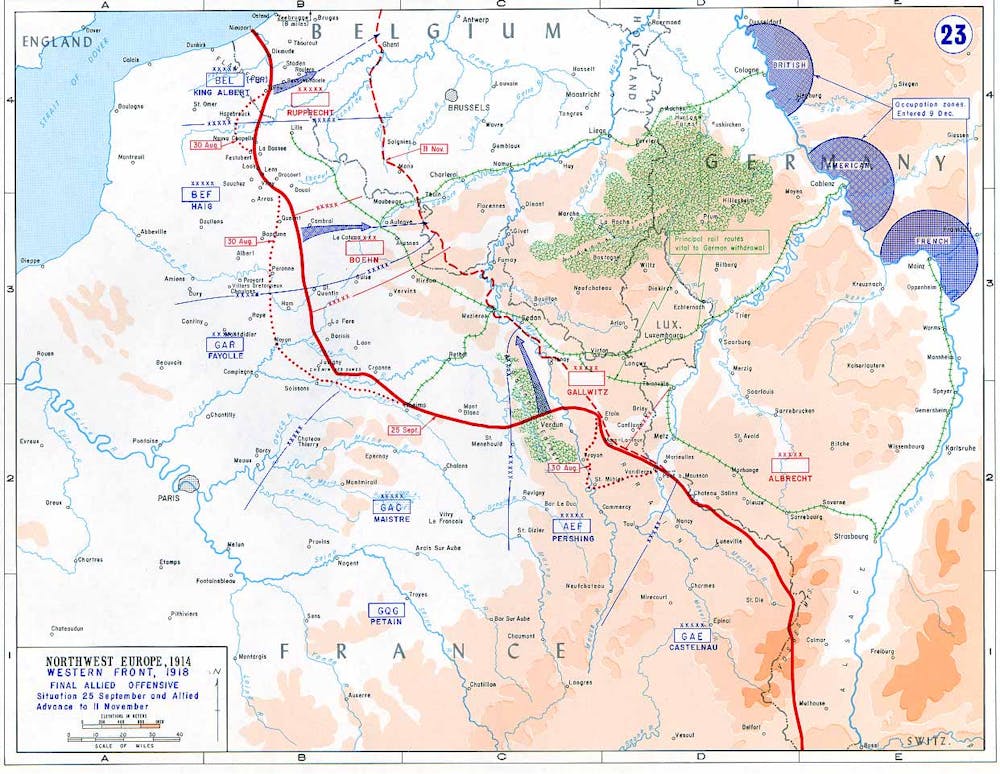
The Germans constructed the Hindenburg Line, also known as the Siegfriedstellung or “Siegfried Position” in German, as a defensive fortification on the Western Front in France during the winter of 1916–1917. Stretching between the towns of Arras and Laffaux in the country’s north, it served as a formidable barrier against Allied offensives.
A map showing the Allied gains on the Western Front in 1918. Wikimedia
The Hindenburg Line has been portrayed in various films, offering different national viewpoints. Most recently, director Sam Mendes’ 1917 (2019) depicts it from the British perspective, while Edward Berger’s 2022 film All Quiet on the Western Front provides insight from a German standpoint.
Similar to All Quiet on the Western Front, Before Dawn downplays the celebration of victory and nationalist sacrifice by instead providing a sombre portrait of the horrors of combat.
By the time Armistice Day arrives on November 11 1918, marking the end of the war, it is hardly a victory for the soldiers. Rather, it is a moment to absorb the trauma the living now carry, as they are literally surrounded by the corpses of their dead mates.
This portrayal comes through the fictionalised story of teenager Jim Collins (played by Levi Miller), who voluntarily leaves his family-run sheep station to join the ANZAC.
Levi Miller plays the role of protagonist Jim Collins. Umbrella Entertainment
A young man’s film through and through
This backstory alone makes for an obvious comparison between Before Dawn and Peter Weir’s seminal film Gallipoli (1981). Both films depict the story of an 18-year-old stockman from Western Australia. That said, it would seem a little unfair to compare Before Dawn with the quality and emotional gravitas of Gallipoli.
By the time Weir directed his war epic he was well experienced, 38 years old and with four feature director credits under his belt. He also had experienced talent at his disposal, most notably screenwriter David Williamson, cinematographer Russell Boyd and actor Mel Gibson (hot off the heels of George Miller’s Mad Max 1 and 2).
In contrast, the director of Before Dawn is Jordon Prince-Wright, who is just 19 years old. He worked with relatively inexperienced talent, including upcoming Aussie actors Levi Miller, Travis Jeffrey, Ed Oxenbould and Stephen Peacocke.
Prince-Wright’s prior credits include 2018 film The Decadent and Depraved, an independent western genre film set in outback colonial Western Australia.
Before Dawn is Jordon Prince-Wright’s second film. Umbrella Entertainment
Before Dawn was exclusively filmed in regional Western Australia – primarily on about 34 hectares of land near the beach town of Esperance. An extensive set was built to recreate the trenches and battlegrounds of Flanders, Belgium. Originally scheduled to begin in June 2020, the production team postponed filming for a year due to the pandemic.
Prince-Wright shares screenwriting duties with Jarrad Russell, who is receiving his first screenwriting feature credit on the film. It is also the first feature credit for cinematographer Daniel Quinn.
Before Dawn is certainly a young man’s film, both in what is being represented as well as in the cast and crew behind the production. This seems somewhat apt since, during WWI, the largest proportion of men fighting was comprised of 18 and 19 year olds.
The film doesn’t shy away from the brutal realities of war. Umbrella Entertainment
Ambitious work
While you can’t deny the enthusiasm and ambition of the production team, the film does fall short of evoking the necessary empathy. It relies too heavily on composer Sean Tinnion’s overstated musical score to provide emotional weight.
Furthermore, despite more than 100 Aboriginal soldiers also serving on the front lines on the Western Front, Before Dawn is yet another production depicting Australian WWI soldiers as exclusively white men. The contribution of Aboriginal soldiers during WWI is yet to be satisfactorily fictionalised on the screen.
The film does not depict any Aboriginal soldiers. Umbrella Entertainment
Despite these faults and oversights, Before Dawn offers an account of the important sacrifice Australia made in assisting the Commonwealth during the war. Coupled with other sources, it could function well as a teaching text for students learning about the Hindenburg Line.
Stephen Gaunson does not work for, consult, own shares in or receive funding from any company or organisation that would benefit from this article, and has disclosed no relevant affiliations beyond their academic appointment.
Napoleon’s foreign minister, Charles Maurice de Talleyrand, is said to have remarked concerning the effectiveness of targeting civilians in war: “it’s worse than a crime, it’s a mistake”.
Talleyrand was an archetypal exponent of realpolitik, and history provides numerous examples of the validity of his remark. One is the prolonged US bombing of North Vietnam, Cambodia and Laos during the Vietnam war in the late 1960s and early 1970s. These attacks, which included use of the now banned defoliant “Agent Orange”, laid waste vast tracts of territory in all three countries, killing around two million civilians. But they failed to prevent the North winning.
The Gaza war will reach the six-month mark this Sunday. It’s starting to look like a stalemate, raising the question of whether Israel’s military campaign there is proving to be another validation of Talleyrand’s principle.
The headline figure of mainly civilian deaths in Gaza is horrifying enough – now well over 33,000 according to the Gaza Ministry of Health. Though the ministry is managed by Hamas, the World Health Organization describes its data collection as “credible and well developed”. Israel claims 13,000 of those killed were Hamas fighters, though it has not said how it calculated that figure.
However, the headline figure also misses the number of aid workers killed in Gaza since the war started – an aspect of the Gaza horror now brought directly to international attention by Israel’s killing of seven volunteers with the food aid agency World Central Kitchen – including Australian Zomi Frankcom.
With the deaths of the World Central Kitchen volunteers, the number of aid workers killed is now 196.
The basic facts seem to be an Israeli drone fired three missiles at a convoy of three cars carrying the World Central Kitchen volunteers – despite the fact the vehicles were clearly marked on the roof and sides with the charity’s logo. The route had been preapproved and coordinated with the Israel Defense Forces (IDF).
The IDF and defence ministry claimed the strikes on the World Central Kitchen vehicles followed misidentification and poor coordination at night in complex war conditions because of suspicion an armed militant was travelling with them.
The Israeli newspaper Haaretz, citing defence sources, has refuted these claims. Haaretz quotes its sources as saying the incident had “no connection to coordination” and was caused by the fact “every commander sets the rules for himself”. The army’s killing of seven aid workers in the Gaza Strip on Monday night “stemmed from poor discipline among field commanders, not a lack of coordination between the army and aid organisations”.
These are explosive allegations. A spokesman for Israel’s military, Rear Admiral Daniel Hagari, said the incident has been referred to the Fact Finding and Assessment Mechanism, a military body tasked with investigating accusations and looking into the circumstances behind battlefield episodes. The Israeli military says the mechanism is an “independent, professional and expert body”. However, human rights groups have generally been critical of the Israeli military’s ability to transparently investigate itself.
Unsurprisingly, in the aftermath of the fatal attack, humanitarian groups announced they are suspending operations in the territory. World Central Kitchen, along with other aid organisations such as Anera, which helps refugees around the Middle East, and the US-based Project Hope, which focuses on healthcare, announced they would pause operations in Gaza to protect their staff.
Prime Minister Anthony Albanese spoke with his Israeli counterpart Benjamin Netanyahu on April 2. Albanese said he expressed Australia’s outrage at Frankcom’s death and said he wanted “full accountability”.
Albanese said he had reiterated Australia’s longstanding concern with Israel’s plans for a ground invasion of the southern Gaza area of Rafah, where more than a million Palestinian civilians are sheltering.
He added that he made clear Australia believes humanitarian assistance must reach people in Gaza unimpeded and in large quantities.
However, Albanese did not give a direct answer when asked whether he had spelled out any potential consequences for the bilateral relationship if Israel does not conduct a satisfactory investigation into Frankcom’s death or change its method of waging war against Hamas.
Netanyahu promised a full investigation. But his initial public comment on the killings that “these things happen in war” seemed like a philosophical shrug of the shoulders, suggesting no major outcome is likely from the investigation. It also suggested Netanyahu has a closer eye on his political standing in Israel than the international reaction to the deaths.
Don’t expect much change
The reality is not much is likely to change in terms of Australia’s dealings with Israel.
Foreign Minister Penny Wong has already made clear no Australian military equipment has been sold to Israel since the start of the Gaza war. Australia’s defence exports to Israel are in any case miniscule – A$13 million over the past five years.
Wong has said many times Israel has the right to defend itself but the way it does so matters. She also told the ABC on April 3:
Wartime does not obviate responsibility for observing international humanitarian law, including the protection of aid workers.
Australia can be expected to reiterate calls for a ceasefire in Gaza and a two-state solution to the conflict. Neither are in prospect because Netanyahu has rejected both. Moreover, a two-state solution is simply not possible given the fact half a million Israeli settlers now live in the West Bank – meaning it can no longer form the basis for any Palestinian state.
With ceasefire negotiations stalled, the outlook for Gaza depends on Israeli domestic politics. Netanyahu faces pressure on several fronts. This includes from families and supporters of more than 100 Israeli hostages still held by Hamas, but also from his own hard-right coalition, which insists he continue the war regardless of the high Palestinian casualty rate. Pressure is also coming from the Biden administration, which disapproves of the way Israel is waging the war and the impact on Palestinian civilians.
The only potential circuit breaker would be the capture or killing of the two Hamas leaders in Gaza – Yahya Sinwar and Mohamed Deif – but they are hidden deep inside the tunnel network beneath Gaza.
Ian Parmeter does not work for, consult, own shares in or receive funding from any company or organisation that would benefit from this article, and has disclosed no relevant affiliations beyond their academic appointment.
Two out of three Australians will “fall back” an hour as daylight saving ends for the season next Sunday, April 7.
Like clockwork, countless opinion pieces will emerge in the media. Many will argue that daylight saving is pointless, outdated or even unhealthy, and we need to get rid of it. Others propose ditching the biannual time change for “permanent” daylight saving, which would extend winter evenings in exchange for darker winter mornings.
In sharp contrast to what many sensationalised reports and opinions might suggest, my research results indicate the vast majority of Australians – 80% – support daylight saving.
A representative survey of more than 1,100 people found majority support, even in Queensland and Western Australia. Furthermore, this is true across occupations, states, income levels, household status, employment status and political affiliation.
That said, there were some differences between those who support daylight saving and those who do not.
So who typically supports daylight saving?
Supporters of daylight saving are on average six years younger that its opponents. Supporters of daylight saving are more likely to be female, higher-income, urban and employed full-time. Those against it are more often male, lower-middle-income, rural, retired or employed casually, and born in Australia.
Support for daylight saving is strongest among Australian Greens and Liberal Party voters.
Supporters of daylight saving also tend to live farther south, where the difference between summertime and wintertime daylight hours is greater.
Occupation was also important. Those who work outdoors – such as labourers, tradespeople and technicians – are often less supportive than their white-collar counterparts, who most often work indoors.
A Kiwi entomologist named George Hudson is widely credited with creating daylight saving. His motivation? So he could collect insects later into the evening.
The basic premise for daylight saving is that afternoon daylight is more useful than early morning daylight, so we “borrow” an hour. In the winter, we return the hour to the morning, so we can wake up closer to dawn.
Before the Industrial Revolution, time and time zones were not universally observed, as agrarian work could be adjusted to sunrise and sunset times.
Nowadays, clock time is essential to meet the demands of our busy schedules. We need standardised school hours, shop hours and working hours. The implication of this, though, is that a nine-to-five job gives someone in Brisbane, for example, three hours of daylight before work, but only an hour afterwards.
Could we just wake up earlier? Sure, but shops are closed in the mornings and most workers cannot simply knock off at 2pm to enjoy the rest of their afternoon. In fact, golf clubs are some of the biggest proponents of daylight saving.
So, although daylight saving may seem anachronistic, it appears to be the most palatable solution for adjusting to seasonal changes in day length.
Confusing time zones are a problem
Part of the debate stems from the fact that Australia has a unique time-zone structure. Victoria, New South Wales, Tasmania, South Australia and ACT have observed daylight saving since 1971, but it gets much more complicated than this.
In the winter, Australian states and territories observe three time zones. In the summer, this increases to five. When we include territorial dependencies such as Norfolk and Christmas Islands, Australia observes ten time zones in the summertime, or 11 if you count Eucla’s local time zone.
To put this into perspective, all of China operates on a single time zone.
For many Australians, the status quo works, because it aligns “social noon” with solar noon. My survey results confirm the middle of respondents’ waking day – referred to as “social noon” – was 2.24pm on weekdays and 3.07pm on weekends. That’s more than three hours after solar noon (when the Sun is at its highest point in the sky) without daylight saving.
The following maps show current time zones in summer and winter, and the proposed alternatives discussed below. Use the slider to reveal the alternatives.
How could daylight saving be improved?
There have been various proposals to reconfigure Australia’s time zone regime.
“Permanent daylight saving” is an idea that would realign Australia’s current time zones so as to obviate the need for the biannual change. This would permanently shift Brisbane, Sydney and Melbourne an hour or half-hour forward.
Many similar proposals have been floated in both the United States and Europe, most notably the US Sunshine Protection Act.
Another idea is to eliminate time zones entirely. As Johns Hopkins’ Steve Hanke and Dick Henry have proposed, the entire world would run on Greenwich Mean Time – or, more precisely, Co-ordinated Universal Time (UTC) – and hours would be locally adjusted. As it stands, there are 38 “UTC offsets” worldwide – a rough proxy for the number of time zones.
Queensland and Western Australia are perhaps the most significant battlegrounds in Australia’s daylight-saving debate. Both states cover vast areas, incorporating tropical and temperate regions. Brisbane, for instance, is closer to Melbourne in Victoria than to Cairns in Far North Queensland.
In both states, there’s a geographic divide, with the majority of daylight-saving supporters in and around the state capitals, Brisbane and Perth, in the south. Though both states have held referendums on the issue, it has been 15 years since Western Australians have had a say and 32 years since Queenslanders have.
If each state held another referendum today, survey responses suggest both would find widespread support. Politicians may need to think carefully, though, about how to address each state’s internal divisions.
Thomas Sigler receives funding from the Australian Research Council.
This study was funded by the Office of Wilson Tucker MLC, independent member for the Mining and Pastoral Region in the parliament of Western Australia.
Parole is a hot topic in politics and in the media at the moment, fuelled by several high-profile parole applications.
Recently, Keli Lane’s attempt to be released on parole after years in jail for the murder of her baby daughter was unsuccessful. Paul Denyer, known as the “Frankston Serial Killer” for murdering three women in the 90s was also denied parole.
Meanwhile, Snowtown accomplice Mark Haydon was granted parole with strict conditions, but is yet to be released.
Some media coverage of such well-known cases is littered with myths about what parole is, how it’s granted and what it looks like. Here’s what the evidence says about three of the most common misconceptions.
Parole is the conditional release of an incarcerated person (parolee) by a parole board authority, after they have served their non-parole period (minimum sentence) in jail. This isn’t always reflected in headlines.
Some coverage suggests people on parole are released early and “walk free” without conditions. This is not true.
Parole provides incarcerated people with a structured, supported and supervised transition so that they can adjust from prison back into the community, rather than returning straight to the community at the end of their sentence without supervision or support.
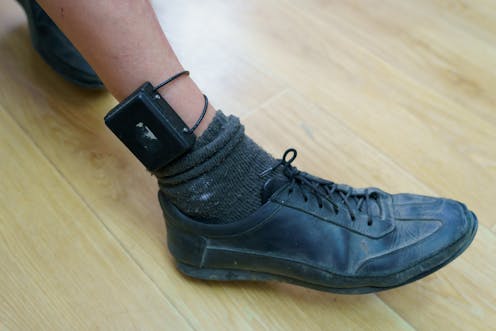
Parole comes with strict conditions and requirements, such as curfews, drug and alcohol testing, electronic monitoring, program participation, to name a few.
People with experience of parole highlight its punitivism and continued extension of surveillance.
Myth 2: most parolees reoffend
Another myth is that the likelihood all parolees reoffend is high. Research over a number of years has consistently found parole reduces reoffending.
For example, a 2016 study in New South Wales found at the 12 month mark, a group of parolees reoffended 22% less than an unsupervised cohort.
A 2022 study by the NSW Bureau of Crime Statistics and Research found parole was especially successful in reducing serious recidivism rates among incarcerated people considered to be at a high risk of reoffending.
More recently in Victoria, the Adult Parole Board found over 2022–23, no parolees were convicted of committing serious offences while on parole.
In contrast, unstructured and unconditional release increases the risk of returning to prison.
Myth 3: parole is easy to get
While the number of parolees reoffending has dropped, so too has the total number of people who are exiting prison on parole.
Over a decade ago, Victoria underwent significant parole reforms, largely prompted by high-profile incidents and campaigns. In just five years following Jill Meagher’s tragic death in 2012, the Victorian government passed 13 laws reshaping parole.
The result is the number of people on parole in Victoria has halved since 2012, despite incarceration numbers remaining steady.
These reforms have made it more difficult for people convicted of serious offences to get parole, as well as preventing individuals or specific groups from being eligible for parole (such as police killers, “no body, no parole” prisoners, and certain high-profile murderers).
Similar laws can be found in other states. For example, no body, no parole was introduced in all other Australian states and territories, except for Tasmania and the Australian Capital Territory.
As a consequence, more people are being released at the end of their full sentence. This can be detrimental not only for the incarcerated person but the wider community, because they are not receiving the reintegration support parole provides.
Aside from restricted access due to political intervention, parole is facing a new crisis, which has nothing to do with eligibility or suitability.
Last year, 40% of Victorian parole applications were denied, often due to reasons unrelated to suitability.
Housing scarcity played a significant role, with 59% of rejections (or 235 applications) citing a lack of suitable accommodation as one of the reasons parole was denied. This is playing out across the country.
Parole is vulnerable to community and media hype, and political knee-jerk reactions in response to high profile incidents involving a person on parole. Because of the actions of a few, parole as a process has been restricted for many.
While the wider community are active in advocacy efforts to restrict parole from certain people or groups (for example, this petition for Lyn’s Law in NSW), public efforts to restrict parole seem at odds with its purposes.
Despite this, research suggests when the public are educated about the purposes and intent of parole, they are more likely to be supportive of it.
The susceptibility of parole to media and community influence results in frequent, impactful changes affecting individuals inside and outside prisons. Headlines such as “walking free” have the potential to mislead the public on the purpose and structure of parole. Coverage should portray parole beyond mere early termination of a sentence by accurately reflecting its purpose and impact.
Monique Moffa works for RMIT University’s Bridge of Hope Innocence Initiative which examines cases of wrongful conviction that may be impacted by parole policies.
Alyssa Sigamoney works for RMIT University’s Bridge of Hope Innocence Initiative which examines cases of wrongful conviction that may be impacted by parole policies.
Greg Stratton works for RMIT University’s Bridge of Hope Innocence Initiative which examines cases of wrongful conviction that may be impacted by parole policies.
Jarryd Bartle works for RMIT University’s Bridge of Hope Innocence Initiative which examines cases of wrongful conviction that may be impacted by parole policies.
Michele Ruyters works for RMIT University’s Bridge of Hope Innocence Initiative which examines cases of wrongful conviction that may be impacted by parole policies.
Hundreds of thousands of people worldwide are taking drugs like Ozempic to lose weight. But what do we actually know about them? This month, The Conversation’s experts explore their rise, impact and potential consequences.
To say that Ozempic is a blockbuster drug is an understatement. Manufacturer Novo Nordisk is scrambling to expand production sites to keep up with global demand.
While Ozempic is only approved for the treatment of diabetes in Australia, it is also marketed overseas for weight loss under the brand name Wegovy.
Social media is full of posts and endorsements by celebrities who are using it for weight loss. Faced with limited access in Australia, some people who need the medication for diabetes can’t access it.
Others are turning to the internet to source it from compounding pharmacies – a practice Australia’s regulator, the Therapeutic Goods Administration (TGA), plans to clamp down on.
How doctors are prescribing Ozempic
Use of Ozempic for weight loss in Australia is considered “off label”. This is when a doctor prescribes a medicine for a purpose outside of what is approved.
Ozempic is only approved to be used for the treatment of diabetes in Australia, but its off-label prescribing for weight loss is driving shortages which the TGA thinks will last until 2025.
To manage these shortages, Australian doctors and pharmacies are being asked not to start new patients on Ozempic and to prioritise it for patients with type 2 diabetes who are already stabilised on this medicine.
does not have the power to regulate the clinical decisions of health professionals and is unable to prevent doctors from using their clinical judgement to prescribe Ozempic for other health conditions.
Why can’t we just make more?
The active ingredient in Ozempic, semaglutide, is a delicate peptide molecule made up of two small chains of amino acids. It’s just one in a family of drugs that are classified as GLP-1 inhibitors.
Because it’s a peptide, its manufacture is complex and requires specialised facilities beyond those used to make normal chemical-based drugs.
It is also delivered via an injection, meaning that it has to be manufactured under strict conditions to ensure it is both sterile and temperature controlled.
This means increasing production is not as simple as just deciding to manufacture more. Its manufacturer needs time to build new facilities to increase production.
Compounding pharmacies are making their own
Compounding is the practice of combining, mixing, or altering ingredients of a drug to create a formulation tailored to the needs of an individual patient.
Australian law allows pharmacists to compound only when it is for the treatment of a particular patient to meet their individual clinical need and there is no suitable commercially manufactured product available. An example is making a liquid form of a drug from a tablet for people unable to swallow.
Compounded products are not held to the same safety, quality and efficacy standards required for mass produced medicines. This recognises the one-off nature of such compounded medicines and the professional training of the pharmacists who prepare them.
Recently, pharmacies have been relying on these compounding rules to produce their own Ozempic-like products at scale and ship them to consumers around Australia.
However, there are risks when using these products. The US Food and Drug Administration (FDA) has recently warned consumers of the dangers of using compounded formulations that contain particular salt formulations of semaglutide. It has received more reports of side effects in patients using these products.
How the regulator plans to tighten the loophole
The TGA is taking a number of steps to tighten the compounding loophole and there are ongoing investigations in this area.
In December 2023, the agency issued a public safety warning on the dangers of these compounded medicines.
More recently, it has proposed removing GLP-1 drugs, which includes Ozempic, from Australia’s compounding exemptions. This would effectively ban pharmacies from making off-brand Ozempic. This proposal is currently under consultation and a final decision is expected by June this year.
If you want to access the drug for weight loss before the shortage is over, be aware that compounded products are not identical to approved Ozempic and have not been evaluated for safety, quality and efficacy.
Supply of copycat versions is also likely to be limited, given the ongoing TGA crackdown.
Read the other articles in The Conversation’s Ozempic series here.
Andrew Bartlett is a member of the Pharmaceutical Society of Australia
Nial Wheate in the past has received funding from the ACT Cancer Council, Tenovus Scotland, Medical Research Scotland, Scottish Crucible, and the Scottish Universities Life Sciences Alliance. He is a Fellow of the Royal Australian Chemical Institute, a member of the Australasian Pharmaceutical Science Association, and a member of the Australian Institute of Company Directors. Nial is the chief scientific officer of Vaihea Skincare LLC, a director of SetDose Pty Ltd a medical device company, and a Standards Australia panel member for sunscreen agents. Nial regularly consults to industry on issues to do with medicine risk assessments, manufacturing, design, and testing.
Jessica Pace does not work for, consult, own shares in or receive funding from any company or organisation that would benefit from this article, and has disclosed no relevant affiliations beyond their academic appointment.
Source: The Conversation (Au and NZ) – By Euan Ritchie, Professor in Wildlife Ecology and Conservation, School of Life & Environmental Sciences, Deakin University
Policy alignment sounds dry. But think of it like this: you want to make suburbs cooler and more liveable, so you plant large trees. But then you find the trees run afoul of fire and safety provisions, and they’re cut down.
Such problems are all too common. Policies set by different government departments start with good intentions only to clash with other policies.
At present, the Albanese government is working towards stronger environmental laws, following the scathing 2020 Samuel review of the current Environment Protection and Biodiversity Conservation Act. The review noted planning, funding and regulatory decisions are “not well integrated or clearly directed towards achieving long-term environmental sustainability”.
Stronger laws are not a standalone answer. We must find ways to align government policies far better, so progress on one front doesn’t lead to a setback elsewhere. As the government prepares to announce once in a generation changes to our main environment laws, it must find ways to reduce these clashes.
Nature vs cities
All levels of government have policies aimed at increasing canopy cover and biodiversity in cities. How hard can it be to plant trees?
The problems start when you look for places to actually plant street trees. It’s common to encounter a wall of obstacles, namely, other policies and regulations. Fire prevention, human safety, visibility for road traffic and provision of footpaths and carparks are often legally binding requirements that can stymie this seemingly simple goal.
On the biodiversity front, urban sprawl is pushing many species and ecosystems to the brink of extinction.
What should we do when threatened species protection conflicts with new housing developments? Rusty Todaro/Shutterstock
Last year, conservationists rediscovered the grassland earless dragon on Melbourne’s grassy western fringes, which we had believed was extinct. Now we had a second chance to save it, in line with the Australian government’s pledge to stop extinctions.
The problem? The grasslands where the dragon was found near Bacchus Marsh, just outside Melbourne, are zoned for housing. Only 1% of the grasslands ecosystems suitable for these reptiles is still intact, and much of it has been earmarked for housing.
From a housing point of view, the continued existence of the dragon now threatens plans for 310,000 homes.
If we had better policy alignment, we would look to achieve both goals: protect the dragon and build more housing through methods such as building sustainable midrise developments in established urban areas.
Almost all the extra heat trapped by greenhouse gases goes into our oceans, triggering marine heatwaves and bleaching. If the world’s largest living structure bleaches too much, it will begin to die, threatening its rich biodiversity, cultural heritage and industries such as tourism.
On the one hand, Australia wants to protect the reef and has funded efforts to boost water quality.
A LNG carrier departs the port of Gladstone, on the southern Great Barrier Reef. The cargo it carries will, when burned, trap more heat and lead to more bleaching of the reef. Ivan Kuzkin/Shutterstock
But on the other hand, supportive government policies contribute to our recent emergence as a top exporter of liquefied natural gas, which is 85–95% comprised of the potent greenhouse gas methane. Land clearing in the catchments of rivers which flow to the reef is ongoing due to policy loopholes, which adds more smothering sediment, nutrients and pollutants to the reef’s woes.
The shipping sector only has to abide by a voluntary code to avoid invasive species arriving in the ship’s bilge water, even though they could be carrying the tissue loss disease devastating reefs in the Caribbean and Florida.
Calls to fast-track clean energy projects and stop them being held up by environmental approvals are risky. We could tackle one crisis (climate change) by making another worse (biodiversity and extinction).
Australia has destroyed nearly 40% of its forests since European colonisation, with much of the remaining native vegetation highly fragmented. Because this clearing has already happened, it should be entirely possible to build renewables without damaging the homes of native species.
In fact, we can do better – we can take degraded farmland, build solar on it and restore low-lying native vegetation around it to actually boost biodiversity. Requiring new renewable projects to be nature positive would encourage creative approaches to delivering infrastructure while benefiting nature.
relaxing new emissions rules for utes and vans conflicts with government climate efforts to rapidly reduce emissions
exotic plant species such as buffel grass are still routinely used and promoted for use in agriculture, despite the damage they do to biodiversity and their ability to fuel more severe fires, more often.
For politicians, the environment ministry is often seen as a poisoned chalice.
Within government, departments often pull in different directions. When resource and agriculture plans conflict with environmental concerns, it’s not hard to guess which side tends to win. Case in point: the recent plans to remove gas project oversight from environment minister Tanya Plibersek in favour of resources minister Madeleine King.
How can we make policies work together better for the environment? Governments should sift through all relevant policies and regulations to make sure nature-positive approaches are embedded. Requiring development proposals to benefit nature would go a long way to reducing environment-economy conflict. After all, most businesses are now looking into ways of becoming nature-positive.
Too often, environment policies are seen as opposed to those promoting the economy, jobs and industry. But they don’t have to clash.
Tremendous opportunities exist for a safer, more sustainable future, if we address current causes of friction and take a big picture approach to how we develop our policies.
Euan Ritchie receives funding from the Australian Research Council and the Department of Energy, Environment, and Climate Action. Euan is a Councillor within the Biodiversity Council, and a member of the Ecological Society of Australia and the Australian Mammal Society.
Catherine Lovelock receives funding from the Australian Research Council. She is affiliated with the Biodiversity Council and the Independent Expert Panel for the Great Barrier Reef.
Sarah Bekessy receives funding from the Australian Research Council, the National Health and Medical Research Council, the Ian Potter Foundation and the European Commission. She is a lead councillor of the Biodiversity Council, a board member of Bush Heritage Australia, a member of WWF’s Eminent Scientists Group and a member of the Advisory Group for Wood for Good
Staying competitive in the finance sector is vital, with many companies moving quickly to adopt artificial intelligence (AI) to reduce costs and streamline operations.
But two companies recently came unstuck when the United States Securities and Exchange Commission (SEC) accused them of exaggerating their use of AI, marking the world’s first significant move in combating so-called “AI washing”.
Delphia (USA) Inc and Global Predictions Inc, boasted about using AI for designing investment strategies, but the SEC found their claims to be unsubstantiated.
There’s much speculation around AI, especially with generative technology app ChatGPT shaking things up. But amid all the hype, AI washing is becoming more common.
As well as exaggerating or misrepresenting their AI capabilities, companies may inflate the abilities of AI algorithms or create the illusion AI plays a more significant role than it actually does.
What’s so good about AI?
Incorporating AI into business operations has many benefits. It can streamline processes, quickly break down and analyse complex data to speed up decision-making, and help organisations stay ahead in a rapidly evolving and competitive market.
Promoting its use of AI helps portray a company as high-tech and cutting-edge, even if the reality doesn’t check out.
The practice of AI washing isn’t totally new. It follows the same idea as greenwashing, where companies pretend to be eco-friendly to attract investors and consumers.
It involves dressing up ordinary tech with fancy AI buzzwords such as “machine learning”, “neural networks”, “deep learning” and “natural language” processing to seem more innovative than they actually are.
AI and the finance sector
AI washing flourishes in finance and investment because of the industry’s high-stakes, intense competition and the seductive appeal of technology-driven solutions.
AI’s algorithms can analyse extensive datasets, enhance predictability and uncover hidden patterns in financial data. And AI’s real-time processing capabilities enable dynamic adaptation to market changes.
Investors need to be wary of companies exaggerating their use of artificial intelligence. Willyam Bradberry/Shutterstock
The complexity of financial products provides room for firms to conceal the reality behind flashy AI claims. And the lack of regulation exacerbates the problem.
Despite AI’s impressive capabilities, it’s not without its drawbacks, including ethical concerns, susceptibility to cyber attacks and manipulation, and the lack of transparency in how AI algorithms arrive at decisions or predictions.
Supporters of AI-related investments range from novice retail investors to seasoned institutional players.
Such interest has led to venture capital firms allocating more capital to AI startups last year than they did previously.
A lack of regulation
But without clear guidelines, firms can exploit loopholes and mislead investors.
This lack of oversight erodes trust and credibility in the industry. AI washing may also stifle innovation. If investors are made to become? skeptical about AI, they’re less likely to invest in legitimate AI-powered solutions in future. This can slow down the development of truly groundbreaking technologies.
It is crucial to deal with AI washing, echoing the cautionary tale of the dot-com bubble. Much like the exaggerated promises and speculative fervor surrounding internet companies which led to market turbulence and investor scepticism in the late 1990s, the hype surrounding AI capabilities in finance poses similar risks.
AI washing could lead investors to pour money into AI-related ventures without fully understanding the risks or potential limitations, ultimately exposing them to financial losses when the bubble bursts.
The European Union AI Act is the first regulation in the world to govern the use, development, disclosure and oversight of AI. But in Australia there are no specific laws. Regulation currently falls under the Corporations Act.
ASIC is currently considering ways to regulate AI link?, including formulating penalties for AI washing.
Holding companies accountable for accurate information about technology applications helps maintain the integrity of financial markets and ensures fairness for investors.
How to spot AI washing
So, how can you, as an investor or consumer, avoid falling victim to AI washing? Here are some tips:
1. Verify registration status and credentials
Before buying or investing in anything claiming AI capabilities, verify the investment company’s registration status and credentials by looking them up on the professional register. Ensure they have no disciplinary [history] is there meant to be a link here? by checking the Australian Securities and Investment Commission register.
2. Be cautious with AI-focused investments
Investing in AI-driven companies may seem promising, but be wary of companies that tout their “revolutionary” or “industry-leading” AI without providing specifics. What exactly makes their AI revolutionary? What problems does it solve? Companies that rely on empty buzzwords without concrete details are probably exaggerating their capabilities.
3. Boost your knowledge
Get a grasp of AI and machine learning basics. Learn common AI techniques and terms used in finance. There are a large number of free resources online for beginners.
4. Ask questions
Do not solely rely on AI-generated information for investment decisions. AI-generated data may be based on inaccurate or biased inputs?. Ask financial advisors and companies about their specific AI implementation. What kind of data are they using? How are their algorithms trained? What are the limitations of their technology?
5. Be sceptical of high returns with little to no risk
Be sceptical of financial products promising high returns with minimal risk, especially those claiming AI-powered success. This tactic is a common red flag for AI washing. Don’t rely solely on a company’s claims – conduct independent research by following the financial news or checking regulatory filings of companies before investing.
Angel Zhong does not work for, consult, own shares in or receive funding from any company or organisation that would benefit from this article, and has disclosed no relevant affiliations beyond their academic appointment.
The Heritage Council, however, has several issues to contend with. For one, the nature of the relationship between Moonlite and Nesbitt is not as sure and settled as has been assumed. For another, the headstone that now marks Moonlite’s grave obfuscates, rather than celebrates, his feelings for Nesbitt.
A sketch showing the trial of the Wantabadgery bushrangers, published in the 1879 Illustrated Sydney News and New South Wales Agriculturalist and Grazier. TROVE
Meeting and memory
Andrew George Scott – the man behind the Moonlite moniker – met James Nesbitt in Pentridge Prison, Coburg, between 1875 and 1877. The two reunited on the outside in 1879, and Nesbitt followed Scott on his ill-fated trek into New South Wales where, with four other companions, they “stuck up” Wantabadgery Station.
In an ensuing confrontation with police, Nesbitt, August Wernicke (the youngest of Scott’s companions) and Constable Edward Mostyn Webb Bowen were all mortally wounded. Nesbitt and Wernicke were buried in unmarked graves in Gundagai Cemetery.
Scott and another of his companions, Thomas Rogan, were hanged for Bowen’s murder on January 20 1880. In the weeks leading up to this, as he awaited “the last dread sentence of the law” in a condemned cell in Darlinghurst Gaol, Sydney, Scott wrote numerous documents, including letters intended for friends, acquaintances, clergymen and Nesbitt’s parents. In these, he recorded he loved Nesbitt and wished to “fill the same grave” as him so they might be together forever.
Many of Scott’s letters were not sent and the wish they contained was not initially acted upon.
When Scott’s condemned-cell writings were rediscovered in the 1980s, they were swiftly assumed to reveal a romance. In the decades since, it has almost become a commonplace that Scott was homosexual and Nesbitt his lover.
Hidden histories
Determining the nature of a relationship from the past can be a complex matter. It requires, among other things, a sophisticated understanding of how emotions were expressed and how language was used in the relevant context. Phrases used to express romantic love today were not necessarily used in the same ways in the past.
Modern-day terms and concepts, from “homosexual” to “gay”, are also of limited use in understanding and describing historical people and their relationships. Before these terms and concepts were current, people understood themselves, their desires and their intimacies in other ways.
Unfamiliarity with the past, a yearning for queer forebears, and present-day views on sexuality have prevented us from seeing Scott and Nesbitt’s relationship as anything but romantic (in the everyday sense of the word) and sexual. And yet Scott’s language about Nesbitt conforms closely to the 19th-century concept of manly love – a bond between men which was “passing the love of women” precisely because it was free from any sexual element.
It is also significant that one of Scott’s preferred words to describe Nesbitt was simply “friend”: he was, Scott wrote to supporter John Alexander Dowie, “the truest best friend that man ever had”. It was in memory of a male friend that Tennyson penned his famous lines:
Tis better to have loved and lost / Than never to have loved at all.
Moonlite’s motivations
Two vital points must be recognised when approaching Scott’s writings about Nesbitt.
The first is all of Scott’s expressions of affection post-date Nesbitt’s death – a violent death, suffered at a young age, in consequence of decisions made by Scott. At the time of writing, Scott was suffering from intense trauma and grief – and as much as any emotion, Scott’s writings are evidence of grief.
The second relates to Scott’s intent. In the wake of his death, Scott was seeking to craft a legacy for Nesbitt. Nesbitt had died ignobly, while resisting the police, and was destined to be remembered as nothing but a scoundrel bushranger. Scott, however, wished him to be remembered otherwise: as honourable, truthful and brave. He even portrayed Nesbitt as Christ-like.
While it remains a possibility Scott and Nesbitt were lovers, as is commonly thought, Scott conveying as much in his condemned-cell writings would have undermined the image of Nesbitt (and himself) he was desperate to establish before his voice was silenced.
Moonlite’s grave
Scott’s remains were finally reinterred in Gundagai Cemetery in 1995, and marked by a headstone which reads:
ANDREW GEORGE SCOTT
CAPTAIN MOONLITE
BORN IRELAND 8-1-1845
DIED SYDNEY 20-1-1880
“As to a monumental stone, a rough unhewn rock
would be most fit, one that skilled hands could
have made into something better. It will be like
those it marks as kindness and charity could have
shaped us to better ends.”
Andrew George Scott
Laid to final rest
near his friends James Nesbitt and Augustus
Wernicke who lie in unmarked graves close by.
Gundagai 13-1-1995.
This differs from what Scott specified in his condemned-cell writings: Nesbitt’s birth and death dates have been excluded, while Wernicke’s name has been added.
The quote is also an addition, albeit with a crucial omission: “As to the monumental stone for my friend and myself […]”. Without these italicised words, the visitor is led to infer that Scott intended his headstone to mark three people (himself, Nesbitt and Wernicke) and is distracted from Scott’s desire to occupy the grave of Nesbitt specifically.
Were the Heritage Council to proceed with its listing it would be both formalising a view of a historical relationship that is open to conjecture, and honouring a grave that deviates from the desires of the deceased.
Matthew Grubits does not work for, consult, own shares in or receive funding from any company or organisation that would benefit from this article, and has disclosed no relevant affiliations beyond their academic appointment.
The Albanese government and the Australian public are currently focused on the cost-of-living crisis and its impact on household budgets.
For Australia’s longer-term economic outlook, the government is looking at reforms that are needed to increase competition and our flat-lined productivity.
Andrew Leigh is in the middle of this debate. He’s Assistant Minister for Employment and Assistant Minister for Competition, Charities and Treasury. In a speech he delivers on Thursday, Leigh homes in on one issue inhibiting competition which affects a surprising number of workers – “non-compete” clauses that ban people from competing with their former employer, for a certain time, or in a specific geographical area, or even both.
Andrew Leigh joined the podcast to talk about this and other competition issues, including the push from some advocates for the government to legislate for power to break up companies that behave badly. We also venture into the territory of Australia’s duopolistic party system, where the voters are trying to inject a bit more competition by supporting “community candidates”.
On why the Australian economy needs competition reform, Leigh says:
If you look at the Australian economy, you do see an economy which is, at the very top, strikingly similar to what it was 40 years ago. Whereas in other countries you’ve seen much more turnover, churn, dynamism, more productive job creation.
On supermarkets, accused by many consumers of misusing their market power:
We do have a very concentrated supermarket sector in Australia, and much more concentrated than a typical European country or, say, the United States.
We’ve now got Craig Emerson, the former competition minister and one of Australia’s very best policy economists, looking at whether the food and grocery code of conduct should be made mandatory. That’s looking hard at the supplier side. Then we’ve got the Australian Competition and Consumer Commission doing a whole-of-economy analysis of the supermarkets’ impact, but also looking at the consumer side, things such as loyalty schemes and how they play out for consumers.
But Leigh is not a supporter of the divestiture route:
If you look at the Harmer review or the Hilmer review, they didn’t recommend divestiture powers. The ACTU has said they’re concerned about divestiture powers, through the potential impact on workers at those firms. The National Farmers Federation has argued against them. So they’re not the government’s priority right now. We’ve got the competition task force in Treasury looking at non-compete clauses, looking at merger reform, looking at the way in which the data digital net zero economies can remain competitive.
Finally, what about competition in federal politics where voters are shifting away from the major party blocs towards small parties and independents? Leigh sees both sides:
It is healthy for us to be kept on our toes, whether it’s by opposing teams or by opposing individuals. I like and respect many of the independents who have joined the house over the time since I came into parliament in 2010. And political competition is just part and parcel of a healthy democracy.
Sometimes it’s undersold, but the strength of a political party is the strength of teamwork, that you can really work together to come up with a set of policies that are better than any individual could come up with on their own.
That interplay when a political party is operating well is something that no individual independent can match.
Michelle Grattan does not work for, consult, own shares in or receive funding from any company or organisation that would benefit from this article, and has disclosed no relevant affiliations beyond their academic appointment.
Anthony Albanese will stress his government is “pro-business and pro-worker” in a Thursday speech declaring the dynamism of small business is vital for Australia to succeed in the global economic race.
The Prime Minister’s address to a small business conference, released ahead of delivery, seeks to refute the argument of some in the business community who maintain the government is too pro-union, especially in its workplace policies.
“We will always champion good jobs, fair wages and decent conditions for working people,” Albanese says.
“Equally, we understand that there are no good jobs, fair wages or decent conditions for employees, without employers.
“That’s the constructive and balanced approach we’ve sought to bring to our industrial relations reforms.”
Listing various reforms the government has made, including changes to bargaining provisions and protections for casuals, Albanese says: “All this matters because if companies are able to exploit loopholes, cut corners and undermine wages, then it’s never just workers who lose out, good employers who do the right thing and play by the rules get hurt too.
“That’s why our government has made a point of working with big firms, small businesses and unions on these changes. Because we understand that reforms which create a better system and a level playing field serve everyone’s interests.”
Albanese praises small business as central “to the continuing growth and resilience of our economy, from our suburbs to the regions”.
Very often, small businesses “are the first-movers, the early adopters.
“Small businesses change and adapt and modernise because that’s how you stand out from the pack and stay ahead of it.
“Small businesses move fast because you understand there’s not a minute to waste. And small business understands that investment can’t just be about scale – it has to be about strategy, about building on what you do best.
“There are valuable lessons for our nation in all of this. Because right now there is a global economic race underway.
“Every advanced economy in the world is competing for a new generation of jobs, investment, prosperity and productivity.
“And every advanced economy is grappling with the challenges of global inflation, the long tail of the pandemic, the uncertainty of conflict and the transformative impact of new technologies.
“For Australia to compete and succeed in this environment, we need to show the dynamism and drive of small business,” Albanese says.
He says that in next month’s budget, “small businesses and families will again be front and centre in our thinking”.
Lauding small business having “consistently led the nation in embracing solar power,” he says: “Today, nearly one in three small businesses have rooftop solar. And nearly one in five have a battery storage system. That speaks to a sense of environmental responsibility – but also a practical, commercial reality.”
Deriding Peter Dutton’s spruiking of nuclear in his Wednesday speech to the conference, Albanese says the government, like small business, “is focused on what works and focused on what will make a difference here and now, as well as deliver for the long term.
“Solar power is reliable, fast and affordable – and all the more so when combined with storage.
“One in three small businesses with solar is a great start – and I’m confident that with the right investments and support and the continuing advances in technology, that number will continue to rise.”
Albanese also takes a crack at Dutton’s complaint to the conference that business leaders express their frustrations about the government in private but are loath to be vocal publicly.
“I did see when my opponent came here yesterday he warned you about being ‘supine’ and ‘silent’. Demanding that you criticise the government more loudly and more often. Trying to drag you into his politics of negativity and conflict.
“I think more of you than that and our government has more respect for small business than that.
“That’s why we want to keep working with COSBOA [the Council of Small Business Organisations Australia] and with all of you – on industrial relations, on energy, right across the economic agenda.
“Because unlike our opponents, we don’t think co-operation is a sign of weakness and we’re not interested in talking you down or talking the economy down.
“We respect your right and your capacity to constructively represent your members and to build better outcomes, based on consensus.”
Michelle Grattan does not work for, consult, own shares in or receive funding from any company or organisation that would benefit from this article, and has disclosed no relevant affiliations beyond their academic appointment.
The French Senate has endorsed a Constitutional review project bearing significant modifications to the local electoral rules for New Caledonia, but with amendments.
The text passed on Tuesday with 233 votes in favour and 99 against.
It aims at modifying the conditions for French citizens to access a special list of voters for the elections in New Caledonia’s three provinces and the Congress.
Since 2007 the electoral roll for those local elections was “frozen”, allowing only people residing in New Caledonia before 1998.
However, the French government and its Home Affairs and Overseas Minister Gérald Darmanin introduced earlier this year a new text for a “sliding” electoral roll allowing citizens who had been residing in New Caledonia for an uninterrupted 10 years to be on the local roll.
The move has been strongly contested by pro-independence parties in New Caledonia, who fear the new rules (which would grant the local vote to up to 25,000 extra voters) will threaten the French Pacific terrotory’s political balance.
During heated debates last week and Tuesday for the vote, Senators sometimes traded robust words, with the left-wing parties (including Socialists and Communists) rallying in support of New Caledonia’s pro-independence parties and accusing Darmanin of “forcing the text through”.
New Caledonia’s pro-independence umbrella, the FLNKS, last week officially demanded that the French government withdraw its Constitutional amendment and that instead a high-level mediatory mission be sent to New Caledonia.
Parallel to the Parliamentary moves, New Caledonia’s politicians, both pro and against independence, have been asked to meet for comprehensive talks in order to draw up a new agreement that would replace the now-defunct Nouméa Accord, signed in 1998.
Nouméa Accord One of the Accord’s prescriptions was that three consecutive referendums on New Caledonia’s self-determination be held.
All three ballots took place in 2018 and 2021 and three times independence was defeated, albeit in narrow votes in the first two referendums.
However, even though the FLNKS contested the result of the third referendum (boycotted by the independence parties because of the covid pandemic), French President Emmanuel Macron said in July 2023 that he now considered New Caledonia wanted to remain French.
The next step in the Nouméa Accord was for political stakeholders to engage in “inclusive” talks to examine the “situation thus generated”.
The French government’s current moves are said to be a pragmatic response to those sometimes elusive guidelines.
The provincial elections, which were originally scheduled to take place in May, have now been postponed to December 15 “at the latest”.
But in the Constitutional review project, even though the sole subject is the change in access to local elections roll of voters, there are also references to the date of those elections.
This includes that even if a local, bipartisan, inclusive agreement was found and duly recognised between now and December 15, the Constitutional amendment would become irrelevant. Priority would be given to a local New Caledonian agreement to serve as the base for a new Constitutional amendment.
‘Give more time’ During debates since last week, the Senate’s Law Committee managed to introduce new amendments, sometimes rectifying the initial government text.
For instance, if the awaited accord to succeed the Nouméa pact came through, there would be a call for a new election date.
Originally, this would have been achieved by way of a government decree which, the government said, would be the fastest way.
Now the Senate has changed that to a Parliamentary process (also including New Caledonia’s Congress) which could take much more time to set in place.
The general idea, the Senate’s Law Committee said, was to “give more time” for the expected political agreement to happen “without applying excessive stress” to the whole process.
There was consensus on the need to “unfreeze” the local electoral roll (the measure was initially temporary and transitional under the Nouméa Accord) because it denied some 12,000 citizens (even if some of those, indigenous Kanaks or non-Kanaks, were born in New Caledonia) the right to vote.
It was feared that if those elections were held under the “frozen” rule, they would probably be declared invalid and unconstitutional.
Critics of the amendment, including New Caledonia’s first pro-independence Senator Robert Xowie, also said that the manner in which it was “forced” — more than its substance — was a major flaw and that the French State should keep an “impartial” posture, consistent with the spirit of the Nouméa Accord.
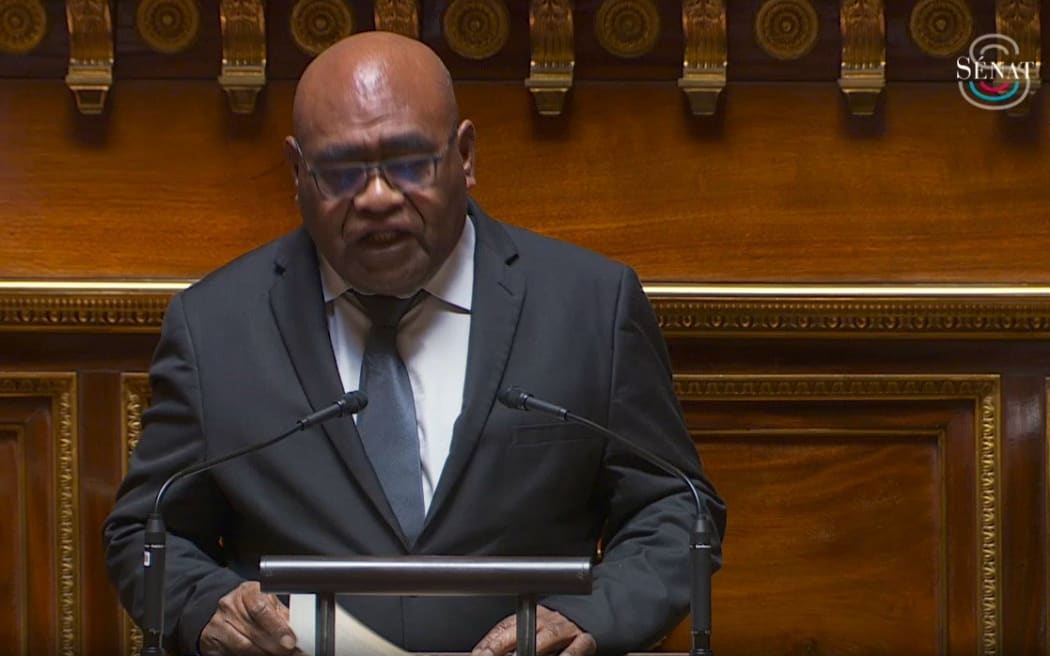
New Caledonia’s first pro-independence Senator Robert Xowie speaks before the French Senate Tuesday . . . . “The point of no return has not been reached yet.” Image: Sénat.fr/screenshot
‘Don’t inflame’ call “The point of no return has not been reached yet. We can still avoid lighting that spark which could inflame the whole situation”, Xowie told the Senate.
He also called on the French Prime Minister’s office, once directly in charge of New Caledonia’s matters, to return to steer these issues.
The 10-year uninterrupted residency condition was described by the government as “a reasonable compromise”, Darmanin’s delegate Minister for Overseas Marie Guévenoux told the Senate.
While apologising for Darmanin’s absence, she said the new self-imposed calendar challenges due to the change of implementation process would be hard to meet.
She said there were provisions in the initial draft that would have allowed the government to react more quickly by way of decree in suspending the provincial elections — and even postponing them as far as “November 2025”.
French delegate Minister for Overseas Marie Guévenoux speaks to the French Senate on Tuesday . . . calendar challenges would be hard to meet. Image: Sénat.fr/screenshot
Waiting for a local, inclusive political agreement After the Senate’s endorsement of the modified amendment, the text is, however, far from the end of its legislative journey: it is now due for debate before the National Assembly on May 13.
If it passes again, its legislative journey is not finished yet as it has to be endorsed sometime in June 2024 by the French Congress, which is a gathering of both the Senate and National Assembly by a required three-fifths majority.
Tensions high back in Nouméa During debates on Tuesday, Senators often alluded to the recent radicalisation from both the pro-independence and pro-French parties.
Last week, the two antagonist groups held two opposing demonstrations and marches at the same time, both in downtown Nouméa, only a few hundred meters away from each other.
Thousands, on each side, have held banners and flags opposing the electoral changes on one side and supporting them on the other side.
There was also a clear escalation in the tone of speeches held, notably by the French “loyalists”.
Part of their protest last Thursday was also to denounce a series of government-imposed taxes, including one on fuel (which has since been withdrawn after a series of blockades) and the other on electricity (to avoid bankruptcy for local power company Enercal)
Last month, “loyalists” members walked out of New Caledonia’s “collegial” government, saying they regarded their pro-independence party colleagues as “illegitimate”.
On the local scene, over the past few months, New Caledonia has been facing the very real effects of an economic crisis for its crucial nickel industry.
One of the three nickel mining plants has been temporarily shut down and the other two are facing a similarly bleak future, putting at risk thousands of jobs.
Paris has put on the table a rescue plan worth over 200 million euros to bail out New Caledonia’s nickel industry, provided it engages in stringent reforms to lower its production costs, but the signing, initially scheduled to take place by the end of March, has still not happened.
Later this week, New Caledonia’s congress is due to meet specifically on the matter to authorise President Louis Mapou to do so.
One strong opponent to the amendment’s vote this week, Mélanie Vogel (Greens and Solidarity caucus) warned the House she believed if the amendment was forced through “we are getting ready to break the conditions that made a return to civil peace possible”.
She and others from all sides of the House also supported the idea of some kind of a delegation to foster the conclusion of talks for the much-expected successor agreement to the Nouméa Accord.
During the first half of the 1980s, New Caledonia was the scene of a civil war between pro and anti-independence sides which only ended after the signing of the Matignon-Oudinot Accords in 1988.
The Nouméa Accord followed in 1998.
“We’re all waiting for this inclusive agreement to arrive, but for the time being, it’s not there. So this (constitutional amendment), for now, is the least bad solution,” Senator Philippe Bonnecarrère (Centrist Union) told the House.
“So this (constitutional amendment), for now, is the least bad solution.”
This article is republished under a community partnership agreement with RNZ.
Earlier today, a major earthquake of magnitude 7.4 struck the central east coast of Taiwan, roughly 20 kilometres south of the city of Hualien.
Locals near the epicentre described severe to violent ground shaking during the quake – strong enough to make standing and driving a vehicle difficult. It was reportedly felt across the country, as well as in neighbouring China.
So, what do we know so far about the quake and what the impacts may be?
News outlets have reported at least four people have died and dozens were injured as a result of the quake.
While much of Taiwan’s population lives on the west coast of the country, Hualien City is one of the largest population centres on the east coast. Its population is roughly 100,000.
Building damage has been reported in the region near the epicentre of the earthquake, including in Hualien City.
Landslides also occurred along the mountainous central east coast.
A tsunami warning was issued for Taiwan and nearby countries including Japan and the Philippines. At the time of writing, a 30 cm tsunami was reported along the south coast of Japan. This would have shown up as a noticeable swell on the shore but is unlikely to cause significant damage.
The biggest surge in a tsunami is not always the first surge so it is possible a larger tsunami wave may eventuate, but as time passes this becomes increasingly unlikely.
This system detects ground shaking as it happens in the epicentral region, and immediately sends an alert which travels faster than the seismic energy and associated ground shaking.
It likely provided crucial seconds of warning for those living away from the epicentre to take cover.
What kind of quake was it?
Initialestimatessuggest the earthquake rupture began between 10 and 40 kilometres beneath the earth’s surface.
A shallower earthquake will generally produce stronger ground shaking than a deeper earthquake, and is therefore more likely to result in damage to nearby buildings.
The latest analysis of data from this earthquake suggests the earthquake was at the shallow end of this range, and likely produced a rupture which broke the surface. Satellite data of the Earth’s surface will tell us more about ground deformation within the coming days.
The earthquake rupture occurred on a reverse fault. This is where the quake lifts up one side of the Earth’s crust relative to the other. This can produce a vertical displacement of the ocean floor, which can generate a tsunami.
Approximately three hours after the initial quake, there have already been 13 aftershocks greater than magnitude 5.0 – all large enough to produce their own ground shaking across much of the country.
Strong aftershocks may cause the collapse of buildings that were only damaged in the main shock.
A history of quakes in the area
The Hualien region has experienced earthquakes before.
In February 2018, this region produced an earthquake of magnitude 6.4, which sadly resulted in 17 deaths.
That earthquake was the main event of a sequence of seismic events in early 2018, including a foreshock of magnitude 6.1. A foreshock is an earthquake of smaller magnitude which precedes a larger earthquake in the same region within days or weeks. We don’t know a quake is a foreshock until the mainshock occurs.
According to my analysis of available earthquake data, the Hualien region experiences earthquakes bigger than magnitude 7 about once every 30 years.
The largest recent recorded earthquake in onshore Taiwan was the magnitude 7.6 Chi-Chi quake (sometimes spelled in English as the Jiji quake) that struck in 1999.
More than 2,400 people lost their lives as a result of this earthquake.
Today’s magnitude 7.4 earthquake will likely continue to produce aftershocks for days and weeks to come.
We can’t rule out the possibility today’s earthquake was not even the biggest event in this sequence, although as time passes the likelihood of a larger associated event decreases.
Where can I get more information?
Be cautious about what you see or read on social media; in the initial aftermath of a natural disaster people often share footage that actually depicts other disasters.
For updates, I recommend following Taiwan’s Central Weather Administration, which is reporting on aftershocks and tsunami warnings as more information comes to hand.
Guy Ritchie’s The Gentlemen (2024) is the latest series to reimagine the age-old trope with which it shares its name.
So what exactly is a “gentleman”? And why has this trope remained so pervasive throughout history, both off and onscreen? Psychology provides some answers.
The origins of the gentleman
The term comes from Middle English, spoken in England from about 1100 to 1500. It relates to the English gentry, which was the class below nobility but above farmers, and is a direct translation of the earlier French term gentilz hom, denoting a man of high status.
Studies of linguistic psychology from the 1980s found the word “gentleman” is associated with higher competence and warmth, and rated as having more positive connotations, including of goodness and morality, than just “man”.
Today, the concept of the gentleman remains ingrained in Western culture and is widely reflected in film and television. And while it could be considered outdated (given its association with class), there are many positive lessons we can learn by delving into the psychology and representation of this ideal.
A gentleman is power restrained
We’ve seen countless gentlemen characters feature in popular shows such as Suits, Mad Men, Sherlock, Highlander and Downton Abbey, to name a few. And all of these characters share the common trait of having some form of power – whether it be physical, political, economic or social.
Onscreen gentleman show us real power is restrained. In the first episode of The Gentlemen, although Eddie (Theo James) is combat-trained, he restrains himself from violence, even when mugged or threatened by thugs. This portrayal is rooted in the historical notion of the “gent” as a man of authority whom others ask for help. (The fact that his character is later corrupted remains a different story.)
Physical restraint requires emotional restraint, or avoiding extreme emotional reactivity in adverse situations. Psychology studies indicate men who demonstrate emotional restraint are viewed as more intelligent and competent. Restrained power fits neatly into the gentleman trope and is considered a positive value in Western culture.
Another example of restrained power is seen is the character Harvey Specter, from Suits (2011-19). As a boxer, Harvey is physically strong, but he also commands power through his wealth and skills as a lawyer. While he leverages his reputation in aggressive legal tactics, this is often done to help less privileged clients fight corporations.
Other examples are Mycroft Holmes from Sherlock, Aziraphale from Good Omens and Raymond Reddington from The Blacklist.
A gentleman has honour
Another trait shared by gentleman characters is “honour”. Cultural psychology has defined honour as maintaining reputational status through “integrity, honesty, being true to one’s principles […] not tolerating disrespect and insults, and protecting oneself and one’s family, group or clan from face loss and reputational harm”.
This is exemplified in Jamie Fraser from Outlander (2014–ongoing), who is consistently loyal to his family. He also embodies physical strength and political authority as the lard (chief) when fighting for Scotland and his clan. John Watson from Sherlock, Jim Halpert from The Office (US) and Agent Leroy Jethro Gibbs from NCIS also come to mind.
Like all well-written characters, Jim Halpert isn’t perfect – yet he does embody integrity and honour in a way that makes him a gentleman. IMDB
These characters can help to remind young boys and men of a pervasive cultural logic: that their behaviours determine their social acceptance, and that using their skills and strengths for others’ benefit will positively impact how others perceive them.
A gentleman is clever
A third quality of the gentleman is that of mastery or cleverness. In the new series Shōgun (2024), a Japanese feudal lord called Yoshii Toranaga (Hiroyuki Sanada) shows great cleverness in evading his enemies. Early on in the series, he says:
A leader must write clearly and beautifully. He must be the very best in all things.
This demonstrates one aspect of our cultural understanding of the “gentleman”, wherein we associate competence and intelligence with power.
Patrick Jane from The Mentalist also typifies this through his ability to cleverly gain information from criminal suspects.
We don’t have to delve far into psychology to understand why intelligence is a likeable trait. It helps us learn from experience, solve problems and adapt to new situations, benefiting both us and the people we associate with.
What we can learn from onscreen gentlemen
The gentleman can be considered an archetypal figure: an ideal example of a certain kind of person that we can all recognise. The reason for our universal recognition of such archetypes comes from psychologist Carl Jung’s (1875-1961) idea of the “collective unconscious”.
Jung theorised certain types of characters or concepts represented in images (such as in art or on TV) are innately recognised by humans, rather than consciously learned (and rejected the idea that people are born as a blank slate). These concepts, he said, provide a framework to interpret the world that’s shared across peoples and cultures.
Of the 12 archetypes Jung proposed, the gentleman could be considered an example of “the ruler” – a person driven by their desire to control in order to somehow help or provide for their clan or community. Others include the “trickster/jester” and “the sage”.
Loki from Norse mythology is one example of the ‘tricker/jester’. Modern examples include Genie from Aladdin and Austin Powers. IMDB
The application of archetypes to onscreen characters is well established. Depictions of a “ruler” provide a short-hand to represent the world. In recognising them, viewers can tap into their own innate understanding of particular patterns of behaviour.
Gentleman characters represent an ideal of positive masculine behaviour, embodying honour, strength and cleverness in their actions, which are generally directed at helping others.
And while the class-based roots of this concept can’t be ignored, delving into the underlying psychology at play reminds us we could all learn a thing or two from this trope.
Jayden Greenwell-Barnden does not work for, consult, own shares in or receive funding from any company or organisation that would benefit from this article, and has disclosed no relevant affiliations beyond their academic appointment.
Just when we thought the defamation action brought by Bruce Lehrmann against Network Ten and journalist Lisa Wilkinson over their February 2021 report on The Project was about to be finalised, another twist appeared.
Justice Michael Lee was to hand down his decision on the matter, which went to trial for a month last year, on Thursday morning. That’s now been delayed.
The reason? Lawyers for Network Ten were successful in convincing the Federal Court it should hear fresh evidence not raised during the trial.
This course of events puts the credibility of not just the trial witnesses under the microscope, but also that of two of Australia’s biggest media organisations.
Advocates for the defendant (Network Ten) received an affidavit and accompanying materials from a former Seven Network producer that appeared to contradict Lehrmann’s evidence in the witness box.
In any trial, civil or criminal, the credibility of witnesses is crucial.
Invariably, where there are conflicting testimonies, a judge has to make a determination about whose evidence is to be preferred. So the credibility of Lehrmann’s testimony is vital to his case. To challenge it, the defendants applied to the court to reopen the case, and they were successful yesterday.
As a result, Justice Lee’s judgement will be delayed by at least a week.
This is a highly unusual practice. Parties are required at the commencement of any trial to disclose who their witnesses will be. Only a very confident litigant would test a judge’s patience in this way by calling a surprise witness.
Indeed, the credibility of a lawyer’s entire case may be at risk if the fresh evidence falls short. A trifling matter, one that was not compelling, would not impress any judge.
As it happened, Justice Lee was satisfied the new evidence, if credible, would be fresh and compelling. He added he wanted to “let sunlight be the best disinfectant”.
The surprise witness, former Seven Network producer Taylor Auerbach, is likely to be called to the stand during the next couple of days to be examined under oath and cross-examined. Network Ten may choose not to call him, of course, and simply tender into evidence his affidavits and accompanying materials.
Network Ten’s barrister, Matthew Collins, will allege Lehrmann provided Auerbach with more than 2,000 pages of “deeply personal exchanges” between Brittany Higgins and her former boyfriend. Collins will allege these exchanges had been received by Lehrmann while he was defending allegations he had raped Higgins in 2019.
In whatever form it appears, Auerbach’s testimony will be championed by Network Ten, as they claim it renders Lehrmann’s own testimony unreliable, and damages his credibility and his factual accounts.
The Seven Network has already denied Auberach’s account of the events, calling it “false and misleading”. The cross-examination of Auerbach, if he is called by Lehrmann’s barrister, will be fierce.
If Auerbach does give evidence, it is likely Lehrmann himself will take the stand again to give his response to these anticipated revelations.
Will this make a difference to the outcome?
It is very difficult to say. The evidence, if accepted, will weigh heavily into the credibility of the testimonies of those who have given evidence, especially that of Lehrmann, and the crucial findings of fact in the case.
Lehrmann’s criminal rape trial ended in October 2022 when Australian Capital Territory Chief Justice Lucy McCallum determined there had been juror misconduct. Lehrmann has always maintained his innocence and hasn’t been convicted of any crime.
Collins will allege Lehrmann was in breach of what is referred to in legal practice as the “Harman undertaking”
This undertaking (arising from a British case 40 years ago) applies to all parties in legal proceedings and insists they not use information gathered in preparation for a trial for any purpose unrelated to the trial.
Justice Lee commented yesterday the fresh evidence was capable of changing the determination of facts in the case and agreed with Collins that it went further than merely a question of credibility. Like all evidentiary material, it will further inform Justice Lee’s deliberations, as will any other evidence that emerges that will attempt to disparage it.
Trials through a camera lens
The enormous pressure on all parties has been exacerbated by the media’s involvement in the case at every stage, going back to 2021.
Lehrmann launched his defamation case against Network Ten and Wilkinson safe in the knowledge that no adverse finding had been made against him in the criminal trial.
He also has the advantage in defamation law that while the onus is on him to prove that the statements made against him, and the alleged defamatory meanings (or imputations, as they’re legally called) were, in fact, defamatory, he doesn’t have to prove that they are false.
The onus is on the defendants to successfully claim one of the defences to defamation, in this case, contextual truth. Contextual truth is a complete defence against defamation if at least one of the imputations is proven to be substantially true and the remaining imputations do no further harm to the plaintiff’s reputation. Network Ten needs this new evidence to push home its case that contextual truth has been established.
Into the mix comes the Seven Network, whose former producer’s ethics and practices are now under scrutiny. Both networks are well-funded. Their credibility, as much as the witnesses who have appeared in this trial, is also at stake.
This complex tale has at least one more chapter yet to run.
Rick Sarre does not work for, consult, own shares in or receive funding from any company or organisation that would benefit from this article, and has disclosed no relevant affiliations beyond their academic appointment.
Anthony Albanese has told Israeli Prime Minister Benjamin Netanyahu Australia wants “a thorough investigation” with “full accountability and transparency” into what happened in the incident in which Australian Zomi Frankcom and several other aid workers were killed in an Israeli attack on their convoy.
Albanese also used the conversation to express Australia’s concern about a potential ground invasion of the Gazan city of Rafah and the consequences for civilians there. The United States has been strongly urging Israel to refrain from the ground assault on Rafah which would be devastating for the civilians who have fled there to shelter.
Netanyahu on Wednesday morning returned the call Albanese had sought to demand an explanation about the death of the Australian.
Albanese told his news conference: “The Israeli government has accepted responsibility for this and Prime Minister Netanyahu conveyed his condolences to the family of Zomi Frankcom and to Australia as a result of this tragedy”.
Albanese said Netanyahu had committed to a thorough investigation.
“I made clear again that it is Australia’s view that humanitarian assistance must reach people in Gaza unimpeded and in large quantities.”
“I conveyed to Prime Minister Netanyahu in very clear terms that Australians were outraged by this death, by this tragedy of this fine Australian,” he said.
In what Albanese described as a “reasonably long conversation” “Netayahu expressed his views and I expressed the views of Australia.” about the present situation in the Israel-Hamas conflict.
“I indicated my concern with a ground invasion of Rafah, and the consequences for the civilian population there.
“I reiterated Australia’s concern at the loss of life that has occurred in Gaza. I reiterated Australia’s condemnation, unequivocally, of the events of October 7 and of Hamas as a terrorist organisation.
“I indicated very clearly Australia’s view, as I have in every conversation I have had with Prime Minister Netanyahu, our support for a two-state solution in the Middle East – support for Israelis and Palestinians to live in peace and security with prosperity side by side. And that that was in the interests of both Israelis and Palestinians.”
Albanese told reporters that the global community was very concerned about the Gaza death toll, adding that the latest incident would add to this concern, “We saw an extraordinary resolution of the UN Security Council just last week [calling for a ceasefire for the remainder of Ramadan], with the United States not vetoing that proposal.
“That gives a clear indication of global opinion” about the loss of life in Gaza,“ Albanese said.
Albanese said Australians did not want the conflict to be played out here in this country. “I’m concerned about social cohesion here in Australia. I’m concerned about any attempt to try to seek some political advantage over events that happen in other parts of the world.”
Michelle Grattan does not work for, consult, own shares in or receive funding from any company or organisation that would benefit from this article, and has disclosed no relevant affiliations beyond their academic appointment.
The Australian government released its draft National Autism Strategy yesterday. It aims to power a “coordinated national approach, supporting Autistic people at each stage of life”.
The strategy is the fulfilment of an election commitment by the Albanese government, which was met with great optimism by many in the Australian community at the time.
The strategy was co-designed after consultation with more than 2,000 autistic people, families, carers and researchers. It follows the lead of South Australia which released a strategy and appointed an assistant minister for autism in 2022.
Now focus shifts to whether the draft strategy – open for public feedback until the end of May – fulfils the hopes of the community.
Why a national autism strategy?
The prominence of autism in Australia has grown considerably. Increased awareness has been a key factor behind the surge in the prevalence of autism diagnosis in Australia, estimated to be at least 3.2% of school-aged children.
Autistic Australians have among the poorest life outcomes in Australian society. As reported in the draft strategy, the life expectancy of autistic Australians is on average more than 20 years shorter than non-autistic Australians. They are nine times more likely to die of suicide and they experience higher rates of physical and sexual abuse.
There is an urgent need to turn these horrifying statistics around.
Governments contribute to each person’s life through early childhood programs, education, employment, the health and justice systems, to name just a few functions. A whole-of-government strategy is important because it focuses all departments on the same goal.
The National Autism Strategy is being developed by the federal government, guided by an oversight council of sector representatives, predominantly members of the autistic community. This is a great strength of the development process, which also involves working groups in key topic areas.
But the fact the National Autism Strategy is being developed independent of state and territory governments constrains it. The strategy can’t include commitments about functions under state and territory control. Unfortunately, it is these areas in most need of urgent action.
Education systems are struggling to meet the demand for the growing number of autistic students coupled with our expectation of inclusive classrooms. There is an acute shortage of safe housing options for generations of autistic Australians who are either in adulthood or approaching it. Autistic Australians are encountering the justice systems at high rates, with evidence they receive longer sentences than non-autistic Australians.
The administration of education policy and public housing rests with the state and territories, and the vast majority of Australian prisoners are convicted under state and territory laws.
The potency of a strategy unable to guide government commitment on these most urgent issues is diluted from the start.
The draft strategy proposes 24 commitments across key areas such as:
social inclusion
economic inclusion
diagnosis
services and supports.
The commitments are structured around the human rights of autistic Australians, and their rights to accessible and inclusive environments that meet their needs.
The draft strategy calls for public education campaigns about autistic Australians in the workplace, facilitating meaningful employment opportunities, and improving access to quality and timely supports that nurture autistic identity.
It also calls for greater leadership and active involvement of autistic Australians in related policy and accountability mechanisms.
But there is room for improvement
Even within a scope that is constrained to the roles and responsibilities of the federal government, there were a range of urgent issues not addressed within the draft.
Autism is an area that has historically been plagued by non-evidence based therapies and supports. Improving this evidence base is a key priority to ensure the safety and effectiveness of supports for autistic individuals, but currently the strategy remains silent on this.
Neither does the strategy touch on early childhood education and care (such as child-care subsidies and preschool funding) or aged care, both of which are largely federal responsibilities. Quality support and inclusive policies at these vulnerable and highly impactful times of life are critical to meeting the human rights of autistic Australians.
Even where states and territories have primary jurisdiction, the federal government can still play a major role in leading change. For example, the federal government can strengthen the justice system by creating diversionary programs for autistic individuals, which could avoid situations such as the recent encouragement of a 13-year old autistic boy in his fixation on a terrorist organisation by an undercover federal agent.
Similarly, while education policy is set at the state and territory level, the federal government is a significant contributor to school funding. A strategy that included a commitment to adequate investment for schools to promote inclusive classroom policies would be a system-changing commitment.
‘Right now. life outcomes for autistic people are worse than they should be.’
Is the draft National Autism Strategy a game-changer?
The draft National Autism Strategy includes an array of commitments that represent a critical step forward for the understanding, inclusion and empowerment of autistic Australians. This is an important document, which marks a celebratory moment for Australia.
However, its title of “National Autism Strategy” implies an ambition the terms of reference mean it could never meet.
Many of the truly thorny challenges that plague autistic Australians – reduced life expectancy, inadequate housing, educational exclusion and underachievement, unemployment and underemployment, experiencing higher rates of physical and sexual abuse – cannot be solved by one government alone.
This work requires the hard grind of all levels of governments working together across multiple generations to integrate and evolve complex systems. Alongside a top-down strategy, the goal of a coordinated approach could be better met by National Cabinet, which brings together the prime minister and the state premiers and territory chief ministers.
Andrew Whitehouse receives funding from the National Health and Medical Research Council, the Autism CRC, and the Angela Wright Bennett Foundation. Andrew was a member of the Social Inclusion Working Group that contributed to the National Autism Strategy.
Source: The Conversation (Au and NZ) – By Alanna Alevropoulos-Borrill, Postdoctoral Research Fellow, Te Herenga Waka — Victoria University of Wellington
Some researchers have recently proposed the construction of artificial structures – submarine curtains or walls – to stop the warming ocean from getting to the most rapidly melting glaciers in West Antarctica.
If effective, these interventions could save trillions of dollars in avoided coastal impacts.
Our new study weighs up whether these kinds of experiments are worthwhile.
We explore the conditions required to stop runaway glacial retreat in the Amundsen Sea Embayment, the sector of West Antarctica currently losing most ice. We find that blocking warm water from the embayment may not be enough to prevent ongoing sea-level rise from the region.
Much of this increase is due to a warm ocean current that floods into deep basins close to parts of West Antarctica. It melts the parts of the ice sheet that flow into the ocean.
This warm water drives some of the highest rates of ice-shelf melting seen on the continent and is causing the ice to thin and retreat rapidly. Recent research suggests this retreat is now unavoidable.
The Amundsen Sea Embayment has been identified as the most vulnerable sector of the ice sheet because the glaciers there are resting on bedrock that lies up to two kilometres below sea level. Worse still, that bedrock slopes inland, toward the middle of the continent. This means that as the ice in this region retreats, it exposes increasingly thicker ice to the ocean, causing further melting, thinning and retreat.
We have known for a long time that glaciers resting on bedrock that deepens inland could undergo runaway retreat, ultimately leading to a near total collapse of the entire West Antarctic ice sheet. Collapse of the main outlet glaciers in this area would lead to more than a metre of sea-level rise. The loss of the West Antarctic ice sheet as a whole would raise global sea level by more than three metres – enough to affect major cities around the world catastrophically and displace hundreds of millions of people.
Lowering future sea-level rise
Using a state-of-the-art computer model to simulate the behaviour of the ice, we investigated how the glaciers of the Amundsen Sea Embayment would respond to future scenarios in which we were able to block warm water from reaching the ice sheet, stabilising or even reducing current rates of ice loss.
We explored nearly 200 different future scenarios of melting. In these experiments, we first allowed the floating ice shelves in the region to thin and retreat as they are doing now. Then, we abruptly reduced the amount of melting to see whether or not the ice could recover.
In this ensemble of experiments we explored not just different levels of cooling, but also different initial periods of melting. Together, these simulations tell us whether regrowth of the region would be possible and, if so, how quickly we would need to start reducing melt rates to allow that regrowth to happen.
Cooling the ocean would slow ice loss from West Antarctica’s glaciers but not enough to stop sea-level rise. NASA Earth Observatory, CC BY-SA
Our experiments show that lowering the temperature of the ocean by blocking warm water from the embayment would, as expected, reduce the maximum amount of ice lost from the region. This in turn would reduce the contribution to sea-level rise.
However, reducing glacier melt rates only slows down the process. It doesn’t stop the sea level from rising or allow the ice sheet to regrow in a way that replaces what has already been lost.
What we found was that entirely offsetting or reversing the sea-level contribution would need much more than ocean cooling. It would also require nearly two centuries of increased snowfall to build up the mass of ice that has been lost.
These findings present a gloomy image for the future of West Antarctica.
Our results suggest that even if these bold geoengineering proposals work, there will still be ongoing ice loss and global sea-level rise for decades, even centuries, to come. The rate at which this proceeds, however, will most likely depend on the emissions reductions we put in place right now.
Alanna Alevropoulos-Borrill receives funding from the Ministry of Business, Innovation & Employment.
Nick Golledge receives funding from the Ministry of Business, Innovation & Employment.
Australia’s next governor-general will be businesswoman Samantha Mostyn, succeeding David Hurley on July 1.
Announcing Mostyn’s appointment on Wednesday morning, Prime Minister Anthony Albanese said Mostyn was a “modern and optimistic leader for our modern and optimistic nation”.
“Her leadership reflects our enduring Australian values of equality, fairness and responsibility to build a better future for the next generation,” he said.
Mostyn is the second woman to hold the post, following Quentin Bryce who was appointed by the Rudd Labor government.
Trained as a lawyer, Mostyn has had extensive experience in business, especially in telecommunications and insurance locally and globally.
Her non-executive board roles have included the boards of Transurban, Virgin Australia, and chairing Citibank Australia.
She presently is chair of AWARE Super and Alberts Music Group and is on the Mirvac board.
She was president of Chief Executive Women from 2021-22.
She was a commissioner of the Australian Football League – the first woman to be a commissioner – helping develop its Respect and Responsibility policy, and a driver of the AFL (Women’s) (AFLW).
She has also chaired many not-for-profit bodies, including Beyond Blue and Australian Volunteers International.
Mostyn has been a strong advocate on climate change and on women’s issues and has long had strong Labor connections.
She was a policy adviser for former Labor ministers Bob Collins and Michael Lee and a senior communications policy adviser to former Prime Minister Paul Keating.
In 2022 the Albanese government appointed her to chair its Women’s Economic Equality Taskforce, charged with developing a national strategy to achieve gender equality. The committee reported late last year.
Albanese told a joint press conference with Mostyn she was an “exceptional leader”.
Mostyn said she was “ready to serve with integrity, compassion and respect”.
The governor-general designate told the news conference she wanted to “introduce myself to those who do not yet know me.”
Born in Canberra, “like most people, and certainly most people in Australia, my fundamental values were set early by my parents and our family life.
“Along with my three younger sisters, I grew up in an army family, our father a Royal Military College Duntroon graduate who served Australia with distinction for almost 40 years, supported by the generosity, love, care and selflessness of our late mother.
“In my very early years, my dad’s military service took us to the United States and Canada before returning to Australia and living in Adelaide and Melbourne, including time spent with my grandmother when my father served in Vietnam. We learned to be resilient.
“By the early 1970s, we had returned to Canberra, where I was the beneficiary of the public education system and then later completing an arts law degree at the Australian National University while working as a researcher for the Chief Magistrate of the Australian Capital Territory.
“My memories are of deep service, community involvement, education and learning, sport and music, volunteering and engaging in the disability sector. I also clearly and fondly recall our annual attendances at Anzac Day dawn services and marches and standing patiently with my sisters in the crowds on Dunrossil Drive at Yarralumla, waiting to catch that glimpse of Her Majesty The Queen on her visits to Canberra in the 1970s.
“My parents instilled in us the values that they lived so consistently. Generosity, care for others, respect, curiosity, being of service to society and always humility. Millions of Australians know this to be true, that being of service is what often provides a person with their greatest happiness and sense of purpose.
“That is certainly the case for me and I can think of no greater purpose, Prime Minister, than to serve this country I love as Governor-General, particularly at a time in our history when the challenges and opportunities we face are large and complex.
“In the past 40 years, I hope my career and contributions reflect these values. I’ve worked in the highest levels of many Australian companies and spent time working globally. I’ve also had the privilege of advising governments of all persuasions across the country.
“Alongside my broad business career, I’ve forged a strong connection with many other aspects of Australian life, including in sport, civil society, arts and culture, First Nations reconciliation, sustainability in the environment, policy development, mental health, gender equality and young people.
“My connections to this country and people have come in so many forms, from contributing to governance around executive investment and board tables, to cheering at the footy, to being moved and inspired sitting in the audience at our extraordinary arts and music events, or simply packing food boxes in my local community.
“I’ve had engaging discussions with farmers about the challenges of climate change, listened deeply to young people talking enthusiastically about civics and democracy and intergenerational fairness. I spent time listening carefully to single mothers and domestic violence survivors, and shared coffees and stories in men’s sheds.
“My legal training, including time spent in courts from the Magistrates Court here in Canberra to the Court of Appeal of the New South Wales Supreme Court, ensures that I understand and deeply respect our institutions, the rule of law and in particular the democratic will of the Australian people when it comes to our constitutional arrangements.
“It is this that will guide me in carrying out the duties of this office.”
Michelle Grattan does not work for, consult, own shares in or receive funding from any company or organisation that would benefit from this article, and has disclosed no relevant affiliations beyond their academic appointment.
How Earth and the other planets of the solar system formed and evolved over the aeons is a hot question for planetary scientists like me. One of the best ways to find out is by looking at rocks from space.
Getting the rocks is the hard part. Sending spacecraft to asteroids or other planets to gather samples and bring them home is possible, but extremely difficult and expensive.
Another option is to study space rocks that fall to Earth: meteorites. However, they are relatively rare, and the journey through our planet’s atmosphere followed by a high-speed collision with the ground often means they’re not in very good condition by the time we get a look at them.
That said, meteorites do leave fascinating traces. In a new study, my colleagues and I analysed lumps of glass found around a 5,000-year-old meteorite impact site in the Northern Territory and discovered it contains a surprisingly large amount of metal from the meteorite itself – proving the craters at the site were formed by a cosmic interloper and giving clues about the intruder’s composition.
Natural glasses
We’re all familiar with the human-made kind of glass found in windowpanes and kitchenware. But glass occurs in nature, too. Most of it is obsidian, the glass produced in volcanoes which has been known since ancient times.
Satellite image of the Henbury crater field. Labels indicate individual craters (not all shown). Google Earth / Cavosie et al.
A much smaller amount of natural glass is produced by lightning strikes and asteroid impacts. When we find glass in nature, it can take careful forensic work to pinpoint what created it. However, the forensic analysis can reveal a surprising amount of information about the origin of the glass.
In our study, published in Geochimica et Cosmochimica Acta, we analysed glass from a site in the NT called the Henbury crater field.
Meteorite fragments have been recovered from the site, where there are at least 13 impact craters formed in an event around 5,000 years ago. The crater field is also called Tatyeye Kepmwere, and reports of it are found in Aboriginal oral traditions.
The Henbury IIIAB iron meteorite. Museums Victoria
The meteorites recovered from the Henbury field are a type called IIIAB irons. They are remnants of the metallic core of an ancient shattered world and were eventually delivered to Earth. They’re essentially lumps of metal, comprised mostly of iron, nickel and cobalt.
Heavy metal–classic rock fusion
When the space rock struck at Henbury, the heat of the impact melted the meteorite along with rock from the ground. Some of this fused material formed molten droplets which was thrown from the craters and cooled to form thumb-sized lumps that look a lot like volcanic glass.
To find out more about this “bush glass”, we took samples to the laboratory and shot holes in them with a laser, heating the glass into a hot plasma we could study with a mass spectrometer, which can determine which elements are present.
This revealed the glass contained elements from the local sandstone as well as high levels of iron, nickel and cobalt – much more than we found in exposed rocks in the craters. These results suggest the glass is made of about 10% melted meteorite.
A 10% meteorite contribution might not seem like a lot, but it’s a relatively enormous amount. By comparison, melted rocks from Chicxulub, the giant asteroid strike in Mexico widely believed to have killed off the dinosaurs, are typically less than 0.1% meteorite.
The Henbury glass also contained elevated levels of chromium, iridium and other elements from the platinum group. All of these are vanishingly rare in most rocks on Earth’s surface. Their high abundance in Henbury glass is another hallmark of a cosmic origin.
Meteorite glass around the world
Such high levels of meteorite residue in glass have not been reported from other Australian craters.
Similar glass has been described at two other sites, both younger and smaller than the largest Henbury crater (145m across). One is the 45m Kamil crater in Egypt, and the other is the 110m Wabar crater in Saudi Arabia.
We think meteorite-rich glass like we found at Henbury forms in all craters, regardless of size. However, it likely represents a very small volume of the melt formed at large craters, and is best preserved at young craters that haven’t been eroded.
Our main motivation to search for meteorite residue in natural glass is that it provides ground-truth evidence for an impact with a celestial object. Many circular, crater-like features occur on Earth’s surface, but few have a truly cosmic origin.
Discovery of meteoritic residue in glass is an unambiguous method to confirm that a suspect site was made by an asteroid strike.
More enigmatic glasses
There are many reports of enigmatic natural glasses, in places such as Argentina, Australia and elsewhere, whose origins are ambiguous. In many cases no crater is known in the vicinity, such as Libyan desert glass. Determining whether they have an impact origin requires careful detective work to look for the telltale signs.
OSIRIS-REx mission sampling the asteroid Bennu.
NASA is currently weighing up spending US$11 billion or so to bring a few hundred grams of rock samples from Mars collected by the Perseverance rover. Missions to Itokawa, Ryugu and Bennu have returned samples of asteroids, and a flood of new missions to the Moon will hopefully return fresh samples of our planetary neighbour.
In the meantime, there are lots of interesting bush glasses that deserve a second look for clues of a cosmic heritage.
When it comes to the punishment for the player, it matters greatly whether they used it recreationally or to help them compete. So how is cocaine considered performance enhancing, and why does it matter when they took it?
Cocaine is an addictive and potent drug derived from the leaves of the coca plant. Even though it can be used medically as a local anaesthetic for certain medical procedures, it is a highly regulated and controlled substance due to its high potential for addiction and abuse.
Once consumed, cocaine increases the level of a chemical in the brain called dopamine – a messenger molecular that is associated with pleasure and reward. A surge in dopamine is responsible for feelings of euphoria, heightened energy, and alertness, which makes cocaine highly sought-after for recreational purposes.
Furthermore, cocaine’s ability to reduce negative emotions, such as stress and anxiety, can contribute to its misuse as people seek relief from emotional distress.
When used during sport, cocaine is considered to have performance enhancing effects and is prohibited under the World Anti-Doping Code and listed under the Substances of Abuse Category.
As a stimulant, cocaine can induce a powerful “rush”, leading to heightened alertness, excitement, and enhanced confidence. Athletes may use cocaine to improve focus, endurance, or to increase confidence, which it is claimed could provide them with an unfair advantage.
However, despite the perceived benefits, it is highly unlikely an athlete would use it for performance enhancement. This is because the duration of the euphoric sensation is relatively brief, maybe as short as 15-30 minutes, and often followed by a rapid decline in mood and energy levels.
The cocaine would also likely affect their judgement and decision-making, an important aspect of ball sports. The player would also have to not be concerned about the health risks of using it – which include overdoses, headaches, dizziness and chest pain – and consider themselves unlikely to get caught from game-day testing.
The AFL defended its illicit drugs policy after Andrew Wilkie’s cover-up claims.
Recreational (out of competition) vs performancing-enhancing (in-competition) use
The two AFLW players, Alexia Hamilton and Paige Sheppard, were deemed to have used the cocaine out of competition, and therefore recreationally.
They were caught in December 2023, after their team’s season had finished in November. As a result, instead of a ban from competing, the court gave them 12-month conditional release orders, with no convictions recorded.
This is in line with the AFL code that states players receive a first strike, a suspended $5,000 fine, counselling, and be subject to target testing. They were also later suspended for two matches by the AFL.
But the Demons’ Smith may be facing a much harsher punishment because he tested positive to cocaine use on game day towards the end of the 2023 season. Because of this, he stands accused of using cocaine not just recreationally, but potentially for performance-enhancing reasons.
Can urine testing determine when someone took cocaine?
To provide performance enhancement, cocaine would have to be used on the day of competition, so the exact day a player is determined to have taken it becomes very important.
Scientific instruments can very accurately measure the concentration of cocaine, and one of its key metabolites called benzoylecgonine, commonly abbreviated as BZE, at the nanogram level in urine.
Intact cocaine can remain detectable in urine for periods up to 15 days, and BZE can be detectable up to 25 days. So simple detection doesn’t indicate use on the day of competition.
To determine the date of cocaine use, the concentration of intact drug in the athlete’s urine, and possibly the BZE concentration, need to be considered. These values are compared with urine concentrations that have had been analysed in scientific trials.
But there are fundamental flaws in making these comparisons to determine when an athlete took cocaine. This is because most of the scientific studies test the wrong quantity of cocaine (usually they test too small a dose); study participants are administered cocaine in irrelevant ways (like IV injection or smoking); researchers often conduct studies on chronic cocaine users, or the studies don’t account for differences in the physical fitness of athletes from ordinary people.
With the currently available research data, it can only be determined with certainty that an athlete took a drug between the last time they tested negative and the date when they tested positive to cocaine.
With the exception of very high cocaine levels in their urine, it can’t be determined whether they took it on game day or some day before until metabolism and excretion studies in elite athletes have been completed.
Why is cocaine still considered performance-enhancing?
While it’s unlikely an athlete can genuinely get an athletic edge on their rivals by taking cocaine, it is still on Sports Integrity Australia’s Prohibited List because “all prohibited substances are added to the Prohibited List because they meet two of the three following criteria”:
use of the substance has the potential to enhance or enhances performance
use of the substance represents an actual or potential health risk to the athlete
use of the substance violates the spirit of sport.
Athletes really are risking a lot for minimal (if any) athletic reward when they take cocaine – not just the health risks, but the possibility of getting caught with a substance that is extremely unlikely to improve their on-field performances.
Nial Wheate has previously appeared as an expert witness for an athlete accused by Sport Integrity Australia of in-competition cocaine use.
Shoohb Alassadi does not work for, consult, own shares in or receive funding from any company or organisation that would benefit from this article, and has disclosed no relevant affiliations beyond their academic appointment.
Influenza is a common respiratory infection. Although most cases are relatively mild, flu can cause more severe illness in young children and older people.
Influenza virtually disappeared from Australia during the first years of the COVID-19 pandemic when public health restrictions reduced contact between people. Since 2022, it has returned to a seasonal pattern, although the flu season has started and peaked a few months earlier than before 2020.
It’s difficult to predict the intensity of the flu season at this point in the year, but we can sometimes get clues from the northern hemisphere. There, the season startedearlier than usual for the third year running (peaking in early January rather than late February/March), with a similar number of reported cases and hospitalisations to the previous year.
Influenza vaccines are recommended annually, but there are now an increasing number of different vaccine types. Here’s what to know about this year’s shots, available from this month.
What goes into a flu vaccine?
Like other vaccines, influenza vaccines work by “training” the immune system on a harmless component of the influenza virus (known as an antigen), so it can respond appropriately when the body encounters the real virus.
Influenza strains are constantly changing due to genetic mutation, with the pace of genetic change much higher than for SARS-CoV-2 (the virus that causes COVID). The strains that go into the vaccine are reviewed twice each year by the World Health Organization (WHO), which selects vaccine strains to match the next season’s predicted circulating strains.
All current influenza vaccines in Australia contain four different strains (known as quadrivalent vaccines). One of the strains appeared to disappear during the COVID pandemic, and the WHO has recently recommended dropping this strain from the vaccine. It’s expected trivalent (three strain) vaccines will become available in the near future.
What’s different about new flu vaccines?
There are eight brands of flu vaccines available in Australia in 2024. These include egg-based vaccines (Vaxigrip Tetra, Fluarix Tetra, Afluria Quad, FluQuadri and Influvac Tetra), cell-based vaccines (Flucelvax Quad), adjuvanted vaccines (Fluad Quad) and high-dose vaccines (Fluzone High-Dose Quad).
Until recently, the process of manufacturing flu vaccines has remained similar. Since the development of the influenza vaccine in the 1940s, influenza viruses were grown in chicken eggs, then extracted, inactivated, purified and processed to make up the egg-based vaccines that are still used widely.
However, there have been several enhancements to influenza vaccines in recent years.
Older people’s immune systems tend not to respond as strongly to vaccines. In some flu vaccines, adjuvants (components that stimulate the immune system) are included with the influenza antigens. For example, an adjuvant is used in the Fluad Quad vaccine, recommended for over 65s. Studies suggest adjuvanted influenza vaccines are slightly better than standard egg-based vaccines without adjuvant in older people.
An alternative approach to improving the immune response is to use higher doses of the vaccine strains. An example is Fluzone High-Dose Quad – another option for older adults – which contains the equivalent of four doses of a standard influenza vaccine. Studies suggest the high dose vaccine is better than the standard dose vaccine (without an adjuvant) in preventing hospitalisation and complications in older people.
Other manufacturers have updated the manufacturing process. Cell-based vaccines, such as Flucelvax Quad, use cells instead of eggs in the manufacturing process. Other vaccines that are not yet available also use different technologies. In the past, manufacturing issues with egg-based vaccines have reduced their effectiveness. Using an alternative method of production provides some degree of insurance against this in the future.
Given indications this year’s flu season may be earlier than usual, it’s probably safest to get your vaccine early. This is particularly important for those at highest risk of severe illness, including older adults (65 years and over), those with chronic medical conditions, young children (six months to five years) and Aboriginal and Torres Strait Islander people. Influenza vaccines are also recommended in pregnancy to protect both the mother and the baby for the first months of life.
Influenza vaccines are widely available, including at GP clinics and pharmacies, while many workplaces have occupational programs. For high-risk groups, four of the vaccines are subsidised by the Australian government through the National Immunisation Program.
In older people, a number of vaccines are now recommended: COVID and influenza, as well as one-off courses of pneumococcal and shingles vaccines. In general, most vaccines can be given in the same visit, but talk to your doctor about which ones you need.
Are there side effects?
All influenza vaccines can cause a sore arm and sometimes more generalised symptoms such as fever and tiredness. These are expected and reflect the immune system reacting appropriately to the vaccine, and are mostly mild and short-term. These side effects are slightly more common in adjuvanted and high dose vaccines.
As with all medications and vaccines, allergic reactions such as anaphylaxis can occur after the flu vaccine. All vaccine providers are trained to recognise and respond to anaphylaxis. People with egg allergies should discuss this with their doctor, but in general, studies suggest they can safely receive any (including egg-based) influenza vaccines.
Serious side effects from the influenza vaccine, such as Guillain-Barré syndrome, a neurological complication, are very rare (one case per million people vaccinated). They are thought to be less common after influenza vaccination than after infection with influenza.
Allen Cheng receives funding from the National Health and Medical Research Council and the Australian Department of Health and Aged Care. He is a member of the Australian Technical Advisory Group on Immunisation.
Droughts can have dramatic effects in Australia – decimating agriculture, threatening water resources and devastating the environment. Much of Australia is drought-prone, and the risk is expected to increase as global warming continues.
That’s why it’s important for Australia to be prepared for droughts, particularly those lasting multiple years.
To have some idea of just how bad things might get, we must look far back in time to see what’s come before. That’s where our new research comes in.
We examined computer simulations of Earth’s climate over the past 1,150 years. Worryingly, we found that given enough time, natural variability in Australian rainfall can produce “mega-droughts” lasting 20 years or more. If we add in human-caused climate change, it suggests future droughts will be far worse than we imagined.
Rainfall records aren’t enough
To understand the full picture of future droughts, we need historical rainfall data. But in Australia these records only go back to around the year 1900. This doesn’t fully record the huge range of natural rainfall variability over many hundreds of years.
To a degree, we can get these long records from features of the environment such as trees, which record information about rainfall changes in their annual growth rings. Unfortunately, these natural “archives” generally only reach back a few hundred years. And they only store information about what’s happened in their local area, not across all of Australia.
Scientists need alternative ways of looking back in time – and that’s what our new research set out to do.
We used computer models of Earth’s climate from the years 850 to 2000 (1,150 years in total) to fill in the picture. The models simulate the interactions of the atmosphere, oceans, ice and land, and so provide a picture of how the climate has changed through time.
First, we looked at the characteristics of Australian droughts due to natural fluctuations in rainfall. Then we compared the simulated droughts during the 20th century with those from the pre-industrial period (before the year 1850). This let us test if human-caused climate change during the past century has caused detectable changes in Australian droughts.
We paid particular attention to the Murray-Darling Basin in south-eastern Australia. It contains Australia’s largest river system and is our largest agricultural region, so it’s important to know how bad droughts there could be.
We found during the 20th century, simulated droughts in southwestern and eastern Australia – including the Murray-Darling Basin – were longer on average compared with pre-industrial times.
This change is consistent with the rainfall trends expected in these regions in future due to human-caused climate change. It suggests that an emerging human influence on our climate has already made southern parts of Australia more drought-prone.
Other characteristics of simulated Australian droughts, such as their intensity or recurrence, didn’t show marked differences last century compared to pre-industrial times. In other words, human-caused climate change had probably not yet caused Australian droughts to be any drier, or changed how often we are in drought. But this influence could still emerge as climate change worsens.
The devastating impacts of Australia’s last major drought from 2017 to 2019, known as the “Tinderbox” drought, are a stark reminder of what we might expect in future. The drought was likely worsened by human-caused climate change, and preceded the catastrophic Black Summer fires.
How bad could Australian droughts be?
One of the most concerning findings from our research is that even without the effects of climate change, natural variability can produce “mega-droughts” in Australia lasting 20 years or more. That is far longer than any drought that has been experienced in Australia since instrumental records began.
Our findings show mega-droughts are possible across the Australian continent. This includes the Murray-Darling Basin where typical droughts last century lasted four to five years. The graphic below shows the worst of these since direct rainfall records began. A 20-year drought would make these extremes seem short-lived.
Mega-droughts are possible in Australia
This new research shows mega-droughts in Australia are possible – even without the influence of climate change. They are a natural part of Australian rainfall variability over the long term. This finding is supported by evidence drawn from ice cores, which suggests a 39-year drought gripped eastern Australia around 800 years ago.
This is concerning, because climate change is also increasing the chance of reduced rainfall across much of southern Australia.
It’s difficult to imagine a drought lasting several decades. But our research suggests it can happen, and future droughts in Australia will be worse than any in our recent historical experience.
Our work highlights the need to consider the unthinkable when it comes to preparing for future droughts. This has implications for industry, governments and communities as they adapt to a warmer future.
Georgina Falster receives funding from the Australian Research Council, through the Centre of Excellence for Climate Extremes.
Nerilie Abram receives funding from the Australian Research Council through the Centre of Excellence for Climate Extremes, the Centre of Excellence for 21st Century Weather, the Australian Centre for Excellence in Antarctic Science, and a Discovery Project
Nicky Wright receives funding from the Australian Research Council and industry sources.
University education for international students is touted as one of “Australia’s most successful exports”.
International education was worth A$36.4 billion to the Australian economy in 2022–23. Many of Australia’s universities also rely on international student fees to fund their research.
But despite this success, COVID border closures showed Australia cannot take international student revenue for granted. Australia also faces ongoing competition for international students from other English-speaking countries as well as rising competition from countries such as China. As the recent Universities Accord final report noted, the international student market is “volatile”.
Our study looks at why international students want to come to Australia. It then suggests ways we can make the international education sector more sustainable.
Our paper looked at 46 peer-reviewed studies between 1998 and 2023 that examined why international students choose to come to Australia to study.
From this, we identified 22 “pull” factors that drive international students’ choice of Australia as their tertiary education destination.
The pull factors are those that relate to Australia and which we have some control over.
What we found
The five most frequently reported reasons Australia appealed to students were:
career opportunities and life experiences
quality education and qualification
cost of study and living
migration prospects and policy
reputation of tertiary education institutions and academic staff.
Further analysis showed environmental factors (those related to living in Australia) had more influence on students’ decision-making than academic factors (those related to study).
This means factors such as career and life experiences, a safe environment and a student’s proximity to their home country were more important than a quality education or qualification, or the reputation of an institution.
But the analysis also shows academic factors are still of course important and cannot be ignored.
Our main competitors
Australia needs to be careful to maintain its position as a desirable place for international students to come and spend precious time and money.
The United States and United Kingdom are Australia’s biggest competitors for international students. Both easily outrank Australia in prestigious international university rankings. So it is difficult for Australia to compete with the US and UK on academic terms.
But Australia is facing rising competition in both academic and environmental terms from traditional source countries such as China and Malaysia.
Asian destinations mean students do not have to travel as far from home. More importantly, many Asian universities, particularly in China, are rising in world university rankings.
Australia faces competition for international students from countries like the US, UK and China. Pixabay/ Pexels, CC BY
How does Australia stay competitive?
Australia needs to think carefully about how it will remain competitive and attractive for students. There are four key ways it can do this.
First, it can ensure adequate support for international students to be employable in Australia when they graduate. Australian universities should guarantee international students work experience in their field of study.
Second, there also needs to be a clear migration pathway for international students who graduate and get a relevant job. As the recent migration review noted:
Australia is not focused enough on capturing high-potential international students.
Third, we need to broaden our academic reputation. At the moment, international students are concentrated in some metropolitan universities.
Australia needs to promote the academic and environmental benefits of studying in regional areas. There may be different courses on offer and opportunities to see different parts of Australia. In addition, when studying in regional Australia, international students can earn points towards their skilled visa applications.
Finally, we need to promote pathways between vocational education (such as TAFEs) and universities. At the moment Australia does not do much to promote the possibility of studying at TAFE first and then moving to a university course. We looked at studies that showed some students are deterred by highly competitive university entry schemes. This is especially the case with some Chinese and Vietnamese students who then apply to study in other countries.
By promoting these pathways, Australia can also attract those willing to be trained in areas where there are skills shortages.
The authors do not work for, consult, own shares in or receive funding from any company or organisation that would benefit from this article, and have disclosed no relevant affiliations beyond their academic appointment.
Australia’s coffee culture – a source of great national pride – is usually associated with the wave of Greek and Italian migrants who settled in Melbourne and Sydney following the second world war. But it was very likely in regional Queensland that one of Australia’s favourite brews first took root.
This is the story of how Italian sugar growers in the Sunshine State are said to have inspired the “invention” of the flat white – a drink that would go on to become a global sensation.
Tracing this history shows a different side to how European tastes were imported to Australia beyond the capital cities. It also reminds us big trends can come from small towns, and that multicultural influence can be easily taken for granted in something as basic as your daily cup of coffee.
The Little Italy of Northern Queensland
Popular conceptions of Italian migrants in Australia are often focused on the wave of migration to the capital cities in the 1950s, overlooking the many migrants who were already settled in regional areas.
In 1891, immigration agent and businessman Chiaffredo Venerano Fraire organised a scheme to recruit cane cutters on behalf of the Queensland government. More than 300 Italians came to the region as a result, prompting chain migration and concerns about their ability to assimilate.
North Queensland became an even more popular destination in the 1920s, after the United States introduced quotas for Italian migrants. By 1925, Italians owned 44% of the sugar farms in the Herbert River area.
The Macknade sugar plantation viewed from the Herbert River, Ingham, in 1874, with men from the plantation in the rowboat. Wikimedia/State Library of Queensland
These Italian communities expanded further after WWII, as did their cultural influence. The Australian Italian festival, established in 1995 by the Italian community in Ingham and Hinchinbrook shire, celebrates and preserves the legacy of Italian culture in the district.
There are many claims regarding the origin of the flat white, from England to New Zealand. But the best case for coining the term comes from Sydney cafe owner Alan Preston, who details his reasoning extensively online. While the origin debate rages on, Preston’s argument has the most solid historical evidence to back it.
The exact phrase “flat white” appeared on the coffee menu in Preston’s cafe, Moors Espresso Bar, in 1985 in Sydney’s Chinatown area. Preston claims he was the first to use the term on a menu, and has documented this use through photographs.
He says he brought this style of espresso-based drink to Sydney from Far North Queensland, where he’s originally from. The drink was supposedly popular in cafes in sugar-producing towns as it catered to the tastes of wealthy Italian growers and their families.
According to Preston, these cafes had the best espresso machines available at the time, imported from Italy. There would be five coffee options on offer. The black options were the short black and long black, and the white options were the cappuccino, Vienna and the “flat”. On his own menu, Preston changed the last one to “flat white” as a more efficient moniker.
After Moors Espresso Bar, Preston opened five more cafes with flat whites on the menu, popularising the name and style. In 2015, global coffee giant Starbucks added the flat white to its menu – a testament to its universality. Google is a fan too, and made the flat white its doodle of the day on March 11 2024.
Why is the flat white so popular?
The flat white’s widespread appeal comes down to its balance of textured (steamed) milk and espresso. The sign of a quality espresso is in its “crema”, the caramel-coloured emulsion of hot water and coffee bean oils.
The crema is the thin golden emulsion that sits atop a quality espresso shot. Shutterstock
A flat white blends the natural crema of an espresso shot with a thin layer of microfoam at the cup’s surface. Without the thicker foam of a latte or cappuccino, or the distraction of chocolate sprinkled on top, the flat white delivers a stronger coffee flavour with a unified creamy texture.
Preston says a properly prepared flat white should leave “tide marks” on the sides of the cup, showing the level go down with each sip.
Regional varieties
Perth’s unique “long mac topped up” and the enigmatic Melbourne “magic” are two more examples of how regional influences have given rise to different coffee preferences across Australia.
The West Coast’s long mac topped up has a milk to coffee ratio of 1:4 in a 180ml serving. It’s like a strong flat white where the coffee is no longer just “stained” by the milk (but somehow “double-shot flat white in a smaller cup” doesn’t roll off the tongue).
Similarly, the Melbourne magic is made with a double ristretto (a shorter, more robust espresso shot) and textured milk, and served in a 148ml (5 oz) cup. So it’s an even stronger flat white, in a smaller cup. The name “magic” may not reveal anything about the contents, but the proof is in the drinking.
The presence of coffee in Australia is as old as the First Fleet, wherein plants imported from Rio de Janeiro were grown on Norfolk Island in 1788. Reflecting on its long and nuanced history reminds us of the contributions multiculturalism has made to the nation, and why new iterations of old things ought to be welcomed.
The story of the flat white, along with its regional variations, reflects a dynamic coffee culture that will continues to evolve to cater to new tastes. For now, we can thank the Italian migrants of sugar country.
Garritt C. Van Dyk does not work for, consult, own shares in or receive funding from any company or organisation that would benefit from this article, and has disclosed no relevant affiliations beyond their academic appointment.
Opposition leader Peter Dutton claims Labor’s policy is pushing Australia “over an energy cliff”, with the outlook a decade from now “dire”.
In a Wednesday speech released ahead of delivery, Dutton once again talks up his nuclear option ahead of a policy he will release before the May budget.
He says the government’s “renewables only” approach is “an engineering feat of pure fantasy”.
“There is zero chance of this roll-out being completed. And yet the government is switching off the old system before the new one is ready. Indeed, some 90% of baseload power will exit the system by 2034.”
Dutton says businesses are already being asked to reduce their energy use in the afternoons to prevent overload on the network.
“No other developed country is inflicting this same energy self-harm.”
A renewables-only approach hasn’t worked anywhere in the world, Dutton says. Moreover, despite the roll-out of renewables, emissions are not coming down, he says.
“Under its current approach, the government can’t credibly meet its 2050 net zero emissions target.”
Dutton says despite Anthony Albanese’s talk about boosting manufacturing and creating jobs, businesses are going offshore.
“We will end up having to import commodities and products from overseas at a much higher price. And there will be far more emissions from producing these commodities and products abroad than would have been the case under our clean industry practices. In short, there is no net benefit to the environment.”
Dutton says to boost cheap and clean power a Coalition government would ramp up gas production and move Australia to adopting the latest nuclear technologies.
“With nuclear, we can maximise the highest yield of energy per square metre and minimise our environmental footprint.” he says.
“A Rolls-Royce two hectare, 470 megawatt nuclear small modular reactor delivers the same output as 4000 hectares of solar panels.”
Dutton in his speech – to be made to a small business conference – berates business executives and chairs who tell him in private that they are frustrated with the government while holding their tongues in public.
“In public their comments lack the same vigour, or they choose to remain quiet – many from the fear of a social media backlash.”
Dutton says in office, the Coalition would wind back excessive government intervention, remove regulatory roadblocks, and simplify the industrial relations system.
It would remove “the complexity and hostility brought back by Labor at the behest of its union paymasters”.
Earlier this week, Energy Minister Chris Bowen said the Coalition had been “flim-flamming around for the last 18 months” on its nuclear policy. “We’ve been rolling out policies in that time. It’s time for Mr Dutton to get on with it and announce the full details of this nuclear fantasy.”
Germany signs off on $1 billion defence deal
Meanwhile, the Albanese government has secured a $1 billion previously-announced deal for Germany to buy more than 100 Australian-made Boxer heavy weapon carrier vehicles to help it re-arm after Russia’s invasion of Ukraine.
The agreement, touted as the single largest defence export agreement in Australia’s history, was initiated last year and has now been endorsed by the German parliament.
Rheinmetall Defence Australia promotional video.
Treasurer Jim Chalmers said next month’s budget would have a big emphasis on the defence industry and manufacturing jobs and a “future made in Australia”.
“This is how we secure our prosperity into the future at the same time as we are attending to our national security needs and concerns,” he said.
Chalmers also said he was “quite conerned” about the fall in the iron ore price, which has strongly boosted revenue in recent budgets.
“When I looked on Thursday it was US$91 a tonne,” he said. “It was US$130 a tonne at the start of the year, so it’s fallen by about a third this calendar year.”
“There’s no use pretending it doesn’t have an impact on the budget bottom line.”
The forecasts in last year’s budget assumed the iron ore price would fall from the then average of US$117 to US$60 a tonne over the course of the year.
“There’s always a premium on responsible economic management,” Chalmers said. “But I think particularly with this one, which is probably a bit harder to land than the first two, because we’re not getting the same kind of revenue upgrades, the balance of risks in the real economy has shifted and is shifting.
“So we will spend the bulk of the next six weeks making sure that we strike all the right appropriate balances, we deliver a responsible budget which is still focused primarily on inflation but recognises we’ve got a growth challenge as well.”
The budget will have only modest revenue upgrades.
Chalmers reiterated the previously-announced reworking of the so-called Stage 3 tax cuts would be the centrepiece of cost-of-living relief in the budget.
But the government had previously said it was “prepared to consider some of these other cost-of-living measures if we can afford to do it in a responsible and in a meaningful way”.
Michelle Grattan does not work for, consult, own shares in or receive funding from any company or organisation that would benefit from this article, and has disclosed no relevant affiliations beyond their academic appointment.
How much were prices rising in January when Shadow Treasurer Angus Taylor said inflation was “rampant”?
The prices that give us a good steer on inflation were falling, by 0.4%.
That’s the change that month in what the Bureau of Statistics calls the consumer price index “excluding volatile items”. The items it excludes (because they are often affected by supply disruptions) are fruit, vegetables and fuel.
Apart from that, the measure of prices I just quoted is the best monthly measure of the prices of everything that households buy in the proportions they buy them.
Not all prices were falling. The price of alcohol was up, the price of bread was down, the price of rent was up, and the price of tourist accommodation was down. It’s only on balance (excluding volatile items) that prices fell.
This is the sort of thing we wouldn’t have known about until just a few years ago. Up until late 2022, the consumer price index was calculated only four times a year, and even that was a herculean feat.
A ten-fold increase in data
The bureau had to collect what used to be 100,000 separate prices for each of those four surveys – a huge number collected in person, either over the phone (“hello, can you tell me your current price for…”) or in stores via handheld devices.
The cost to the bureau, and the number of staff involved, was enormous – big enough to make a monthly measure impossible, as important as that would have been to a Reserve Bank that set interest rates monthly and needed a monthly read on inflation.
But in the last few years the use of supermarket scanner data, “web scrapping” to collect online prices, and data feeds direct from the computers of rental agents and all sorts of other businesses have cut costs enormously and increased the number of prices collected each quarter almost ten-fold to 900,000.
The bureau says the monthly index isn’t as comprehensive as the quarterly index yet, but it will be by the end of 2025, at which time the bureau will use it to replace the quarterly index, delivering something of the same quality 12 times a year.
That’s just one of the ways in which an explosion of previously-inaccessible data is transforming the way the bureau goes about its job and is set to make statistics that used to be only fairly reliable suddenly very reliable.
Retail figures set for the chop
For more than half a century, every month since April 1961, the bureau has published an update on retail spending – how much we are spending in shops.
The survey used to be quite useful. Back when it started, we did more than half our spending in shops. These days it’s only one third, the rest is on services.
And the retail survey was always a pretty rough-and-ready way to find out what we spent in shops. Each month the bureau surveys about 700 large businesses and 2,700 smaller businesses selected at random. It uses phone calls and paper forms.
Meantime, in part due to the national emergency created by COVID, it’s been given access to something better. Australia’s big four banks agreed to give the bureau de-identified card and transaction data to enable it to quickly get a handle on how much we were spending early in the pandemic, and they’ve kept providing it.
It turns out to be very good indeed. It covers far more retail outlets than the retail survey ever did, as well as spending on services and spending overseas, and it divides spending into categories based on the type of merchant.
It doesn’t directly cover what we spend in cash, but there’s a lot less of that than there used to be. It’llreplace the retail survey from the middle of next year.
Millions instead of thousands
The mammoth monthly employment survey of 24,000 households remains in place, as do the doorknocks that begin each household’s eight-month turn at completing the survey, but alongside it the bureau is developing a far more comprehensive measure using payroll data submitted to the tax office.
While payroll numbers can’t tell us everything the employment survey does (they can’t yet tell us the hours people work and whether are looking for work) they cover millions of Australians instead of thousands, and come out weekly.
The bureau is doing the same sort of thing almost everywhere. For more than a century it has surveyed farmers to find out what they are growing. It’s begun supplementing that with data from satellites and the machines used on farms.
The ultimate goal of all of these changes, gathered together under the banner “Big Data, Timely Insights” is to ask as few questions as possible. Why run a survey, when you can find out directly?
It’s far harder than it looks. A lot of the so-called administrative data provided to banks and other organisations isn’t sorted in a way that makes it useful. That’s where the bureau is concentrating its efforts. The more it succeeds, the less it will need to bother us and the better the information it will produce.
In the meantime, here’s an update on those inflation figures, the ones that come out monthly. In February, the consumer price index excluding volatile items did not change, meaning in that particular month, inflation was zero.
Even better, adding the past six months together (and multiplying by two) gives you an annual inflation rate of 2.5% – slap bang in the middle of the Reserve Bank’s 2-3% target band, suggesting things are moving in the right direction.
It’s too early to declare victory over inflation that was at one stage heading towards 8%, but at the moment the monthly figures show things moving in the right direction.
If the direction changes, the bureau will tell us, quick smart.
Peter Martin is Economics Editor of The Conversation.
The New York-based media watchdog Committee to Protect Journalists says the announcement by Israeli Prime Minister Benjamin Netanyahu of his intention to ban Al Jazeera follows a similar pattern of media interference, including the killing of media workers.
“We’ve seen this kind of language before from Netanyahu and Israeli officials in which they try to paint journalists as ‘terrorists’, as ‘criminals’. This is nothing new,” Jodie Ginsberg told Al Jazeera.
“It’s another example of the tightening of the free press and the stranglehold the Israeli government would like to exercise. It’s an incredibly worrying move by the government.”
Netanyahu wrote on X on Monday that “Al Jazeera harmed Israel’s security, actively participated in the October 7 massacre, and incited against Israeli soldiers.
“The terrorist channel Al Jazeera will no longer broadcast from Israel. I intend to act immediately in accordance with the new law to stop the channel’s activity.’
The Israeli parliament approved a law granting the government authority to ban foreign news networks, including Al Jazeera. PM Netanyahu pledged to “act immediately” to close the network’s local office ⤵️ pic.twitter.com/L2RXOzVi5t
The Qatar-based network rejected what it described as “slanderous accusations” and accused Netanyahu of “incitement”.
“Al Jazeera holds the Israeli Prime Minister responsible for the safety of its staff and network premises around the world, following his incitement and this false accusation in a disgraceful manner,” it said in a statement.
‘Slanderous accusations’ “Al Jazeera reiterates that such slanderous accusations will not deter us from continuing our bold and professional coverage, and reserves the right to pursue every legal step.”
Netanyahu has long sought to shut down broadcasts from Al Jazeera, alleging anti-Israel bias.
The law, which passed in a 71-10 vote in the Knesset, gives the prime minister and communications minister the authority to order the closure of foreign networks operating in Israel and confiscate their equipment if it is believed they pose “harm to the state’s security”.
White House spokesperson Karine Jean-Pierre said that an Israeli move to shut down Al Jazeera would be “concerning”.
“The United States supports the critically important work of journalists around the world and that includes those who are reporting in the conflict in Gaza,” Jean-Pierre told reporters.
“So we believe that work is important. The freedom of the press is important. And if those reports are true, it is concerning to us.”
The legislation’s passage comes nearly five months after Israel said it would block Lebanese outlet Al Mayadeen. It refrained from shutting Al Jazeera at the same time.
Move with closure After the vote on Monday, Israel’s Communications Minister Shlomo Karhi said he intended to move forward with the closure. He said Al Jazeera had been acting as a “propaganda arm of Hamas” by “encouraging armed struggle against Israel”.
“It is impossible to tolerate a media outlet, with press credentials from the Government Press Office and offices in Israel, acting from within against us, certainly during wartime,” he said.
According to news agencies, his office said the order would seek to block the channel’s broadcasts in Israel and prevent it from operating in the country. The order would not apply to the occupied West Bank or Gaza.
Israel has often lashed out at Al Jazeera, which has offices in the occupied West Bank and Gaza.
In May 2022, Israeli forces shot dead senior Al Jazeera journalist Shireen Abu Akleh while she was covering an Israeli military raid in the West Bank town of Jenin.
A UN-commissioned report concluded that Israeli forces used “lethal force without justification” in the killing, violating her “right to life”.
During the war in Gaza, several of the channel’s journalists and their family members have been killed by Israeli bombardments.
On October 25, an air raid killed the family of Gaza bureau chief Wael Dahdouh, including his wife, son, daughter, grandson and at least eight other relatives.
Israel’s war on Gaza has killed at least 32,782 people, mostly women and children, according to Palestinian authorities.
Indonesia’s military regional command in Papua has denied claims made by a pro-independence West Papuan group that abducted New Zealand pilot Phillip Mehrtens more than a year ago that the army had staged a bombing attack, The Jakarta Post reports.
Responding to a claim by the West Papua National Liberation Army (TPNPB) that aerial bombing had taken place in an area in Nduga regency where Mehrtens had been taken hostage on February 7 last year, the Indonesian Military (TNI) said it had deployed only flyby operations there.
Lieutenant Colonel Candra Kurniawan, a spokesperson for the Cendrawasih Regional Military Command in Papua province, denied that any military operation involving aerial bombs had taken place.
He said soldiers from the Nduga District Military Command 1706 only carried out routine patrols in the region.
“This [patrol] was conducted together with the local community. There has been nothing like an air strike,” Candra told the Bahasa-language Tempo on Saturday.
He also rebuffed TPNPB’s claim that TNI soldiers had engaged in a firefight with members of pro-independence group.
“Many [TNI] members are in the field serving the community, the situation is also conducive,” Colonel Candra said.
On March 30, TPNPB spokesperson Sebby Sambom said in a statement received by Tempo that the military had deployed aerial attacks using “military aircraft, helicopters and drones” and destroyed four of the group’s posts in Nduga.
Daylight saving ends this weekend. The days are shorter and getting colder. It’s less appealing to cycle to work, walk after dinner, or wake up early to hit the gym. But we all know daily physical activity is essential for our health and wellbeing.
Physical activity releases feel-good neurotransmitters in our brains, which help to alleviate stress, anxiety, and depression. It also helps prevent diseases such as diabetes, heart disease and some cancers. Regular physical activity can prolong life and improve overall quality of life.
So, what can you do to stay motivated and keep moving regularly through the darker months? Here are some tips.
1. Nail those goals
Goals can provide us with a sense of purpose, meaning and direction. But just aiming to “get fit” is less likely to cut it than goals that are SMART: specific, measurable, achievable, realistic and time-bound.
Specific goals are based on an observable behaviour or activity, such as step count, yoga, or competing in an event.
Measurable goals can be tracked, so you can easily tell whether you have ticked them off.
Achievable goals are realistic and based on your current fitness and abilities. But they can and should still be challenging. If you’ve only ever run 5 kilometres, it won’t be realistic to aim for a half marathon in the next month. But you could aim for 10 kilometres.
Relevant goals hold personal meaning for you. Articulating why it’s important will help motivate you to do it.
Time-bound goals include a target date for achieving them. You can always revisit your deadline if you’re ahead of schedule or if it’s too unrealistic.
An example of a SMART goal could be: “I will walk 10,000 steps every weekday within a month.” Then you can break it down into short-term goals to make it more achievable. If you currently walk 6,000 steps each day, you can increase steps by 1,000 every week to reach 10,000 by the end of the month.
A 2021 systematic review suggests fitness trackers and smartphone apps can assist people to increase their step count by up to 2,000 steps per day. Our research demonstrated fitness trackers can also be helpful in increasing physical activity among older people. If you don’t have a fitness tracker, you can buy low-cost pedometers or track your activity times using paper and pen.
A winter walk can be an excuse to catch up. Shutterstock
Take some time to think about the potential barriers that could prevent you from being active and plan solutions to overcome them.
For example, if the cost of physical activity is too high for you, try to find options that are free, such as walking or running. You can also consider free online programs or streaming videos.
If you find it difficult to fit exercise into your busy schedule, try exercising early in the morning before you start your day and laying out your workout clothes the night before. You could consider joining a gym with flexible timetables. A good strategy is to try to fit physical activity into your daily routine, such as walking or cycling to work.
If you are living with a chronic health condition or disability, consider seeking guidance from a health professional such as an exercise physiologist or physiotherapist. Start slow and gradually increase your activity and find something you enjoy so you are more likely to keep doing it.
Physical activity can be more fun when you do it with someone else. Studies show working out with friends can be more motivating and enjoyable. It can also help with accountability, as some people are more likely to show up when they have a workout partner. So, find a friend who supports your goal of being more active or maintaining your current activity levels.
Make an appointment with yourself in your diary to exercise. Approach it as just as important as meeting a friend or colleague. One idea is to delay something you’d rather do and make it a reward for sticking to your activity appointment. If you really want to go out for coffee, do a hobby, or watch something, go for a walk first.
Tracking your activity can help reach and surpass fitness goals. Shutterstock
6. Find a coach
If you want more support, health coaching might be an option.
Trained professionals work one-on-one with people, sometimes via telehealth, to find out what’s reducing their motivation to make healthier choices, such as exercise. Then they employ behaviour change techniques to help them meet their health goals.
Anne Tiedemann receives funding from the National Health and Medical Research Council (NHMRC) and the Medical Research Future Fund (MRFF).
Cathie Sherrington receives funding from the National Health and Medical Research Council (NHMRC) and the Medical Research Future Fund (MRFF). She is affiliated with the Cerebral Palsy Sport and Recreation Association.
Leanne Hassett received funding from the National Health and Medical Research Council (NHMRC) and Medical Research Future Fund (MRFF).
Juliana S. Oliveira does not work for, consult, own shares in or receive funding from any company or organisation that would benefit from this article, and has disclosed no relevant affiliations beyond their academic appointment.
Over the last two years, growth in wages and salaries have not kept up with rises in the cost of living.
The Australian Bureau of Statistics estimates the cost of living for the average “employee household” rose by 16.7% in the two years up to December 2023.
In contrast, average wages, as measured by the Wage Price Index, rose by only 7.7% over the same period.
As a result, many workers have had to either cut back on spending or find ways to supplement their regular income. Perhaps the simplest strategy, especially when demand for labour is strong, is for households to increase their working hours.
This might involve family members who previously did not have paid employment seeking work, or individual household members seeking either more paid overtime or a second job.
Making ends meet
Surveys suggest more people are taking up the option of a second job.
One survey released last month by comparison website Finder reported 32% of respondents felt financially pressured to work more than one job.
But it is difficult to take such large estimates seriously when the Bureau of Statistics’ Labour Force Survey suggest fewer than 7% of workers in February 2024 were underemployed and therefore would prefer to work any extra hours, let alone a whole additional job.
So what then do we really know about how common it is in Australia for people to have more than one job?
The gold standard for measuring the number of people with more than one job is again provided by Bureau of Statistics, this time in the form of its quarterly Labour Accounts, which is drawn from a range of data sources including the Labour Force Survey.
The graph below uses this data to show how the proportion of employed workers with more than one job during a specific week has changed since 2000.
The growing trend
For most of this century the proportion of employed people who report having more than one job has varied between 5% and 6%. But this has been trending upwards in recent years. It reached 6% by the end of 2018 and remained at or near that level until the start of the pandemic.
The rate fell sharply during 2020, reflecting the impact of the lockdowns, but by the end of 2021 (before the surge in the cost of living) it had risen to 6.3%. Two years later, this proportion stood almost half a point higher at 6.7%.
Multiple job holders are therefore estimated to represent a large number of workers as 6.7% of the workforce equals about 970,000 people. More women than men work multiple jobs and most are aged 20 to 24.
As the cost of living has increased, we can assume the number of multiple job holders has only grown.
However, that increase has been relatively small. There are only about 110,000 more multiple job holders than there were two years earlier in December 2021 (when the official interest rate set by the Reserve Bank stood at an historic low of just 0.1%). This compares with a total employed workforce of more than 14.5 million.
Misconceptions about multiple job holders
One possible misconception is the typical multiple job holder works a second job, most likely at nights, or on the weekend, on top of a regular full-time job. While this is accurate for some, most people with more than one job actually work part-time in their main job.
According to yet another large survey, the Household, Income and Labour Dynamics in Australia Survey, almost 64% of multiple job holders in 2022 worked part-time (defined here as usually less than 35 hours per week) in their first job.
Multiple job holding is therefore, in part, a result of a lack of full-time jobs in many industries.
This underscores another reason why we would expect multiple job holding to have risen in recent years.
Most people who work more than one job work multiple part-time jobs. Tom Werner/Getty
Plenty of jobs, but mainly part-time
While the number of people taking on multiple jobs has increased in Australia in recent years, the rise has been relatively small.
Cost-of-living pressures have driven some of this modest increase, but also at play has been a labour market where jobs are plentiful but many of those jobs are only part-time.
This means some of the rise in people with multiple jobs will be because they can’t get the hours they need in their primary job, not because they want to work more hours overall.
From July 2001 until June 2023, Mark Wooden was Director of the HILDA Survey, which is funded by the Australian Government Department of Social Services.
A community-based Asia-Pacific network of academics, journalists and activists has now gone online with an umbrella website for its publications, current affairs and research.
“The APMN is addressing a gap in the region for independent media commentary and providing a network for journalists and academics,” said director Dr Heather Devere.
“Our network aims to protect the free dissemination of information that might challenge political elites, exposing discrimination and corruption, as well as analysing more traditional media outlets.”
Pacific Journalism Review editor Dr Philip Cass said: “For 30 years, PJR has been the only journal focusing exclusively on media and journalism in the Pacific region.”
APMN has members in Australia, Fiji, New Zealand, Indonesia and the Philippines and has links to the Manila-based AMIC, Asia-Pacific’s largest communication research centre.
Deputy director and founding editor of PJR, Dr David Robie, was awarded the 2015 AMIC Asia Communication Award for his services to education, research, institution building and journalism.
Conference partner The new website publishes news, newsletters, submissions, and research, and the network is a partner in the forthcoming international Pacific Media Conference being hosted by the University of the South Pacific on July 4-6.
Intense media coverage often included graphic images of koalas and other marsupials fighting for survival. People everywhere became emotionally invested in wildlife rescue and rehabilitation.
Yet despite the courageous efforts of volunteers, our new research has found wildlife rescue and rehabilitation rates were much lower than expected.
We can use this information to improve our response to future disasters. Knowledge of the likely chance of recovery from different injuries can be used to refine treatment for each species. This will allow volunteers and veterinarians to prioritise rehabilitation efforts and minimise animal suffering.
Our research analysed marsupial rescue, rehabilitation and release statistics from two of the worst-affected regions: New South Wales and Kangaroo Island.
We compared these statistics to the estimated population size for each species and to typical marsupial rescue and rehabilitation records in NSW. Typical rescue data were not readily available for Kangaroo island.
Why were rescue rates so low? Our research provides some clues.
The peak rescue period was 6–8 weeks after fire ignition, and rescues were mostly clustered around the edge of the fire zone. This suggests that timely access to firegrounds was difficult or unsafe. The scale and intensity of the fires almost certainly limited the capacity of many individual animals to flee. Many likely perished in the fire, or before rescuers could arrive.
Most rescues in NSW were of common species such as kangaroos and wallabies (458) or possums (162). But koalas (204), a threatened species in NSW, were rescued more often than expected relative to their population size.
So what was the fate of animals that were rescued? Sadly, we found more than half the marsupials rescued in both regions did not survive.
Kangaroos and possums were more likely to be euthanised on the fireground or soon after being found. Koalas, on the other hand, were more likely to enter rehabilitation facilities, but many still died.
We found kangaroos had a lower chance of successful rehabilitation (15%) than koalas (47%) and possums (55%). This highlights the need for more research on ways to improve rehabilitation success.
What can we learn?
Our analysis provides valuable insights that could be used to improve outcomes in the future.
The type of injury can be used to predict survival. Animals that had traumatic injuries, such as burns, were less likely to survive. If they were malnourished or immobilised they were in serious trouble. On the other hand, orphaned or heat-stressed and dehydrated animals had a better chance of survival and release back to the wild.
Our detailed analysis of the factors influencing survival for each species can be used to refine decision-making, improve animal welfare and identify areas where more research is needed to improve treatment regimes in the future. If an animal has a poor chance of survival, euthanasia should be considered at the initial assessment.
During the 2019–20 fires, the community expected that wild animals would be rescued and rehabilitated where possible. But most people involved in rehabilitation are volunteers who invest an enormous amount of time, money and energy into caring for wildlife. These personal costs are much higher during disasters, and raise questions about whether wildlife volunteers should be compensated for their efforts.
As Australia and the world grapples with the increasing frequency and severity of extreme weather events, we need better ways to support wildlife and volunteers. Improving partnerships between government agencies and skilled volunteers may form part of the solution.
In NSW, firefighters have now receive basic wildlife rescue training. Veterinarians and wildlife volunteers have access to fireground training and protective equipment.
These initiatives aim to improve opportunities for wildlife rescue and animal welfare in the aftermath of future disasters. They also make it safer for workers and volunteers.
Our research supports the need for timely intervention if we want to rescue more animals and minimise suffering.
More consistent data collection is needed on a national scale to fully appreciate the true costs of disasters on wildlife. This should include user-friendly technology to accurately log all wildlife rescues (and euthanasia) in the field and track individual animals throughout rehabilitation. This will help to understand species differences in rates of rescue and rehabilitation, and hopefully improve rescue and rehabilitation outcomes for all species.
Catherine Herbert receives funding from the Environmental Trust, Morris Animal Foundation, WIRES Australian Wildlife Rescue Organisation, and NSW National Parks and Wildlife.
Chris Dickman receives funding from the Australian Research Council.
Holly Cope and Rachael Gray do not work for, consult, own shares in or receive funding from any company or organisation that would benefit from this article, and have disclosed no relevant affiliations beyond their academic appointment.
The Singapore cargo ship Dali chartered by Maersk, which collapsed the Baltimore bridge in the United States last month, was carrying 764 tonnes of hazardous materials to Sri Lanka, reports Colombo’s Daily Mirror.
The materials were mostly corrosives, flammables, miscellaneous hazardous materials, and Class-9 hazardous materials — including explosives and lithium-ion batteries — in 56 containers.
According to the Mirror, the US National Transportation Safety Board was still “analysing the ship’s manifest to determine what was onboard” in its other 4644 containers when the ship collided with Baltimore’s Francis Scott Key Bridge, collapsing it, on March 26.
Colombo was to be its next scheduled call, going around South Africa’s Cape of Good Hope, taking 27 days.
According to ee, Denmark’s Maersk, transporter for the US Department of War, is integral to US military logistics, carrying up to 20 percent of the world’s merchandise trade annually on a fleet of about 600 vessels, including some of the world’s largest ships.
The US Department of Homeland Security has also now deemed the waters near the crash site as “unsafe for divers”.
13 damaged containers An “unclassified memo” from the US Cybersecurity and Infrastructure Security Agency (CISA) said a US Coast Guard team was examining 13 damaged containers, “some with Centers for Disease Control and Prevention [CDC] and/or hazardous materials [HAZMAT] contents.
The team was also analysing the ship’s manifest to determine if any materials could “pose a health risk”.
CISA officials are also monitoring about 6.8 million litres of fuel inside the Dali for its “spill potential”.
Where exactly the toxic materials and fuel were destined for in Sri Lanka was not being reported.
Also, it is a rather long way for such Hazmat, let alone fuel, to be exported, “at least given all the media blather about ‘carbon footprint’, ‘green sustainability’ and so on”, said the Daily Mirror.
“We can expect only squeaky silence from the usual eco-freaks, who are heavily funded by the US and EU,” the newspaper commented.
“It also adds to the intrigue of how Sri Lanka was so easily blocked in 2022 from receiving more neighbourly fuel, which led to the present ‘regime change’ machinations.”
Source: The Conversation (Au and NZ) – By Kathryn Daley, Senior Lecturer, Youth Work & Youth Studies, Social Equity Research Centre, RMIT University
Shutterstock
The Victorian government has recently announced a plan to trial electronic monitoring devices for young people on bail and abandon proposed reforms to bail laws for young people. This is at odds with their recent bail reforms in the adult system.
In recent years, “bail” has become a loaded term. Heavy media coverage of offences occurring while an alleged perpetrator was on bail have created a public discomfort with bail altogether.
But many conflate bail with parole, and there is a very distinct difference: people on bail are not convicted of any crime. Twenty-four-hour monitoring of those who may be innocent is ethically fraught, and there is no evidence to suggest it will reduce crime.
Those on parole have been convicted and completed a custodial sentence before being released into the community. In a system that rests on the presumption of innocence, detaining people who are on bail is a breach of a potentially innocent person’s liberty.
Because of this, bail should only be refused in circumstances where the potential threat to the community is so great it warrants the risk of detaining an innocent person.
Electronic monitoring
Victorian Attorney-General, Jaclyn Symes, has made the unexpected proposal to implement a trial of electronic monitoring ankle bracelets for young people who are charged with, but not convicted of, serious crimes. This is in a context of the Allan government under scrutiny from media, and even influencer Bec Judd, for being “soft on crime”.
Symes’ argues electronic monitoring will ensure bail conditions are being met, and that claim certainly appeases community concerns. But ankle monitors do not prevent people from breaching bail – it simply tracks them doing so. It is also a policy that allows 24-hour GPS monitoring of an unconvicted citizen.
When we accept such impingements on people’s right to the presumption of innocence and individual freedoms, we set a precedent for this happening elsewhere in our justice system.
While this idea sounds effective, there is no evidence it will help curb further crime, and some data to suggest it will only entrench offending.
Young people with visible monitoring devices become so stigmatised they are excluded from the broader community. This means those with ankle bracelets often only associate with other accused offenders – none of whom are able to engage in any meaningful activity because of the barriers wearing a monitor creates. Ironically, there is some speculation having a monitor is seen as a “badge of honour” to show off to friends.
Queensland has trialled ankle monitors for young people over 15 who are on bail and facing charges that can face a jury (indictable offences). One of the important eligibility criteria for the ankle bracelet is that they must have previously been convicted of an indictable offence.
So few meet this criterion that in the first 12 months of the trial, only eight young people were eligible to be included. Because of these low numbers it could not be adequately evaluated. The program has been extended until 2025.
Given most young offenders are not committing crimes serious enough to make them eligible for the monitoring devices, it leads one to ask why the government would continue with it at all? A sceptic might suggest it is to save face: sure, it impinges the freedoms of some, yet it placates the fears of many. (Although it might actually increase crime.)
Reducing youth crime
In Victoria, and most of Australia, rates of youth crime are low and serious offending is very rare. Those who are repeat and/or serious offenders are typically known to many other systems prior to their offending. Young people in the criminal justice system have backgrounds so disadvantaged we are almost desensitised to the statistics. For example:
nationally, 53% of young people in the justice system had had contact with Child Protection in the previous five years
the prevalence of past childhood traumas in youth who who enter jail is extremely high. In one South Australian sample, 88% had experienced four or more adverse childhood events.
Often the blame is placed at the feet of the parents, but given how often child protection services are involved, it’s curious more responsibility is not placed at the feet of the state.
Rather than seeing these young people as victims of multiple community and government failures, we seek to treat them as criminals even before they have been tried, almost certainly leading to entrenched crime and lifelong disadvantage.
Youth crime is largely an issue of social inequality. Entrenched crime requires responses that seek to give young people a legitimate and valued place in the community and offer them viable futures.
The numbers of young people committing crime is low. Serious crime is rare. But those who are committing crime are often highly vulnerable, with backgrounds of serious disadvantage.
It’s in everybody’s best interest to understand jailing these people forever won’t work and would come at huge expense to taxpayers. Investing in whole-of-community responses to help those who are on the margins to be included in a meaningful way of life is cheaper, more ethical and safer for us all.
Kathryn Daley is a member of the Women’s Correctional Services Advisory Committee in Victoria.
The New Zealand Commerce Commission recently released a draft report on the state of personal banking services in New Zealand. Unsurprisingly, the market study found a marked lack of competition among the largest financial institutions in Aotearoa New Zealand.
The four major banks (ANZ, ASB, BNZ and Westpac) own almost 90% of the assets of all banks in New Zealand. Kiwibank, founded in 2001 to be an industry disrupter, has not been able to consistently impose competitive pressure.
In reality, smaller banks and fintechs are limited by the structural advantage of big banks, the burden of regulation and compliance and difficulties on the customer side with switching providers.
The commission offers some solutions to New Zealand’s banking woes. But regulators need to ensure any course correction doesn’t expose customers to the instability seen in Spain and elsewhere.
Diagnosing the problem in NZ’s banking system
The commission deserves praise for releasing the draft report, which effectively highlights the lack of competition in New Zealand’s banking system. This deficiency has led to a lack of investment, innovation, and disruption, along with minimal customer switching.
A two-tier banking system has emerged, with the four big Australian-owned banks enjoying significantly higher profits and smaller banks lagging behind.
While diagnosing the problem is one thing, finding the right solution is another challenge. The report makes it clear there is no easy fix for the competition issues in New Zealand’s banking sector.
A key reason for limited competition is the large size gap between the “big four” banks (ANZ, ASB, BNZ, Westpac), with combined assets of NZ$580 billion, and the smaller banks (Co-operative Bank, Heartland Bank, SBS, TSB), whose combined assets are $25 billion. This is a 24-fold difference. Let that sink in.
This vast size difference offers the big four banks important advantages, such as wholesale funding at lower cost. Moreover, fixed costs in banking are significant. They include the cost of ever-increasing regulation, systems, cybersecurity and the policing of money laundering. Against the backdrop of these high fixed costs, size provides significant economies of scale.
Large banks can also diversify more easily. If risks in the New Zealand banking system increase, large banks can spread their risks across the world. This measure is more onerous for banks with a domestic focus.
Size matters
Another problem is small banks with a domestic focus are, in practice, beholden to politicians, who may interfere with these banks for electoral reasons. In the aftermath of the commission’s report, New Zealand’s minister of finance Nicola Willis indicated a willingness to look into how the government could better capitalise Kiwibank.
The commission appears to recognise the benefits of size. Its report does not propose to break up the big banks. Instead, it recommends helping smaller banks, such as Kiwibank, by softening the burden of regulation (through the Proportionality Framework, for example), improving access to capital and lowering the weight given to certain risks.
Finance minister Nicola Willis has said she is willing to consider how the government could better capitalise Kiwibank. Hagen Hopkins/Getty Images
Intervention poses risks
But the proposals to help smaller banks, no matter how well-intended, are concerning. These initiatives are reminiscent of the pre-global financial crisis (GFC) era when lower capital ratios were used to boost competition and extend excessive credit to aspiring home-owners.
Regulators in the years leading up to the GFC trusted principles-based regulation only to discover in 2008 such regulations were gamed at the expense of the most vulnerable of our society. And yet the term “principles-based” appeared on page 180 of the commission’s report. Almost as if little has been learnt since the GFC.
Equally concerning is the report’s trust in Kiwibank, the bank stuck in the middle between the big four and the smaller banks.
With a return on equity well below its cost of capital, the bank has shown lacklustre performance for some time now. Among the 10 largest banks in New Zealand, Kiwibank also has the second lowest common equity tier 1 capital ratio. This means the bank is vulnerable to shocks and may struggle to meet the increasing capital requirements going forward.
Infusing billions of dollars in the hope and expectation of turning the bank into a disrupter is playing with fire. Disruption implies an elevated risk that ultimately can affect the stability of the banking system.
Likewise, the idea aired by some to float 49% of Kiwibank’s shares is concerning, as it introduces a moral hazard problem: Kiwibank’s managers may take excessive risks, expecting the Crown to provide more capital. Floating shares also creates uncertainty among the new shareholders: at some time a government may regret the float and nationalise the bank, again.
Trying to help weaker banks through deregulation, infusing new capital, or lowering capital requirements may backfire. The commission should instead continue to promote an inclusive banking system that is modern and up-to-date and serves all of us well.
The proposals regarding real-time transfers, ease of switching, market transparency, open banking, fintech, consumer empowerment and any other initiative to improve the customer experience are definitively worth pursuing.
Our banking system is such that consumers will likely bear high costs for some years to come, but all those in our financial system should at least aim for one which is safe and enjoyable to use.
Martien Lubberink does not work for, consult, own shares in or receive funding from any company or organisation that would benefit from this article, and has disclosed no relevant affiliations beyond their academic appointment.
Source: The Conversation (Au and NZ) – By Jacqueline Nguyen, Scientific Officer in Ornithology, Australian Museum, and ARC DECRA Fellow, Flinders University
The largest-ever study of bird genomes has produced a remarkably clear picture of the bird family tree. Published in the journal Nature today, our study shows that most of the modern groups of birds first appeared within 5 million years after the extinction of the dinosaurs.
Birds are a large part of our lives, a sign of nature even in cities. They are popular among the general public and well studied by scientists. But placing all of these birds into a family tree has been frustratingly difficult.
By analysing the genomes of more than 360 bird species, our study has identified the fundamental relationships among the major groups of living birds.
The new family tree overturns some previous ideas about bird relationships, while also revealing some new groupings.
The superb lyrebird is one of the most talented songbirds. Michael Lee, Flinders University and South Australian Museum
Resolving a messy relationship
Previous studies showed the bird family tree has three major branches. The first branch contains the tinamous and ratites, which include flightless birds such as the emu, kiwi and ostrich.
The second branch holds the landfowl and waterfowl – chickens, ducks and so on. All other birds sit on the third branch, known as the Neoaves, which include 95% of bird species.
The Neoaves branch includes ten groups of birds. Most of these are what biologists have named the “Magnificent Seven”: landbirds, waterbirds, tropicbirds, cuckoos, nightjars, doves and flamingos. The other three groups are known as the “orphans” and include the shorebirds, cranes and hoatzin, a species from South America.
The relationships among these ten groups, especially the orphans, have been incredibly difficult to resolve. Our genome study shows a resolution is within reach.
New Zealand’s iconic kiwis are one of the flightless bird species in the ratite group. K Ireland/Shutterstock
Meet the ‘Elementaves’
Our genome study revealed a new grouping of birds we have named “Elementaves”. With a name inspired by the four ancient elements of earth, air, water and fire, this group includes birds well adapted for success on land, in the sky and in the water. Some of the birds have names relating to the sun, representing the element of fire. The Elementaves group includes hummingbirds, shorebirds, cranes, penguins and pelicans.
Hummingbirds, the smallest of all birds, belong to the new Elementaves group. Zdeněk Macháček/Unsplash
Our study also confirms a close relationship between two of the most familiar groups of birds in Australia, the passerines (songbirds and relatives) and parrots. These popular birds dominate the Australian Bird of the Year polls.
Songbirds make up nearly 50% of all bird species and include birds like magpies, finches, honeyeaters and fairywrens. They had their humble beginnings in Australia about 50 million years ago, then spread across the globe to become the most successful group of birds.
A further goal of our study was to place a timescale on the bird family tree. We did this by modelling the evolution of genomes using a tool known as the “molecular clock”. By drawing on information from nearly 200 fossils, we were able to constrain the ages of some of the branches in the bird family tree.
Our study shows all living birds share an ancestor that lived just over 90 million years ago. But most groups of modern birds emerged about 25 million years later, within a small window of just a few million years after the end of the Cretaceous period around 66 million years ago.
This coincides with the mass extinction of dinosaurs and other organisms caused by an asteroid striking Earth. So it seems birds made the most of the opportunities that became available after these other dominant life forms were wiped out.
One mystery remains
The genome study is the product of nearly a decade of research, conducted as part of the Bird 10,000 Genomes Project. The ultimate goal of this project is to sequence the genomes of all 10,000 living bird species.
The current phase of the project focused on including species from every major group, or family, of birds. The study of these 363 genomes was a truly international effort led by researchers at the University of Copenhagen, University of California San Diego and Zhejiang University in China.
Even with such a huge amount of genome data, one branch of the bird family tree remains a mystery. Our analysis could not confidently determine the relationships of one of the orphans, the hoatzin. Found in South America, the hoatzin is a highly distinctive bird and the sole survivor of its lineage.
Our study shows that some relationships in the tree of life can only be determined using huge amounts of genome data. But our study also demonstrates the power of studying genomes and fossils together to understand the evolutionary history of life on Earth.
The hoatzin, one of the ‘orphan’ branches of the bird family tree, remains a mystery. Marcos Amend/Shutterstock