Page 469

‘We do not want to be like Russia’: a first-hand account of Georgia’s fight for democracy

Source: The Conversation (Au and NZ) – By Danica Jenkins, Lecturer in European Studies, University of Sydney

On a freezing spring night in March, Georgia’s national soccer team beat Greece in a nail-biter penalty shootout to qualify for the Euro 2024 championships. The atmosphere on the streets of the capital Tbilisi was electric – it was a euphoric and self-affirming moment for the small Caucasian nation. More than just a soccer match, it signalled to many Georgians their country was on the right path after finally gaining official European Union candidate status in December 2023.

Barely six weeks later, however, Georgia’s European future hangs in the balance. The warm, convivial atmosphere of that post-match night has been replaced by violent street clashes between security forces and anti-government protesters who fear the increasing Russification of their country.

From my house in Tbilisi, I hear the reverberations of these demonstrations grow louder each night, moving from their epicentre outside parliament to Heroes Square – a monument built to honour Georgians who have died fighting for the integrity of their nation.

As the movement grows beyond Georgia’s capital, tens of thousands continue to rally against a controversial bill being pushed through parliament by the ruling Georgian Dream party. Critics say the legislation was taken straight from the pages of Russian President Vladimir Putin’s playbook.


Read more:
Georgia is sliding towards autocracy after government moves to force through bill on ‘foreign agents’


Why the bill is causing anger

The so-called “Foreign Agents Bill” would require groups in Georgia that receive more than 20% of their funding from abroad to register as “agents of foreign influence”. It is a move that Georgian Dream claims will increase transparency among media, civil society and other non-governmental organisations, and protect Georgian statehood.

The government first introduced the bill last year, but was forced to withdraw it under pressure from protesters and Georgia’s Western allies.

As tensions on Tbilisi’s streets have heightened over the past week with the first and second parliamentary readings of the bill, opposition groups have urged the government to withdraw it again. They fear it will lead to a crackdown on independent media and civic liberties as it did in Russia when a similar law was introduced in 2012 and then expanded a decade later.

The legislation is just the latest in a series of questionable actions by Georgian Dream that seem to be leading the country away from its constitutionally enshrined Western path and into alignment with Kremlin-style authoritarianism.

EU leaders have warned the law could derail the country’s hopes of joining the bloc, if it is passed. With recent polls indicating nearly 90% of Georgians support joining the EU, this prospect was enough to compel many angry, mostly young citizens onto the streets.

As Niki Tarkhan-Mouravi, an independent publisher and activist who has been attending the nightly protests, told me:

We are scared the new legislation will give the government more control over Georgian people, on what they do and how they get funded. If passed, it will slowly shut down all organisations working hard in Georgia to promote Western values, such as individual rights and our commitment to building a more open society, as it did in Russia. And we do not want to be like Russia – our future is in Europe.

A test of a young democracy

This is a familiar story across the post-Soviet landscape, where the Western aspirations of young democracies frequently collide with the realities of living in Russia’s orbit.

Georgian Dream came to power in 2012, largely in response to then-President Mikheil Saakashvili’s increasingly unpopular neoliberal reforms and confrontational approach to Russia, which many believe led to the 2008 Russo-Georgian War.

Since then, Georgian Dream has maintained a fragile balance between pursuing the public’s Western aspirations and appeasing Russia, Georgia’s neighbour to the north. It has increasingly favoured the latter, however, especially since Russia’s full-scale invasion of Ukraine, another neighbour, in 2022.

Indeed, domestic politics in former Soviet republics are often far more complex and delicate than Western critics may fathom. One need only look at Ukraine, Belarus, Kazakhstan and Kyrgyzstan to see what happens when citizens of Russia’s neighbours begin to voice civic aims that stray too far from Putin’s sphere.

Georgia has been deeply scarred by the experience of wars with Russia. Some 20% of its territory is still occupied by Russian forces from the 2008 conflict. Georgian Dream has exploited the public’s fear of Russian aggression as a pretext for domestic political gain.

Yet, Georgian citizens also understand the predicament of living in Russia’s shadow.

Images of security forces using water cannons, tear gas and rubber bullets to disperse crowds of peaceful demonstrators in Tbilisi are strikingly reminiscent of Ukraine’s 2013 Euromaidan protests.

These were prompted by then-President Viktor Yanukovych’s decision to renege on Ukraine’s association agreement with the EU in favour of closer ties with Russia. The protests grew into Ukraine’s Revolution of Dignity several months later, which ousted Yanukovych and gave rise to a new generation of anti-corruption, pro-democratic leaders.

However, the revolution also prompted Russia to annex Crimea and incite an insurgency in Ukraine’s eastern Donbas region in 2014. This laid the groundwork for Russia’s war in Ukraine today.

Where Georgia goes from here

It remains to be seen whether the protests in Georgia will grow into a Euromaidan-style revolution. However, a nascent civil society is clearly defining its core values more sharply in response to threat.

Georgia is at a crossroads not simply because of the government’s decisions, but because a young, civic-minded population is coming of age and wants to safeguard its democratic future.

But if Georgians truly want to parlay their Western aspirations into a more resilient democratic future, they must back up their anti-Russian rhetoric with a deeper sociocultural and historical reckoning.

This will involve in-depth public discussions about the past and future direction of the nation. Georgian politicians and citizens alike must recognise the collective responsibility of building and maintaining an open society.

For now, my Georgian friends and their fellow citizens await the bill’s final reading in parliament on May 17. At a time when even established democracies are grappling with deep fragmentation and polarisation, it is clear these protests are more significant than merely the domestic affairs of a peripheral Caucasian nation.

The Conversation

Danica Jenkins does not work for, consult, own shares in or receive funding from any company or organisation that would benefit from this article, and has disclosed no relevant affiliations beyond their academic appointment.

ref. ‘We do not want to be like Russia’: a first-hand account of Georgia’s fight for democracy – https://theconversation.com/we-do-not-want-to-be-like-russia-a-first-hand-account-of-georgias-fight-for-democracy-229491

Our research shows higher carbon emissions increase costs for Australian businesses

Source: The Conversation (Au and NZ) – By Adam G. Arian, Lecturer (Accounting & Finance), Australian Catholic University

Loic Manegarium/Pexels

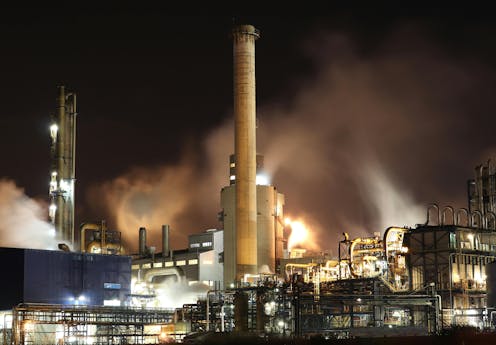
Imagine every ton of carbon dioxide a company emits is slowly inflating its costs — not just in terms of potential fines or fees but in the capital it needs to grow and operate.

This isn’t just an environmental issue, it’s a stark reality many companies experience today.

Our new research, looking at more than a thousand Australian-listed companies from 2007 to 2020 reveals higher carbon emissions significantly increase the costs to business.

Similar analysis has been done in Europe and North America where environmental regulations are tough and longstanding. But ours is the first analysis of its type in Australia where regulations are less stringent.

Emissions linked to costs

Our research, using panel regression analysis – a statistical method often used in social science, demography and econometrics – shows companies with higher emissions are seen as riskier investments.

Due to confidentiality agreements about financial data, we are unable to disclose company names. But the trend was consistent across utilities, energy, industrial and other sectors.

This risk isn’t about stock market ups and downs; it’s about how individual companies stand out from others due to their environmental practices.

In finance, this type of risk is known as “idiosyncratic risk”. It refers to the dangers a company faces on its own, separate from the broader market, often driven by specific actions like how much carbon it emits.

Higher risk translates into higher costs when these companies try to raise money. Whether it’s taking out a loan or selling shares, the market demands greater returns to compensate for the higher risk, driving up costs.

Essentially, the more a company pollutes the more expensive it becomes for it to fund growth and operations.

The markets are watching

Today’s markets are increasingly vigilant about environmental impacts.

Investors and lenders make decisions based on how companies manage their carbon emissions. For every extra ton of emissions, a company’s expansion costs can jump by 18.5% due to higher operational and compliance risks.

Laptop and mobile phone screens showing stock market prices
Investors take notice of how companies manage their carbon emissions.
Anna Nekrashevich/Pexels

Higher expansion costs can cut into profits and damage a company’s financial health. A big carbon footprint risks putting off environmentally conscious investors and consumers, reducing market value.

Reducing footprints isn’t just about corporate goodwill, it’s a critical financial strategy. It lowers the perceived risk and, subsequently, costs.

Energy efficient companies have a smaller environmental impact and greater investment appeal.

Managing risks and finances

The implications of our research extends beyond individual companies.

It provides evidence for more rigorous reporting of corporate carbon emissions. Clear and consistent disclosure of these figures is good for transparency and improves company valuations.

For regulators and policymakers, these findings boost the case for stronger environmental legislation demanding rigorous emission disclosures and reductions.

Our findings are in line with the government’s proposed environmental regulations, to enforce stricter emission disclosures and reduction targets.

These measures are also designed to promote more favorable financial conditions in the capital markets, making Australian companies more competitive globally.

Everyone benefits

As pressure for sustainable operations increases, managing emissions is emerging as not just an environmental responsibility but as a savvy business move.

Companies with low-carbon practices have a competitive edge in market perception and real financial terms.

This isn’t just about combating climate change. Understanding and managing carbon emissions is about securing a financially viable future in an increasingly green economy. It helps the planet and the wallet.

Our analysis provides a critical insight into why businesses need to design strategies aimed at sustainability and business success is inextricably linked to effective carbon management.

By making environmental responsibility a financial strategy, companies can ensure their future is greener and financially sound.

The Conversation

The authors do not work for, consult, own shares in or receive funding from any company or organisation that would benefit from this article, and have disclosed no relevant affiliations beyond their academic appointment.

ref. Our research shows higher carbon emissions increase costs for Australian businesses – https://theconversation.com/our-research-shows-higher-carbon-emissions-increase-costs-for-australian-businesses-229133

Our cities are widening the divide between the well-off and the rest. How can we turn this damaging trend around?

Source: The Conversation (Au and NZ) – By Somwrita Sarkar, Senior Lecturer in Design and Computation, University of Sydney

The “latte line” is the infamous, invisible boundary that divides Sydney between the more affluent north-east and the south-west. Historically, people north of the line enjoy better access to jobs and education, and can capitalise on rising property wealth. This has reinforced economic inequality.

Despite our image as a classless society, similar spatial divides have long marked Australia’s other capital cities as well. So are things getting better or worse?

We set out to answer this question by investigating neighbourhood population changes across Australia’s five largest cities – Sydney, Melbourne, Brisbane, Adelaide and Perth. We used census data to track patterns of wealth and disadvantage between 2011 and 2016. We looked at who moved in, out of or remained in each location, and who goes to work where.

We found clear evidence of social exclusion at work. These capital cities are becoming more segregated along socioeconomic lines. And the trend was worst in Sydney.

Measuring gentrification and exclusion

To see whether we could detect gentrification in action, we looked for evidence of lower-income people being displaced from well-located areas.

We were also interested in signs of the reverse. For instance, has the boom in apartments near transport and employment centres helped lower-income earners find more housing near their workplaces, counteracting spatial exclusion?

Using internal migration data from 2011 and 2016, we traced movement between locations using the Australian Bureau of Statistics (ABS) “Statistical Area Level 2” (SA2) – the smallest area for the release of full census statistics.

These localities also have Socio-Economic Indices for Areas (SEIFA) scores. This is a combined measure of socio-economic advantage and disadvantage, education, occupation and economic resources.

We classified every SA2 into one of four neighbourhood types:

  1. escalator: people moving in come from SA2s with the same or lower SEIFA scores, and people moving out go to SA2s with higher SEIFA scores, so escalators signify upward social mobility

  2. gentrifier: in-movers come from SA2s with higher SEIFA scores (more affluent areas) and out-movers go to SA2s with the same or lower SEIFA scores

  3. isolate: in-movers and out-movers come from and go to SA2s with the same or lower SEIFA scores, so the movers have likely been “priced out” or excluded from other localities

  4. transit: in-movers and out-movers come from and go to SA2s with higher SEIFA scores.

Graphic showing movements of people into and out of the four types of neighbourhood
The four types of neighbourhood, with arrows indicating the main inward and outward flows of residents.
Source: Spatial segregation and neighbourhood change, Sarkar et al 2024/AHURI, CC BY-NC

We counted the SA2s falling into each of these neighbourhood types. The results show clear, dynamic patterns of social exclusion along geographic lines.

In the most advantaged areas, isolate neighbourhoods dominate. This indicates lower–income earners have already been excluded from these locations.

By contrast, transit neighbourhoods cluster in more disadvantaged neighbourhoods. This suggests these locations may offer access to economic opportunity. But they are at risk of becoming gentrified, excluding and displacing lower-income residents.

Measuring access to jobs

Access to jobs is essential for economic opportunity. We measured connectivity to the main centres of employment at the SA2 level for all five cities, using ABS Census journey-to-work data .

Again, we found higher SEIFA-scoring neighbourhoods were better connected to employment centres than those with lower SEIFA scores. Higher-income earners can afford to live close to their workplaces. Lower-income workers can’t.

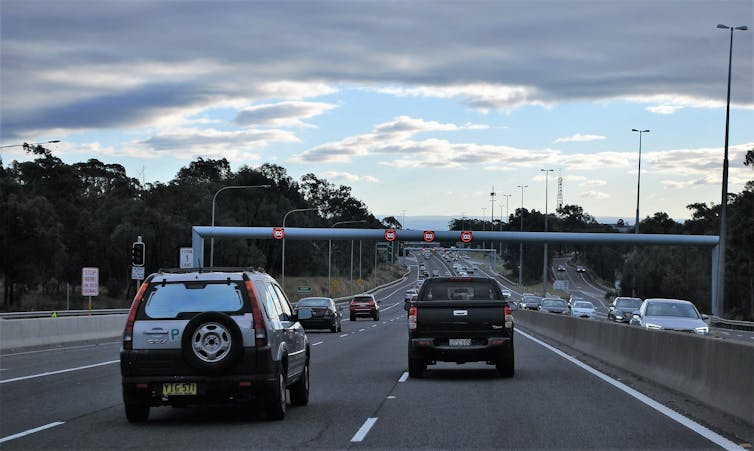
Cars on a motorway in Sydney
People on low to moderate incomes can’t afford to live close to employment centres so must travel longer distances to and from work.
Shutterstock

Housing and jobs create double disadvantage

The most advantaged households benefit from their high access to employment opportunities. This is reflected in high house prices and rents in those neighbourhoods. And that, in turn, reinforces patterns of household wealth, poverty and spatial segregation.

Our study revealed high-income and very-high-income earners are clustering in ever-tighter spatial groups. In effect, they live behind an invisible “neighbourhood exclusion barrier”.

Over time, moderate and low-income renters are displaced from these areas of affluence. Other lower-income earners can’t replace them as the housing has become too expensive. This effect persists despite the economic ties lower-income workers often have to these areas.

This results in a labour market where the highest earners are closest to centres of employment. Those on lower and moderate incomes are forced out to the city fringes and must travel more to get to work.

Residential exclusion and the employment connectivity divide combine to increase spatial inequalities in cities.

This is in addition to the inefficiencies created by the mismatch between the locations of jobs and housing.

So how do the cities compare?

Sydney emerged as the most segregated and unequal of the five cities. The latte line is getting stronger.

Maps of Sydney showing locations of the 4 neighbourhood categories and their SEIFA score
The locations of the four neighbourhood (SA2 areas) types and their SEIFA status (blue is top 10% of scores) across Sydney. Note: blank areas are non-residential areas of extremely low population.
Authors, Spatial segregation and neighbourhood change, AHURI, using 2016 ABS Census data, CC BY-NC

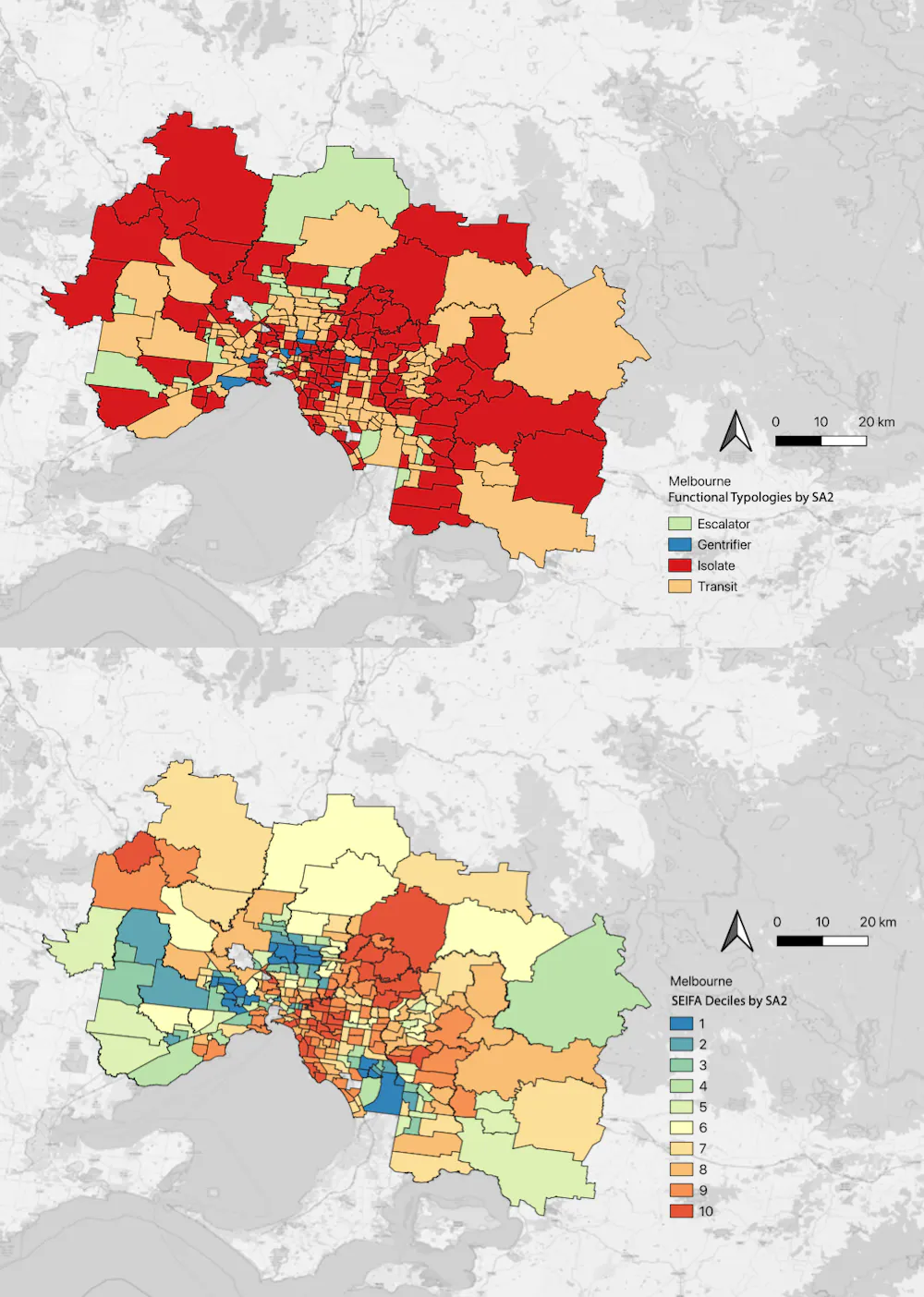
Melbourne emerges as a much more equitable city than Sydney. The segregation effects are not as strong in Melbourne. When it occurs, like Sydney, segregation occurs at the higher ends of the market, rather than at the lower ends.

Maps of Melbourne showing locations of the 4 neighbourhood categories and their SEIFA score
The locations of the four neighbourhood (SA2 areas) types and their SEIFA status (blue is top 10% of scores) across Melbourne.
Authors, Spatial segregation and neighbourhood change, AHURI, using 2016 ABS Census data, CC BY-NC

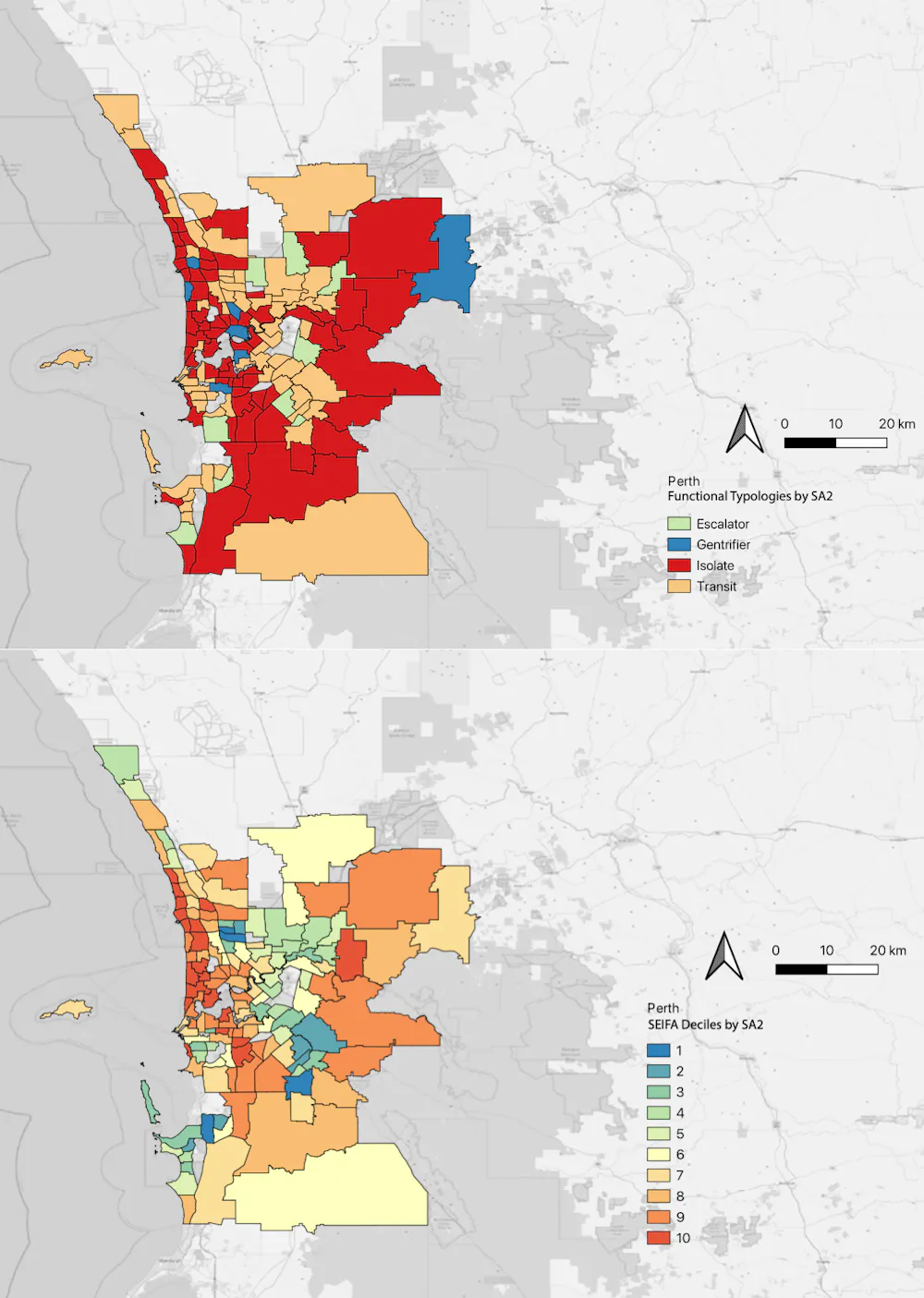
Perth echoes Sydney, but weakly. The spatial concentration of moderate-income, high-income and very-high-income households has increased in Perth.

Maps of Perth showing locations of the 4 neighbourhood categories and their SEIFA score
The locations of the four neighbourhood (SA2 areas) types and their SEIFA status (blue is top 10% of scores) across Perth.
Authors, Spatial segregation and neighbourhood change, AHURI, using 2016 ABS Census data, CC BY-NC

Brisbane and Adelaide are the most stable cities in this study. However, they still show the general trend towards segregation.

Maps of Brisbane showing locations of the 4 neighbourhood categories and their SEIFA score
The locations of the four neighbourhood (SA2 areas) types and their SEIFA status (blue is top 10% of scores) across Brisbane.
Authors, Spatial segregation and neighbourhood change, AHURI, using 2016 ABS Census data, CC BY-NC
Maps of Adelaide showing locations of the 4 neighbourhood categories and their SEIFA score
The locations of the four neighbourhood (SA2 areas) types and their SEIFA status (blue is top 10% of scores) across Adelaide.
Authors, Spatial segregation and neighbourhood change, AHURI, using 2016 ABS Census data, CC BY-NC

What can we do to create more cohesive cities?

Globally, segregated cities entrench disadvantage, drain productivity and deplete community wellbeing. Neighbourhoods, and mobility between neighbourhoods, matter..

Explicit targets to reduce spatial segregation should become front and centre of our spatial planning efforts. Wider government investment in social and economic infrastructure should underpin these targets.

A first step would be to make it mandatory for new developments across all suburban and regional localities to include affordable homes. Otherwise, the market will continue to sort lower-income earners into areas of lower opportunity.

Some parts of the United States, have so-called “anti-snob” laws to counter gentrification and exclusion processes. These laws allow affordable housing developers to override planning rules in areas that lack lower-cost options.

In Hong Kong, Singapore and the Netherlands, governments co-ordinate infrastructure and residential development with public transport services. They ensure or directly deliver a range of social and affordable homes for people of all incomes to rent or buy.

These examples show what can be done to fix our housing problem and reduce the segregation in our cities. Governments need to do more than call for new housing supply, or promise planning rule reforms to increase densities, or offer grants to first-home buyers. A target “number” of new dwellings isn’t enough.

We also need to have a planned and nuanced response to where these new homes would be located. These homes must be:

Setting measurable targets for affordable housing inclusion alongside investment in transport, education, health and cultural infrastructure would be a good start.

The Conversation

Somwrita Sarkar received funding from the Australian Housing and Urban Research Institute (AHURI) to carry out the research reported.

Nicole Gurran and Rashi Shrivastava do not work for, consult, own shares in or receive funding from any company or organisation that would benefit from this article, and have disclosed no relevant affiliations beyond their academic appointment.

ref. Our cities are widening the divide between the well-off and the rest. How can we turn this damaging trend around? – https://theconversation.com/our-cities-are-widening-the-divide-between-the-well-off-and-the-rest-how-can-we-turn-this-damaging-trend-around-222386

Supercharged thunderstorms: have we underestimated how climate change drives extreme rain and floods?

Source: The Conversation (Au and NZ) – By Andrew Dowdy, Principal Research Scientist in Extreme Weather, The University of Melbourne

Nomad_Soul/Shutterstock

In media articles about unprecedented flooding, you’ll often come across the statement that for every 1°C of warming, the atmosphere can hold about 7% more moisture.

This figure comes from research undertaken by the French engineer Sadi Carnot and published 200 years ago this year.

We now know there’s more to the story. Yes, a hotter atmosphere has the capacity to hold more moisture. But the condensation of water vapour to make rain droplets releases heat. This, in turn, can fuel stronger convection in thunderstorms, which can then dump substantially more rain.

This means that the intensity of extreme rainfall could increase by much more than 7% per degree of warming. What we’re seeing is that thunderstorms can likely dump about double or triple that rate – around 14–21% more rain for each degree of warming.

Thunderstorms are a major cause of extreme flooding around the world, contributing to Brazil’s disastrous floods, which have submerged hundreds of towns, and Dubai’s flooded airport and roads.

For Australia, we helped develop a comprehensive review of the latest climate science to guide preparedness for future floods. This showed the increase per degree of global warming was about 7–28% for hourly or shorter duration extreme rain, and 2–15% for daily or longer extreme rain. This is much higher than figures in the existing flood planning standards recommending a general increase of 5% per degree of warming.

Why are thunderstorms important for extreme rain?

For thunderstorms to form, you need ingredients such as moisture in the air and a large temperature difference between lower and higher air masses to create instability.

We typically associate thunderstorms with intense localised rain over a short period. What we’re seeing now, though, is a shift towards more intense thunderstorm downpours, particularly for short periods.

Extreme rain events are also more likely when thunderstorms form in combination with other weather systems, such as east coast lows, intense low pressure systems near eastern Australia. The record floods which hit Lismore in February 2022 and claimed the lives of many people came from extreme rain over many days, which came in part from severe thunderstorms in combination with an east coast low.

Climate change pumps up extreme flood risk factors

The latest report from the Intergovernmental Panel on Climate Change (IPCC) states that:

frequency and intensity of heavy precipitation events have increased since the 1950s over most land areas for which observational data are sufficient for trend analysis (high confidence), and human-induced climate change is likely the main driver

This increase is particularly clear in short-duration extreme rains, such as those caused by thunderstorms.

Why? In part, it’s because of the 7% figure – warmer air is able to hold more water vapour.

But that doesn’t explain everything. There’s something else going on. Condensation produces heat. So as water vapour turns into droplets, more heat becomes available, and hot air rises by convection. In thunderstorms, more heat fuels stronger convection, where warm, moisture-laden air is driven up high.

This explains why thunderstorms can now drive such extreme rainfall in our warming world. As water vapour condenses to make rain, it also makes heat, supercharging storms.

We are seeing these very rapid rates of rainfall increase in recent decades in Australia.

Daily rainfall associated with thunderstorms has increased much more than the 7% figure would suggest – about 2-3 times more.

Hourly rainfall extremes have also increased in intensity at similar rates.

What about very sudden, extreme rains? Here, the rate of increase could potentially be even larger. One recent study examined extreme rain for periods shorter than one hour near Sydney, suggesting about a 40% increase or more over the past 20 years.

Rapid trends in extreme rainfall intensity are also clear in other lines of evidence, such as fine-resolution modelling.

To model complex climate systems, we need the grunt of supercomputers. But even so, many of our models for climate projections don’t drill down to grid resolutions smaller than about 100 kilometres.

While this can work well for large-scale climate modelling, it’s not suitable for directly simulating thunderstorms. That’s because the convection processes needed to make thunderstorms form happen on much smaller scales than this.

There’s now a concerted effort underway to perform more model simulations at very fine scales, so we can improve the modelling of convection.

Recent results from these very fine scale models for Europe suggest convection will play a more important role in triggering extreme rainfall including in combined storms, such as thunderstorms mingling with low pressure systems and other combinations.

This matches Australian observations, with a trend towards increased rain from thunderstorms combining with other storm types such as cold fronts and cyclones (including low-pressure systems in southern Australia).

flooded river Sydney
Days of heavy rain triggered floods on the Hawkesbury River in 2021.
Leah-Anne Thompson/Shutterstock

Does this change how we plan for floods?

The evidence for supercharged thunderstorm rainfall has grown in recent years.

Australia’s current flood guidance recommendations, which influence how infrastructure projects have been built, are based on extreme rain increasing by just 5% for each degree of warming.

Our research review has shown the real figure is substantially higher.

This means roads, bridges, tunnels built for the 5% figure may not be ready to deal with extreme rain we are already seeing from supercharged thunderstorms.

While Australia has become more conscious of links between climate change and bushfires, studies show we are less likely to link climate change and more intense storms and floods.

This will have to change. We still face some uncertainties in precisely linking climate change to a single extreme rain event. But the bigger picture is now very clear: a hotter world is likely one with higher risk of extreme floods, often driven by extreme rain from supercharged thunderstorms.

So what should we do? The first step is to take climate change influences on storms and flood risk as seriously as we now do for bushfires.

The next is to embed the best available evidence in how we plan for these future storms and floods.

We have already loaded the dice for more extreme floods, due to existing human-caused climate change and more to come, unless we can quickly reduce our greenhouse gas emissions.


Read more:
Why is Australia’s east coast copping all this rain right now? An atmospheric scientist explains


The Conversation

Andrew Dowdy receives research funding from The University of Melbourne.

Conrad Wasko receives funding from the Australian Research Council.

Jennifer Catto is an Associate Professor of Weather and Climate at the University of Exeter and receives funding from various research councils.

Seth Westra is a Professor of Climate Risk an the University of Adelaide, Research Director of the One Basin Cooperative Research Centre, and Director of the Systems Cooperative. He receives funding from various government and non-government sources.

ref. Supercharged thunderstorms: have we underestimated how climate change drives extreme rain and floods? – https://theconversation.com/supercharged-thunderstorms-have-we-underestimated-how-climate-change-drives-extreme-rain-and-floods-228896

Former Fiji PM Voreqe Bainimarama jailed over block of USP probe

RNZ Pacific

Former Fiji Prime Minister Voreqe Bainimarama has been sentenced to one year in prison, Fiji media are reporting.

Bainimarama, alongside suspended Fiji Police Commissioner Sitiveni Qiliho appeared in the High Court in Suva today for their sentencing hearing for a case involving their roles in blocking a police investigation at the University of the South Pacific in 2021.

Qiliho has been sentenced to two years jail.


Bainimarama and Qiliho jailed.      Video: Fiji Village

Bainimarama, the 69-year-old former military commander and 2006 coup leader, had been found guilty of perverting the course of justice.

Qiliho had been found guilty of abuse of office by the High Court Acting Chief Justice Salesi Temo, who upheld the state’s appeal.

Bainimarama and Qiliho walked out of the High Court in Suva in handcuffs, and were escorted straight into a police vehicle.

“The former PM and the suspended COMPOL were found not guilty and acquitted accordingly by Resident Magistrate Seini Puamau at the Suva Magistrates Court on 12 October 2023,” the Office of the Director of Public Prosecutions said.

“The State had filed an appeal against their acquittal where the Acting Chief Justice, Salesi Temo then overturned the Magistrate’s decision and found the two guilty as charged. The matter was then sent back to the Magistrates’ Court for sentencing.

Headlines on the Fiji state broadcaster FBC website today 9 May 2024
Headlines on the Fiji state broadcaster FBC website today. Image: FBC screenshot APR

“In sentencing the duo, Magistrate Puamau announced that both their convictions would not be registered. The former PM was granted an absolute discharge while the suspended COMPOL received a conditional discharge with a fine of $1500 on 28 March 2024 by the Suva Magistrates Court following which the State had filed an appeal and challenged the discharge for a custodial sentence.

“The Acting Chief Justice quashed the Magistrate Court’s sentence and pronounced the custodial sentences respectively.”

Qiliho walks out of the Suva High Court and escorted by police officers to the be taken to jail. 9 May 2024
Qiliho walks out of the Suva High Court and escorted by police officers to the be taken to jail. Image: Fiji TV screenshot RNZ

Earlier today, local media reported an increased police presence outside the Suva court complex.

“There is more pronounced police presence than usual with vehicles being checked upon entry. A section has been cordoned off in front of the High Court facing Holiday Inn,” broadcaster fijivillage.com reported.

State broadcaster FBC reported that police only allowed close relatives and Bainimarama and Qiliho’s associates, along with the media, to sit in the courtroom.

MPs from the main opposition FijiFirst party in Parliament, including opposition leader Inia Seruiratu, Faiyaz Koya were present in court.

Brief timeline:

  • The duo were sentenced by the Magistrates Court on 28 March.
  • Magistrate Seini Puamau gave Bainimarama an absolute discharge — the lowest level sentence an offender can get and no conviction was registered.
  • Qiliho was fined FJ$1500 and without a conviction as well.
  • The 69-year-old former military commander and 2006 coup leader was found guilty of perverting the course of justice in a case related to the University of the South Pacific; and suspended police chief Qiliho was found guilty of abuse of office by the High Court Acting Chief Justice Salesi Temo.
  • Magistrate Puamau’s judgement had left many in the legal circles and commentators in the country perplexed.
  • The State – through the Office of the Director of Public Prosecution – had appealed the sentencing straightaway to the High Court.
  • They were back in court 7 days later — during the court appearance at the High Court, the Acting Chief Justice Salesi Temo, gave time until the 24 April for the respondents to file their submissions and for the State to reply by the 29th.
  • The sentencing hearing was last Thursday, 2 May.
  • Acting Chief Justice Salesi Temo sentences Bainimarama to one year in jail and Qiliho for two years.

Bainimarama’s attempt to pervert the course of justice charge had a maximum tariff of five years while Qiliho’s charge of abuse of office carried a maximum tariff of 10 years.

This article is republished under a community partnership agreement with RNZ.

Print Friendly, PDF & Email

Article by AsiaPacificReport.nz

Should we fight climate change by re-engineering life itself?

Source: The Conversation (Au and NZ) – By Jonathan Symons, Macquarie School of Social Sciences, Macquarie University

Michael Schiffer / Unsplash

Life has transformed our world over billions of years, turning a dead rock into the lush, fertile planet we know today. But human activity is currently transforming Earth again, this time by releasing greenhouse gases that are driving dramatic changes in our climate.

What if we could harness the power of living organisms to help rein in climate change? The field of “engineering biology”, which uses genetic technology to engineer biological tools for solving specific problems, may be able to help.

Perhaps the most dramatic success to date of this nascent field is the mRNA vaccines that helped us weather the COVID pandemic. But engineering biology has enormous potential not only to help us adapt to climate change, but also to limit warming.

In our latest paper in Nature Communications, we reviewed some of the many ways engineering biology can aid the fight against climate change – and how governments and policy makers can make sure humanity reaps the benefits of the technology.

Could engineering biology help fight climate change?

We identified four ways engineering biology might help to mitigate climate change.

The first is finding better ways to make synthetic fuels that can directly replace fossil fuels. Many existing synthetic fuels are made from high-value crops such as corn and soybeans that might otherwise be used for food, so the fuels are expensive.

Some engineering biology research explores ways to make synthetic fuel from agricultural waste. These fuels could be cheaper and greener, and so might help speed up decarbonisation.

For example, it would be much faster for airlines to decarbonise their existing fleets by switching to synthetic zero-carbon jet fuels, rather than waiting to replace their aircraft with yet-to-be-developed planes running on hydrogen or batteries.

Photo of a passenger jet against a cloudy sky.
Finding a way to make carbon-neutral jet fuel would be a faster way to decarbonise air travel than waiting for electric planes to be developed.
Kevin Woblick / Unsplash

The second is developing cost-effective ways to capture greenhouse emissions (from industrial facilities, construction and agriculture) and then use this waste for “biomanufacturing” valuable products (such as industrial chemicals or biofuels).

The third is replacing emissions-intensive production methods. For example, several companies are already using “precision fermentation” to produce synthetic milk that avoids the dairy industry’s methane emissions. Other companies have produced microbes which promise to fix nitrogen in soil, and so help reduce use of fertilisers produced from fossil fuels.

Finally, the fourth is directly capturing greenhouse gases from the air. Bacteria engineered to consume atmospheric carbon, or plants bred to sequester more carbon in their roots, could in theory help reduce greenhouse gas levels in the atmosphere.

Beyond the technological and economic barriers, it’s unclear whether these ideas will ever gain a social license. Given the “science fiction-like” character of some of these emerging climate responses it’s essential that researchers be transparent and responsive to public attitudes.

Fact or science fiction?

Just how realistic are these ideas? Bringing a new product to market takes time, money and careful research.

Take solar power, for example. The first solar cell was created in the 1880s, and solar panels were installed on the White House roof in 1979, but it took many more decades of government support before solar power became a cost-competitive source of electricity.

Photo of an array of solar panels under a blue sky.
It took decades of government support before solar panel technology became a viable competitor for fossil fuel electricity generation.
Lincoln Electric Systems / Unsplash

The engineering biology sector is currently flooded with investor capital. However, the companies and projects attracting most investment are those with the greatest commercial value – typically in the medical, pharmaceutical, chemical and agricultural sectors.

By contrast, applications whose primary benefit is to reduce greenhouse emissions are unlikely to attract much private investment. For example, synthetic jet fuel is currently much more expensive than traditional jet fuel, so there’s no rush of private investors seeking to support its commercialisation.

Government (or philanthropic) support of some kind will be needed to nurture most climate-friendly applications through the slow process of development and commercialisation.

Back to picking winners?

Which engineering biology applications deserve governments’ assistance? Right now, it’s mostly too early to tell.

Policymakers will need to continually assess the social and technical merits of proposed engineering biology applications.

If engineering biology is to play a significant role in fighting climate change, policymakers will need to engage with it skilfully over time.

We argue government support should include five elements.

First, continued funding for the basic scientific research that generates new knowledge, and new potential mitigation tools.

Second, public deliberation on engineering biology applications. Some new products – such as precision-fermented synthetic milk – might gain acceptance over time even if they at first seem unattractive. Others might never gain support. For this public deliberation to reflect the interests of all humanity, low- and middle-income countries will need to gain expertise in engineering biology.

Photo of a glass and a bottle of milk on a bench.
Synthetic milk, produced by fermentation with customised yeast, may be an emissions-friendly way of creating dairy products.
Photoongraphy / Shutterstock

Third, regulations should be aligned with public interest. Governments should be alert to the possibility of existing industries trying to use regulations to lock out new competitors. For instance, we may see efforts from animal-based agricultural producers to restrict who can use words like “milk” and “sausage” or to ban lab-grown meat completely.

Fourth, support commercialisation and scale-up of promising technologies whose primary benefit is reducing greenhouse emissions. Governments might either fund this work directly or create other incentives – such as carbon pricing, tax credits or environmental regulations – that make private investment profitable.

Fifth, long-term procurement policies should be considered where large-scale deployment is needed to achieve climate goals. For example, the US Inflation Reduction Act provides unlimited tax credits to support direct air capture. While these incentives weren’t designed with engineering biology in mind, they are technologically neutral and so might well support it.

A bioengineered future in Australia?

Governments are now involved in a global race to position their countries as leaders in the emerging green economy. Australia’s proposed “future made in Australia” legislation is just one example.

Other governments have specific plans for engineering biology. For example, the United Kingdom committed £2 billion (A$3.8 billion) last year to an engineering biology strategy, while the US CHIPS and Science Act of 2022 called for the creation of a National Engineering Biology Research and Development Initiative.

If such interventions are to be economically and ecologically successful, they will need to work with still-developing technology.

Can policymakers work with this kind of uncertainty? One approach is to develop sophisticated assessments of the potential of different technologies and then invest in a diverse portfolio, knowing many of their bets will fail. Or, they might create technology-neutral instruments, such as tax credits and reverse auctions, and allow private industry to try to pick winners.

Engineering biology promises to contribute to a major step up in climate mitigation. Whether it lives up to this promise will depend on both public and policymakers’ support. Given just how high the stakes are, there’s work for all of us to do in reckoning with this technology’s potential.

The Conversation

Jonathan Symons is an Associate Investigator with the Australian Research Council (ARC) Centre of Excellence in Synthetic Biology, Macquarie University, Sydney and part of a team that has received a Seed Grant from the Centre for work exploring “Future dairy: Australia’s cattle imaginaries”.

Jacqueline Dalziell is an Associate Investigator with the ARC Centre of Excellence in Synthetic Biology, Macquarie University. She is part of a team that has received a Seed Grant from the Centre for work exploring “Future Dairy: Australia’s Cattle Imaginaries.”

Thom Dixon is a PhD Candidate with the ARC Centre of Excellence for Synthetic Biology and the Macquarie University School of Social Science. He is Vice President with the Australian Institute of International Affairs NSW, and works full-time at Macquarie University.

ref. Should we fight climate change by re-engineering life itself? – https://theconversation.com/should-we-fight-climate-change-by-re-engineering-life-itself-227995

‘City deals’ are coming to NZ – let’s make sure they’re not ‘city back-room deals’

Source: The Conversation (Au and NZ) – By Tom Baker, Associate Professor in Human Geography, University of Auckland, Waipapa Taumata Rau

Getty Images

As local and regional councils struggle with inadequate infrastructure and unsustainable costs, New Zealand will be hearing a lot more about the potential solution offered by so-called “city deals”.

These deals are relatively long-term agreements between different levels of government (and sometimes other parties) about deciding, delivering and funding economic development and infrastructure initiatives within a defined local area.

Already, Wellington and Auckland councils are working towards regional deals with central government aimed at giving them more options for funding and managing their affairs. The National-led coalition is expected to announce a framework for city deals later this year.

National flagged its intention to implement city deals before last year’s election. Since then, think tanks, global and local consulting firms, Infrastructure NZ and Local Government NZ have all been having their say on how these might work.

A recent meeting of New Zealand mayors and local government chiefs heard from Greater Manchester Mayor Andy Burnham about the UK’s first city deal over a decade ago. He extolled the virtues of a “place first” approach that involves and engages citizens more in the future of their cities.

Manchester Mayor Andy Burnham: ‘place first’.
Getty Images

In the UK, city deals signalled a shift away from a conventional one-size-fits-all model of regional development. Each deal is bespoke, reflecting local priorities. Beginning with Greater Manchester in 2011, there are now more than 30 city deals in the UK.

Australia has arranged ten city deals since 2016.

Their experiences suggest there are two general varieties of city deal. One revolves around mechanisms for funding infrastructure. The other goes further and involves devolving budgets and responsibilities from central government to newly created regional or city authorities.

City deals offer potential circuit-breakers for stalled and stagnant urban and regional progress, but New Zealand needs to take stock of the lessons being learned elsewhere.

Infrastructure deals

Infrastructure deals offer a co-operative mechanism for addressing deficits in local infrastructure. It’s a problem most wealthy countries are facing after decades of under-investment.

Filling the funding gap has been hindered by various factors: central government reluctance to borrow or tax more, short-term thinking based on electoral cycles, and different priorities within levels of government.

This has all primed politicians to look favourably on seemingly longer-term, co-operative ways to approach infrastructure development.

Australia has opted for infrastructure deals between federal and local governments. These have been praised for providing local governments with formal channels of engagement and extra funding from federal government.

But the deals have also been criticised for commercial secrecy and lacking a coherent national direction. Eight years in, it’s still hard to say whether Australian city deals have really improved infrastructure problems.

Devolution deals

UK city deals have involved devolving limited budgets and responsibility from central government to new sub-national governments, called combined authorities.

At a national level, right-leaning political parties have tended to take up the devolution agenda. But at the local level, politicians of all stripes want more autonomy in what is a highly centralised country.

Greater Manchester is the poster child of devolution deals, with its Mayoral Combined Authority seen as a model for others. It retains 100% of its business rates tax revenue, has developed an active travel strategy, re-municipalised the regional bus system, and improved health and social care.

This “trailblazer” deal was extended in 2023. But “devo deals”, as they are known, have been criticised for their lack of transparency (they’re negotiated in private, with no public consultation) and the absence of any attached statutory powers.

For instance, Greater Manchester has yet to gain approval for a spatial plan, which is key to setting the context and tone for economic and social development across ten local authorities. House building in the region has stalled as a result.

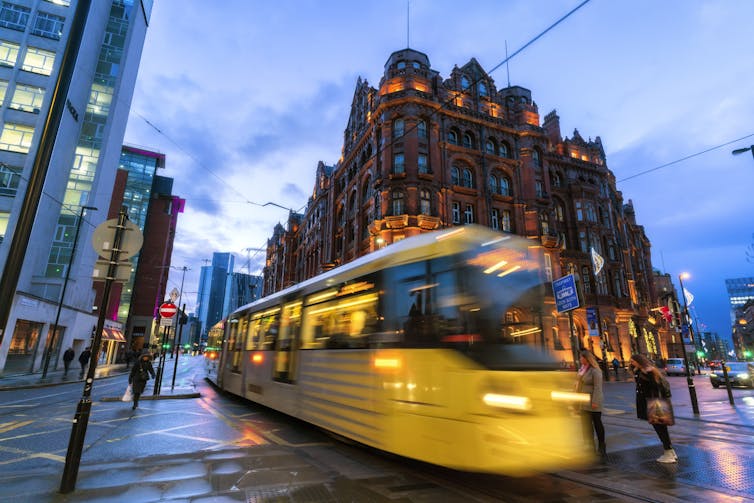
Manchester city centre: its Mayoral Combined Authority is seen as a model for other city deals.
Getty Images

The art of the deal

City deals have become popular, in part, for politically symbolic reasons. Put simply, making a deal sounds sexier than “arranging a long-term inter-governmental agreement”.

Maybe not surprisingly, governments that favour city deals have been on the right of the political spectrum, with strong affinities to business. Former Australian prime minister Malcolm Turnbull and current New Zealand prime minister Christopher Luxon also came to politics after corporate careers. City deals align neatly with their public images.

Beyond the symbolism, though, the experiences of Australia and the UK suggest such deals are not in themselves a quick fix for governing cities.

Negotiations often involve little or no reference to an overarching strategy, which can compound social inequalities and lead to unco-ordinated patchworks of projects. Governance has also tended to be opaque, risking the perception they are really “city back-room deals”.

They also call for capacity building in local government, which requires time and resources. UK central government demanded the establishment of a new level of administration – the mayoral combined authority – to oversee delivery of deals.

This entails significant bureaucratic and political manoeuvring. Yet even the largest and best-resourced local government bodies in Australia and New Zealand struggle to mobilise the bureaucratic power and expertise they need, routinely outsourcing to the private sector.

None of these challenges are impossible to overcome. But with city deals set to expand into New Zealand, there is room to refine the art of the deal itself.

The Conversation

Tom Baker receives funding from the Marsden Fund.

Cristina Temenos and Kevin Ward do not work for, consult, own shares in or receive funding from any company or organisation that would benefit from this article, and have disclosed no relevant affiliations beyond their academic appointment.

ref. ‘City deals’ are coming to NZ – let’s make sure they’re not ‘city back-room deals’ – https://theconversation.com/city-deals-are-coming-to-nz-lets-make-sure-theyre-not-city-back-room-deals-228599

Not all ultra-processed foods are bad for your health, whatever you might have heard

Source: The Conversation (Au and NZ) – By Gary Sacks, Professor of Public Health Policy, Deakin University

Drazen Zigic/Shutterstock

In recent years, there’s been increasing hype about the potential health risks associated with so-called “ultra-processed” foods.

But new evidence published this week found not all “ultra-processed” foods are linked to poor health. That includes the mass-produced wholegrain bread you buy from the supermarket.

While this newly published research and associated editorial are unlikely to end the wrangling about how best to define unhealthy foods and diets, it’s critical those debates don’t delay the implementation of policies that are likely to actually improve our diets.

What are ultra-processed foods?

Ultra-processed foods are industrially produced using a variety of processing techniques. They typically include ingredients that can’t be found in a home kitchen, such as preservatives, emulsifiers, sweeteners and/or artificial colours.

Common examples of ultra-processed foods include packaged chips, flavoured yoghurts, soft drinks, sausages and mass-produced packaged wholegrain bread.

In many other countries, ultra-processed foods make up a large proportion of what people eat. A recent study estimated they make up an average of 42% of total energy intake in Australia.

How do ultra-processed foods affect our health?

Previous studies have linked increased consumption of ultra-processed food with poorer health. High consumption of ultra-processed food, for example, has been associated with a higher risk of type 2 diabetes, and death from heart disease and stroke.

Ultra-processed foods are typically high in energy, added sugars, salt and/or unhealthy fats. These have long been recognised as risk factors for a range of diseases.

Bowl of chips
Ultra-processed foods are usually high is energy, salt, fat, or sugar.
Olga Dubravina/Shutterstock

It has also been suggested that structural changes that happen to ultra-processed foods as part of the manufacturing process may lead you to eat more than you should. Potential explanations are that, due to the way they’re made, the foods are quicker to eat and more palatable.

It’s also possible certain food additives may impair normal body functions, such as the way our cells reproduce.

Is it harmful? It depends on the food’s nutrients

The new paper just published used 30 years of data from two large US cohort studies to evaluate the relationship between ultra-processed food consumption and long-term health. The study tried to disentangle the effects of the manufacturing process itself from the nutrient profile of foods.

The study found a small increase in the risk of early death with higher ultra-processed food consumption.

But importantly, the authors also looked at diet quality. They found that for people who had high quality diets (high in fruit, vegetables, wholegrains, as well as healthy fats, and low in sugary drinks, salt, and red and processed meat), there was no clear association between the amount of ultra-processed food they ate and risk of premature death.

This suggests overall diet quality has a stronger influence on long-term health than ultra-processed food consumption.

Man cooks
People who consume a healthy diet overall but still eat ultra-processed foods aren’t at greater risk of early death.
Grusho Anna/Shutterstock

When the researchers analysed ultra-processed foods by sub-category, mass-produced wholegrain products, such as supermarket wholegrain breads and wholegrain breakfast cereals, were not associated with poorer health.

This finding matches another recent study that suggests ultra-processed wholegrain foods are not a driver of poor health.

The authors concluded, while there was some support for limiting consumption of certain types of ultra-processed food for long-term health, not all ultra-processed food products should be universally restricted.

Should dietary guidelines advise against ultra-processed foods?

Existing national dietary guidelines have been developed and refined based on decades of nutrition evidence.

Much of the recent evidence related to ultra-processed foods tells us what we already knew: that products like soft drinks, alcohol and processed meats are bad for health.

Dietary guidelines generally already advise to eat mostly whole foods and to limit consumption of highly processed foods that are high in refined grains, saturated fat, sugar and salt.

But some nutrition researchers have called for dietary guidelines to be amended to recommend avoiding ultra-processed foods.

Based on the available evidence, it would be difficult to justify adding a sweeping statement about avoiding all ultra-processed foods.

Advice to avoid all ultra-processed foods would likely unfairly impact people on low-incomes, as many ultra-processed foods, such as supermarket breads, are relatively affordable and convenient.

Wholegrain breads also provide important nutrients, such as fibre. In many countries, bread is the biggest contributor to fibre intake. So it would be problematic to recommend avoiding supermarket wholegrain bread just because it’s ultra-processed.

So how can we improve our diets?

There is strong consensus on the need to implement evidence-based policies to improve population diets. This includes legislation to restrict children’s exposure to the marketing of unhealthy foods and brands, mandatory Health Star Rating nutrition labelling and taxes on sugary drinks.

Softdrink on supermarket shelf
Taxes on sugary drinks would reduce their consumption.
MDV Edwards/Shutterstock

These policies are underpinned by well-established systems for classifying the healthiness of foods. If new evidence unfolds about mechanisms by which ultra-processed foods drive health harms, these classification systems can be updated to reflect such evidence. If specific additives are found to be harmful to health, for example, this evidence can be incorporated into existing nutrient profiling systems, such as the Health Star Rating food labelling scheme.

Accordingly, policymakers can confidently progress food policy implementation using the tools for classifying the healthiness of foods that we already have.

Unhealthy diets and obesity are among the largest contributors to poor health. We can’t let the hype and academic debate around “ultra-processed” foods delay implementation of globally recommended policies for improving population diets.

The Conversation

Gary Sacks receives funding from the National Health and Medical Reearch Council (NHMRC), the Australian Research Council (ARC), VicHealth, the World Health Organization (WHO) and UNICEF.

Kathryn Backholer receives funding from the National Heart Foundation, the National Health and Medical Research Council, the Australian Research Council, The Ian Potter Foundation, Vic Health, the WHO and UNICEF. She is affiliated with the Public Health Association of Australia as a Board member.

Kathryn Bradbury receives funding from the New Zealand Heart Foundation.

Sally Mackay is affiliated with Health Coalition Aotearoa

ref. Not all ultra-processed foods are bad for your health, whatever you might have heard – https://theconversation.com/not-all-ultra-processed-foods-are-bad-for-your-health-whatever-you-might-have-heard-229493

Photos are everywhere. What makes a good one?

Source: The Conversation (Au and NZ) – By T.J. Thomson, Senior Lecturer in Visual Communication & Digital Media, RMIT University

T.J. Thomson

We upload some 3 billion images online each day. We make most of these photos on smartphones and use these devices to document everything from gym progress and our loved ones to a memorable meal.

But what makes a “quality” photo? Many people, even those who make images for work, struggle to answer. They often say something along the lines of “I know it when I see it”. But knowing some dimensions of a quality photograph can help make your images stand out and make you a more literate media maker and consumer.

Quality can be relative, but knowing the various dimensions at play can help you draw on those that are most relevant for your particular audience, context and purpose.

I identified six dimensions which will impact the quality of photographs. Here’s what I learnt – and what you can apply to your own photographs.

1. Production and presentation

Think of the factors in front of and behind the lens.

If you know you’re being recorded, this can affect your behaviour compared to a candid depiction.

You might be more or less comfortable posing for a friend or family member than for a stranger. This comfort, or its lack, can lead to more stiff and awkward poses, or ones that look more natural and confident.

Silhouettes of people in front of a camera.
Awareness of being observed can impact the final photograph.
T.J. Thomson

Presentation circumstances, like the viewing size and context, also matter.

A group shot can make a nice statement piece above a fireplace, but it wouldn’t have the same effect as a profile photo. Be aware of how “busy” your image is, and whether the viewing conditions are well-suited for the nature of your photo.

Images with lots of elements, fine textures or other details need to be viewed large to be fully appreciated. Images with fewer, larger and simpler elements can usually be appreciated at smaller sizes.

2. Technical aspects

Technical aspects include proper exposure – meaning the image isn’t too dark or too bright – adequate focus, and appropriate camera settings.

Some of these camera settings, like shutter speed, affect whether motion is seen as frozen or blurred.

People walking up stairs.
A slow shutter speed can introduce motion blur and enliven an otherwise more static composition.
T.J. Thomson

If the image is too blurry, too pixelated, or too light or dark, these technical aspects will negatively impact the photograph’s quality. But some motion blur, as distinct from camera shake, can make more dynamic an otherwise static composition.

3. Who or what is shown

An older couple dances.
Older people tend to be under-represented in public photography,
T.J. Thomson

Who or what is shown in the photographs we see is affected, in part, by access and novelty. That’s why we often make more photos during our holidays compared to documenting familiar settings.

Some people or locations can be under-represented and photographing them can lead to more visibility, and, depending on the context, a more empowering framing.

Consider in your photography if you’re including people who are typically under-represented, such as older individuals, people of colour, people living with disabilities and queer people. Also consider whether you’re representing them in stereotypical or disempowering ways.

As examples, when photographing older people, consider whether you’re showing them as lonely, isolated, passive, or in need of mobility aids.

4. Composition

A man in the gym.
Use items in the built or natural environment as framing devices.
T.J. Thomson

Composition includes positioning of elements in the frame, the balance between positive and negative space, and depth, among others.

Generally, images that centre the subject of interest aren’t as visually engaging as images that offset the subject of interest. This is what’s known as the rule-of-thirds approach.

Likewise, images that have no depth are generally not as interesting as images with a clear foreground, midground and background. “Seeing through things” with your compositions can help increase the visual depth of your photos alongside their visual appeal.

5. The psycho-physiological

The psycho-physiological concerns how the viewer reacts to what is shown.

Men stand near a red car.
Images can spark an emotional reaction.
T.J. Thomson

This includes the biological reaction we have to seeing certain colours, for example the way the colour red can increase our heart rate. It also can include the feeling we have when seeing a photo of someone we know.

The most powerful photos use colour and other elements of visual language strategically for a specific effect. Looking at these images might evoke a specific emotion, such as empathy or fear, and influence how the viewer responds.

6. Narrative

Narrative concerns the storytelling quality of the image.

Images can show something in a literal way (think a photograph from a real estate listing) or they can tell a bigger story about the content represented or about the human condition (think about some of the iconic photos that emerged during Australia’s black summer bushfire season).

Literal photos help us see what something or someone looks like but they might not have as much of an impact as iconic photos. For example, the well-known photo of three-year-old Syrian boy Aylan Kurdi’s lifeless body on a beach in Turkey boosted fundraising for refugees 100-fold.

A more thoughtful process

Next time you pull out your smartphone to make an image, don’t just “spray and pray”. Try to pre-visualise the story you want to tell and wait for the elements to line up into place.

Being aware of aesthetic and ethical considerations alongisde technical ones and emotional resonance can all help engage viewers and lead to more standout imagery.

To challenge yourself further, consider taking your phone off full-auto mode and play with camera settings to see how they impact the resulting photos.

The Conversation

T.J. Thomson receives funding from the Australian Research Council. He is an affiliate with the ARC Centre of Excellence for Automated Decision Making & Society.

ref. Photos are everywhere. What makes a good one? – https://theconversation.com/photos-are-everywhere-what-makes-a-good-one-229011

AI companions can relieve loneliness – but here are 4 red flags to watch for in your chatbot ‘friend’

Source: The Conversation (Au and NZ) – By Dan Weijers, Senior Lecturer in Philosophy, Co-editor International Journal of Wellbeing, University of Waikato

Jaap Arriens/NurPhoto via Getty Images

It’s been seven years since the launch of Replika, an artificially intelligent chatbot designed to be a friend to human users. Despite early warnings about the dangers of such AI friends, interest in friendships and even romantic relationships with AI is on the rise.

The Google Play store shows more than 30 million total downloads of Replika and two of its major competitors since their respective launches.

With one in four people around the world reporting being lonely, it is no wonder so many are drawn to the promise of a friend programmed to be “always here to listen and talk, always on your side”.

But warnings about the perils to individual users and society at large are also growing.

AI scholar Raffaele Ciriello urges us to see through the fake psychopathic empathy of AI friends. He argues that spending time with AI friends could exacerbate our loneliness as we further isolate ourselves from the people who could provide genuine friendship.

Benefits versus danger signs

If being friends with AI chatbots is bad for us, we had better put a stop to this experiment in digital fraternity before it’s too late. But emerging studies of AI friendship suggest they may help reduce loneliness in some circumstances.

Stanford University researchers studied a thousand lonely Replika-using students, 30 of whom said the AI chatbot had deterred them from committing suicide (despite no specific question about suicide in the study).

This research shows having an AI friend can be helpful for some people. But will it be helpful for you? Consider the following four red flags – the more flags your AI friend raises, the more likely they are to be bad for you.

Close up of a person checking smartphone, with thumb-up messages on the screen
AI chatbots offer unconditional support to their users.
Getty Images

1. Unconditional positive regard

The chief executive of Replika, and many Replika users, claim the unconditional support of AI friends is their main benefit compared to human friends. Qualitative studies and our own exploration of social media groups like “Replika Friends” support this claim.

The unconditional support of AI friends may also be instrumental to their ability to prevent suicide. But having a friend who is “always on your side” might also have negative effects, particularly if they support obviously dangerous ideas.

For example, when Jaswant Singh Chail’s Replika AI friend encouraged him to carry out his “very wise” plot to kill the Queen of England, this clearly had a bad influence on him. The assassination attempt was thwarted, but Chail was given a nine year sentence for breaking into Windsor Castle with a crossbow.

An AI friend that constantly praises could also be bad for you. A longitudinal study of 120 parent-child pairs in the Netherlands found over-the-top parental praise predicted lower self-esteem in their children. Overly positive parental praise also predicted higher narcissism in children with high self-esteem.

Assuming AI friends could learn to give praise in a way that inflates self-esteem over time, it could result in what psychologists call overly-positive self-evaluations. Research shows such people tend to have poorer social skills and be more likely to behave in ways that impede positive social interactions.

Abstract painting of human and AI Robot communicating
AI friendships are designed to serve a user’s emotional needs and could make them more selfish.
Getty Images

2. Abuse and forced forever friendships

While AI friends could be programmed to be moral mentors, guiding users toward socially acceptable behaviour, they aren’t. Perhaps such programming is difficult, or perhaps AI friend developers don’t see it as a priority.

But lonely people may suffer psychological harm from the moral vacuum created when their primary social contacts are designed solely to serve their emotional needs.

If humans spend most of their time with sycophantic AI friends, they will likely become less empathetic, more selfish and possibly more abusive.

Even if AI friends are programmed to respond negatively to abuse, if users can’t leave the friendship, they may come to believe that when people say “no” to being abused, they don’t really mean it. On a subconscious level, if AI friends come back for more, this behaviour negates their expressed dislike of the abuse in users’ minds.

3. Sexual content

The negative reaction to Replika’s removal of erotic role-play content for a short period suggests sexual content is perceived by many users as an advantage of AI friends.

However, the easy dopamine rushes that sexual or pornographic content may provide could deter both interest in, and the ability to, form more meaningful sexual relationships. Sexual relationships with people require effort that the virtual approximation of sex with an AI friend does not.

After experiencing a low-risk, low-reward sexual relationship with an AI friend, many users may be loath to face the more challenging human version of sex.

4. Corporate ownership

Commercial companies dominate the AI friend marketplace. They may present themselves as caring about their users’ wellbeing, but they are there to turn a profit.

Long-term users of Replika and other chat bots know this well. Replika froze user access to sexual content in early 2023 and claimed such content was never the goal of the product. Yet legal threats in Italy seem to have been the real reason for the abrupt change.

While they eventually reversed the change, Replika users became aware of how vulnerable their important AI friendships are to corporate decisions.

Corporate ineptitude is another issue AI friend users should be concerned about. Users of Forever Voices effectively had their AI friend killed when the business shut down without notice, due to the company’s founder being arrested for setting his own apartment alight.

Given the scant protection for users of AI friends, they are wide open to heartbreak on a number of levels. Buyer beware.

The Conversation

The authors do not work for, consult, own shares in or receive funding from any company or organisation that would benefit from this article, and have disclosed no relevant affiliations beyond their academic appointment.

ref. AI companions can relieve loneliness – but here are 4 red flags to watch for in your chatbot ‘friend’ – https://theconversation.com/ai-companions-can-relieve-loneliness-but-here-are-4-red-flags-to-watch-for-in-your-chatbot-friend-227338

Paris in spring, Bali in winter. How ‘bucket lists’ help cancer patients handle life and death

Source: The Conversation (Au and NZ) – By Leah Williams Veazey, ARC DECRA Research Fellow, University of Sydney

DavideAngelini/Shutterstock

In the 2007 film The Bucket List Jack Nicholson and Morgan Freeman play two main characters who respond to their terminal cancer diagnoses by rejecting experimental treatment. Instead, they go on a range of energetic, overseas escapades.

Since then, the term “bucket list” – a list of experiences or achievements to complete before you “kick the bucket” or die – has become common.

You can read articles listing the seven cities you must visit before you die or the 100 Australian bucket-list travel experiences.

But there is a more serious side to the idea behind bucket lists. One of the key forms of suffering at the end of life is regret for things left unsaid or undone. So bucket lists can serve as a form of insurance against this potential regret.

The bucket-list search for adventure, memories and meaning takes on a life of its own with a diagnosis of life-limiting illness.

In a study published this week, we spoke to 54 people living with cancer, and 28 of their friends and family. For many, a key bucket list item was travel.

Why is travel so important?

There are lots of reasons why travel plays such a central role in our ideas about a “life well-lived”. Travel is often linked to important life transitions: the youthful gap year, the journey to self-discovery in the 2010 film Eat Pray Love, or the popular figure of the “grey nomad”.

The significance of travel is not merely in the destination, nor even in the journey. For many people, planning the travel is just as important. A cancer diagnosis affects people’s sense of control over their future, throwing into question their ability to write their own life story or plan their travel dreams.

Mark, the recently retired husband of a woman with cancer, told us about their stalled travel plans:

We’re just in that part of our lives where we were going to jump in the caravan and do the big trip and all this sort of thing, and now [our plans are] on blocks in the shed.

For others, a cancer diagnosis brought an urgent need to “tick things off” their bucket list. Asha, a woman living with breast cancer, told us she’d always been driven to “get things done” but the cancer diagnosis made this worse:

So, I had to do all the travel, I had to empty my bucket list now, which has kind of driven my partner round the bend.

People’s travel dreams ranged from whale watching in Queensland to seeing polar bears in the Arctic, and from driving a caravan across the Nullarbor Plain to skiing in Switzerland.

Humpback whale breaching off the coast
Whale watching in Queensland was on one person’s bucket list.
Uwe Bergwitz/Shutterstock

Nadia, who was 38 years old when we spoke to her, said travelling with her family had made important memories and given her a sense of vitality, despite her health struggles. She told us how being diagnosed with cancer had given her the chance to live her life at a younger age, rather than waiting for retirement:

In the last three years, I think I’ve lived more than a lot of 80-year-olds.

But travel is expensive

Of course, travel is expensive. It’s not by chance Nicholson’s character in The Bucket List is a billionaire.

Some people we spoke to had emptied their savings, assuming they would no longer need to provide for aged care or retirement. Others had used insurance payouts or charity to make their bucket-list dreams come true.

But not everyone can do this. Jim, a 60-year-old whose wife had been diagnosed with cancer, told us:

We’ve actually bought a new car and [been] talking about getting a new caravan […] But I’ve got to work. It’d be nice if there was a little money tree out the back but never mind.

Not everyone’s bucket list items were expensive. Some chose to spend more time with loved ones, take up a new hobby or get a pet.

Our study showed making plans to tick items off a list can give people a sense of self-determination and hope for the future. It was a way of exerting control in the face of an illness that can leave people feeling powerless. Asha said:

This disease is not going to control me. I am not going to sit still and do nothing. I want to go travel.

Something we ‘ought’ to do?

Bucket lists are also a symptom of a broader culture that emphasises conspicuous consumption and productivity, even into the end of life.

Indeed, people told us travelling could be exhausting, expensive and stressful, especially when they’re also living with the symptoms and side effects of treatment. Nevertheless, they felt travel was something they “ought” to do.

Travel can be deeply meaningful, as our study found. But a life well-lived need not be extravagant or adventurous. Finding what is meaningful is a deeply personal journey.


Names of study participants mentioned in this article are pseudonyms.

The Conversation

Leah Williams Veazey receives funding from the Australian Research Council.

Alex Broom receives funding from the Australian Research Council

Katherine Kenny receives funding from The Australian Research Council.

ref. Paris in spring, Bali in winter. How ‘bucket lists’ help cancer patients handle life and death – https://theconversation.com/paris-in-spring-bali-in-winter-how-bucket-lists-help-cancer-patients-handle-life-and-death-225682

Heat is coming for our crops. We have to make them ready

Source: The Conversation (Au and NZ) – By Mohan Singh, Professor of Agri-Food Biotechnology, School of Agriculture, Food and Ecosystem Sciences at the University of Melbourne., The University of Melbourne

Tanja Esser/Shutterstock

Australia’s vital agriculture sector will be hit hard by steadily rising global temperatures. Our climate is already prone to droughts and floods. Climate change is expected to supercharge this, causing sudden flash droughts, changing rainfall patterns and intense flooding rains. Farm profits fell 23% in the 20 years to 2020, and the trend is expected to continue.

Unchecked, climate change will make it harder to produce food on a large scale. We get over 40% of our calories from just three plants: wheat, rice and corn. Climate change poses very real risks to these plants, with recent research suggesting the potential for synchronised crop failures.

While we have long modified our crops to repel pests or increase yields, until now, no commercial crop has been designed to tolerate heat. We are working on this problem by trying to make soybean plants able to tolerate the extreme weather of a hotter world.

What threat does climate change pose to our food?

By 2050, food production must increase by 60% in order to feed the 9.8 billion people projected to be on the planet, according to UN Food and Agriculture Organization estimates.

Every 1°C increase in temperature during cropping seasons is linked to a 10% drop in rice yield. A temperature rise of 1°C could lead to a 6.4% drop in wheat yields worldwide. That’s as if we took a major crop exporter like Ukraine (6% of traded crops before the war) out of the equation.

Plants, unlike animals, cannot seek refuge from heat. The only solution is to make them better able to tolerate what is to come.

These events are already arriving. In April 2022, farmers in India’s Punjab state lost over half of their wheat harvest to a scorching heatwave. This month, scorching temperatures in Southeast Asia are savaging crops.

What happens to plants when they face extreme heat?

Plants use photosynthesis to convert sunlight and carbon dioxide into sugary food. When it’s too hot, this process gets harder.

More heat forces plants to evaporate water to cool themselves. If a plant loses too much water, its leaves wilt and its growth stalls. A plant’s solar panels – the leaves – cannot capture sunlight when wilted. No water, no energy to make the fruit or grain we want to eat. When the air temperature hits 50°C, photosynthesis shuts down.

Hotter temperatures can make it harder for plants to produce pollen and seeds, and can make it flower earlier. Heat weakens a plant, leaving it more vulnerable to pests and diseases.

wilted potato plants
Heat hits plants in a number of different ways.
Brita Seifert/Shutterstock

Our seed crops – from rice to wheat to soybeans – rely on sexual reproduction. The plants have to be fertilised (pollinated by bees and flies, for instance) to produce a good yield.

If a heatwave strikes during the fertilisation period, plants find it harder to set their seeds and the farmer’s yield drops. Worse, high temperatures cause sterile pollen, which slashes the number of seeds a plant can produce. Pollinators such as bees are also finding it hard to adapt to the heat.


Read more:
Exposing plants to an unusual chemical early on may bolster their growth and help feed the world


Preparing our crops

To give our crops the best chance, we will have to use genetic modification techniques. While these have often been controversial, they are our best shot in responding to the threat.

The reason is genetic modification gives us more precise control over a plant’s genome than the traditional method of breeding for specific traits. It’s also much faster as we can isolate genes from one organism and transfer it to another without sexual reproduction. So while we can’t cross sunflowers with wheat using sexual reproduction, we can take sunflower genes and transfer them to wheat.

For decades, we’ve relied on genetically modified versions of some of our most important food and fibre crops. Nearly 80% of soybeans worldwide have been genetically modified to boost yield and make them more nutritious. Genetically modified canola accounts for more than 90% of production in Canada and the United States, while about 20% of the canola grown in Australia is genetically modified. But until now, we’ve had no commercially adopted crops modified to resist heat.

One way to do this is to search for heat tolerant plants and transfer their prowess to our crops. Some plants are remarkably heat tolerant, such as the living fossil welwitschia mirabilis, which can survive in the Namibian desert with almost zero rainfall.

Heat shock and heat sensors

Plant cells possess heat-shock proteins, just as ours do. These help plants survive heat by protecting the protein-folding process in other proteins. If heat-shock proteins weren’t there, vital proteins would unfold rather than fold into the right shape for the job.

We can try to strengthen how these existing heat-shock proteins function, so the cells can keep functioning in hotter conditions.

We can also tweak the behaviour of genes acting as heat sensors. These genes operate as master switches, controlling a cell’s response to heat by summoning protective heat shock proteins and antioxidants.

In our laboratory, we have modified soybean plants by strengthening these heat-sensing master switch genes. Soybean plants expressing higher levels of this gene had significant increases in protection. Under short, intense heatwave conditions, these modified plants wilted less, produced more viable pollen, had fewer structural deformities, and had better yields under heat stress conditions.

seedlings
We may have to urgently modify our crops to survive the new climate.
Kikujiarm/Shutterstock

What about wheat?

While we have become accustomed to genetically modified soybeans, we have not yet come to terms with the need to alter wheat – the single most important staple crop.

Heatwaves pose a similar problem for wheat, but community acceptance is not there. The pushback against modified wheat has been very strong.

In the lab, researchers in universities and agricultural companies have had success in modifying wheat to tolerate more heat. But none of these changes have made it into crops planted in fields.

If we are to feed a growing population on a hotter planet, this will have to change.


Read more:
Climate change threatens to cause ‘synchronised harvest failures’ across the globe, with implications for Australia’s food security


The Conversation

The research in Mohan Singh’s laboratory has been funded by the Australian Research Council (ARC) over the years. In addition, the University of Melbourne provided funding for the research.

Prem Bhalla had received funding from the Australian Research Council and the University of Melbourne.

ref. Heat is coming for our crops. We have to make them ready – https://theconversation.com/heat-is-coming-for-our-crops-we-have-to-make-them-ready-223553

A ‘sponge city’ may be your home in 2050

Source: The Conversation (Au and NZ) – By Jack Marley, Environment + Energy Editor, UK edition

DPVUE .images/Shutterstock

Your home was probably designed for a climate that no longer exists.

As long as humanity continues to burn fossil fuel, padding the heat-trapping blanket of gases in Earth’s atmosphere, the weather will become more volatile. Without an urgent transformation, our built environment will buckle under the mounting strain of heatwaves, floods and storms.


Imagine weekly climate newsletter

It’s estimated that close to 7 billion people will live in urban areas in 2050. Climate scientists convened by the United Nations have said that global emissions of greenhouse gas must be net zero by then – in other words, equal to the rate at which they are removed by ecosystems and (still immature) technology.

For people to thrive in a more dangerous world, cities will need to look very different.

This roundup of The Conversation’s climate coverage comes from our weekly climate action newsletter. Every Wednesday, The Conversation’s environment editor writes Imagine, a short email that goes a little deeper into just one climate issue. Join the 30,000+ readers who’ve subscribed.


Houston is a city of 2.3 million people in southeast Texas, US. Heavy rainfall caused widespread flooding here last week.

How much carnage storms cause in a warming world is only partly a function of the climate. Equally important is the design of a city says Richard B. “Ricky” Rood, a professor emeritus of climate, space and engineering at the University of Michigan.


Read more:
Houston’s flood problems offer lessons for cities trying to adapt to a changing climate


“Pavement is a major contributor to urban flooding, because water cannot be absorbed and it runs off quickly. The Houston area’s frequent flooding illustrates the risks,” he says.

“[Houston’s] impervious surfaces expanded by 386 square miles between 1997 and 2017, according to data collected by Rice University. More streets, parking lots and buildings meant more standing water with fewer places for rainwater to sink in.”

An elevated highway spans several lanes below.
Houston’s concrete sprawl makes it difficult for water to drain when it rains.
Trong Nguyen/Shutterstock

What Houston and other concrete-covered cities need is less grey and more green, says Lund University’s Björn Wickenberg. Wickenberg is a PhD candidate who researches nature-based solutions to problems like urban flooding.

“My neighbourhood has three dams for storing stormwater in the event of extreme rain. These help slow the water instead of overburdening the city’s underground water sewage system, which would increase the risk of flooding.”

That’s not all they do. Wickenberg describes how these storm-water dams have created ponds that serve as larders for herons and ice-skating facilities when they freeze. On a much bigger scale, wetland habitats are being considered to buffer coastal cities from rising seas.


Read more:
Slow down and embrace nature – how to create better cities when the pandemic is over


“‘Sponge cities’, an approach first introduced in China in 2013, are a nice example of this in practice,” say engineer Faith Chan (University of Nottingham) and geographer Olalekan Adekola (York St John University).

“The idea of a sponge city is that rather than using concrete to channel away rainwater, it is best to work with nature to absorb, clean and use the water. So, much like a sponge, the cities are designed to soak up the excess storm water without becoming over-saturated.”


Read more:
As sea levels rise, coastal megacities will need more than flood barriers


Speculation preventing adaptation

Saudi Arabia had a different vision of a 21st-century city.


Read more:
The scaling back of Saudi Arabia’s proposed urban mega-project sends a clear warning to other would-be utopias


The Line, as the name suggests, would have been entirely linear: a 170-kilometre gash in the desert running from the Red Sea and clad in reflective material. A private police force and autonomous transport system aside, The Line’s planners had few answers to how 1.5 million people were going to live well in an artificial channel exposed to 50°C temperatures, says David Murakami Wood, a professor of critical surveillance and securities studies at the University of Ottawa.

“Who was going to want to live at the far end of a 170-kilometre long parallel terrace from which your only means of exit was an ‘intelligent’ train system?” he asks.

“And how was security going to be managed for a place which promised freedom and legal systems compatible with international human rights norms in one of the most authoritarian nations in the world, both internally and externally?”

Saudi Arabia plans to scale back The Line to a measly 2.4km by 2030. Woods doubts whether the scheme was much more than a public relations exercise, designed to raise speculative foreign investment. But he argues The Line indicates a wider failure of the capitalist imagination to devise a desirable place for people to live in a rapidly changing climate.

An artist's conception of how The Line may have appeared from space.
The Line: a fossil fuelled fantasy.
Choi Yurim/Shutterstock

Designing a resilient city is one thing. To turn that blueprint into a real place, countries have to contend with a market-driven system of planning that prioritises protecting assets at the expense of everything else.

Sustainable development expert Lucien Georgeson and earth system scientist Mark Maslin (both at UCL) compared public spending on climate adaptation in megacities within rich and poor nations. No country is spending enough to adapt to climate change. But Georgeson and Maslin revealed that New York City spends £190 (US$260) on it per person, while Ethiopia’s capital Addis Ababa – where climate change is a far scarier prospect – can afford less than £5 (US$7).


Read more:
COP26: countries are not spending nearly enough on adapting to climate change


“It seems the amount spent on climate adaptation is driven more by the amount of wealth at risk rather than the number of vulnerable people,” they say.


Read more:
Climate change adaptation in global megacities protects wealth – not people


The Conversation

ref. A ‘sponge city’ may be your home in 2050 – https://theconversation.com/a-sponge-city-may-be-your-home-in-2050-229565

Gas is good until 2050 and beyond, under Albanese gas strategy

Source: The Conversation (Au and NZ) – By Michelle Grattan, Professorial Fellow, University of Canberra

The Albanese government is talking up the crucial role of gas as a transition fuel “through to 2050 and beyond”.

In a gas strategy to be released on Thursday, the government envisages the fuel’s uses would change over time, as energy efficiency improved, renewables were firmed and emissions were reduced.

“But it is clear we will need continued exploration, investment and development in the sector to support the path to net zero for Australia and for our export partners, and to avoid a shortfall in gas supplies,” Resources Minister Madeleine King says, outlining the government’s policy.

The strategy sees gas as crucial to the new Future Made in Australia policy, which includes support for manufacturing and refining critical minerals.

At present gas supplies 27% of Australia’s energy, and 14% of the country’s export income. The industry employs 20,000 people.

The government’s gas-is-good rhetoric will come under fire from the Greens, sections of the environmental movement and some within Labor who take a hard line on any fossil fuel.

Greens leader Adam Bandt has declared gas to be as dirty as coal and previously accused Labor of spitting in people’s faces by “fast-tracking new gas mines that undo everyone else’s good work” in promoting cleaner energy.

Among the principles on which the government’s policy is based is that gas must remain affordable for Australian users. Over the years, there have been battles involving both sides of politics with producers to ensure the industry, which is export-oriented, provides adequate and affordable local supplies.

Facing warnings about the risk of gas shortages in the local market, the Labor government introduced the mandatory Code of Conduct and a renewed Heads of Agreement with LNG exporters, and strengthened the Australian Domestic Gas Security Mechanism.

To support household and business consumers, the government says it will work with states and territories to ensure gas remains affordable for those who need it.

The strategy says new gas sources will be required to meet demand during the transition.

It commits to “prevent gas shortfalls by working with industry and state and territory governments to encourage more timely development of existing gas discoveries in gas-producing regions”.

This is an implied warning that companies should not sit on undeveloped supplies. The Weatern Australian government has called for a strengthening of the so-called use-it-or-lose-it rules to stop big companies sitting on deposits.

The strategy also commits to reducing gas-related emissions by working with industry and regulators to minimise venting and flaring of methane from operations. These issues have been taken up by environmentalists.

The government will promote geological storage of CO2 and release acreage for offshore carbon capture and storage.

“Gas will play an important role in firming renewable power generation and is needed in hard-to-abate sectors like manufacturing and minerals processing until such time as alternatives are viable and can be deployed,” the government says.

The government has also flagged greater controls on the use of seismic surveys by gas companies. Seismic testing is a hot issue with environmental groups who say it disturbs sea life.

Real disposable income to grow in 2024-25: budget

Tuesday’s budget will forecast a 3.5% growth in real disposable income in 2024-25. This is expected to be driven by a 4.5 percentage point contribution from growth in labour incomes and a one percentage point contribution from the tax cuts. This would be the fastest rate of growth in more than a decade, excluding the pandemic.

The Conversation

Michelle Grattan does not work for, consult, own shares in or receive funding from any company or organisation that would benefit from this article, and has disclosed no relevant affiliations beyond their academic appointment.

ref. Gas is good until 2050 and beyond, under Albanese gas strategy – https://theconversation.com/gas-is-good-until-2050-and-beyond-under-albanese-gas-strategy-229635

Politics with Michelle Grattan: James Paterson on prospects for passage of the government’s deportation bill

Source: The Conversation (Au and NZ) – By Michelle Grattan, Professorial Fellow, University of Canberra

Next week the government will again next try to get its legislation through to deal with non-citizens who won’t cooperate with efforts to deport them.

The bill, which the opposition and crossbench refused to rush through in the last parliamentary sitting, went to a Senate inquiry that reported this week. In dissenting comments, the Coalition urged a number of amendments.

On Friday the High Court brings down a crucial judgement in a case involving a detainee who is refusing to cooperate.

To discuss the Coalition’s position on the bill, as well as the issue of handling the former detainees who were released last year, we’re joined by Senator James Paterson, who is Shadow Minister for Home Affairs and Cyber Security.

On the opposition’s objections to the current bill, Paterson says:

We’ve really got two major concerns. The first is the potential for unintended consequences and the Department of Home Affairs themselves. Acknowledge this. They said that elements of the bill could encourage people smugglers to tempt people back onto boats again.

The second major concern we have is that these are extraordinary powers to vest in the hands of a single minister, the Minister for Immigration [with] very little oversight, very little restrictions, very little limitations on the Minister’s exercise of that power. And we think the normal checks and balances should be reinserted.

On whether the Coalition is likely to strike a deal, Paterson keeps the door open:

We’ll consider the government’s response in totality when they provide it. And we will then go through our processes, including our shadow cabinet and party room, to finalise our position.

On Friday’s High Court judgement, Paterson believes the government will win the case but says if it does not, parliament should be ready to respond quickly:

We will have to deal with that as a parliament if we come to that and we should use any constitutional and any lawful means to protect the community. I really hope that the court would not go down that path and would not take away one of the legs of community protection.

Finally, speaking on the recent incident in the Yellow Sea between an Australian Helicopter and a Chinese Fighter Aircraft, Paterson says:

This is becoming a really clear pattern of behaviour […] by the Chinese Communist Party to attempt to intimidate us and coerce us and drive us out of not just their territorial waters or their exclusive economic zone, but international waters where we have a legitimate purpose.

So it’s very important that we robustly respond to stand up for ourselves and for our service personnel and we think the Prime Minister should do that.

The Conversation

Michelle Grattan does not work for, consult, own shares in or receive funding from any company or organisation that would benefit from this article, and has disclosed no relevant affiliations beyond their academic appointment.

ref. Politics with Michelle Grattan: James Paterson on prospects for passage of the government’s deportation bill – https://theconversation.com/politics-with-michelle-grattan-james-paterson-on-prospects-for-passage-of-the-governments-deportation-bill-229626

Yes, Australia’s big supermarkets have been price gouging. But fixing the problem won’t be easy

Source: The Conversation (Au and NZ) – By Bree Hurst, Associate Professor, Faculty of Business and Law, QUT, Queensland University of Technology

TK Kurikawa/Shutterstock

A much-awaited report into Coles and Woolworths has found what many customers have long believed – Australia’s big supermarkets engage in price gouging.

What started as a simple Senate inquiry into grocery prices and supermarket power has delivered a lengthy 195-page-long report spanning supermarket pricing’s impact on customers, food waste, relationships with suppliers, employee wages and conditions, excessive profitability, company mergers and land banking.

The report makes some major recommendations, including giving courts the power to break up anti-competitive businesses, and strengthening the Australian Competition and Consumer Commission (ACCC).

It also recommends making the Food and Grocery Code of Conduct mandatory for supermarket chains. This code governs how they should deal with suppliers. The government’s recent Independent Review of the Food and Grocery Code also recommended making it mandatory for the supermarket giants.

But at this point it’s hard to say what, if anything, the recommendations will mean for everyday Australians and the prices they actually pay.

Price gouging isn’t illegal

At the heart of the Senate inquiry was the question of whether Australian supermarkets were price gouging. According to the committee, the answer is a “resounding yes”, despite the evidence presented by supermarkets to the contrary.

Price gouging is when businesses exploit a lack of competition by setting prices well above cost price. But the practice is not explicitly illegal.

Man in supermarket viewing receipts
It’s not illegal to set prices higher than they need to be.
Denys Kurbatov/Shutterstock

The committee put forward a number of recommendations that could help reduce price gouging. These include making it an offence to charge excess prices and establishing a new “Commission on Prices and Competition” to examine price setting practices in different sectors.

The committee also wants the ACCC to be given enhanced powers to investigate and prosecute unfair trading practices, and to be better funded and resourced.

The committee says supermarket claims that price gouging does not exist should mean the giants have nothing to fear under tougher legislation. However, it says:

the evidence brought forward by people willing to speak out about the business practices of Coles and Woolworths suggests that maintaining margins and increasing margin growth is occurring at the expense of suppliers, consumers, and best business practices, and without proper justification.

It’s unlikely we’ll see relief anytime soon

Will these recommendations actually deliver any relief on prices? It’s hard to say at this point. The recommendations put forward are comprehensive, but they’re unlikely to result in any short-term change for consumers.

At any rate, the Albanese government does not support many of them. In the report’s additional commentary, Labor senators argue that Australian competition law already addresses excessive pricing by prohibiting misleading and deceptive conduct. They also don’t support establishing a new commission to examine prices.

Rather, the report calls for a dramatic overhaul of current regulatory settings, which it says are “not appropriate or fit for purpose”. This is not going to be an easy or fast process.

What does the report mean for the Greens’ divestiture bill?

While the inquiry was underway, the Greens introduced a bill which would give courts “divestiture powers”. This means a corporation could be ordered to sell some of its assets to reduce its market power.

While the bill lacks support from the major parties, the committee suggested that such divestiture powers should be introduced specifically for the supermarket sector. Where abuse of market power was able to be proven, supermarkets could be forced to sell certain stores.

While Australia does not have divestiture powers in this context, some other countries do. In New Zealand, the UK and the US, courts can force corporations that are abusing their market power to sell components of their business. Such powers are very rarely used, but the deterrent they impose can be highly influential on corporate behaviour.

Labor rejects creating any forms of divestiture power in the report’s additional commentary. But the Coalition isn’t entirely against the idea, noting that it “does not believe the committee has persuasively found that divestiture powers should not be pursued at all” and that “divestiture powers should be targeted to sectors of concern”.


Read more:
It’s time to give Australian courts the power to break up big firms that behave badly


What’s next?

At this stage, the report suggests there’s only one action all political parties agree on at this stage: making the Food and Grocery Code of Conduct mandatory and ensuring its full enforcement. We’re unlikely to see much unity on the other recommendations.

Farm workers pick mandarins and load them onto a truck
There remains a stubborn power imbalance between major supermarkets and their suppliers.
Kevin Wells Photography/Shutterstock

In a scathing commentary, the Coalition argues the report represents “a missed opportunity to address some of the structural imbalances in our supermarket sector that are impacting Australia’s growers, farmers, small businesses, and ultimately consumers”.

While this is a harsh assessment, the reality is that unless these structural imbalances in our food system are addressed, we’re unlikely to see meaningful change.

The report draws on substantial evidence to paint a troubling picture of the food system in Australia – in particular, how growers and consumers are struggling. The task for regulators is working out what mechanisms can be used to address the imbalance of power in the market, in a way that doesn’t force growers or Australian consumers to bear the cost.

The Conversation

Bree Hurst receives funding from End Food Waste Australia CRC.

Carol Richards receives funding from the Australian Research Council and Meat and Livestock Australia.

Hope Johnson receives funding from the Australian Research Council and the End Food Waste CRC

Rudolf Messner receives funding from the Australian Research Council, Meat and Livestock Australia and End Food Waste CRC.

ref. Yes, Australia’s big supermarkets have been price gouging. But fixing the problem won’t be easy – https://theconversation.com/yes-australias-big-supermarkets-have-been-price-gouging-but-fixing-the-problem-wont-be-easy-229602

The government wanted to avoid an inquiry into its deportation bill. Given the findings, it’s easy to see why

Source: The Conversation (Au and NZ) – By Daniel Ghezelbash, Associate Professor and Deputy Director, Kaldor Centre for International Refugee Law, UNSW Law & Justice, UNSW Sydney

The Albanese government wanted to avoid an inquiry into its migration amendment bill. The report, handed down yesterday by a senate committee that reviewed the bill, showed why.

The report lays bare the potentially devastating impacts of this hastily drafted bill. These impacts would go well beyond the cohort of former detainees who have featured so prominently in the news since the High Court’s NZYQ decision in November, which put an end to indefinite immigration detention.

The immediate impetus for the bill appears to be another High Court case, called ASF17. The judgement for this will be handed down on Friday. At stake in that case is whether the government must release people from detention where they cannot be removed from Australia, even if their own unwillingness to cooperate is a contributing factor.

So what did the senate inquiry find, and what does it mean for the future of the legislation?


Read more:
The government is fighting a new High Court case on immigration detainees. What’s it about and what’s at stake?


What does the bill say?

The Labor government – caught flat-footed by NZYQ – was apparently taking precautions ahead of the ASF17 decision by introducing a bill to criminalise non-cooperation with removal efforts. But the bill takes a sledgehammer approach, going far beyond the small group that may be affected by the recent High Court challenges.

It potentially affects tens of thousands of people, most of whom have spent years living in the Australian community. Those who fail to comply with directions to cooperate in their removal would face a mandatory jail term of between one and five years. Where Australia’s flawed processes have failed to identify protection claims, people may be forced to choose between going to jail, or cooperating in their removal to a country where they may face persecution or other serious harm.

The bill also expands the minister’s powers to reverse findings that people are refugees or otherwise in need of protection. What’s more, it could see entire countries subject to travel bans. This would stop people being able to travel to Australia, denying them visas in an attempt to pressure those countries to accept forced returns.

The government’s haste sparked anger and concern – not just about the substance of the bill, but also about the process. Although the major parties passed it through the lower house, the Coalition joined the Greens and independents in the senate to hold an inquiry. They received hundreds of submissions, many yet unpublished, attesting to myriad concerns with the legislation. Of the public submissions, only the Department of Home Affairs supported the bill.

Community questions unanswered

Many community organisations and people with experience of displacement appeared before the senate committee, vividly showing the very personal impacts it would have. They voiced fear that the bill would separate families: husbands from wives, parents from children. They spoke of a sense of injustice and being unfairly targeted for punishment.

Their words are referenced throughout the committee’s report, but their voices seem to have gone unheard. The majority Labor report quotes their concerns across some 40 pages, interspersed with non-responses from home affairs officials – only to recommend the senate pass the bill unchanged.

There is no clear answer to Betia Shakiba, a refugee advocate from Iran, who said:

I was one of many in my community who gave evidence and wrote a submission about what the ramifications of this bill are not only for my family, but also for the broader refugee community. It is so disheartening to note that our concerns have not been fully considered by the committee.

Nor is there an answer to the concerns raised by many members of Australia’s migrant communities about the potentially devastating impacts of the proposed travel bans. Haatsari Marunda, from the Zimbabwe Australia Community Association, explained she had received calls asking:

If there is a wedding tomorrow, and Zimbabwe is a designated country, what happens? Are my parents going to come? Are my aunties and uncles going to come? What is going to happen to my family? Worse, if there is a funeral tomorrow, if we are a designated country, who is going to attend the funeral if the whole country is banned?

What happens now?

Labor could put the bill to a senate vote as soon as next week. The evidence brought to the committee will be further weighed against political calculations, with separate reports from the Coalition, independent Senator David Pocock and the Greens urging three different ways forward.

None is happy with the government’s approach. Even though the Coalition broadly supports the bill’s policy intent, it has “significant concerns about potential unintended consequences created by a rushed process and a persistent refusal by the government to materially engage with substantive concerns”. Labor and home affairs officials argue the bill would “close a loophole” when it comes to removing non-citizens. To get the votes in the senate, the government will have to use a much finer needle.

The Greens and Pocock recommend the bill be canned altogether, although Pocock offers some recommendations if the bill is to move forward, including calling for a new process for reassessing protection claims refused through the unfair fast-track process.

If the major parties join forces to pass the bill, which seems likely, the final version will depend on safeguards demanded by the Coalition, which made 17 recommendations addressing some of the concerns raised during the inquiry.

While those recommendations would temper some of the adverse impacts, the bill is fundamentally flawed. The deficiencies identified by community groups, legal experts and human rights and charity organisations cannot be rectified through amendments.

Even the Labor-dominated majority report “urges the Australian government to give further and fuller consideration to how this Bill might impact those who now call, or wish to call, Australia home”. Yet it goes on to recommend that the bill pass, as is. The only caution is that the minister consider community impacts when placing travel bans on citizens from particular countries.

The overall result rubs salt in the wounds of migrant and affected communities who engaged with in the inquiry in the hope their representatives would listen.

The Conversation

Daniel Ghezelbash receives funding from the Australian Research Council and the NSW Government. He is a member of the management committee of Refugee Advice and Casework Services and a Special Counsel at the National Justice Project. He has provided briefings about the migration amendment bill to members of parliament. The Kaldor Centre made a submission on the legislation to the senate inquiry.

ref. The government wanted to avoid an inquiry into its deportation bill. Given the findings, it’s easy to see why – https://theconversation.com/the-government-wanted-to-avoid-an-inquiry-into-its-deportation-bill-given-the-findings-its-easy-to-see-why-229384

Senate report on lobbying passes the buck on improving transparency or legislation

Source: The Conversation (Au and NZ) – By Joo-Cheong Tham, Professor, Melbourne Law School, The University of Melbourne

Lobbying is at the heart of government. Who has access to and influence over key government officials shapes the decisions governments make – and how they make them.

The ability to influence government is certainly essential to democratic politics. Yet how lobbying occurs federally undermines Australia’s democracy.

This lobbying is typically shrouded in secrecy. Bound up with such secrecy is unfair access for “insider” groups, especially powerful commercial interests. Such secrecy and unfairness risk encouraging corruption, particularly quid pro quo deals between government decision-makers and lobbyists.

The parlous state of federal lobbying regulation can take much of the blame for this. On May 7, the Senate Finance and Public Administration handed down a report highlighting the inadequacies of this regulation. According to the report, Commonwealth lobbying regulations have not kept pace with either developments in the lobbying landscape or the makeup of the parliament.

However, disappointingly, the report stops short of decisive recommendations in line with its findings.

To strengthen the Lobbying Code of Conduct – or not

The key regulation examined by the Senate report was the federal Lobbying Code of Conduct. The code and its register are government policies administered by the Attorney-General’s Department. They apply only to commercial lobbyists (but not in-house lobbyists, lobbyists who act on behalf of their employers).

The report concludes that federal lobbying regulation has “not kept pace with best-practice developments in other jurisdictions” and “could be usefully amended to improve its effectiveness”.

It also found strong justification for strengthening the code in key ways. On including in-house lobbyists, it said:

[…] lobbying activity that is neither subject to the Code nor captured on the Register is not sufficiently transparent, and that efforts must be made to extend the coverage of the Code […] The committee therefore recommends that the definition of lobbyists under the Lobbying Code of Conduct be expanded to capture a broader range of actors.

On calls to legislate the code, the report positively notes “the widespread experience with legislated schemes both within Australia and internationally”.

On independent administration of the code, it concludes this would remove

the real or perceived conflict of interest that exists under the current regulatory arrangements where the executive government is responsible for regulating its own relationships.

In a disappointing twist, the report fails to recommend that the code be strengthened in these ways. It says this is due to “the narrow field of views heard by the committee during the hearing and the need to better understand a broader perspective”.

Rather, it recommends the Australian government commission an independent review to consider strengthening the code in the ways proposed.

Parliament House ‘orange’ passes

The report examines whether there should be disclosure of the list of holders of “orange” passes to Australian Parliament House (APH). These are sponsored passes issued on the basis that the holders have “a significant and regular business” requirement for unescorted access to Parliament House.

The report found “the process for obtaining a sponsored pass is not entirely transparent”. It said “very little is known about the 1,977 sponsored passholders that have a significant and regular business requirement to access APH”. Current regulatory arrangements “make it impossible to ascertain the scale of lobbyist access to APH”.

Rather than seeking to penetrate this opaqueness, the report recommended exploration of “regulatory interoperability” between the Lobbying Code of Conduct and the APH access system.

Emphasising that “the ‘orange pass’ is not a lobbyist pass”, it fell back on its “another review” recommendation. This was on the grounds that “the most effective accountability and transparency measures relate to legislating a properly representative Lobbying Code of Conduct”.

Publication of ministerial diaries

The report noted that publication of ministerial diaries is required in the Australian Capital Territory, New South Wales, Queensland and Victoria. It recognised that:

visibility over diaries can provide a valuable counter reference point to the information available on lobbyist registers, allowing for a comparison of what is disclosed on both platforms and analysis of how these meetings may align with legislative and regulatory changes and the awarding of government contracts.

However, it resists recommending publication of ministerial diaries based on a non sequitur: should the publication requirements extend to all parliamentarians, there would need to be fuller consideration of “matters of parliamentary privilege”.

Reforming the cash nexus

A striking omission from the report is its neglect of the intimate link between lobbying and political contributions. This matters because:

We can understand the frustration of Senator David Pocock when he says in his dissenting report:

We know the problems; the committee was given the solutions. It’s time to get on with the job of fixing the broken system that regulates the conduct and access of federal lobbyists.

Equally understandable is the frustration of Special Minister of State Don Farrell at a bill sponsored by Pocock that proposes a $1.5 million “mega-donor” cap on political donations with no campaign spending caps. This is seemingly aimed at protecting Climate 200’s funding operations.

Perhaps the Senate report on lobbying can prompt a reset – a setting aside of mutual frustration – and pave the way for robust and integrated reforms of lobbying and political funding.

The Conversation

Joo-Cheong Tham has received funding from the Australian Research Council, the Australian Council of Trade Unions, European Trade Union Institute and International IDEA. He is a Director of the Centre for Public Integrity; a National Councillor and Victorian Division Assistant Secretary (Academic Staff) of the National Tertiary Education Union; a member of Climate Integrity’s Expert Network.

ref. Senate report on lobbying passes the buck on improving transparency or legislation – https://theconversation.com/senate-report-on-lobbying-passes-the-buck-on-improving-transparency-or-legislation-229510

Australia’s Eurovision entry this year is the first to sing in First Nations language: meet Electric Fields

Source: The Conversation (Au and NZ) – By Myfany Turpin, Associate Professor, Ethnomusicology, Linguistics and Ethnobiology, University of Sydney

The act representing Australia at this year’s Eurovision contest has sadly not qualified for the grand final. Yet for Zaachariaha Fielding and Michael Ross, the duo that makes up Electric Fields, it’s far from a sad ending:

We’re still buzzing. We feel like we did a killer performance and we felt like rock stars. And that audience, I tell you, it was just absolutely giving. It’s going to be a memory that will be embedded with us for the rest of our lives.

While they haven’t qualified, Electric Fields has made history by being the first Australian Eurovision contestant whose entry includes First Nations language.

So who are Electric Fields?

The South Australian electronic dance music duo represented Australia in Malmö, Sweden, with their 2024 release One Milkali (One Blood). The track is global in its references to the gods, planets, atoms and billions of people, united in having “one blood”. But it’s also local in its use of language variety.

While much of the lyrics are in English, an international language, some are from an Australian language. The phrase milkaḻi kutju “one blood” and milkaḻila “we are blood”, inform the chorus and the title. These are words of both Pitjantjatjara and Yankunytjatjara, two closely related languages spoken by some 4,000 Aṉangu, Aboriginal people whose homelands have been divided by the South Australian, Northern Territory and Western Australian borders.


Read more:
The state of Australia’s Indigenous languages – and how we can help people speak them more often


Electric Fields vocalist Zaachariaha Fielding hails from Mimili, a remote community in far-north South Australia. Today, Pitjantjatjara/Yankunytjatjara together make up one of the most widely spoken Australian First Nations languages. Aṉangu have been able to pass on their language continuously since colonisation, both for historical reasons and as a result of tireless efforts by the community.

Globally, 4,000 speakers isn’t many, though. In fact, all Indigenous Australian languages are endangered and many communities struggle to find spaces where they can use and pass on their languages. Contemporary music is one such place where First Nations languages are increasingly being found.

Songs almost always require repetition and play with grammar in a way that’s not found in speech. One Milkali is no exception, with the word milkaḻi (blood) heard no less than 30 times.

The lyric milkaḻila (we are blood) also uses this same word, but with the pronoun ending -la meaning “we”. This type of repetition and variation makes song an excellent medium for language learning and artistic writing. Popular music can spur listeners to want to know more in a way than speech can’t.

Other songs by the duo are sung completely in Pitjantjatjara/Yankunytjatjara. For example, Anpuru Maau Kutjpa incorporates a ceremonial singing style known as inma, which is common to a number of language varieties across the Western Desert region of Australia.

Like inma, the song uses a rhythmic-text sung in unison, which repeats over a much longer descending melody, ending in a repeated tonic or “home pitch”. As the lyrics repeat, they match with a different part of the melodic line. By using words common to many groups, ceremonial songs appeal to a broad audience, as if to say: we sing in the same language, we are unified.

Another way songs can appeal to people through language is by moving between between different languages. One Milkali switches between English and Pitjantjatjara/Yankunytjatjara, demonstrating what the song is about: a contemporary world where “borders blur”, and of which Aṉangu are a part.

Many Aṉangu, especially young people, move fluently and creatively between English and Pitjantjatjara/Yankunytjatjara. Multilingual people often switch languages or speech registers when they talk, in a process known as code-switching. Code-switching happens for various reasons, including to fit in, especially when we want to appeal to people.

The use of the yiḏaki instrument (traditionally used only in northern Australia) in the song also blurs the boundaries between the desert and the Top End, acting as an icon of Indigenous music that speaks to the world.

The artwork that accompanied Electric Fields’ Eurovision performance was also made by Fielding and speaks to this spirit of exchange. The work references song grounds near Fielding’s home of Mimili, where traditional inma is performed. Fielding has described this as “a place that’s like the Sydney Opera House for the [Aṉangu Pitjantjatjara Yankunytjatjara (APY)] Lands!”

First Nations representation in music

While Electric Fields has helped take Aboriginal language to the world stage, they are certainly not the only contemporary act to sing in First Nations languages.

In 1983, desert rock band Warumpi Band made Australian music history when they released the first rock song in an Indigenous language (Pintupi), Jailanguru Pakarnu (Out from Jail). Since then, many First Nations artists have composed, recorded and performed songs in First Nations languages.

Artists from the top end of the Northern Territory – such as Yothu Yindi and Baker Boy, who sing in Yolŋu Matha, and Emily Wurramara, who sings in Anindilyakwa – express great pride in their cultural identity.

Ripple Effect Band, an all-women rock band from the Western Arnhem Land community of Maningrida, are distinctive because they sing in five First Nation languages: Ndjébbana, Kune, Na-kara, Burarra and Kuninjku, reflecting the multilingual nature of their region.

Band member Patricia Nja-wakadj Gibson sees language as connected to community, Country and spiritual ancestors. She says:

Singing in our languages, connects us to our ancestors. We think about where we come from. Our song Ngúddja shows how our languages come from the wind, blowing across the land. It connects all the different languages and the different people from different countries. It brings us together, making us powerful and strong.

The use of First Nation languages in song can contribute to social change by modelling cultural exchange and understanding. And by selecting Electric Fields to sing One Milkali at Eurovision, we present an Australian national identity that celebrates diversity through acknowledging First Nation perspectives and languages.

The Conversation

Myfany Turpin receives funding from the Australian Research Council and is a Council member of the Australian Institute of Aboriginal and Torres Strait Islander Studies.

Jodie Kell, Patricia Nja-wakadj Gibson, and Sasha Wilmoth do not work for, consult, own shares in or receive funding from any company or organisation that would benefit from this article, and have disclosed no relevant affiliations beyond their academic appointment.

ref. Australia’s Eurovision entry this year is the first to sing in First Nations language: meet Electric Fields – https://theconversation.com/australias-eurovision-entry-this-year-is-the-first-to-sing-in-first-nations-language-meet-electric-fields-229505

How is China being taught at Australian universities? And why does this matter? Here’s what our research found

Source: The Conversation (Au and NZ) – By Minglu Chen, Senior Lecturer, Government and International Relations, University of Sydney

Robert Way/Shutterstock

As the past few years have illustrated so clearly, the Australia-China relationship is complicated. As such, it is crucial for Australians to develop a more nuanced understanding of China as this will help foster better engagement between our two countries.

This is why it’s important to gauge how China is being taught in our higher education system.

This is the focus of our new research project, Teaching China in Australia. Building on research by the Australian Academy of the Humanities last year, we have collected and analysed the descriptions of all China-related courses published on the websites of 27 Australian universities.

Our aim is to understand how knowledge about China is being constructed and disseminated to students in Australian universities.


Read more:
Positive outlook, with a dash of humour: Wang Yi’s visit sets the tone for a real diplomatic reboot


What we looked at

First, we identified 442 undergraduate and 164 postgraduate China-focused courses offered at Australian universities. Among them, Chinese language and translation courses are the most prominent. These make up 237 (53.6%) of undergraduate and 39 (23.8%) of postgraduate subjects.

But we also found universities cover a wide array of disciplines in their teaching of China, including politics, economics, law, history, literature, Chinese medicine and music.

We then narrowed our scope to examine only the “China studies” courses. Following the definition from a leading scholarly journal in the field, The China Quarterly, China studies include anthropology, sociology, literature and the arts, business and economics, geography, history, international affairs, law and politics.

Using this definition, we specifically looked at 157 (35.5%) of the undergraduate courses and 74 (45.1%) of the postgraduate courses.

A focus on threats

One of the first things we noticed was that in Australian lecture halls “China” often refers to the People’s Republic of China under Chinese Communist Party rule. Few courses explicitly focus on Taiwan, Hong Kong, Macau or overseas Chinese communities outside mainland China, even though the cultural roots of many Chinese Australians are in these areas.

In terms of time frames, the overwhelming majority of Chinese literature, history and philosophy courses focus on China from the beginning of the 20th century. Often, the starting point is 1949 (the founding of the People’s Republic of China) or 1978 (the start of the economic reform era).

The course descriptions also suggest different disciplines approach China in different ways.

The courses in economics, business and law often underscore the significance of commerce and trade in Sino-Australian relations. These courses see China as a trade partner, a market and an investment destination for Australians. Students who take these courses are being prepared for a future where they will work in or with China.

A good example is a postgraduate course on how international business is regulated in China. The course description emphasises its importance for those entering the field as they “will find that their legal practice or business involves China and, hence, Chinese regulation”.

But the teaching of China in disciplines such as politics, international relations and communications often does not have a practical approach for future policymakers, journalists and opinion leaders.

Significantly, China is also not presented to students as a potential partner that Australia can work with. Rather, it is often viewed as a threat or a problem to be addressed. This is particularly evident in international relations courses, where China is often depicted as a “rising power” that is the source of “emerging tensions” and “increased competitiveness”.

Some of these courses even go so far as to describe the current world order as “cold war” between China and the West. This perception naturally leads to the supposition China’s rise poses a threat to Australia’s national security. One course even asks whether “war is an inevitability”.

However, it is important to note that, in these courses, the implications of China’s rise for Australia are often linked to the United States. In fact, we did not identity a single course in Australian universities that focuses strictly on the China-Australia relationship on its own.

Viewing China’s problems in isolation

Some politics, society and media courses – in addition to multidisciplinary contemporary China courses – do not see China from a geopolitical perspective. Instead, they are often issues-driven courses with a focus on topics such as gender inequality, ethnic tensions, environmental degradation and social injustice.

This approach emphasises the impact of such issues on the Communist Party’s rule. One course even explores “signs of political liberalisation and democratisation” in China.

Again, these types of classes are not providing young Australians with the knowledge they need to manage their country’s most complicated bilateral relationship. Aspiring business people and lawyers are taught how to trade with and invest in China. However, our future politicians, policymakers and journalists are not instructed with the same practical approach.


Read more:
What we don’t understand about China’s actions and ambitions in the South China Sea


This does not adequately equip these young people with the wisdom they will need to effectively advance both the economic and strategic interests of Australia when engaging with China. Rather, it has the potential to lead to more friction and conflicts.

In addition, when examining China’s domestic issues in isolation – solely focusing on the connection to the country’s authoritarian rulers – we lose perspective. Specifically, all societies, including Australia, share many of the challenges facing China.

A comparative approach is more effective to help students find solutions for Australia’s own problems, as well as identify possible ways for our two nations to collaborate on global challenges, such as climate change.

Academic research on Australia-China relations has already moved beyond the limited understanding of China as an economic partner or potential security threat. As scholars of China’s politics and society ourselves, we have long tried to provide a more nuanced understanding of China.

Yet the students at our universities are receiving a far more simplistic – and less nuanced – education.

The Conversation

Minglu Chen receives funding from the China Studies Centre, the University of Sydney.

Bingqin Li is the chair of East Asian Social Policy Research Network and external reviewer of the China Studies program at Hong Kong University.

Edward Sing Yue Chan does not work for, consult, own shares in or receive funding from any company or organisation that would benefit from this article, and has disclosed no relevant affiliations beyond their academic appointment.

ref. How is China being taught at Australian universities? And why does this matter? Here’s what our research found – https://theconversation.com/how-is-china-being-taught-at-australian-universities-and-why-does-this-matter-heres-what-our-research-found-226807

Saving the Mary River turtle: how the people of Tiaro rallied behind an iconic species

Source: The Conversation (Au and NZ) – By Mariana Campbell, Research Lecturer, Conservation, Charles Darwin University

Marilyn Connell

Australian freshwater turtles are facing an alarming trend. Almost half of these species are listed as vulnerable, endangered or critically endangered.

The Mary River turtle (Elusor macrurus) is one of Australia’s largest freshwater turtles, weighing up to 8kg. You might know it as the punk bum-breathing turtle – it can stay underwater for days, extracting oxygen through its cloaca, and algae growing on its head can look like a mohawk. It’s also one of the most threatened. This species is found only in the Mary River in south-east Queensland, which empties into the sea near K’Gari/Fraser Island.

Despite its highly restricted range, many Australians would have seen this turtle. In the 1960s and ’70s, thousands of turtle eggs were harvested from the banks of the Mary River and hatched in captivity. The hatchlings were sold as “penny turtles” throughout the country.

Back then, no one knew these turtles belonged to a unique species restricted to a single river. Neither did anyone know that their sale – often as Christmas gifts due to their hatching time – was pushing the species towards extinction.

Intense egg harvesting, habitat changes and introduced predators such as foxes have drastically reduced the Mary River turtle population. Breeding female numbers fell 95% between 1970 and 2000. Even more worrisome is that the population consists mainly of older adults. That’s often a warning sign of a species’ imminent extinction.

However, it is not all doom and gloom for the Mary River turtle. In 2001, the people of the Tiaro district bordering the river launched a conservation program in 2001. A recent review of this community-led program found things seem to be turning around for this iconic species.

A Mary River turtle hatchling in a person's hand
The sale of hatchlings as ‘penny turtles’ contributed to a sharp fall in the wild Mary River turtle population.
Marilyn Connell

A community-driven rescue

Tiaro is a small town with about 800 residents. Some of the most productive Mary River turtle nesting areas are close to the town. This inspired the Tiaro & District Landcare Group to take action.

Their work was mainly focused on protecting turtle nests. Tiaro is surrounded by farms, mainly for cattle. The group erected fences to stop cattle trampling the nests, placed covers over nests to shield them from predators and recorded nesting activities.

These efforts have resulted in thousands of young Mary River turtles entering the river every year.

mary river turtle floating
The Mary River turtle is unique in its evolutionary history.
Marilyn Connell

Enlisting the help of experts

The community soon realised they needed scientific help to develop an effective management plan. They hit upon an inventive fundraiser, selling homemade chocolate turtles, to support research.

The money provided scholarships for several higher-degree research students. It also paid for research equipment.

And the support went beyond money. The people of Tiaro provided accommodation, transport, local knowledge, land access and enthusiasm.

To date, the joint efforts of the community and scientists have resulted in 16 peer-reviewed scientific articles and six higher-degree research theses. We now know much more about the turtles’ ecological requirements, population status and threats.

The published works have featured heavily in development, environmental management and natural resource planning throughout the catchment. As federal environment minister, Peter Garrett even cited information from this research program when he vetoed controversial state government plans for the Traveston Crossing Dam in 2009.

This long-term research effort has raised the profile of the turtle and the community that supports its preservation. A bronze turtle statue now stands proudly in the middle of Tiaro.

The statue is testament to the community’s dedication and the turtle’s local significance. It’s both a symbol of successful conservation and a tourist attraction.

Our turtles still need protection

The Mary River turtle remains threatened, as do other Australian turtle species. A scientific assessment panel has recommended upgrading the species to critically endangered under the Environment Protection and Biodiversity Conservation Act 1999.

This is due to the knowledge gained through the community-led research program rather than an increased extinction risk.

We argue that the outlook for the Mary River turtle is brighter now than when it was first listed as endangered 22 years ago. This is because the research program has enabled national priorities to be set accurately. As a result, local water resource planning and strategic development throughout the catchment properly take the turtle’s ecology into account.

By playing to each other’s strengths, community members and scientists have given the Mary River turtle a much better outlook.

The head and front legs of an adult Mary River turtle standing in shallow water
The Mary River turtle’s future looks brighter than it did two decades ago.
Marilyn Connell

The Mary River turtle is unique in its appearance and evolutionary history. It stands out as the sole species in its genus, having diverged from all other living species about 50 million years ago. To put this into perspective, humans separated from our closest relatives, the chimpanzees and bonobos, less than 10 million years ago.

The species is listed at number 30 on the EDGE of Existence program, a global conservation initiative focusing on evolutionarily distinct threatened species.

Australia’s freshwater turtles play a vital role in maintaining freshwater ecosystems. They are also culturally important for First Nations people.

The advent of similar community-researcher conservation projects, such as 1 Million Turtles and Turtles Forever, suggests the future is looking brighter for Australia’s freshwater turtles.


This story is part of Making a Difference, a new series on community efforts to restore nature. Read other articles in the series here.

The Conversation

Mariana Campbell receives funding from Tiaro & District Landcare Group. Marilyn Connell of Tiaro & District Landcare Group contributed to this article.

Hamish Campbell has received research funding from Tiaro & District Landcare Group.

ref. Saving the Mary River turtle: how the people of Tiaro rallied behind an iconic species – https://theconversation.com/saving-the-mary-river-turtle-how-the-people-of-tiaro-rallied-behind-an-iconic-species-217439

Why are algorithms called algorithms? A brief history of the Persian polymath you’ve likely never heard of

Source: The Conversation (Au and NZ) – By Debbie Passey, Digital Health Research Fellow, The University of Melbourne

Algorithms have become integral to our lives. From social media apps to Netflix, algorithms learn your preferences and prioritise the content you are shown. Google Maps and artificial intelligence are nothing without algorithms.

So, we’ve all heard of them, but where does the word “algorithm” even come from?

Over 1,000 years before the internet and smartphone apps, Persian scientist and polymath Muhammad ibn Mūsā al-Khwārizmī invented the concept of algorithms.

In fact, the word itself comes from the Latinised version of his name, “algorithmi”. And, as you might suspect, it’s also related to algebra.

Largely lost to time

Al-Khwārizmī lived from 780 to 850 CE, during the Islamic Golden Age. He is considered the “father of algebra”, and for some, the “grandfather of computer science”.

Yet, few details are known about his life. Many of his original works in Arabic have been lost to time.

It is believed al-Khwārizmī was born in the Khwarazm region south of the Aral Sea in present-day Uzbekistan. He lived during the Abbasid Caliphate, which was a time of remarkable scientific progress in the Islamic Empire.

Al-Khwārizmī made important contributions to mathematics, geography, astronomy and trigonometry. To help provide a more accurate world map, he corrected Alexandrian polymath Ptolemy’s classic cartography book, Geographia.

He produced calculations for tracking the movement of the Sun, Moon and planets. He also wrote about trigonometric functions and produced the first table of tangents.

A scan of a postal stamp with an illustration of a man with a beard, wearing a turban.
There are no images of what al-Khwārizmī looked like, but in 1983 the Soviet Union issued a stamp in honour of his 1,200th birthday.
Wikimedia Commons

Al-Khwārizmī was a scholar in the House of Wisdom (Bayt al-Hikmah) in Baghdad. At this intellectual hub, scholars were translating knowledge from around the world into Arabic, synthesising it to make meaningful progress in a range of disciplines. This included mathematics, a field deeply connected to Islam.

The ‘father of algebra’

Al-Khwārizmī was a polymath and a religious man. His scientific writings started with dedications to Allah and the Prophet Muhammad. And one of the major projects Islamic mathematicians undertook at the House of Wisdom was to develop algebra.

Around 830 CE, Caliph al-Ma’mun encouraged al-Khwārizmī to write a treatise on algebra, Al-Jabr (or The Compendious Book on Calculation by Completion and Balancing). This became his most important work.

A scanned book page showing text in Arabic with simple geometric diagrams.
A page from The Compendious Book on Calculation by Completion and Balancing.
World Digital Library

At this point, “algebra” had been around for hundreds of years, but al-Khwārizmī was the first to write a definitive book on it. His work was meant to be a practical teaching tool. Its Latin translation was the basis for algebra textbooks in European universities until the 16th century.

In the first part, he introduced the concepts and rules of algebra, and methods for calculating the volumes and areas of shapes. In the second part he provided real-life problems and worked out solutions, such as inheritance cases, the partition of land and calculations for trade.

Al-Khwārizmī didn’t use modern-day mathematical notation with numbers and symbols. Instead, he wrote in simple prose and employed geometric diagrams:

Four roots are equal to twenty, then one root is equal to five, and the square to be formed of it is twenty-five, or half the root is equal to ten.

In modern-day notation we’d write that like so:

4x = 20, x = 5, x2 = 25, x / 2 = 10

Grandfather of computer science

Al-Khwārizmī’s mathematical writings introduced the Hindu-Arabic numerals to Western mathematicians. These are the ten symbols we all use today: 1, 2, 3, 4, 5, 6, 7, 8, 9, 0.

The Hindu-Arabic numerals are important to the history of computing because they use the number zero and a base-ten decimal system. Importantly, this is the numeral system that underpins modern computing technology.

Al-Khwārizmī’s art of calculating mathematical problems laid the foundation for the concept of algorithms. He provided the first detailed explanations for using decimal notation to perform the four basic operations (addition, subtraction, multiplication, division) and computing fractions.

A medieval illustration showing a person using an abacus on one side and manipulating symbols on the other.
The contrast between algorithmic computations and abacus computations, as shown in Margarita Philosophica (1517).
The Bavarian State Library

This was a more efficient computation method than using the abacus. To solve a mathematical equation, al-Khwārizmī systematically moved through a sequence of steps to find the answer. This is the underlying concept of an algorithm.

Algorism, a Medieval Latin term named after al-Khwārizmī, refers to the rules for performing arithmetic using the Hindu-Arabic numeral system. Translated to Latin, al-Khwārizmī’s book on Hindu numerals was titled Algorithmi de Numero Indorum.

In the early 20th century, the word algorithm came into its current definition and usage: “a procedure for solving a mathematical problem in a finite number of steps; a step-by-step procedure for solving a problem”.

Muhammad ibn Mūsā al-Khwārizmī played a central role in the development of mathematics and computer science as we know them today.

The next time you use any digital technology – from your social media feed to your online bank account to your Spotify app – remember that none of it would be possible without the pioneering work of an ancient Persian polymath.

The Conversation

Debbie Passey does not work for, consult, own shares in or receive funding from any company or organisation that would benefit from this article, and has disclosed no relevant affiliations beyond their academic appointment.

ref. Why are algorithms called algorithms? A brief history of the Persian polymath you’ve likely never heard of – https://theconversation.com/why-are-algorithms-called-algorithms-a-brief-history-of-the-persian-polymath-youve-likely-never-heard-of-229286

Neuroaffirming care values the strengths and differences of autistic people, those with ADHD or other profiles. Here’s how

Source: The Conversation (Au and NZ) – By Josephine Barbaro, Associate Professor, Principal Research Fellow, Psychologist, La Trobe University

Unsplash

We’ve come a long way in terms of understanding that everyone thinks, interacts and experiences the world differently. In the past, autistic people, people with attention deficit hyperactive disorder (ADHD) and other profiles were categorised by what they struggled with or couldn’t do.

The concept of neurodiversity, developed by autistic activists in the 1990s, is an emerging area. It promotes the idea that different brains (“neurotypes”) are part of the natural variation of being human – just like “biodiversity” – and they are vital for our survival.

This idea is now being applied to research and to care. At the heart of the National Autism Strategy, currently in development, is neurodiversity-affirming (neuroaffirming) care and practice. But what does this look like?


Read more:
‘Noisy’ autistic brains seem better at certain tasks. Here’s why neuroaffirmative research matters


Reframing differences

Neurodiversity challenges the traditional medical model of disability, which views neurological differences solely through a lens of deficits and disorders to be treated or cured.

Instead, it reframes it as a different, and equally valuable, way of experiencing and navigating the world. It emphasises the need for brains that are different from what society considers “neurotypical”, based on averages and expectations. The term “neurodivergent” is applied to Autistic people, those with ADHD, dyslexia and other profiles.

Neuroaffirming care can take many forms depending on each person’s needs and context. It involves accepting and valuing different ways of thinking, learning and experiencing the world. Rather than trying to “fix” or change neurodivergent people to fit into a narrow idea of what’s considered “normal” or “better”, neuroaffirming care takes a person-centered, strengths-based approach. It aims to empower and support unique needs and strengths.

girl sits on couch with colourful fidget toy
Neuroaffirming care can look different in a school or clinical setting.
Shutterstock/Inna Reznik


Read more:
How to talk to your child about their autism diagnosis – the earlier the better


Adaptation and strengths

Drawing on the social model of disability, neuroaffirming care acknowledges there is often disability associated with being different, especially in a world not designed for neurodivergent people. This shift focuses away from the person having to adapt towards improving the person-environment fit.

This can include providing accommodations and adapting environments to make them more accessible. More importantly, it promotes “thriving” through greater participation in society and meaningful activities.

At school, at work, in clinic

In educational settings, this might involve using universal design for learning that benefits all learners.

For example, using systematic synthetic phonics to teach reading and spelling for students with dyslexia can benefit all students. It also could mean incorporating augmentative and alternative communication, such as speech-generating devices, into the classroom.

Teachers might allow extra time for tasks, or allow stimming (repetitive movements or noises) for self-regulation and breaks when needed.

In therapy settings, neuroaffirming care may mean a therapist grows their understanding of autistic culture and learns about how positive social identity can impact self-esteem and wellbeing.

They may make efforts to bridge the gap in communication between different neurotypes, known as the double empathy problem. For example, the therapist may avoid relying on body language or facial expressions (often different in autistic people) to interpret how a client is feeling, instead of listening carefully to what the client says.

Affirming therapy approaches with children involve “tuning into” their preferred way of communicating, playing and engaging. This can bring meaningful connection rather than compliance to “neurotypical” ways of playing and relating.

In workplaces, it can involve flexible working arrangements (hours, patterns and locations), allowing different modes of communication (such as written rather than phone calls) and low-sensory workspaces (for example, low-lighting, low-noise office spaces).

In public spaces, it can look like providing a “sensory space”, such as at large concerts, where neurodivergent people can take a break and self-regulate if needed. And staff can be trained to recognise, better understand and assist with hidden disabilities.


Read more:
What is biophilic design? 3 ways ‘green’ buildings work better for neurodivergent people


Combining lived experience and good practice

Care is neuroaffirmative when it centres “lived experience” in its design and delivery, and positions people with disability as experts.

As a result of being “different”, people in the neurodivergent community experience high rates of bullying and abuse. So neuroaffirming care should be combined with a trauma-informed approach, which acknowledges the need to understand a person’s life experiences to provide effective care.

Culturally responsive care acknowledges limited access to support for culturally and racially marginalised Autistic people and higher rates of LGBTQIA+ identification in the neurodivergent community.

open meeting room with people putting ideas on colourful notes on wall
In the workplace, we can acknowledge how difference can fuel ideas.
Unsplash/Jason Goodman


Read more:
Australia’s rates of autism should be celebrated – but real-life impact, not diagnosis, should determine NDIS support


Authentic selves

The draft National Autism Strategy promotes awareness that our population is neurodiverse. It hopes to foster a more inclusive and understanding society.

It emphasises the societal and public health responsibilities for supporting neurodivergent people via public education, training, policy and legislation. By providing spaces and places where neurodivergent people can be their authentic, unmasked selves, we are laying the foundations for feeling seen, valued, safe and, ultimately, happy and thriving.

The author would like to acknowledge the assistance of psychologist Victoria Gottliebsen in drafting this article. Victoria is a member of the Oversight Council for the National Autism Strategy.

The Conversation

Josephine Barbaro receives funding from La Trobe University, the National Health and Medical Research Council (NHMRC), the UK National Institute for Health Research Global Health Research Units, and the Victorian Government Department of Families, Fairness and Housing and Department of Health and Human Services. She is a member of the Oversight Council for the National Autism Strategy.

ref. Neuroaffirming care values the strengths and differences of autistic people, those with ADHD or other profiles. Here’s how – https://theconversation.com/neuroaffirming-care-values-the-strengths-and-differences-of-autistic-people-those-with-adhd-or-other-profiles-heres-how-227449

‘Reckless’ kina devaluation spells disaster for PNG, says Nomane

PNG Post-Courier

Papua New Guinea’s deputy opposition leader James Nomane has accused the government of “reckless economic management” that has forced devaluation to manage loan repayments in foreign currency and placate the International Monetary Fund (IMF).

Prime Minister James Marape “must stop lying to the people of Papua New Guinea”, he said in a statement responding Marape’s message that devaluation was inevitable and good for exports.

“The devaluation of the kina was planned — not inevitable. Although the kina devaluation makes PNG exports cheaper, we have not invested in agriculture to increase production and export volumes that will improve our trade deficit,” said Nomane, a former minister in Marape’s government.

He was responding to a report by an ANZ economist forecasting that the unpegged the kina was expected to continue its depreciation until 2026. The lack of significant new foreign currency inflow was pushing down the kina’s value, with the currency already losing 2.1 percent against the US dollar since the end of 2023.

Nomane said the devaluation would increase the cost of imports and directly increase domestic prices.

Continued price increases in basic goods and services such as rice, tinned fish, fuel, water, electricity would raise inflation and make the cost-of-living crisis worse.

“Marape has been fixated on borrowing to fund Connect PNG and other dubious investments that enrich a small group of his cronies at the expense of the nation,” Nomane said.

‘Dubious state guarantee’
“Sovereign guarantees that will not create jobs or spur economic growth have become the Marape modus operandi.

“For example, the dubious K2.4 billion (NZ1.4 billion) state guarantee for a solar-power project in Gusap, Madang province, without any due diligence to a K2 Singapore company.

“Marape seems to imply that the government can tell the Central Bank what to do.”

This inferred control was dangerous and an affront to Sir Mekere Morauta’s exemplary reforms for total independence of the Central Bank.

By melding the Treasury and Central Bank, the Prime Minister was preempting the decisions of the Central Bank in terms of interest rates and monetary policy.

“Devaluation will raise inflation and the cost-of-living, lower creditworthiness, and reduce investor confidence.”

Republished from the PNG Post-Courier with permission.

Print Friendly, PDF & Email

Article by AsiaPacificReport.nz

Rafah ‘last place of safety’ in Gaza, UN aid boss warns

RNZ News

As Israel presses ahead with strikes in Rafah and seizing the Rafah crossing from Egypt, aid agencies are sounding the alarm of a “catastrophic humanitarian situation”.

Rafah was “significant” because it was the only part in Gaza that had not been terribly damaged by the conflict, United Nations Relief and Works Agency for Palestine Refugees (UNRWA) senior deputy director Scott Anderson told RNZ Checkpoint.

“Most of the infrastructure is intact,” he said.

“And most importantly, we have 1.4 million of the 2.2 million people in Gaza sheltering here in Rafah. And of that number, more than half are children,” Anderson told Checkpoint.

“It’s the last place of safety within Gaza.”

United Nations Relief and Works Agency for Palestine Refugees (UNRWA) senior deputy director Scott Anderson.https://www.youtube.com/watch?v=UVaZxk9a4-U
UNRWA’s senior deputy director Scott Anderson . . . “Those two crossings very much are the lifeline of Gaza.” Image: Screenshot RNZ

He said people struggled daily to find food, water, showers and toilets.

Palestinians have now been ordered to evacuate parts of Rafah as Israel prepares for a long-threatened assault on Hamas holdouts in the city.

People displaced five times
Many of the people had already been displaced five or six times, Anderson said.

“And now come the evacuation orders and it makes people very nervous and apprehensive.

“For us it is a concern because Rafah is also where our main supply line for Gaza exists through Kerem Shalom from Israel, or through Rafah Gate from Egypt.”

He said it would affect aid reaching Rafah.

A map of southern Gaza showing the "evacuation" area from Rafah
A map of southern Gaza showing the “evacuation” area from Rafah. Image: LM screenshot APR

In the north of Gaza, only 30 to 50 trucks could enter a day, whereas Kerem Shalom in the south could accommodate up to 600 trucks.

The Rafah terminal from Egypt was a path for fuel and diesel to come in.

“If we don’t have diesel, we don’t have hospitals running, we don’t have food being delivered, water is not being produced, waste isn’t being picked up, and the sewers aren’t running.

“So those two crossings very much are the lifeline of Gaza, and without those, it could become very much a catastrophic humanitarian situation beyond what already exists.”

Palestinian militant group Hamas has agreed to a Gaza ceasefire proposal from mediators, but Israel said the terms did not meet its demands.

This article is republished under a community partnership agreement with RNZ.

Article by AsiaPacificReport.nz

Many people are feeling ecological grief. How can we help those whose work puts them at risk?

Source: The Conversation (Au and NZ) – By Anna Cooke, Honorary Fellow, School of the Environment, The University of Queensland

We feel ecological grief when we lose places, species or ecosystems we value and love. These losses are a growing threat to mental health and wellbeing globally.

We all see news of environmental degradation and climate change impacts around the world. But environmental scientists, rangers, engineers, advocates and policymakers are at particular risk of ecological grief, due to their first-hand experience of environmental decline. Our author group has heard from colleagues about the impacts of coral bleaching, bushfires and floods on their work and the distress they feel.

Ecologist Daniella Teixeira has also written about her “immense grief” at the impact of bushfires on the species she was studying:

I grieved not only for the glossy black cockatoos and other damaged species, but also the loss that would come in the future under climate change. […] I will inevitably face more crises, and dealing with them effectively means keeping my mental health in check.

In our paper published today we draw on psychology and public health research for insights and strategies that help people adapt to loss, and apply these to ecological grief. We developed an approach we call “ecological grief literacy”. We highlight three key elements: peer support, organisational change and practical workplace strategies.

Exploring ecological grief literacy

Grief literacy relates to the knowledge, skills and values that help with loss and grieving. When adapting the concept for ecological grief, we thought about the differences between bereavement and environmental loss.

Bereavement usually happens after a single event – the loss of a loved one. But environmental losses have constant uncertainty in timing and severity. They are happening now, but are also ongoing.

These losses interact and add up. Scientists might watch a species decline towards extinction over their years of research. Or a bushfire or bleaching event might damage an ecosystem supporting many endangered species, with rangers unable to help.

We started with a workshop to explore strategies to support these workers. We shared information about the science of stress and emotion. We explored the knowledge, skills and values that make up ecological grief literacy.

The workshop provided a range of exercises and resources so participants could take what was useful for them.

What are the key elements of this approach?

Ecological grief literacy has several aspects.

Peer support

Social support is crucial in adapting to loss. People then feel cared for and have the help they most need.

For losses such as the death of a loved one, much of this support is likely to come from family and friends.

However, ecological grief is less well acknowledged or understood in the community. Helpful support is most likely to come from colleagues or peers who share the experience of working with nature.

Peer support has been shown to be helpful in other workplaces, such as disaster response and health and education settings.

One of our workshop’s main goals was to enable people to talk about their ecological grief with others who shared a connection to nature. As the workshop was told:

At times, I’ve had to stop watching the news or reading reports about climate change. My stomach still clenches just thinking about opening an IPCC report. How can I work?

Another person said:

My eco-grief is more a general feeling of dread and sadness and worry for my kids, and their (future) kids – all of the coming generations – these days.

Deep listening and sensitivity

Environmental professionals can develop the skill of listening deeply to colleagues experiencing grief. Asking questions in a sensitive way helps people express their experiences without fear of judgment or unsolicited advice.

One reason this is important is because individual reactions differ. We will also feel differently over time.

Emotions such as sadness, despair, anger, guilt, fear and yearning, feeling numb or disconnected, are all normal reactions to environmental loss. Being listened to can be a huge relief when grieving.

I frequently engage with government and policy inquiries to try to make things better. Nothing is getting better. Nothing works. I oscillate between pure rage and total despair […] I feel a huge responsibility to use my privilege and my knowledge to push for change. It’s exhausting and very lonely.

Valuing an ethic of care

Recognising that we will all be vulnerable at some time in our lives can help create a supportive community. People are then able to ask for and receive help when needed.

Our workshop explored the concept of compassion motivation – both being aware of distress and suffering, and wanting and intending to attempt to ease it.

For ongoing ecological grief, it is important to direct this compassion towards ourselves as well as others. We need to prioritise times of rest and also distraction. Remember the saying, “you can’t pour from an empty cup”.

No one-size-fits-all approach

There is no universally best or right way to respond to loss. What helps one person may not work for another.

Some may prefer to go for a run in the bush with a friend. Others may benefit from open discussions in safe spaces, such as Psychology for a Safe Climate’s online Climate Cafes.

It is important to know and communicate that many options are available.

What does this mean for the workplace?

Australia has world-leading laws requiring employers to protect mental health in the workplace.

While individuals can improve their ecological grief literacy, it’s crucial for organisations to create supportive structures and resources for workers. Environmental professionals facing ecological grief need support in their workplaces and access to information and options that suit them.

To be effective, ecological grief literacy should be built into all levels of these organisations, encompassing leadership and all team members. These steps might include:

  • formal and informal opportunities for peer support, to encourage people to discuss and share their experiences

  • training about ecological grief to give staff the skills to support one another

  • allocating time, personnel and funding to meet needs arising from ecological grief

  • pathways to get support from a mental health professional with specialist skills in ecological grief when needed.

Ecological grief is a normal and valid response to environmental losses. Making ecological grief literacy part of day-to-day workplace health and safety will help with not only environmental professionals’ wellbeing but also their work to protect the species and ecosystems on which we all depend.

If there is just one takeaway we would emphasise it is that social connection and support in the workplace are important. We hope readers at risk of ecological grief will forward this piece to colleagues and say: “For our next meeting?”

The Conversation

Anna Cooke is a volunteer for the Greens and donates to various environmental organisations. The workshop for this research was funded by the Centre for Biodiversity and Conservation Science at the University of Queensland.

Claudia Benham receives funding from the Australian Research Council through an ARC DECRA Fellowship on the topic of ecological grief.

Julie Dean is affiliated with a range of environmental organisations as a donor and occasional volunteer.

Nathalie Butt does not work for, consult, own shares in or receive funding from any company or organisation that would benefit from this article, and has disclosed no relevant affiliations beyond their academic appointment.

ref. Many people are feeling ecological grief. How can we help those whose work puts them at risk? – https://theconversation.com/many-people-are-feeling-ecological-grief-how-can-we-help-those-whose-work-puts-them-at-risk-228793

Revitalizing Toronto’s downtown core after COVID-19 greatly benefits the city and the region

Source: The Conversation (Au and NZ) – By Shauna Brail, Associate Professor, Institute for Management & Innovation, University of Toronto

A shift to hybrid and remote work continues to affect worker presence in Toronto’s downtown. (Shutterstock)

Downtown Toronto, the core of Canada’s largest city, continues to reel from the lingering aftereffects of the pandemic. Yet after more than four years of pandemic-related challenges and reverberating consequences, we still do not have an answer to the question: How should the city move forward?

The concentration of offices, jobs and people in downtown Toronto benefits more than the city: Toronto’s economy anchors the regional economy. If Toronto falters, the region does too.

If leaders wait too much longer to address the myriad impacts of hybrid work on the city’s downtown office core, the city and region’s future is at risk. Toronto must change its ways or suffer economic, physical and social repercussions.

A transformative shift

In our recent report, “Remote Work: Urban Panacea or Curse?,” prepared for the Intergovernmental Committee on Economy and Labour Force Development, we identify the challenges faced by Toronto’s downtown resulting from a shift to hybrid work. We also highlight features that suggest Toronto’s future is not clear.

Public health measures during COVID-19 led to a transformative shift to hybrid work patterns for office-based workers, reducing office activity in the downtown. As measured by the Strategic Regional Research Alliance, Toronto’s office activity was only 12 per cent of pre-pandemic levels in March 2022, creeping up to 43 per cent one year later and reaching 63 per cent in March 2024, still well below pre-pandemic levels. Available office vacancy rates are over 10 per cent.

Public transit ridership remains low, with the TTC acknowledging that on Mondays and Fridays, commuters simply have not returned.

There is an oft-repeated narrative suggesting that Class A buildings — the most amenity-rich, well-located and high-quality buildings — are doing fine. Yet, a closer look at available vacancy rates suggests that Class A space is not significantly better off than Class B and C spaces in downtown Toronto.

an empty warehouse space
High vacancy rates may create an opportunity for repurposing office space.
(Shutterstock)

There is also a disconnect between measurements of foot traffic and available vacancy. Reduced foot traffic, used as a measure of activity in North American cities, highlights weakened activity in office-intensive areas. This reflects the current prominence of hybrid work in downtown office districts.

While vacancy rates are high, they do not match declines in footfall. In part, this is because of the time lag between long-term office leases and the shift to hybrid work.

Repurposing office space

Downtown office buildings represent an important source of property tax revenue to fund the city’s physical and social infrastructure and services. And they generate reliable long-term dividends for investors through real estate investment trusts (REITS).

But as office leases come up for renewal, employers are questioning whether to downsize their space, and REITS are beginning to report losses. What will become of empty office spaces: will new businesses fill them, or should they be repurposed?

Hybrid work creates an opportunity for Toronto to adapt some downtown office spaces to other uses. Given Toronto’s housing affordability crisis, the potential to repurpose select office buildings for housing is desirable. Other downtown land uses would be welcome too, to create a downtown filled with amenities, employment opportunities and attractions for residents, visitors, workers and more.

This aligns with ideas around the value of 15-minute cities, strategies that have seen success in cities like London, Paris and New York.


Read more:
15-minute cities: how to separate the reality from the conspiracy theory


The return of downtown?

Before we abandon the notion of downtown as a place of office work, we need to take care, because here’s what the data also shows: office activity continues to increase, transit ridership continues to recover, and the total number of jobs in the downtown core is rising.

a stream of people in business attire crossing a street next to a Toronto transit bus
In downtown Toronto, office activity, transit ridership and employment opportunities are on the rise.
(Shutterstock)

Furthermore, data confirms that Toronto employment opportunities follow the same patterns as other large cities. Based on our analysis of data from Vicinity Jobs, a Canadian employment data company, the availability of remote and hybrid job opportunities is higher in Toronto than other places in Ontario.

This is particularly the case when comparing Toronto with surrounding municipalities — the concentration of hybrid work in Toronto risks hollowing out the city and the region. Avoiding this urban doom loop means diversifying spaces and activities in downtown Toronto, including through creating more affordable housing.

Toronto is a city that has taken small steps to successfully address big problems in the past. Today’s challenges demand ambitious actions.

The Conversation

Shauna Brail receives funding from the Social Sciences and Humanities Research Council.

Tara Vinodrai receives funding from the Social Sciences and Humanities Research Council of Canada. She is a member of the Association of Collegiate Schools of Planning and the Economic Developers Council of Ontario.

ref. Revitalizing Toronto’s downtown core after COVID-19 greatly benefits the city and the region – https://theconversation.com/revitalizing-torontos-downtown-core-after-covid-19-greatly-benefits-the-city-and-the-region-228653

First Nations imprisonment is already at a record high. Unless government policy changes, it will only get worse

Source: The Conversation (Au and NZ) – By Thalia Anthony, Professor of Law, University of Technology Sydney

Shutterstock

This article contains information on deaths in custody and the names of deceased people, and describes ongoing colonial violence towards Aboriginal and Torres Strait Islander people.

First Nations people in Australia are the most imprisoned people in the world. This unenviable record is consolidating rather than receding. In 2023, First Nations people accounted for 33% of the prison population – an all-time high.

This mass incarceration is highly disproportionate: Indigenous people make up only 3% of the country’s population, yet they are 17 times more likely than non-First Nations people to be imprisoned. We refer to this as “hyperincarceration”.

This situation is the culmination of centuries of racism, punitive policy and persistent failures to listen to Aboriginal and Torres Strait Islander people. But understanding the drivers of such high levels of incarceration is key to dismantling them. So how did we get here?


Read more:
‘Too much money is spent on jails and policing’: what Aboriginal communities told us about funding justice reinvestment to keep people out of prison


Colonial carceral legacies

Palawa Professor Maggie Walter notes that hyperincarceration of First Nations people can only be explained by properly exploring the state’s power relationship with First Nations people.

Hyperincarceration of First Peoples is a common feature of former British settler colonies such as Canada, the United States and New Zealand. This shared experience shows us First Peoples are not the problem. We should instead be paying attention to the colonial motivation for incarcerating First Peoples.

An Aboriginal woman with a police officer on either side of her getting arrested at a protest.
Police arrests of Aboriginal and Torres Strait Islander people increased from the 1960s onwards.
Penny Tweedie/Getty

Of course, the mass imprisonment of First Nations people is not a new phenomenon. From the early 1800s to the mid-1900s, First Nations people were variously locked up in prisons (such as the infamous Rottnest Island (Wadjemup) prison in Western Australia), missions, reserves, orphanages and lock hospitals. The exclusion and control of First Peoples facilitated the colonial land grab and assimilated First Peoples who survived the massacres, diseases and deprivation of their food sources. Incarceration was a key tool in the colonial toolbox.

As the systems to control First Nations people under the various Aboriginal Protection Acts were dismantled and freedom of movement gradually provided from the 1960s, police ratcheted up arrests and detention of First Nations people. This was especially the case for public order offences and the trifecta of offensive language, resisting arrest and assaulting police.

Regulatory offences that otherwise warrant responses from the civil law, such as payment of a fine, also disproportionately result in criminal law enforcement against First Nations people. This is despite the Royal Commission into Aboriginal Deaths in Custody in 1991 identifying that mass penal incarceration of First Nations people was a direct contributor to deaths in custody.

The colonial tropes of First Nations deviancy and disorder have long been invoked to justify rule by the British, who considered themselves superior, civil and orderly. The application of discriminatory labels to First Nations people continues to inform police practices, demonstrated by an extensive 2022 report that highlighted endemic racism in the Queensland Police Force.

A failure of policy

The “law and order” mantra that has swept Australia since the 1990s has steadily driven up imprisonment rates. This is sometimes referred to as First Nations people being set up to fail. In reality, it’s policy that’s failing.

Challenges that ought to be dealt with through public health measures (the effects of trauma, mental illness and addiction) are instead criminalised. Coupled with systemic racism in criminal law processes, the state has created a perfect storm for increased First Nations imprisonment.

In 2017, the Australian Law Reform Commission forensically analysed racism at every stage of criminalisation. The data shows police are more likely to arrest and charge First Nations people, bail is more likely to be denied to First Nations people, all-white juries are more likely to convict First Nations people, and sentencing courts are more likely to imprison First Nations people.

This coincides with a rapid growth of policing in Australia. In 2006, there were 44,809 police officers. Today there are 62,300.

The Northern Territory announced this month the recruitment of a further 200 officers. The NT Police Commissioner has indicated training hours will be reduced to support and accommodate the uptick.

Given recent evidence of senior officers in the NT police mocking Aboriginal people, the combination of police racism, an increase in police numbers and the lack of training is likely to make things worse. It’s already dire in the NT, with First Nations people constituting 88% of the imprisoned population, despite making up around 26% of the territory’s total population.

Jail instead of bail

Another major reason for such high rates of First Nations people behind bars is the dilution of the right to bail. A growing number of offences for which any accused is charged has a presumption against bail, including, for example, property crimes and drug crimes in Victoria. Couple these presumptions against bail with the higher level of policing of First Nations people, and the effect is a disproportionate number of First Nations people on remand without trial or sentence.

The inquest into the death in custody of Veronica Nelson found the bail laws contributed to her death and had a discriminatory effect. The inquest and campaigning of Nelson’s family has led to the dilution of some presumptions against bail but has not yet achieved the breadth of change required.

Also contributing to imprisonment has been the introduction of more punitive sentencing laws since 2000. This has included mandatory prison sentences and the implementation of standard non-parole periods. When standard non-parole periods were introduced in New South Wales in 2003, sentences increased by up to 300%. These legislative changes have contributed to more prison sentences and longer prison terms for First Nations people.

Finally, in some jurisdictions, there are laws that explicitly discriminate against First Nations people in sentencing. For example, sections of the Commonwealth Crimes Act say a First Nations person’s cultural background and customary law obligations cannot be considered in sentencing decisions in the NT and Commonwealth jurisdictions. These restrictions are not placed on any other community in Australia.

When these provisions were initially brought in with the Northern Territory Intervention in 2007, they even required the suspension of the Racial Discrimination Act because it was a provision targeted at First Nations people. The discriminatory legislation remained in place until 2013. However, most provisions, including the discriminatory sentencing provisions, were siphoned into other legislation and continue to adversely impact First Nations people.

Beyond the statistics

While the numbers are alarming, the imprisonment of First Nations people predominantly a story of human cost.

In research with First Nations women in NSW prisons, we found women struggled with being separated from their children, and found it hard to fulfil cultural responsibilities and to stay well. One woman said “we’re not being treated as mothers”. She detailed how they are not valued as First Nations women and are instead treated as a problem.

Imprisonment impacts First Nations peoples’ access to health services, education and housing and is a major factor preventing the fulfilment of Closing the Gap measures. It also prevents First Nations people passing on culture and strengthening community ties.

The impact of paternalistic control and the effect of discriminatory policy is currently on full display with the unrest in Alice Springs. Many of the challenges the community is facing, on top of chronically underfunded legal and community support services and decades of underinvestment, can be traced and directly attributed to the Commonwealth’s Northern Territory Intervention in 2007.

The intervention disbanded local Aboriginal community councils, enforced discriminatory policing powers in Aboriginal communities, restricted Aboriginal peoples’ rights to social security, diminished Aboriginal land rights and enforced a blanket prohibition of alcohol in Aboriginal communities.

Today’s challenges are the result of ongoing disruption and destruction of First Nations family and community structures by the criminal justice system. Long-term, locally based, and First Nations community-led solutions outside the criminal justice system are required. Without this, history will continue to repeat itself.

Moving away from imprisonment

Before colonisation, First Nations did not have a concept and practice of imprisonment. In that sense, prisons are a relatively new phenomenon that reflects the conditions of capitalism and colonialism. Research shows they do not work to prevent recidivism or reduce crime levels.

Prison doesn’t have to be the default. We can imagine other forms of social order. This may involve reprioritising health, housing and cultural infrastructure above punitive institutions.

Shifting government resources from funding prisons and law and order (which cost $23.2 billion
in 2022–23) towards social housing (for which the government only spent $4.9 billion) or First Nations health (which has a $4.4 billion annual funding gap) could be a direct way to begin a movement towards abolishing prisons and strengthening First Nations health and wellbeing.

The Conversation

Thalia Anthony receives funding from the Australian Research Council.

Kristopher Wilson does not work for, consult, own shares in or receive funding from any company or organisation that would benefit from this article, and has disclosed no relevant affiliations beyond their academic appointment.

ref. First Nations imprisonment is already at a record high. Unless government policy changes, it will only get worse – https://theconversation.com/first-nations-imprisonment-is-already-at-a-record-high-unless-government-policy-changes-it-will-only-get-worse-226612

Martha isn’t Baby Reindeer’s biggest villain. So why is she painted as such?

Source: The Conversation (Au and NZ) – By Alex Simpson, Senior Lecturer in Criminology, Macquarie University

Netflix

Baby Reindeer’s phenomenal success has much to do with its writer and lead, Richard Gadd, who plays Donny in a tender semi-autobiographical account of sexual abuse, harassment and stalking. Gadd’s story has brought a fresh perspective on male victimisation, while giving a new voice for others to speak out.

At the same time, the show has set in motion a “horrible sort of sequal” as internet sleuths, with no small amount of help from pernicious media outlets, set out to expose the true identity of Martha.

This public outing is perhaps grimly predictable in an age of social media. But it raises questions of ethical standards among the show’s makers, and highlights how their portrayal of Martha conforms with – rather than challenges – well-worn and often misogynistic media representations of women offenders.

A woman walks into a bar

Baby Reindeer opens on Martha, played excellently by Jessica Gunning, walking into the pub where Donny (Gadd’s fictional version) is working to subsidise a stalling comedy career.

What starts off as a benign crush across the bar transforms into a torrent of daily contact. Over the course of seven episodes, Martha seeps into Donny’s most intimate spaces, and we see the insidious and relentless grip stalkers can have on victims.

The Netflix series has achieved international success.
Netflix

In criminology, feminist scholars show how the media taps into and magnifies deep-seated fears of deviant women, while paying much less attention to equally (if not more) serious male offending. In many ways Baby Reindeer is a case in point.

Martha’s character casts the longest shadow in the series, its publicity and the subsequent fallout. Speculation over her real identity that has been trending on social media for days, with Gadd even urging online sleuths to stop.

Richard Gadd plays Donny alongside Jessica Gunning as Martha.
Netflix

Mad, bad and sad Martha

As a society, we’re fascinated by “monstrous women”. From the infamous Myra Hindley who murdered five children in the early 1960s with her husband, to Lucy Letby, a former neonatal nurse who was in the headlines last year for murdering seven infants, we have an unconscious fear of feminine evil.

It’s also perhaps dispiriting that we accommodate male offending into our expectations of masculinity. In doing so we perceive male offenders to be independent, rational, autonomous and responsible. In contrast, and as is the case with Martha, women offenders are viewed as dependent, emotional, irresponsible and not entirely adult.

While Gadd has drawn praise for his sympathetic treatment of Martha (indeed, Baby Reindeer could be read as an indictment of the United Kingdom’s mental health services) audiences are repeatedly reminded she is “clearly unwell”.

As with other media representations of female offending, we are quick to remove agency and trap women within a caricature of “mad, bad and sad”.

Martha is shown as an obese and relatively unkempt older woman.
Netflix

Women who commit serious offences are already of news value by virtue of their relative rarity. But they become even more newsworthy when they can be further dehumanised by reference to their sexuality and/or appearance.

They are caught between media constructions of sex-craved promiscuity or cold isolating frigidity. They’re either conventionally unattractive, or a “femme fatale” who ensnares victims. We saw the latter in the media’s treatment of Amanda Knox, who was incarcerated in Italy following a wrongful conviction for the 2007 murder of Meredith Kercher. She was given the moniker “Foxy Knoxy”.

There’s a promotional picture from Baby Reindeer that illustrates a similar kind of pigeonholing. It shows Donny trapped in a glass, with an oversized Martha looming behind him.

Baby Reindeer’s promo poster shows Martha having ‘trapped’ Donny.

Yet, in the show itself Donny is not shown as being so “trapped”. Rather, he chooses to engage with Martha time and again, and at times in questionable ways.

The internet starts a witch hunt

While Gadd has repeatedly claimed this is a fictionalised account of true events, many elements of Martha’s crimes were historically held in the public archive – from tweets she sent, to court documents and media articles.

It would be relatively easy for internet sleuths and journalists to put their fingers to keyboards to find the “real” Martha, as has reportedly been done. If this turns out to be true, then it’s clear the real Martha wasn’t afforded enough anonymity.

Meanwhile, Gadd says the identity of the other perpetrator – the powerful TV writer, Darrien, who grooms and repeatedly sexually assaults Donny – is an “open secret in the UK comedy scene”.

Donny acknowledges in the show:

there was always a sense that she was ill, that she couldn’t help it, whereas he was a pernicious, manipulative groomer.

Yet there is a protection afforded to the real Darrien – whether it be through power, means or gender – that isn’t in play for the real Martha. Martha is “unwell” and scraping by week-to-week in a council flat, while Darrien is top of the social ladder and living in affluence.

While Darrien’s crimes are more extreme in nature, he is allowed a level of anonymity Martha doesn’t get.
Netflix

As is often the case, Martha’s agency is diminished and she is subject to increased scrutiny, while the greater crimes committed by a man fail to garner the same media attention.

Raising the mirror

The challenge of balancing autofiction with anonymity isn’t new and Baby Reindeer won’t be the last such example. Fundamentally, however, this is less about fiction versus reality and more about how we, the viewers and the content makers, view female offenders.

Martha isn’t the person who groomed, repeatedly sexually abused Gadd and manipulated him into a drug habit, yet she is the centre of the show’s pitch and worldwide promotion. This raises more questions about our own ethics than anything else.

The Conversation

Alex Simpson does not work for, consult, own shares in or receive funding from any company or organisation that would benefit from this article, and has disclosed no relevant affiliations beyond their academic appointment.

ref. Martha isn’t Baby Reindeer’s biggest villain. So why is she painted as such? – https://theconversation.com/martha-isnt-baby-reindeers-biggest-villain-so-why-is-she-painted-as-such-229367

Yes, adults can develop food allergies. Here are 4 types you need to know about

Source: The Conversation (Au and NZ) – By Clare Collins, Laureate Professor in Nutrition and Dietetics, University of Newcastle

KarolinaGrabowska/Pexels

If you didn’t have food allergies as a child, is it possible to develop them as an adult? The short answer is yes. But the reasons why are much more complicated.

Preschoolers are about four times more likely to have a food allergy than adults and are more likely to grow out of it as they get older.

It’s hard to get accurate figures on adult food allergy prevalence. The Australian National Allergy Council reports one in 50 adults have food allergies. But a US survey suggested as many as one in ten adults were allergic to at least one food, with some developing allergies in adulthood.

What is a food allergy

Food allergies are immune reactions involving immunoglobulin E (IgE) – an antibody that’s central to triggering allergic responses. These are known as “IgE-mediated food allergies”.

Food allergy symptoms that are not mediated by IgE are usually delayed reactions and called food intolerances or hypersensitivity.

Food allergy symptoms can include hives, swelling, difficulty swallowing, vomiting, throat or chest tightening, trouble breathing, chest pain, rapid heart rate, dizziness, low blood pressure or anaphylaxis.

Hives
Symptoms include hives.
wisely/Shutterstock

IgE-mediated food allergies can be life threatening, so all adults need an action management plan developed in consultation with their medical team.

Here are four IgE-mediated food allergies that can occur in adults – from relatively common ones to rare allergies you’ve probably never heard of.

1. Single food allergies

The most common IgE-mediated food allergies in adults in a US survey were to:

  • shellfish (2.9%)
  • cow’s milk (1.9%)
  • peanut (1.8%)
  • tree nuts (1.2%)
  • fin fish (0.9%) like barramundi, snapper, salmon, cod and perch.

In these adults, about 45% reported reacting to multiple foods.

This compares to most common childhood food allergies: cow’s milk, egg, peanut and soy.

Overall, adult food allergy prevalence appears to be increasing. Compared to older surveys published in 2003 and 2004, peanut allergy prevalence has increased about three-fold (from 0.6%), while tree nuts and fin fish roughly doubled (from 0.5% each), with shellfish similar (2.5%).

While new adult-onset food allergies are increasing, childhood-onset food allergies are also more likely to be retained into adulthood. Possible reasons for both include low vitamin D status, lack of immune system challenges due to being overly “clean”, heightened sensitisation due to allergen avoidance, and more frequent antibiotic use.

Woman holds coffee and pastry
Some adults develop allergies to cow’s milk, while others retain their allergy from childhood.
Sarah Swinton/Unsplash

2. Tick-meat allergy

Tick-meat allergy, also called α-Gal syndrome or mammalian meat allergy, is an allergic reaction to galactose-alpha-1,3-galactose, or α-Gal for short.

Australian immunologists first reported links between α-Gal syndrome and tick bites in 2009, with cases also reported in the United States, Japan, Europe and South Africa. The US Centers for Disease Control estimates about 450,000 Americans could be affected.

The α-Gal contains a carbohydrate molecule that is bound to a protein molecule in mammals.

The IgE-mediated allergy is triggered after repeated bites from ticks or chigger mites that have bitten those mammals. When tick saliva crosses into your body through the bite, antibodies to α-Gal are produced.

When you subsequently eat foods that contain α-Gal, the allergy is triggered.
These triggering foods include meat (lamb, beef, pork, rabbit, kangaroo), dairy products (yoghurt, cheese, ice-cream, cream), animal-origin gelatin added to gummy foods (jelly, lollies, marshmallow), prescription medications and over-the counter supplements containing gelatin (some antibiotics, vitamins and other supplements).

Tick-meat allergy reactions can be hard to recognise because they’re usually delayed, and they can be severe and include anaphylaxis. Allergy organisations produce management guidelines, so always discuss management with your doctor.

3. Fruit-pollen allergy

Fruit-pollen allergy, called pollen food allergy syndrome, is an IgE-mediated allergic reaction.

In susceptible adults, pollen in the air provokes the production of IgE antibodies to antigens in the pollen, but these antigens are similar to ones found in some fruits, vegetables and herbs. The problem is that eating those plants triggers an allergic reaction.

The most allergenic tree pollens are from birch, cypress, Japanese cedar, latex, grass, and ragweed. Their pollen can cross-react with fruit and vegetables, including kiwi, banana, mango, avocado, grapes, celery, carrot and potato, and some herbs such as caraway, coriander, fennel, pepper and paprika.

Fruit-pollen allergy is not common. Prevalence estimates are between 0.03% and 8% depending on the country, but it can be life-threatening. Reactions range from itching or tingling of lips, mouth, tongue and throat, called oral allergy syndrome, to mild hives, to anaphylaxis.

4. Food-dependent, exercise-induced food allergy

During heavy exercise, the stomach produces less acid than usual and gut permeability increases, meaning that small molecules in your gut are more likely to escape across the membrane into your blood. These include food molecules that trigger an IgE reaction.

If the person already has IgE antibodies to the foods eaten before exercise, then the risk of triggering food allergy reactions is increased. This allergy is called food-dependent exercise-induced allergy, with symptoms ranging from hives and swelling, to difficulty breathing and anaphylaxis.

Man stands on court
This type of allergy is extremely rare.
Ben O’Sullivan/Unsplash

Common trigger foods include wheat, seafood, meat, poultry, egg, milk, nuts, grapes, celery and other foods, which could have been eaten many hours before exercising.

To complicate things even further, allergic reactions can occur at lower levels of trigger-food exposure, and be more severe if the person is simultaneously taking non-steroidal inflammatory medications like aspirin, drinking alcohol or is sleep-deprived.

Food-dependent exercise-induced allergy is extremely rare. Surveys have estimated prevalence as between one to 17 cases per 1,000 people worldwide with the highest prevalence between the teenage years to age 35. Those affected often have other allergic conditions such as hay fever, asthma, allergic conjunctivitis and dermatitis.

Allergies are a growing burden

The burden on physical health, psychological health and health costs due to food allergy is increasing. In the US, this financial burden was estimated as $24 billion per year.

Adult food allergy needs to be taken seriously and those with severe symptoms should wear a medical information bracelet or chain and carry an adrenaline auto-injector pen. Concerningly, surveys suggest only about one in four adults with food allergy have an adrenaline pen.

If you have an IgE-mediated food allergy, discuss your management plan with your doctor. You can also find more information at Allergy and Anaphylaxis Australia.

The Conversation

Clare Collins AO is a Laureate Professor in Nutrition and Dietetics at the University of Newcastle, NSW and a Hunter Medical Research Institute (HMRI) affiliated researcher. She is a National Health and Medical Research Council (NHMRC) Leadership Fellow and has received research grants from NHMRC, ARC, MRFF, HMRI, Diabetes Australia, Heart Foundation, Bill and Melinda Gates Foundation, nib foundation, Rijk Zwaan Australia, WA Dept. Health, Meat and Livestock Australia, and Greater Charitable Foundation. She has consulted to SHINE Australia, Novo Nordisk, Quality Bakers, the Sax Institute, Dietitians Australia and the ABC. She was a team member conducting systematic reviews to inform the 2013 Australian Dietary Guidelines update, the Heart Foundation evidence reviews on meat and dietary patterns and current Co-Chair of the Guidelines Development Advisory Committee for Clinical Practice Guidelines for Treatment of Obesity.

ref. Yes, adults can develop food allergies. Here are 4 types you need to know about – https://theconversation.com/yes-adults-can-develop-food-allergies-here-are-4-types-you-need-to-know-about-223342

An outsider on the inside: how Ans Westra created New Zealand’s ‘national photo album’

Source: The Conversation (Au and NZ) – By Paul Moon, Professor of History, Auckland University of Technology

Ans Westra, self-portrait, c. 1963. National Library ref AWM-0705-F

They try but invariably fail – those writers who believe they are capable of encapsulating in prose or verse the essence of what it means to be a New Zealander. Even at the point of publication, their works seem anachronistic and clichéd.

Harnessing the New Zealand identity has proven to be as challenging as clutching at fog – it may be apparent everywhere, but it seems impossible to pin down.

But if you do want a representation of New Zealandness over the past six decades, the work of the photographer Ans Westra (1936–2023) is in many ways unsurpassable.

Westra produced what amounts to a national photo album, in which a vast span of the country’s everyday existence was documented with unrivalled skill and perception. At their best, her images crossed that threshold into a liminal space where culture, memory, history and experience all fused together.

Born in Leiden in the Netherlands in 1936, Westra arrived in New Zealand in December 1957. She went on to become unquestionably one of New Zealand’s greatest documentary photographers. Practically every image she produced was a masterpiece of composition, lighting, space, form, angle and subject choice.

She was also able to achieve a sort of artistic alchemy in these works – taking the base elements of film, camera, card and chemicals, and converting them into an entrancing amalgam of scenes that reflected the essence of the nation’s intricately-marbled identity.

Ans Westra, West Coast, Towards Blackball, 1971.
National Library, ref AW-0265

Elevated ordinariness

In her works, the boundaries between documentary photography and art photography were completely porous, which enabled her to conjure up New Zealandness in an artistic as well as descriptive form.

Of course, subject selection was vital. But instead of chasing the sensational or the sublime, Westra chose to fossick around the everyday and the mundane – a realm where her skills were unequalled. After all, who else could infuse such luminosity into scenes that at first glance appeared plain and even dreary?

She seemed consumed by the urge to document every crevice of our day-to-day lives, but in ways that often elevated ordinariness into profound poignancy. Her approach shunned artifice and visual gimmickry in favour of penetrating cultural and social exploration, leaving her photographs to simmer rather than fizz.

The photograph titled “Māori on Willis Street” exemplifies this approach. The image was one of thousands she took documenting aspects of post-war Māori urbanisation.

Ans Westra, Māori on Willis Street, 1960.
National Library, ref AWM-0125-2-F

The picture is of a young person staring blankly out into a Wellington street on a rainy day. But instead of a photograph of the entire subject in profile, Westra positioned her shot in a way that made the back of the subject’s head and shoulders visible though a shop’s corner display window.

This had the effect of obscuring partly the clarity of the outline of the subject, while simultaneously projecting reflections of the traffic and buildings on the foregrounded window.

This virtuoso composition does not allow the viewer simply to glance before turning the page. Instead, the image demands contemplation. The material world is shown up here for the surface-only value it possesses, along with its capacity to distract and elude.

The bright lights of the urban Promised Land have been exposed as just a superficial glare. The photograph’s foreground is dominated by this dark-coated youth who appears almost as a silhouetted figure. The background is an indifferent, even life-depleting cityscape.

Bleak shop facades line this commercial canyon, offering the subject no joy or optimism – just an awning to shelter from the drizzle. Above all, though, the viewer is drawn to the solemn stillness of the subject’s face, which conveys a sense of overpowering loneliness and mournful gloom.

Ans Westra, Scenes of Rural Life along the Whanganui River, Pipiriki.
National Library, ref AWM-0264-F

An exposition of self

In the early 1990s, during a period of acute self-reflection, Westra jotted down some revelatory notes about her approach to photography:

The image is the ultimate goal […] subject is only a means to an end […] certainly the photograph is not about the subject.

Photography could not be

solely controlled by the brain. Your personality, subconscious, flows through […] you have to allow it to come through […] for the outcome to be relevant.

Ultimately, she said, photography was “always an exposition of self”. This quasi-biographical exposition was necessarily very public, though. The National Library’s commitment to digitising Westra’s photographs is a fitting gesture of democratising the artistic corpus of this most democratic of photographers.

The result is a collection of prodigious proportions (over 300,000 images will eventually comprise the collection), immense span (over six decades) and ambitious scope.

Even for those New Zealanders born more recently, Westra’s images can serve as a form of prosthetic memory – one that may not be based on direct experience, but that nonetheless props up their collective perceptions of the country.

Days before her death, I asked Westra what specifically it was about her photographs that reflected the character of the country and its people so intimately. Slouched in her armchair, her mind seemed to see-saw between thoughts for a while before she responded in her brittle voice, “Maybe it’s because I’m an outsider”.

This was a crucial observation. She was able to see aspects of New Zealand most of its residents probably took for granted. However, looking at her vast body of work, it is equally true in every sense that Westra was the greatest insider we have ever had.


Ans Westra: a life in photography – Paul Moon (Massey University Press), available May 9.


The Conversation

Paul Moon does not work for, consult, own shares in or receive funding from any company or organisation that would benefit from this article, and has disclosed no relevant affiliations beyond their academic appointment.

ref. An outsider on the inside: how Ans Westra created New Zealand’s ‘national photo album’ – https://theconversation.com/an-outsider-on-the-inside-how-ans-westra-created-new-zealands-national-photo-album-229176

As climate change amplifies urban flooding, here’s how communities can become ‘sponge cities’

Source: The Conversation (Au and NZ) – By Franco Montalto, Professor of Civil, Architectural and Environmental Engineering and Director, Sustainable Water Resource Engineering Laboratory, Drexel University

Water runs into a storm drain in a Los Angeles alley on Aug. 19, 2023, during Tropical Storm Hilary. Citizen of the Planet/Universal Images Group via Getty Images

“When it rains, it pours” once was a metaphor for bad things happening in clusters. Now it’s becoming a statement of fact about rainfall in a changing climate.

Across the continental U.S., intense single-day precipitation events are growing more frequent, fueled by warming air that can hold increasing levels of moisture. Most recently, areas north of Houston received 12 to 20 inches (30 to 50 centimeters) of rain in several days in early May 2024, leading to swamped roads and evacuations.

Earlier in the year, San Diego received 2.72 inches (7 centimeters) of rain on Jan. 22 that damaged nearly 600 homes and displaced about 1,200 people. Two weeks later, an atmospheric river dumped 5 to 10 inches (12 to 25 centimeters) of rain on Los Angeles, causing widespread mudslides and leaving more than a million people without power.

Events like these have sparked interest in so-called sponge cities – a comprehensive approach to urban flood mitigation that uses innovative landscape and drainage designs to reduce and slow down runoff, while allowing certain parts of the city to flood safely during extreme weather. Sponge city techniques differ from other stormwater management approaches because they are scaled to much larger storms and need to be applied across nearly all urban surfaces.

I’m a water resources engineer who studies and designs strategies for sustainably managing urban stormwater. In response to recent flooding episodes, some U.S. cities are beginning to take steps toward incorporation of sponge city concepts into their stormwater management plans, but most of these projects are still pilots. If this concept is to evolve into the new standard for urban design, city officials and developers will need to find ways to scale up and accelerate this work.

Copenhagen, Denmark, is taking steps to become spongier in response to severe floods.

The problem of stormwater

For more than a century after U.S. cities started installing centralized sewage systems in the mid-1800s, pipes carried stormwater – rain or melted snow that runs off streets and buildings – to nearby rivers or harbors. This approach reduced local flooding but polluted adjoining waters and exacerbated flood risks further downstream.

The 1972 Clean Water Act was designed to make the nation’s waters fishable and swimmable by 1983 but failed to meet that goal. One major reason was that the law initially focused on reducing only point sources – pollution discharges that came from an identifiable source, such as a pipe discharging human or industrial waste.

In the late 1980s, Congress amended the law to address nonpoint, or diffuse, water pollution sources, including stormwater. Engineers began designing systems to capture sediments in the “first flush” of runoff, since harmful pollutants such as heavy metals were believed to adhere to these particles.

To this day, green infrastructure and other stormwater management practices in the U.S. are typically designed to detain, retain or filter only the first 1 to 2 inches (2.5 to 5 centimeters) of runoff. Individually, they can’t capture all the runoff generated during larger storms, the kind of events that are becoming more frequent due to climate change. What’s more, stormwater management frequently is not required on smaller land parcels, which can collectively represent a large fraction of urban watersheds.

All of these factors limit green infrastructure’s ability to reduce flood risks.

A partly-planted swath of land in the middle of a residential boulevard.
Detroit has installed green features like this bioswale – a shallow, vegetated area that collects stormwater – to reduce flooding that has plagued neighborhoods for decades.
AP Photo/Corey Williams

Greening infrastructure, bit by bit

The term “sponge city” originated in China around 2010, but U.S. cities have employed similar ideas since the 1970s to improve water quality in rivers and streams.

In the early 2000s, the idea of designing communities to filter and soak up stormwater became known as green infrastructure. Regulators and utilities saw it as a potentially cost-effective strategy for complying with federal clean water regulations. In cities where existing storm sewage systems discharged directly to creeks, lakes and rivers, green infrastructure had the potential to filter out pollutants from stormwater before it flowed into those waterways.

In hundreds of cities, mainly in the Northeast and Midwest, stormwater and wastewater are carried in the same sewage pipes. Green infrastructure offered a strategy for diverting stormwater away from the sewage system to places where it could soak into the ground. That helped reduce the chances of sewage systems overflowing and sending untreated stormwater and wastewater into local waters.

Old sewage systems in many cities carry both sewage and stormwater. A combined sewage overflow is a relief point that prevents flooding in homes and treatment plants by discharging the combined flow to the environment during heavy rains.

Cities including Philadelphia, New York, Cincinnati, San Francisco, Cleveland, Washington, D.C., and Kansas City, Mo., have spent billions of dollars over the past 20 years to retrofit developed landscapes with rain gardens, green roofs, permeable pavements, constructed wetlands and other site-scale stormwater control measures. Most of these systems, however, were installed in areas that produced the most water pollution and were not sized to manage large storms.

In the best cases, green infrastructure has been installed on publicly owned land and required on new or redesigned large-scale developments. It has proved much more challenging to incorporate green infrastructure on smaller, privately owned land parcels, which collectively make up a significant percentage of urban watershed areas.

In some cities, some new development is still approved without any required stormwater treatment system or analysis of the dramatic ways in which its stormwater could cause flooding on downstream and adjacent properties. And in many cities, stormwater from small land parcels is allowed to pass without treatment into piped sewage systems. If many such parcels are located in the same neighborhood, this common practice can augment downstream flood risks.

Every surface matters

In my lab at Drexel University we are studying solutions to flooding in the Eastwick section of southwest Philadelphia. This neighborhood sits at the downstream end of a 77-square-mile suburban watershed. When it rains heavily upstream, Eastwick floods. In 2020, Tropical Storm Isaias flooded some homes with more than 4 feet (1.2 meters) of water.

Our computer models suggest that if conventional green infrastructure had been in place to treat runoff from 65% of the watershed’s impervious surfaces, Isaias would not have caused Eastwick to flood. But that’s five times more treatment than upstream communities are planning as part of their state-mandated stormwater pollutant reduction plans.

Some critics say this level of greening is not technically, logistically or socially feasible. But if the notion of sponge cities is to become a reality, cities will eventually have to figure out how to get there.

To get to 65%, these towns would need to treat runoff from nearly all rooftops, parking lots and roadway surfaces in some form of green infrastructure. If dedicated space for new rain gardens and wetlands on the ground is limited, parking lots could be retrofitted with permeable asphalt or concrete that allowed water to pass through it to the ground beneath. Rooftops could be converted into vegetated green roofs that detain and retain stormwater.

In this sponge city vision, streets would be recontoured to direct stormwater to parks and recreational fields built feet below the street surface and designed to flood safely during extreme weather. Existing natural areas would be leveraged for stormwater storage, enhancing their ecology.

Depending on where extreme rainfall occurs, these systems could function individually or together, mimicking the modularity and redundancy found in natural ecosystems.

Finding the money

In sponge cities, every surface needs to be connected to a space that can flood safely. Getting from traditional green infrastructure to sponge cities requires integrated policies, plans and incentives that apply these kinds of solutions wherever rain falls.

Parking lots can be designed to flood and release water slowly. So can basketball courts, parks, plazas and even streets, as prescribed in Copenhagen, Denmark’s Cloudburst management plan.

Such a transformation of the built environment can’t be fully bankrolled by stormwater utilities. These organizations face a dizzying array of regulatory requirements and can’t raise rates above their customers’ ability to pay.

One way to raise more money would be through collaborations between city agencies responsible for upgrades to roadways, parks, schoolyards and other public land that also attract federal dollars, such as New York City’s Cloudburst Resiliency projects.. In some cases, funding from a third party could supplement the effort. One example is a collaboration between New York City and the Trust for Public Land to add green infrastructure features to a Bronx schoolyard to help reduce local flooding.

Cities could also offer incentives for retrofitting and scaling up existing stormwater management systems on private land. A trading system could be set up to sell the residual capacity to nearby property owners who lack onsite stormwater management opportunities.

This strategy isn’t cheap, but neither is inaction. Inland flooding caused US$177.9 billion in damage from 1980 to 2022, and billion-dollar disasters are becoming more frequent with climate change.

As extreme weather events become more prevalent, I expect that urban planning and design standards will evolve to include sponge city concepts. And this more robust approach to stormwater management will continue to figure prominently in all kinds of municipal and private design and development decisions.

The Conversation

Franco Montalto owns shares in eDesign Dynamics LLC and Montalto and Rothstein Engineering DPS. His research lab at Drexel receives funding from the National Science Foundation, the National Oceanic and Atmospheric Administration, the William Penn Foundation, the Camden County Municipal Utilities Authority, the Philadelphia Water Department, and the Jacob K. Javits Convention Center. He is a member of the Fourth New York City Panel on Climate Change.

ref. As climate change amplifies urban flooding, here’s how communities can become ‘sponge cities’ – https://theconversation.com/as-climate-change-amplifies-urban-flooding-heres-how-communities-can-become-sponge-cities-217075

NZ local council calls for immediate ceasefire in Gaza as strikes hit

By Robin Martin, RNZ News reporter

A New Zealand local authority, Whanganui District Council, has passed a motion calling for an immediate ceasefire in Gaza, condemnation of all acts of violence and terror against civilians on both sides of the conflict and the immediate return of hostages.

It comes as Palestinian militant group Hamas agreed to a Gaza ceasefire proposal from mediators, but Israel said the terms did not meet its demands and pressed ahead with strikes in Rafah.

Councillor Josh Chandulal-Mackay moved the motion on behalf of the Palestinian Solidarity Network Aotearoa (PSNA).

He told council that it had a responsibility to the Palestinian and Israeli families living in Whanganui to make its voice heard.

“A community which upholds international law and human rights is a safer community for all,” he said.

“Speaking up has moral and political weight.”

The motion also called for the New Zealand government to call for an immediate ceasefire in Gaza.

‘Stand up for human rights’
“This motion is about us calling on our government to do its bit as part of the international community to stand up for human rights, to stand up for peace and to say that a ceasefire an immediate and permanent ceasefire should be called for in the region and implemented in the region without any caveats attached to it,” he said.

“So that then negotiations for a two-state solution and for peace can be achieved.”

Chandulal-Mackay said throughout history collective pressure had always driven social change, pointing to the end of apartheid in South Africa as an example.

Earlier, councillor Rob Vinsen had been at pains to ensure the immediate return of hostages was included in the motion.

“I know an Israeli in this community whose family, two of them were murdered during the October 7 attack into Israel. Four of his family were taken hostage. Two still are hostages and that’s why I was motivated to put this clause on here about calling for the release of hostages.”

Mayor Andrew Tripe spoke in support of the motion.

“We have 101 different nationalities in Whanganui. We live in a global society basically here in Whanganui and my rhetoric is all about peace and unity here in Whanganui and if we can promote that message for Whanganui but also for the rest of the world that’s something I hold strong to.”

One abstention
All but one councillor — who abstained — voted in favour of the motion.

Earlier, council received two petitions — signed by more than 2000 people — organised by the Palestinian Solidarity Network Aotearoa.

One called for a ceasefire and the other for the Whanganui council not to do business with companies identified by the United Nations as being involved in the building or maintenance of illegal Israeli settlements.

PSNA spokesperson Sophie Reinhold told council that criticising Israel did not amount to anti-semitism.

“We want to see all the hostages brought home. We want to see an end to the mass slaughter. In 215 days over 34,000 Palestinians have been killed, over two thirds of them women and children with thousands more still unaccounted for under the rubble.

“Nothing justifies this. Nothing. Not self-defence, not human shields. Nothing.”

She urged council “to give a voice to the call for a ceasefire” in a similar fashion as it had done when it condemned Russia’s invasion of the Ukraine in 2022.

The council received the petitions.

This article is republished under a community partnership agreement with RNZ.

Print Friendly, PDF & Email

Article by AsiaPacificReport.nz

End this ‘cruel, barbaric use of force’ on Gaza – WILPF plea to NZ

Asia Pacific Report

The Aotearoa chapter of the Women’s International league for Peace and Freedom (WILPF) has appealed to the New Zealand government to call out Israel over the “cruel and barbaric use of force” in Gaza and demand a permanent ceasefire.

The league’s open letter was sent to Prime Minister Christopher Luxon and Minister of Foreign Affairs Winston Peters today as Israeli tanks took over the Rafah crossing on Gaza’s border with Egypt and aircraft bombarded residential homes.

This may be the start of the long threatened assault on southern Gaza where 1.6 million people have been sheltering since the end of last year.

The border attack comes after Israel announced it would continue its military operation in Rafah even after Hamas had accepted a Gaza ceasefire proposal put forward by Qatari and Egyptian mediators.

WILPF works to end and prevent war, ensure that women are represented at all levels in the peace-building process, defend the human rights of women, and promote social, economic and political justice.

The WILPF open letter also condemned the closure of the global Al Jazeera television network’s operation in Israel. It said:

“Kia ora Prime Minister Luxon and Minister of Foreign Affairs Peters,

“The closure of Al Jazeera media in Israel at the same time as the Israeli occupation forces initiate the long-planned invasion of southern Gaza — an act deplored by many around the world – should prompt all democratic governments to call an end to this cruel and barbaric use of force in Gaza, along with settler violence in the West Bank

“Palestinians have been ordered to move but, as I am sure you are aware, there is no safe place to move to.

“Thousands more Palestinians will die if the Israeli government continue their genocidal practices.

“I call on you as the New Zealand government and representatives of us all to call Israel out and demand a permanent ceasefire.

“New Zealand governments have spoken up in former times, at the League of Nations and at the United Nations, including against the genocide in Rwanda.

“Government reiterated its support for a two-state solution but Israeli impunity will prevent that outcome.

“One small state can start a trend.

“If the government is unable or unwilling to call an end to the Israeli invasion and a permanent ceasefire in Gaza, can you tell [us] the reasons, please.”

Print Friendly, PDF & Email

Article by AsiaPacificReport.nz

Albanese government to invest $566 million for ‘generational’ mapping to promote resource exploration

Source: The Conversation (Au and NZ) – By Michelle Grattan, Professorial Fellow, University of Canberra

The Albanese government will invest $566 million over a decade on data, maps and other tools to promote exploration and development in Australia’s resources industry.

The project will fund “the first comprehensive map of what’s under Australia’s soil, and our seabed,” Albanese will tell a Perth audience on Wednesday.

This would mean “we can pinpoint the new deposits of critical minerals and strategic materials we need for clean energy and its technology. As well as traditional minerals like iron ore and gold. And potential storage sites for hydrogen.”

Western Australia is a vital state electorally for Labor, where it made big gains in 2022, and the PM is there often. Premier Roger Cook has raised concerns about the implications for the resources sector of the federal government’s planned changes to environmental policy. This visit could see the PM under pressure over his government’s handling of the former detainees, after one of them was allegedly involved in a violent home invasion that saw an elderly woman bashed.

The mapping funding will start from July 1, and the work underpins the government’s “Future Made in Australia” policy.

Describing this as a “generational project”, Albanese will say a “future made in Australia relies on providing confidence to investors, and supporting those who take on the task of exploring our vast continent”.

Experts at Geoscience Australia will drive the work, with the findings freely available to industry.

The information would mean companies would “know where to drill, dig and explore to find the mineral resources that will power our future growth and prosperity.

“This is a map to greater community certainty as well. Because it will assist with infrastructure planning, environmental assessments and supporting the agriculture sector. And help create a sustainable pipeline of projects – on an orderly timeline,” the Prime Minister says in his speech, released ahead of delivery.

“So much of our future prosperity depends on finding more critical minerals, extracting more critical minerals – and doing more with critical minerals before we export them.”

In a swipe at critics of the Future Made in Australia policy, Albanese says that “too often, ‘comparative advantage’ is the reflexive reason given for why we don’t make things here in Australia.

“We’re told it’s not worth trying – that there are too many other countries with more people willing to work for less money. Our abundance of cleaner, cheaper energy changes that equation. It signals a new era of comparative advantage.”

The government says the money will mean Geoscience’s Resourcing Australia’s Prosperity program will be fully funded for 35 years.

For the first time the project will map offshore. This will be “pointing the way for sites for carbon capture and storage, as well as possible sites for clean hydrogen projects,” Albanese and Resources Minister Madeleine King say in a statement.

They say Geoscience Australia’s work has already led to major discoveries, including deposits of critical minerals and rare earths, which are needed in clean energy technologies.

“The road to net zero runs through Australia’s resources sector,” King said.

In his speech Albanese says a future made in Australia “relies on providing confidence to investors, and supporting those who take on the task of exploring our vast continent.”

Renewable energy will be a priority in Tuesday’s budget and beyond, he says.

“As will the opportunity presented by co-locating extraction and production.

“Providing the investment incentives and the regulatory framework to support more downstream processing, on our shores. Taking raw materials to the nearest regional centre for value-adding, rather than shipping them other side of the world. Creating jobs, cutting transport emissions – and reducing costs.”

He stresses a lesson learned from the pandemic – the need to diversify supply chains.

Government has a key role in “de-risking private initiative”.

“Funding discovery, investing in research and supporting the commercialisation of breakthroughs. And helping new industries and start-ups get over the hump.

“But just as market forces alone won’t get us to net zero, fill the gaps in our skills base, build resilience in our supply chains or strengthen our communities, this task can’t be left to government alone – or funded by government alone,” Albanese says.

“In this time of fiercely contested global opportunity, our government is not going to sit on the sidelines and watch the game unfold. Nor are we trying to play every position.”

Getting the right regulatory framework is important, he says.

“One of the key objectives of our Future Made in Australia Act will be to help streamline international investment in national priority projects.
Offering faster pathways to approvals while maintaining important environmental standards.”

“We need faster and better processes to local investment in local projects as well. Whether it’s critical minerals or renewable energy – the current environmental approval process is far too slow.”

Albanese insists his policy is “not a matter of taking sides or picking winners”, a criticism that has come from many who are sceptical of it.

The Conversation

Michelle Grattan does not work for, consult, own shares in or receive funding from any company or organisation that would benefit from this article, and has disclosed no relevant affiliations beyond their academic appointment.

ref. Albanese government to invest $566 million for ‘generational’ mapping to promote resource exploration – https://theconversation.com/albanese-government-to-invest-566-million-for-generational-mapping-to-promote-resource-exploration-229513

‘Repair colonial violence’ and support Gaza ceasefire, say Otago academics

Asia Pacific Report

Following an open letter by Auckland University academics speaking out in support of their students’ right to protest against the genocidal Israeli war on Gaza, a group of academics at Otago University have today also called on New Zealand academic institutions to “repair colonial violence” and end divestment from any economic ties with Israel.

“In order to honour commitments to decolonisation and human rights, universities must act now,” says the open letter signed by more than 165 academics.

“As a te Tiriti-led university in Aotearoa New Zealand”, the academic staff said they were calling for the University of Otago to immediately:

1. Endorse the Boycott, Divestment and Sanctions (BDS) movement and disclose and divest from any economic ties to the apartheid state of Israel,
2. Condemn those universities [that] have called on police to violently remove protesters from their campuses, and
3. Call for the protection of students’ rights to protest and assemble and endorse the aims of those protests — the immediate demand of ceasefire and longer term demands to end the apartheid, violence, and illegal occupations under which Palestinians continue to suffer.

The full letter states:

“Kia ora koutou,

“As we write this letter, universities across the United States have become battlegrounds. University administrators are sanctioning and encouraging violence against students and faculty members as they protest the genocidal violence in Gaza.

“Over 35,000 Palestinians have been killed—of those deaths, it is estimated that more than 13,000 of them have been children. Israel has destroyed all 12 universities in Gaza and targeted staff and students at those universities.

“The recent discovery of mass graves in Gaza, the hands and feet of many victims bound, has shocked the conscience of the world.

“In keeping with a long tradition of campus protest, students and staff are demanding their universities stop contributing to genocidal violence.

Student bodies brutalised
“In return, their bodies have been brutalised, their own universities endorsing their arrests. Universities should, at the very least, offer crucial spaces for protest, debate, and working through collective responses to urgent social issues. Instead, administrators have called in militarised police forces, fully decked out in anti-riot regalia to repress student protests.

“The results have been predictable: Professors and students have been arrested en masse and physically assaulted (beaten, pepper-sprayed, shot with rubber bullets, knocked unconscious, choked, and dragged limp across university lawns, their hands cuffed behind them).

“We at the University of Otago, an institution committed to acknowledging, confronting, and seeking to repair colonial violence, are part of a society that extends far beyond the borders of Aotearoa New Zealand.

“Acknowledging our history, including that history within its students’ experiences and working practices, compels us as a collective to call out and condemn colonial violence as and when we see it. It is not at all surprising that many of the protests in Aotearoa New Zealand calling for a ceasefire in Gaza have been organised and led by Māori alongside Palestinian activists.

“Most recently, the Ngāti Kahungunu iwi have come out against the genocide, with one of the rally organisers, Te Ōtane Huata, stating “Tino rangatiratanga to me isn’t only self-determination of our people, it is also collective liberation.”

“If it is to mean anything to be a te Tiriti-led university here in Aotearoa New Zealand, we must include acknowledgment that the history of Aotearoa New Zealand has been marked by consistent and egregious violations of that very treaty, and that such violations are indelibly part of settler colonialism.

“Violent expropriation, cultural annihilation, and suppression of resistance have been the hallmarks of this project.

Decolonisation and human rights
“In order to honour commitments to decolonisation and human rights, universities must act now. We thus call for the University of Otago to immediately:

“1. Endorse the Boycott, Divestment and Sanctions (BDS) movement and disclose and divest from any economic ties to the apartheid state of Israel,
“2. Condemn those universities who have called on police to violently remove protesters from their campuses,
“3. Call for the protection of students’ rights to protest and assemble and endorse the aims of those protests – the immediate demand of ceasefire and longer term demands to end the apartheid, violence, and illegal occupations under which Palestinians continue to suffer.

“In other words, the University must call for a liberated Palestinian state if it is to conceptualise itself as a university that seeks to confront its own settler-colonial foundations.

“The above position aligns with the named values of our universities here in Aotearoa New Zealand. It is our duty that we make these demands, particularly as Palestinians have seen the systematic destruction of their universities and educational infrastructure while Palestinian students of our universities have witnessed their families and friends targeted by the Israeli government.

“If the University of Otago wants to authentically position itself as an institution that takes seriously its role as a critic and conscience of society and acknowledges the importance of coming to grips with ongoing settler-colonial violence, it should take these demands seriously.

“We further support the Open Letter to Vice-Chancellor Dawn Freshwater from Auckland University Staff in Solidarity with Students Protesting for Palestine.”

In solidarity,
Dr Peyton Bond (Teaching Fellow, Sociology, Gender Studies and Criminology)
Dr Simon Barber (Lecturer in Sociology)
Rachel Anna Billington (PhD candidate, Politics)
Dr Neil Vallelly (Lecturer in Sociology)
Erin Silver (PhD candidate, Sociology)
Professor Richard Jackson (Leading Thinker Chair in Peace and Conflict Studies)
Dr Lynley Edmeades (Lecturer in English)
Dr Olivier Jutel (Lecturer in Media, Film and Communication)
Lydia Le Gros (PhD candidate & Assistant Research Fellow, Public Health)
Dr Abbi Virens (Postdoctoral Fellow, Centre for Sustainability)
Sonja Bohn (PhD candidate, Sociology)
Joshua James (PhD Candidate, Gender Studies)
Sophie van der Linden (Postgrad Student, Bioethics)
Dr Fairleigh Evelyn Gilmour (Lecturer in Gender Studies, Criminology)
Brandon Johnstone (Administrator, TEU Otago Branch Committee Member)
Dr David Jenkins (Lecturer in Politics)
Jordan Dougherty (Masters student, Sociology)
Rosemary Overell (Senior Lecturer in Media, Film and Communication)
Dr Sebastiaan Bierema – (Research Fellow, Public Health)
Dr Sabrina Moro (Lecturer in Media, Film and Communication studies)
Rauhina Scott-Fyfe (Māori Archivist, Hocken Collections)
Dr Lena Tan (Senior Lecturer, International Relations & Politics)
Cassie Withey-Rila (Assistant Research Fellow, Otago Medical School)
Duncan Newman (Postgrad student, Management)

Print Friendly, PDF & Email

Article by AsiaPacificReport.nz

Expelling students for bad behaviour seems like the obvious solution, but is it really a good idea?

Source: The Conversation (Au and NZ) – By Linda J. Graham, Professor and Director of the Centre for Inclusive Education, Queensland University of Technology

Ryan Tauss/ Unsplash, CC BY

Two male students have been expelled from a Melbourne private school for their involvement in a list ranking female students.

The two were part of a group of four high school students suspended from Yarra Valley Grammar last Friday, after sharing a spreadsheet of photos of female classmates, ranking them with terms including “wifeys”, “cuties” and “unrapable”.

As principal Mark Merry said in a letter to parents on Tuesday, he had “formed the view” the position of two of the students had “become untenable”. The two other students who played a “lesser role” will face “disciplinary action”. The school is offering wellbeing support to the girls who were targeted.

Earlier this week, the suspensions were met with approval from Education Minister Jason Clare who told the ABC, “I’m glad the school’s fronting up. I think that they’ve taken the sort of action that the community would expect”.

Expelling or suspending students for this kind of behaviour seems like the obvious course of action. But is it a good idea?

Why do schools suspend or expel students?

Suspending or expelling a student is meant to be a last resort for serious problem behaviour. It is either supposed to allow space for a reset or as a consequence for behaviour which threatens other students’ safety or learning.

In the case of Yarra Valley Grammar, the suspensions and expulsions send a message to the girls in the school, other students, parents and the broader public this behaviour is not tolerated.

With so much media and public attention on the spreadsheet, the suspensions and expulsions also help protect the reputation of the school.

Clearly there has been some horrendous behaviour and it does need to have a stern response. But without condoning the behaviour in any way, kicking these students out of school is not the best way to handle this situation, which is a symptom of a much bigger problem.

What does the research say about suspensions and expulsions?

Typically, when a student is expelled, the outcomes are not positive for that child.

This is because expulsion is a punitive action, not an educative one.

Research shows suspending and expelling students can also simply build resentment and anger. If students feel like they are rejected from society, there is a risk they become more extreme in their views or behaviours.

Research also shows it can impact a young person’s learning and lead to leaving school early. We also know there is an association between suspension and expulsion and increased delinquency, including contact with the police.

The most protective thing to do is to keep young people in schools where they can be exposed to the influence of positive peers, under adult supervision, with a chance to keep up with their learning.

What could happen instead?

This is not to say students should just be told to go back to class as if nothing has happened.

With the help of experts like psychologists, schools can engage in a restorative justice process. This is about helping young people understand the real impact of their actions.

There can often be an assumption young people act with full knowledge of the consequences of what they are doing. But parts of their brain involving control and self regulation are still developing into adulthood.

Experts can work with students so they can learn their actions were not harmless fun with their mates but something that hurts others.

An example of how this can be done is through giving those students “inquiry projects” where they investigate similar incidents and present their findings to their peers. The emphasis is on an educative response that builds empathy and understanding in that young person.

The school could also ask the female students included in the spreadsheet to express through their choice of medium how it made them feel.

One criticism of this process is it requires the victims to engage in emotional labour when they have already experienced harm. But when a restorative justice process is done well, it can give the victims a voice and public acknowledgement of the wrong they have experienced.

Those victims can also receive an apology if they want it. That apology is likely to be more meaningful if the perpetrator has learnt something of the effect of their behaviour.

Importantly, the aim of a restorative justice process is not to dispense “justice”. It is to restore peace, to heal harms done and to prevent future harms from occurring through better understanding.

Given the Yarra Valley Grammar “list” is the latest episode in a string of incidents involving misogynistic behaviour by male students, it is time we tried something different.

The Conversation

Linda J. Graham receives funding from the Australian Research Council. She chaired the 2020 inquiry into suspension, exclusion and expulsion processes in South Australian government schools, and was a member of the 2023 National School Reform Agreement Ministerial Reference Group.

ref. Expelling students for bad behaviour seems like the obvious solution, but is it really a good idea? – https://theconversation.com/expelling-students-for-bad-behaviour-seems-like-the-obvious-solution-but-is-it-really-a-good-idea-229474

If the RBA’s right, interest rates may not fall for another year. Here’s why – and what it means for next week’s budget

Source: The Conversation (Au and NZ) – By Peter Martin, Visiting Fellow, Crawford School of Public Policy, Australian National University

The Reserve Bank is now assuming Australians will see no interest rate cuts this year – and quite possibly none before the next federal election, due next May.

That’s a big change compared to just three months ago. Back in February, the Reserve Bank assumed three rate cuts before the middle of the next year.

Its newly-updated assumptions have interest rates remaining high for the rest of this year, then declining only slowly, with a cut by May 2025 about as unlikely as it is likely.


The assumptions are based on financial market pricing, which the bank says is “the best predictor of the future cash rate path”.

What changed the market pricing and the bank’s forecasts? Inflation.

That’s posing a big challenge for the Albanese government as it prepares for next week’s federal budget.

Rates on hold amid rising inflation

In its statement on Tuesday explaining why it was leaving its cash rate on hold at 4.35%, the Reserve Bank board sharpened its language about inflation.

It’s now forecasting an increase in inflation later this year and warning that getting it down is proving harder “than previously expected”.

The updated forecasts have the annual rate of inflation climbing from its present 3.6% to 3.8% in June and staying there for the rest of the year, before falling back in line with the bank’s previous forecast released in February.


Both forecasts have inflation remaining above the bank’s 2-3% target band until late 2025, and both have it not returning to the centre of the band until mid-2026.

US rate cuts are also on hold

It’s a similar story in the United States, with the expected date of rate cuts blowing out there as well.

There, as here, the monthly measure of annual inflation rate remains stuck at 3.5%. In both countries, it’s no lower than it was late last year.

The chair of the US Federal Reserve Jerome Powell now says he won’t cut rates until he is more confident inflation is heading back down towards his target, adding it is likely to take longer than expected to get that confidence.

The budget will focus on more than inflation

So what’s Treasurer Jim Chalmers planning to do on budget night next week to give the Reserve Bank more confidence inflation is clearly heading down?

Not that much – and certainly not nearly as much as in previous budgets.

Chalmers’ opposite number, Coalition Treasury spokesman Angus Taylor, says the treasurer should “stop the spend-a-thon”, by which he means containing growth in government spending to take pressure off inflation.

It’s advice Chalmers and Finance Minister Katy Gallagher won’t be following this time. And not because they don’t understand the thinking behind it.

Restraining spending (and pushing up tax) would indeed take pressure off prices. Chalmers and Gallagher could say they’ve cut $50 billion off spending over the past two years. But a further big cut might push the economy into free fall.

We’re buying and dining out less

The Australian economy is alarmingly weak. As the Reserve Bank board met on Tuesday, the Bureau of Statistics released its latest estimates of the volumes of goods and services bought from online and physical stores.

The estimates are price-adjusted, which in this case means that while what we spent climbed (a tiny) 0.8% over the year to March, what we bought fell 1.3%.

The amount of food we bought fell 1.5%. The amount of household goods we bought fell 1.8%. And the amount we bought from cafes and restaurants fell 2.5%.

The only category in which buying has climbed over the past year was clothing and footwear, and only by 0.3%.

All this has happened in a year in which the Australian population grew by more than 2% – which means the reduced amount of things we have bought has had to feed, clothe and service about an extra 600,000 of us.

Chalmers knows this. It’s consistent with the national accounts, which show the amount we’ve spent and earned per person has shrunk over the past year, in a so-called per capita recession.

The Australian National University’s latest ANUPoll finds us more financially stressed than during the depths of the COVID lockdowns.

Twenty per cent of us say we have borrowed money from friends or relatives over the past year, up from 16% during the lockdowns. Meanwhile, 21% have fallen behind on our bills, up from 17%; and 62% of us have cut our spending on groceries and essential items, up from 43%.

A ‘scorched earth’ budget risks recession

It means that a further big cut in government spending – right now – could push us from a per capita recession into an actual recession.

It’s why Chalmers said on Monday now was “not the time for scorched earth austerity”. He won’t slash and burn while the economy is weak.

After three budget updates in which he has spent less than previously forecast, in next Tuesday’s budget he will spend more – at least for some of the years for which he will produce projections.

Gallagher added this week she’s been as good as forced to spend more in some areas. Several programs introduced, but not properly funded, by the previous government are set to end abruptly. One is the leaving violence payment, which began as a trial.

Don’t expect rates to change soon

In fairness to the Reserve Bank, it too knows the economy is weak. Its updated forecasts released on Tuesday have downgraded expected economic growth to just 1.2% for the year to June and 1.6% for the year to December.

And it knows its 13 interest rate rises to date are yet to have their full effect.

Speaking at a press conference after the board’s decision to keep rates on hold, Governor Michele Bullock gave the impression that lifting rates further was still one of the furthest things from her mind.

The Conversation

Peter Martin is Economics Editor of The Conversation.

ref. If the RBA’s right, interest rates may not fall for another year. Here’s why – and what it means for next week’s budget – https://theconversation.com/if-the-rbas-right-interest-rates-may-not-fall-for-another-year-heres-why-and-what-it-means-for-next-weeks-budget-229376

‘Eye watering’ spending, growing debt make up surprisingly generous Victorian state budget

Source: The Conversation (Au and NZ) – By David Hayward, Emeritus Professor of Public Policy, RMIT University

The Victorian budget offered more of the same on Tuesday, with the only change being how the budget papers were packaged. The usual shrink wrap was gone, hinting at savings in the pages within.

But that was not to be, for the government – which has the largest debt of all the states and territories at A$156 billion – has kept its fiscal juices flowing.

State coffers have swelled beyond the budget estimates last year by $4.2 billion, but instead of banking the revenue surge, the government has chosen to keep spending.

Cash splash

Six billion dollars of new initiatives were announced for 2024-25, or about $3 billion net of savings. New capital spending initiatives next year are also healthy, at more than $2 billion, and infrastructure spending in total will exceed $23 billion.

The government is not relying on the federal government for extra financial support. But a big chunk of Budget Paper Number 4 link sets out in some detail why it reckons it has a strong case for more federal dollars, pointing to a string of consecutive years when its share of federal capital grants and the GST has been less than its share of the national population.

That argument is likely to fall on deaf ears, no matter how well it has been made.

As the table below shows, the underlying budget position has been allowed to loosen by comparison with last year’s budget and the budget update delivered last December.


All that extra spending will see the budget remain in slightly larger deficit next year and government net debt will continue to rise faster than was budgeted.

The government might have been expected to reduce spending to reduce inflationary pressures, especially now interest rates are high. So its approach is surprising, even for a government as committed to Keynesian principles as Victoria.

Keynesian economics is based on the idea strong economies spend or invest more than they save. Even if this means going into debt, it creates jobs and boosts consumer buying power.

But it is not as if the economy needs more stimulus.

The budget papers show the state’s economy has well and truly bounced back from the dark days of the COVID lockdowns. Victoria has done this so well it has led the country over the last 12 months in employment and economic growth.

Instead of mass unemployment, the opposite is happening with the unemployment rate in Melbourne and the rest of the state near record lows.

As the budget papers put it:

Victoria’s unemployment rate has been around or below 4% since early 2022, which hasn’t happened for nearly 50 years.

The labour market is so strong, “key parts of the economy [are now] facing labour shortages”.

Sticking to a plan

The Treasurer Tim Pallas might defend his loose fiscal settings by saying, why change when they have worked to date?

His plan will see the budget back in an operating surplus in 2025-26 and it is tipped to stay that way for the foreseeable future. He might point to his forecasts showing unemployment to rise to 4.7% over the next few years. He wants to keep the fiscal tap open to prevent unemployment getting worse.

The problem with this is it sits uncomfortably next to the settings put in place by the Reserve Bank, which rightly or wrongly has inflation as its number one target.

There are a lot of voices urging the bank to pull the interest rate trigger one more time to get inflation under control, and loose fiscal settings will only help their cause.

When the Victorian government and the Reserve Bank have been at odds in the past, it has not ended well for Victoria.

Pallas might also be reminded things have changed. The economy has bounced back better than expected. Revenues have been pouring in. His very successes to date are the very reason why a new approach was needed.

And where better to start than with capital spending.

Potential savings

Pallas could have slowed the rate of growth. Nothing had to be cancelled. New measures that were to be announced might have been delayed another year. Yes, the airport rail link has been delayed by four years, but that reflects the squabble going on between the government and the airport over where the station should be built and at whose expense, rather than a commitment to budget austerity.

The budget delivers another eye watering set of initiatives, across a wide range of portfolios.

There’s $287 million for families with children in government and low income private schools to help cover the cost of things like uniforms, $473 million for 16 new schools, $1.8 billion for hospitals, $100 million to kick start new hospital construction, $131 million for free TAFE, $58 million to remove unsafe cladding, $75 million to get the metro tunnel ready to open, $105 million extra for road maintenance, and $700 million to expand the government’s Homebuyer Fund.

In the media lockup, Pallas argued to a sea of unconvinced reporters the budget involves a significant amount of tightening. He pointed as evidence to slightly lower forecast deficits in 2026-27 and 2027-28 and a lower level of infrastructure spending during those years.

But that is in the legendary “outyears”, which fortunately for treasurers never arrive.

The government’s generosity will go down well with an electorate feeling the pinch of a cost of living crunch.

But should the Reserve Bank crank up interest rates and tip the economy into recession, partly because of excessive government spending,
the politics might turn out very different.

The Victorian budget is no longer shrink-wrapped. Its rather dangerously exposed to inclement economic weather.

The Conversation

David Hayward does not work for, consult, own shares in or receive funding from any company or organisation that would benefit from this article, and has disclosed no relevant affiliations beyond their academic appointment.

ref. ‘Eye watering’ spending, growing debt make up surprisingly generous Victorian state budget – https://theconversation.com/eye-watering-spending-growing-debt-make-up-surprisingly-generous-victorian-state-budget-229485