University of Canberra Deputy Vice-Chancellor Geoff Crisp speaks with Michelle Grattan about the week in politics. They discuss the Coalition’s new ministry, including Indigenous Minister Ken Wyatt and Stuart Robert who will oversee the NDIS and service provision, what could happen with treasurer Josh Frydenberg’s tax package, and Labor’s frontbench and former leader Bill Shorten’s place in it.
A decade ago, one of New Zealand’s leading scientists, the late Sir Paul Callaghan, put forth his vision for the country in his book Wool to Weta. He envisaged New Zealand emphasising green high-technology industries and reducing dependence on agriculture.
This approach would lift productivity and reduce pollution, but it would need an increased investment in research and development. It was then woefully low at around 1% of GDP, compared to the OECD average of 2.4%.
Last December, the government signalled that it was on board with this vision. Two of the government’s five spending priorities reflect this: one a goal to create opportunities for productive businesses to transition to a low-emissions economy, and another to support a thriving nation in the digital age through innovation.
A new NZ$300 million venture capital fund will support early stage companies. There is an additional NZ$157 million of direct support to businesses to develop high-value, low-emissions products. It appears these are on top of the NZ$100 million Green Investment Fund established last year and due to launch shortly.
Last year’s budget also moved NZ$657 million from a grant scheme into an estimated NZ$1 billion research and development tax incentive. Since this kicked in only in April 2019, it’s too soon to tell if it is having an effect.
But research and development is certainly on the right track in New Zealand. Over the five years between 2014 and 2018, spending has grown 38% in real terms to reach 1.37% of GDP. The target is 2% of GDP by 2027. Notably, the lion’s share of the increase has been from business, not state, investment.
These investments are crucial. Studies have shown that disruptive innovation emerges when small start-ups and grassroots enterprises are given resources to pilot concepts, learn, adjust and scale up.
This investment will bring much-needed new rolling stock, track improvements and new ferries for the critical link between islands. Rail carries 15% of New Zealand’s freight and growth has the potential to reduce emissions and make roads safer.
The investment includes NZ$300 million from the Provincial Growth Fund for regional rail initiatives. This could include a proposal for regional rapid rail linking Auckland with other centres in the north of the country, or investment for the beleaguered commuter lines linking the capital with surrounding regions. It could also go towards an upgrade of the partly mothballed rail link north of Auckland.
Unfortunately, we don’t know yet which projects will go ahead. There appears to be only NZ$34 million for regional rail in the coming year.
Research into agricultural greenhouse gases, the only area in which the New Zealand government funds research overseas, continues. There is money to set up and run a climate change commission. There is also money for policy advice on a “just transition to a low‐emissions economy”. But there’s nothing that will specifically reduce emissions in the coming year.
Electric vehicle proponents, alarmed by the growth in transport emissions (up 82% since 1990, and up 6% in 2017 alone) and stagnant EV sales and encouraged by hints last year about coming incentives, will be disappointed. But the long-term strategy remains in place, with a focus on passing the zero carbon bill, currently open for submissions, with bipartisan support this year.
The big winner in environment and climate funding in this budget is agriculture. NZ$229 million is going towards cleaning up waterways and improving wetlands and sustainable farming. Much of this will go directly to farmers.
Freshwater quality was a key issue in the 2017 election. Agricultural intensification, especially dairy farming, is the main reason for the continuing decline in water quality in rivers and lakes. There is NZ$122 million for “enabling the transition in agriculture”, primarily advice to farmers and improvements to data collection. A further NZ$184 million goes towards the One Billion Trees Program, currently on track and a key part of the present plan to lower net emissions.
A decade ago, Wool to Weta seemed like a pipe dream. Even Paul Callaghan did not foresee that, by 2019, New Zealand would be a spacefaring nation. Today, the technology and creative sectors are booming and we are embarking on the low-emission transition.
Who’d make a decision that would give a household with an income of A$150,000 an extra $100,000 to $120,000 of borrowing power? APRA, that’s who. APRA is the Australian Prudential Regulation Authority. It was hived off from the Reserve Bank and insurance and superannuation regulators in the late 1990s in order to set rules for institutions whose size meant they could threaten the stability of the financial system.
Often it does the right things too late, and often not enough of them, or too much.
Although it is increasingly seeming like a like a distant memory, there was a time not long ago where Sydney and Melbourne home prices were soaring.
APRA got worried, about people borrowing too much and defaulting, and also about banks getting stuck with bad loans.
So, after prodding by the Reserve Bank, it imposed a bunch of what are known as “macroprudential regulations” – those are regulations that have an effect on the economy, achieving the same sort of thing the Reserve Bank does by moving interest rates, but by different means.
APRA made lending harder
In late 2014 it introduced a rule that required lenders to assess an intending borrowers ability to repay not against the actual interest rate they would be charged, but against the actual interest rate plus two percentage points, or a rate 7%, whichever was higher.
It told the banks “good practice would be to maintain a buffer and floor rate comfortably above these levels,” meaning that in practice they were required to refuse to lend to anyone who couldn’t handle an interest rate of 7.25%.
At the time, the actual rates for new mortgages of 5%, so it had quite an effect.
Ten days ago it wrote to lenders saying it was considering removing the rule and replacing it one that merely required a buffer of 2.5 percentage points, meaning that when mortgage rates fall below 4%, banks will only be required to assess a borrower’s ability to handle 6.5%.
Now, it wants to make it easier…
It’ll mean households with incomes of $150,000 could have their ability to repay assessed against a 0.75% lower rate, enough to give them the capacity to borrow an extra $70,000 or so.
It’s not the only extra borrowing power about to be bestowed on households.
It is all but certain that Reserve Bank will cut interest rates by at least 0.25 points next week, and perhaps more at coming meetings. Assuming the major banks pass this through – and in the wake of the Royal Commission they would be crazy brave not to – that will give prospective buyers even more borrowing power.
It’s not implausible, then, to think that a household with an income of $150,000 might have an extra $100,000 to $120,000 of borrowing power in the next few months.
Measured against median home price even in Australia’s most expensive city, Sydney, of $1 million, it’s significant.
…which could reignite home prices
Home prices have fallen from their peaks of around 18 months ago, at least in Sydney and Melbourne by double digits. One explanation has been a credit crunch by the banks brought on by the royal commission.
The actions of APRA and the Reserve Bank could offset that crunch, perhaps more than fully.
Given that pre-crunch it looked like we were in the midst of a housing bubble it is quite possible that APRA and the Bank combined will reignite the bubble.
Suppose this is right. What should we conclude about APRA and the Reserve Bank?
First the Bank. If/when it do cut rates it will not, repeat not, be because it wants home prices and household debt to gallop away again. It’ll be because it is worried about continuing to miss its inflation target and sluggish wage growth.
Pumping up household borrowing will be collateral damage.
It instituted its macroprudential rule in late 2014 – well into the unprecedented run-up in home prices. It was asleep at the switch about the magnitude and danger of interest-only loans, acting on it way too late.
Now, just as the housing market is correcting, it wants to pull out the economic version of a cattle prod.
As the cool kids say: “What’s up with that?”
It might be too much too late
Macroprudential regulation is a profoundly important tool for ensuring against large financial risks. It is particularly important in property-obsessed Australia.
But it is important to get it right. Risks have to be seen early and action needs to be decisive. Being late can be the same as being wrong. Wild swings, with rules coming on and coming off seemingly out of nowhere, are dangerous.
And they can themselves lead to significant financial instability – precisely the opposite of the goal.
Or to put it another way: what APRA does is great, except when it’s not.
You may have seen news in recent days of the suspected demise of the Victorian grassland earless dragon – now thought to be the first lizard species to be driven to extinction by humans in mainland Australia.
That suspicion arose on the basis of a newly published study in Royal Society Open Science by our research team, in which we discovered that the grassland earless dragons of southeastern Australia are not a single species, but four distinct ones: one that lives around Canberra, two in New South Wales, and one restricted to the Melbourne region.
The most recent confident sighting of the Melbourne species was 50 years ago, in 1969 – hence the fears that the Victorian species has already succumbed.
But despite this worrying news, we’re not leaving this lizard for dead just yet. Conservationists are now combing remaining grassland around Melbourne in a search for survivors.
Although no lizard species have previously been declared extinct on the Australian mainland, the grassland earless dragons (Tympanocryptis) of southeastern Australia have long been the subject of conservation concern. Even before being split into four separate species, they were already officially listed as endangered.
The Victorian grassland earless dragon (Tympanocryptis pinguicolla) is known only to occur in the native grasslands around Melbourne. A review of historical collections at Museums Victoria show that it was found at several locations including Sunbury, Maribyrnong River (then called “Saltwater River”), and as far west as the Geelong area until the late 1960s.
Although there is little information available about the ecology of this species, it was described by Lucas and Frost in 1894 as:
Inhabiting stony plains and retreating into small holes, like those of the ‘Trap-door Spider,’ in the ground when alarmed […] Often met with under loose basalt boulders.
The last confirmed sighting was near Geelong in July 1969.
First mainland extinction?
Globally, 31 reptiles have been listed as extinct or extinct in the wild, according to the IUCN Red List, the global authority on the status of species. Two skinks and one gecko species have been declared extinct in the wild on Christmas Island, a remote Australian territory in the Indian Ocean. But until now there have been no recorded reptile extinctions on the Australian mainland.
Yet it is too early to give up on the Australian grassland earless dragon. Zoos Victoria researchers have completed a mapping analysis of potential grassland habitats. But this doesn’t give us enough information to say whether or not any grassland earless dragons remain.
There are several factors that leave open the possibility that the Victorian grassland earless dragon is still clinging to survival. There are some remaining habitat areas that have not yet been surveyed, and this species is small, secretive and hard to find. We urgently need more surveys to try and find any remaining populations.
If these lizards are not yet extinct, their protection will clearly become an urgent conservation priority. But it is hard to develop a conservation program without knowing where the target species actually lives, or indeed whether it is still alive at all.
Zoos Victoria is now leading a campaign, alongside expert ecologists and local communities, to try and confirm the presence or absence of the Victorian grassland earless dragon. This involves various methods, including habitat mapping, camera trapping, and active searching. The team is also working to identify unsurveyed areas that might potentially be home to these elusive lizards.
Last year the team deployed a series of small pitfall traps at two locations in Little River. Unfortunately, no earless dragons were detected during the survey and few lizards of any species were caught, despite the fact that these locations seemed to offer appropriate food and habitat.
The team is not giving up yet and is committed to continuing the search, with Zoos Victoria researchers having identified sites with suitable habitat both within and outside of the historical distribution, which they aim to survey intensively over the coming years. Meanwhile, reptile keepers at Zoos Victoria are developing husbandry techniques to help look after the grassland earless dragon species from Canberra and NSW.
The conservation challenge has got harder, because where previously we were tasked with looking after one species, we now have to safeguard at least three – and hopefully four!
This article is based on a blog post that originally appeared here. It was coauthored by Adam Lee and Deon Gilbert of Zoos Victoria.
This year marks the 200th anniversary of the birth of Walt Whitman, America’s most admired poet. Celebrations will be especially joyful around his birthday on May 31 and in New York City, whose citizens were often depicted in his poems. But the poetry many people now love won him notoriety before it won him fame.
Whitman’s life was interesting and varied. He was born in 1819 and grew up in and around Brooklyn, moving often as his family tried to make money from farming and real estate. His formal education ended when he was 11. He worked by turns in Manhattan and Brooklyn as a printer’s apprentice, a schoolteacher and a newspaper publisher, before resolving to become a writer.
Having had some success – a novel and newspaper pieces – he became chief editor of the Brooklyn Eagle, but lost this position when his opposition to the spread of slavery clashed with the views of the newspaper’s owner. Luckily, an opportunity arose to work on a newspaper in New Orleans. Whitman enjoyed this different culture, but never lost his horror of slave auctions.
On learning his brother George might have been injured during the Civil War, Whitman travelled to Washington DC and Fredericksburg, Virginia, to look for him. Fortunately, George’s wound was only superficial, but Whitman stayed on in Washington as a nurse, where he attended to sick, maimed and dying soldiers.
Working in field hospitals, Whitman’s health deteriorated, and at the age of 53 he suffered a stroke. Although he made a partial recovery, he was cared for by friends until he died almost 20 years later in March 1892. By then, he was admired for his writing in England, but the thousands who lined the streets in New Jersey for his funeral procession were probably more curious about his enormous tomb, which he had designed himself, than his writing.
We don’t know how or why Whitman began to invent his extraordinary poetry. In 1842 he listened to “The Poet”, a lecture in which philosopher Ralph Waldo Emerson called for a national bard who could write about the US in all its diversity. But Whitman’s daring originality seems more than a mere response to Emerson’s demands.
It is clear he thought of his book of poems, Leaves of Grass, as an experimental project. He took the opportunity of having the best compositors, the Rome brothers, typeset his poems, and he supervised the work closely, revising his poetry to fit the page. He even set about ten pages of the type himself.
The book’s long non-rhyming lines are reminiscent of bible verses. Each seems to correspond with a single breath or a single gesture. Words or phrases are often repeated at the beginning of a series of lines, building up a rhythmical pattern. However, Whitman is careful to break the pattern before it can become mere rhetoric. The reader is constantly being called to attention:
Smile O voluptuous cool-breath’d earth!
Earth of the slumbering and liquid trees!
Earth of departed sunset – earth of the mountains misty-topt!
Earth of the vitreous pour of the full moon just tinged with blue!
Earth of shine and dark mottling the tide of the river!
Earth of the limpid grey of clouds brighter and clearer for my sake!
Smile, for your lover comes. (“Song of Myself”, canto 21)
Leaves of Grass was Whitman’s sole book of poetry. Rather than publish several collections containing new poems, he revised and expanded this single volume, so that the first edition of 12 poems eventually became a thick book of close to 400 poems.
There are six editions of the book (nine, if you count different type-settings). As soon as one was published Whitman would revise, regroup and add to the poems, treating the published book as a manuscript to be edited and republished.
The overall result of this practice is that Whitman’s poetry is seen always to flow from a single being; it is as unified and as singular as the man who made it.
The first edition of Leaves of Grass did not even contain the author’s name on the title page, but he was instantly recognisable from his picture on the frontispiece – a working man in his prime, open-shirted, hat on the back of his head, hand on hip, looking straight out at the reader.
Walt Whitman, 1854, frontispiece to Leaves of grass, Fulton St., Brooklyn, N.Y., 1855, steel engraving by Samuel Hollyer from a lost daguerreotype by Gabriel Harrison.Wikimedia Commons
The poet of democracy
Emerson’s influence – or Whitman’s agreement with Emerson – can be seen in Whitman’s insistence on democracy as a central value of American society. People are equal, according to Whitman, because we are all mortal; moreover, we all have immortal souls.
In “Song of Myself”, we can see the connection between democracy, equality and immortality in the symbolic use of grass, which grows everywhere:
[…] I guess it is a uniform hieroglyphic, And it means, Sprouting alike in broad zones and narrow zones, Growing among black folks as among white, Kanuck, Tuckahoe, Congressman, Cuff, I give them the same, I receive them the same. […]
Tenderly will I use you curling grass, It may be you transpire from the breasts of young men, It may be if I had known them I would have loved them, It may be you are from old people, or from offspring taken soon out of their mothers’ laps, And here you are the mothers’ laps. […]
What do you think has become of the young and old men? And what do you think has become of the women and children?
They are alive and well somewhere, The smallest sprout shows there is really no death […]
All goes onward and outward, nothing collapses, And to die is different from what any one supposed, and luckier.
In this passage the grass signifies equality, by making no distinction where it grows. A “hieroglyphic” symbol might need an expert – such as Whitman – to translate it, but it grows “uniform[ly]”, giving everyone the same rights and the same chances to mean something in the great poem that is America, as Whitman saw it.
Poet of the soul
As a result of Whitman’s habit of revision, we can witness the growth of many poems. The Sleepers, generally agreed to be among his finest, was worked on over the course of his career.
It is one of his most ambitious poems, with a triumphant ending that seems genuinely earned. It poses questions about the limitations of a single human life. How can one life, or one death, or one gender, be enough for a man, a poet, consumed by curiosity?
Whitman wants to dream every sleeper’s dream, be every sleeper’s lover, know every person’s meaning in the larger scheme, live everyone’s life and die everyone’s death.
In the third section of the poem, he envisages a beautiful swimmer, who comes to grief on rocks and dies. His body is then retrieved and laid out in a barn, with others, to be mourned just as the slain soldiers in the Revolutionary War (1775-83) were mourned by General Washington.
A Native American woman comes to visit the man’s mother, and then goes on her mysterious way, before everyone else returns to their rightful place: immigrants return home, colonial masters return to their countries of origin, the dead (including the beautiful swimmer), those waiting to be born, the sick, the disabled, the criminal are all likened to one another and restored in sleep.
At the end of the poem, all of the restored sleepers begin to awaken, an event described in terms of reconciliation and resurrection:
The sleepers are very beautiful as they lie unclothed, They flow hand in hand over the whole earth from east to west as they lie unclothed, The Asiatic and African are hand in hand, the European and American are hand in hand […]
The felon steps forth from the prison, the insane becomes sane, the suffering of sick persons is reliev’d, The sweatings and fevers stop, the throat that was unsound is sound the lungs of the consumptive are resumed, the poor distress’d head is free […] Stiflings and passages open, the paralyzed become supple, The swell’d and convuls’d and congested awake to themselves in condition, They pass the invigoration of the night and the chemistry of the night, and awake. (Canto 8)
Only at the end of the poem does Whitman state that he has been previously afraid to trust himself to the night, but that now he is at peace with the rhythm of night and day, sleeping and waking, which governs the world.
Poet of the body
Whitman’s poetry was initially unpopular. Not only was his new verse form considered outlandish, but his insistence on the worthiness of the body put him beyond respectability. Emerson originally endorsed him, “greet[ing him] at the beginning of a great career”, but when Whitman published Emerson’s approving letter without permission in the next edition of the book, he put Emerson in an awkward position.
Emerson tried to dissuade Whitman from publishing explicit poems about sex and sexuality, but Whitman did so anyway. The 1860 edition of Leaves of Grass introduced a Children of Adam section, depicting robust heterosexual love, and a Calamus section, which celebrated love between men:
Not heat flames up and consumes,
Not sea-waves hurry in and out,
Not the air delicious and dry, the air of ripe summer, bears lightly along white down-balls of myriads of seeds,
Wafted, sailing gracefully, to drop where they may,
Not these, O none of these more than the flames of me, consuming, burning for his love whom I love […]
There were a few enthusiastic anonymous reviews for Leaves of Grass, but they were written by Whitman. His friends William Douglas O’Connor and John Burroughs allowed Whitman to make bold claims for his poetic achievements under their names. One pamphlet, ostensibly by O’Connor, was called The Good Grey Poet, an image of wholesomeness that went some way toward transforming and boosting Whitman’s image. Eventually, in 1881, Whitman had the opportunity to publish an edition of his book with a major publisher, Osgood.
However, no sooner had 1,500 copies of this definitive edition been printed than the publisher had to withdraw it, under threat of litigation for promoting obscenity. Then, in 1882, Leaves of Grass was banned in Boston. Fortunately, he was taken up by another publisher, and made more than $1000 in royalties on this edition.
Whitman’s overtly homoerotic poems won him friends as well as enemies. The English socialist writer and reformer Edward Carpenter visited him twice, and Oscar Wilde was also pleased to meet him. John Addington Symonds, an English poet and critic, wrote to Whitman over many years, urging him to state explicitly what he meant by the love of comrades.
At last Whitman emphatically disavowed any claim made by Symonds about the possibly sexual nature of the Calamus poems and stated that he had fathered six children. No evidence has been found to substantiate this claim.
Only after his death were Whitman’s romantic letters to streetcar conductor Peter Doyle published. Today Whitman is claimed as a champion of same-sex love, although whether or not it was consummated is still a matter of debate and probably unknowable.
In one of the appraisals that Whitman ghost-wrote, he claimed to be better appreciated across the Atlantic than he was in America. There is truth in this: a censored English edition had found its way to a band of fervent supporters in industrial Bolton, near Manchester. They sent him a birthday message and ten pounds, and eventually two of them, J. W. Wallace and Dr John Johnson, went to visit the poet, by then gravely ill.
A lively transatlantic correspondence ensued that lasted long beyond the death of the poet and the two leaders of the Bolton Whitman reading group. Whitman’s birthday is still celebrated with a walk led by Bolton Socialist Club members.
The transformation of Whitman from shunned outsider to national poet-hero happened in fits and starts. Whitman’s own critical efforts and those of his transatlantic disciples began it. Then Whitman’s “spiritual son”, Horace Traubel, wrote a nine-volume work called With Walt Whitman in Camden, published between 1906 and 1996, designed to make Whitman’s thought more generally known.
Wealthy collectors of Americana began to exhibit the various editions of Whitman’s books. Readers began to appreciate Whitman’s insistence on the body and the value he placed on manly love. Whitman’s poetry began to be studied wherever American literature was taught, and he was taken up by popular culture.
Whitman’s birthplace in Huntington, New York, is now a museum, close to the Walt Whitman Shops on Walt Whitman Road. You can take a tour through his last residence – the only house he ever owned – in Camden, New Jersey.
He is now considered the father of free verse (although he was not the first poet to use it), the father of modern poetry, and, according to one critic, the “imaginative father and mother” of every American, whether a poet or not.
Whitman is also recognised with parks in Washington DC and New York. Among the most moving tributes is the Dupont Circle train station in Washington DC, which contains an inscription from his poem “The Wound Dresser”.
Originally written about the Civil War, these lines in their new context become a tribute to those who cared for sufferers during the AIDS crisis. One senses that the poet would be gratified at last to be given the recognition craved by this generous, embracing imaginative personality.
Source: The Conversation (Au and NZ) – By Alex Reilly, Director of the Public Law and Policy Research Unit, Adelaide Law School, University of Adelaide
The Coalition’s election victory on May 18 had an immediate psychological effect on the refugees on Manus Island, with reports of several people attempting suicide.
Two class-action lawsuits currently before the High Court allege “torture”, “persecution” and “other inhumane acts” in Australia’s offshore detention centres. This action follows an action for damages in 2018 that the federal government settled for A$70 million, effectively admitting that the claims of mistreatment were well-founded.
The Iranian-Kurdish journalist and poet Behrouz Boochani, who has been detained on Manus for six years, has borne witness to a cruel system in his book, No Friend But the Mountain. Written secretly on a mobile phone, the book has won a swag of major Australian literary awards.
As a result of the testimonials of Boochani and others, the terrible conditions on Nauru and Manus are well-known. There are regular reports of physical and mental illness due to unsanitary conditions, cruel treatment and hospitals with no capacity to deal with the extent and severity of the health crisis among the refugee populations.
These reports reinforce the underlying cruelty of subjecting innocent human beings to indefinite and arbitrary detention in the first place. And to what end?
There is no justification for offshore detention
For many years, there has been no justification for the detention of asylum seekers on Manus and Nauru.
The original justification of deterring others from making the dangerous journey from Indonesia to Australia carries no weight. The point has been well and truly made that attempting to reach Australia by boat is a futile exercise. In the words of the allegations in the class action, the journey will result in years of:
…arbitrary, indefinite detention in tents, barrack-style buildings, or small, hastily constructed dwellings where living conditions lead to poor health […] physical, sexual and psychological abuses, [and] systemic mental distress.
The government claimed that the medivac law passed in February risked a new wave of boat arrivals and spent over A$180 million reopening the Christmas Island detention centre in preparation for new arrivals. The government has since committed to closing Christmas Island again. The expense involved in this political exercise is staggering, with absolutely no benefit to the taxpayer.
There has also been no new wave of boat arrivals. Deputy Prime Minister Michael McCormack revealed Thursday that a boat from Sri Lanka had been intercepted near Christmas Island this month. However, the details of who was on board, and why the boat was in Australian waters has not been made publicly available.
There will always be the occasional refugee boat arriving Australian waters for a variety of reasons, but it is important to distinguish these isolated occurrences from a reigniting of the people-smuggling trade.
It’s high time the government ceased linking detention on Manus and Nauru to stopping the boats. The evidence does not stack up. As I, and others, have argued previously, the experience during the Howard years suggests that simply the possibility of offshore detention is a sufficient deterrent.
When the government settled asylum seekers on Nauru in Australia and New Zealand from 2002-04, without dismantling the offshore detention regime, asylum seekers did not begin arriving by boat.
Most asylum seekers in Indonesia are registered with the UNHCR and are waiting for resettlement through the UNHCR process. Their situation is admittedly desperate. Nonetheless, when interviewed after the passing of the medivac law, asylum seekers in Indonesia testified that they did not see taking a boat to Australia as an option.
It’s important to remember that asylum seekers have done nothing wrong in seeking our protection. Australia is a signatory to the UNHCR Refugee Convention, which establishes a responsibility to protect people who arrive on our border seeking protection. If offshore detention can be justified as deterrence at all, it must surely be kept to the bare minimum, in the context of our protection obligations.
Long-term detention is simply cruel and rightly labelled a “crime against humanity”.
Alternatives to detention
If there is even a remote possibility of a boat arriving in response to resettling refugees from Manus and Nauru in Australia and New Zealand, the government has many deterrence strategies at its disposal.
One novel strategy that avoids the need for offshore detention is Labor’s 2011 Malaysia arrangement. The deal was a simple one. In exchange for the transfer to Malaysia of 800 asylum seekers who arrived in Australia by boat, Australia would provide financial assistance to Malaysia and resettle 4,000 UNHCR-recognised refugees on top of existing commitments to resettle refugees from the region.
An important part of the arrangement was that those asylum seekers returned to Malaysia would not be penalised, and would be provided with housing, the right to work, and access to education for children.
The arrangement would act as an effective deterrent to people taking a boat to Australia to seek asylum because their expensive and dangerous journey would just result in their return to Malaysia. The Malaysia arrangement had the benefit of refocusing Australia’s response to asylum seekers and drawing in our neighbours to a regional response.
It’s critical that the Australian government take a new direction in refugee policy and move beyond its tired and false rhetoric of deterrence as a justification for detaining refugees on Nauru and Manus.
The well-being of Pacific people in New Zealand has been recognised in this year’s Budget with increases in funding for the community in education, languages, health and business.
The government said the initiatives announced in the Budget would provide Pacific peoples with more scope to lift their own well-being.
It also said that by embracing Pacific values and co-designing initiatives with Pacific peoples, equality can start to be a reality.
Boost for Pacific education
The Budget provides NZ$27.4 million over four years to ensure Pacific students and their families have the skills, knowledge and opportunities to pursue education.
This includes Pacific PowerUP, an educational programme that aimed at actively supporting Pacific parents, families and communities to support their children’s learning.
-Partners-
The Budget will also provide $NZ14.5 million to the Ministry for Pacific Peoples to grow opportunities for young people not in employment, education or training.
Minister for Pacific Peoples Aupito William Sio said the the funding will grow opportunities with education providers in Auckland, Wellington and Christchurch to place up to 2220 Pasifika young people into employment, education or training though the Pacific Employment Support Service.
Pacific Language Unit to be established A major boost for Pacific Languages was also announced in the Budget.
It allocated NZ$20 million over four years so the Ministry for Pacific Peoples can establish a new Pacific Language Unit, with a set of language support functions to help ensure their survival.
New Zealand currently holds Samoan, Cook Island, Tongan, Tuvaluan, Fijian, Niuean and Tokelauan language weeks every year.
Many Pacific languages are struggling to survive within their communities in New Zealand and Aupito said that without action Pasifika risk losing their wisdom, culture, and sense of belonging.
Funding for Pacific peoples’ health and well-being An important part of delivering improved health outcomes for Pacific peoples will be to increase their health workforce.
This will be done with funding of NZ$14.3 million over four years for a strengthened training pathway, from secondary school to tertiary study, work experience and work placements including increasing the number of Pacific people who are nurses and midwives.
There will also be increased investment of NZ$9.8 million over four years in developing innovative Pacific community initiatives, including some aimed at sharing evidence-based Pacific models of care.
The Budget also provides NZ$12 million in funding for rheumatic fever programmes to reduce the incidence rate among Māori and Pacific peoples and support better management of the illness.
In addition it invests $NZ1 million to research how a whānau-centred approach to primary healthcare can improve outcomes for Māori and Pacific peoples.
There was a focus on mental health in the Budget and there has been provision to fund up to eight programmes for Māori and Pacific people designed to strengthen personal identity and connection to the community.
Transforming the Pacific economy The Budget provides NZ$11 million over four years to boost the Pacific Business Trust.
This funding will expand the delivery of business services, and support industry and community economic development activities focused on growing Pacific businesses and job opportunities.
It will also include research, monitoring and evaluation of Pacific peoples’ contribution to New Zealand’s economy.
This article is published under the Pacific Media Centre’s content partnership with Radio New Zealand.
Scott Morrison travels to Europe for D-Day commemorations next week. While there, he may also hold talks with leaders such as German Chancellor Angela Merkel ahead of the G20 meeting in Japan in June.
With the UK and US in the midst of internal and international repositioning –otherwise known as turmoil – and with China continuing to flex and grow, safeguarding Australia’s strategic and commercial interests has rarely been more complicated, nor more of a singular Australian responsibility.
Somewhat perversely, this may explain why Morrison’s first stop as a freshly re-elected prime minister will not be London or Washington, or even Berlin, but rather, the Solomon Islands capital of Honiara.
That is significant. Whoever won the May 18 election, the regional “backyard” was set to become a renewed priority for Australia.
Attention now turns to small and micro nations, who suffer in varying degrees from the effects of remoteness, narrow economies, endemic poverty, poor infrastructure, and, most existentially, rising sea levels. These countries are eager for assistance in securing their futures, whether sourced from old friends like the US and Australia, or new enthusiasts like China.
Labor’s new deputy, Richard Marles, has long championed improved development aid and other assistance to Australia’s nearest neighbours, arguing it is Australia’s moral responsibility. That’s a given, but so is the strategic case for a renewed presence. Namely, the expanding diplomatic and strategic reach of Beijing.
Morrison is alive to it too.
China’s influence across the region – particularly as an infrastructure and project financier – is growing. This is seen in Canberra as a serious threat, with both major parties looking for ways to strengthen ties with Pacific nations that had been allowed to fray.
Darwin-based Labor MP Luke Gosling told me he would make the Northern Territory capital the official base for Australia’s renewed regional extension.
“Whether it is responding to earthquake, cyclone, tsunami, or terrorist attack – it should be the hub for humanitarian, emergency and disaster assistance to the region, but more importantly involved in capacity building with our regional neighbours,” he said.
Valid though this is, success will turn not so much on a change of arrangements internally, as a whole new basis to Australia’s regional pitch.
Experts say the key to closer relations is talking to smaller countries about their concerns, rather than the tendency we’ve had to date to talk about ours.
For Morrison, that is a political challenge with distinct domestic characteristics. It means acknowledging the contemporaneous real-world effects of global warming, including the direct contribution to carbon emissions from mining and burning coal.
For low-lying island countries including Kiribati, with a population of just 110,000, and Fiji, this is no abstract debate but rather one of life and death, here and now.
“It’s their top security priority,” Michael Wesley, Dean of the College of Asia and the Pacific at the Australian National University, told Sky News “whereas our top security priority in the Pacific is China”.
“Pacific leaders have made it very clear that they don’t see China in the Pacific as a threat, so we’ve got an immediate mismatch of what we perceive to be the problems between us and the Pacific Islanders.”
Wesley described global warming as an existential concern “happening to them right now”.
“We have to be extremely sensitive about how things like the Adani coal mine, [and] a new coal-fired power plant perhaps being opened, will play out in the Pacific, it goes down like a lead balloon.”
As with Mr Morrison’s visit to Honiara, the order of things matter when communicating internationally.
Fiji’s Prime Minister Frank Bainimarama was among the first to congratulate Morrison on his surprise election win. The pair had struck up a warm relationship when they met earlier this year. But now, as then, the Fijian used the opportunity to seek stronger climate leadership from the region’s wealthiest economy.
His longer post on Facebook provided the kicker:
In Australia, you have defied all expectations; let us take the same underdog attitude that inspired your parliamentary victory to the global fight against climate change. By working closely together, we can turn the tides in this battle – the most urgent crisis facing not only the Pacific, but the world. Together, we can ensure that we are earthly stewards of Fiji, Australia, and the ocean that unites us. Together, we can pass down a planet that our children are proud to inherit.
It was a similar message from Samoa, where Prime Minister Tuilaepa Sailele Malielegaoi welcomed the election result, but noted in an interview with The Guardian that “[Australia] has been lagging behind,” regarding the need for action on the climate emergency.
And it’s a fair bet the content will be the same in Honiara.
The finer points of diplomacy have not been a strength of Morrison, who, even after his recent electoral endorsement, is still less than a year in the top job.
A plainly cynical suggestion made during the Wentworth byelection of moving the Australian embassy in Tel Aviv to Jerusalem caused nothing but embarrassment. More recent comments depicting the US as our friend and China as merely our client raised eyebrows in Beijing.
But a desire to succeed, a personable nature, and an avowedly conservative disposition, suggest the Australian prime minister does not envisage significant direction changes in Australia’s stance on either regional or global affairs. That is a reality likely to prove disappointing to Pacific Island leaders looking for a lot more than kind words as their citizens face inundation.
Many people seek complementary treatments for various ailments. Perhaps herbal remedies to cure a cold, or acupuncture to ease lower back pain.
“Complementary medicine” refers to practices outside Western medicine, adopted from other cultures, and often used in high-income countries.
But “traditional medicine” covers a range of practices and therapies indigenous to their practising population. Based on historical and cultural foundations, it operates outside of mainstream health care.
So for example, traditional Chinese medicine is indigenous to the Chinese and is therefore classified as a traditional medicine. But when it’s used by non-Chinese ethnicities, we’d call it a complementary medicine.
While many people use complementary medicines, traditional medicines form a particularly important influence on the way migrants look after their health.
This can present a challenge in the delivery of Western medical care to diverse communities in their destination countries.
But even where there’s little consensus around their efficacy, as we strive to achieve better health outcomes for culturally and linguistically diverse people, we must recognise traditional and complementary medicines as an essential component of their health care.
A holistic approach
Traditional and complementary medicines used among culturally and linguistically diverse populations include herbal medicine, acupuncture, massage, traditional Chinese medicine, yoga, ayurveda, homeopathy, and tai chi. Different modalities are favoured in different communities.
Ayurveda is more than 5,000 years old and native to India. It combines lifestyle, diet, exercise and predominantly plant products as treatment options. Translating to “life science”, it aims to cleanse a person of disease-causing substances and restore balance in the body.
Ayurvedic practitioners believe this approach is effective in managing a number of acute and chronic conditions including diabetes, cancer, anxiety and rheumatoid arthritis.
While some studies point to its efficacy – one found ayurvedic formulations were comparable to conventional medicines such as glucosamine to treat knee osteoarthritis – varied results and limited study designs make it difficult to draw firm conclusions.
Meanwhile, traditional Chinese medicine has evolved since it was first used more than 2,000 years ago. But it remains grounded in its aim to treat the whole body, rather than targeting the problem alone.
Traditional remedies often accompany migrants to their destination countries.From shutterstock.com
Encompassing practices including tai chi, acupuncture, and a variety of herbal remedies, Chinese medicine is today used to prevent and treat many conditions.
Patients with knee osteoarthritis who practised tai chi recorded significant improvements, while there have been positive results for acupuncture in relieving lower back pain and nausea associated with chemotherapy.
A recent review found certain Chinese medicines may control some risk factors for heart disease, like diabetes and high blood pressure. But several studies were limited by small sample sizes and flawed research designs.
Herbal remedies from Chinese medicine and beyond are employed to treat a range of conditions. St John’s wort has been used to treat mild depression, Ginkgo Biloba for memory loss, and ginseng for musculoskeletal conditions.
Despite some promising results, a substantial gap still exists between the strength of evidence supporting many of these practices and consumers’ use and acceptance of traditional and complementary medicines.
If the evidence is limited, why should we pay attention?
Some migrant communities experience poorer health than their host populations. For example, the rates of type 2 diabetes are higher among migrants than in the wider Australian population.
It’s important to recognise that for minority groups, feeling as though a doctor doesn’t understand their cultural needs can be a barrier to help-seeking.
For instance, if a person doesn’t believe their doctor will approve of their use of traditional medicines, they may not disclose it. We know non-disclosure of traditional and complementary medicine use is common among culturally diverse groups.
This can be dangerous, as some traditional and complementary medicines can negatively interact with other drugs.
Where patients feel their practitioners are non-judgemental or even accepting of their traditional medicine use, they are more likely to disclose it.
So medical providers may benefit from education around different types of traditional and complementary medicines, including culturally sensitive methods to enquire about their use.
Acupuncture, a popular complementary therapy, has its roots in Chinese medicine.From shutterstock.com
What does Australia need to do?
The most mature integrative health care systems are evident in Asia. Countries like South Korea and India have regulated traditional and complementary medicines into their national health policies.
To effectively tackle health inequities, our health systems need to consider and address the impact of cultural influences on patients’ health-care decisions. This is vital even when the treatments they value may not be grounded in evidence.
Investigating and considering these practices will ultimately help us to design and facilitate safe, effective, culturally sensitive and coordinated care for all patients and communities across Australia.
The Victorian state government was recently reported to be investigating whether it could make it easier for bullying victims to sue schools. This was prompted by the case of a 13-year-old boy who had to undergo surgery after being bullied at a private school in 2016.
All forms of bullying have the potential to create long-term and often disastrous psychological as well as physical effects. Some young people who have died by suicide were found to have done so after persistent bullying.
Outside school, physical bullying behaviour such as pushing and punching would be assault and dealt with in the criminal justice system.
State lawmakers now further addressing different forms of bullying. For example, the Crimes Amendment (Bullying) Act 2011 (Vic) focuses on stalking and other behaviour designed to threaten or cause physical or mental harm, and the proposed Statutes Amendment (Bullying) Bill 2017 (SA) criminalises bullying behaviour including threatening, degrading, humiliating, disgracing or harassing another person face to face or online.
There is no reason any of these laws would not apply within schools.
External complaint avenues and criminal ramifications are one thing. But what about cases where a child was bullied persistently and whose complaints to the school went unheeded? Can a school be sued for the harm caused to a student?
Notable cases
The New South Wales courts have said yes. In three notable cases, former students received compensation by proving the school was negligent due to its inaction. Jazmine Oyston, David Gregory and Ben Cox proved they had suffered ongoing mental harm from bullying that their schools failed to address.
In holding the schools liable, the courts set valuable parameters of a school’s legal responsibility.
A school owes a legal duty of care to its students directly and through its staff. This duty exists when the situation is in the school’s area of control – on school grounds, on or waiting for school transport, and on school-organised excursions or activities.
Satisfying this requirement becomes more fuzzy when the harm occurred through digital media, or outside what could strictly be called school activities, such as sports or work experience.
In 2009, David Gregory, 30, received compensation from the NSW government for the psychiatric illness found to be caused by bullying when he was at school in the ’90s.Paul Miller/AAP
Once control is established, the extent to which the school knew or ought to have known of the bullying is the next concern. In each of the above cases, the evidence details a litany of complaints and concerned parent contact with the school.
Jazmine Oyston’s school days were stained by pushing, name calling and harassment. The school was aware of this due to her complaints and her severe anxiety and panic attacks (at one stage an ambulance was called to the school).
David Gregory and Ben Cox had similar stories of physical bullying. Ben’s mother was called to the school on several occasions when he had varying degrees of physical harm. She had voiced her deep concerns to the principal.
What school personnel did or did not do is the next focus. In Ben’s case, even after these incidents, the school failed to recognise the bullying behaviour of the other pupil, even telling Ben “bullying builds character”.
Schools may point to their anti-bullying policies if conduct like this occurs, but these are not enough if the school can’t show policies were known and followed.
For the school to be liable for damages, the school’s inactivity must be proven to have caused the harm. This can be easier to prove when it comes to physical harm, but the link between bullying and a psychiatric illness may be more difficult.
This is especially problematic when the psychiatric condition develops some time later as other factors in the person’s life may come into play. But it has been done.
David Gregory was in his 30s when he made the claim his psychiatric illness was a direct result of the persistent bullying he suffered when at school more than a decade earlier. He was awarded nearly half-a-million dollars compensation from the NSW government.
Greater recognition
The above cases and others where this kind of harm is central now show a much greater recognition of delayed development of psychiatric harm.
While the law for proving when and why a school should pay is now reasonably clear, argument on the facts may provide some wriggle room for educators and their insurers less inclined to accept liability, as is the case with the Melbourne schoolboy reported above.
Court action may go over many years with several appeals before final determination – in Jazmine’s case from 2007 to 2013.
It rarely serves the parties well, particularly when weighed against the cost, time, energy and anxiety already on top of significant harm.
When the facts point to a school’s liability, its priority and that of its insurers should be to acknowledge shortcomings and accept responsibility for the harm. They should focus on reaching a fair and just settlement rather than devising means to oppose or delay the claim.
If you are being bullied and need help, contact kidshelpline on 1800 55 1800.
If you or anyone you know is experiencing suicidal thoughts, contact Lifeline on 13 11 14.
Source: The Conversation (Au and NZ) – By Steven Rowley, Director, Australian Housing and Urban Research Institute, Curtin Research Centre, Curtin University
The report is based on a survey that collected responses from just over 3,600 Australians across three states – New South Wales, Queensland and Western Australia – with 75% of responses from metropolitan locations and 25% from regional areas.
Similar surveys were conducted in 2015 and 2017. This allows for comparisons across the three periods.
Housing costs
The survey asked respondents to estimate the proportion of their gross income spent on housing costs. Around 40% of all households reported living rent/mortgage-free (outright owners, young adults living with parents etc). The chart below shows the distribution across six bands for the remaining households.
Just under half reported paying over 30% of their income on rent or mortgage costs. We see little change over the three surveys, although slightly fewer households are now paying more than 50%.
For 2019, slightly more private renters pay over 30% compared to owners with a mortgage, but renters are more likely to be in the highest burden groups. The main difference is 60% of renters are forced to take on these high housing costs while 72% of owners take them on by choice.
Households are very sensitive to changes in housing costs: 40% of those surveyed said a 10% increase in costs would have a major impact on their financial position. The expected impact was greater for renters than owners with a mortgage (44% compared to 38%). A 3% increase in the mortgage interest rate would have a major impact on the financial position of 63% of owners.
The impact of sustaining such costs can be severe: 46% said high housing costs affected their mental health and 30% their physical health.
The chart below shows the proportions of households struggling to meet their housing costs. Again, we see only slight improvement across the three surveys.
Among all households, 37% reported difficulty regularly meeting housing costs (at least a few months a year). This rose to around half of all renters and low-income households and to 56% of one-parent families.
Housing affordability is not just about paying the rent or mortgage. It also includes running costs such as utility bills and maintenance. The survey asked respondents to rate the affordability of their housing on a ten-point scale and the results were collated into three ranks.
The chart below shows some improvement across surveys in the proportions of households rating their housing as affordable. These households are largely outside the lower-income groups.
The deposit gap is the biggest barrier for potential home buyers, almost double the importance of the next barrier – a lack of stable employment. Other barriers largely revolve around a lack of suitable stock.
Help for first home buyers is now embedded. Around three-quarters of potential purchasers regard government help through the various mechanisms shown in the chart below as quite or very important while two-thirds would like access to their superannuation to fund a deposit.
For those without help from the “bank of mum and dad” these policies can mean the difference between home ownership and many more years living with parents or renting. It is difficult to see how such help can be equitably removed from the housing system.
The survey included a number of questions for respondents owning an investment property and for those thinking about buying one. The capital gains tax (CGT) discount was more important to investors that negative gearing. However, only 15% regarded the latter as unimportant.
Around a quarter of investors said they wouldn’t have bought their property if negative gearing were not available and CGT was half its current rate. And 28% said they would not buy an investment property in the absence of negative gearing.
Such results suggest a modest impact on investment demand which could impact on local housing markets, depending upon the balance between investors and owner-occupiers in those markets.
Policy development
Between the 2017 and 2019 surveys, house prices and rents fell in large areas of the three states. Yet our analysis shows little impact on affordability for low-income households. Intervention is required to deliver housing affordable to such households.
Large numbers of households are struggling with their housing costs, and not meeting these costs can result in homelessness. This points to the need for more investment in public and community housing.
Ultimately, there is a mismatch between incomes and house prices. Major housing system reform is necessary to redress the balance.
In the meantime, a large and sustained supply of subsidised rental housing and a secure private rental sector that offers a real alternative to ownership are essential components of any future Australian housing system.
Source: The Conversation (Au and NZ) – By Jim Stanford, Economist and Director, Centre for Future Work, Australia Institute; Honorary Professor of Political Economy, University of Sydney
The Fair Work Commission has announced a 3% hike in the national Minimum Wage, effective July 1 – taking it to A$19.49 per hour, or $740.80 per week.
The increase will apply to over one-fifth of Australian employees: not just those working for the absolute minimum, but also those working under award-determined wages that are set in relation to that minimum.
This year’s increase is higher than inflation, and higher than wage increases on offer in non-award jobs, but it is lower than the 3.5% increase that the Commission granted last year. And despite appearances, it’s inadequate to meet both the needs of the economy and low-wage workers.
In explaining its decision to slow down wage growth for the lowest-paid Australians, the Commission argued the recent slowdown in economic growth (raising the spectre of Australia’s first recession in 28 years) necessitated extra caution – an argument that could, of course, be turned on its head.
A weak economy cuts two ways
The weakest component of economic growth over the last year has been retail sales – which, when seasonally adjusted, were actually weaker in volume terms in the three months to March than in the three months to December.
Consumer spending accounts for more than half of gross domestic product, and nothing boosts consumer spending more directly than higher wages. So if the Commission had been truly concerned about weak GDP growth, it could be argued that it ought to have erred on the side of ambition for wages rather than caution.
Another issue raised by the Commission in justifying a 3% rather than a 3.5% increase is also unconvincing. It pointed to the benefits of the tax offsets of up to $1080 promised by the Coalition. But for low earners on less than $37,000 per year they are worth only $255 – just $4.90 per week.
Tax offsets barely benefit low wage workers
Workers on even less, up to $20,000 (as are many on the minimum wage workers who face inadequate hours as well as low rates), will get no benefit whatsoever from the tax offsets. For these people, the Fair Work Commission was wrong to conclude the tax changes were a reason to slow increases.
Finally, the Commission suggested the recent decline in inflation (symptomatic of a weak economic climate) also justified a smaller increase.
Certainly it is true that this 3% wage increase is significantly higher than the current inflation rate of 1.3%. And in March, the quarterly rate came in at zero, meaning there was no net increase in prices at all.
And low inflation also cuts two ways
Inflation has indeed languished well below the Reserve Bank’s 2% to 3% target for years now, and weak wages are a key reason why.
The Commission faces a chicken-and-egg problem: if wage increases are restrained purely because of low inflation, they will ensure low inflation continues and create the conditions for wages and prices to chase each other down in the future, with a recession the likely result.
In one respect, the Commission’s judgement was assertive and convincing. It noted that its last two increases (3% in 2017 and 3.5% in 2018) both exceeded inflation, and yet did not have any “adverse employment or other effects” – contrary to the scaremongering of employer lobbyists, who predictably warn each year that the economic sky will fall if real wages go up.
Indeed, there is growing consensus both in Australia and overseas that minimum wage increases do not “destroy” jobs. Stronger purchasing power helps offset other sources of weakness in the economy, including very weak business investment.
In fact, increases such as the one we have just been granted are one of the only things preventing wage growth from decelerating even further. My research suggests that wage growth for workers not covered by awards has been creeping along at less than 2% per year.
Waiting for “market forces” to reverse recent record weakness in wage growth hasn’t worked. Nothing does more to create sustainable economic momentum than strong, sustained increases in the minimum wage. The Fair Work Commission is helping, but it could have been more ambitious.
With the final approval of the Adani Carmichael coal mine now apparently imminent, it is important to ask how it has seemingly defied the assessment of experts that it is not financially viable.
After all, it’s only a week since the Chinese owner of another mine planned for the Galilee Basin, the China Stone mine, suspended its bid for mining leases because of commercial considerations.
But such a purely financial analysis ignores the political forces driving the development of the coal industry in both India and Australia.
Mates in in India, mates in Australia
In short, both are locked into what I describe as a model of crony capitalism, in which special deals are handed out to projects such as Adani that tip the scales in favour of development.
The actions of China and Japan in deploying enormous state power to export their respective coal technologies to Southeast Asia strengthens the hands of those pushing such developments.
In my recent book, Adani and the war over coal, I outline a network of power that for several decades has promoted the development of Australia’s coal resources in the interests of national and international corporations.
The mining companies, then the big four banks became part of it, lending billions in the rush to develop Australian coal mines as Asian countries sought to lock in long-term supplies. The Minerals Council of Australia, the New South Wales Minerals Council and the Queensland Resources Council, with their collective close ties to both political parties, handled public relations.
Yet they have faced resistance from the rise of an anti-Adani movement that links grassroots environmentalists, peak environmental lobby groups and progressive organisations such as GetUp!
By mid-2018, these campaigners seemed to have backed the Carmichael mine into a cul de sac by scaring off both Australian and foreign investors. They had also pressured the Queensland government to withdraw its support for a loan to the project from the Commonwealth government’s Northern Australia Infrastructure Facility.
Then Adani surprised them by announcing that it would scale back the project and fund it from its own resources. On the face of it this seemed unlikely, but it had help.
Adani and Modi have history
The chairman and founder of the Adani group, Gautam Adani, has had a long relationship with the recently re-elected Prime Minister of India, Narendra Modi.
Modi played a decisive role in paving the way for Adani’s latest mega deal: selling coal-fired power from a plant in the Indian state of Jharkhand to nearby Bangladesh.
The power for Bangladesh is set to be fired by Carmichael coal. Many Australians would be concerned to learn that our coal is to be used to power one of the most climate-challenged countries on the planet, but we have this on the authority of Adani’s previous Australian-based chief executive, Jeyakuma Janakaraj.
Twelve days before the 2019 Indian election date was announced, the Modi government gave approval for an Adani project in Jharkhand to become the first designated power project in India to get the status and benefits of a Special Economic Zone, saving Adani billions of dollars in taxes, including clean energy taxes.
The Indian state will provide land, infrastructure and water for the project and shoulder the burden of pollution. The cost of the power to Bangladesh is not expected to be cheap.
Will we be asked for more?
Adani’s form suggests it might come back to Australia for more. Following the re-election of the Morrison government it is already being speculated that the pro-coal Minister for Resources, Matt Canavan, will revisit the original proposal for a billion-dollar government-sponsored loan from the Northern Australia Infrastructure Facility to construct the railway from the Galilee Basin to the Abbot Point coal port.
The Adani saga points to a critical flaw in the Paris climate agreement. It is an agreement between nation states, but what those states do is often determined by arrangements between politicians and private companies that feel no particular obligation to keep global warming to less than two degrees.
We are pawns in a larger, climate-destroying game.
Last year two Danish librarians – Christian Lauersen and Marie Eiriksson – founded Library Planet: a worldwide, crowdsourced, online library travel guide. According to them, Library Planet is meant to inspire travellers “to open the awesome book that is our world of libraries, cities and countries”.
The name of the online project is a deliberate nod to the Australian-made Lonely Planet. The concept is simple and powerful. Library lovers contribute library profiles and images from their travels; the founders then curate and publish the posts, with the ambition of capturing library experiences and library attractions from around the world.
Why make libraries a focus of travel? There are a thousand practical and aesthetic reasons, as well as cultural ones. Libraries for the most part are safe and welcoming places. And they tell unique stories about the people who build and appreciate them. If books are the basic data of civilisation, then nations’ libraries provide windows on national souls. They are precious places in which to seek traces of the past, and reassurance about the future.
Library Planet now has dozens of intriguing profiles – including from Burma, Iceland, Tanzania and French Polynesia. A recent entry celebrated the Melbourne Cricket Club library at the MCG. The site has rapidly become a favourite among the bibliographical communities and subcultures of Instagram and Twitter, such as #rarebooks, #amreading and #librarylove.
The hashtag #librarylove is popular on Instagram.
The Grand Tour – of libraries
Library Planet may be new, but library tourism has been around a long time. In the Western Renaissance, Italian humanists visited derelict monastic libraries throughout Europe to rescue the unique manuscripts that had fallen into mouldy neglect in the late Middle Ages. In the 18th century, old libraries were a focus of the Grand Tour, and the subject of a rich travel literature.
Not all visits went smoothly. The author and historian Friedrich Hirsching called the directors of Germany’s public libraries “arrogant misanthropes who look upon their positions as sinecures”.
Radcliffe Camera, a part of Oxford University’s Bodleian Library, and All Souls College to the right, in Radcliffe Square, looking north from the tower of St Mary’s Church.Tejvan Pettinger/Wikipedia Commons
Well into the 19th century, people were still touring libraries and they were still rescuing manuscripts. In 1843, the bibliographer Obadiah Rich wrote to the bibliophile Sir Thomas Phillipps:
More manuscripts are destroyed by ignorant people than by civil wars. I once found a bookseller at Madrid occupied in taking off the parchment covers from a large pile of old folios and throwing them into his cellar to sell by weight to the grocers: I opened one, and immediately bought the whole (120 volumes) at about two shillings per volume: you will hardly believe that among them was one of the most precious volumes in your collection; a volume of original documents relating to England in the time of Philip the second!
The era of the biblio-treasure hunt extended, Indiana-Jones style, into the 20th century. In the spring of 1910, villagers were digging for fertiliser at the site of the destroyed Monastery of the Archangel Michael, in Egypt’s Fayyum oasis, near present-day Hamuli. In an old stone cistern the villagers found 60 Coptic manuscripts. Evidently, early in the tenth century, the monks had buried the monastery’s entire library for safekeeping, shortly before the monastery closed for good.
Written in Sahidic (a Coptic dialect) and ranging in date from 823 to 914 AD, the manuscripts formed the oldest, largest and most important group of early Coptic texts with a single provenance.
Dealers and bibliographers relished the discovery. Soon the illustrious American banker and bibliophile J. P. Morgan would buy most of the manuscripts, and they are now among the treasures that visitors can see at New York’s extraordinary biblio-temple, the Morgan Library and Museum.
The Morgan Library and Museum, New York.Wikimedia Commons
A modern pilgrimage to old libraries
In 2017, my wife Fiona and I retraced the steps of some of the first library tourers. With our two young daughters (aged five and one at the time), we visited libraries in Switzerland, such as the spectacular Abbey Library of St Gall (Sankt Gallen), a former monastery, and the handsome Zentralbibliothek in Zurich. In Britain, we called on the Bodleian Library, the Wellcome Library, Lambeth Palace Library, University College Library and the irreplaceable British Library.
Our library touring also took us to North America, Asia, Oceania and major state and regional libraries in Australia. Visiting institutions like the Morgan, the Library of Congress, the Smithsonian Libraries, Harvard’s Widener and Houghton libraries, the New York Public Library, the Boston Public Library, the National Library of Australia, the state libraries of Victoria and NSW and national and university libraries in China and Indonesia and New Zealand; these were life-changing experiences.
A fifth floor view of the Reading Room at the State Library of Victoria.Wikimedia Commons
Which libraries were our favourites? A few institutions stand out as having done everything right: beautiful, welcoming buildings; important and accessible holdings; and internal spaces designed for future scholars as well as current ones. Prominent members of this Goldilocks category include the Boston Athenaeum Library, the NYPL, the Folger Shakespeare Library and its larger Washingtonian neighbours.
In 2018, the four of us embarked on another library tour, this time of Japan. We sought out major libraries and everyday ones. An example from the first category is Japan’s principal public library, the National Diet Library. (The Diet is Japan’s national parliament.) The Tokyo Main Library in Chiyoda, a civic and parliamentary precinct, is the Diet Library’s principal site. It serves members of parliament and is also open to members of the public, who must register before entering.
The building itself features boarded concrete beams, stained glass and chunky tiles. The “high brutalist” style reminded us of a Dr Who set. The library is rich in Japanese and foreign literature, rare books and manuscripts, technical and official volumes and a multitude of other holdings. The total collection numbers in the tens of millions of items, making it one of the world’s largest and most important.
Also in the Chiyoda district, the building that houses the National Archives of Japan is a poignant place that contains Japan’s foundational documents, such as the decree that changed the city of Edo to Tokyo; the documents that returned to Japan its sovereignty after post-war occupation; and those that returned to Japan the ownership of Okinawa.
Children need special permission to enter the Tokyo Main Library – special permission that my daughters did not have. But a few suburbs north of Chiyoda, in the cultural precinct near Ueno Park, is the excellent International Library of Children’s Literature. Visitors can access this library without charge and without a library card.
The International Library of Children’s Literature, in Tokyo.Stuart Kells
Another priority for our visit was on the hilly, green outskirts of Tokyo. A private university, Meisei University is home to the world’s second largest collection of Shakespeare First Folios. (The Folger has by far the largest collection. The New York Public Library and the British Library are among the small number of institutions that also hold multiple copies.) In addition to its cache of First Folios, Meisei also possesses other early Shakespeare editions, and much else of Shakespearean interest including artworks and artefacts.
Kyoto, the former capital of Japan, is a city of libraries. Many of its beautiful old buildings and neighbourhoods have been preserved. Those neighbourhoods are peppered with large and small libraries, such as the Kyoto Library of Historical Documents, the Kyoto Prefecture Library, the Kansai Library (another branch of the National Diet Library) and the glorious temple of pulp: the Manga Museum.
All hail the librarian
So what did we learn from all this library touring? Reports of the death of the library are certainly exaggerated. People, including young people, continue to use and appreciate libraries. People are still investing in libraries, and they are still buying and reading books. But the libraries and their custodians are engaged in hot battles on multiple fronts, including the fight against underfunding and creeping volunteerism, and the epochal clash between analogue and digital content.
Libraries as physical spaces have been transformed. Library architecture is a wonderful site of experimentation. (Great examples include the new Library of Alexandria, China’s amazing Tianjin Binhai Library, the University of Zurich’s ultra-modern Law Faculty library, and the stylish Melton Library and Learning Hub in Victoria.) Library spaces now permit an expansive variety of uses, including noisy and smelly ones. As welcoming, non-commercial and non-judgemental “third spaces”, libraries are increasingly serving a generous variety of pro-social purposes.
The Tianjin Binhai Library, which is also called ‘The Eye’, opened in 2017.aap
In their curation and display of books and manuscripts, comics and posters and realia, libraries are telling rich and important stories – about women’s rights, LGBTIQ rights, civil rights, counter-culture movements, climate change and the crimes of history. Libraries and librarians are contributing to social inclusion directly and in practical ways, such as by helping people write their CVs, and by lending ties, handbags and briefcases for job interviews.
In our world of gobbling capitalism and pervasive consumerism, libraries continue to be founded on humanism. The diverse roles of libraries as places of education and participation are becoming more urgent each day. Libraries are part of our knowledge system and our civic and social infrastructure; their accessibility is meant to transcend class, race, gender, sexuality and all the other classifications that elsewhere can divide us. Not everyone, though, has got the memo.
In all the battles about what libraries are for and who can use them, librarians are in the trenches, fighting the good fight. Both on-line and in-world, the latest renaissance of library appreciation has naturally seen much respect and affection directed towards librarians, who for the most part are certainly not “arrogant misanthropes”, and who generally don’t conform to the bookish, shushing stereotype.
But in this new world of library love, librarians also need personal space. They emphatically don’t want random kisses or hugs or cakes. They want you to use their libraries, relish their services, and listen to what their collections and resources say about our collective past, present and future.
If libraries didn’t exist, we’d have to invent them
In the curation and mobilisation of collections and resources, librarians are making the best of our digital future, without discarding our analogue past (though many rightly bemoan the loss of physical card catalogues and the tangible, fractal, serendipitous experiences that came with them).
Rare and fragile books are being digitised on a massive scale; scandalous and hitherto hidden books are being let out; and librarians are helping to curate and navigate the messy, unbounded and uncooperative soup that we call the internet.
Librarians are also welcoming library tourists as well as regular users and other visitors. In 2016, the New York Public Library reportedly hosted 18 million visitors – many of them from other municipalities, states and countries. That same year, the National Library of China, the largest library in Asia, welcomed 5.6 million visitors. Our very own domed library, the wonderful State Library of Victoria, is also among the world’s most visited libraries. According to that institution’s latest annual report, the library hosted precisely 1,937,643 visitors last year, and had more than twice as many on-line interactions.
An installation at The State Library of Victoria during White Night in 2014. The library hosted almost 2 million visitors last financial year.Kerry O’Brien publicity
Glue or gum?
Is there a downside to all this visiting? Are we just setting up another tension, in which libraries are victims of their own success, and locals compete with tourists for library space and time? Could our best libraries come to resemble parts of Amsterdam and Venice: pseudo-historical theme-parks; mere caricatures of civic spaces, more for tourists than for locals? Could the “social glue” of libraries be replaced by tourists’ discarded chewing gum?
At showcase libraries such as St Gall and the Library of Congress, tourists are in the majority, but those libraries are fully ready for them – and their gum. In our more humble municipal libraries, the library tourists certainly don’t outnumber the locals, but there is definitely tension between the demands of different types of library users. Nevertheless, I’m optimistic about the future, in part because those tensions are exactly what librarians are deft at resolving.
I’m optimistic, too, because of the progressive and truth-telling roles that libraries are increasingly playing. In Japan, the National Library and the National Archives tell candid and affecting stories about Japan and its fraught modern history. In the US and the UK, libraries such as the Houghton and the British Library have infinite potential to be crusty and excluding. But instead, through exhibitions of books, posters, artefacts and artwork, they are telling diverse stories from marginalised voices about the fight for fairness and social inclusion. These are stories and voices that everyone should hear.
Who exactly are libraries for? Much of the history of libraries is concerned with matters of access. In British and European libraries, for example, people have been shut out at different times based on their gender, class, age, nationality and religion. Each of these exclusions has been, in its turn, the subject of hot debate. But all the arguments have landed us in a good place: today’s library ethos of openness and welcome.
The modern library is a humanist project, founded on inclusion rather than division. Today, it is possible for libraries to be islands of humanity. In the future, if we are unlucky, they might become its warehouses. But with luck, they’ll be its wellsprings.
Benjamin Netanyahu is now in the fight of his turbulent political life. The stakes for Israel’s prime minister could hardly be greater. His continuance in office, his own reputation, his legacy, his immunity from prosecution on various corruption charges, and possibly jail are all at play.
Israel’s political history is marked by volatility. But few moments since the proclamation of the Jewish State in 1948 have involved such high drama in attempts to form a government.
This will be a re-run of elections in April. But this does not mean Israeli voters, fed-up with the melodrama surrounding Netanyahu’s alleged corruption, his attempts to secure immunity from prosecution, and now a political meltdown, will return the same result.
If they do not, Israel may find itself gripped by another lengthy period of uncertainty as various players, including Netanyahu, seek to forge a coalition that would command a Knesset majority.
All this political upheaval also vastly complicates attempts by the Trump administration to advance a Middle East peace process in what Donald Trump himself has described as the “deal of the century”.
His son-in-law Jared Kushner’s plans to convene a peace forum in Bahrain in June to discuss the outline of a possible way forward may be curtailed.
The event was in trouble anyway. Palestinian representatives would not attend, nor would Palestinian business figures from the diaspora.
Representatives from Gulf states, and further afield from countries like Morocco, might question attending when a caretaker Israeli government is living on borrowed time.
What is remarkable in all this is that just a few months ago, Netanyahu was being acclaimed as a political maestro after managing to win what appeared to be his fourth term in office.
He would become Israel’s longest-serving prime minister.
When his nationalist Likud Party won 35 Knesset seats out of 120, it was assumed he would comfortably get the numbers to form a government in alliance with other parties of the right. This includes the powerful ultra-orthodox religious bloc.
But as the days and weeks passed, such an outcome began to seem more problematic. So it proved.
What eventually stymied his attempt to build a majority was disagreement over what has long been one of the most contentious issues in Israeli politics.
That issue is the exemption accorded ultra-Orthodox men from serving in the military. A new law had been proposed that would set modest quotas for the enlistment of ultra-Orthodox males.
Netanyahu’s prospective coalition partner, Avigdor Lieberman of the ultranationalist Yisrael Beiteinu party, insisted this requirement be adhered to. But ultraorthodox components of a coalition refused to compromise.
In essence, Israel’s attempts to form a government foundered on this issue.
However, beyond the military exemption issue it is also clear that political rivalry and personal differences between Netanyahu and Lieberman stymied a compromise.
Former allies on the Israeli right – Lieberman had served as foreign minister and defence minister in Netanyahu-led governments – the two are now locked in a bitter personal standoff. This will overshadow the election campaign.
Lieberman insists his motives are simply to secure passage of the military exemptions law, in fairness to secular Israelis who bear the burden of defending the homeland. However, his published remarks indicate a broader purpose. He said in a Facebook post:
I am for the state of Israel. I am for a Jewish state, but I am against a state based on Jewish religious law.
By forcing an election re-run, Lieberman’s gambit is also being seen in Israel as a direct leadership challenge posed to a weakened Netanyahu, compromised by bribery allegations.
Nahum Barnea, a columnist for the Yediot Ahronot, puts it this way:
He is seizing leadership. He wants to prove that despite Netanyahu taking him for granted he, with his five seats, can cause turmoil.
Chief beneficiary of this bitter family feud on the right is the so-called Blue and White alignment of the centre, led by former army chief Benny Gantz.
Gantz’s alignment won the same number of seats as Likud in the Knesset elections in April, but could not marshal sufficient backing on the left to match Netanyahu’s support on the religious right.
Gantz also proved to be an awkward political campaigner against the seasoned Netanyahu. Presumably, he will be more accomplished this time.
Another wild card in events in the Middle East these days are the actions of the Trump administration. Since his election in 2016, Trump has signalled that he would accommodate Netanyahu’s nationalist impulses.
He broke with all his presidential predecessors in his pledge to relocate the American embassy to West Jerusalem. In the process, he did not acknowledge Palestinian claims to East Jerusalem as their capital.
Provocatively, he has also recognised Israel’s annexation of the Golan Heights. He has not questioned Israel’s settlement activities in the West Bank.
Unlike his predecessors, he has accommodated one of the most nationalist governments in Israel’s history. The question becomes what he might consider doing to save it.
New Zealand’s first “well-being budget” has landed, prioritising well-being over economic growth. So how is it different to any budgets that we have seen in the past?
The government has moved away from GDP as a sole indicator of our nation’s prosperity. It justified this move because GDP is a good measure of economic growth but doesn’t provide us with any information about the quality of the economic activity or the well-being of people.
GDP doesn’t tell us whether people are struggling to meet basic needs or if everyone has access to health care and education. Neither does it give insight into whether people have social connections, feel safe, are happy and feel proud to live in New Zealand.
A nation’s well-being
In order to quantify these social concerns, the New Zealand government has decided to take a more holistic approach to measuring how well we are doing as a nation. It developed the Living Standards Framework (LSF) as a practical set of meaningful well-being indicators to guide policy advice. Overall, there are 12 domains that describe and capture how New Zealanders experience well-being.
Shutterstock/The Conversation
At a first glance, the government is doing something different. But given the close link between well-being and economic growth, it might simply be called budget 2019. Without a well functioning economy, we don’t have the resources to spend on well-being. And, if you look at the key dimensions of the LSF – health, housing, income, environment, employment, education and safety – you’d be right to think that they are the same focus areas we’ve seen in previous budgets.
So, does the budget earn the government’s well-being title? To answer this question, we have to check if spending matches up with the domains of the LSF. This is not straight forward, as some of the domains have intangible components. For example, while it is relatively easy to see if funds are allocated to some of the domains, it is less straightforward to determine the impact of the domains of civic engagement, cultural identity, time use, social connections and subjective well-being.
In December last year, finance minister Grant Robertson announced five main spending areas: creating a low-emission economy, supporting social and economic opportunities, lifting Māori and Pacific incomes and opportunities, reducing child poverty and supporting mental health. These priorities are not substantially different from priorities of previous budgets, but they cover the key LSF domains.
Let’s now take a close look at the actual budget figures. Mental health is getting NZ$1.9 billion over five years – its biggest investment to date with NZ$200 going into new mental health and addiction facilities.
Whānau Ora, a programme that puts Māori families in control of the services they need, gets an NZ$80m injection over four years. There is NZ$1.7b going towards fixing hospitals and child welfare is receiving funds, as promised, with NZ$1.1b is going to the child welfare agency Oranga Tamariki. An additional NZ$200m will be spent on improving the welfare system and NZ$320m will go towards tackling family and sexual violence.
Housing First also gets a boost with NZ$197m from within the mental health budget. This should help tackle homelessness but it is not enough to address the housing shortage in our main cities.
Conservative spending on security, education
Safety and security receive a relatively conservative injection, with corrections receiving NZ$183m and justice NZ$71m. There is also NZ$98m being spent on trying to break the cycle of Māori re-offending and imprisonment.
There will be NZ$1.2b going into new schools and classrooms over the next ten years, with a further NZ$95m towards increasing the number of teachers. But looking at the current and ongoing teacher strikes, this doesn’t appear to be enough to meet the demands and expectations of teachers.
Primary and secondary teachers took to the streets for aAAP/Boris Jancic, CC BY-ND
There is little in the budget targeting income and employment other than a NZ$530m package to index main benefits to wage growth from April 2020. This means that benefit payments will rise in line with wages, not inflation.
There is a surprisingly large NZ$1b injection into Kiwirail to revitalise rail networks. The benefits of this in terms of well-being are not yet clear.
The government delivered on most of its pre-budget promises and covers a variety of its specified well-being measures. But is it a well-being budget? Yes, but the real difference to other budgets remains to be seen in terms of whether the associated social development initiatives will actually raise the living standards of all New Zealanders.
Well-being happens at the front line in people’s homes and workplaces. Time (and next year’s numbers for the Living Standards Framework domains) will tell if the money allocated translates into a real improvement to people’s perceived sense of well-being. Only then will it have justified its new title.
James Marape, Papua New Guinea’s former Finance Minister and the man who led the defections that brought down the Peter O’Neill government, was today elected the country’s eighth prime minister.
Another Highlands leader as member for Tari-Pori, Marape was the power-broker in the moves to shake up the government.
The 48-year-old politician, first elected to Parliament in 2007 beginning his portfolio as Secretary for Works under Prime Minister Sir Michael Somare, eventually moving to become Education Minister and then Finance Minister under Peter O’Neill – until last month when he led the breakaway.
Continual disagreement’s with O’Neill saw Marape leave his position, resigning as Finance Minister, the first crack in the once solid government dam.
The month that followed, was an arena of intense politicking, punctuated by widespread public dissatisfaction on the leadership of now ex-Prime Minister Peter O’Neill.
-Partners-
Verbal sparring on the one hand, and divisive beliefs on the other, all played out for the country to see.
O’Neill had been a major influence on the state of affairs in a nation teeming with natural resources, and who had been accused on multiple occasions of corruption amid a failing economy.
Camly sidestepping Earlier this month, O’Neill had appeared unperturbed, calmly sidestepping his opponents in suave fashion before speaker Job Pomat adjourned Parliament.
That three-week hiatus, however, creating a snowball effect that would see Marape build up his own coalition of alliances, with some of the country’s most influential leaders, all answering the calls to his banner.
He adopted Oro Governor Gary Juffa’s slogan “Take back PNG” to maximum effect, using multiple media platforms to get that message across.
It worked.
Marape was the darling of the media, captivating audiences.
With statistical evidence yet to be presented, public reactions so far show Marape as being the most popular leader in the nation.
For observers, Marape comes as a breath of fresh air, bringing with him the vibrancy of youth, against the backdrop of a maturing democracy in Papua New Guinea.
Leadership confidence The confidence in his leadership was evident, with an overwhelming 101 – 8 votes in Parliament today, ahead of other prime ministerial nominee, another former PM, Sir Mekere Morauta.
Morauta had been Prime Minister under similar circumstances after a political crisis that saw 1999 Prime Minister late Sir William (Bill) Skate deposed.
Moving forward for Marape, the feeling of euphoria will undoubtedly be shortlived.
Papua New Guinea’s current failing economy, a loss of investor confidence and on-going public service issues, will be a major hurdle to be overcome.
Hurdles that have both been inherited from the previous administration in power, and that he had had a contributing hand in, something that he himself admitted to when queried three weeks ago about the controversial Swiss bank UBS dealings regarding Oil Search share acquisitions which were subsequently released by the PNG Ombudsman Commission.
And with these issues only a fraction of what needs to be addressed, a looming 2022 election gives Marape little time to make any serious changes.
And while there is the aura of euphoria, scepticism still remains, with Morauta declaring “we have a new prime minister but the same government”.
Barrage of criticism Prime Minister Marape knows the level of accountability that he will be held to, with Papua New Guinea’s 8 million citizens, and outspoken parliamentarians all watching – one of whom is the firebrand Bryan Kramer whose constant barrage of criticism over the past two years has seen the public now more politics-savvy than ever before.
Marape is quite attuned to what the nation is saying.
In his inaugural speech, Prime Minister Marape paid heed to the collective influences that will shape his time in office.
“I am encouraged and strengthened and comforted by the fact that I have energy, youth and strength and stamina in many first-timers and second-timers who are in this house on both sides of the floor.”
This formed the crux of one of his arguments in the lead up to today, that it was time for a new generation of leaders to hold the reins of government.
It is no revelation that the old guard of PNG politics is fading into folklore: Sir Mekere, Sir Julius and Paius Wingti, are among the only elder statesmen – Grand Chief Sir Michael Somare and Sir Rabbie Namaliu the only absentees – from PNG’s post-independence era.
More decisions and discussions will follow over the course of Parliament, Papua New Guinea and the international community are watching intensely, Marape’s opportunity has come, and with it, the burden of an office that saw his predecessor relegated.
For many young women who take the contraceptive pill and don’t experience any side effects, seeing a doctor to renew your prescription each year is a nuisance.
For some women, it’s enough to put them off taking the pill, placing them at increased risk of unwanted pregnancy.
So why isn’t it available over the counter at pharmacies?
More than half a century of research has generated an extensive body of evidence showing the modern contraceptive pill is safe and effective. Despite this, women in most developed countries need a current prescription from a doctor to access the pill.
The idea of reclassifying the pill has had a mixed response in Australia.
Queensland Health will soon undertake a pilot, in which pharmacists will be allowed to prescribe repeats of the pill.
The Victorian Liberal Party last year promised to make the pill accessible over the counter if elected. But it lost the 2018 state election. The Labor government said it would look at the proposal but has not yet made any announcement.
Nationally in 2015, a committee of Australia’s Therapeutic Goods Administration (TGA) rejected a proposal to make the pill available over-the-counter. This was largely based on safety concerns, such as a small increased risk of stroke and venous thromboembolism.
The committee didn’t consider the potential health benefits and cost savings from making the pill more accessible to women.
So what are the risks and benefits?
As with all medications, the pill has some potential side effects. These include headaches, breast tenderness, bleeding irregularities, nausea, reduced libido and, less commonly, depression.
Use of the pill instead of condoms may also increase the risk of sexually transmitted infections.
Reclassifying the pill could reduce unintended pregnancies from women using less effective contraception methods (such as withdrawal or the rhythm method), and reduce the number of miscarriages, stillbirths, ectopic pregnancies (when a fertilised egg implants outside the uterus), and abortions.
We estimated more women would use the pill, and fewer would use no contraception or less effective contraceptive methods such as withdrawal and the rhythm method.
It would also mean fewer women using long-acting reversible contraceptives – such as implants placed in the arm, IUDs (intra-uterine devices) and injections – which tend to be more effective at preventing pregnancy than the pill.
Our modelling suggests if the pill became available without a doctor’s prescription, we would see an 8.3% reduction in pregnancies, resulting in fewer miscarriages, abortions, ectopic pregnancies, and stillbirths.
On the downside, each year around Australia we could expect to see 122 more cases of sexually transmitted infections, 97 more cases of depression, five more strokes, and four more heart attacks.
But we estimated there would be 22 fewer deaths due to pregnancy, ovarian cancer and other complications. Overall, the net health benefits of reclassifying the pill outweigh the risks.
The move would also save the nation A$96 million per year in avoided health costs.
Where to from here?
The Therapeutic Goods Administration (TGA) is currently investigating whether some prescription-only medicines, including the pill, should be reclassified so only a pharmacist must be consulted.
The TGA says there would be benefits to the consumer, but it would require “strong caveats and controls around when pharmacists can/cannot supply” the pill.
This latest review must take these factors into account and come to a decision that benefits individual women and the health system as a whole.
Further research is needed to develop a protocol for pharmacists to follow when supplying the pill without a prescription. The upcoming Queensland pilot may provide some new insights.
Other initiatives are to strengthen existing services and to re-establish a Mental Health and Wellbeing Commission. The government has also shown a willingness to tackle social determinants of mental health, including poverty and homelessness. Together these initiatives are a bold step forward, although questions remain about whether the goals are achievable in a short timeframe.
The resurrection of the Mental Health and Wellbeing Commission represents a step back in time for the mental health sector. While the return of the commission to provide leadership and accountability for the sector is welcomed, the fact that it is needed shows just how far the sector hasn’t come and that district health boards have largely failed to address the mental health needs of most New Zealanders.
The commission will need to lead the development of new models of delivering mental health services to release these from the grip of district health boards, which are focused on helping those people with acute and severe issues while at the same time trying to endlessly save money. Mental health services must be integrated into primary health care and moved closer to communities that need them.
We need a holistic approach to health rather than the current mind/body split that treats mental health as a leperous outsider. Today’s budget recognised this need, with the announcement of a new universal frontline mental health service linked to GPs and iwi (tribal) providers.
But with the government boldly aiming to reach 325,000 New Zealanders within three to four years, who will staff this service? Current estimates are that the psychology workforce sees about 200,000 people per year and another 200,000 are being seen by counsellors or social workers. In order to meet the government’s target, this workforce would need to be doubled by 2023. The budget provides no details on how this will happen. Instead we are told we need to wait till later in the year.
Yesterday, the government also accepted most of the recommendations made by the recent Inquiry into Mental Health and Addiction. The inquiry repeatedly called for an increase in talking therapies. They are ideal for people with mild to moderate mental health issues and psychologists are experts in developing and delivering them.
But current Ministry of Education funding rates for clinical psychology training are so low that courses typically run at a loss. Clinical psychology training is funded at substantially lower rates than all other health disciplines including medicine, dentistry, dietetics and even acupuncture and osteopathy. The government cannot claim to take the mental health inquiry’s recommendations seriously, nor is it likely to achieve its ambitious 2023 goal, without stumping up the cash for training.
The government must also think about how to fundamentally reshape the delivery of mental health services. Even if the current psychology workforce were doubled overnight it would still not reach all who need access to services. Innovative initiatives will need to be considered, including e-therapies and prevention programmes targeted at children and teens.
In this regard the expansion of nurses into secondary schools for a further 5,600 students is a good start but unlikely to be enough. It may be that the soon to be re-established mental health commission will be given the task of considering how to expand services outside the current one-to-one intensive, in-person model.
Shot in the arm for existing services
The well-being budget has allocated $200 million for existing mental health services. Anybody who has worked in or used current services will know that they are frequently placed in less-than-fit-for-purpose facilities hidden away in the back-blocks of hospital grounds. The budget announcement will go some way to addressing this inequity of treatment.
It remains to be seen whether the government’s response to the mental health inquiry will go deep enough to fundamentally alter how mental health services are delivered in the public sector. Urgent change is needed in how mental health services in the public sector are managed and delivered in order to stop the exodus of psychologists from district health boards which, in some areas, is reaching epidemic proportions.
The 2019 budget was labelled the “well-being budget”. From a mental health perspective, this involves thinking more widely than just providing individuals with treatment. It also needs to address societal factors that influence mental health, such as poverty and homelessness. The government seems keen to address these broader issues with plans to reduce child poverty, increase benefit levels, and tackle homelessness. If successful, then today’s budget may yet live up to its name.
Mary Winifred (“Mollie” or “Molly”) Dean was in her mid-twenties when she was savagely bashed in the Melbourne suburb of Elwood, only doors away from her home. Interrupted, her assailant fled, and Dean died hours later in hospital, unable to provide any information about her killer. Although a suspect was arrested, he was later released. The attacker was never identified and the murder remains unsolved.
Interest by Australian writers and publishers in this story is not remarkable. Mystery, thriller and detective novels remain popular with readers.
True crime-related storytelling is also attracting notice and – whether in books, on television or online – has shrugged off its seedy, low-brow image. Instead, true crime is winning major literary and journalism awards. Audiences for true crime podcasts are significant and growing, with the well researched Australian Casefile a riveting example.
Cold cases are the basis for many of the more intriguing investigations. Newspaper reports and podcasts are re-opening unsolved criminal cases and probing the evidentiary record. In some cases, these publications and broadcasts attract new informants to come forward, and have led to arrests. These narratives, and their audiences, revel in these successes, and how they bring long-denied justice to victims and their loved ones.
Dean’s murder is a very cold case, as she was violently assaulted some 90 years ago. The Melbourne newspapers covered the murder and ensuing police investigation daily in breathless, sensationalist detail. Soon, the story also attracted national, and then international, attention.
As the decades passed, Dean’s story, thinly veiled, was retold a number of times, including in George Johnston’s classic 1964 novel, My Brother Jack. But, apart from a flurry of excited news reports when a new witness came forward in 1966, this crime and the individuals affected by it largely slipped into obscurity until Haigh’s and Kovacic’s books were published.
Turning evidence into narrative
Gideon Haigh is best known as a cricket and business writer. But his riveting true crime biography Certain Admissions, subtitled A Beach, A Body and A Lifetime of Secrets, brought his work to a new audience when it was published in 2015. Certain Admissions examines the 1949 Melbourne murder of Beth Williams and the enigmatic story of the man convicted and gaoled for this crime, John Bryan Kerr.
Penguin Random House
In A Scandal in Bohemia, Haigh takes a similar biographical approach. As an independently-minded school teacher, promising aspiring writer and artists’ muse, Mollie Dean was, as the title of the book indicates, a member of Melbourne’s more freethinking artistic set. Framing Dean’s story with biographical details about other members of the group, Haigh pays particular attention to her lover Colin Colahan, who was then a well known painter and bohemian figure in Melbourne.
Aside from archival sources such as legal records and private papers, Haigh notes how he found evidence for this story in the copious contemporary newspaper reports as well as secondary sources, including retired CSIRO research scientist Eric J. Frazer’s 2017 article about the murder.
Relying heavily on previously unused files in the Victorian Public Record Office, Frazer’s is a fascinating account of how attention at the time focused on Dean’s personal life (her quest for independence was seen as being “fast”) and her difficult relationship with her widowed mother. Frazer also described her mother’s possibly sexual relationship with a much younger man, who may have also been an admirer of Dean’s. Haigh’s account weaves together information about these various characters in recounting the case.
Echo Publishing
Katherine Kovacic’s The Portrait of Molly Dean focuses in closely on Dean’s own story, with an invented character as narrator. When art dealer Alex Clayton buys a nude portrait (of what turns out to be Molly Dean) at auction, she is prompted to uncover the sitter’s story.
Kovacic has Alex, together with her art conservator friend John, first find, and then work through, the same evidence as Frazer and Haigh. For reasons that become obvious in the plot, Alex’s narrative of this quest is set in 1999. Alternate chapters are set in 1930, relating Molly Dean’s story, until the attack silences her. By the end of the novel, Alex has discovered not just the murderer, but also the motivation for the crime.
True crime biography
Today, the victims, perpetrators, witnesses, police, journalists and everyone else directly or even tangentially related to Dean’s murder are long dead. This means that, after all these decades, the apprehension and arrest of a criminal is not the main motivation for these publications.
Instead, both these extended narratives want to provide a more fully rounded biography for Mollie/Molly Dean, providing a life story that goes beyond her brutal murder. Part of the biographer’s art is to find and then sift through the evidence that exists about a person’s life, and order it in a way that tells a compelling story. Each of these volumes – in their different ways – achieve this.
Haigh and Kovacic also demonstrate how biographers can deal with evidence that is ambiguous, contradictory or patchy. Both authors discuss the evidence they have and where it was found, and then make it very clear when they are stepping in and interpreting that information. Neither exaggerates, lies nor manufactures material to fill in the missing bits of Dean’s story. When they speculate on the aspects of the crime, they signal to the reader they are doing so.
Both also avoid gratuitous descriptions of sex and violence.
For all these reasons, A Scandal in Bohemia: The Life and Death of Mollie Dean and The Portrait of Molly Dean show how well sensitive, empathic and intelligent writers can re-tell a victim’s story. In doing so, both these volumes are models of how to write compassionately and humanely about a terrible crime – whether this offence is recent or, as in the case of Mollie/Molly Dean, deeper in the past.
Ken Wyatt is the first Indigenous cabinet minister in the history of the Commonwealth government. That he was also the first Indigenous member of the House of Representatives when elected in 2010 as the member for Hasluck, WA, and is now the first Indigenous person to be minister for Indigenous Australians, makes his appointment especially significant.
Wearing his Noongar kangaroo skin booka, the significance of this appointment should not be understated. The short history of Indigenous participation in Australia’s political community is one of exclusion. But that exclusion was never the result of a lack of Indigenous persistence and ability.
Australian society was structured on the exclusion, or limited inclusion, of Indigenous people. Laws targeted Indigenous people for special treatment based on biological and sociological beliefs in their racial inferiority. These attitudes permeated Australian society throughout the protection and assimilation eras. These laws set effective limits on the participation of Indigenous peoples in Australian society.
Australian society has come a long way since the days of oppressive exclusion. But we still bear the heavy burden of a history of torment and powerlessness. Perhaps more than any other member of cabinet, Ken Wyatt will feel the weight of history, hope and expectation as he faces the challenge of Indigenous affairs.
Prime Minister Scott Morrison seems aware of the significance of this appointment. An example of this awareness is the name change from Minister for Indigenous Affairs to Minister for Indigenous Australians. This fits the narrative of social cohesion that Morrison has deployed to emphasise Australian unity in response to calls for Indigenous constitutional recognition. This rhetoric has persisted despite many emphasising that Indigenous constitutional recognition would unify and enhance Australian democracy rather than challenge it.
The Indigenous affairs portfolio has had a long and troubled history. Nigel Scullion’s tenure as minister was plagued by significant issues and dissatisfaction from within the Indigenous community. Multiple reports have been scathing of the Commonwealth’s policies, especially its flagship Indigenous Advancement Strategy (IAS) and Closing the Gap (CTG).
The 2017 review of the IAS by the Australian National Audit Office was particularly scathing. The report found a culture of arbitrary decision-making, a lack of transparency, poor record-keeping, a lack of oversight and accountability, no access to review of decisions, and a significant number of submissions having been lost.
The reviews of CTG were also scathing. Reports emphasised a continued failure to make significant inroads in targeted outcomes, despite over a decade of policy action.
Most striking, though, has been the clear frustration of the Indigenous community with a government that has ignored Indigenous peoples and worked according to dated and paternalistic practices.
This frustration resulted in the formation of a coalition of peak Indigenous bodies. This coalition in turn was able to obtain a negotiated partnership with the Council of Australian Governments (COAG) announced in December 2018.
COAG acknowledged a need for actions to:
align with Aboriginal and Torres Strait Islander peoples’ and communities’ priorities and ambition as a basis for developing action plans.
This is important recognition of the desire of Indigenous peoples to control their own affairs through community-controlled delivery of service programs. COAG also recognised that “to effect real change, governments must work collaboratively and in genuine, formal partnership with Aboriginal and Torres Strait Islander peoples as they are the essential agents of change”.
These policy concerns are part of the broader place and understanding of Indigenous peoples within Australia. This foundational issue informed the Uluru Statement from the Heart and its sequenced priorities of voice, treaty and truth. Fully aware of the difficult history and challenges ahead, the Uluru Statement from the Heart asked all Australians “to walk with us in a movement of the Australian people for a better future”.
The second anniversary of the Uluru statement has coincided with Wyatt’s appointment, National Sorry Day and Reconciliation Week. This timing has provided a unique opportunity to reflect on the importance of Wyatt’s appointment, successes to date, challenges ahead, and the acceptance of that invitation from the Uluru statement.
Wyatt faces a significant challenge. That cannot be denied. Any increased expectations on him because he is Indigenous should be tempered.
The challenge is bigger than the Indigenous affairs portfolio, as recent reports into Indigenous affairs have addressed. Solutions require partnerships across government, ministerial portfolios and the community to be successful. The challenges are not simply those of Indigenous peoples and the minister for Indigenous Australians. This is the responsibility of all Australians.
It is hard to say what Wyatt’s first priority as minister should be, as there are so many issues demanding attention. Indigenous youth suicide and the much maligned Community Development Program stand out. But the relationship between Indigenous peoples and other Australians, including the respect and recognition of Aboriginal and Torres Strait Islander people, remains front and centre of the work ahead.
Wyatt brings a notable difference to the Indigenous affairs portfolio. He is experienced, having served as a senior public servant and as an MP since 2010. He has been minister for aged care and Indigenous health. He has also been involved in and is supportive of major reform agendas being called for in Indigenous affairs – implementing the Uluru Statement from the Heart and achieving meaningful partnerships with Indigenous Australians.
When it comes to road transport, Australia is at risk of becoming a climate villain as we lag behind international best practice on fuel efficiency.
Road transport is one of the main sources of greenhouse gas emissions and represented 16% of Australia’s total carbon dioxide emissions in 2000, growing to 21% in 2016. Total CO₂ emissions from road transport increased by almost 30% in the period 2000-16.
Fuel efficiency (CO₂ emission) standards have been adopted in around 80% of the global light vehicle market to cap the growth of transport emissions. This includes the United States, the European Union, Canada, Japan, China, South Korea and India – but not Australia.
If Australia had introduced internationally harmonised emissions legislation three years ago, households could have made savings on fuel costs to the tune of A$1 billion.
This shocking figure comes from our preliminary calculations looking at the effect of requiring more efficient vehicles to be sold in Australia.
A report, published yesterday by Transport Energy/Emission Research, looked at what Australia has achieved in vehicle fuel efficiency and CO₂ standards over the past 20 years. While Australia has considered and tried to impose standards a number of times, sadly these attempts were unsuccessful.
Legislative action on vehicle CO₂ emissions is long overdue and demands urgent attention by the Australian government.
Australian consumers are increasingly buying heavier vehicles with bigger emissions.Shuterstock
How did Australia get here?
The most efficient versions of vehicle models offered in Australia are considerably less efficient than similar vehicles in other markets.
Australia could increasingly become a dumping ground for the world’s least efficient vehicles with sub-par emissions performance, given our lack of fuel efficiency standards. This leaves us on a dangerous path towards not only higher vehicle emissions, but also higher fuel costs for passenger travel and freight.
Australia has attempted to impose CO₂ or fuel efficiency standards on light vehicles several times over the past 20 years, but without success. While the federal government was committed to addressing this issue in 2015, four years later we are still yet to hear when – or even if – mandatory fuel efficiency standards will ever be introduced.
The general expectation appears to be that average CO₂ emission rates of new cars in Australia will reduce over time as technology advances overseas. In the absence of CO₂ standards locally, it is more likely that consumers will continue to not be offered more efficient cars, and pay higher fuel costs as a consequence.
Estimating the fuel savings
Available evidence suggests Australian motorists are paying on average almost 30% more for fuel than they should because of the lack of fuel efficiency standards.
The Australian vehicle fleet uses about 32 billion litres of fuel per year.
Using an Australian fleet model described in the TER report, we can make a conservative estimate that the passenger vehicle fleet uses about half of this fuel: 16 billion litres per year. New cars entering the fleet each year would represent about 5% of this: 800 million litres per year.
So assuming that mandatory CO₂ standards improve fuel efficiency by 27%, fuel savings would be 216 million litres per year.
In the last three years, the average fuel price across Australia’s five major cities is A$1.33 per litre. This equates to a total savings of A$287 million per year, although this would be about half the first year as new cars are purchased throughout the year and travel less, and would reduce as vehicles travel less when they age.
The savings are accumulative because a car purchased in a particular year continues to save fuel over the following years.
The table below shows a rough calculation of savings over the three year period (2016-2018), for new cars sold in the same period (Model Years 2016, 2017 and 2018).
Author provided (No reuse)
As a result, over a period of three years, A$1.3 billion in potential savings for car owners would have accumulated.
Policy has come close, but what are we waiting for?
The Australian government is not progressing any measures to introduce a fuel efficiency target. In fact, it recently labelled Labor’s proposed fuel efficiency standard as a “car tax”.
But Australia has come close to adopting mandatory vehicle CO₂ emission standards in the past.
In late 2007, the Labor government committed to cutting emissions to achieve Australia’s obligations under the Kyoto Protocol. The then prime minister, Kevin Rudd, instructed the Vehicle Efficiency Working Group to:
… develop jointly a package of vehicle fuel efficiency measures designed to move Australia towards international best practice.
Then, in 2010, the Labor government decided mandatory CO₂ emissions standards would apply to new light vehicles from 2015. But a change in government in 2013 meant these standards did not see the light of day.
The amount of fuel that could have been saved is A$287 million per year.Shutterstock
The targets for adopting this policy in 2025, considered in the draft statement, were marked as “strong” (105g of CO₂ per km), “medium” (119g/km) and “mild” (135g/km) standards.
Under all three targets, there would be significant net cost savings. But since 2016, the federal government has taken no further action.
It begs the question: what exactly are we waiting for?
The technical state of play
Transport Energy/Emission Research conducted preliminary modelling of Australian real-world CO₂ emissions.
This research suggests average CO₂ emission rates of the on-road car fleet in Australia are actually increasing over time and are, in reality, higher than what is officially reported in laboratory emissions tests.
In fact, the gap between mean real-world emissions and the official laboratory tests is expected to grow from 20% in 2010 to 65% in 2025.
This gap is particularly concerning when we look at the lack of support for low-emissions vehicles like electric cars.
Given that fleet turnover is slow, the benefits of fuel efficiency standards would only begin to have a significant effect several years into the future.
With continuing population growth, road travel will only increase further. This will put even more pressure on the need to reduce average real-world CO₂ emission rates, given the increasing environmental and health impacts of the vehicle fleet.
Even if the need to reduce emissions doesn’t convince you, the cost benefits of emissions standards should. The sale of less efficient vehicles in Australia means higher weekly fuel costs for car owners, which could be avoided with the introduction of internationally harmonised emissions legislation.
New Zealand Government’s Budget 2019 has been titled the Wellbeing Budget by the Government. It assesses at its core the wellbeing of New Zealanders across the generations and does not rely just on Gross Domestic Product (GDP) outcomes but considers the wellbeing of its citizens.
The Live TV Debate includes speakers including the Finance Minister Grant Robertson, the Prime Minister Jacinda Ardern, the leader of the opposition National Party leader Simon Bridges, and leaders of other parties in New Zealand’s legislature.
Since the late 1980s, the logging industry has dominated the Solomon Islands economy.
For nearly three decades, it has accounted for about 50 percent of the country’s foreign exchange revenue. In 2018, round logs account for 70 percent of Solomon Islands total exports.
In terms of log production by province in 2018, Western Province accounted for the largest share (32 percent), followed by Isabel Province (17 percent), Choiseul (16 percent), Guadalcanal (11 percent), Makira (9 percent), Malaita (6 percent), RenBell (4 percent) and Temotu (4 percent).
Billions of dollars worth of logs have been harvested and exported from Solomon Islands.
-Partners-
However, we have not seen positive impacts on the livelihoods of our people and the economy of our country. In fact, the positive impacts have been negligible, and in many cases the industry has had adverse social, political and economic impacts on our societies and nation.
Undisputed owners Why is it that indigenous Solomon Islanders are not benefiting as they should from a resource in which they are the undisputed owners?
Perhaps there are many reasons for this. But one structural issue is the formula used to distribute revenues from logging: 60 percent to logging companies, 25 percent to the state and 15 percent to landowners.
So when landowners fight among themselves over logging revenues, they are effectively fighting over only 15 percent of the value of their forestry resource.
Small share In many cases, the share paid to landowners is much smaller because logging companies deduct the expenses incurred during the timber rights hearing process.
Also, the 15 percent is shared between the licensee/middleman and the rest of the landowning groups. If there are disputes and lawyers are involved, then that is another layer of expenses that landowners carry.
Consequently, based on this state-imposed formula, resource owners are robbed right from the beginning.
Dr Tarcisius Tara Kabutaulaka is an associate professor and director of the University of Hawai‘i’s Center for Pacific Islands Studies. He is a political economist who has written extensively on development and governance issues in the Pacific Islands, with a focus on Solomon Islands. This brief comment was originally on his Facebook page and is republished by the Pacific Media Centre with permission.
Labor has taken a major gamble by appointing Anthony Albanese unopposed as party leader. His speedy elevation came because he was not tarred with the Bill Shorten-Chris Bowen brush that failed so spectacularly on May 18. So a cross-factional deal for a unity ticket held sway.
“Albo” has carefully crafted his image as a knockabout but likeable scallywag. He mixes easily with ordinary folks, “does” the local pubs and community centres, volunteers his services as an occasional DJ. He is a rugby league fanatic who regularly marches in the Sydney Mardi Gras and has a beer named in his honour. He’s an impish politician with a nose for a pithy or humorous riposte; an iconoclastic puncturer of hyperbole and bunkum (remember his throwaway dismissal of the “convoy of no consequence” when a pitiful truck convoy descended on Canberra).
Albanese was also Labor’s smartest parliamentary tactician as the Leader of the House in the Gillard government. He sees himself as a “commonsense guy” who is prepared to “stand up for what [he] thinks is commonsense propositions”.
He also has the distinction of remaining loyal to both former Labor PMs Kevin Rudd and then Julia Gillard, and has earned respect for this among his colleagues, unlike Shorten.
Of more significance, he is from the left wing of the party, which could be a political millstone around his neck as leader.
He regards high office not simply as a vocation but as a messianic obligation. Given his advocacy of radical policies in his recent past, including death duties and redistributive taxes, his promotion to the leadership provides him with ample opportunities to shape the party’s policy agendas. He is, in reality, only the second left-wing leader of the ALP after the troubled H.V. “Doc” Evatt in the 1950s (Julia Gillard was nominally from the left, but more conservative than most of her party colleagues).
Anthony Albanese has cultivated an image of himself as a likeable scallywag, pub-goer, league fanatic and occasional volunteer DJ.AAP/Daniel Munoz
Already, conservative media like The Australian have signalled a willingness to attack him along these lines.
Similarly, his political opponents have described him as “too left wing” to become prime minister. And some of his Labor colleagues from Victoria have argued that he is “too old and tired” to win an election.
In the Labor Party, the only real difference between the right and left factions is that the right don’t believe in anything much except that power is an end in itself. By contrast, the left are ideological, believe in social engineering and consider power as a means to pursue transformational agendas.
So, coming from the left may be Albanese’s Achilles’ heel, a vulnerability to his leadership. He has the opportunity in the immediate term to defuse many issues that bedevilled Labor over the past parliamentary term. These include: passing the Coalition’s full income tax cuts; agreeing to a bipartisan emissions target; working with the government on a joint policy towards Indigenous Australians; advocating a moratorium on further changes to superannuation; abolishing the symbolic medevac policy that feigns assistance to offshore detainees; and helping resolve some glaring disparities in welfare benefits.
But such concessions to the government would likely infuriate Labor’s tribal adversarial spear-throwers and its throng of left-Labor lawyers. An initial consensual approach, however, may make sections of the right-wing media look more closely at Albanese’s qualities as leader. Others might argue that “leopards cannot change their spots” and that Albanese will be confrontational and fight for redistributive agendas – making him a prime target for conservative media attacks that he remains a dangerous leftie.
Albanese now has two important imperatives – unify the party behind a refreshed policy agenda, and increase the party’s appeal to the community in order to rebuild the vote. Neither of these tasks is particularly easy, especially as Labor is likely to engage in a bout of recrimination after its recent disappointing electoral tilt.
He also has to work out tactically how to deal with the Morrison government basking in the afterglow of victory – so far, he has promised not to be an opposition leader like Tony Abbott, who opted for outright confrontational tactics.
Albanese’s immediate problems are to construct a shadow ministry on talent, not seniority or factional standing, with the right mix of skills to hold the government to account. He needs to match up his best performers against the high-profile or difficult portfolios (treasury, Indigenous affairs, water, NDIS) and the weaker government ministers (Stuart Robert, Sussan Ley, Ken Wyatt, Bridget McKenzie, Michaelia Cash and Greg Hunt). He will have to work out whether to give Shorten a significant shadow portfolio or find something else for him to do.
There are many in Labor’s caucus who demand more responsibility, especially women of ambition including Kristina Keneally, Katy Gallagher, Linda Burney, Jenny McAllister, Clare O’Neil, Ged Kearney, Terri Butler and Kimberley Kitching, as well as the likes of Jim Chalmers, Ed Husic, Stephen Jones, Murray Watt, Nick Champion and Andrew Leigh. Many of Labor’s previous front bench under Shorten failed to cut through and should be demoted.
Albanese’s Labor must address a series of debilitating and contentious policy areas – most of which should be either settled or defused. It needs to clarify where it stands on the big versus smaller government debate and whether increased federal involvement in multitudes of policy areas is prudent and responsible.
It ought to focus on the economy and increased productivity, while being less opportunistic on taxation proposals. For all Australians, Labor ought to allow a coherent set of policies on climate change and emissions targets. It could then consolidate effective environmental policies, rather than engaging in the chopping and changing that has characterised this sector (unlike our nearest neighbours in New Zealand). Labor has to define its position in relation to mining and, in particular, the coal industry. There is also scope to advance Indigenous well-being and some form of constitutional recognition.
Some mainstream media have speculated that the deputy leader, Richard Marles from the Victorian right, will be able to moderate any leftward drift under Albanese. This is possible, but the right faction is divided and fractious.
Albanese’s leftism represents a potential debility in the opposition’s platform, which a conservative government with wind in its sails might easily exploit.
The battle for the hearts and minds of Australians is more likely to be fought over practical and pragmatic policies than any ideological lurch to either the left by Labor or to the right by the government.
When it comes to road transport, Australia is at risk of becoming a climate villain as we lag behind international best practice on fuel efficiency.
Road transport is one of the main sources of greenhouse gas emissions and represented 16% of Australia’s total carbon dioxide emissions in 2000, growing to 21% in 2016. Total CO₂ emissions from road transport increased by almost 30% in the period 2000-16.
Fuel efficiency (CO₂ emission) standards have been adopted in around 80% of the global light vehicle market to cap the growth of transport emissions. This includes the United States, the European Union, Canada, Japan, China, South Korea and India – but not Australia.
If Australia had introduced internationally harmonised emissions legislation three years ago, households could have made savings on fuel costs to the tune of A$1 billion.
This shocking figure comes from our preliminary calculations looking at the effect of requiring more efficient vehicles to be sold in Australia.
A report, published yesterday by Transport Energy/Emission Research, looked at what Australia has achieved in vehicle fuel efficiency and CO₂ standards over the past 20 years. While Australia has considered and tried to impose standards a number of times, sadly these attempts were unsuccessful.
Legislative action on vehicle CO₂ emissions is long overdue and demands urgent attention by the Australian government.
Australian consumers are increasingly buying heavier vehicles with bigger emissions.Shuterstock
How did Australia get here?
The most efficient versions of vehicle models offered in Australia are considerably less efficient than similar vehicles in other markets.
Australia could increasingly become a dumping ground for the world’s least efficient vehicles with sub-par emissions performance, given our lack of fuel efficiency standards. This leaves us on a dangerous path towards not only higher vehicle emissions, but also higher fuel costs for passenger travel and freight.
Australia has attempted to impose CO₂ or fuel efficiency standards on light vehicles several times over the past 20 years, but without success. While the federal government was committed to addressing this issue in 2015, four years later we are still yet to hear when – or even if – mandatory fuel efficiency standards will ever be introduced.
The general expectation appears to be that average CO₂ emission rates of new cars in Australia will reduce over time as technology advances overseas. In the absence of CO₂ standards locally, it is more likely that consumers will continue to not be offered more efficient cars, and pay higher fuel costs as a consequence.
Estimating the fuel savings
Available evidence suggests Australian motorists are paying on average almost 30% more for fuel than they should because of the lack of fuel efficiency standards.
The Australian vehicle fleet uses about 32 billion litres of fuel per year.
Using an Australian fleet model described in the TER report, we can make a conservative estimate that the passenger vehicle fleet uses about half of this fuel: 16 billion litres per year. New cars entering the fleet each year would represent about 5% of this: 800 million litres per year.
So assuming that mandatory CO₂ standards improve fuel efficiency by 27%, fuel savings would be 216 million litres per year.
In the last three years, the average fuel price across Australia’s five major cities is A$1.33 per litre. This equates to a total savings of A$287 million per year, although this would be about half the first year as new cars are purchased throughout the year and travel less, and would reduce as vehicles travel less when they age.
The savings are accumulative because a car purchased in a particular year continues to save fuel over the following years.
The table below shows a rough calculation of savings over the three year period (2016-2018), for new cars sold in the same period (Model Years 2016, 2017 and 2018).
Author provided (No reuse)
As a result, over a period of three years, A$1.3 billion in potential savings for car owners would have accumulated.
Policy has come close, but what are we waiting for?
The Australian government is not progressing any measures to introduce a fuel efficiency target. In fact, it recently labelled Labor’s proposed fuel efficiency standard as a “car tax”.
But Australia has come close to adopting mandatory vehicle CO₂ emission standards in the past.
In late 2007, the Labor government committed to cutting emissions to achieve Australia’s obligations under the Kyoto Protocol. The then prime minister, Kevin Rudd, instructed the Vehicle Efficiency Working Group to:
… develop jointly a package of vehicle fuel efficiency measures designed to move Australia towards international best practice.
Then, in 2010, the Labor government decided mandatory CO₂ emissions standards would apply to new light vehicles from 2015. But a change in government in 2013 meant these standards did not see the light of day.
The amount of fuel that could have been saved is A$287 million per year.Shutterstock
The targets for adopting this policy in 2025, considered in the draft statement, were marked as “strong” (105g of CO₂ per km), “medium” (119g/km) and “mild” (135g/km) standards.
Under all three targets, there would be significant net cost savings. But since 2016, the federal government has taken no further action.
It begs the question: what exactly are we waiting for?
The technical state of play
Transport Energy/Emission Research conducted preliminary modelling of Australian real-world CO₂ emissions.
This research suggests average CO₂ emission rates of the on-road car fleet in Australia are actually increasing over time and are, in reality, higher than what is officially reported in laboratory emissions tests.
In fact, the gap between mean real-world emissions and the official laboratory tests is expected to grow from 20% in 2010 to 65% in 2025.
This gap is particularly concerning when we look at the lack of support for low-emissions vehicles like electric cars.
Given that fleet turnover is slow, the benefits of fuel efficiency standards would only begin to have a significant effect several years into the future.
With continuing population growth, road travel will only increase further. This will put even more pressure on the need to reduce average real-world CO₂ emission rates, given the increasing environmental and health impacts of the vehicle fleet.
Even if the need to reduce emissions doesn’t convince you, the cost benefits of emissions standards should. The sale of less efficient vehicles in Australia means higher weekly fuel costs for car owners, which could be avoided with the introduction of internationally harmonised emissions legislation.
Source: The Conversation (Au and NZ) – By Sharon Parkinson, Senior Research Fellow, Centre for Urban Transitions, Swinburne University of Technology
Homelessness has increased greatly in Australian capital cities since 2001. Almost two-thirds of people experiencing homelessness are in these cities, with much of the growth associated with severely crowded dwellings and rough sleeping.
Homelessness in major cities, especially severe crowding, has risen disproportionately in areas with a shortage of affordable private rental housing and higher median rents. Severe crowding is also strongly associated with weak labour markets and poorer areas with a high proportion of males.
These are some of the key findings of our Australian Housing and Urban Research Institute (AHURI) research released today.
People counted as homeless on census night live in: improvised dwellings, tents or sleeping out (rough sleeping); supported accommodation; staying temporarily with other households (i.e. couch surfing); boarding houses; temporary lodging; or severely crowded conditions.
How has the geography of homelessness changed?
Nationally, 63% of all homelessness is found in capital cities. That’s up from 48% in 2001.
Shares (%) of homelessness and population by area type
At the same time, homelessness has been falling in remote and very remote areas. However, it still remains higher in these areas per head of population.
Homelessness is also becoming more dispersed across major cities.
In Sydney, a corridor of high homelessness rates stretches from the inner city westward through suburbs such as Marrickville, Canterbury, Strathfield, Auburn and Fairfield (more than 30km from the CBD).
In Melbourne, high homelessness rates are found in Dandenong (around 25km southeast of the CBD), Maribyrnong and Brimbank to the west, Moreland and Darebin to the north and Whitehorse to the east, about 15km from the CBD.
After accounting for population growth, we see a decline in homeless rates in the CBD and inner areas of Perth, Adelaide, Melbourne and to an extent Brisbane over the 15 years. At the same time, homeless rates in outer urban areas have increased. In many regions this increase outpaced population growth.
Change in homeless rate compared with population growth 2001–2016
The numbers of households living in severely crowded dwellings in capital cities have doubled in 15 years, accounting for much of the growth in homelessness overall. In 2001, this group accounted for 35% of people experiencing homelessness, with 27% living in cities. By 2016, severe crowding rates had soared to 44% of all people experiencing homelessness, with 60% living in capital cities.
Rough sleeping has also transformed into an urban phenomenon — nearly half of all rough sleepers in Australia are now found in capital cities.
What is driving these changes?
Homelessness has risen disproportionately in areas with a shortage of affordable private rental housing and higher median rents. That’s especially the case in Sydney, Hobart and Melbourne. In capital city areas with a shortage of affordable private rentals in both 2001 and 2016, severe crowding grew rapidly (by 290.5%) against all homelessness growth (32.6%).
Changes in share of homeless and population by city and region, 2001-16
The effects of rental affordability on homelessness rates still hold after controlling for other area characteristics. We also find that these rates are strongly correlated with higher shares of particular demographic groups in an area, including males, younger age groups, young families, those with an Indigenous or ethnic background, and unmarried persons.
Severe crowding in capital cities is also strongly associated with weak labour markets and poorer areas with a high proportion of males. However, these associations do not hold for severe crowding in remote areas.
Governments must find ways to urgently increase both the supply and size of affordable rental dwellings for people with the lowest incomes. We also require better integration of planning, labour, income support and housing policies targeted to areas of high need.
Rates of severe crowding remain highest in remote areas, and continued efforts to increase housing supply in remote areas, such as the National Partnership on Remote Housing (NPRH), are needed. Targeted responses are required to combat its growth in major cities.
It is critical that specialist homelessness services, as a first response to homelessness, are well located to respond in areas where demand is highest.
The news of Courtney Herron’s death has shocked Melburnians. While full details are yet to emerge, both she and the man charged with murdering her have been widely reported as being homeless. It’s revealing how news media use this information in framing their coverage of what happened.
Media use of the term “homeless” is rarely neutral. This is not to say someone’s housing status should never be included in reporting such events. However, we should be wary of how media coverage connects homelessness to violent crimes.
Before continuing, we should say we have relied entirely on the information reported in the media to write this article.
Connotations of homelessness
For victims of crime who lack stable housing, news media use their homelessness as evidence of their vulnerability. For perpetrators without housing, media use their homelessness as a context and explanation of their behaviour.
On the Monday following Herron’s death, The Guardian ran the headline: “Homeless man appears in court charged with murder of Courtney Herron”.
Including the adjective “homeless” in the headline means the accused, Henry Hammond, 27, is from the outset defined by a lack of housing, and by any adverse associations that might relate to individuals experiencing homelessness. In this context, the expression “homeless man” indicates how “homelessness” can be read as shorthand for criminal offending.
It’s striking that news reporting of Herron’s homelessness has tended to use expressions such as “of no fixed address”, rather than “homeless”, perhaps indicating an awareness of the adjective’s negative associations. The Age quotes an acquaintance as saying Herron should be “remembered for the lovely woman she was and not just another homeless person who died on the streets”.
For readers, knowing Herron was homeless helps us understand her vulnerability. Women experiencing homelessness face a range of risks and challenges, such as higher risks of sexual violence, exploitation and assault.
In contrast, Hammond’s homelessness has been reported in a way that frames the act of violence he has been charged with. Yet how does it help us understand this horrific act? Housing status is not generally included in reporting: we don’t see headlines like “Man who lives in renovated Victorian terrace accused of murder”.
In fact, criminal behaviour by homed people, in the form of family violence, is the main driver of homelessness in Australia. The relationship between homelessness and crime is thus more complex than media coverage suggests.
Hammond’s homelessness may well be an aspect of what has happened, but news headlines like The Guardian’s tap into on a longstanding association in some people’s minds between homelessness and criminality.
Media coverage can reinforce the connection in some people’s minds between being homeless and criminality.Herald Sun 30 June 2014
The equation of people experiencing homelessness and criminal behaviour can appear natural or logical. However, it is anything but: people experiencing homelessness are more likely to be victims of violent offending, not its perpetrators.
Also in 2014, Morgan Wayne “Mouse” Perry was killed while sleeping rough in Melbourne. His homelessness revealed the intense marginalisation and disadvantage he faced. This was in stark contrast to the wealthy privilege of his killer, Easton Woodhead, who was found not guilty of murder because of mental impairment.
There is therefore an entrenched duality at work, in which homelessness leads to victimisation and yet also causes offending. This is inaccurate and simplistic.
The roles of the law and the media
Why is the association of homelessness and crime so strong? There are two main factors.
First, many behaviours made necessary by homelessness are criminalised. Simply trying to survive puts people who are experiencing homelessness in direct contact with the criminal justice system.
In Victoria, for example, begging is a criminal offence. Other laws that unfairly target the homeless include indecent exposure laws, which result in homeless people being arrested for going to the toilet or washing themselves in public (because they lack the option to do so in private).
The second factor is the persistent linking of homelessness and crime in the media.
Coverage of the homeless camp at Flinders Street Station in Melbourne during the 2017 Australian Open tennis tournament routinely described inhabitants as drug dealers, criminals and professional troublemakers.
When reading about any event involving people experiencing homelessness, we should remember that being homeless involves serious vulnerability. Homelessness is better understood not as a condition itself, but as a manifestation of multiple vulnerabilities: mental illness, chronic ill-health, unemployment, disadvantage, lack of education, histories of trauma or neglect, substance dependence and, always, poverty. This remains the case regardless of whether the person in question is a victim, an offender, or a bystander.
Kogan Australia has grown from a garage to an online retail giant in a little more than a decade. Key to its success have been its discount prices.
But apparently not all of those discounts have been legit, according to the Australian Competition and Consumer Commission.
The consumer watchdog has accused the home electronics and appliances retailer of misleading customers, by touting discounts on more than 600 items whose prices it had sneakily raised by at least the same percentage.
The ACCC alleges Kogan’s ‘TAXTIME’ promotion offered a 10% discount on items whose prices had all been raised by the equivalent percentage.ACCC
But the scenario does raise an interesting question. How effective are these types of price manipulation? After all, checking and comparing prices is dead easy online. So what could a retailer possibly gain?
Well, as it happens, potentially quite a lot.
Because consumers are human beings, our actions aren’t necessarily rational. We have strong emotional reactions to price signals. The sheer ubiquity of discounts demonstrate they must work.
Lets review a couple of findings from behavioural (and traditional) economics that help explain why discounting – both real and fake – is such an effective marketing ploy.
Save! Save! Save!
In standard economics, consumers are assumed to base their purchasing decisions on absolute prices. They make “rational” decisions, and the “framing” of the price does not matter.
Psychologists Daniel Kahneman and Amos Tversky challenged this assumption with their insights into consumer behaviour. Their best-known contribution to behavioural economics is “prospect theory” – a psychologically more realistic alternative to the classical theory of rational choice.
Kahneman and Tversky argued that behaviour is based on changes, which were relative. Framing a price as involving a discount therefore influences our perception of its value.
The prospect of buying something leads us to compare two different changes: the positive change in perceived value from taking ownership of a good (the gain); and the negative change experienced from handing over money (the loss). We buy if we perceive the gain to outweigh the loss.
Suppose you are looking to buy a toaster. You see one for $99. Another is $110, with a 10% discount – making it $99. Which one would you choose?
Evaluating the first toaster’s value to you is reasonably straightforward. You will consider the item’s attributes against other toasters and how much you like toast versus some other benefit you might attain for $99.
Standard economics says your emotional response involves weighing the loss of $99 against the gain of owning the toaster.
For the second toaster you might do all the same calculations about features and value for money. But behavioural economics tells us the discount will provoke a more complex emotional reaction than the first toaster.
Research shows most of us will tend to “segregate” the price from the discount; we will feel separately the emotion from the loss of spending $99 and the gain of “saving” $11.
Economist Richard Thaler demonstrated this in a study involving 87 undergraduate students at Cornell University. He quizzed them on a series of scenarios like the following:
Mr A’s car was damaged in a parking lot. He had to spend $200 to repair the damage. The same day the car was damaged, he won $25 in the office football pool. Mr B’s car was damaged in a parking lot. He had to spend $175 to repair the damage. Who was more upset?
Just five students said both would be equally upset, while 67 (more than 72%) said Mr B. Similar hypotheticals elicited equally emphatic results.
Economists now refer to this as the “silver lining effect” – segregating a small gain from a larger loss results in greater psychological value than integrating the gain into a smaller loss.
The result is we feel better handing over money for a discounted item than the same amount for a non-discounted item.
Annual ‘Black Friday’ sales, associated with frenzied shopping behaviour, have spread from the United States to other parts of the world. Here shoppers scramble for discounted television sets in Sao Paulo, Brazil, in November 2018.Sebastiao Moreira/EPA
Must end soon!
Another behavioural trick associated with discounts is creating a sense of urgency, by emphasising the discount period will end soon.
Again, the fact people typically evaluate prospects as changes from a reference point comes into play.
The seller’s strategy is to shift our reference points so we compare the current price with a higher price in the future. This makes not buying feel like a future loss. Since most humans are loss-averse, we may be nudged to avoid that loss by buying before the discount expires.
Expiry warnings also work through a second behavioural channel: anticipated regret.
Some of us are greatly influenced to behave according to whether we think we will regret it in the future.
Economic psychologist Marcel Zeelenberg and colleagues demonstrated this in experiments with students at the University of Amsterdam. Their conclusion: regret-aversion better explains choices than risk-aversion, because anticipation of regret can promote both risk-averse and risk-seeking choices.
Depending to what extent we have this trait, an expiry warning can compel us to buy now, in case we need that item in the future and will regret not having taken the opportunity to buy it when discounted.
Discounting is thus an effective strategy to get us to buy products we actually don’t need.
Look no further!
But what about the fact that it is so easy to compare prices online? Why doesn’t this fact nullify the two effects we’ve just discussed?
Here the standard economics of consumer search would agree that consumers might be misled despite being perfectly rational.
If a consumer judges a discount promotion is genuine, they have a tendency to assume it is less likely they will find a lower price elsewhere. This belief makes them less likely to continue searching.
In experiments on this topic, my colleague Changxia Ke and I have found a discernible “discount bias”. The effect is not necessarily large, depending on circumstances, but even a small nudge towards choosing a retailer with discounted items over another could end up being worth millions.
Once a consumer has made a decision and bought an item, they are even less likely to search for prices. They therefore may never learn a discount was fake.
There are entire industries where it is general practice to frame prices this way. Paradoxically, because this makes consumers search less for better deals, it allows all sellers to charge higher prices.
The bottom line: beware the emotional appeal of the discount. Whether real or fake, the human tendency is to overrate them.
The oft-quoted saying “may you live in interesting times” has been (rightly or wrongly) interpreted as a Chinese curse. The exhibition Terracotta Warriors & Cai Guo-Qiang at the National Gallery of Victoria has a similar subtle duality: the implication of threat in what might seem benignly interesting.
This is reflected in the warriors themselves, 2200-year-old figures of supreme beauty made to accompany their Emperor into death, and mirrored by very contemporary works (some made in the last few weeks) of inspiring ethereality, formed using that most mercurial and potentially deadly Chinese invention – gunpowder.
The eight individual (and individualised) serene and commanding warriors who march down the main hall of the gallery’s temporary exhibition space come from the burial site of Chinese Emperor Qin Shihuang who died in 210 BCE. These figures are answered by contemporary artist Cai Guo-Qiang’s murmuration or sweep of birds (again individually made, similarly in clay,) flying miraculously in unison.
That each individual warrior (some 8000 apparently exist, most still buried) and each bird is given this respect and value within the group reflects an understanding espoused by Confucius some hundreds of years before the warriors were made.
It’s an element that challenges the Western notion of the supremacy of the individual above and beyond the group. It explains the potential power of Chinese culture – the capacity to move a huge civilisation in a direction that benefits every person.
This exhibition reveals this reality, albeit subtly. The Emperor was just one person, albeit at the apex, within this system and was expected to behave with moral honour and rectitude – or bring down the wrath of heaven on the whole empire.
Each warrior and starling retain this sense of themselves as a part of a wider whole. For a Westerner to see this, and reflect, is to better understand our own culture.
As leaders of society in Confucian China, scholars espoused the ideal of controlling one’s vital energy towards the good for all; in art, scholar-artists directed this inner energy, called qi (or chi), into a single perfect brushstroke. The warriors have this “less-is-more” inner strength, taut in their bodies yet appearing calm, faces determined yet full of life, hands ready for action but so soft you can almost feel the flesh.
Cai harnesses this inner force through gunpowder: the explosive energy resulting in the final flourish, like the brushstroke of old finally laid down with such controlled bravura.
Cai Guo-Qiang, Qatar, 2016.Photo by Wen-You Cai, courtesy Cai Studio
It takes time to see the restraint and admire its qualities. Western art has traditionally admired the opposite, of “more-being-more”, especially art made at the height of Western colonial power.
Cai talks of the essential tension in his work between harmony and chaos, words so central to Chinese concepts of “world balance”, as articulated by Confucius and still resonant today. I interviewed Cai in 2013 in Brisbane for the film series A Journey Through Asian Art. He talked then as now of the seeming calmness of the gunpowder contrasted with its ignited energy, reflecting on the invisible forces that “inform the spirit of Chinese art and culture”.
The Cai work at NGV has a subtitle of “The Transient Landscape”, and indeed, besides the murmuration of birds, he has evoked the inexorable forces of the natural world in his room mural of dying peonies, with a funereal “grave” of singed terracotta flowers in its centre.
In another room, a landscape of Mt Li, the sacred peak where the Qin Emperor was buried, is further suggested as a rise on the horizon delineated in that spare, harsh gunpowder flash.
The exhibition is fleshed out, if that is the right term for a show exploring burial and death, by further ancient objects from various museums in Shaanxi, the exhibition partner. These include the small, slender, even elfin female figure, also made in terracotta during the (next) Han dynasty. In her own case, in the last room, she seems to be smiling to herself, perhaps at the display of pomp and circumstance of these men around her.
Art and politics
The contrasts here, or binaries if you wish, are revealing and many: life and death, harmony and chaos, energy and control, art and politics. But perhaps this last couplet is not so antithetical, especially in these interesting times.
The first major exhibition of ancient Chinese art in Australia, shown in Melbourne, Sydney and Adelaide in 1977, came in the wake of Prime Minister Gough Whitlam’s official recognition of the People’s Republic and two visits there. This was a political act of significance internationally.
The 1982-3 exhibition of Terracotta Warriors shown in all the mainland state capitals, which again had Prime Ministerial support, (from Malcolm Fraser), was timed to celebrate the tenth anniversary of the establishment of diplomatic relations between Australia and China. Of course, there is nothing wrong with this – how many Euro-American grand exhibitions reinforce diplomatic relations, passing without comment?
At the end of 2018, the Victorian Government announced a Memorandum of Understanding with China. Chinese Premier Xi Jinping acknowledged the discussion of culture (or civilisation) as a political force a few weeks ago in Beijing saying, “… it is foolish to believe that one’s race and civilisation are superior to others and it is disastrous to wilfully reshape and even replace other civilisations”.
Xi, like Whitlam and Fraser before him, sees the links between history, politics and culture. Confucius surely would have nodded in agreement.
As ever, if the art is without perceived value no amount of political encouragement will lift its success.
The late Edmund Capon, long-term recent director of the Art Gallery of NSW, wrote the catalogue for the 1982-3 Warriors exhibition, a text remarkable for its expertise in ancient Chinese culture. He championed a return Warriors show in Sydney in 2010, and untiringly advocated for understanding of Chinese culture in person, on film, and through his museum work.
This exhibition is about life and death. Its aim and scope are as big as humanity can conjure. I like to think Edmund is sitting in true ancestor mode (with his arms resting on his knees), grinning at this – the first NGV Winter Masterpiece exhibition from Asia – and the fact that a new generation of people, especially in Melbourne, get to see it. These are interesting times indeed, but, one hopes, in the best way.
With natural hazard and climate-related disasters on the rise, online tools such as crowdsourced mapping and social media can help people understand and respond to a crisis. They enable people to share their location and contribute information.
But are these tools useful for everyone, or are some people marginalised? It is vital these tools include information provided from all sections of a community at risk.
Current evidence suggests that is not always the case.
Social media played an important role in coordinating response to the 2019 Queensland floods and the 2013 Tasmania bushfires. Community members used Facebook to coordinate sharing of resources such as food and water.
Crowdsourced mapping helped in response to the humanitarian crisis after the 2010 Haiti earthquake. Some of the most useful information came from public contributions.
Twitter provided similar critical insights during Hurricane Irma in South Florida in 2017.
In the rush to develop new disaster mitigation tools, it is important to consider whether they will help or harm the people most vulnerable in a disaster.
Who is vulnerable?
Extreme natural events, such as earthquakes and bushfires, are not considered disasters until vulnerable people are exposed to the hazard.
To determine people’s level of vulnerability we need to know:
the level of individual and community exposure to a physical threat
their access to resources that affect their capacity to cope when threats materialise.
Some groups in society will be more vulnerable to disaster than others. This includes people with immobility issues, caring roles, or limited access to resources such as money, information or support networks.
When disaster strikes, the pressure on some groups is often magnified.
The devastating scenes in New Orleans after Hurricane Katrina in 2005 and in Puerto Rico after Hurricane Maria in 2017 revealed the vulnerability of children in such disasters.
Unfortunately, emergency management can exacerbate the vulnerability of marginalised groups. For example, a US study last year showed that in the years after disasters, wealth increased for white people and declined for people of colour. The authors suggest this is linked to inequitable distribution of emergency and redevelopment aid.
We need to ask: do new forms of disaster response help everyone in a community, or do they reproduce existing power imbalances?
Unequal access to digital technologies
Research has assessed the “techno-optimism” – a belief that technologies will solve our problems – associated with people using online tools to share information for disaster management.
These technologies inherently discriminate if access to them discriminates.
In Australia, the digital divide remains largely unchanged in recent years. In 2016-17 nearly 1.3 million households had no internet connection.
Lower digital inclusion is seen in already vulnerable groups, including the unemployed, migrants and the elderly.
Global internet penetration rates show uneven access between economically poorer parts of the world, such as Africa and Asia, and wealthier Western regions.
Representations of communities are skewed on the internet. Particular groups participate with varying degrees on social media and in crowdsourcing activities. For example, some ethnic minorities have poorer internet access than other groups even in the same country.
Research shows participation biases in community mapping activities towards older, more affluent men.
Protect the vulnerable
Persecuted minorities, including LGBTIQ communities and religious minorities, are often more vulnerable in disasters. Digital technologies, which expose people’s identities and fail to protect privacy, might increase that vulnerability.
Unequal participation means those who can participate may become further empowered, with more access to information and resources. As a result, gaps between privileged and marginalised people grow wider.
For example, local Kreyòl-speaking Haitians from poorer neighbourhoods contributed information via SMS for use on crowdsourced maps during the 2010 Haiti earthquake response.
But the information was translated and mapped in English for Western humanitarians. As they didn’t speak English, vulnerable Haitians were further marginalised by being unable to directly use and benefit from maps resulting from their own contributions.
Any power imbalances that come from unequal online participation are pertinent to disaster risk reduction. They can amplify community tensions, social divides and marginalisation, and exacerbate vulnerability and risk.
With greater access to the benefits of online tools, and improved representation of diverse and marginalised people, we can better understand societies and reduce disaster impacts.
We must remain acutely aware of digital divides and participation biases. We must continually consider how these technologies can better include, value and elevate marginalised groups.
Stuart Robert has assumed the role of minister for the NDIS and will be charged with delivering on this important agenda.
So what does the new minister need to do to get the NDIS back on track?
There is much that the NDIS has done well. Just over 277,000 people have already accessed the scheme and this is set to rise to 460,000 at full roll-out in 2020.
Alongside these positives are a number of concerns about the scheme and areas that need improvement.
The development of the NDIS is a massive undertaking; such schemes take time to get right and inevitably face a number of teething issues. But in recent months, the number of challenges has grown and the calls for change have become louder.
Every Australian Counts, the grassroots disability advocacy group that campaigned for the introduction of the NDIS recently released a statement arguing:
The problems with the NDIS must be fixed so people can finally get the support they desperately need. Too many people are falling through the cracks and not getting essential help. The scheme is not working the way it was intended to.
Long waits for services
Many of the problems with the scheme relate to the time people have to wait – either to receive a plan, to activate it, or to have it reviewed.
In 2018, the Commonwealth Ombudsman investigated the NDIS’s handling of reviews on the basis that around one-third of all complaints it received about the scheme related to this issue.
This system was judged “unapproachable” and “lacking in fairness and transparency” and leading to delays of up to nine months to receive an outcome.
The Coalition addressed some of these issues in its election promises around the NDIS.
It committed to introducing an NDIS Participant Service Guarantee. This would set timeframes for participants to receive an access decision, and have their plan approved or reviewed.
This, the Coalition promised, should reduce the time taken for people with disability to access the NDIS and have their plan approved and implemented.
There is also a commitment to introduce a single point of contact for the NDIS and to allow those with a “stable” disability to opt into a three-year plan, rather than being reviewed every 12 months.
These developments have been welcomed by those who have experienced significant delays in having plans approved, executed or reviewed – delays that often lead to significant personal and family costs.
Yet the minister will face a challenge in terms of how to deliver on these promises.
Staff shortages
The National Disability Insurance Agency (NDIA) is the independent statutory agency charged with implementing the NDIS. One of the challenges it has faced is limited staff to drive these changes.
In 2014, a staffing cap was placed on the NDIA, restricting the numbers employed to 3,000. Although the government has committed to increasing the cap gradually to 3,400 in 2020-21, it will be a challenge to deliver on this bold agenda with a limited workforce.
The Productivity Commission has previously criticised the pace of the roll-out of the scheme, arguing it is taking place too quickly for the volume of resources available to the NDIA.
The NDIA received significant criticism for spending over A$600 million in 2017-18 on consultants, contractors and outsourced staff.
Continuing to spend significant amounts of money on consultants may put pressure on future NDIS budgets.
But it will be challenging for the minister to avoid using consultants and outsourced staff to help fill this workforce gap.
People with many different disabilities may be eligible to receive support through the NDIS.From shutterstock.com
Under-spending and tightening eligibility
It was widely reported that the surplus seen in the last federal budget was boosted by a A$1.6 billion dollar underspend on the NDIS.
Some disability advocates argued this underspend only occurred due to the delays in people getting on to the schemes and issues in relation to the supply of services in a rapidly developing market.
Disability advocates have also noted some of these savings might have been the result of tightening criteria for accessing services. This might mean individuals who were once eligible for the NDIS find that they no longer are. This has been a particular issue in relation to autism spectrum disorders. Or, when plans are reviewed, they are reduced or gradually trimmed back, often with little clear rationale for why this has happened.
Labor had made the election promise of putting any NDIS underspend into a “locked box” to be managed by the Future Fund and ensure it would be used to guarantee the NDIS would be fully funded into the future.
The Coalition has committed to ensuring that all those who are eligible will continue to receive a fully funded plan and necessary supports to achieve their goals.
The minister has some significant work ahead to ensure the budget for the NDIS continues to be sufficient to do this and to ensure that criteria are not unnecessarily adjusted.
Accommodating diversity
Alongside these broad issues, the NDIS continues to face challenges in accommodating diversity. While the rates of disability are higher in Aboriginal and Torres Strait Islander populations (almost 25%), just 5% of NDIS participants are of this heritage.
Aboriginal and Torres Strait Islander people with disabilities are not well-engaged with the NDIS and we see similar challenges across culturally and linguistically diverse populations more broadly.
The NDIA has recently introduced strategies to address these issues, although there is some distance to go until a cultural competency framework is well-embedded. The development of different entry paths into the NDIS is one way to assist this process, with community workers helping to explain and navigate the system for these audiences.
This is important because, as the World Economic Forum highlights, access to skilled workers is a key factor that distinguishes successful enterprises from unsuccessful ones. But many Australian employers are unhappy with the VET system – employer satisfaction is the lowest it’s been in the decade.
The rise of the digital economy and the fourth industrial revolution are predicted to cause major job disruptions. In essence, industry needs are changing rapidly and the VET sector isn’t keeping up. And there are ongoing concerns about the quality of the sector itself, after the rise of some dodgy private organisations offering questionable qualifications.
In November 2018, the federal government appointed former New Zealand skills minister Steven Joyce to lead a once-in-a-generation review of VET. The Coalition government based many of its pre-election announcements on some recommendations of this review (now known as the Joyce review), which were released in April 2019.
So, what did Joyce recommend and is the government actually heeding the advice?
What did Joyce recommend?
The Joyce review details 71 recommendations. These form the basis of a six-point plan to transform VET so it can provide students with skills that reflect the needs of employers.
The plan centres on:
strengthening quality assurance
speeding up qualification development
simplifying funding and skills matching
providing better careers information
providing clearer secondary school pathways into VET
providing greater access for disadvantaged Australians.
The Joyce review noted it might take five to six years to act on many of the recommendations. In the interim, the report advised moving early on recommendations that would address the declining confidence in the sector. These early steps are:
piloting a new business-led model of organising skills for qualification development, and extending work-based VET further into less traditional areas, such as assistant professional jobs in health care or high-tech industries
establishing a national skills commission, which would start working with the states and territories to develop a nationally consistent funding model based on shared needs
revamping apprenticeship incentives to increase their attractiveness to employers and trainees
establishing a national careers institute, which would provide better careers information to students
introducing new vocational pathways into senior secondary schools to create a more seamless transition from Year 11 and 12 into VET courses
providing new support for second-chance learners needing foundation language, literacy, numeracy and digital skills.
Only two of the six early actions identified by the Joyce review were budgeted for in 2019-2020: the establishment of a national skills commission and a national careers institute. Some actions, such as 40% of the funding for a new apprenticeship initiative, or A$108 million, are only planned to be resourced as late as the 2023-24 budget.
The review’s recommendations mainly focused on the slow process of creating and updating qualifications. This is good, but it could be argued the review didn’t directly address the needs articulated by various industry groups.
However, the review agrees with industry that “change will take time”. It will require the federal government to “work with the states and territories” but also, as the Productivity Commission noted, the changes will need to be “piloted and evaluated by willing industries”.
Some creative partnerships
Some states and territories have already started experimenting with a small number of players in the VET sector to overcome industry concerns. There is Rio Tinto’s collaboration with Western Australia’s South Metropolitan TAFE to develop an autonomous vehicle qualification. And Blockchain Collective’s development of an Advanced Diploma of Applied Blockchain).
Other significant experiments include the New South Wales government’s Sydney School of Entrepreneurship between TAFE NSW, universities and industry, and the Factory of the Future between the Victorian government, Swinburne University and Siemens.
These green shoots point to a willingness in governments, industry and broader VET stakeholders to take the initiative to work together and experiment. We believe this will help overcome the inertia in making changes to the VET sector, and better meet the future needs of employers and students.
Current leader of the National Party, Simon Bridges.
The problem with scandals involving so much mystery is they naturally lead to plenty of speculation, some of which might be useful and some which might be completely wrong, or even highly-damaging. And while we are still in the midst of it all, it’s extremely difficult to sort out the useful from the damaging.
For the best overall guide to what has happened in the Budget leak/hack scandal, see the just-published article by Henry Cooke: What we know and don’t know about the Budget ‘hack’. Amongst his rundown on the background to the scandal and the theories offered so far, Cooke points out that, rather than being hacked, the Treasury website might simply have been scanned by Google, allowing a cache of pages to become available to someone who has handed them on to the National Party.
Another leading explanation for how the Treasury’s Budget information was released early to National comes down to a simple but obvious idea that parliamentary staffers looked for and found the information on the Treasury website. This would also explain how National leader Simon Bridges could be so categorical in his insistence that his scoops weren’t based on hacking or illegality.
According to this theory, National had one of its Parliamentary staffers monitoring the Treasury website in the days leading up to Budget Day, constantly using the frontpage search bar on the site to look for “Budget 2019”. The hope being that at some stage some Budget documents would be loaded onto the site momentarily, in anticipation of Thursday’s publication, before they were then locked away for safety.
The story goes that by searching every five minutes or so, the National staffer eventually hit the jackpot when documents or pages turned up with the goods. It might have taken hundreds or even thousands of searches over a couple of days.
In fact, National Party pollster and blogger David Farrar has outlined a similar scenario based on his previous experience as a parliamentary staffer: “when I worked for the Opposition in 2000 or 2001, I recall waiting for the Government to release the Police crime stats. They always put a positive spin on it. I went to the Police website and looked at last year’s stats. I also looked at the previous year. They had the same URL format. I changed the year to the current one, and hey presto I had the official crime states four hours before the Government was due to release them” – see: My guess as to what happened.
Farrar argues that something similar may have happened, and it therefore wouldn’t constitute hacking: “So my guess is something similar has happened. That possibly the material was put up on a website of some sort and someone found it. Treasury are calling it hacking because they didn’t think it was open to the public. But there is a difference between hacking a secure computer system, and locating information that is on the Internet (even if hidden). Was there any cracking of passwords for example?”
But do such explanations fit with what Treasury are saying when they claim that their site has been “deliberately and systematically hacked”? It’s arguable either way. Certainly, some tech-specialists seem to think that something much more sophisticated must have happened – especially based on the fact that Treasury has called in the Police. For one of the most in-depth discussions of the potential hacking, see John Anthony’s Budget 2019: ‘They’ll remember it as the budget that got hacked’.
Despite some tech specialists believing that a sophisticated hack has occurred, one expert believes a software application might have simply found the material on the Treasury website: “Kiwi cyber security consultancy Darkscope technical director Joerg Buss said a likely scenario was that someone used a ‘spider or crawler’ program to find hidden content in the Treasury website. Such software may have uncovered Budget 2019 files which had not been protected properly, he said.”
It could also be as simple as using Google to search for the material, which is covered by Juha Saarinen in his article, Conspiracy or cock-up? Strong evidence Treasury published Budget accidentally – rather than a hack. He says that “screenshots of the results from a Google search for ‘estimates of appropriation 2019/2020’ are circulating on Twitter suggest that the data was published accidentally.”
Of course, the fact that Treasury has called in the Police would suggest that the government department believes that something much more sinister or malevolent has occurred. However, care needs to be taken in reading too much into this – especially since the Police haven’t even confirmed that they have agreed to investigate, except to say that they are assessing Treasury’s request.
Furthermore, whenever governments and officials call in the police or make claims that criminal actions have occurred in the political sphere, we should always be very sceptical. It’s the oldest trick in the bureaucratic book – to divert attention or to impugn an opponent with charges that they are mixed up in criminal activity. That’s not necessarily the case over the controversial budget leaks – it’s still far too early to tell what has happened.
This is certainly the argument made today by leftwing blogger No Right Turn, who suggests that government officials have a tendency, when they’ve made mistakes, to try to point the finger elsewhere, often using rather draconian measures to do so – see: Treasury, “hacking”, and incentives.
Here’s his main point about how politicians and officials are inclined to bring the police into politics: “Unfortunately the natural instincts of power in New Zealand are to double down rather than admit a mistake, and to call in the police when embarrassed – just look at the tea tape, or Dirty Politics. With those, we saw police raiding newsrooms and journalist’s homes. I’m wondering if we’re going to see police raiding the opposition this time. Which would be highly damaging to our democracy.”
The blogger says that “the bureaucratic incentive towards arse-covering and blame-avoidance pushes that to be reclassified as nefarious ‘hacking’, and that incentive gets stronger the higher up the chain (and the further away from IT knowledge) you get.”
Here’s his own explanation for the release of the information: “The most likely scenario is that Treasury f**ked up and left them lying around on their web-server for anyone to read, and National or one of its proxies noticed this and exploited it. Accessing unprotected data on a public web-server isn’t ‘hacking’ in any sense of the word – it’s just browsing.”
The onus is therefore on the Treasury to be much more transparent about what has happened writes Danyl Mclauchlan, saying a “brief technical explanation about what the ‘hack’ amounted to would be a lot more useful than all the bluster and nebulous waffle we’ve heard so far” – see: Budget hacking scandal: About time Treasury told us what actually happened.
Mclauchlan says that if it turns out that the leak has simply come from information on the Treasury website, “then we’ll be talking about the resignation of the Treasury Secretary, rather than National Party leader.”
The No Right Turn blogger doesn’t see the Government delivering such transparency any time soon: “neither Treasury nor their Minister has any interest in that (Ministers are rarely interested in incompetence in their own agencies, because it makes them look bad for allowing it). As for us, the public, we’re the loser, stuck with an incompetent, arse-covering public agency which has just failed on one of its most important tasks” – see: Treasury owes us answers.
He argues that the decision to go to the Police means that Treasury can now sidestep such accountability: “conveniently, by referring the matter to the police Treasury has ensured that they can never do that. It might prejudice the police investigation, you see. OIA requests can be refused to avoid prejudice to the maintenance of the law, and anyone who actually tells anyone anything can be prosecuted. Accountability of course goes out the window”.
That doesn’t get National off the hook, however, if the party has done something illegal in the way they have procured or used the Budget information. One lawyer who knows a lot about hacks is Steven Price, and he argues that the release by National of the information was not in “the public interest”, and that it appears to have “broken the law relating to Breach of Confidence” – see: Budget leak: Nats’ behaviour “entirely appropriate”?
Price says that he is “irritated at the sanctimoniousness of Simon Bridges’ denial that the Nats had done ‘anything approaching’ illegality.” He does admit however, that if National have obtained the Budget information “through some area of Treasury’s (or some other government) website that was technically publicly accessible, then that would at least raise arguments that it wasn’t confidential in the first place, because it was in the public domain.”
Herald political editor Audrey Young is also less than impressed with how Bridges has dealt with the matter today, saying: “Simon Bridges needed to do two things today when he fronted the news media about allegations of hacking Treasury and he did neither. He needed to say, at least in general terms, how he received the leak of Budget of documents. And he needed to say he had contacted the police to offer them any assistance they needed in their investigation” – see: Simon Bridges needed to do two things today and he did neither.
But for another view on the politics of it all, and an explanation of why Bridges’ manoeuvres have been smart, see Brigitte Morten’s National plays strong hand over politics jackpot. She argues that it’s in the public interest for National to be able to dispute the Government’s narrative over Budget spending, and to be able to point out the “lower than expected spending” in areas such as health “that the government doesn’t want you to reflect on.”
Karen Andrews will continue as Australia’s Minister for Industry, Science and Technology, sworn in today with other cabinet members in Scott Morrison’s refreshed Coalition government.
As one of the shepherds of the Australian innovation system, Andrews finds herself between a rock and a hard place.
The “rock” is the consistent evidence that successful, developed country economies – such as the US, Germany and the UK – all commit large amounts of public funds to the development of business capabilities. These countries have large programs to translate and commercialise research and diffuse new methods of production from leading to lagging businesses.
The “hard place” is the Australian reality that businesses do not always voice strong support for public strategies to improve their long-term performance. Instead, on the whole they tend to preference tax cuts – although some prefer programs to build capabilities.
It is against this context that, under a Coalition government, our public innovation policy bodies have to walk a tight rope. They must be seen to be doing something effective, but with minimal budget and some semblance of a traditional pro-business stance.
National Innovation and Science Agenda
The overarching need for innovation is clear. Innovation means change – for the better – and without these changes we will not experience improvement in productivity and a rise in standard of living.
NISA is coming to the end of its natural life span and it’s worth reflecting on how well its recommendations have been travelling.
A key part of the agenda was the establishment of a strategic advice body, Innovation and Science Australia. As anyone involved in producing independent policy documents will attest, recommendations are usually vetted, at some level, by the relevant Ministers’ offices. Nothing too pointed gets said if the Ministers will not back it.
From the recommendations of this body came a policy document Australia 2030: Prosperity through Innovation, which contains a mixture of general aspirations – such as “business productivity in all sectors can be facilitated by healthy levels of competition” – and concrete suggestions.
Keeping teachers and kids in STEM
The first set of concrete recommendations aimed to reverse declines in both the quality of science, technology, engineering and maths (STEM) school teachers and the low enrolment of pupils in STEM subjects.
This policy is tricky for the Commonwealth government to enact, as school education is in the jurisdiction of the states and territories. Nonetheless, the Commonwealth has all the money and it can do much to address both these issues.
The 2030 Strategy recommends raising entry grades and prerequisites for teacher training, and increasing ongoing teacher professional development.
The difficulty here is that we already know it is the low pay of teachers, compared with alternative careers, that causes STEM teacher shortages. So raising entry requirements and requiring more in-service training is likely to have no impact on teacher quality, and may reduce STEM teacher quantity.
Australia should look to Finland if it wants to see how it’s done. Primary and secondary school teacher salaries are some of the highest among OECD countries and student outcomes are about the strongest.
Research and development focus
Strategy 2030 is quite sceptical about the ability of research and development (R&D) tax credit schemes to encourage business to do more R&D.
Many international empirical studies have looked at this question. The most recent of these are more positive about the effect of R&D subsidies than the strategy document.
For example, a comprehensive Australian study estimates that A$1 of subsidy will lead to about A$1.90 R&D (so a net increment of 90c).
Nonetheless, the 2030 Strategy recommended capping the subsidy (which the government did) and targeting the subsidy at mission-oriented, impact-focused programs and collaborations (which the government did not do). It’s too early to analyse the effects of this policy change.
The 2030 Strategy also recommended the government adopt a missions approach to public innovation strategy. To date, two missions have been established: genomics and precision medicine , and the Great Barrier Reef.
These missions need to be complemented with an evaluation process – which appears to be underway, although it is too early for results.
To complement the capping of the R&D subsidy, Strategy 2030 recommended increasing the funding for direct programs such as Cooperative Research Centres (CRC), the Entrepreneurs’ Programme and Industry Growth Centres.
The 2019 budget indicated a 10% rise in CRC funding for 2019-20 but a decline in real terms for the subsequent three years.
However, there was no increase in the Entrepreneurs’ Programme or Growth Centres. Nor does there appear to be any evaluation process for these programs to assess whether they represent value for the Australian tax payer. We don’t know if these should be scaled up or scrapped.
Working with the rest of the world
A key to transforming any economy is engaging with global value chains. These allow specialist producers of R&D, design, parts and components to achieve economies of scale – even if they are located in a small local market such as Australia.
The 2030 Strategy report notes there is evidence that export market development grants and trade missions increase business exports (compared with exports in the absence of these programs). It recommends increasing funding for these programs – which the Government did for the export market scheme in April 2019, with a A$60 million boost. But there has been no announcement for Austrade’s trade mission or tailored services programs.
Following a productivity commission review in 2017, Strategy 2030 also recommended exploiting the latent value present in government data through registrations and regulations.
Opening these data to the public may create financial value for companies and better service for governments. The strategy recommended the creation of a new national data custodian and a National Data Commission is currently being established.
We need to be more ambitious
If we’re giving our country a mark on innovation, Australia’s score is not a ten, but neither is it zero. Genuine attempts have been made to implement many of the concrete recommendations from the 2030 Strategy.
Really though, it’s most pertinent to look at what’s missing from our current government’s approach.
The overall level of funding for innovation system programs in Australia still remains low. Most programs are so small they essentially constitute pilots.
The implementation of some of the big ideas – such as using government procurement to de-risk innovation – have been left untraceable. Though looking closely at procurement and NISA in general does appear to be on Andrew’s agenda in the coming weeks.
The government has not announced any clear intentions to evaluate current programs to assess (and publish) whether they return value for the Australian public.
It is time for Australia to become more ambitious. As the world transforms away from thermal coal to renewable sources of energy, we may be in for the biggest terms of trade shock in a long time. We need to start transforming our economy and now is not the time to be timid.
The Queensland city of Rockhampton was free of dengue for decades. Now, a case of one of the most serious mosquito-borne diseases has authorities scratching their heads.
Over the past decade, dengue infections have tended to be isolated events in which international travellers have returned home with the disease. But the recent case seems to have been locally acquired, raising concerns that there could be more infected mosquitoes in the central Queensland town, or that other people may have been exposed to the bites of an infected mosquito.
What is dengue fever?
The illness known as dengue fever typically includes symptoms such as rash, fever, headache, joint pain, vomiting, diarrhoea, and abdominal pain. Symptoms can last for around a week or so. Four types of dengue virus cause the illness and they are spread by mosquito bites.
Once infected, people become immune to that specific dengue virus. However, they can still get sick from the other dengue viruses. Being infected by multiple dengue viruses can increase the risk of more severe symptoms, and even death.
Hundreds of millions of people are infected each year. It is estimated that 40% of the world’s population is at risk given the regions where the virus, and the mosquitoes that spread it, are active. This includes parts of Australia.
The last significant outbreak in Australia occurred in far north Queensland in 2009, when more than 900 people were infected by local mosquitoes.
Only a handful of locally acquired cases have been reported around Cairns and Townsville in the past decade. All these cases have two things in common: the arrival of infected travellers and the presence of the “right” mosquitoes.
The dengue virus isn’t spread from person to person. A mosquito needs to bite an infected person, become infected, and then it may transmit the virus to a second person as they bite. If more people are infected, more mosquitoes can pick up the virus as they bite and, subsequently, the outbreak can spread further.
Aedes aegyptibreeds in water-holding containers around the home. It is one of the most invasive mosquitoes globally and is easily moved about by people through international travel. While these days the mosquito stows away in planes, historically it was just as readily moved about in water-filled barrels on sailing ships.
Aedes aegypti is the mosquito primarily responsible for the spread of dengue viruses.By James Gathany – PHIL, CDC, Public Domain
The spread of Aedes aegypti through Australia is the driving force in determining the nation’s future outbreak risk.
Authorities must be vigilant to monitor their spread and, where they’re currently found, building capacity to respond should cases of dengue be identified.
Last week, for the first time in decades, a locally acquired case of dengue was detected in Rockhampton, in central Queensland. The disease was found in someone who hasn’t travelled outside the region, which suggests they’ve been bitten locally by an infected mosquito.
This has prompted a full outbreak response to protect the community from any additional infected mosquitoes.
These approaches have been successful around Cairns and Townsville for many years and have helped avoid substantial outbreaks.
The coordinated response of local authorities, combined with the onset of cooler weather that will slow down mosquitoes, greatly reduces any risk of more cases occurring.
What can we do about dengue in the future?
Outbreaks of dengue remain a risk in areas with Aedes aegypti mosquitoes. There are also other mosquitoes, such as Aedes albopictus (the Asian tiger mosquito), that aren’t currently found on mainland Australia but may further increase risks should they arrive. Authorities need to be prepared to respond to the introductions of these mosquitoes.
There is more that can be done, both locally and internationally. Researchers are working to develop a vaccine that protects against all four strains of dengue virus.
The objective is to raise the prevalence of the Wolbachia infections among local mosquitoes to a level that greatly reduces the likelihood of local dengue transmission.
While future strategies may rely on emerging technologies and vaccines, simple measures such as minimising water-filled containers around our homes will reduce the number of mosquitoes and their potential to transmit disease.
Slurries of mud increasingly threaten the water we drink. This rush of sediment, known as “debris flow”, is a type of erosion where mud and boulders in steep catchments suddenly tumble down the stream channel, often travelling at speeds of several metres per second.
And they don’t just damage water supplies – they can cut roads, damage infrastructure, and even kill people. Last year, California saw mudslides that destroyed more than 100 homes and killed 21 people.
In our research, published in the journal Geology, we found that debris flow is likely to become more frequent and widespread as bushfire activity and rainfall intensity are predicted to increase. Climate change is likely to provoke the extreme weather conditions that cause these bushfires and intense rainfall events.
In turn, these debris flows can contaminate the water supply, with the potential to affect large catchment dams.
In 2003, debris flows poured mud into Canberra’s Cotter Dam – an event caused by bushfires in the catchment of the reservoir. The fires made debris flows more likely because they reduced vegetation cover and soil infiltration (a process in which water can be absorbed by soil).
The resulting turbidity (cloudiness), iron and manganese in the reservoir closed Canberra’s main water supply for six months. A new A$38 million treatment plant had to be built, in case this happens again.
Debris flow can damage roads and infrastructure.Photo: Adrian Murphy (Melbourne Water)
Debris flows such as this one were once rare, but over the last decade they have become more common in southeastern Australia. In fact, we mapped nearly 500 debris flows that occurred in Victoria between 2009 and 2012.
Concern about this threat has led Melbourne Water, East Gippsland Water and the Department of Environment Land Water and Planning in Victoria to partner with us on a project that aims to develop tools for predicting and mitigating impacts of debris flows on water quality.
We can expect debris flows to increase
Debris flow frequency is a water contamination risk. The threat is at a maximum when there are frequent shifts between wet and dry extremes.
And climate change, which is likely to cause more intense rainfall, more wet and dry extremes, stronger El Niños and more bushfires, will make both types of debris flow more common.
During wet conditions, often associated with La Niña, such flows are caused by landslides, which occur when soils are saturated and lose their cohesiveness. Landslides become debris flows when they travel through stream channels.
The debris flows in the Grampians caused water supply issues like those in Canberra. Lake Bellfield, for instance, which supplies water to 48 towns in the Wimmera region, could not be used for drinking water for more than three years.
During dry conditions, often associated with El Niño, debris flows are caused by post-fire surface runoff and a process called “sediment bulking”. This is when ash, gravel and debris are eroded from hillsides and stream channels by surface runoff during sudden thunderstorms with short and intense bursts of rainfall. These debris flows typically occur when soil is dry.
We identified more than 300 debris flows of this kind in areas burned by the 2009 Black Saturday bushfires.
Post-fire surface runoff.Author provided (No reuse)
Following the February 2019 fires, there is greater likelihood of debris flow, which in turn could contaminate water coming from Melbourne’s Thomson catchment. What’s more, the Upper Yarra catchment, which is crucial to Melbourne’s water supply, was close to being burned by bushfires in both 2009 and 2019.
In our study, we modelled post-fire debris flows with the movement of clay particles in a reservoir. The model suggests water contamination in the Upper Yarra catchment could disrupt Melbourne’s water supply for up to 12 months.
Based on our model, the cost of sourcing alternative water supplies during such interruptions is in the order of A$100 million.
How can we manage this problem?
Apart from ensuring we have alternative water supplies, there are some things we can do to reduce the chance of debris flows.
The risk of post-fire debris flows would be greatly reduced if high-severity bushfires could be avoided in steep and erodible areas. Strategic fire breaks, targeted firefighting efforts and fuel reduction burning are, to some extent, measures that can make this happen. We have developed models to identify high-risk areas to be targetted.
Engineering structures to control debris flows are another option. Japanese and European engineers have developed structures such as “debris flow barriers” that can trap sediment, but also dissipate energy of the flow.
It is not clear if these structures can trap the fine sediment that would contaminate our reservoirs, but methods are being trialled in the Thomson water catchment.
Mitigating the risk through fire management and debris-flow control will need a coordinated approach, particularly in settings with complex land arrangements, such as Melbourne’s water supply catchments.














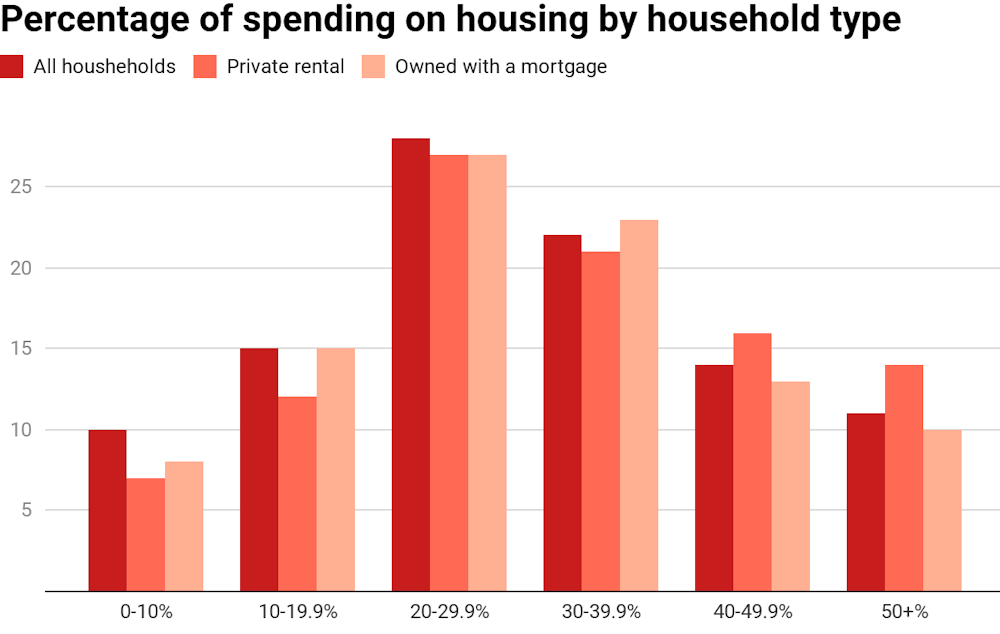
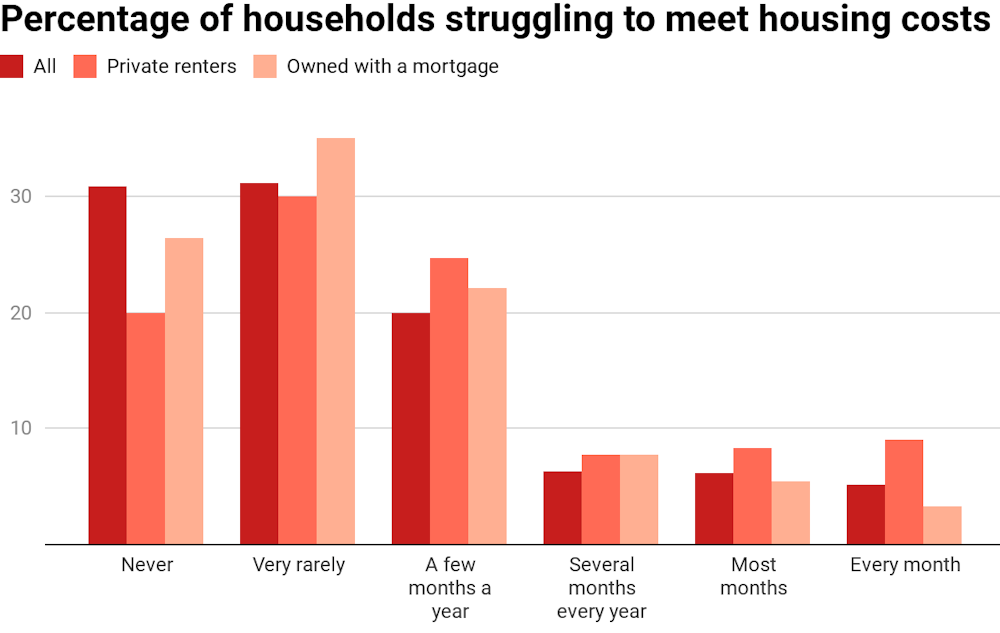
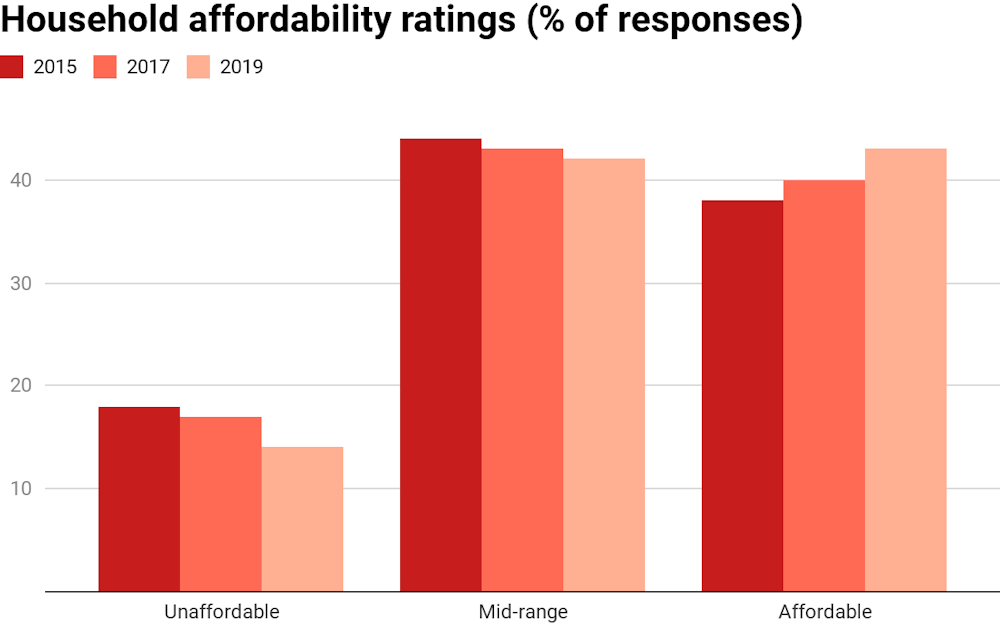
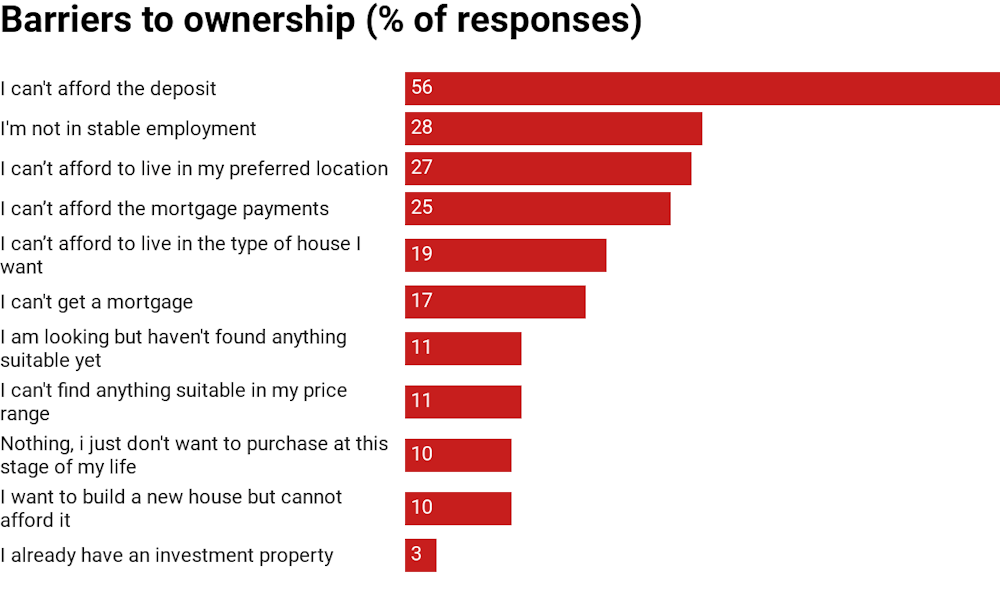
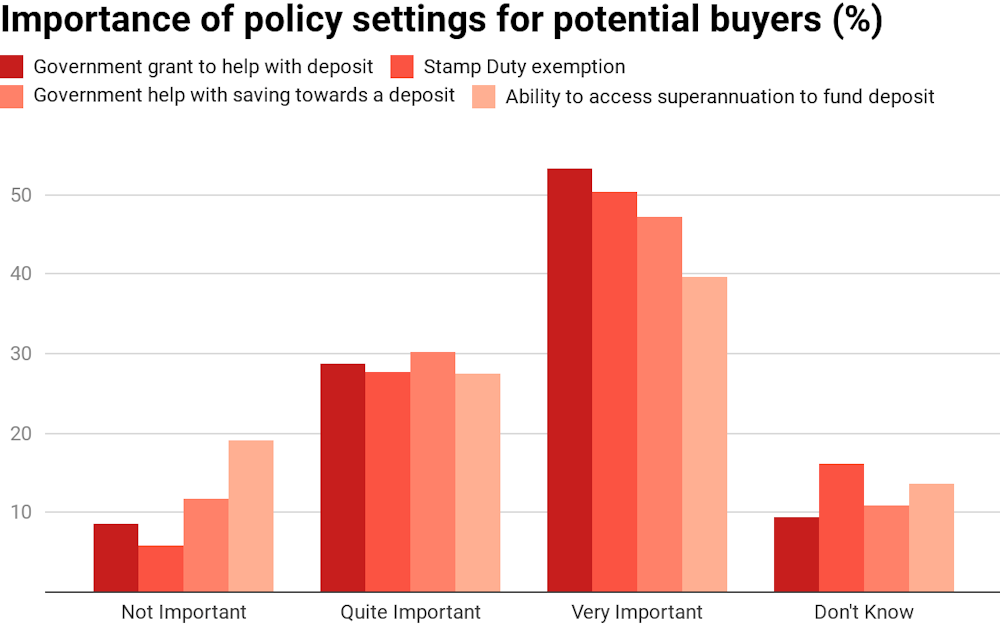
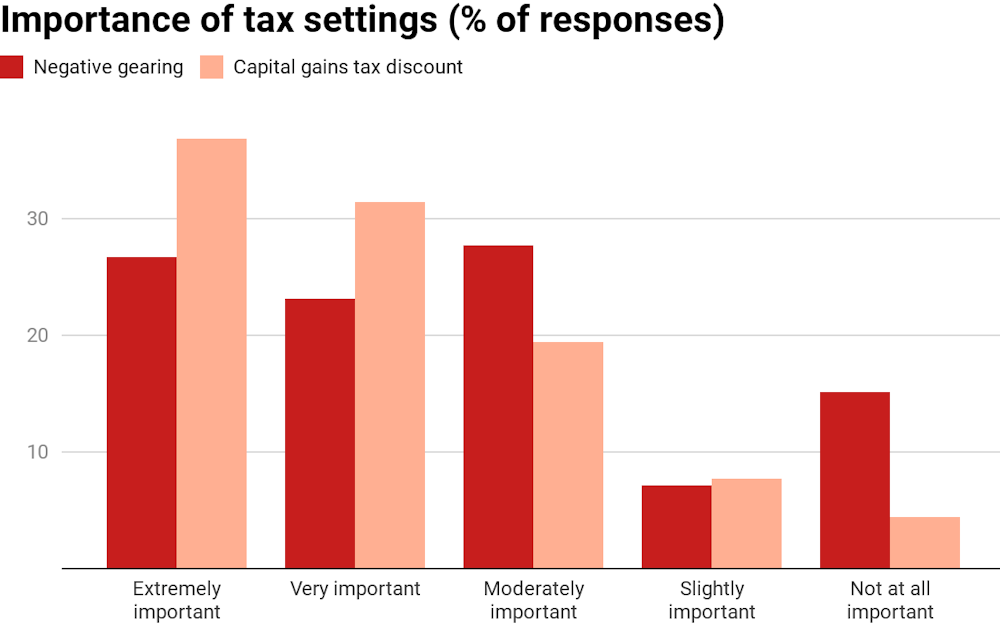






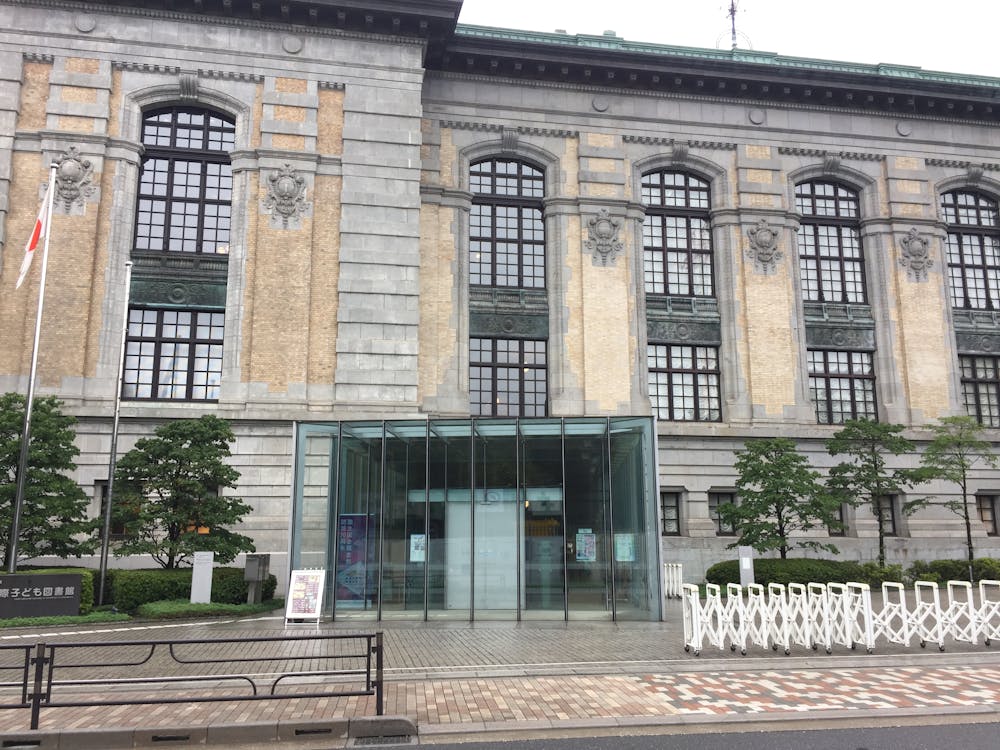











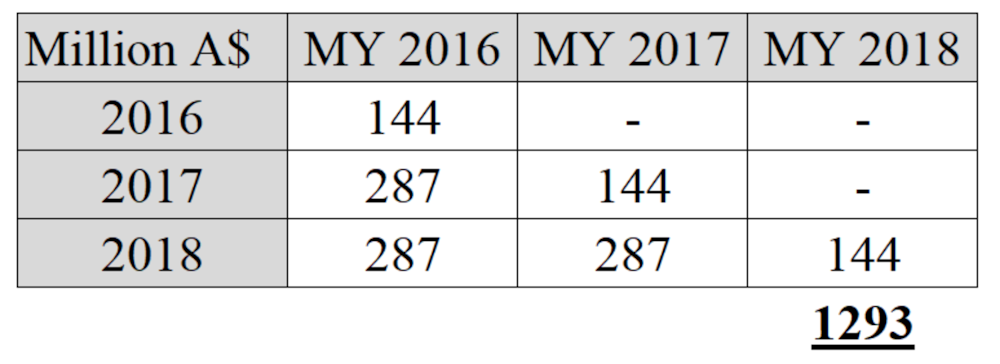






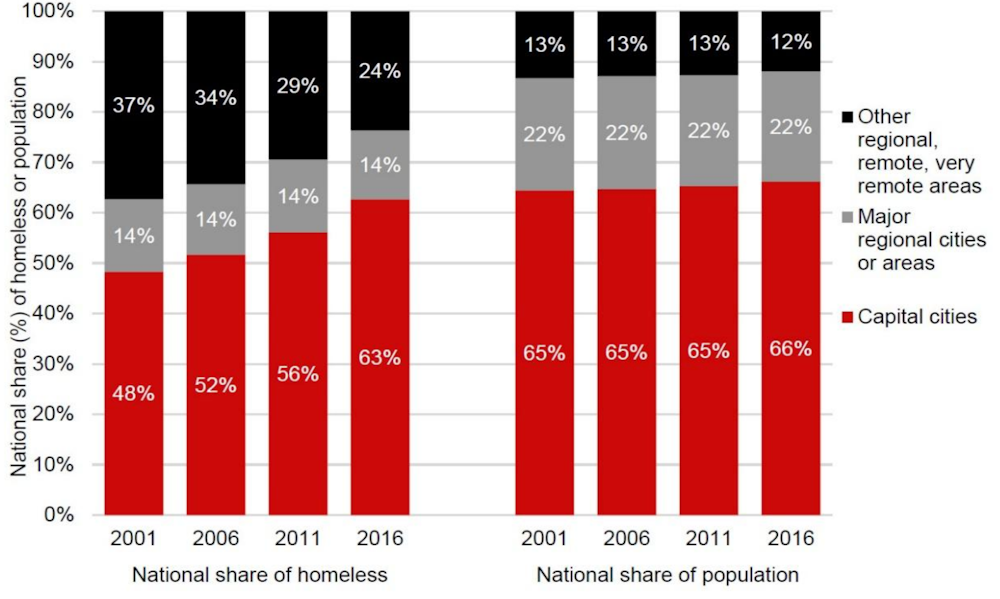
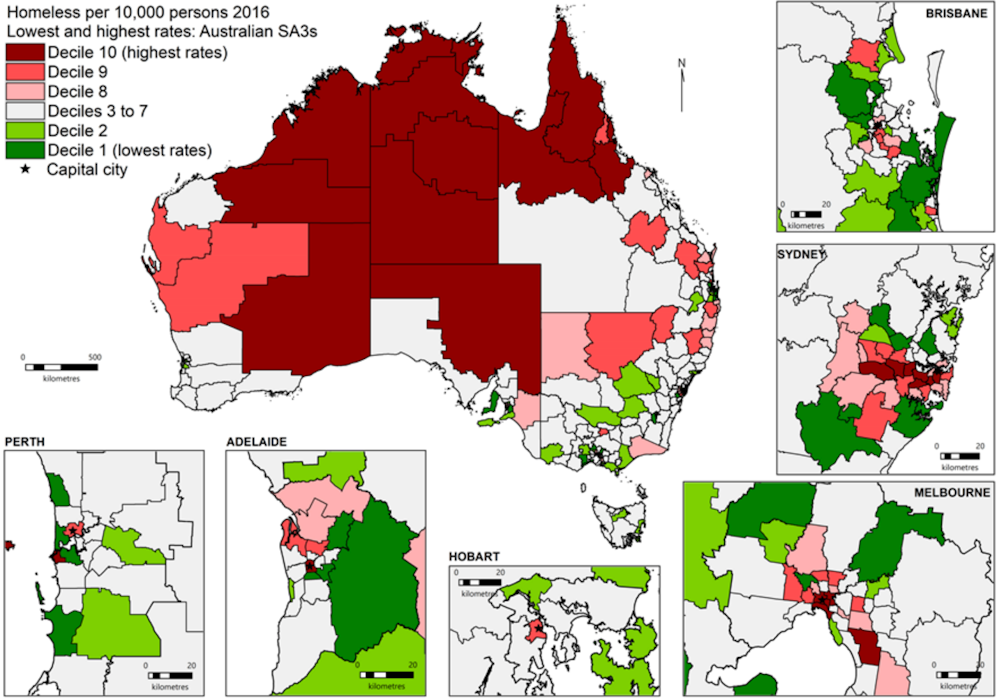
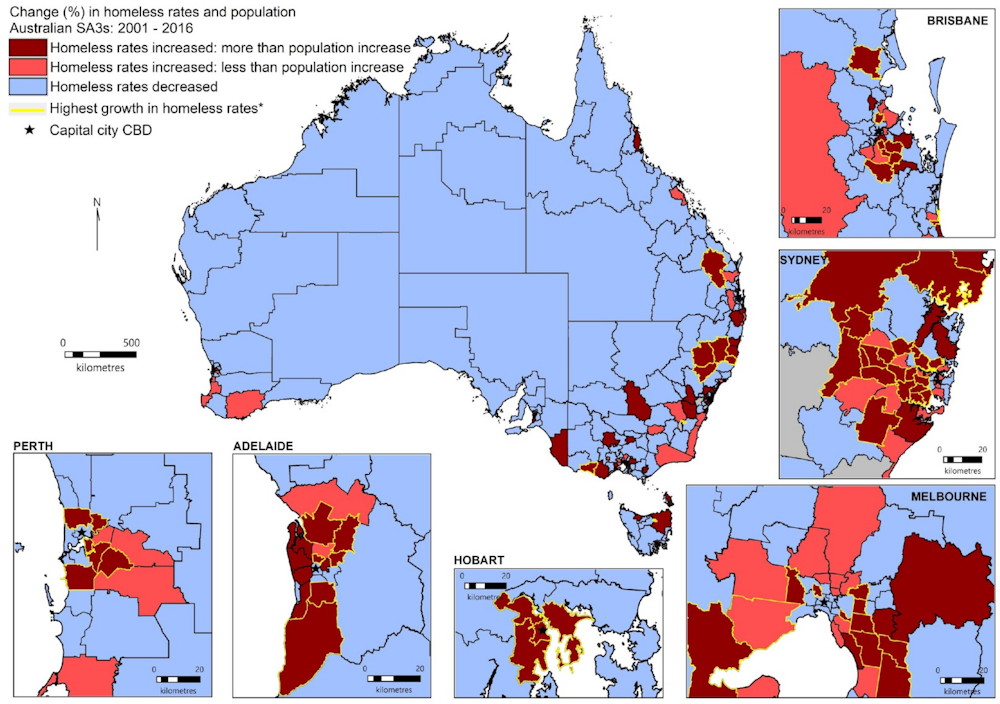
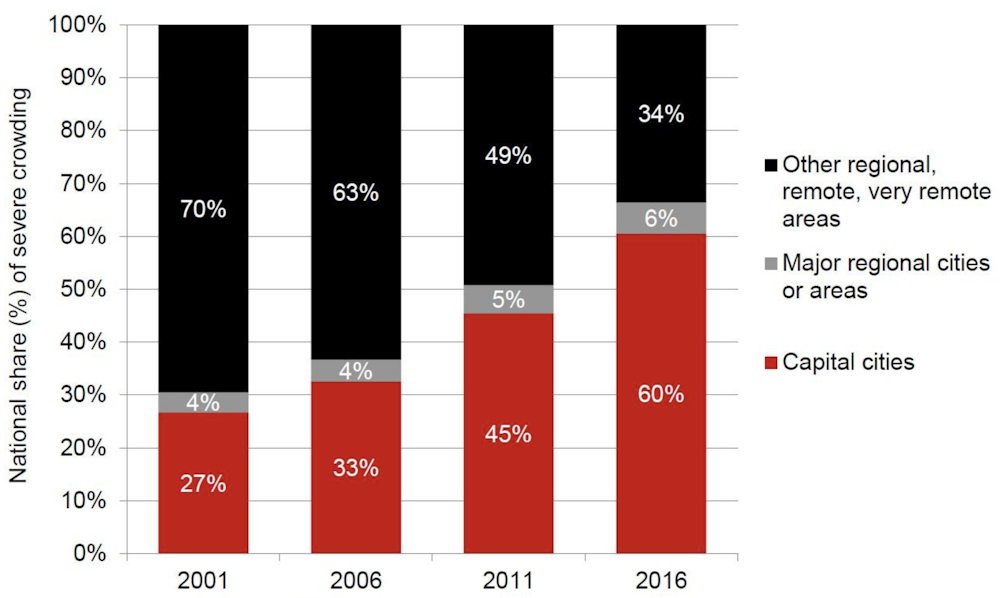
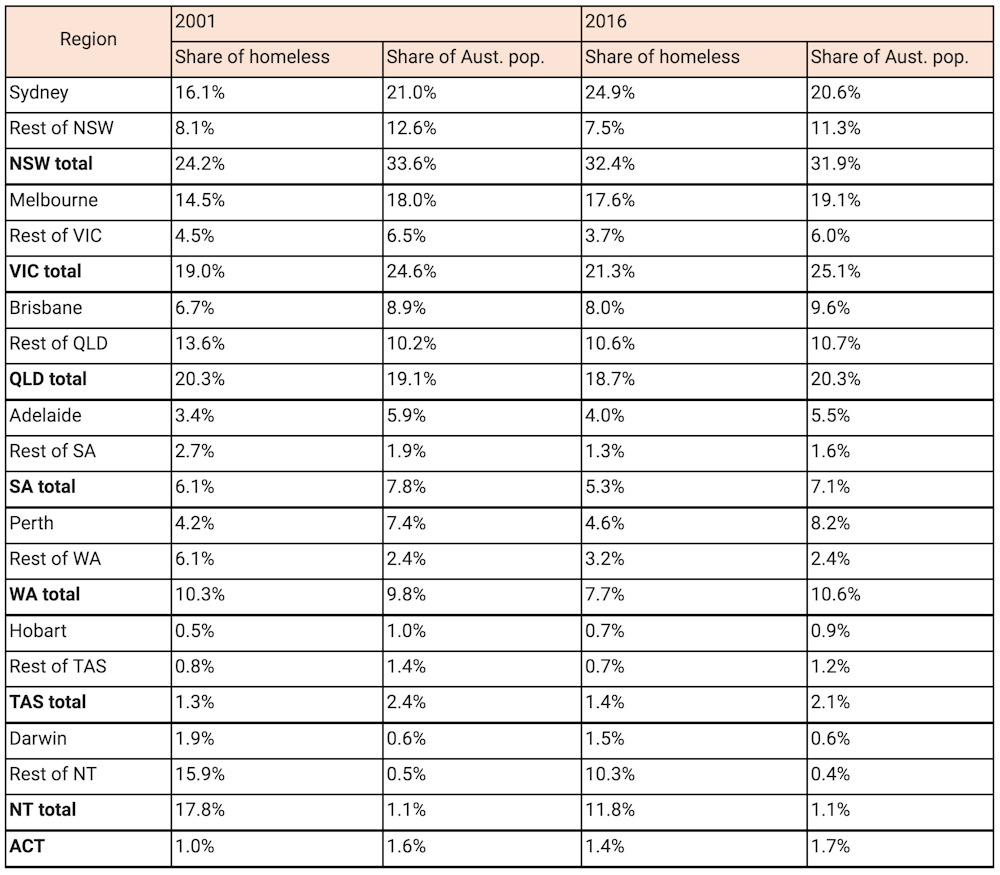

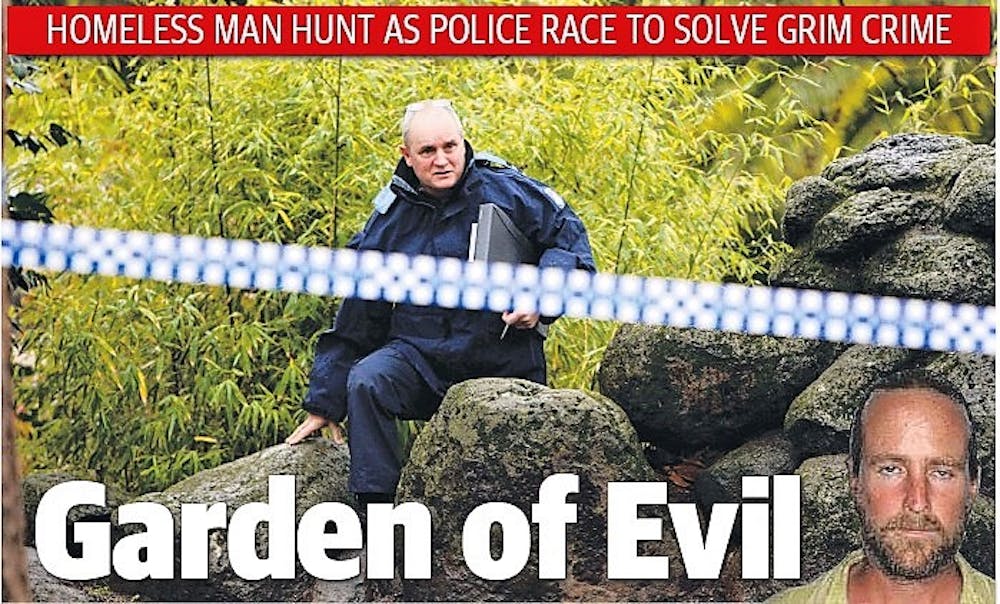







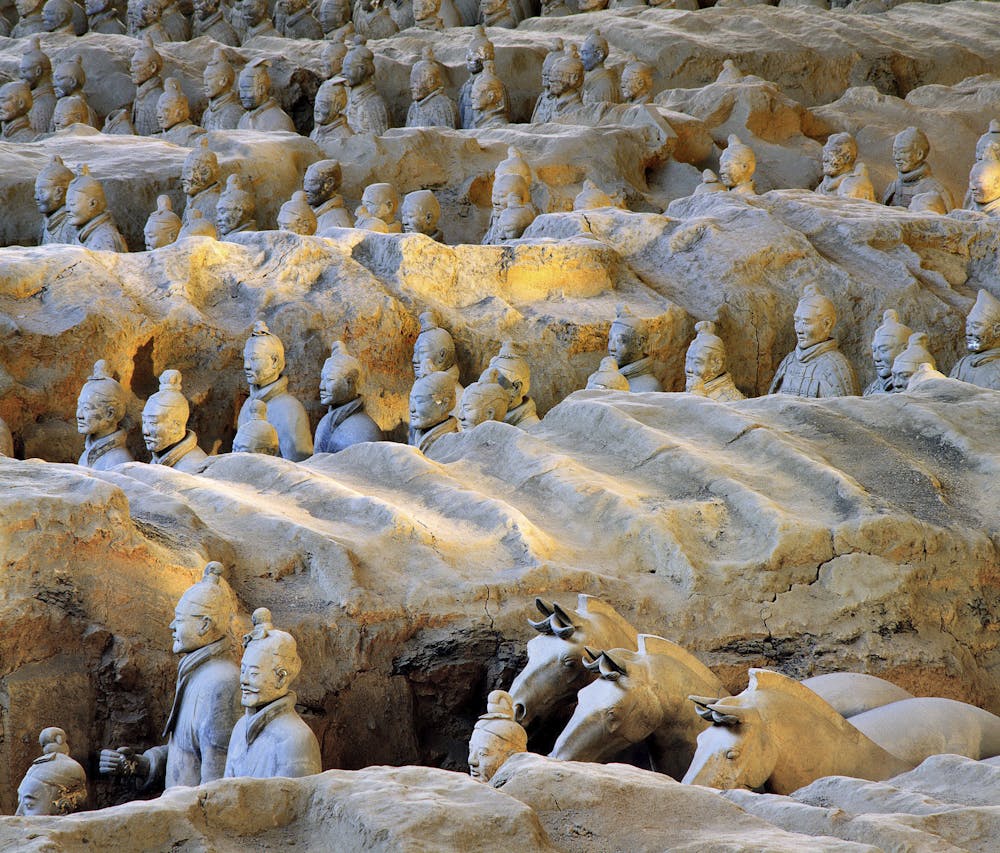



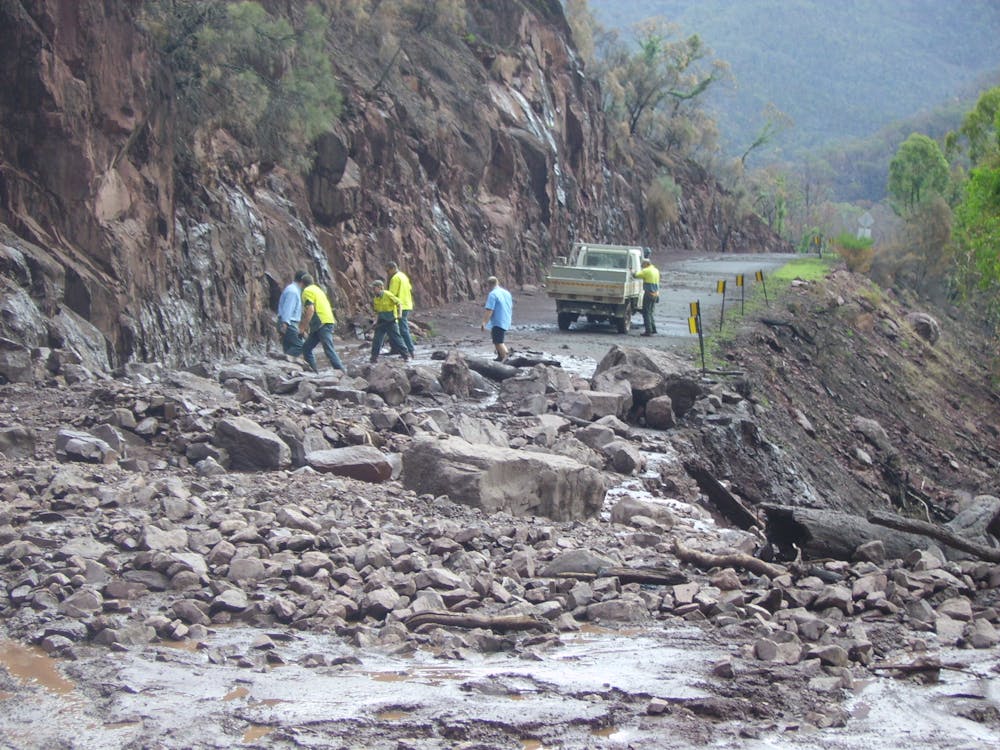


_-_1887_-_ritr._da_Eakins,_Thomas_-_da_Internet.jpg)
