Bitcoin continues to trade close to its all-time high reached this month. Its price is now around US $34,000 — up about 77% over the past month and 305% over the past year.
First launched in 2009 as a digital currency, Bitcoin was for a while used as digital money on the fringes of the economy.
It has since become mainstream. Today, it’s used almost exclusively as a kind of “digital gold”. That is to say, a scarce digital asset.
In response to the risk of economic collapse due to COVID, governments around the world have flooded global markets with money created by central banks, in order to boost spending and help save the economy.
But increasing the supply of money erodes its value and leads people to look for inflation-resistant assets to hold. In this climate, Bitcoin has become a hedge against looming inflation and poor returns on other types of assets.
What is Bitcoin?
Bitcoin, the world’s largest cryptocurrency by market capitalisation, has a current circulating supply of 18,590,300 bitcoins and a maximum supply of 21,000,000.
This limit is hard-coded into the Bitcoin protocol and can’t be changed. It creates artificial scarcity, which ensures the digital money increases in value over time.
Whereas government-issued currencies such as the Australian dollar can have their supply increased at will by central banks, Bitcoin has a fixed supply that can’t be inflated by political decisions.
Bitcoin is predominantly traded on online cryptocurrency exchanges, but can also be sent, received and stored in “digital wallets” on specific hardware or smartphone applications.
But perhaps the most groundbreaking aspect of the Bitcoin network is that it draws on the work of cryptographers and computer scientists to exist as a blockchain-based digital currency.
A public blockchain is an “immutable” database, which means the record of transaction history can’t be changed.
A functional and decentralised digital currency
Bitcoin is “decentralised”. In other words, it functions via a dispersed peer-to-peer network, rather than through a central authority such as a central bank.
And it does this through the participation of Bitcoin “miners”. This is anyone who chooses to run software to validate Bitcoin transactions on the blockchain. Typically, these people are actively engaged with cryptocurrency.
They are rewarded with bitcoins, more of which are created every ten minutes. But the reward paid to miners halves every four years.
This gradual reduction was encoded into the network by creator Satoshi Nakamoto, who designed it this way to mimic the process of extracting actual gold — easier at first, but harder with time.
While several have laid claim to it, the true identity of Bitcoin creator Satoshi Nakamoto (a psuedonym) has never been confirmed. His last written post on the forum bitcointalk.org was on December 12, 2010.Shutterstock
Bitocoin miners today earn 6.25 bitcoins for every block mined, down from 50 bitcoins in the early years. This creates an incentive to get involved early, as scarcity increases with time.
Because of this, the price is expected to rise to meet demand. But because future scarcity is known in advance (predictable at four-year intervals), the halving events tend to already be priced in.
Therefore, massive surges and falls in price typically reflect changing demand conditions, such as a growing number of new institutional investors. More and more public companies are now investing in bitcoin.
But what function does Bitcoin provide for society that has people so invested?
There are a few possible explanations as to why Bitcoin is now deemed significant by so many people.
It’s a “safe” asset
In the face of global uncertainty, buying bitcoins is a way for people to diversify their assets. Its market value can be compared to that of another go-to asset that shines in times of trouble: gold.
Amid the turmoil of a global pandemic, an unconventional US presidential handover and geopolitical power shifts the world over, it’s possible more people view gold and Bitcoin as better alternatives to dollars.
It ties into privacy-oriented ideologies
Bitcoin (and cryptocurrency in general) is not politically and ideologically neutral. It was born of the internet era, one plagued with grave concerns for privacy.
Bitcoin’s intellectual and ideological origins are in the “cypherpunk” movement of the 1990s and early 2000s.
Records of online forums show it was advocated for as an anonymous digital currency that allowed people to interact online without being tracked by governments or corporations, offering an alternative for anyone who distrusts the Federal central banking system.
Perhaps the overt rise of digital surveillance in response to the COVID pandemic has further stoked fears about online privacy and security — again piquing the public’s interest in Bitcoin’s potential.
Why is Bitcoin booming?
Bitcoin’s recent boom in value comes down to a combination of three factors: ideology, social sentiment and hope.
But although these are variable factors, this doesn’t discredit the significance of the digital economy, interest in the technology as it matures and the influence of institutional investors in cryptocurrency, including Bitcoin.
Bitcoin is in an upward market trend, also known as “bull market” territory.
It was designed to increase in value over time through the rules Nakamoto wrote into its software code — which Bitcoin’s most outspoken advocates, known as “maximalists”, vehemently defend.
A ‘bull market’ occurs when securities are on the rise, whereas a ‘bear market’ is when securities fall for a sustained period. Both terms are metaphors; a bull thrusts its horns into the air and a bear swipes its paws down.Shutterstock
Imagining new futures
From a larger frame of reference, decentralised cryptocurrencies allow new ways to coordinate without the need for a central arbiter.
And decentralised blockchain-based networks don’t just enable digital money. Similar to ordinary smartphone apps, software developers around the world are building decentralised applications (DApps) on top of Bitcoin and other blockchain protocols.
They have introduced other cryptocurrencies, such as Ethereum, which are also open platforms for the public.
Other DApps include decentralised financial (DeFi) tools for prediction markets, cryptocurrency borrowing and lending, investing and crowd-funding.
Nakamoto’s audacious experiment in digital currency is working as intended. And what really deserves attention now is what this means for our digital, physical and social futures.
This week, the US Congress will put the finishing touches to the chaotic, protracted 2020 US presidential election.
A joint session of the House and Senate will assemble at 1pm on January 6 (5am AEDT/7am NZDT on January 7) as the votes cast by the 538-member Electoral College following the November election are opened, counted and certified. The president of the Senate (who also happens to be Vice President Mike Pence) will then finally declare the winner.
Usually, this process generates very little public attention because it is essentially just a formal ratification of an outcome the American public has known for almost two months.
Biden’s victory in the November election will be challenged yet again.Patrick Semansky/AP
But this year will be different because a small group of President Donald Trump’s surrogates in the House and Senate have indicated they will challenge the certification and votes of the electors in what will be a futile attempt to delay the announcement of Democrat Joe Biden’s victory.
Congress should immediately appoint an Electoral Commission, with full investigatory and fact-finding authority, to conduct an emergency 10-day audit of the election returns in the disputed states.
Once completed, individual states would evaluate the commission’s findings and could convene a special legislative session to certify a change in their vote, if needed.
The move by this small group of Republican lawmakers is almost sure to fail since the Democratic majority in the House will reject the challenges, and a fair number of Republicans have said they would vote against them, too.
At most, this last-ditch attempt to overturn the election result, based on Trump’s baseless claims of voter fraud, will only delay the inevitable. This could take anywhere from a few hours to a day or so, depending on how many separate challenges are made.
This is how the drama will unfold. When Pence announces the electoral vote tally from each state, he will call for any objections. According to federal law, the objection must be made in writing and
shall state clearly and concisely, and without argument, the ground thereof, and shall be signed by at least one senator and one member of the House of Representatives.
When an objection is announced, the two houses of Congress will retire immediately and, in separate sessions, debate the objection for a maximum of two hours with no member speaking for more than five minutes or more than once. A vote on the objection is then taken.
Under the law, Congress can only reject electoral votes that have not been “regularly given”, but both the House and Senate must agree to do so. Congress doesn’t have the power to replace a state’s electors.
The challenges are expected to come against Biden victories in as many as five so-called “battleground” states: Arizona, Georgia, Michigan, Pennsylvania and Wisconsin.
The Republican rebels leading the charge against the election result know the numbers are not in their favour. As the senators note in their statement,
We are not naïve. We fully expect most if not all Democrats, and perhaps more than a few Republicans, to vote otherwise.
And despite Trump’s tweet declaring the “vice president has the power to reject fraudulently chosen electors”, the reality is, Pence doesn’t. A federal judge rejected a lawsuit last week seeking to pressure Pence to do just that.
Trump said of Pence this week: ‘I hope [he] comes through for us’.Scott Applewhite/POOL/EPA
The damage that has been done
The motivations behind the Republican challengers are not entirely clear, though some believe they are thinking only of their own political futures, including a potential run for the 2024 presidential nomination.
However, what is clear is this will be the final legal attempt to undermine the integrity of the 2020 election — since there is still no substantial evidence of fraud, corruption, rigged voting machines or any other misconduct that Trump and his surrogates have alleged.
It may take some time, but the 306 electoral votes won by Biden on election day will eventually be deemed to be “regular” — to use the official term. And Biden and Vice President-elect Kamala Harris will be sworn into office at noon on January 20, regardless of whether Trump continues to object.
But the cost of these actions will be immense. The cumulative effect of over 50 misguided court cases at the state and federal level, the failed attempts to persuade Republican-controlled state legislatures to overturn their states’ electoral votes, and the latest effort to pressure the secretary of state of Georgia to conjure up 11,780 more votes for Trump, have damaged the electoral process and American democracy itself.
Trump supporters are protesting the Electoral College vote count in Congress this week.Michael Reynolds/EPA
Moreover, the willingness of Republican lawmakers in Congress to continue to back Trump’s ineffectual efforts to overturn the results of an election — without any evidence of wrongdoing or hopes of succeeding — only compounds the damage further.
It is, as Republican Senator Ben Sasse said in opposing the electoral vote challenge by his own colleagues,
designed to disenfranchise millions of Americans simply because they voted for someone in a different party.
Source: Council on Hemispheric Affairs – Analysis-Reportage
By Frederick B. Mills, Alina Duarte, Patricio Zamorano From Washington DC
On Monday January 4 a British court denied a U.S. request to extradite world renowned journalist and Wikileaks founder, Julian Assange, to face charges in the U.S. under the Espionage Act. Shortly after this breaking news, President of Mexico, Andrés Manuel López Obrador (AMLO), urged the U.K. to consider the possibility of freeing Assange and announced that Mexico “offers political asylum” to the activist.
This bold announcement by López Obrador draws a stark contrast to the revocation of asylum by the President of Ecuador, Lenin Moreno, who turned Assange over to British authorities in April 2019 after the journalist had spent seven years inside the Ecuadorian embassy in London. To provide political cover for this controversial act, part of the mainstream press deployed character assassination, painting an image of an erratic Assange, ungrateful for Ecuadorian hospitality. Numerous human rights and civil liberty organizations, however, denounced the decision of the Moreno administration to violate Assange’s diplomatic protection and allow the police to penetrate the Embassy building and arrest the journalist. The sudden reversal of Ecuador’s provision of asylum and protection was consistent, however, with Moreno’s dramatic pivot to the right after he was elected on a leftist platform. It was viewed by his critics as an act of subordination of Ecuador’s foreign policy to the imperatives of Washington.
The struggle to free Assange is far from over. Since Judge Vanessa Baraitser employed the humanitarian argument that extradition to the U.S. could lead Assange to attempt suicide, instead of using the substantive arguments advanced by Assange’s legal team, the door remains wide open to a United States appeal which could drag out litigation for months or even years. Assange’s lawyers argued that he was acting as a journalist when he published leaked documents about U.S. military operations in Afghanistan and Iraq, and that these disclosures are protected by the First Amendment.
The international campaign to free Assange anticipates a continuing legal fight. Many of Assange’s supporters are petitioning President Donald Trump to pardon him, and failing that, will urge the incoming Biden administration not to pursue an appeal of the U.K.’s denial of extradition.
A history of protection of the persecuted
The Mexican gesture came as a surprise to many observers, but it was not out of character, as Mexico has a proud tradition of granting or offering asylum or protection to the persecuted including Víctor Raúl Haya de la Torre, José Martí, Leon Trotsky, Pablo Neruda, León Felipe, Héctor José Campora, Mohammad Reza Palhevi (the Shah of Iran), Rigoberta Menchú, Enrique Dussel, and most recently former president of Bolivia Evo Morales.
By offering asylum to Evo Morales after an Organization of American States (OAS) backed coup in November 2019, López Obrador placed Mexico on the side of popular sovereignty in the Americas against the Lima Group’s complicity with the drive to bring about regime change in Nicaragua, Venezuela, and Cuba, in addition to Bolivia. And by offering Assange asylum López Obrador adds political clout to the growing international outrage at the detention and psychological torture of Assange. AMLO has also put Mexico on the world stage and has conferred legitimacy on the actions of Assange and Wikileaks, that revealed to the world numerous illegal activities perpetrated by the U.S., including war crimes, clandestine operations and meddling in the internal political affairs of dozens of countries, foes and allies alike. Offering asylum to Assange shows respect, from the heart of the Americas, for human rights, international law, sovereign equality of nations, political independence, and multilateralism.
AMLO and his political project, also named in Wikileaks
Although López Obrador formalized his offer of political asylum at the beginning of 2021, he had already expressed his sympathy and support for the journalist as early as January 2020: “I wish that he be forgiven and released. I do not know if he has recognized that he acted against the rules and against a political system, but at the time these cables showed how the world system works in its authoritarian nature, they are like state secrets that were known thanks to this investigation and to the release of these cables. Hopefully he will receive the consideration he deserves and be freed and tortured no more.”[1]
The Mexican president also revealed how the cables released by Wikileaks covered the work of his political movement. “Here are cables that were released when we were in the opposition that spoke of our struggle and I can prove that they are true.” He added that “what is expressed here, reflects the reality at that time, of illegal relationships, of illegal actions, illegitimate violations of sovereignty, contrary to democracy, to freedoms.” That is why, López Obrador pointed out, “I express my solidarity, my wish that he be forgiven” because “if he offers an apology and he is released, it will be a very just cause in favor of the human rights of the world. It is an act of humility from the authority that has to decide on the freedom of this researcher.”[2]
Safety of journalists still a challenge in Mexico
The announcement made by López Obrador regarding journalist Julian Assange unleashed a series of reactions regarding freedom of expression and contradictory policies of the current Mexican administration.
On one hand the president has indicated that his administration backs freedom of the press: “out of conviction, we never, ever, would limit freedom of expression. None of the freedoms.” He also said that “it fills me with pride that freedom of expression is guaranteed. This hadn’t happened in a long time. The media, the press, were either sold or rented to the regime. This is new, something to celebrate.”[3]
However, the opposition, human rights advocates and concerned journalists highlight that there is still a pending debt with reporters in Mexico, because during the first two years of AMLO as president, 17 journalists have been assassinated according to the organization Article 19[4]. The Mexican government recognizes even a higher number: the Ministry of the Interior has announced that 38 communicators have been murdered from December 2018 to December 2020[5]. This indicates that there are high levels of impunity in this type of crime, since currently only two cases have resulted in convictions, 23 cases remain under investigation, and 13 are in litigation. It should be noted that the violence against journalists didn’t begin with AMLO’s administration. During the term of Enrique Peña Nieto, 47 journalists were assassinated, while under Felipe Calderón, 48, making Mexico one of the most dangerous countries to practice journalism.[6]
Mexico’s offer of asylum to Julian Assange bolsters the cause of Latin American independence by countering the subordination of the OAS, and in particular the Lima Group, to U.S. foriegn policy and exposing the underside of Washington’s interference in the internal affairs of other nations. It also promotes the values of humanitarian protection against political persecution from Latin America to the planetary stage. It advances the case of those advocating more transparency and the right to information from their governments at a time when there is mass surveillance of citizens. López Obrador recognizes that democracy can only flourish when governments are accountable to an informed citizenry. He has done us all a service.
All translations into English from Spanish language sources are by the authors.
For the majority of Papua New Guineans living in the capital of Port Moresby, providing a home for their families is only a dream as housing has become a luxury that only the rich can afford.
Many families are forced to rent out single rooms for between K500 (NZ$200) to K800 (NZ$315) with common shared facilities like bathrooms, toilets and kitchens. Others move to the many settlements scattered around the city where houses can be rented for up to K1500 (NZ$600) fortnightly.
But it wasn’t always like this.
I was born and raised in Port Moresby and back in the 1990s when I was young, we used to live at Henao Drive in Gordons in a two bedroom, two storey house with a bathroom upstairs, a large dining room and living room downstairs.
The backyard was huge. We had a small duck pond and a BBQ place with a basketball court in the back. How did much my father pay fortnightly? Less than K300 ($NZ$118).
Houses, at that time, were being sold for between K10,000 (NZ$4000) and K20,000 (NZ$8000) at the new Rainbow suburb in Port Moresby’s North-East electorate.
Fast forward to the year 2000 and boom! The housing and rental rates in the city hit the roof….No. It went straight for the heavens.
We can only dream I mean seriously … back in the 1990s we had homes. Today, we can only dream of one day providing a home for our children. It’s a sad reality for thousands in the city where most families can only afford to rent a room.
While many have cried for housing and rental rates to be regulated, the National Capital District Commission (NCDC) and the National Housing Corporation still do not have the powers to do so. Unless laws are passed on the floor of Parliament giving them the powers to do so.
Nothing has been done to address the issue. It makes one wonder if it is it because the people in authority who have the power to make decisions are also property owners. Property owners who make thousands out of the ridiculously high rental rates?
Houses on the rental market are priced at K1200 (NZ$470) to K3000 ($1180) weekly not fortnightly … WEEKLY! Looking at these prices you know right away that the majority of Papua New Guineans who are middle to low income earners won’t be able to afford this.
So, who do these real estate companies and property owners have in mind when they place ads for these prices? Expatriates? CEOs, managers and MPs?
What about the people, the people of this country?
Even the BSP First Home Ownership Scheme did not work out.
A scheme for the wealthy How can a low to middle income earner afford the 10 percent needed to get that loan to purchase a home?
Again, it was almost as if the scheme was done to benefit only the wealthy.
Property developers have built many houses over the years to complement the First Home Ownership Scheme. But with houses going for K350,000 (NZ$137,000) to K500,000 (NZ$196,000) and the bank requiring a 10 percent down payment…. where are the people supposed to get the K35,000 to K50,000?
It’s high time the issue is addressed. The current government promised to “take back PNG” and they must do that by ensuring that their people’s welfare is taken care of. The housing issue must be addressed.
Laws and policies on real estate and housing must be reviewed, amended, changed to favor of the people.
There are so many aspects to the issue and many studies has been done by various organisations including the National Research Institute, over the years. Yet none of the recommendations have ever been implemented.
So, as the rich continue to live in their glass castles the people continue to suffer – living out of rooms, trying to earn a living and supporting their families.
Rebecca Kuku is an occasional contributor to Asia Pacific Report, a content contributor to The Guardian (Australia) and to the PNG Post-Courier. This article was first published on Scott Waide’s My Land, My Country blog and is republished with permission.
If you live in the northern part of Sydney’s Northern Beaches, the epicentre of one of two current COVID outbreaks in New South Wales, you can’t currently cross any state borders. Instead, you’re confined to the local area for all but essential reasons.
But sadly, that’s pretty much where the consistency ends when it comes to Australia’s COVID-related border closures. Everyone else faces a confusing and inconsistent mishmash of hastily implemented travel restrictions, some of which may even make COVID cases harder to track between states.
Summarising such a complex situation is hard to do concisely, but here goes.
If you were in Greater Sydney (which typically includes Wollongong, the Central Coast and the Blue Mountains) any time on or after December 21, you cannot enter the ACT, South Australia, Western Australia or Victoria. You are also banned from Queensland, but only if you were in the Greater Sydney hotspot during the previous 14 days.
Tasmania, meanwhile, rates Sydney and Wollongong only as “medium risk”, so people who have visited these areas can enter the island state but must quarantine for 14 days. Tasmania has no restrictions on arrivals from the Central Coast or Blue Mountains.
Victorians can still travel to NSW, the ACT, the Northern Territory, SA and Queensland, but not WA.
Queensland has asked everyone who has recently been in Victoria to get tested, and barred them from visiting health facilities and aged-care or disability homes.
Tasmania allows anyone in from Victoria unless they have visited particular high-risk venues (although when I checked, Victoria’s own list of “close contact” exposure sites was more up-to-date).
Why is it all so confusing?
Clearly, the inconsistency is partly explained by different states’ varying tolerance of COVID risk. But are hard border closures really warranted at all?
All NSW cases, and the vast majority of exposure sites, have been confined to Greater Sydney and surrounding areas, which fulfil the Commonwealth definition of COVID hotspots: a rolling three-day average of ten locally acquired cases per day, or 30 cases in three consecutive days.
Instead of hard border closures, a more sophisticated approach would be to focus travel restrictions on these known hotspots, and be prepared to mobilise contact-tracing efforts if a case travels before they are identified.
Of course, state governments may still be tempted to close borders if cases are reported that are not linked to existing clusters, as this raises the possibility of wider undetected community transmission.
Yet it appears from NSW media releases that more than 90% of cases in Sydney’s outbreak were linked to known clusters at the time of report, and this percentage only rises with subsequent contact tracing and investigation.
Ironically, the locked-down residents of Sydney’s Northern Beaches are the only Australians with clear and consistent travel restrictions.Dan Himbrechts/AAP
In Victoria, all 27 locally acquired cases have been directly linked to one cluster, but there are also many exposure sites. As in NSW, measures have been appropriately reintroduced to reduce transmission risk, and therefore the number of potential secondary cases, through limits on gatherings, venues and mandated masks indoors. This buys precious time for health authorities to suppress these clusters, and reduces the likelihood that transmission chains will be missed.
Border closures are a blunt tool
Restricting movement in and out of designated hotspot areas is clearly a good tactic to contain clusters. But the wholesale closure of state borders does not seem proportionate to the current risk. What’s more, sudden border closures could even be counterproductive.
Consider, for example, an interstate traveller who has visited the Sydney hotspot and is now prevented from leaving NSW because the border is closed. They may instead find themselves stuck in regional NSW, rather than being able to go home where self-isolation would be easier.
Allowing the progressive return of travellers or visitors across borders would have allowed thorough scrutiny of permits, and possibly even testing, at the border. Instead, Victoria’s sudden closure of the border with NSW resulted in 62,000 people crowding the checkpoints during a chaotic day and a half until midnight on January 1. This may even have allowed people who had recently been in hotspots to pass through, as permits were not always checked.
Time to work together
No matter how firm our international border closure, we have to be ready to respond to domestic COVID outbreaks, and work collaboratively across states to manage them. Open borders do not necessarily mean more cases, but they can mean more dispersed cases, so every state has to be ready to step up.
A rigorous, nationally coordinated network of contact tracing and quarantine is surely preferable to border closures and the social and economic disruptions that follow.
If Victoria had tested at the border with NSW, maybe they would have detected “case zero” who brought the virus back into Melbourne. Not one of the thousands of returned travellers from NSW since has tested positive, yet demanding that those who returned at New Year be tested within 24 hours flooded testing sites, delaying or preventing Victorians who had actually been at local exposure sites from being tested.
In the worst-case scenario, border closures can conceivably inflame the situation within the state that’s trying to raise the drawbridge.
Environmental scientists see flora, fauna and phenomena the rest of us rarely do. In this series, we’ve invited them to share their unique photos from the field.
Which animals are quintessentially Australian? Koalas and kangaroos, emus, tiger snakes and green tree frogs, echidnas and eastern rosellas, perhaps. And let’s not forget common wombats.
Inevitably, most lists will be biased to the more conspicuous mammals and birds, hold fewer reptiles and frogs, and likely lack invertebrates — animals without a backbone or bony skeleton — altogether.
I’m an invertophile, fascinated by our rich terrestrial invertebrate fauna, so my list will be different. I’m enchanted by stunning dragon springtails, by cryptic little Tasmanitachoides beetles, and by the poorly known allothyrid mites, among thousands of others.
Australia’s terrestrial invertebrate multitude contains several hundred thousand uniquely Australian organisms. Most remain poorly known.
To preserve our biodiversity, we first must ask: “which species live where?”. For our invertebrates, we are a long way from knowing even this.
The Black Summer toll
Last year, a team of scientists estimated that the Australian 2019-2020 bushfires killed, injured or displaced three billion animals. That was a lot. But it was also a woefully inadequate estimate, because it only accounted for mammals, reptiles, birds and frogs.
Hidden from view, many trillions more invertebrates burned or were displaced by the fires. And yes, invertebrates are animals too.
A mite from the family Bdellidae (on the right) has captured a springtail, and is using its piercing mouthparts to suck it dry. Mites and springtails are among the most abundant animals on the planet.Nick Porch, Author provided
Admittedly, it’s hard to come to terms with invertebrates because they’re often hard to find and difficult to identify. Most species are inconspicuous, even if they belong to incredibly abundant groups, such as mites and springtails, which can occur in numbers exceeding 10,000 per square metre.
Most invertebrates are poorly known because there are so many species and so few people working on them. In fact, it’s likely only a quarter to one-third of Australia’s terrestrial invertebrate fauna is formally described (have a recognised scientific name).
Meredithina dandenongensis, a species from the wet forests of Victoria. It can be found during the day under rotting logs. The land snail family Charopidae contains hundreds of species across wetter parts of southern and eastern Australia.Nick Porch, Author provided
One of the problems invertebrates have, in terms of attracting attention, is that many are not easily seen with the naked eye.
Macrophotography can magnify these wonders for a view into a world most of us are completely unfamiliar with. Even then, it often will be hard to know what we see. Everyone will recognise a kangaroo, but who can identify an allothyrid mite?
The photo below shows an undescribed species of mite from the family Allothyridae, from Mount Donna Buang in Victoria. The mite family Allothyridae has three described Australian species, and dozens more awaiting description.
An undescribed Allothyridae species. Just one of the many species in this group waiting to be studied.Nick Porch, Author provided
This collage shows a selection of mites found in the forests of southeastern Australia. It’s likely many of the species shown here are unknown to science.
Mites are a very ancient and diverse group. They can be found abundantly in most terrestrial habitats but are rarely seen because most are several millimetres long or smaller.Nick Porch, Author provided
A deeply ancient lineage
Animal ecologists, most of whom work on vertebrates, often joke that I “study the ‘food’, haha…”. They think they’re funny, but this reflects a deep seated bias — one extending from scientists to the wider public. This limits the development of a comprehensive understanding of biodiversity that has flow-on effects for conservation more broadly.
It’s true: invertebrates are food for larger animals. But their vital role in maintaining Australia’s ecosystems doesn’t end there.
Every species has an evolutionary history, a particular habitat, a set of behaviours reflecting that history, and a role to play in the ecosystem. And many terrestrial invertebrates belong to especially ancient lineages that record the deep history of Australia’s past.
The moss bug family Peloridiidae, for example, dates back more than 150 million years. For context, the kangaroo family (Macropodidae) is likely 15-25 million years old.
Their history is reflected in the breakup of the ancient supercontinent, Gondwana. In fact, Australian species of moss bugs are more closely related to South American species than to those from nearby New Zealand.
Chasoke belongs to the beetle family Staphylinidae, which is currently considered the largest family of organisms on Earth, with more than 60,000 scientifically described species. Mt. Donna Buang, Victoria.Nick Porch, Author provided
This is a common pattern in terrestrial invertebrate groups. It reflects how the New Zealand plate separated from the remainder of Gondwana about 80 million years ago, while the Australian plate remained connected to South America via Antarctica.
Similar stories can be told from across the invertebrate spectrum. The photo below shows a few examples of these relics from Gondwana.
Peloridiid bugs — such as Hemiodoecus leai China, 1924 (top left) — are restricted to the wettest forests where they feed on moss. Top right: A new species of Acropsopilio (Acropsopilionidae) harvestman from the Dandenong Ranges. Bottom left: a new velvet worm from the Otway Ranges. Bottom right: Tasmanitachoides hobarti from Lake St Clair in central Tasmania.Nick Porch, Author provided
Their fascinating evolution
Overprinting this deep history are the changes that occurred in Australia, especially the drying of the continent since the middle Miocene, about 12-16 million years ago.
This continent-wide drying fragmented wet forests that covered much of the continent, resulting in the restriction of many invertebrate groups to pockets of wetter habitat, especially along the Great Dividing Range and in southwestern Australia.
A consequence of this was the evolution in isolation of many “short-range endemic” species.
A short-range endemic species means their geographic distribution is less than 10,000 square kilometres. A short-range endemic mammal you might be familiar with is Leadbeater’s possum, restricted to the wet forests of the Victorian Central Highlands.
This is Idolothrips spectrum, the largest thrips in the world. It’s called the giant thrips, even though it’s less than 10mm long. Dandenong Ranges, Victoria.Nick Porch, Author provided
But short-range endemism is much more common in invertebrates than other organisms. This is because many invertebrates are poor dispersers: they don’t move between habitat patches easily. They may also maintain viable populations in small areas of suitable habitat, and are frequently adapted to very specific habitats.
Take Tropidotrechus, pictured below, a genus of beetles mostly restricted to the same region as Leadbeater’s possum. They, however, divide the landscape at a much finer scale because they’re restricted to deep leaf litter in cool, wet, forest gullies.
As Australia dried, populations of Tropidotrechus became isolated in small patches of upland habitat, evolving into at least seven species across the ranges to the east of Melbourne.
Tropidotrechus victoriae, Victoria’s unofficial beetle emblem (left). Related described and undescribed species are found in the nearby Central Highlands and South Gippsland ranges (right)Nick Porch, Author provided
Discoveries waiting to happen
The trouble with knowing so little about Australia’s extraordinary number of tiny, often locally unique invertebrates, is that we then massively underestimate how many of them are under threat, or have been badly hit by events like the 2019-2020 fires.
If we wish to conserve biodiversity widely, rather than only the larger charismatic wildlife, then enhancing our knowledge of our short-range species should be a high priority.
You don’t necessarily need specialist equipment to take pictures of our fascinating invertebrates. This is a phone picture of mating Repsimus scarab beetles (relatives to the Christmas beetles). It was taken at Bemboka in NSW, which burnt during the 2019-2020 fires.Nick Porch, Author provided
We’ve only just scratched the surface of Australia’s wonderful invertebrate fauna, so there are enough discoveries for everyone.
You can join iNaturalist, a citizen science initiative that lets you upload images and identify your discoveries. Perhaps you’ll discover something new — and a scientist just might name it after you.
Road-user charges on electric vehicles based on distance driven were announced in November 2020 by the governments of South Australia and Victoria, while New South Wales ministers have differing views. These charges are justified on several grounds, including the costs of road use and congestion.
Criticsargue the new charges will deter uptake of these more environmentally-friendly vehicles. But Australian governments could learn from examples overseas, including New Zealand, where incentives for buyers of electric vehicles more than offset the impacts of road user charges.
One reason for introducing a distance-based charge for electric vehicles is that owners of petrol cars pay fuel excise, currently 42.3 cents per litre. With average fuel use of about 10.8 litres per 100km for Australian cars, drivers pay excise of about 4.6 cents per kilometre for road use. This is much higher than Victoria’s proposed distance charge of 2.5 cents per kilometre for electric vehicles.
The average passenger car in Australia was driven about 11,100km in the year to June 2020 (the pre-COVID average was about 13,000km). This means the federal government collected about A$557 in fuel excise per car.
Although the excise is not specifically dedicated to funding roads, the Australian government is a generous funder of road construction and maintenance. All up, Australia’s three levels of government spent A$28.5 billion on roads in 2018-19. It is reasonable to expect electric vehicle drivers to make some contribution to the roads they use.
The main argument against the new charges is that Australia’s uptake of electric vehicles has been slow and governments should be promoting a shift away from fossil fuels. However, the main disincentive is the cost of buying a new electric car, on par with a luxury car.
Governments could overcome this issue by reducing taxes on electric vehicle purchases and/or providing a subsidy for these purchases, as New Zealand has done since 2016 (with an exemption from distance charges until 2021).
The biggest obstacle for potential buyers of electric cars is the up-front cost, but governments overseas are doing something about that.David Zalubowski/AP/AAP
Infrastructure Australia found the economic cost of road congestion in the six largest capitals and their satellite cities was about A$19 billion in 2016. If infrastructure did not keep up with demand, this was likely to increase to A$39 billion a year by 2031.
However, the evidence from Australia and overseas is clear: building more roads does not overcome congestion. The phenomenon of induced demand means new roads simply fill up with more cars making more trips.
The emergence on our roads of electric vehicles that don’t generate fuel excise revenue has led to growing calls for road-user charges on these vehicles, including from Infrastructure Partnerships Australia in 2019 and RMIT researchers in November 2020.
COVID-19 has driven a shift to car use. Before recent outbreaks reduced travel, road traffic in Australian cities was as much as 25% above pre-pandemic volumes.
Australia-wide mobility trends from January 13 2019 to January 2 2020.Apple Mobility Trends
The proven remedy for road congestion is a combination of better public transport and road congestion charging. This can be a charge to enter a specific area (cordon) or a charge per kilometre. It can be varied by time of day.
In a forward-looking strategy, now open for public consultation, Infrastructure Victoria proposes a review in the next two years of the Melbourne congestion levy on parking, congestion pricing for all new metropolitan freeways and, in the next five years, a trial of full-scale congestion pricing in inner Melbourne.
Singapore has used congestion pricing since 1975 and automated electronic road pricing since 1998.
London, after some controversy, implemented a cordon scheme in 2003. The benefits include reduced traffic, noise and air pollution along with improved public transport. The scheme has been modified over the years and access is now free for electric vehicles and certain hybrids and small cars.
Other large cities with congestion pricing include Stockholm and Milan. New York is expected to follow in 2022. A congestion tax is also being considered for Auckland.
Road freight is on the rise too
I discussed road-user charges for heavy trucks in a 2017 Conversation article. At that time in Australia, hidden subsidies for heavy truck use in the form of unrecovered road system costs, along with related external costs of road crashes, pollution, emissions, noise and road congestion, totalled about A$3 billion a year. I now estimate this shortfall to be about A$4 billion.
Australia should introduce mass distance pricing as has been used in New Zealand since 1978 and increasingly in Europe. Instead it relies on annual registration fees and a discounted heavy vehicle fuel excise of 25.8 cents per litre. These charges have essentially been frozen for five years.
Proposals for a modest 2.5% increase in the heavy vehicle fuel charge were shelved after COVID-19 hit. They are now under review again.
One in three submissions to a federal inquiry into developing a National Freight and Supply Chain Strategy highlighted the need for road pricing. The final 2019 strategy all but ignored this issue, despite a projected near-doubling of road freight by 2040.
Failure to reform road pricing coupled with ongoing relaxation of mass and dimension limits for heavy trucks is a recipe for ever more “loads on roads” at the expense of rail freight and coastal shipping.
Rising numbers of freight trucks are adding billions of dollars to road costs.Dan Himbrechts/AAP
In 2002, the then Treasury secretary, Ken Henry, said of the projected increases in city traffic and interstate road freight: “Not dealing with these issues now amounts to passing a very challenging set of problems to future generations.”
In 2010, the Henry Tax Review made several road-pricing recommendations. These included that Australian governments “should accelerate the development of mass-distance-location pricing for heavy vehicles”.
The review also recommended governments analyse the network-wide benefits and costs of introducing variable congestion pricing on tolled roads and consider extending it across heavily congested parts of the road network.
Road pricing reform is now long overdue. And it should include electric vehicles.
For most of us, 2020 was an exhausting year. The COVID-19 pandemic heralded draining physical health concerns, social isolation, job dislocation, uncertainty about the future and related mental health issues.
Although some of us have enjoyed changes such as less commuting, for many the pandemic added extra punch to the main source of stress – engaging in or searching for work.
Here’s what theory and research tells us about how to feel more rested and alive in 2021.
Recovery activity v experience
Recovery is the process of reversing the adverse impacts of stress. Leading recovery researchers Sabine Sonnentag and Charlotte Fritz have highlighted the important distinction between recovery activities (what you do during leisure time) and recovery experiences (what you need to experience during and after those activities to truly recover).
Recovery activities can be passive (such as watching TV, lying on a beach, reading, internet browsing or listening to music) or active (walking, running, playing sport, dancing, swimming, hobbies, spiritual practice, developing a skill, creating something, learning a language and so on).
How well these activities reduce your stress depends on the extent to which they provide you with five types of recovery experiences:
psychological detachment: fully disconnecting during non-work time from work-related tasks or even thinking about work issues
relaxation: being free of tension and anxiety
mastery: challenging situations that provide a sense of progress and achievement (such as being in learning mode to develop a new skill)
control: deciding yourself about what to do and when and how to do it
enjoyment: the state or process of deriving pleasure from seeing, hearing or doing something.
Of these, psychological detachment is the most potent, according to a 2017 meta-analysis of 54 psychological studies involving more than 26,000 participants.
Here are five tips, drawn from the research, to feel more rested and alive.
1. Follow the evidence
There are mixed findings regarding the recovery value of passive, low-effort activities such as watching TV or reading a novel.
More promising are social activities, avoiding work-related smartphone use after work, as well as engaging in “receptive” leisure activities (such as attending a concert, game or cultural event) and “creative” leisure activities (designing and making something or expressing yourself in a creative way).
Spending time in “green” environments (parks, bushland, hills) is restorative, particularly when these are natural rather than urban settings. “Blue” environments (the coast, rivers, lakes) are also highly restorative.
Time spent in natural green spaces is more restorative than in urban settings.Shutterstock
Your boundary management style is the extent to which you integrate or separate your work and life beyond work. Work-life researcher Ellen Kossek has created a survey (it takes about five minutes) to help assess your style and provide suggestions for improvement.
The following table developed by Kossek shows physical, mental and social strategies to manage boundaries and separate your work and life beyond work.
Many of us define ourselves in terms of our profession (“I’m an engineer”), employer (“I work at …”) and perhaps our performance (“I’m a top performer”).
We may also have many other identities related to, for instance, (“I’m a parent”), religion (“I’m a Catholic”), interests (“I’m a guitarist”), activities (“I’m a jogger”) or learning aspirations (“I’m learning Portuguese”).
First, reorganise your physical space to reduce visual reminders of your work-related identities (e.g. your laptop, professional books, performance awards) and replace them with reminders of your other identities.
Second, do some “identity work” and “identity play”, reflecting on the identities you cherish and experimenting with potential new identities.
Document what you do when not working. Ask yourself how much these activities enable you to truly experience psychological detachment, relaxation, mastery, control and enjoyment.
Passive leisure activities are less likely to provide the five key recovery experiences of psychological detachment, relaxation, mastery, control and enjoyment.Shutterstock
You will make it easier to give up activities with minimal recovery value if you supplant them with more rejuvenating alternatives you enjoy.
Habits are behaviours we automatically repeat in certain situations. Often we fail to develop better habits by being too ambitious. The “tiny habits” approach suggests thinking smaller, with “ABC recipes” that identify:
anchor moments, when you will enact your intended behaviour
behaviours you will undertake during those moments
celebration to create a positive feeling that helps this behaviour become a habit.
Examples of applying this approach are:
After I eat lunch, I will walk for at least ten minutes (ideally somewhere green). I will celebrate by enjoying what I see along the way.
After I finish work, I will engage in 45 minutes of exercise before dinner. I will celebrate by raising my arms in a V shape and saying “Victory!”
After 8.30pm I will not look at email or think about work. I will celebrate by reminding myself I deserve to switch off.
Perhaps the most essential ingredient for building better recovery habits is to steer away from feeling burdened by ideas about what you “should” do to recover. Enjoy the process of experimenting with different recovery activities that, given all your work and life commitments, seem most promising, viable and fun.
Source: The Conversation (Au and NZ) – By Bruno David, Professor, Australian Research Council Centre of Excellence for Australian Biodiversity and Heritage, Monash University
New collaborative work at an Aboriginal cave in eastern Victoria, published today, shows the stark difference between contemporary archaeological research and that conducted in the 1970s.
In 1971, Cloggs Cave was rediscovered near the town of Buchan in East Gippsland, Victoria. By the end of 1972, archaeological excavations had been completed in the cave and adjacent rock shelter. The findings — extinct giant kangaroo remains (megafauna), Aboriginal stone tools dating back to the last Ice Age and buried fireplaces — made national news at the time.
Cloggs Cave belongs to the Krauatungalung clan of the GunaiKurnai nation. However in the 1970s, neither state and federal agencies, nor most of Australian society, acknowledged Traditional Owners’ rights to authorise and oversee research into their cultural places.
The outside of Cloggs Cave (vertical fissure in the middle of the cliff) pictured circa 1890-1900.Photo courtesy of the State Library of Victoria. Photographer unknown.
Of habitats and diets
Five decades ago, archaeological research and radiocarbon dating were in their infancy. Researchers were racing to find the oldest Aboriginal sites across Australia. Non-Indigenous archaeologists determined what research questions to ask and controlled how the research was conducted and interpreted. Findings often focused on how Aboriginal people had responded to their environments and what they ate.
According to these early interpretations, people had left the cave to inhabit the rock shelter outside as the climate warmed, around 10,000 years ago.
GunaiKurnai-led research, 50 years later
The GunaiKurnai Land and Waters Aboriginal Corporation revisited Cloggs Cave in the years leading up to 2019. It found sediments were eroding from the walls of the largest 1970s excavation pit. Although the pit had been shored up, the extra support was removed in the 1990s.
GunaiKurnai cultural heritage workers sought to use new technologies to revisit the original findings. Importantly, this research would now include GunaiKurnai cultural knowledge passed down from generation to generation.
In 2019, the cave was mapped in detail using a 3D Light Detection and Ranging scanner and a drone. New excavations of sections of the floor were conducted, and the chronology of people and megafauna in the cave was investigated using radiocarbon and optically stimulated luminescence dating techniques.
Archaeologist Joe Crouch excavating at Cloggs Cave in 2019.Bruno David
The investigations yielded fascinating insights about how the Old People inhabited the cave thousands of years ago. In a small alcove at the back lay a stone arrangement, including a layer of crushed minerals. Most of the stalactites on the ceiling had been intentionally broken. Uranium-series dating of parts of the regrown stalactites revealed these mineral deposits were first broken by Aboriginal people more than 23,000 years ago.
Towards the cave’s entrance, the new excavations uncovered a buried standing stone surrounded by fires lit 2,000–1,600 years ago and hundreds of thousands of animal bones. The animals’ deaths were natural — so Aboriginal people had not come to the cave to eat or cook food.
The stone arrangement, broken stalactites and ground-up powder on the floor of the alcove near the back of the cave. 23,000 years ago, small stalactites started growing from the stumps of the broken stalactites.3D modelling by Johan Berthet; photos and artwork by Jean-Jacques Delannoy.
GunaiKurnai worldviews
Since the 1970s, Australian society has changed with an increased recognition of Aboriginal cultures, knowledges, and land rights. It is now possible for the Traditional Owners to finally have a say in the story of Cloggs Cave, and in GunaiKurnai history.
The contrast in the stories from the two archaeological projects, 50 years apart, could not be starker.
GunaiKurnai cultural heritage team members Bradley Hood and Chris Mongta excavating in GunaiKurnai Country.Bruno David, Author provided
According to GunaiKurnai Traditional Owners — and Aboriginal perspectives recorded in the mid-19th century — caves are spiritually important. In 1875, Aboriginal men Turnmile and Bunjil Bottle showed Alfred W. Howitt the “Den of Nargun” in Gippsland. Howitt wrote that this rock shelter was home to “a mysterious creature which they believe haunts these mountains where they were living in caves and holes”.
Stories told early last century by residents at Lake Tyers Mission (now known as the Lake Tyers Aboriginal Trust) described fearful beings called nargun, who lived in caves.
Caves were also frequented by magical practitioners called mulla-mullung. They trained and practised their magic, using crystals and other stones, and ground powders such as ash.
This information was not considered by archaeologists in the 1970s as it did not fit their (mainly secular) interpretations in terms of habitat and diet. What was missing was a deep understanding that the rich social, cultural, and ritual lives of Aboriginal people could fundamentally shape the archaeological record. They did not simply respond to their environments.
A new picture of Cloggs Cave now emerges. The cave was not just a refuge from a cold environment, but a theatre of culturally rich, social and magical activities dating back millenia. It was avoided by people for day-to-day living, and probably used by GunaiKurnai mulla-mullung.
The 2,000-year-old standing stone, pictured during the 2019 Cloggs Cave excavations. Layers of ash — the remains of many fires — can be seen at the foot of the stone and in the wall of the excavation.Bruno David.
What was located during the 2019 research had been there all along, but was not noticed by previous researchers.
This is partly because new techniques give us a better window into the past activities of Aboriginal people at the cave. These new ways of seeing are matched with new ways of listening and researching — transforming how we tell archaeological histories.
The authors are just five of the 19 authors of the journal article. We thank the GunaiKurnai Land and Waters Aboriginal Corporation, Joanna Fresløv, Martin and Vicky Hanman of Buchan, and the nine Australian and international universities who collaborated on this project.
When UK District Judge Vanessa Baraitser declared she was rejecting the US request to extradite Julian Assange, his partner Stella Moris wept with relief. In an emotional speech outside the court, Moris described the ruling as “the first step towards justice”, and called on President Donald Trump to halt further extradition efforts.
According to Baraitser’s ruling, Assange could not be extradited because he was depressed and at risk of committing suicide. Assange’s lawyers are planning to apply for bail, while lawyers for the US government say they are going to appeal.
Although he is by no means a free man, this crucial round goes to the Australian WikiLeaks founder.
But on every other point of law, the judge found in favour of the US. She rejected claims that Assange’s case was politically motivated, that he would not get a fair trial and that it was an assault on press freedom.
So, is this a victory for Assange and his supporters, or a blow to those who believe this case to be about protecting press freedom? A close reading of the verdict and its implications suggest it is both.
Protesters demanded Assange’s release in a rally outside the British embassy in Brussels, Belgium.Stephanie Lecocq/EPA
There is little doubt that Assange’s human rights have been abused. He has been held in appalling conditions in London’s Belmarsh prison, and the judge concluded his mental health is in a dangerous state.
Trump has also poisoned the political environment in the US in a way that would surely test the American judicial system’s ability to deliver a verdict in his case free of political influence.
To be clear, I applaud much of WikiLeaks’ extraordinary work in exposing evidence of US war crimes. The shocking Collateral Murder video showing a US Apache helicopter gunning down a dozen unarmed civilians, for example, was one of the most important leaks in recent history.
But in the past, I have argued Assange did not apply ethical journalistic practices and standards to his work more broadly, and therefore cannot claim press freedom as a defence.
Soon after he published unredacted US diplomatic cables in 2011, a wide range of news organisations distanced themselves from WikiLeaks for that reason.
Implications for press freedom
But this is where nuance is important. Baraitser’s judgement also has clear implications for press freedom that must concern anyone who believes in the oversight role journalists play in a democracy.
In rejecting the notion the case threatens press freedom, Baraitser was ignoring the way it exposes journalists and their sources who seek to hold governments to account.
The Obama administration was notoriously aggressive in attacking press freedom by using the Espionage Act. But even it baulked at prosecuting Assange because of what it came to think of as “The New York Times Problem”.
The problem the department has always had in investigating Julian Assange is there is no way to prosecute him for publishing information without the same theory being applied to journalists.
And if you are not going to prosecute journalists for publishing classified information, which the department is not, then there is no way to prosecute Assange.
This may sound like splitting hairs, but it is a crucial distinction.
Journalists have a responsibility to uphold ethical principles, particularly if they are going to maintain public confidence in their watchdog role. However, we must also push back when press freedom is threatened either directly or indirectly.
There are fears the Trump administration views Assange’s prosecution as a precedent-setting case.Michael Reynolds/EPA
At Assange’s extradition hearing, Trevor Timm, the executive director of the US-based Freedom of the Press Foundation, said
every single expert witness has some sort of fear that a prosecution of Assange will lead to the prosecution of many other reporters.
This would specifically include the large number of reporters whose work might sometimes include secret documents. In other words, Timm said, US prosecutors seek a precedent that would “criminalise every reporter who received a secret document whether they asked for it or not”.
It is hard to overstate the significance of that problem. History tells us that governments will always try to hide their misdemeanours. One of journalism’s most important roles is to uncover them. It is how we hold governments to account in a democracy, but it also means there will always be a necessary tension between the press and the powerful.
While I believe that anyone who claims “press freedom” as a right also has responsibilities, I also believe we must push back against anything that threatens the media’s oversight role.
Baraitser’s ruling did not set any legal precedent in that regard, and for that we should heave a sigh of relief. But she also missed a critically important opportunity to recognise what Assange’s prosecution means for press freedom — and its importance to all who live in a democracy.
Source: The Conversation (Au and NZ) – By Nematullah Bizhan, Lecturer in Public Policy at the Development Policy Centre, Australian National University, & Senior Research Associate with the Global Economic Governance Program, Oxford University, Australian National University
Peace talks between the Afghan government and Taliban are set to resume today in Doha, at a time of heightened violence in Afghanistan and uncertainty about the prospects for an end to four decades of crushing conflict.
The agreement the US signed with the Taliban last February to start the peace process marked a breakthrough. The US pledged to significantly reduce its troop numbers in the country, while the Taliban promised to negotiate a settlement and permanent ceasefire with the Afghan government and disassociate itself from al-Qaeda and other terrorist groups.
Since the peace talks began in September, however, there has been little progress. The two sides have only agreed to the rules and procedures for future talks, while no discussion on a ceasefire has taken place.
So, as round two is set to begin, what are the main obstacles to peace and how they can be addressed?
What the parties have agreed to so far
The conflicting views of the Afghan government and Taliban have been a major sticking point in the talks so far.
The Afghan government envisions a pluralistic society in Afghanistan, where people elect the head of the state and the state guarantees equal rights to citizens and protects minorities.
For the Taliban, identity and legitimacy are based on a theocratic and totalitarian form of governance. Under their rule in the 1990s, women were banned from work and education.
The opening session of the peace talks between the Afghan government and Taliban in September.Stringer/EPA
The government is referred to as the Islamic Republic of Afghanistan, while the Taliban call themselves the Islamic Emirate. Both parties wanted their names to be included in the rules of procedures for the talks, as these names represent their core values.
In addition, the Afghan government refused to accept the US-Taliban deal as the basis for negotiations because it was not a party to the agreement.
It also rejected the Taliban demand to rely exclusively on the Hanafi sect of Islam to resolve any differences in the interpretation of Islamic law. Instead, the government recognises a role for both the Hanafi and Shiite sects.
To reach a compromise, references to both the Islamic Republic of Afghanistan and the Islamic Emirate were excluded from the rules of procedures for the talks.
The two sides also agreed that any conflicts on the interpretation of Islamic law would be resolved by a joint committee of the negotiation teams.
And the US-Taliban agreement would remain a pillar of the negotiations, in addition to three other principles: the wishes of the Afghan people, the commitment of the two parties, and the UN’s goal for a durable peace.
The major issues yet to be discussed
The next round of peace talks should be lengthy and complex. It is expected to address some fundamental issues, including an agreement on a comprehensive ceasefire, the form of state that Afghanistan should have and a transitional governing arrangement for a post-peace deal.
One major obstacle is the differing priorities of the Afghan government and Taliban.
For example, the government sees an immediate and comprehensive ceasefire as a main priority, while the Taliban does not. The Taliban believes it can gain more by violence than in talks and, if it agrees to a ceasefire, it will be difficult to retain its leverage.
Pessimism is also growing about the prospects for peace because of the continuing high levels of violence and targeted assassinations in Afghanistan. Jens Stoltenberg, the NATO security general, recently warned there is no guarantee of success for Afghan peace.
Journalists pray during a protest against the killing of a Malala Maiwand, a journalist shot dead in Afghanistan last month.Ghulamullah Habibi/EPA
The first step in the next round of talks is for the parties to set a clear agenda and focus on an acceptable outcome. The two sides should agree to an immediate and comprehensive ceasefire as a minimal condition for the talks to continue until a peace deal is agreed.
The rules of procedures for the talks specify the demand of the Afghan people for durable peace, as well as the commitment of the two Afghan negotiating parties to a durable peace. These ideals should remain a focal point for the talks.
But what matters most for Afghan citizens is the type of peace deal that comes out of the negotiations. Many citizens worry a compromise with the Taliban will endanger the gains achieved since 2001, including women’s rights, the protection of minorities and freedom of expression.
As such, a referendum is needed on any peace deal to let Afghan citizens have the final say.
The Afghan peace process is fragile, but its failure may lead to more conflict and misery for the country. It is an opportunity, and if it progresses well, it can pave a path to durable peace.
Tensions are running high in the Middle East in the waning days of the Trump administration.
Over the weekend, Iranian Foreign Minister Mohammad Javad Zarif claimed Israeli agents were planning to attack US forces in Iraq to provide US President Donald Trump with a pretext for striking Iran.
New intelligence from Iraq indicate that Israeli agent-provocateurs are plotting attacks against Americans—putting an outgoing Trump in a bind with a fake casus belli.
Be careful of a trap, @realDonaldTrump. Any fireworks will backfire badly, particularly against your same BFFs.
Today, we have no problem, concern or apprehension toward encountering any powers. We will give our final words to our enemies on the battlefield.
Israeli military leaders are likewise preparing for potential Iranian retaliation over the November assassination of senior Iranian nuclear scientist Dr Mohsen Fakhrizadeh — an act Tehran blames on the Jewish state.
The United States flew strategic bombers over the Persian Gulf twice in December in a show of force. Image: Air Force/AP
And in another worrying sign, the acting US Defence Secretary, Christopher Miller, announced over the weekend the US would not withdraw the aircraft carrier USS Nimitz and its strike group from the Middle East — a swift reversal from the Pentagon’s earlier decision to send the ship home.
Israel’s priorities under a new US administration Israeli Prime Minister Benjamin Netanyahu would like nothing more than action by Iran that would draw in US forces before Trump leaves office this month and President-elect Joe Biden takes over. It would not only give him the opportunity to become a tough wartime leader, but also help to distract the media from his corruption charges.
Any American military response against Iran would also make it much more difficult for Biden to establish a working relationship with Iran and potentially resurrect the 2015 Iran nuclear deal.
It’s likely in any case the Biden administration will have less interest in getting much involved in the Middle East — this is not high on the list of priorities for the incoming administration.
However, a restoration of the Iranian nuclear agreement in return for the lifting of US sanctions would be welcomed by Washington’s European allies.
This suggests Israel could be left to run its own agenda in the Middle East during the Biden administration.
One of Israel’s key strategic policies is also to prevent Iran from ever becoming a nuclear weapon state. Israel is the only nuclear weapon power in the Middle East and is determined to keep it that way.
While Iran claims its nuclear programme is only intended for peaceful purposes, Tehran probably believes realistically (like North Korea) that its national security can only be safeguarded by possession of a nuclear weapon.
This is a significant step and could prompt an Israeli strike on Iran’s underground Fordo nuclear facility. Jerusalem contemplated doing so nearly a decade ago when Iran previously began enriching uranium to 20 percent.
A satellite photo shows construction at Iran’s Fordo nuclear facility. Image: Maxar Technologies/AP
How the Iran nuclear deal fell apart Iran’s nuclear programme began in the 1950s, ironically with US assistance as part of the “Atoms for Peace” programme. Western cooperation continued until the 1979 Iranian Revolution toppled the pro-Western shah of Iran. International nuclear cooperation with Iran was then suspended, but the Iranian programme resumed in the 1980s.
After years of negotiations, the Joint Comprehensive Plan of Action (JCPOA) was signed in 2015 by Iran and the five permanent members of the UN Security Council and Germany (known as the P5+1), together with the European Union.
The JCPOA tightly restricted Iran’s nuclear activities in return for the lifting of sanctions. However, this breakthrough soon fell apart with Trump’s election.
Iran initially said it would continue to abide by the nuclear deal, but after the Soleimani assassination last January, Tehran abandoned its commitments, including any restrictions on uranium enrichment.
Iranians burn US and Israel flags during a funeral ceremony for Qassem Soleimani last year. Image: Abedin Taherkenareh/EPA
Israel’s history of preventive strikes Israel, meanwhile, has long sought to disrupt its adversaries’ nuclear programs through its “preventative strike” policy, also known as the “Begin Doctrine”.
Starting in 2007, Mossad also apparently conducted an assassination program to impede Iranian nuclear research. Between January 2010 and January 2012, Mossad is believed to have organised the assassinations of four nuclear scientists in Iran. Another scientist was wounded in an attempted killing.
Israel has neither confirmed nor denied its involvement in the killings.
Iran is suspected to have responded to the assassinations with an unsuccessful bomb attack against Israeli diplomats in Bangkok in February 2012. The three Iranians convicted for that attack were the ones recently exchanged for the release of Australian academic Kylie Moore-Gilbert from an Iranian prison.
Bomb suspect Mohammad Kharzei, one of the men released by Thailand in November in exchange for Kylie Moore-Gilbert. Image: Sakchai Lalit/AP
Fakhrizadeh is believed to have been the driving force behind covert elements of Iran’s nuclear programme for many decades.
The timing of his killing was perfect from an Israeli perspective. It put the Iranian regime under domestic pressure to retaliate. If it did, however, it risked a military strike by the truculent outgoing Trump administration.
It’s fortunate Moore-Gilbert was whisked out of Iran just before the killing, as there is little likelihood Iran would have released a prisoner accused of spying for Israel (even if such charges were baseless) after such a blatant assassination had taken place in Iran.
What’s likely to happen next? Where does all this leave us now? Much will depend on Iran’s response to what it sees (with some justification) as Israeli and US provocation.
The best outcome would be for no obvious Iranian retaliation or military action despite strong domestic pressure for the leadership to act forcefully. This would leave the door open for Biden to resume the nuclear deal, with US sanctions lifted under strict safeguards to ensure Iran is not able to maintain a covert weapons program.
Reporters Without Borders (RSF) is relieved by the January 4 ruling of UK District Judge Vanessa Baraitser to block the United States’ attempt to extradite WikiLeaks publisher Julian Assange.
However, it is extremely disappointed by the court’s failure to reject the substance of the case, leaving the door open to further prosecutions on similar grounds, RSF says in a statement today.
Although Judge Baraitser decided against extradition, the grounds for her decision were strictly based on Assange’s serious mental health issues and the conditions he would face in detention in the US.
On the substantive points in the case – in which the US government has pursued Assange on 17 counts under the Espionage Act and one count under the Computer Fraud and Abuse Act – the judge’s decision was heavily in favour of the prosecution’s arguments, and dismissive of the defence.
“We are immensely relieved that Julian Assange will not be extradited to the US. At the same time, we are extremely disappointed that the court failed to take a stand for press freedom and journalistic protections, and we disagree with the judge’s assessment that the case was not politically motivated and was not centred on journalism and free speech,” said RSF’ Director of International Campaigns, Rebecca Vincent.
“This decision leaves the door open for further similar prosecutions and will have a chilling effect on national security reporting around the world if the root issues are not addressed.”
The US government has indicated that it intends to appeal against the extradition decision.
Detained on remand
Assange remains detained on remand in high-security Belmarsh prison, pending the judge’s consideration of his bail application on January 6.
RSF has called again for his immediate release, and will continue to monitor proceedings.
Despite extensive difficulties securing access – including refusal by the judge to accredit NGO observers and threats of arrest by police on the scene – RSF monitored the January 4 hearing at London’s Central Criminal Court (the Old Bailey).
It has been the only NGO to monitor the full extradition proceedings against Assange.
With the festive season having come to a close, consumers the world over will be playing with a variety of new tech toys.
In recentyears, the most popular gadgets sold on Amazon have included a variety of smartphones, wearable tech, tablets, laptops and digital assistants such as Amazon’s Echo Dot.
And it’s likely our gifting habits over Christmas reflected this. But any device connected to the internet (including almost all of the above) exposes our personal data to a host of threats.
Few of us stop to consider how our new devices may impact our digital footprint, or whether they could build new channels between ourselves and cyber criminals.
With this in mind, here are some simple tips to help you lock down your digital footprint this year.
When it comes to smart home products in particular, almost all devices lose support from the vendor after a certain period (usually a couple of years). This means discontinued support and updates on security capabilities which may have once protected the device from hackers.xkcd.com/1966, CC BY
Use more sophisticated credentials
First, when it comes to setting up a new device and/or account, you should always use a unique password — every single time.
While this task may sound painful, it’s made much easier by password managers. Should your password for a particular account be stolen, at least the others will remain secure.
It’s also worth checking the Have I Been Pwned? website, which can reveal whether your online credentials have already been leaked.
And even if you’re using more sophisticated biometric-based approaches on a device (such as face or fingerprint login), you can still leave yourself exposed by having a weak password that can allow hackers to bypass the biometric.
Also, if you ever have to enter a credit card number or other financial details to set up an account, you may want to remove them through the service provider’s site or app.
Some services require ongoing payments, but deleting stored payment details where they are no longer needed will help protect your finances. Most services will provide an option to do this, although others may require you to get in touch directly.
Often this includes date of birth (to validate your age), postcode (to offer regionally locked services) or details such as your mother’s maiden name (to help restrict unauthorised access to your account).
Consider having a fake identity. That way, if your details are stolen, your real data will be safe.
You may want to set up a sacrificial email account, or even a temporary address (also called a “burner email”) to sign onto services that are likely to spam you in the future.
Apple device users may want to explore the “Sign in with Apple” feature. This restricts the amount of personal data shared with a service is being used.
It can also hide the user’s actual email address when registering — instead creating a site-specific alias that can later be blocked if necessary.
Many modern devices, particularly smartphones and tablets, have a factory reset option that removes all user data.
You can erase content and settings (personal information) from an Apple device by going into ‘settings’, ‘general’ and then ‘reset’.Author provided
For devices without a distinct wipe or reset option, you can consult with the user manual or manufacturer’s website (which will often have a copy of the user manual). If in doubt, there’s plenty of online advice on how to reset devices.
This video shows how to backup data from a PlayStation 4 console onto a USB drive, before completely wiping the console.
You may need to remove or unlink the old device from your online identities, such as your Apple ID.
It may also be necessary to delete cloud-based accounts — such as Dropbox or Google Drive — set up specifically for that device. And don’t forget about data stored on devices being returned to the seller (perhaps after Boxing Day sales).
While younger people are becoming increasingly tech-savvy with time, they don’t necessarily know the risks associated with using internet-connected technologies.
It’s important for parents to first learn about appropriate safeguards, and then remind their children of them regularly.
Don’t panic
The good news is you don’t need special cyber security training for each new tech purchase. The lessons above are transferable, so the key is simply to remember to use them.
To quote from the film The Hitchhiker’s Guide to the Galaxy: “don’t panic”. Just think carefully about how you use (or get rid of) your devices from now on.
How do we know when animals who don’t have tails are happy? — Goldie Rose, aged 5.
Great question Goldie! Animals use their tails for steering, holding, balancing and swimming, but they also use them as a way to talk to each other. A dog wagging its tail is one example, and we usually read a waggy tail as a sign that a dog is happy.
But that’s not the only way dogs can show they’re happy, and there are lots of animals that don’t have tails or don’t use them to talk to each other.
A loose, waggy tail is usually a sign that a dog is happy.
So how can we tell if an animal is happy without a wagging tail?
Different animals have different ways of showing they’re happy, so it helps to know about the animal you’re interested in.
For example, cats purr when they’re happy (although some cats also purr when they are in pain). Guinea pigs whistle when they are excited and purr when they are content. Rabbits twitch their noses when they are content and they also can make a purring sound by grinding their teeth. This usually means they are happy, but like cats, sometimes they do it loudly when they are in pain.
When a horse is happy, it’ll point its ears towards you.Shutterstock
Ferrets chirp when they are happy and excited, horses will point their ears towards you and have a relaxed mouth, and parrots sing, whistle or make a grinding, purring sound with their beak when they are content.
So, there are a lot of different ways animals can show they are happy, but sometimes they do the same thing when they are in pain. How confusing!
If an animal does an activity over and over again, like basking in the sun, then it’s probably happy doing it.Shutterstock
Often we can get a good idea if they are happy or unhappy by looking at how they are behaving in general.
A cat that purrs because it’s happy may also be winding her body around your legs, or relaxed in your lap, have her tail high in the air, or roll over on her back. All this shows she is trusting and interested.
Likewise, a rabbit grinding its teeth while relaxing will also likely be stretching its body out as well. You can tell how relaxed a rabbit is by how stretched out it is while resting. If a rabbit is in pain, it tends to hunch up and squeeze its eyes half shut like it is wincing. Animals that are relaxed and not tense are usually happy and content.
A rabbit can ‘binky’ when it’s happy. This is when it hops into the air and twists before landing.
We can also get an idea of how happy an animal is by what they do. Play is one of the most reliable ways to tell if an animal is happy, as only happy animals play. Happy, playful animals will jump into the air, pounce, kick their feet up while they run, and generally be more energetic than they need to be.
Lastly, we can see what animals like to do by what they choose to come back to over and over again. If your animal chooses to lie in the sun or look for tasty treats or dig holes, then you know when they are doing that, they are probably happy.
So, to know when an animal is happy, we need to look at more than what one body part is doing, and we might need to watch them to get to know them.
To be a good friend for our animals, we should give them the freedom to choose their own activities, and that will show us what they like. Happy animal-watching!
Hello, curious kids! Do you have a question you’d like an expert to answer? Ask an adult to send your question to curiouskids@theconversation.edu.au
Source: The Conversation (Au and NZ) – By John Hawkins, Senior Lecturer, Canberra School of Politics, Economics and Society, University of Canberra
Spotify offered the promise that, in the age of digital downloads, all artists would get paid for their music, and some would get paid a lot.
Lorde and Billie Eilish showed what was possible.
Lorde was just 16 when, in 2012, she uploaded her debut EP to SoundCloud. A few months later, Sean Parker (of Napster and Facebook fame) put her first single — “Royals” — on his popular Spotify Hipster International playlist. The song has sold more than 10 million copies.
Eilish’s rags-to-riches story is a little murkier. But the approved narrative begins in 2015, when the 13-year-old uploaded “Ocean Eyes” (a song written by her older brother) to SoundCloud. She was “discovered”. Spotify enthusiastically promoted “Ocean Eyes” on its Today’s Top Hits playlist. She is now the youngest artist with a billion streams to her name, and Spotify’s most-streamed female artist for the past two years
Billie Eilish attends the Academy Awards ceremony at the Dolby Theatre in Los Angeles, February 9 2020.Jordan Strauss/Invision/AP
Appearing on a prominent Spotify playlist is therefore a big deal.
Economists Luis Aguiar and Joel Waldfogel calculated (in 2018) that a song appearing on Today’s Top Hits was worth about 20 million extra streams and US$116,000 to US$163,000 in royalty payments. That was when Today’s Top Hits had about 18.5 million subscribers. It now has more than 26 million.
With so much power, what will Spotify do next?
The answer, apparently, is to run a pay-to-play “experiment”, dropping Spotify’s “crystal clear” commitment in 2018 that “no one can pay to be added to one of Spotify’s editorial playlists”. But now there’s this:
In this new experiment, artists and labels can identify music that’s a priority for them, and our system will add that signal to the algorithm that determines personalised listening sessions.
The catch is musicians must accept a lower payment — a “promotional recording royalty rate” — on any song streamed as a result.
The prisoner’s dilemma
Spotify presents music uploaders with a conundrum known to economists as the “prisoner’s dilemma” — a classic paradox of game theory.
This is where an article typically references the 2001 biopic “A Beautiful Mind”, about mathematical genius John Nash, who won a Nobel economics prize for his contributions to game theory. In the movie Nash (played by Russell Crowe) talks about the prisoner’s dilemma in the context of chatting up women.
John Nash (played by Russell Crowe) discusses game theory at the pub in the 2001 biographical picture ‘A Beautiful Mind’.Imagine Entertainment
One formulation of the prisoner’s dilemma involves two individuals arrested together for possessing stolen items. A conviction for possession carries a six-month jail term. The police suspect the pair might have stolen the items. Burglary carries a five-year sentence. Wthout evidence, however, to secure a burglary conviction needs one or both prisoners confessing and implicating the other.
The prisoners are separated. Each is offered a deal: immunity from prosecution on any charge if they confess and that confession leads to the other’s conviction on both charges.
Each prisoner understands they are better off collectively to both stay silent. But neither can be sure the other will.
if both stay silent, both get six months for possession
if only one confesses, they go free while the other gets five years
if both confess, both get five years.
The most predictable outcome is that both decide to confess. This is the celebrated “Nash equilibrium”, in which both players, neither wanting to be the sucker, make uncooperative decisions leading to the worse outcome for both.
The musician’s dilemma
The musician’s dilemma is that the best cooperative outcome is all artists refusing Spotify’s offer. No one gains, but no one loses either.
But who’s going to organise that, given the understandable fear of repercussions for going against Spotify?
Best placed to resist are Spotify’s superstars — the likes of Eilish, Taylor Swift, Ariana Grande, Ed Sheeran, Drake and Bad Bunny, with billions of streams between them. They have diversified marketing and revenue sources, and are cash cows Spotify doesn’t want to lose.
Puerto Rican superstar Bad Bunny was Spotify’s most-streamed artist for the year, with more than 8 billion streams globally.Eric Jamison/Invision/AP
The most likely outcome is many or most musicians accepting lower song payments from Spotify, putting the squeeze on struggling musicians who refuse while making little difference to the prominence super streamers get from Spotify’s algorithms.
Spotify’s deal has no attraction for Melbourne guitarist Sheldon King. He has decided to quit Spotify.
Originally from the UK and an accomplished live performer, the classically trained guitarist split his time in 2020 between session work, teaching and writing and recording. He released his album Navigating by the Stars in November on BandCamp.
“I am removing most of my music from Spotify,” King says. He cites all the small costs of getting songs onto streaming sites — paying a distribution service such as Tunecore, for example. “They don’t seem like much, but they can add up. With Spotify’s already laughably small royalty per stream, it’s easy to spend more money than you make.”
After the most difficult year for many working musicians in memory, Spotify’s new strategy has been compared, imperfectly, to the days of radio stations and presenters seeking bribes from record companies to play their songs.
There’s a key difference. Now Spotify is the most influential radio programmer on Earth, deciding the new songs millions of listeners hear in any minute.
And instead of a handful of record companies, every aspiring musician is now able to record and upload a song. Spotify gets about 40,000 new uploads a day.
Spotify says it paid more than US$3.5 billion to rights holders in the first nine months of 2019. But surveys of musicians suggest very few can make a living from streaming. A British survey has found eight in 10 musicians earned less than £200 (A$355) a year from streaming, with 90% saying streaming accounted for less than 5% of their earnings.
Music streaming has created a market power imbalance between corporate leviathans such as Spotify, Apple, Amazon and Tencent and the millions of individual performing artists. It is a challenge to shift the balance of power a bit towards the artists, without losing the benefits to the listening public of access to a wider range of music with far greater convenience than ever imaginable before.
If the National Gallery of Victoria’s 2017 Triennial broke attendance records with more than 1.2 million visitors, it is nothing short of a miracle the 2020 Triennial is taking place at all.
To bring together more than 100 artists, designers and collectives from more than 30 countries, featuring 86 projects, in the era of COVID, was always going to be a tall ask. It has happened and it has a huge “wow” factor with a mixture of major household names as well as completely unexpected, quirky discoveries.
The Triennial 2020 is built around four broad themes with porous borders: Illumination, Reflection, Conservation and Speculation. Even after wading through the voluminous catalogue — more like a piece of bulky furniture than a read-in-bed book — the themes are more like general conceptual props than clear categories.
The concern is with the ability for art to challenge assumptions about the status quo, alert us to impending disasters, suggest alternatives, dazzle us with unexpected inventions and inspire us with wondrous creations of undreamt of beauty.
Fallen Fruit (artist collective). United States of America est. 2004. David Allen Burns, American, 1970, Austin Young, American, 1966. Natural History 2020 digital print on self-adhesive polyester fabric. Commissioned by the National Gallery of Victoria, Melbourne. Natural History 2020 is supported by Nicholas Perkins and Paul Banks.Collection of the artists
A world guided by AI
The one work that had the greatest impact on me was by the young Turkish artist Refik Anadol, now based in Los Angeles. Titled Quantum memories, 2020, it is presented on a huge 10 by 10 metre LED display screen encountered as you enter the NGV building in St Kilda Road.
Commissioned by the gallery, it is a collaborative work between the artist and Google. Employing a dataset drawn from more than 200 million images linked to nature, Anadol uses a Google quantum computer (described as 1000 times more powerful than a conventional supercomputer) combined with machine learning algorithms enabled by AI.
The image processing algorithms ingest millions of photographs and generate new images with related statistical properties. We are exposed to images of fantastic, ever-changing landscapes that never existed — somewhat uncanny, as if remembering something not previously experienced but somehow convincing and real.
Enthralling, completely seductive and endlessly changing, this work brought to mind the words of the Sufi mystic Rumi, “Don’t grieve. Anything you lose comes round in another form.”
Anadol presents us the world “in another form” guided by artificial intelligence (AI). Unlike a video installation presented on a loop, every moment is a state of flux, constantly reinventing itself and creating new images.
Moving from the high tech to the low tech, we encounter Porky Hefer’s Plastocene – Marine Mutants, 2020, from a disposable world. Hefer, based in Cape Town, South Africa, creates through his Southern Guild fabricators a series of handmade, large-scale environments consisting of imaginary sea creatures from a dystopian future he terms “Plastocene”.
They include a huge, octopus-like creature made from hand-felted cigarette butts. In Hefer’s worldview, the end of the Anthropocene era will be marked by a new species that will transmutate and absorb plastic bags, straws, coffee cups and other pollutants.
Although humans, as we know them, will struggle to survive in this polluted environment, these mutants will flourish.
If Anadol and Hefer are relatively unknown to Australian audiences, Jeff Koons is one of the most high-profile and iconic contemporary American artists. His Venus, 2016-20, is a two-and-a-half metre, mirror-polished, stainless steel sculpture with colour coating that adds to the Baroque exuberance of the piece.
The source image is a relatively obscure 34-centimetre painted, porcelain figurine of the same name by Wilhelm Christian Meyer from 1769.
Koons has taken liberties with his model to heighten the latent eroticism of the forms. As he observes:
Venus represents the combination of understanding the needs of society and of something greater than self, while at the same time the desire for procreation and the continuation of the species. It involves the seductiveness of all the senses — the joys, pleasures and pains of life itself.
This acquisition will certainly become a selfie magnet for the NGV.
Another high profile participant in the Triennial is Korean artist Lee Ufan, who employs the Zen Buddhist practice of painting as a form of meditation revealing energy and realisation. His Dialogue, 2017, a major new acquisition for the gallery, is a sublime piece that seems to radiate in its space.
The artist recently observed: “What is light and what is darkness? I do not like the definition that sees existence in terms of light and nothingness in terms of darkness. There is darkness in all forms of light, and light penetrates all kinds of darkness. A concept of light or darkness considered in isolation cannot be valid.”
A meditative, hypnotic painting, it seems to vibrate in space and is in contrast to the loud, bombastic and attention grabbing forms populating the Triennial, which occupies all levels of the gallery building.
It is always difficult to summarise an exhibition like this one, conceived as a series of immersive spaces with superb moments such as the blue paintings and sculptures of Dhambit Mununggurr, the dialogue with the NGV collection by the Fallen Fruit or painting with neon light by the Welsh conceptual artist Cerith Wyn Evans.
The NGV Triennial is being held at a time when the success of exhibitions can no longer be measured by attendance numbers, but it seems to be hitting the right spot.
Victoria’s premier, Daniel Andrews, is allocating a record $1.46 billion for the building of a new NGV Contemporary and another $20 million is promised by the Ian Potter Foundation. The future looks bright for subsequent triennials.
Triennial 2020 is at the National Gallery of Victoria until 18 April 2021.
Source: The Conversation (Au and NZ) – By Clive Williams, Campus visitor, ANU Centre for Military and Security Law, Australian National University
Tensions are running high in the Middle East in the waning days of the Trump administration.
Over the weekend, Iran’s foreign minister, Mohammad Javad Zarif, claimed Israeli agents were planning to attack US forces in Iraq to provide US President Donald Trump with a pretext for striking Iran.
Today, we have no problem, concern or apprehension toward encountering any powers. We will give our final words to our enemies on the battlefield.
Israeli military leaders are likewise preparing for potential Iranian retaliation over the November assassination of senior Iranian nuclear scientist Mohsen Fakhrizadeh — an act Tehran blames on the Jewish state.
And in another worrying sign, the acting US defence secretary, Christopher Miller, announced over the weekend the US would not withdraw the aircraft carrier USS Nimitz and its strike group from the Middle East — a swift reversal from the Pentagon’s earlier decision to send the ship home.
The United States flew strategic bombers over the Persian Gulf twice in December in a show of force.U.S. Air Force/AP
Israel’s priorities under a new US administration
Israeli Prime Minister Benjamin Netanyahu would like nothing more than action by Iran that would draw in US forces before Trump leaves office this month and President-elect Joe Biden takes over. It would not only give him the opportunity to become a tough wartime leader, but also help to distract the media from his corruption charges.
Any American military response against Iran would also make it much more difficult for Biden to establish a working relationship with Iran and potentially resurrect the 2015 Iran nuclear deal.
It’s likely in any case the Biden administration will have less interest in getting much involved in the Middle East — this is not high on the list of priorities for the incoming administration. However, a restoration of the Iranian nuclear agreement in return for the lifting of US sanctions would be welcomed by Washington’s European allies.
One of Israel’s key strategic policies is also to prevent Iran from ever becoming a nuclear weapon state. Israel is the only nuclear weapon power in the Middle East and is determined to keep it that way.
While Iran claims its nuclear program is only intended for peaceful purposes, Tehran probably believes realistically (like North Korea) that its national security can only be safeguarded by possession of a nuclear weapon.
This is a significant step and could prompt an Israeli strike on Iran’s underground Fordo nuclear facility. Jerusalem contemplated doing so nearly a decade ago when Iran previously began enriching uranium to 20%.
A satellite photo shows construction at Iran’s Fordo nuclear facility.Maxar Technologies/AP
How the Iran nuclear deal fell apart
Iran’s nuclear program began in the 1950s, ironically with US assistance as part of the “Atoms for Peace” program. Western cooperation continued until the 1979 Iranian Revolution toppled the pro-Western shah of Iran. International nuclear cooperation with Iran was then suspended, but the Iranian program resumed in the 1980s.
After years of negotiations, the Joint Comprehensive Plan of Action (JCPOA) was signed in 2015 by Iran and the five permanent members of the UN Security Council and Germany (known as the P5+1), together with the European Union.
The JCPOA tightly restricted Iran’s nuclear activities in return for the lifting of sanctions. However, this breakthrough soon fell apart with Trump’s election.
Iran initially said it would continue to abide by the nuclear deal, but after the Soleimani assassination last January, Tehran abandoned its commitments, including any restrictions on uranium enrichment.
Iranians burn US and Israel flags during a funeral ceremony for Qassem Soleimani last year.Abedin Taherkenareh/EPA
Israel’s history of preventive strikes
Israel, meanwhile, has long sought to disrupt its adversaries’ nuclear programs through its “preventative strike” policy, also known as the “Begin Doctrine”.
Starting in 2007, Mossad also apparently conducted an assassination program to impede Iranian nuclear research. Between January 2010 and January 2012, Mossad is believed to have organised the assassinations of four nuclear scientists in Iran. Another scientist was wounded in an attempted killing.
Israel has neither confirmed nor denied its involvement in the killings.
Iran is suspected to have responded to the assassinations with an unsuccessful bomb attack against Israeli diplomats in Bangkok in February 2012. The three Iranians convicted for that attack were the ones recently exchanged for the release of Australian academic Kylie Moore-Gilbert from an Iranian prison.
Bomb suspect Mohammad Kharzei, one of the men released by Thailand in November in exchange for Kylie Moore-Gilbert.Sakchai Lalit/AP
Fakhrizadeh is believed to have been the driving force behind covert elements of Iran’s nuclear program for many decades.
The timing of his killing was perfect from an Israeli perspective. It put the Iranian regime under domestic pressure to retaliate. If it did, however, it risked a military strike by the truculent outgoing Trump administration.
It’s fortunate Moore-Gilbert was whisked out of Iran just before the killing, as there’s little likelihood Iran would have released a prisoner accused of spying for Israel (even if such charges were baseless) after such a blatant assassination had taken place in Iran.
Where does all this leave us now? Much will depend on Iran’s response to what it sees (with some justification) as Israeli and US provocation.
The best outcome would be for no obvious Iranian retaliation or military action despite strong domestic pressure for the leadership to act forcefully. This would leave the door open for Biden to resume the nuclear deal, with US sanctions lifted under strict safeguards to ensure Iran is not able to maintain a covert weapons program.
Among the four and five-star hotels reported as having been used for temporary detention are Sydney’s Intercontinental, Marriott, Hyatt Regency, Sheraton Grand, Sofitel Wentworth and Novotel Darling Harbour; Auckland’s Rydges, Crowne Plaza, Grand Millennium, Four Points by Sheraton and Ramada; and Melbourne’s Stamford Plaza, Mercure, Park Royal and Rydges on Swanston.
Each has had a valuable brand name.
Governments prefer four and five-star hotels to small ones because they are large (200 rooms or more) and easier to run as quarantine facilities.
It’s hard to blame the big international hotels for taking part. Without income from international tourists, they’ve needed the money.
But by taking the money and becoming known as places where people arelockedup, at times cross-infected, and fed food ranging from “nice” to “atrocious”, they run the risk of destroying brands that took decades to build.
‘Associative interference’
It would happen through a process known as associative interference, where it becomes difficult to focus on old and relevant information about something because new and less-relevant information gets attached to it and gets in the way.
A recent memory of something much less glamorous can contaminate a lifetime of memories associating a brand or an experience with luxury.
This can happen both at the general level (hotels are no longer a place I am particularly keen to spend time in, even five-star ones) and at a specific level (this particular brand that I always associated with quality I now associate with something less savoury).
Healthcare workers with luggage trolley outside Novotel South Warf Melbourne, December 7.JAMES ROSS/AAP
In New Zealand the names of hotels designated as COVID-19 facilities are announced in press conferences, published on an official website and reported in the media.
In Australia, it’s more hit and miss. Word spreads about the hotels being used, especially when thingsgowrong, even though some seem reluctant to confirm their status.
How damaging could it be?
Brands such as Intercontinental, Sheraton, Hyatt, Rydges and Ramada might be tempted to take comfort from the experience of Corona, the brand of beer.
It ended the year with its sales intact, despite initial concerns. But its only association with coronavirus was a name.
Hotels have been linked to COVID and detention in real life.
One way for COVID hotels to lessen the COVID taint would be to flood people’s memories with something else – their original positioning as places of luxury.
A massive advertising and public relations campaign reinforcing the earlier themes of opulence and quality might, in time, overwhelm the association with quarantine and restore the image the brands once had.
If all else fails, change the name
If the new taint still sticks, there’s an alternative. It’s to abandon the name.
Adani Mining is now Bravus Mining.
It’s a manoeuvre with an impressive history.
After years of trying to live down Britain’s worst nuclear disaster, the Windscale power plant and reprocessing facility changed its name to Sellafield in 1981.
The tobacco giant Philip Morris became Altria Group in 2003, and this year Adani Mining became Bravus Mining in a victory of sorts for opponents of its Queensland coal mine. Australia’s much-criticised Newstart unemployment benefit became JobSeeker.
A new name with no lineage might be better than a familiar one that calls forth memories of 2020.
Source: The Conversation (Au and NZ) – By James Laurenceson, Director and Professor, Australia-China Relations Institute (ACRI), University of Technology Sydney
Great power competition in the Asia-Pacific region has been building for years. But COVID-19 has turbo-charged the shifts taking place and China is finishing 2020 in a significantly stronger position compared with the US than when the year started.
Meanwhile, Canberra’s relations with Beijing continue to deteriorate and there’s little reason to be optimistic that a sudden, positive turnaround will be seen in 2021.
As competition rather than cooperation has become the dominant frame through which both Beijing and Washington view their bilateral relationship, each is increasingly sensitive to evidence that other countries in the Asia-Pacific region are supporting their opponent.
The fundamental driver of China’s hostility towards Australia in 2020 stems from its assessment that Australia’s leaders have reneged on earlier commitments to never direct the country’s security alliance with the US against China.
Prime Minister Scott Morrison has appealed for Australia and other middle and smaller powers to be granted “greater latitude” in how they manoeuvre between the US and China in the future.
But the University of Sydney’s James Curran cautions against unrealistic expectations:
Great powers simply don’t dole out strategic space to others.
China’s power on an upwards trajectory
At the end of 2019, China’s GDP stood at US$14.3 trillion. This was two-thirds that of the US GDP of $21.3 trillion.
The fallout from COVID-19 has accelerated the trend in China’s favour. The International Monetary Fund’s latest growth forecasts suggest China’s economy will jump from two-thirds to three-quarters the size of the US by the end of 2021.
And when cost differences are accounted for and the two economies are measured in terms of their respective purchasing power, China’s GDP is actually already 10% larger than the US.
Retail sales grew by 5% in China in November, compared to the same month last year, as the country’s economy continues its strong recovery.Yang Jianzheng/AP
According to the Lowy Institute’s “Asia Power Index”, which tracks power in the economic, military, diplomatic and cultural domains, the US still comes out on top, but its lead over China has been cut in half since 2018. This mainly reflected losses by the US rather than gains by China.
And even before COVID-19 hit, a survey of business, media and civil society leaders in Southeast Asia showed that Beijing was considered vastly more influential than Washington in the region, though this increasing power was viewed with apprehension.
Nearly half said they had little to no confidence in the US as a strategic partner or provider of regional security.
And when asked if the Association of South East Asian Nations (ASEAN) was forced to align itself with either the US or China, a majority in seven of the 10 ASEAN member countries chose China.
The past year has also delivered dividends for China’s leaders domestically, with most citizens giving them high marks for their handling of the public health crisis, despite some initial anger of the government’s early attempts to cover up the severity of the pandemic.
The contrast with the US in this regard is stark. In May, a cross-country survey revealed that 95% of Chinese respondents had trust in their government, compared with just 48% in the US.
All of these “wins” would naturally provide impetus for China’s international behaviour to become more confident and assertive.
But President Xi Jinping’s worldview is another factor. In September, Xi exhorted Communist Party cadres to “maintain a fighting spirit and strengthen their ability to struggle”. The word “struggle” appeared more than another 50 times in the same speech.
The Lowy Institute’s Richard McGregor says this reflects Xi’s view that China is in an
existential struggle against an implacable enemy dead-set on destroying China.
China’s diplomats had already been primed to embrace a “fighting spirit” in a speech delivered by Foreign Minister Wang Yi last November.
All of this has meant that rather than projecting a self-assured poise, China’s international behaviour has frequently veered in the direction of bullying fuelled by insecurity.
Australia has been on the front lines of this treatment — dialogue on the leader and ministerial level has been refused, exports have been targeted and propaganda campaigns have been deployed.
Beijing’s intransigence has predictably led to the strengthening of coalitions like the Quadrilateral Security Dialogue (comprised of the US, Australia, Japan and India), as well as deeper conversations among Japan, India and Australia about how to build greater resilience into supply chains that are currently heavily exposed to China.
China warned Australia and Japan will ‘pay a corresponding price’ if a new defence pact signed between the countries threatens its security.Eugene Hoshiko/AP
Greater use of carrots than sticks
There is some evidence China is beginning to recognise its over-the-top behaviour is counterproductive, at least towards some countries, and make greater use of carrots rather than sticks.
Its “vaccine diplomacy” in Southeast Asia is a case in point.
COVID-19 has hit Indonesia particularly hard, hit with more than 600,000 total cases so far. But just last week, Jakarta received 1.2 million doses of a vaccine manufactured by a Chinese pharmaceutical company, Sinovac.
China is touting this effort a “Health Silk Road”, with pledges to provide billions in aid and loans to mostly developing countries to help them recover from the pandemic.
Boxes containing coronavirus vaccines made by Sinovac arriving last week at a facility in Indonesia.Indonesian Presidential Palace/AP
Australia won’t have much latitude with a stronger China
In the case of Australia, however, China is unlikely to put the stick down any time soon.
As Dirk van der Klay, a research fellow at ANU, explains, painting a stark contrast between Southeast Asia and Australia serves the purpose of reminding the region of the benefits of staying in Beijing’s good books — as well as the costs of crossing it.
While countries like the US, Britain and France have at least offered Australia some rhetorical support in its China predicament, Australia’s most significant Southeast Asian neighbours have been notably quiet.
With China’s relative power set to grow further in 2021, Canberra might feel even more uncomfortable. But as former senior Singaporean diplomat, Bilahari Kausikan, remarked in October, Australia is “not in a unique position” as “almost everybody” in the region faces the same challenge of managing relations with China and the US to maximise their economic and security interests.
Australia’s unfortunate distinction is that because its relations with China have already sunk to such depths, it has less ability to negotiate a path between the two great powers.
Elevating partnerships with countries like Japan, India and Indonesia offers one way forward, but alongside this needs to be a pragmatic strategy for getting the China relationship at least back on an even keel.
Tokyo, New Delhi and Jakarta have all had serious challenges with Beijing, but their relations never fell to the depths of the current China-Australia tensions. These countries might offer some useful advice here, too.
Despite decades of public health campaigns, skin cancer remains a major threat to health in Australia, with more cases diagnosed each year than all other cancers combined.
Skin cancer rates remain high and sunburn is all too common in Australia.
Our research looks at how best to inform people about the hazards of ultraviolet (UV) radiation, including by evaluating and testing shade, as well as the development of wearable UV indicators including stickers and wristbands. While this technology can help to improve people’s sun protection habits, we continue to come up against some common myths about sunburn.
As we’re in the middle of summer, it seems a good time to debunk some of these.
Myth 1: “You can’t get burnt in the shade”
Effective shade can provide protection from the Sun’s UV rays, but we can still get burnt in the shade.
Shade materials with holes or gaps can allow penetration by UV radiation.
The same rule applies for tree shade, with denser foliage and wider canopies providing better protection than trees with sparse foliage and dappled sunlight.
Reflected UV radiation is another factor that means you’re not always safe in the shade. The Sun’s rays reflect from light-coloured surfaces and can bounce back under shade.
Light surfaces, such as concrete, light-coloured paint or metallic surfaces, reflect more than dark ones. Sand can reflect as much as 25% of UV radiation. This means if you’re sitting under a beach umbrella, UV radiation can still damage your skin, even though you feel like you’re covered in the shade.
Sand reflects up to 25% of UV radiation.Shutterstock
Myth 2: “You’re safe from the sun when in water”
Up to 40% of total UV radiation hits the body even half a metre below the surface of the water, according to SunSmart.
Ordinarily, you would have to dive at least 2.5m inshore and 4.5m in offshore coastal waters to avoid harmful UV radiation. This is because offshore waters tend to be clearer, so UV can penetrate further, whereas inshore waters tend to have sediment and nutrients that can cause a rapid decline in UV.
When swimming, you may not notice when your skin is burning due to the cooling effect of water. Reflective surfaces around water environments can also amplify UV, such as concrete or other hard surfaces around a swimming pool.
The importance of adequate sun protection when participating in water-based activities is highlighted by the rate of sunburn in Queenslanders, with 45% of children sunburnt in the previous 12 months and 69% of these sunburns acquired during a water-based activity.
Myth 3: “Exercise makes my skin red hot, not the sun”
You might often hear people say, when they return from exercise, that they’re red only because they’ve been running. While this does occur, redness from exercise usually dissipates quickly — so if you’re still red in the 24 hours after exercise, it’s sunburn.
When you exercise, your body temperature increases and your body’s natural mechanism is to cool down by carrying blood towards the skin’s surface, causing one to sweat and cool off.
Sweat washes sunscreen away and towelling down wipes off sunscreen.
Regular reapplication of a water-resistant sunscreen is vital. Work-out tan lines are signs of skin damage. Each time our skin gets damaged we greatly increase our risk for skin cancer.
Sweat can wash sunscreen away. If you don’t reapply regularly, you risk skin damage.Shutterstock
Myth 4: “That’s not sunburn, it’s windburn”
Windburn can make your skin red, but in Australia, windburn is pretty rare. It’s more likely to occur in instances like skiing, by very windy, cold and dry conditions, with dense mountain clouds and minimal or no sunlight. In Australia, it’s much more likely to be sunburn.
What’s more, high winds can actually increase the likelihood of getting sunburn. Wind dries out and weakens the outer layer of skin. Wind force can make these dead skin cells fall off.
When you apply sunscreen, it coats this outer layer of skin. As wind brushes these skin cells away your sunscreen goes with it, leaving unprotected skin to be burnt by the sun.
Using sun-protective clothing and reapplying sunscreen are the best ways to avoid skin damage when it’s windy.
Myth 5: “You can’t get burnt in the car through a window”
Often, glass used in car side windows is untinted. It reduces UV radiation but doesn’t completely block transmission.
This means you can still get skin damage if you spend a long time in the car next to an untinted side window. Tinted windows can help reduce the amount of UV that hits your skin, and the rule of thumb is that the darker the tint, the more it protects — it’s worth noting, though, that legally you can’t tint your whole front window in Australia, which is obviously the biggest window in the car.
More commonly, however, people are sunburnt in cars when they have the side windows down and are exposed to a short period of high levels of UV radiation.
It is possible to get sunburnt with the windows up in a car. But it’s more common to get burnt when you’ve wound down the windows.Shutterstock
Simple solutions are the five sun-safe measures — slip, slop, slap, seek, slide:
slip on a long-sleeved shirt. If you’re in water, this might include a rashie or wetsuit.
slop on an SPF 30 or higher sunscreen, and reapply at least every two hours, or sooner after swimming or sweating
Sun, sea … snakes: all three are synonymous with the Australian summer, but only the first two are broadly welcomed. And of all Australia’s snake species, brown snakes are among the most feared.
To some degree, this is understandable. Brown snakes are alert, nervy and lightning-fast over short distances. When threatened, they put on a spectacular (and intimidating) defensive display, lifting the front half of their body vertically, ready to strike.
They are also fairly common, and well adapted to suburban life – especially the eastern brown species. And of course, certain species have a highly toxic venom designed to immobilise the mammals they prey on.
Besides my work as a sociologist, I’m also a professional snake catcher and handle scores of venomous snakes during the warmer months. I don’t expect people to love snakes, but I believe greater knowledge about them will help with their being respected more as keystone ecological creatures.
The author catching a brown snake. He wants to garner public respect for the creatures.Author provided
Not just wicked serpents
Around two Australians die each year from snake bites, and the brown snake family causes the most human – and likely pet – fatalities. But compare that figure with the annual road toll (1,188 deaths in 2019) or the 77 people killed by horses and cows in Australia between 2008 and 2017. You can see why many herpetologists – or snake experts – feel our fear of snakes is somewhat misplaced.
Where does this fear come from, then? It partly arises from the representation of snakes throughout human history as menacing. The fact snakes are cold-blooded, with an unblinking stare, means humans have often depicted them as callous and cold-hearted. Examples include the serpent who corrupts Eve in the Book of Genesis, and monstrous mythological characters such as Medusa.
Partly because of these and other depictions, snakes are often considered something to be feared. When they slither into our manicured back yards, they are seen as a “problem” that has transgressed our sanitised domestic lives. And this fear is often transferred down the generations.
In my snake-catching work, I have extricated snakes from backyards and homes, a shopping centre, parks and school classrooms. I’ve even removed snakes from a woman’s boot, under a soccer team’s kit bag and inside a weapons bunker! About 85% of the snakes I work with on callouts are eastern browns.
Many callers wanting a snake removed experience intense emotions, from shock and hostility to awe and reverence. Most want the snake taken as far away from their property as possible.
After catching a snake, I release it into a suitable non-residential environment. I always wonder what happens to it next. The threats snakes face are numerous. They can be harmed or killed by humans, pets, feral animals or predators. They are also threatened by habitat loss, climate events and contaminated prey items.
I release each with the departing words: “Good luck fella, stay safe, stay out of trouble.”
Tracking snake movements
Eastern brown snakes are timid and reluctant to strike unless provoked. They are generally solitary animals except during breeding periods. They perform a crucial ecological role by eating vermin such as mice and rats, controlling the numbers of other native species and providing a food source for various animals.
Information on how brown snakes move through and use urban space is limited. We urgently need more understanding of their daily habits, especially as urban development encroaches on their natural habitat, increasing the chances of conflict with humans or pets. More insight is also needed on whether it’s damaging to relocate hundreds of snakes each year.
A study in Canberra funded by the Ginninderry Conservation Trust aims to answer these issues. A team of researchers, including myself, will track the movements of 12 eastern brown snakes in the urban environment. We will do this using telemetry – tracking technologies fitted to the snakes. Some devices will be implanted into the snake under the skin, and others attached externally above the tail.
the times of day and temperatures when they are active
where they go dormant in the cooler months
the refuges they use to navigate the hostile environment they live in.
Our team will also explore the effects of catching a snake and releasing it into new habitat within a designated range (5km in the ACT, and 20km in NSW). We will examine how the snake responds to the stress of being captured and moved, the risks it might confront in an unfamiliar landscape, and whether it survives. We will also explore the implications for other snakes in the release habitat and the genetic consequences of interbreeding between geographically distinct populations.
The study will examine how snakes move through the urban landscape.Shutterstock
Knowledge breeds greater tolerance
We anticipate the study’s findings will help educate the public about how snakes operate in suburbia. It will also inform translocation policies and conservation efforts.
We also hope to show how eastern browns are vital – not superfluous or undesirable – parts of thriving ecosystems. The better we understand snakes, the less we might fear them. This may also mean we are less disposed to relocating or harming them.
This article is part of three-part series on summer reads for young people after a very unique year.
US teenager Trayvon Martin was shot dead in 2012 by a neighbourhood watch volunteer, George Zimmerman who was later acquitted of the murder. This saw the rise of the Black Lives Matter movement. The racist social and political issues in the US saw the deaths and violence on Black bodies brought front and centre through acts of protest.
The arguments against the alleged police brutality in the US were easily translatable to the Australian context.
The Black Lives Matters movement was renewed following the death of George Floyd at the hands of Minneapolis police officers in May this year. And together with US counterparts, tens of thousands of Australians marched across our cities to draw attention to racial profiling, police brutality and the more than 400 Indigenous people who have died in police custody since a royal commission into the problem was held in 1991.
Angie Thomas, author of the 2017 bestseller “The Hate U Give”, has spoken about the role of literature in igniting awareness, resistance and change.
I think books […] play a huge role in opening people’s eyes and they’re a form of activism in their own right, in the fact that they do empower people and show others the lives of people who may not be like themselves.
Research has long shown a link between the books we read and our development of empathy. But more recent research has highlighted it is important we don’t see books as immediate fixes to complex social issues, especially when we import these books from other locations and times.
Our reading must be accompanied by close attention to the ways racism and prejudice unfold in our own location.
Coming to understand the impact and complexity of racism in this way is referred to as “racial literacy”. Here are five books that can help young people build racial literacy around the varied forms of racism and discrimination.
Dear Martin is build around the question: what would Martin Luther King do?Penguin
by Nic Stone
Dear Martin explores issues of race through the eyes of conscientious 17 year old, Justyce McAllister.
Built around the central question, “What would Martin (Luther King) do?”, this novel brings to light the litany of decisions and ethical conundrums thrust into Justyce’s lap daily, as he navigates a world affected by racism and prejudice.
by Ibi Zobai and Yusuf Salaam
Written by one of five young men imprisoned for a crime they didn’t commit.Harper Collins
In 1989, five young men were falsely accused of the assault and murder of a jogger in New York’s Central Park. Now documented in Ava Duvernay’s Neflix miniseries When They See Us, the Five were exonerated 12 years later.
But the story stands as a haunting reminder of the inequalities experienced by Black men and the life-altering consequences this can wreak on innocent lives.
One of these young men, Yusuf Salaam, collaborates with award-winning author and prison reform activist Ibi Zobai, to craft a story that examines these themes through a narrative of a wrongfully incarcerated young man navigating his teenage years in prison.
edited by Anita Heiss
An anthology of essays written by those with lived experience of racial issues.Black Inc books
This anthology of 50 chapters provides an opportunity to deeply listen and understand the lived experiences of Indigenous Australians and the ways racism takes all manner of overt, subtle and systemic forms.
Particularly noteworthy are the chapters by Ambelin Kwaymullina and Celeste Liddle, in which the authors describe both the nature of racism experienced by them from the schoolyard, and the broader historical context on which this racism is based.
This novel centres on 17-year-old Kiera, a talented young developer who creates a multiplayer role-playing game. The game is a “mecca of black excellence” and an escape from the racism often experienced by those “game-playing while black”.
When an offline murder is traced back to the game, Kiera grapples with the complexity of both the implications of her creation and the conversations it triggers.
Slay weaves social commentary into the dialogue between characters from all walks of life, covering everything from cultural appropriation, to whether racism can ever be “reversed”.
by Ambelin Kwaymullina
This is made up of prose verses like ‘Bias’ and ‘Listening’.Magabala Books
Many books here centre around the kind of racial stereotyping and violence that put the Black Lives Matter movement on the map. But understanding racism in the Australian context also involves examining colonialism and the racist underpinnings of our history.
Living on Stolen Land centres Indigenous sovereignty in the conversation about race. Using prose verses such as those titled “Bias” and “Listening”, it leads readers through examining unconscious beliefs and moving toward being a genuine ally of Indigenous people.
Author and educator Layla F Saad has suggested when we read texts about social issues like racism, we read for transformation, not merely information.
A range of texts have been developed to support families in having these transformative discussions together. Maxine Beneba Clarkes’ “When We Say Black Lives Matter”, for instance, is a beautifully illustrated picture book that focuses on the strength and resilience of black children and communities. While texts like Our Home our Heartbeat by Adam Briggs centres on key Indigenous figures to be celebrated.
For all its faults, 2020 appears to have locked in momentum for the open access movement. But it is time to ask whether providing free access to published research is enough – and whether equitable access to not just reading but also making knowledge should be the global goal.
An explanation of open access and how the system of having to pay for access to published research came about.
In Australia the first challenge is to overcome the apathy about open access issues. The term “open access” has been too easy to ignore. Many consider it a low priority compared to achievements in research, obtaining grant funding, or university rankings glory.
But if you have a child with a rare disease and want access to the latest research on that condition, you get it. If you want to see new solutions to climate change identified and implemented, you get it. If you have ever searched for information and run into a paywall requiring you to pay more than your wallet holds to read a single journal article that you might not even find useful, you will get it. And if you are watching dire international headlines and want to see a rapid solution to the pandemic, you will probably get it.
Many publishing houses temporarily threw open their paywall doors during the year. Suddenly, there was free access to research papers and data for scholars researching pandemic-related issues, and also for students seeking to pursue their studies online across a range of disciplines.
There is clearly an appetite for freely available information. Since it was established earlier this year, the CORD-19 website has built up a repository of more than 280,000 articles related to COVID-19. These have attracted tens of millions of views.
Europe has led the way
Europe was already ahead of the curve on open access and 2020 has accelerated the change. Plan S is an initiative for open access launched in Europe in 2018. It requires all projects funded by the European Commission and the European Research Council to be published open access.
Growth in the number of open access repositories listed in the international Registry of Open Access Repositories.Thomas Shafee/Wikipedia, CC BY
A 2018 report commissioned by the European Commission found the cost to Europeans of not having access to FAIR (findable, accessible, interoperable and reusable) research data was €10 billion ($A16.1 billion) a year.
In 2019, open access publications accounted for 63% of publications in the UK, 61% in Sweden and 54% in France, compared to 43% of Australian publications.
Australia is lagging behind
Australia’s flagship Australian Research Council has required all research outputs to be open access since 2013. But researchers can choose not to publish open access if legal or contractual obligations require otherwise. This caveat has led to a relatively low rate of open access in Australia.
The Council of Australian University Librarians (CAUL) and the Australasian Open Access Strategy Group (AOASG) have long carried the torch for open access in Australia. But, without levers to drive change, they have struggled to change entrenched publishing practices of Australian academics.
Our Curtin Open Knowledge Initiative (COKI) project has examined open access across the world. We have analysed open access performance of individuals, individual institutions, groups of universities and nations in recent decades. The COKI Open Access Dashboard offers a glimpse into a subset of this international data, providing insights into national open access performance.
This analysis shows a steady global shift towards open access publications.
For example, in November 2020, Springer Nature announced it would allow authors to publish open access in Nature and associated journals at a price of up to €9,500 (A$15,300) per paper from January 2021. This was a signal change for the publishing industry. One of the world’s most prestigious journals is overturning decades of closed-access tradition to throw open the doors, and committing to increasing its open access publications over time.
At the moment, the pricing of this model enables only a select group to publish open access. The publication cost is equivalent to the value of some Australian research grants. Pricing is expected to become more affordable over time.
A quick guide to open access publishing: for researchers who wish to do this the required fee can be a significant deterrent.OpenAire, CC BY
This international trend is a positive step for fans of freely available facts. However, we should not lose sight of other potentially larger issues at play in relation to open knowledge – that is, a level playing field for access to both published research and participation in research production.
Put another way, we need to pursue not only equity among knowledge takers but also among knowledge makers if we are to enable the world’s best thinkers to collaborate on the planet’s signature challenges.
All of this is good news for people who love to access information – but the bigger overall question for the higher education sector is about the conventions, traditions and trends that determine who gets to be considered for a job in a lab or a library or a lecture theatre. There is much more to be done to make our universities open for all – a future of equity in knowledge making as well as taking.
In an age of climate crisis, unaffordable housing and increasing disparities of wealth, the livability and functionality of our cities are more important than ever. And yet, important voices are missing from urban planning debates — the voices of those who will one day inherit those cities.
According to the United Nations Convention on the Rights of the Child and the UNICEF child-friendly cities initiative, children of any age or ability have the right to use, create, transform and develop their urban environments.
Despite this, the commonly held view is that preschool children lack the competency to reflect on environments beyond their playgrounds or kindergartens. Young, pre-literate children are denied meaningful participation in city design.
But our work — the Dunedin preschooler study — shows we need to include the voices of these intuitive city planners who think holistically about what a city needs to function well and be safe, healthy and fun.
The ‘care-full’ city: how the preschoolers constructed their models.Author provided
Considerate and thoughtful planners
The project involved 27 children aged between two and five from three kindergartens in Dunedin. The children engaged in a variety of exercises, including mapping their ideal city using picture tiles, and group discussions with researchers.
The children also took us around their neighbourhoods to provide firsthand insights into what they liked and didn’t like about their local area. A very clear picture soon emerged: young children were considerate and future-oriented planners.
The mapping exercise showed children thought about their own needs but also those of other city dwellers and family members. They expected cities to have at least the basic amenities of a child-friendly city.
The children wanted health services and facilities that stimulate mind and body, such as libraries, natural environments and gathering places — 78% of children listed playgrounds as important.
While 66% included a supermarket in their design, 59% included a hospital, 48% a fire engine and 41% a coffee shop — as one child observed, their grandma and grandad would use it.
Safety and fun for all
Children also viewed a safe city as important, with 56% placing police cars on their map to symbolise being protected from burglars, “naughty” and drunken people and speeding drivers. They regarded lampposts, pedestrian crossings and traffic lights as essential safety infrastructure.
On neighbourhood walks the children frequently pointed out aesthetically pleasing places — areas with colourful flowers or playful spaces with kōwhai seeds that can be turned into pretend helicopters.
The children also warned us about toadstools, prickly bushes, glass on footpaths or other rubbish they were concerned could hurt animals. One child revealed she “hated the pile of rubbish […] because it can go into the water and kill all the animals when they eat”.
By including the often overlooked needs of non-human things, such as sea creatures and plants, the children demonstrated an awareness of the links between environmental protection, conservation and livability.
Cities as happy places
The children not only created child-friendly cities, but care-full ones that work for all people, animals and plants. Their model cities were safe, socially and physically connected, with destinations, services and amenities available which people of all ages and abilities could get to safely.
More importantly perhaps, they created cities with physical and social elements designed to make people happy.
In creating these worlds for our research, the children showed deep, inclusive and emotional connections. We saw they cared for their local environment and felt a responsibility to all living and non-living things.
But children’s voices are still just a whisper in urban and policy debates. This is a shame, because how young people are treated by their city inevitably influences their life chances. Their well-being as young children has obvious implications for being and feeling well later in life.
Our research identifies the need for communities, planners and urban policymakers to ensure young children can participate and help make the most of their cities in a safe, inclusive way.
The challenge for all of us is to develop the right tools for integrating young children’s views, experiences and suggestions. We can then move towards designing more intuitive, care-full cities — ones we would all benefit from living in.
Aotearoa New Zealand likes to think it punches above its weight internationally, but there is one area where we are conspicuously falling behind — the number of sites recognised by the UNESCO World Heritage Convention.
Globally, there are 1,121 recognised World Heritage Sites, both cultural and natural. Each has had to satisfy at least one of ten possible selection criteria, adjudicated by the World Heritage Committee, meaning it possesses “outstanding universal value”.
With each such listing comes global recognition, cultural pride and economic rewards. But despite Aotearoa New Zealand’s rich and celebrated natural and cultural wonders, we have contributed only three to the international list: Te Wahipounamu in the South Island, Tongariro National Park in the North Island, and New Zealand’s sub-Antarctic islands.
While there is a good tentative list of potential submissions, we believe it is now out of date and the country needs to go further. Mostly, we need to be thinking in much broader terms about the reasons we value our heritage.
The dramatic entrance to Milford Sound, Te Wahipounamu, the World Heritage Site in the south-west of Aotearoa New Zealand.www.shutterstock.com
Valuing our early human history
First, some context. It’s a given that people are amazed when they see the best of humanity’s Neolithic sites, such as Stonehenge in England or Newgrange in Ireland. We are mesmerised by the ancient rock art of Australia, Africa and Europe. As cultural sites, they meet one or various world heritage selection criteria:
they are masterpieces of human creative genius
they exhibit an important interchange of human values in landscape design or type of landscape that illustrates a significant stage in human history
they bear a unique or exceptional testimony to a cultural tradition that is living or has disappeared
they are an outstanding example of a traditional human settlement, land use or sea use, representative of human interaction with the environment.
There is no doubt the existing World Heritage Sites fulfil these criteria — but we believe a number of sites in New Zealand would too, and be of outstanding universal value to all humanity.
In particular, those areas where humans first touched these lands and left some mark or record of their presence deserve world heritage status. For example, sites such as Te Pokohiwi (Wairau Bar) and Moturua Island, as well as some of the early sites of Māori rock art, potentially meet the criteria.
Newgrange in County Meath, Ireland: built during the Neolithic period, now a UNESCO World Heritage Site.www.shutterstock.com
A Pacific-wide campaign
To pursue this would require a lot of expert analysis (traditional and academic), as well as consent to ensure the proper engagement and involvement of local communities.
But if that happens, such sites could form the basis of a national nomination. In turn, this could be built into a Pacific-wide nomination recognising the astonishing feats of those early Polynesian navigators.
The Pacific covers roughly 30% of the Earth’s surface. It is the biggest and deepest of the planet’s ocean basins. Using an extraordinary understanding of ocean patterns, air currents and astronomy, Indigenous peoples successfully navigated this vast body of water in ways that could not be replicated for nearly 500 years.
Their remarkable exploration spread humanity throughout the Pacific. Aotearoa New Zealand became the last landmass on the planet to be inhabited. It also cemented a Māori world view and cosmology as a crucial source of identity, interconnectedness and custom.
Walkers trekking across Campbell Island, part of the Sub-Antarctic Islands World Heritage Site .www.shutterstock.com
Not easy, but possible
We would argue Aotearoa New Zealand fulfils both sides of the World Heritage site equation: the idea and practice of one of humanity’s most spectacular achievements, and the physical locations where the feet of those early navigators first trod.
The country should now be focusing its efforts on building the case for recognising the unique human achievements contained within the heritage of this land. We do not pretend such a nomination would be easy, but we do think it is possible.
Nor are we saying this should push the other heritage we value to one side. Rather, this would add to it, helping us think more deeply about what we value and why. Such a project would promote traditional knowledge and intercultural dialogue, pride and understanding at local, national and global levels.
The 16 protesters at Waikeria Prison have surrendered to authorities after a six-day stand-off.
The news that the men had ended the stand-off came in a statement from Māori Party co-leader Rawiri Waititi, who said he escorted the prisoners out about 12pm today.
Waititi said the prisoners were ready to come down.
“Naturally, they were tired and hungry but still very determined to see change.
“They have achieved what they set out to do when they embarked on bringing attention to their maltreatment in prison.”
Corrections Minister Kelvin Davis said the men received food and water and would soon be transported to other prisons around the country.
A plume of smoke could still be seen rising from the fire-damaged buildings at Waikeria Prison this morning.
The 16 inmates had been protesting at the prison since Tuesday, when several fires started.
Widespread destruction Corrections has said there had been widespread destruction of buildings and property, and the men had acted violently.
But the men had said they were protesting against unacceptable conditions at the prison, after complaints about inhumane treatment had not been listened to.
Supporters of the protesters outside Waikeria PrisonPhoto: RNZ/ Riley Kennedy
Davis said the protesters had done a lot of damage to the part of the prison they were in and it was now unusable.
The arson, violence and destruction carried out by the men were reckless criminal acts, and the responsibility for laying charges was with police, he said.
There were many legitimate avenues for prisoners to raise concerns about their conditions, Davis said.
Five of the men involved in the disorder are deportees from Australia, and three are subject to returning offender orders because of their criminal convictions.
At a press conference this afternoon, Davis said he was involved from the outset, but wanted to give professionals the space, time and resources to do their ob.
‘True hero’ negotiators He said the “true heroes” were the negotiators who spent six days at this site working with the prisoners.
Davis said he had noted before that he did not like the state of the upper part of the prison, but that did not excuse the actions of the protesting inmates.
He said he had “total confidence” all prisoners across the network were being looked after in accordance to the Corrections Act.
Department of Corrections chief executive Jeremey Lightfoot said there was “no excuse” for what the men did, and there were multiple ways for prisoners to complain, including to the Ombudsman.
“Let me be clear, there are many channels to complain,” he said.
Lightfoot said it was not appropriate to take this action as a way of complaining, and it was a criminal act.
He said he was proud of the collaboration between Corrections staff, police and other emergency colleagues, as it was a very complex matter in a dangerous area that took a lot of effort and planning to ensure it was resolved safely.
Prisoners’ supporters on site Several family members of the prisoners were outside the gates again today and were calling for a peaceful end to the protest.
One told RNZ that their cousin who was protesting did not care if he lived or died, because he was standing up for his rights.
She said he had become fed up with conditions in the jail, and was determined to stick it out.
“He was agitated, he was hungry, he was thirsty… but he said he’d stick it out… at least he knows he’s standing up for his rights and the rights of others who are going to be incarcerated in this prison.”
The woman said her cousin was only on remand for non-payment of fines and had a 6-month-old baby at home.
Corrections had said the men have been given opportunities to negotiate, and would not be given water unless they surrendered.
In a statement earlier this morning, Corrections said the situation remained “incredibly volatile”.
“The prisoners have continued to light fires within the facility overnight, make threats toward our staff and police and throw debris at them from the roof of the buildings.
“Our options for intervention are limited due to the dangers present.”
Waititi, who previously tried to negotiate with the prisoners at their request, had said an Ombudsman’s Report, published in August, supported the men’s claims about the conditions at the prison.
Amnesty International is calling on New Zealand’s Corrections Minister to ensure force is not used to end the impasse at Waikeria Prison – where 16 inmates are entering a sixth day of protest.
The human rights group said de-escalation techniques should be used to end the protest.
It said the protesters had already raised concerns about poor treatment, and the use of excessive force and withholding food and water would make things worse.
Sixteen inmates are now in their sixth day of a protest that began on Tuesday at the prison, near Te Awamutu.
Amnesty also wanted Corrections Minister Kelvin Davis to end what it described as “dehumanising practices” at Waikeria, and to launch an inquiry into the state of the country’s prison system.
Relatives of the men protesting have told RNZ the men are trying to raise awareness of conditions they describe as “inhumane’”, including brown drinking water, lack of toilet paper and clean bedding, and cramped overheated cells.
Significant damage But Department of Corrections Incident Controller Jeanette Burns said the men’s actions were violent, and they had caused significant damage to buildings and property, and were making weapons to use against staff.
Attempts to negotiate their surrender had been made, but had not resolved the situation, and water would only be provided to them on their surrender, she said.
However, a former inmate of Waikeria told RNZ he feared that once the current protest was put down, the long term problems at the jail would not be addressed.
Billy McFarlane now runs the Puwhakamua Programme for high-risk offenders in Rotorua.
He said unrest had been brewing over prison conditions around the country for some while, and something had to give.
But he was worried for the men involved.
‘Suffer the wrath of the system’ “They’re all going to get charged, they’re probably all going to end up in maximum security, they’re probably all not going to get paroled,” he said.
“They’re going to suffer the wrath of the system and then slowly this whole problem will probably go under the mat again.”
McFarlane said he remembered complaining about the same thing himself, in the 1980s.
He felt New Zealand prisons do not do enough to rehabilitate prisoners or reintegrate them back into society.
This article is republished under a community partnership agreement with RNZ.
Our government has to admit the fact that there is a glaring imbalance between Papua New Guinean and foreign ownership of businesses. We own very little in our country.
The retail, wholesale and real estate in our towns and cities are controlled by Chinese interests. We own almost nothing in the logging industry. It is, as we all know, controlled by Malaysian interests.
There is an increasing push by (new) Chinese business owners who are buying up National Housing Corporation (NHC) properties and forcing out Papua New Guineans – YOUR people – onto the streets.
There is no strong legislation that prevents 100 percent foreign ownership of property and land. We need those laws in place now. We need the political will to do it. Now.
The justice system can’t protect our people. They don’t have the money to fight long protracted legal battles… …and the syndicate – yes, syndicates – know this and they take advantage of it.
Recently, local people along the North Coast of Madang protested against a sand mining proposal. The people associated with the sand mining company have also evicted families from NHC properties in Madang.
It is no secret. It was reported by the media.
Tack Back PNG more than a slogan Take Back PNG must not remain a political slogan for elections. The people must live it.
I am calling for legislation that protects the social and economic rights of our people. I want lower taxes (or no taxes at all) for struggling SMEs.
Give them tax holidays like the government did for RD Tuna and the petroleum sector. Give them REAL financing. Not a figure on paper they can’t access.
We want shop spaces in the centre of our towns and cities. Give it to us. This is our country. We want what is ours.
If the laws don’t allow it. Change the laws to suit our people’s needs.
We cannot continue to exist on the fringes of a large Pacific economy that boasts a “healthy” GDP yet cannot show it in the impact on the lives of our people.
Tax the alcohol companies. They contribute to the widespread abuse and the violence associated with it.
Society not mature enough Our society is not mature enough to allow the widespread consumption of alcohol.
Tax the cigarette companies. Make them all pay for the ill health of our people.
We are not taking back PNG by allowing these cancers to continue untreated. We are in fact, selling off PNG’s future.
Reduce the cost of medical treatment at the private clinics and hospitals. Reduce the cost of dental care. It’s UNAFFORDABLE. How can a papa or mama in the village afford K500 for a tooth extraction.
Give your people the means to look after themselves. Give your people the means to pay for their children’s education so they don’t become enslaved by politicians who peddle election policies that don’t really serve our people.
We don’t want to be dependent on government. We want to make our own money. Wealth in the hand of its people is real wealth.
We demand preferential treatment for US.
Our resources. Our country. We deserve more.
Scott Waide is a leading Papua New Guinean journalist and a senior editor with a national television network. He writes a personal blog, My Land, My Country. Asia Pacific Report republishes his articles with permission.
RSF tallied 50 cases of journalists killed in connection with their work from 1 January to 15 December 2020, a number similar to 2019 (when 53 journalists were killed), although fewer journalists have been in the field this year because of the covid-19 pandemic.
More journalists are being killed in countries considered to be “at peace.”
In 2016, 58 percent of media fatalities took place in war zones. Now only 32 percent of the fatalities are in war-torn countries such as Syria or Yemen or in countries with low or medium-intensity conflicts such as Afghanistan and Iraq.
In other words, 68 percent (more than two thirds) of the fatalities are in countries “at peace,” above all Mexico (with eight journalists killed), India (four), the Philippines (three) and Honduras (three).
Of all the journalists killed in connection with their work in 2020, 84 percent were knowingly targeted and deliberately murdered, as compared to 63 percent in 2019.
Barbaric murders Some were murdered in a particularly barbaric manner.
In Mexico, Julio Valdivia Rodríguez, a reporter for the daily El Mundo, was found beheaded in the eastern state of Veracruz, while Víctor Fernando Álvarez Chávez, the editor of the local news website Punto x Punto Noticias, was cut to pieces in the western city of Acapulco.
In India, Rakesh “Nirbhik” Singh, a reporter for the Rashtriya Swaroop newspaper, was burned alive in December after being doused with a highly flammable, alcohol-based hand sanitiser in his home in the northern state of Uttar Pradesh by men sent by a local official whose corrupt practices he had criticised, while Isravel Moses, a TV reporter in the southeastern state of Tamil Nadu, was hacked to death with machetes.
In Iran, it was the state that acted as executioner. Rouhollah Zam, the editor of the Amadnews website and Telegram news channel, was hanged after being sentenced to death in an unfair trial.
Although executions are common in Iran, it was the first time in 30 years that a journalist has been subjected to this archaic and barbaric practice.
“The world’s violence continues to be visited upon journalists,” RSF secretary-general Christophe Deloire said. “Some may think that journalists are just the victims of the risks of their profession, but journalists are increasingly targeted when they investigate or cover sensitive subjects. What is being attacked is the right to be informed, which is everyone’s right.”
Most dangerous stories As in the past, the most dangerous stories are investigations into cases of local corruption or misuse of public funds (10 journalists killed in 2020) or investigations into the activities of organised crime (four killed). In a new development in 2020, seven journalists were killed while covering protests.
In Iraq, three journalists were killed in exactly the same way: by a shot to the head fired by unidentified gunmen while they were covering protests. A fourth was killed in Iraq’s northern Kurdistan region while trying to flee from clashes between security forces and demonstrators.
In Nigeria, two journalists fell victim to the climate of violence accompanying protests, especially protests against the brutality of a police unit tasked with combating crime.
In Colombia, a reporter for a community radio station was fatally shot while covering an indigenous community protest against the privatisation of local land that was violently dispersed by regular police, riot police and soldiers.
In the 2020 annual round-up of journalists who are detained, held hostage or missing at the end of the year, published on 14 December, RSF reported that 387 journalists are currently detained in connection with their work.
This is virtually the same as a year ago and means the number of journalists detained worldwide is still at a historically high level.
2020 has also seen a 35 percent increase in the number of women journalists arbitrarily detained, and a fourfold increase in arrests of journalists during the first three months of covid-19’s spread around the world.
Fourteen journalists who were arrested in connection with their coverage of the pandemic are still being held.
Asia Pacific Report and Pacific Media Watch collaborate with Reporters Without Borders.
Source: Council on Hemispheric Affairs – Analysis-Reportage
By Rubén Sierra From Los Angeles, California
COVID-19 has spread rapidly throughout the world. The pandemic has severely limited the economic activities of developing countries and has even led to periodic shut downs in the most powerful nations. Globally, an estimated 72,650,979 people have been diagnosed with COVID-19 resulting in 1,619,617 deaths.[1] The pandemic has affected certain countries at a disproportionate rate. According to the most recent data on the pandemic, Cuba has had 10,900 cases and 9,503 have recovered, with 140 deaths.[2] The US has had about 19.2 million cases, 11,257,711 have recovered with 300,051 deaths.[3] Nearly 5% of all U.S. Americans have been diagnosed with COVID-19 while a miniscule 0.08% of the Cuban population has been infected. Nearly 90% of Cubans diagnosed with COVID-19 have recovered.
The significant differences in cases and deaths are attributed to a variety of factors. Cuba is a small island nation; its relative seclusion from the rest of the world has prevented a rapid spread of COVID-19. The United States has a population that is 33 times bigger than Cuba. However, these considerations should not ignore the fact that Cuba’s infection and recovery rate is still the lowest per capita in the world and we may be overlooking a key factor in Cuba. Since the Cuban revolution, Cuba’s medical system has been recognized as one of the best and most advanced in the world despite struggling with the constraints of the U.S. embargo.
As the pandemic appears to be uncontrollable and has no end in sight, a U.S.-Cuba medical partnership could benefit the global community let alone both countries. During this uncertain time, countries should prioritize partnerships in order to confront this deadly pandemic. More than ever, this may be the time for the U.S. to put aside an outdated embargo and unite medical resources with Cuba to effectively confront the COVID-19 virus. A medical partnership is not something new in their historical relationship.
A Brief History of US-Cuba Medical Partnerships
The United States and Cuba have found some common ground through medical partnerships. As professor Helen Yaffe points out, “since the 1960s, many U. S. scientists have forged scientific links with revolutionary Cuba” to gain access to Cuba’s medical research on the oral polio vaccine, interferon, which signals proteins to be made and released within the body in response to the presence of several viruses. Moreover, both medical communities have engaged in the North American Scientific Exchange.[4] Although conflict remains between both governments, their medical communities have identified the benefits of working together in order to advance our understanding of medical treatment.
Most recently, medical researchers and doctors from both countries have reached historic medical agreements. A joint partnership has been solidified related to Ebola treatment in Liberia and research on a lung cancer vaccine in New York. In 2014, “Cuban doctors and nurses staff[ed] a USAID-funded Ebola treatment unit in Monrovia, Liberia.”[5] This medical venture was a rare opportunity for Cuban medical professionals to work on U.S.-funded projects. In addition, on September 26, 2018, a United States and Cuban biotech joint venture was established to conduct a trial and deliver CIMAvax-EGF, an innovative Cuban lung cancer immunotherapy treatment, to patients in the United States. Innovative Immunotherapy Alliance SA was set up by Buffalo-based Roswell Park Comprehensive Cancer Center and Havana’s Centre for Molecular Immunology (CIM).[6] Since the introduction of the joint project, Cuba’s medical innovation has constructively contributed to mainstream medical understanding of immunology.
Medical researchers at Roswell Park were astonished by Cuba’s medical breakthroughs. They found that Cuba’s medical progress has the potential to advance cancer treatment in the field of immunology. For example, Roswell Park President and CEO Dr. Candance Johnson said, “this is a momentous step forward […] we are entering a critical new phase of Roswell Park’s collaboration with […] innovative Cuban scientists. Our goal is to develop these promising cancer therapies as quickly and effectively as possible” to “benefit the greatest number of U.S. patients.”[7] Despite the political tensions between Cuba and the United States, which is mainly rooted in Washington DC, the U.S. medical and scientific community has recognized Cuba’s medical advances. Cuba’s ongoing history of medical breakthroughs has also been recognized by the global community which has resulted in medical partnerships with over 67 countries.
Photo credit: Granma newspaper.
Cuba’s Health Partnerships in the Developing World
Cuba has been a leader in global health partnerships since the Cuban revolution. “Cuba currently has over 50,000 health professionals working in 67 different countries”[8] which in 2014 was “a greater number of health professionals than Médecins Sans Frontières (MSF), the Red Cross and Unicef combined.”[9] Cuba leads the world in medical diplomacy as many countries have welcomed Cuba’s exceptional medical professionals. Cuba has made a significant medical impact on every continent. For example, Cuba “has a large presence in 30 different countries in the African continent,” the Middle East, Asia and Portugal and their efforts have been recognized by the World Health Organization (WHO).[10]
In 2017, “the Henry Reeve International Medical Brigade (HRIMB) of Cuba was awarded the prestigious […] Dr. Lee Jong-wook Memorial Prize for Public Health” by WHO “at a World Health Assembly ceremony […] for its emergency medical assistance to more than 3.5 million people in 21 countries affected by disasters and epidemics since the founding of the Brigade in September 2005.”[11] Cuba’s medical personnel are more active in countries that need it the most. For example, Cuba sends more medical personnel annually to the developing world than all the G8 countries combined.[12] Despite Cuba’s limited resources and the never-ending U.S. embargo, Cuba continues to export its vital resource – medical care. Developed countries in Europe are now reaching out to Cuba to partner on a biotechnology response to the COVID-19 pandemic.
European Union-Cuba Political Dialogue and Cooperation Agreement (PDCA)
During the latter part of 2020, Cuba and the European Union (EU) have engaged in a cooperation agreement focused on accomplishing sustainable development goals. Three complex issues have been given priority focus: “(i) climate change, (ii) the path towards an inclusive, knowledge-based economy, and (iii) health systems and the development biotechnology in the context of the COVID-19 pandemic.”[13] Cuba and the EU are partnering to tackle some of the most pressing global issues.
A major focus is pursuing a comprehensive response to COVID-19 in Cuba. For example, “saving lives and mitigating the health impact of the COVID-19 emergency in Cuba” will be “implemented by the Pan-American Health Organization equaling 1.5 million euros to strengthen national capacities to fight the pandemic.”[14] The idea is that if Cuba is able to significantly reduce their COVID-19 rate then the island nation would be able to focus on assisting with the response in other countries such as the ones in Europe. The European Union recognizes the value of Cuba’s medical personnel. Separate nations within the European Union have already signed agreements to work with Cuba on COVID-19 diagnostics and vaccinations.
Sweden and the United Kingdom Sign Separate Agreements with Cuba
Sweden and the United Kingdom have emerged from the EU to establish independent partnerships related to COVID-19 prevention and response. Sweden has agreed to invest in Cuba’s diagnostic technologies such as SUMA – which enables detection of COVID-19.[15] The United Kingdom also recognizes the value of cooperating with Cuba on prevention and treatment of COVID-19. Specifically, the United Kingdom is partnering with Cuba on several health projects. The British Embassy is “collaborating with the Cuban Centre for Genetic Engineering and Biotechnology (CIGB) […] related to: the clinical trial of an immune enhancer, the development of diagnostic tests for serological antigen detection and the effect of an existing antiviral in COVID-19 positive patients.”[16]
British diplomats clearly understand the importance of their partnerships with Cuban medical personnel. British Ambassador to Cuba, Dr. Antony Stokes stated that “the pandemic has impacted our economies” while “putting the world’s health systems under pressure […] Cooperation between countries is essential in responding to the challenges posed by COVID-19.”[17]
Cuba’s COVID-19 Vaccine Trials
Cuba has become a world leader in clinical trials of a potential COVID-19 vaccine. The country is currently developing two vaccine candidates – known as Sovereign 1 and Sovereign 2, and the Caribbean island could become an important supplier to neighboring countries that may struggle to access vaccine supply, according to Reuters.[18] If the vaccines prove to be safe and effective, the vaccinations “would become available for purchase in the region through PAHO, the America regional office of the World Health Organization (WHO),” said José Moya, the representative in Cuba for the Pan American Health Organization (PAHO). [19]
The potential vaccines are drawing significant interest from Latin American and African countries. Some countries are currently positioning themselves to gain access to it. For example, Mexico and Venezuela along with the ALBA (Bolivarian Alliance for the Peoples of Our America) alliance, which includes 10-member countries such as Nicaragua, Bolivia and Caribbean nations, are interested in importing Cuba’s vaccine.[20] The government of Ethiopia has also signaled interest in partnering with the island by stating that “Cuba has a good scientific reputation.”[21]
Conclusion
The COVID-19 pandemic continues to ravage the global community. This infectious virus does not discriminate against poor or wealthy countries. Cases and deaths continue to rise around the world especially in the United States. More than ever, medical communities must come together to seek a comprehensive response to the spread of COVID-19. In response to the growing pandemic, the United States Food and Drug Administration (FDA) has approved the use of COVID-19 vaccines from corporate leaders Pfizer and Moderna. The vaccines are estimated to be 95% effective but many medical experts such as Peter Hotez, virologist and dean of the National School of Tropical Medicine at the Baylor College of Medicine, expects the U.S. to face vaccine shortages and that the country will actually “need four or five different vaccines.”[22]
Despite historical tensions, clearly manifested in the continued U.S. embargo on Cuba, a medical partnership between the two countries may be essential to overcoming the devastation being caused worldwide by the COVID-19. Both countries have engaged in medical partnerships in the past. Cuba has proven to develop highly effective medical vaccines and treatments that have benefited the United States medical research community such as the oral polio vaccine and now CIMAvax. Currently, countries in Europe, Africa and Latin America are solidifying their partnerships with Cuba regarding a WHO-approved COVID-19 vaccination. It is also acknowledged by U.S. medical professionals at the Baylor College of Medicine that “the Cubans have created two vaccines that sound technologically quite promising.”[23]
The severity of COVID-19 should make the U.S. embargo obsolete and create the urgency for the U.S. and Cuban medical community to work together for the well-being of our global community.
Ruben Sierra was a 2008 COHA Research Associate. He studied Caribbean Literature and Music at the Casa de las Americas in Havana, Cuba in 2007. He has over 8 years of experience working with labor unions and non-profit organizations in California.
Fred Mills and Patricio Zamorano contributed as editors of this article
[9] Huish, Robert. Why Does Cuba ‘Care’ so Much? Understanding the Epistemology of Solidarity in Global Health Outreach. International Development Studies, Public Health Ethics, Dalhousie University, 2014.
[10] Gonzalez, Maura, et al. International Medical Collaboration: Lessons from Cuba. United States Library of Medicine, National Institute of Health, 2016.
[12] Huish, Robert, and Kirk, John. Cuban Medical Internationalism and the Development of the Latin American School of Medicine. Latin American Perspectives, Vol. 34, No. 6, Aggressive Capital and Democratic Resistance (Nov 2007), New York, 2007.
[15] World Health Organization. Cuba: Health Authorities and International Partners Exchange Ideas on Opportunities for Cooperation, while Sweden invests in COVID-19 Diagnostic Technologies. (http://stream.nbcsports.com/nfl/watch-sunday-night-football, (accessed on October 13, 2020).
The United States is imposing illegal sanctions against both Venezuela and Iran, causing great hardship and the suffering of thousands of people in these countries. Today, the natural alliance between Caracas and Tehran, which took root in the early days of the Bolivarian revolution, provides mutual life lines in defiance of a US economic and naval blockade. This webinar aims at providing critical analysis of the historical, regional, and geopolitical context of this alliance.
COHA Senior Research Fellow Dan Kovalic teaches International Human Rights at the University of Pittsburgh School of Law and is the author of “The Plot to Overthrow Venezuela”and “The Plot to Attack Iran”.Foad Izadi teaches American studies at the Faculty of World Studies, University of Tehran.
Co-sponsored by CodePink | Alliance for Global Justice | Popular Resistance
Playwrights, teachers, reverends, advocates, athletes and a former boxer are among the 13 Pacific people who have received New Year’s Honours, a group the Pacific peoples’ minister has described as inspiring.
Auckland early childhood educator, Afamasaga Vaafusuaga Telesia McDonald-Alipia is now an Officer of the New Zealand Order of Merit.
Afamasaga has had a long-involvement with Pacific early childhood education, dating back to 1991. She was New Zealand’s national coordinator for the Home Interaction Programme for Parents and Youngsters, which now has 40 centres across the country.
Award-winning playwright Victor Rodger has been made an Officer of the New Zealand Order of Merit, for his services to theatre and Pacific arts.
His works deal with race, racism and identity including issues confronting Pacific peoples and the rainbow community.
Victor Rodger and his mother, Nora Williams … his works deal with race, racism and identity including issues confronting Pacific peoples and the rainbow community. Image: Victor Rodger/RNZ
Rodger said the recognition was a tribute to his palagi mother, even though his work has largely dealt with Pasifika themes and characters.
“It’s kind of ironic in some ways because my Samoan father was not part of my life growing up, and mum raised me from a very young age by herself, so that’s what I have been reflecting on since I learnt I got the honour. I see it as a real tribute to her.
“She’s always had my back, and just wanted me to figure out what made me happy both personally and professionally, and I do look at it as a tribute to her more than a tribute to me on a personal level,” he said.
His first play Sons premiered in 1995, a reworked version of which won four Chapman Tripp Theatre Awards.
‘Battling La’avasa’ A high-ranking middleweight boxer in the 1970s, Lega Tagoa’i Muipu La’avasa Sagaga, has been made a Member of the New Zealand Order of Merit.
Lega, known as ‘Battling La’avasa’, won the Samoan and South Pacific Games amateur titles before embarking on a professional career.
After retiring from boxing, he went on to spend 20 years mentoring and training youth in Otara, some of whom went on to international acclaim, like David Tua.
His daughter, Tina Henry, said her father was really pleased with the recognition.
“It obviously meant a lot to him because everyday he asks when is he getting his pin, when is he going to get his haircut and new clothes for the ceremony.”
“Battling La’avasa” today. Image: Tina Henry/RNZ
Community and netball Nive Venning Ahelemo was a founding member and cultural advisor of the Tokelau Nurses and Health Workers Association of New Zealand, and she has been awarded the Queen’s Service Medal.
Ahelemo has also been involved with the Tokelau Hutt Valley Sports and Culture Association for more than 40 years.
Georgina Venning (daughter – from left)), tournament official Olivia Aunoa, Malia Venning (player and granddaughter) and Nive Venning Ahelemo at the 2019 Pacific Games in Samoa. Image: Georgina Venning/RNZ
She said sports had always been a part of her life, but particularly netball, which she started playing in Samoa and continued with when her family migrated to New Zealand.
“When we developed our Tokelau Hutt Valley Sports and Culture Association, I stood up to make sure our women are included in their development.”
Ahelemo said she still participated from the sidelines.
The other recipients: Inspector Sam Aberahama, whose parents left the Cook Islands in the 1960s, is to be a Member of the New Zealand Order of Merit for his services to the police and the community.
Pauline Smith … author of My New Zealand Story: Dawn Raid. Image: RNZ
Author of My New Zealand Story: Dawn Raid and founding member of Southland’s Murihiku Polyfest, Pauline Smith, has been made a Member of the New Zealand Order of Merit for services to Pacific arts and the community.
Dr Tasileta Teevale is to be a Member of the New Zealand Order of Merit for services to Pacific education and public health research. Dr Teevale has contributed to the public service and academia for more than 20 years through research in Pacific youth health and education, sports, physical activity and public health.
Reverend Elder Tumama Vili, who with his wife runs the largest EFKS church in Christchurch and oversees 11 other parishes in the South Island, is to be a Member of the New Zealand Order of Merit.
The chief executive of Pacific Trust Otago, Lester Dean, will receive a Queen’s Service Medal.
The chair of Wellington Cook Islands Society, Grace Hutton, will also receive the medal. Hutton has played a leading role in the annual Cook Islands Language Week, and the Wellington Cook Island Soldiers of World War I committee.
Reverend Falkland Liuvaie from Wellington’s Kilbirnie Presbyterian Church and Pacific Islands Presbyterian Church (PIPC) of Christ the King in Porirua is also a QSM.
Reverend Falkland Liuvaie and his wife, Salati. Image: Reverend Falkland Liuvaie/RNZ
Netball organiser Martha Taru has been recognised with a QSM for her years of volunteer work for both the Pacific community and netball in Wellington.
Therese Weir has been recognised for services to people with disabilities. In a 25-year career in the public sector, Weir’s leadership saw groups who were often overlooked, especially disabled Māori and Pacific women, received help to lead and to build organisations such as PIASS Trust, Vaka Tautua, Te Roopu Waiora Trust, Taikura Trust, and Ripple Trust.
This article is republished under a community partnership agreement with RNZ.
The best meteor showers are a spectacular sight but, unfortunately, 2021 starts with a whimper. Moonlight this January will wash out the first of the big three — the Quadrantids (seen above in 2020).
After that, the year just gets better and better, with the Perseids (another of the big three along with the Geminids) a particular highlight for northern hemisphere observers in August.
In addition to the year’s other reliable performers we’ve included one wild card: the Aurigids, in late August. Most years, the Aurigids are a very, very minor shower, but they just might put on a show this year.
So here is our pick of the meteoric highlights for 2021.
For each meteor shower, we give you a finder chart showing the radiant (where the meteors appear to come from in the sky) and where best to look in the sky, the full period of activity and the forecast peak. Most meteor showers typically only yield their best rates for about a day around maximum, so the peak night is definitely the best to observe.
The Zenithal Hourly Rate ZHR is the maximum number of meteors you would expect to see under perfect observing conditions. The actual number you will see will likely be lower.
Most meteor showers can only really be observed from either the northern [N] or southern [S] hemisphere, but a few are visible from both [N/S].
Lyrids [N/S; N favoured]
Active: April 14–30
Maximum: April 22, 1pm UTC = 11pm AEST (Qld) = 7am CST = 3am Hawaii time
The Lyrids are one of the meteor showers with the longest and most storied histories, with recorded observations spanning millenia. In the past, they were one of the year’s most active showers, with a history of producing spectacular meteor storms.
Nowadays, the Lyrids are more sedate, putting on a reliable show without matching the year’s stronger showers. They still throw up occasional surprises such as an outburst in excess of 90 meteors per hour in 1982.
This year’s peak Lyrid rates coincide with the first quarter Moon, which will set around midnight, local time, for most locations. The best time to observe will come in the early hours of the morning, after moonset.
For observers in the northern hemisphere, the Lyrid radiant will already be at a useful altitude by the time the Moon is low in the sky, so some brighter meteors might be visible despite the moonlight in the late evening (after around 10:30pm, local time).
Once the Moon sets the sky will darken and make the shower much easier to observe, yielding markedly higher rates.
Across the US, the Lyrid radiant is high in the east before sunrise, above the Summer Triangle of Vega, Deneb and Altair. Low to the horizon, Jupiter and Saturn are rising. US around 4am local time.Museums Victoria/Stellarium
For observers in the southern hemisphere, the Lyrid radiant reaches a useful altitude in the early hours of the morning, when the Moon will have set. If you’re a keen meteor observer, it could be worth setting your alarm early to get out and watch the show for a few hours before dawn.
The Boorong from north-western Victoria saw the Lyrids as Neilloan, the Mallee fowl, kicking up shooting stars while preparing her nest. Melbourne, 5am.Museums Victoria/Stellarium
Lyrid meteors are fast and often quite bright so can be rewarding to observe, despite the relatively low rates (one every five or ten minutes, or so). Remember, this shower always has the potential to throw up an unexpected surprise.
Eta Aquariids [S]
Active: April 19–May 28
Maximum: May 6, 3am UTC = 1pm AEST (Qld/NSW/ACT/Vic/Tas) = 11am AWST (WA)
The Eta Aquariids are an autumn treat for southern hemisphere observers. While not one of the big three, they stand clear as the best of the rest of the annual showers, yielding a fine display in the two or three hours before dawn.
The Eta Aquariids are fast meteors and are often bright, with smoky trains. They are fragments of the most famous comet, 1P/Halley, which has been laying down debris around its current orbit of the Sun for tens of thousands of years.
Earth passes through that debris twice a year, with the Eta Aquariids the best of the two meteor showers that result. The other is the Orionids, in October.
Where most meteor showers have a relatively short, sharp peak, the Eta Aquariids remain close to their best for a whole week, centred on the maximum. Good rates (ZHR > 30 per hour) should be visible before sunrise on each morning between May 3–10.
The Moon will be a waning crescent when the Eta Aquariids are at their best. Its glare should not interfere badly with the shower, washing out only the faintest members.
Observers who brave the pre-dawn hours to observe the Eta Aquariids will have the chance to lie beneath a spectacular sky. The Milky Way will be high overhead, with Jupiter, Saturn and the Moon high to the east and bright, fast meteors streaking across the sky from an origin near the eastern horizon.
The crescent Moon, the two biggest planets, a couple of bright stars and the Eta Aquariids all in the east before sunrise on May 6. Australia, around 4am local time.Museums Victoria/Stellarium
Perseids [N]
Active: July 17–August 24
Maximum: August 12, 7pm–10pm UTC = 8pm–11pm BST = August 13, 4am–7am JST
The Perseids are the meteoric highlight of the northern summer and the most observed shower of the year. December’s Geminids offer better rates but the timing of the Perseid peak makes them an ideal holiday treat.
The Perseids are debris shed behind by comet 109P/Swift-Tuttle, which is the largest known object (diameter around 26km) whose orbit currently intersects that of Earth.
A Perseid crosses the sky over the Teide volcano and Teide Observatory on Tenerife.Flickr/StarryEarth, CC BY-NC
Perseid meteors are fast, crashing into Earth at a speed of about 216,000km/h, and often bright. While the shower is active, at low levels, for more than a month, the best rates are typically visible for at the three nights centred on the peak.
The Perseids radiate from the north-east, with the radiant rising high in the sky during the early hours of the morning. London, 11pm (left) and 4am (right)Museums Victoria/Stellarium
For observers at European latitudes, the Perseid radiant rises by mid-evening, so the shower can be easily observed from 10pm local time, and remains high all through the night. The later in the night you look, the higher the radiant will be and the more meteors you’re likely to see.
Aurigids [N favoured]
Active: August 28–September 5
Maximum: Potential Outburst on August 31, peaking between 9:15pm–9:40pm UTC = 10:15pm–10:40pm BST = 11:15pm–11:40pm CEST = September 1, 1:15am–1:40am Gulf Standard Time = September 1, 5:15am–5:40am AWST (WA)
Where the other showers are reliable and relatively predictable, offering good rates every year, the Aurigids are an entirely different beast.
In most years, the shower is barely visible. Even at its peak, rates rarely exceed just a couple of meteors seen per hour. But occasionally the Aurigids bring a surprise with short and unexpected outbursts of 30-50 meteors an hour seen in 1935, 1986, 1994 and 2019.
The parent comet of the Aurigids, C/1911 N1 Kiess, moves on an orbit with a period far longer than the parent of any other shower on our list.
It is thought the orbit takes between 1,800 and 2,000 years to complete, although our knowledge of it is very limited as it was only observed for a short period of time.
In late August every year, Earth passes through debris shed by the comet at a previous passage thousands of years into the past. In most years, the dust we encounter is very sparse.
But occasionally we intersect a denser, narrow stream of debris, material laid down at the comet’s previous passage. That dust has not yet had time to disperse so is more densely packed and hence gives enhanced rates: a meteor outburst.
Several independent research teams studying the past behaviour of the shower have all come to the same conclusion. On August 31, 2021, the Earth will once again intersect that narrow band of debris and an outburst may occur, with predictions it will peak around 21:17 UTC or 21:35 UTC.
Such an outburst would be short-lived. The dense core of the debris stream is so narrow it will take the Earth just ten or 20 minutes to traverse. So you’ll have to be lucky to see it.
The forecast outburst this year is timed such that observers in Eastern Europe and Asia will be the fortunate ones, with the radiant above the horizon. The waning Moon will light the sky when the radiant is above the horizon, washing out the fainter meteors from the shower.
From Europe, the expected peak of the Aurigids occurs just before Moonrise. Be sure to look for the Pleiades whilst watching for any Aurigids – they’re a spectacular cluster of bright stars, commonly known as the Seven Sisters. Vienna, 11:30pm.Museums Victoria/StellariumThe crescent Moon has risen in Asia at the time the Aurigids peak. Dubai, 1:30am.Museums Victoria/Stellarium
The Aurigids tend to be fast and are often quite bright. Previous outbursts of the shower have featured large numbers of bright meteors. It may just be worth getting up and heading outside at the time of the predicted outburst, just in case the Aurigids give us a show to remember.
While waiting for the Aurigids, the morning sky in Perth is also packed with many famous constellations and bright stars. Perth, 5:30am.Museums Victoria/Stellarium
Geminids [N/S]
Active: December 4–17
Maximum: December 14, 7am UTC = 6pm AEDT (NSW/ACT/Vic/Tas) = 3pm AWST (WA) = 2am EST
The Geminid meteor shower is truly a case of saving the best until last. By far the best of the annual meteor showers, it graces our skies every December, yielding good numbers of spectacular, bright meteors.
The shower is so good it is always worth observing, even in 2021, when the Moon will be almost full.
Over the decades, the Geminids have gradually become stronger and stronger. They took the crown of the year’s best shower from the Perseids in the 1990s, and have continued to improve ever since.
For observers in the northern hemisphere, the Geminids are visible from relatively early in the evening, with their radiant rising shortly after sunset, and remaining above the horizon for all of the hours of darkness.
As the night progresses, the radiant gets very high in the sky and the shower can put on a truly spectacular show.
For those in the southern hemisphere, the situation is not quite as ideal. The further south you live, the later the radiant will rise, and so the later the show will begin.
When the radiant reaches its highest point in the sky (around 2am–3am local time), it sits closer to the horizon the further south you are, so the best meteor rates you observe will be reduced compared to those seen from more northerly locations.
At its highest point, the Geminids radiant sits higher from Brisbane (left) than from Hobart (right), which is why northern observers have a better chance of seeing more meteors.Museums Victoria/Stellarium
Despite these apparent drawbacks, the Geminids are still by far the best meteor shower of the year for observers in Australia, and are well worth a look, even on the moonlit nights of 2021.
Peak Geminid rates last for around 24 hours, centred on the official peak time, before falling away relatively rapidly thereafter. This means that observers around the globe can enjoy the display.
The best rates come when the radiant is highest in the sky (around 2–3am) but it is well worth looking up at any time after the radiant has risen above the horizon.
The Geminid radiant rises at about the following times across Australia., Author provided
So wherever you are on the planet, if skies are clear for the peak of the Geminids, it is well worth going outside and looking up, to revel in the beauty of the greatest of the annual meteor showers.
Source: The Conversation (Au and NZ) – By Chris Wallace, Associate Professor, 50/50 By 2030 Foundation, Faculty of Business Government & Law, University of Canberra
Australian Cabinet papers from 2000, released today, reflect a relatively quiescent Australia where Islamic militancy and offshore detention were barely glimpses on the horizon, and climate science denialism was not a factor in cabinet considerations at all.
In contrast, in 2000, John Howard (prime minister 1996-2007) later mused, “we had no conception of the challenges which would engulf the world in the next few years”.
The government’s concerns half-way through its second term, with a 14-seat majority, were overwhelmingly domestic. The approach to global issues mostly prioritised local implications over international obligations.
Minchin throws a stick in the wheel of an ETS
On climate change, the papers reveal a working consensus among cabinet ministers, with one exception, that an emissions trading scheme (ETS) was not only a possible but a likely route by which Australia would eventually fulfil its international environmental obligations.
The market-based nature and sectoral neutrality of an ETS made it the quality choice, cabinet submissions and departmental co-ordination comments make clear. The papers show early work being done on an ETS within the government.
Senator Nick Minchin stood alone in his objection to an ETS to tackle climate change.Alan Porritt/AAP
Industry and Resources Minister Nick Minchin stood out against the ETS consensus. Advocating a massive expansion of the gas industry, Minchin pushed for compensation for carbon-intensive industries so large and across so many sectors that it would have massively blunted an ETS’s impact. This drew sharp adverse comments from across the key departments.
Treasurer Peter Costello and his department supported expansion of the gas industry, but drew the line at Minchin’s proposed emasculation of a future ETS. Costello would unsuccessfully bring an ETS proposal to cabinet three years later, in 2003. Howard announced one in the lead-up the 2007 election.
So the 2000 papers contain foundational documents at the heart of this policy arc. They show Minchin as central in swerving cabinet from its consensus ETS support in 2000, to hostility by the time he helped install Tony Abbott as Liberal opposition leader in 2009.
Costello’s implementation of the goods and services tax (GST) was the centre of heavy cabinet deliberations ahead of its implementation on July 1 2000.
It was the culmination of a textbook exercise in conceiving, publicly advocating for and then successfully implementing a major, complex public policy – an object lesson for governments today.
It begs the question whether, had the Coalition won the 2007 election, an ETS might now be an unremarked-upon aspect of public finance in Australia too, just like the once controversial GST.
Rural and regional Australia was a major focus, with cabinet submissions generally including rural impact statements.
Howard benefited from a congenial relationship with the National Party leader and deputy prime minister, John Anderson.
Anderson was the best-educated Nationals leader since Earle Page. He was aligned with the National Farmers Federation (NFF) push for market-oriented policy over the old Country Party “deal-making” policy style, to which the Nationals later reverted.
Howard could count on Anderson’s support in cabinet. In exchange, Anderson ran a massive infrastructure program bringing concrete benefits to the bush and regions and kept its voters welded to the Coalition.
Howard had a strong relationship with Nationals leader John Anderson (right), which offered advantages to both men.AAP/Alan Porritt
Women are barely mentioned in the papers and were almost non-existent in Howard government decision-making. There was only one woman in the 17 strong cabinet: the family and community services minister, Senator Jocelyn Newman.
Bishop’s cabinet submission in the wake of the crisis trumpeted the government’s Aged Care Act 1997 as “the basis for a sound and sustainable aged care system” and “the most significant change for the industry in its history”.
There was no need to restore nursing ratios, she argued. A “return to ratios would return the industry to detailed input regulation and reduce its efficiency” the submission, which cabinet backed, said.
Indigenous Australians are little mentioned other than in relation to workforce disadvantage and the Northern Territory’s move to mandatory detention for minors.
Cabinet supported only a fraction of the assistance requested by Aboriginal and Torres Strait Islander Affairs Minister John Herron to address deep and worsening Indigenous unemployment.
The government decided not to override the NT government’s mandatory detention move. Instead, it asked Attorney-General Daryl Williams to write to his NT counterpart about its concerns. A week later, cabinet was outraged when it found a United Nations committee investigating potential human rights breaches in Australia against Indigenous citizens, without consultation.
Indigenous Australians receive little mention in the 2000 cabinet papers.AAP/Marianna Massey
What the 2000 cabinet papers reveal concerning the growing issue of unauthorised boat arrivals in Australia, and in particular the “deterrent” approach Immigration and Multicultural Affairs Minister Philip Ruddock recommended, and cabinet adopted, is historically significant.
They show a government under increasing pressure and moving quickly down a particular path. Departmental comments show this rang increasingly loud alarm bells in the major departments, even as they broadly supported the “deterrent” approach.
There are, and likely always will be, different opinions about the deterrent strategy, and public discussion usually turns on the binary question of whether it was right or wrong.
The 2000 papers are important, not least because they open up critical additional questions, even for its supporters, about whether this strategy could have been implemented differently and better.
Anglosphere politics had begun to make a particular kind of shift to the right, and the Howard government was in the vanguard. It was still relatively early days in that shift, as the fact the government had a cabinet position that included “multicultural affairs” in its title attests.
To put this shift into international context, media mogul Rupert Murdoch would not appoint Roger Ailes CEO of his Fox News channel in the United States until the following year.
Pauline Hanson’s arrival in Canberra in 1996 marked a shift to explicitly nativist politics in Australia.AAP/Alan Porritt
Australia’s insurgency of explicitly nativist politics was marked by the arrival in Canberra in 1996 of One Nation’s Pauline Hanson as the member for Oxley. Internationally, this wave may have peaked in the election of another nativist redhead, US President Donald Trump, 20 years later.
The fierce conduct of the “history wars” in Australia from the 1990s, the prominent role of conservative think tanks in it, and the early challenge and ongoing political consequences of unauthorised boat arrivals in Australia – which has only relatively recently emerged as an issue in Europe – make Australia an early example of a phenomenon that shifted mainstream conservative politics to a distinctly different place from that occupied before.
In 2000, elements of it were evident but not yet fully activated. The following year, from September 11, they would be supercharged.
Chris Wallace is the official historian for the 2000-2001 cabinet papers release from the National Archives of Australia. You can read her full essay on the 2000 papers here.
It’s that time of year when many of us are setting goals for the year ahead. The most common New Year’s resolution – set by 59% of us – is to exercise more.
But our research suggests the way we typically set goals in exercise often doesn’t work. So, what should we do instead?
Our research interviewing elite athletes suggests one possibility is to set open goals instead.
Generally we’re advised to set specific, or SMART, goals (where SMART stands for specific, measurable, achievable, realistic and timebound). Aiming to walk 10,000 steps per day is a common example.
This advice is typically based on goal-setting theory from the 1990s. However, that theory has now evolved, with research now suggesting specific goals in some cases can actually put us off.
One problem is specific goals are all-or-nothing: you either achieve the goal or you fail.
That’s why you might feel you’ve failed after “only” recording 9,000 steps when your goal was 10,000. In reality, 9,000 steps might actually be an achievement (especially on a busy day) — but because you didn’t reach your specific target, it can feel disappointing.
When you stop making progress towards your goal, or start to feel like you’re failing, it’s easy to give up — just like many of us do with New Year’s resolutions.
Used incorrectly, specific goals even cause unethical behaviour (like using devices to artificially increase our step counts and benefit from lower insurance premiums!).
One alternative is to set what’s known as an open goal.
The problem is specific goals are all-or-nothing: you either achieve the goal or you fail.Shutterstock
What are open goals?
Open goals are non-specific and exploratory, often phrased as aiming to “see how well I can do”. For example, professional golfers in one study described performing at their best when aiming to “see how many under par I can get”.
I was just thinking, ‘Oh I’ll just see how it goes and take it as it comes.’ I climbed higher and higher and the climb had got more and more engrossing and difficult and all-encompassing really […] until I discovered that I’d climbed like 40 metres without consciously knowing what I was doing.
Open goals don’t just work for elite athletes – they work well in exercise too. One study found insufficiently active people performed better (in this study that meant they walked further) when pursuing open goals than they did with SMART goals.
The fitness industry is already starting to use open goals. For example, the Les Mills fitness brand now recommends open goals (“to see how active you can be”), and the Apple Watch now incorporates open goals as a workout option.
Psychological benefits of open goals
Open goals aren’t just good for performance — they’re also much more psychologically beneficial than SMART goals.
Indeed, the elite athletes who first reported open goals described how they were an important part of experiencing flow – the enjoyable, rewarding state when everything just seems to click into place and we perform well without even needing to think about it.
Follow-up studies found open goals – compared to SMART goals — make walking more enjoyable, make people more confident and make them feel they performed better. That boosts motivation and suggests open goals can help people stick with exercise routines longer.
One participant said open goals “took away the trauma of failing”.
Open goals aren’t just good for performance – they are also much more psychologically beneficial than SMART goals.Shutterstock
Why do open goals work differently to SMART goals?
There’s another important difference between open and SMART goals. When you set a SMART goal, you’re identifying something in the future you want to achieve (“I want to be able to walk 10,000 steps every day”).
So pursuing SMART goals is about reducing the gap between where you are now and where you want to get to – you’re always lagging behind where you want to be. That can make it feel like your progress is slow, and slow progress doesn’t feel good.
When you set an open goal, your focus is on your starting point. If your goal is to “see how many steps I can reach today”, then as your step count rises, it will feel like you’re making progress. You may start to think, “Oh, I’m already on 2,000 steps… Now it’s 3,000 steps… Let’s see how many I can get to.”
Rather than comparing against where you should be, you’re constantly building on your starting point.
That makes the process much more positive – and the more positive we feel during exercise, the more we’ll want to do it again and again.
When you set an open goal, your focus is on your starting point, from which you can only build and make progress.Shutterstock
To set your own open goals, think first about what you want to improve (for example “being more active”). Then identify what you want to measure, such as your daily average step count.
Phrase your goal in an open-ended, exploratory way: “I want to see how high I can get my average daily step count by the end of the year.”
And then get started! With an open goal, you’re more likely to see progress, enjoy the experience, and stick with it until you’re ready to set — and achieve — more specific goals.
While we should be avoiding sunburn, it’s sometimes easier said than done in the Australian sun.
What can you do once you realise you’re turning into a temporary lobster?
First, the bad news
Once you’re sunburnt, you can’t undo the damage to your DNA and skin structures, and you can’t speed up skin healing. You can only treat the symptoms.
Sunburn is a radiation burn caused by too much exposure to ultraviolet (UV) rays, causing extensive damage to the DNA in your skin. When your skin’s DNA monitoring and repair system judges there’s too much damage to fix, it flags the cells for destruction and calls in the immune system to finish the job.
The immune cells and extra fluid squeezing into the skin cause the swelling, redness, heat and pain we know as sunburn. Blisters develop when whole sheets of cells die and lift away, and fluid fills in the space below. Later, dry peeling results when large sheets of dead cells peel off to make way for fresh ones.
By the time you get to skin peeling, or ‘desquamation’, your sunburn is almost completely healed.Rjelves/Wikimedia Commons, CC BY-SA
However, while your skin does its thing, you can manage the symptoms and make yourself more comfortable.
Step 1: Prevent further damage and assess your burn
First, get out of the sun until the redness and pain have subsided, even if this takes several days. The full effects of a sunburn can take up to three days to develop, and further UV exposure will only compound the damage.
Next, assess whether to seek medical help. Severe cases can involve second-degree burns, which disrupt the lower layer of skin, the dermis, and stop the skin from regulating fluid loss effectively. If you have a second-degree burn across a large area of you body, complications can include electrolyte imbalances due to large amounts of fluid loss, or shock, also due to extreme fluid loss. Secondary infections are also possible since the upper layer of skin is no longer acting as a tough barrier to germs. You should definitely see a doctorif you:
have large areas of blistered skin, especially on the face
have severe swelling
can’t manage the pain with over-the-counter painkillers
experience fevers, chills, nausea, dizziness or confusion.
Blistered sunburn in children needs immediate attention from your GP.
As with a thermal burn, water is your friend. Drink plenty to correct any dehydration from being in the sun too long and replenish the fluid being drawn into your skin. Cool baths, showers or damp cloths ease the sensation of heat and can be used as often as you like throughout the day. Avoid putting ice on a sunburn, as this can make matters worse by causing intense vasoconstriction, where blood vessels narrow sharply and cut off local blood supply to already damaged skin.
Moisturising lotions can also help soothe by keeping moisture in, but avoid skin-numbing creams unless prescribed by your doctor. Any water-based moisturiser should do, including aloe vera gel.
Despite its popularity as a home remedy, there’s surprisingly little research on aloe vera for sunburn specifically. There’s promising data for its use in wound healing, but many studies investigated aloe extracts taken orally, rather than gel on the skin. In any case, a commercial aloe vera gel won’t do you any harm if you find it soothing. However, gel straight from the plant in your garden comes with a risk of soil-borne infections in skin that’s already damaged (warning: gruesome pictures in that link).
Over-the-counter painkillers like ibuprofen or paracetamol can take the sting out of your sunburn and help you rest more comfortably. If your skin is very itchy, try an antihistamine. USguidelines also often suggest low-dose (0.5-1%) hydrocortisone cream; there’s not much evidence for its effectiveness, but it also won’t hurt you to try it for a few days.
If you have blisters, try not to pop them as that exposes the damaged skin underneath to infection; cover them up with a wound dressing if you’re tempted.
While none of these remedies will fix the damage in the way antibiotics fix an infection, they will make you more comfortable while your skin gets on with healing itself.
While you’re stuck inside, pinpoint how you got burnt and how you might prevent it next time. Most sunburn happens when you did not expect to be outdoors for long, or when you thought sunburn was unlikely because the weather was cool, windy or cloudy. UV radiation is still present in these conditions, but you don’t have the benefit of feeling hot to remind you to get out of the sun.
got burnt when you unexpectedly had to park 10 minutes’ walk away? Apply sunscreen as part of your daily routine whenever the UV index will be 3 or over. This will protect you from these sneaky sunburns and also from sub-sunburn levels of UV damage. Don’t worry — there’s no evidence wearing sunscreen every day will make you vitamin D deficient or cause a toxicbuild-up of chemicals in your body
arrived at the cricket and realised you left your hat or sunscreen at home? Many venues offer free sunscreen, so ask at the check-in or the health and safety officer
coming in from the beach, garden or bike ride just a bit too late? Sunscreen won’t protect you all day, so make sun-protective clothes part of your regular attire — a rashie, long-sleeved shirt, or UV-protective armguards and leggings
got to the park BBQ when all the shady spots were taken? Arrange your next outing to avoid the most UV-intense middle of the day. The SunSmart app or Bureau of Meteorology weather report will tell you the UV forecast and when you need sun protection
forgot to reapply sunscreen? Set an alarm on your phone next time to remind you.
Throughout the world architects are designing green buildings, whether it’s in their sustainable construction, environmentally friendly operation or actually green by style.
It’s broadly titled biophilia, connecting people with nature, and it can lead to some creative and innovative designs.
But now we are finding that literally greening the world — by covering building walls and roofs with vegetation — can also come with some unexpected problems.
In the Chinese city of Chengdu, a vast green experimental housing estate of 826 apartments was constructed where people can live in a vertical forest with every open space and balcony containing live vegetation.
Trouble is they must share the plants with a scourge of mosquitoes and other bugs. Most apartments in the Qiyi City Forest Gardens development were sold by April 2020, but six months later only a handful of families had reportedly moved in.
The towers were built in 2018 and plants were provided to reduce noise and clean up pollution. But the plants thrived, while sales moved slowly, and no one was clipping the greenery to keep it in control.
Now mostly empty balconies have cascading branches of plants overtaking space, blocking windows.
It might not help that Chengdu and its population of 16.3 million people are located in Sichuan, central China, which is humid and semi-tropical, a perfect environment for fast-breeding mossies.
But a slow uptake, with tenants slow to move in, made the problem worse as the plants subsumed their buildings.
Some vertical vegetation living success
Other green projects across the globe have avoided this particular problem, so far.
They reportedly spent long hours selecting suitable vegetation, a variety of 800 trees, 5,000 shrubs and 15,000 plants, which would suit their location and the Milanese climate.
The twin towers of the Bosco Verticale residential buildings in Milan, Italy.AP Photo/Luca Bruno
Their plan was to improve air quality in the city via the green facades, and residents have embraced the concept, which appears to be where Qiyi City Forest has gone wrong.
In Chengdu, maintenance and care of the plantings is almost non-existent, so no truly symbiotic relationship between accommodation and human occupier has formed as part of biophilic living. As is nature’s way, the non-human occupiers (the bugs) are winning.
Gardens need a gardener
US landscape architect Daryl Beyers, from the New York Botanical Garden, says the Chengdu setup didn’t work partly as a result of bad design.
In Chengdu’s humid climate and clammy monsoons, stagnant water collects in planters which are not properly drained, and mosquitoes breed in these.
Beyers adds:
They [the developers] didn’t think about the maintenance […] You can’t have a garden without a gardener.
They were touting it as a manicured garden outside on your deck. If it’s manicured, someone has to do the manicuring.
The idea of fully manicured vegetation on balconies only works if the plants are cared for regularly. Apparently, gardeners attend Qiyi City just four times a year to maintain the plants, but they require weekly care.
One Central Park is the world’s largest vertical gardens.Shutterstock/SAKARET
French botanist Patrick Blanc selected the plants on the building for their capacity for healthy growth and suitability to the Sydney habitat.
By using acacias (wattles) and poa (grasses) on upper levels and goodenia (hop bush) and viola (native violet) lower down, the vegetation is attuned to its place and growing successfully.
More than 1,100 square metres of walls support many species of plants, most of them native to Sydney. They are at home with the local climate and seasons. The plants can withstand hot, dry and windy Australian summers and have survived since 2014.
How to green your buildings
Green buildings are necessary for the environment. We need to redress the loss of our natural resources and their benefits, and green buildings can do that by adopting appropriate design, energy efficiencies, renewable materials and green technologies.
Central Park’s success could be emulated at Chengdu, by tracing back the original design intent and adopting a workable maintenance and management plan.
The lessons from both projects indicate that proper planning and appropriate selection of vegetation, which is then fed and watered by applicable technology, will yield a proficient green building.
People feel comfort living with nature, and a vertical garden gives those in high-rise towers a chance to share that comfort. But with the benefits come responsibilities.
The clue here is that a faithfully biophilic building must be appropriate for use. That means appropriate in terms of the place, natural resources, local climate and the people who must manage and occupy the natural surroundings.




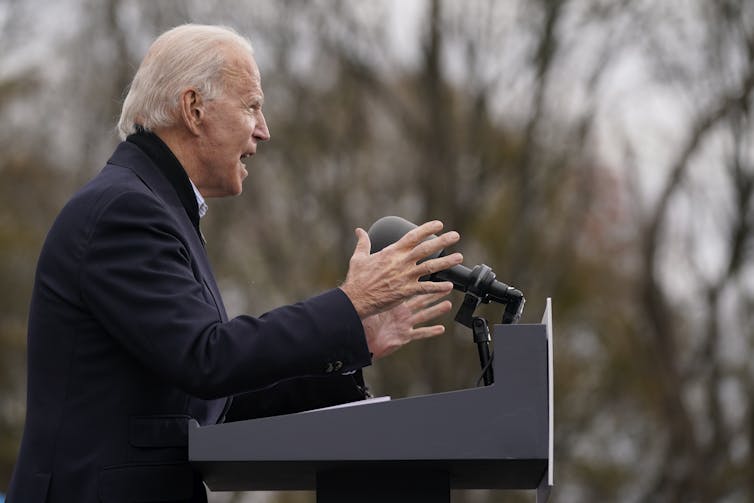
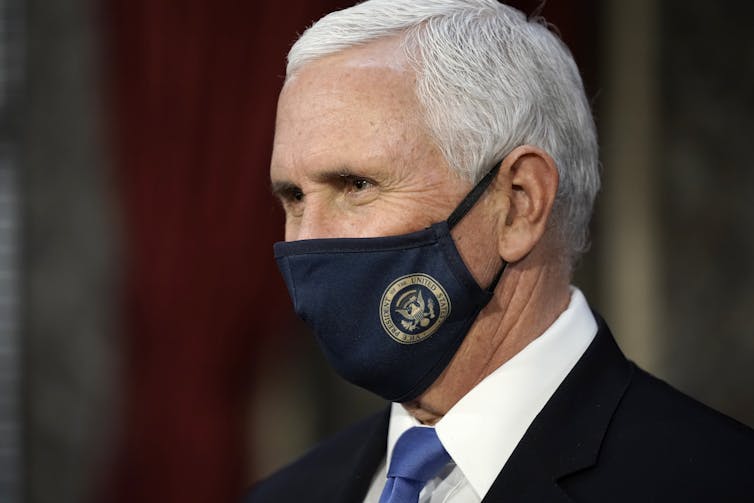





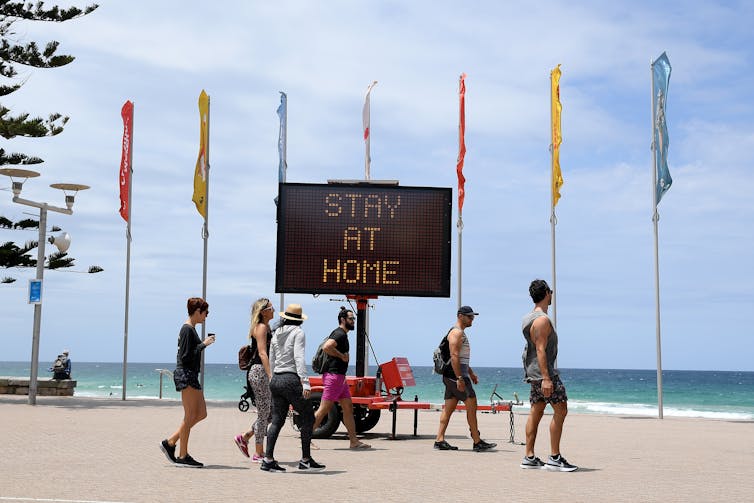







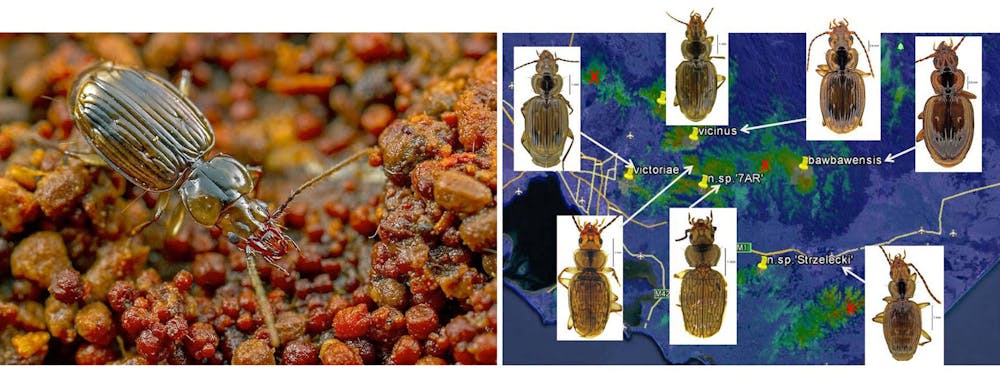
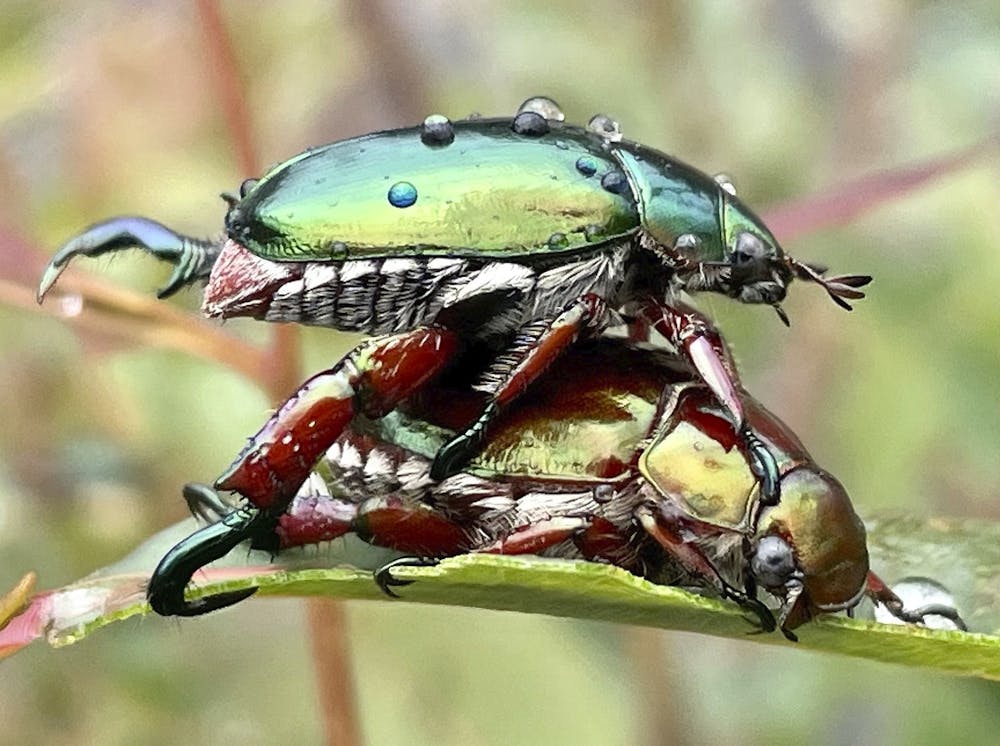

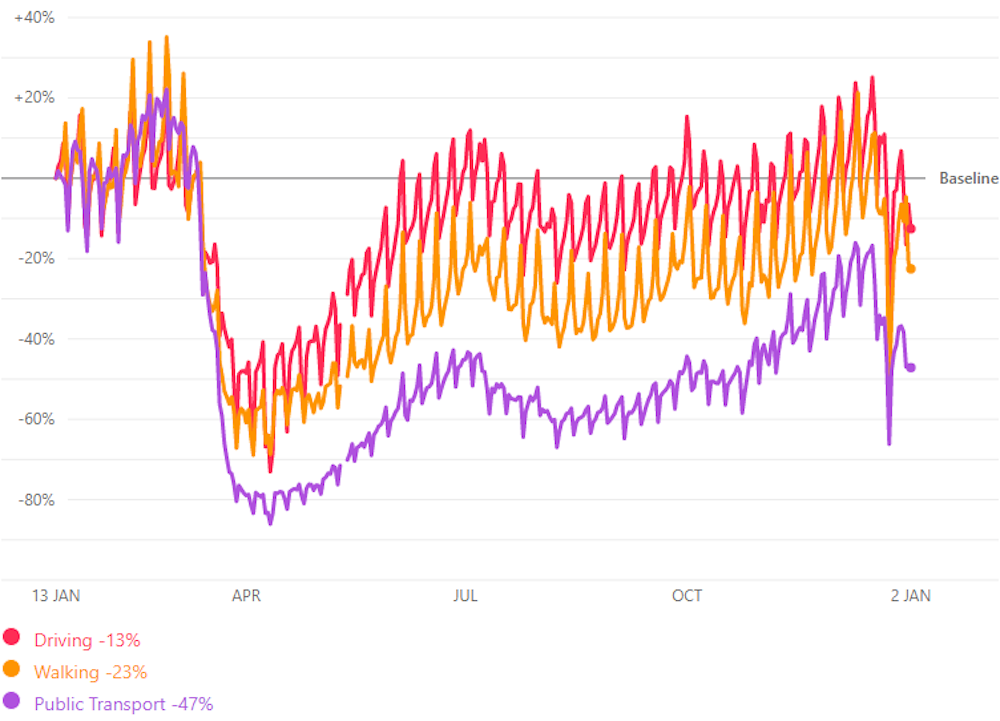
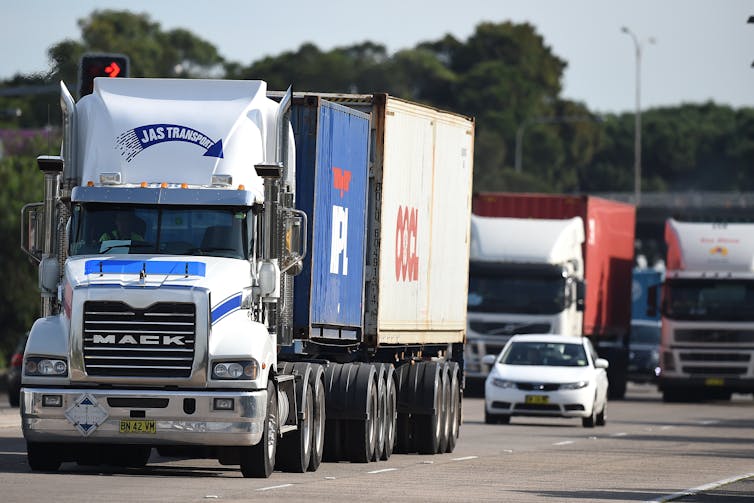
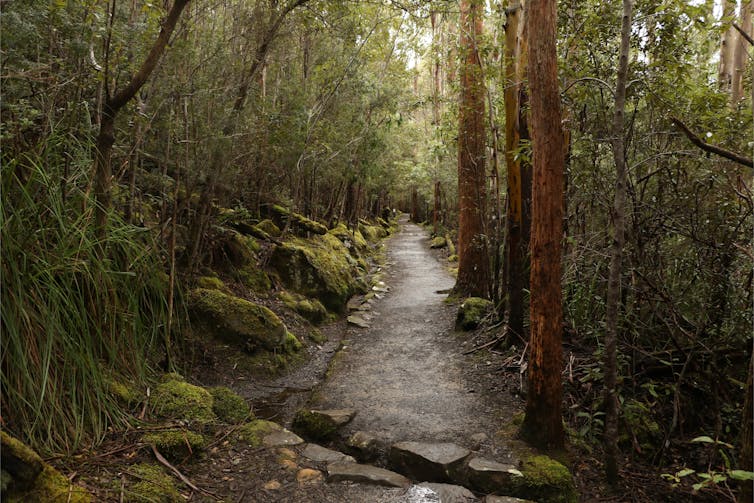
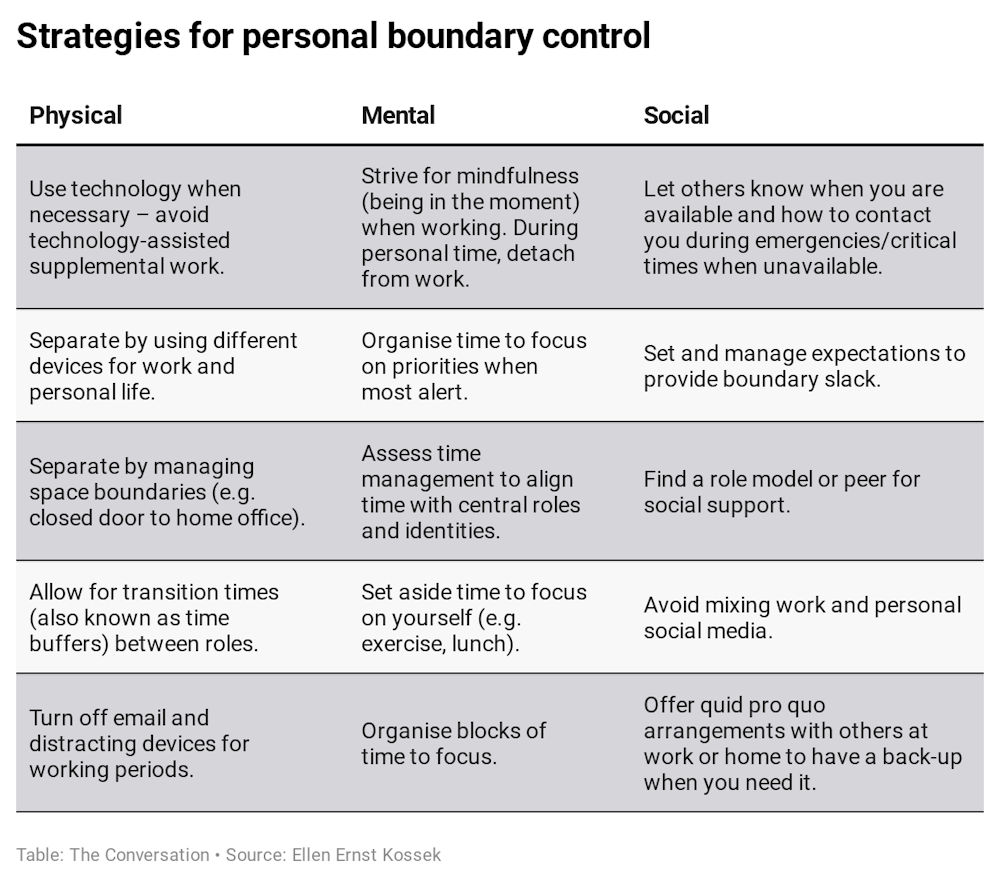


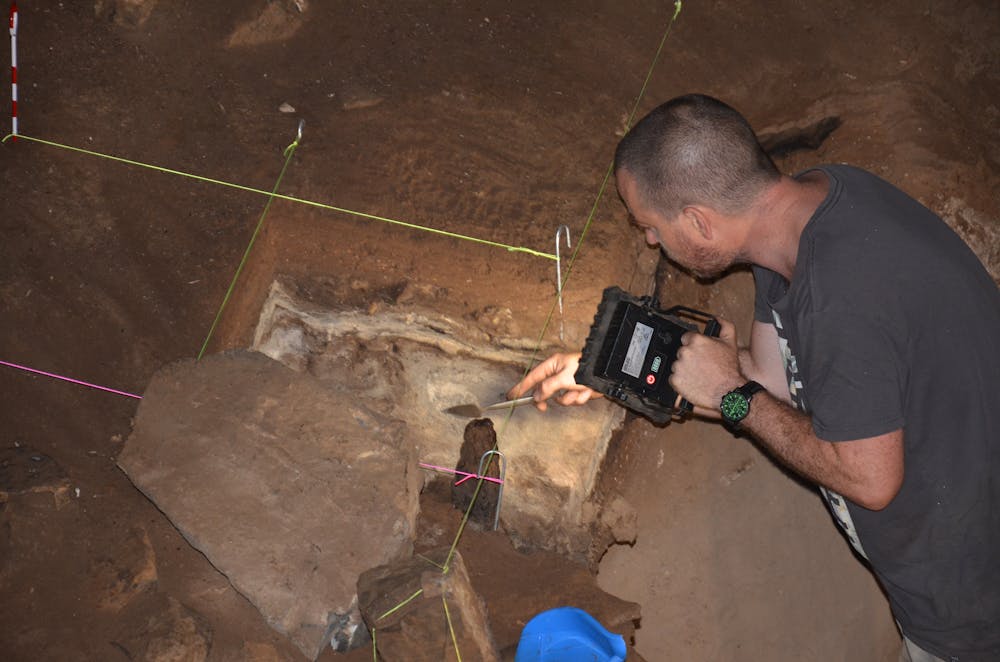



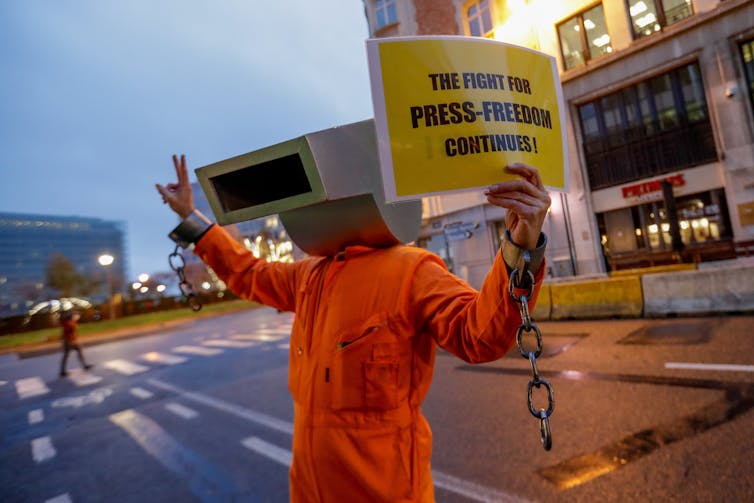
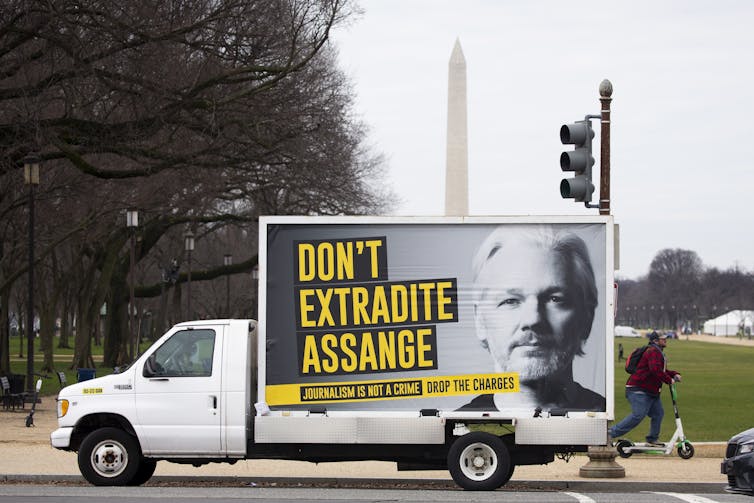

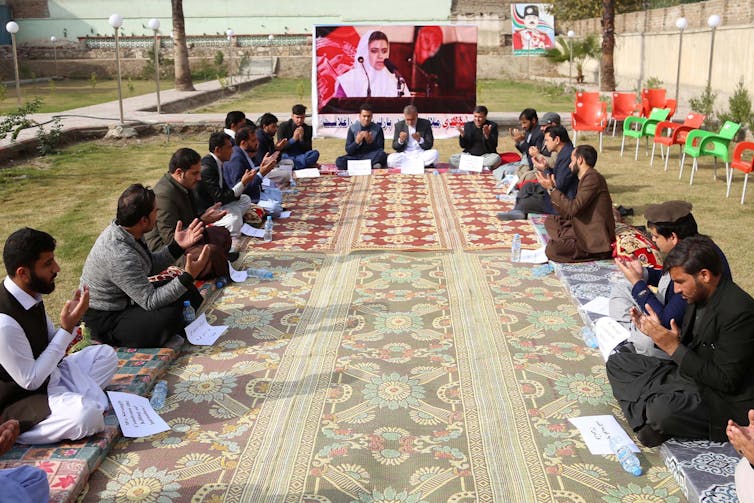

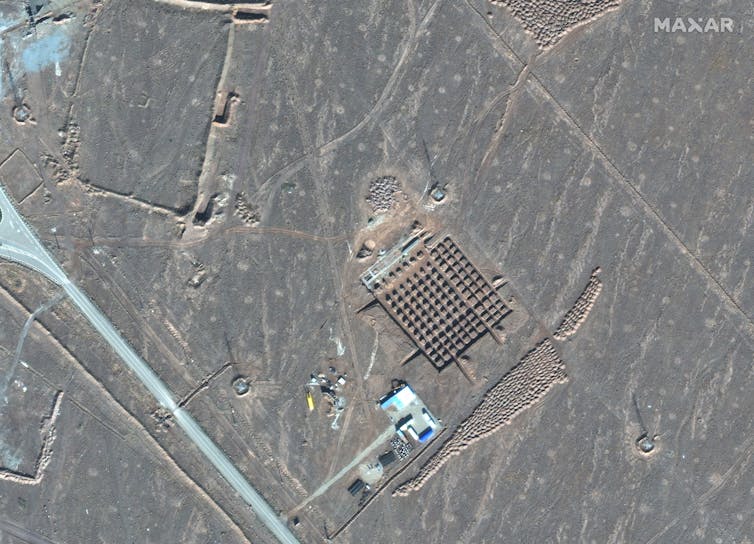





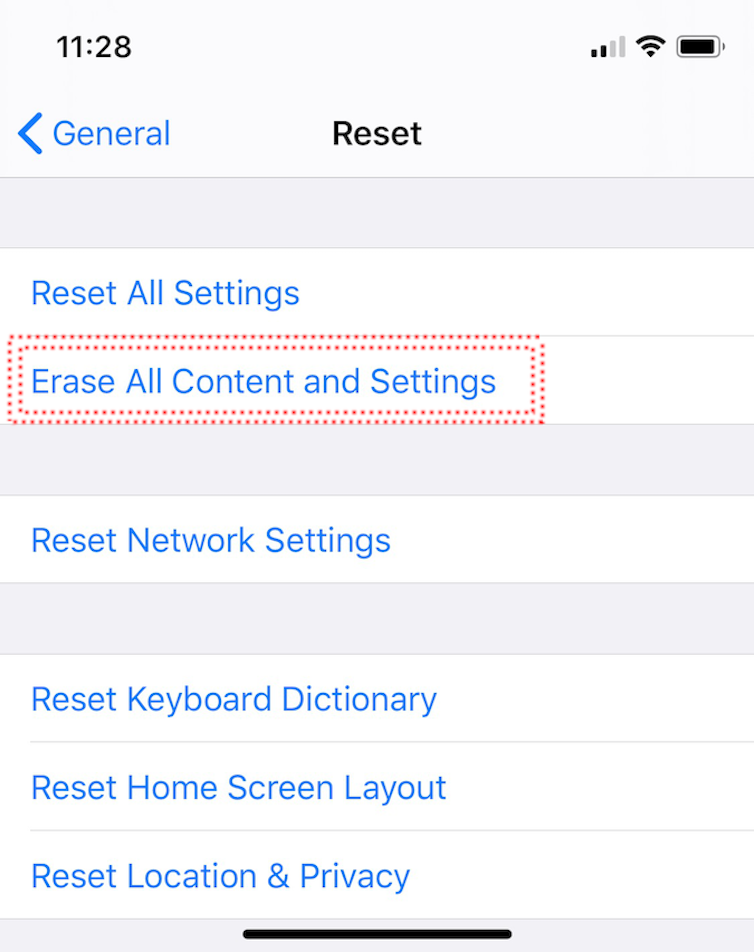












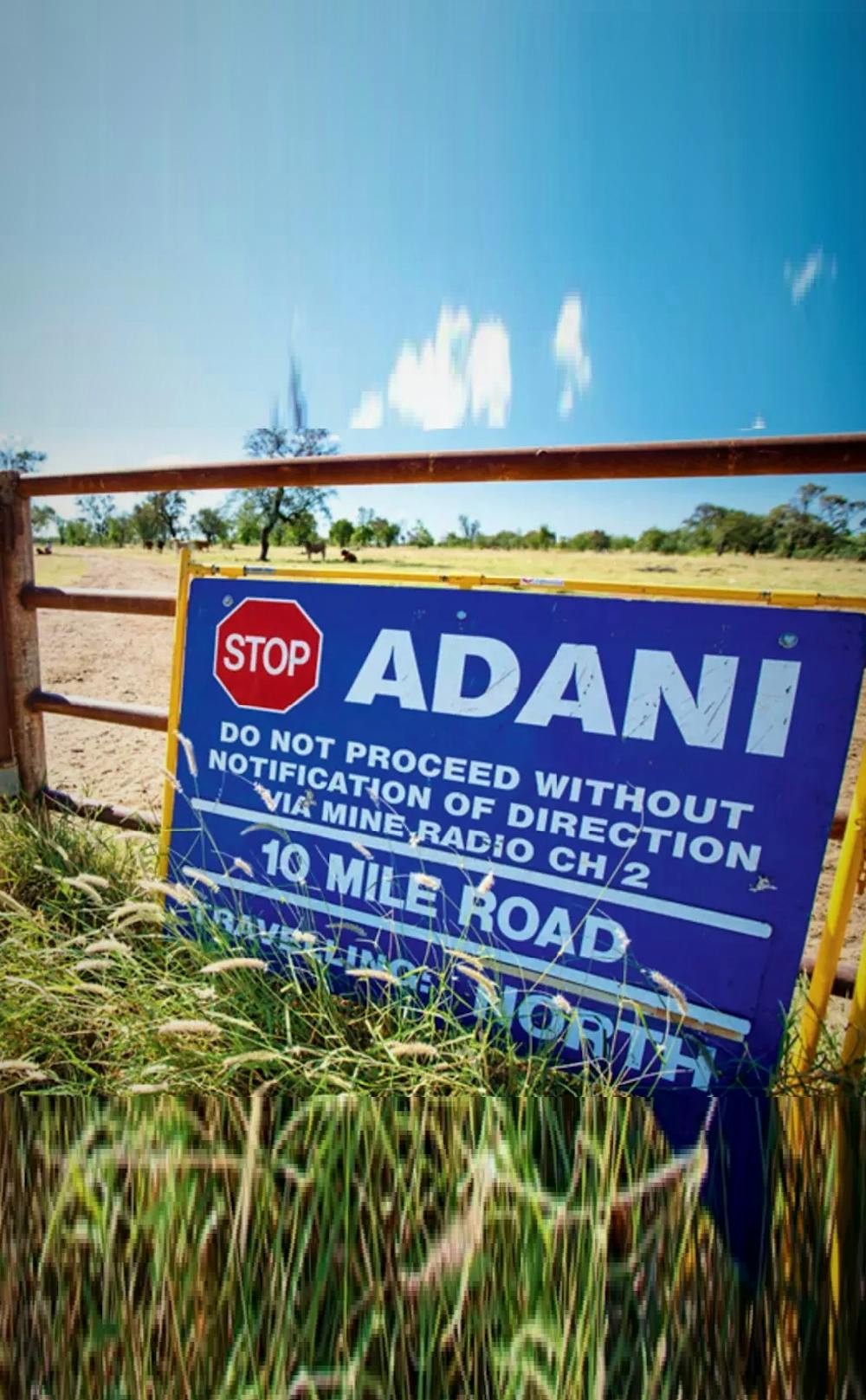

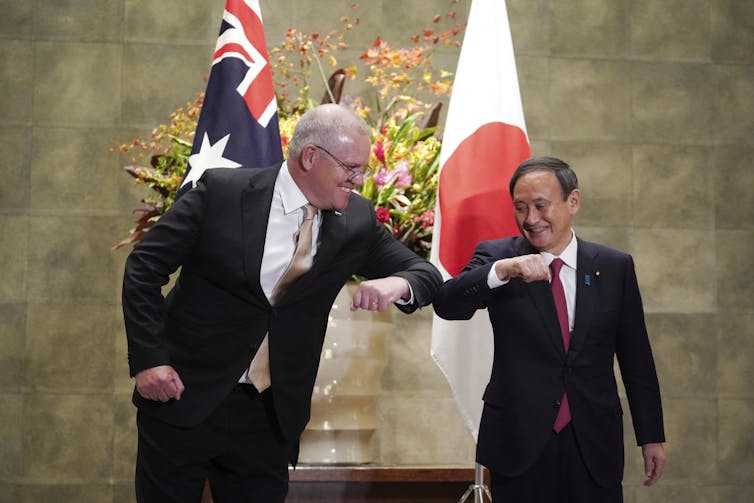




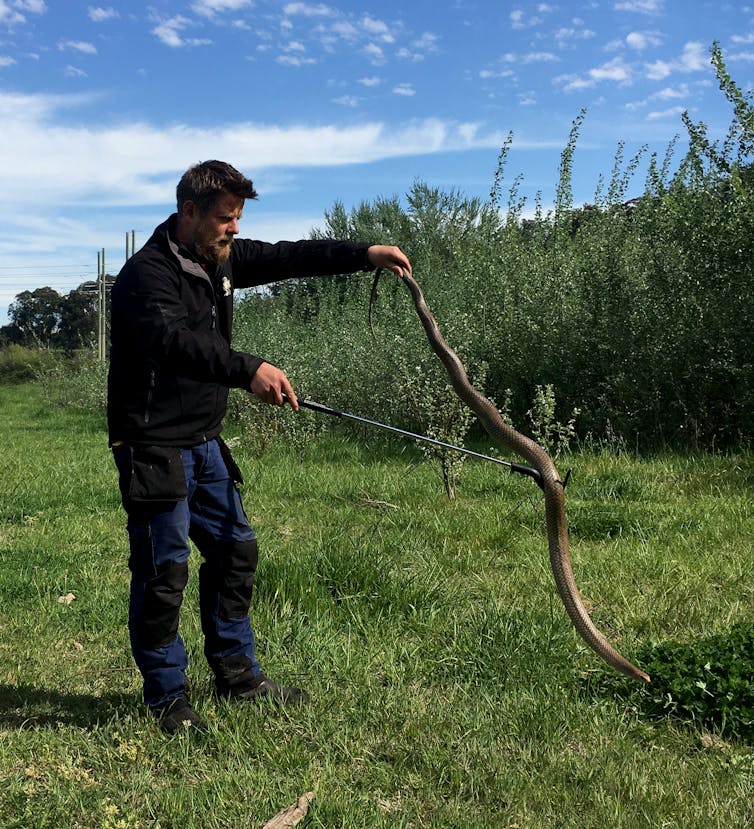
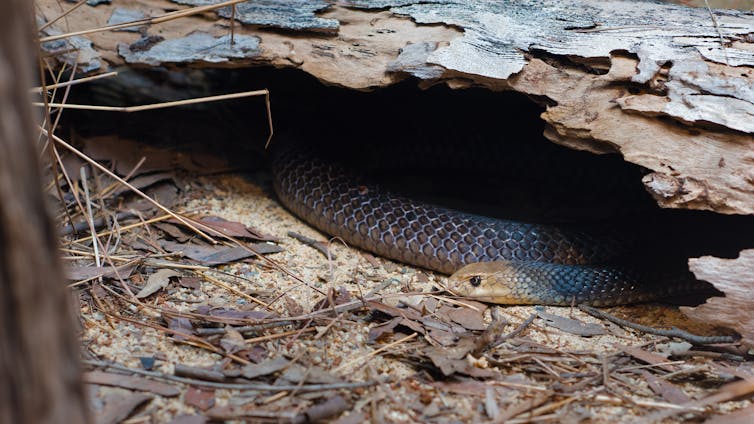


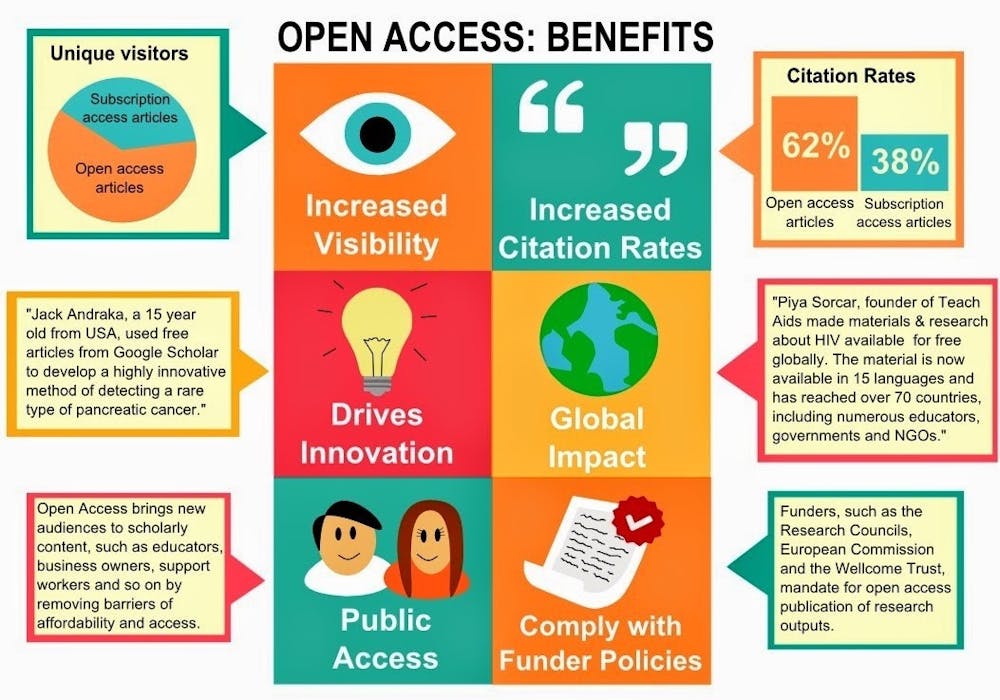
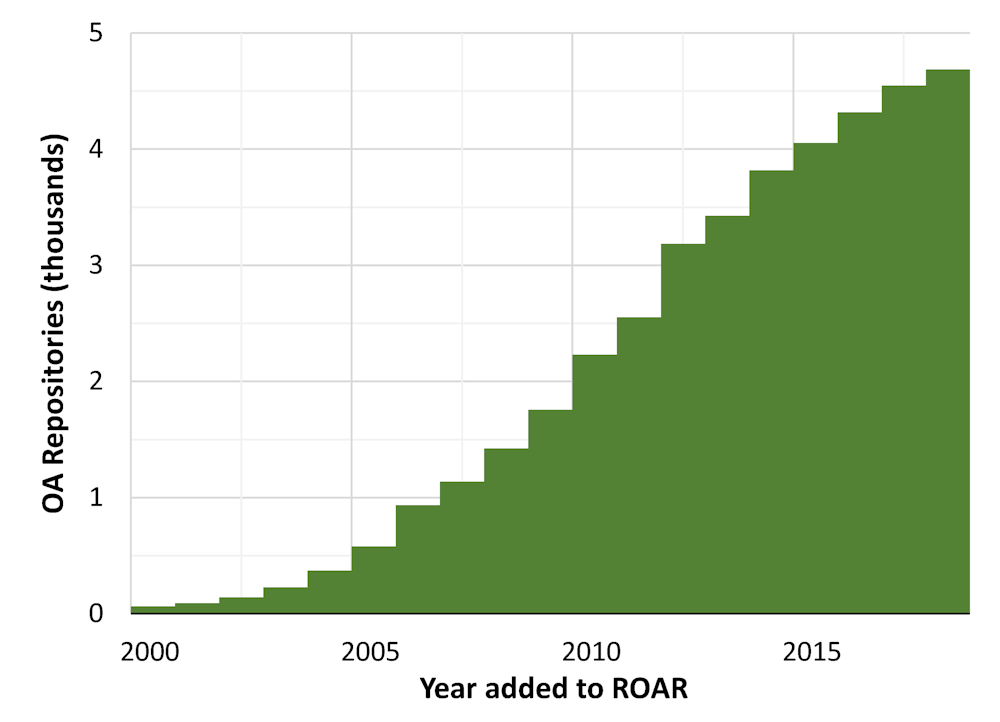
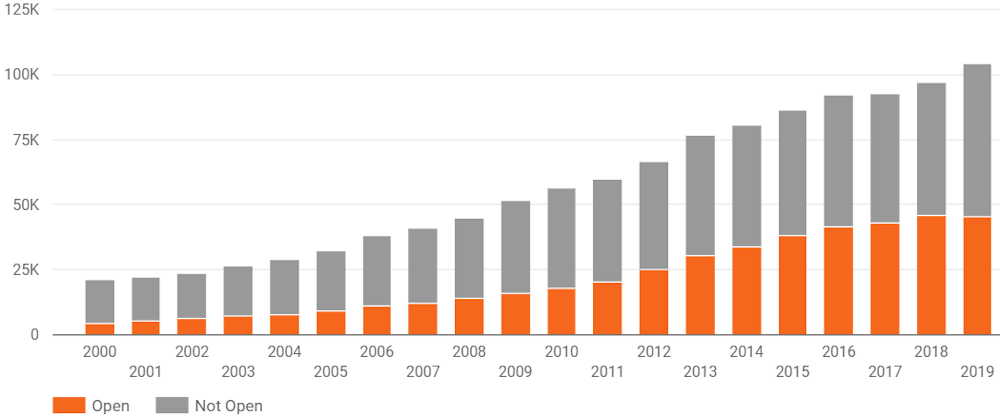

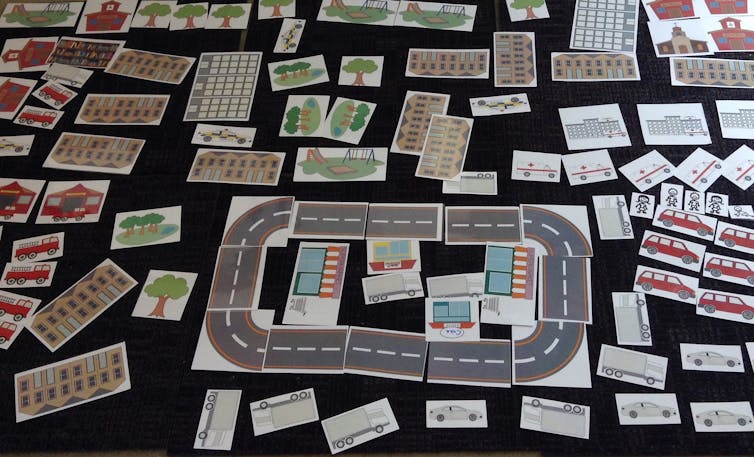

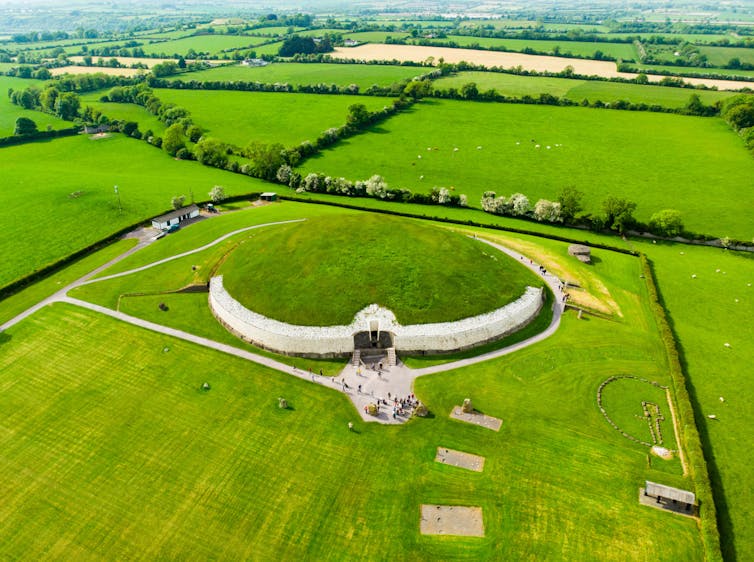
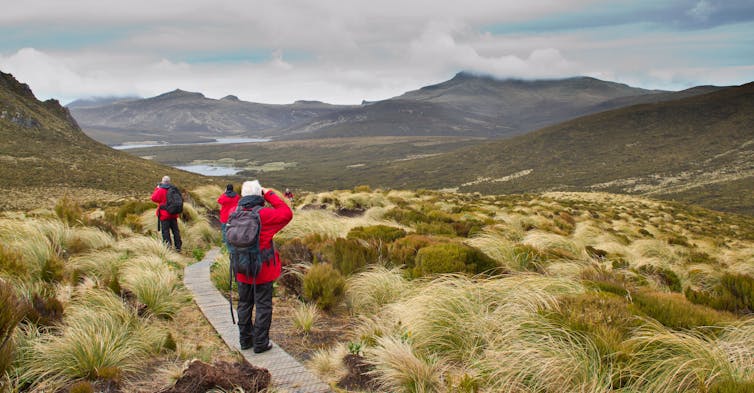







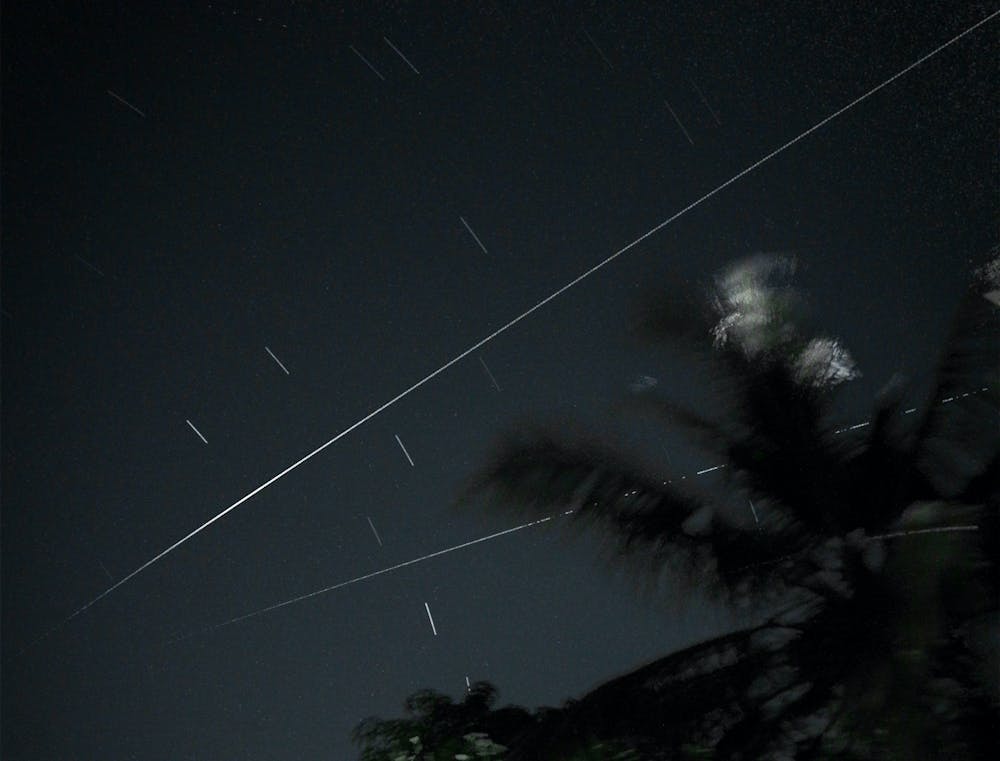

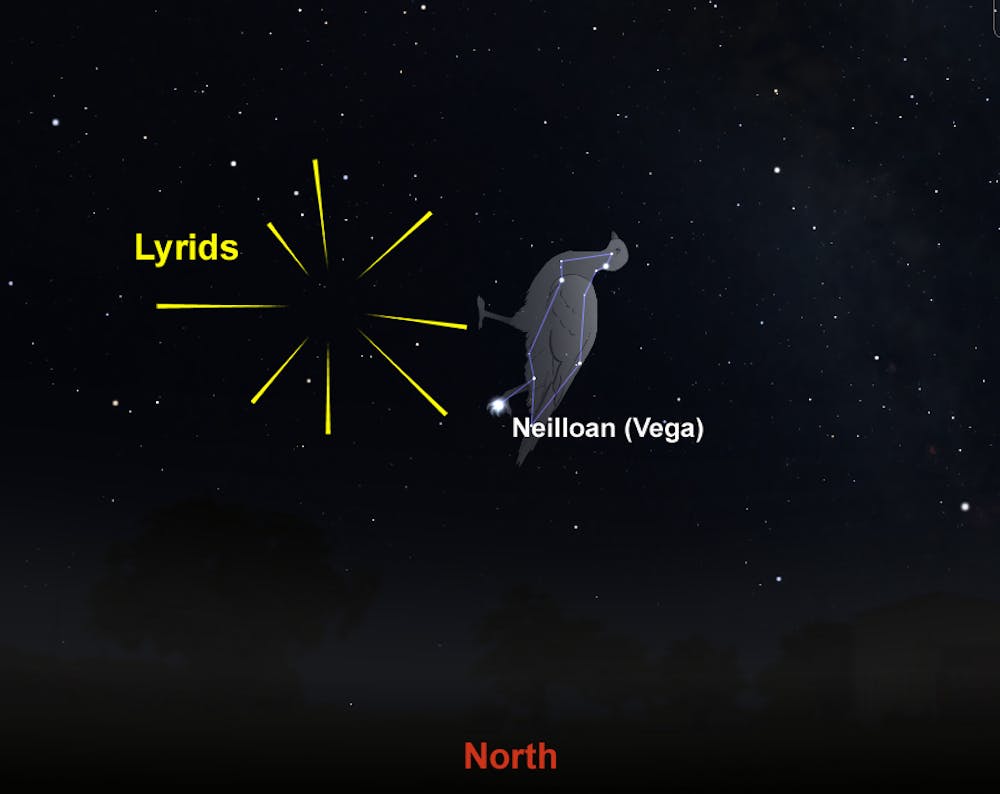

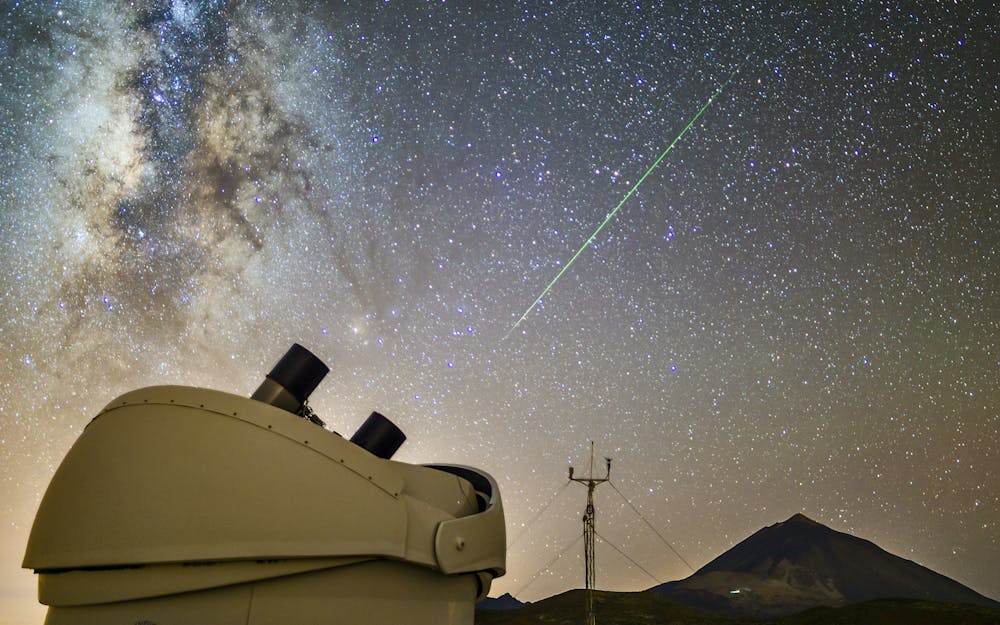
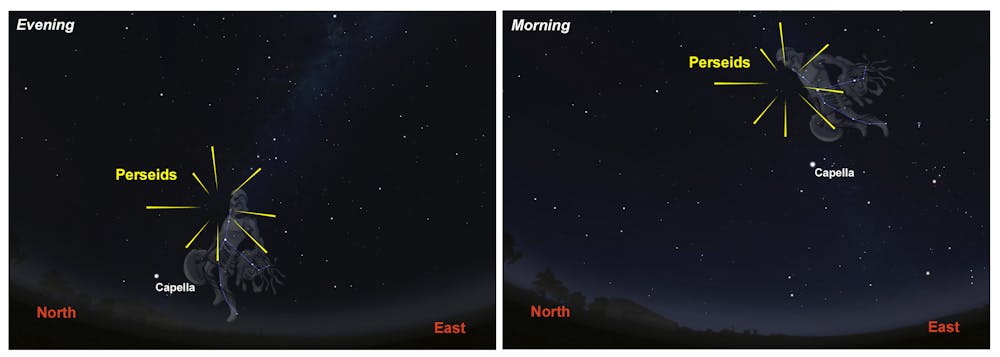

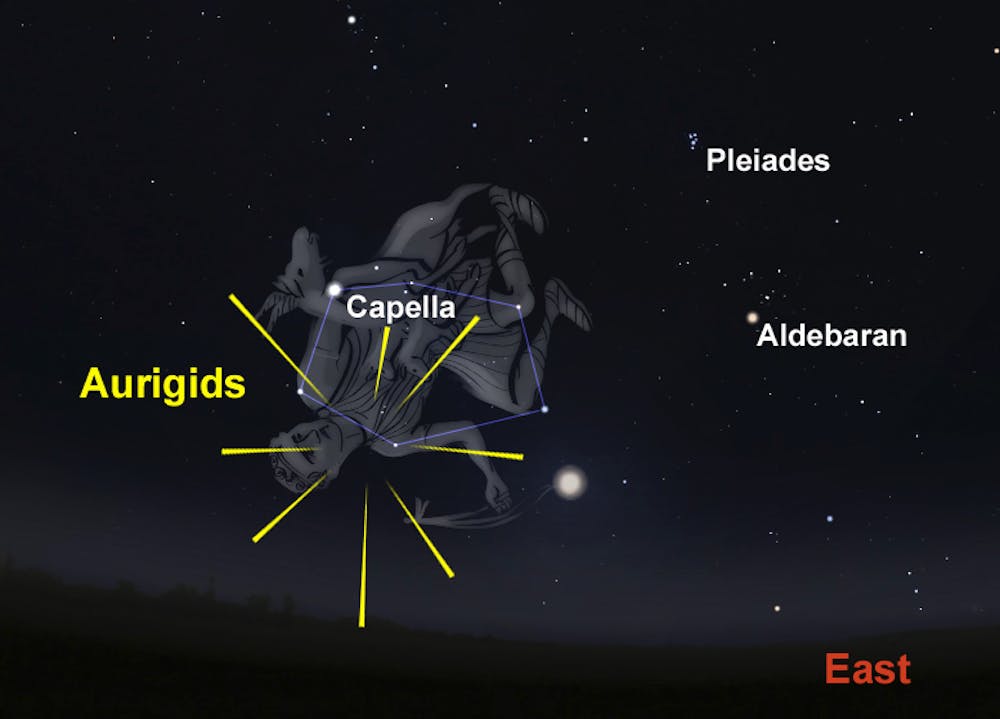
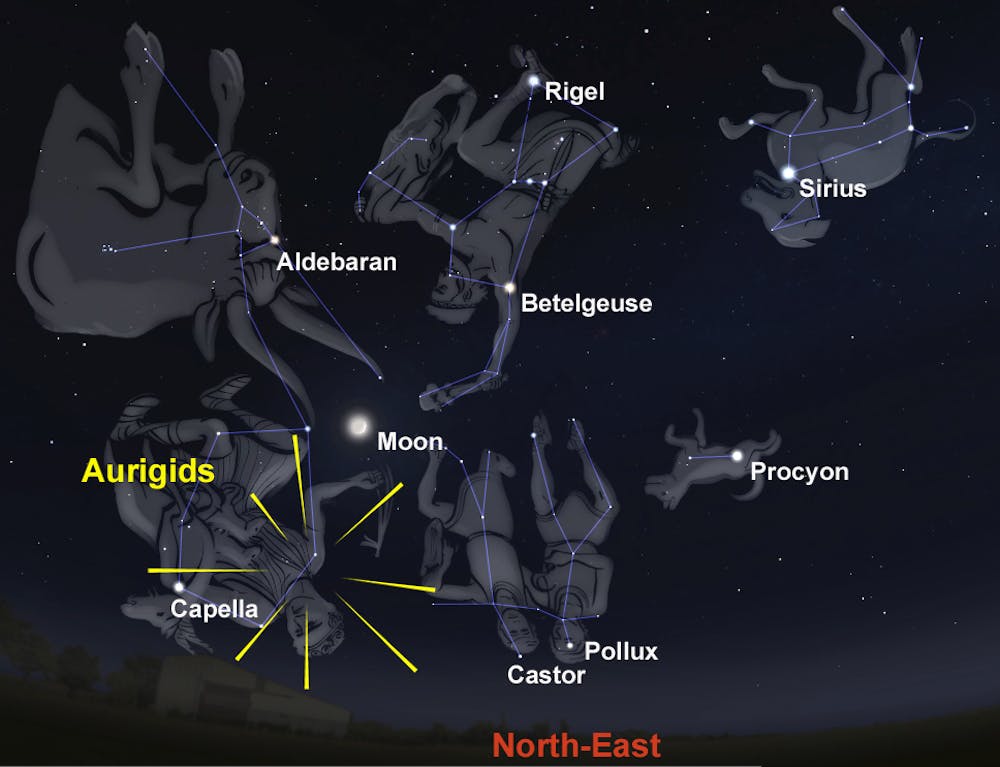
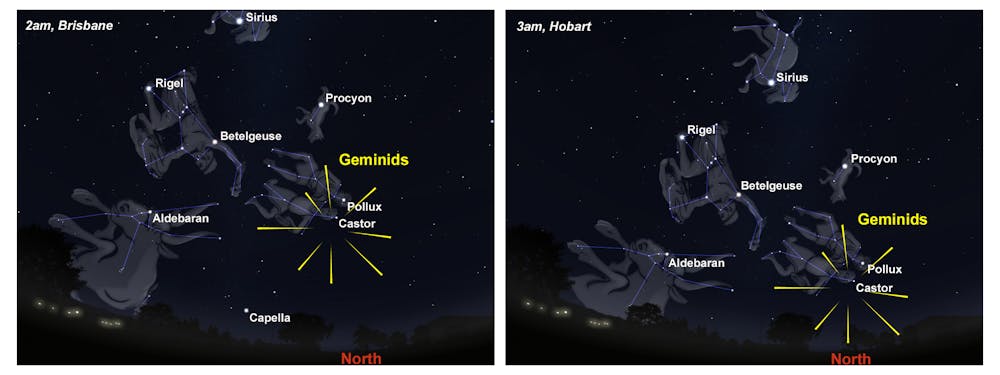
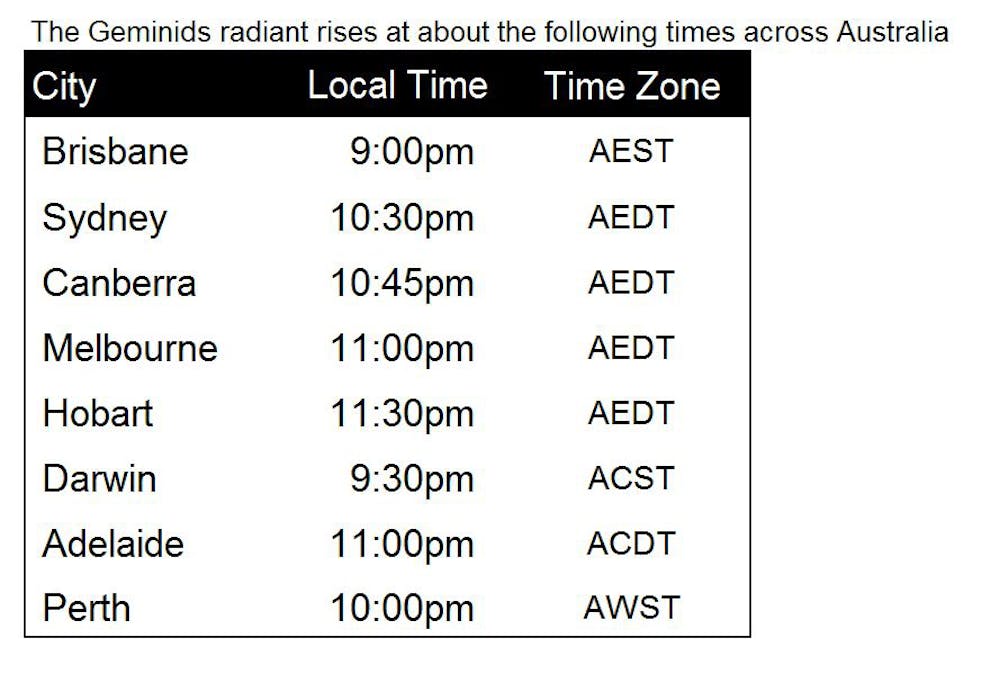


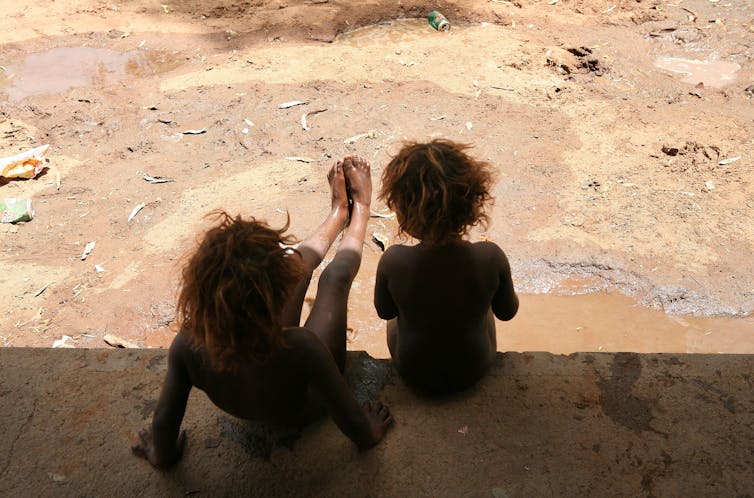





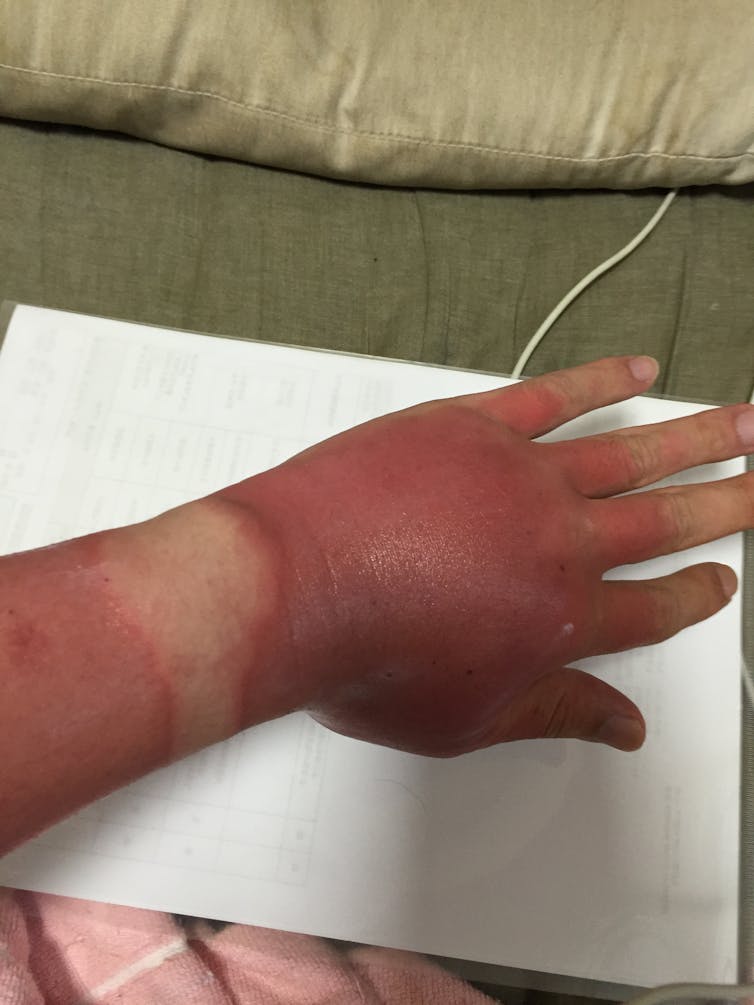
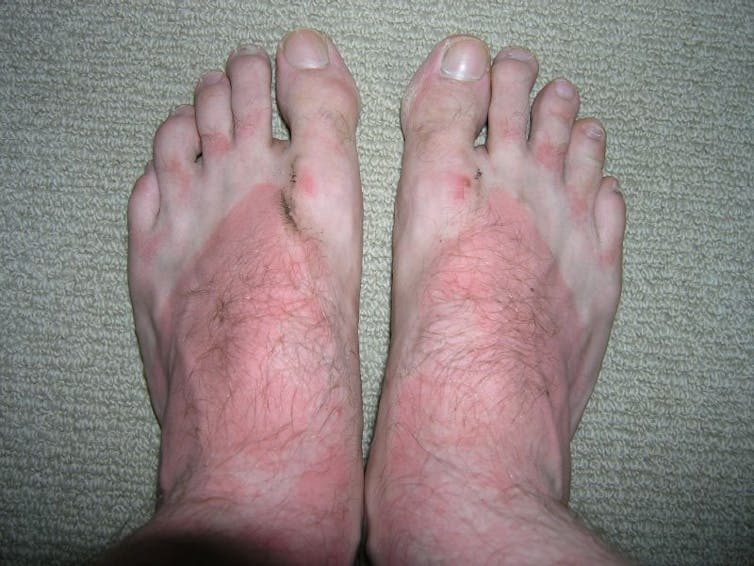
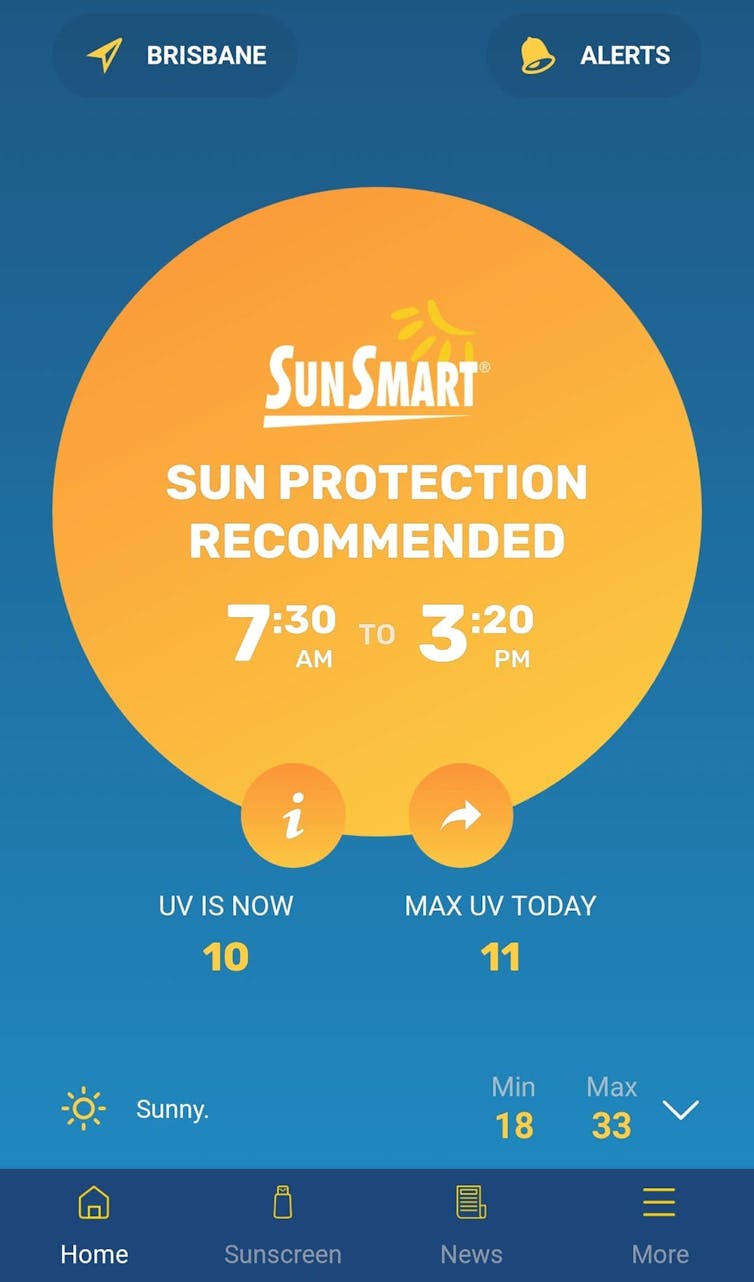





.jpg)